Investigators track words starting with the 'wr' pattern, where the 'w' is silent. This lesson explores common 4th-grade vocabulary through word investigations and context-based activities.
Investigators track the 'ur' r-controlled vowel pattern. Students will identify, sort, and apply words like 'purse', 'Saturday', and 'purple' in various detective-themed contexts.
A fun and engaging Saint Patrick's Day lesson focused on building holiday-themed vocabulary through matching activities and visual puzzles.
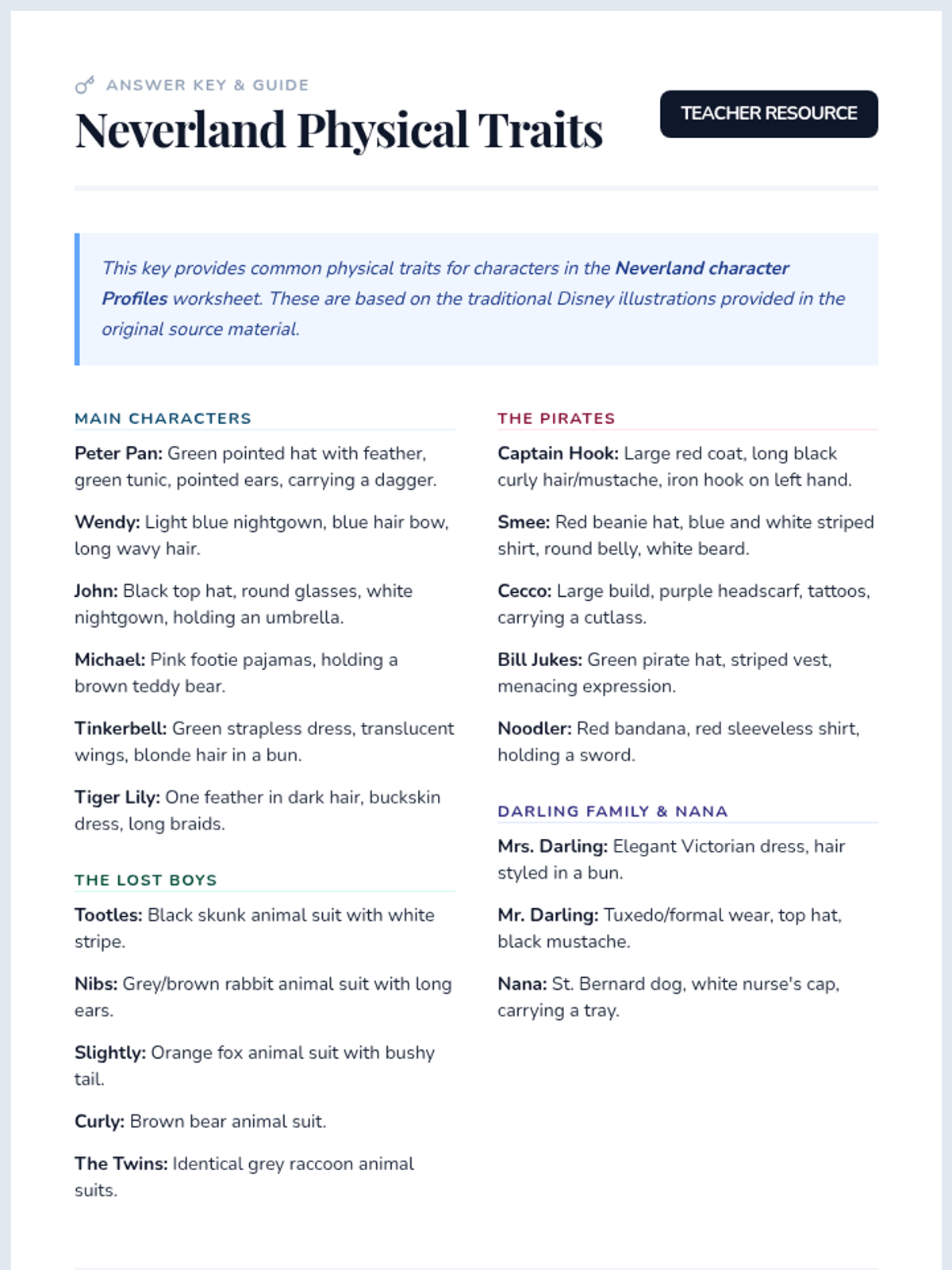
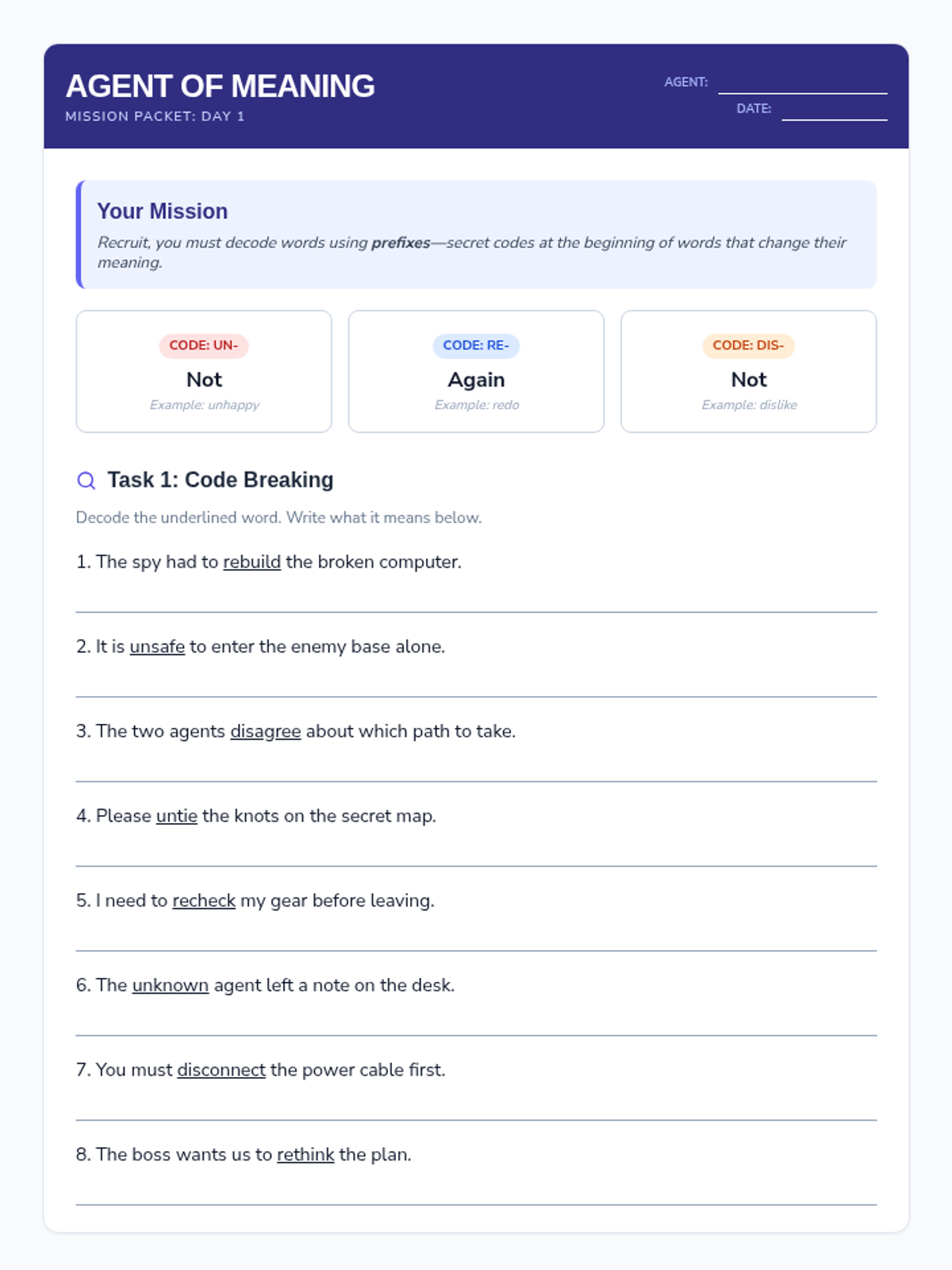
A comprehensive lesson focusing on the three major spelling rules for adding suffixes to multisyllabic words: Silent-E, CVC Doubling, and the Y-to-I change. Students act as 'Suffix Spies' to decode and recode complex words.
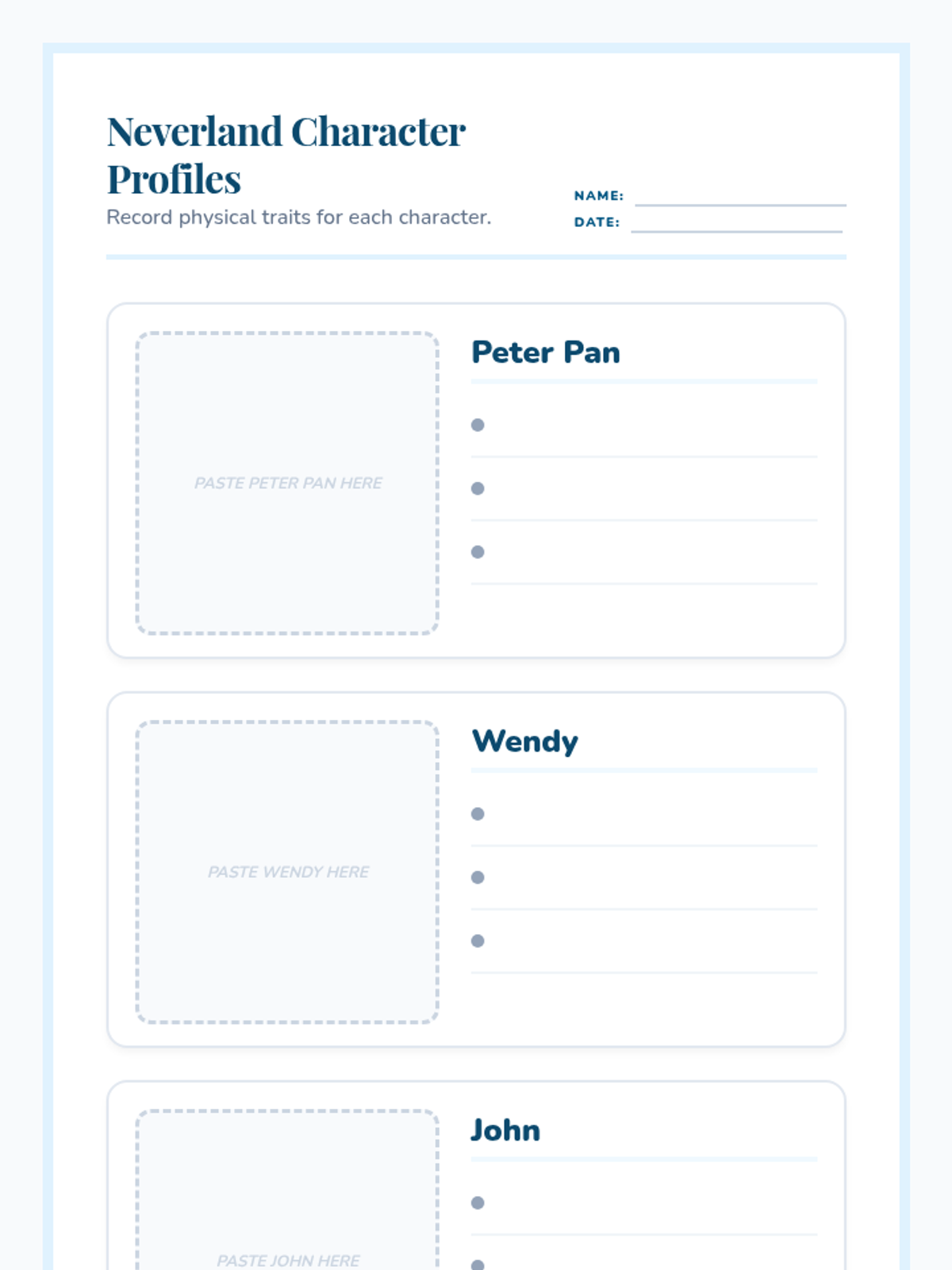
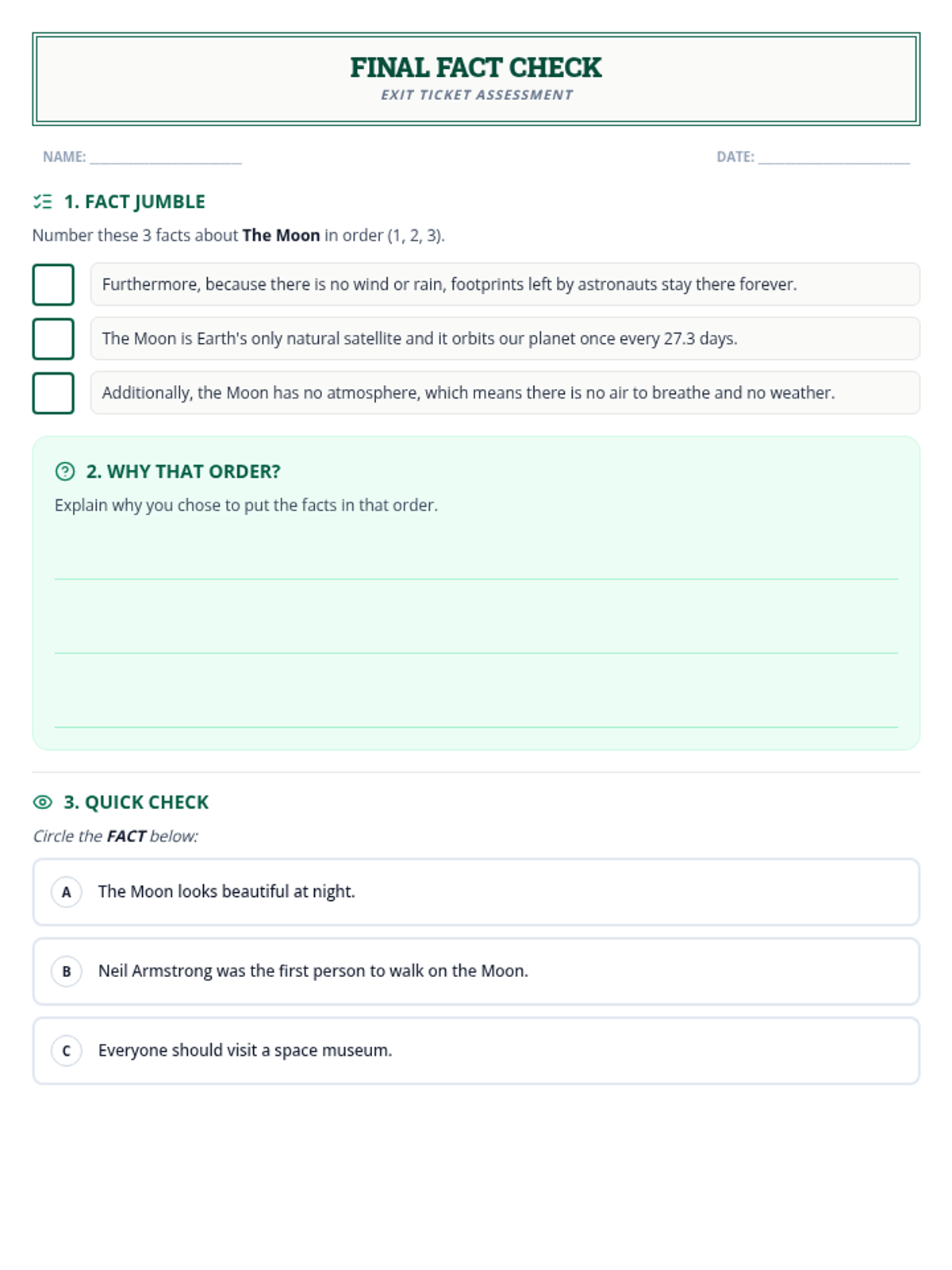
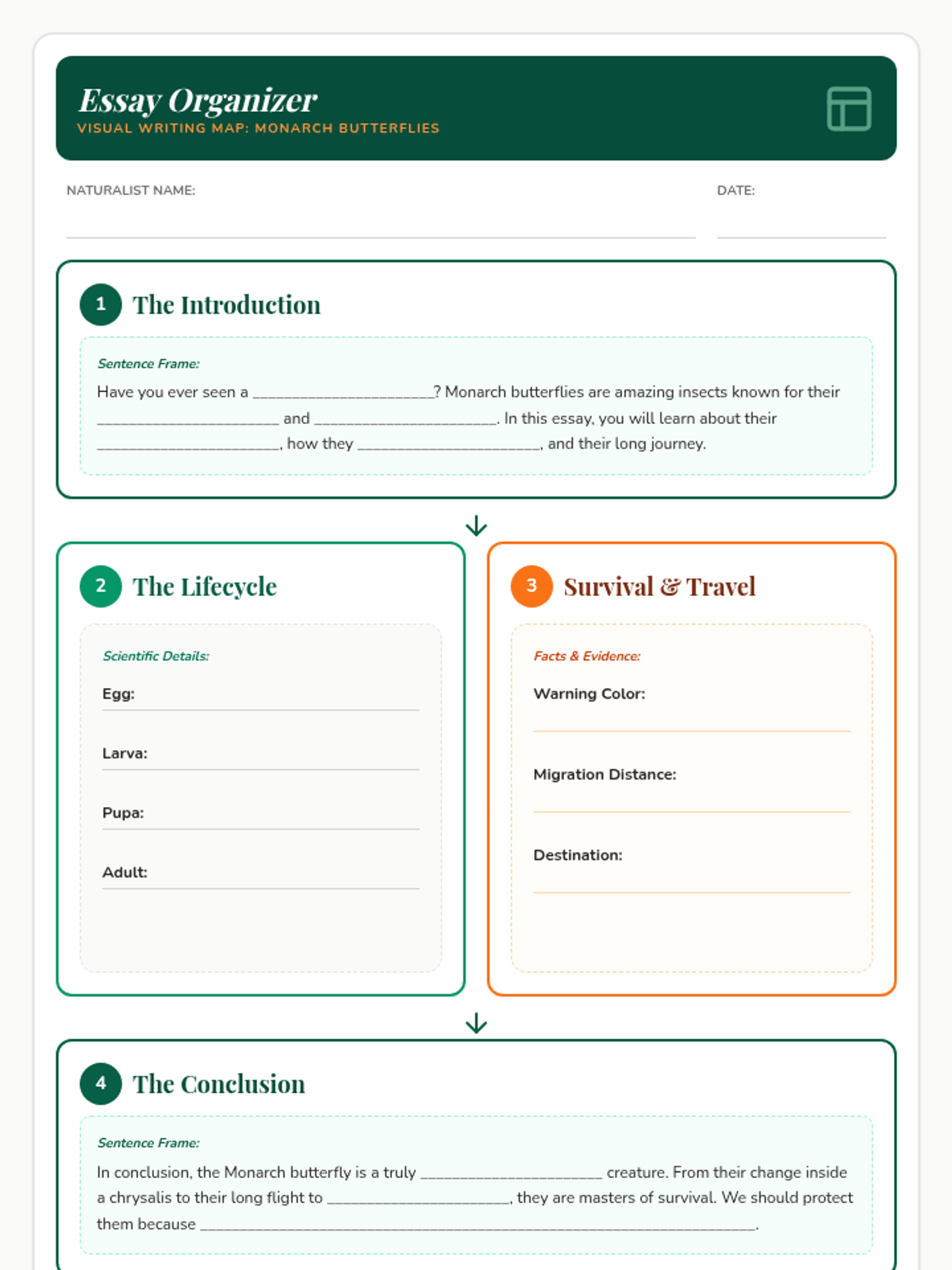
A mini-lesson introducing the fundamentals of informative writing, framing the writer as a teacher who provides facts and clear explanations without personal opinion.
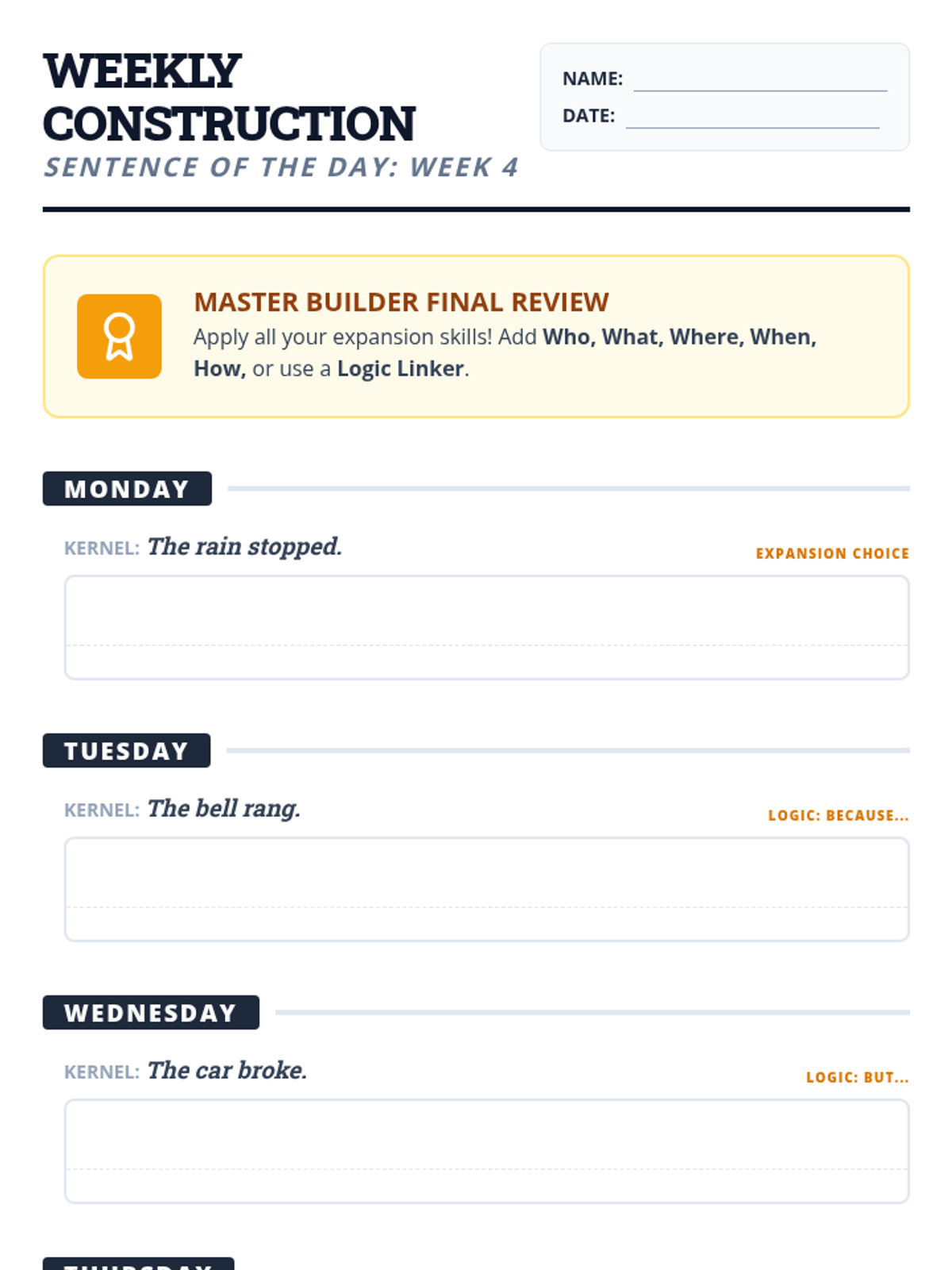
A comprehensive set of activities for students to master the long e sound spelled with ee, ie, and i through word sorts, picture matching, and sentence practice.
Students learn to use their 'magic lens' to see everyday objects in new ways, introducing the concepts of similes and metaphors through imaginative play.
A lesson designed to help students distinguish between Short Constructed Response (SCR) and Extended Constructed Response (ECR) prompts by analyzing length requirements and depth of analysis.
A competitive reading challenge inspired by basketball tournaments, featuring a point-based scoring system for different book types and a verification quiz for students to earn their points.
A focused lesson on Chapter 6 of 'The Watsons Go to Birmingham—1963', exploring character complexity, socioeconomic themes, and Byron's hidden sensitivity.
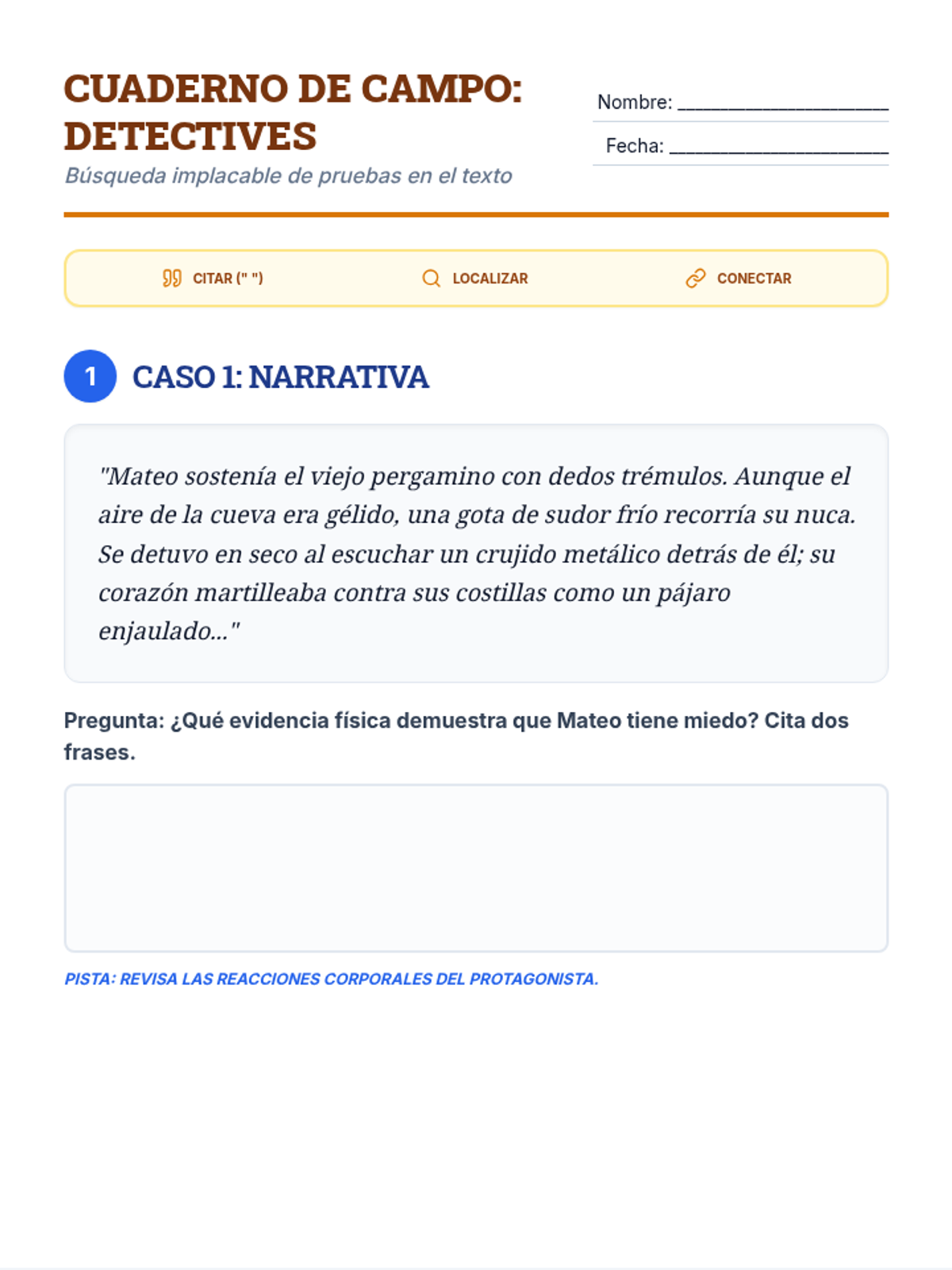
A flexible framework for assessing student comprehension and analysis of any fictional novel through open-ended questioning and critical reflection.
A focused lesson on the essential mechanics of paragraph writing, providing clear expectations for capitalization, punctuation, spelling, and formatting.
Students investigate the "oo" vowel team, discovering that this "double agent" can make two different sounds (as in 'moon' and 'foot'). They will sort evidence and use context clues to master these words.