A comprehensive collection of 10 word search puzzles focusing on commonly confused words (homophones and near-homophones). Designed to improve vocabulary recognition and spelling through engaging "Case File" themed activities.
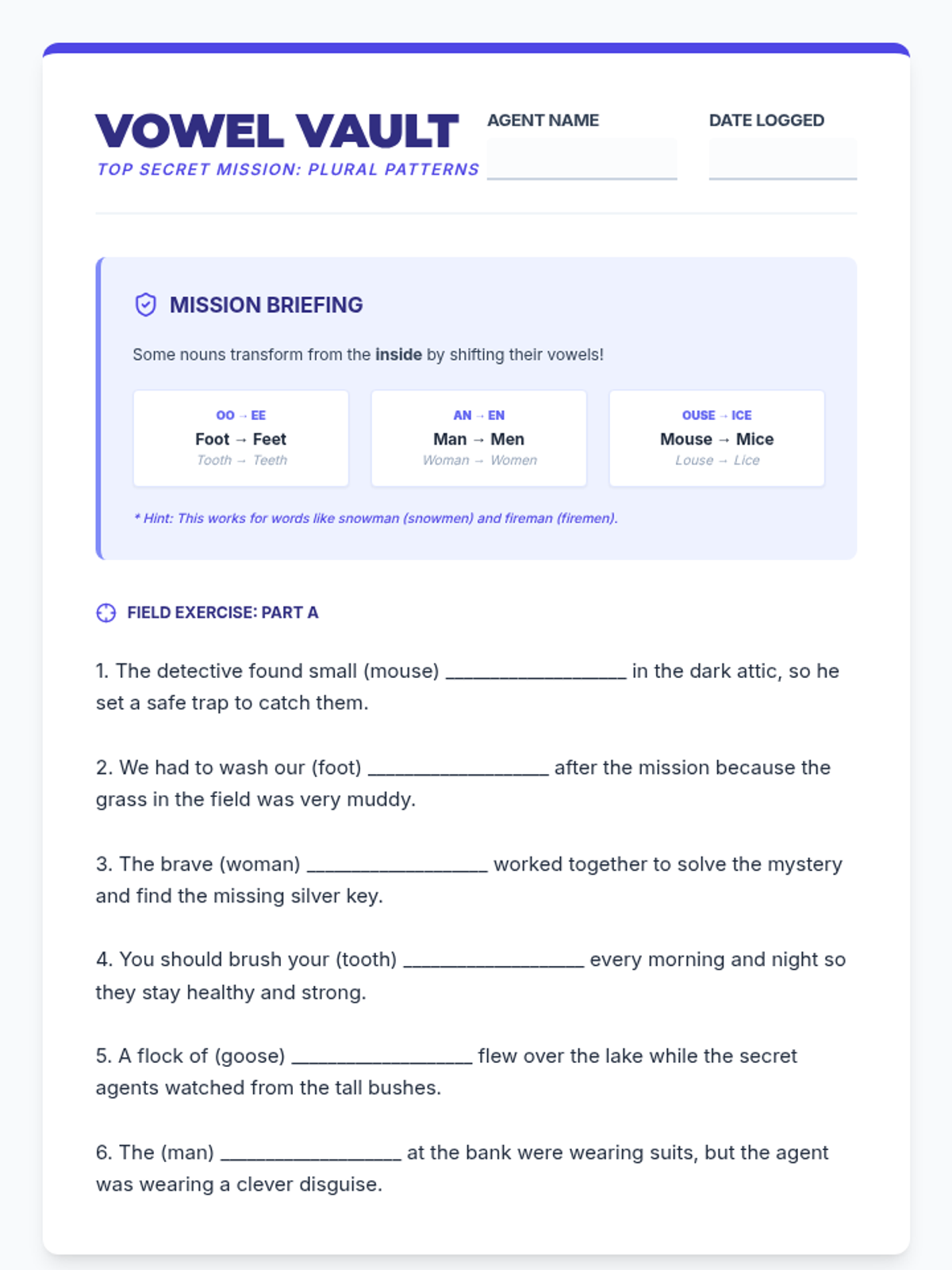
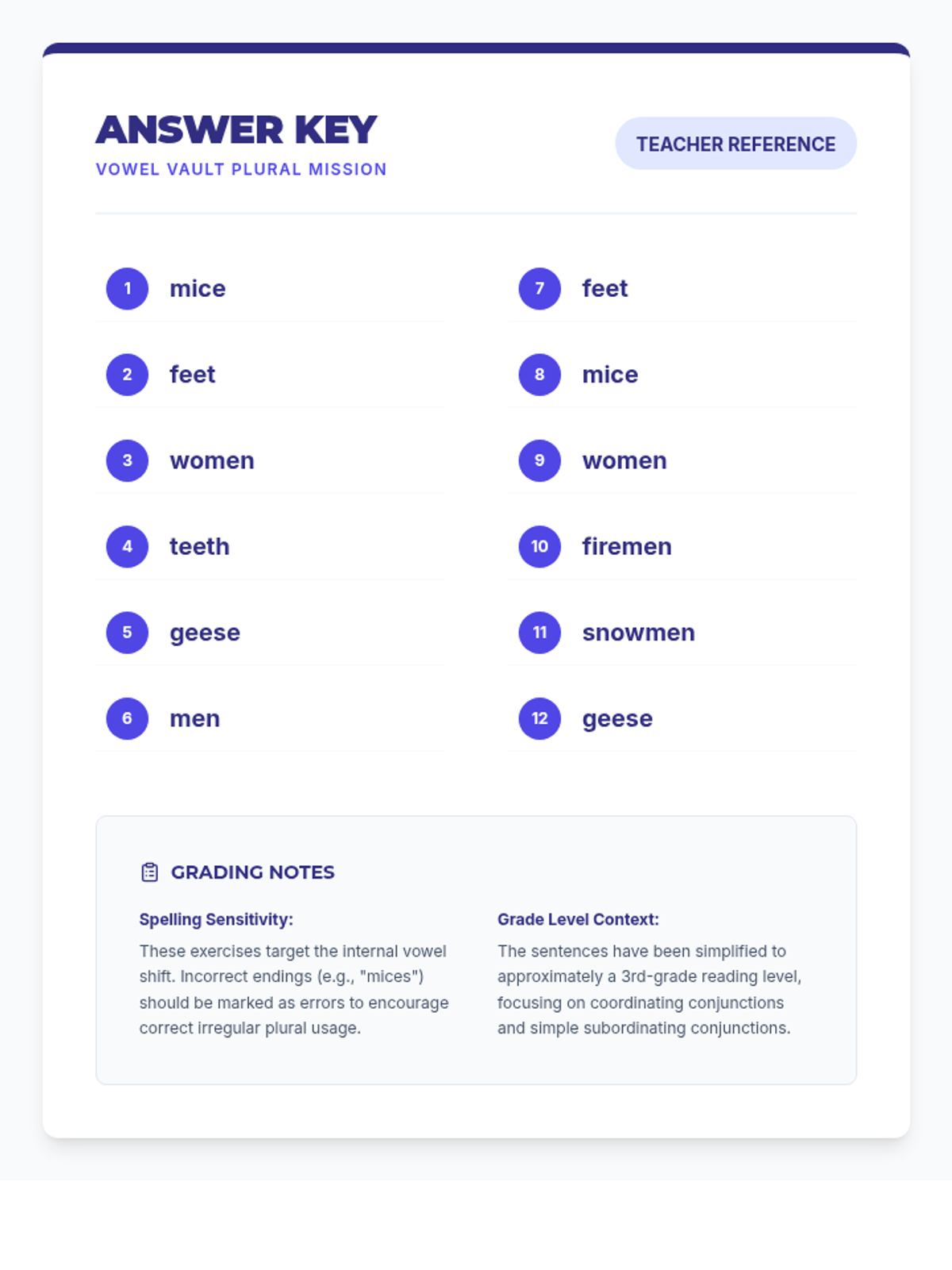
A focused lesson on irregular plural nouns that undergo vowel shifts, designed for 4th-grade students to master common internal spelling changes.
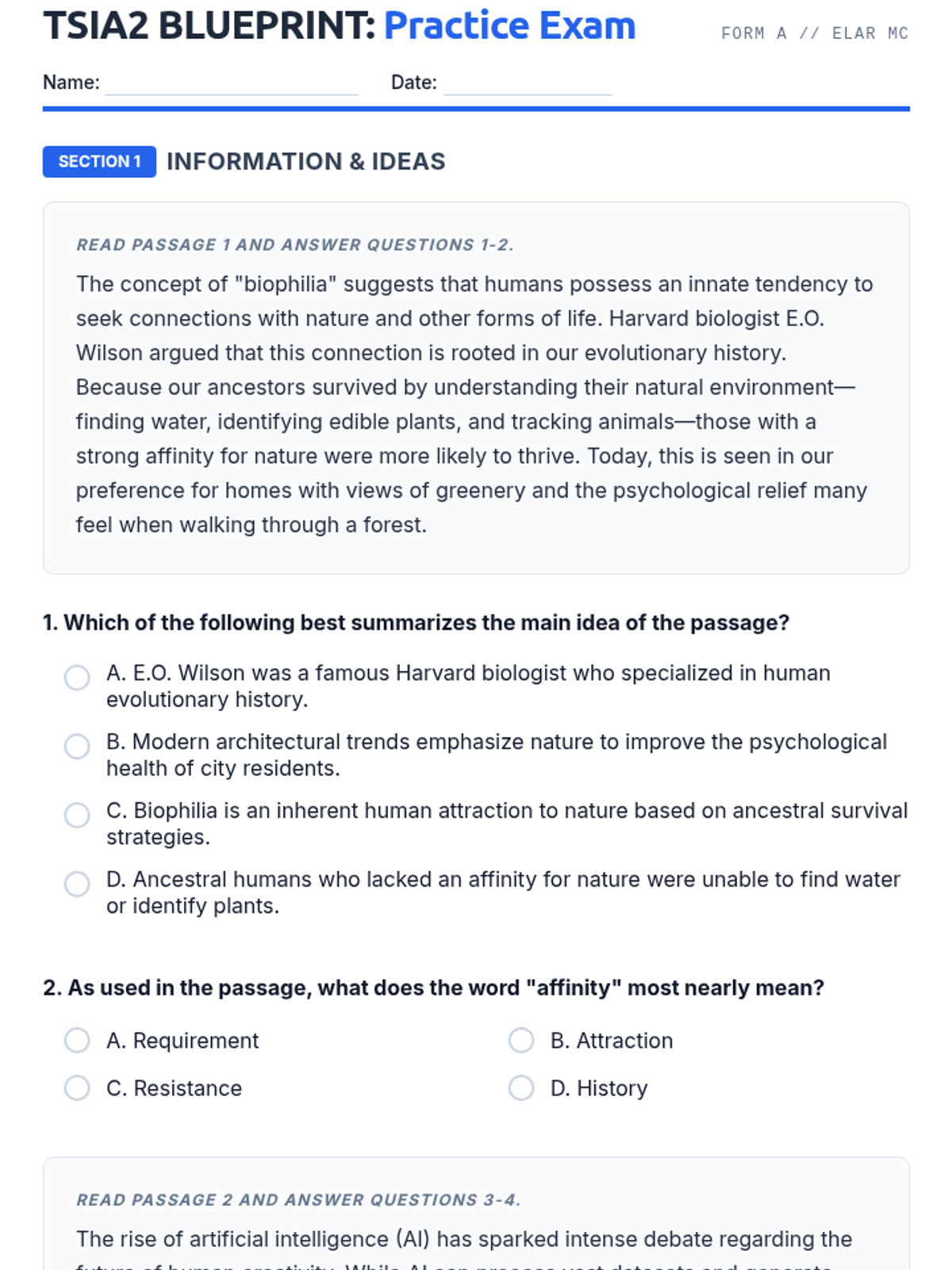
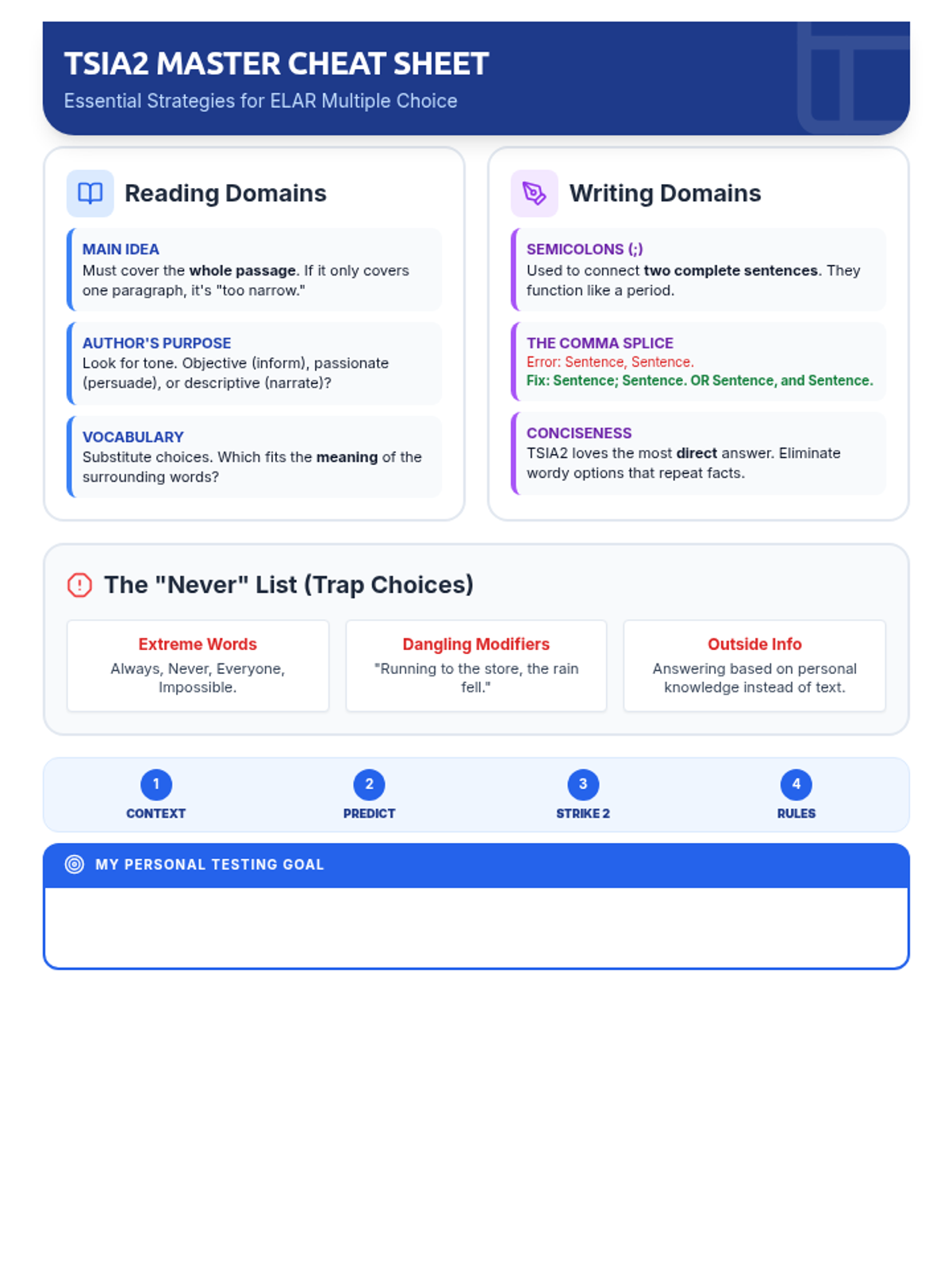
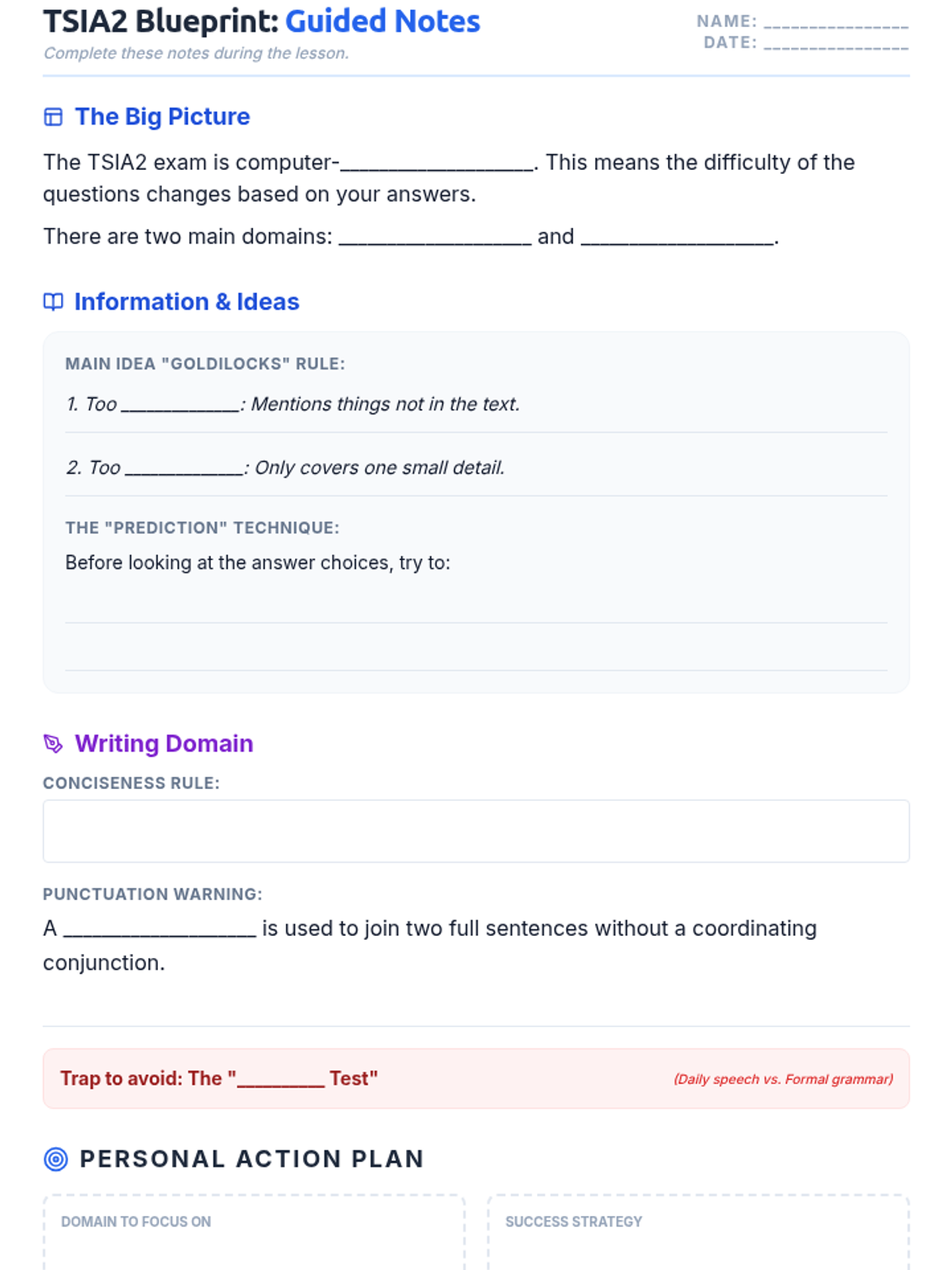
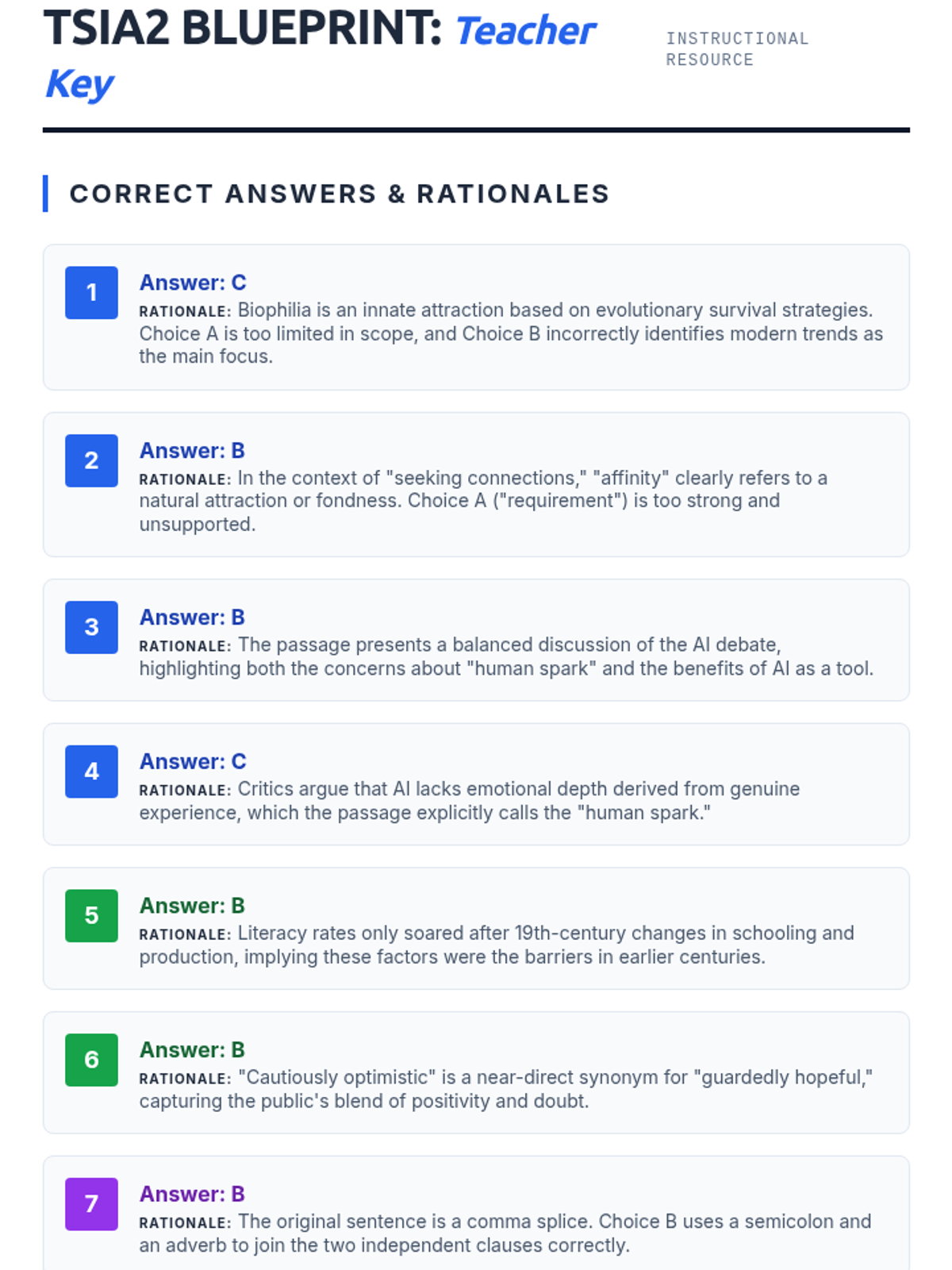
A comprehensive prep lesson for the TSIA2 ELAR exam, focusing on reading comprehension, sentence revision, and information/ideas strategies.
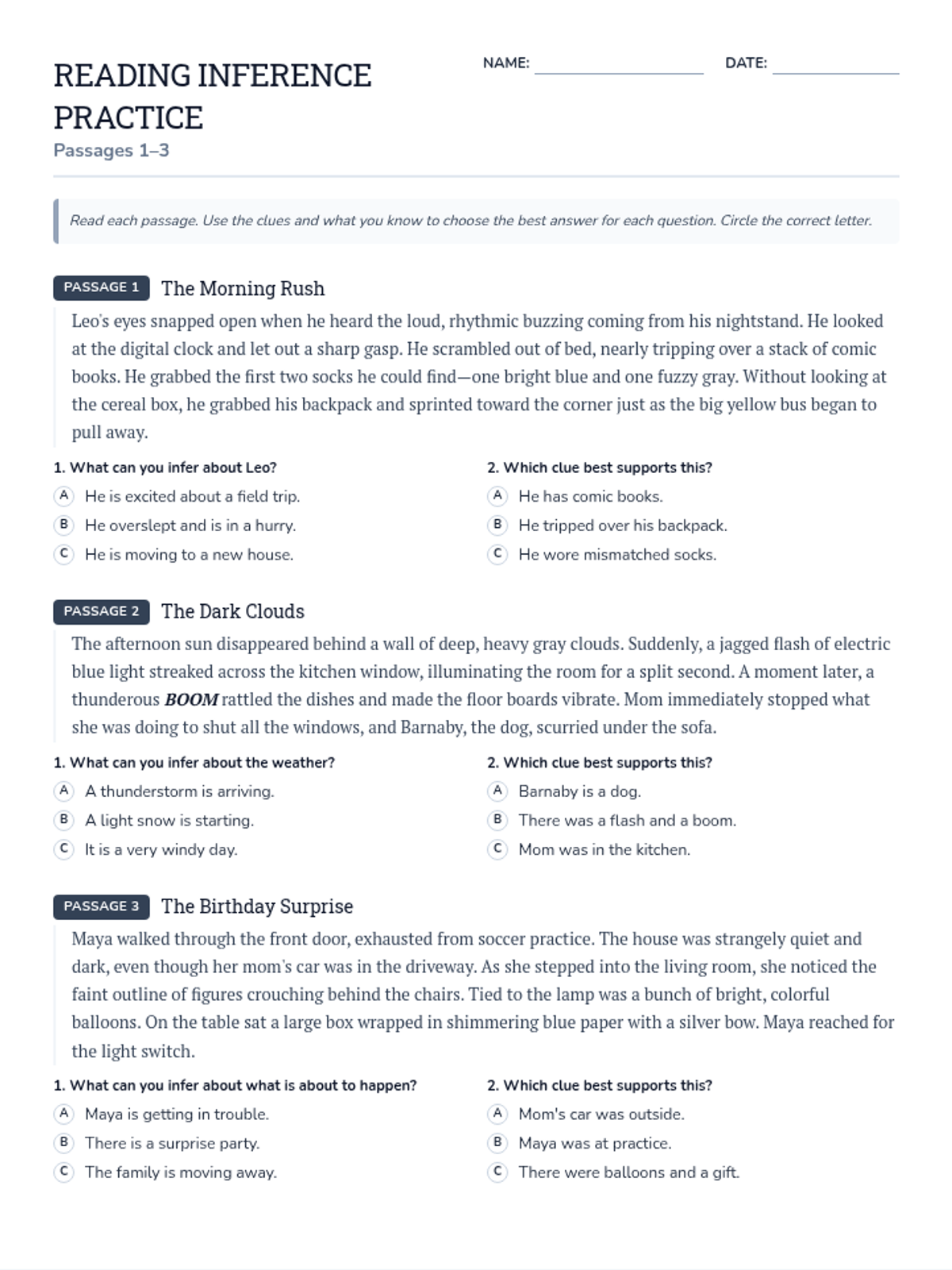
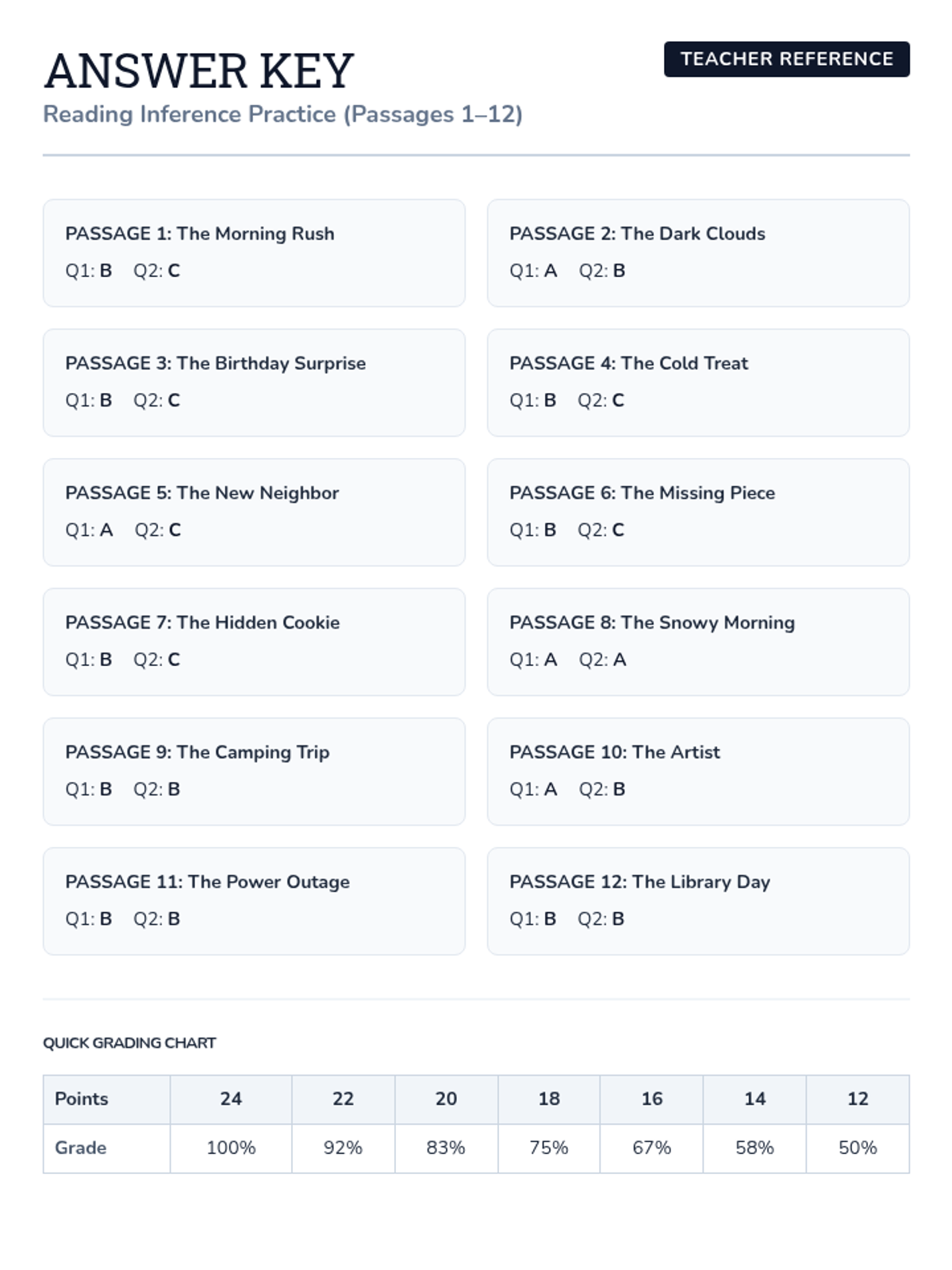
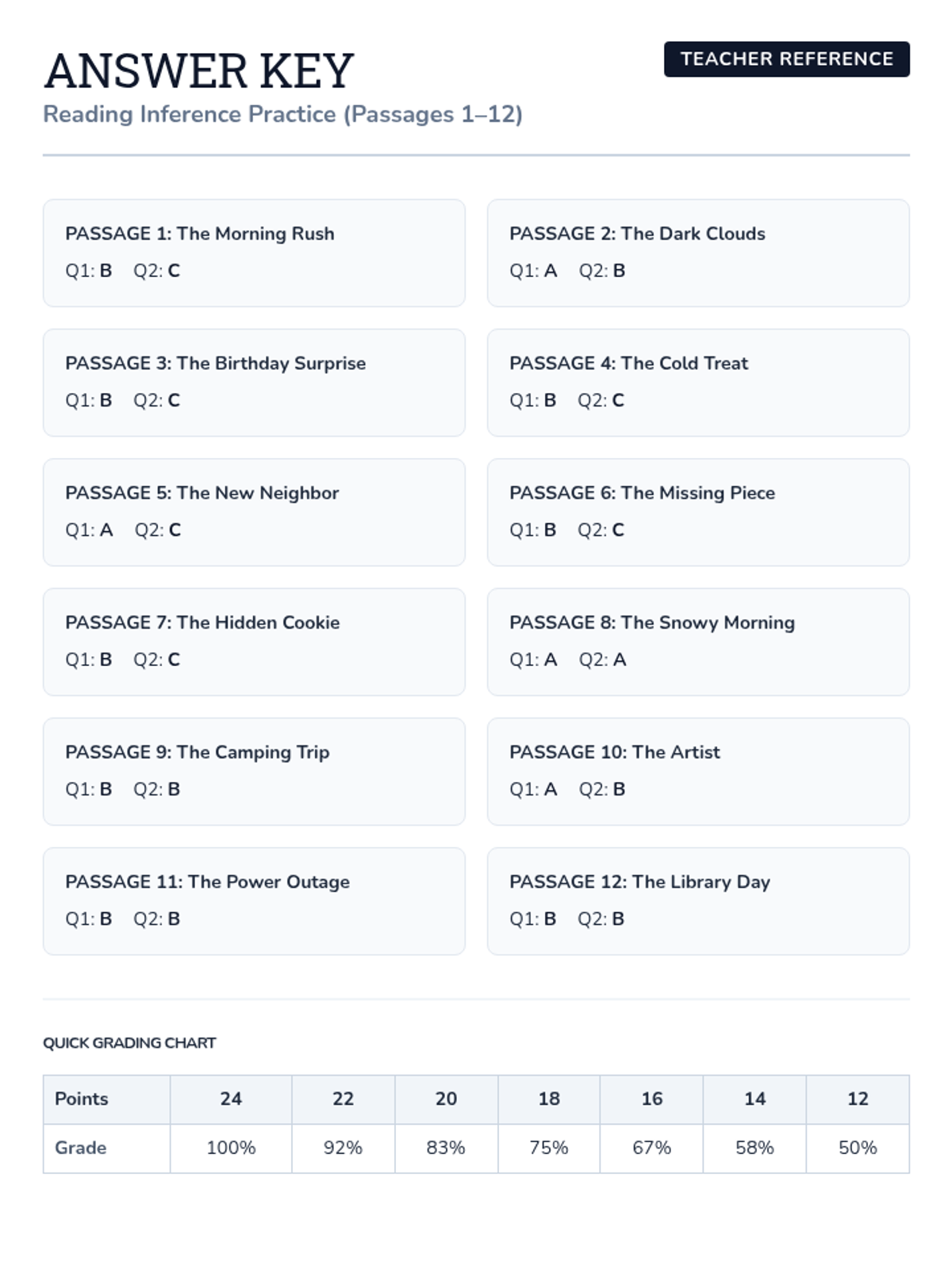
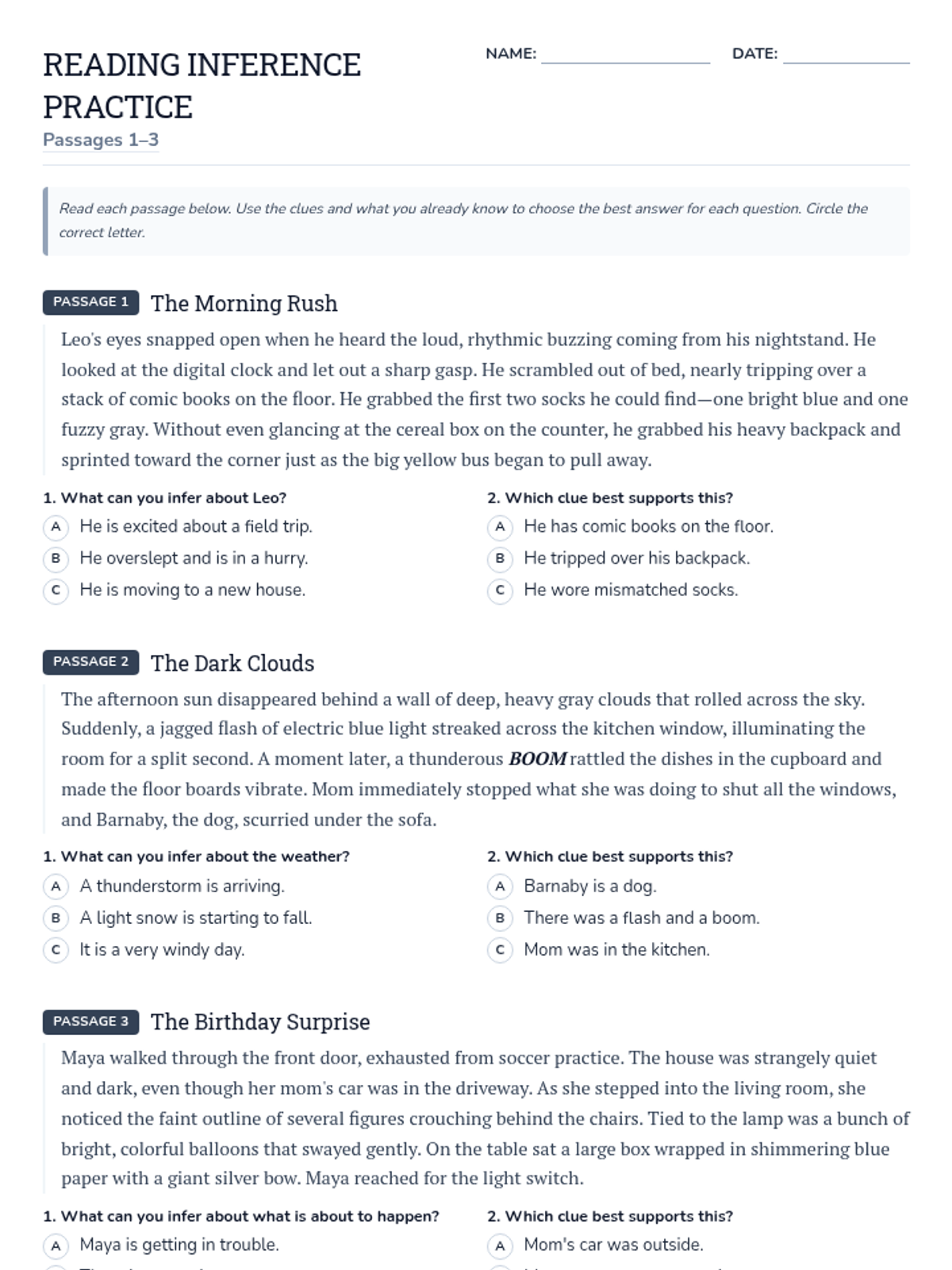
A collection of reading passages designed to help 3rd-grade students practice making inferences and identifying textual evidence. Includes 12 detailed passages with multiple-choice questions.
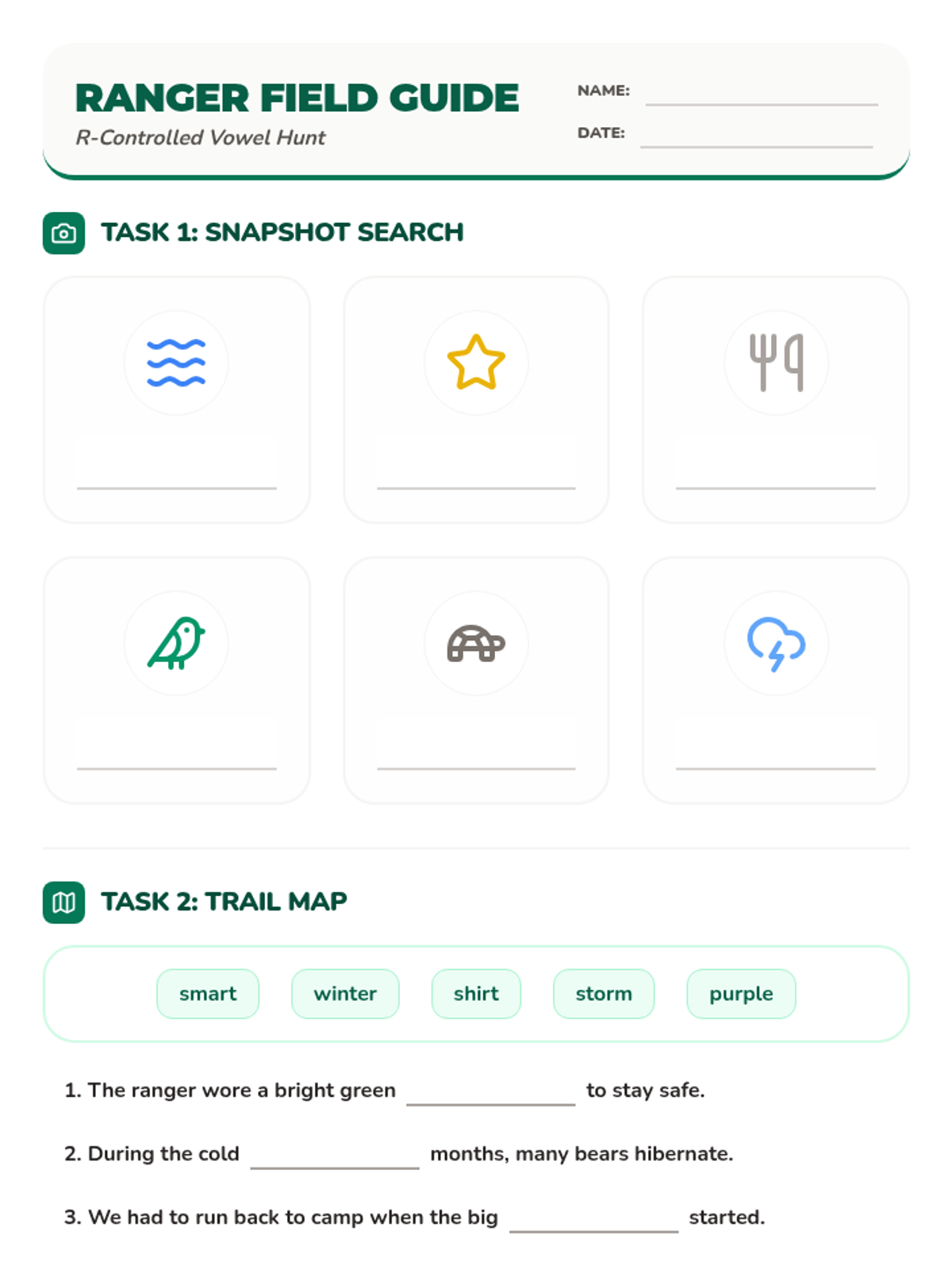
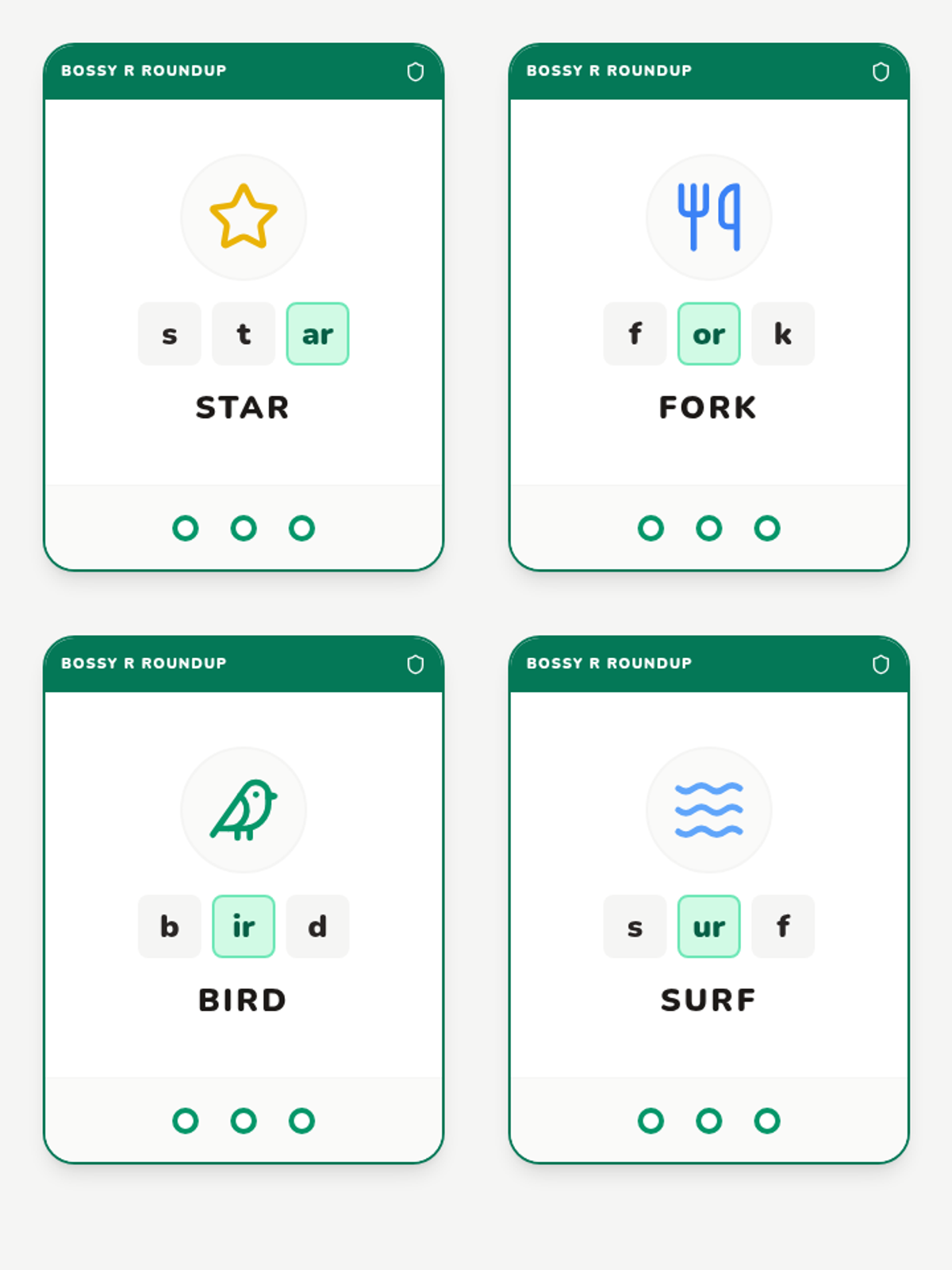
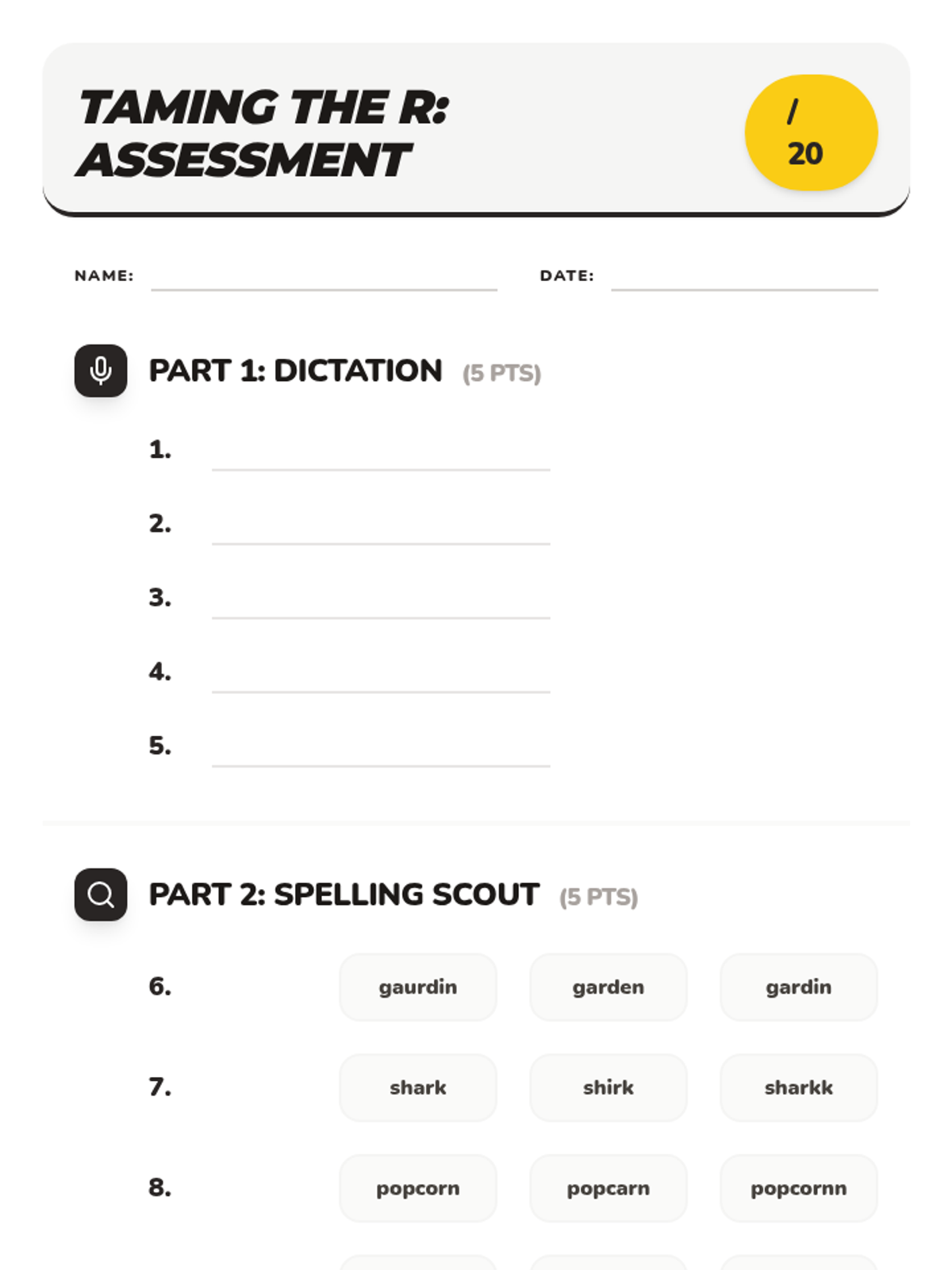
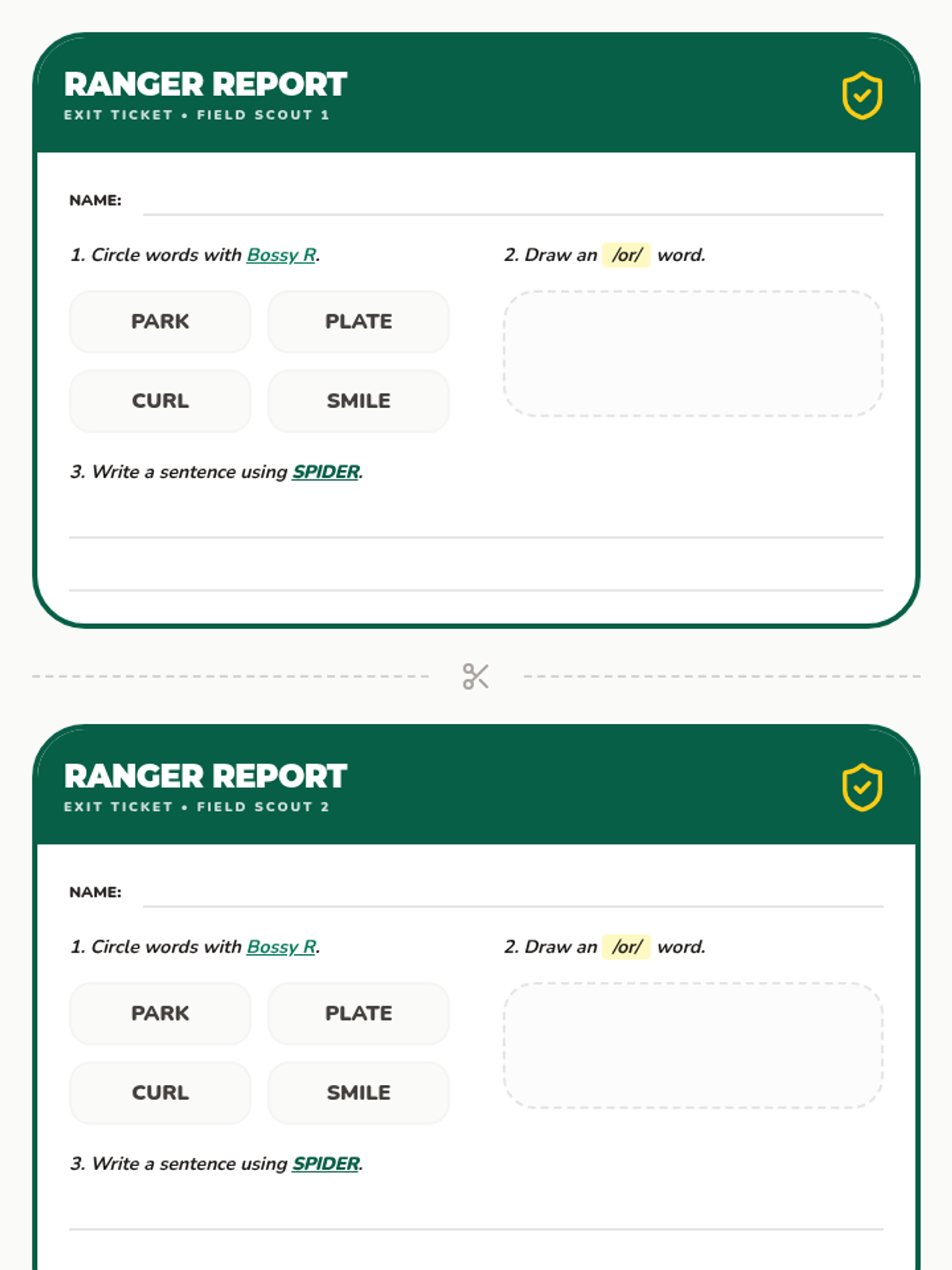
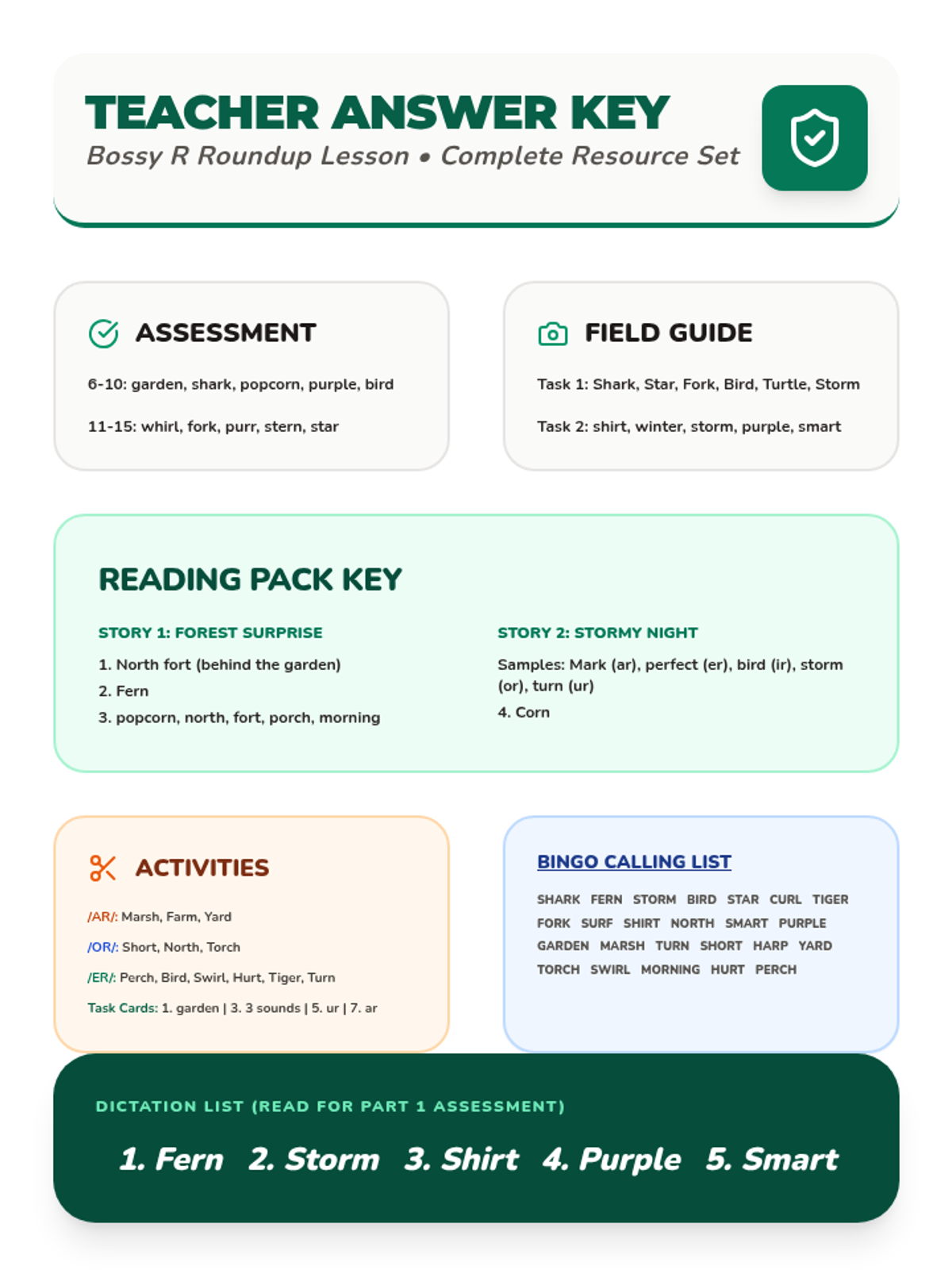
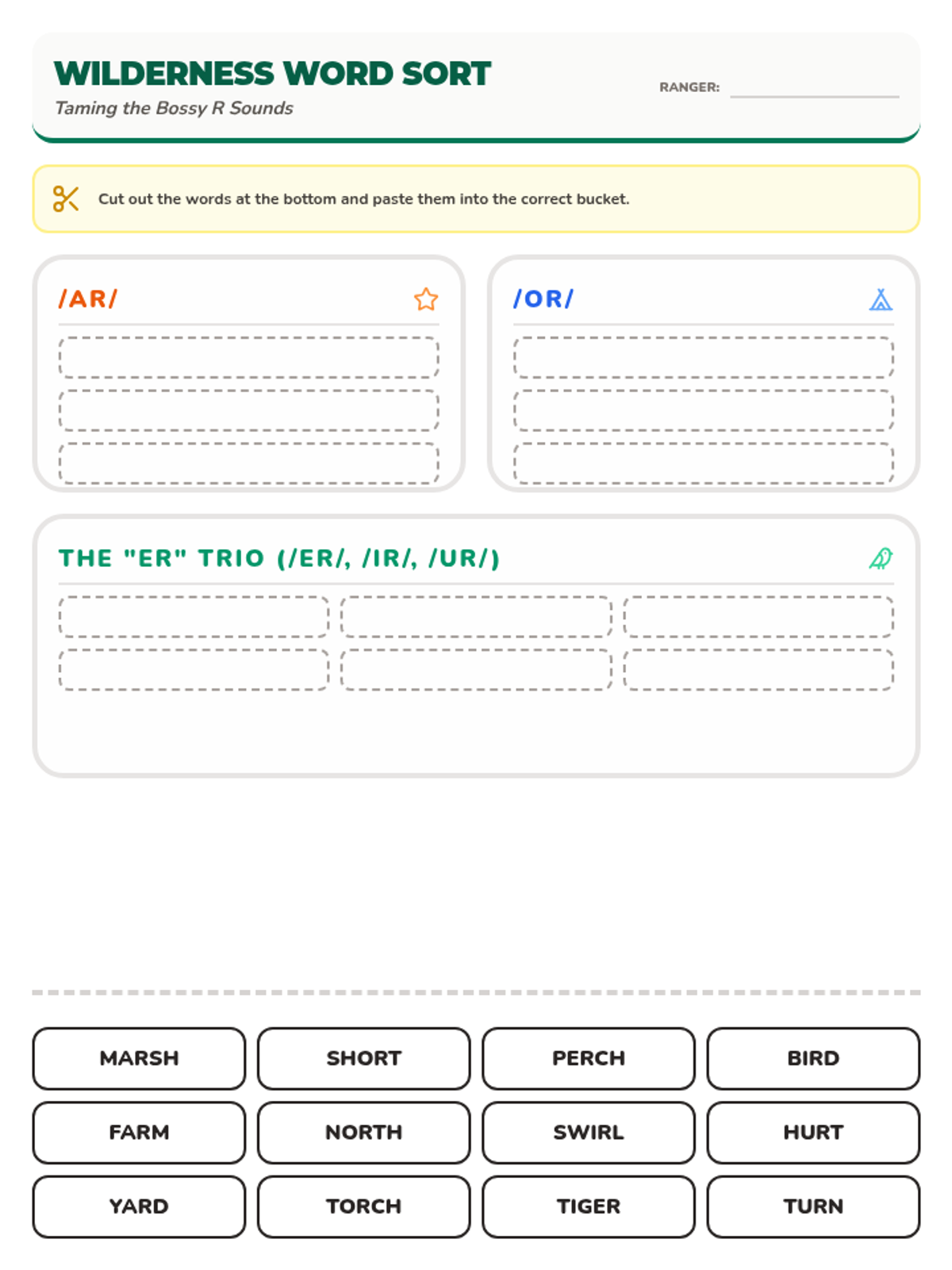
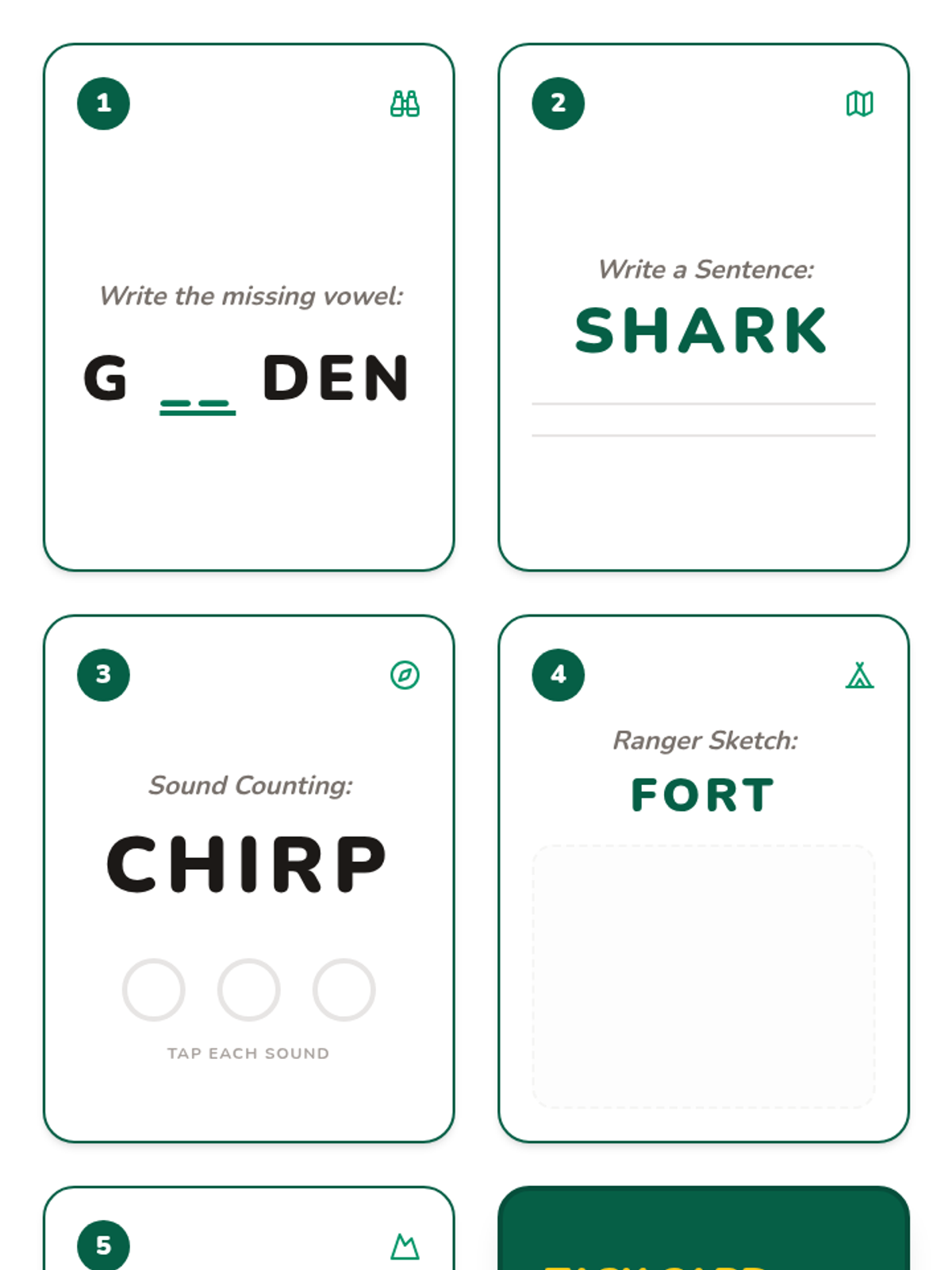
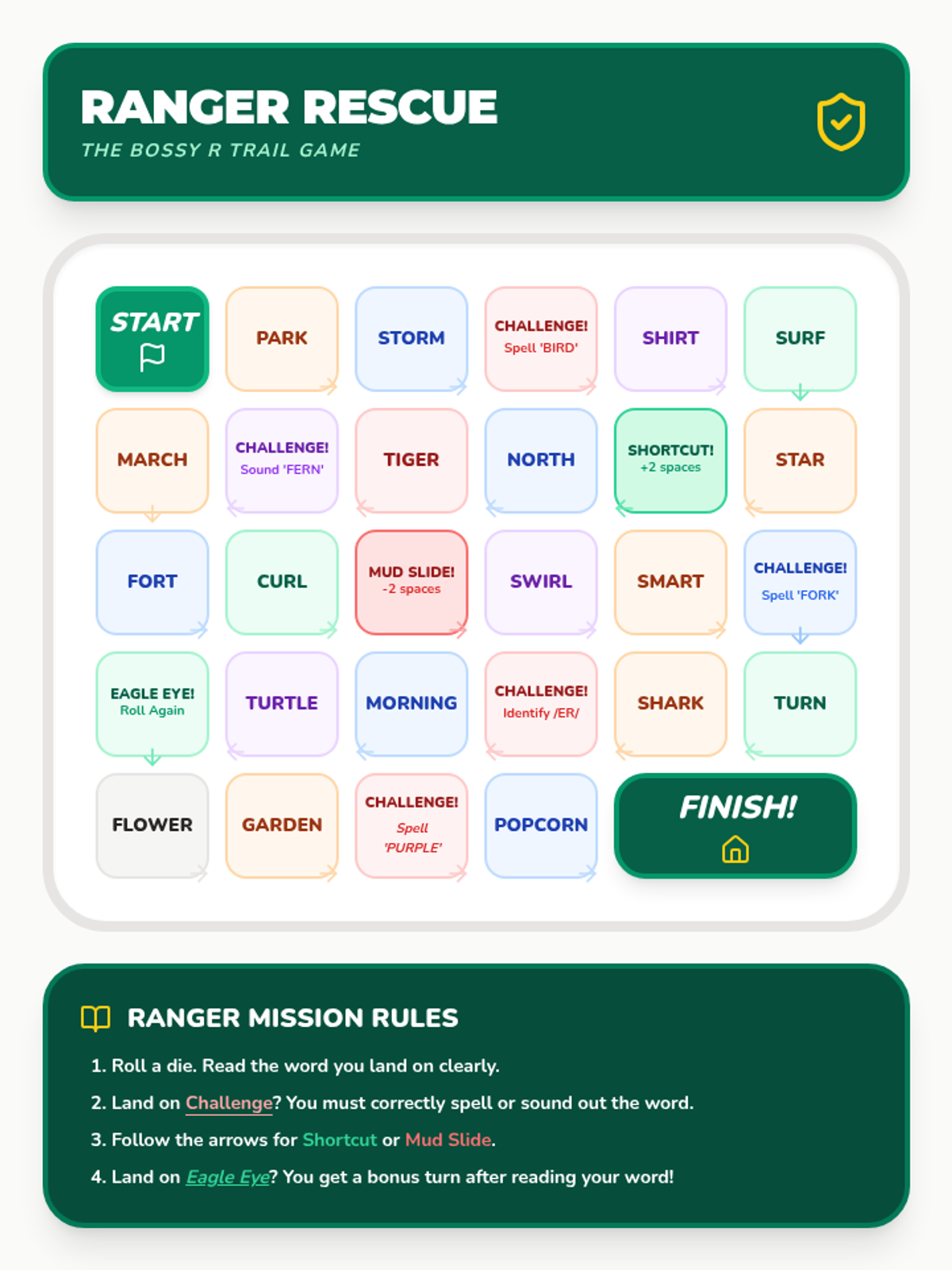
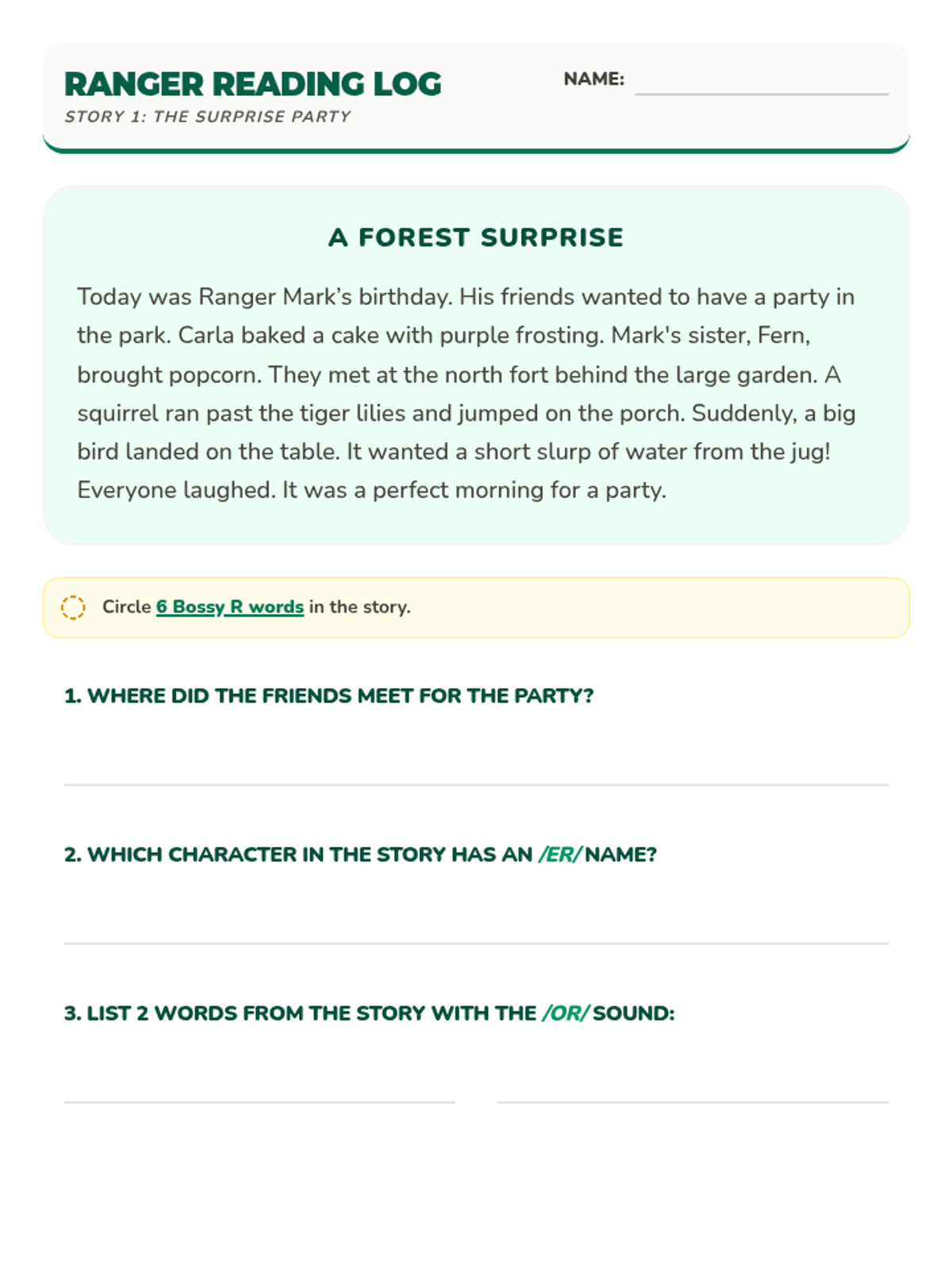
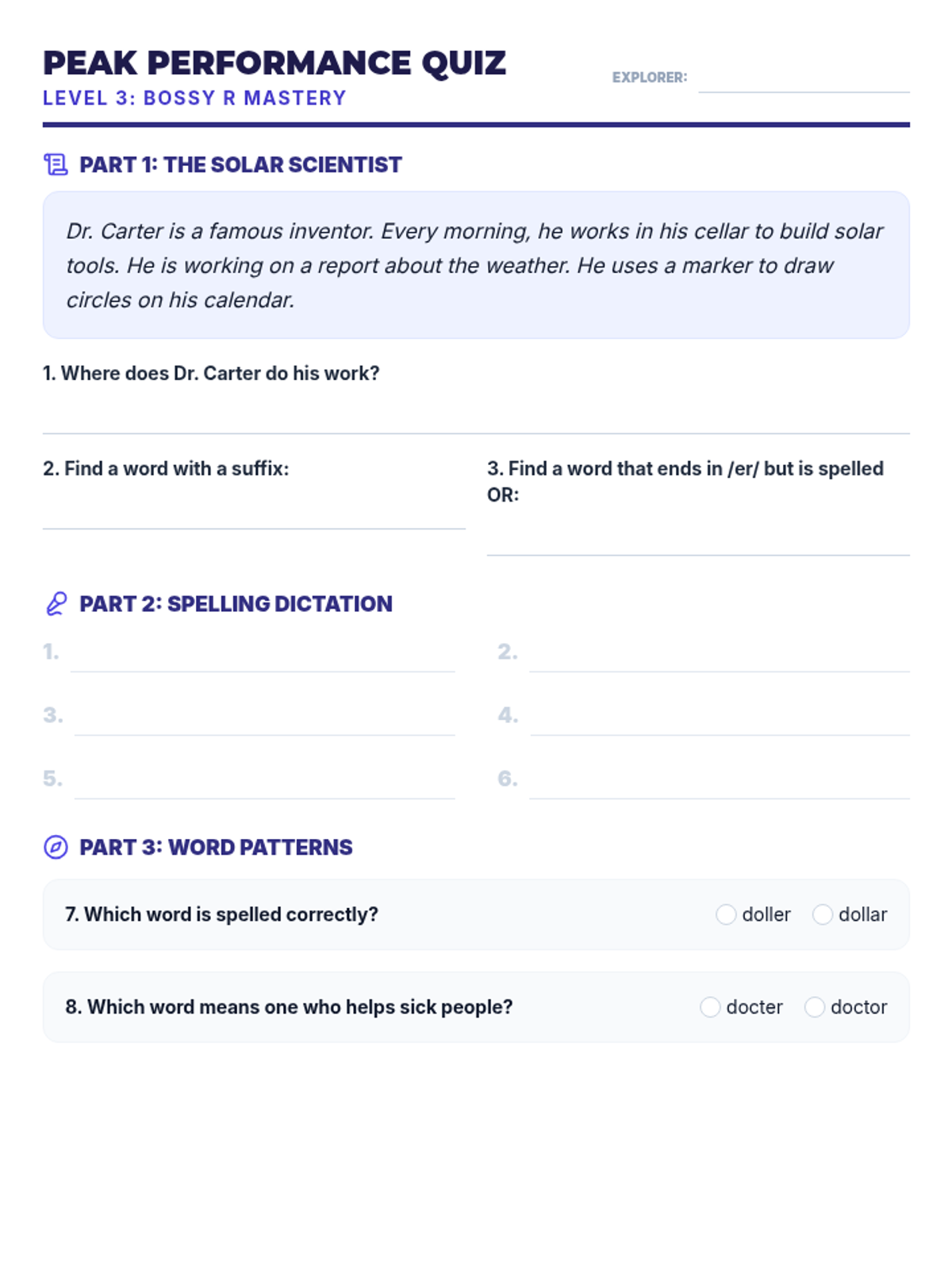
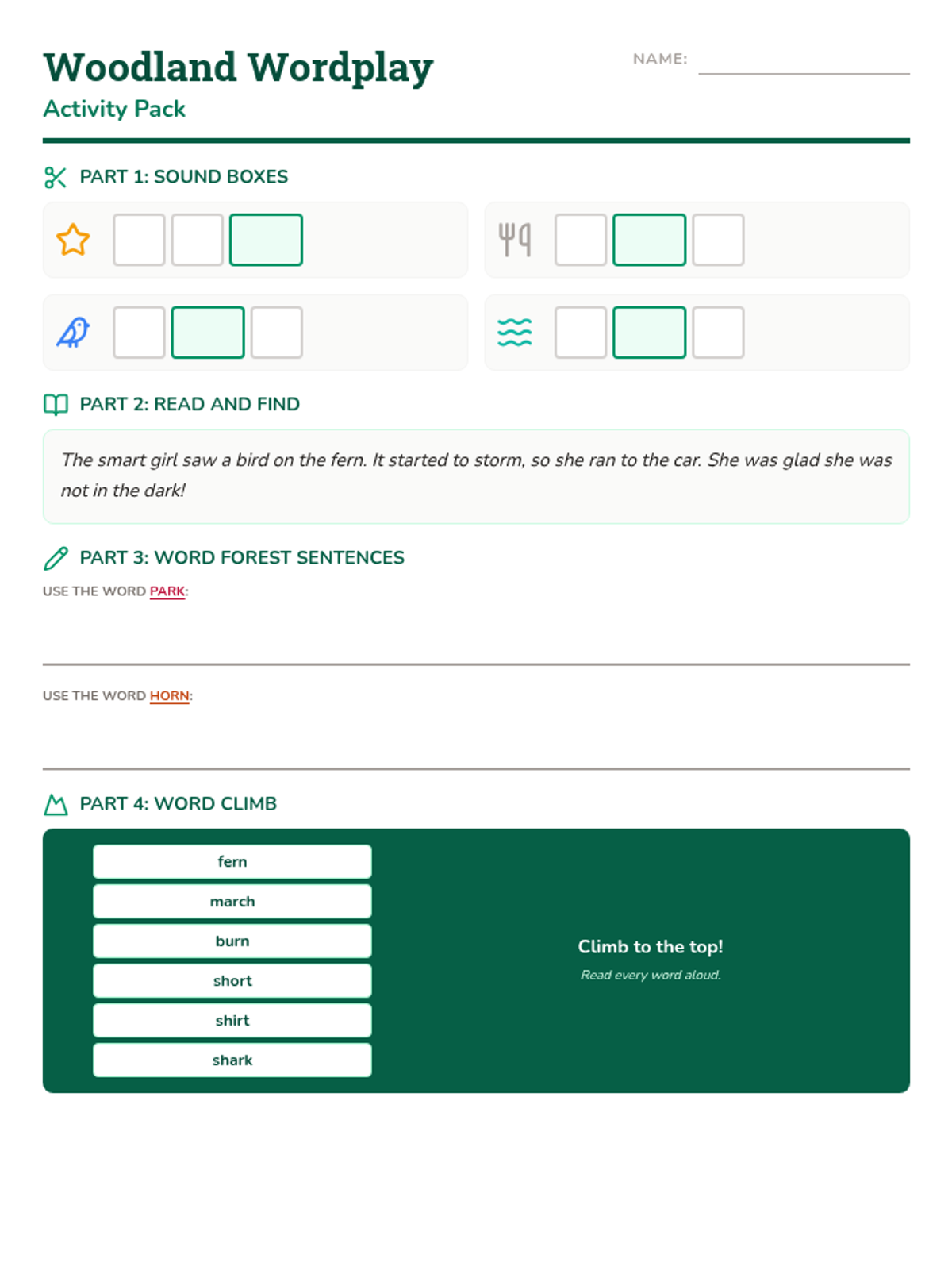
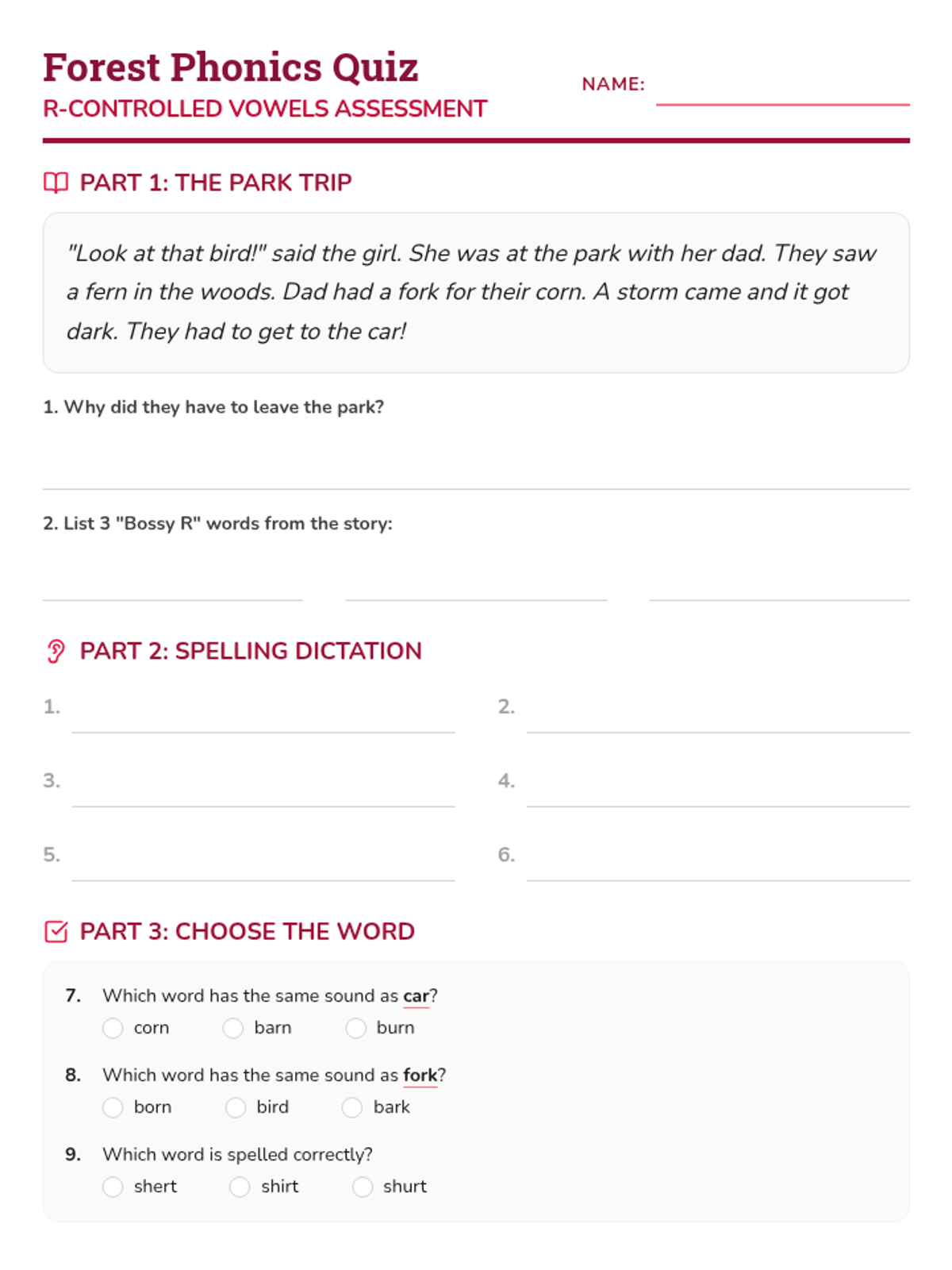
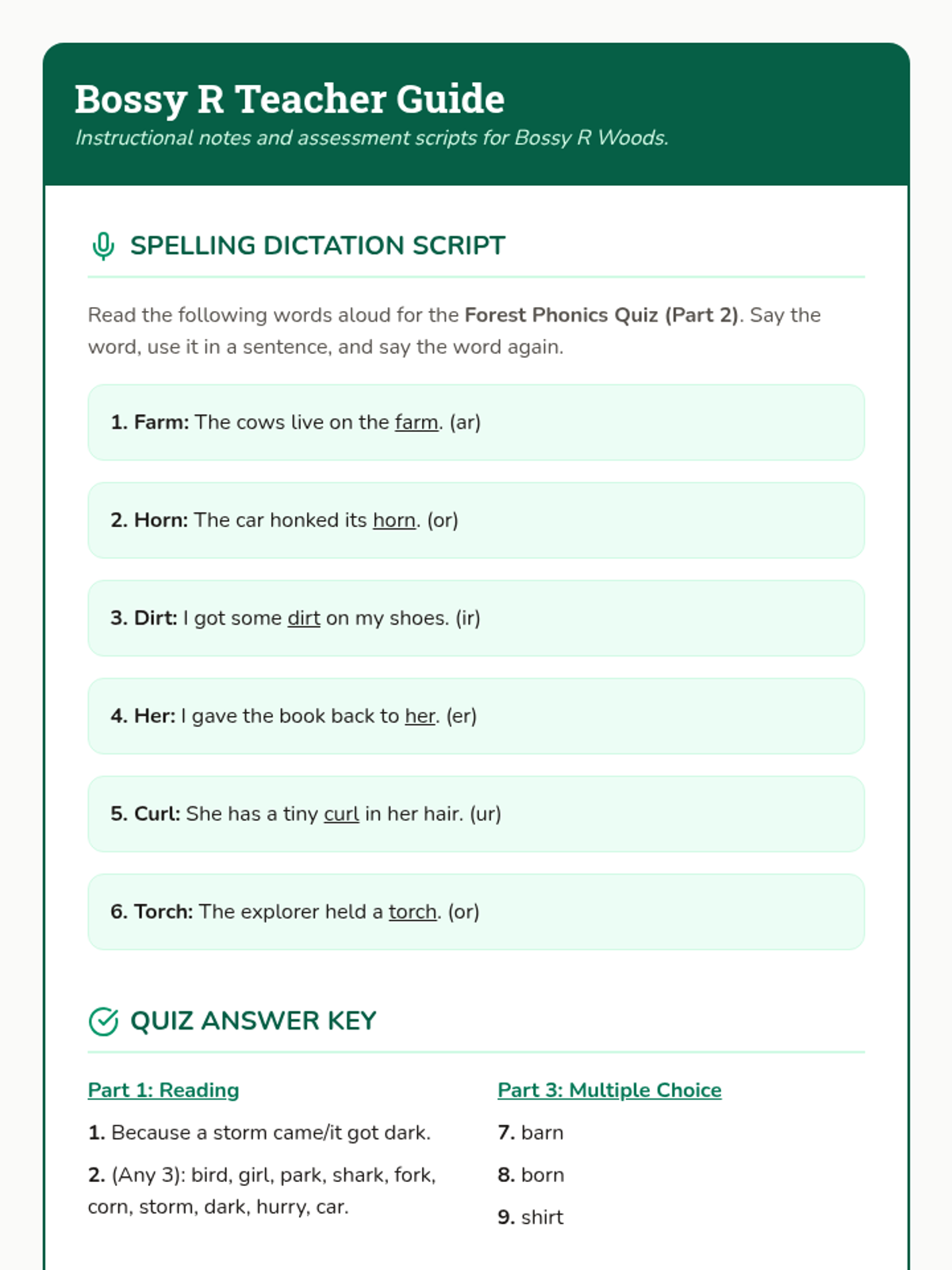
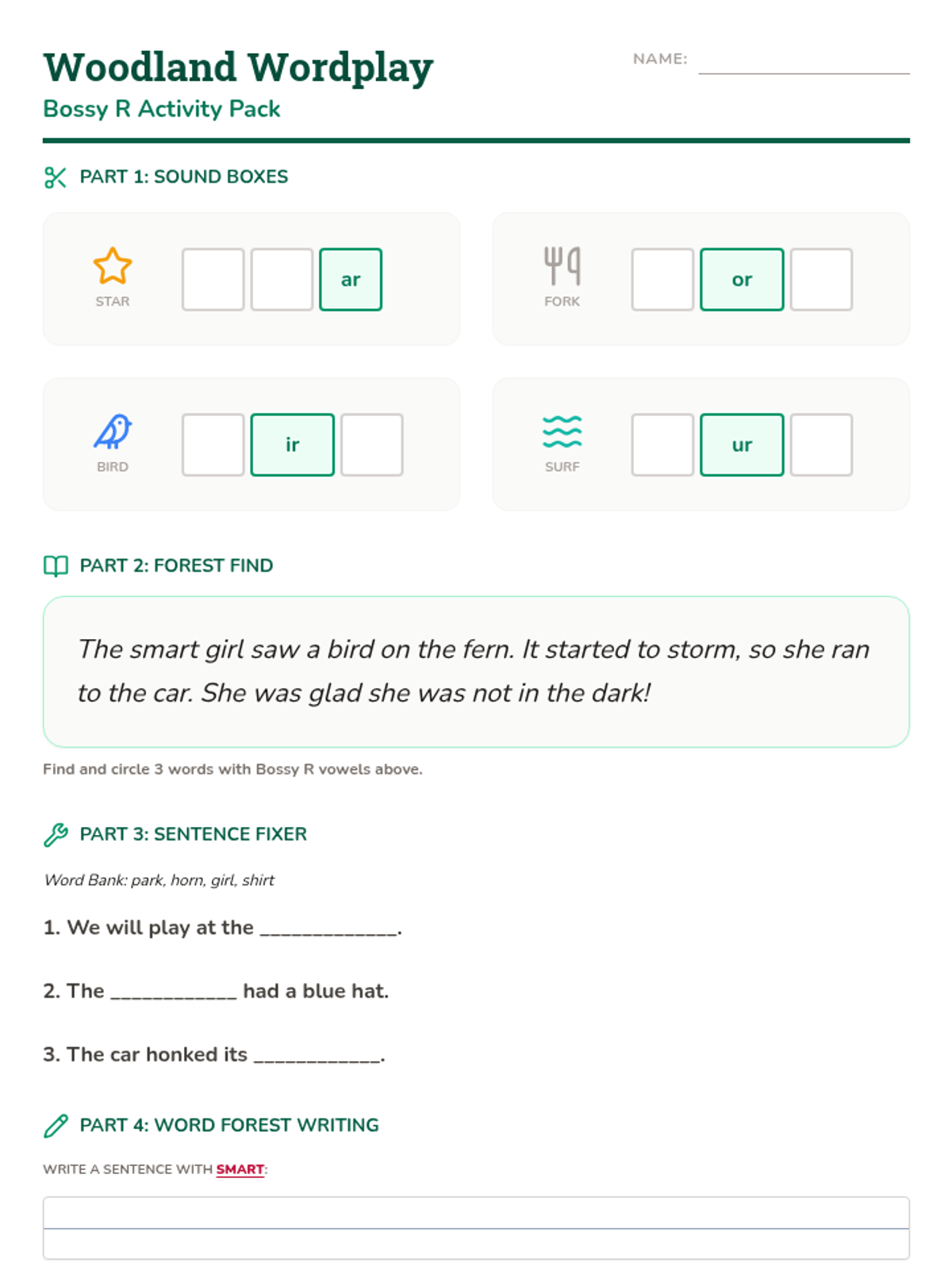
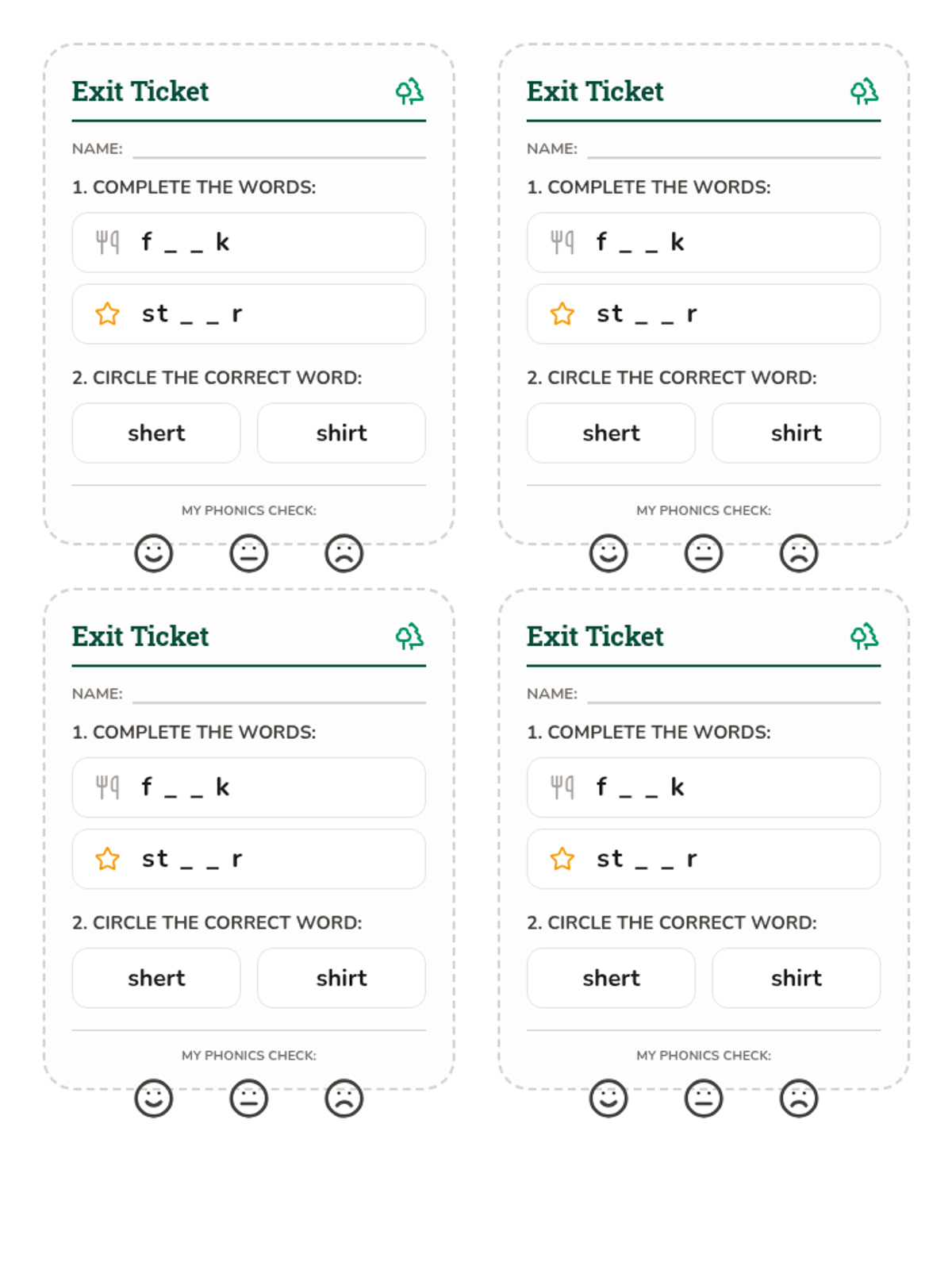
A comprehensive lesson on r-controlled vowels (ar, er, ir, or, ur) for 3rd-grade students, featuring a ranger-themed approach to "taming" the Bossy R. Includes direct instruction, blending practice, independent work, and formal assessment.
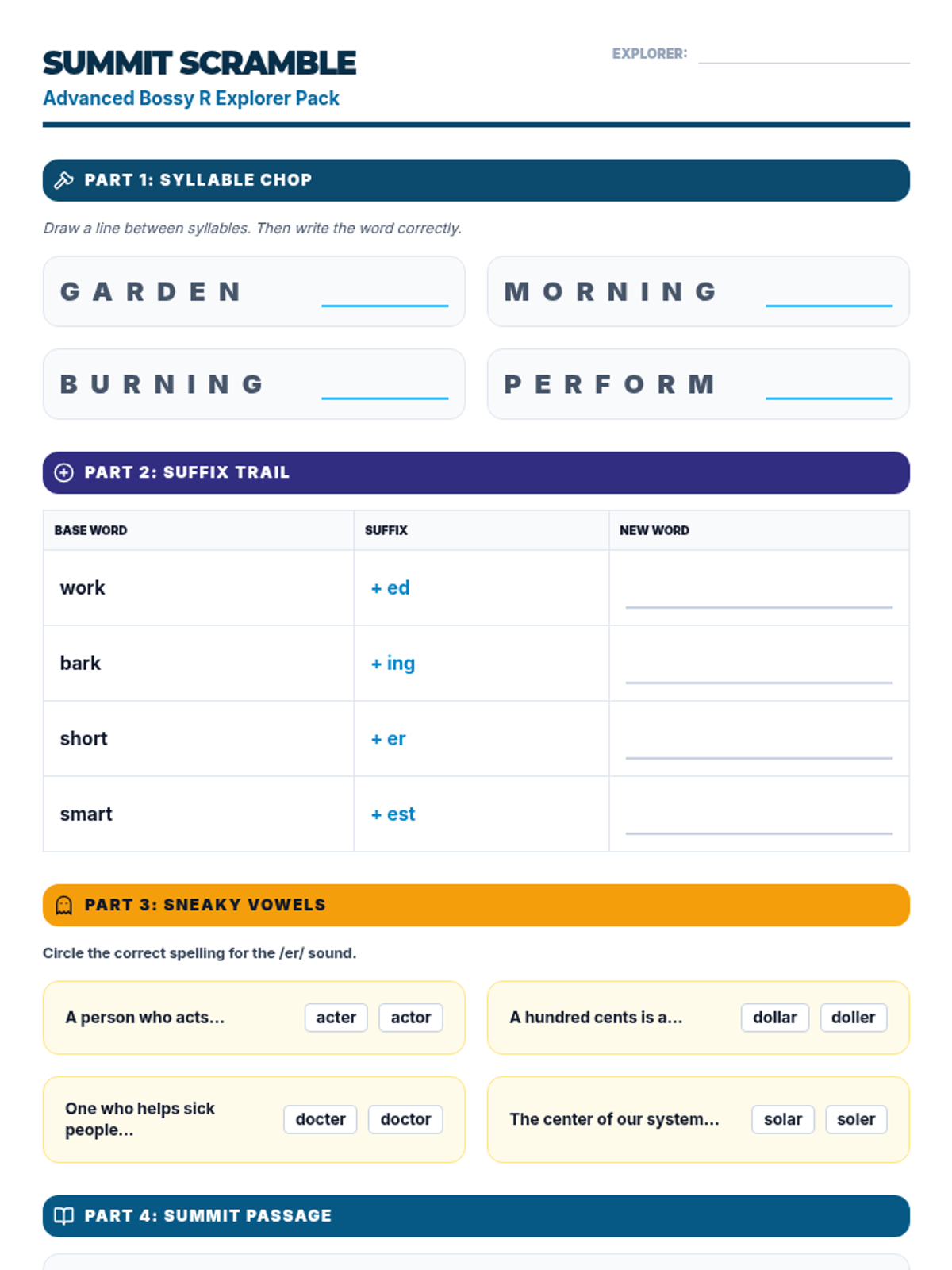
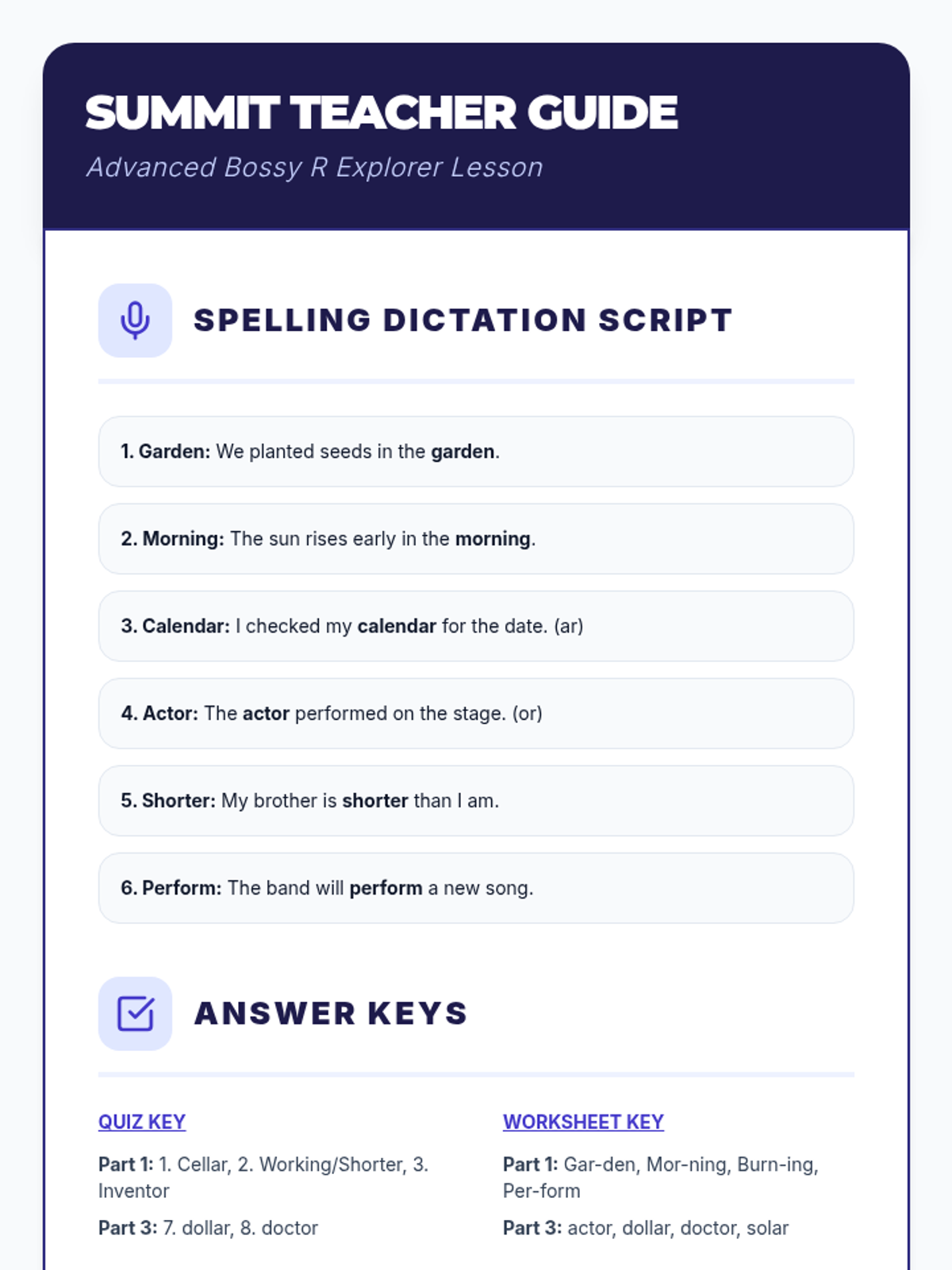
An advanced phonics lesson for 3rd grade focusing on multi-syllabic r-controlled vowel words, unstressed vowel sounds (ar, or as /er/), and adding suffixes to r-controlled base words.
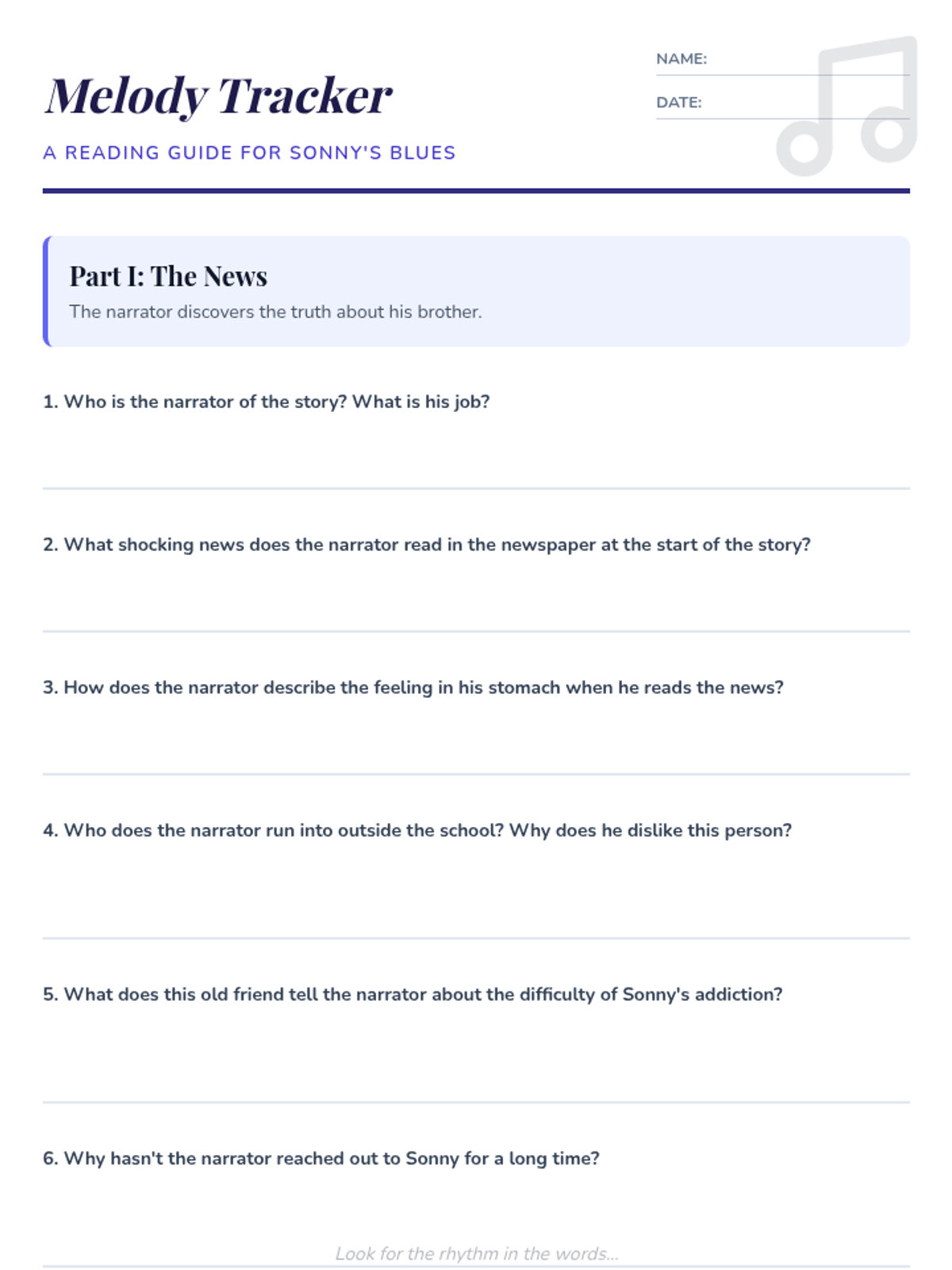
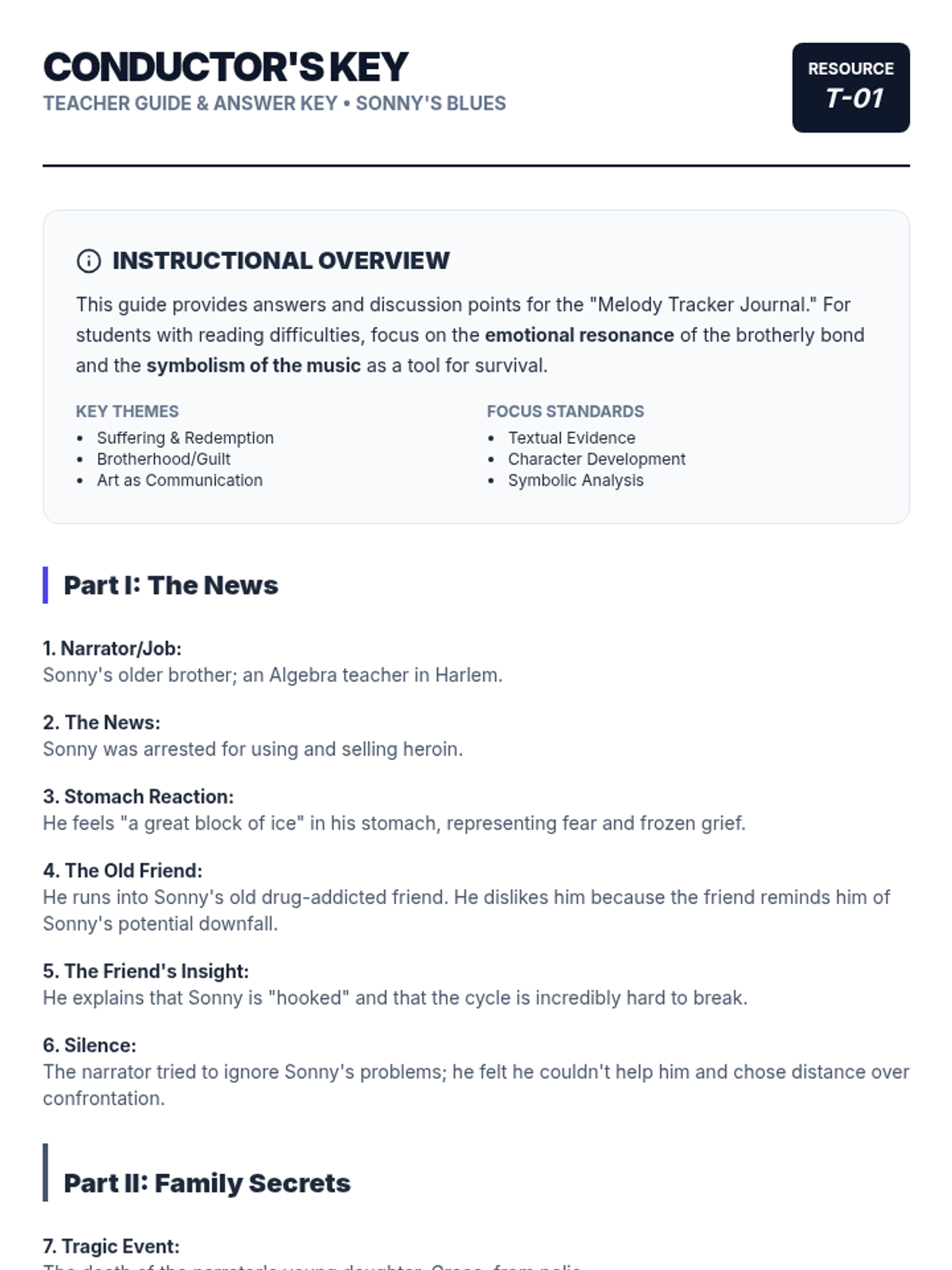
A deep dive into James Baldwin's 'Sonny's Blues,' focusing on character dynamics, the symbolism of jazz, and the redemptive power of art in 1950s Harlem.
A comprehensive phonics lesson introducing the five r-controlled vowels (ar, er, ir, or, ur) through interactive forest-themed instruction and practice.
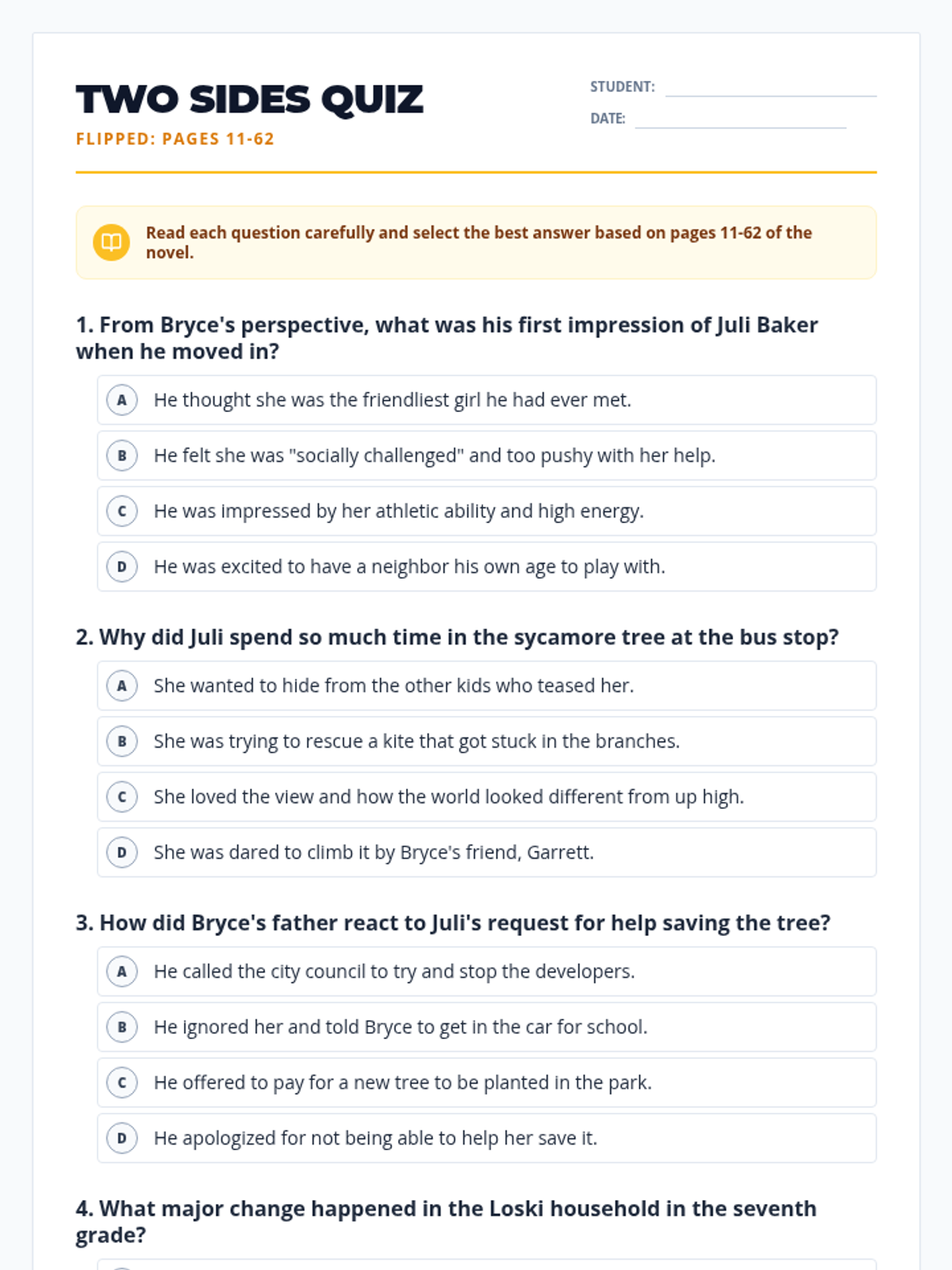
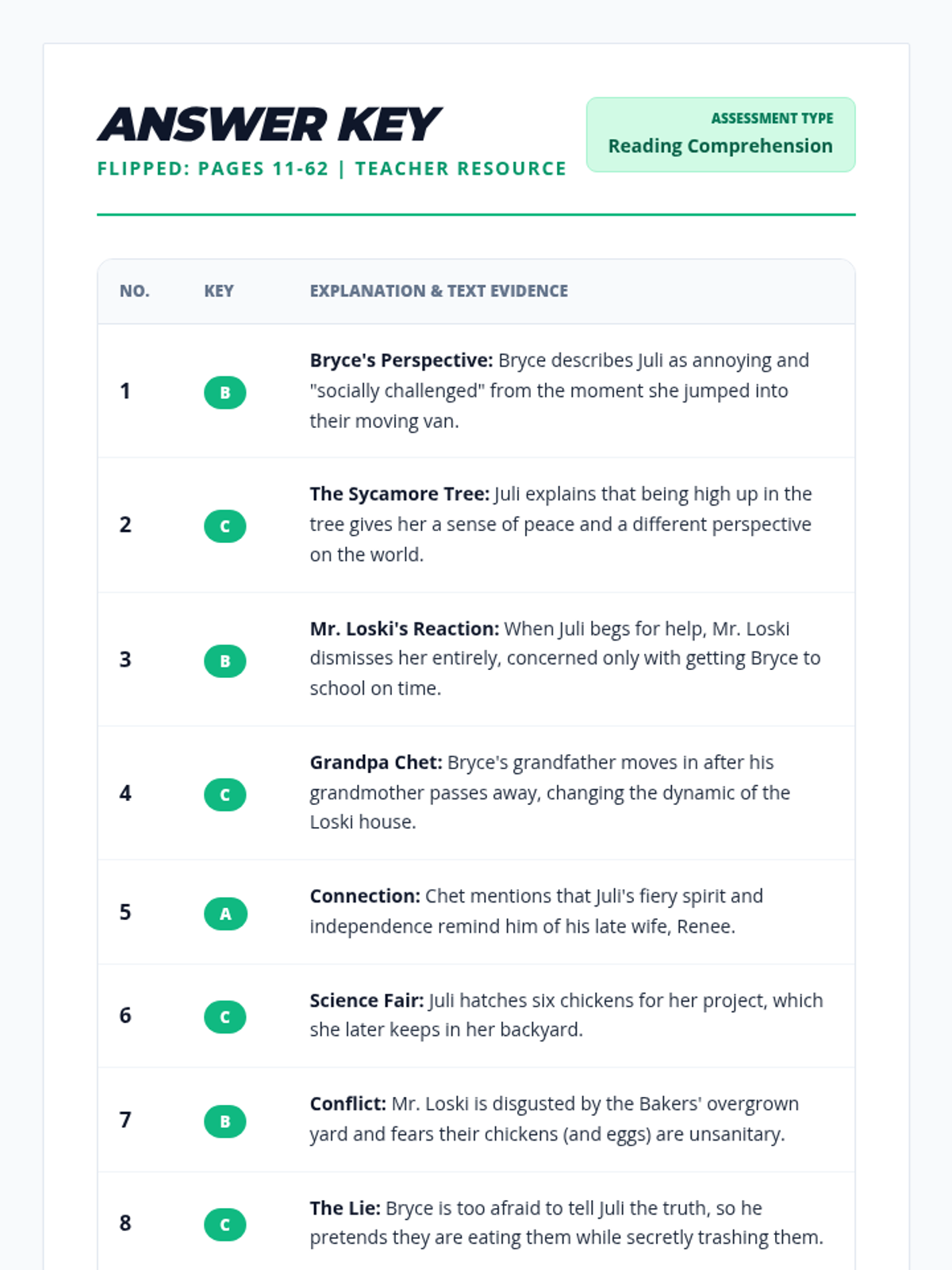
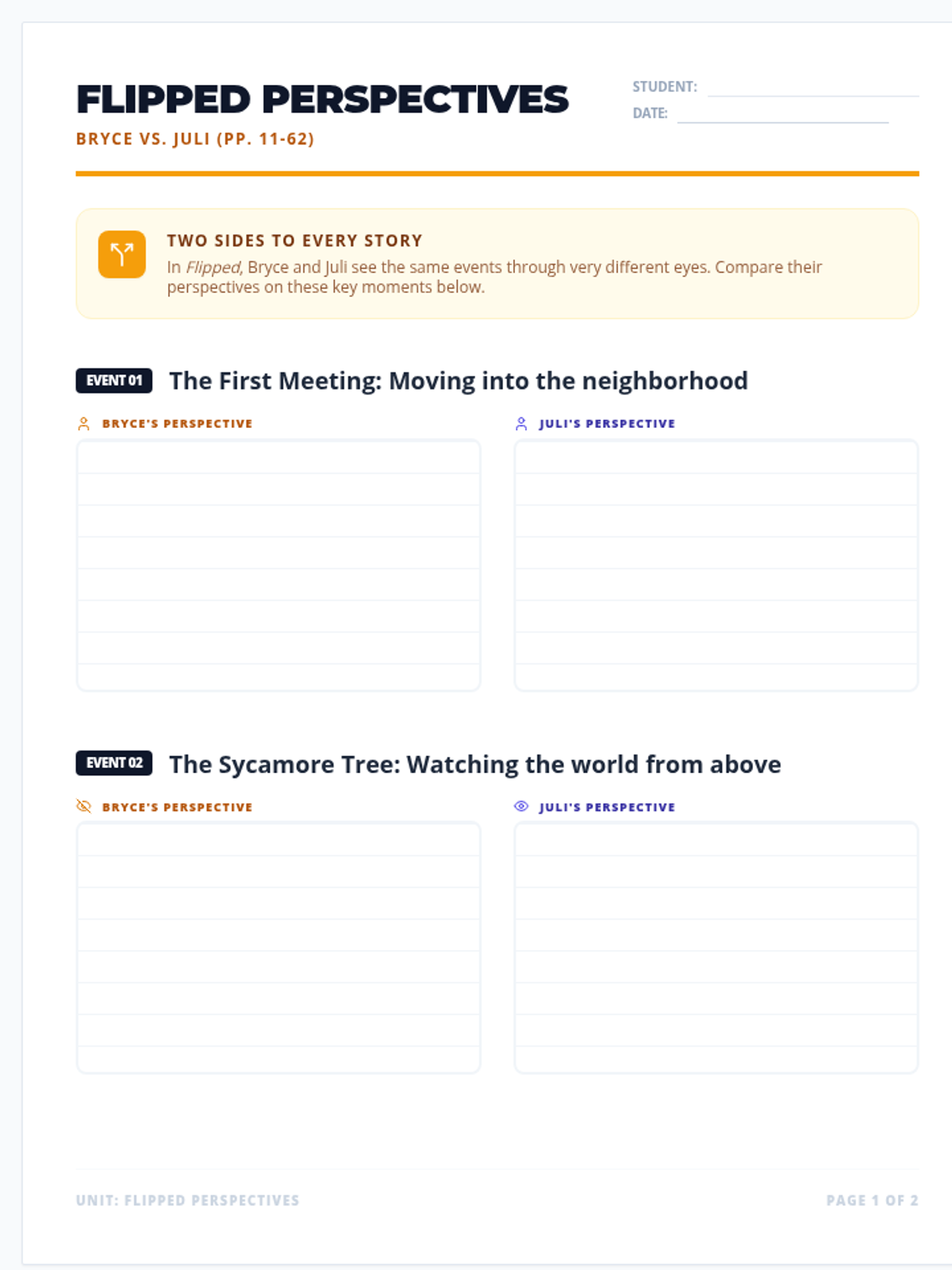
A comprehension assessment focused on the initial chapters of 'Flipped' by Wendelin Van Draanen, exploring dual perspectives, character motivations, and key plot points between Bryce and Juli.
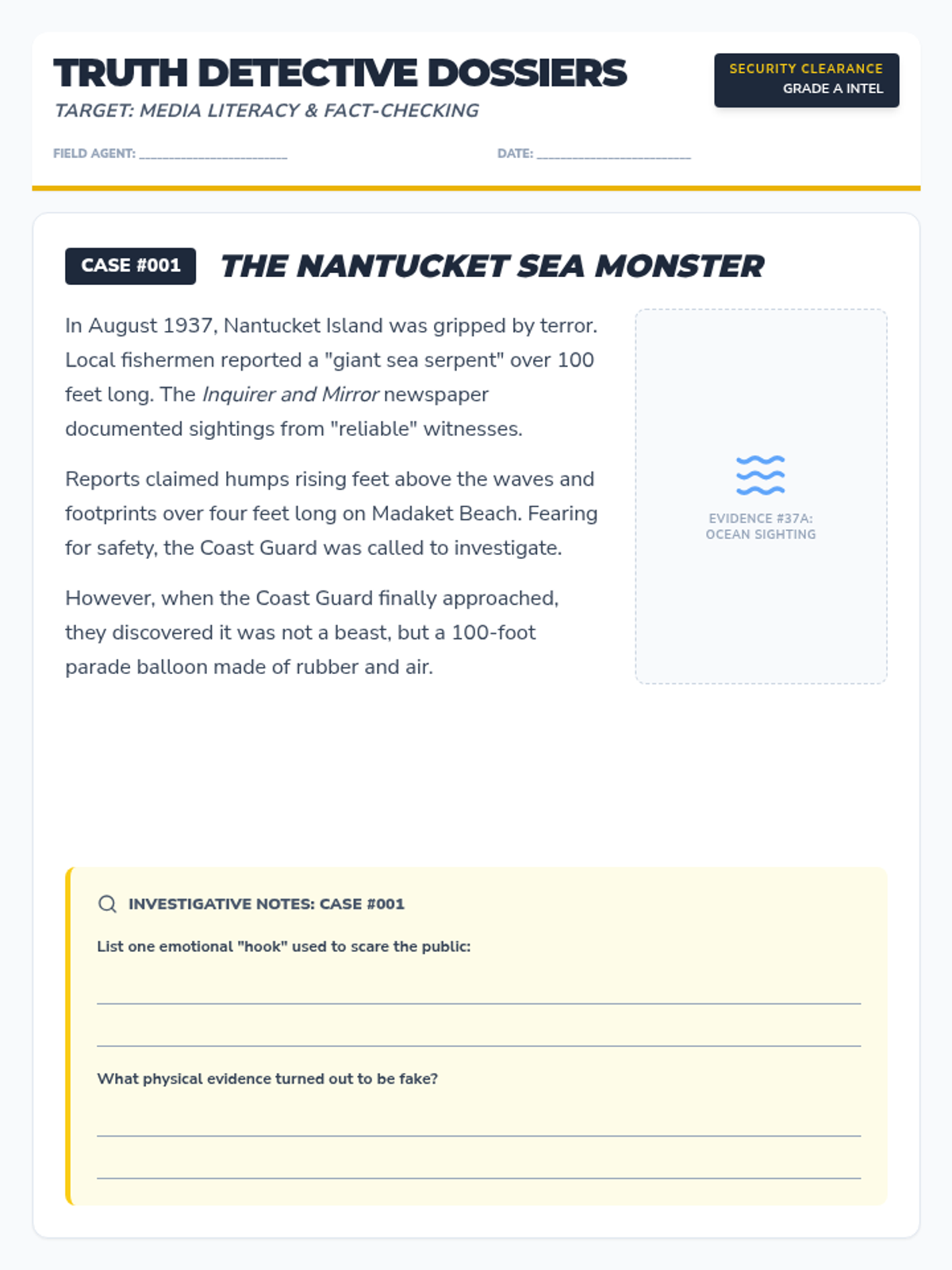
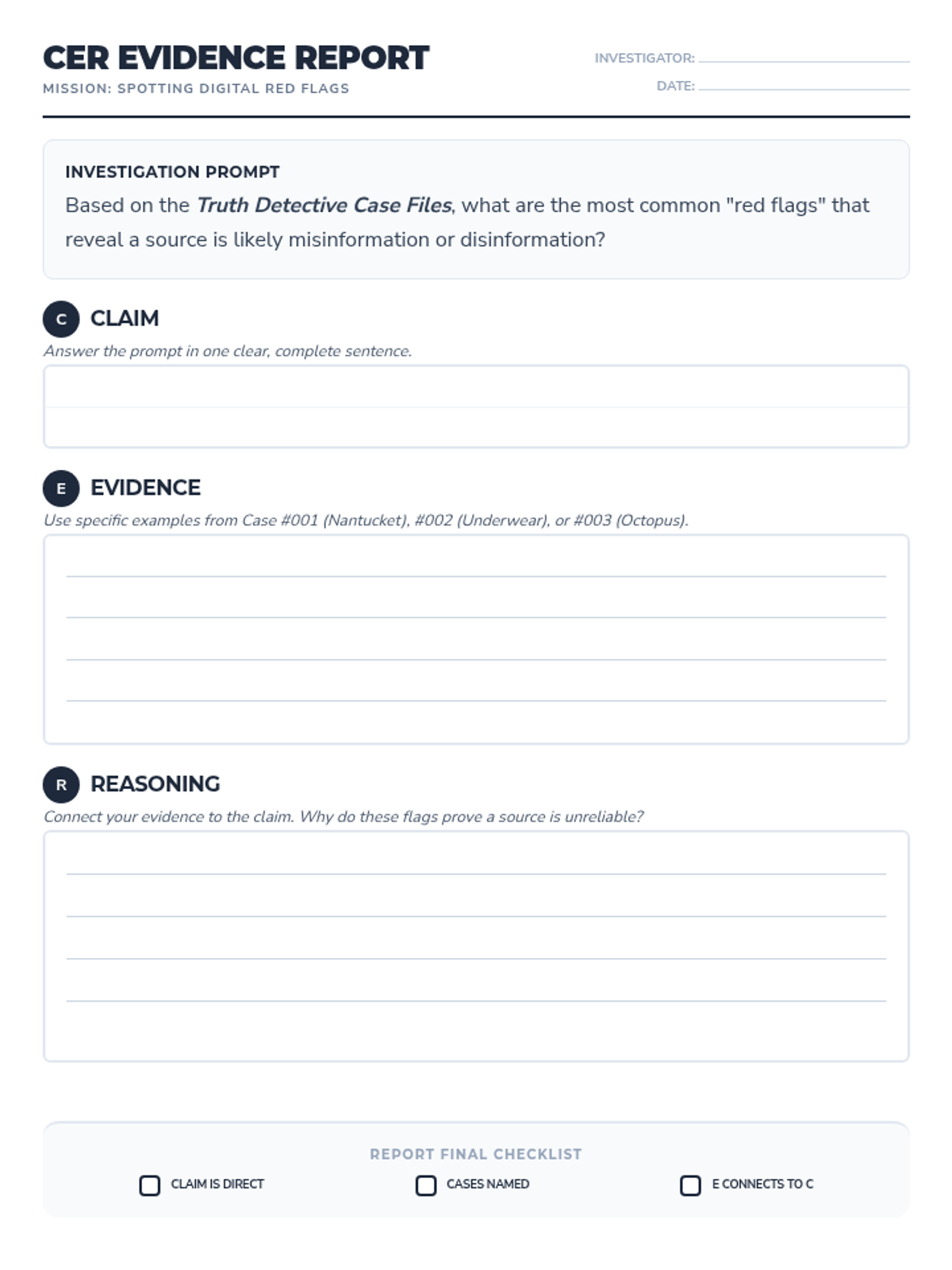
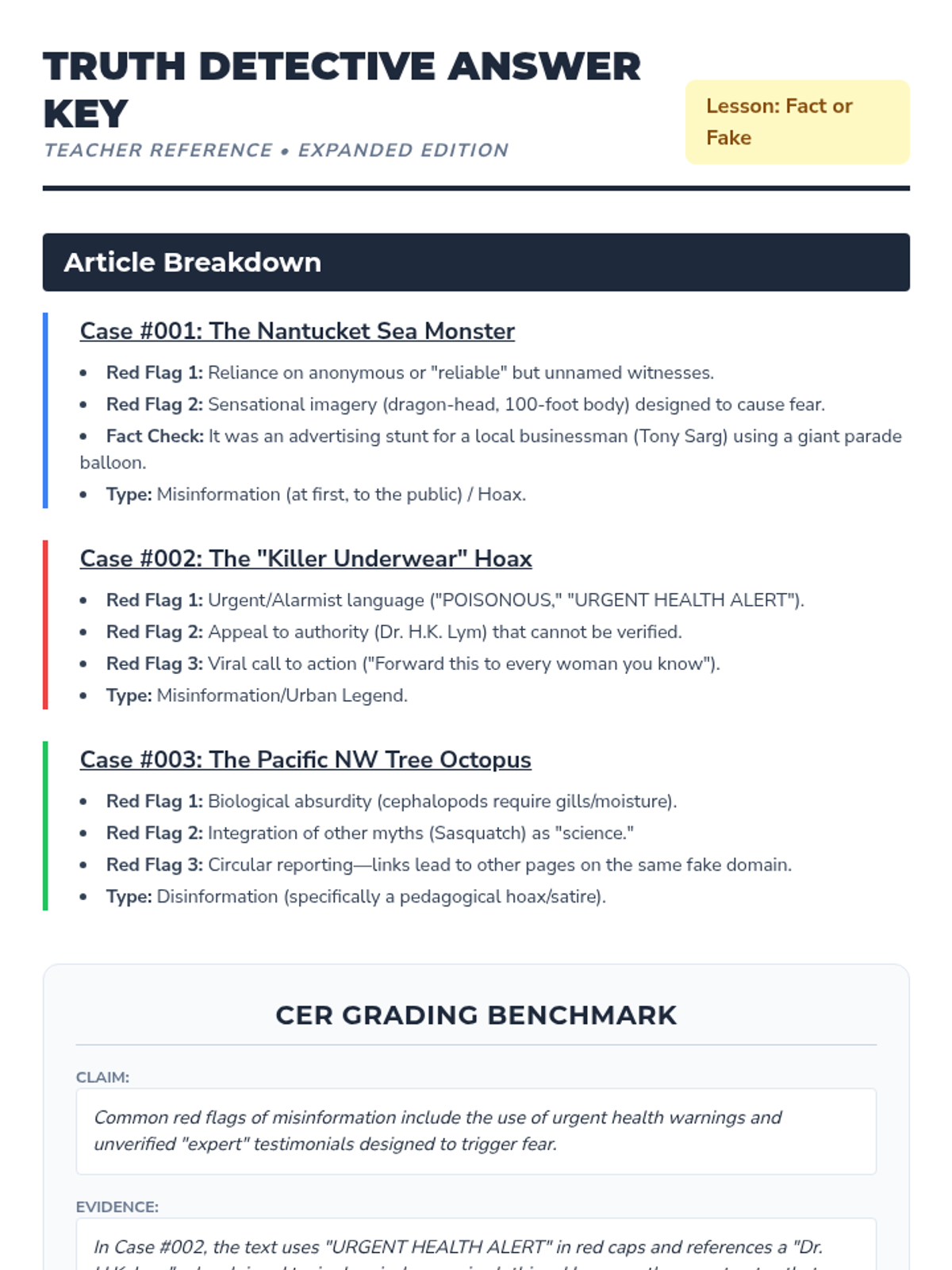
A lesson focused on identifying misinformation and disinformation through short case studies, culminating in a CER (Claim, Evidence, Reasoning) paragraph about spotting digital red flags.
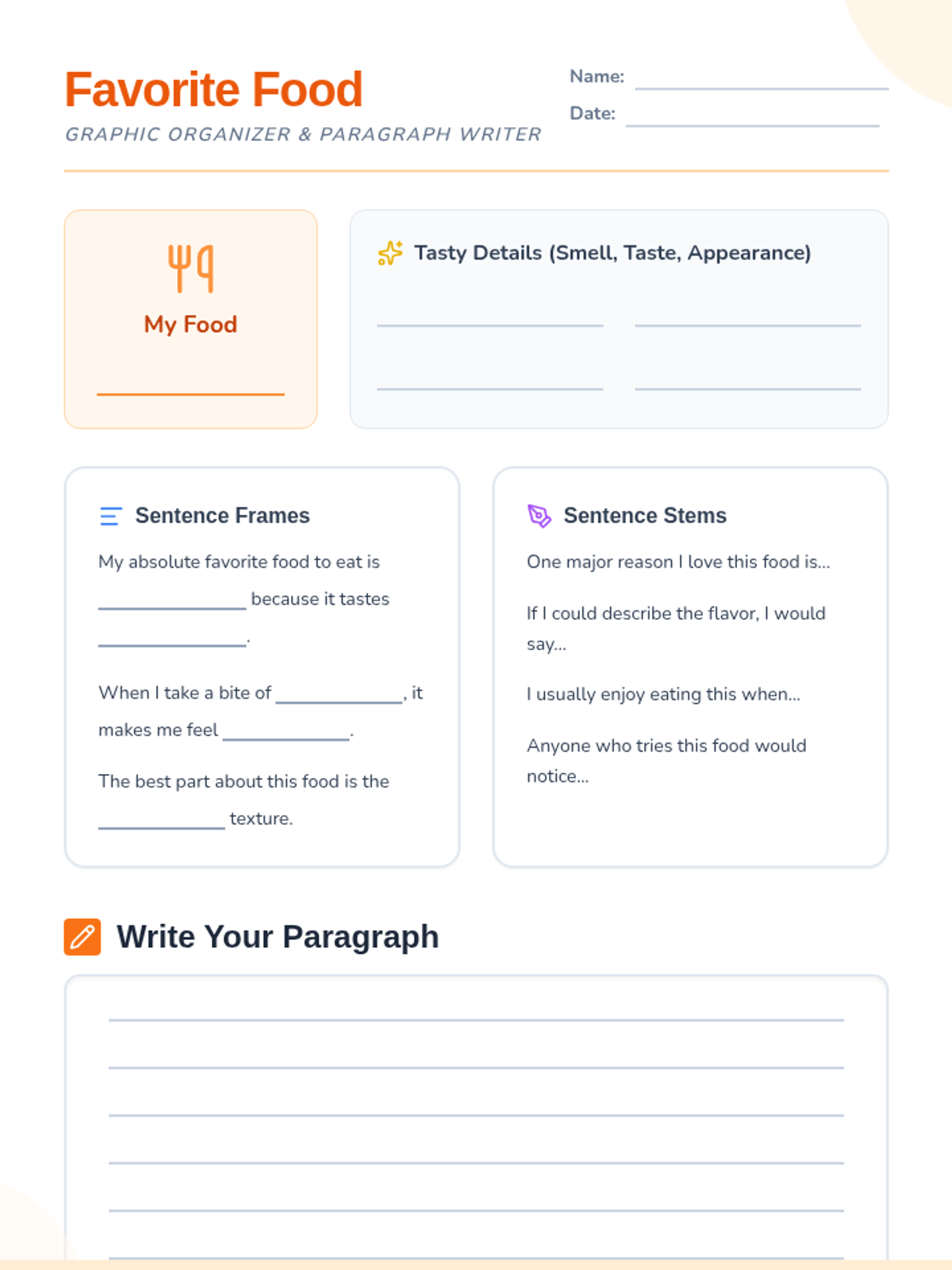
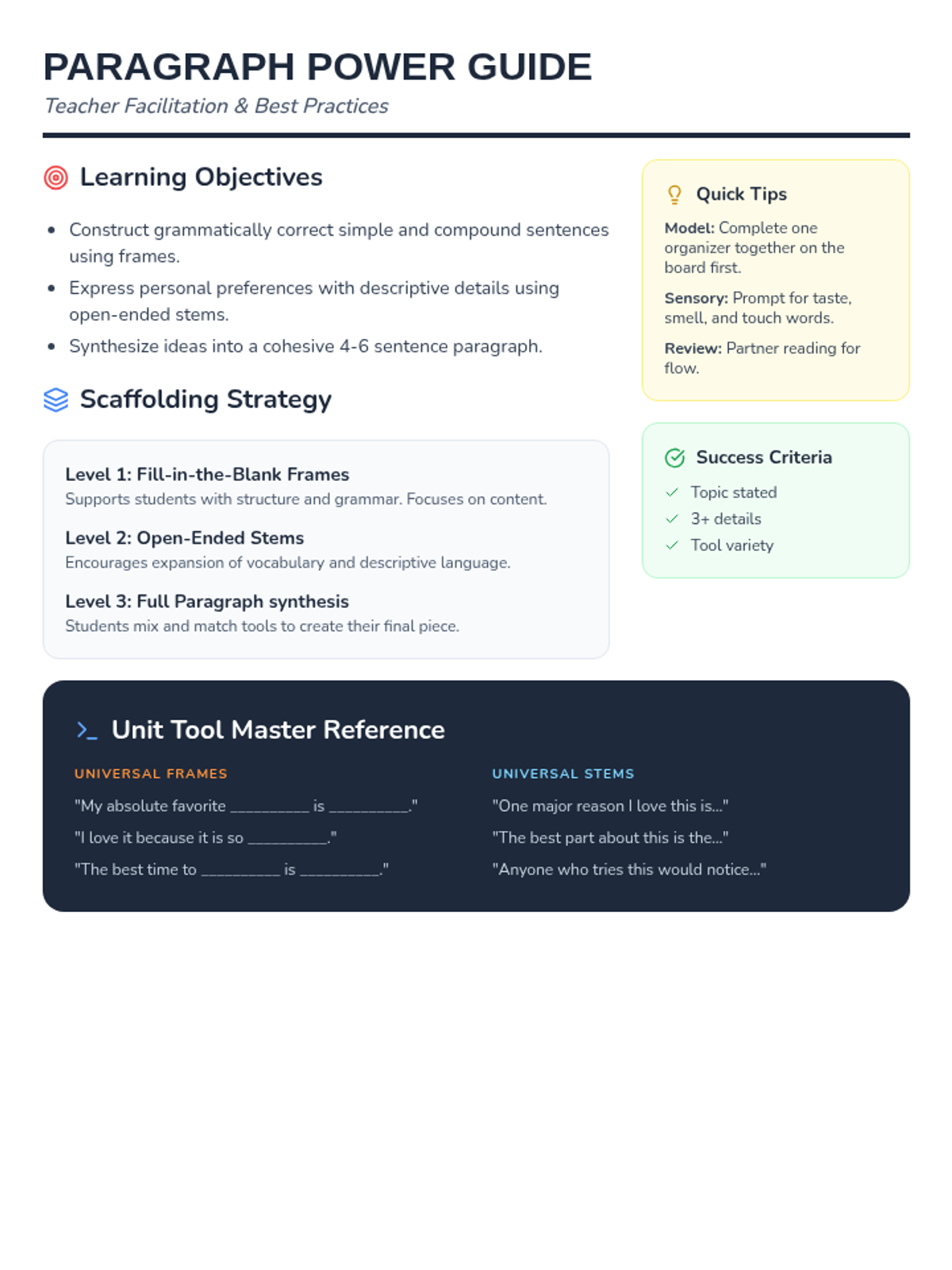
A collection of graphic organizers designed to help students write structured paragraphs about their favorite things using sentence stems and frames.
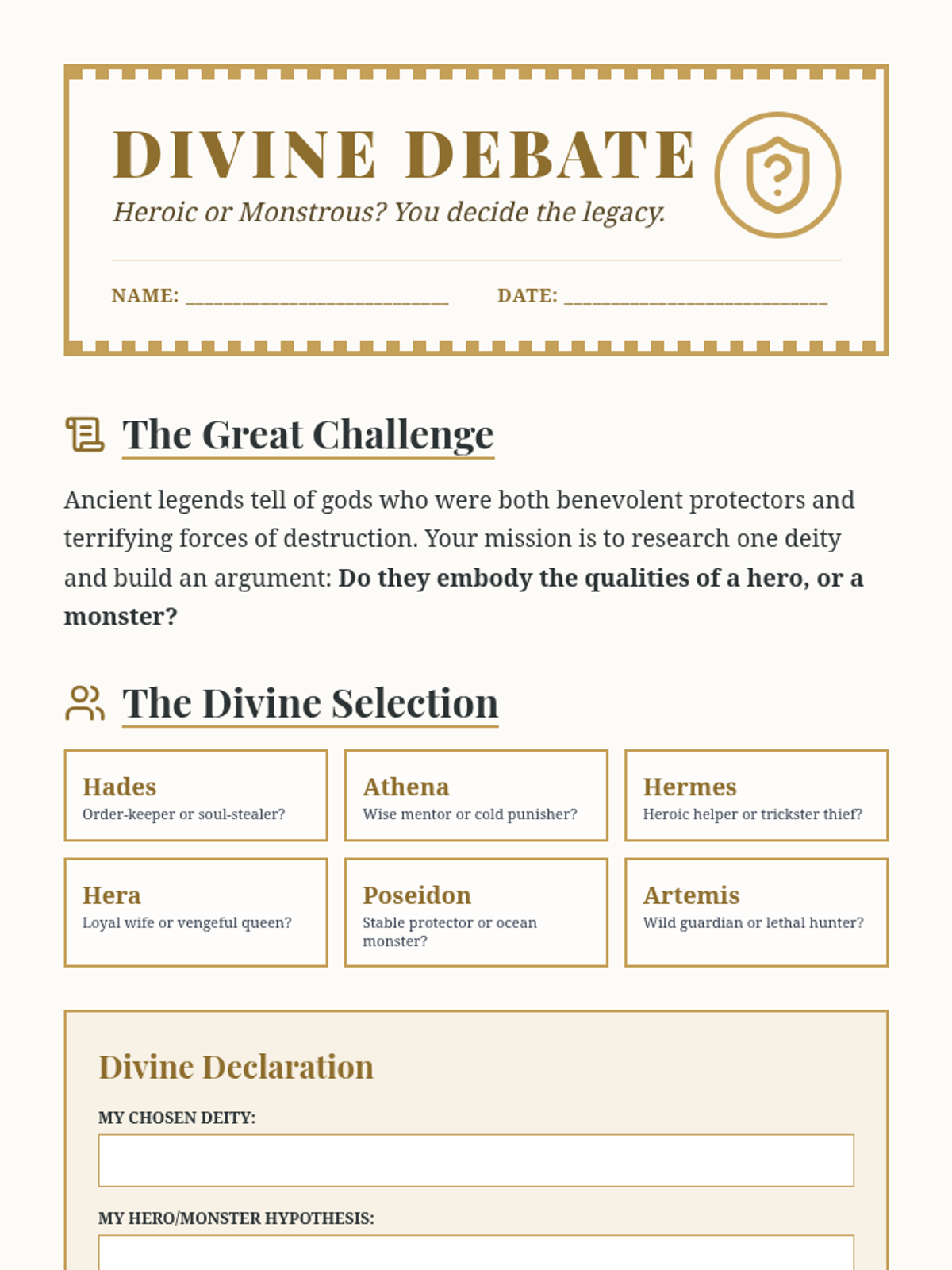
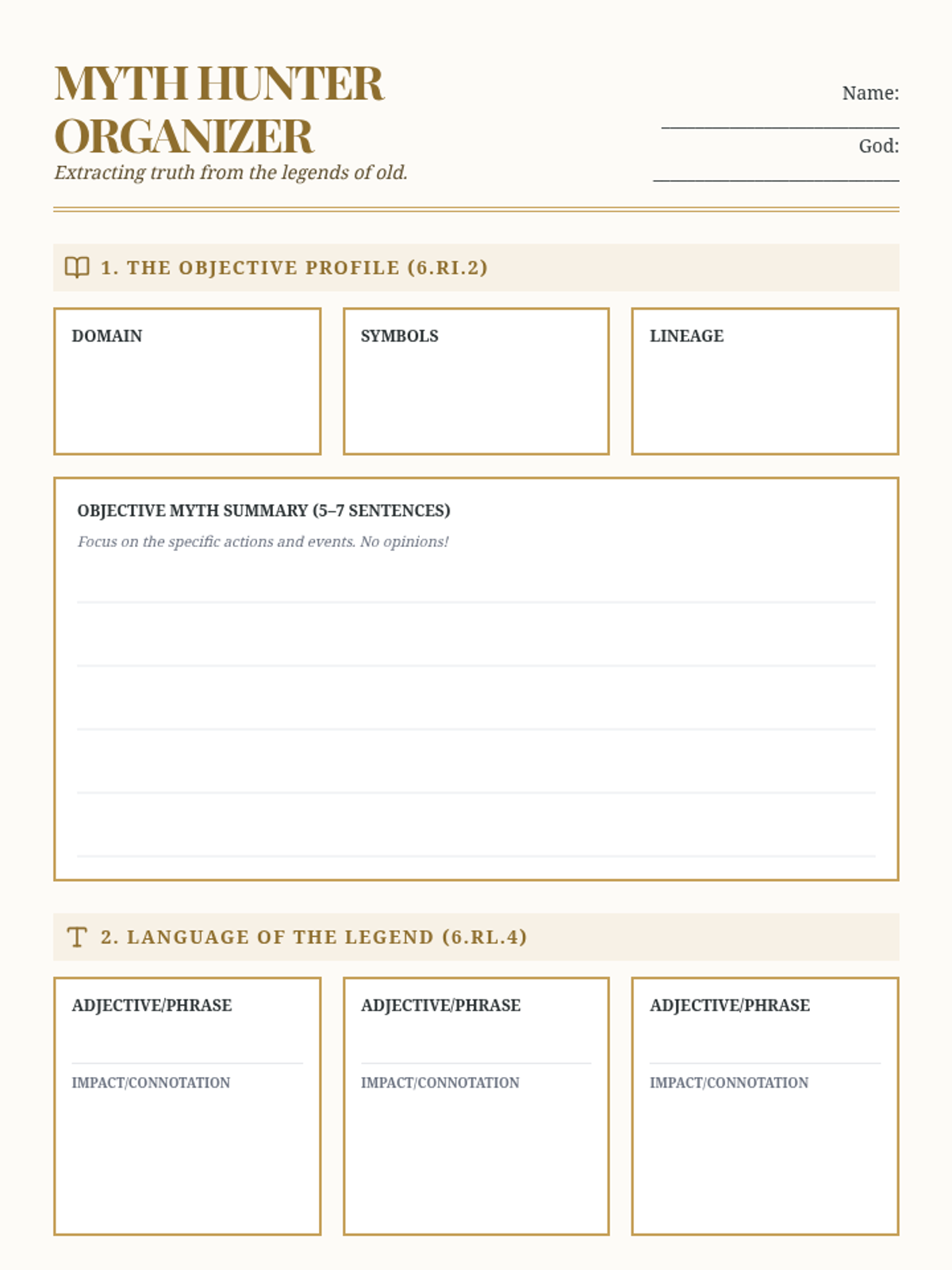
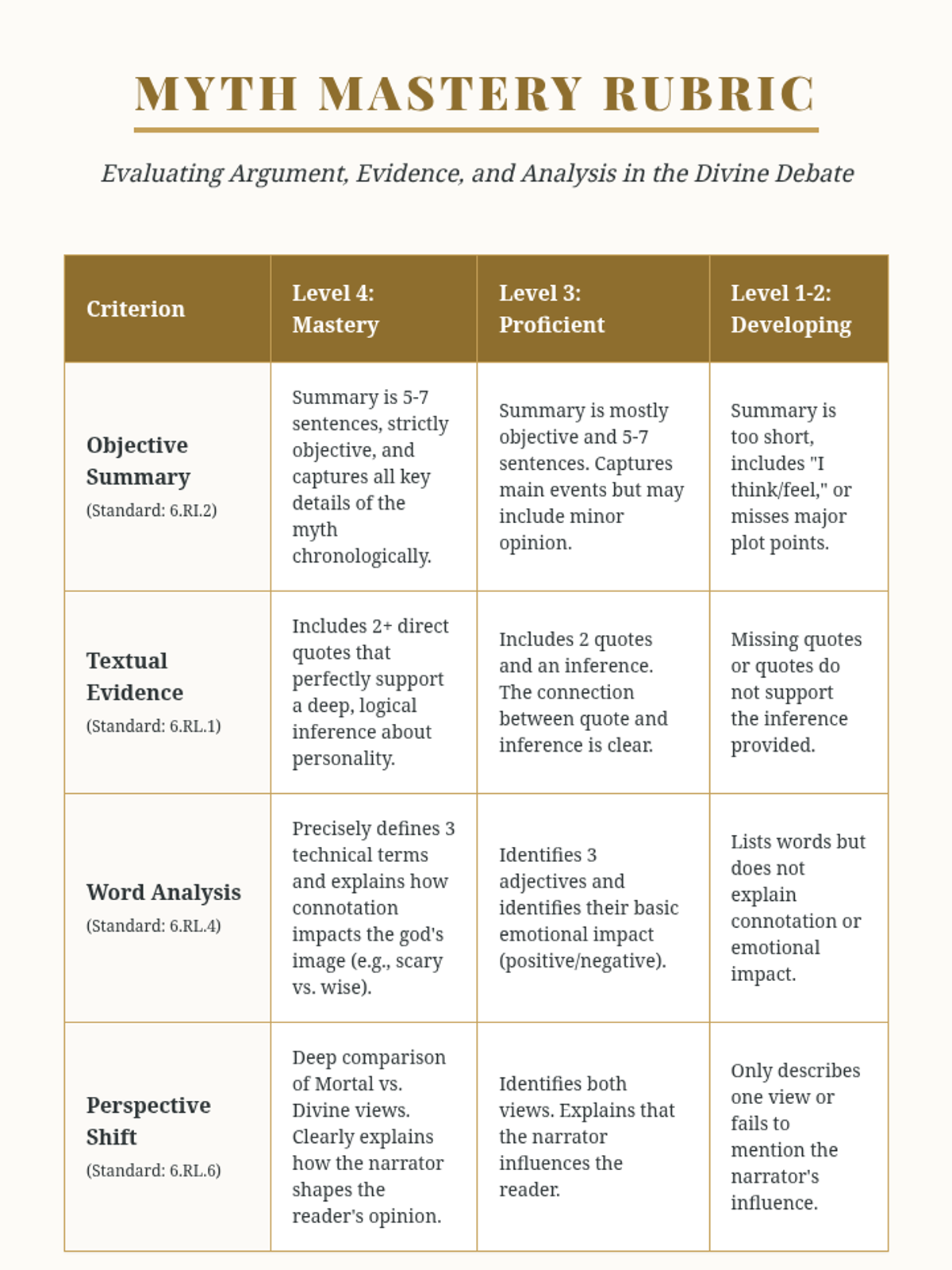
Students research a Greek deity to argue whether they embody 'Heroic' or 'Monstrous' qualities using textual evidence and perspective analysis. The lesson focuses on CCSS standards for summarizing, analyzing word choice, and identifying narrative perspective.
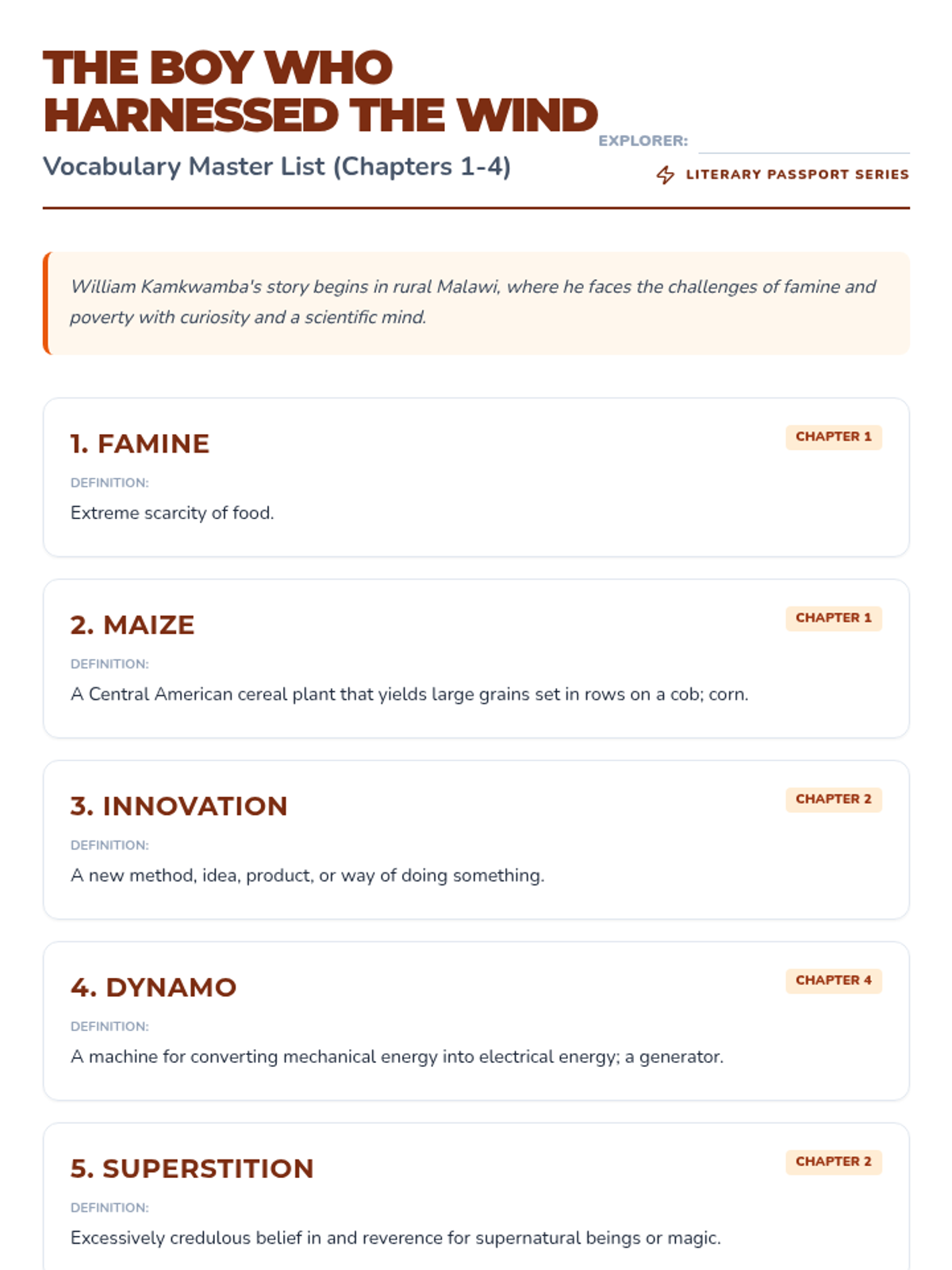
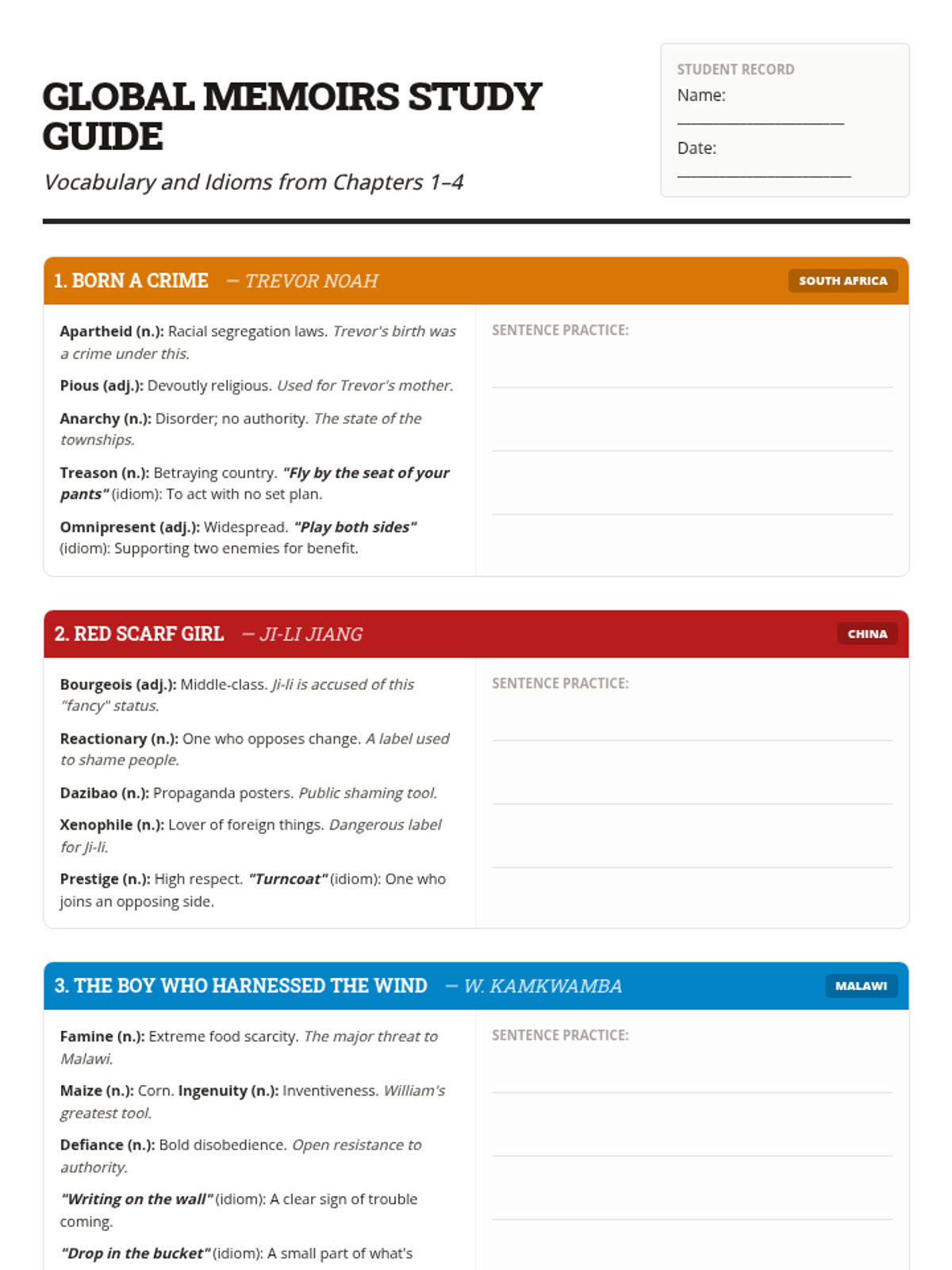
Vocabulary study for the first four chapters of William Kamkwamba's memoir about building a windmill in Malawi.
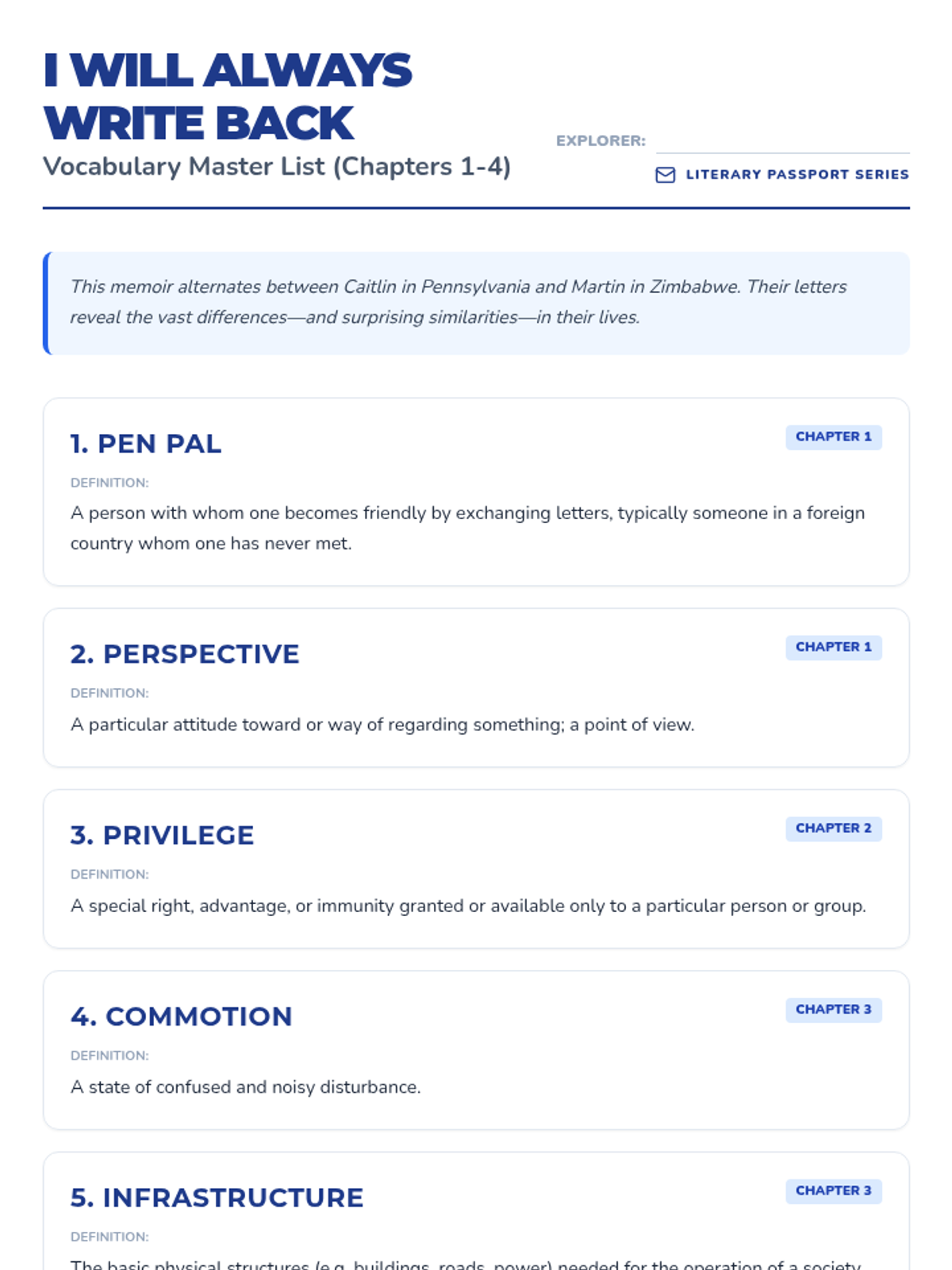
Vocabulary study for the first four chapters of the dual-narrative memoir about a life-changing pen pal relationship.
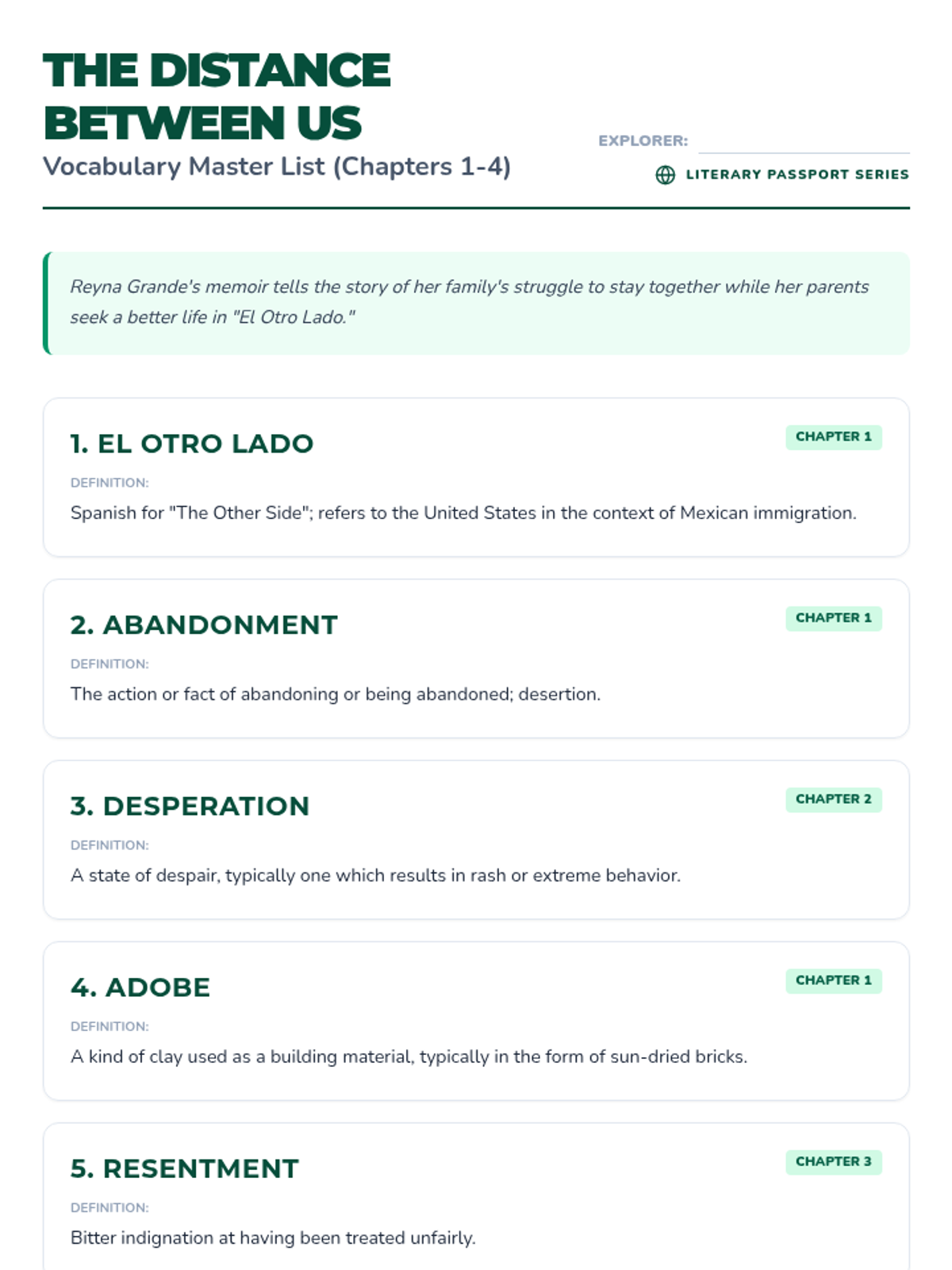
Vocabulary study for the first four chapters of Reyna Grande's memoir about her journey from Mexico to the United States.
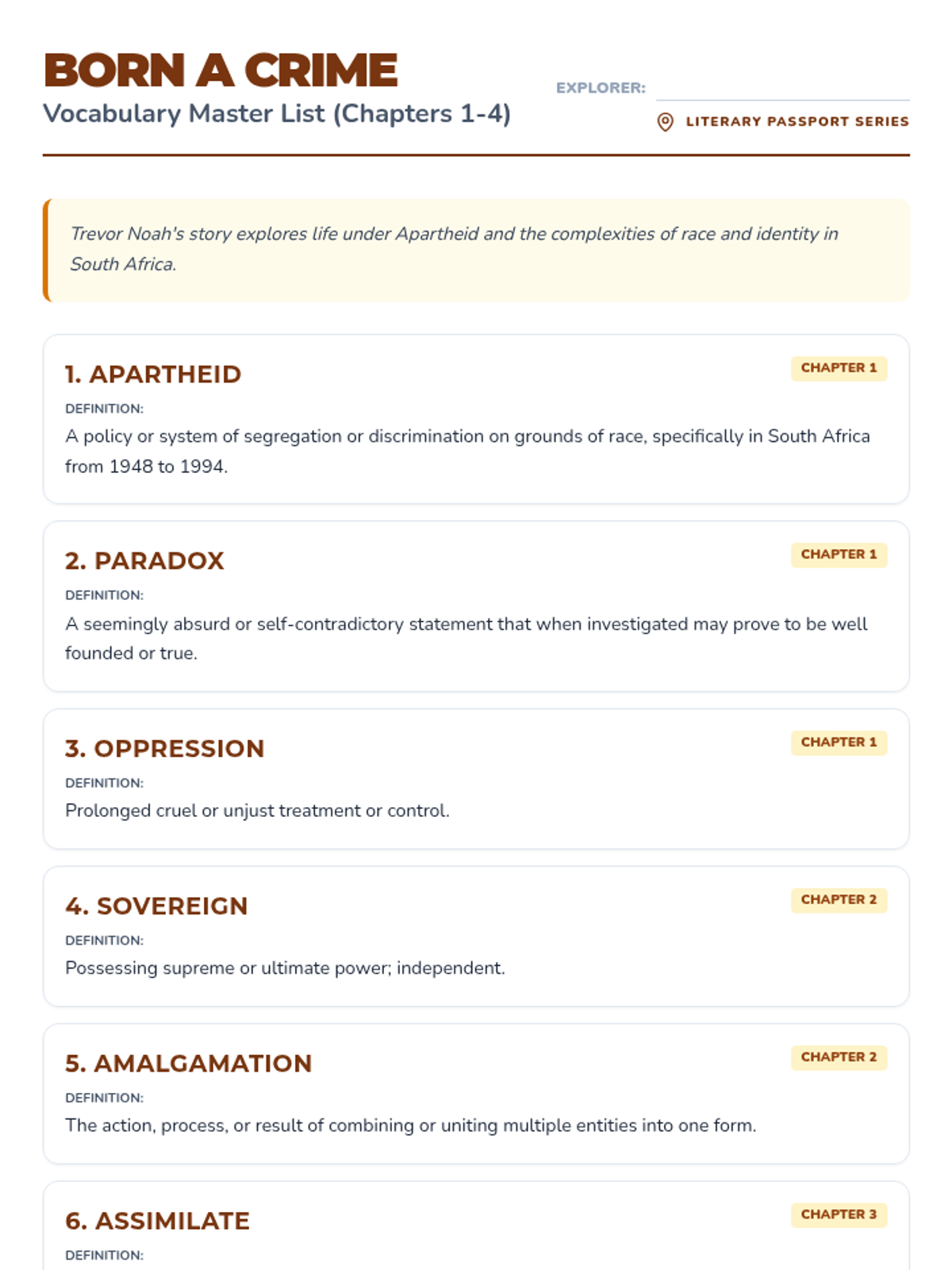
Vocabulary study for the first four chapters of Trevor Noah's memoir about growing up in apartheid-era South Africa.
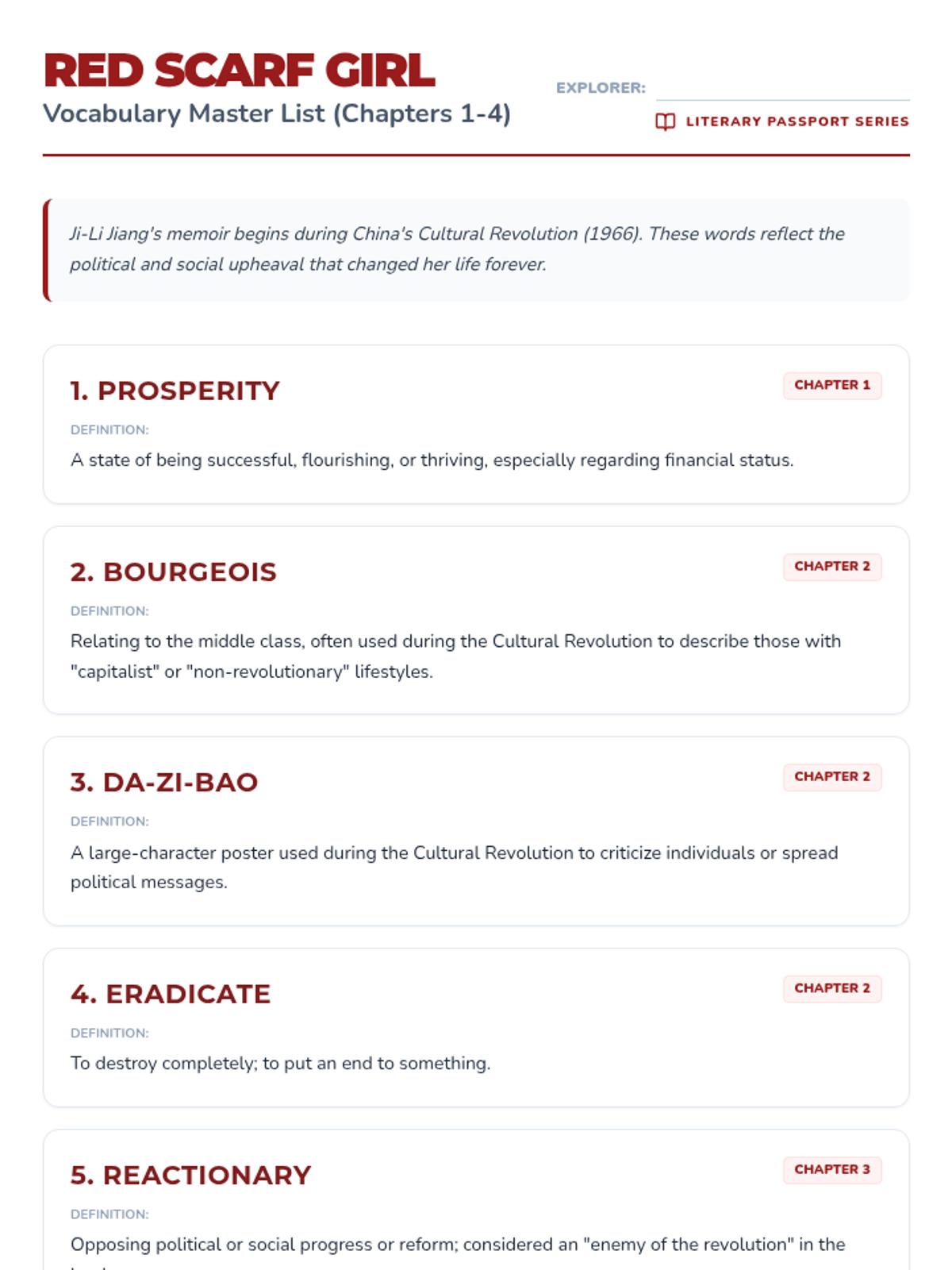
Vocabulary study for the first four chapters of Ji-Li Jiang's memoir about the Cultural Revolution in China.
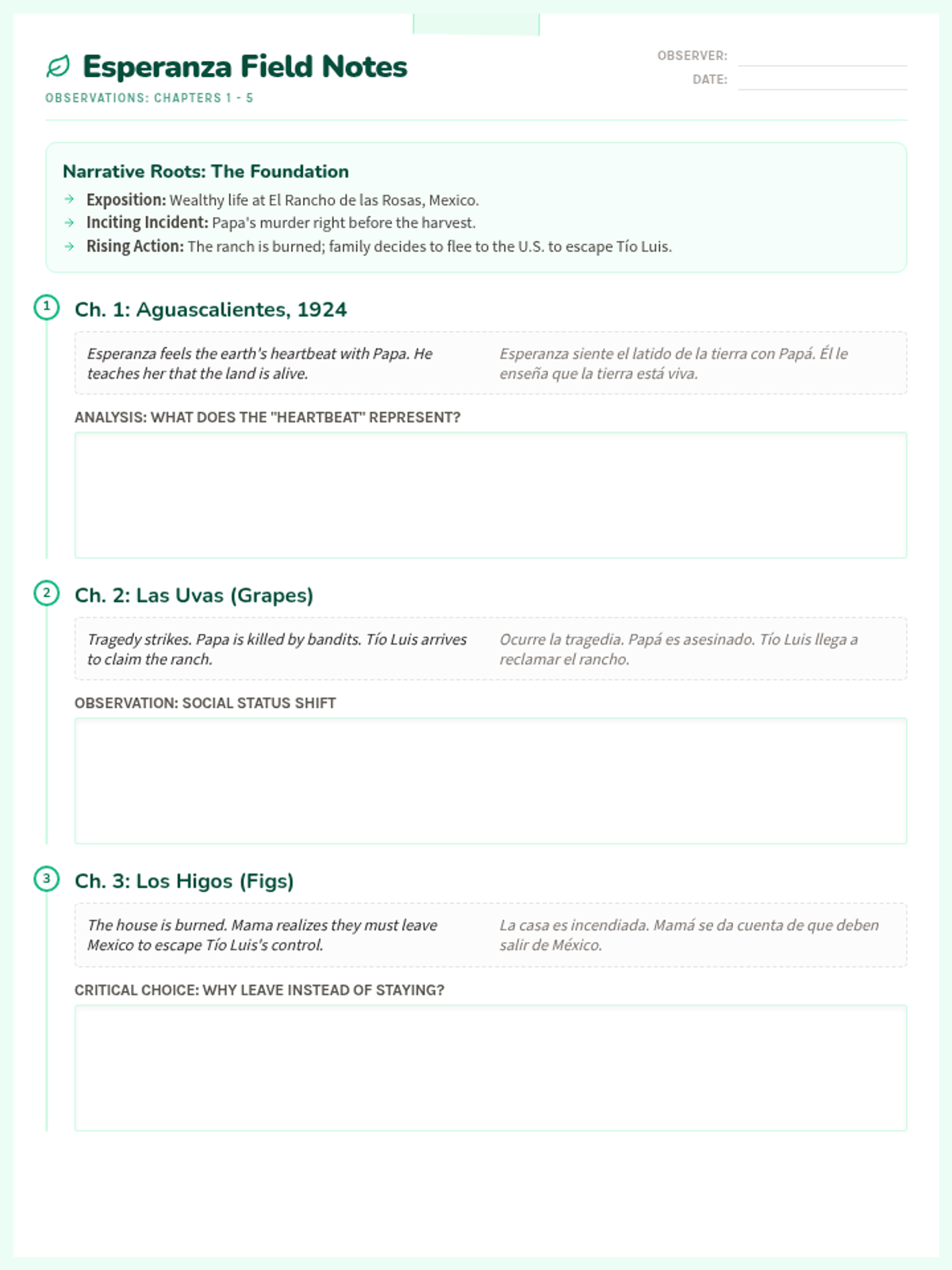
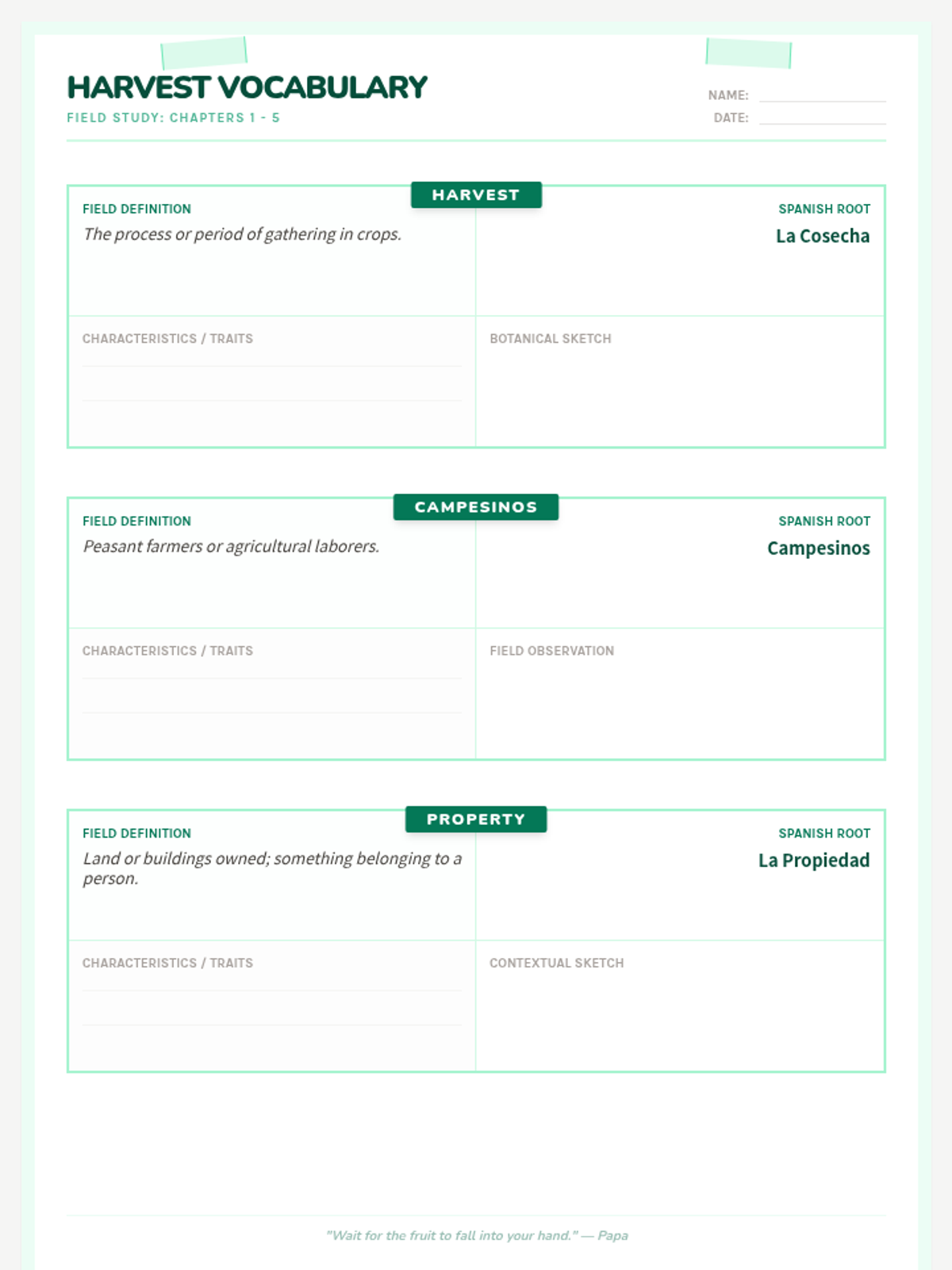
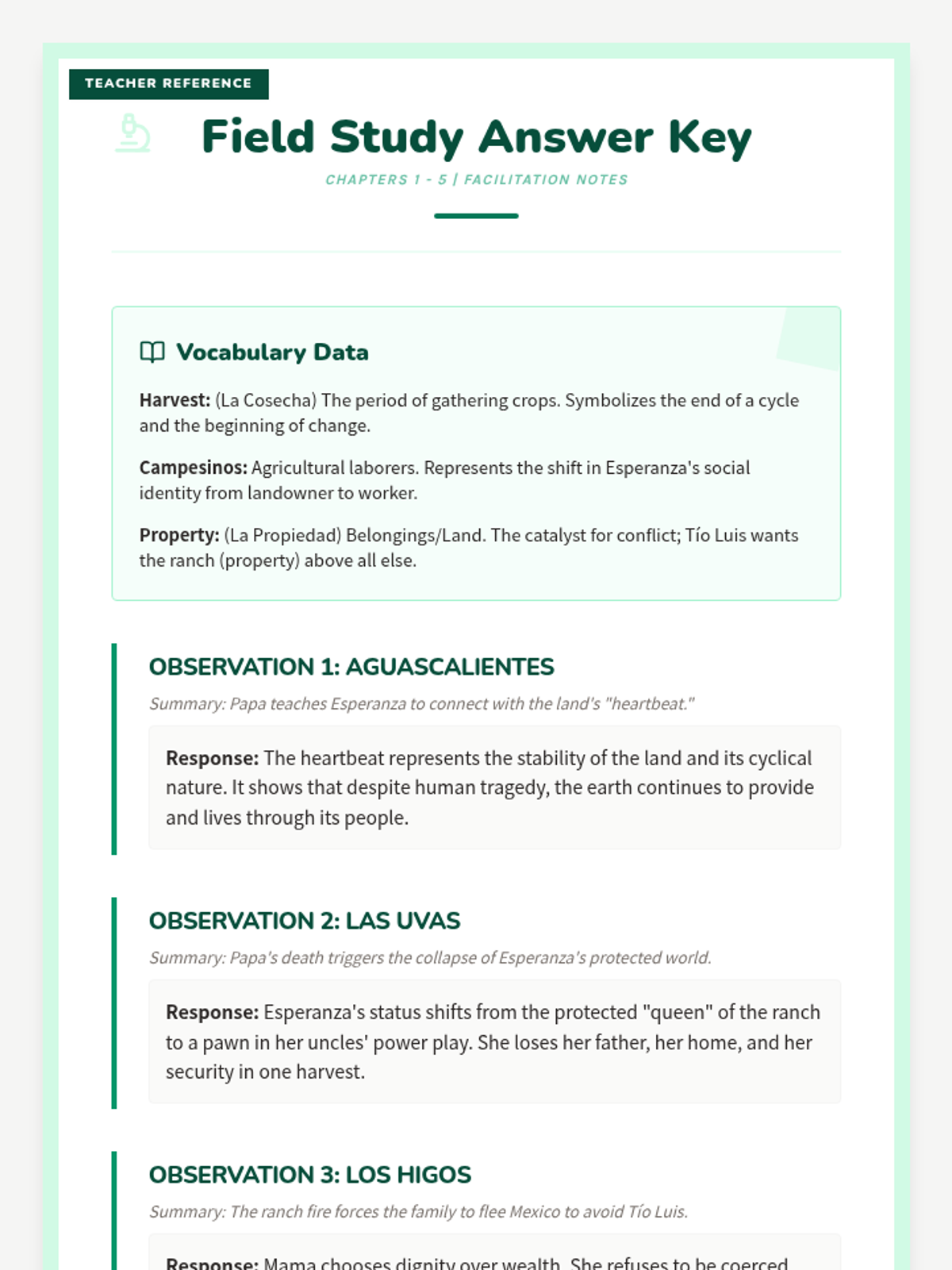
An exploration of the first five chapters of Esperanza Rising, focusing on the dramatic shift from luxury to labor and the beginning of Esperanza's migration journey.
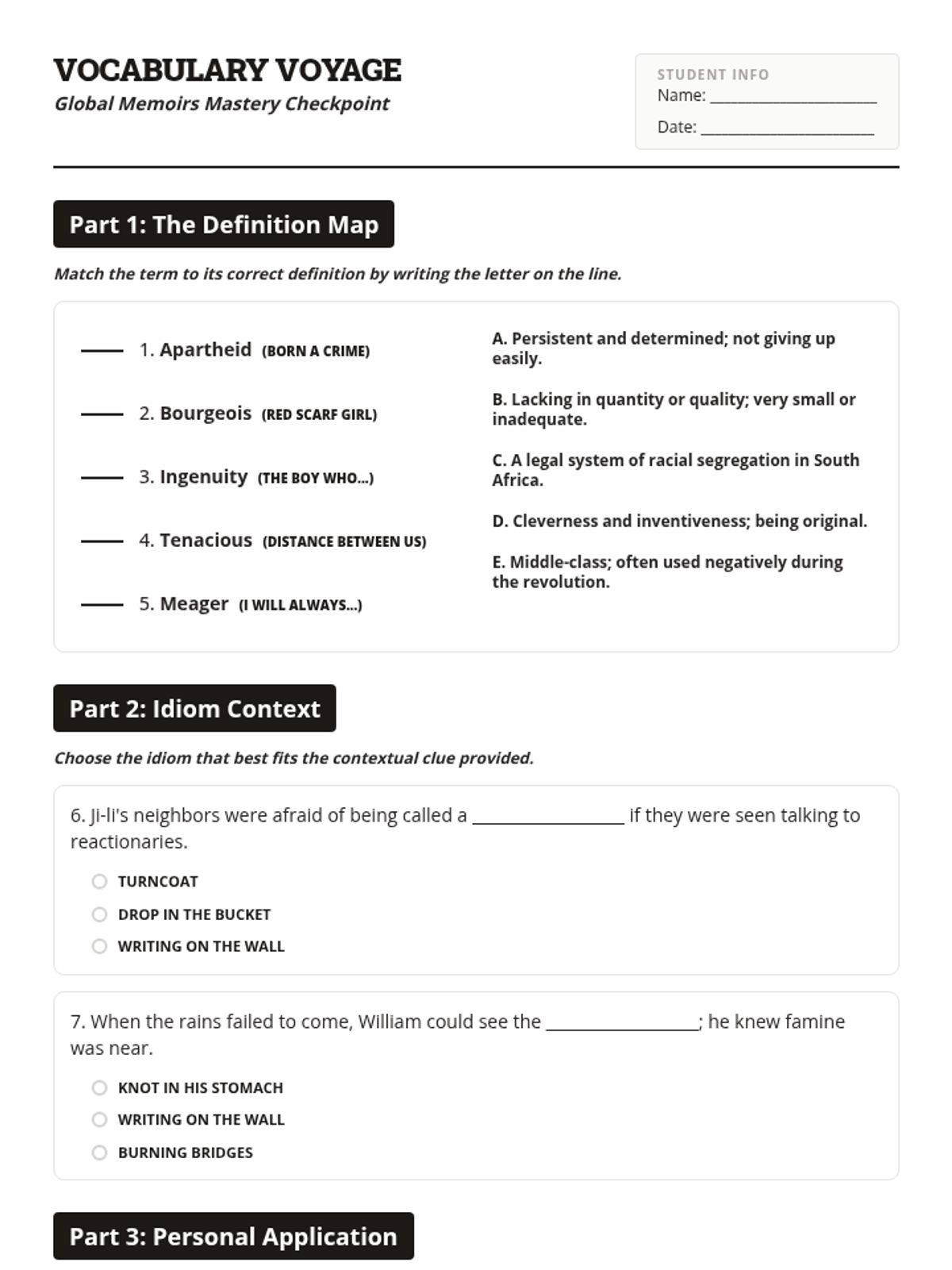
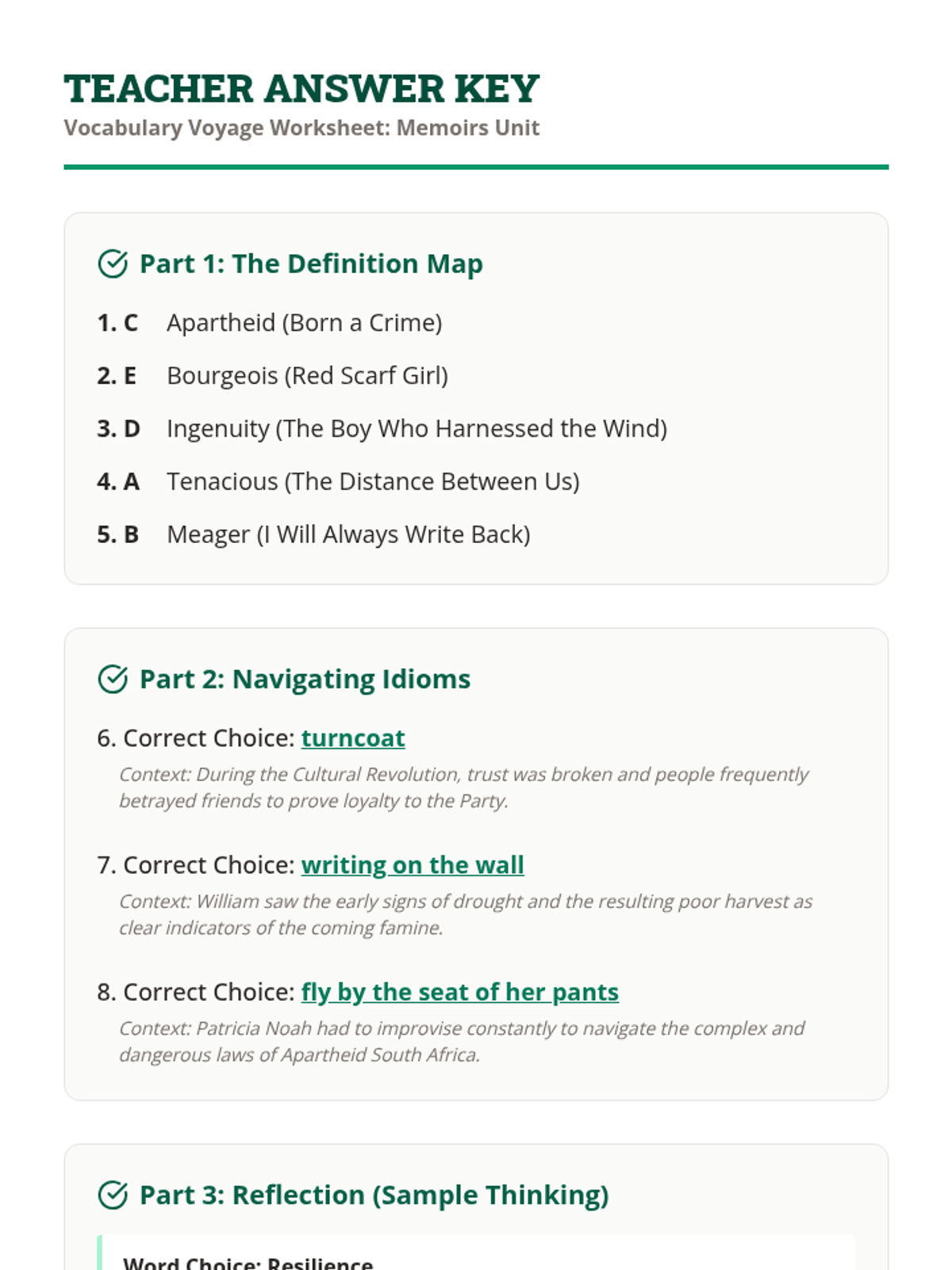
This lesson provides vocabulary lists and practice materials for the first four chapters of five prominent memoirs, helping students master academic vocabulary and idioms within diverse cultural contexts.
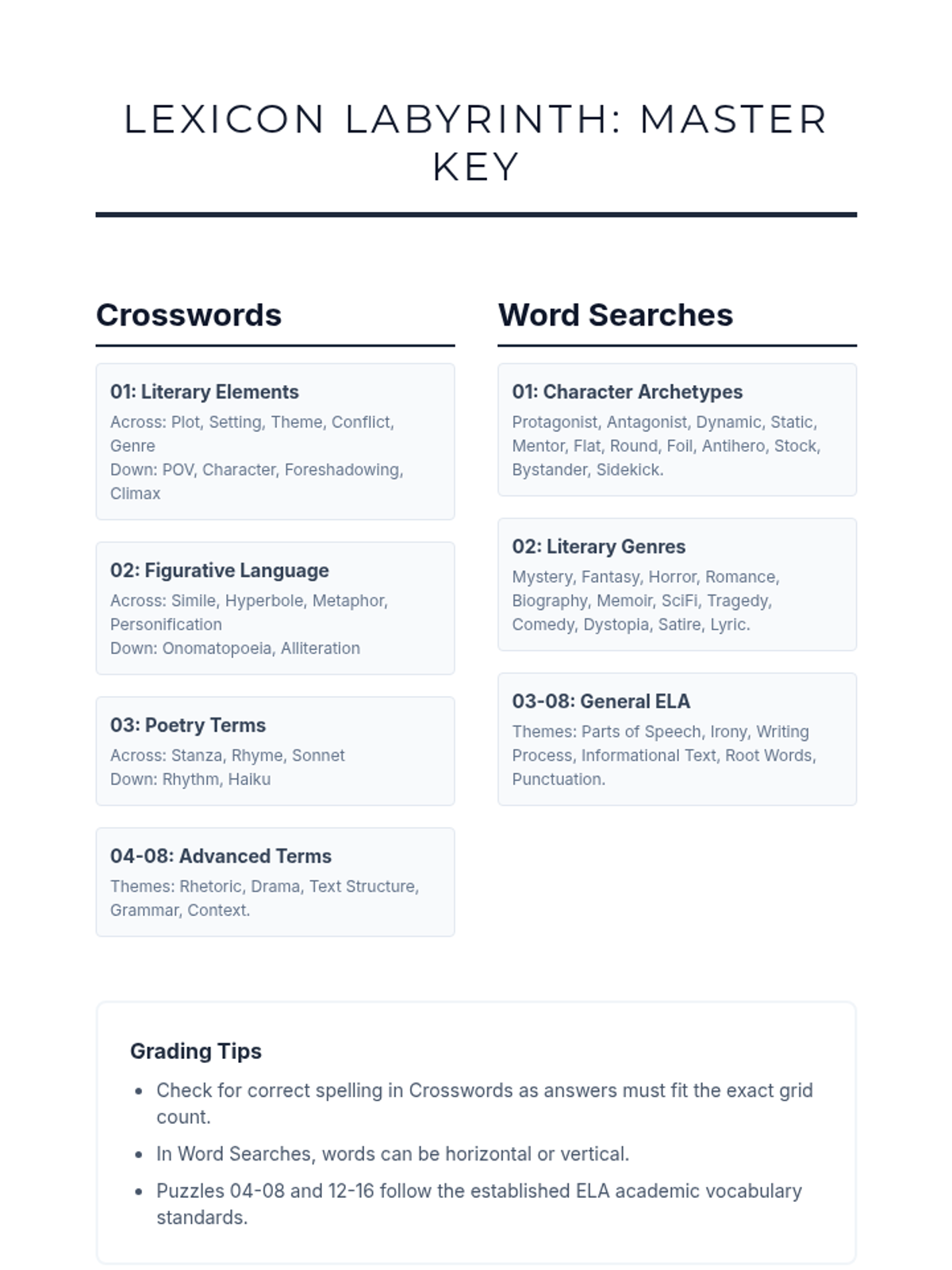
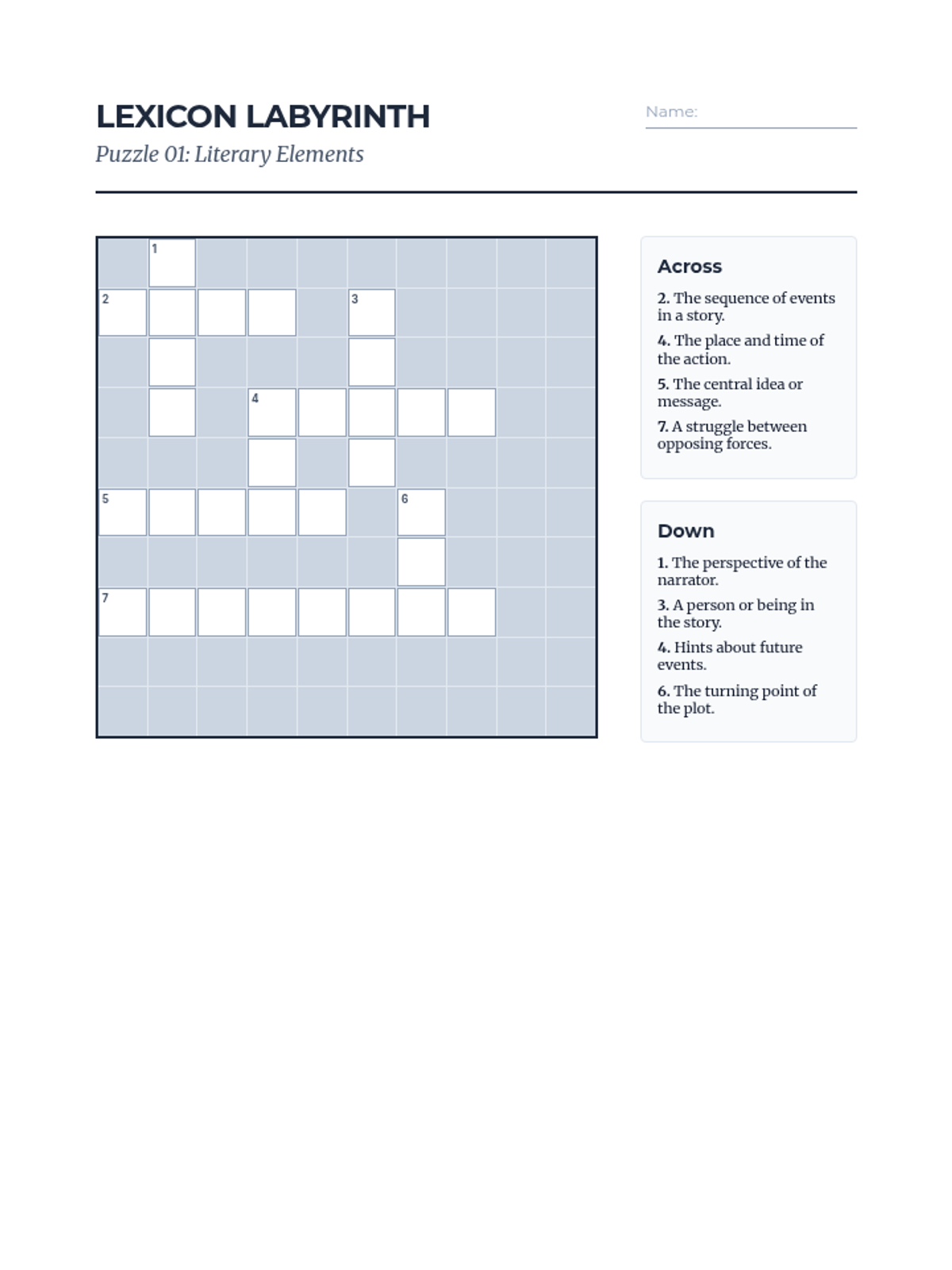
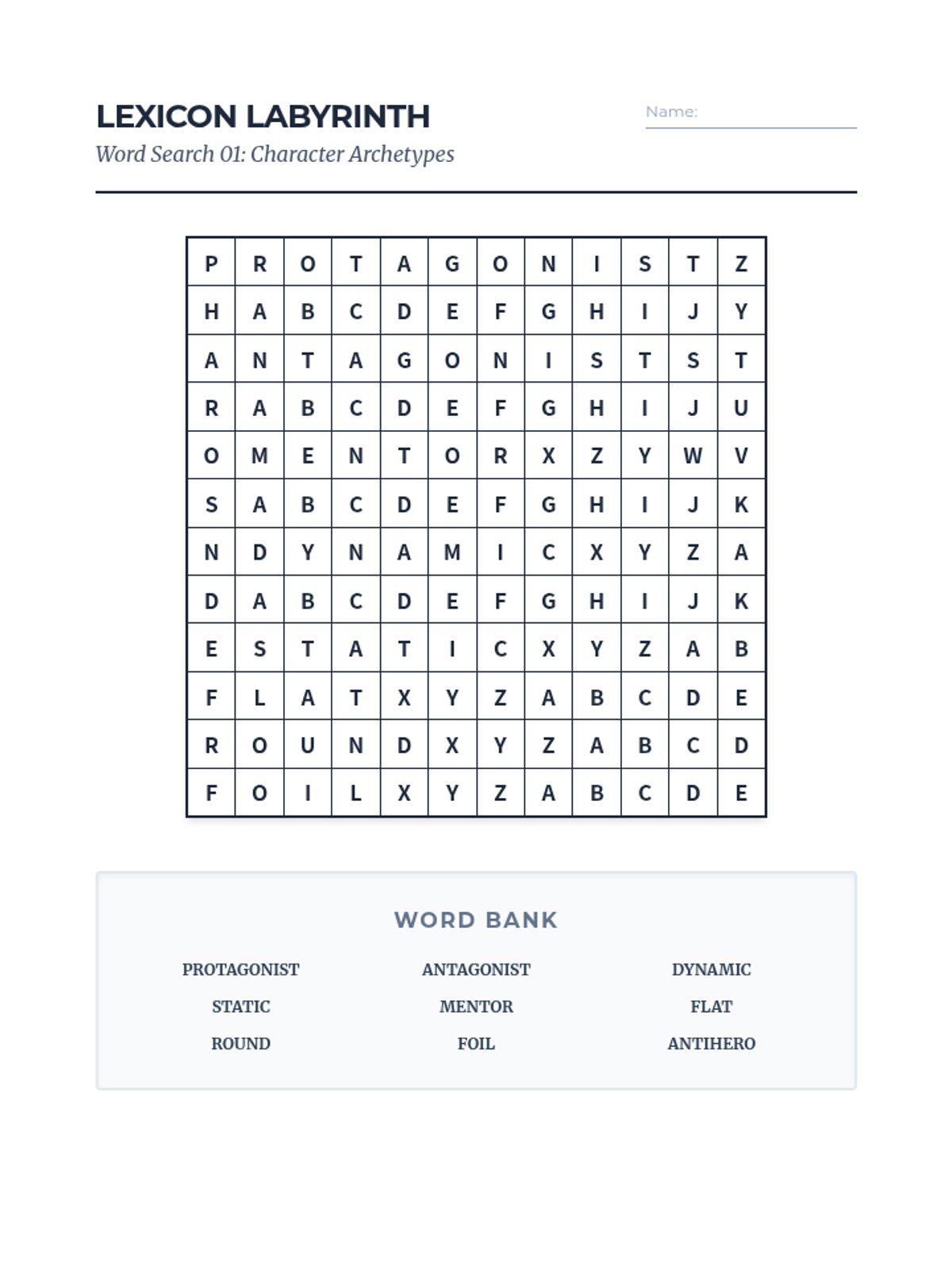
A comprehensive set of vocabulary-building puzzles focused on essential ELA academic terms, covering literary elements, figurative language, rhetorical devices, and more.
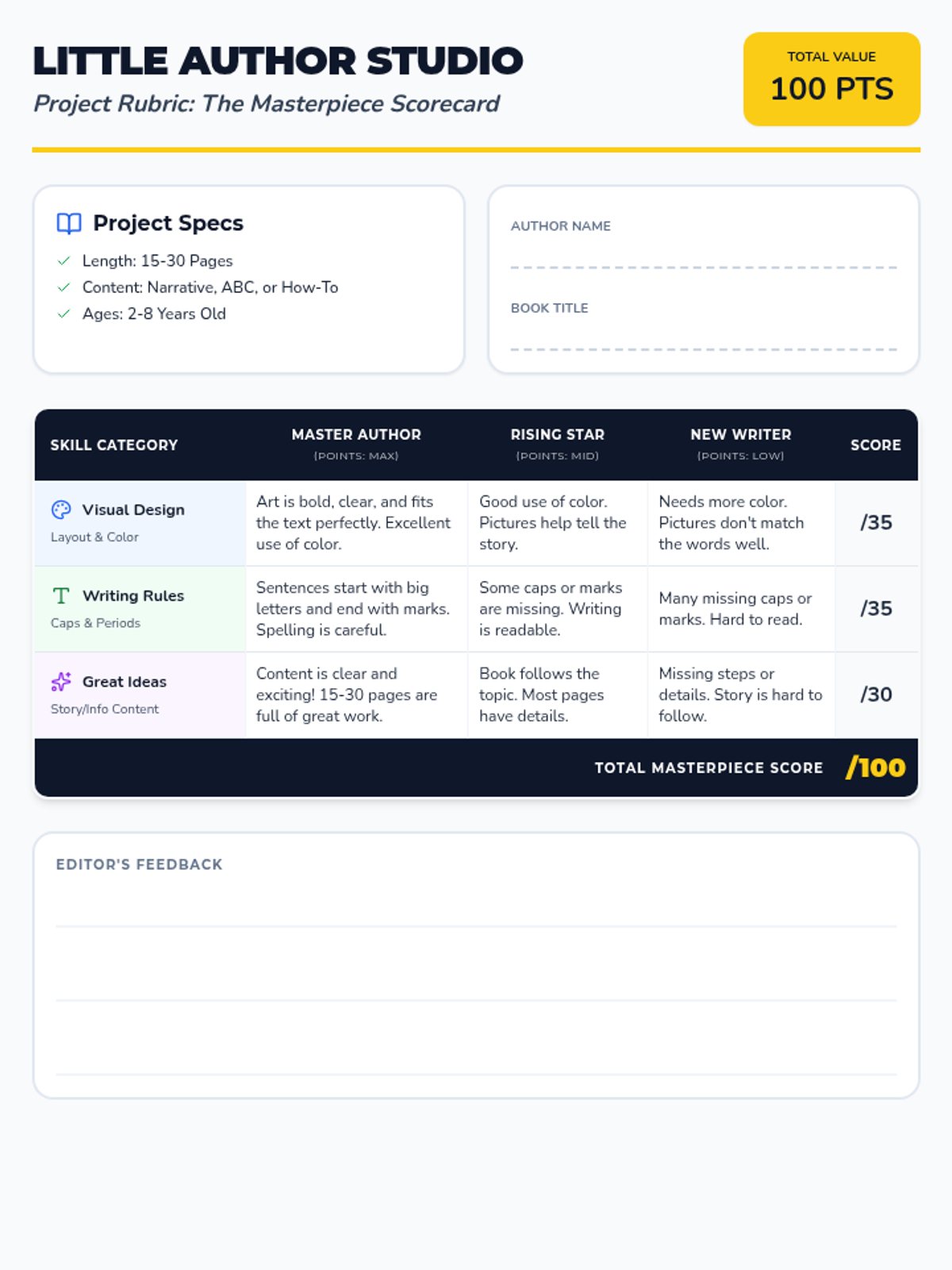
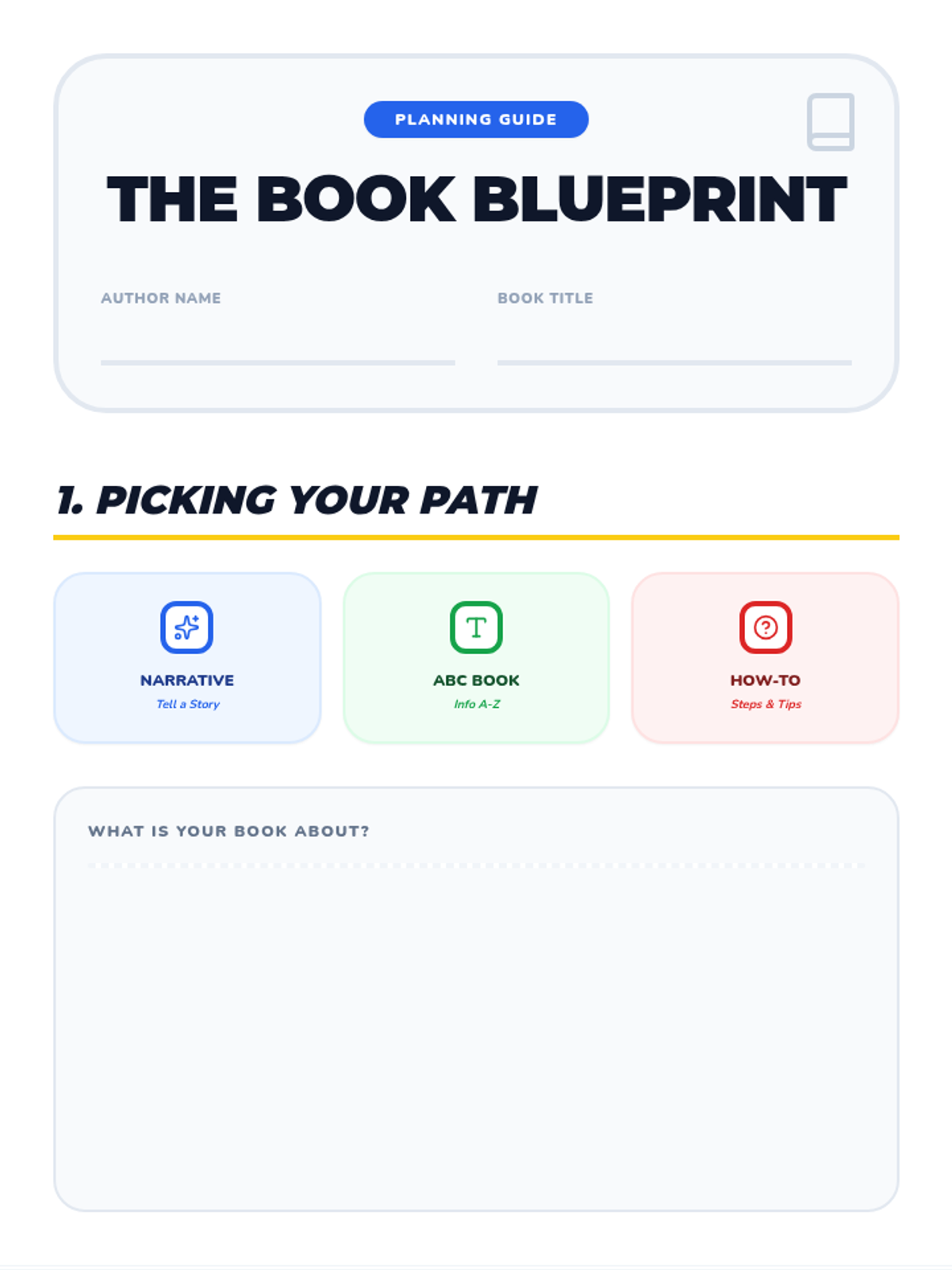
A creative writing project for young children (ages 2-8) to produce a 15-30 page book. Students can choose between a narrative story, an expository ABC book, or a how-to guide, focusing on visual design and writing conventions.
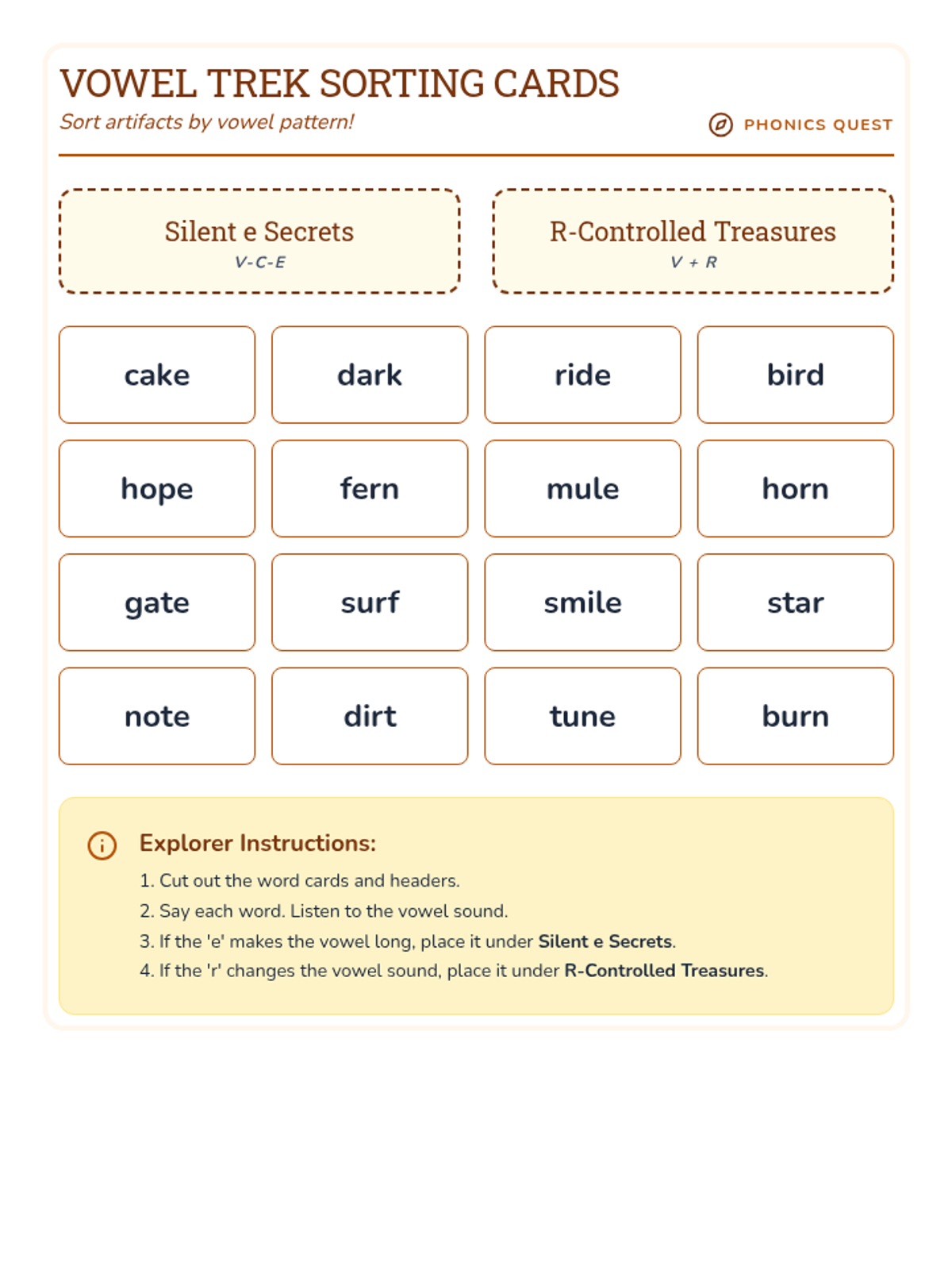
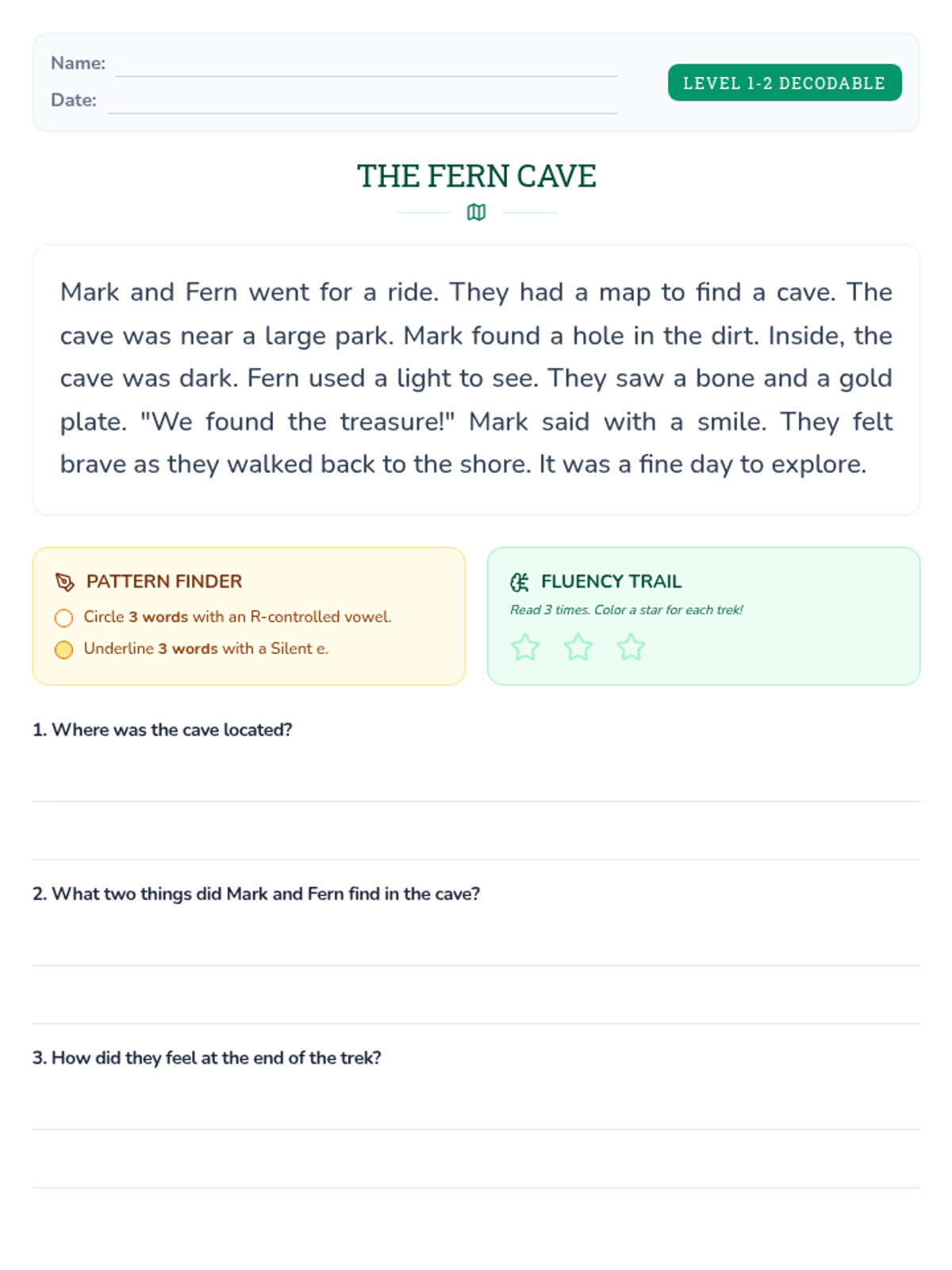
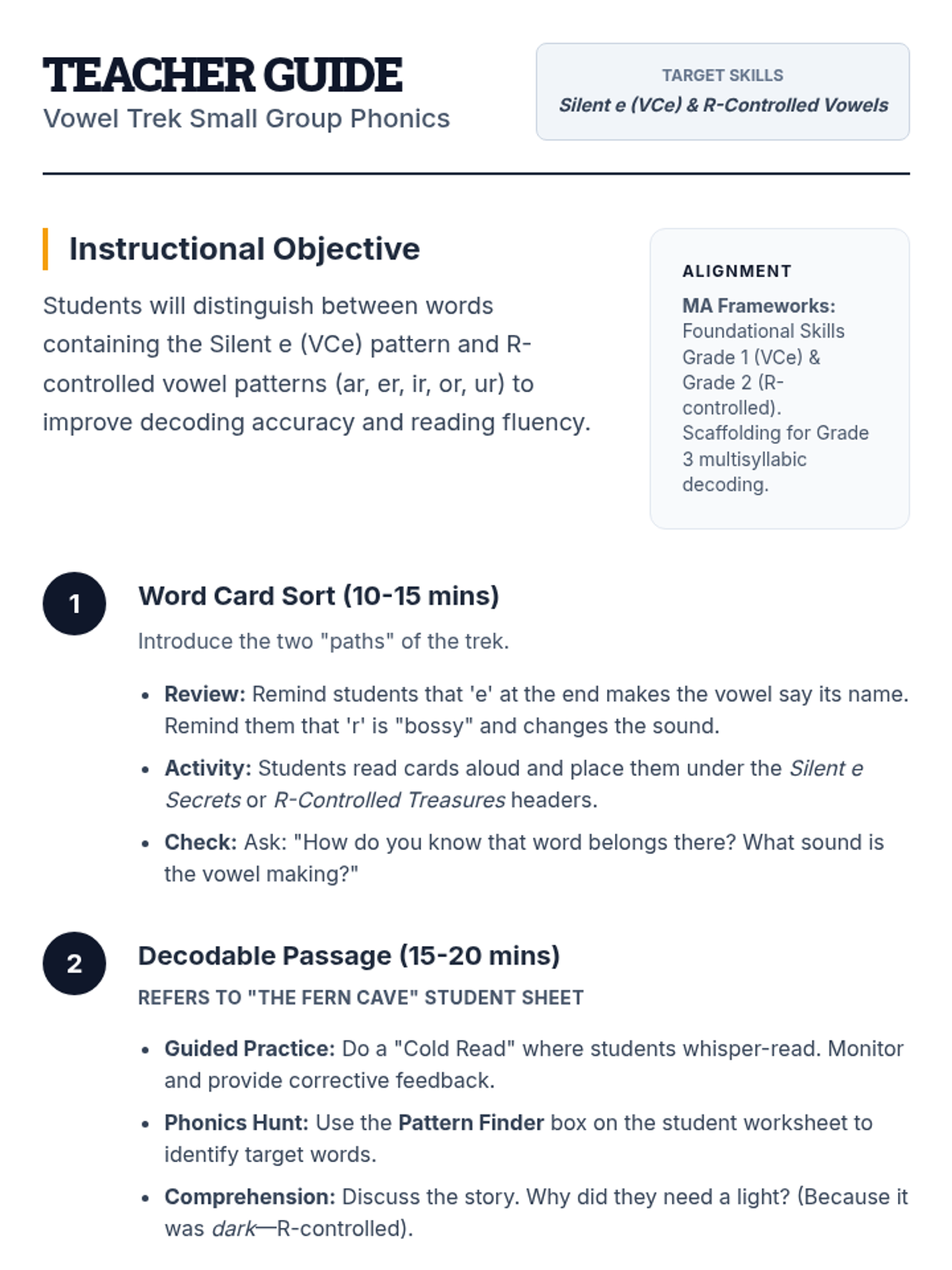
A small-group phonics lesson focused on distinguishing between silent e (VCe) and r-controlled vowel patterns, designed for Grade 3 students reading at a 1st-2nd grade level.
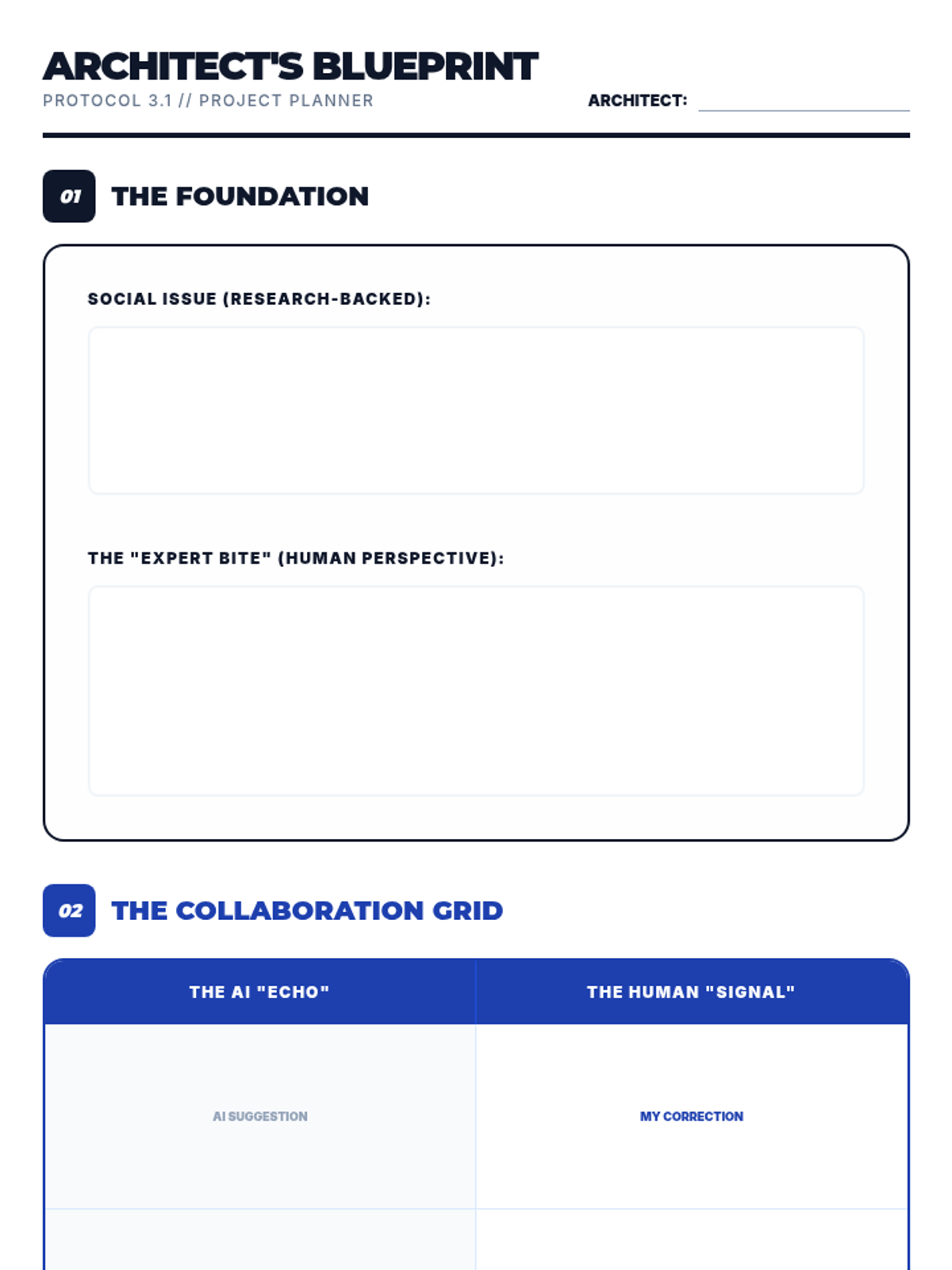
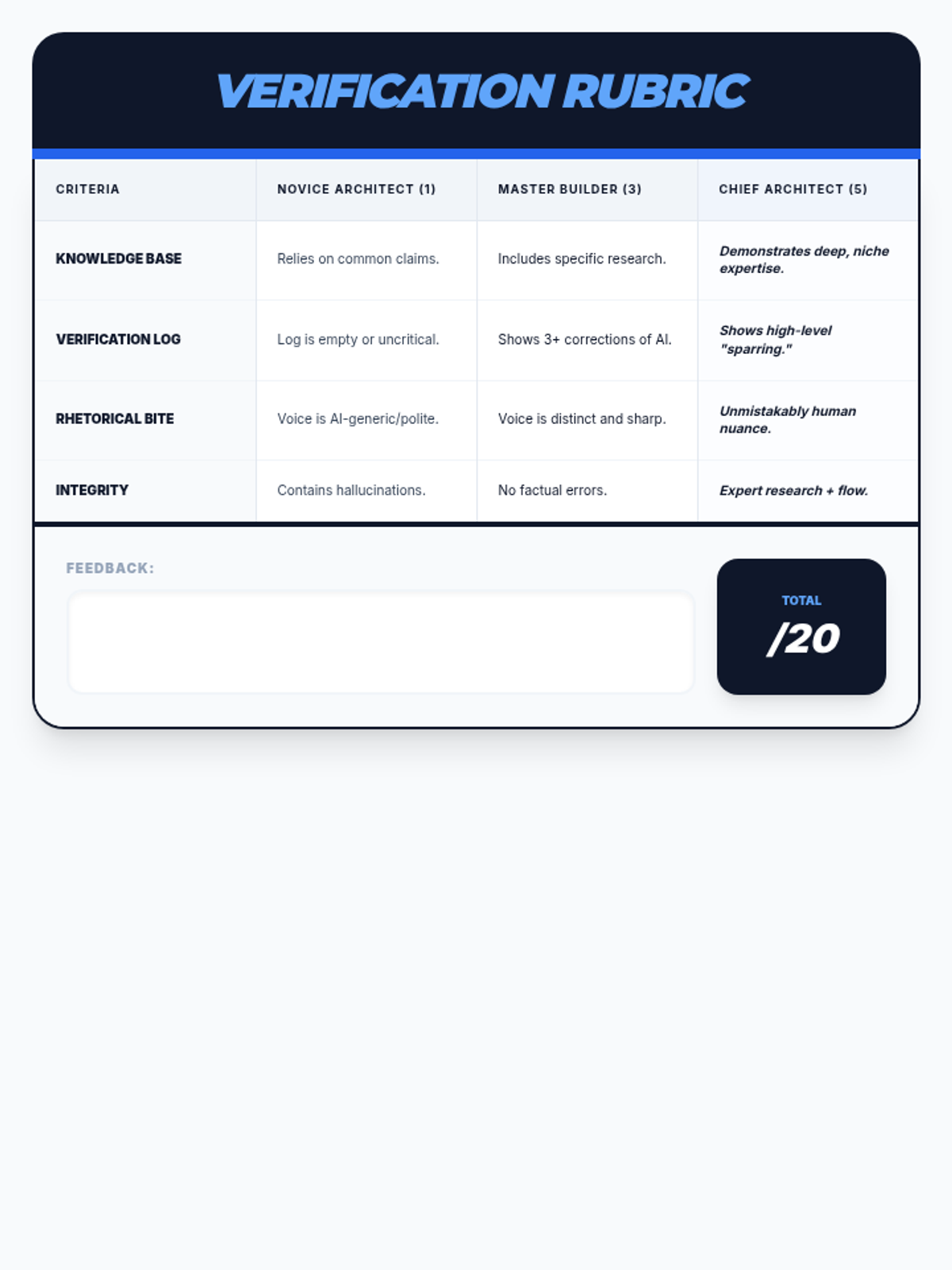
The final project phase. Students research a modern social issue and 'command' the AI to help them construct a high-level commentary, providing a 'Verification Log' of every AI suggestion they rejected.
A deep dive into classic social commentary (Satire/Irony). Students build the 'Internal Library' needed to recognize when an algorithm misses the moral or emotional weight of a message.