Students learn to use their 'magic lens' to see everyday objects in new ways, introducing the concepts of similes and metaphors through imaginative play.
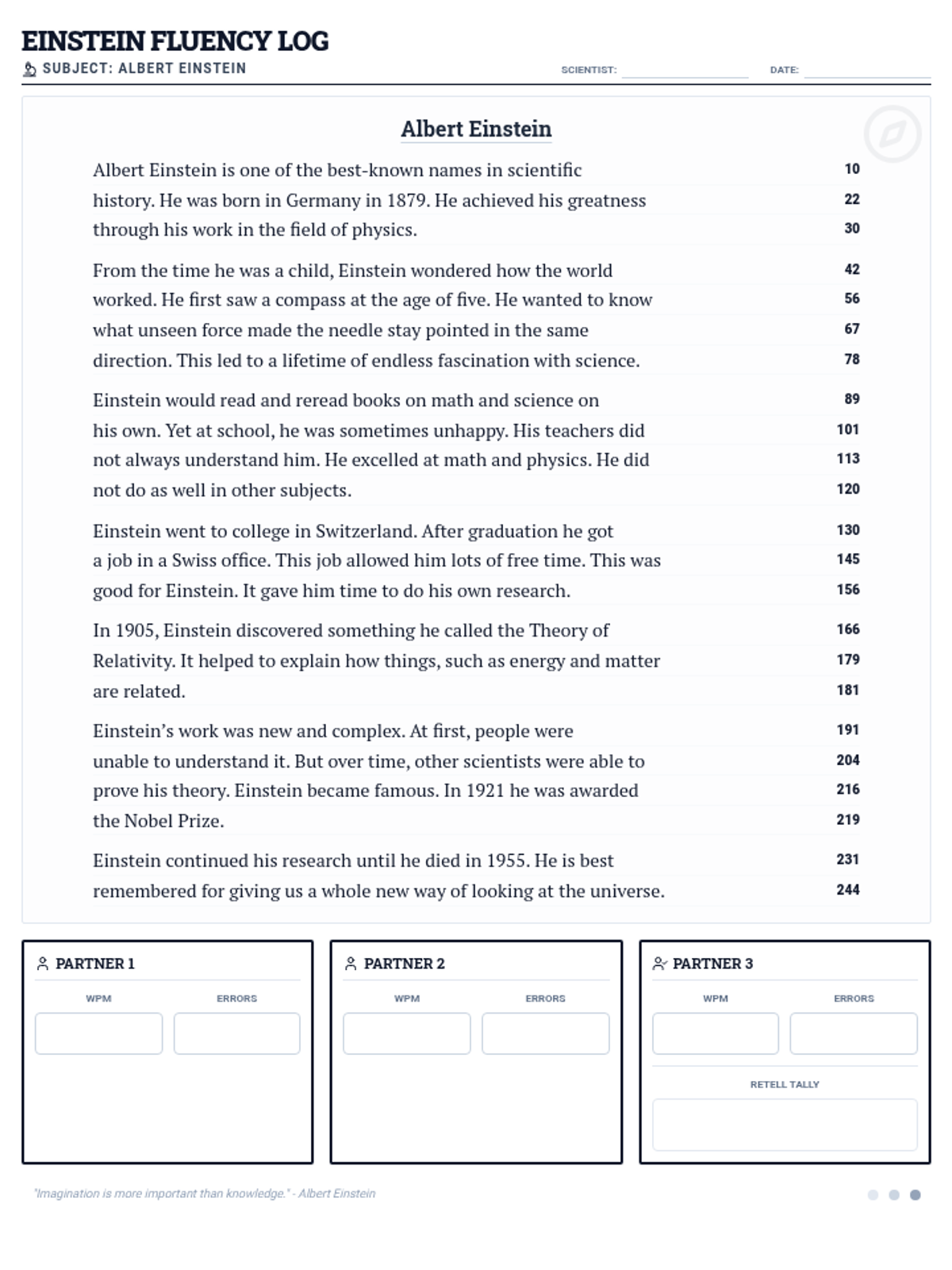
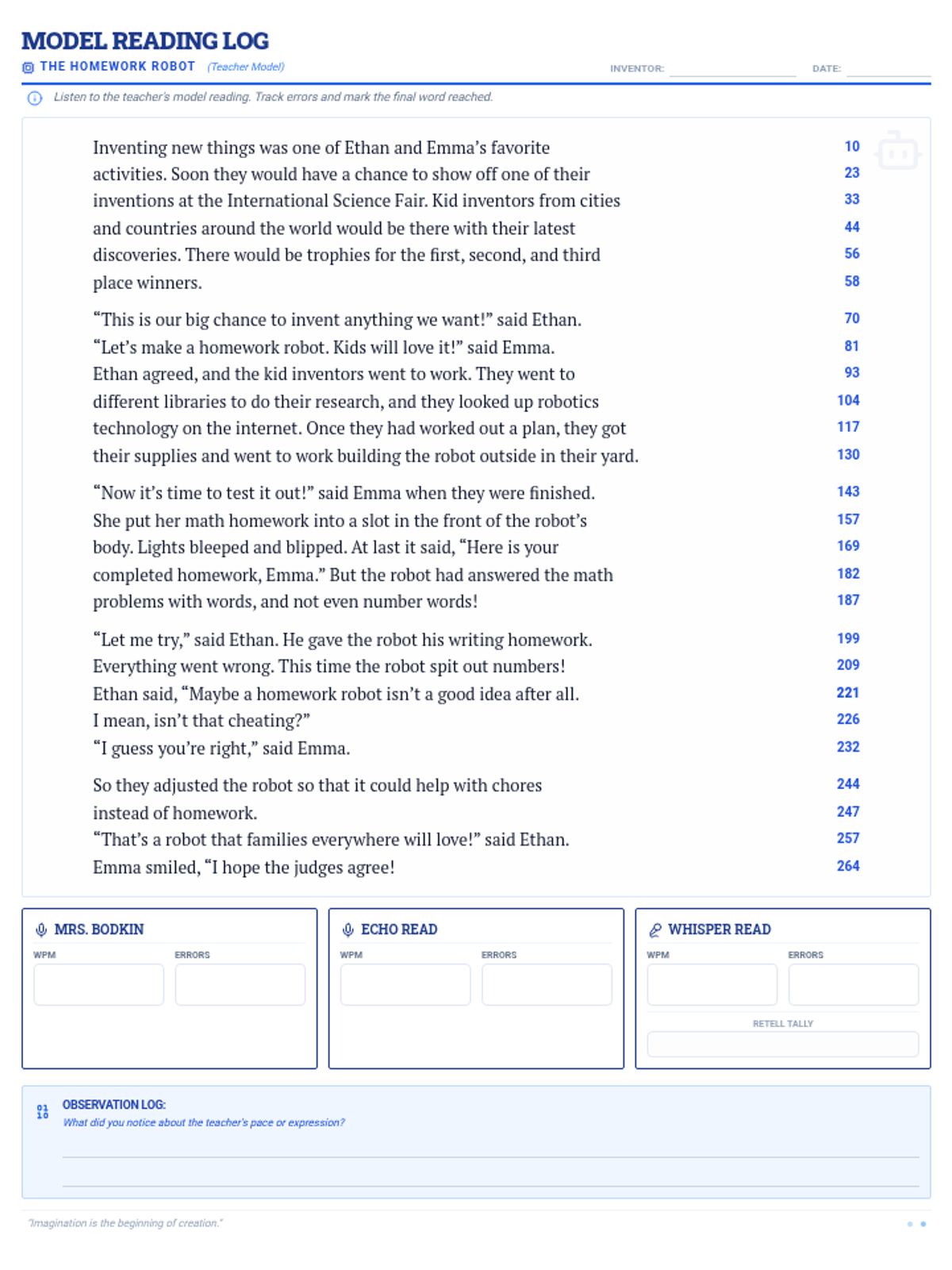
A fluency practice lesson focused on reading speed and comprehension through the story of Albert Einstein, utilizing a peer-partnered tracking system.
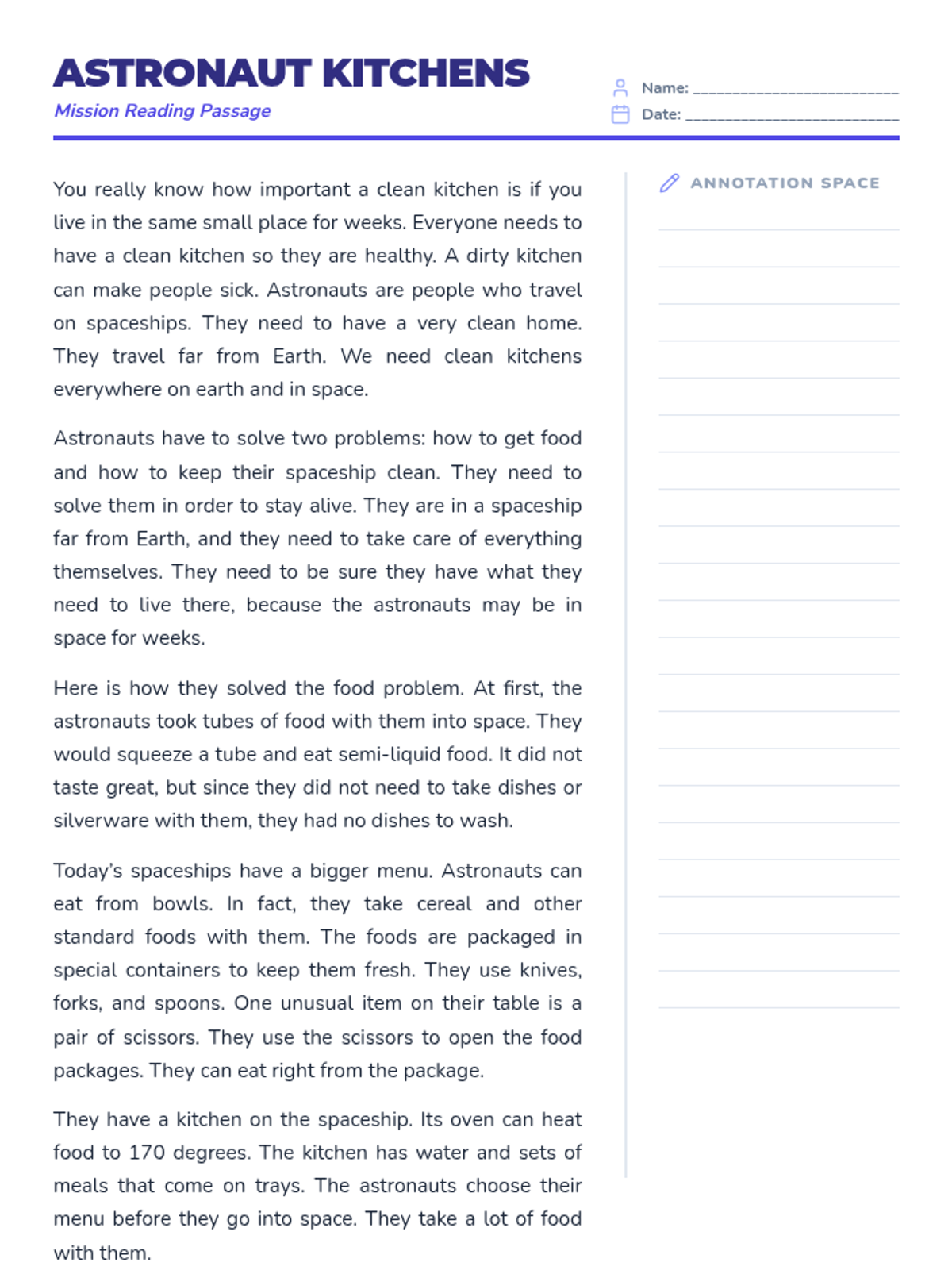
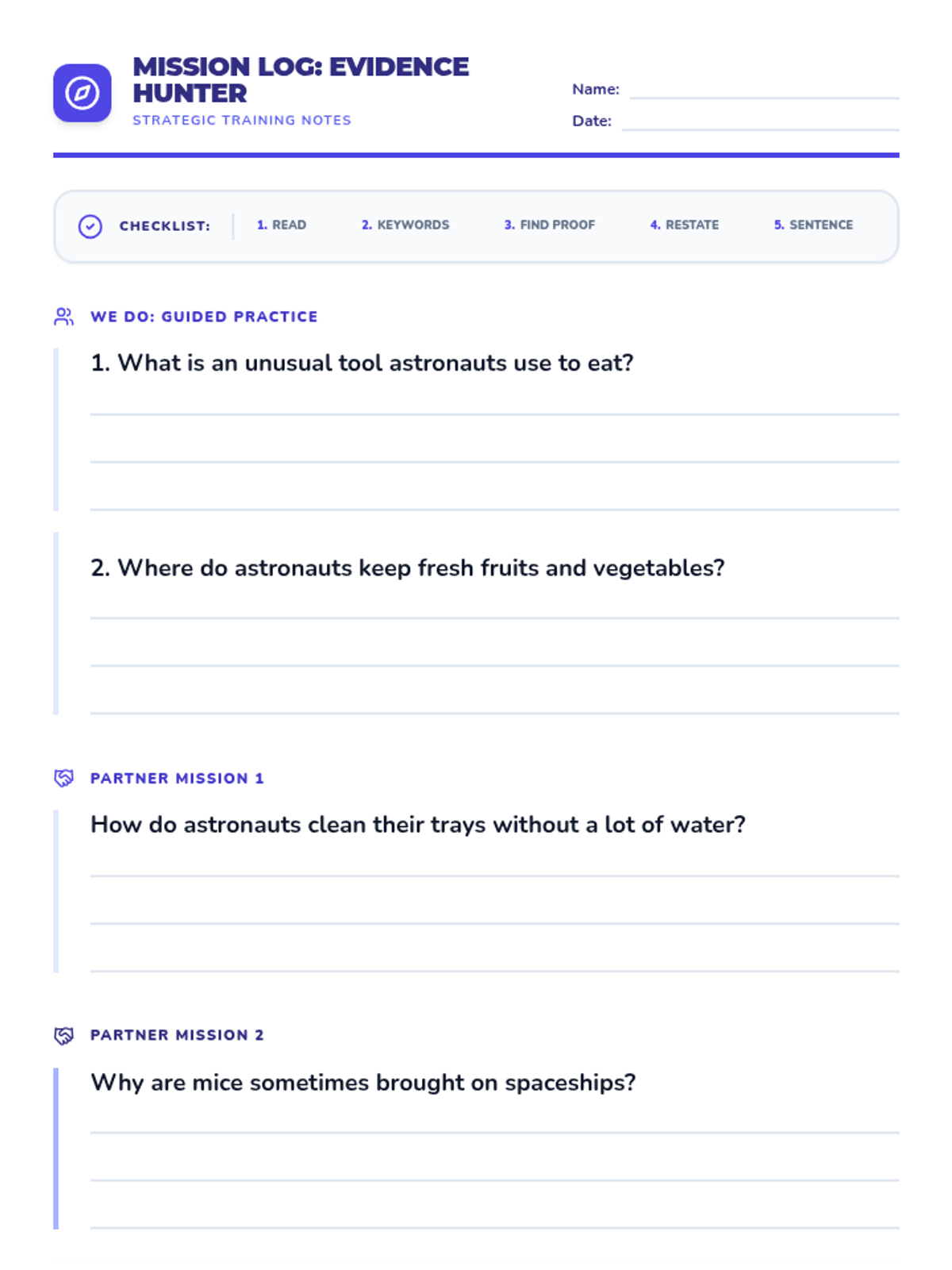
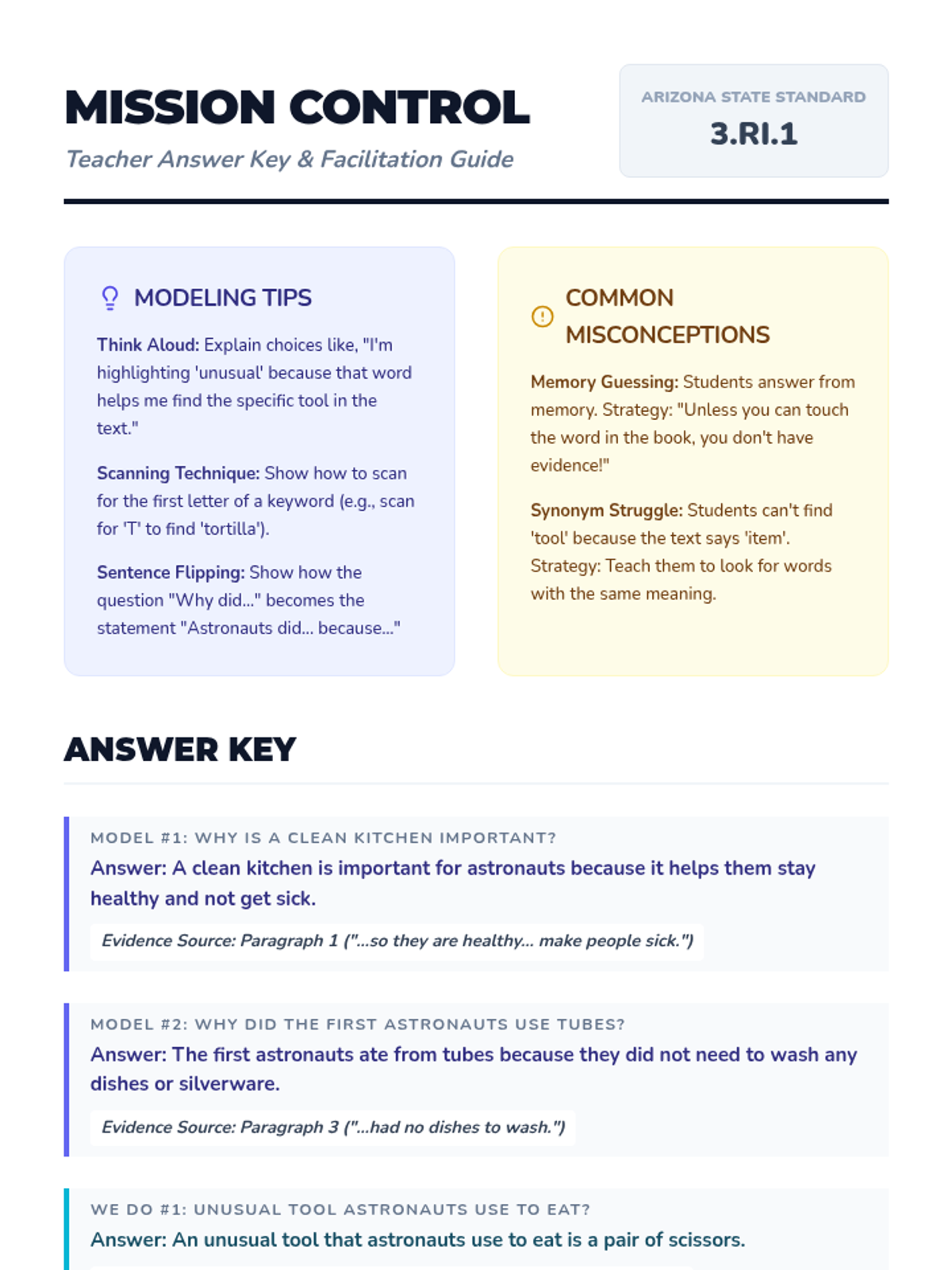
An explicit instruction lesson for 3rd graders on locating text evidence to answer text-dependent questions using an 'I Do, We Do, You Do' model. Students learn to identify keywords in questions and find matching evidence in the text using a five-step checklist.
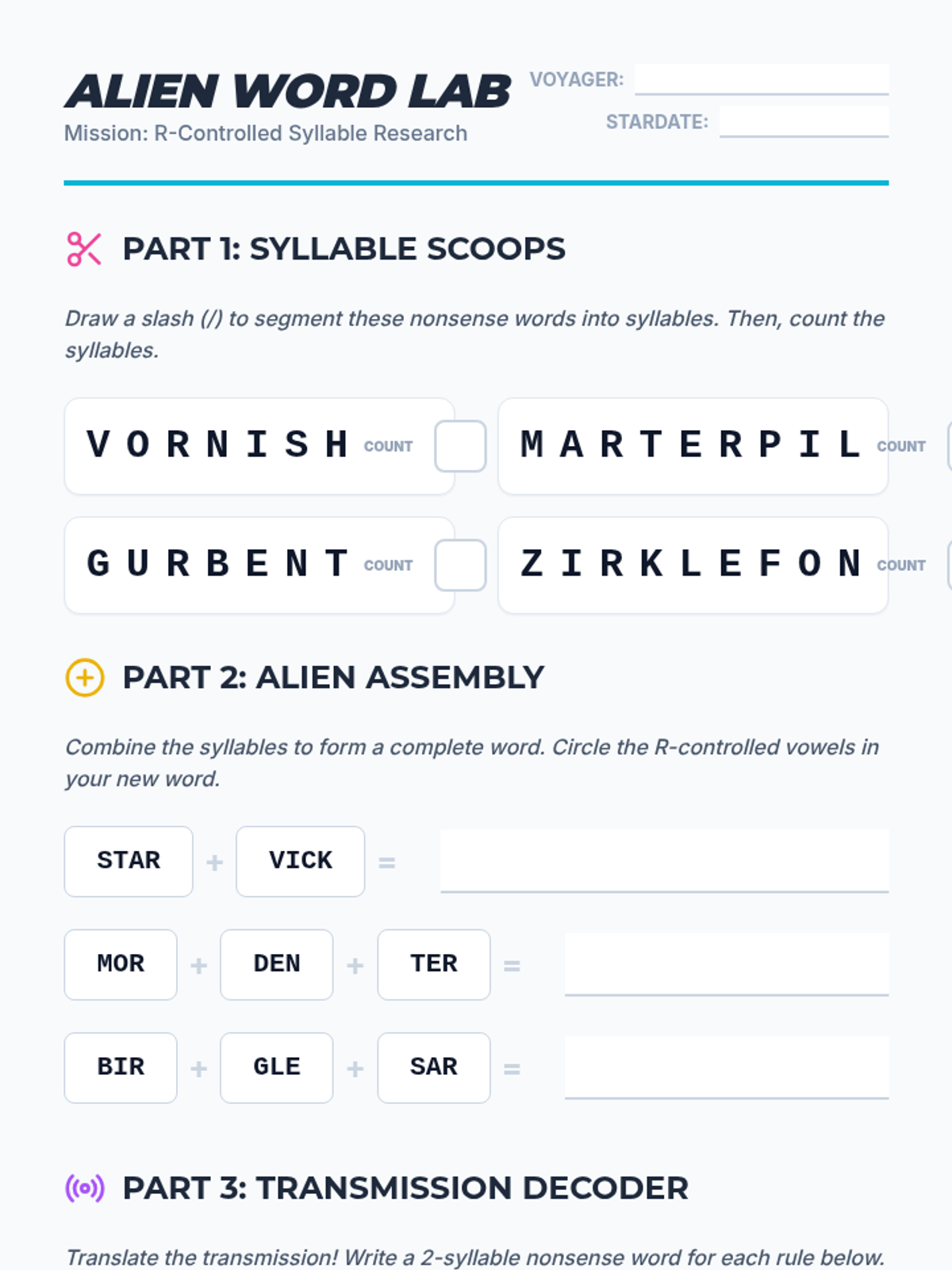
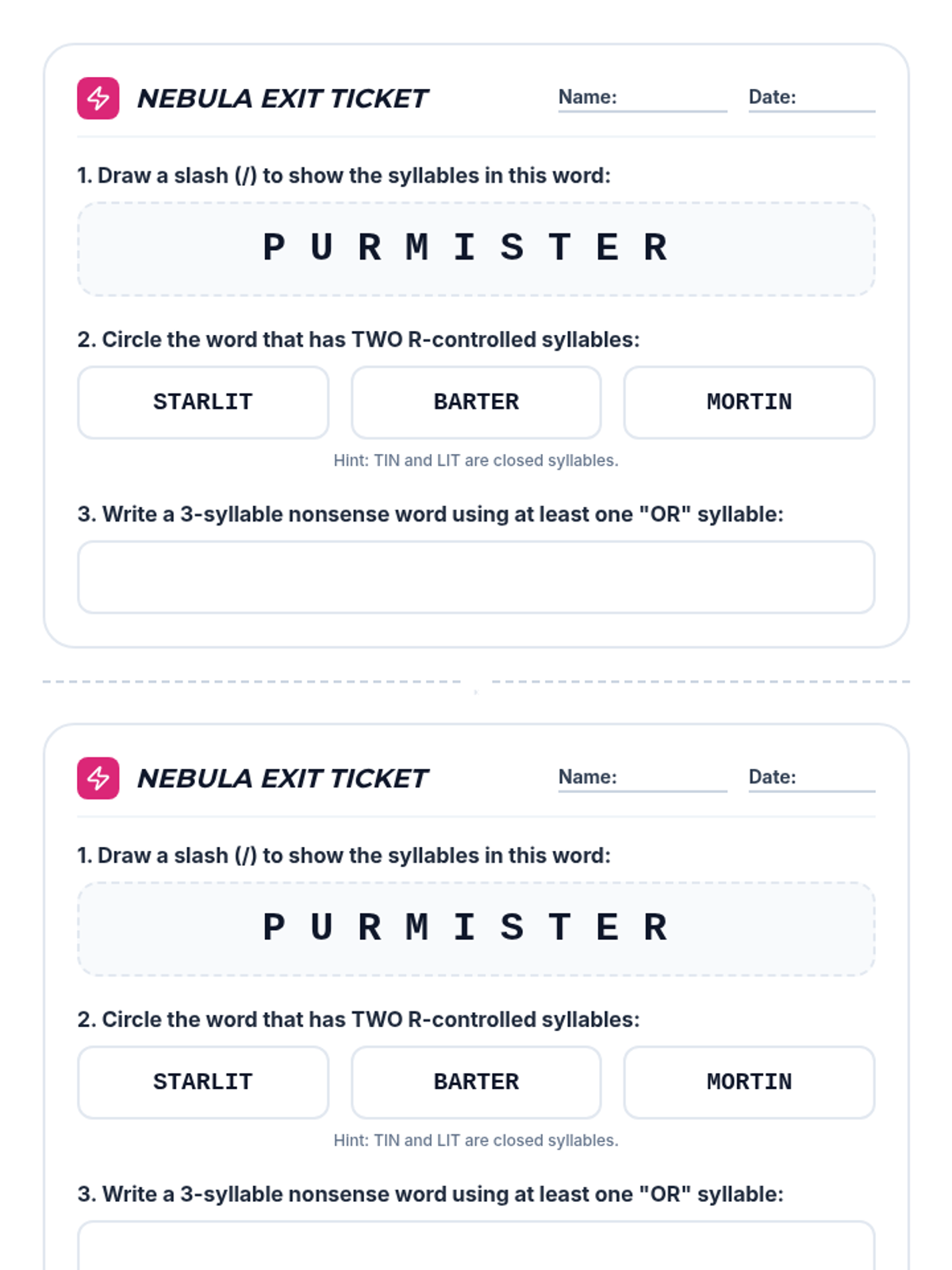
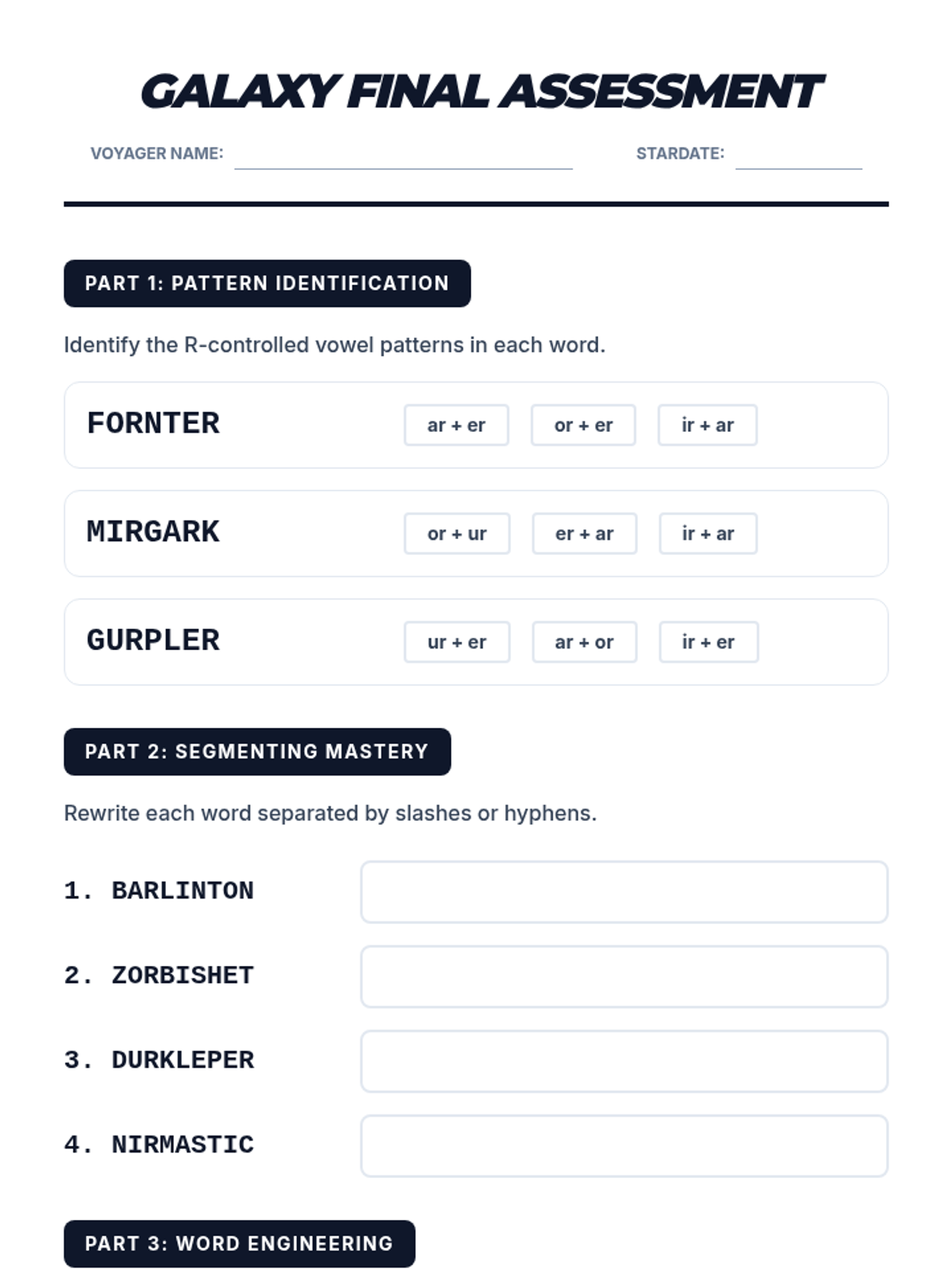
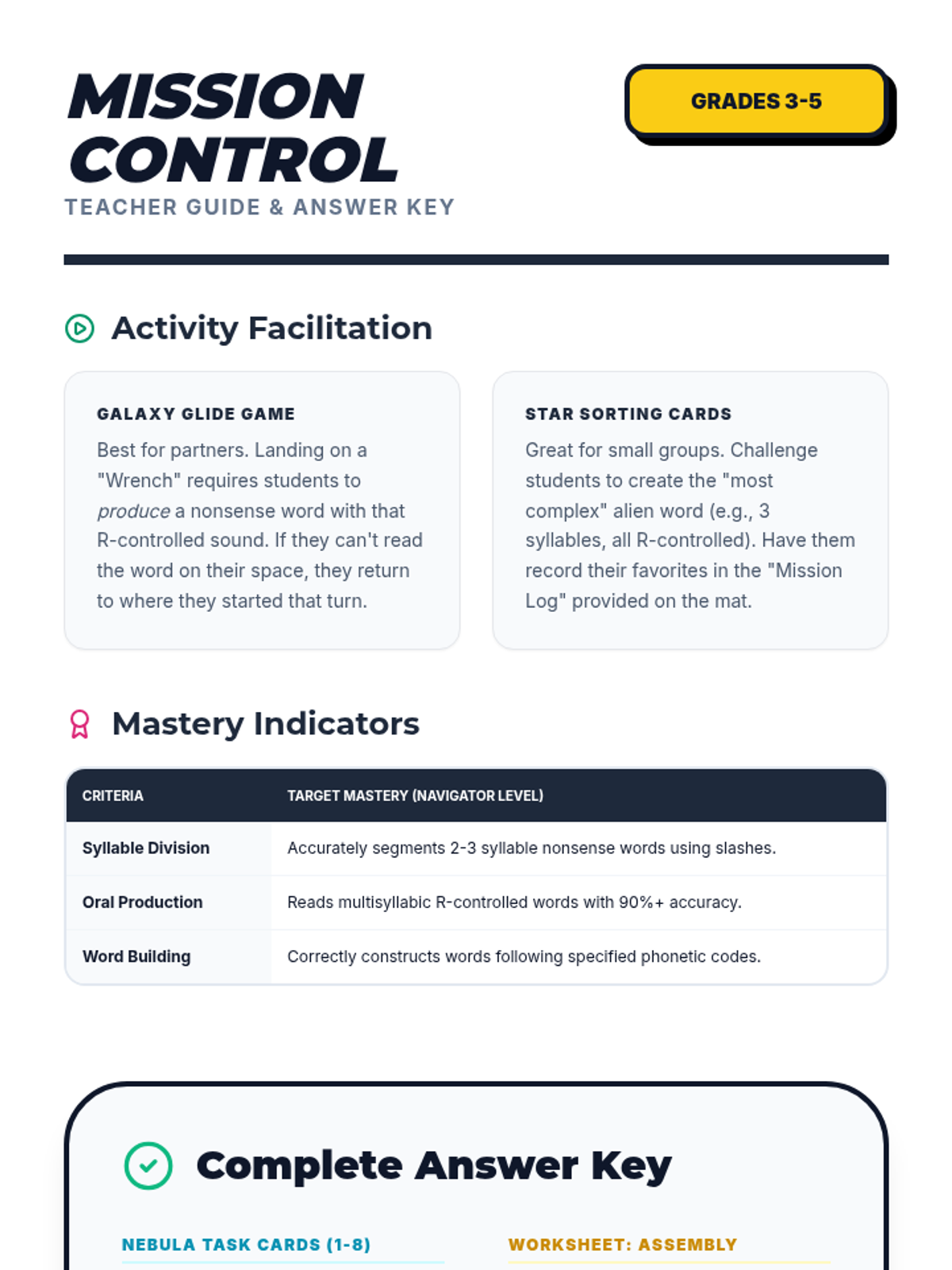
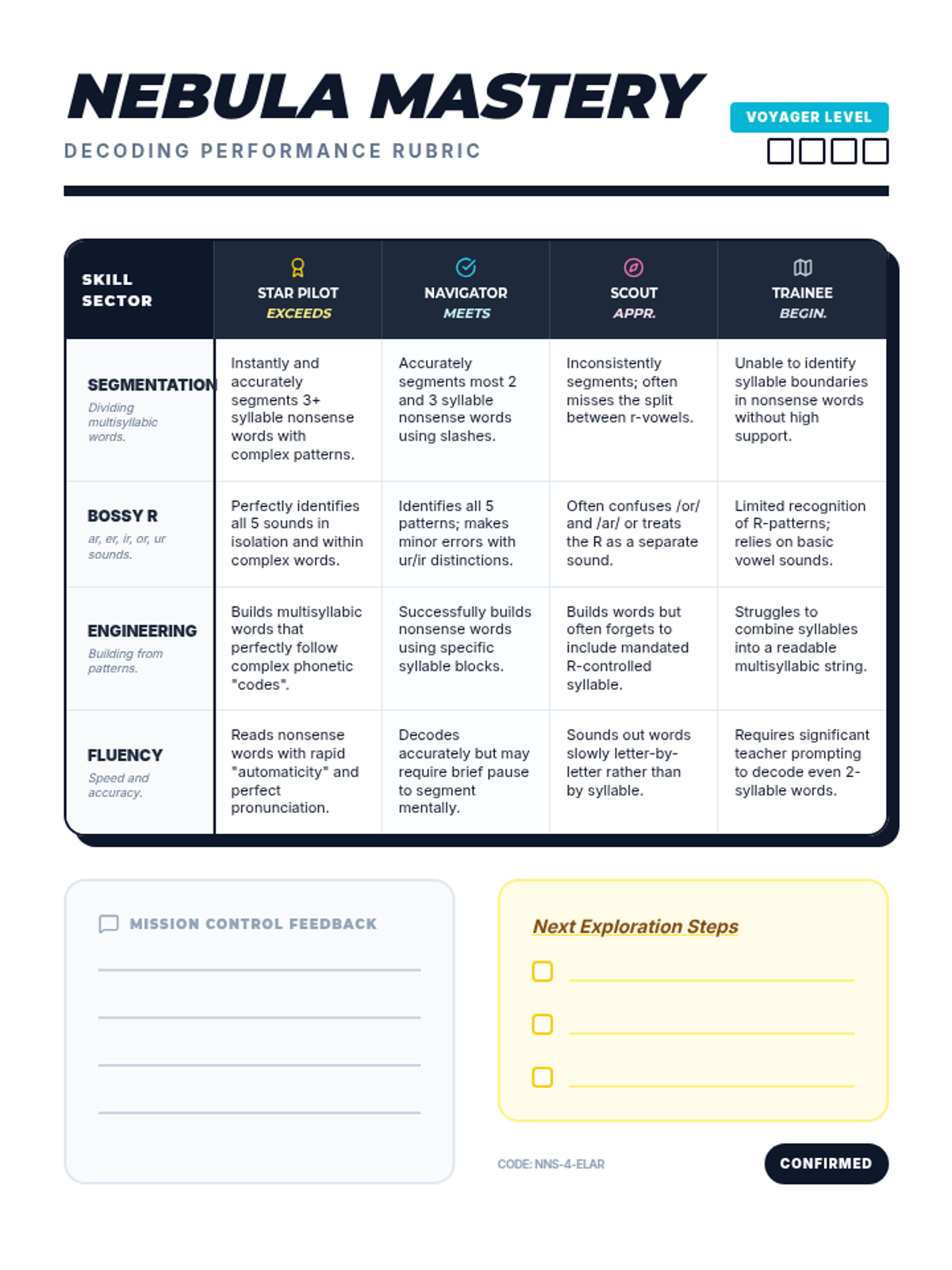
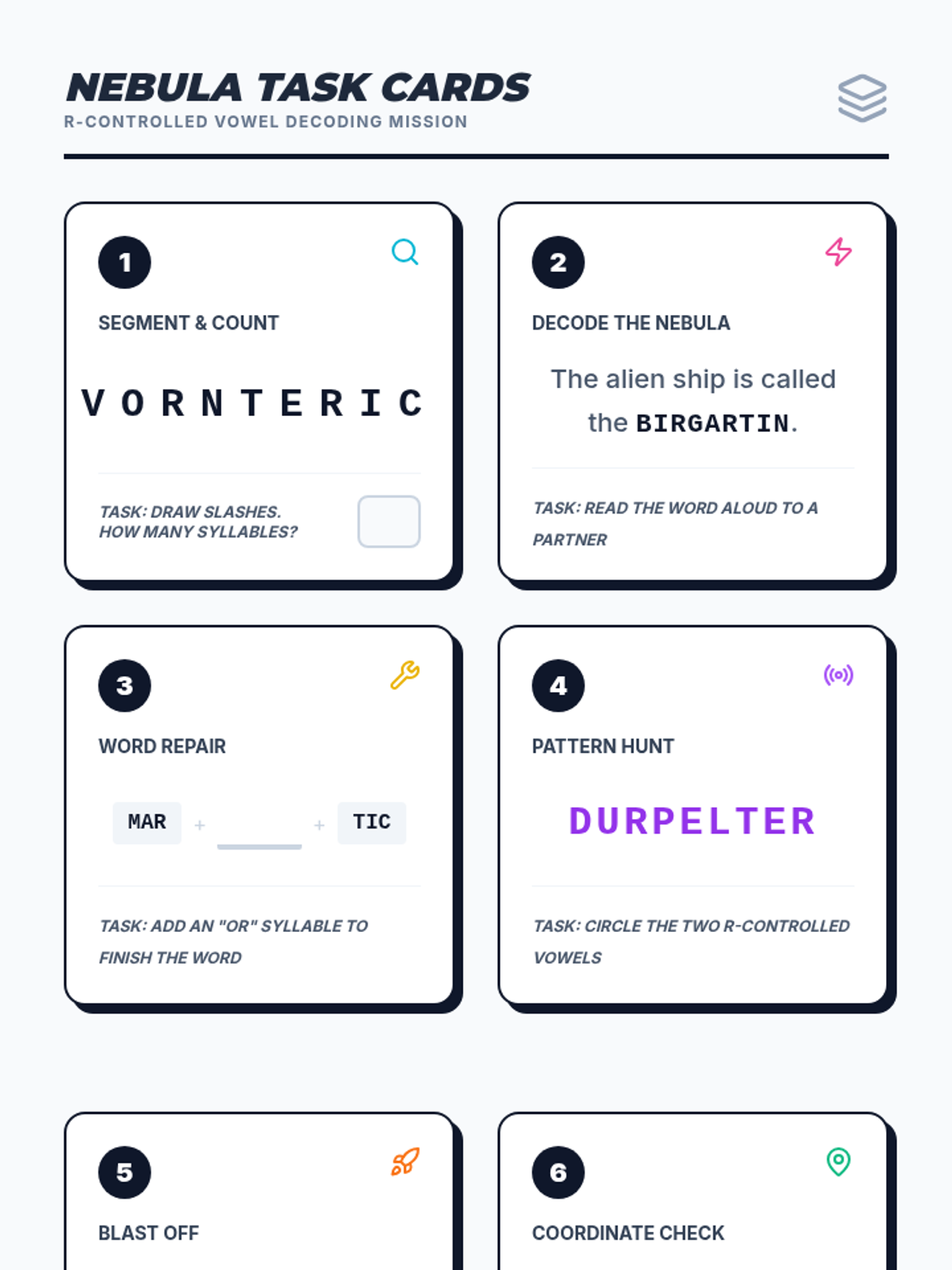
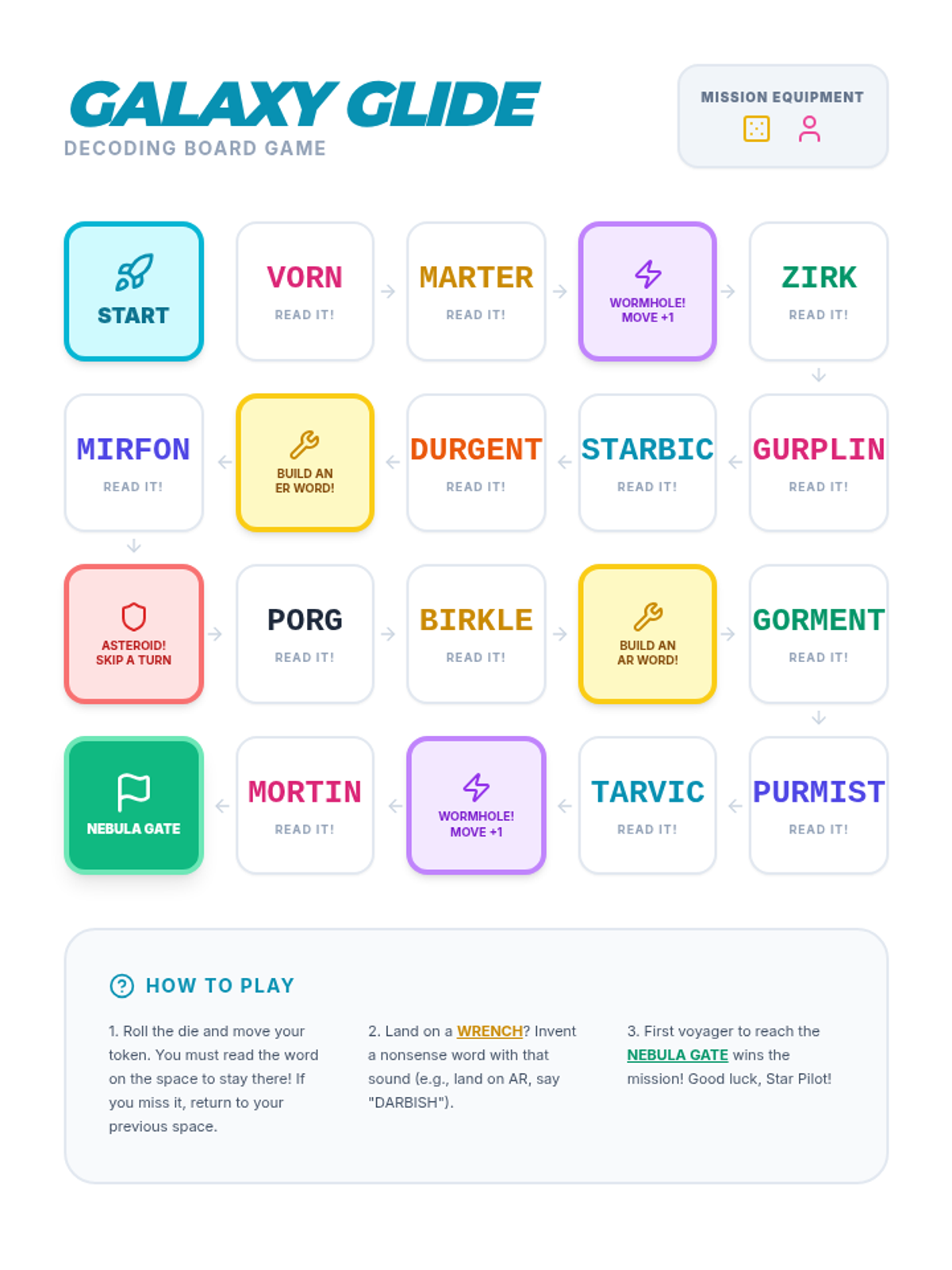
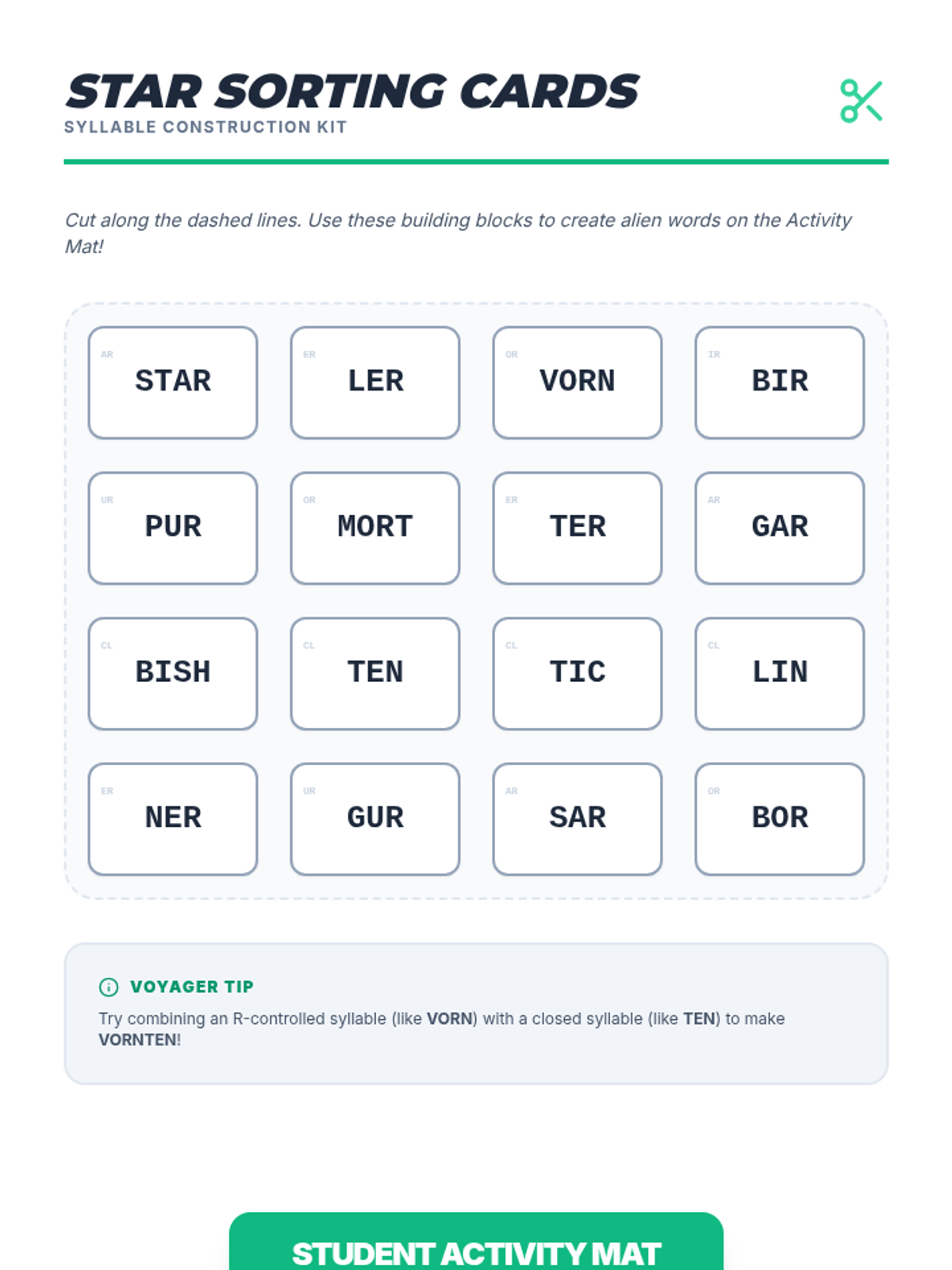
Students will identify, segment, and build multisyllabic nonsense words using R-controlled vowels (ar, er, ir, or, ur) to strengthen their decoding skills.
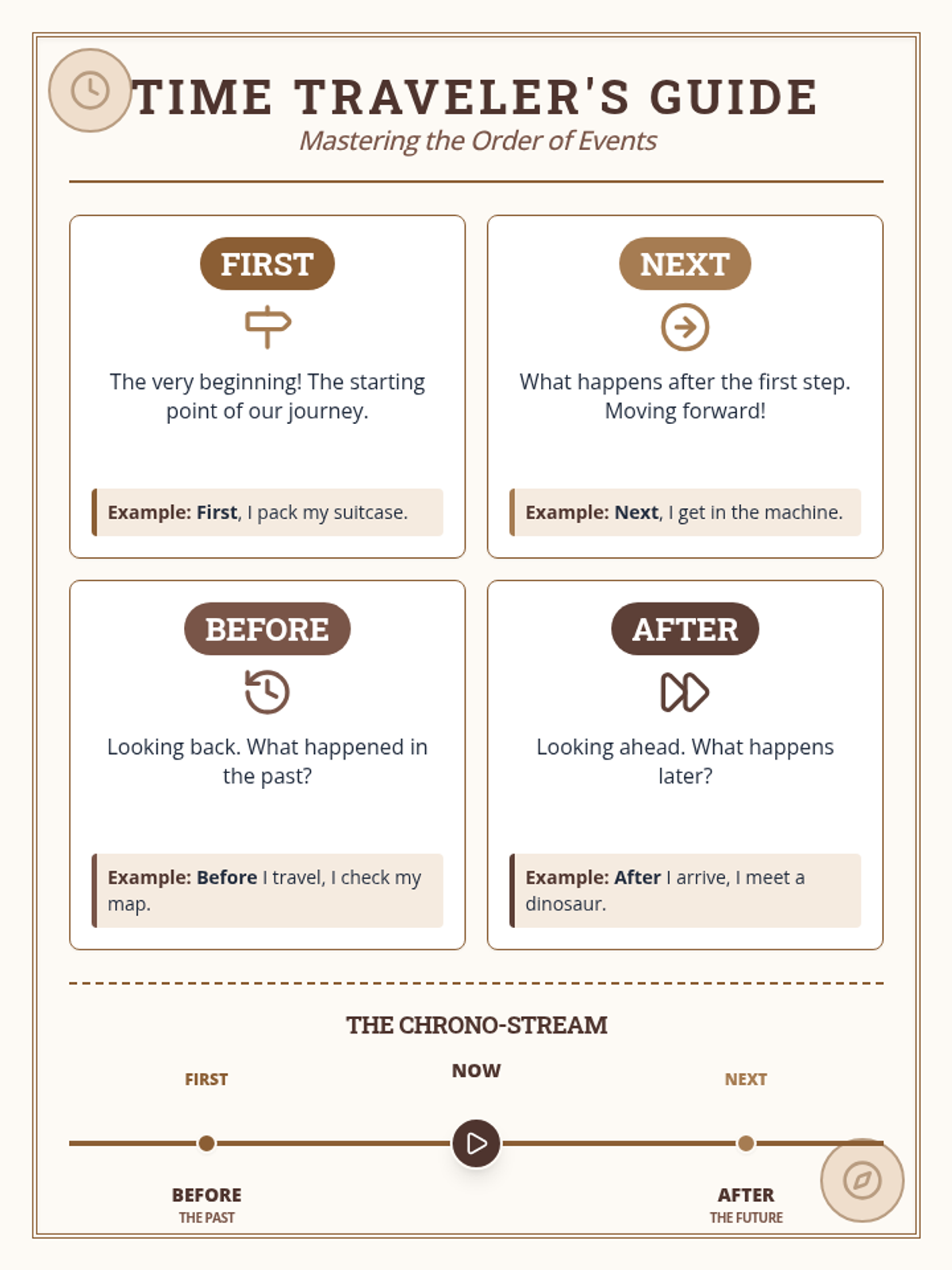
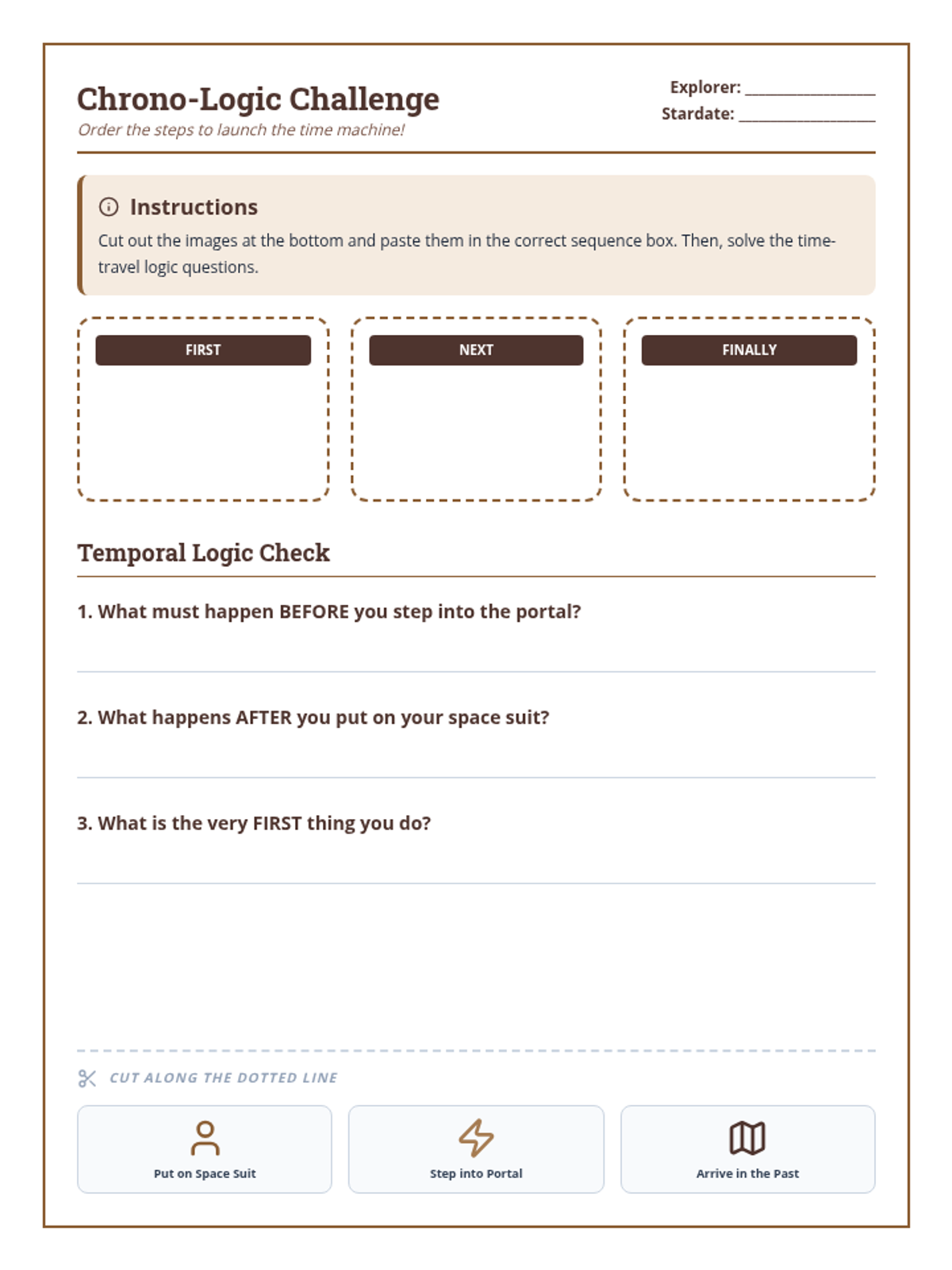
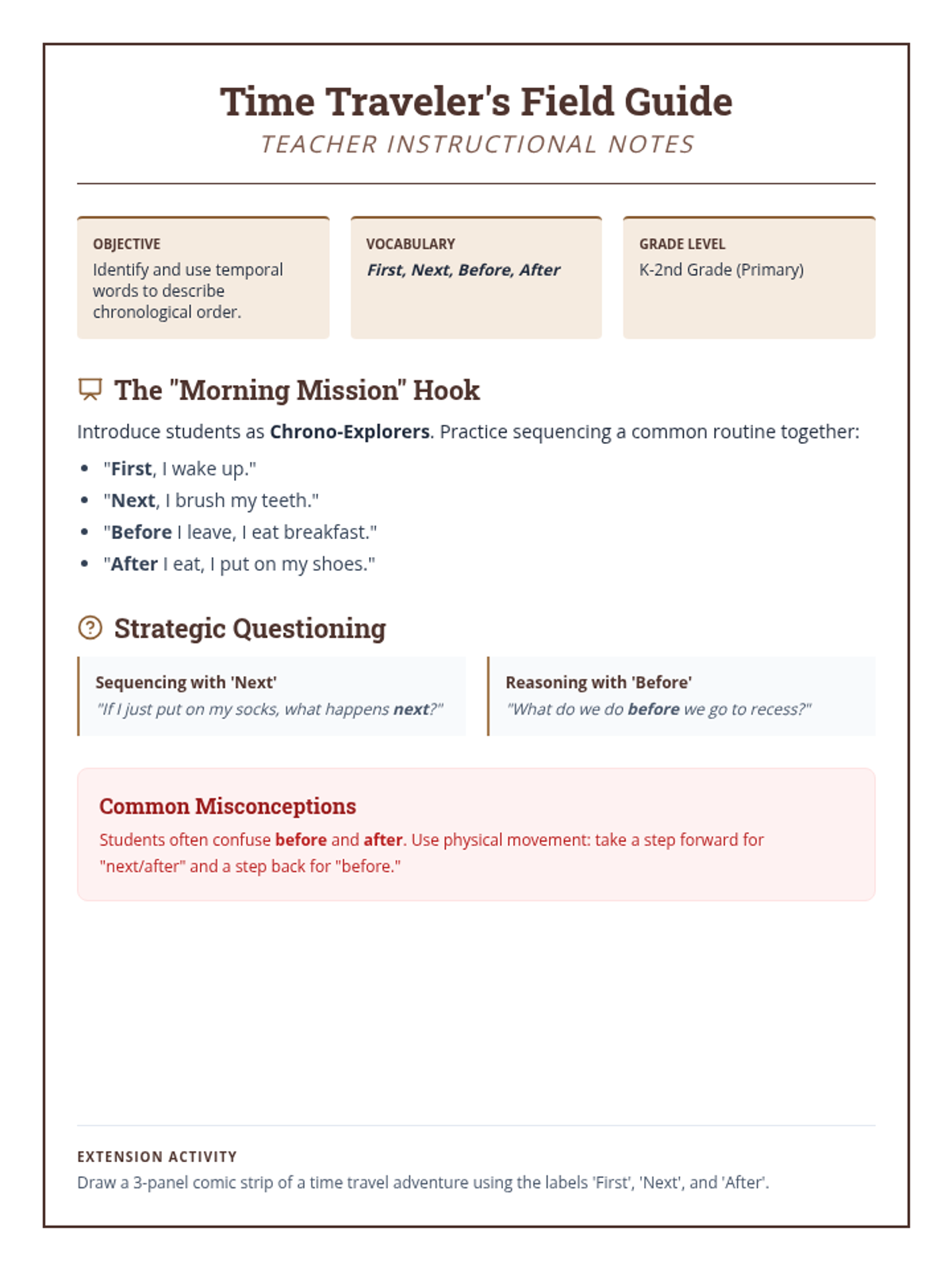
A foundational lesson on temporal sequencing words including 'first', 'next', 'before', and 'after' using a time-traveler theme to engage students in chronological order.
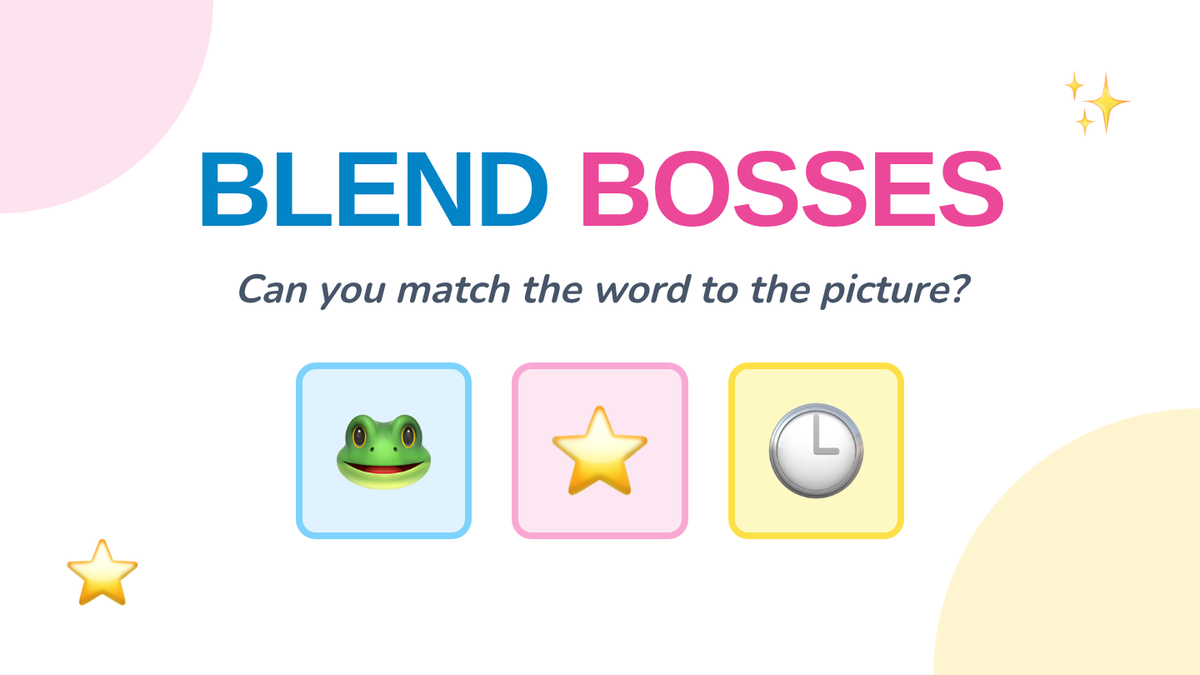
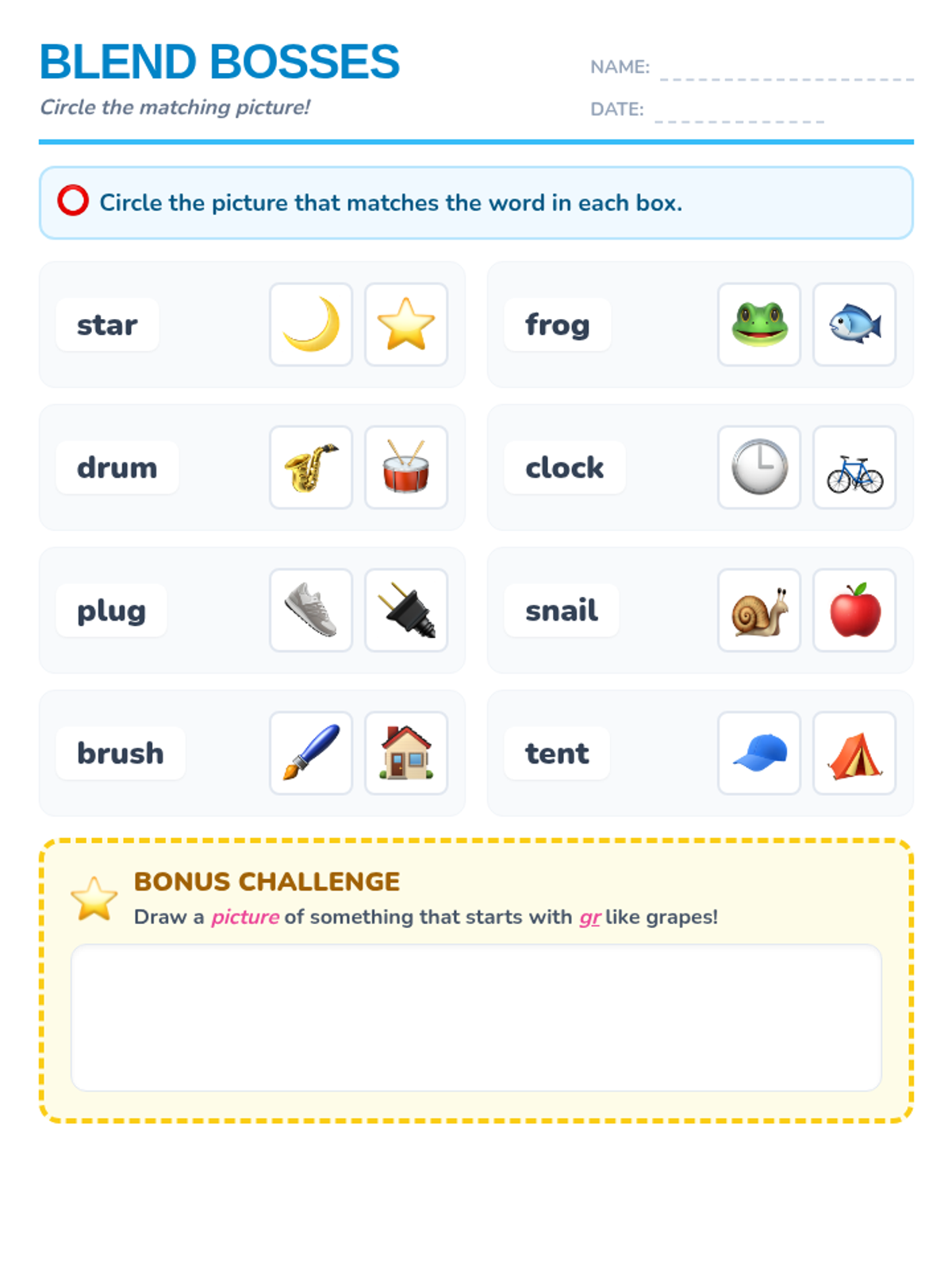
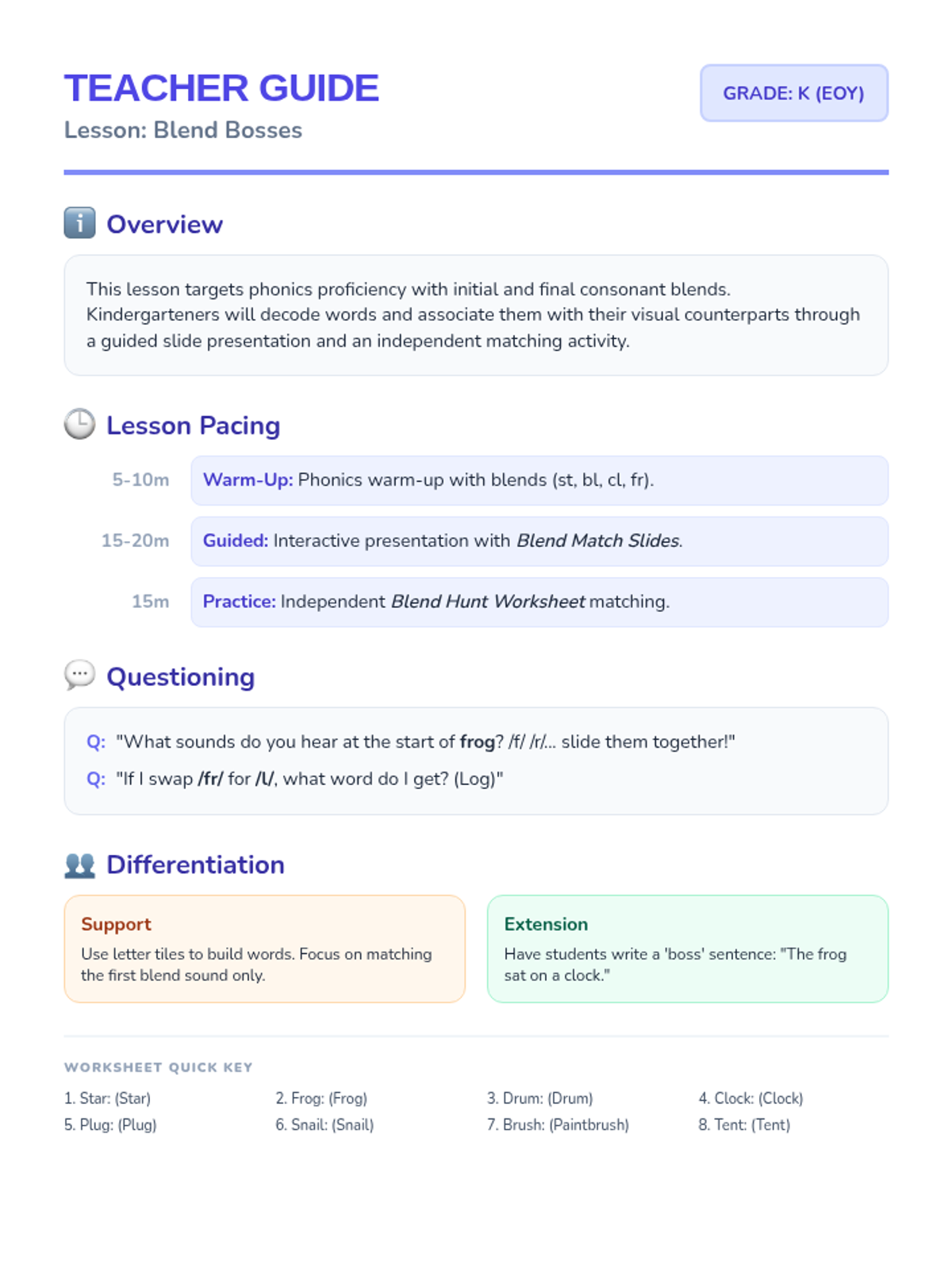
A fun, high-energy lesson for kindergarteners to master consonant blends by matching words to vibrant images. This lesson uses visual cues and phonics practice to solidify end-of-year reading skills.
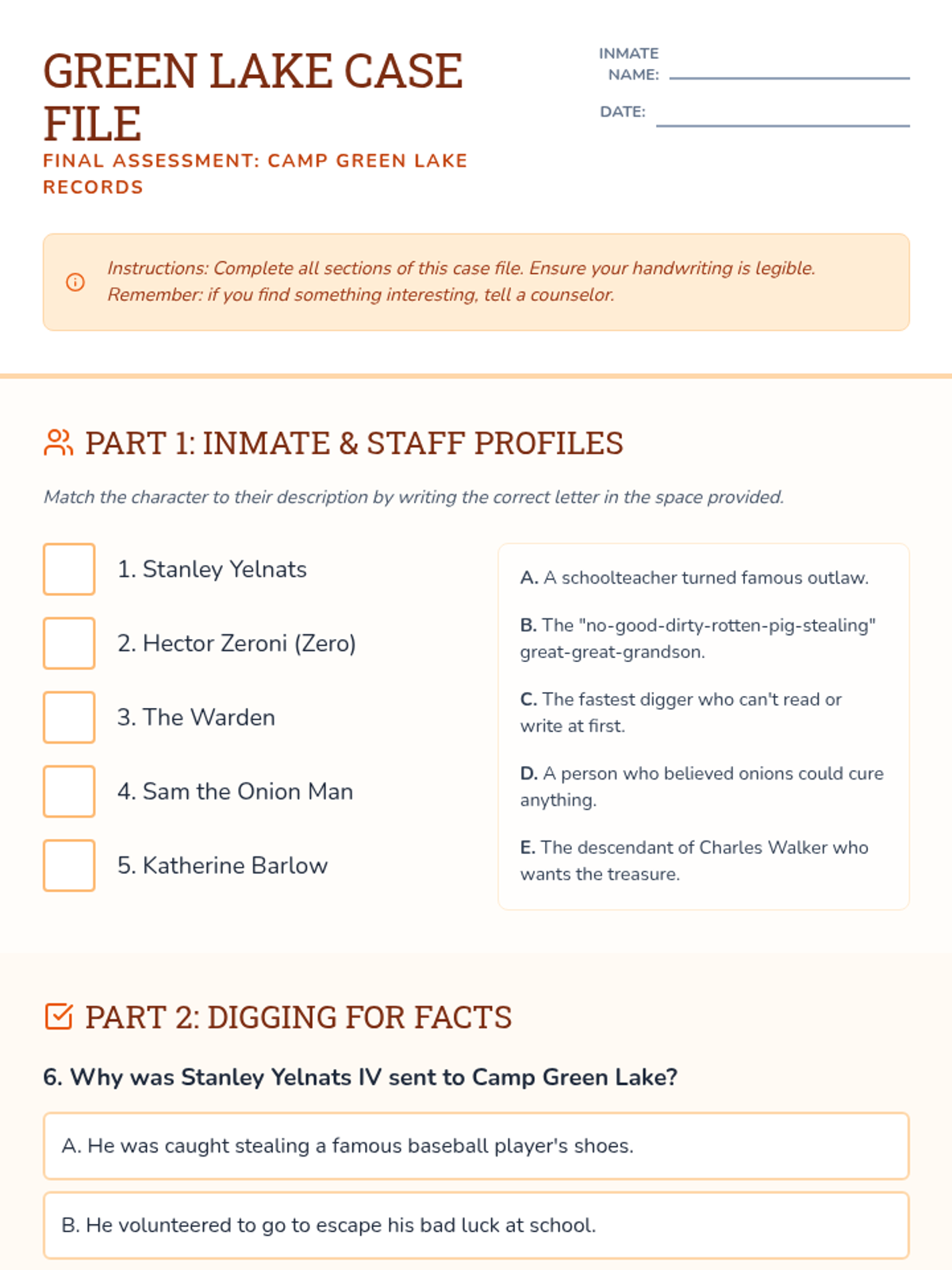
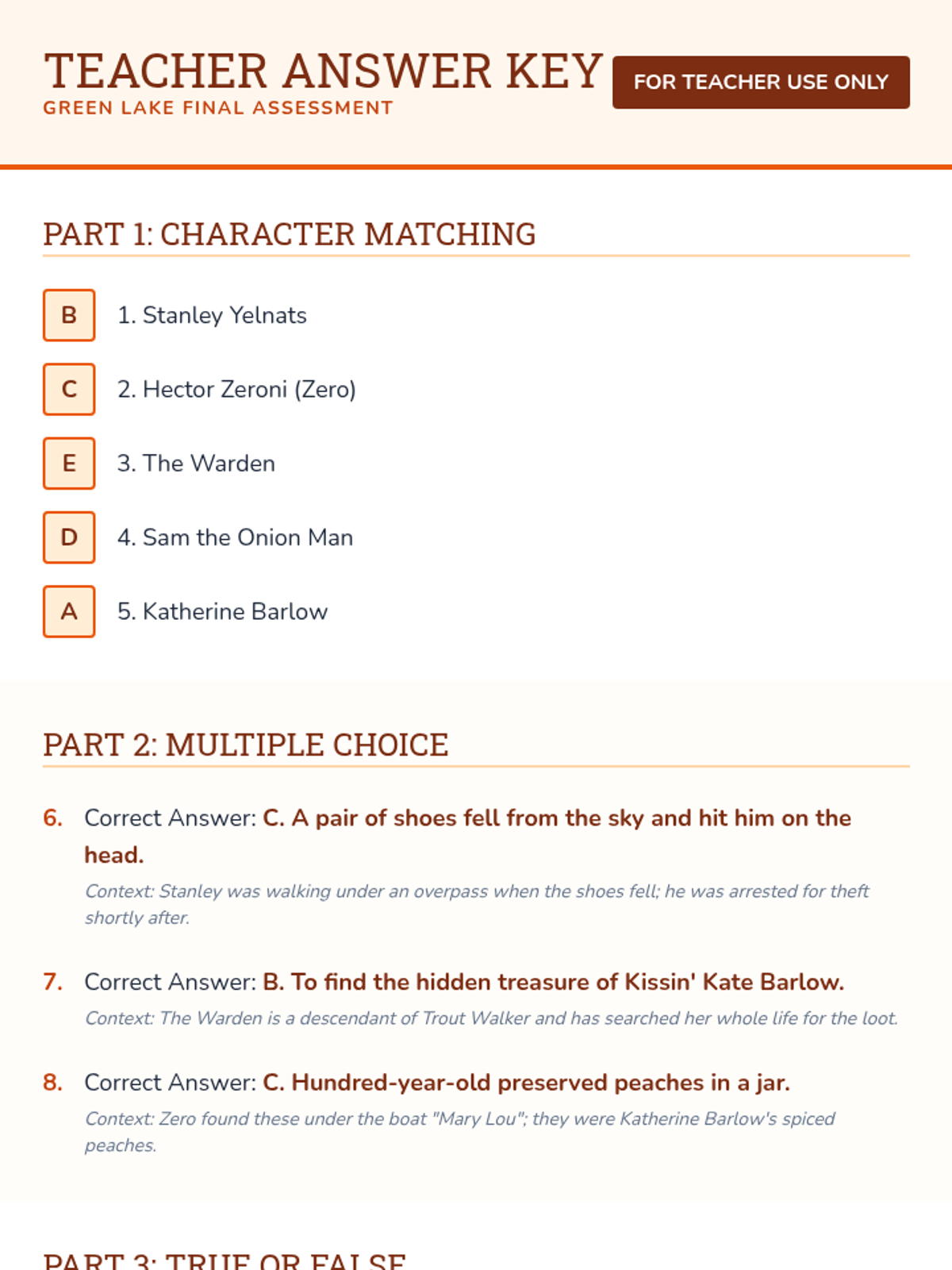
A final assessment and review lesson for the novel Holes by Louis Sachar, focusing on character identification, plot sequencing, and thematic connections. Students will complete a comprehensive test after a visual review of the major story arcs.
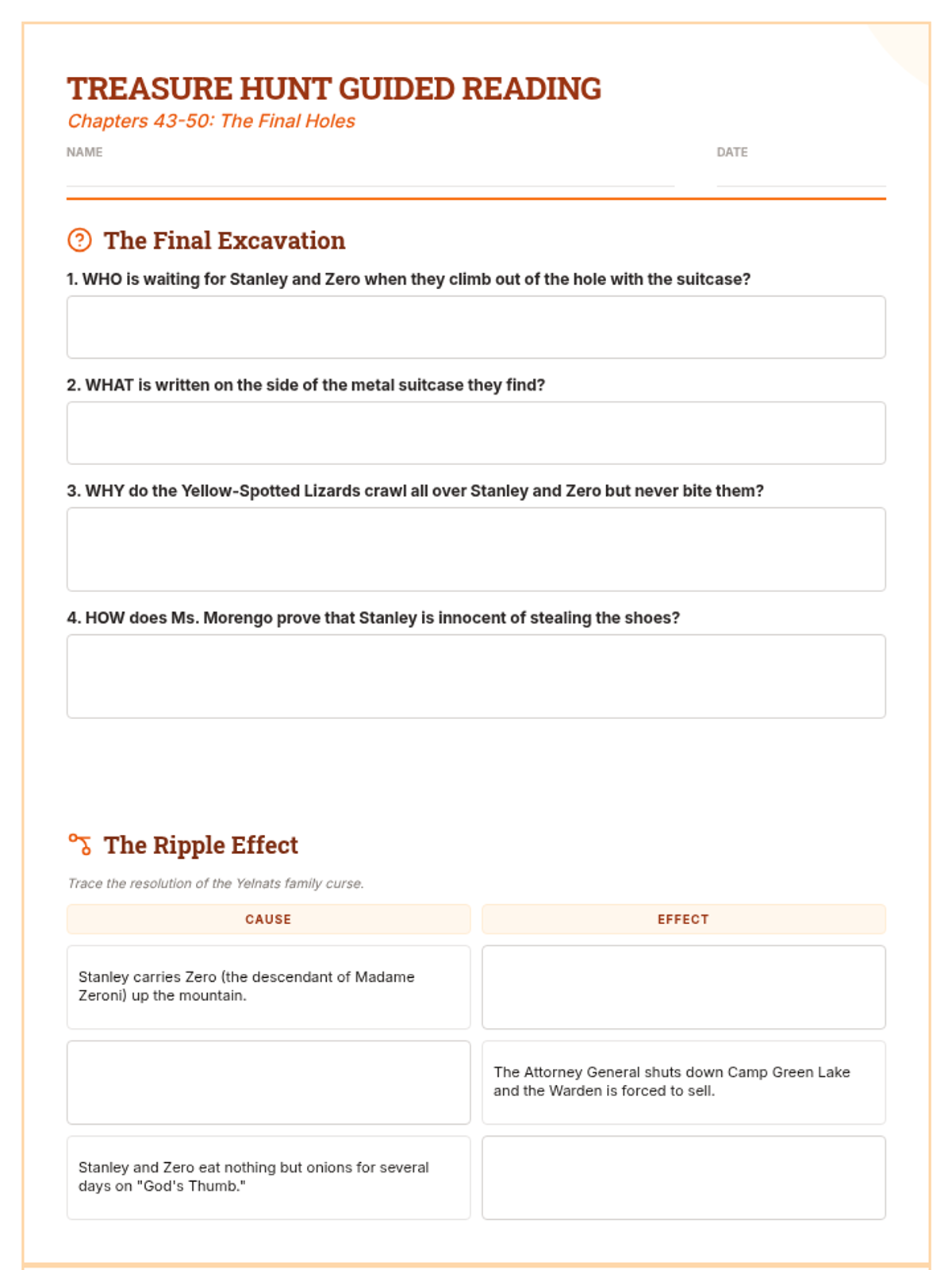
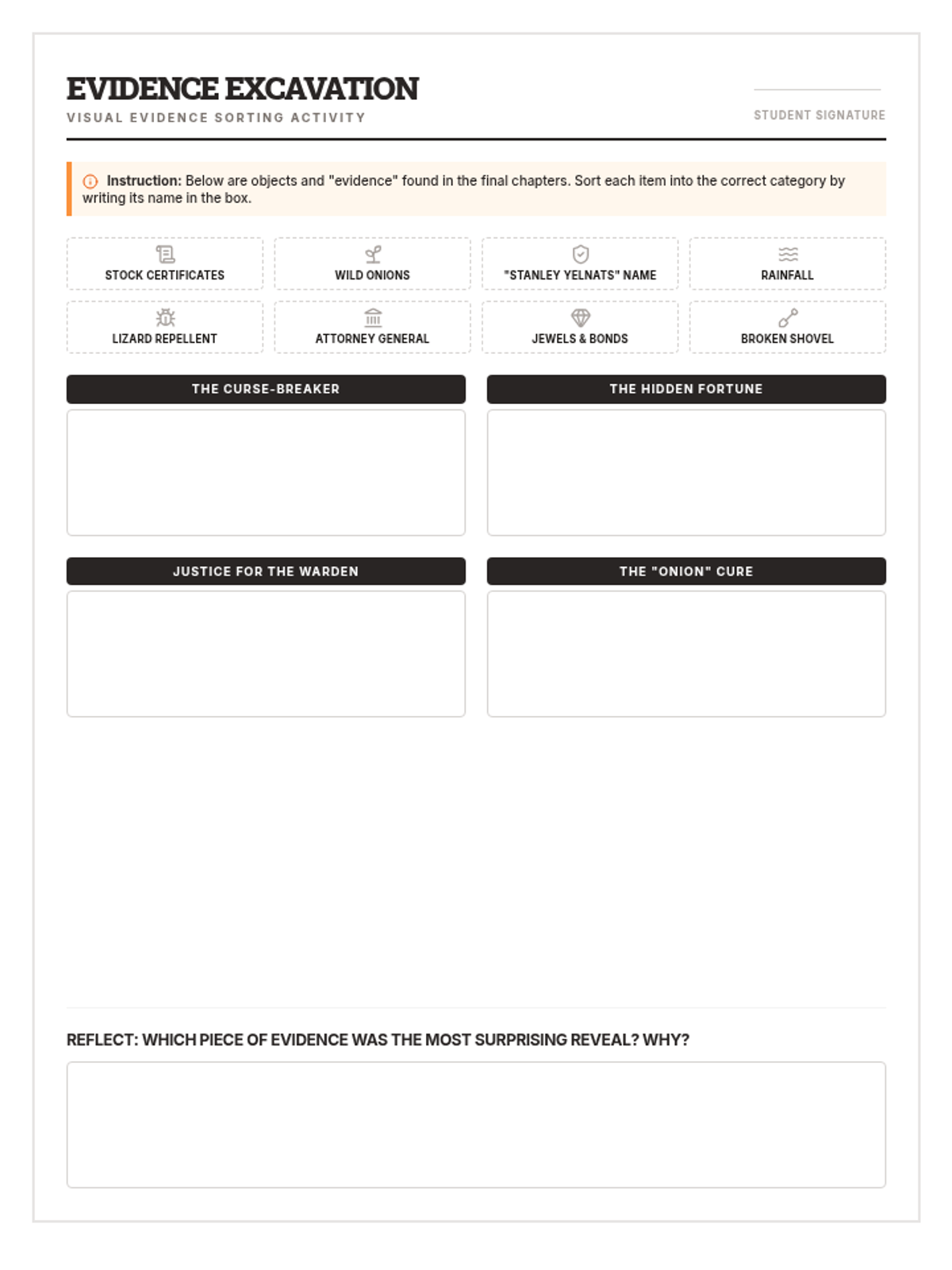
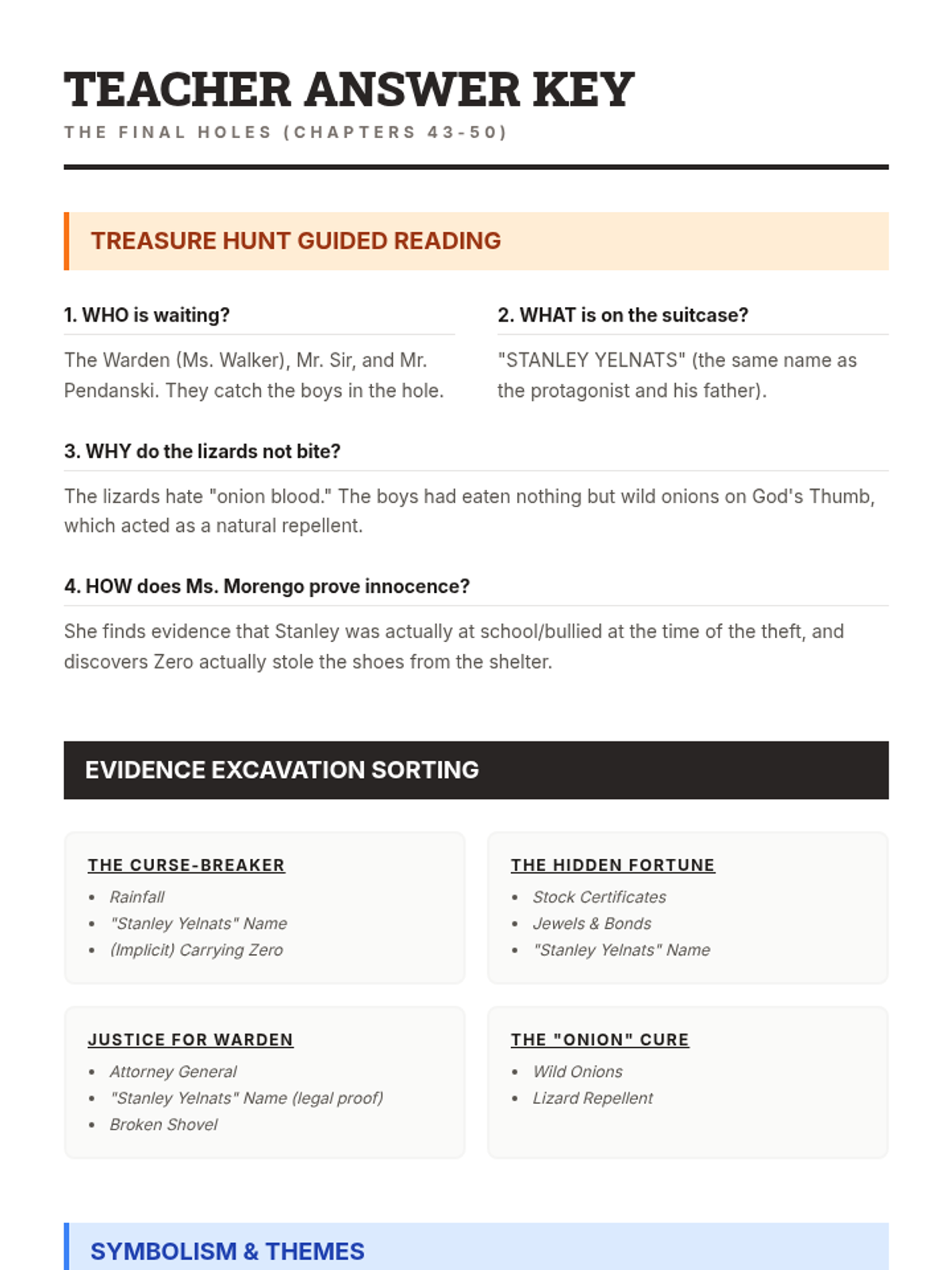
A comprehensive exploration of the final chapters of Holes (43-50), focusing on the resolution of the curse, the reveal of the treasure, and the symbolic cleansing of Camp Green Lake.
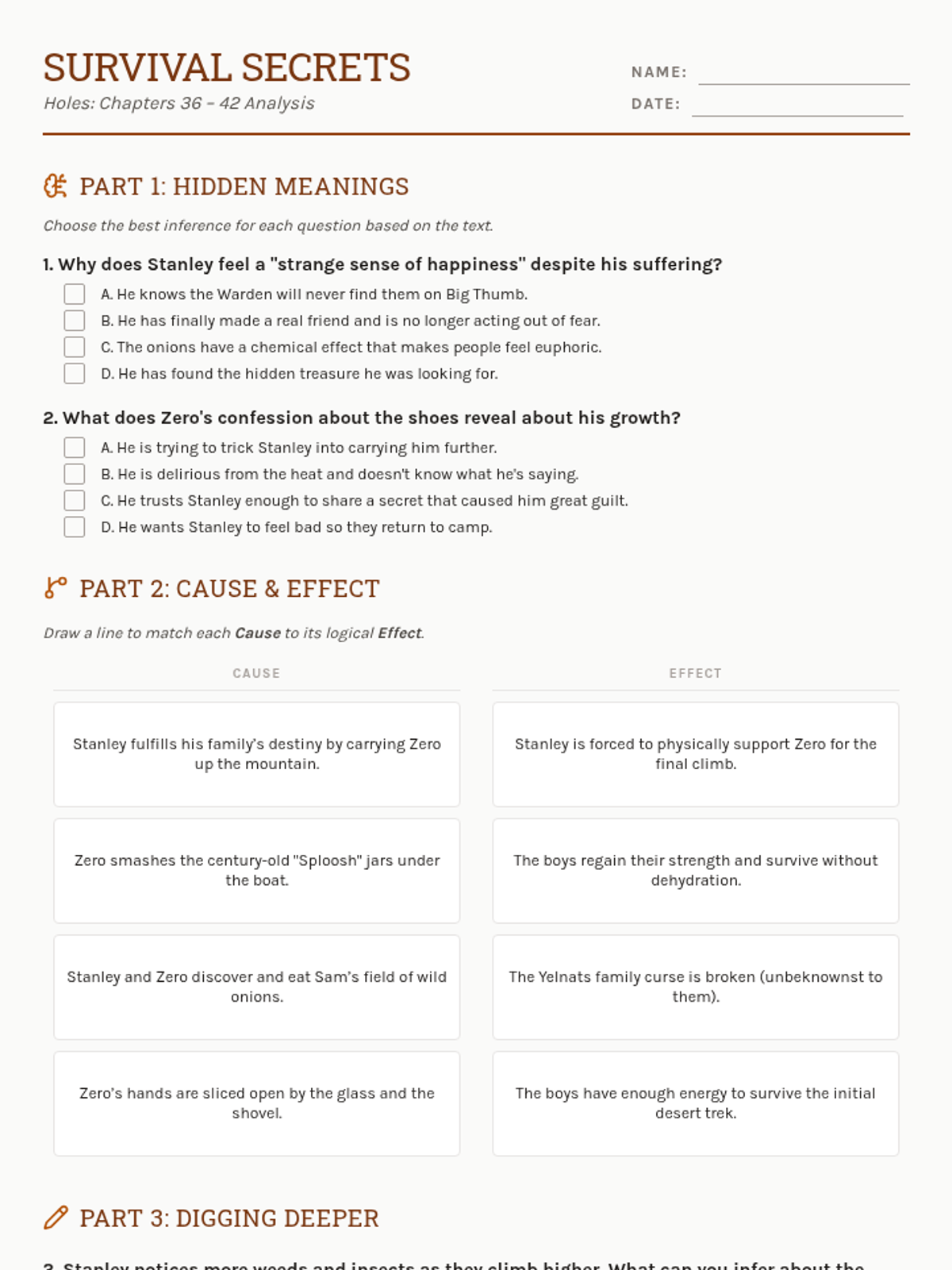
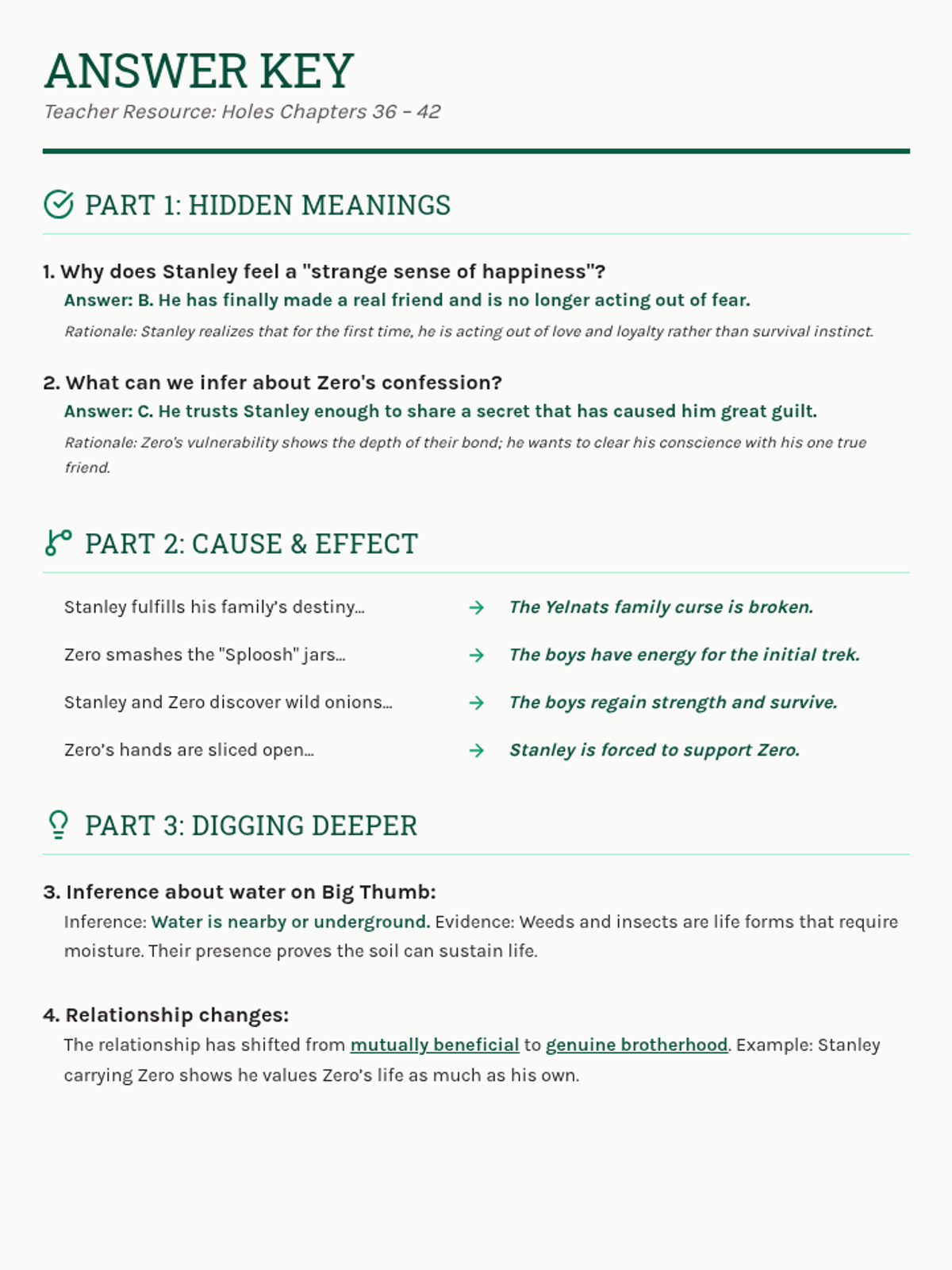
A lesson focused on analyzing character motivations and causal relationships in chapters 36-42 of Louis Sachar's Holes, specifically during the ascent of Big Thumb.
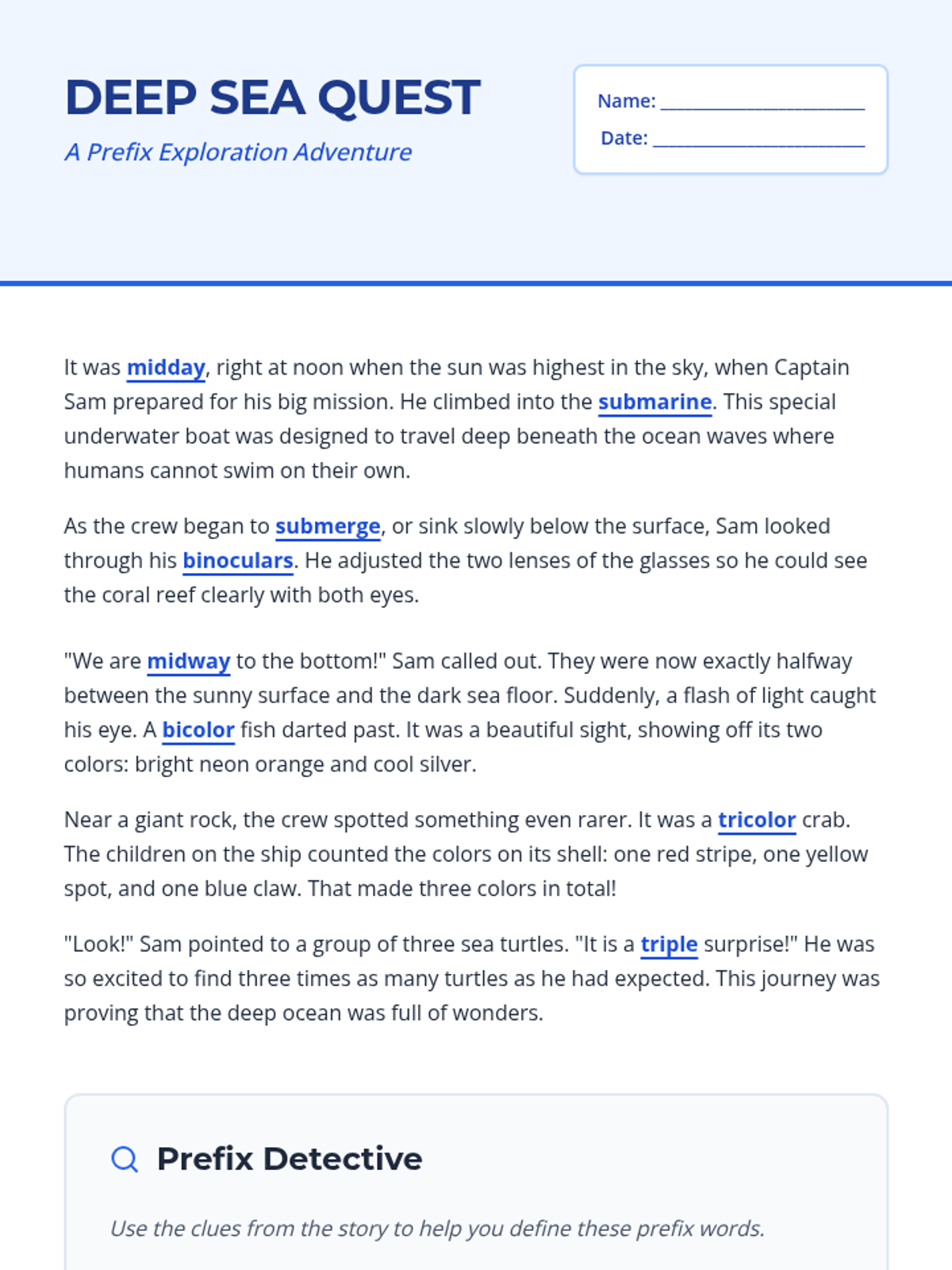
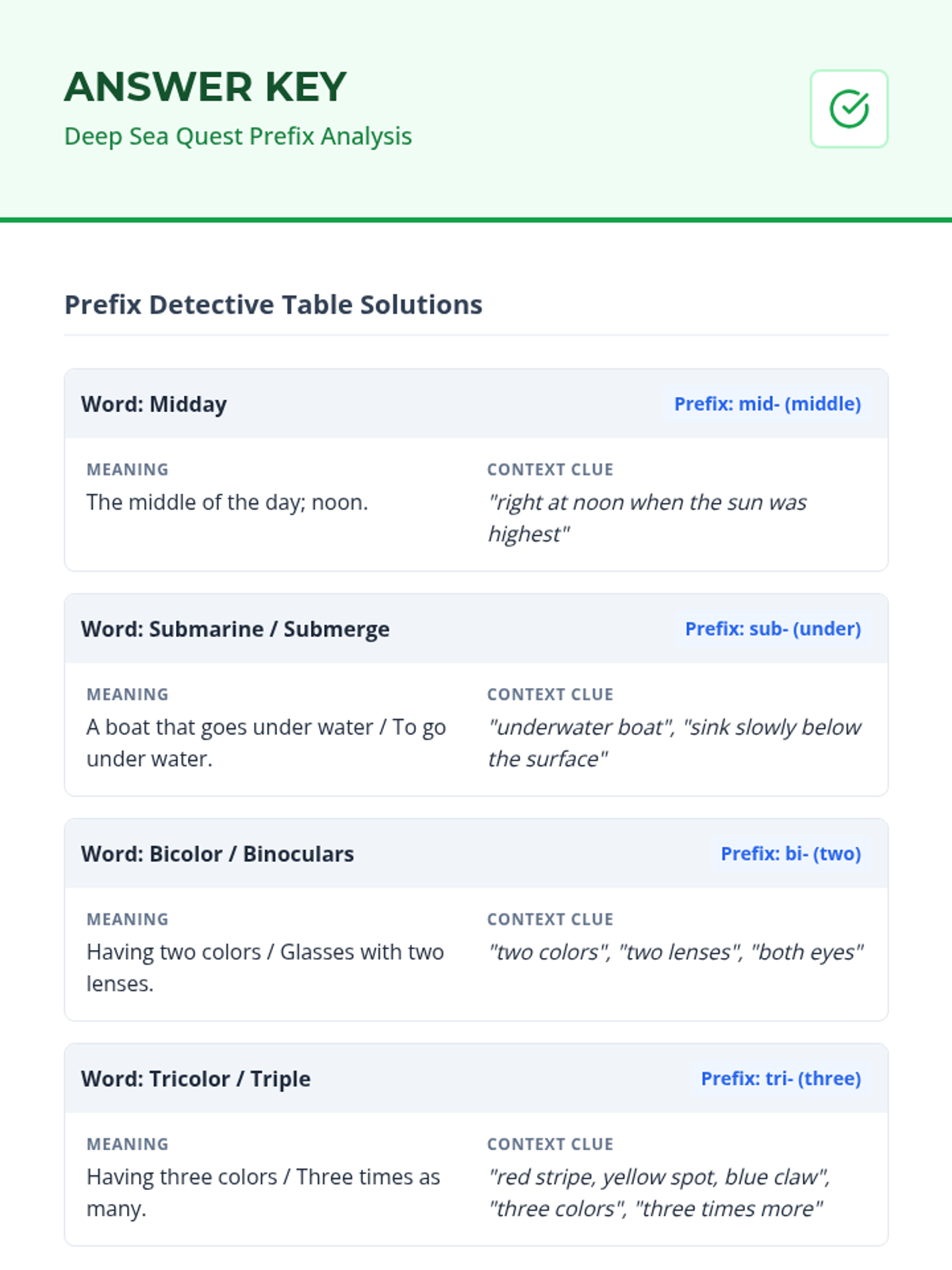
A reading-focused lesson that introduces 3rd-grade prefixes (bi-, tri-, sub-, mid-) through a narrative story and comprehension activities.
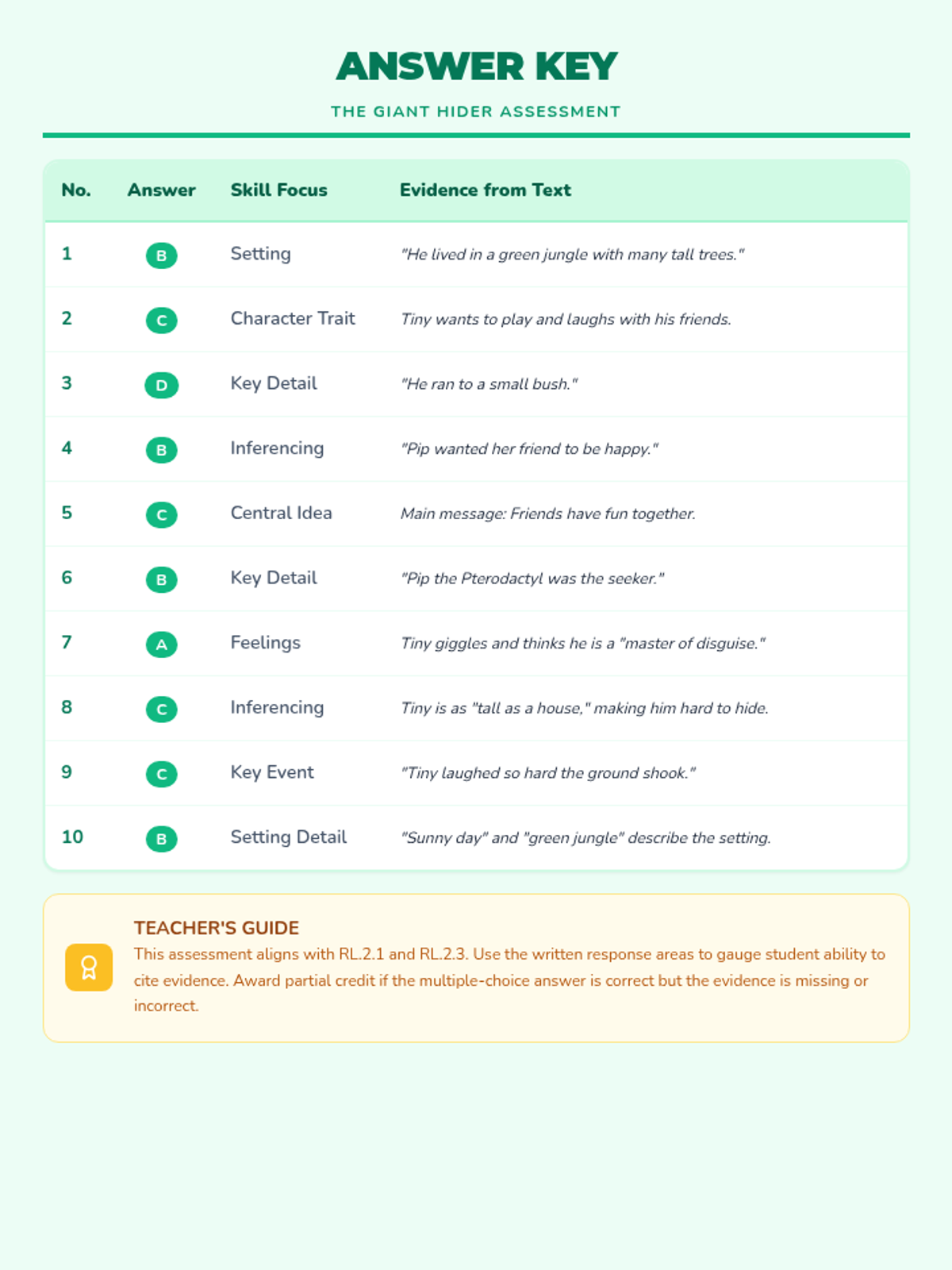
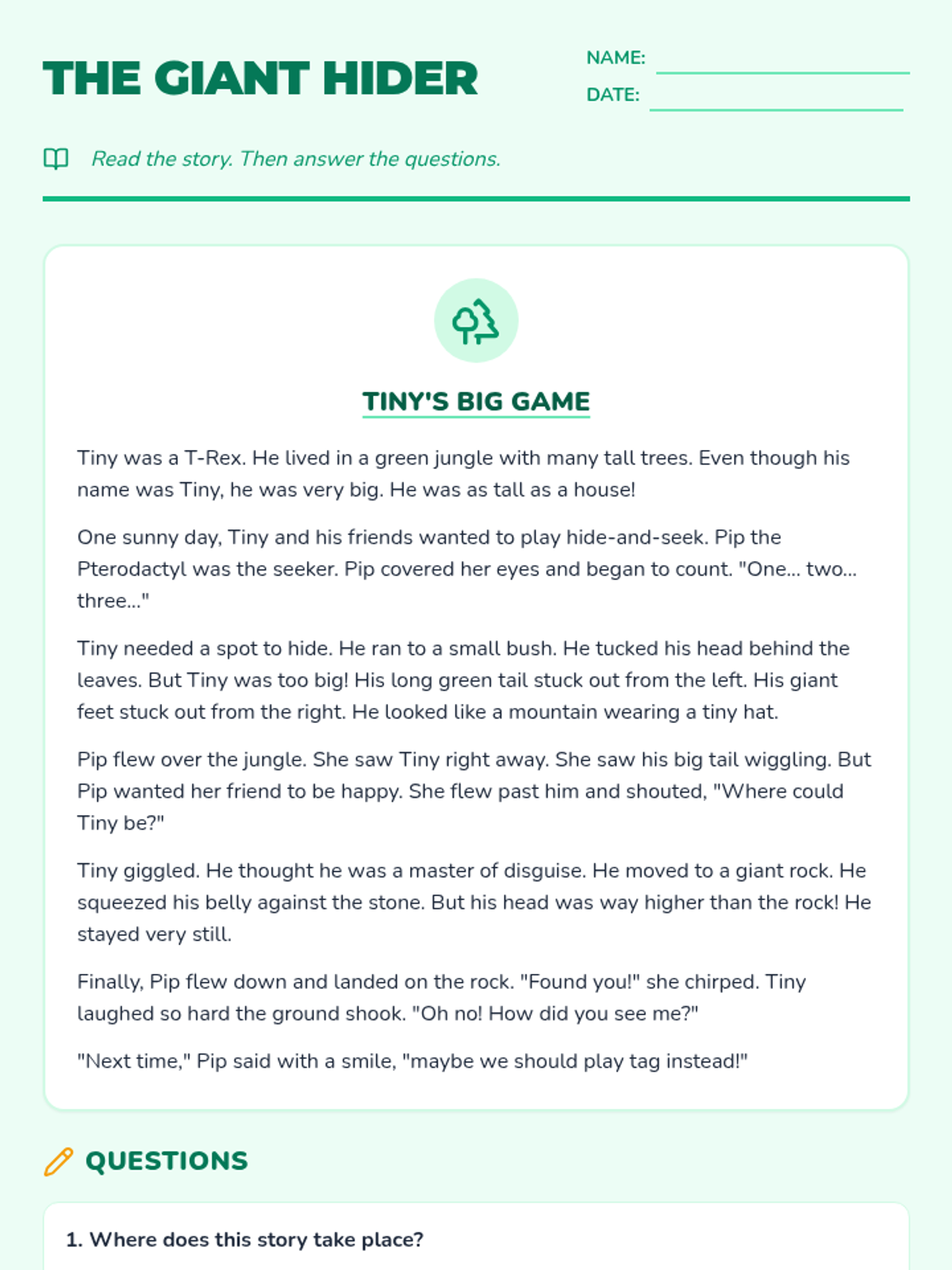
A reading comprehension lesson centered around a silly story of a T-Rex trying to hide. Focuses on setting, character traits, and key details.
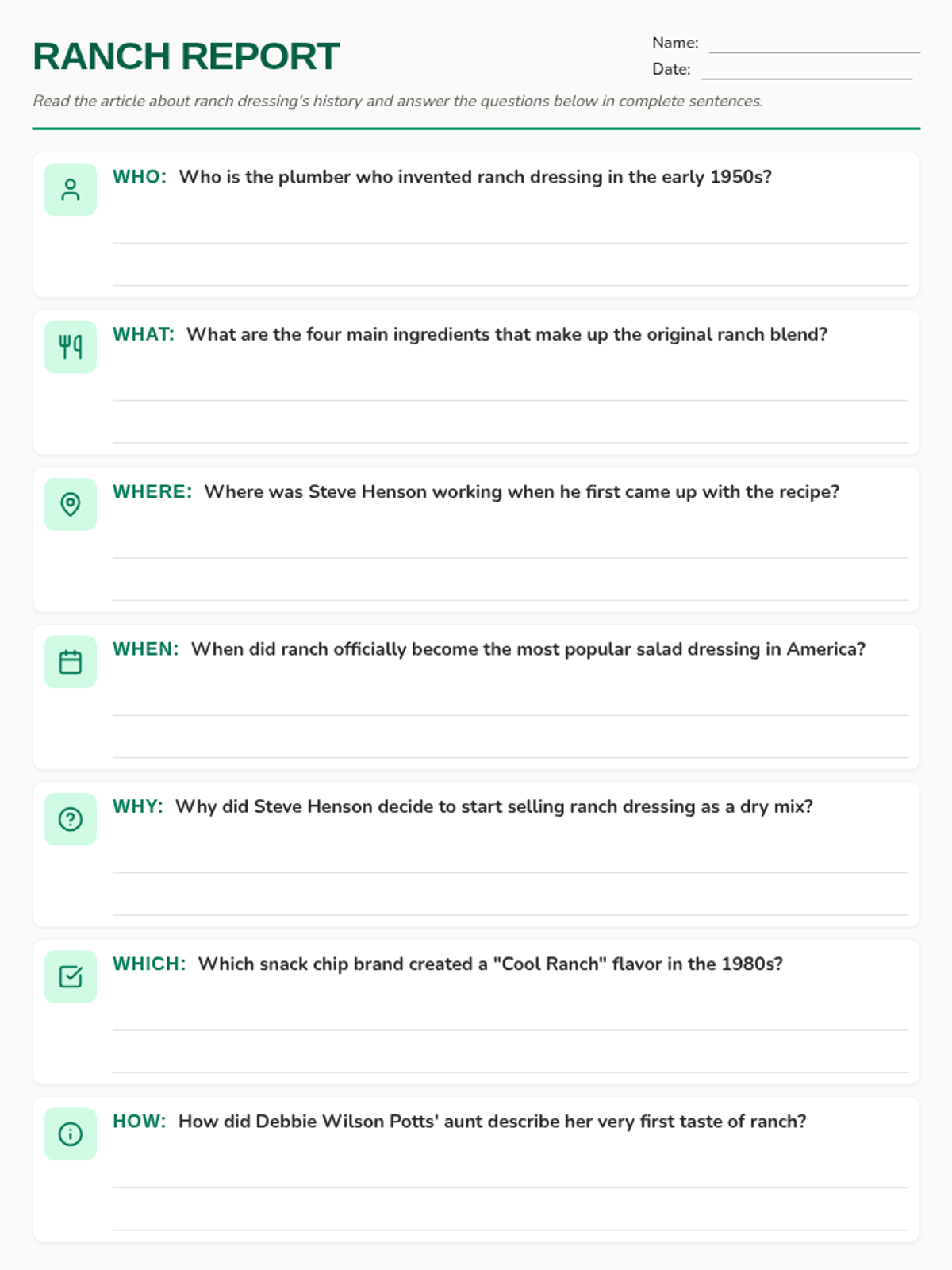
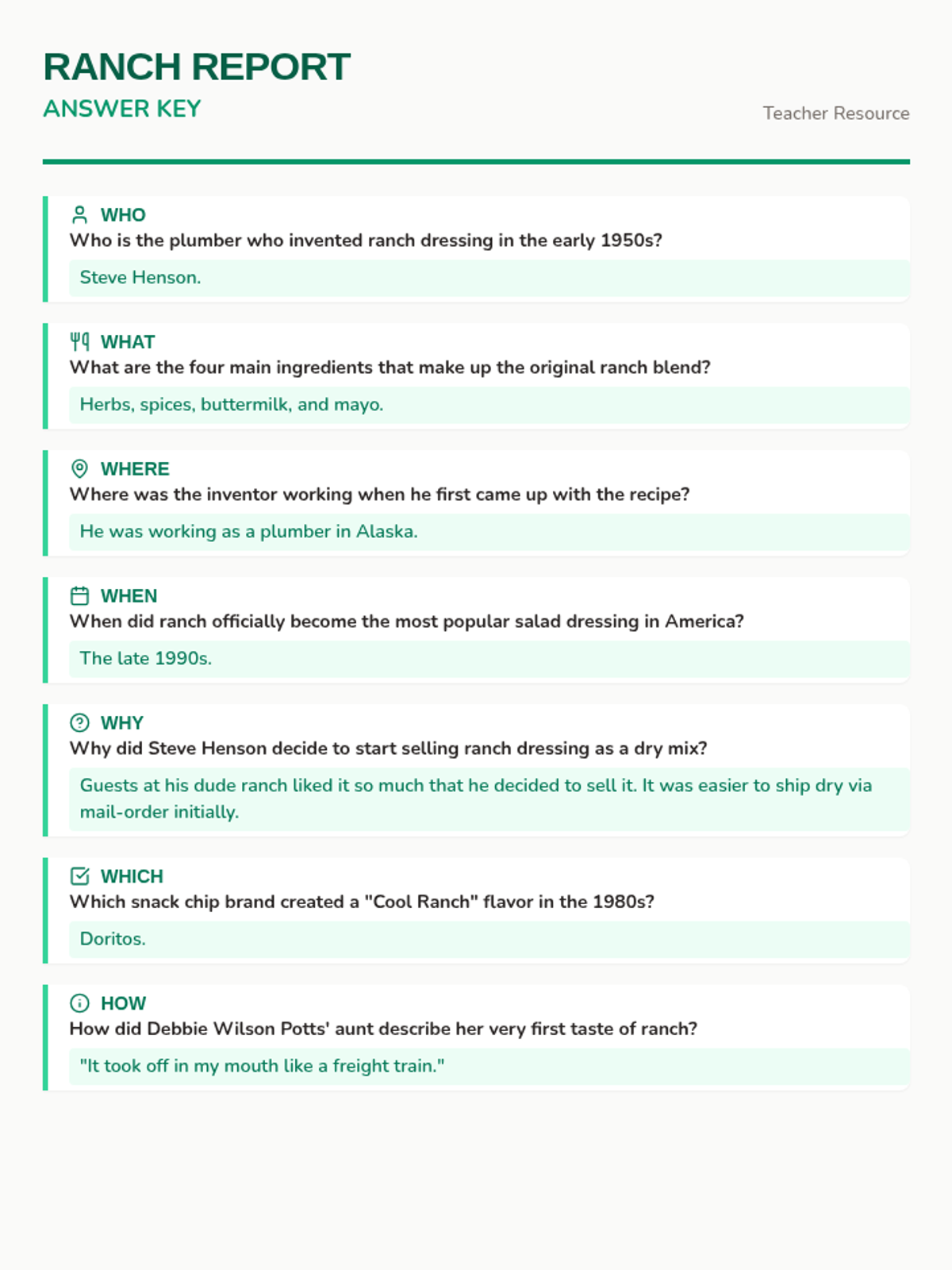
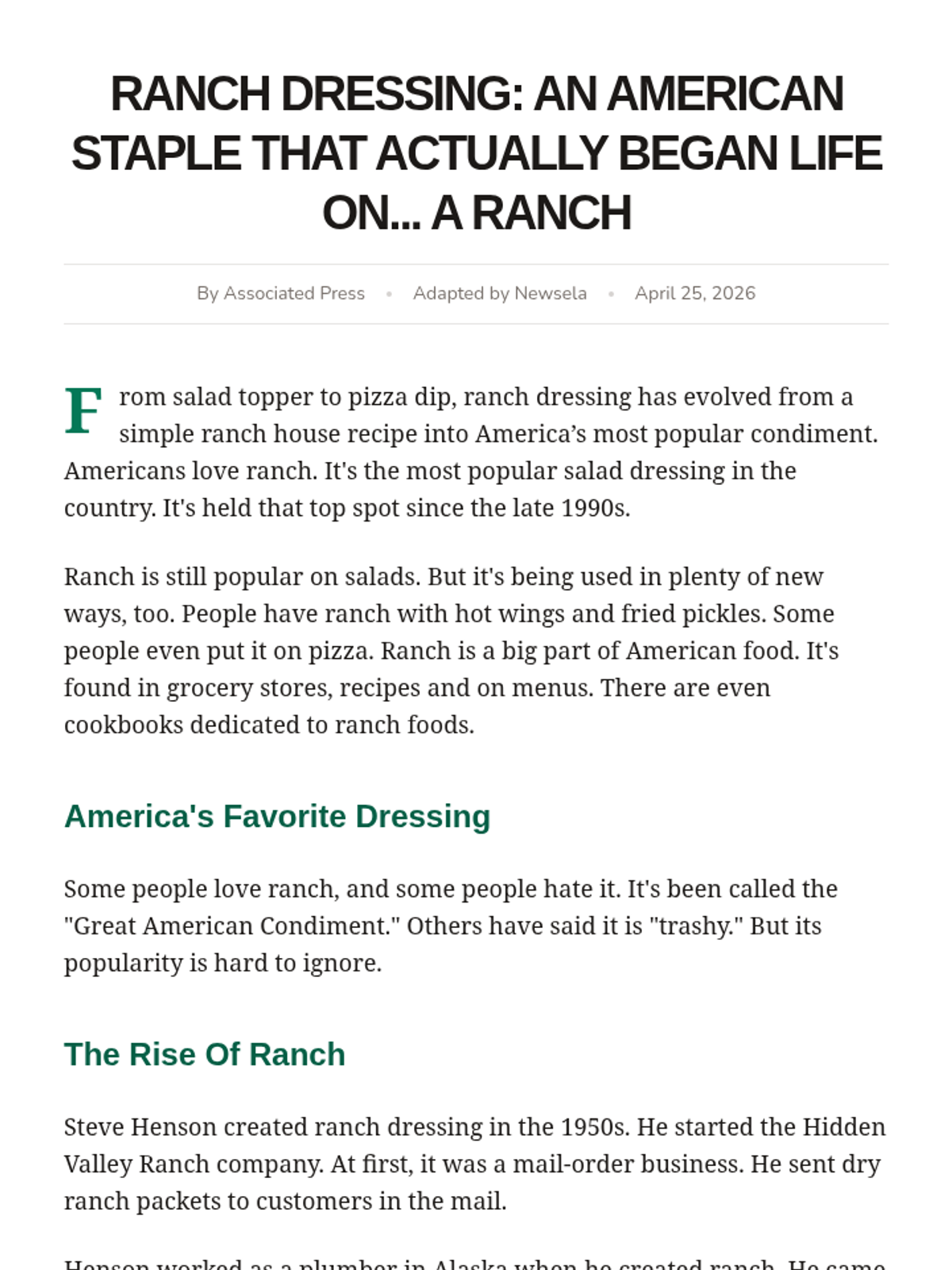
A lesson exploring the history and cultural impact of ranch dressing based on a Newsela article, featuring a reading comprehension worksheet and answer key.

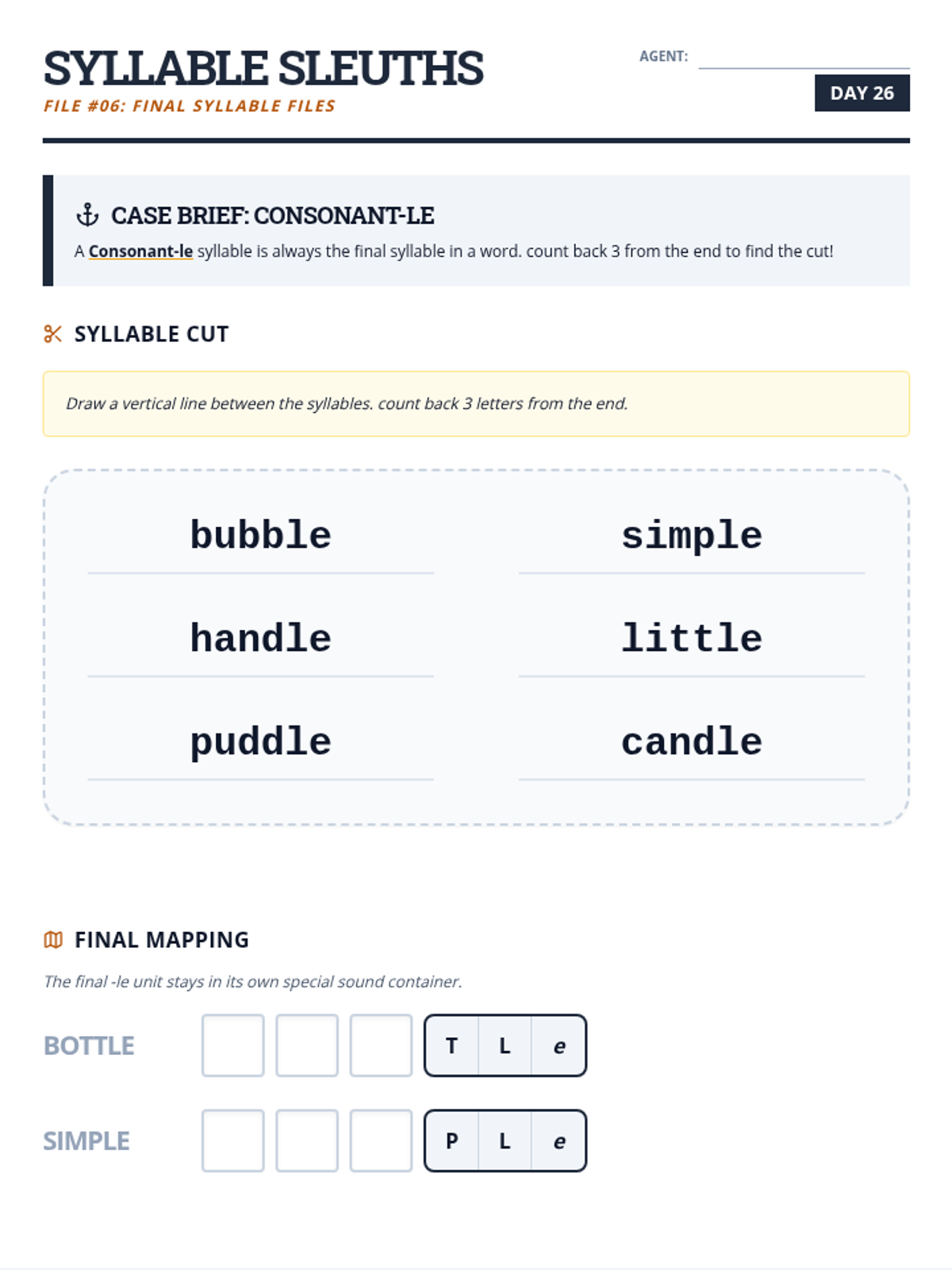
Mastering the final stable syllable 'Consonant-le' found at the end of multi-syllabic words.
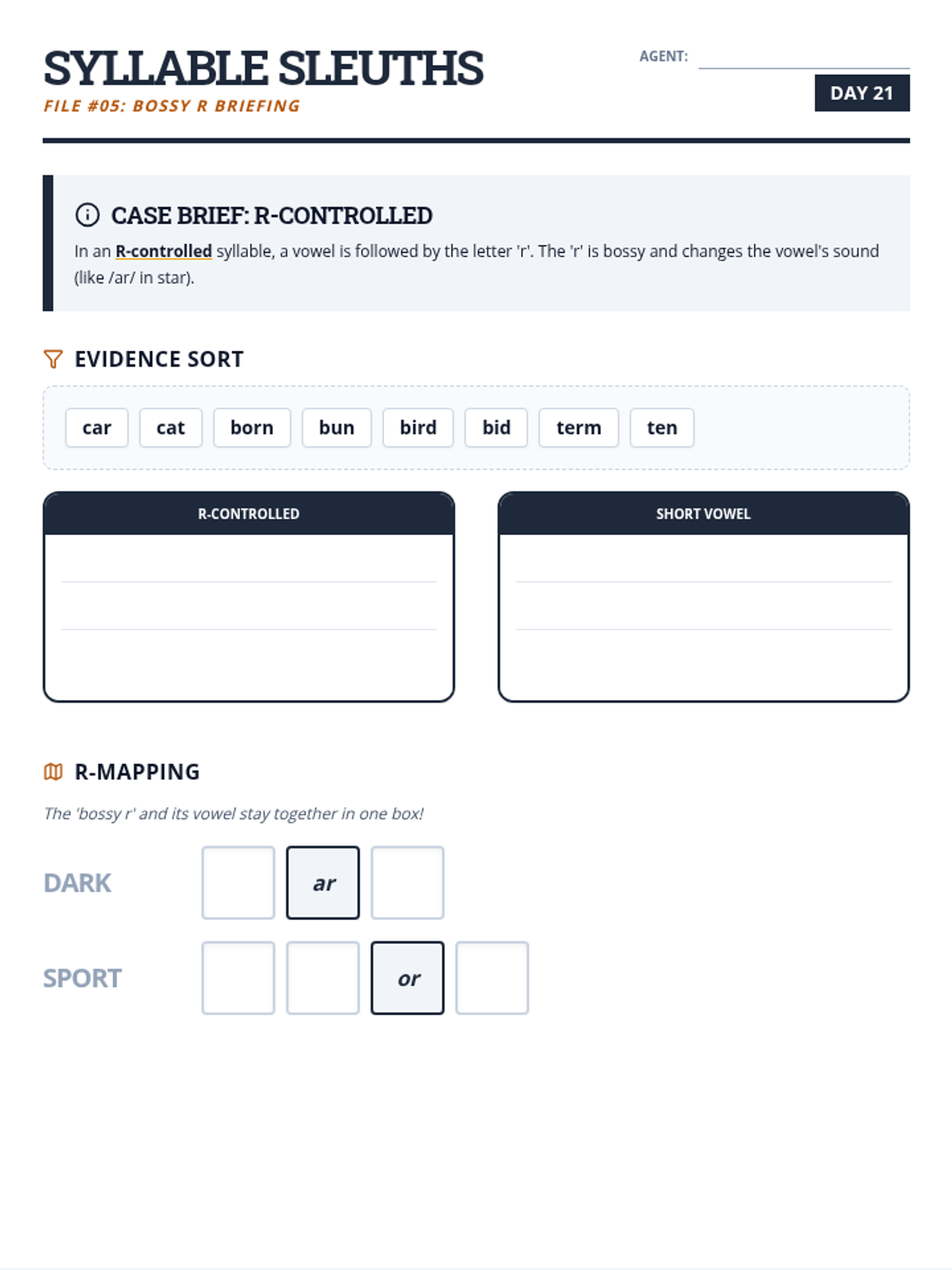
Analyzing how the 'Bossy R' influences the sound of the preceding vowel in R-controlled syllables.
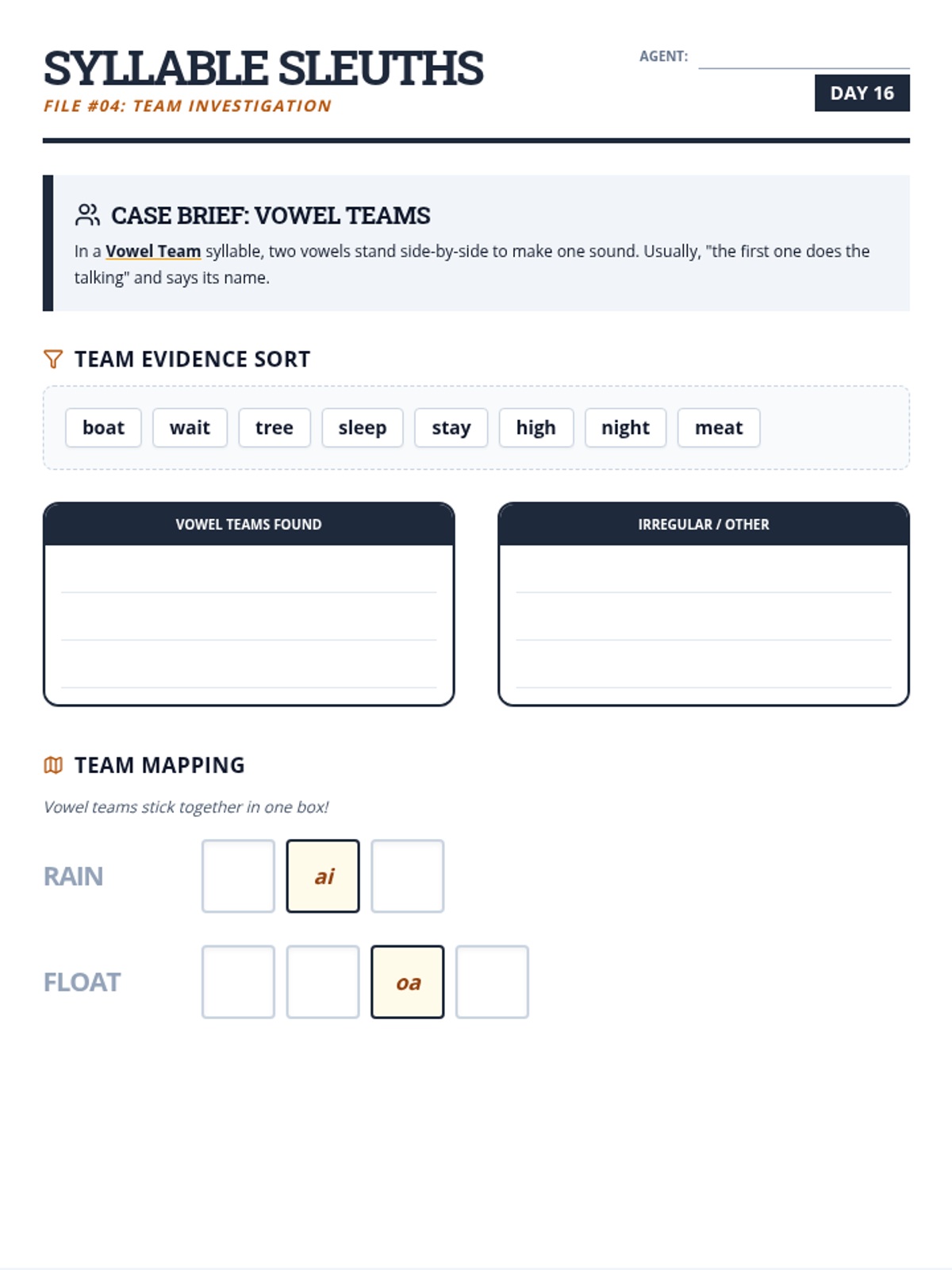
Tracking down vowel teams where two vowels work together to create a specific long or unique vowel sound.
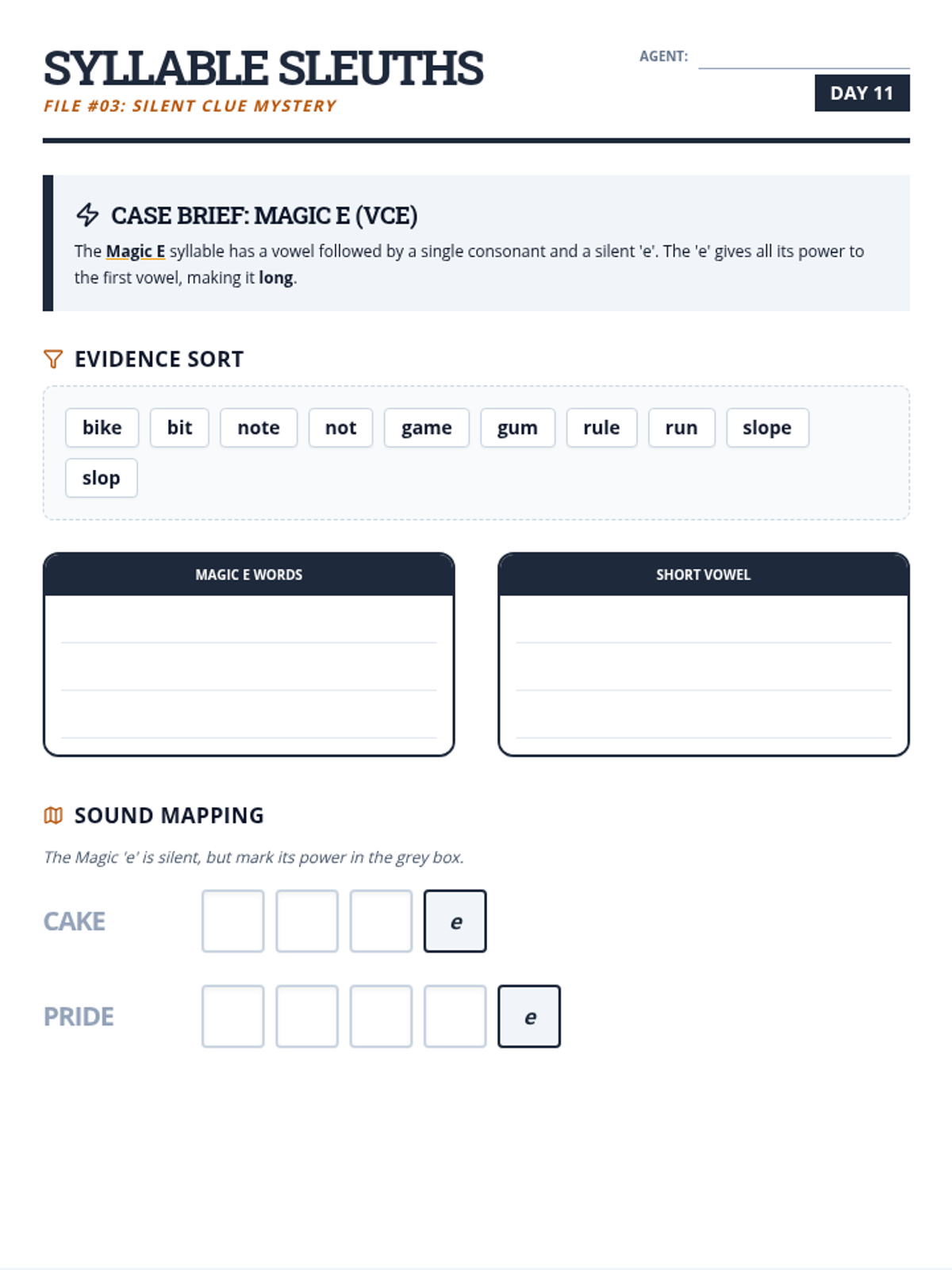
Deciphering the Magic E (VCe) pattern where a silent 'e' at the end of a syllable makes the preceding vowel long.
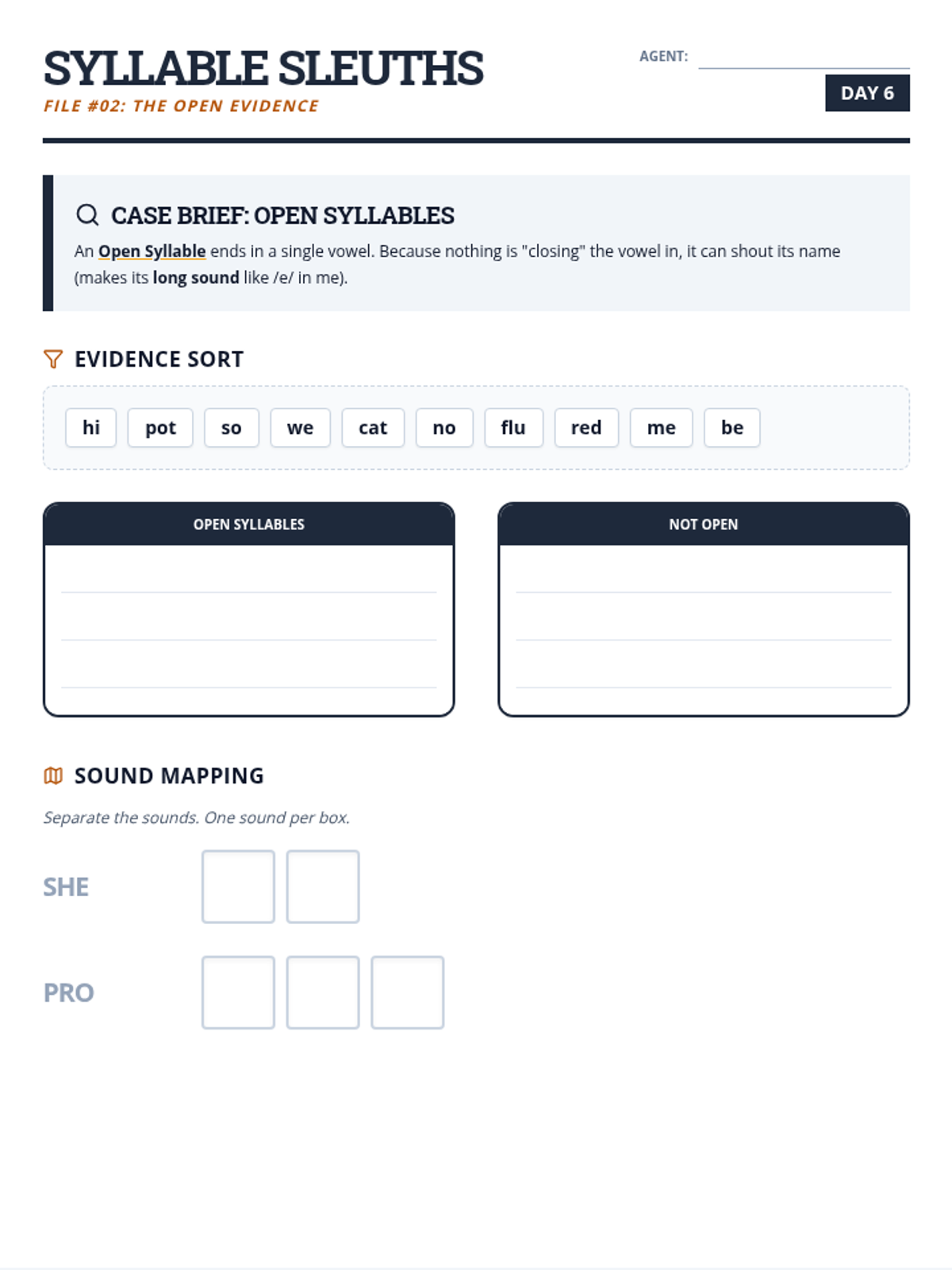
Exploring open syllables that end in a single vowel, which typically makes its long sound.
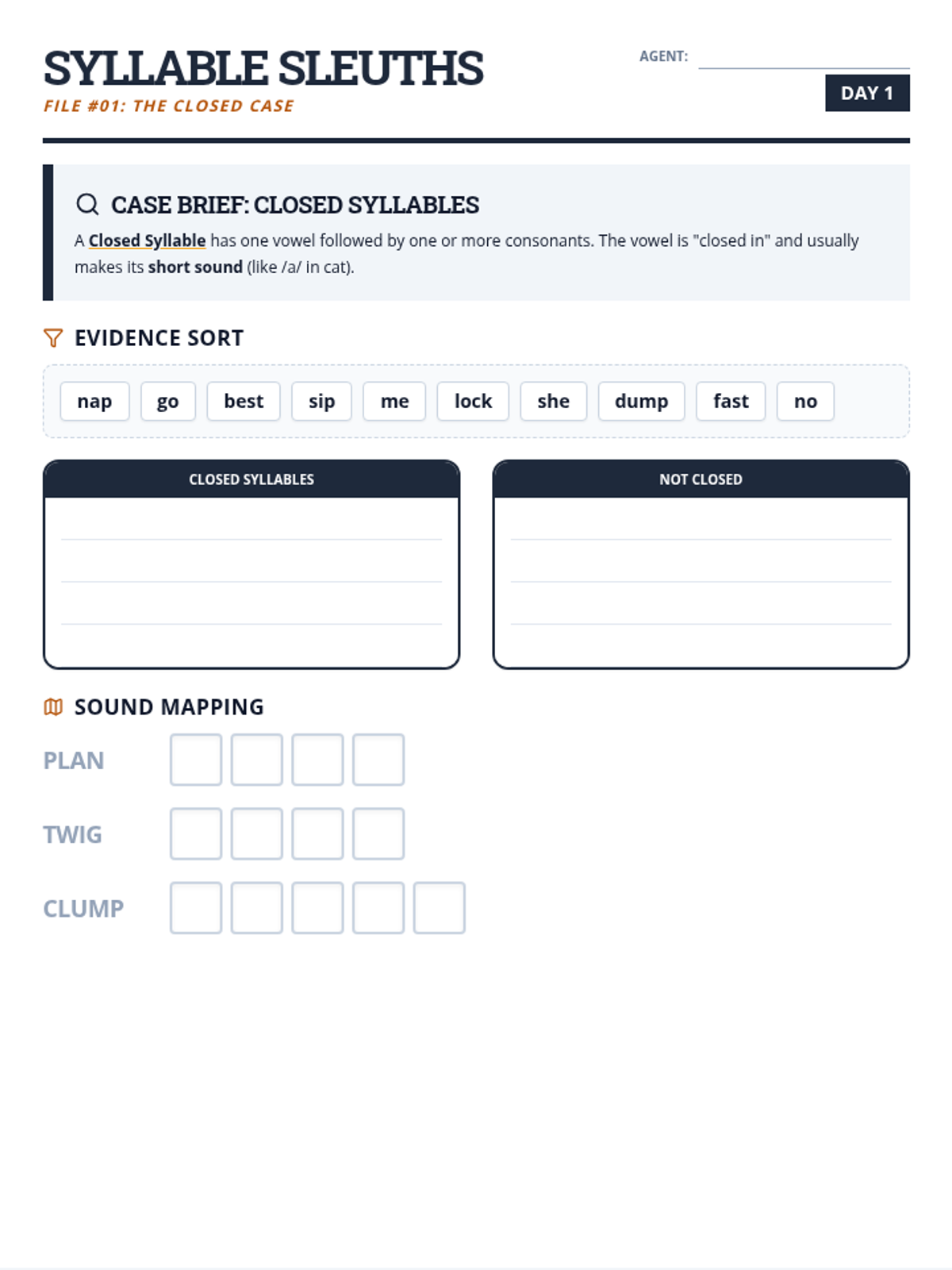
Investigation of closed syllables where a single vowel is followed by one or more consonants, resulting in a short vowel sound.
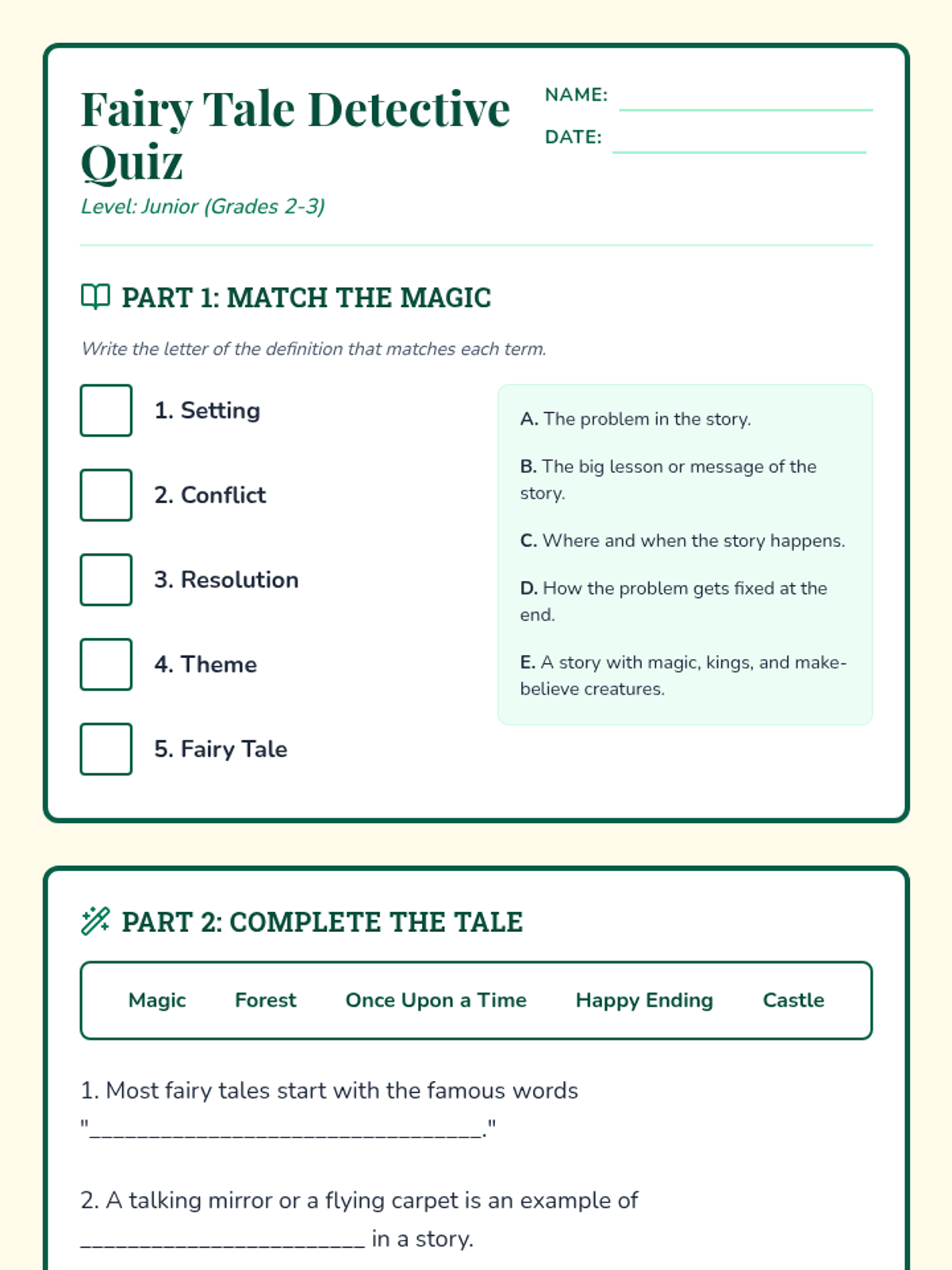
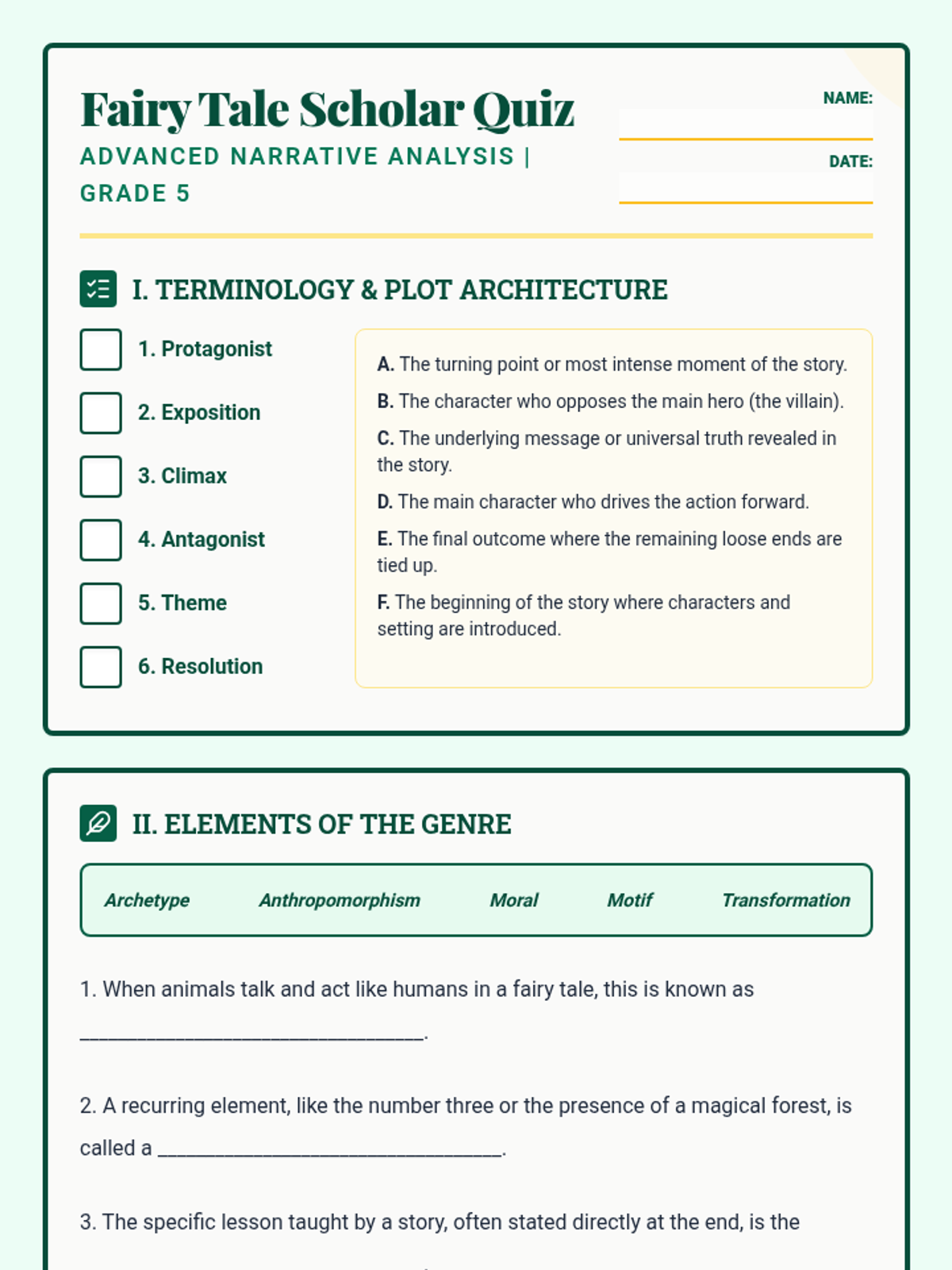
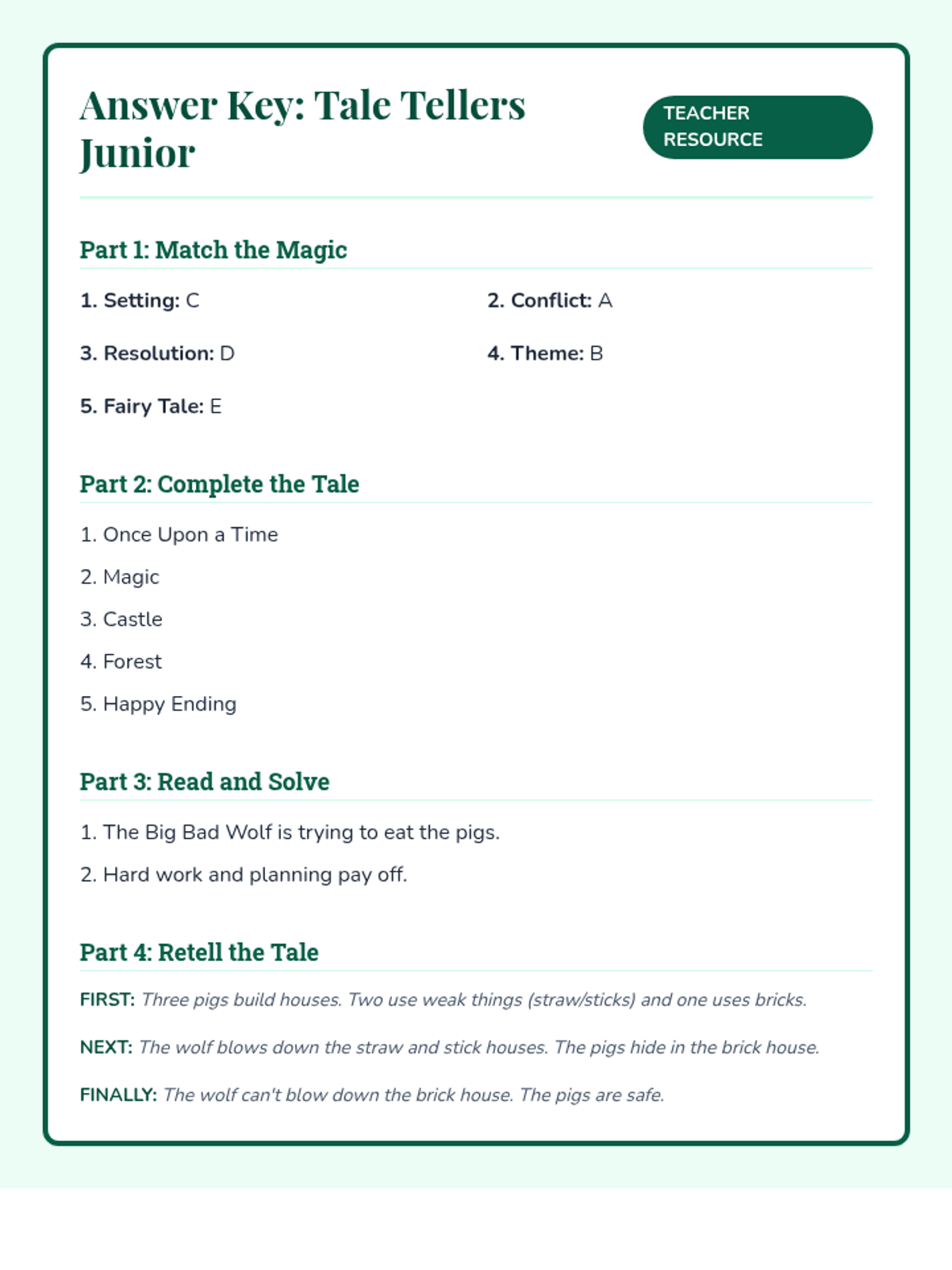
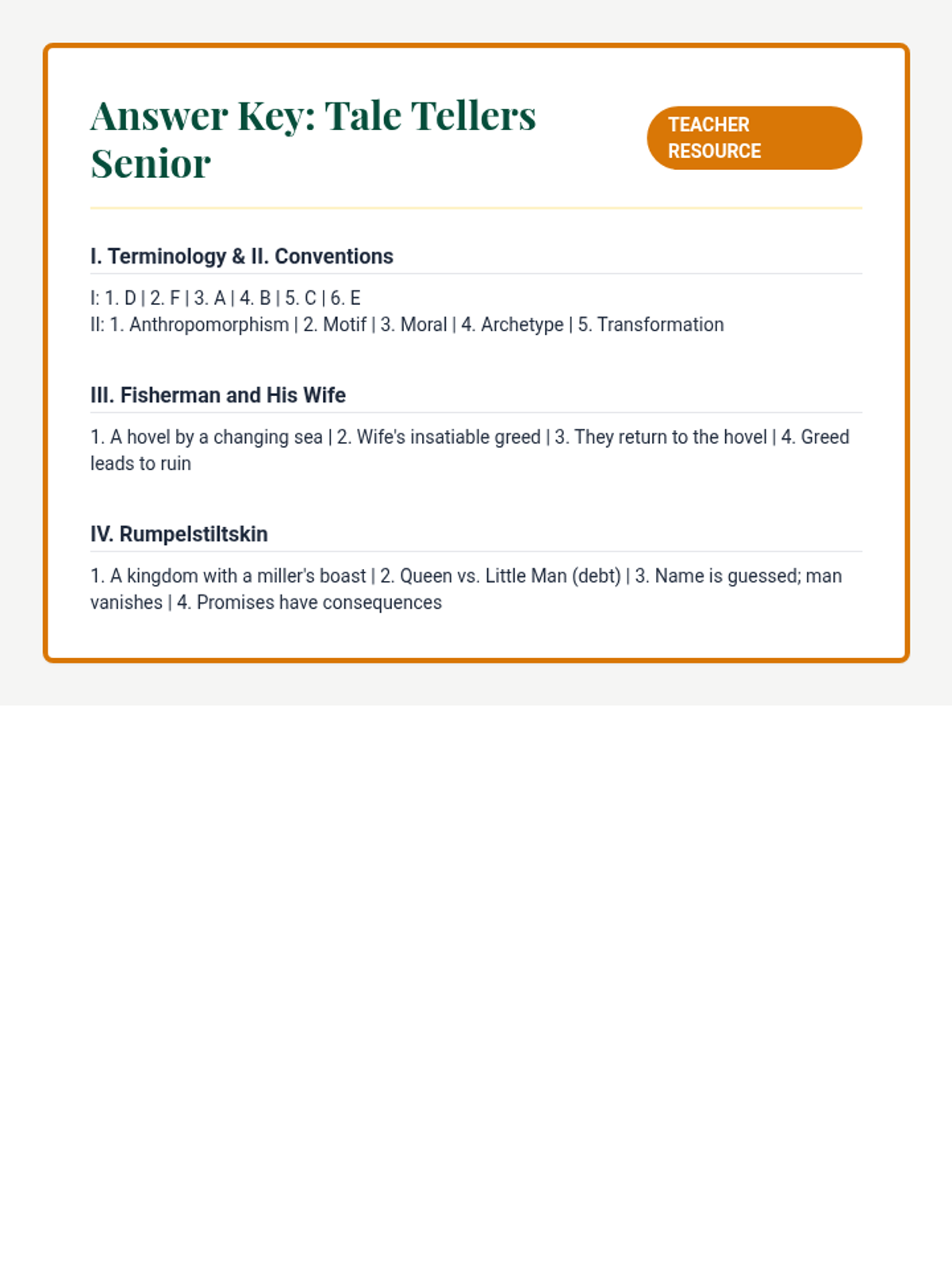
A comprehensive assessment on fairy tale elements and plot structures for elementary students, featuring two differentiated levels to meet specific grade-level standards.
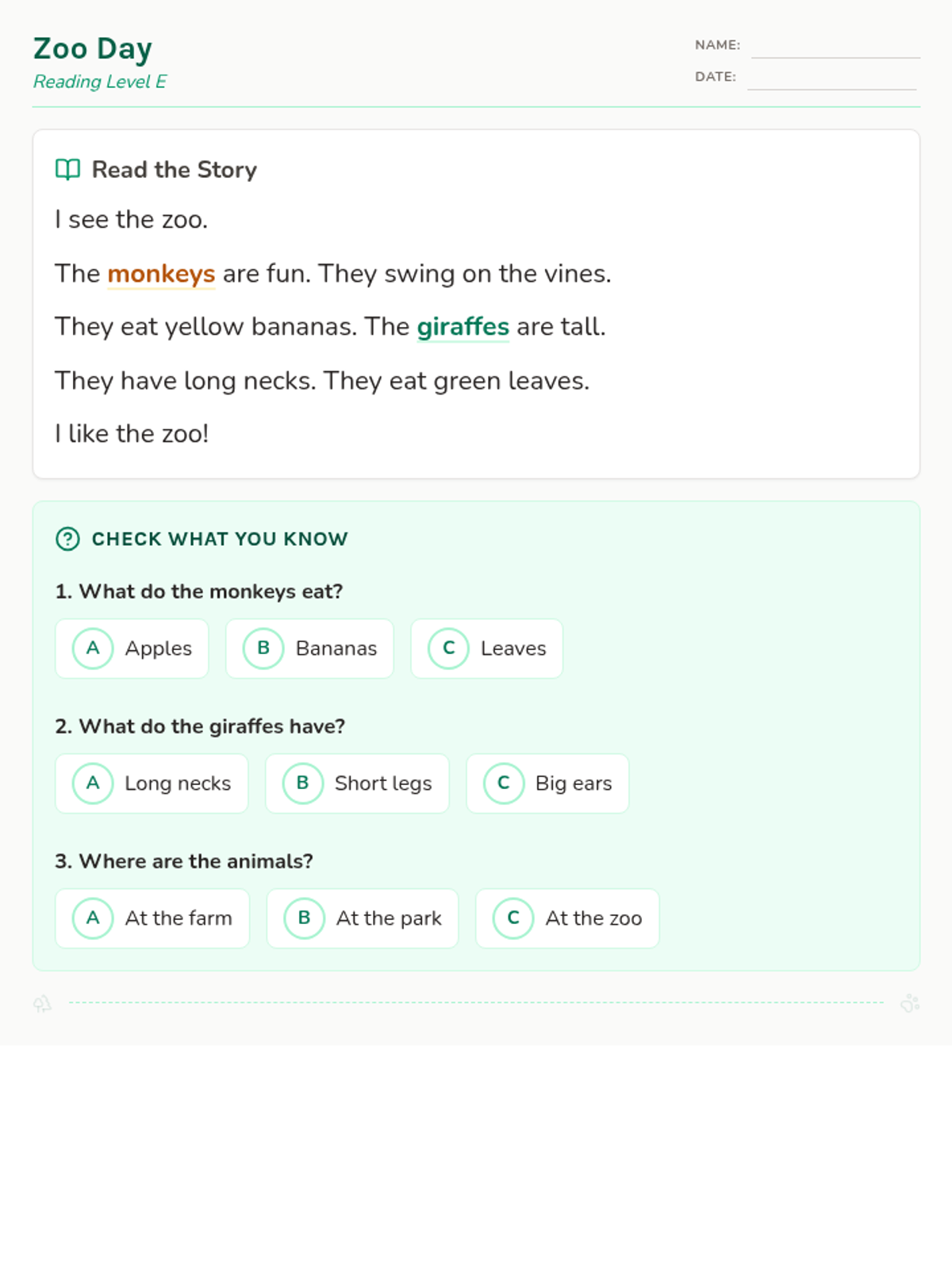
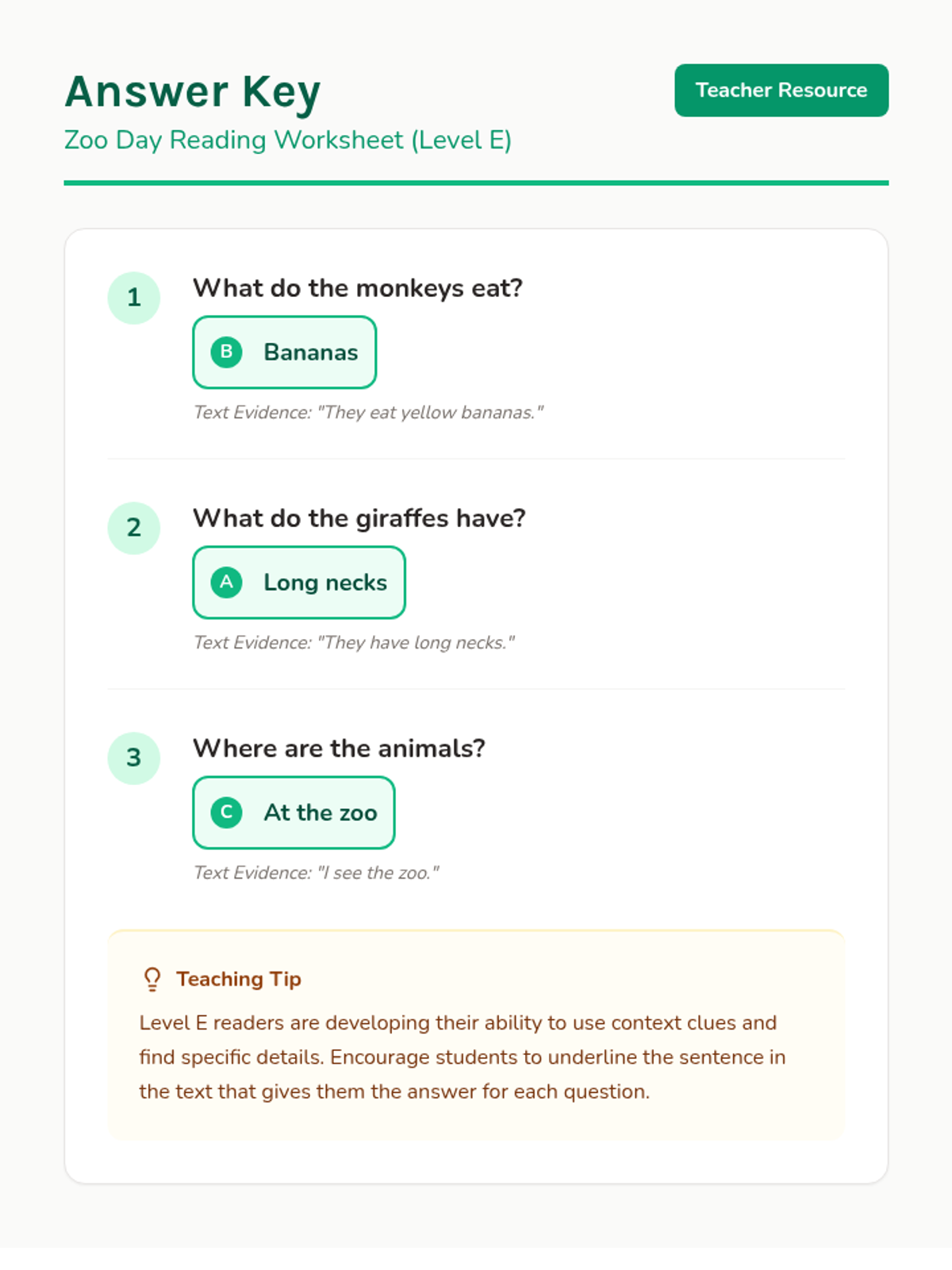
A beginner-level reading comprehension lesson focused on zoo animals, featuring simple sentences and key vocabulary for Level E readers.
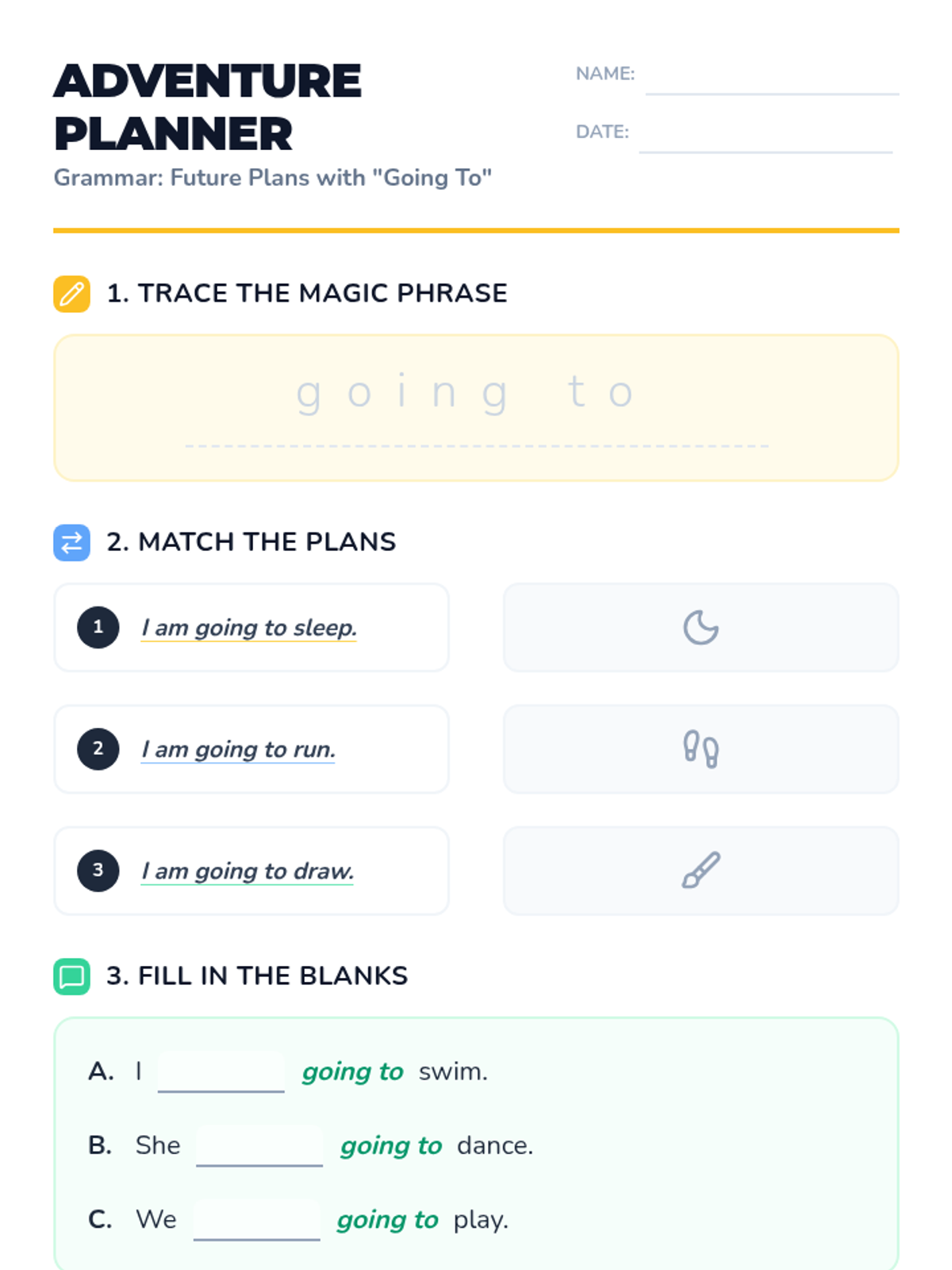
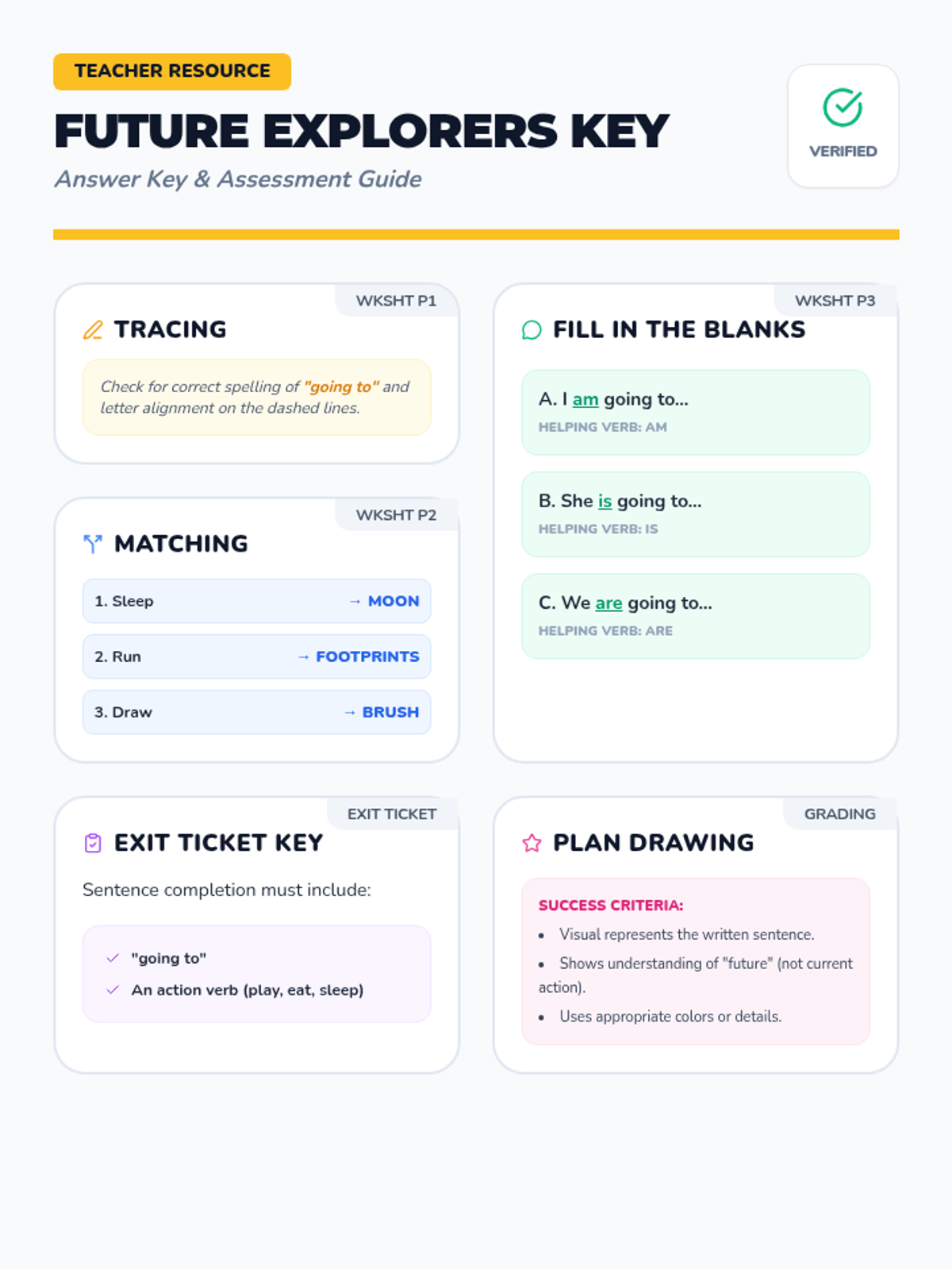
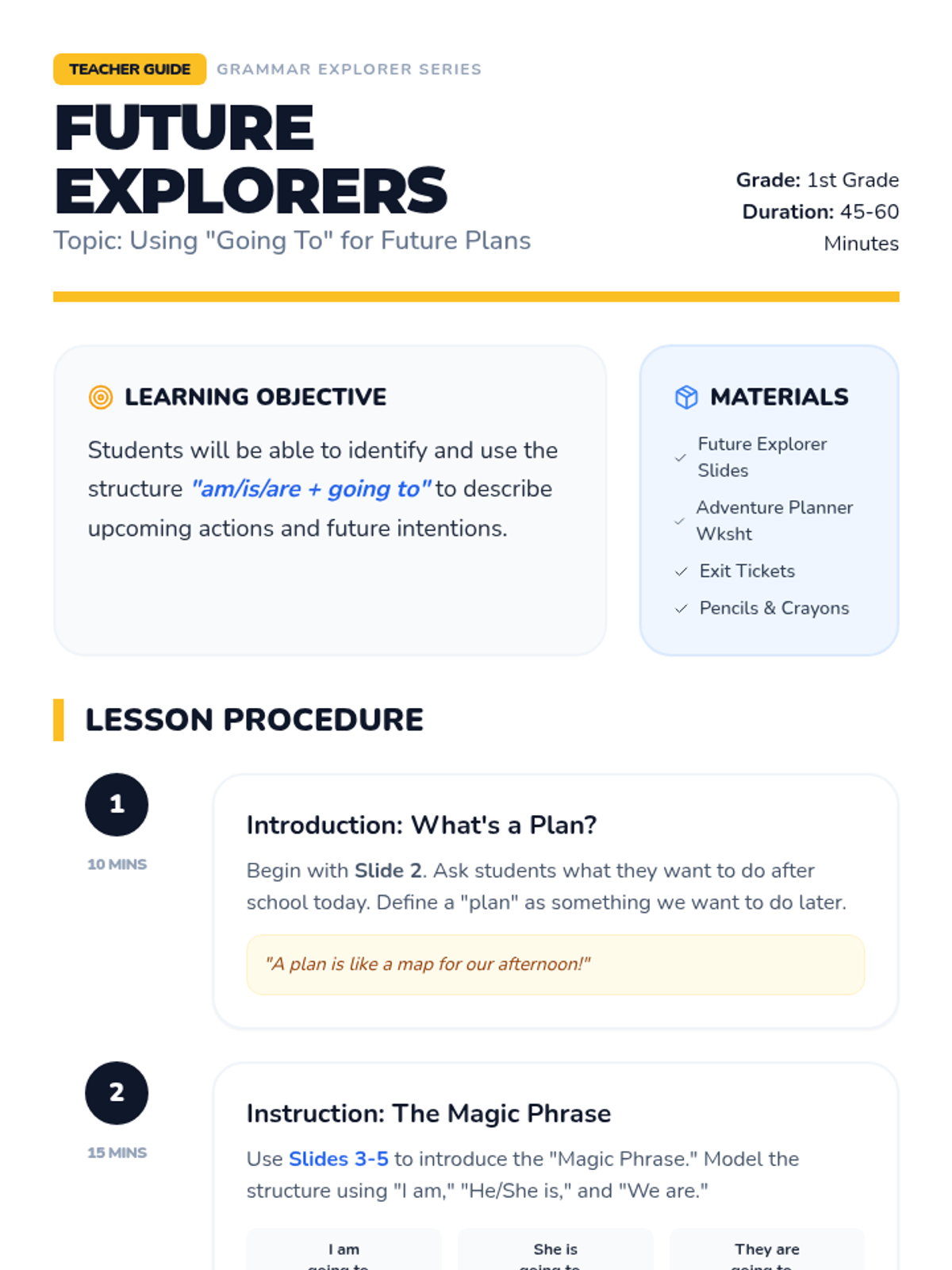
A foundational grammar lesson for young learners focusing on the structure 'am/is/are + going to' to describe upcoming plans and intentions through visual storytelling and guided practice.
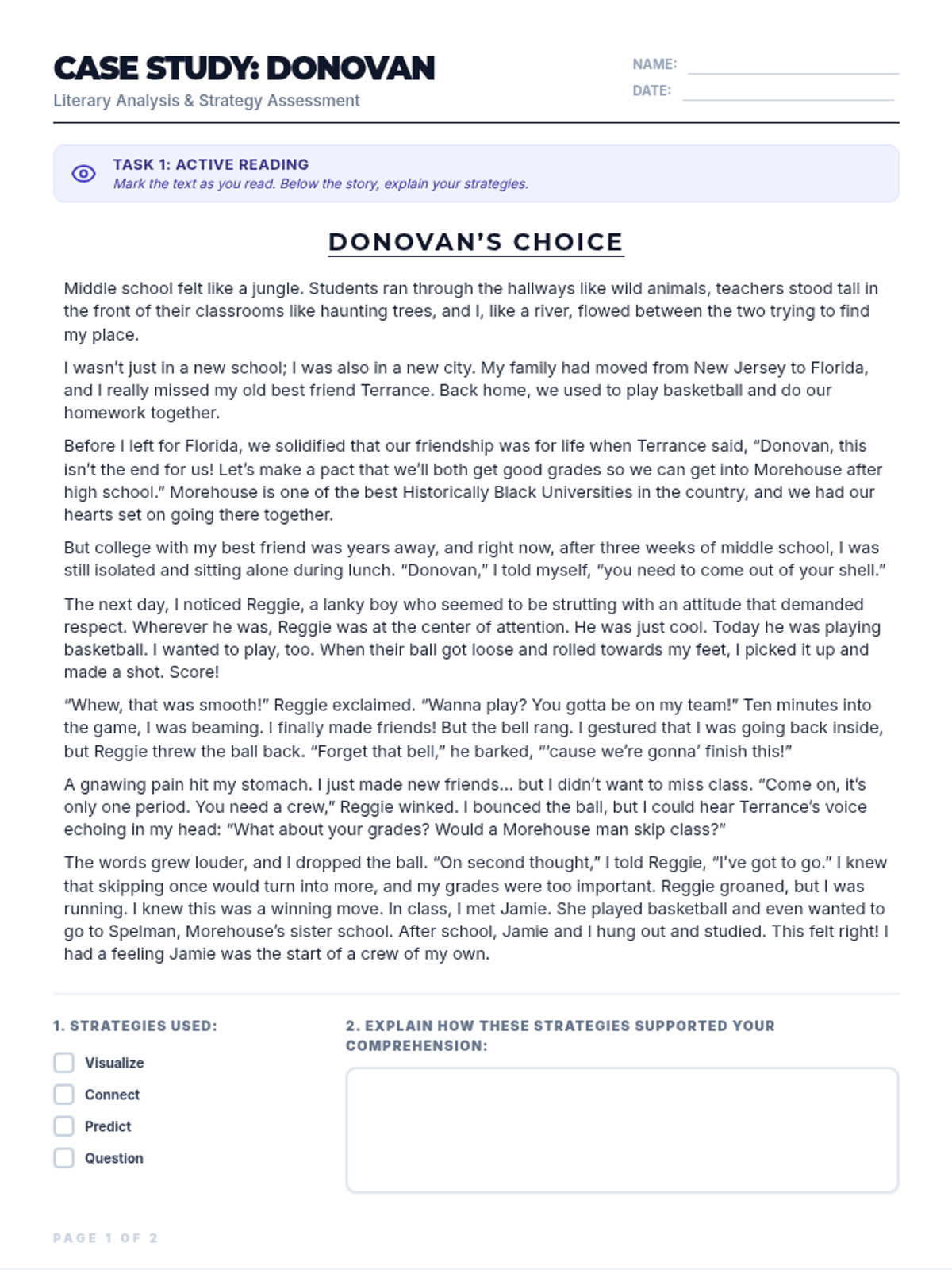
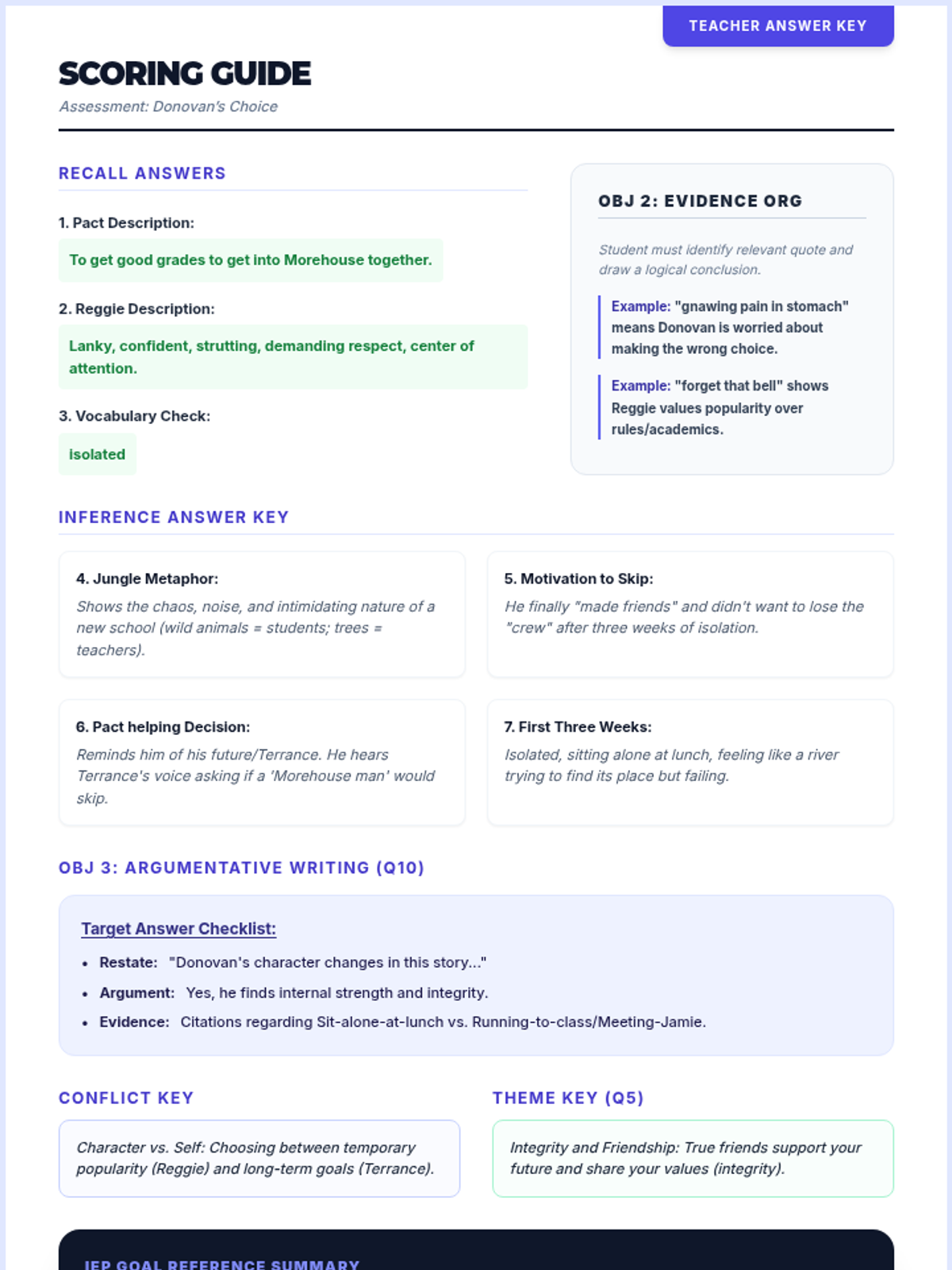
A literature-based assessment focused on evidence-based reading, active strategy reflection, and identifying conflict and theme through the story of Donovan's social choices.
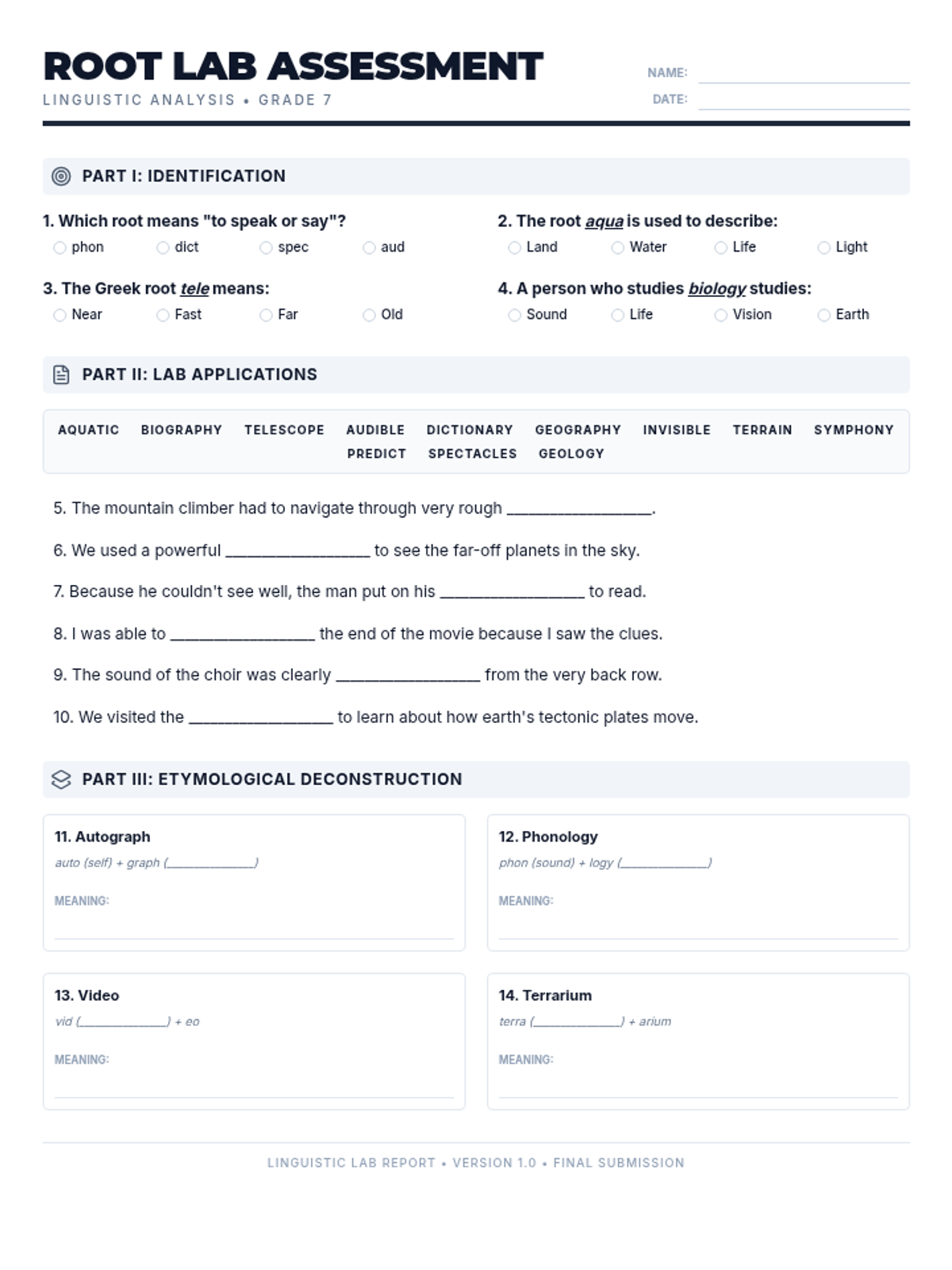
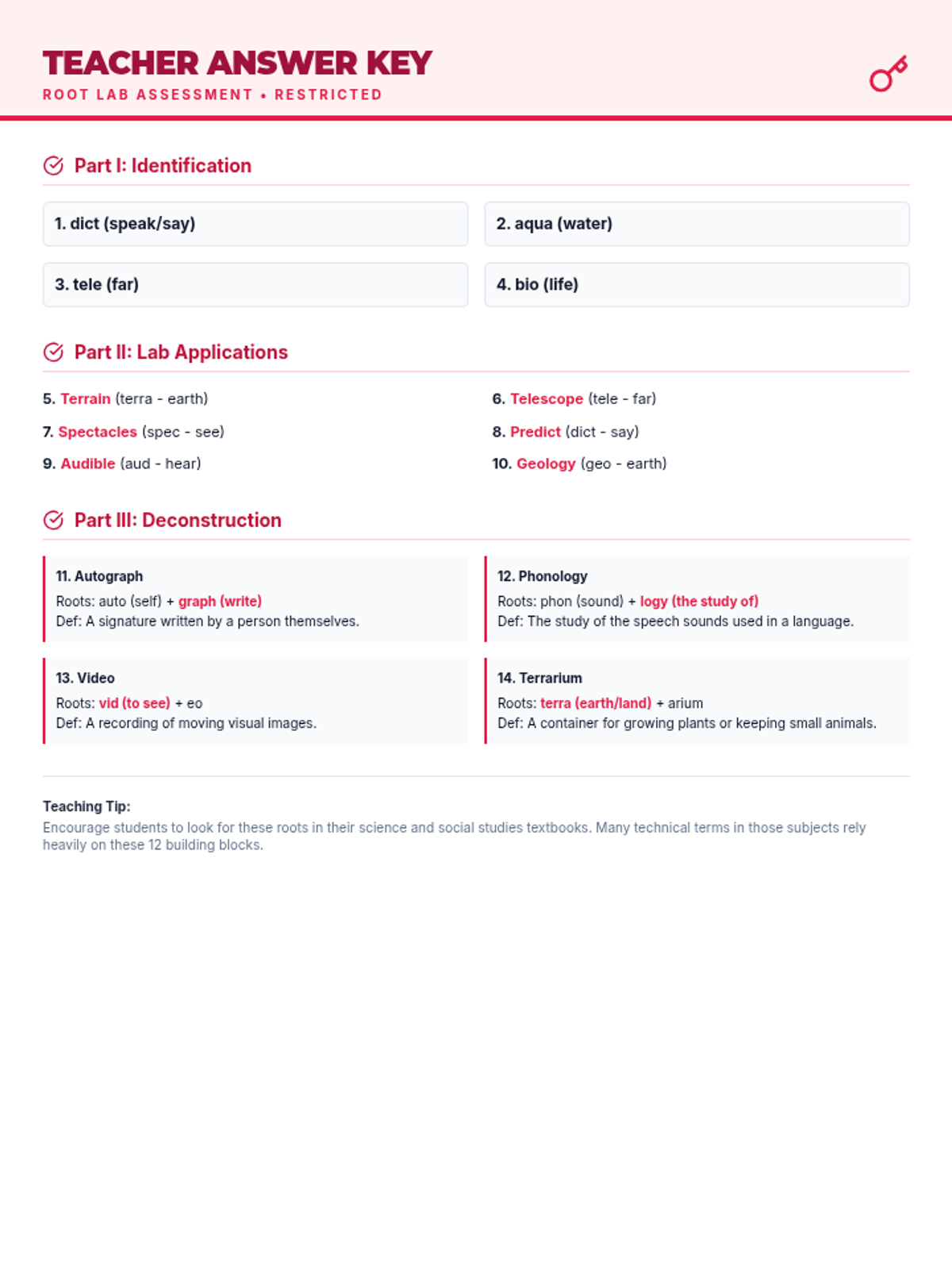
Students explore 10 common Greek and Latin roots, identifying their meanings and applying them to determine the definitions of complex academic vocabulary.
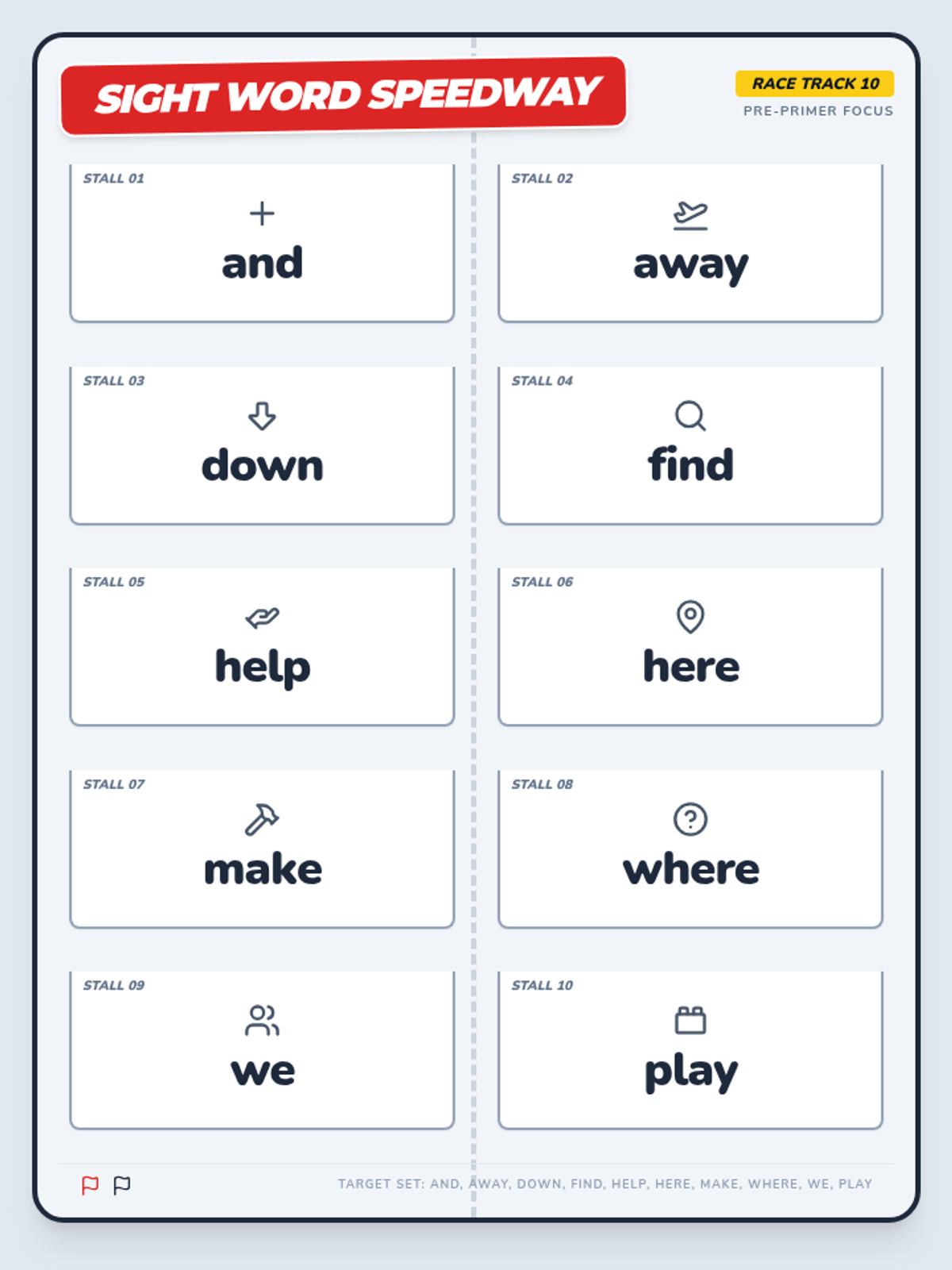
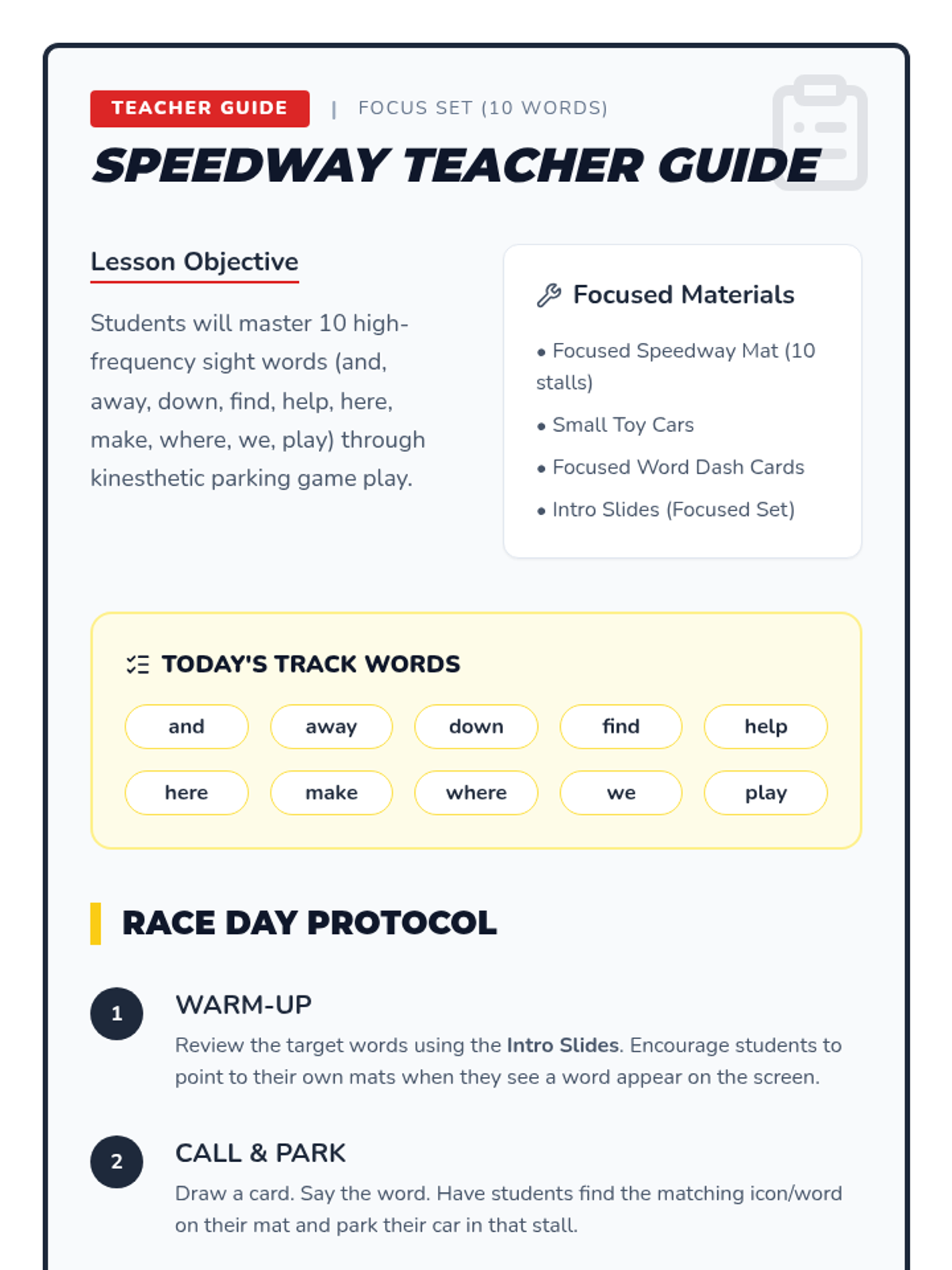
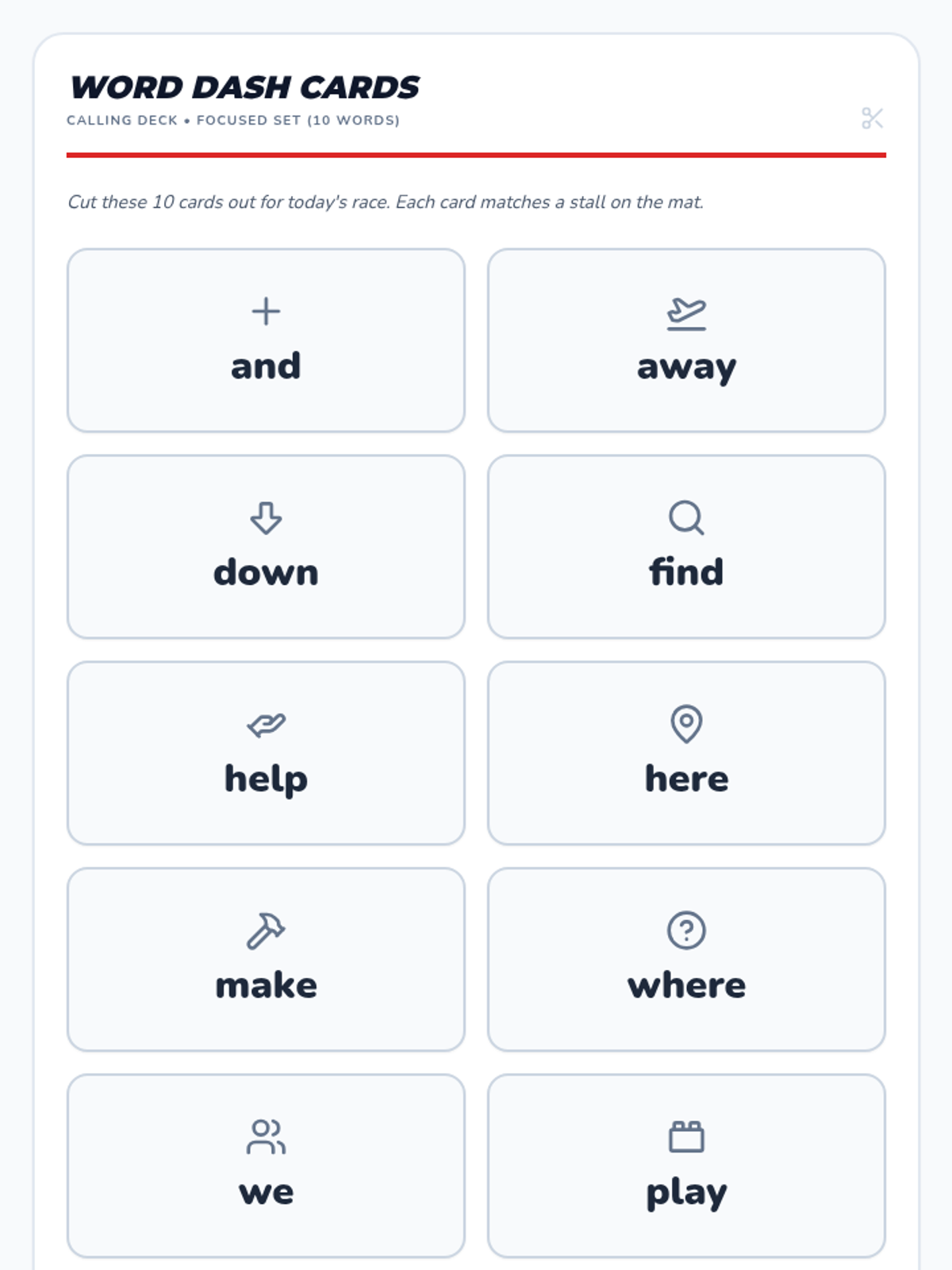
A high-octane sight word practice lesson where students park toy cars on matching word spots to build fluency with Pre-Primer Dolch words.
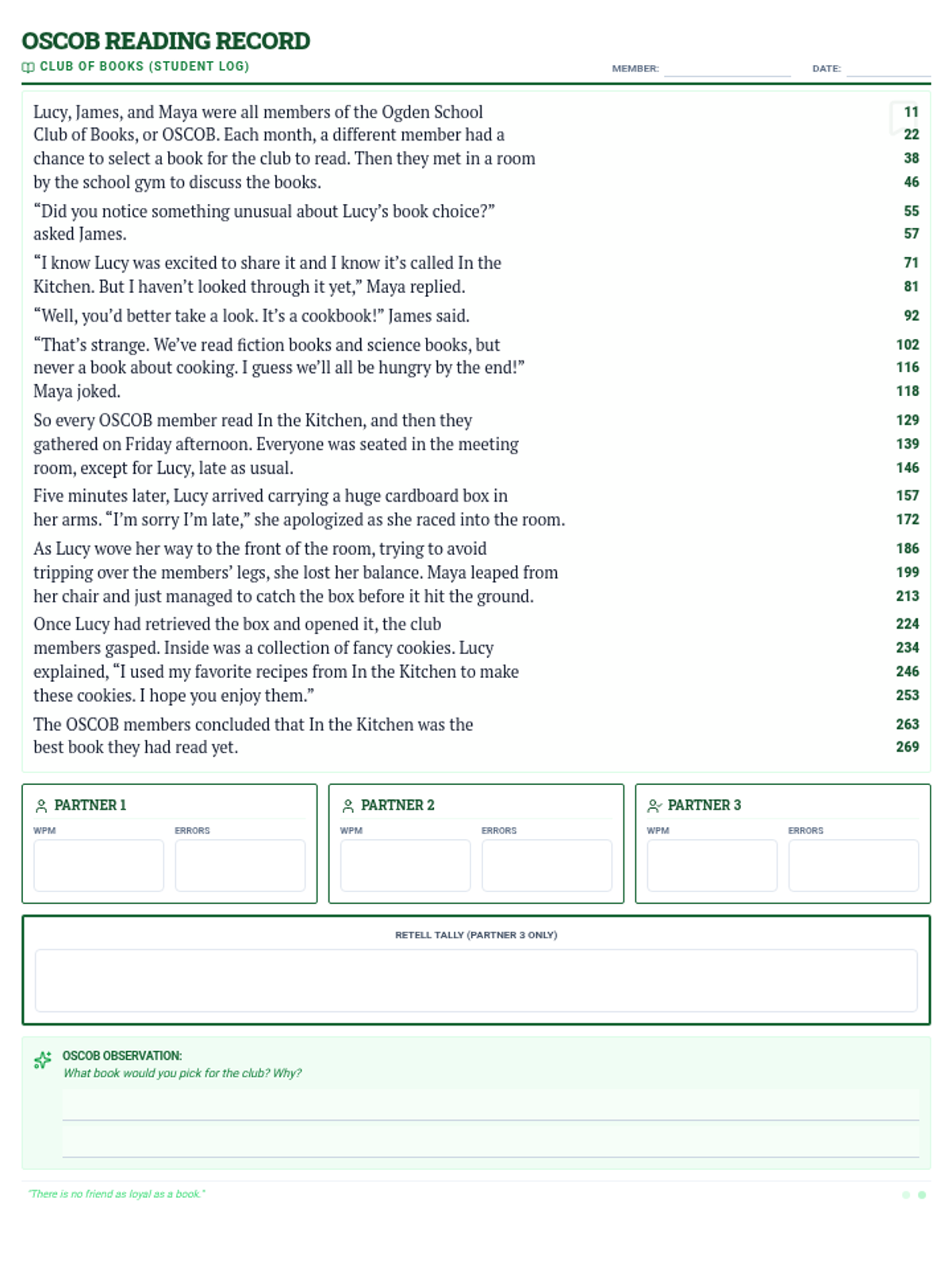
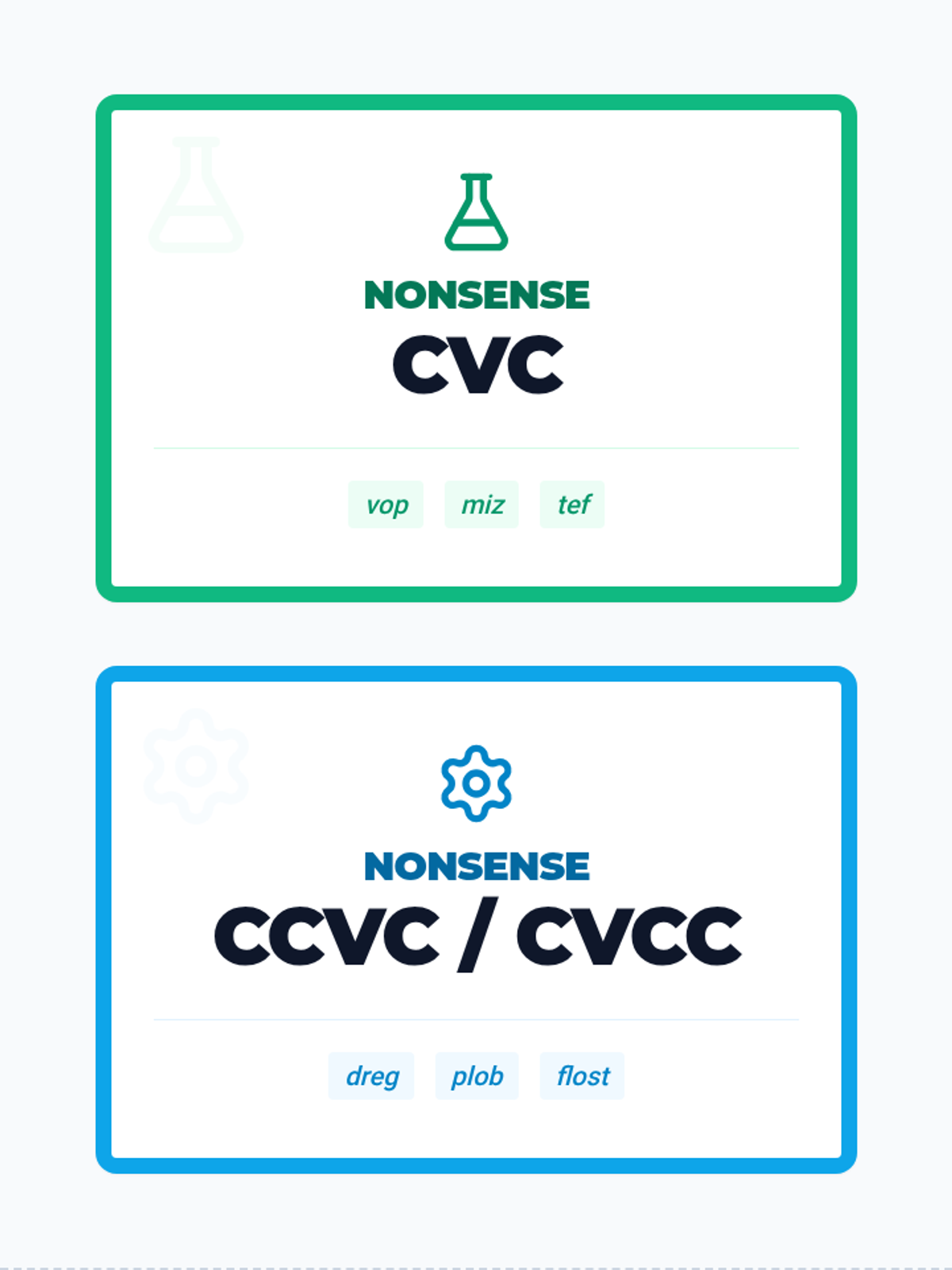
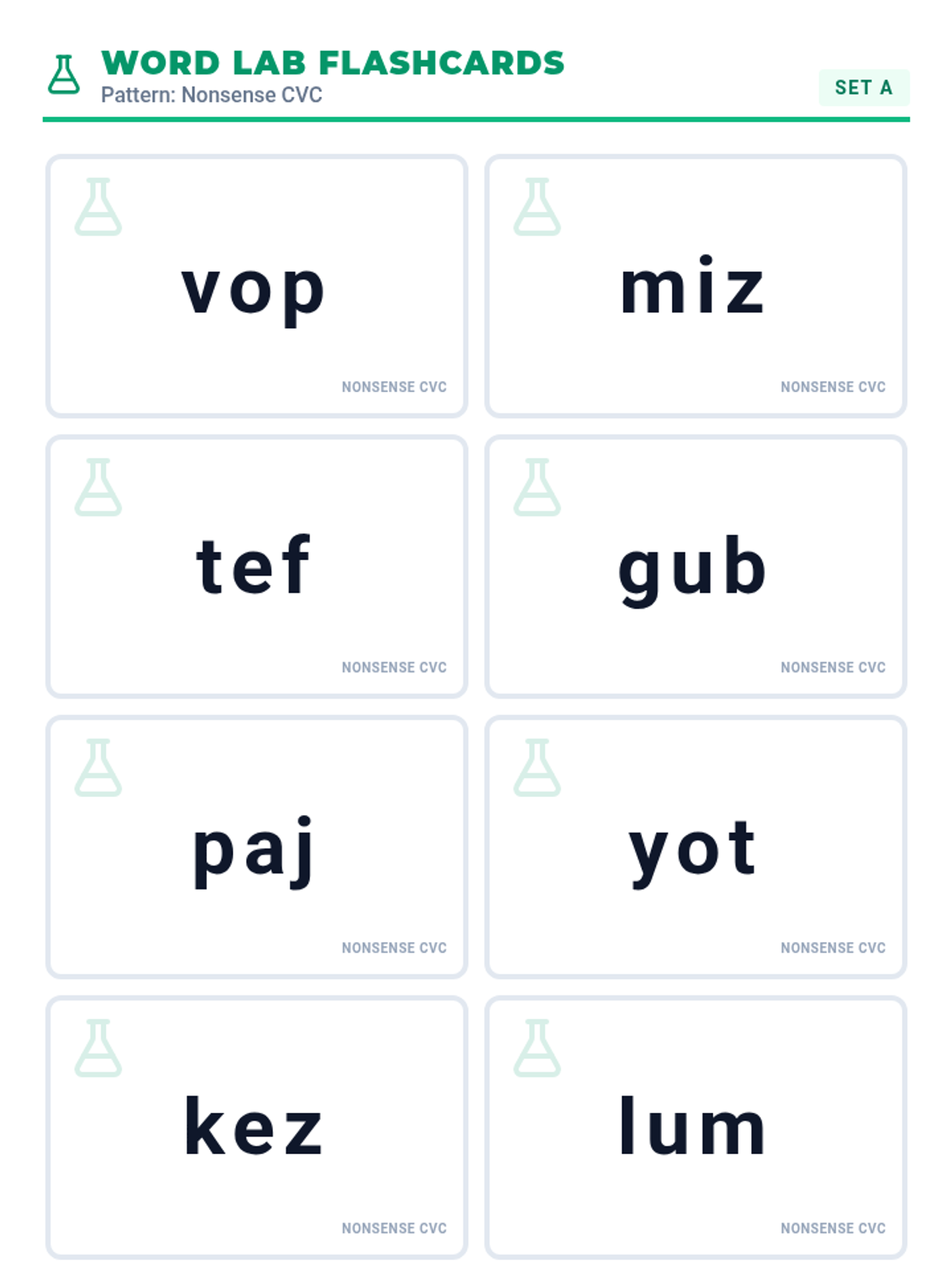
A collection of instructional resources and organizing tools for nonsense word fluency practice across various phonics patterns.
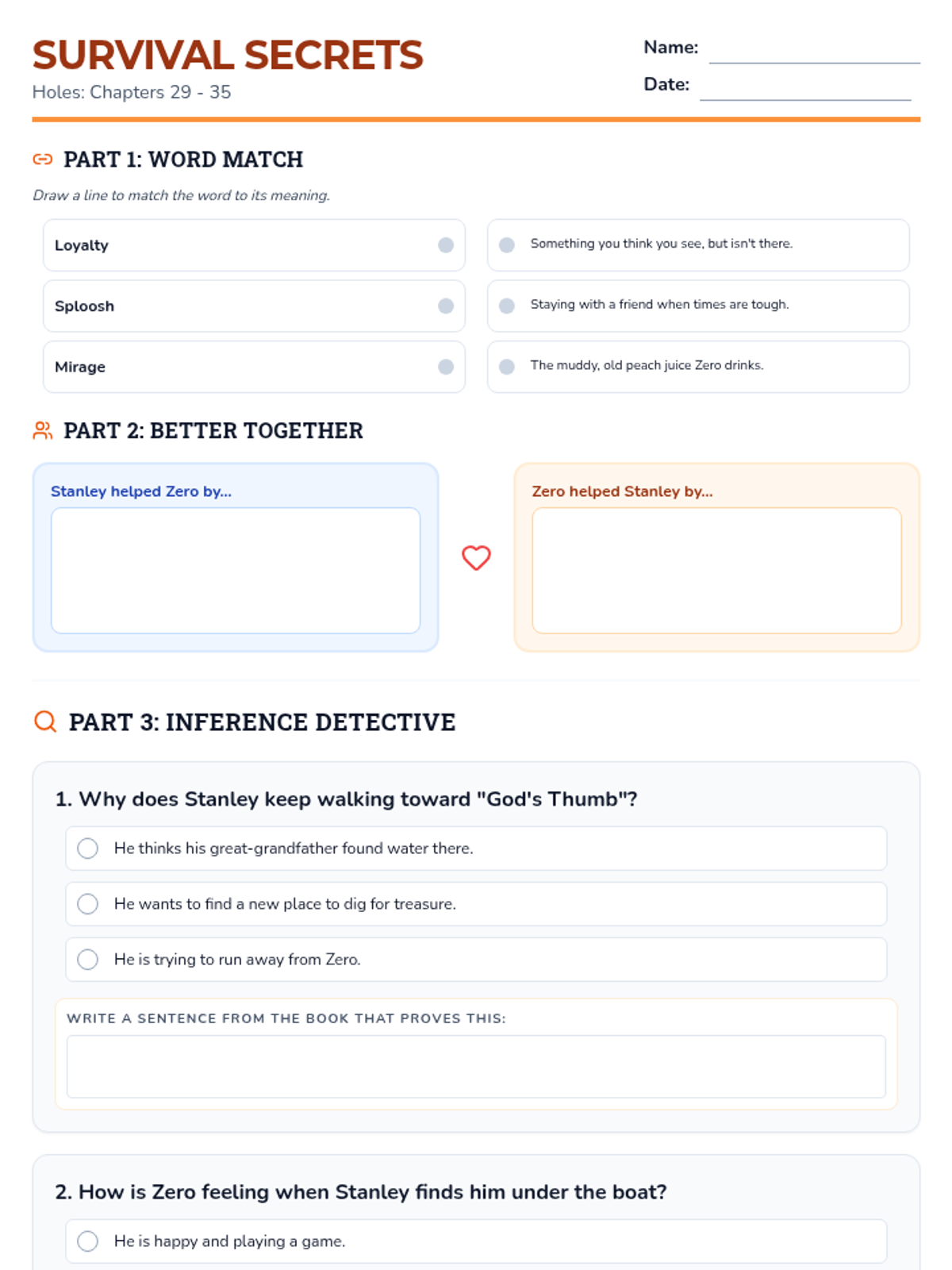
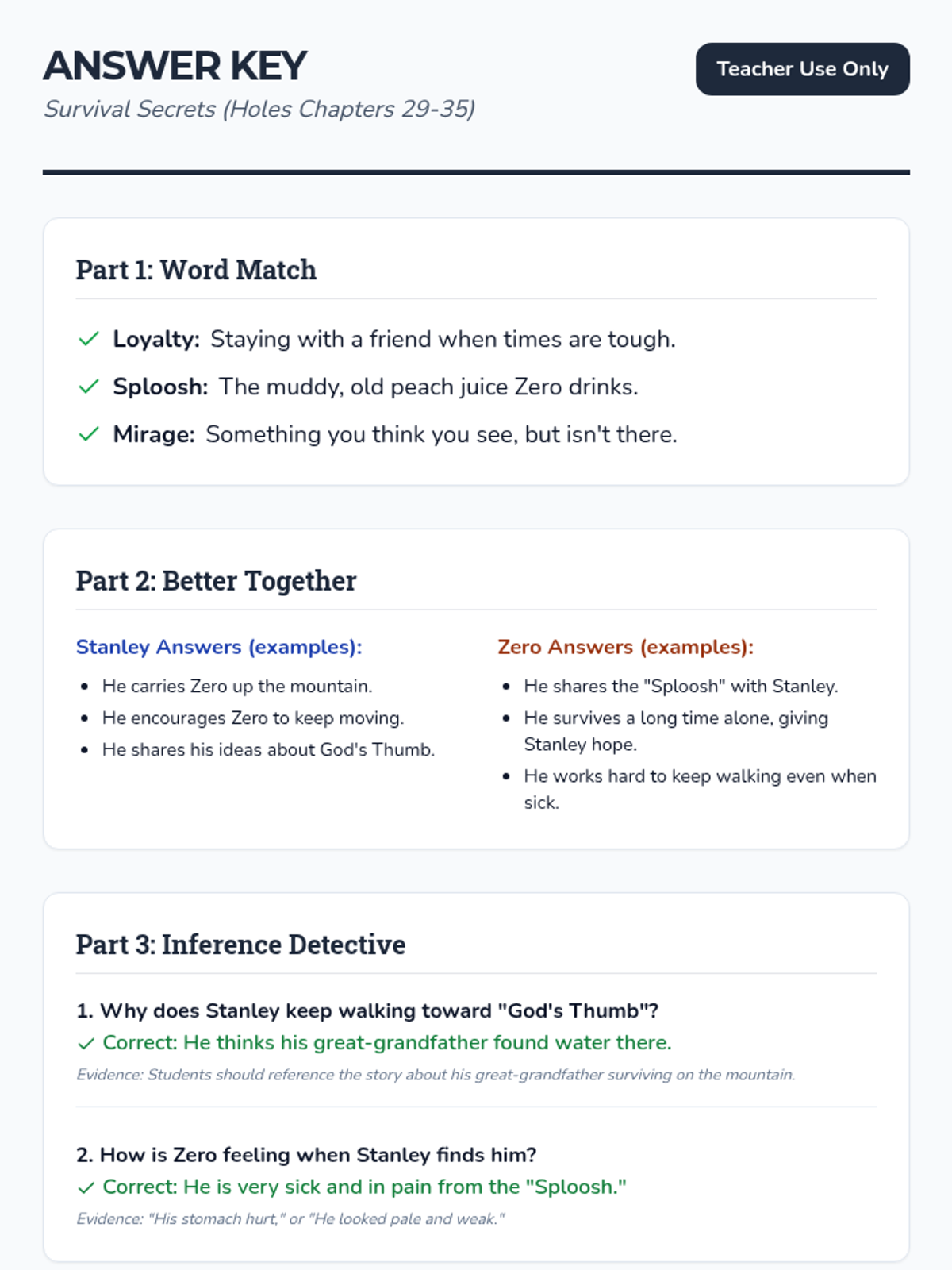
A lesson focused on chapters 29-35 of Louis Sachar's Holes, exploring the deepening friendship between Stanley and Zero as they face the challenges of the desert. Students will analyze character relationships, make inferences about their survival, and identify the central theme of loyalty.