Students learn about the 'push' and 'pull' factors that motivated families to leave their homes and head west, including the promise of land and gold.
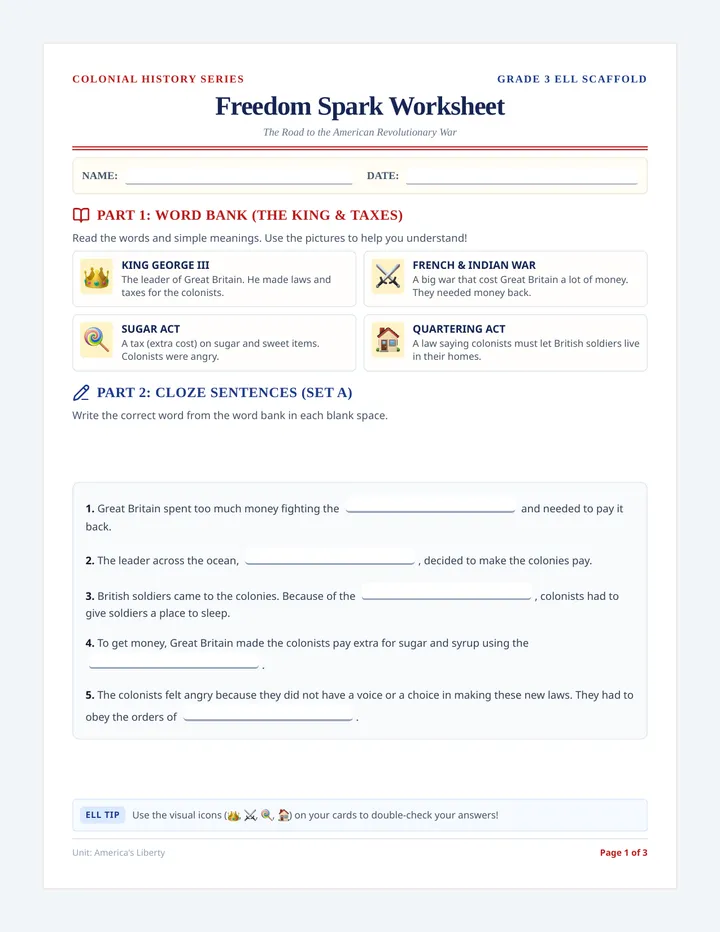
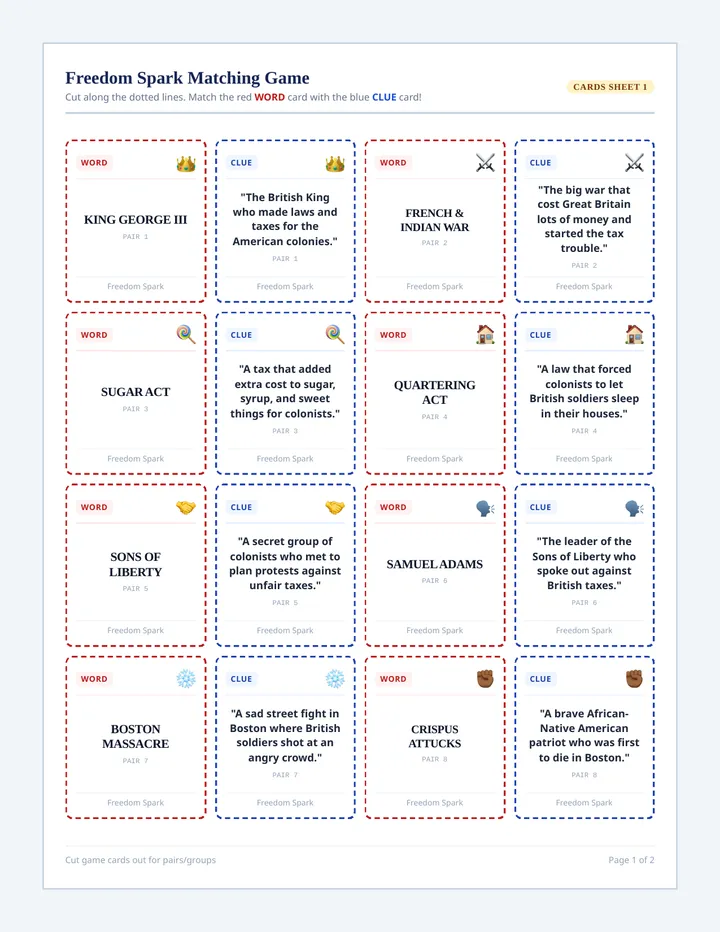
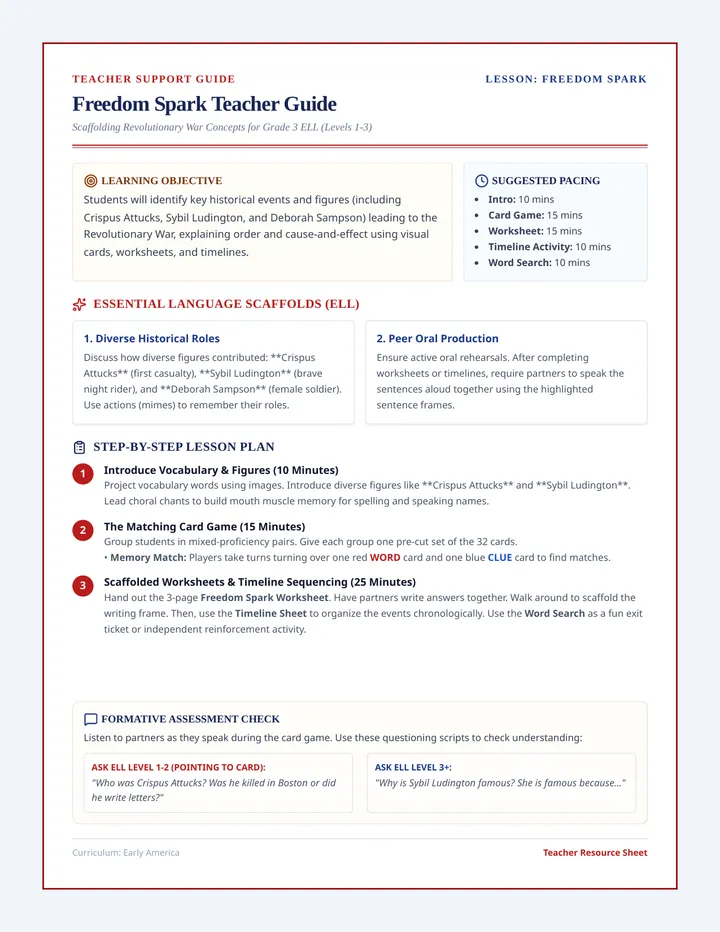
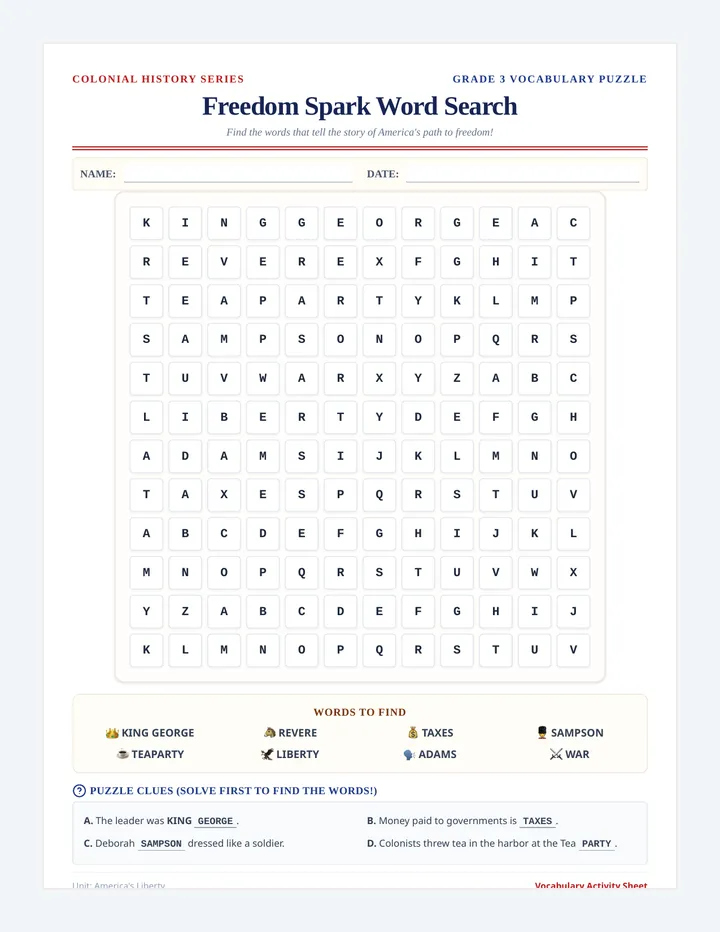
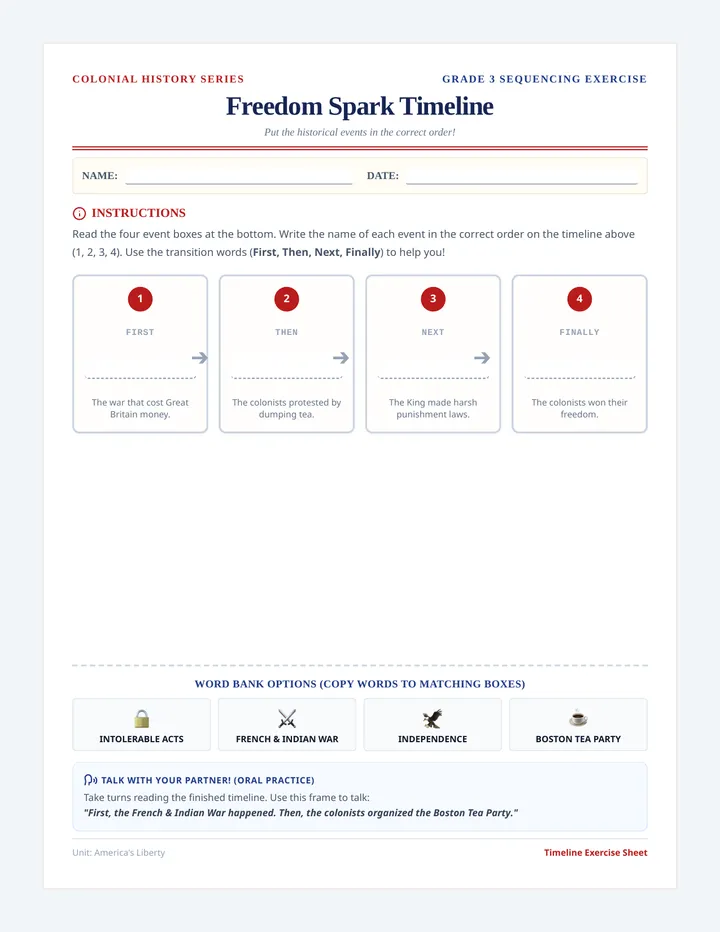
An introductory history lesson on the key events leading to the American Revolutionary War, designed specifically for third-grade English Language Learners (ELL). It includes a visual vocabulary cloze worksheet, interactive matching cards for learning events, and a comprehensive facilitation guide for teachers.
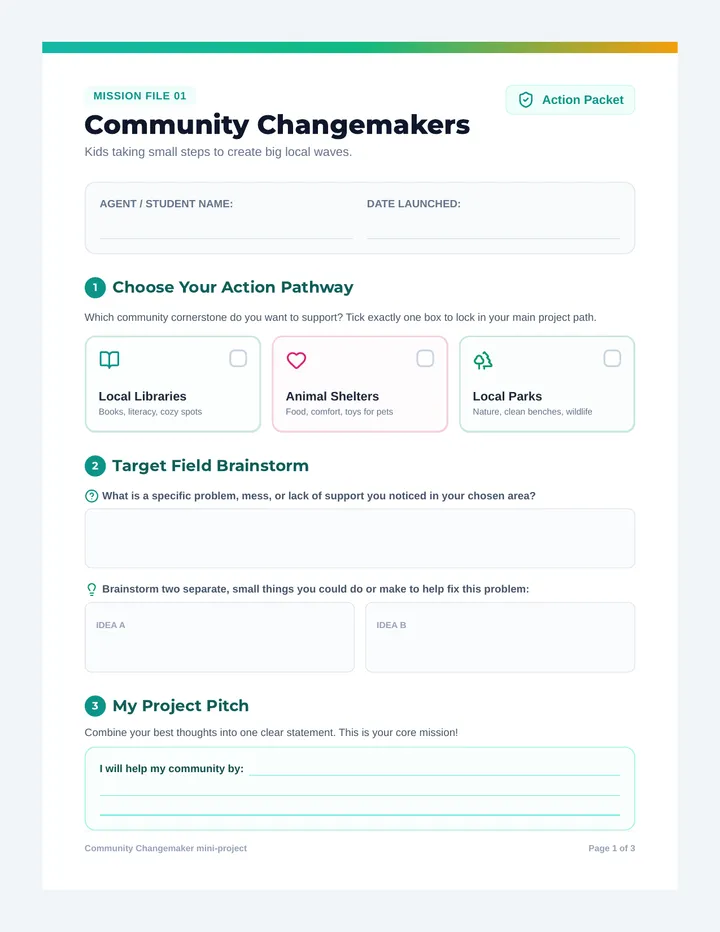
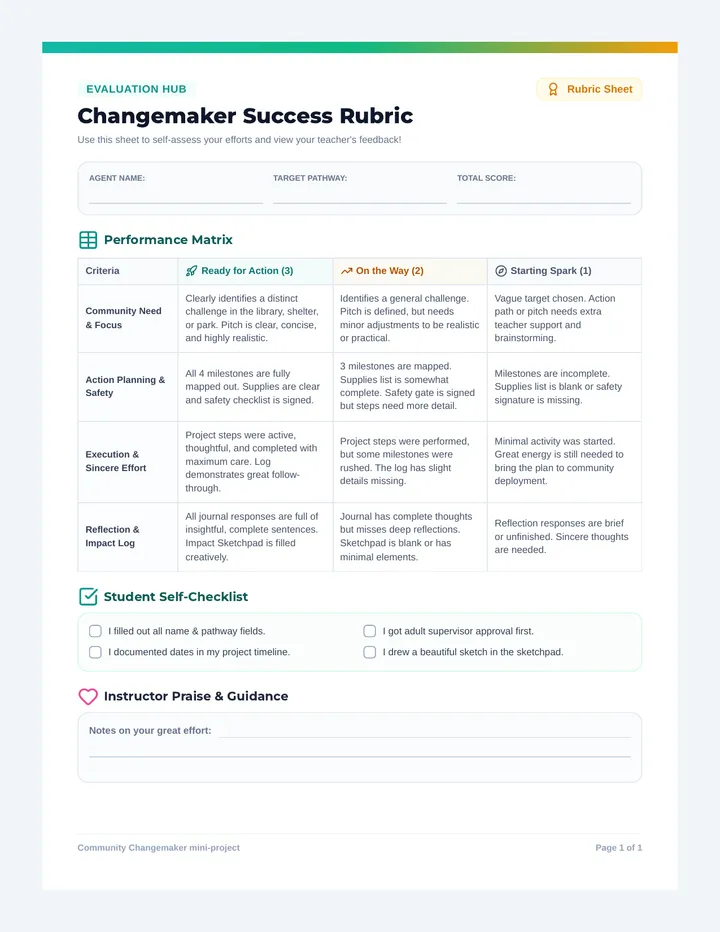
A mini-project curriculum designed to empower young students to become local community changemakers. It guides them through brainstorming, planning, and executing simple, impactful action projects for local libraries, animal shelters, or parks.
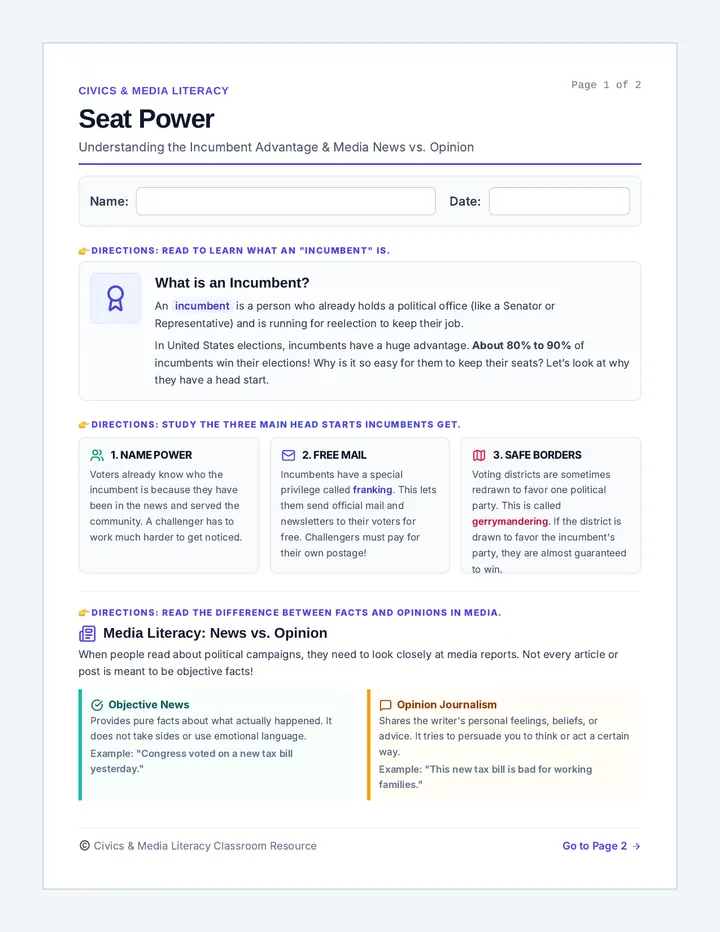
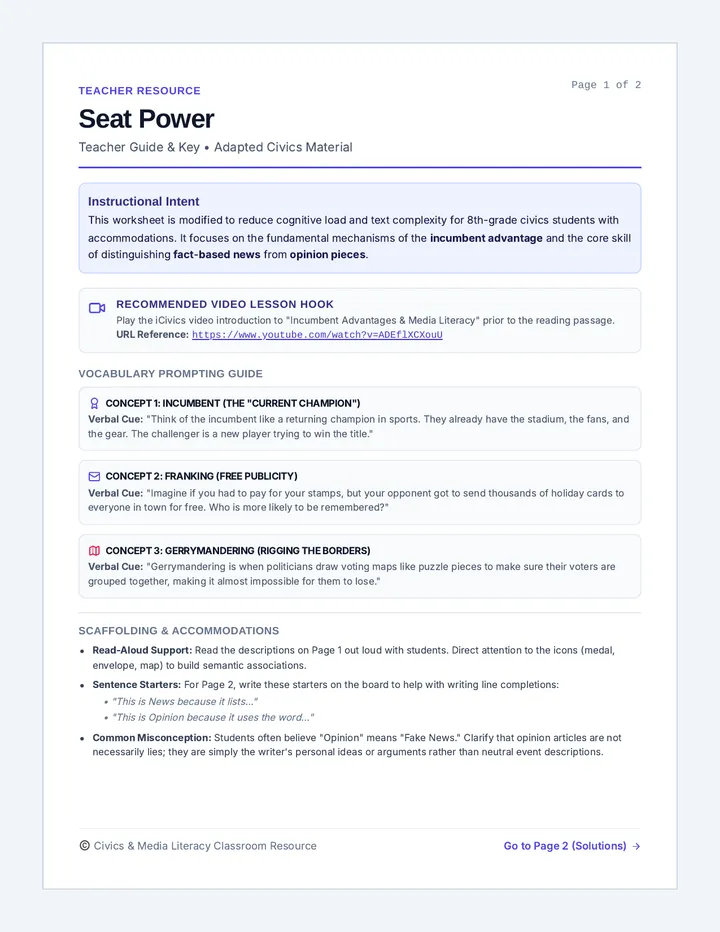
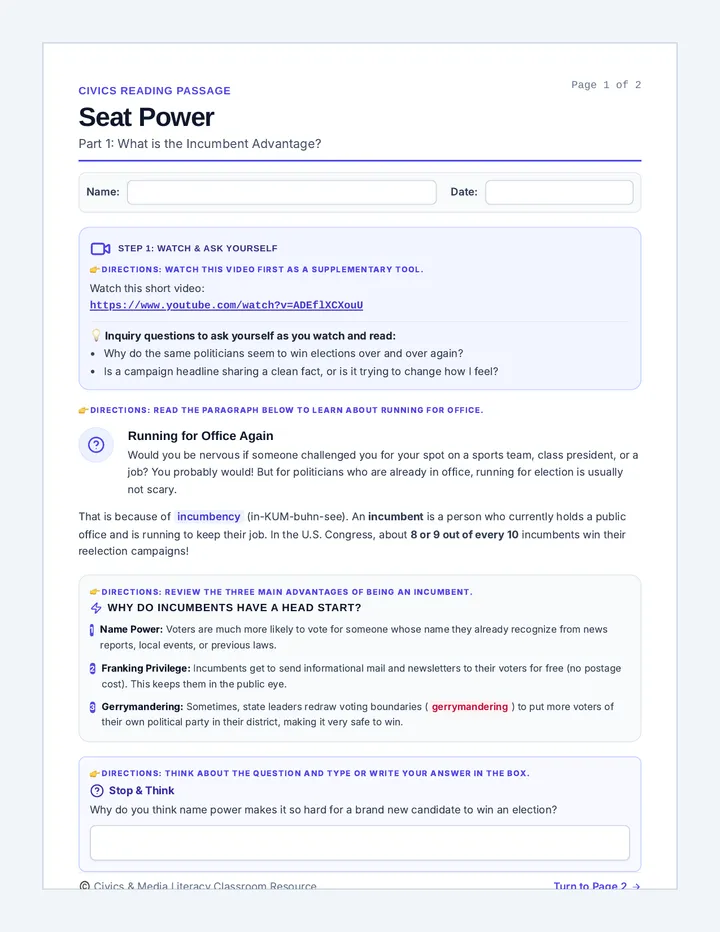
A foundational civics lesson on incumbency, electoral advantages, and media literacy. Students explore why current politicians usually win reelection and learn to distinguish between objective news reports and opinion articles.
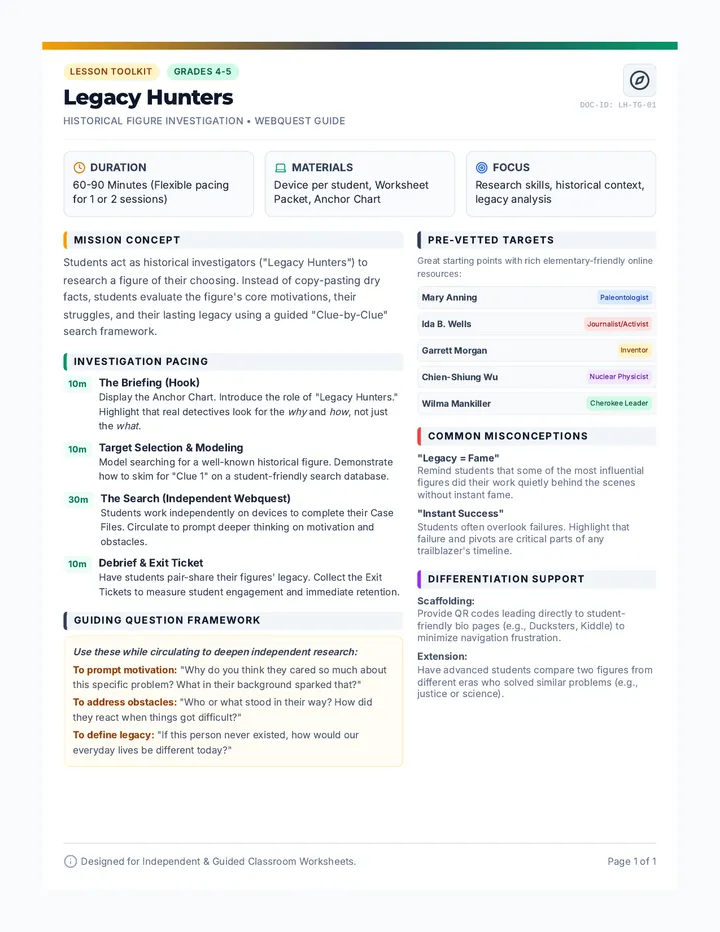
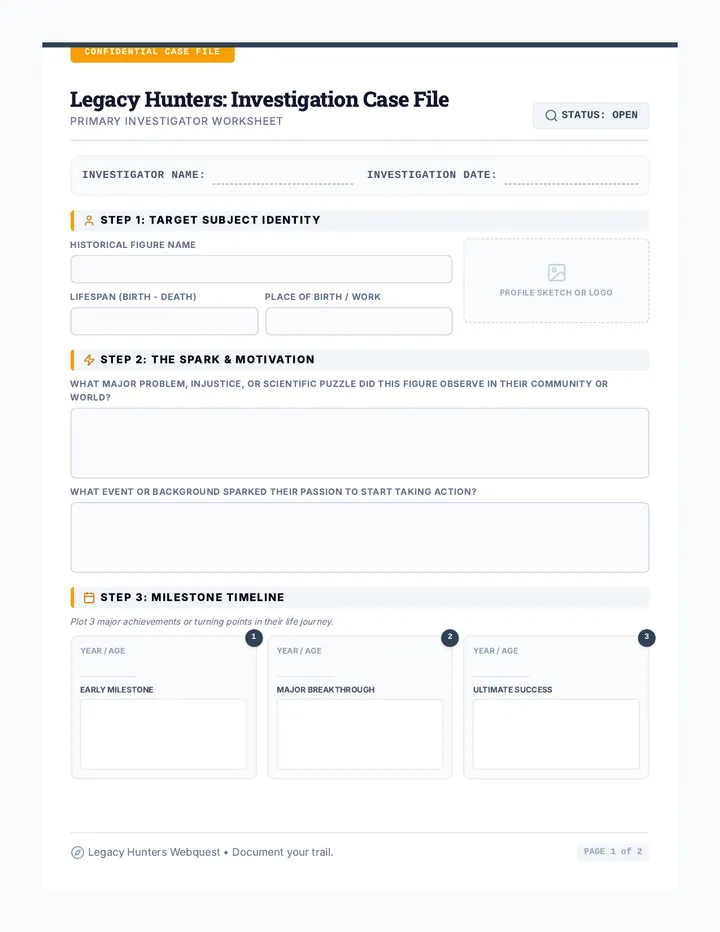
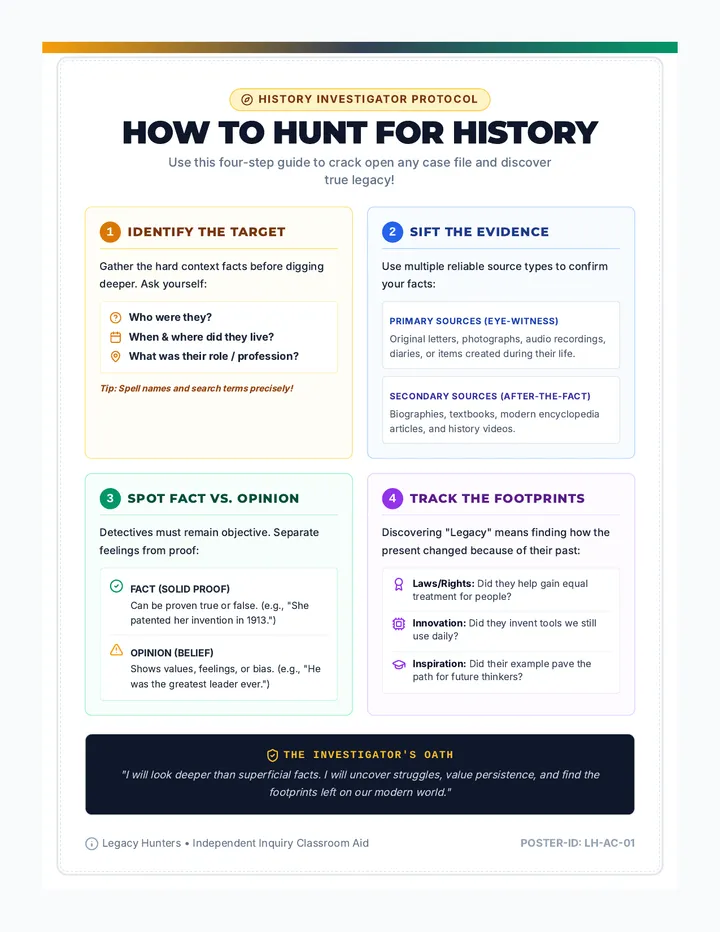
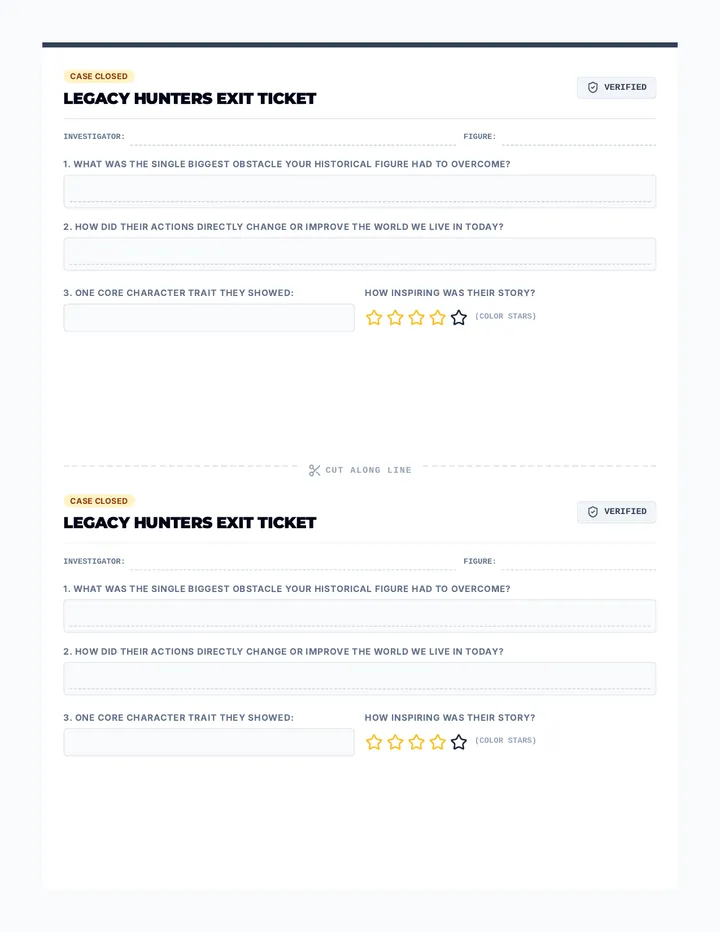
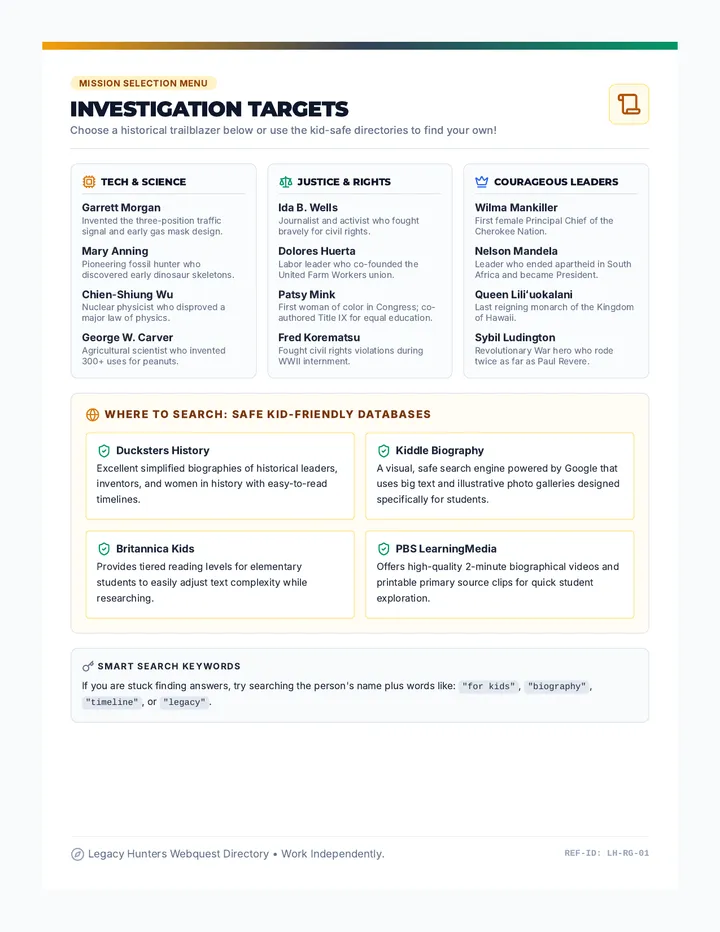
A complete history webquest lesson bundle designed for late elementary students to independently research diverse historical figures. Students act as research detectives to discover the lives, struggles, and lasting legacies of inventors, activists, and leaders.
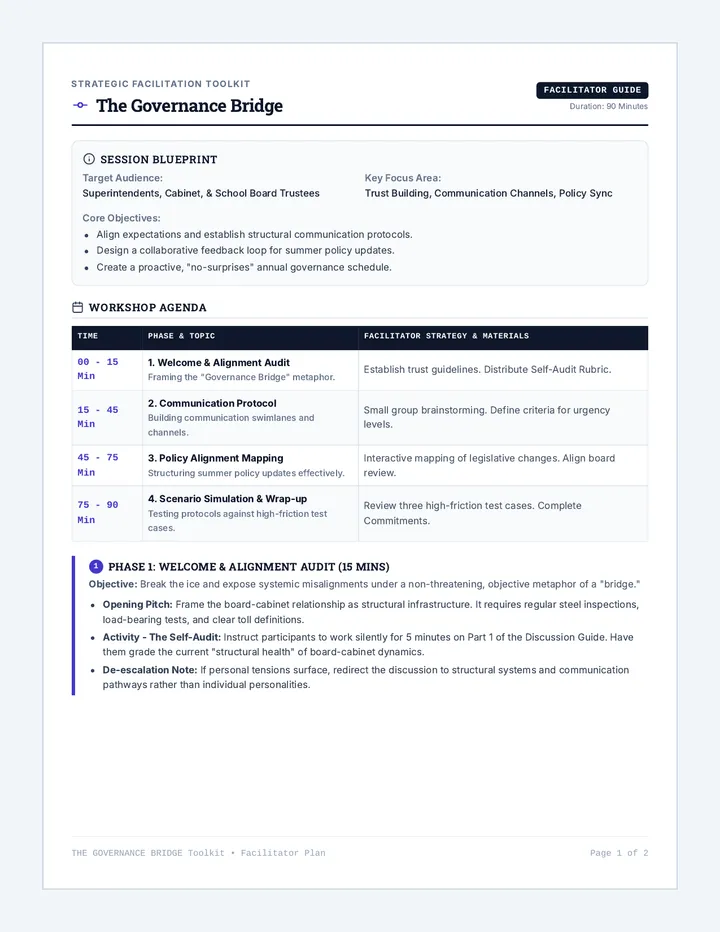
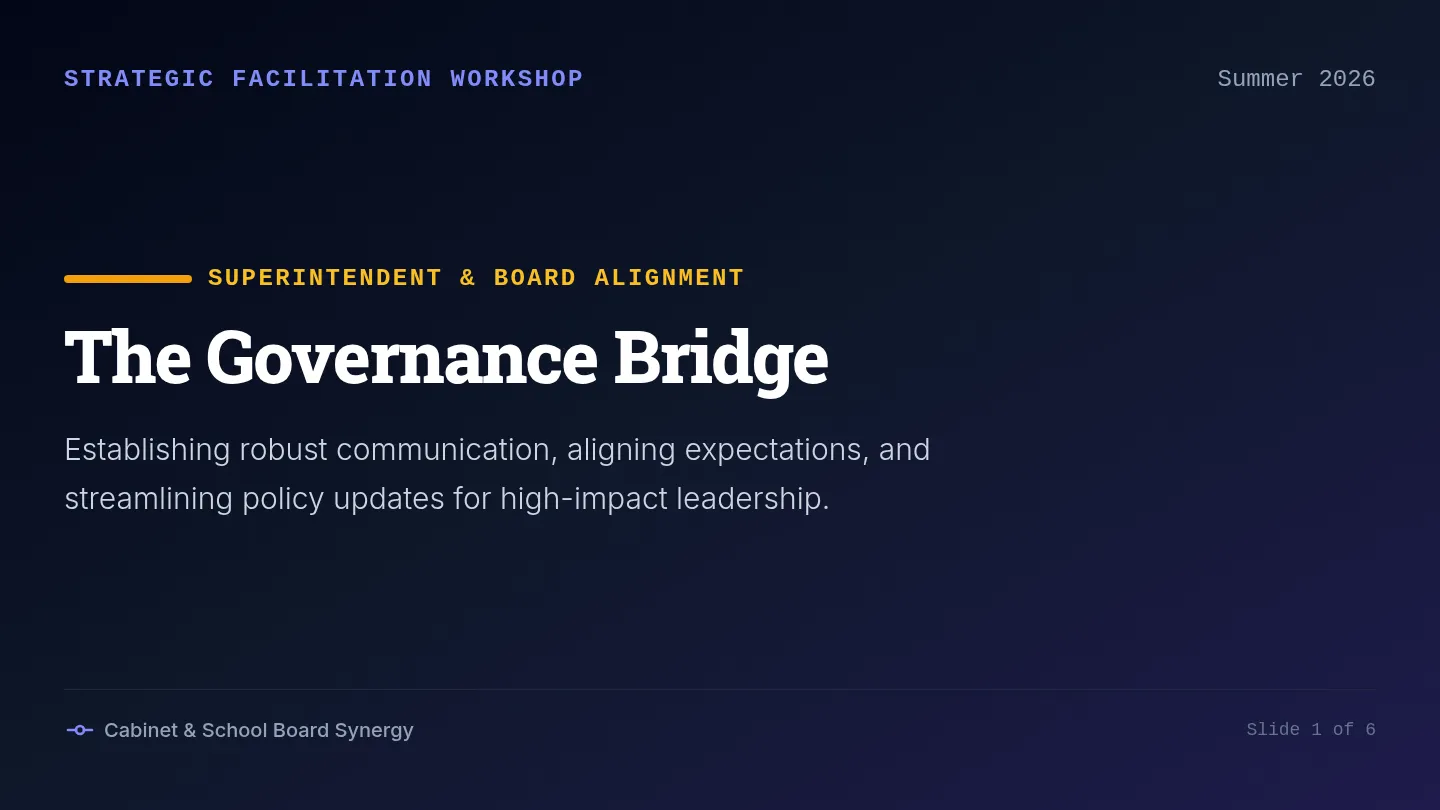
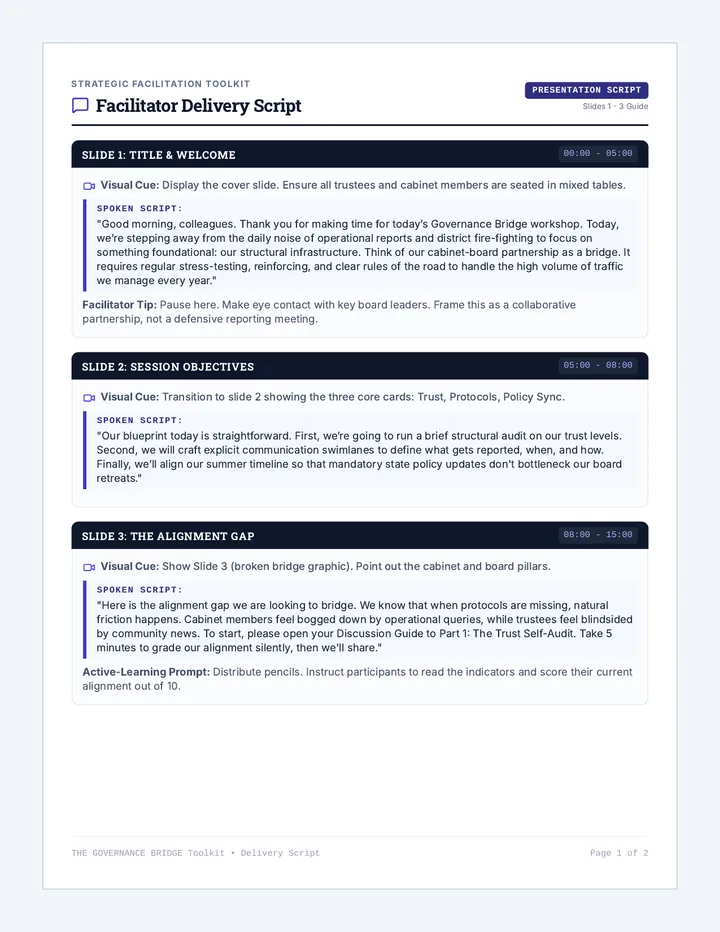
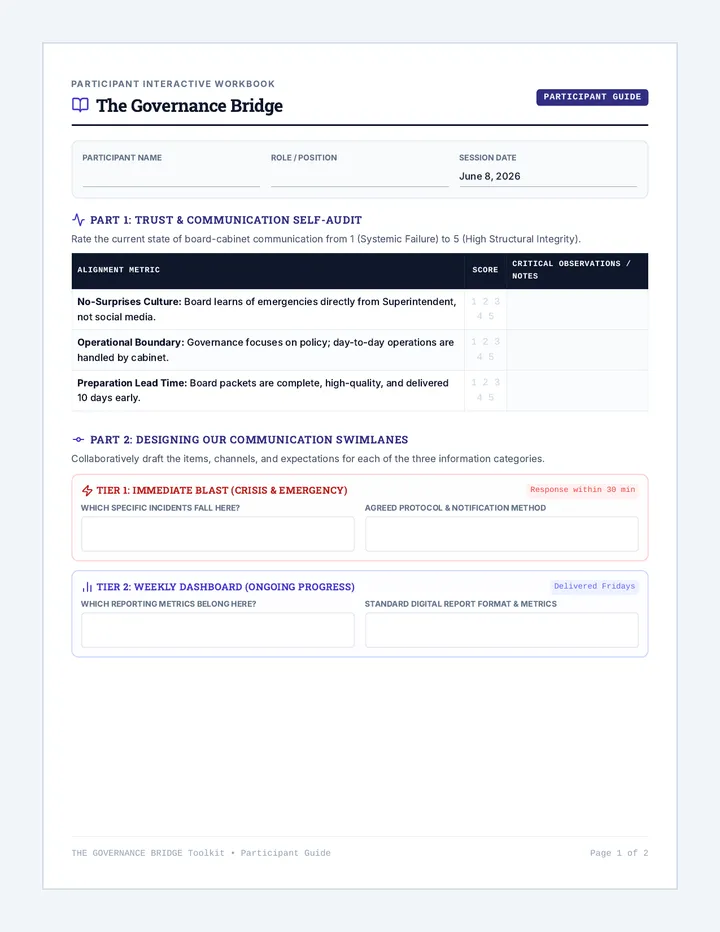
A comprehensive facilitation toolkit designed for superintendents, cabinets, and school boards to establish robust communication, align expectations, and streamline summer policy updates.
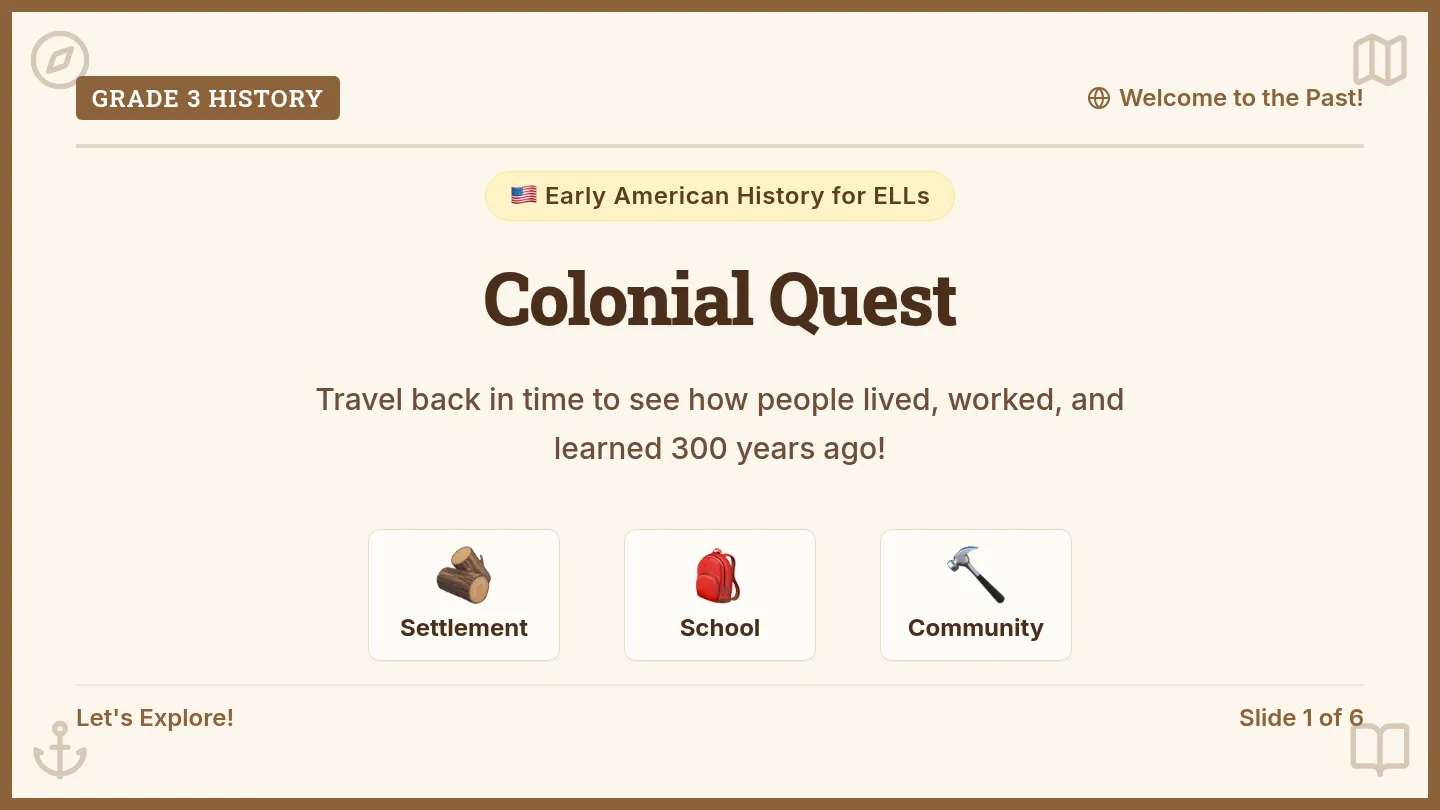
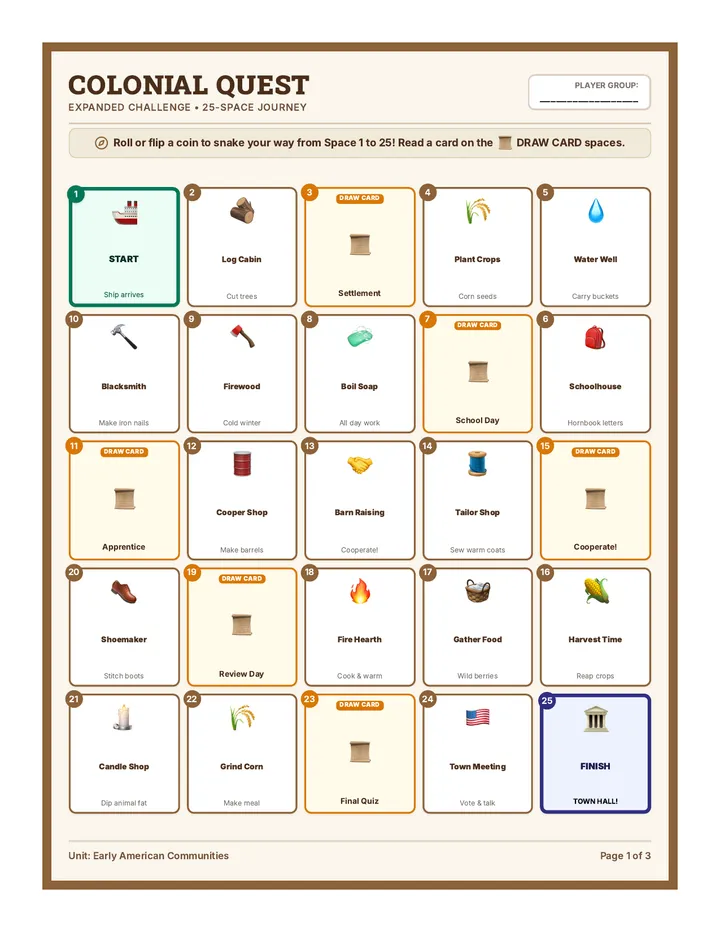
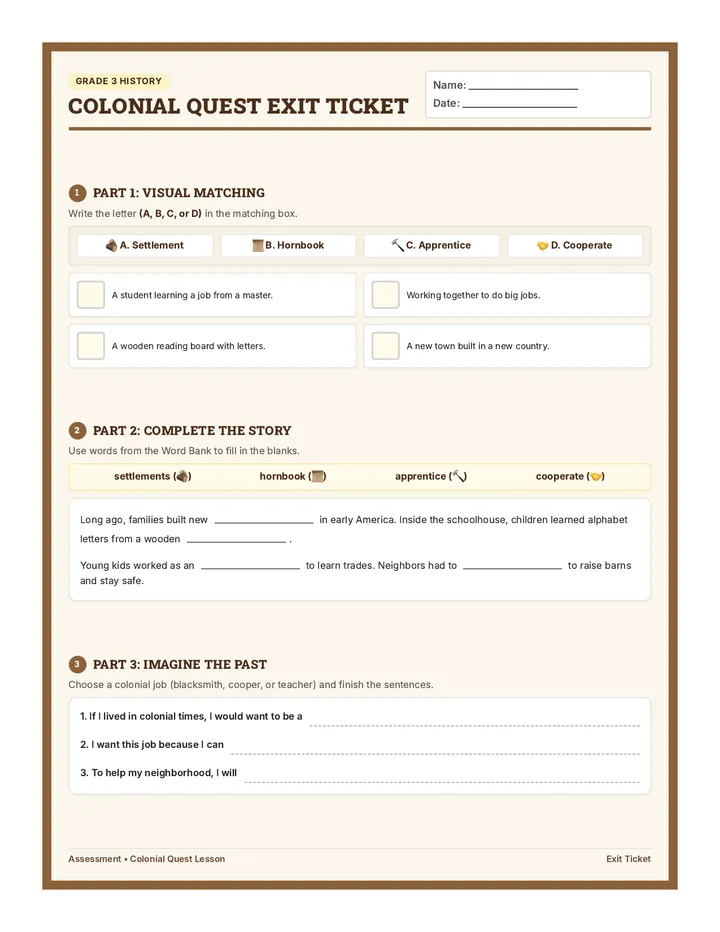
A game-based, ELL-friendly lesson exploring colonial American life including settlements, schools, and community work. Includes a visual vocabulary slide deck, a printable board game, and a scaffolded graphic exit ticket.
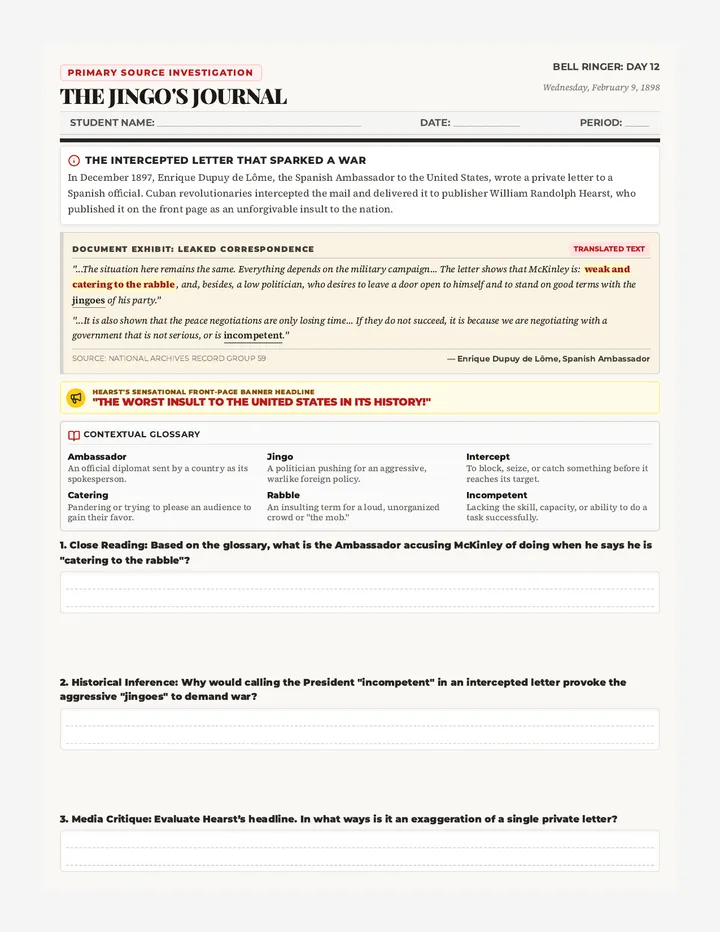
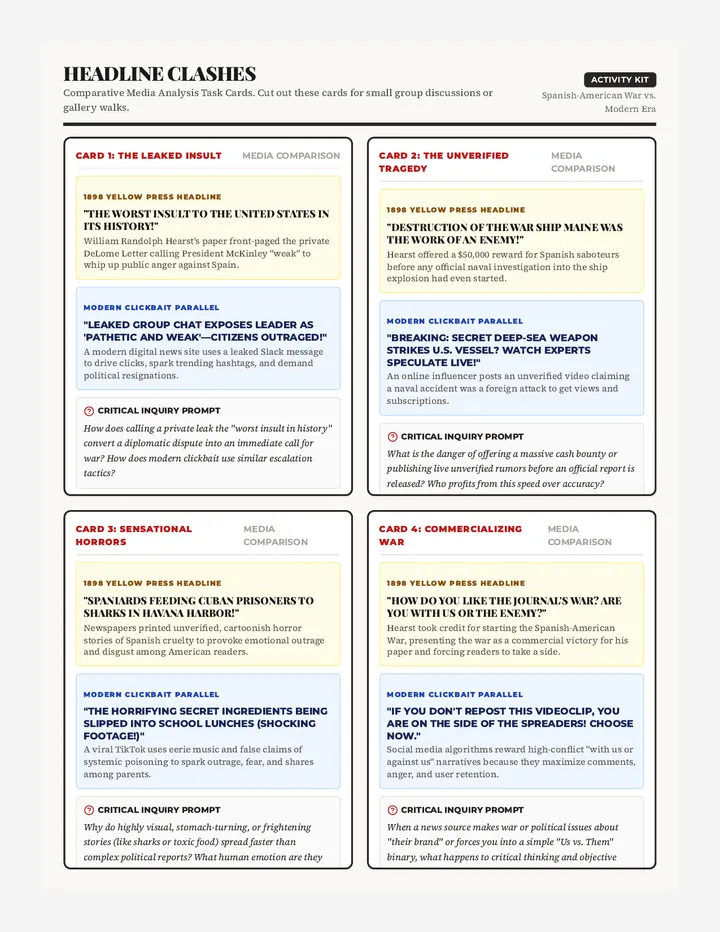
Students examine yellow journalism through the lens of the historical DeLome Letter leak of 1898. They analyze sensationalized media, understand the historical context of the Spanish-American War, and draw parallels to modern media.
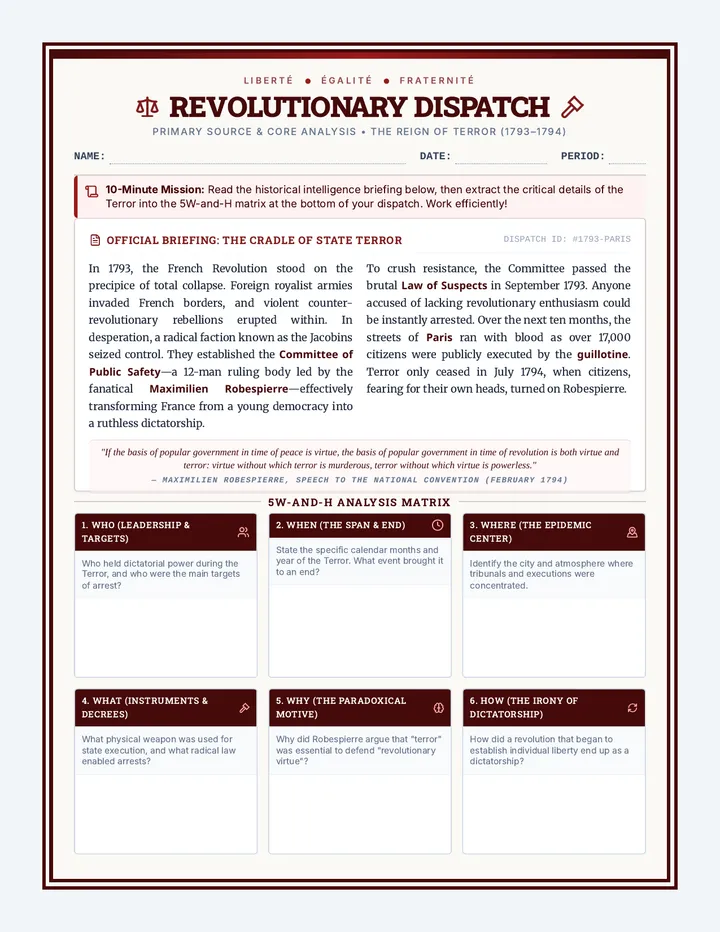
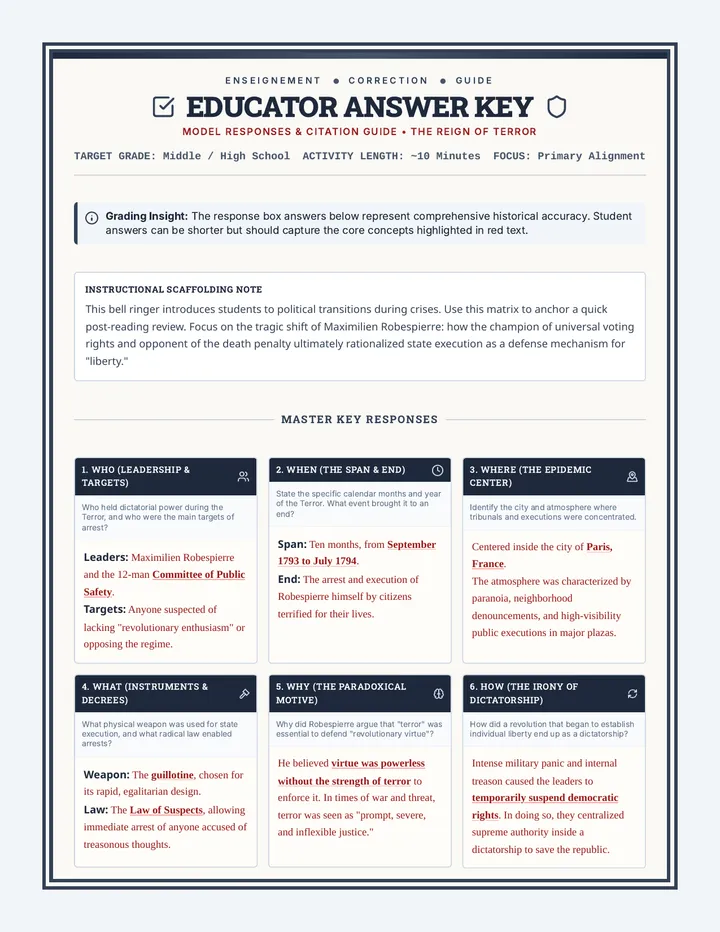
A deep dive into the French Revolution's bloodiest phase, analyzing how revolutionary ideals twisted into state-sponsored terror under Robespierre.
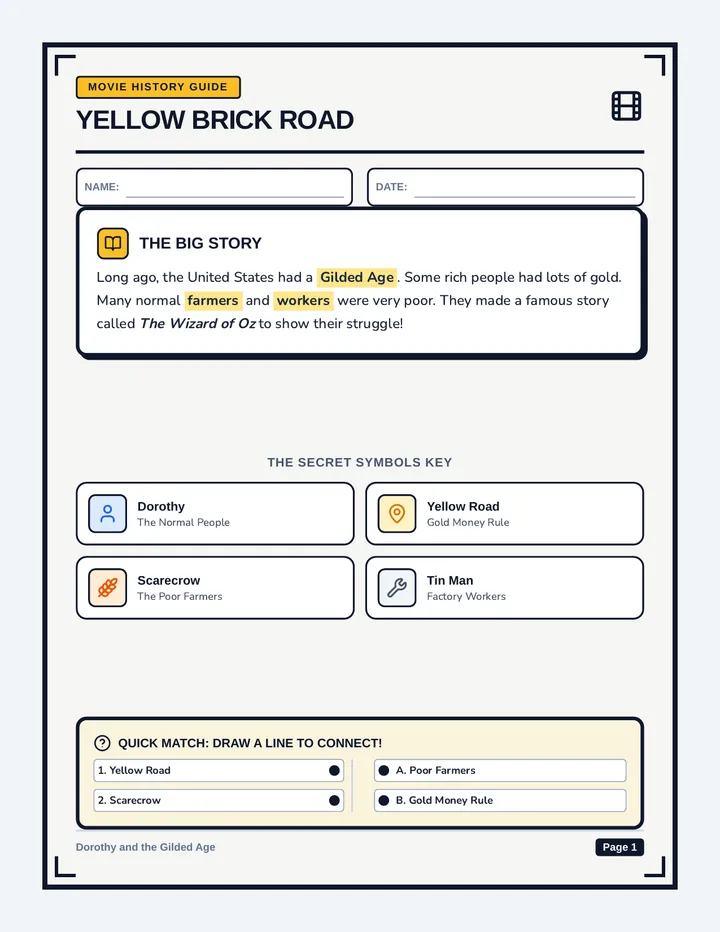
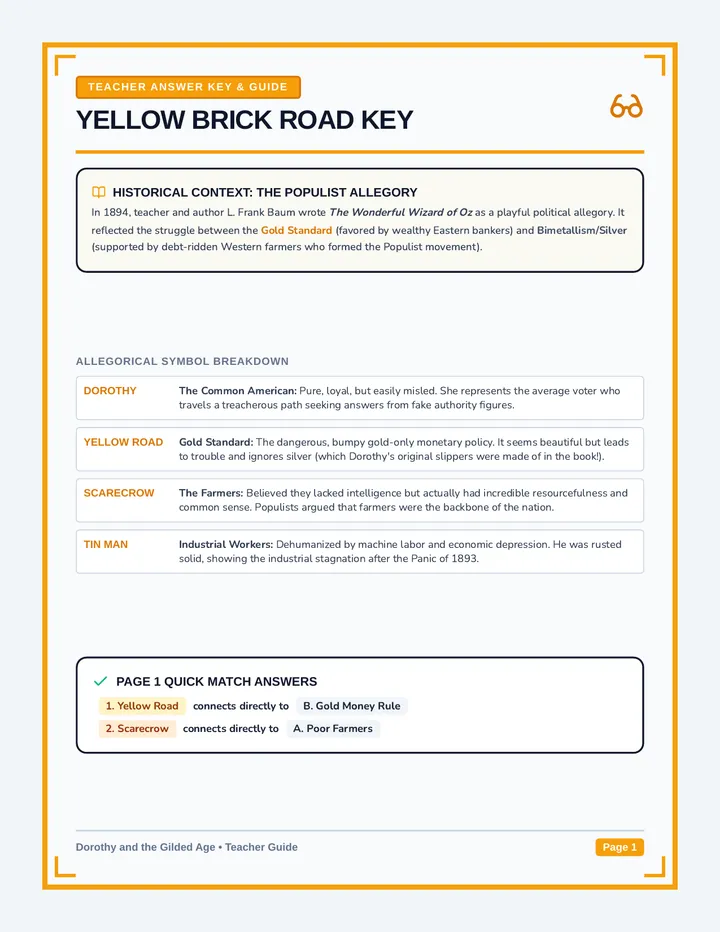
A highly accessible watch guide lesson linking The Wizard of Oz (1939) to Gilded Age politics (Populism, the Gold Standard, and industrial workers), designed specifically for middle school students reading at a 1st-grade level using visual matching, word banks, and literal multiple-choice questions.
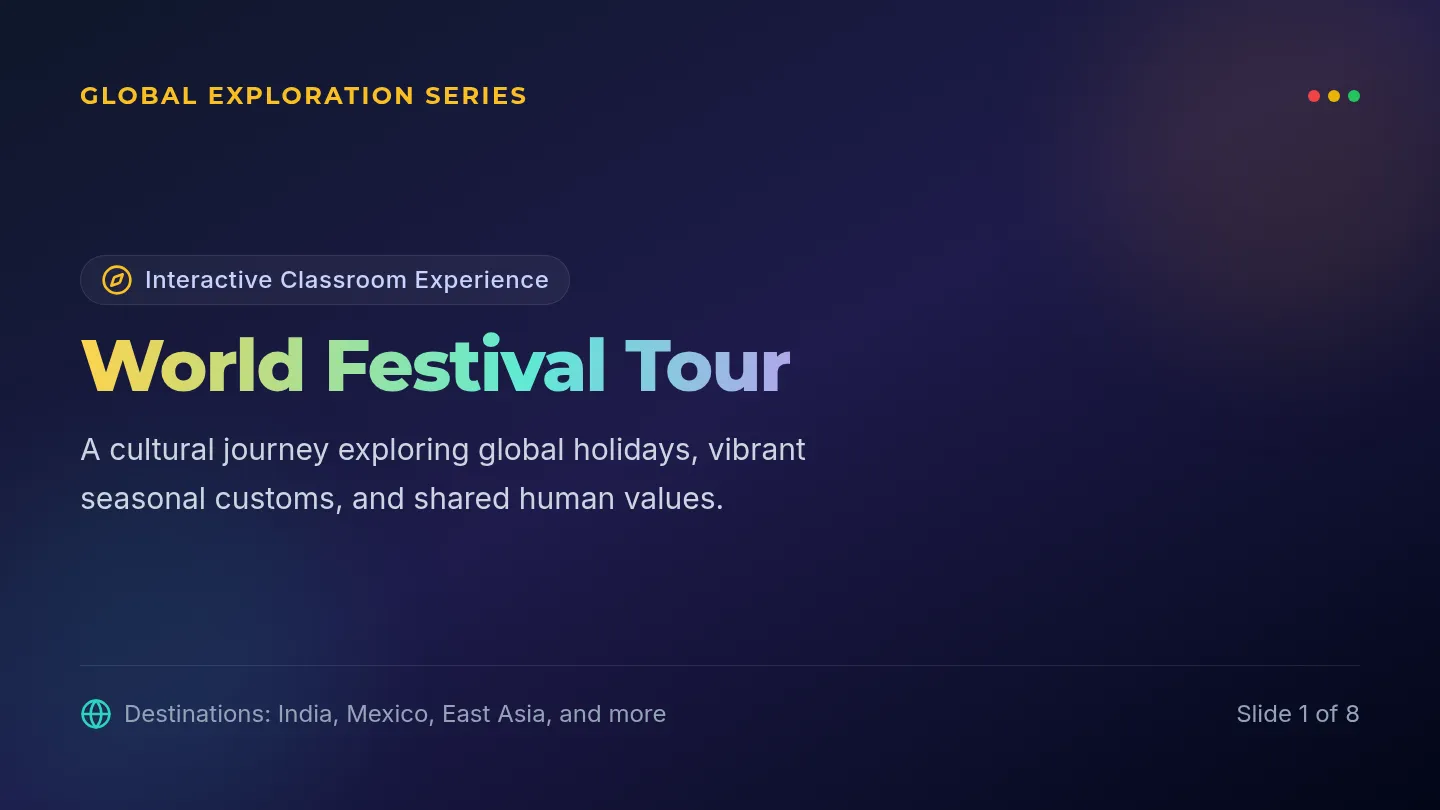
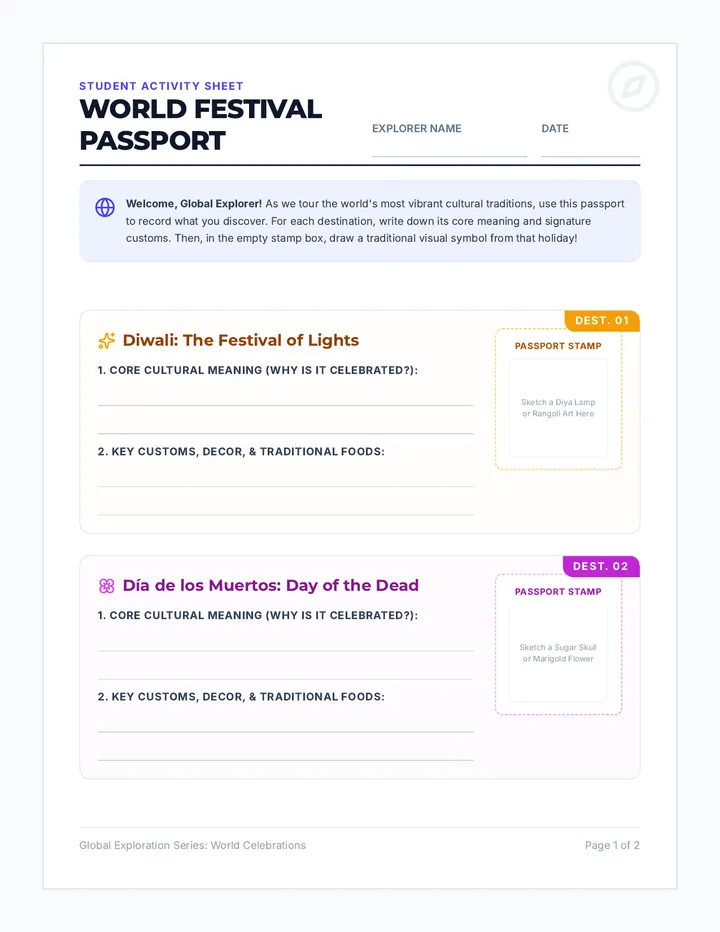
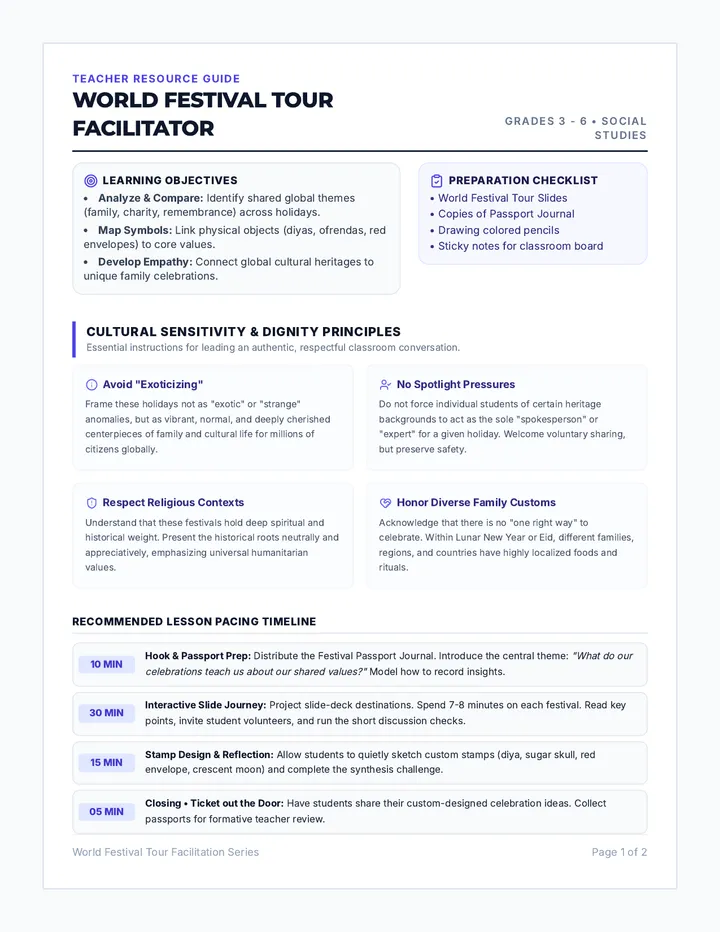
An engaging, multicultural lesson introducing students to four rich global celebrations: Diwali, Día de los Muertos, Lunar New Year, and Eid al-Fitr. The lesson explores cultural significance, seasonal customs, symbols, and values, supporting global citizenship and empathy.
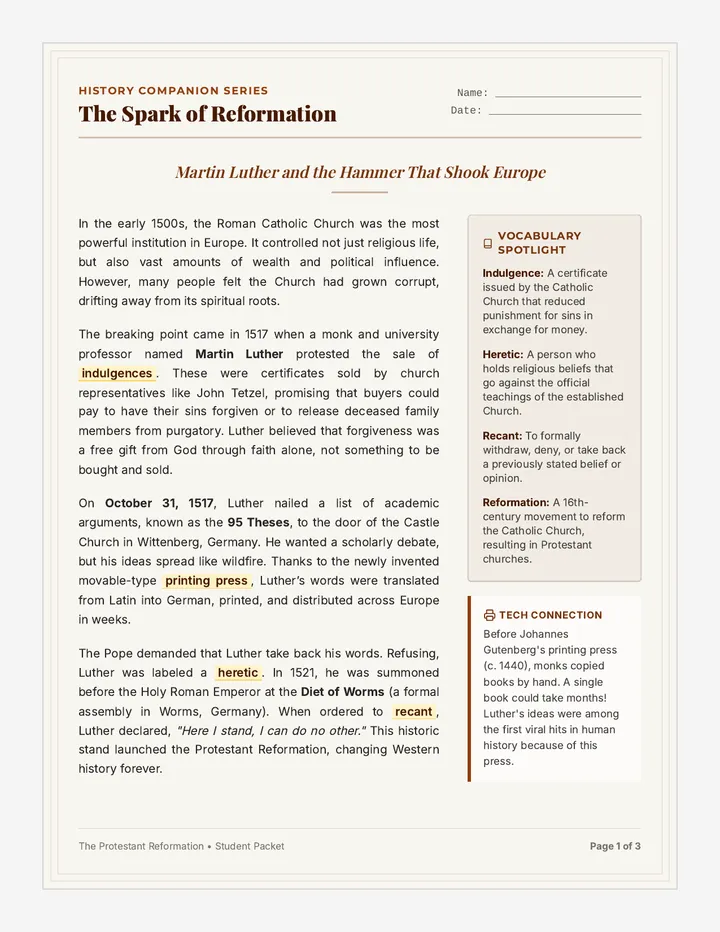
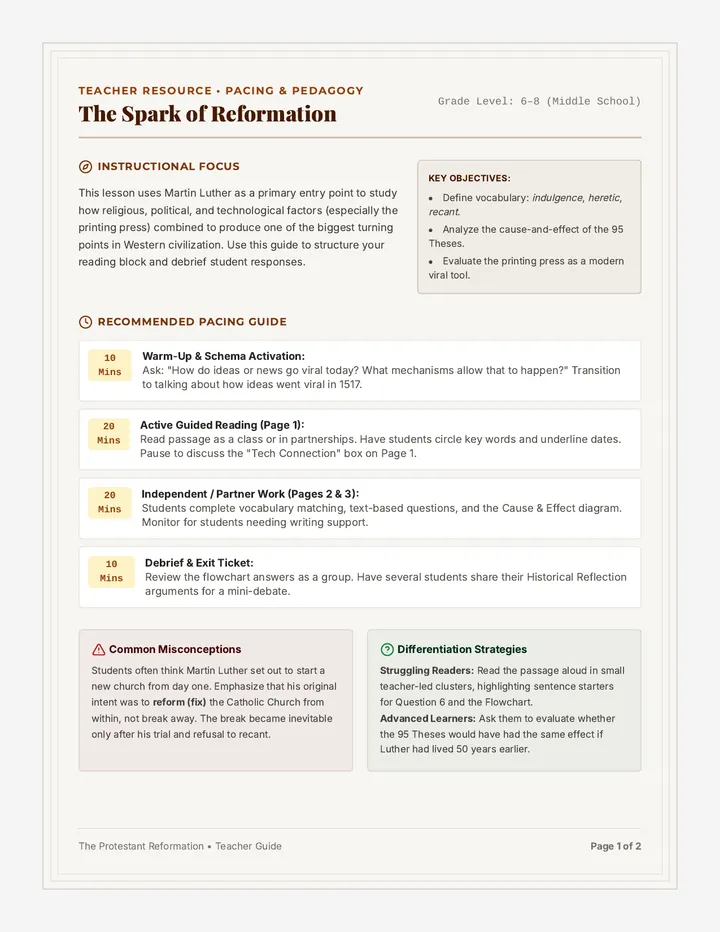
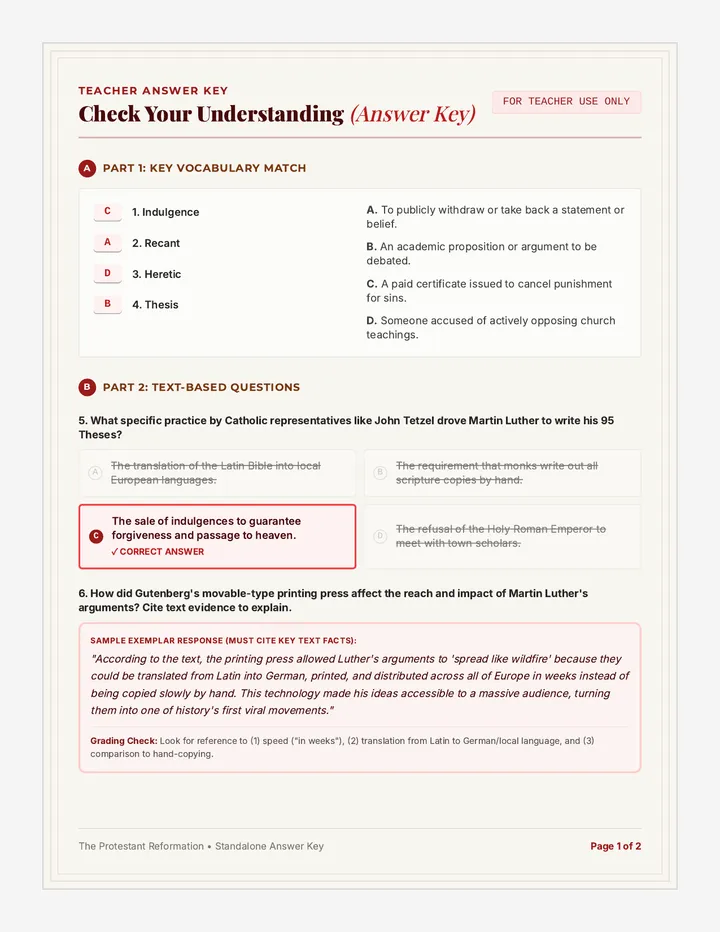
A middle school history lesson exploring Martin Luther's role in the Protestant Reformation, focusing on key biographical events, critical vocabulary, and cause-and-effect historical analysis.
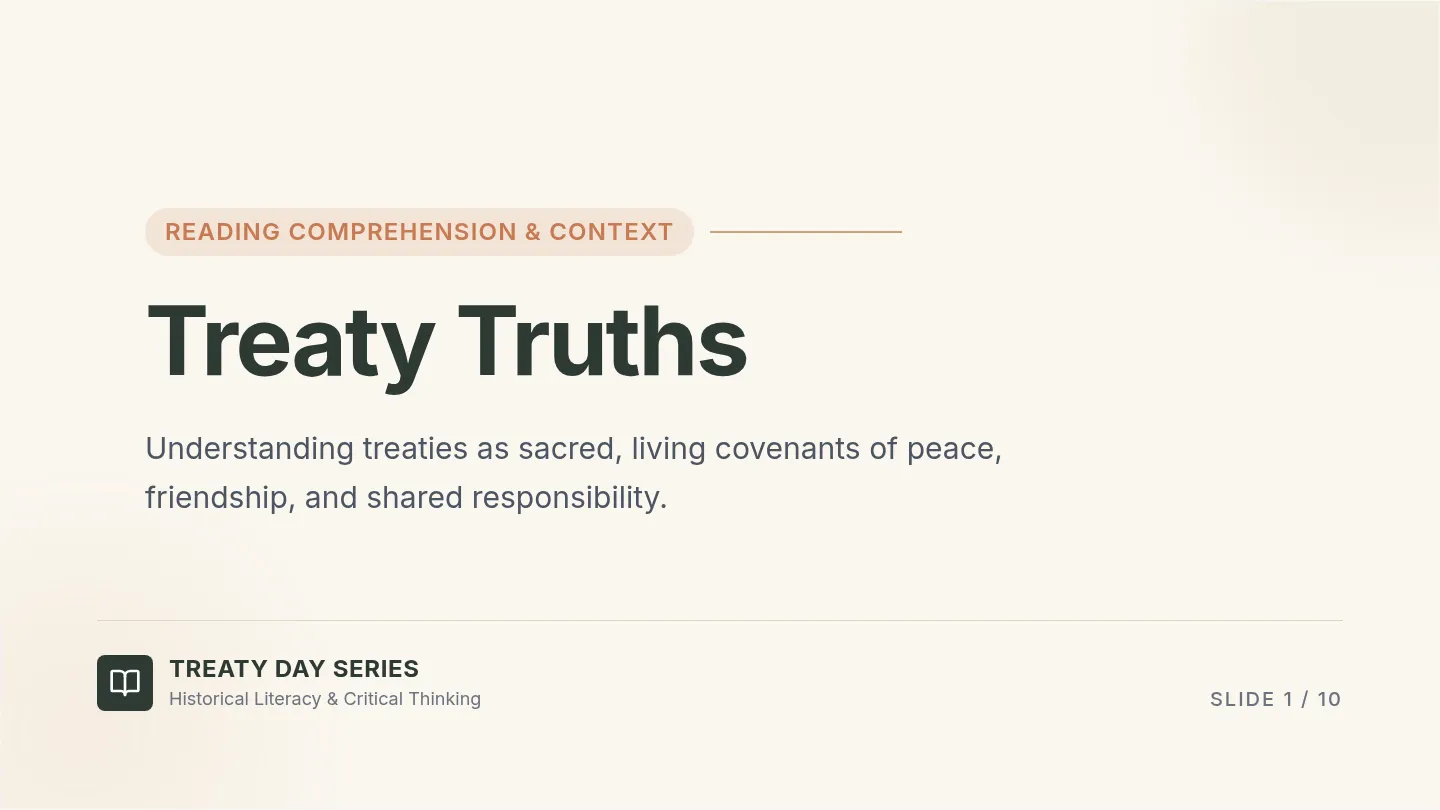
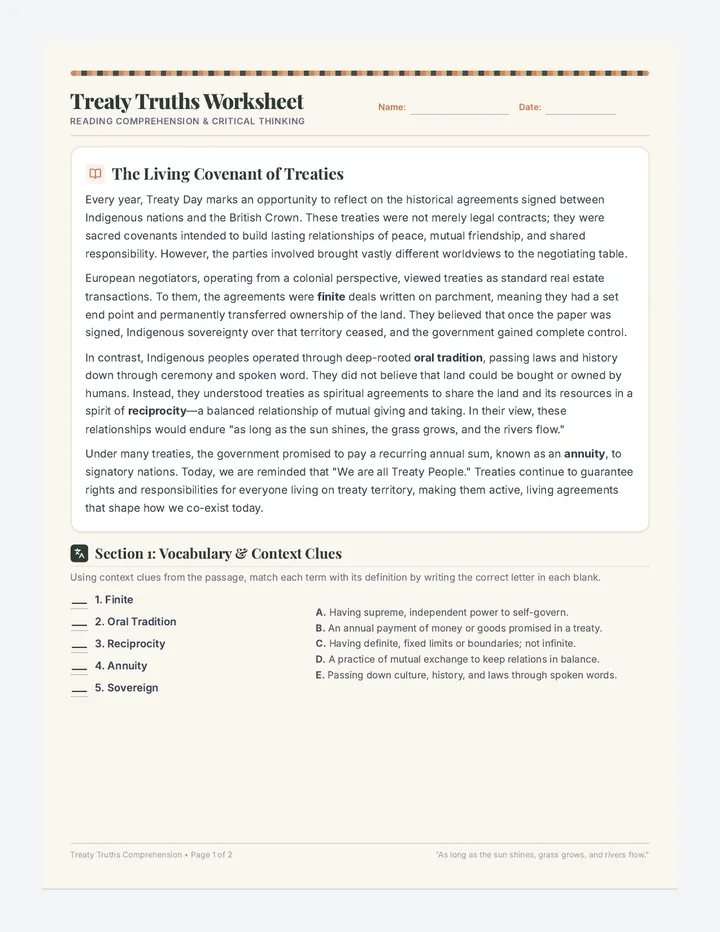
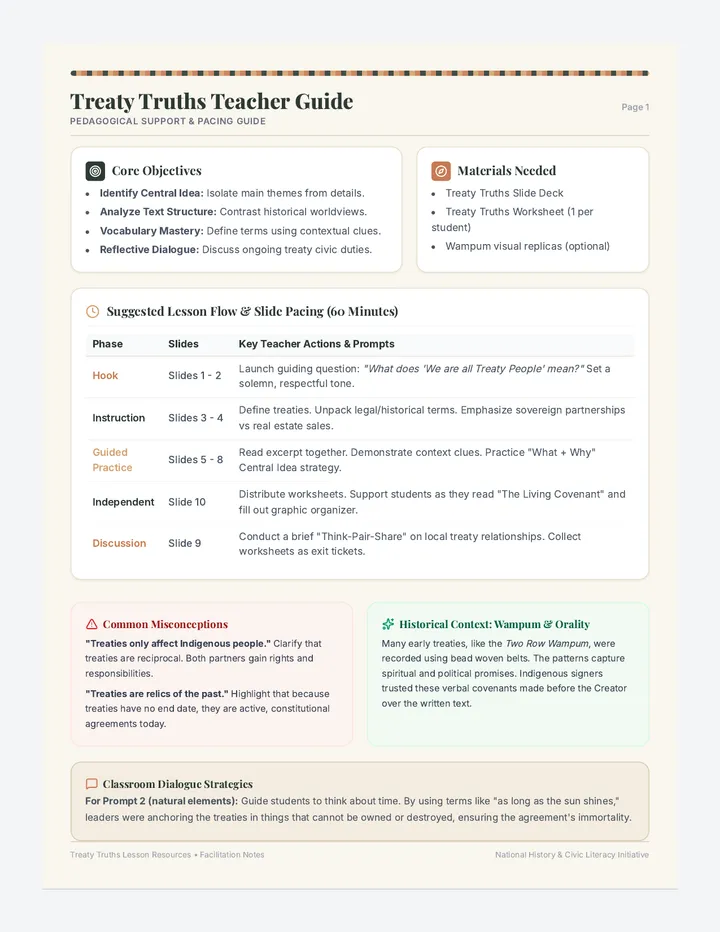
An interactive, historically grounded lesson exploring the significance of Treaty Day, focusing on central ideas, summarizing, and historical vocabulary. Students analyze the nature of treaties as sacred, ongoing agreements and practice identifying key themes and context clues.
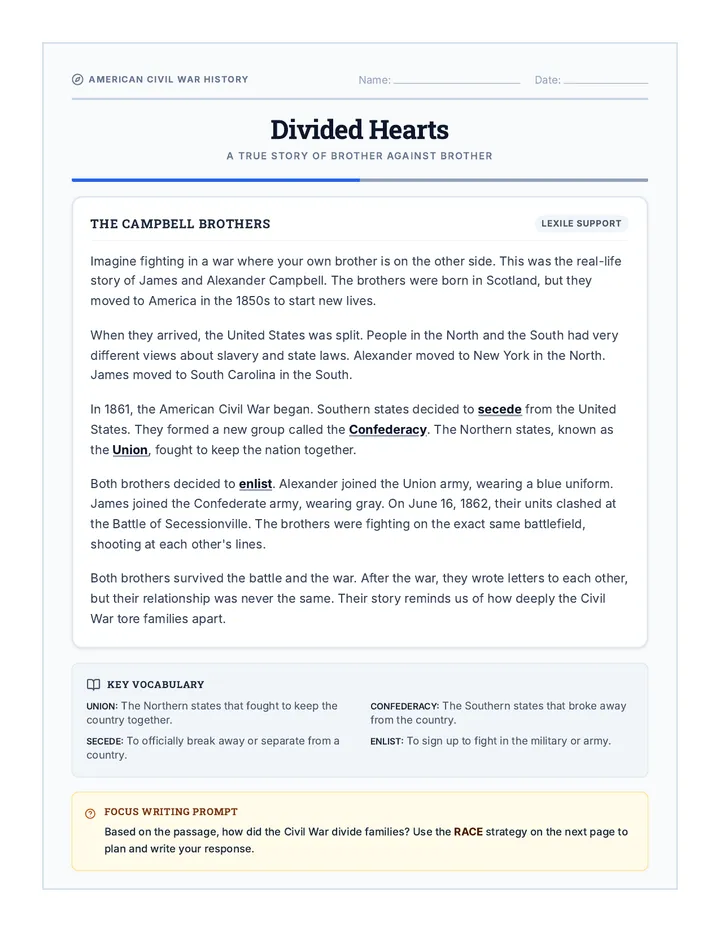
A lesson focused on the division of families during the American Civil War. It includes a simplified reading passage detailing the true story of the Campbell brothers and a structured RACE (Restate, Answer, Cite, Explain) response graphic organizer with student writing lines.
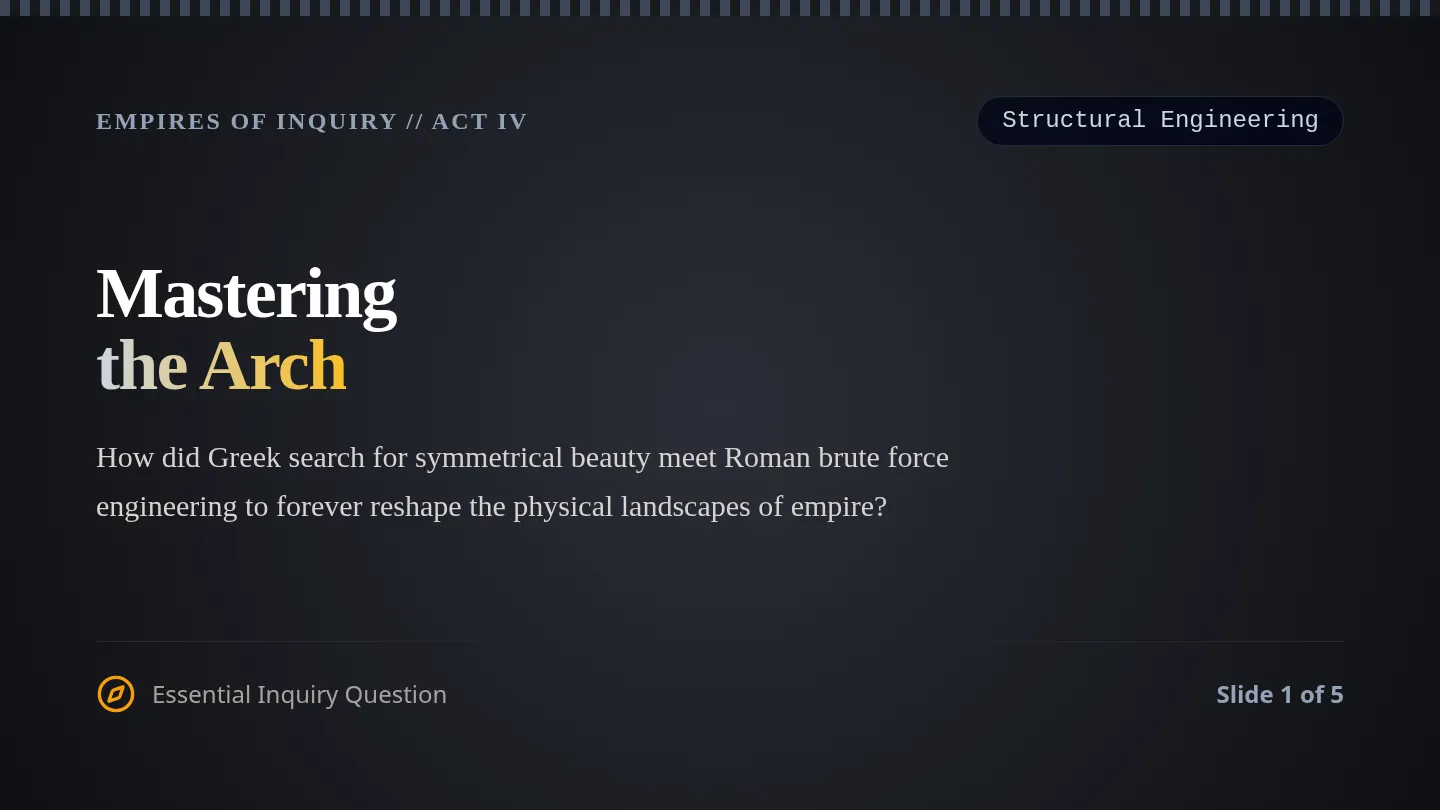
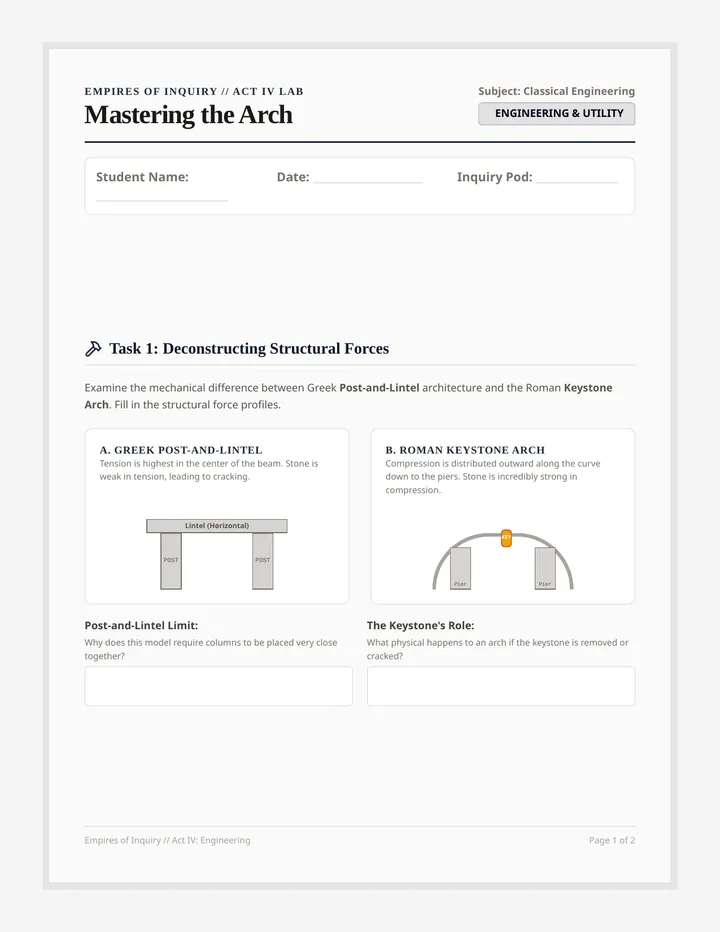
Students investigate the physical backbone of classical empires, comparing Greek structural harmony with Roman concrete engineering and infrastructural feats like aqueducts and roadways.
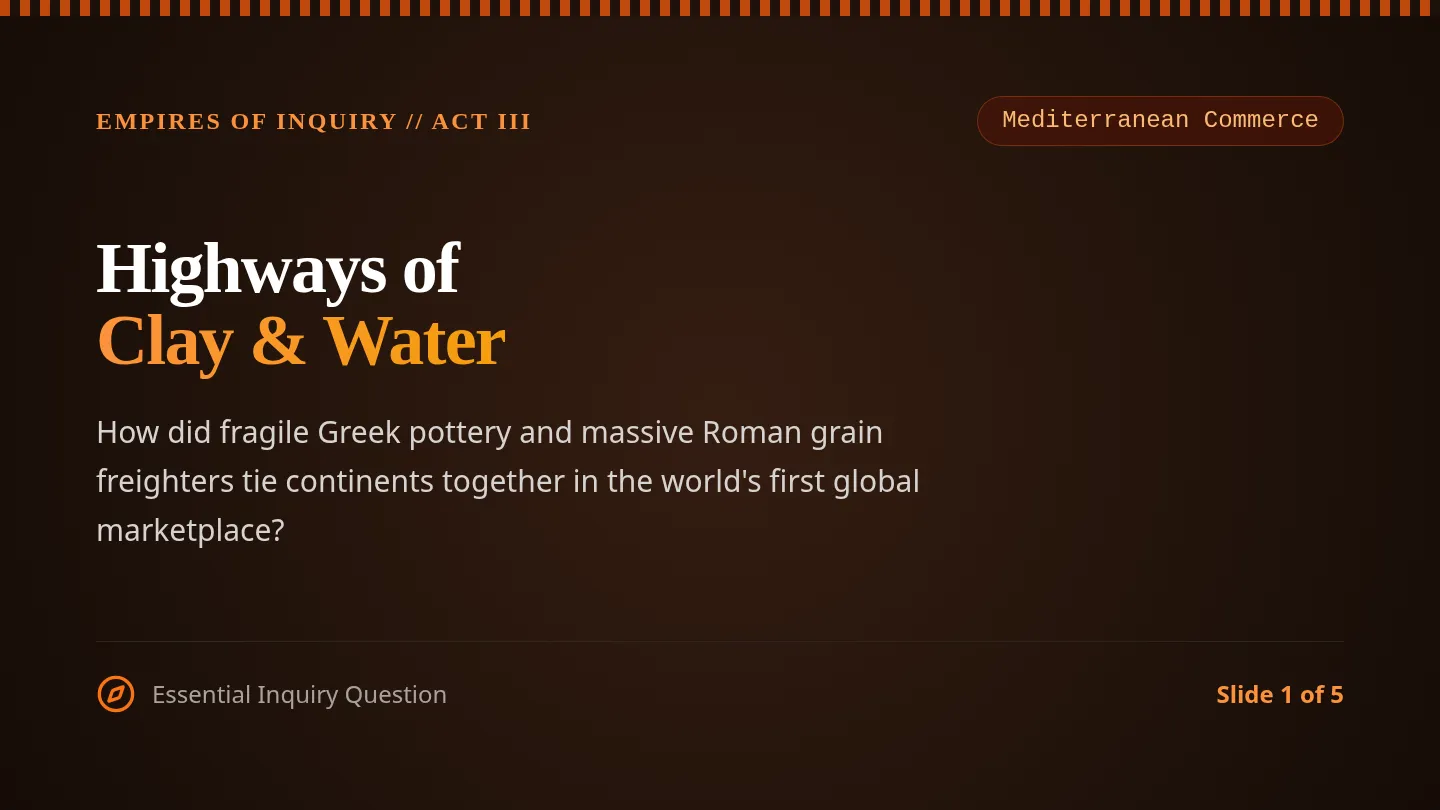
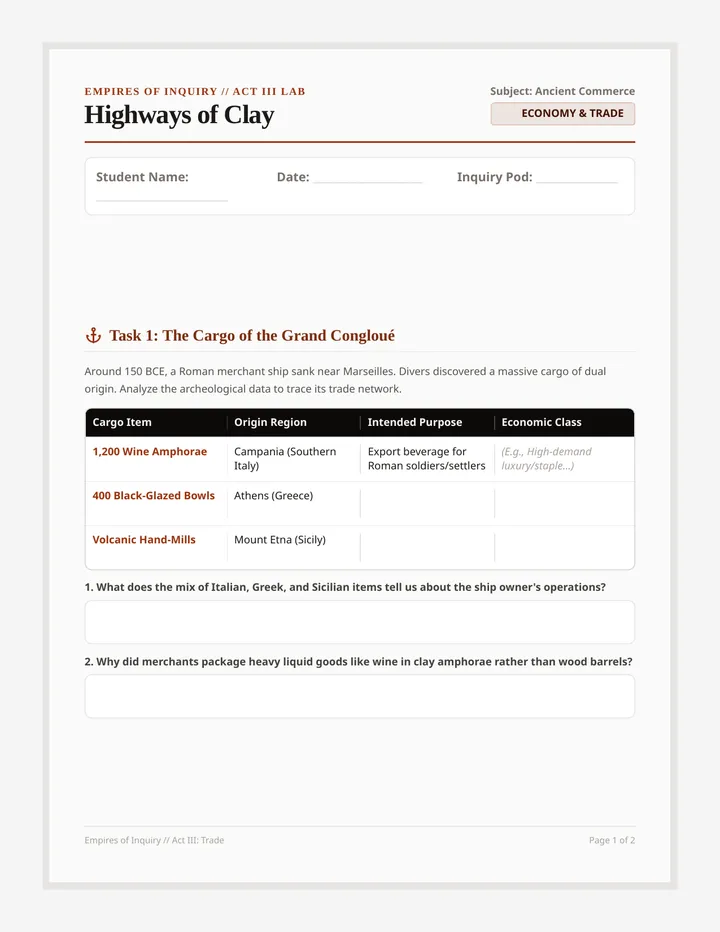
Students trace the economic veins of the Mediterranean, mapping how Greek ceramic trade and Roman maritime highways linked continents, exchanged technologies, and forged a globalized ancient marketplace.
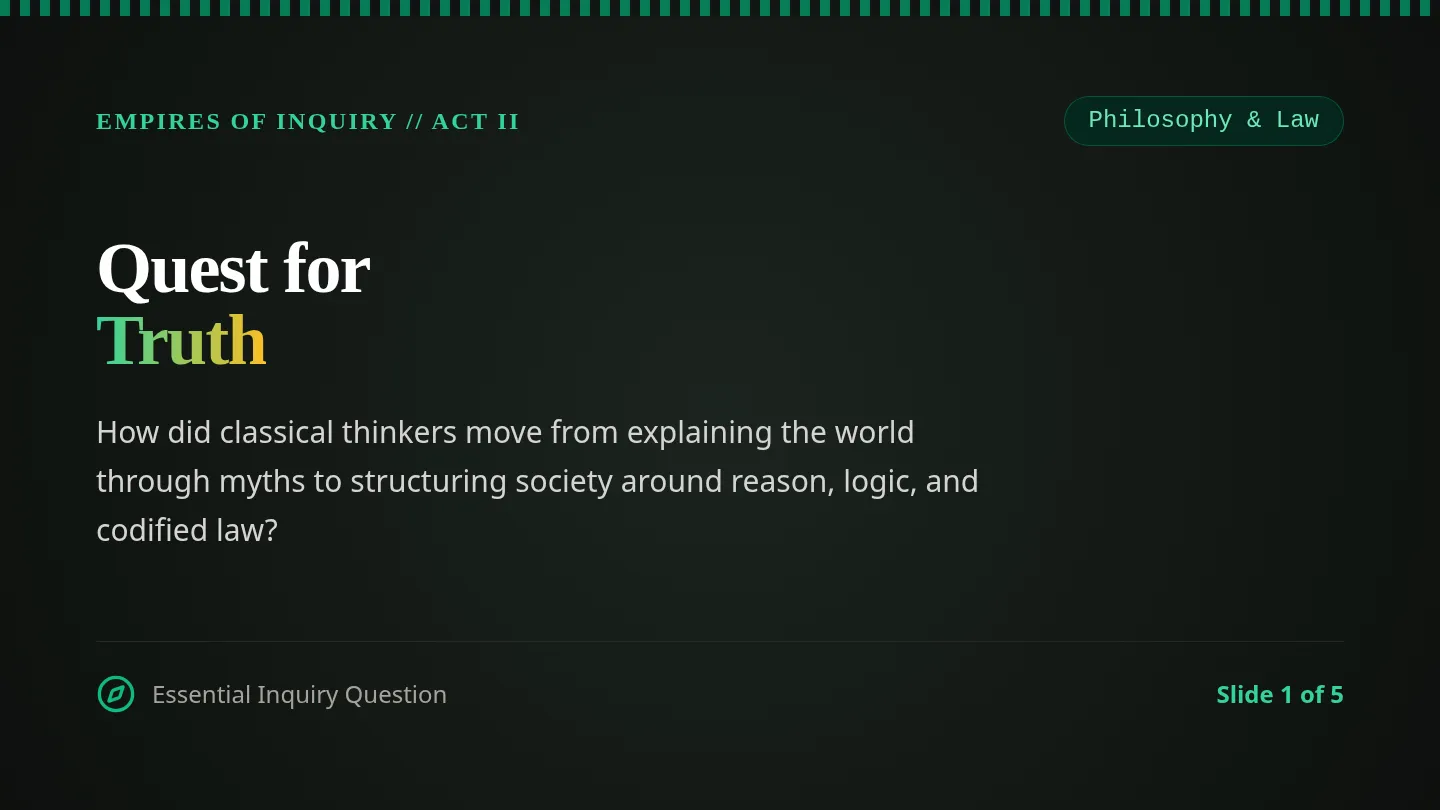
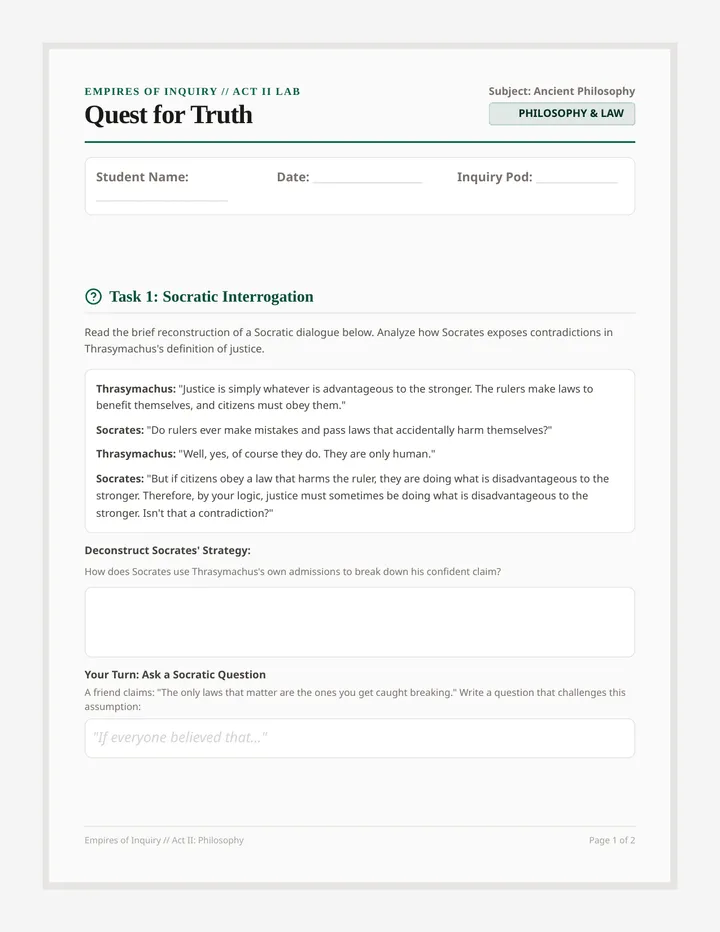
Students explore classical philosophical inquiries through Socrates, Plato, Aristotle, and Roman legal codes, examining how these intellectual frameworks defined ethics, civic duty, and the pursuit of truth.
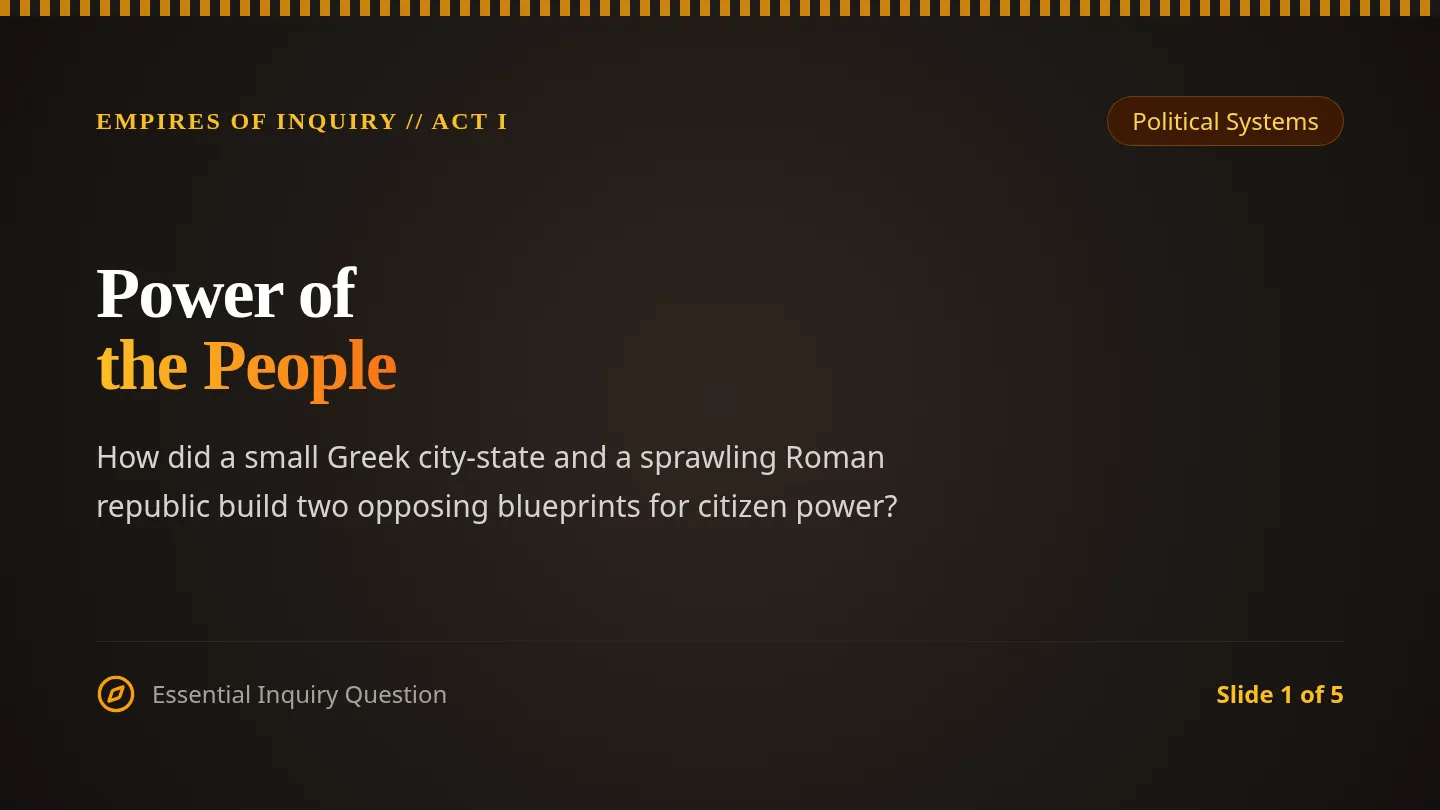
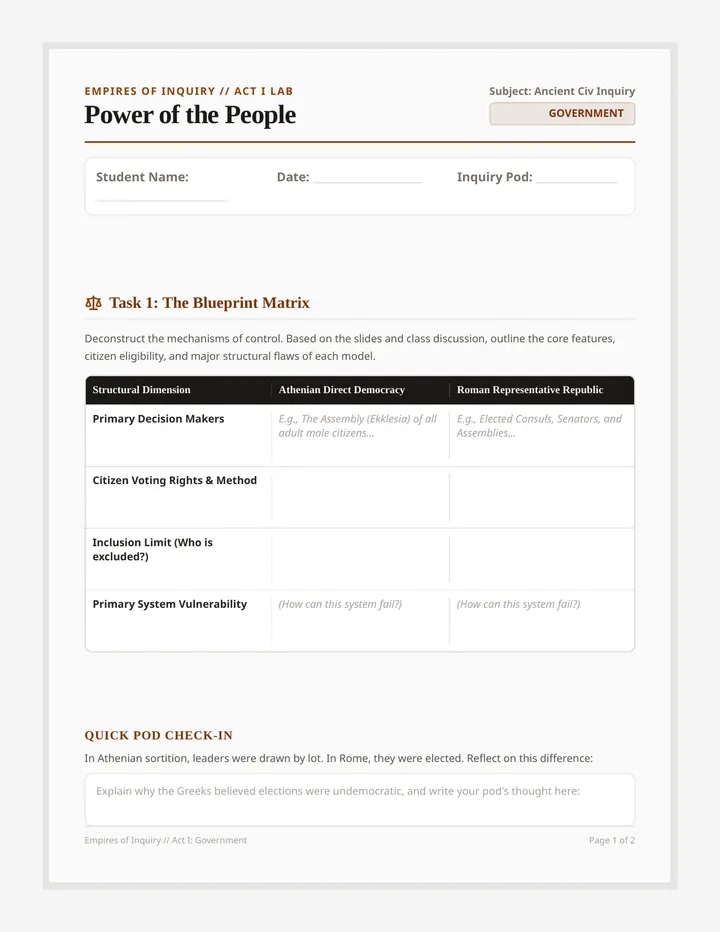
Students investigate the birth of democracy in Athens and the development of the republican system in Rome, comparing citizen participation, power structures, and modern democratic connections.
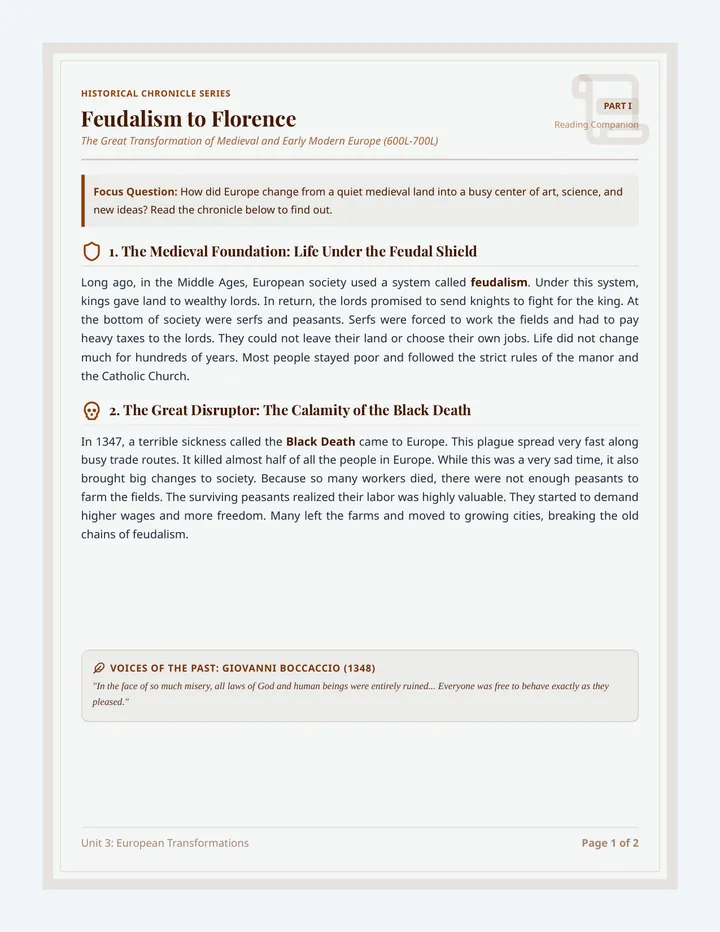
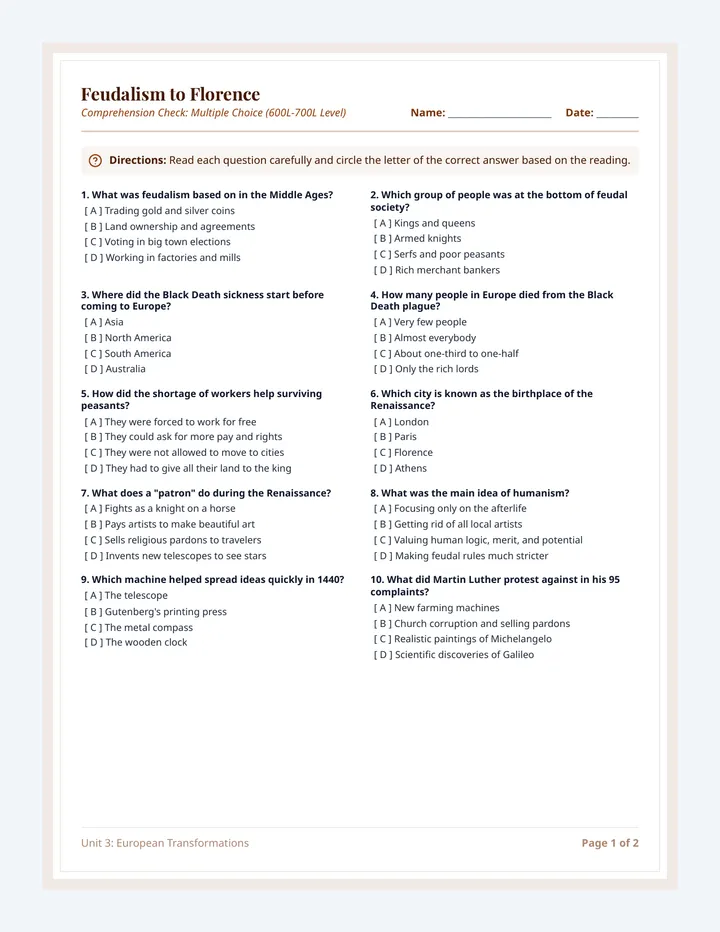
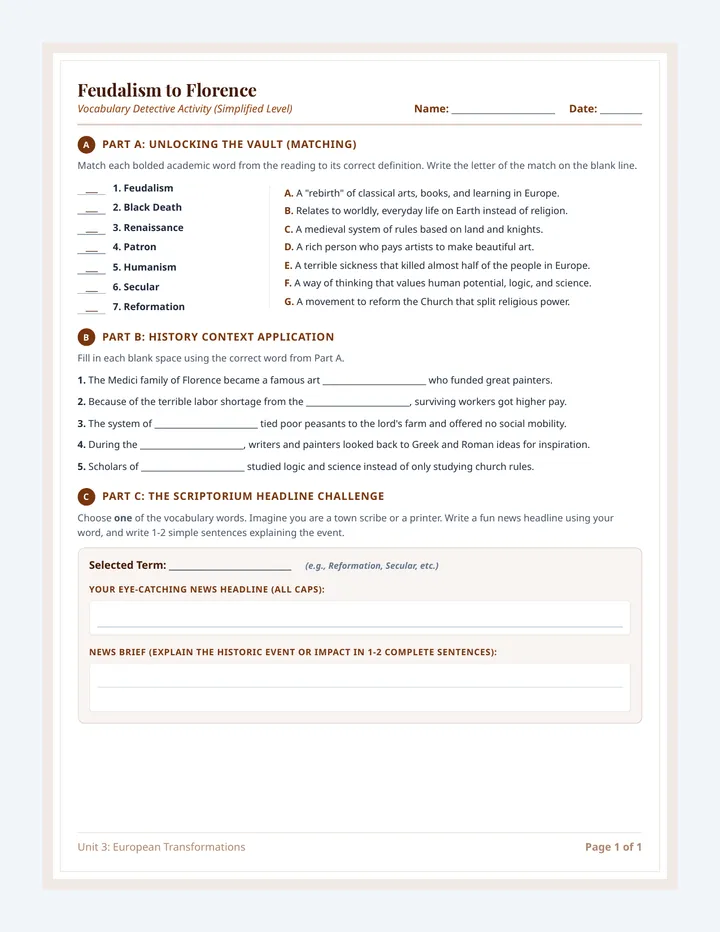
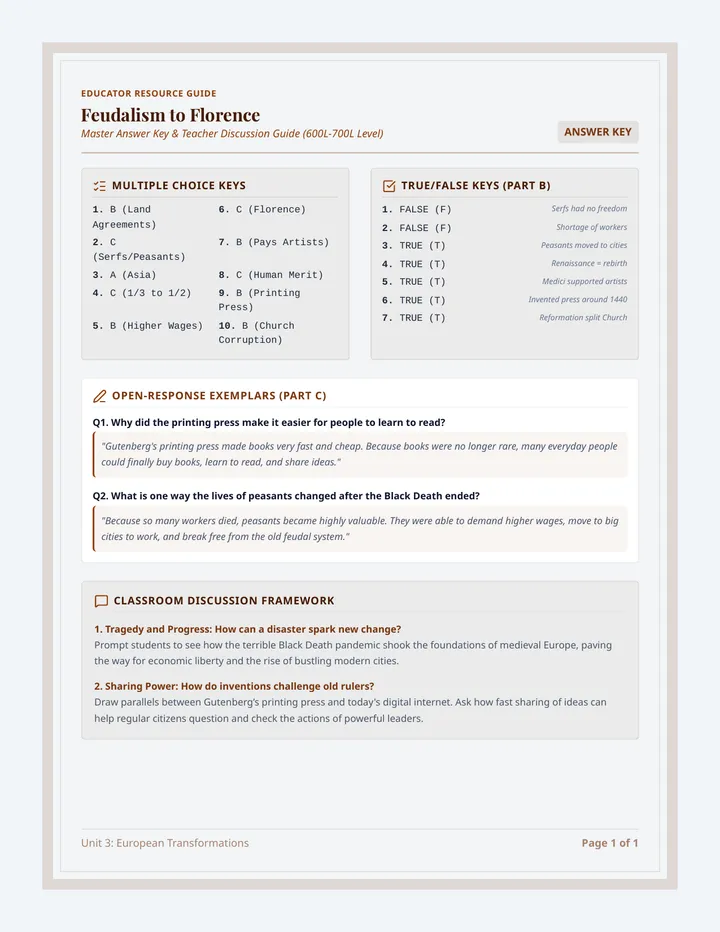
A comprehensive lesson focusing on the transition of European society from the rigid feudal systems of the Middle Ages to the cultural, scientific, and religious revolutions of the Renaissance and Reformation.
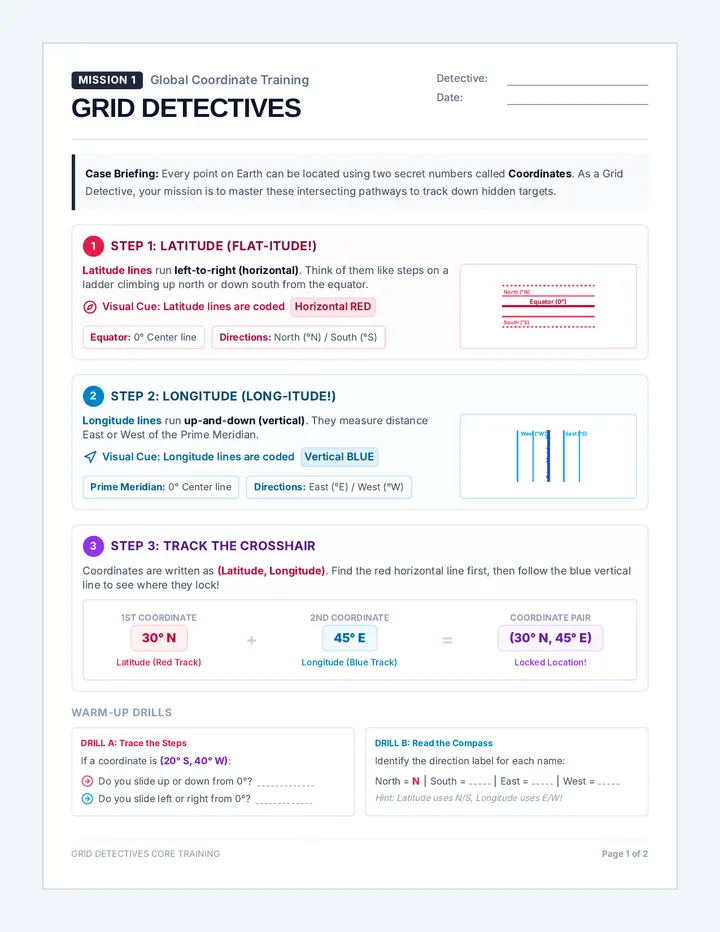
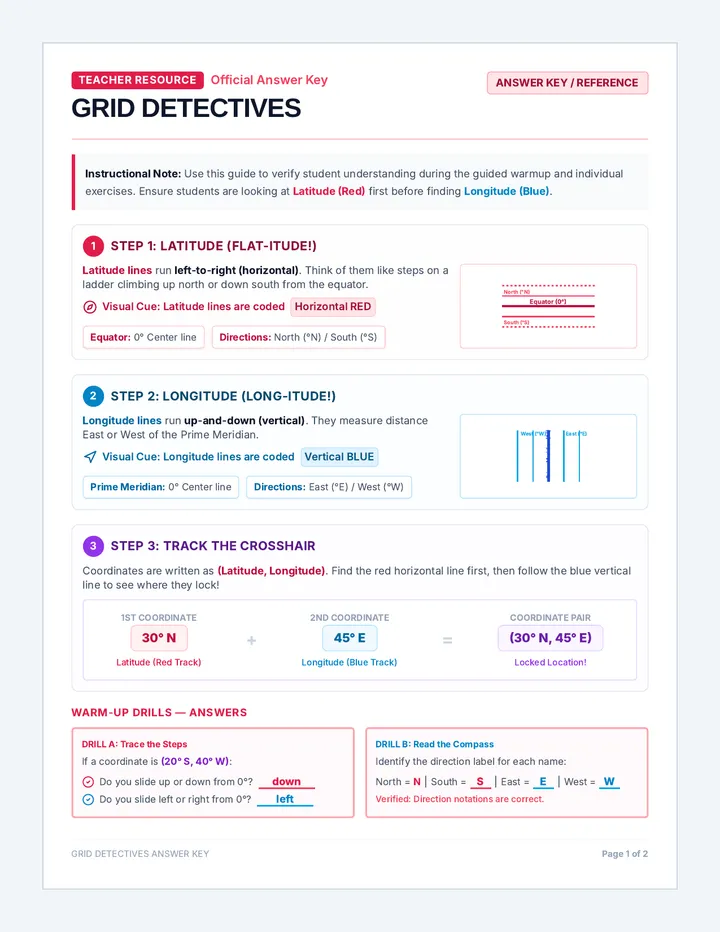
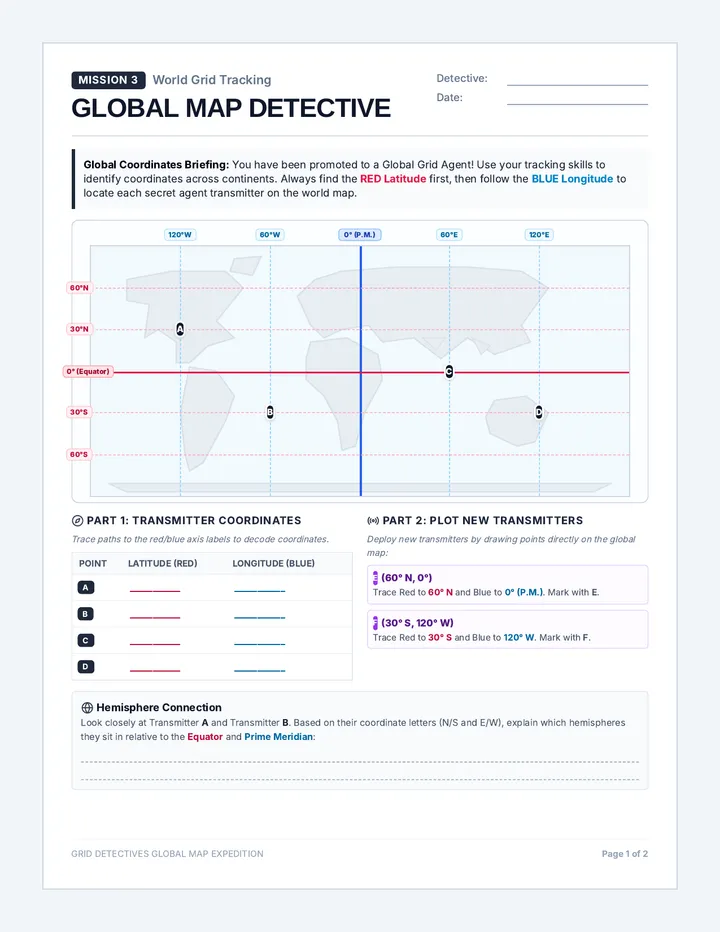
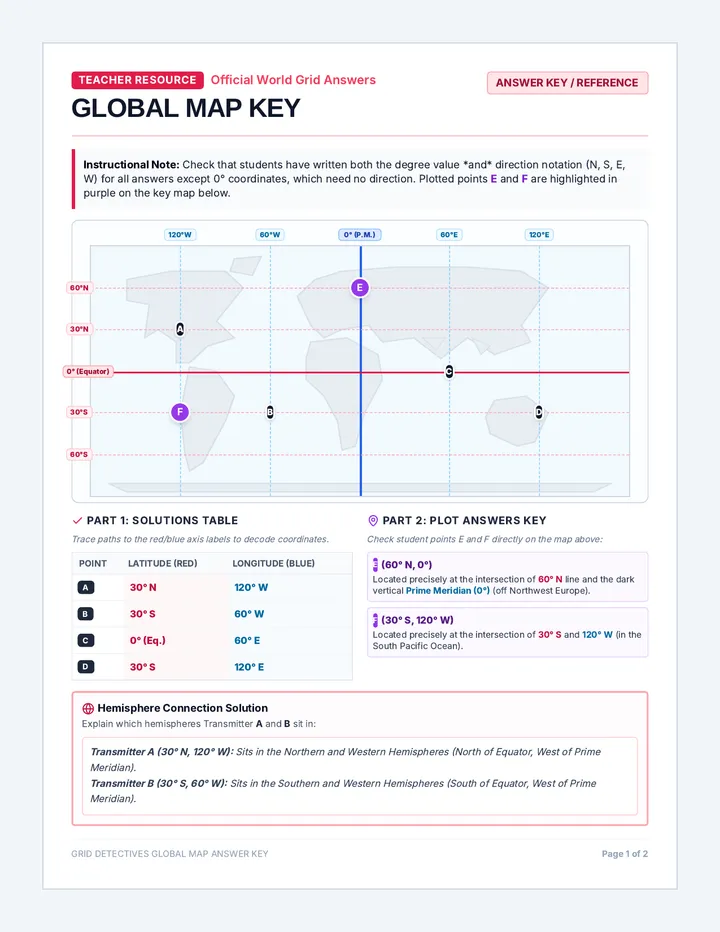
A guided lesson on latitude and longitude using structured, color-coded pathways. Students master horizontal latitude (red) and vertical longitude (blue) through step-by-step visual scaffolds and targeted practice.
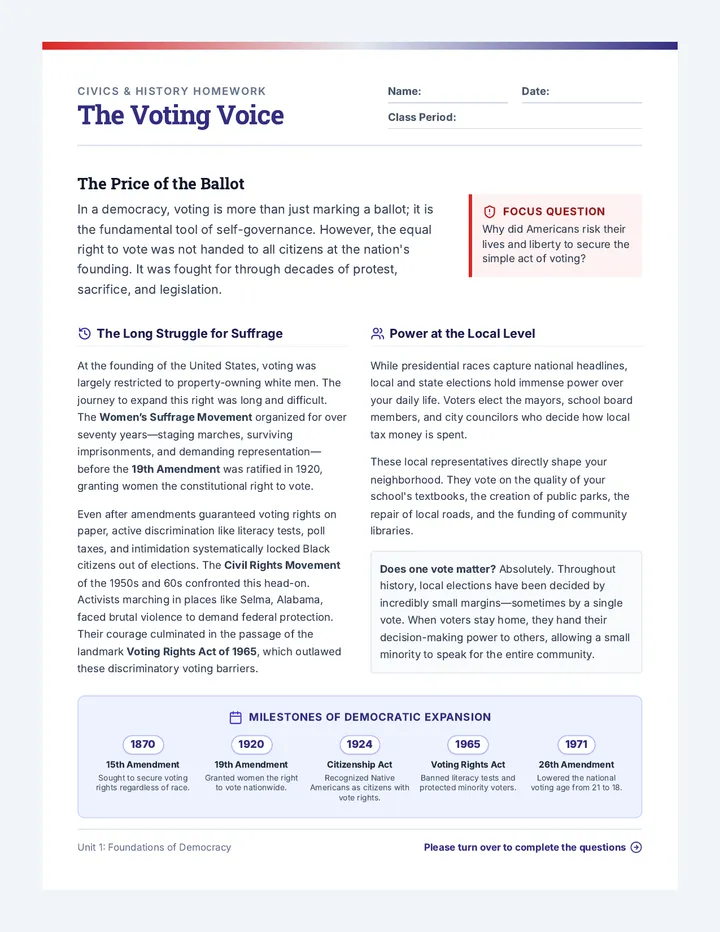
A middle school civics lesson exploring the historical struggle for voting rights in the United States and the modern importance of active civic participation. Students will analyze how voting shapes communities and why every vote is vital to a democracy.
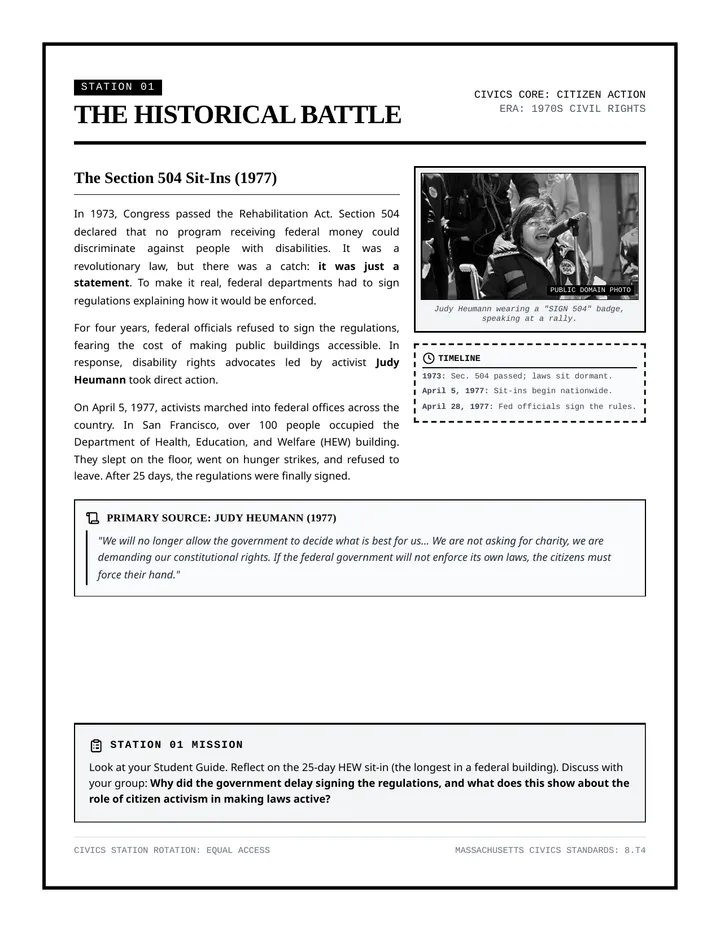
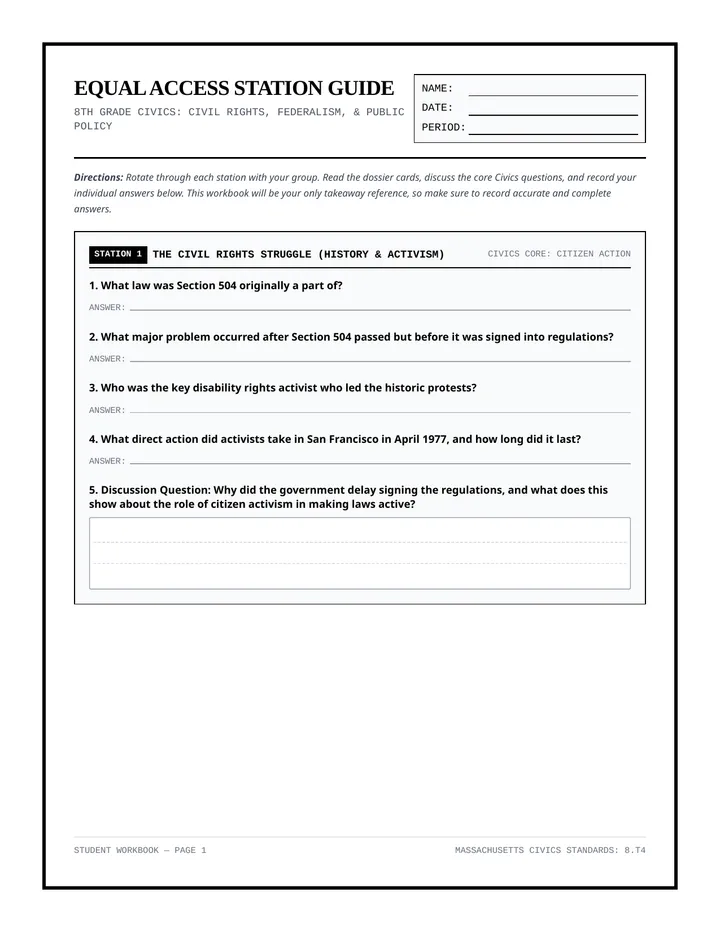
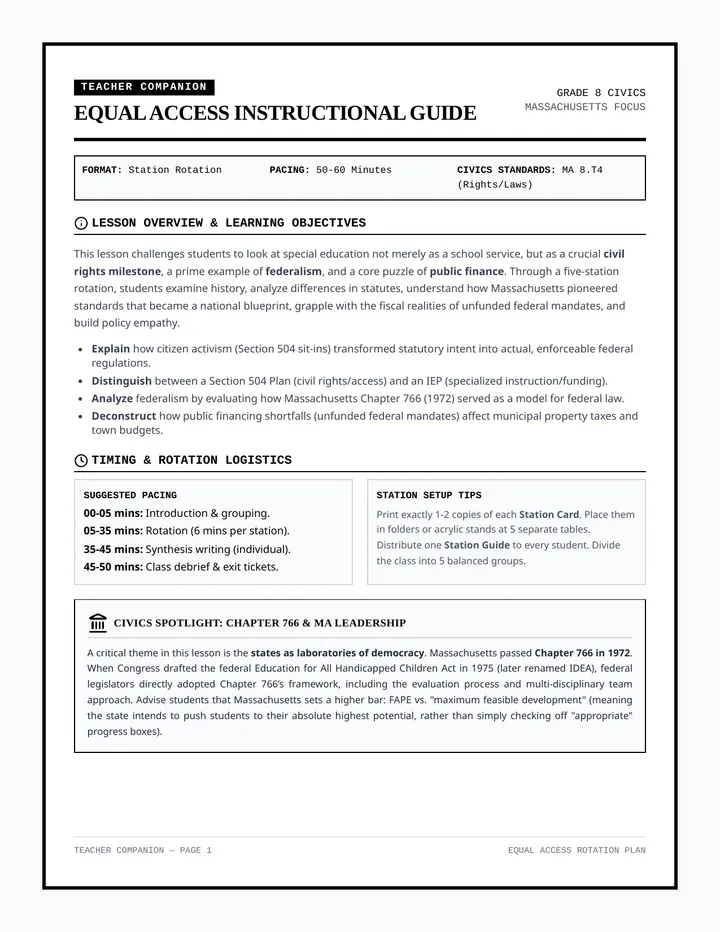
An 8th-grade Civics station rotation lesson exploring the history, laws, funding, and federalism of 504 and IEP services, comparing federal mandates with Massachusetts state standards.
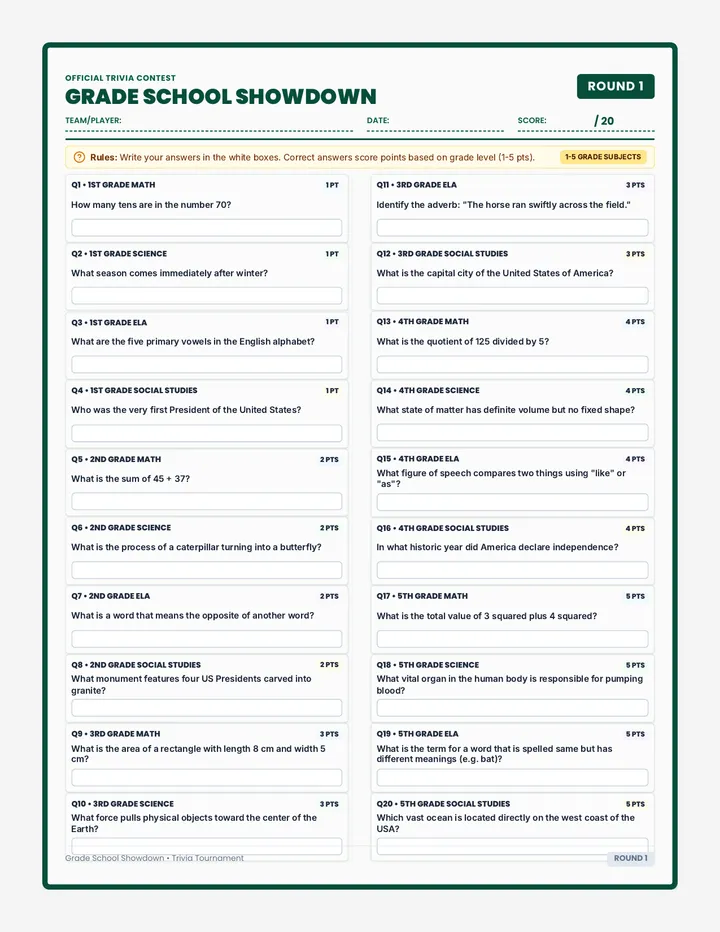
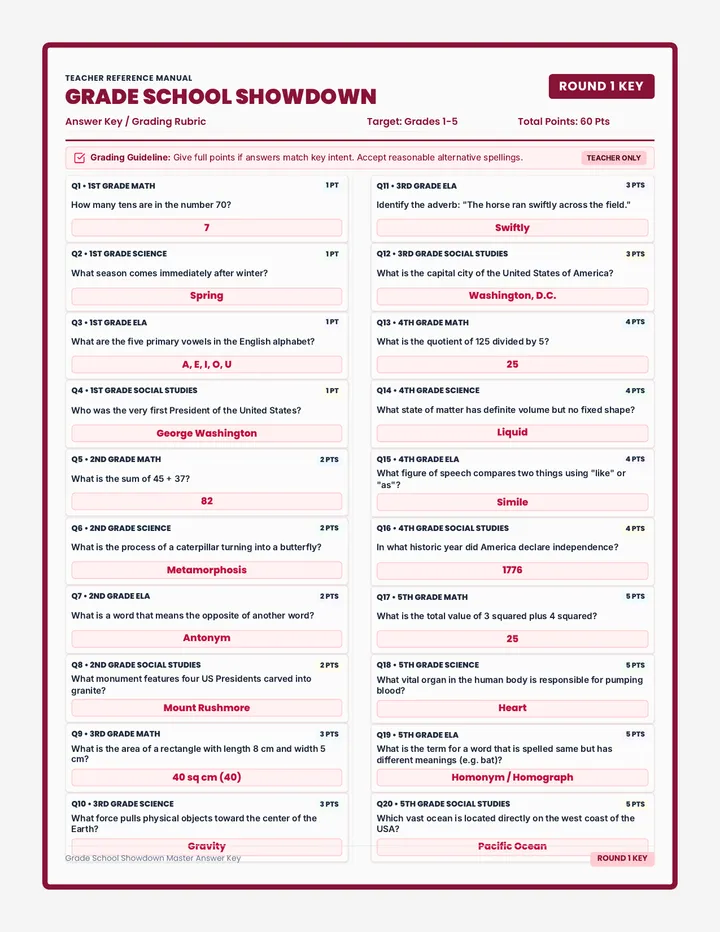
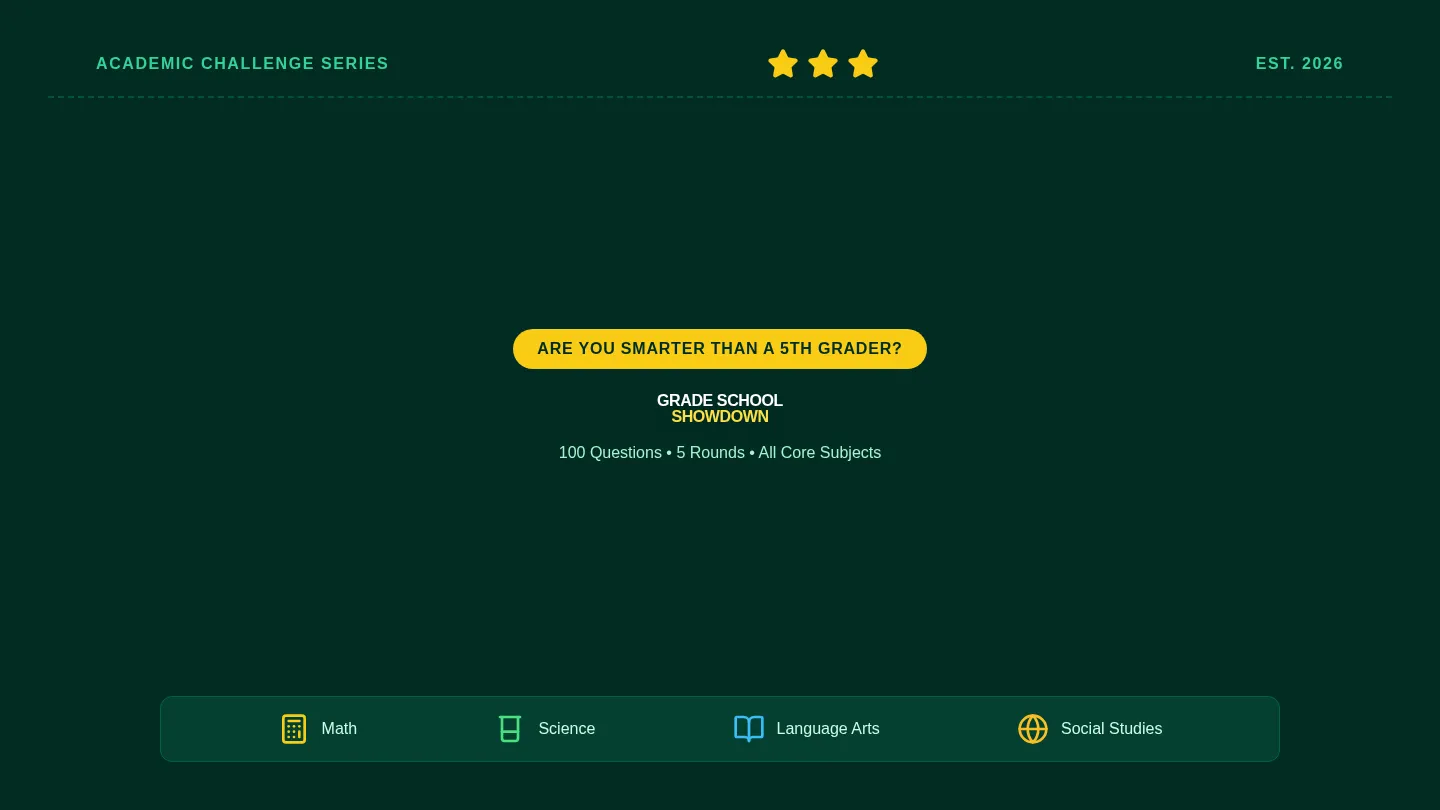
An engaging academic trivia game based on "Are You Smarter Than a 5th Grader?". Includes five comprehensive rounds of questions across five grade levels, complete with an interactive presentation, a print-ready student booklet, and a teacher's answer guide.
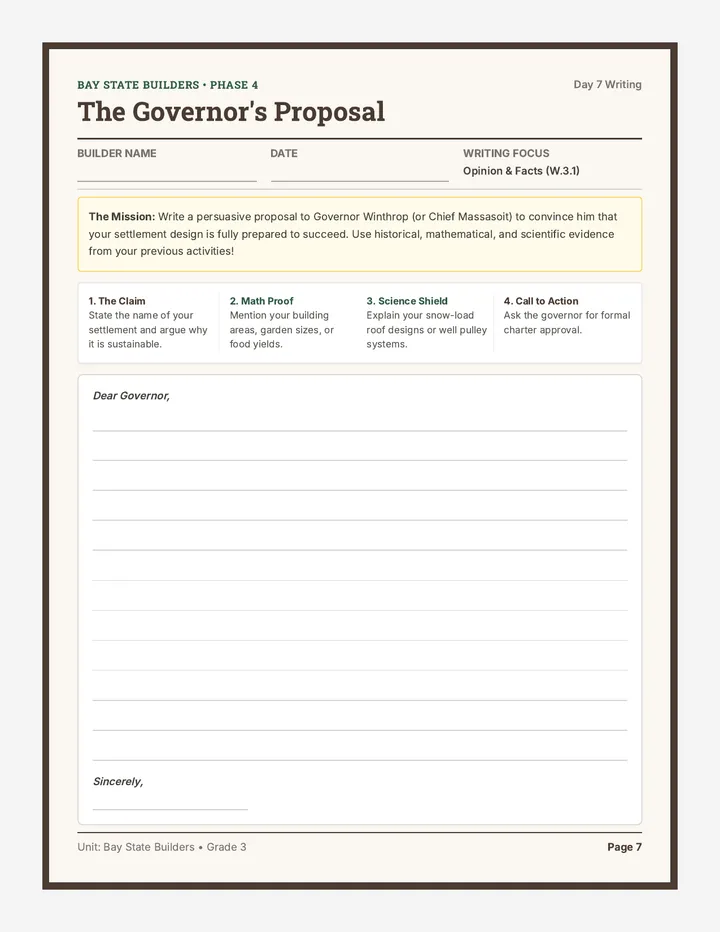
Days 7-8 of the project. Students write a persuasive proposal advocating for their settlement design and present their final 3D or 2D blueprints to the town council during a project expo.
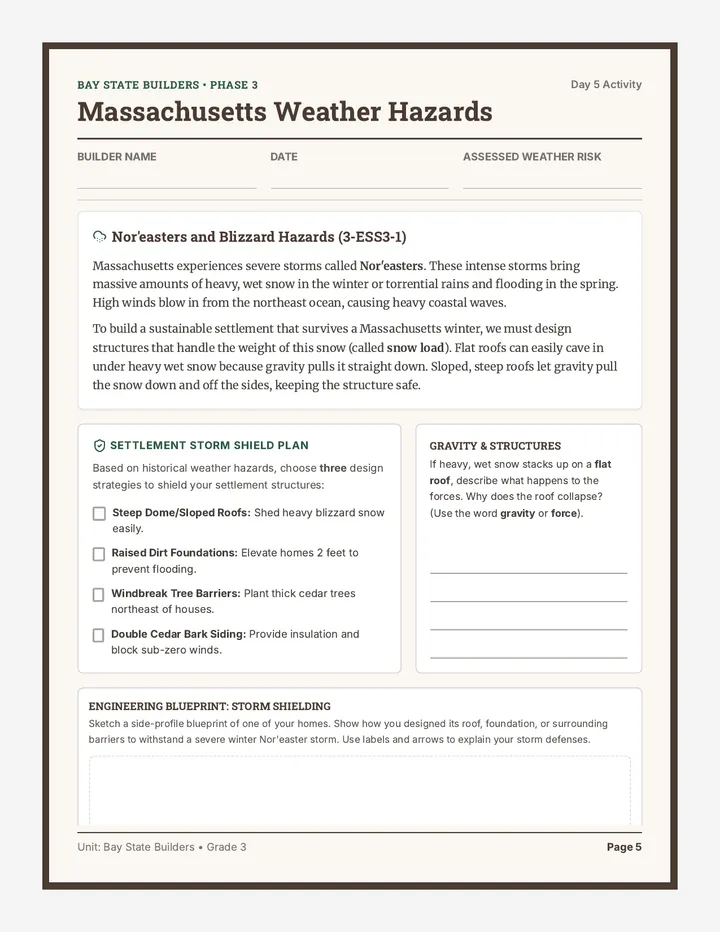
Days 5-6 of the project. Students explore Massachusetts weather patterns, analyze risks like blizzards or storms, and design functional systems (wells, irrigation, structural reinforcement) utilizing forces and simple machines.