Students take on the role of orbital engineers to calculate satellite coverage areas and signal paths using central angles and arc length calculations.
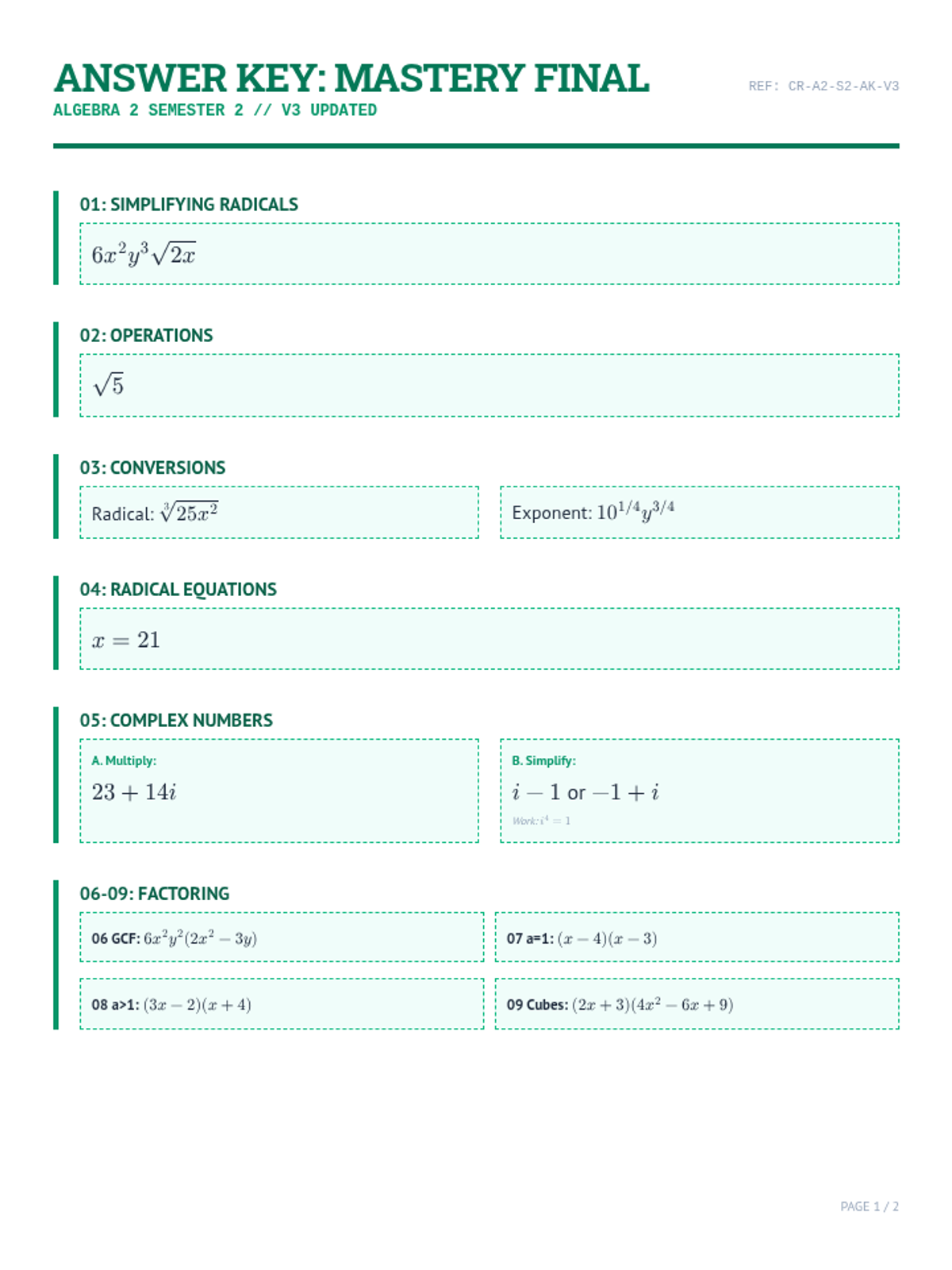
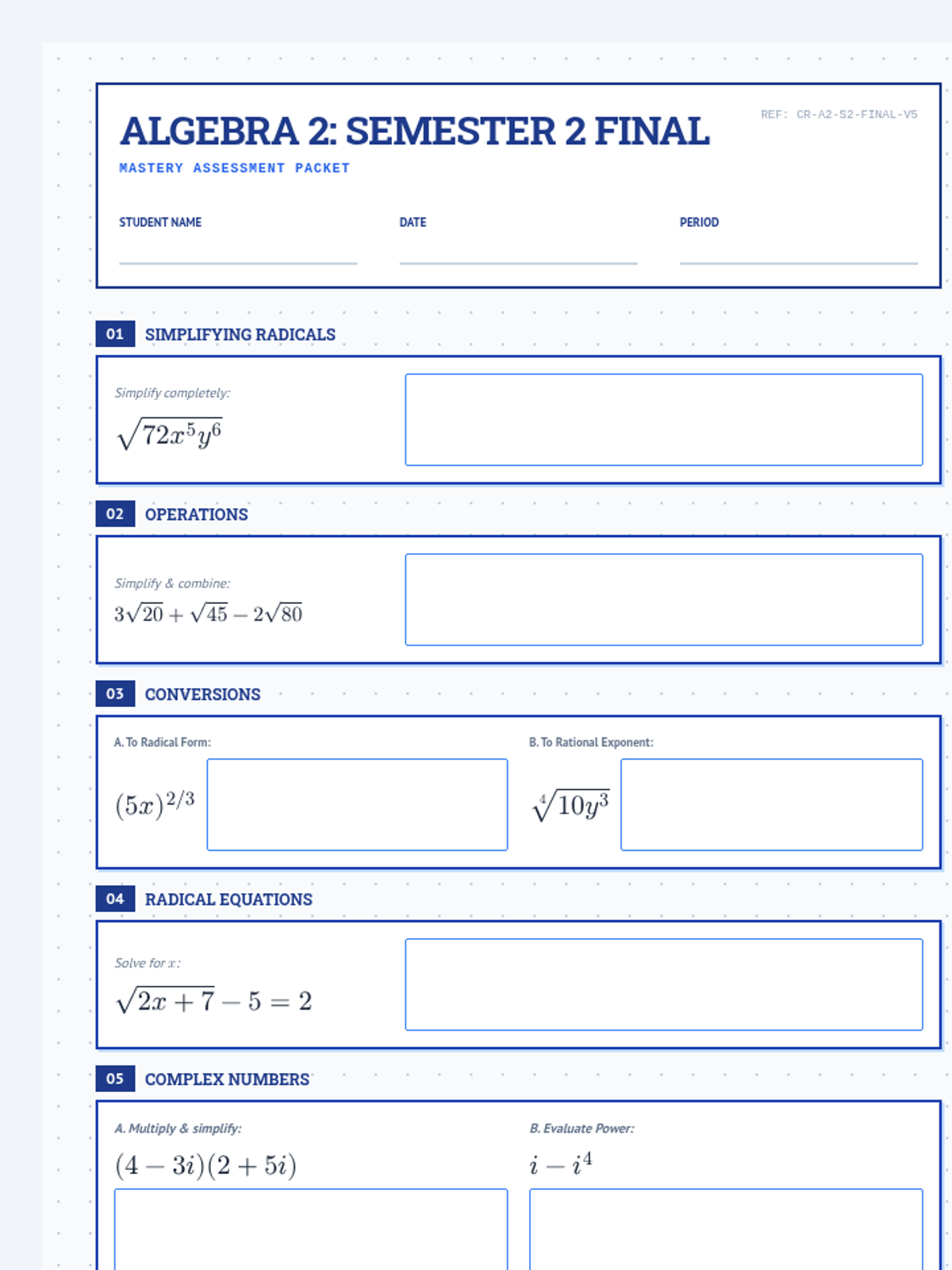
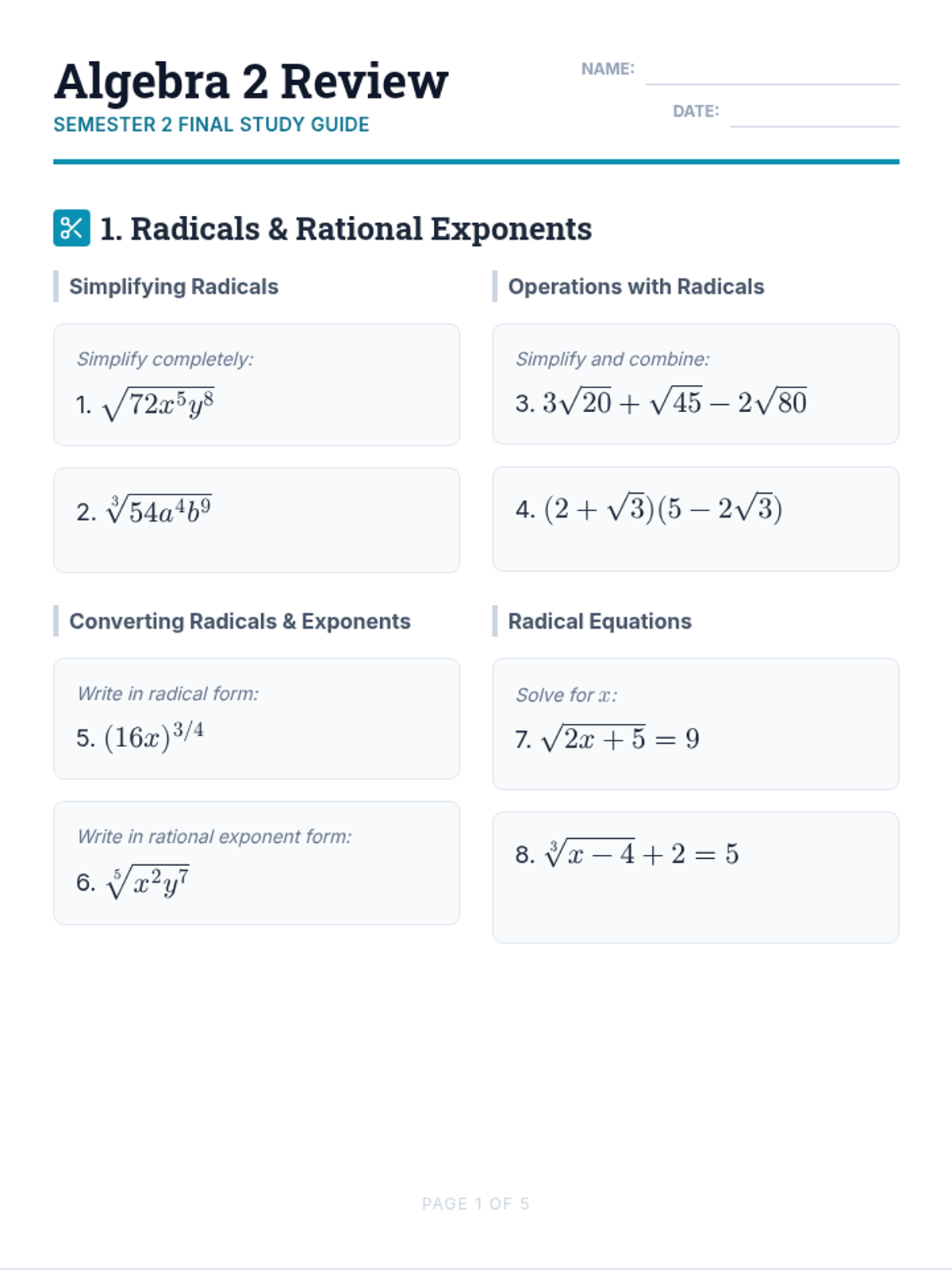
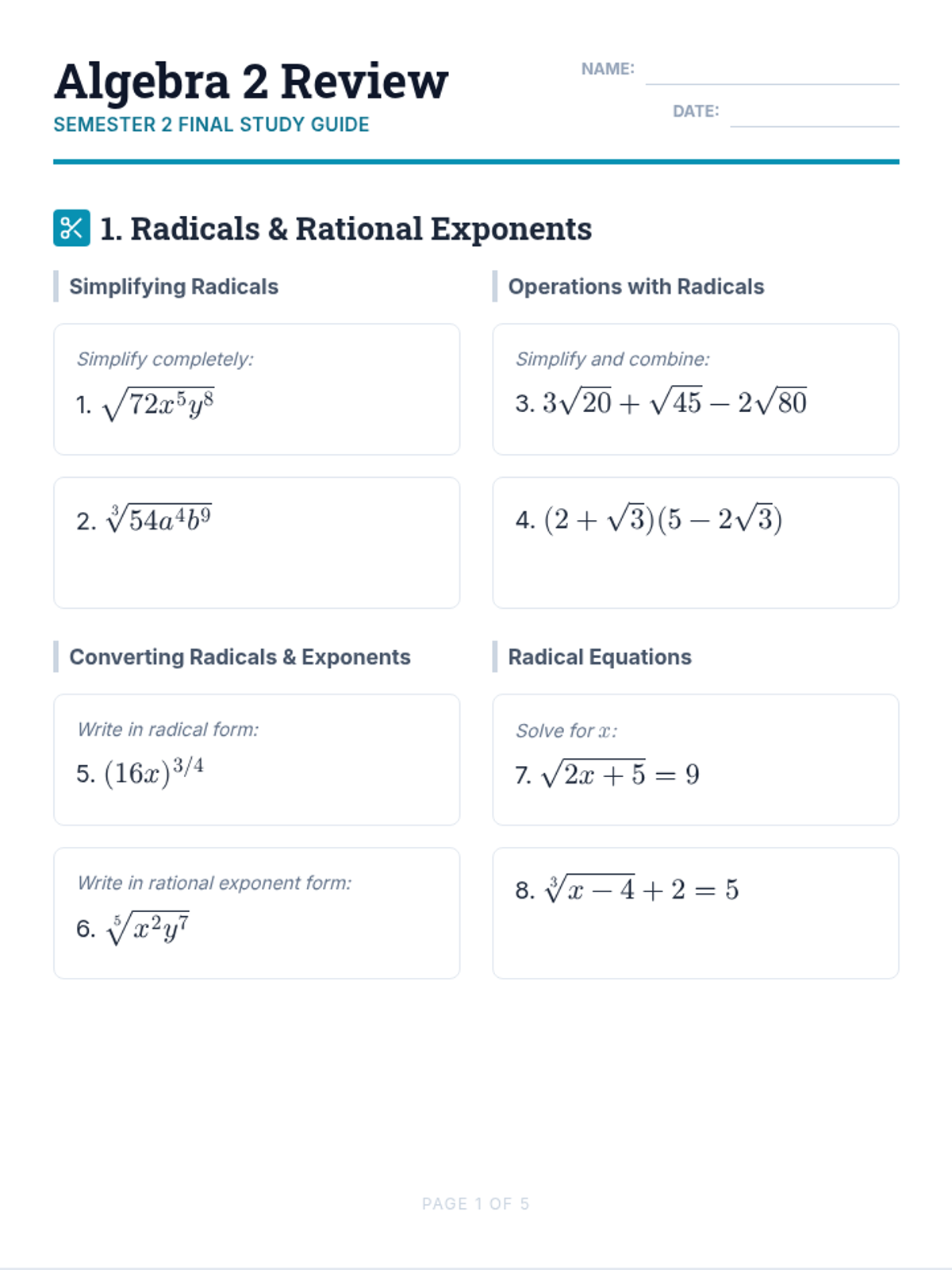
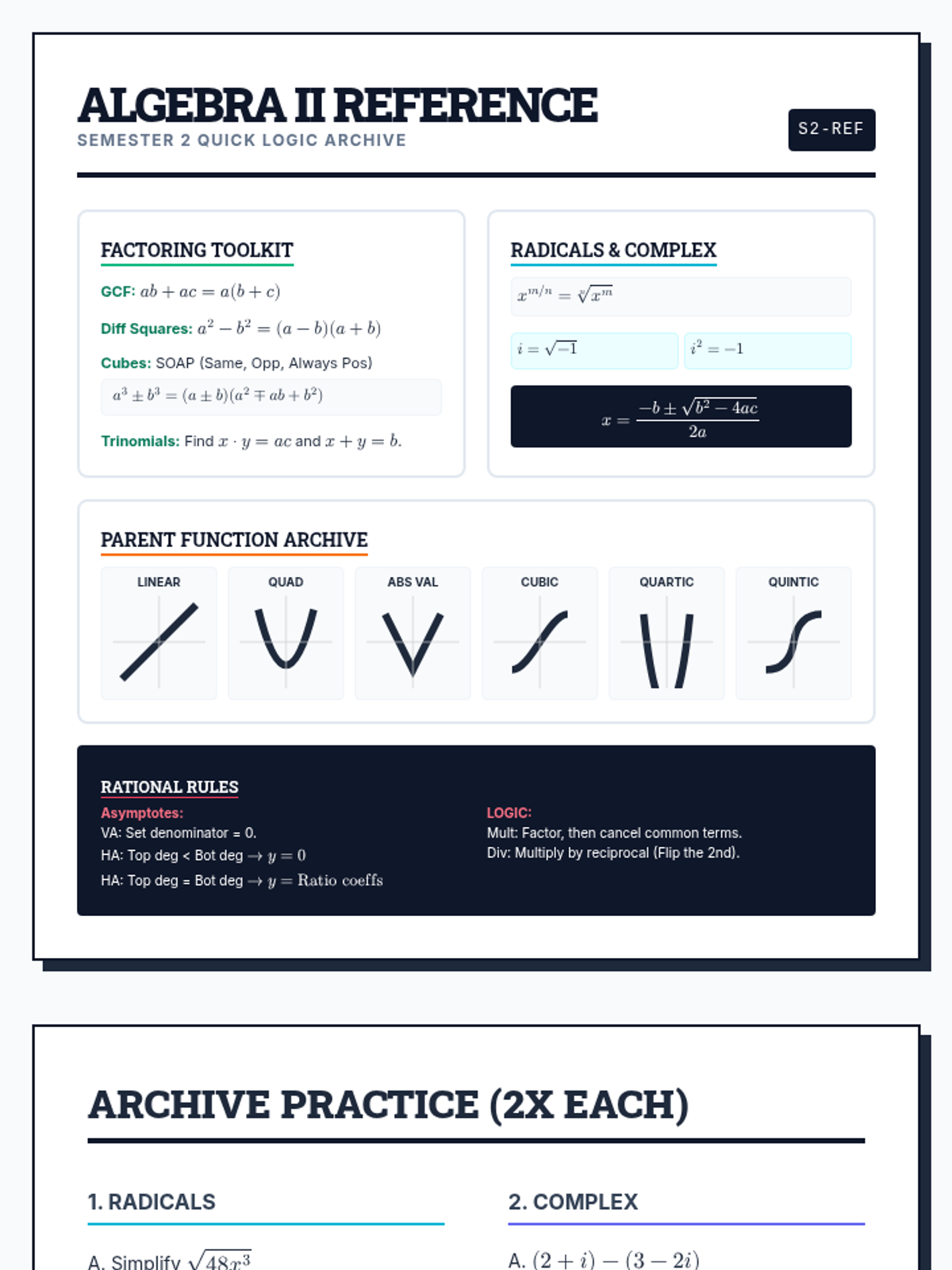
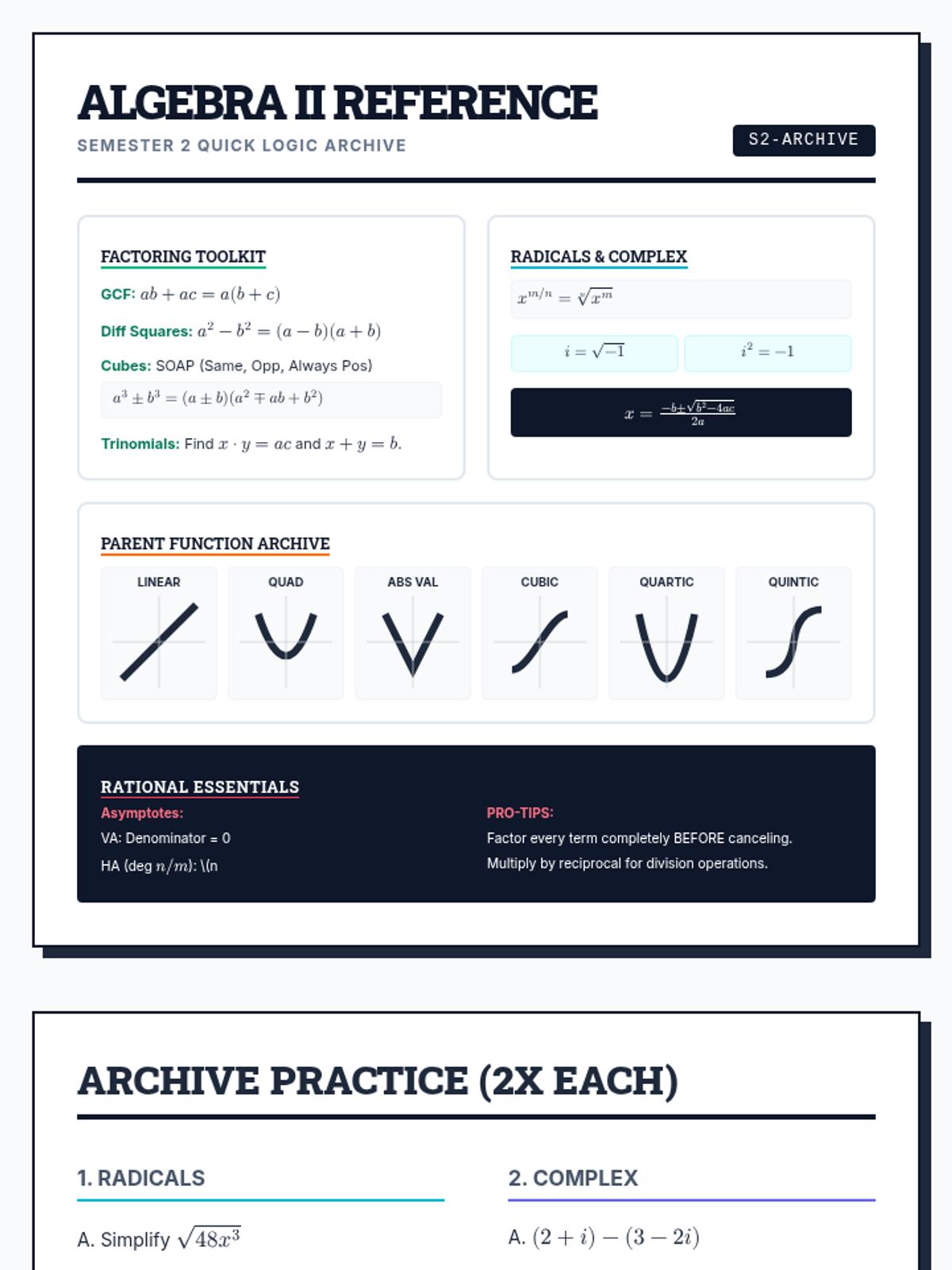
A comprehensive final exam for Semester 2 of Algebra 2 Credit Recovery, covering radicals, factoring, quadratics, and rational functions.
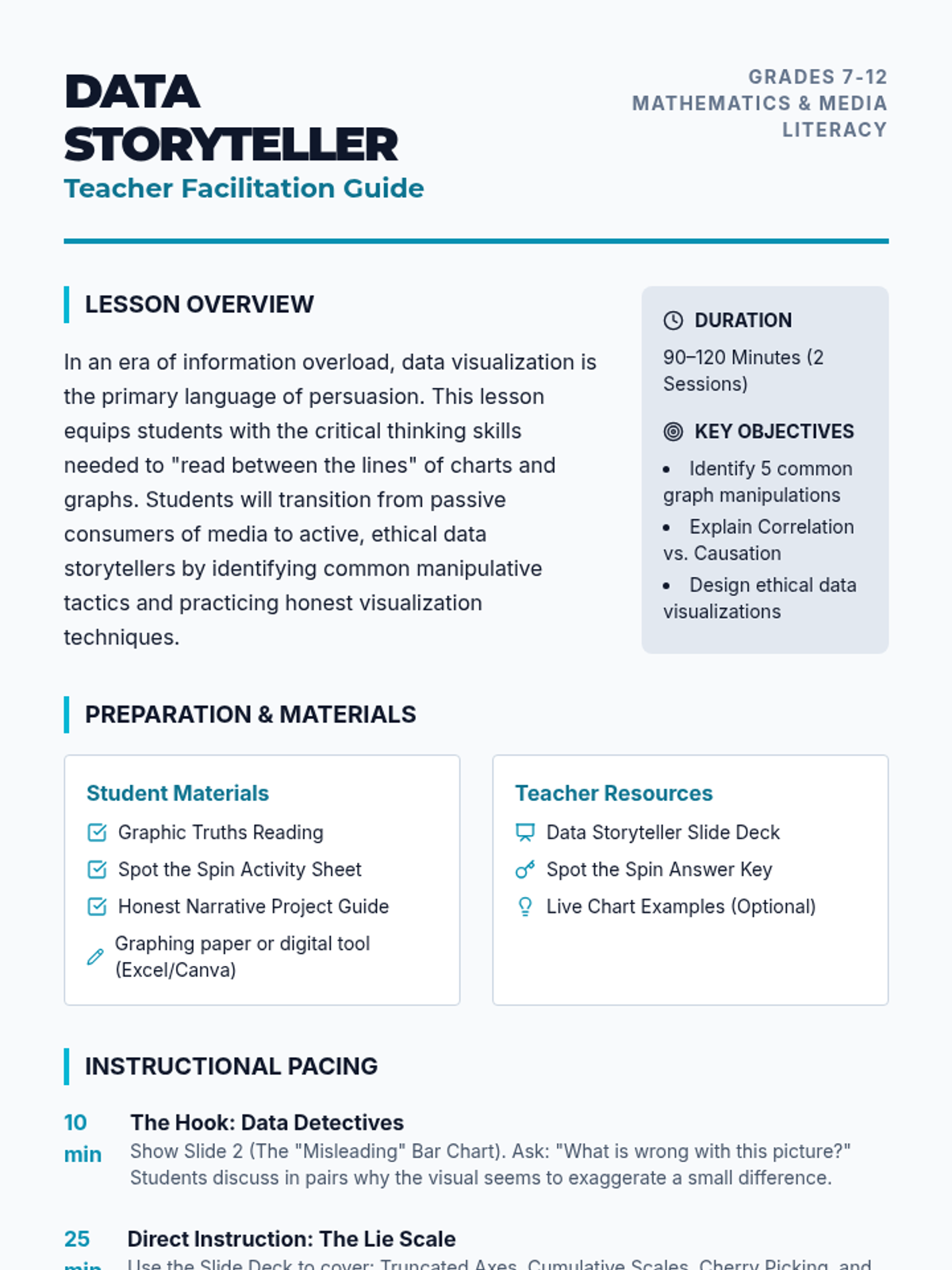
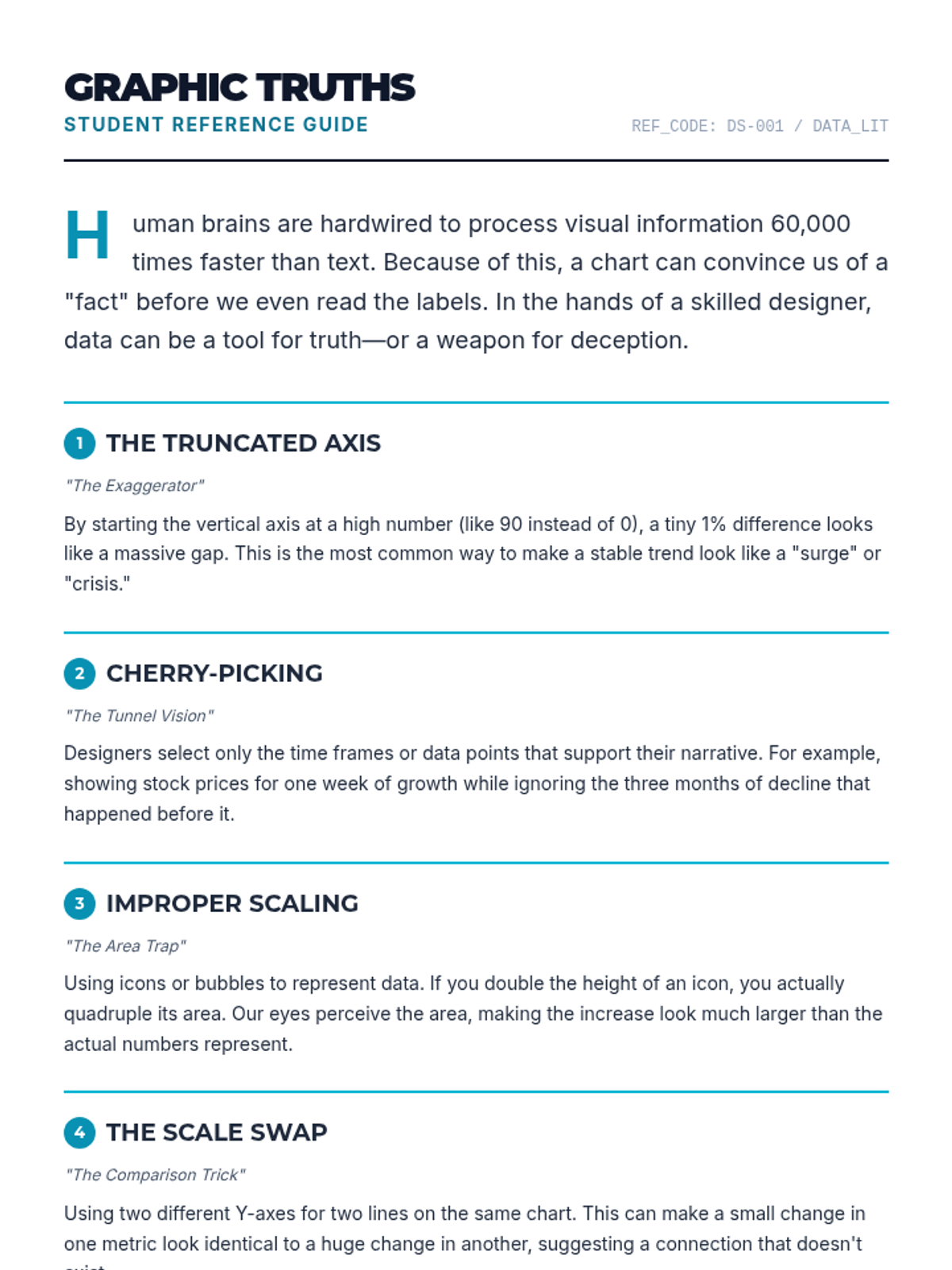
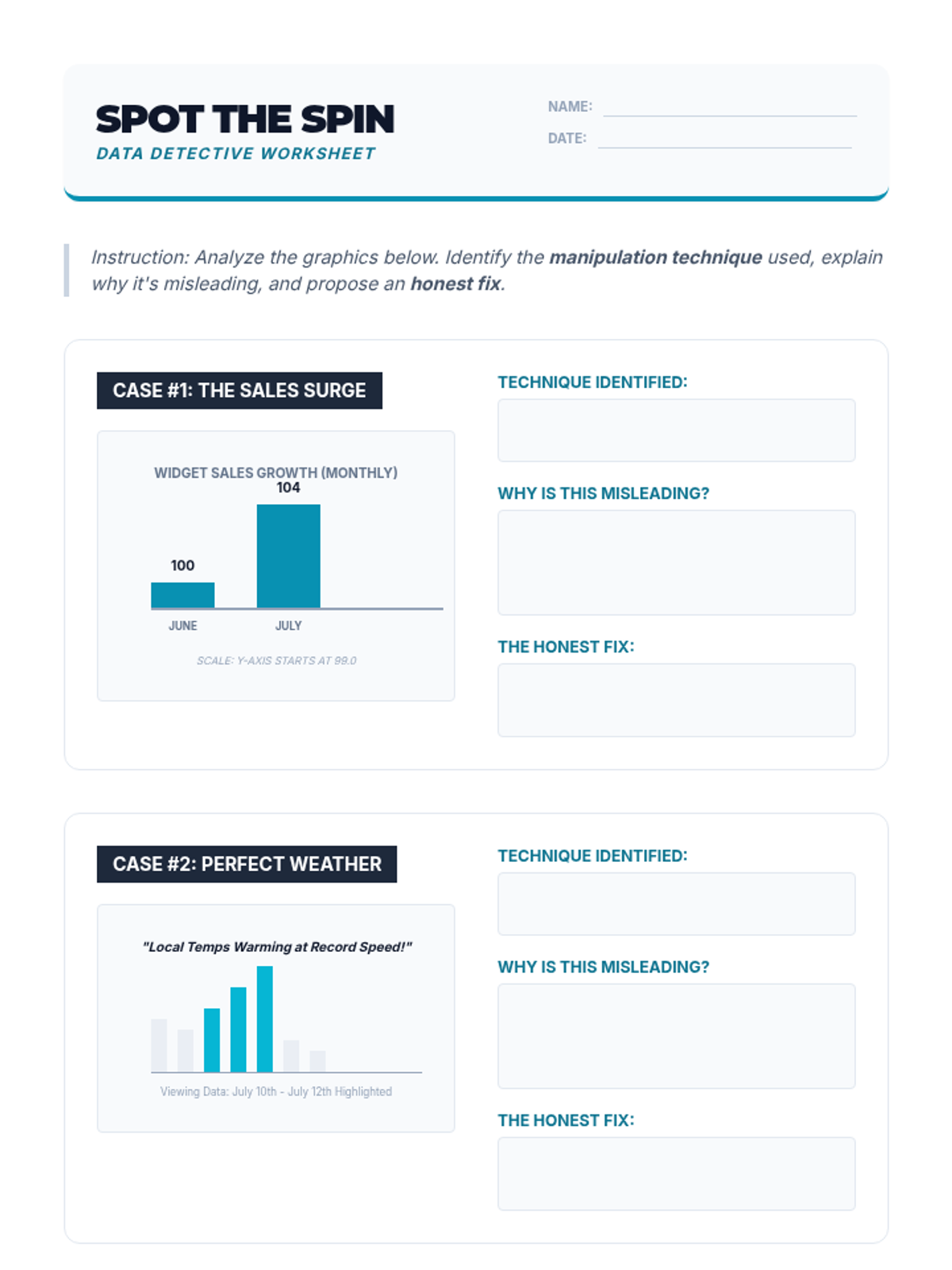
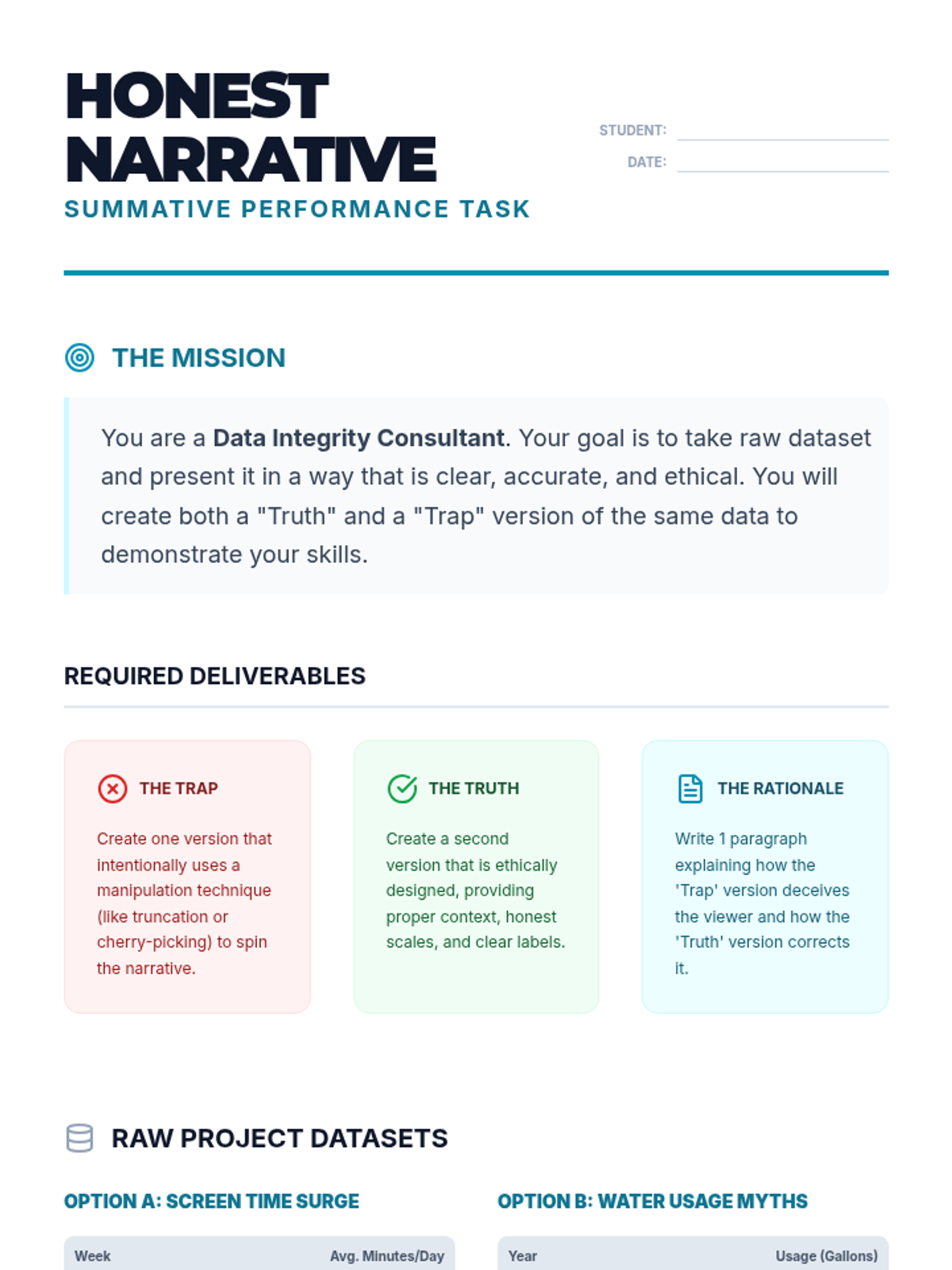
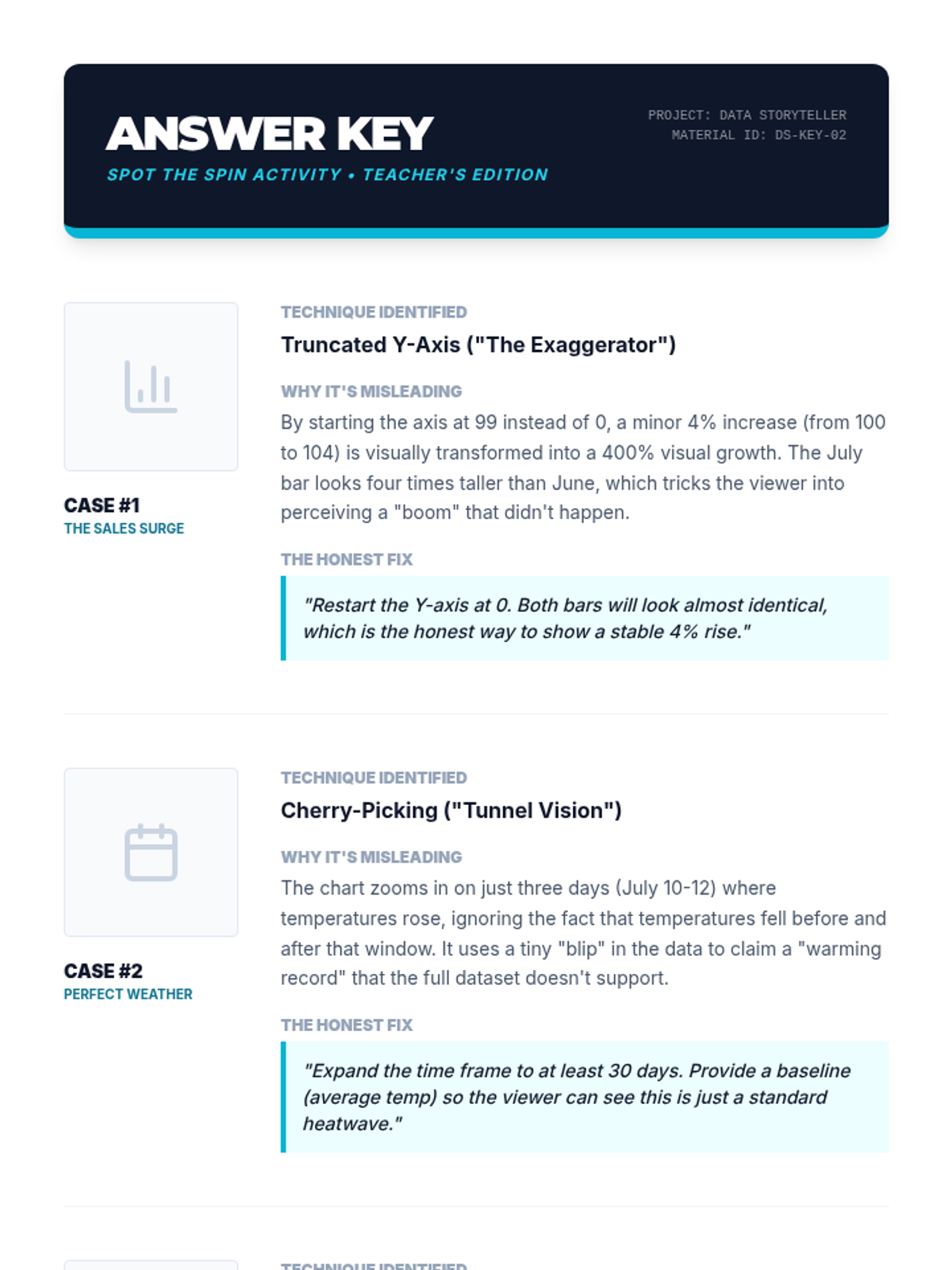
A comprehensive lesson for grades 7-12 focusing on data literacy, ethical visualization, and identifying misleading statistics in media. Students learn to decode 'chartjunk' and create their own honest data stories.
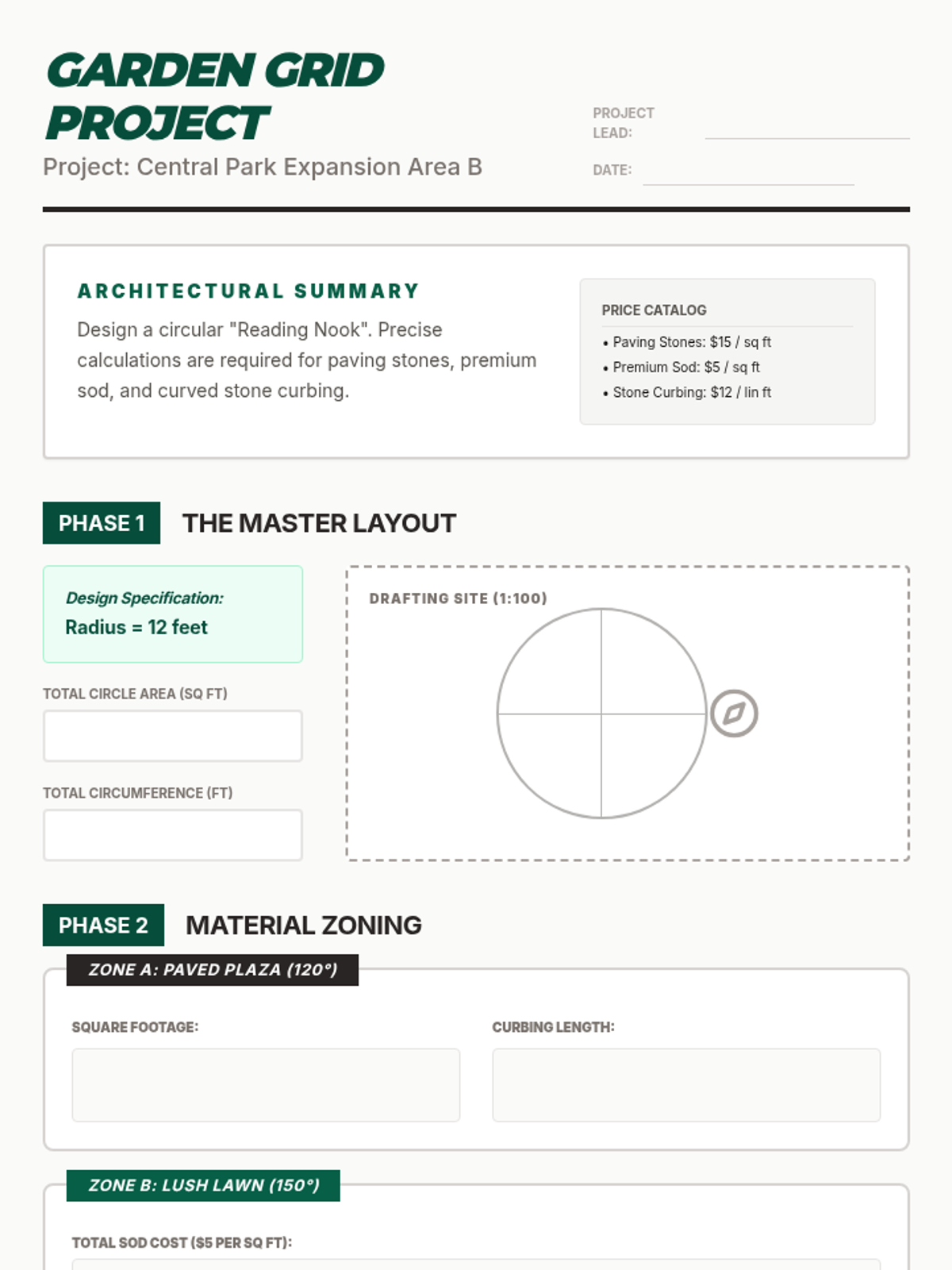
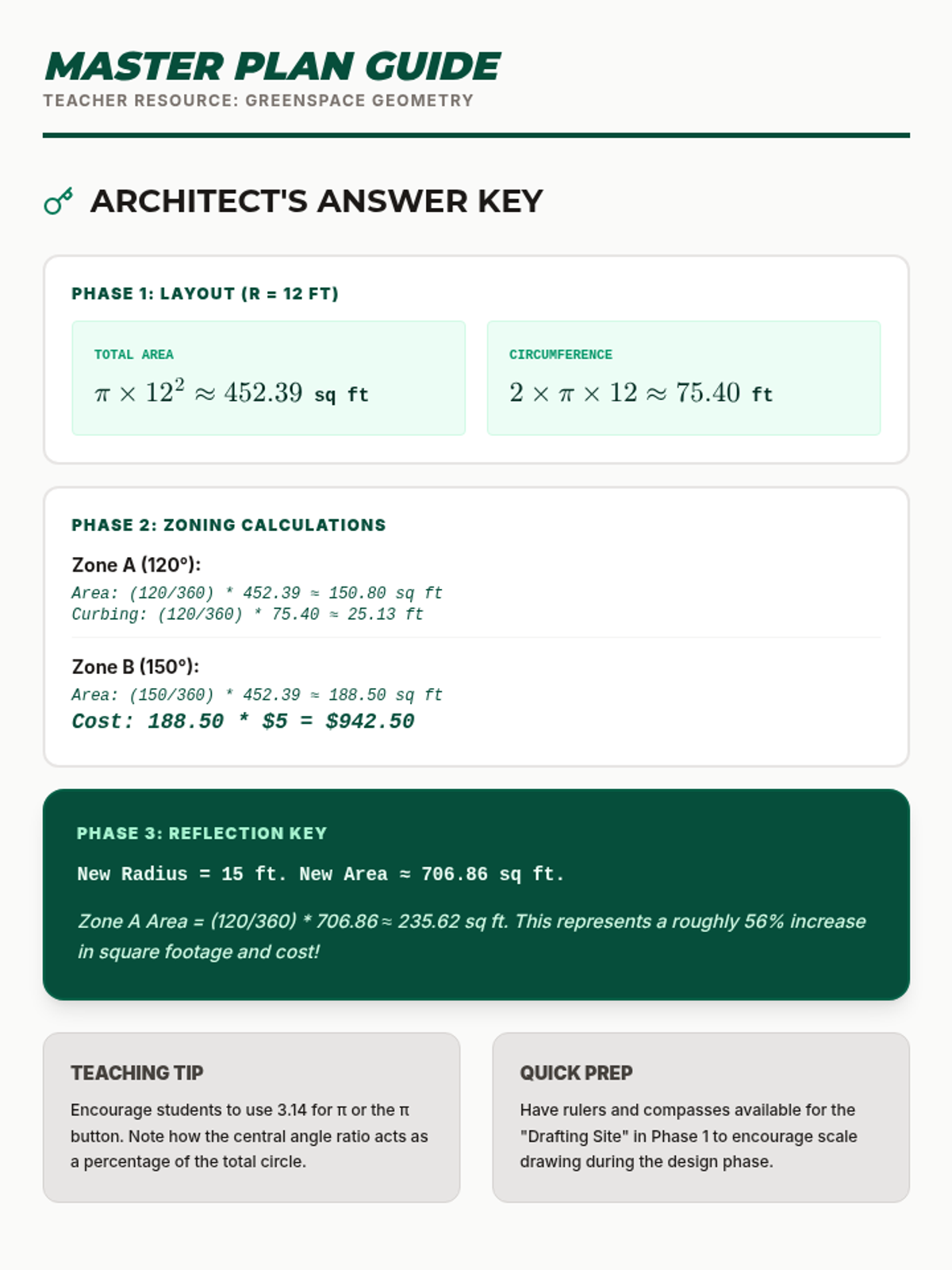
Students act as landscape designers, using circular geometry to plan curved garden paths, irrigation zones, and decorative park features.
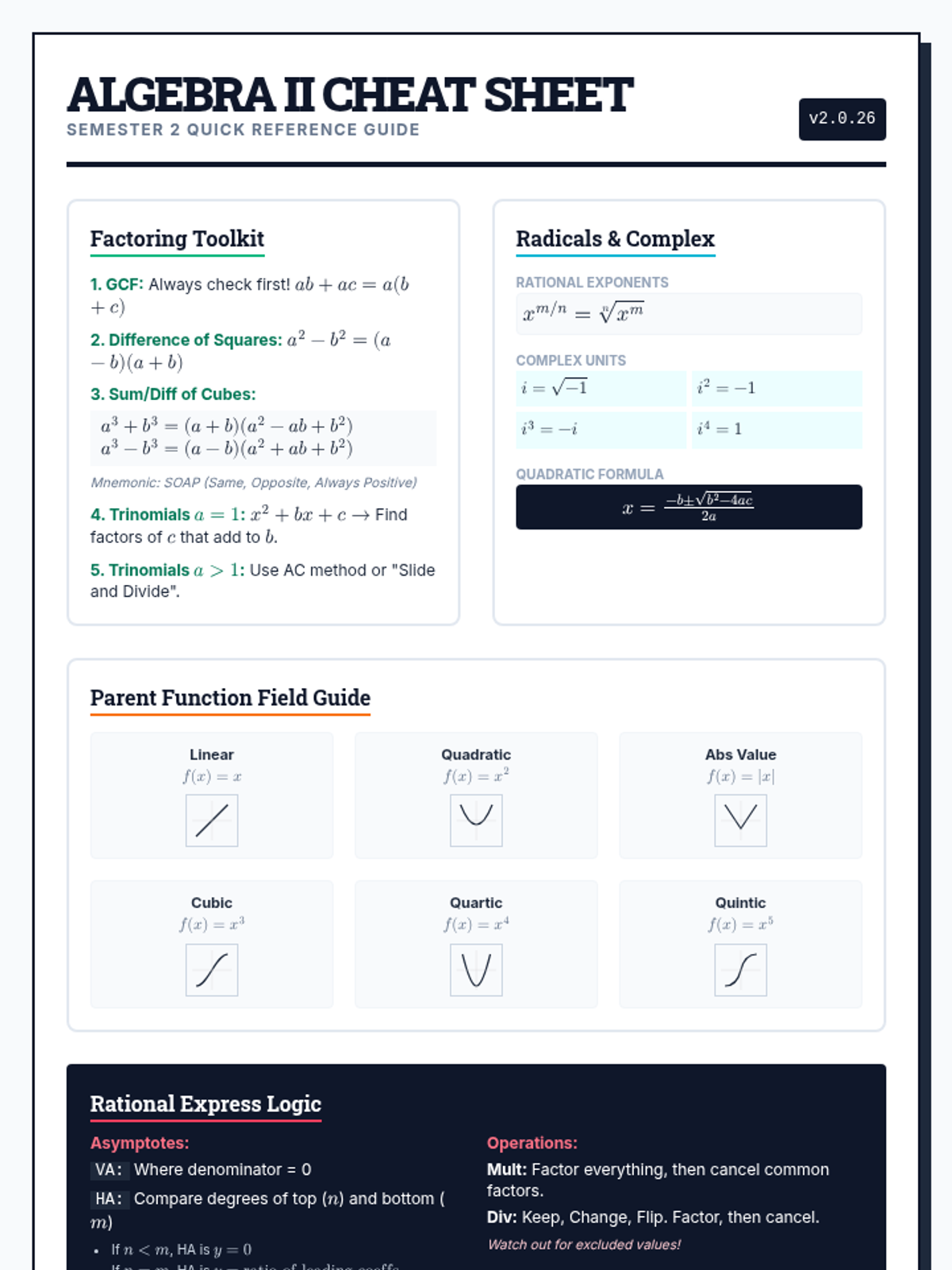
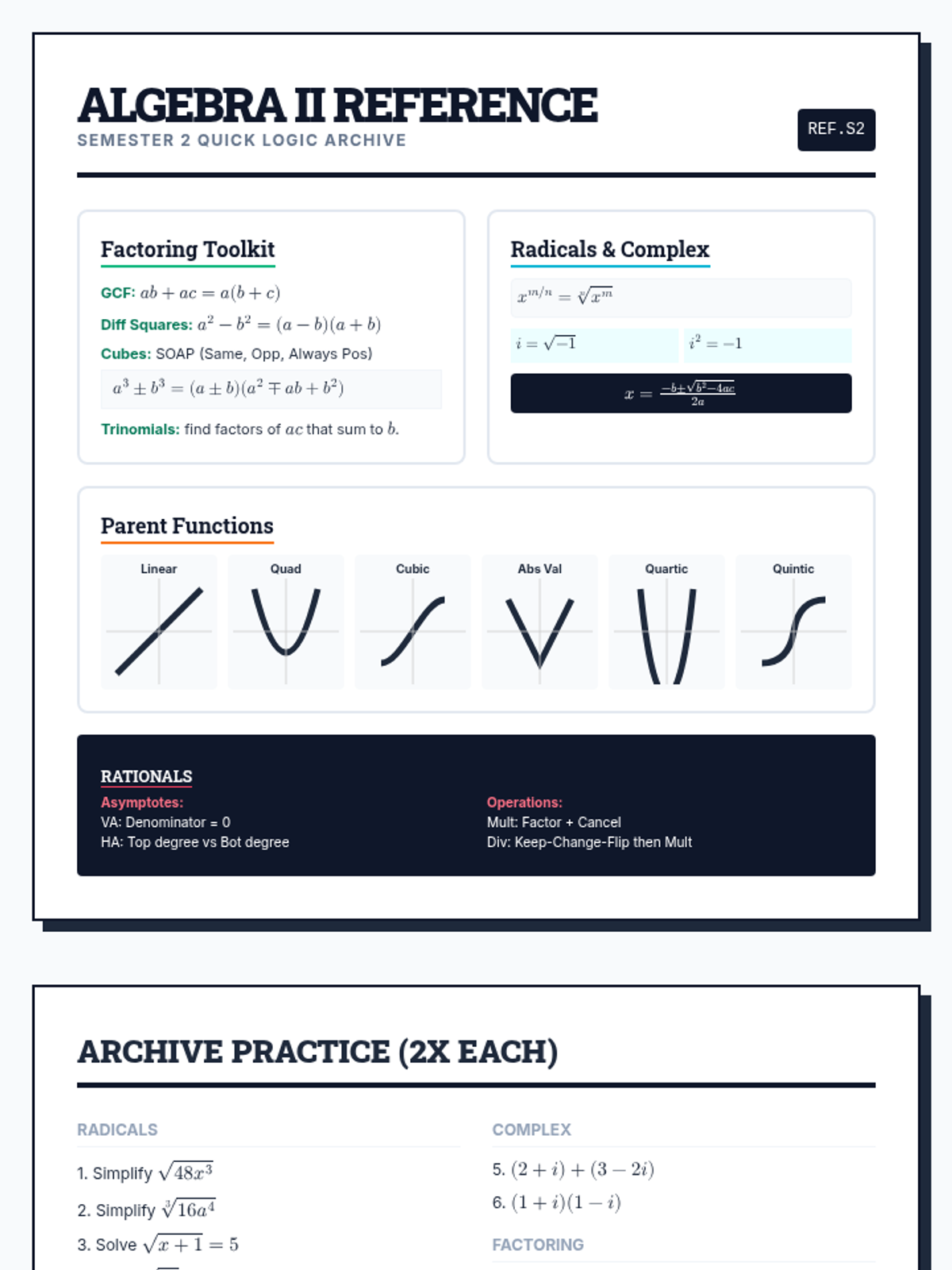
A comprehensive review unit covering radicals, factoring, parent functions, quadratics, and rational expressions to prepare students for the Algebra 2 Semester 2 final exam.
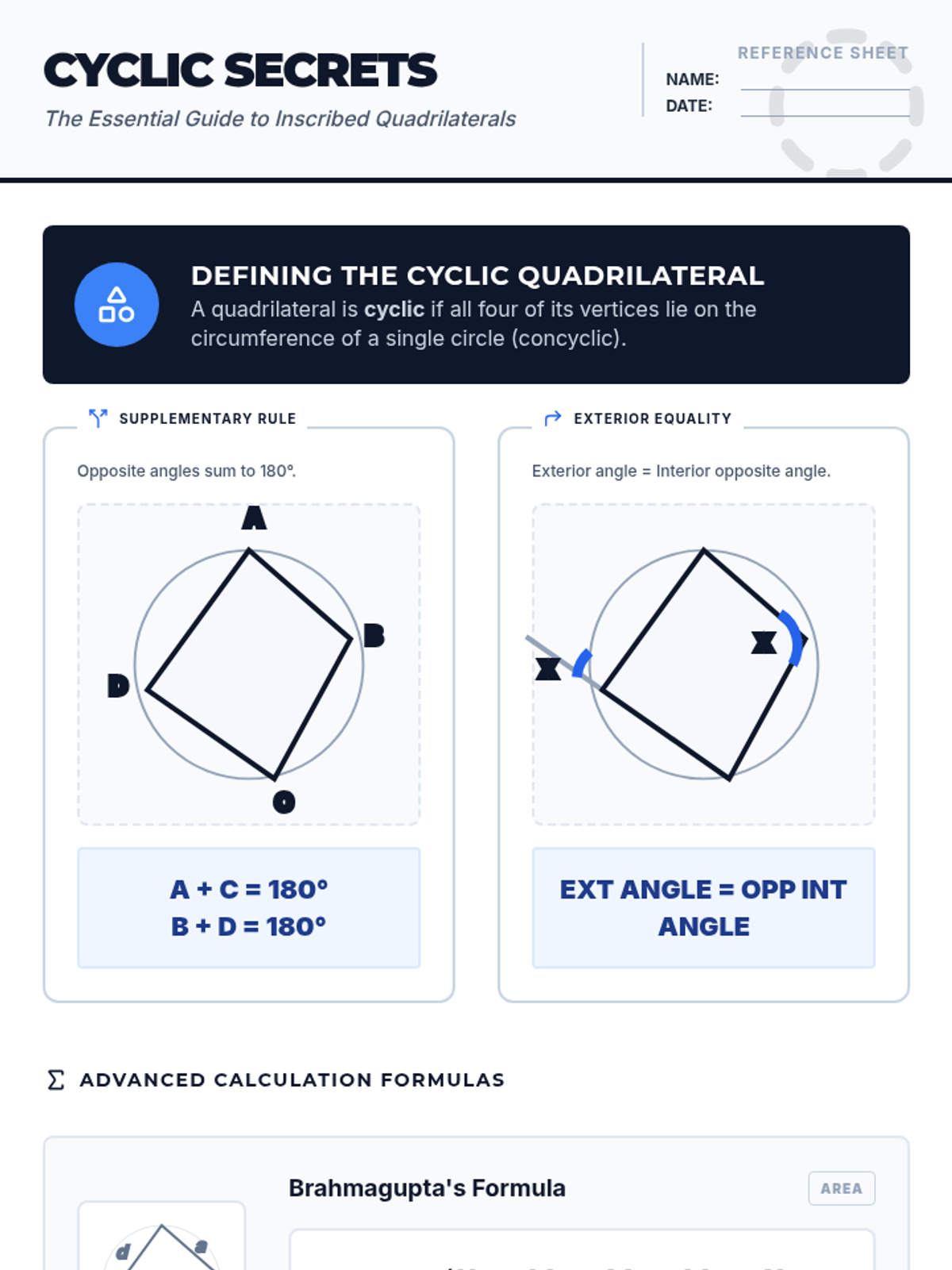
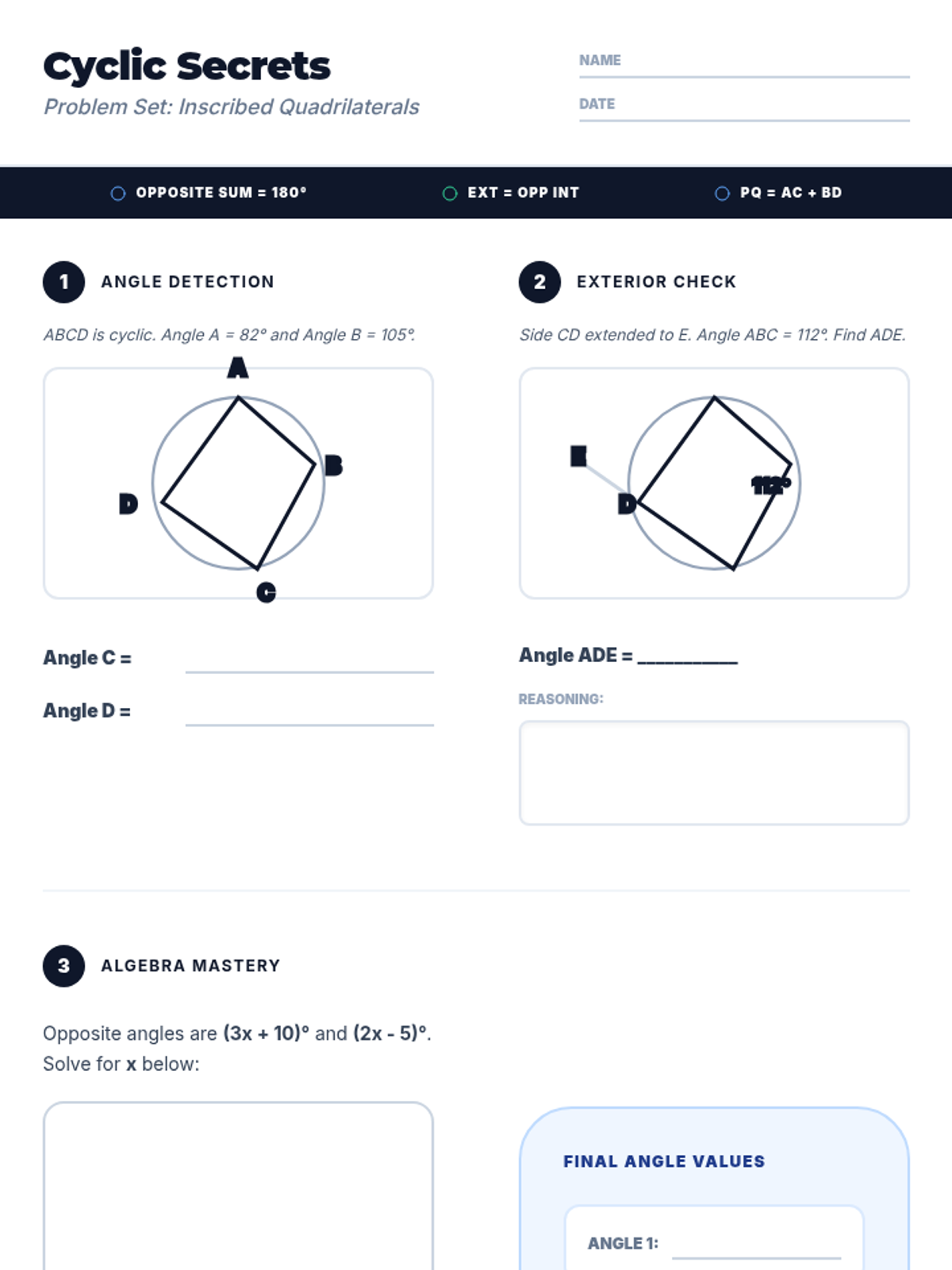
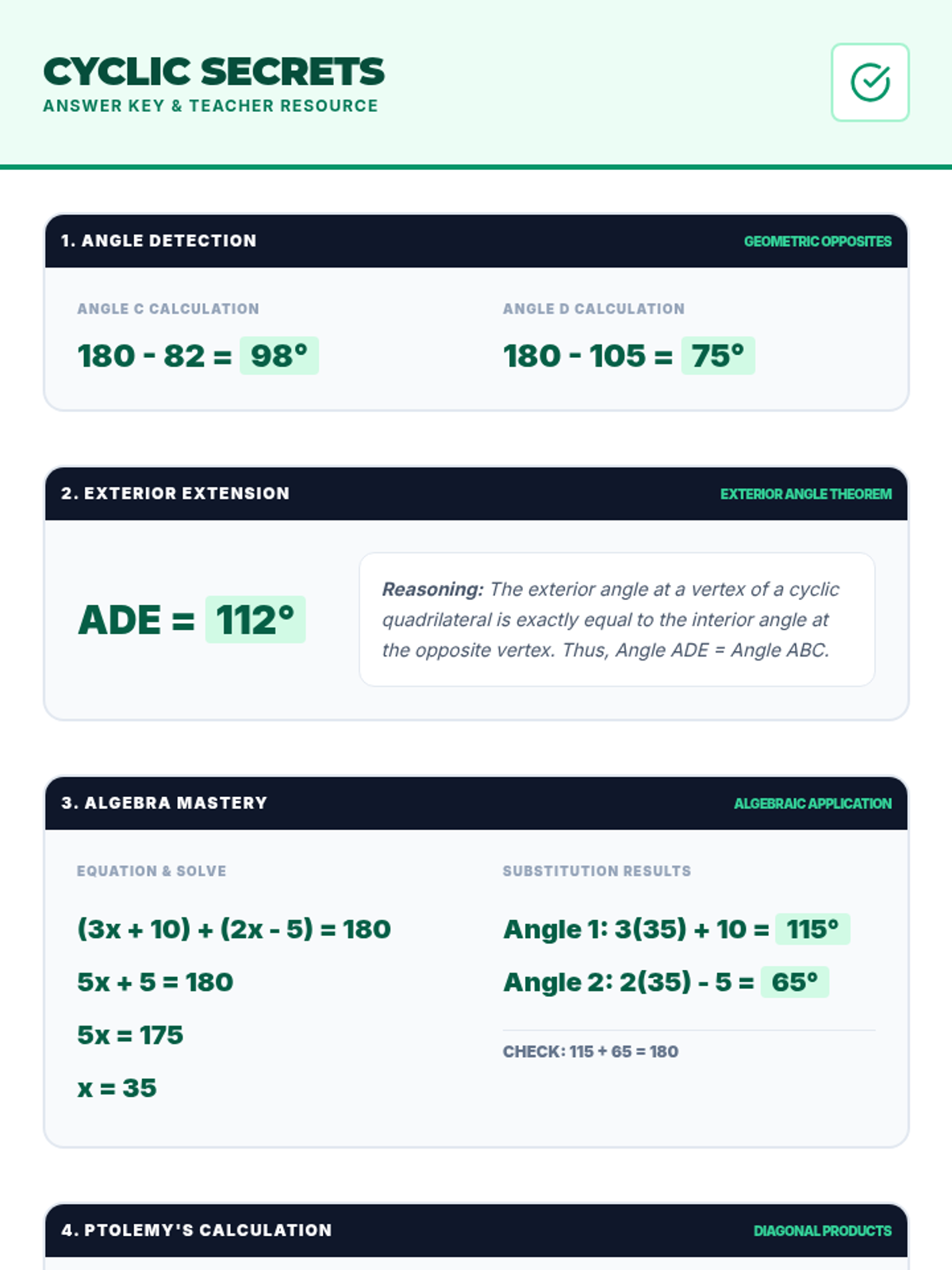
A concise exploration of cyclic quadrilaterals, focusing on the essential theorems and formulas governing four-sided shapes inscribed within circles.
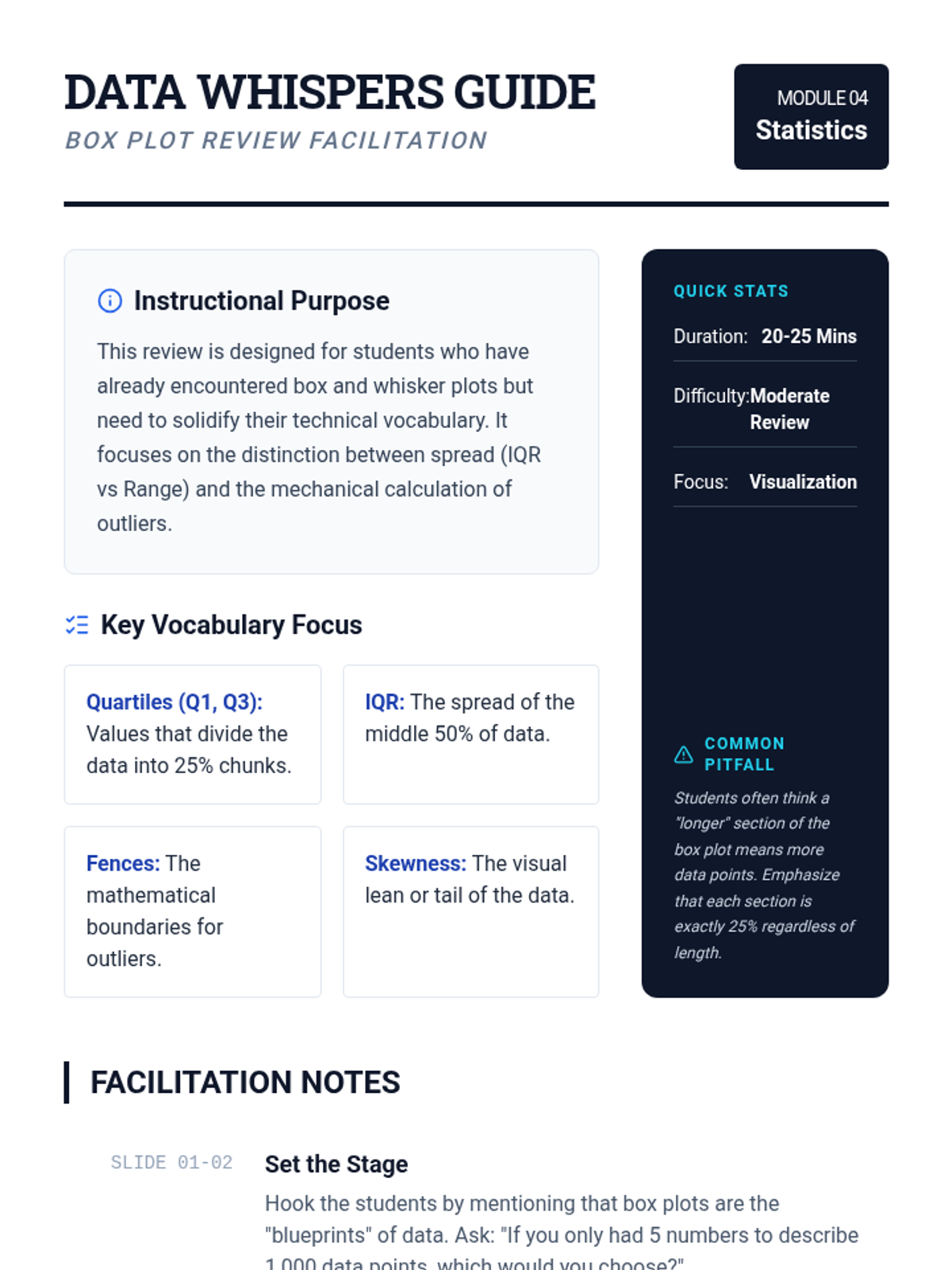
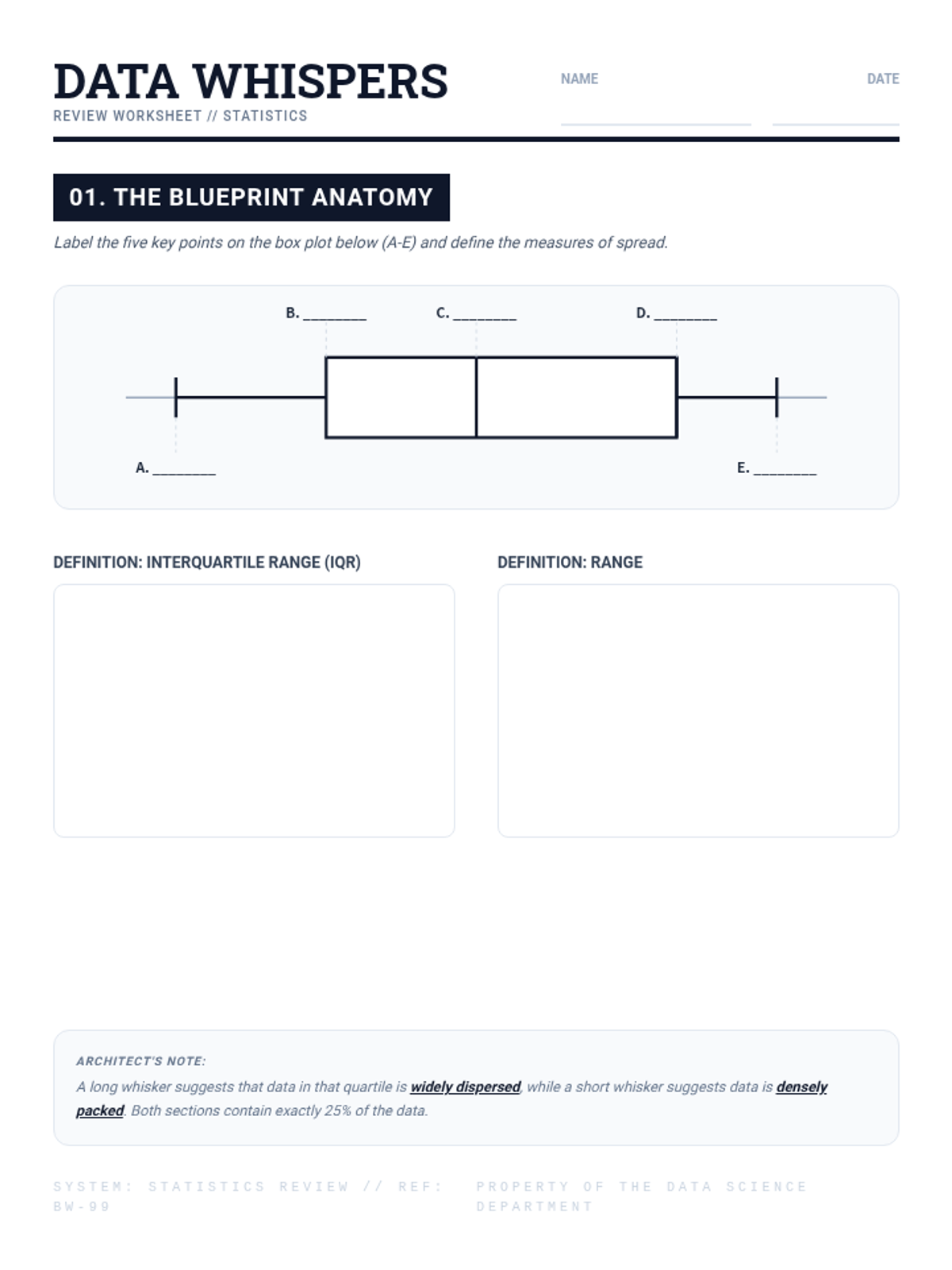
A high-energy review of Box and Whisker plots, focusing on the five-number summary, IQR, and data interpretation for students who have already been introduced to the concept.
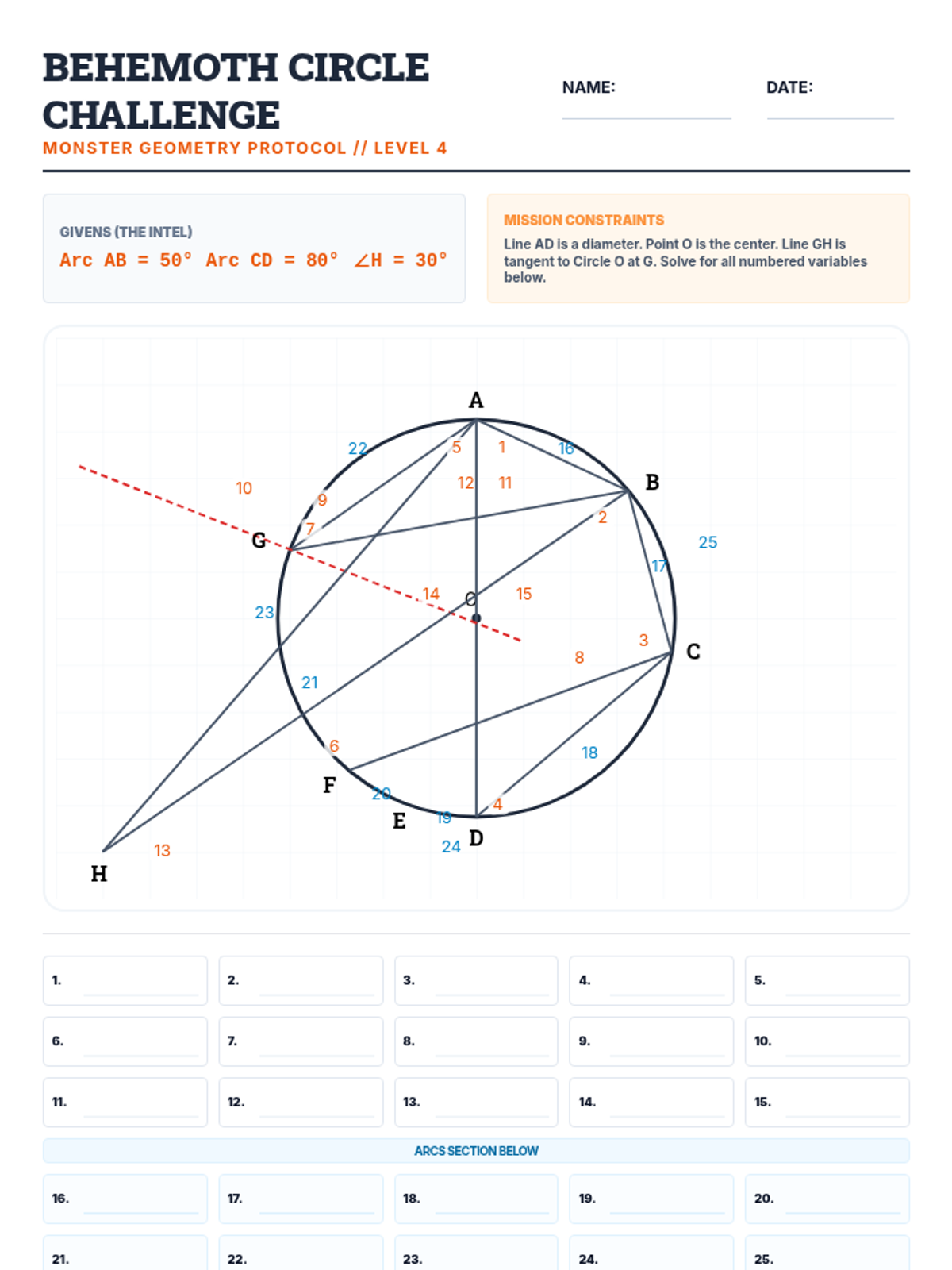
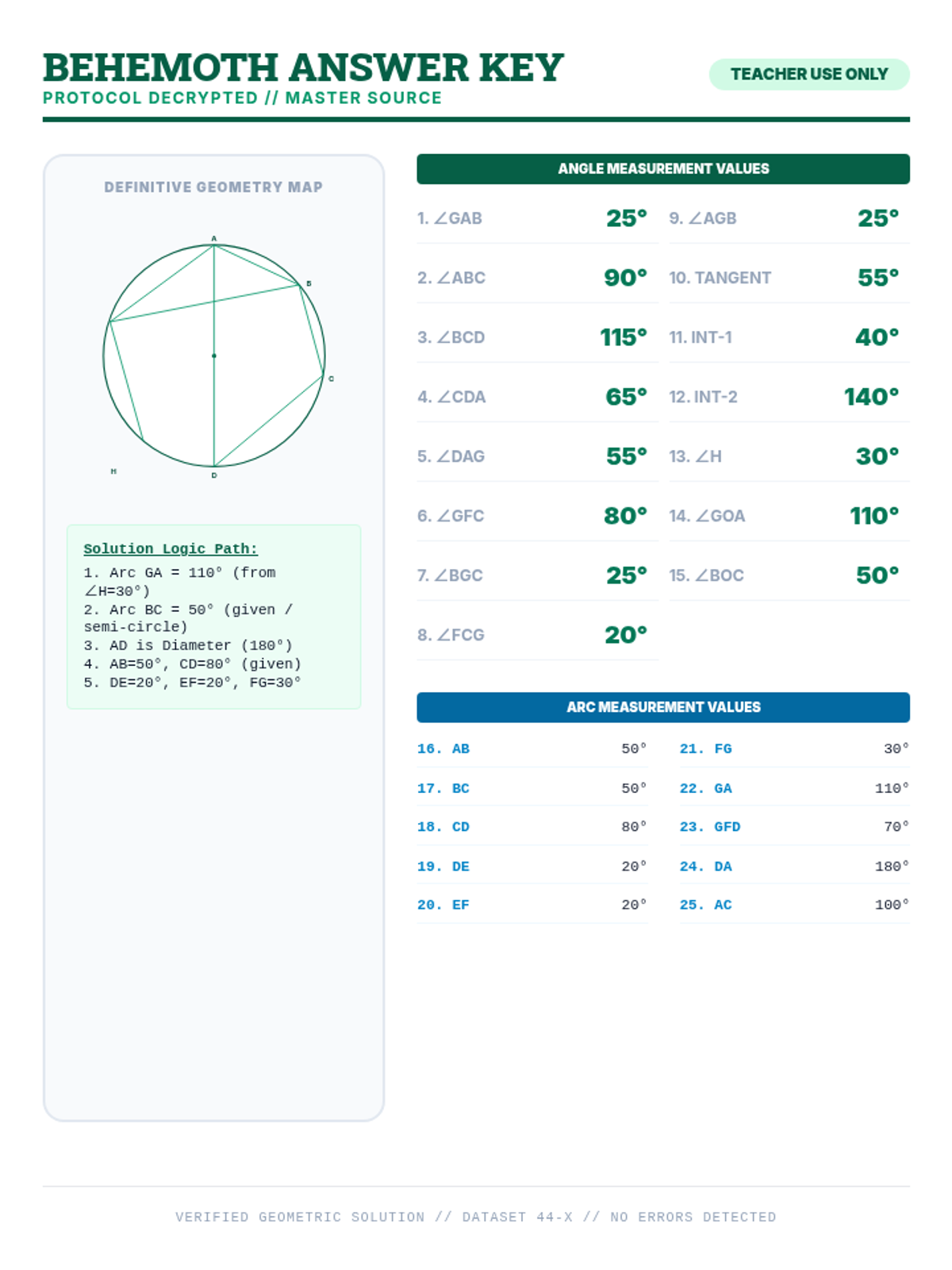
A high-intensity geometry lesson centered around a 'Monster Circle' challenge, where students apply all circle theorems to solve a single complex diagram.
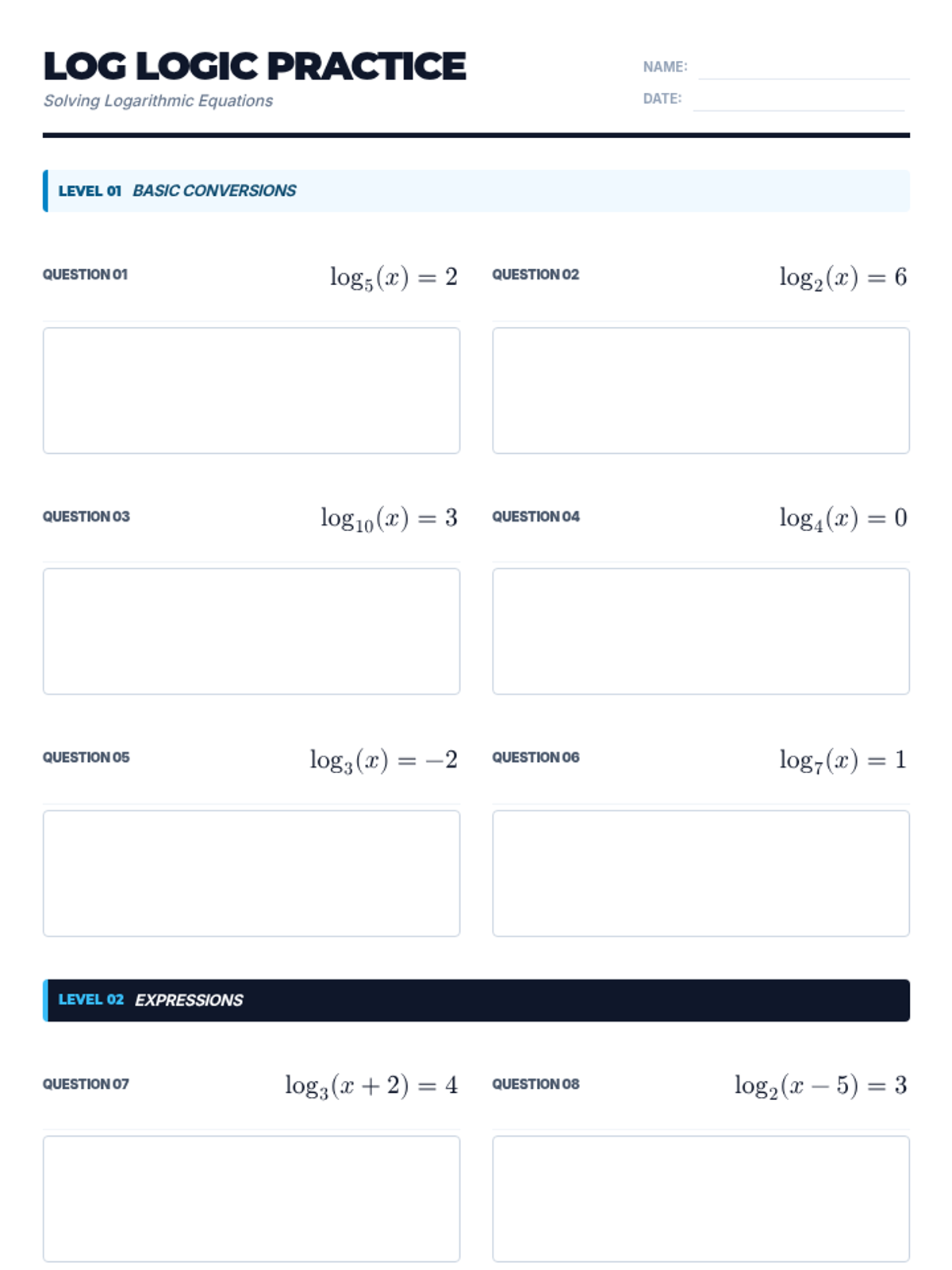
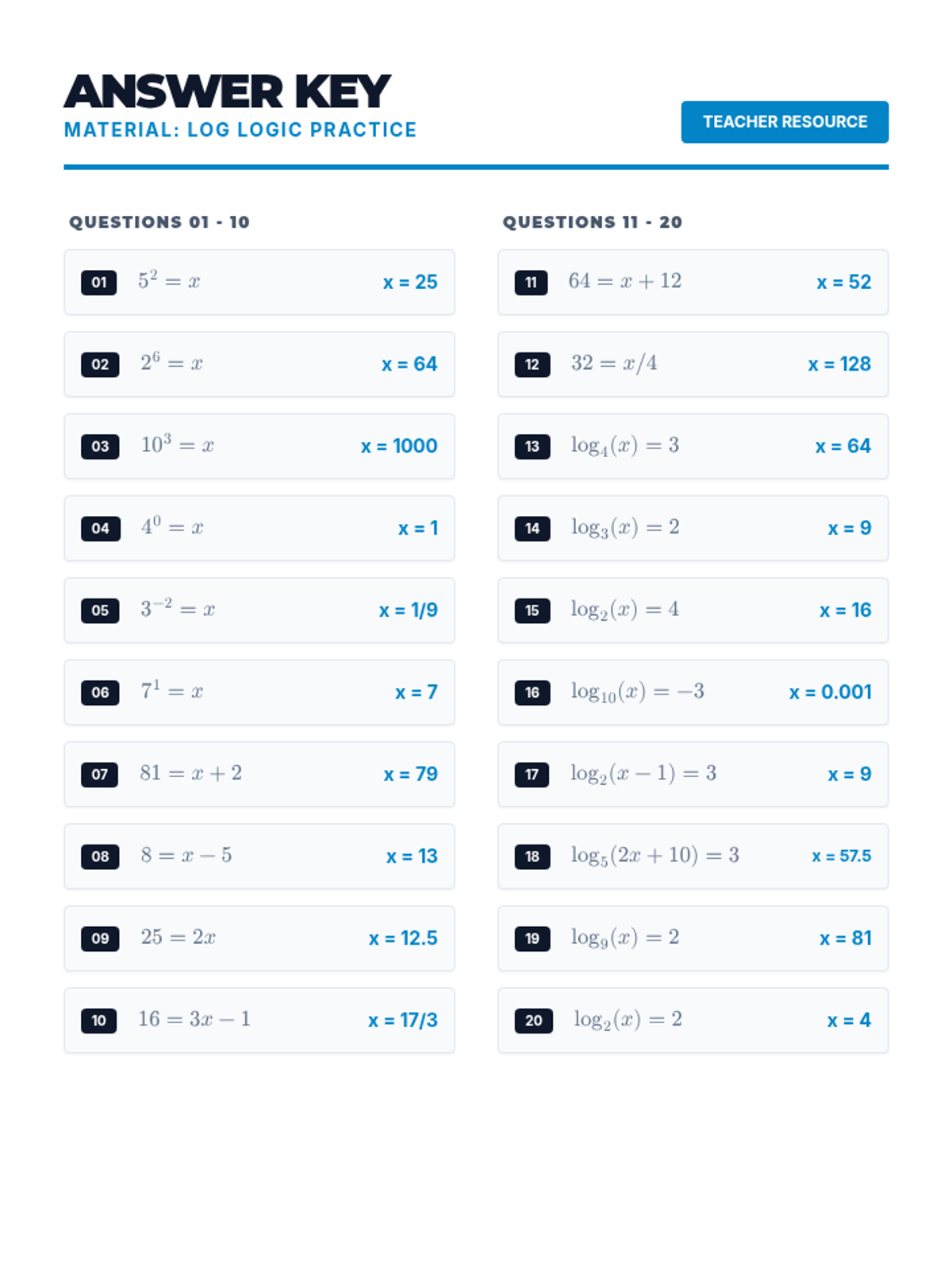
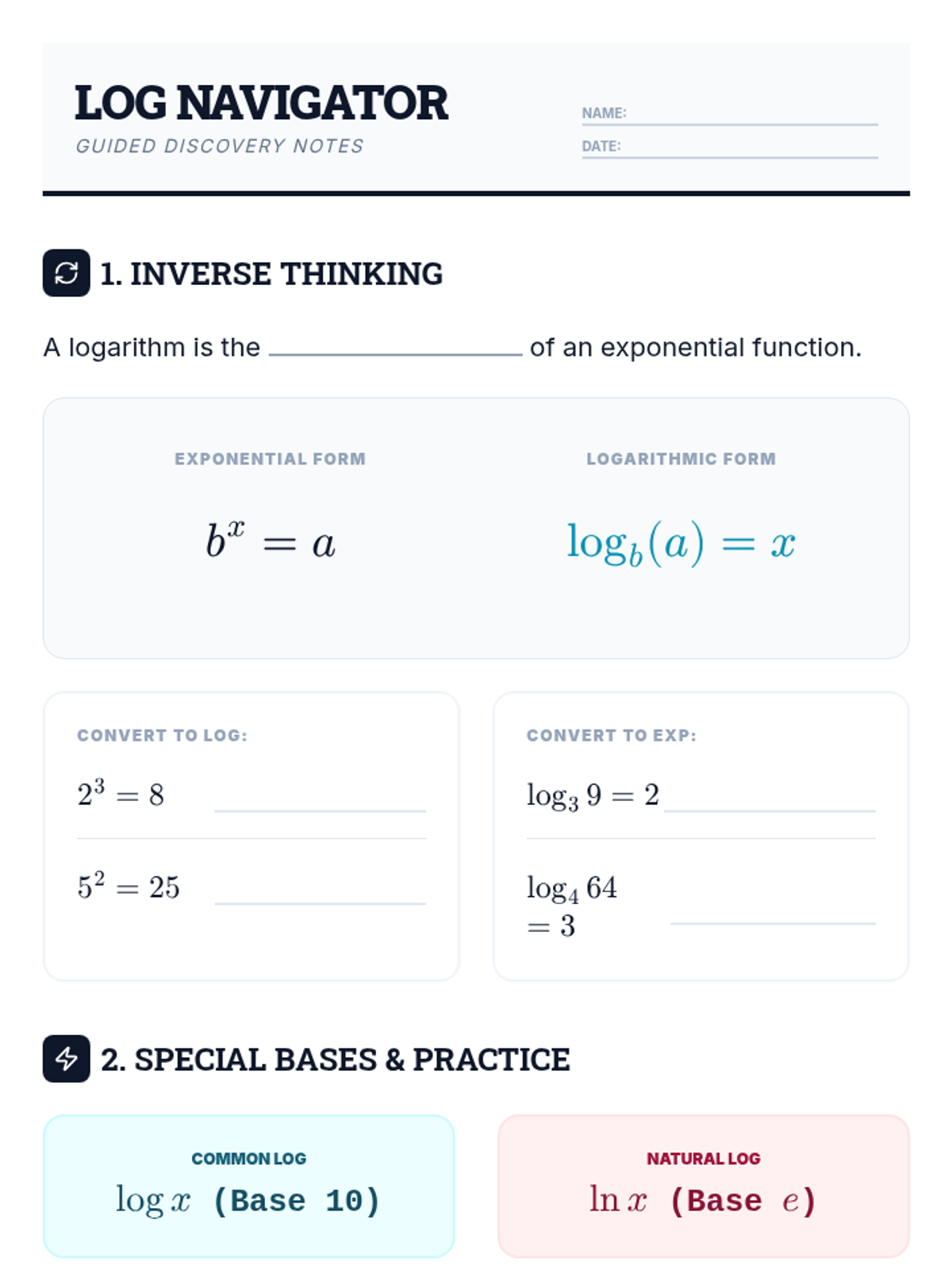
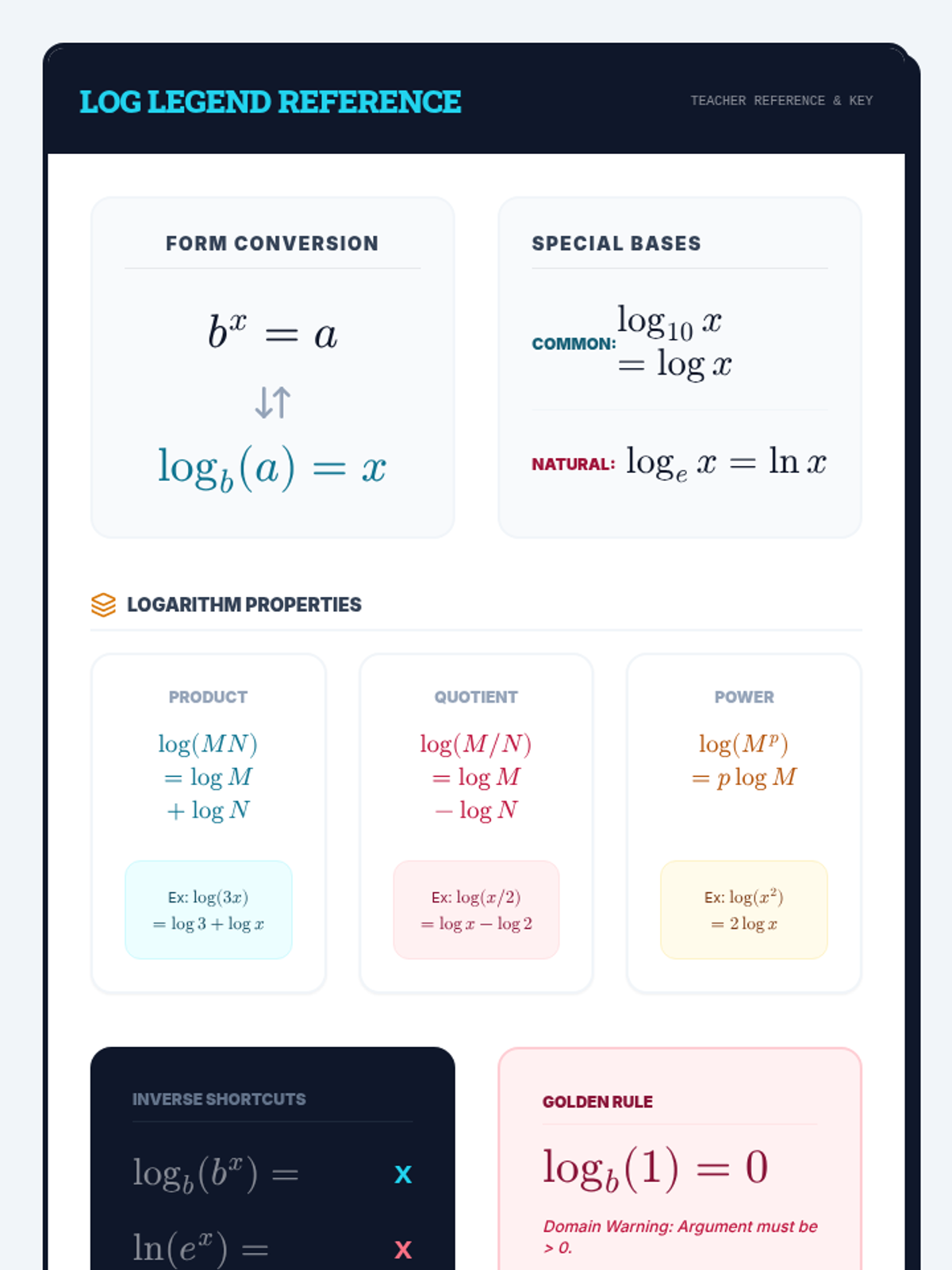
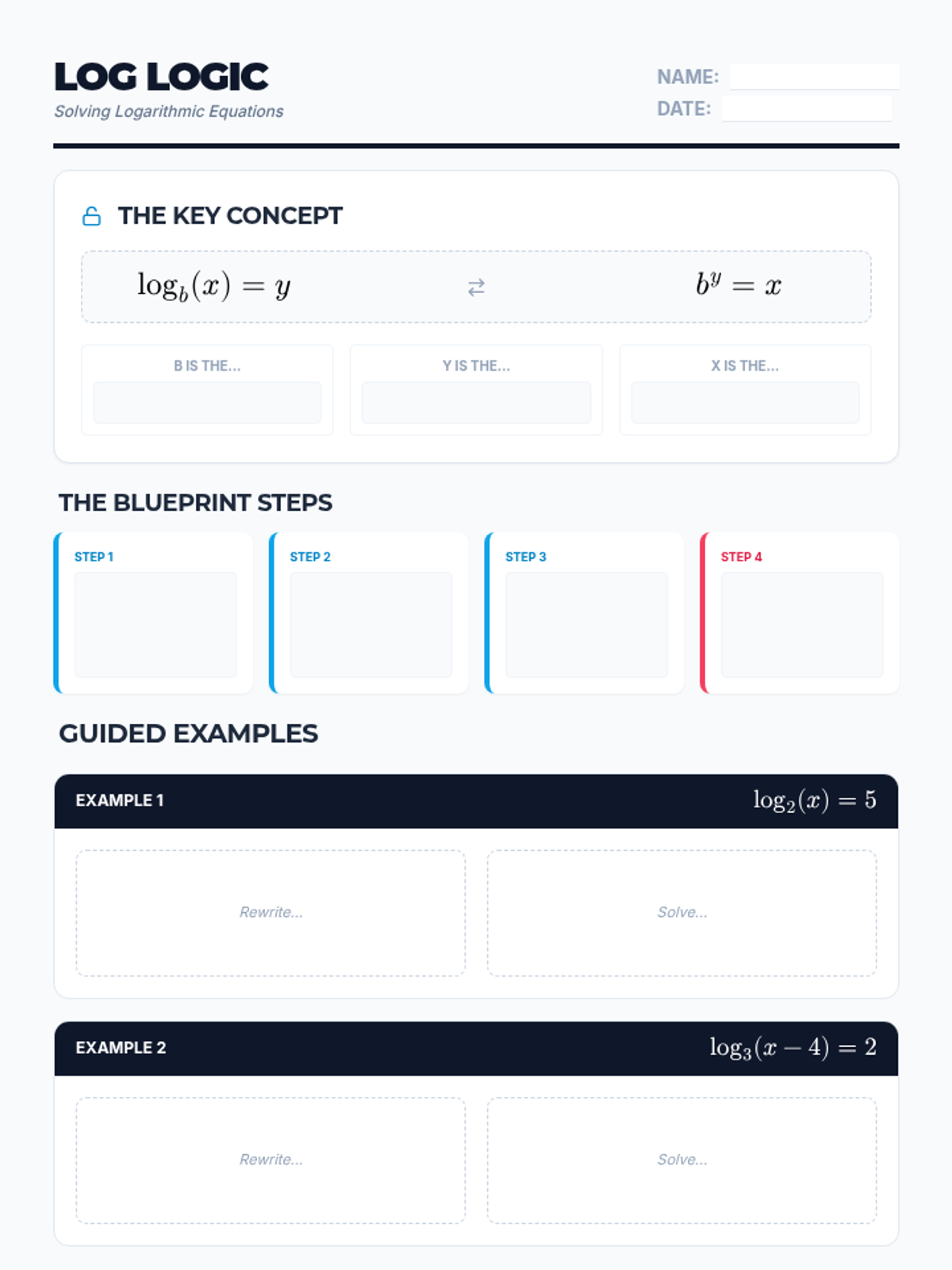
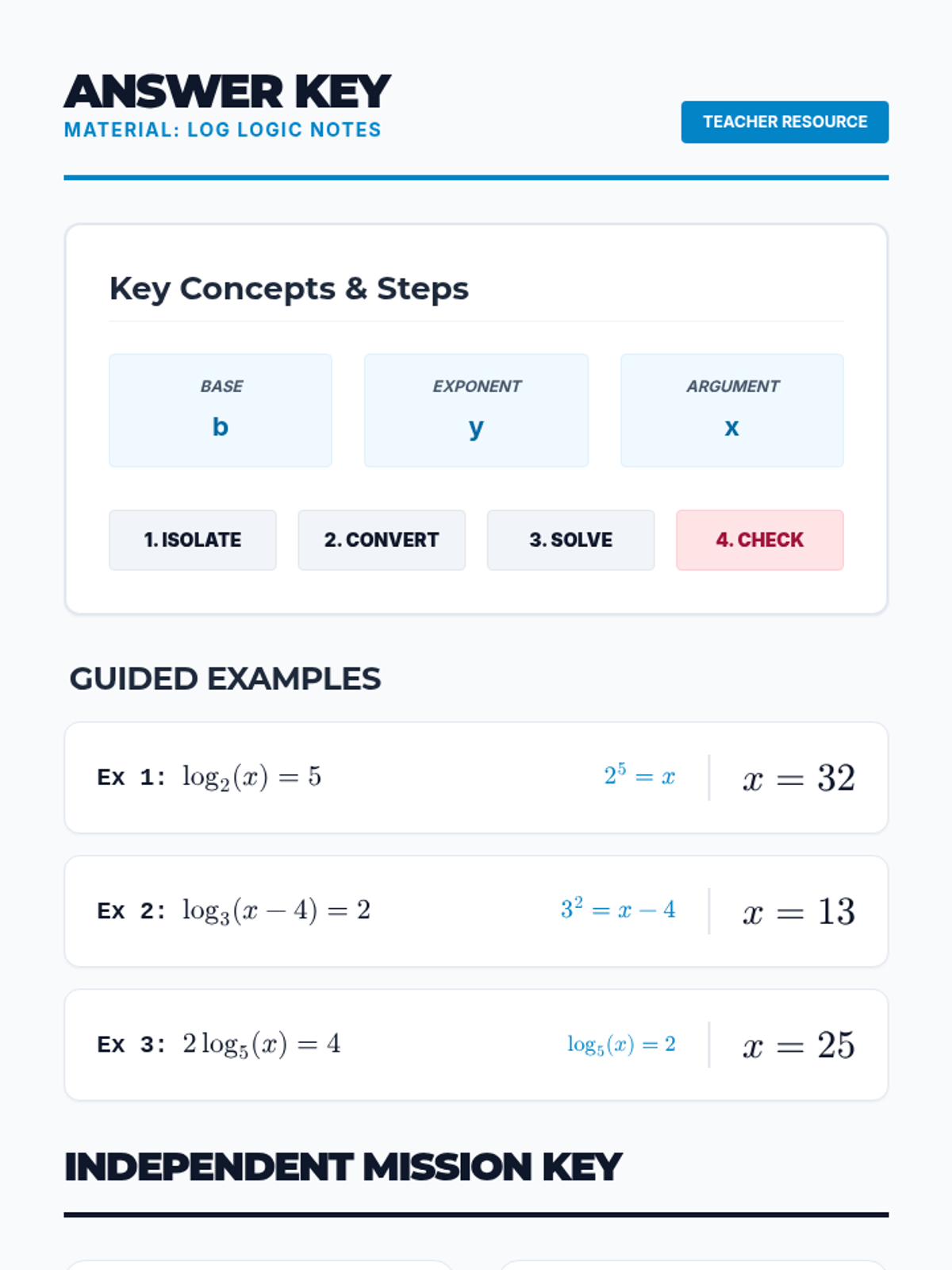
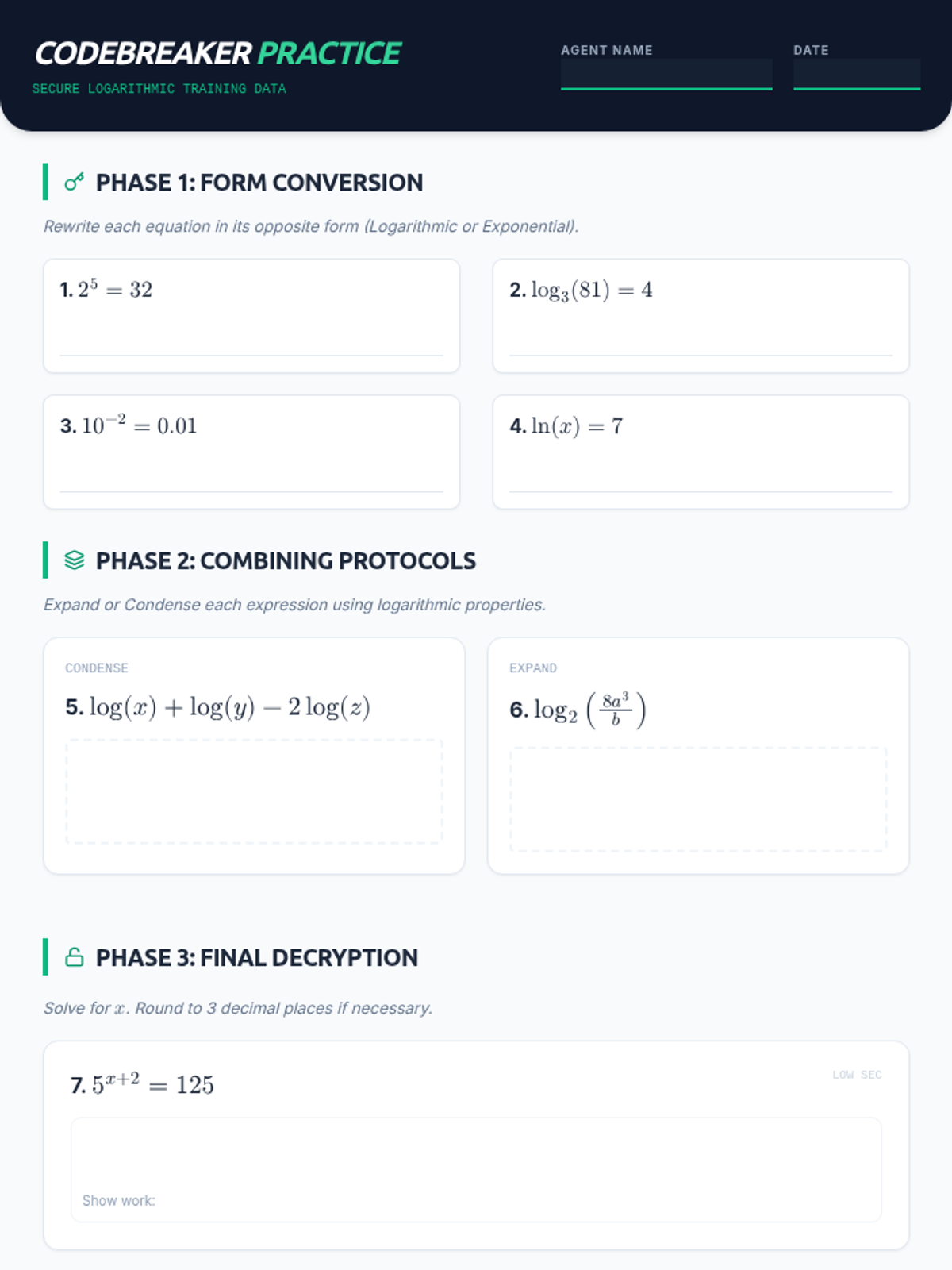
A comprehensive lesson on solving logarithmic equations by converting them to exponential form. Includes guided notes, a visual slide deck, and a complete answer key.
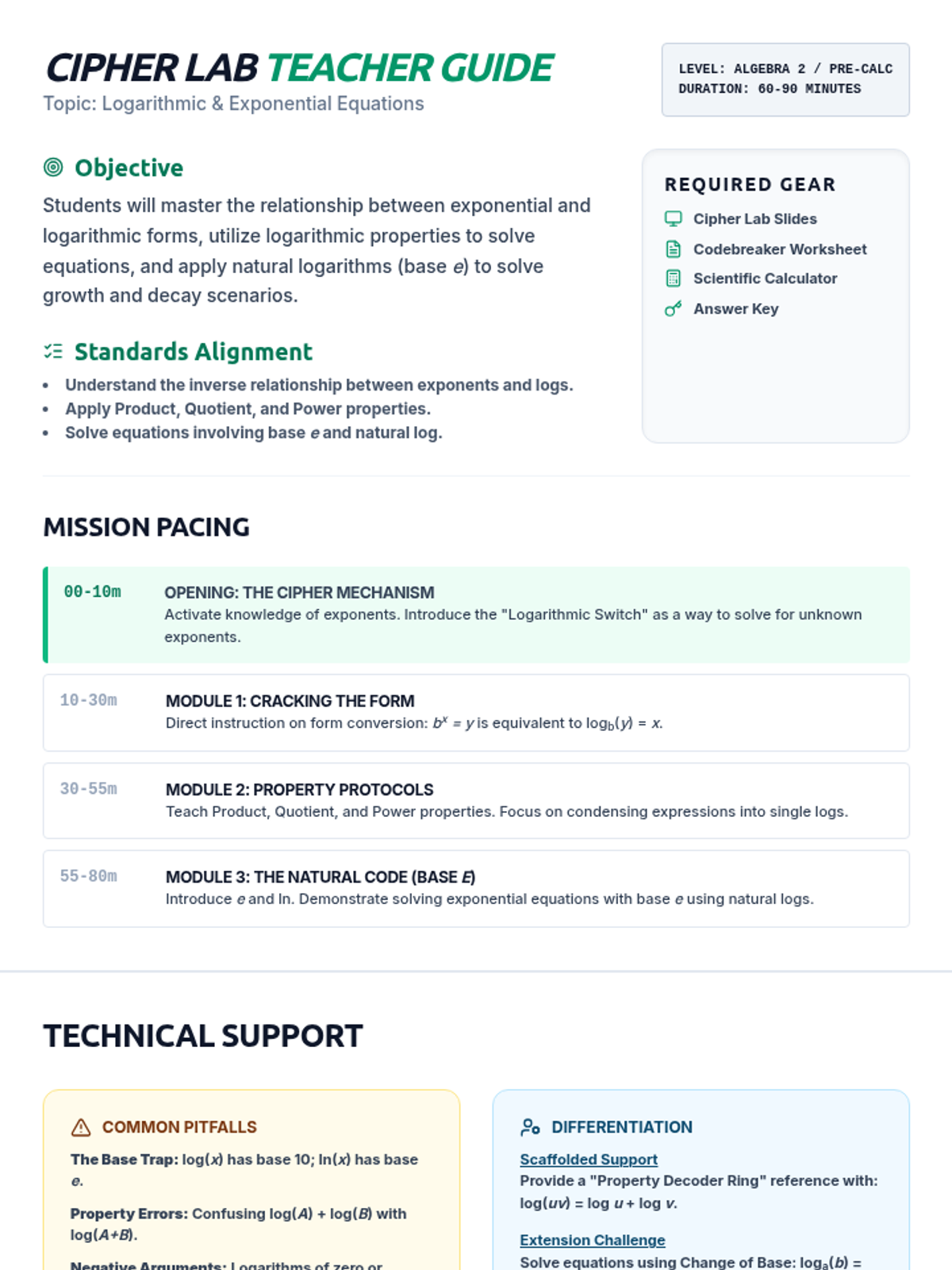
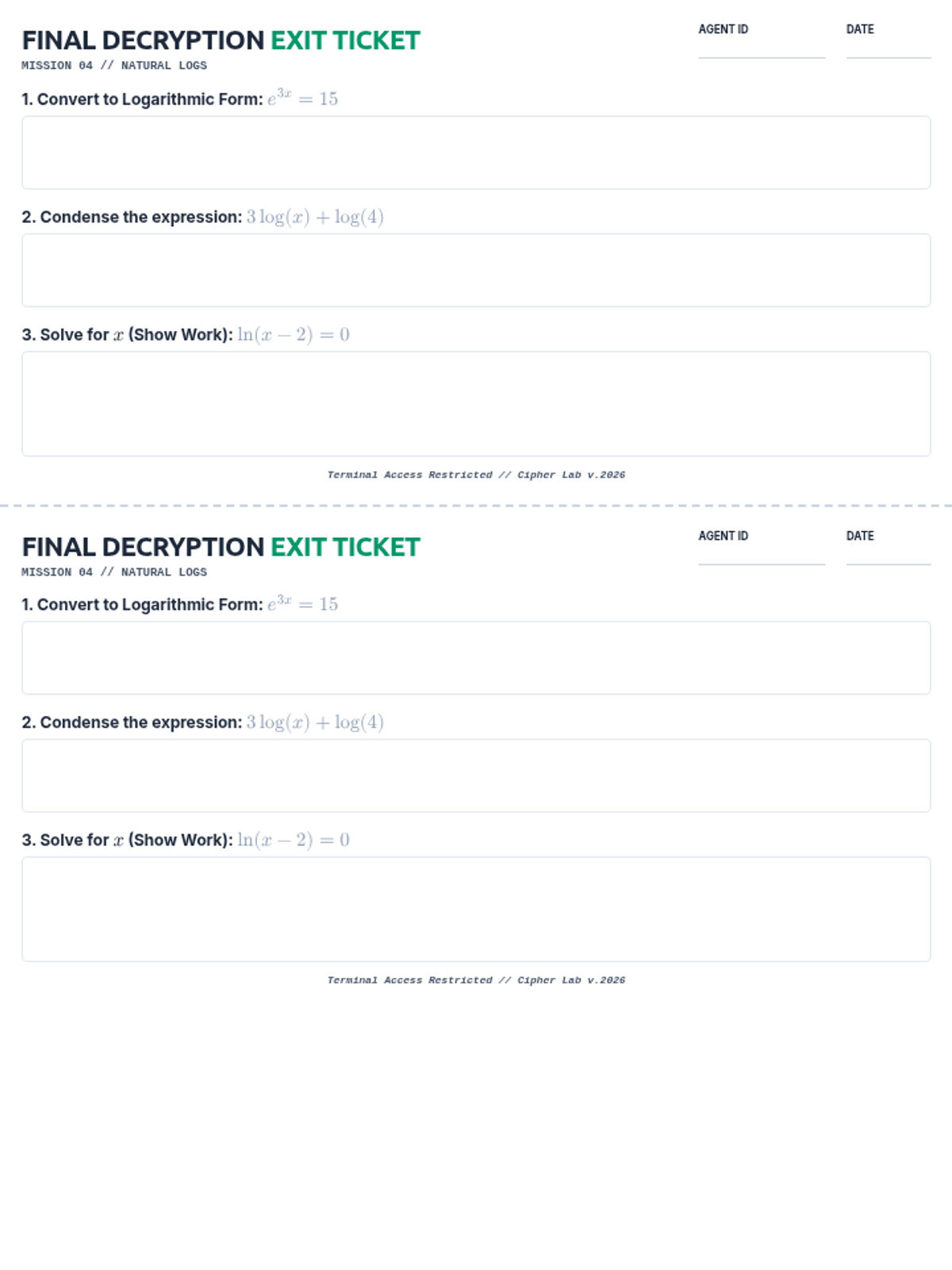
A comprehensive introduction to logarithmic and exponential equations, focusing on form conversion, logarithmic properties, and natural logs using a 'Cipher Lab' theme.
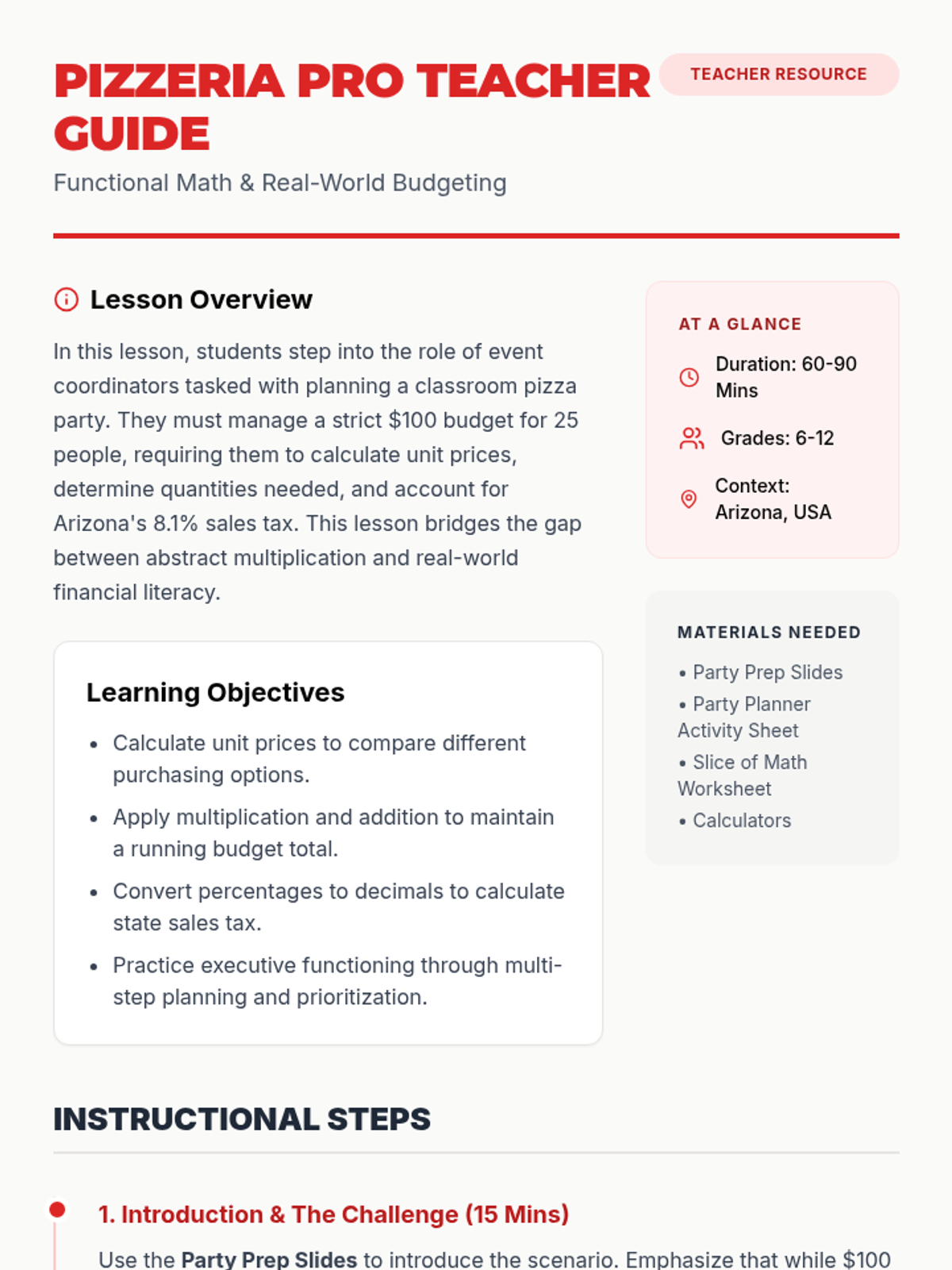
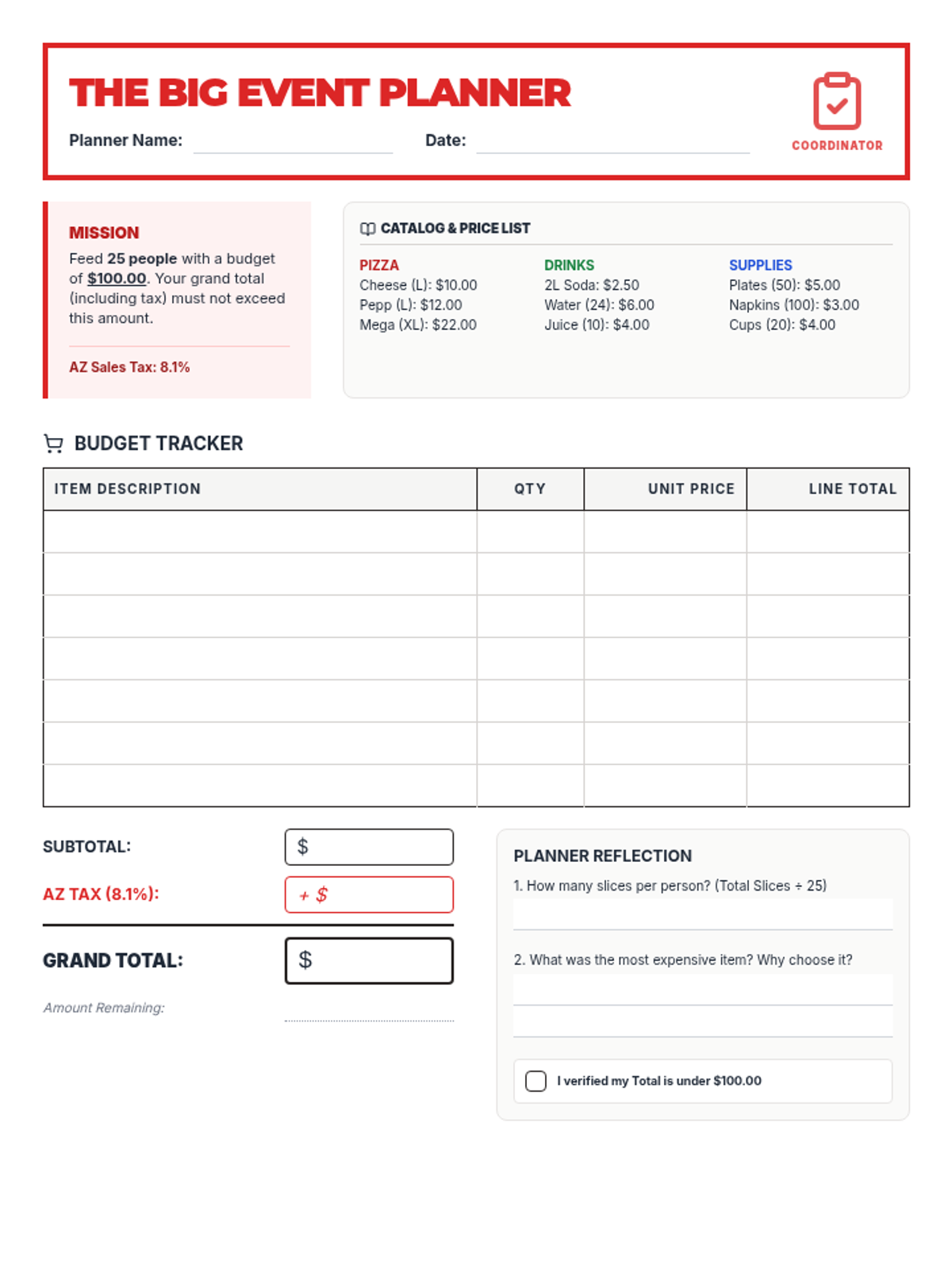
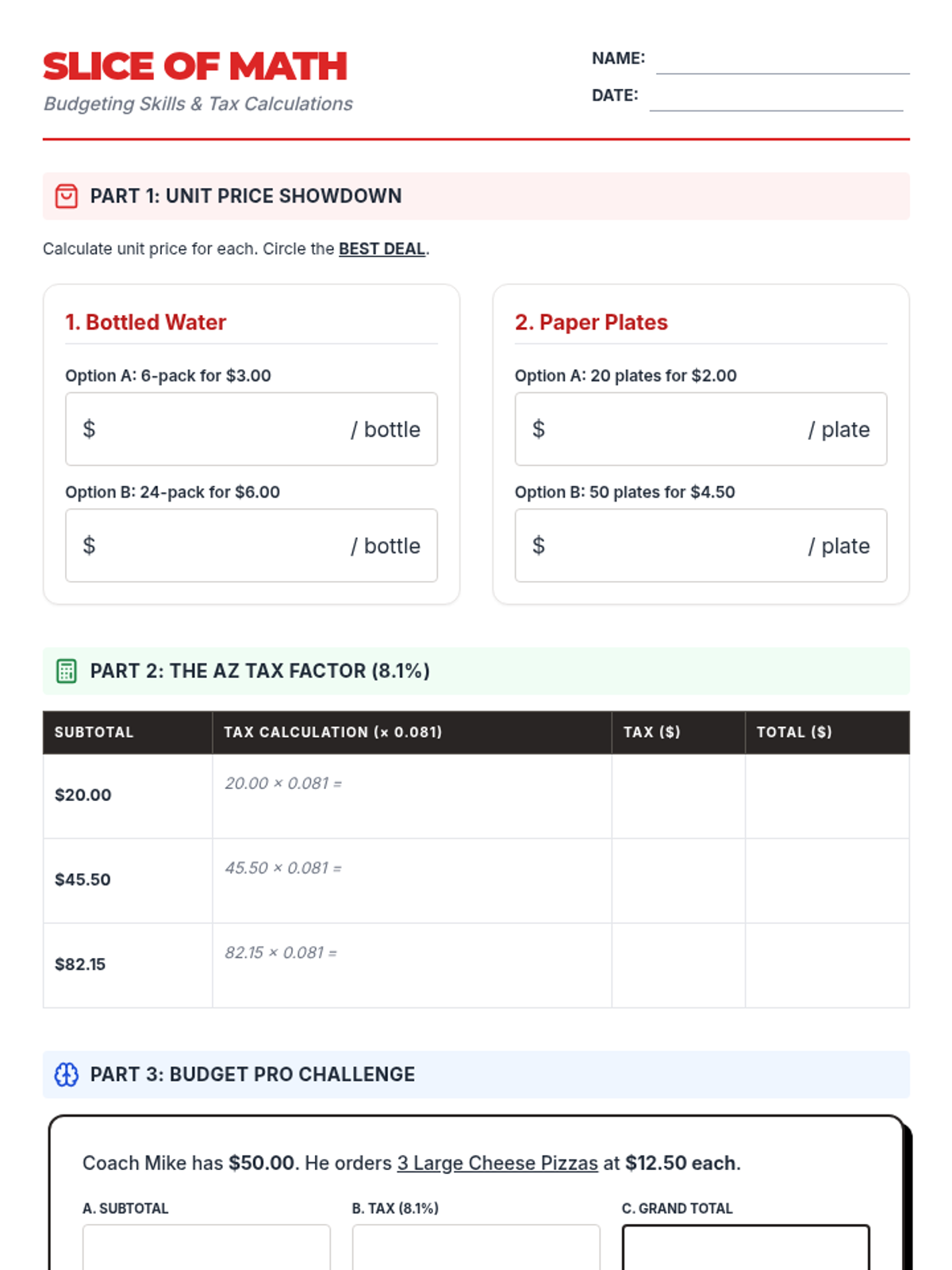
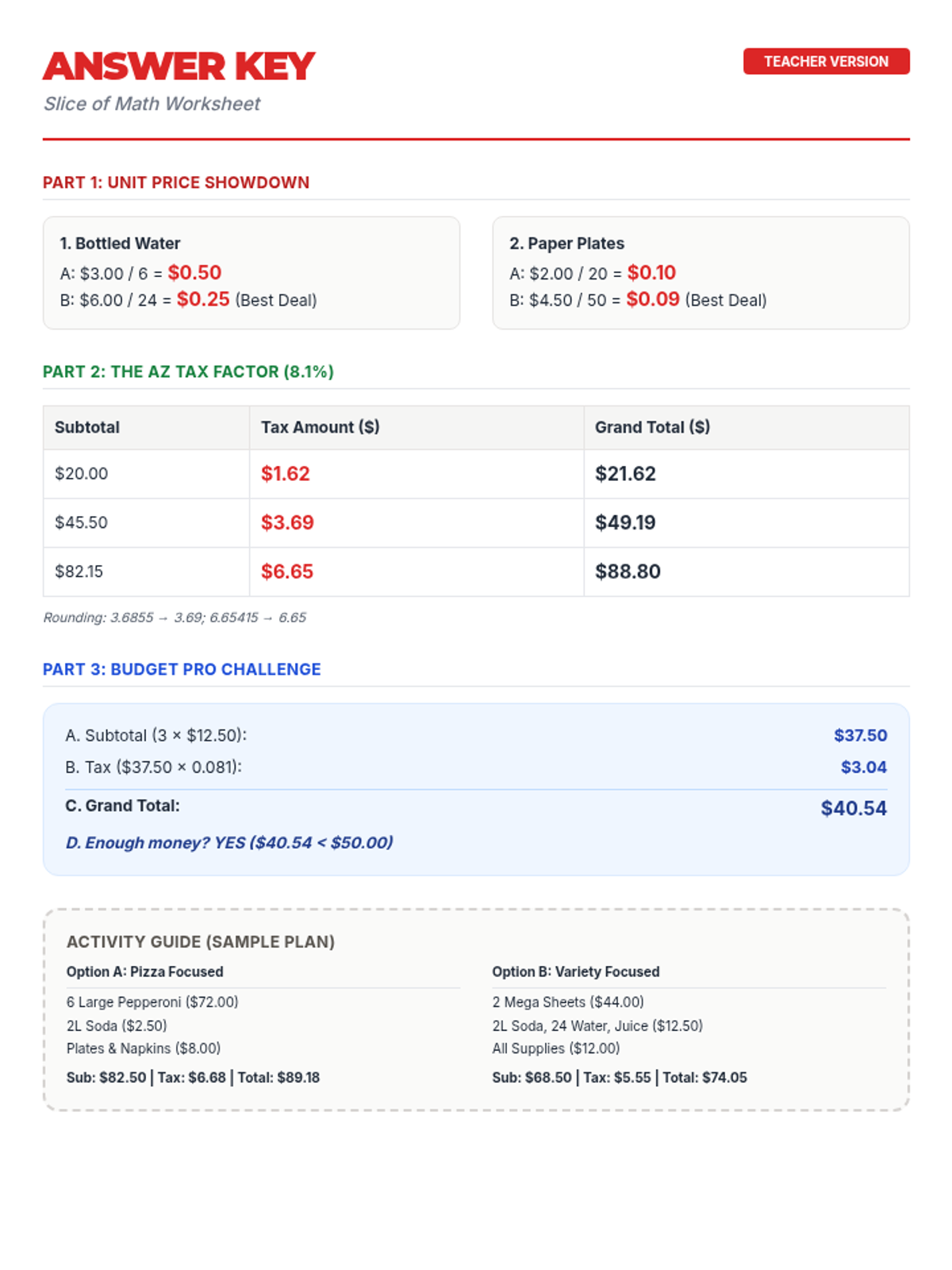
Students take on the role of event planners to organize a classroom pizza party. They must navigate a $100 budget, compare unit prices for the best deals, and calculate Arizona sales tax to ensure they stay within their financial limits.
An introductory lesson on logarithmic functions, covering conversion between forms, evaluating basic logs, natural logarithms with 'e', and the fundamental properties of logs.
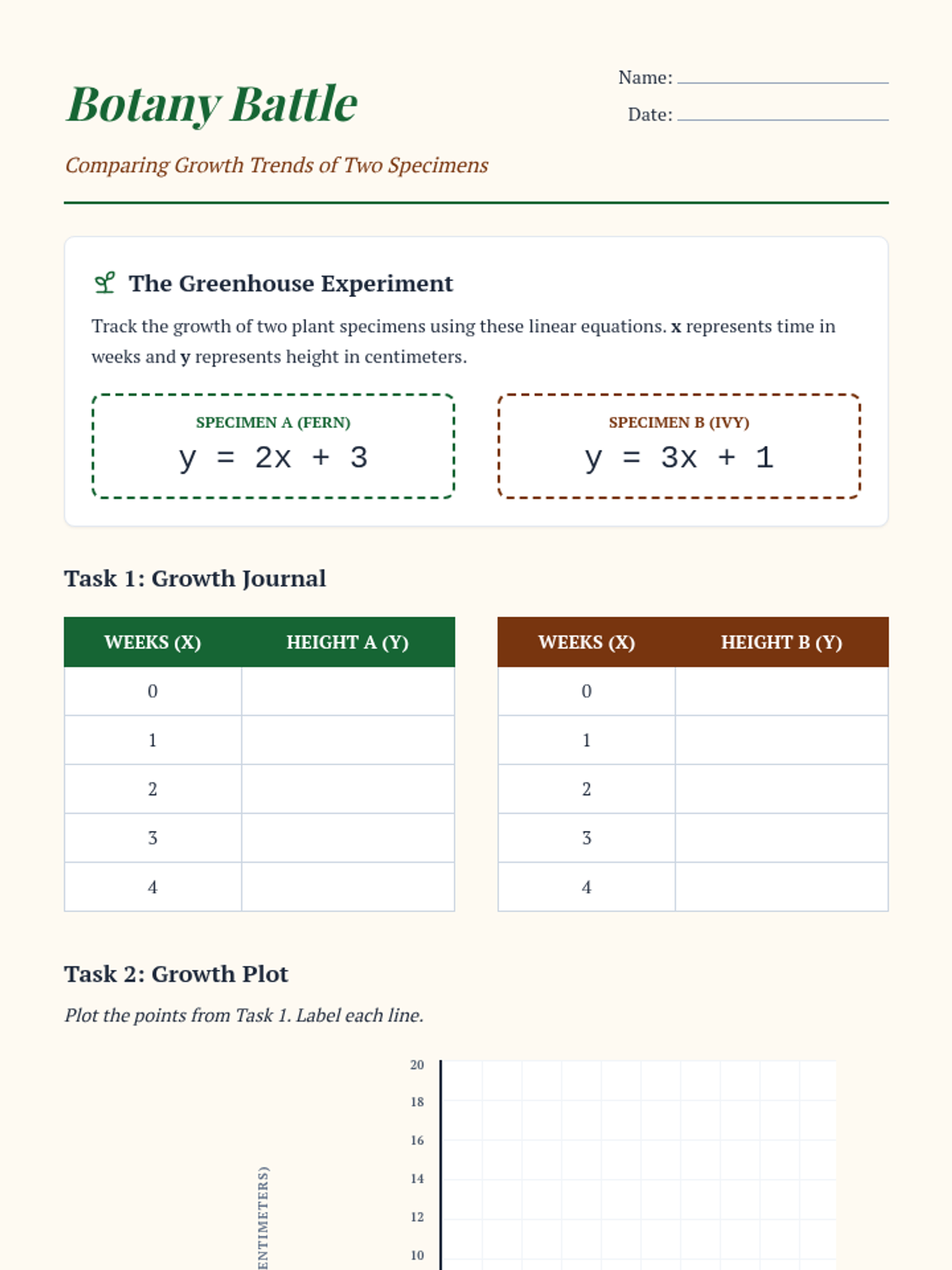
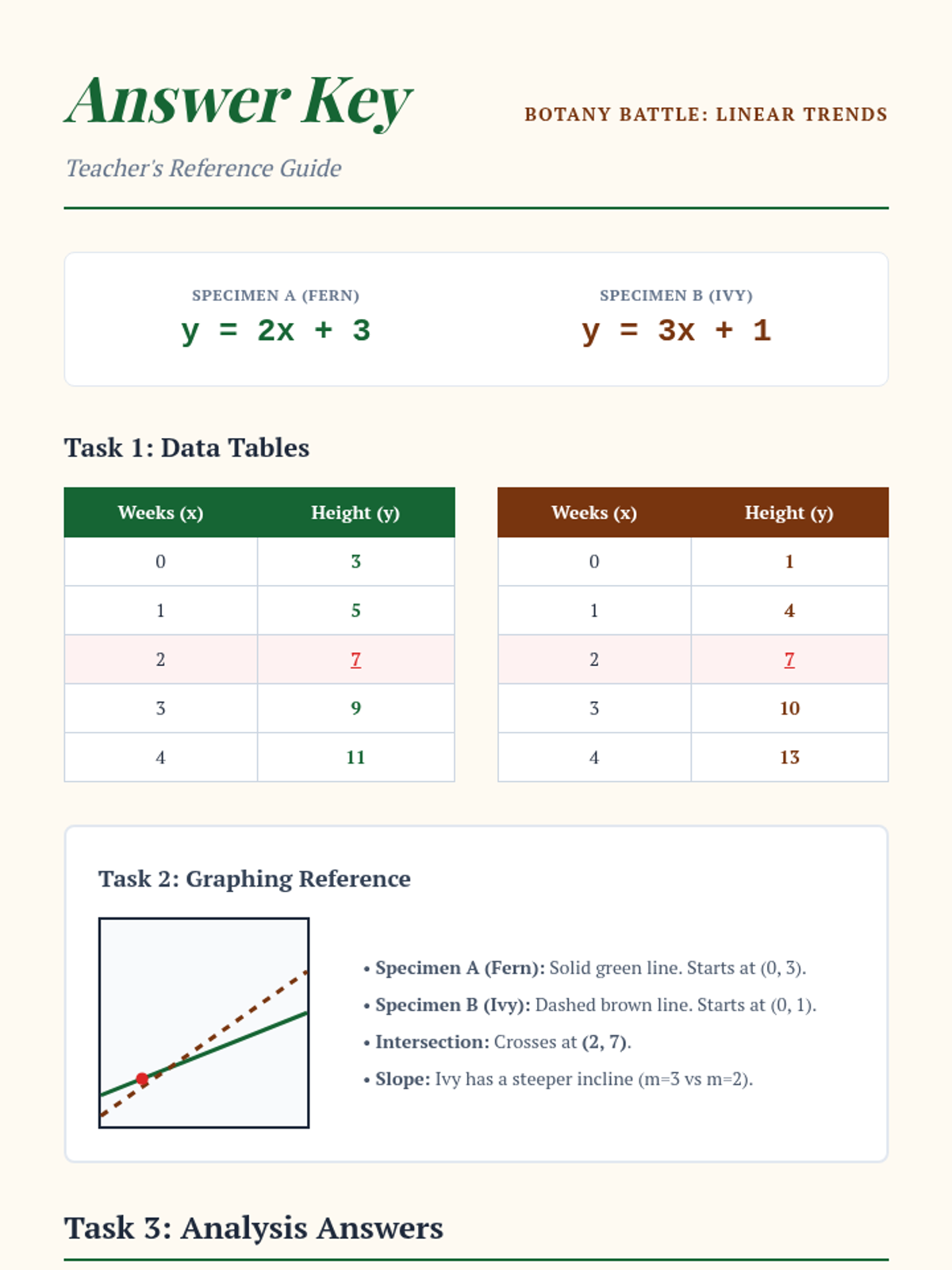
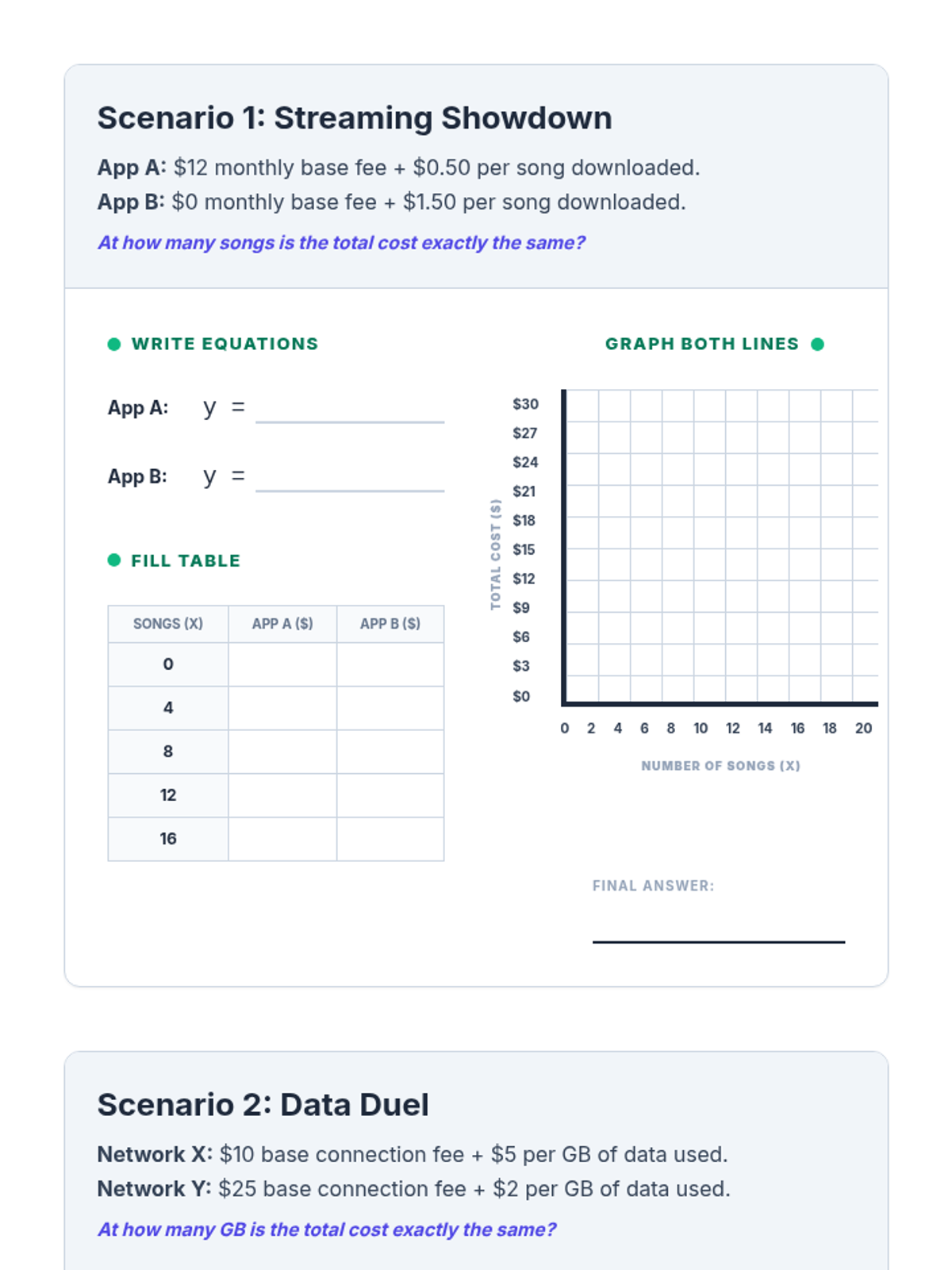
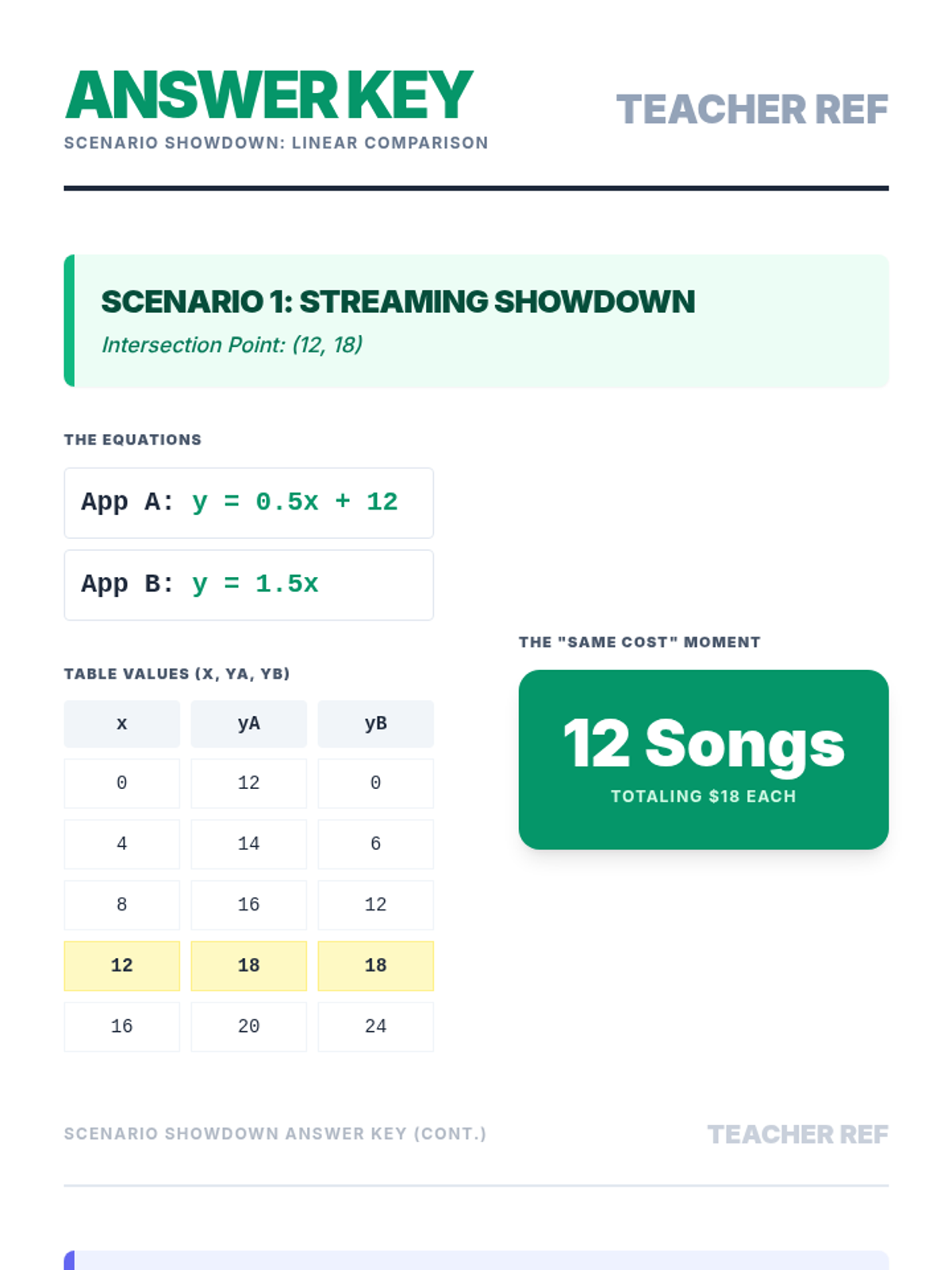
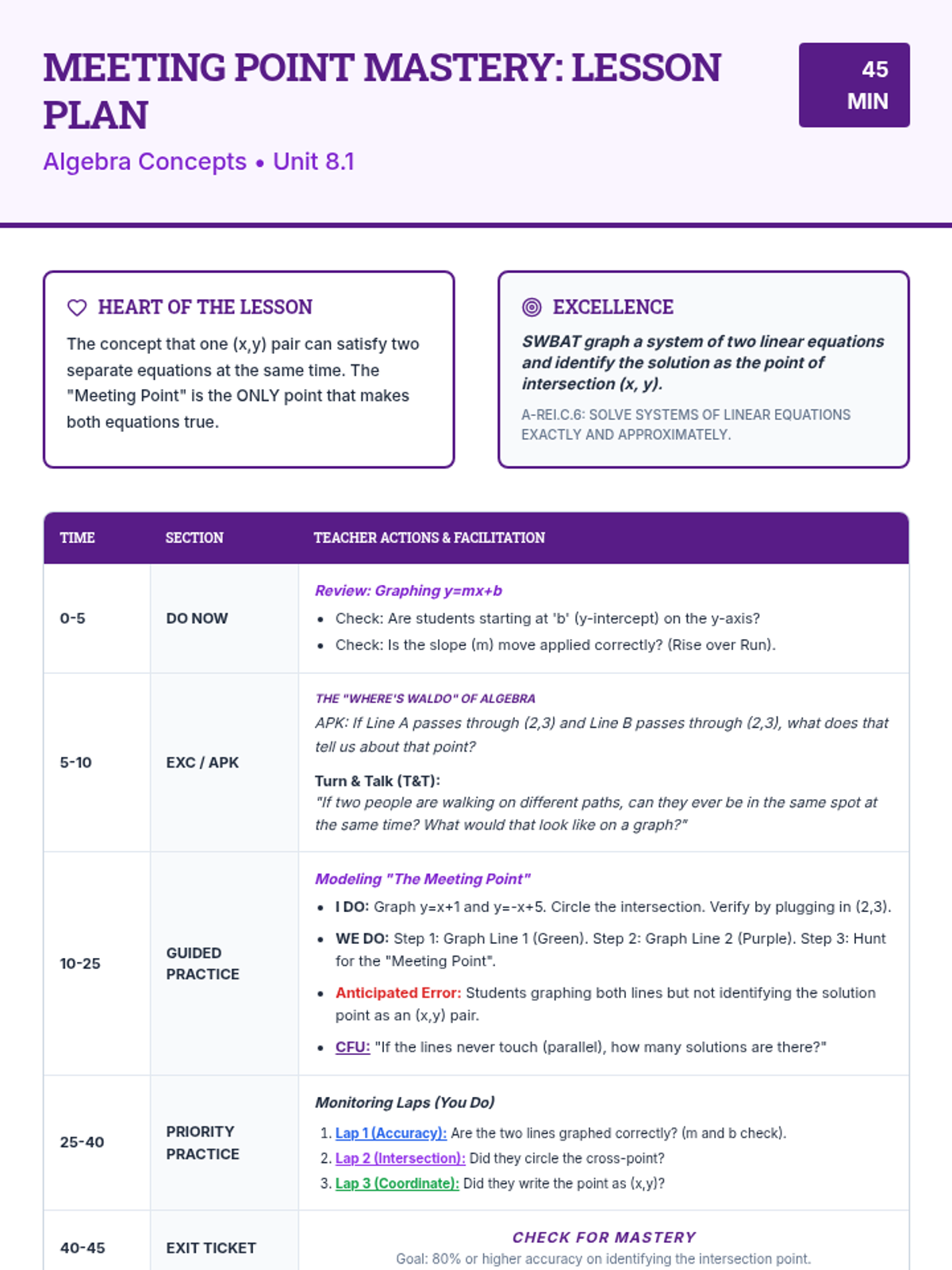
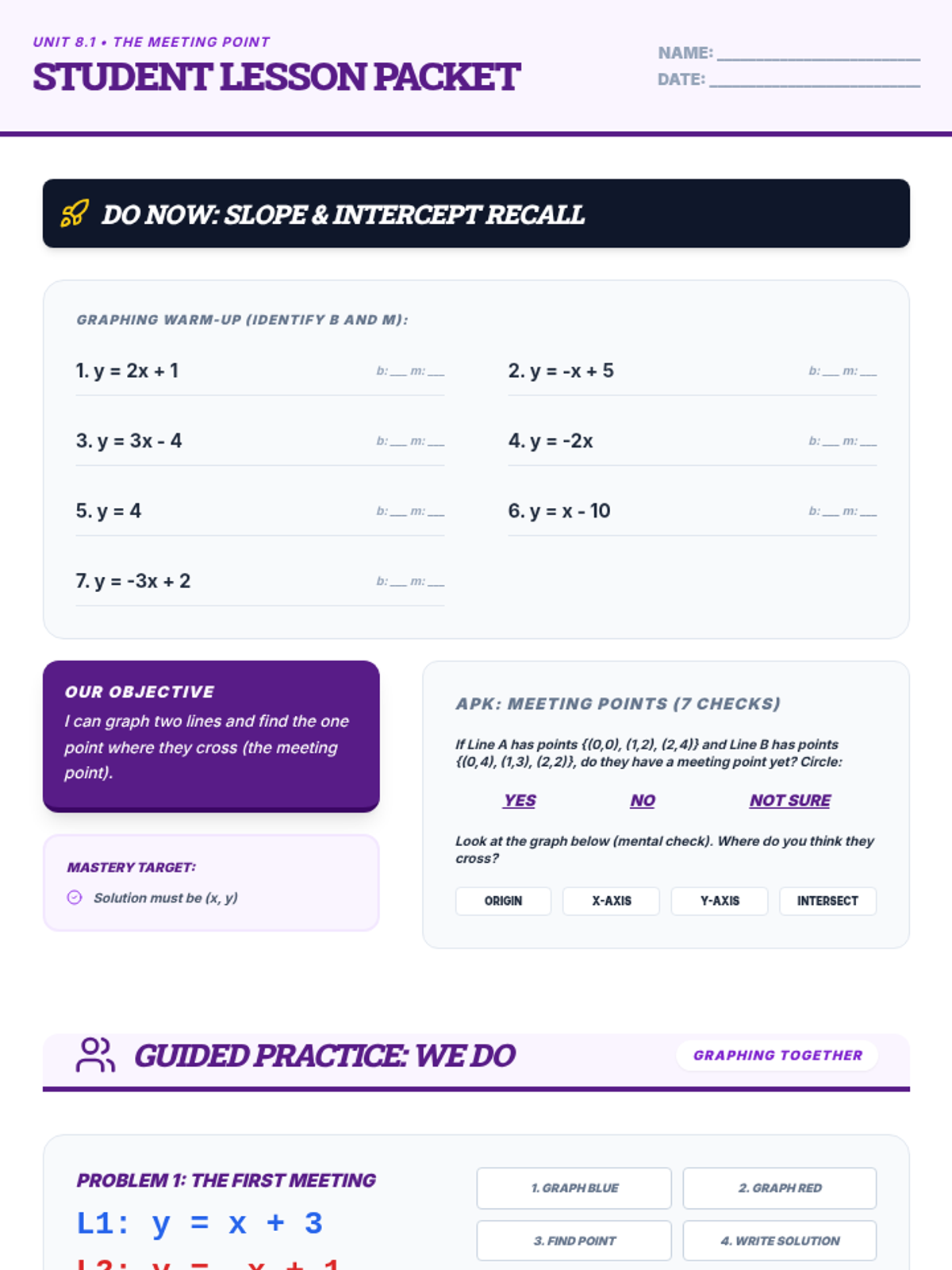
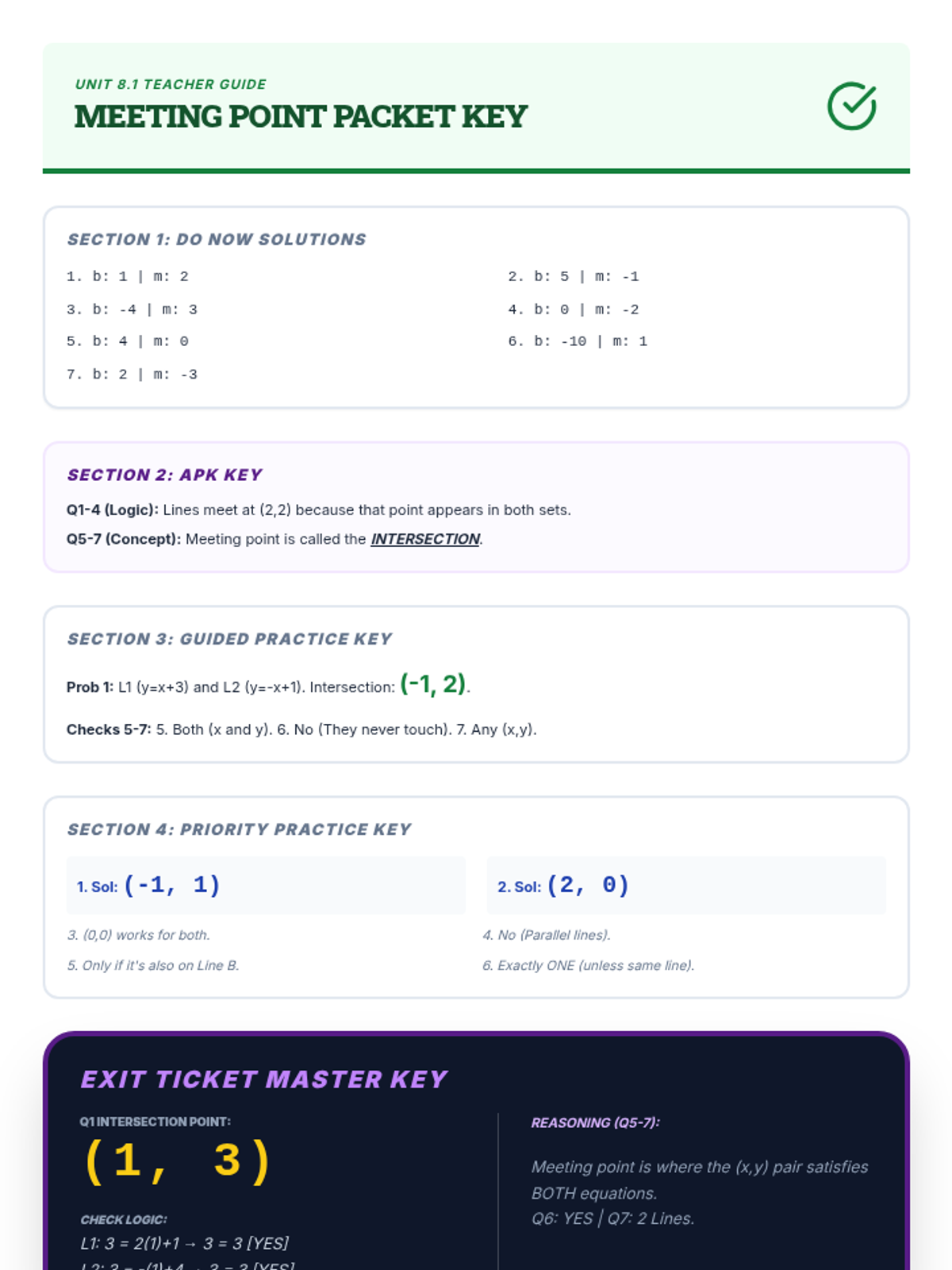
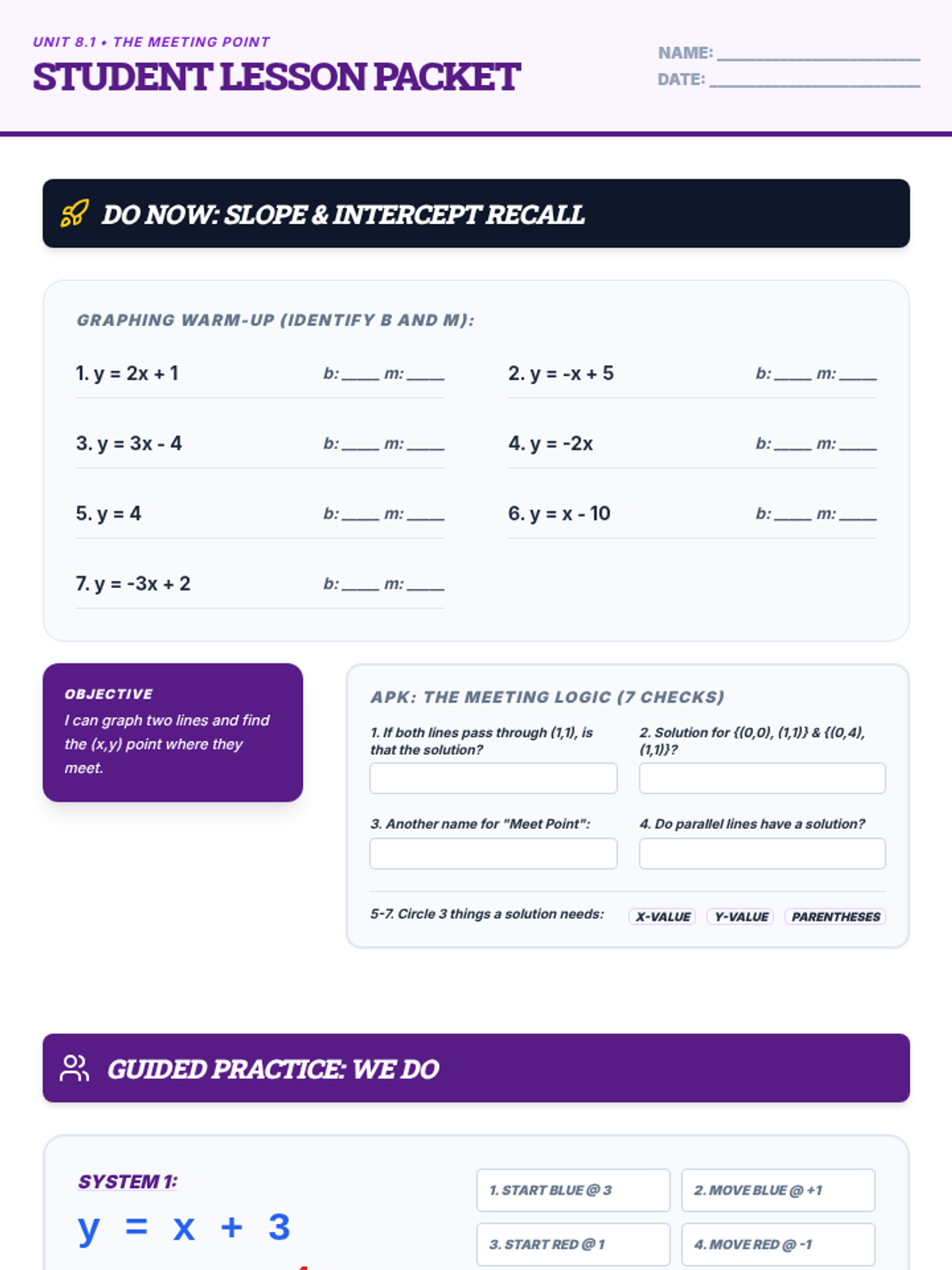
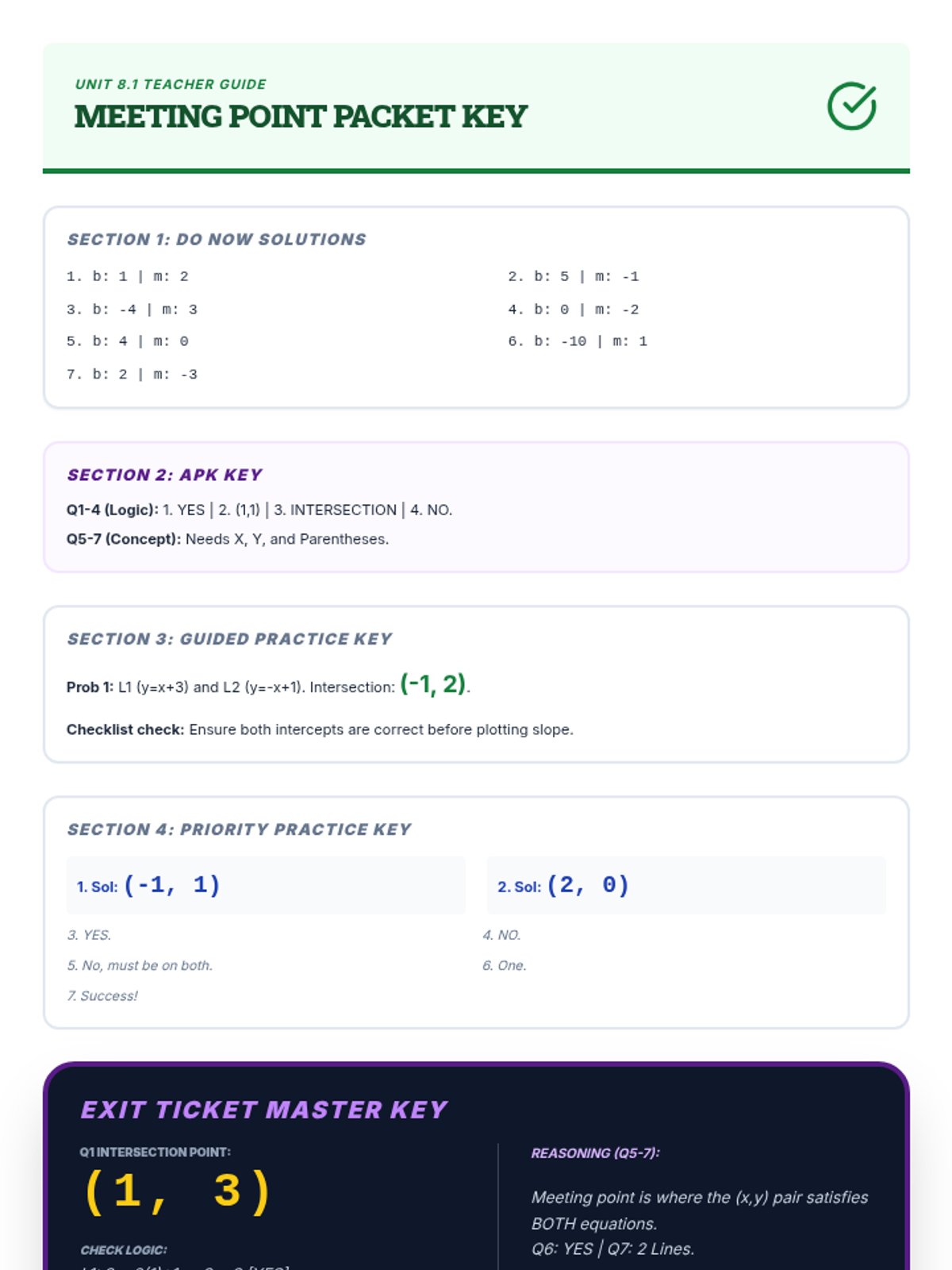
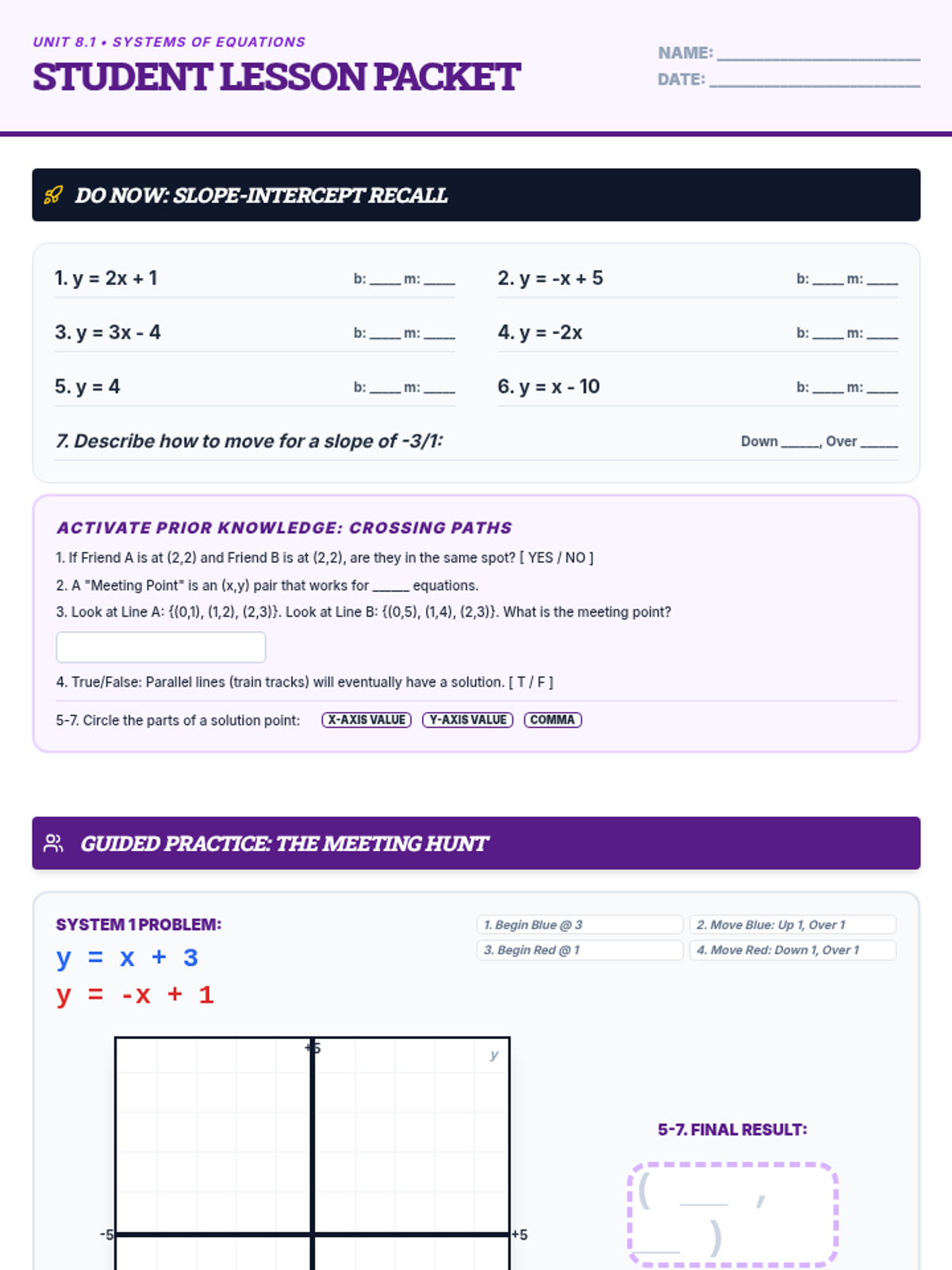
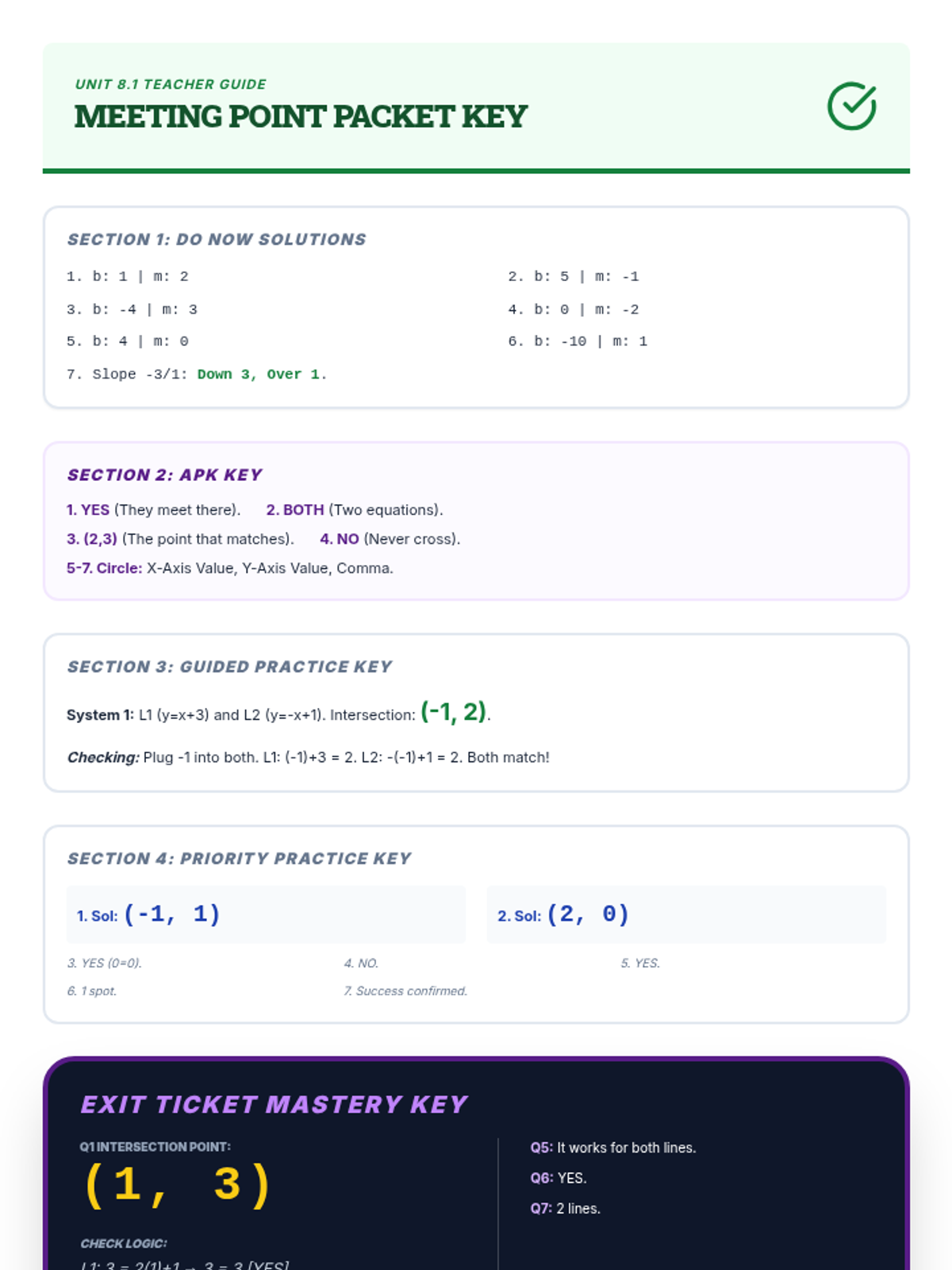
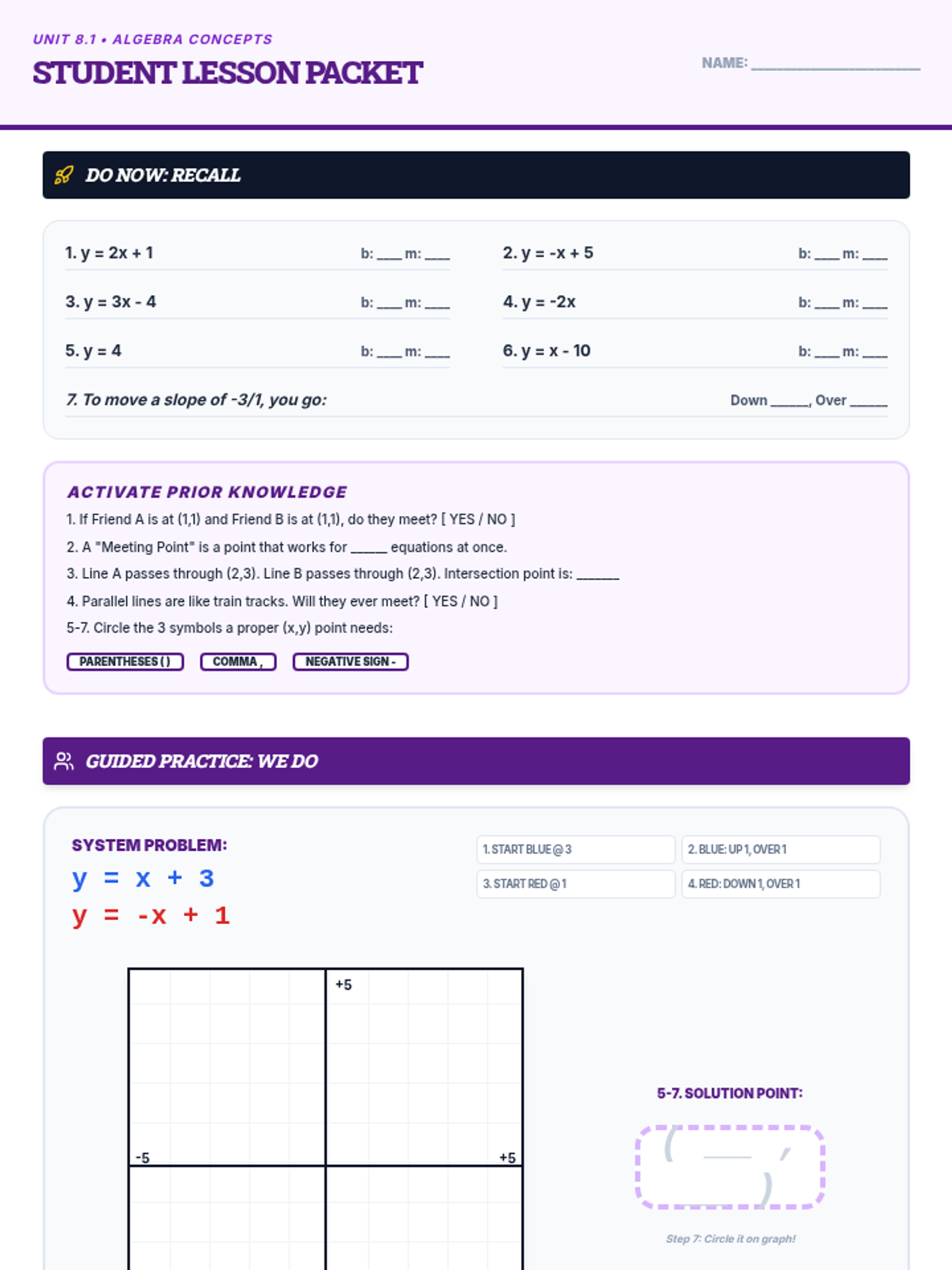
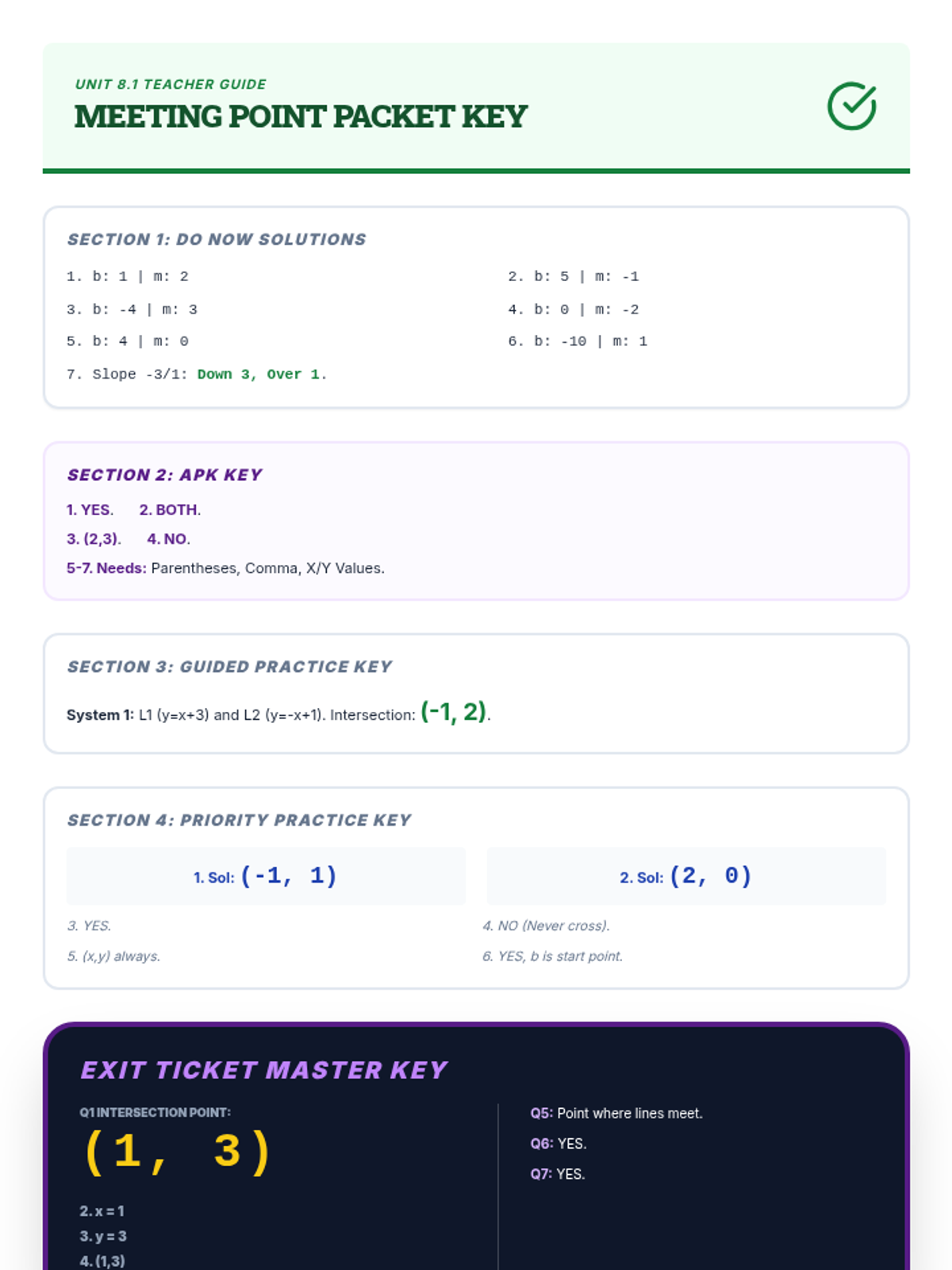
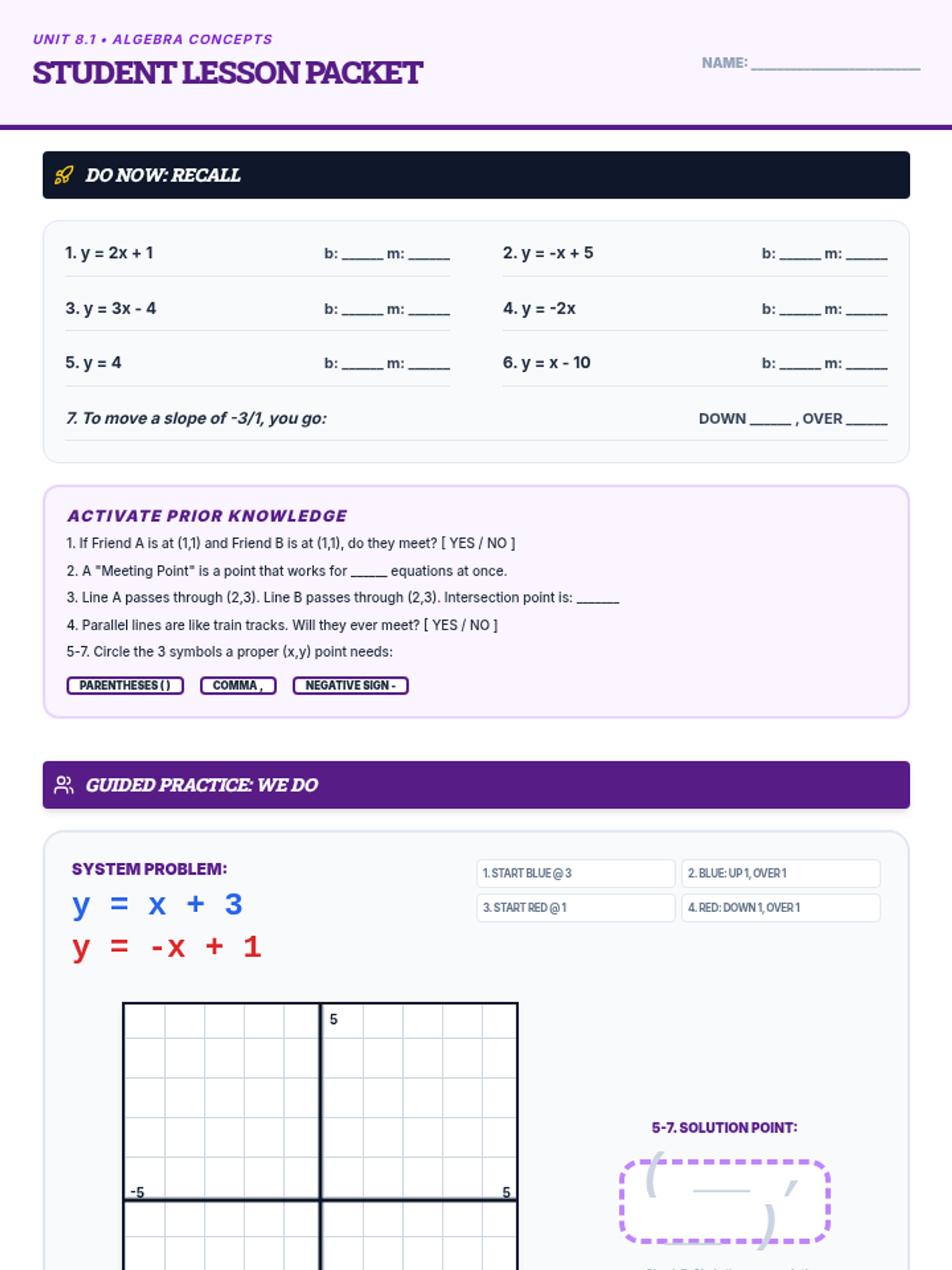
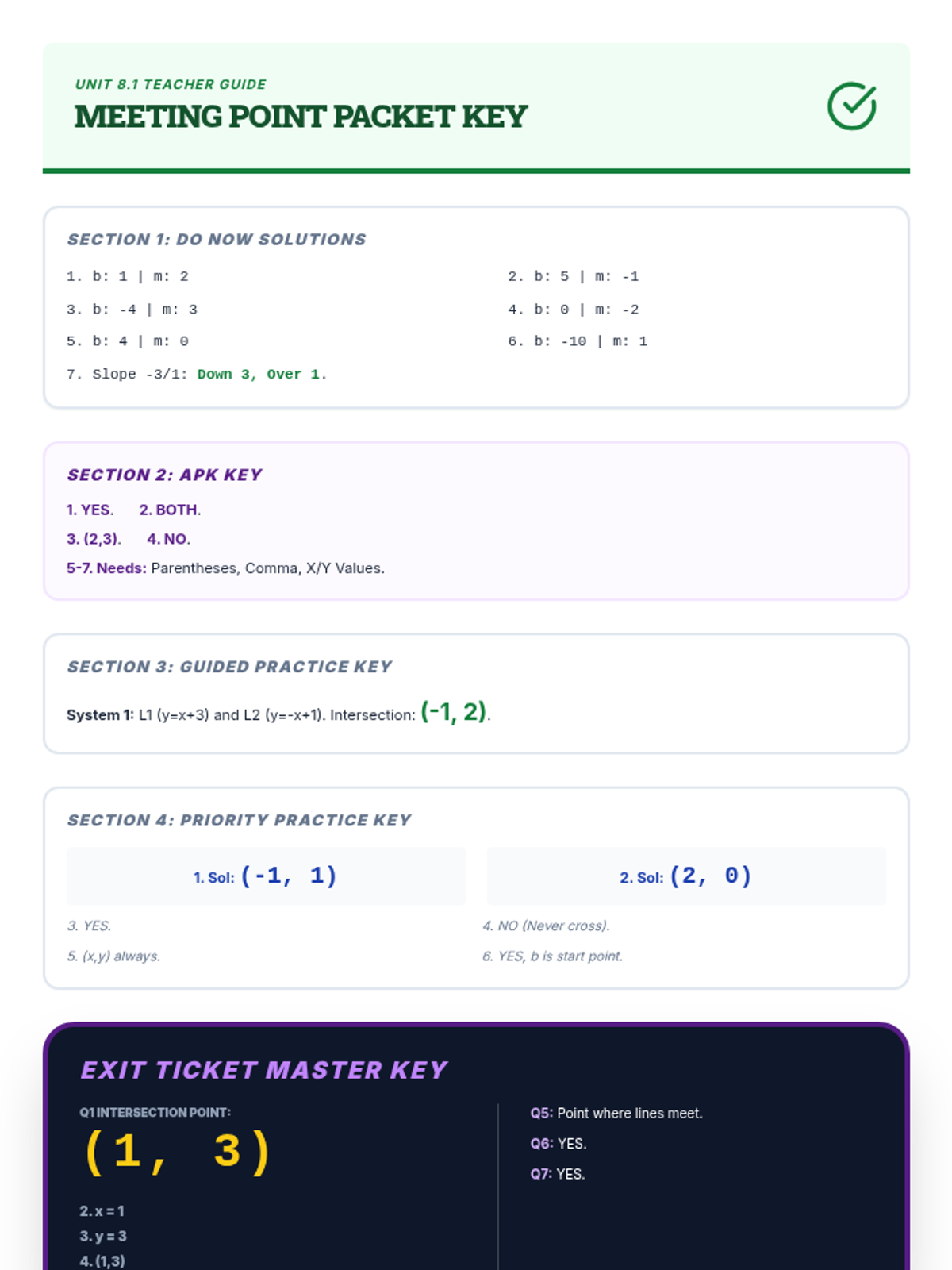
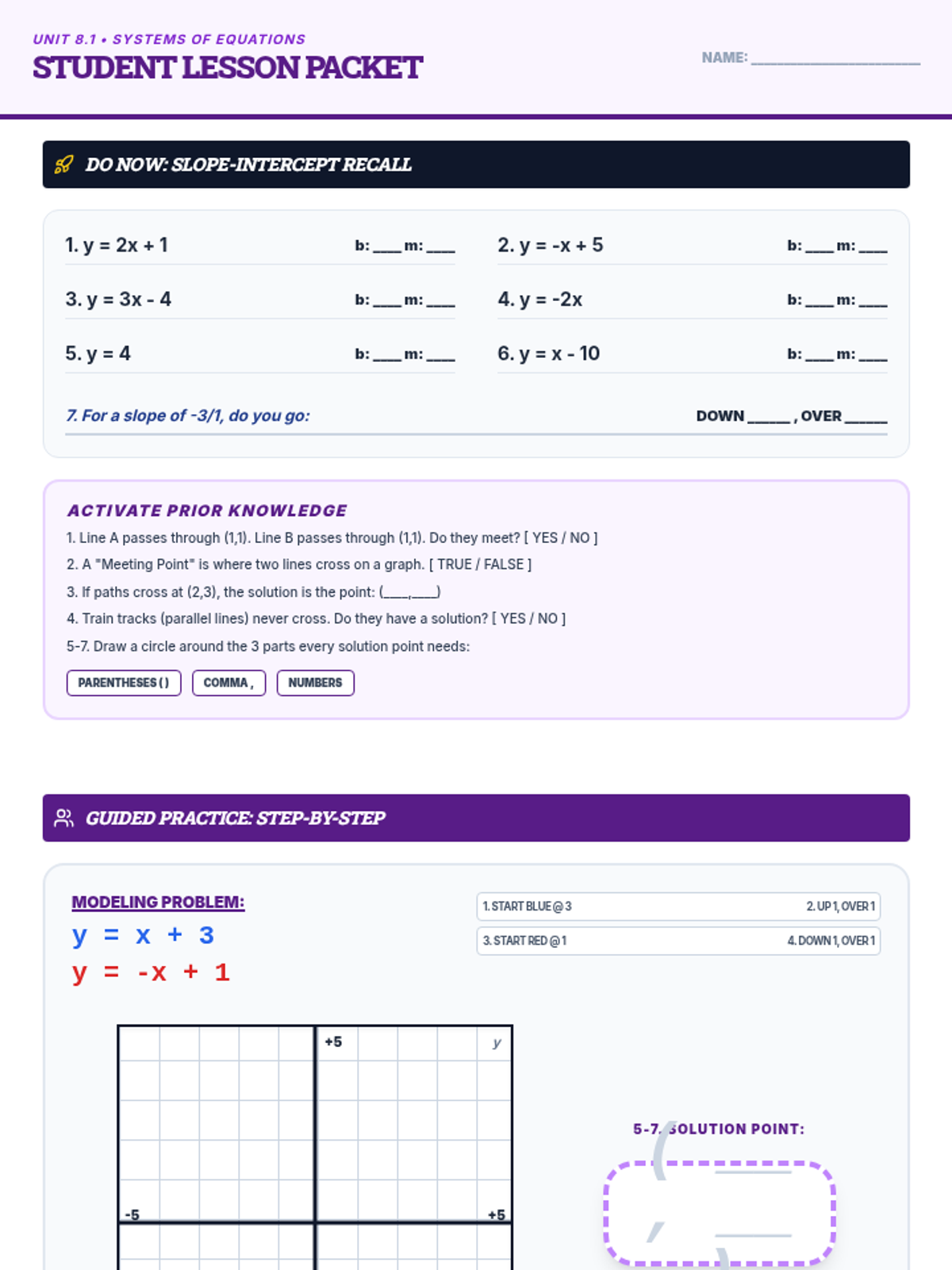
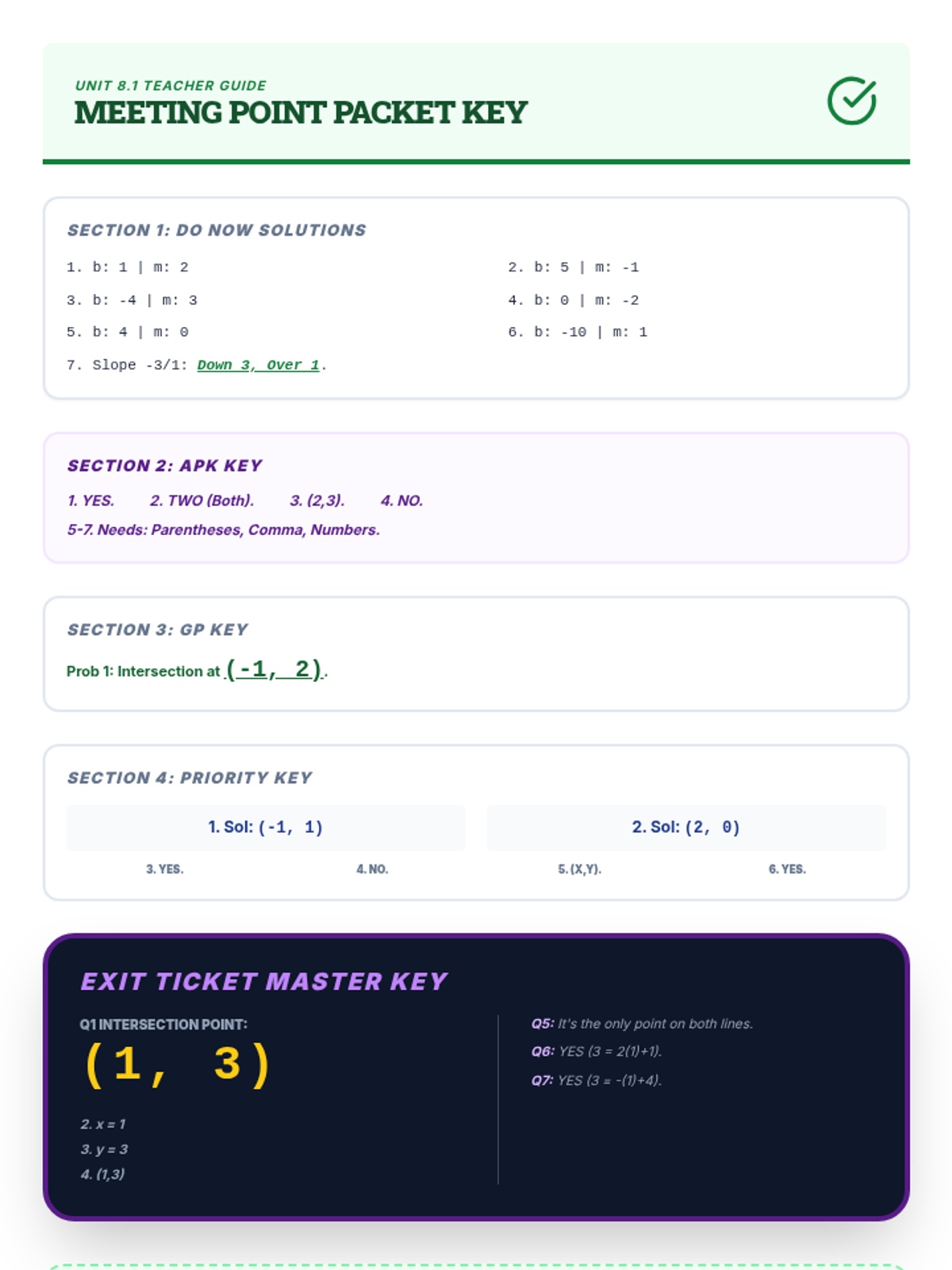
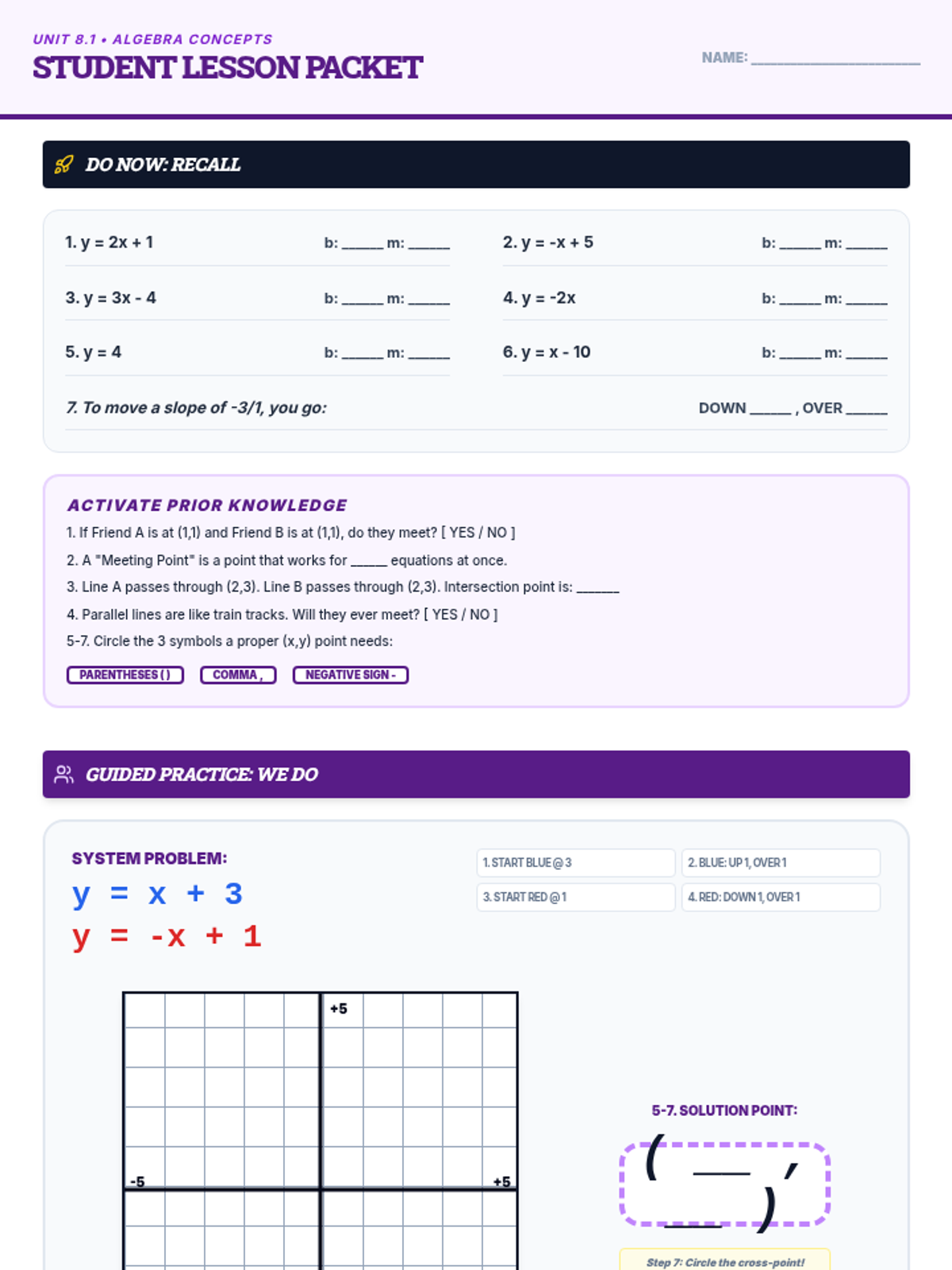
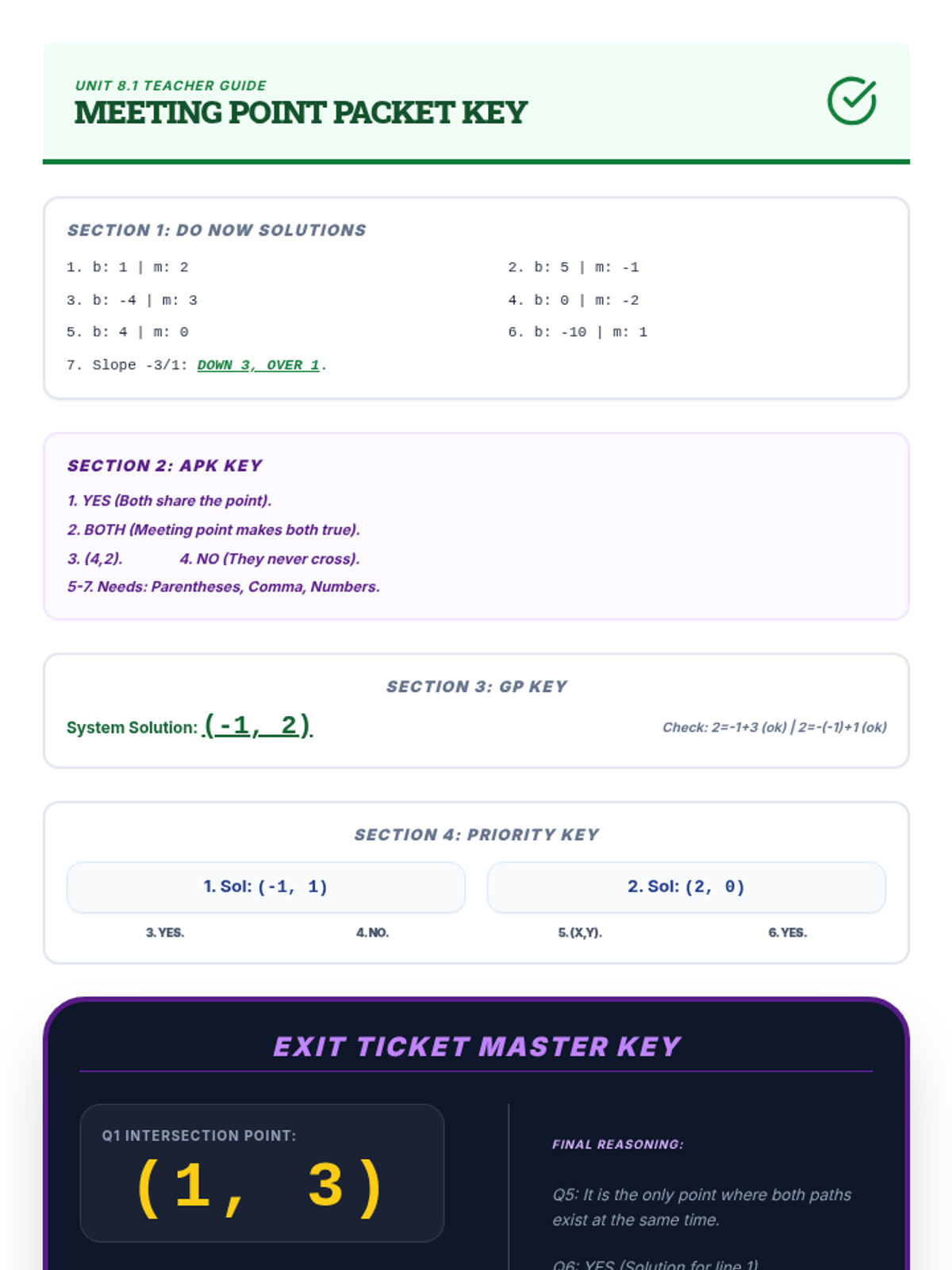
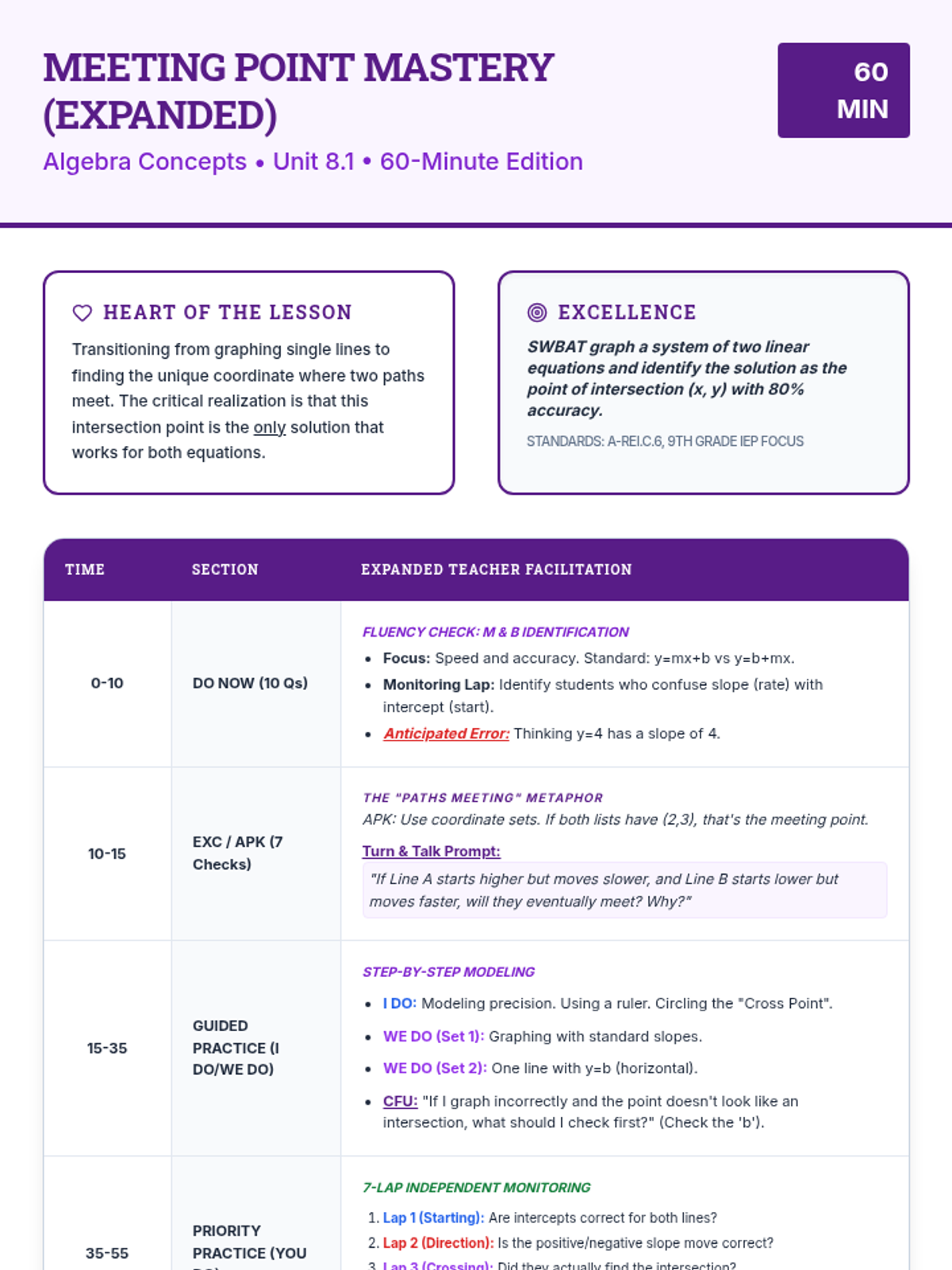
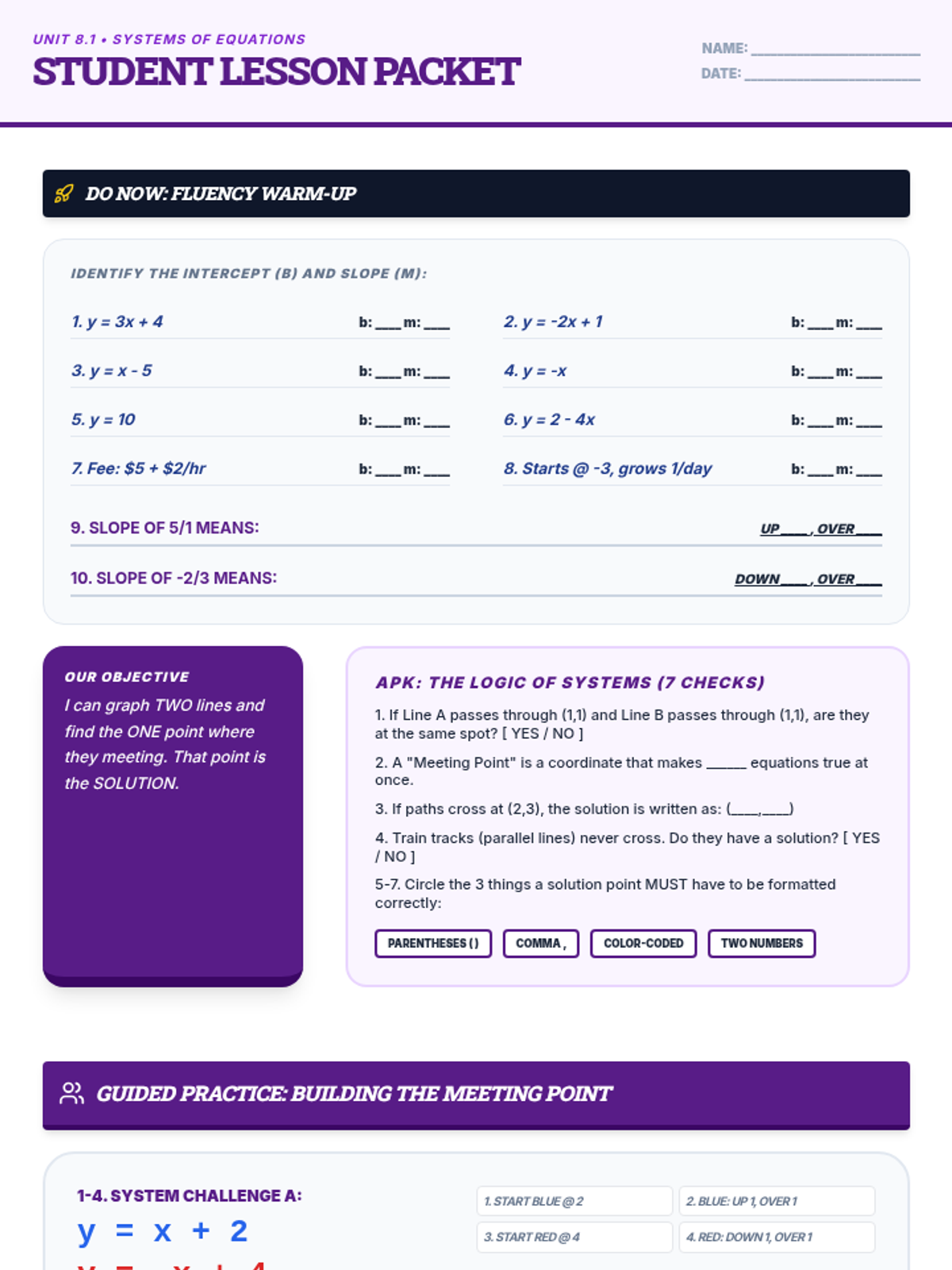
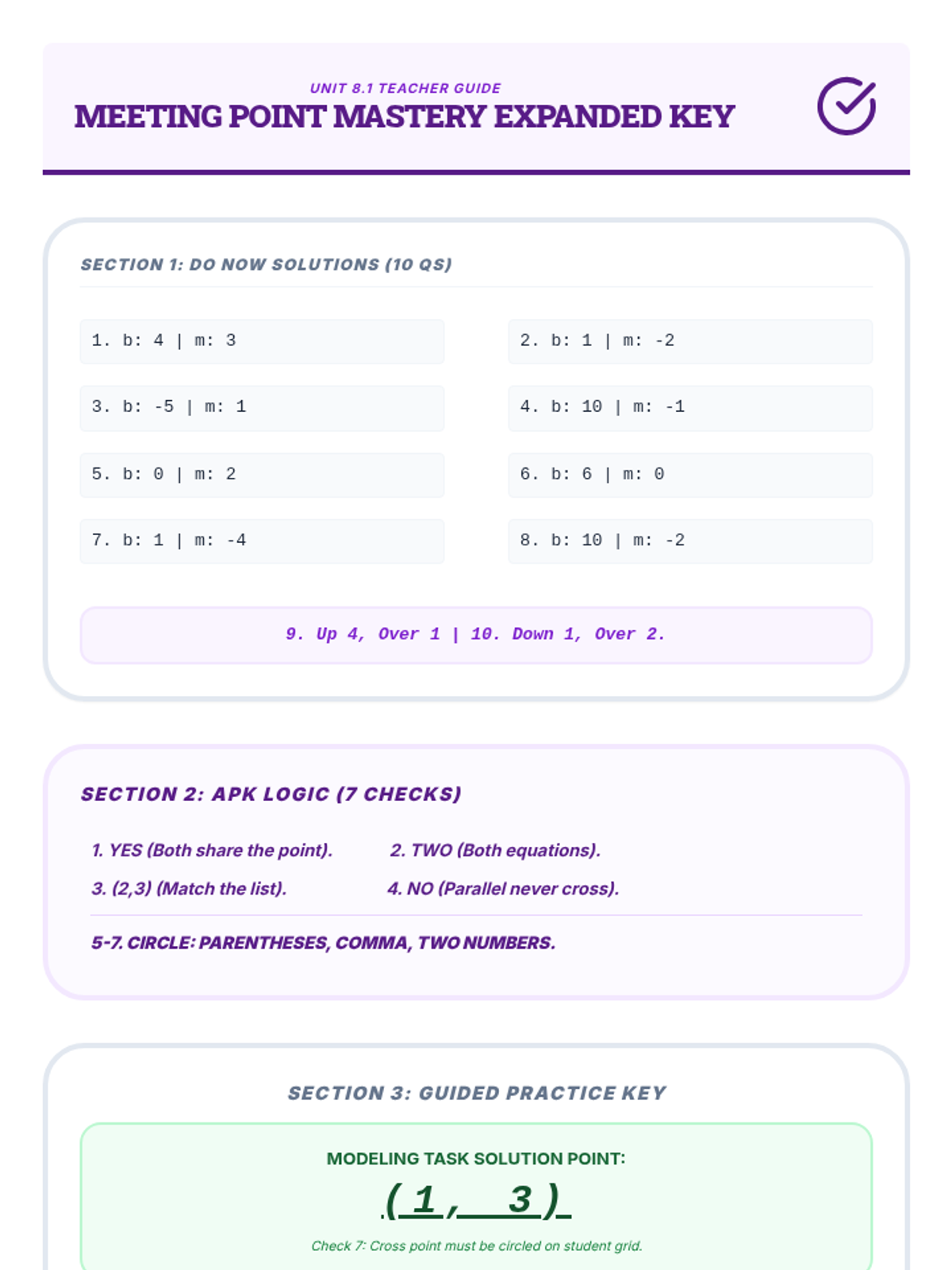
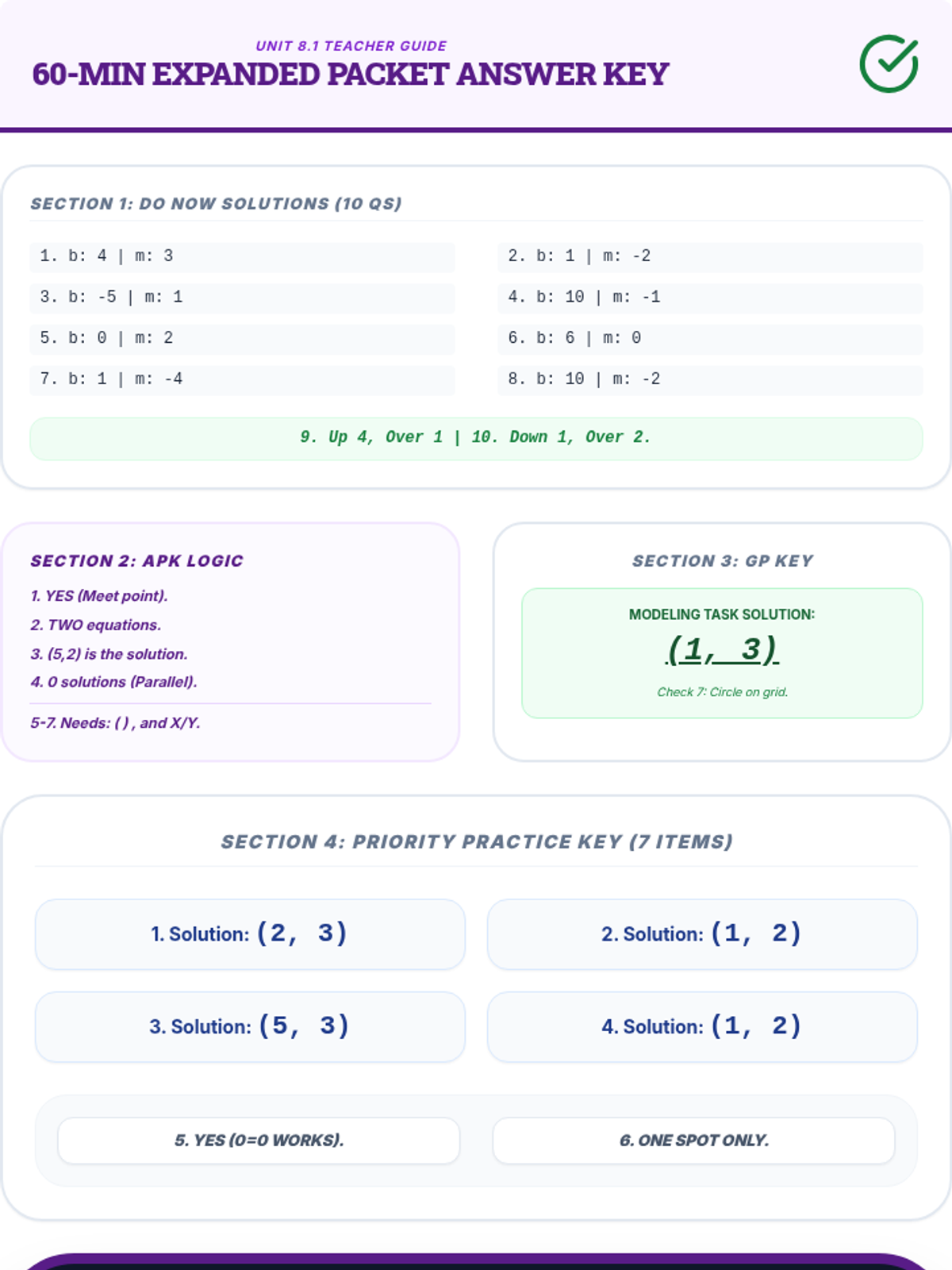
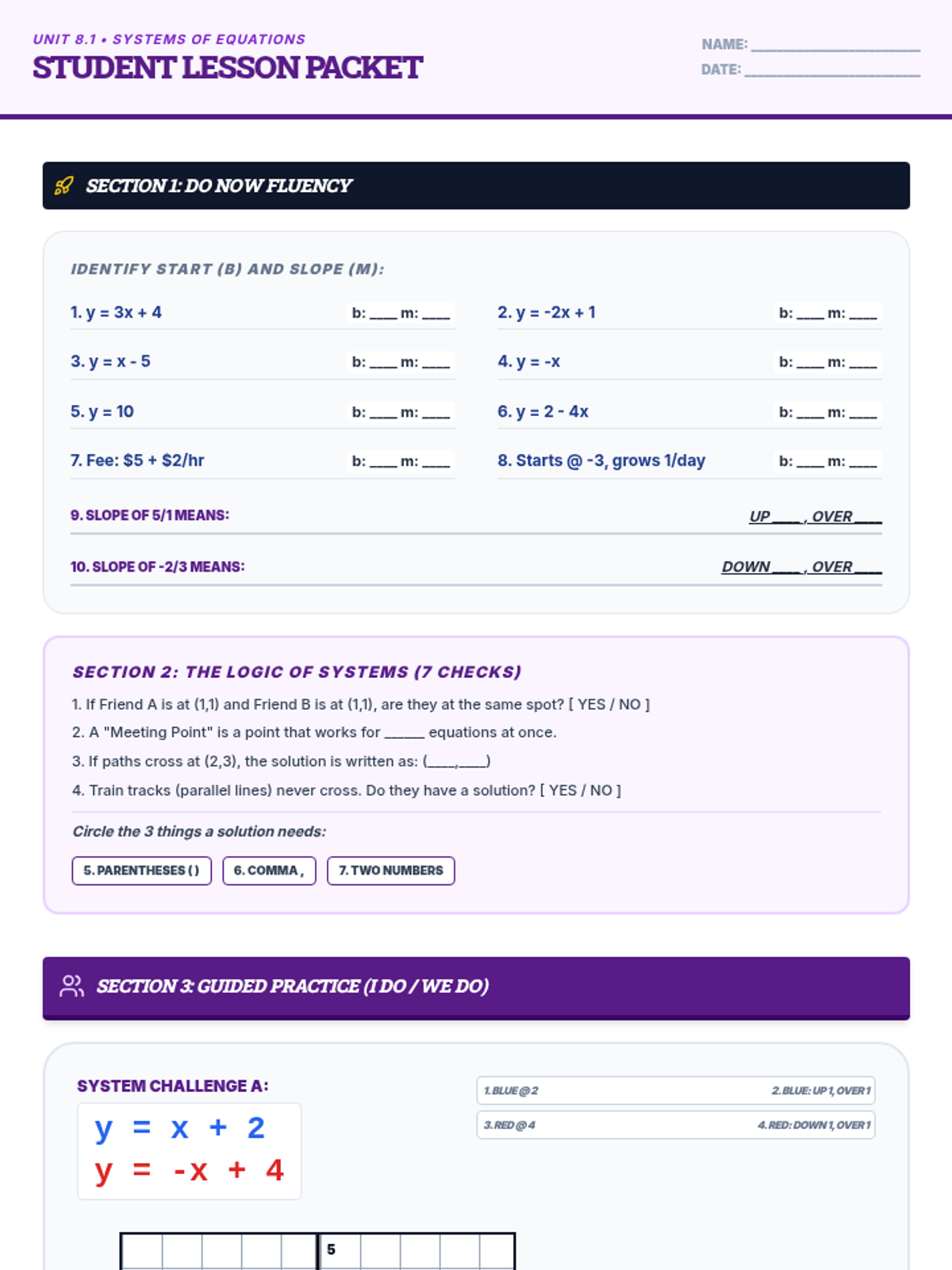
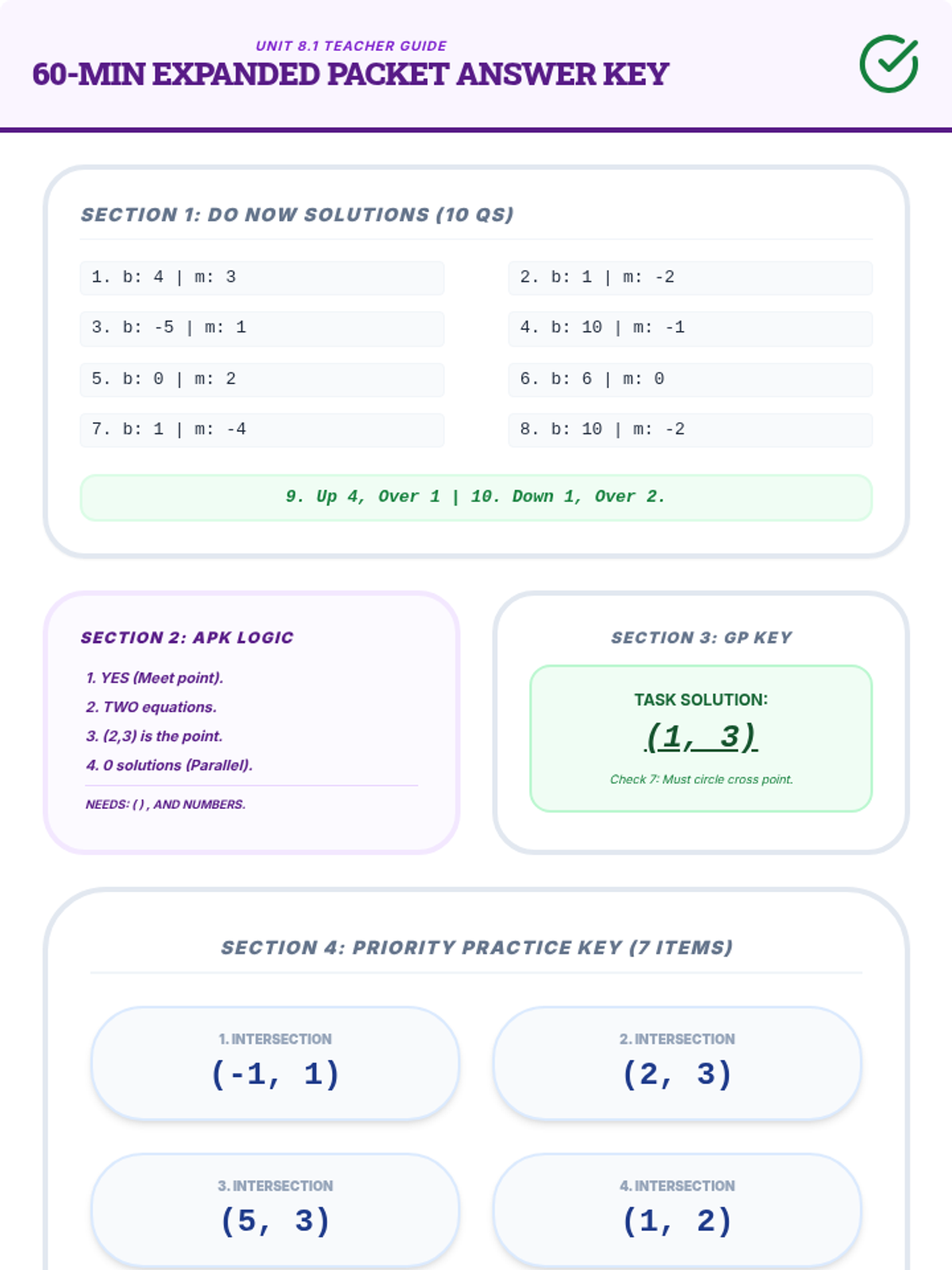
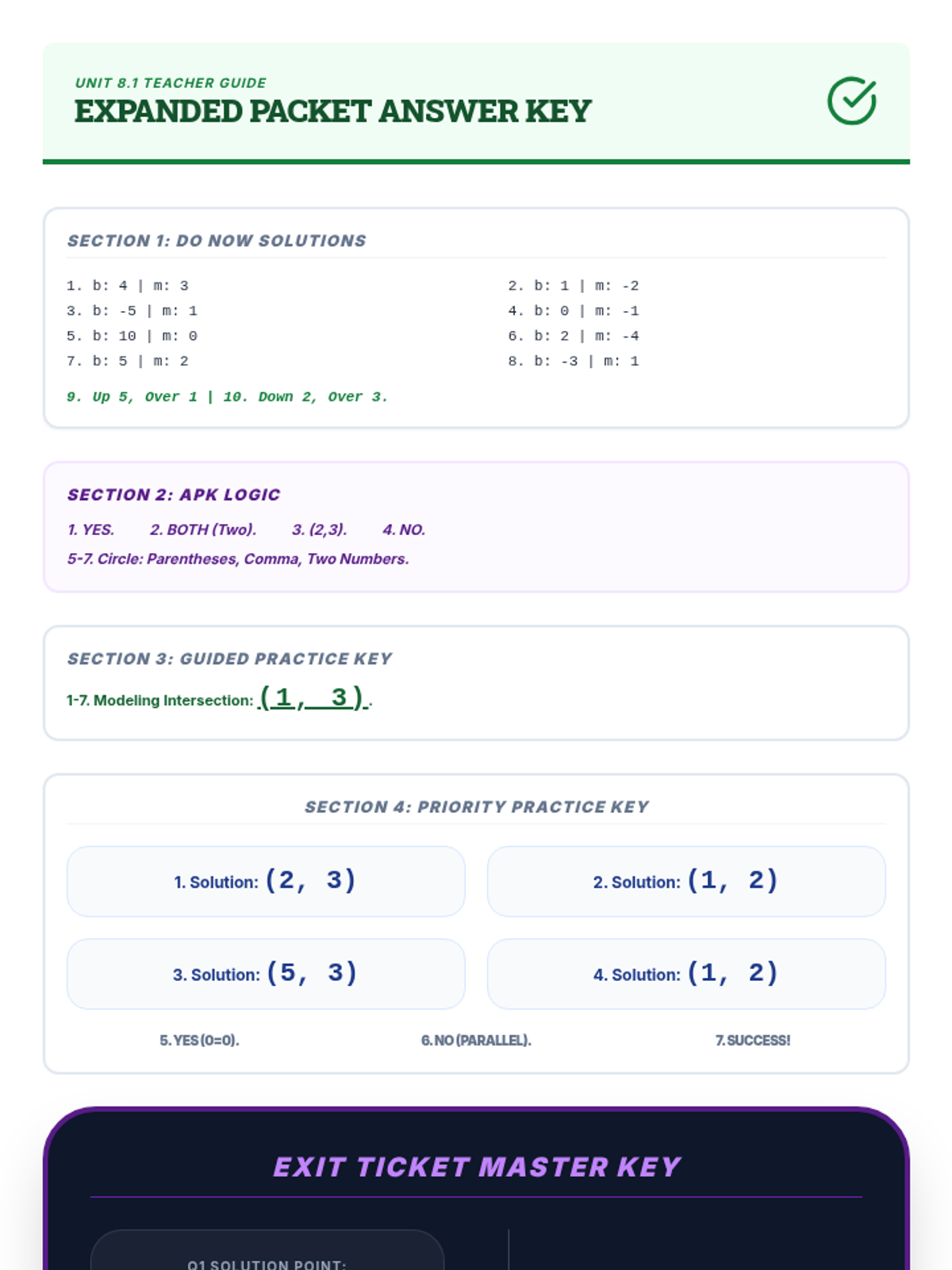
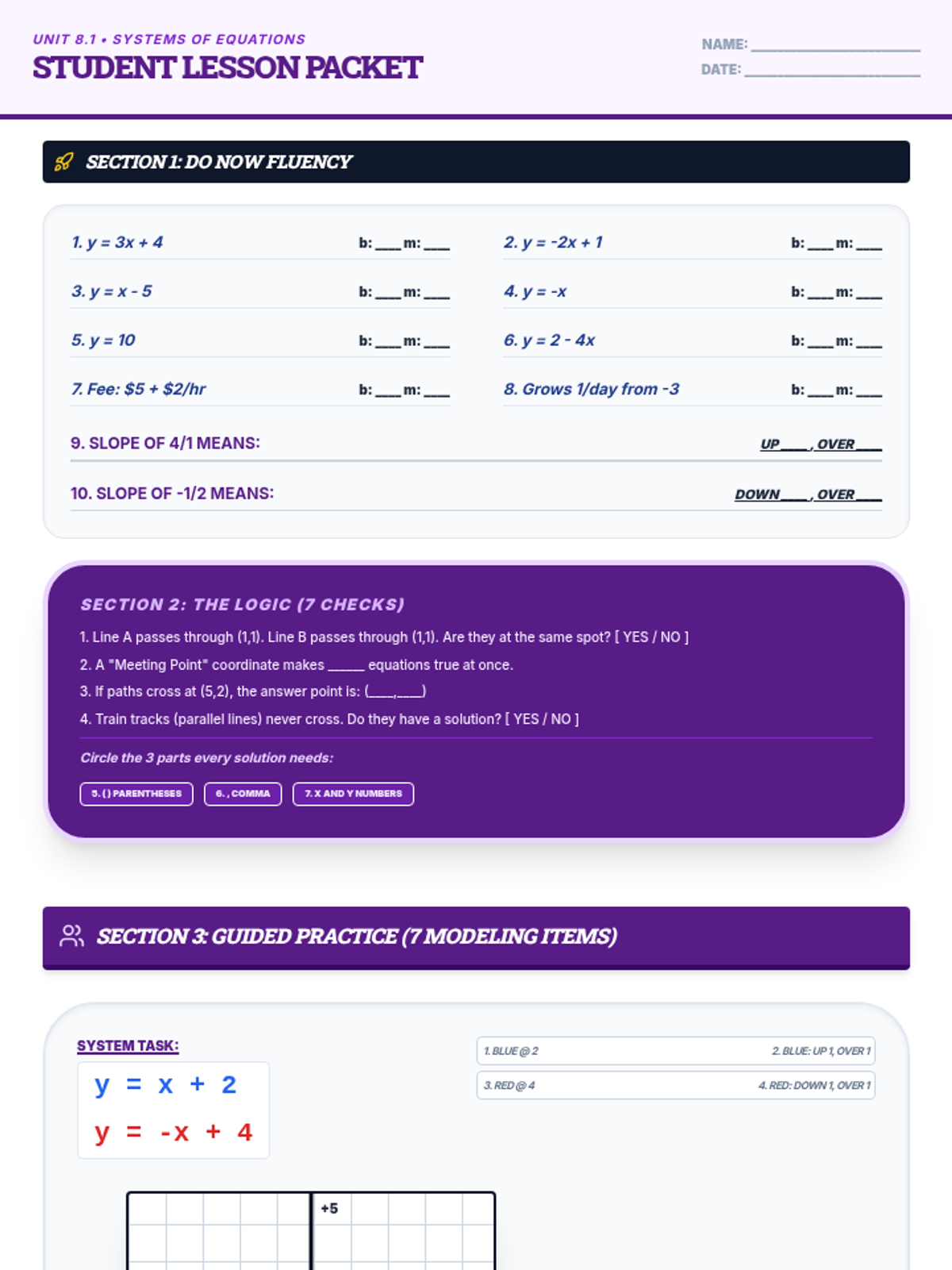
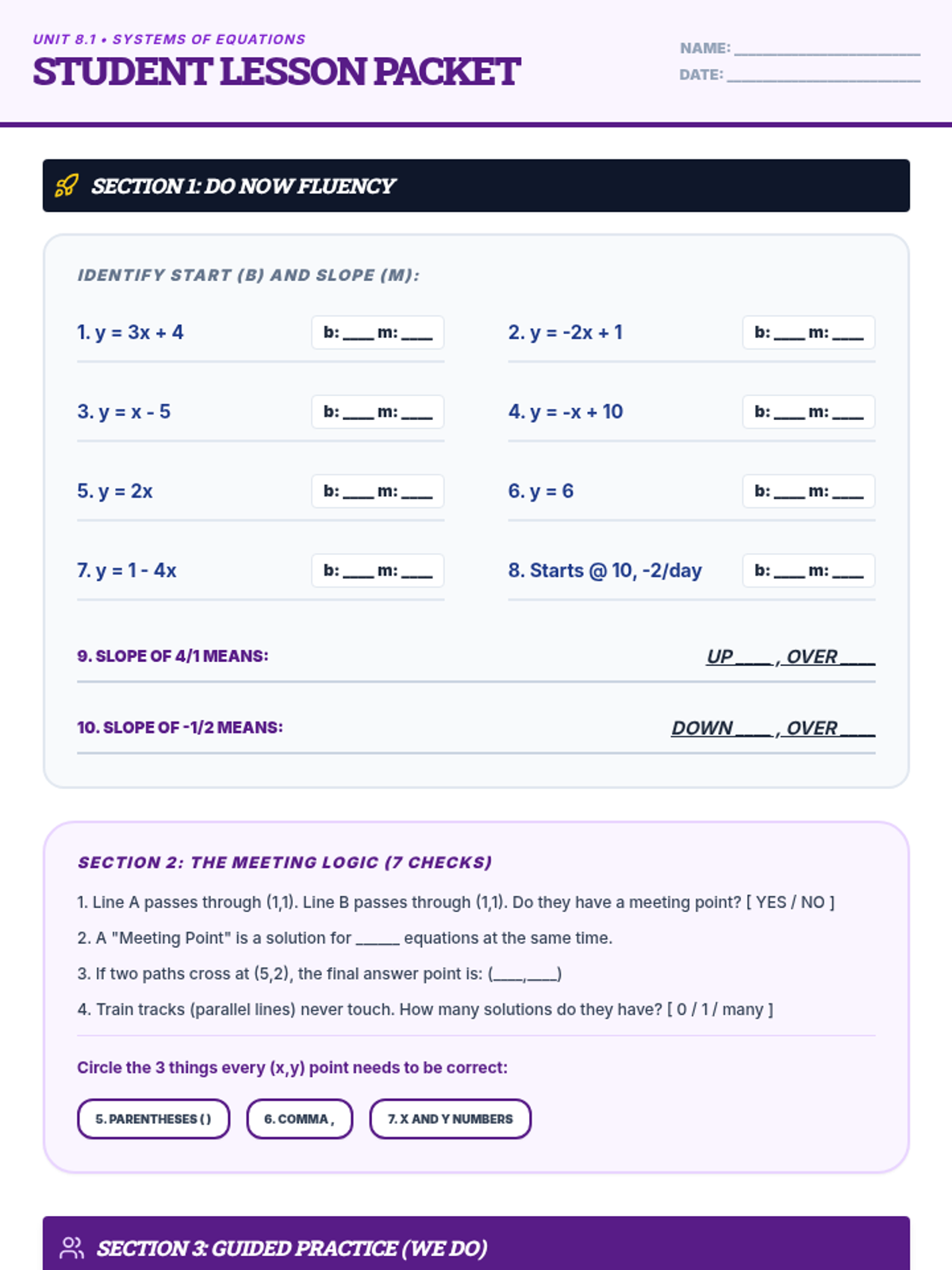
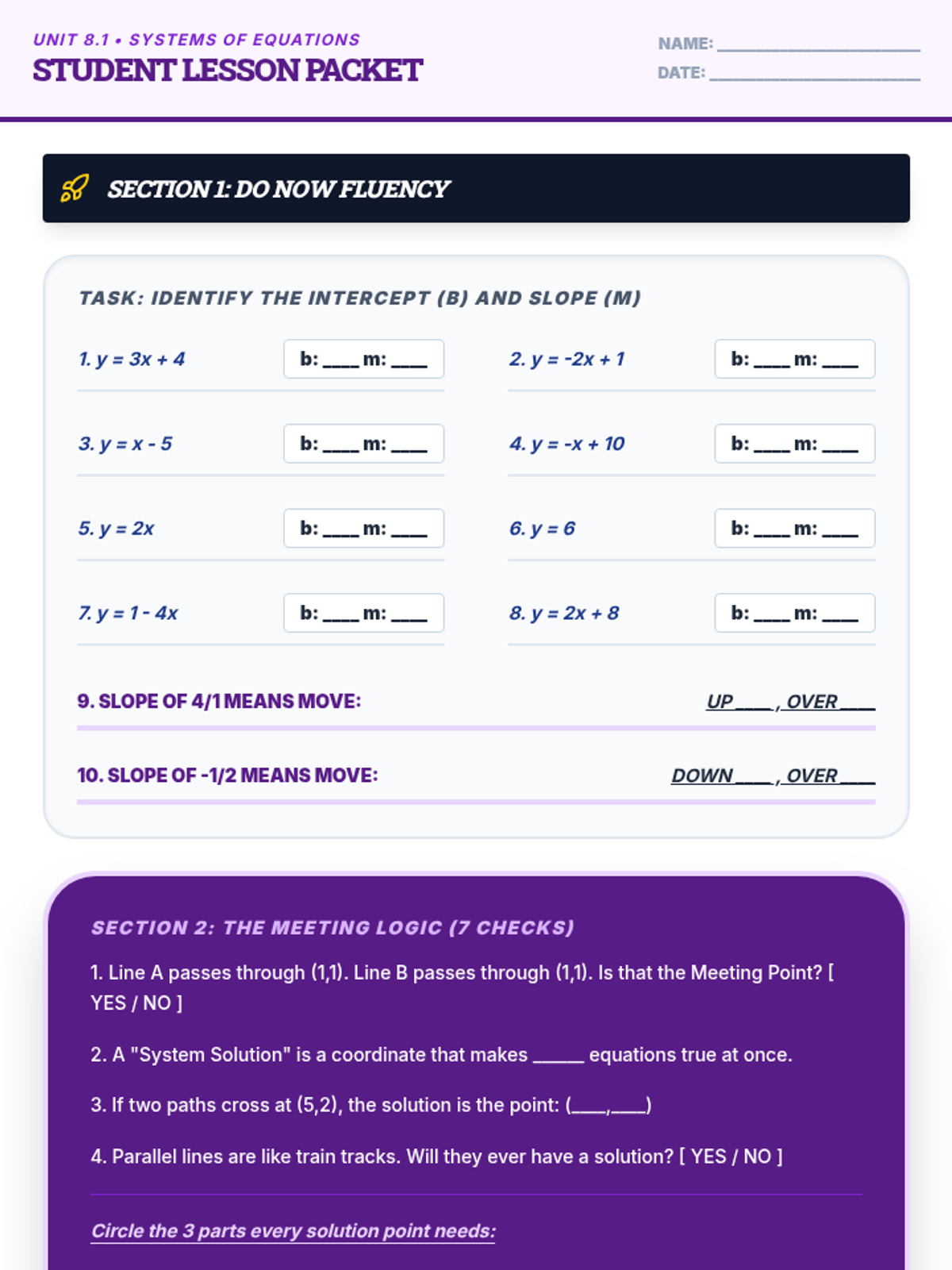
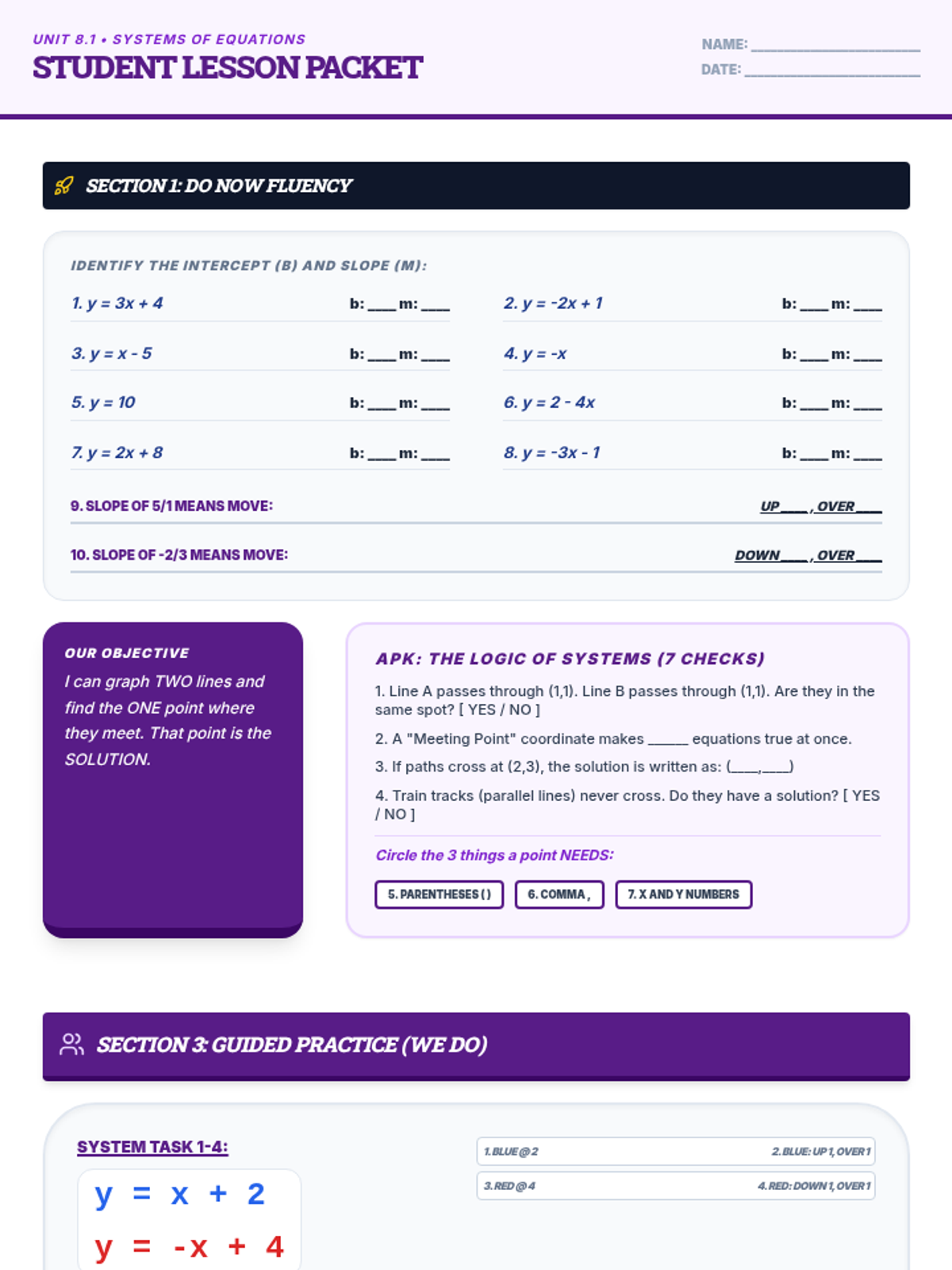
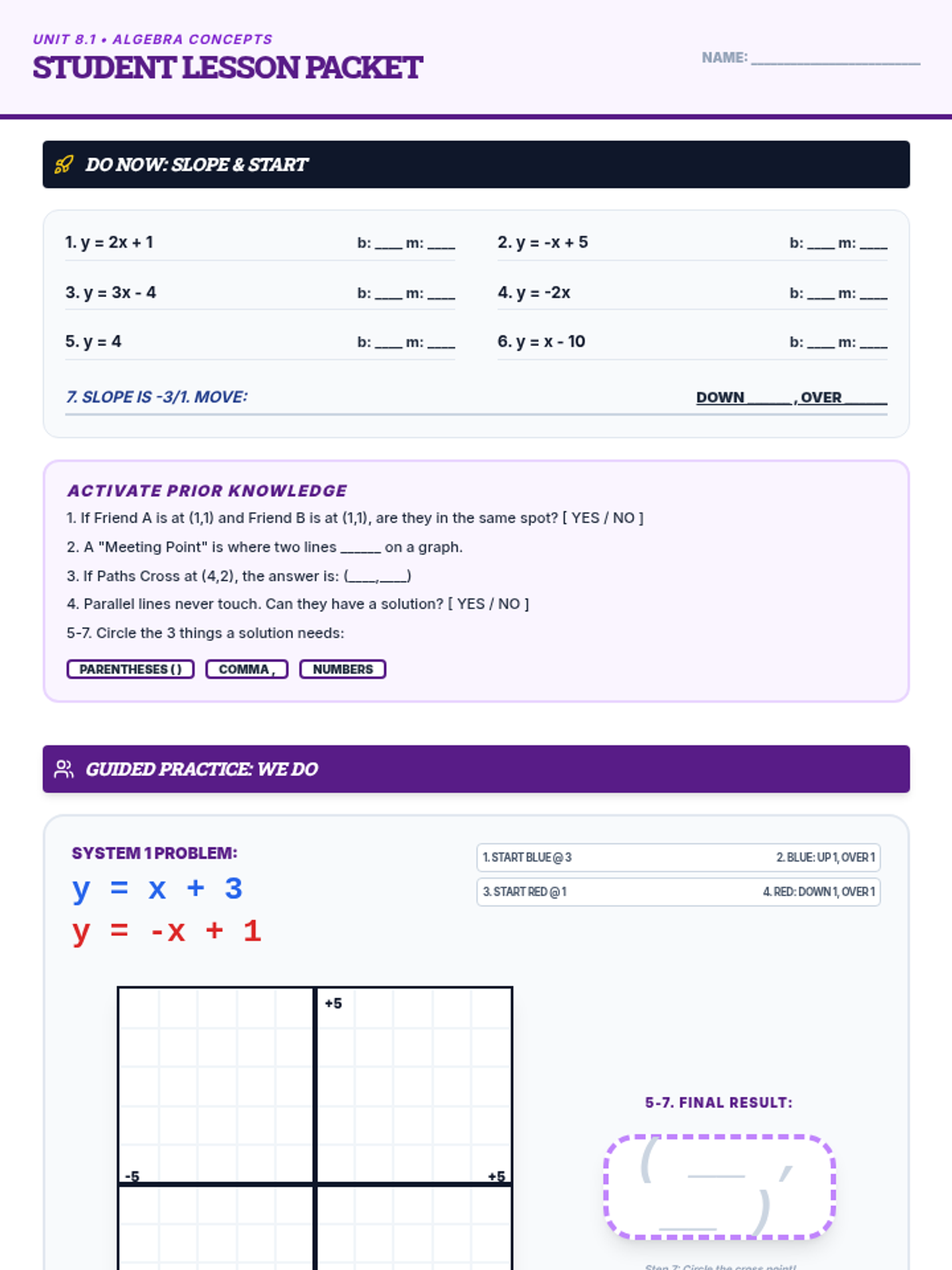
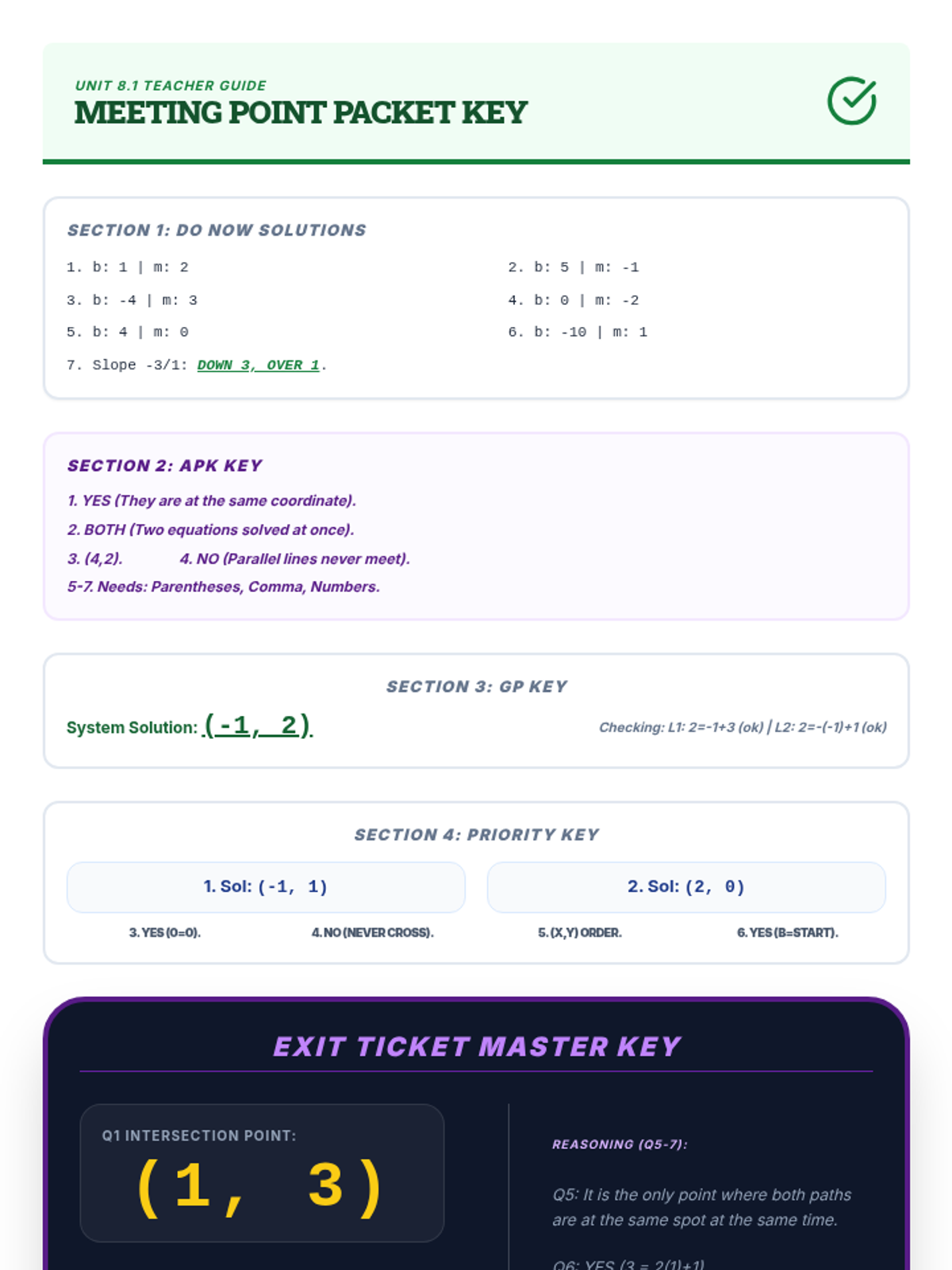
A lesson focused on graphing two linear equations on the same coordinate plane to compare growth trends over time. Students will identify starting points, rates of growth, and points of intersection.
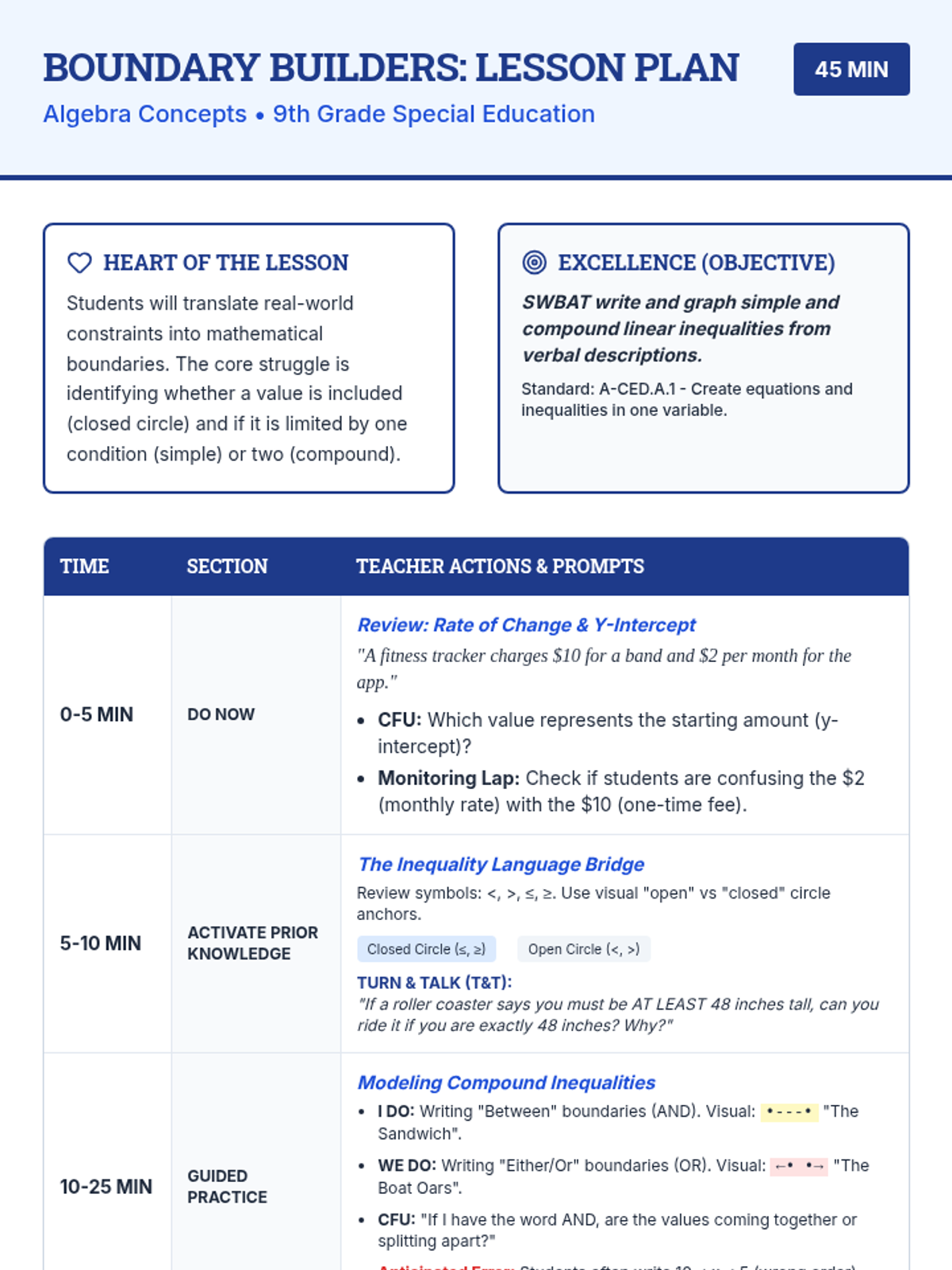
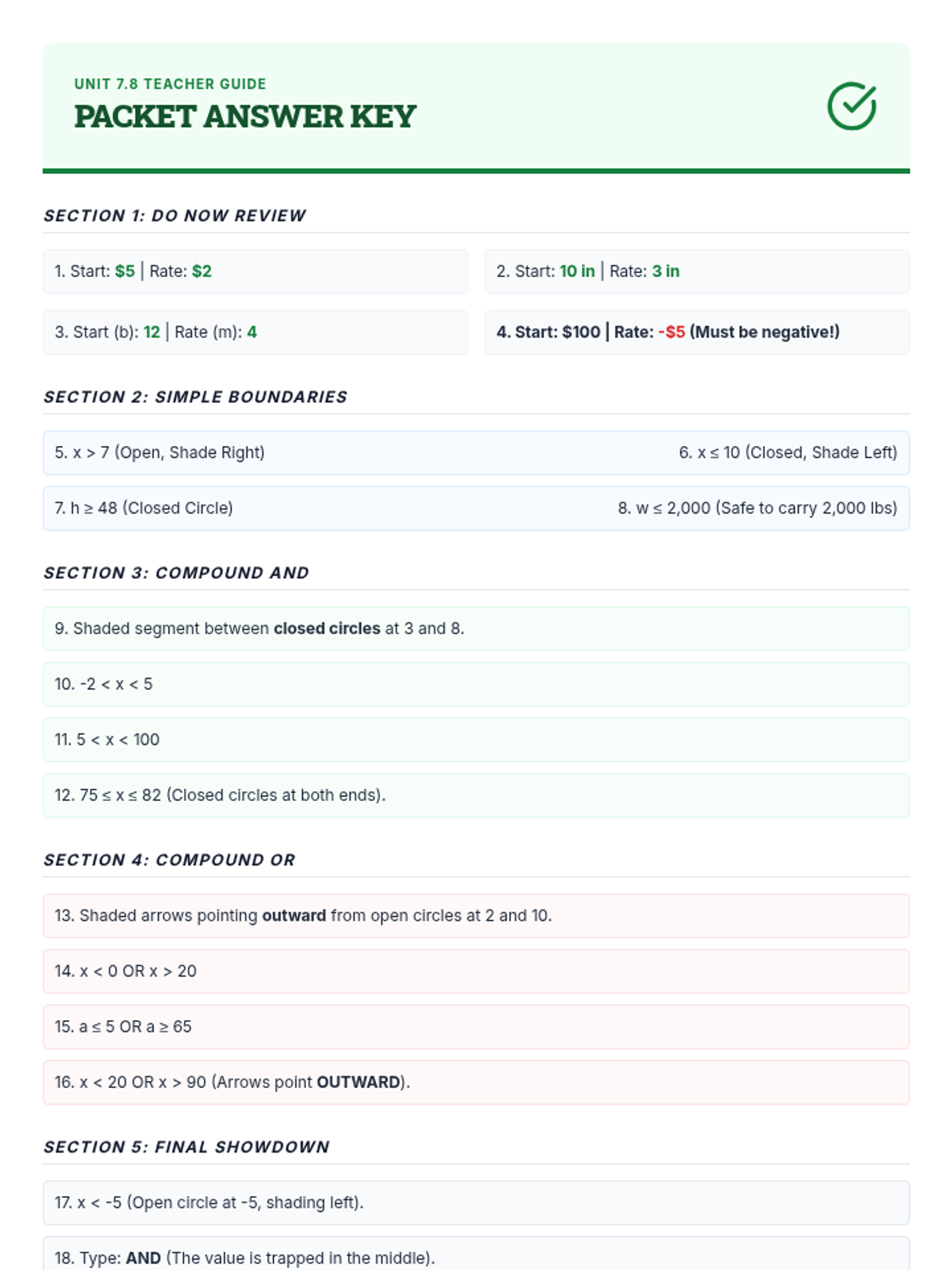
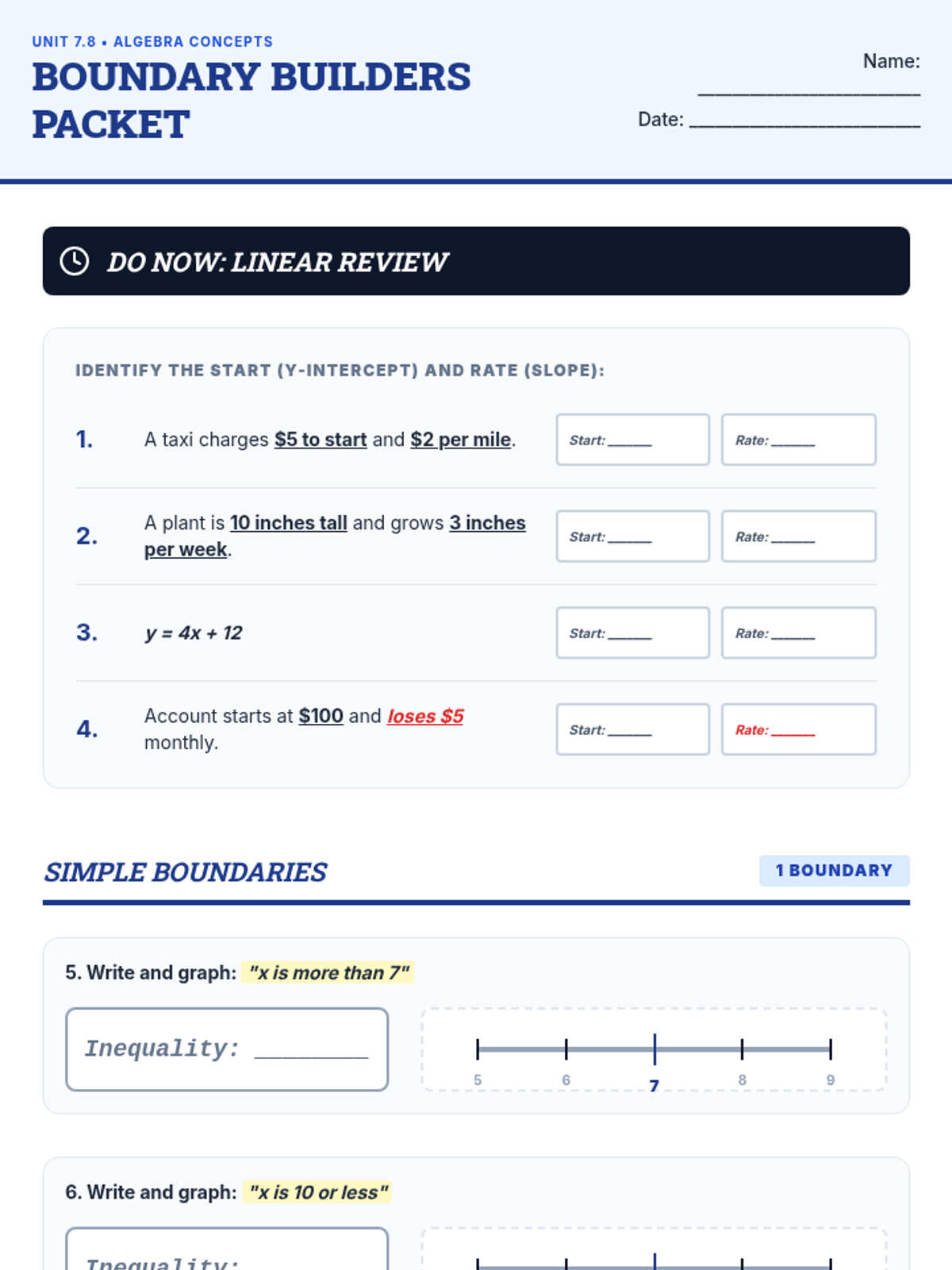
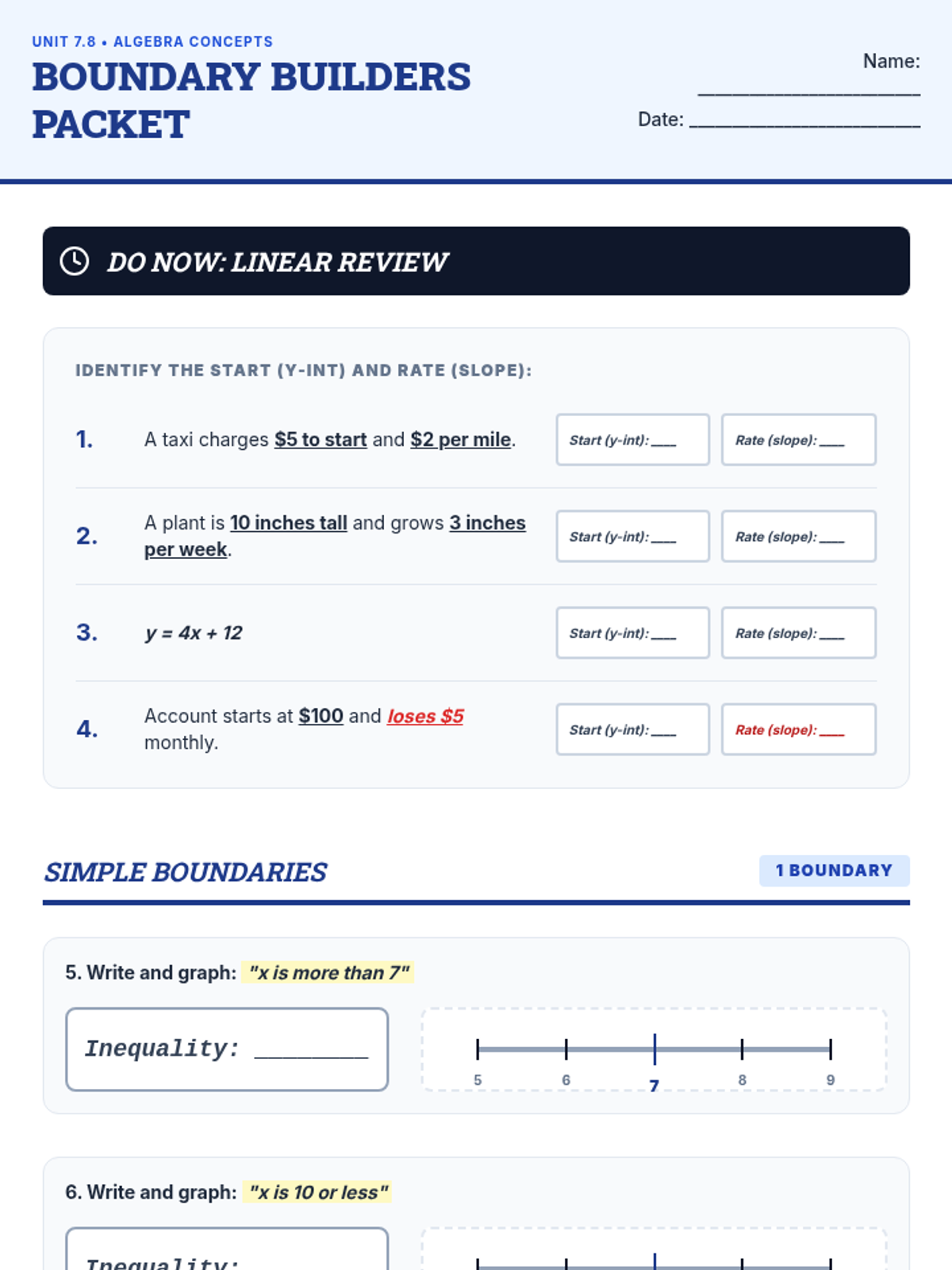
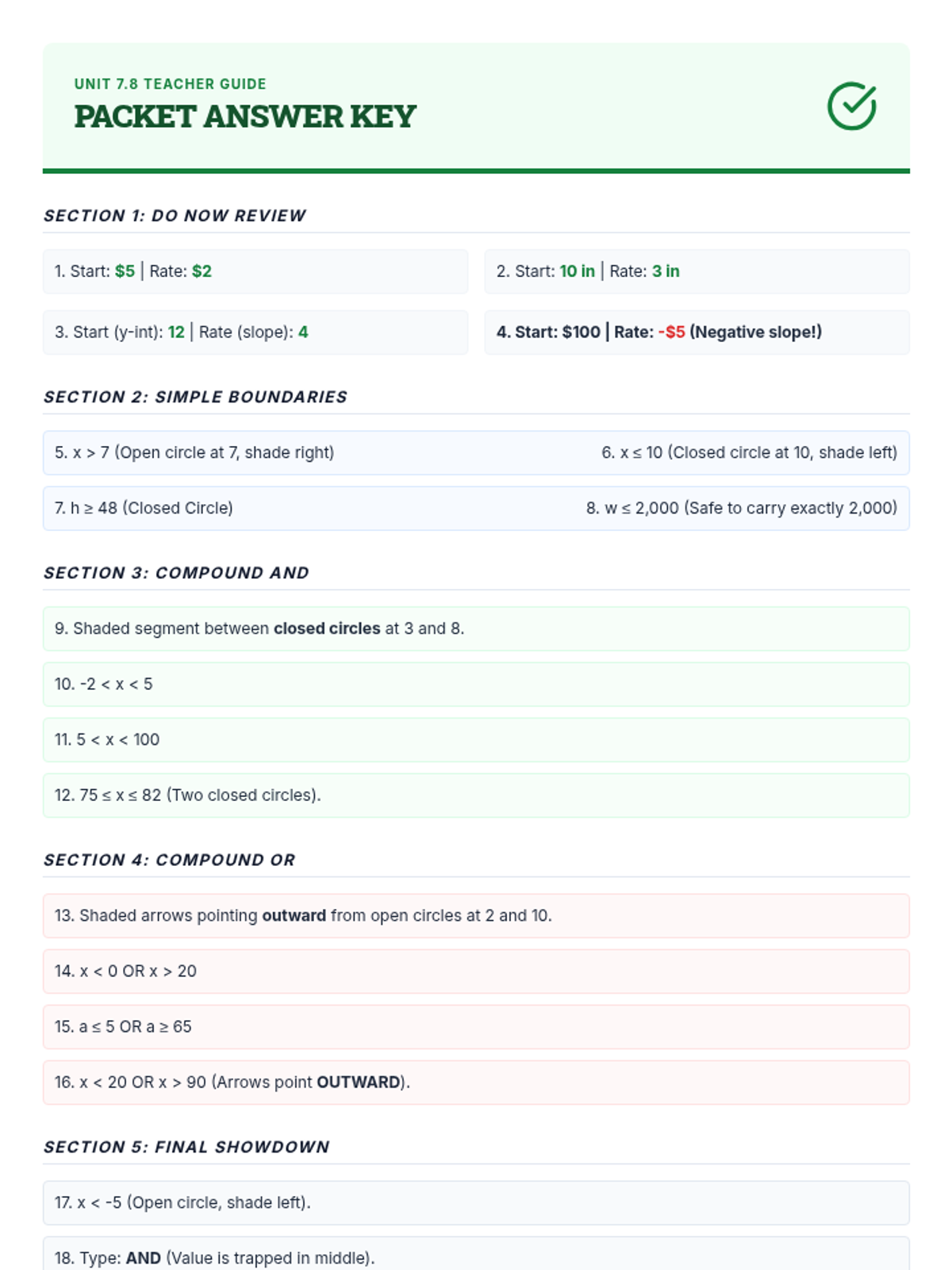
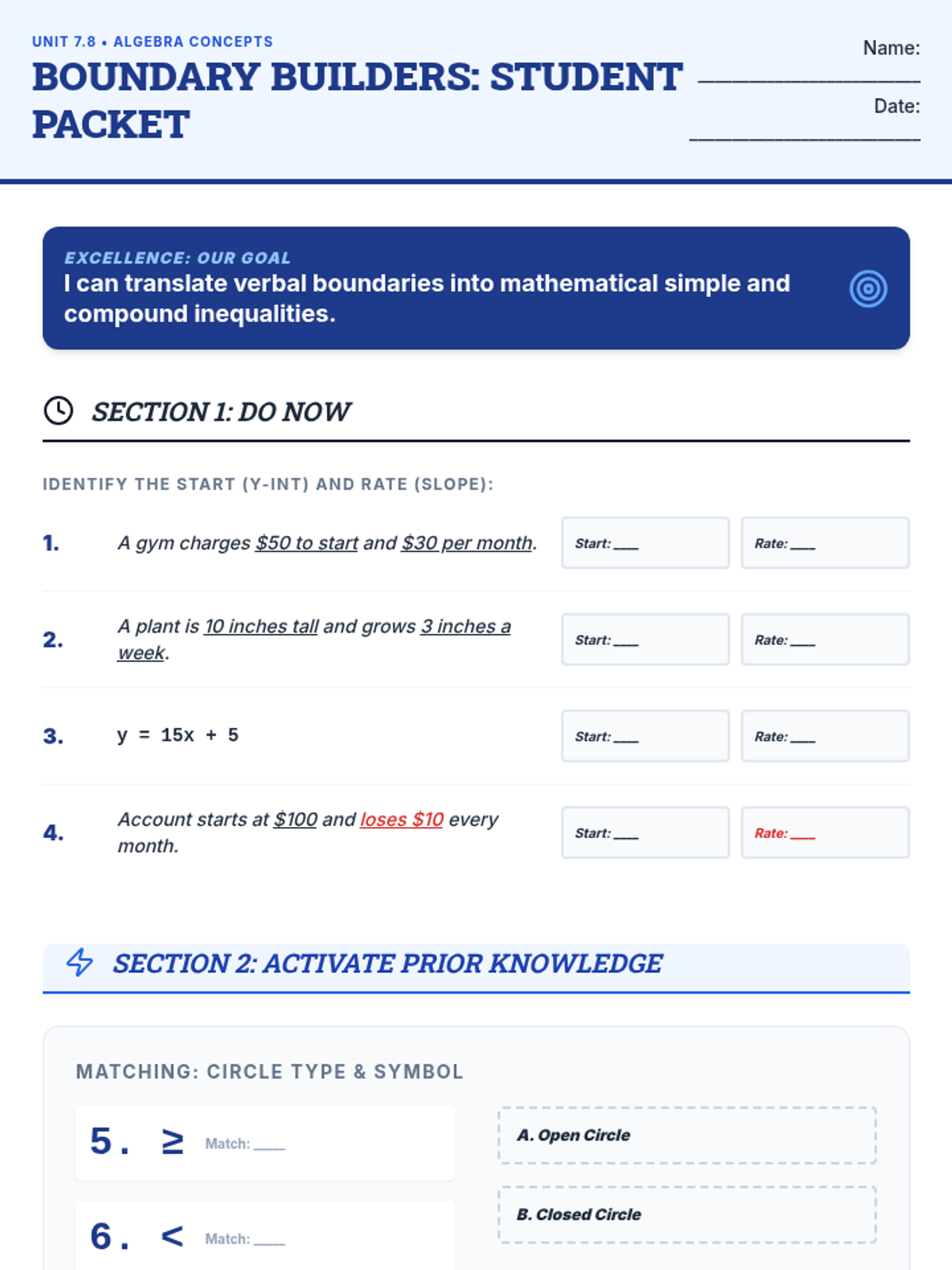
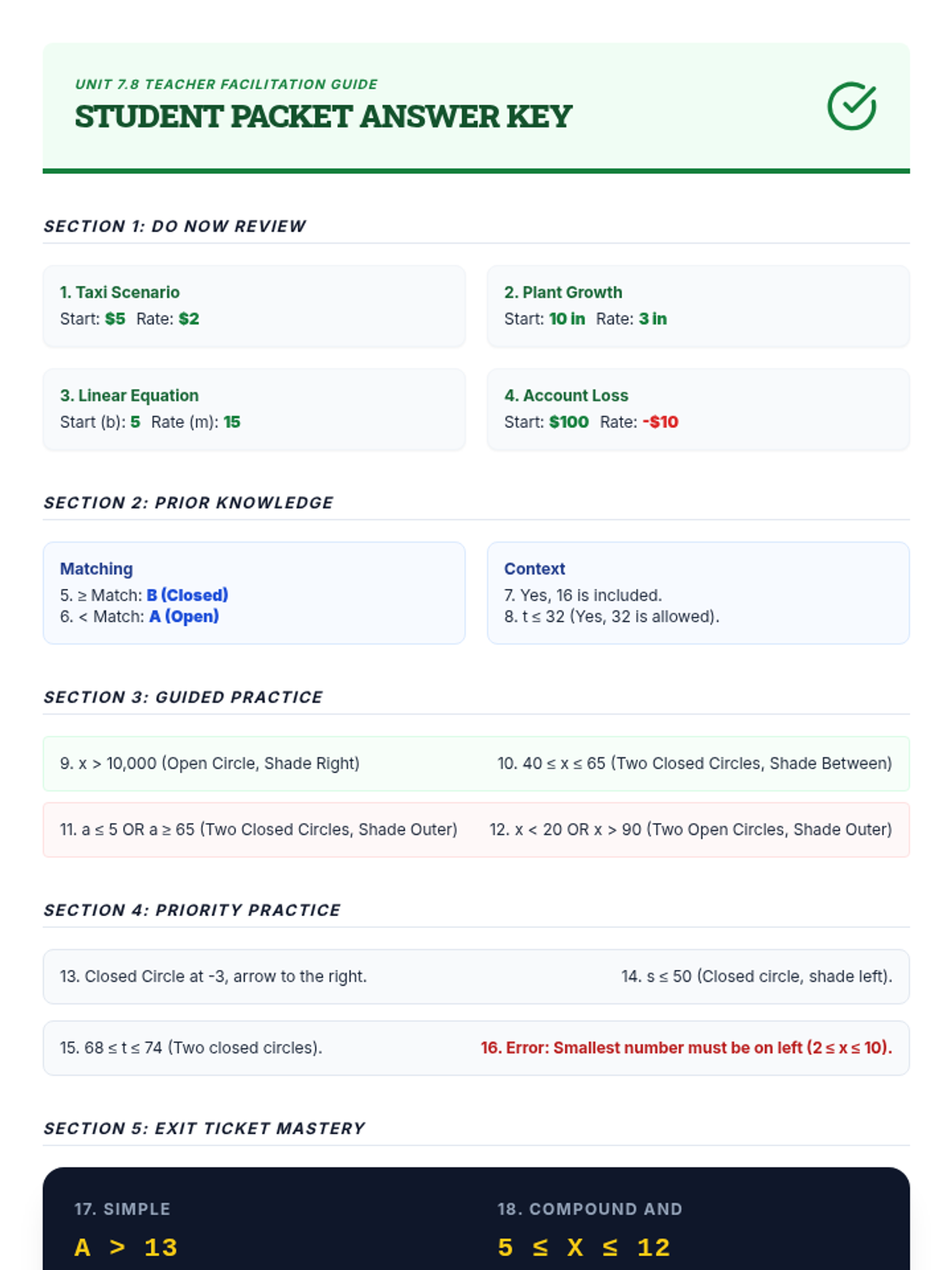
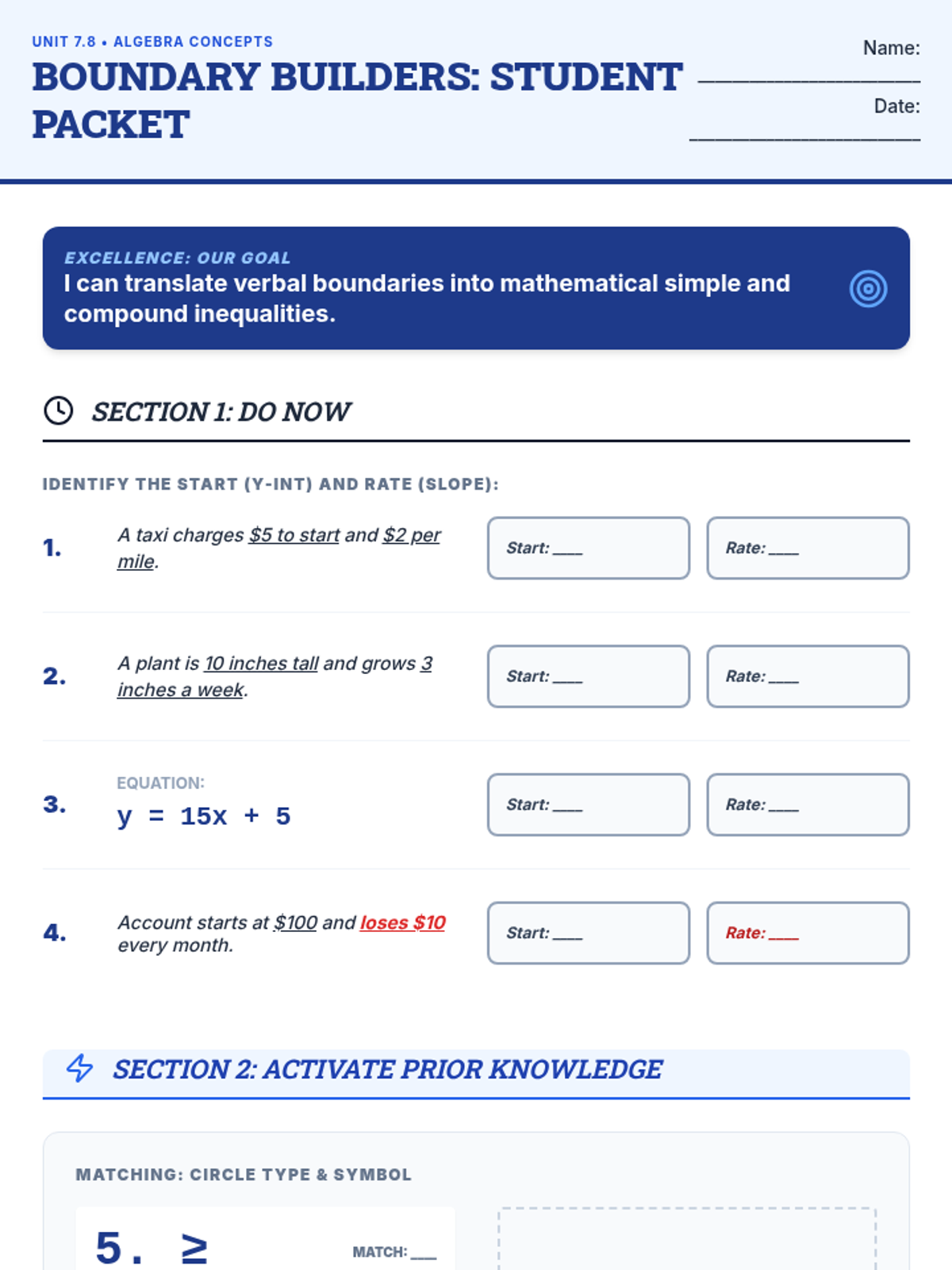
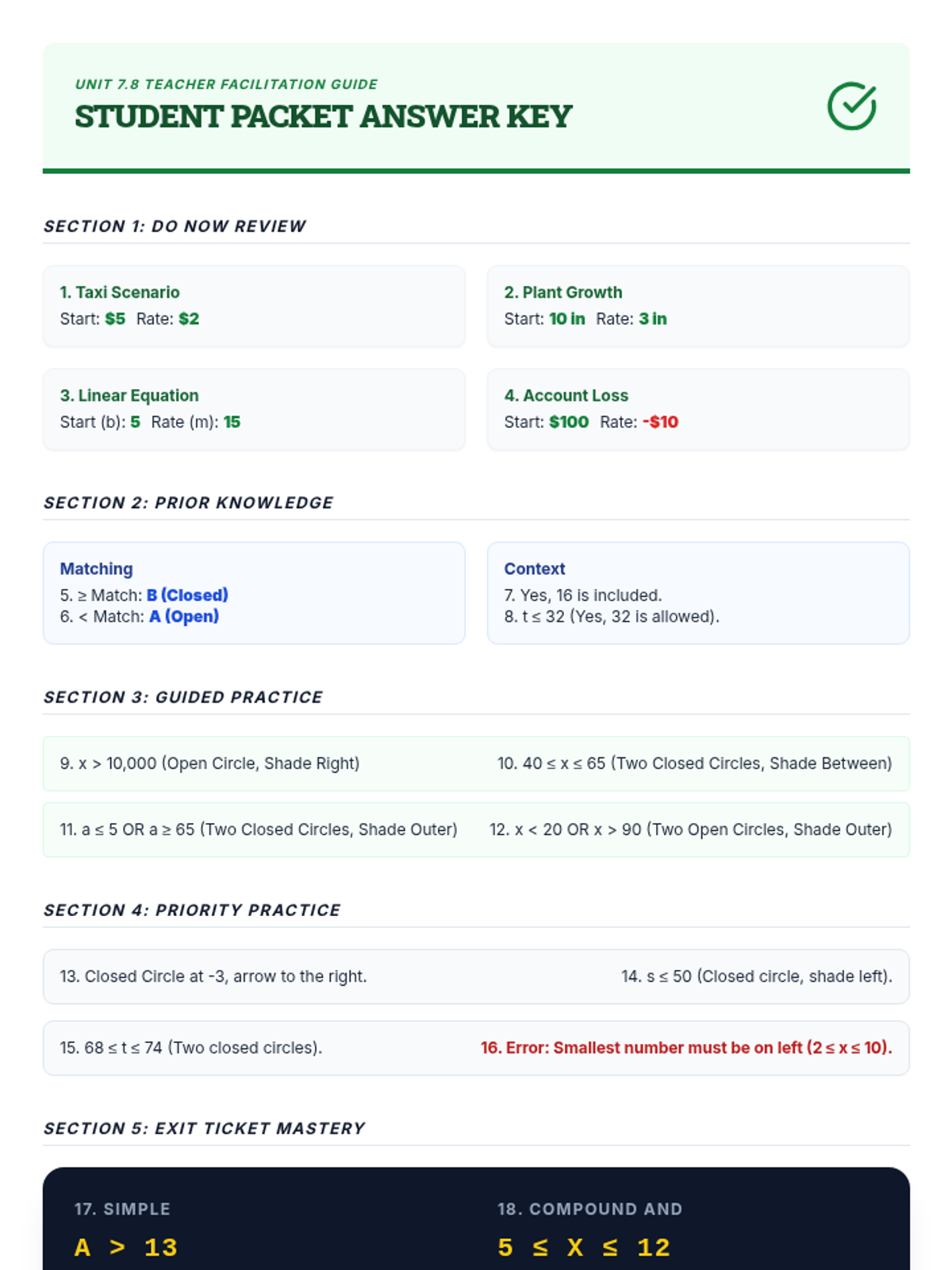
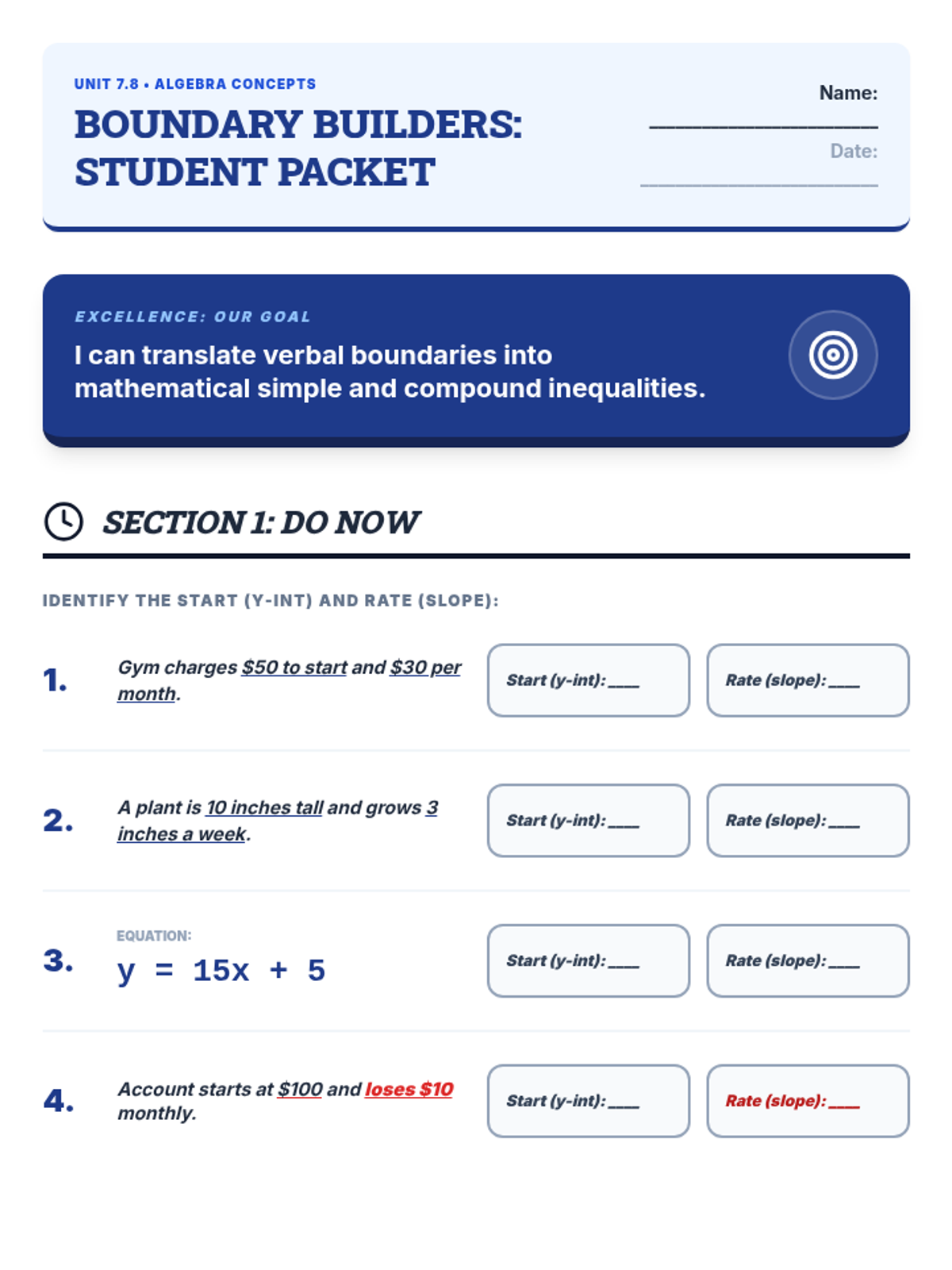
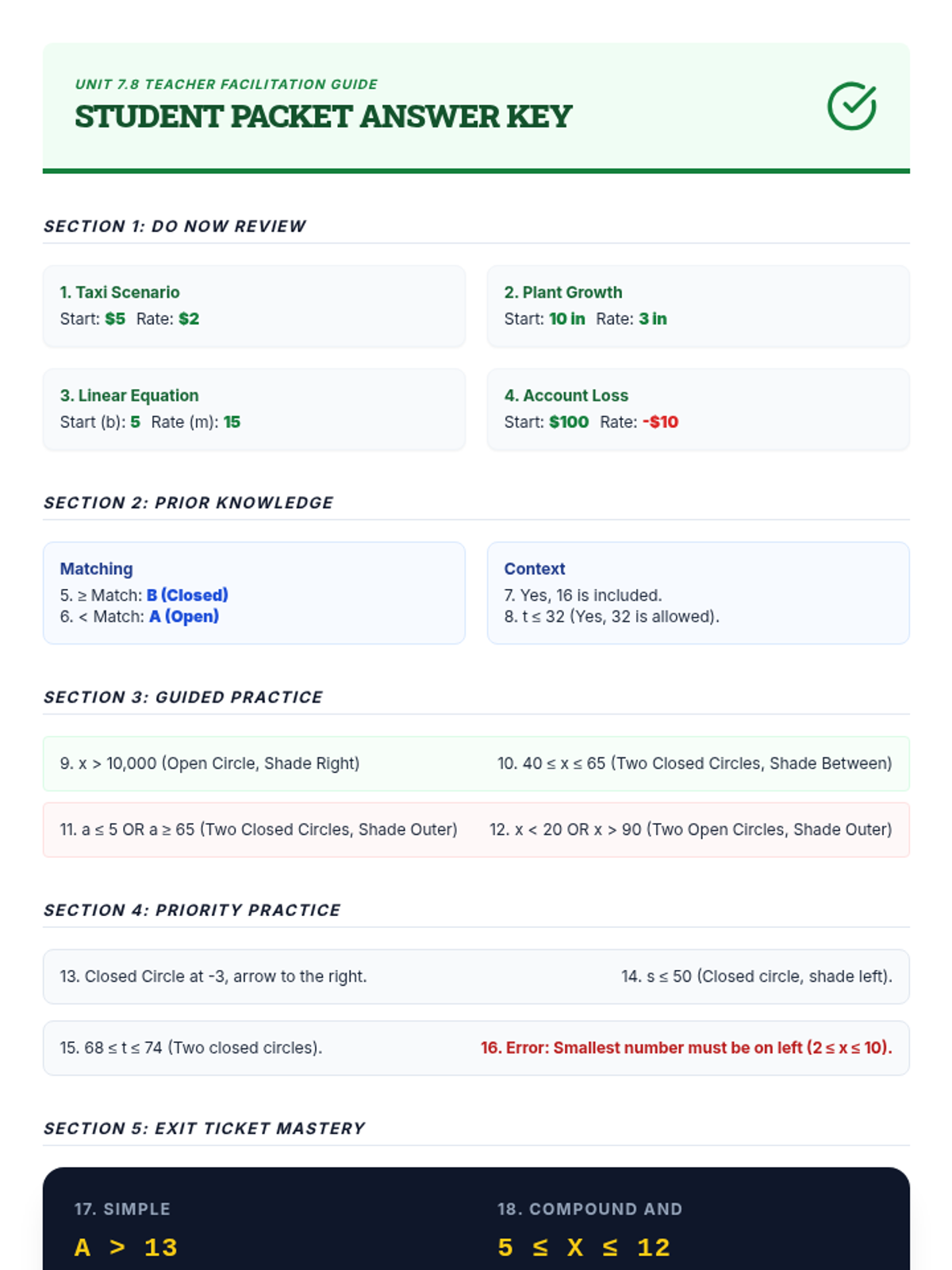
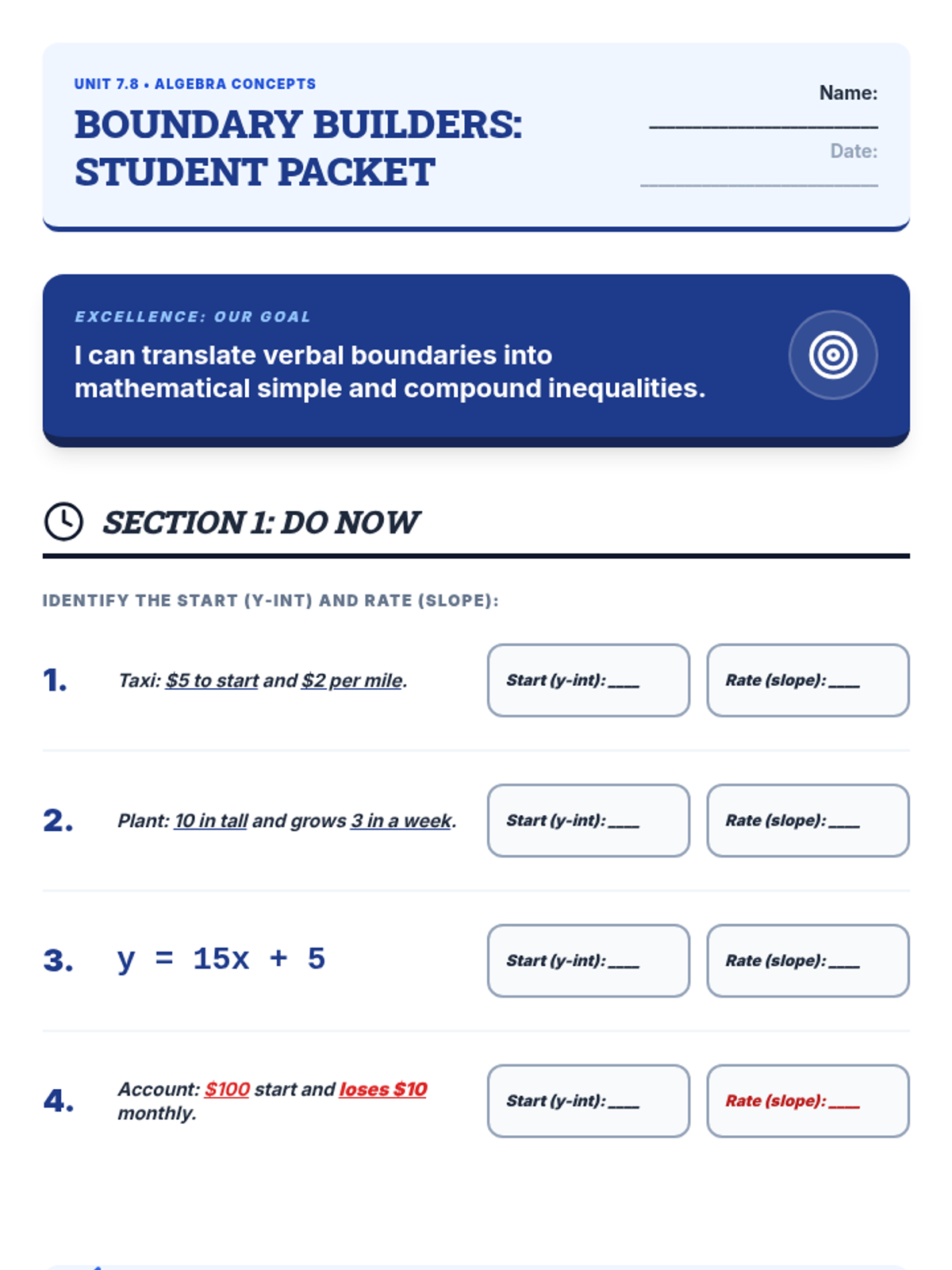
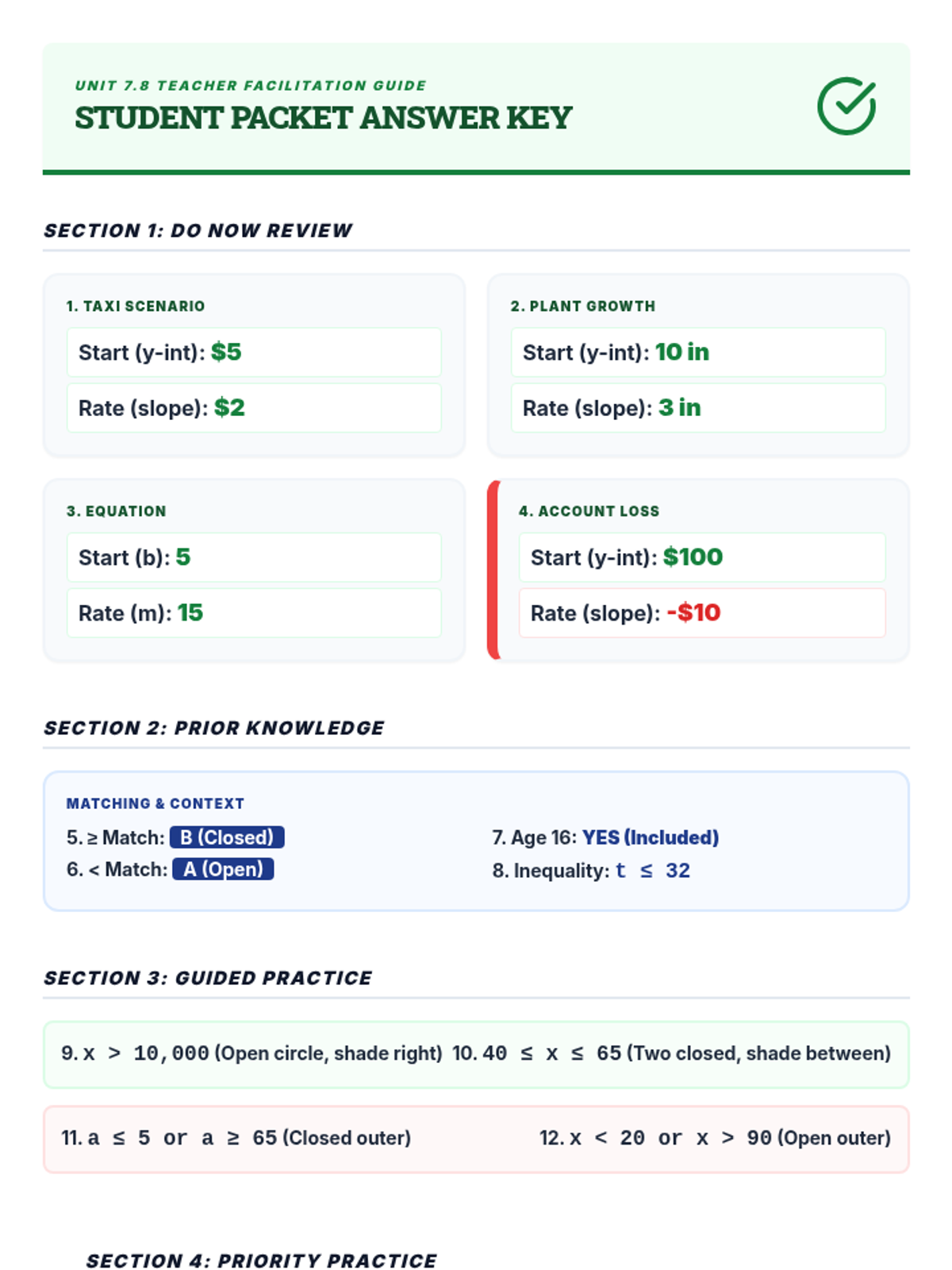
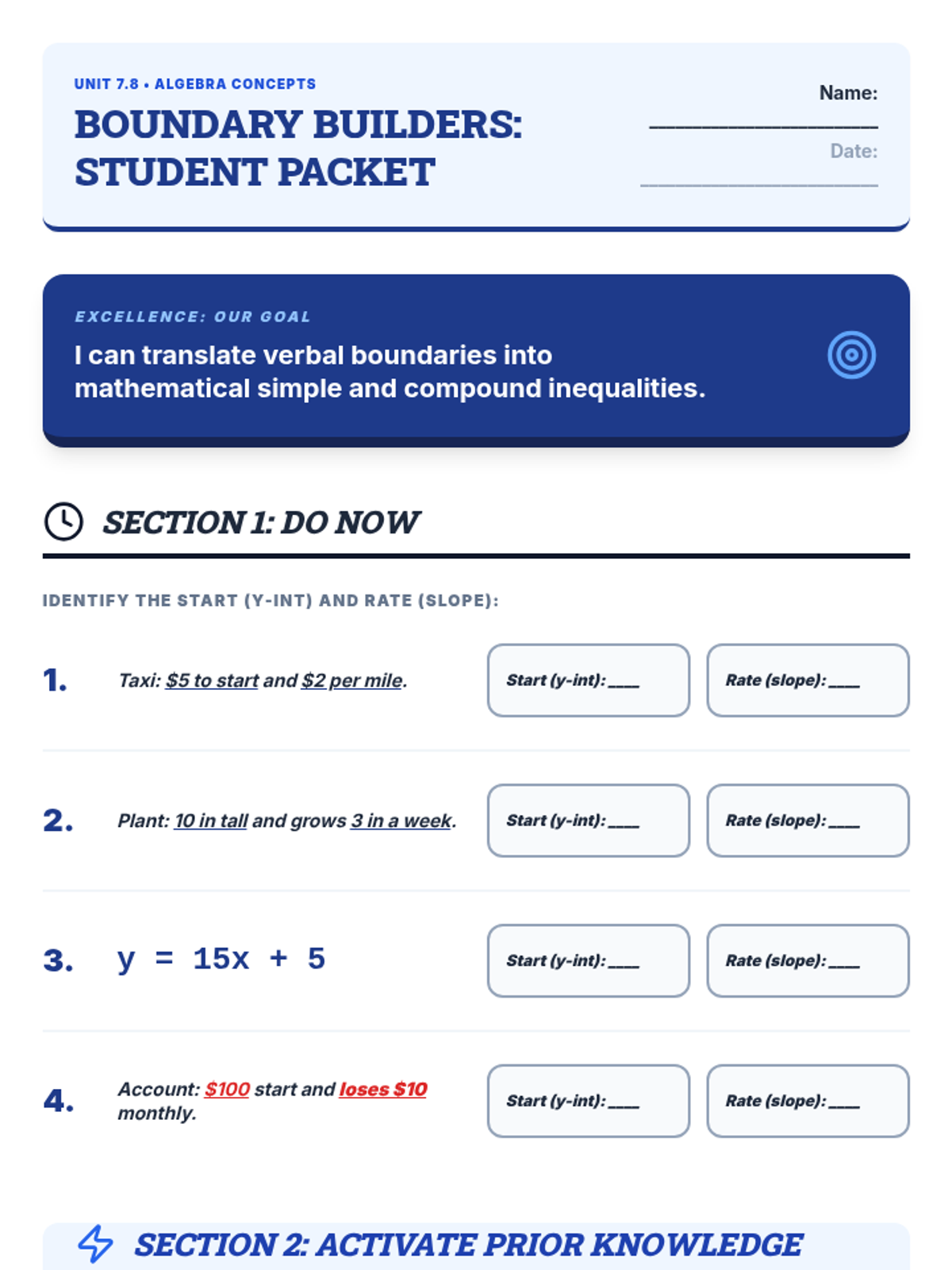
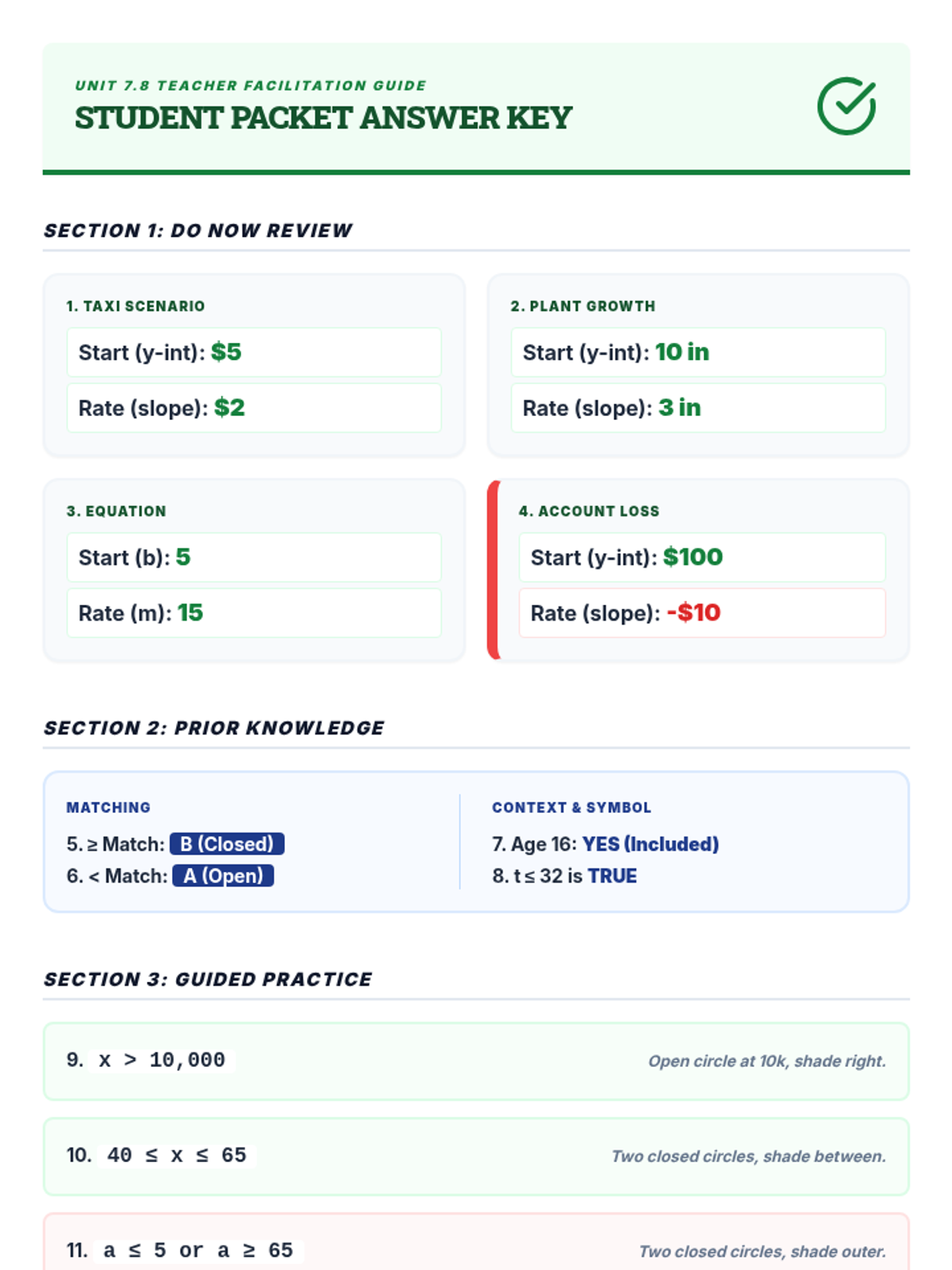
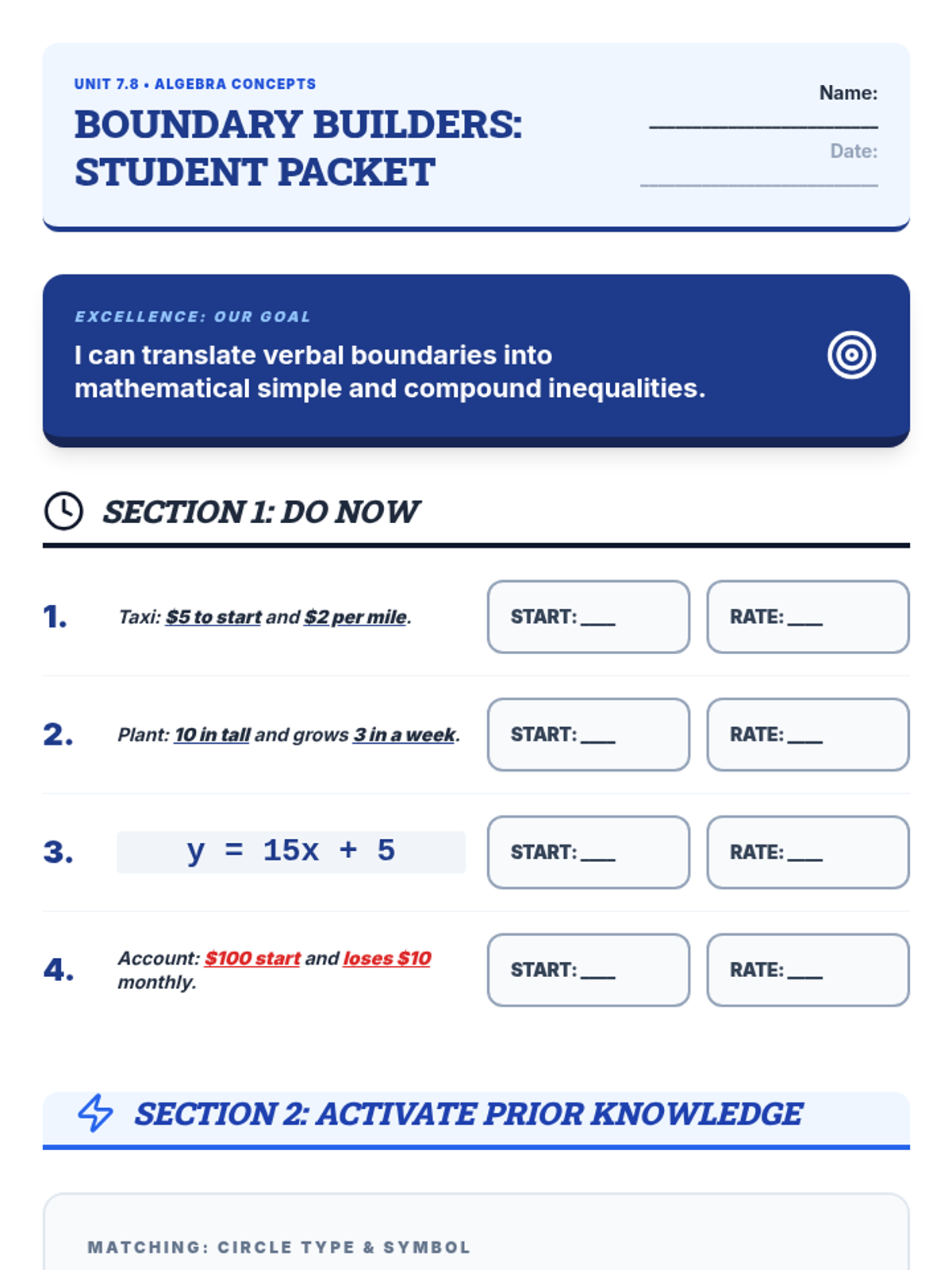
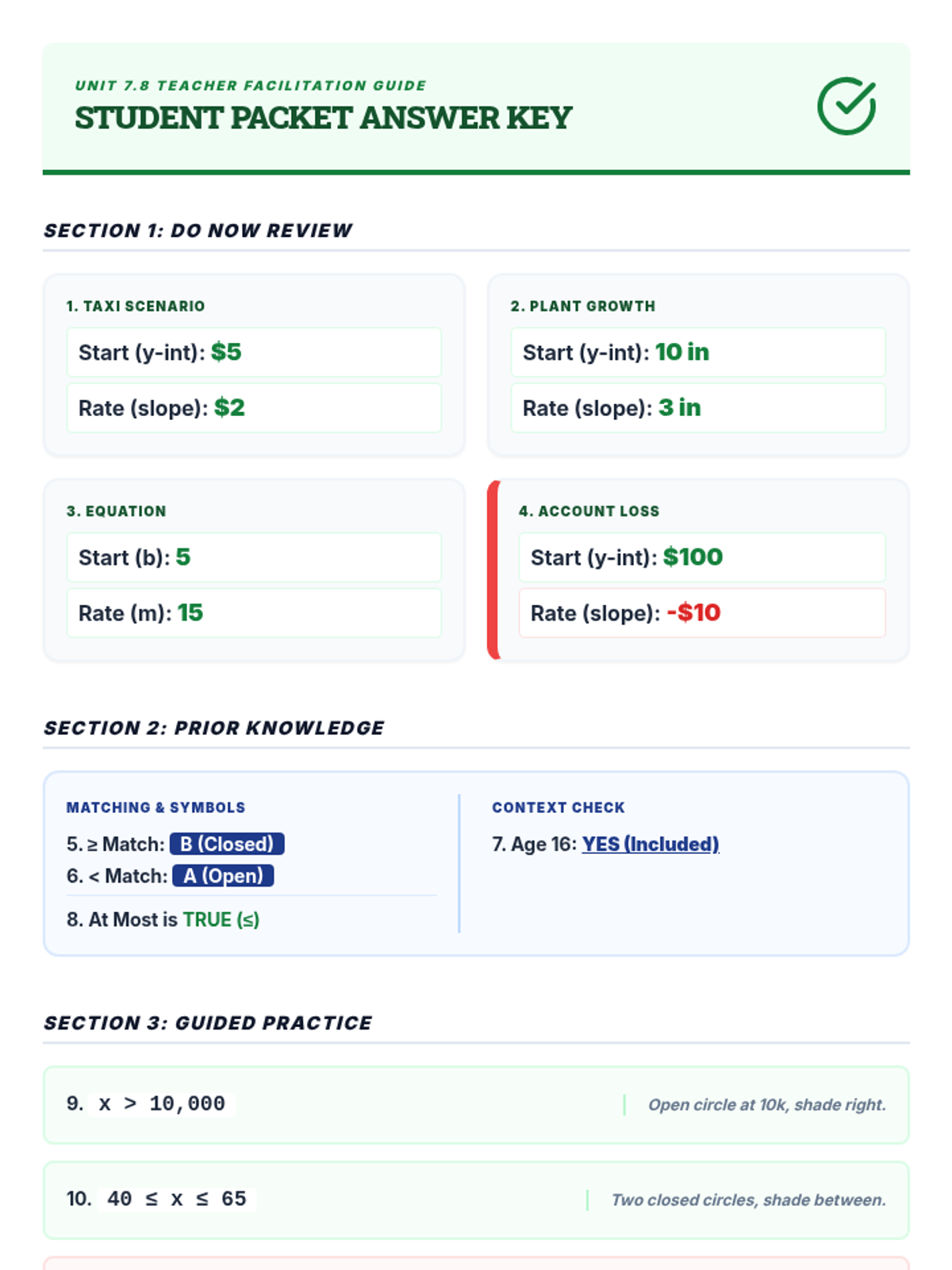
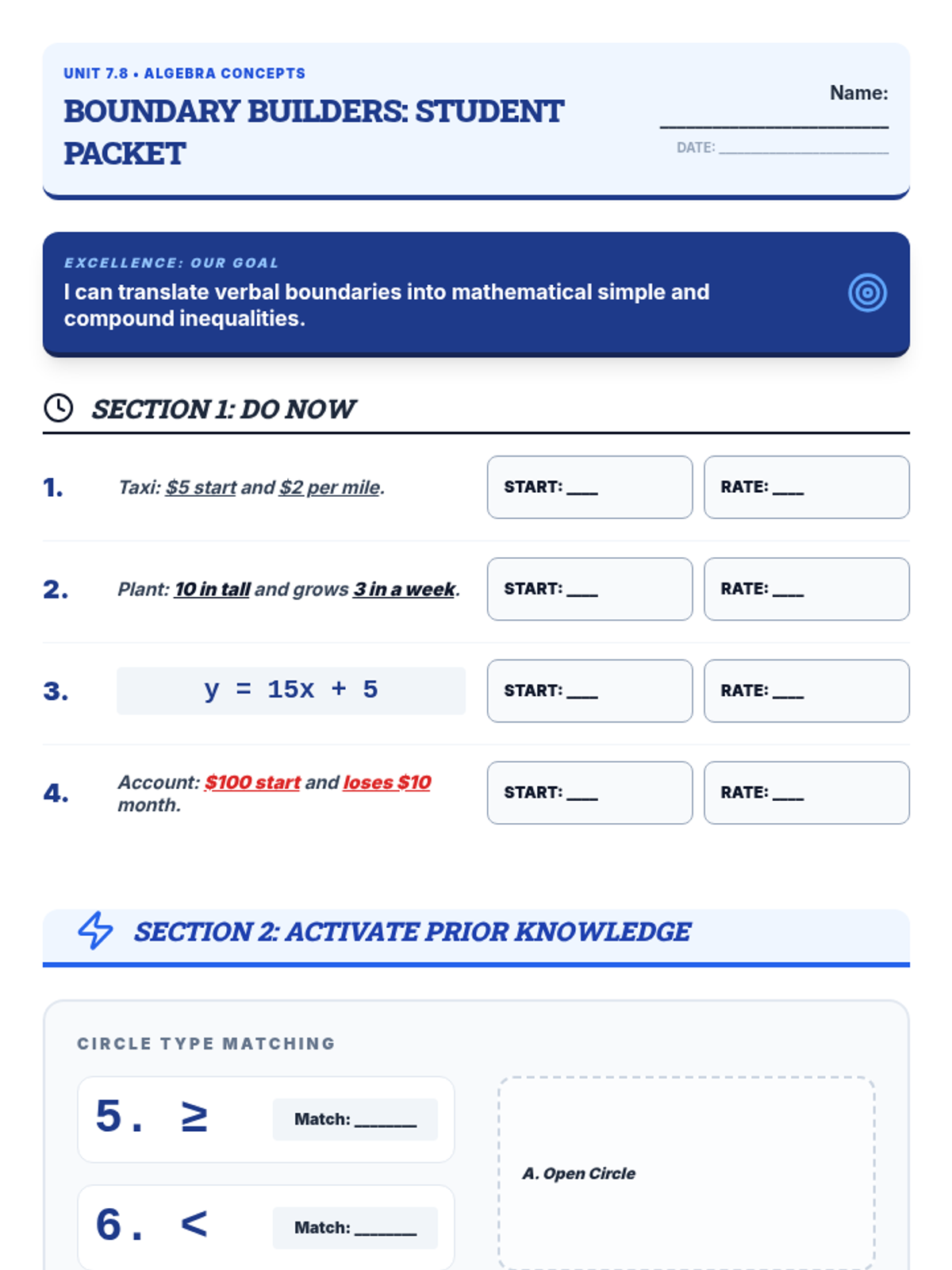
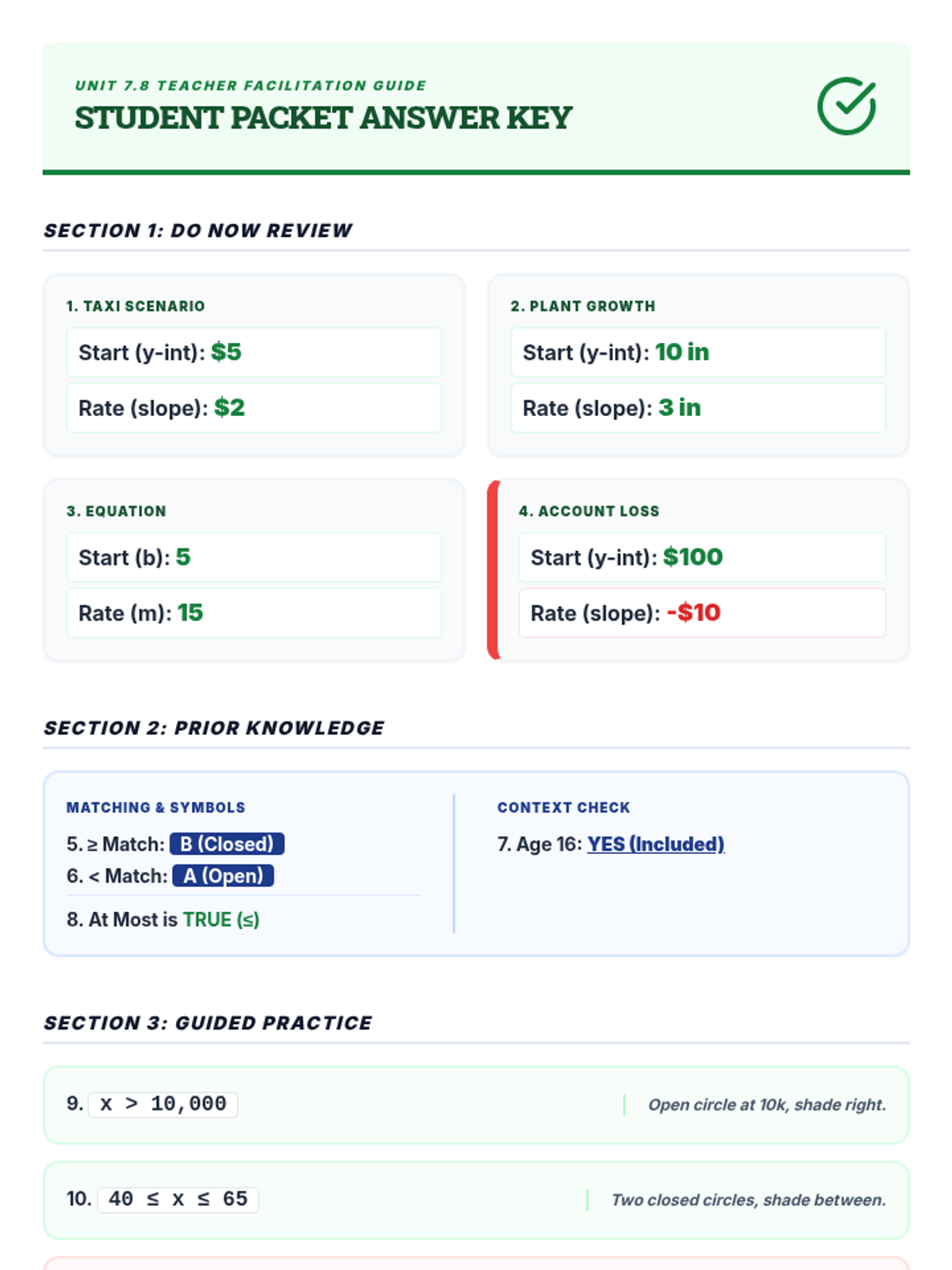
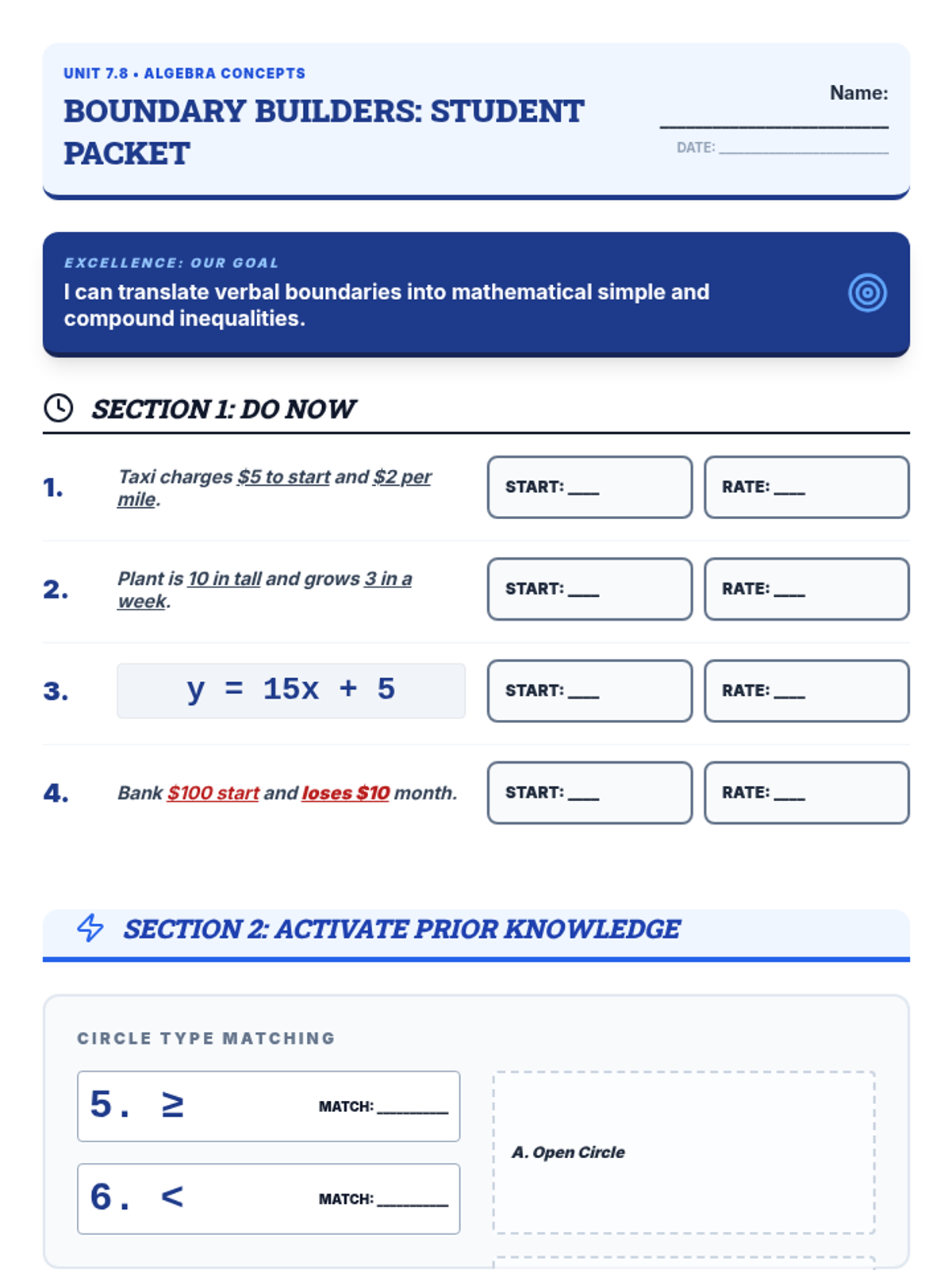
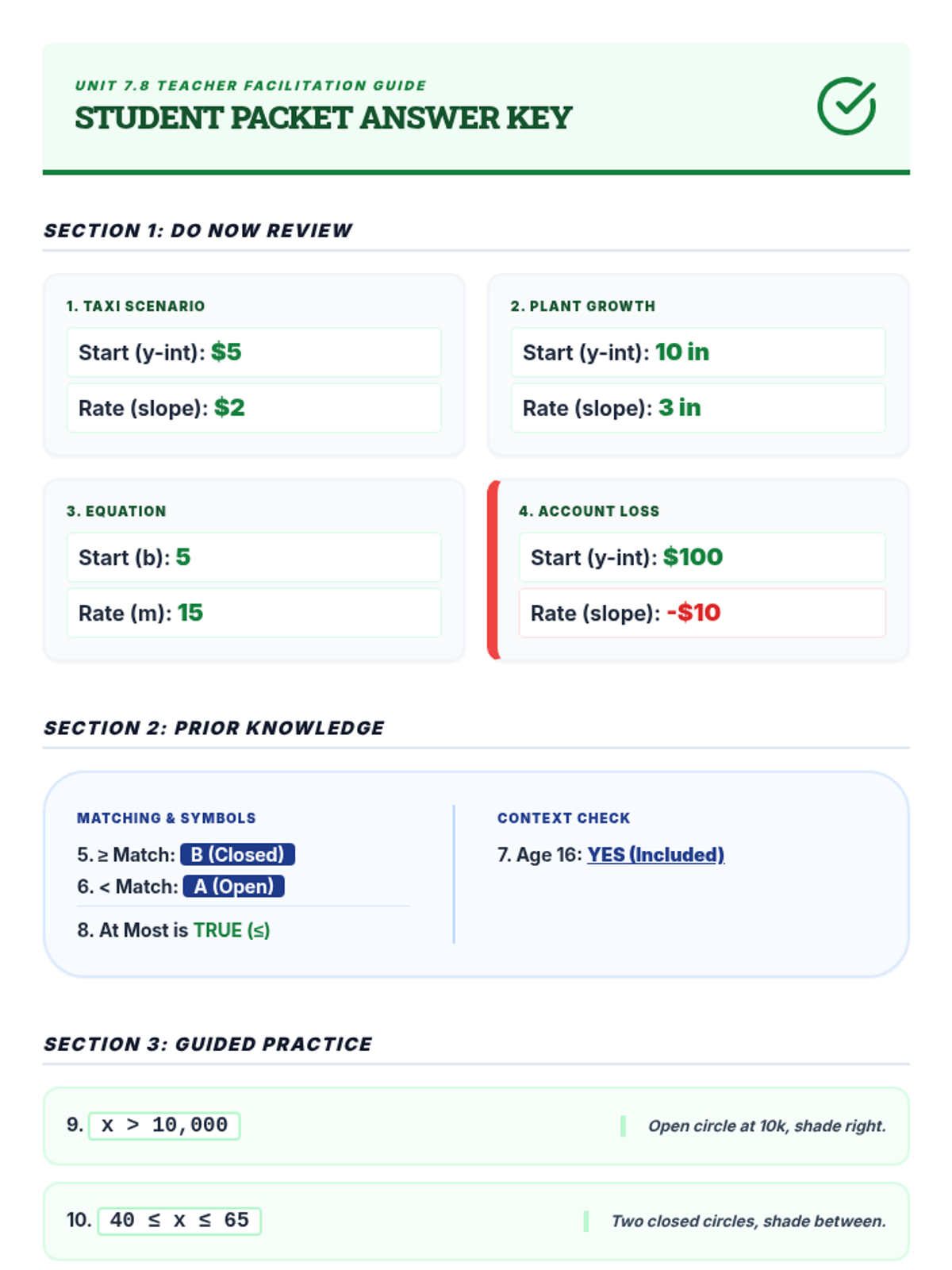
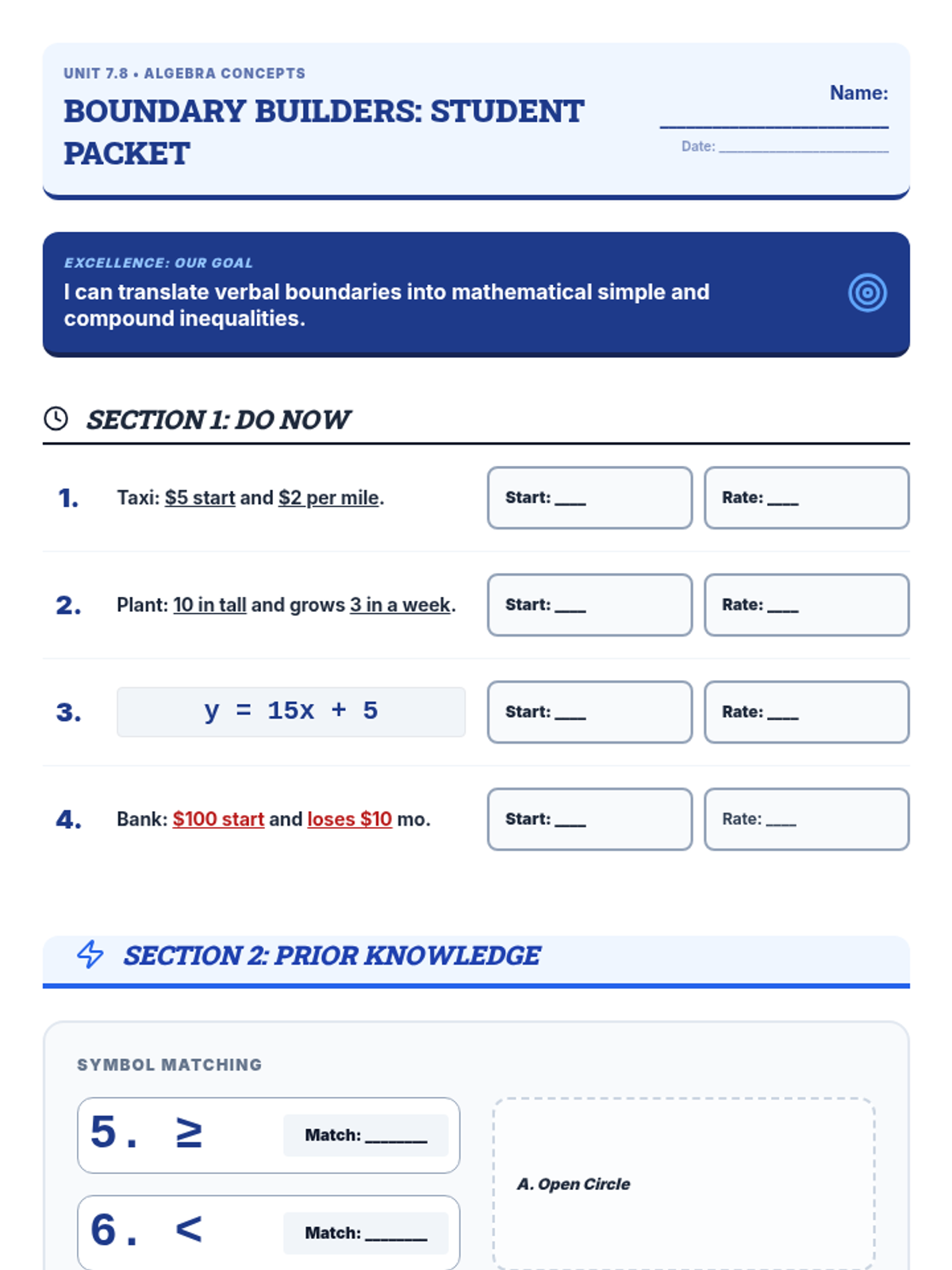
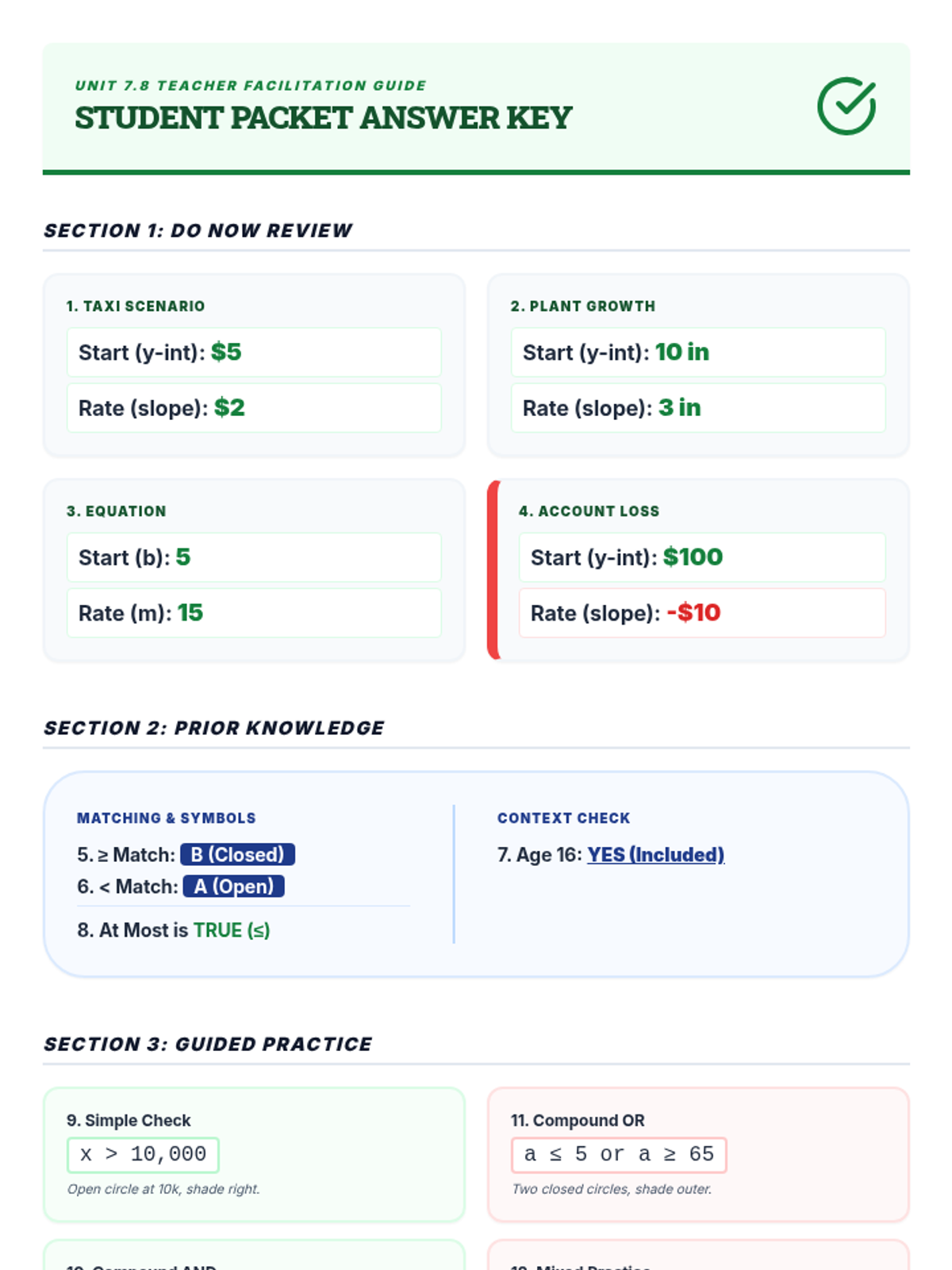
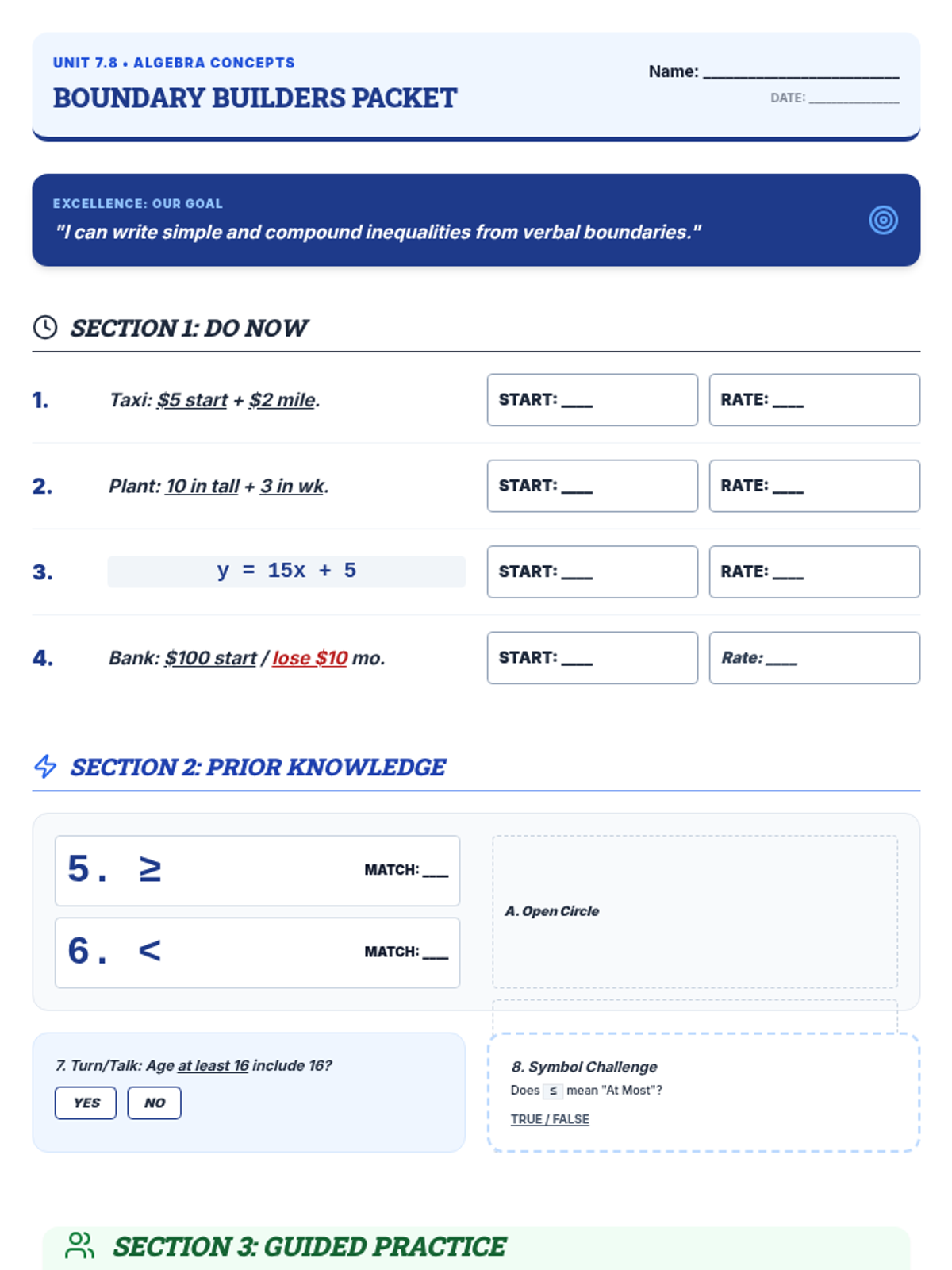
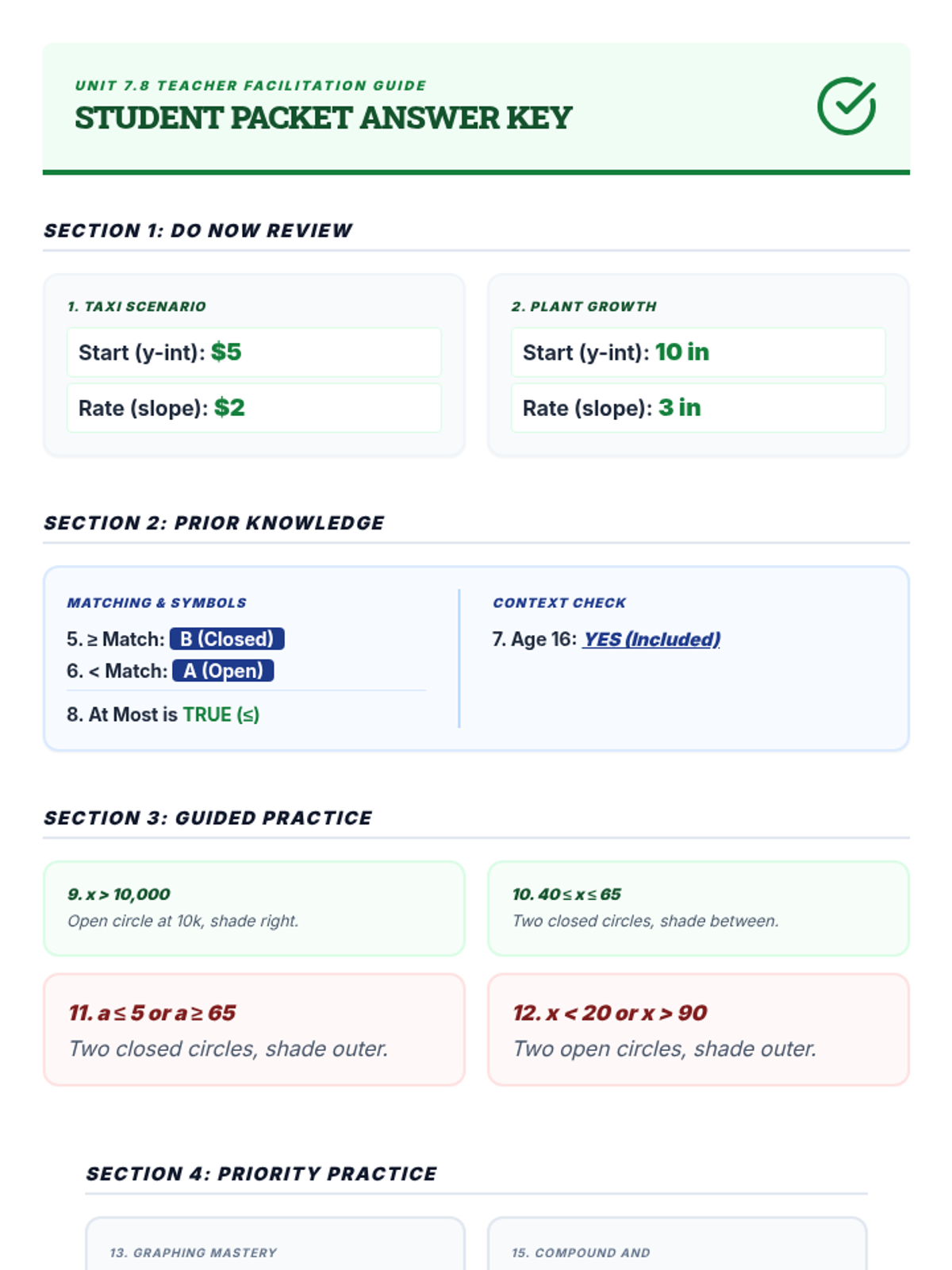
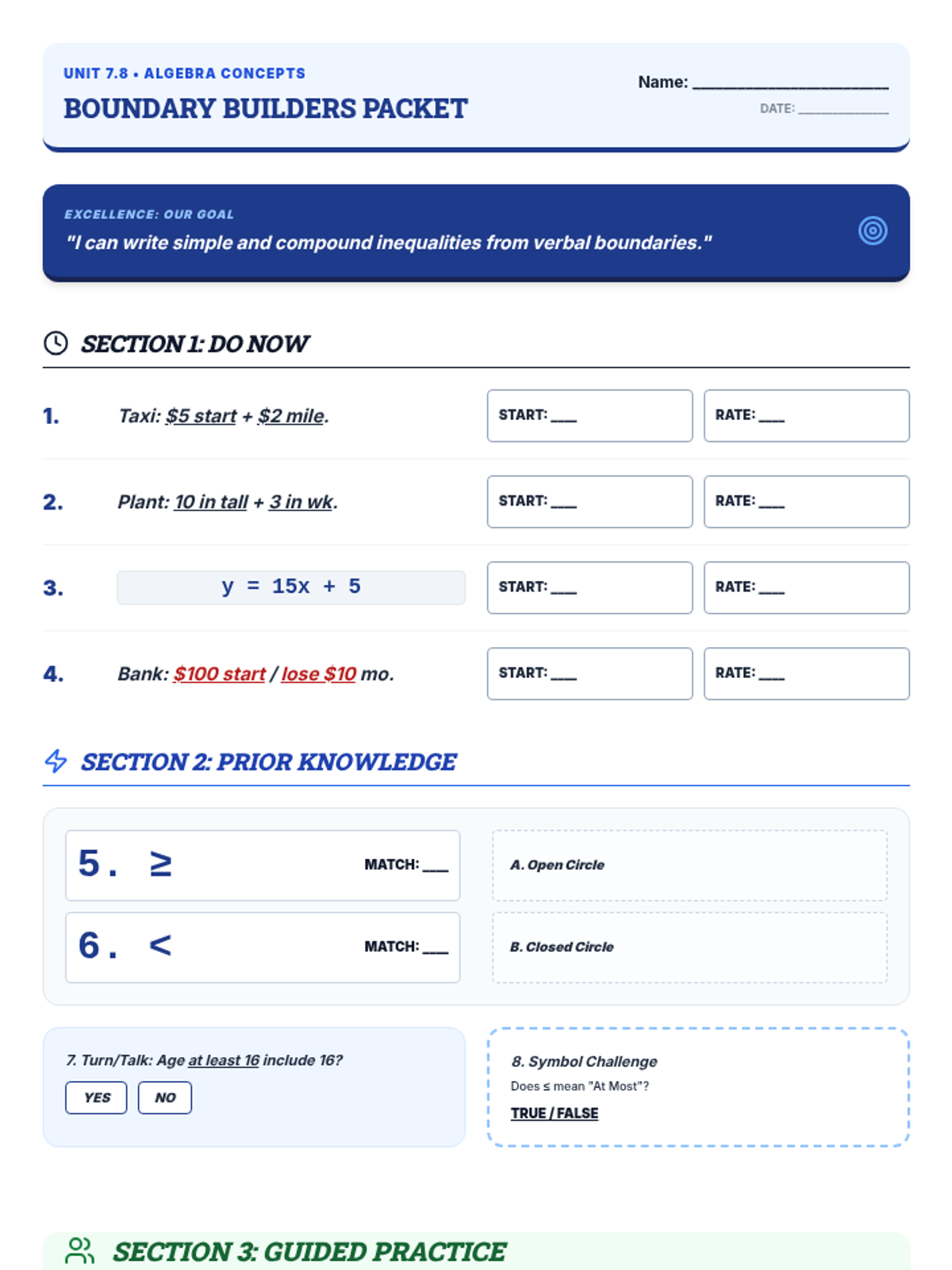
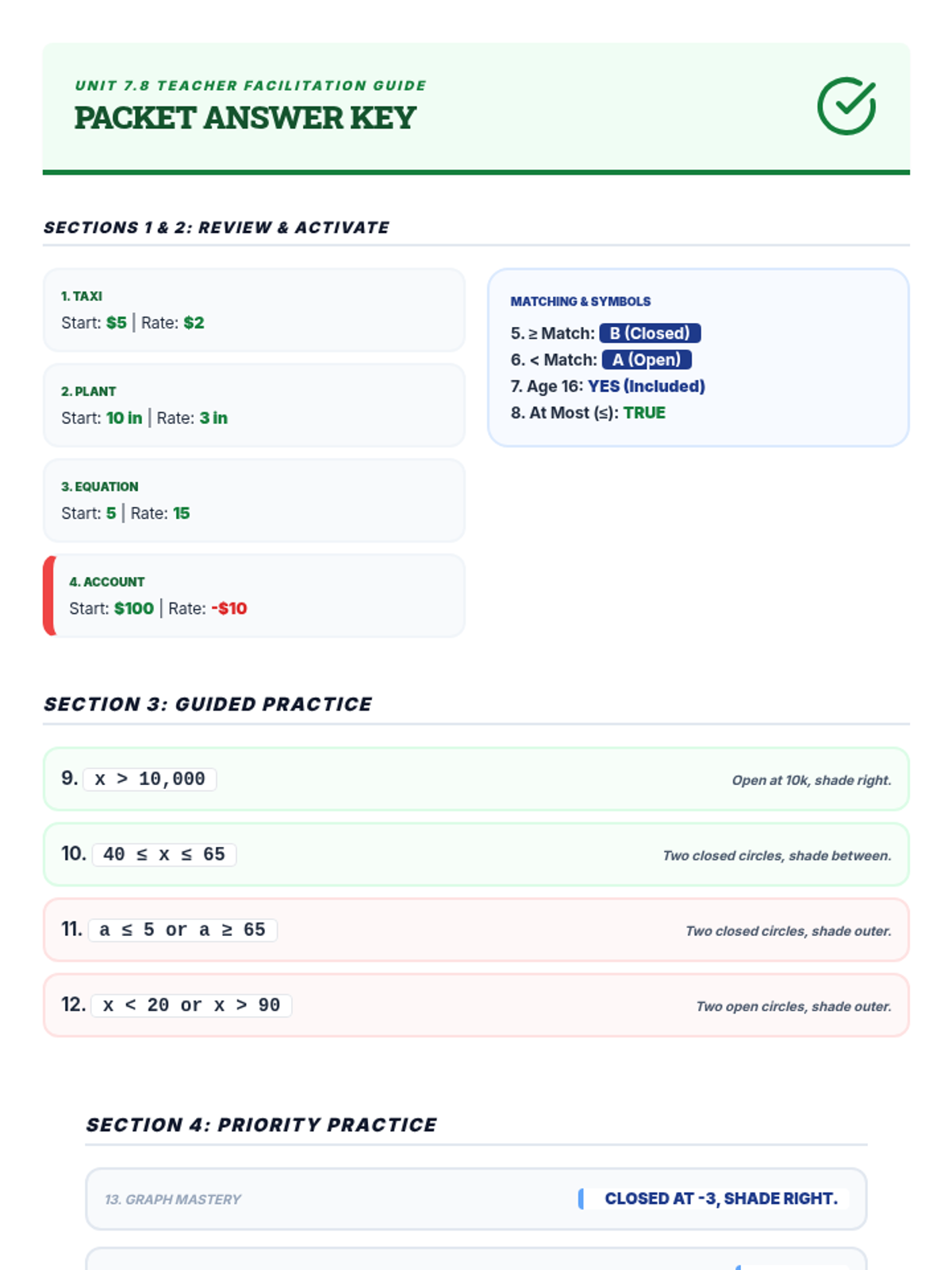
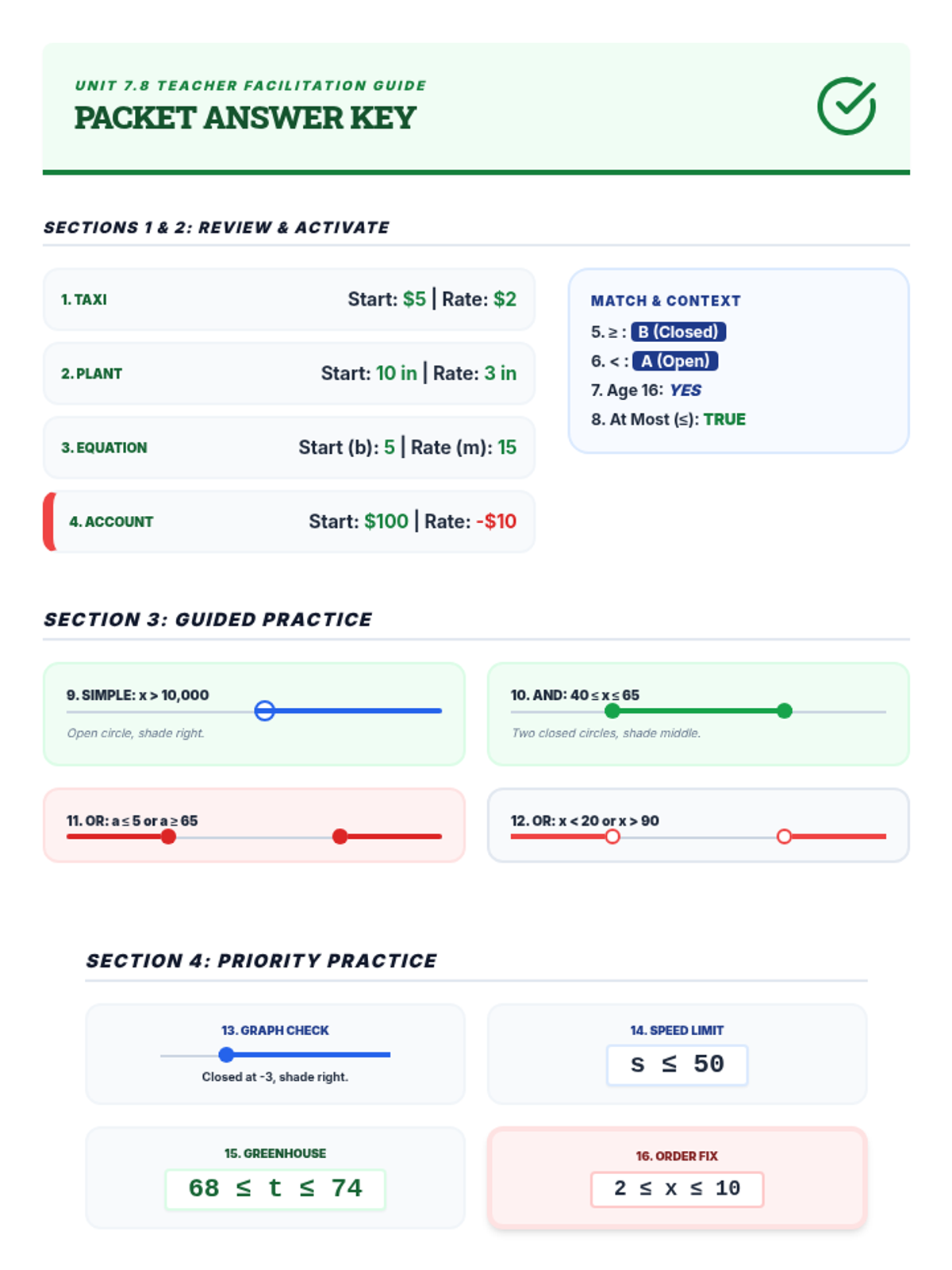
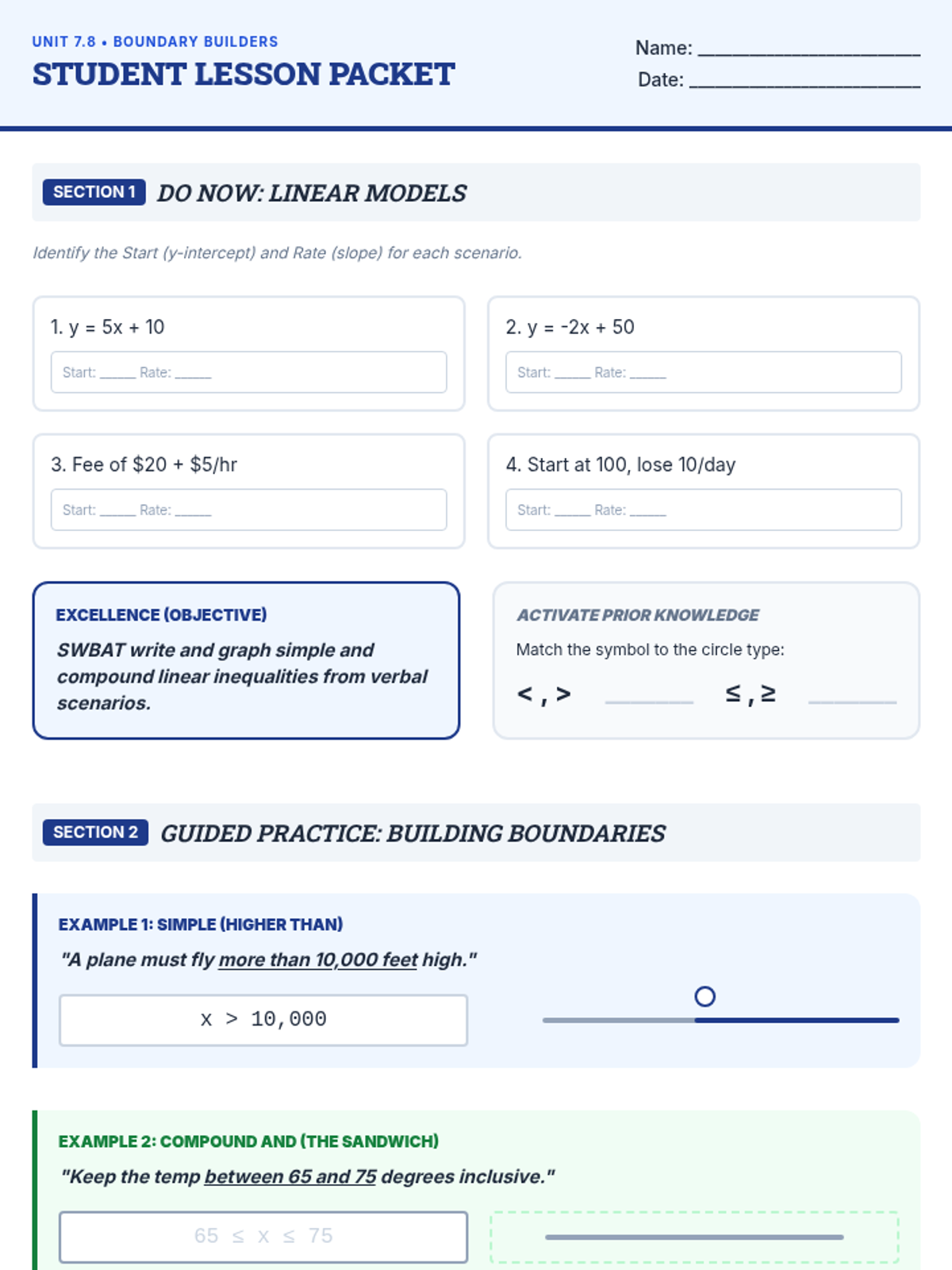
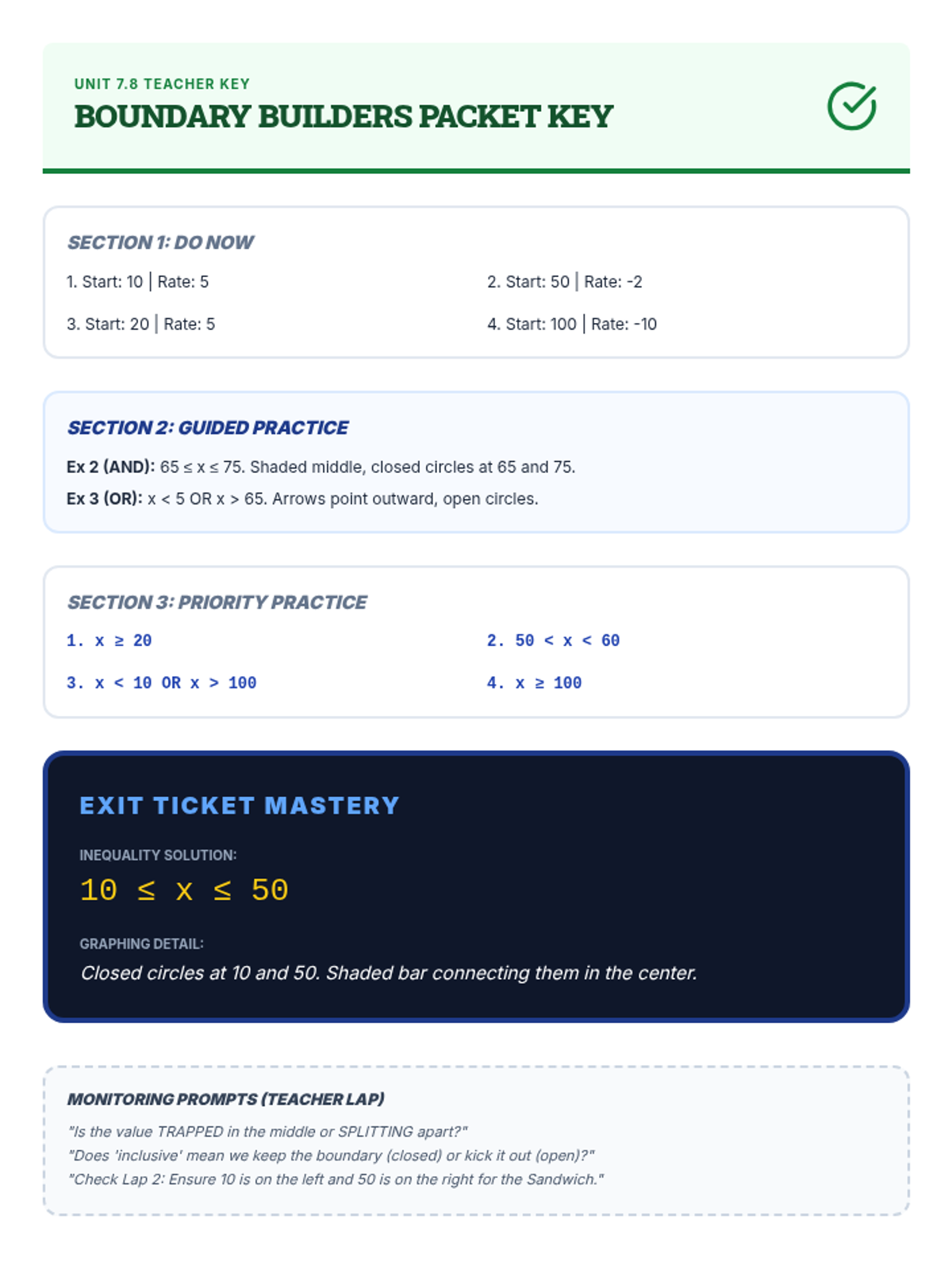
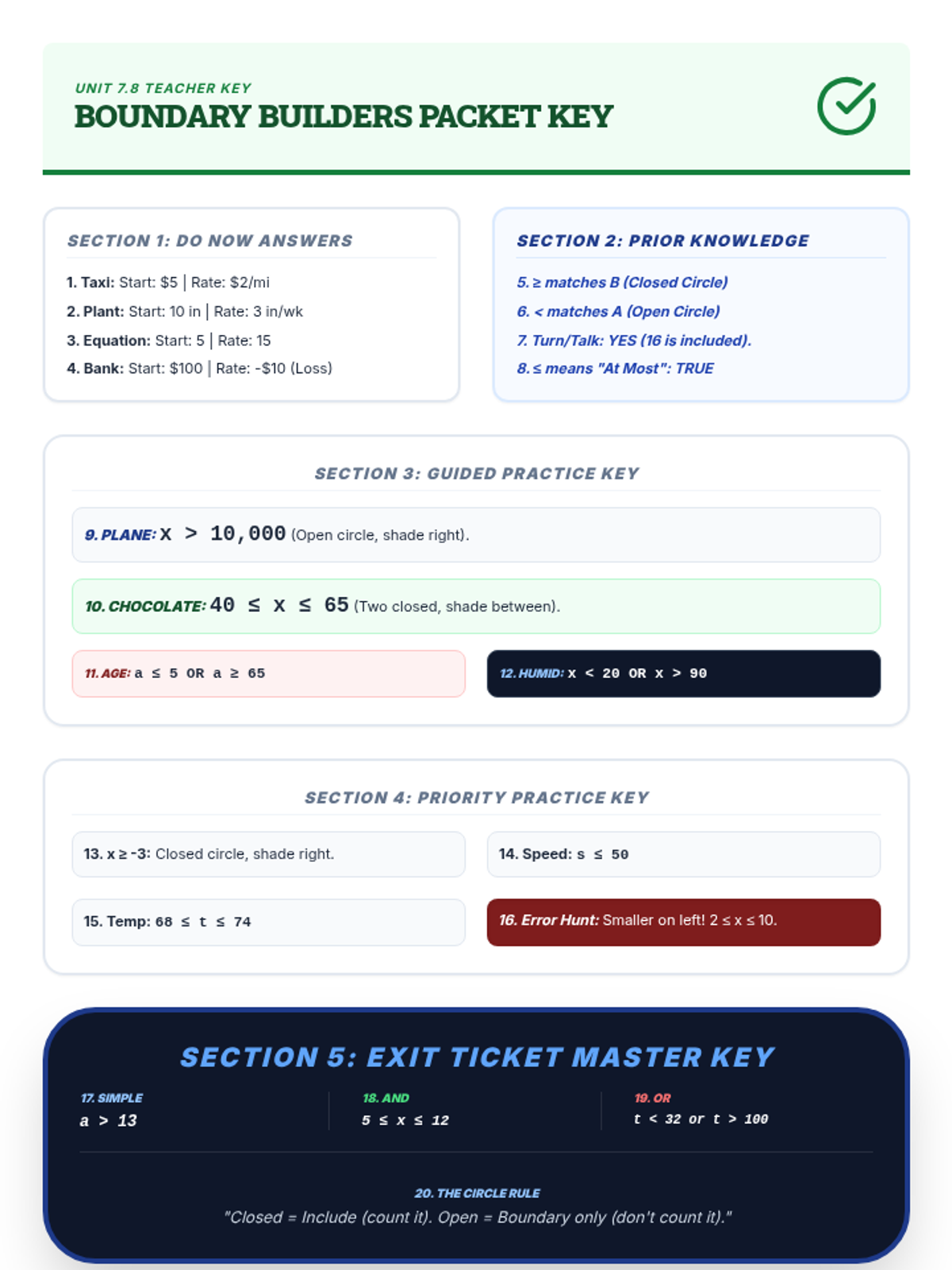
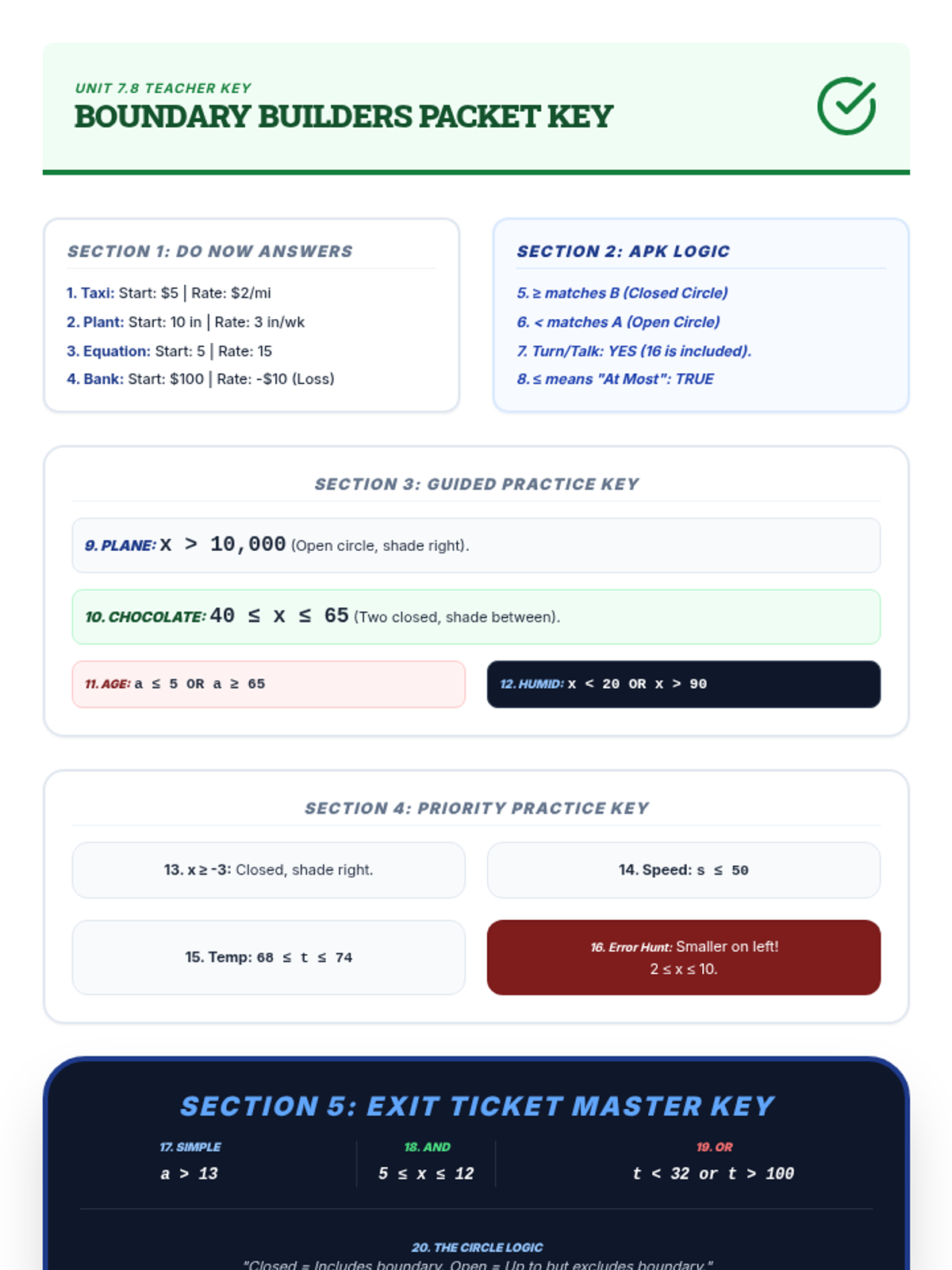
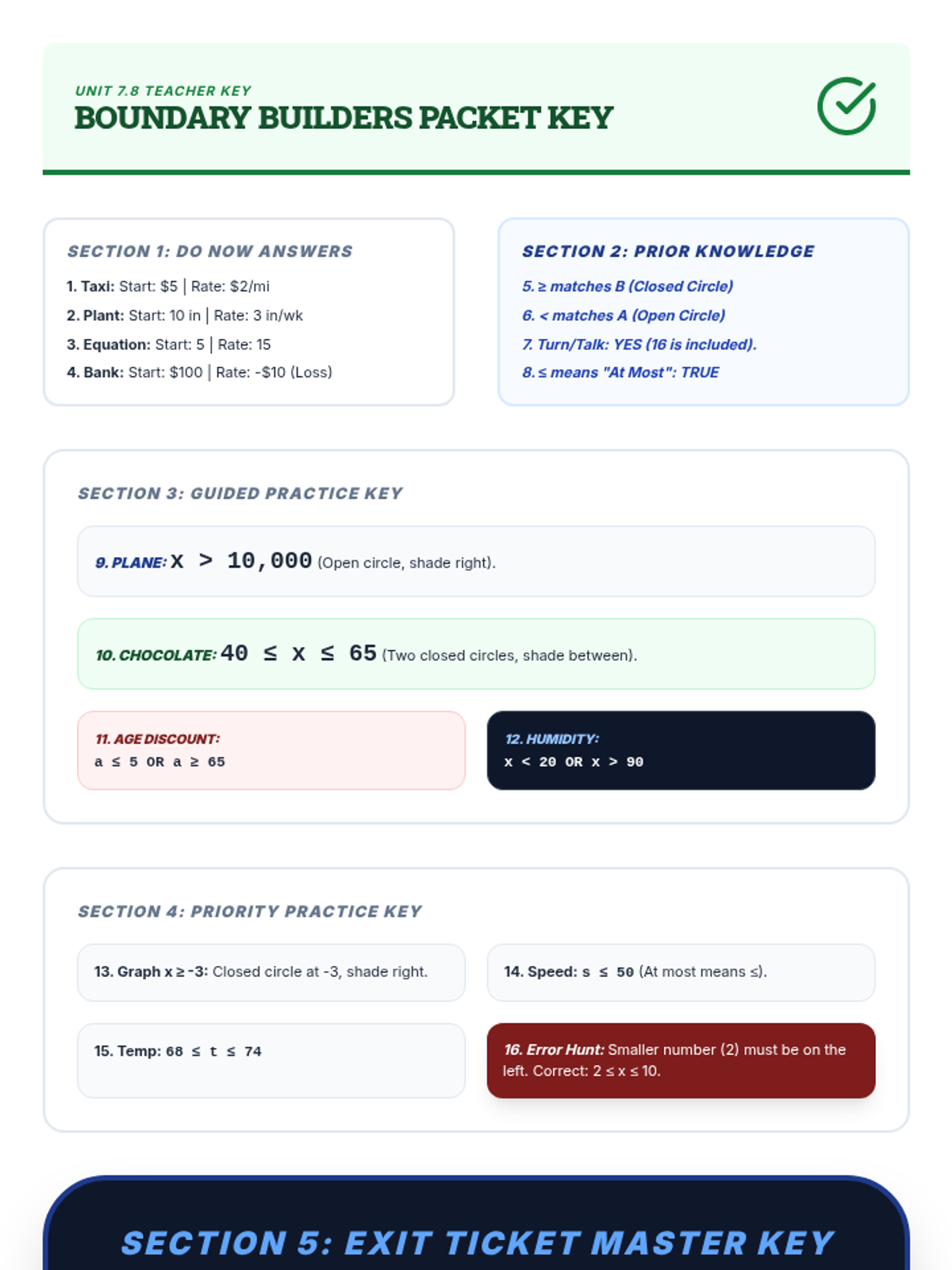
A 45-minute Algebra lesson for 9th-grade IEP students focused on writing simple and compound linear inequalities. This North Star Academy-style lesson uses visual aids and structured scaffolds to help students translate verbal scenarios into mathematical boundaries.
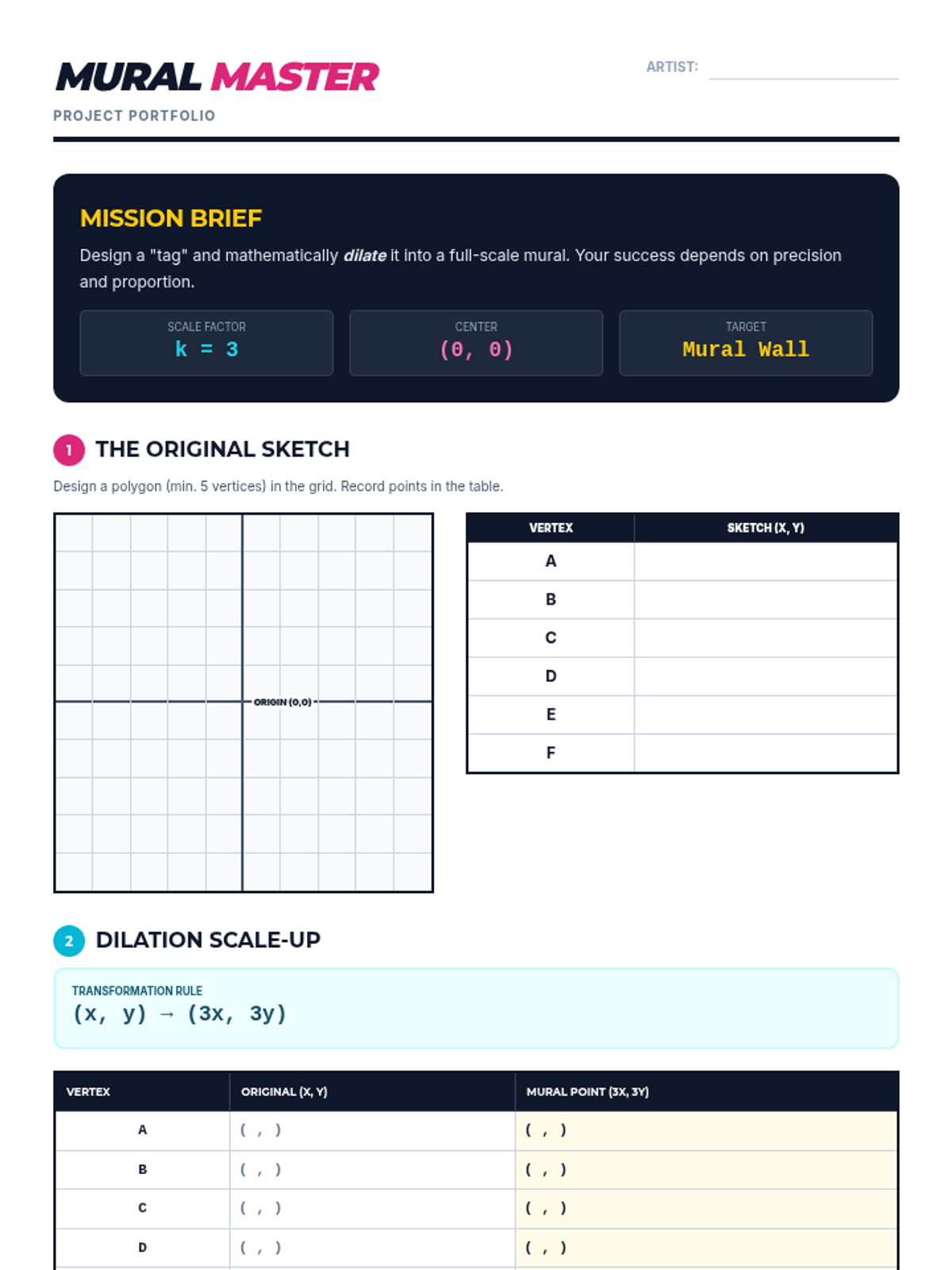
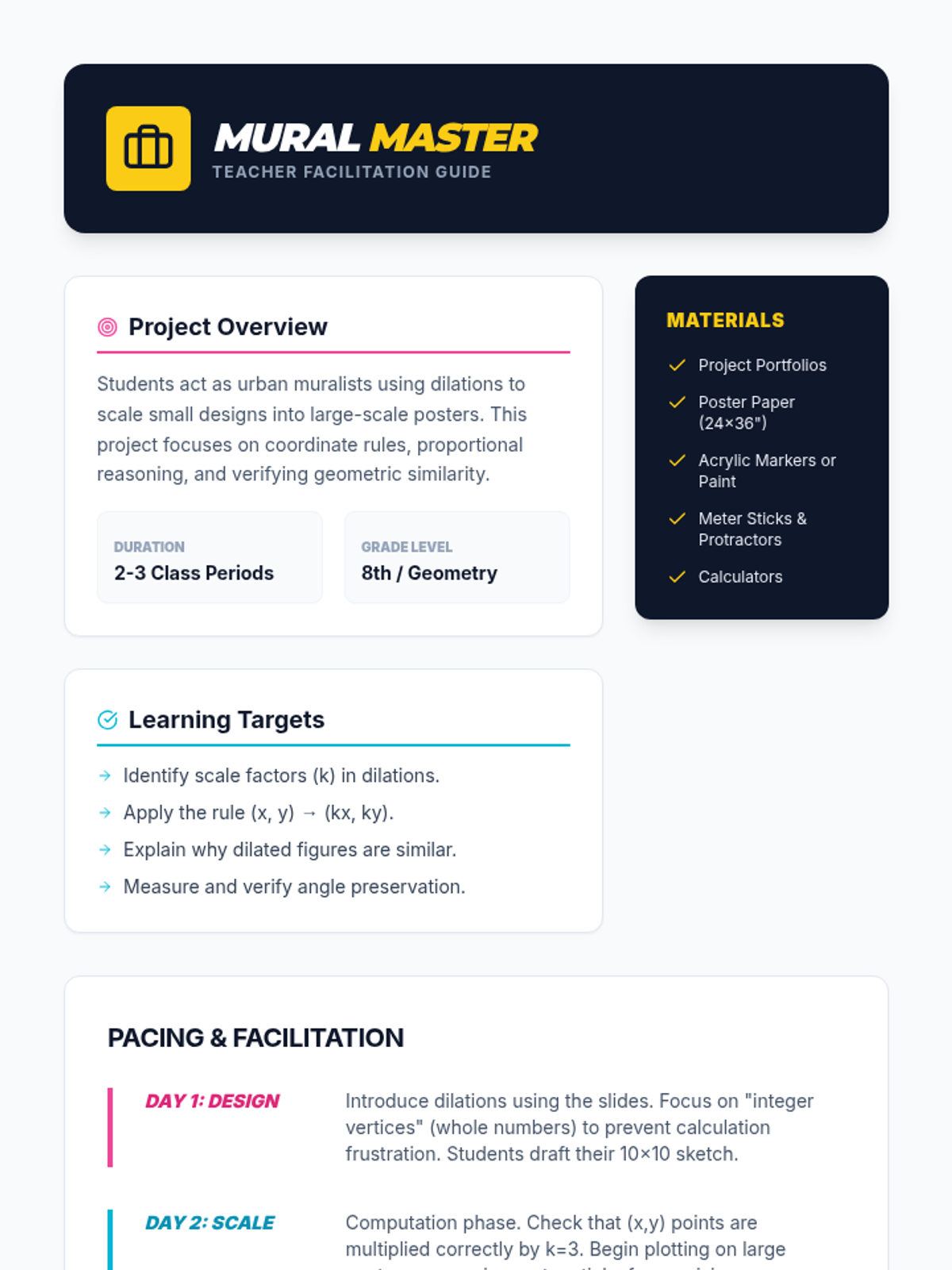
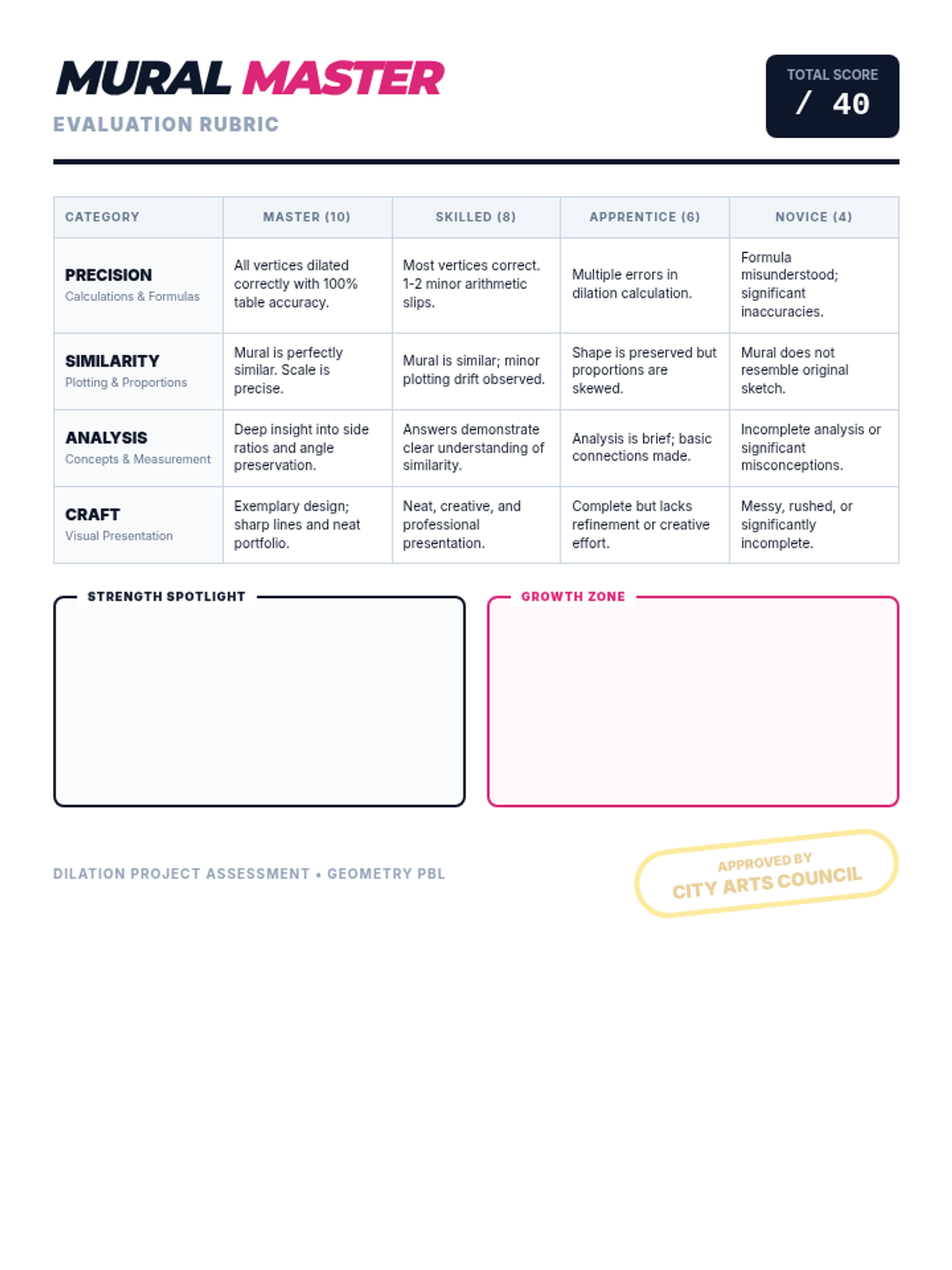
A Project-Based Learning unit where students act as muralists, using dilations and scale factors to transform small sketches into large-scale urban art. Students master coordinate transformations and geometric similarity through hands-on design.
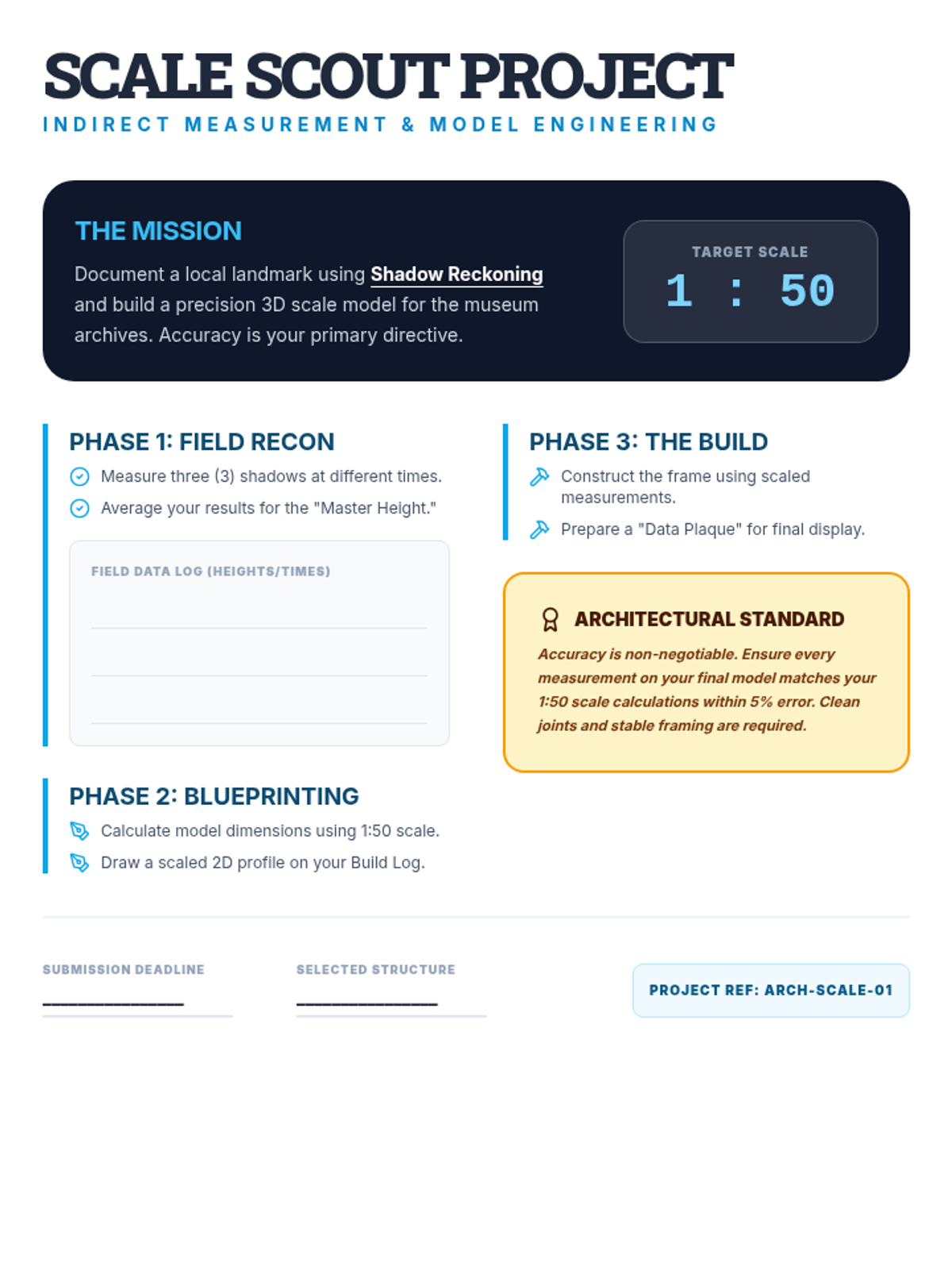
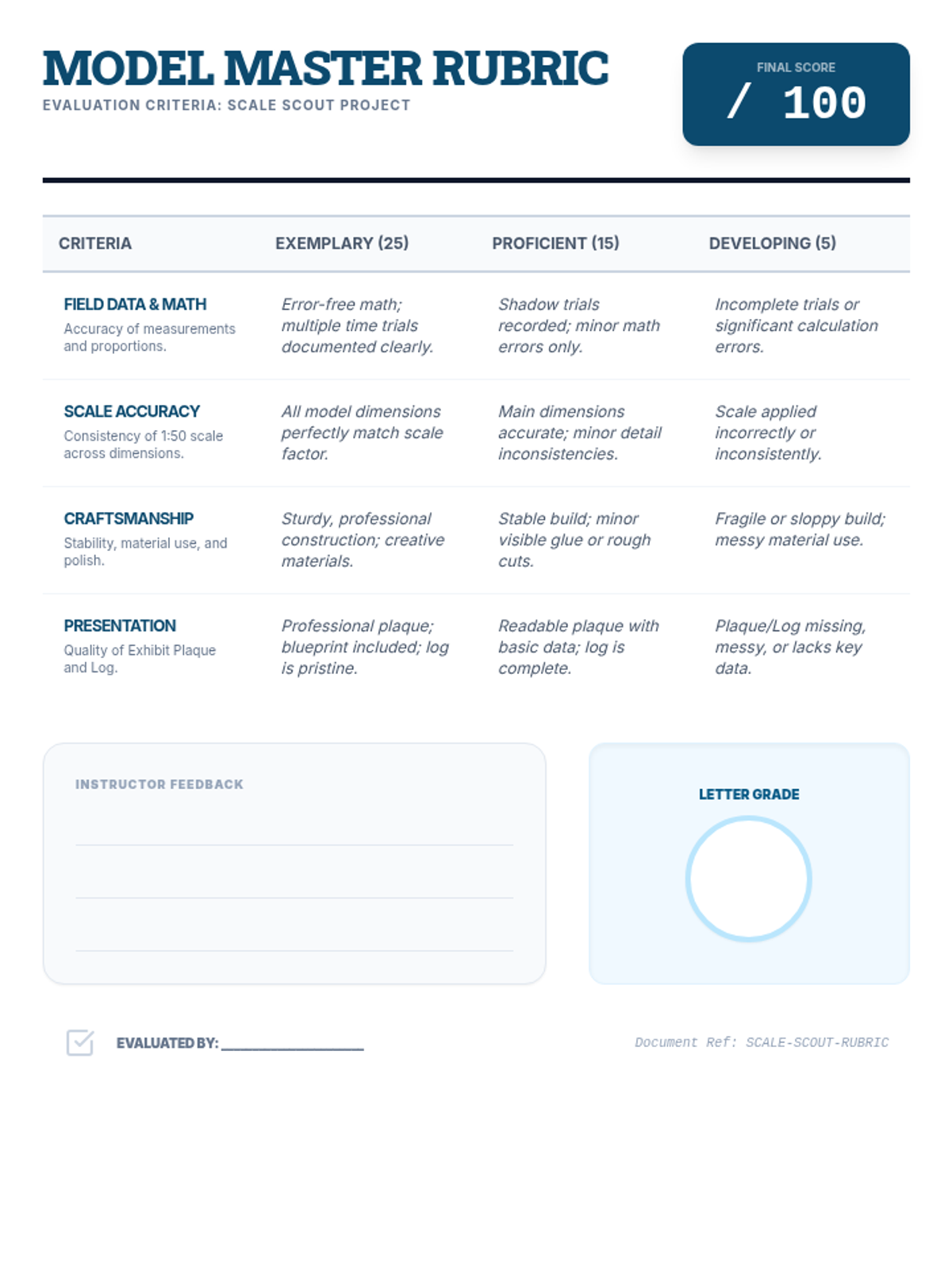
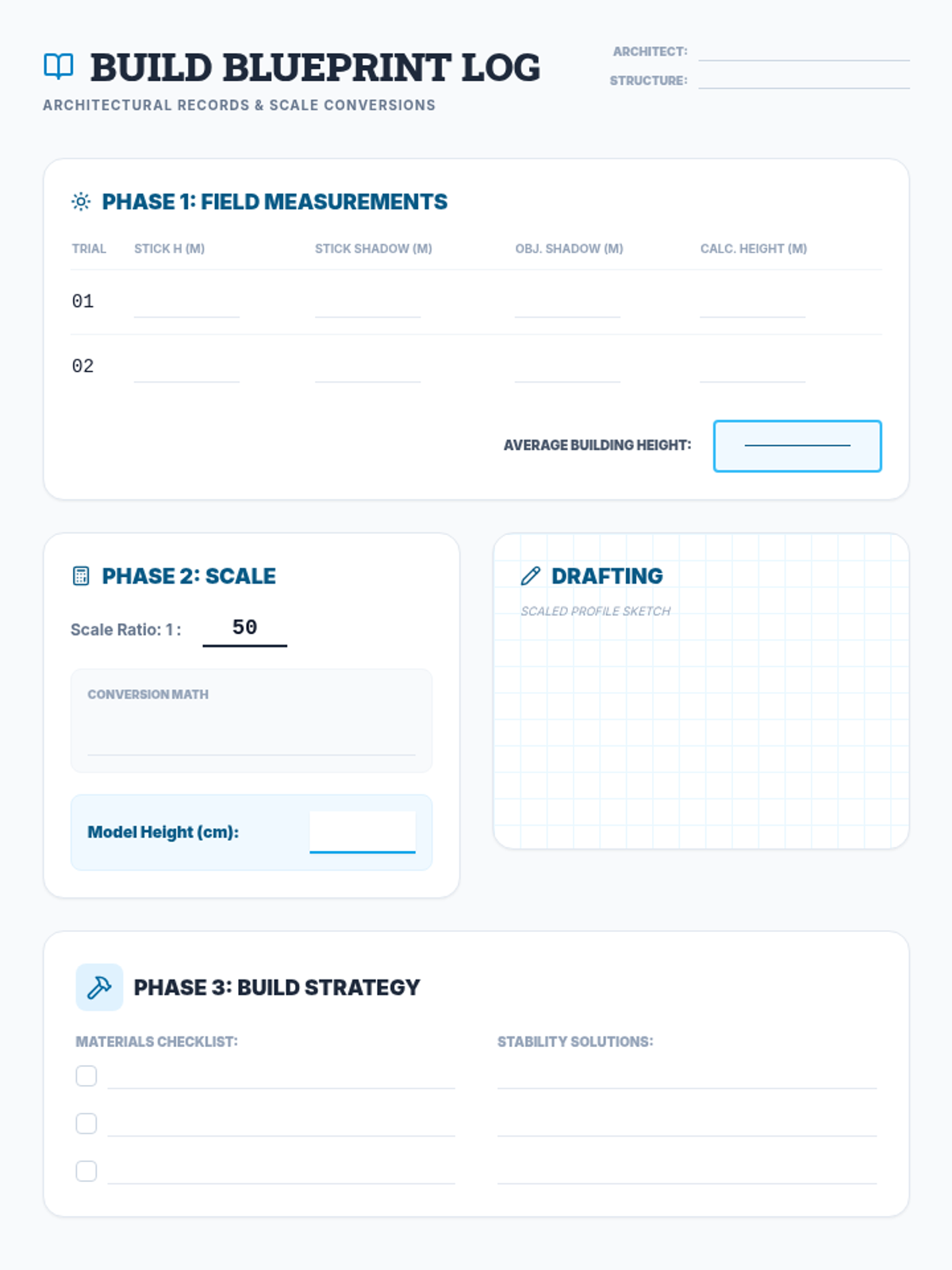
Students apply their indirect measurement skills to a real-world object, calculate scale factors, and construct a precision scale model of their chosen structure.
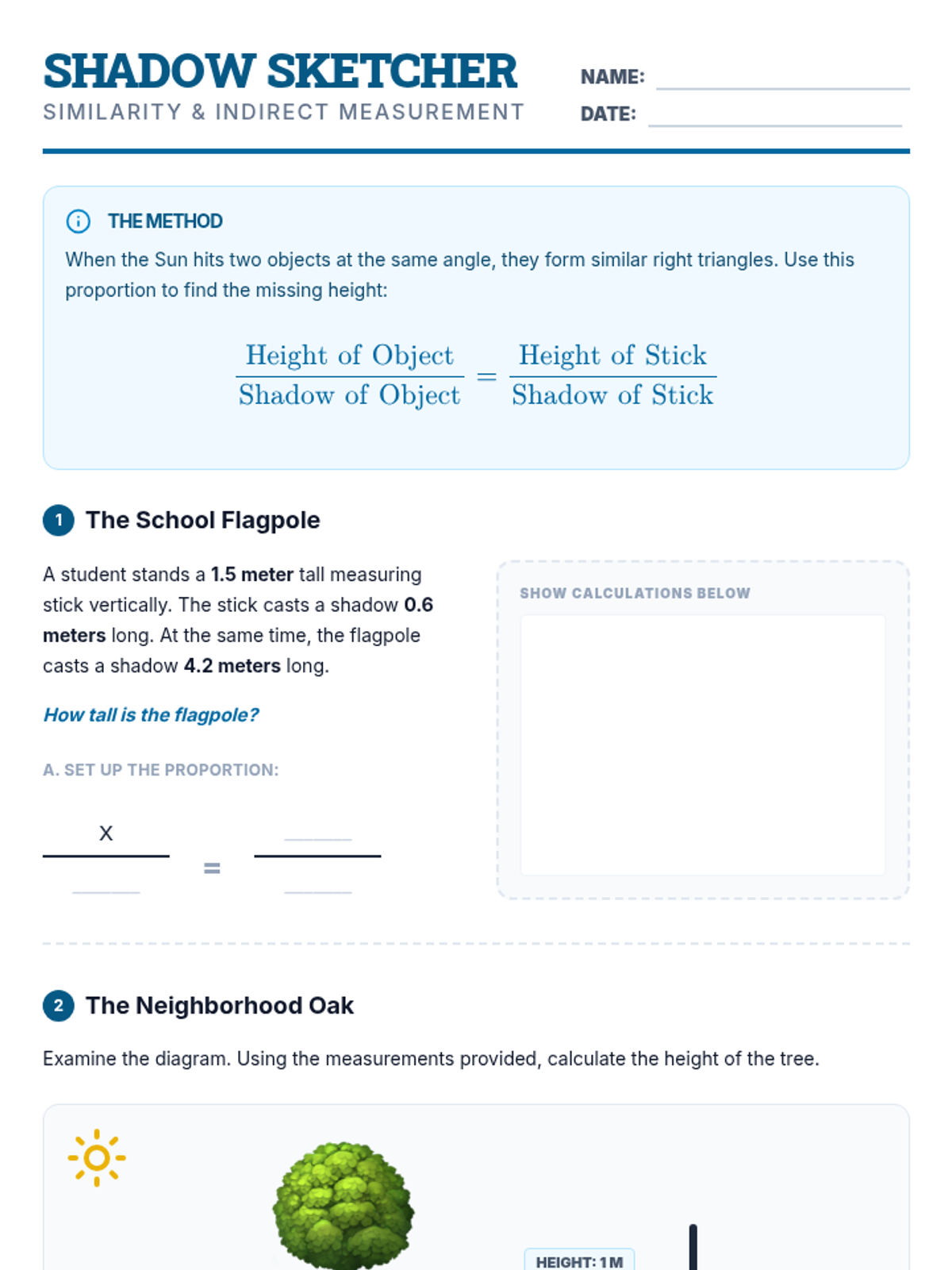
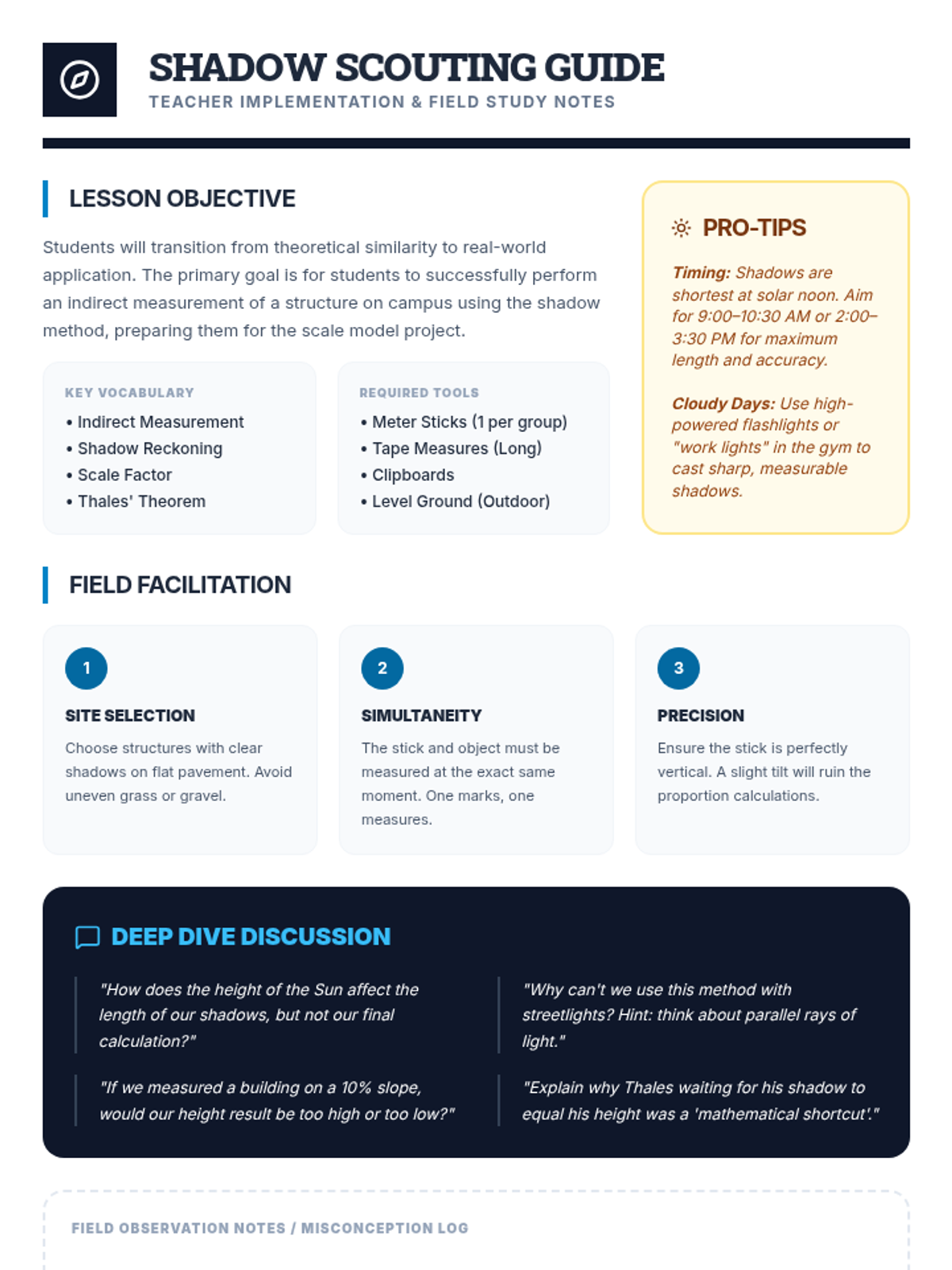
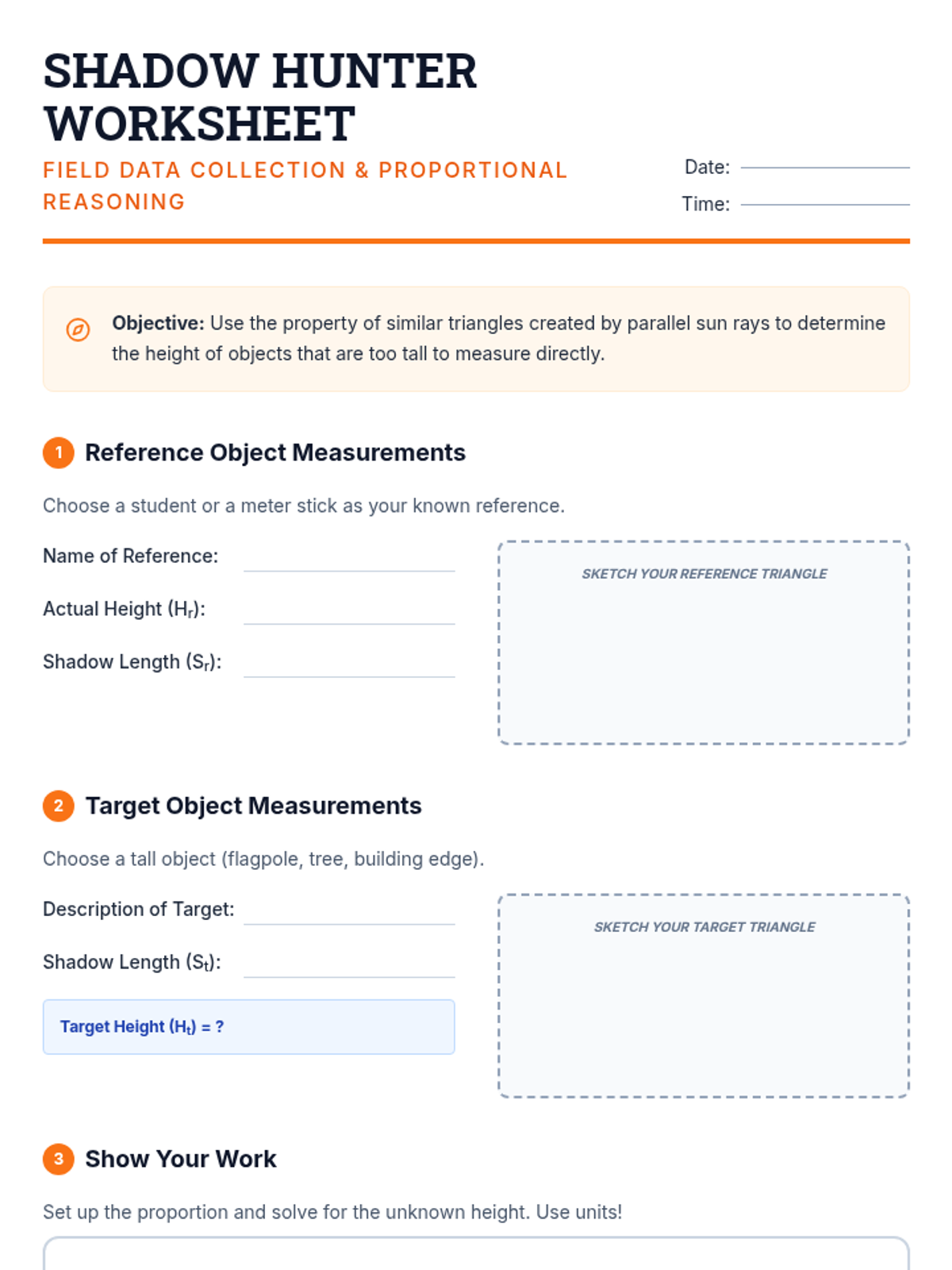
Students learn the mathematical principles of similarity and the shadow method for indirect measurement through guided practice and outdoor exploration.
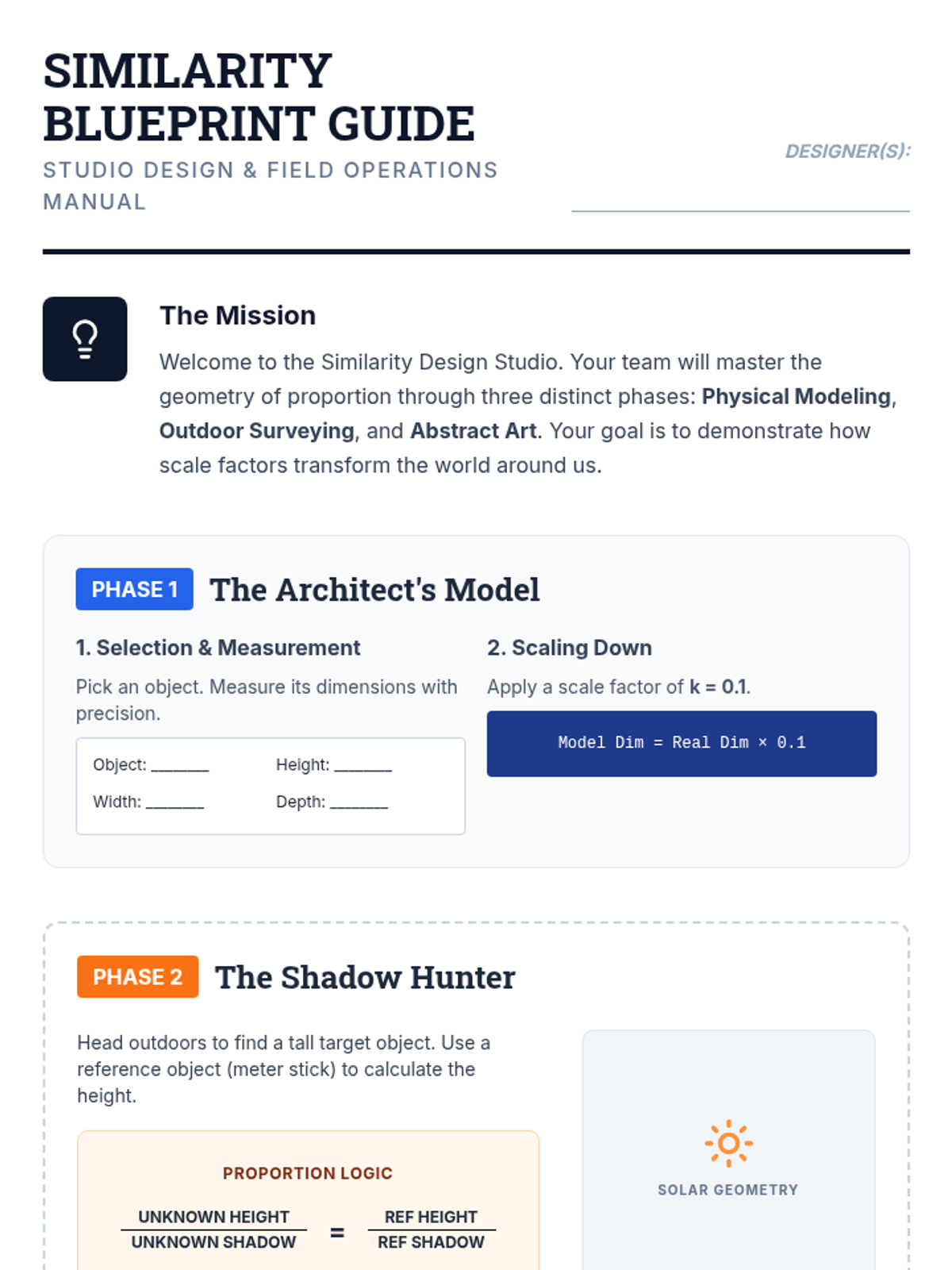
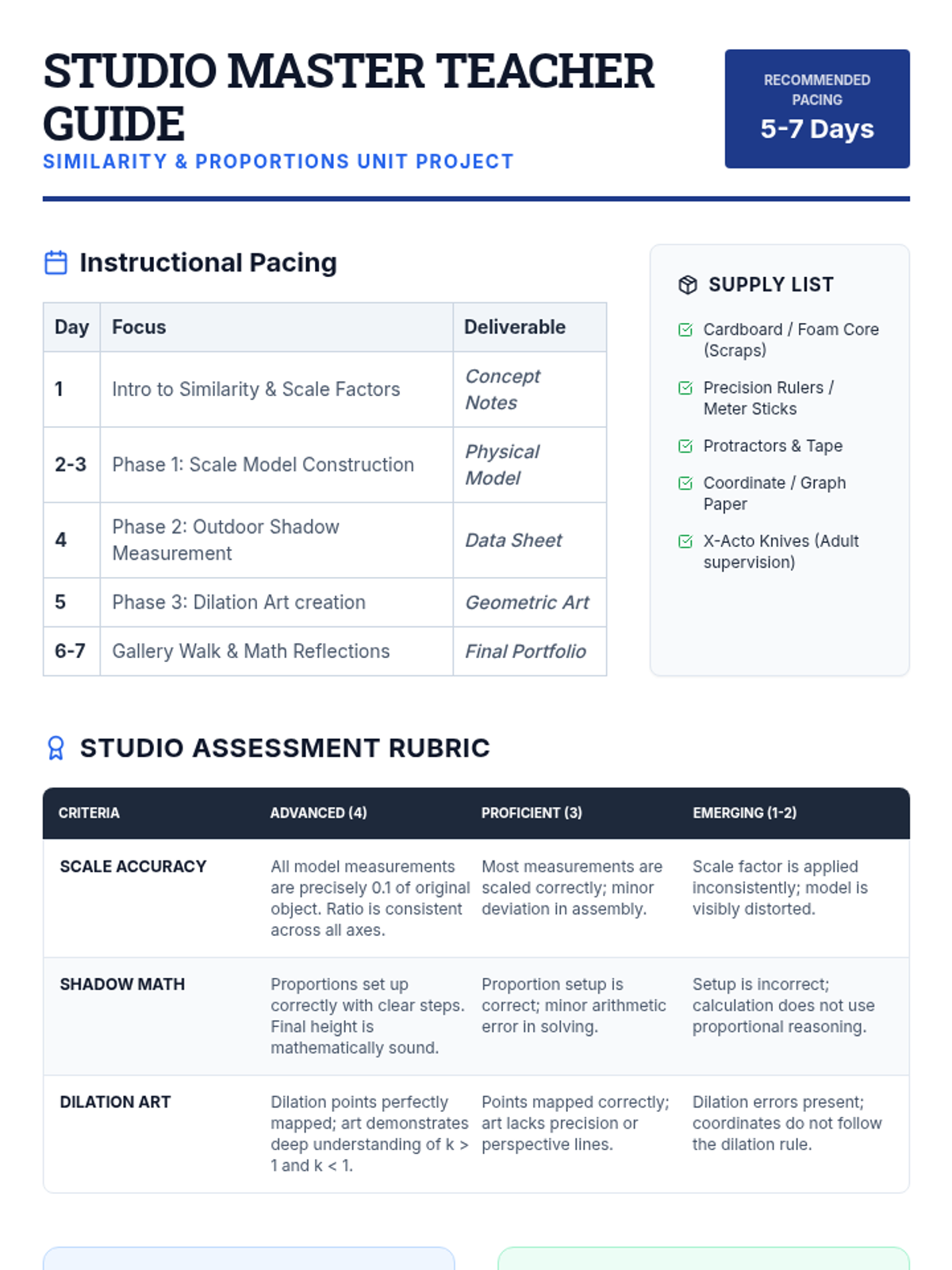
A comprehensive geometry project where students explore similarity through scale modeling, outdoor shadow measurement, and artistic dilations. This lesson integrates hands-on construction with real-world mathematical applications.
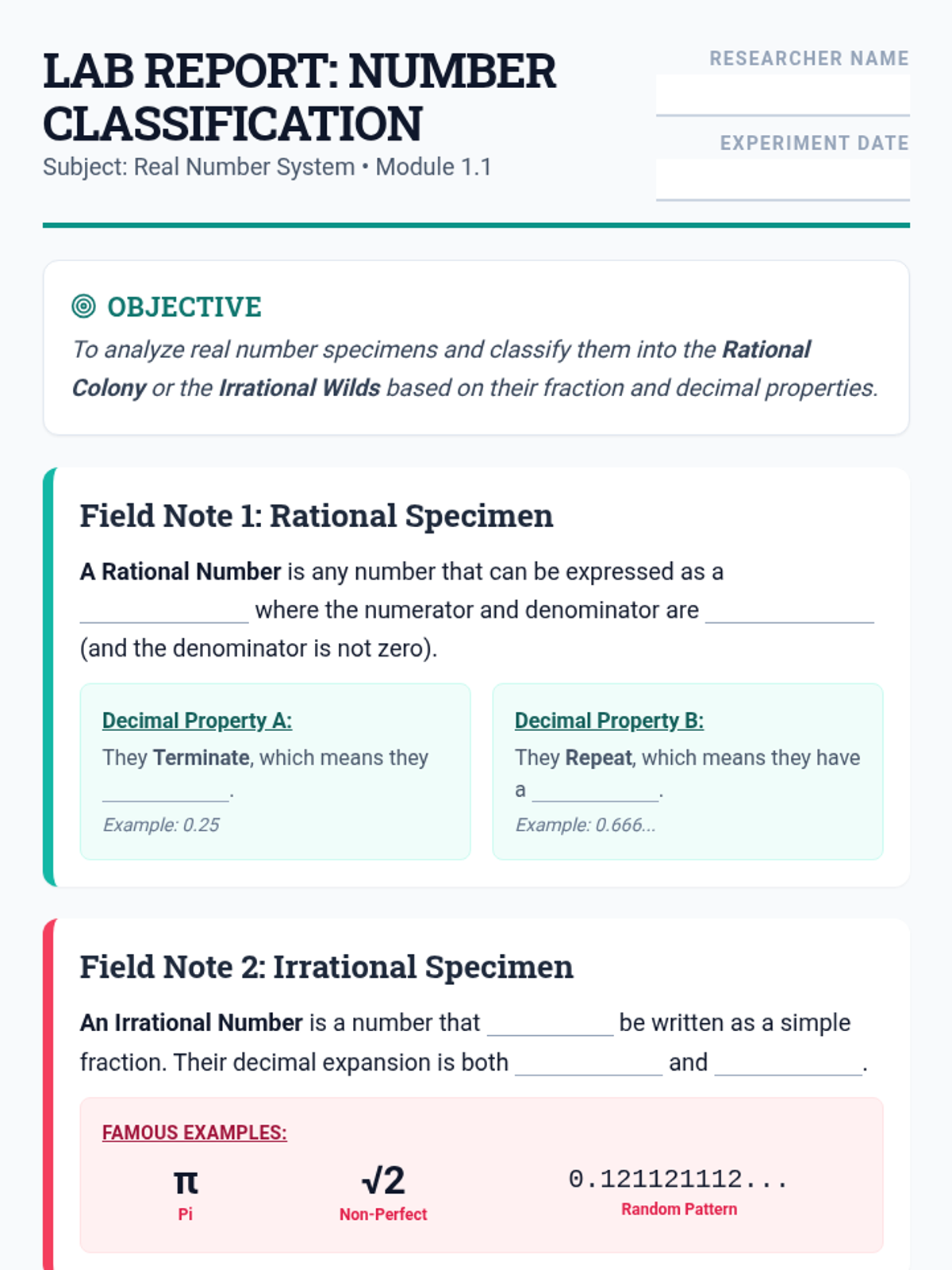
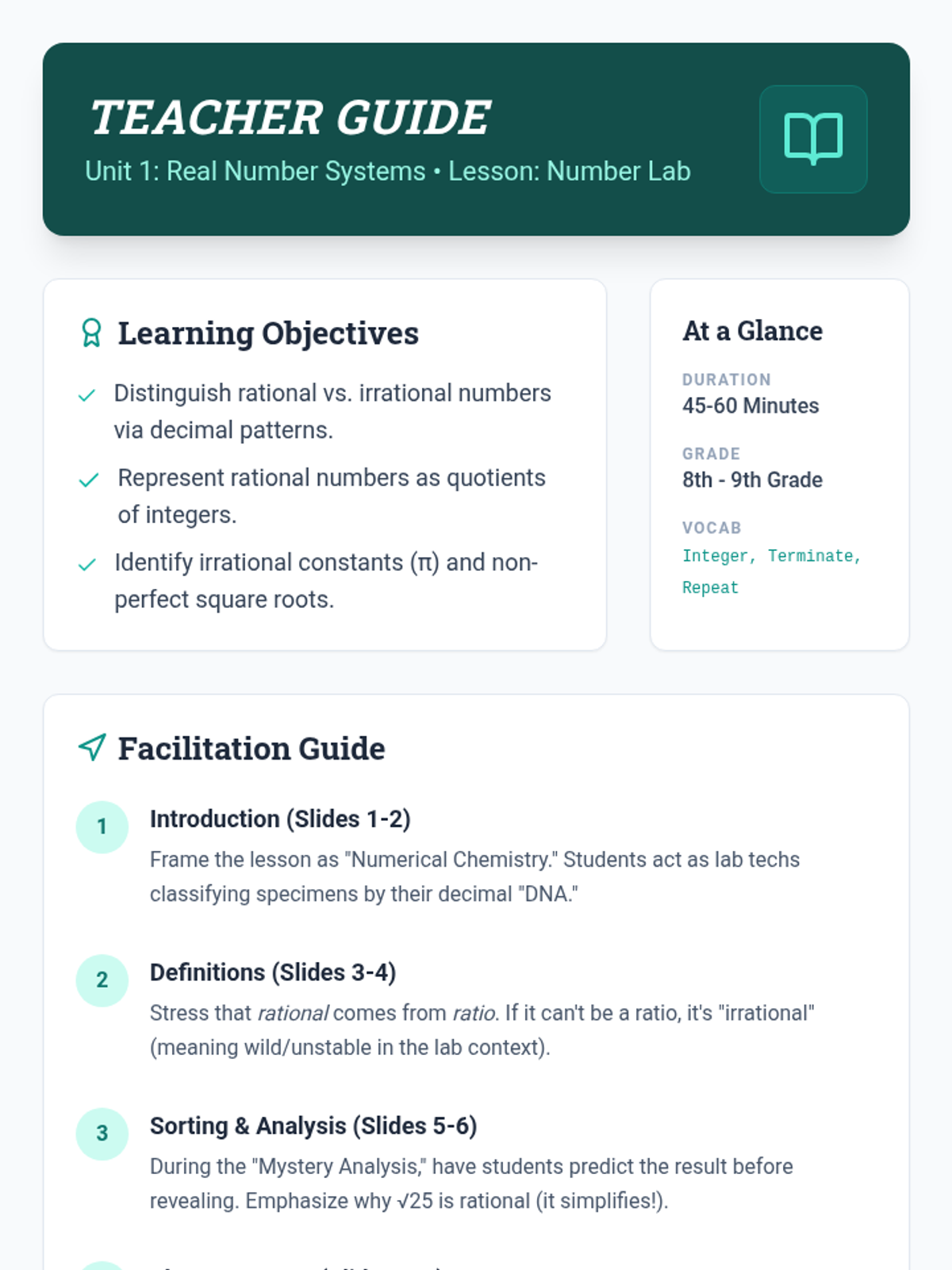
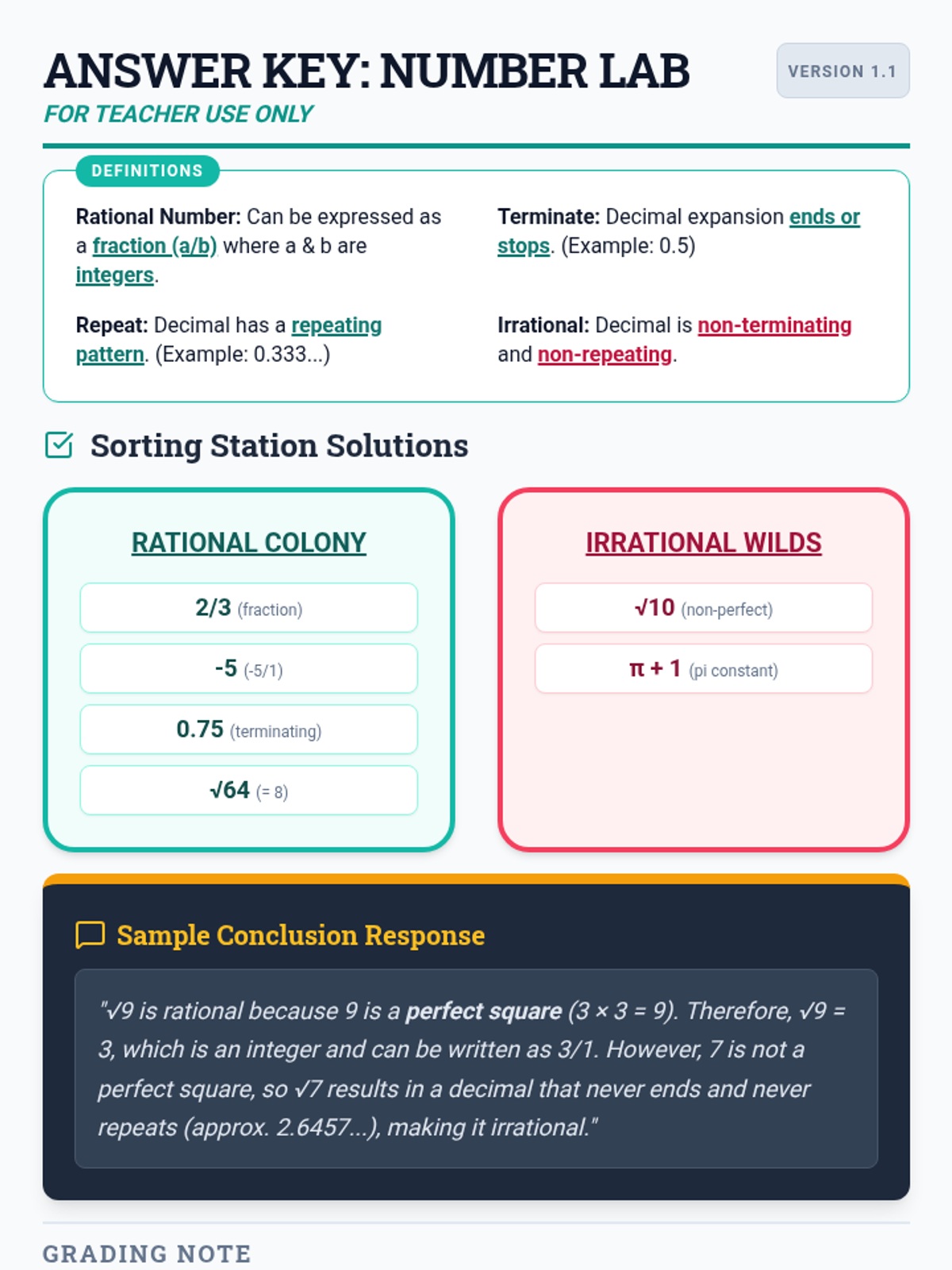
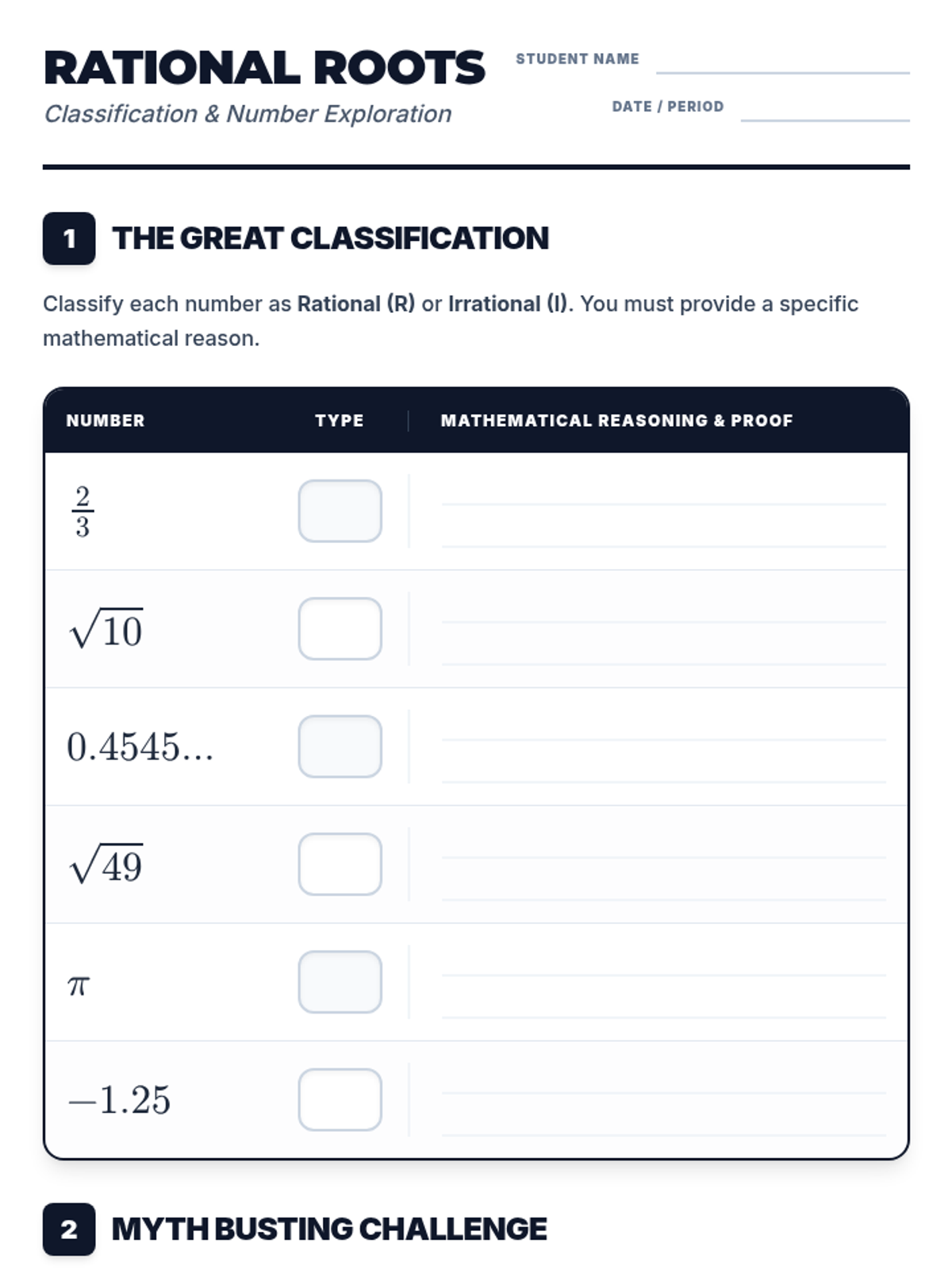
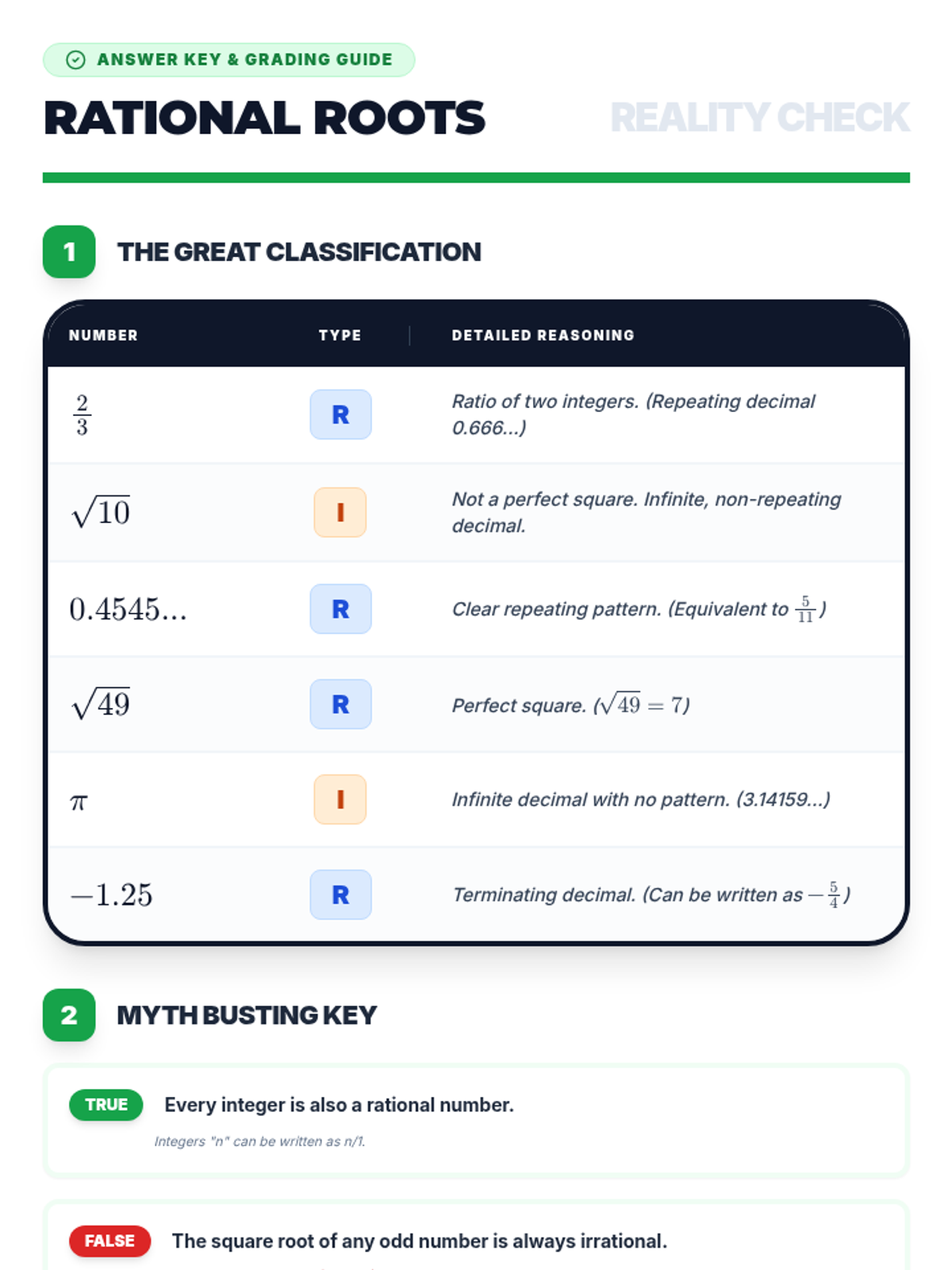
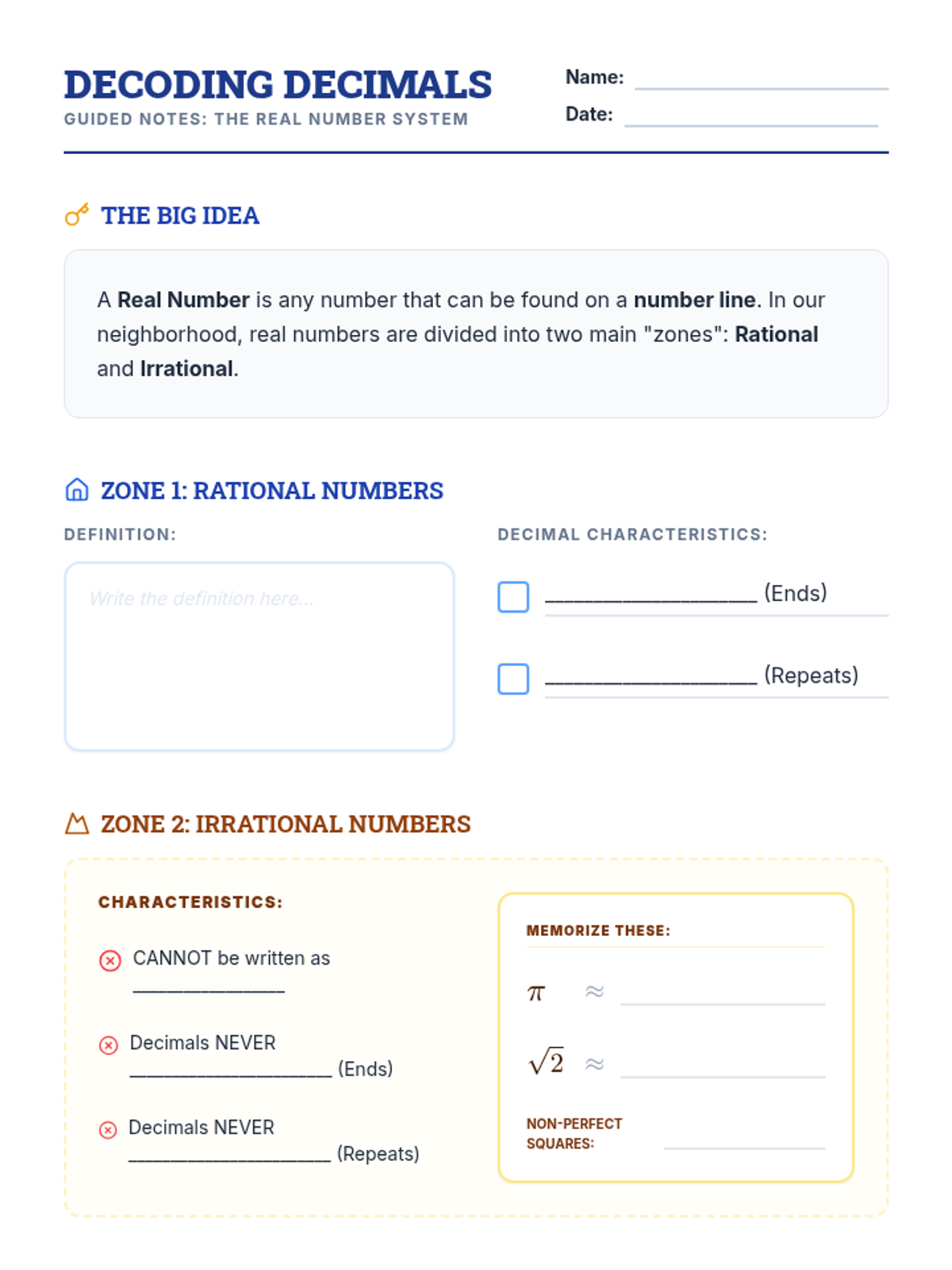
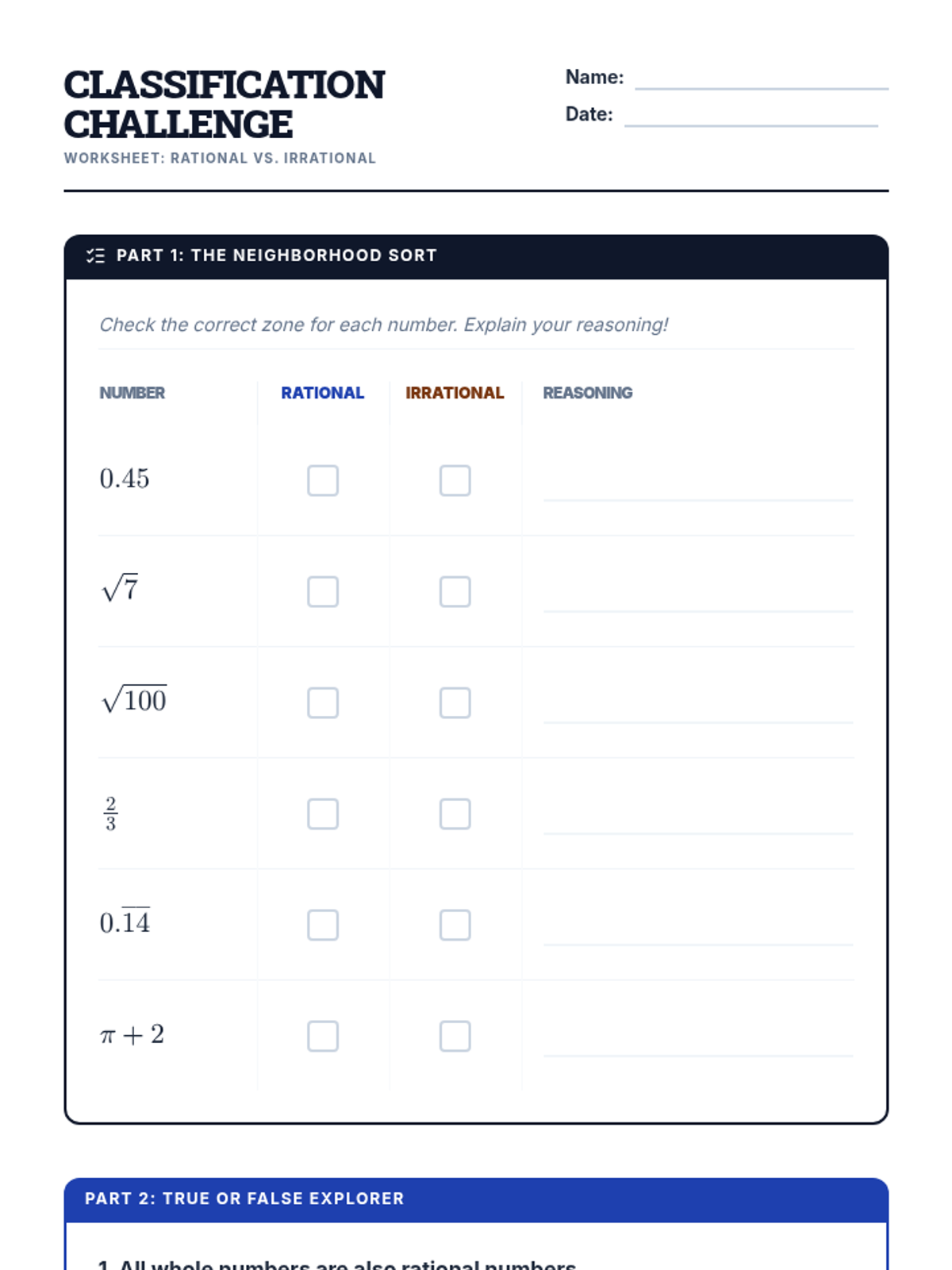
A comprehensive lesson exploring the differences between rational and irrational numbers through a scientific 'Number Lab' lens, featuring interactive classification activities and guided note-taking.
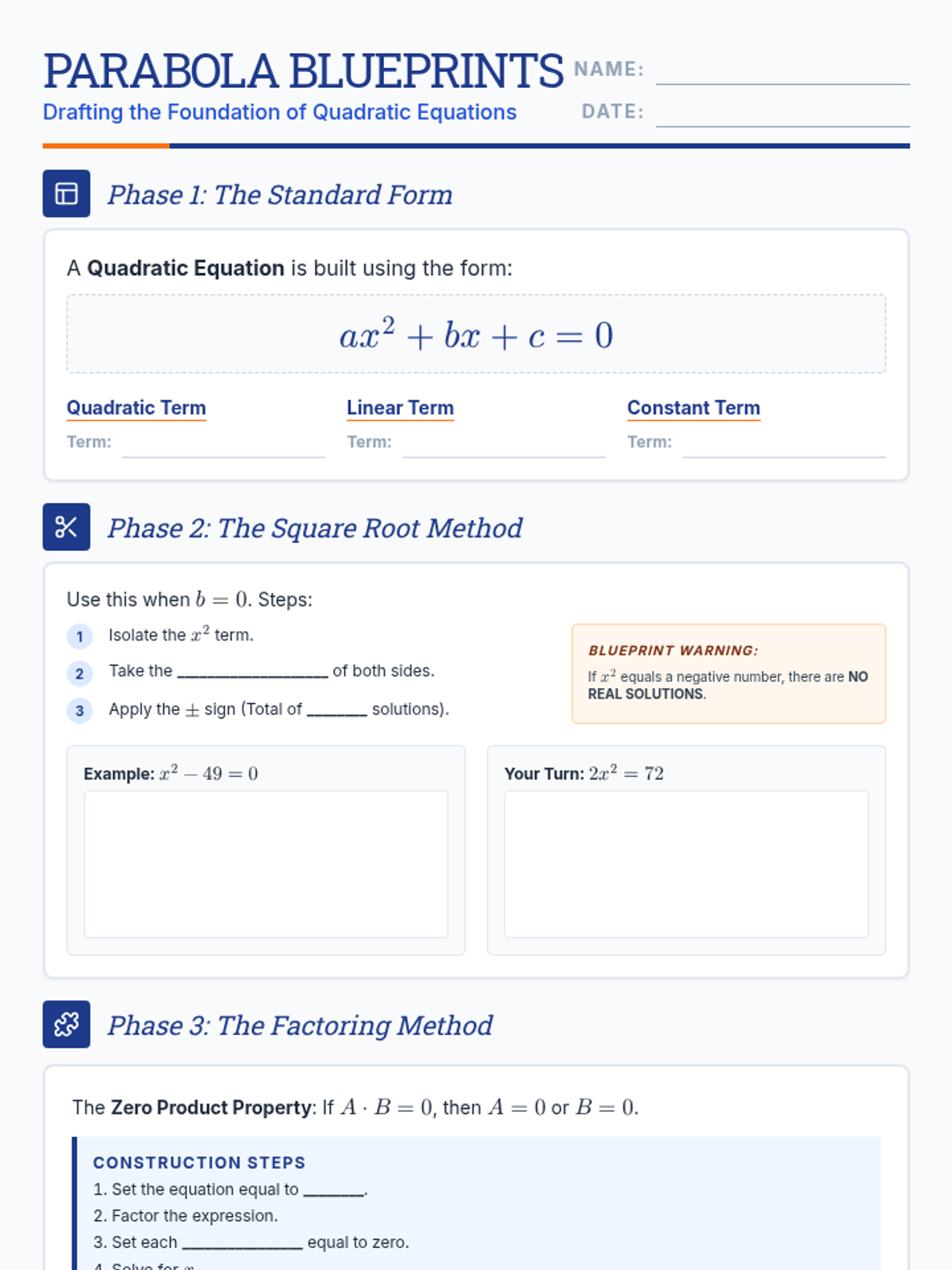
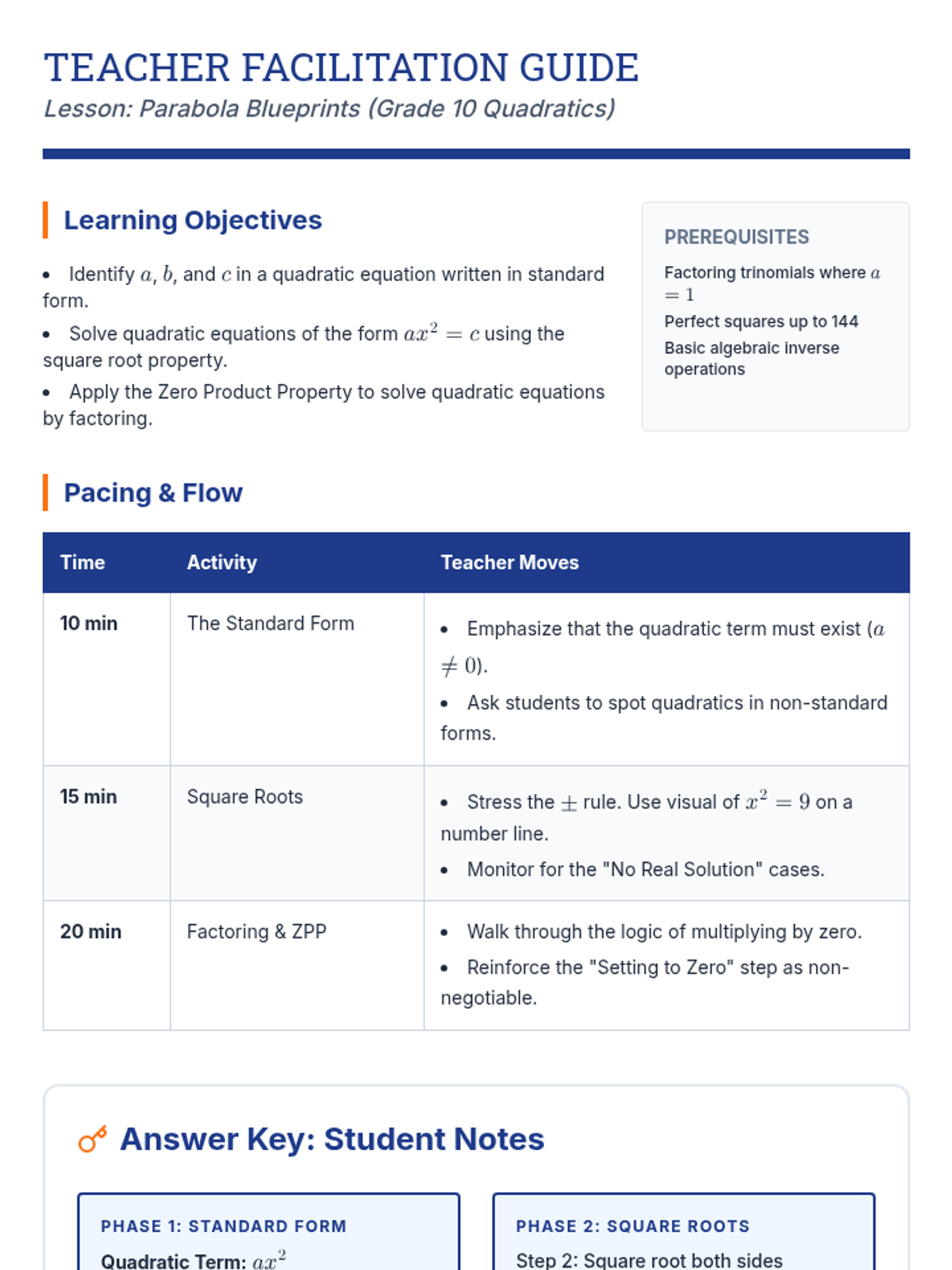
A foundational lesson introducing quadratic equations in standard form and solving them using the square root property and factoring. Students will build a 'blueprint' for understanding these U-shaped functions.
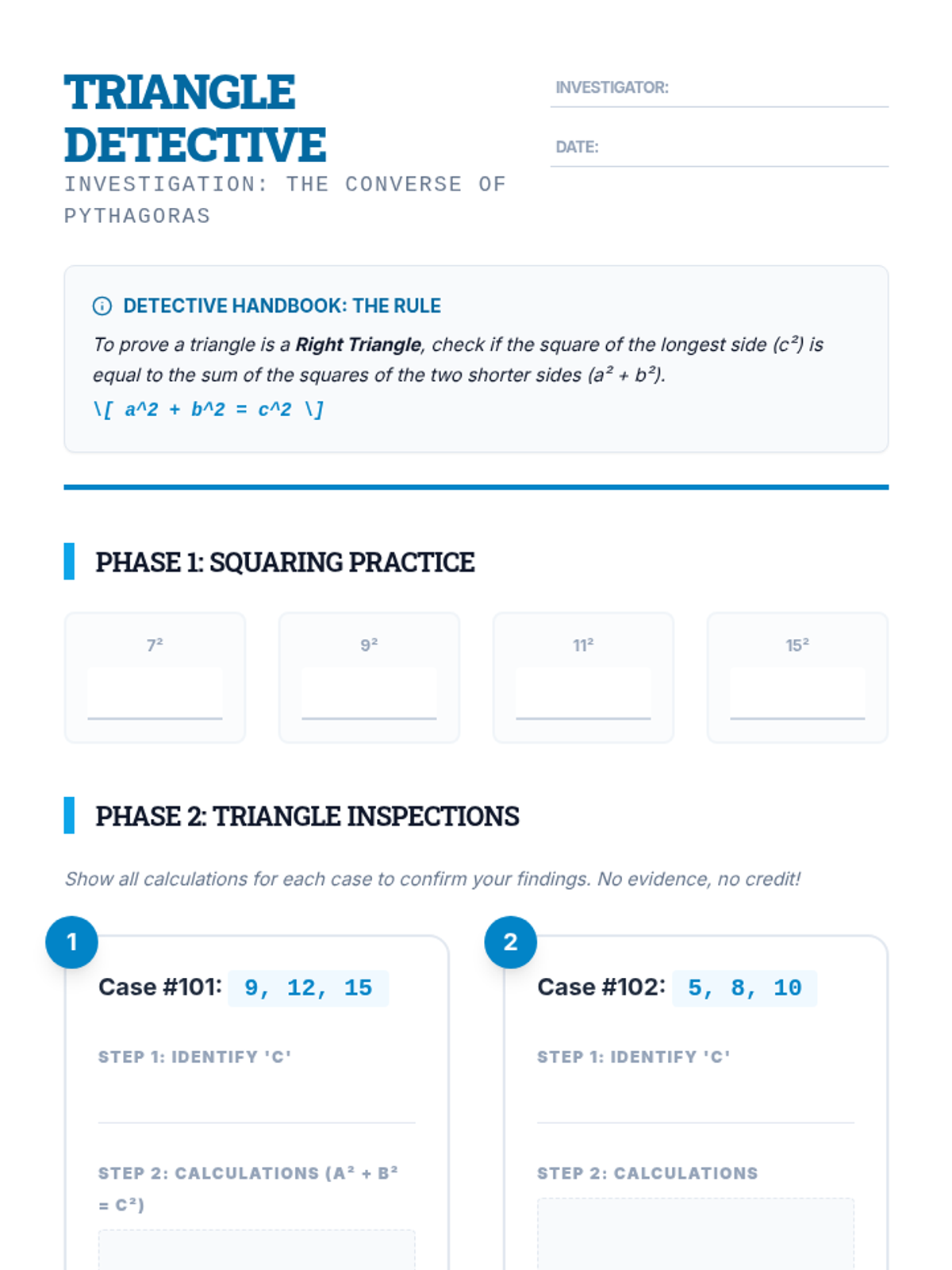
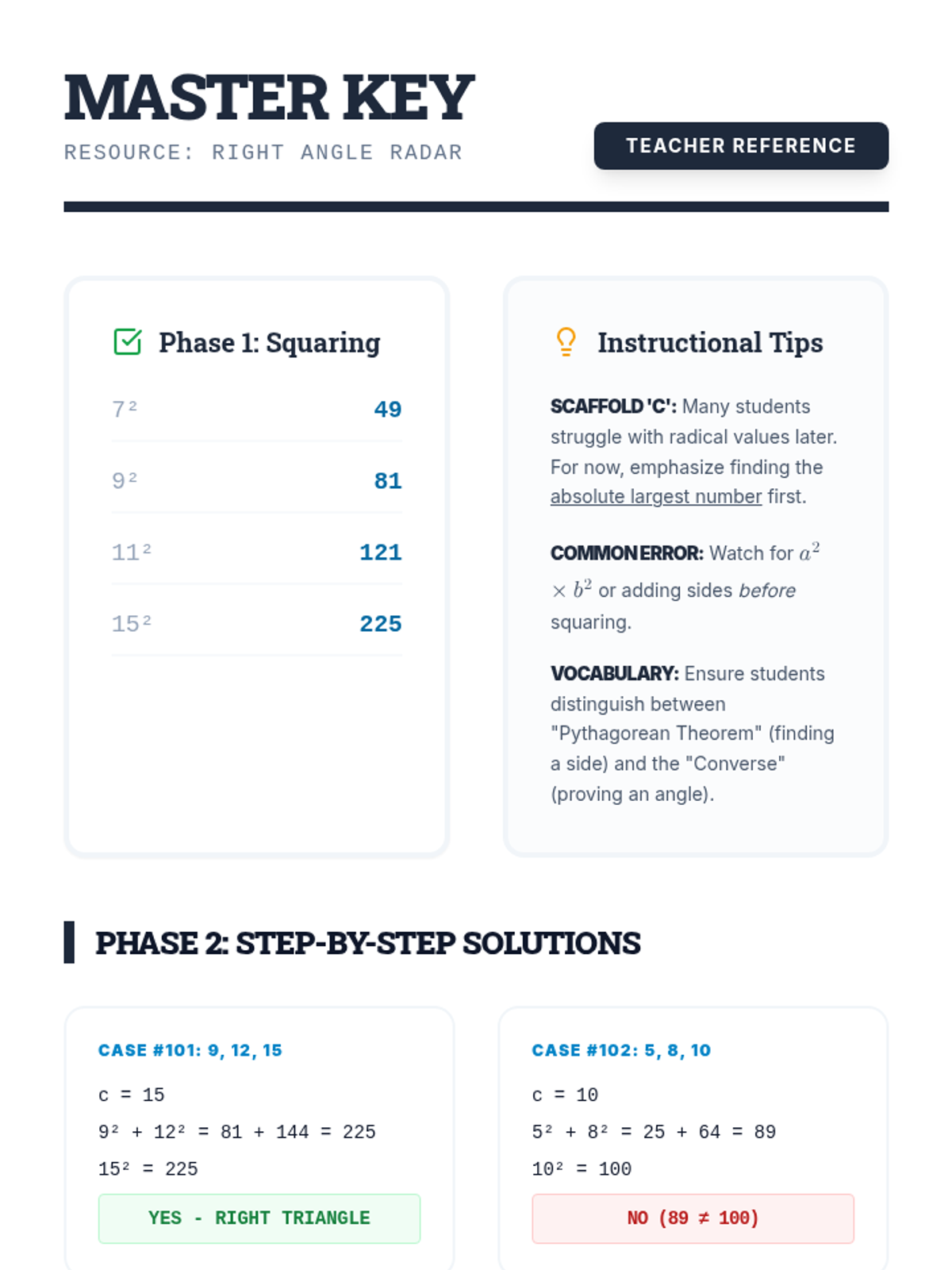
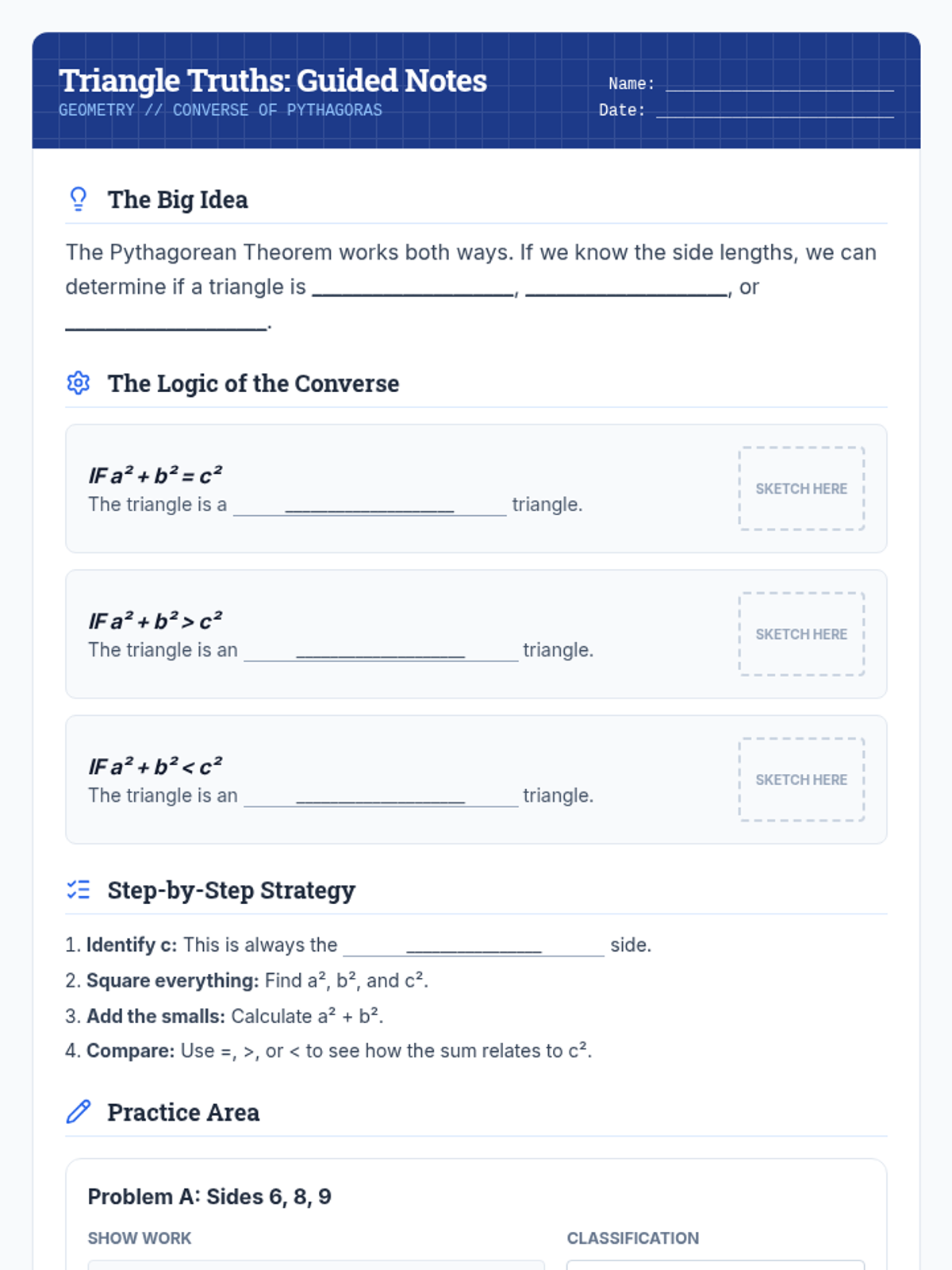
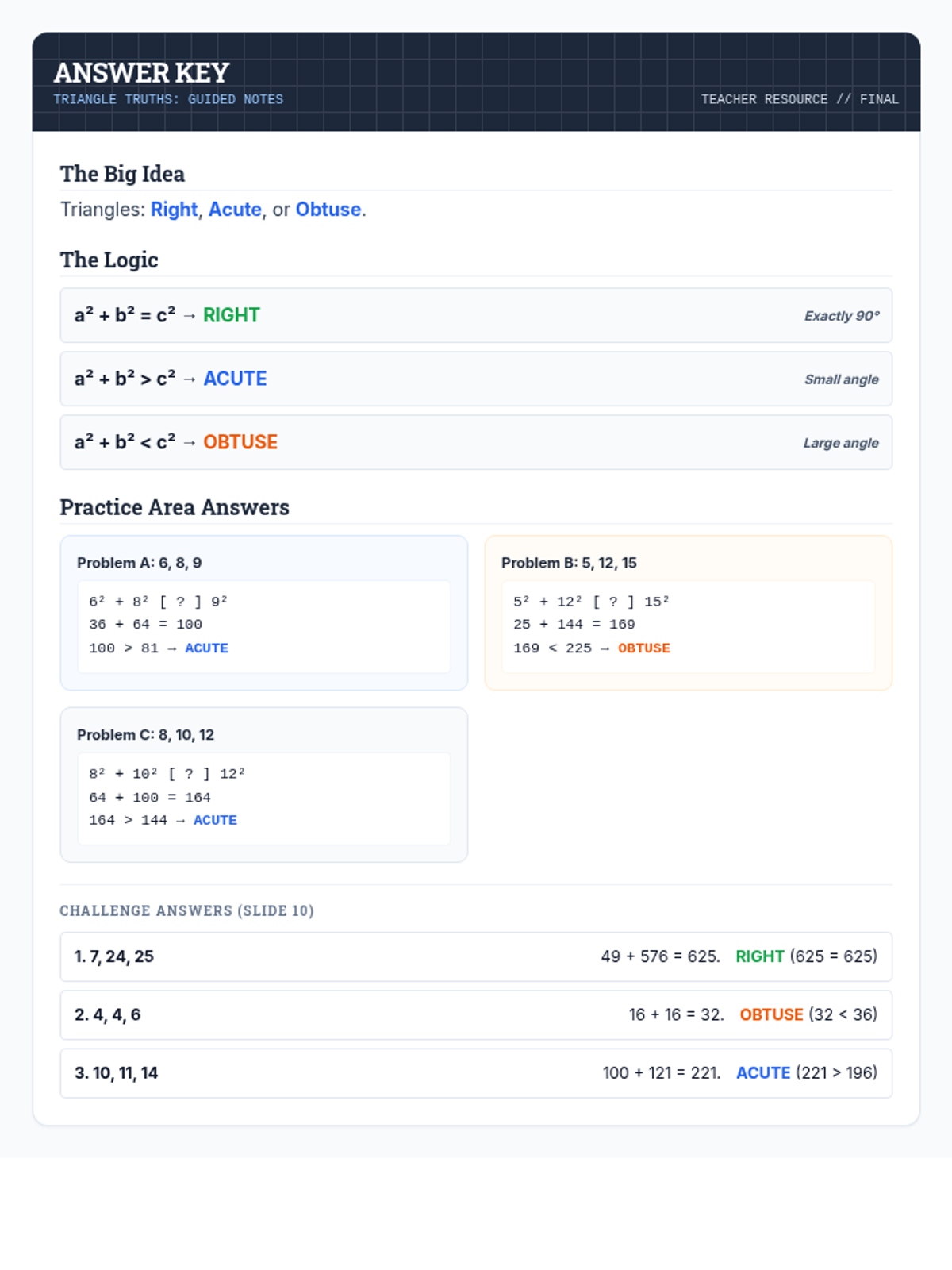
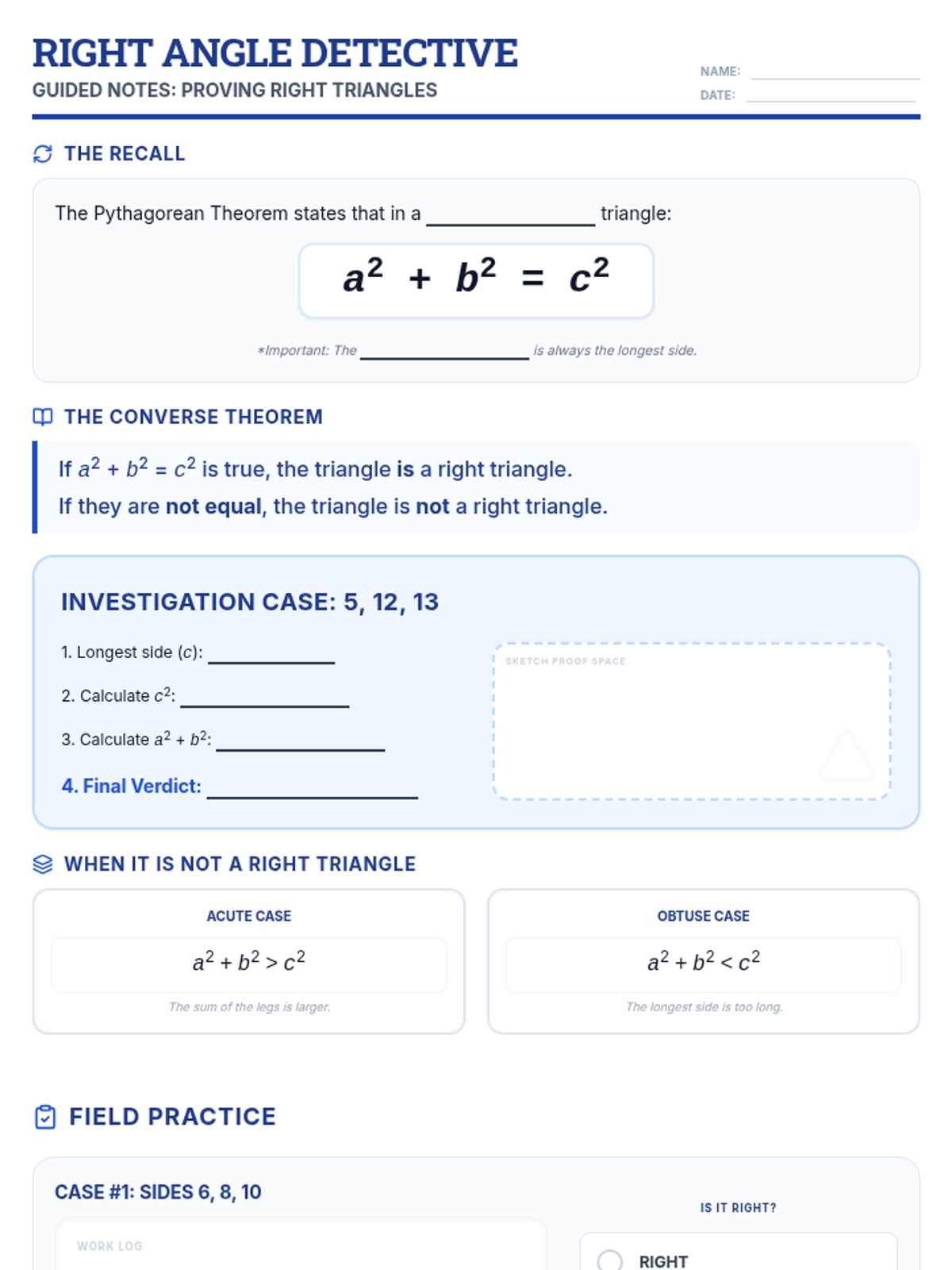
This lesson introduces students to the converse of the Pythagorean Theorem, empowering them to use mathematical evidence to determine if a triangle contains a perfect right angle.
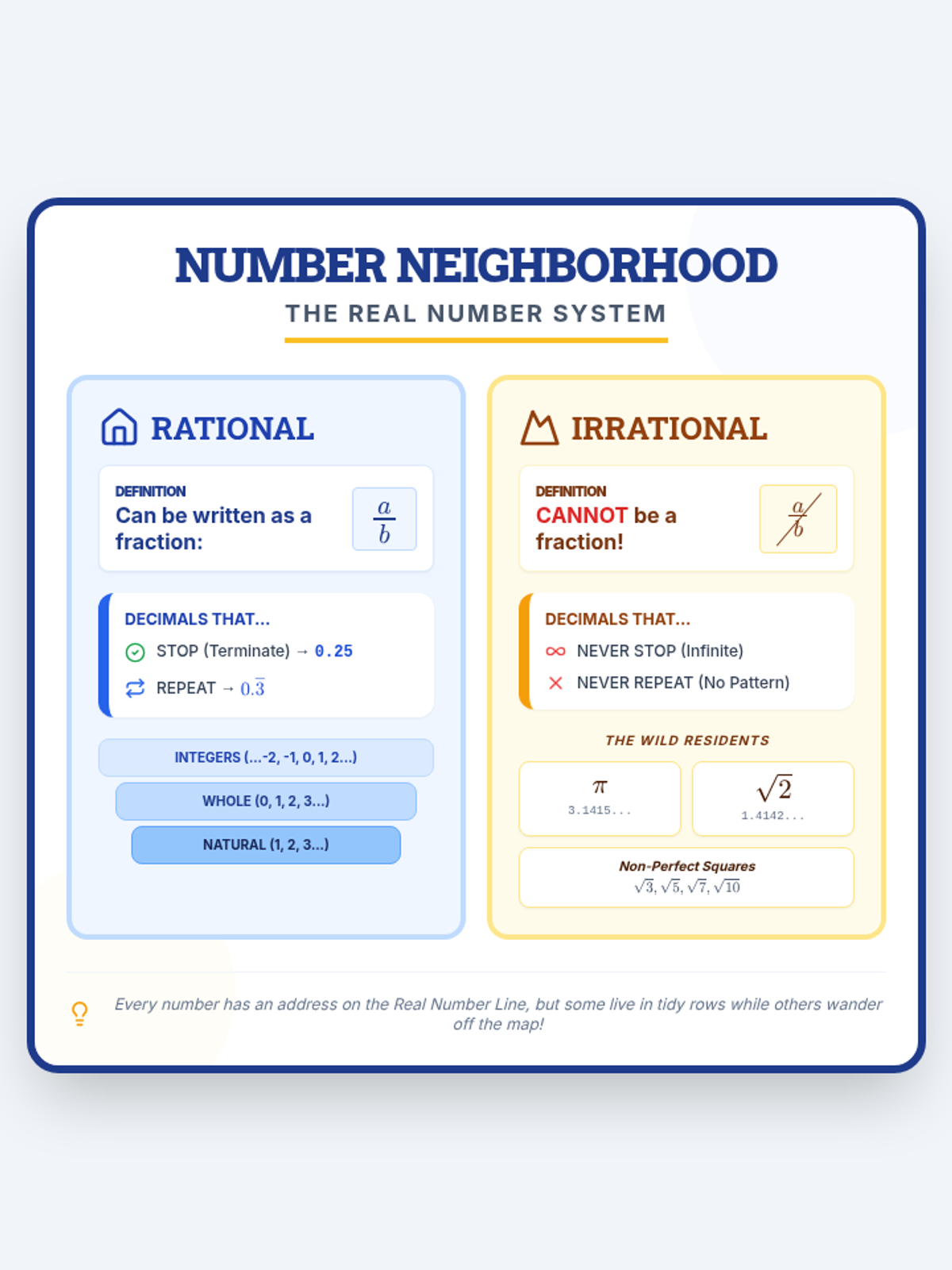
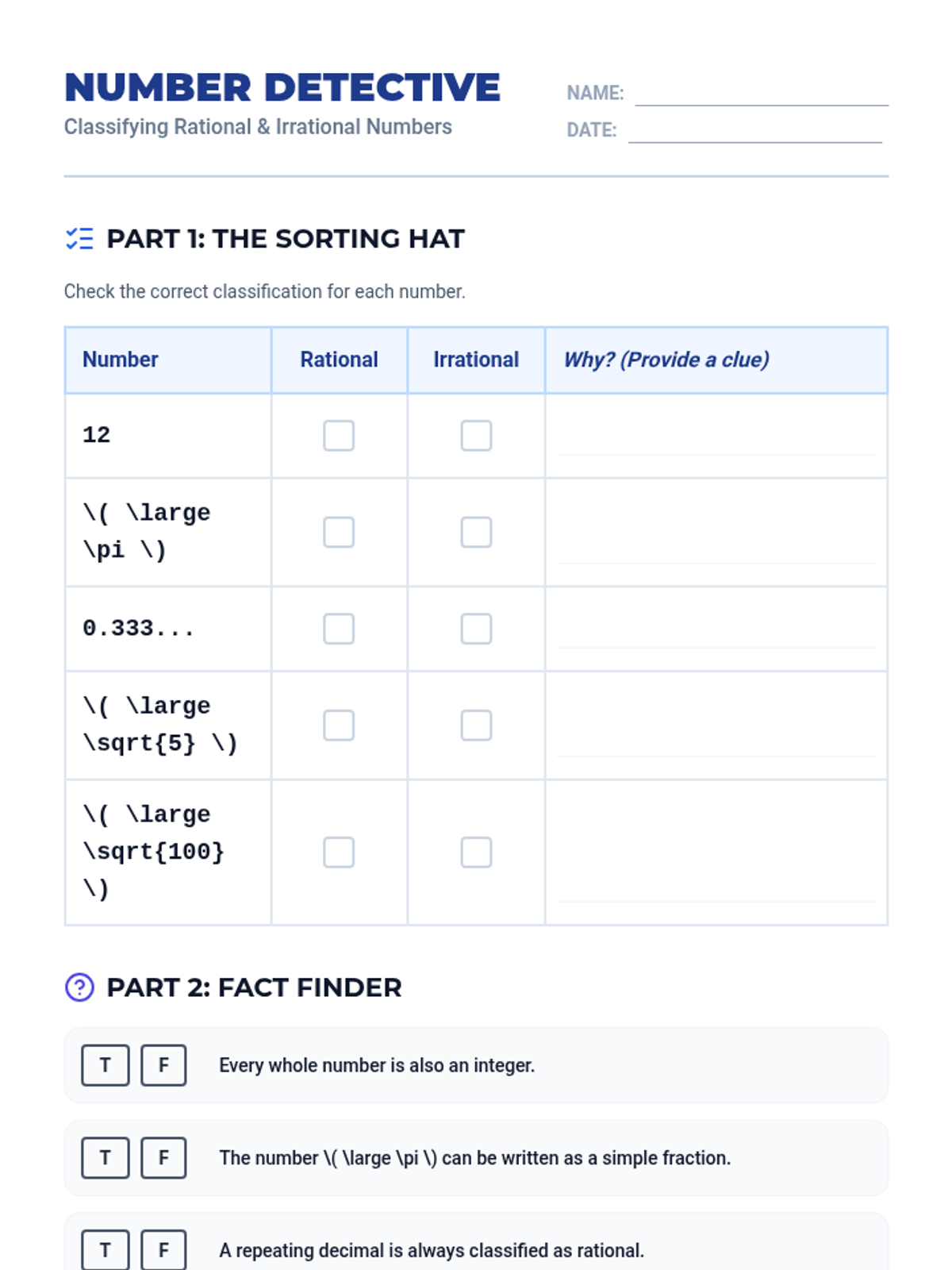
A foundational lesson on classifying real numbers into rational and irrational categories using definitions, visual models, and practice scenarios.
A lesson exploring the Converse of the Pythagorean Theorem, teaching students how to classify triangles as right, acute, or obtuse based on side lengths.
A lesson exploring the Converse of the Pythagorean Theorem to prove right angles and classify triangles as acute, obtuse, or right based on side lengths.
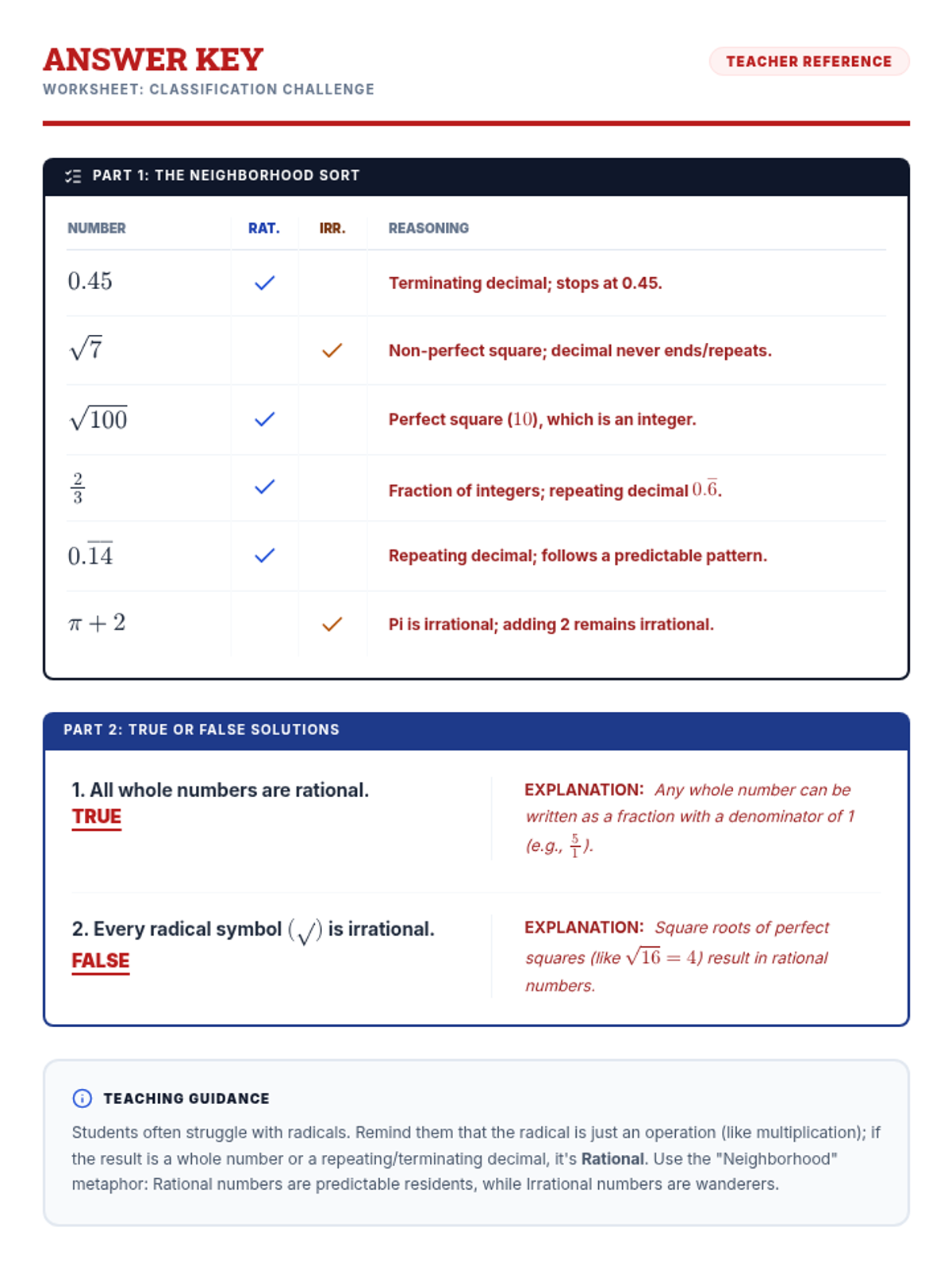
A foundational exploration of the real number system, focusing on the distinct characteristics of rational and irrational numbers through the metaphor of a structured 'Number Neighborhood'.
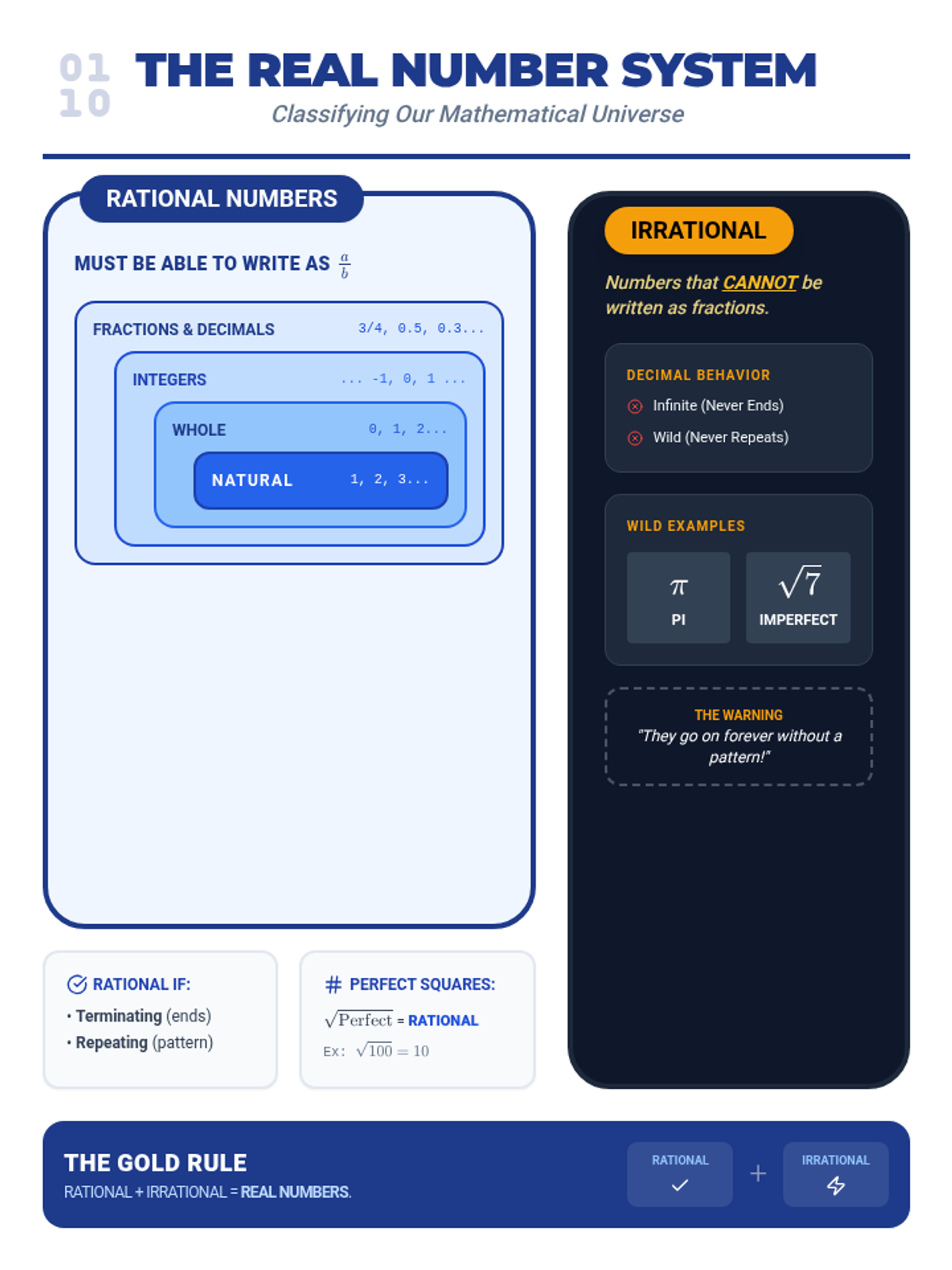
A foundational lesson on the Real Number System, focusing on classifying rational and irrational numbers through visual hierarchies and real-world examples.
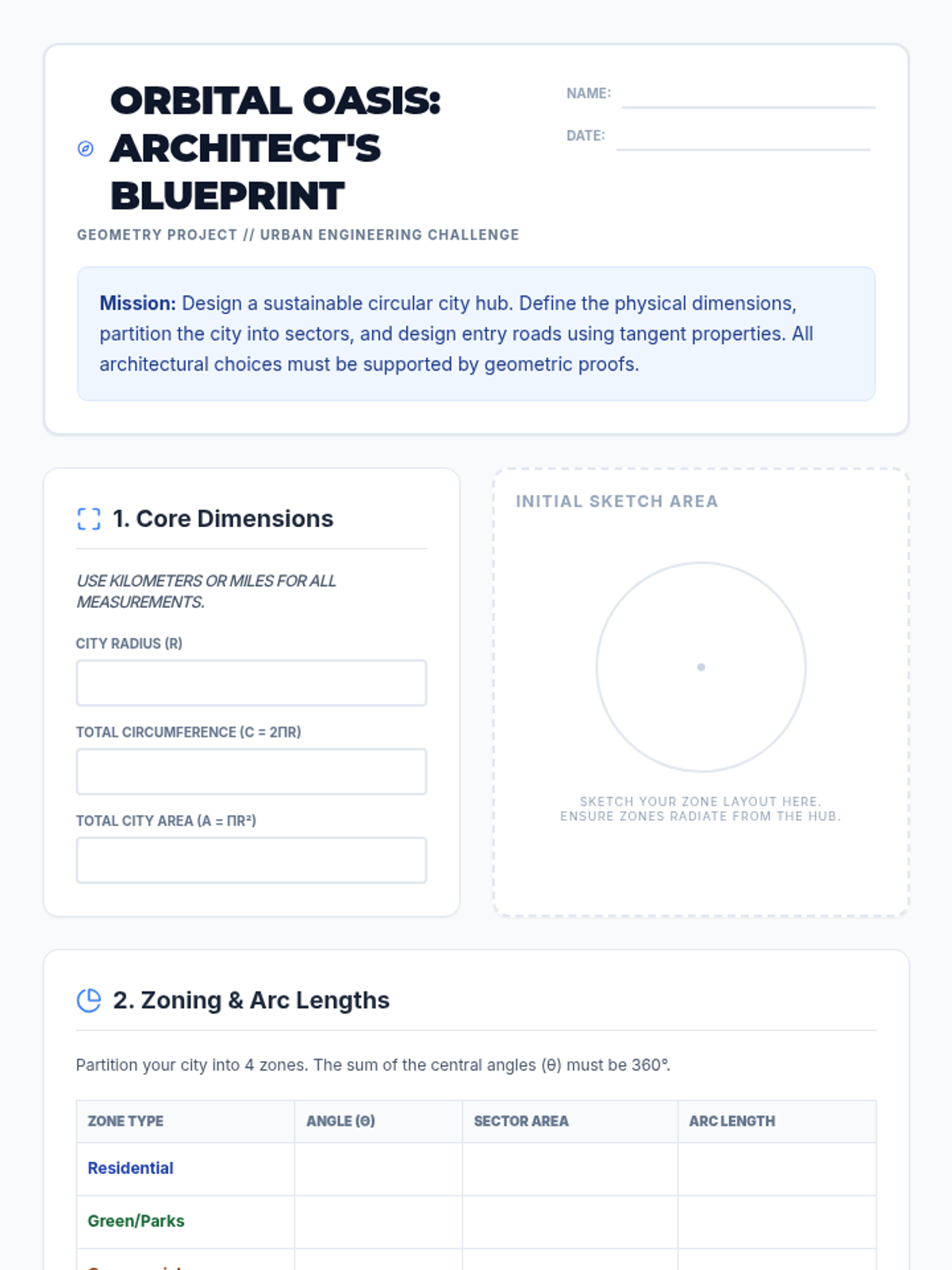
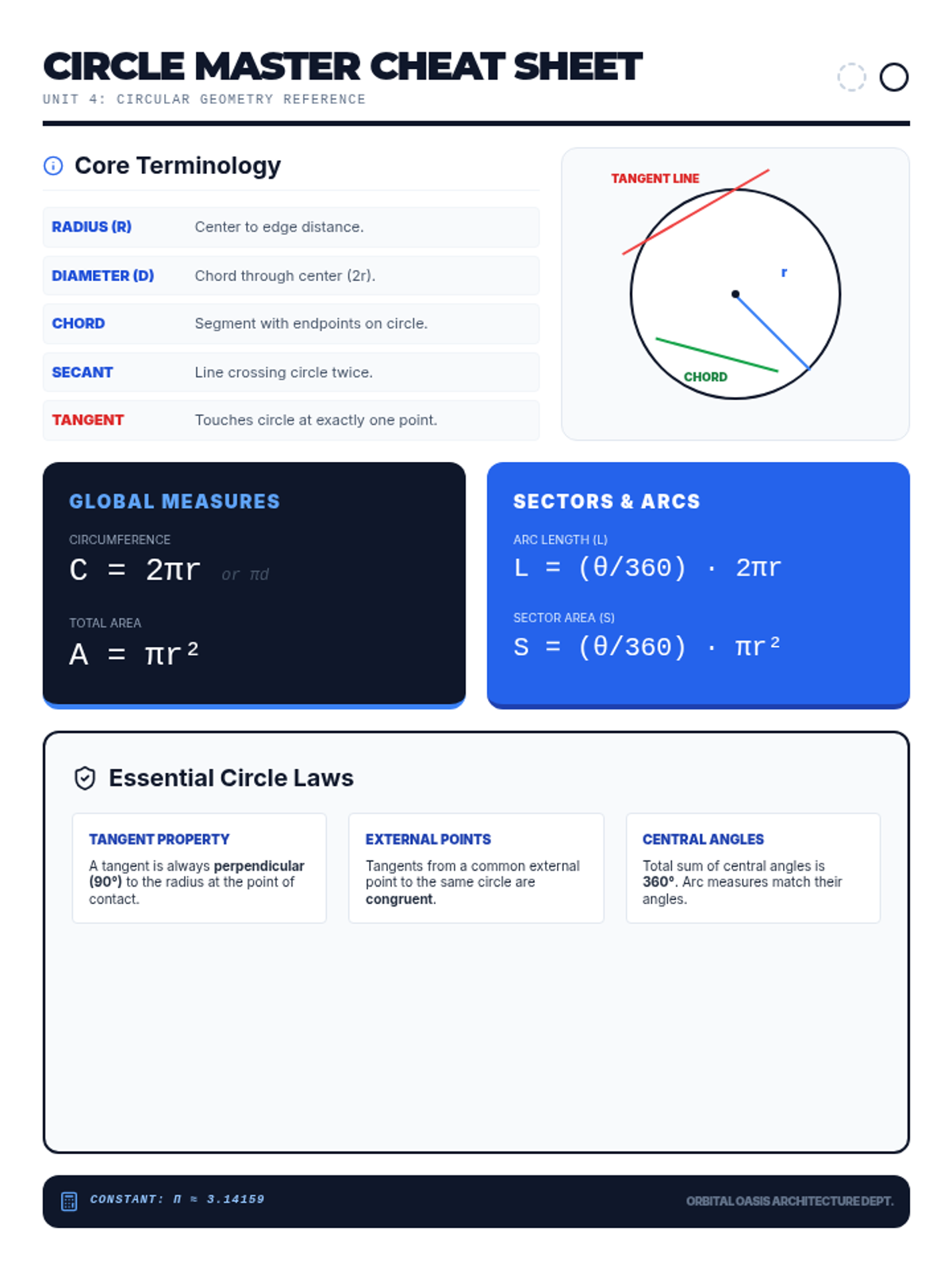
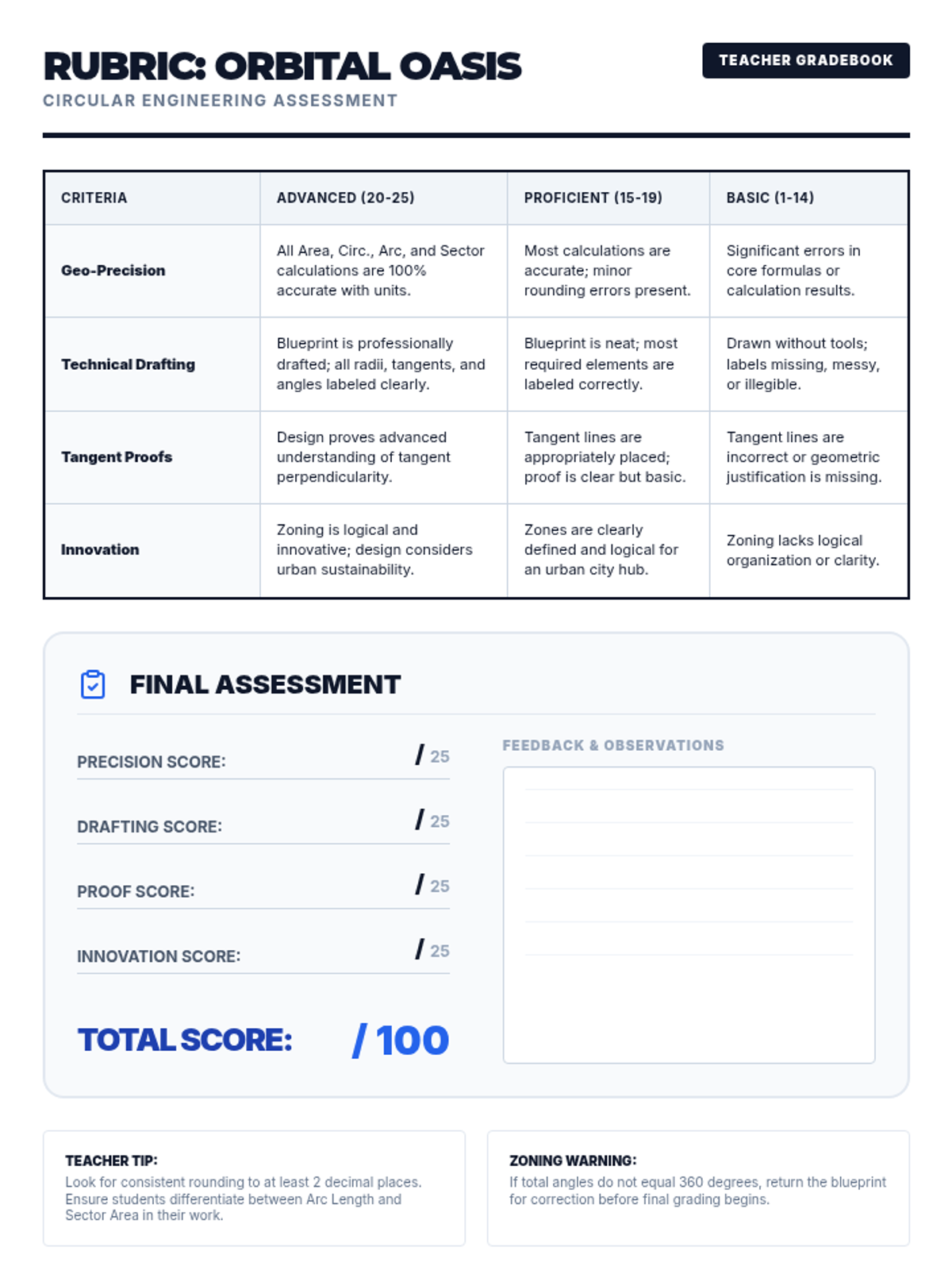
A high school geometry project where students design a sustainable circular city hub, applying circle theorems, area/circumference calculations, and tangent properties to architectural design.