A 30-minute lesson where 4th-grade students learn to transform feedback into 'feed-forward' action. Through a quick-write activity and peer exchange, students practice giving specific, kind, and helpful suggestions to improve their writing.
A lesson focused on building comparison and contrast skills by analyzing two popular video games, Roblox and Minecraft, using a Venn diagram.
Una lección enfocada en desarrollar habilidades para la Respuesta Escrita Larga (ECR) en español, centrada en el género argumentativo para la prueba STAAR. Incluye un pasaje de lectura, un organizador gráfico de planificación y una guía de calificación detallada.
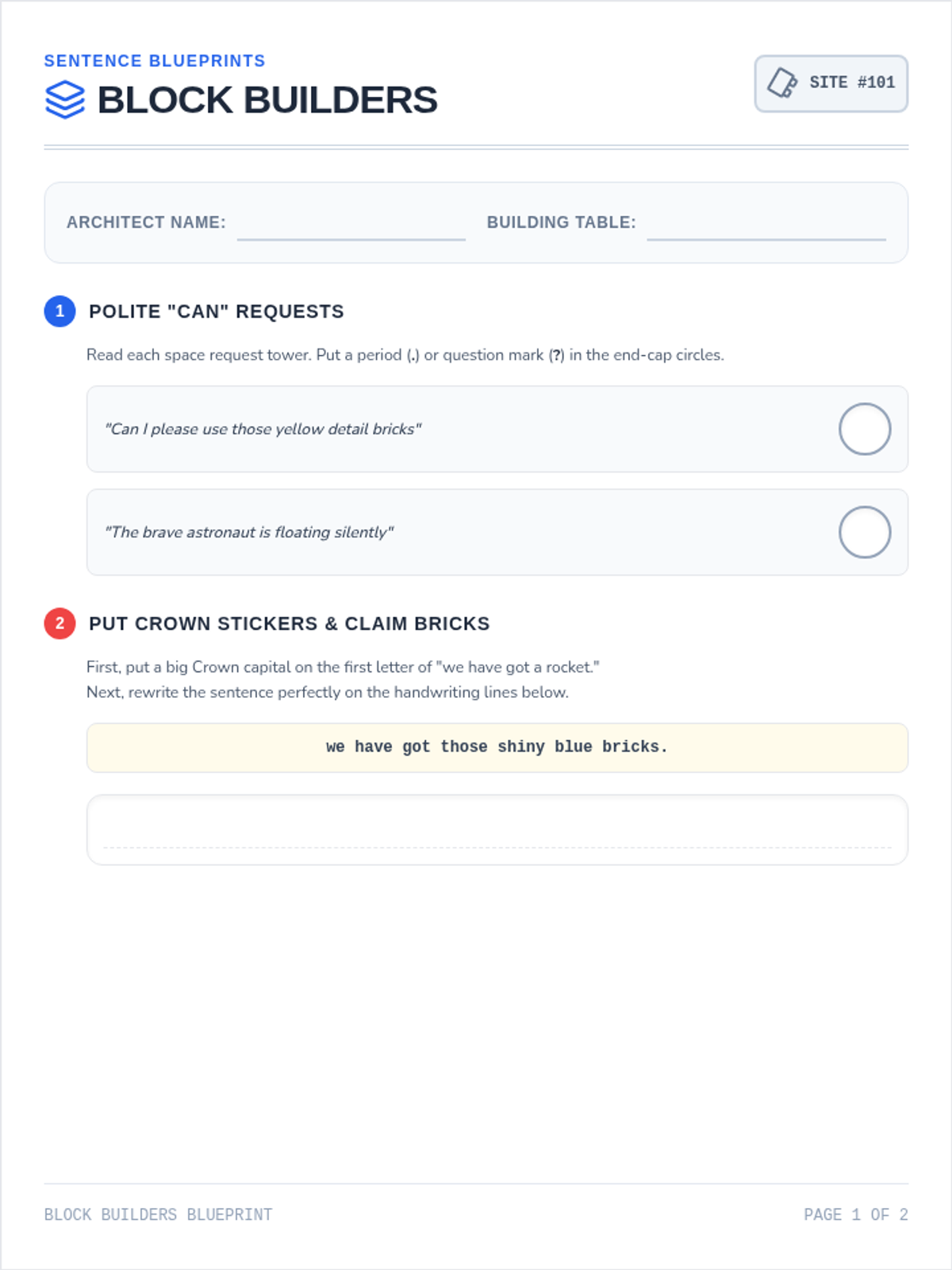
A comprehensive lesson on comma usage, themed as a forensic investigation to help students identify and correct common punctuation errors.
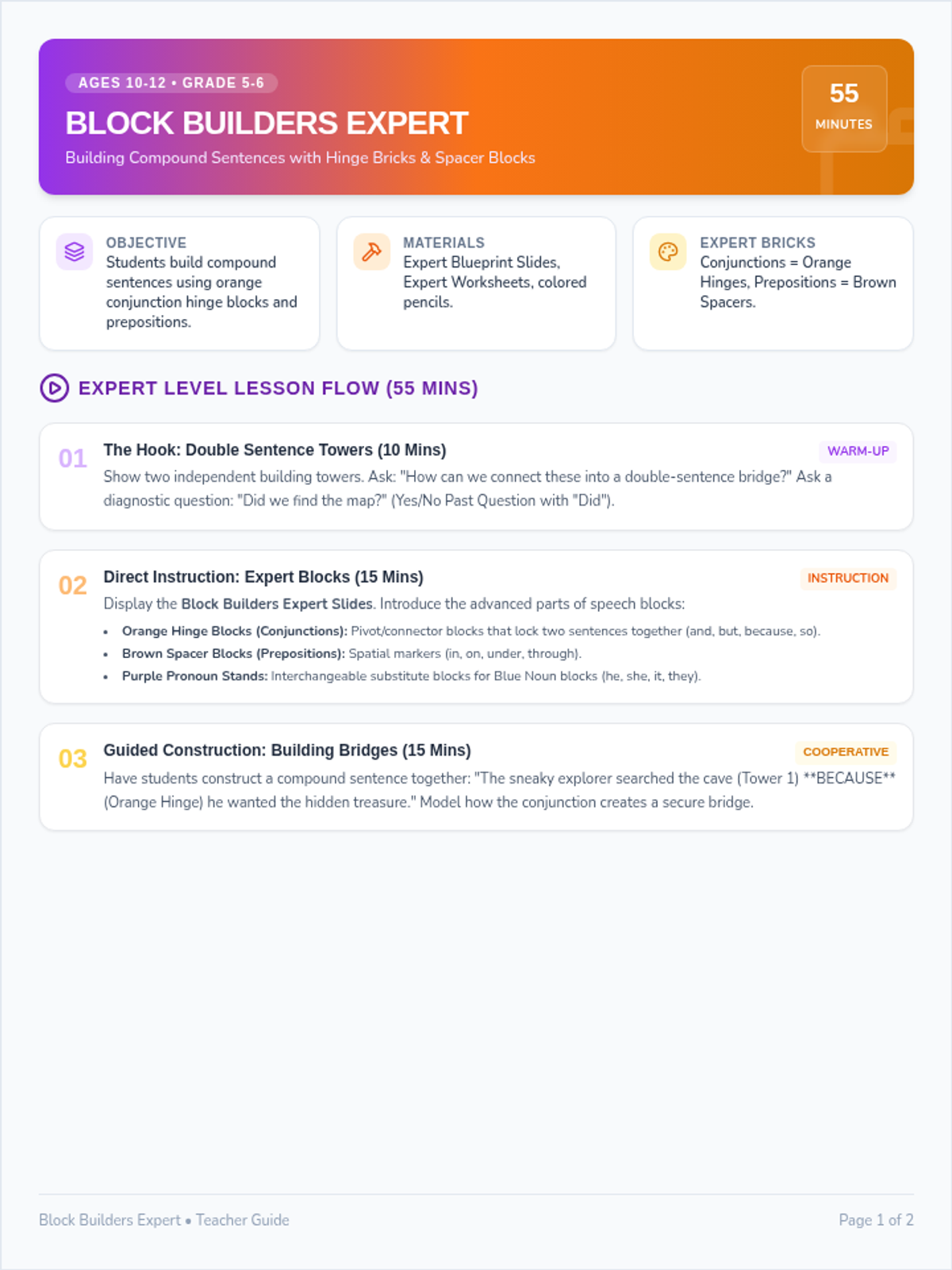
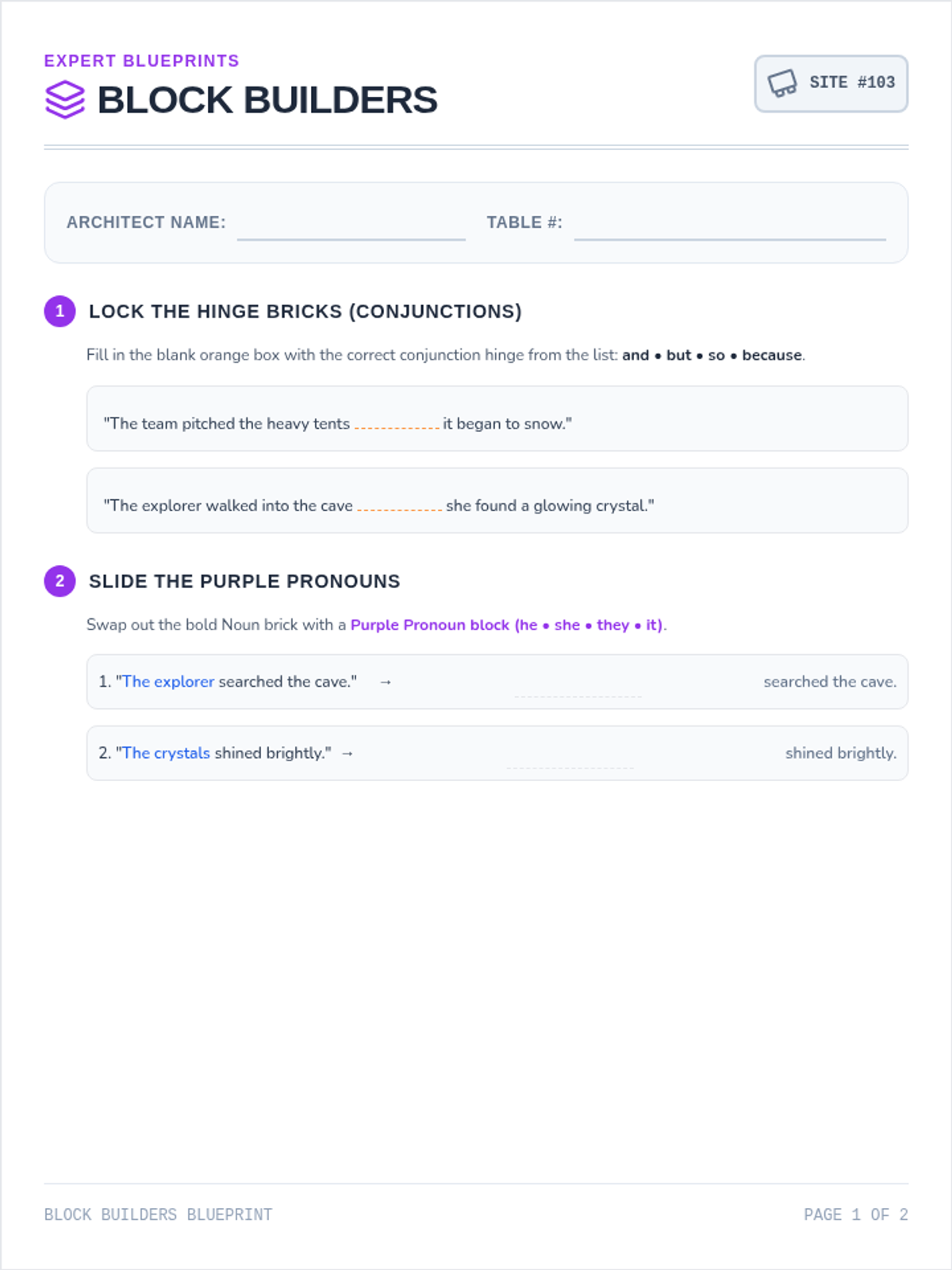
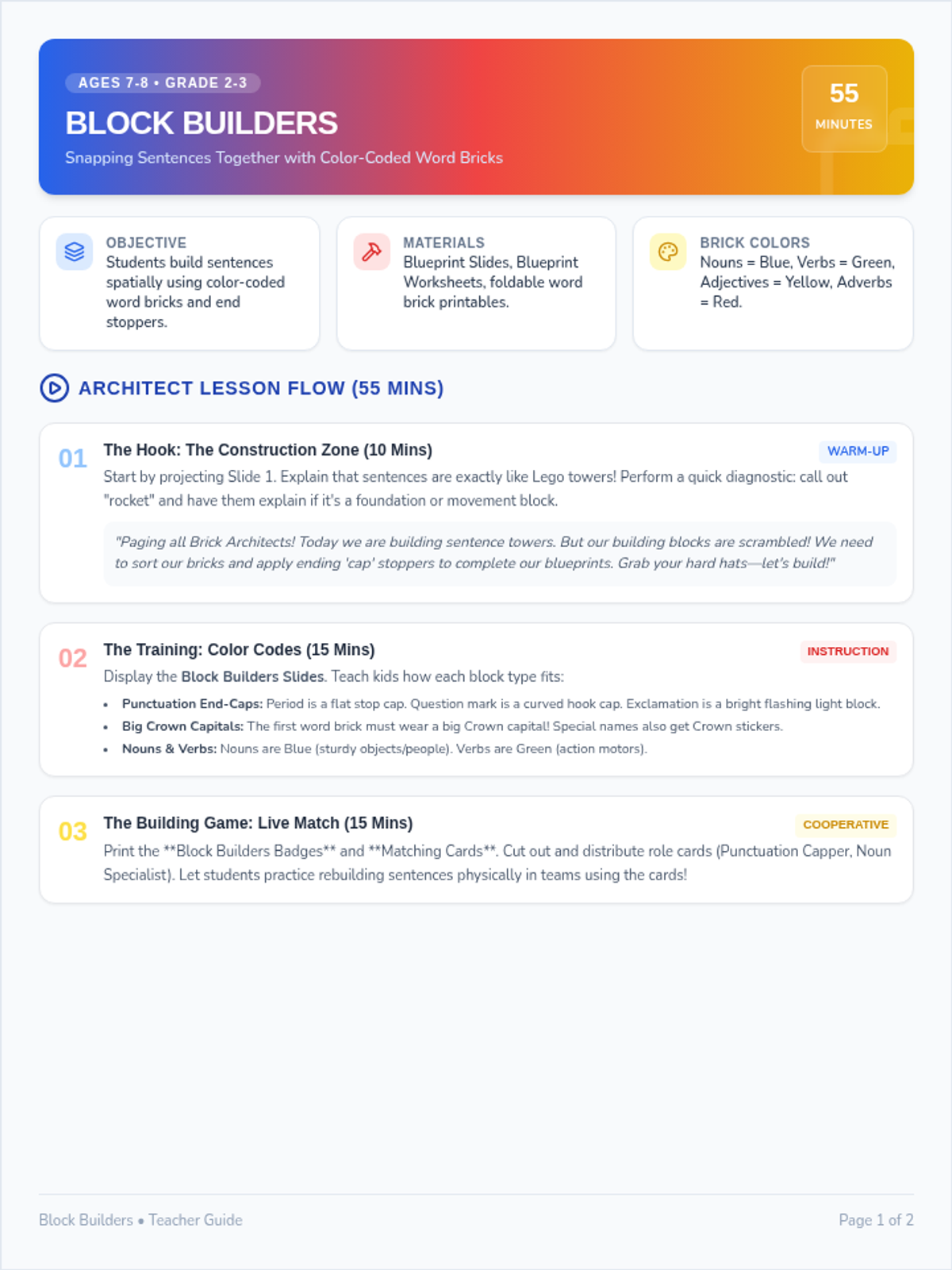
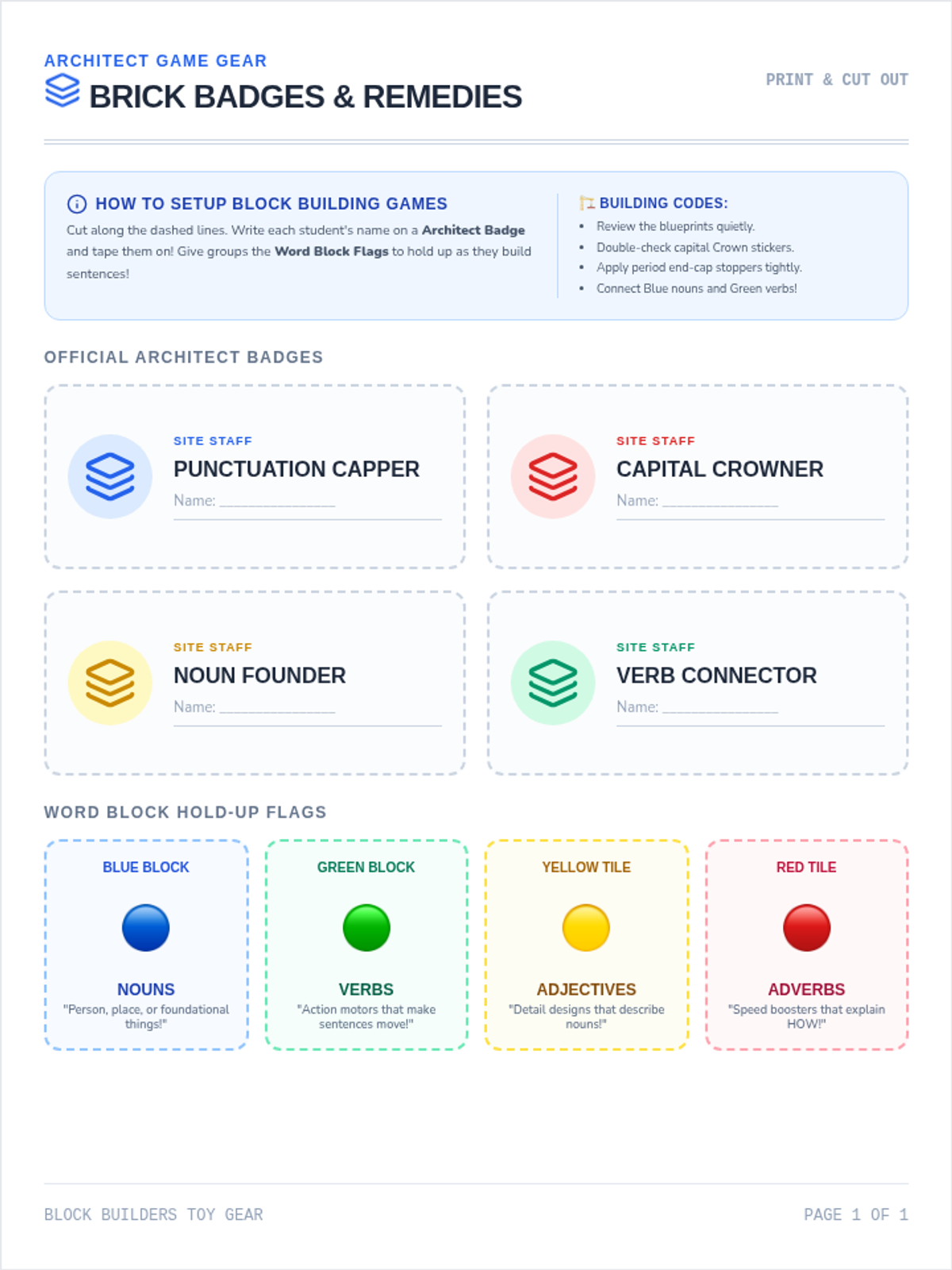
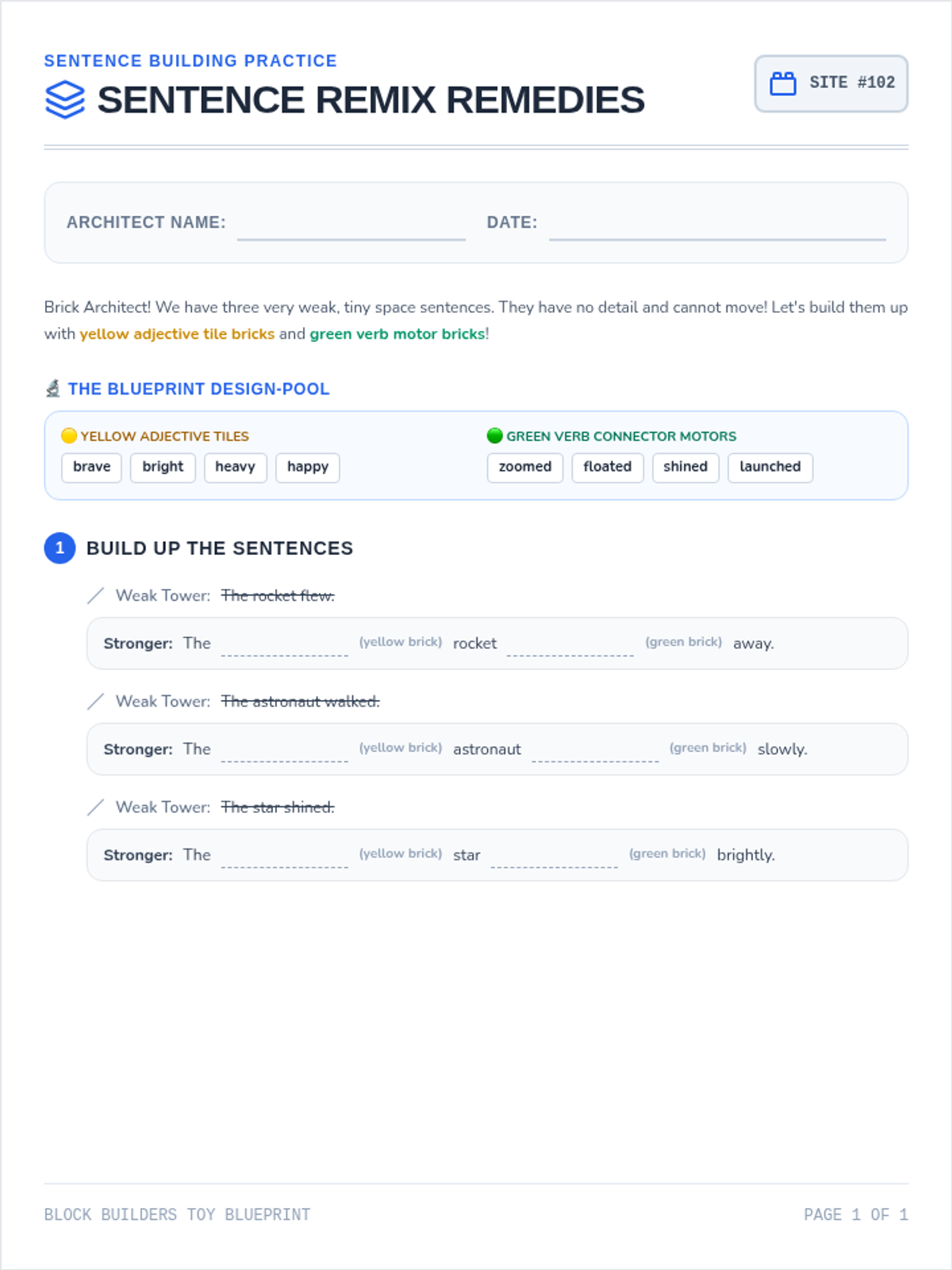
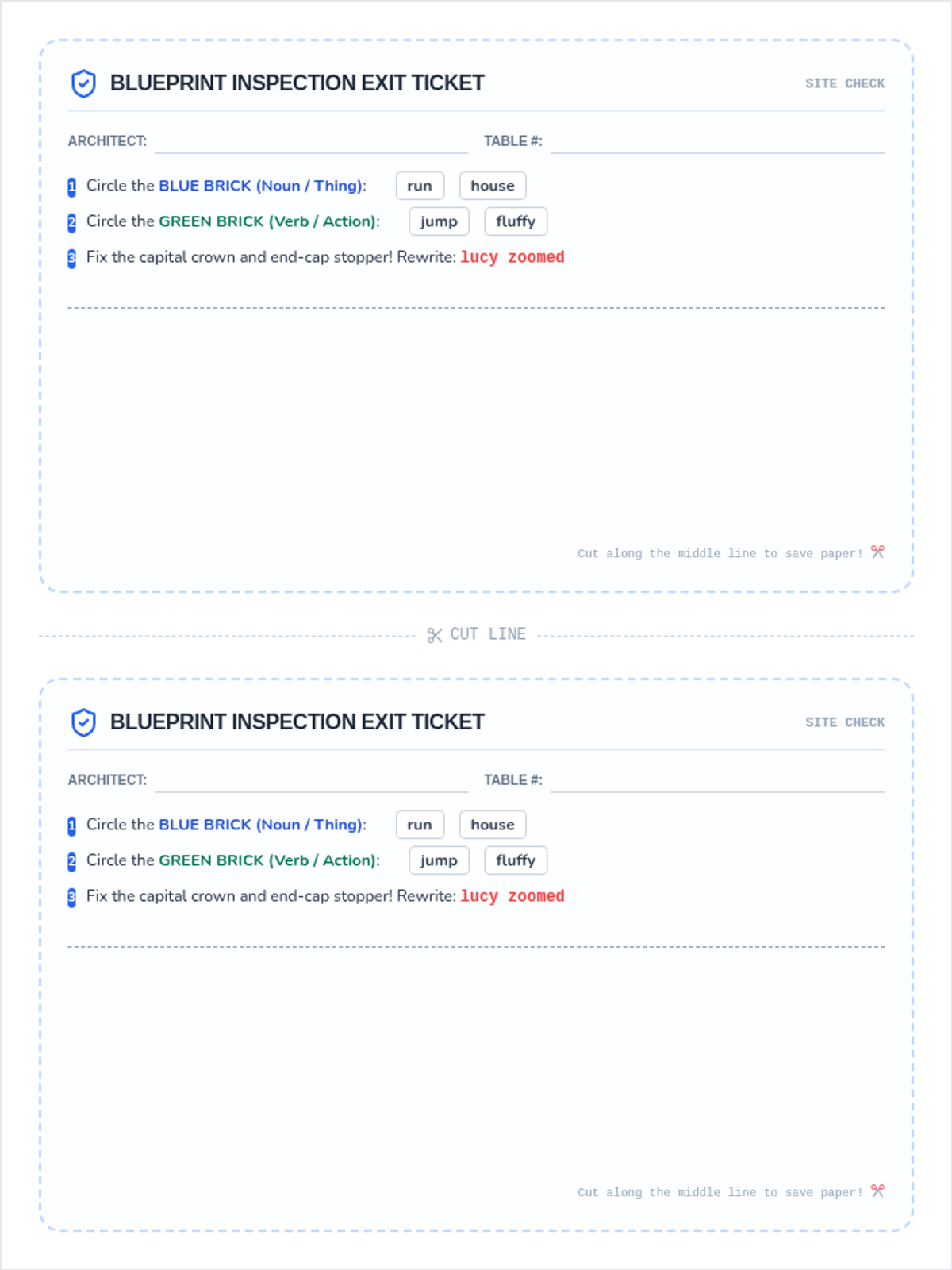
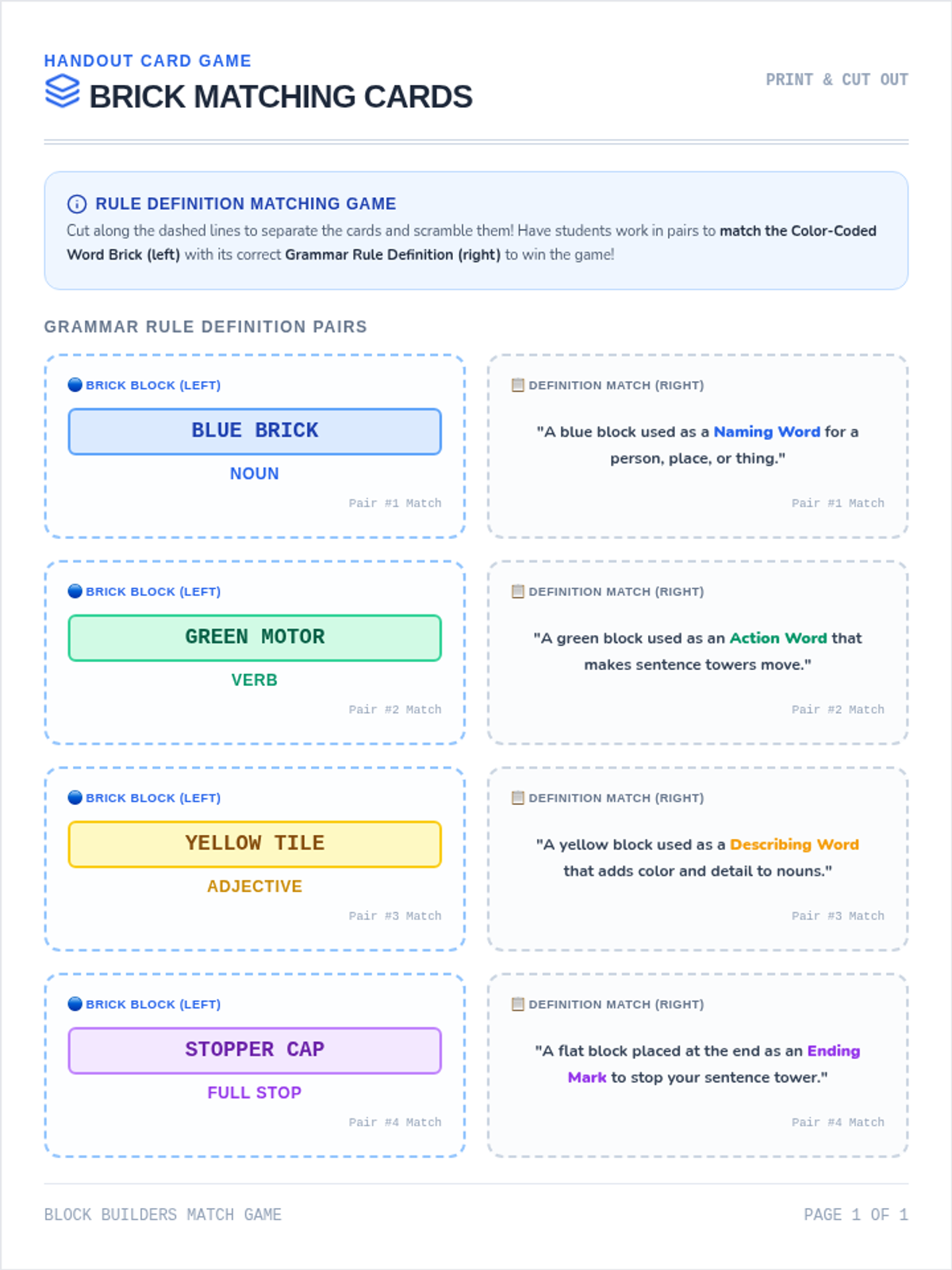
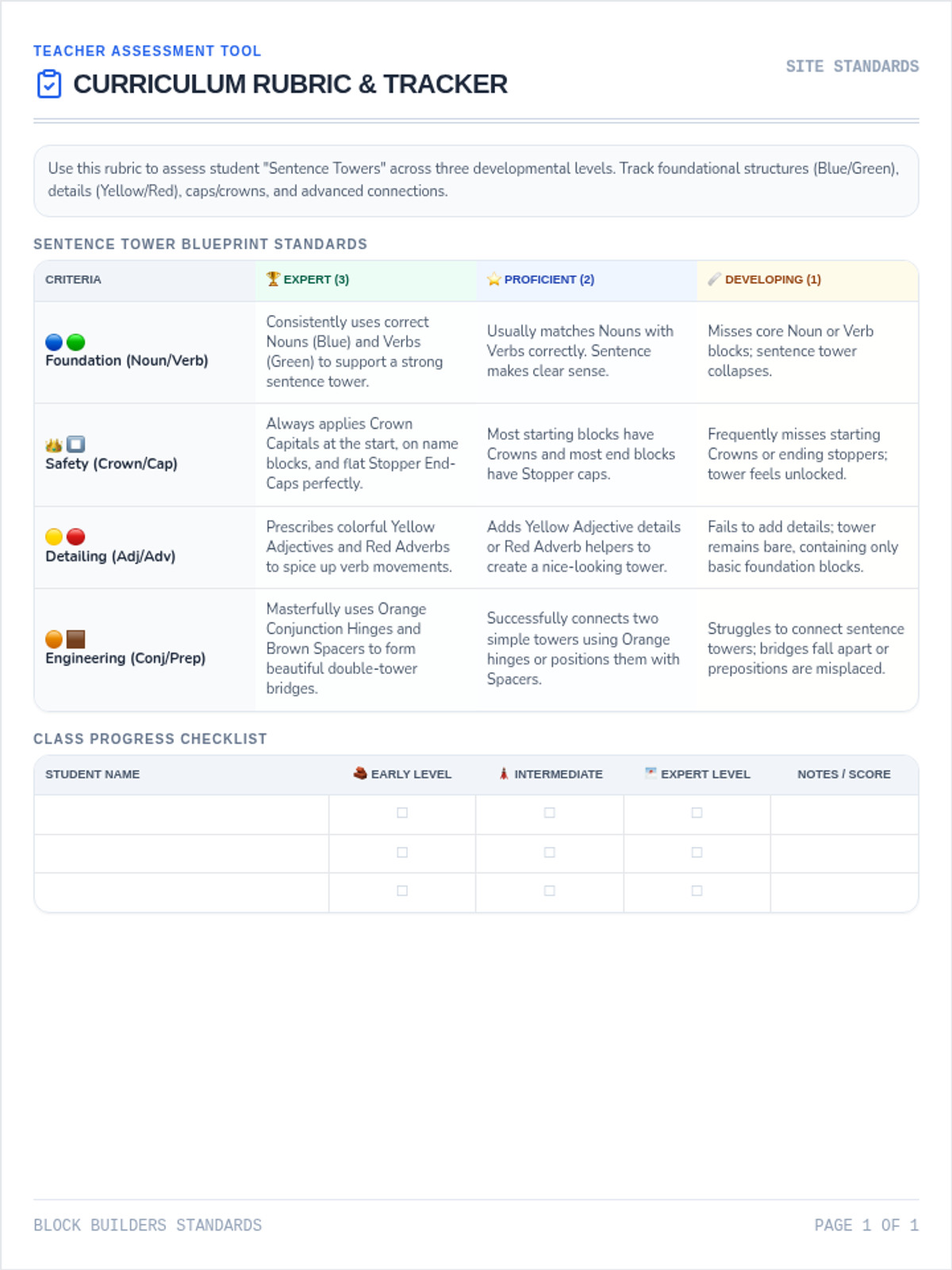
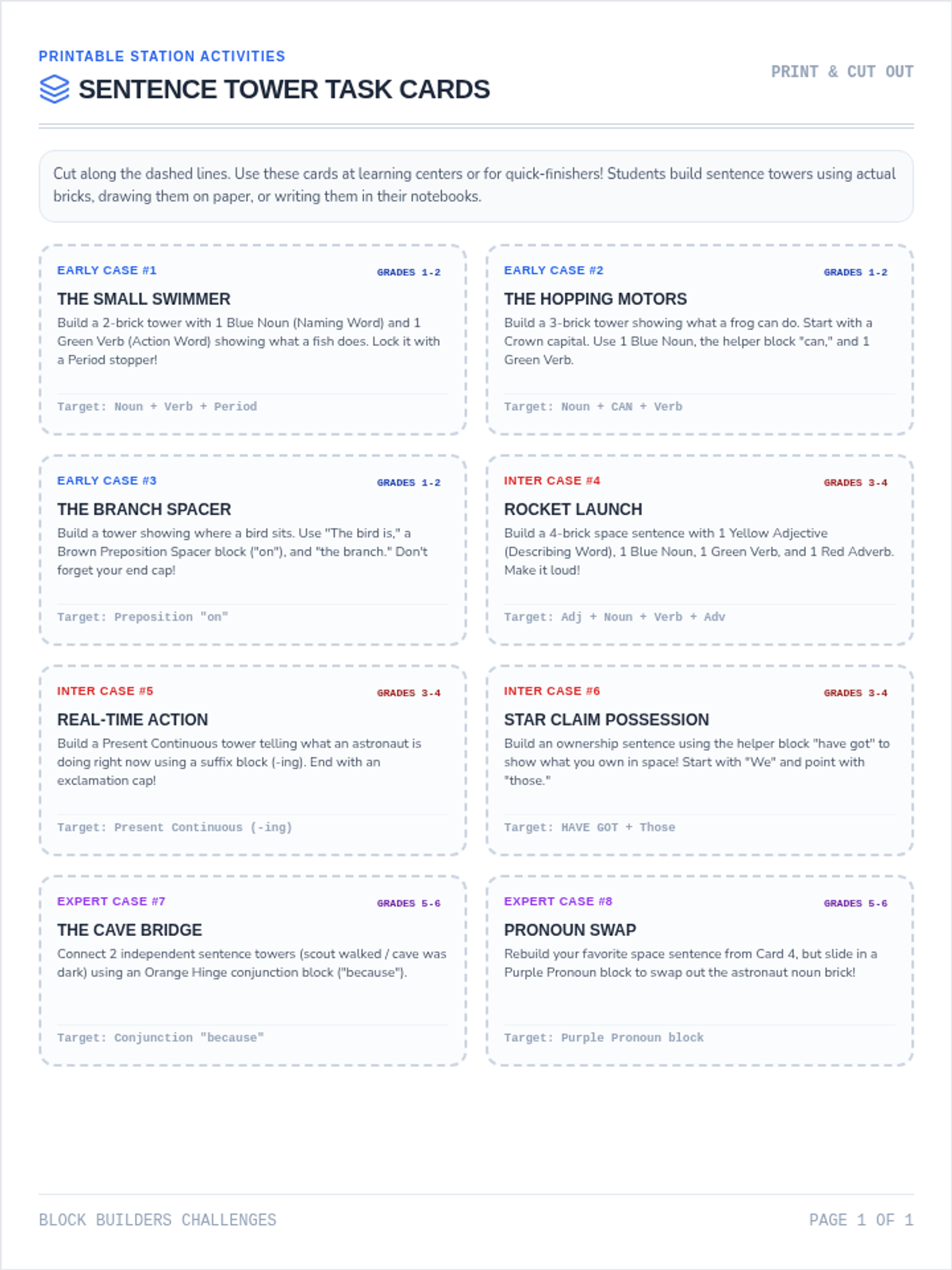
A comprehensive lesson on identifying prepositions and prepositional phrases, exploring their roles as adjective or adverbial modifiers within sentences using a construction-themed approach.
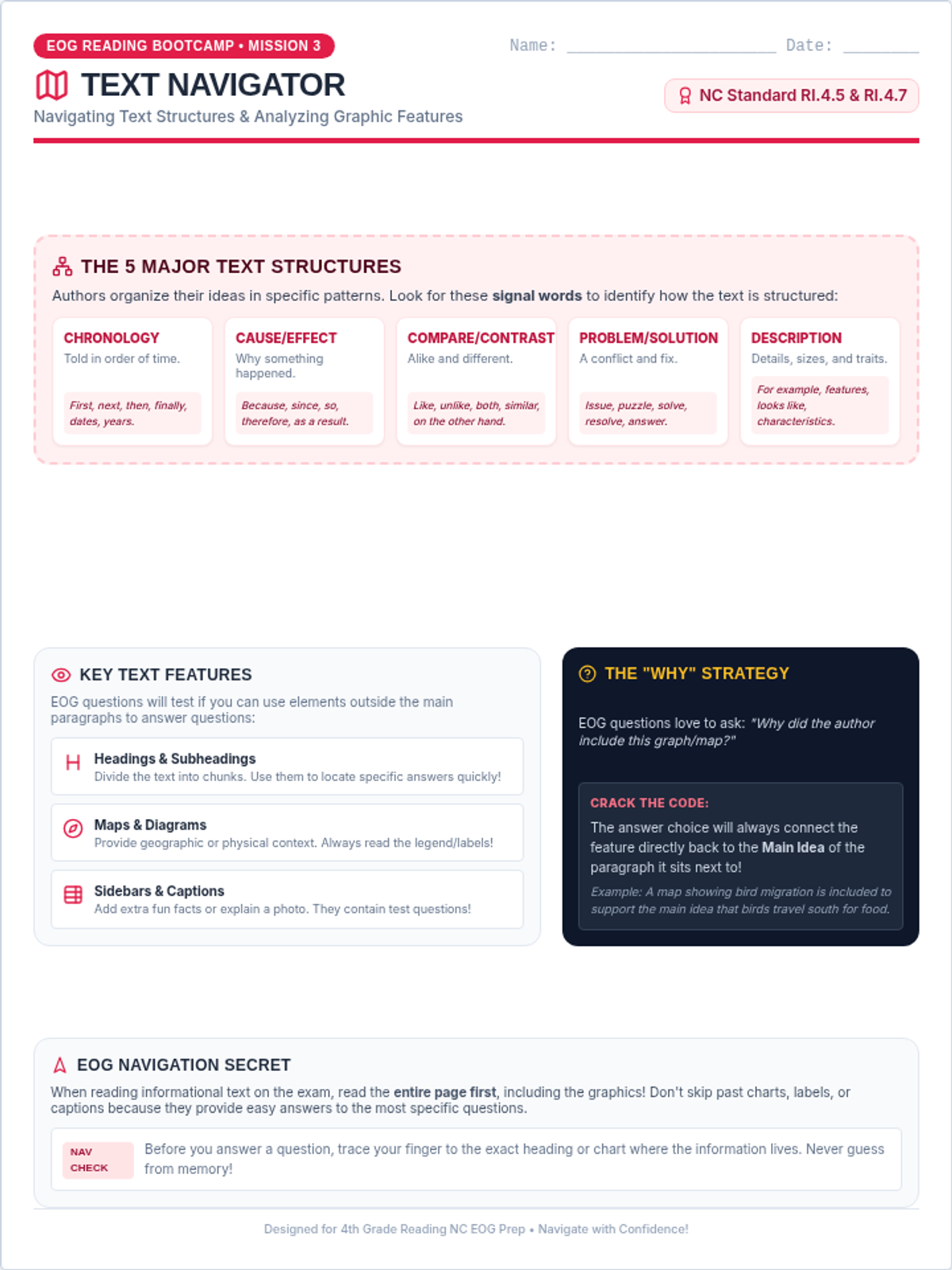
A 20-minute mini-lesson introducing five key non-fiction text structures: description, chronology, comparison, cause/effect, and problem/solution. This lesson uses Revolutionary War examples to help students identify how authors organize information.
Students use evidence from both texts to compare and contrast the impact of historical and everyday heroes, meeting RI.9 standards.
Students read about a modern-day local hero, identifying main ideas and using diagrams and labels to understand how everyday people make a difference.
Students explore the life of Rosa Parks, focusing on identifying key details and navigating complex text features like maps and timelines.
A comprehensive nonfiction reading experience about the history, sports, and traditions of the Winter Olympics, designed to help students identify main ideas and supporting details.
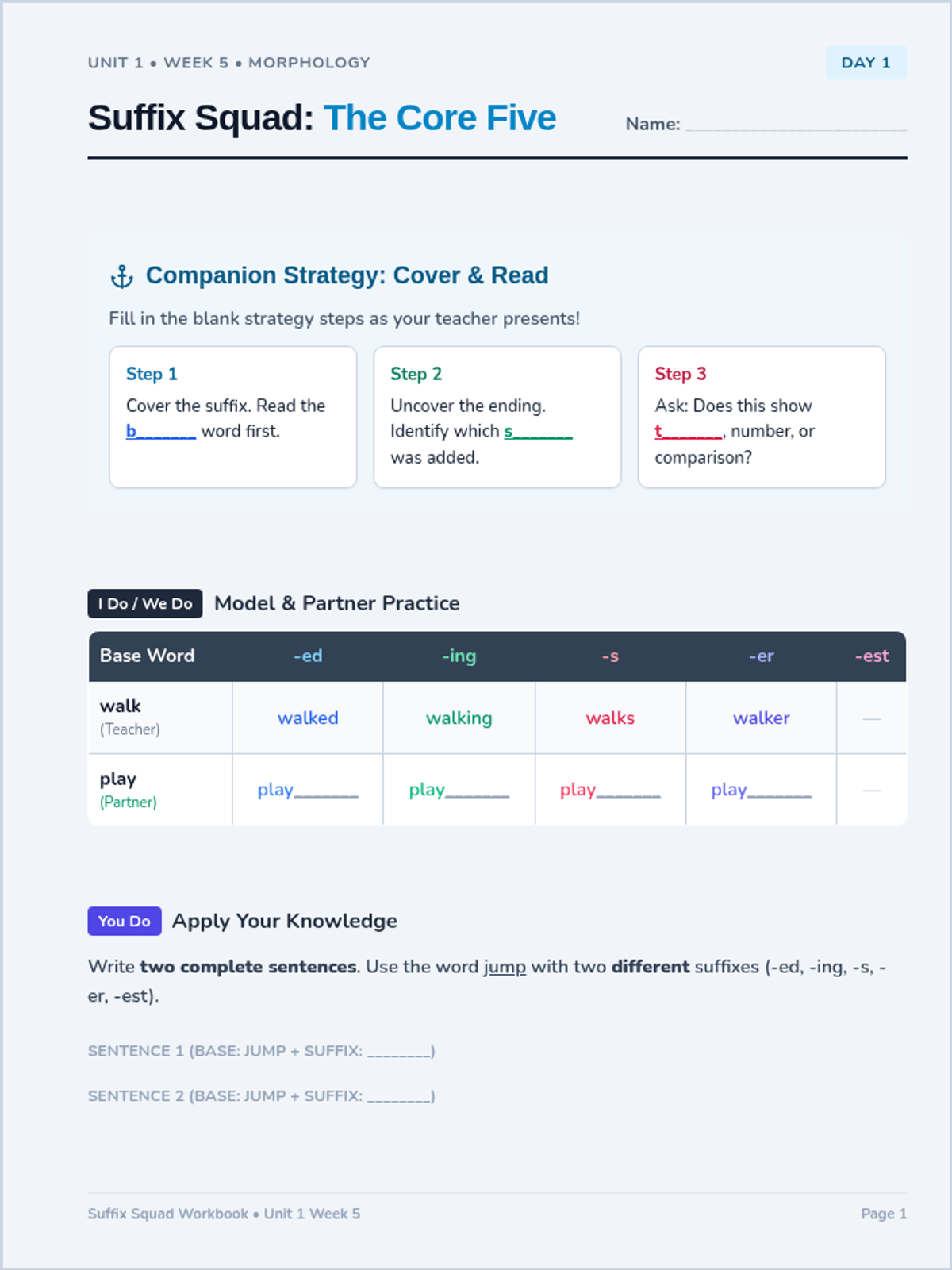
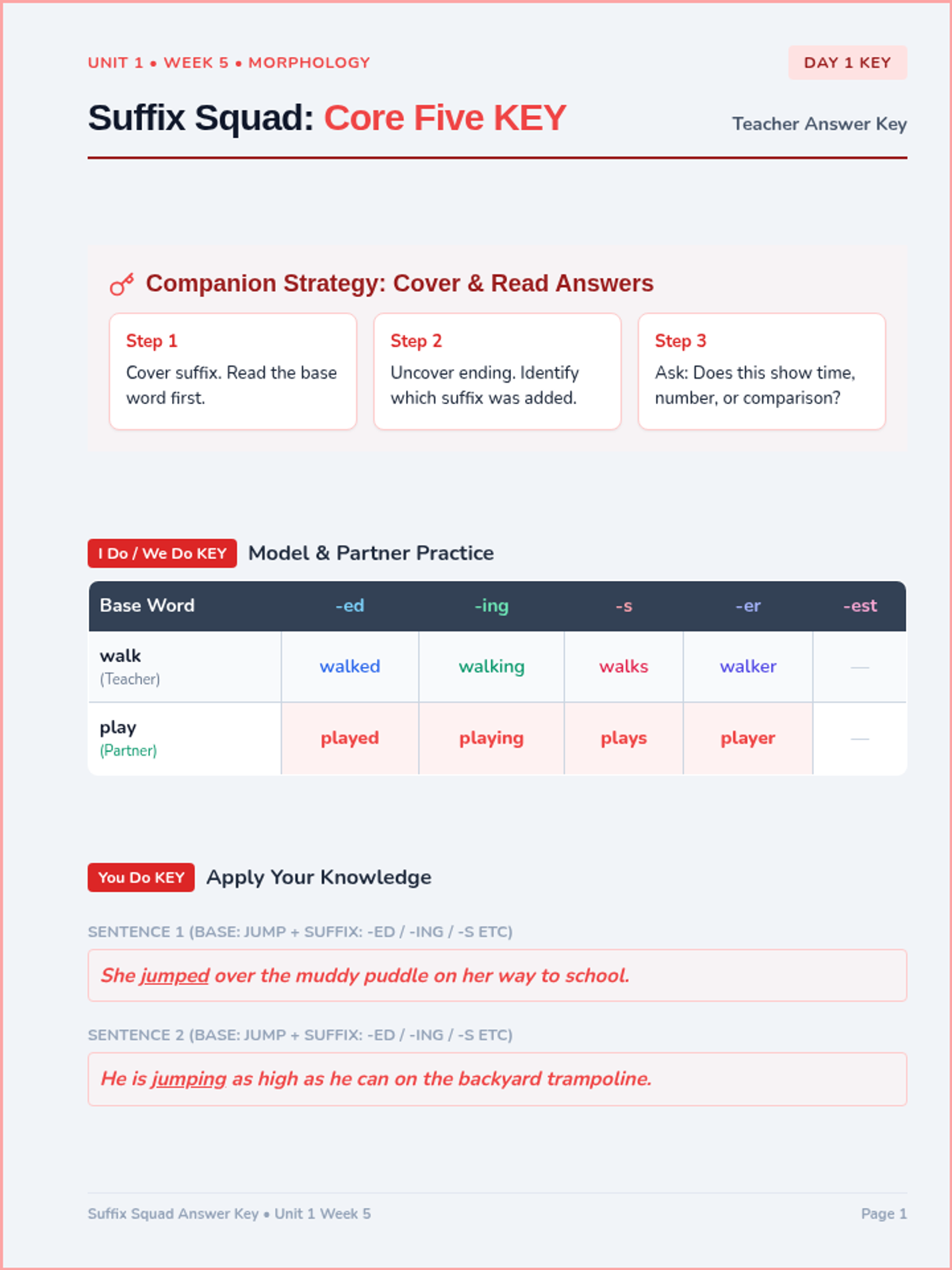
A 30-minute introductory lesson where students learn to decode complex words using a list of 24 common morphemes.
A weekly homework routine featuring a word search challenge and deep-dive vocabulary exercises for 10 target spelling words.
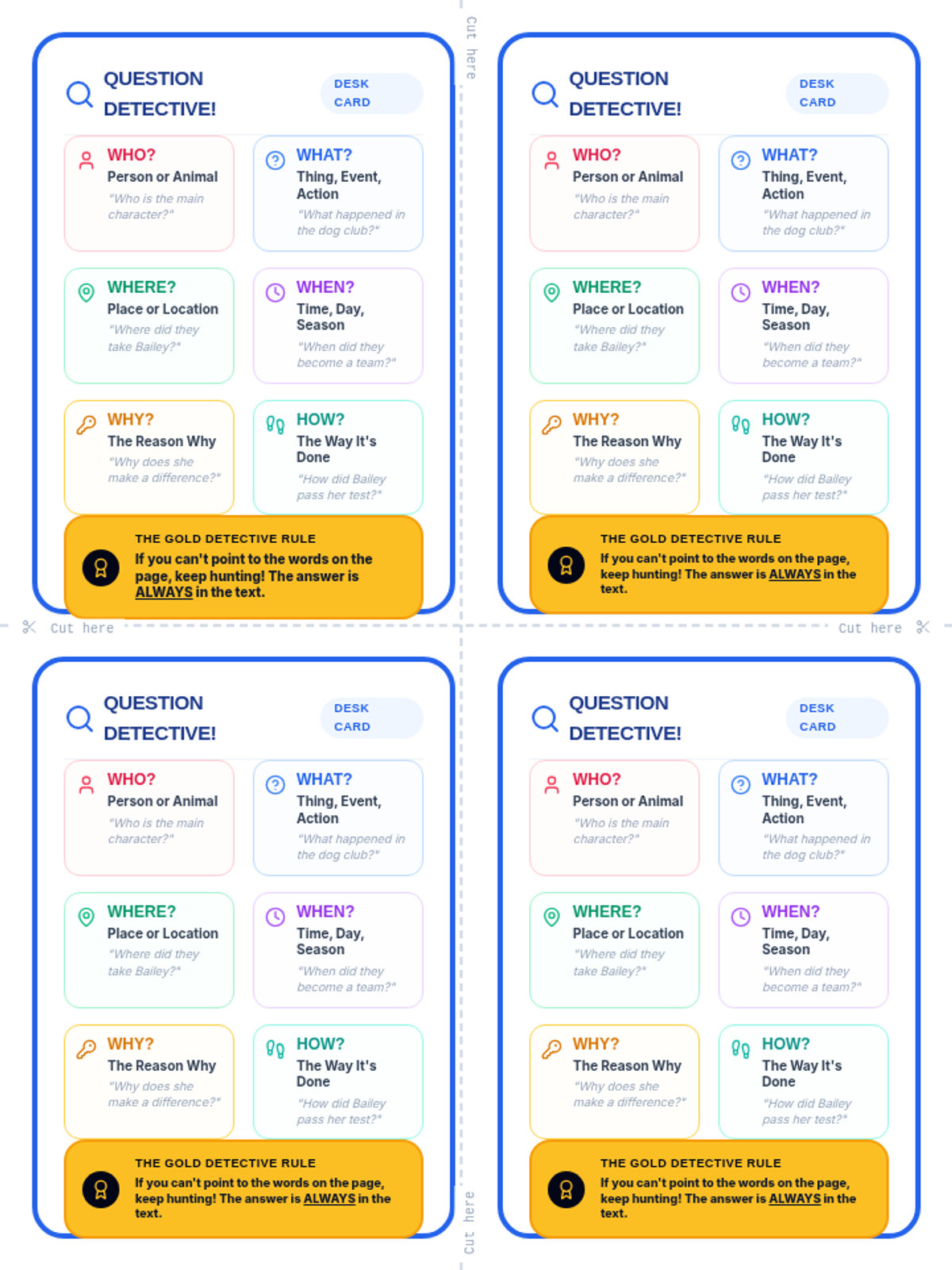
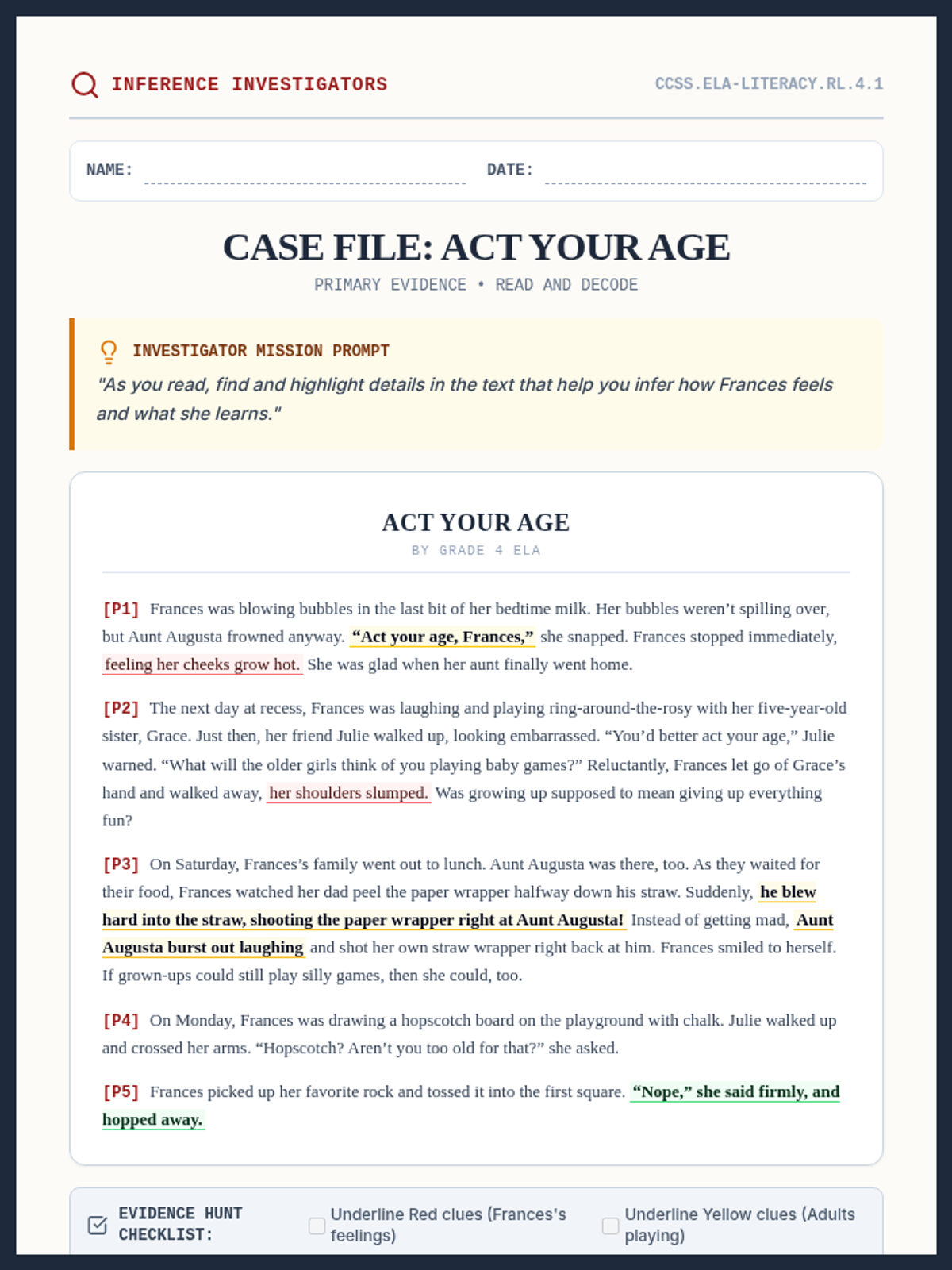
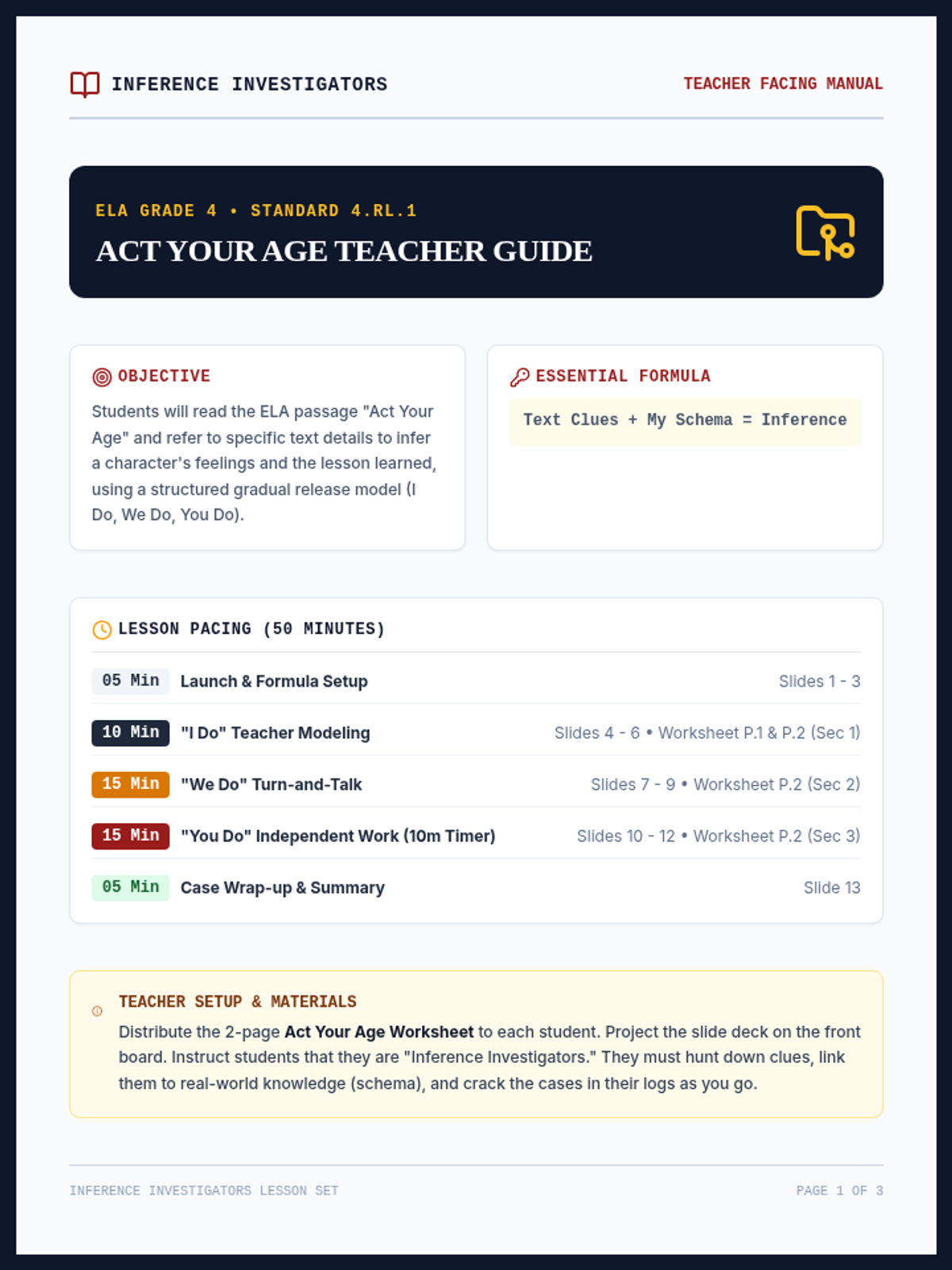
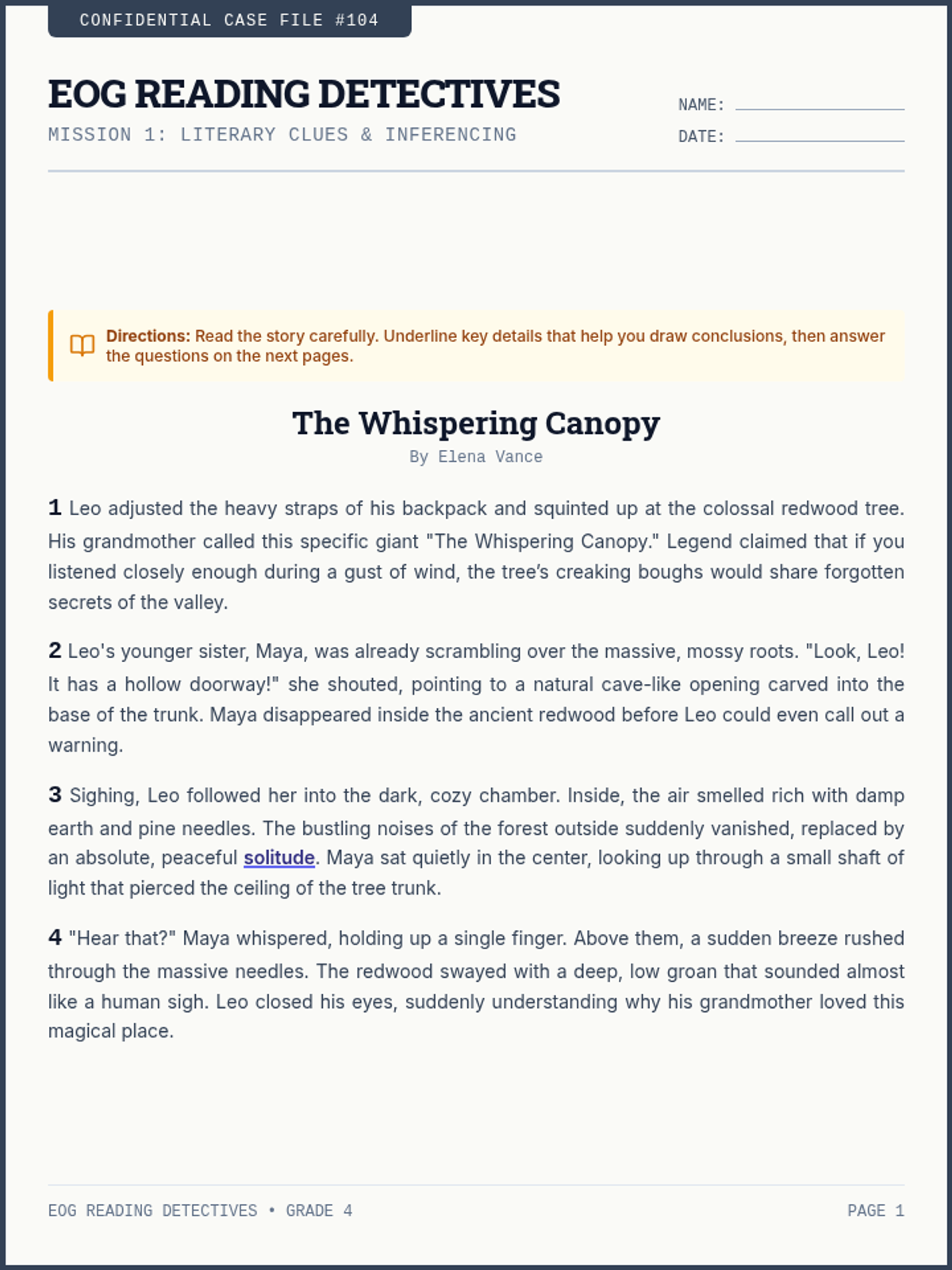
A high-energy, 35-minute introduction to making inferences. Students act as detectives, combining text evidence with their own background knowledge to solve mini-mysteries.
Focusing on CCSS W.4.3.e, students write a satisfying conclusion and reflect on their narrative writing journey through an exit ticket.
Focusing on CCSS W.4.3.b and W.4.3.d, students use dialogue and sensory details to describe the climax and potential solutions to the story's problem.
Focusing on CCSS W.4.3.c, students organize event sequences using transitional words. Groups will plan the 'rising action' for the chosen story start and vote for the best path forward.
Students focus on CCSS W.4.3.a by establishing a situation and introducing characters. They will draft a story 'hook' and vote on the best start for the class's collaborative story.
A lesson focused on identifying the main idea and supporting details in nonfiction texts using a comparison of Giant Pandas and Red Pandas.
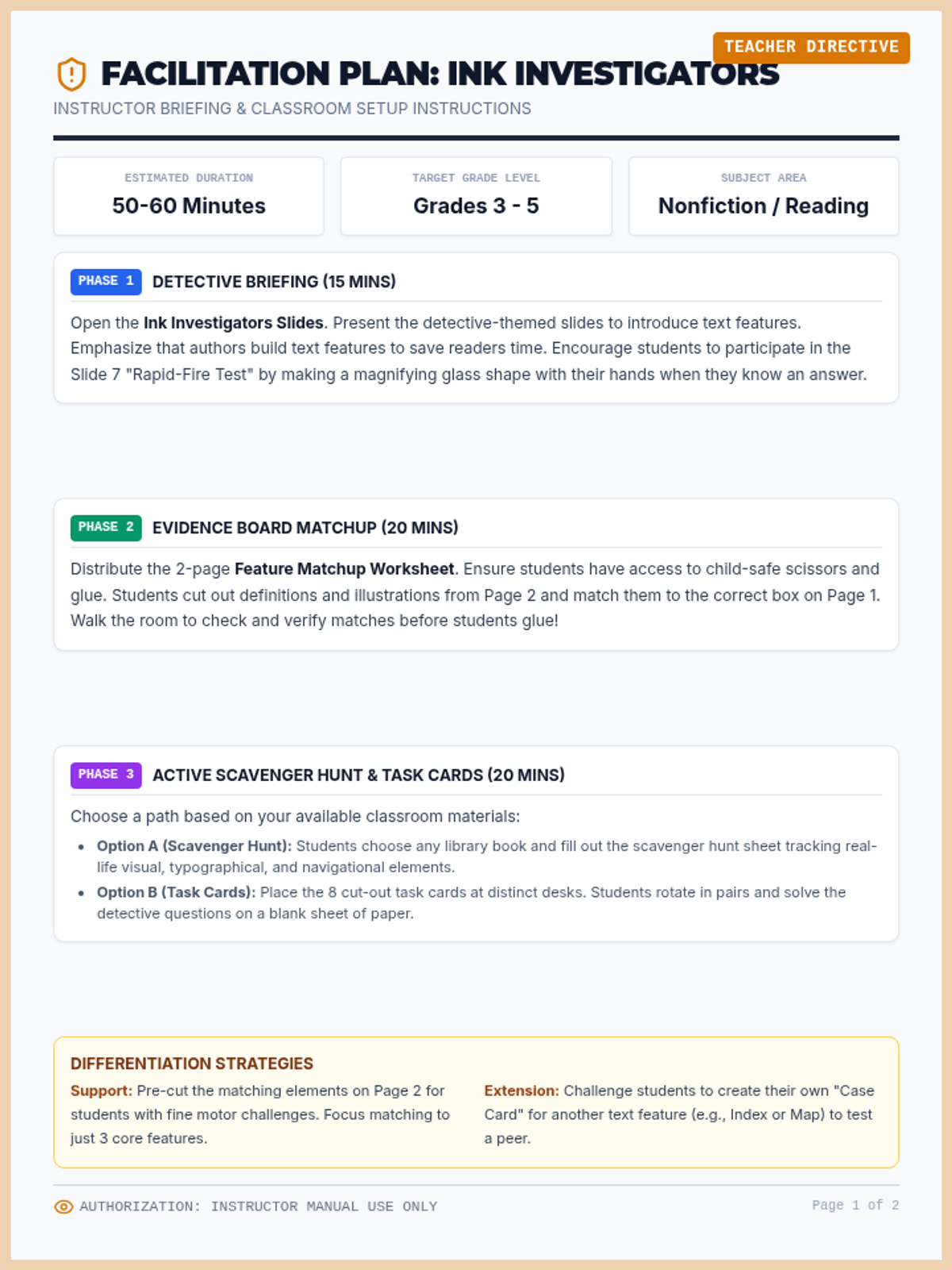
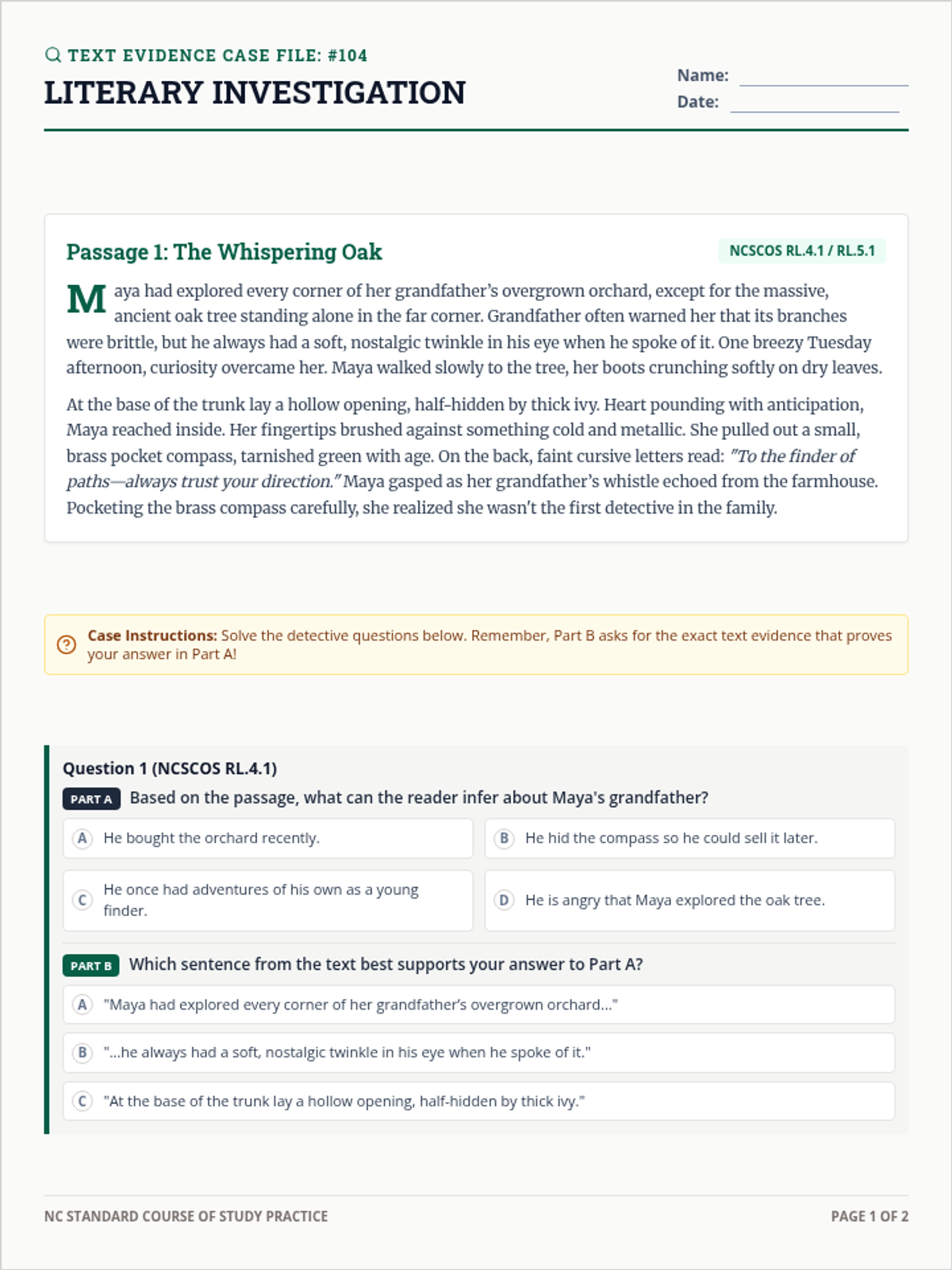
A 45-minute lesson focused on RI.4.8, where students learn to identify specific points an author makes and the reasons and evidence provided to support those points using a detective-themed investigation.
A 4th-grade ELA lesson focused on identifying and distinguishing between first-person and third-person points of view using detective-themed 'clue' identification.
An introduction to Shakespeare's whimsical comedy for young readers, focusing on plot, characters, and the magical setting of the enchanted forest.
A cumulative review using narrative poetry or a short story where students synthesize their skills in plot analysis, character study, and multi-layered connections.
Analyzing how drama uses dialogue to drive plot elements and character interactions. Students make text-to-society connections by examining themes within a play script.
Exploring traditional literature (folktales) to identify universal plot patterns and how characters in legends undergo moral or physical changes. Focuses on text-to-text connections.
Introduction to plot architecture and character evolution using realistic fiction. Students map out the 'Rising Action' through 'Resolution' and track how characters react to conflict.
A set of resources designed to help parents understand and support their child's reading fluency progress at home, focusing on the balance between speed and accuracy.