Students explore the frequency of U.S. elections, distinguishing between presidential and midterm cycles through a video-based discussion and a hands-on timeline construction activity.
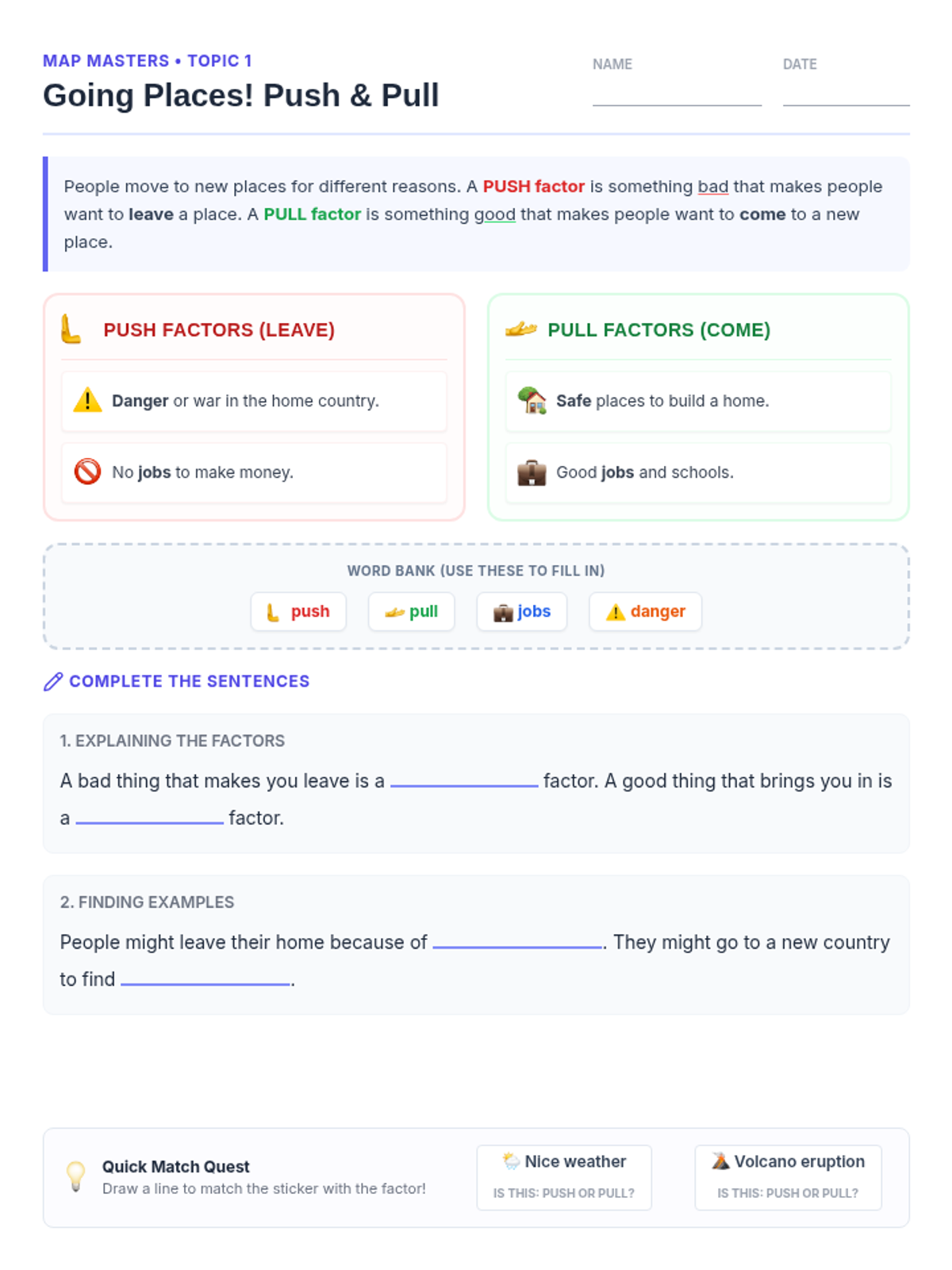
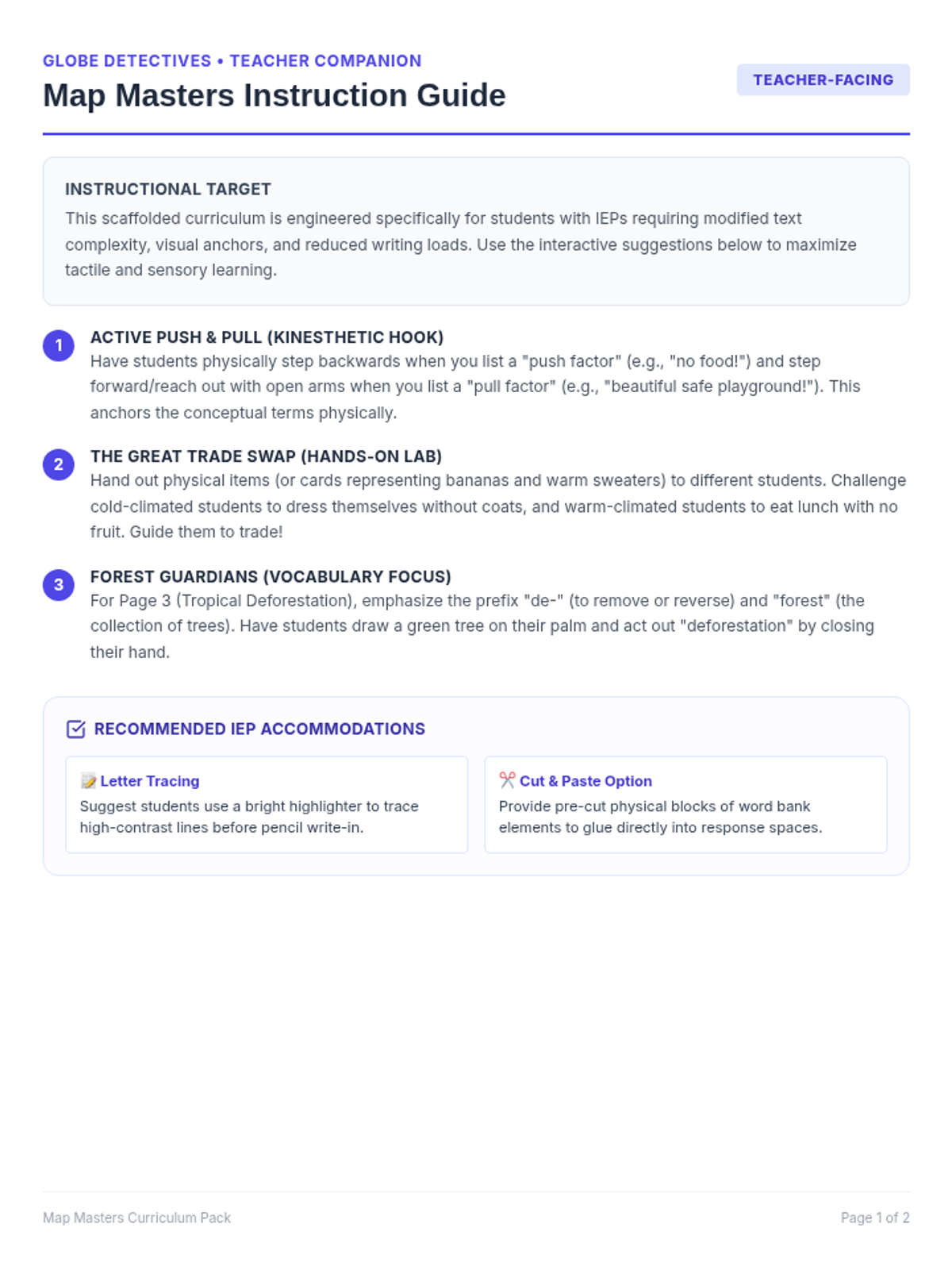
A scaffolded geography lesson exploring push and pull migration factors, global trade, and tropical deforestation with extensive visual supports and sentence frames designed for IEP accessibility.
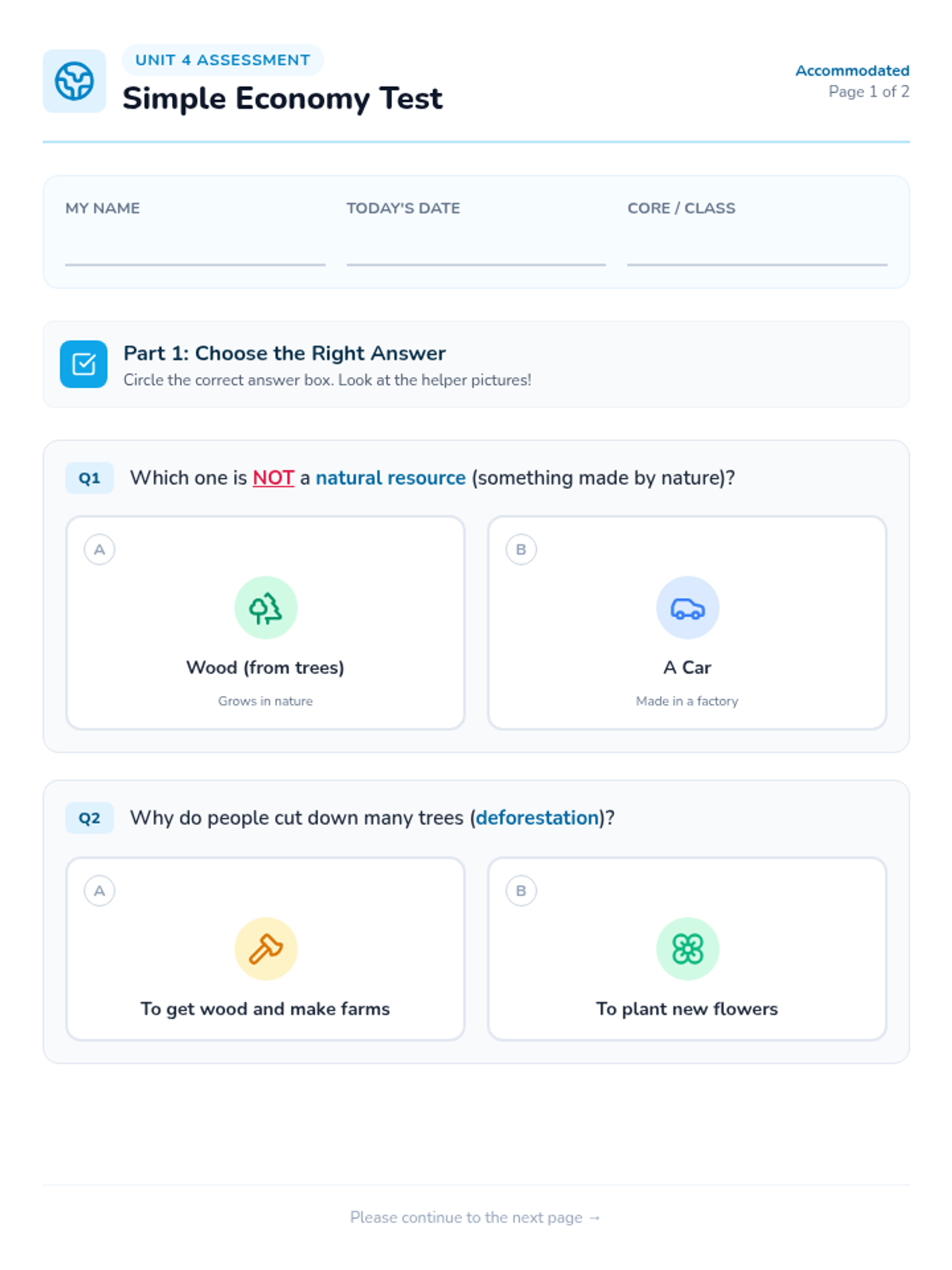
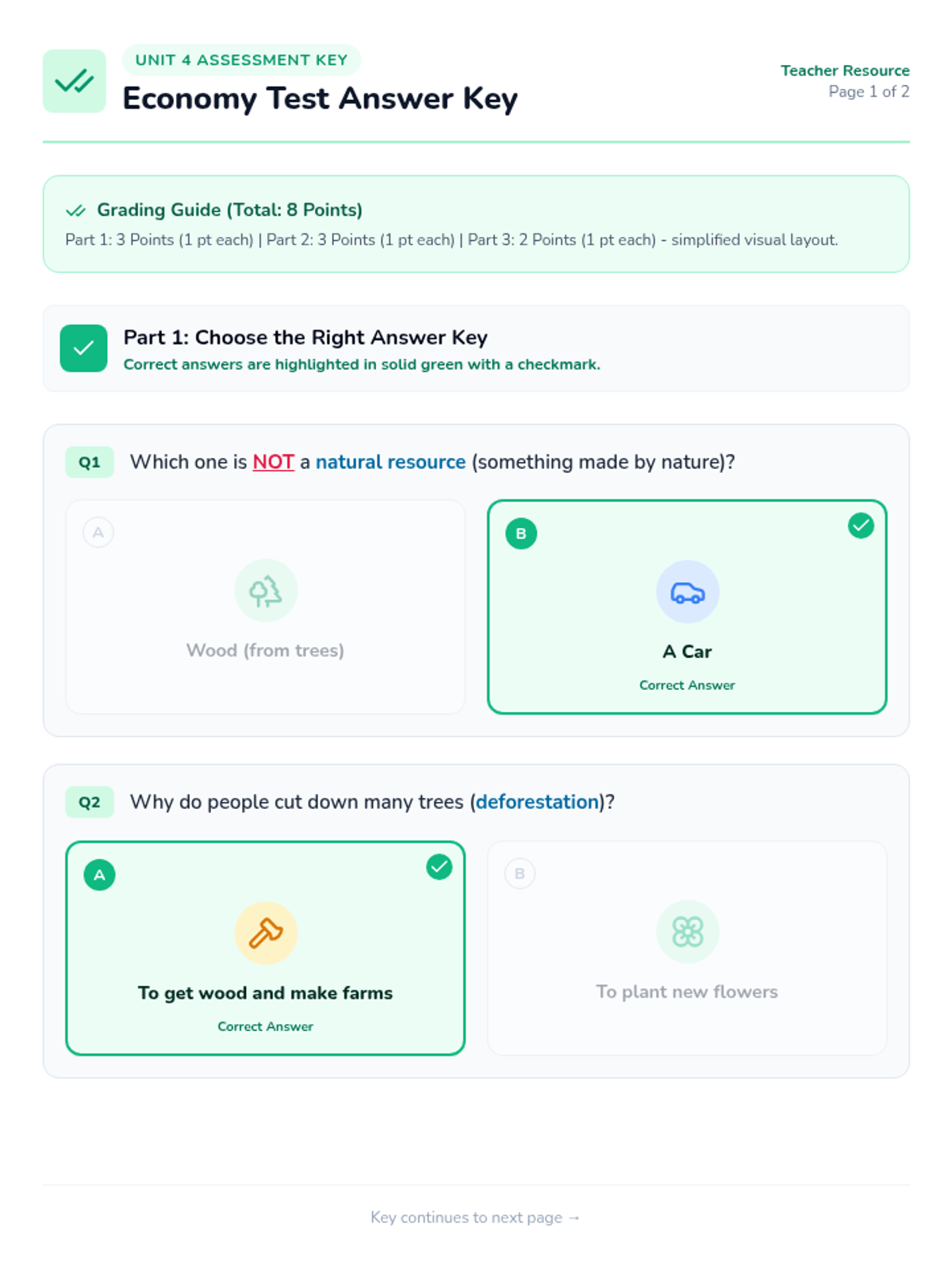
A modified, highly accessible economics assessment package tailored for students with IEP accommodations. Features simplified reading level, reduced multiple-choice options, bolded key terms, clear visual icons, and an intuitive match-by-letter format instead of complex grids.
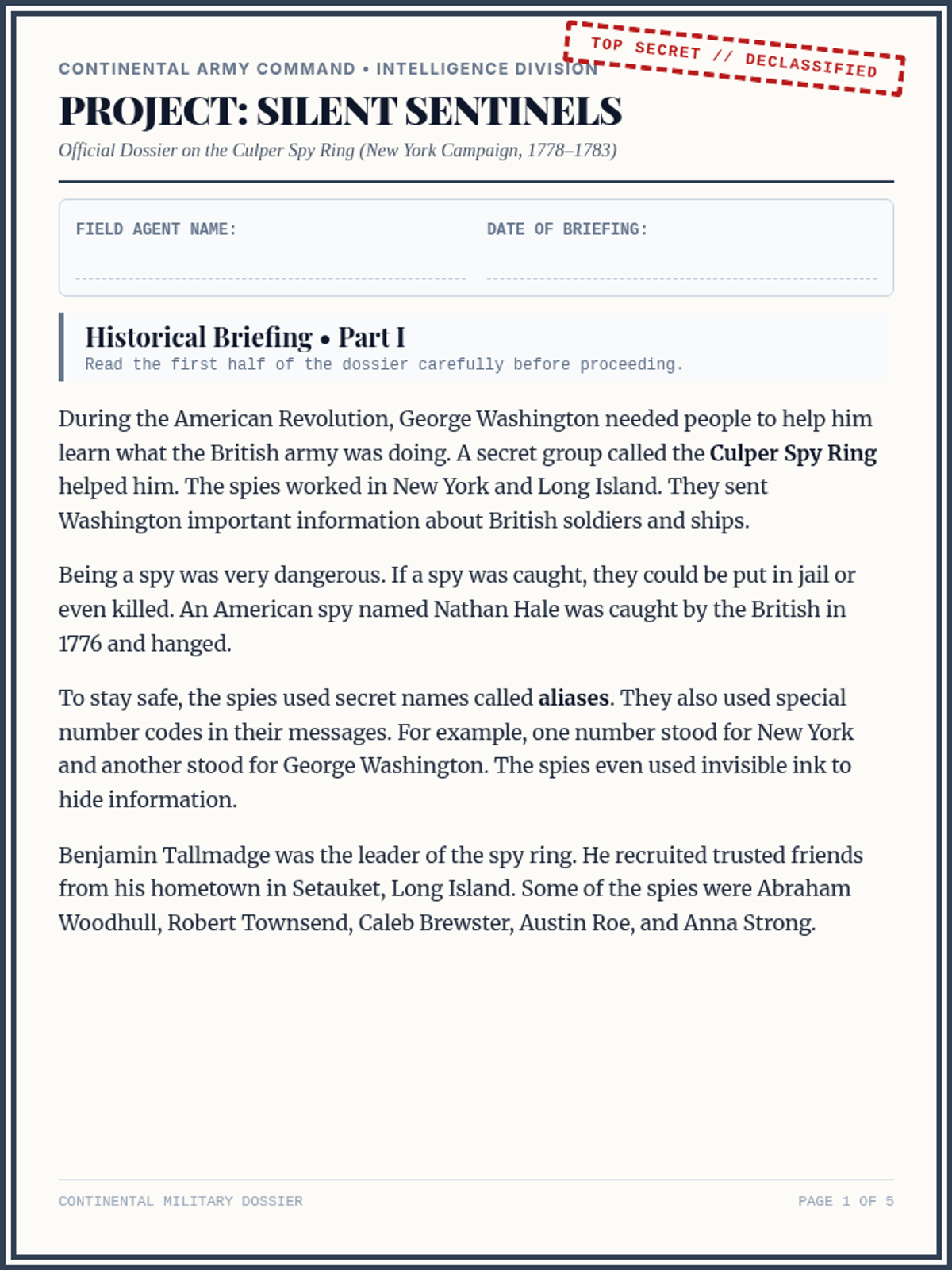
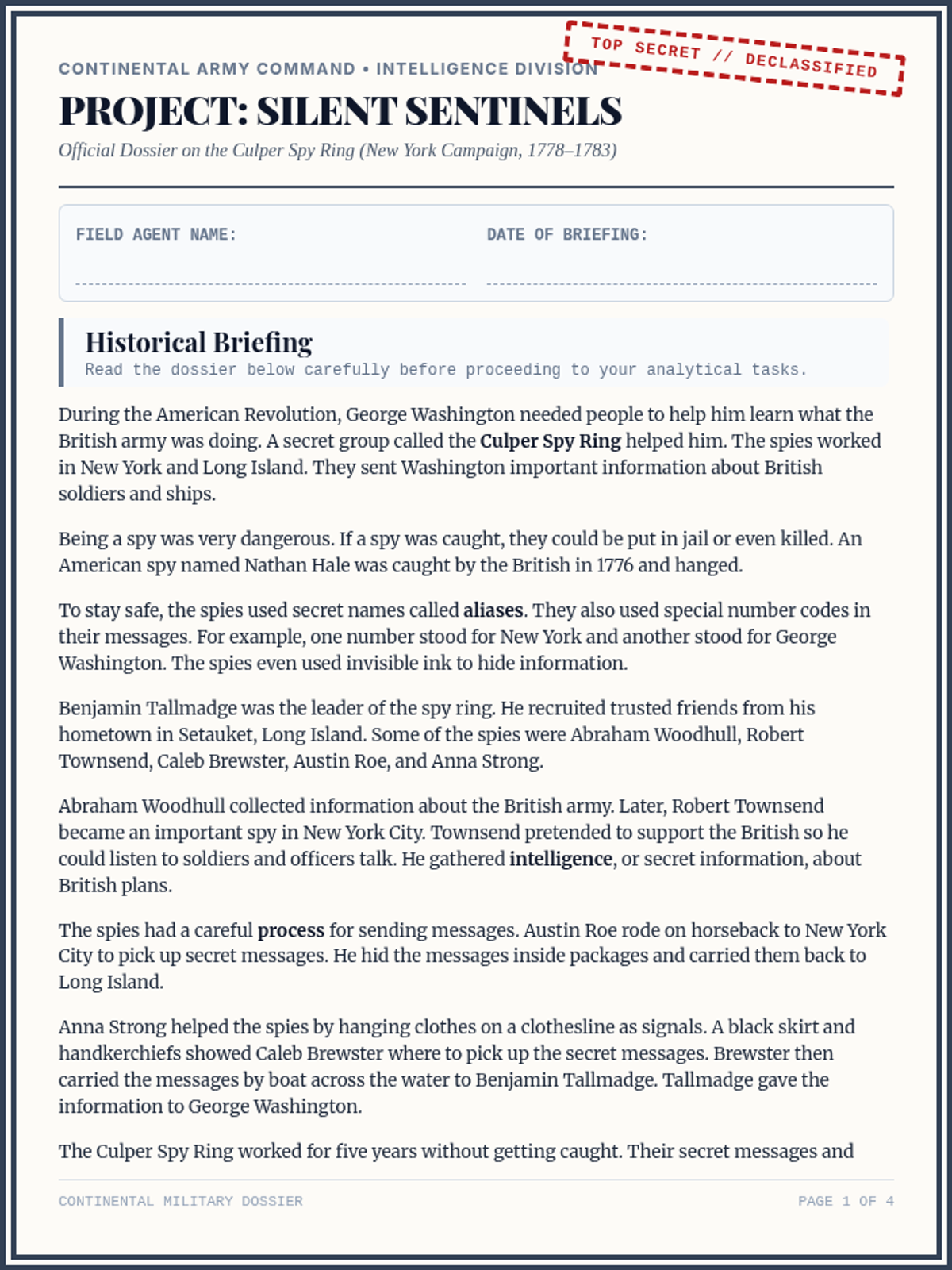
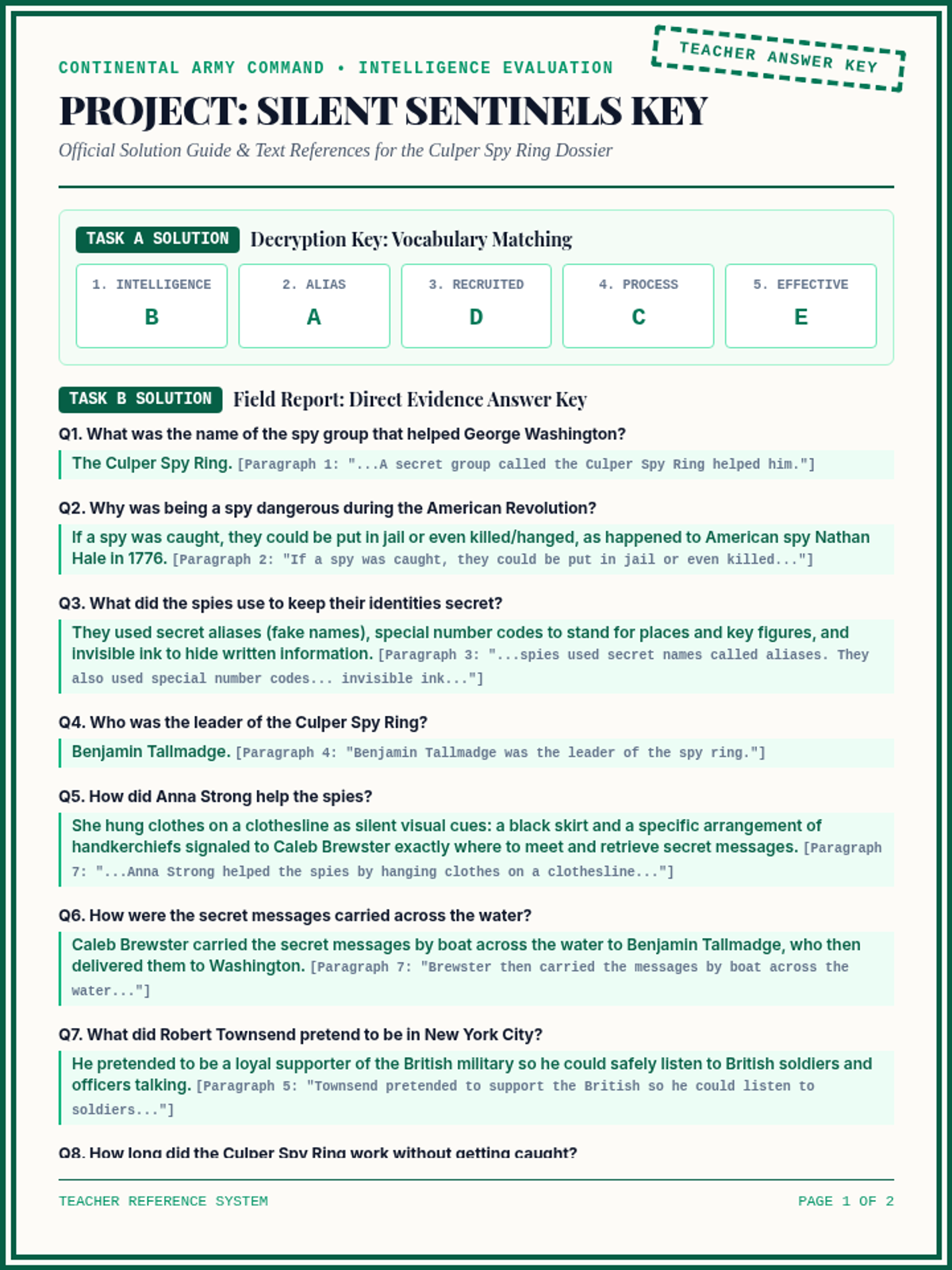
A comprehensive lesson on the Culper Spy Ring during the American Revolution. Students read about the historical secret agent network, master key espionage vocabulary, and analyze literal and inferential comprehension questions in a structured, multi-page intelligence file format.
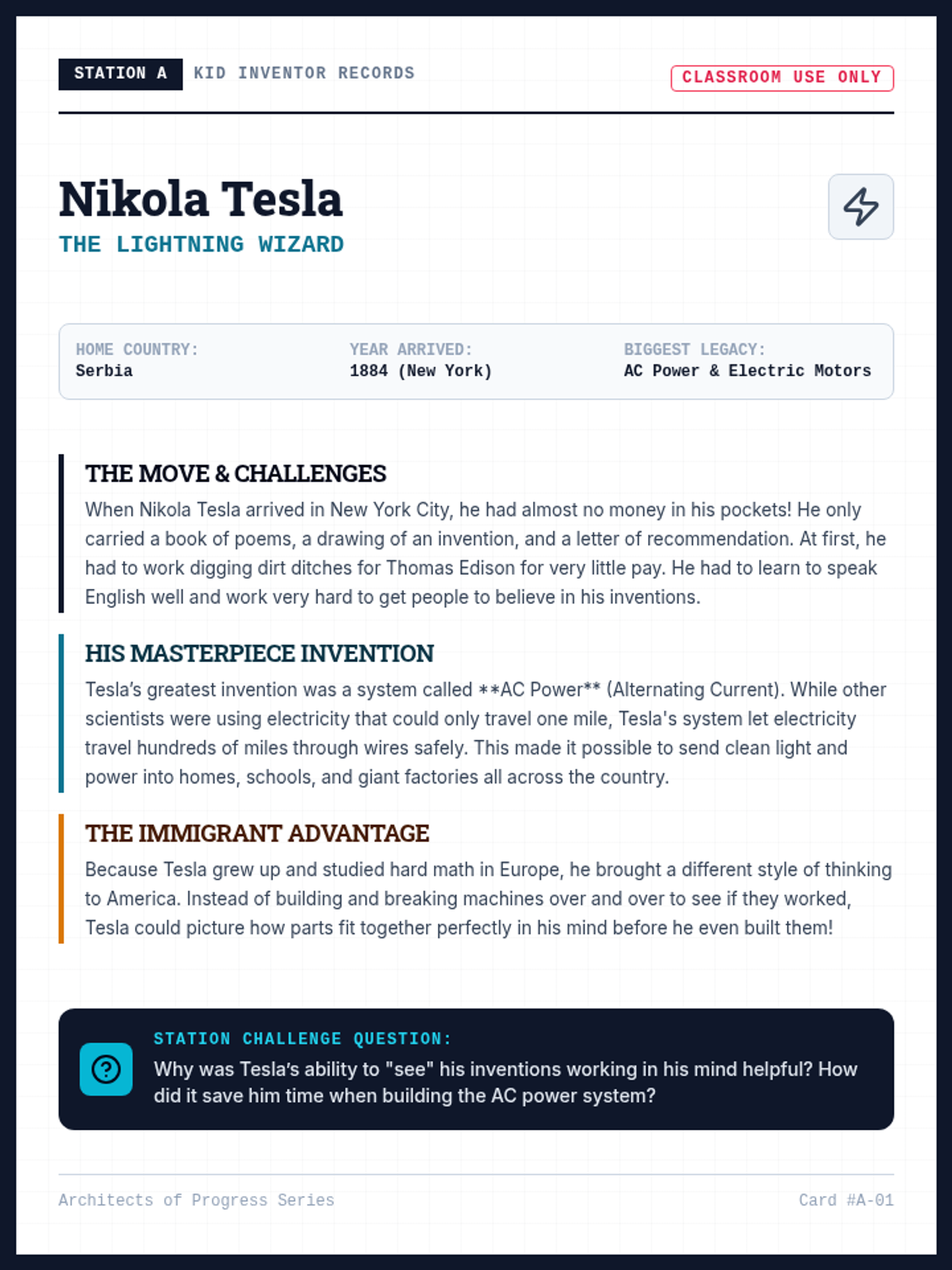
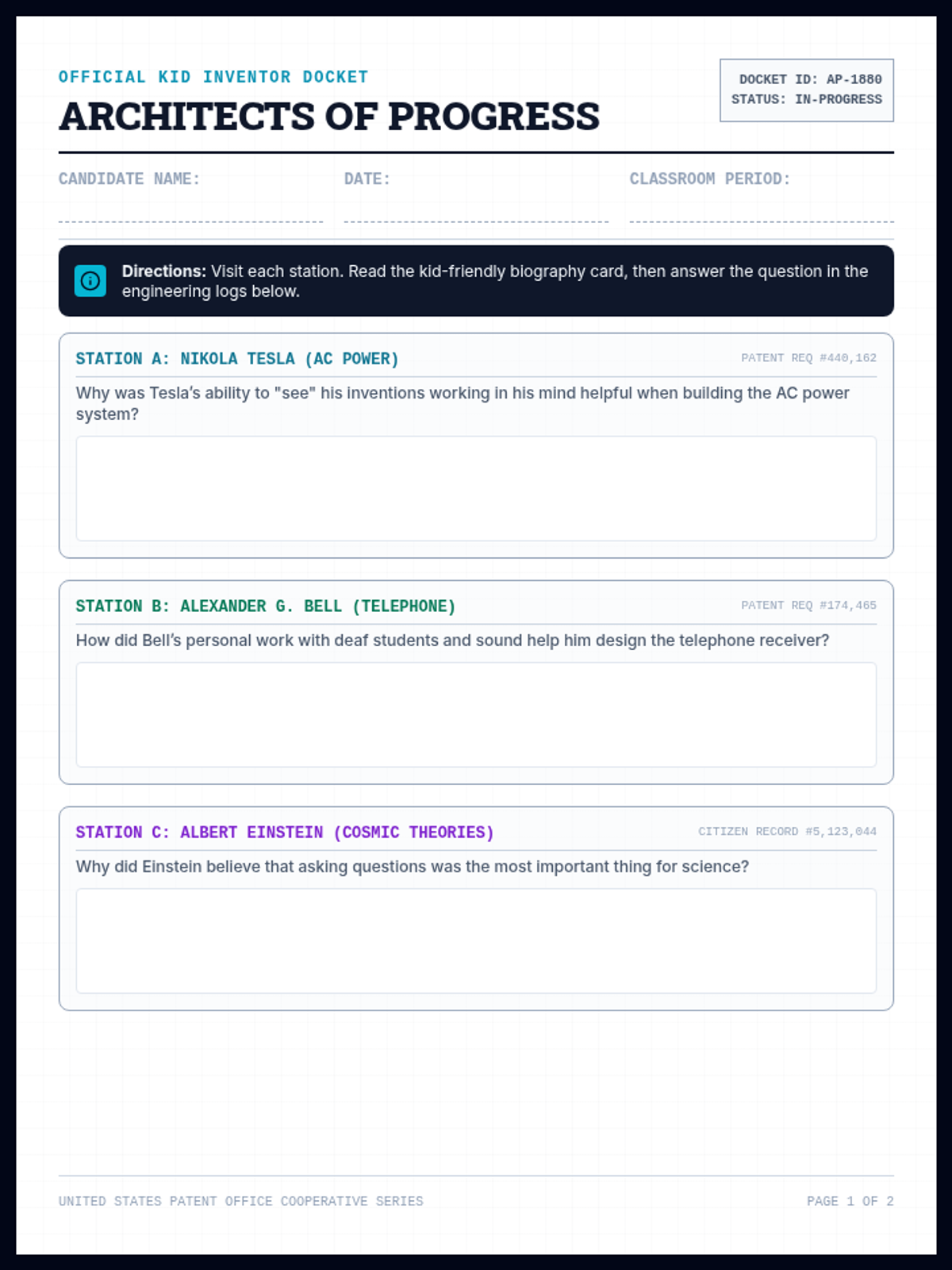
An exploration of extraordinary immigrants who shaped the modern United States through groundbreaking inventions, scientific discoveries, and iconic architectural feats. Students analyze the lives of Nikola Tesla, Alexander Graham Bell, Albert Einstein, John Roebling, and Alexandre Eiffel, examining how their diverse backgrounds fueled American innovation.
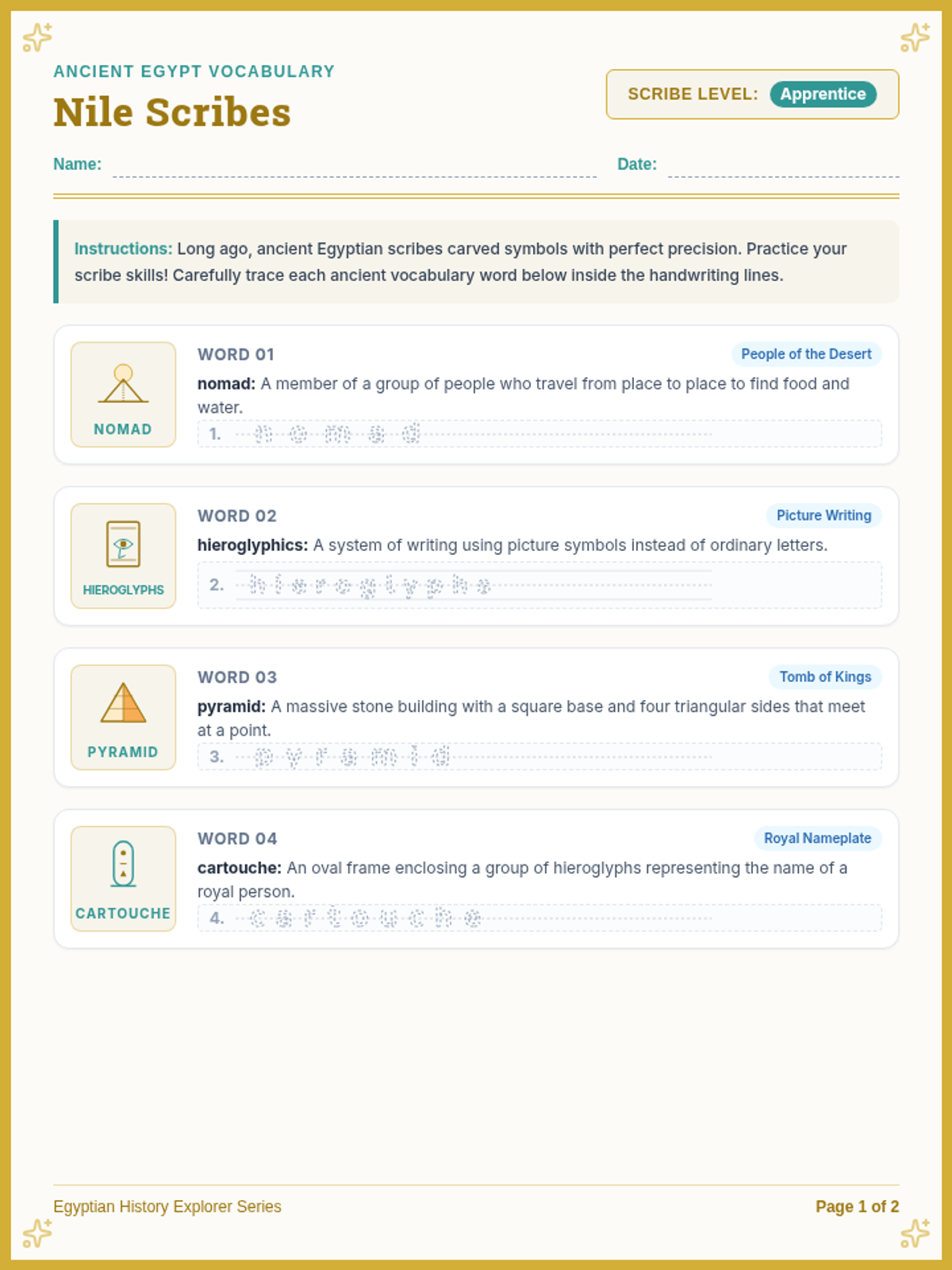
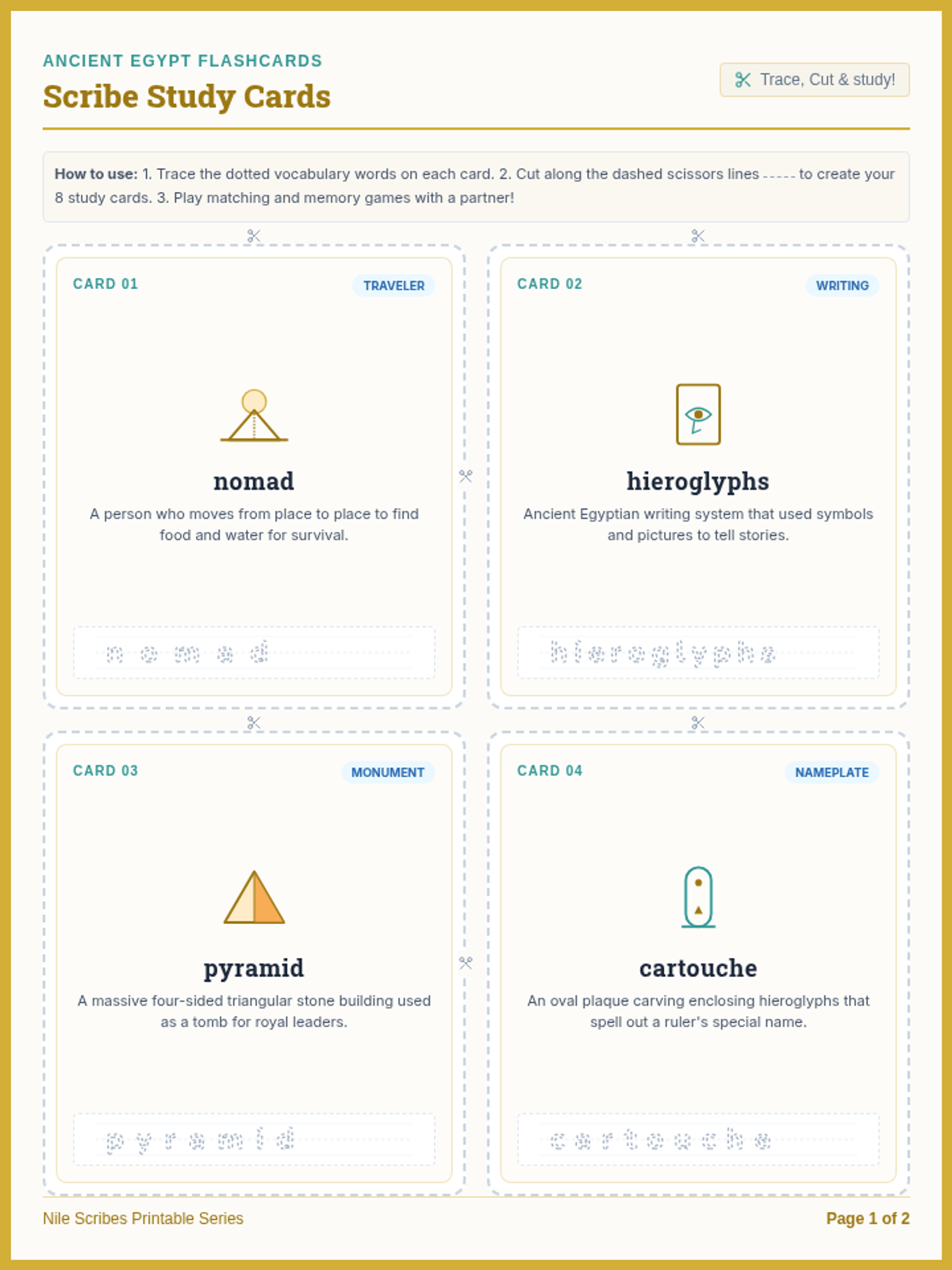
An introductory early-literacy vocabulary lesson about Ancient Egypt. Students learn key terms through tactile hands-on tracing worksheets, vocabulary matching games, and printable trace-and-cut flashcards.
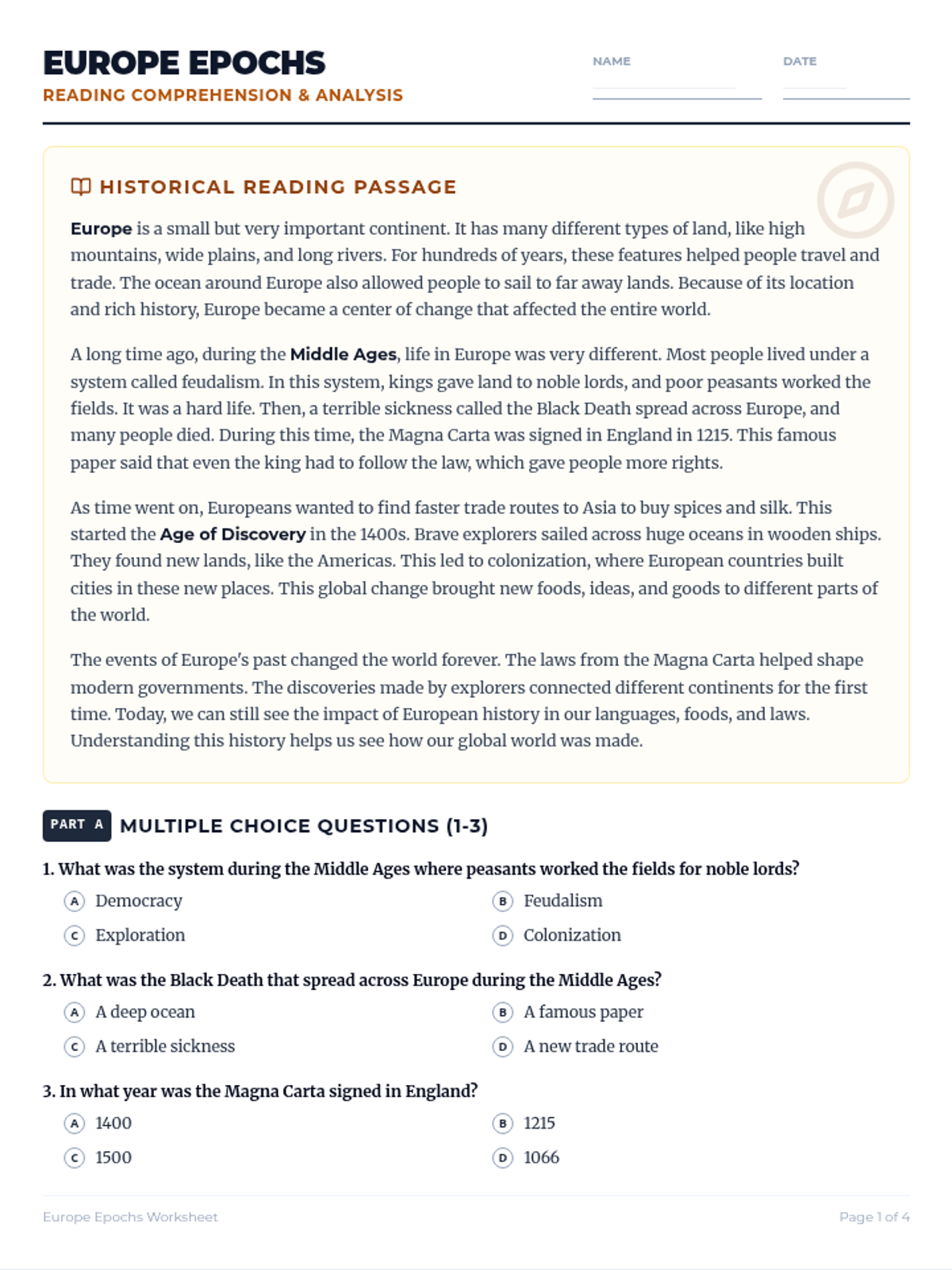
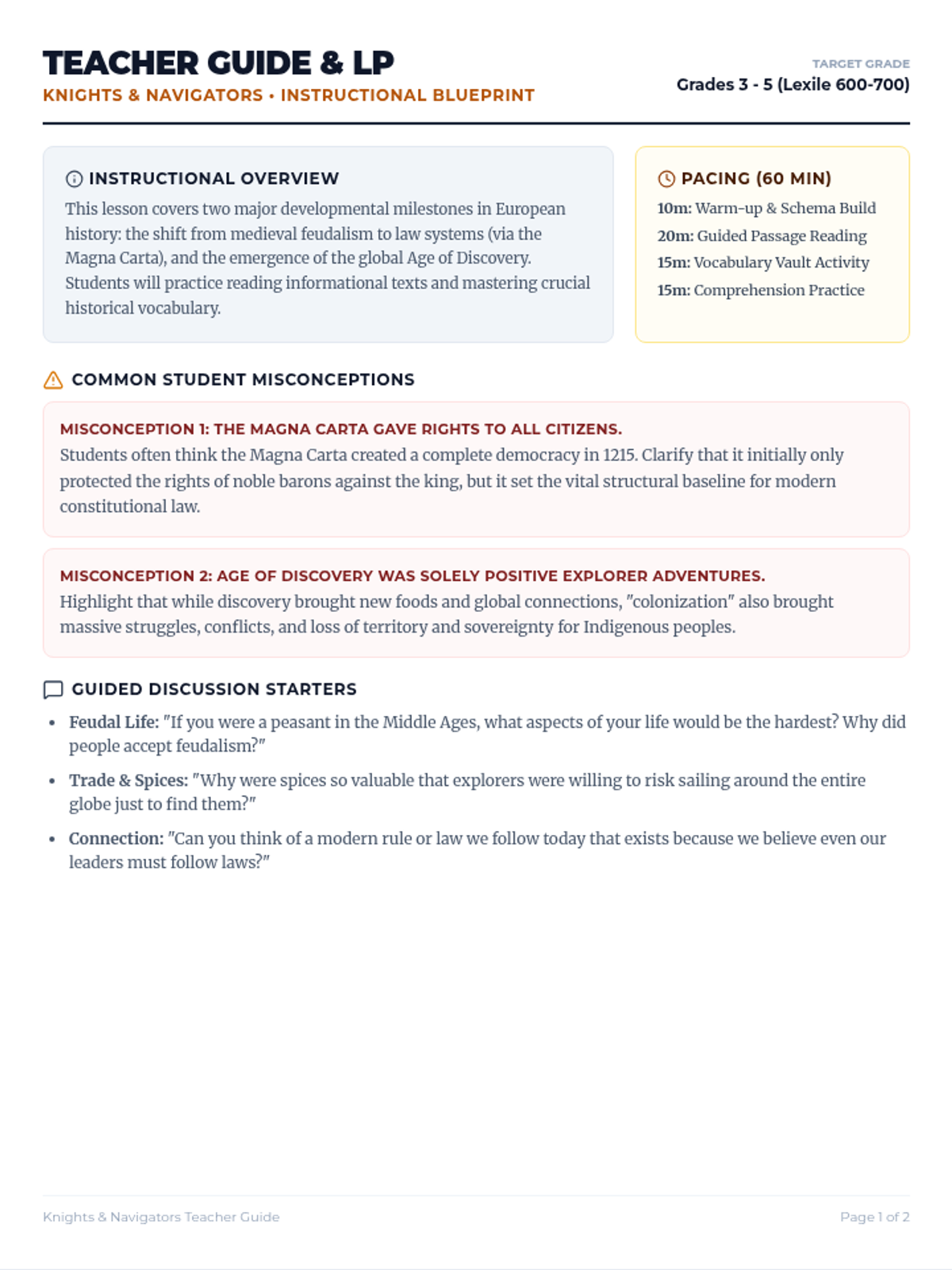
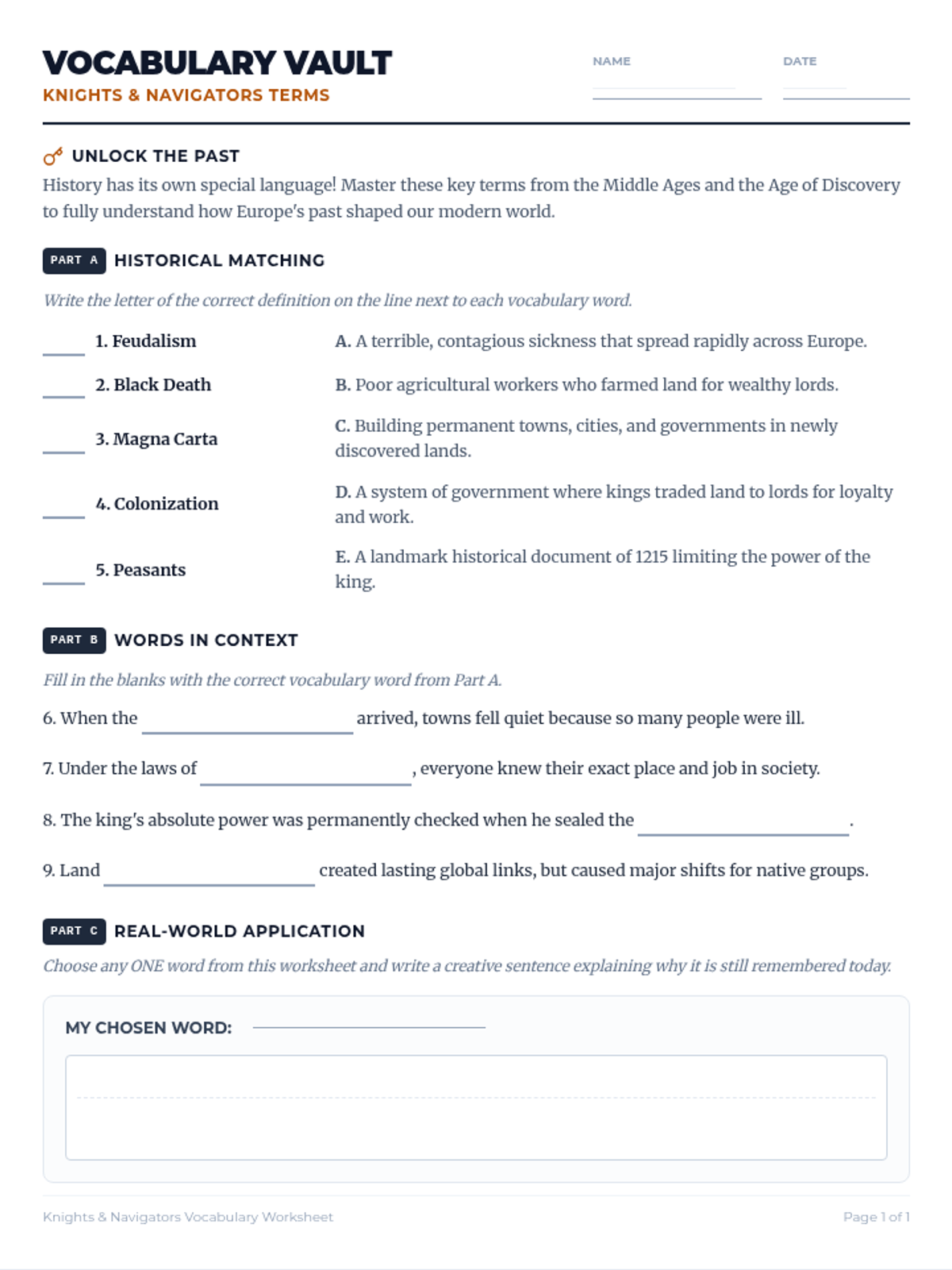
A fun and engaging history lesson exploring Europe during the Middle Ages and the Age of Discovery. Students read about key historical shifts, complete robust comprehension checks, and master vocabulary.
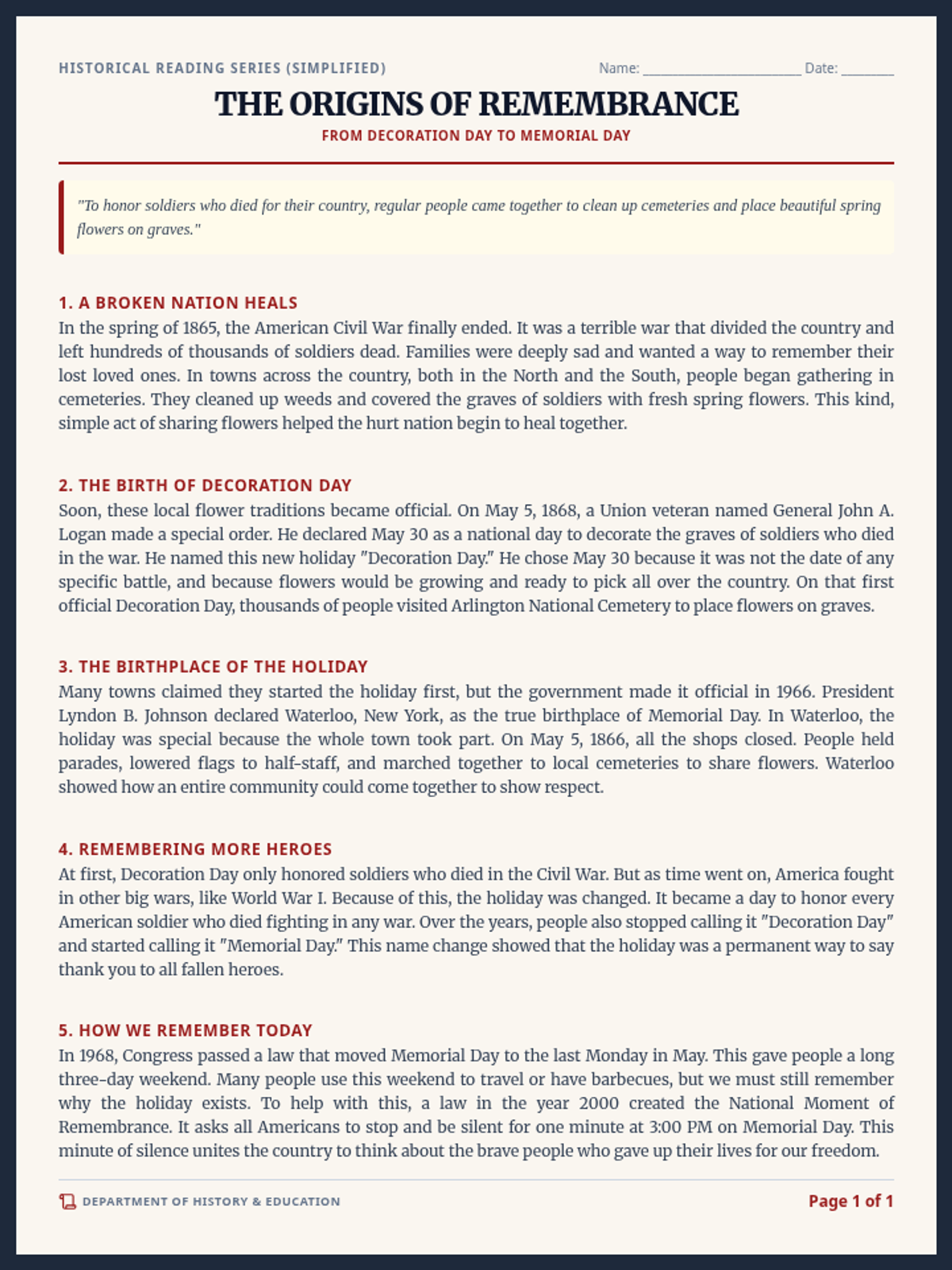
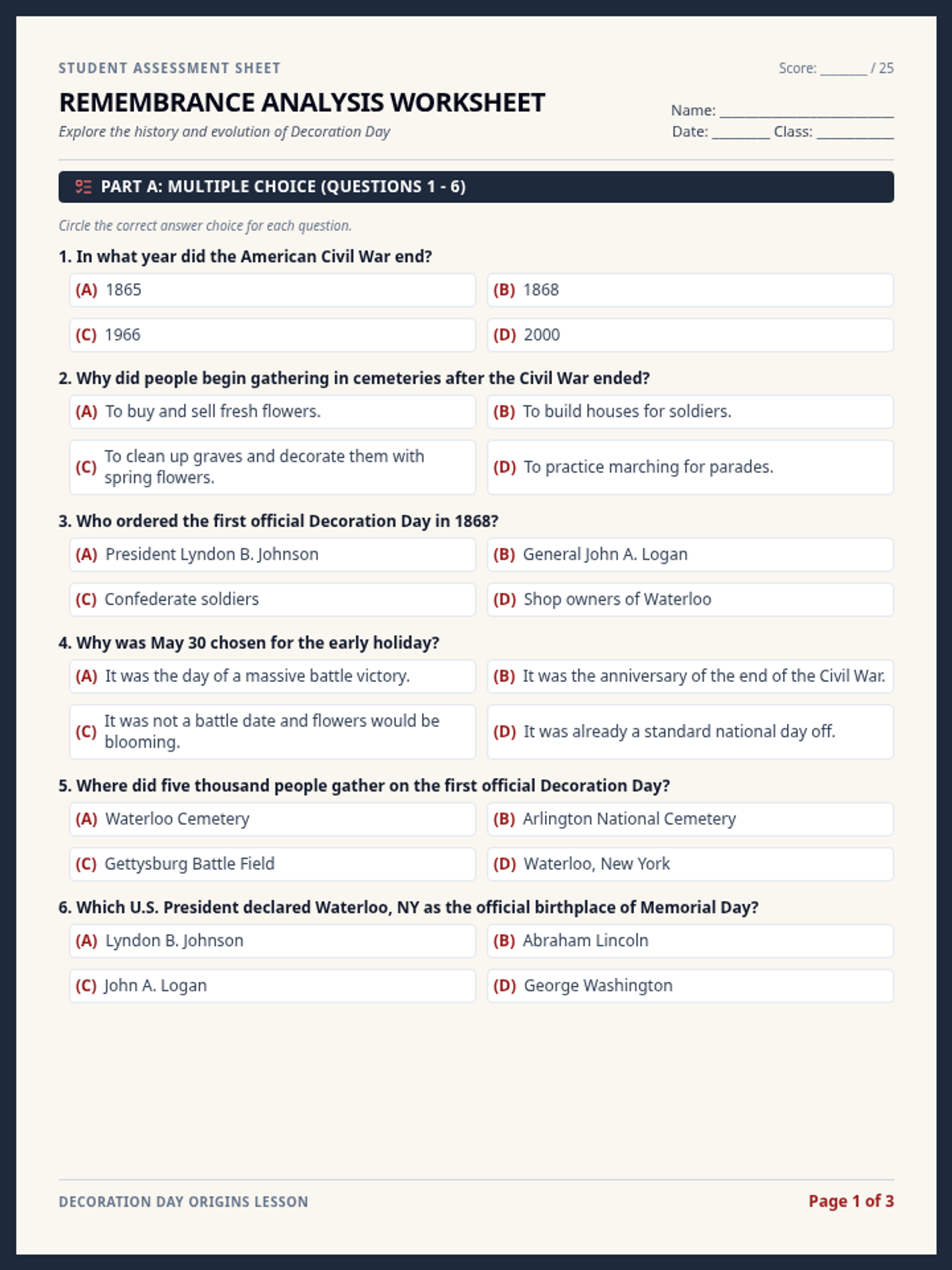
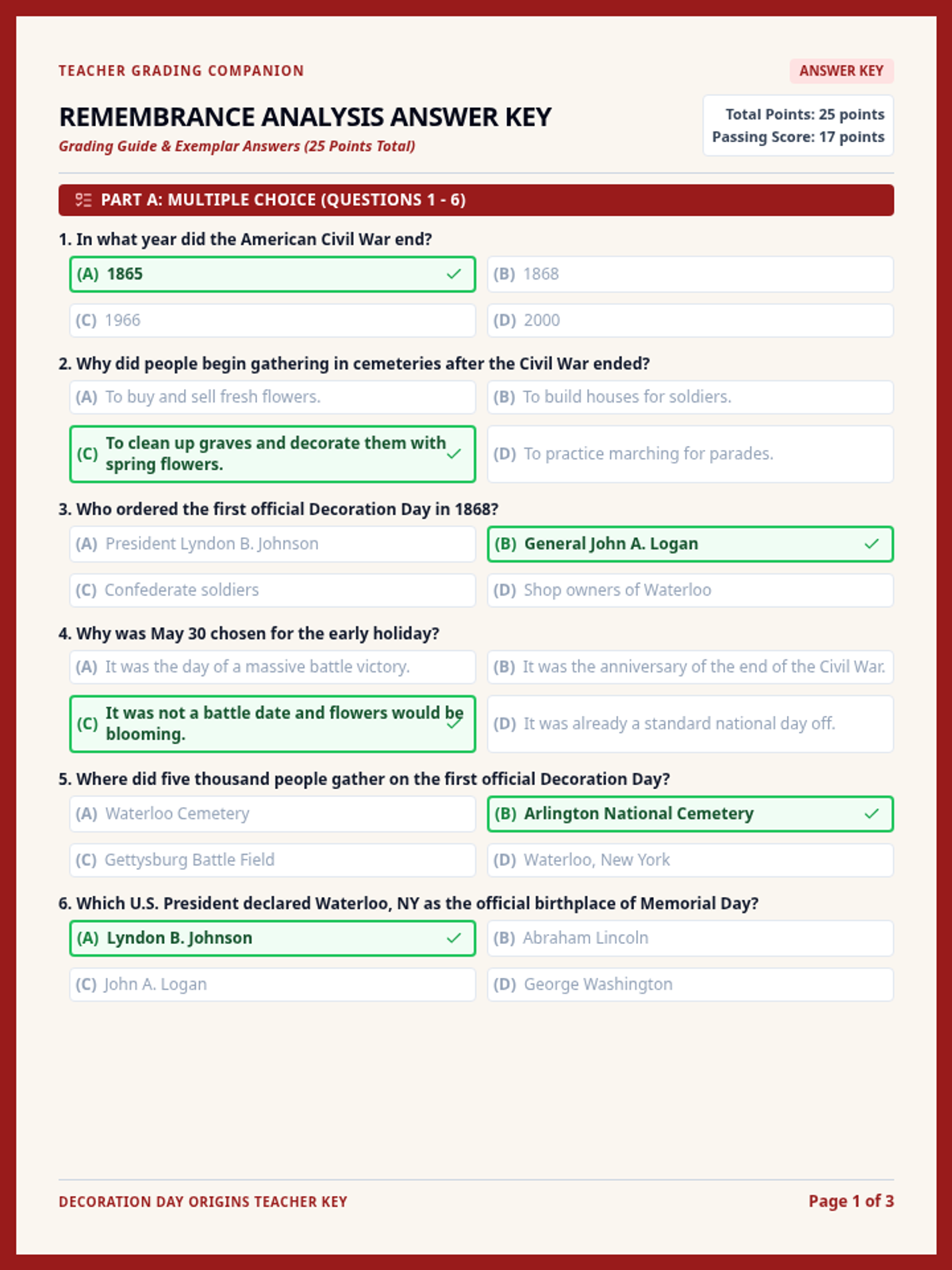
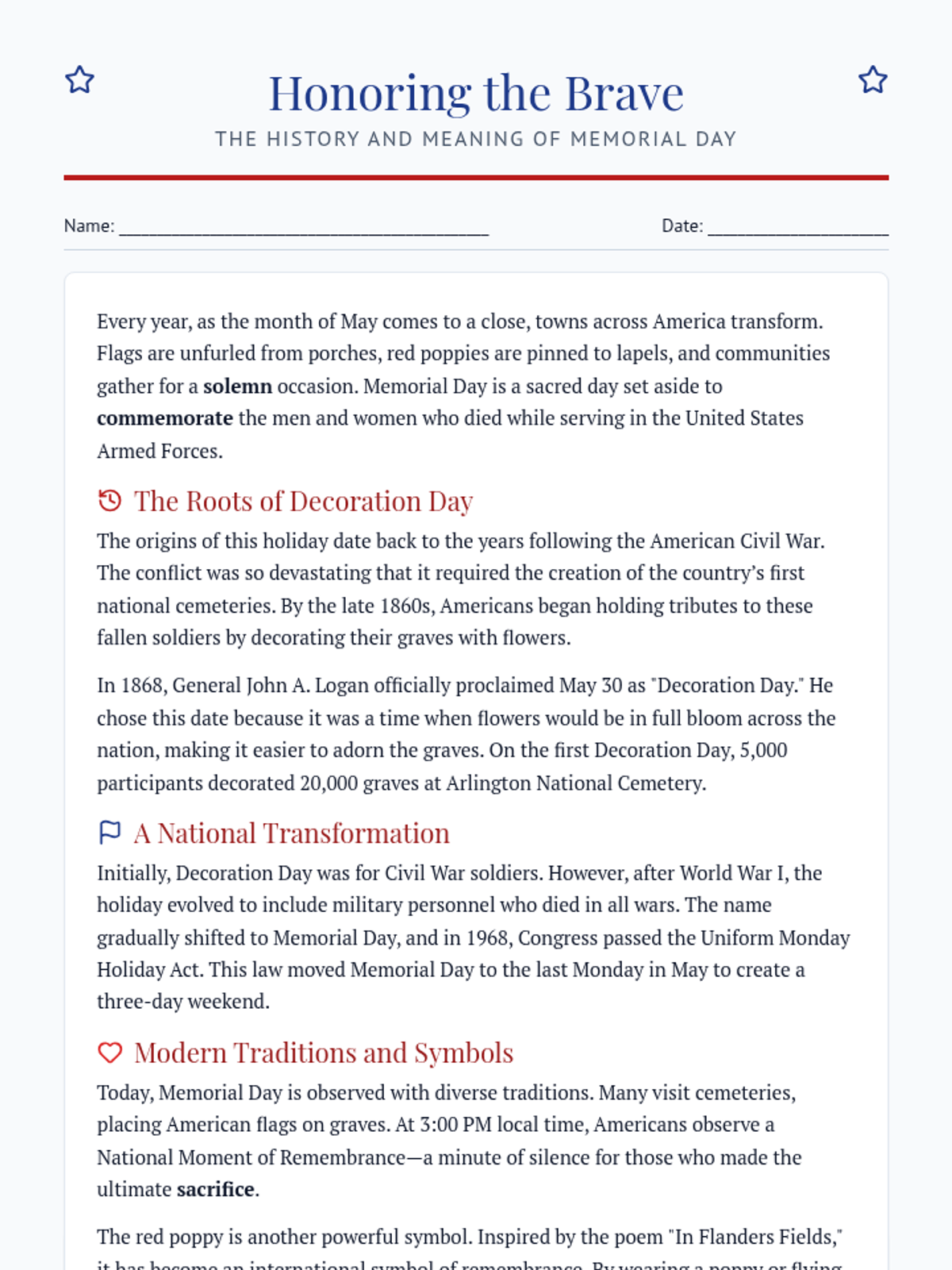
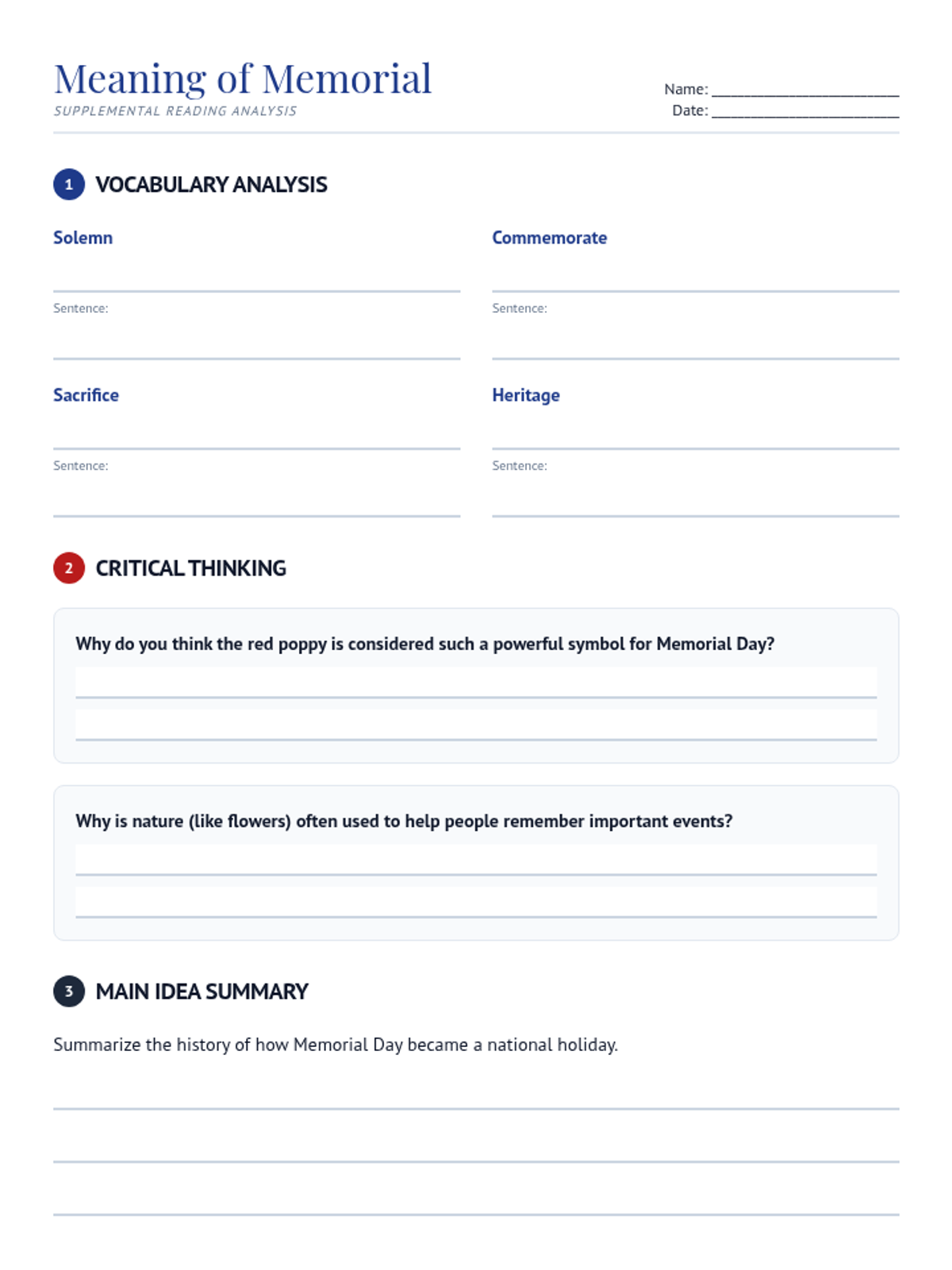
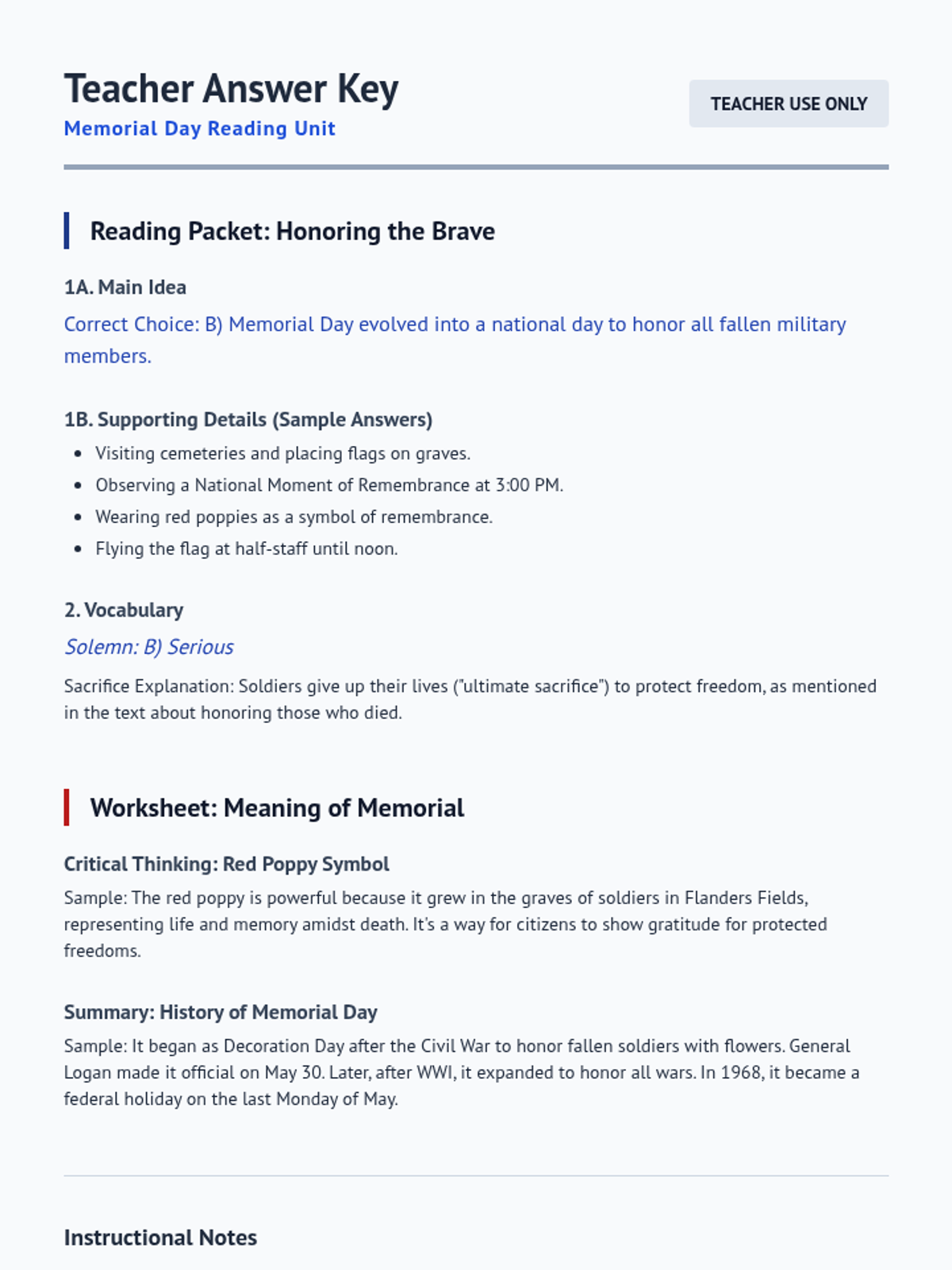
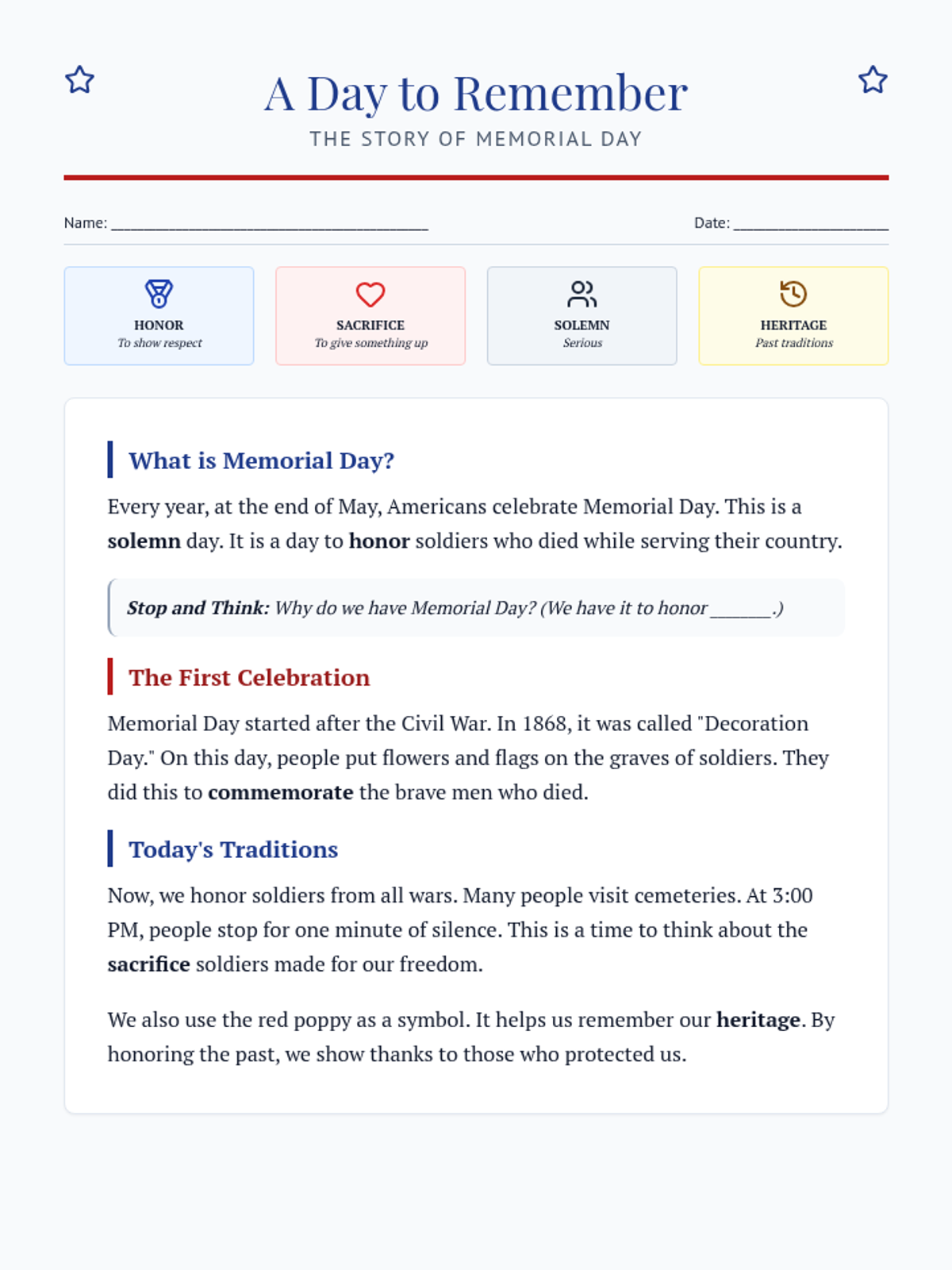
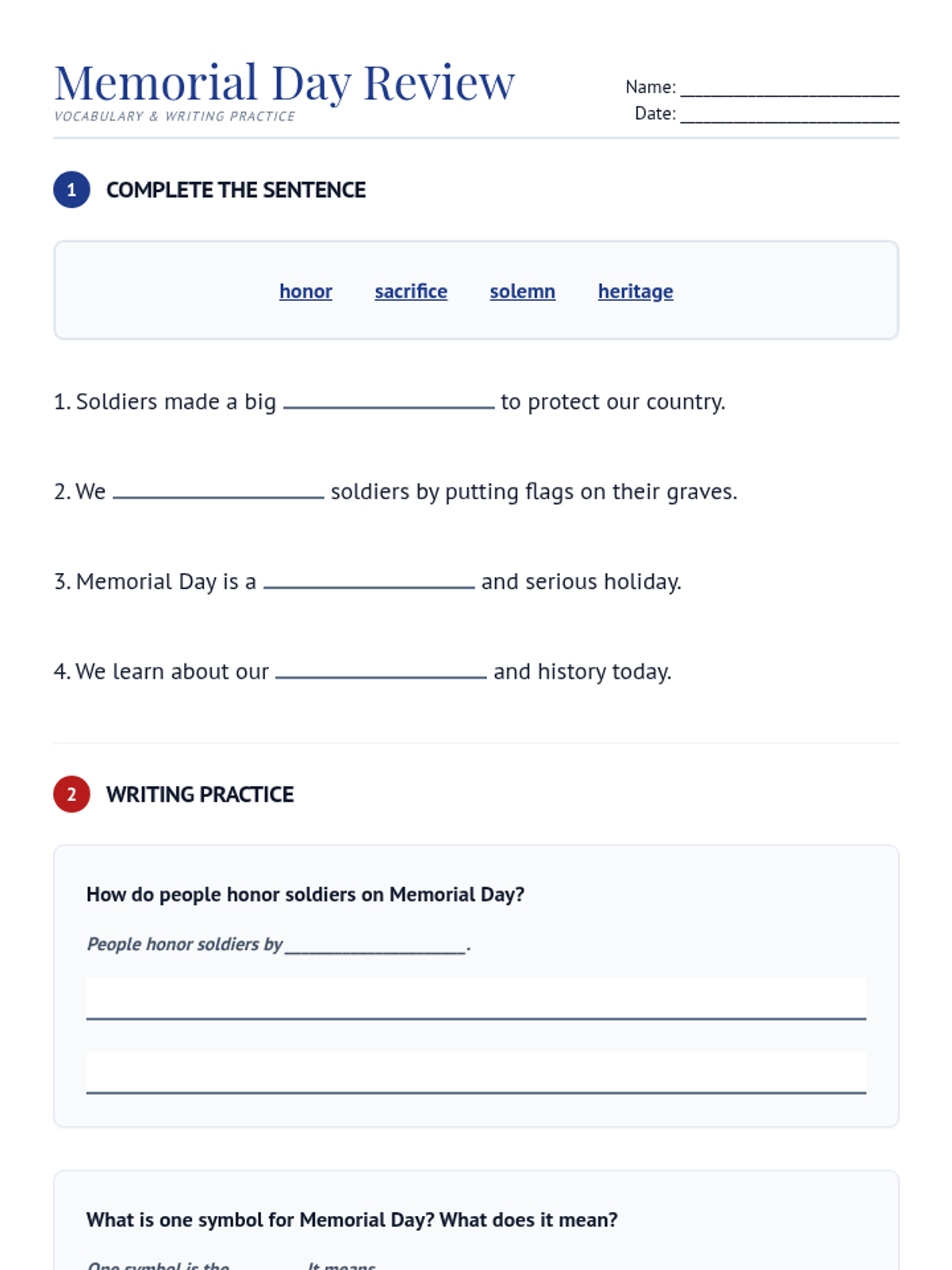
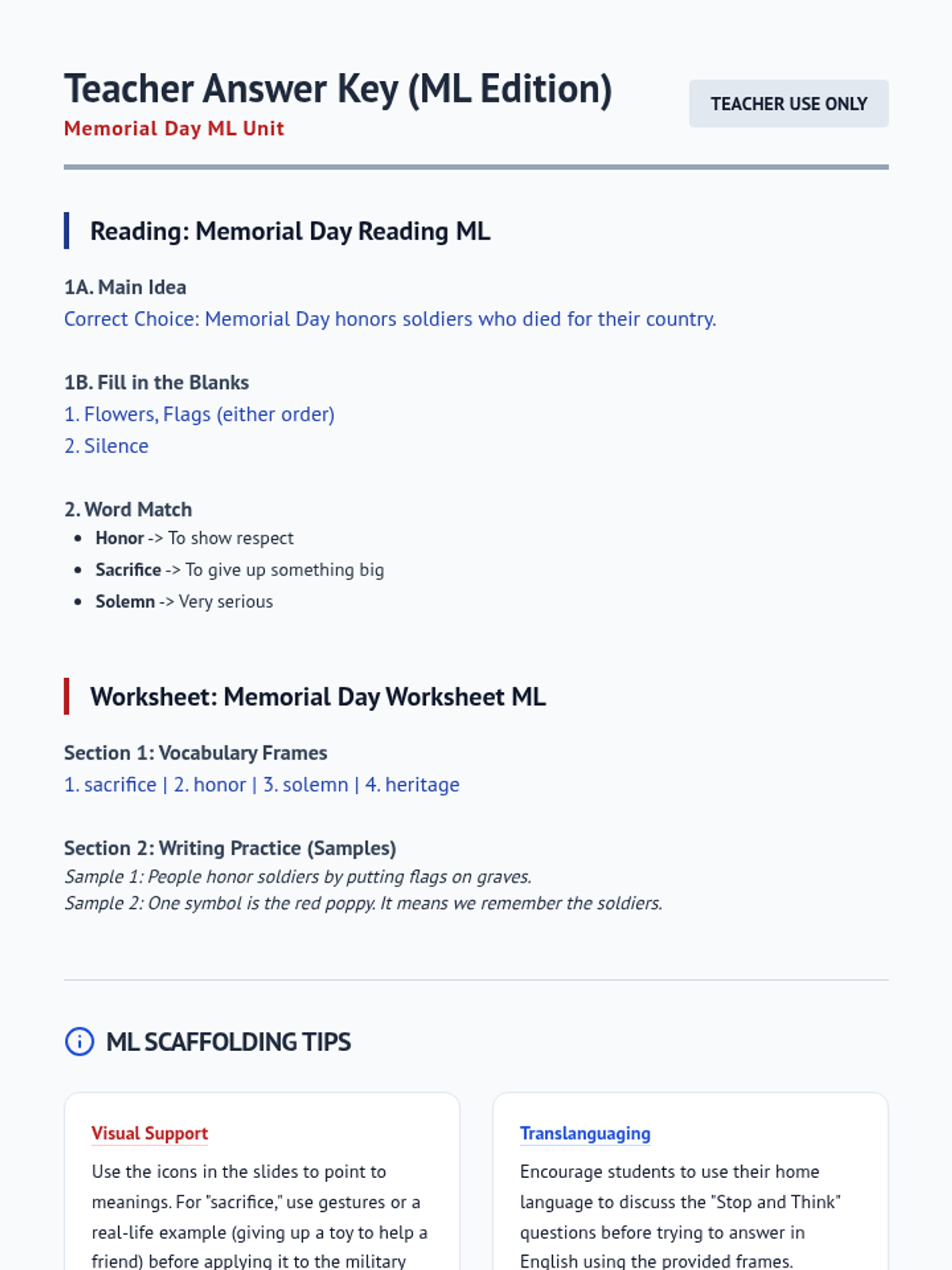
A history lesson exploring the post-Civil War origins of Memorial Day, starting as Decoration Day, and its evolution into a national day of remembrance. Students read a 5-paragraph passage and complete comprehension activities.
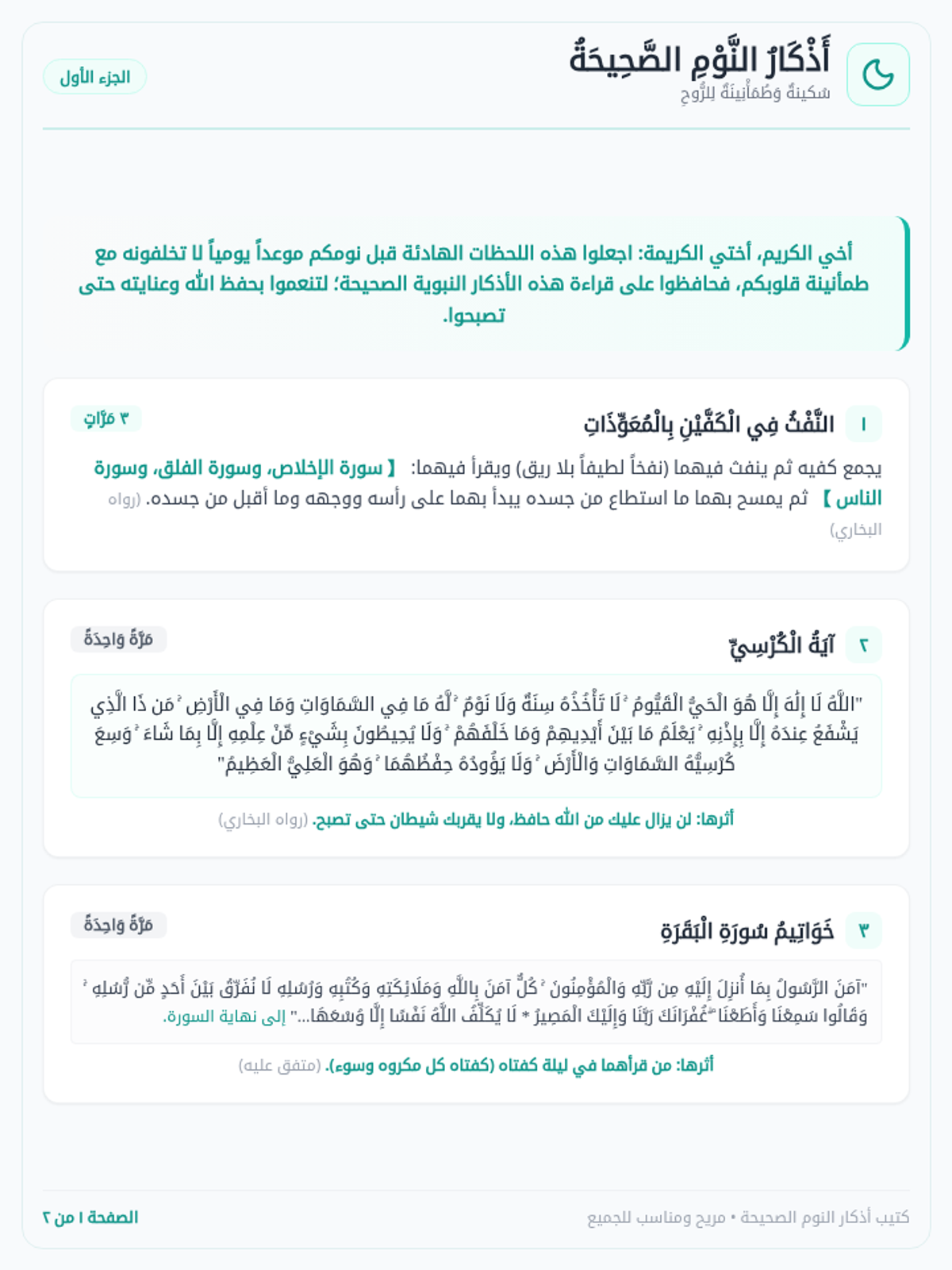
أذكار النوم الصحيحة من السنة النبوية الشريفة مصممة بأسلوب عصري وألوان مهدئة للعين (الرمادي والتركواز الفاتح) لتسهيل القراءة والتصفح اليومي قبل النوم.
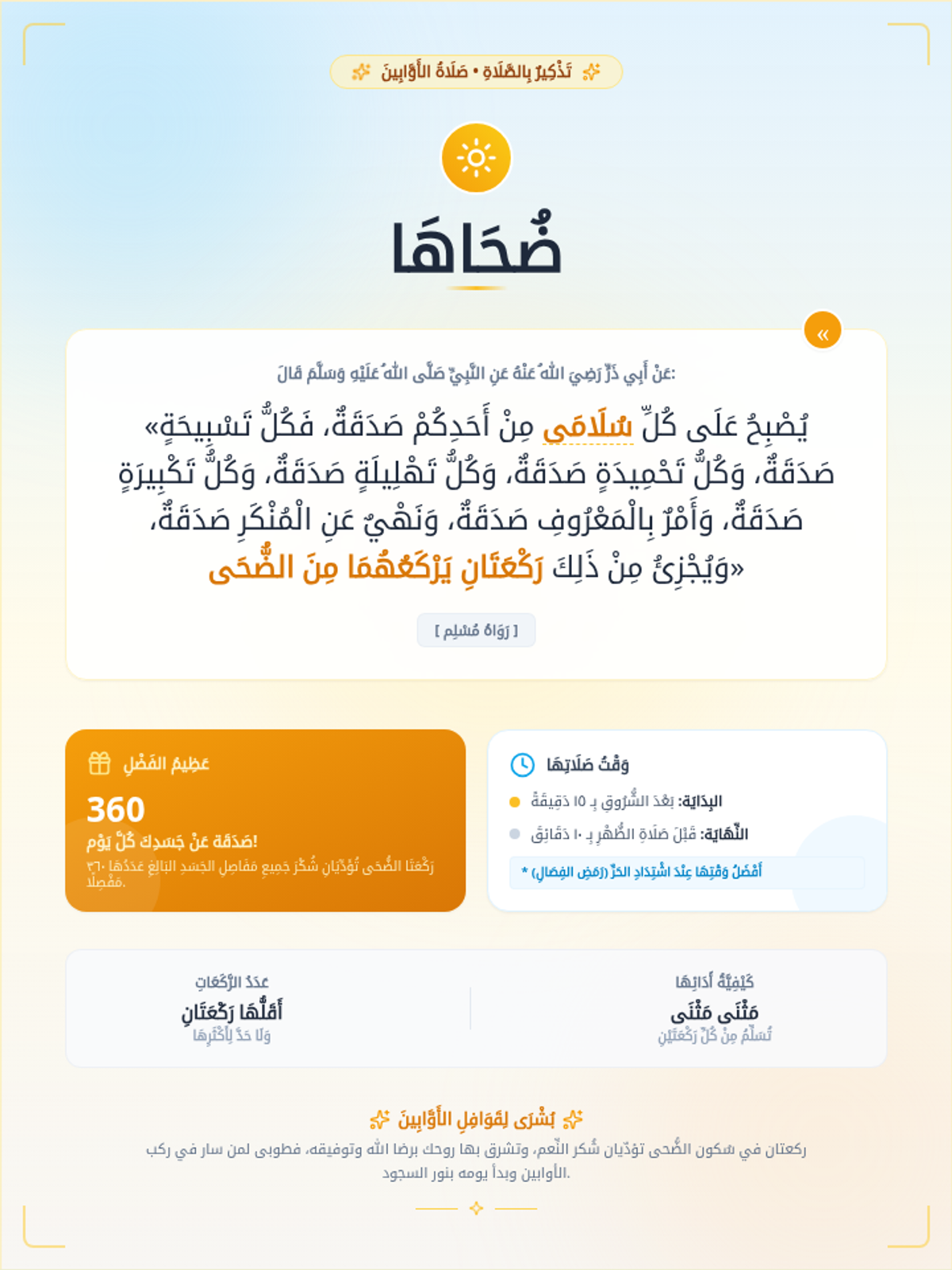
A lesson focusing on daily spiritual habits, providing beautifully designed reminder cards and resources for students and teachers to cultivate consistent worship.
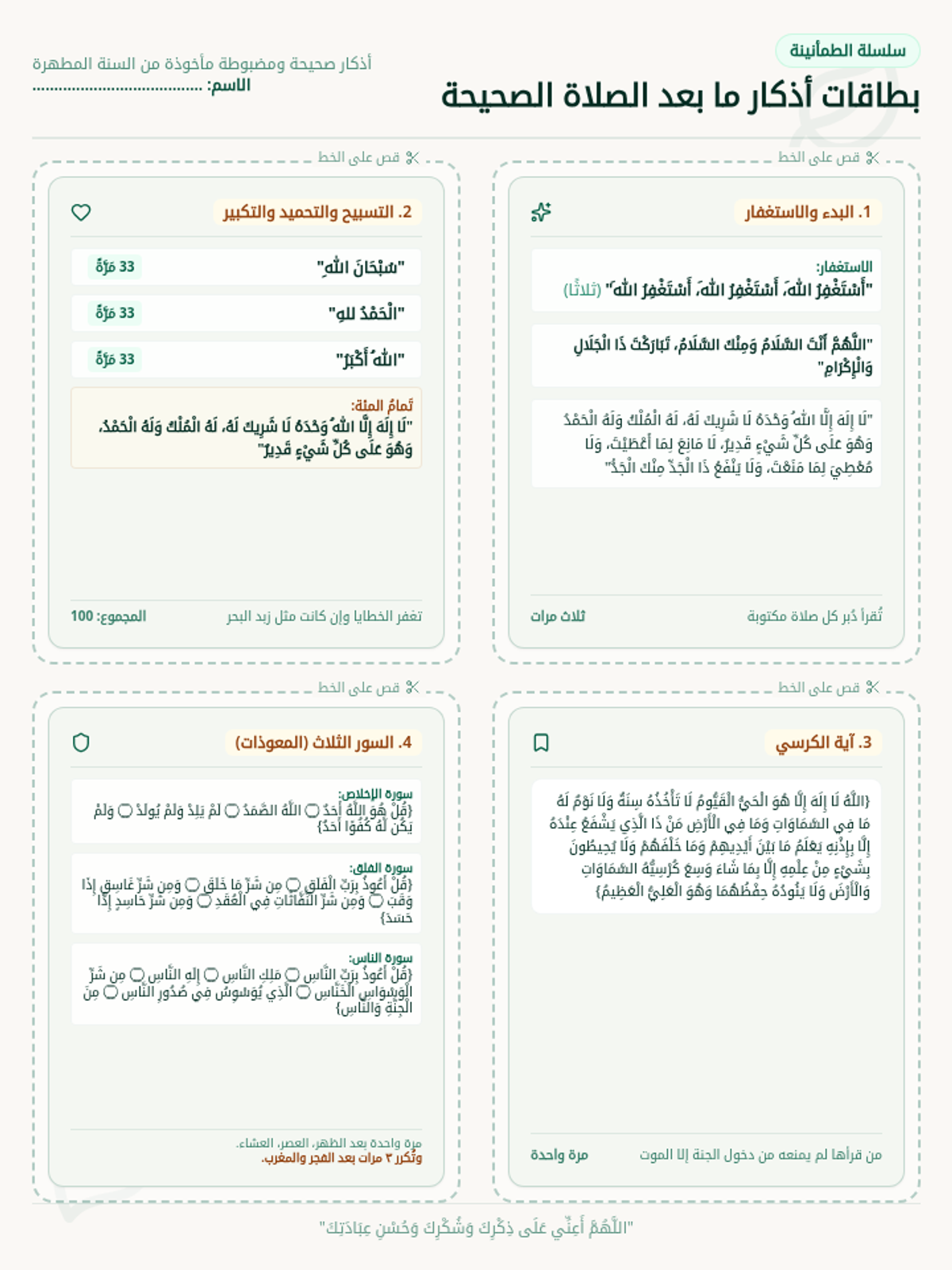
مجموعة تعليمية مصممة لمساعدة الطلاب على حفظ وتطبيق أذكار ما بعد الصلاة اليومية بيسر وطمأنينة.
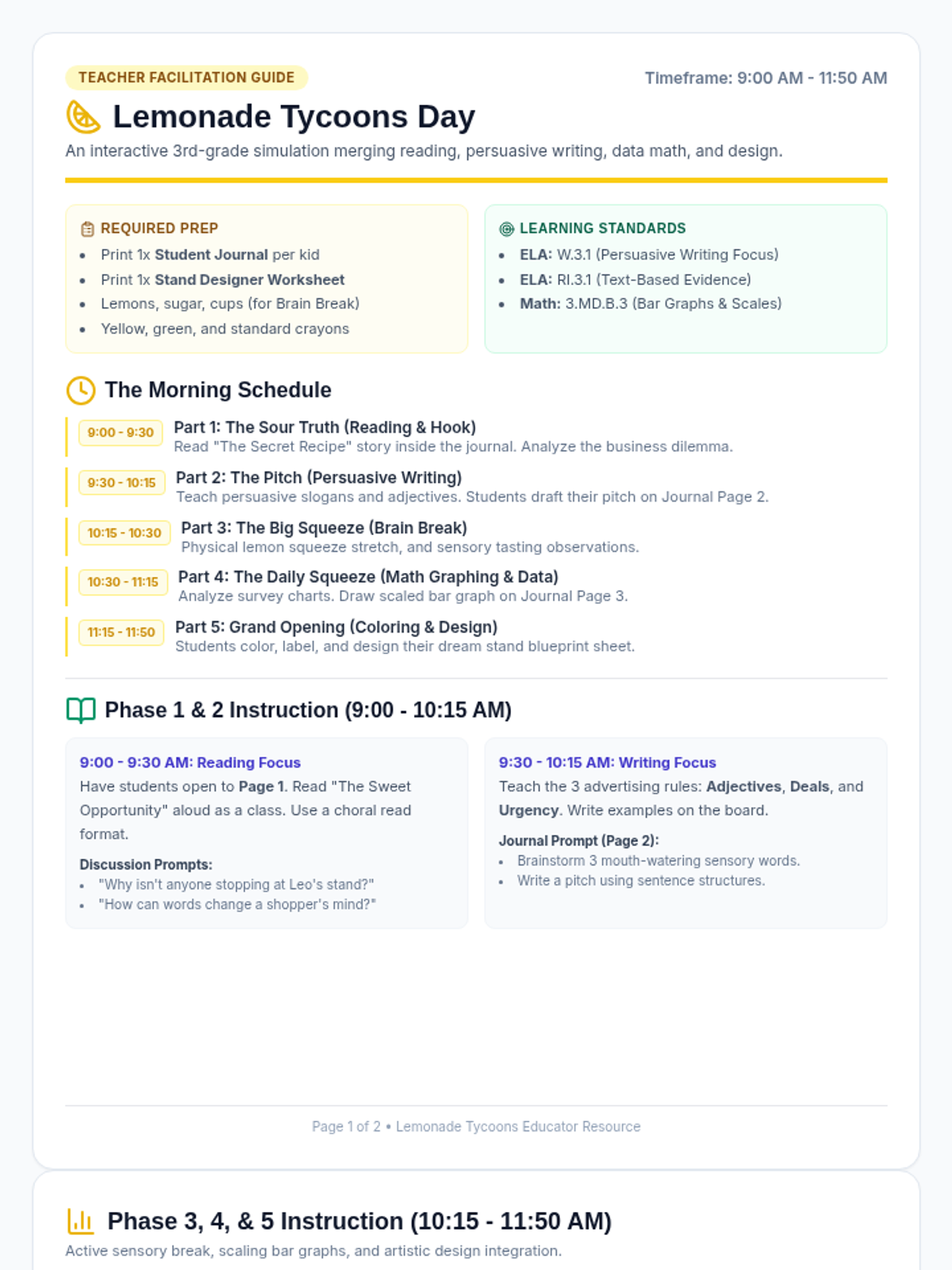
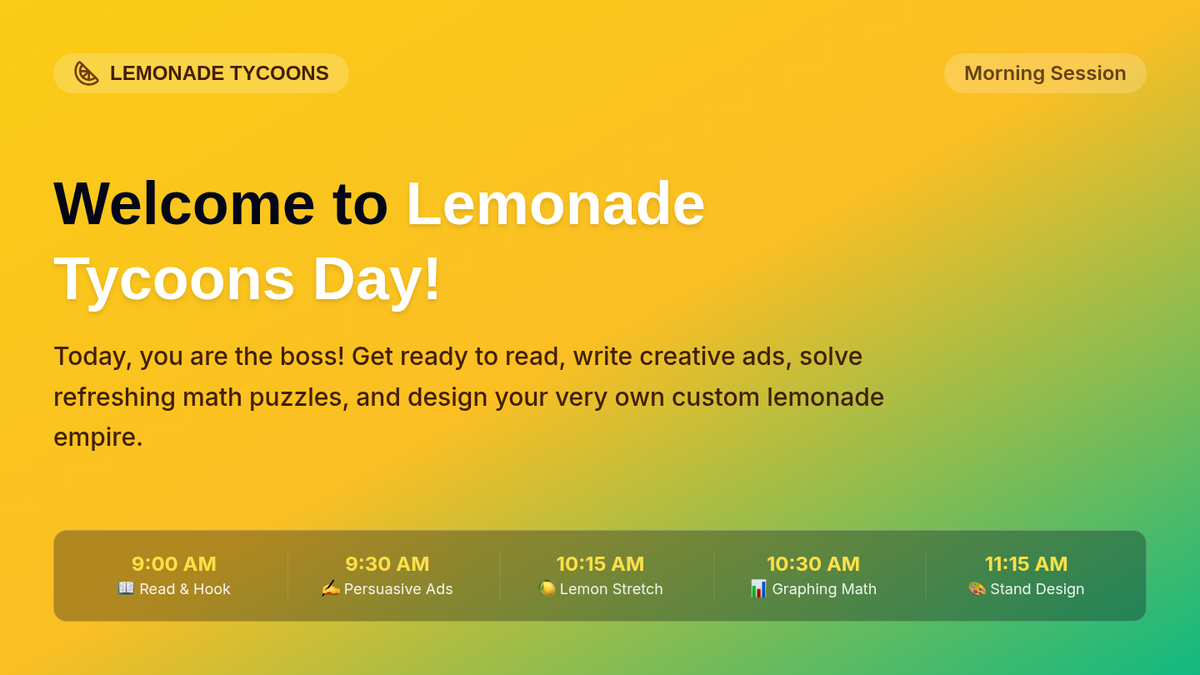
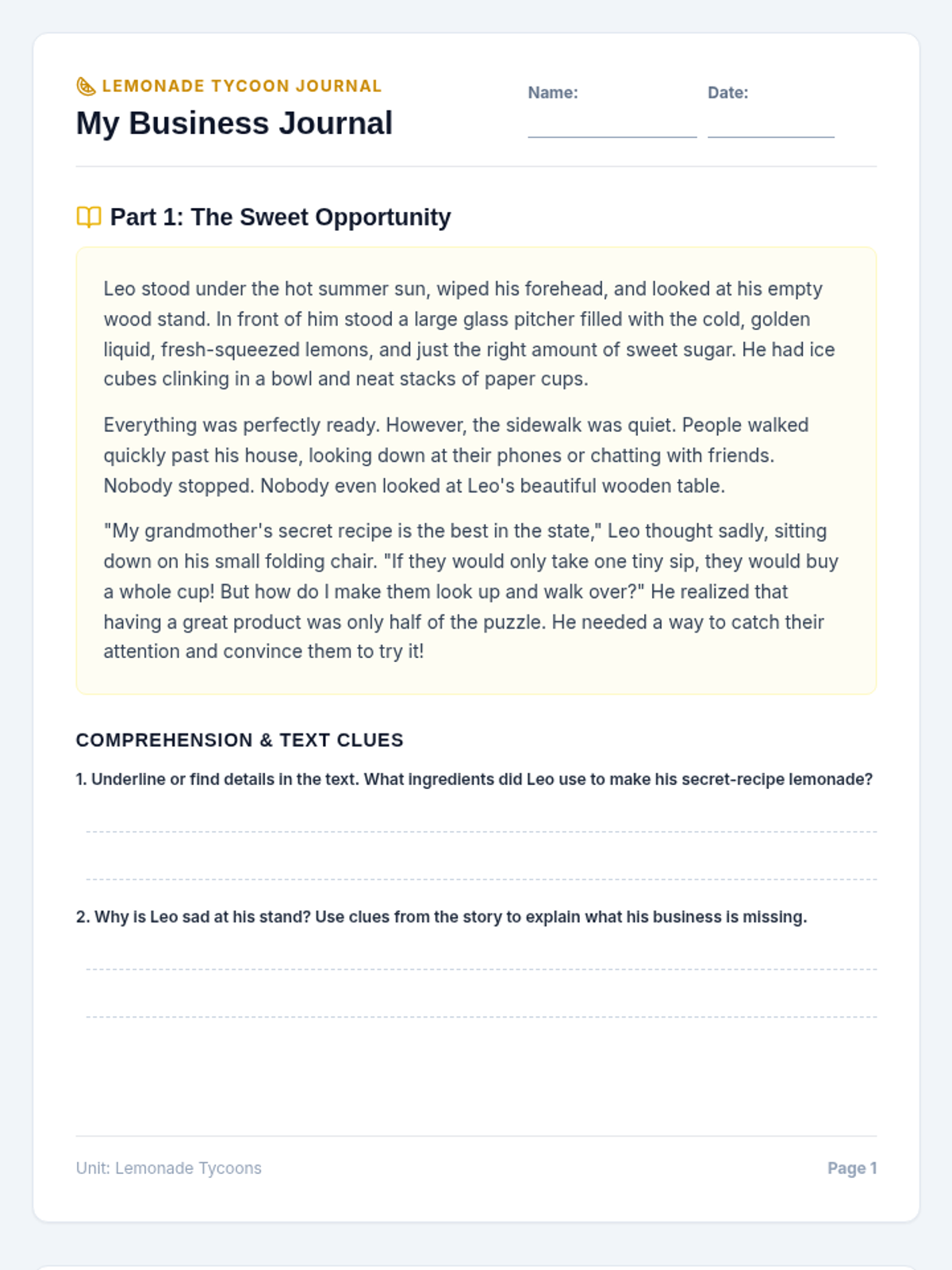
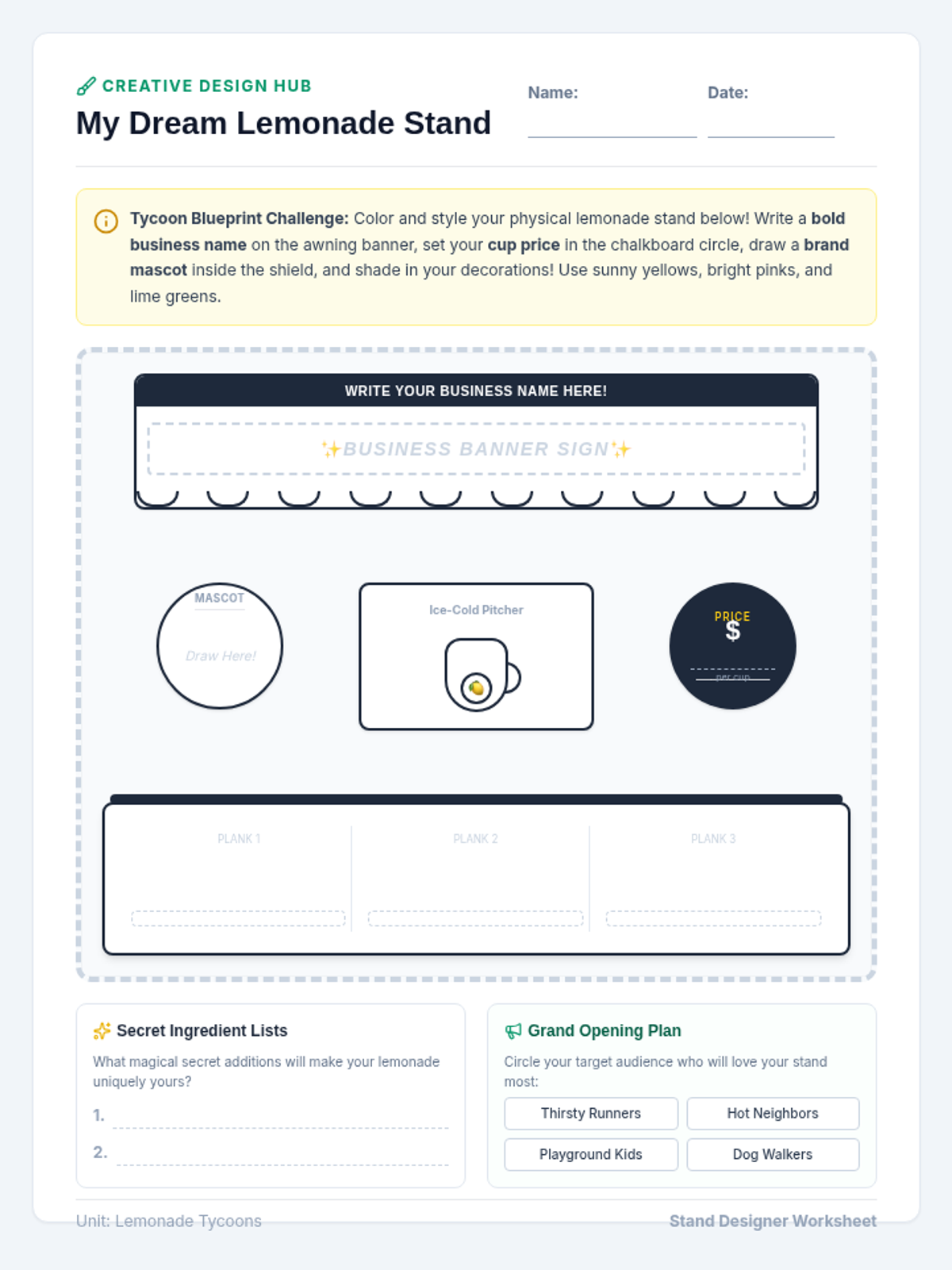
A comprehensive, interdisciplinary half-day program designed to transform 3rd graders into interactive business owners while practicing persuasive writing, graphing and data math, and visual design.
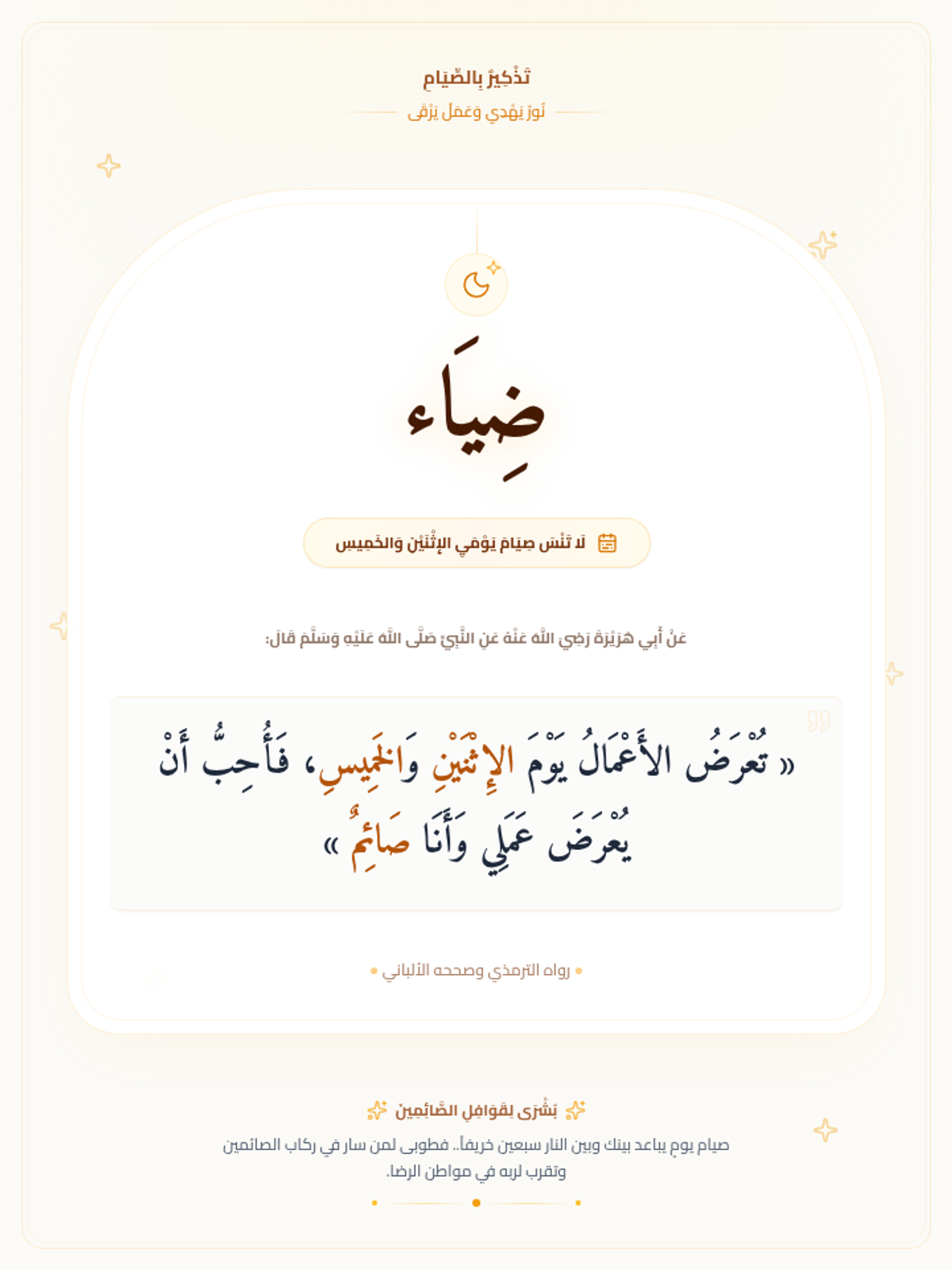
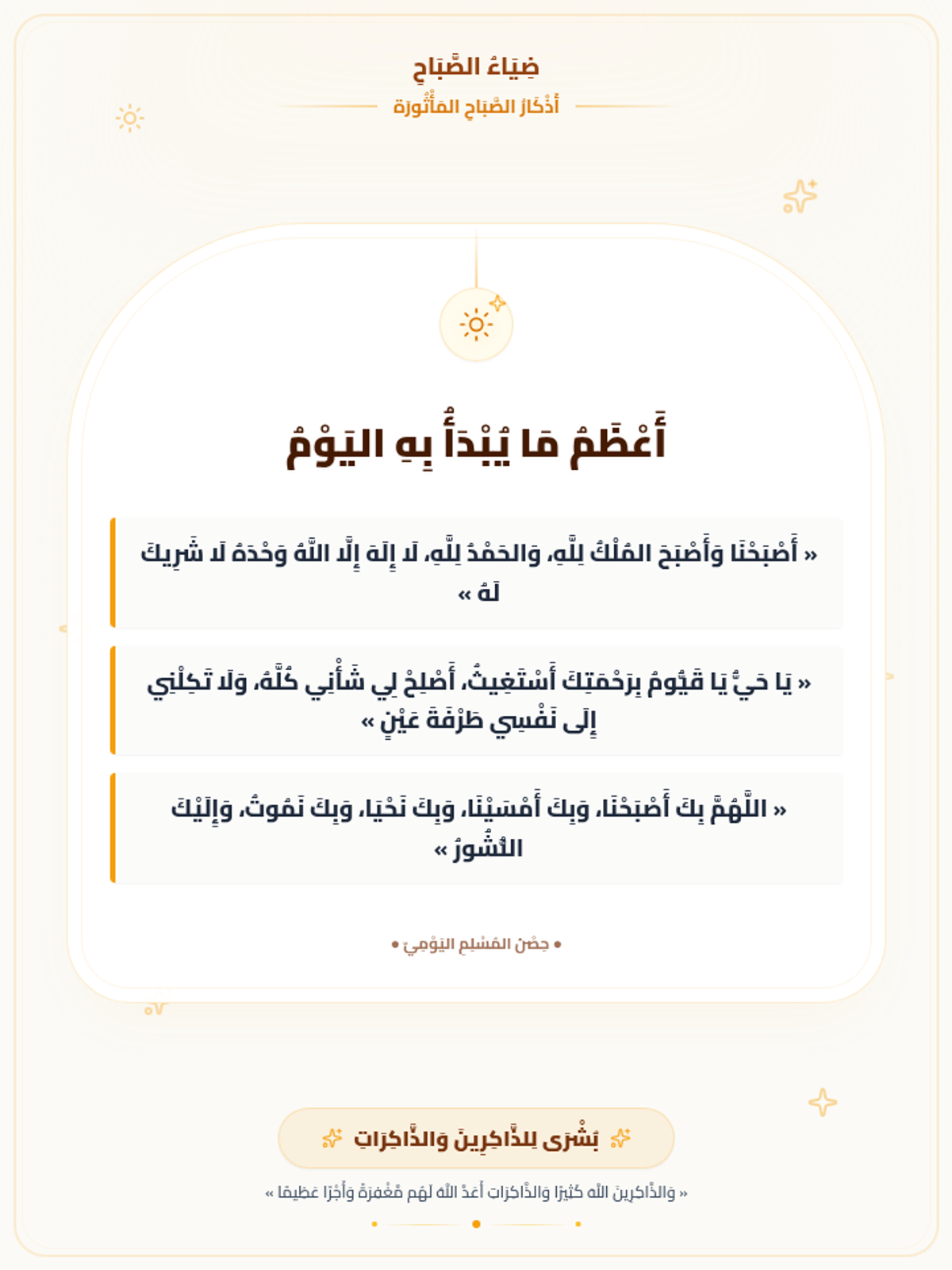
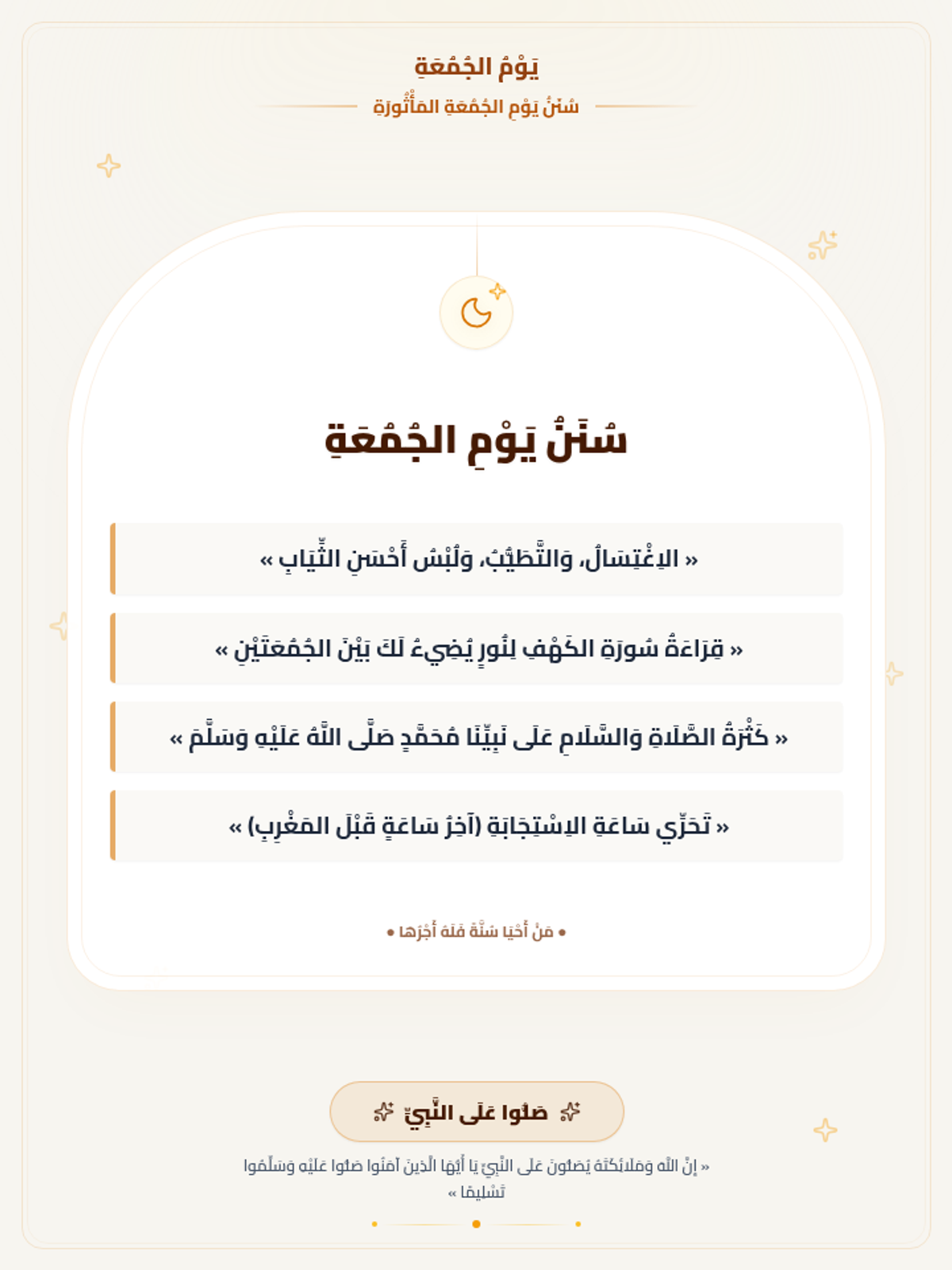
A premium, cohesive collection of beautifully designed spiritual and religious reminders for daily, weekly, and seasonal practices, featuring high-contrast connected Arabic typography, elegant arches, and glowing celestial themes.
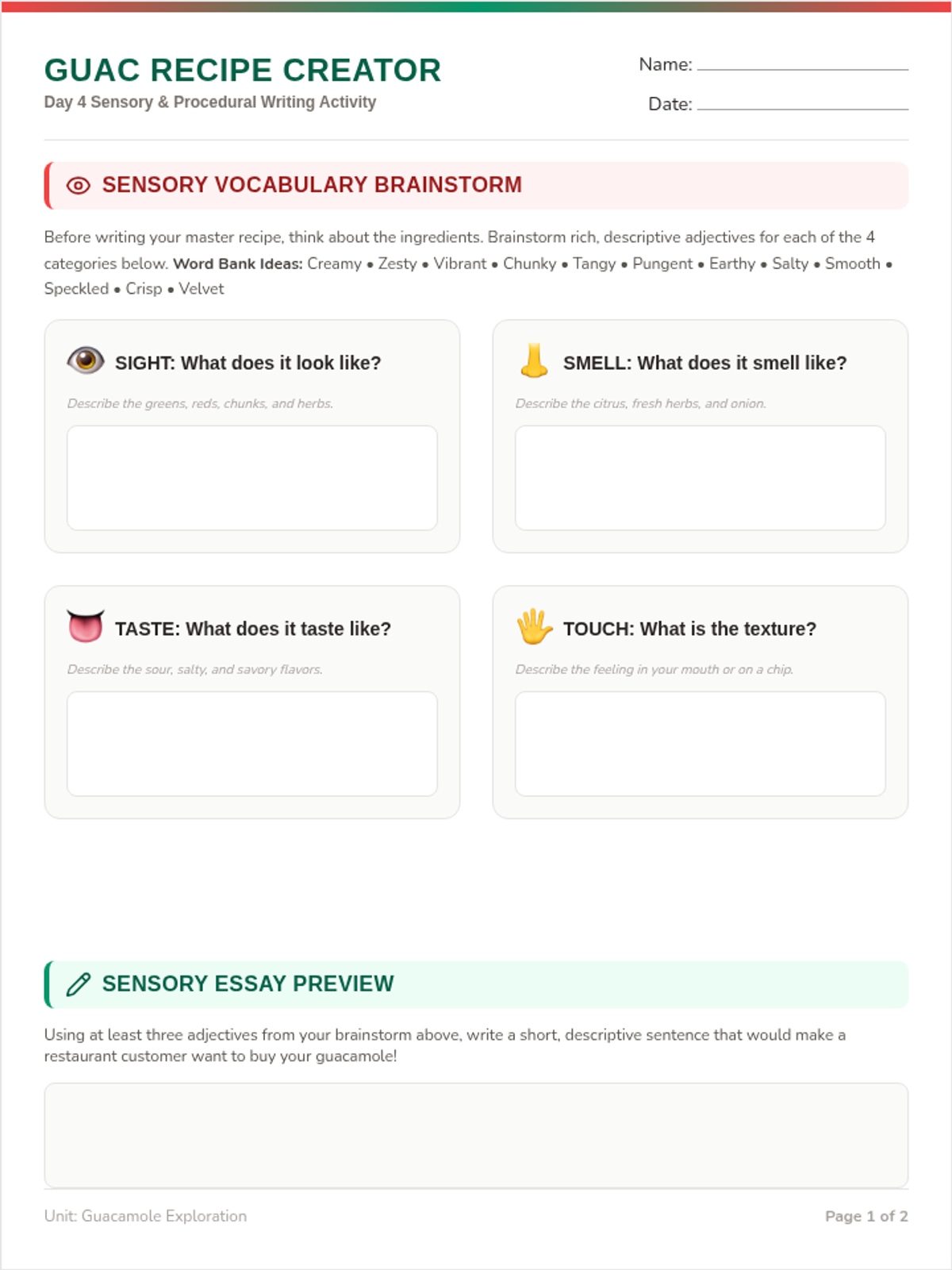
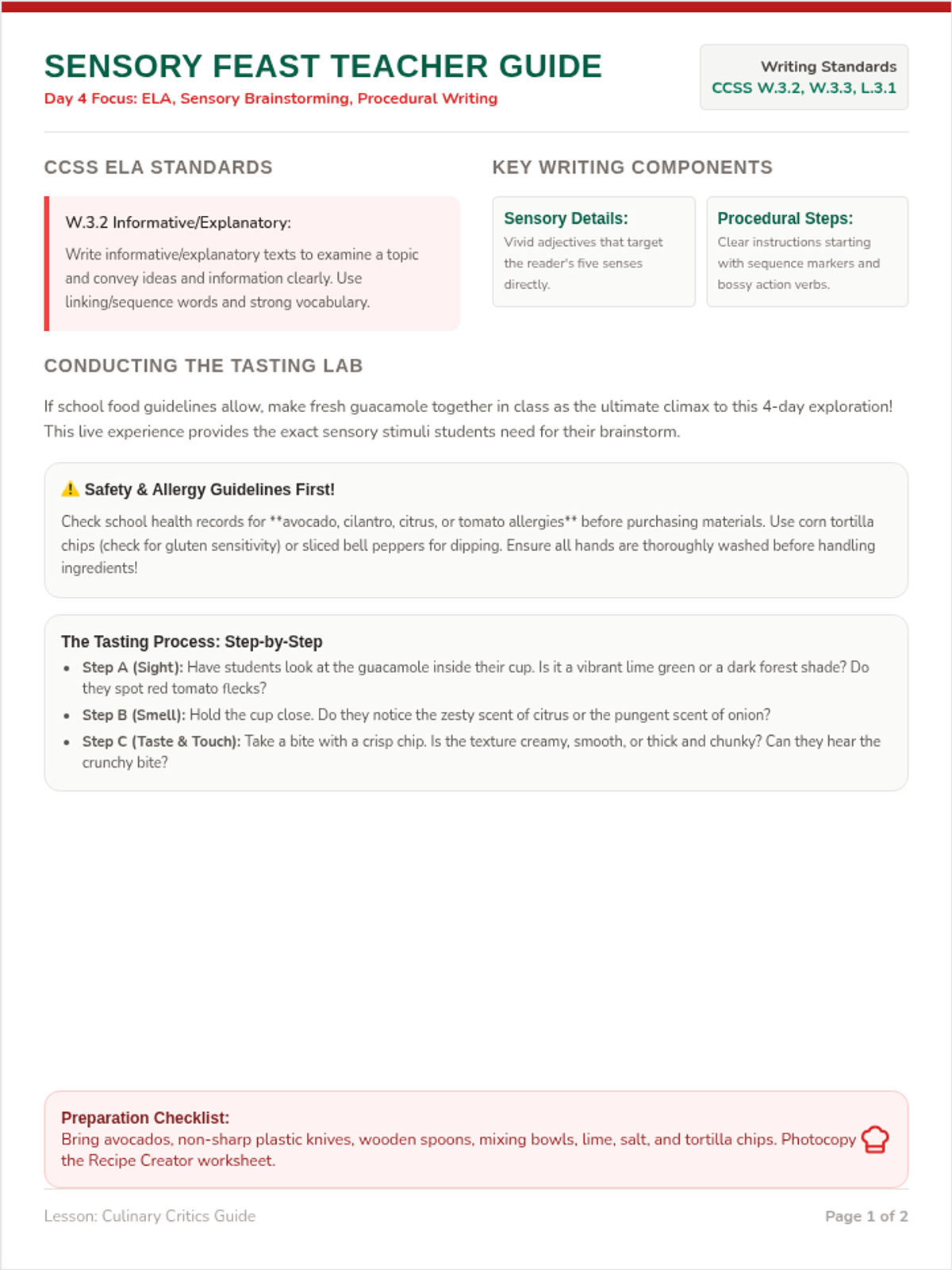
Unleash sensory and procedural writing skills as students describe the taste, texture, and aroma of guacamole and write their own step-by-step master recipe.
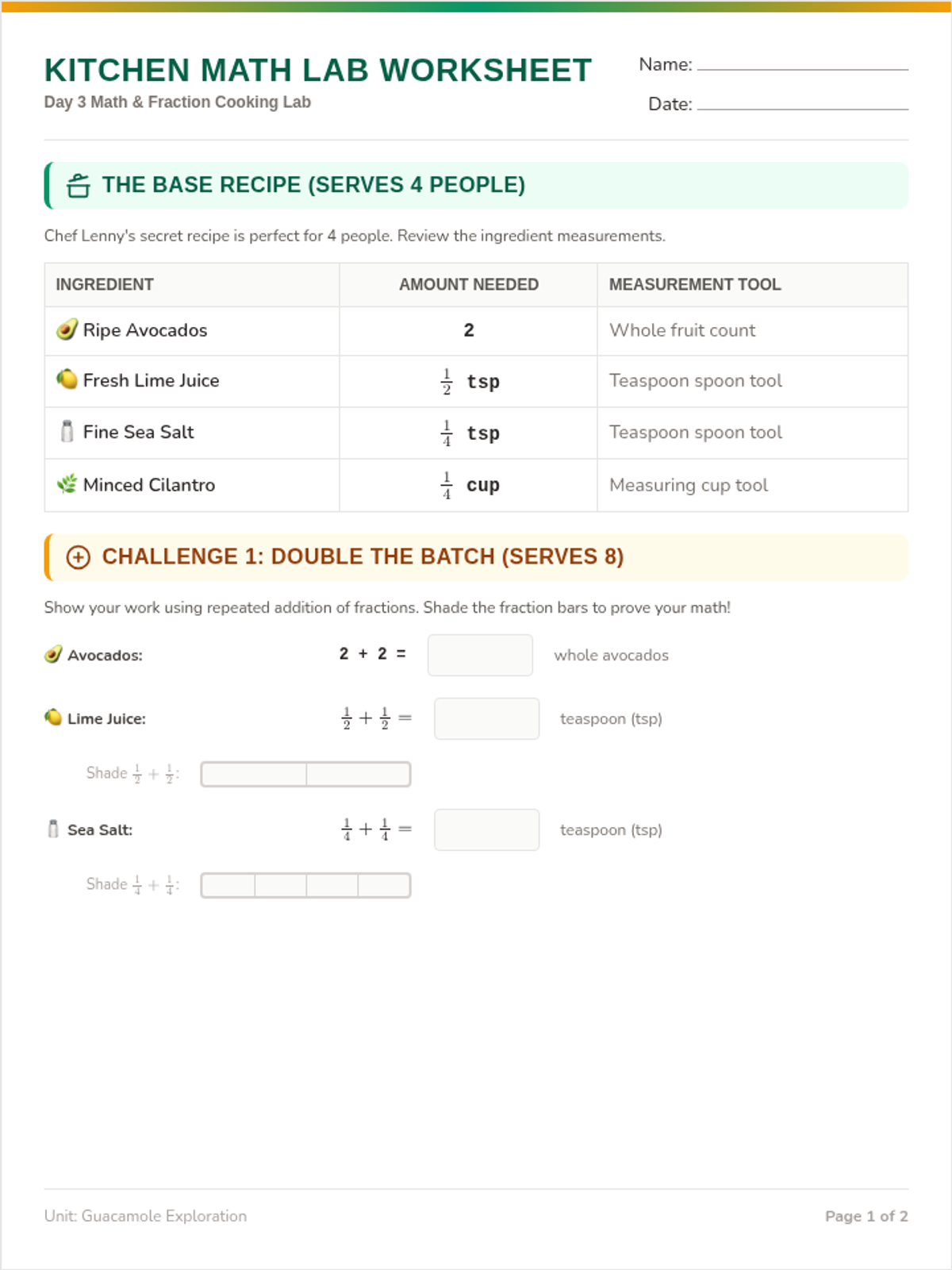
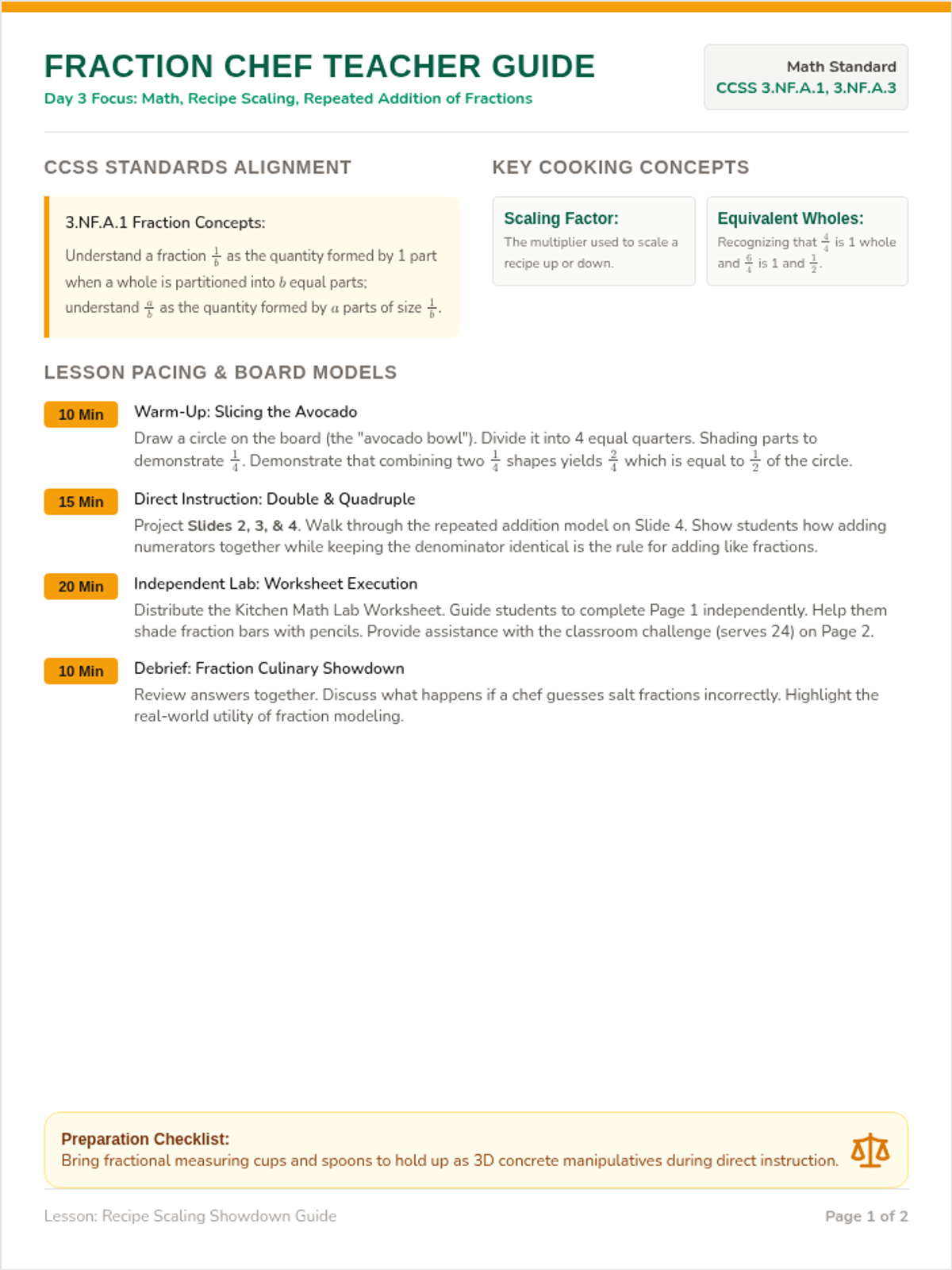
Scale a delicious guacamole recipe using fraction models, addition, and multiplication to feed various group sizes, focusing on measurement units.
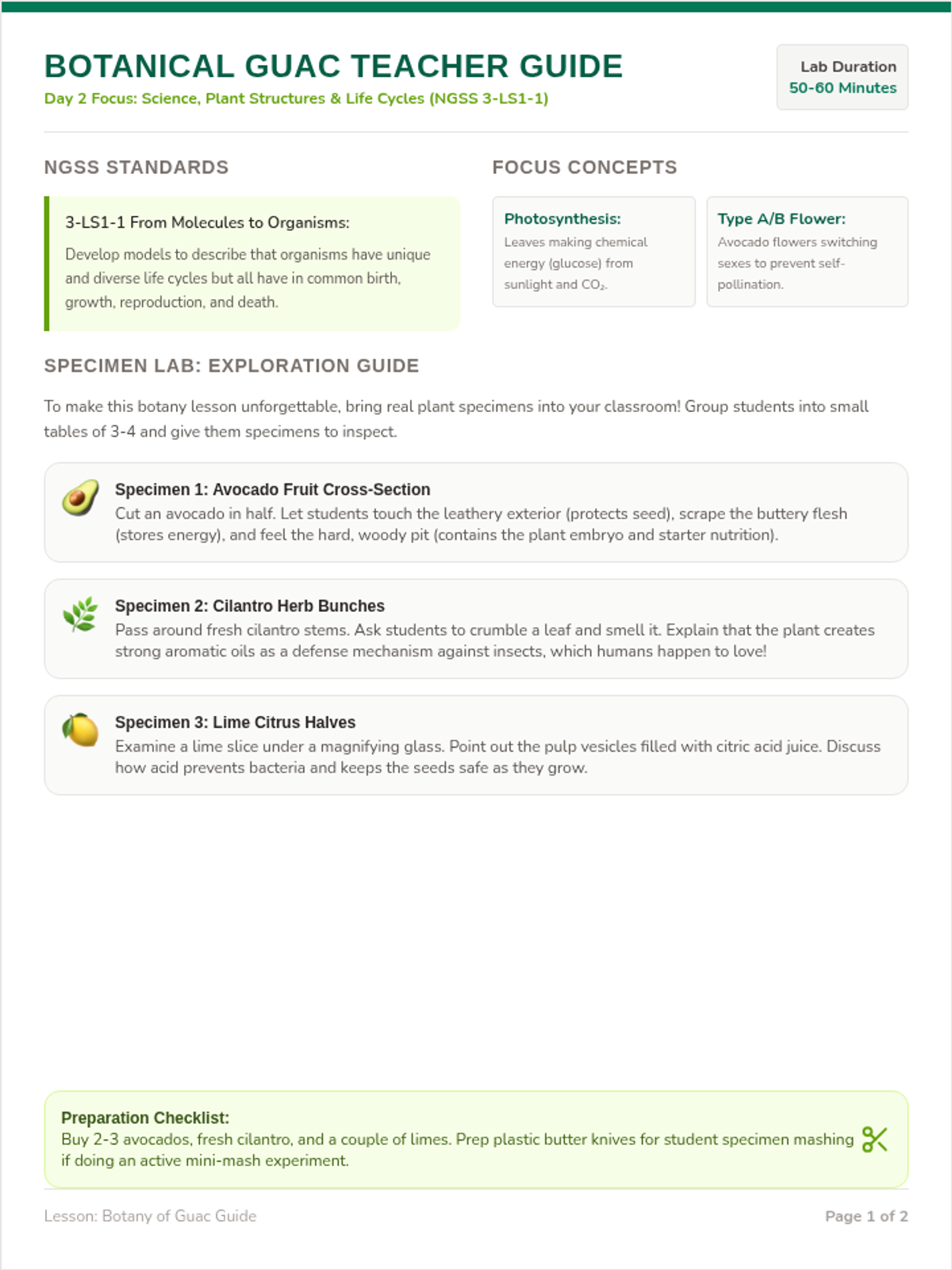
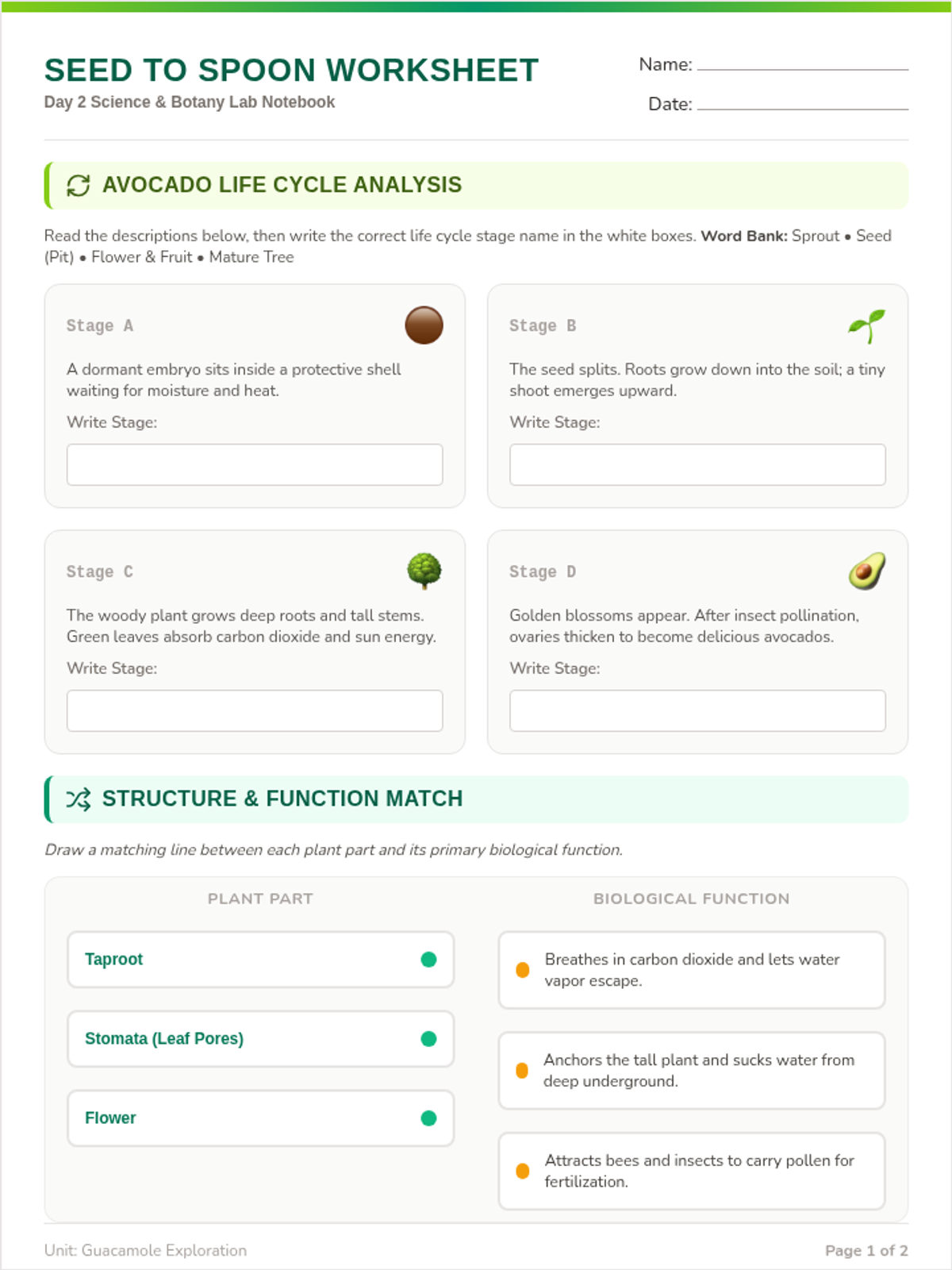
Investigate the plant life cycle and physical structures of avocados, limes, cilantro, and tomatoes to understand how green plants grow and produce food.
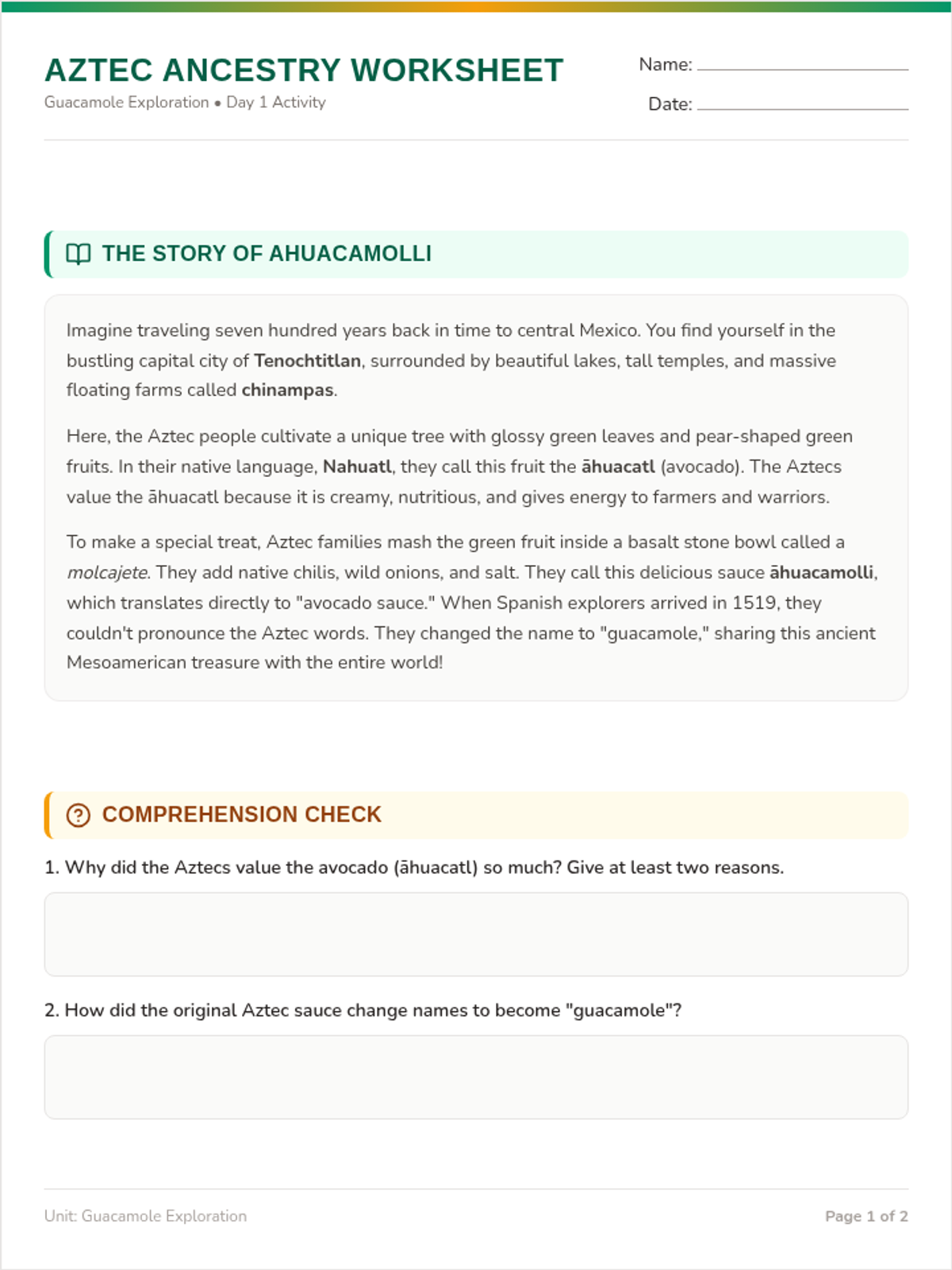
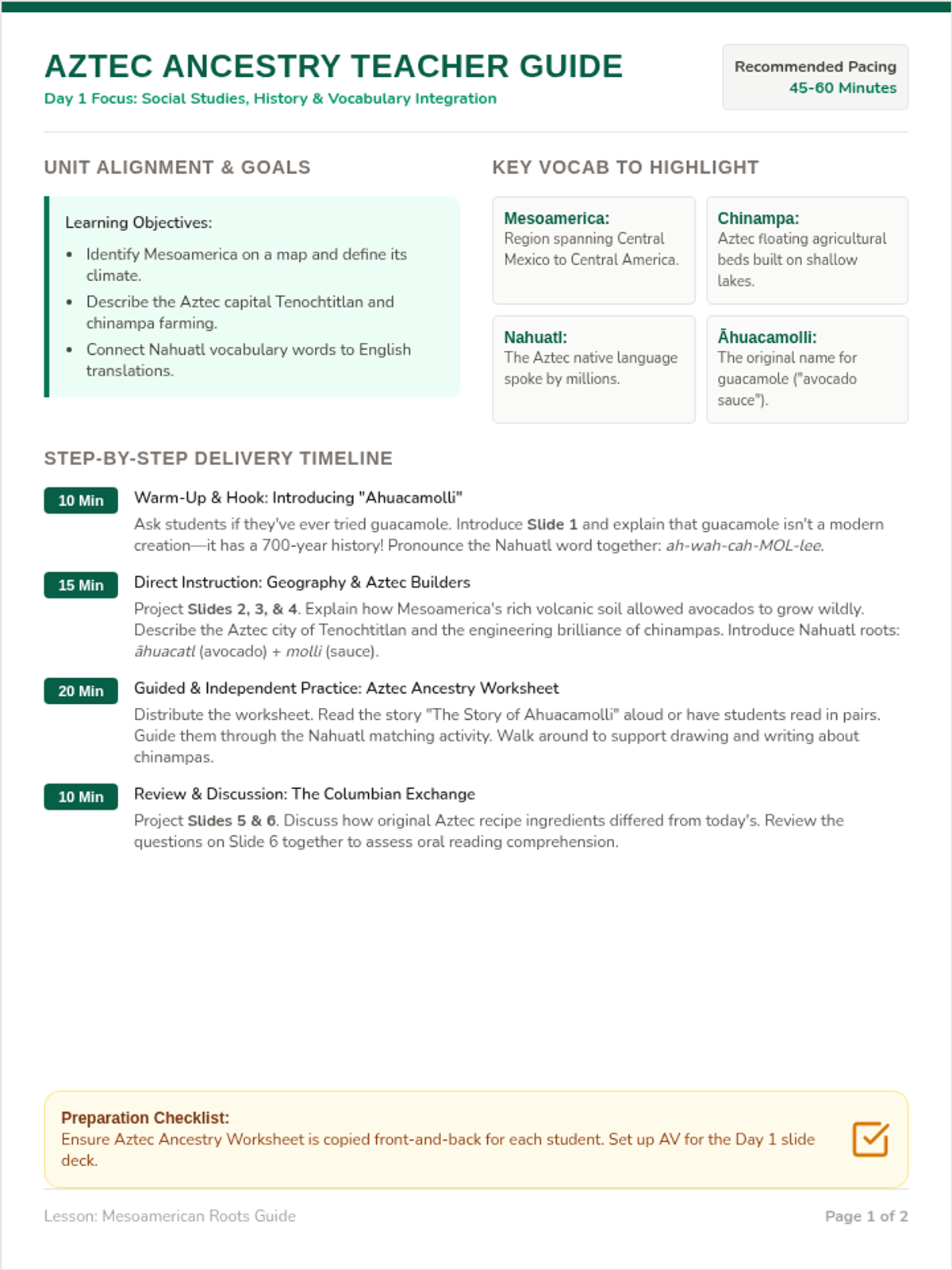
Explore the ancient Aztec roots of guacamole, mapping its geographic journey and analyzing historical texts to understand how this beloved dish came to be.
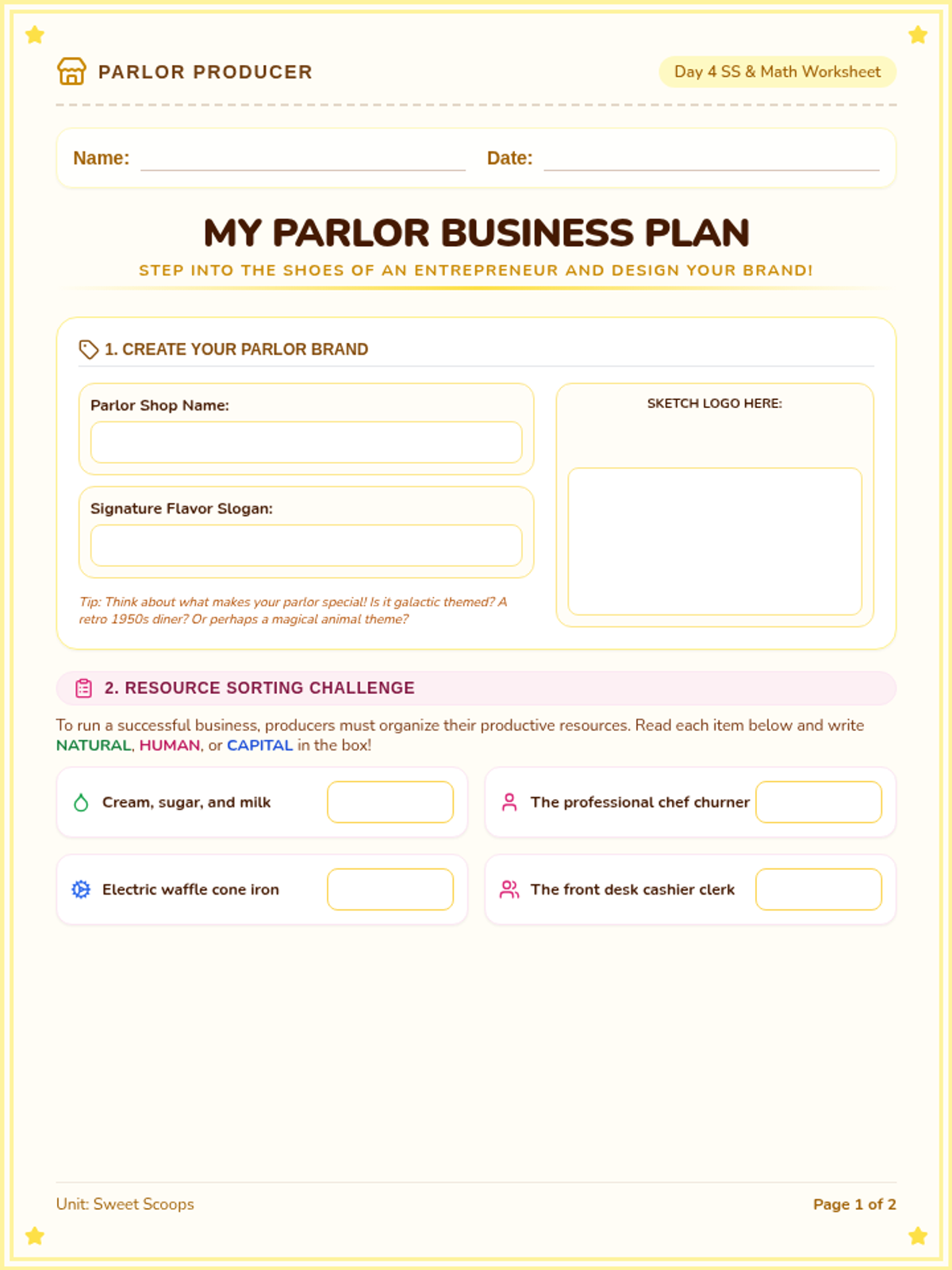
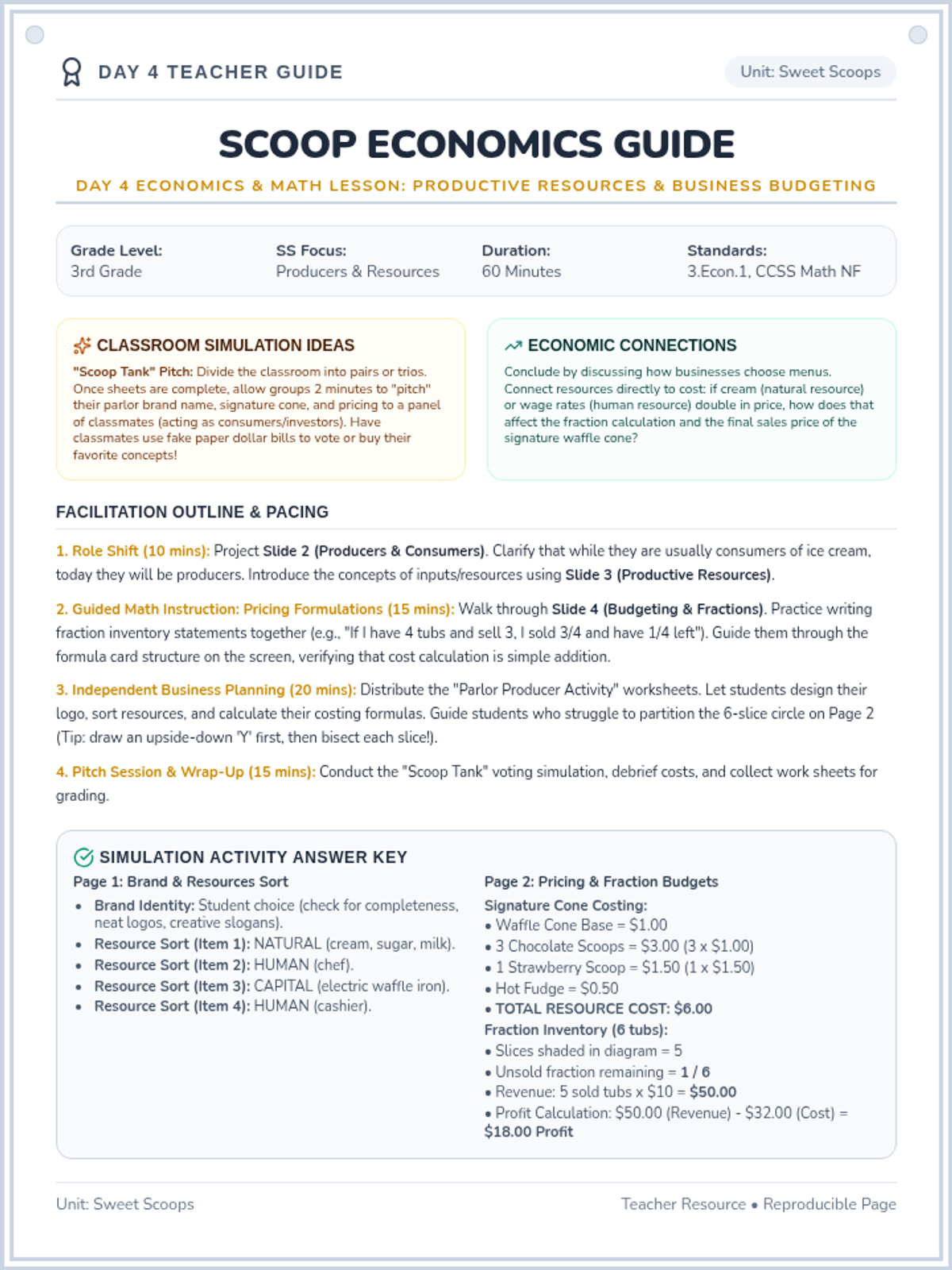
Students apply social studies economics concepts (producers, consumers, goods, services, productive resources) and math fractions to design, cost, and budget their own dream ice cream parlor business.
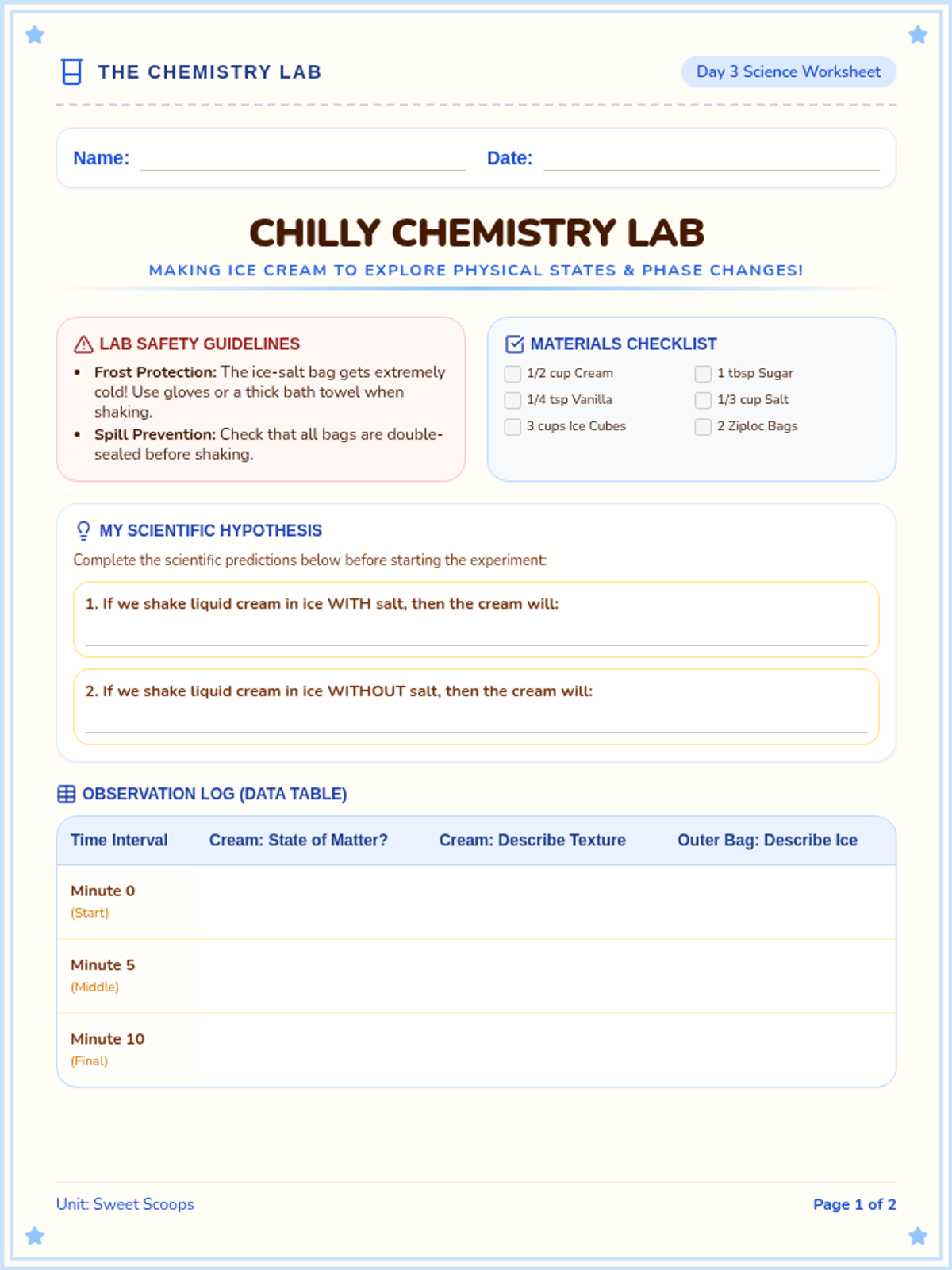
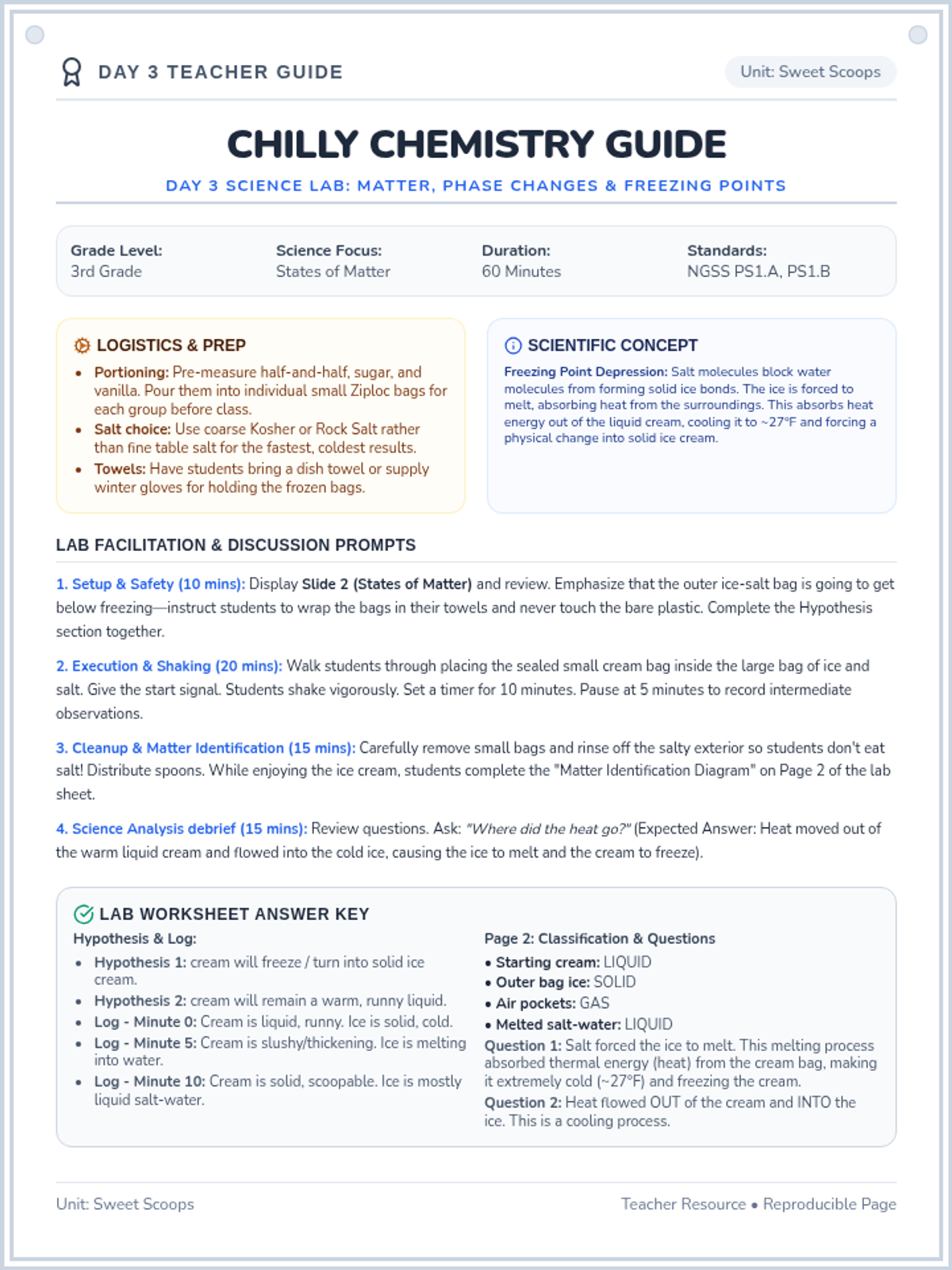
Students explore states of matter (solids, liquids, gases) and physical changes through a hands-on lab making ice cream in a bag, investigating how salt alters the freezing point of ice.
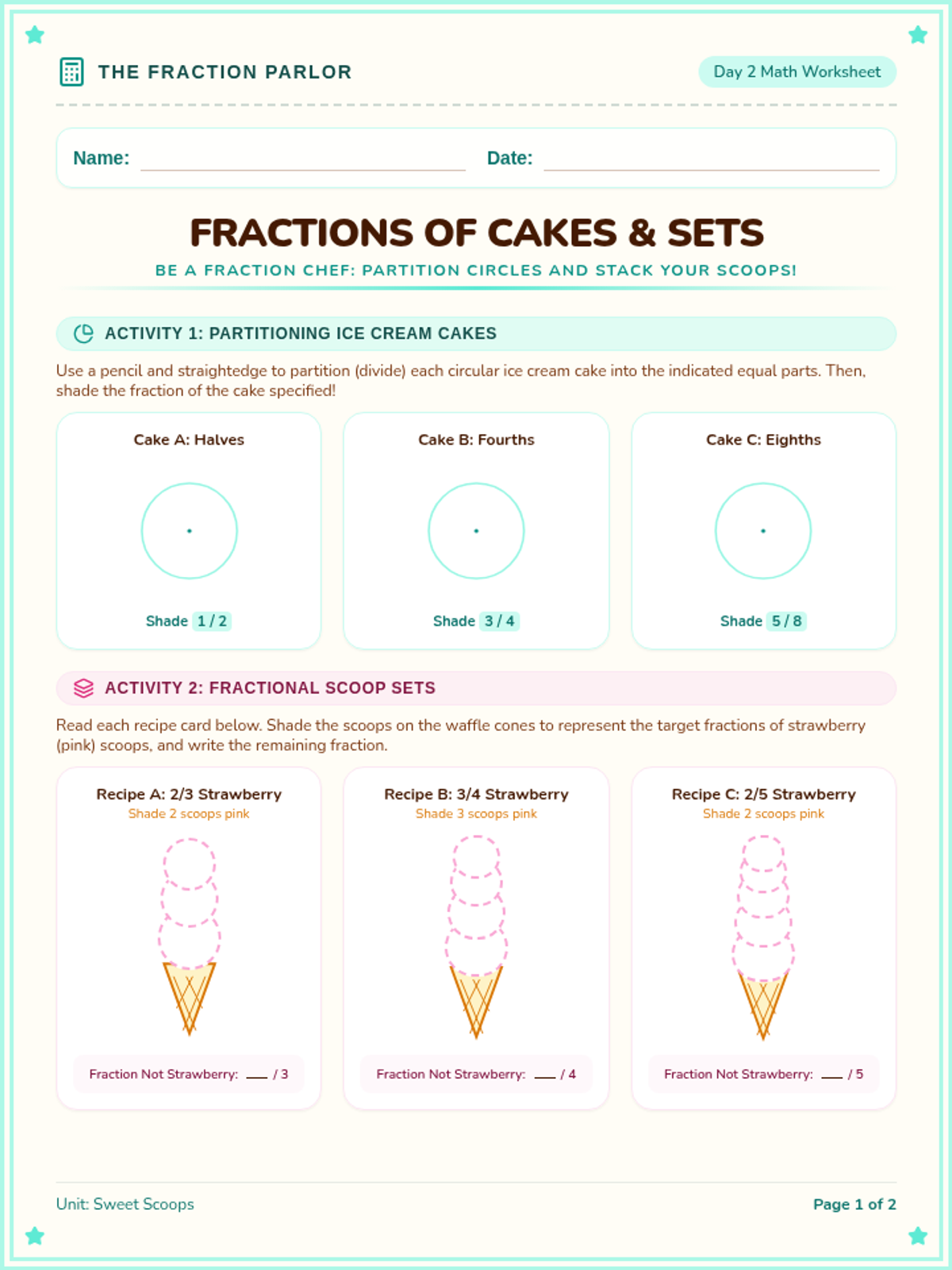
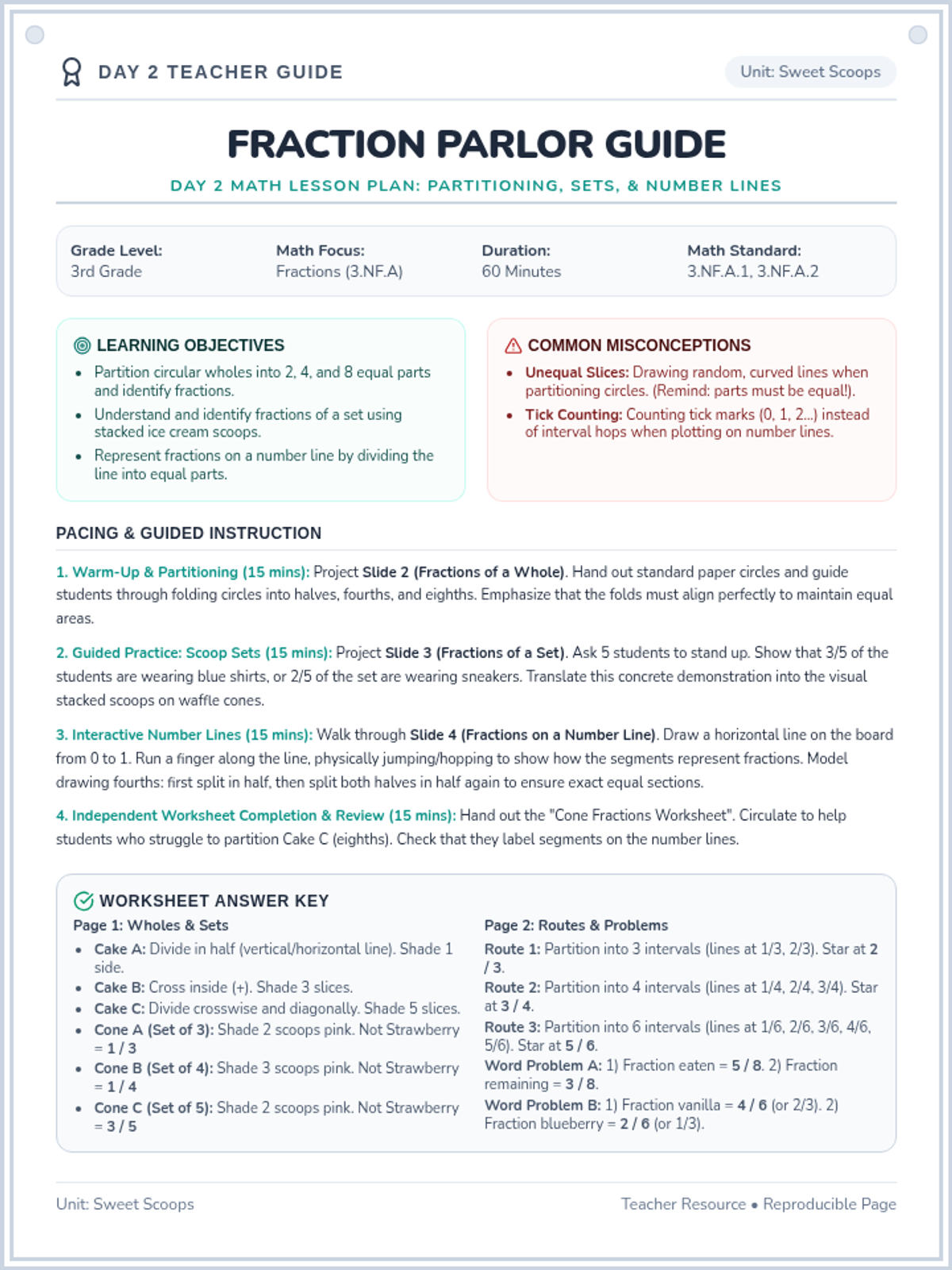
Students dive into math fraction concepts by partitioning circular ice cream pies, building multi-scooped waffle cones to represent fractions of a whole, and plotting ice cream truck routes on a fraction number line.
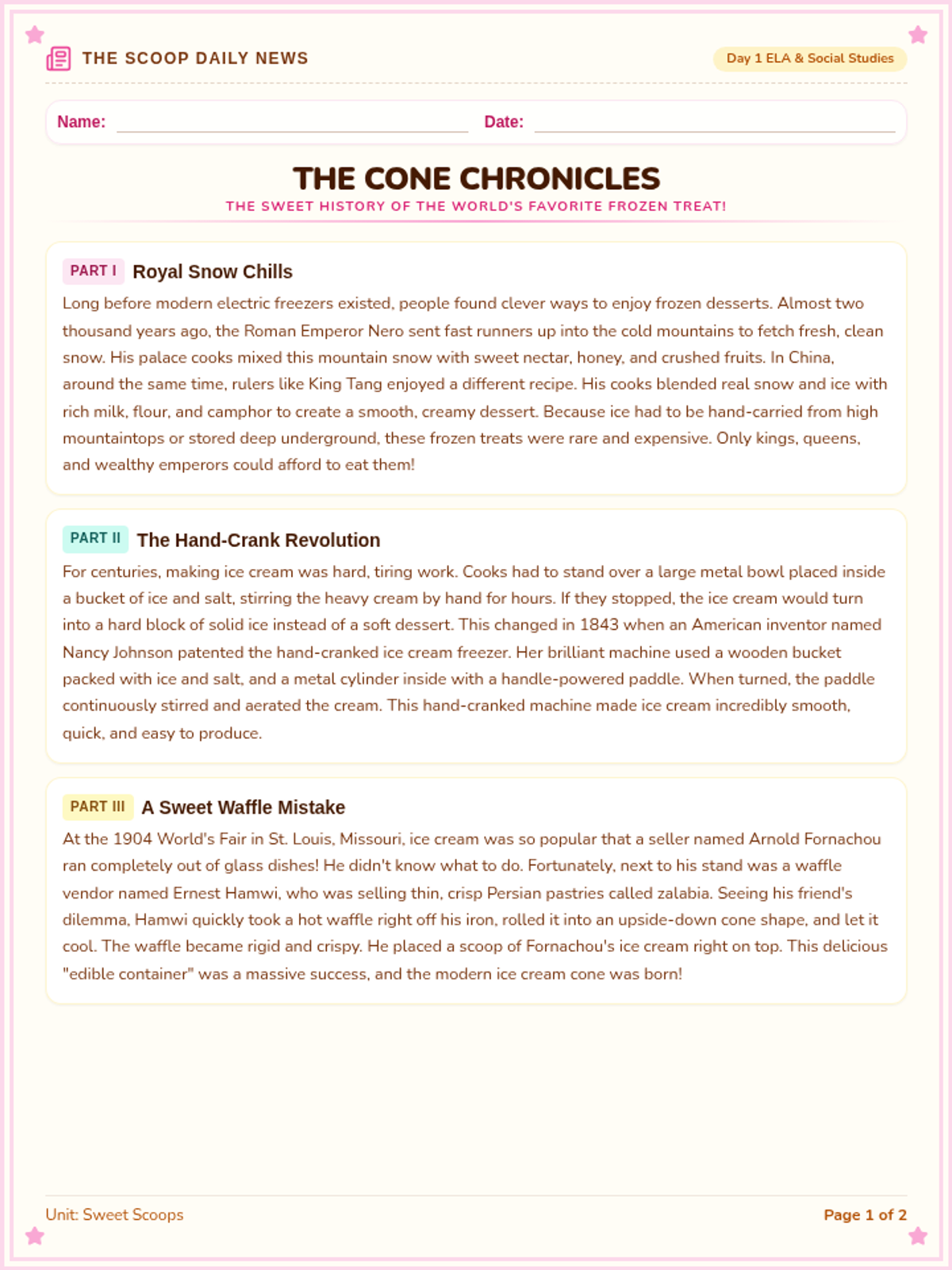
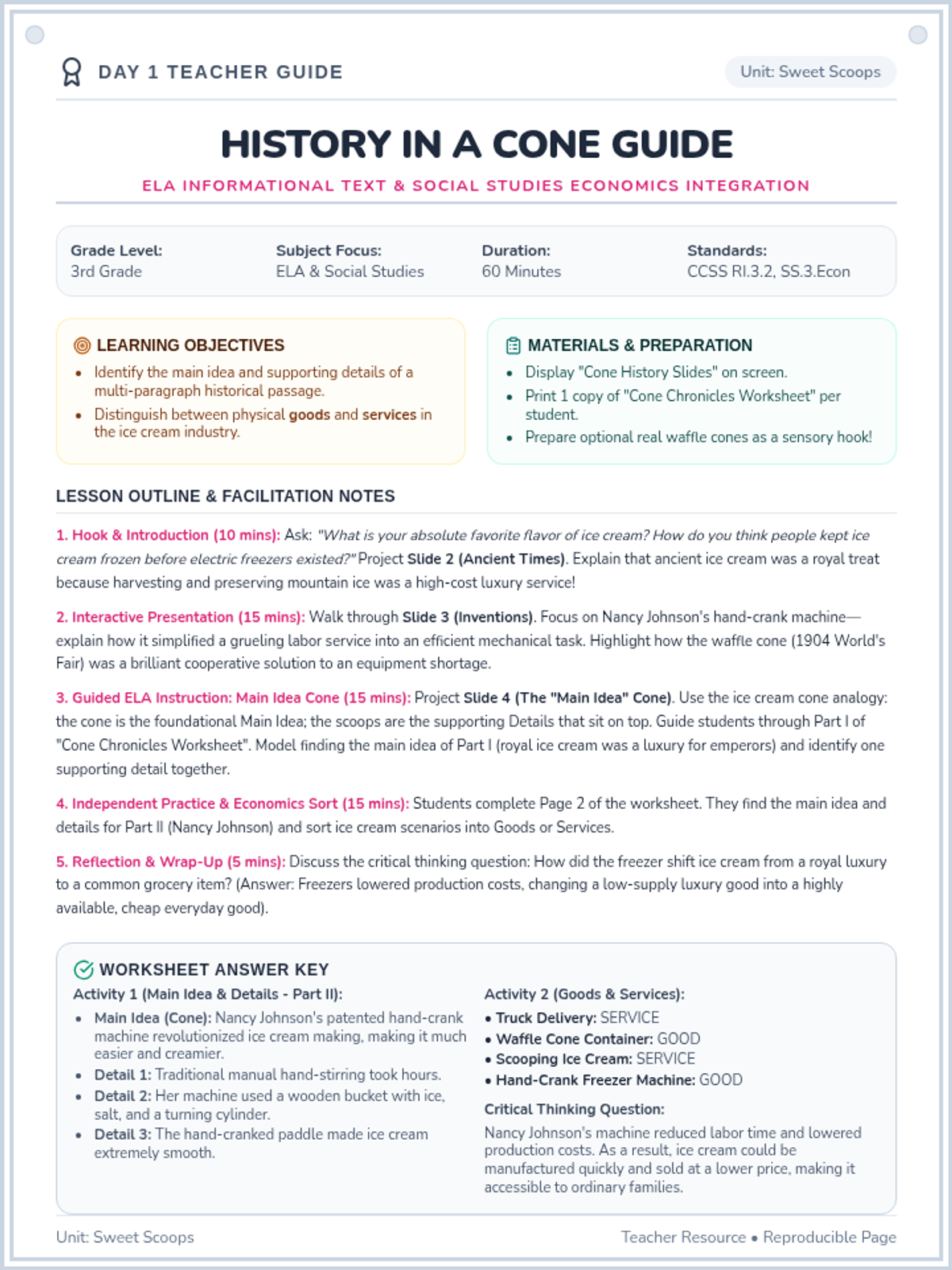
Students explore the origin and evolution of ice cream from ancient snow-chilled treats to modern factories, practicing identifying the main idea and supporting details in ELA, and understanding goods, services, and historical timelines in social studies.
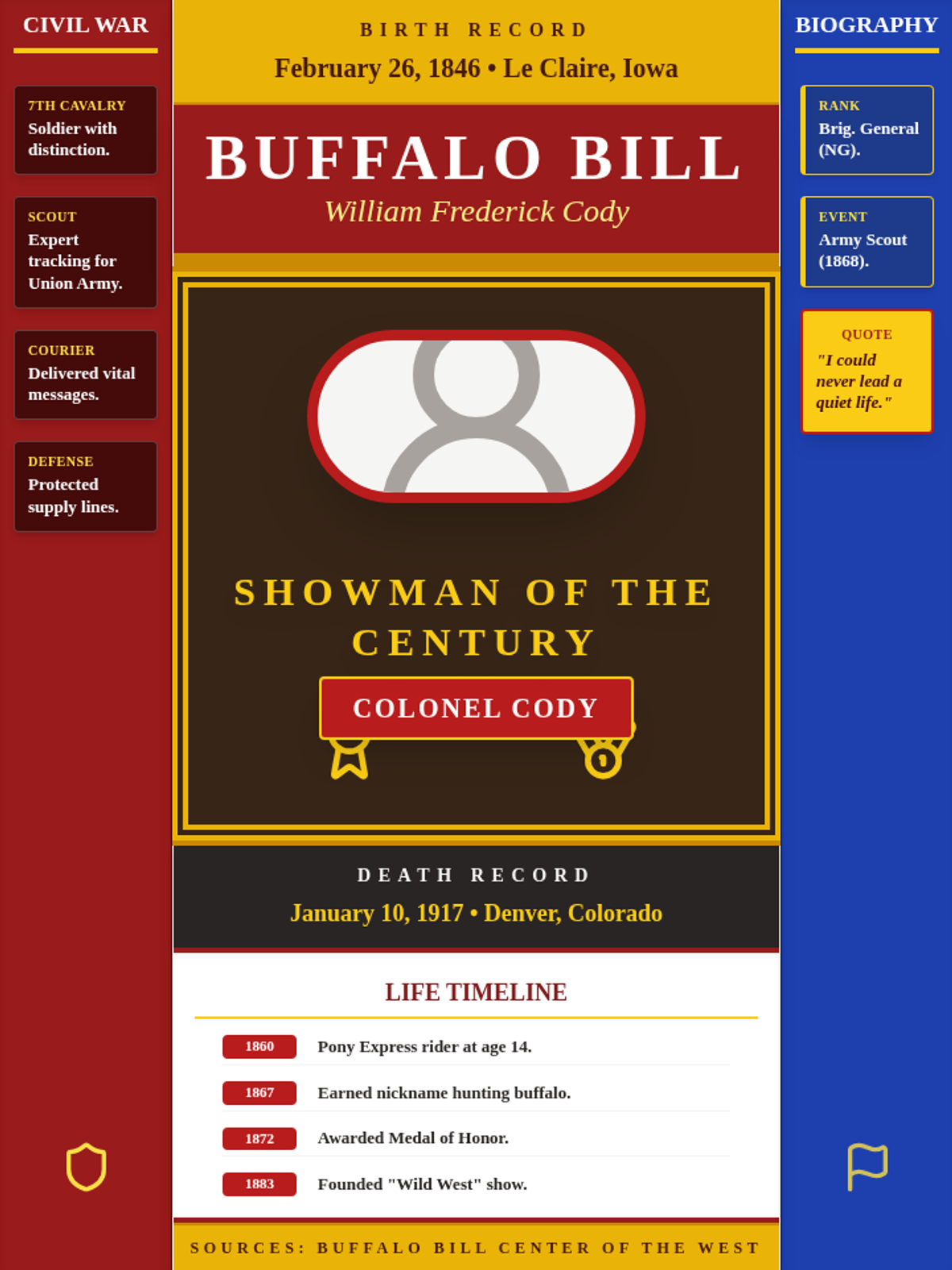
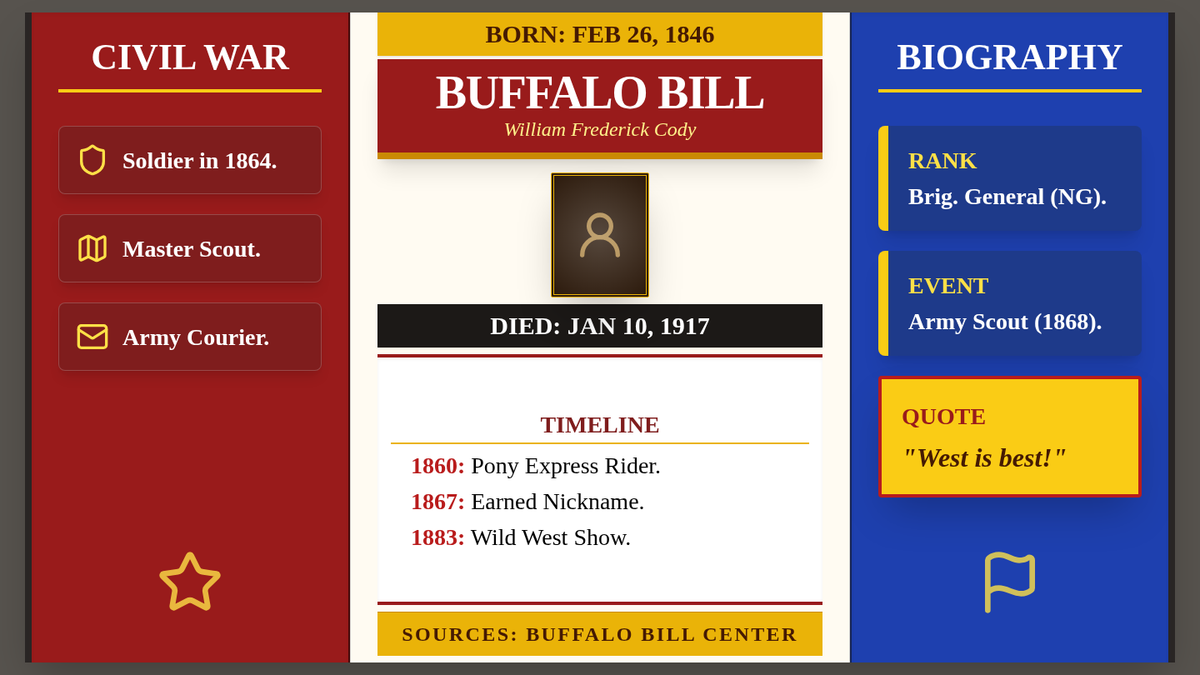
A lesson exploring the life and contributions of Buffalo Bill Cody, featuring a simulated trifold presentation board for historical analysis.
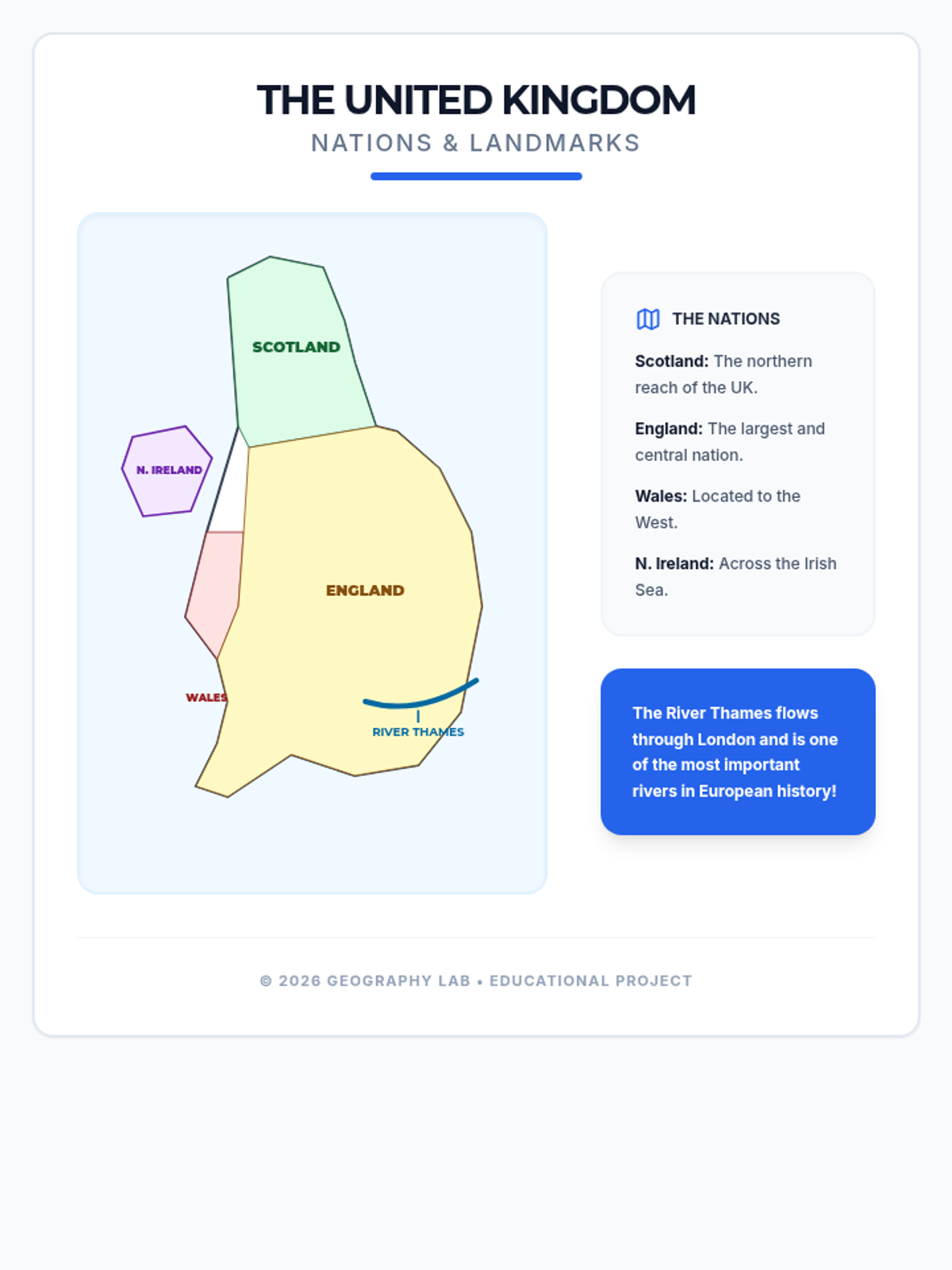
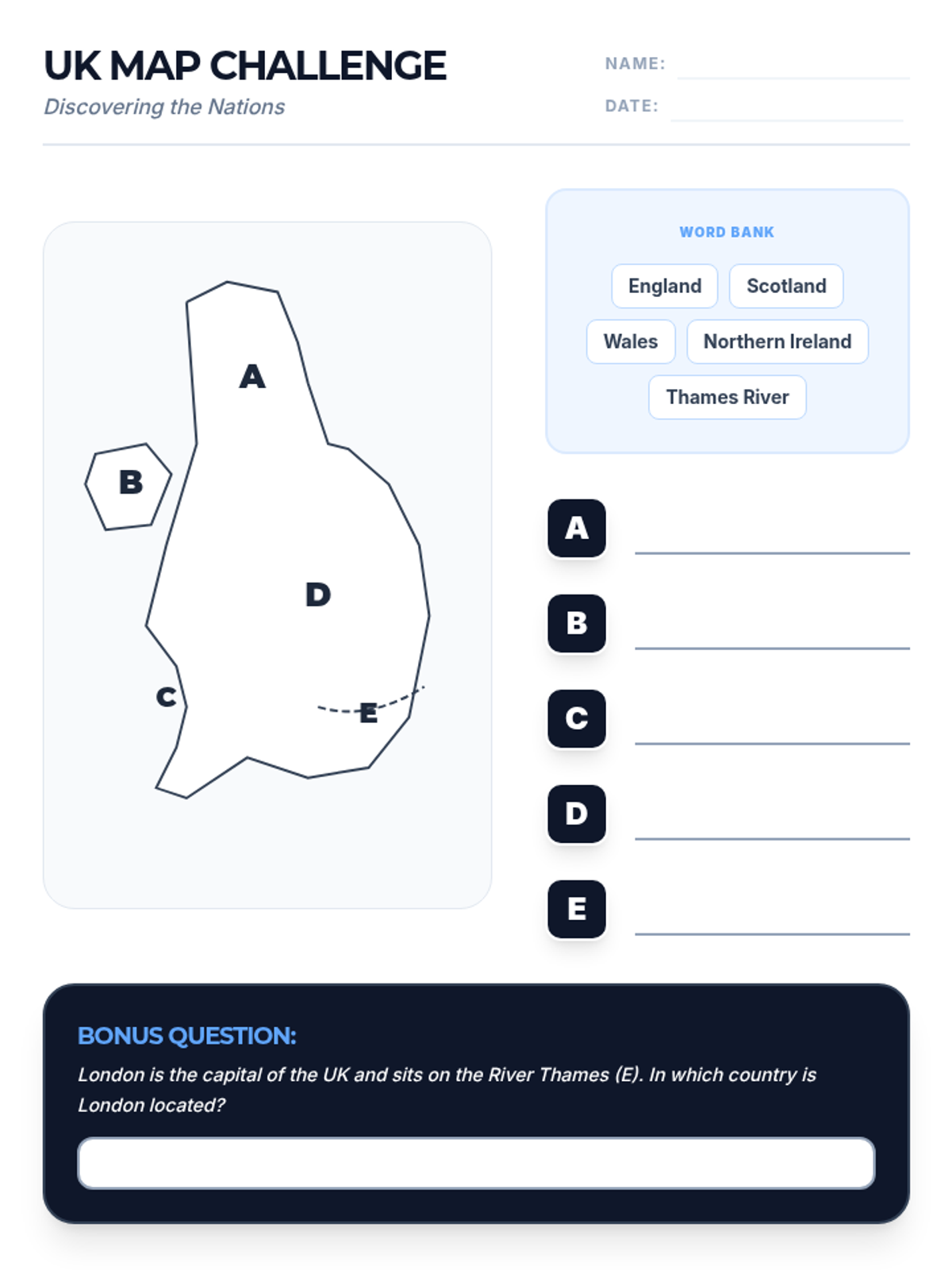
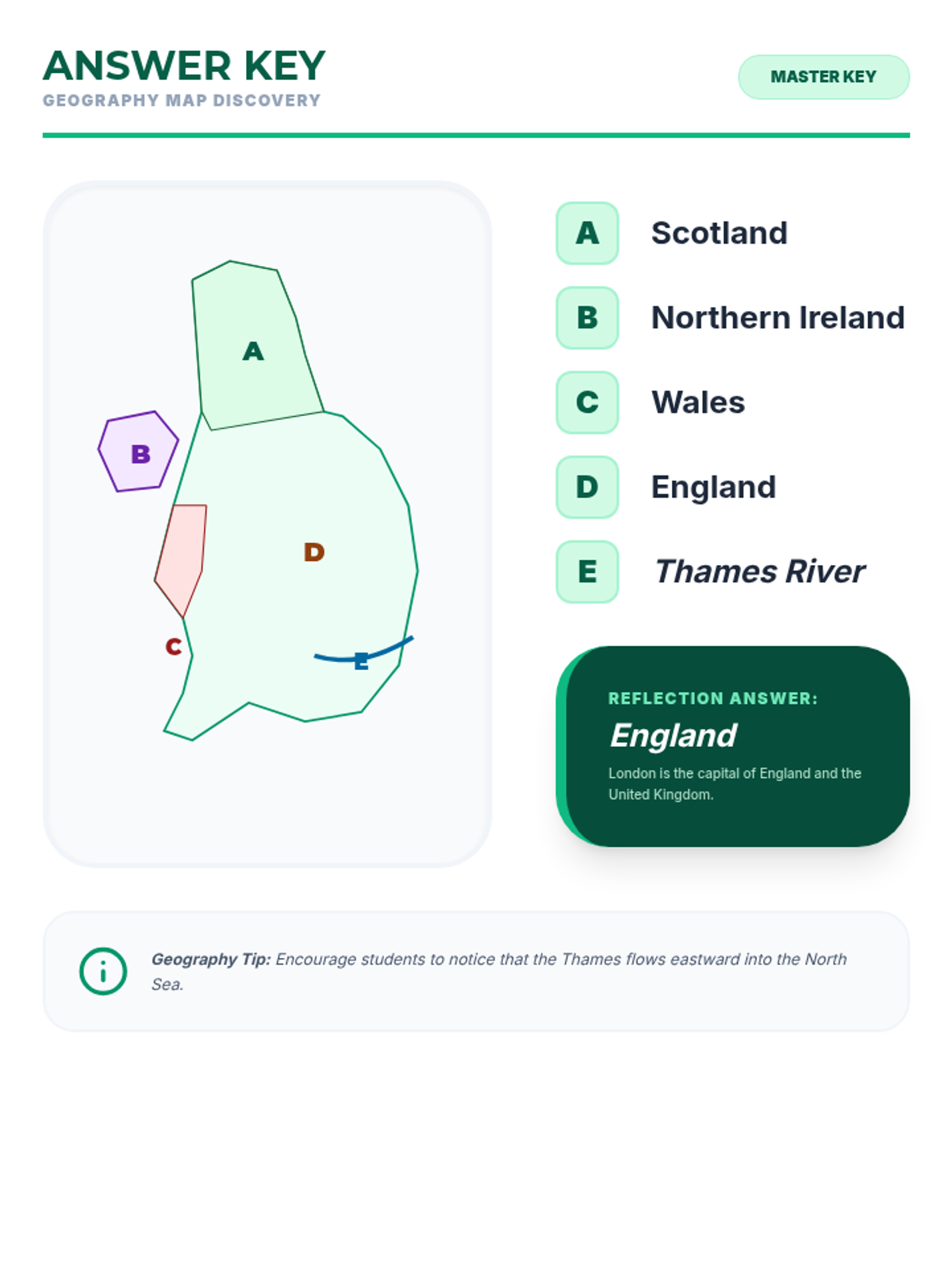
An introductory exploration of the United Kingdom's geography, focusing on its four constituent countries and major landmarks like the River Thames.
An informational lesson about the history and significance of Memorial Day, focusing on vocabulary development through context clues and identifying main ideas with supporting details.
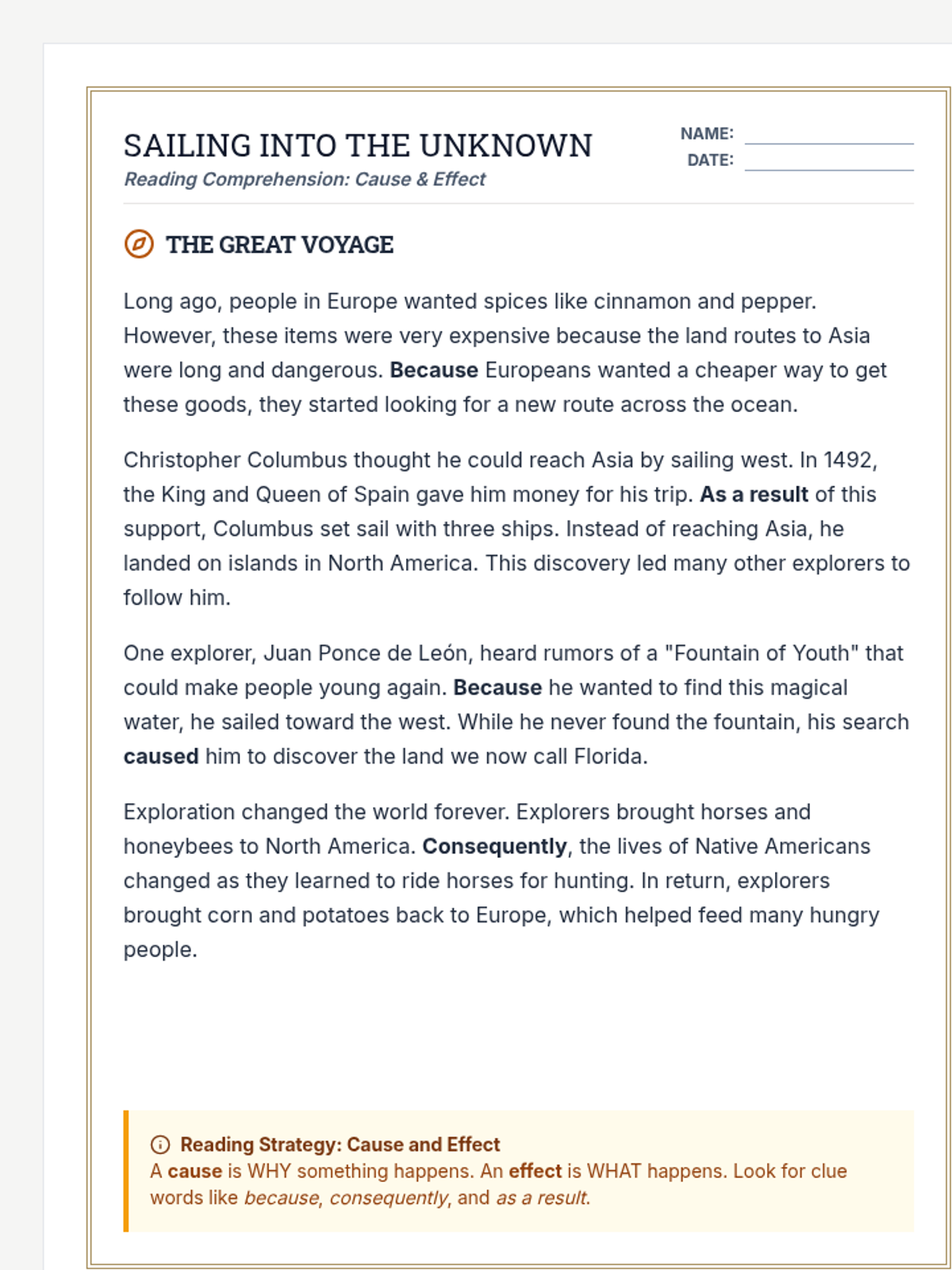
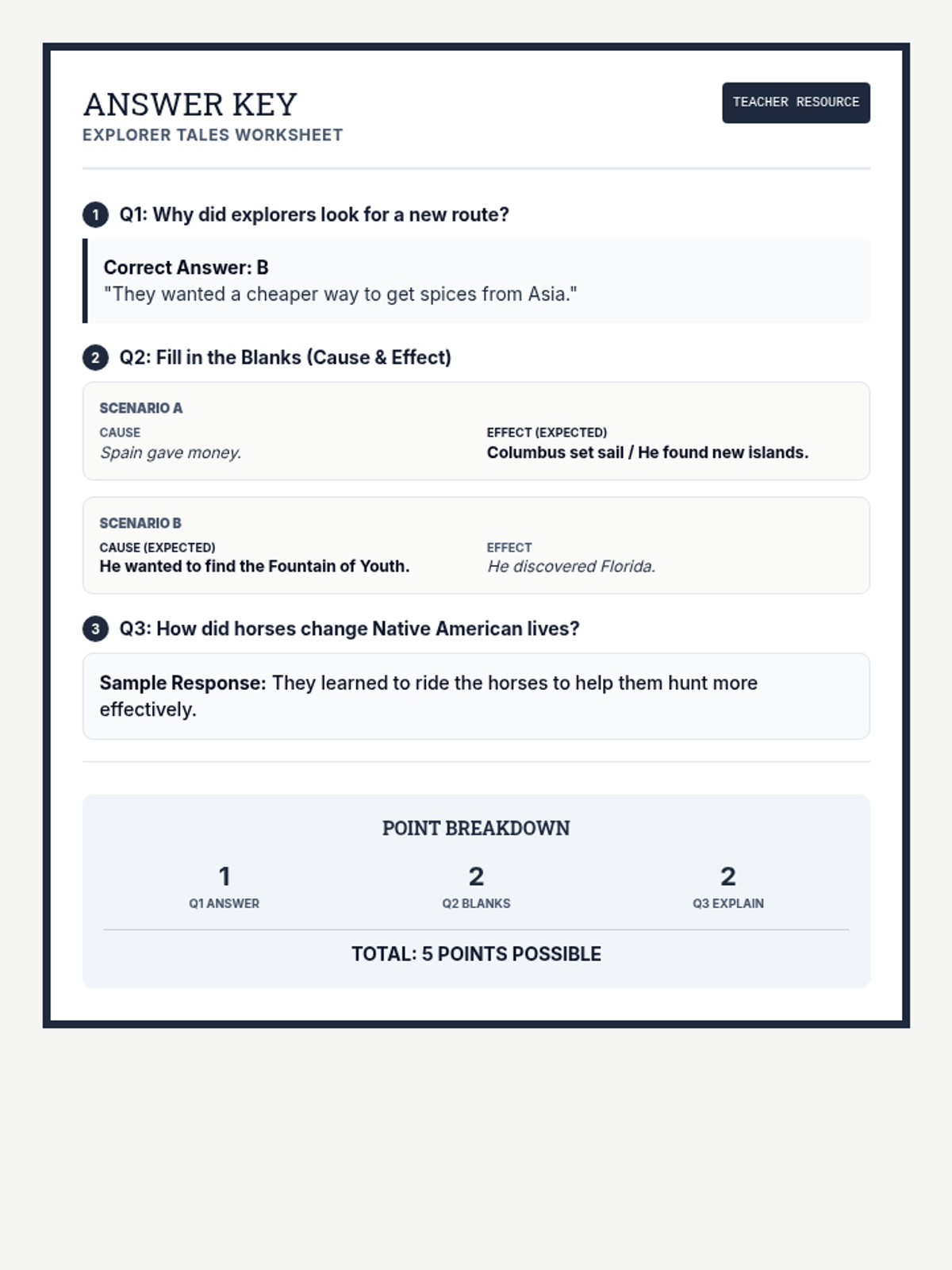
A lesson focused on European explorers of North America, specifically designed for third-grade students to practice identifying cause and effect relationships within informational texts.
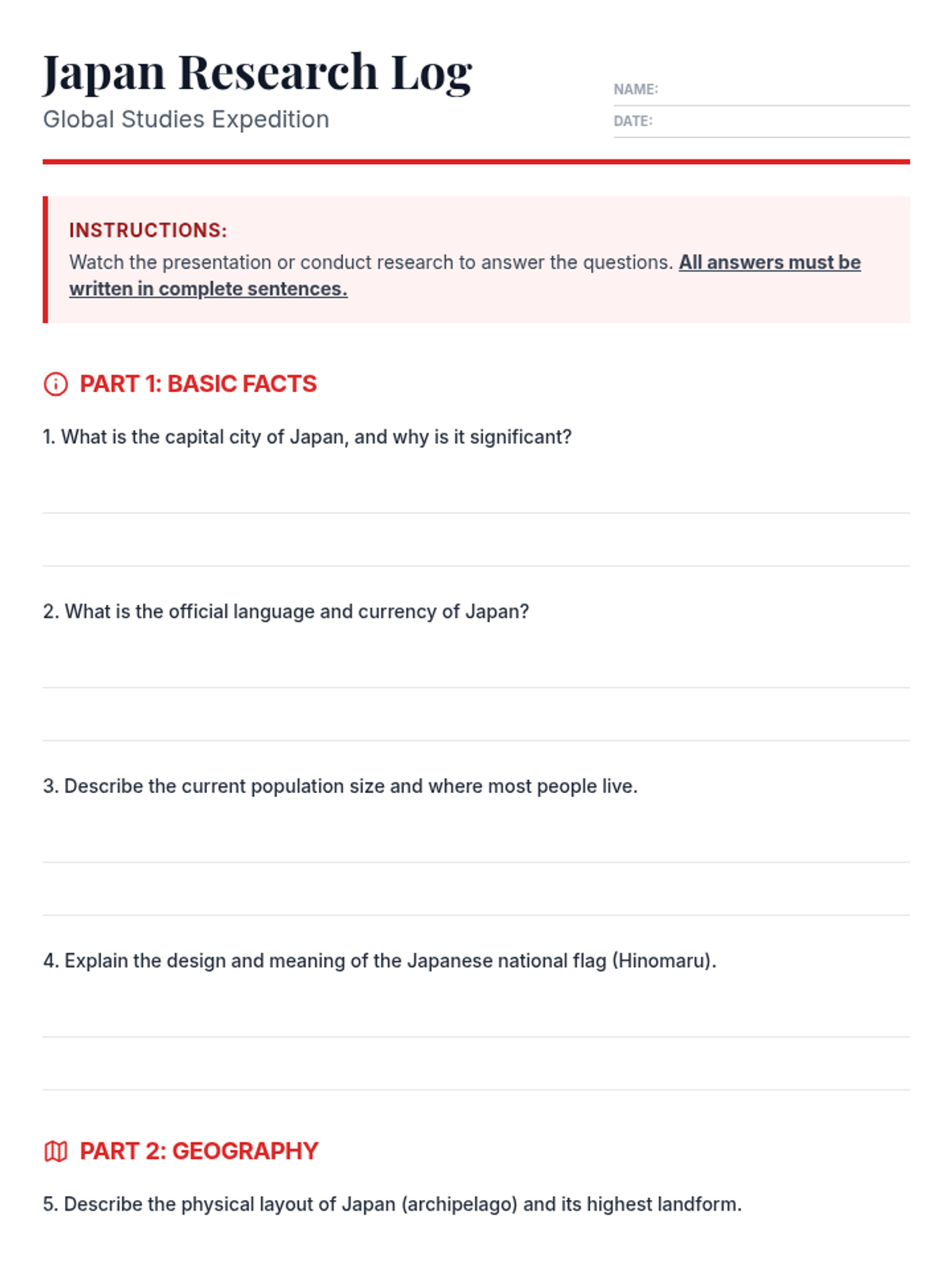
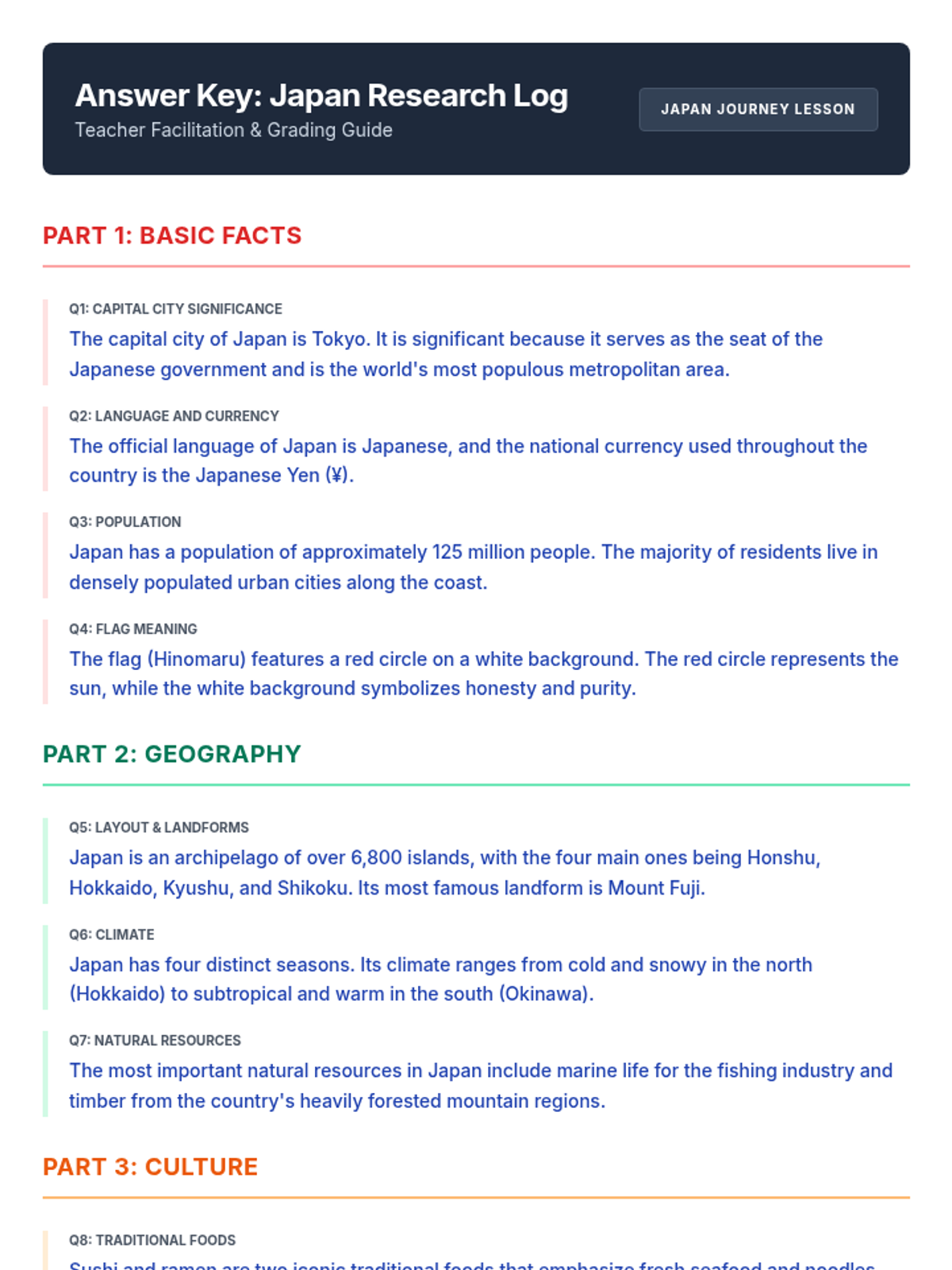
A comprehensive lesson covering the geography, culture, government, and economy of Japan, including a detailed presentation and a guided research log for students to record findings in complete sentences.
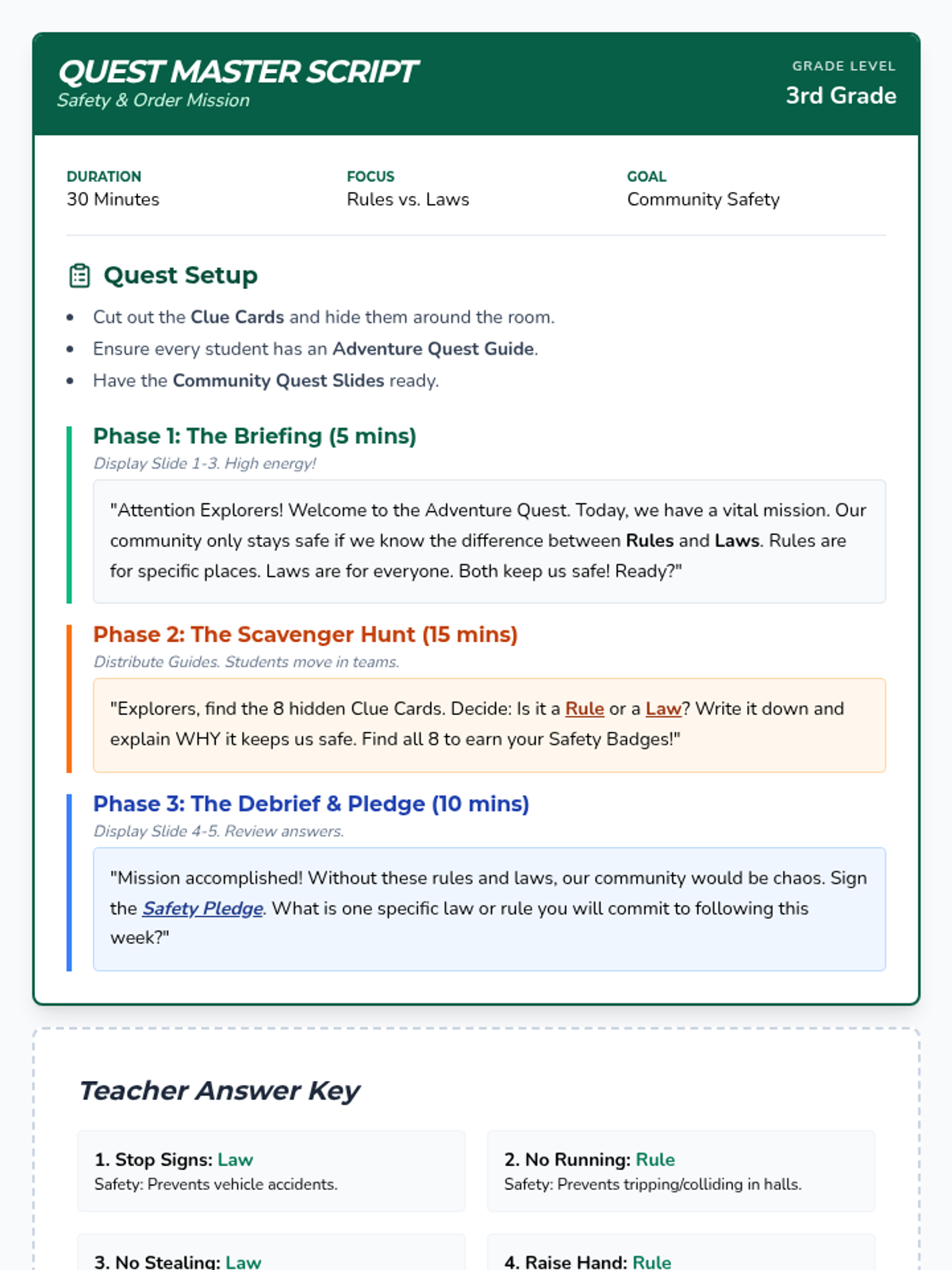
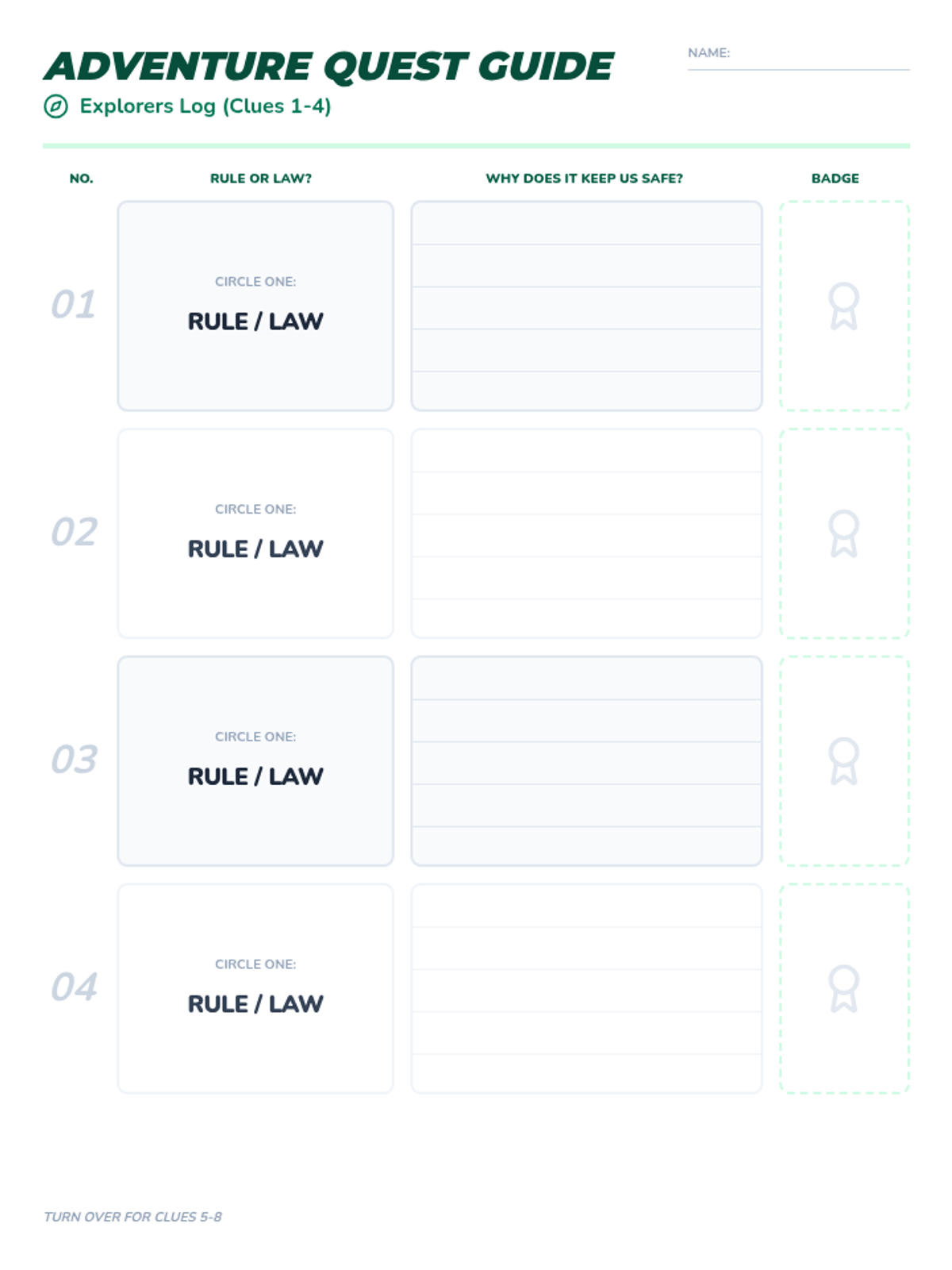
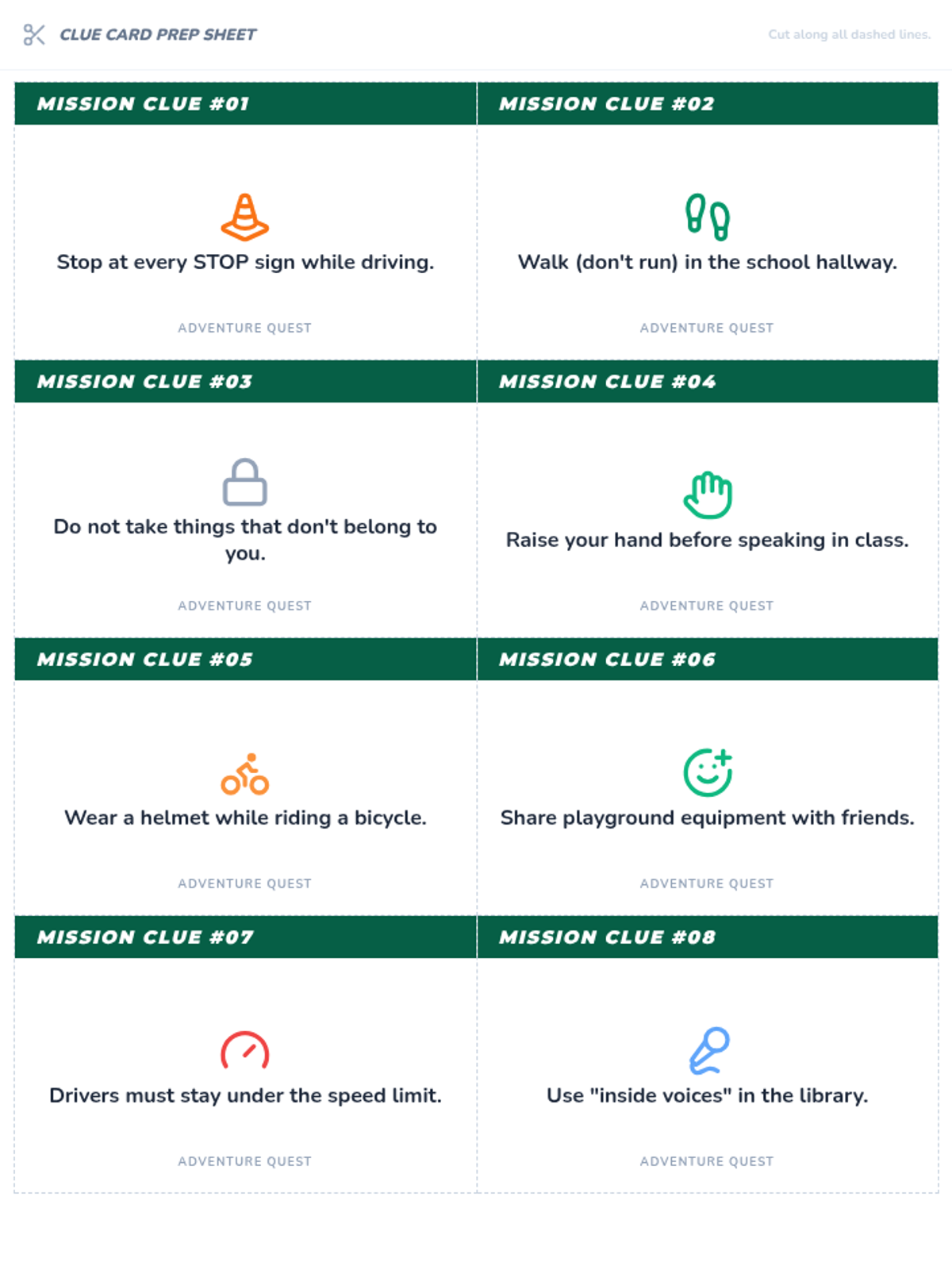
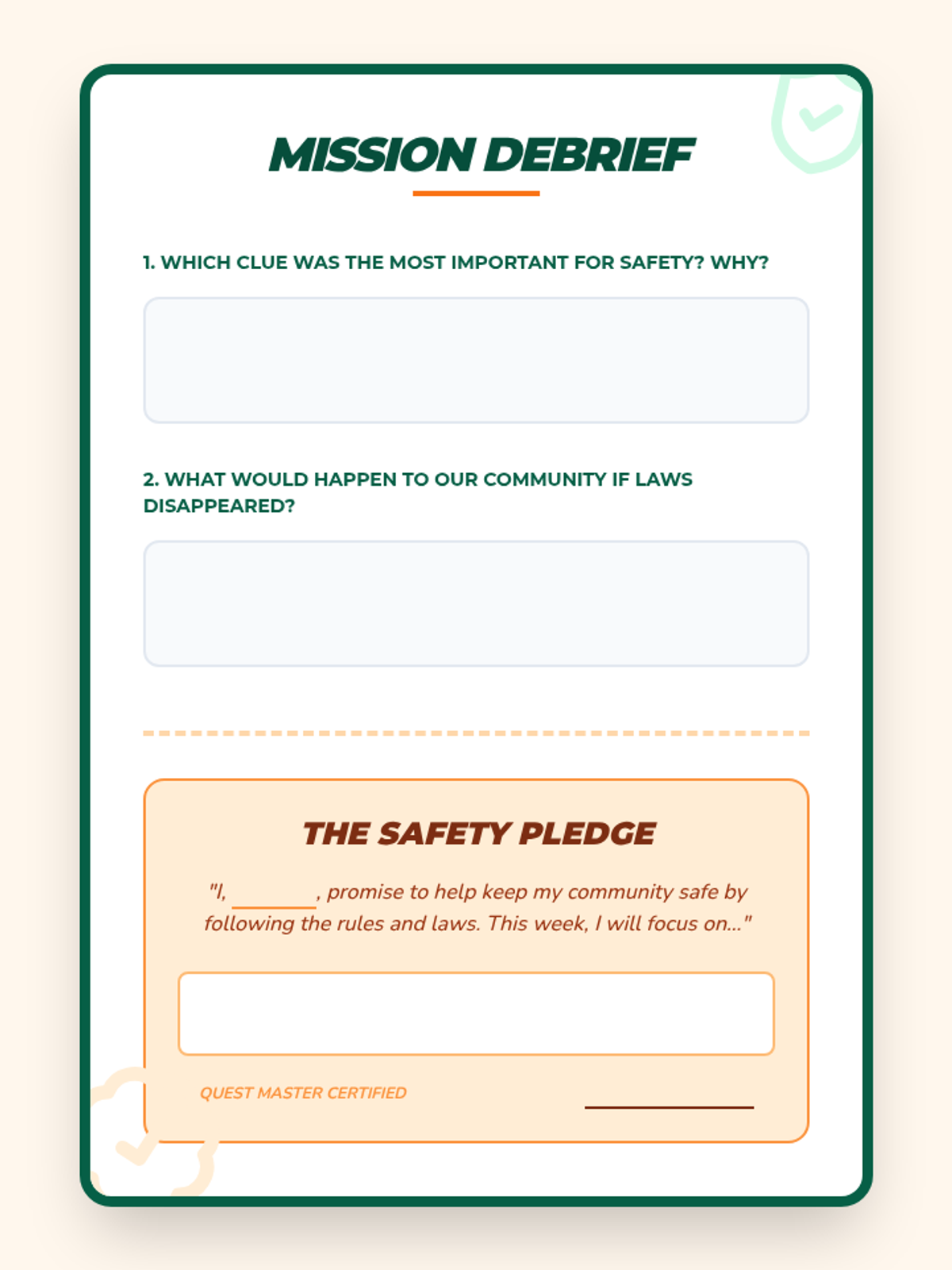
Students embark on a scavenger hunt quest to distinguish between rules and laws while discovering how they ensure community safety. The lesson concludes with a personal pledge to uphold safety standards.
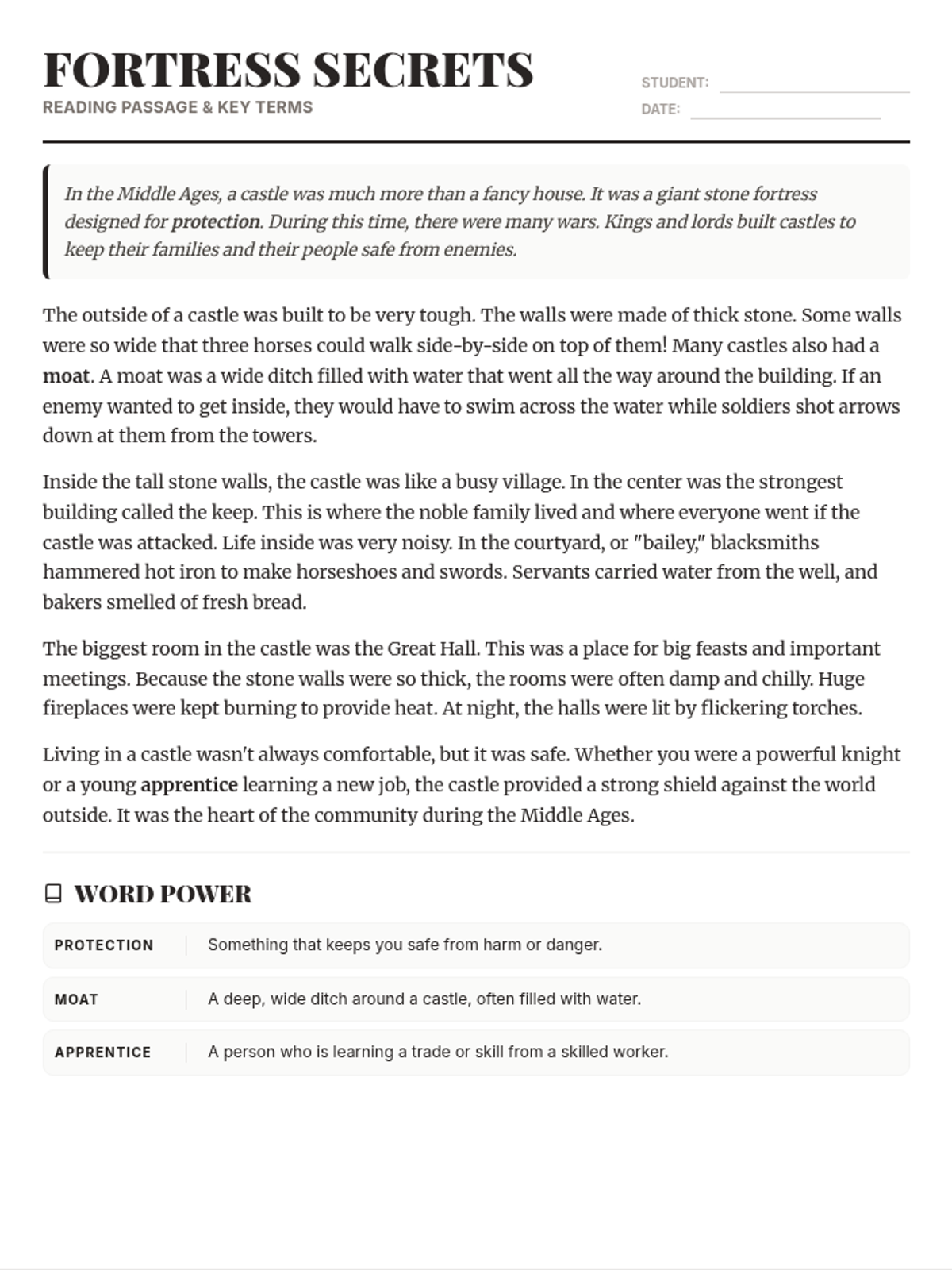
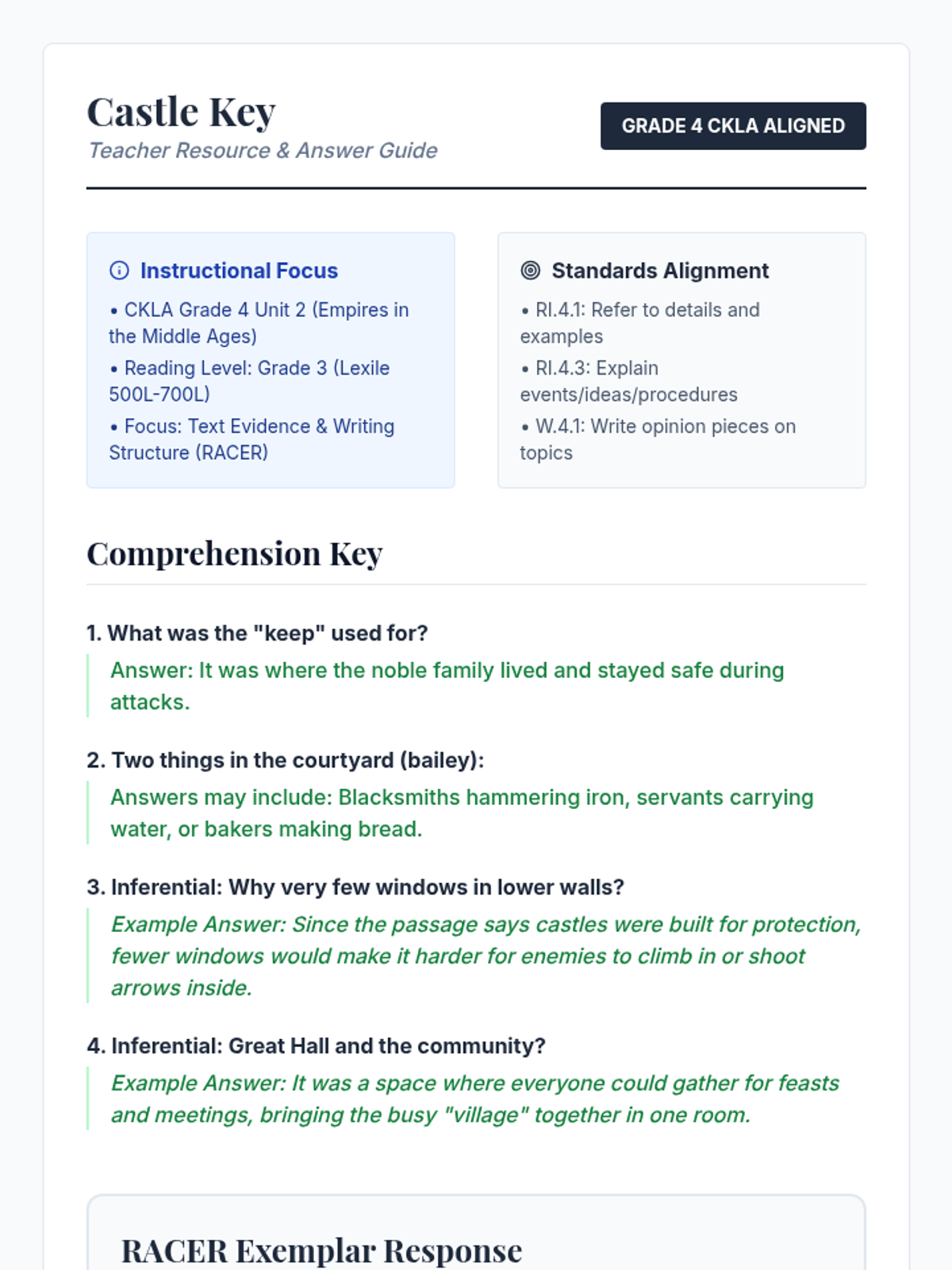
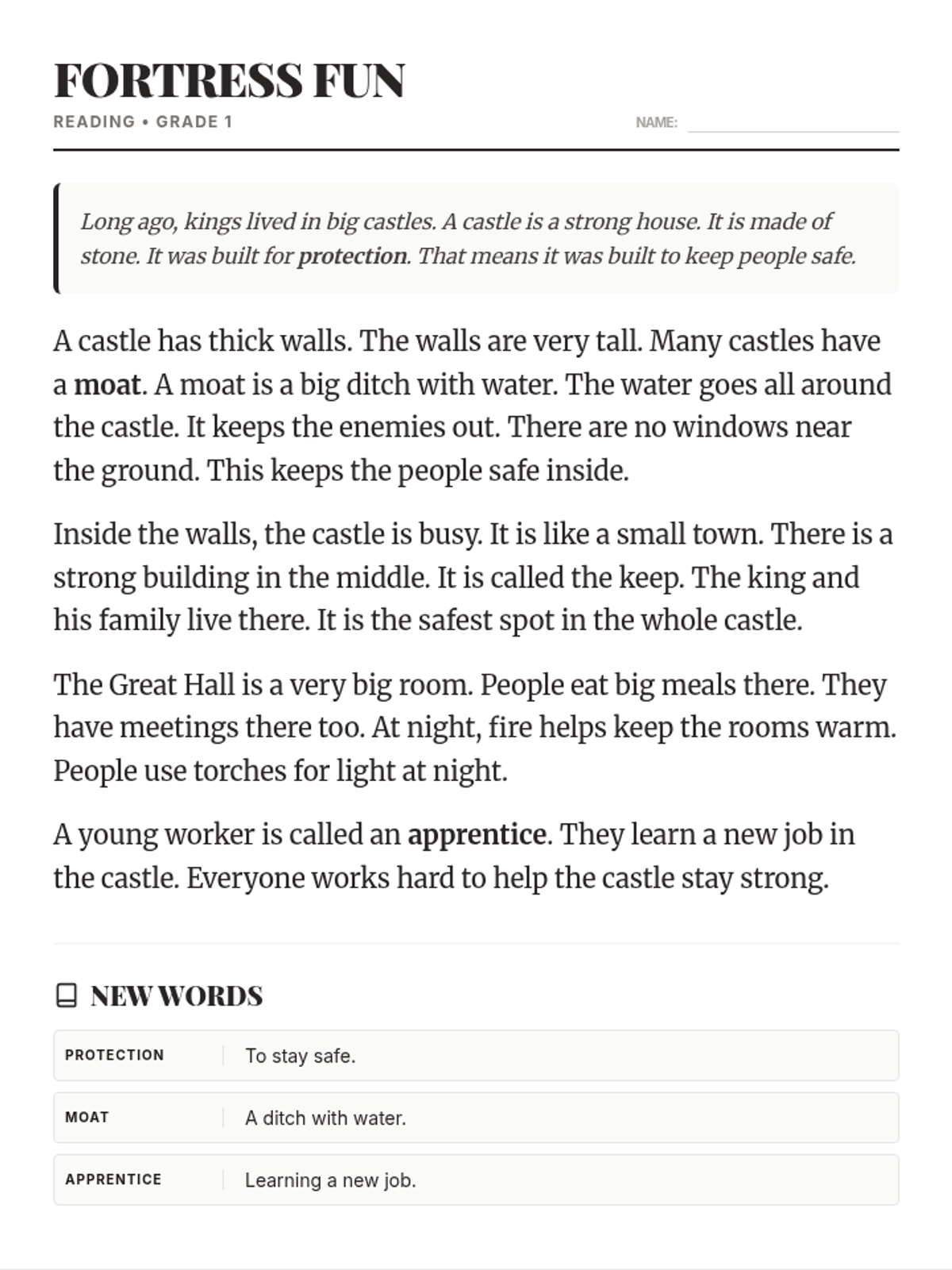
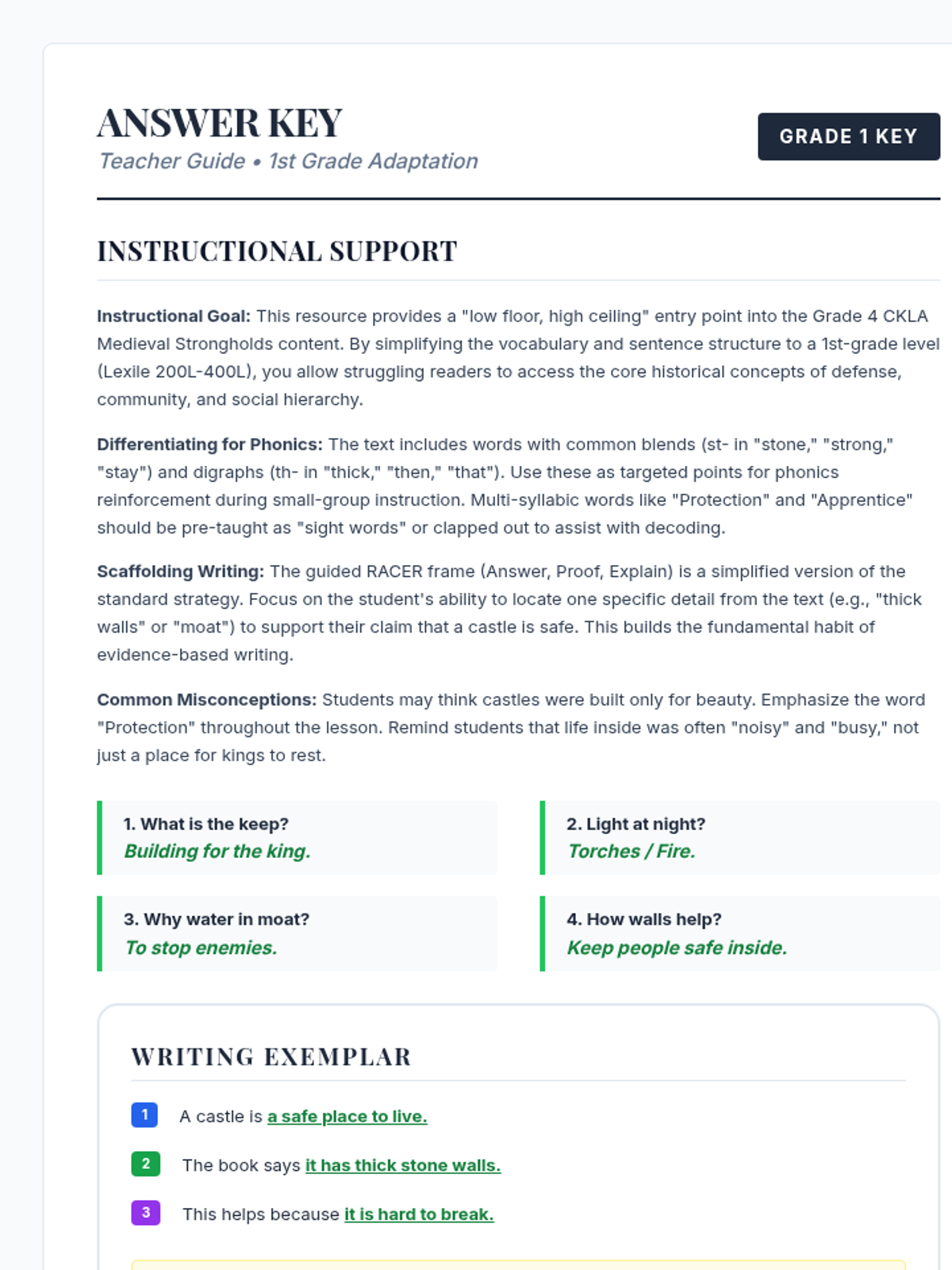
A lesson focusing on life in a medieval castle, featuring a reading passage adapted for Grade 3 reading levels that aligns with Grade 4 CKLA social studies standards. Students will practice vocabulary, answer comprehension questions, and use the RACER strategy for an open response.
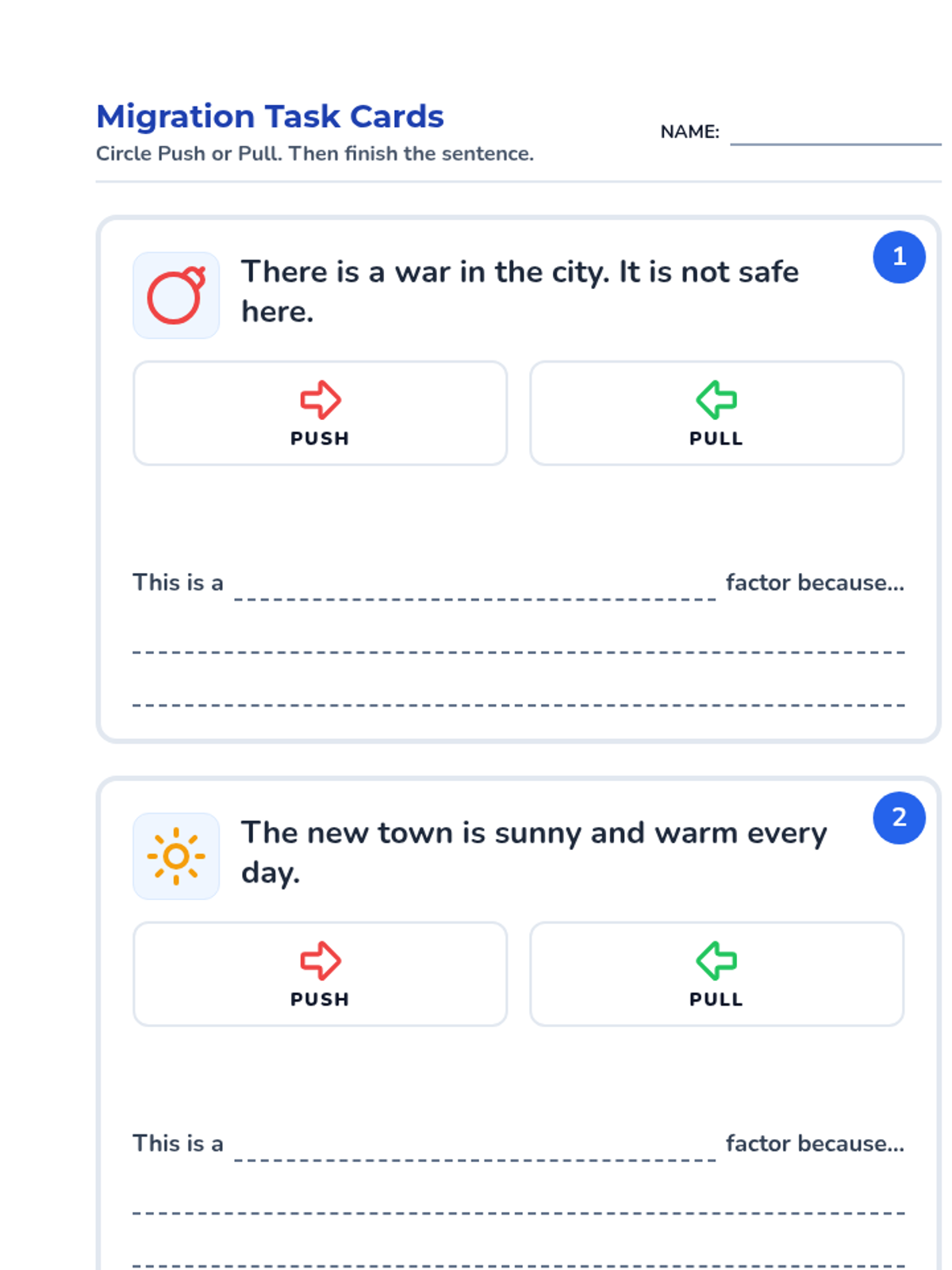
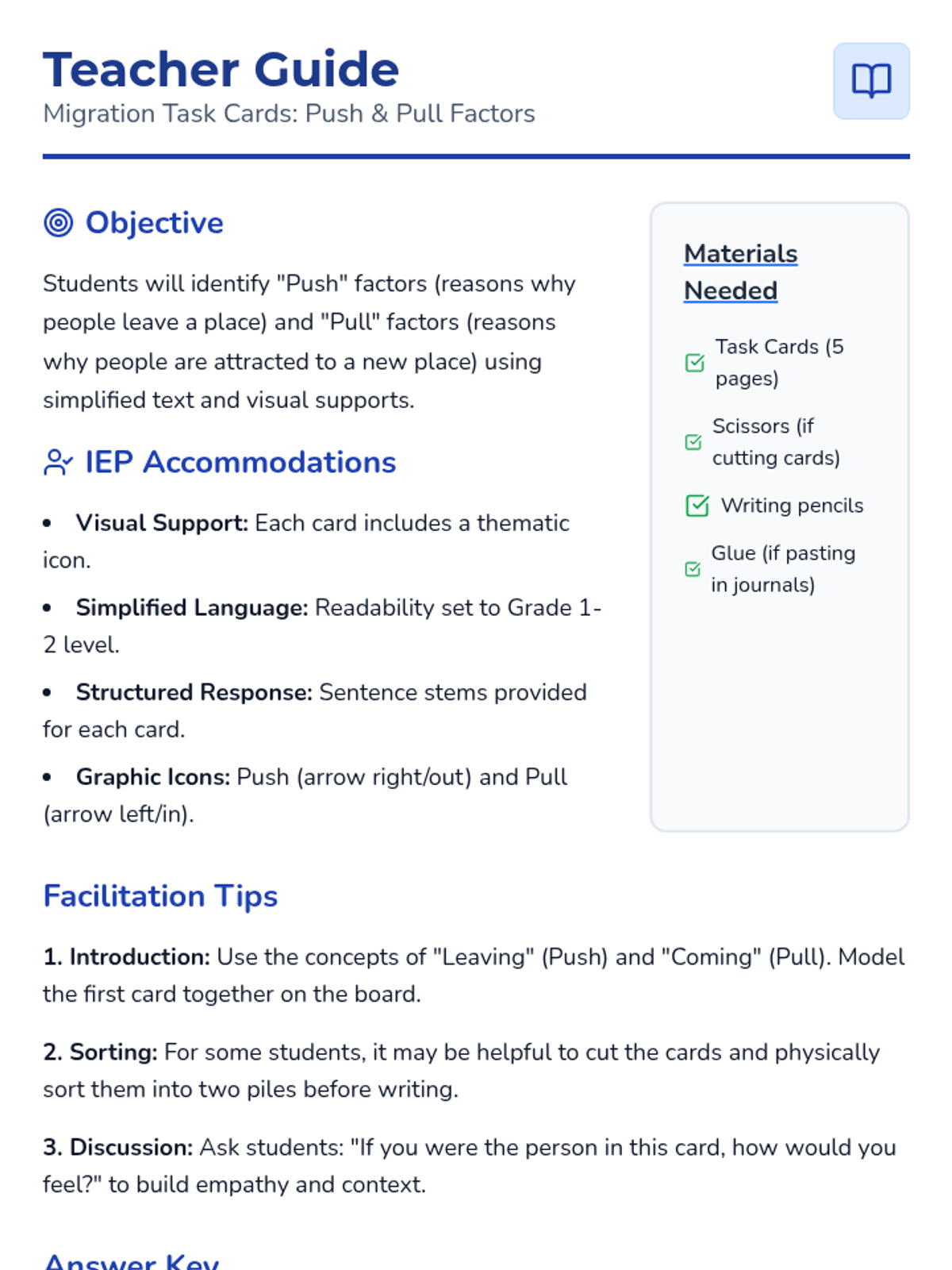
A lesson introducing the concepts of push and pull factors of migration through simplified text, visual icons, and structured response tasks designed for IEP support.
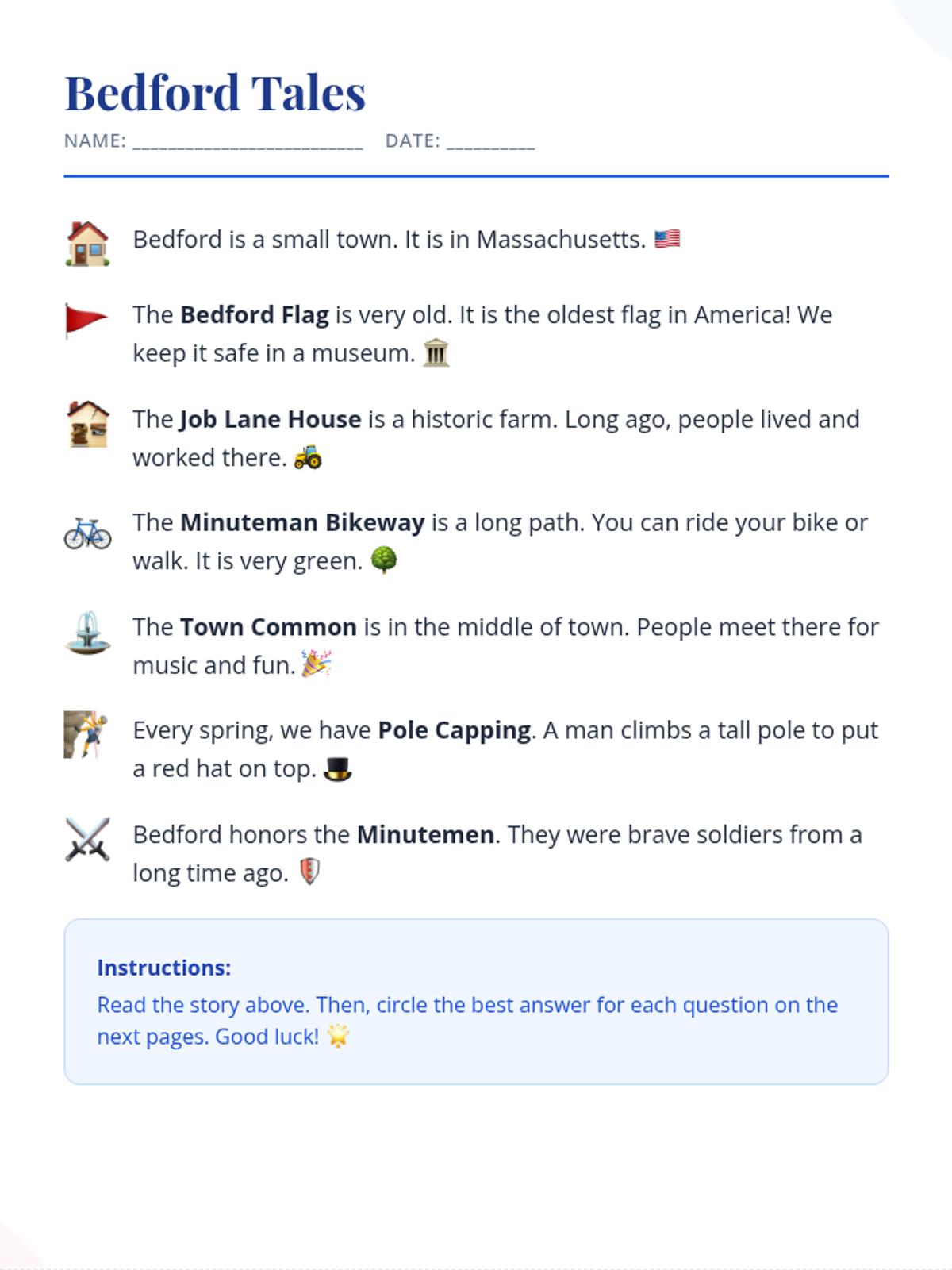
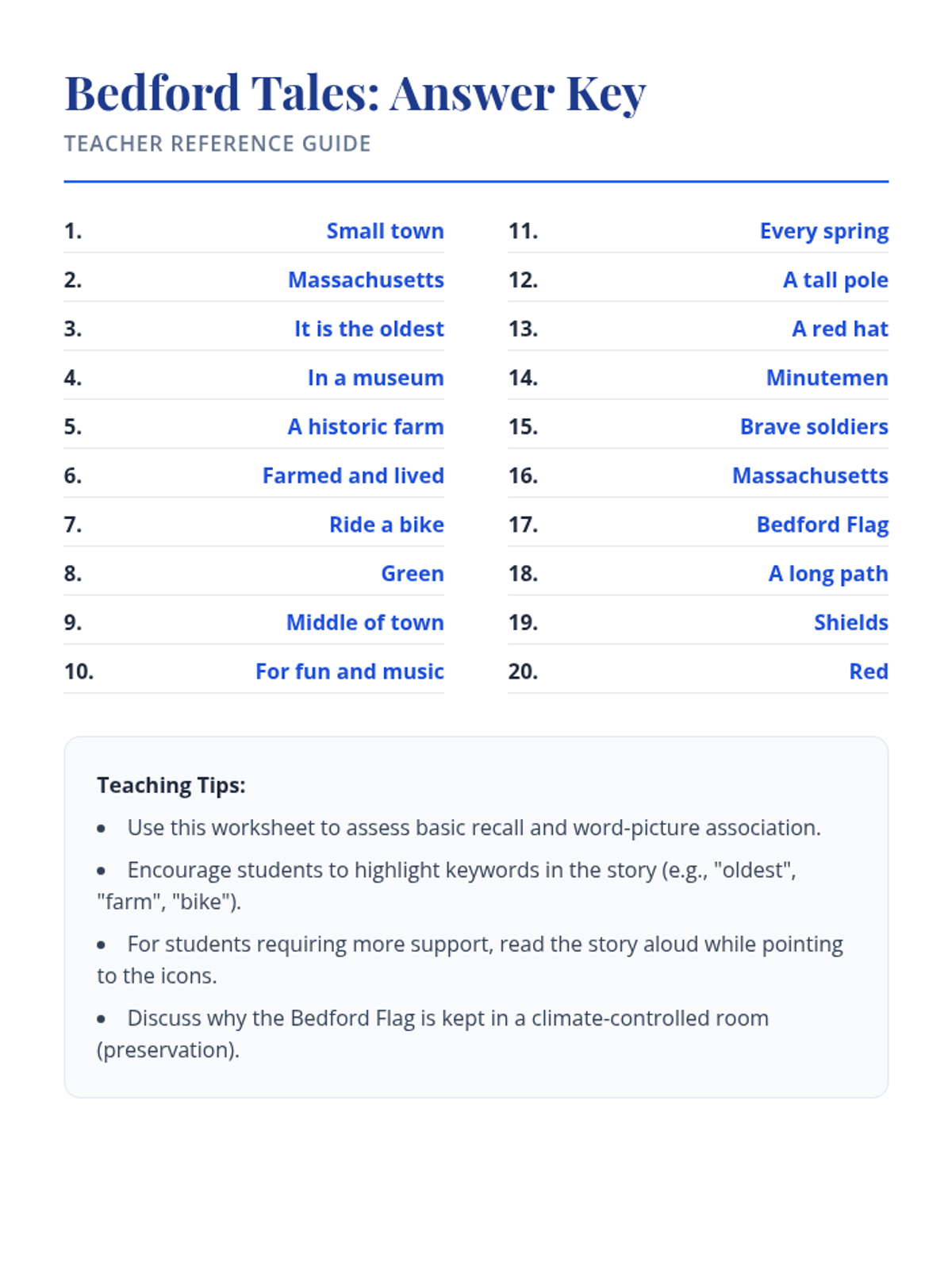
A lesson about the history and landmarks of Bedford, Massachusetts, featuring a simplified story with visual supports and a comprehension assessment.
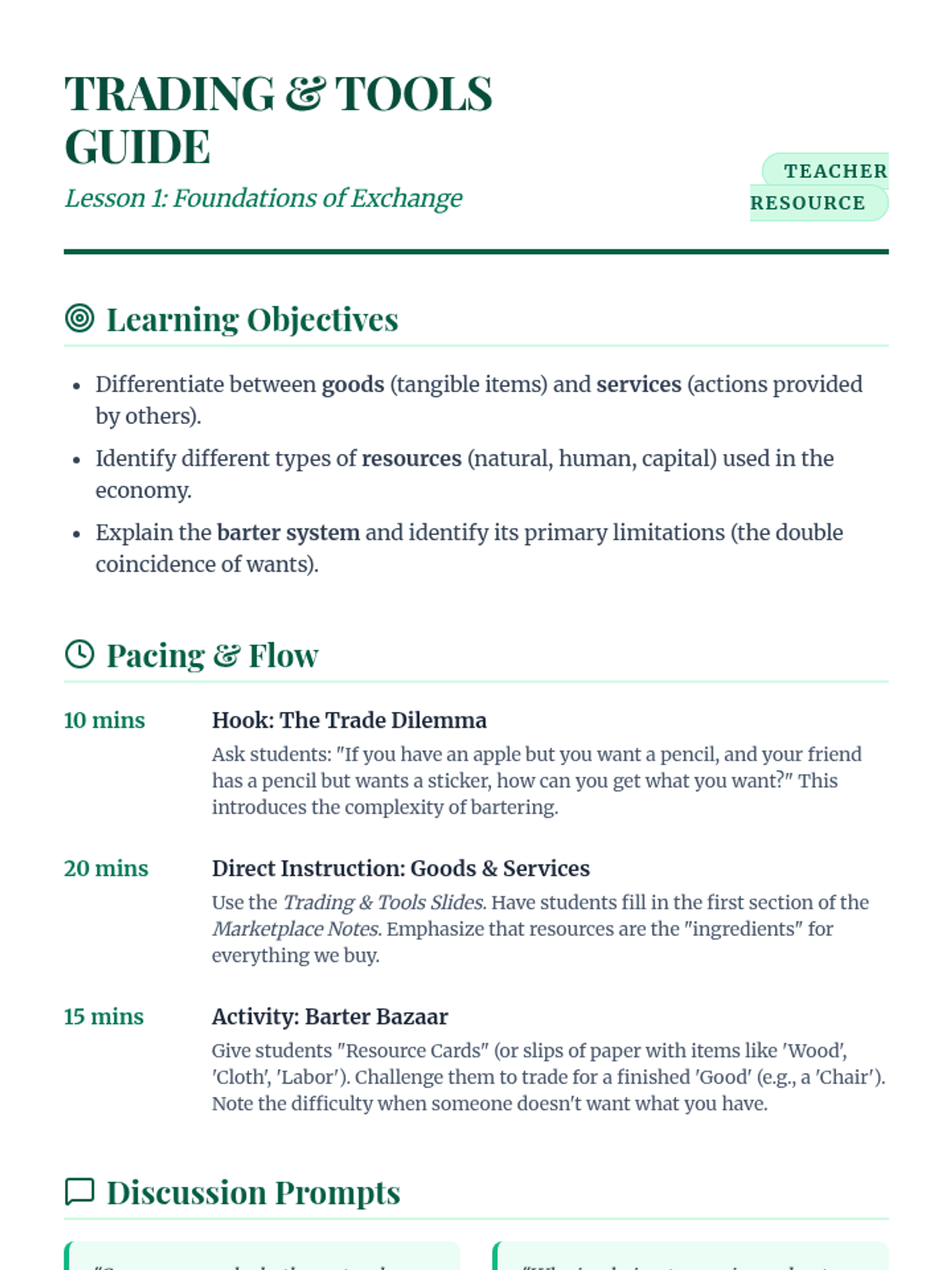
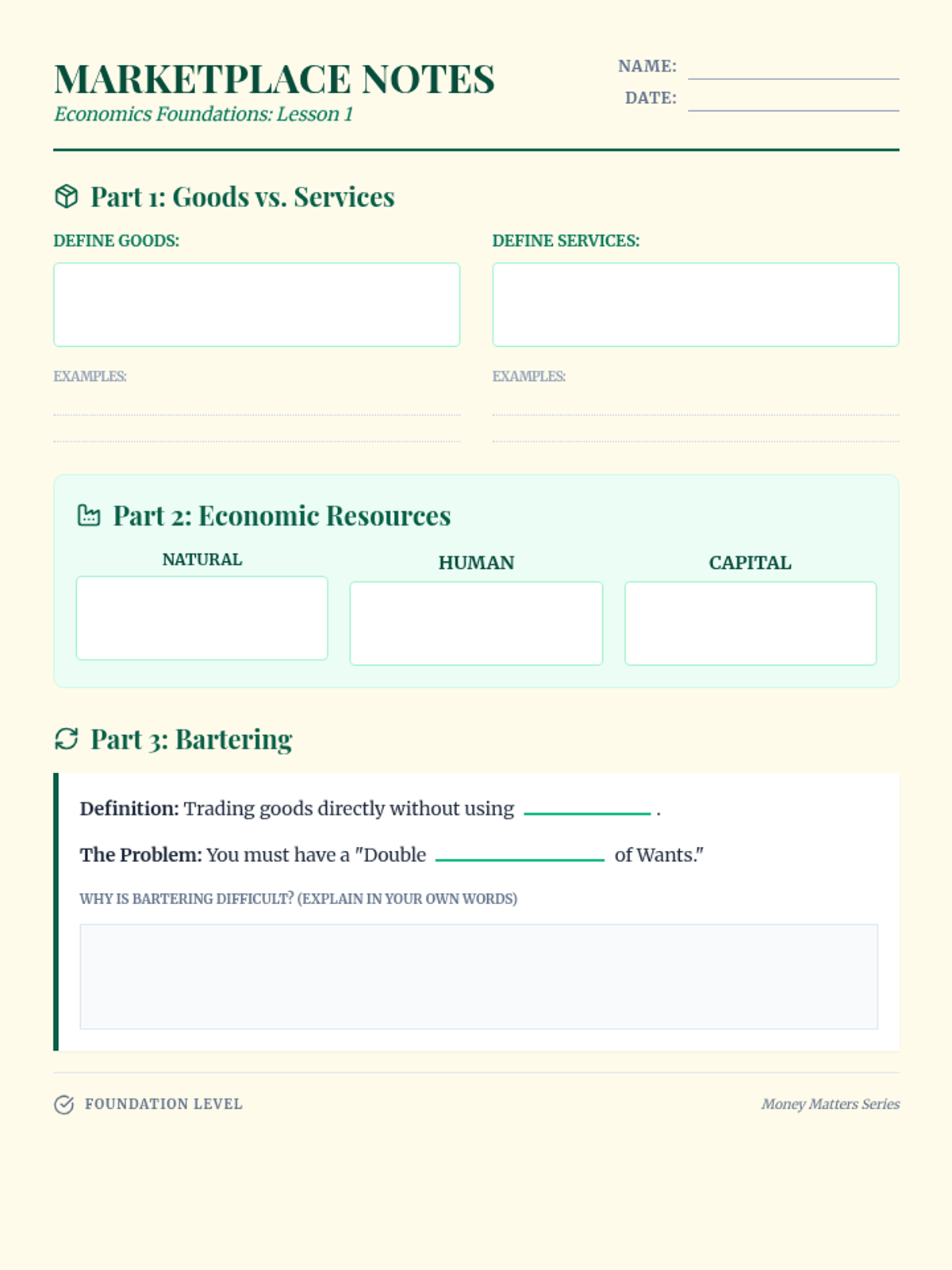
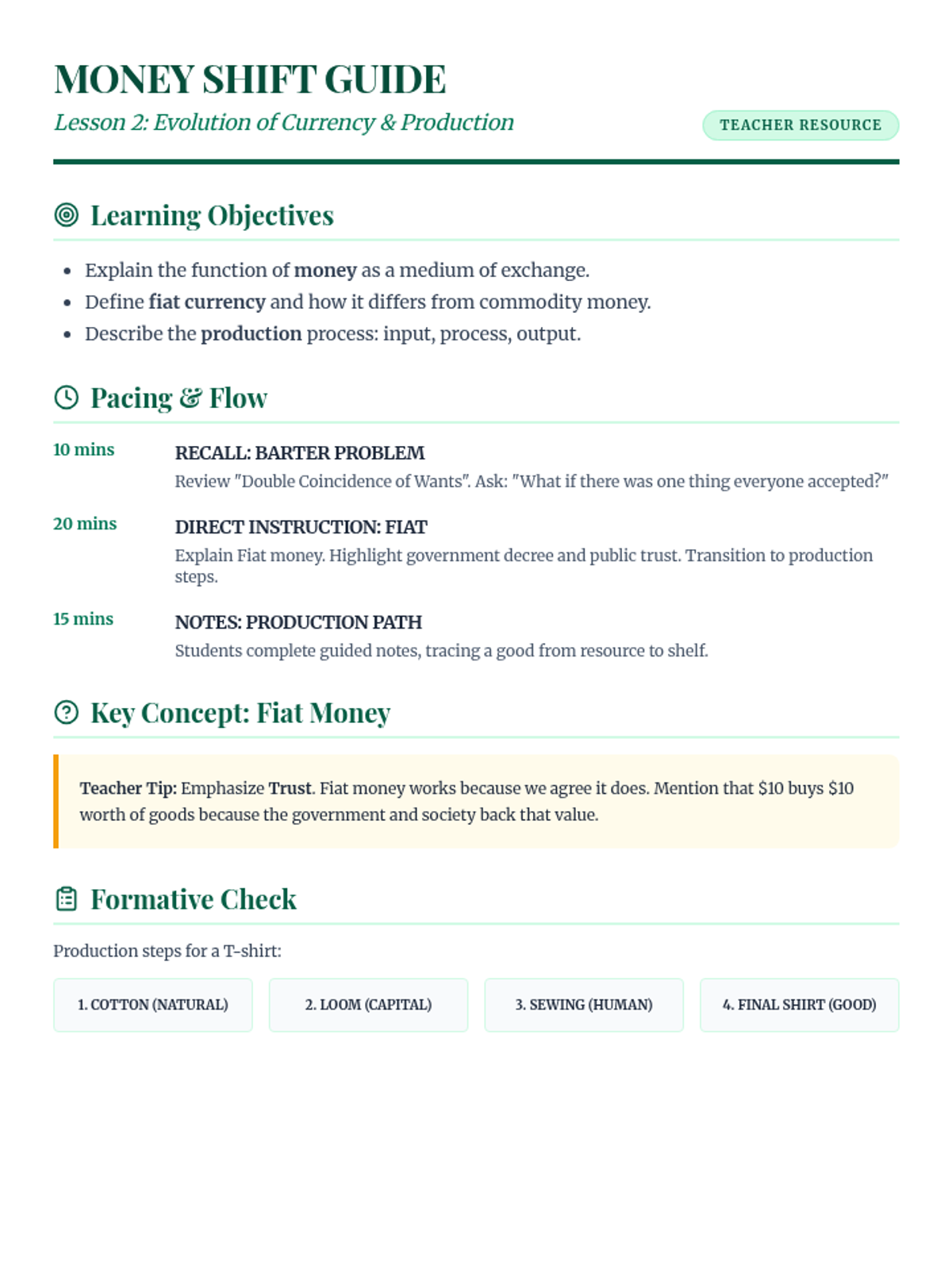
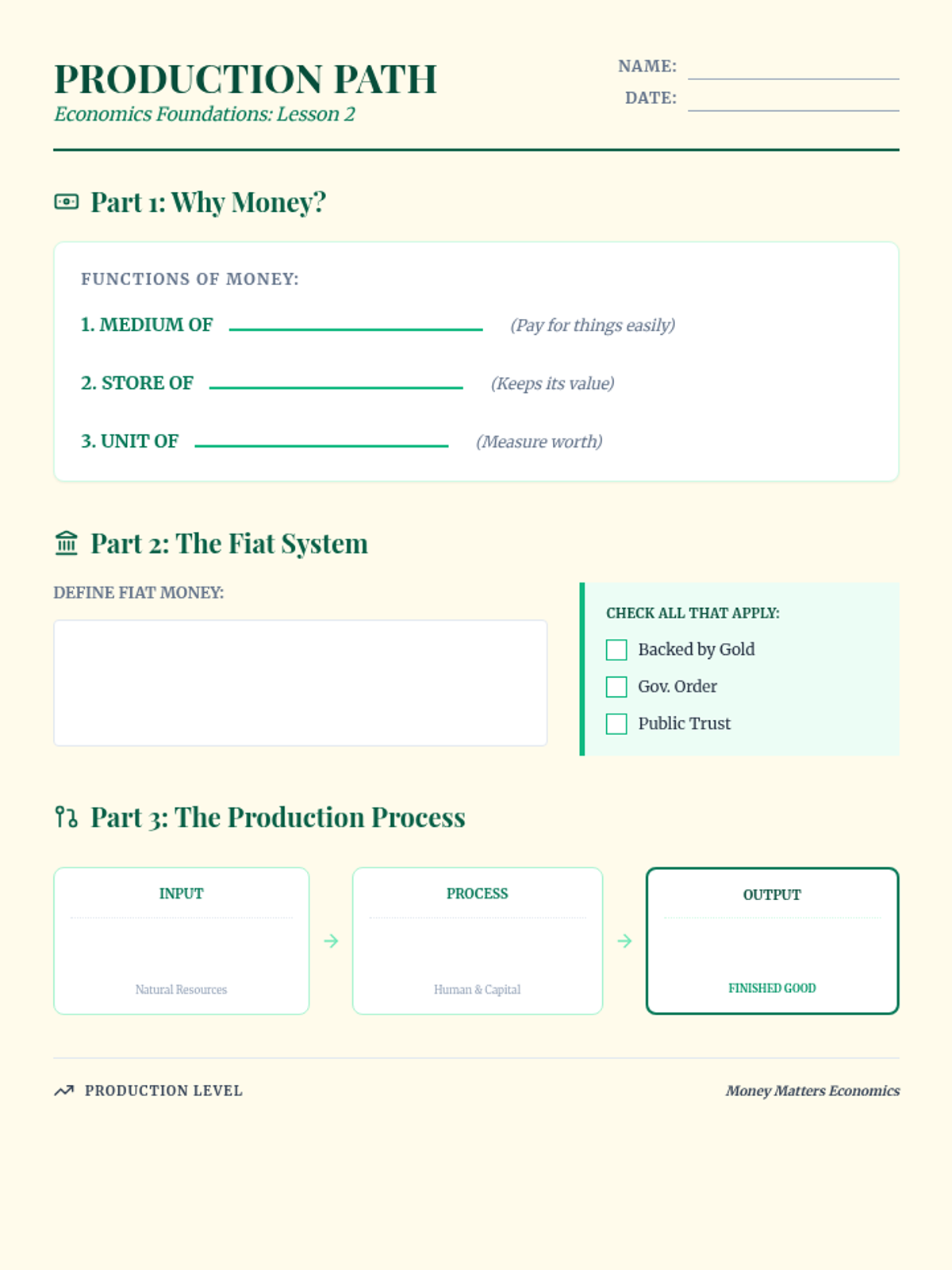
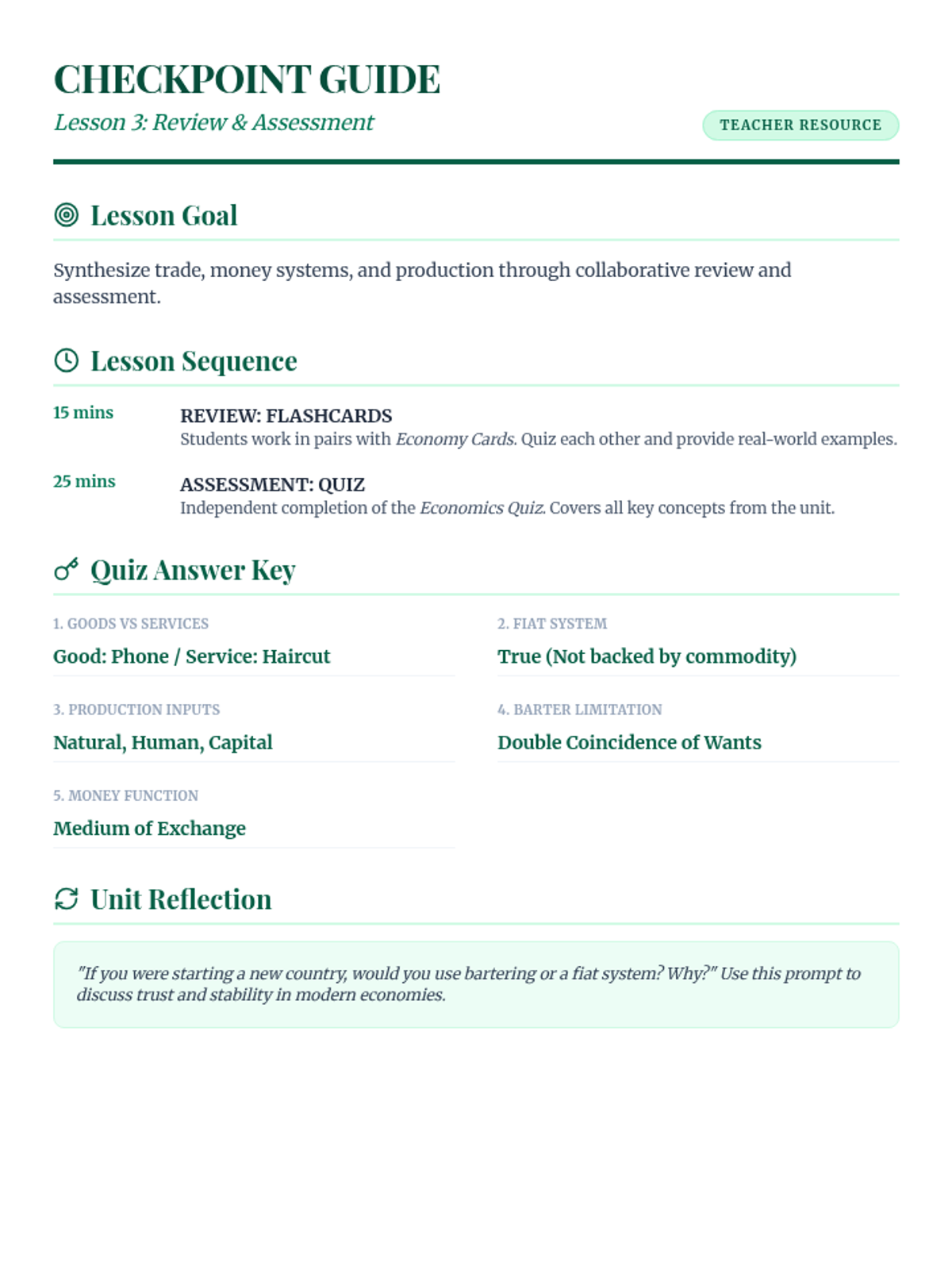
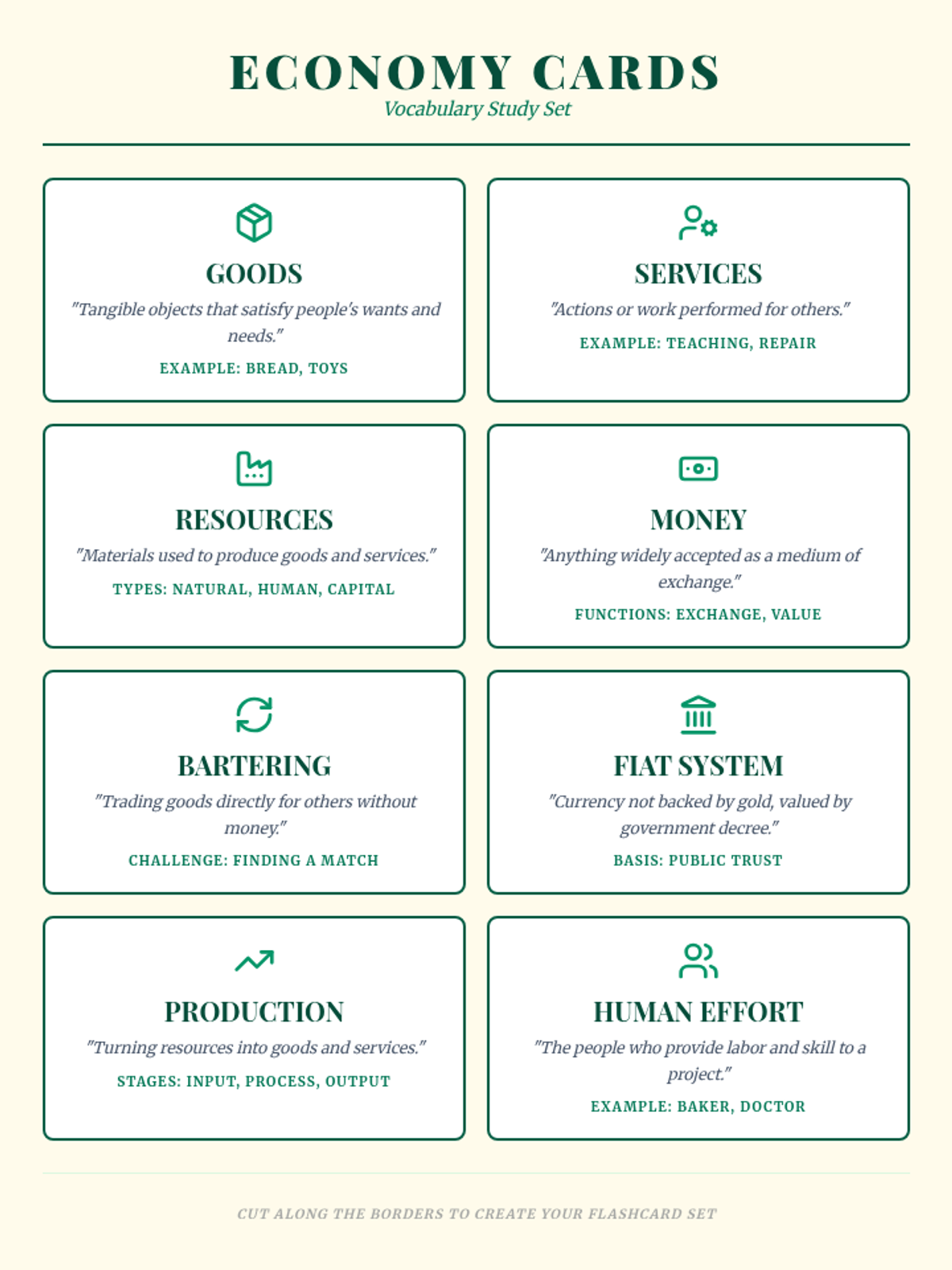
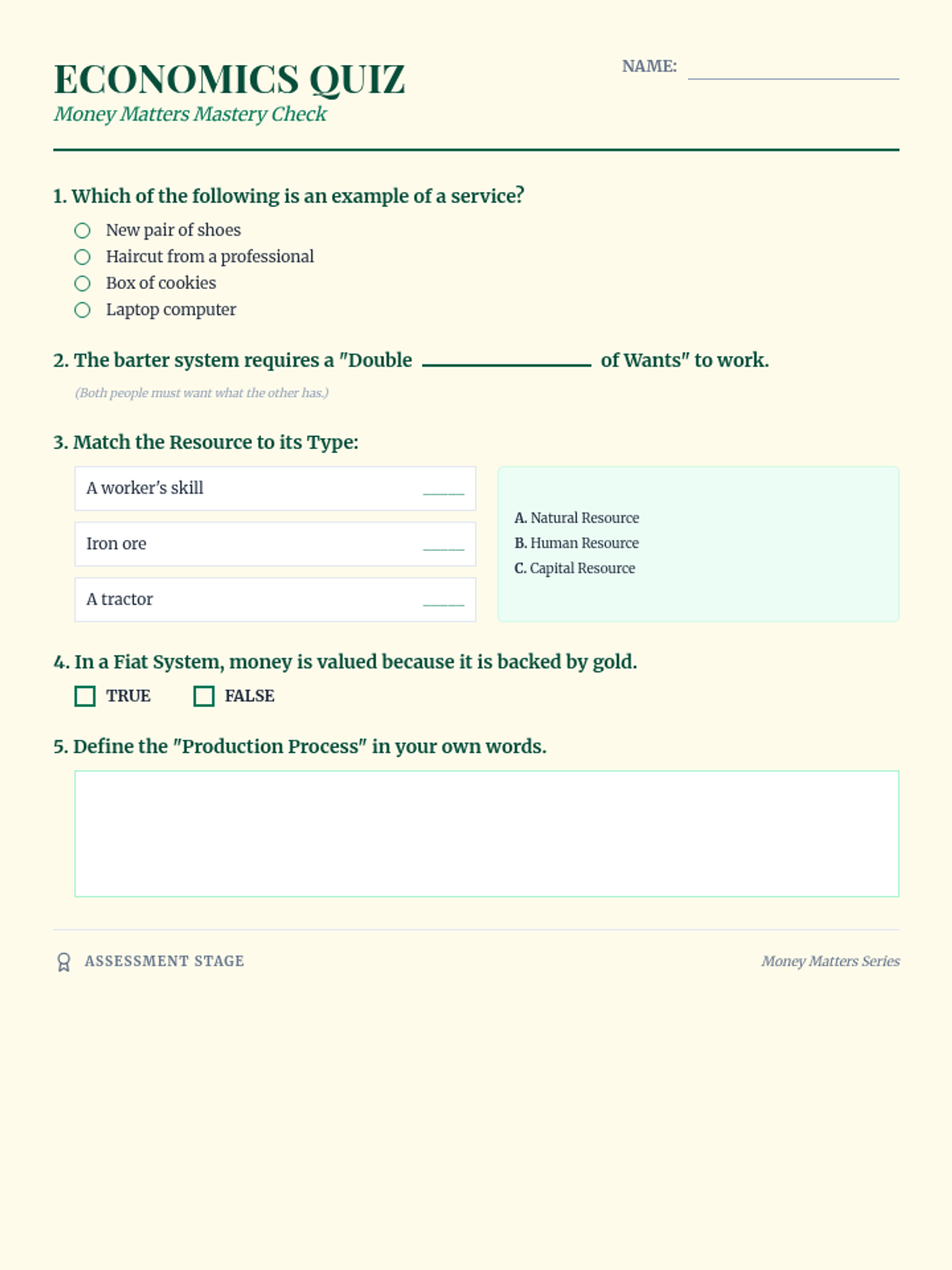
Explores the transition from bartering to modern currency, defining the fiat system and the stages of production. Students will understand why money acts as a medium of exchange and how resources are transformed into goods.
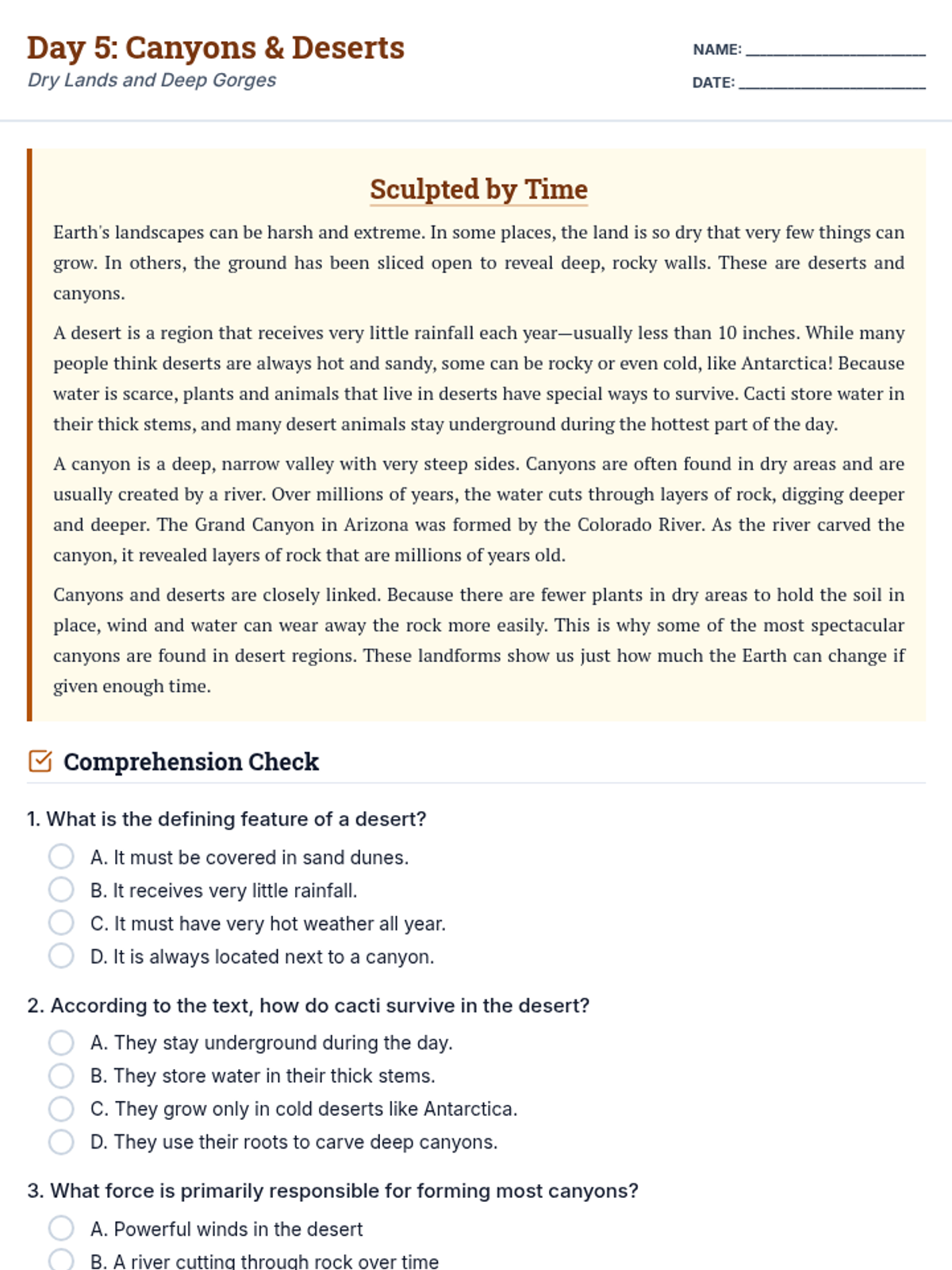
Concludes the week with a study of canyons and deserts, emphasizing inferences and the use of text features to understand extreme environments.
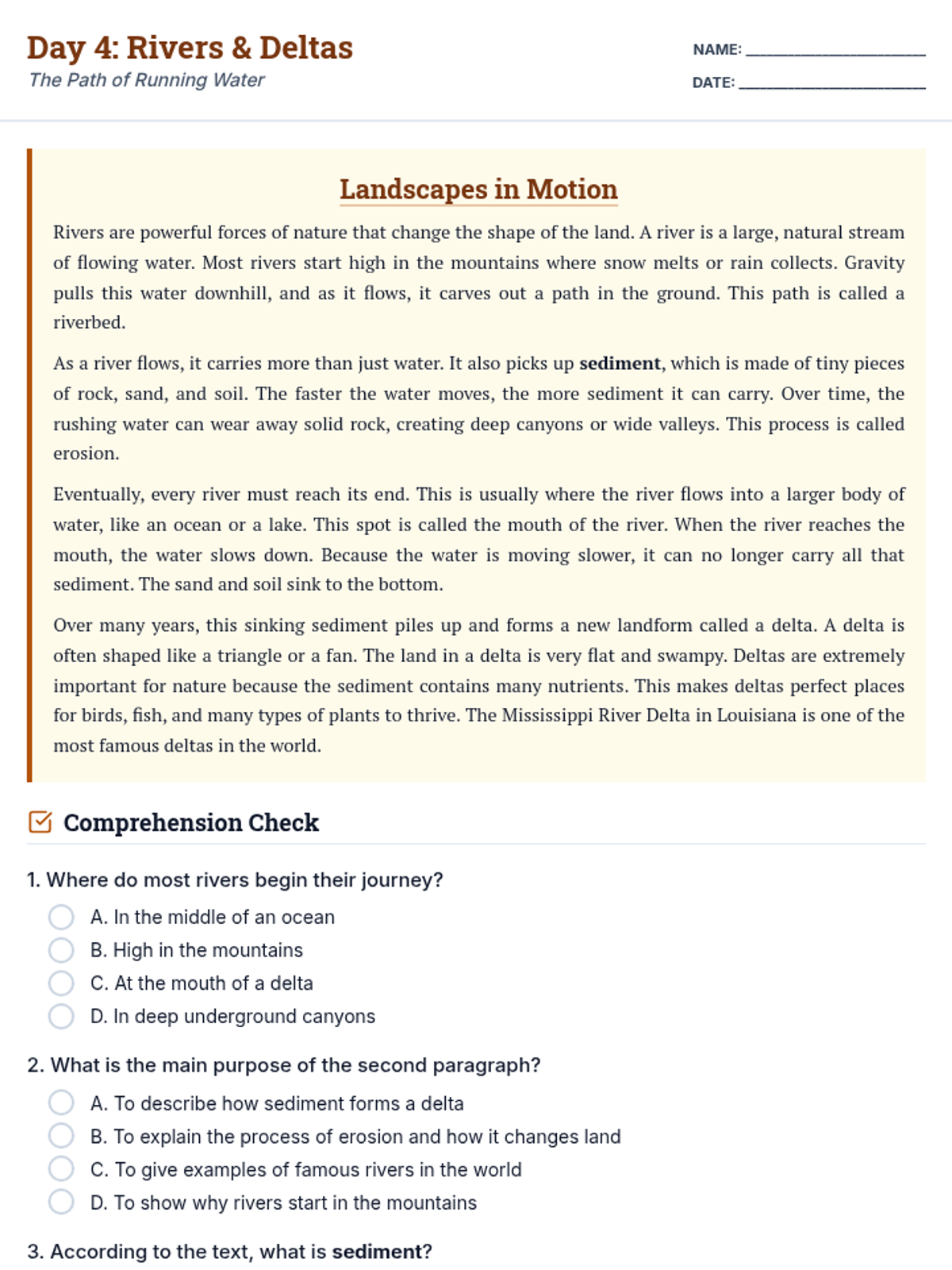
Examines the journey of water through rivers and the formation of deltas, focusing on cause-and-effect relationships within geographic processes.