Students explore the egg as a symbol of new life and create a vibrant stained-glass style egg craft to represent the brightness of spring.
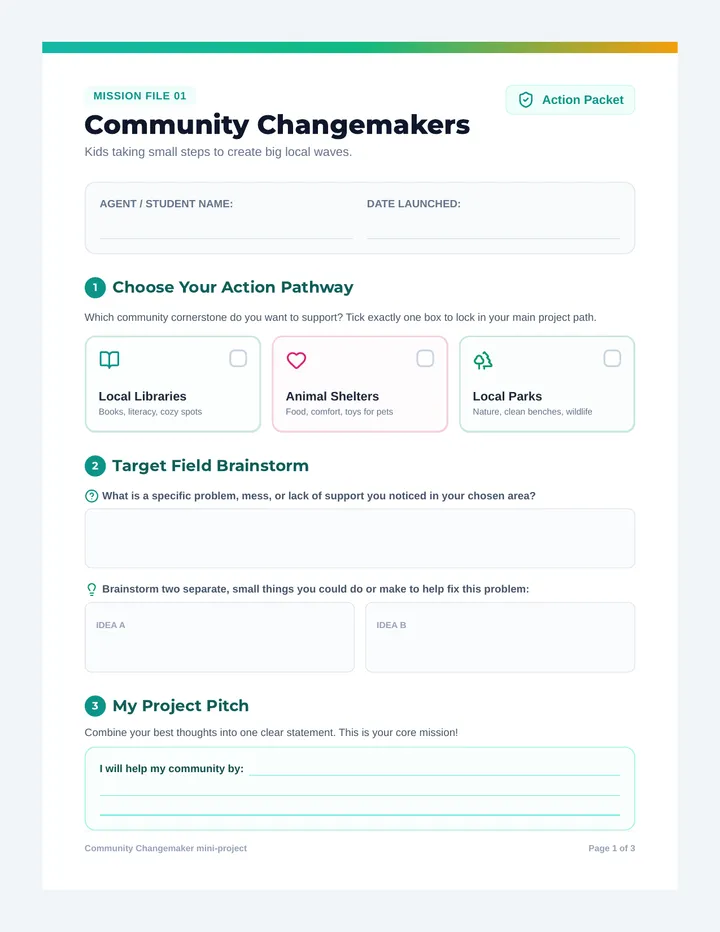
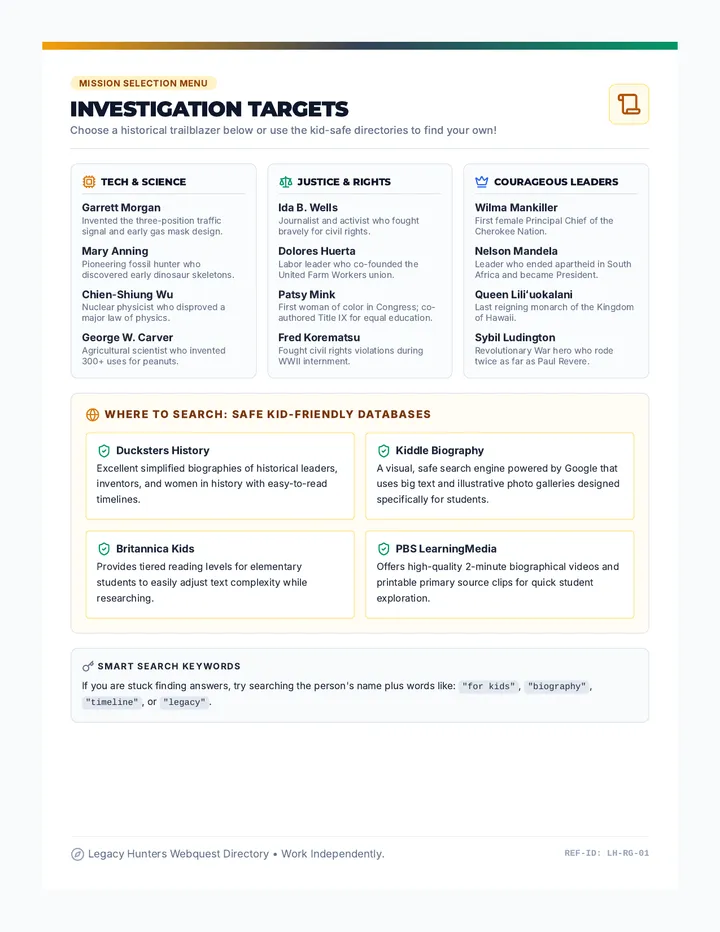
An engaging, detective-themed review of government and civics for grades 3-5, covering the branches of government, rights and responsibilities, and community decision-making.
A creative, structured guide for students to explore the intersection of graphic design and filmmaking, focusing on branding, character design, and visual storytelling.
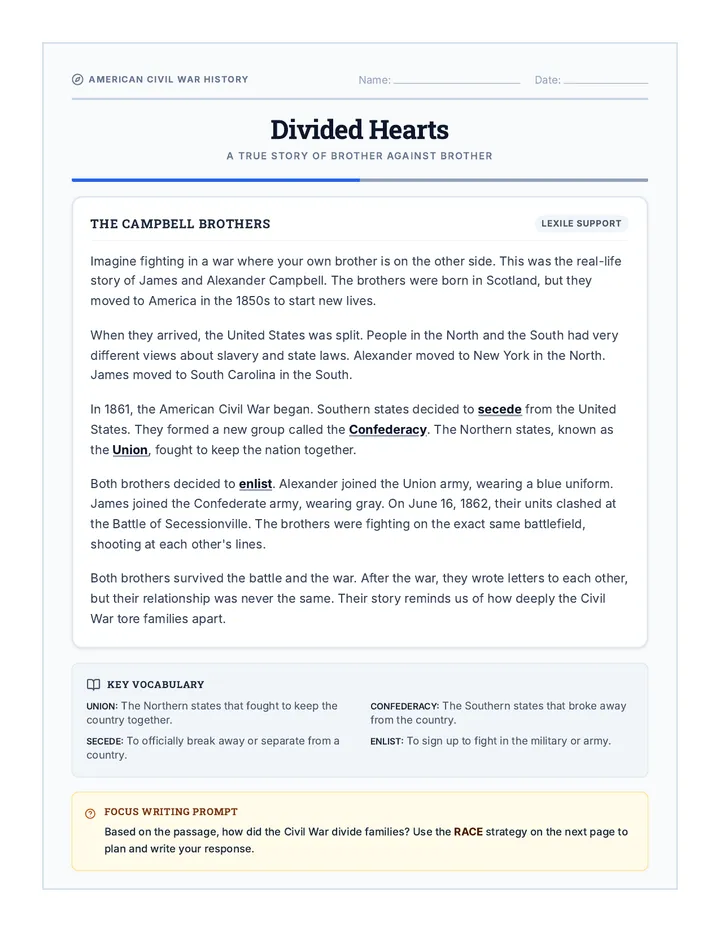
A beginner's look into the various factors that caused the mighty Roman Empire to eventually fall, written for a third-grade reading level.
A 30-minute introductory lesson for 3rd graders comparing Ancient Rome to the modern city, focusing on landmarks like the Colosseum and daily life.
This lesson introduces first-grade students to the four cardinal directions (north, south, east, and west) using a compass rose and fun mnemonics to aid navigation and map reading.
This lesson explores the Maya civilization, focusing on their farming techniques (maize), the geography of the rainforest, and the structure of their ancient cities. Students will learn about the importance of 'The Three Sisters' and the role of the Maya kings.
The final day reviews all learned traditions and concludes with a joyful pop-up card craft to share the celebration with family or friends.
Focusing on flowers and growth, students go outside to create a community chalk garden and search for the colors of spring.
Students learn why the bunny is associated with Easter and head outdoors for a 'Spring Detective' scavenger hunt to find signs of new life in nature.
An introductory lesson on United States geography, focusing on state identification, capital cities, and the practical use of a compass rose for navigation.
A collection of reflection prompts designed to deepen students' connection to their creative process and personal expression in the art studio.
A culminating unit for the Cultural Connections after-school club where students prepare and host a showcase for the community. The lesson focuses on synthesizing their understanding of cultural pillars like music, storytelling, and traditions through interactive presentations.
A vibrant exploration of traditional clothing from the diverse home countries of our class, examining how climate, history, and identity shape garments from Latin America, Africa, Asia, and beyond.