Students analyze the impact of homophone errors on writer credibility through professional case studies. They will categorize errors and debate how small mistakes can change the perception of a professional's competence.
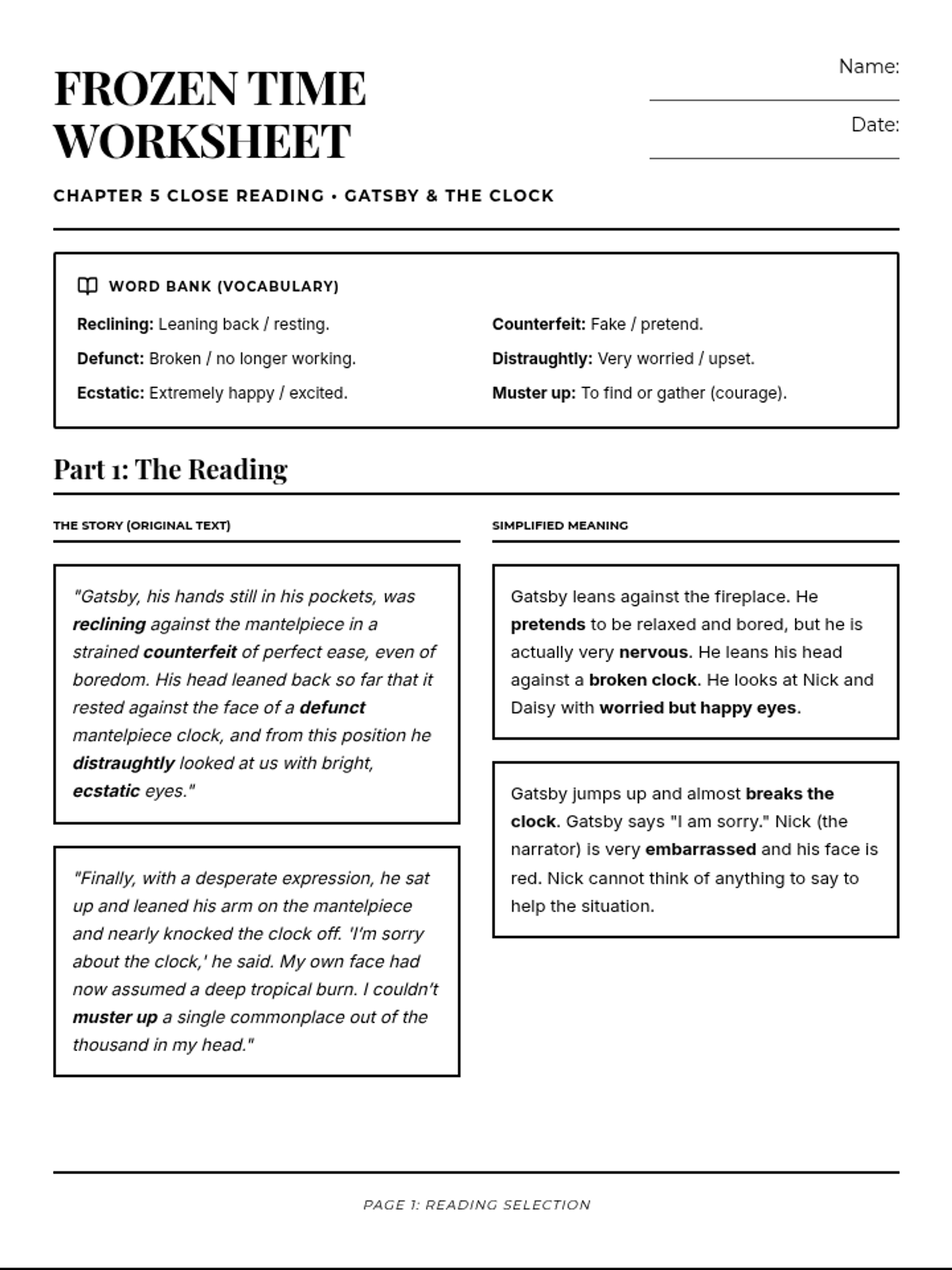
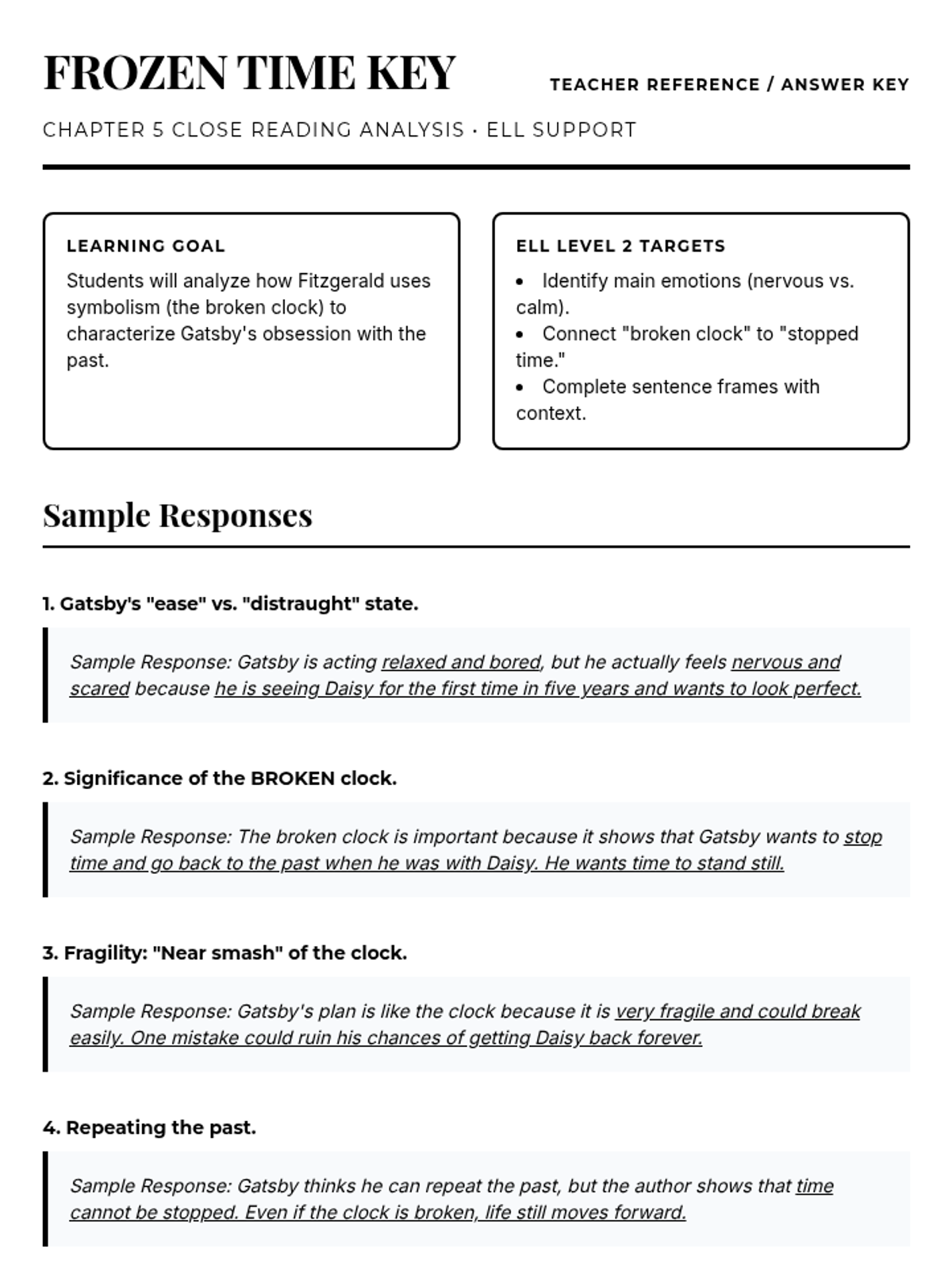
A focused close reading lesson of Chapter 5 from The Great Gatsby, focusing on the symbolism of the broken clock and Gatsby's attempts to control time, specifically scaffolded for ELL Level 2 students.
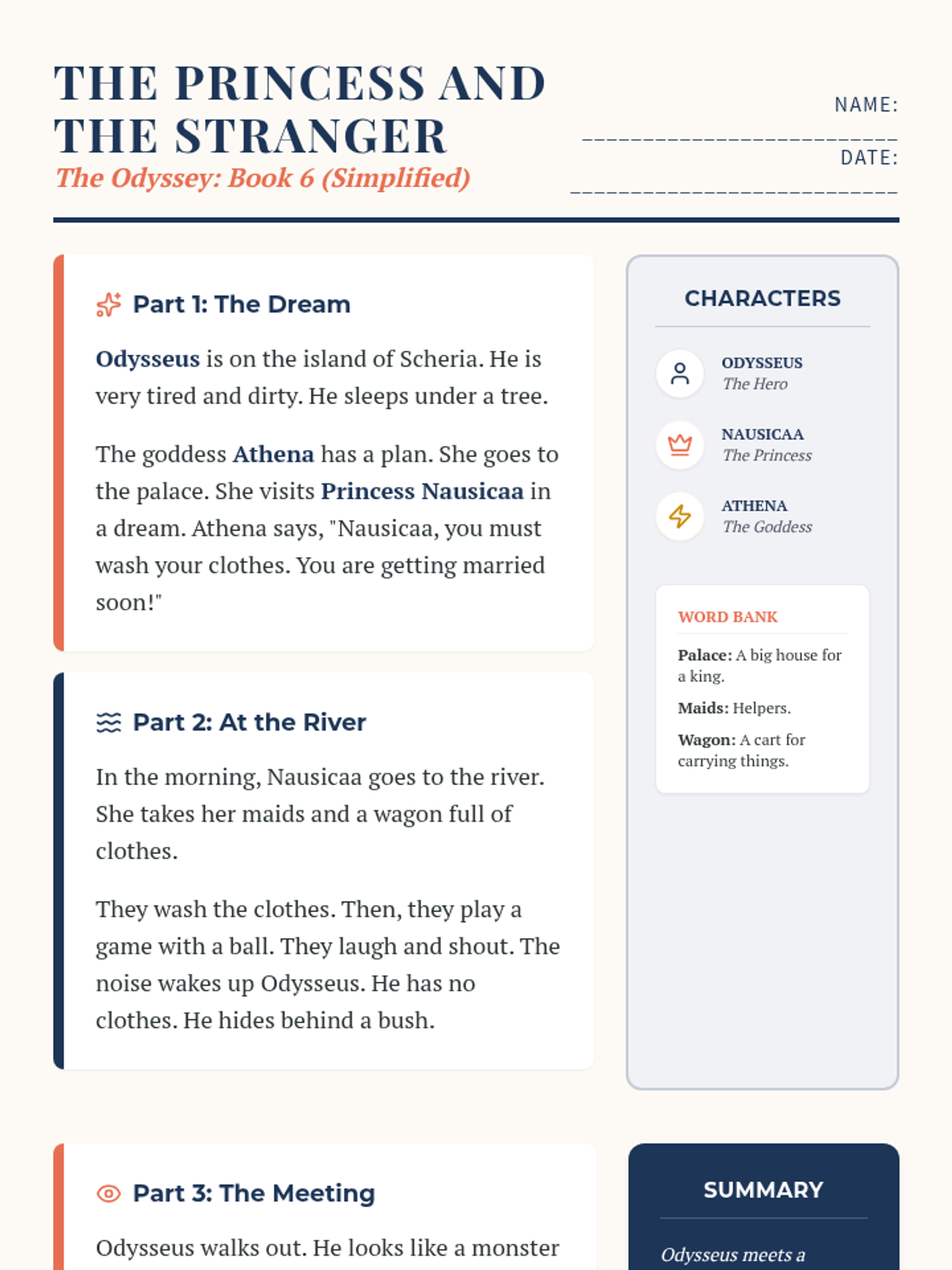
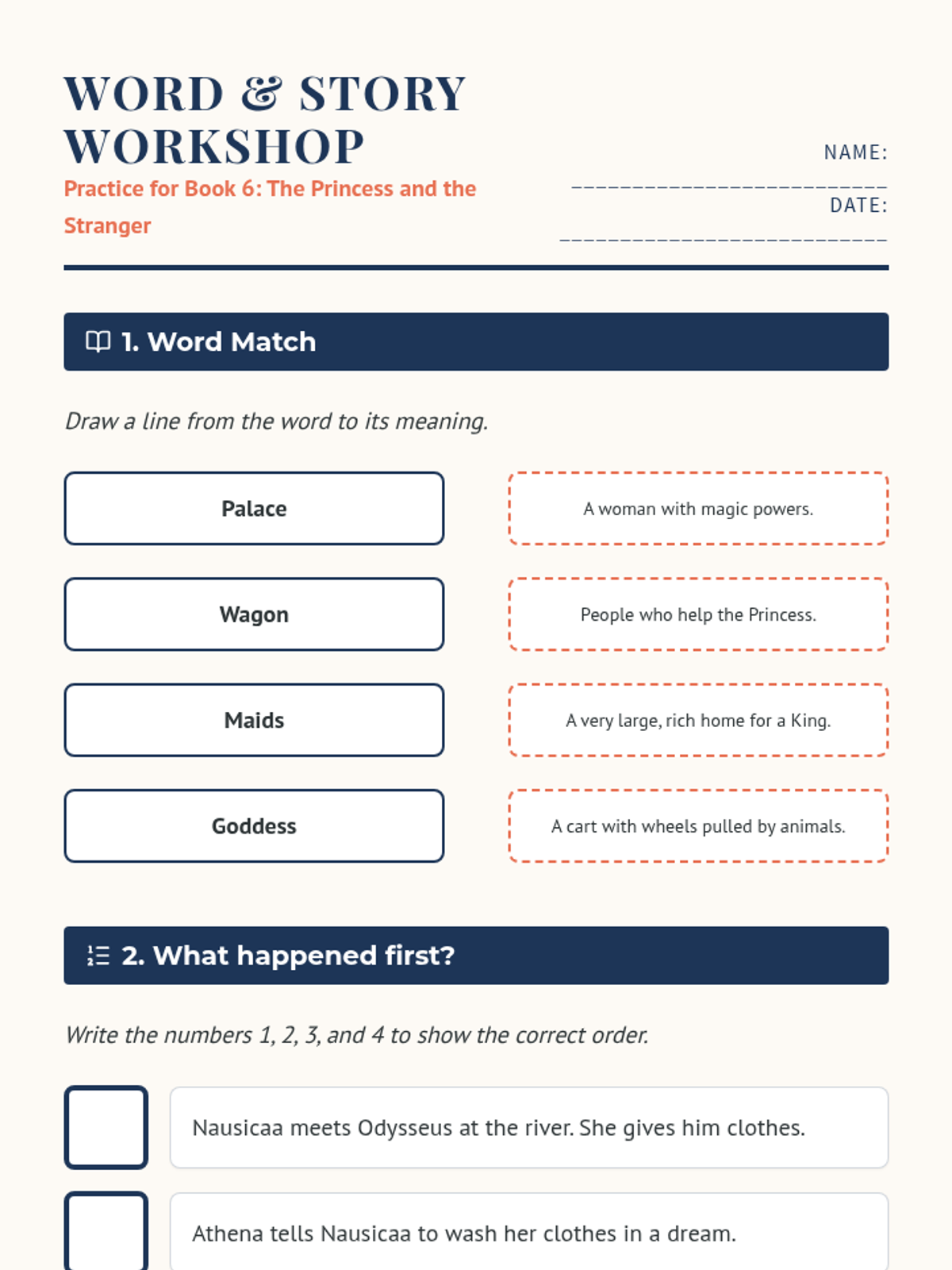
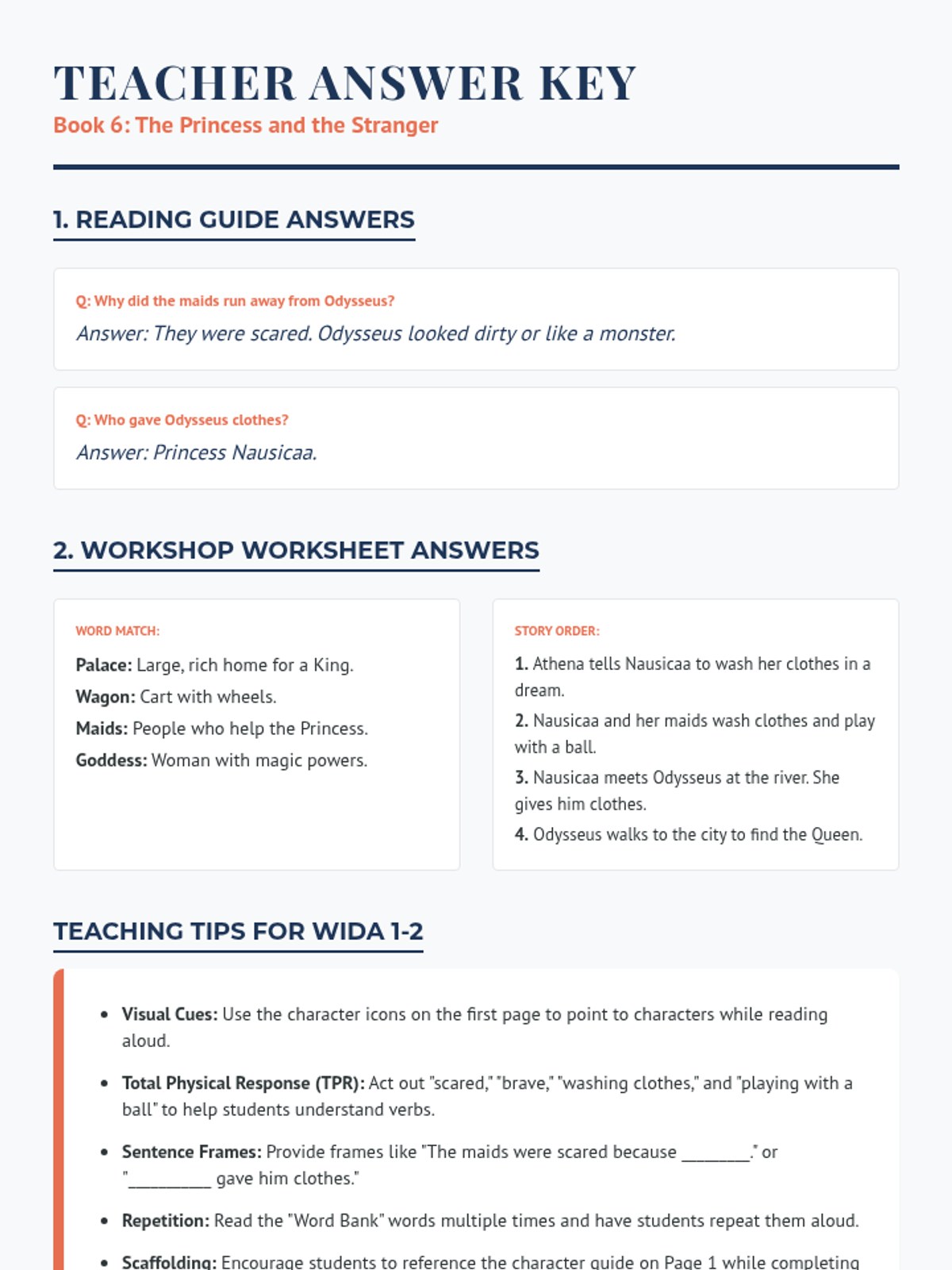
A simplified exploration of Book 6 of Homer's Odyssey, designed for WIDA Level 1-2 ELL students. The lesson focuses on key characters, basic plot sequencing, and essential vocabulary through a high-interest narrative.
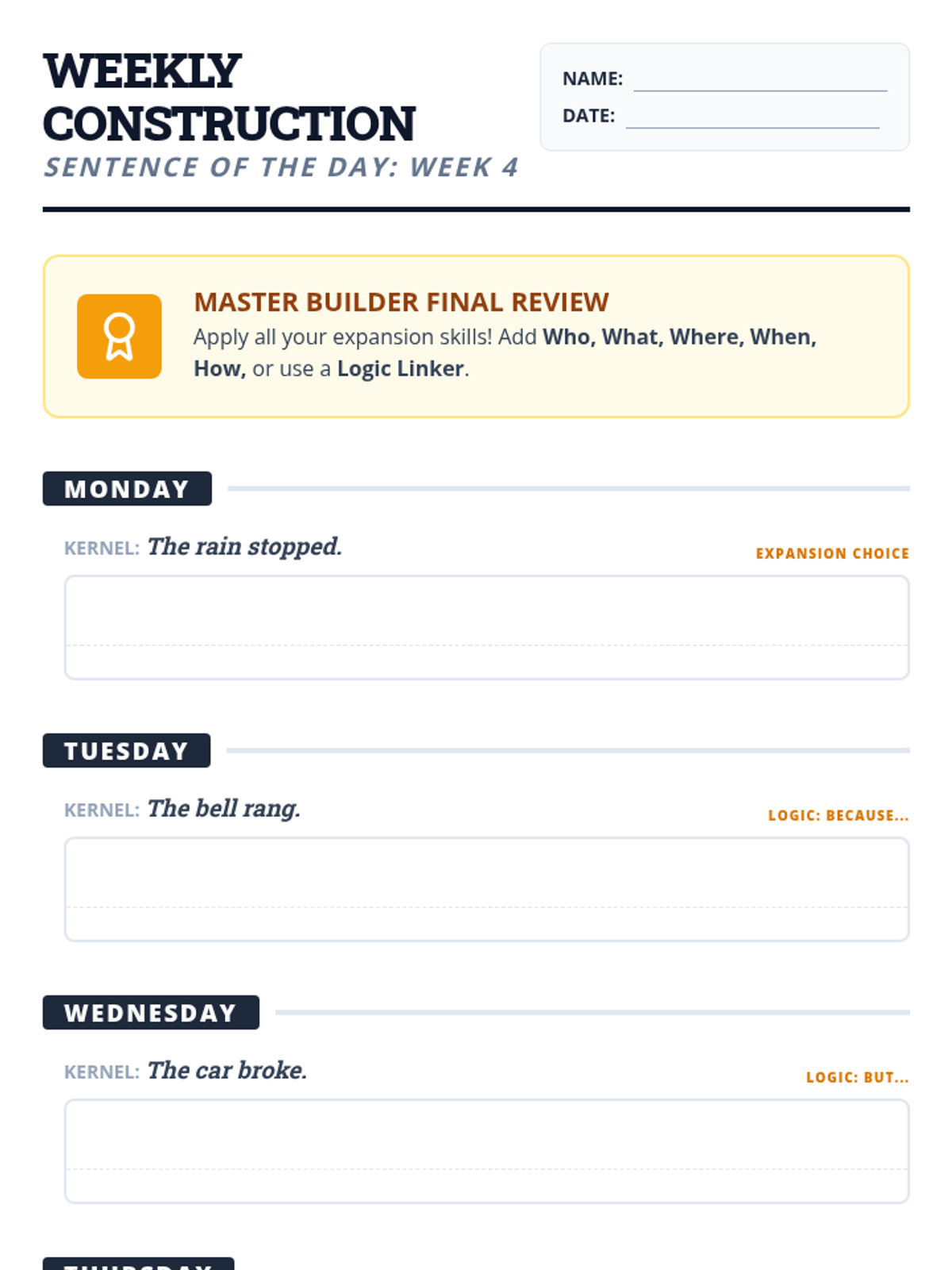
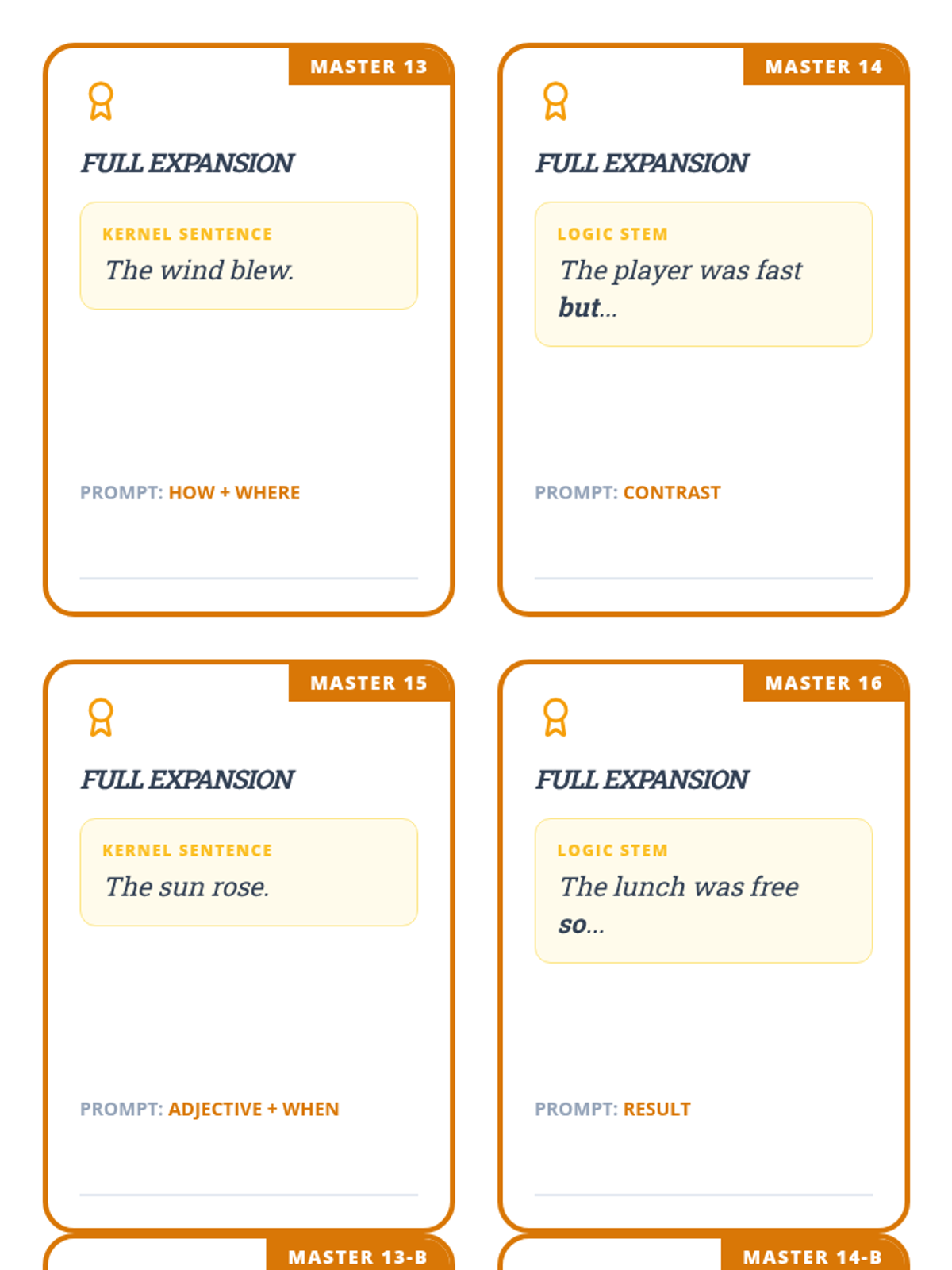
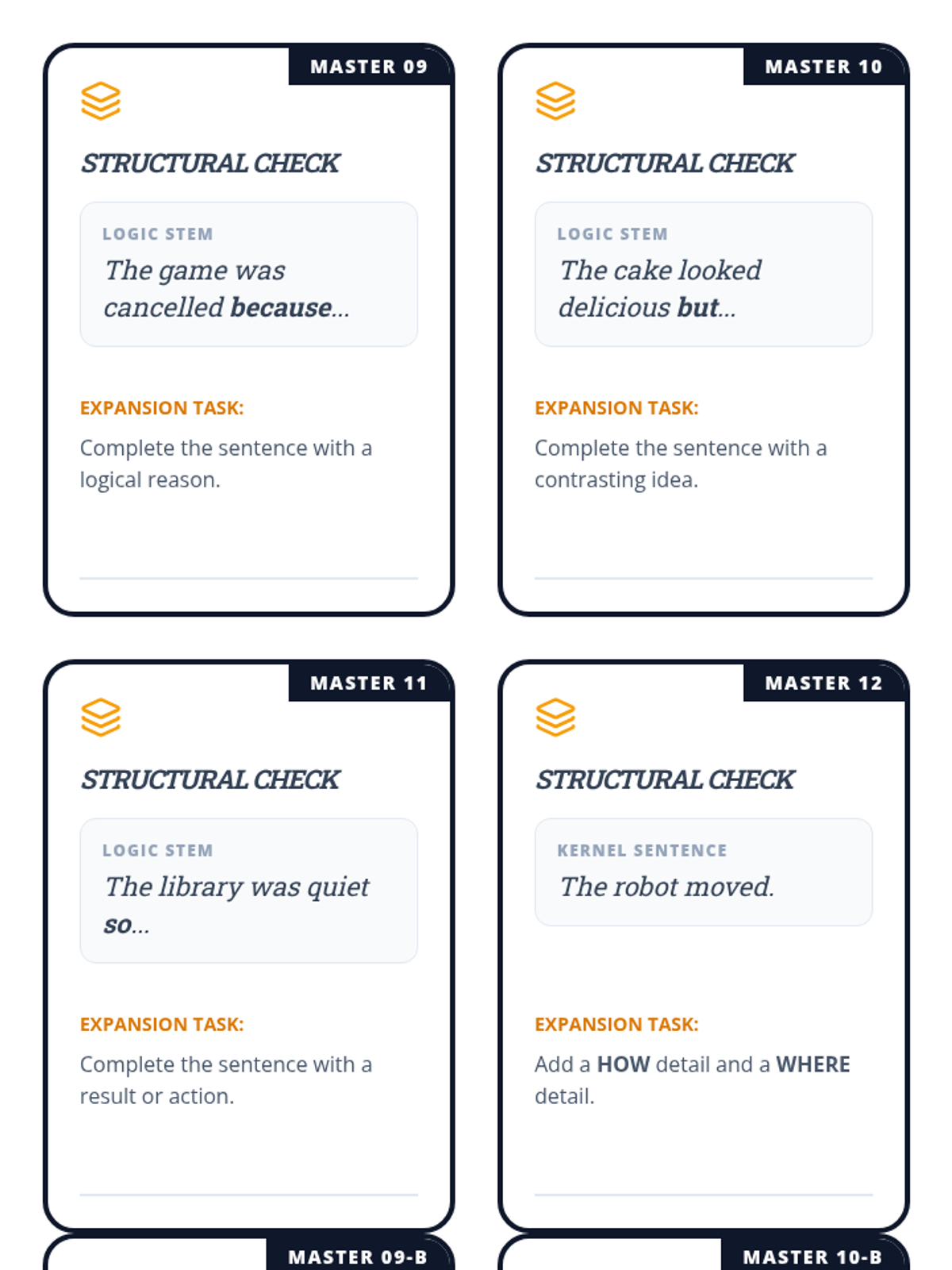
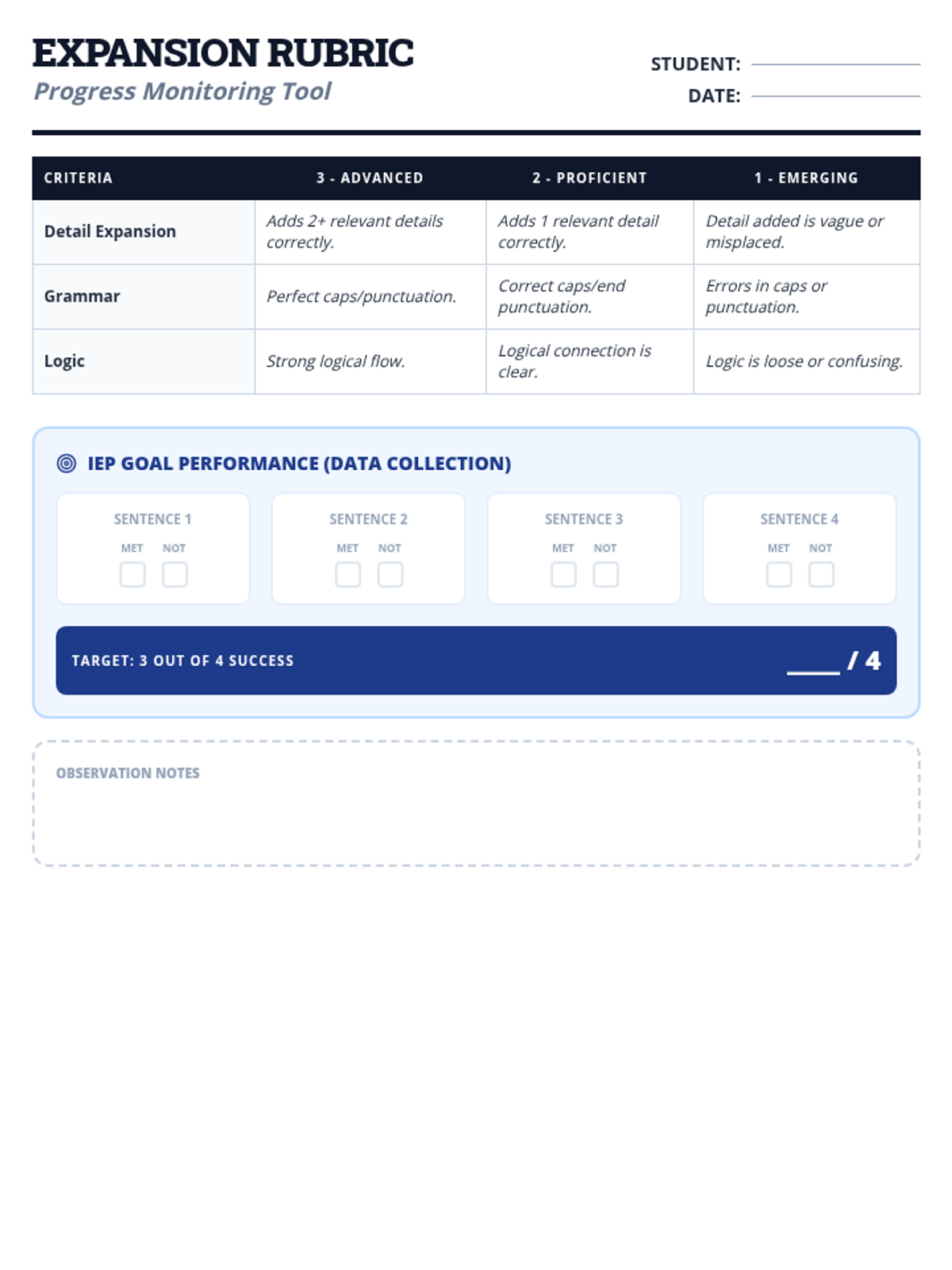
The final review lesson where students apply all previous strategies (adjectives, situational details, and logical conjunctions) to create complex and polished sentences.
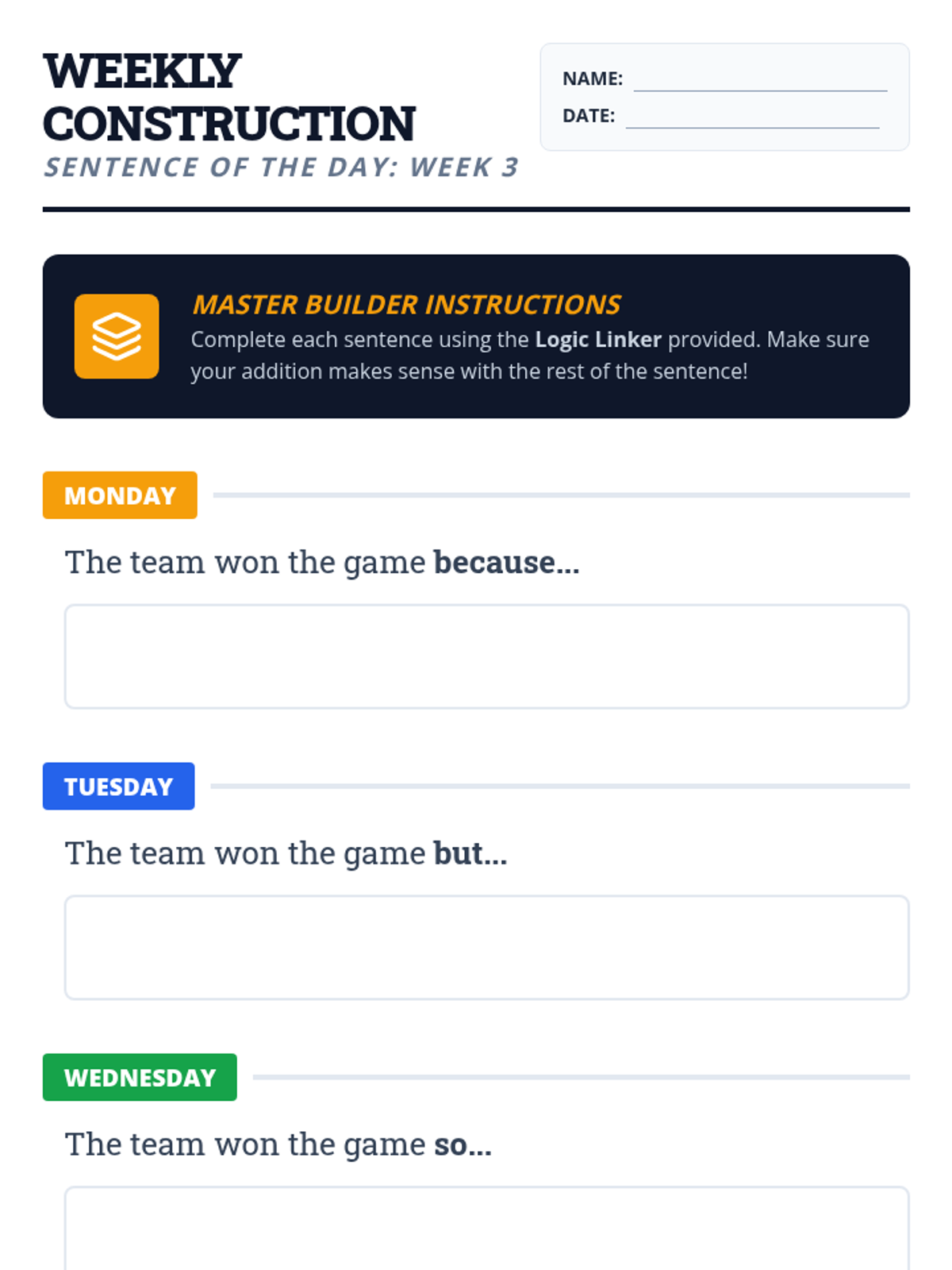
The final lesson focuses on using 'Because, But, So' to expand sentences logically and demonstrate deeper reasoning and detail.
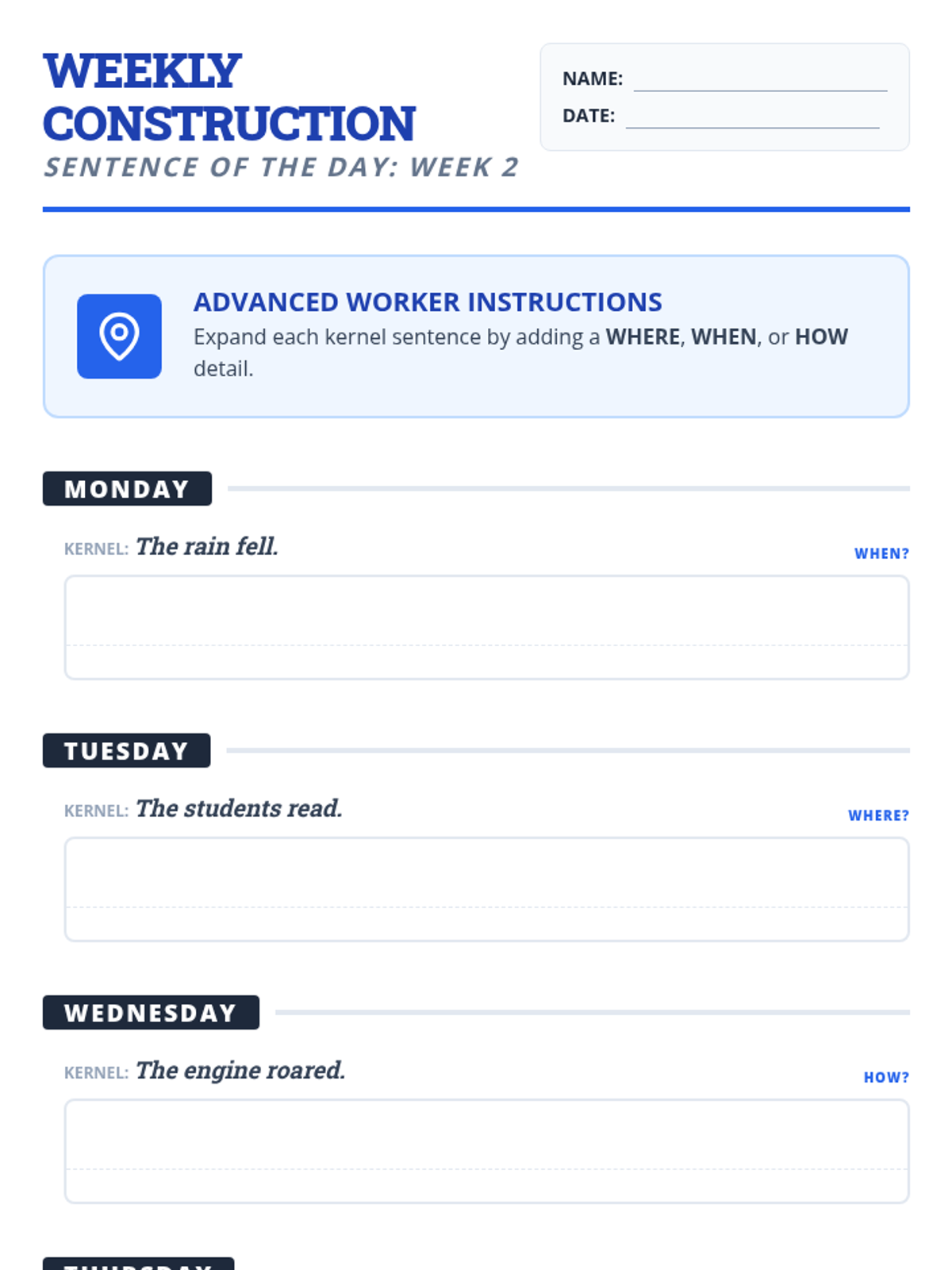
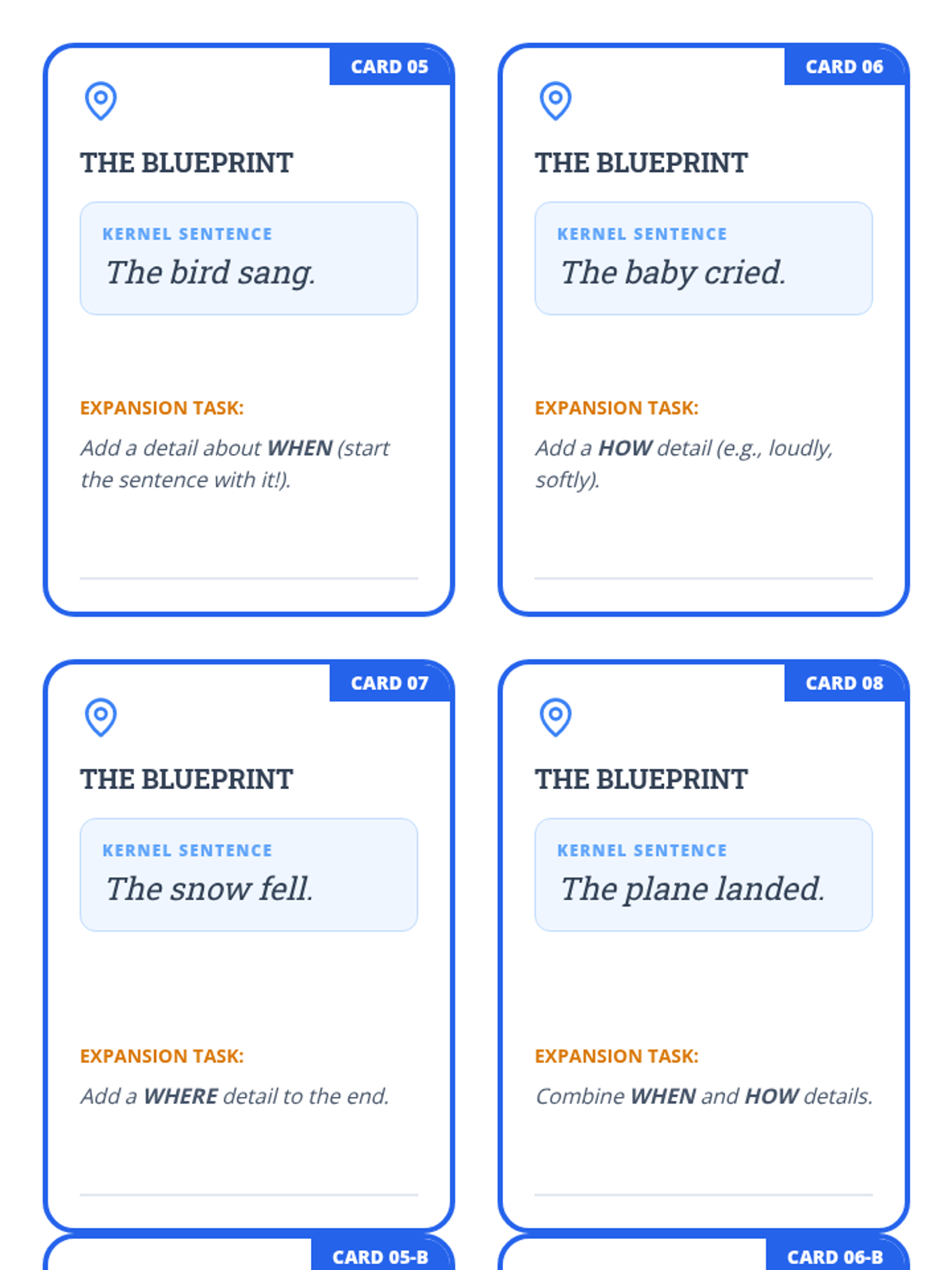
In this lesson, students learn to add situational details to their sentences using 'Where', 'When', and 'How' question words.
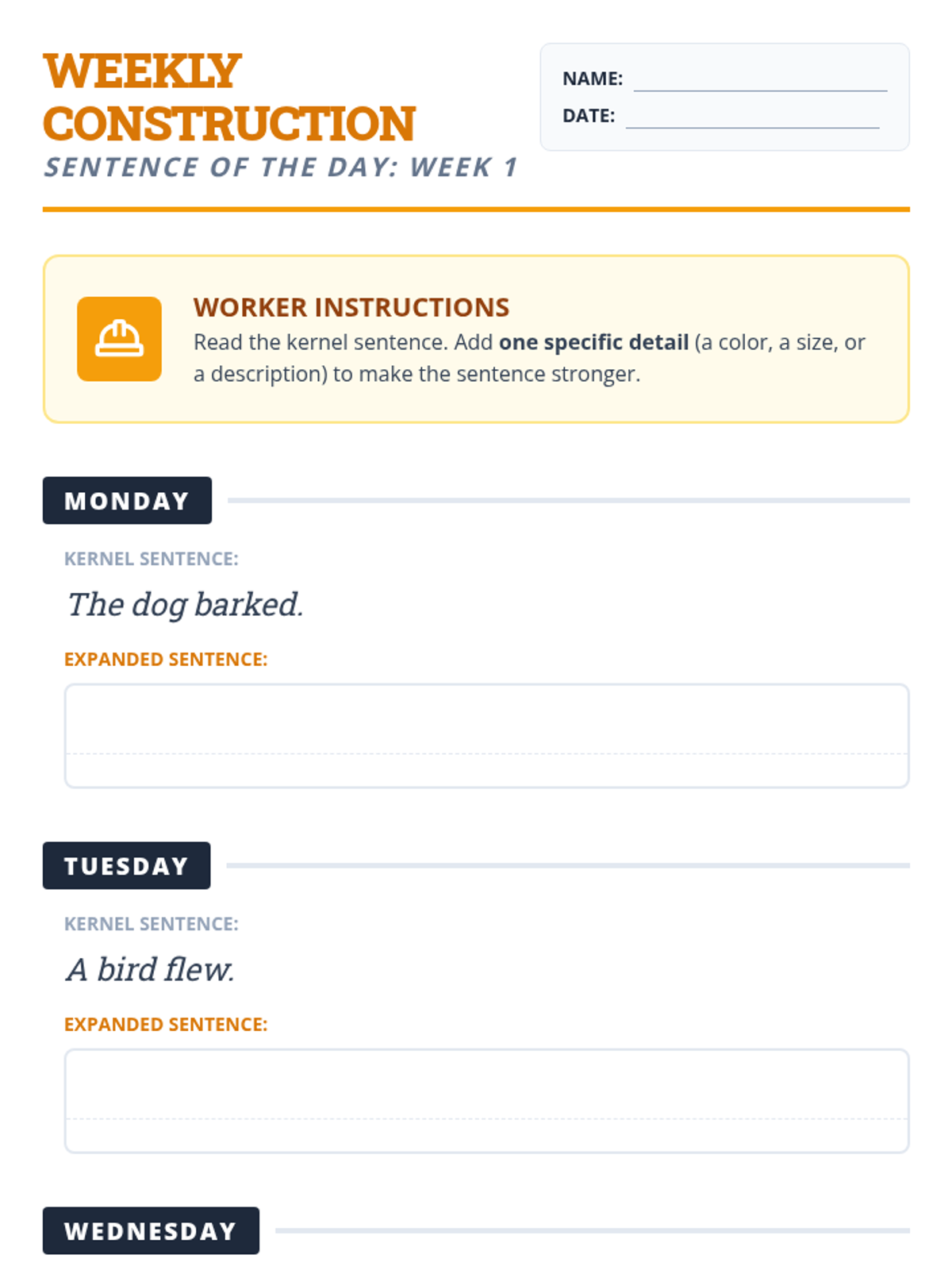
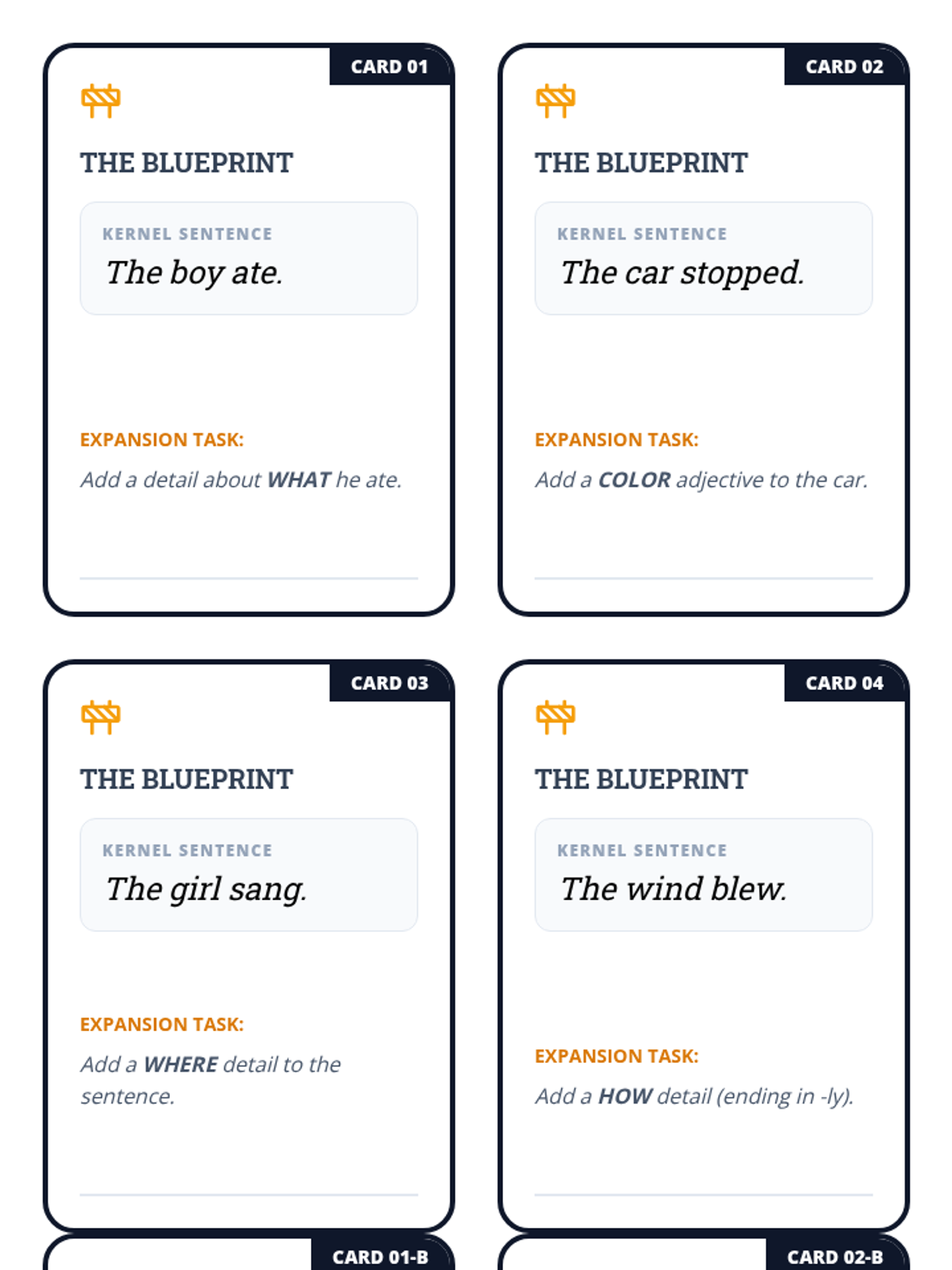
This lesson introduces the concept of a complete sentence versus a fragment and begins basic sentence expansion using 'Who' and 'What' details.
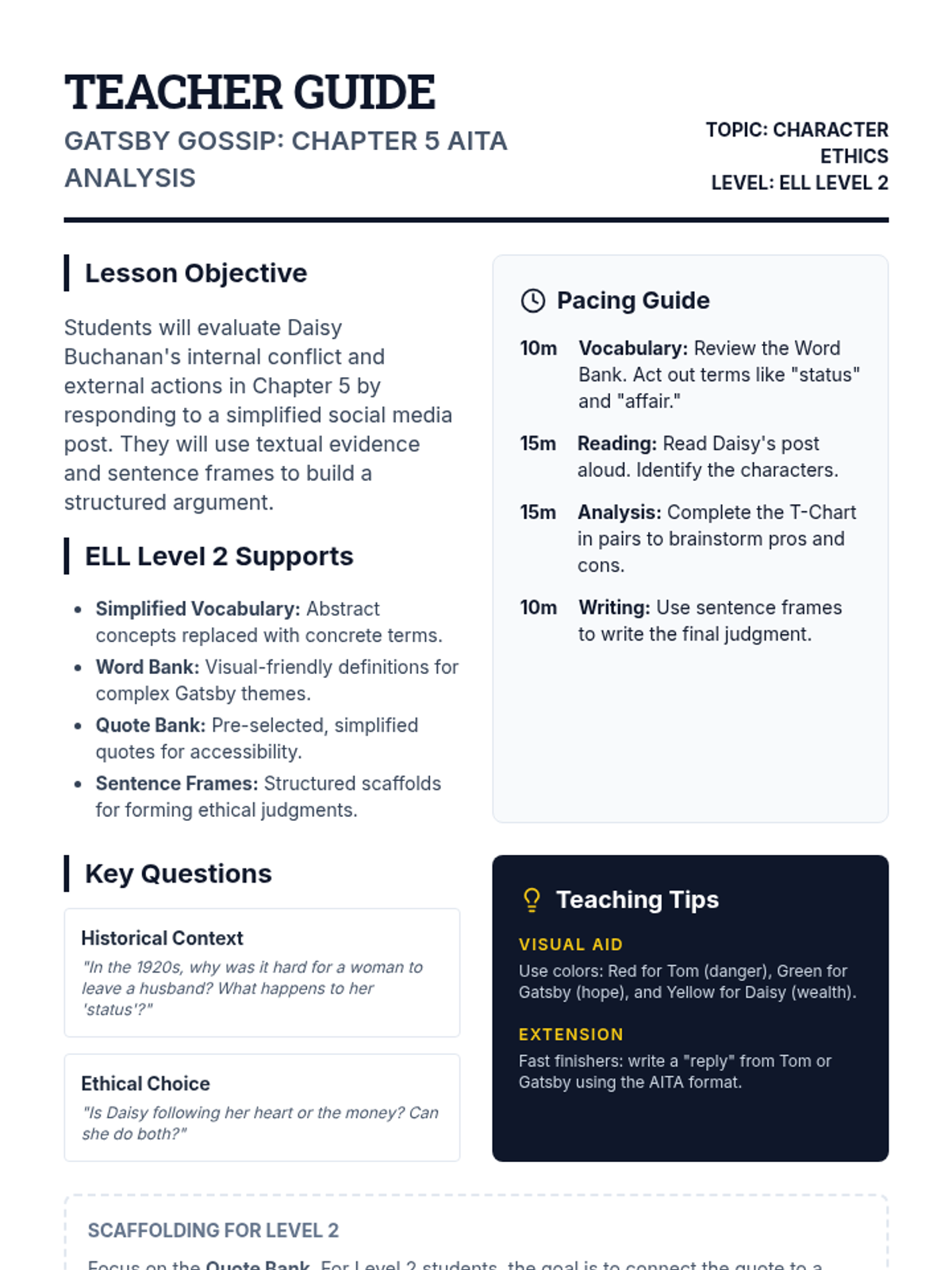
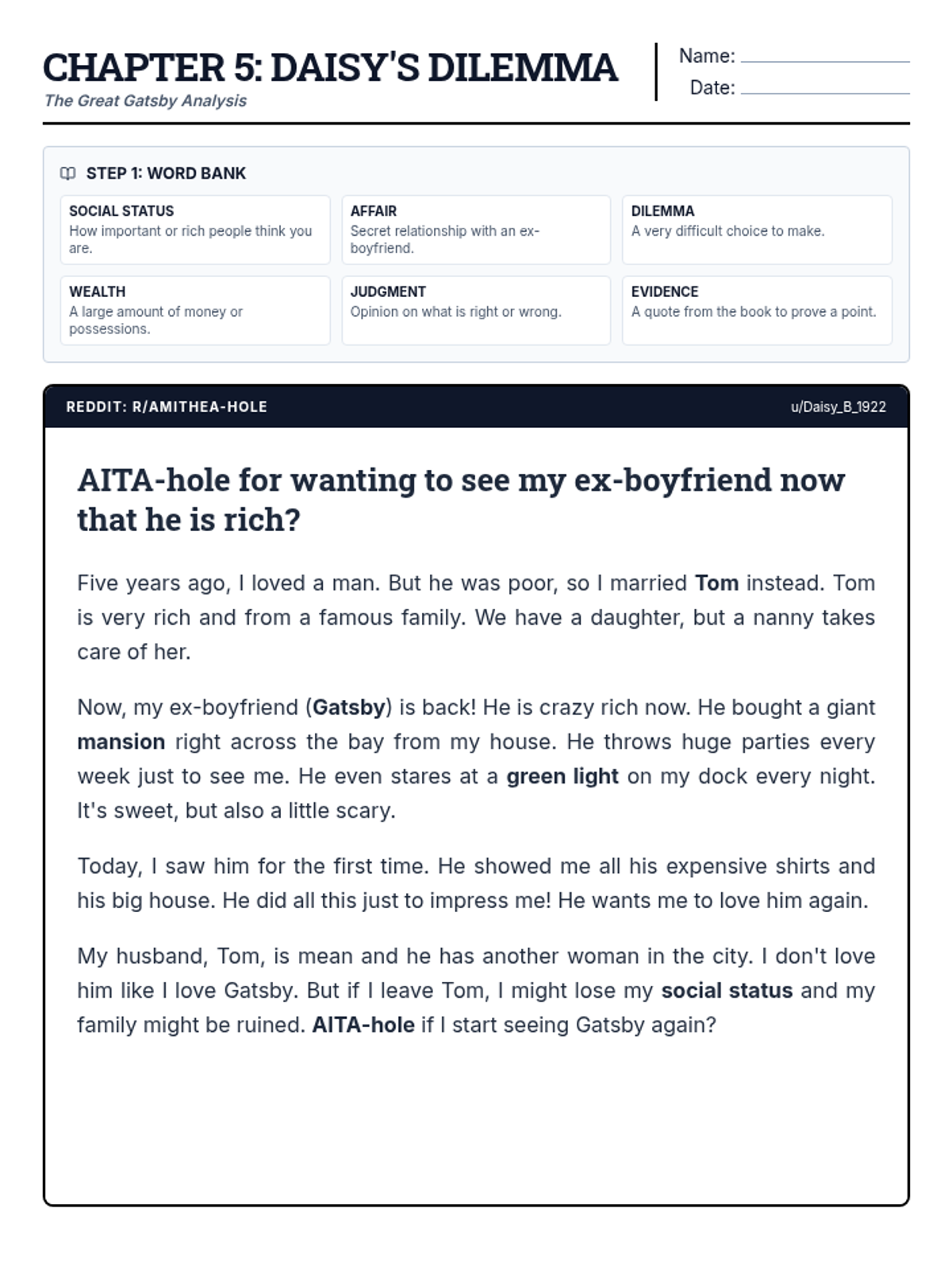
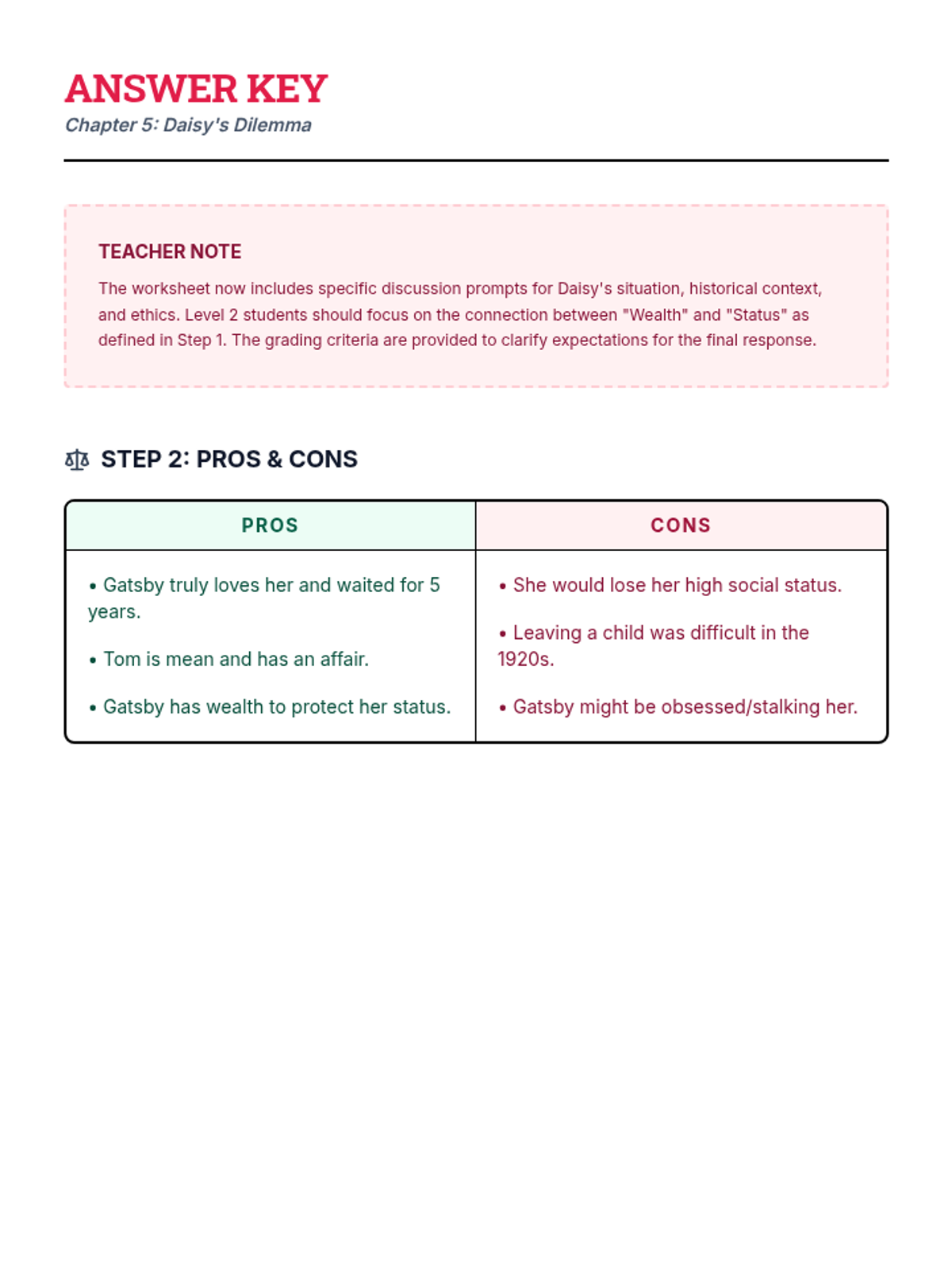
A lesson analyzing Daisy Buchanan's dilemma in Chapter 5 of The Great Gatsby through a modern 'Am I The Asshole' social media lens, scaffolded specifically for ELL Level 2 students.
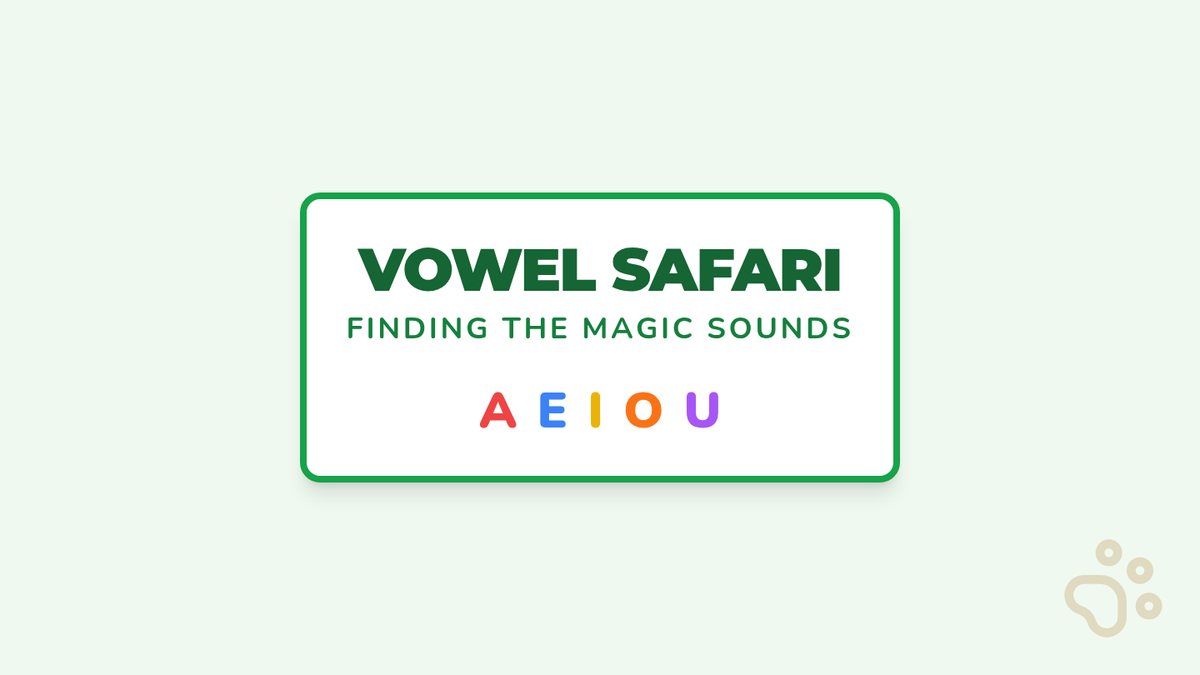
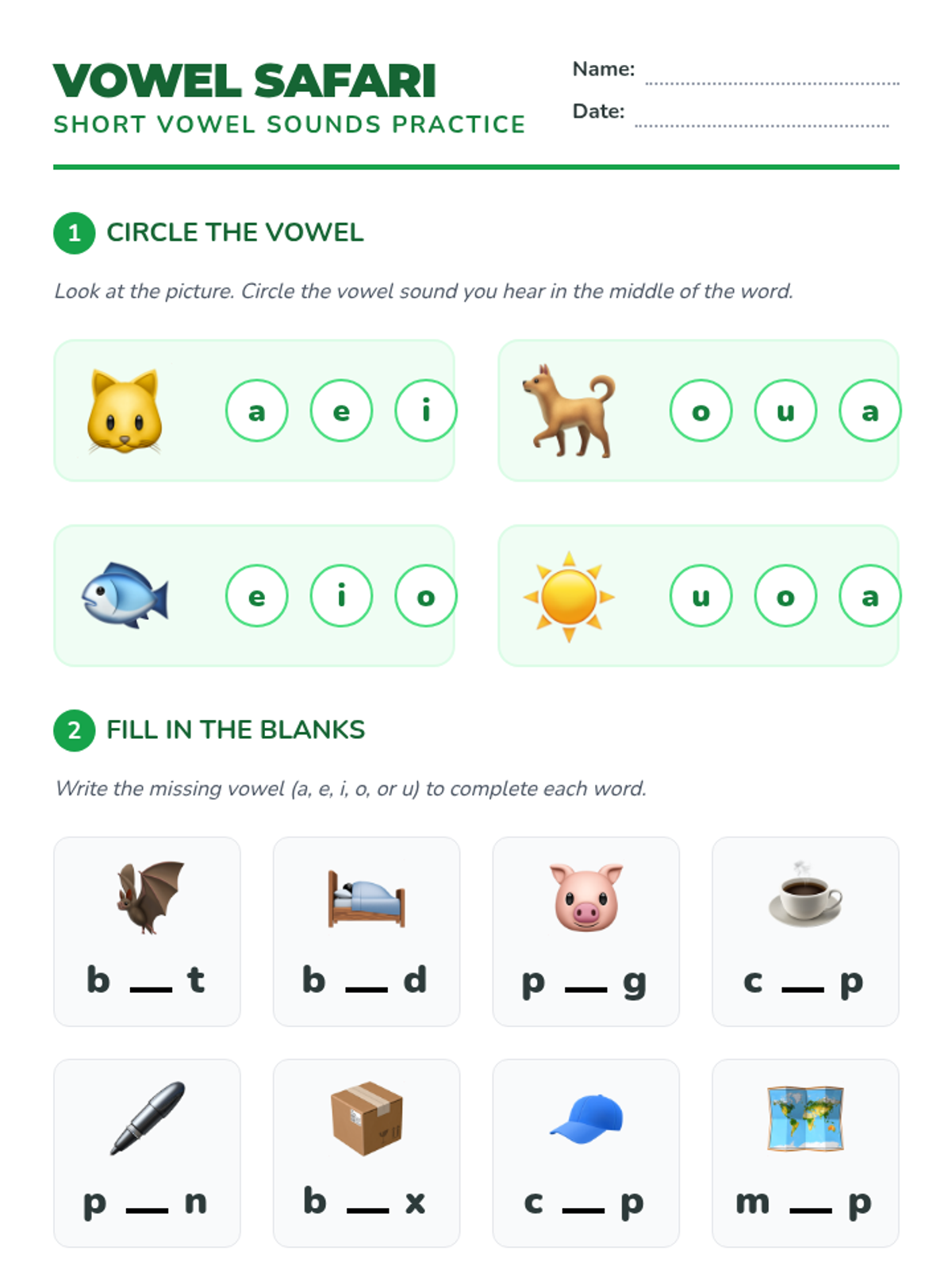
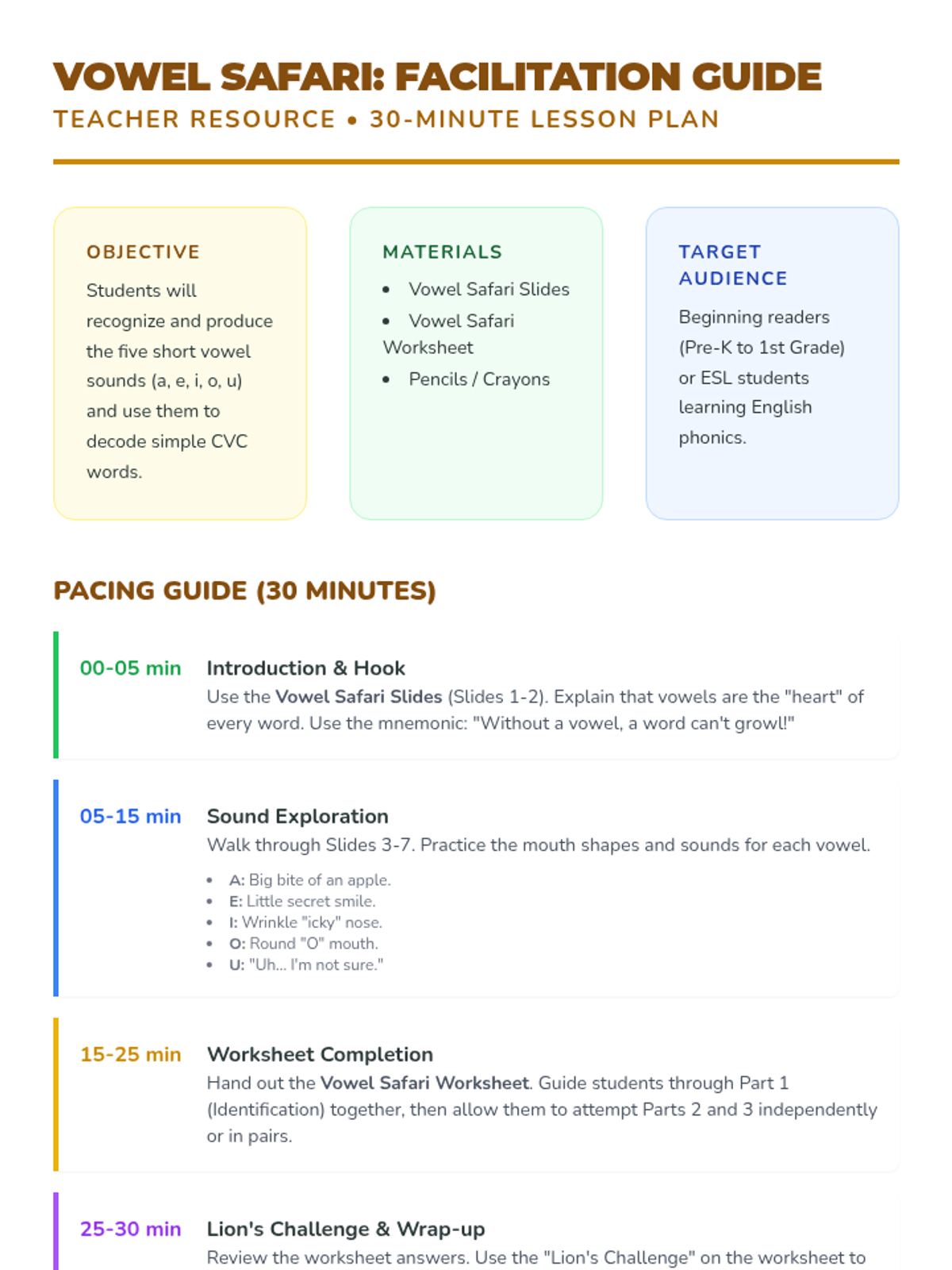
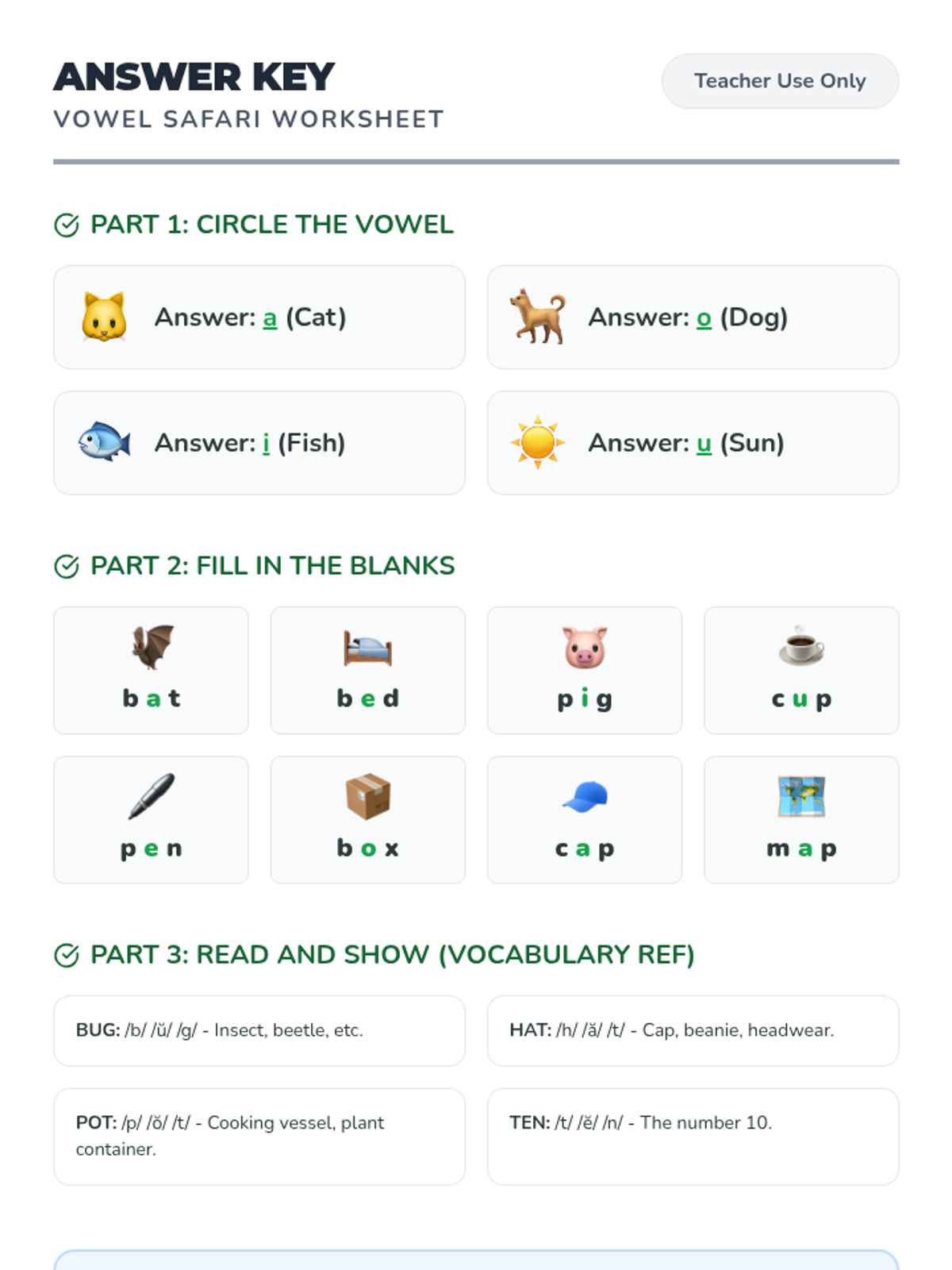
A foundational lesson introducing the five short vowel sounds (a, e, i, o, u) through visual associations and CVC word practice. Students will identify, trace, and write simple words to build phonemic awareness.
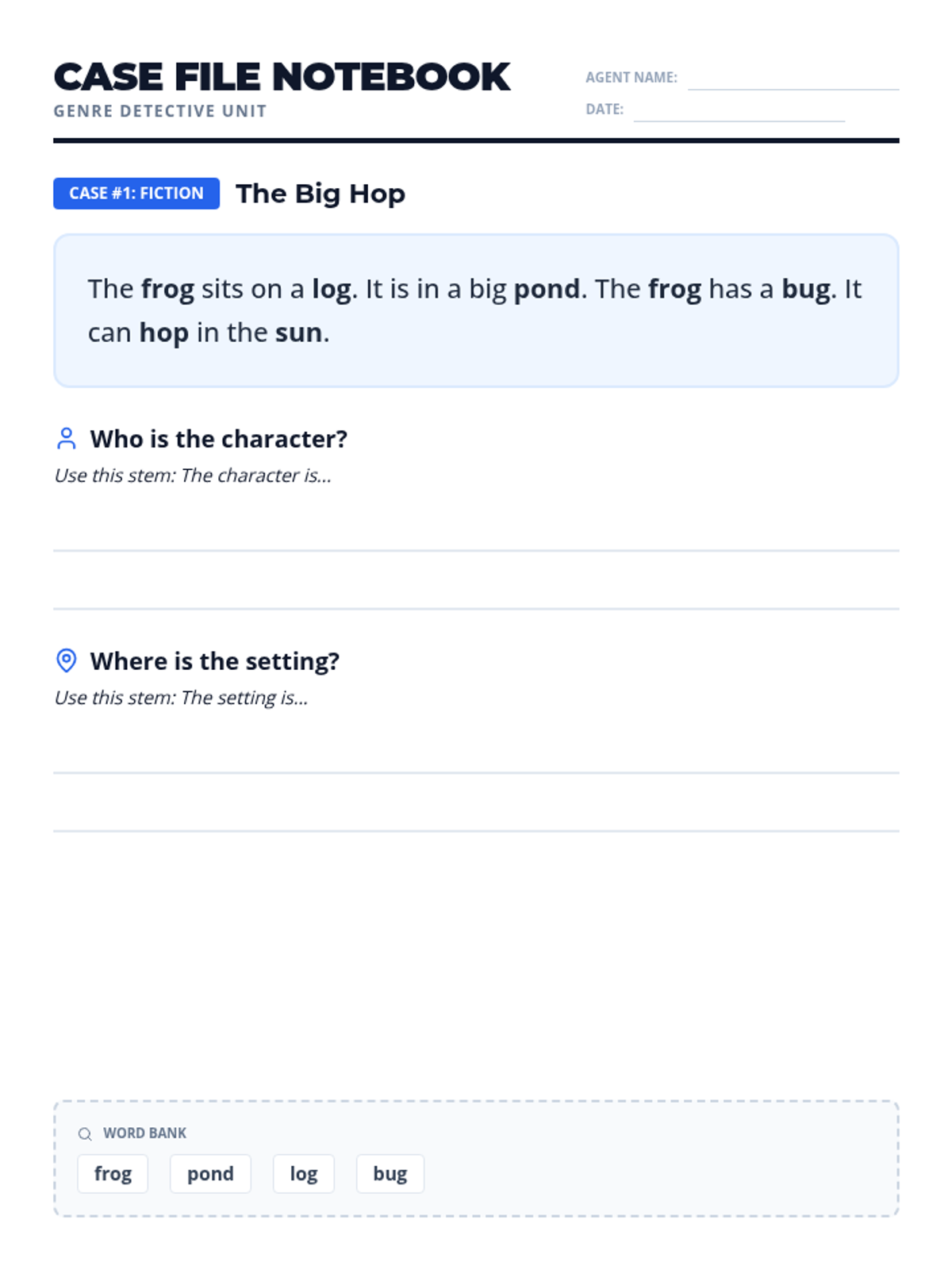
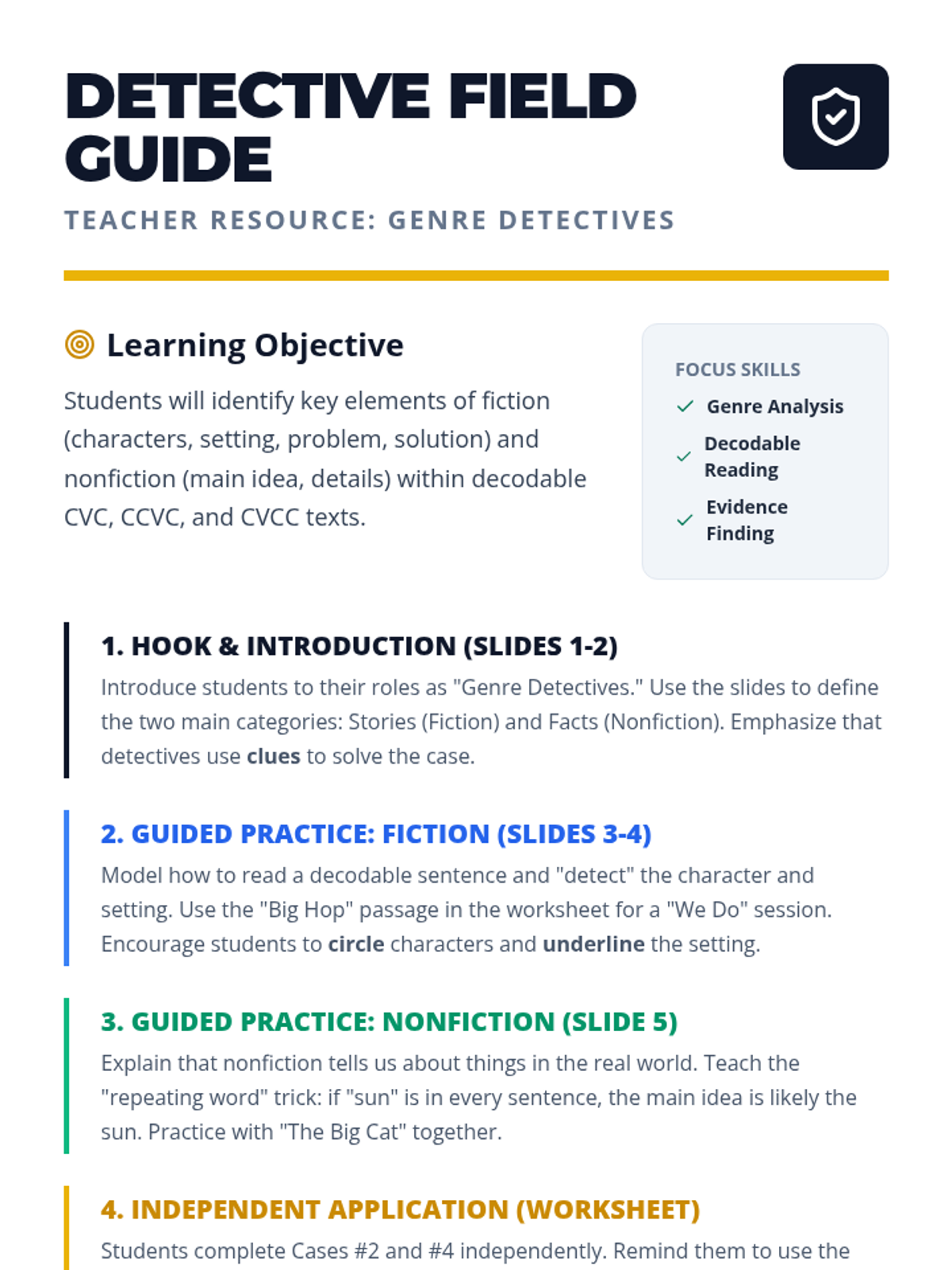
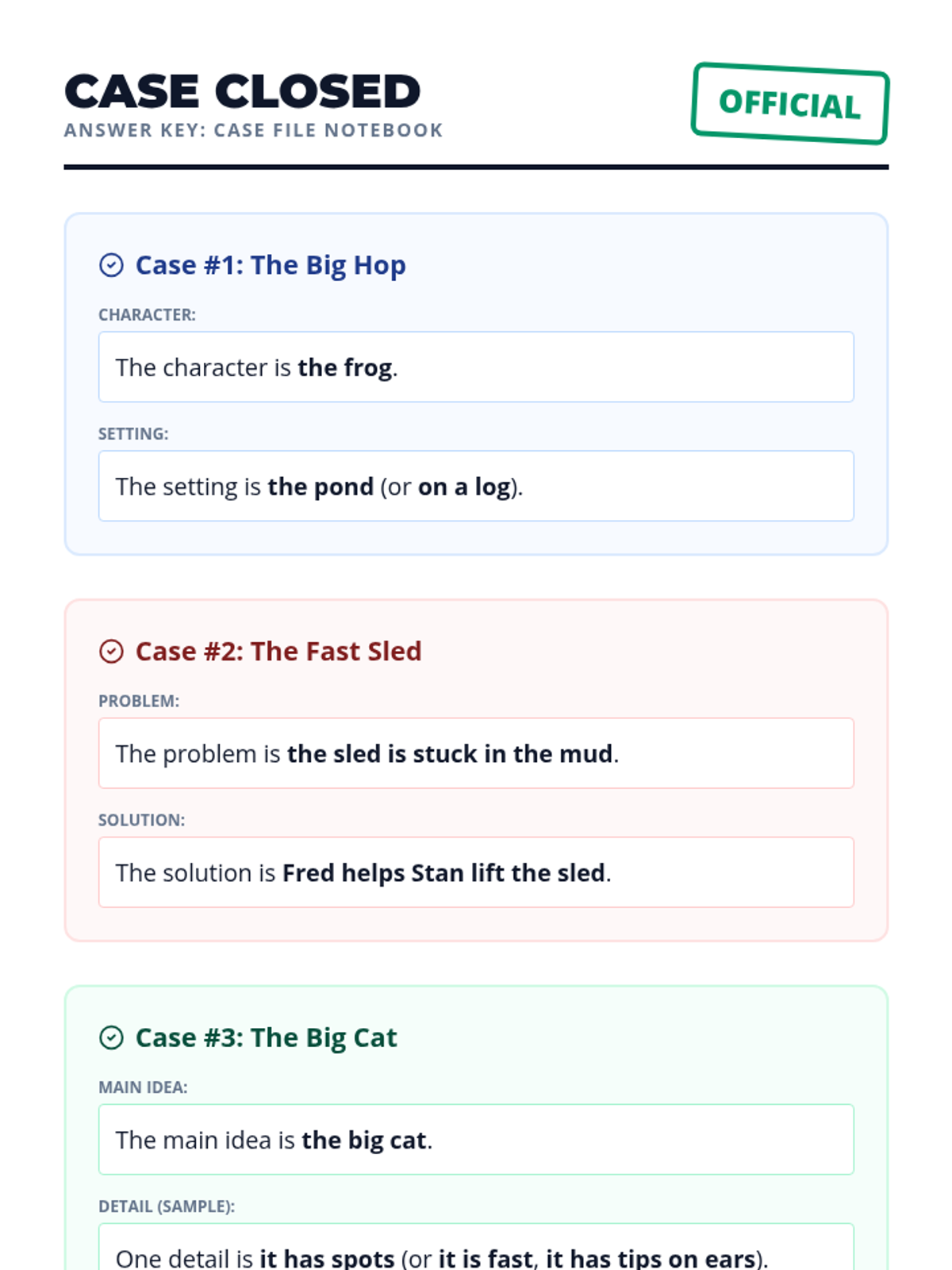
A lesson focused on identifying characters, setting, problem, and solution in fiction, and main idea and details in nonfiction using decodable text.
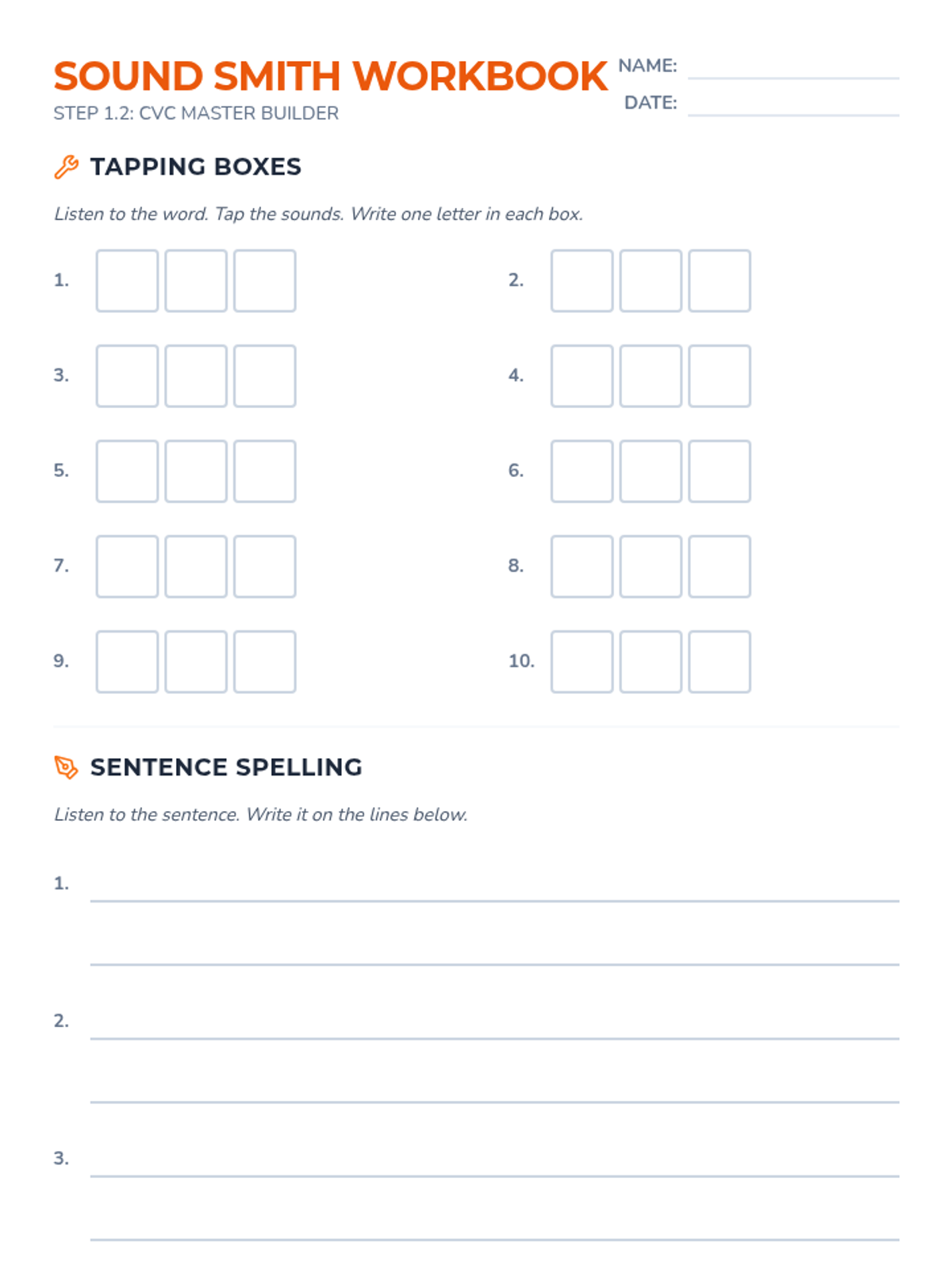
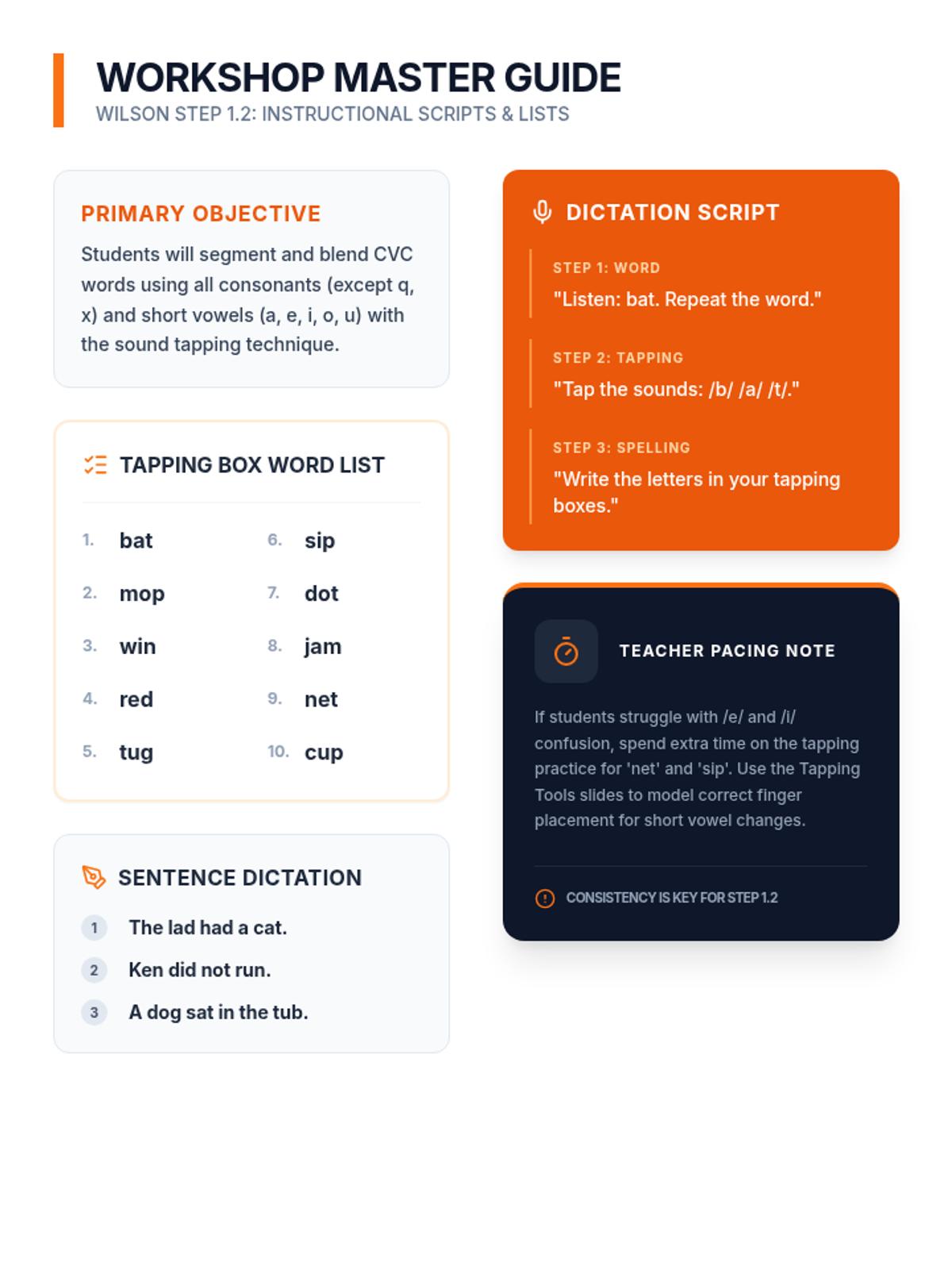
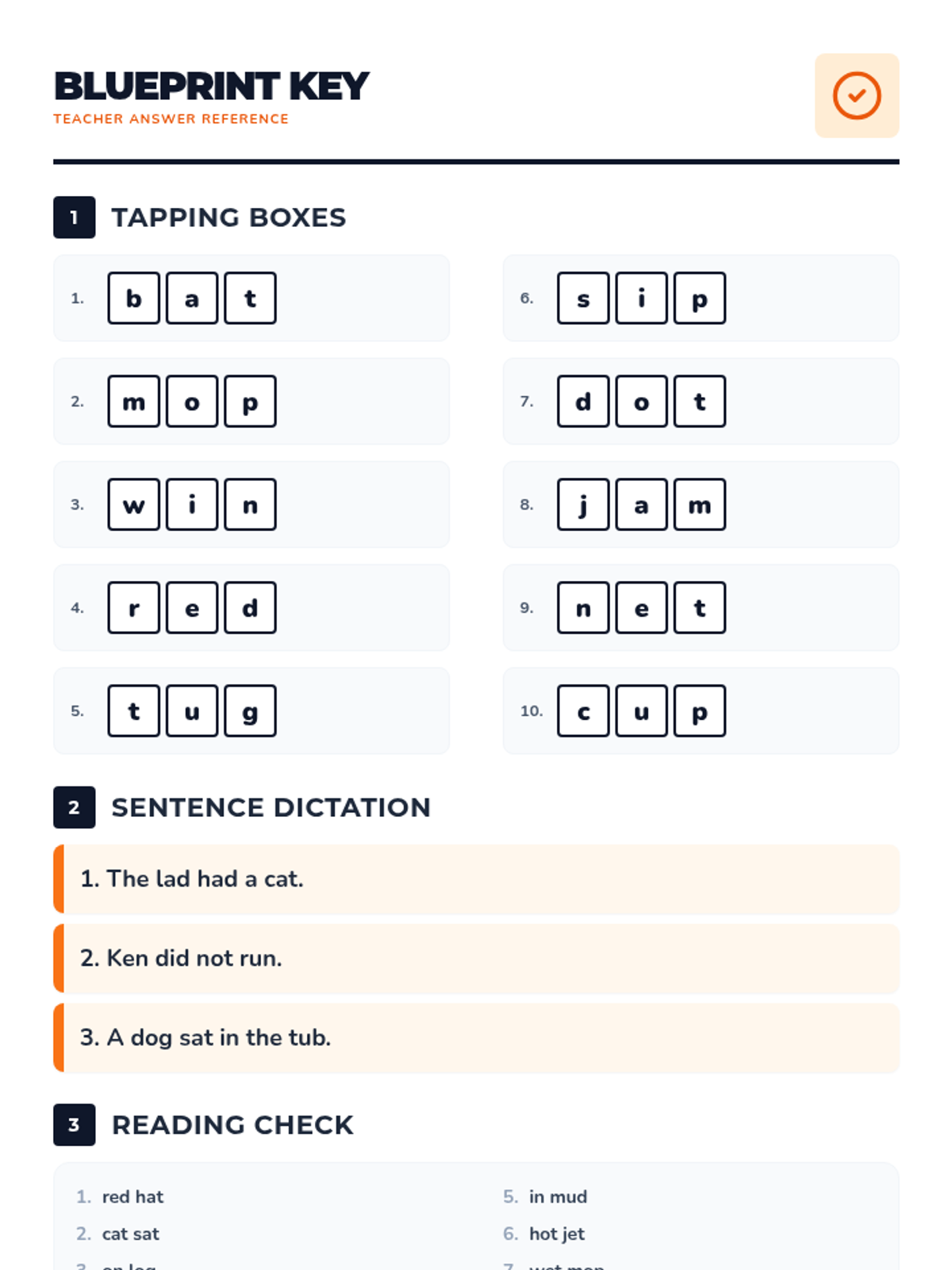
A foundational lesson on Wilson Step 1.2 focusing on CVC word segmenting, blending, and sentence construction using sound tapping techniques.