Students explore the concept of Deep Time through a 'puzzle' analogy and a large-scale physical timeline activity, identifying major milestones in Earth's 4.6 billion-year history.
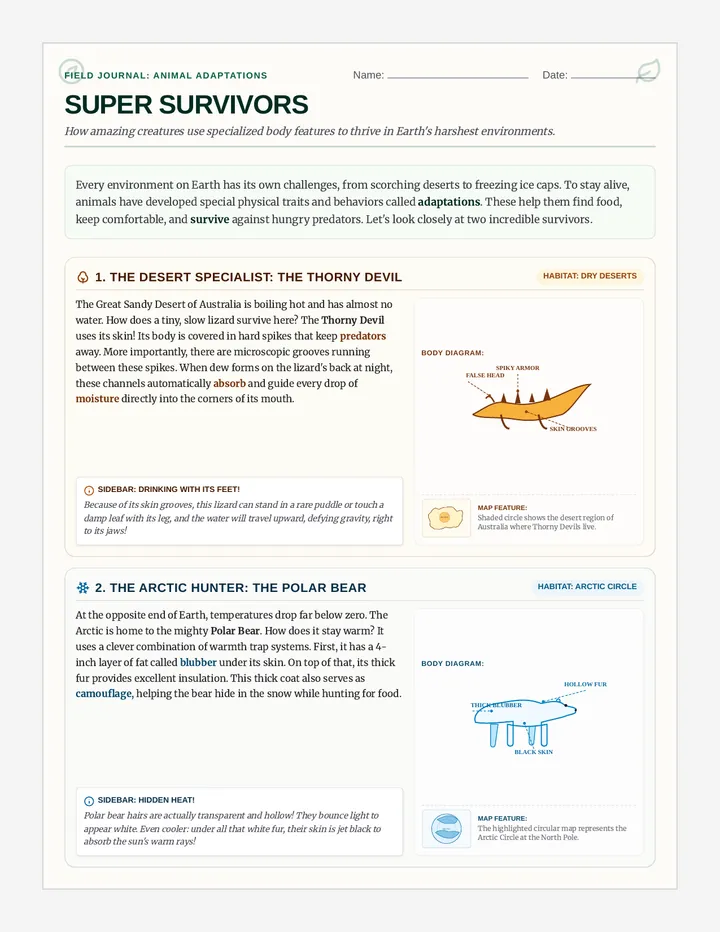
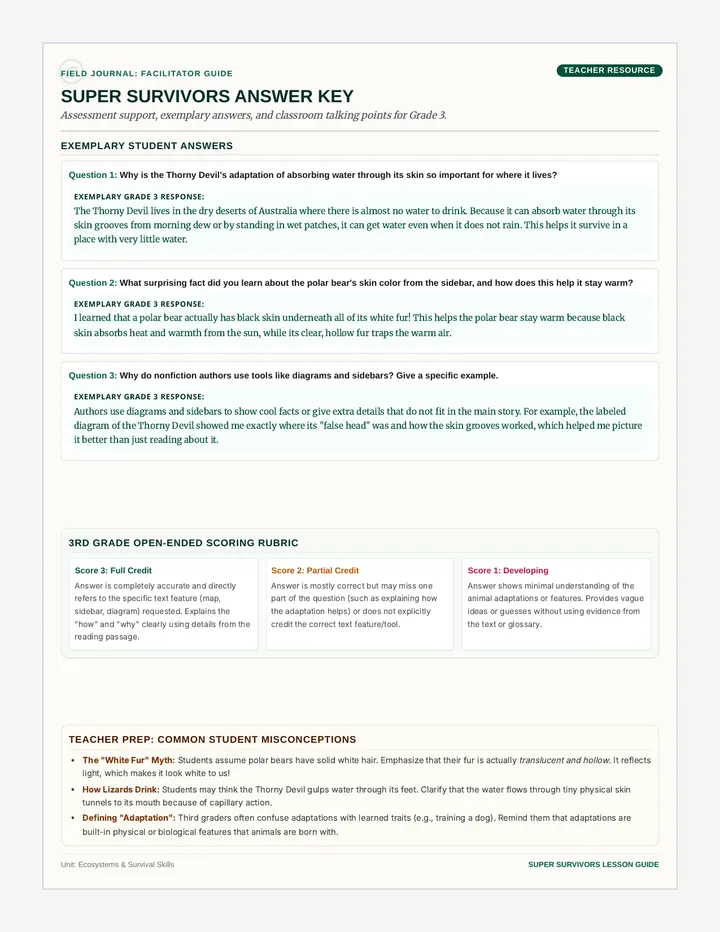
A comprehensive lesson on structural and behavioral adaptations across various biomes, including specialized survival strategies like hibernation, migration, camouflage, and mimicry.
An introductory exploration of Earth's diverse biomes, focusing on the ocean, rainforest, and grassland ecosystems. Students learn to identify key characteristics and express personal preferences based on ecological traits.
A foundational lesson exploring how energy moves through ecosystems, focusing on trophic levels, the 10% rule, and the complex connections in terrestrial and aquatic food webs.
Teachers learn to break complex tasks into smaller, manageable steps using classroom routines and Iowa Core standards as examples.
A creative project where students design and build a 3D biome model in a box, then document their scientific findings.
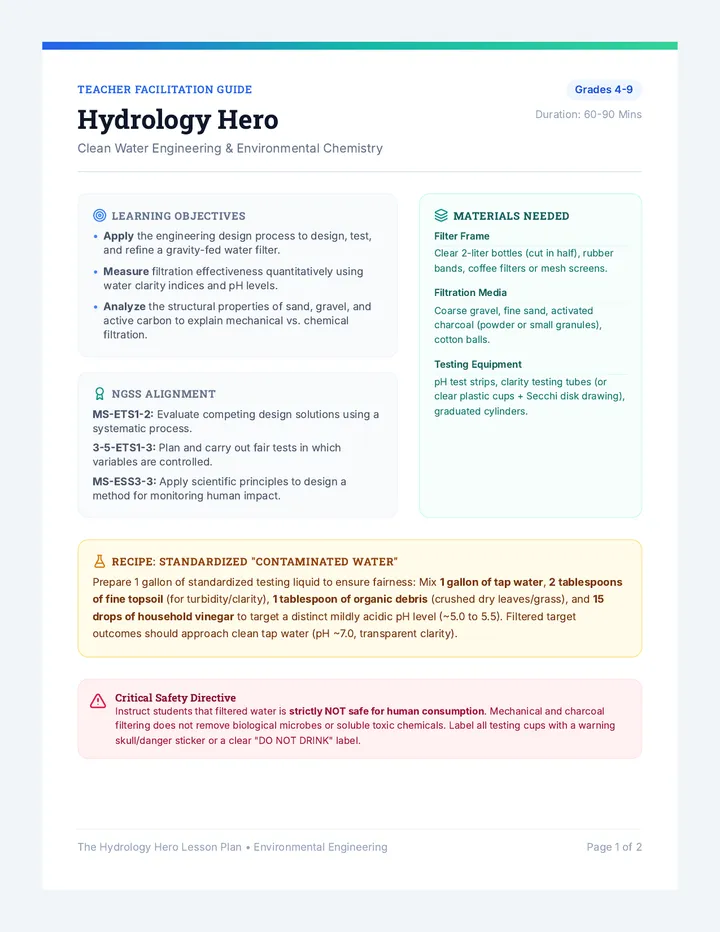
Students explore the essential methods of purifying water through hands-on experimentation. They will learn the roles of physical filtration and phase changes (evaporation) in removing contaminants from water samples.
A lesson exploring the continuous movement of water on Earth through a detailed diagram of the water cycle, focusing on the roles of energy and gravity.
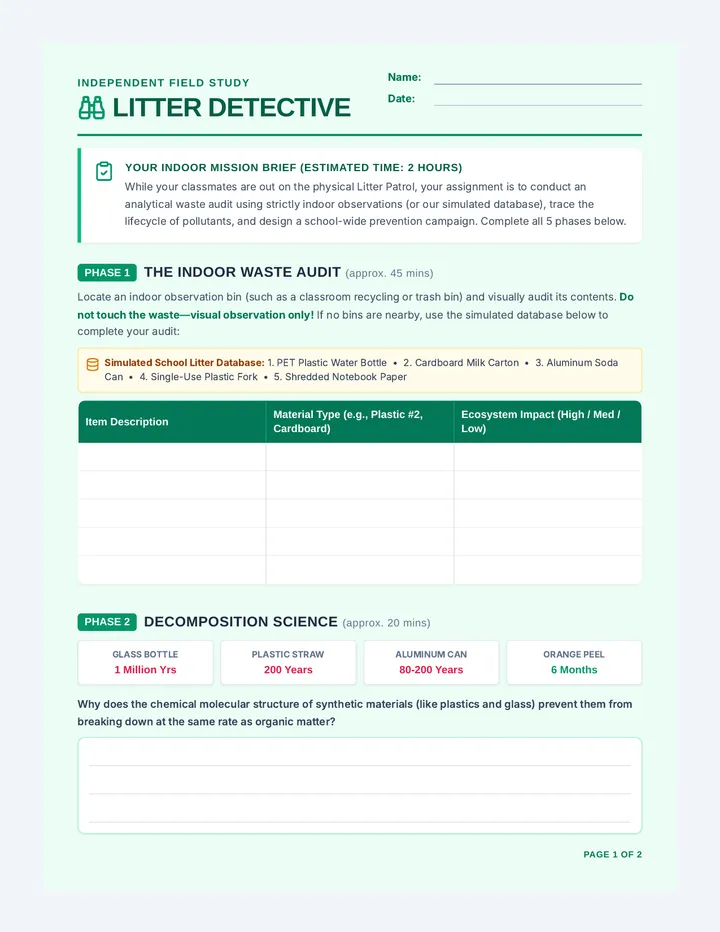
An introductory lesson on waste management and recycling where students practice sorting materials and learning key environmental vocabulary.
A fun, differentiated Earth Day celebration for 2nd-4th graders and life skills students, featuring hands-on missions to protect the planet after a week of testing.
Students apply their scientific and mathematical knowledge to create either a Community Garden Design or a Garden Business Plan, culminating in a formal presentation.
Students explore plant life cycles and photosynthesis while practicing multi-step multiplication and division problems related to gardening logistics and plant needs.
This lesson introduces students to producers, consumers, and decomposers, focusing on the direction of energy flow in food chains and the complexity of food webs. Students will participate in station-based activities to simulate ecosystem dynamics and analyze the impact of species removal.