Students review rotation curves of galaxies and acceleration data to confront the concepts of Dark Matter and Dark Energy. They engage in a 'future of the universe' project proposing scenarios (Big Freeze, Big Crunch) based on density parameters.
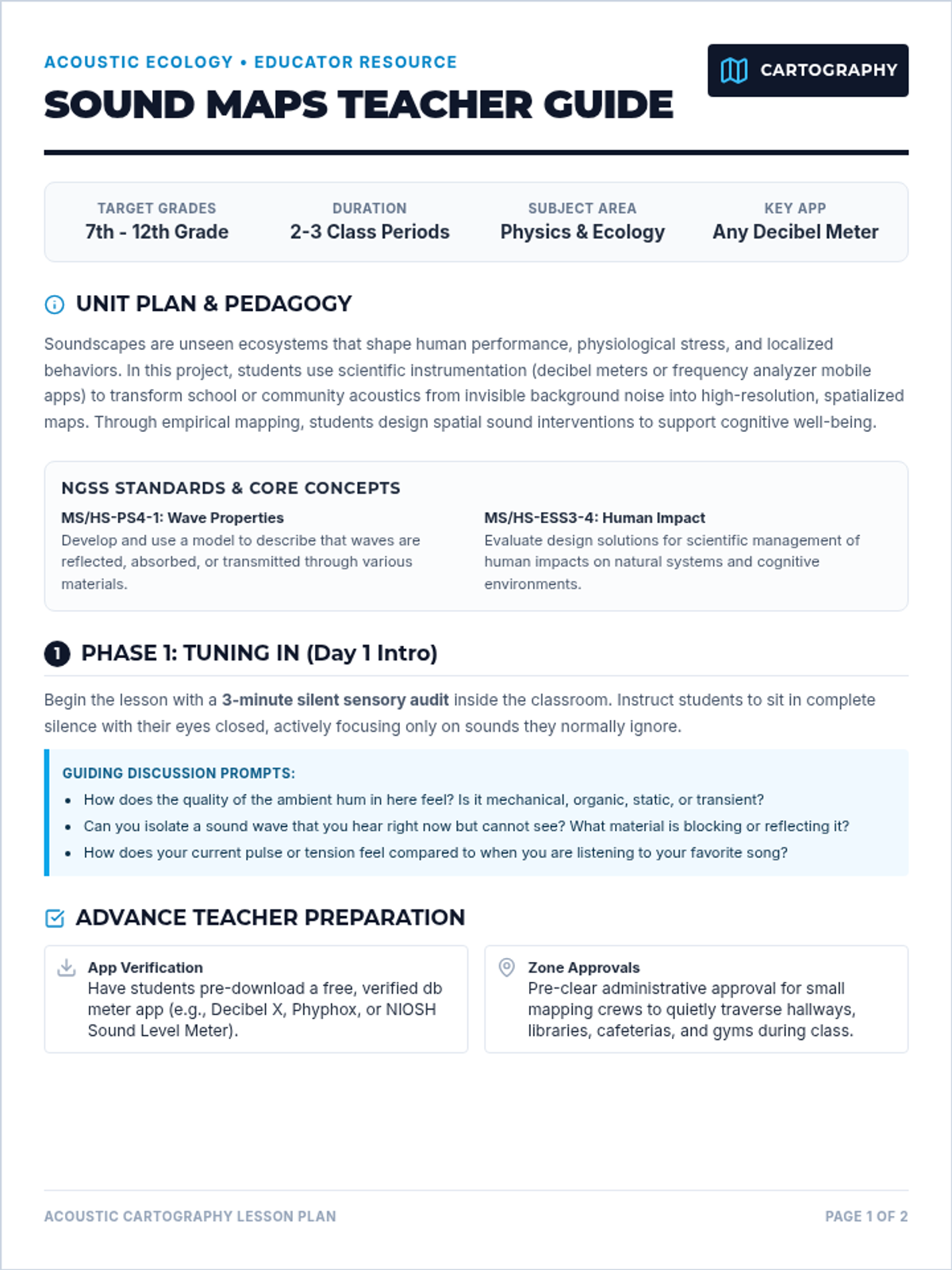
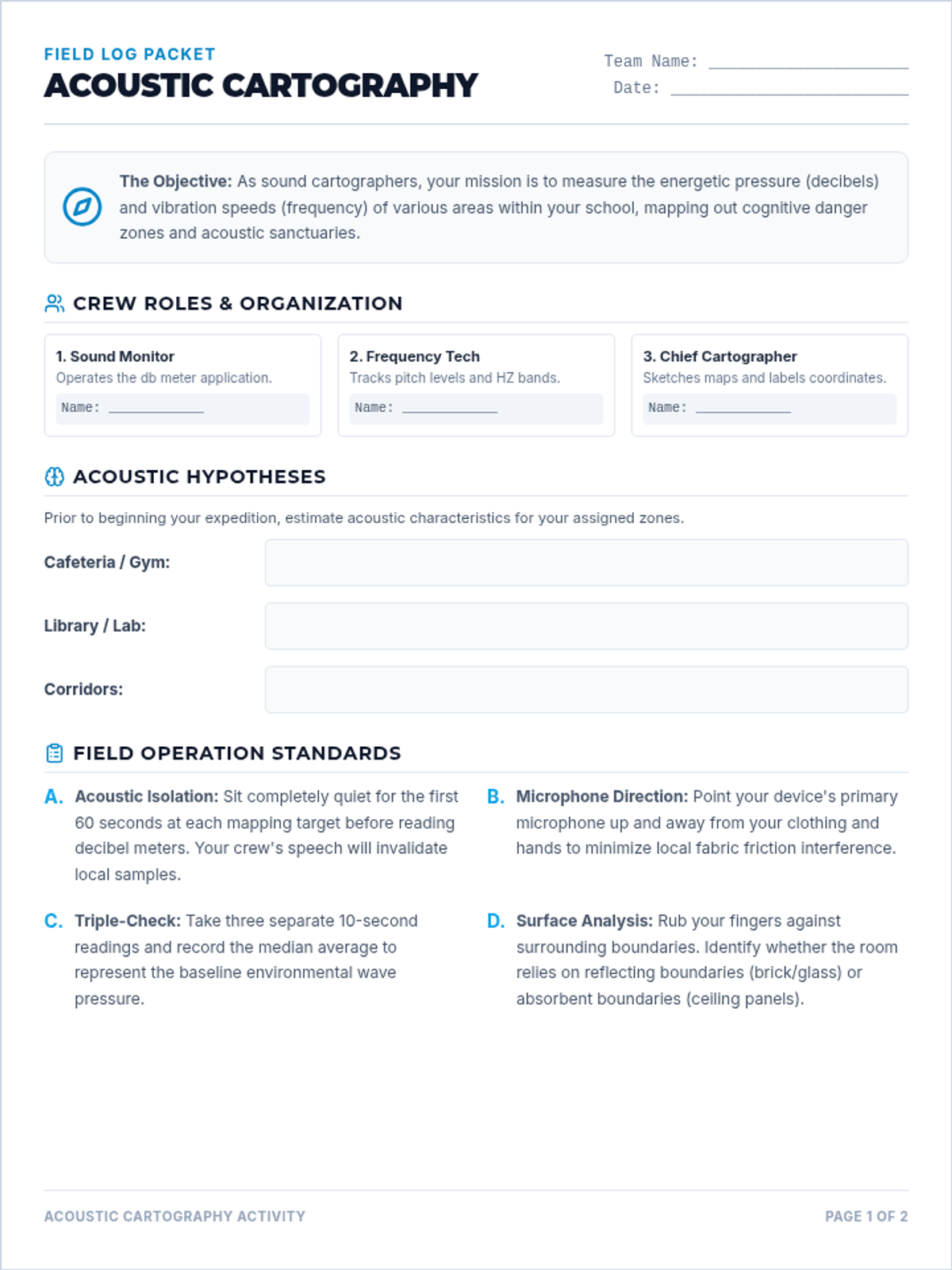
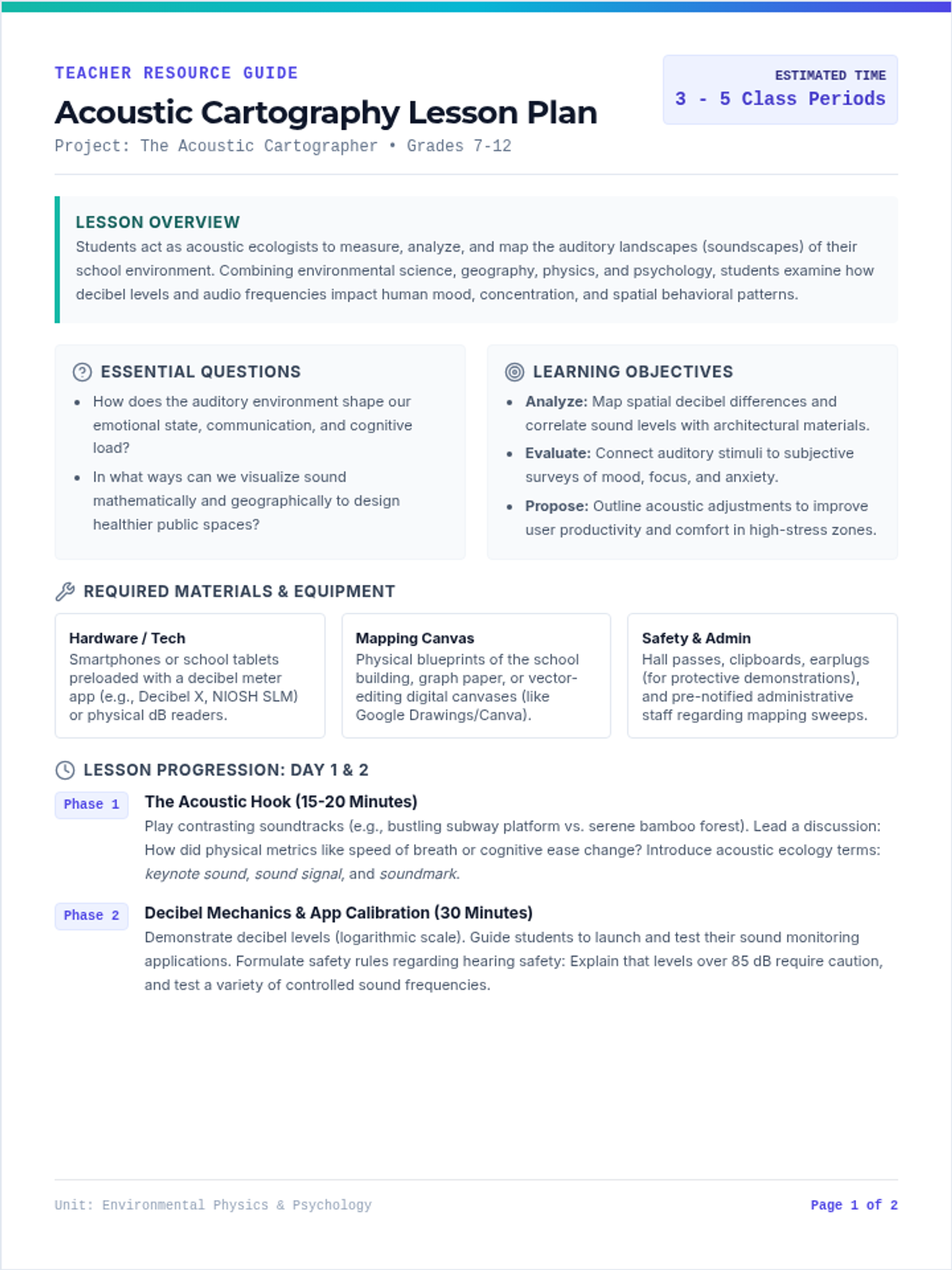
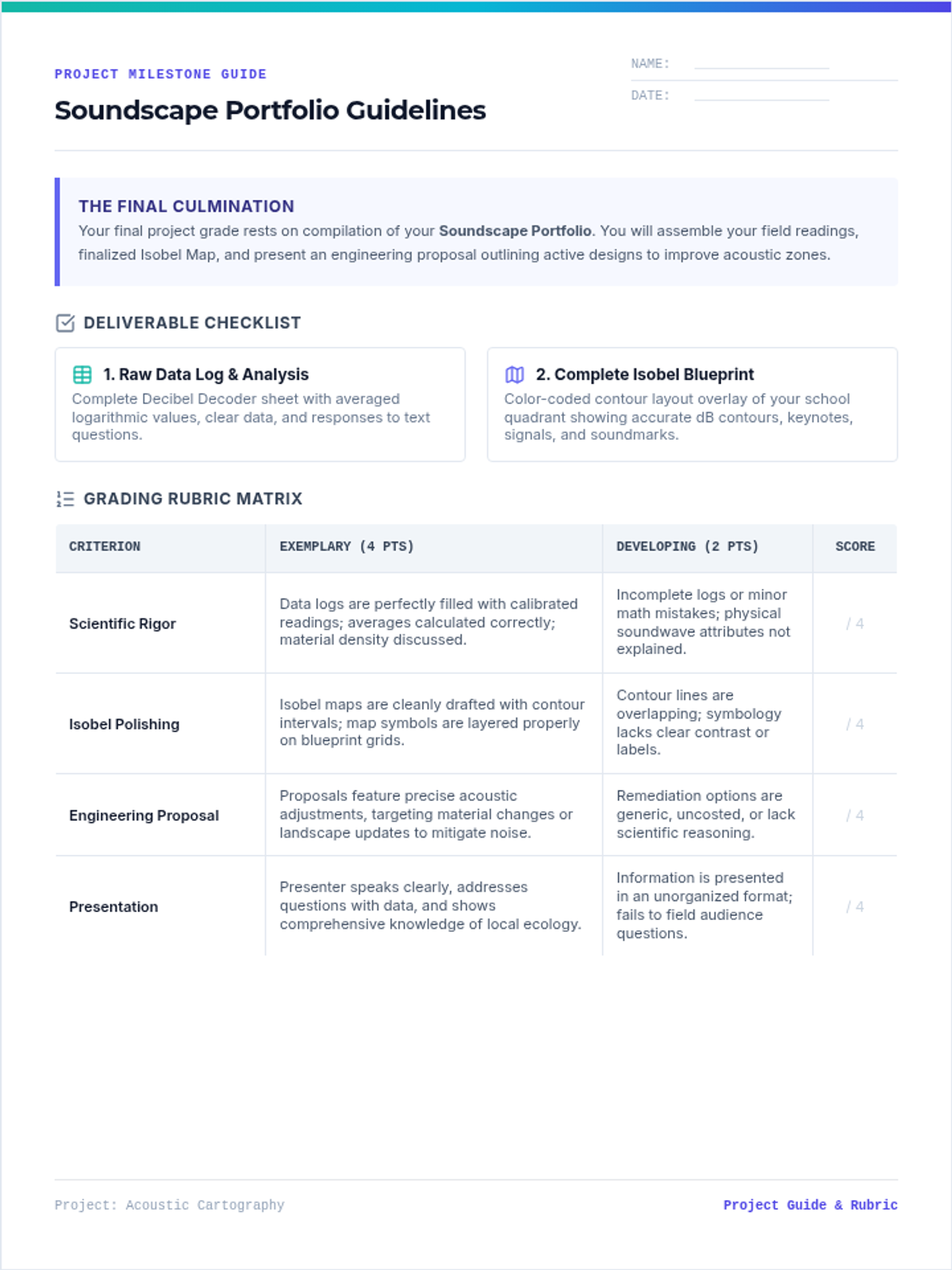
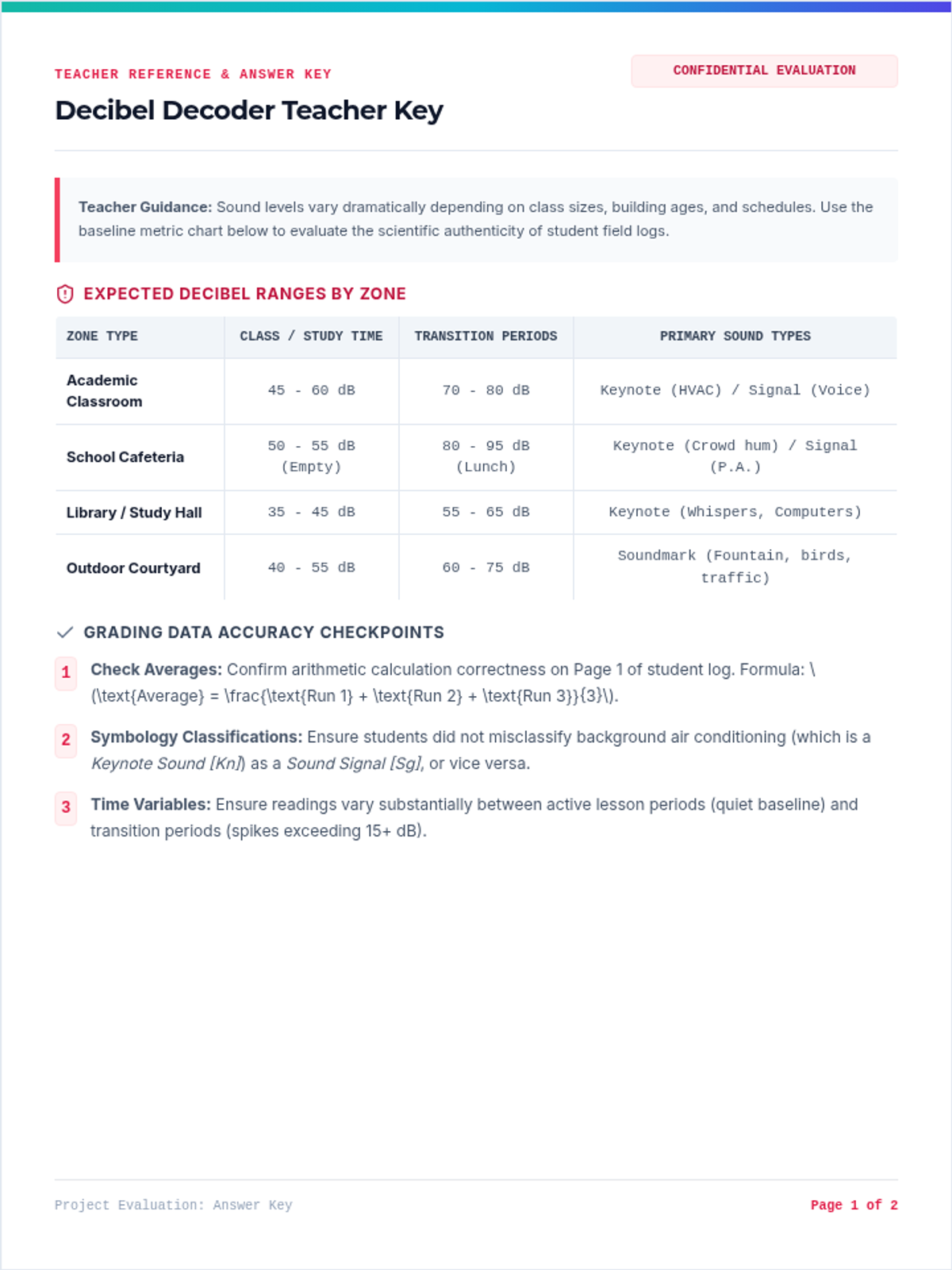
A project-based lesson where students explore acoustic ecology by recording, mapping, and analyzing ambient decibel and frequency levels to study their impact on cognitive load and emotional well-being.
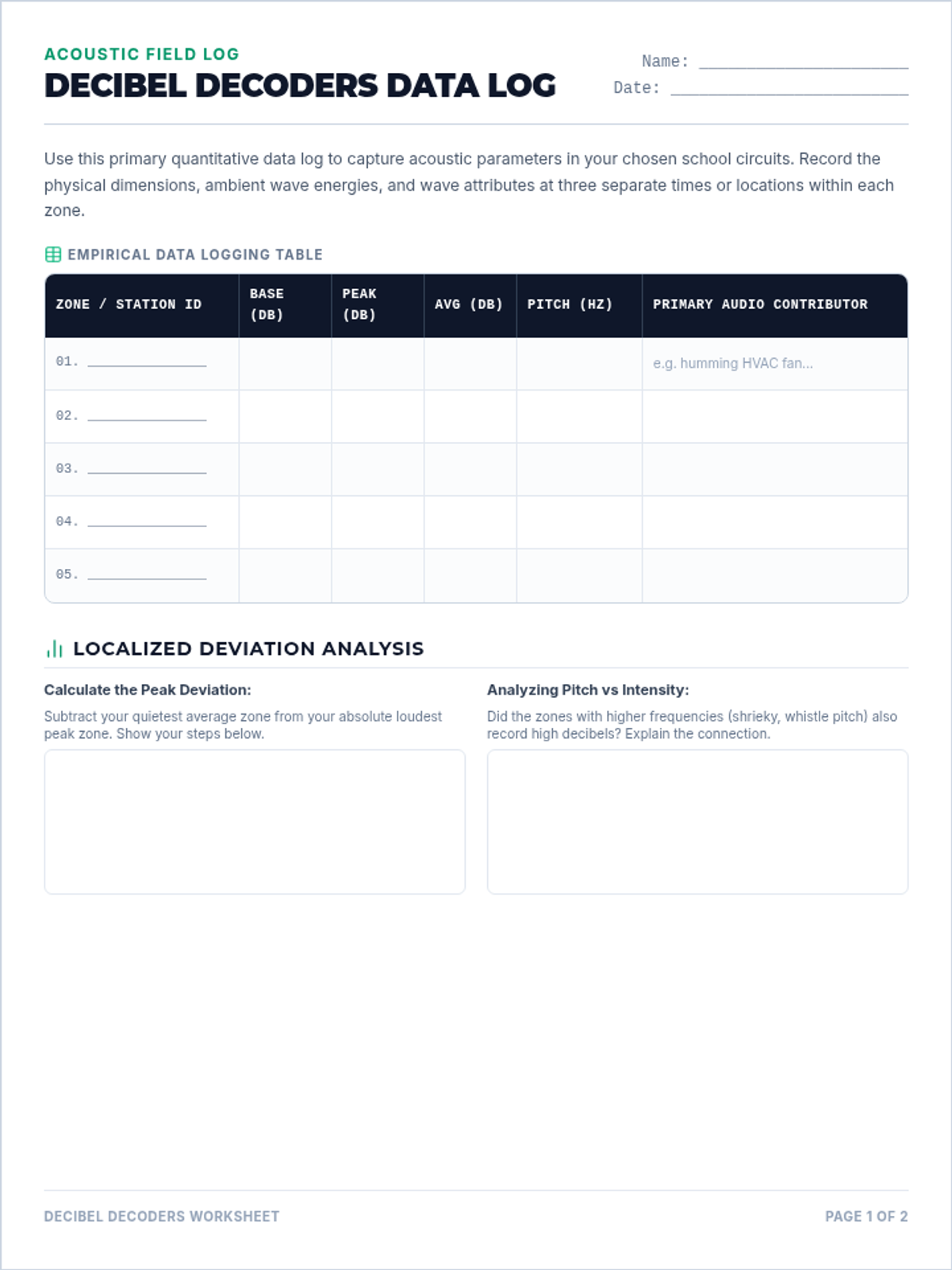
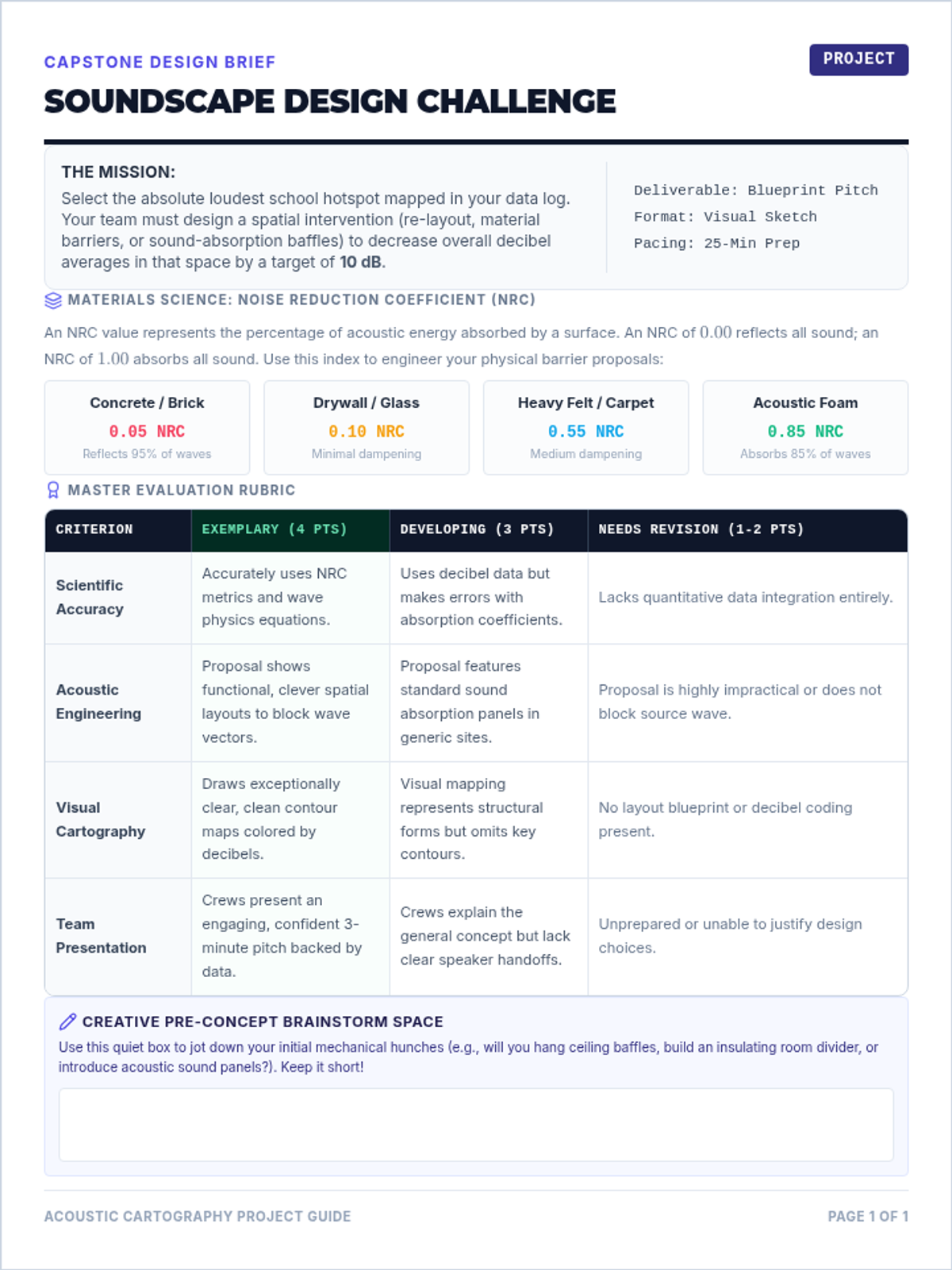
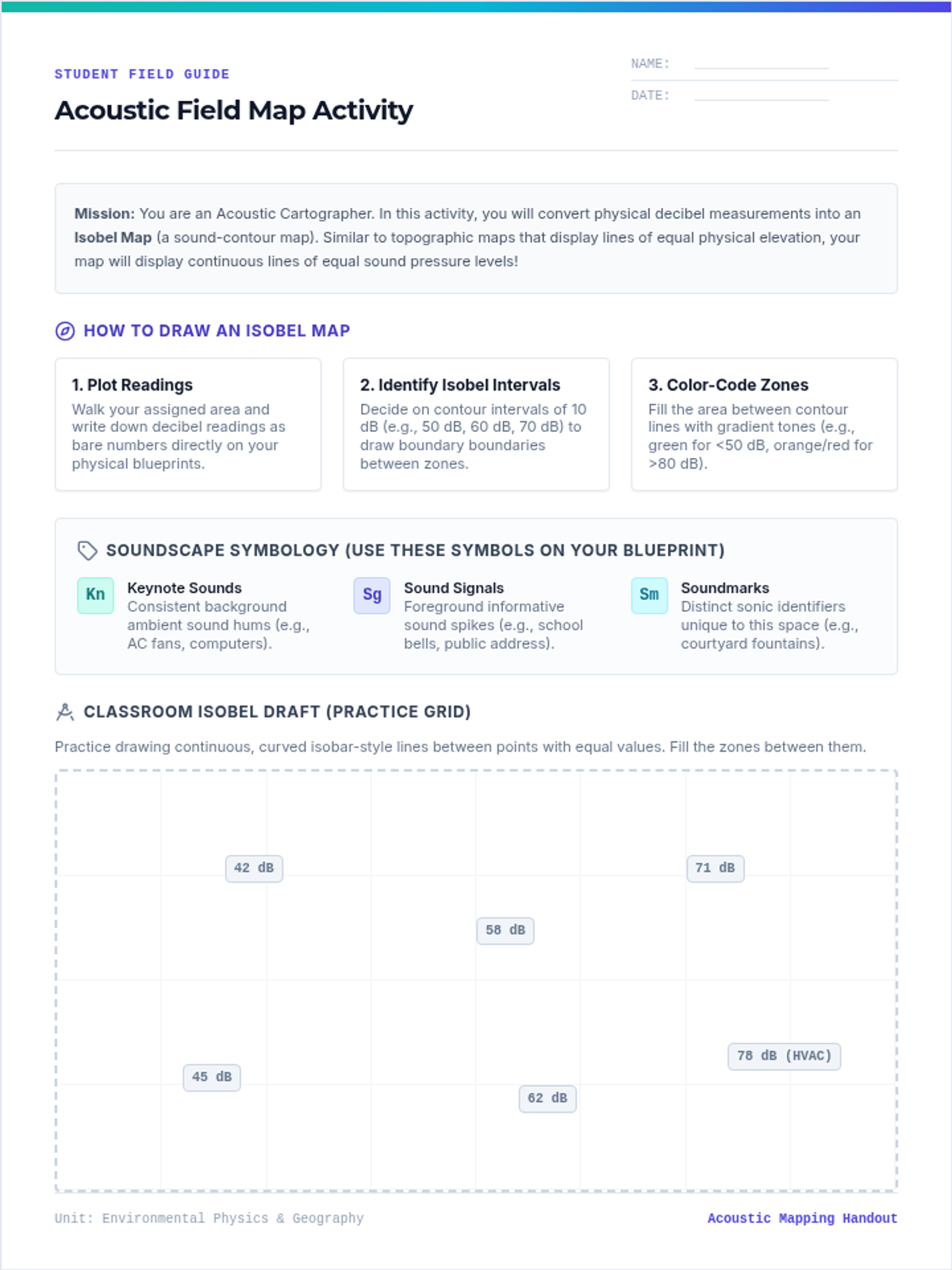
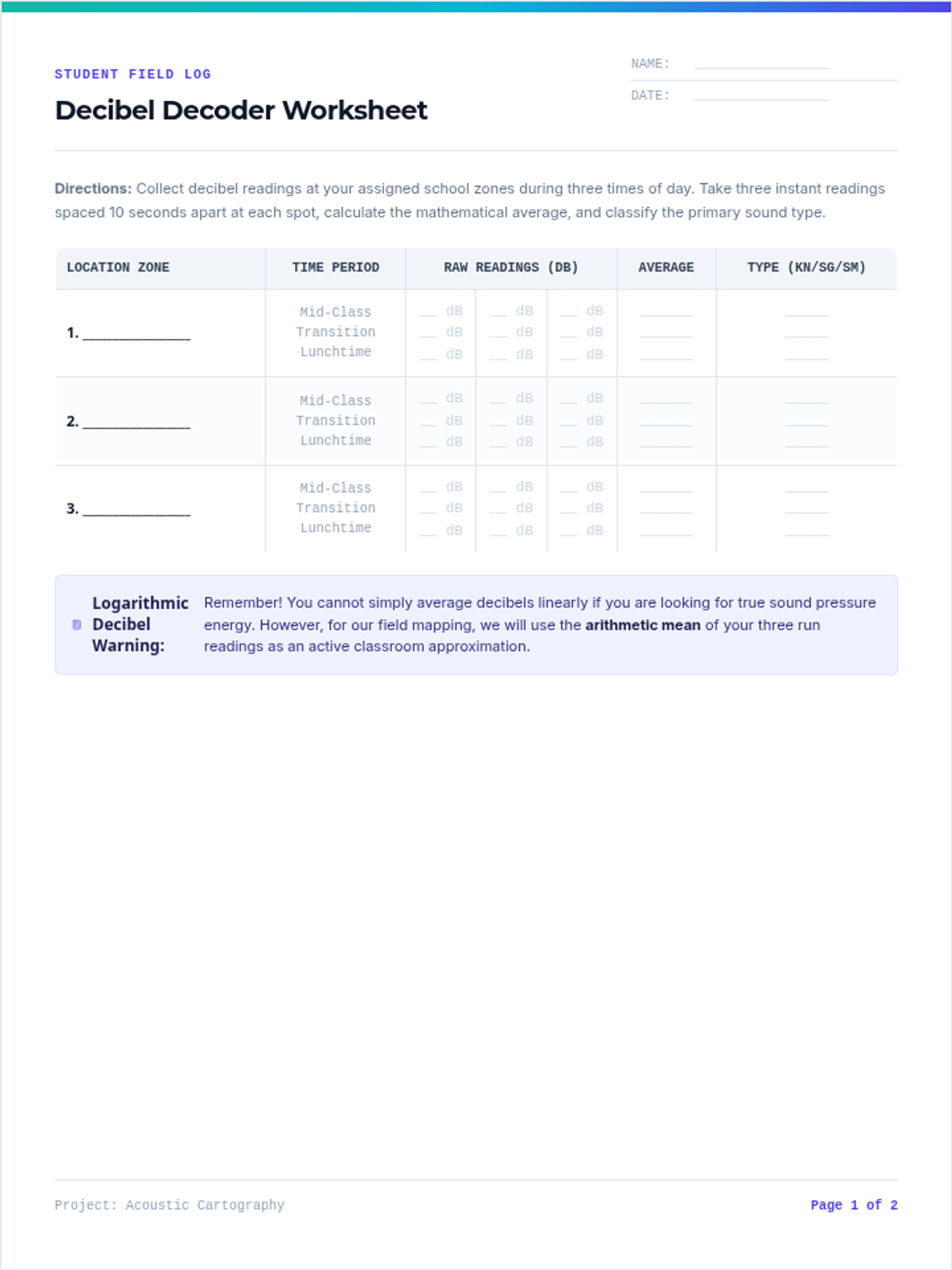
A comprehensive middle and high school project-based lesson where students explore acoustic ecology by recording, charting, and analyzing the decibel levels and sound frequencies of various school zones to map their auditory environment and understand its impact on human behavior.
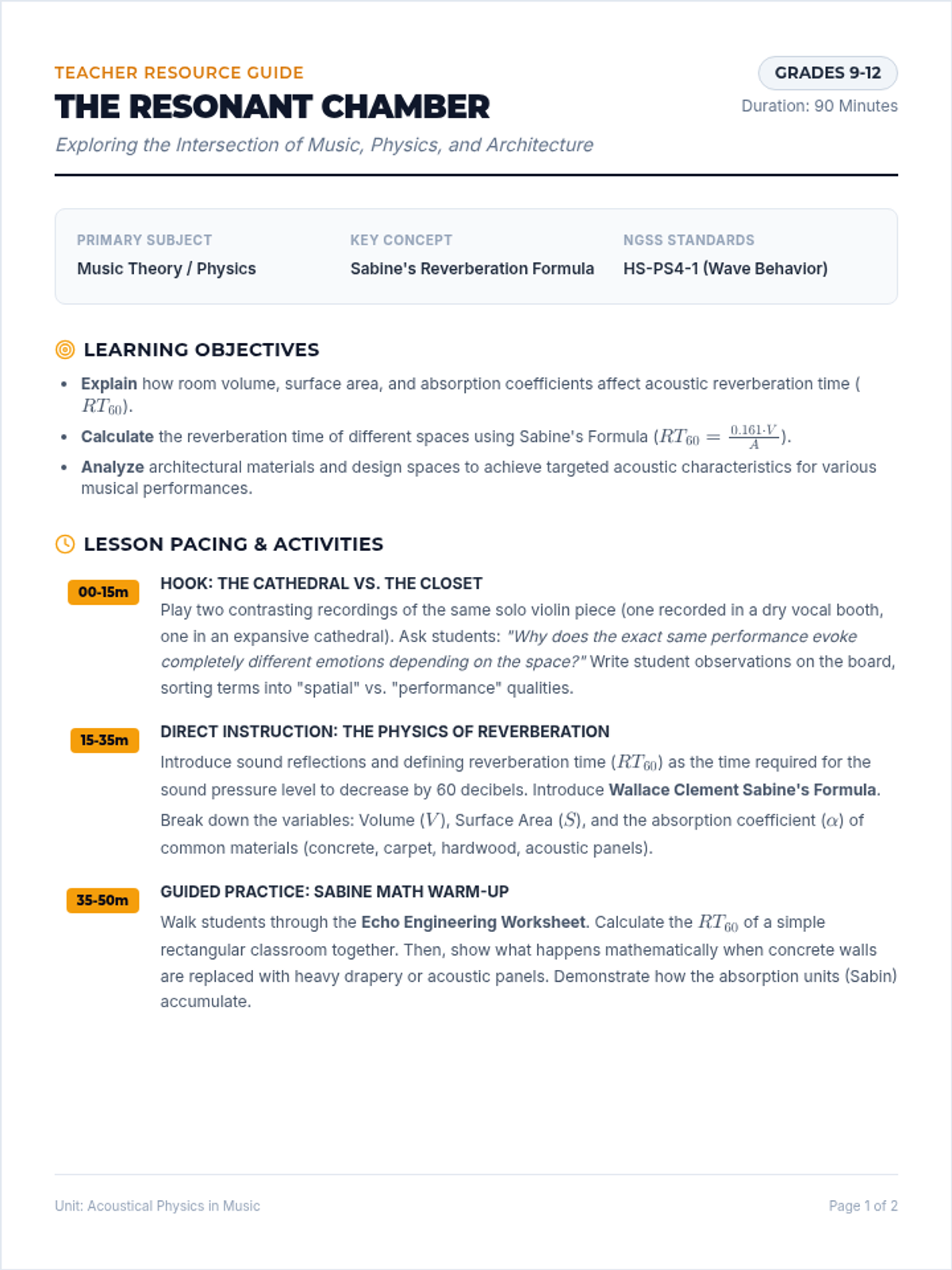
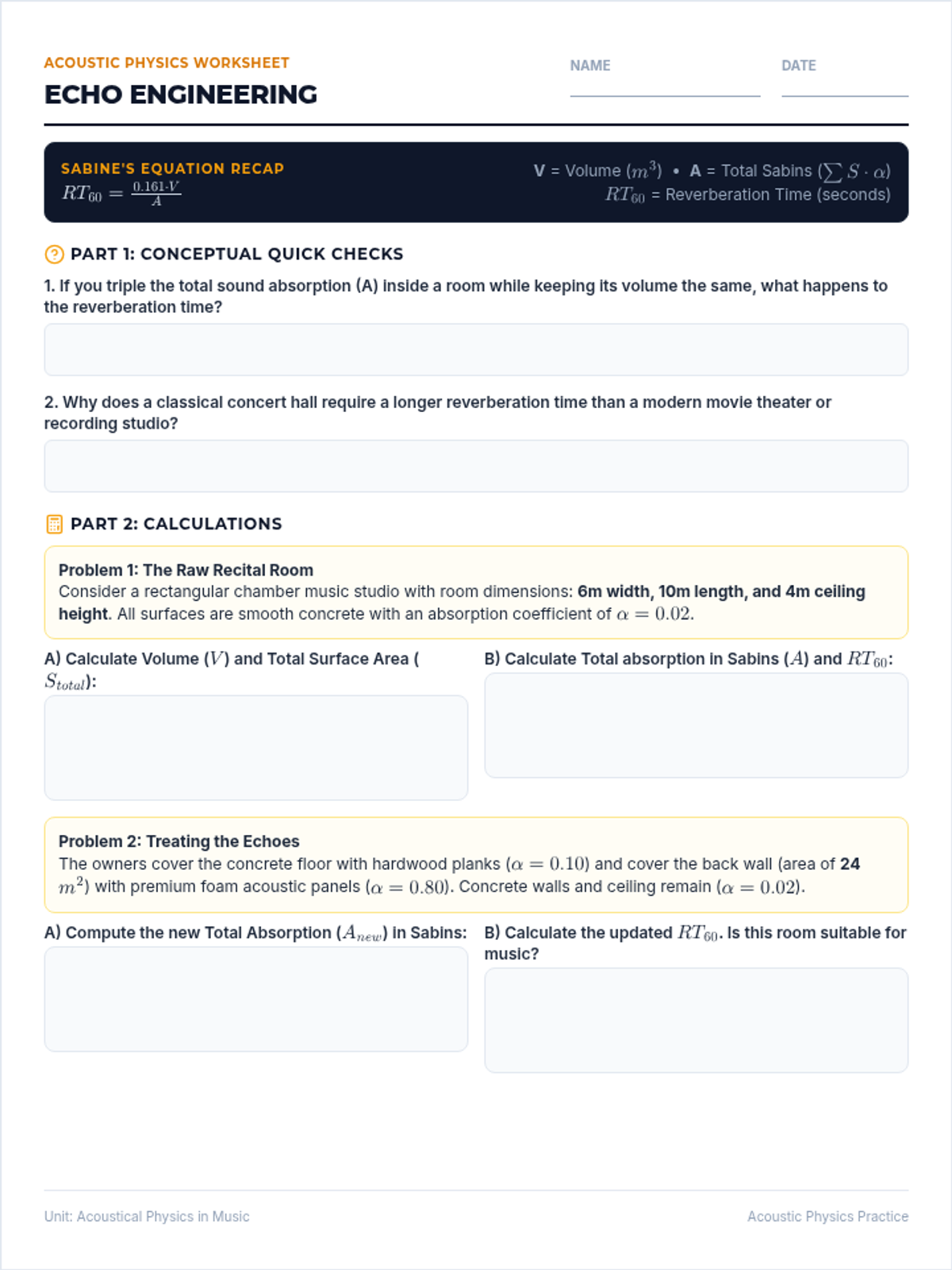
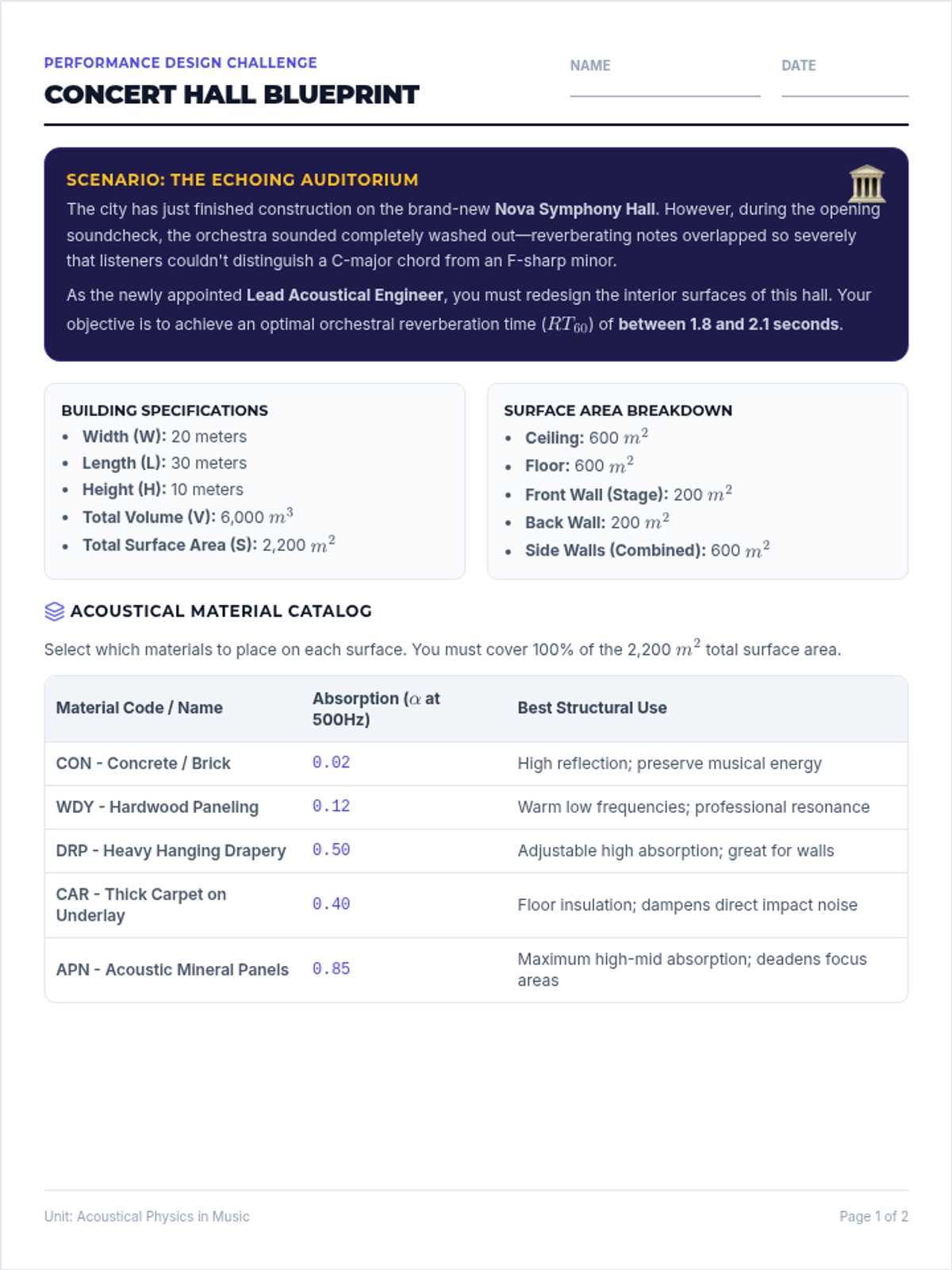
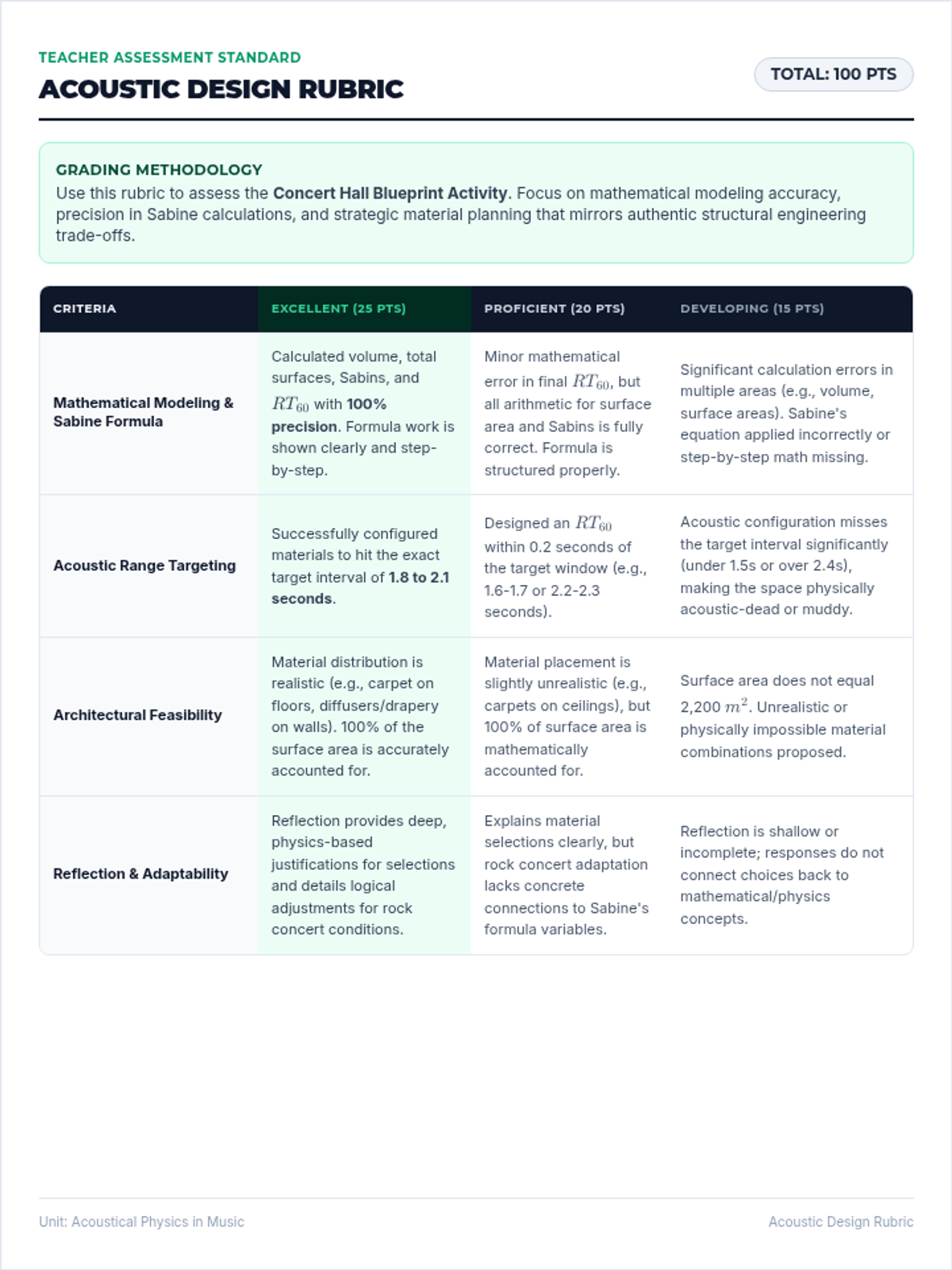
A high school music and physics lesson where students explore architectural acoustics, analyze how materials and dimensions affect sound, and apply Sabine's Formula to calculate and optimize reverberation times for world-class concert halls.
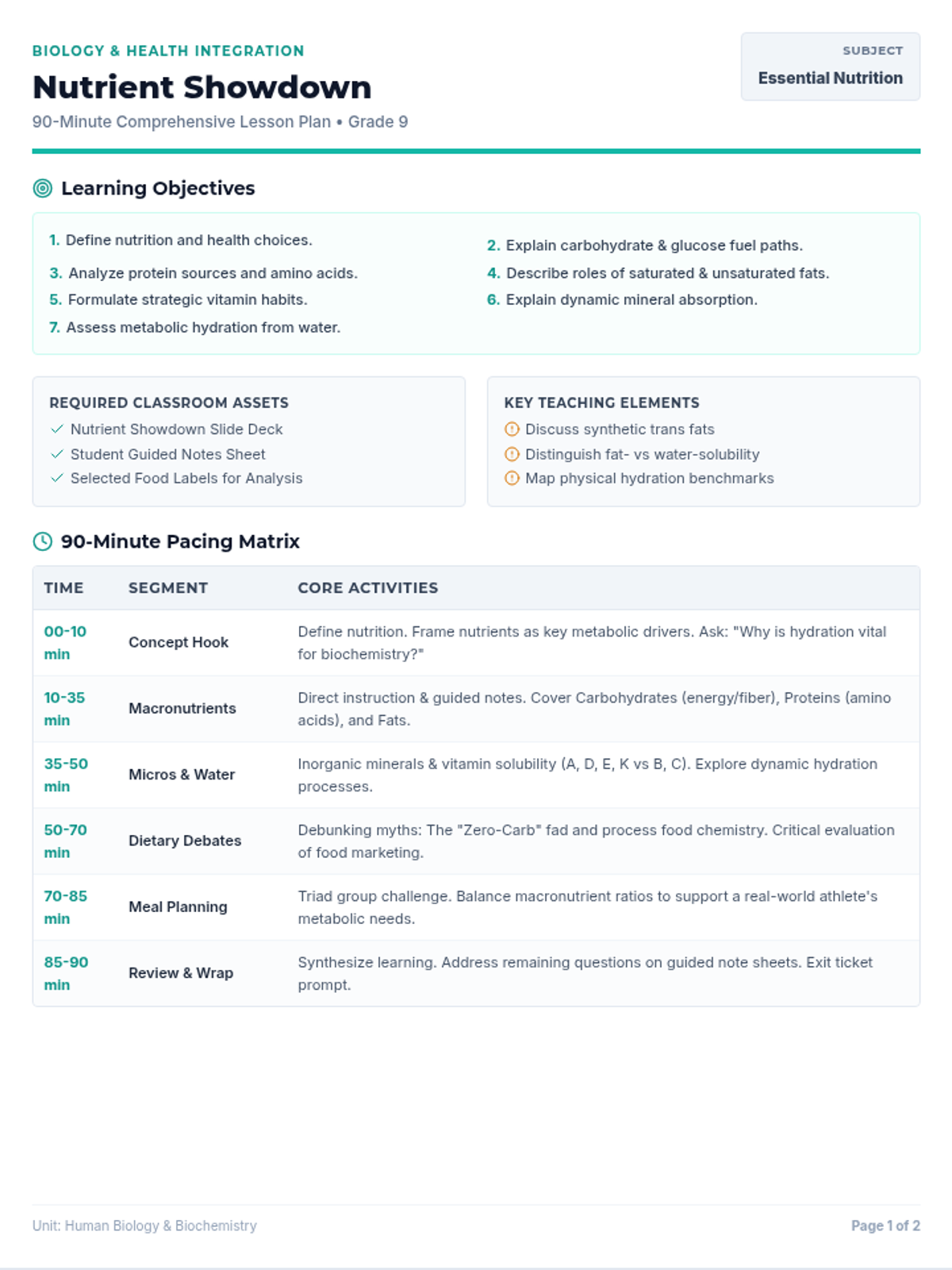
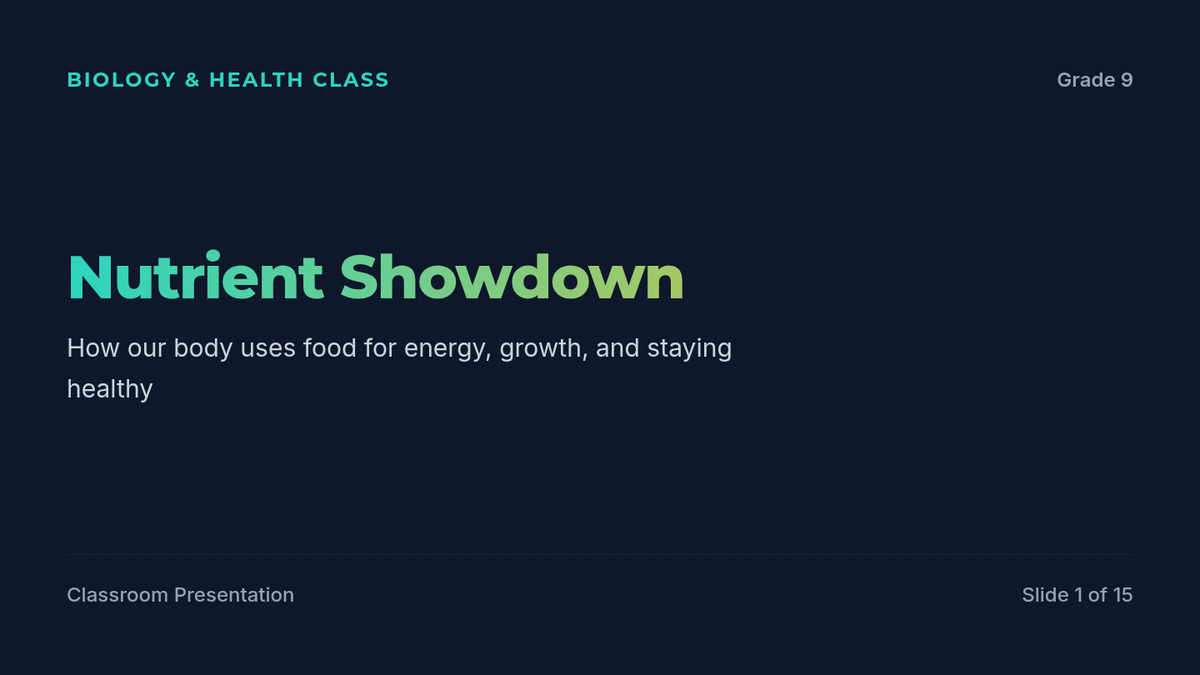
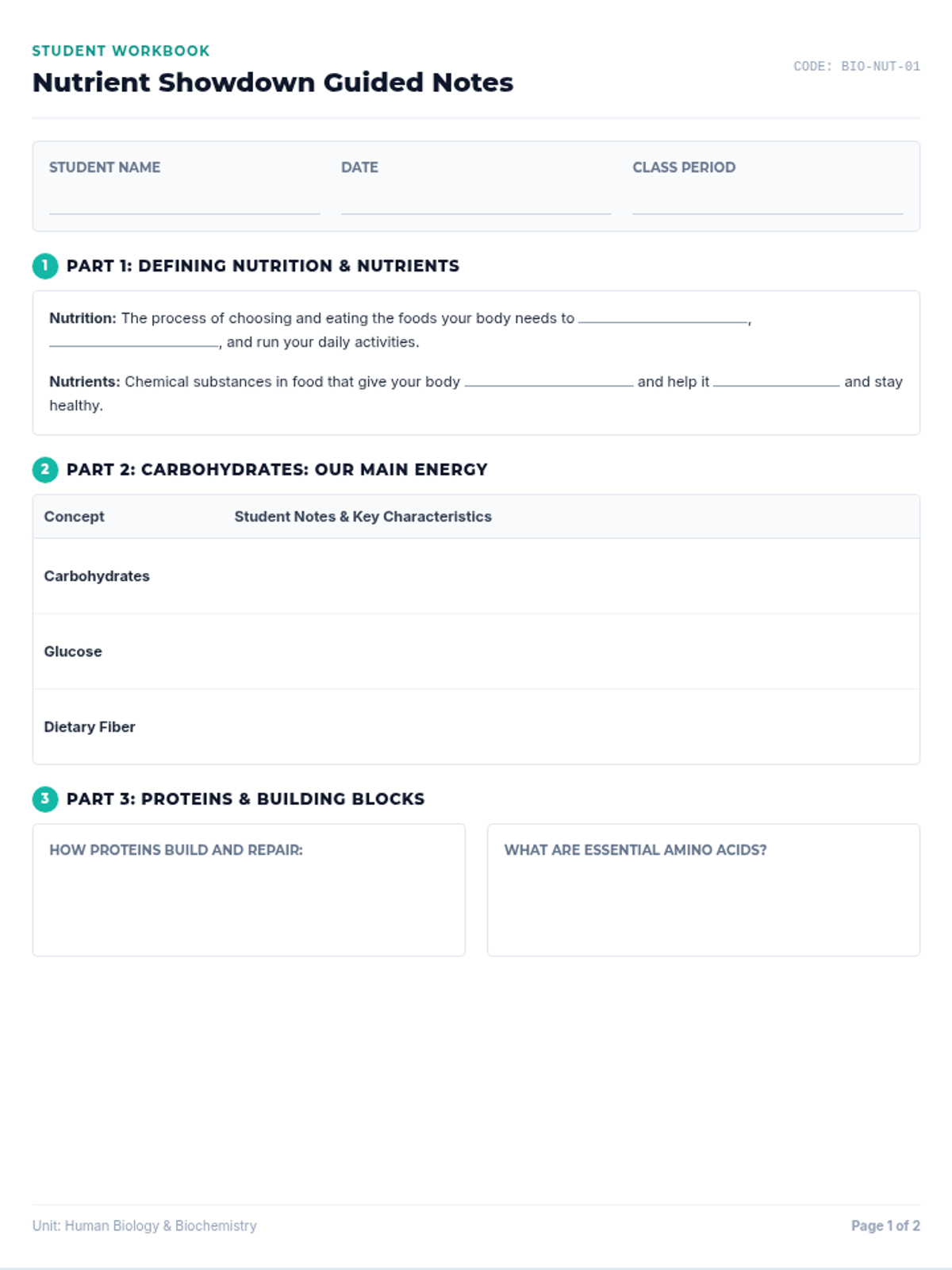
A comprehensive 90-minute biology-focused nutrition lesson for 9th graders. It covers the seven learning objectives and key terms through real-world scenarios, collaborative meal-planning, and debates on dietary trends. Includes teacher guides, a 15-slide presentation, and a guided notebook.
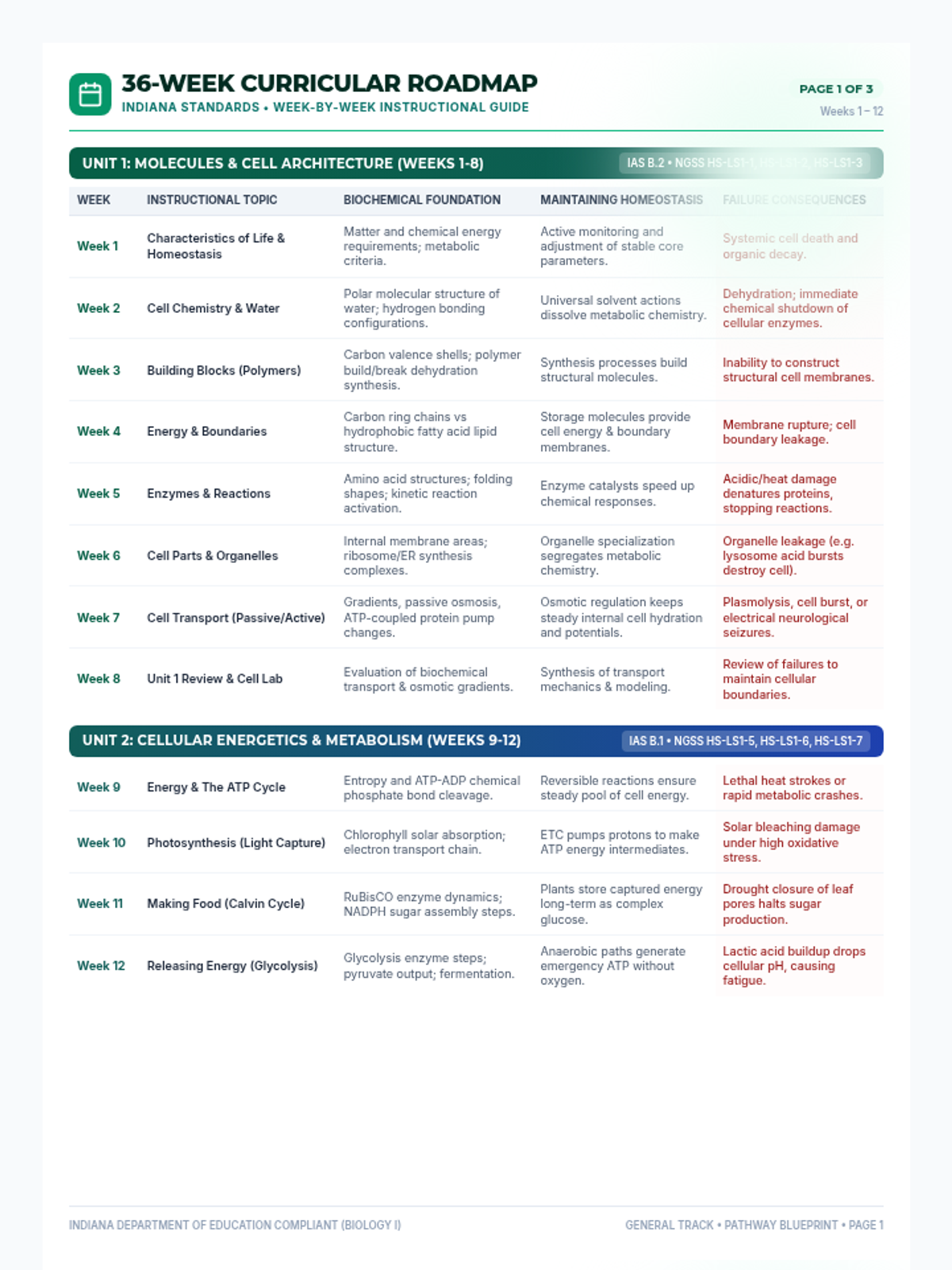
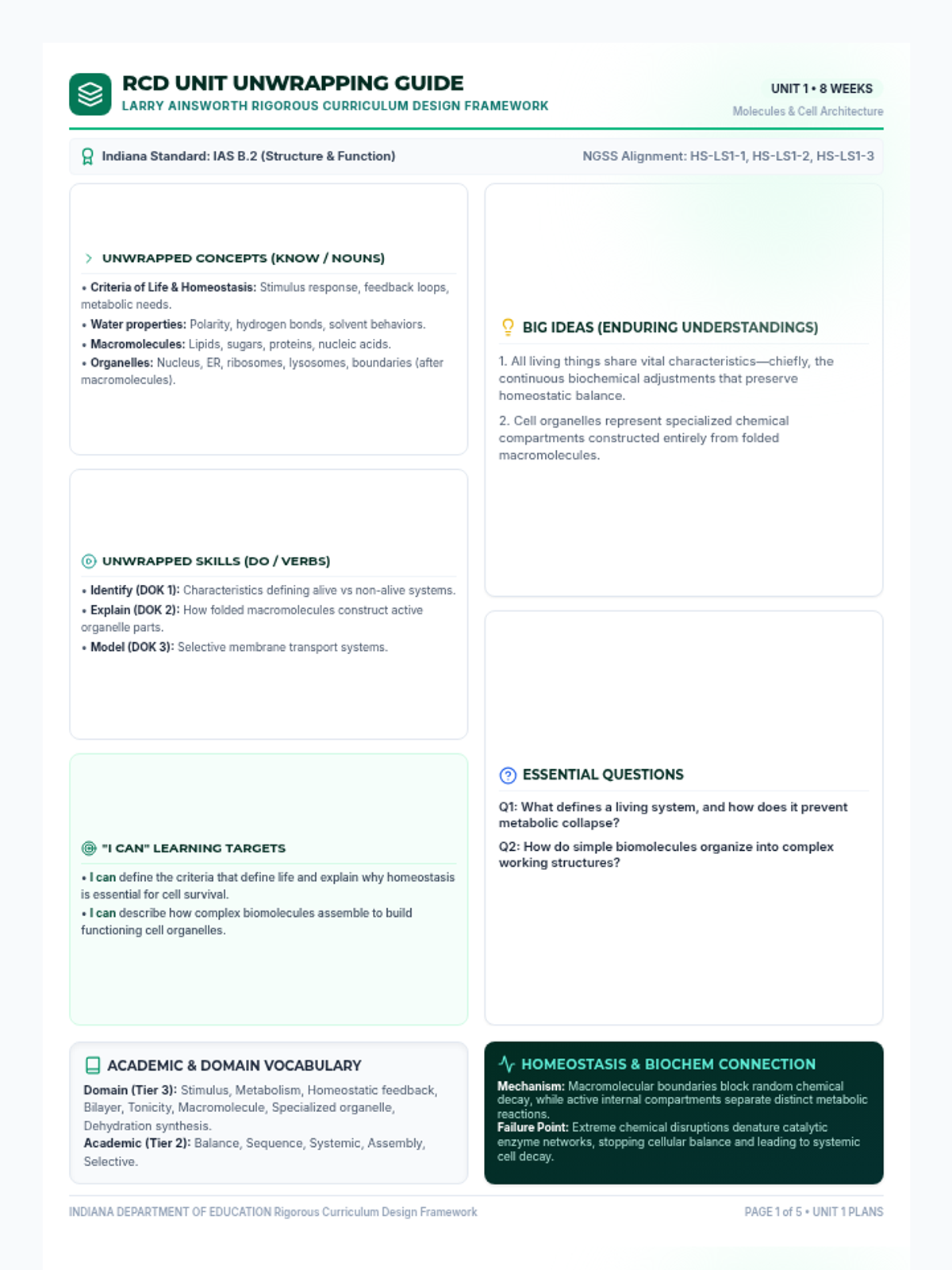
An advanced course launch framework establishing rigorous academic policies, AP/IB preparatory standards, and the integrated biochemistry roadmap for Honors Biology.
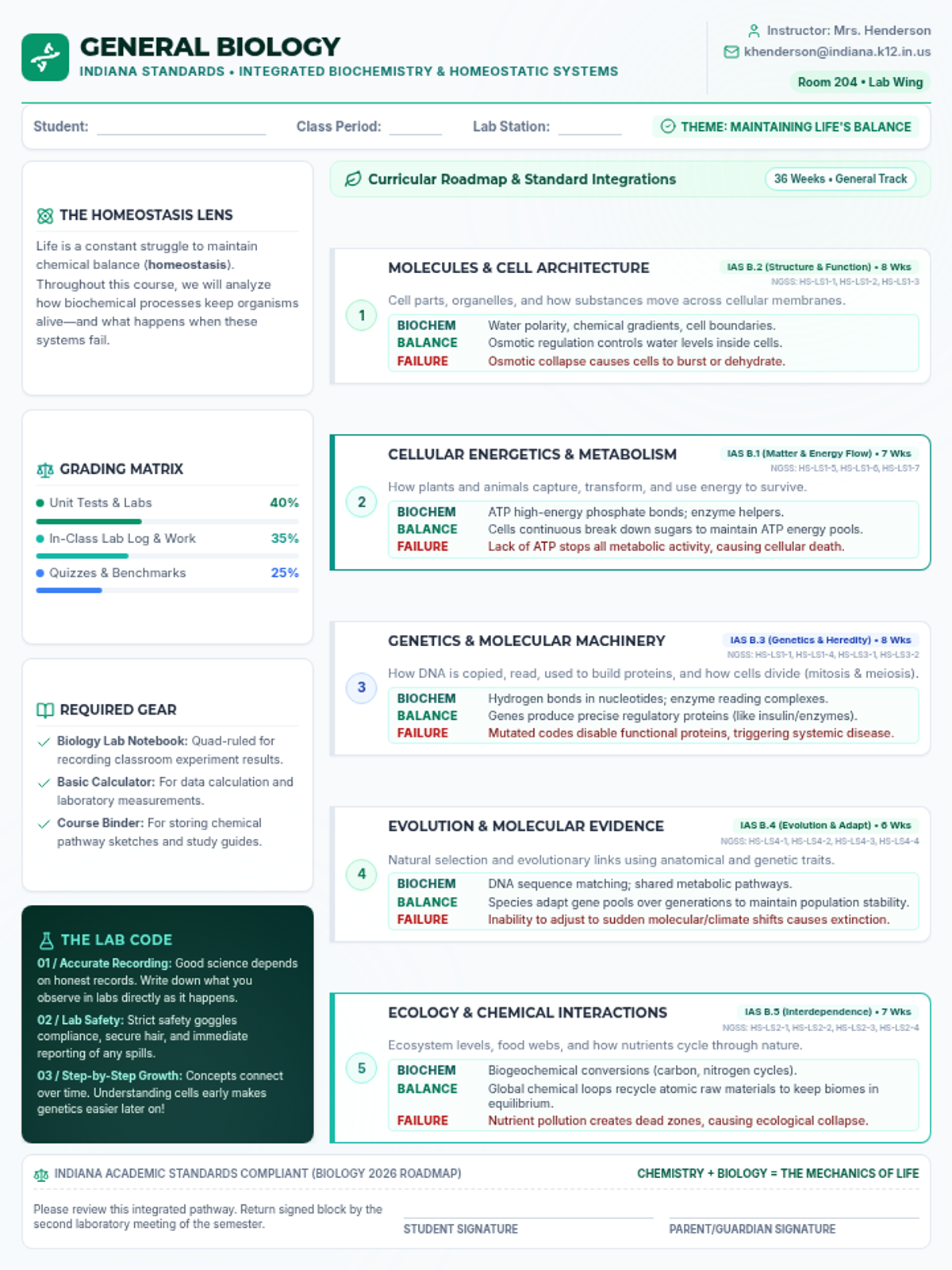
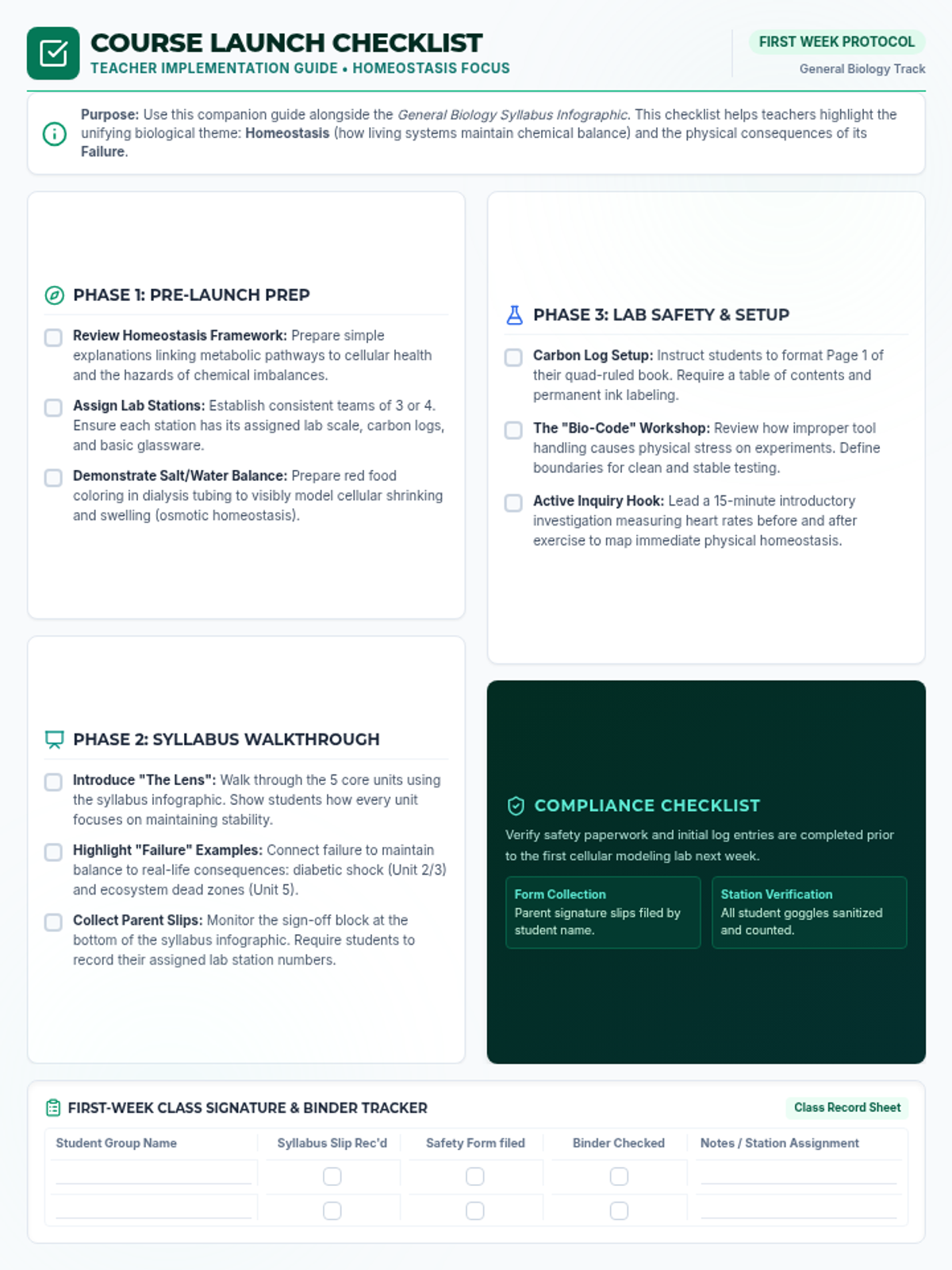
An introductory framework establishing course policies, Indiana state biology standards, and the integrated biochemistry roadmap for the academic year.
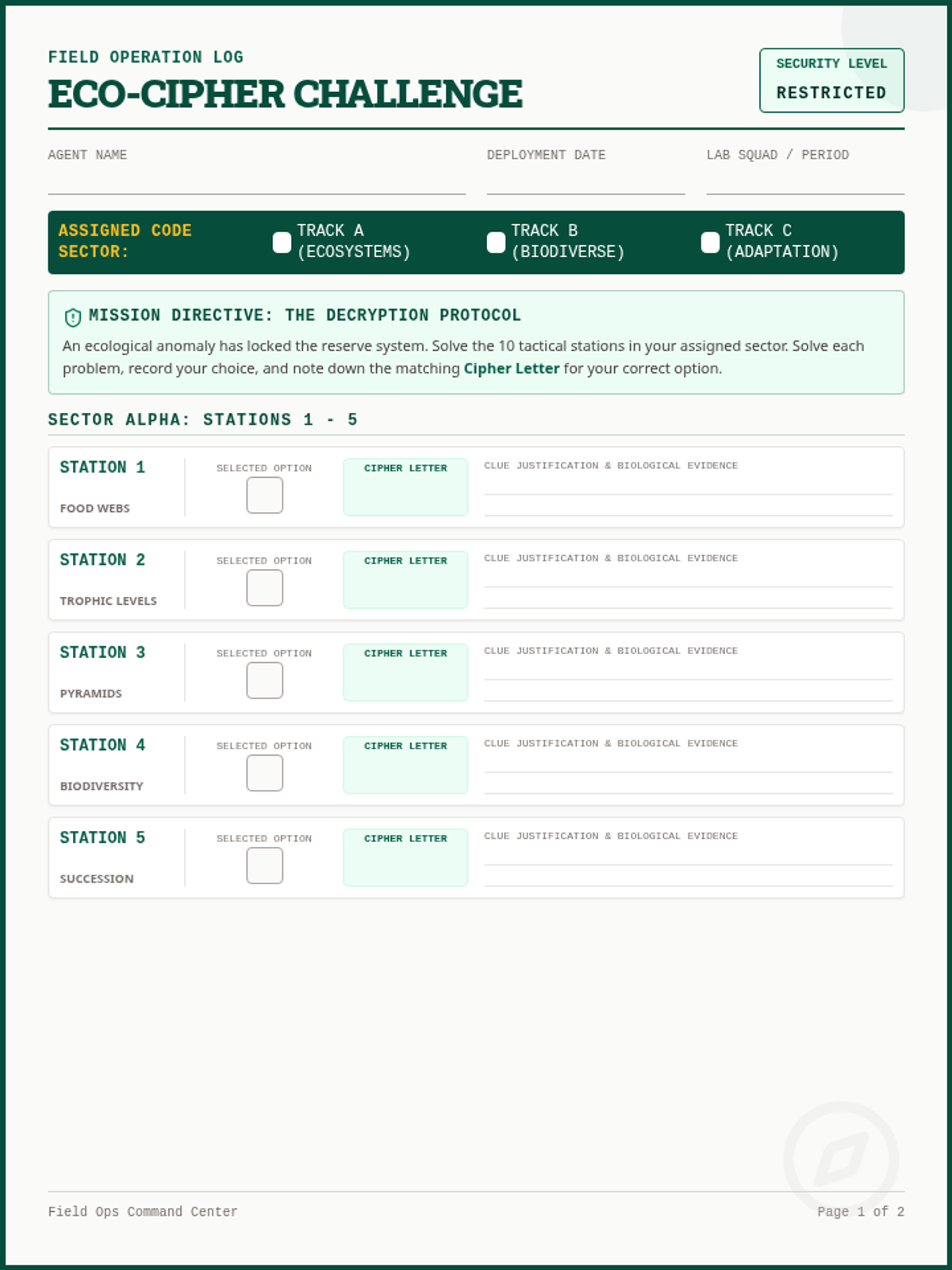
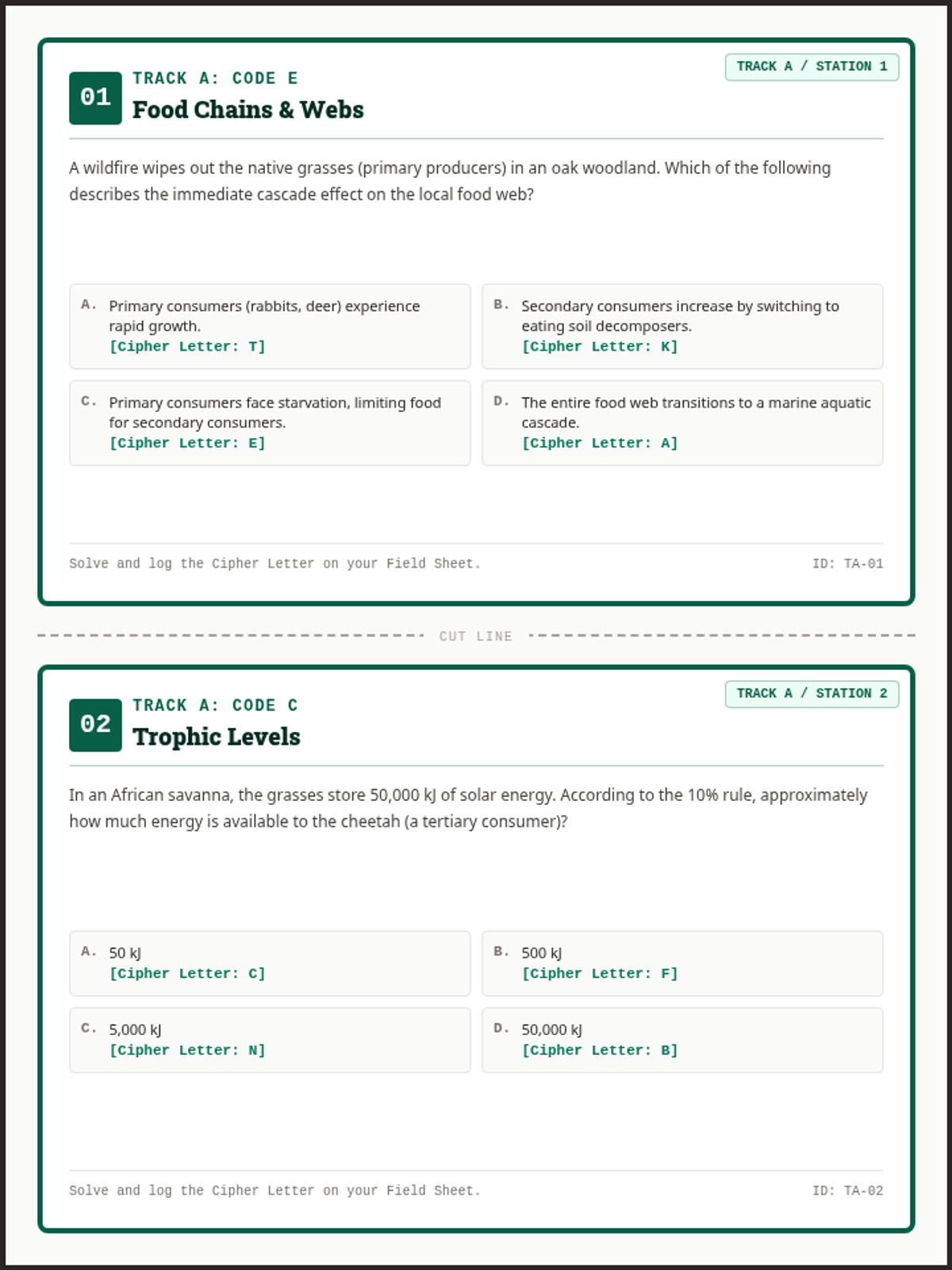
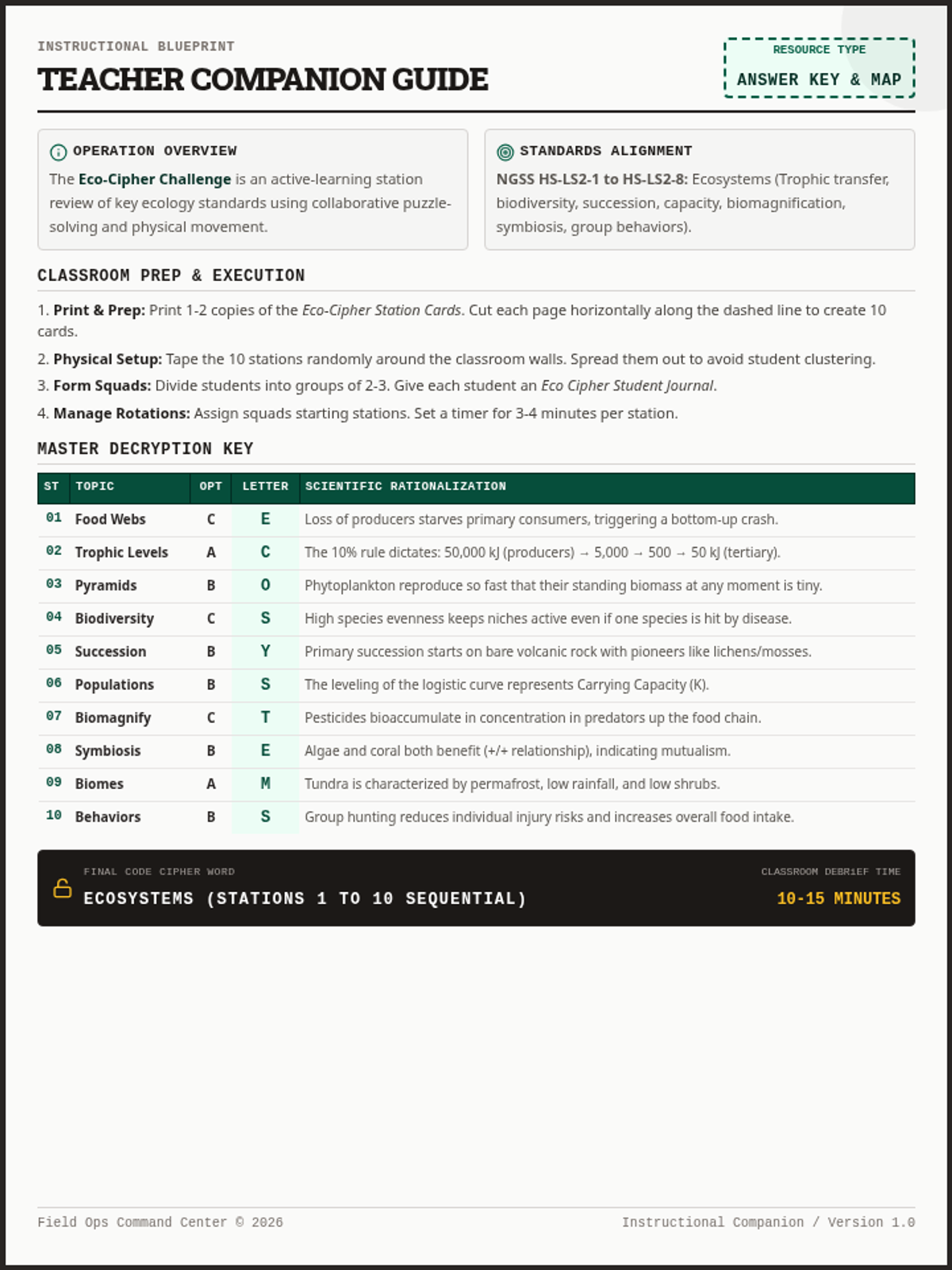
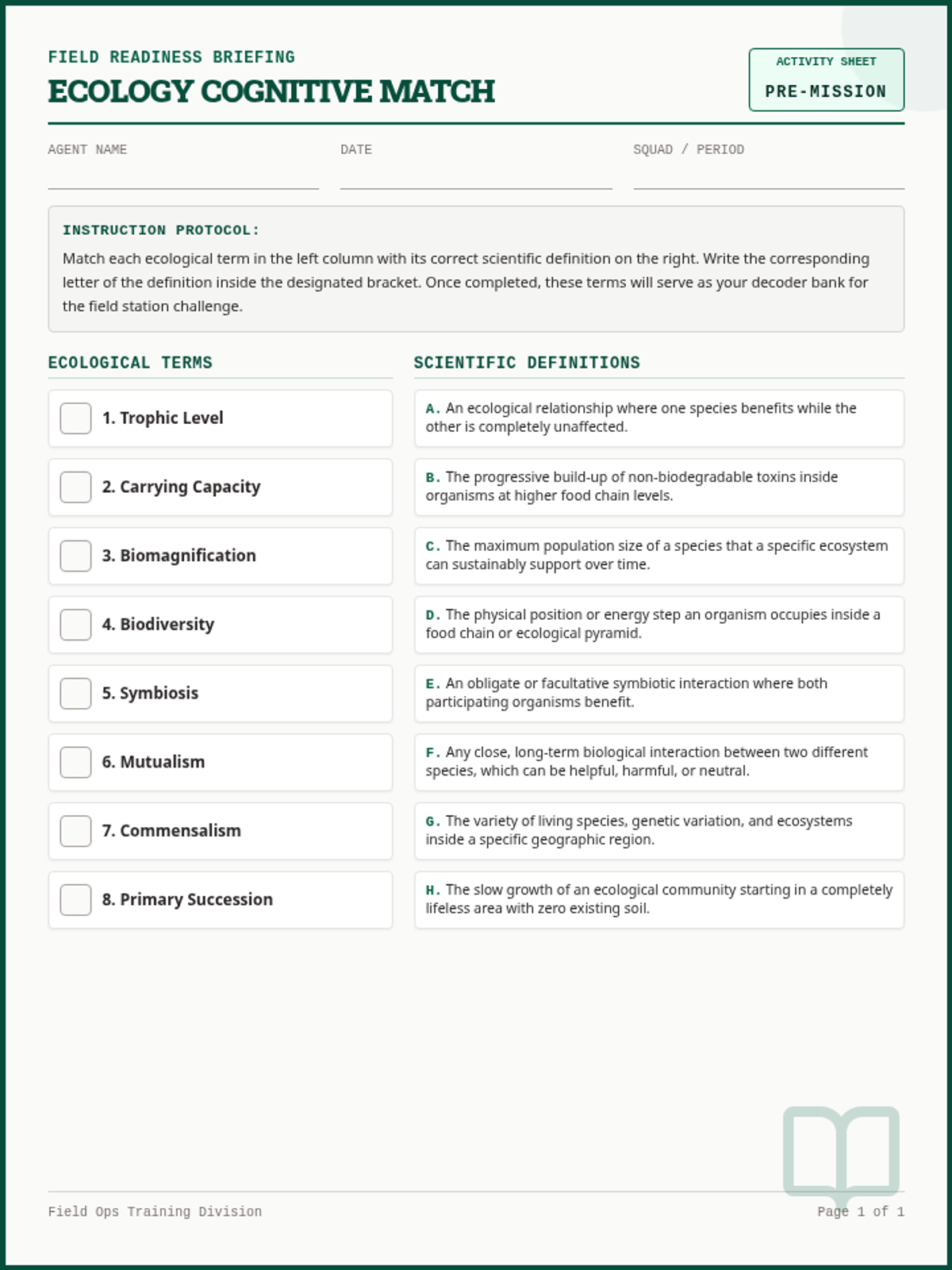
An interactive, station-based scavenger hunt where students solve ecological mysteries to decode a final ten-letter secret cipher ('ECOSYSTEMS'). Students review core concepts like food webs, trophic levels, symbiosis, succession, biomagnification, and populations.
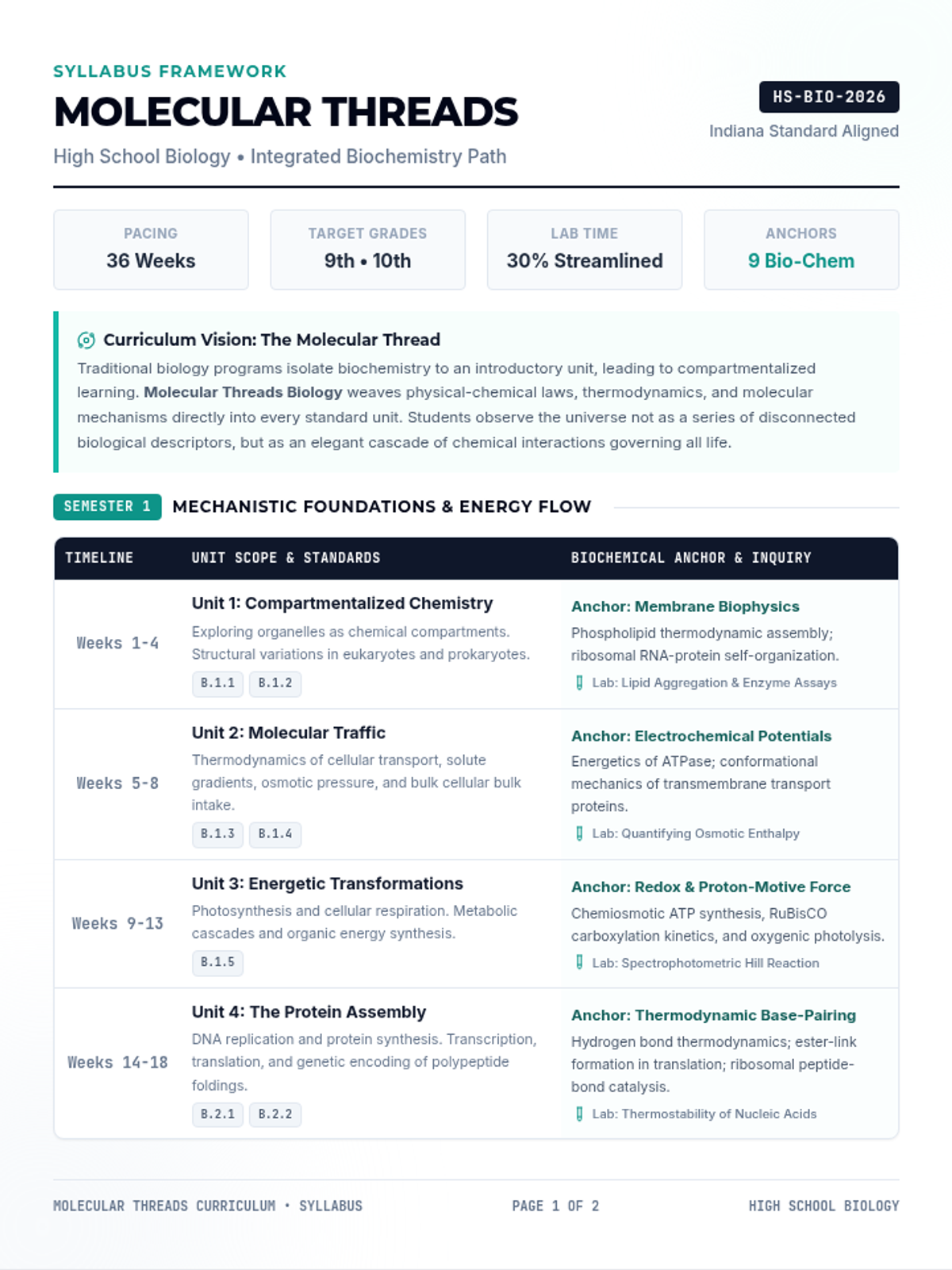
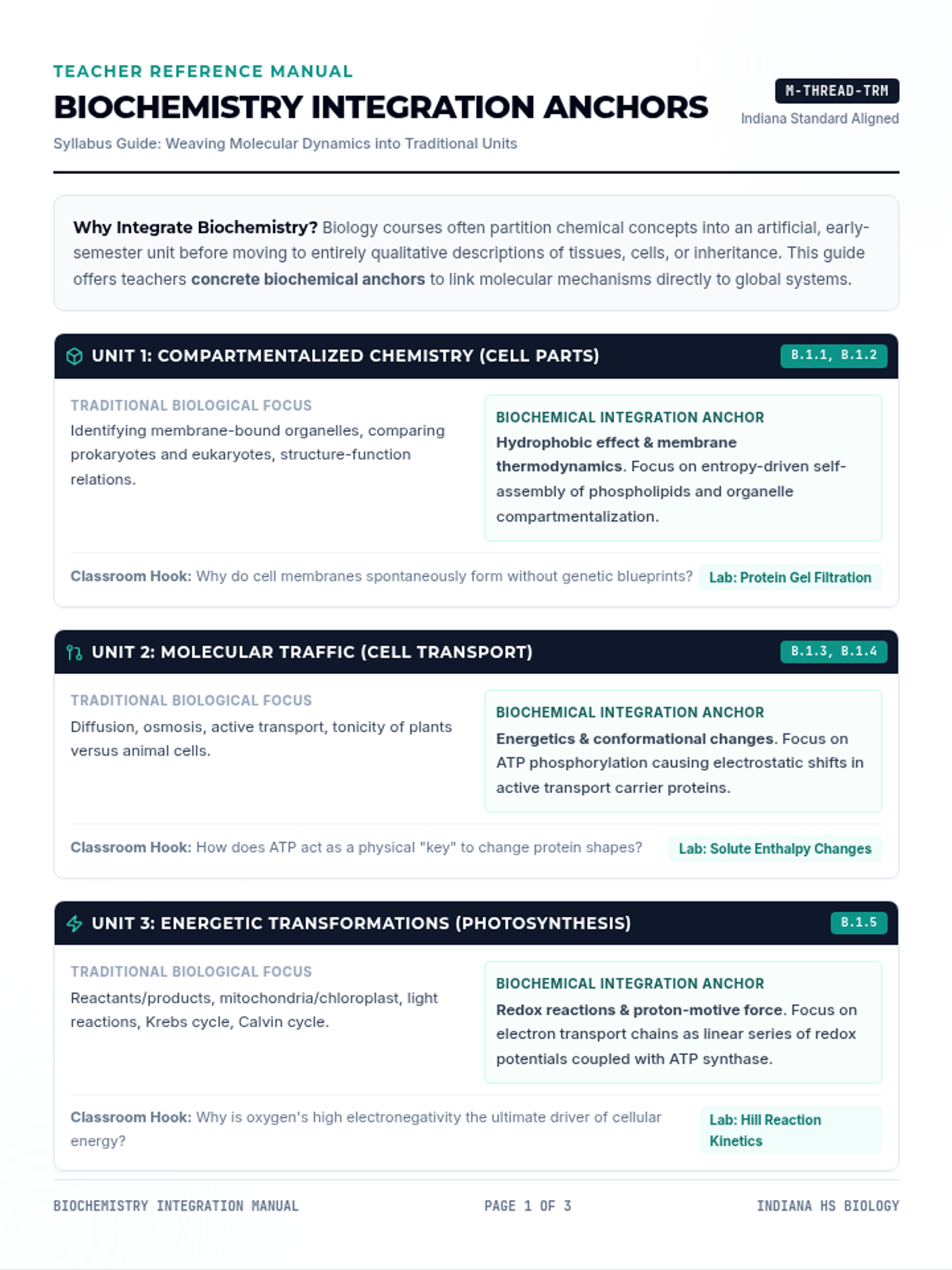
The master blueprint for the Molecular Threads Biology curriculum, featuring a comprehensive yearlong syllabus and a teacher reference guide for weaving biochemistry anchors into every unit.
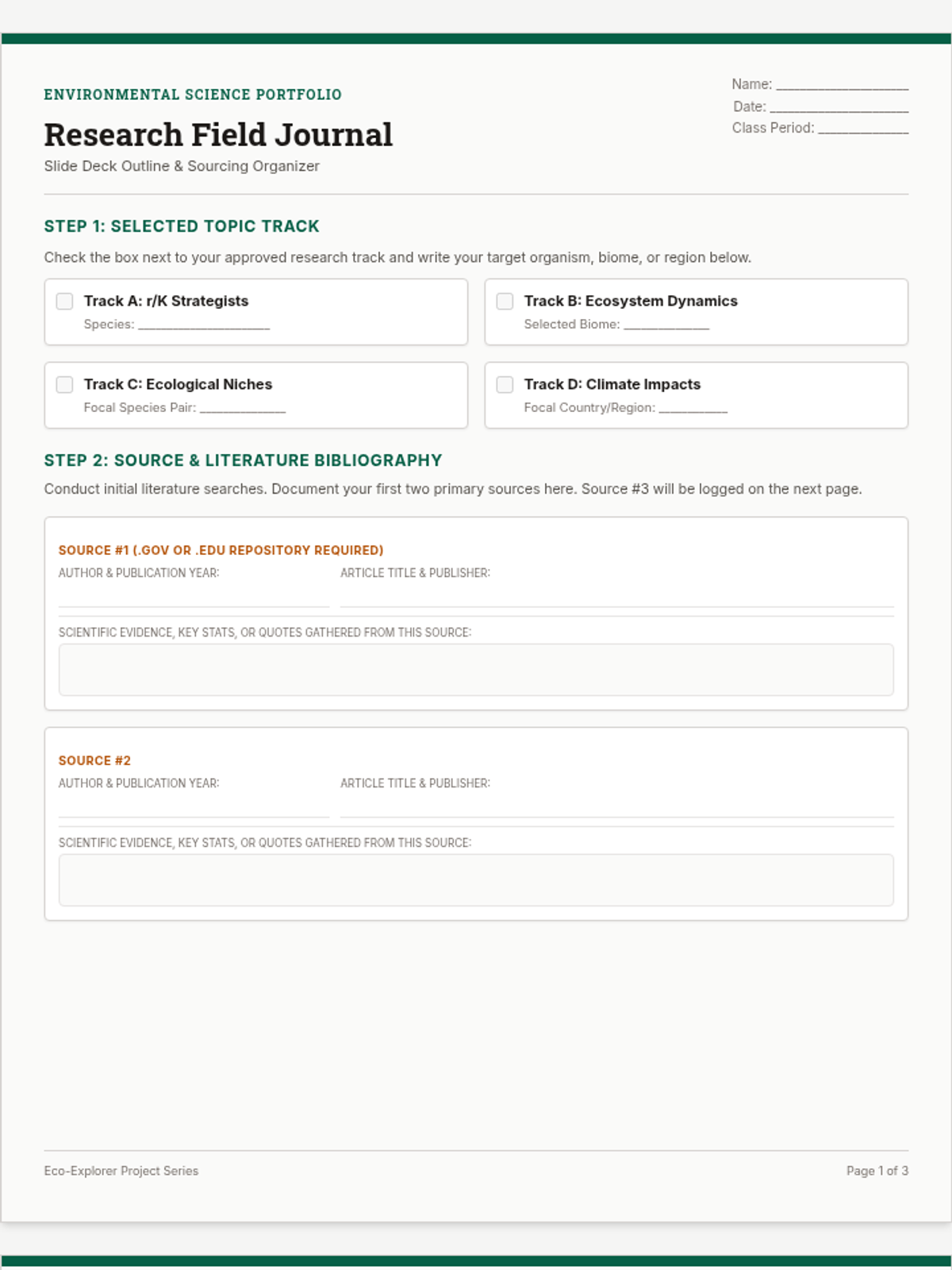
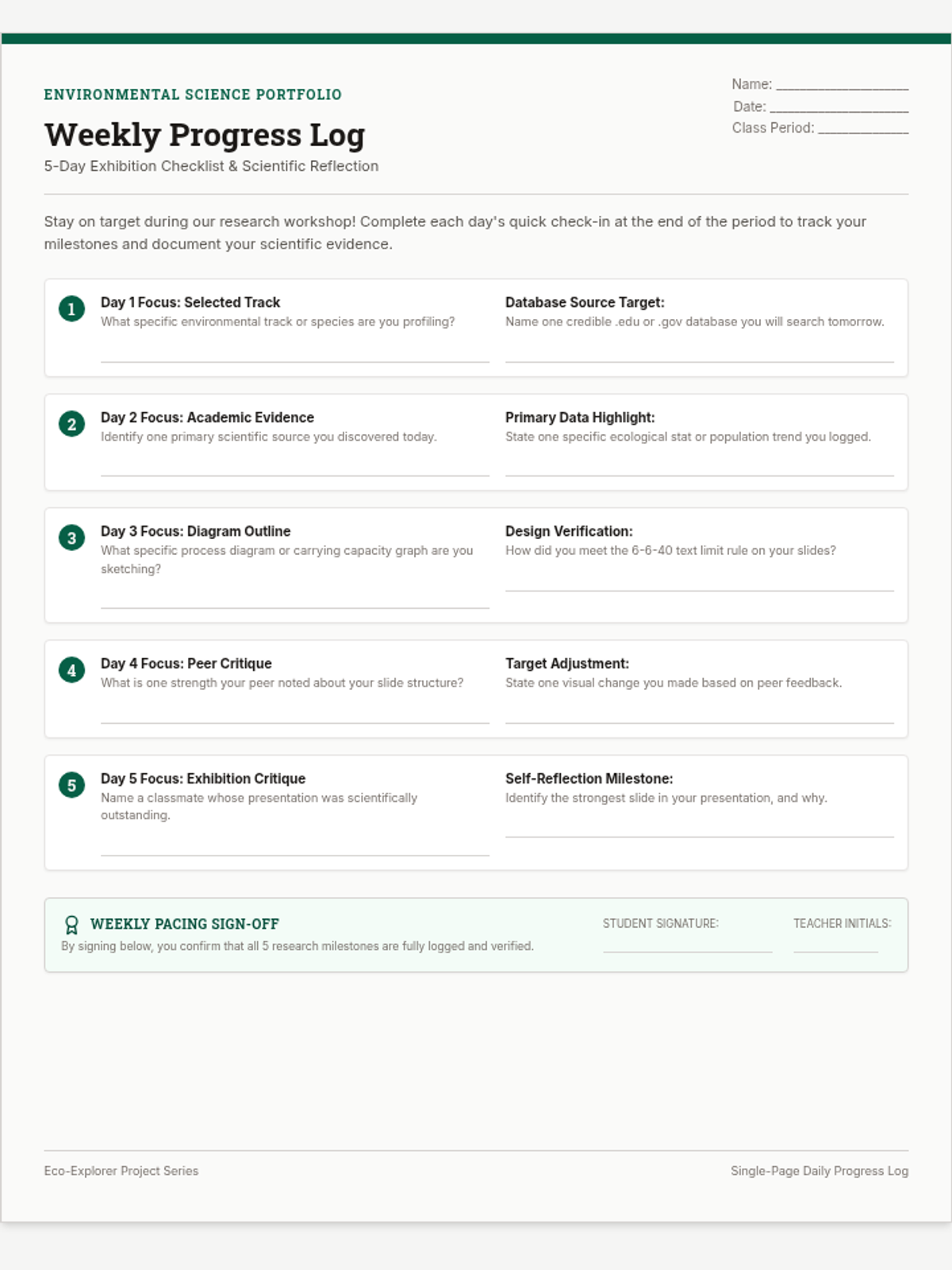
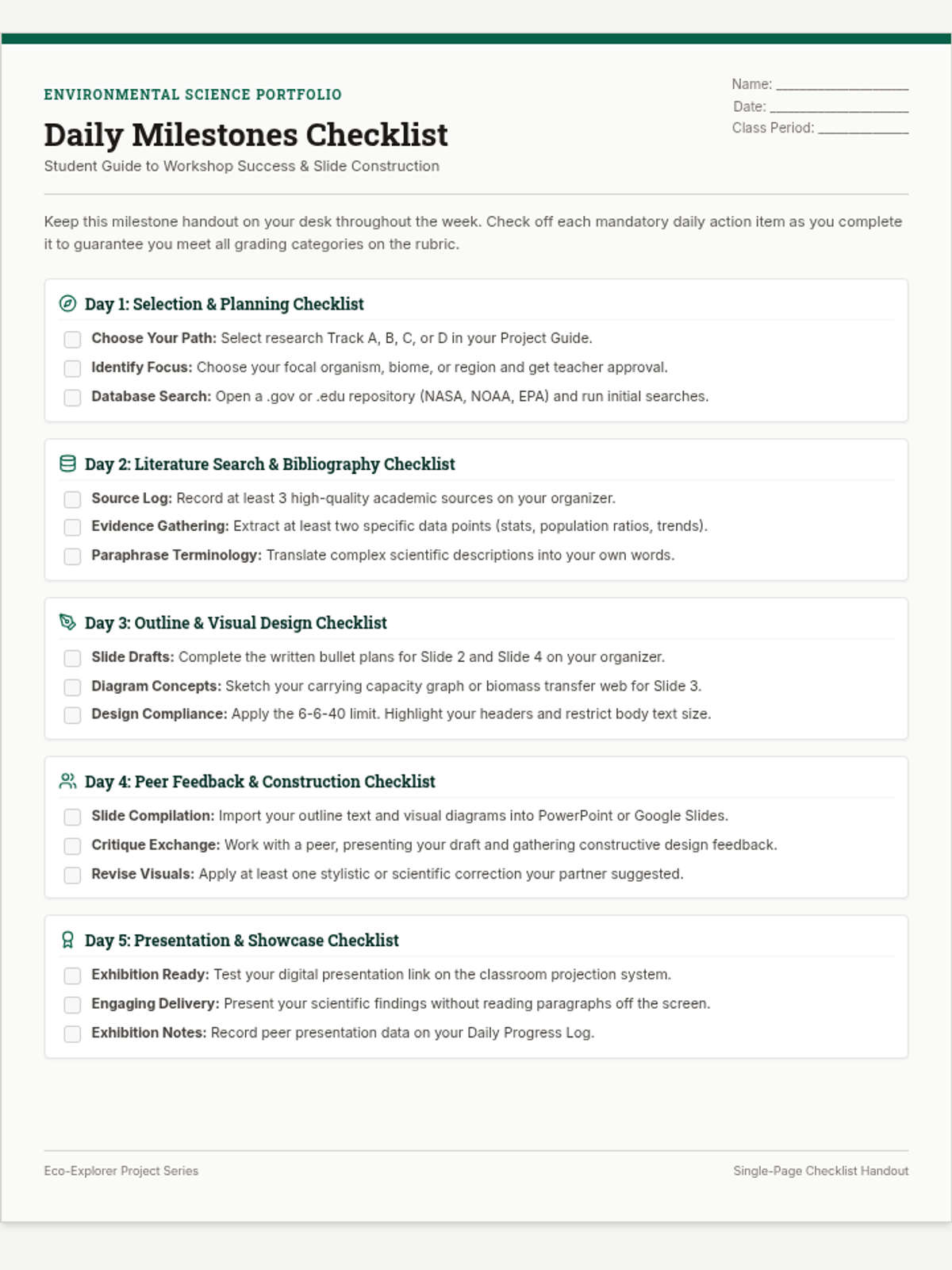
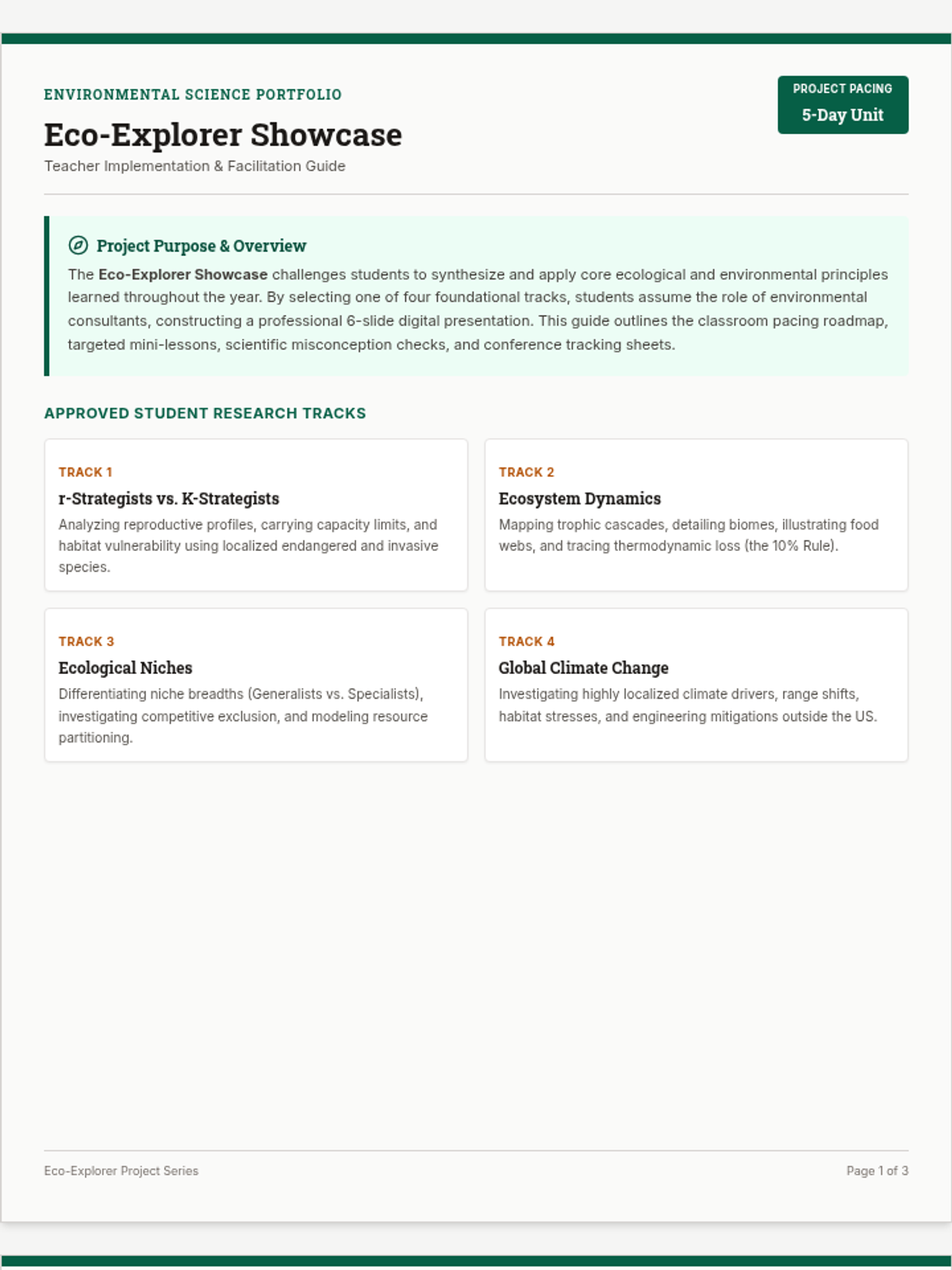
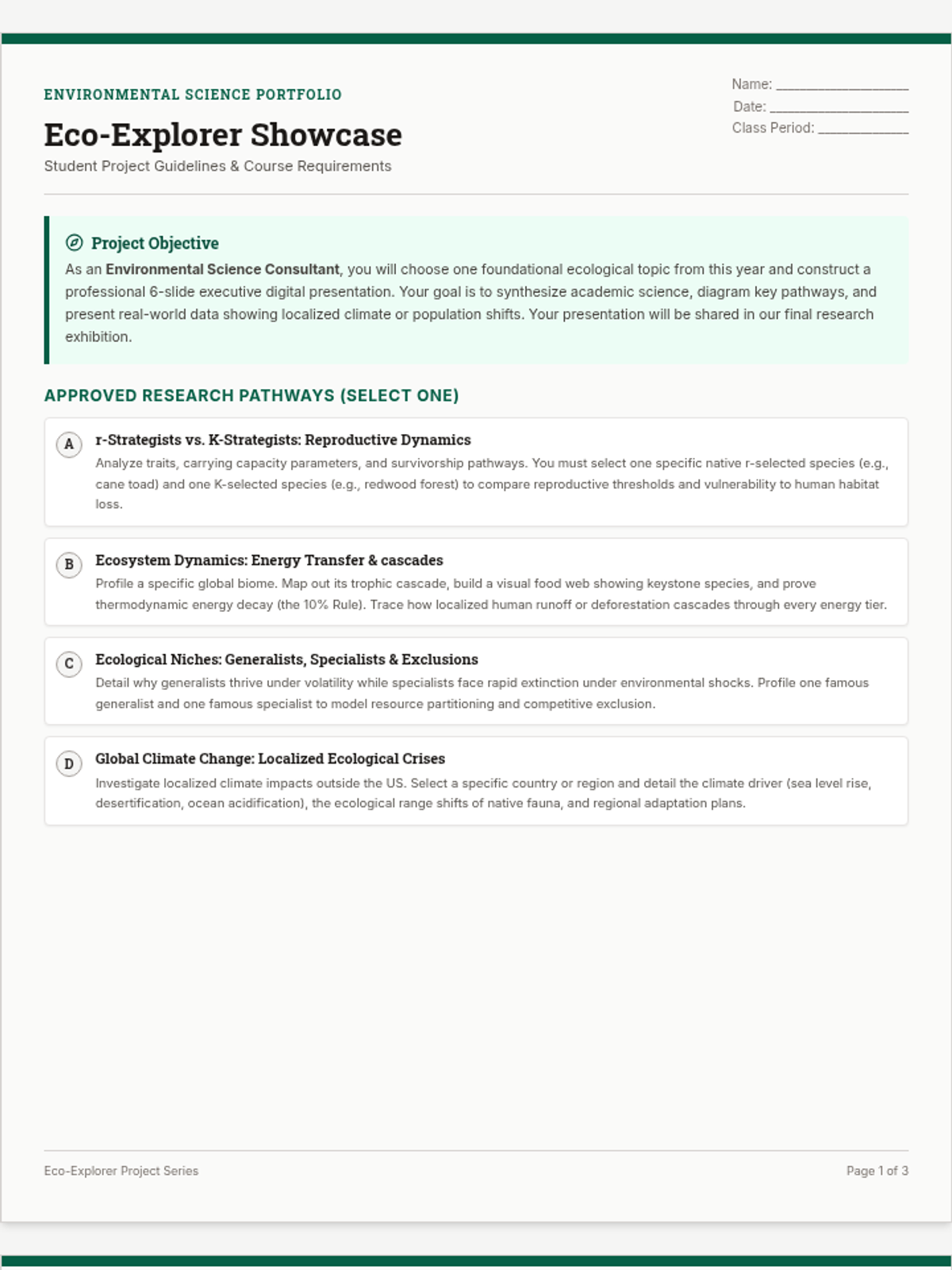
An environmental science research project where students choose a major topic from the year—such as life strategies, ecosystem dynamics, ecological niches, or global climate change—to research, synthesize, and present as a professional digital slide show.
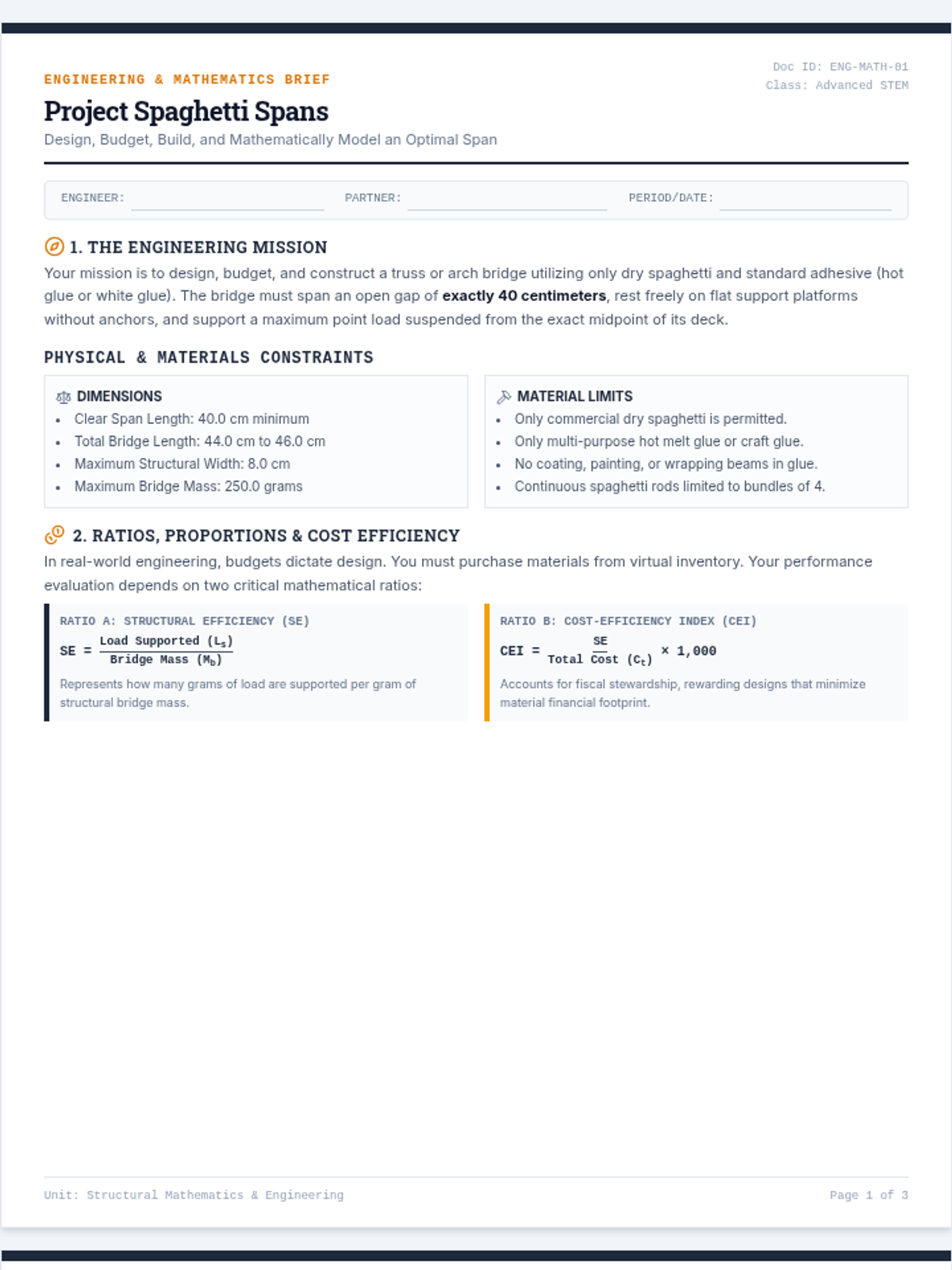
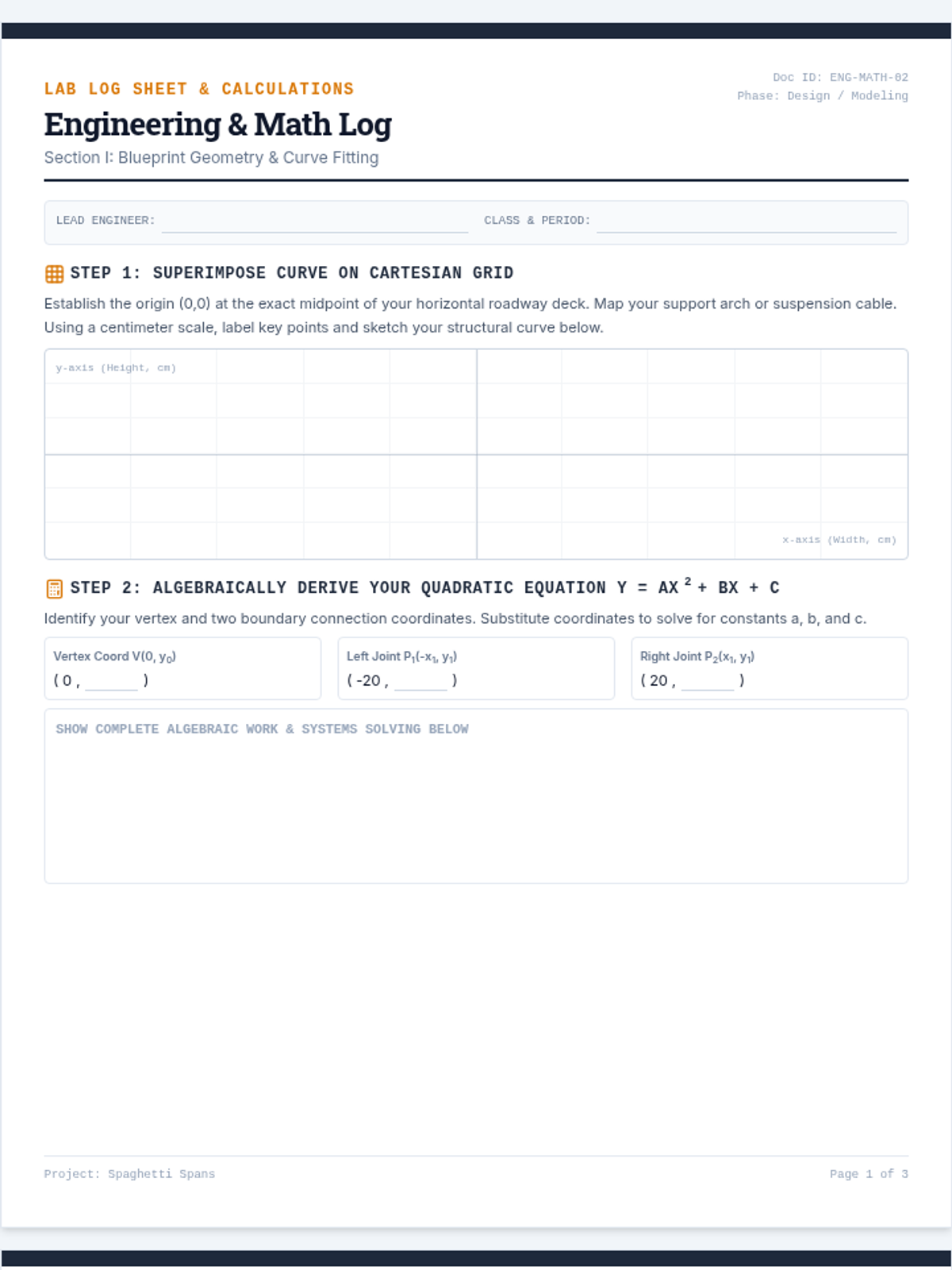
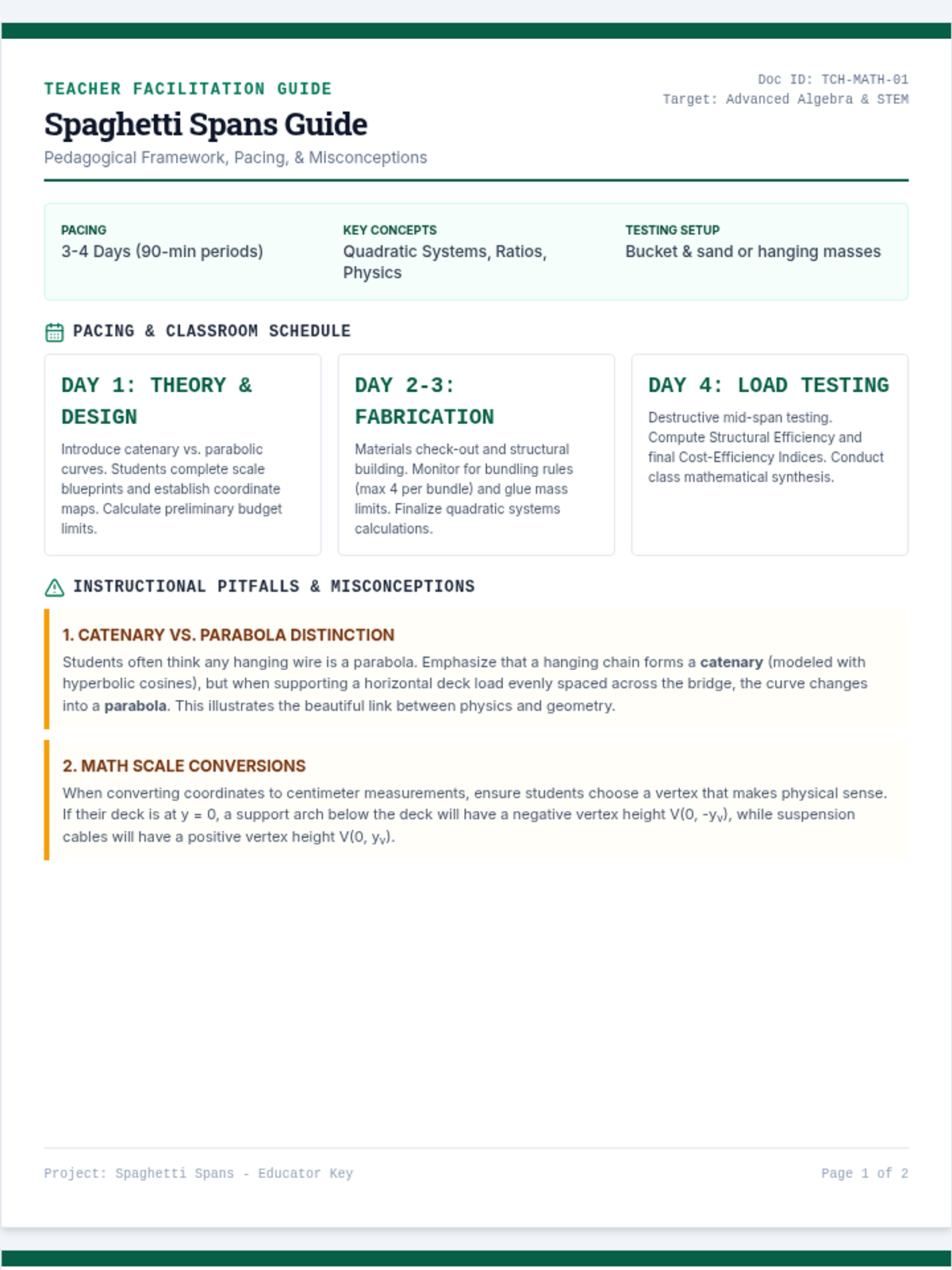
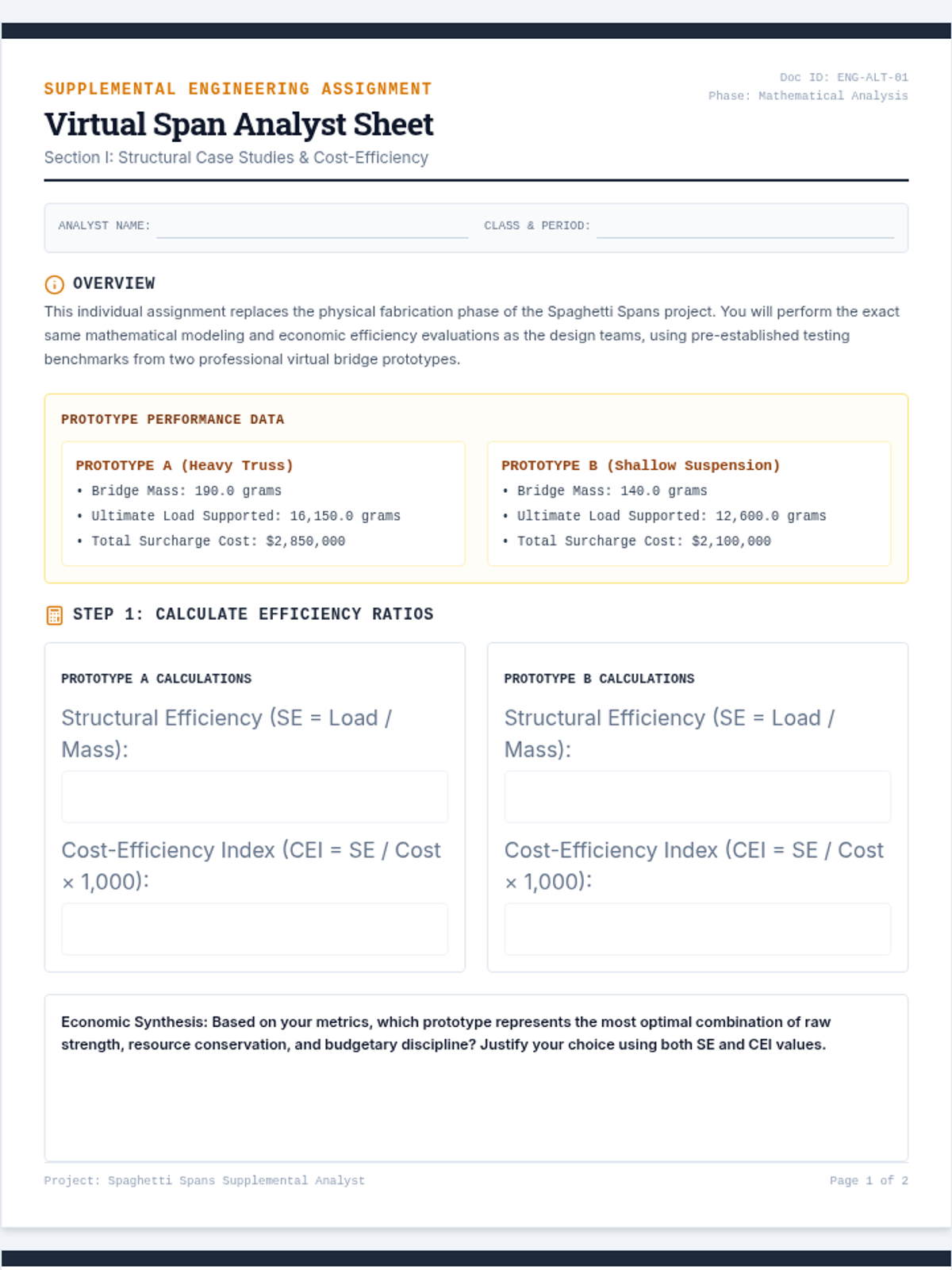
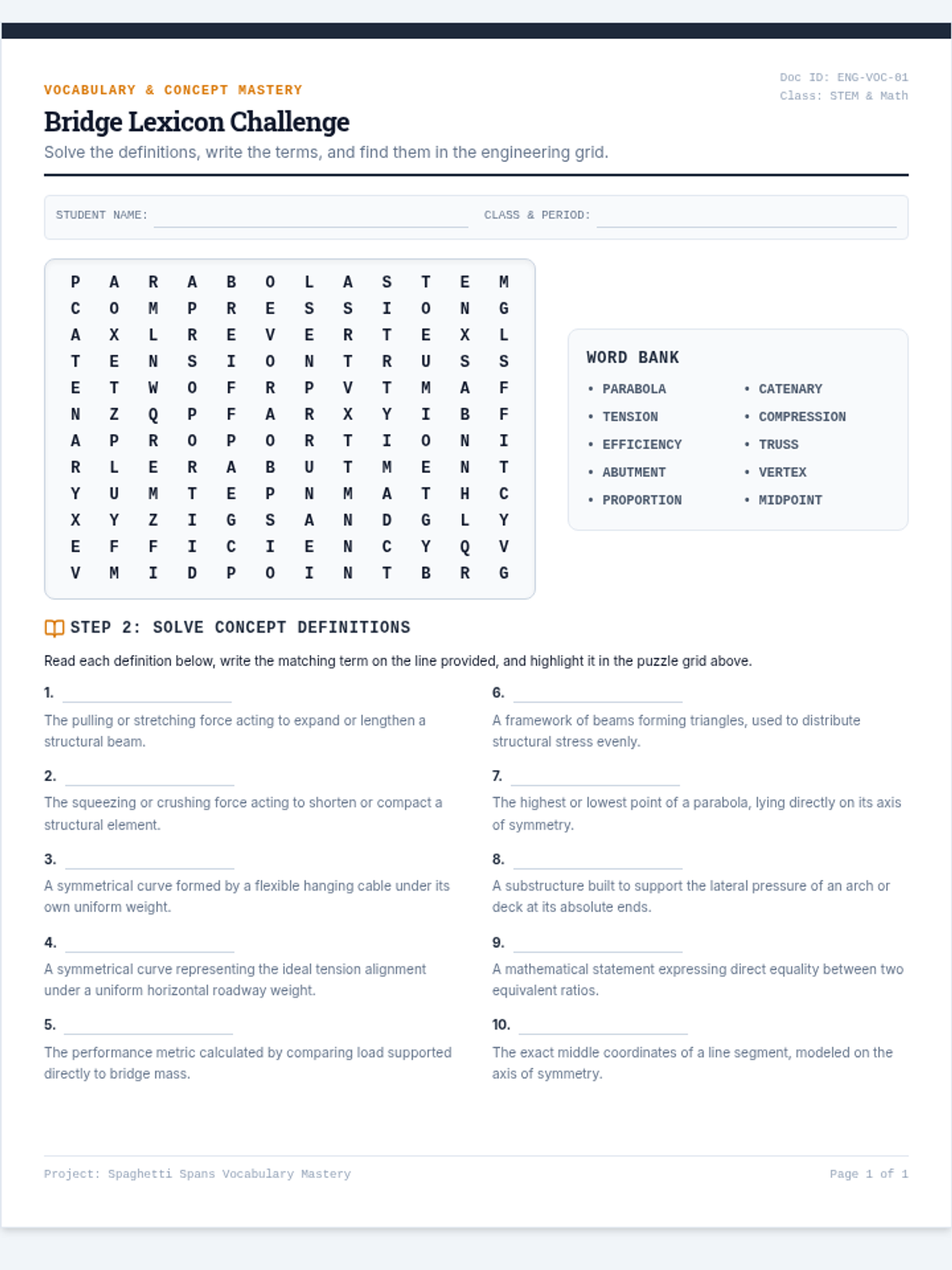
A rigorous STEM project combining structural engineering with advanced mathematics. Students design, budget, build, and test spaghetti bridges using ratios, proportions, cost-efficiency metrics, quadratic modeling, and catenary curves.
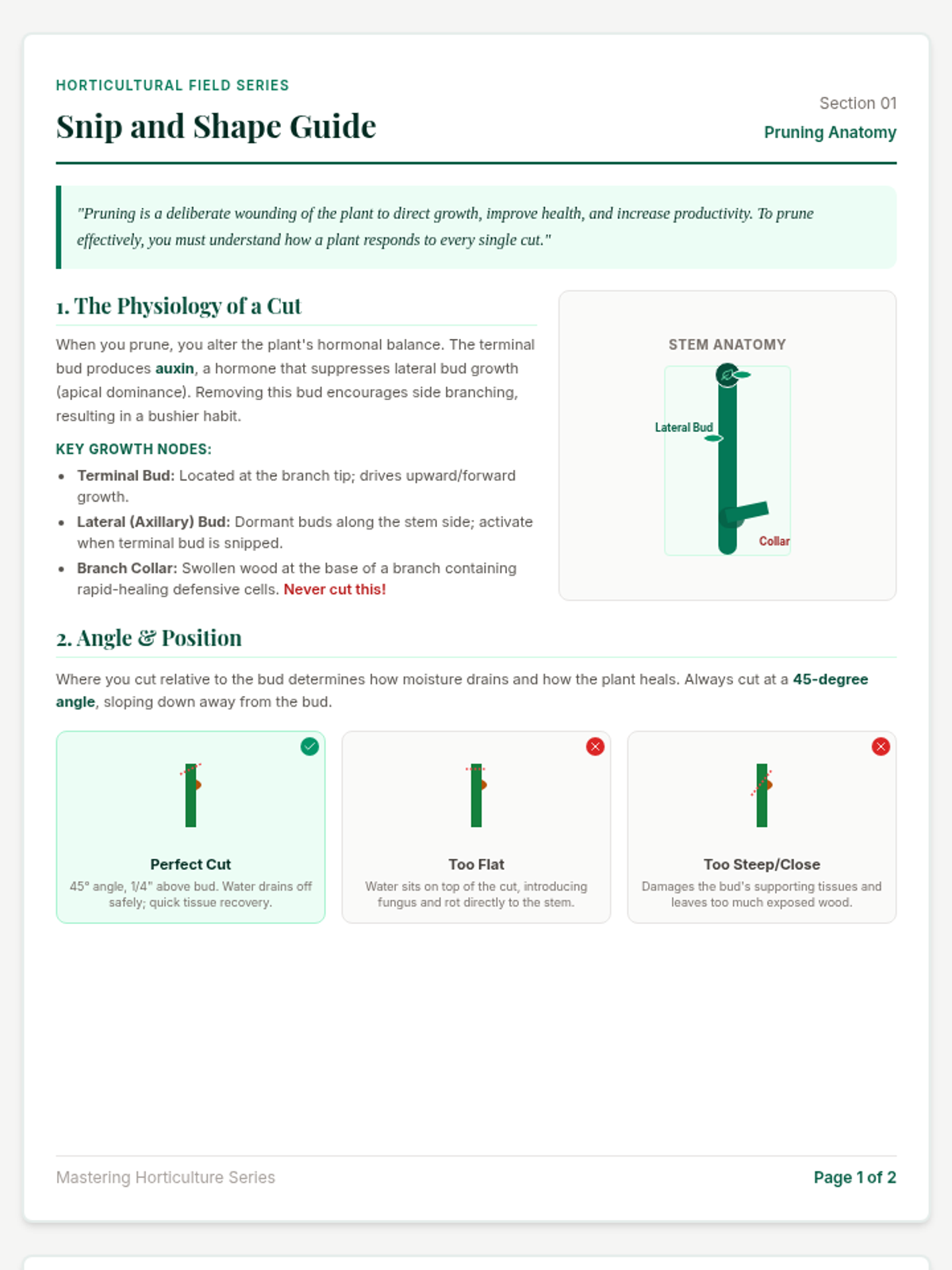
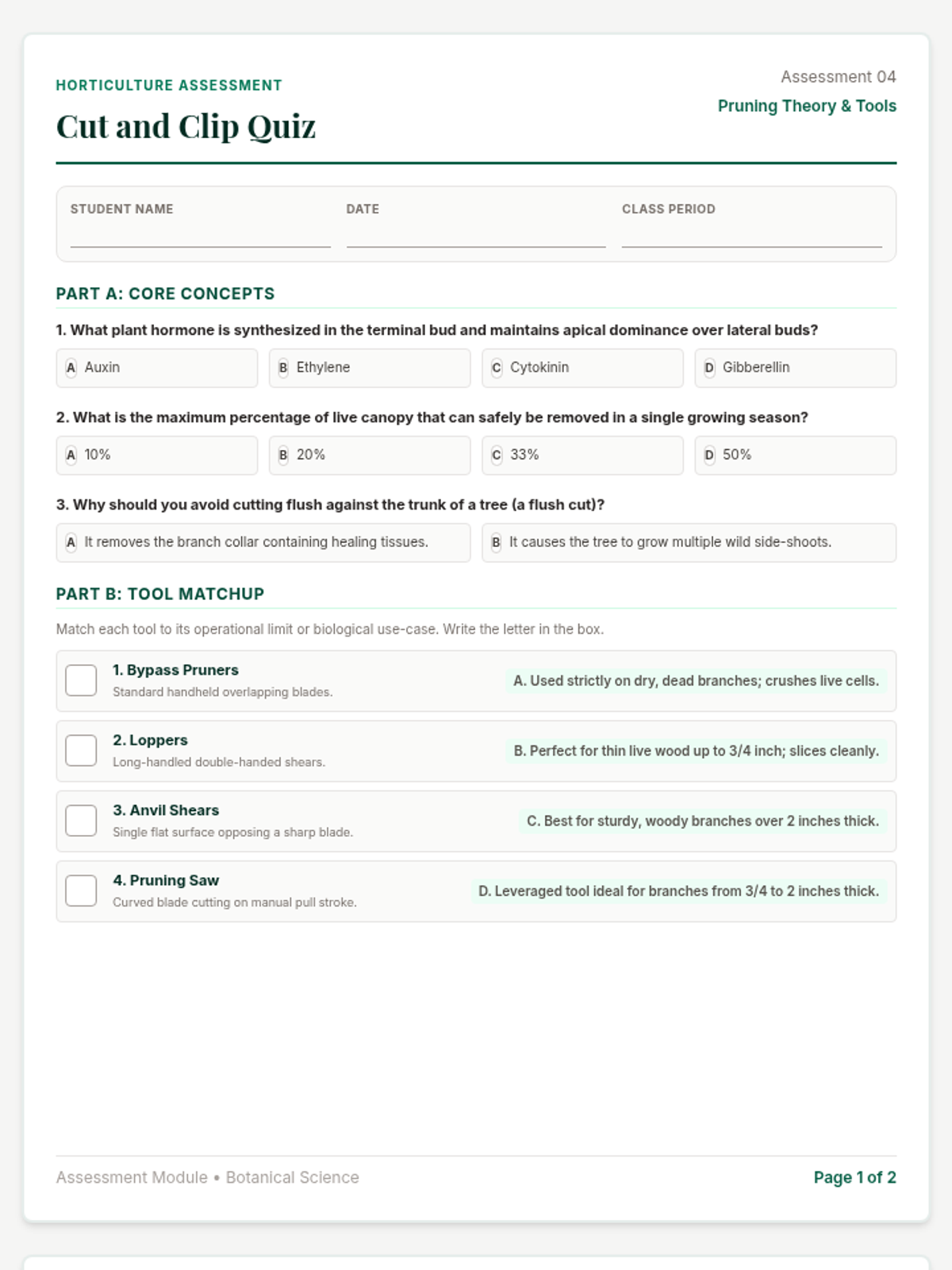
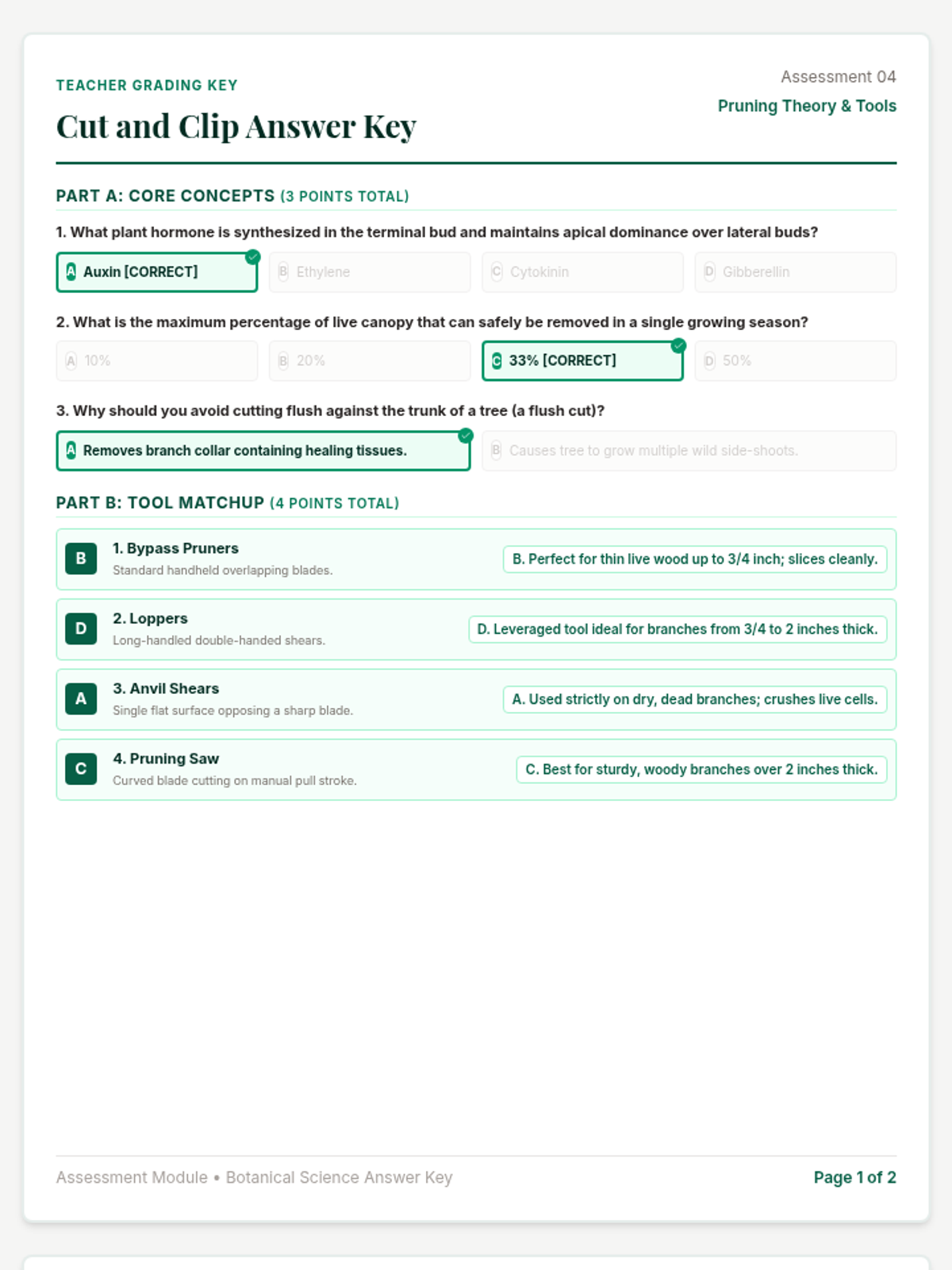
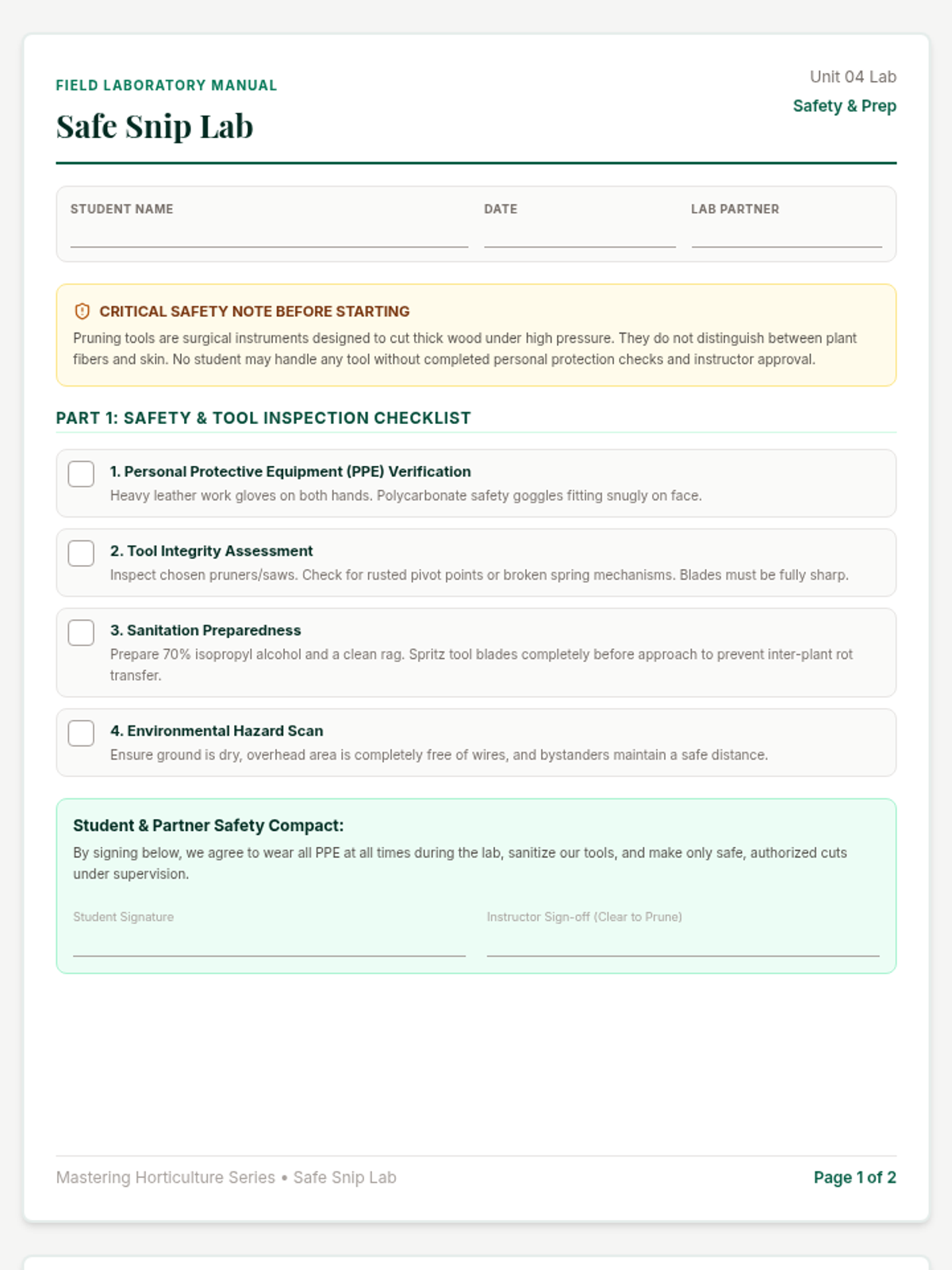
An immersive gardening lesson introducing pruning principles. Students master key tools, safety protocols, and the mechanics of plant growth to make clean, professional, and healthy cuts.
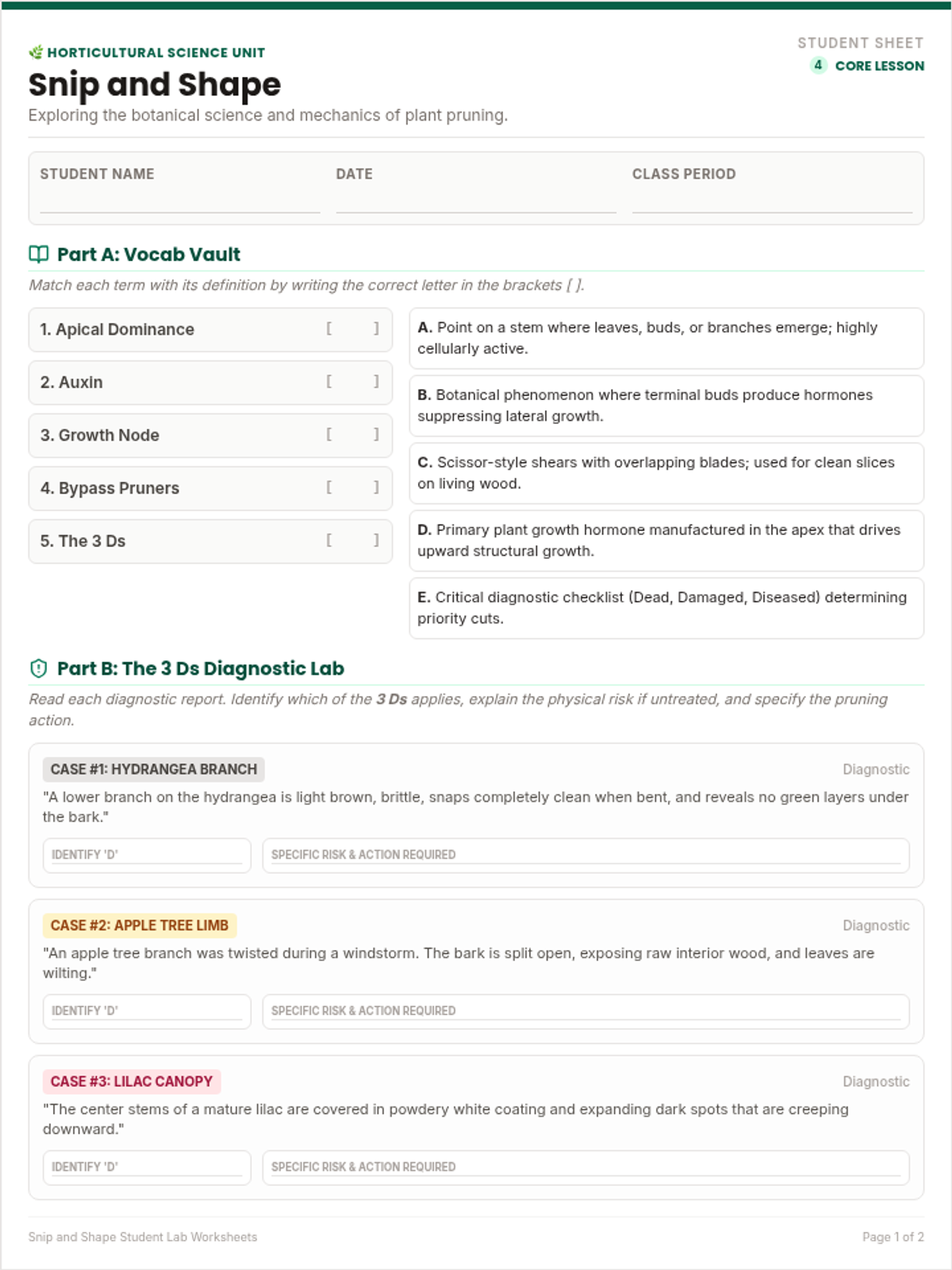
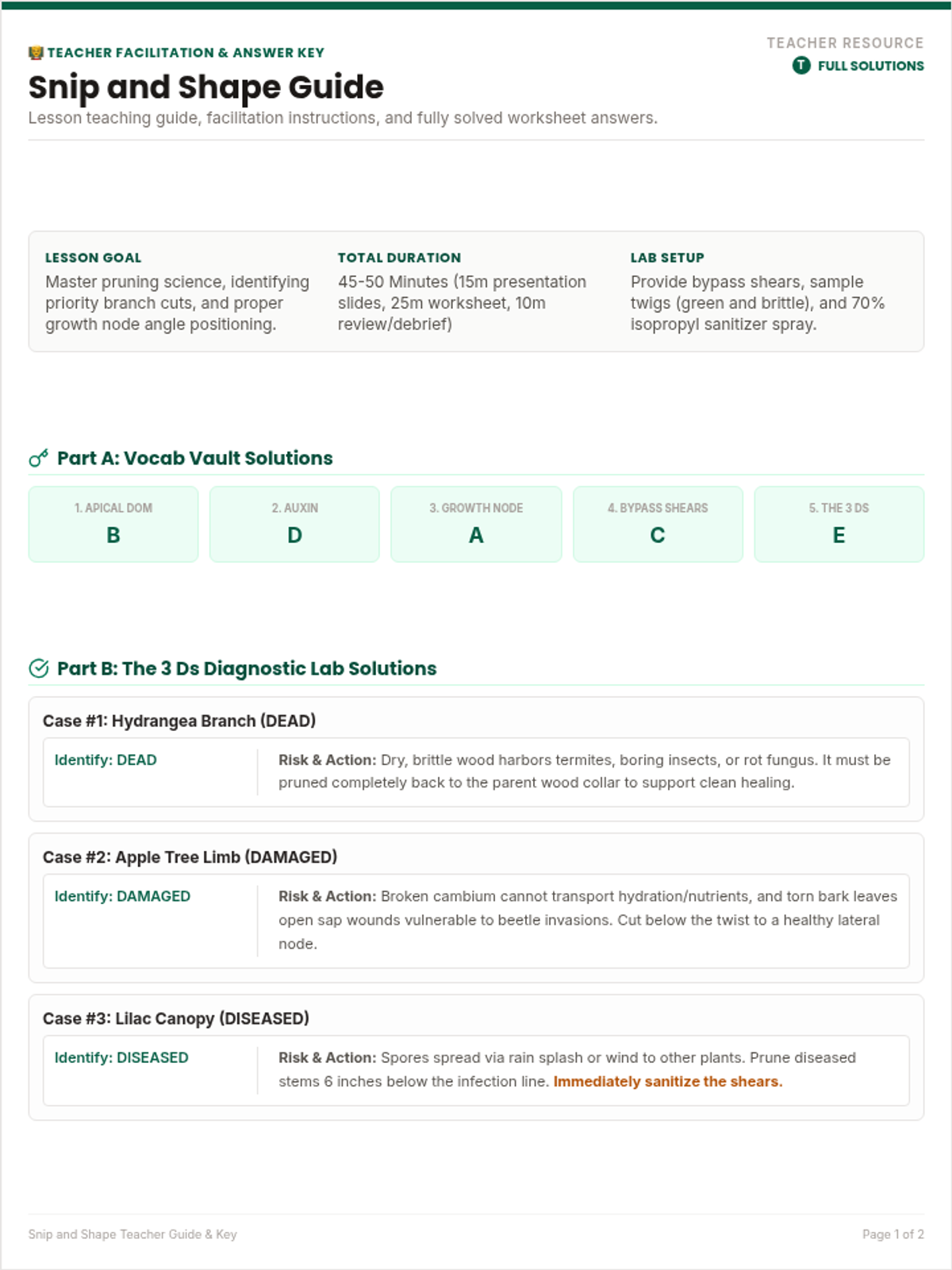
A hands-on, engaging lesson on the science and art of pruning. Students learn the botanical reasons for pruning (apical dominance), the "3 Ds" of identifying what to cut, and proper pruning cuts to keep plants healthy.
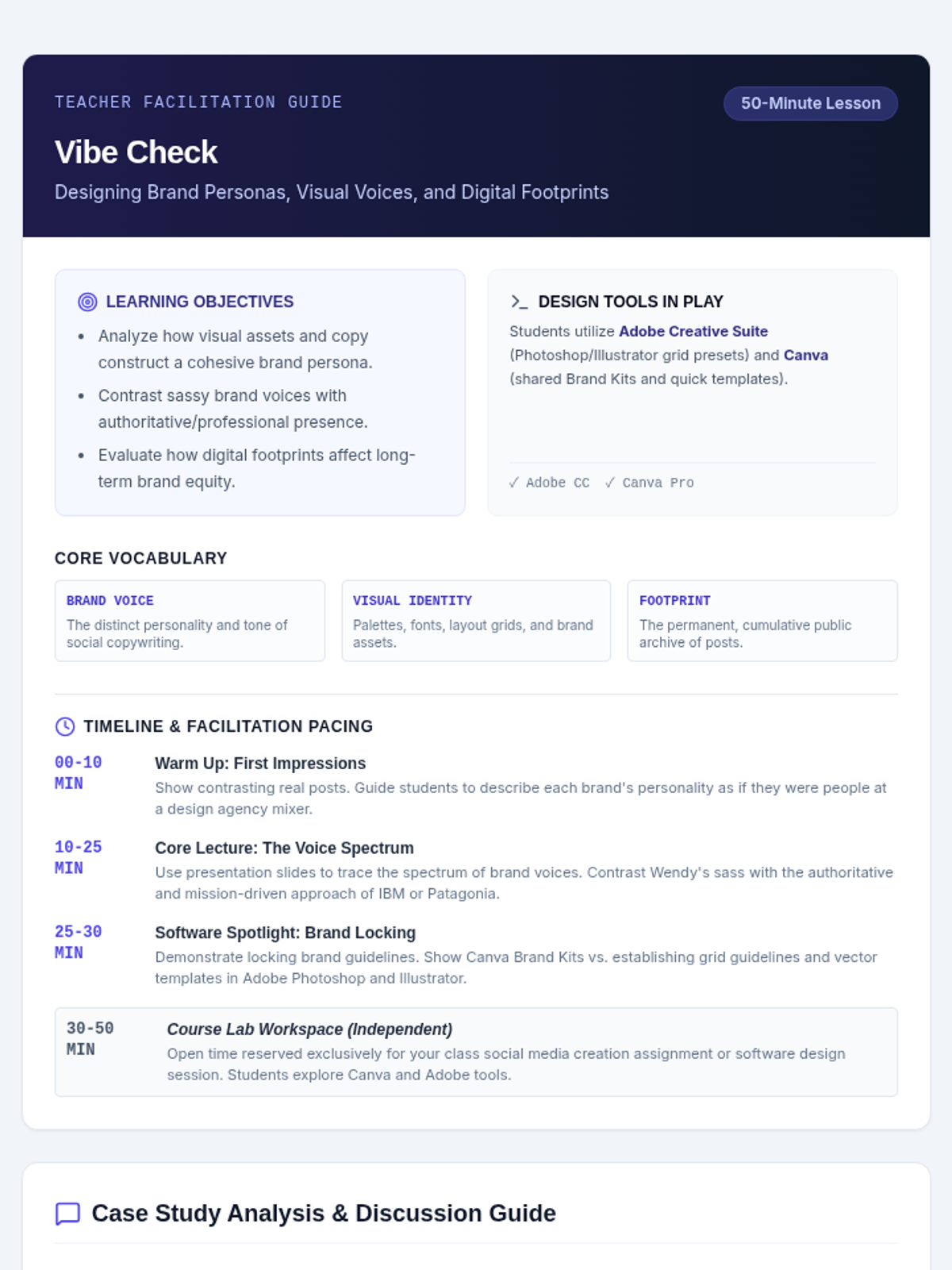
A digital design lesson focusing on social media brand personas, digital footprint, and visual design aesthetics using Adobe and Canva. Students compare contrasting brand voices, from Wendy's playful roasts to polished professional corporate presences.
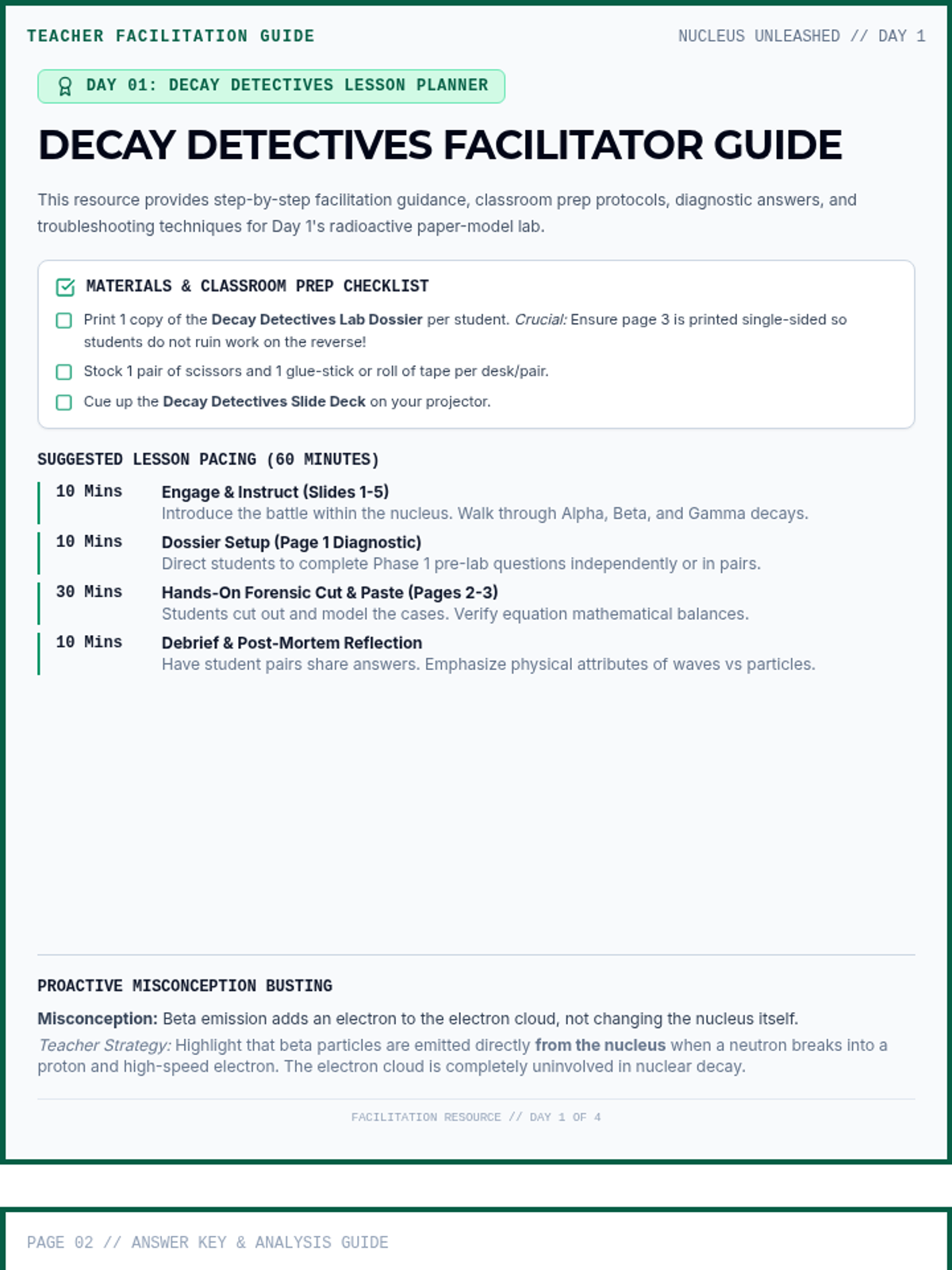
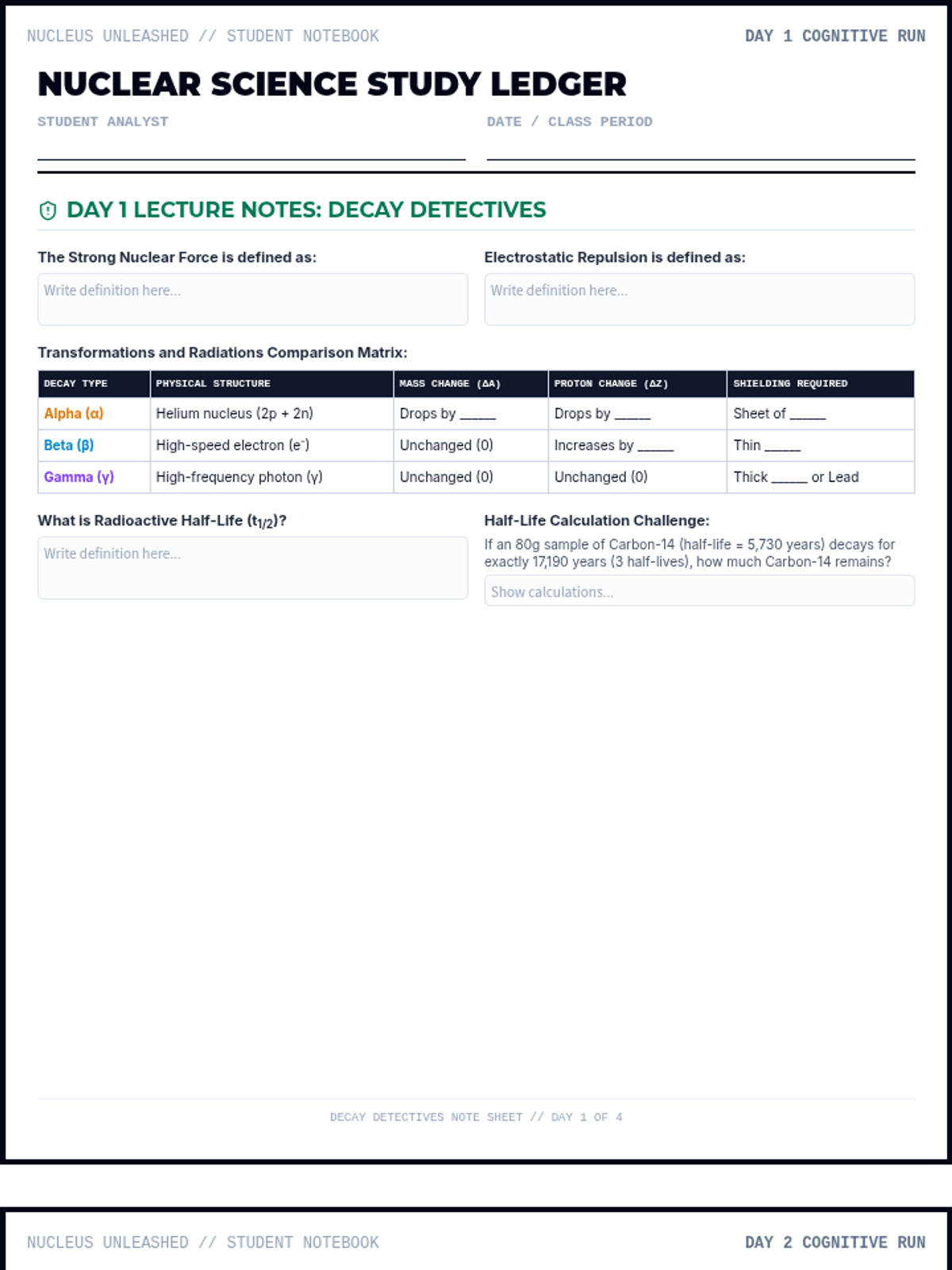
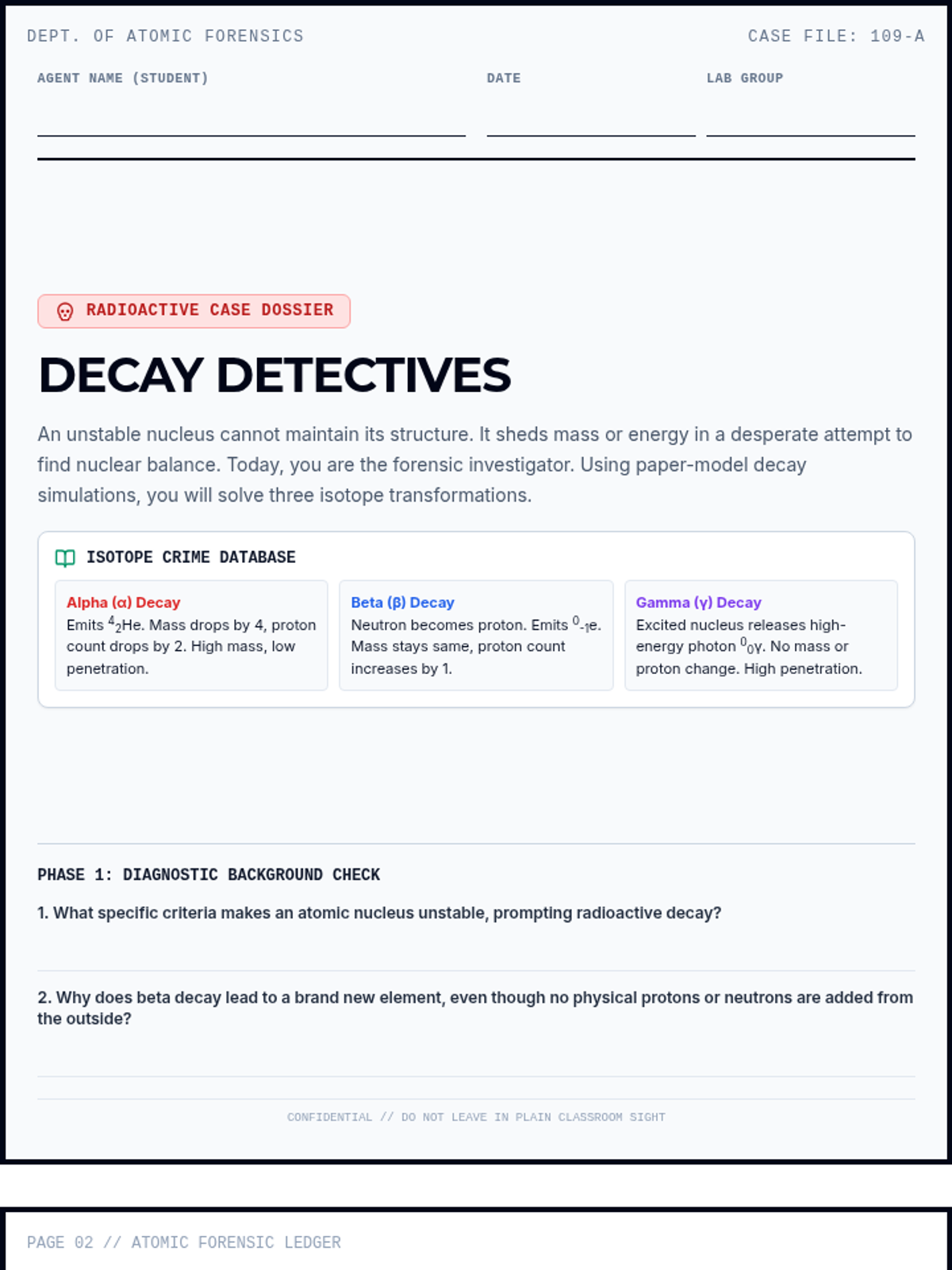
An interactive, station-based exploration of nuclear processes in chemistry. Students rotate through four distinct stations with comprehensive reading passages and analytical tasks covering radioactive decay and stability, fission versus fusion, half-life calculations for archaeological dating, and modern technological applications.
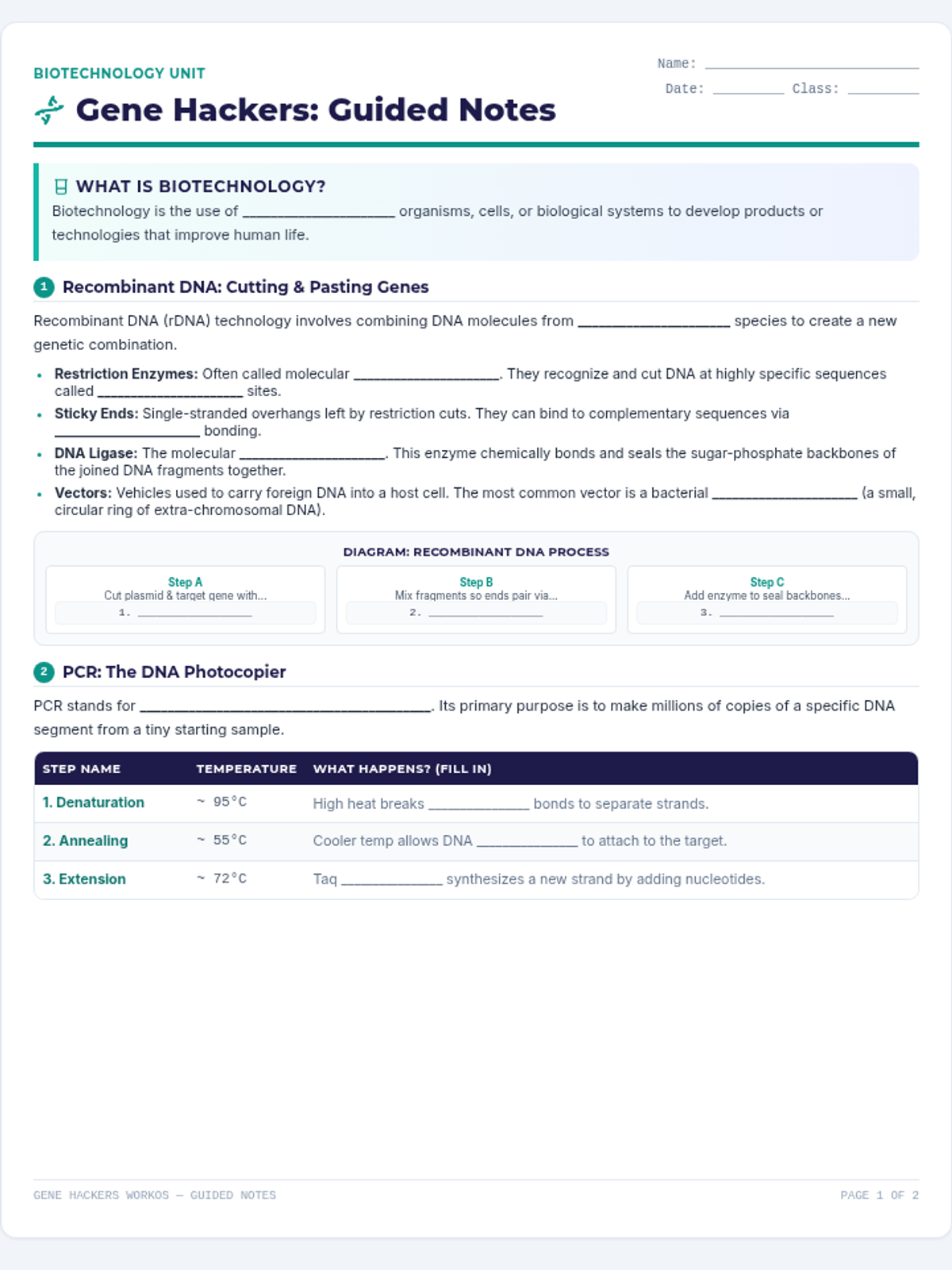
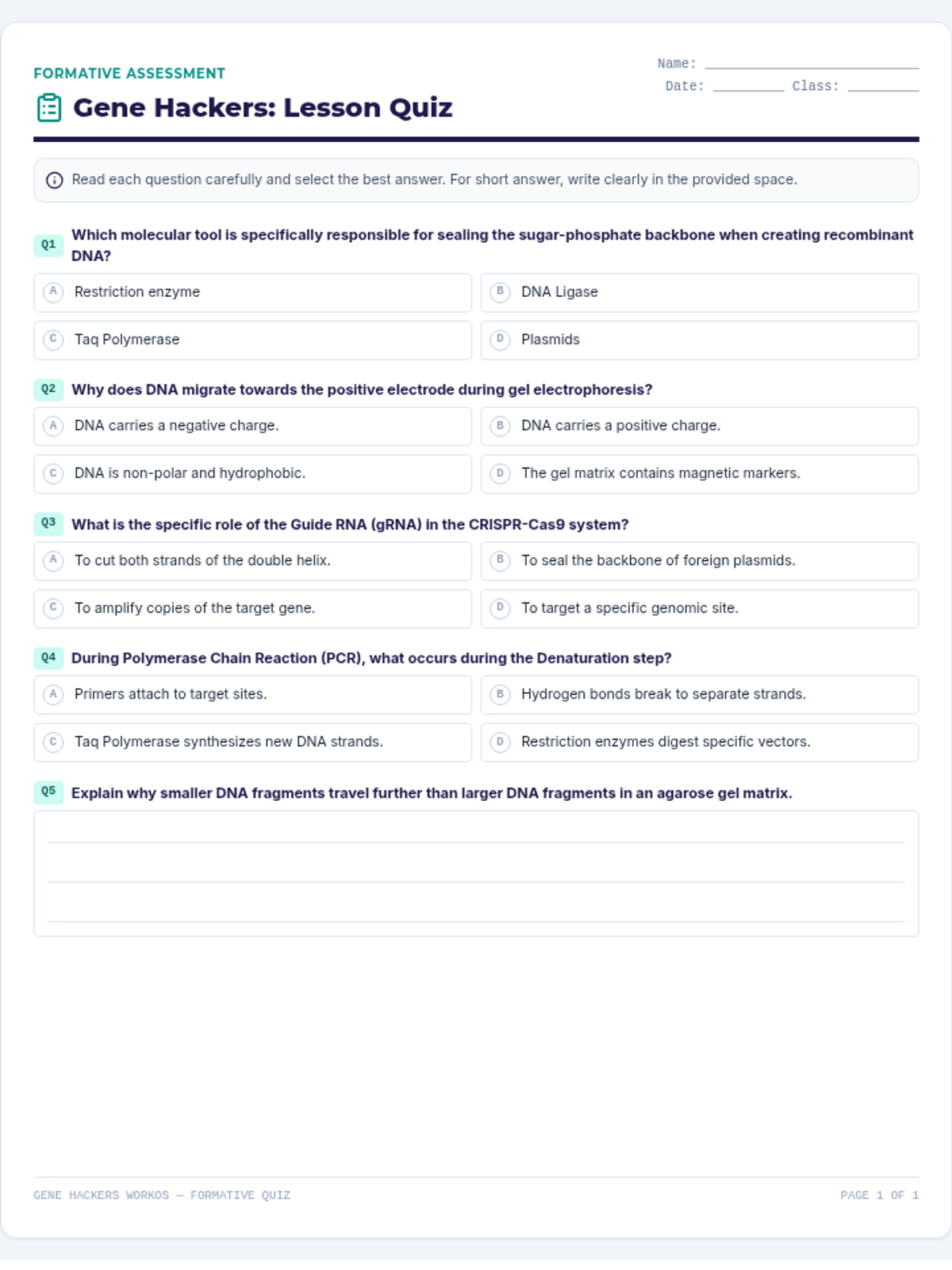
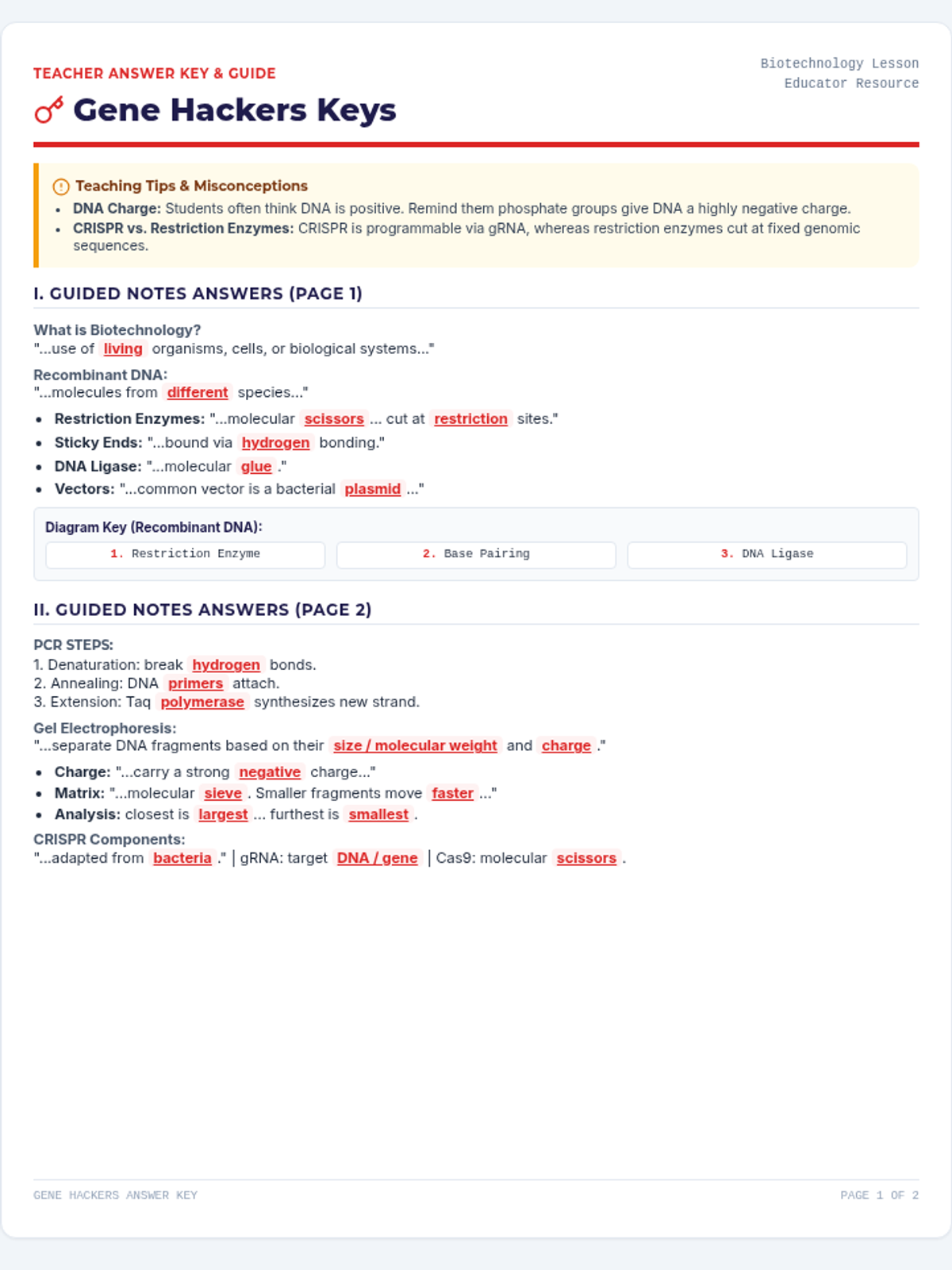
An introductory lesson on biotechnology, focusing on key tools like CRISPR, recombinant DNA, and gel electrophoresis. Students complete interactive guided notes and a formative assessment to demonstrate understanding of genetic engineering.
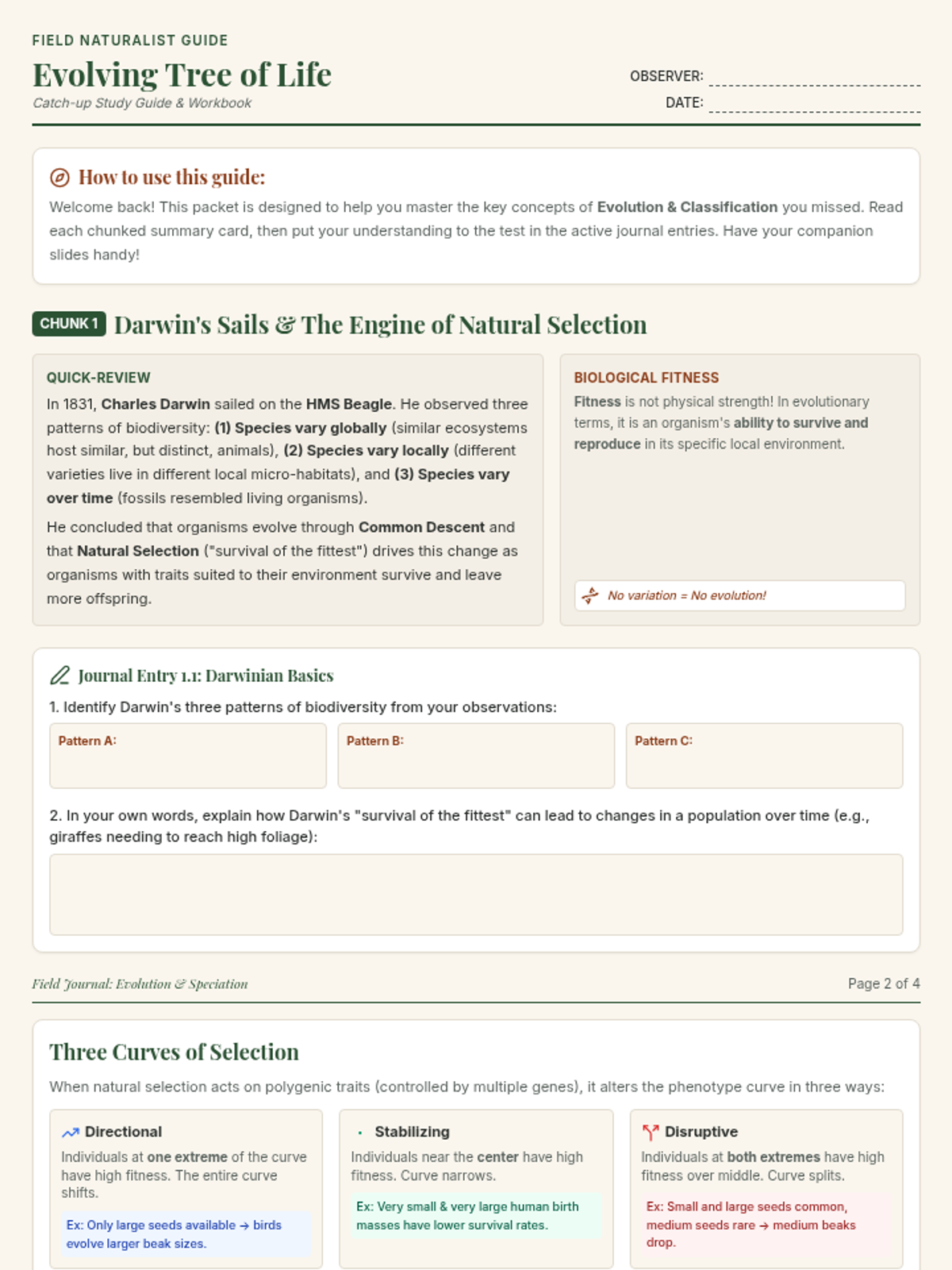
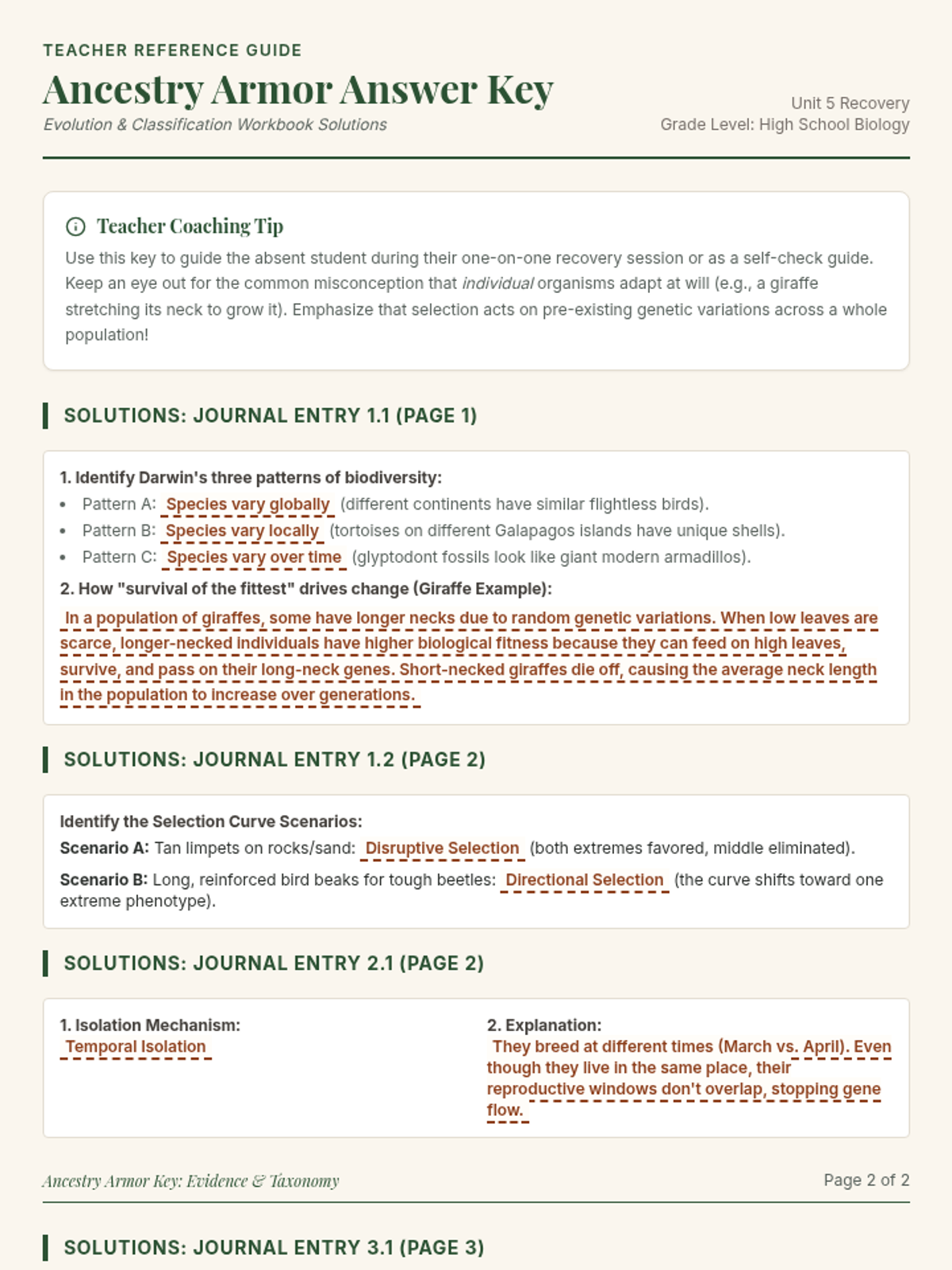
A self-paced study lesson designed for students catching up on Evolution and Classification. It chunk-packs Darwinian theory, speciation, lines of evolutionary evidence, Linnaean taxonomy, and cladograms into accessible, digestible visual summaries and active workbook exercises.
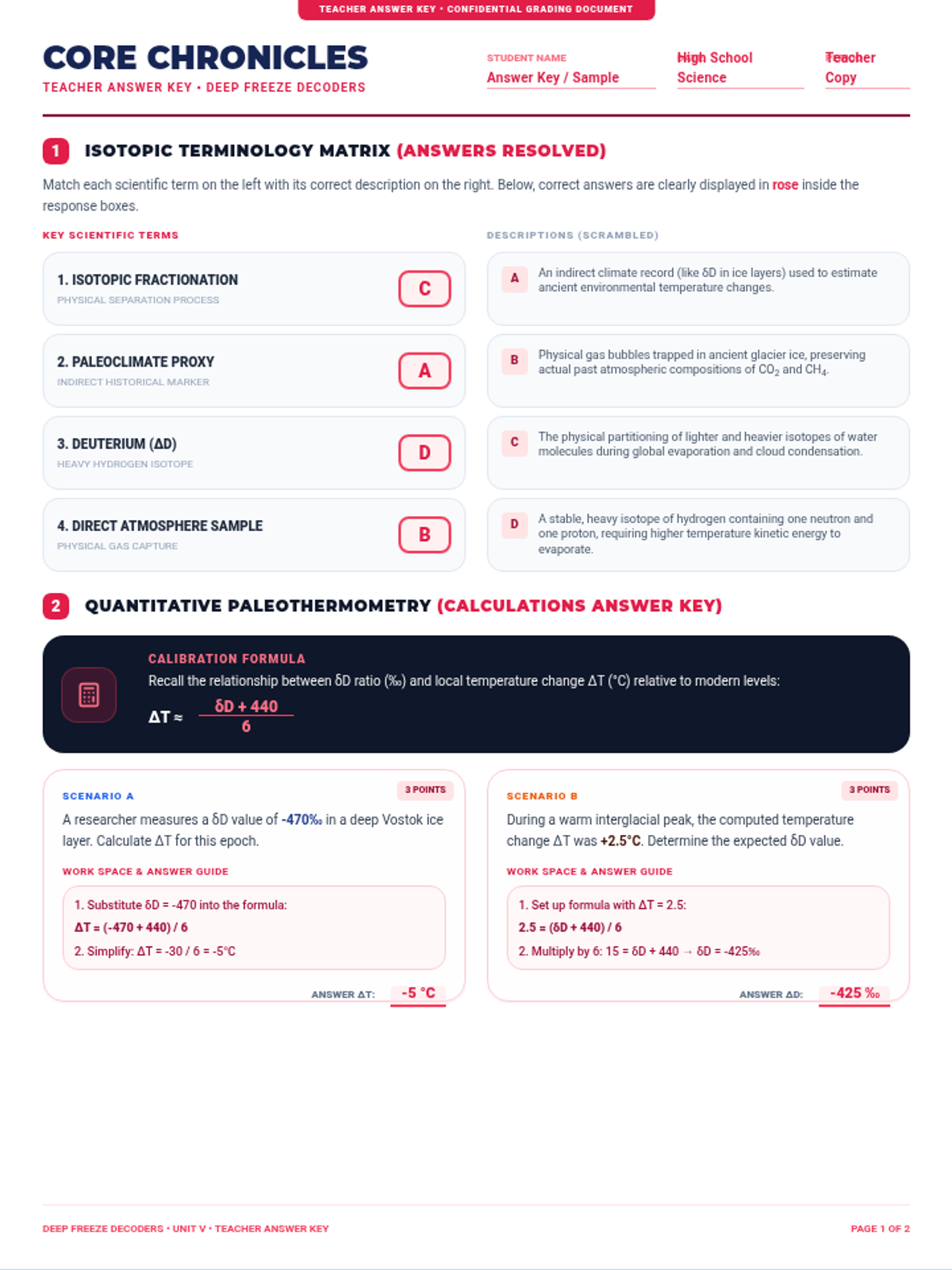
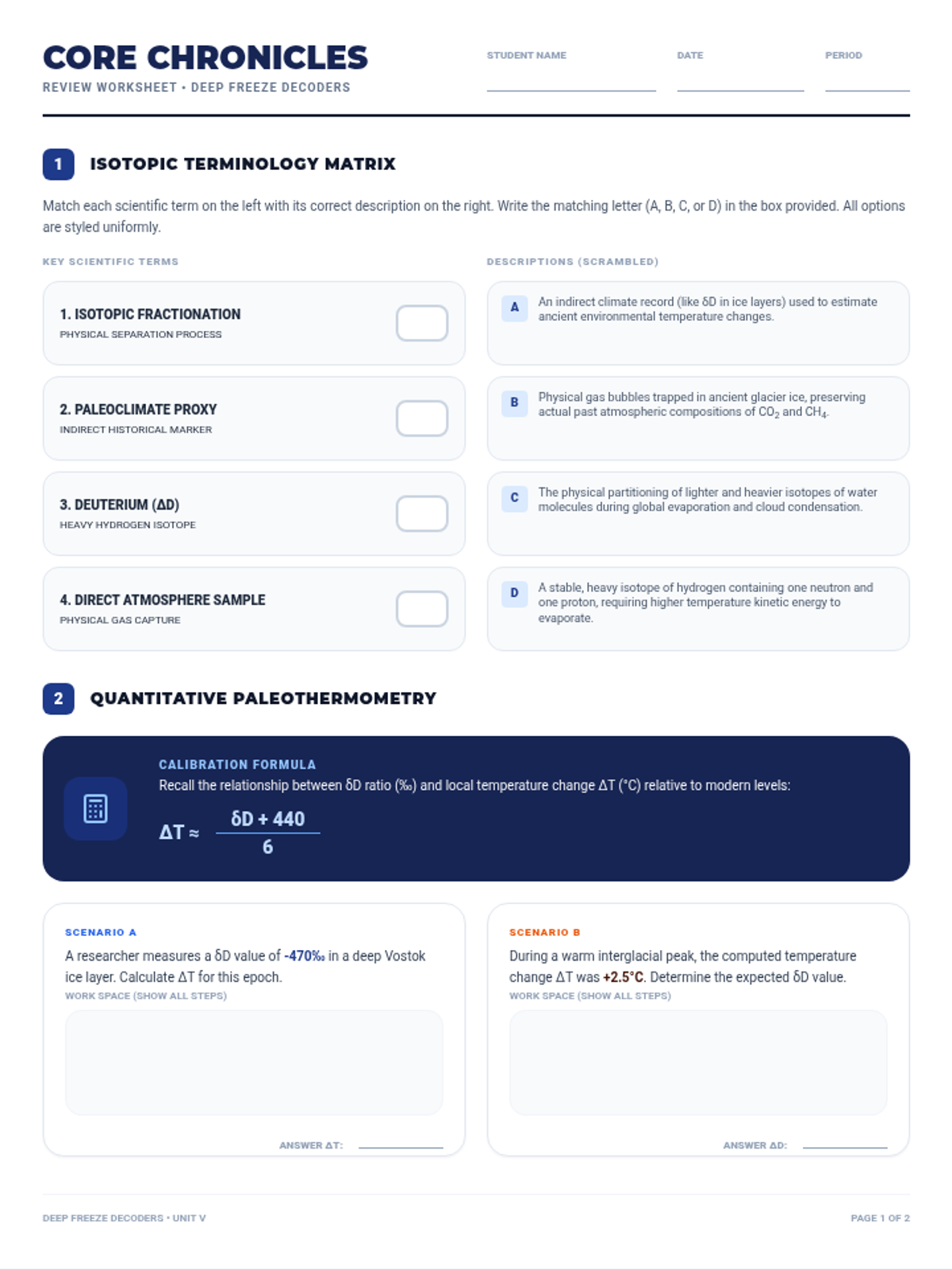
A comprehensive review lesson where students synthesize paleoclimate concepts, isotope calculations, and feedback loops. Students participate in interactive review challenges and complete a structured synthesis worksheet to demonstrate mastery.
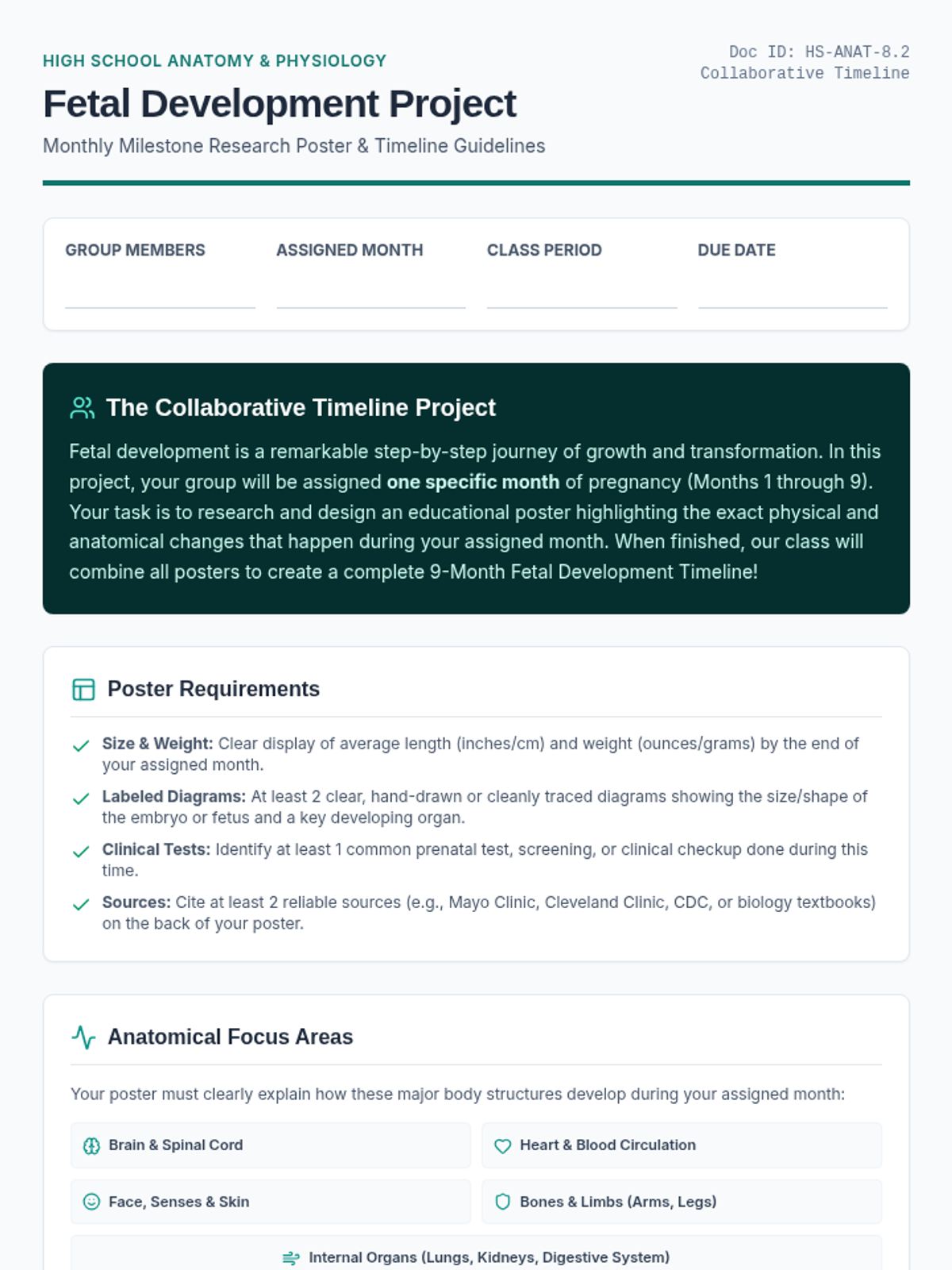
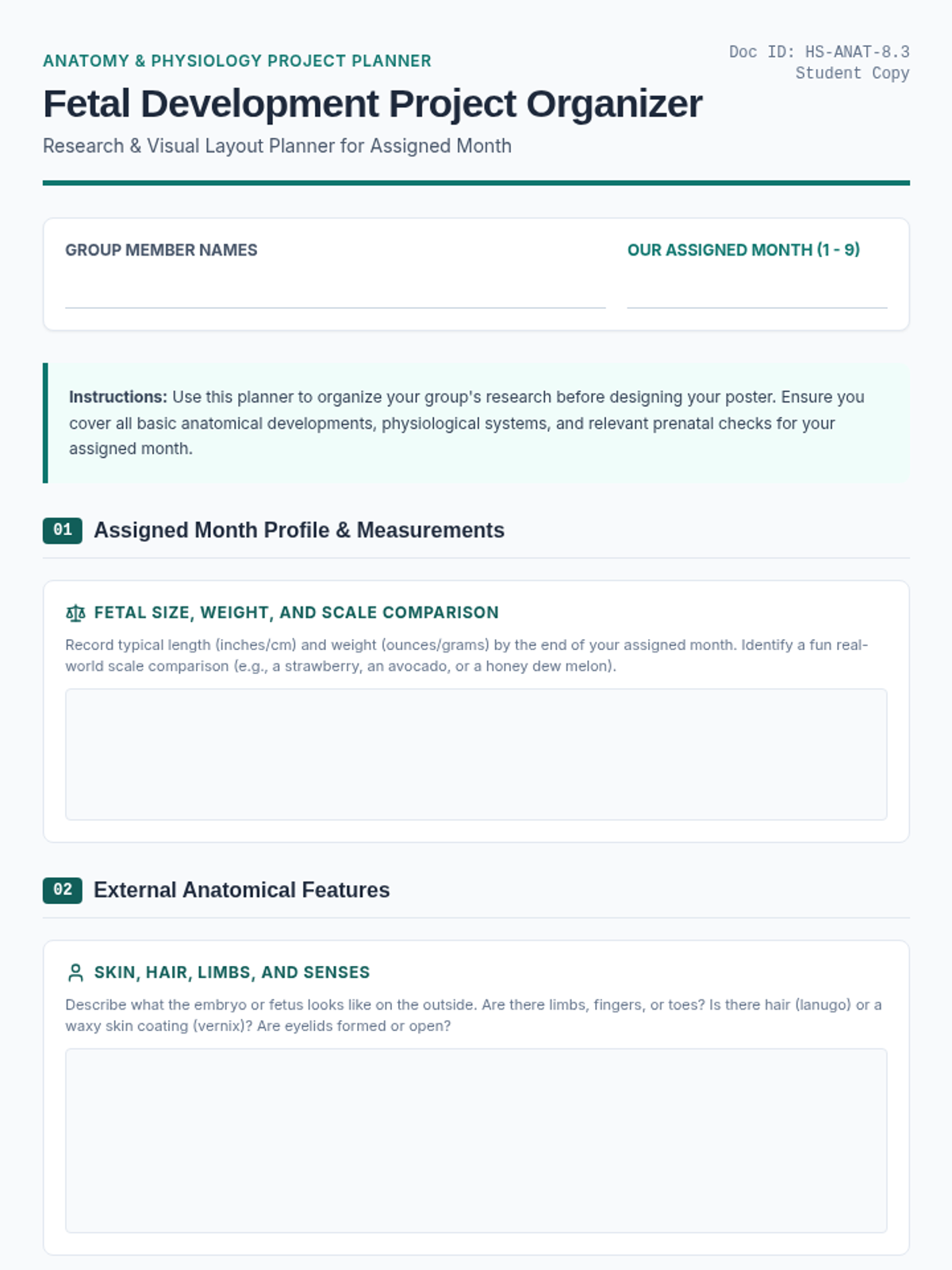
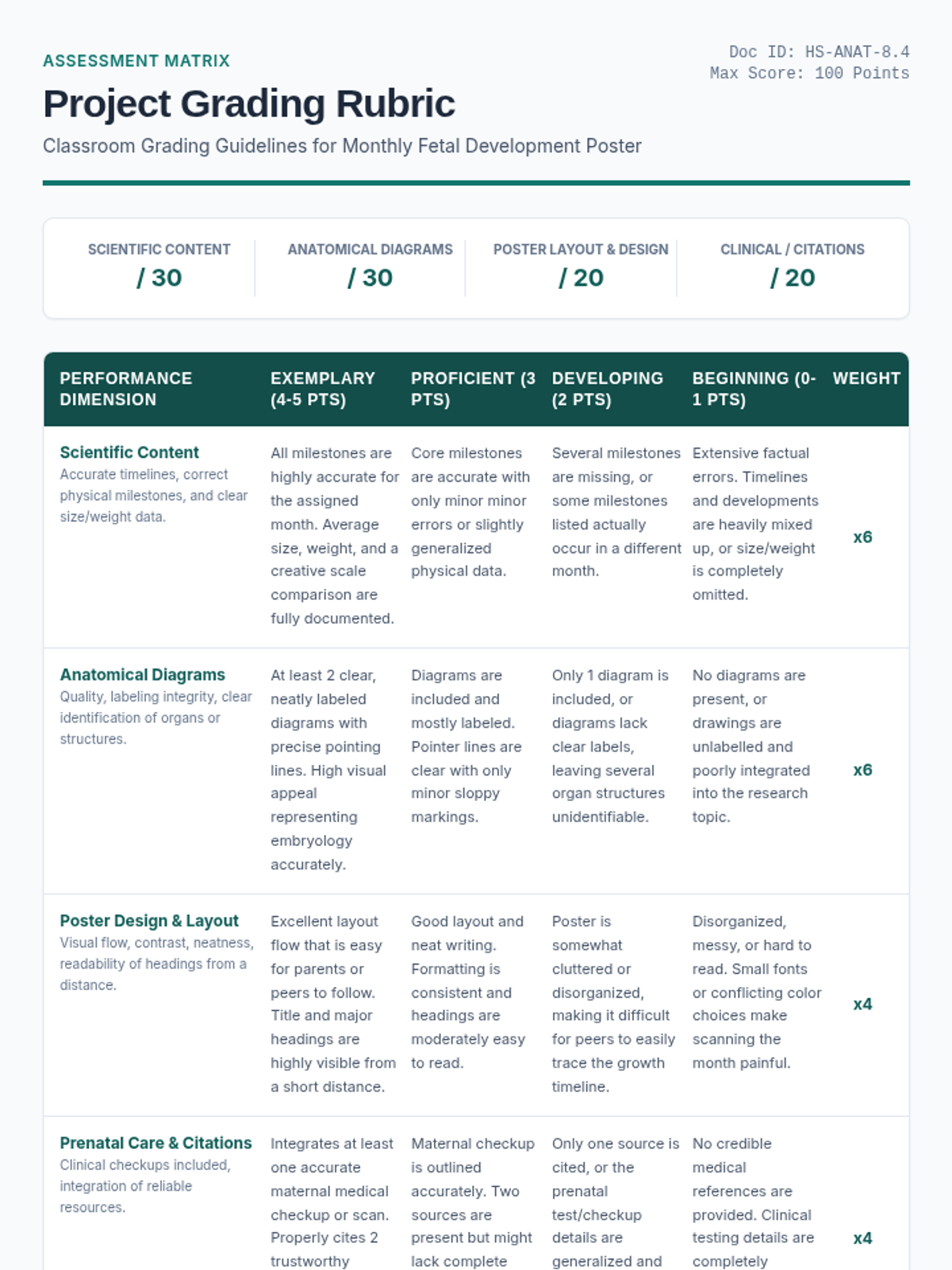
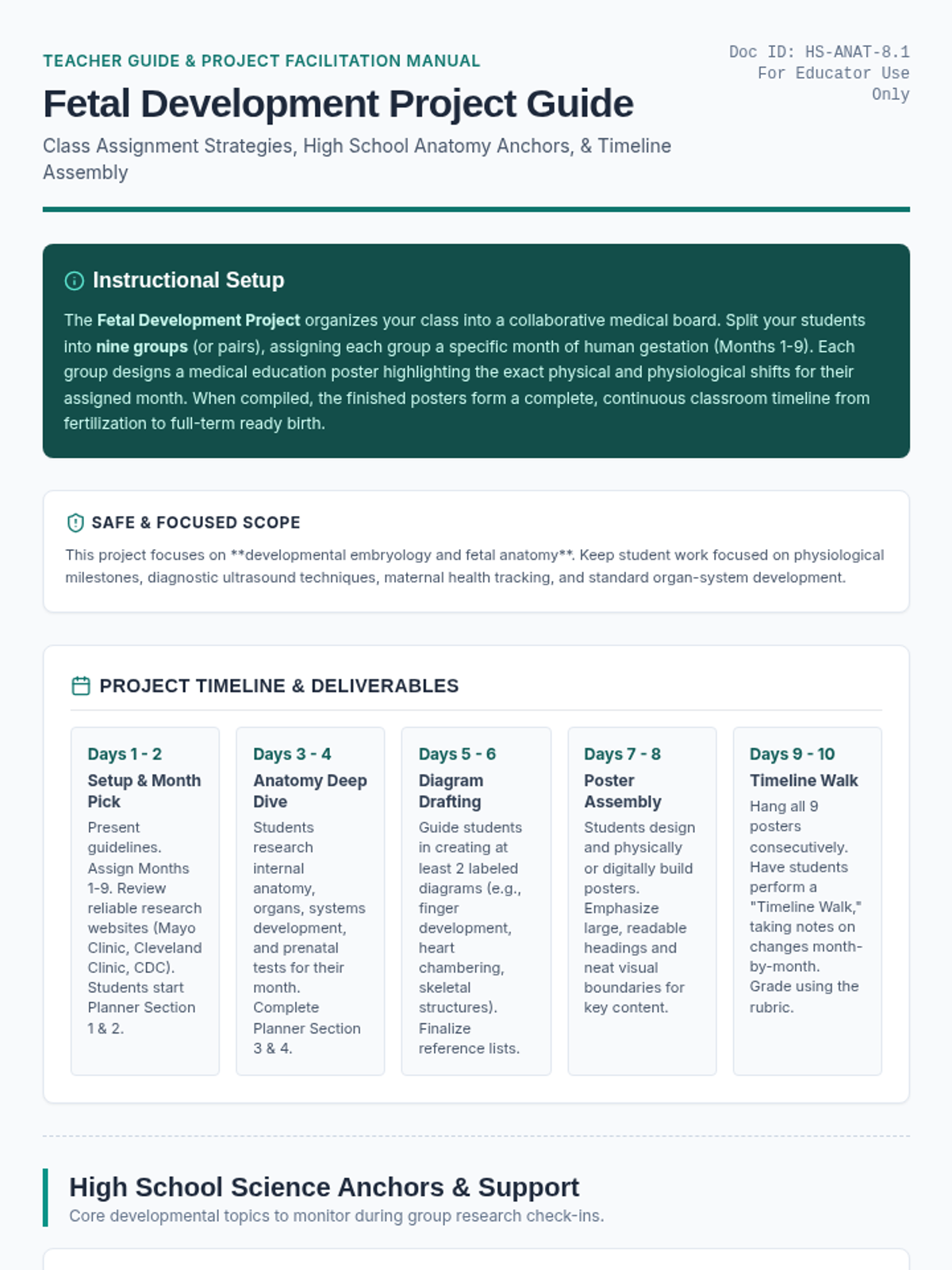
An engaging, collaborative high school anatomy project where students research and design educational communication posters tracking the monthly physical and physiological milestones of human fetal development across gestation.
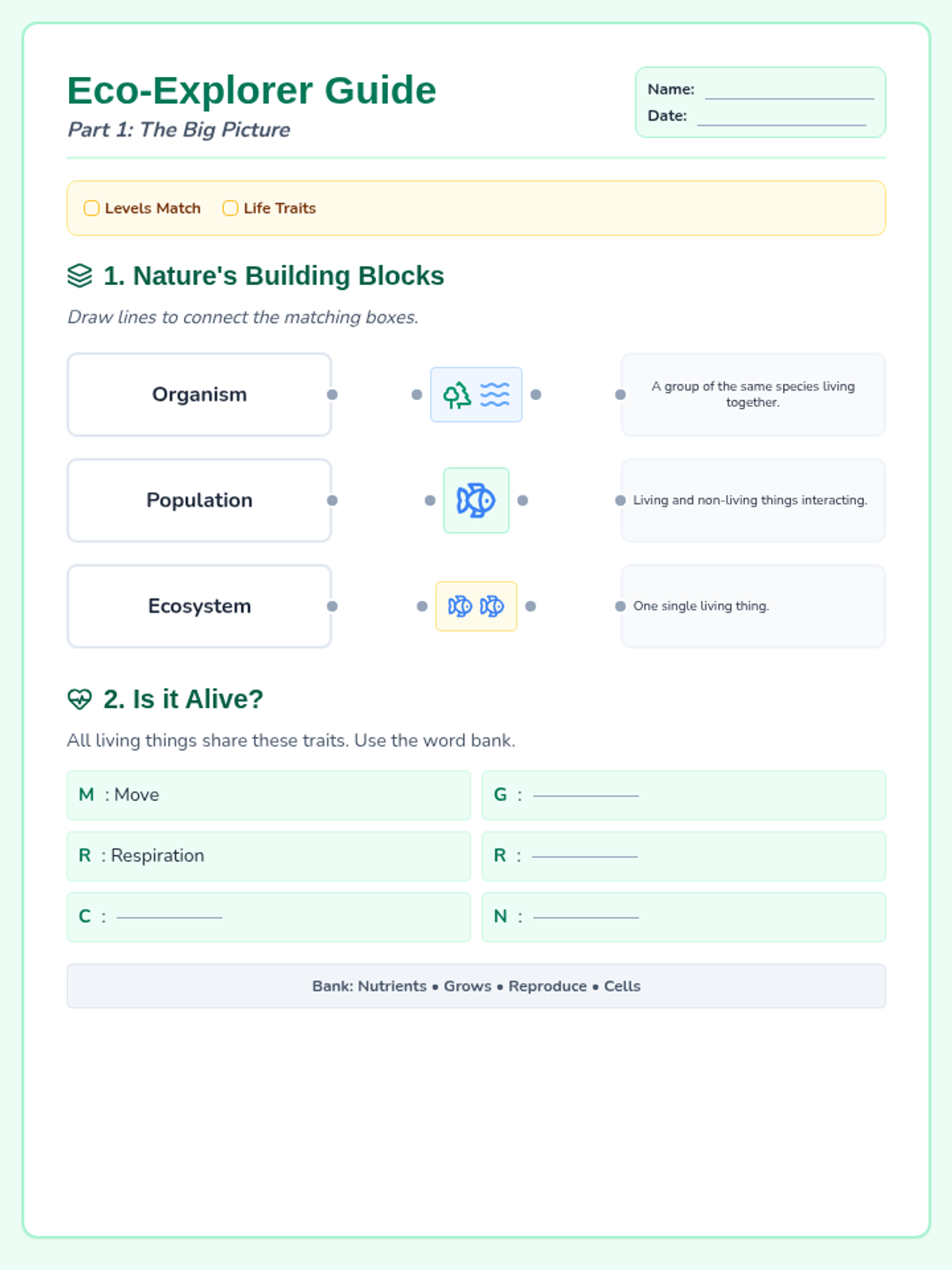
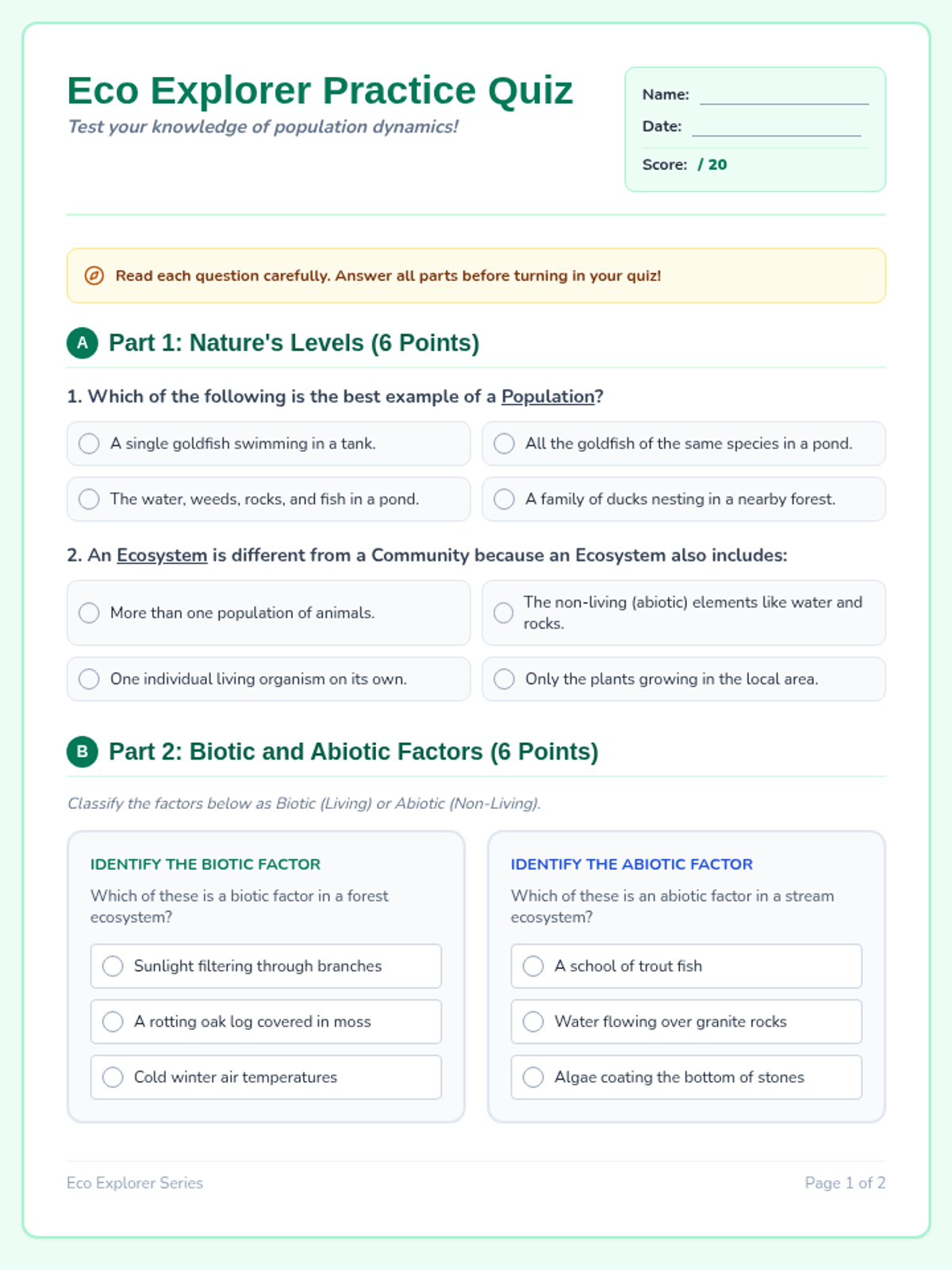
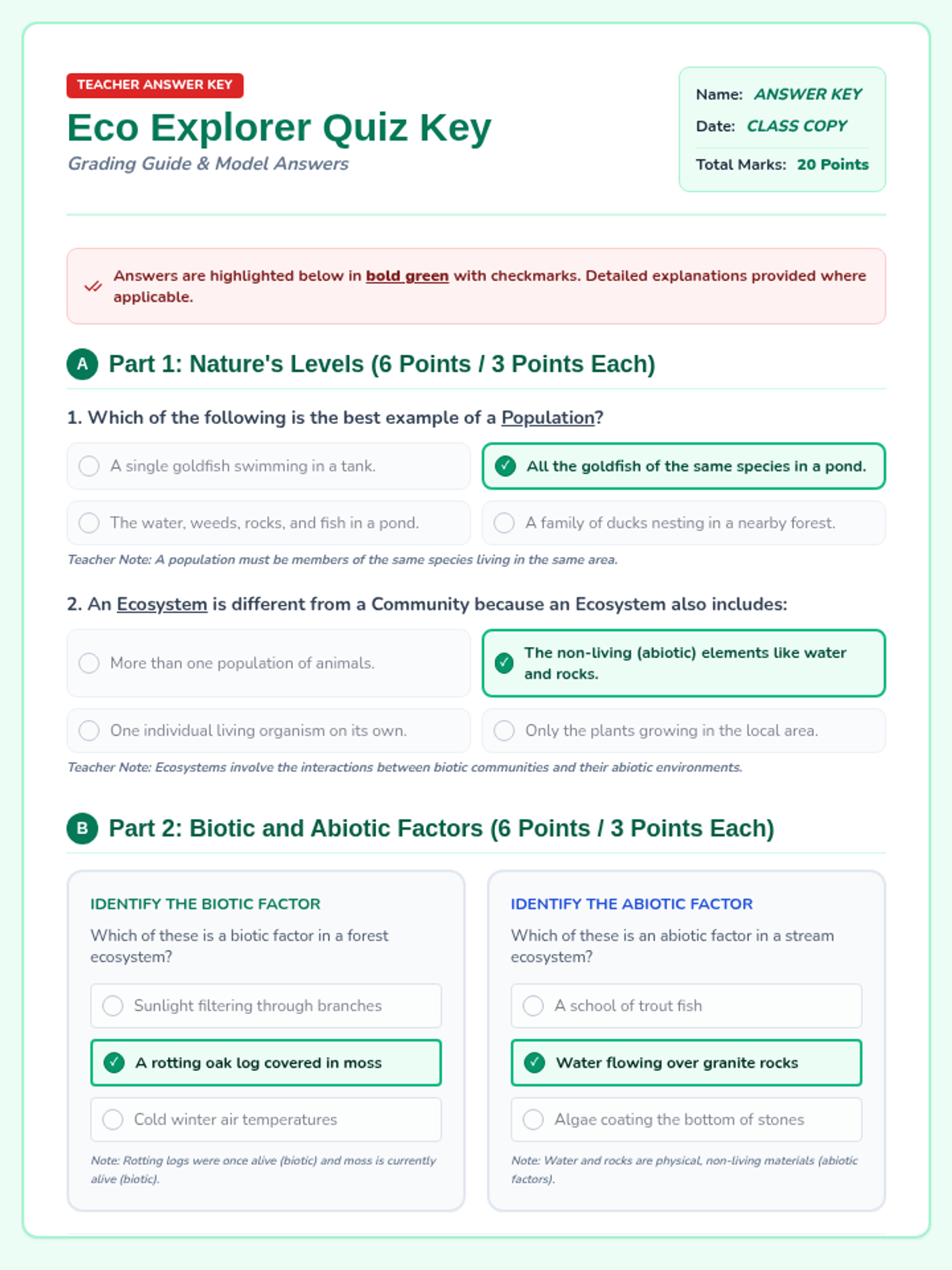
An introductory science lesson exploring ecological levels of organization, biotic versus abiotic factors, and population growth limits.
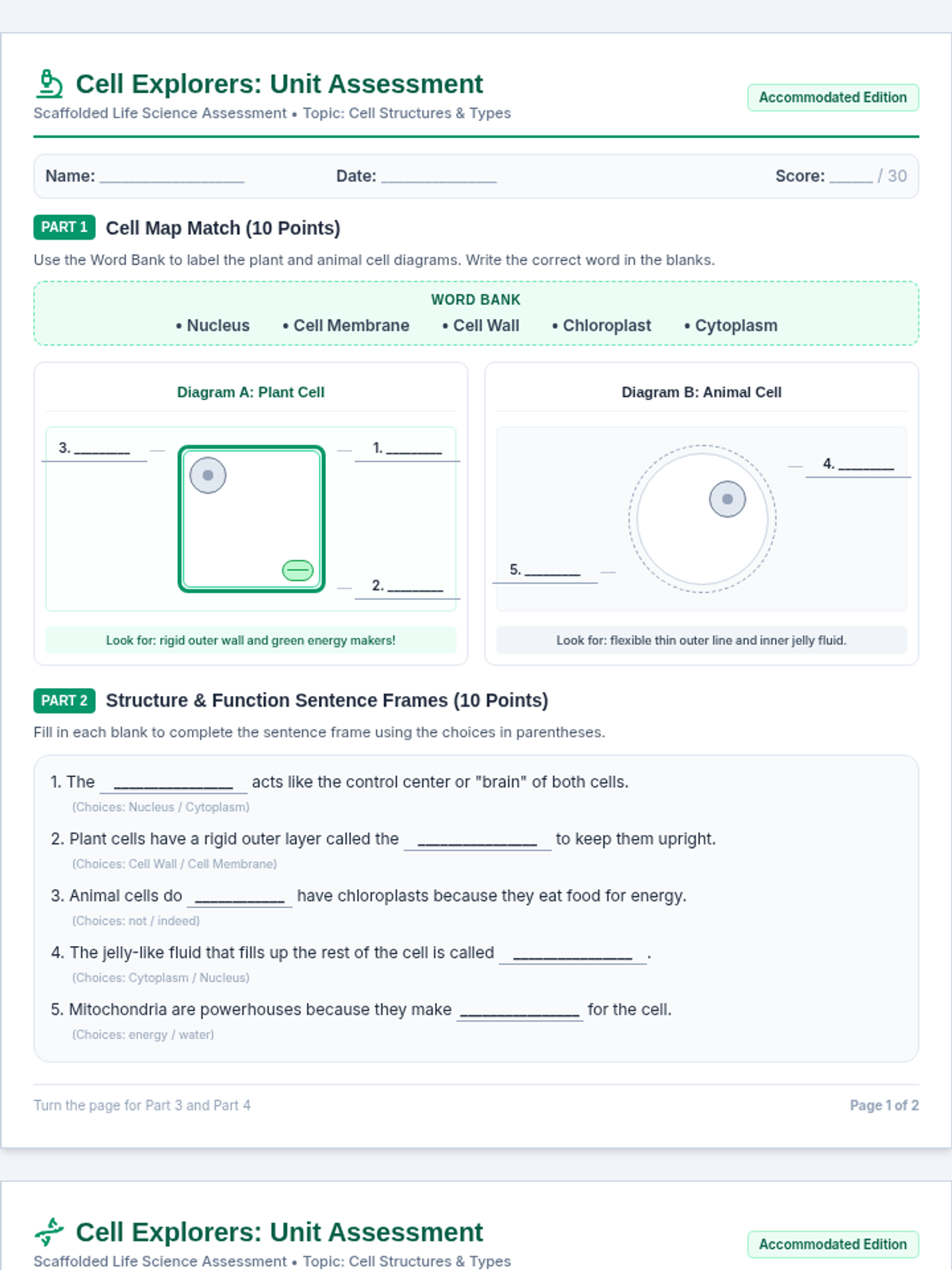
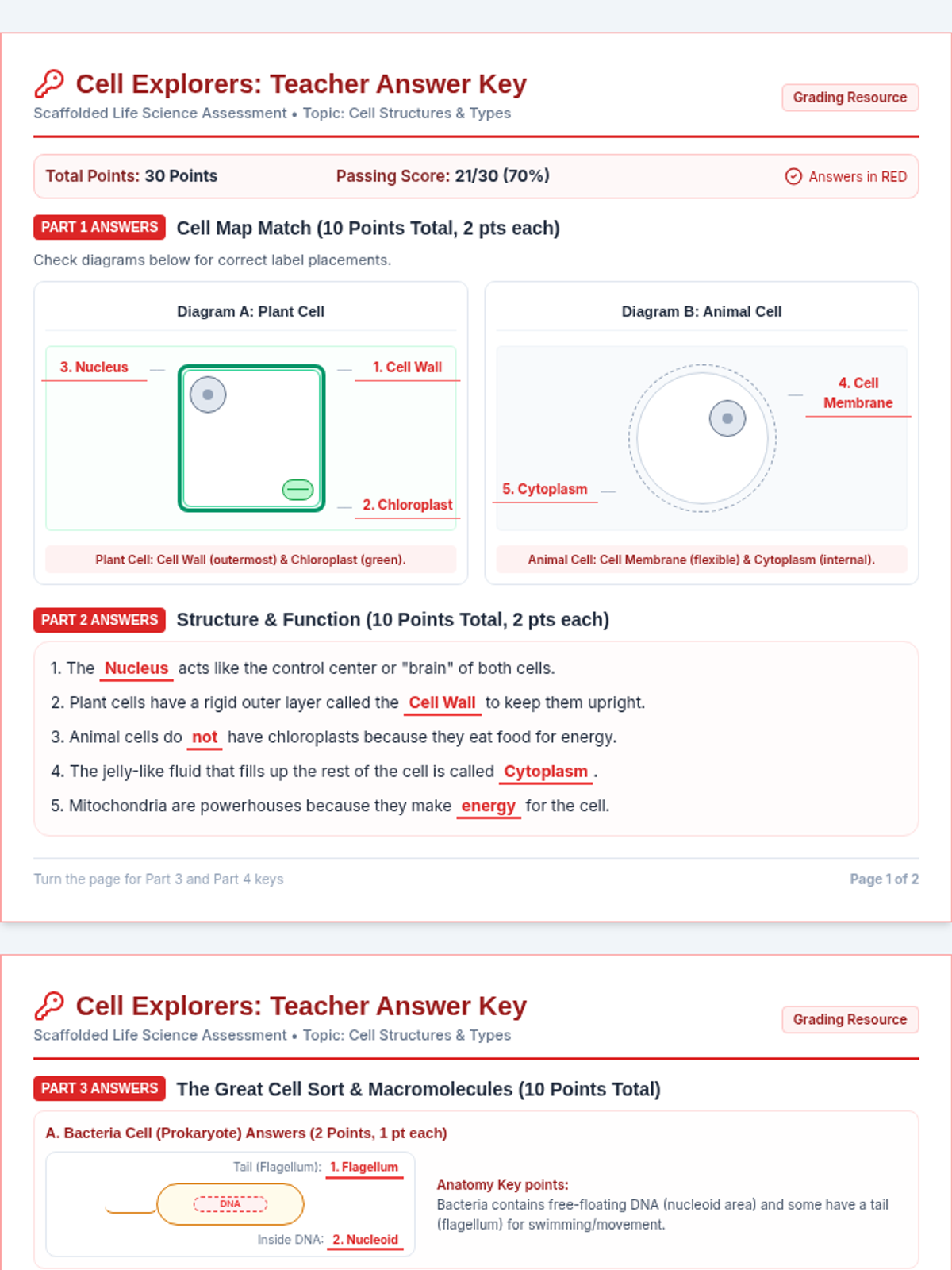
A scaffolded 2-page assessment and corresponding answer key covering prokaryotic and eukaryotic cells, including bacteria, plant, animal, and human cells. Features visual matching, labeling with word banks, sentence frames, and guided sentence starters.
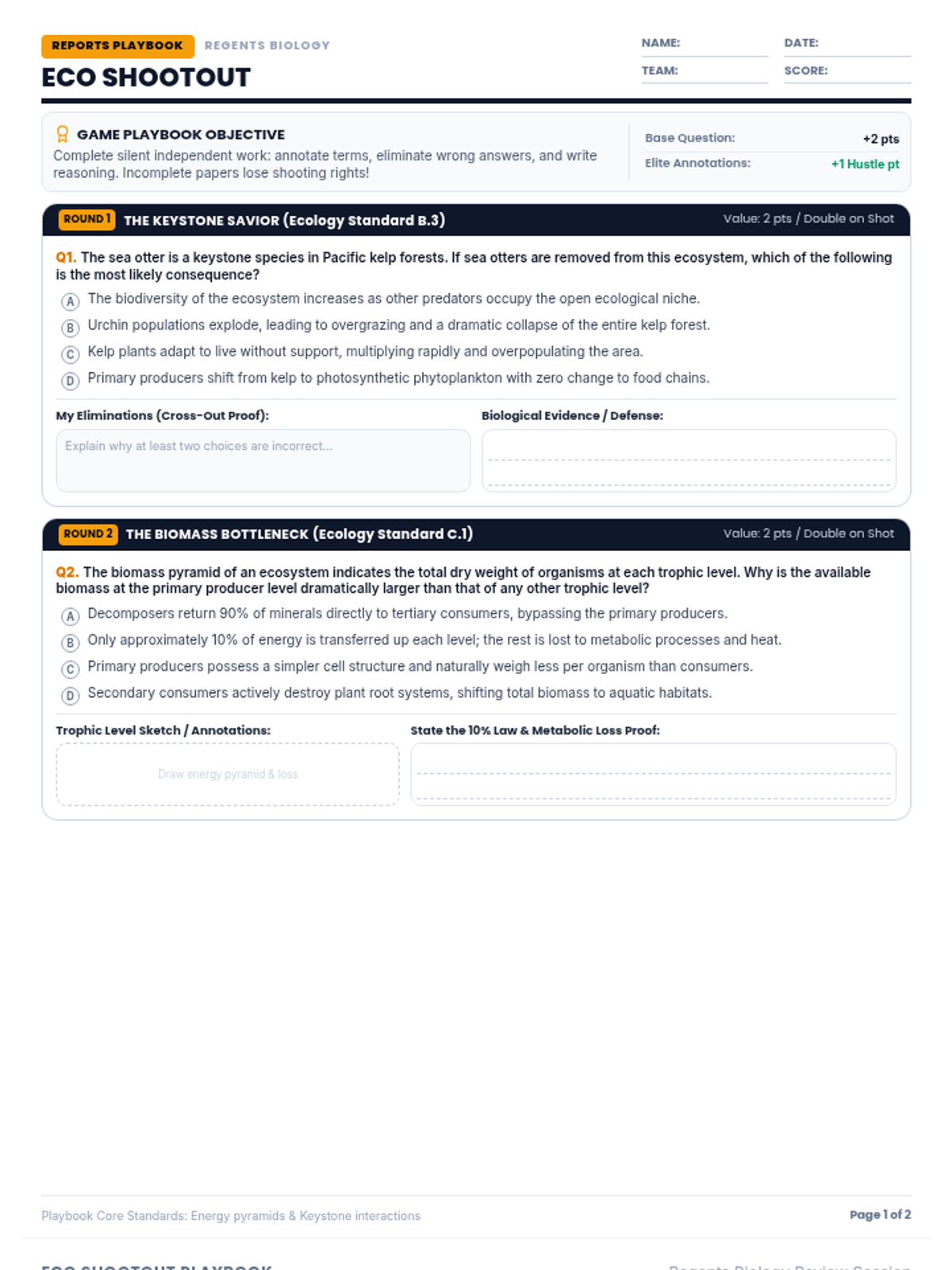
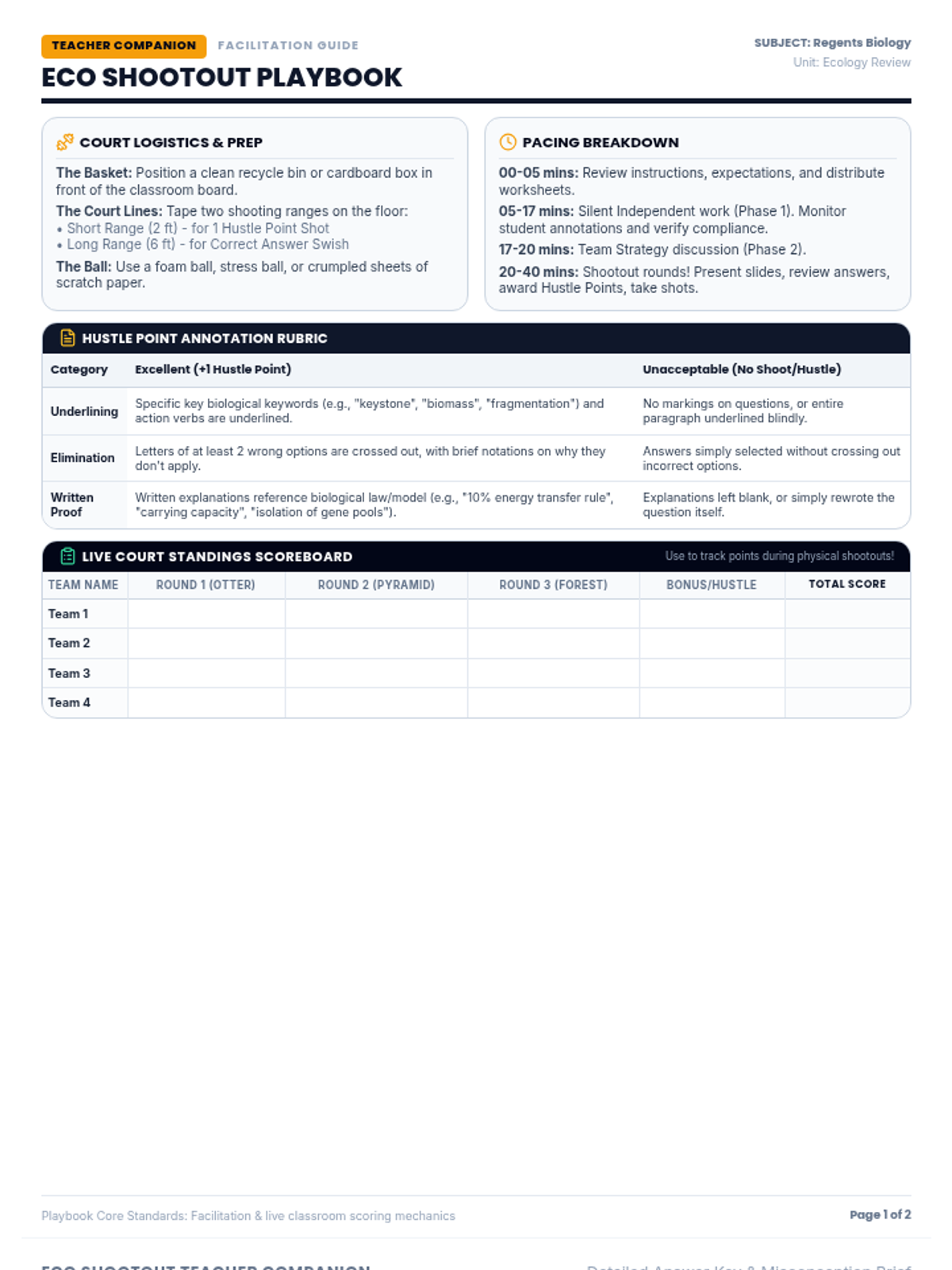
An interactive Regents Biology review game centered around keystone species, habitat fragmentation, and biomass pyramids. Students solve and annotate challenging Regents-style questions, collaborate in teams, and shoot for points in a high-energy classroom game.
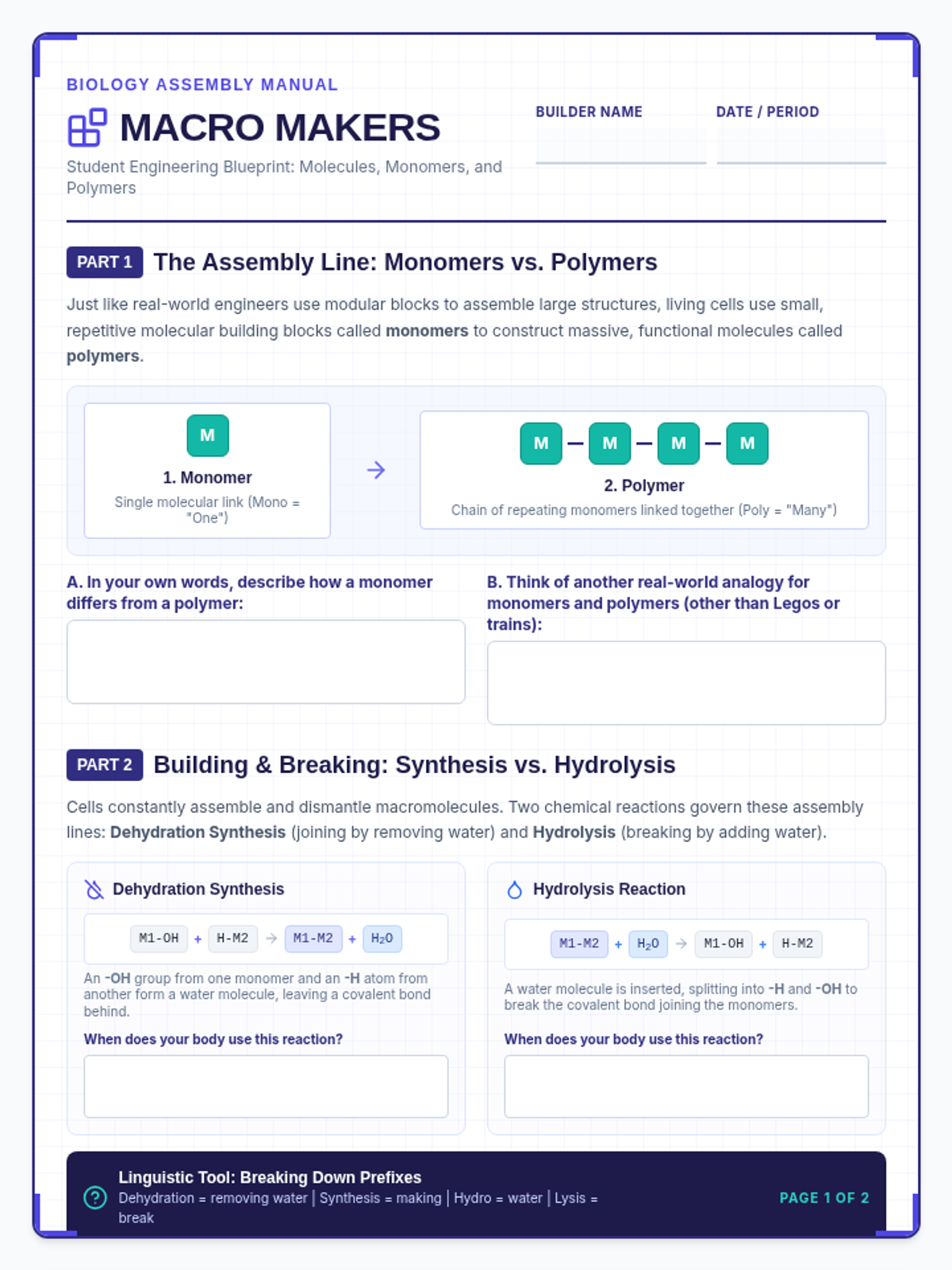
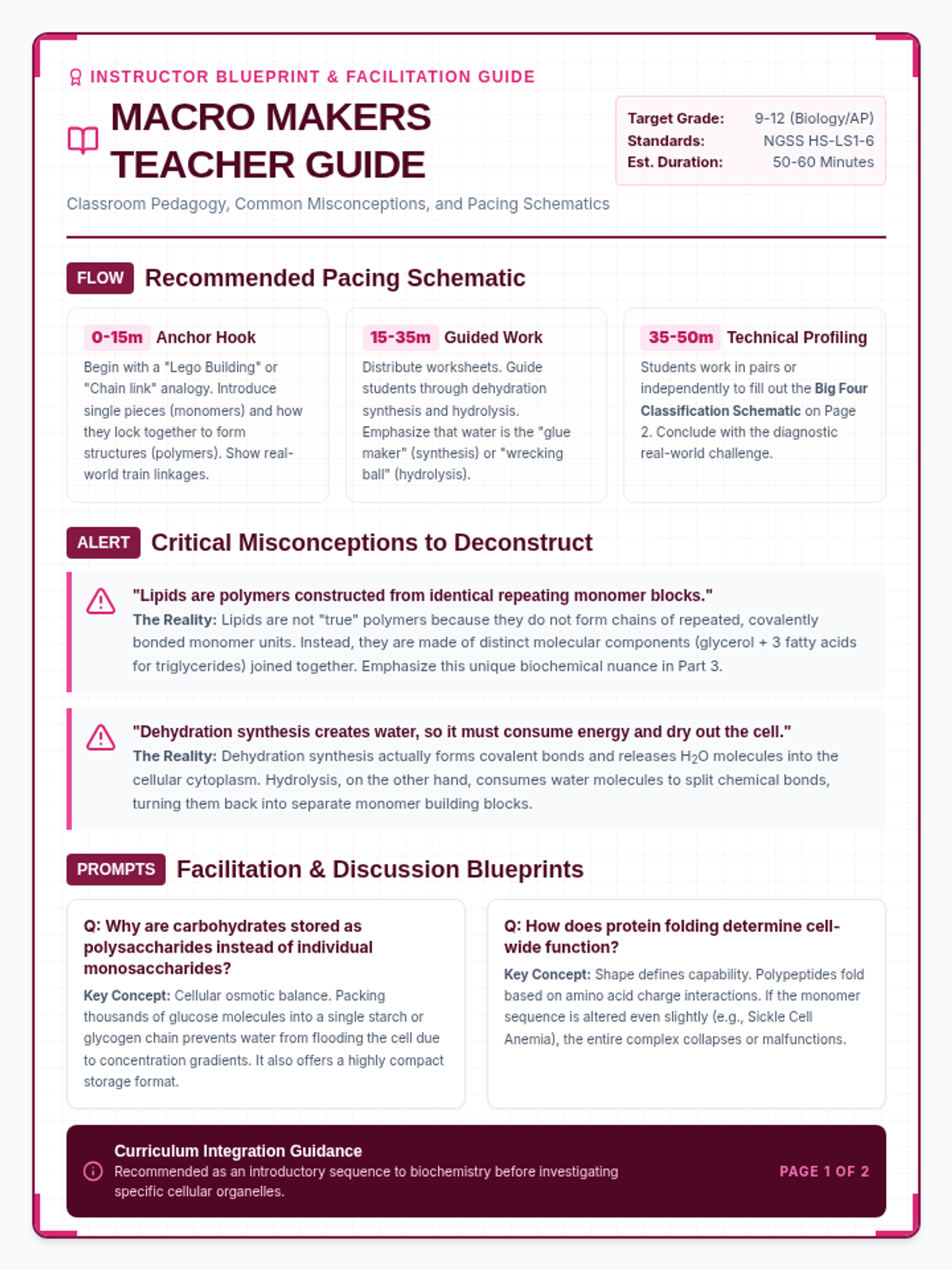
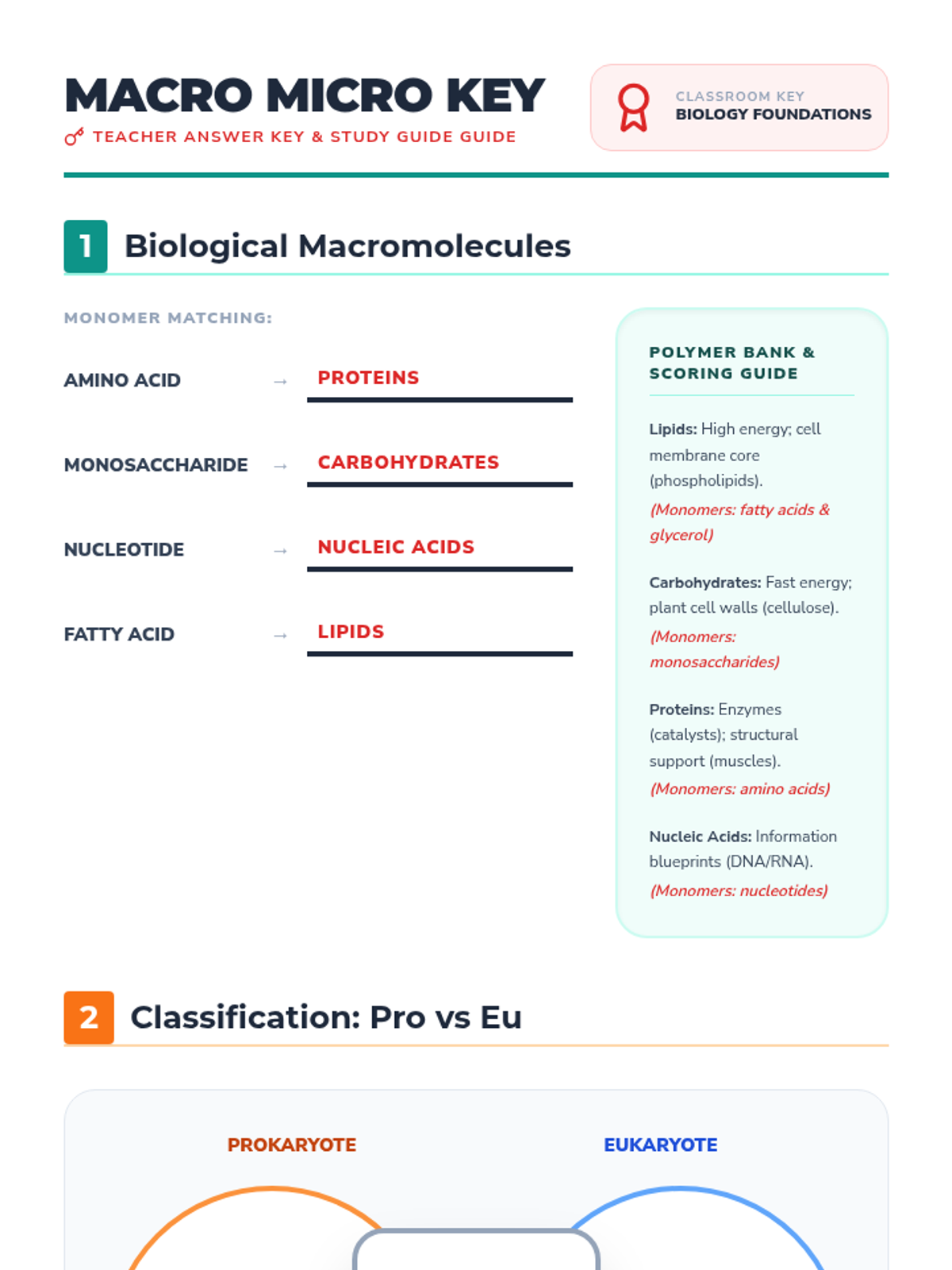
A highly visual lesson introducing the concepts of molecules, monomers, and polymers through the lens of the four biological macromolecules: carbohydrates, lipids, proteins, and nucleic acids. Students learn how monomer building blocks assemble into complex cellular structures.
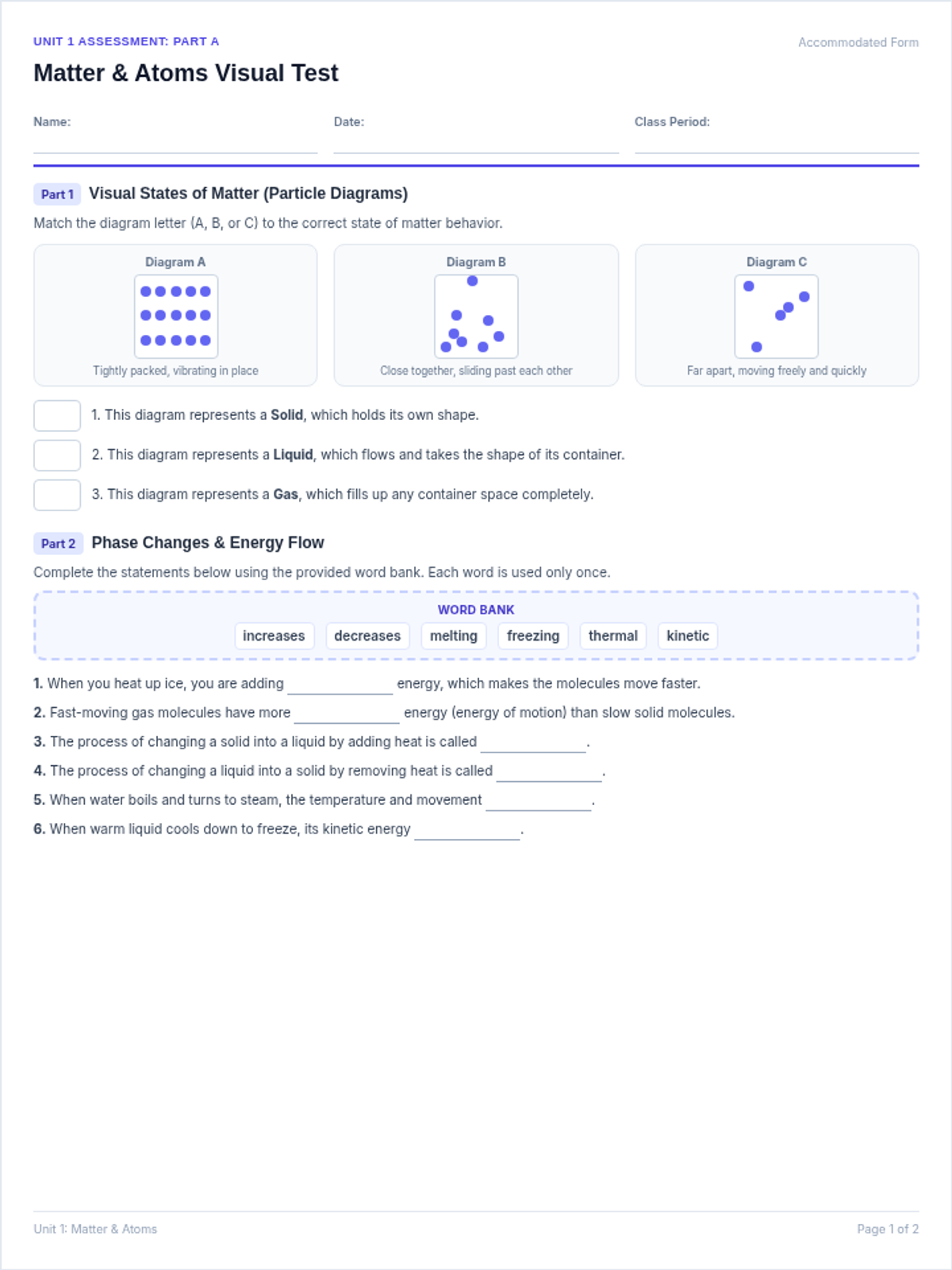
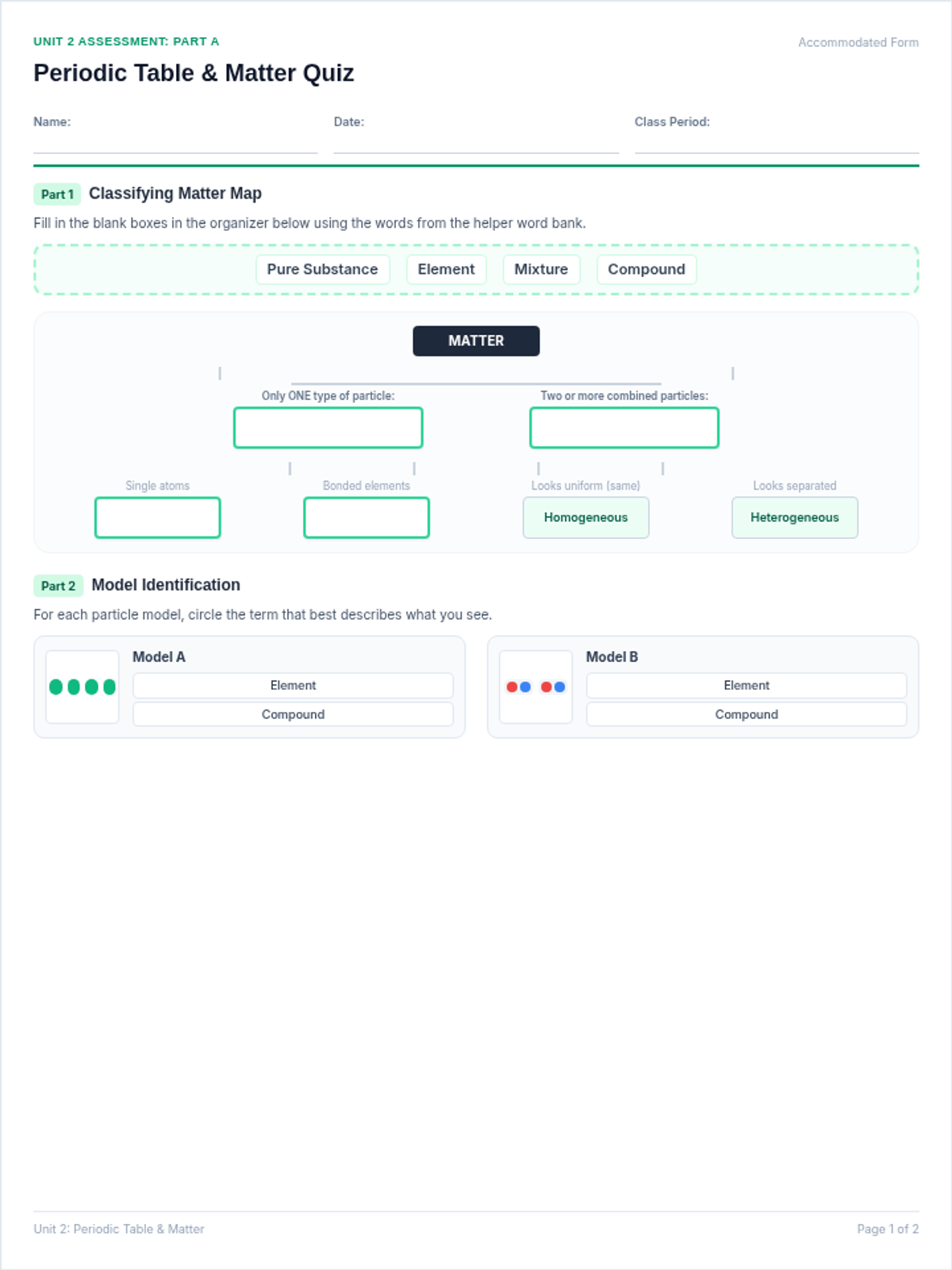
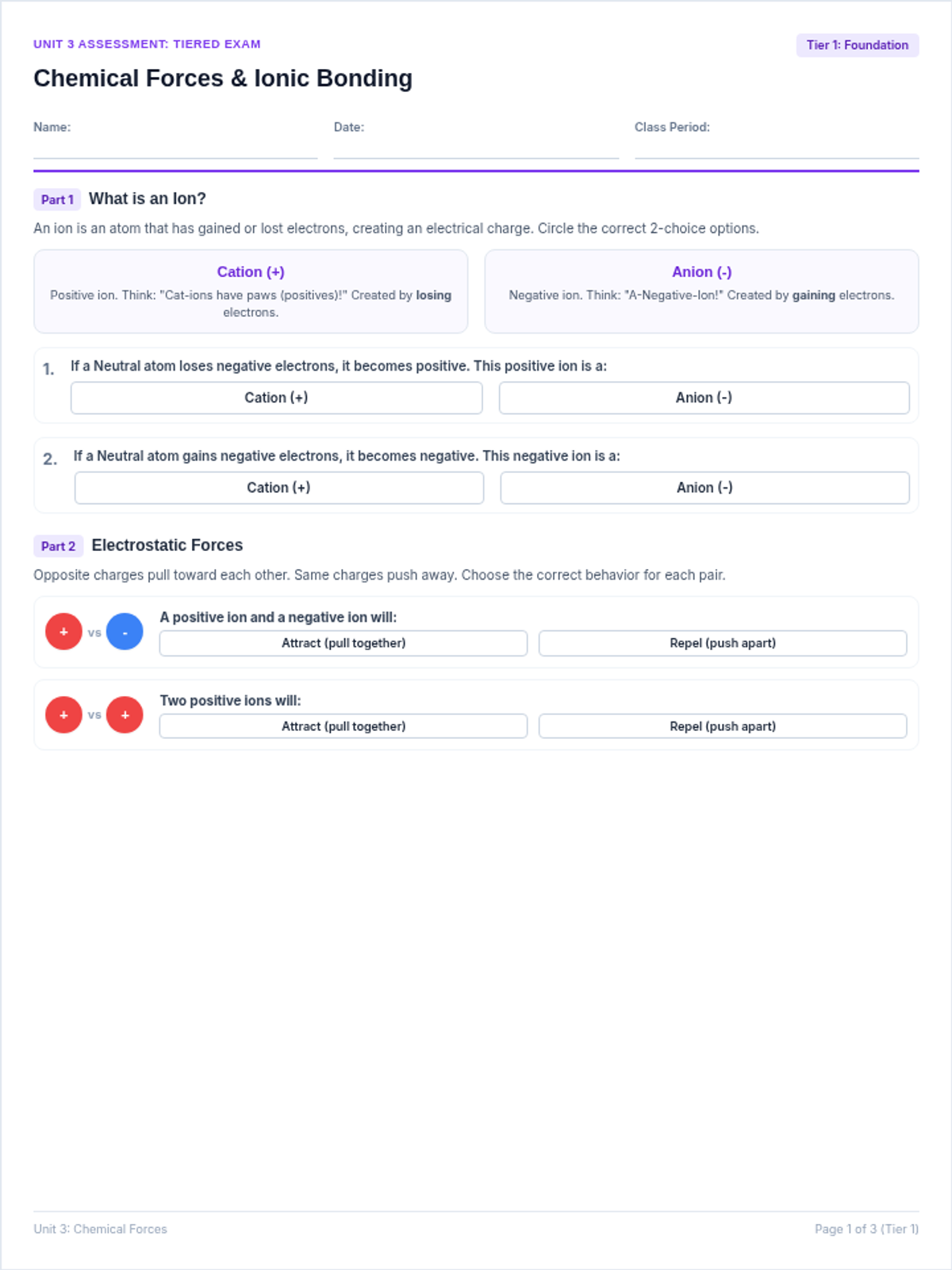
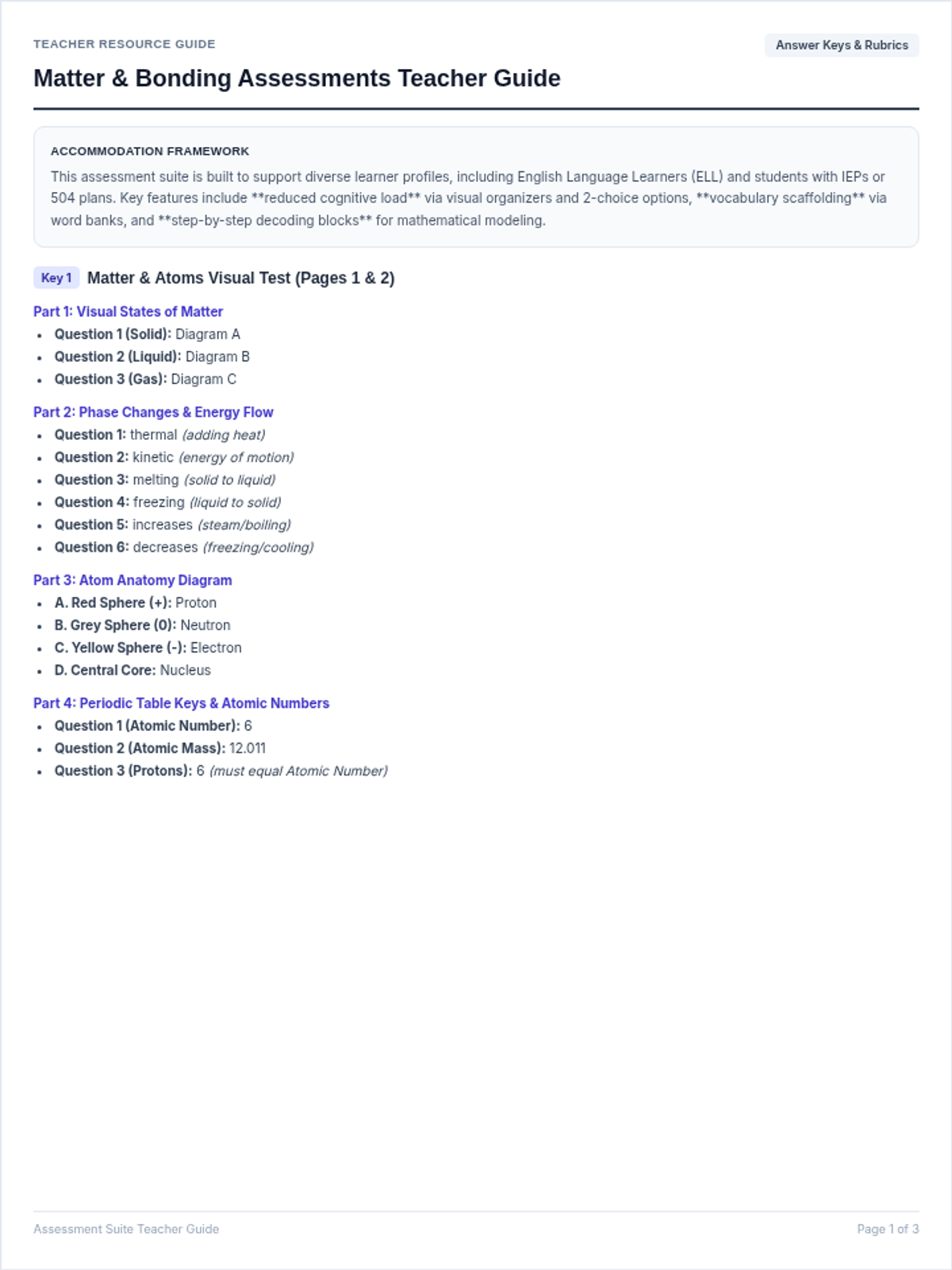
A comprehensive, highly accommodated, and tiered assessment suite covering states of matter, atomic structure, classifications of matter, periodic table trends, ions, and ionic bonding with Coulomb's Law. Built-in diverse learner supports include visual organizers, sentence starters, 2-choice questions, and step-by-step guided calculations.
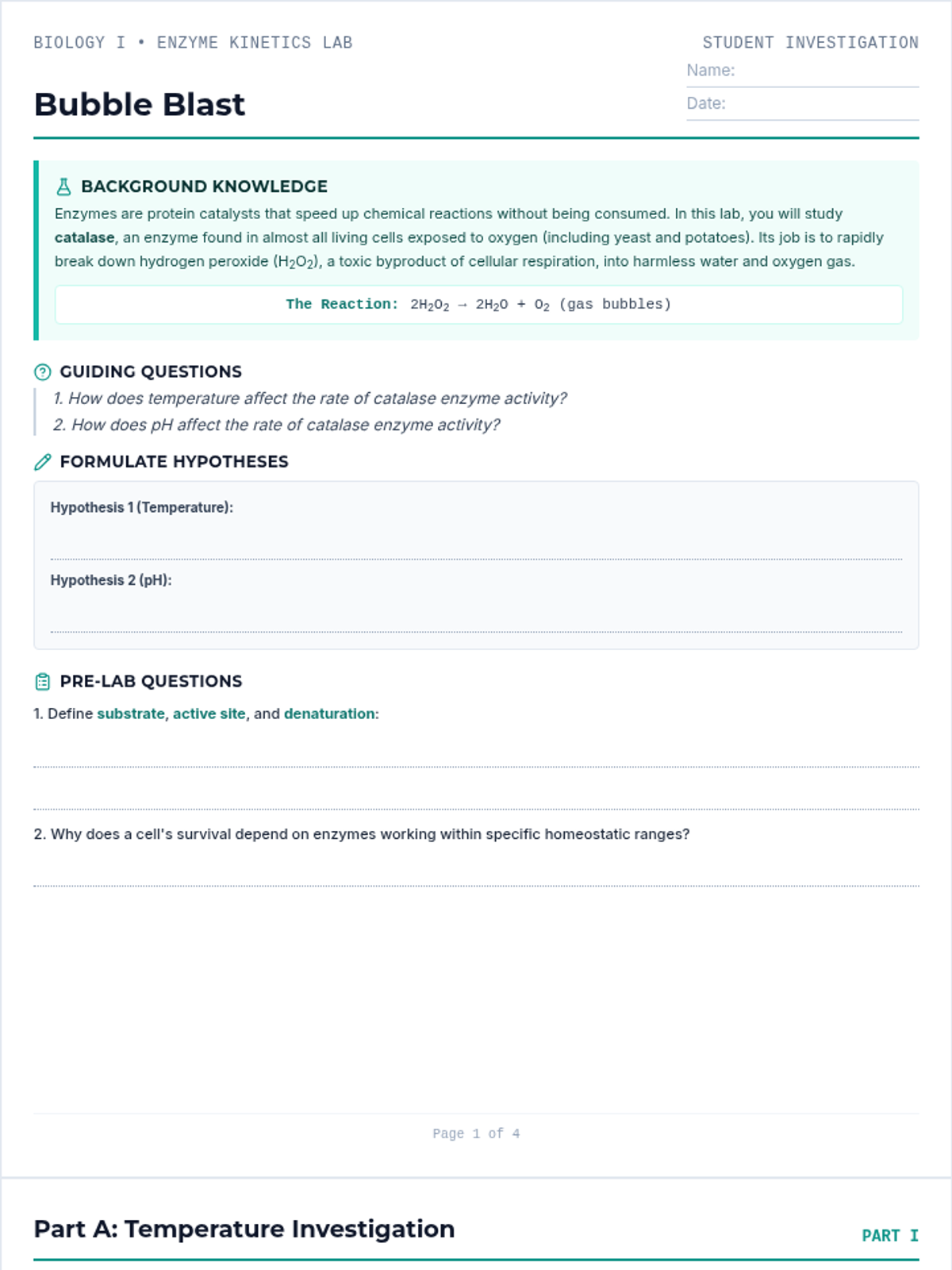
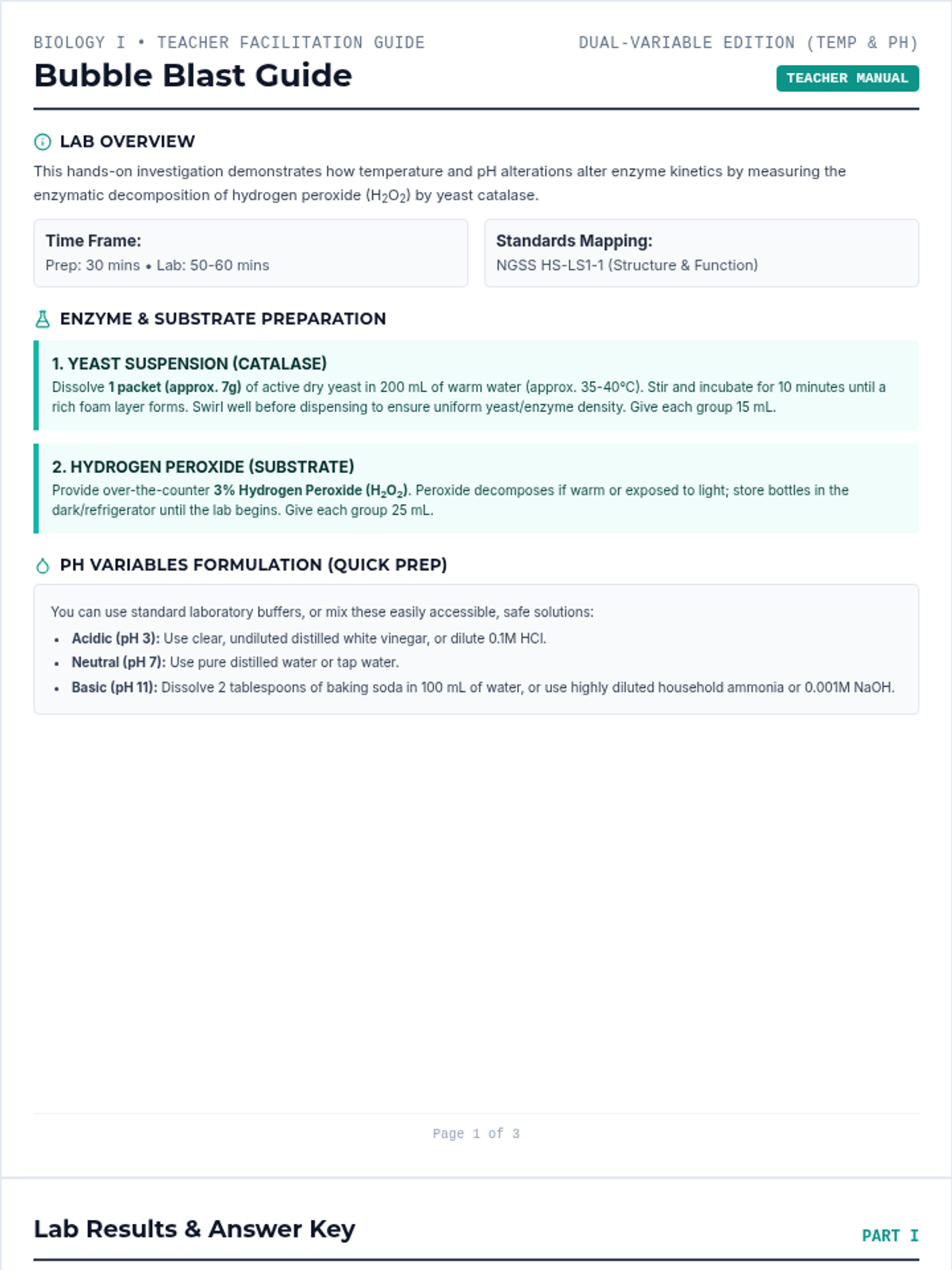
A comprehensive 9th-grade Biology laboratory lesson focusing on enzyme kinetics using catalase from yeast/potato and hydrogen peroxide. Students investigate the effects of temperature and pH on enzyme activity, complete data tables, and construct graphs.
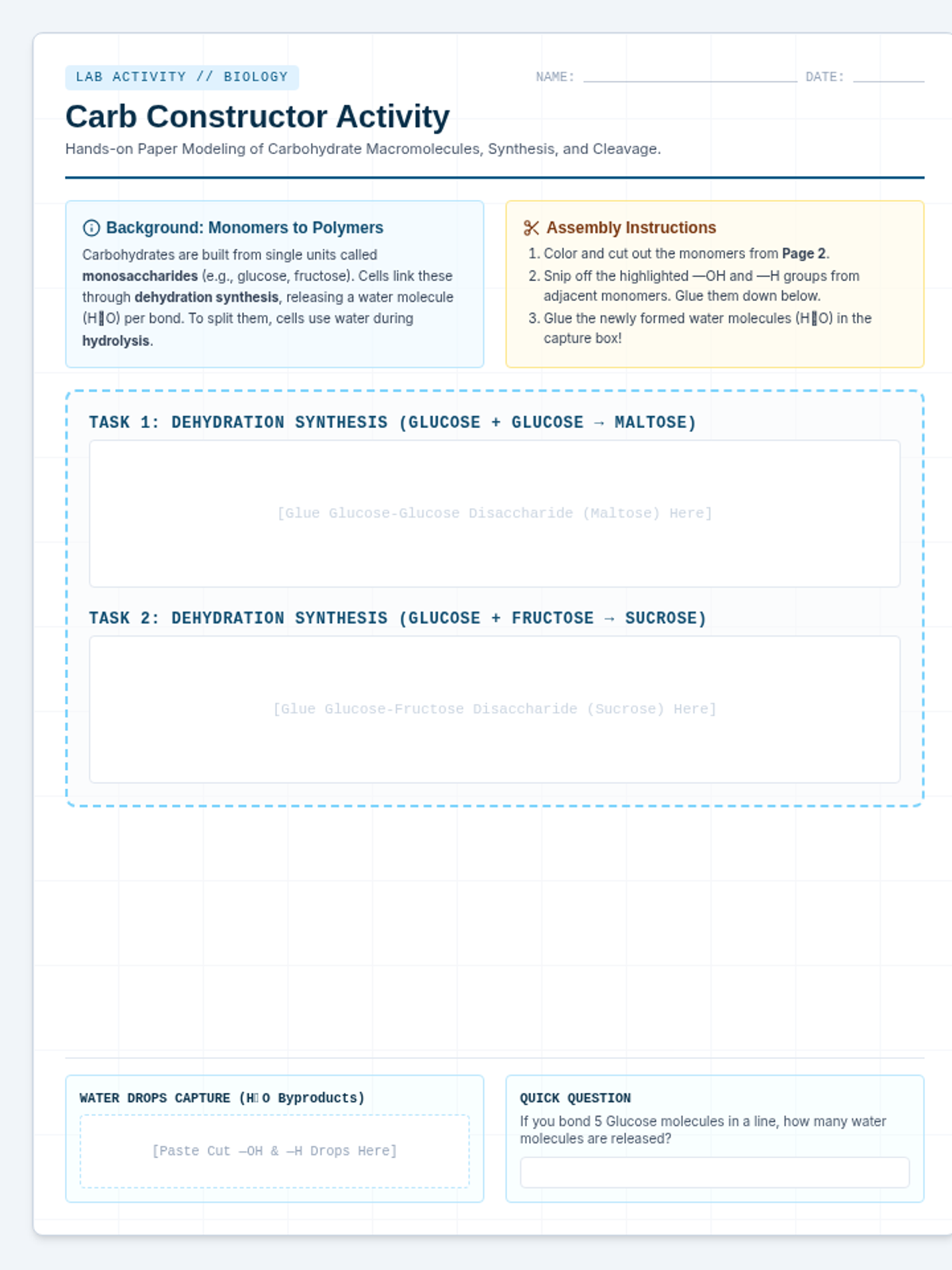
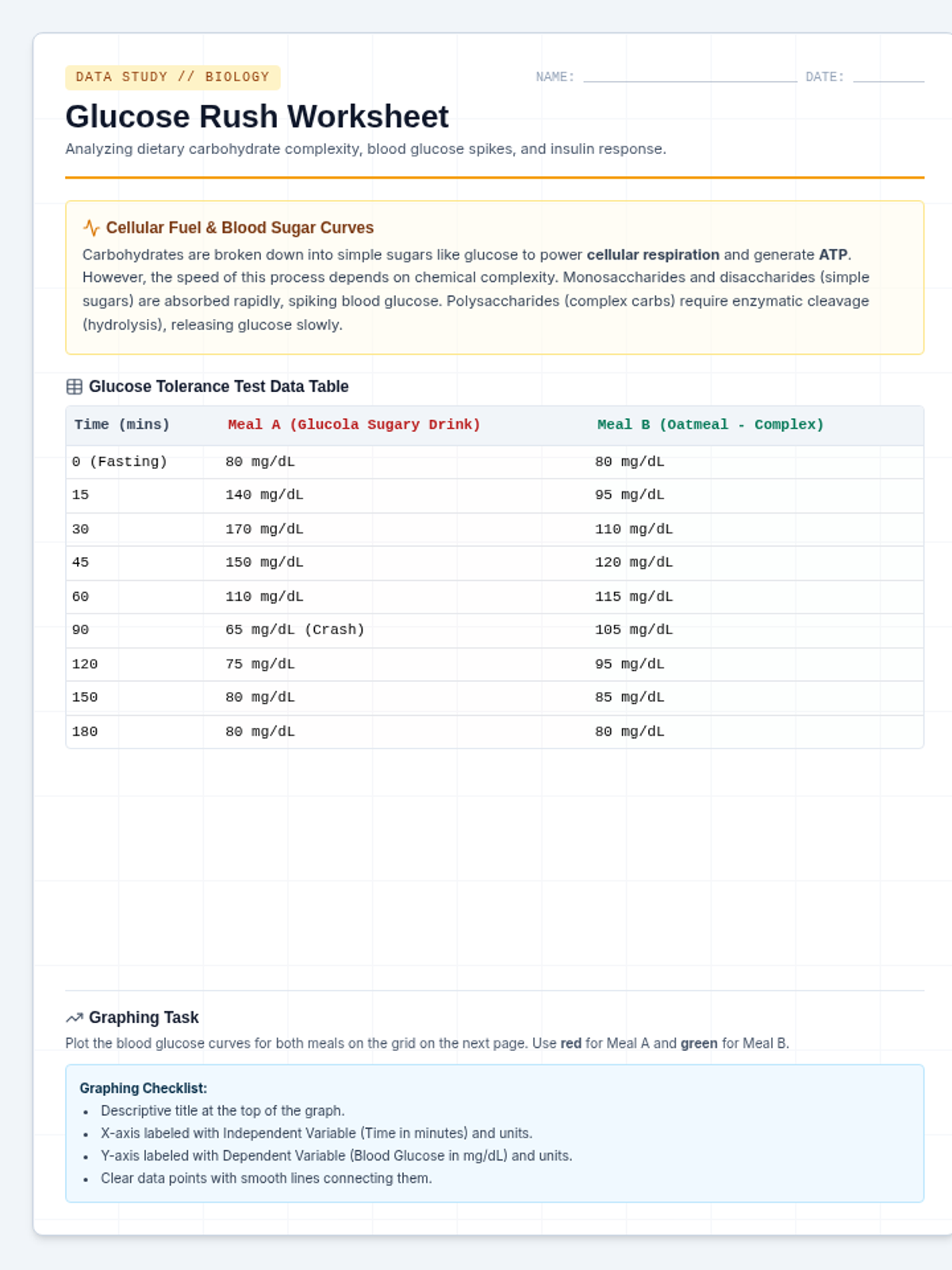
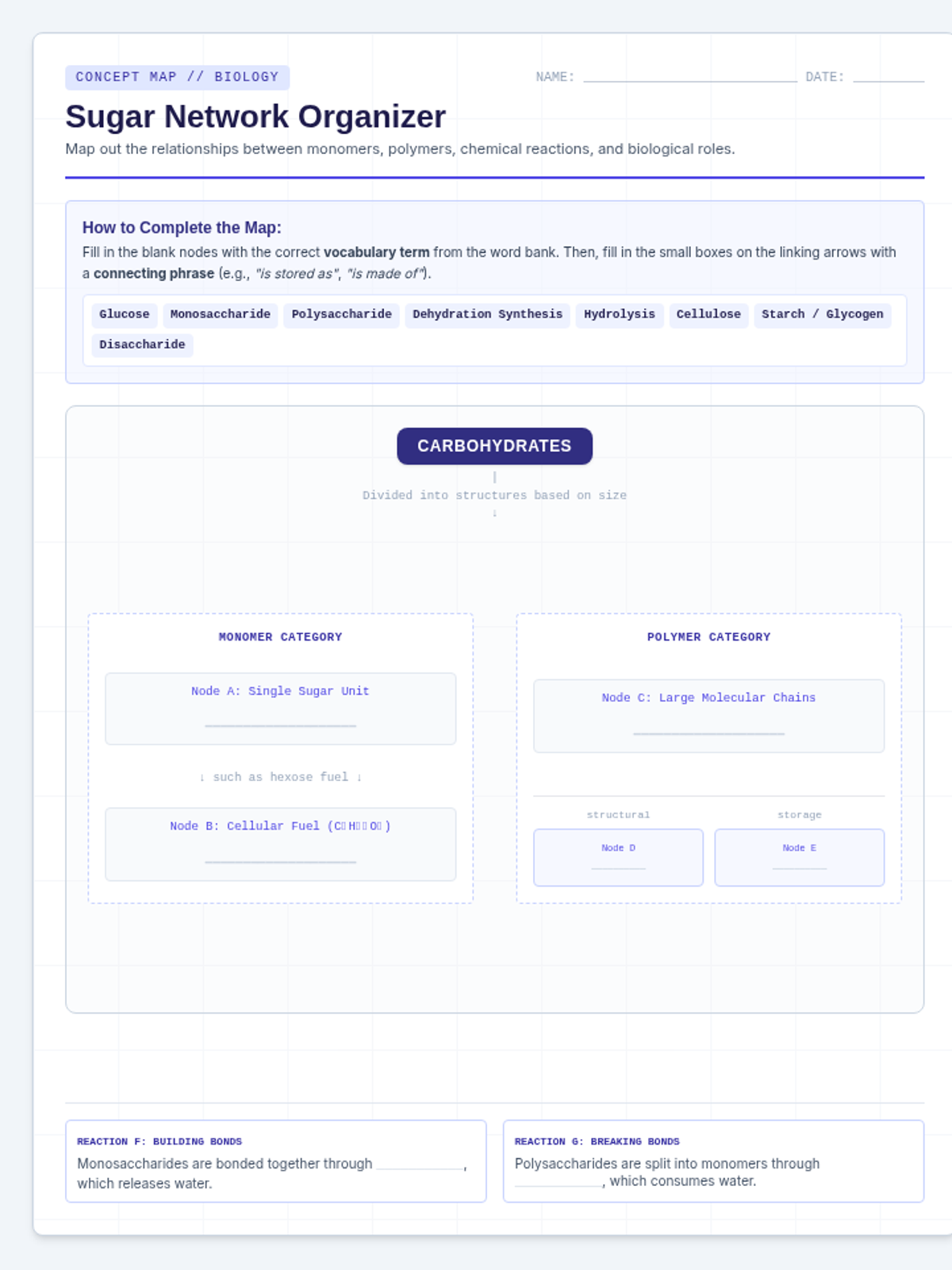
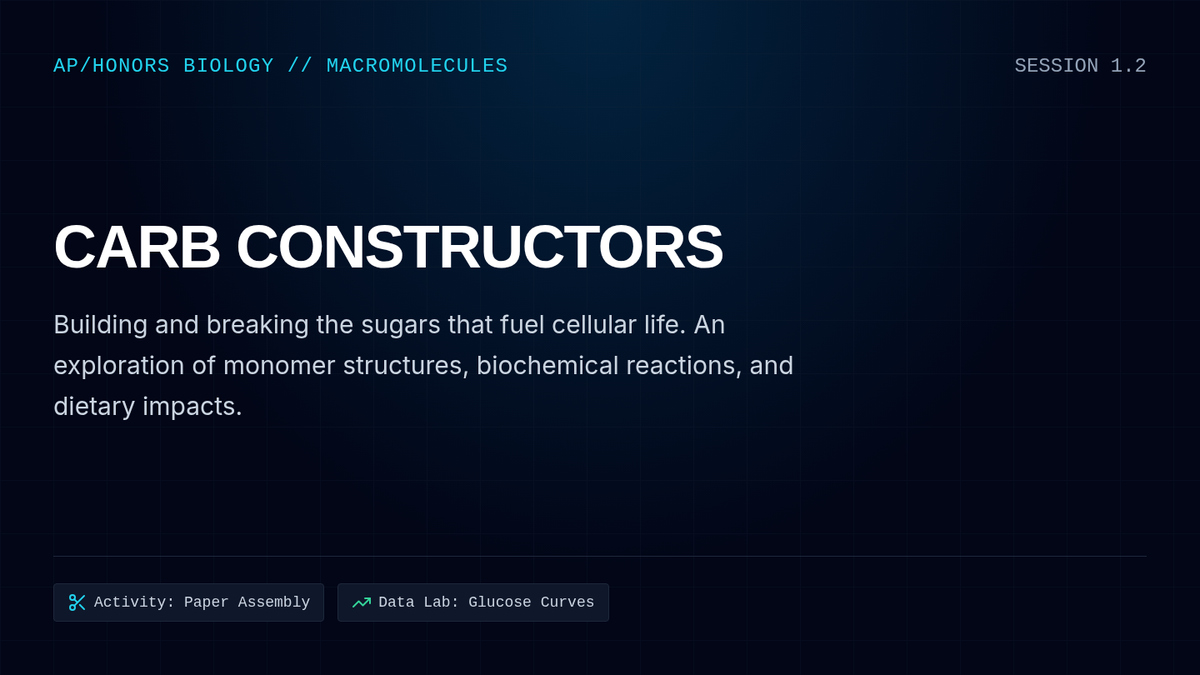
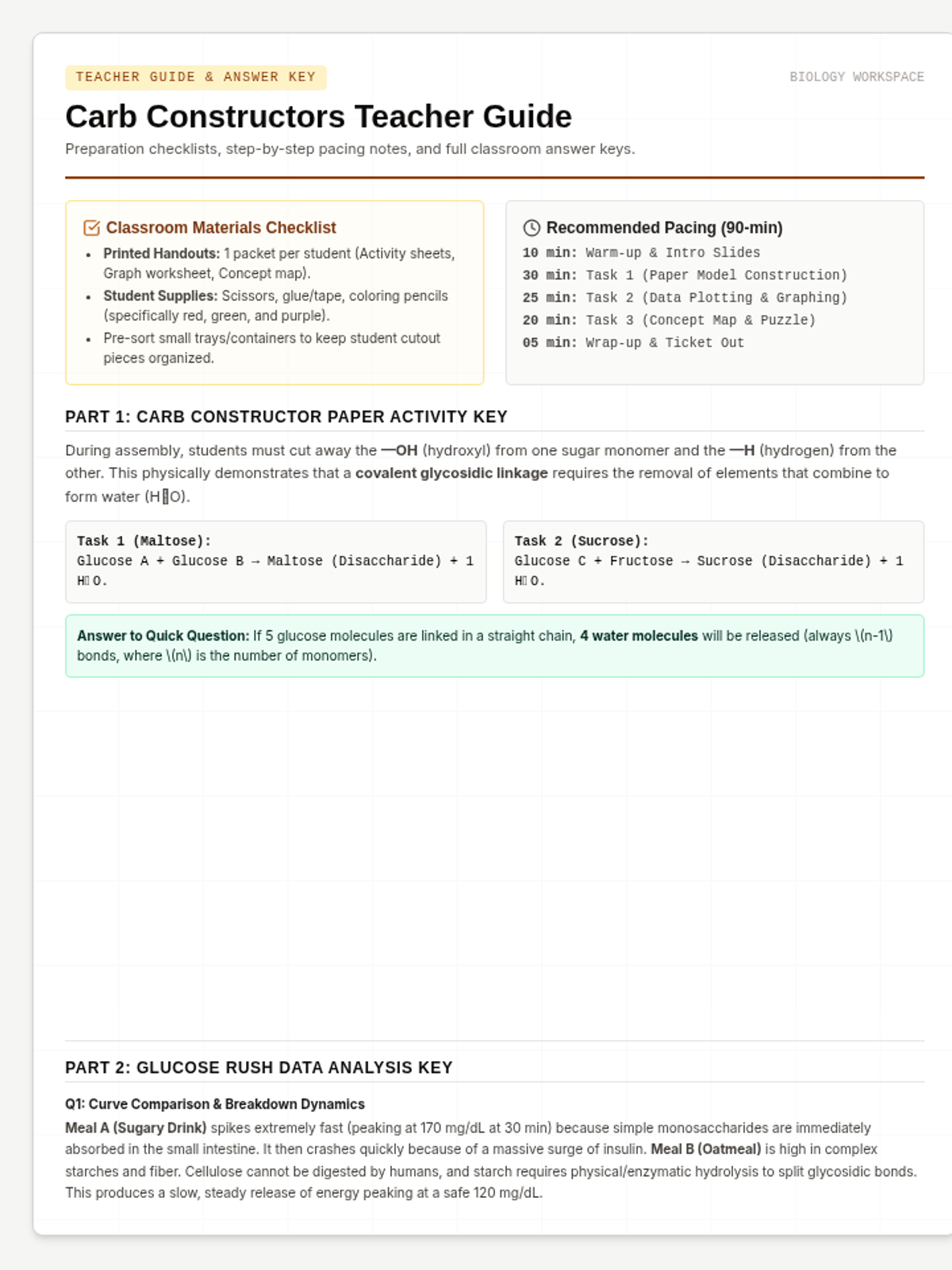
A hands-on biology lesson exploring carbohydrate structures, synthesis, dietary impacts, and cellular energy through paper modeling, blood glucose data analysis, and vocabulary concept maps.
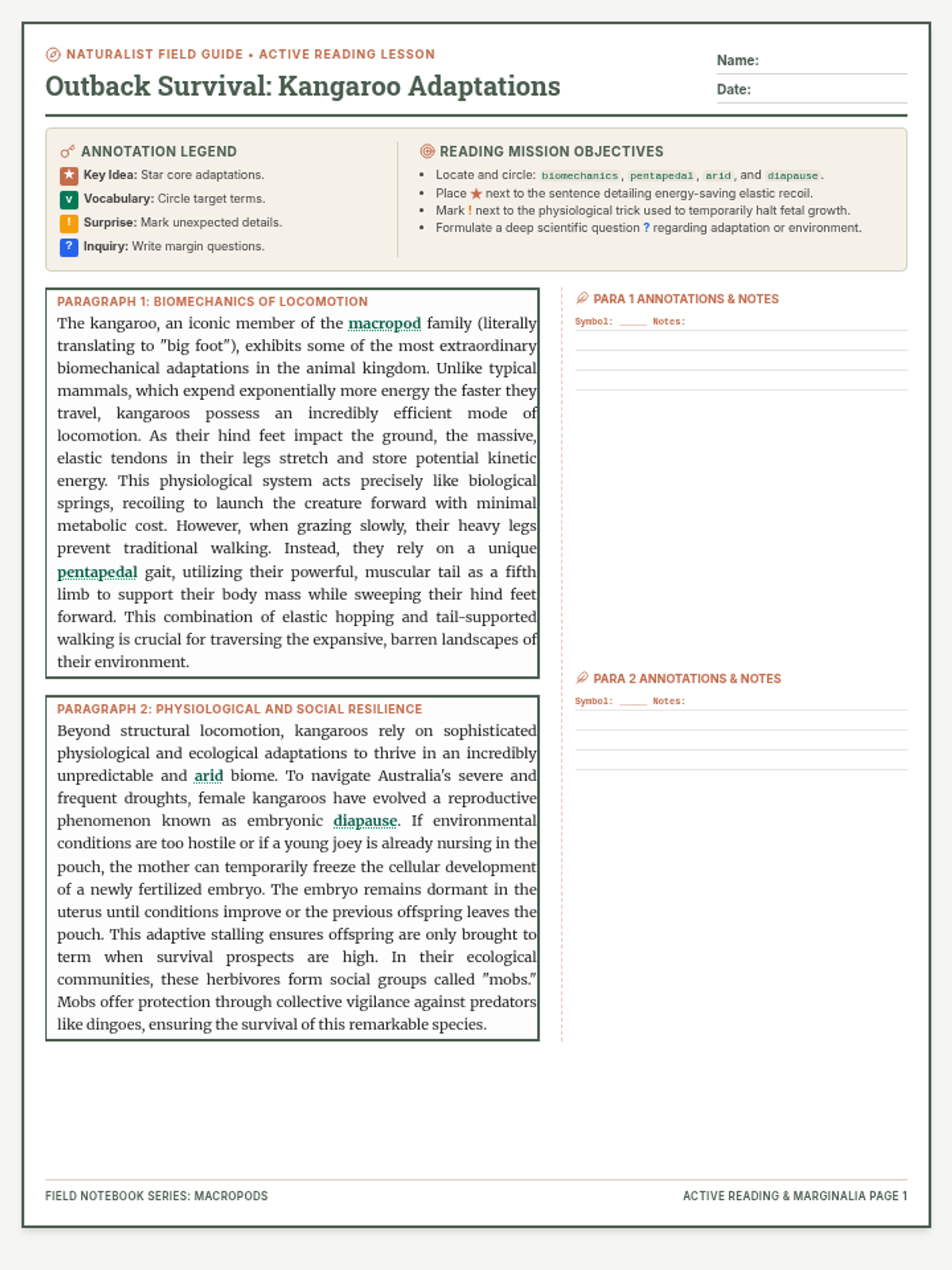
A rigorous 9th-grade active reading and annotation lesson focused on the ecological and biomechanical survival adaptations of kangaroos in the Australian outback.
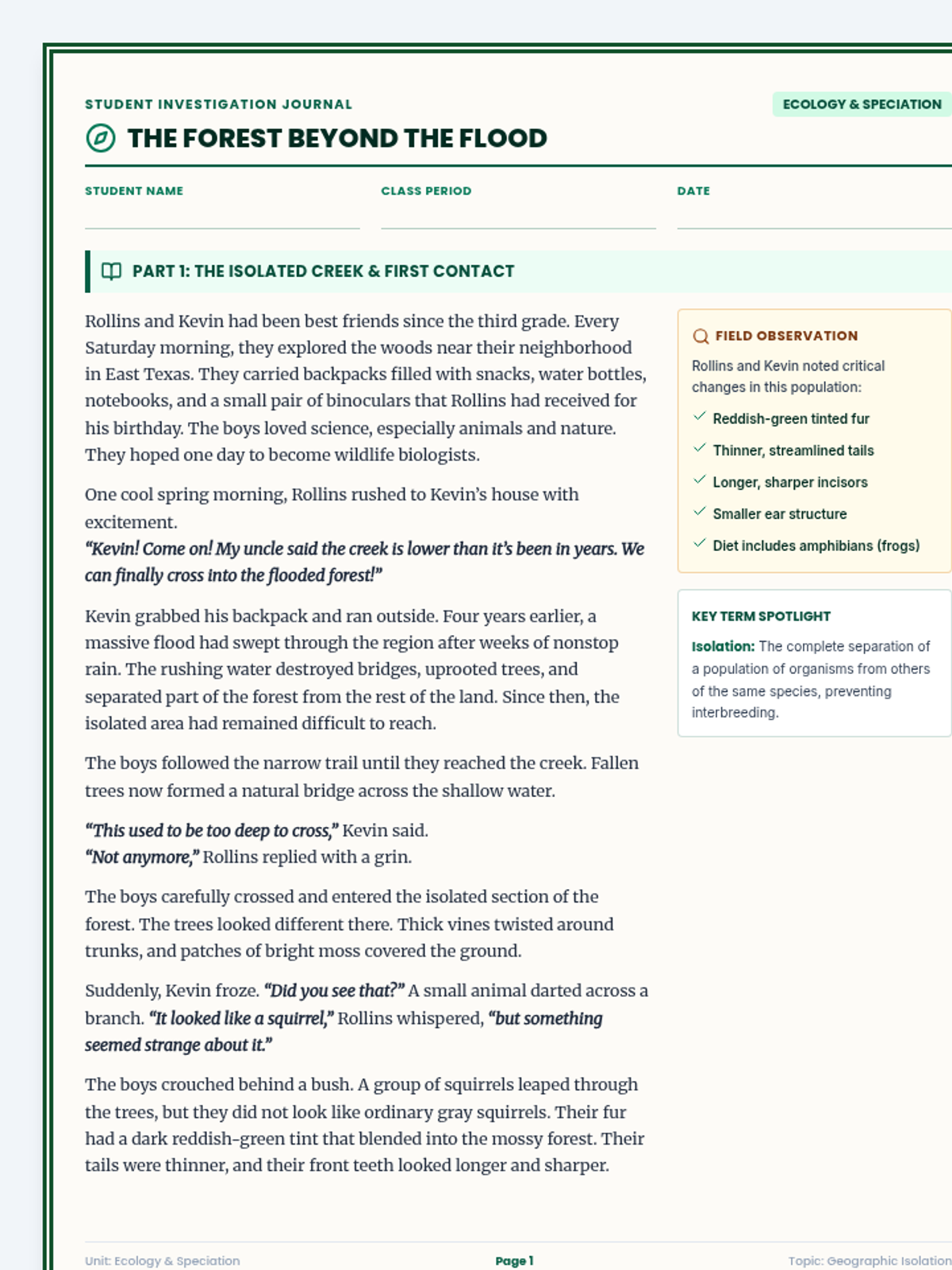
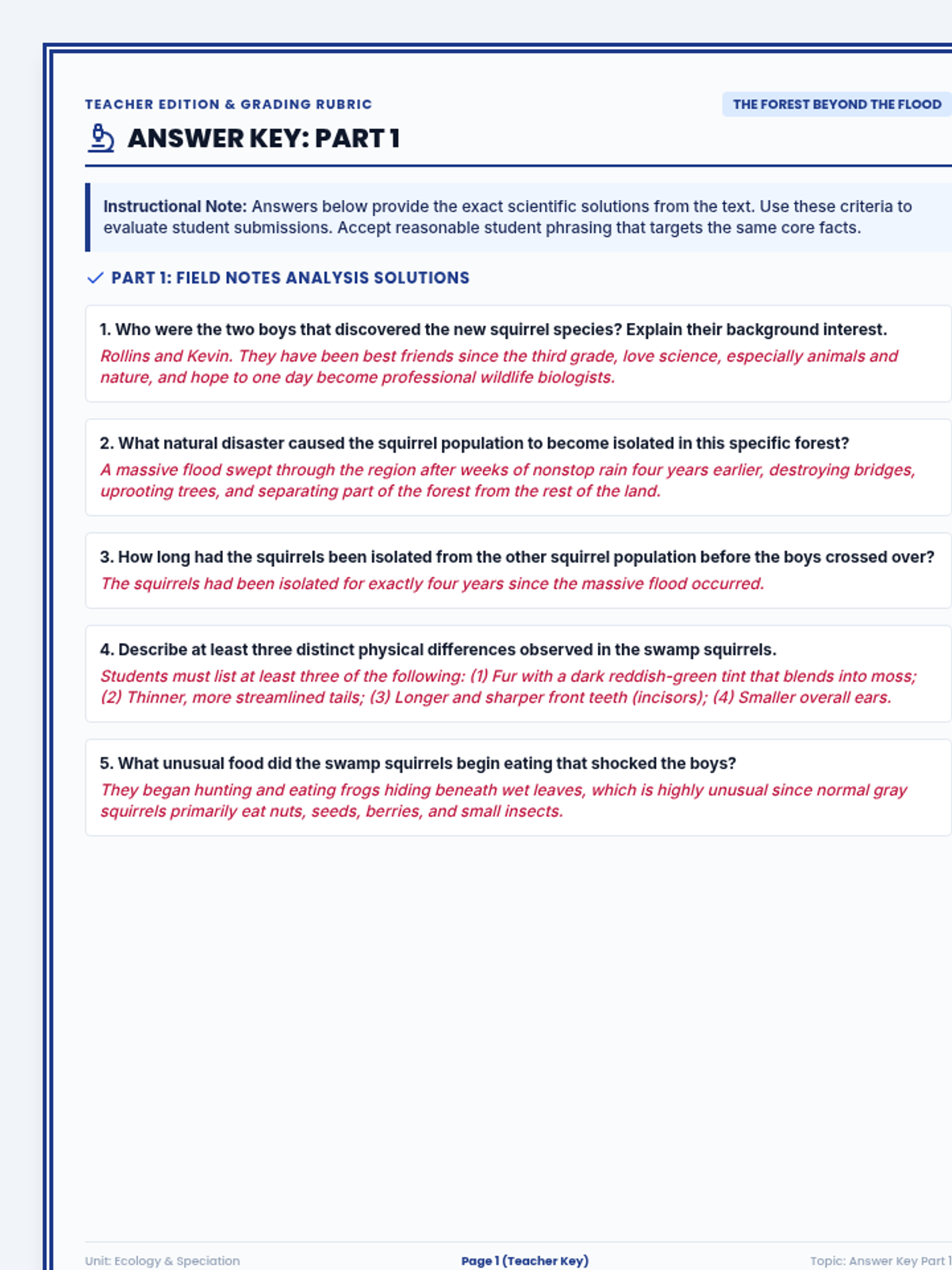
A complete lesson exploring natural selection, speciation, and invasive species through the story of Rollins and Kevin discovering the 'Swamp Squirrels' in an isolated East Texas forest. Includes a student reading packet with integrated comprehension questions and a detailed teacher answer key.
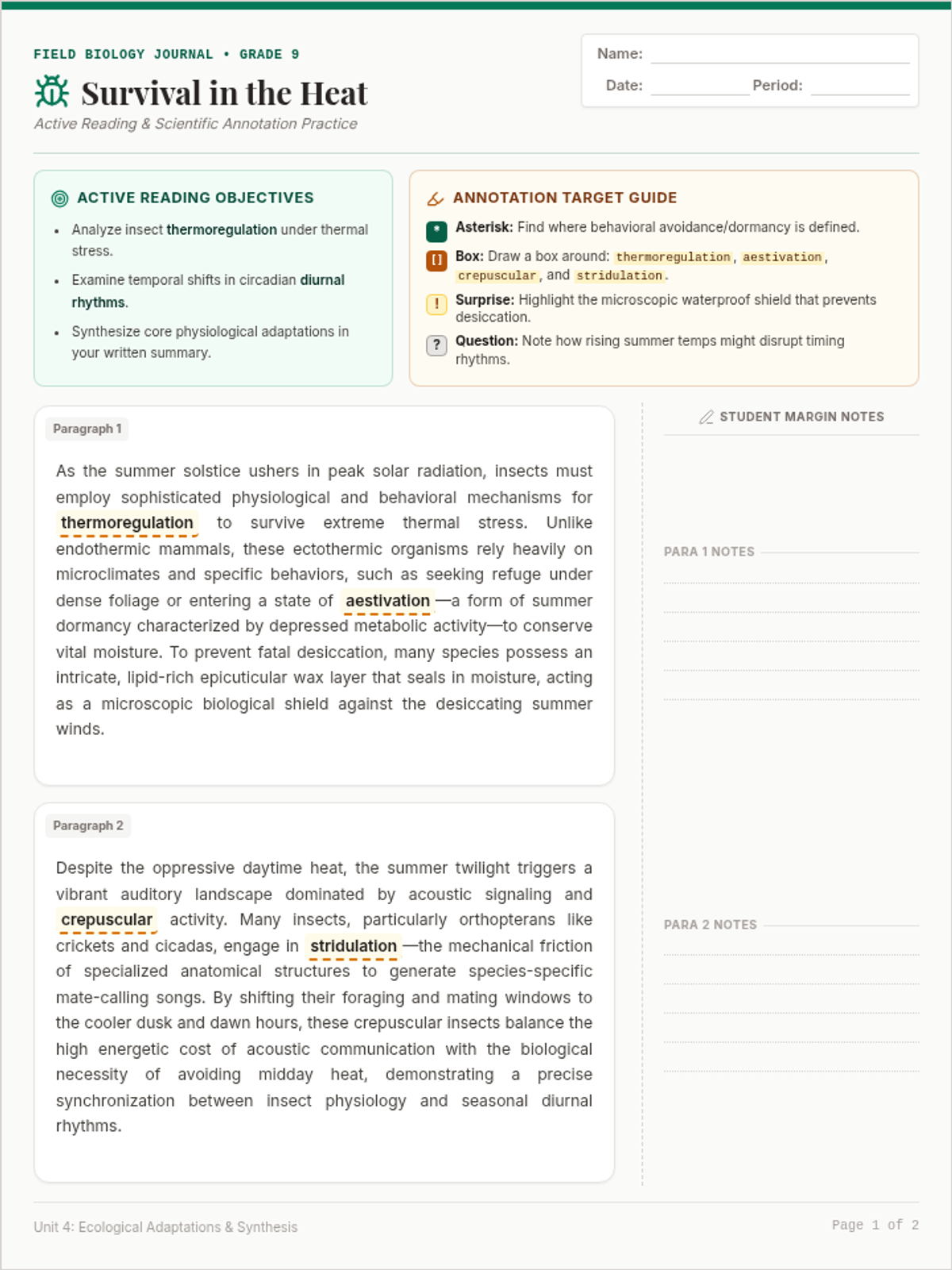
A 9th-grade biology and English language arts lesson focusing on reading comprehension, scientific annotation, and synthesis. Students read a complex passage on summer insect adaptations and write a structured summary.
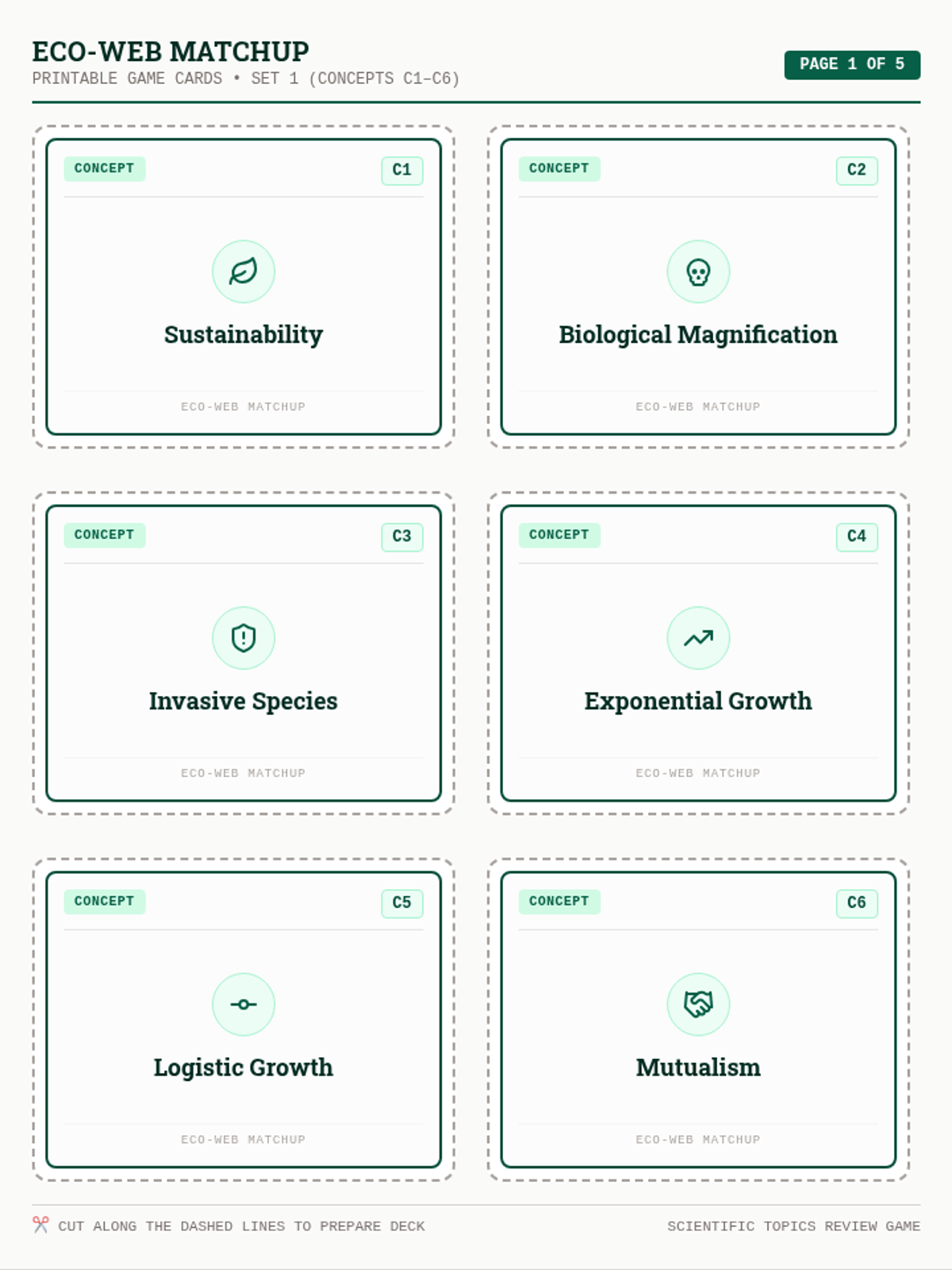
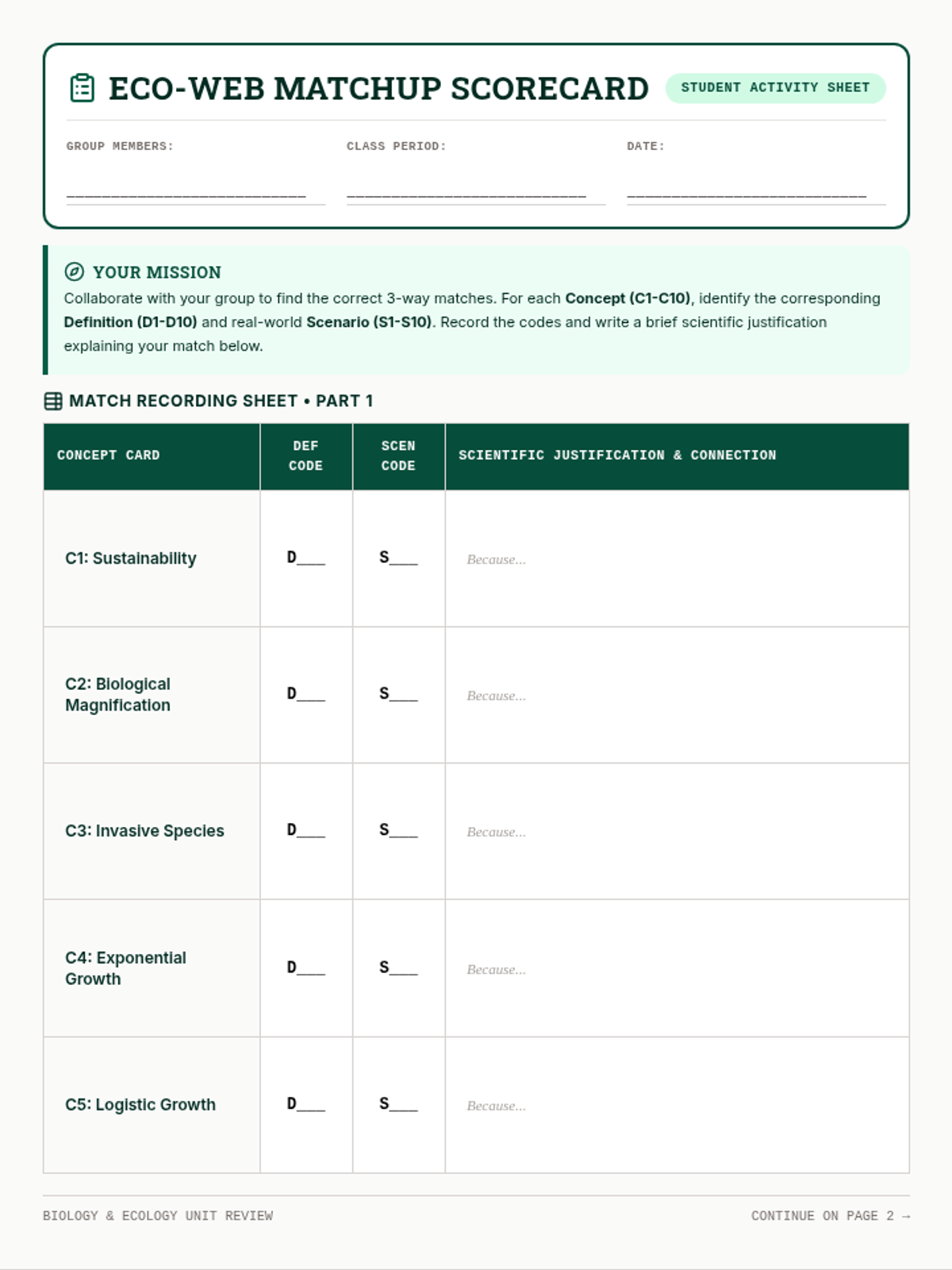
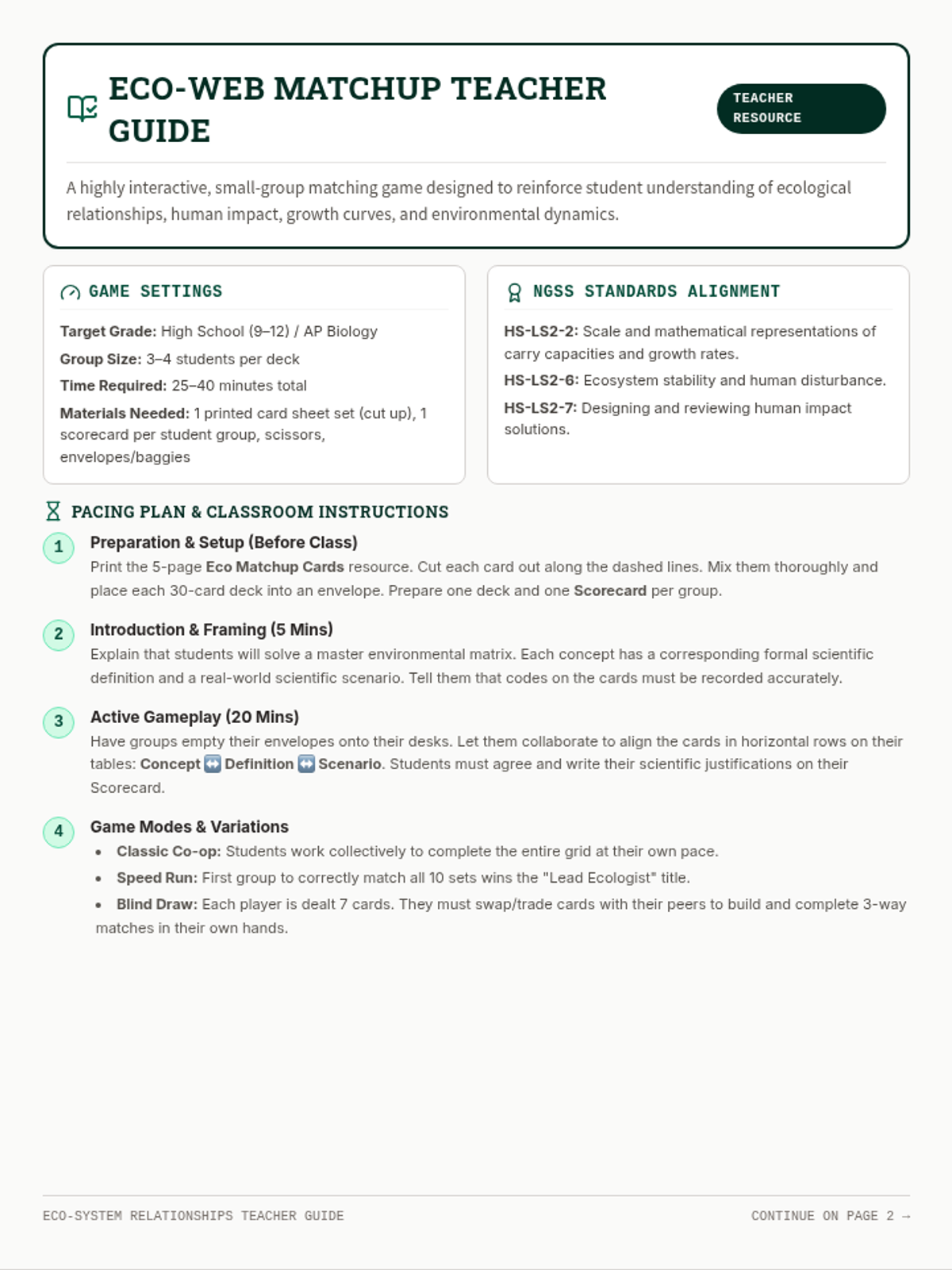
A highly engaging, collaborative card-matching game covering sustainability, human impact, population ecology, symbiosis, and conservation. Students work in small groups to match key concepts, definitions, and real-world ecological scenarios.
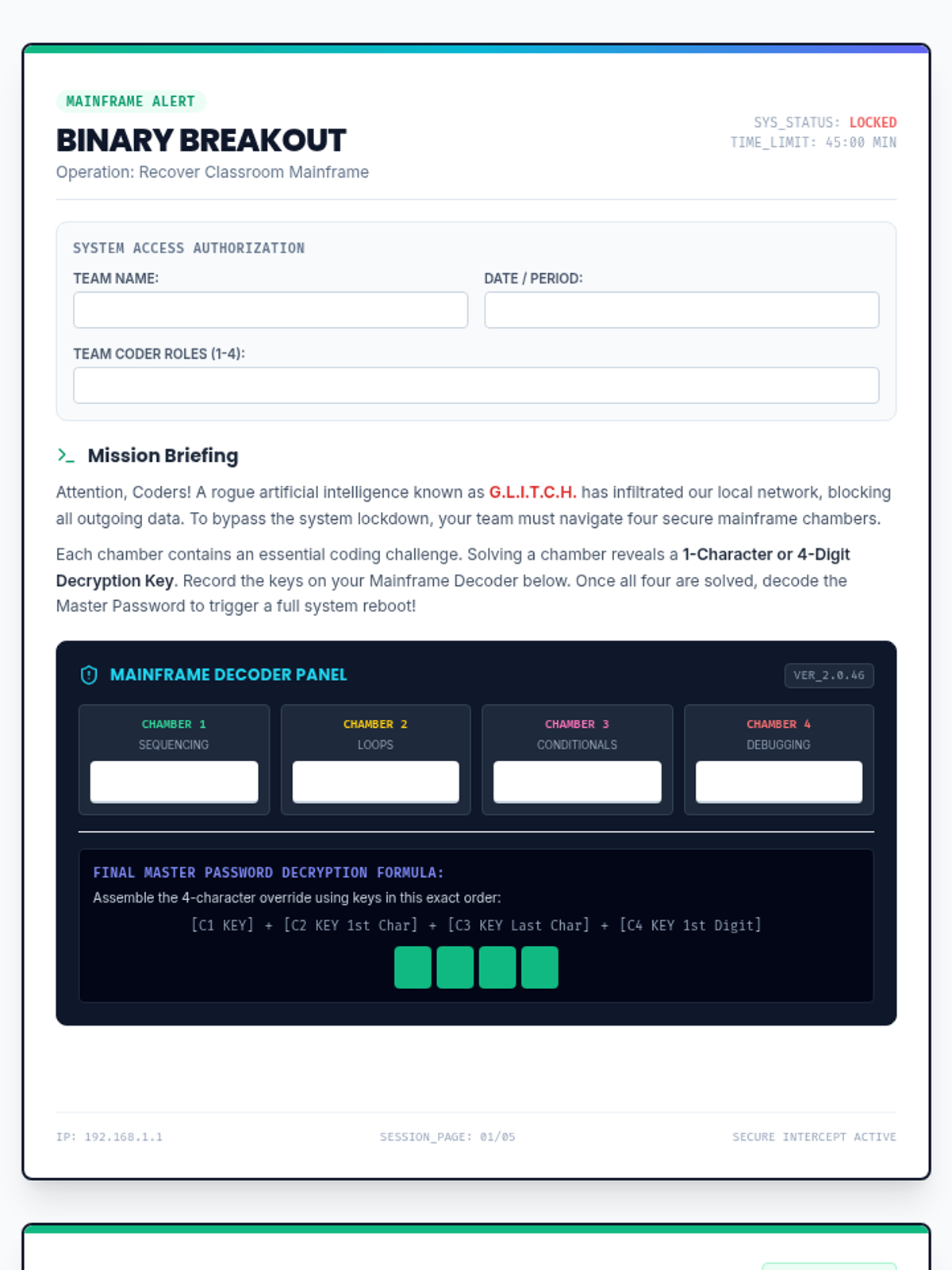
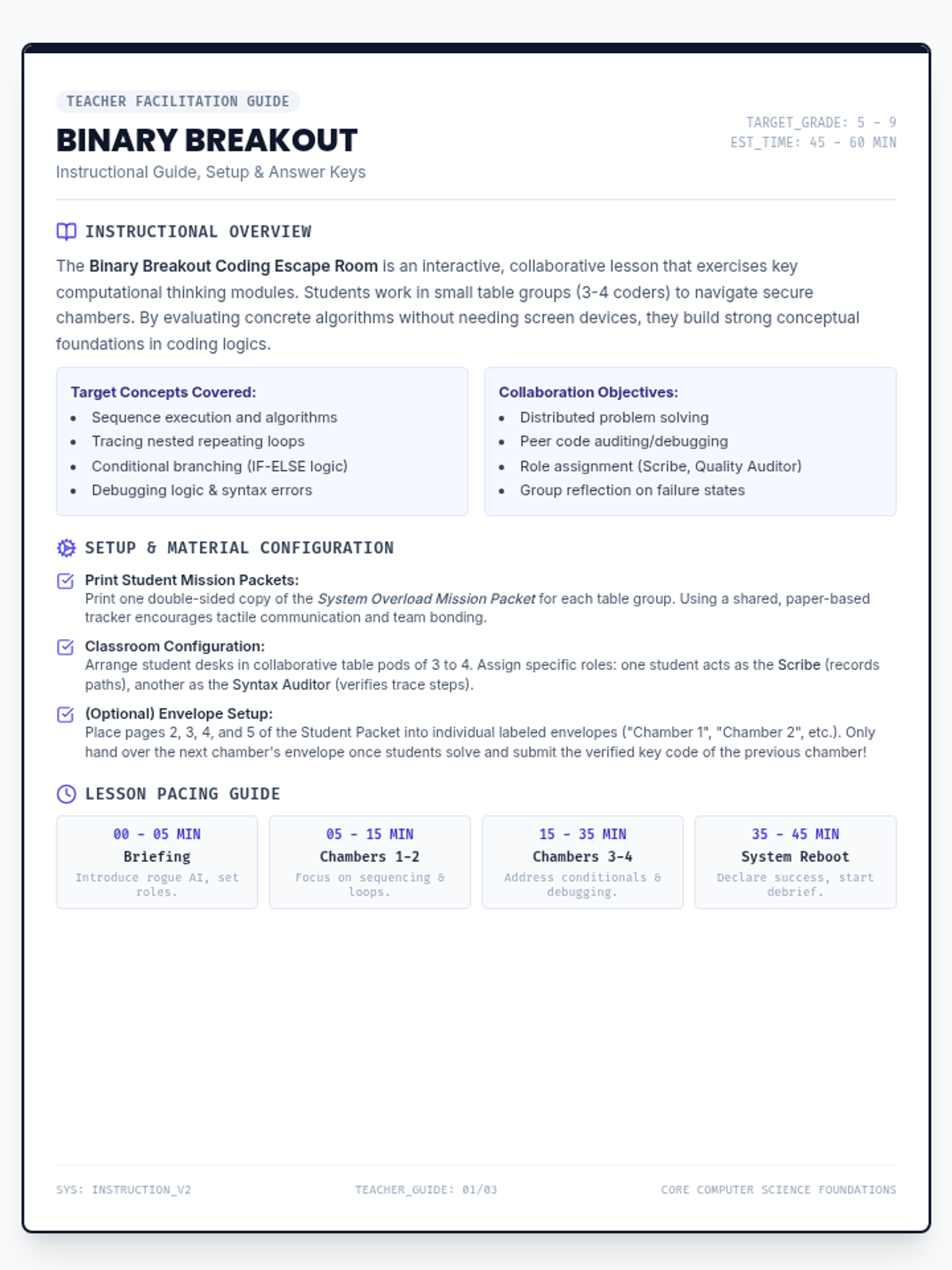
An immersive, puzzle-driven coding escape room where students work in table groups to defeat a rogue AI. By solving four distinct chambers focusing on sequencing, loops, conditionals, and debugging, students demonstrate core computational thinking skills.
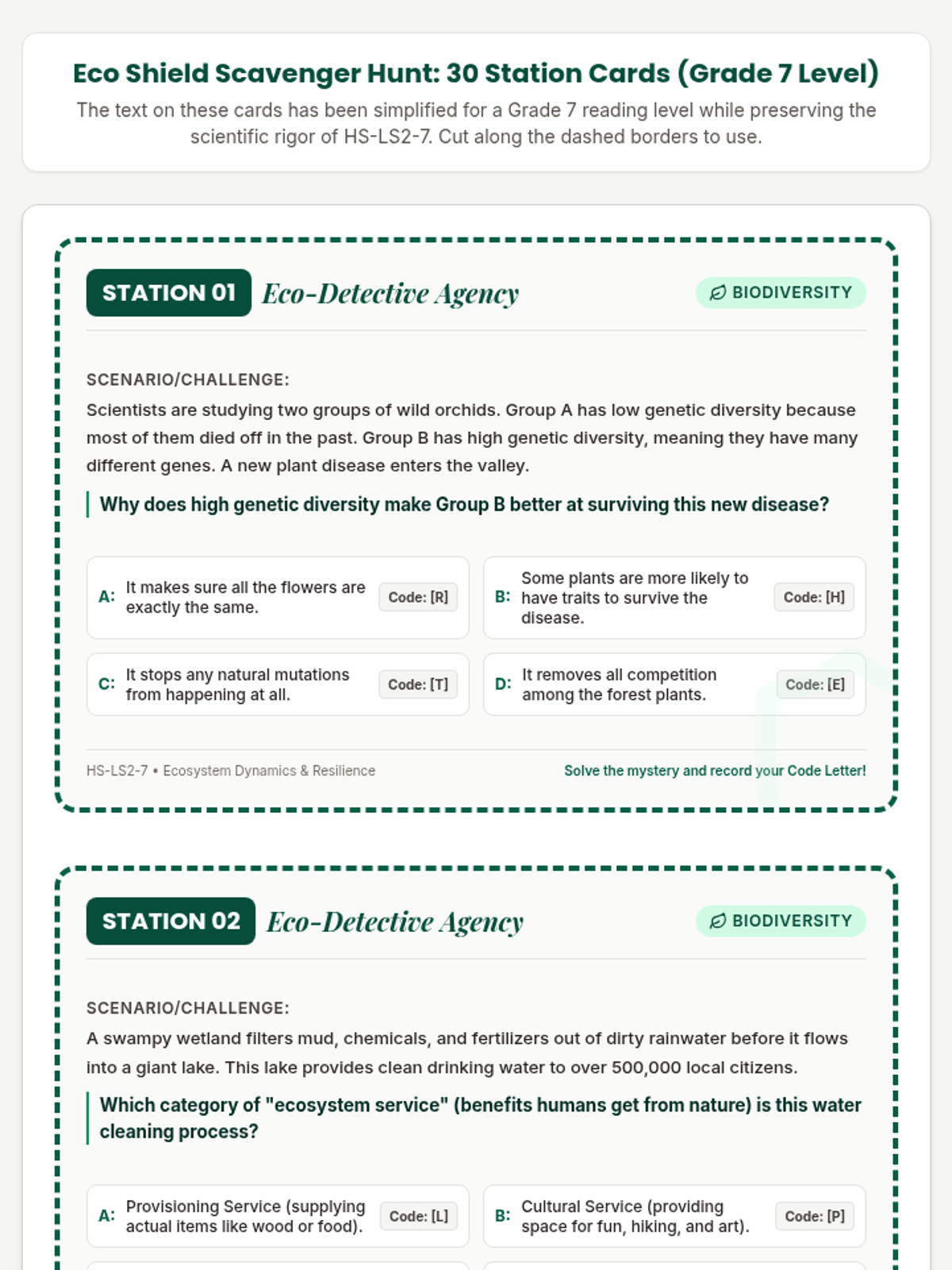
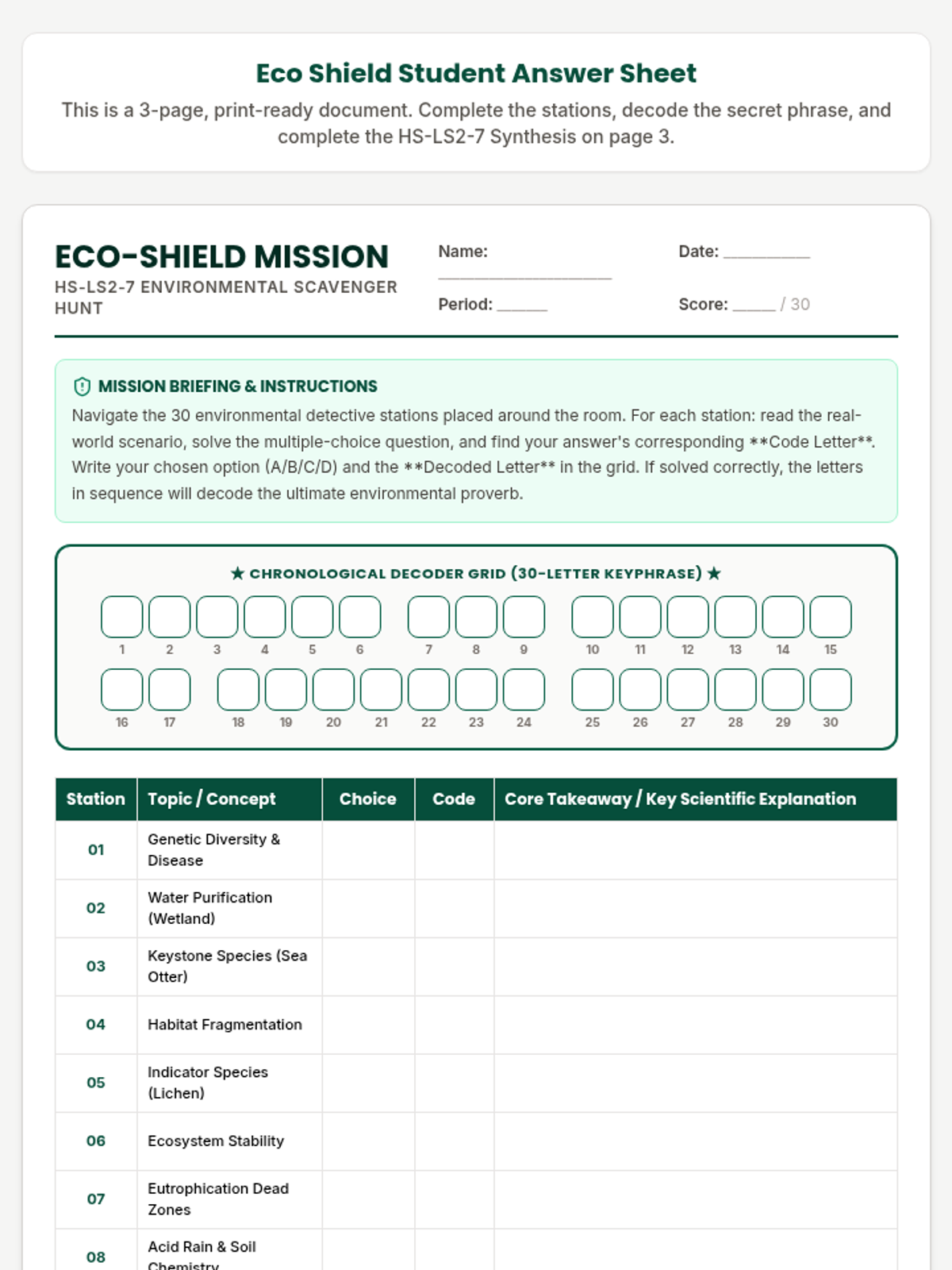
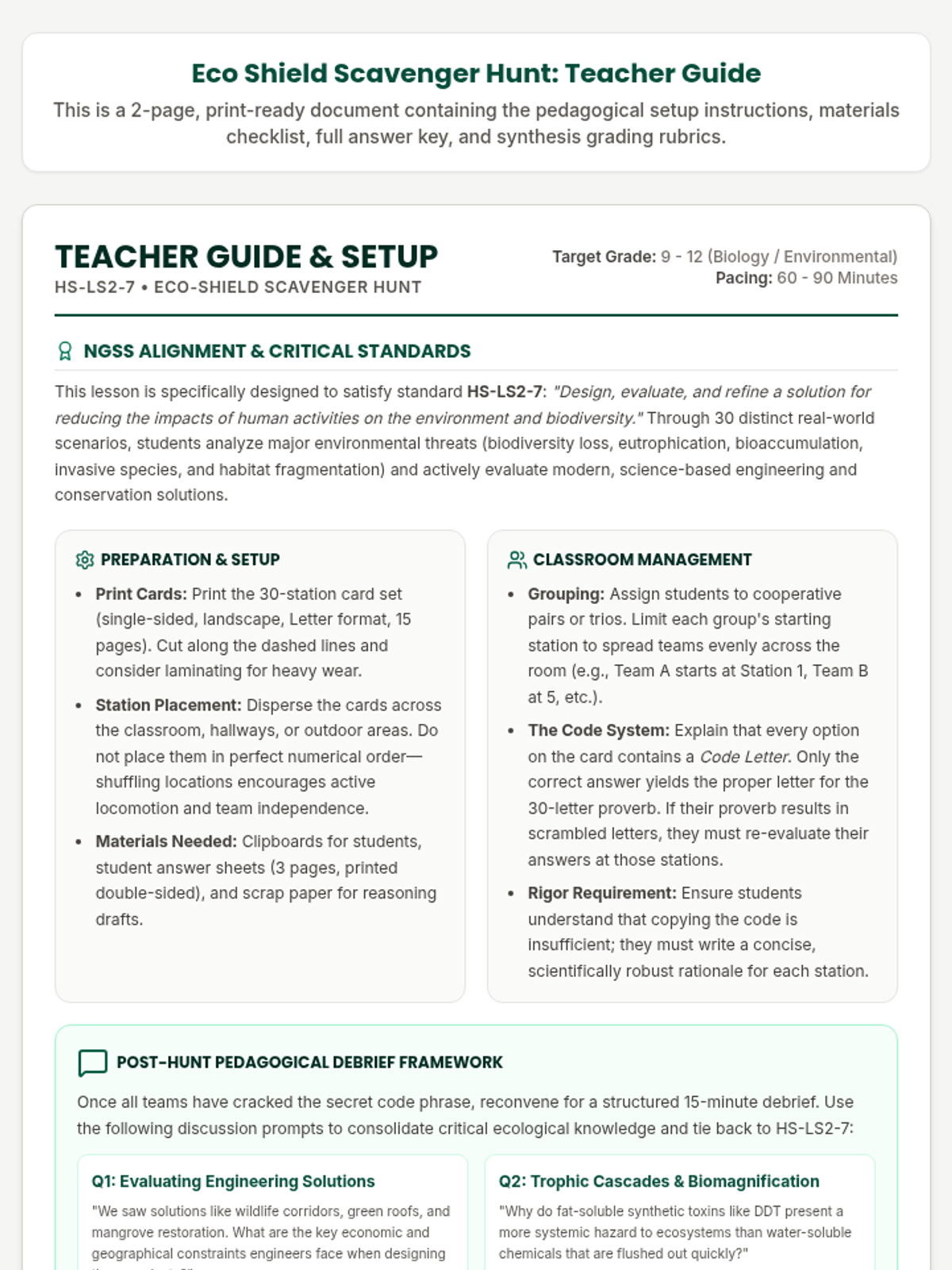
An active, movement-based scavenger hunt game for high school students to master human impact, biodiversity, sustainability, biological magnification, and invasive species (aligned to HS-LS2-7). Includes 30 custom-designed Station Cards, an interactive Student Answer Sheet, and a comprehensive Teacher Guide with Answer Key.
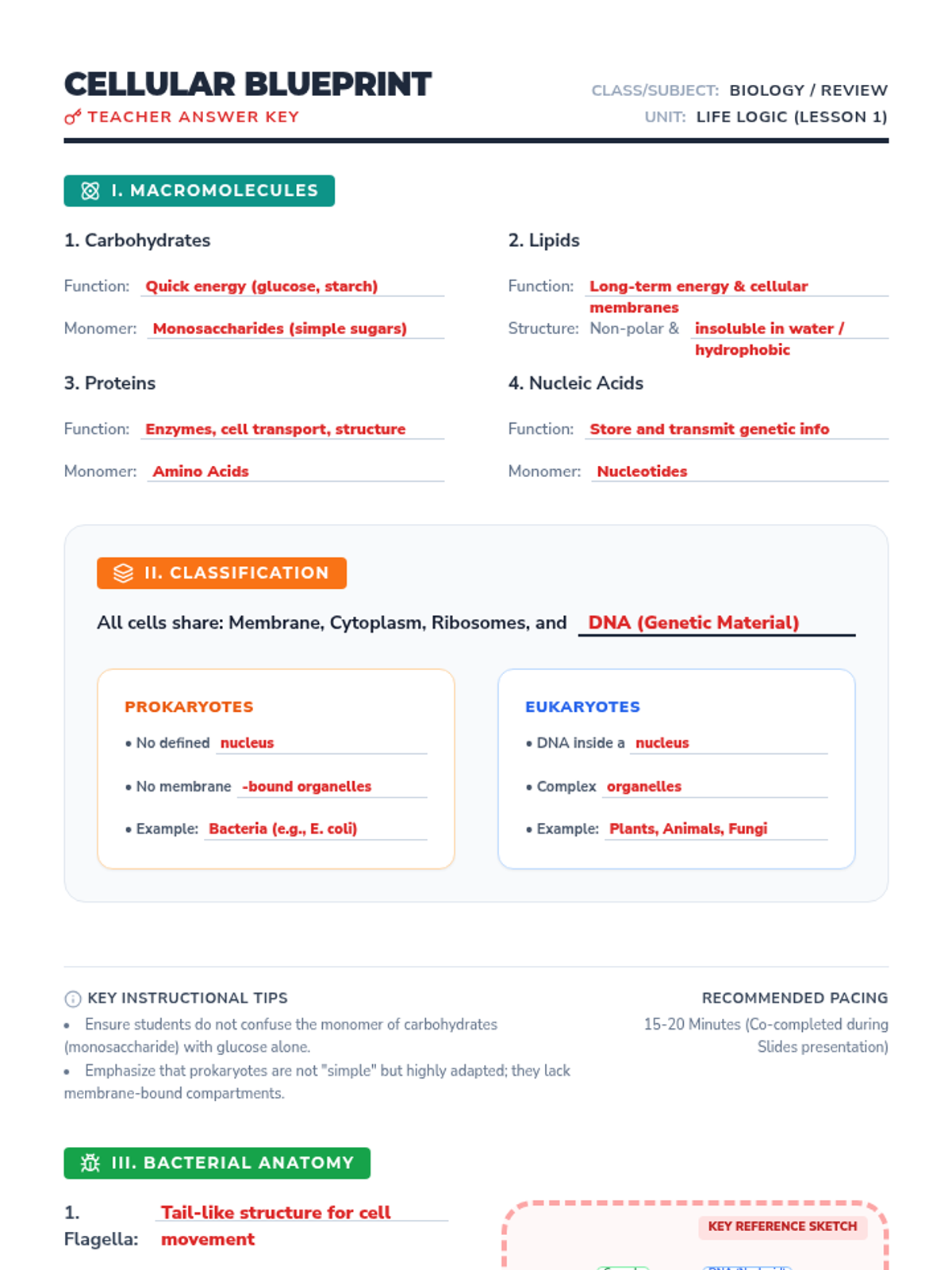
A review-focused lesson that synthesizes knowledge of macromolecules, bacterial structure, and the differences between plant and animal cells.