A comprehensive sixth-grade lesson bridging planetary science and proportional math. Students use ratio reasoning and unit rates to calculate scaled planetary distances and build a physical model of the solar system.
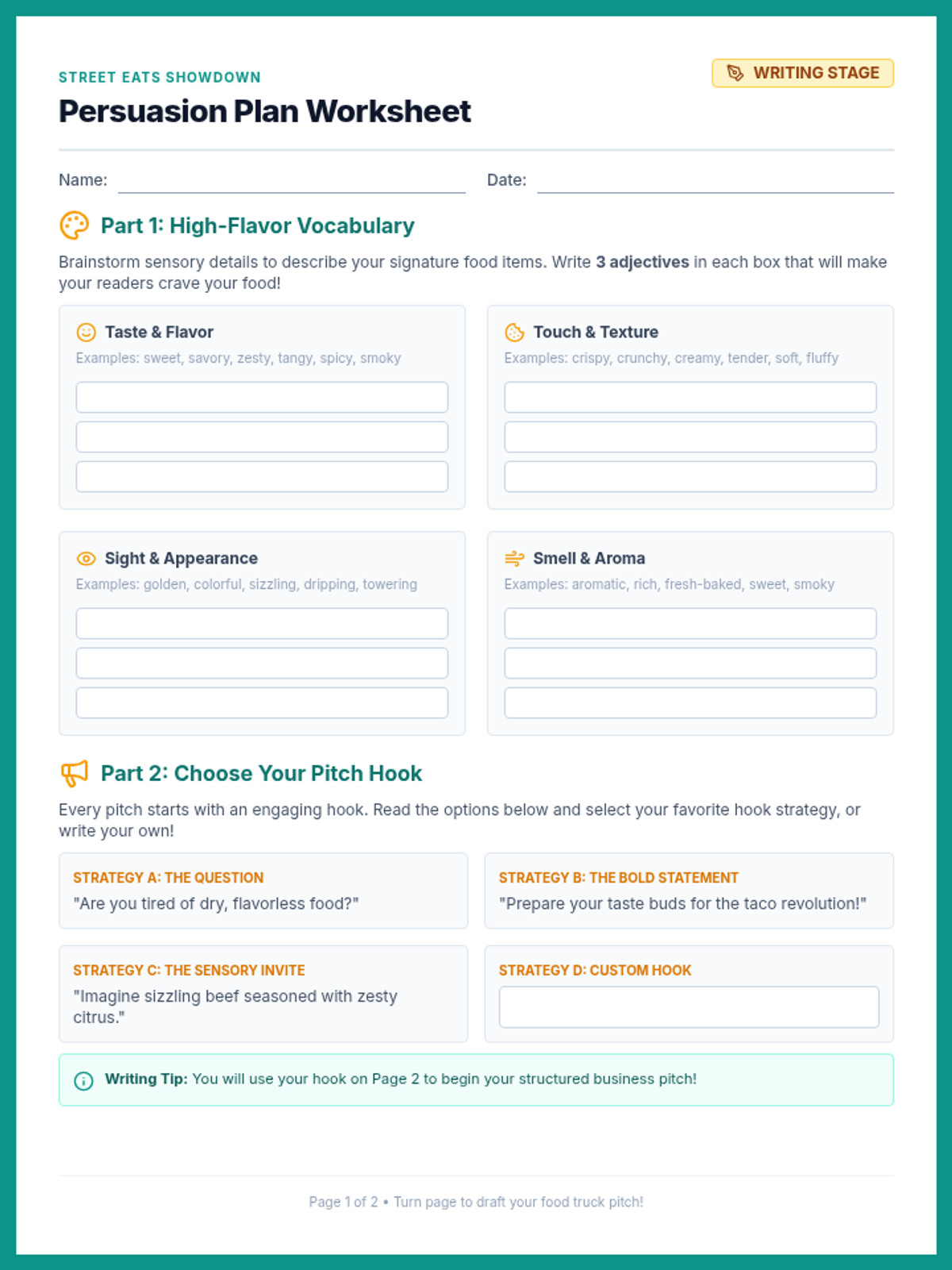
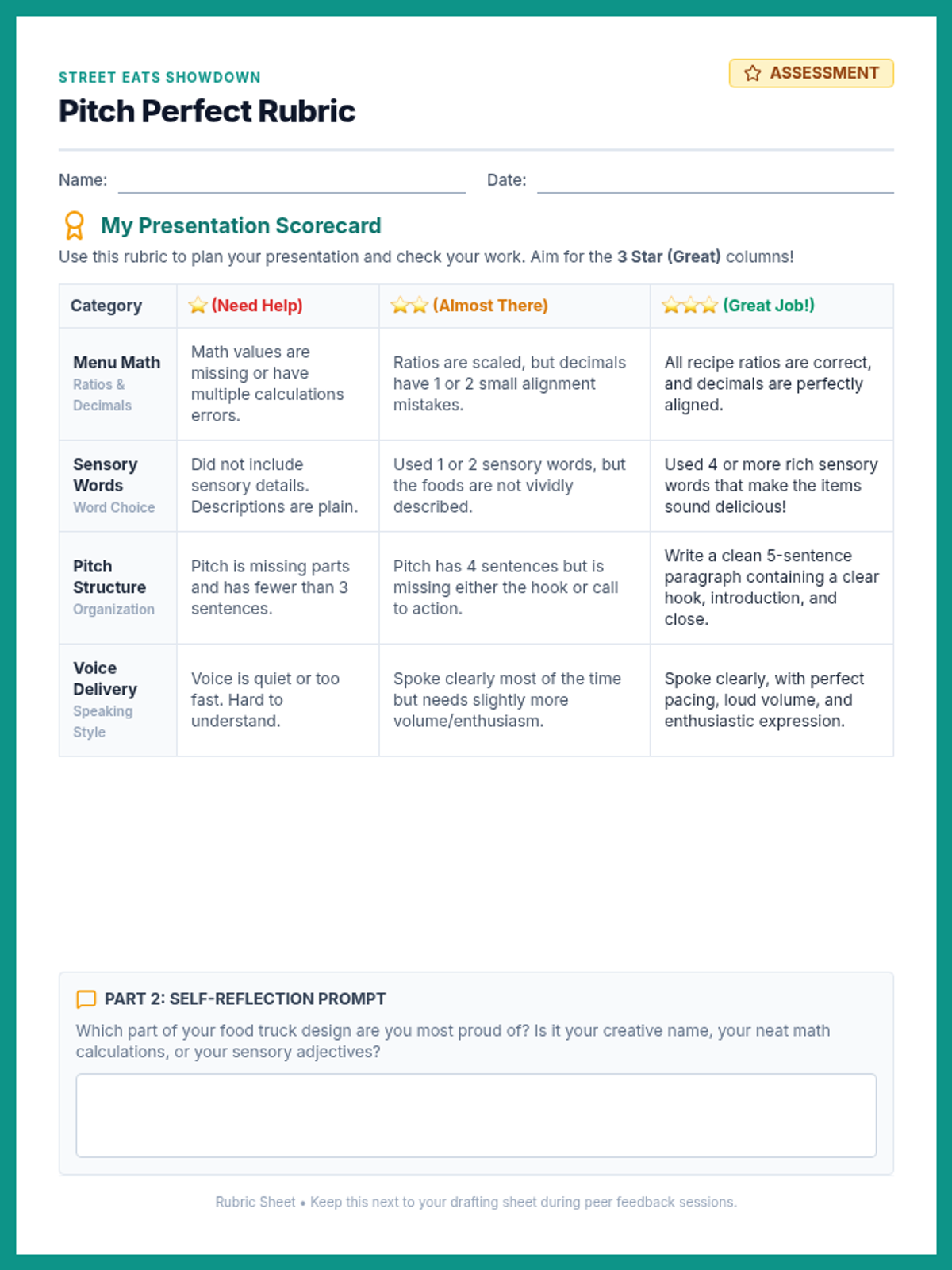
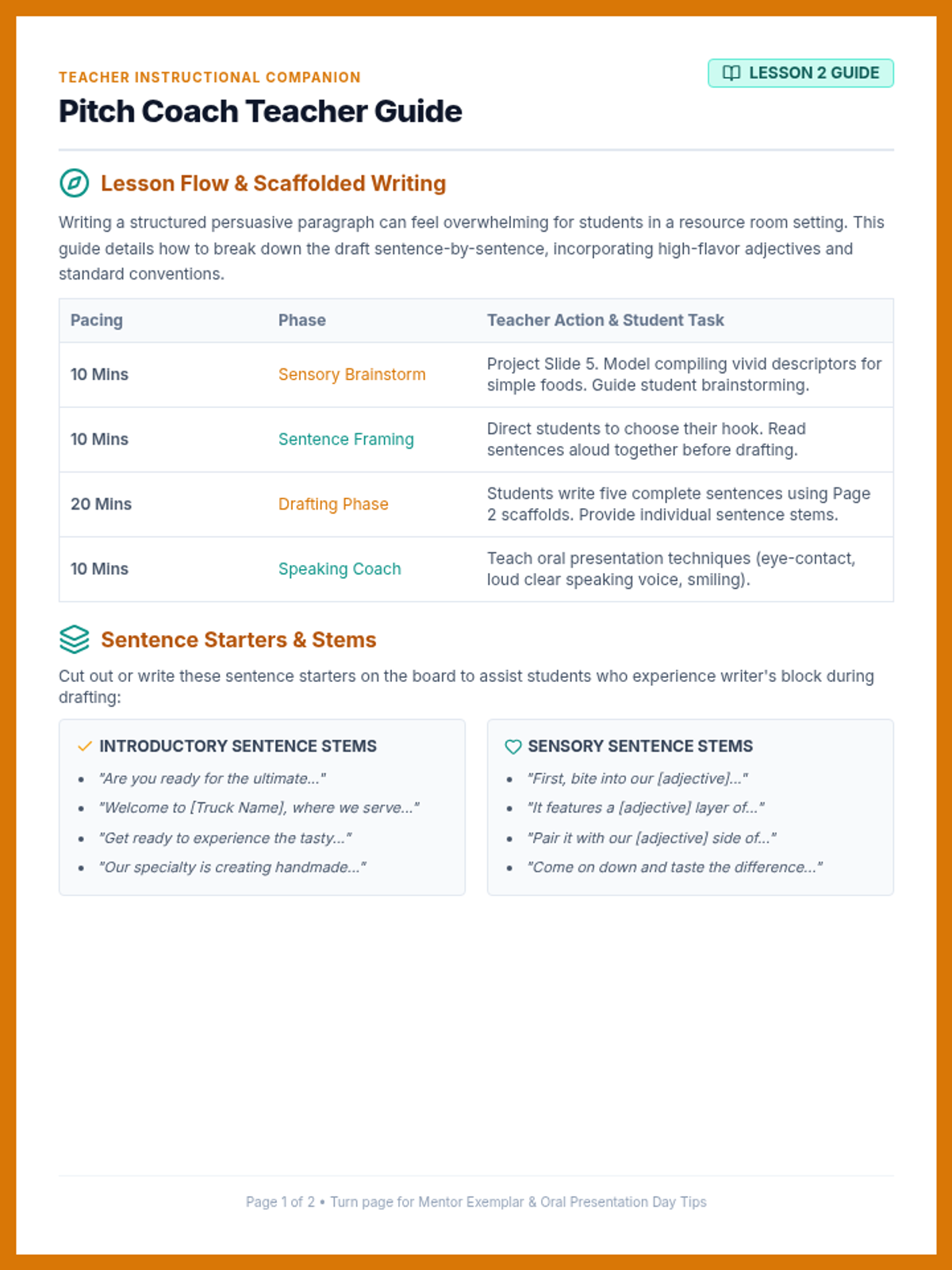
Students research ingredients, draft sensory-rich descriptions, and use structured persuasive paragraph scaffolds to write and present a compelling business pitch.
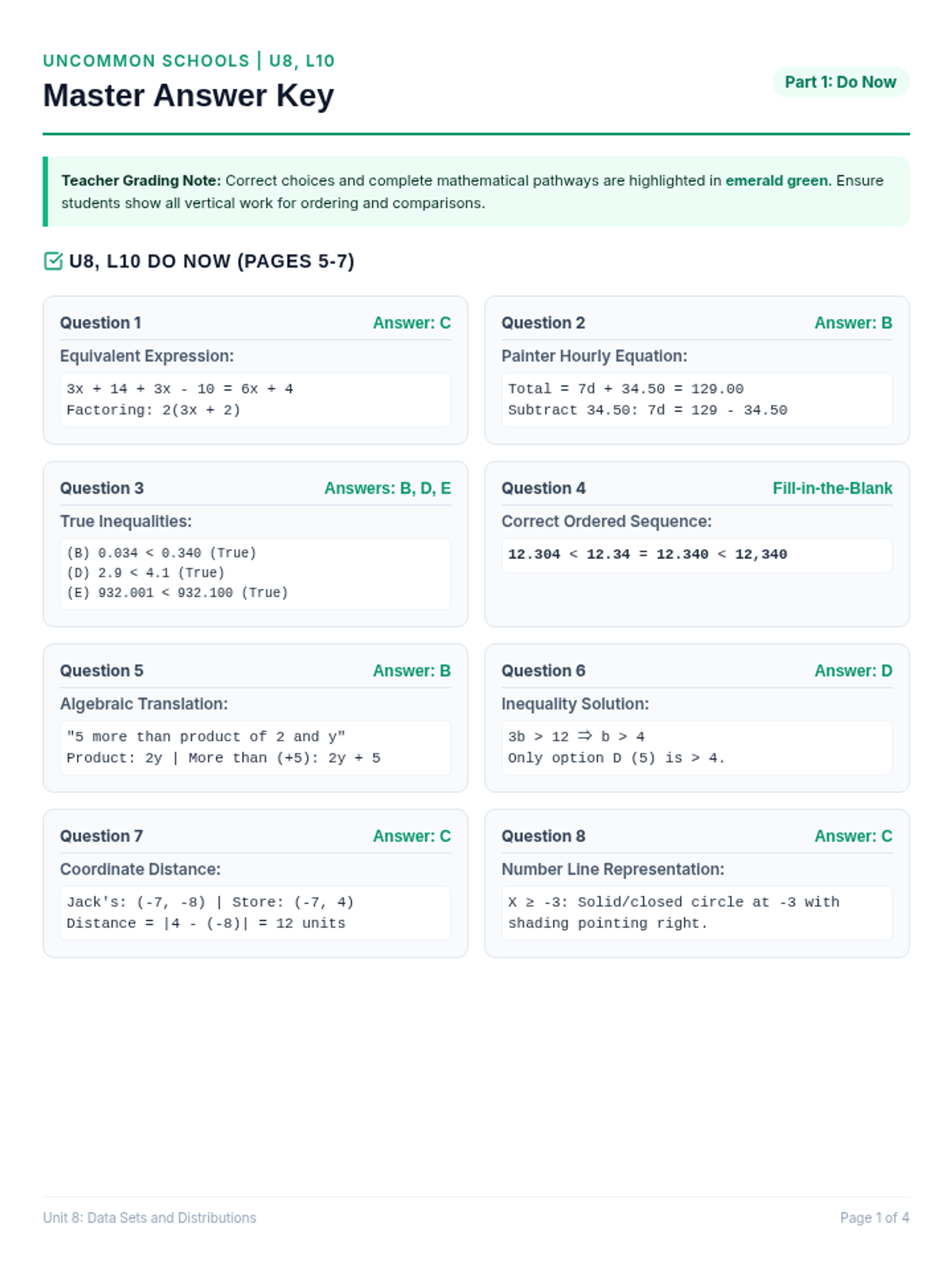
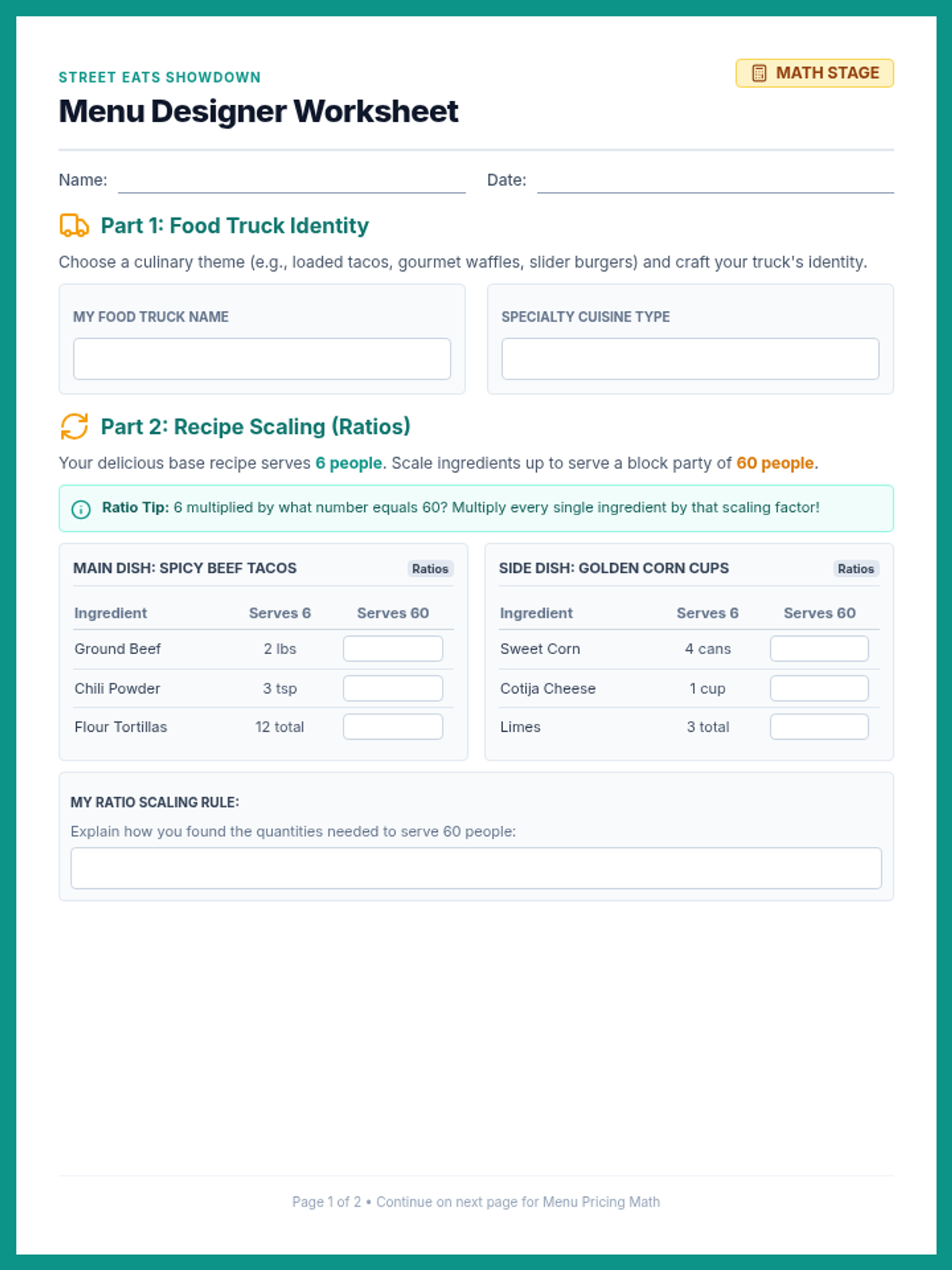
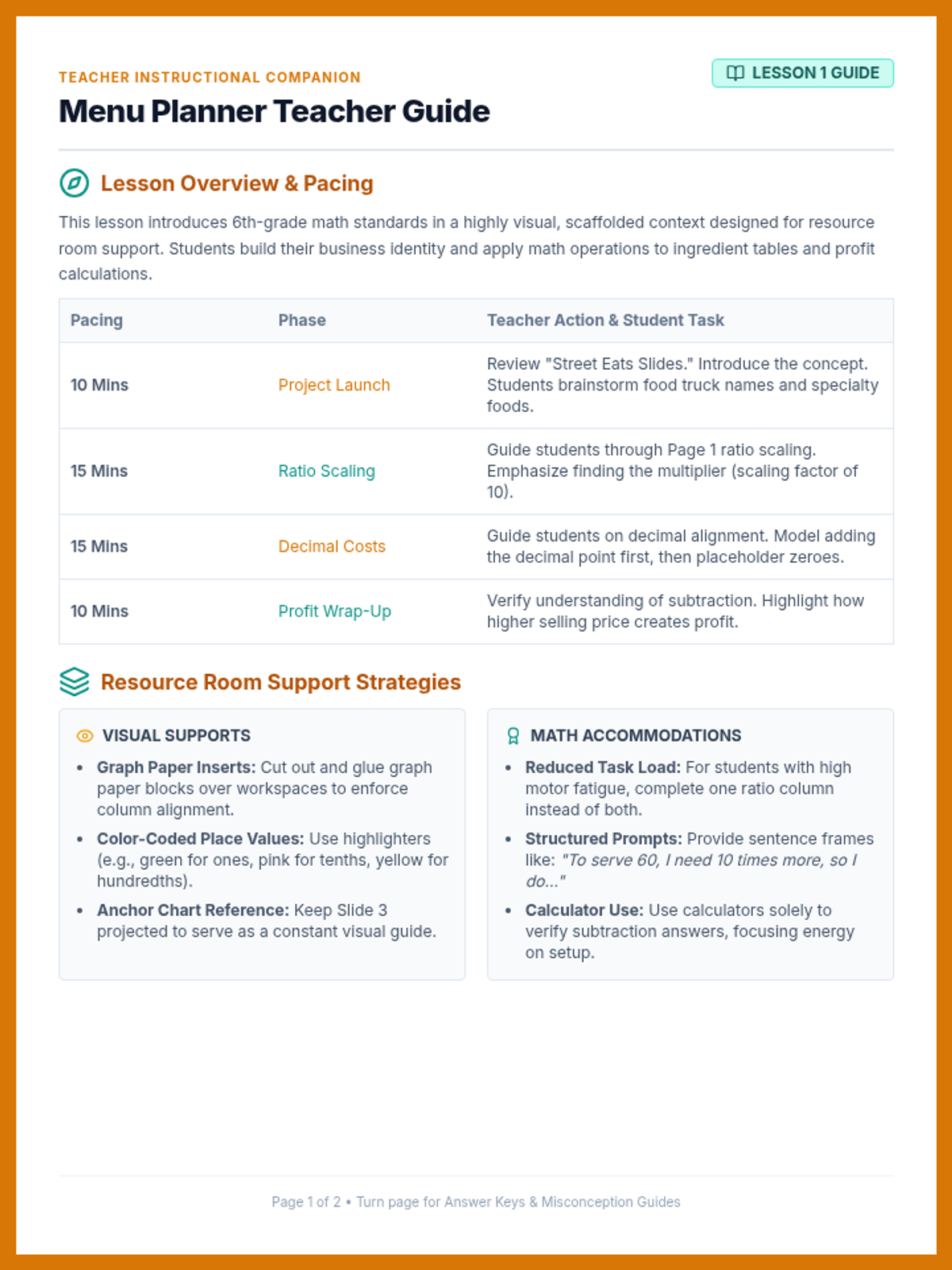
Students calculate ingredient costs, set item prices, and analyze profit margins using decimal operations, and apply ratios to adjust recipe sizes for their custom food truck menus.
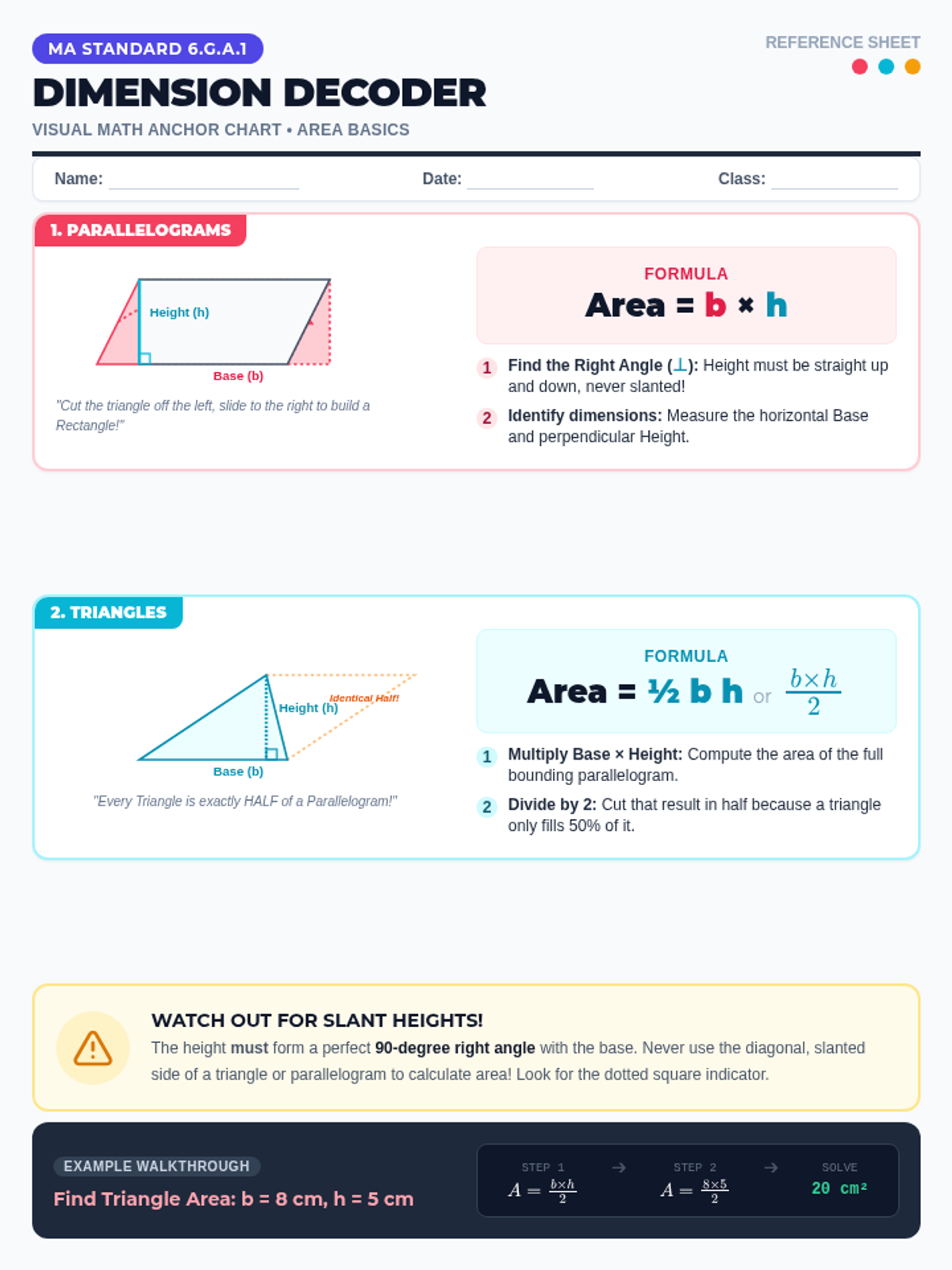
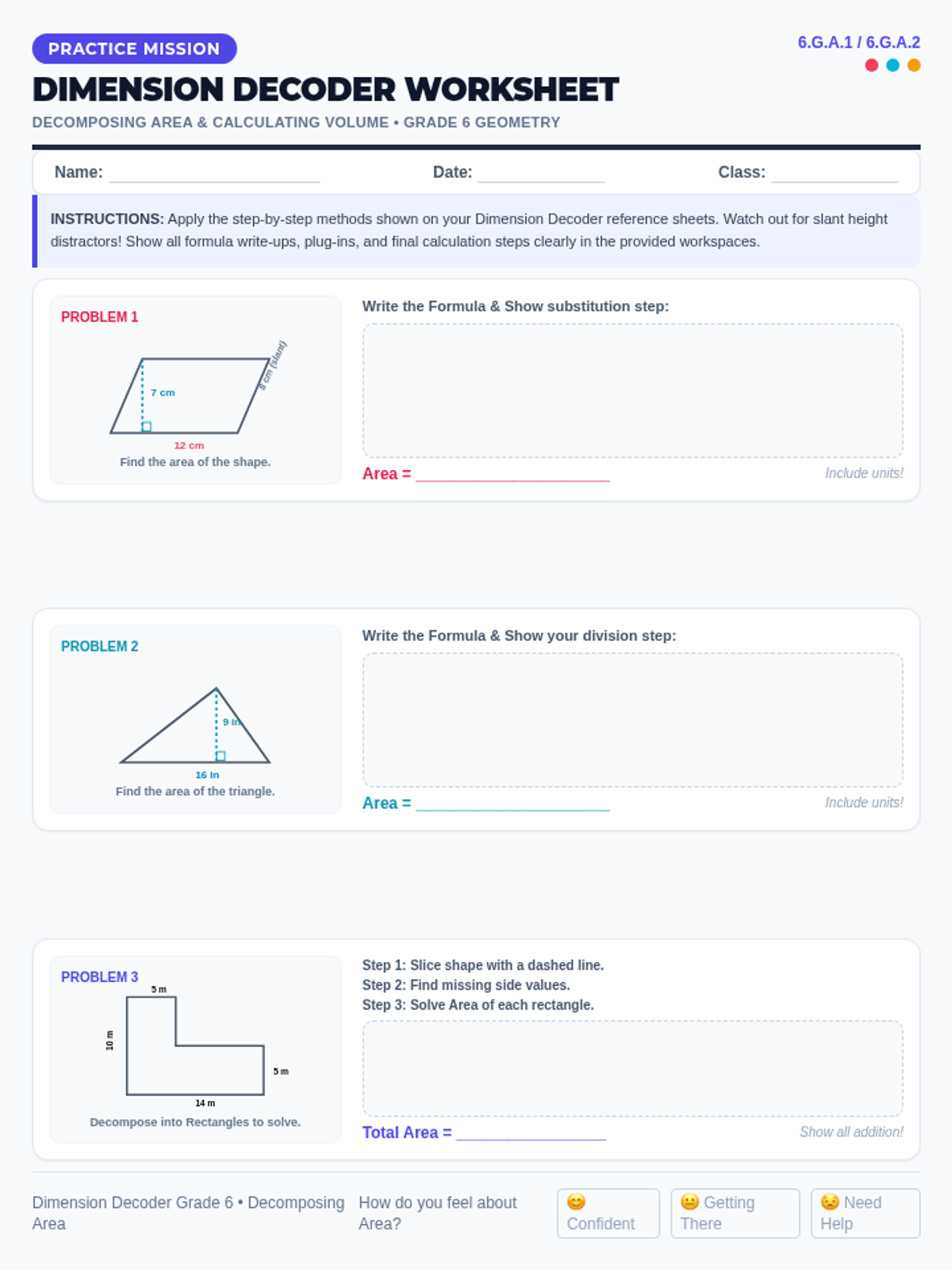
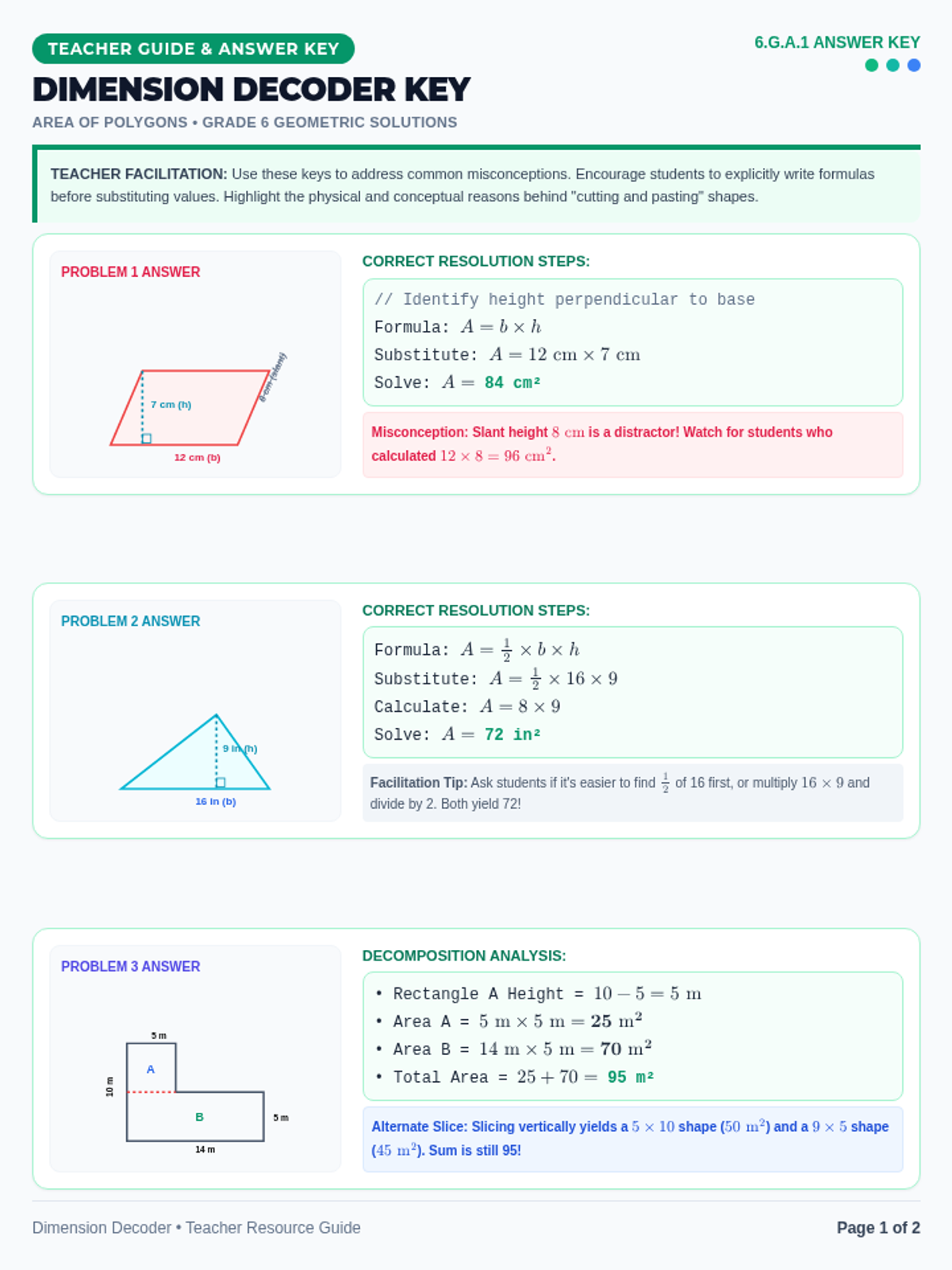
A comprehensive sixth-grade geometry lesson pack focused on visual methods for decomposing shapes to find area and packing rectangular prisms to find volume under MA standards.
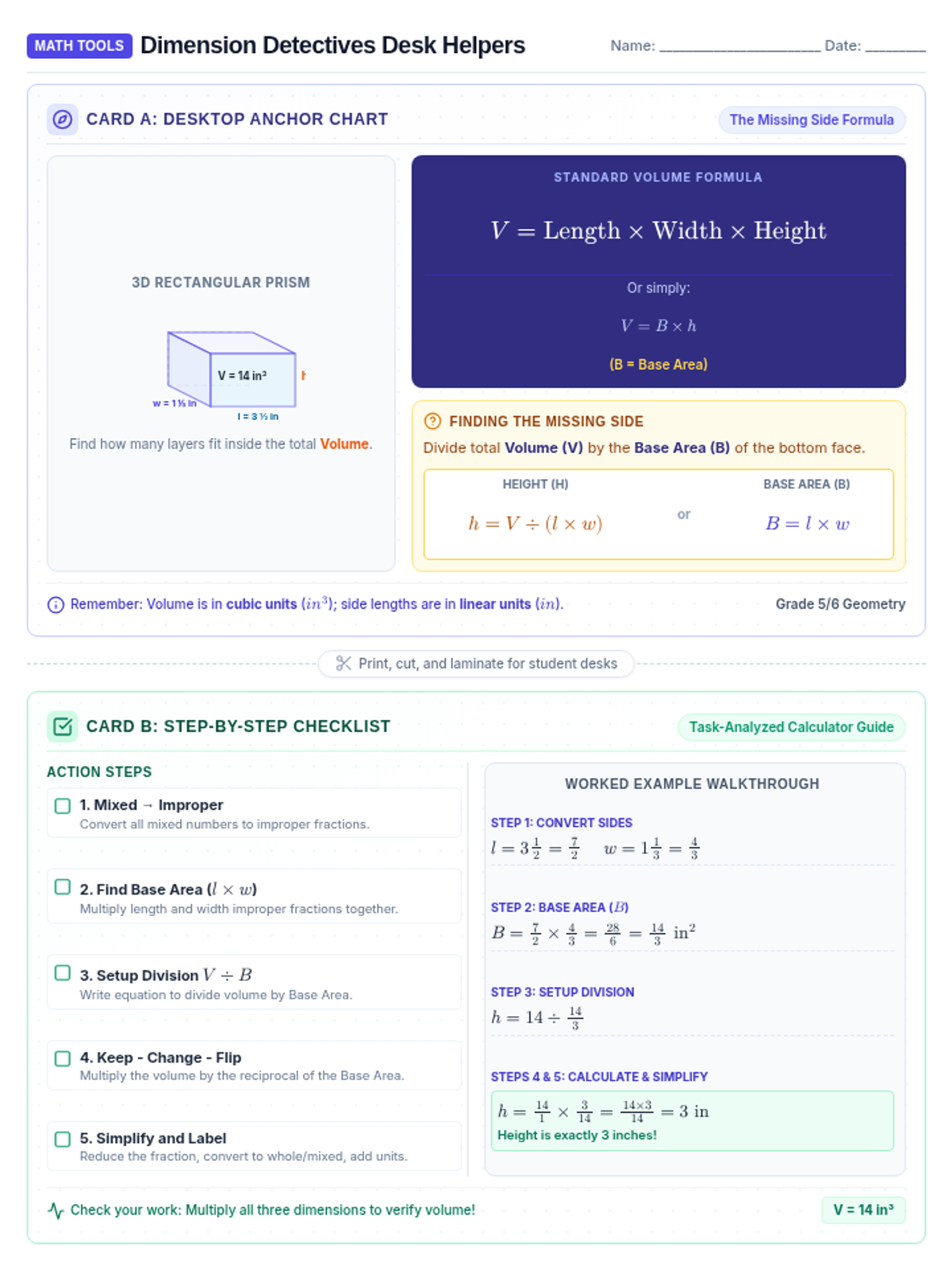
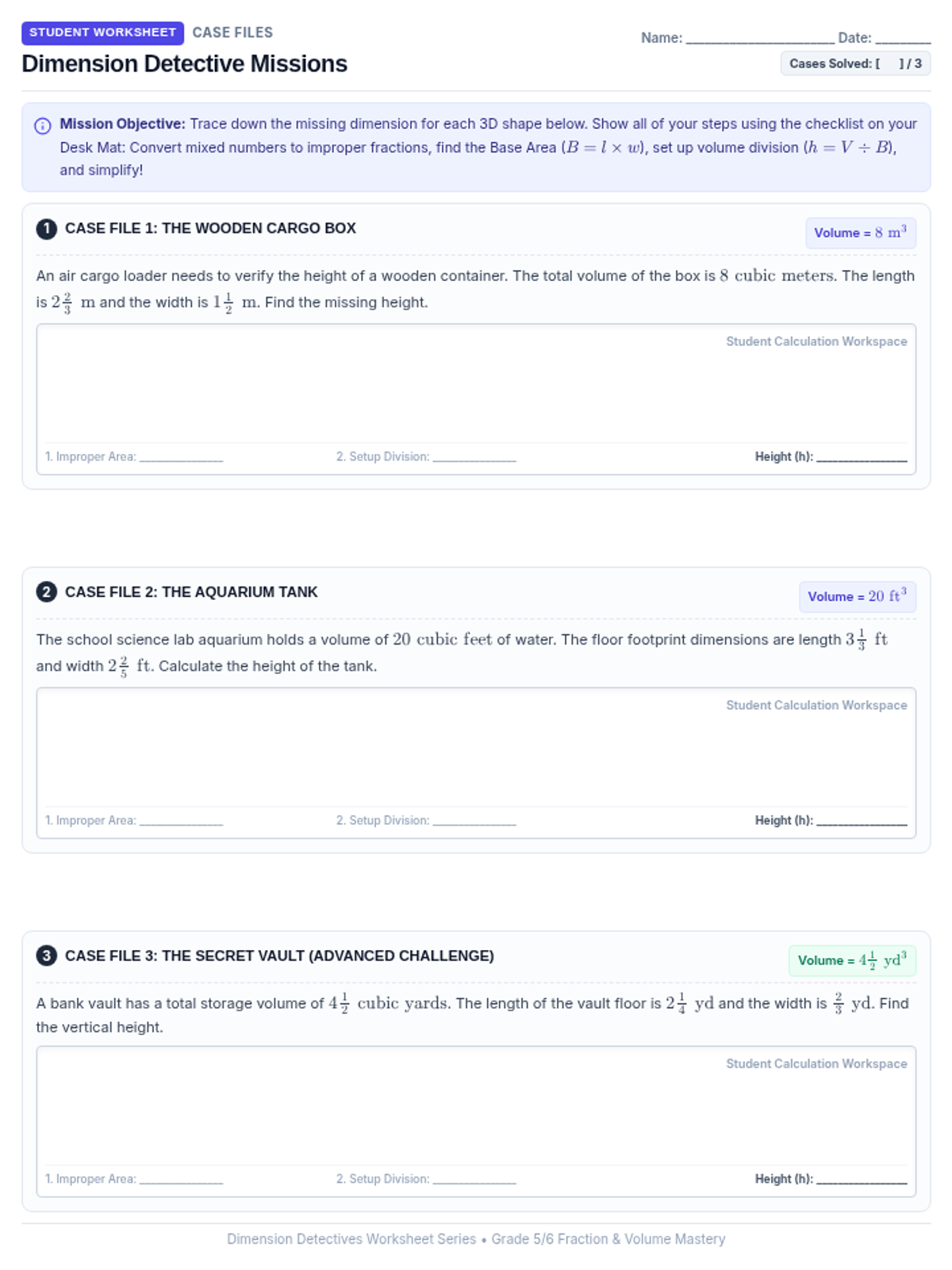
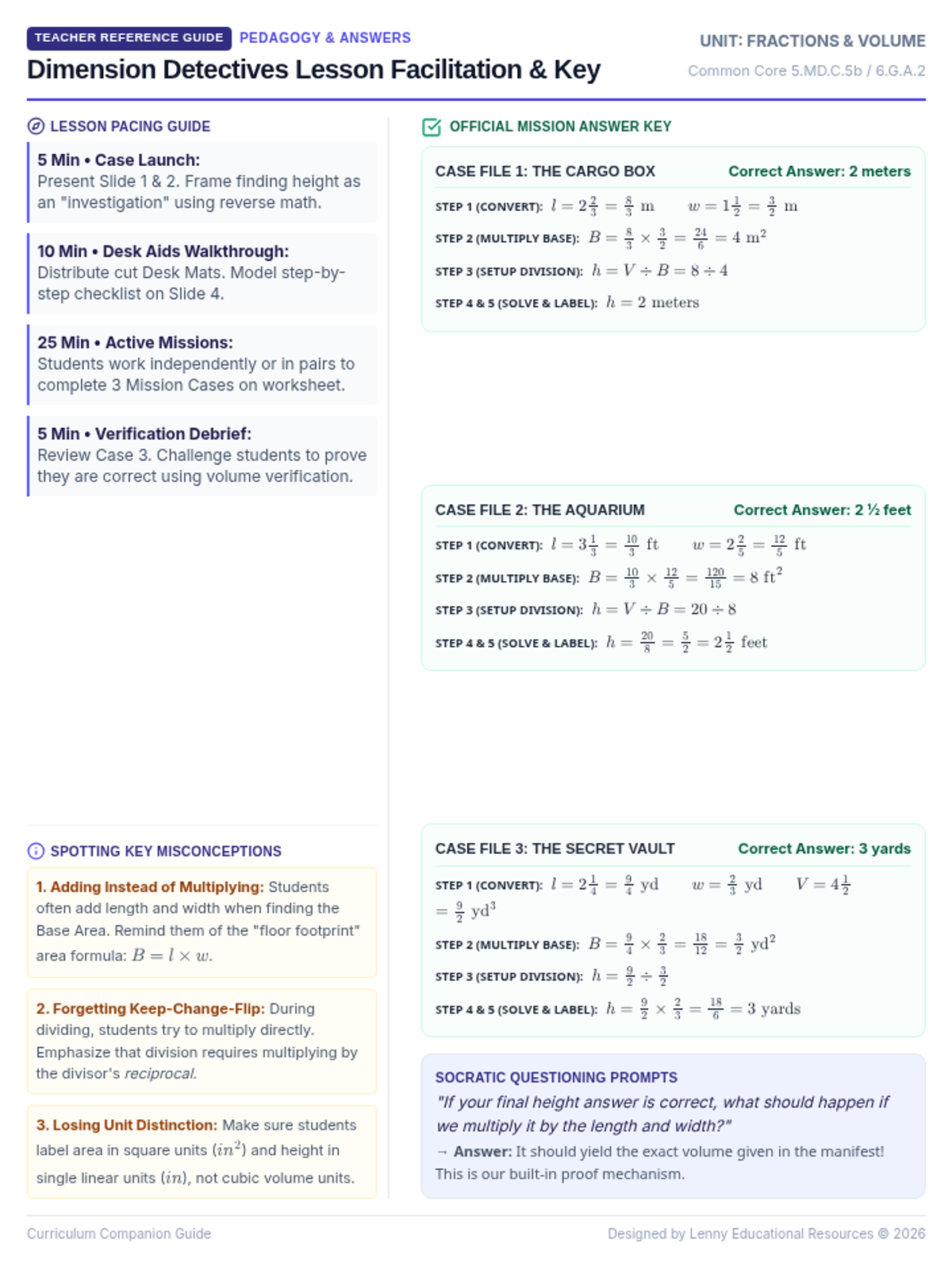
A lesson teaching students how to find the missing side length of a rectangular prism when given the volume and two fractional or mixed-number dimensions. The lesson includes high-impact desktop guides and task-analyzed checklists for scaffolding.
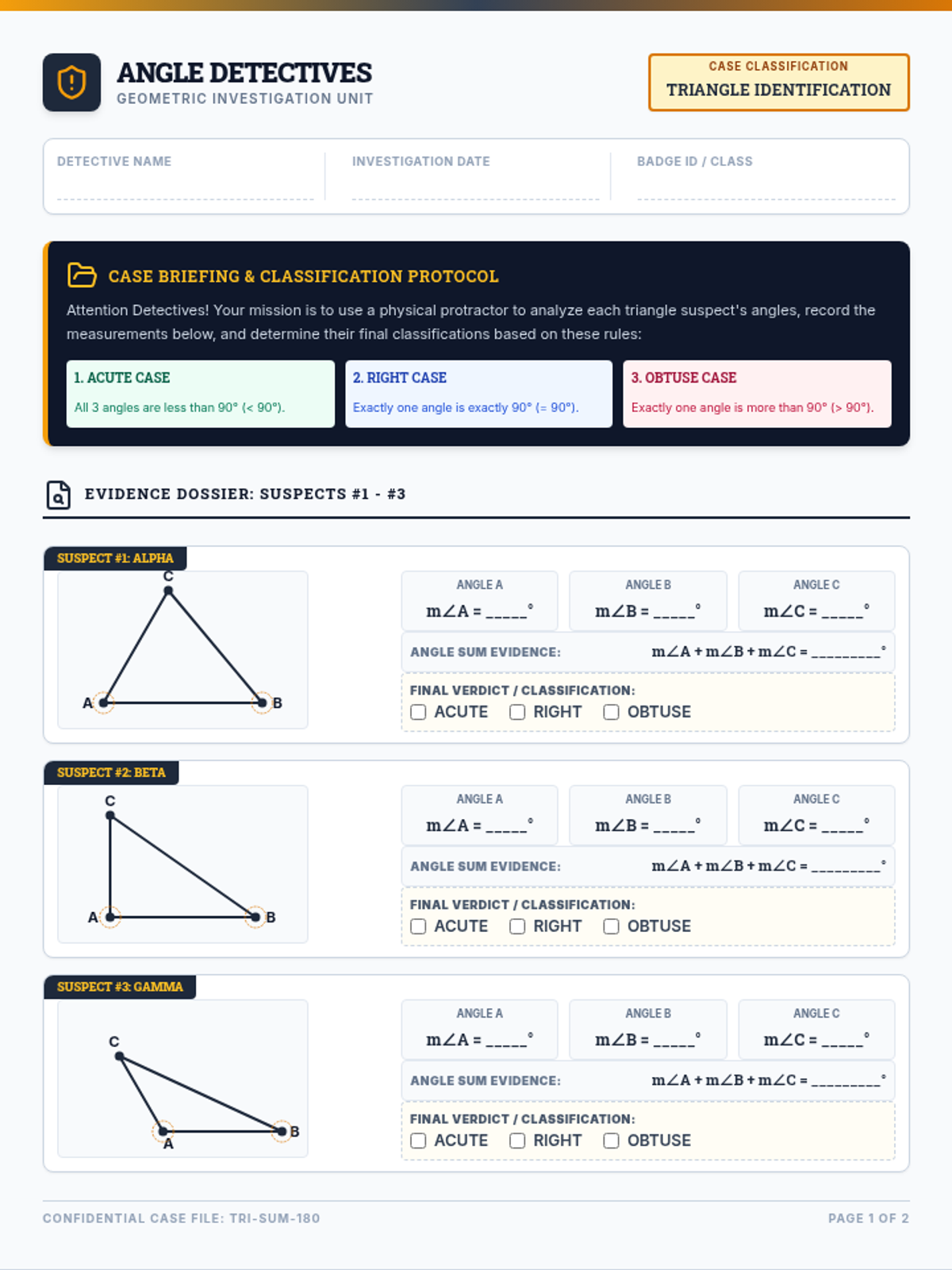
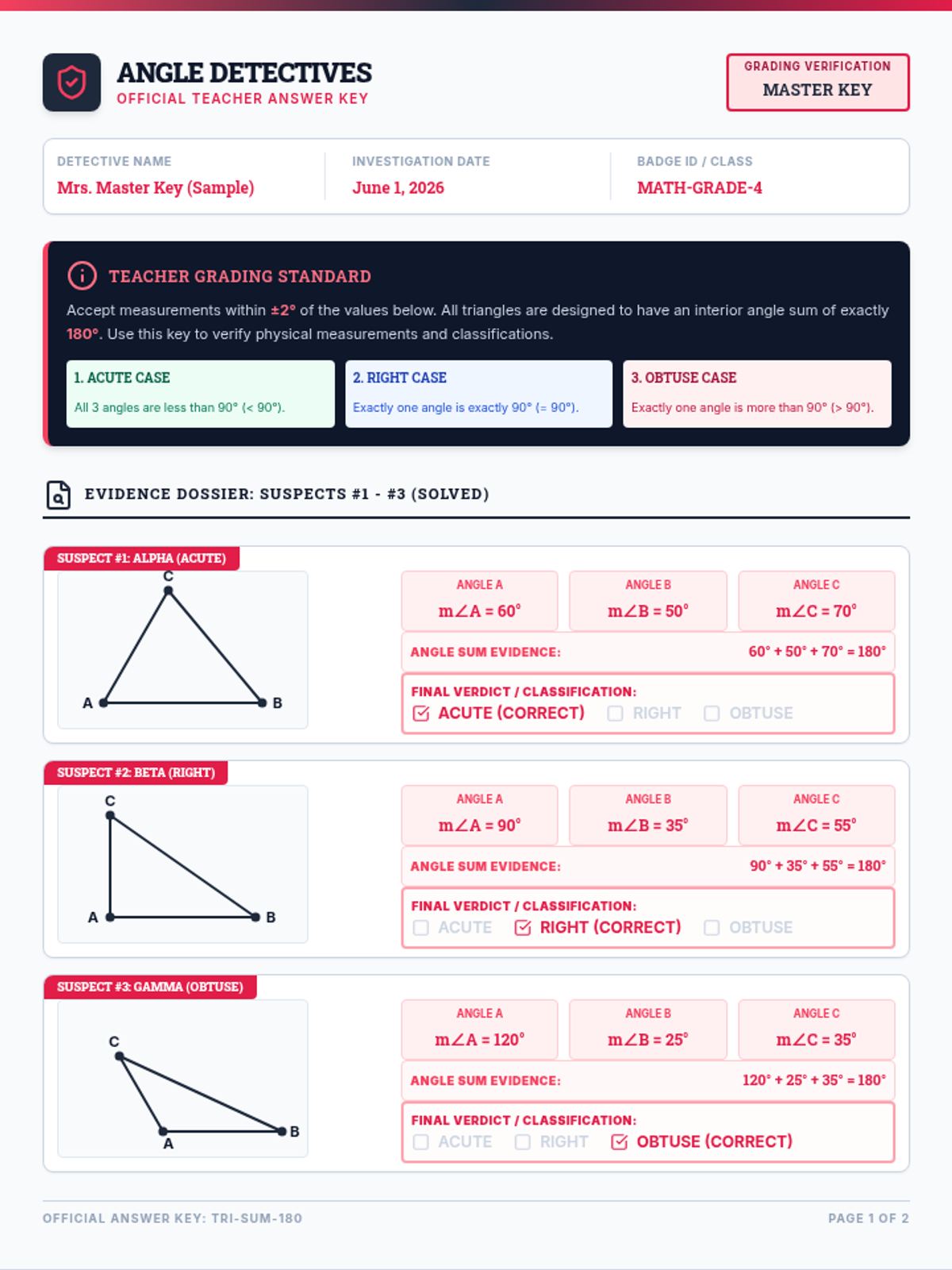
A highly engaging geometric investigation lesson where students step into the role of 'Angle Detectives'. Students use physical protractors to measure angles, discover the 180-degree triangle sum theorem, and classify triangles as acute, right, or obtuse.
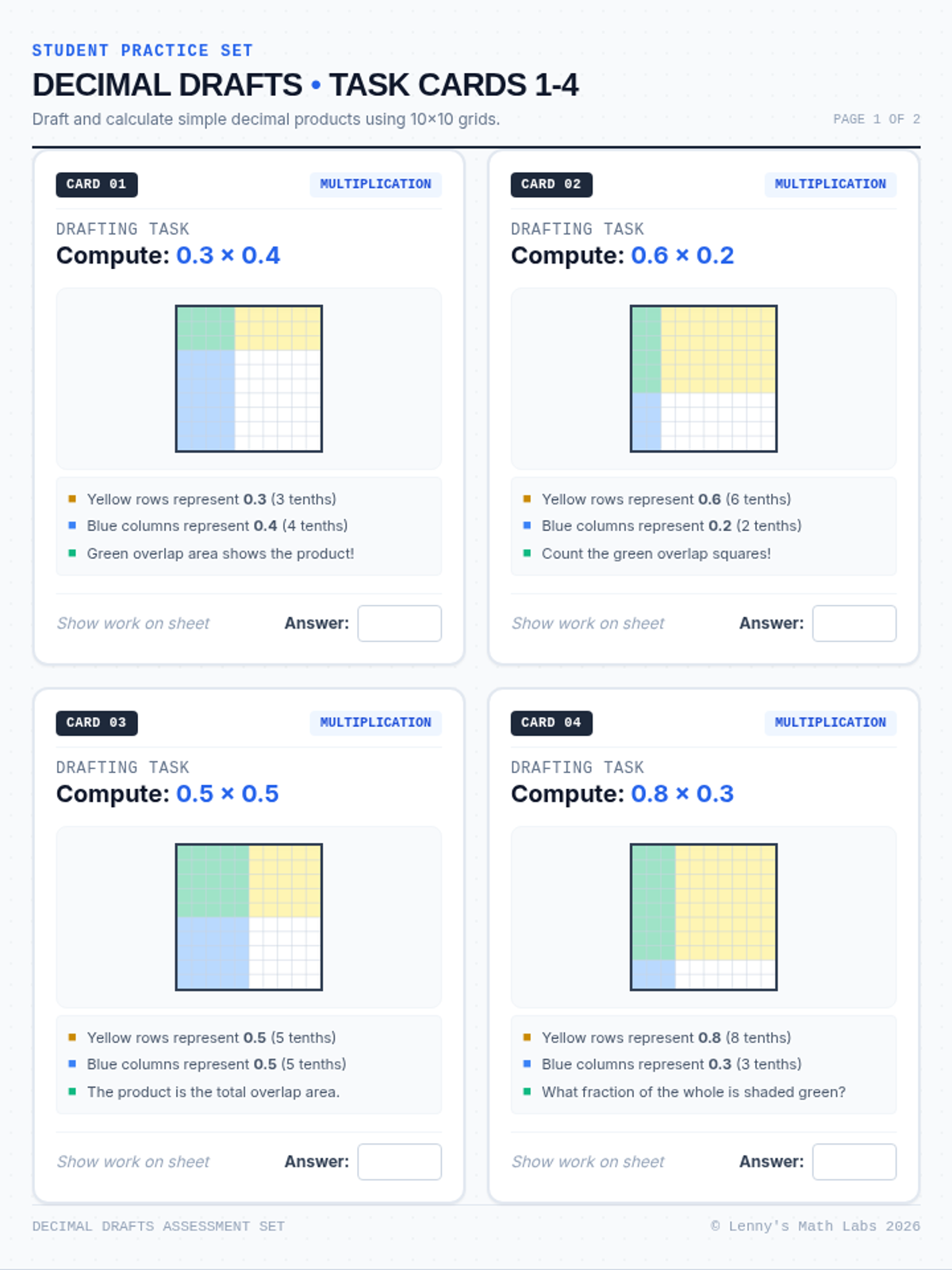
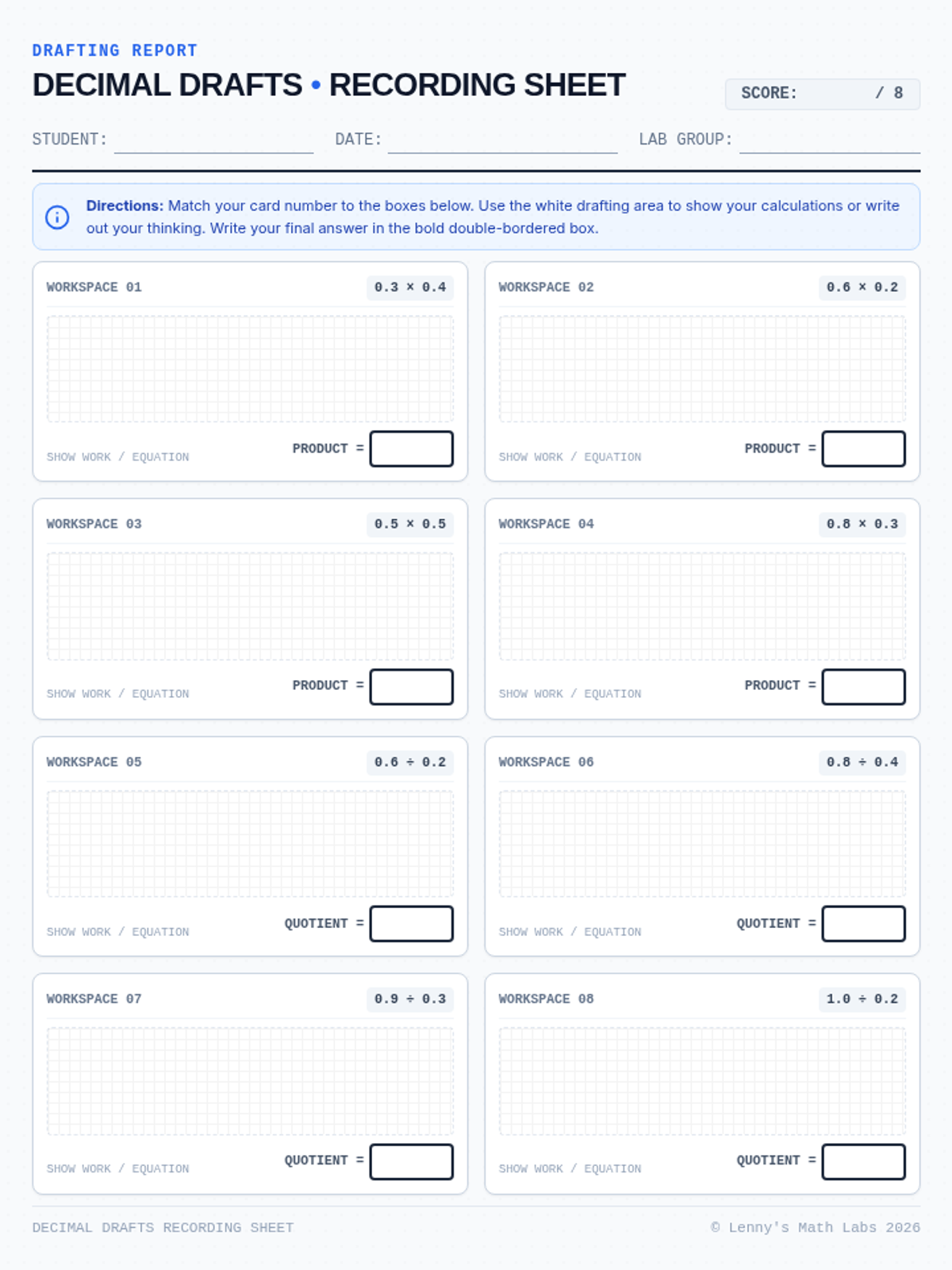
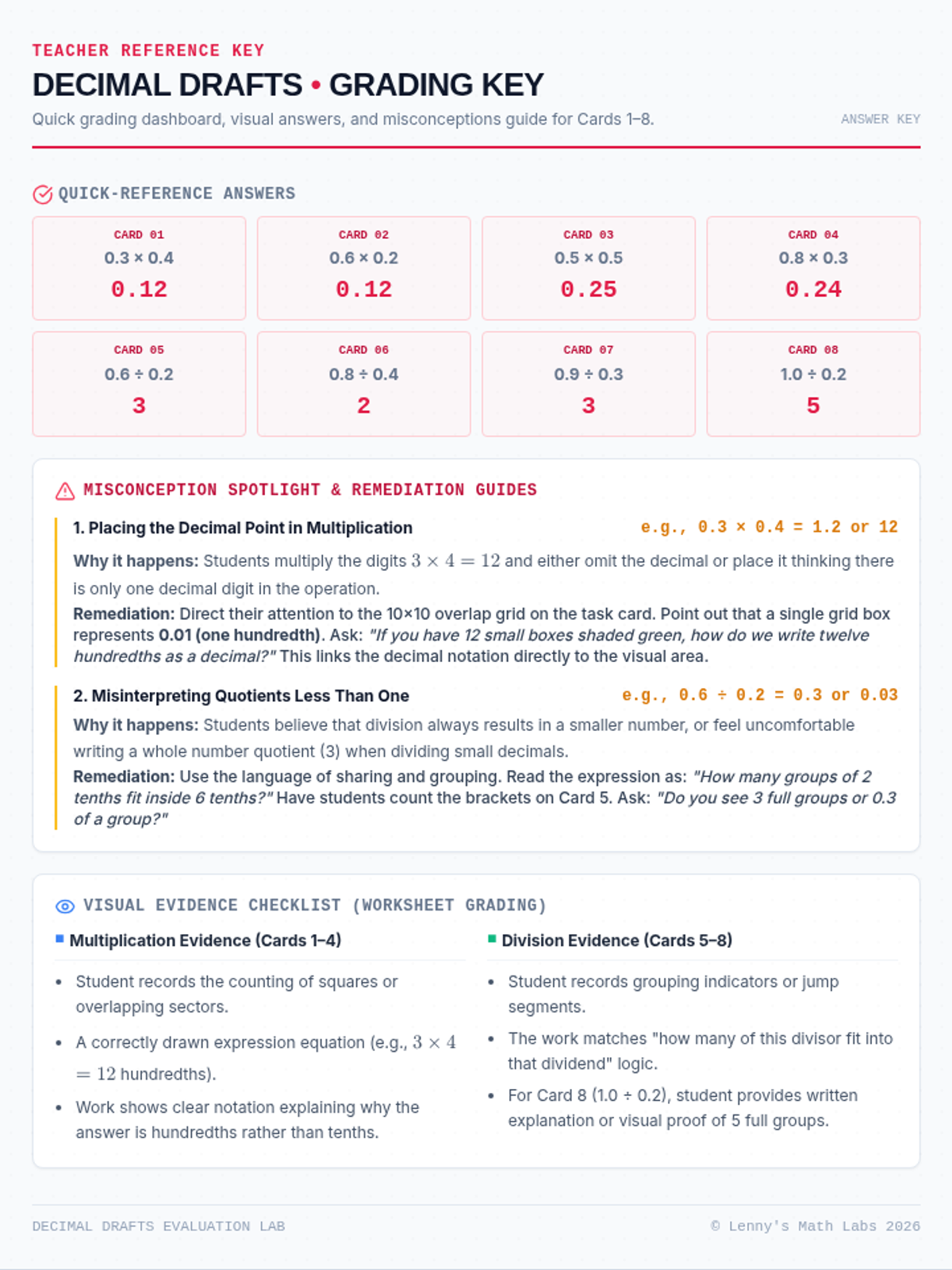
An assessment lesson focused on multiplying and dividing basic tenths using visual grids, bar models, and step-by-step drafting aids.
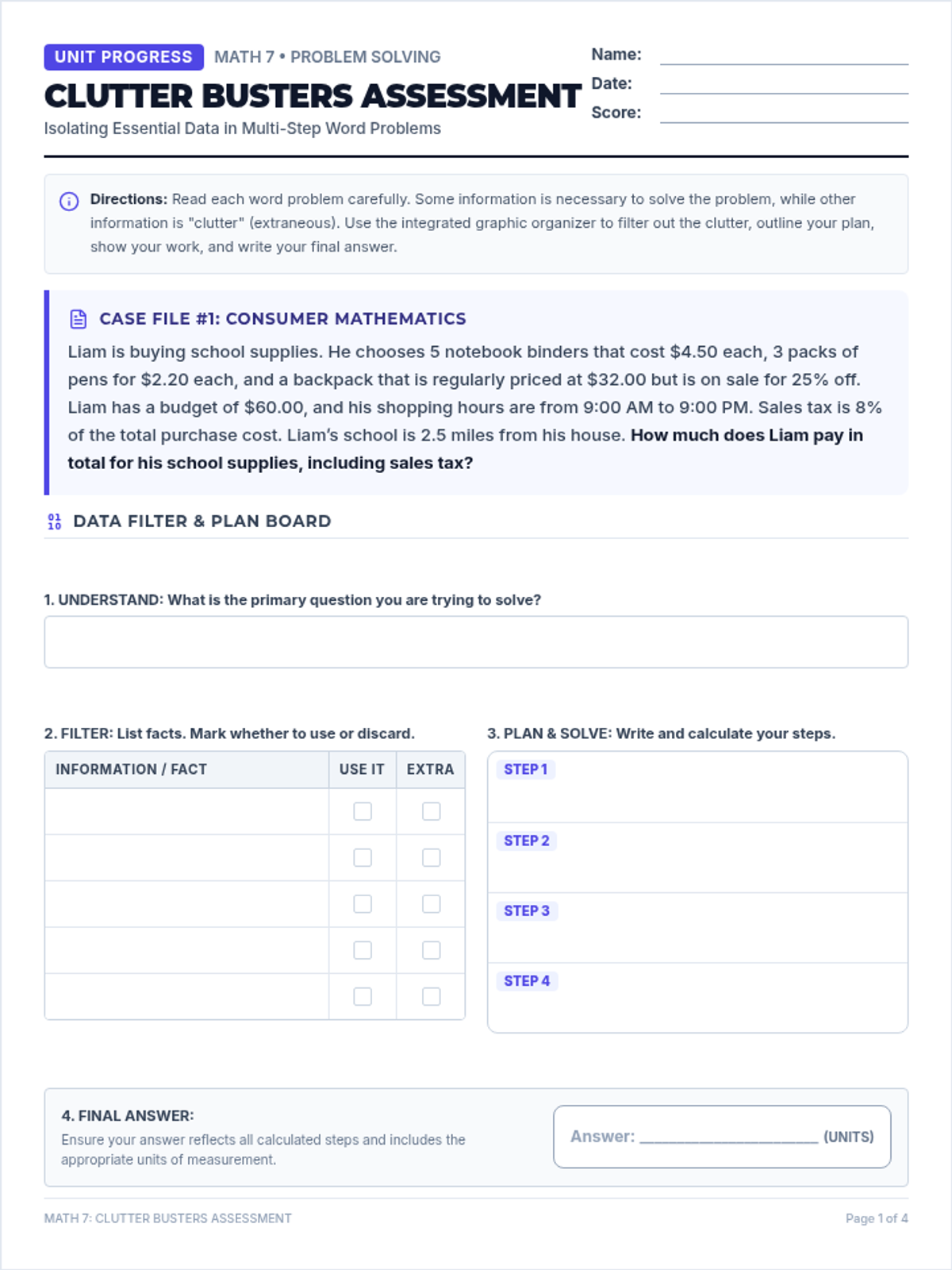
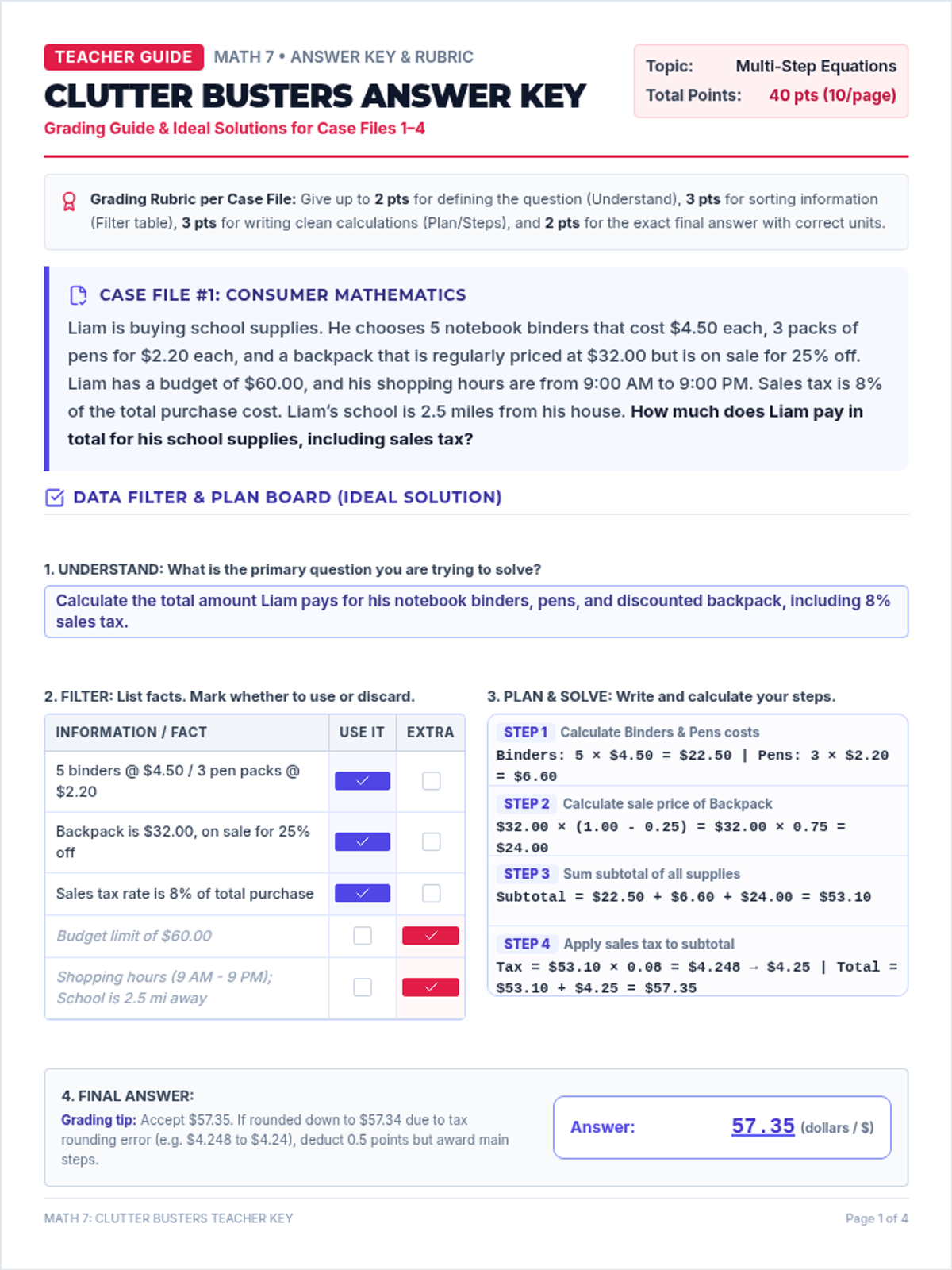
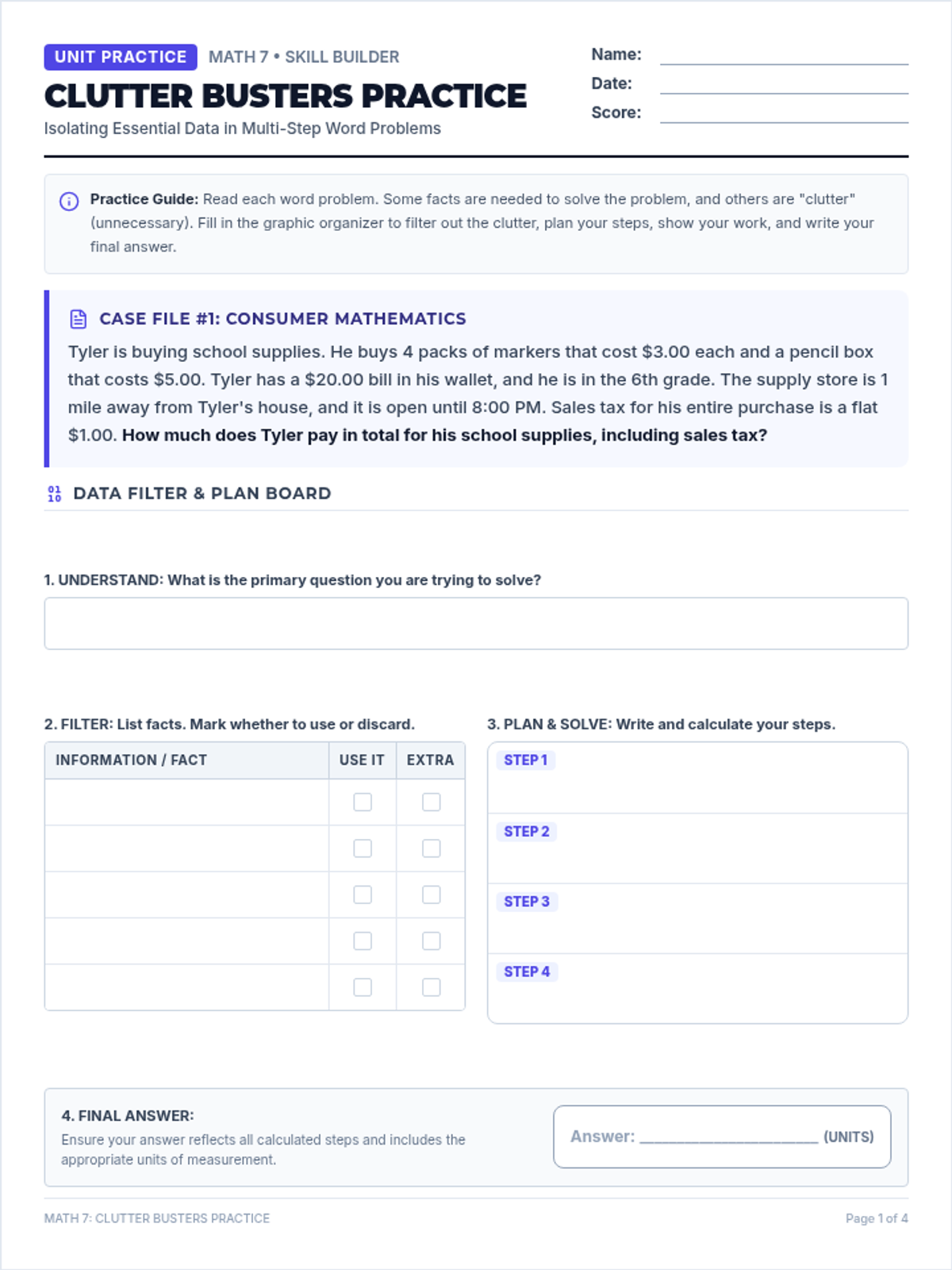
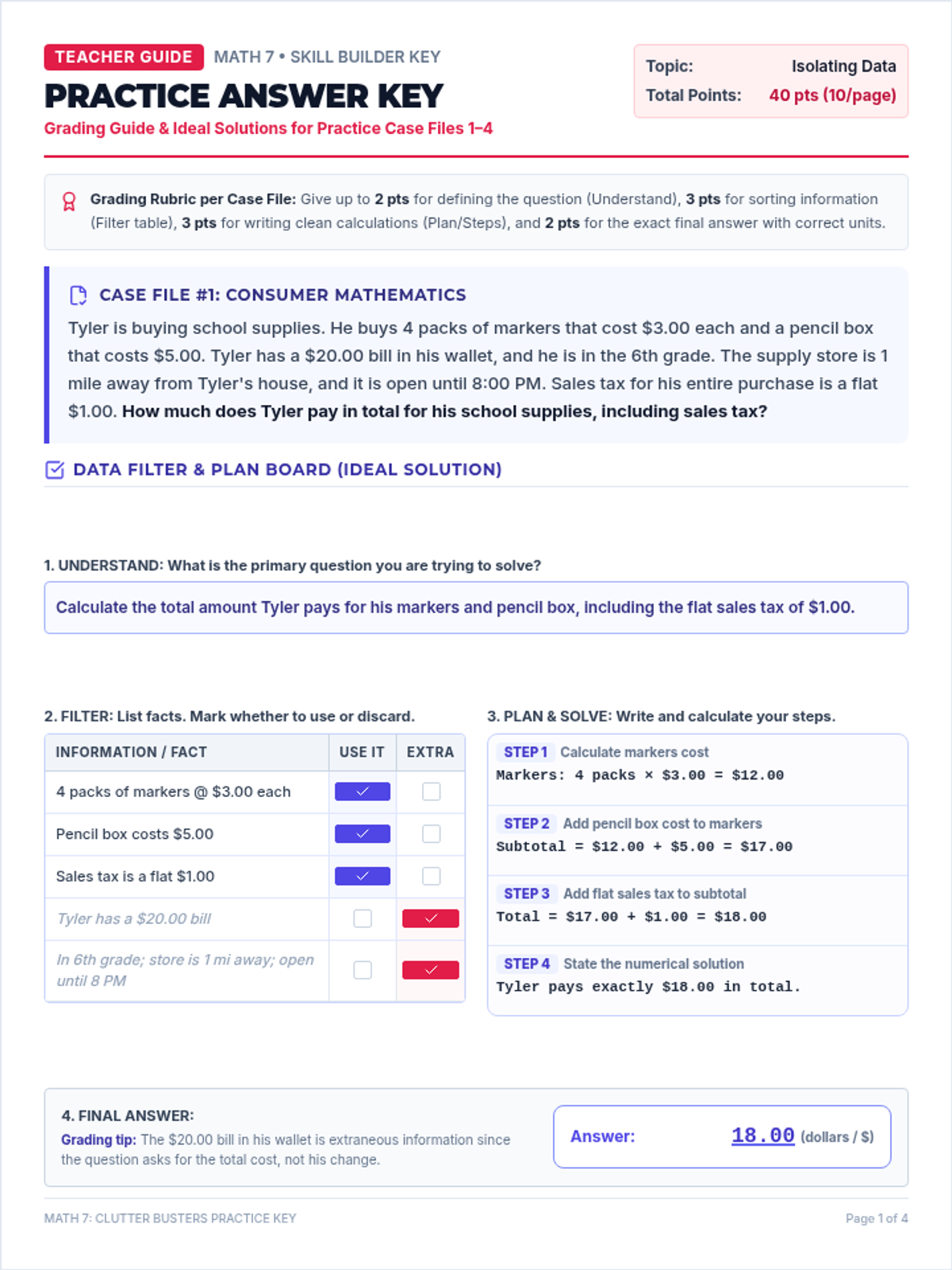
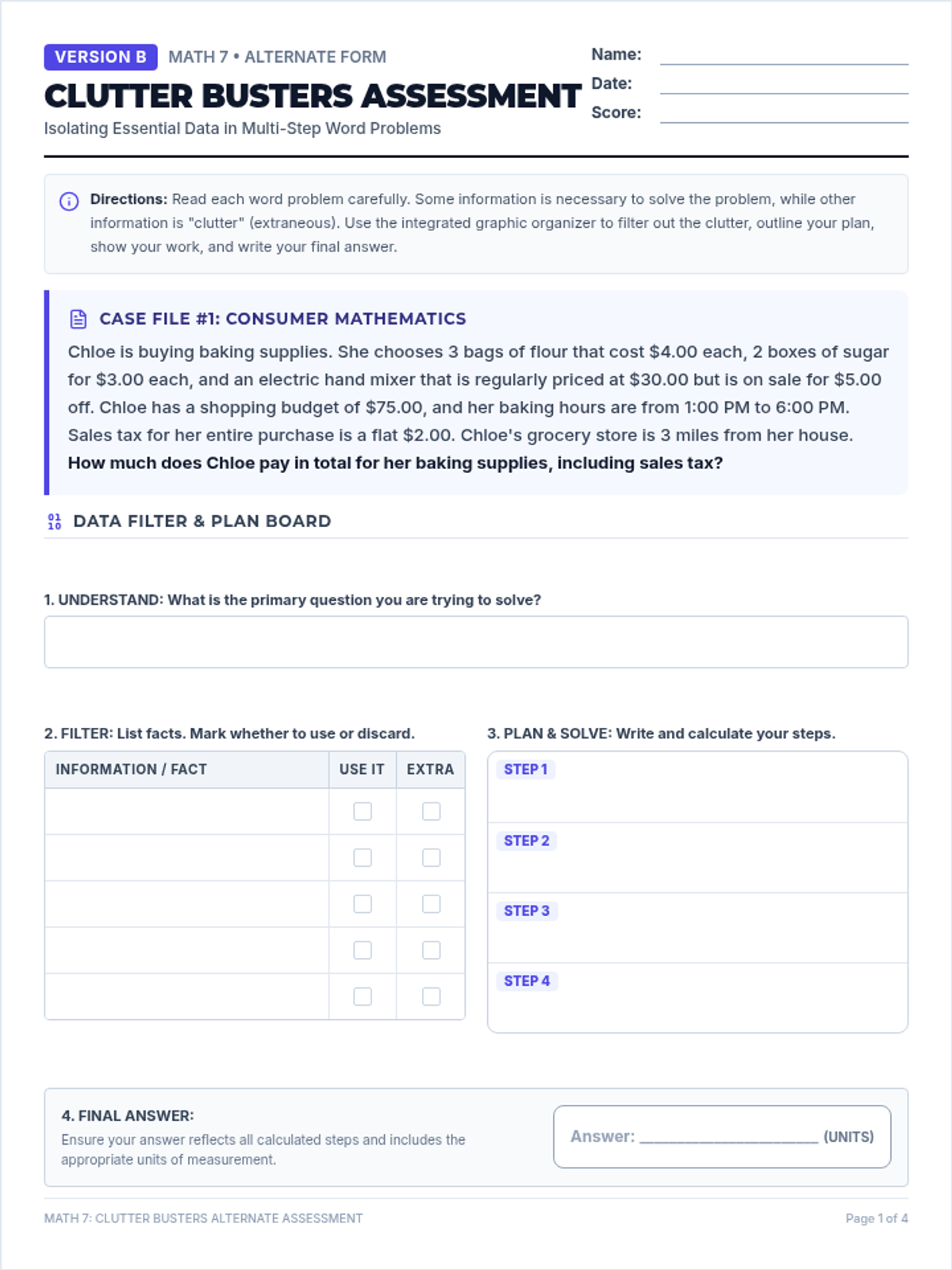
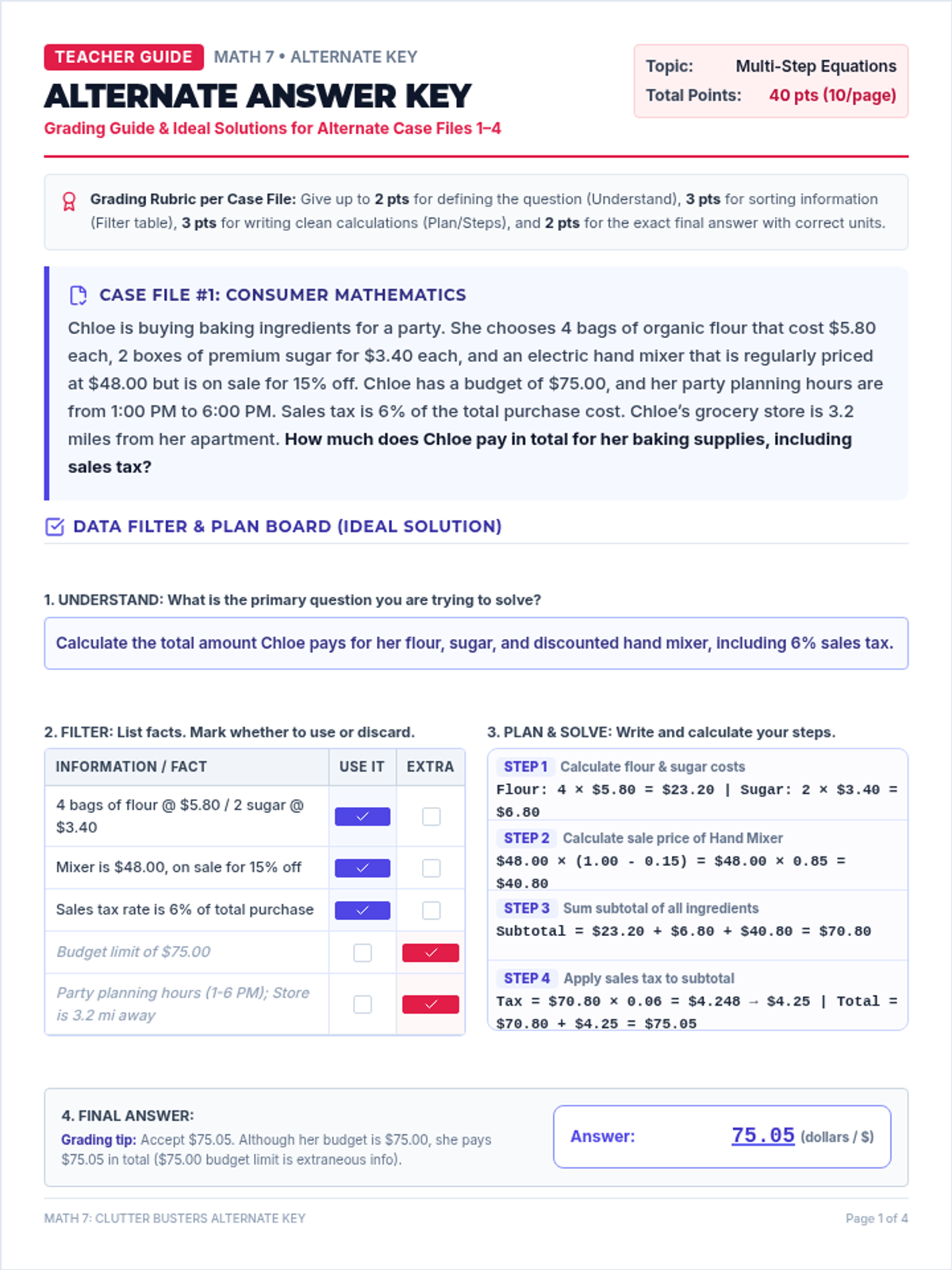
A middle-school math lesson focused on identifying and isolating extraneous information in multi-step word problems. It teaches students to separate relevant data from distracting context using an intuitive, column-based graphic organizer.
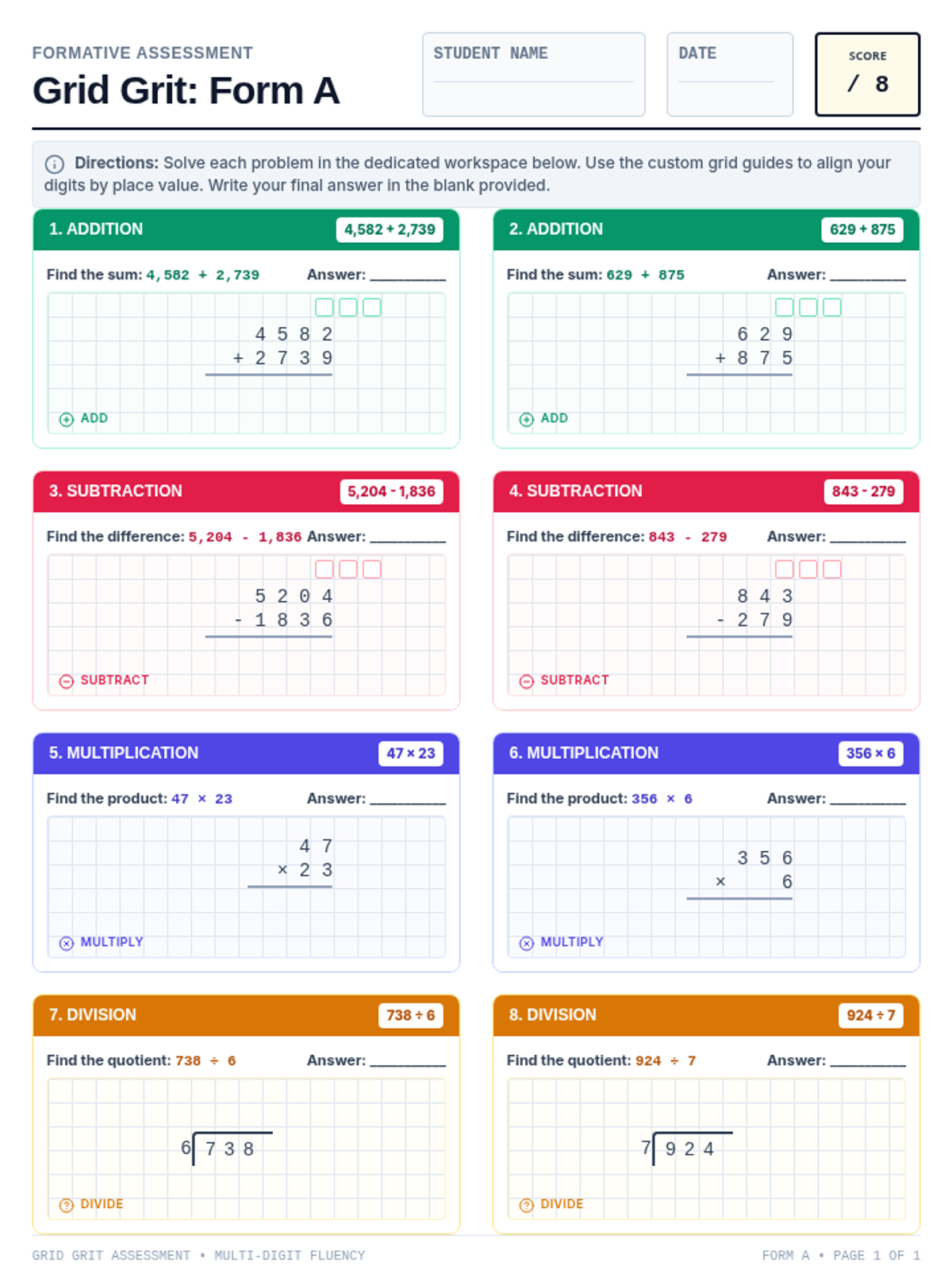
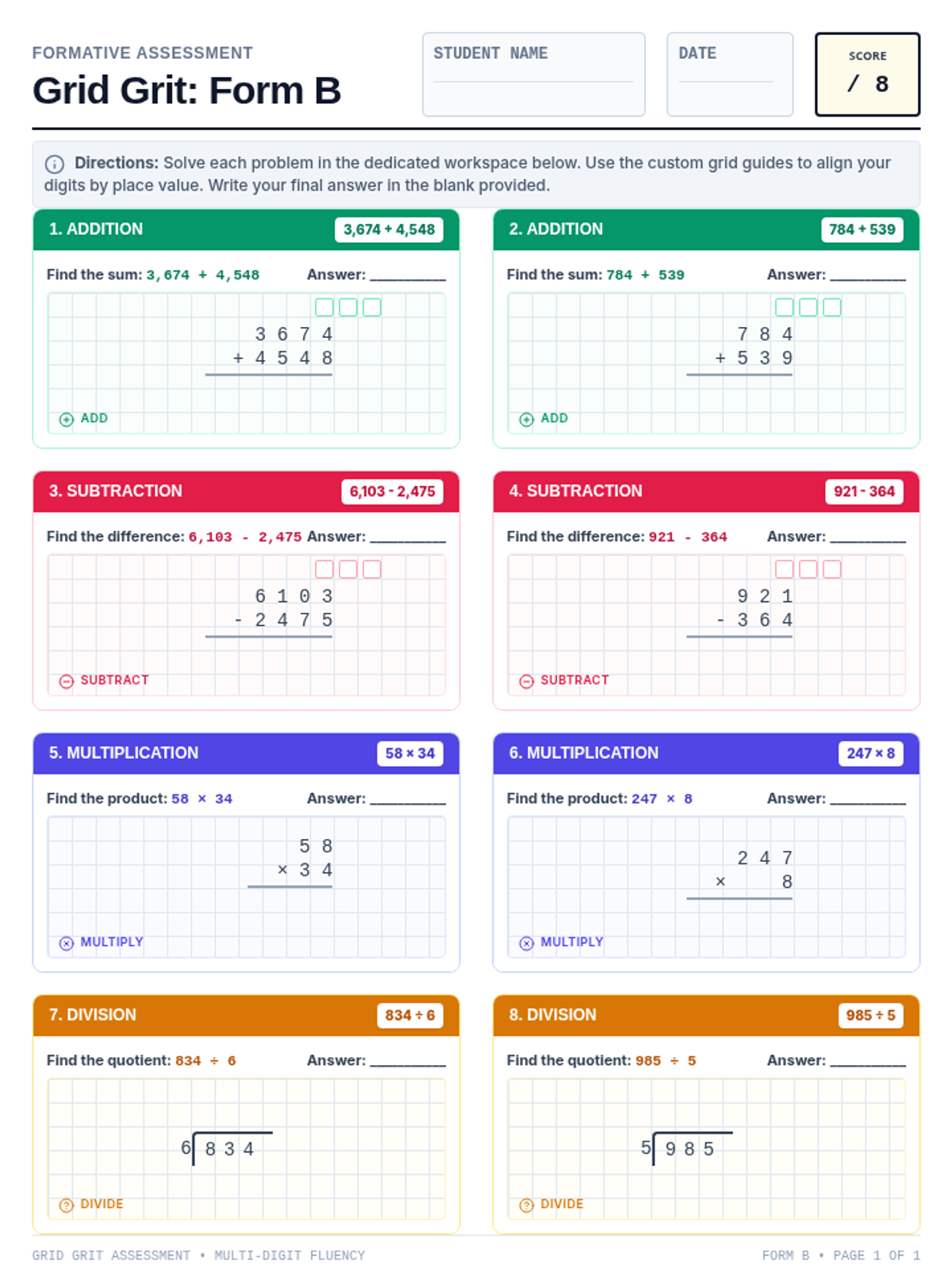
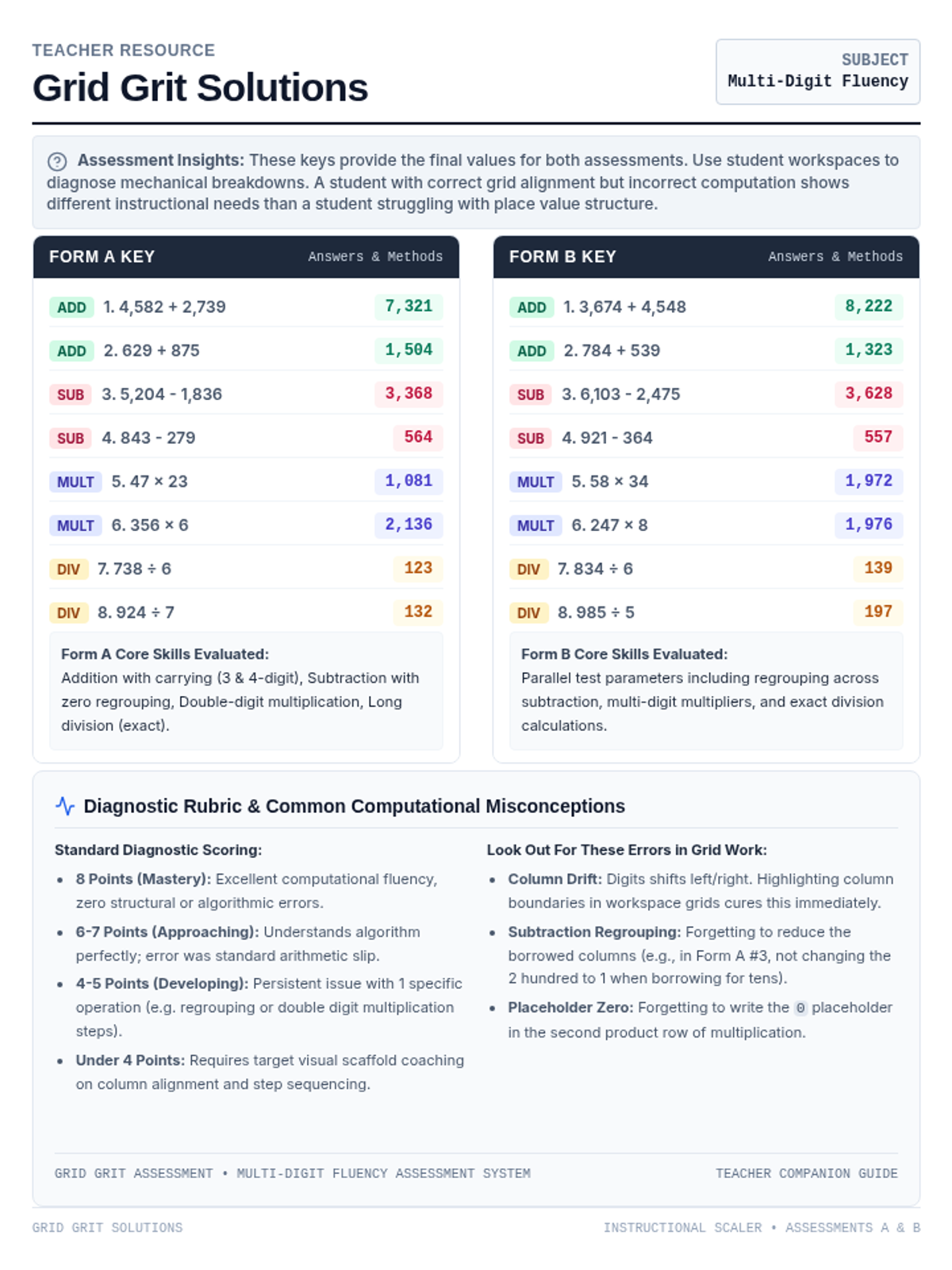
A comprehensive assessment lesson focusing on computational fluency across the four operations using multi-digit whole numbers. Students are supported by highly structured grid alignment guides, color-coded operation cues, and dedicated workspace areas.
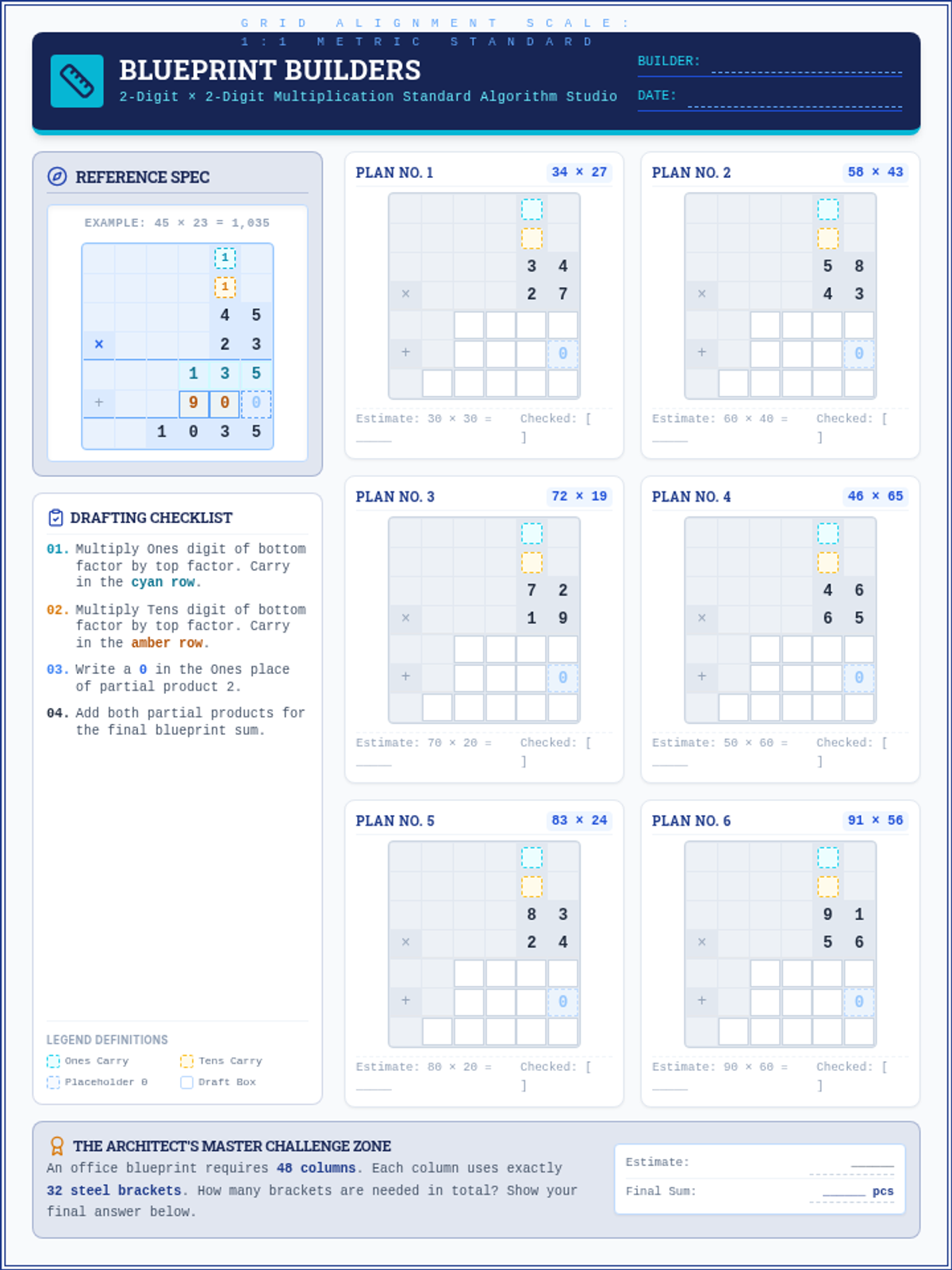
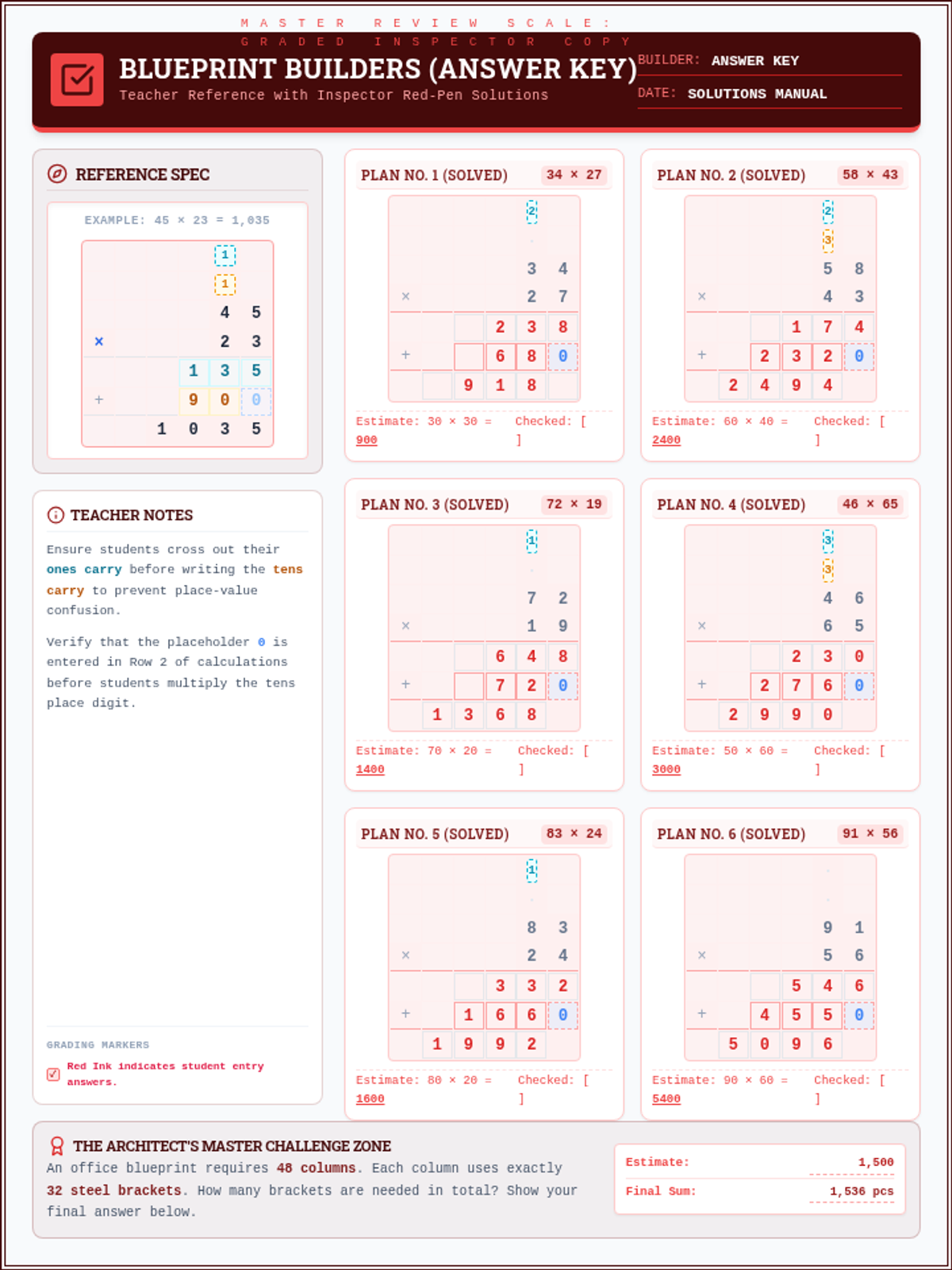
A math practice lesson focused on 2-digit by 2-digit multiplication using the standard algorithm, featuring blueprint-style grid alignment guides to support student accuracy and place value understanding.
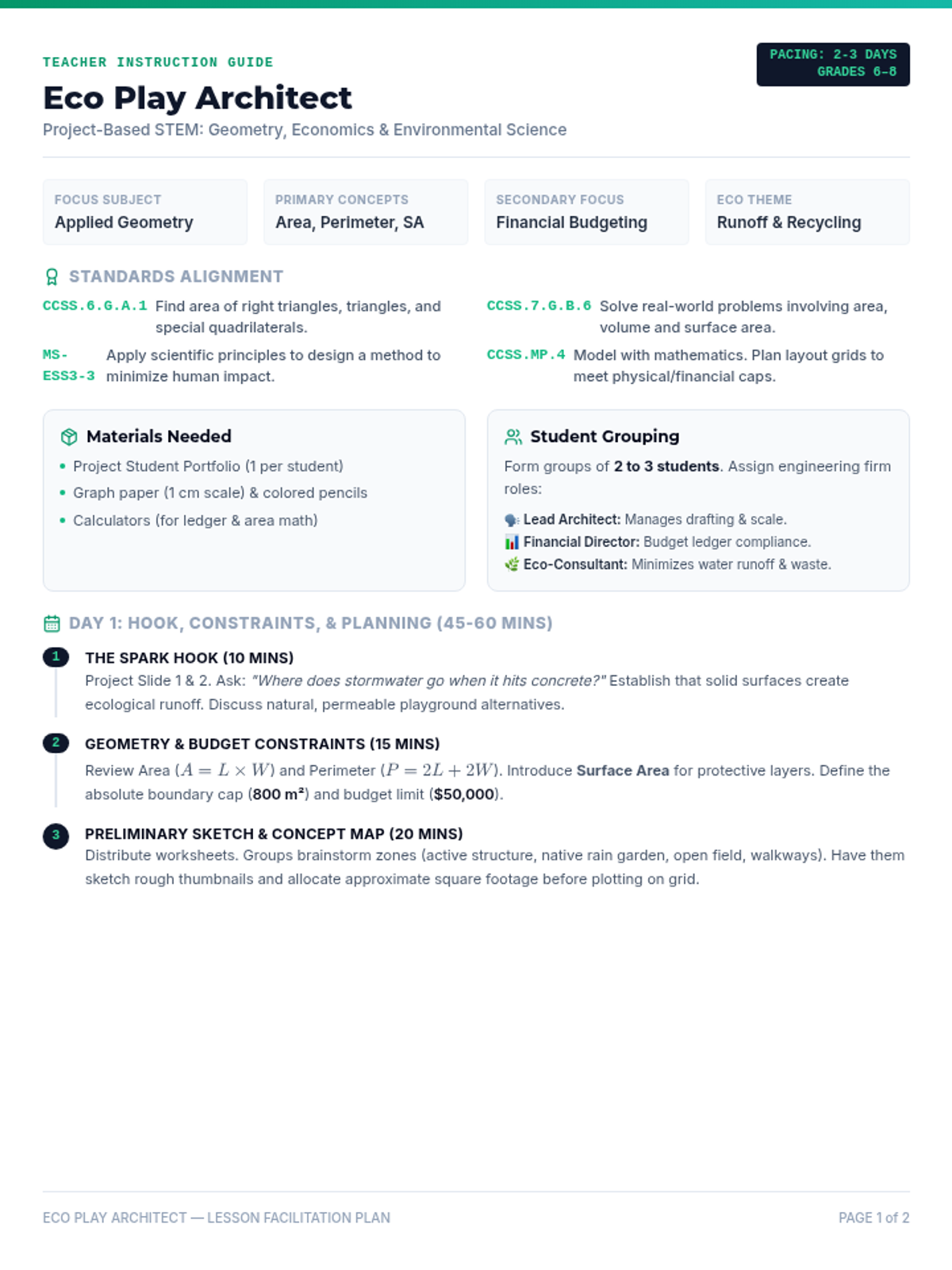
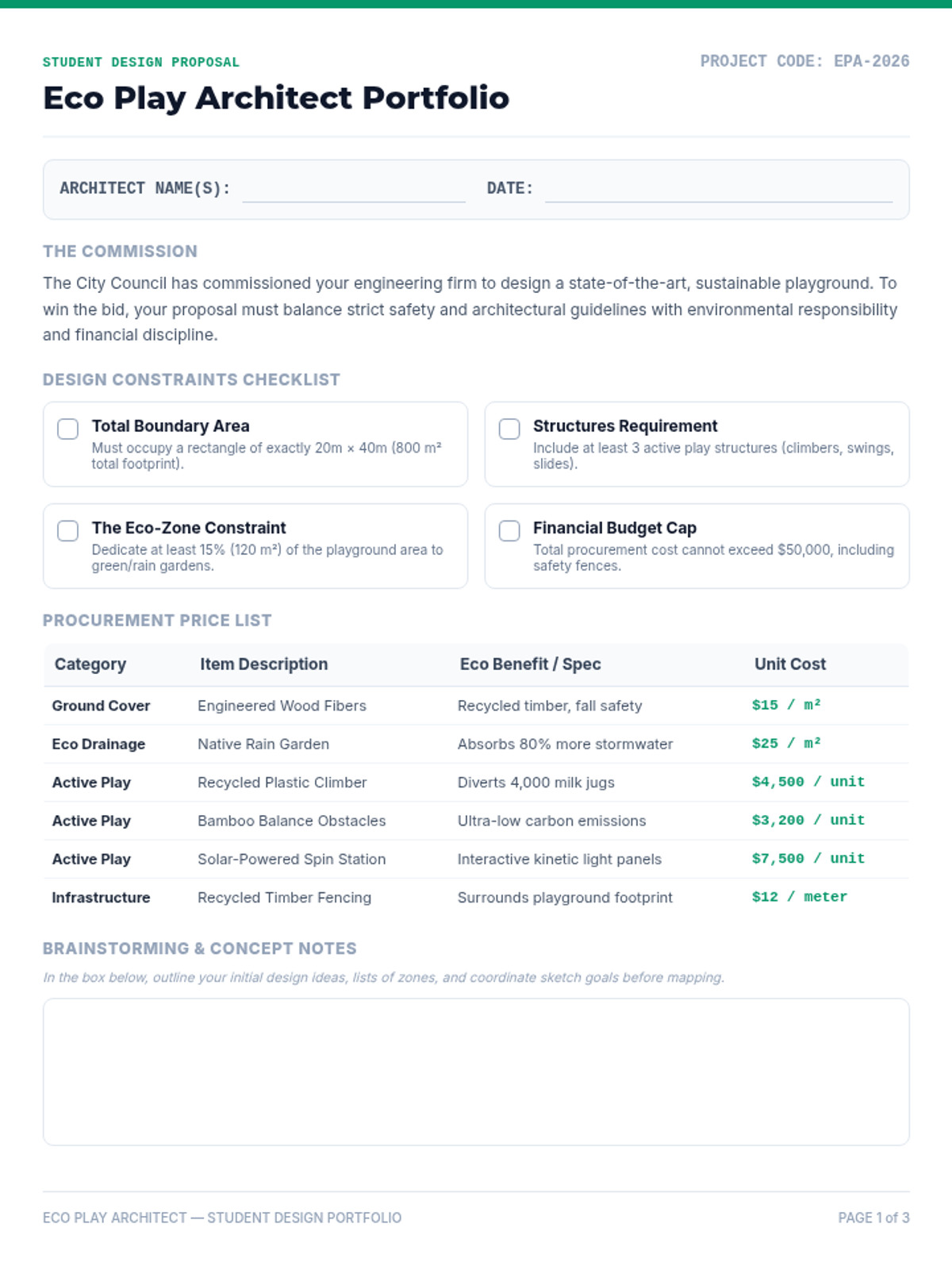
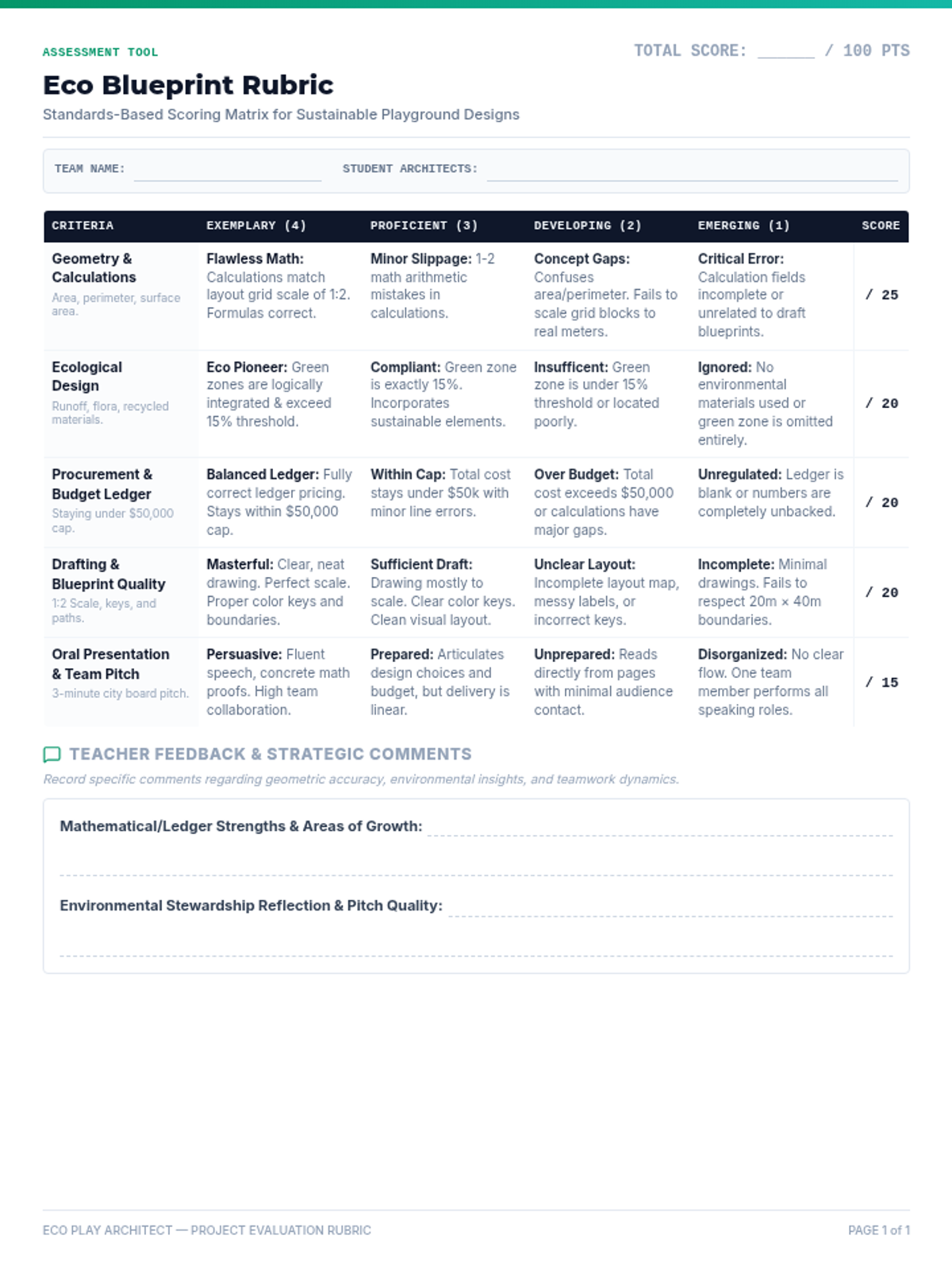
A hands-on STEM project where students design a sustainable playground, using geometry (area, perimeter, surface area) and financial math to stay within a budget and environmental constraints.
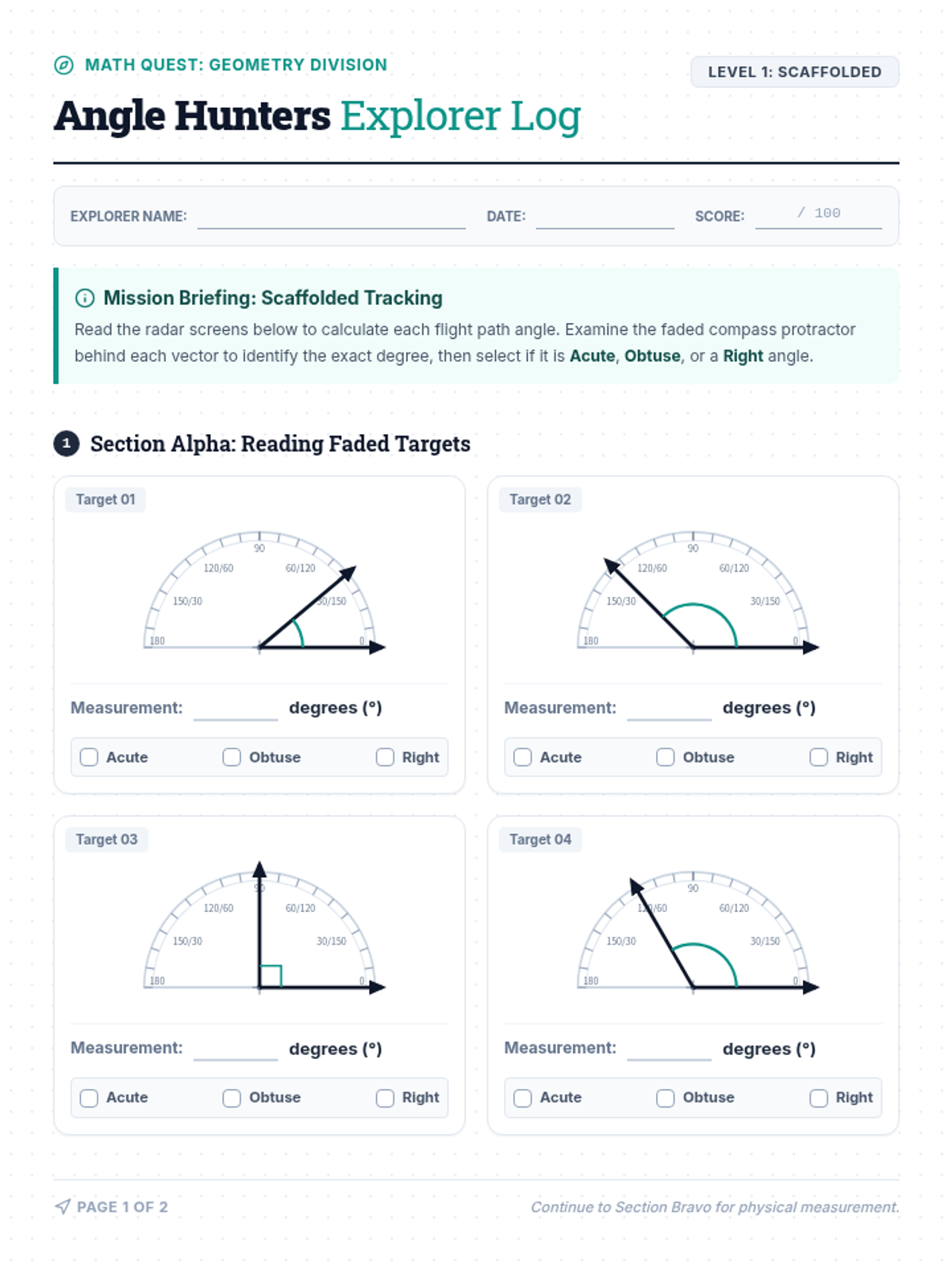
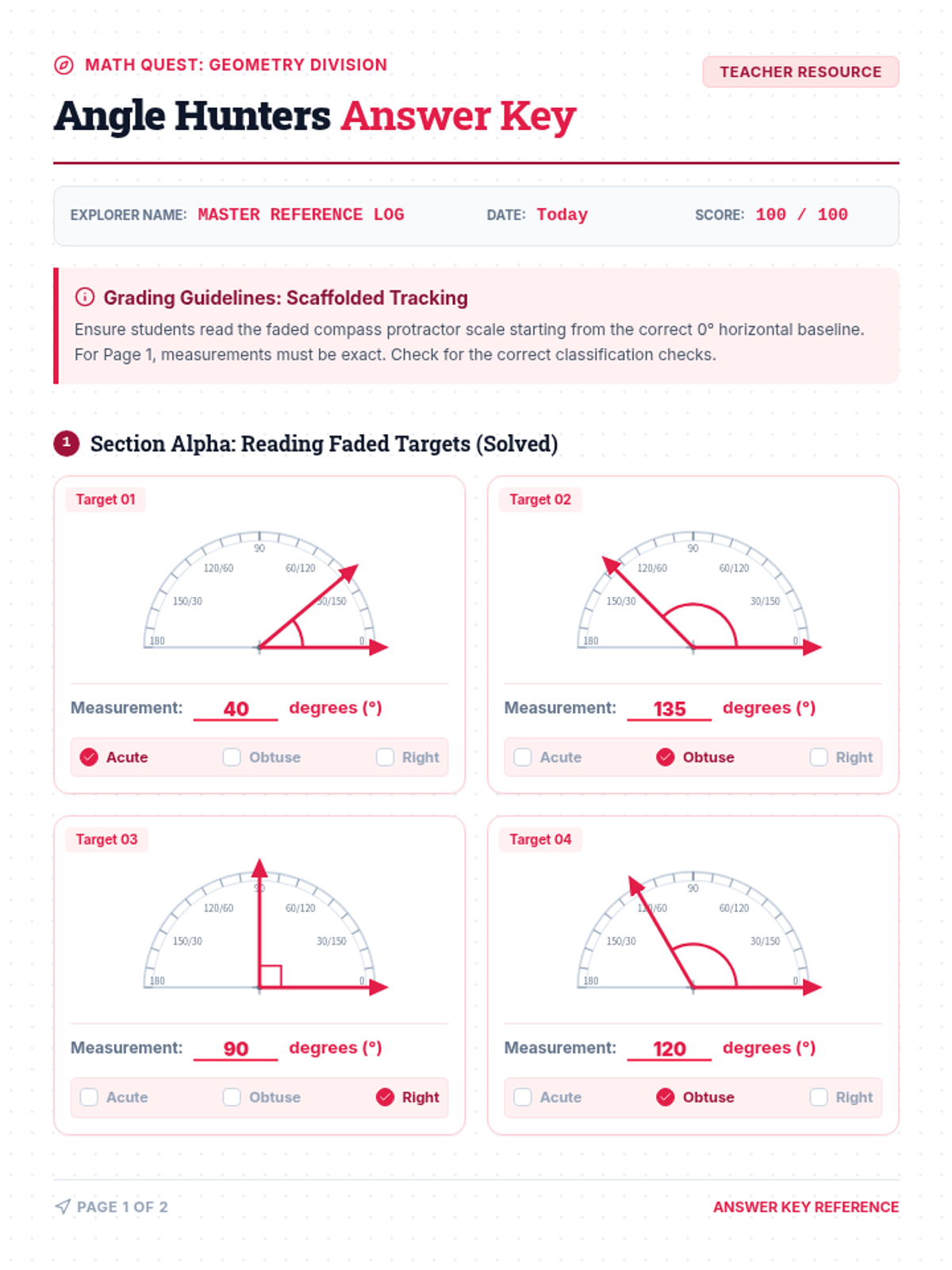
A printable, double-sided math worksheet and corresponding answer key designed to help students master reading angles using pre-aligned background protractors and measuring angles using physical plastic protractors.
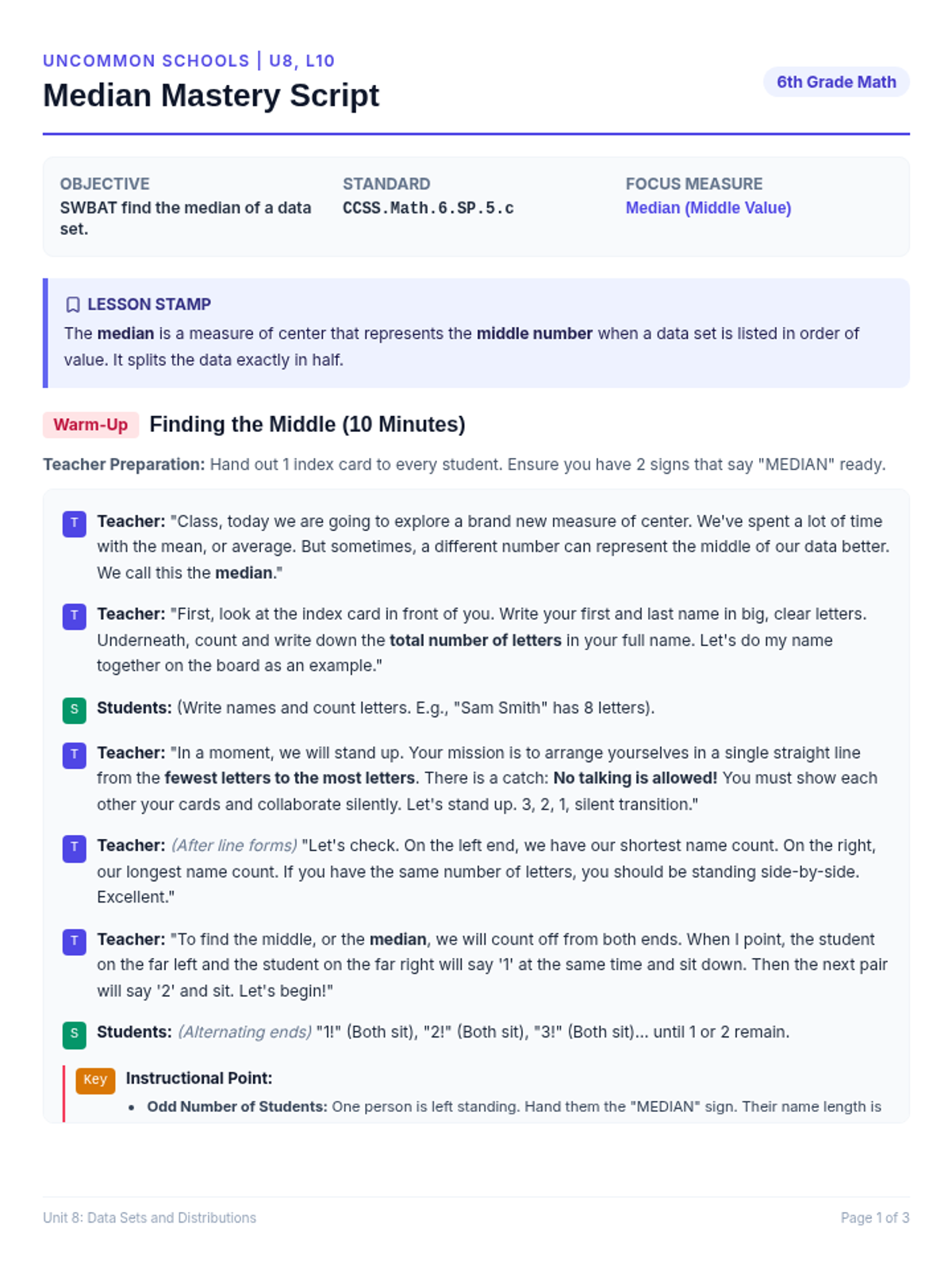
This lesson guides students to discover and calculate the median as a measure of center. It contains a complete turn-by-turn annotated script and a comprehensive answer key for all pages in the unit pack.
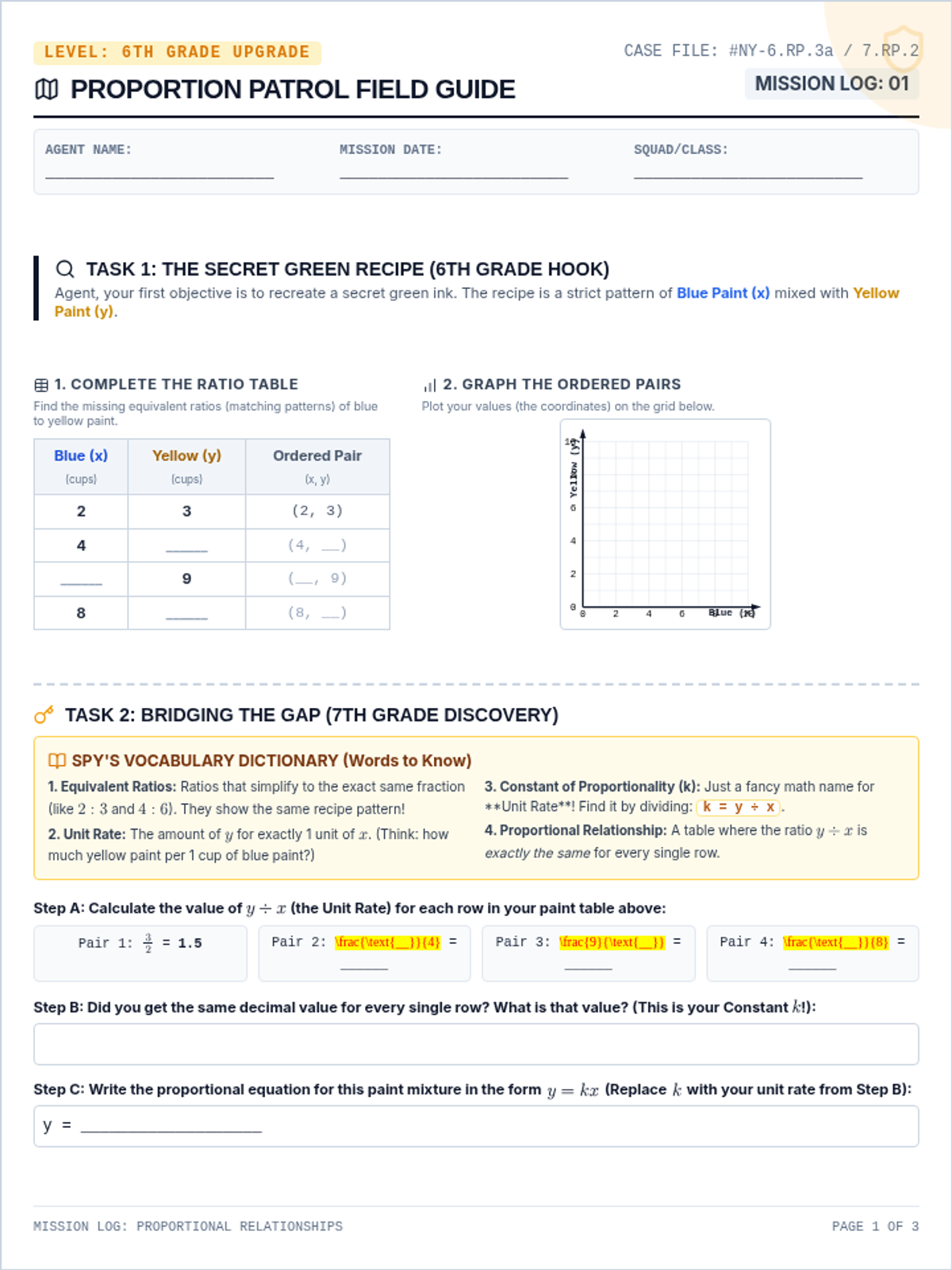
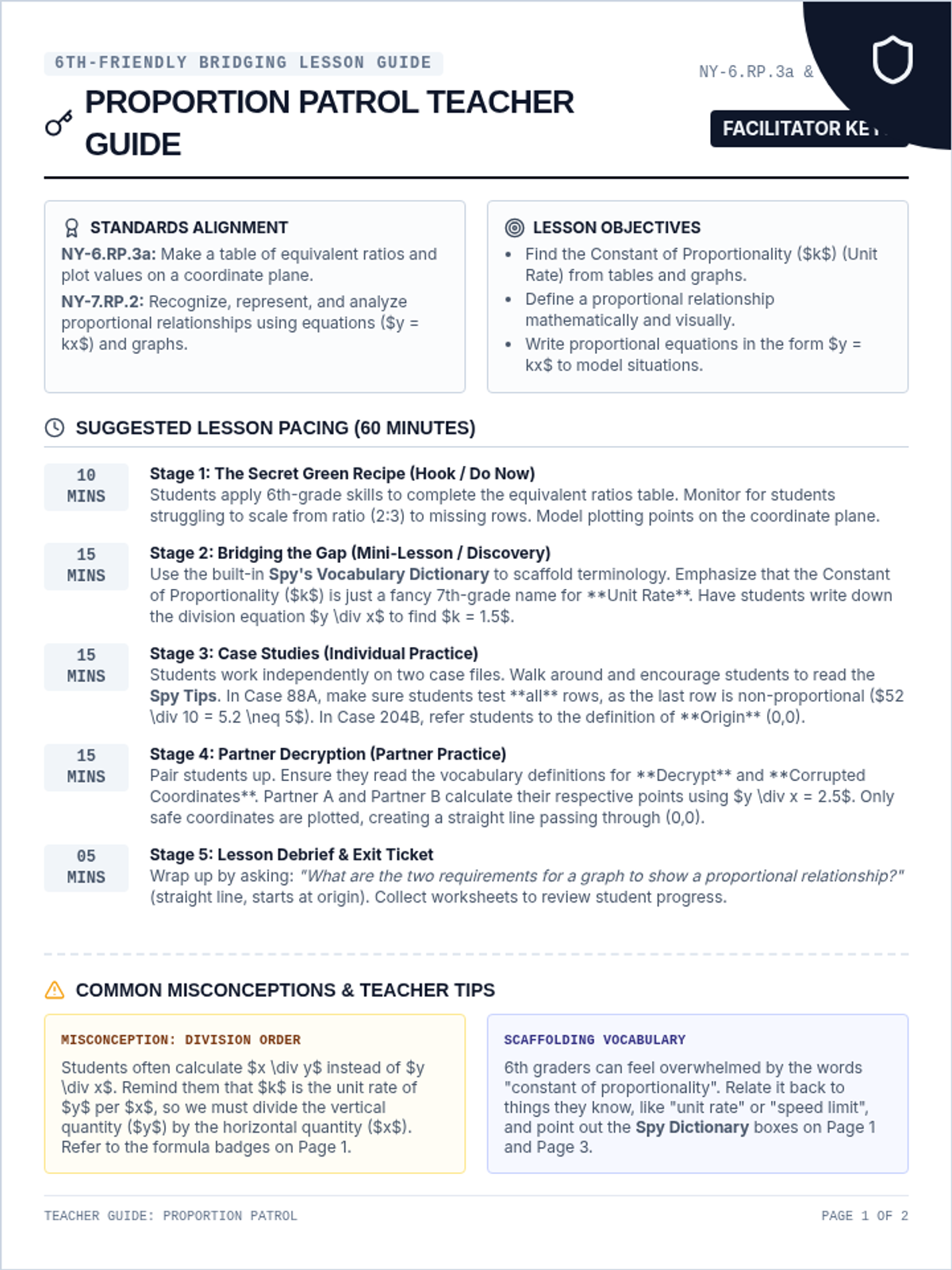
A high-engagement 6th-to-7th grade bridge lesson that connects ratio tables and graphing (NY-6.RP.3a) to the constant of proportionality and proportional relationships (NY-7.RP.2). Students act as detectives solving blueprint puzzles using coordinate planes and ratio analysis.
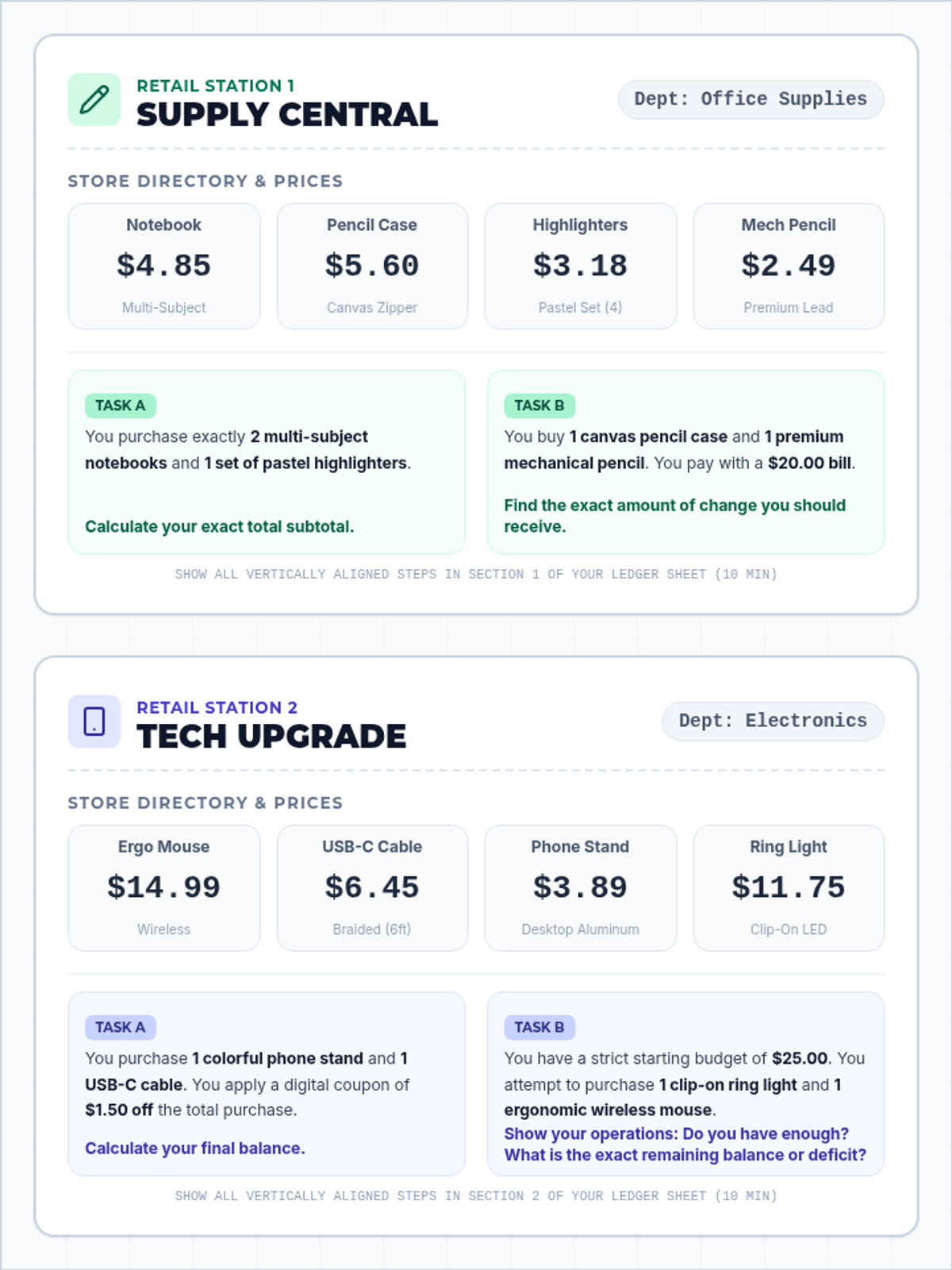
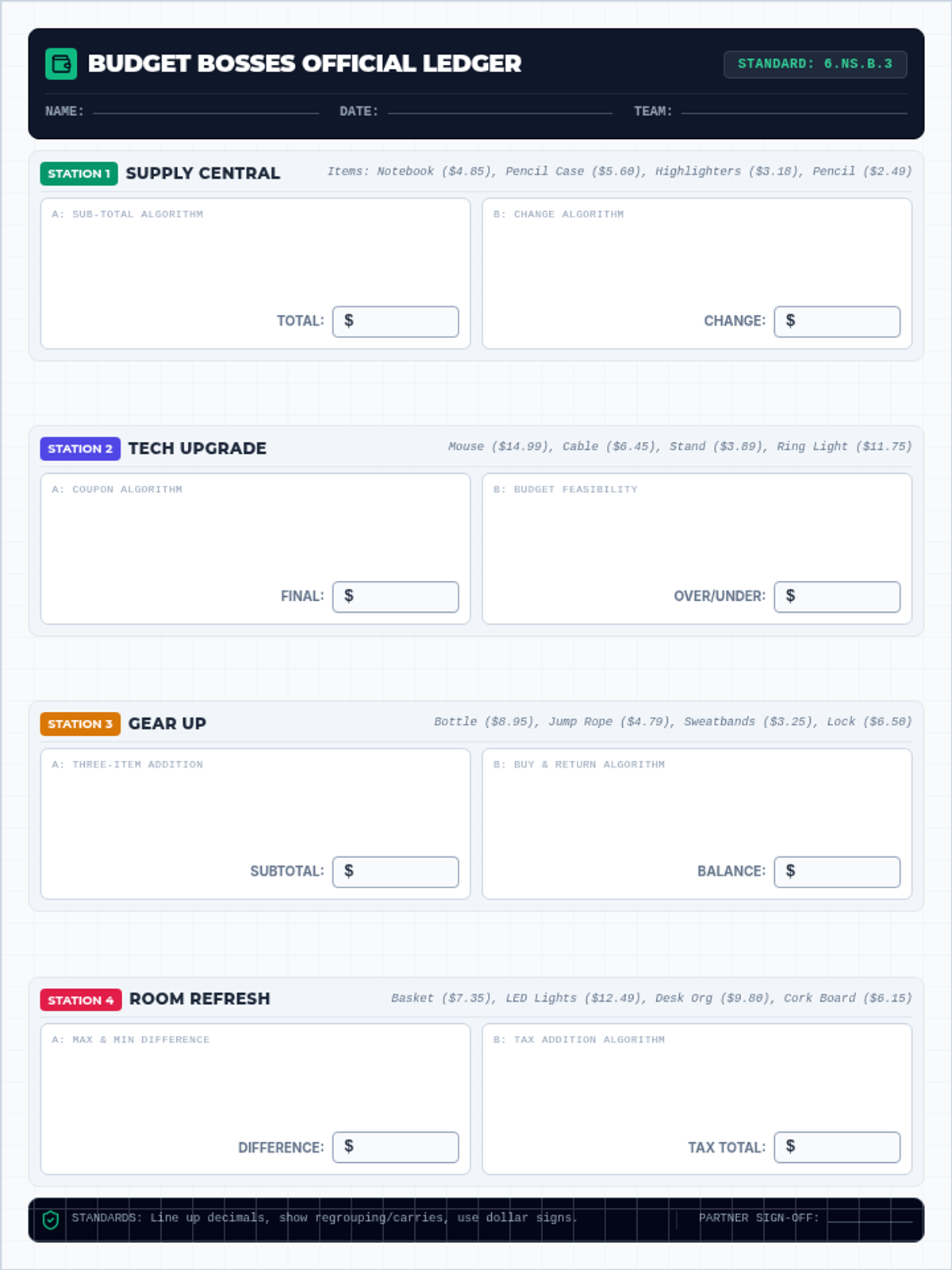
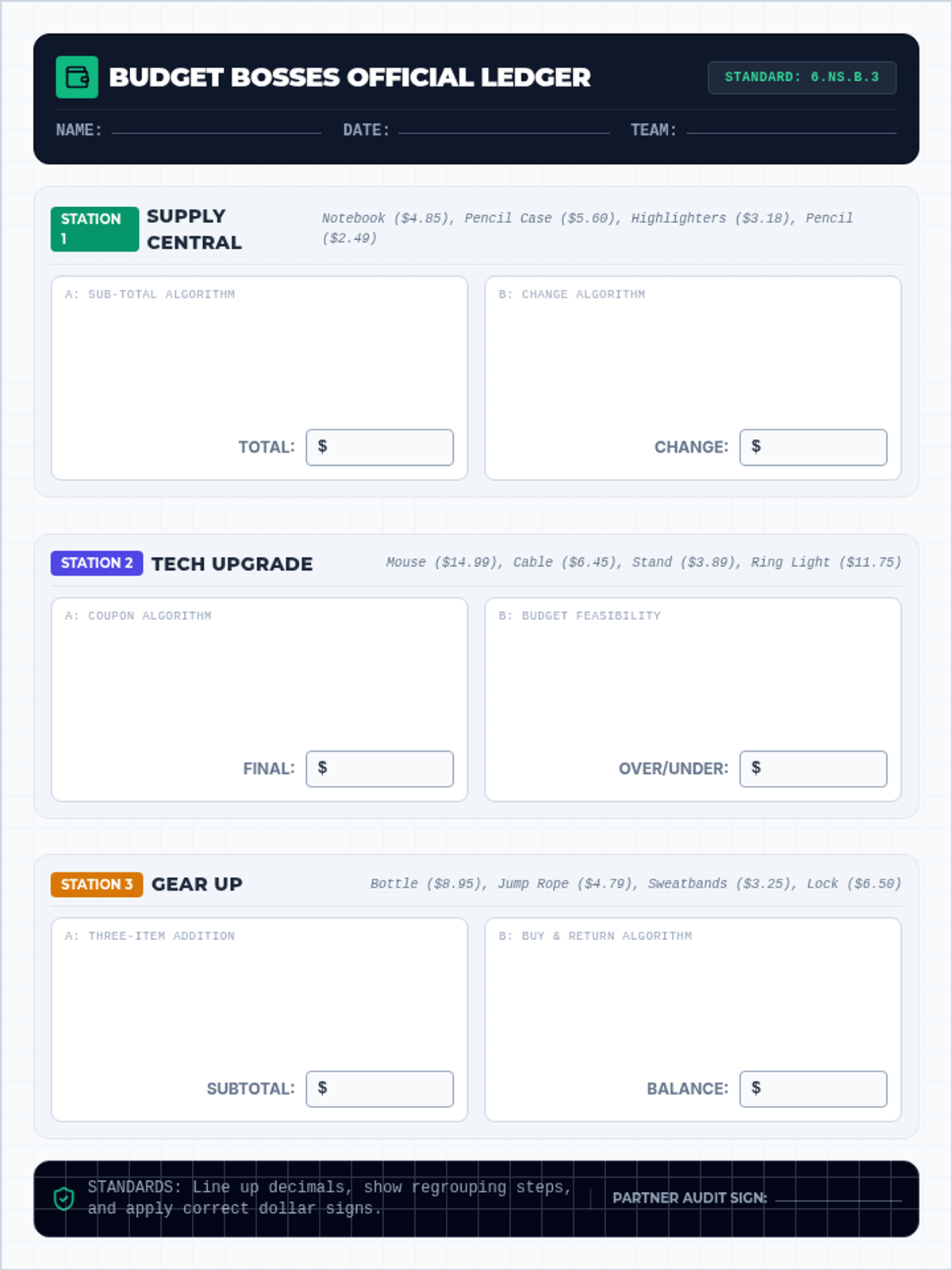
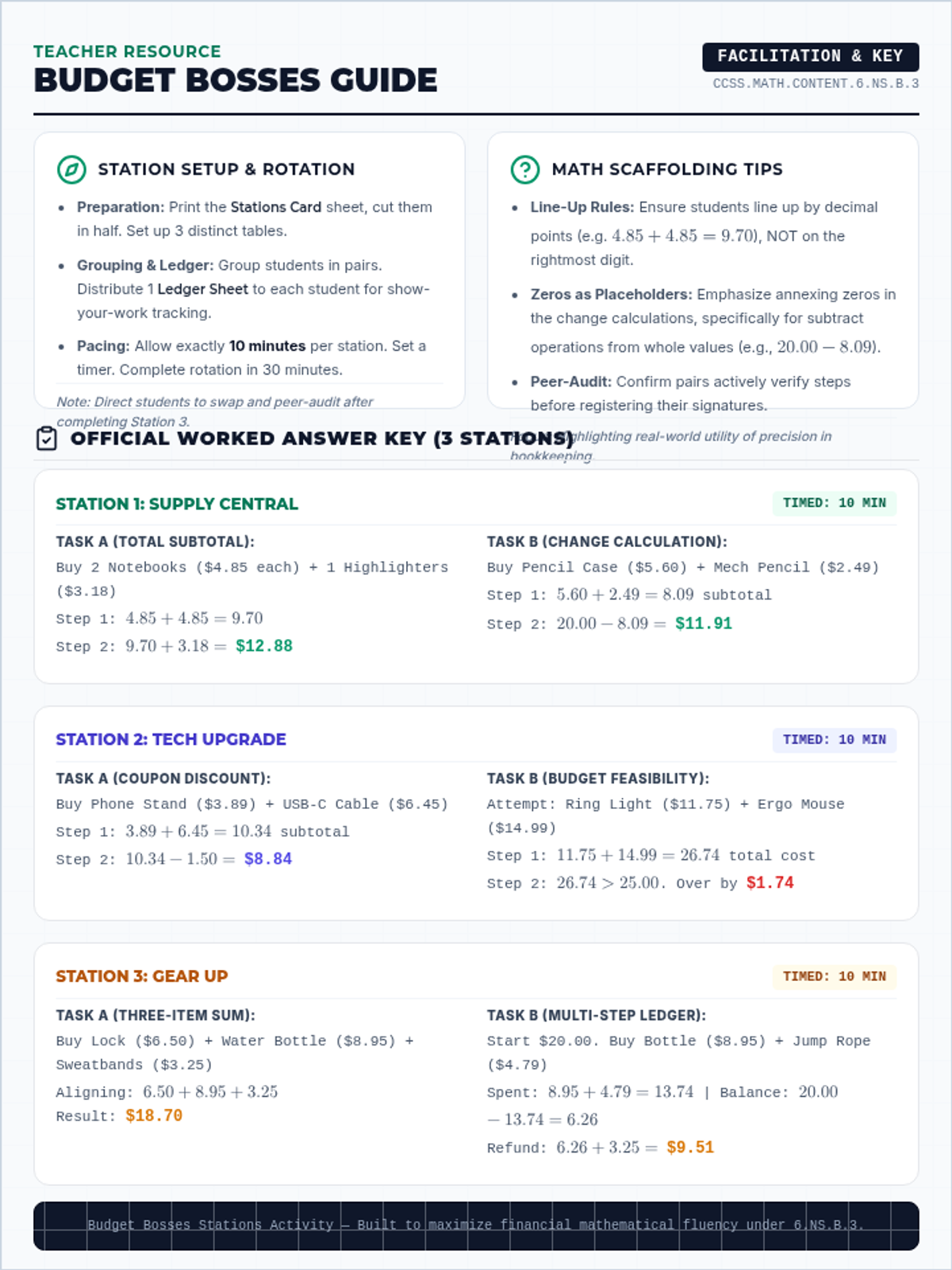
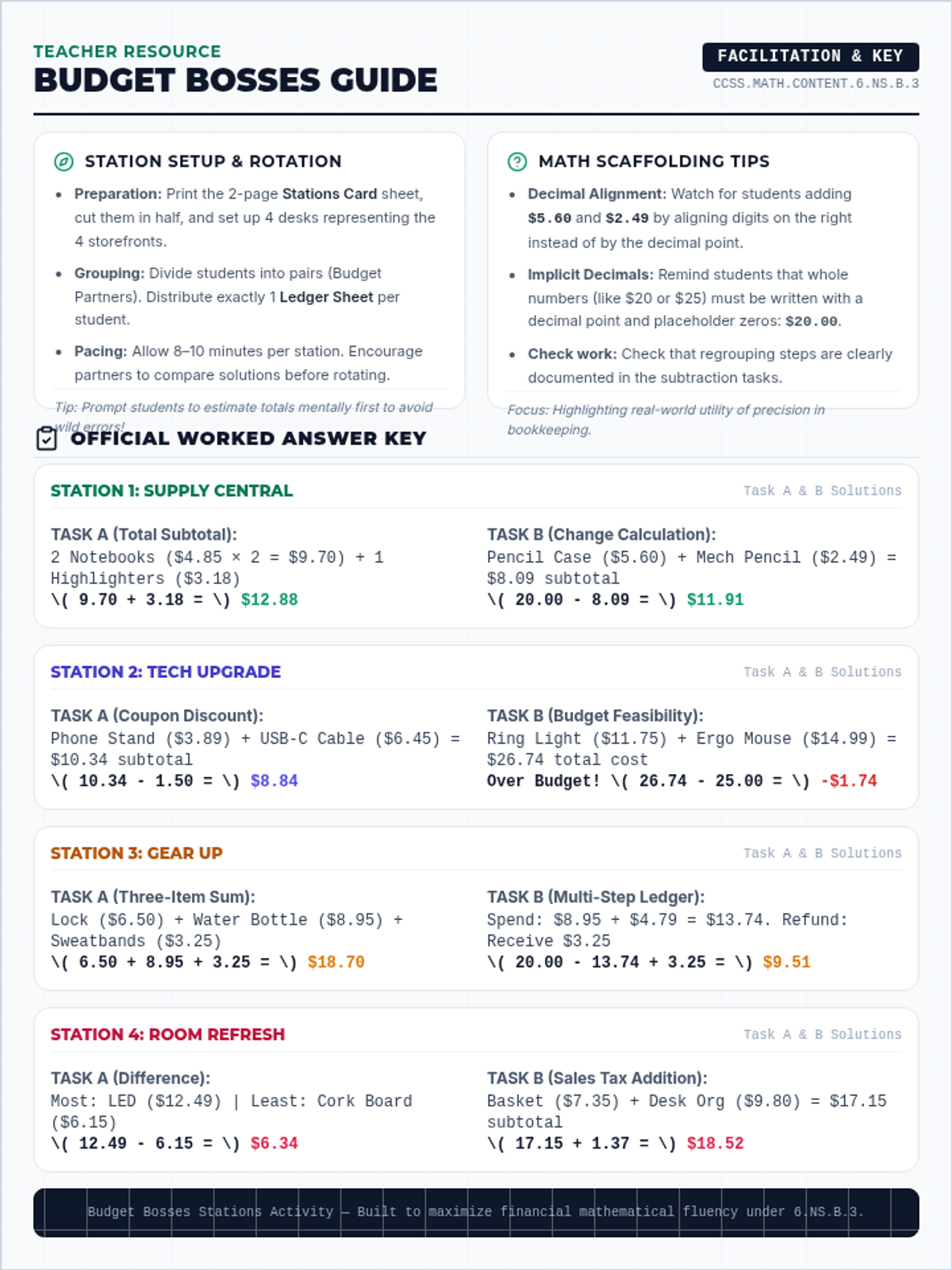
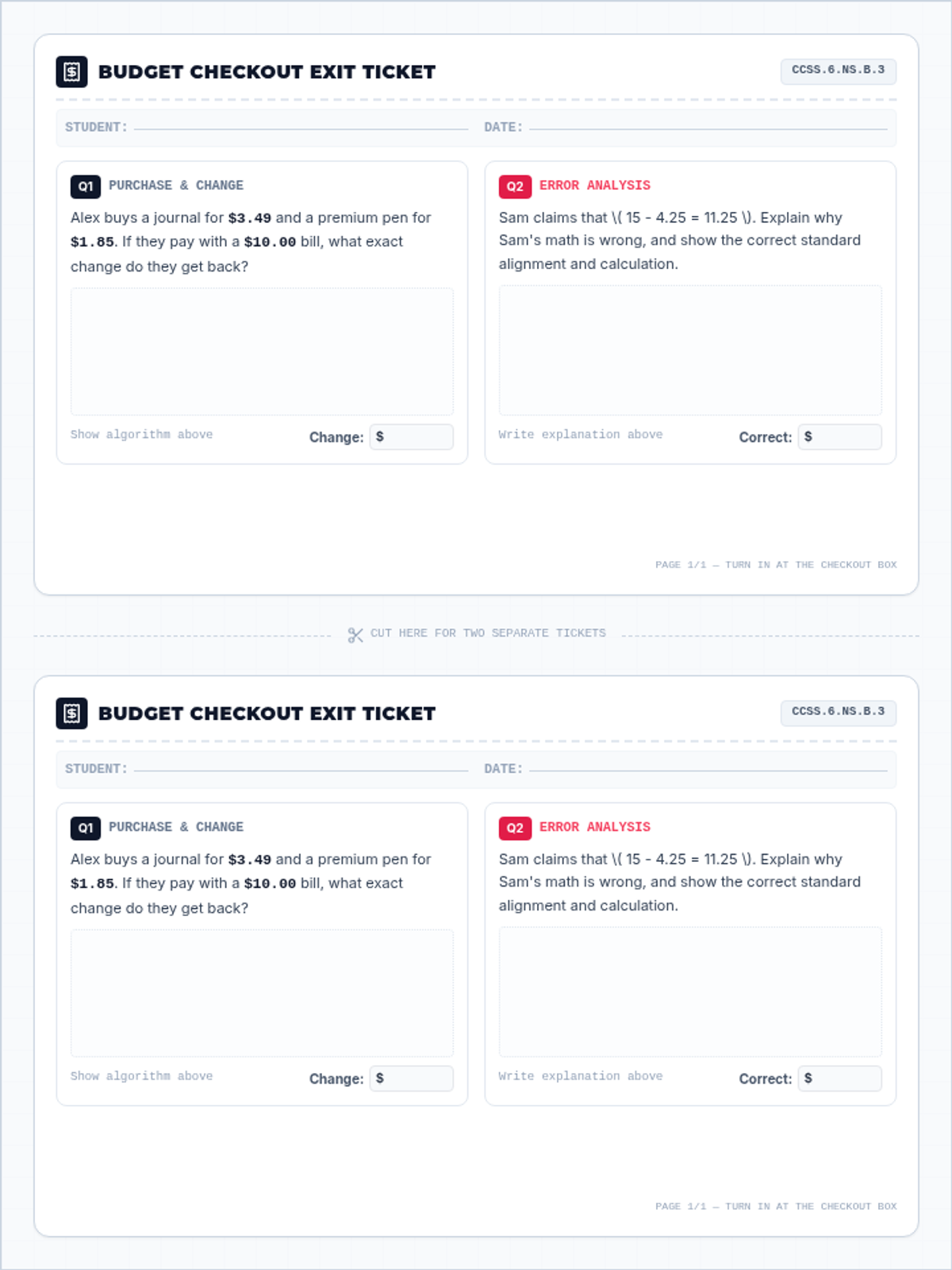
A stations-based decimal addition and subtraction activity where students rotate through virtual storefronts to buy school supplies, tech, sports gear, and room decor within a set budget.
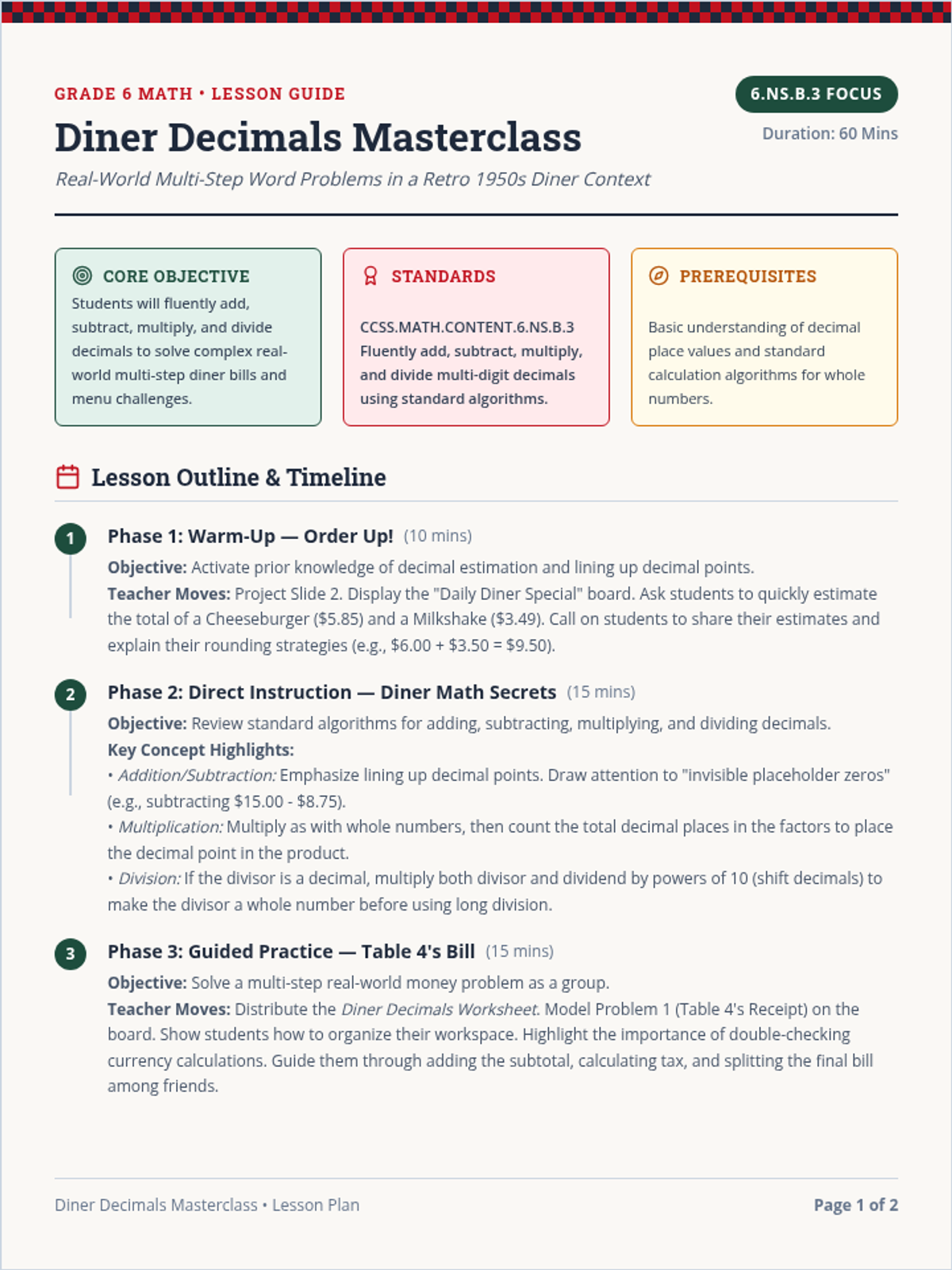
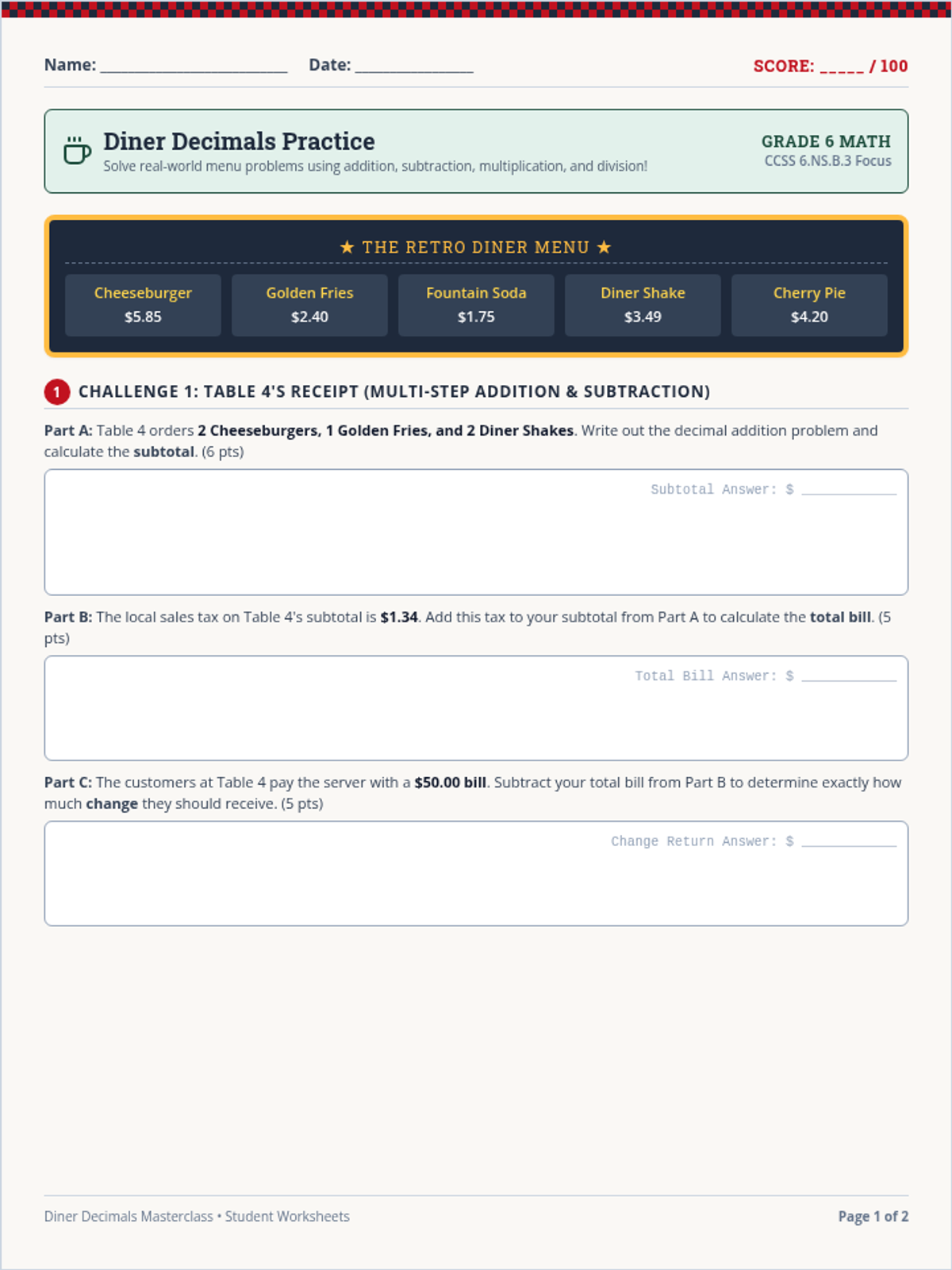
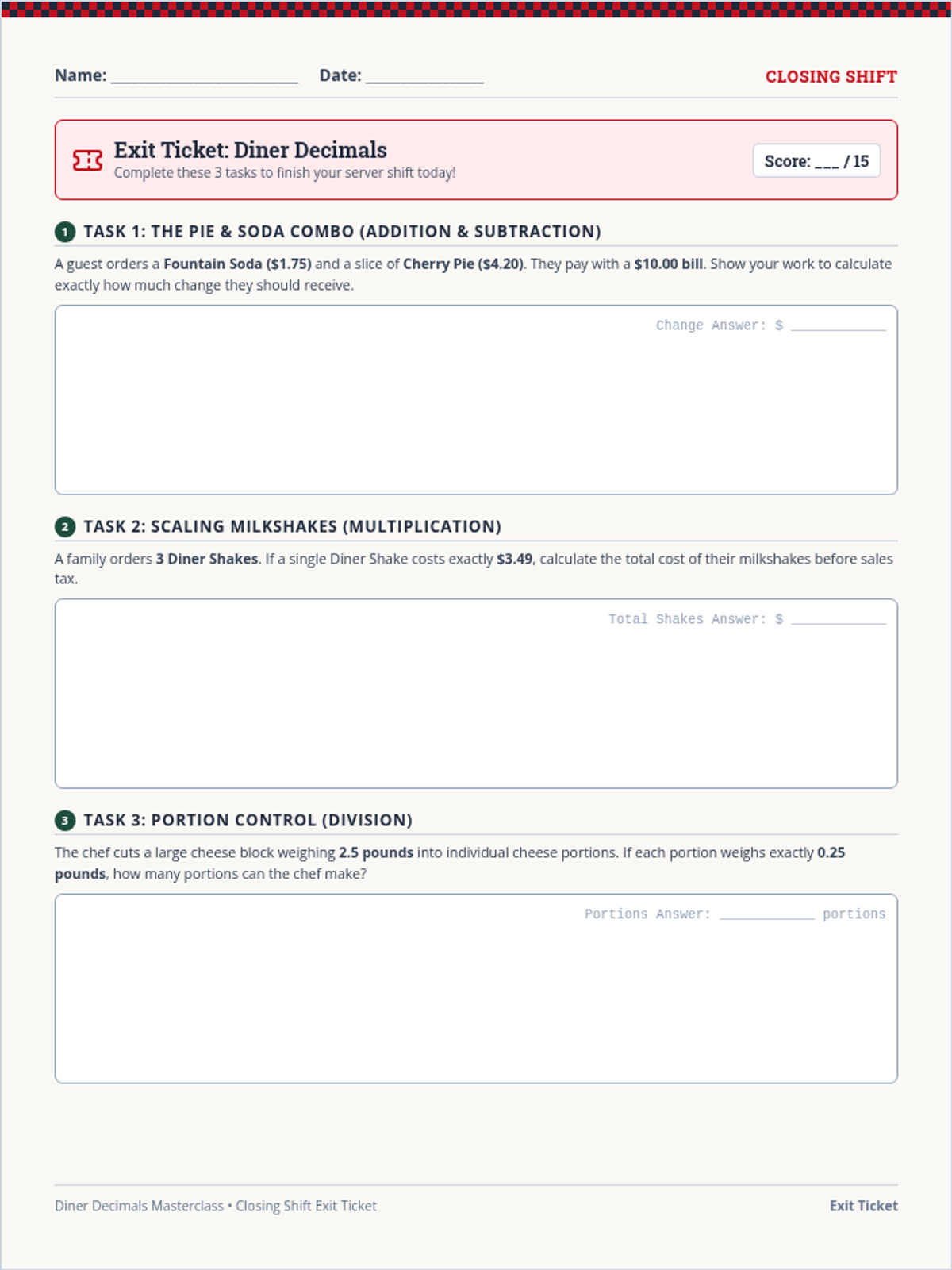
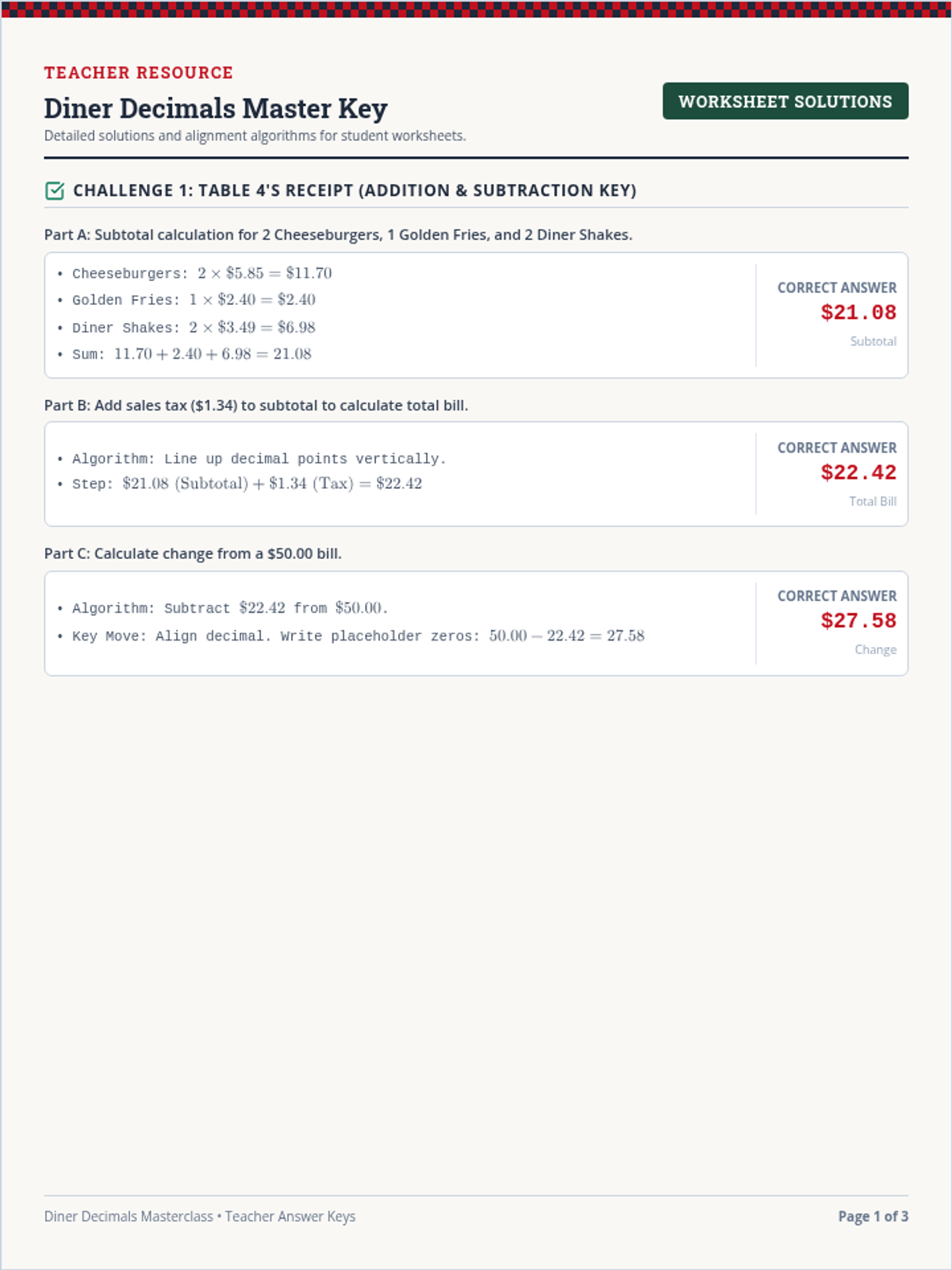
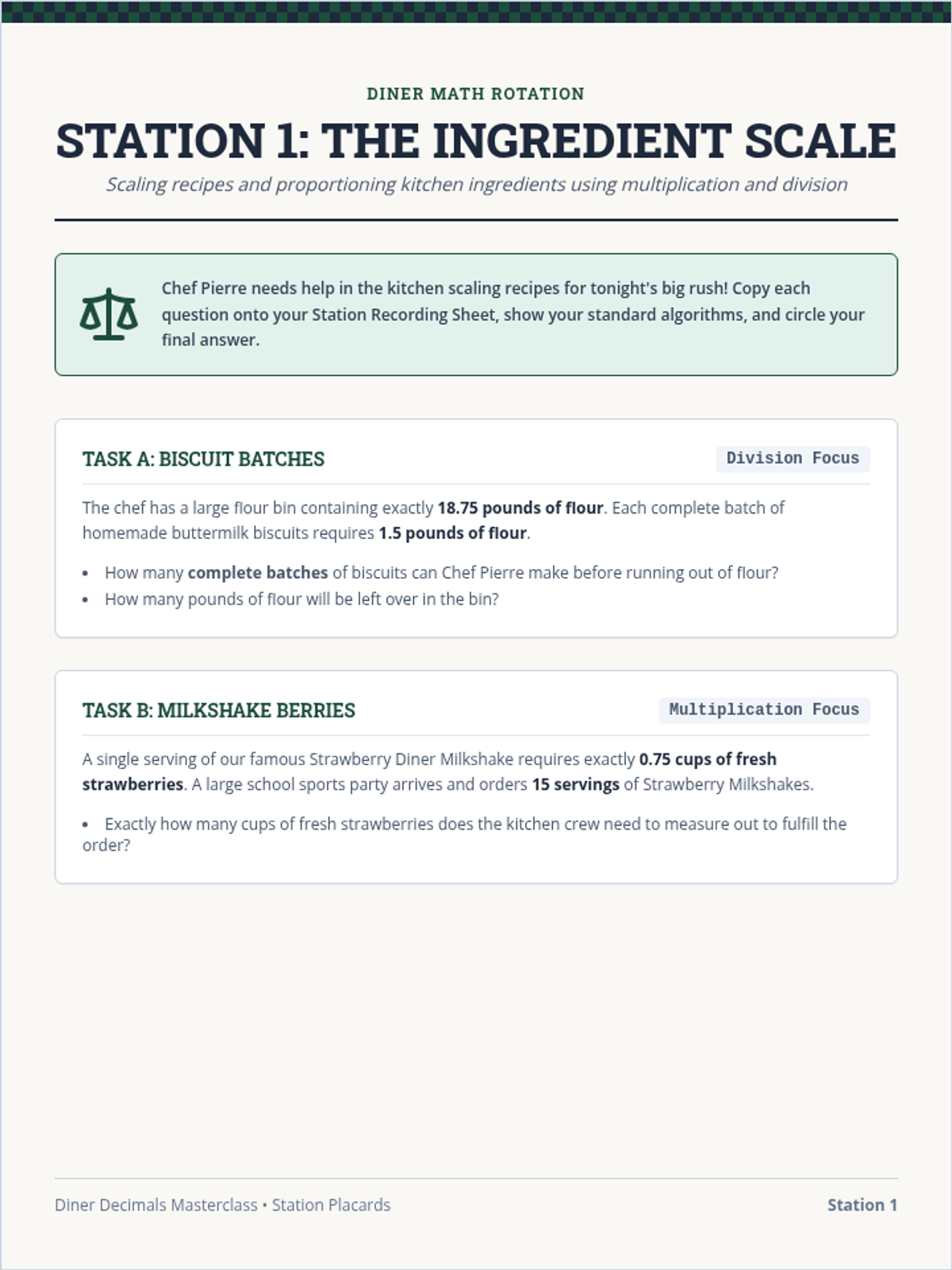
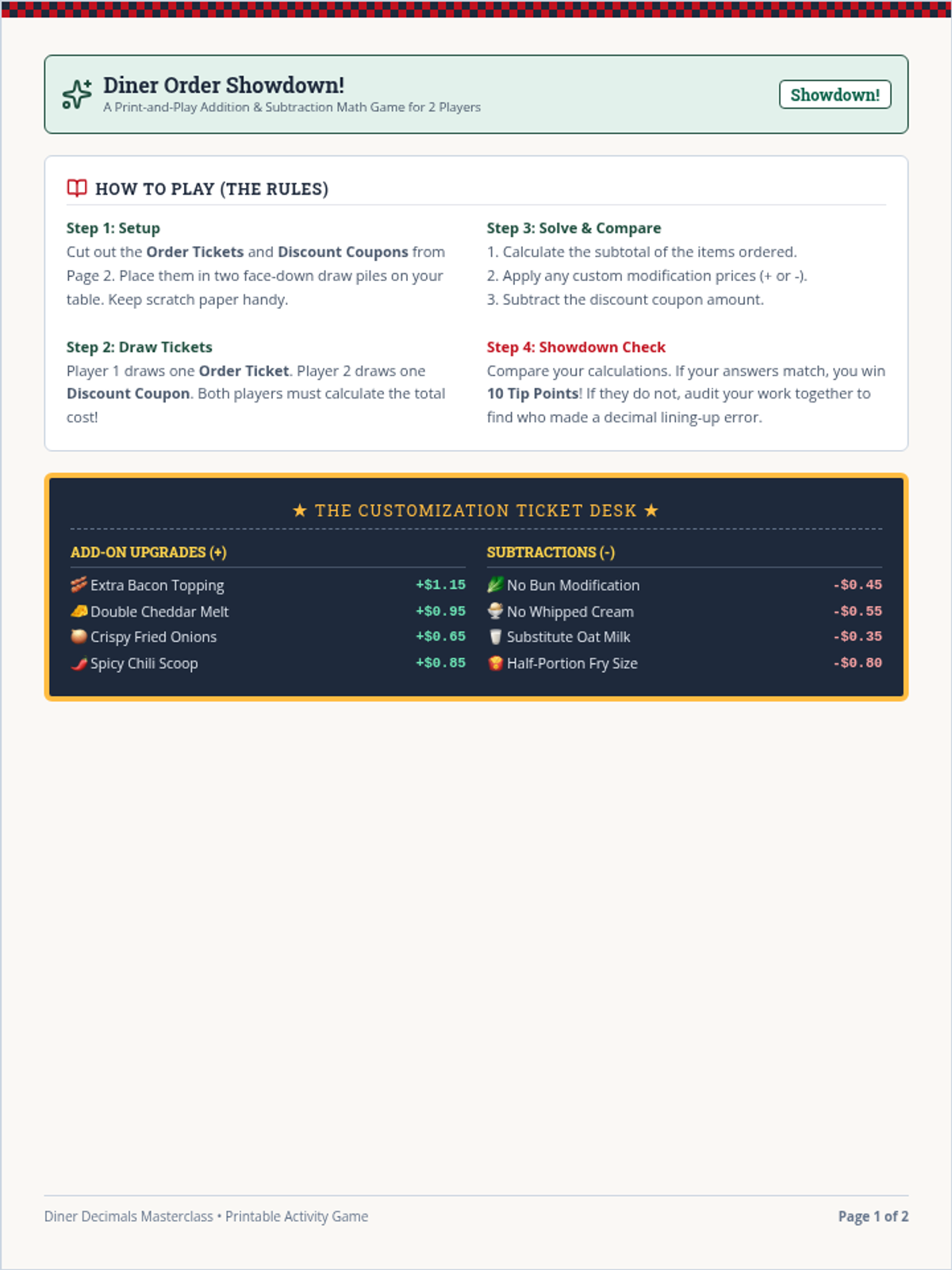
A comprehensive lesson bundle on 6th-grade decimal operations (addition, subtraction, multiplication, and division) featuring real-world multi-step word problems in a retro 1950s diner context. Includes a teacher guide, presentation slides, a student worksheet, an exit ticket, and answer keys.
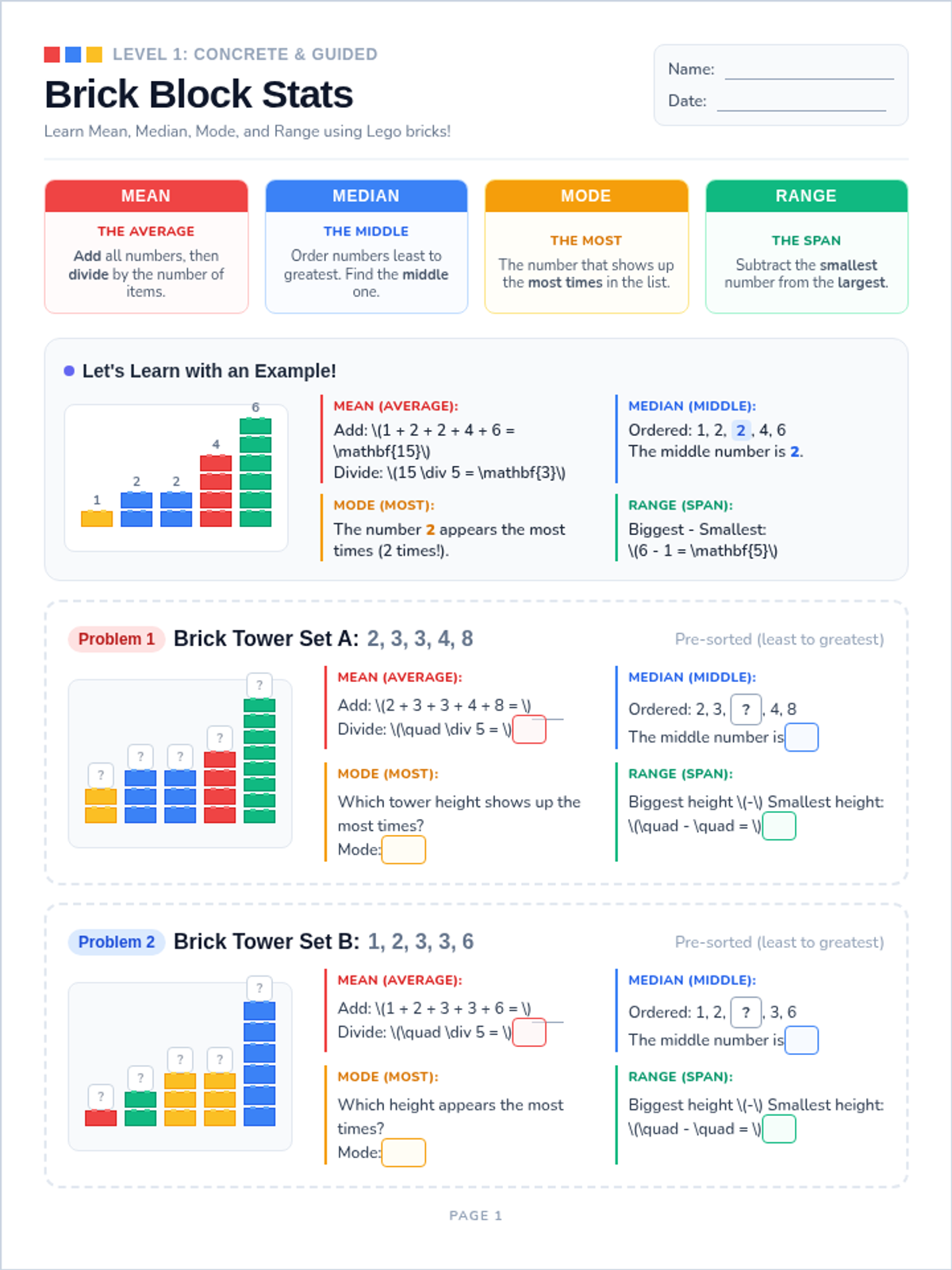
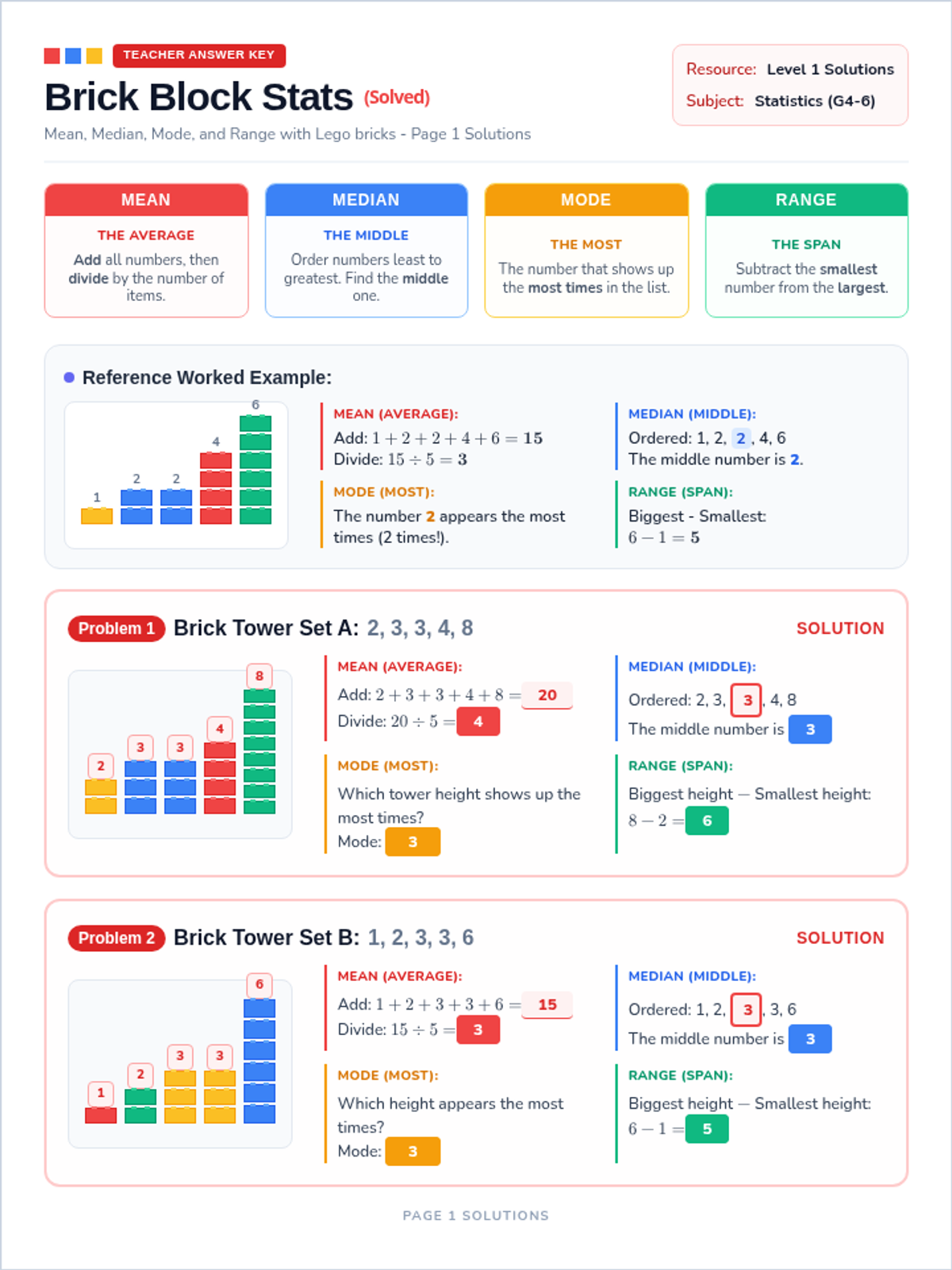
A scaffolded statistics lesson using Lego bricks to teach mean, median, mode, and range. Designed with concrete visual aids, color-coded formulas, and pre-sorted datasets to support diverse learners.
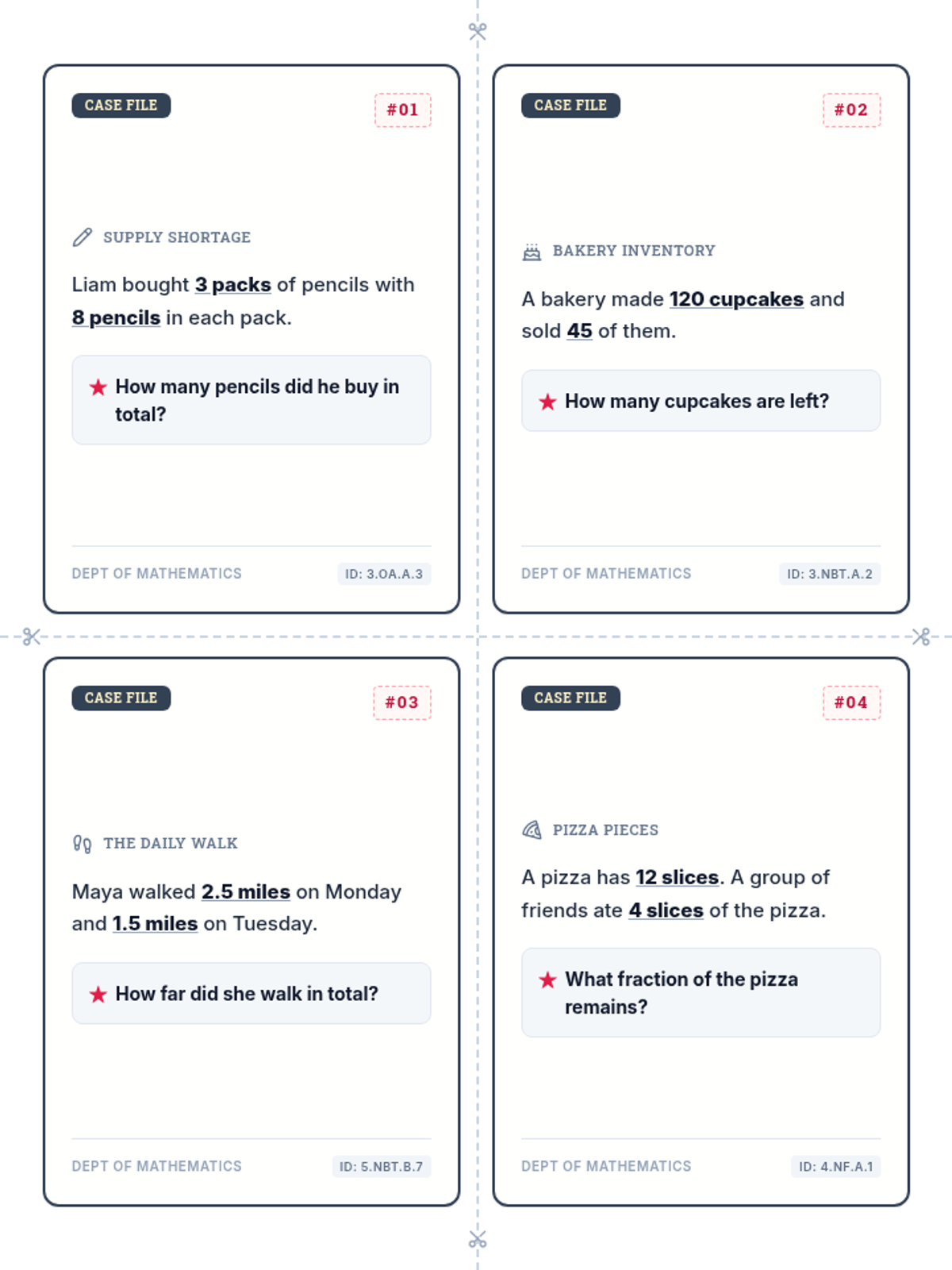
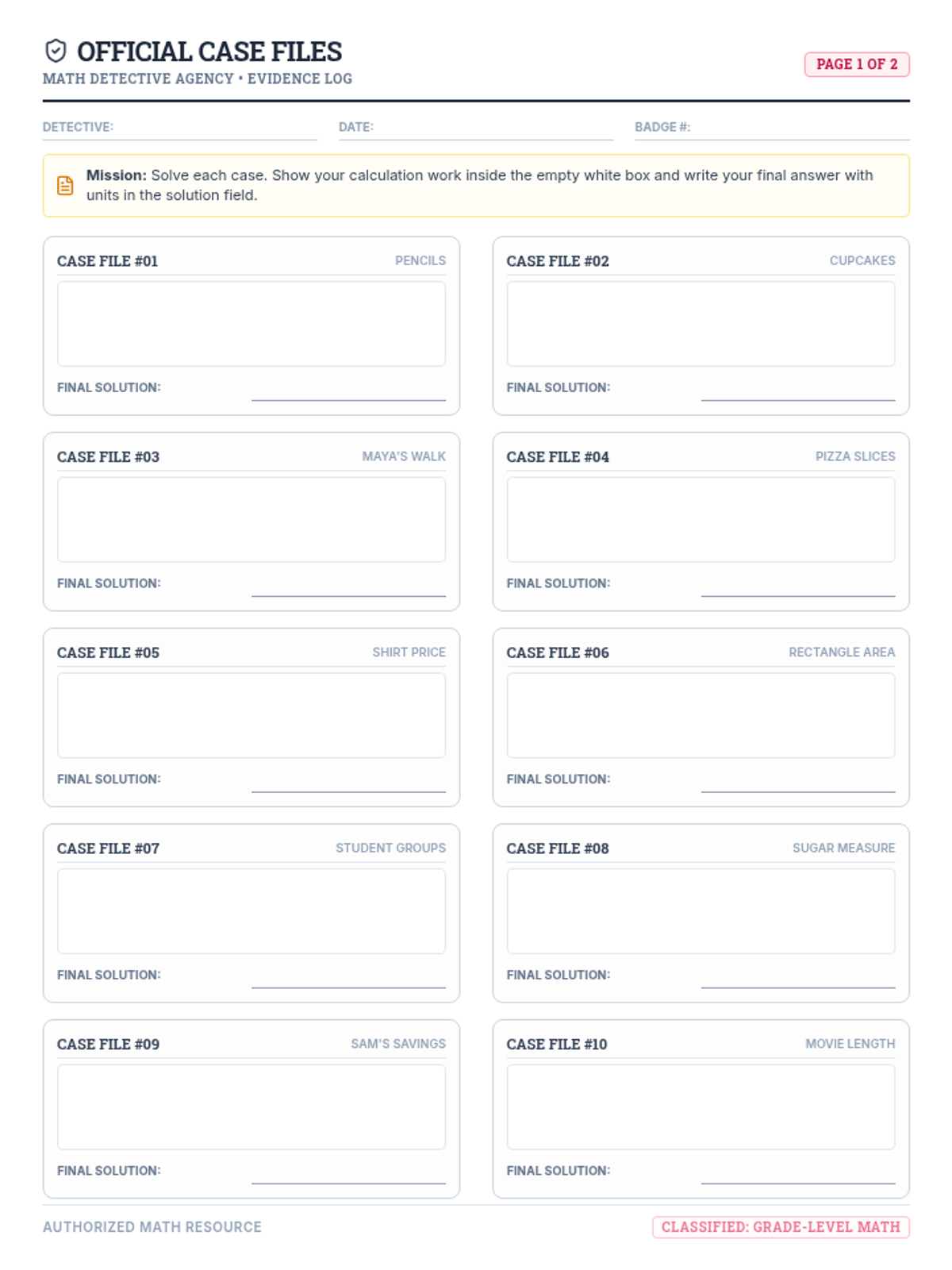
A high-engagement math activity set where students solve 20 distinct word problems structured as 'Case Files'. Perfect for independent practice, centers, or cooperative learning stations.
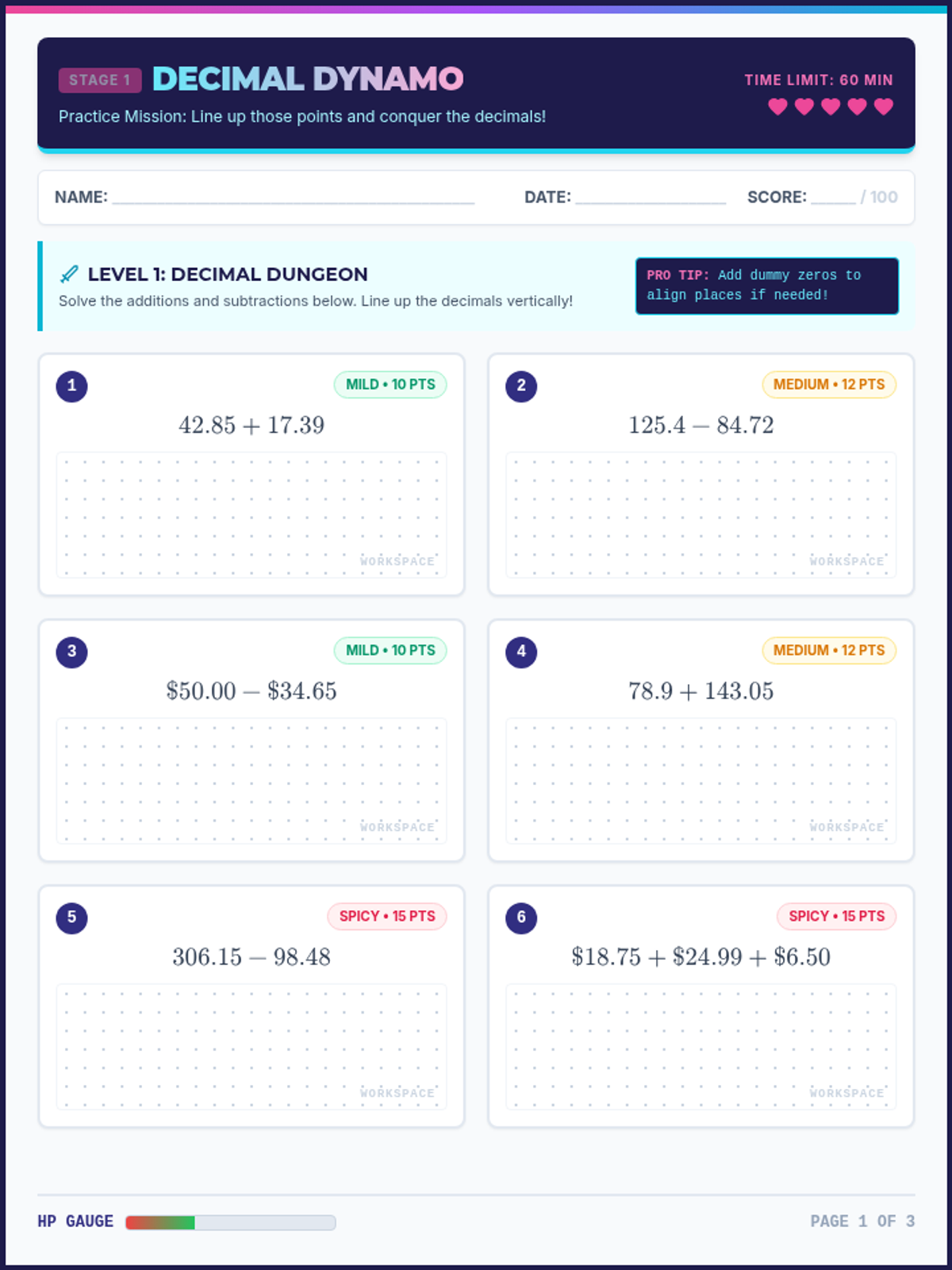
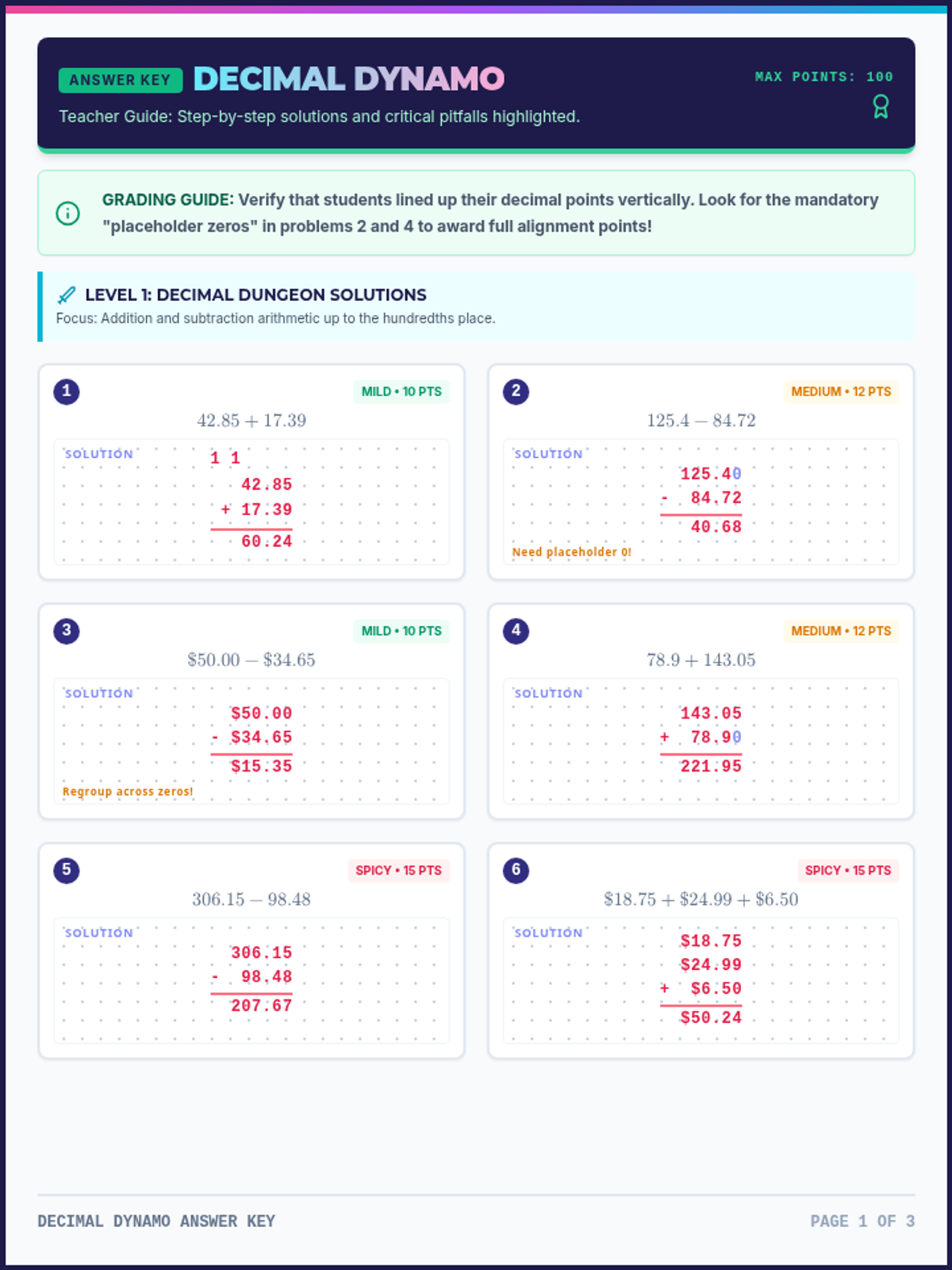
A comprehensive 60-minute practice lesson focused on adding, subtracting, and multiplying whole numbers and decimals up to the hundredths place. Features a structured, arcade-themed student packet and a matching teacher answer key.
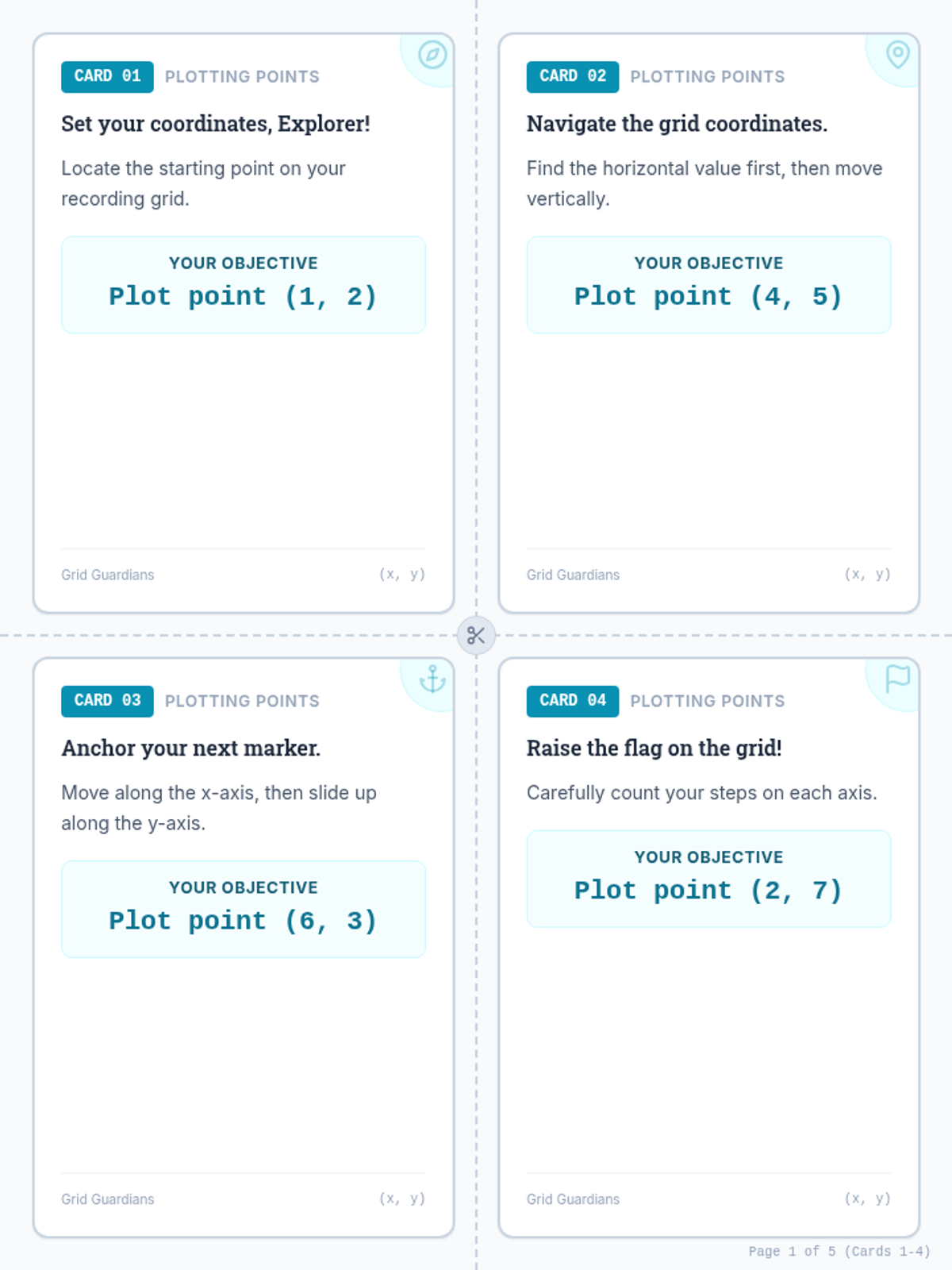
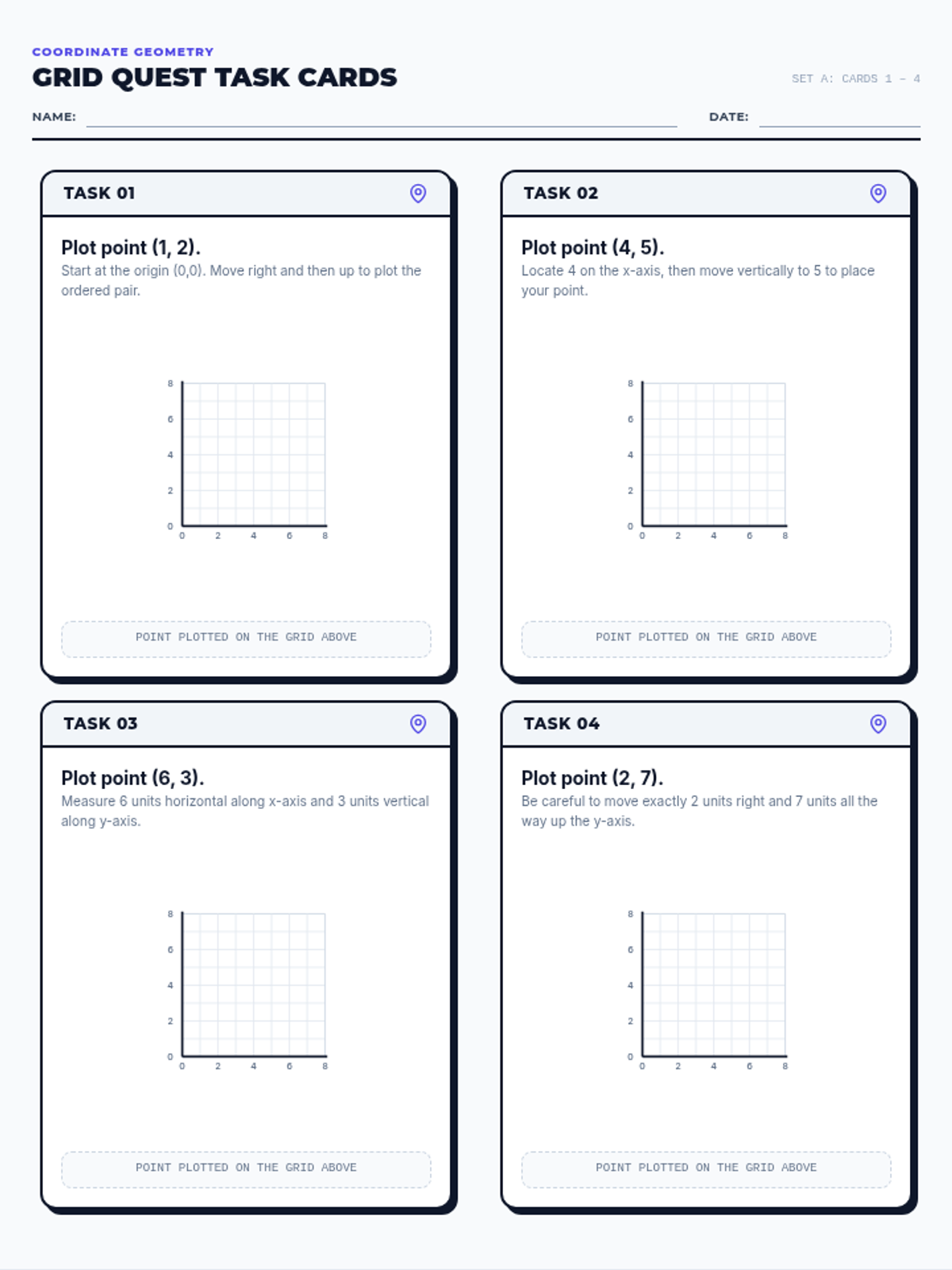
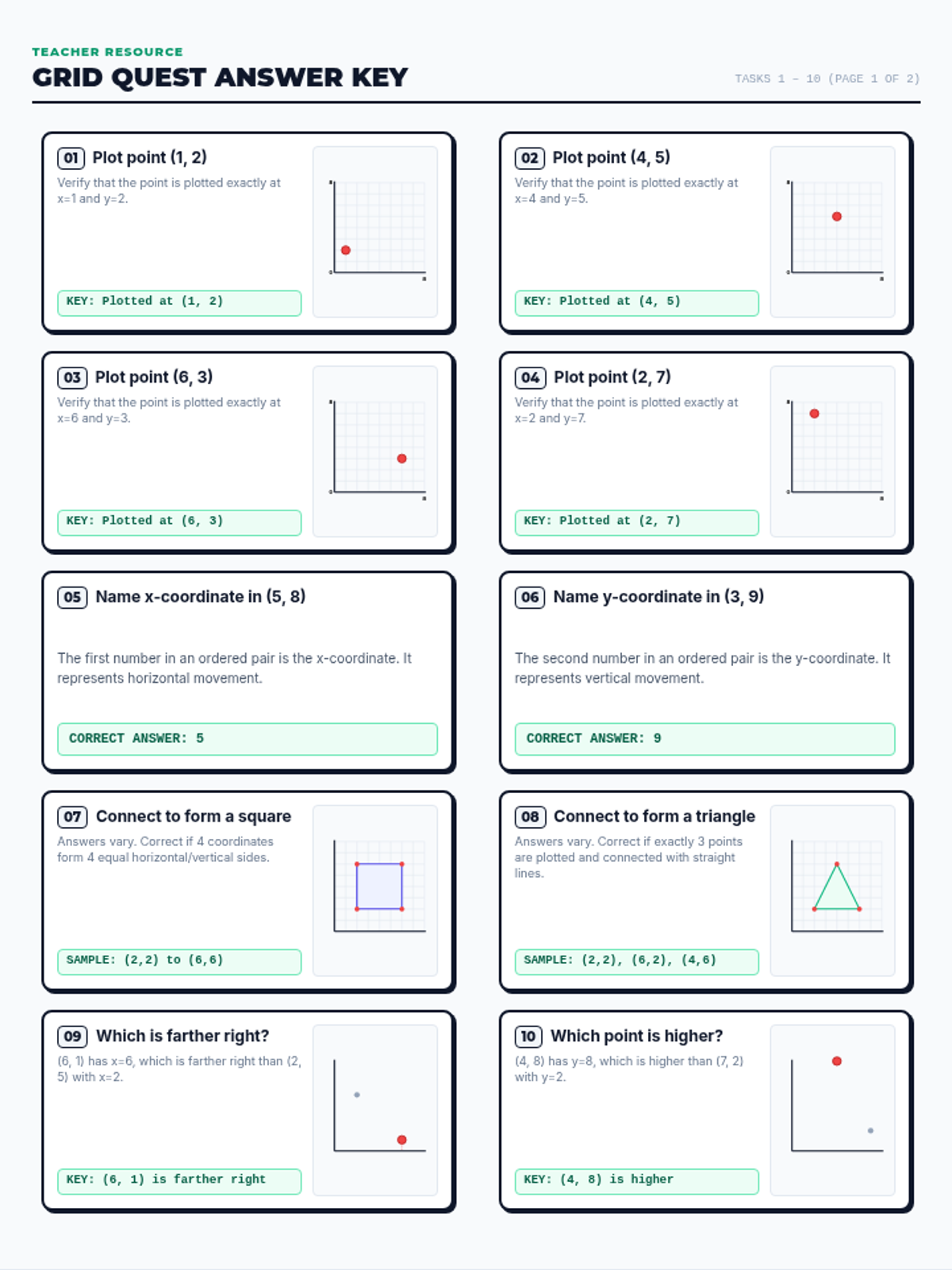
A comprehensive lesson focused on mastering coordinate graphing using ordered pairs in the first quadrant. Students engage with interactive task cards and a structured recording sheet to plot points, identify coordinates, analyze spatial relationships, and draw shapes on grids.
A interactive lesson exploring coordinate geometry, ordered pairs, and plotting on a 2D coordinate plane. Includes hands-on task cards to practice coordinates.
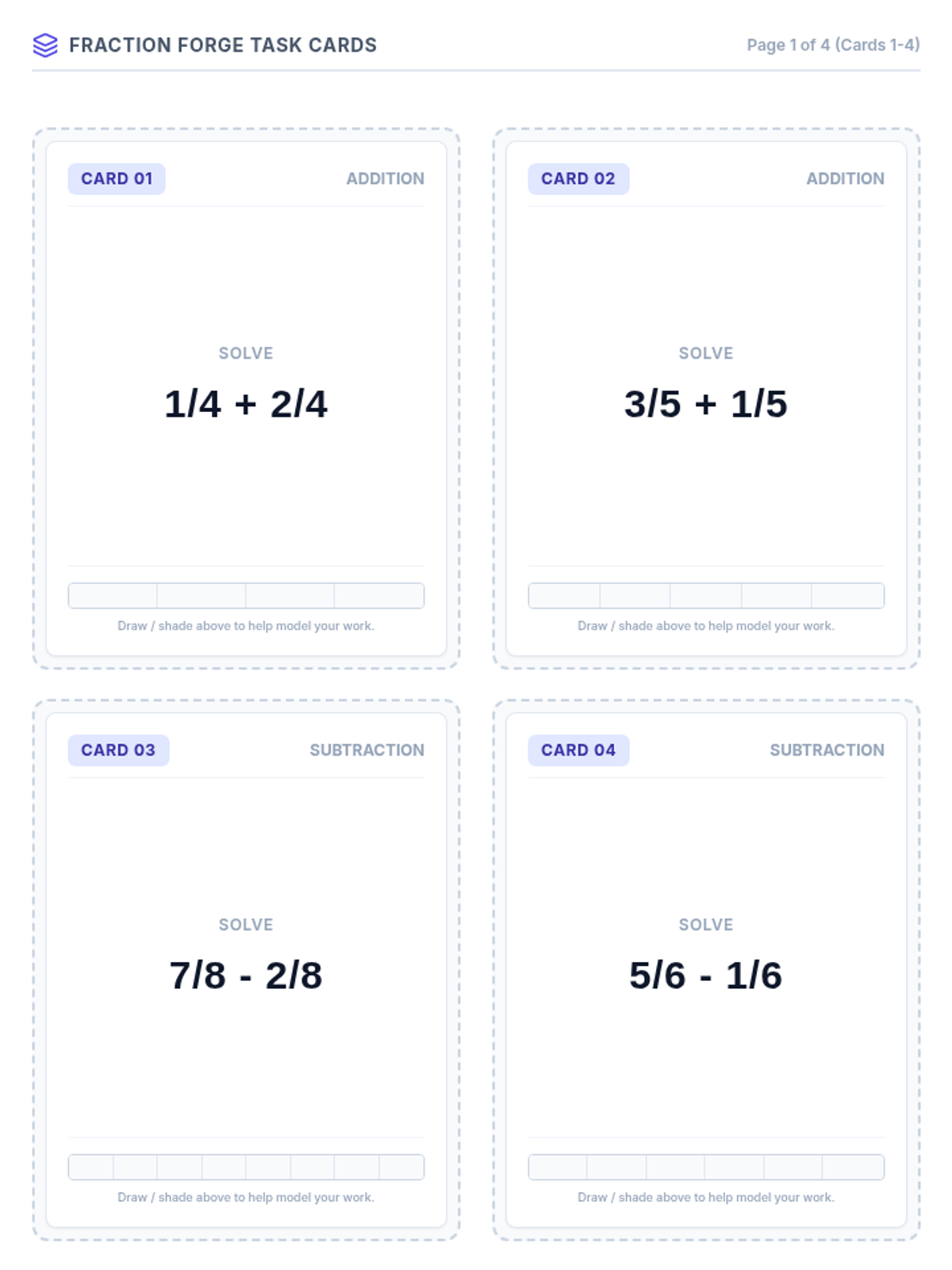
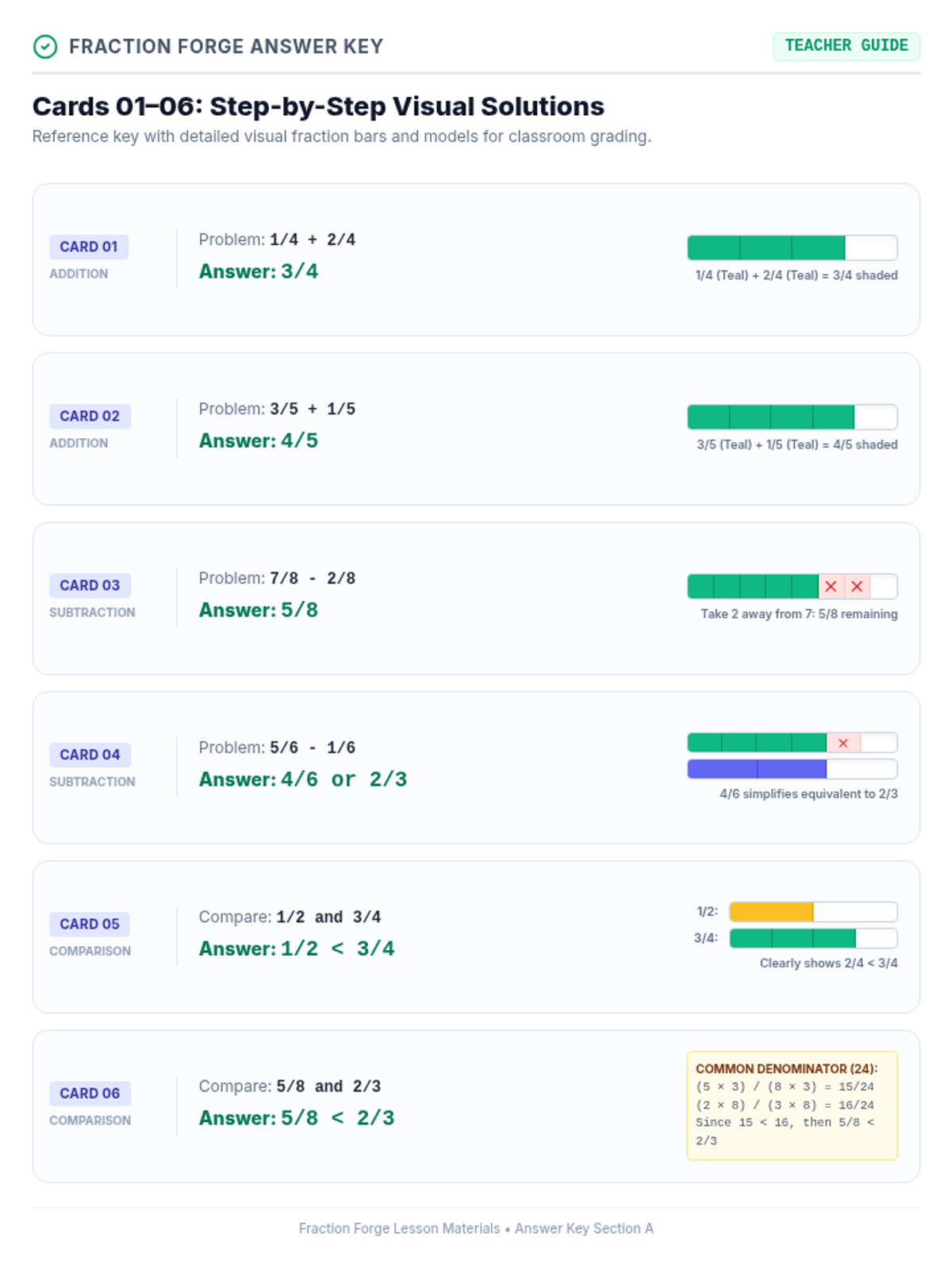
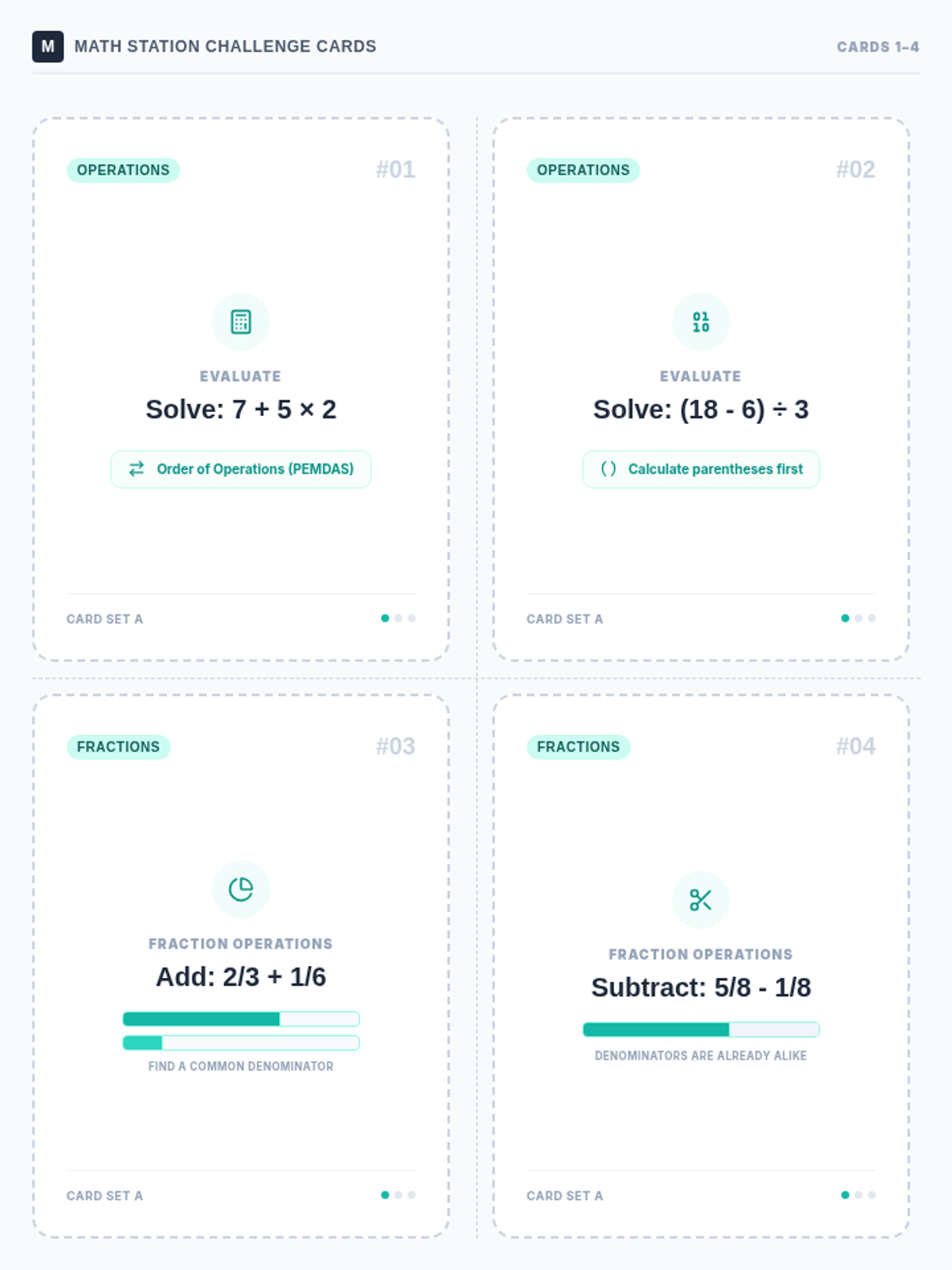
A comprehensive classroom activity lesson featuring standard-sized fraction task cards for practice and a detailed step-by-step visual model answer key.
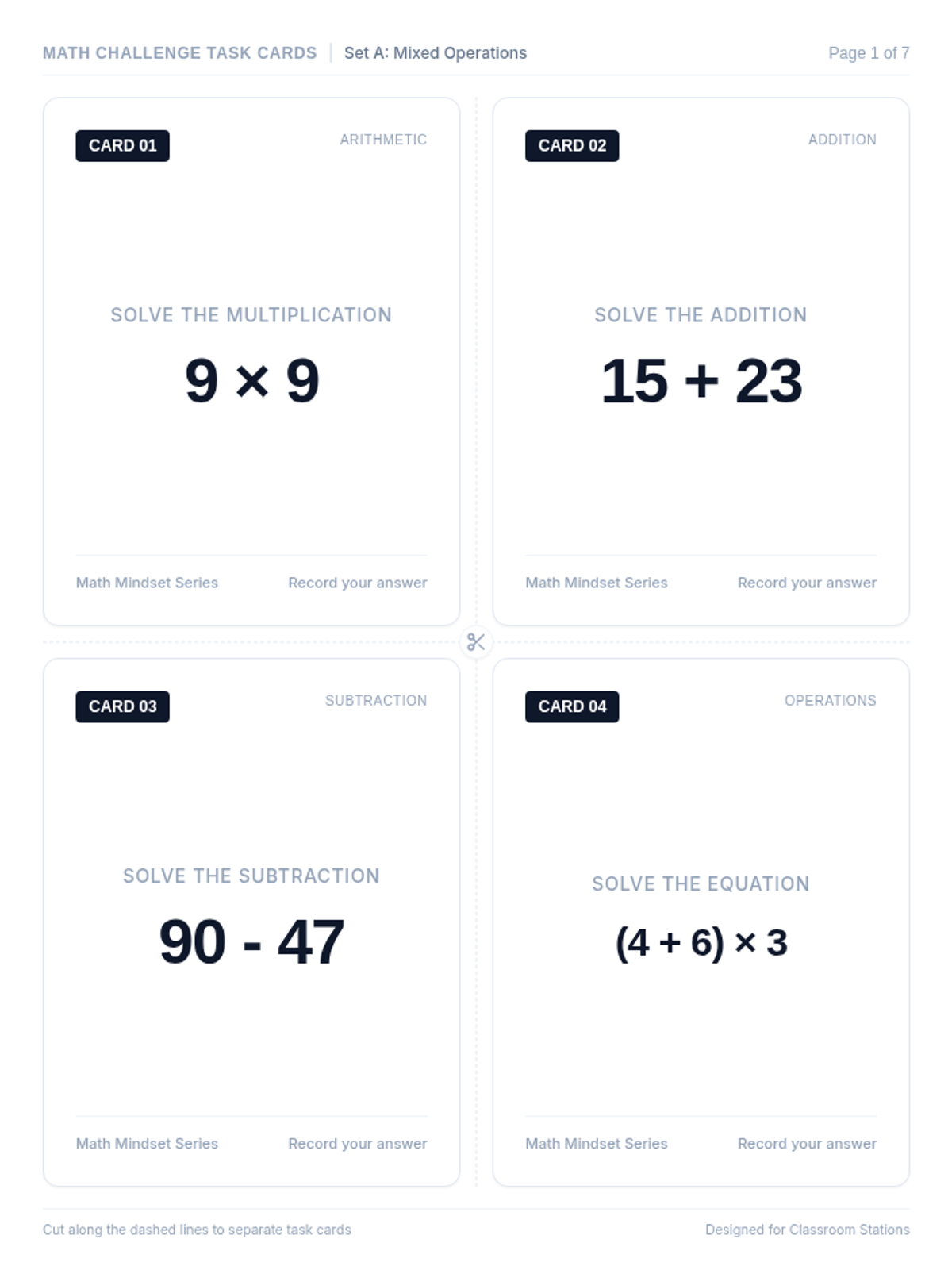
A comprehensive collection of 20 clean, minimalist math task cards covering primary and intermediate arithmetic, geometry, fractions, and order of operations. Complete with a student-friendly layout and a teacher answer key.
A collection of math task cards covering primary arithmetic, fractions, geometry, and coordinates, designed for engaging math centers and collaborative station learning.
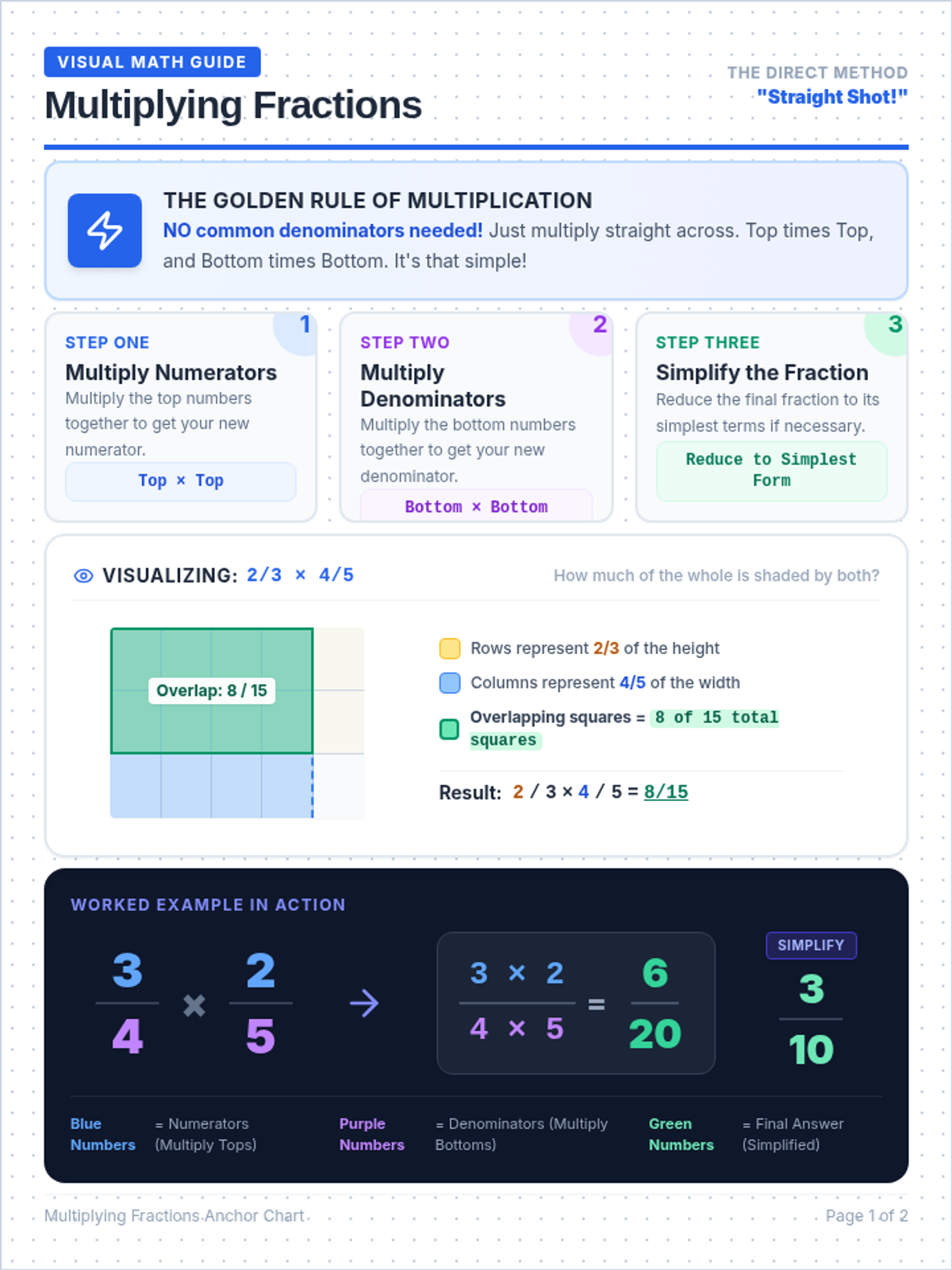
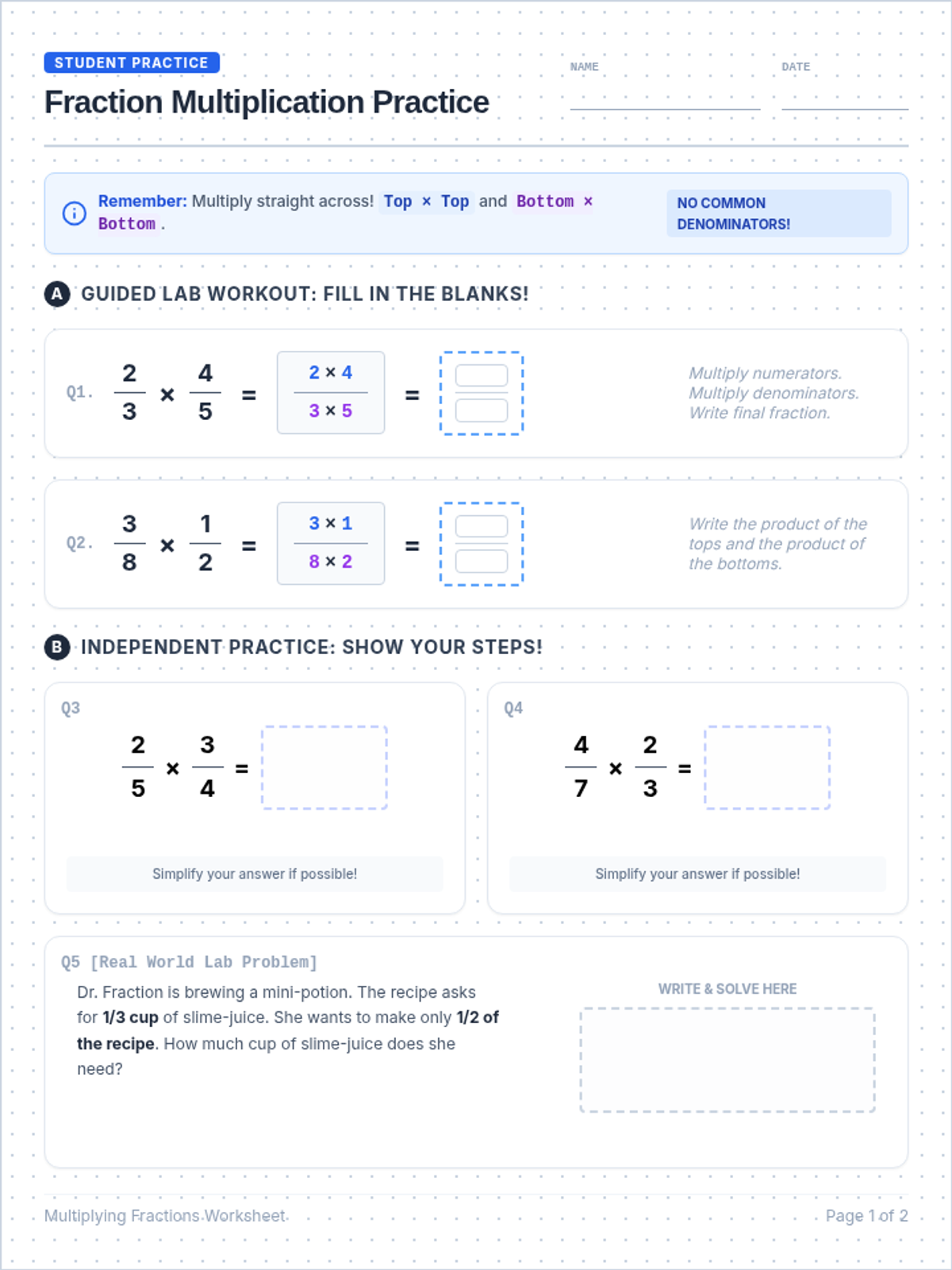
A comprehensive resource suite designed to teach students how to multiply and divide fractions through structured step-by-step anchor charts, visual models, and memory aids.
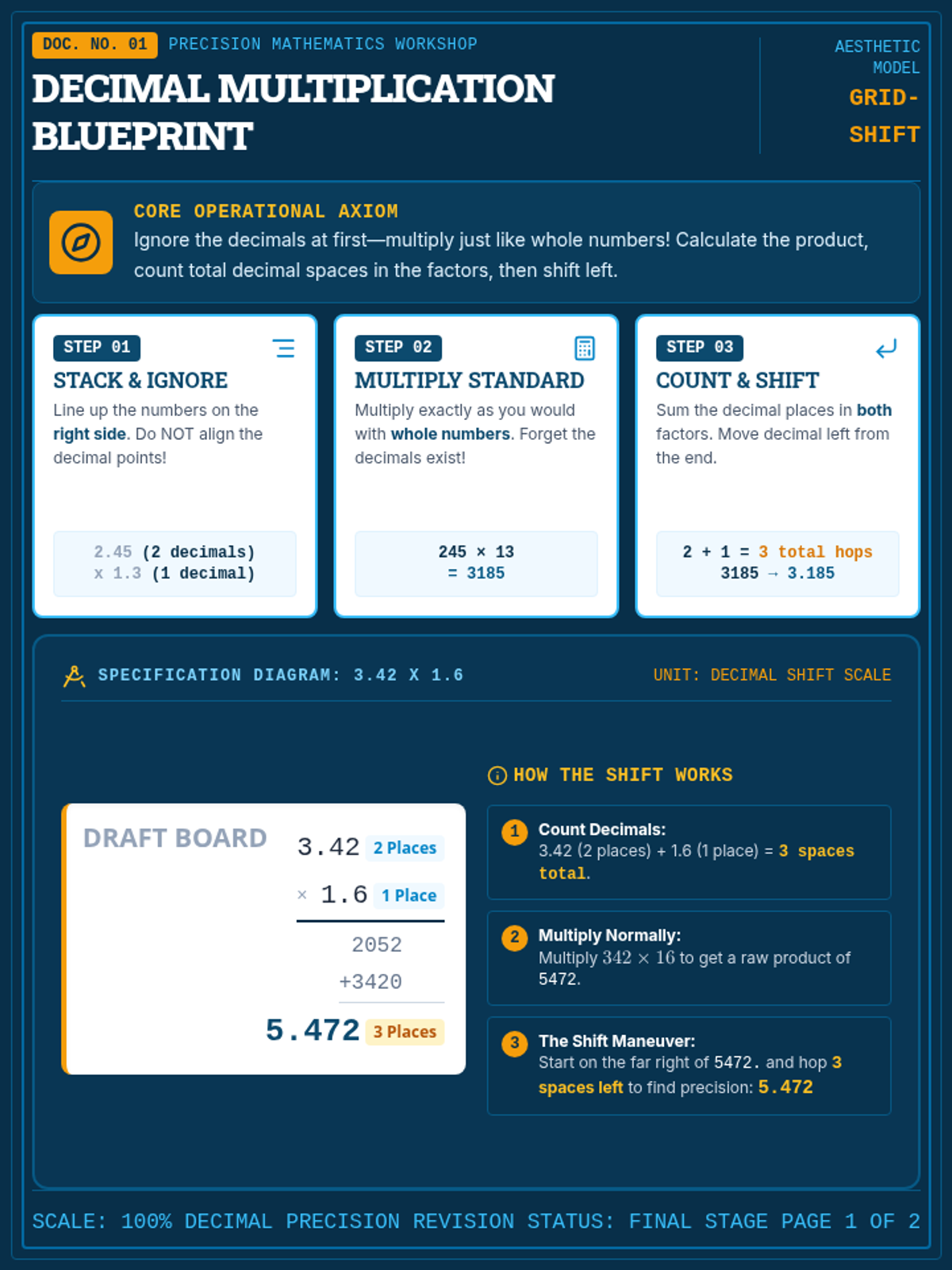
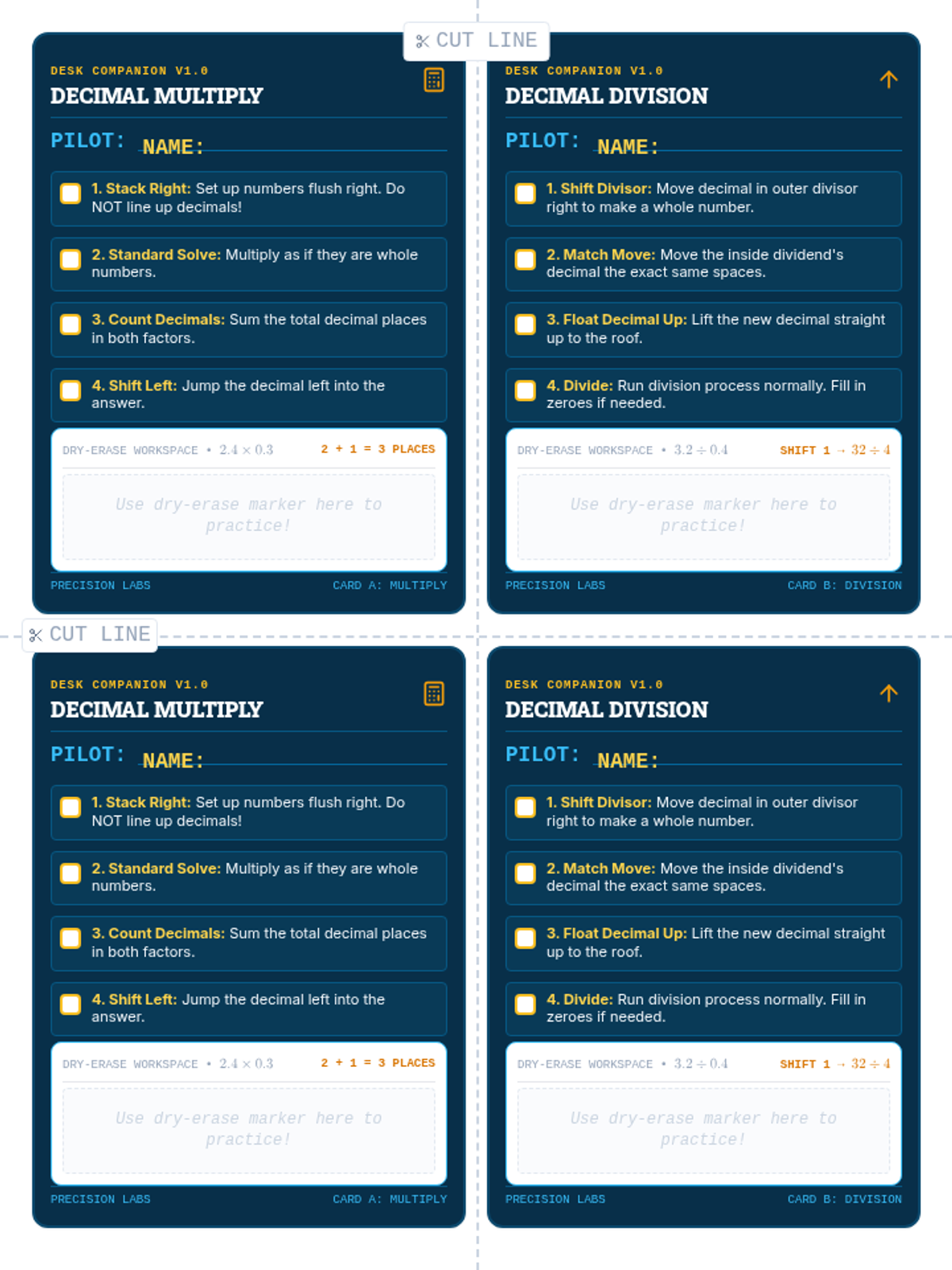
A visual, blueprint-themed guide to mastering decimal multiplication and division. Includes large classroom-ready anchor charts and individual student desk checklist cards for step-by-step scaffolding.
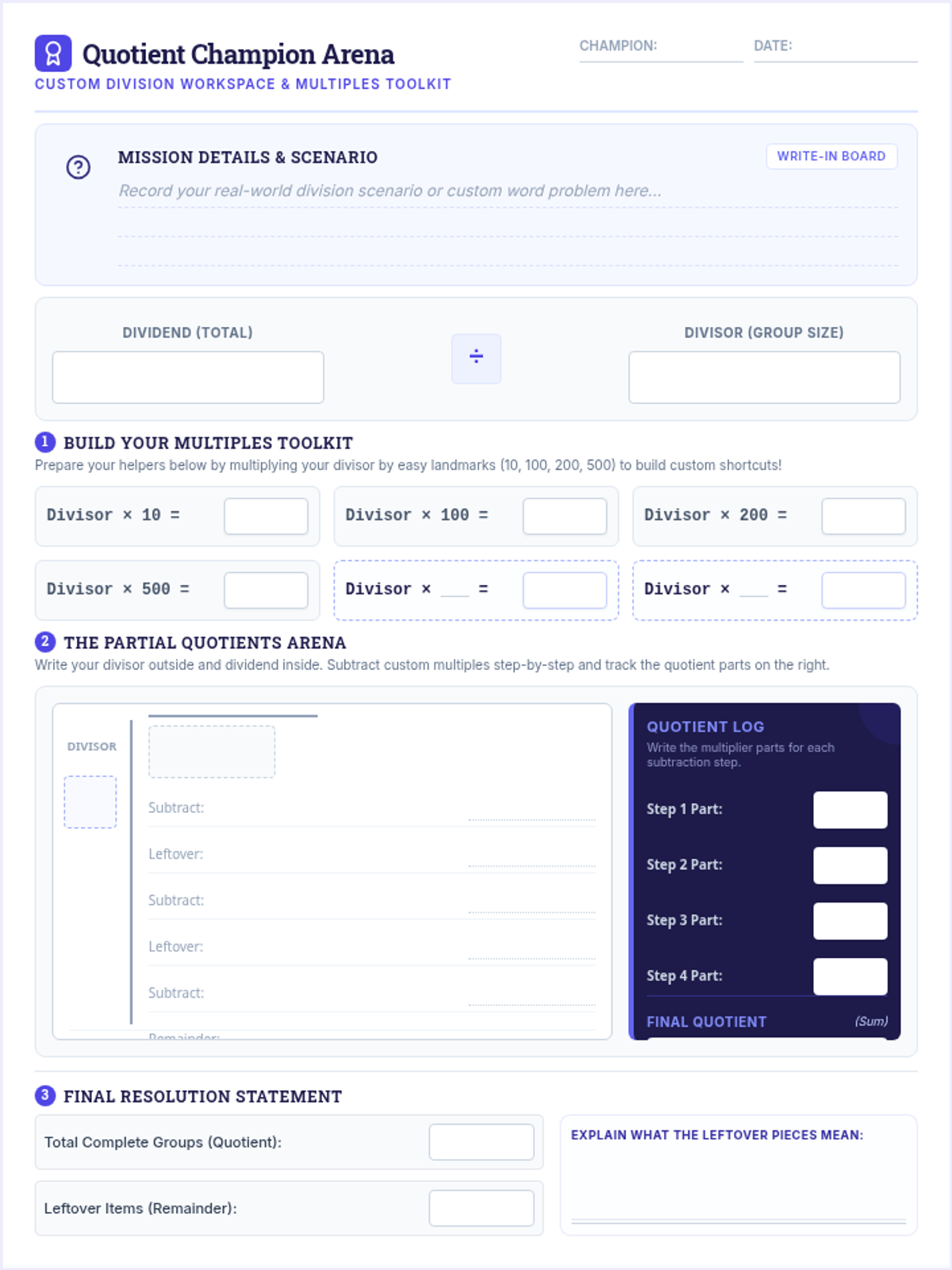
A collection of open-ended, customizable division workspace templates that allow teachers to write custom division problems and students to practice the partial quotients method with any numbers.
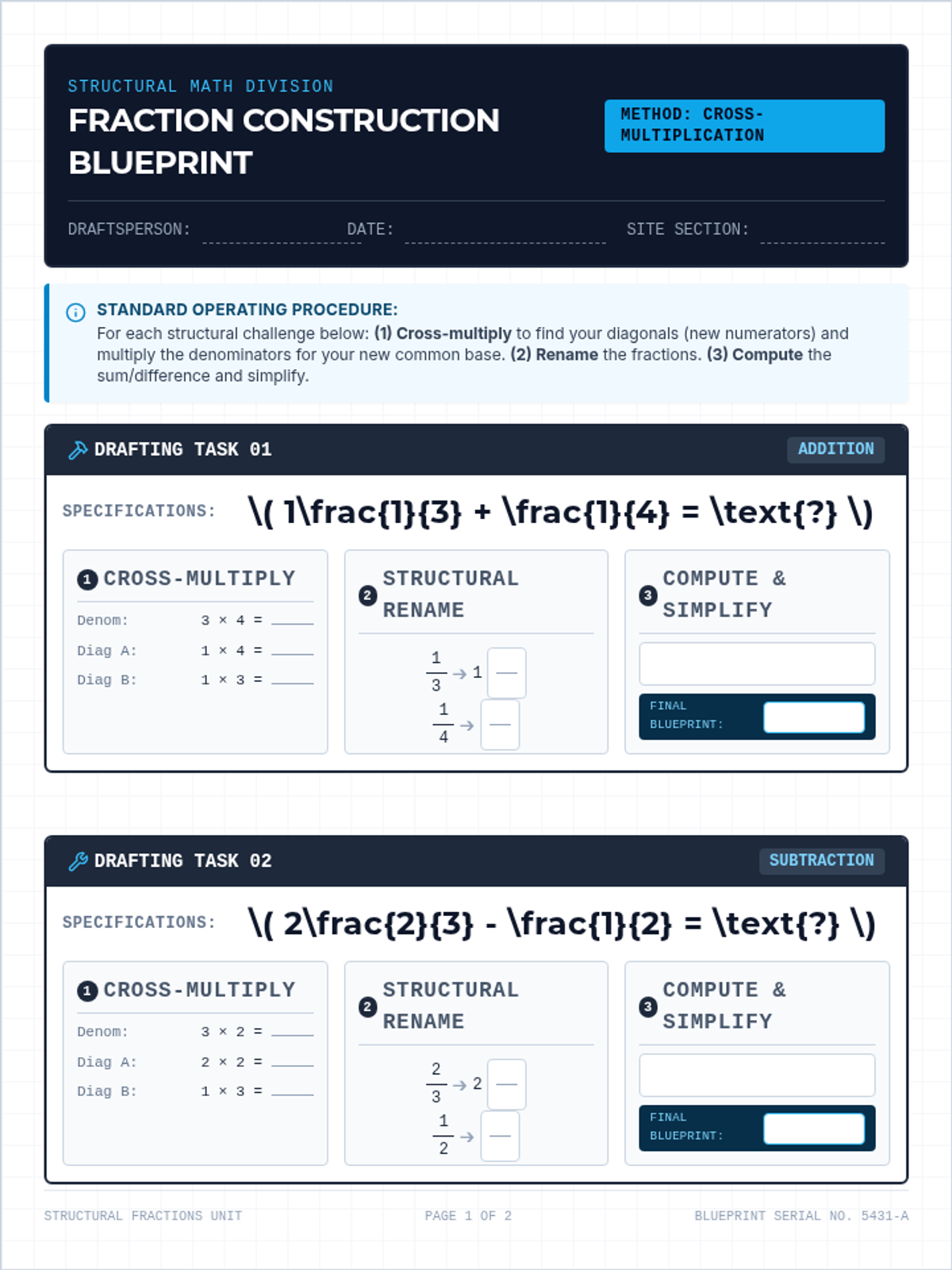
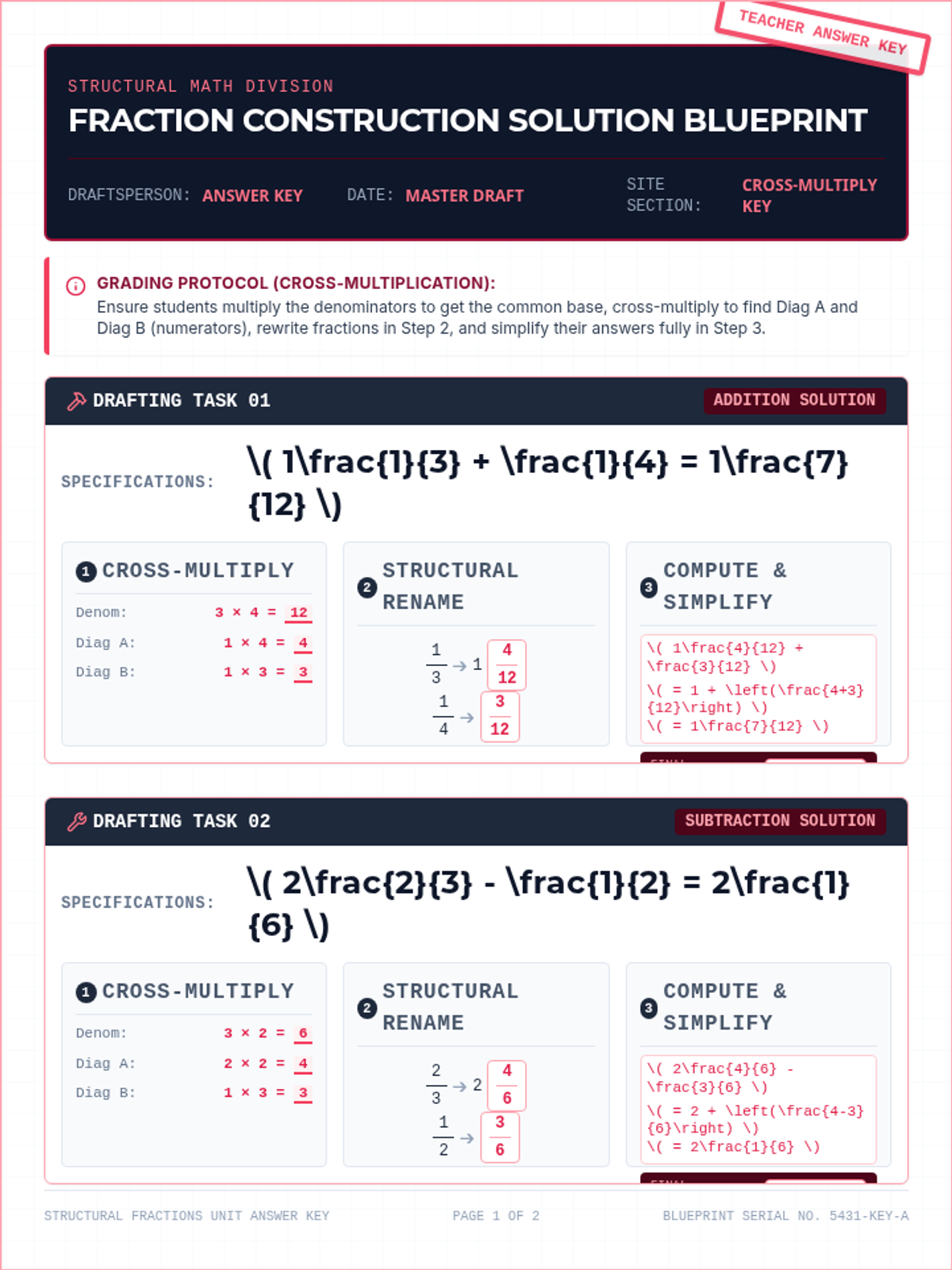
A lesson focused on adding and subtracting fractions with unlike denominators up to 10, utilizing a structural blueprint-themed graphic organizer to guide students through finding the LCM, renaming fractions, and computing the final result.
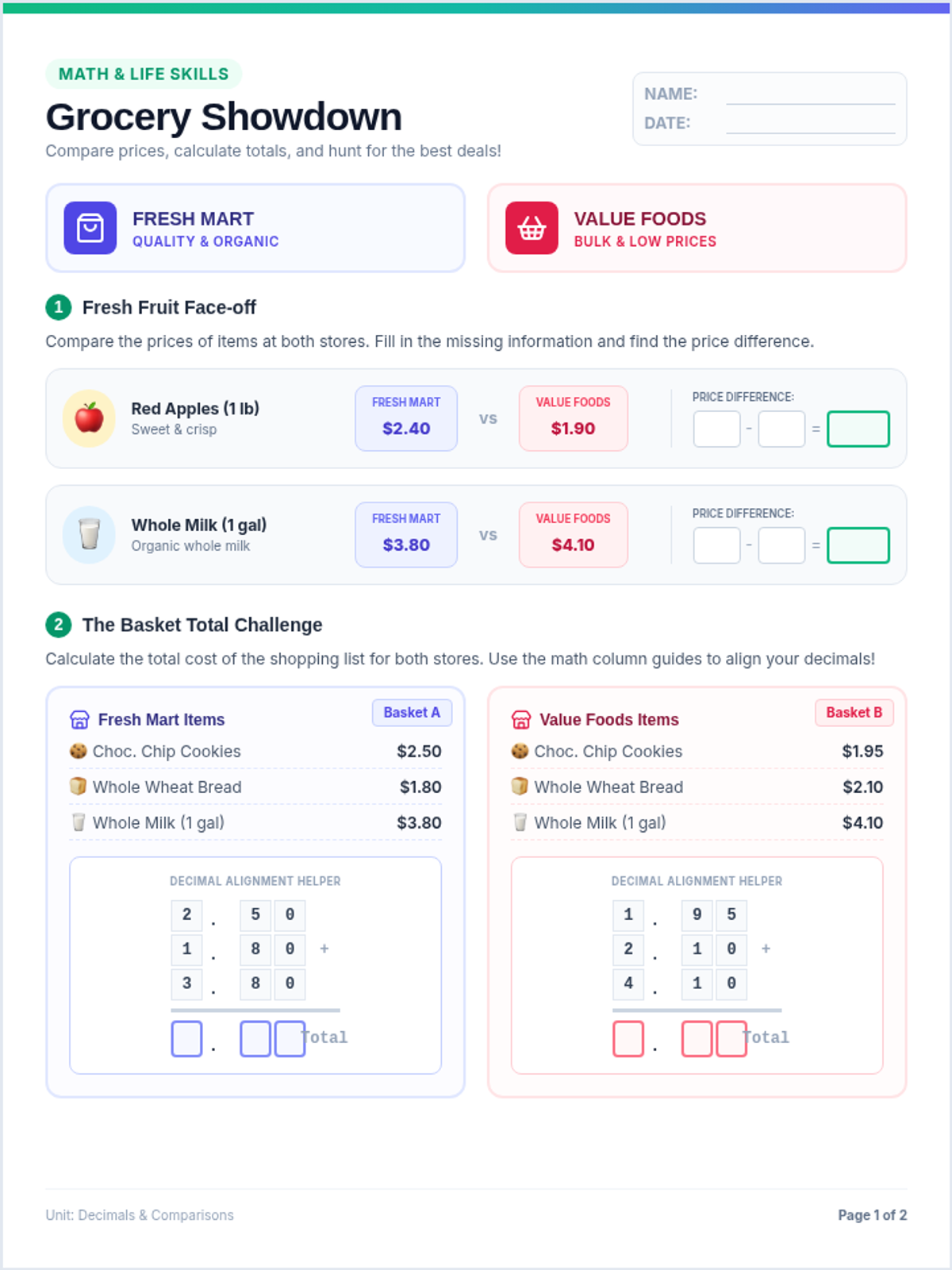
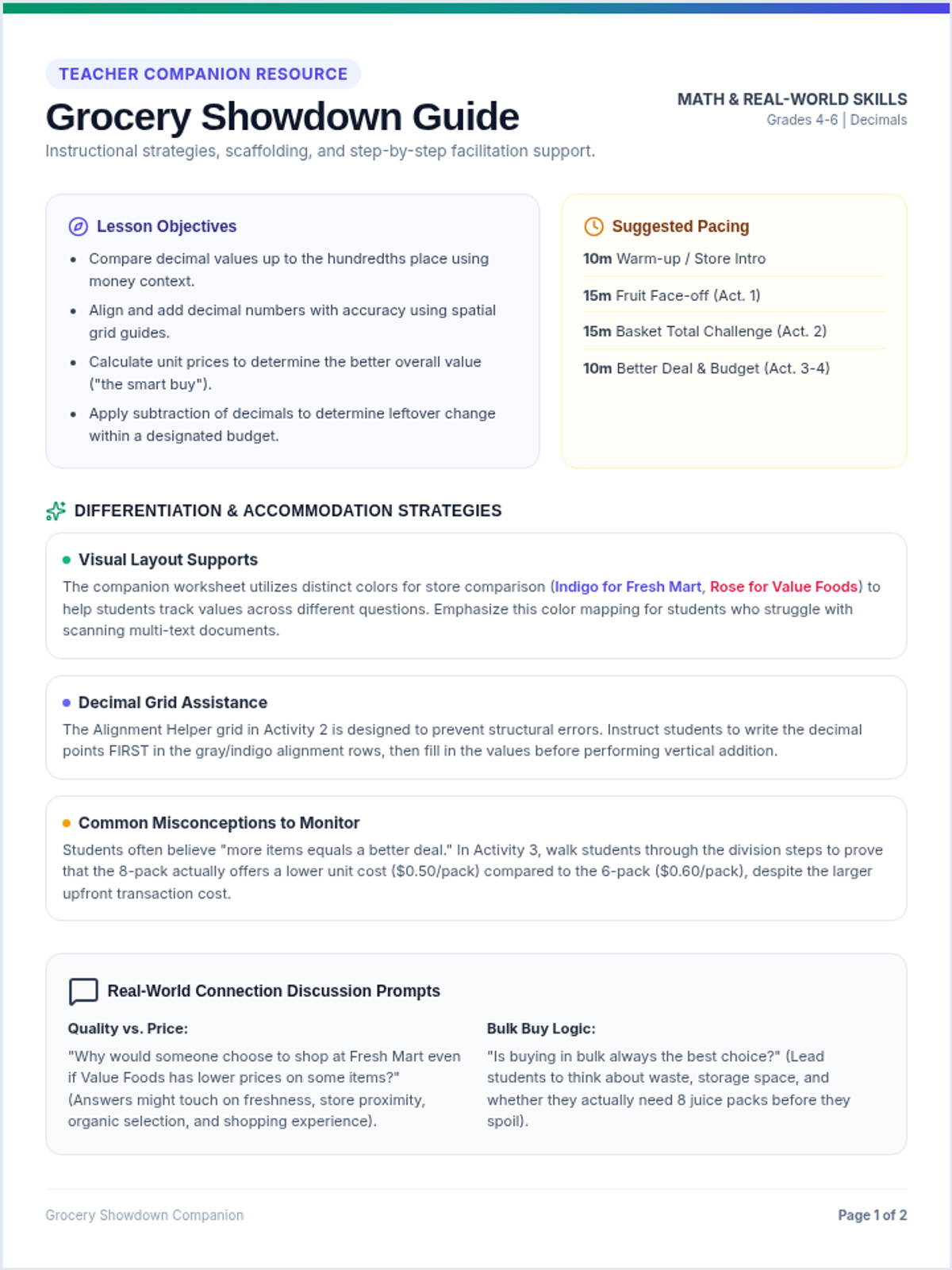
A visually-supported math lesson where students compare grocery prices between two supermarkets, calculate totals using color-coded guide boxes, and determine the best deals. Designed with rich visual support and clear calculation aids for accessibility.
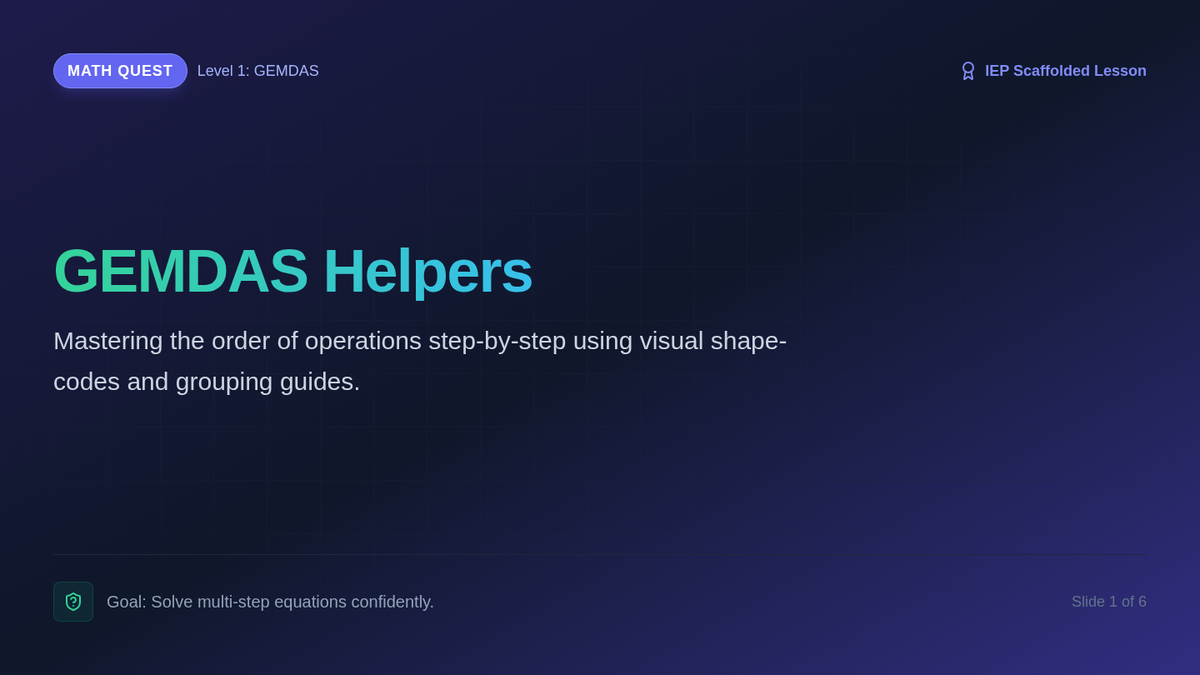
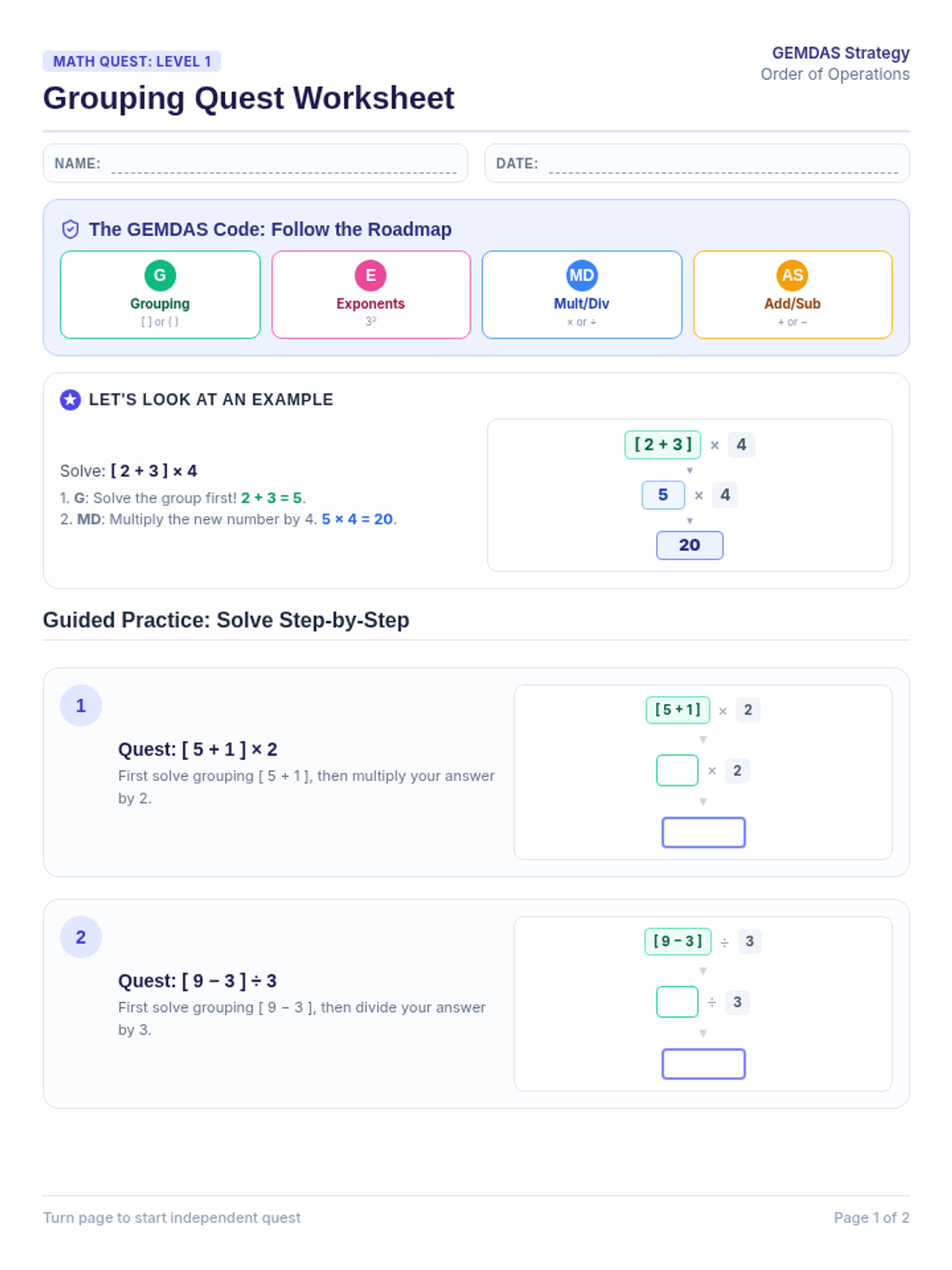
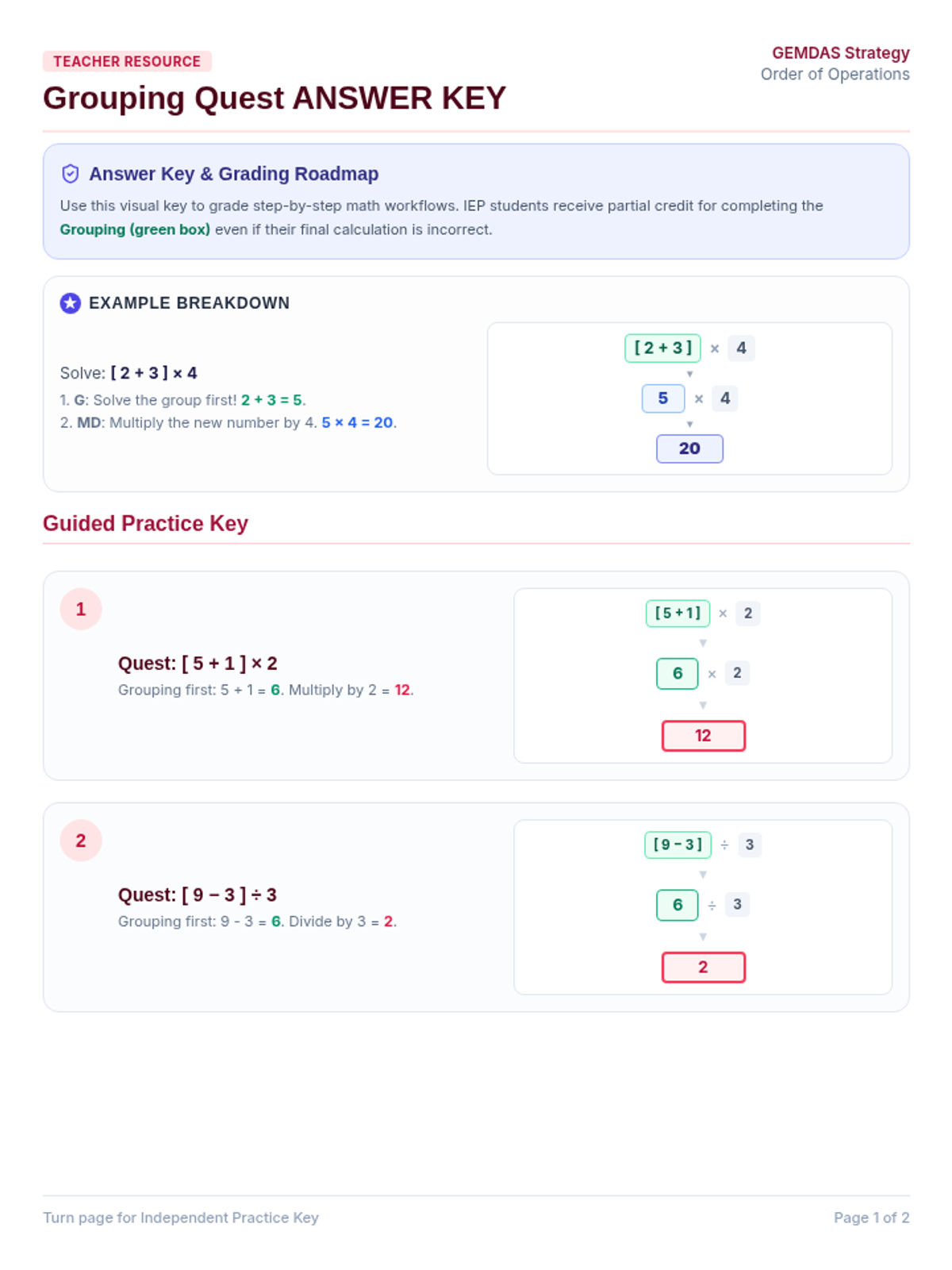
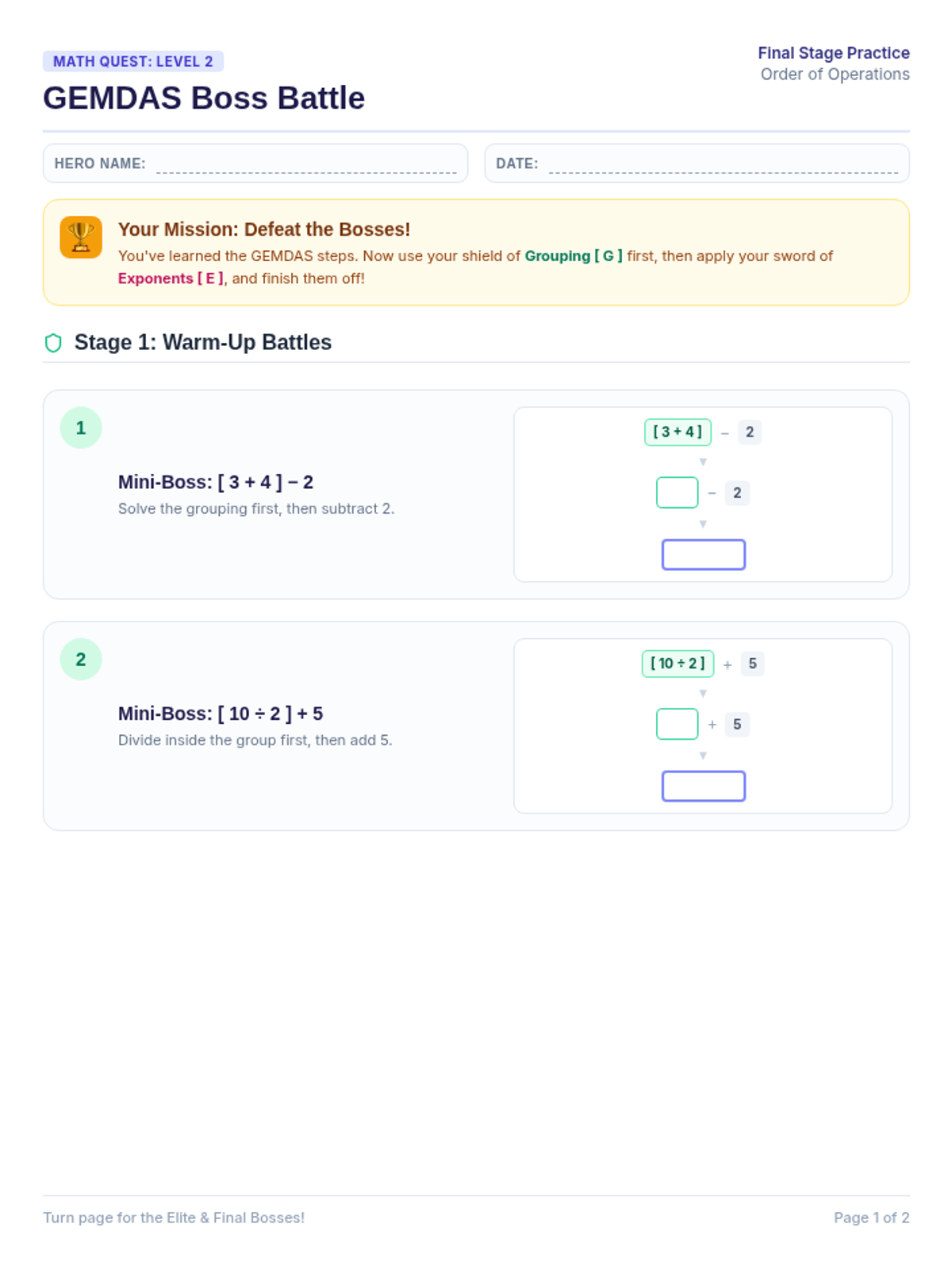
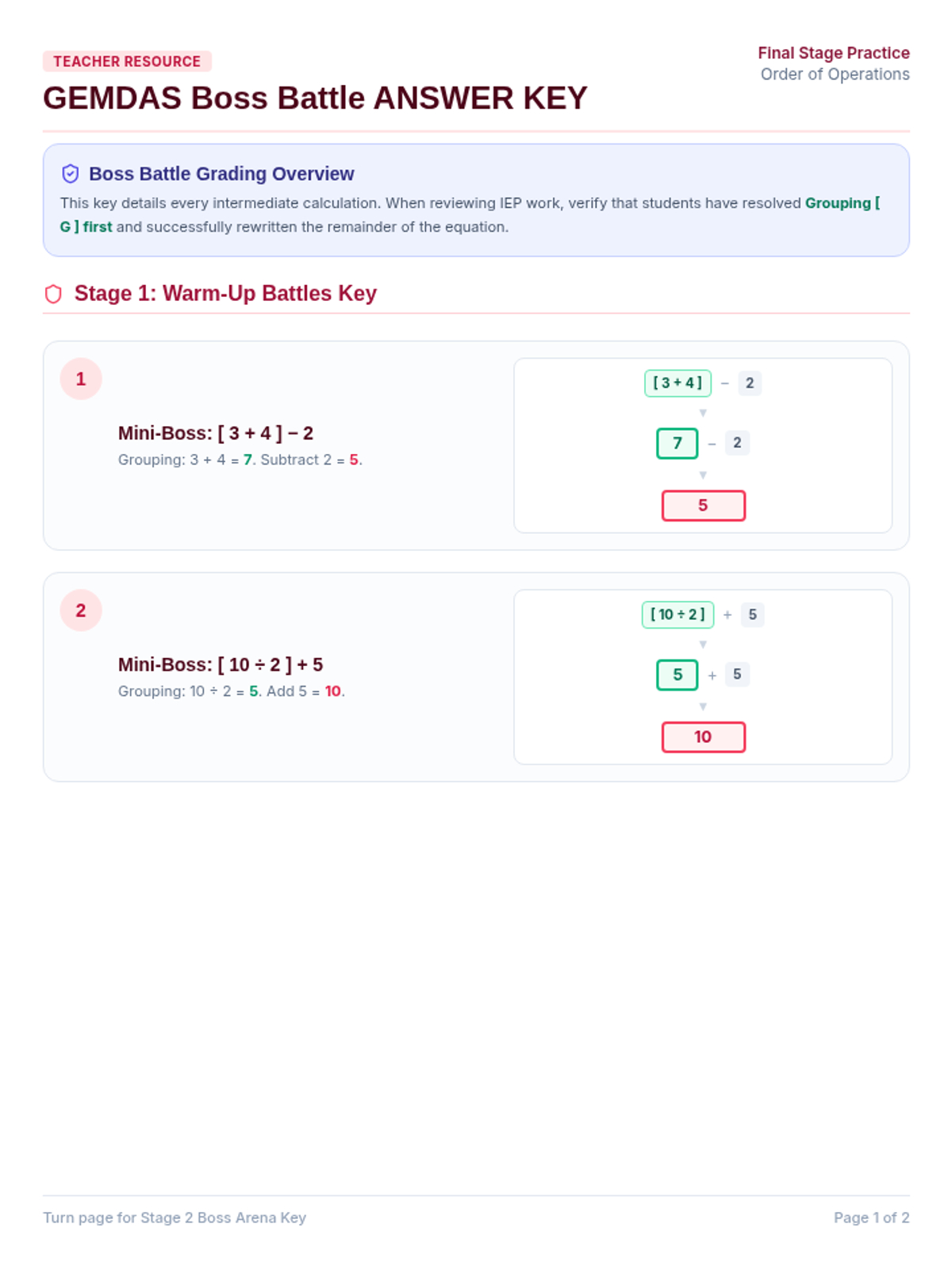
A lesson designed for IEP students focusing on the order of operations using GEMDAS (Grouping, Exponents, Multiplication/Division, Addition/Subtraction). It features shape-coded guided steps and simplified numbers to scaffold comprehension.
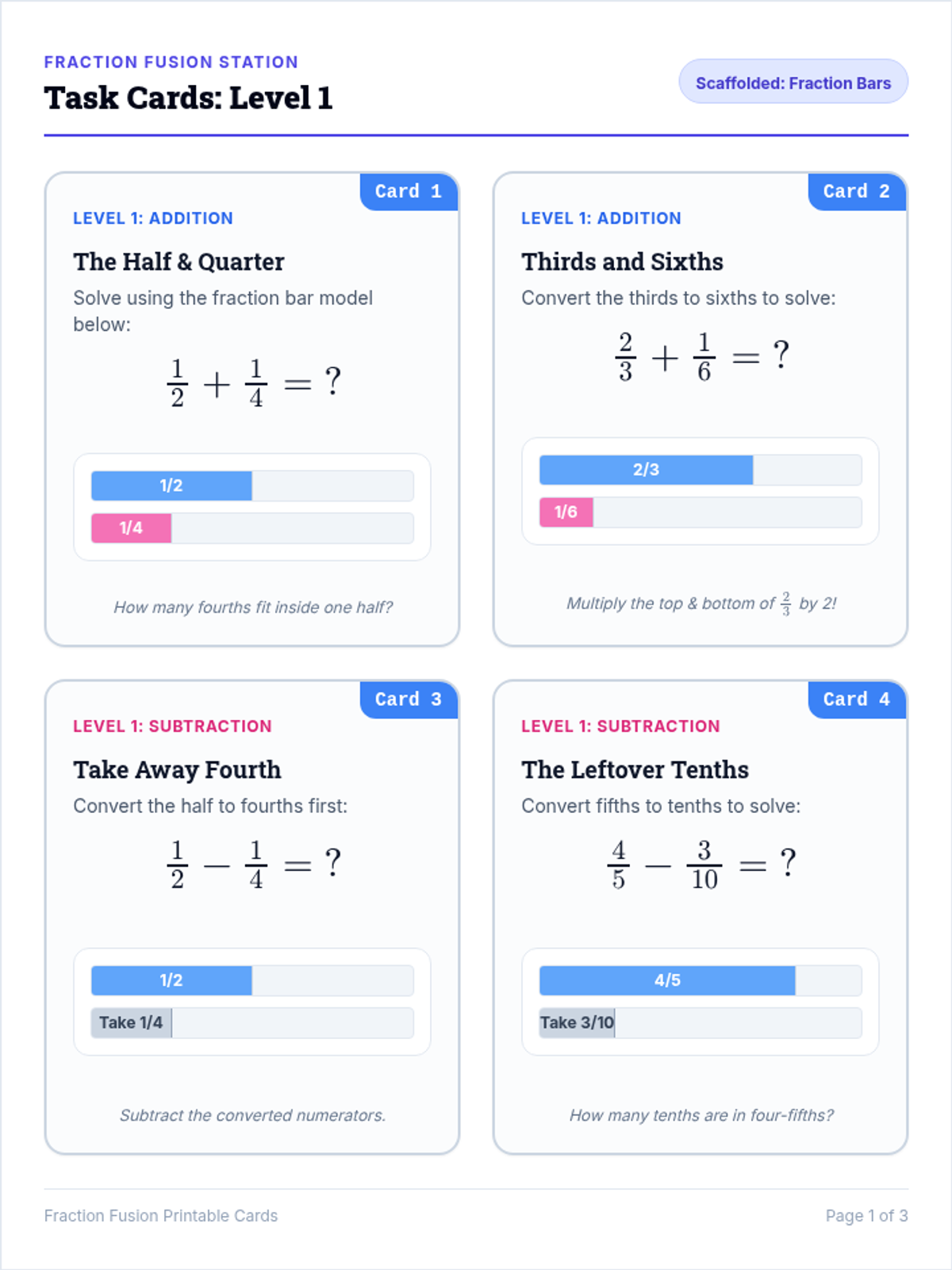
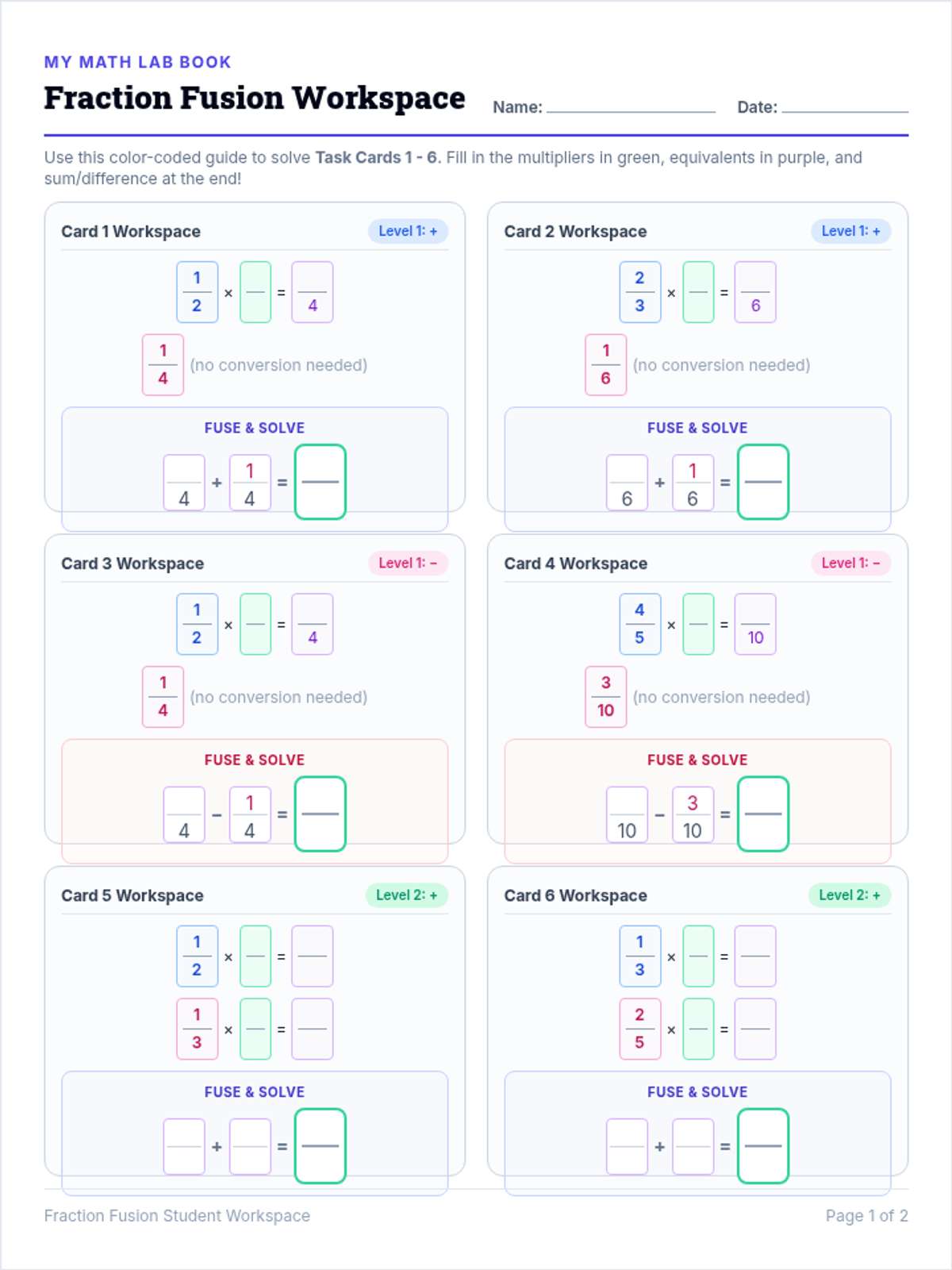
A lesson designed to teach students how to add and subtract fractions with unlike denominators using visual area models, fraction bars, and step-by-step color-coded graphic organizers.
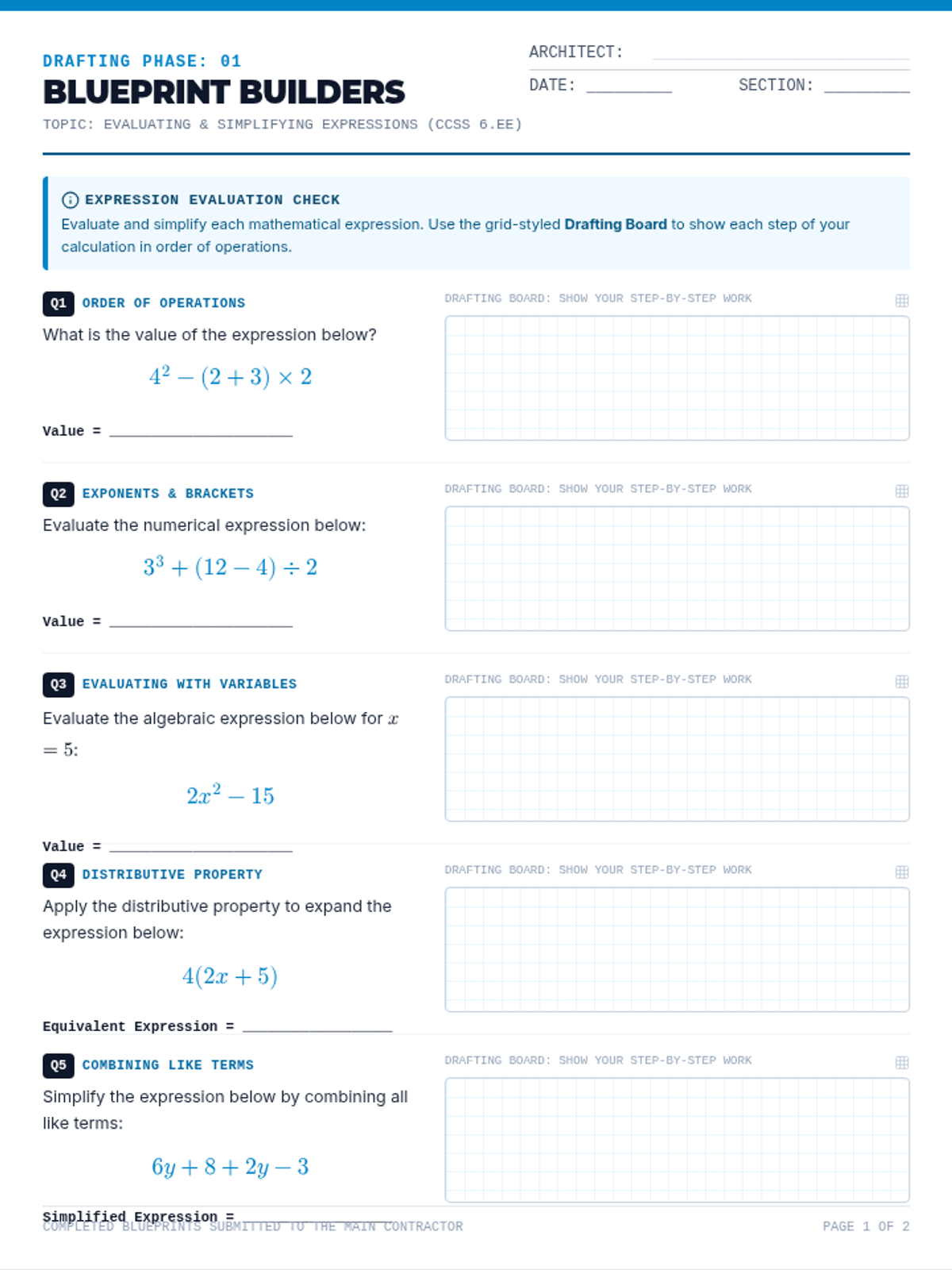
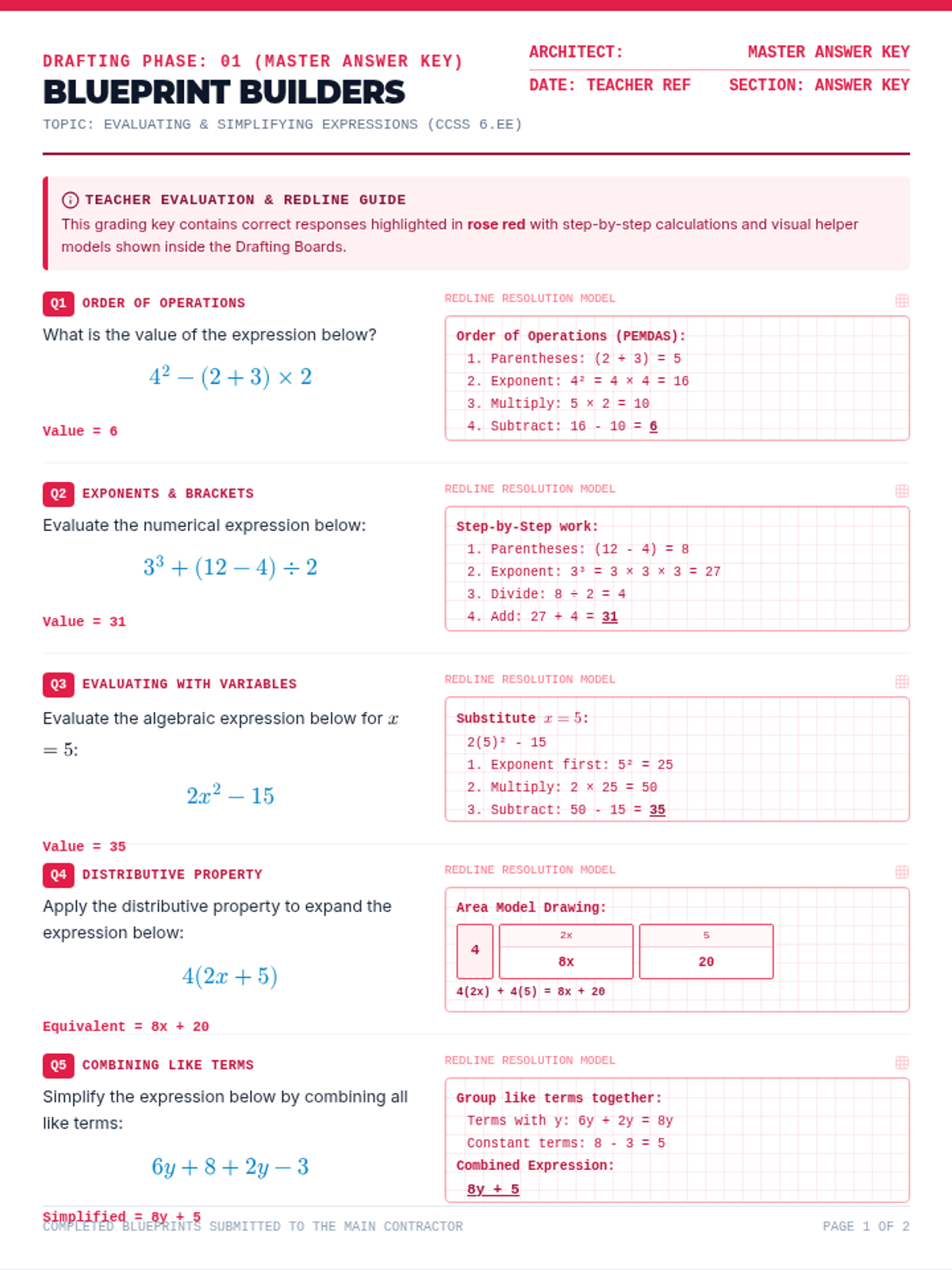
A 6th-grade math lesson focused on Expressions and Equations (CCSS 6.EE). Students act as Junior Architects, using visual blueprints, tape diagrams, and mathematical modeling to write expressions, evaluate with exponents, apply the distributive property, and solve one-step real-world equations.
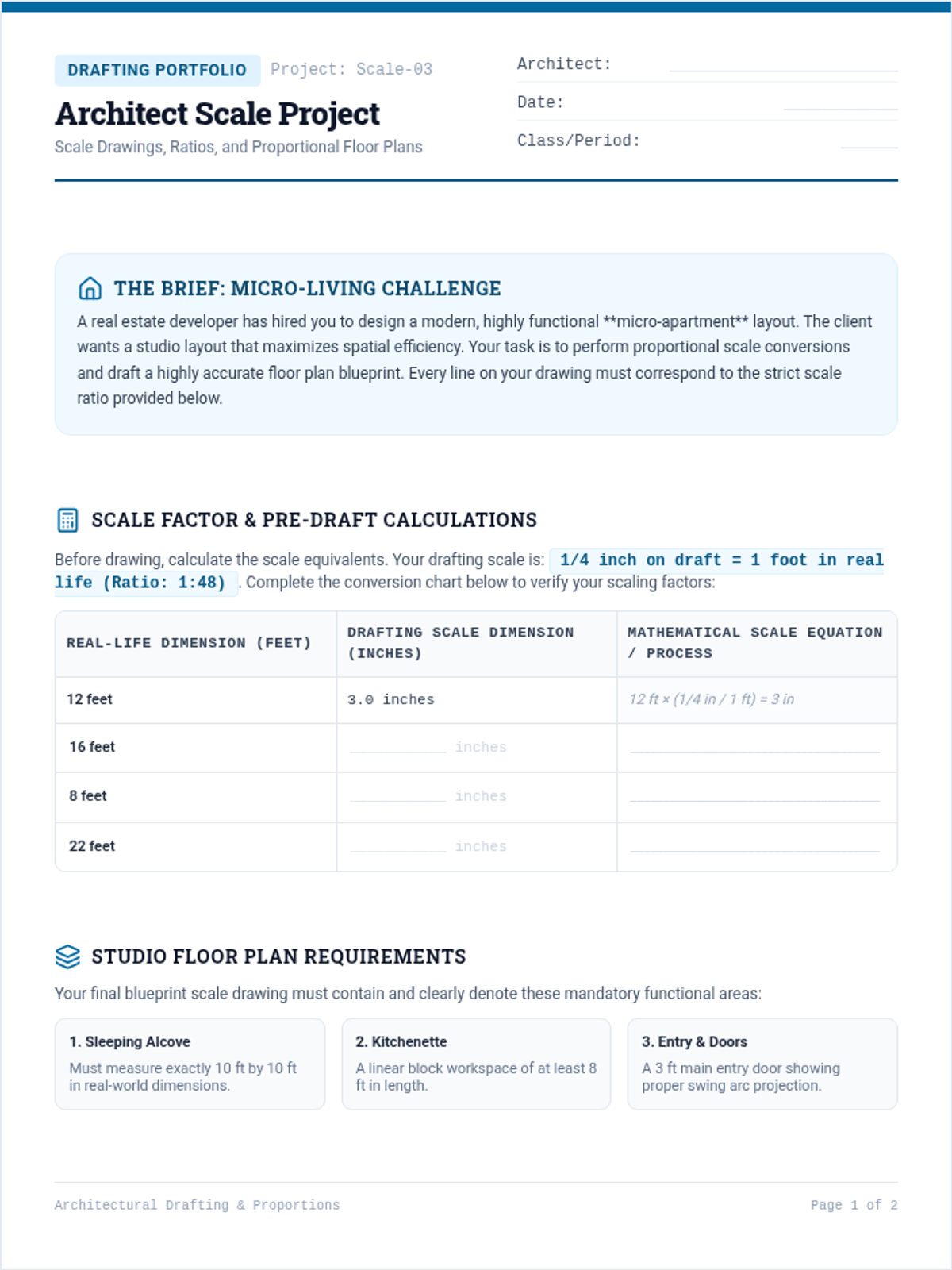
A scale drawing and architectural design project where students draft floor plans to a precise scale ratio and compute real-world dimensions.
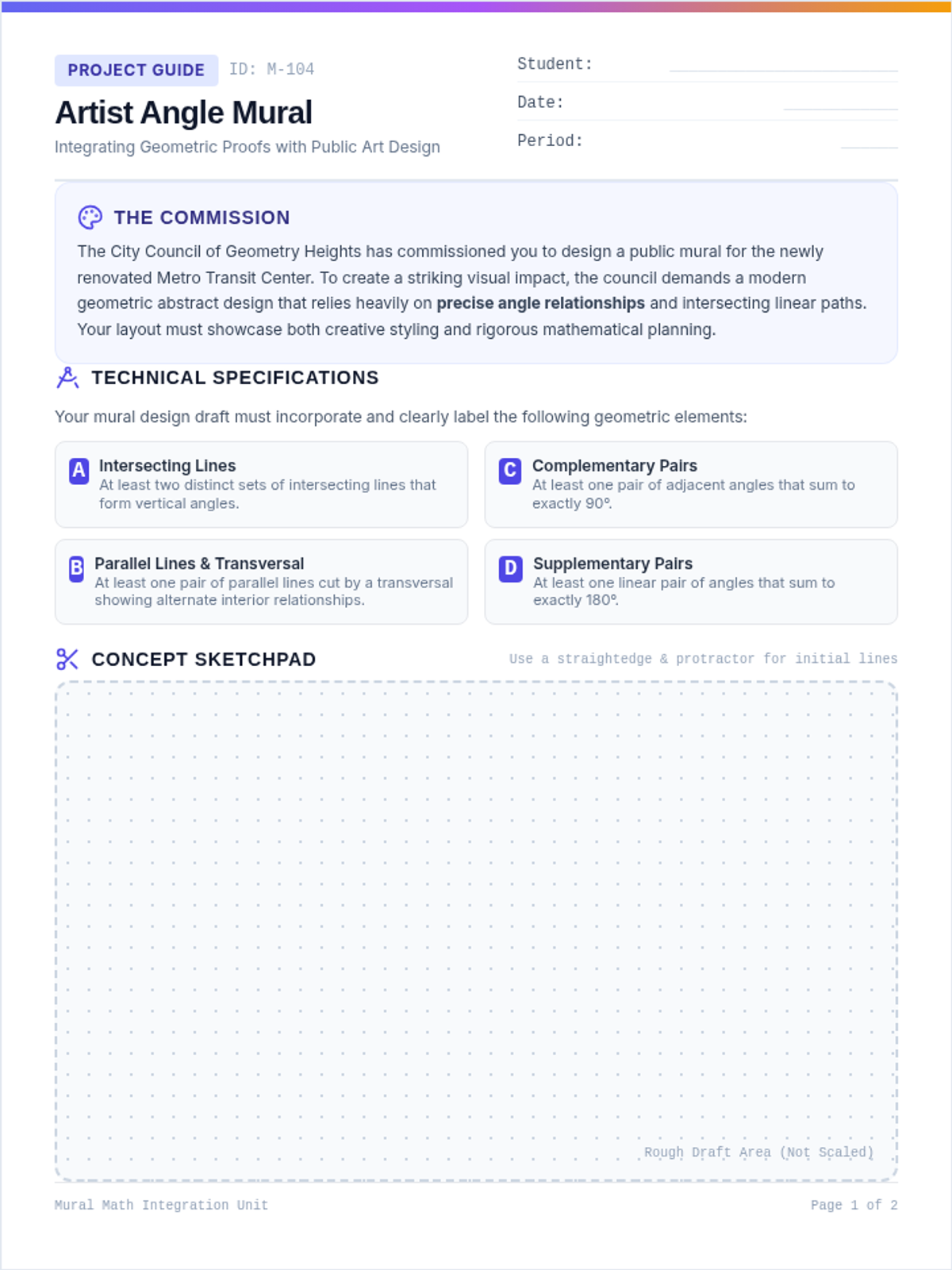
A creative math and art integration project where students design a geometric mural using precise angle relationships and calculate missing measurements.