A lesson focused on applying coordinate grid skills to navigate maps, plan city layouts, and solve distance-based problems in real-world contexts.
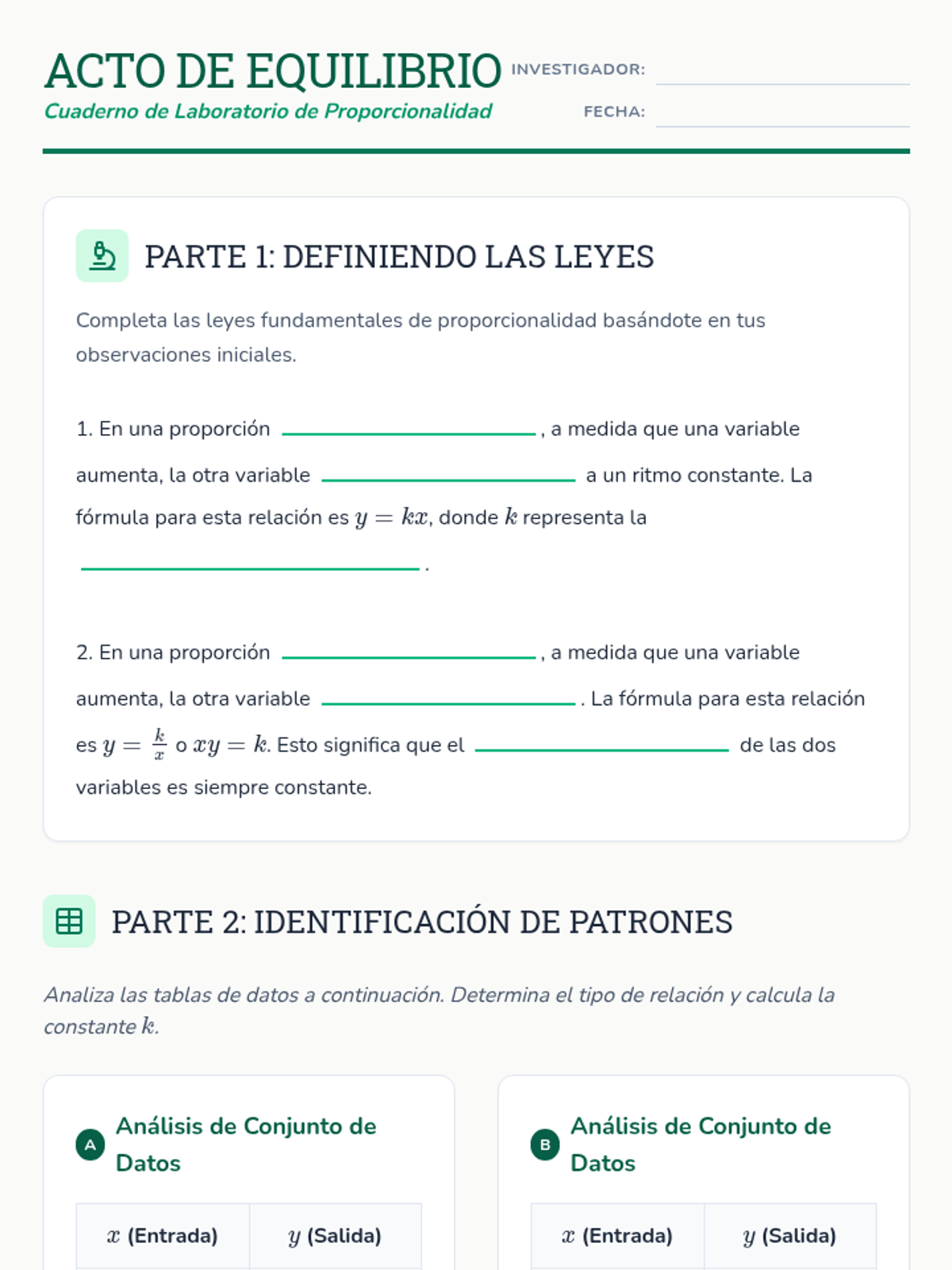
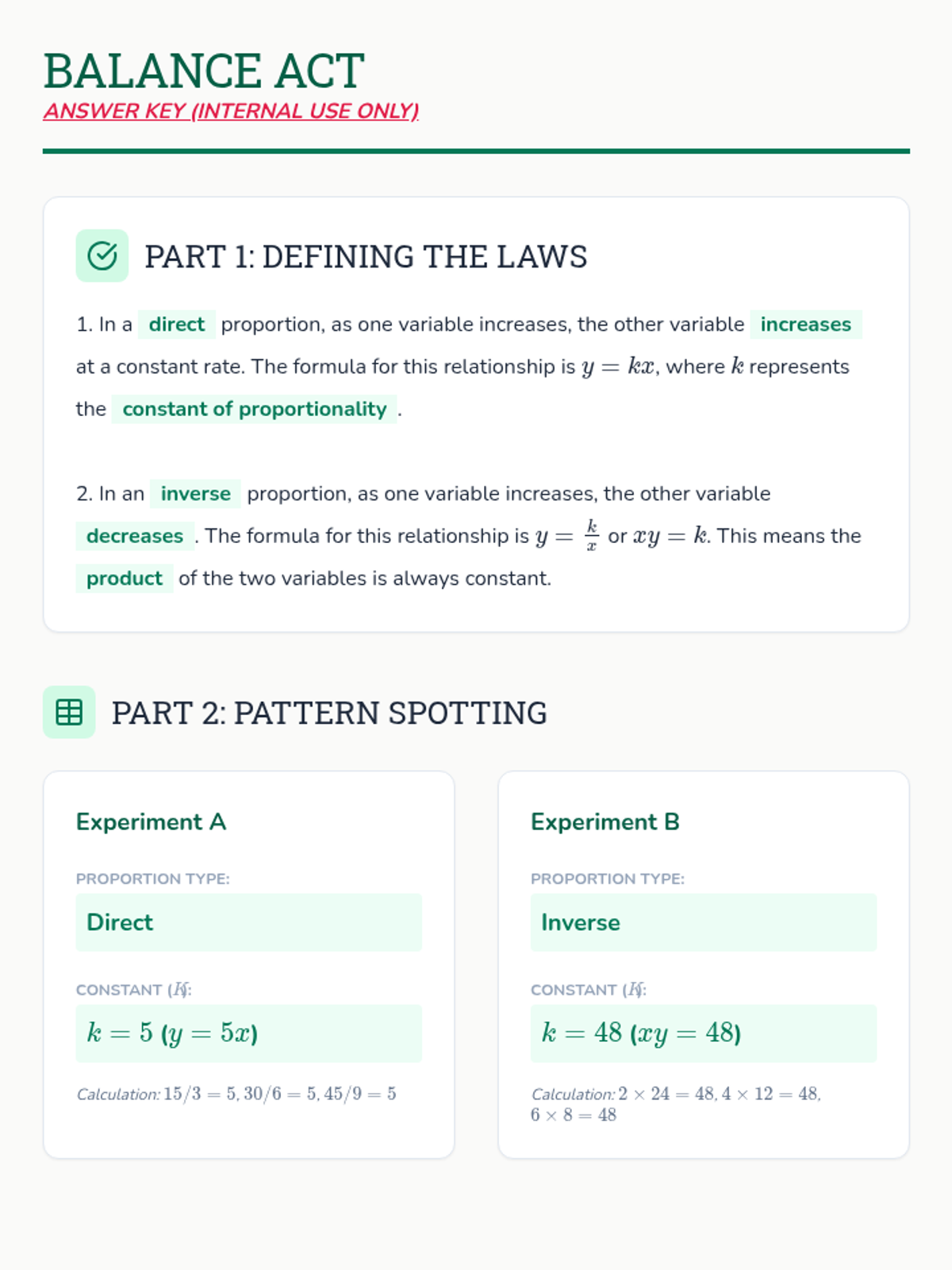
A comprehensive lesson on direct and inverse proportionality, featuring exploratory scenarios, pattern recognition, and real-world applications.
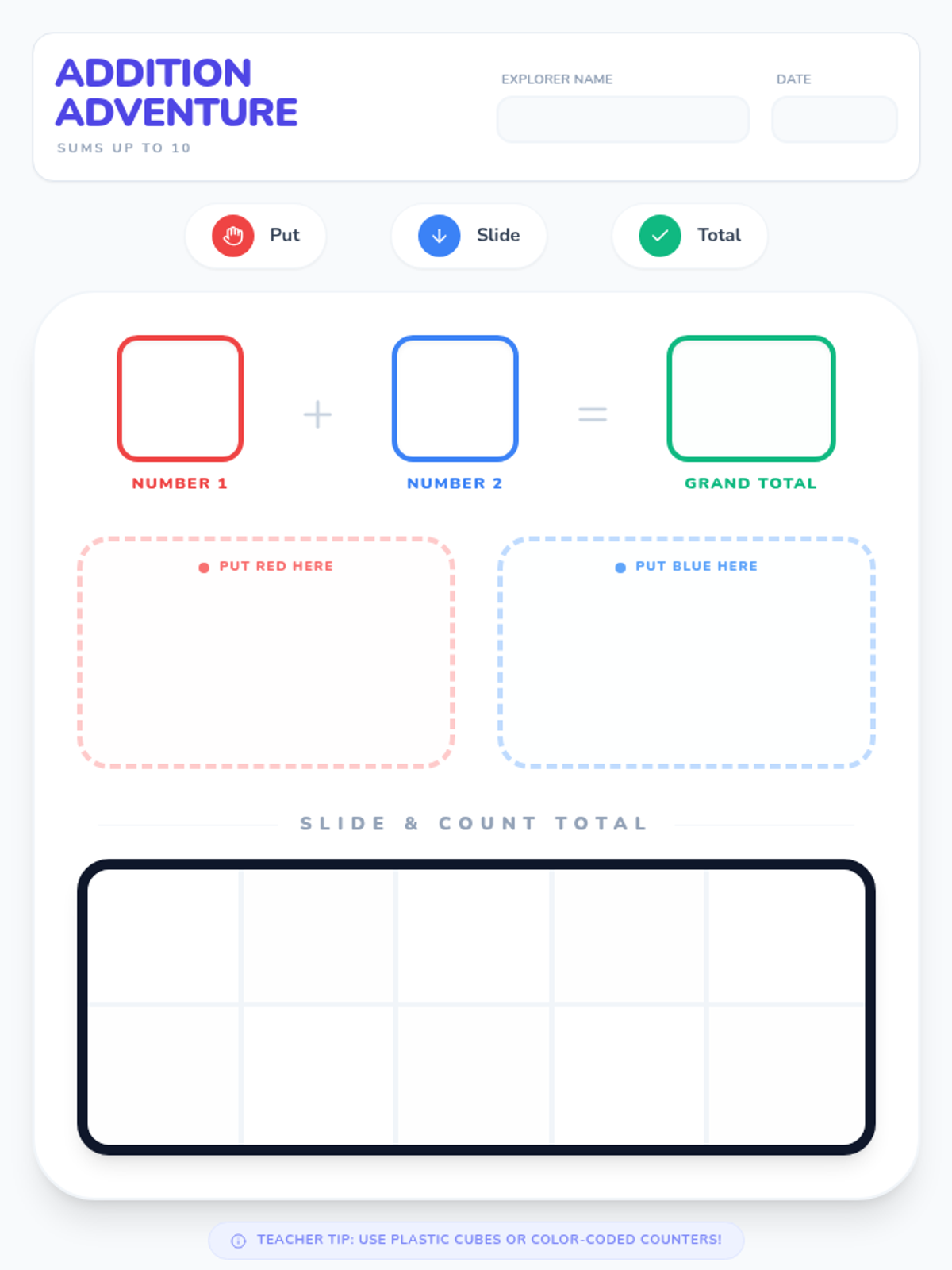
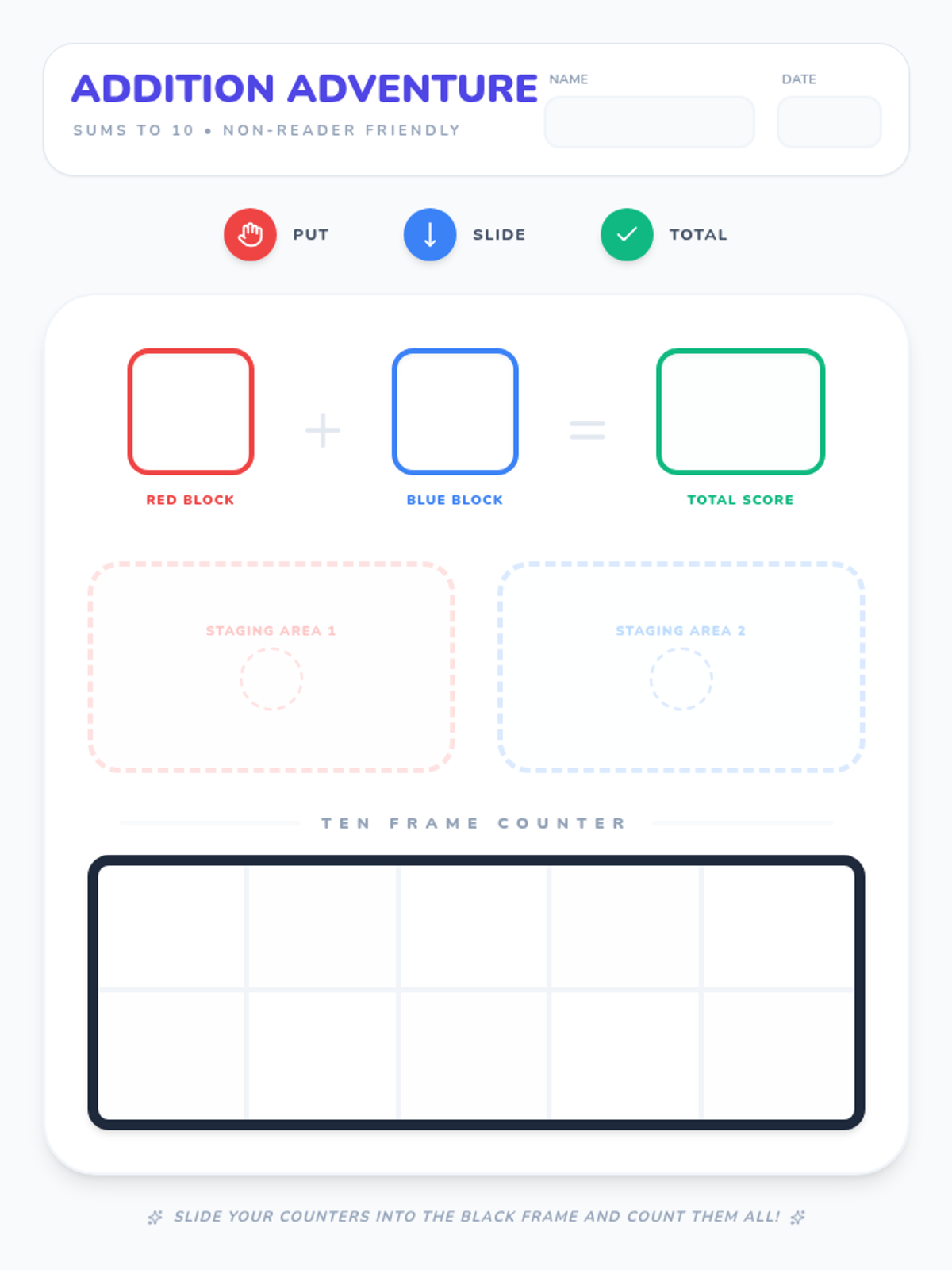
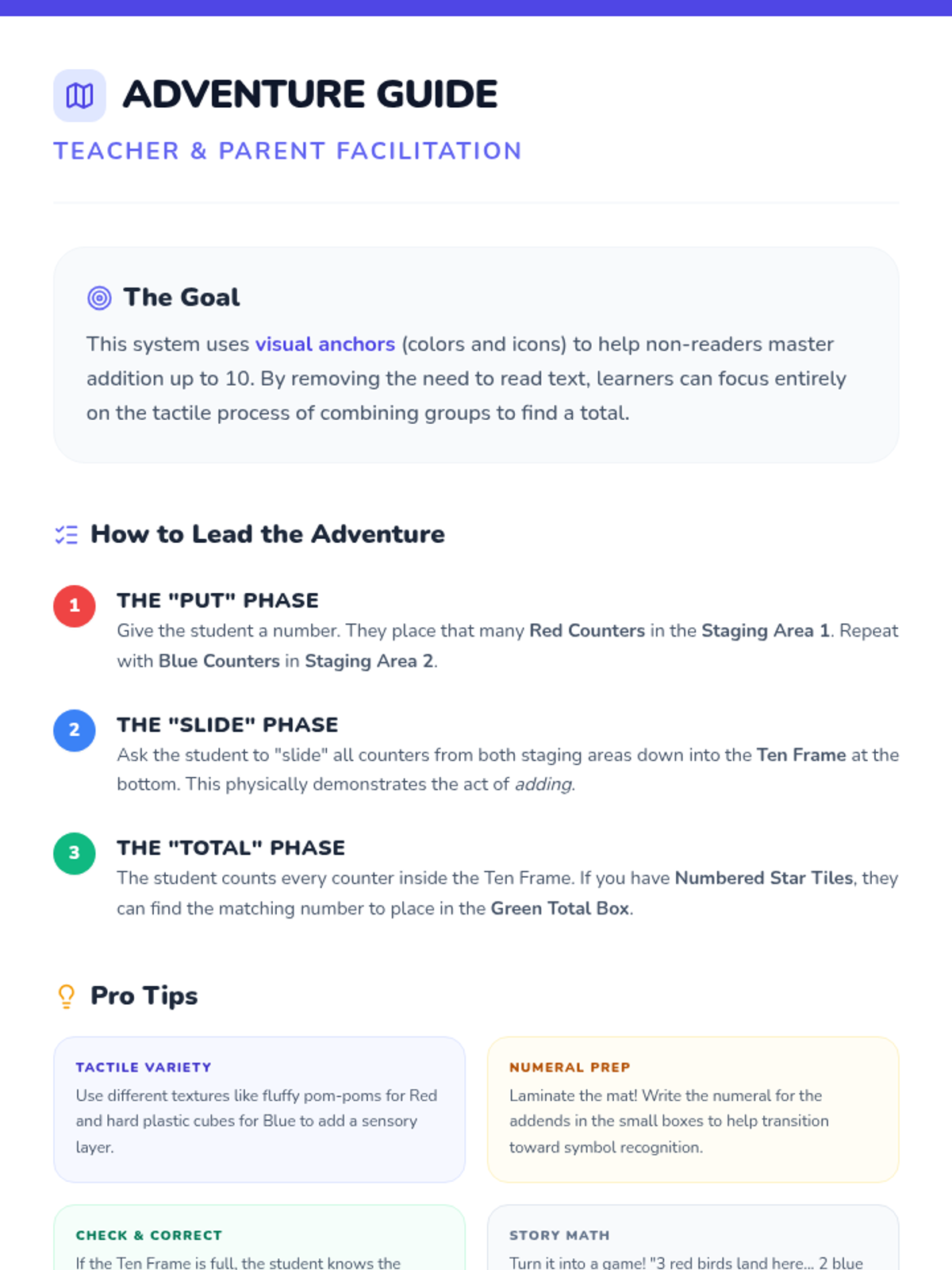
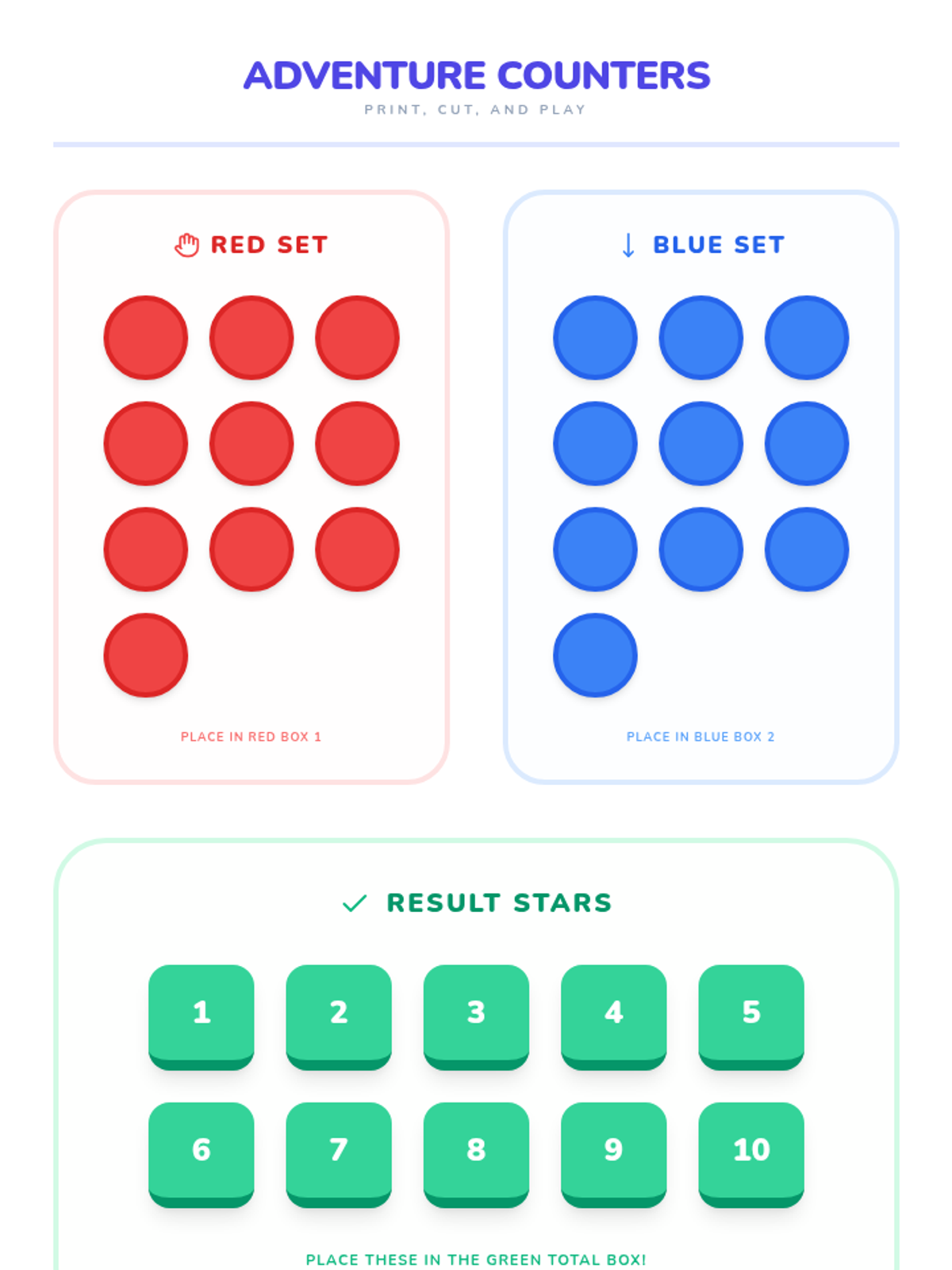
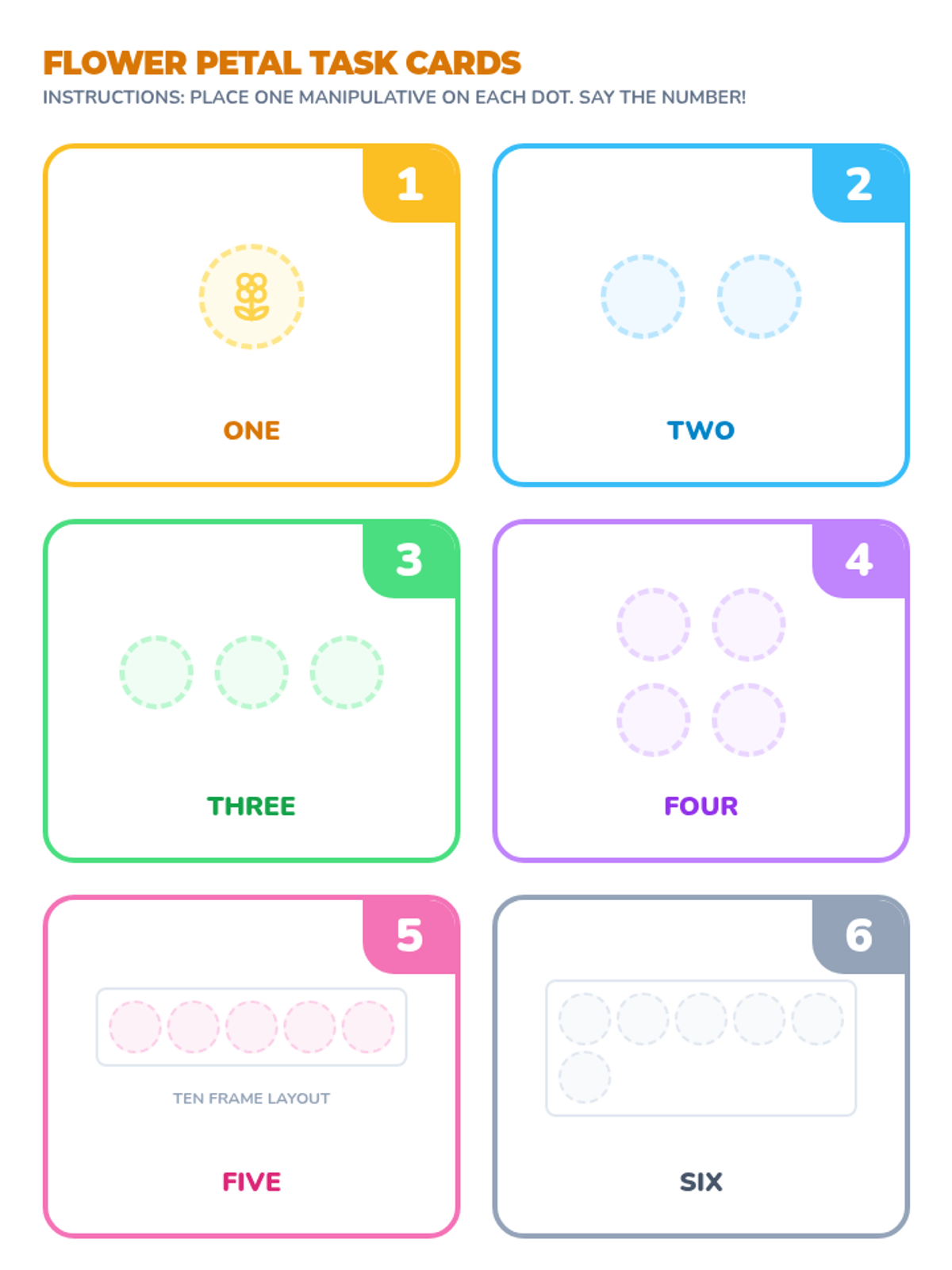
A visual, color-coded addition resource designed for non-readers to practice sums up to 10 using tactile manipulatives and clear visual cues.
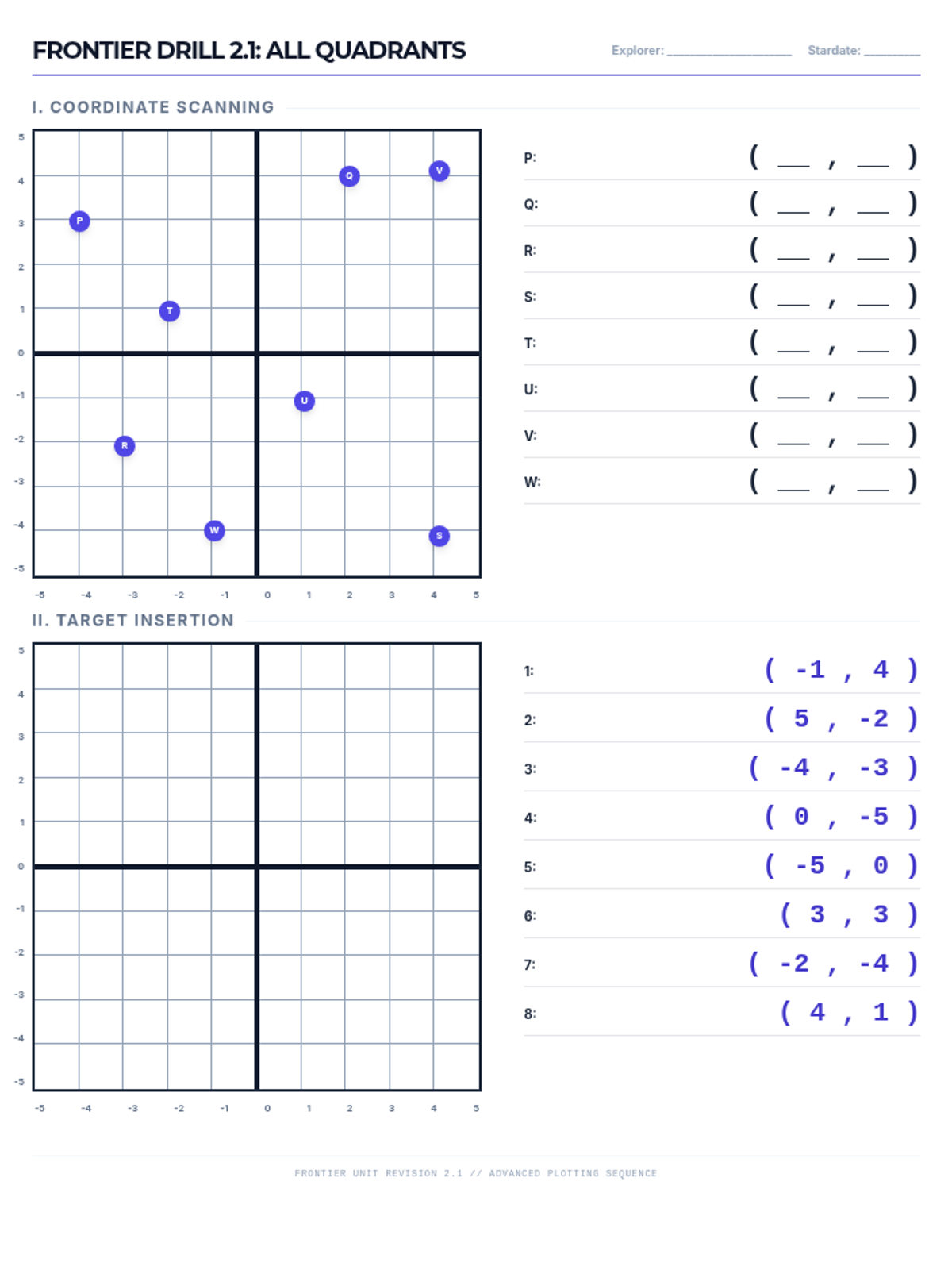
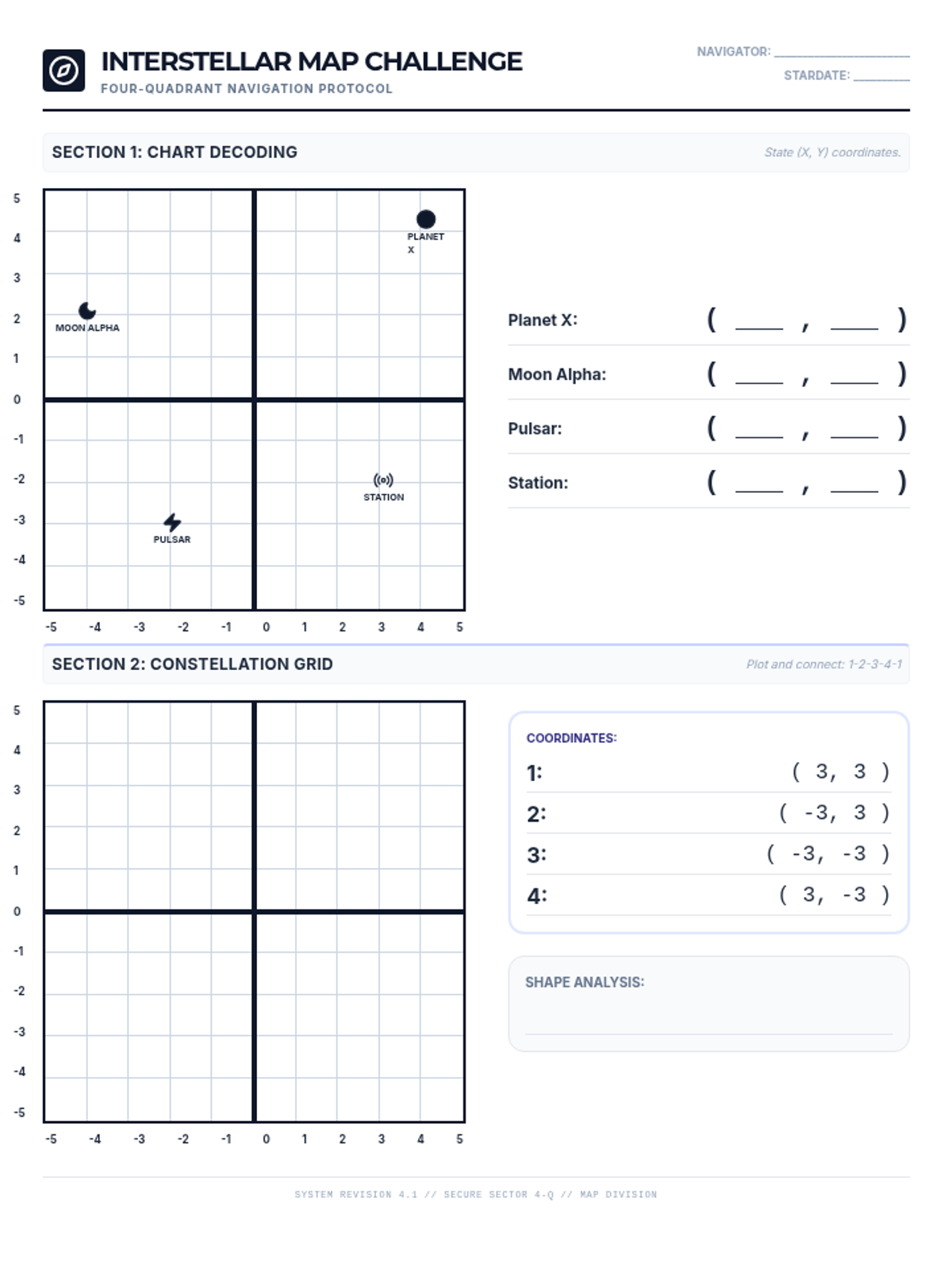
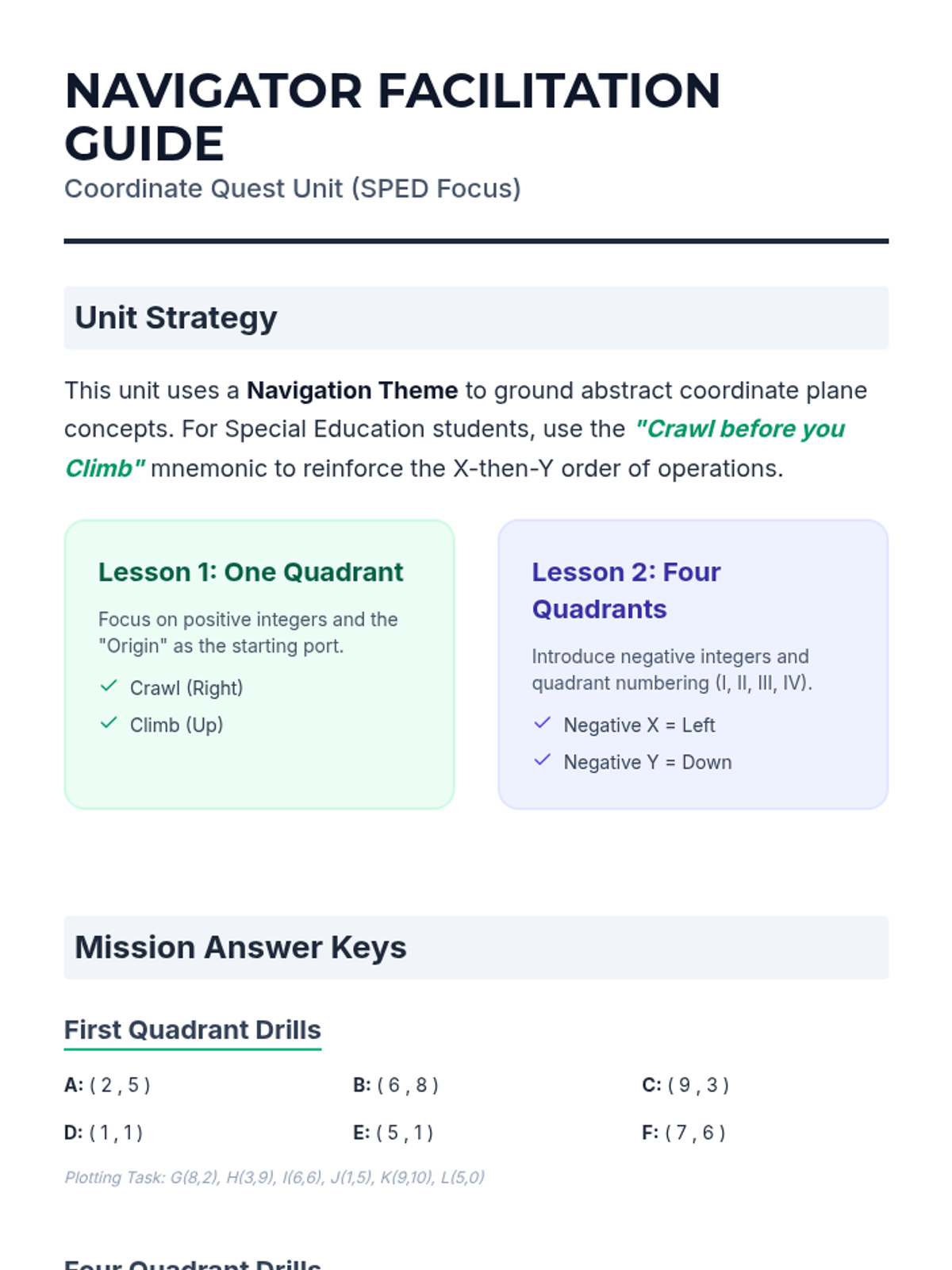
Expanding the coordinate plane to all four quadrants, introducing negative numbers and the origin as the starting point.
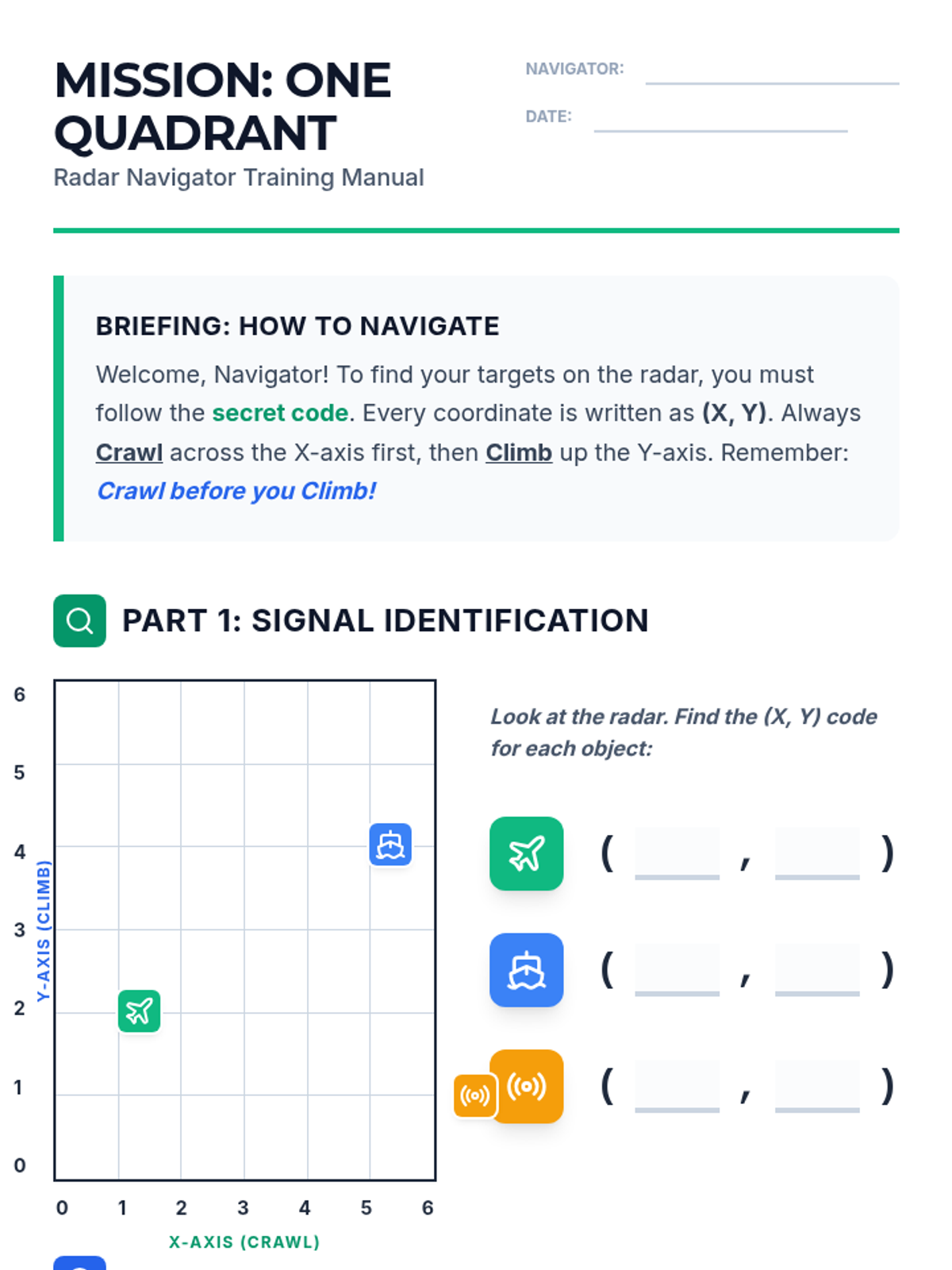
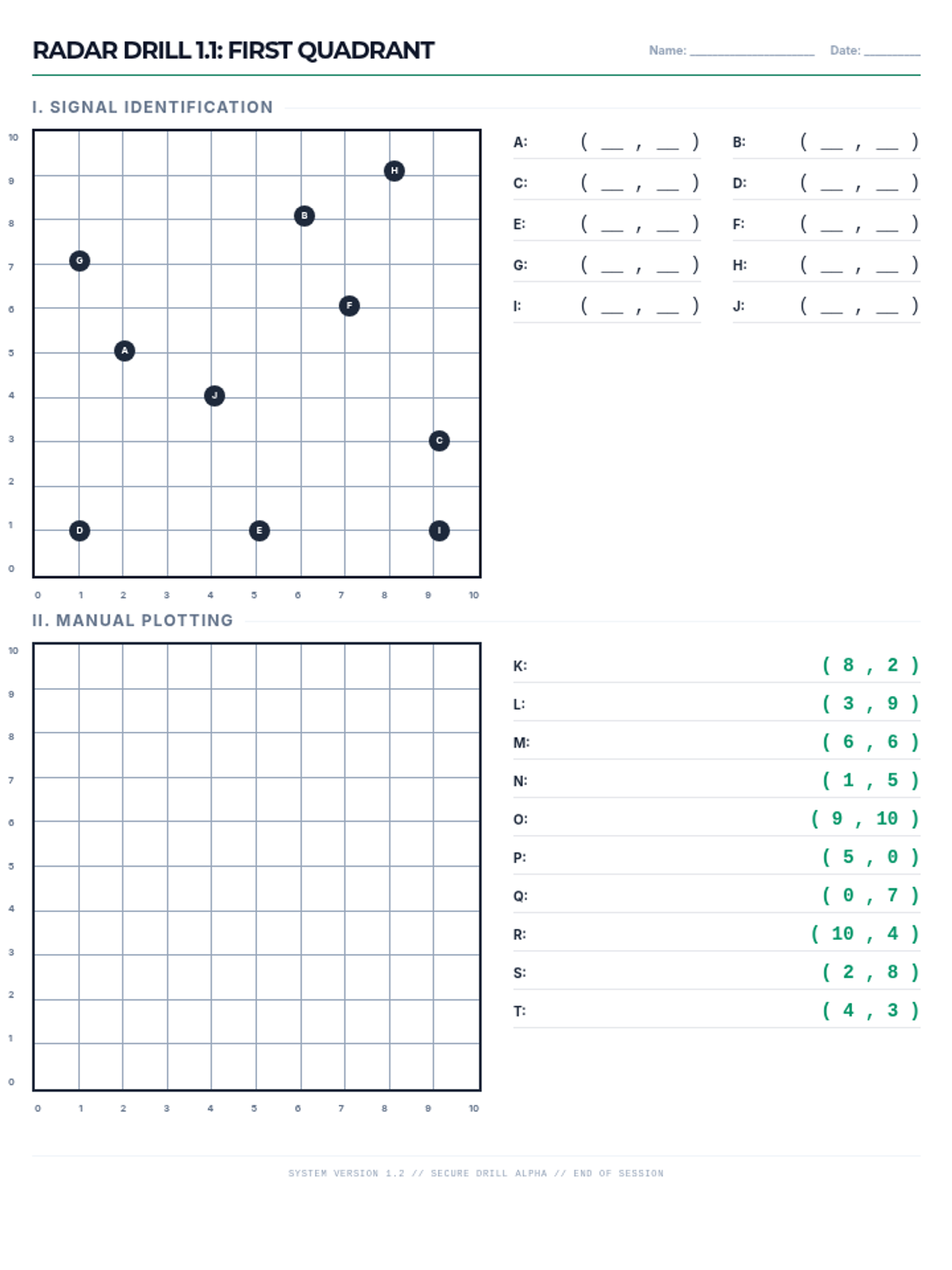
Introduction to the coordinate plane focusing exclusively on the first quadrant, emphasizing the (x, y) order and 'crawl then climb' analogy.
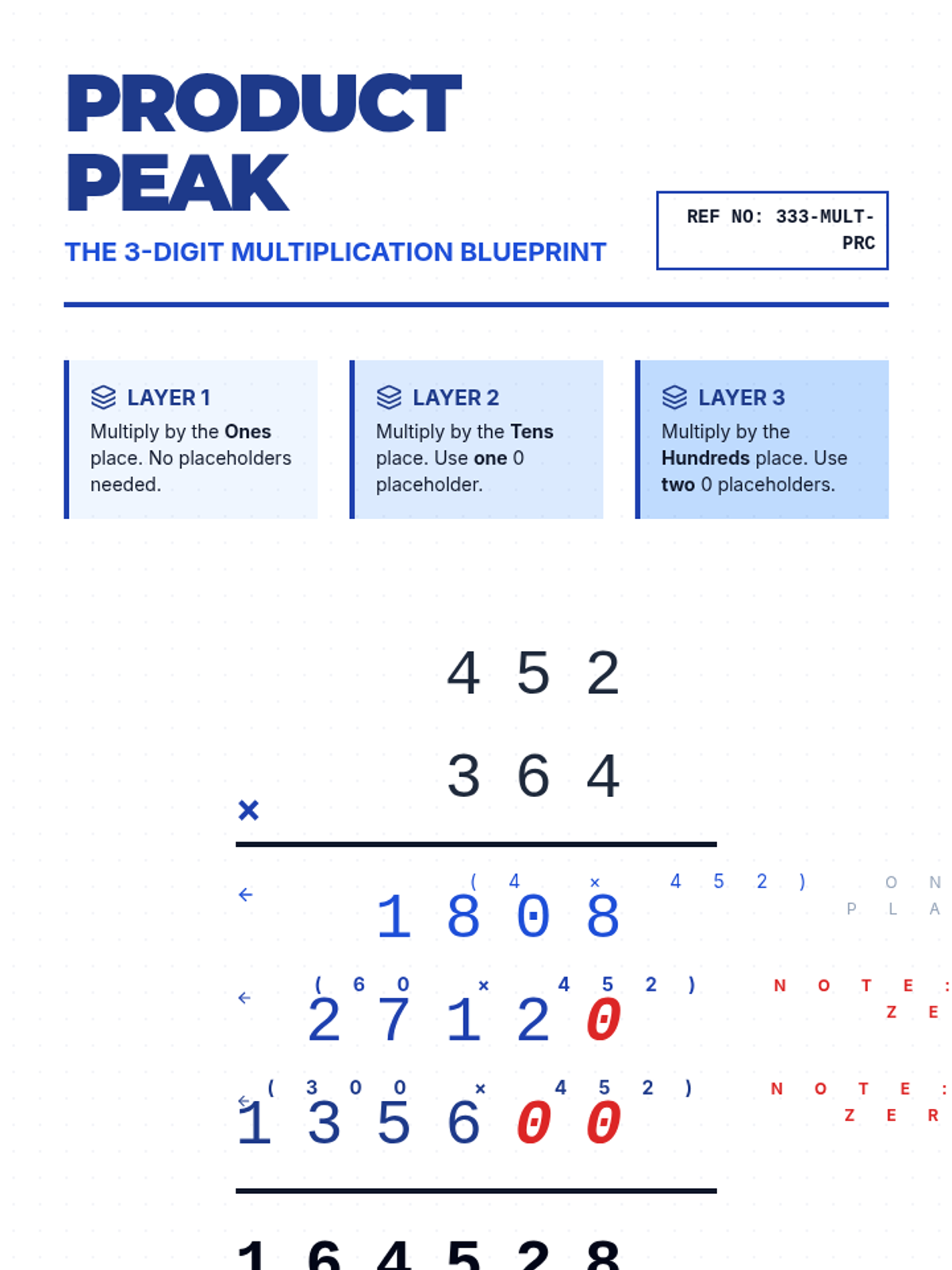
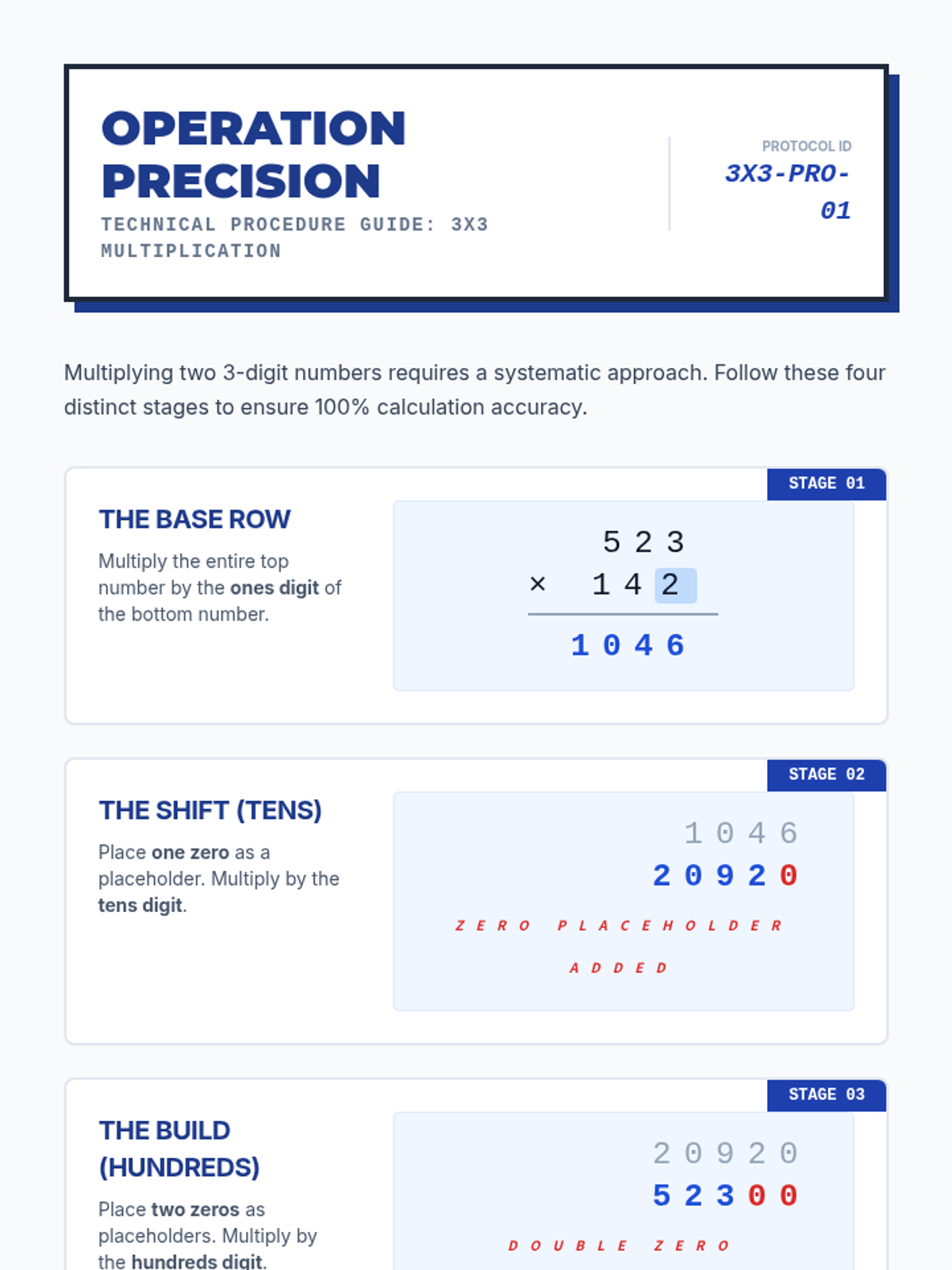
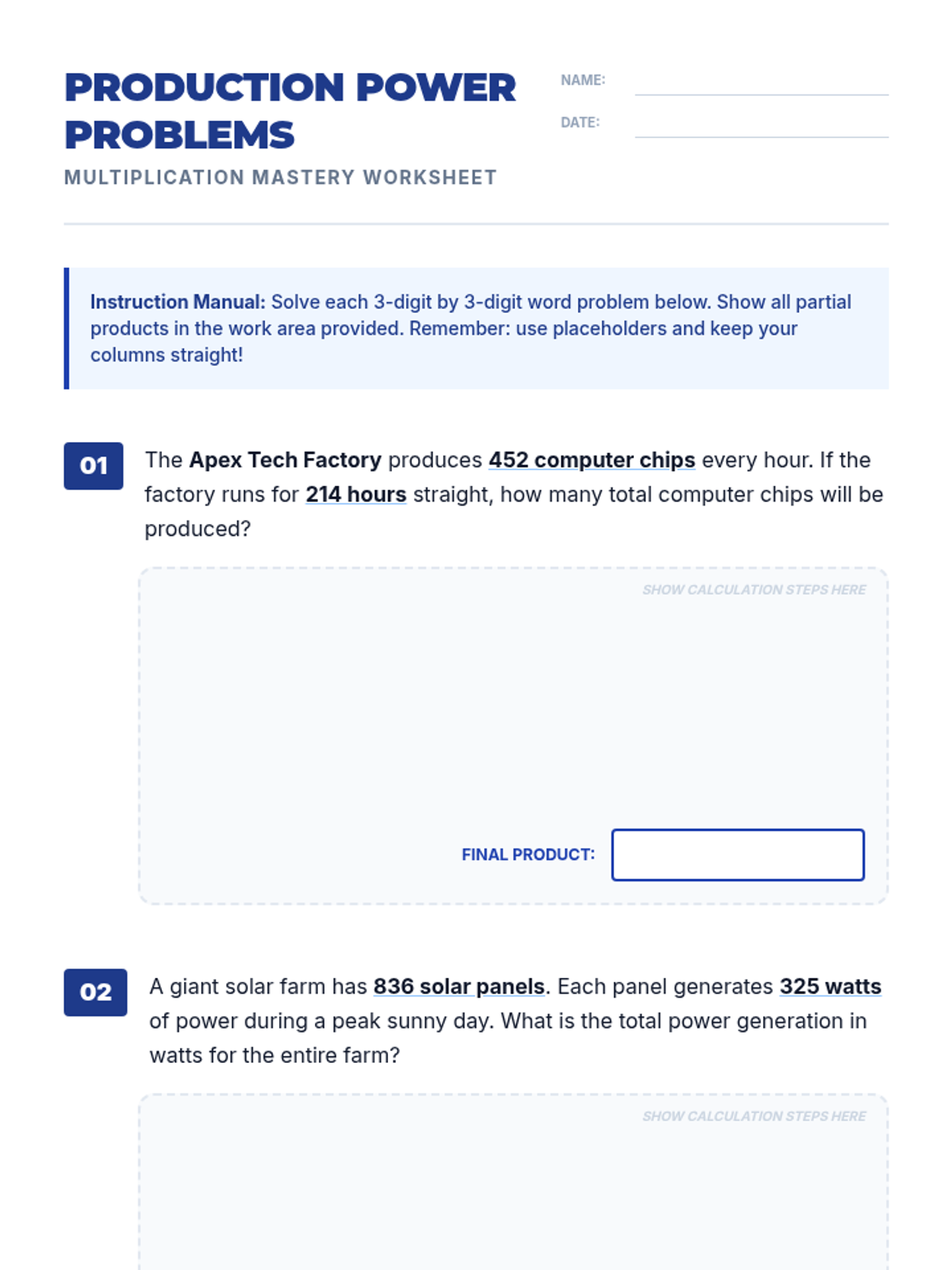
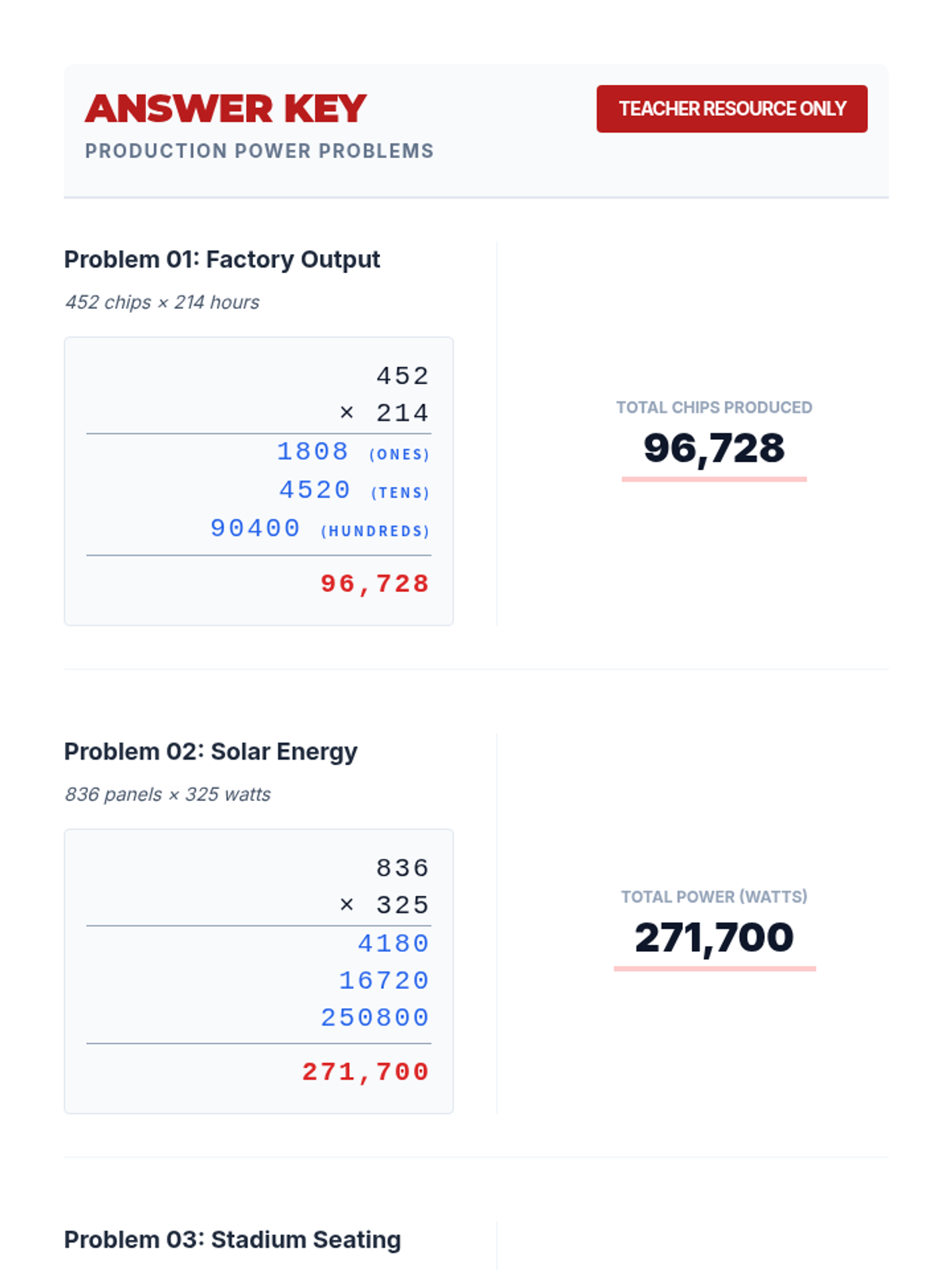
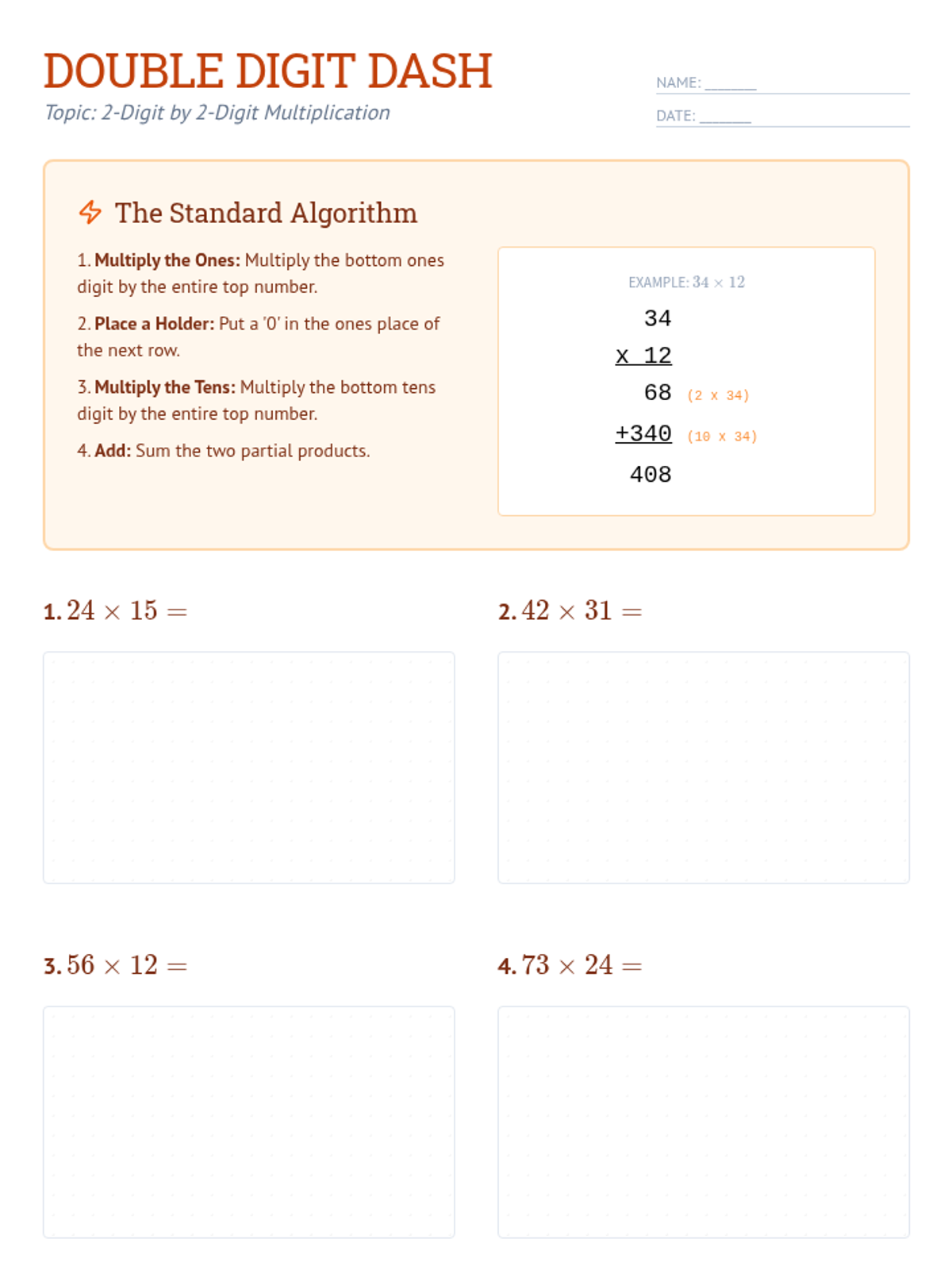
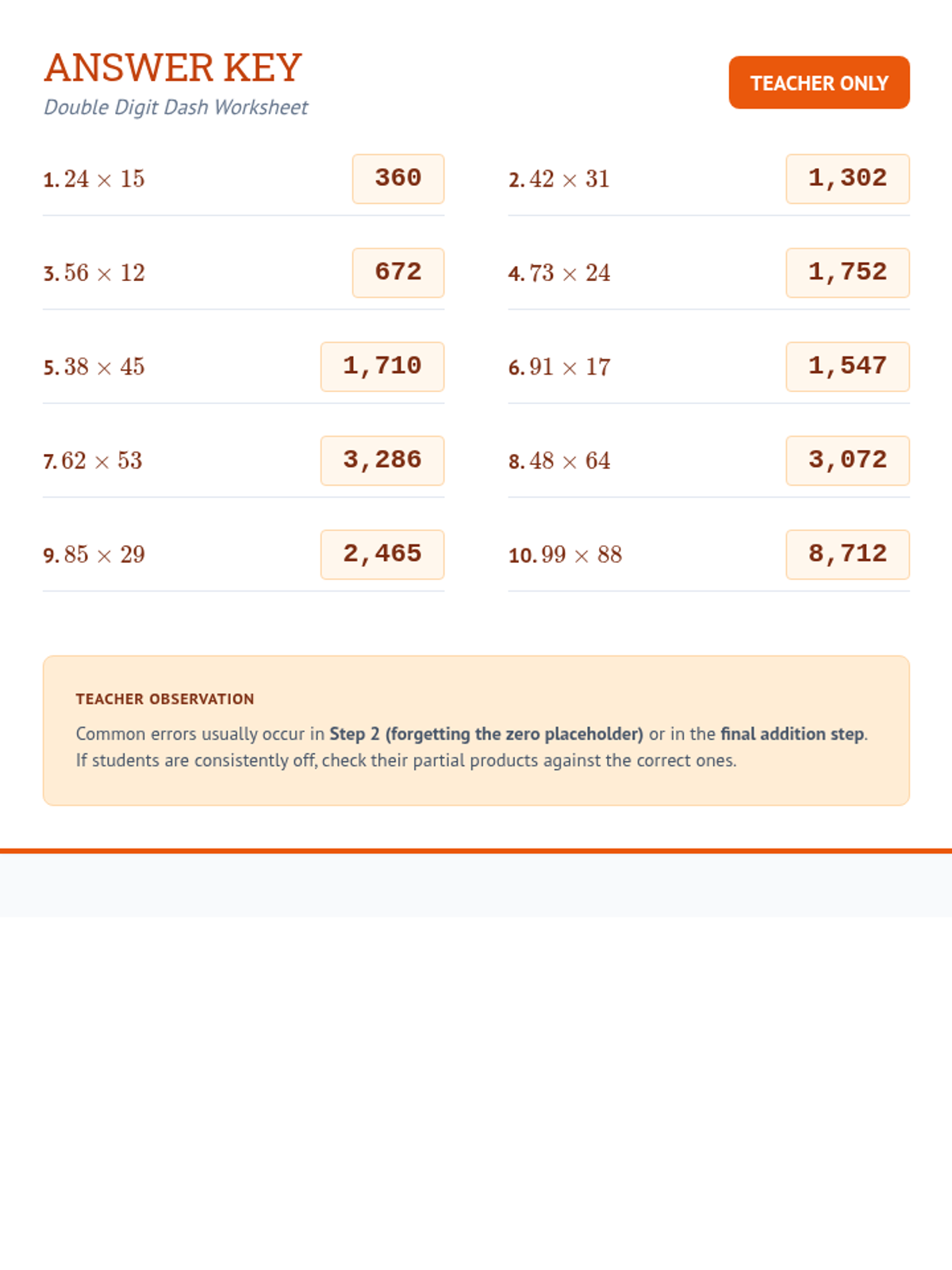
A comprehensive lesson designed for middle school students to master 3-digit by 3-digit multiplication through visual anchors, technical guides, and complex word problem applications.
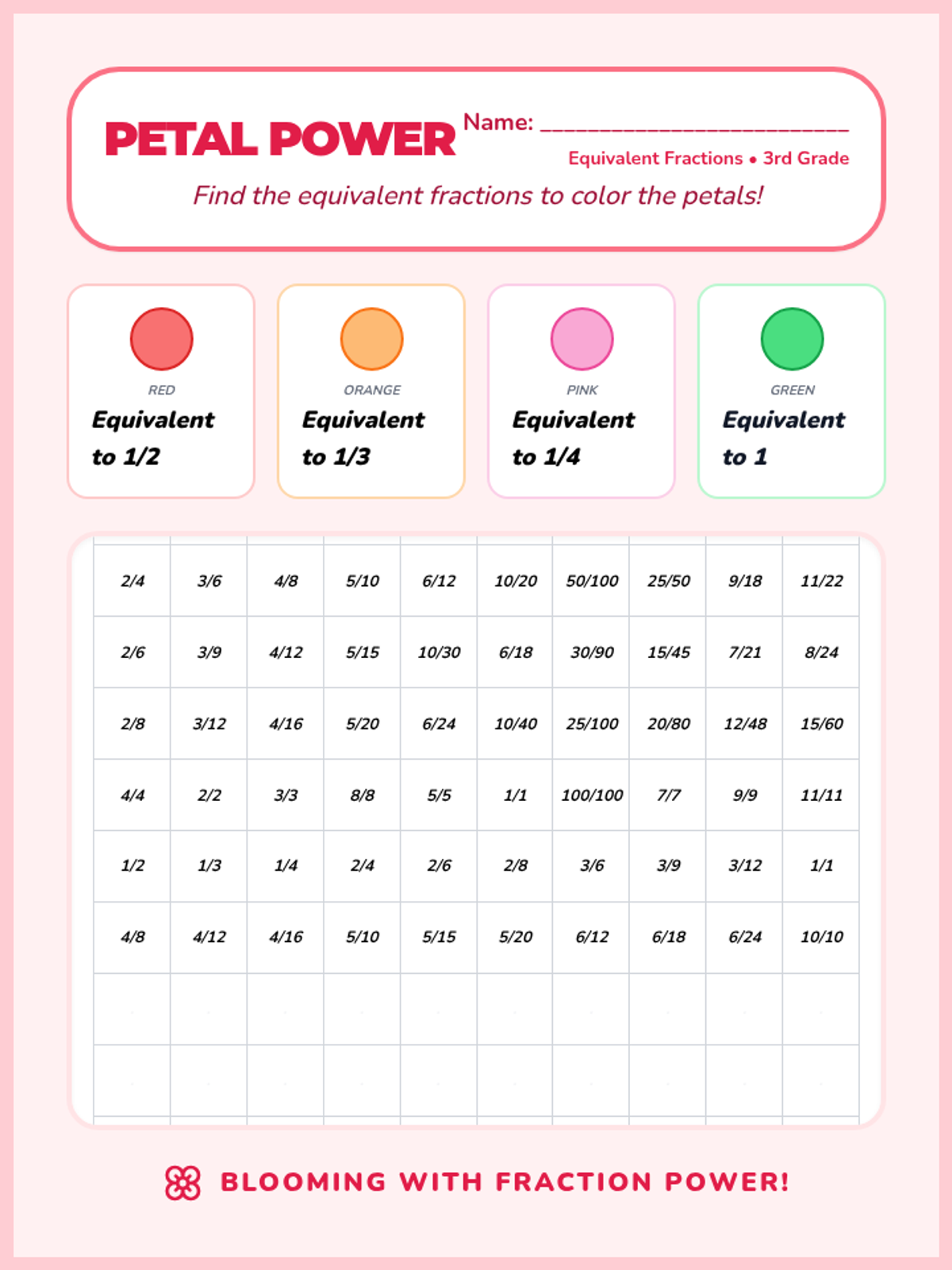
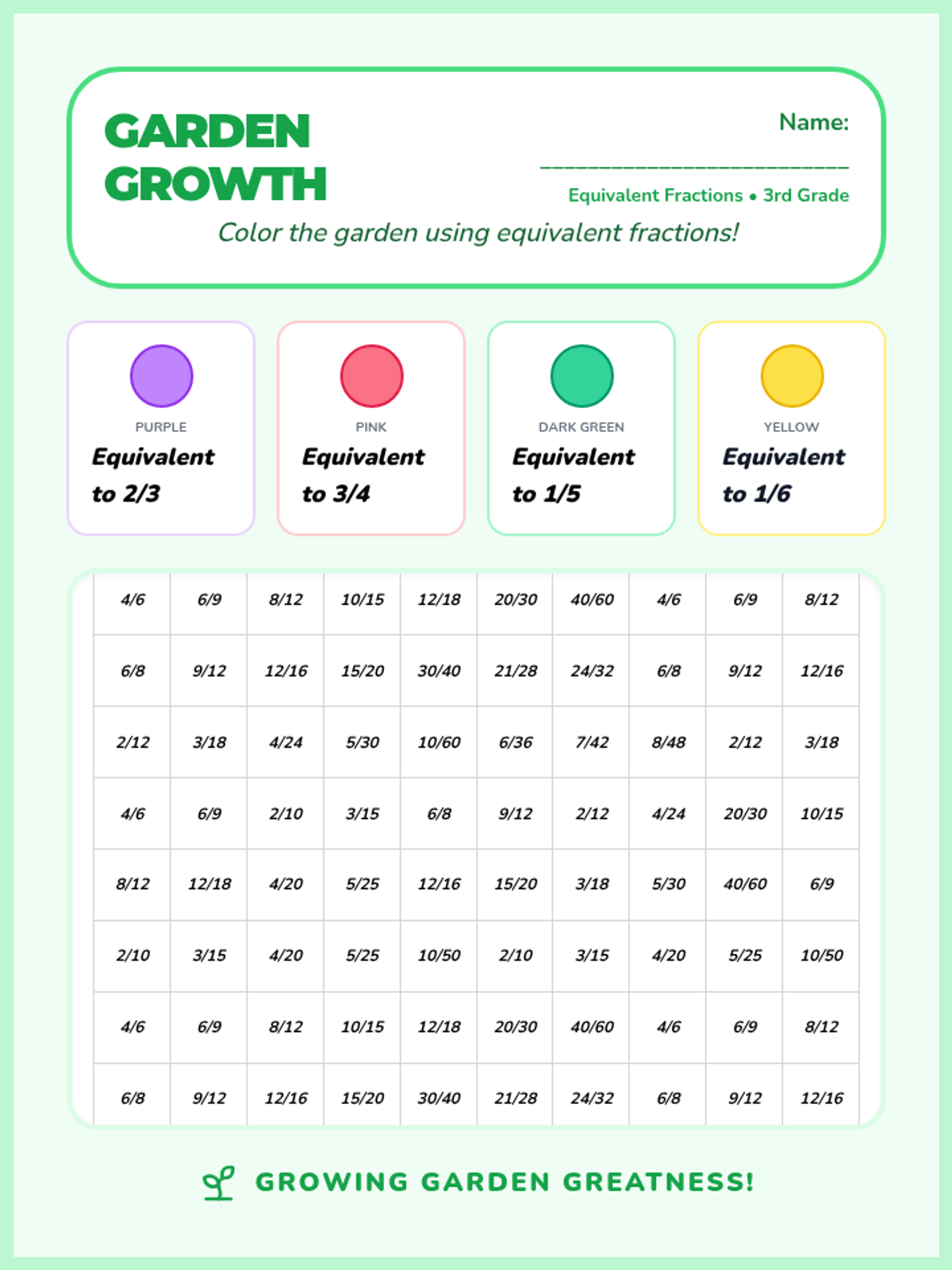
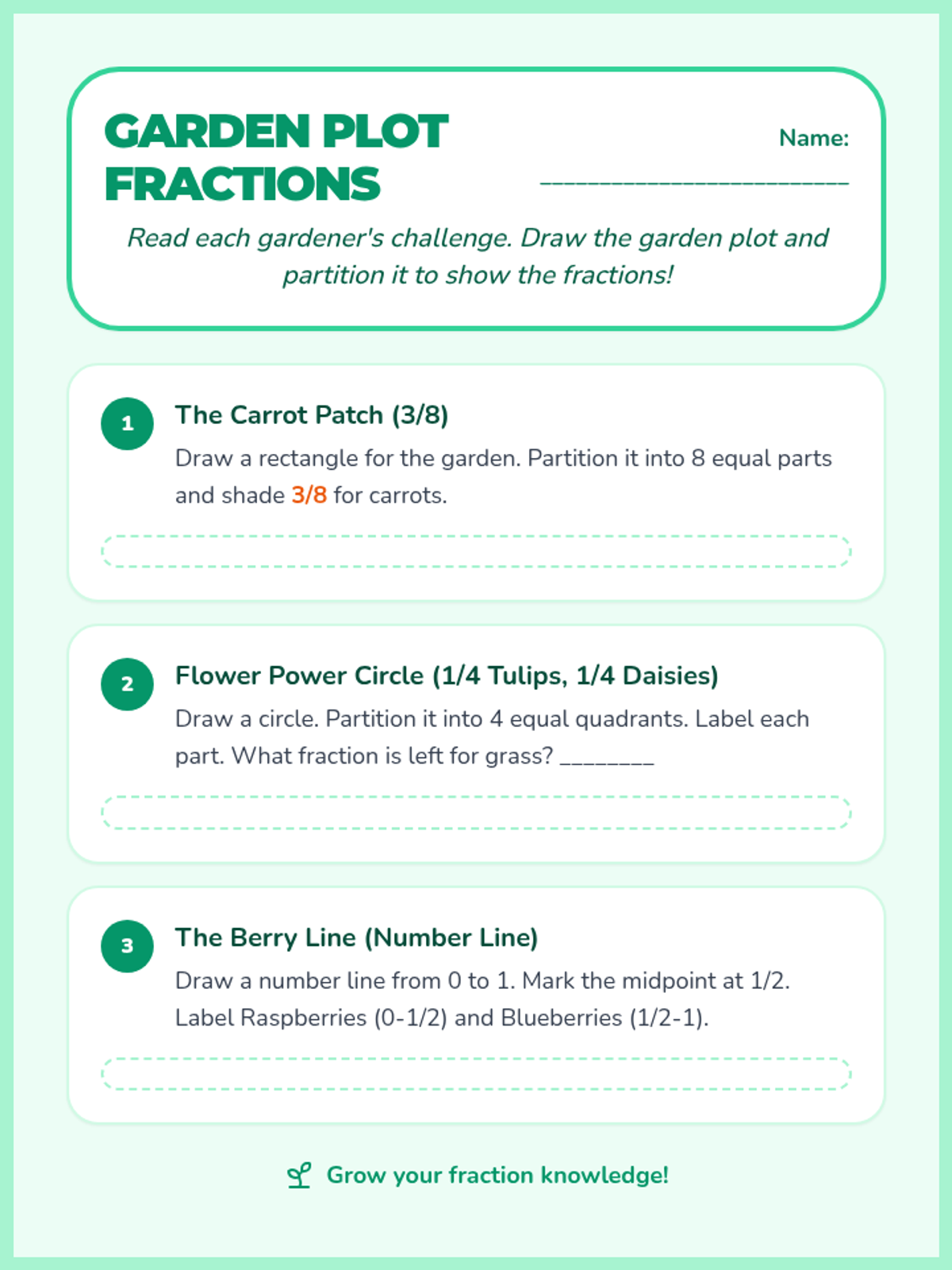
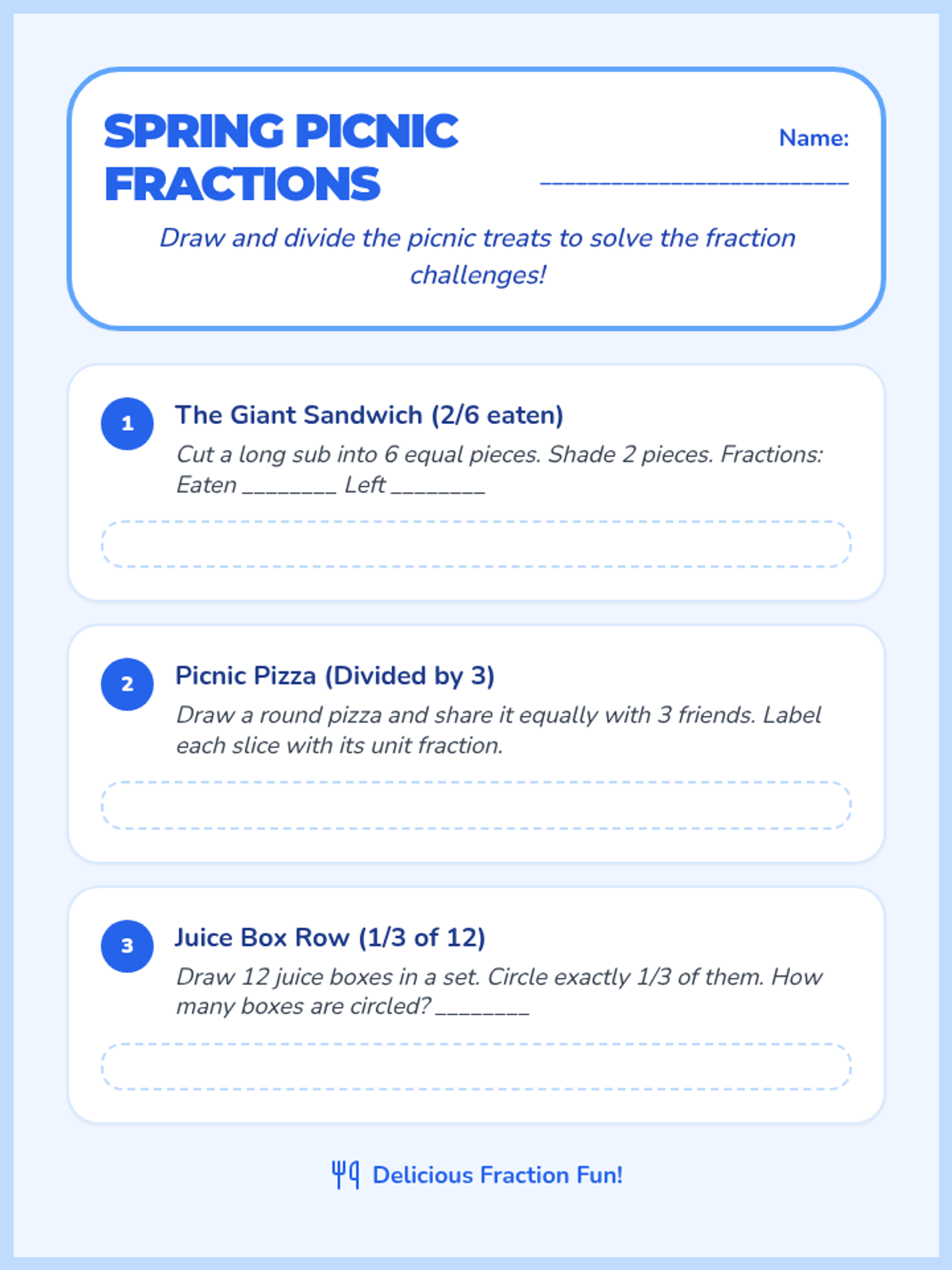
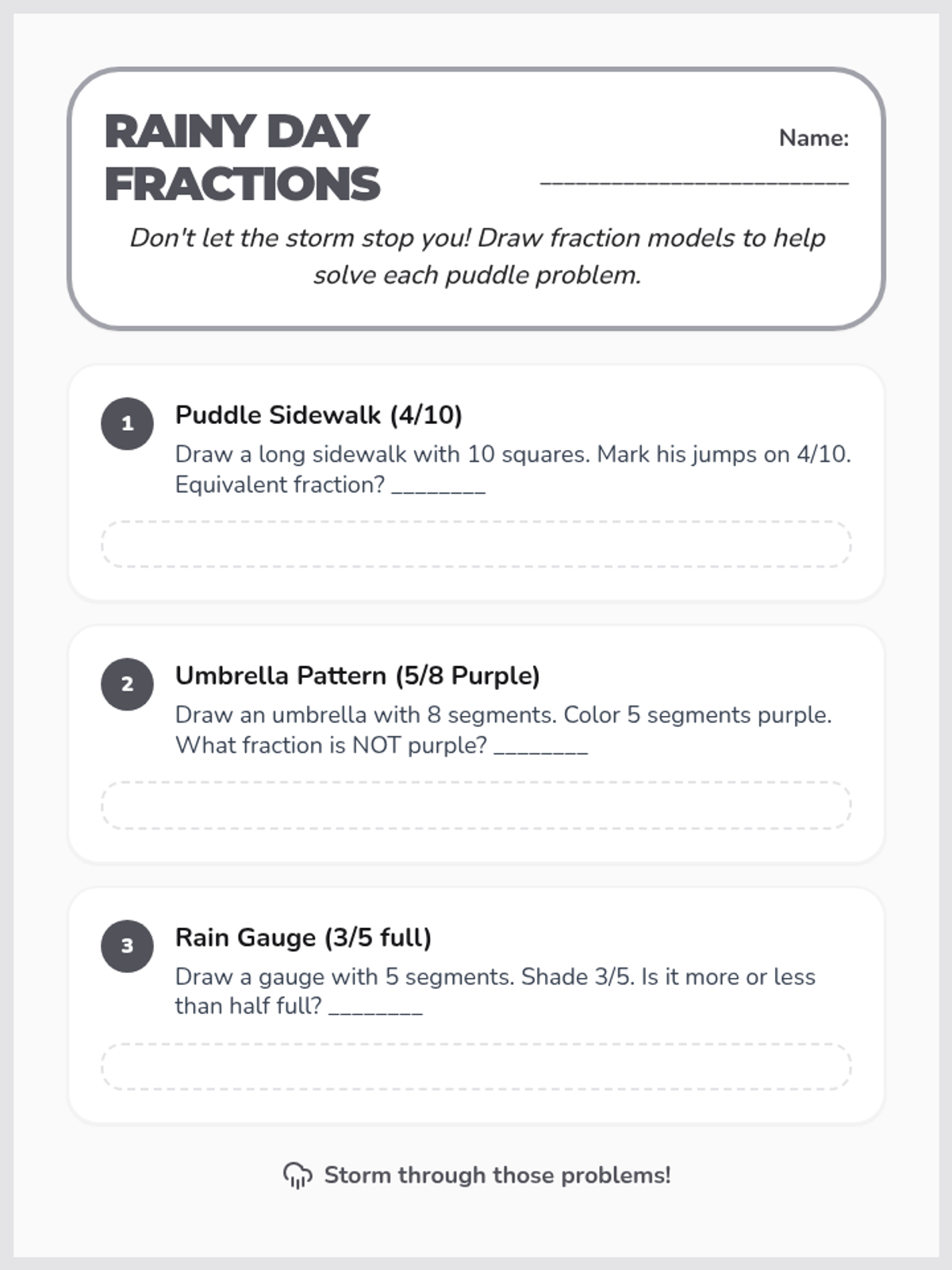
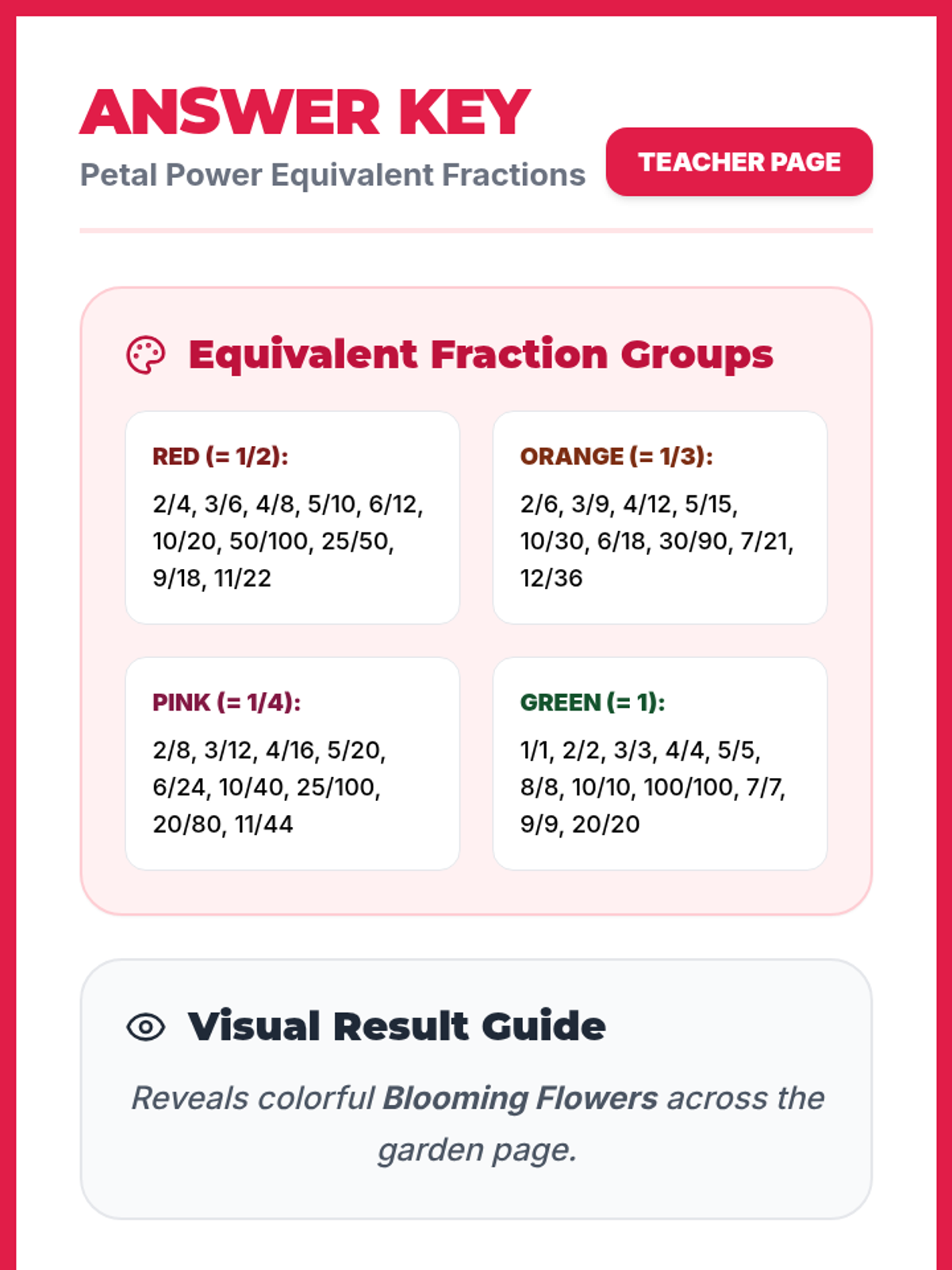
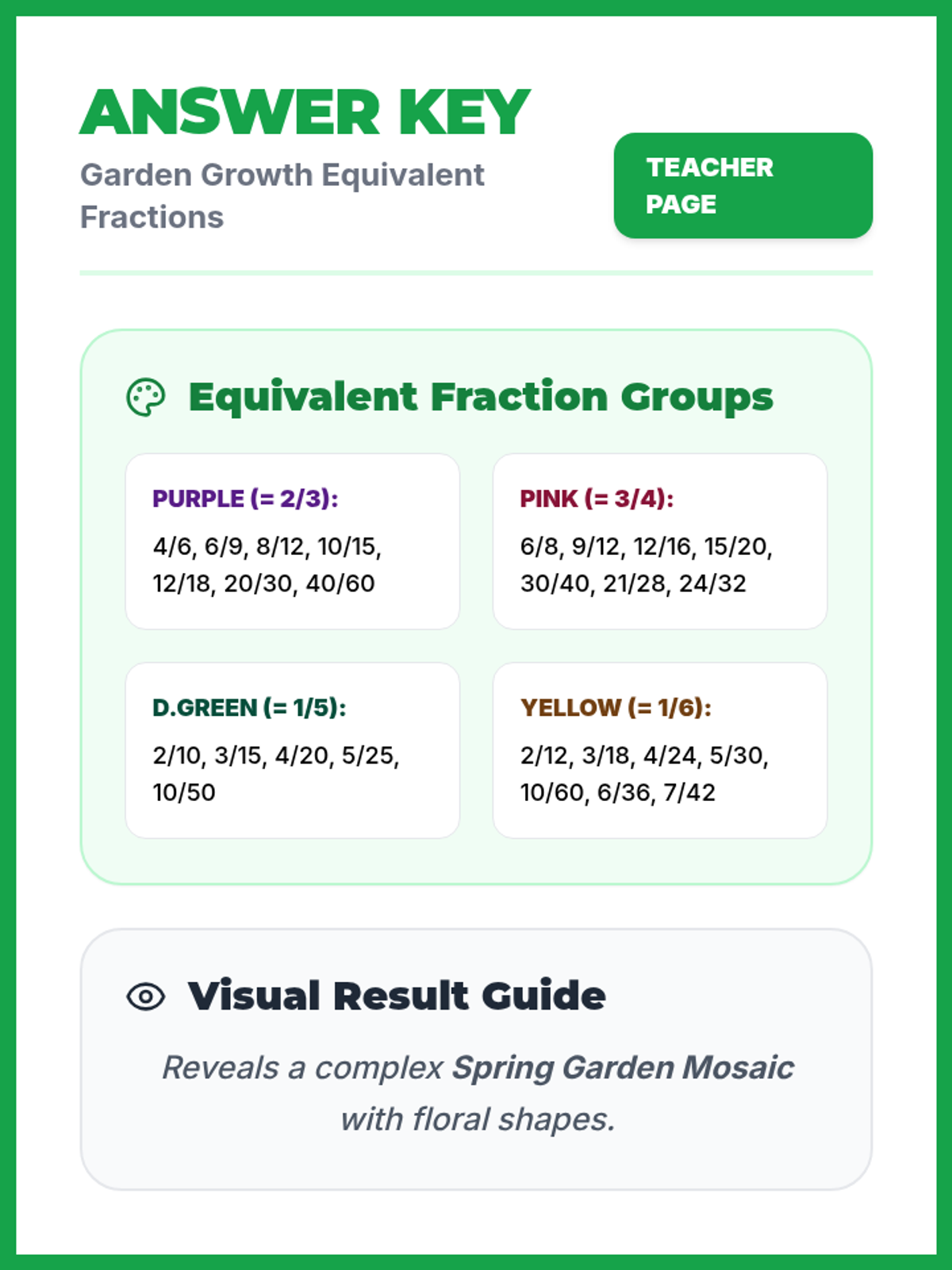
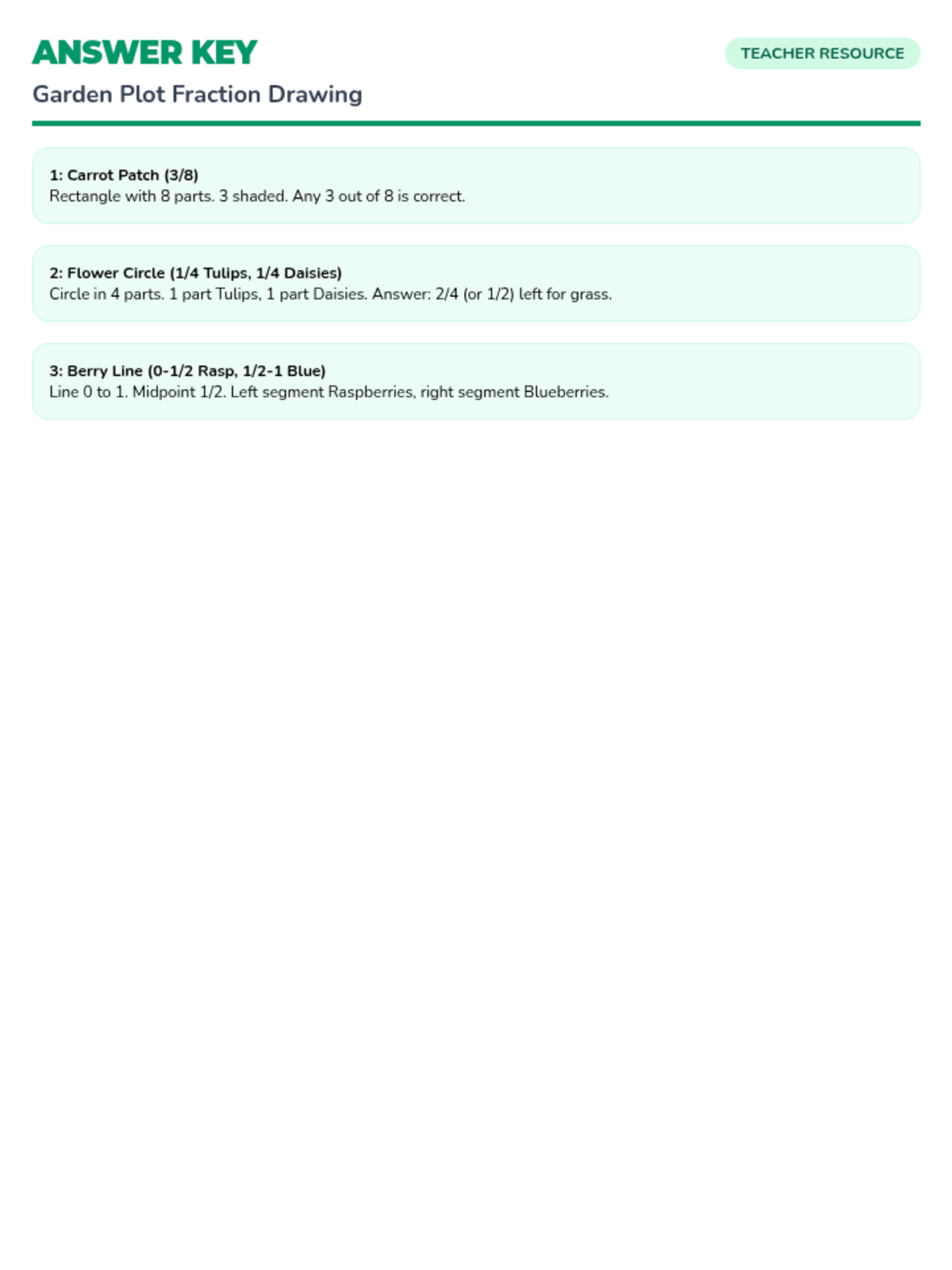
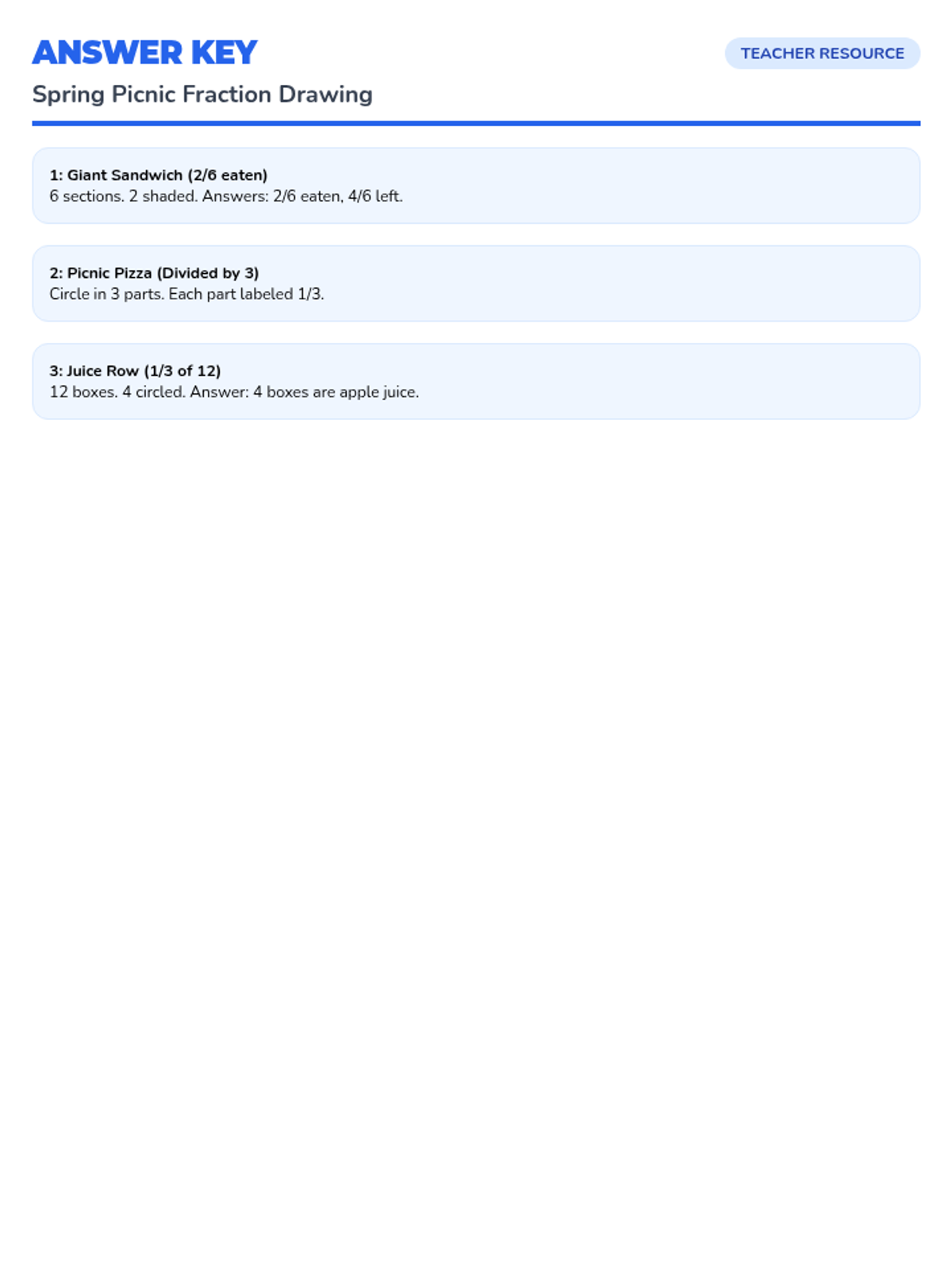
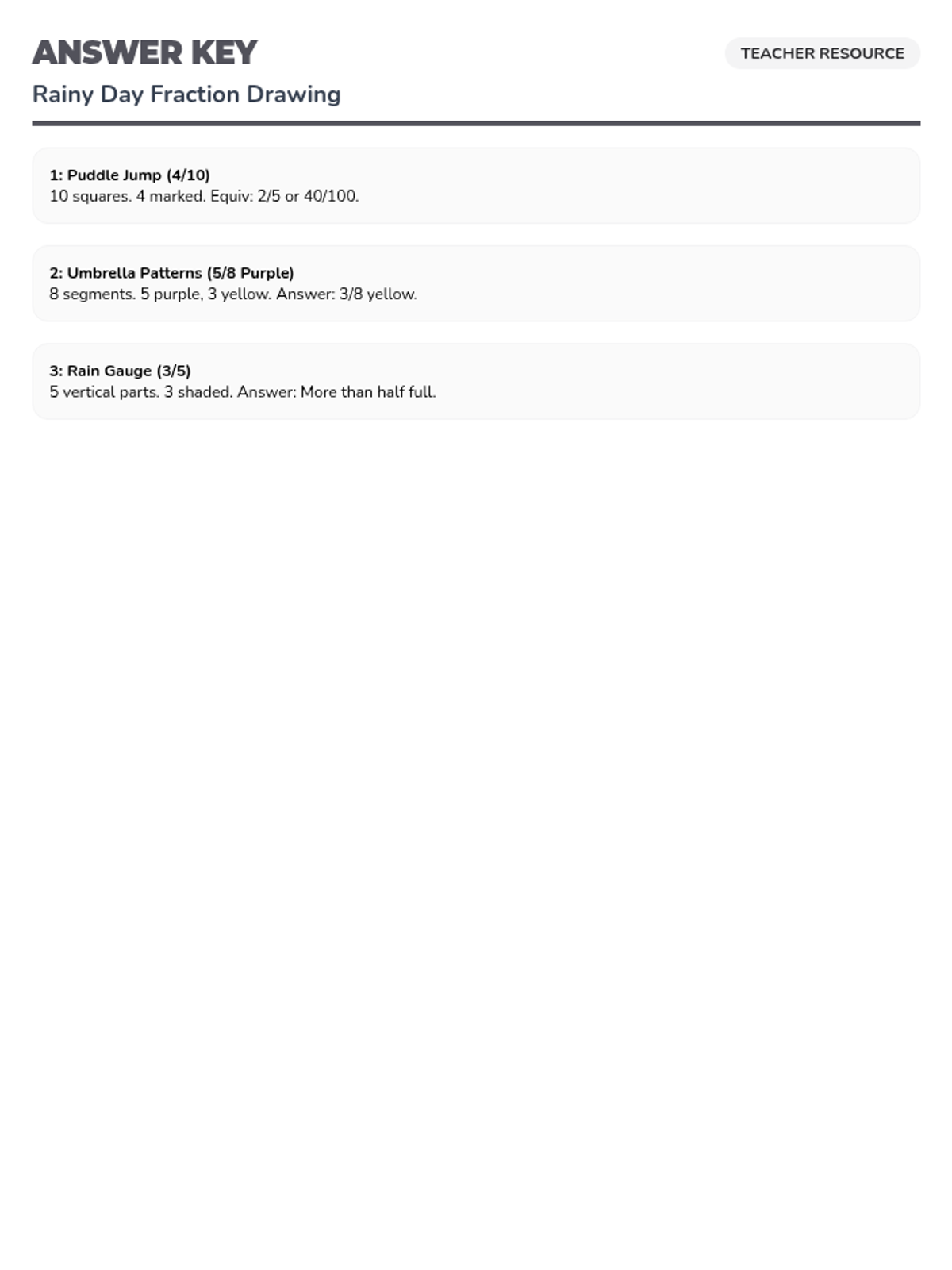
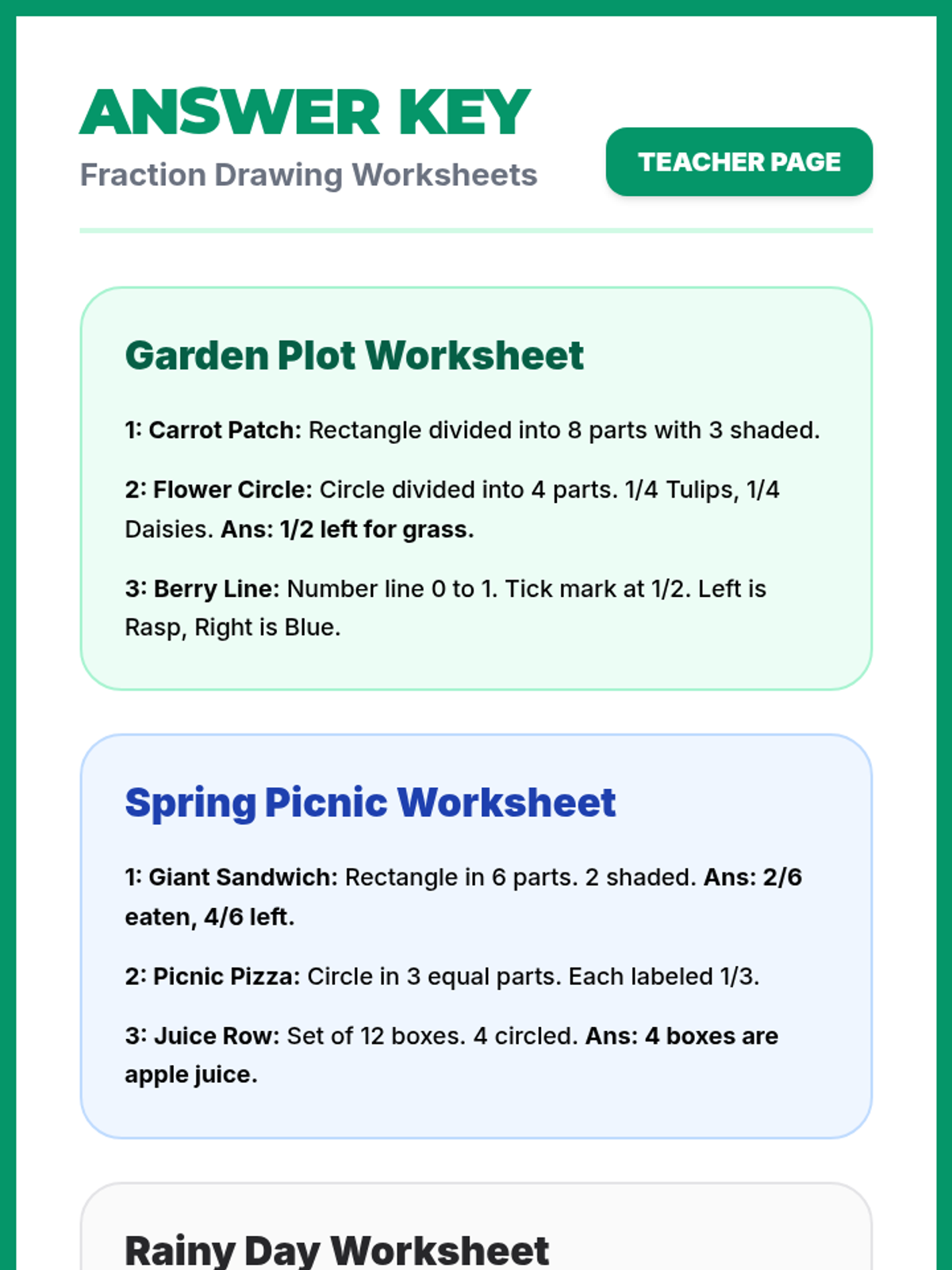
Students dive into equivalent fractions and solve interactive word problems that require creative drawing and visual representation of fractional concepts.
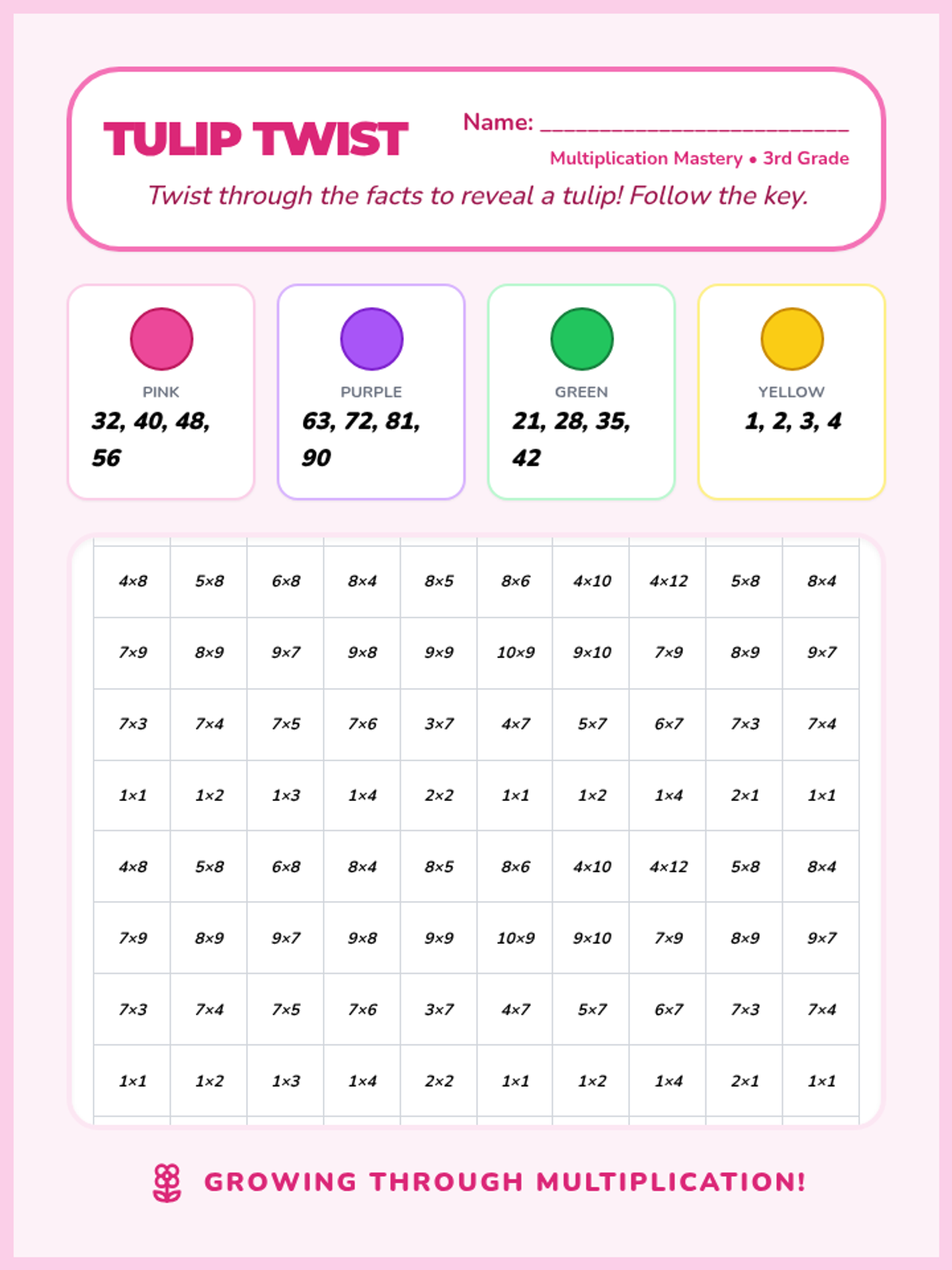
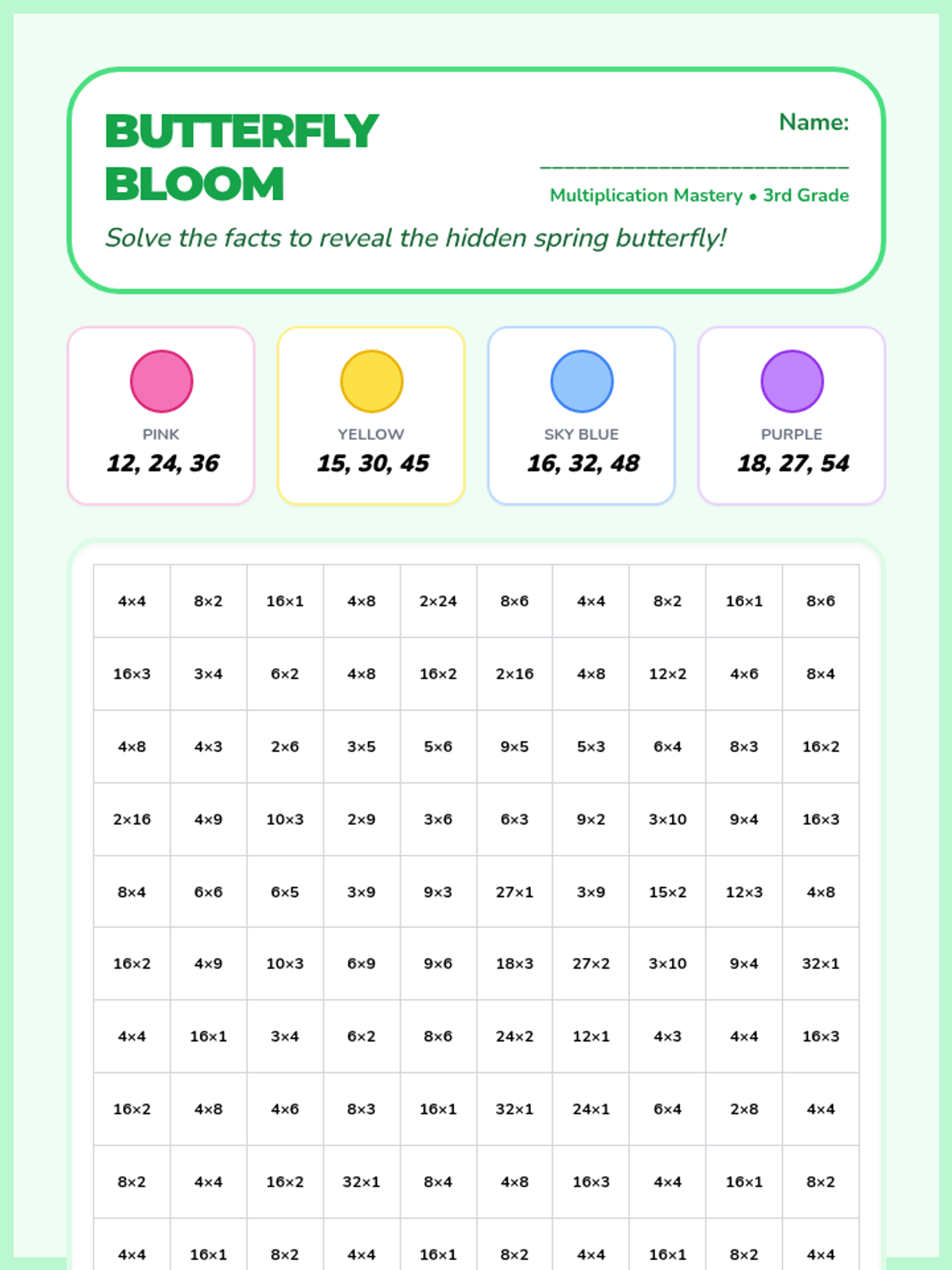
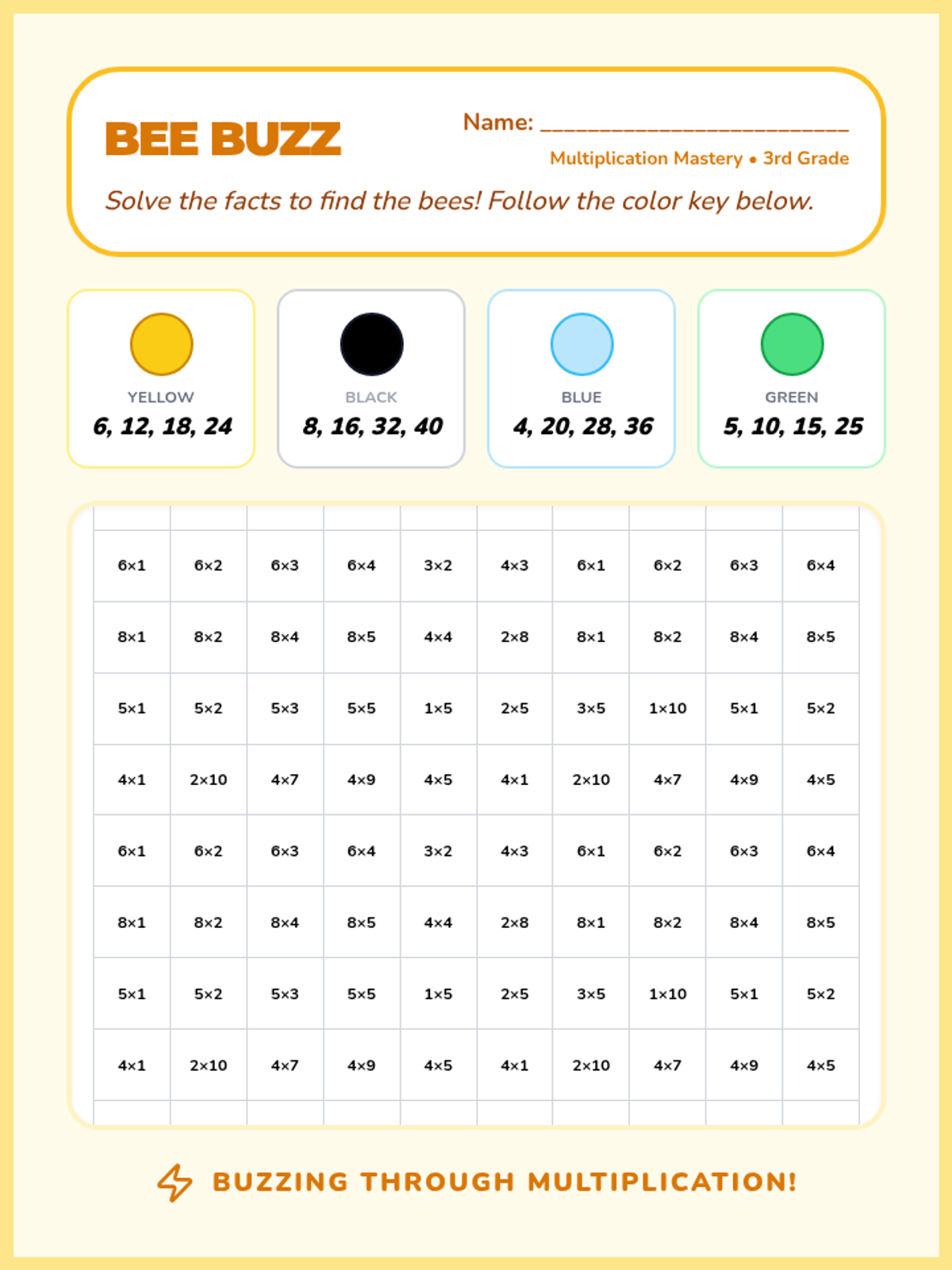
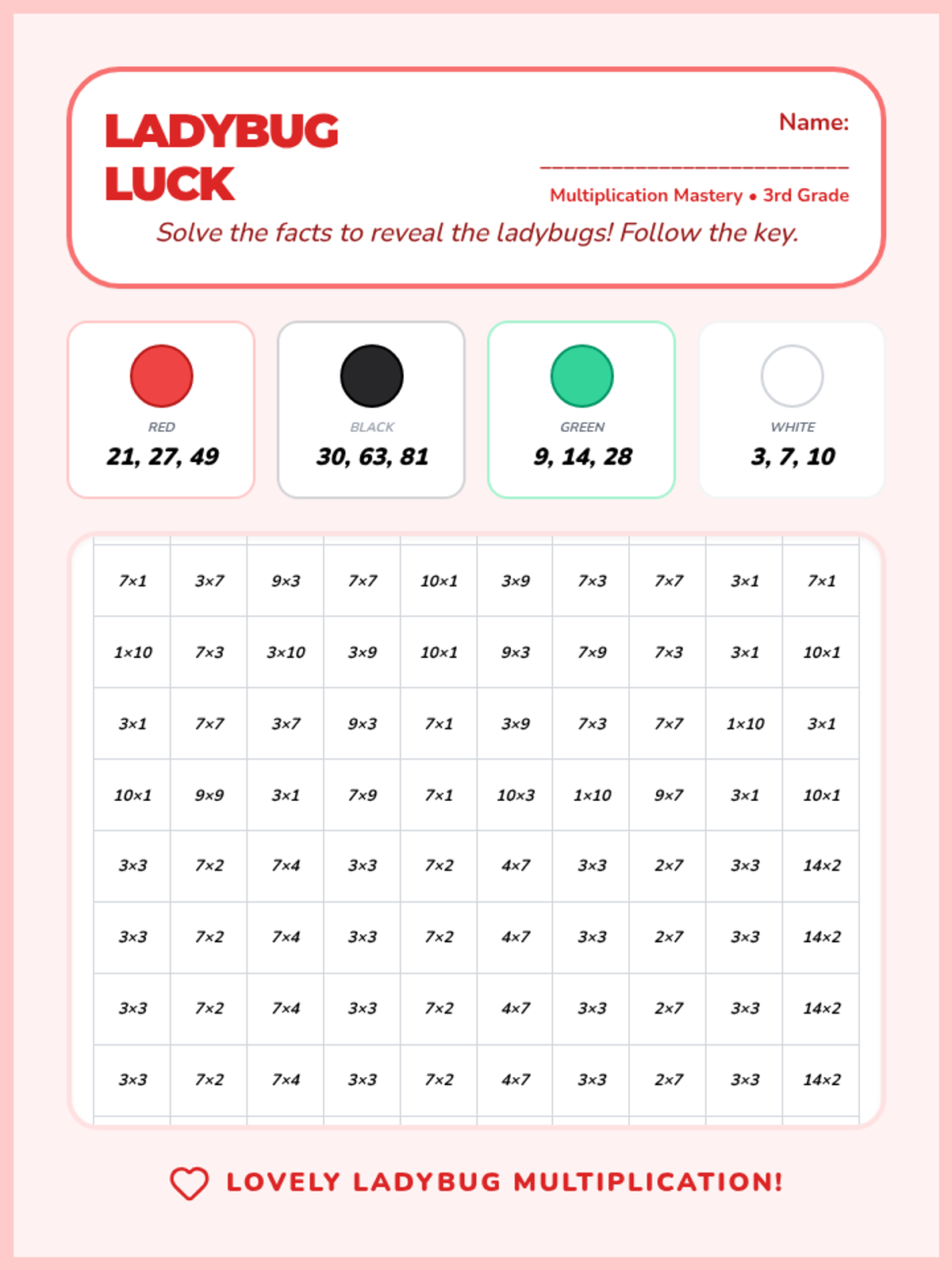
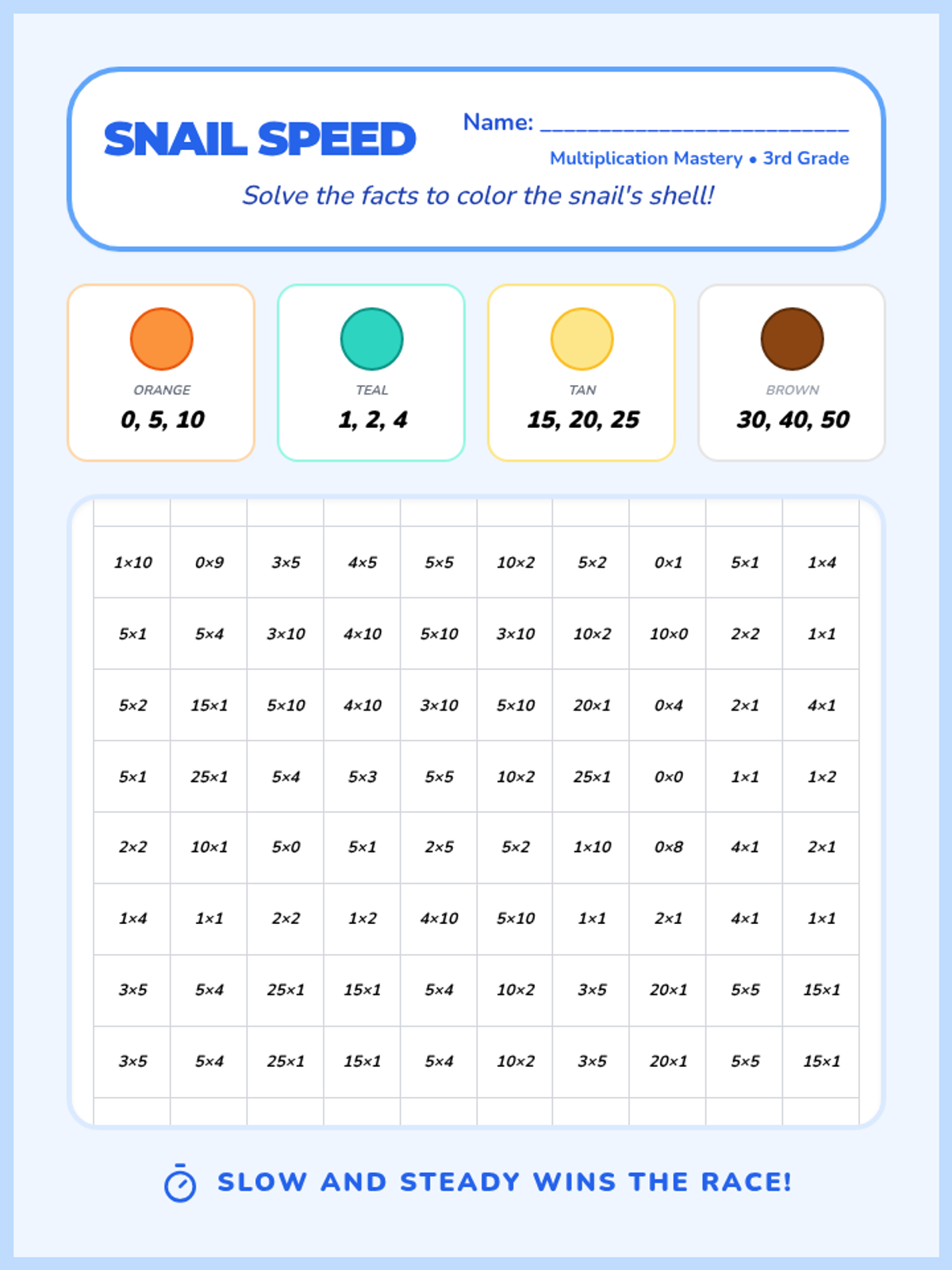
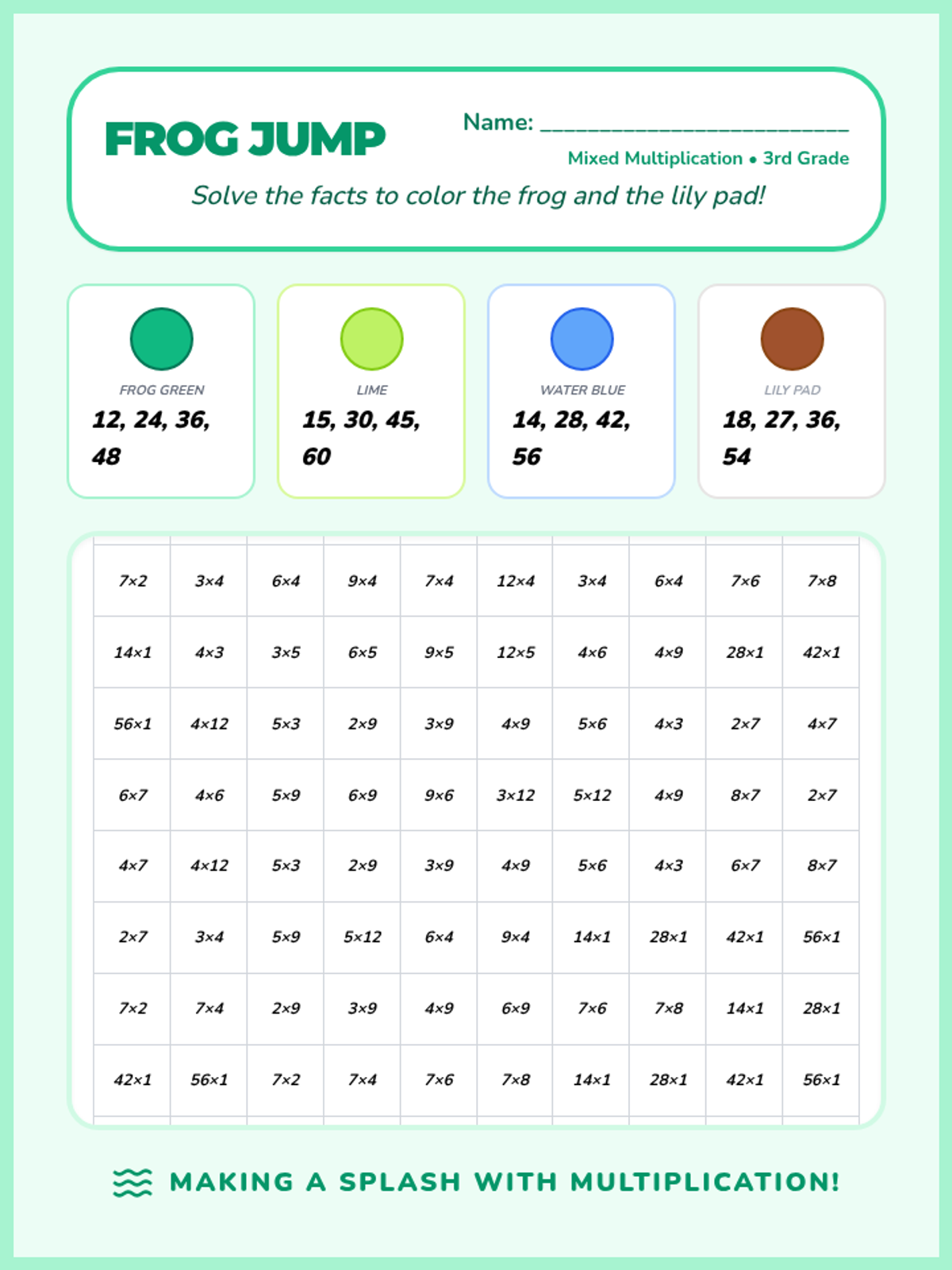
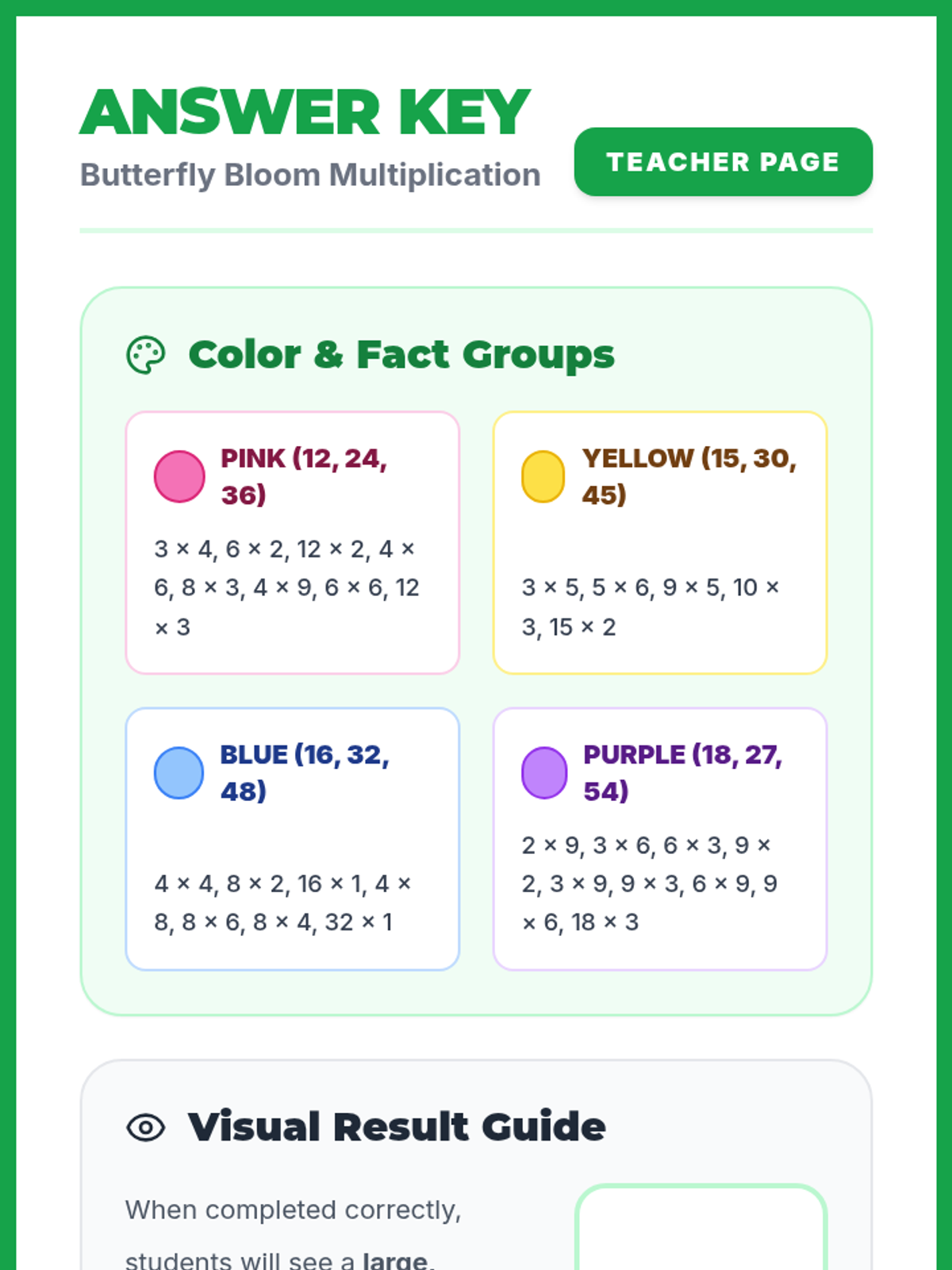
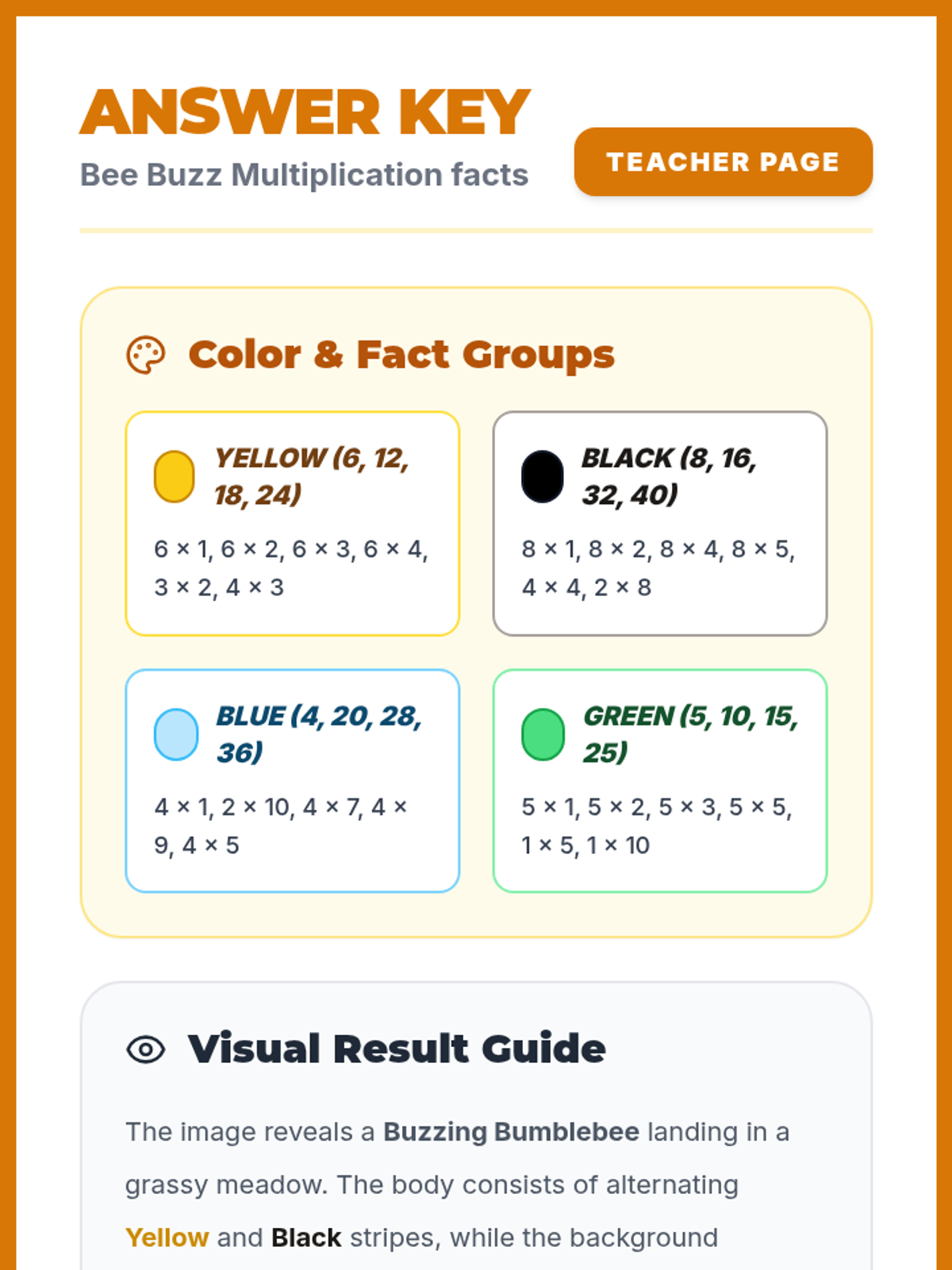
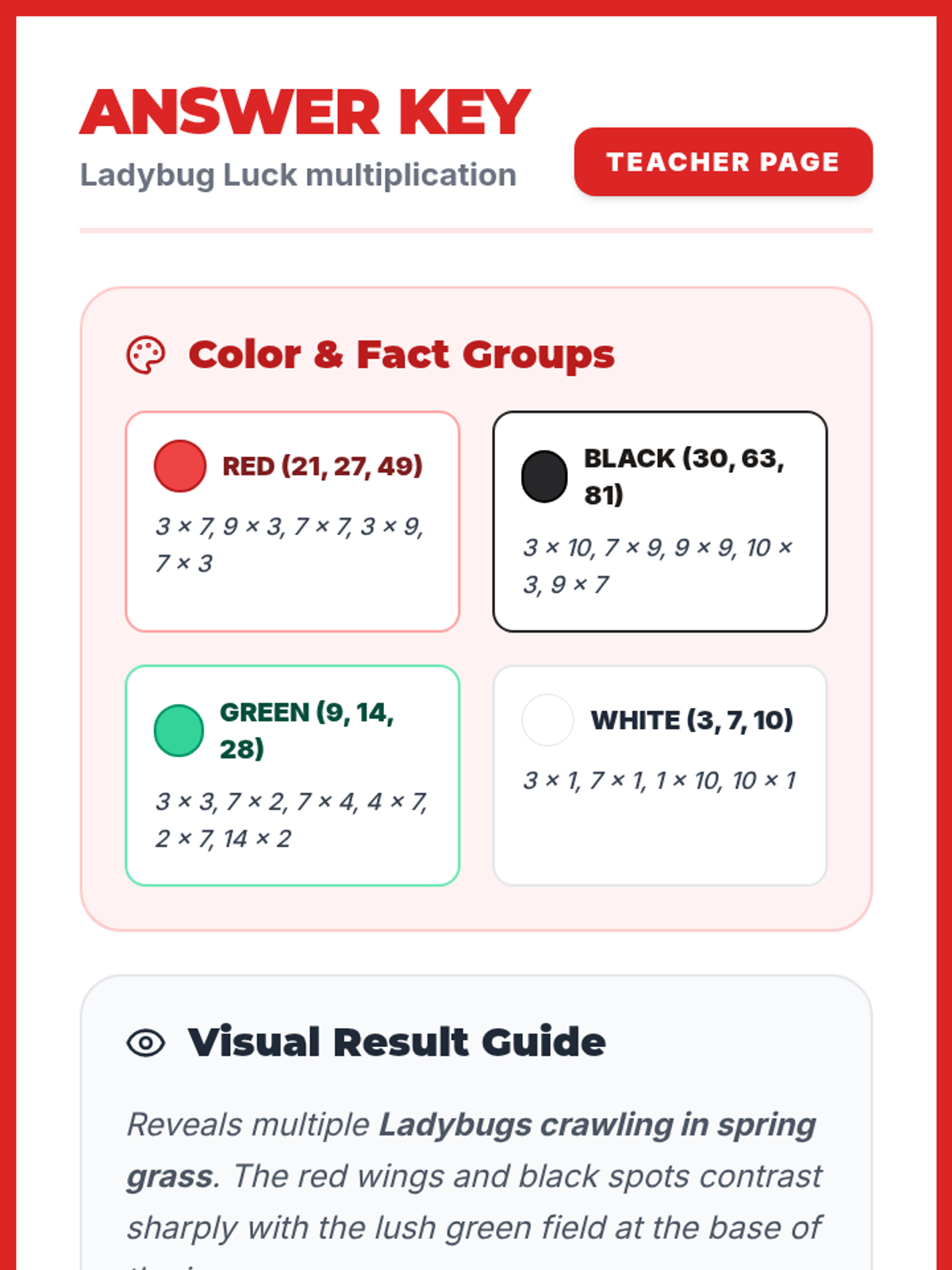
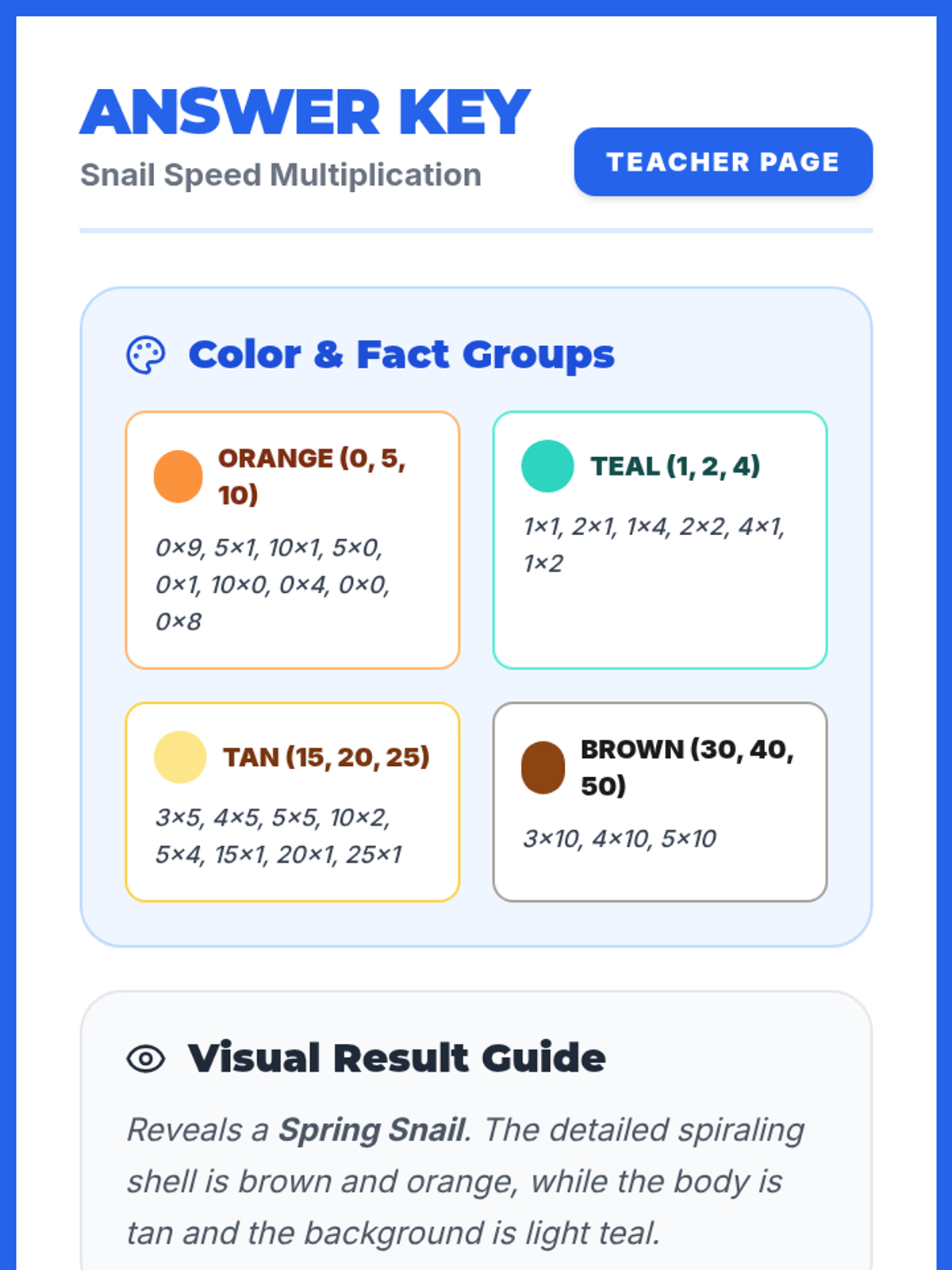
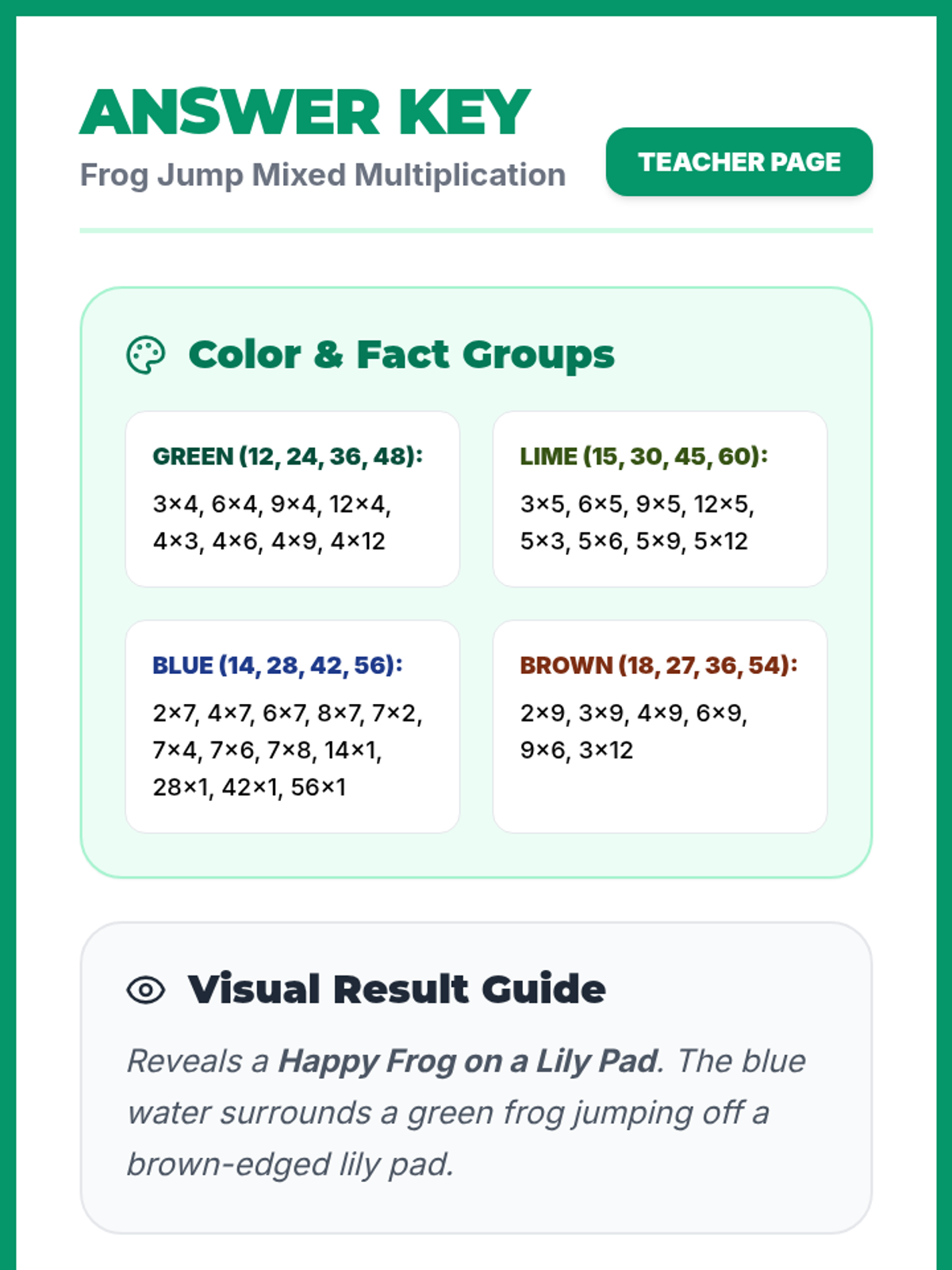
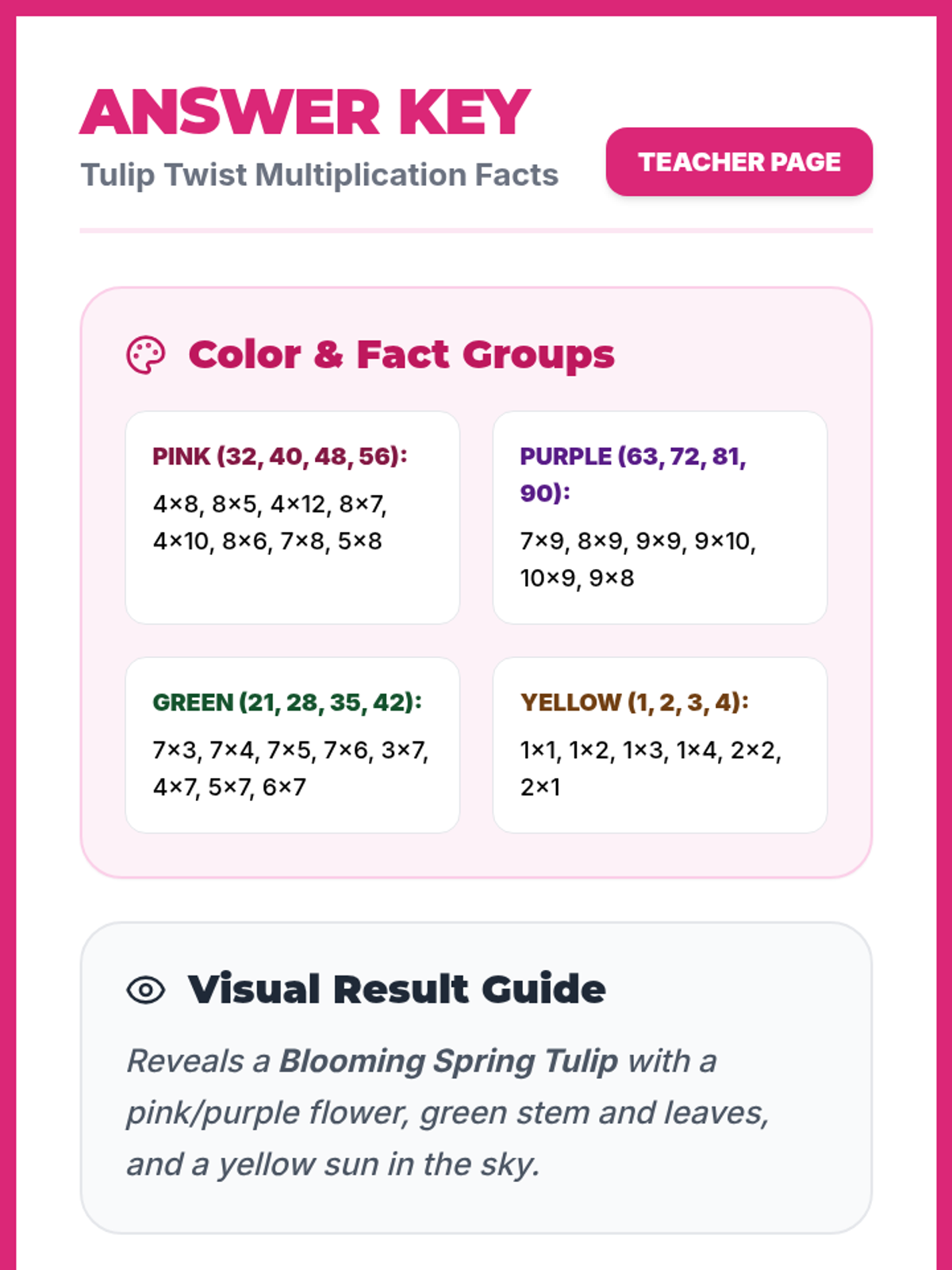
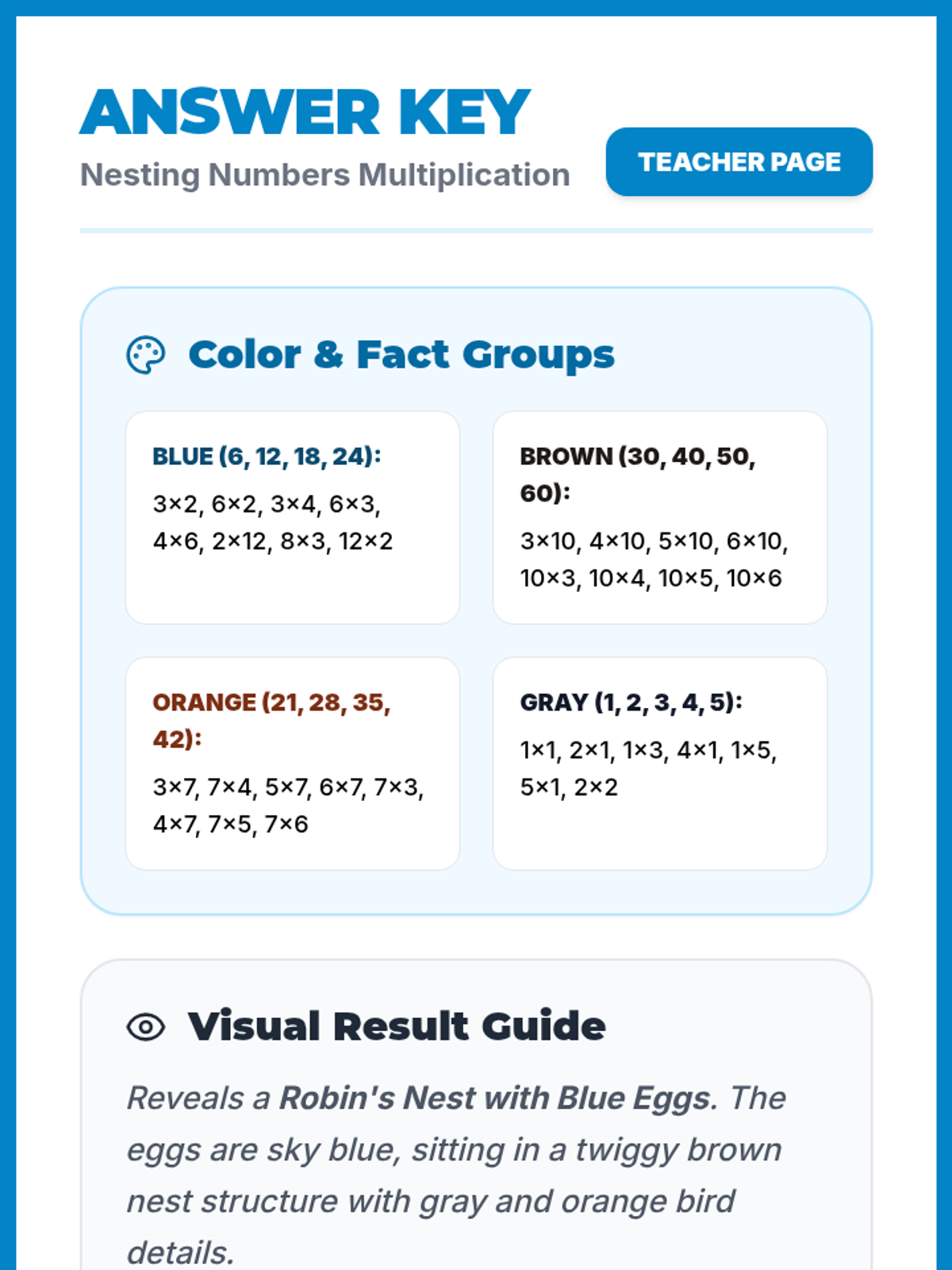
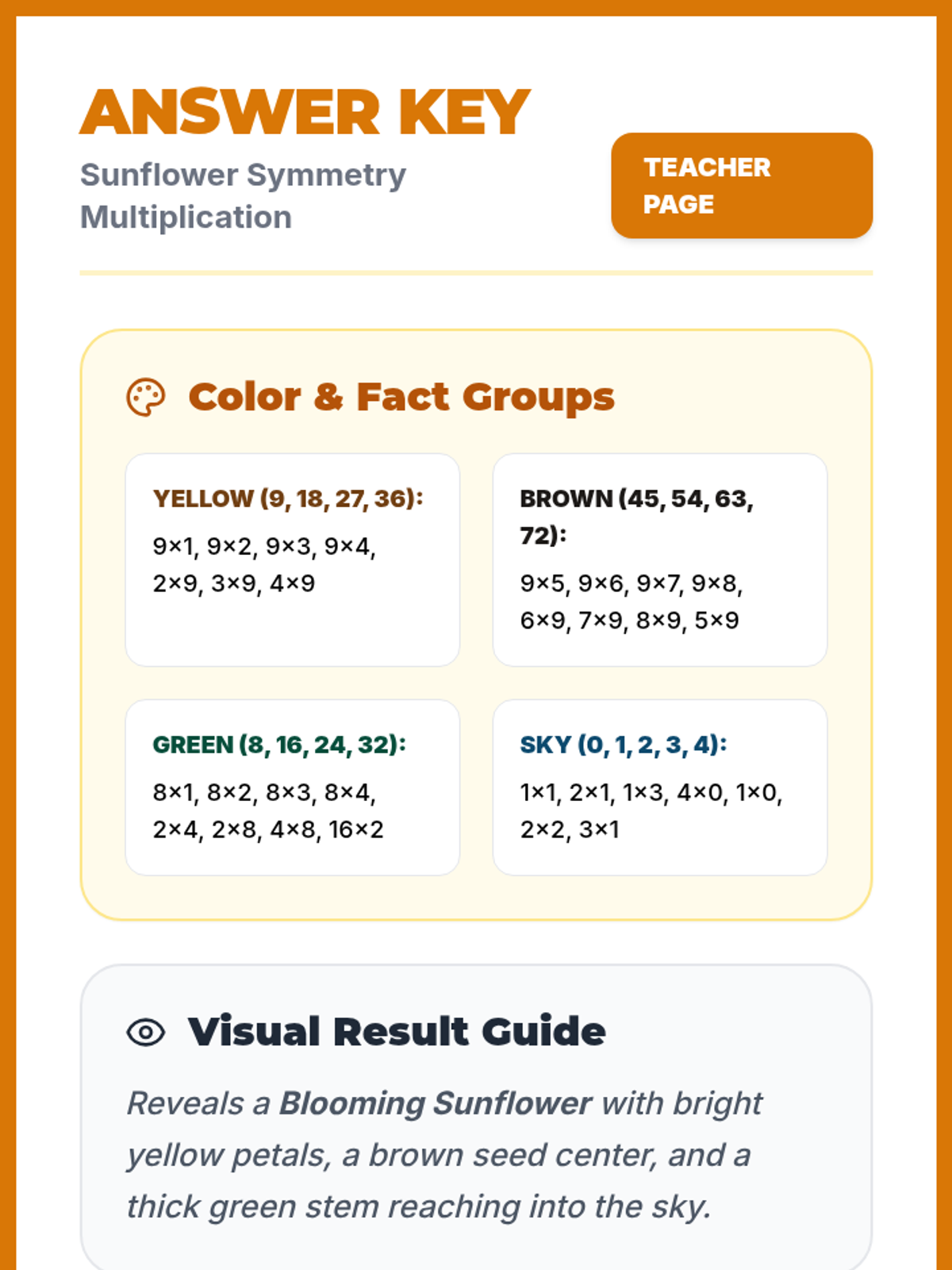
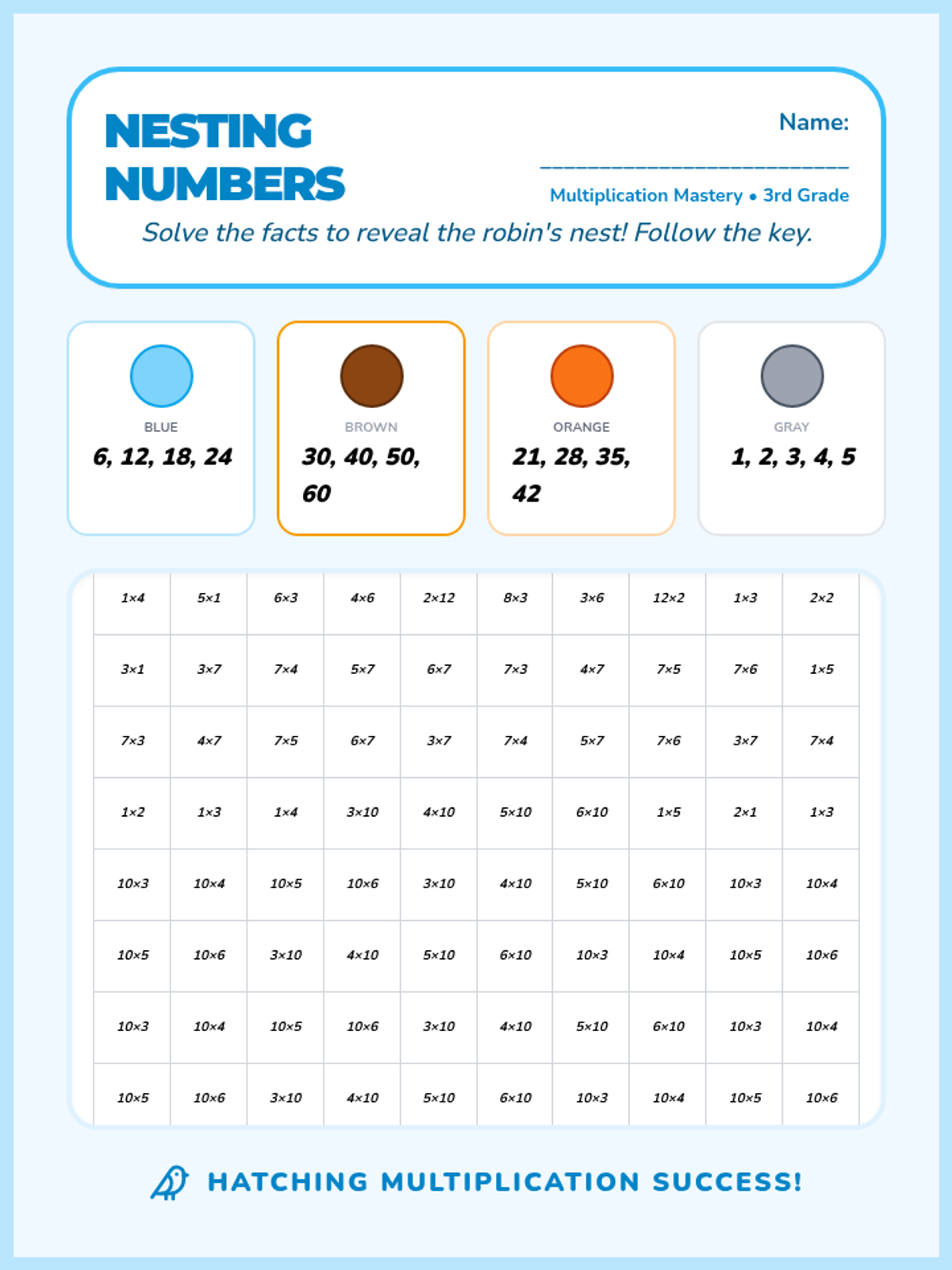
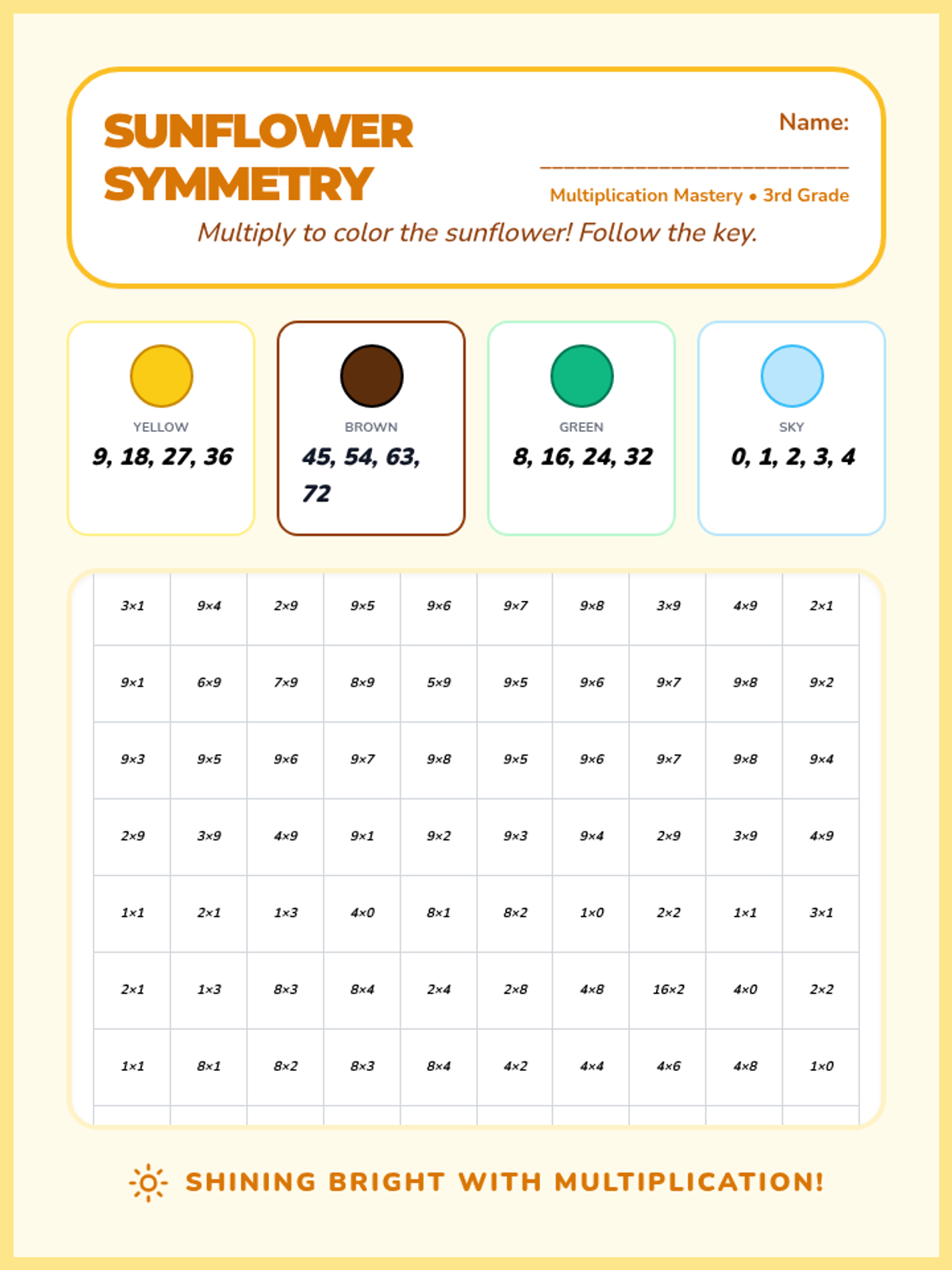
Students master multiplication facts up to 10 through artistic Color by Number challenges featuring butterflies, flowers, and spring scenes.
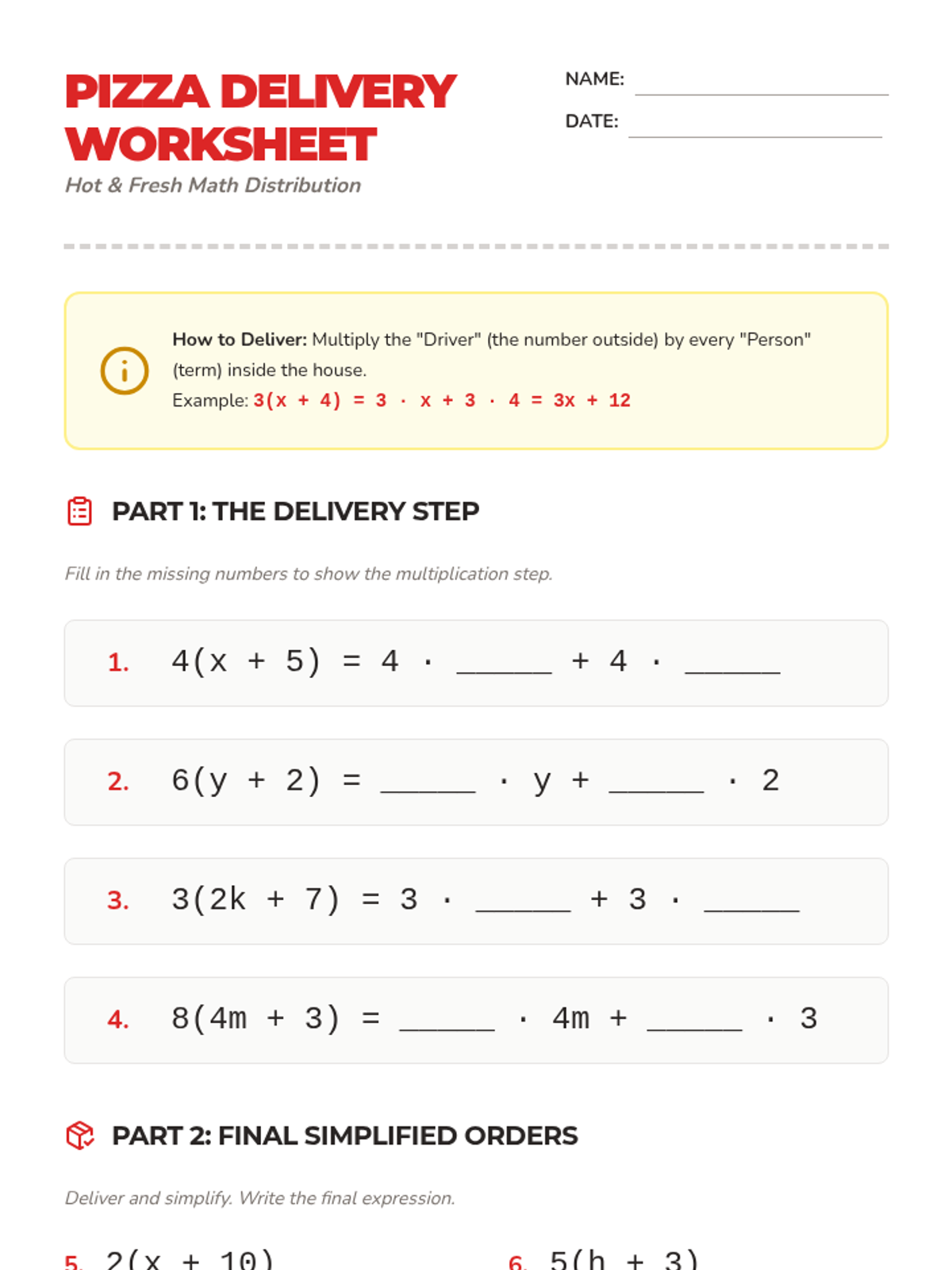
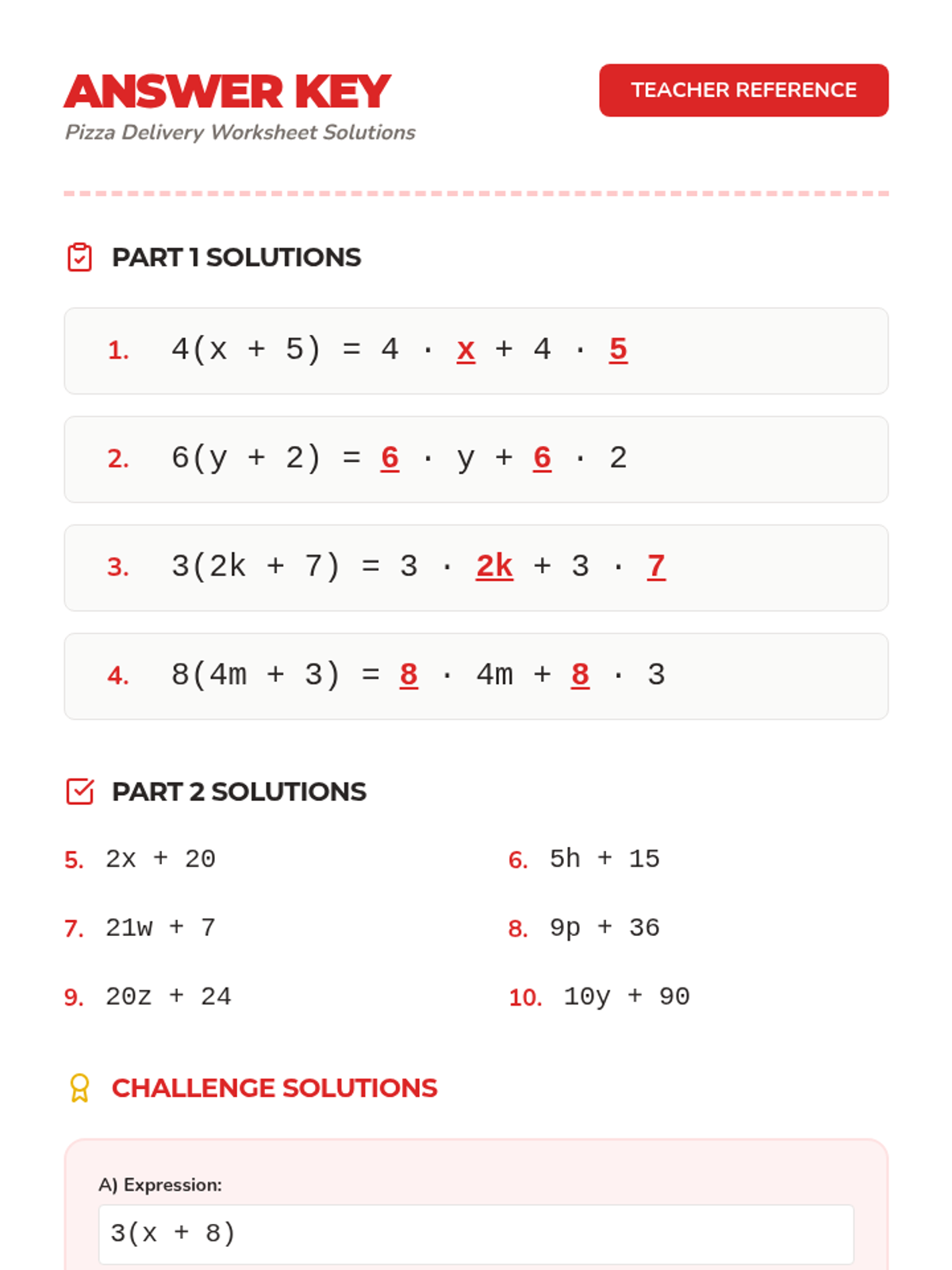
A delicious introduction to the distributive property using a pizza delivery analogy. Students learn to 'deliver' the outside factor to every term inside the parentheses through multiplication.
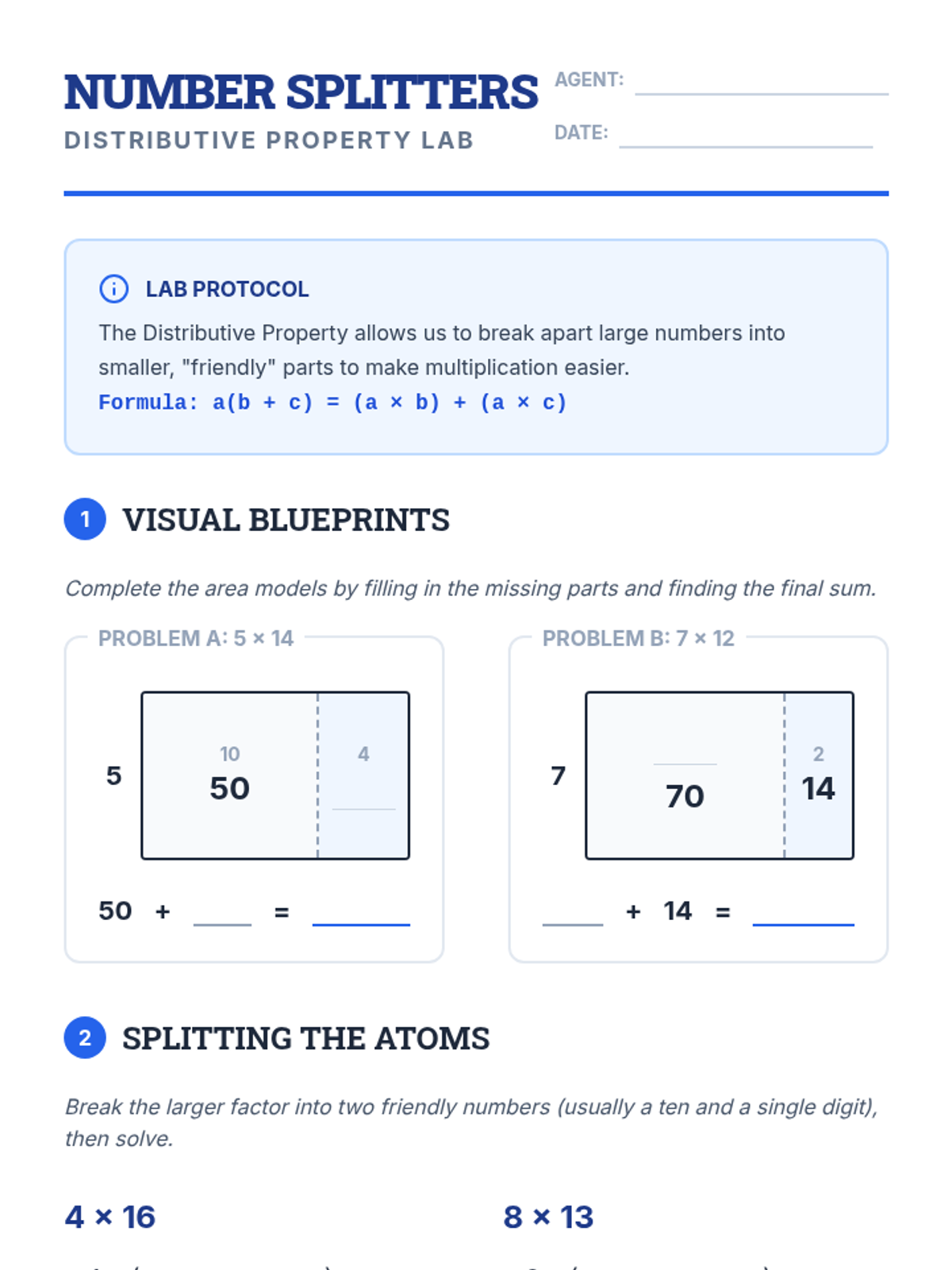
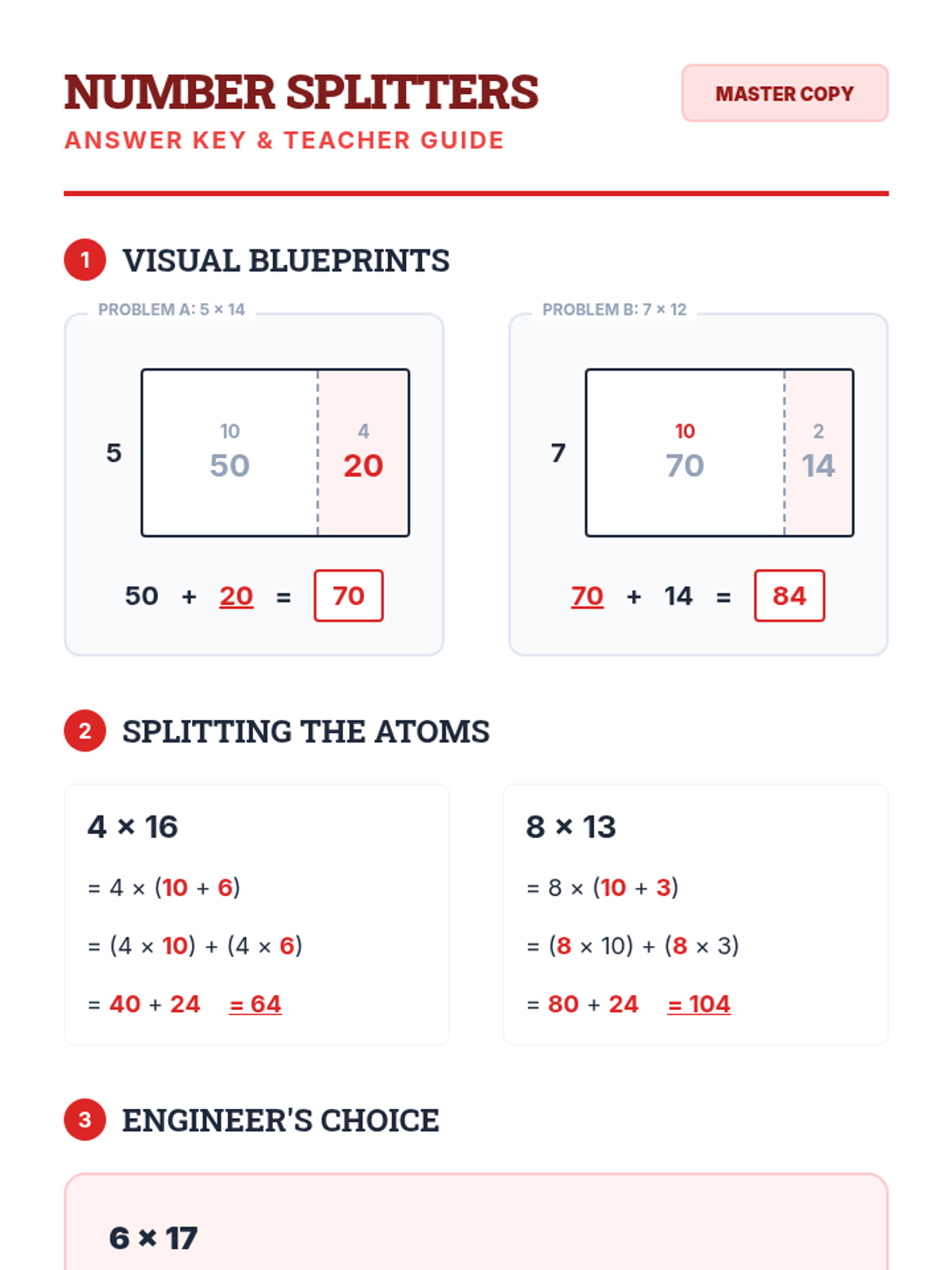
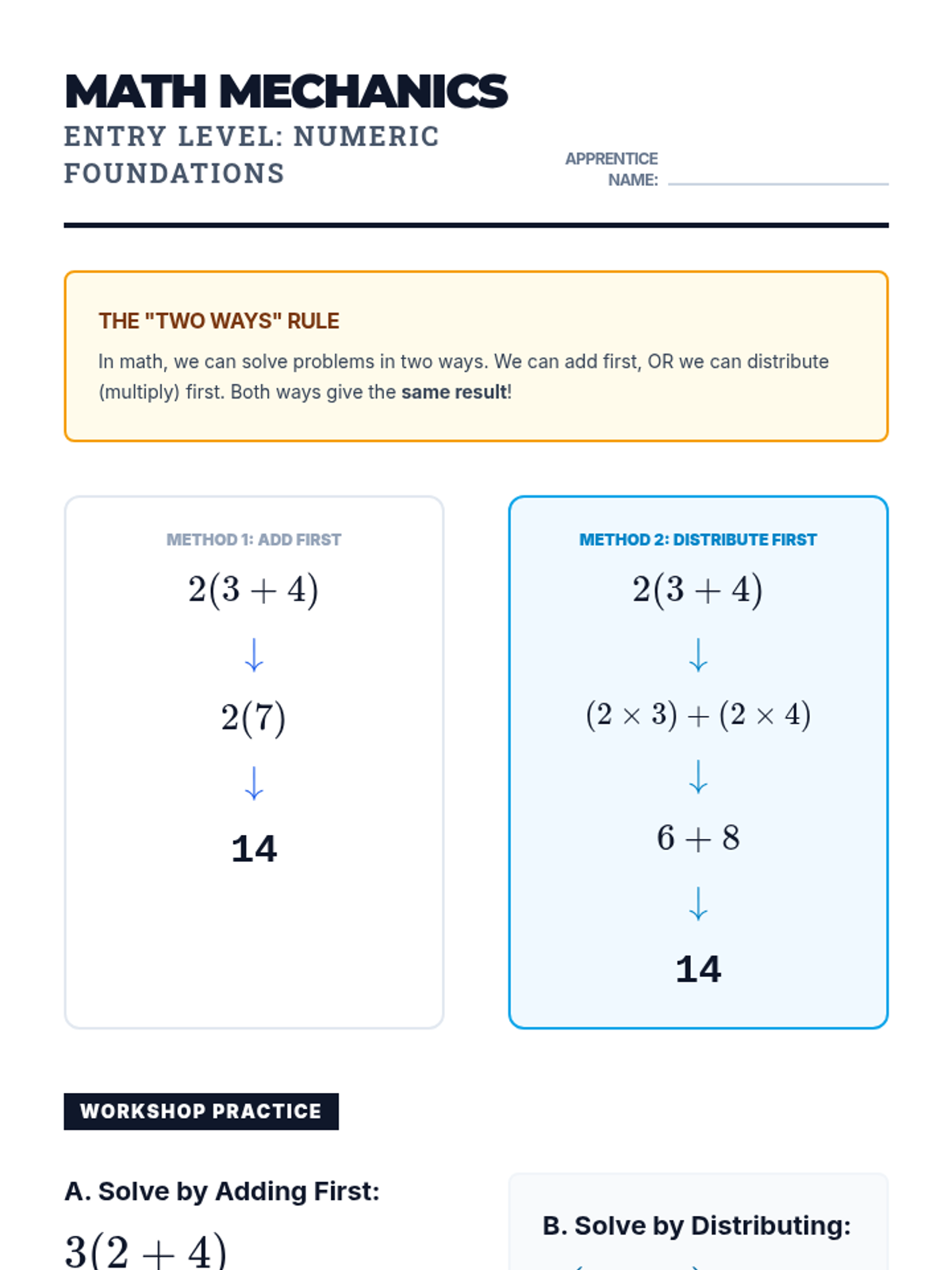
A comprehensive introduction to the distributive property using whole numbers, focusing on area models and decomposing factors to simplify multiplication. Students will learn to 'break apart' numbers to solve problems more efficiently.
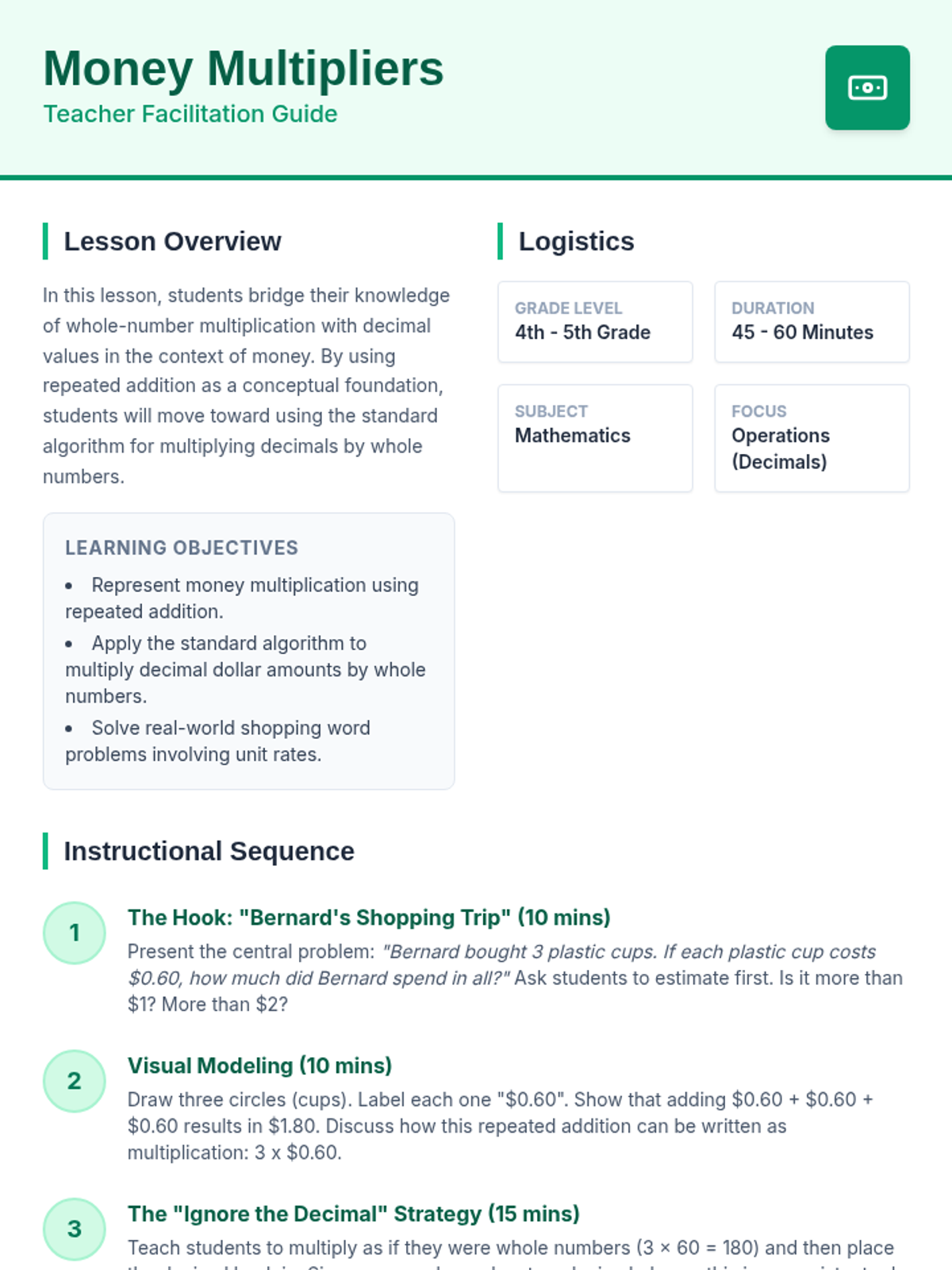
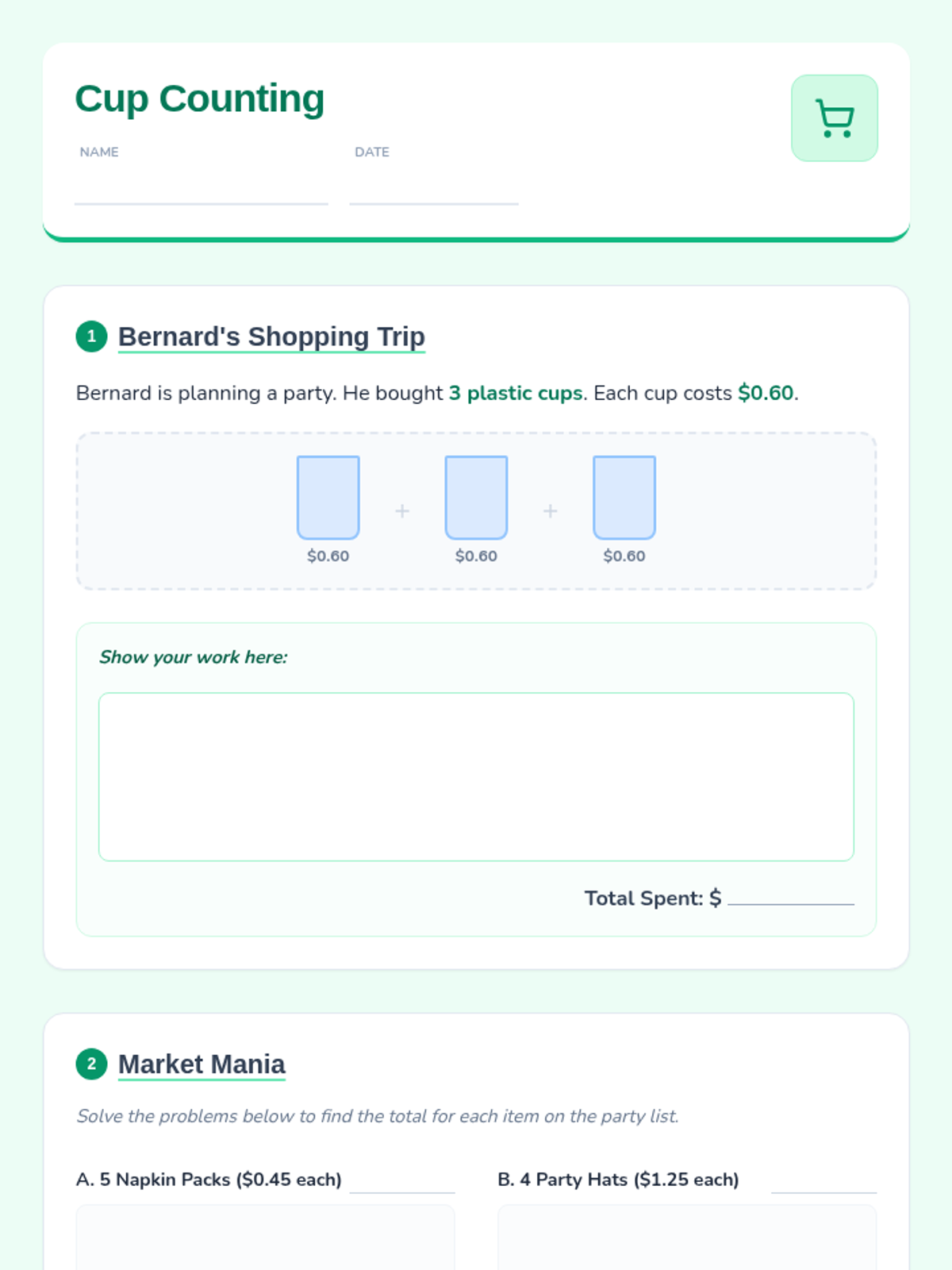
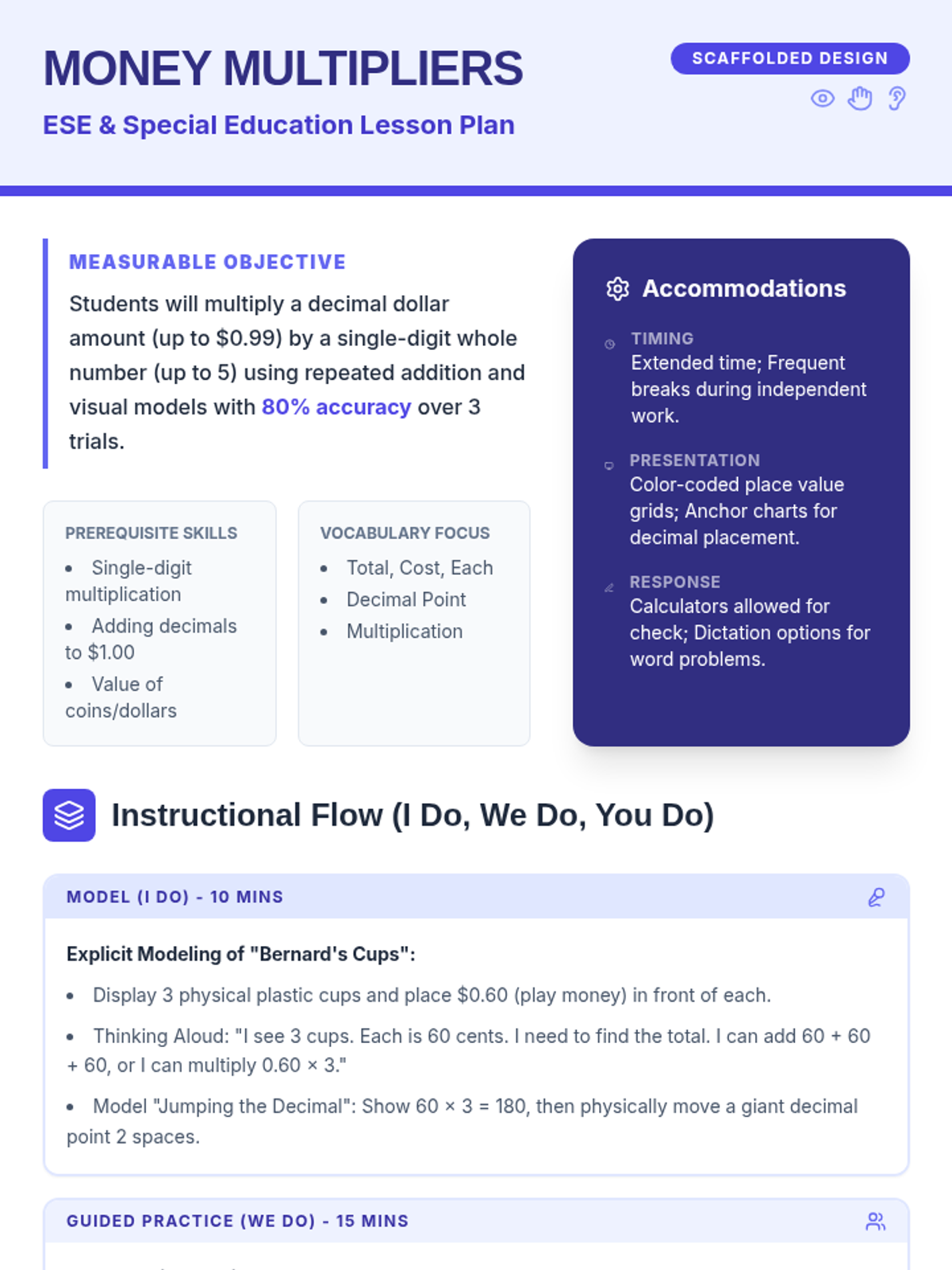
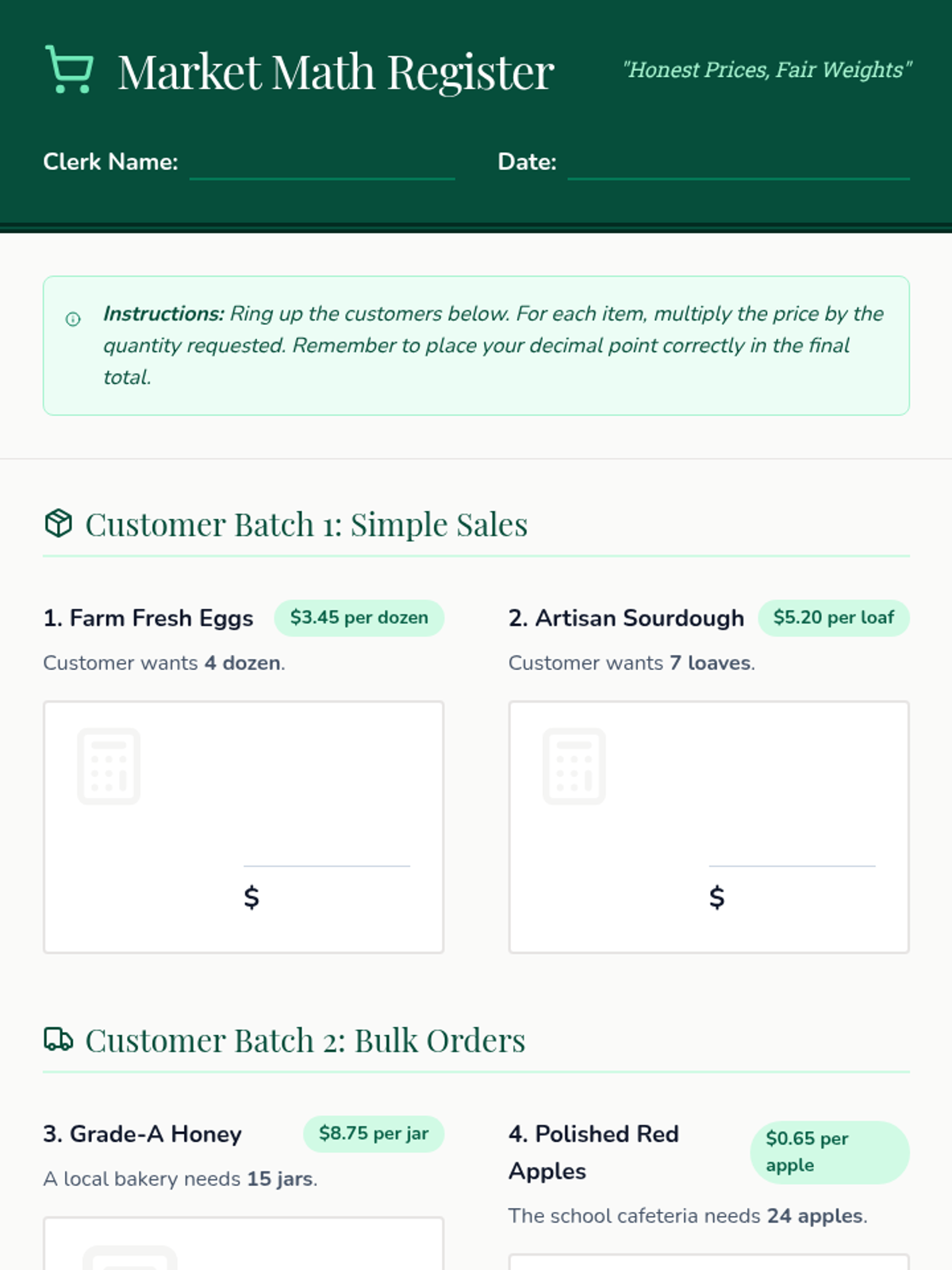
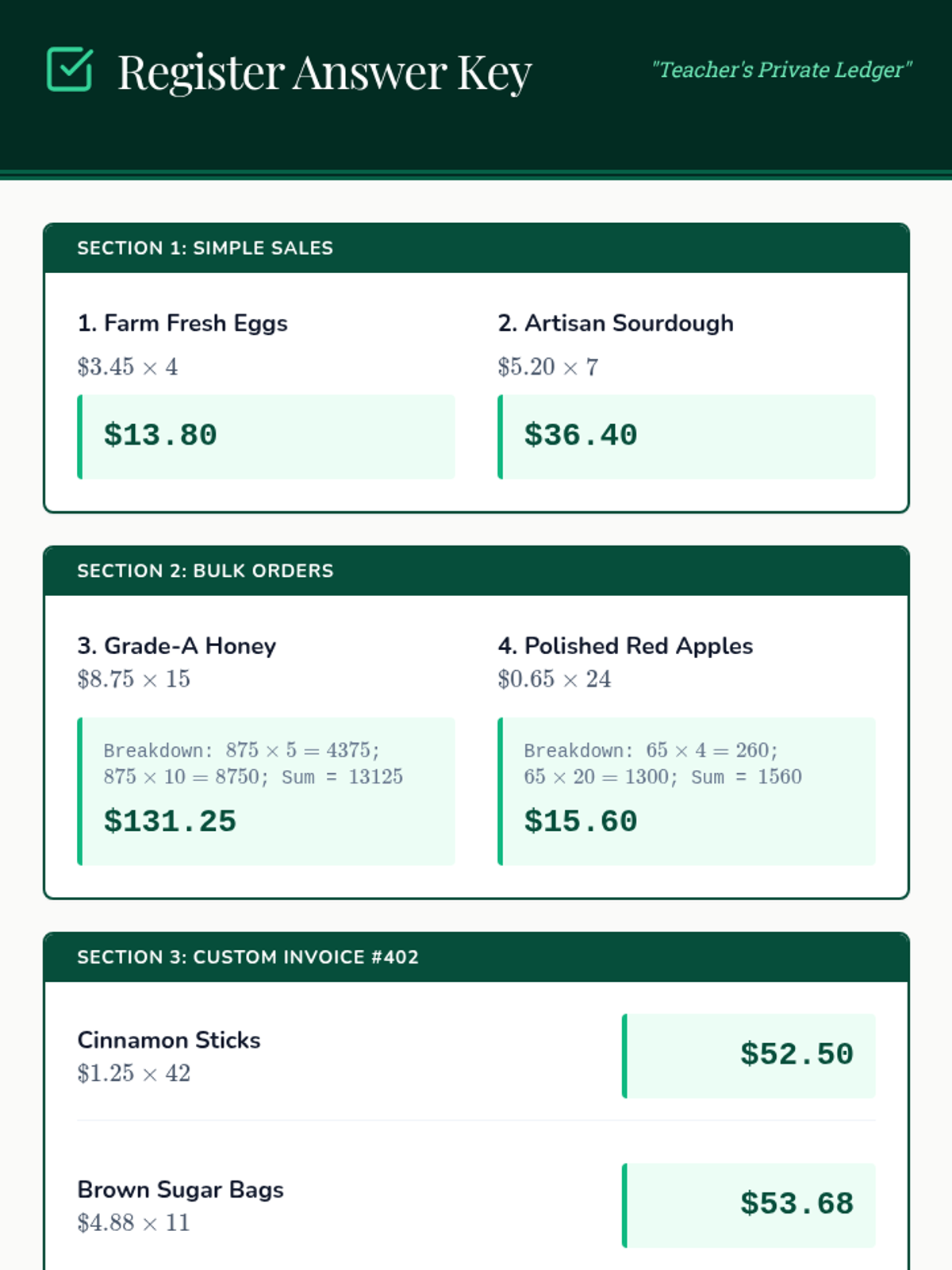
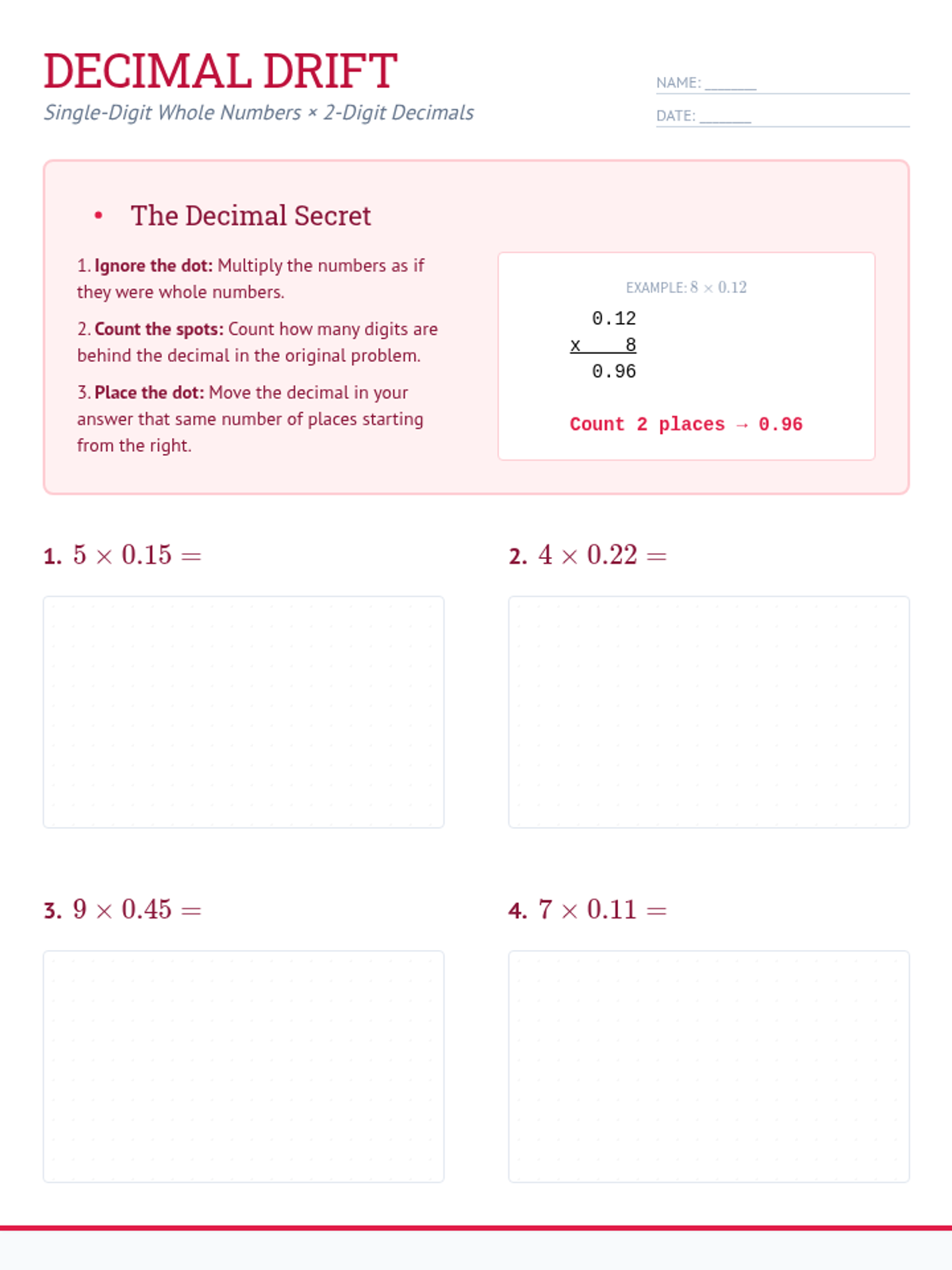
A lesson focused on multiplying small decimal dollar amounts by whole numbers using the context of a shopping trip for plastic cups. Students will explore repeated addition and standard multiplication algorithms for money.
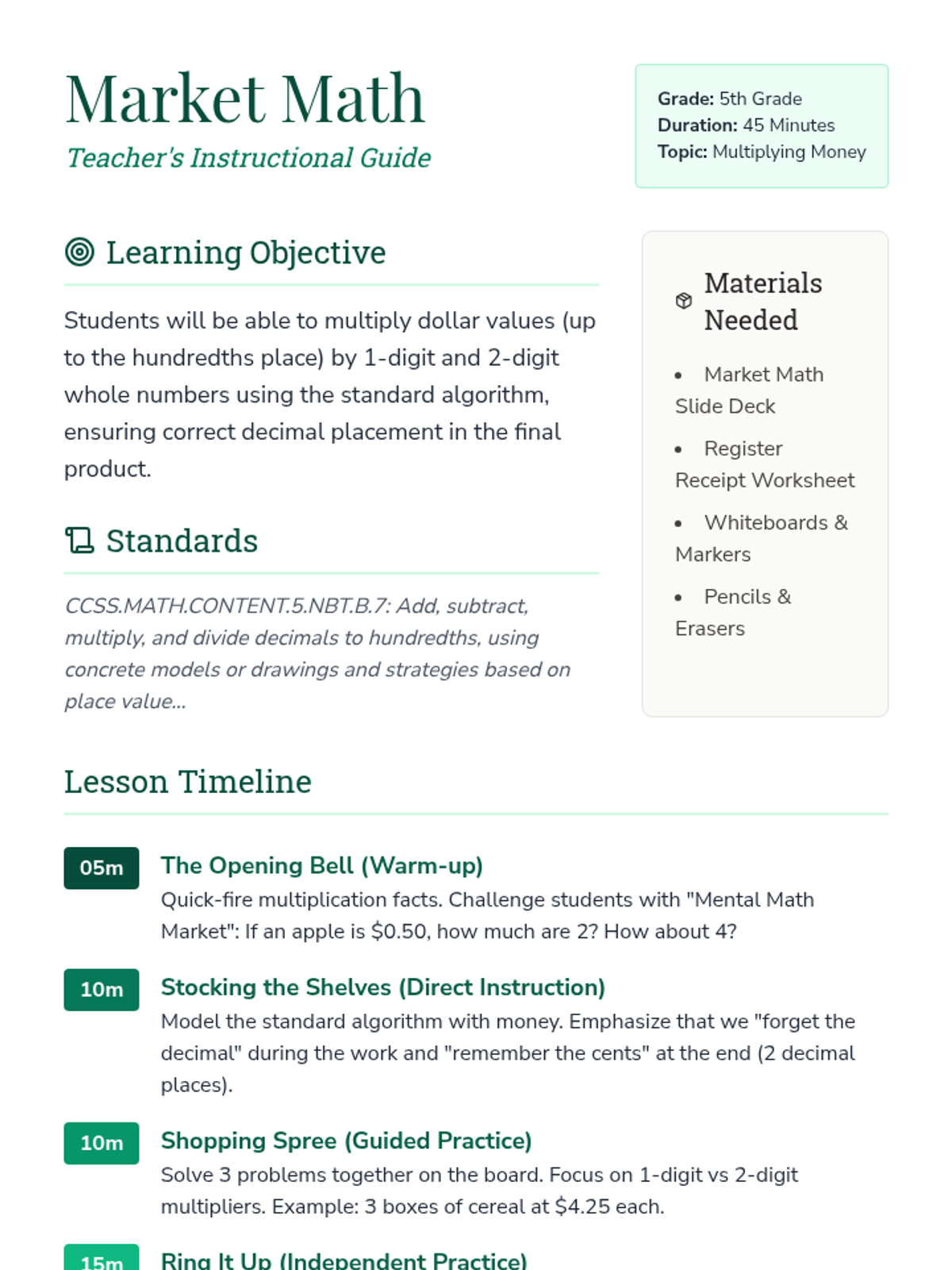
A 45-minute lesson for 5th graders on multiplying dollar values by whole numbers, themed around a vintage general store. Students will learn to place decimal points correctly and solve real-world shopping problems.
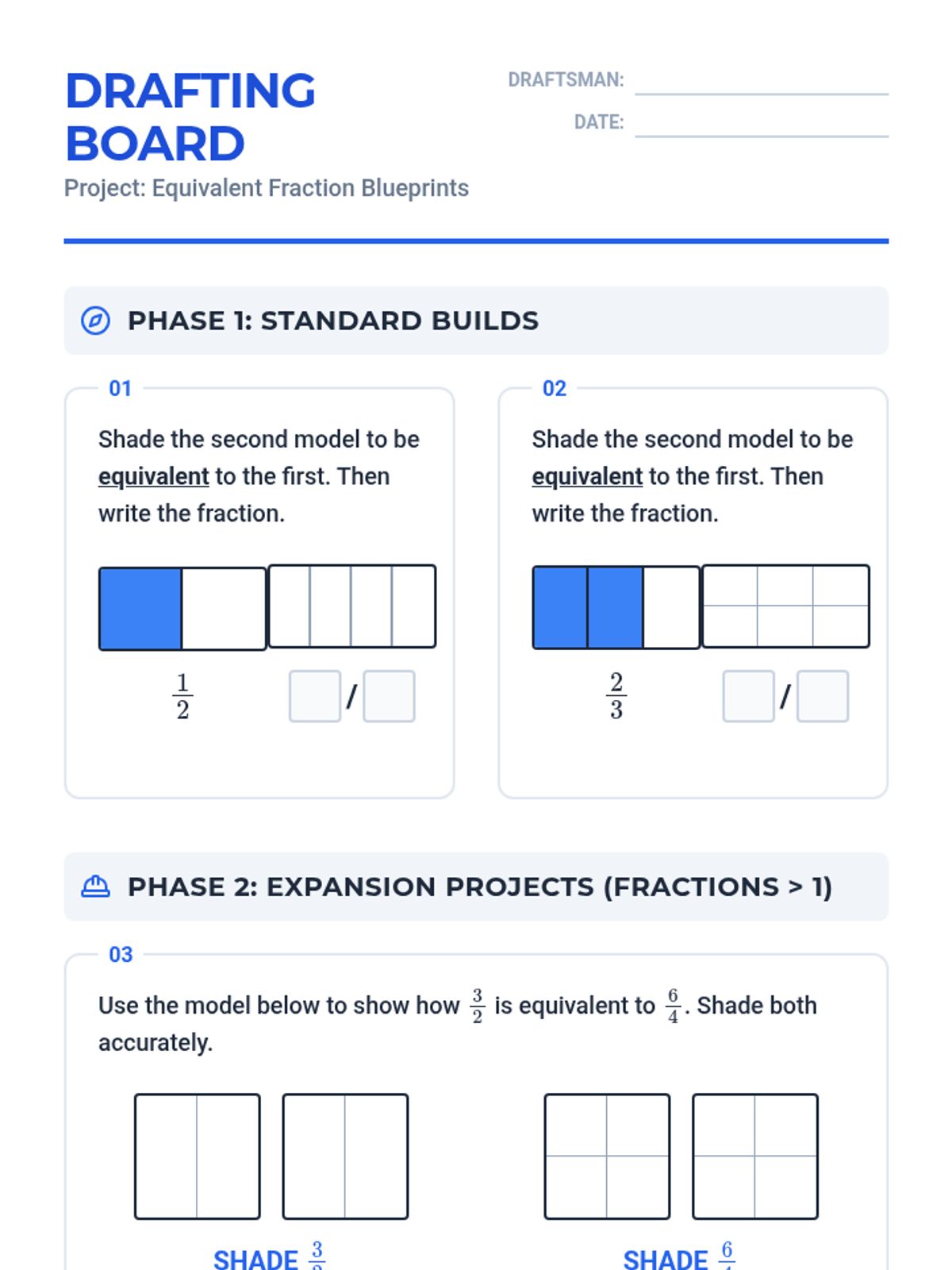
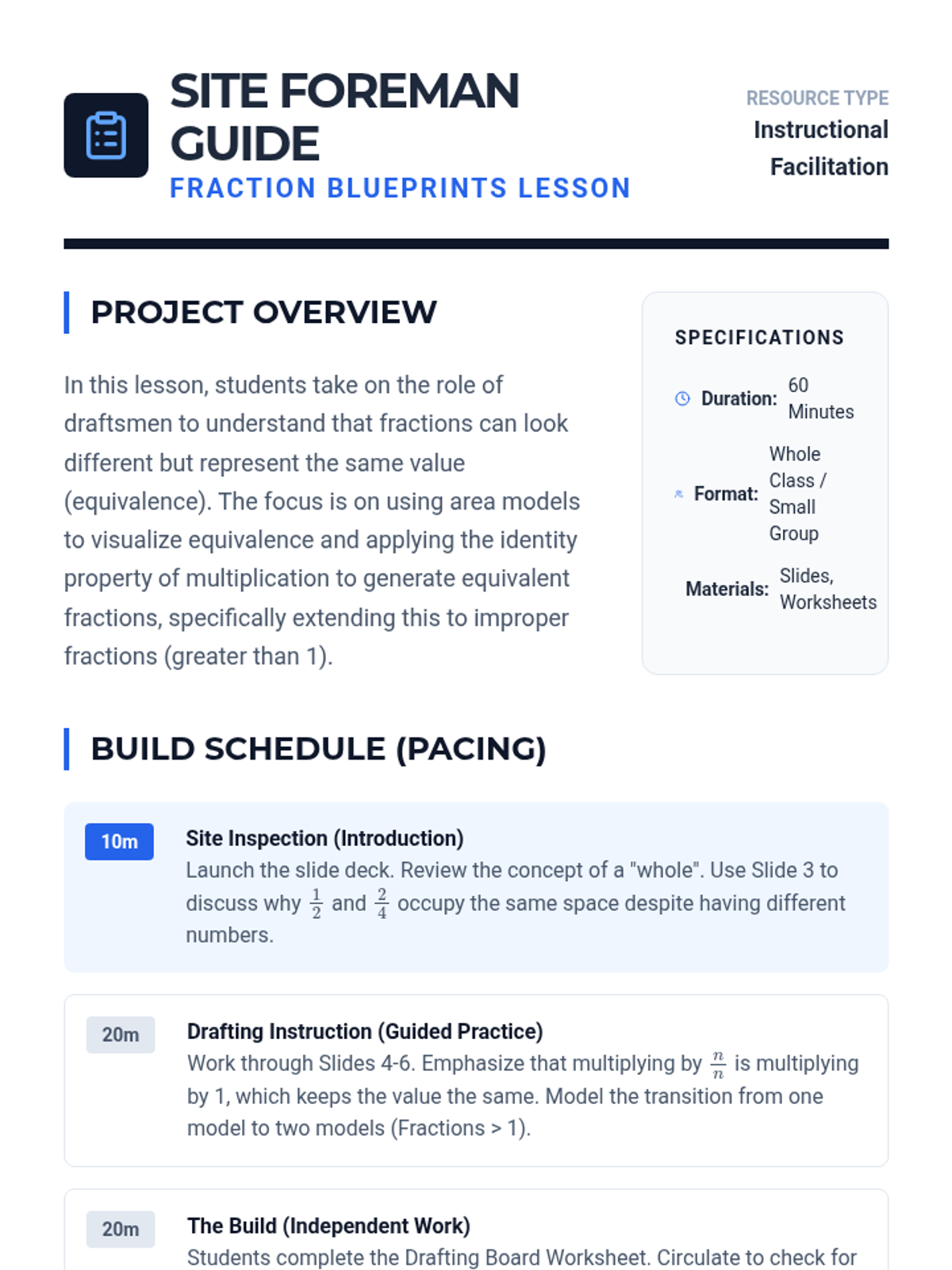
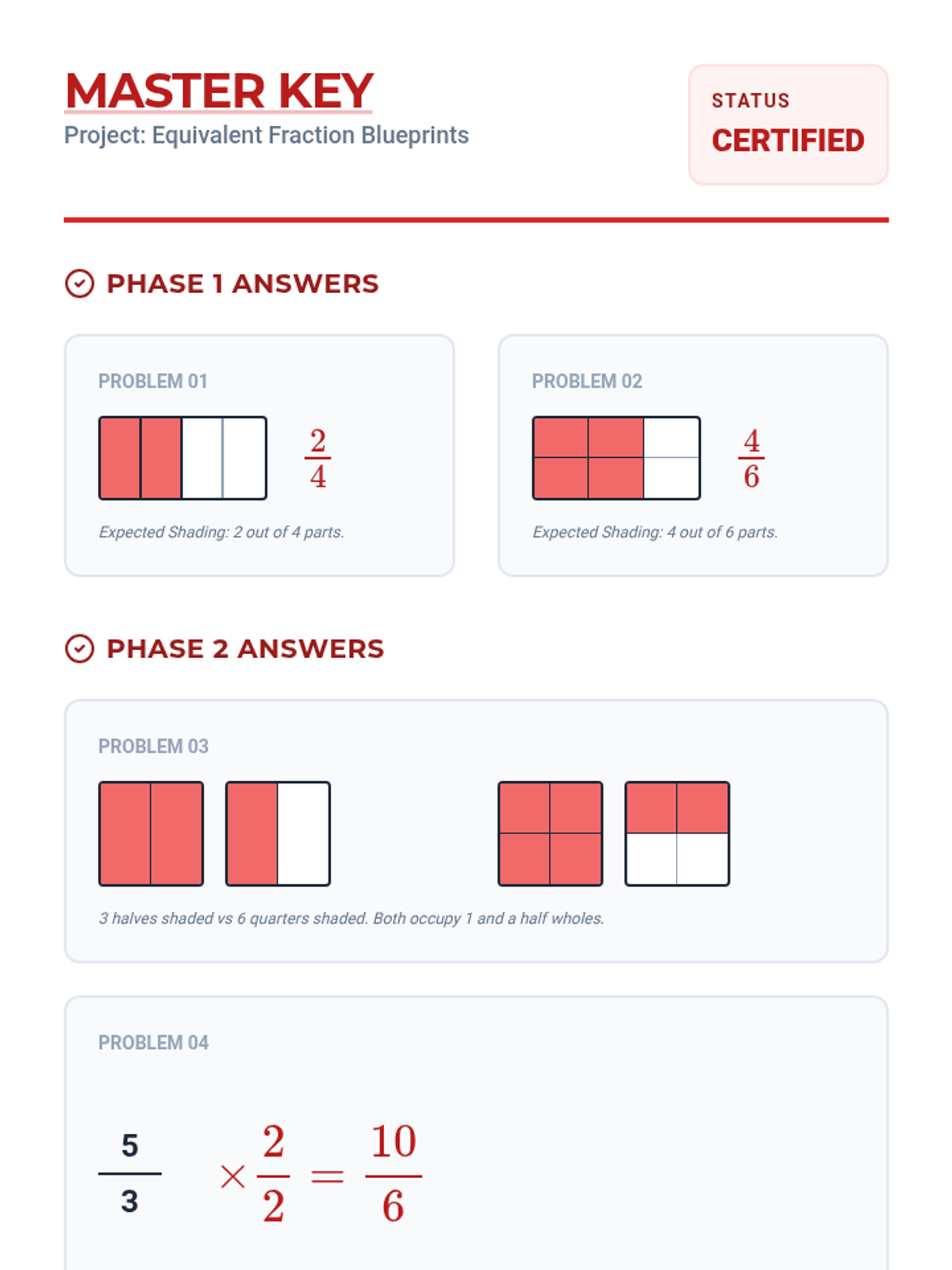
A comprehensive lesson on understanding and generating equivalent fractions using visual models, with a specific focus on fractions greater than one. Students explore the concept through the lens of architectural blueprints and precision building.
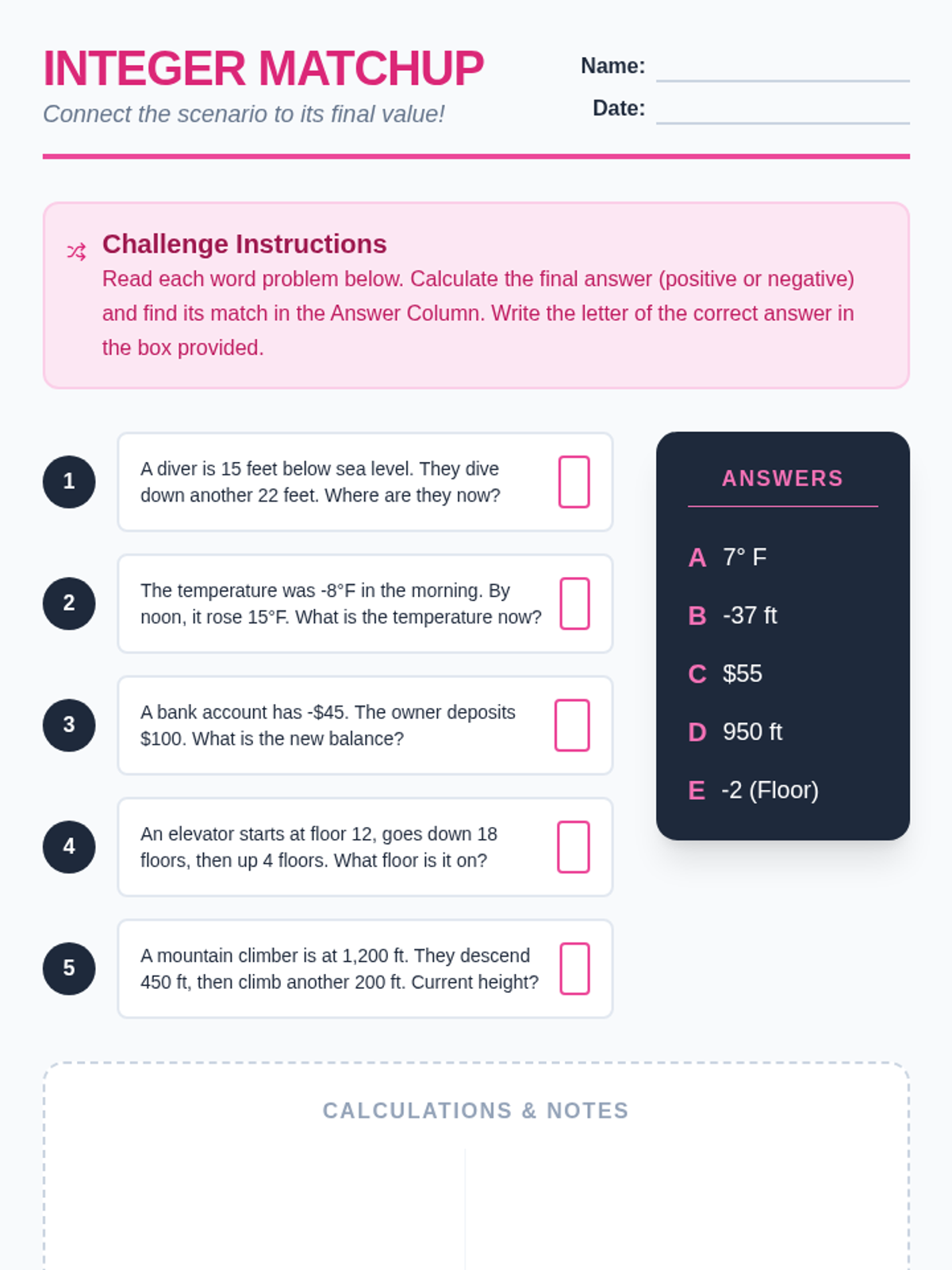
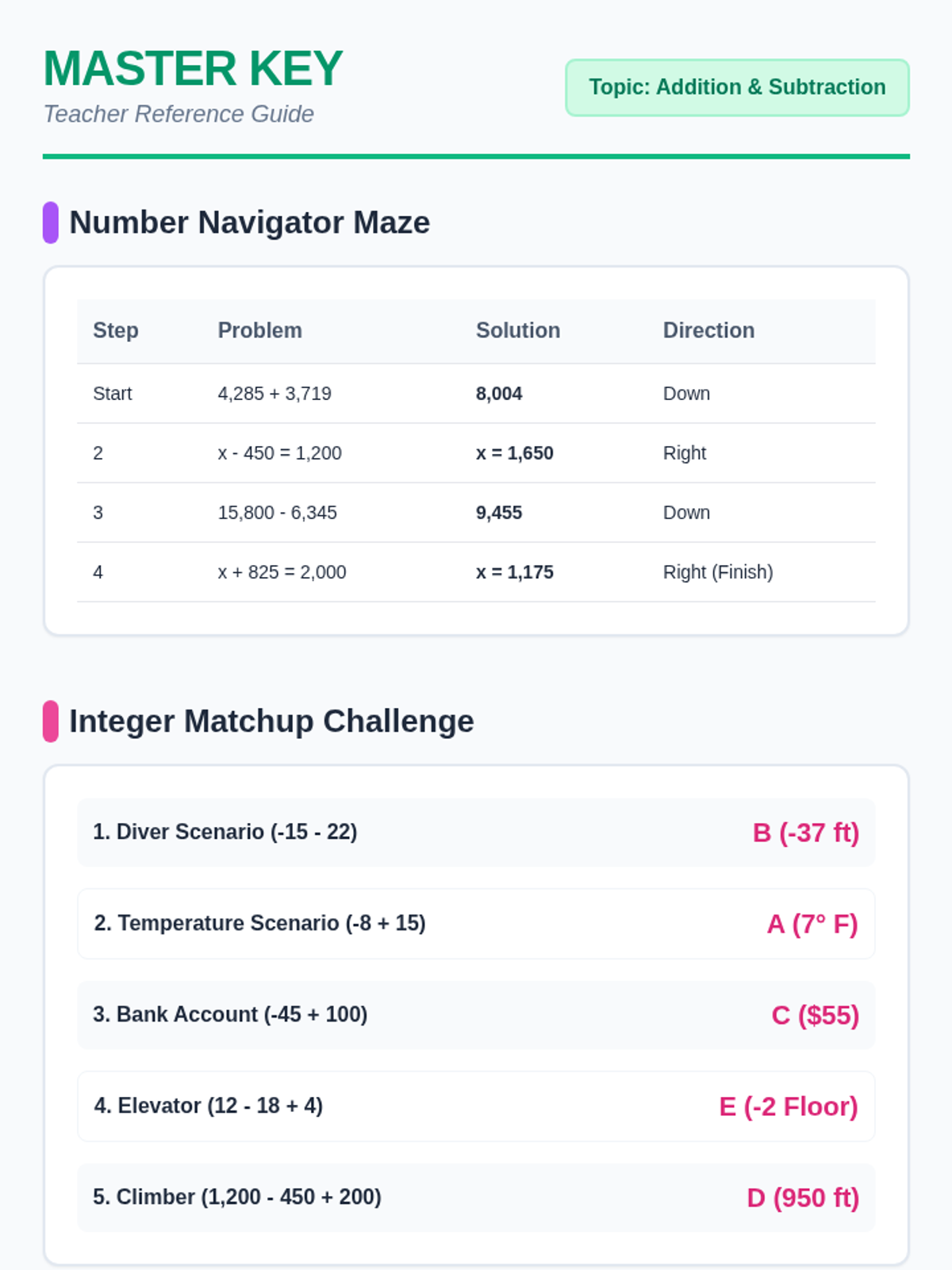
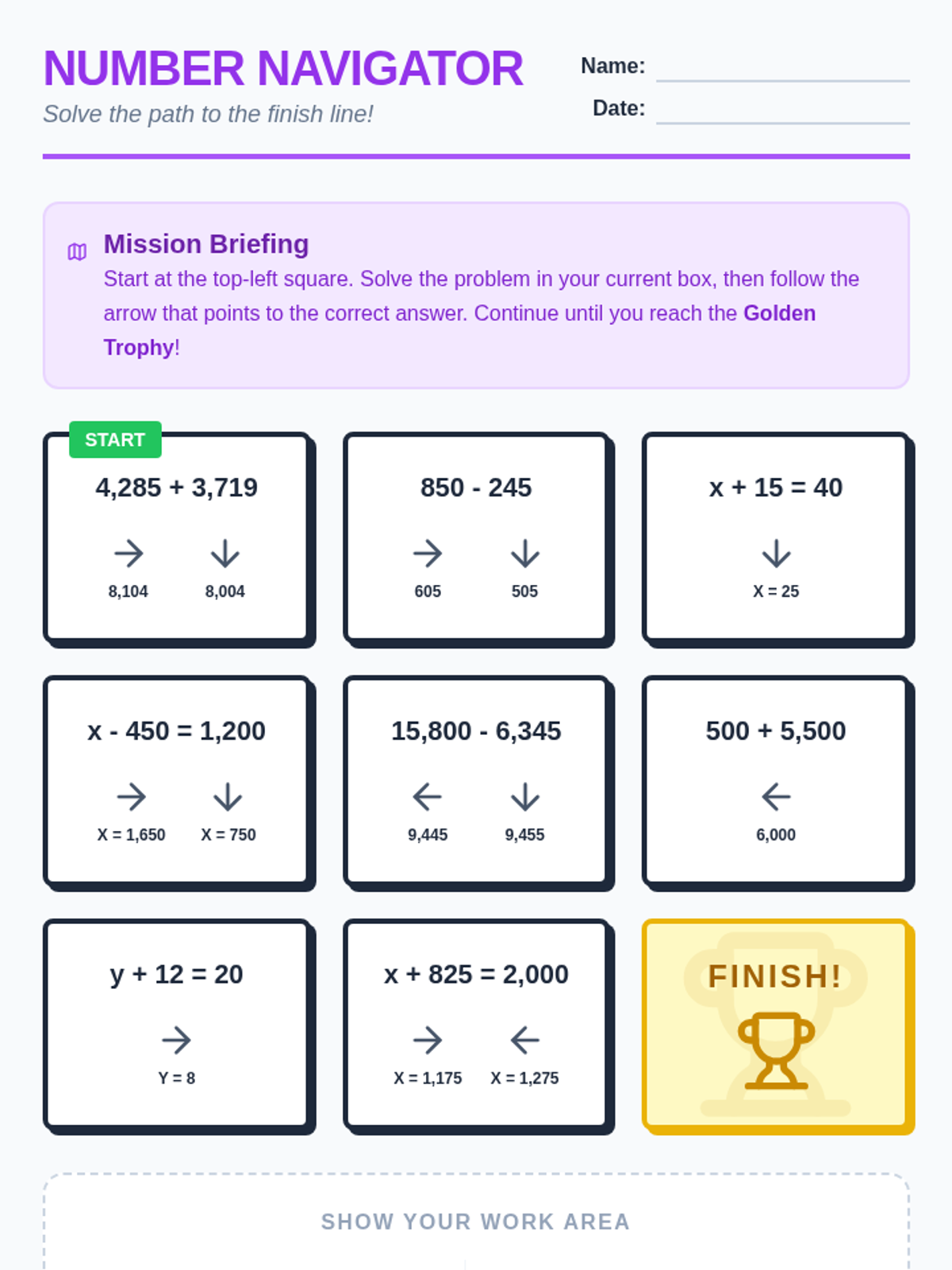
A collection of engaging addition and subtraction games focusing on multi-digit numbers, equations, and integer word problems. Students navigate mazes and solve matching challenges to master core arithmetic skills.
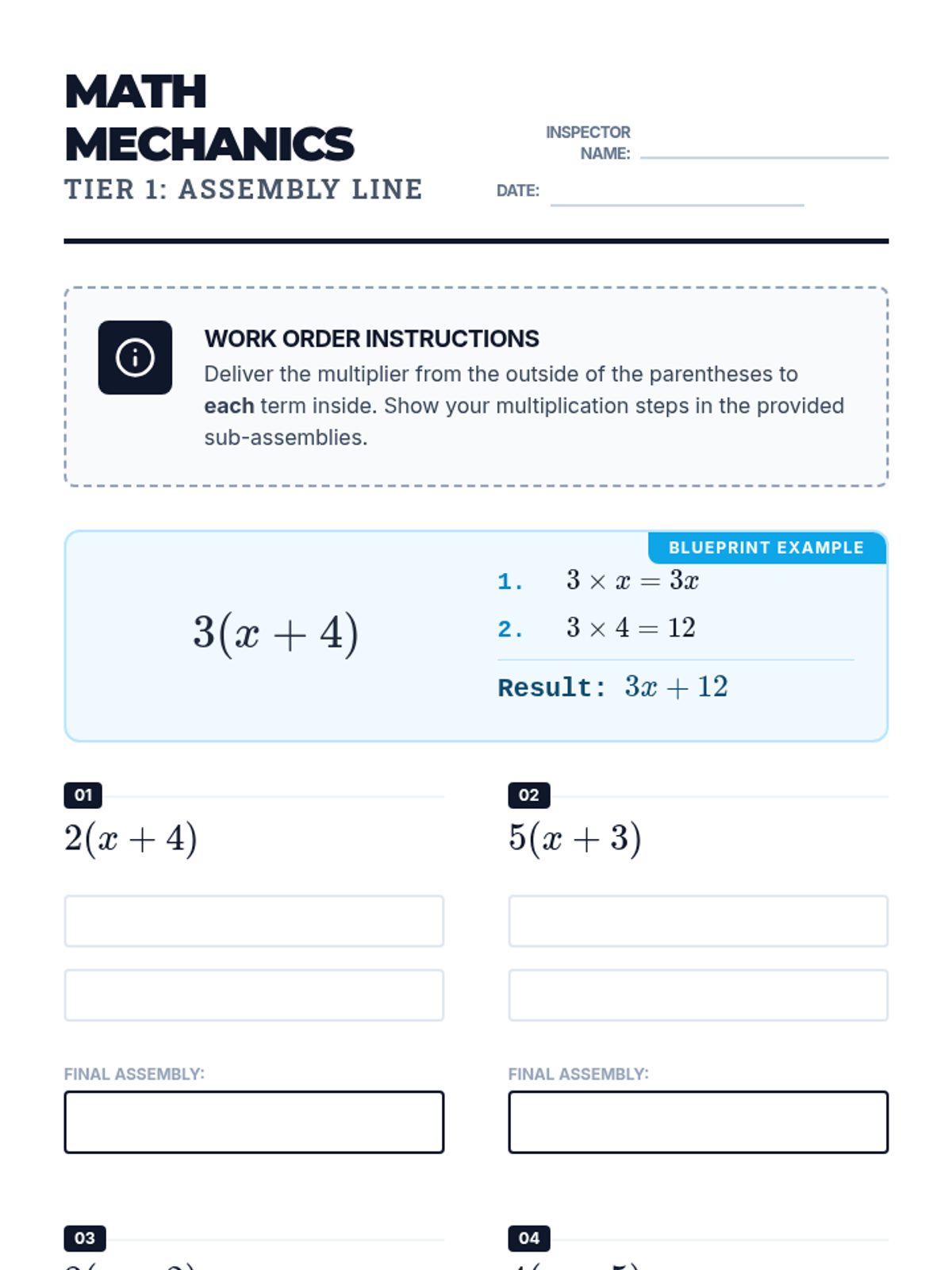
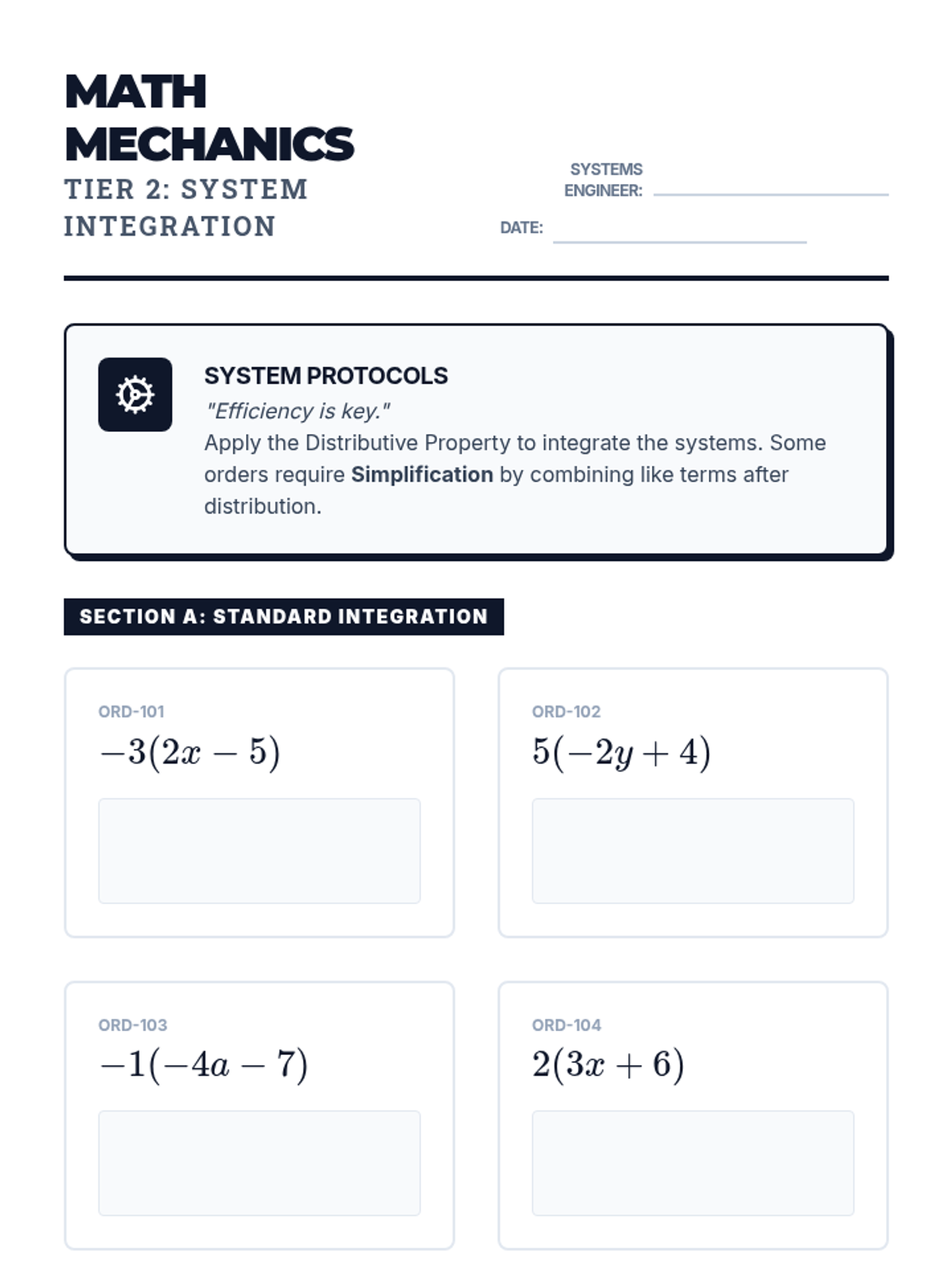
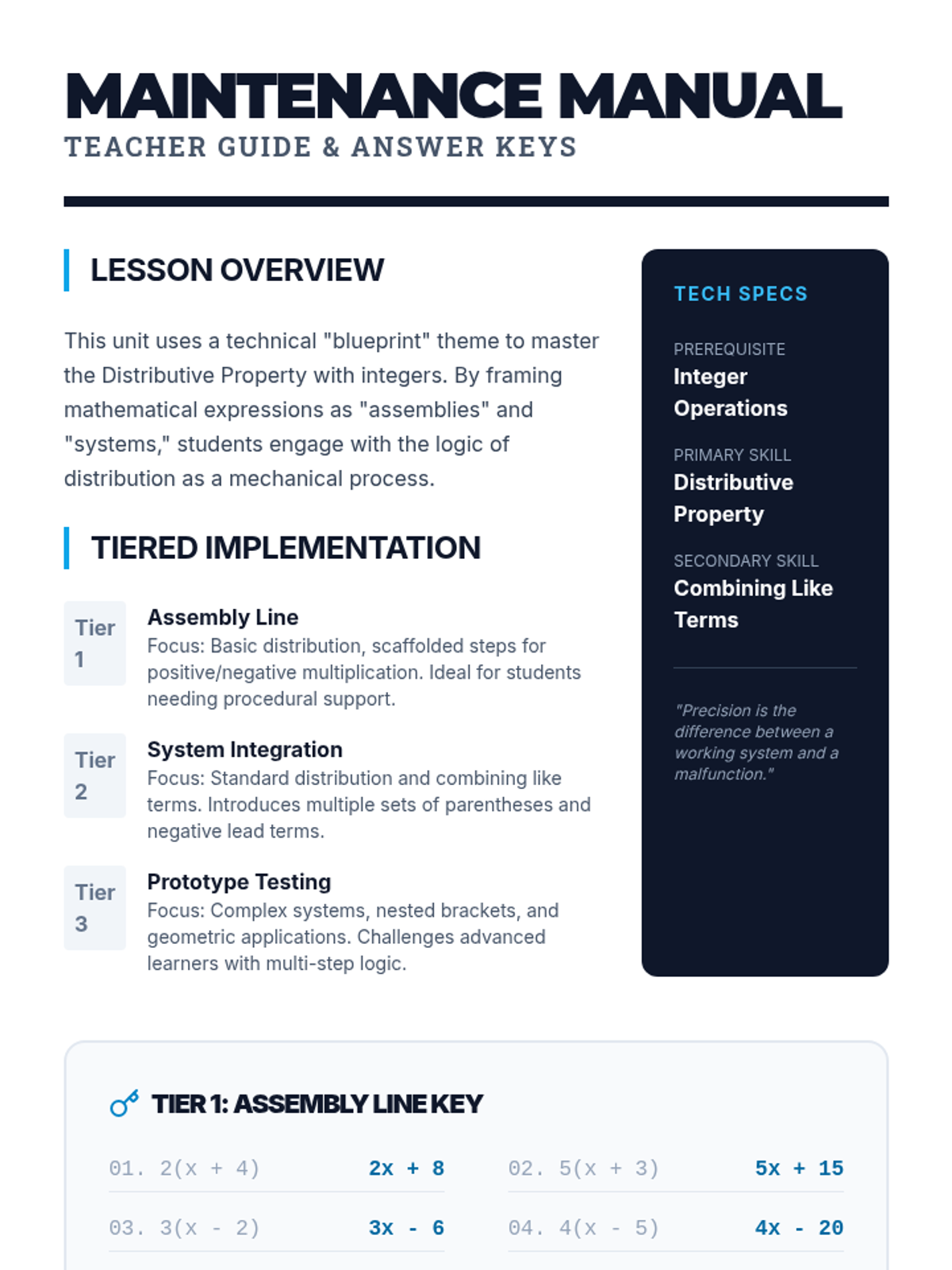
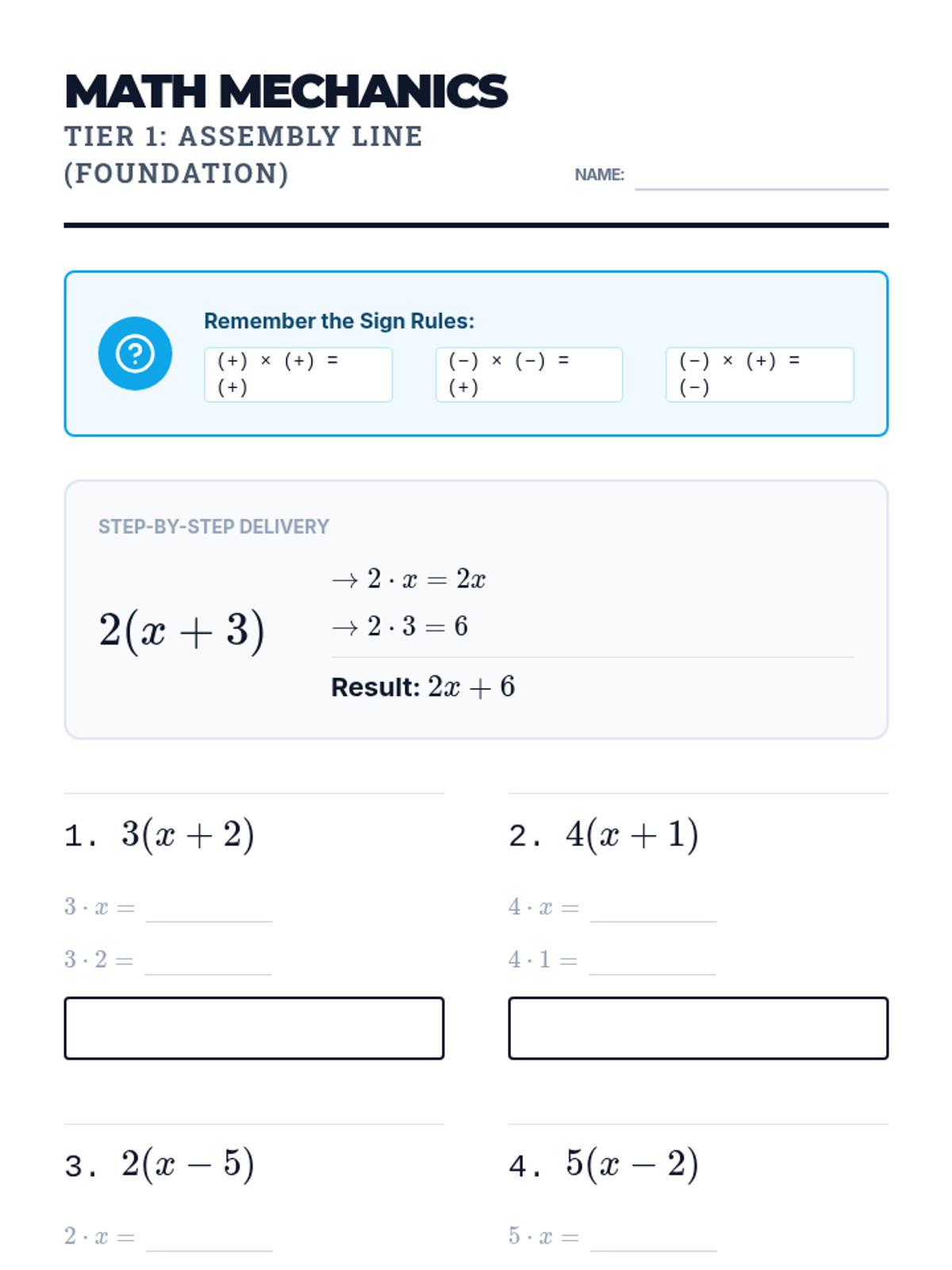
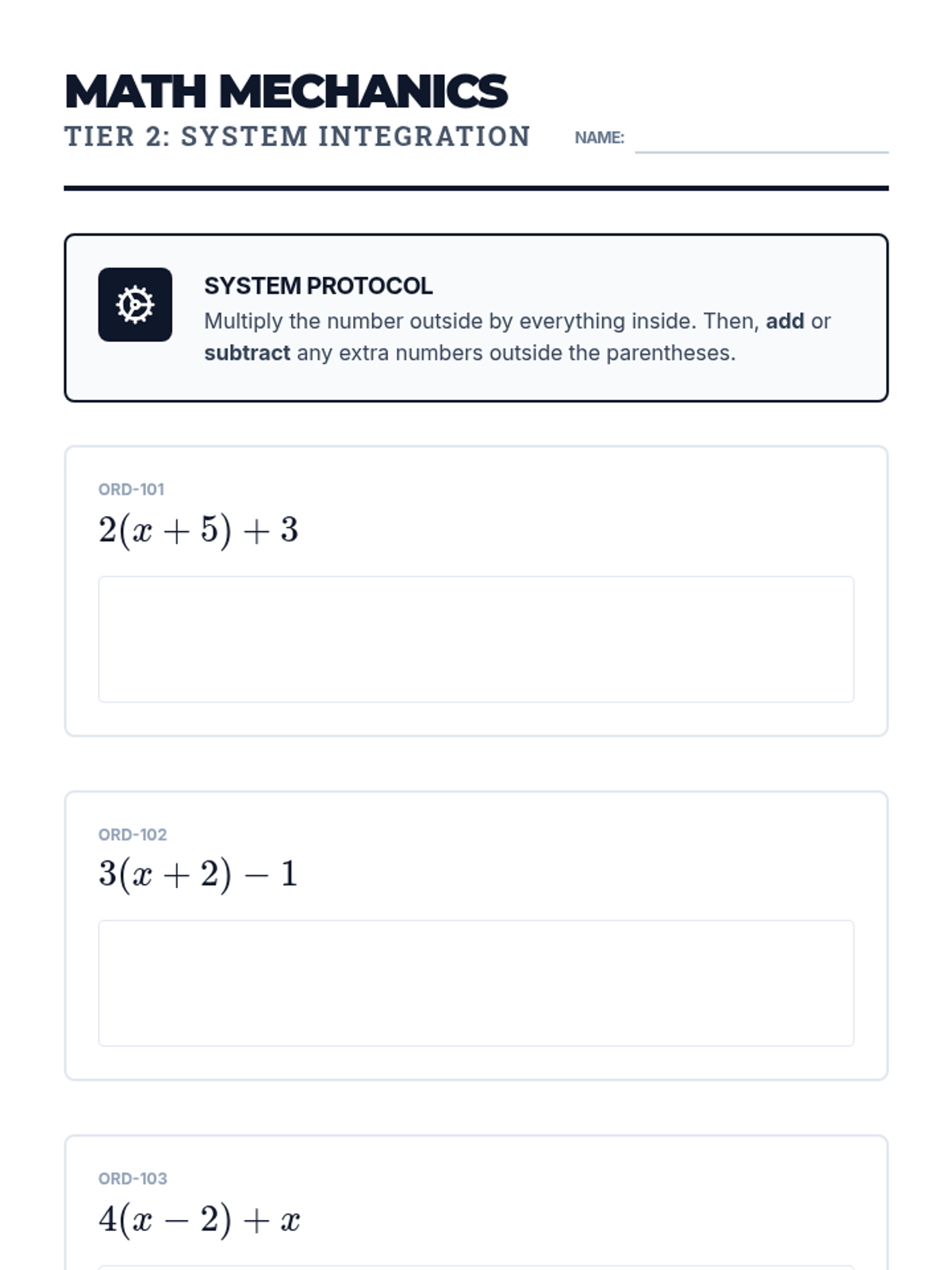
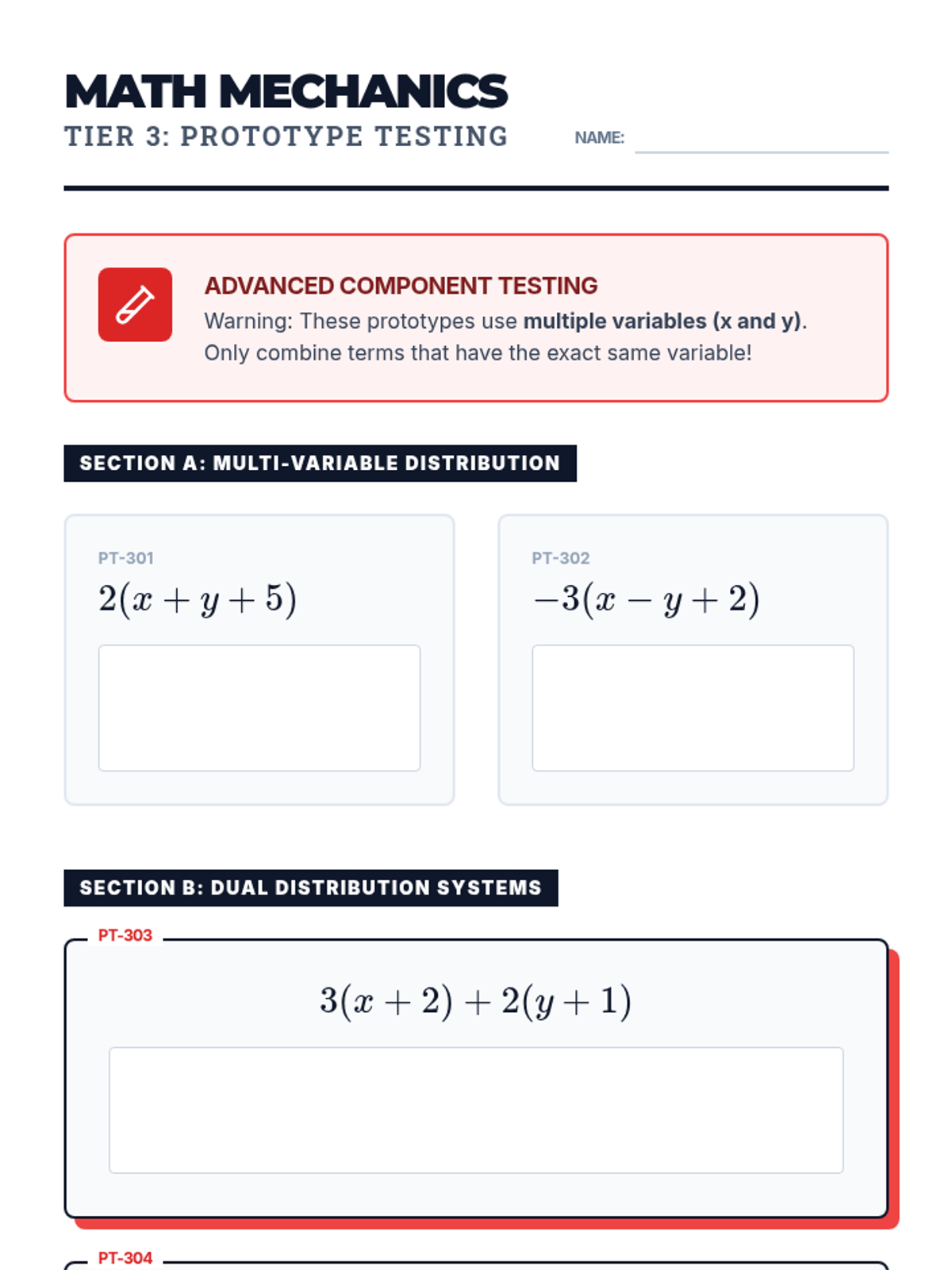
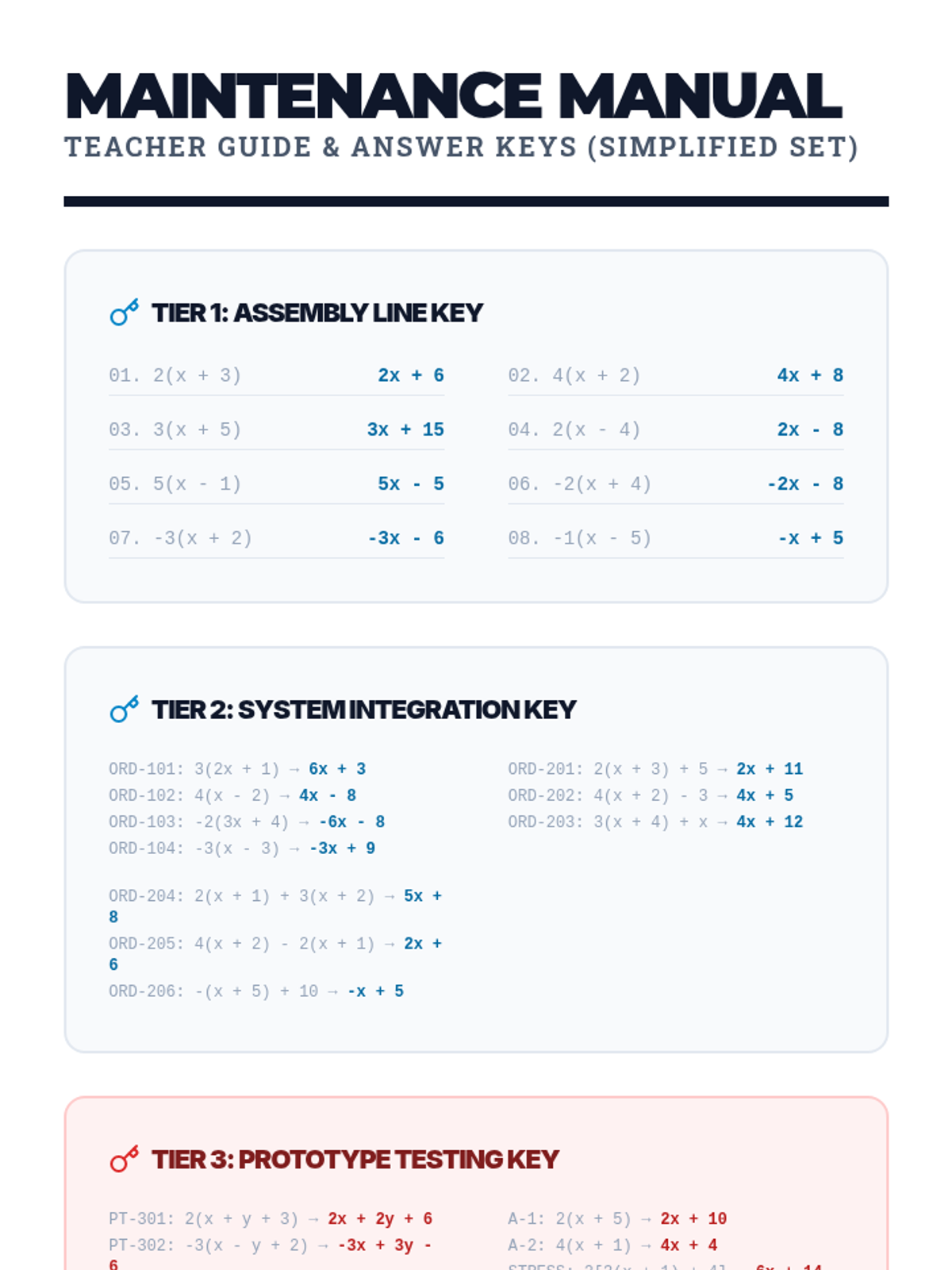
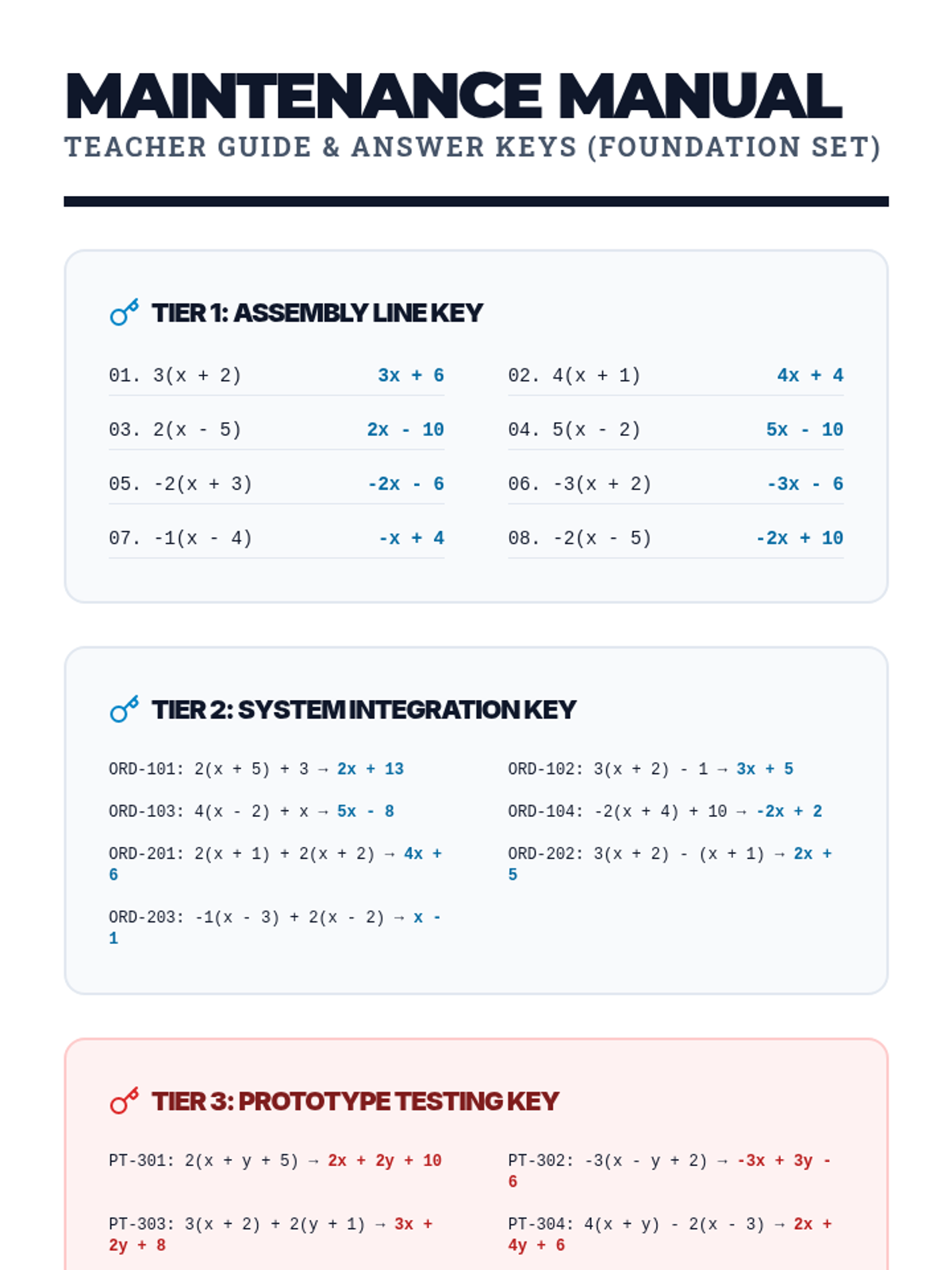
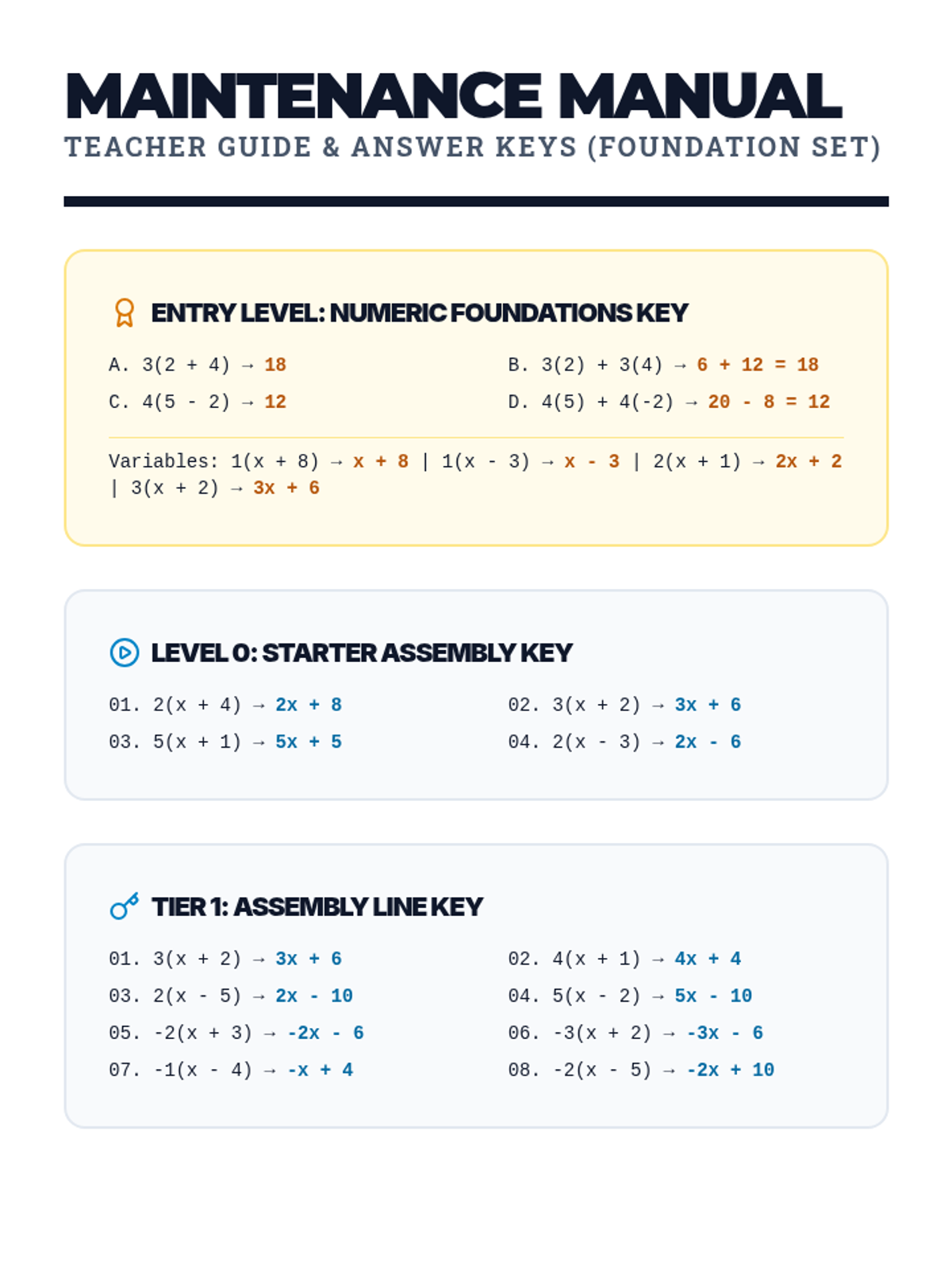
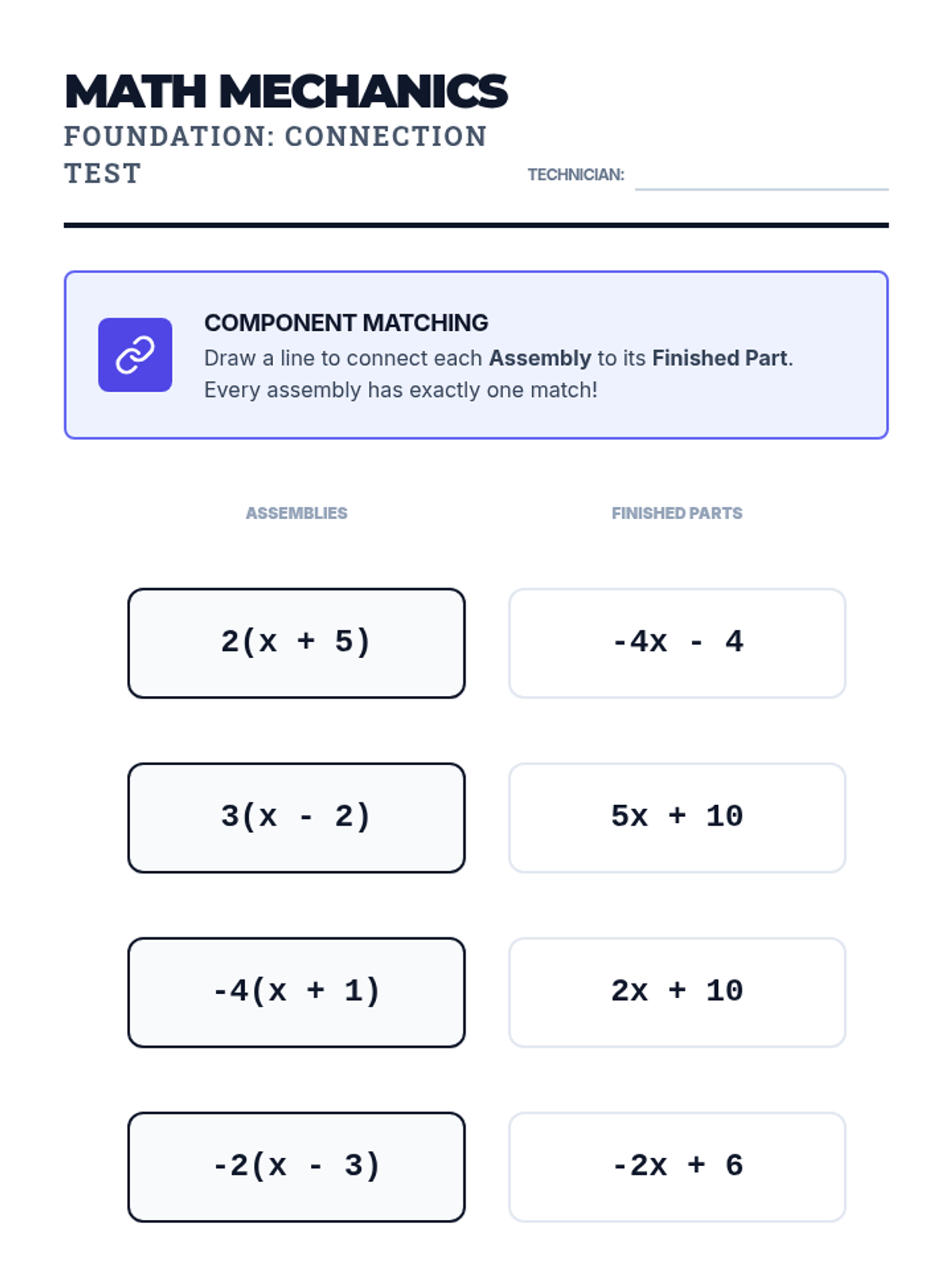
A comprehensive lesson on mastering the distributive property with positive and negative integers through a tiered, blueprint-inspired approach. Students progress from basic distribution to complex expressions involving multiple terms and sign changes.
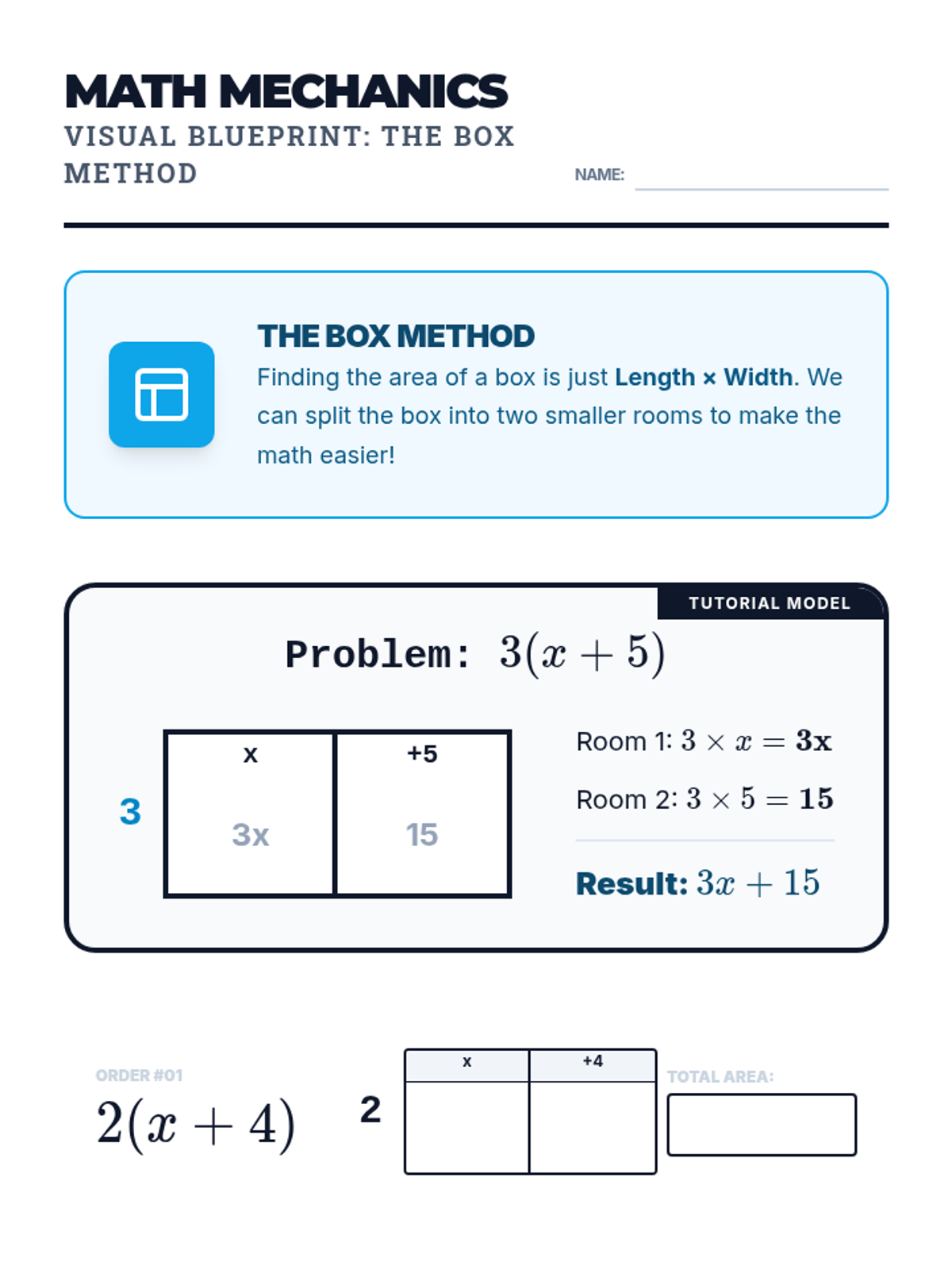
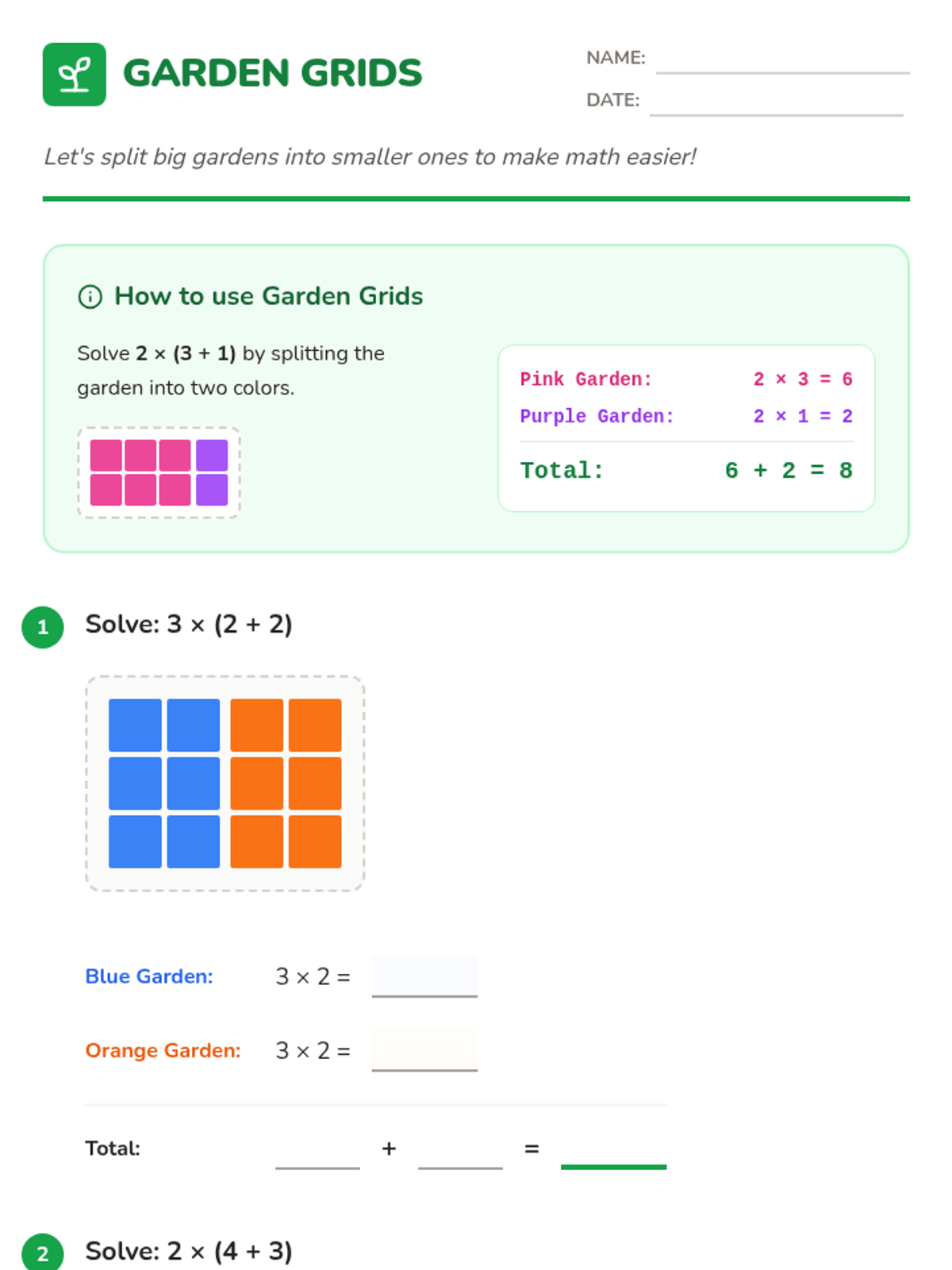
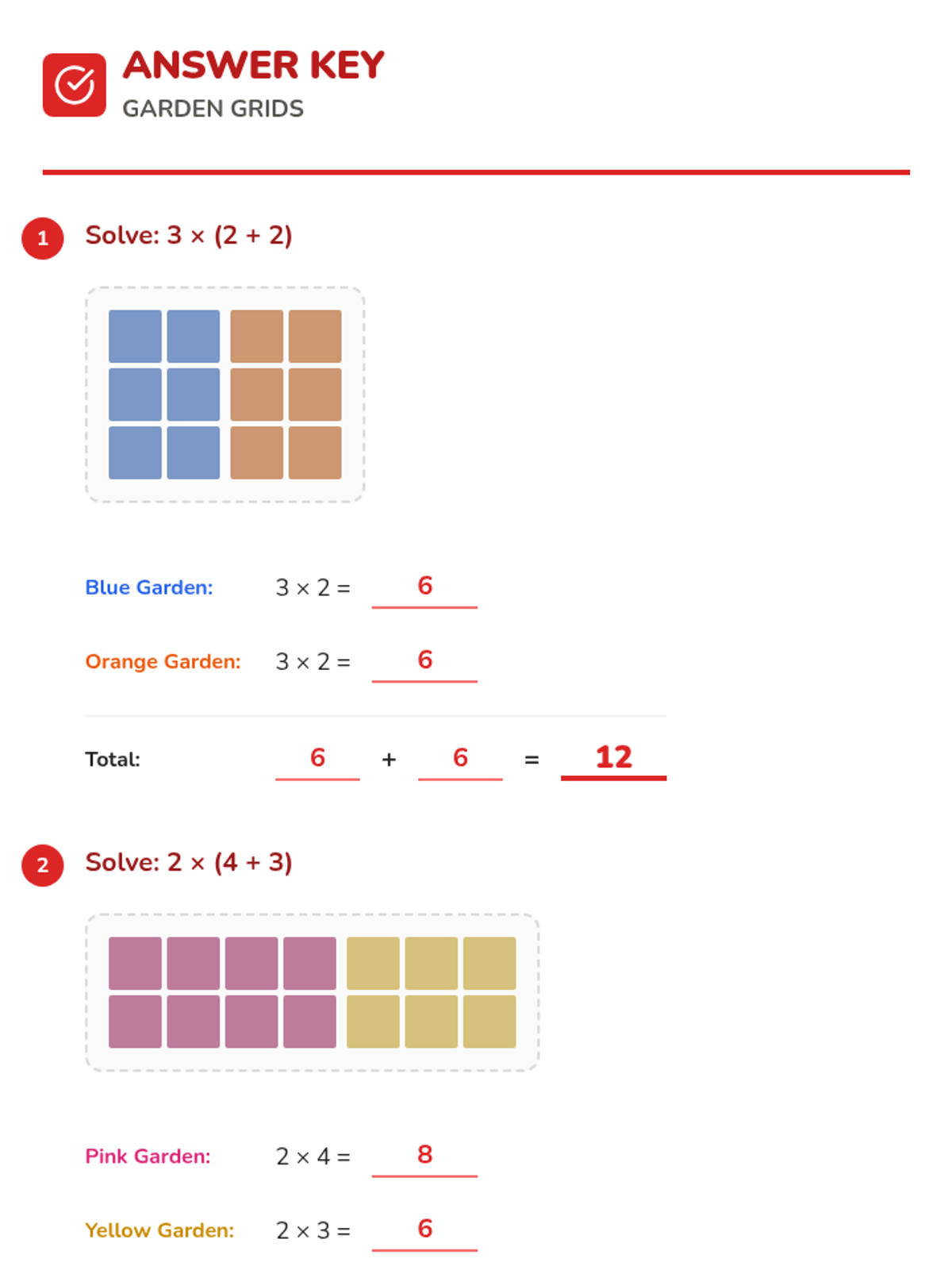
A beginner-friendly introduction to the distributive property using visual area models, themed around planning flower gardens. Includes a slide deck for instruction, a scaffolded worksheet for practice, and an answer key.
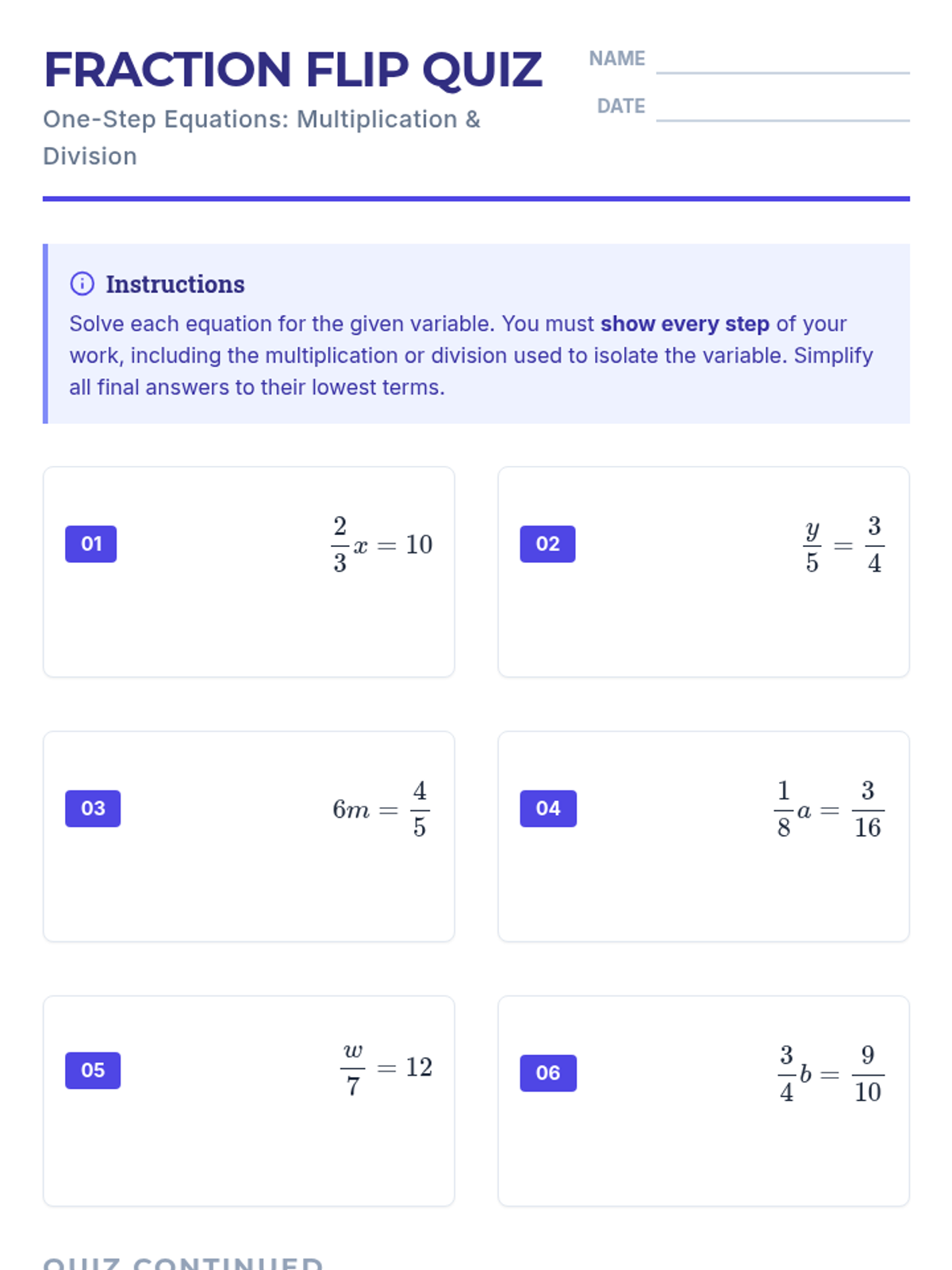
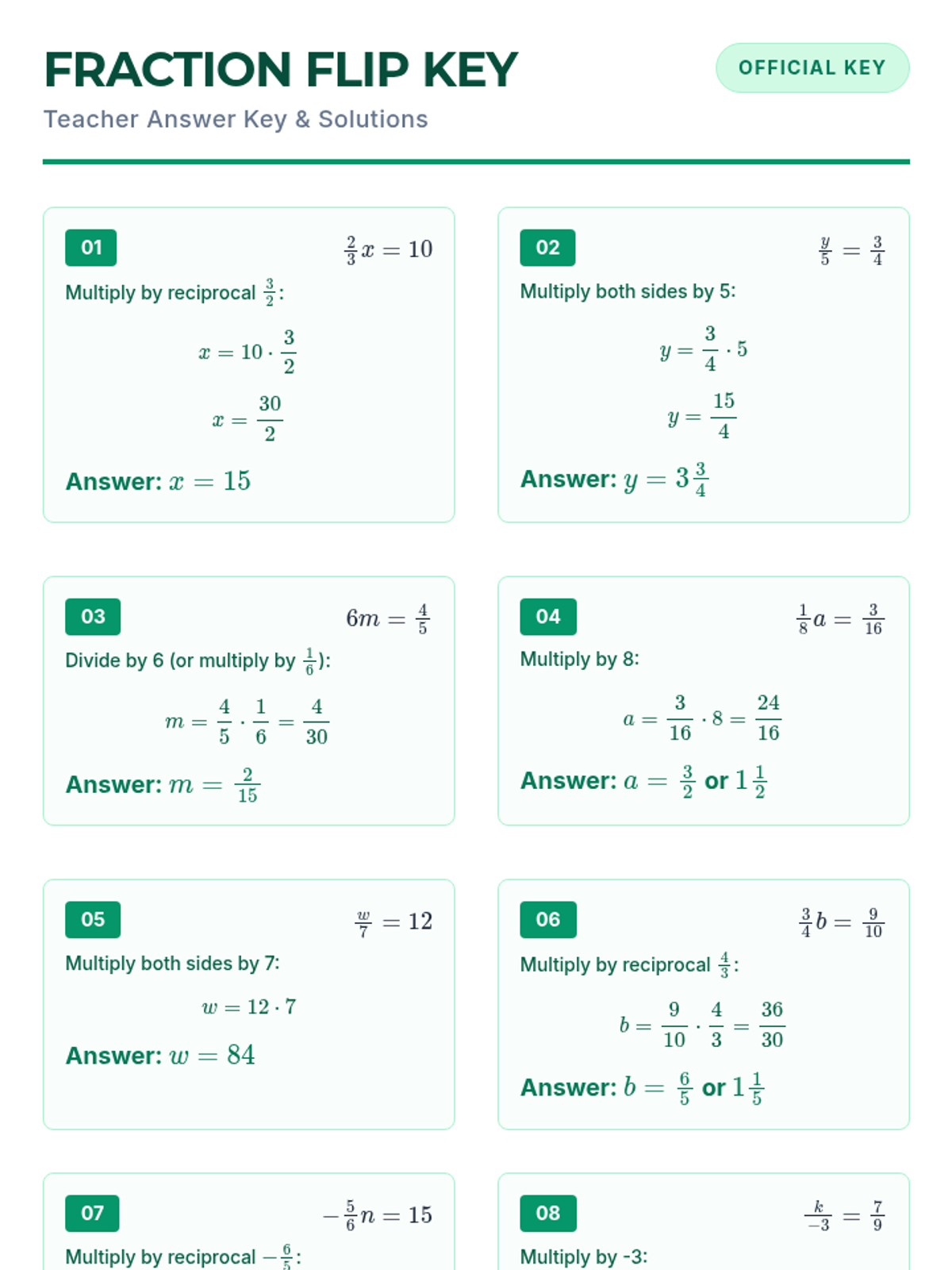
A focused lesson on solving one-step equations involving multiplication and division with fractional coefficients and terms. Students will master the use of reciprocals to isolate variables.
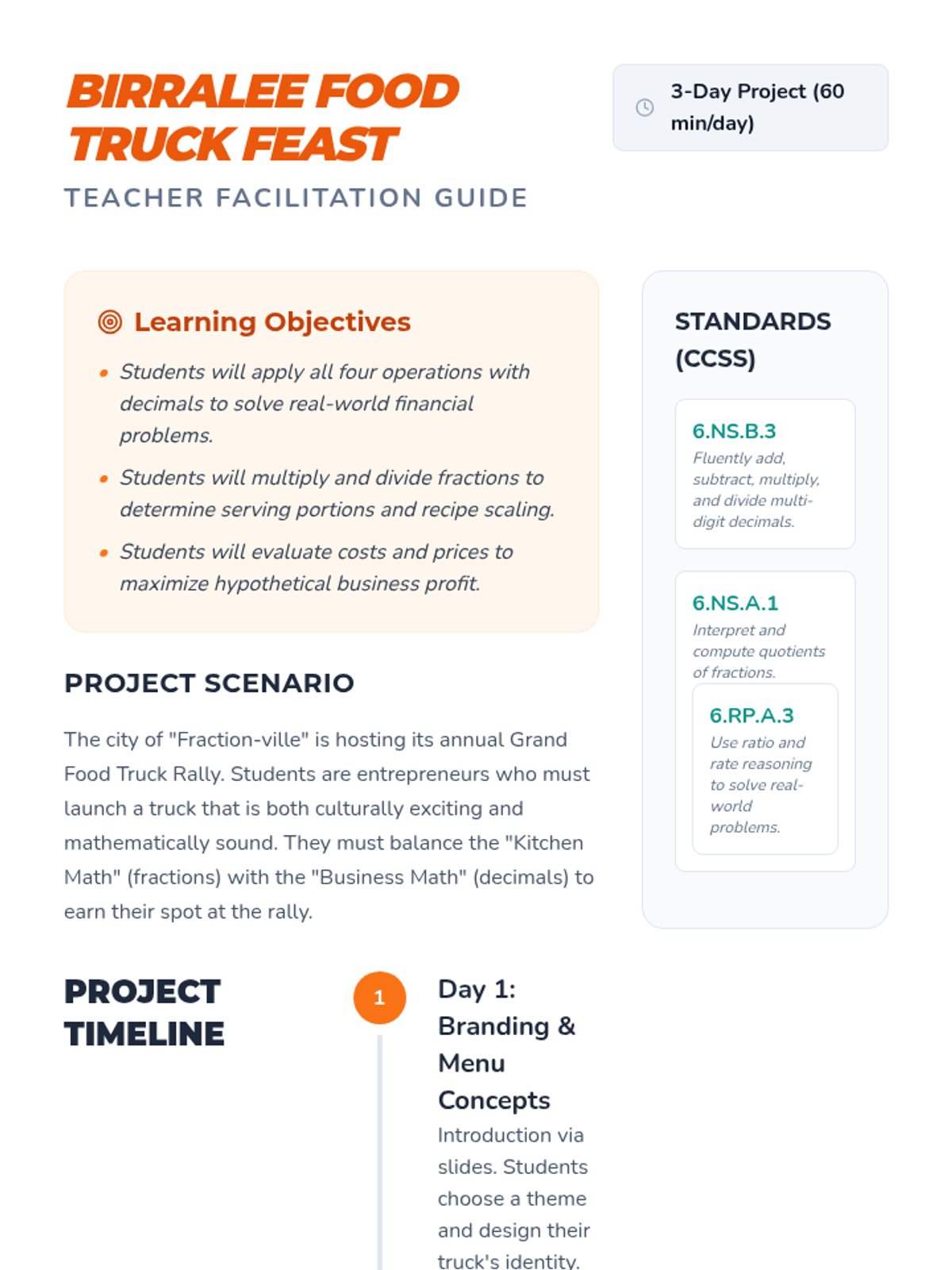
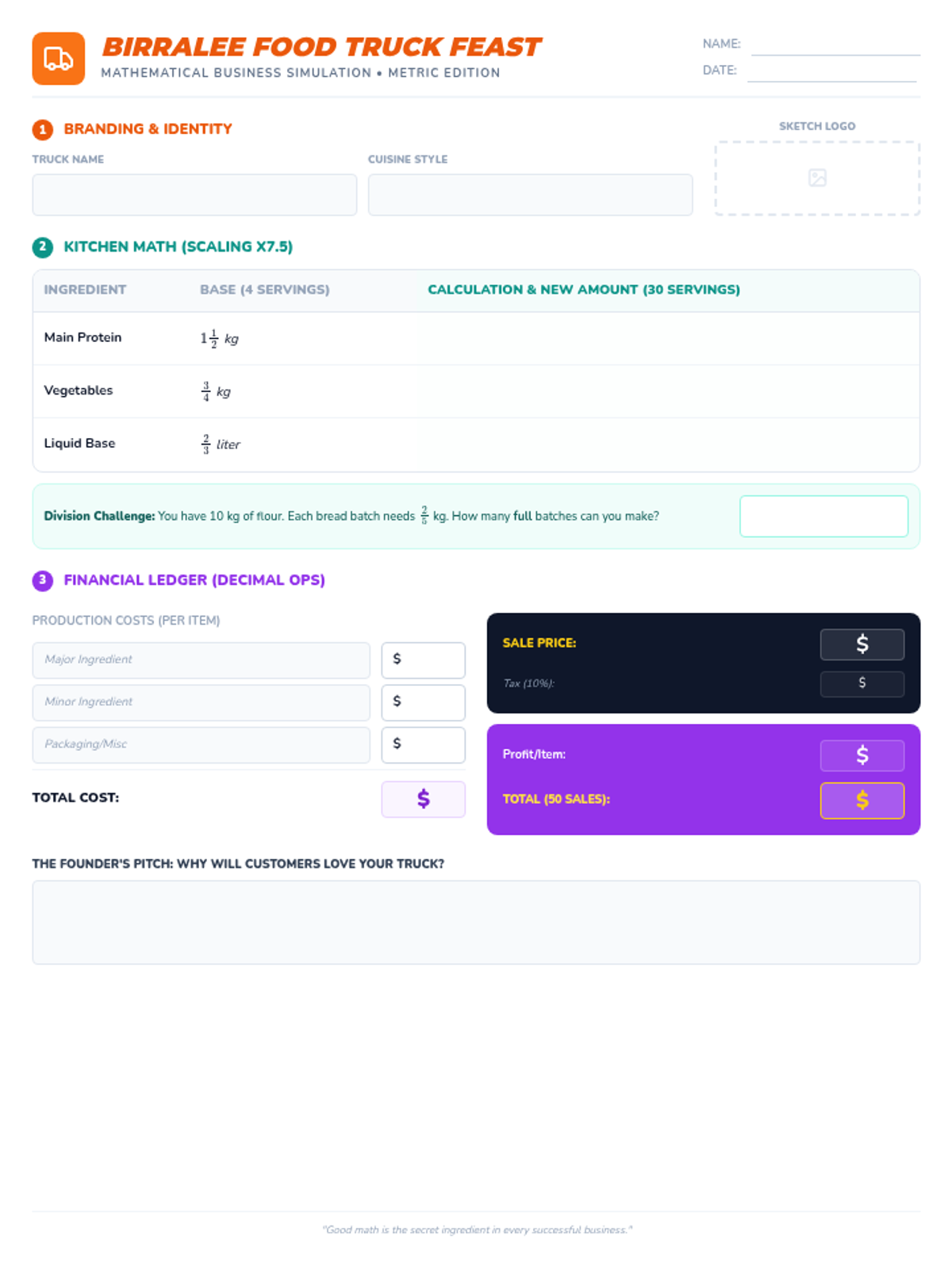
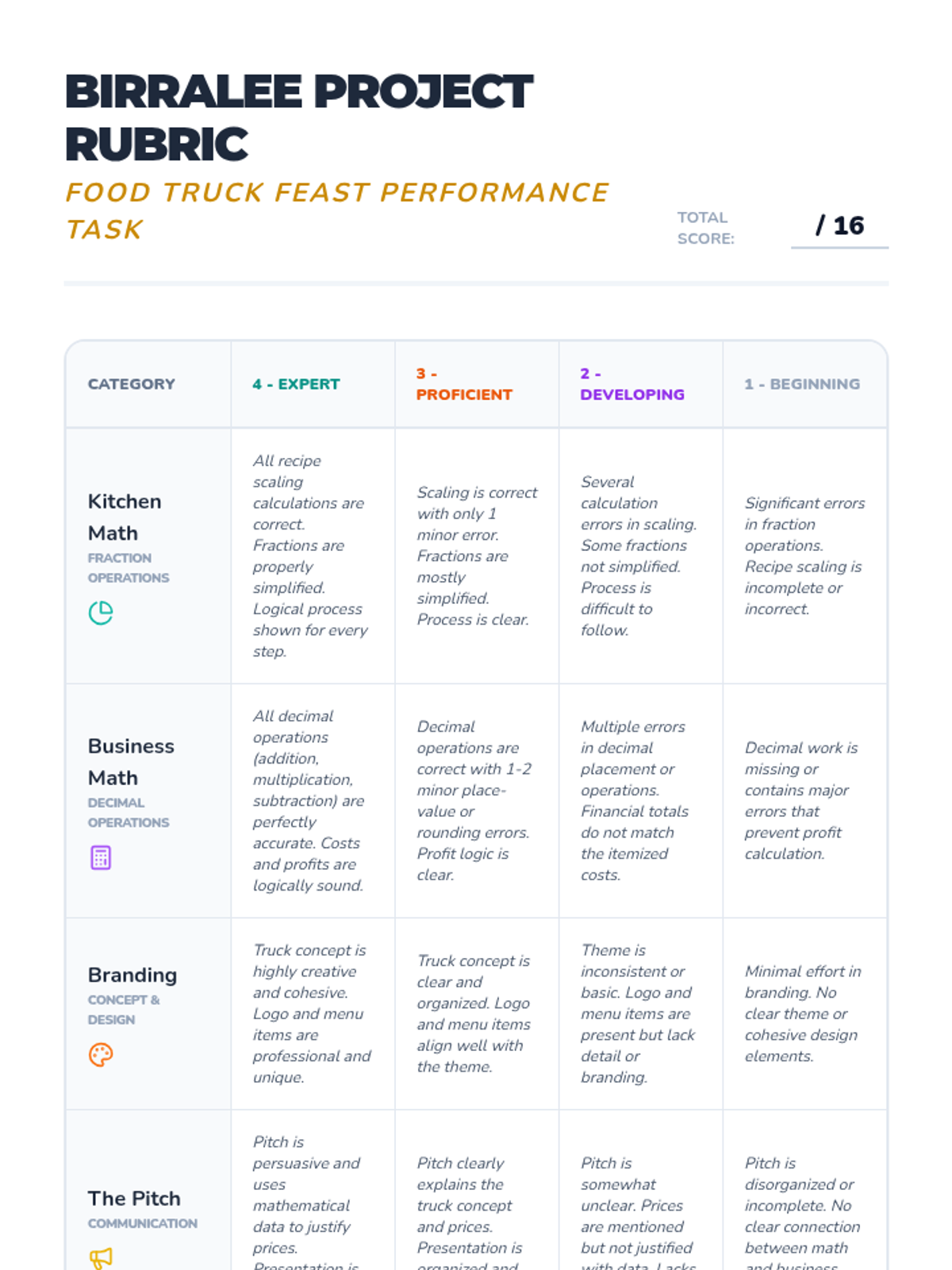
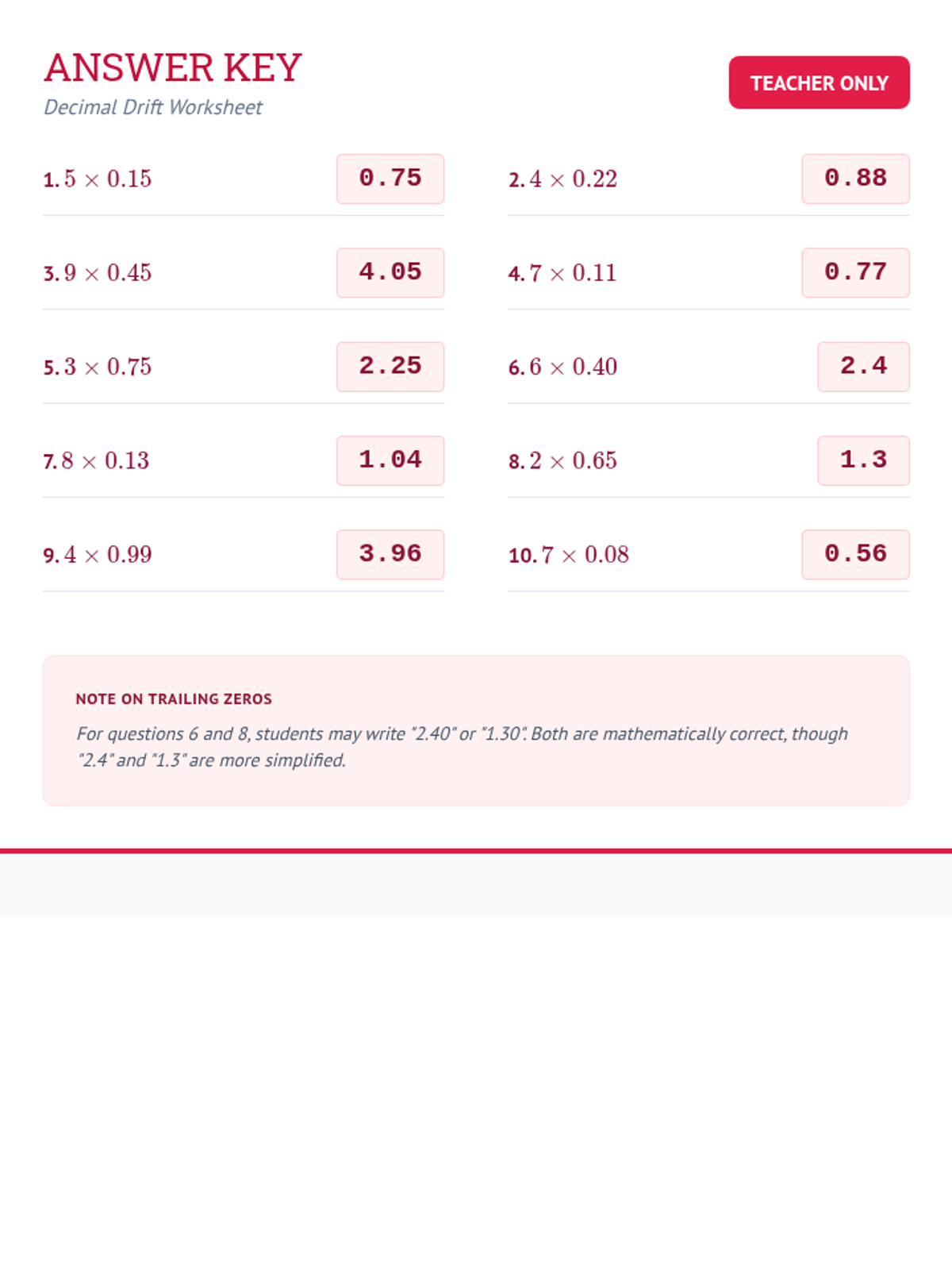
A project-based learning unit where students apply fraction and decimal operations to design, price, and manage a fictional food truck business. Students move from abstract calculations to real-world financial applications through menu design and budget management.
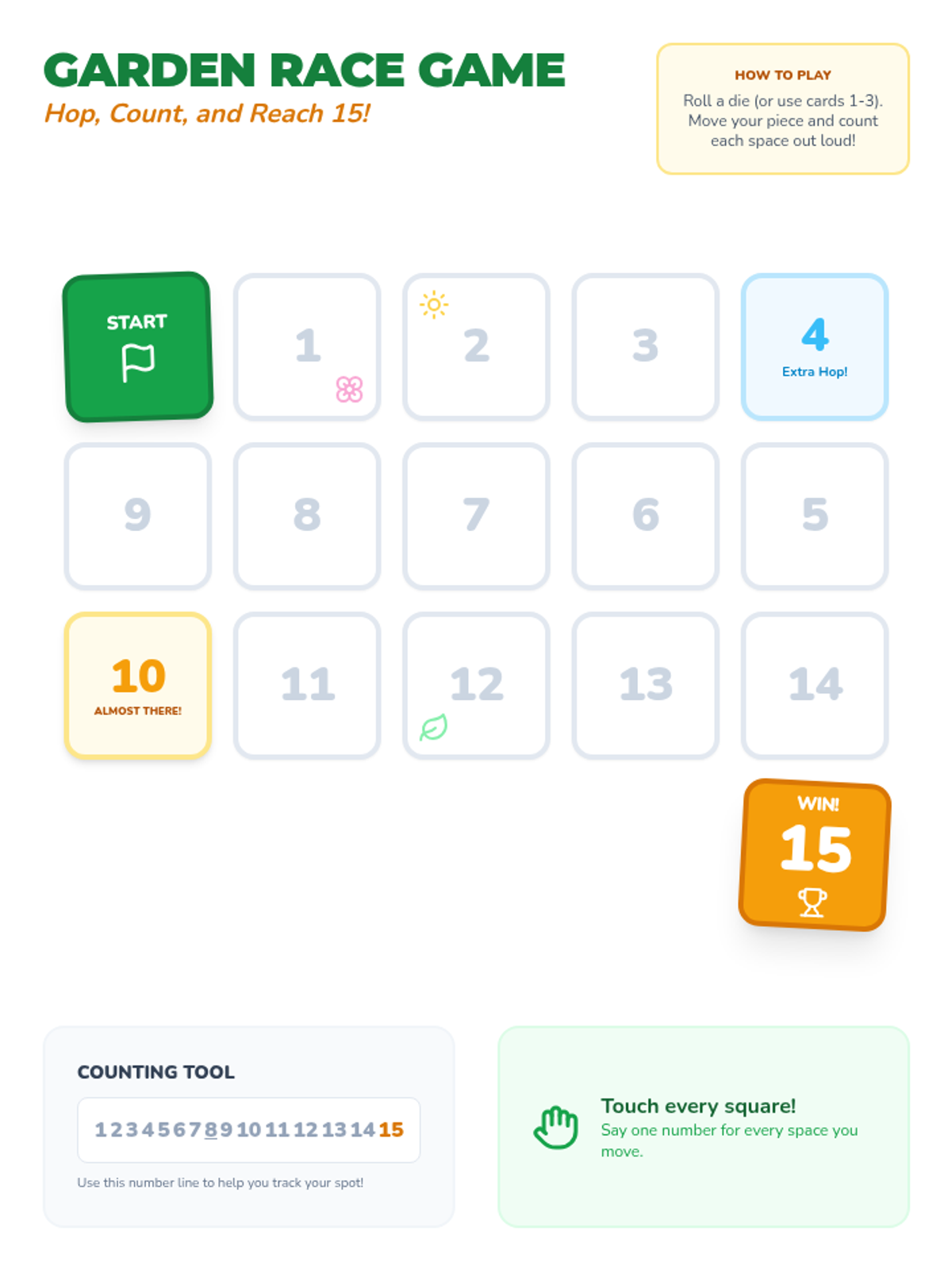
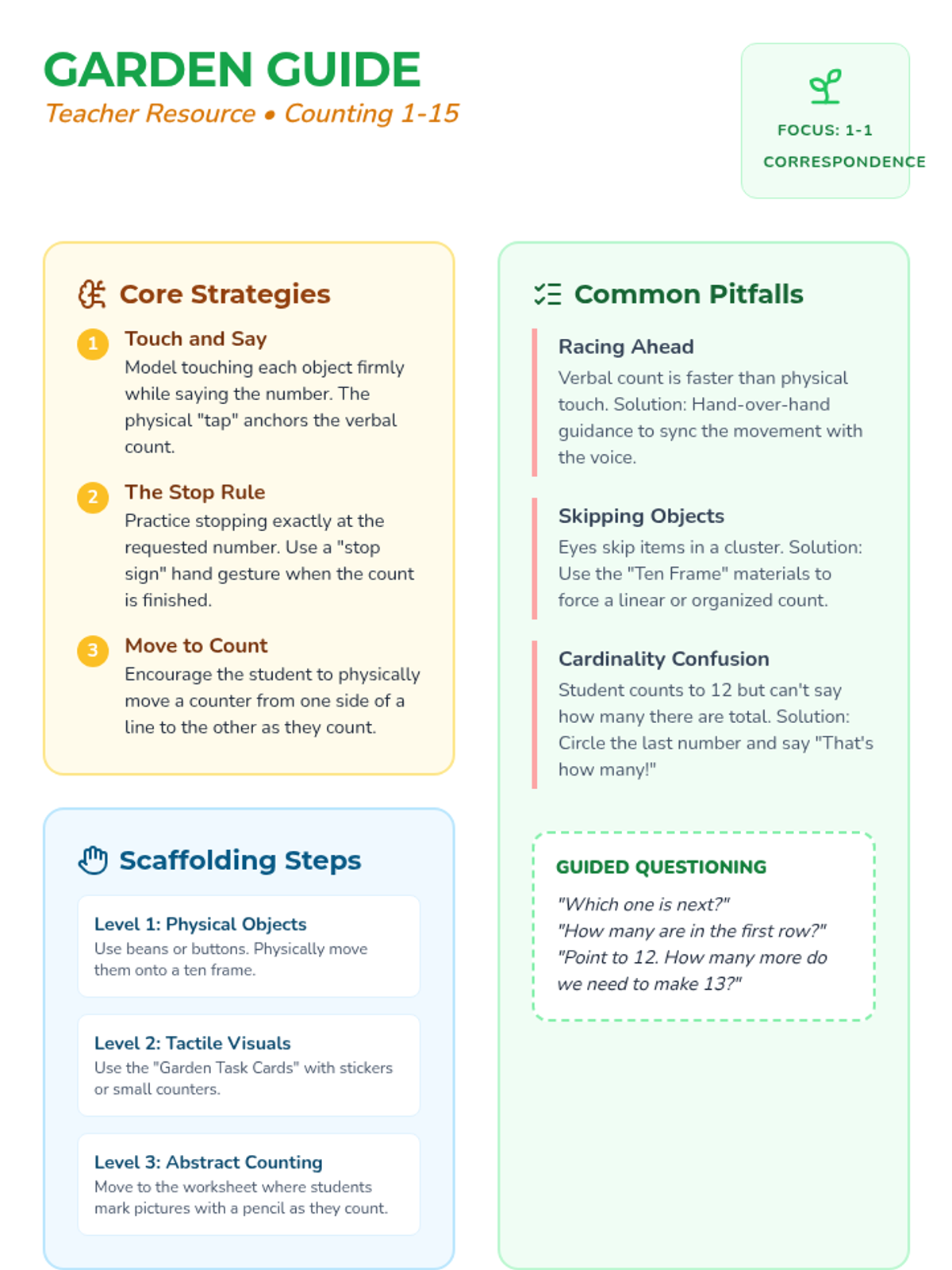
A comprehensive set of resources designed to help first graders master one-to-one correspondence for numbers 1-15 using garden-themed visuals, ten frames, and hands-on activities.
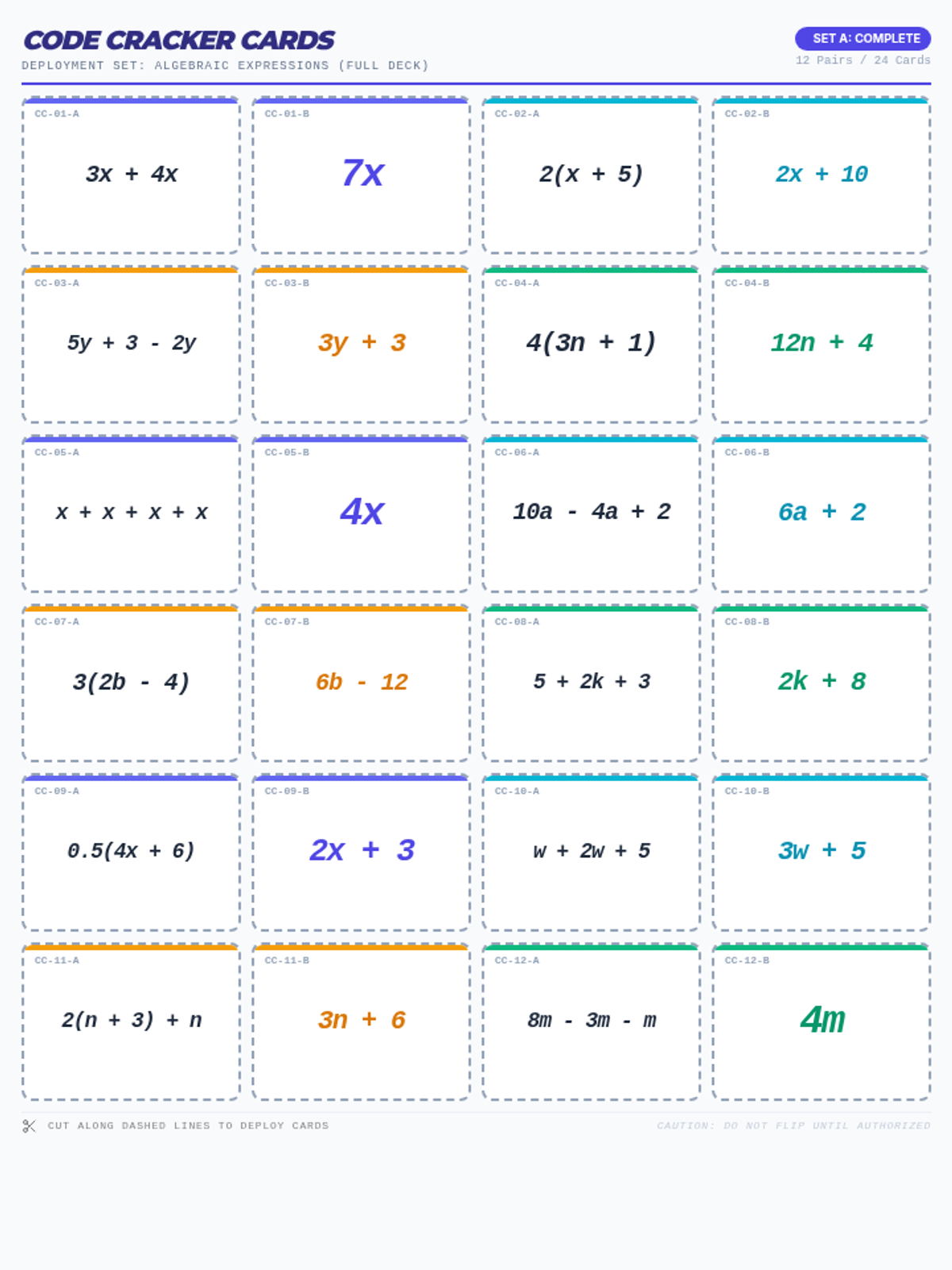
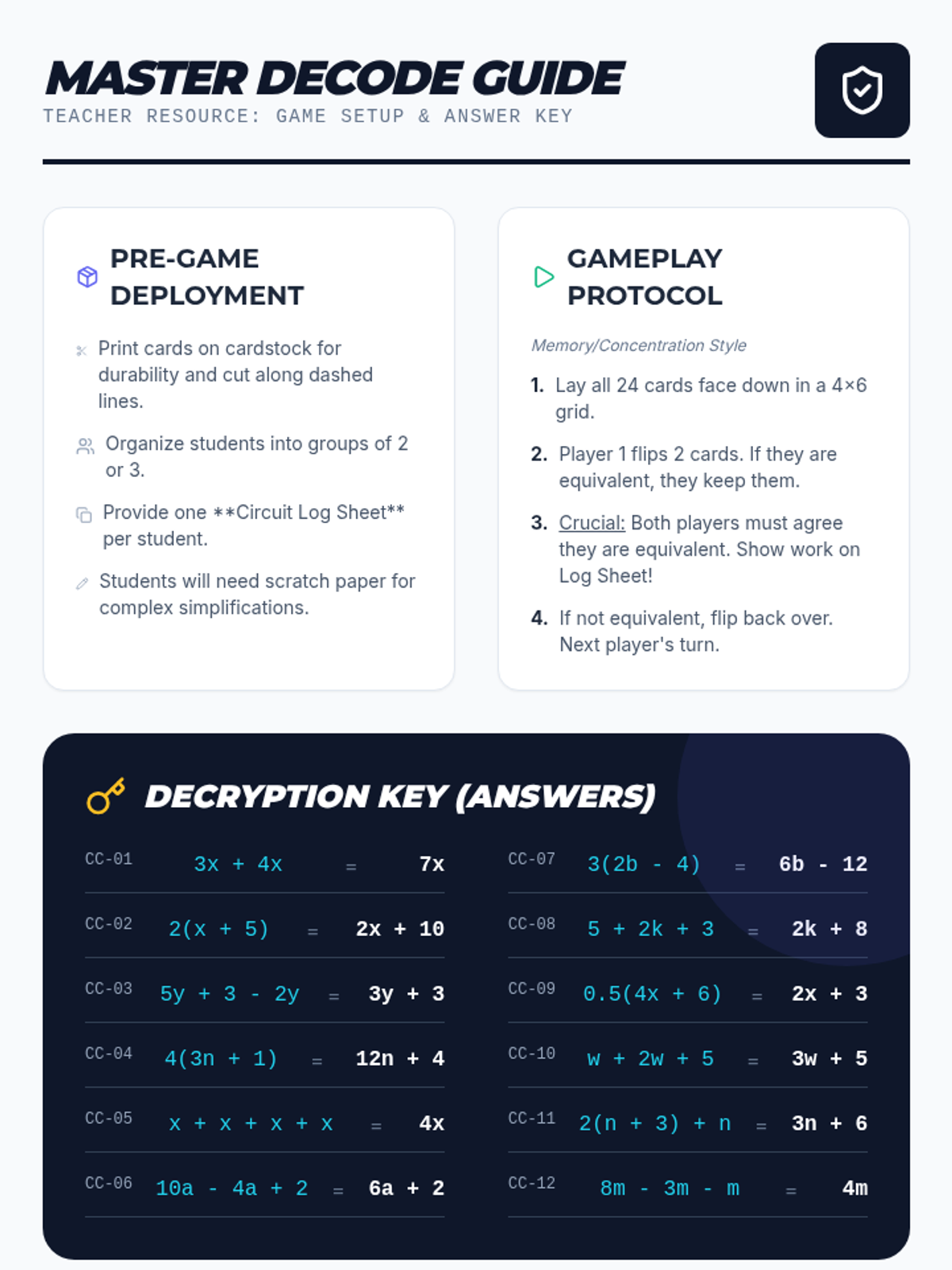
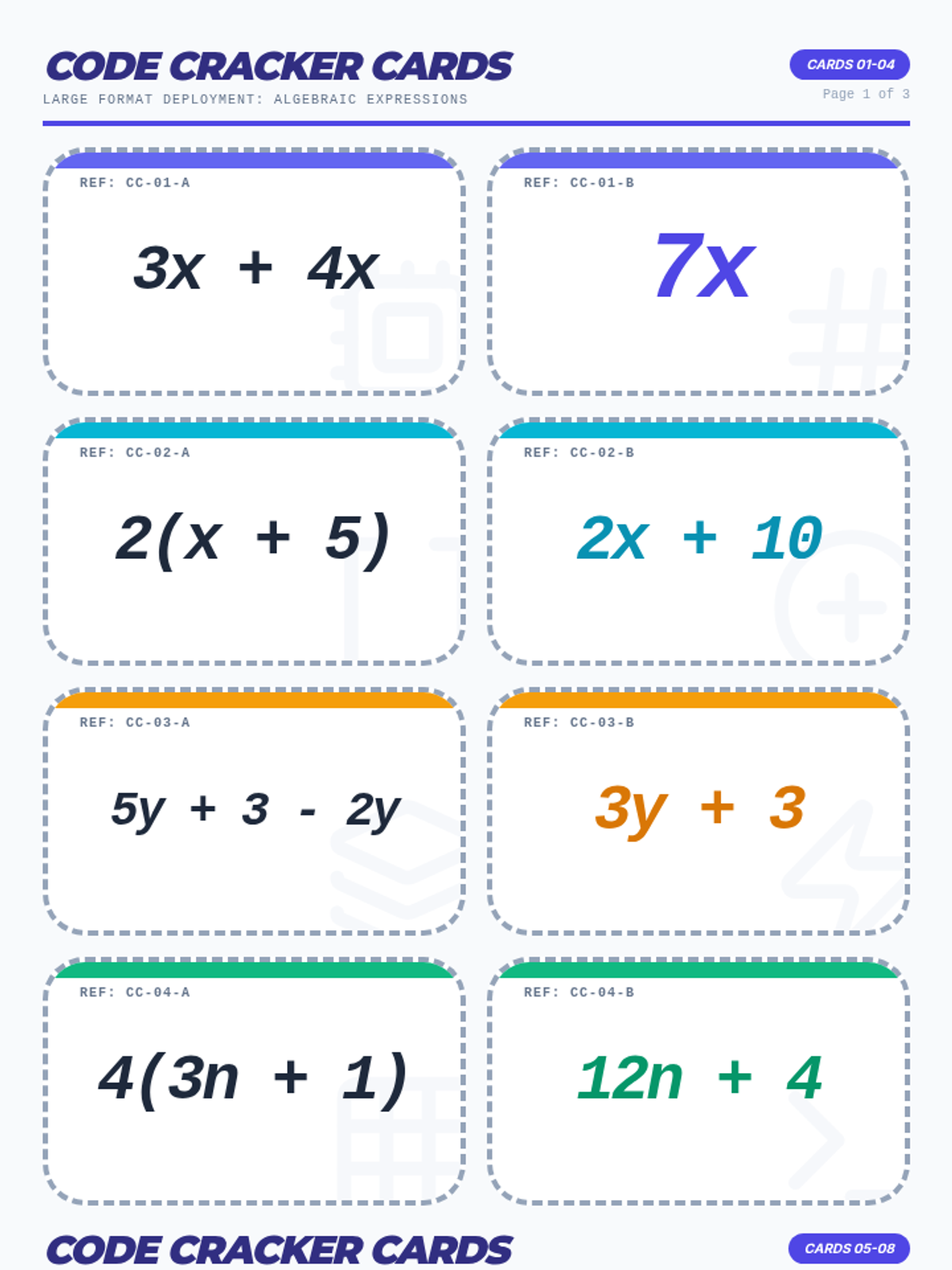
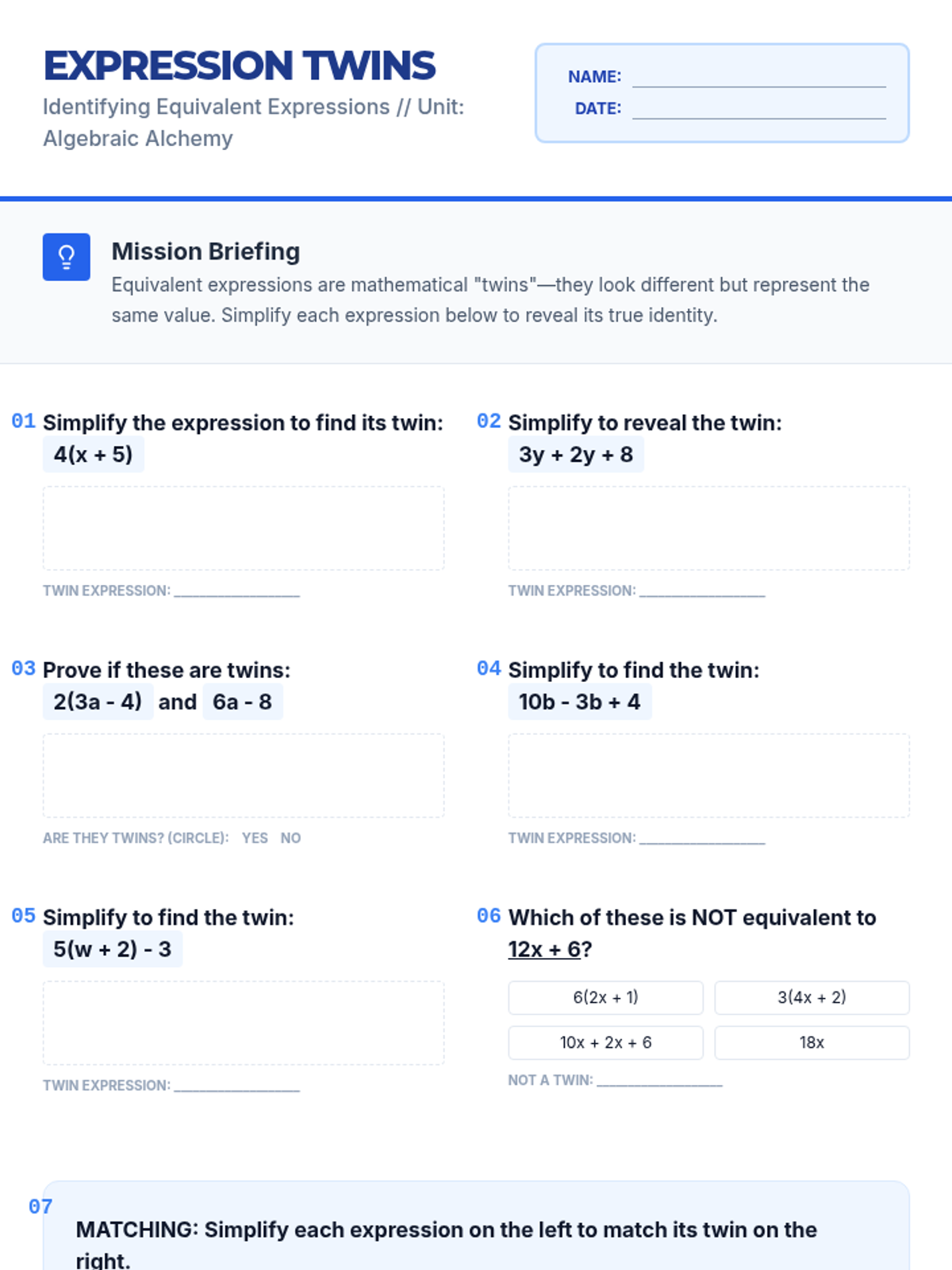
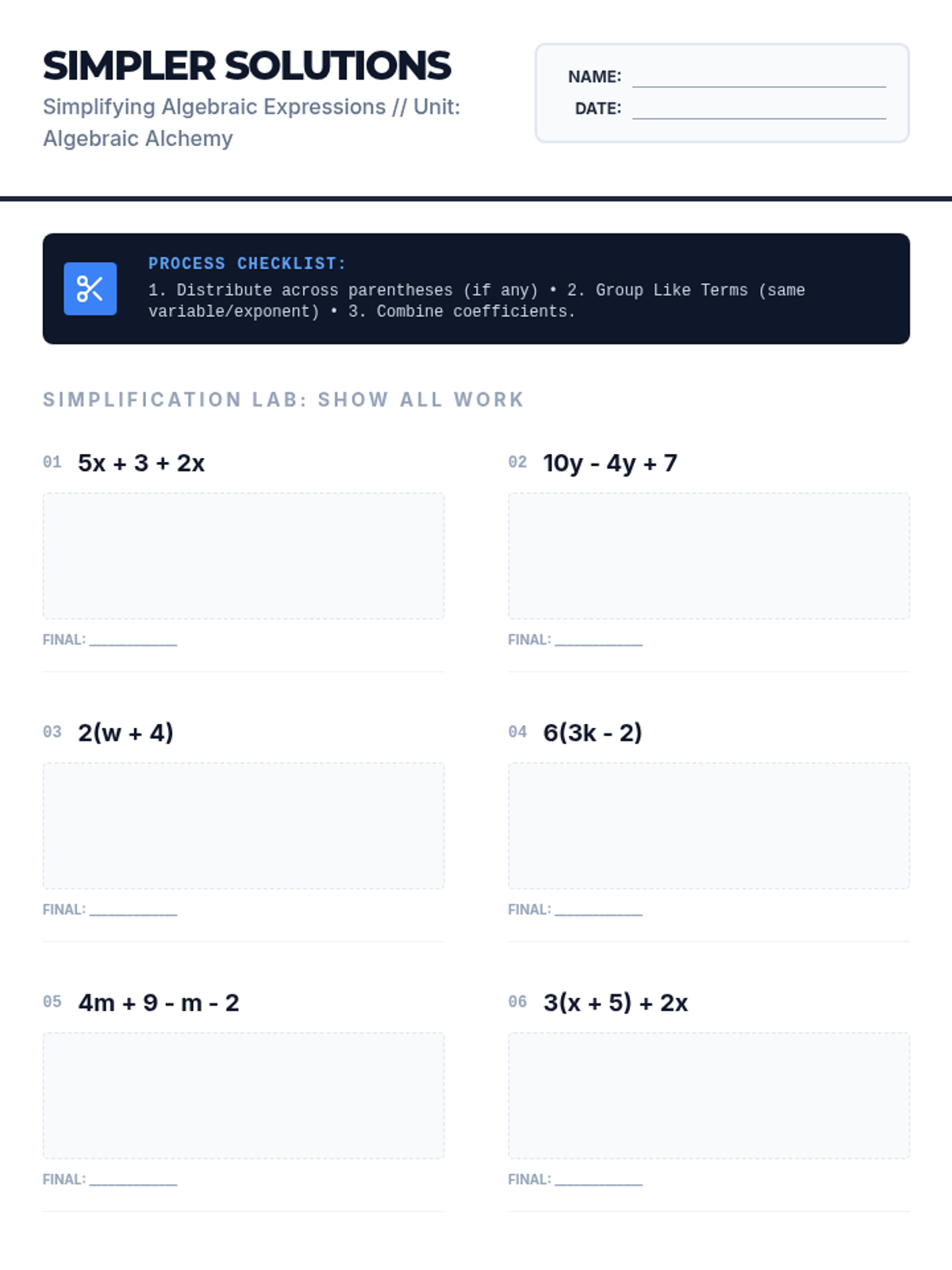
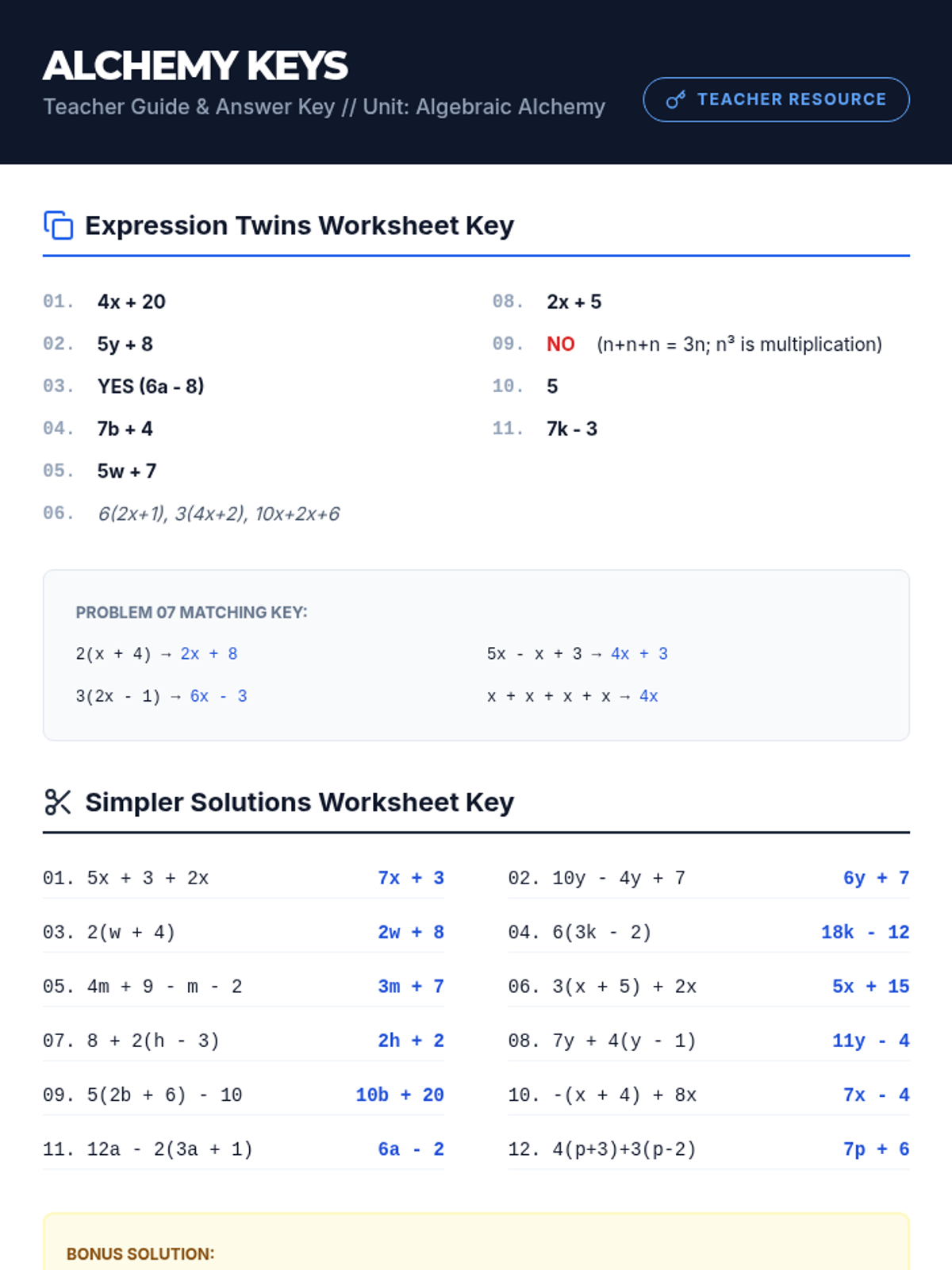
Students practice simplifying algebraic expressions and identifying equivalent expressions through a collaborative card-matching game. They will combine like terms and use the distributive property to 'decode' complex expressions into their simplest forms.
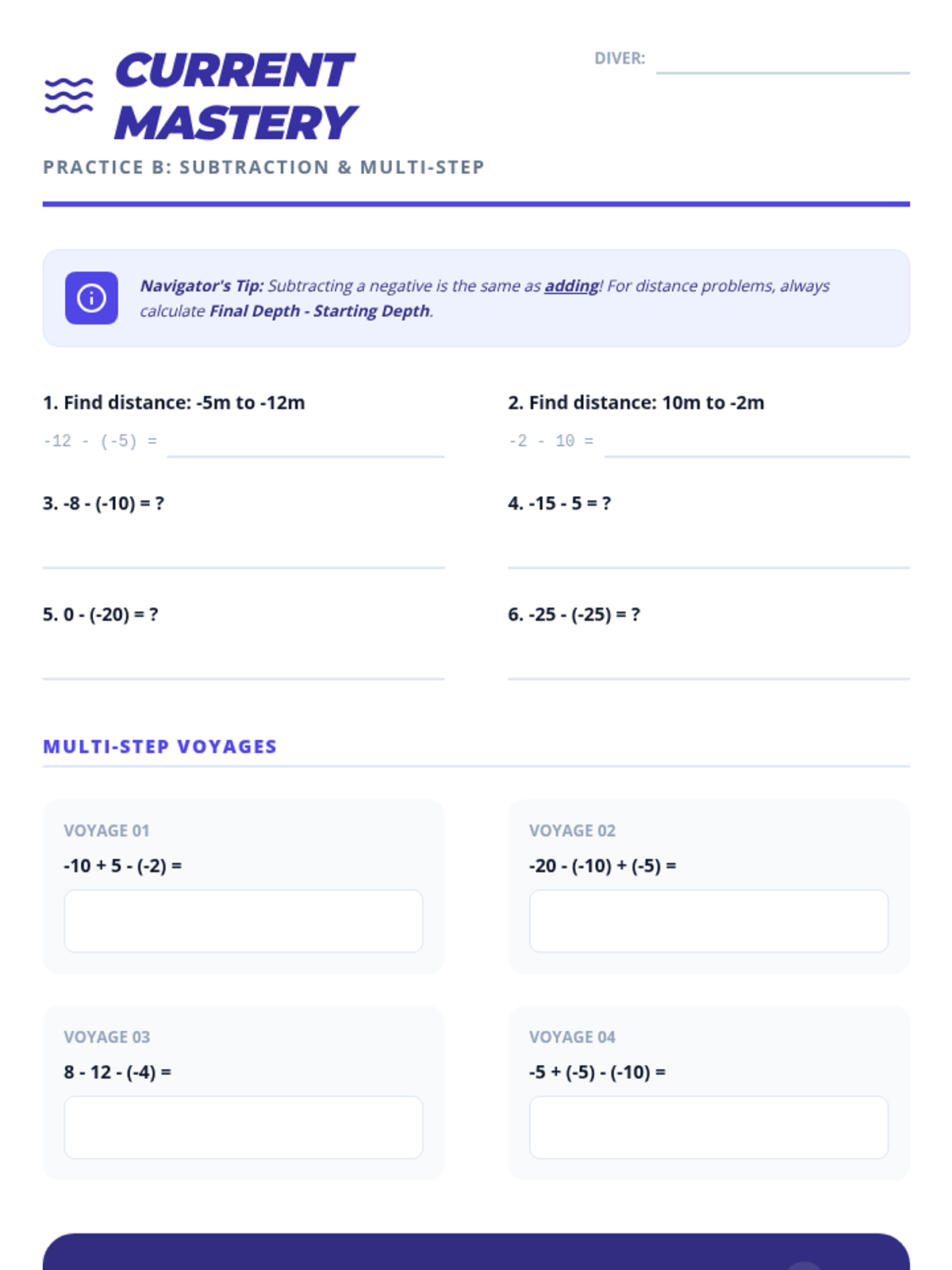
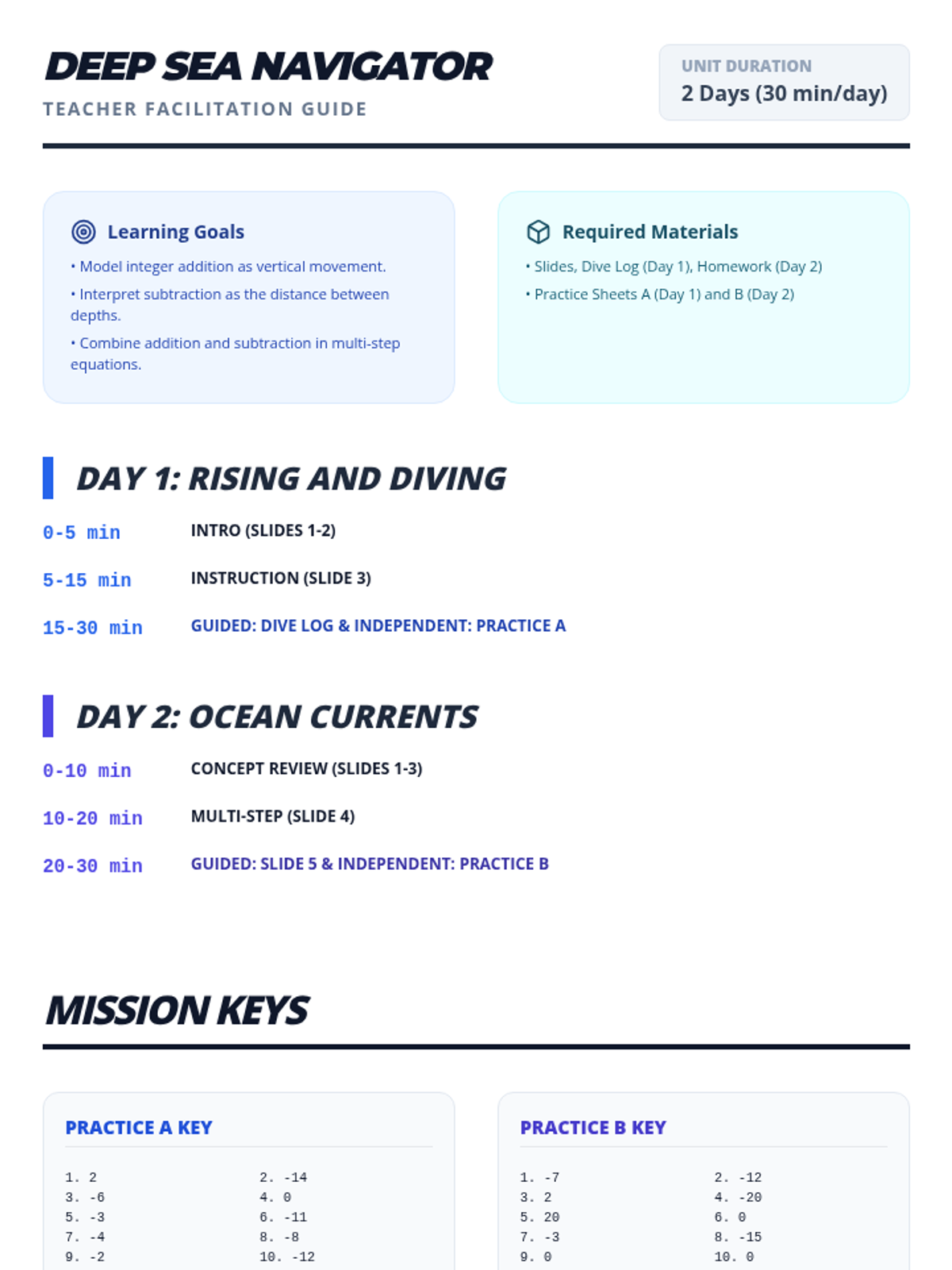
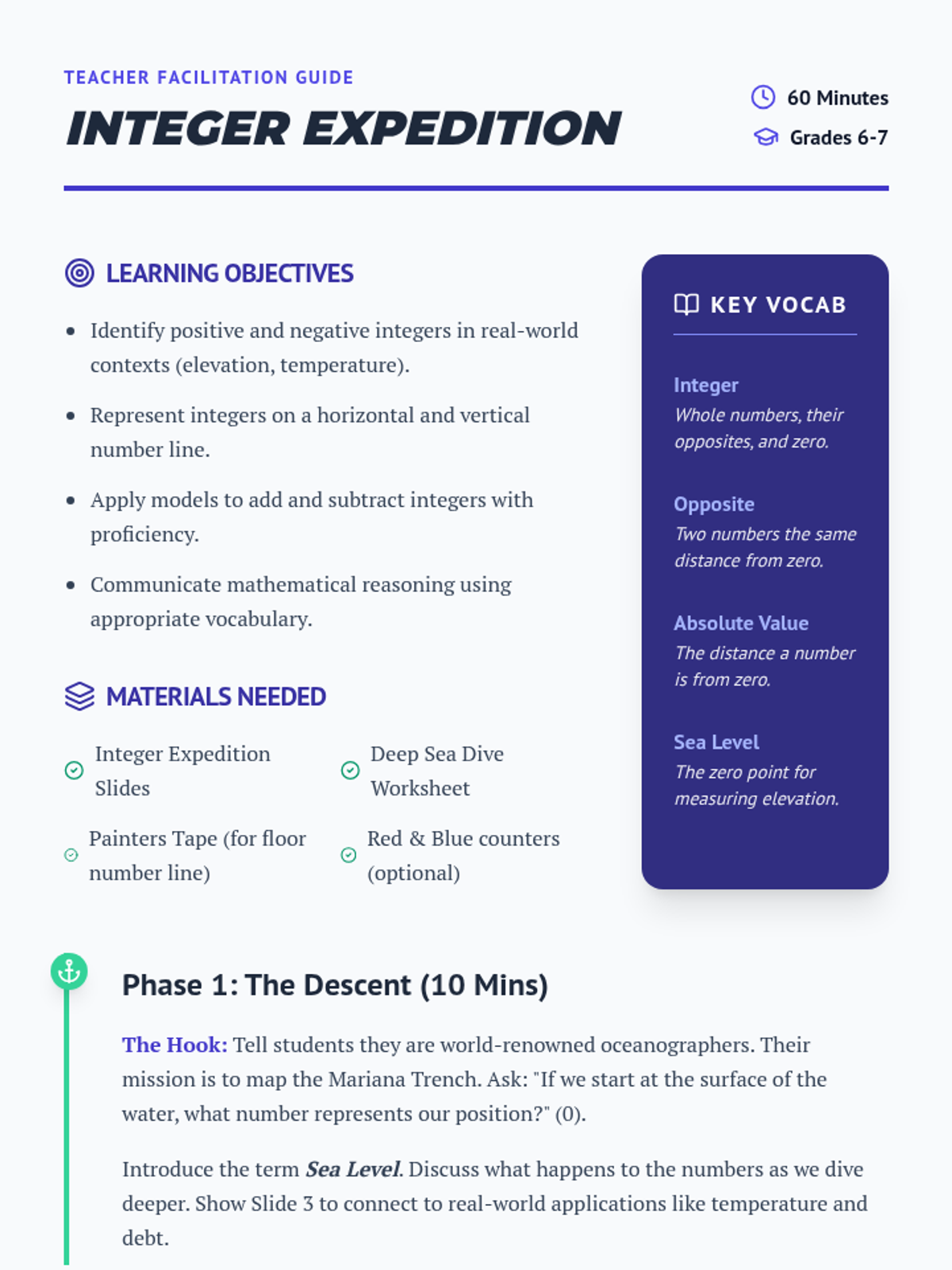
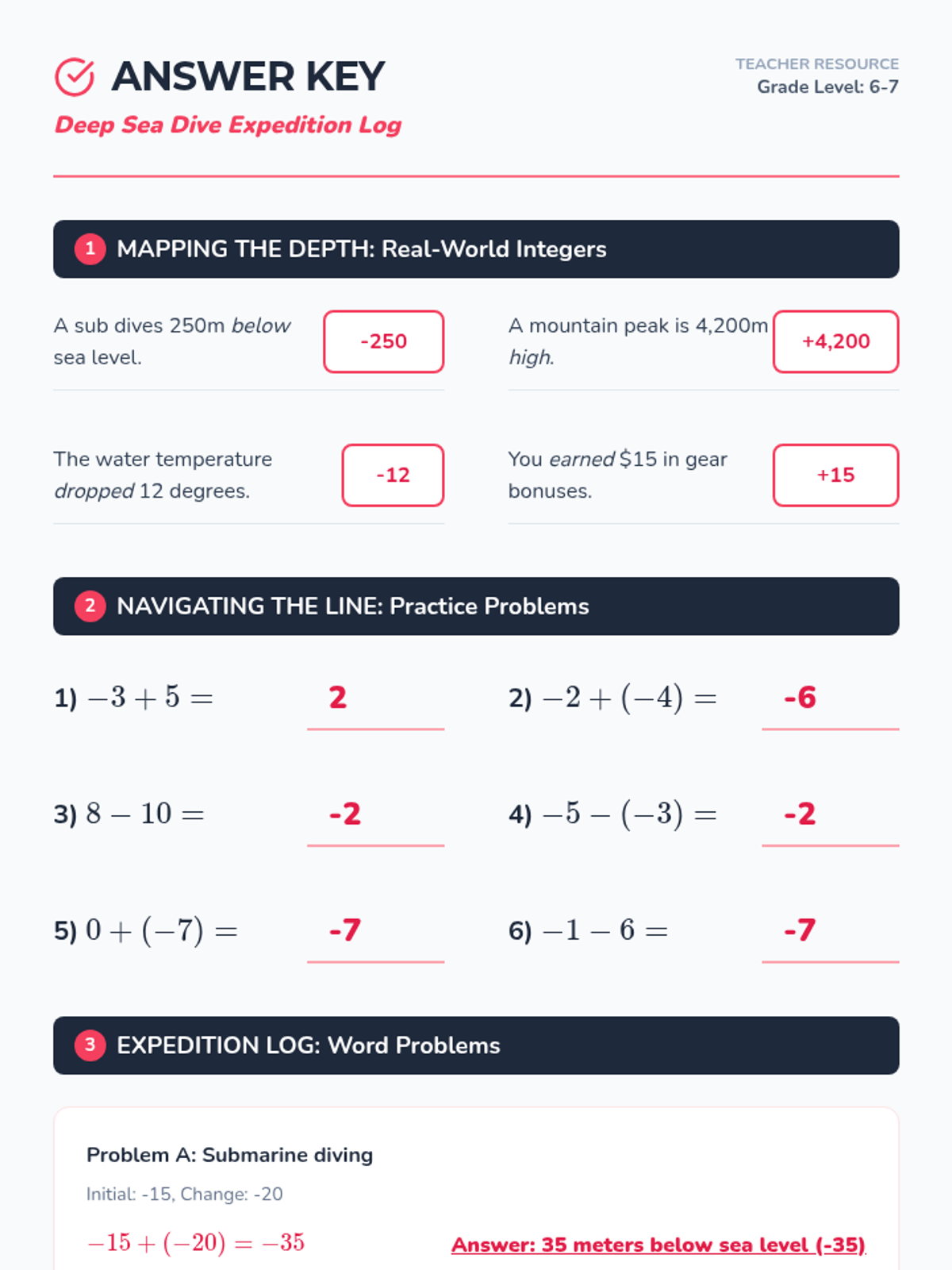
Students master integer subtraction by conceptualizing it as 'finding the distance' or 'changing direction' in ocean currents. Includes a final comprehensive homework assignment.
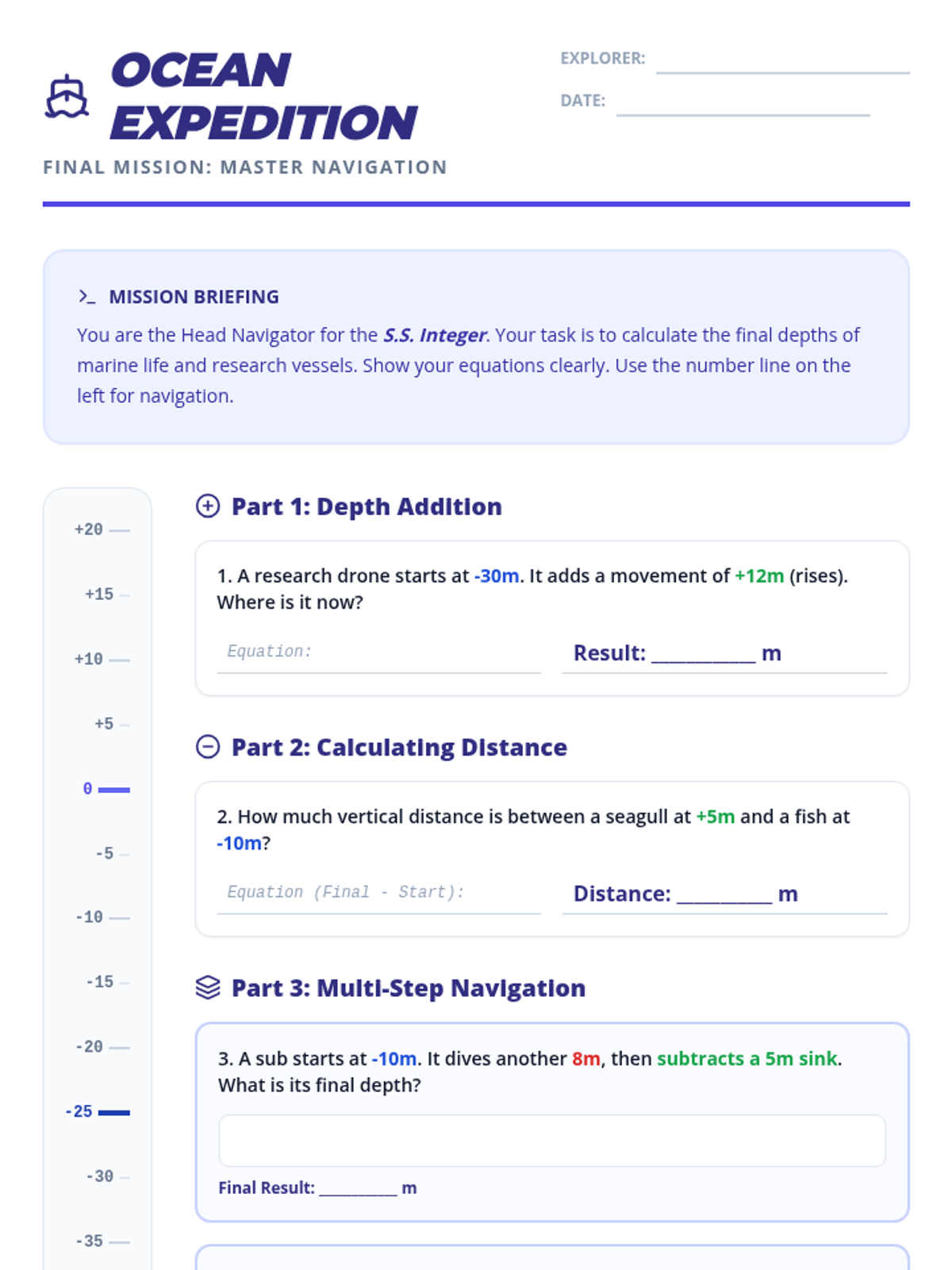
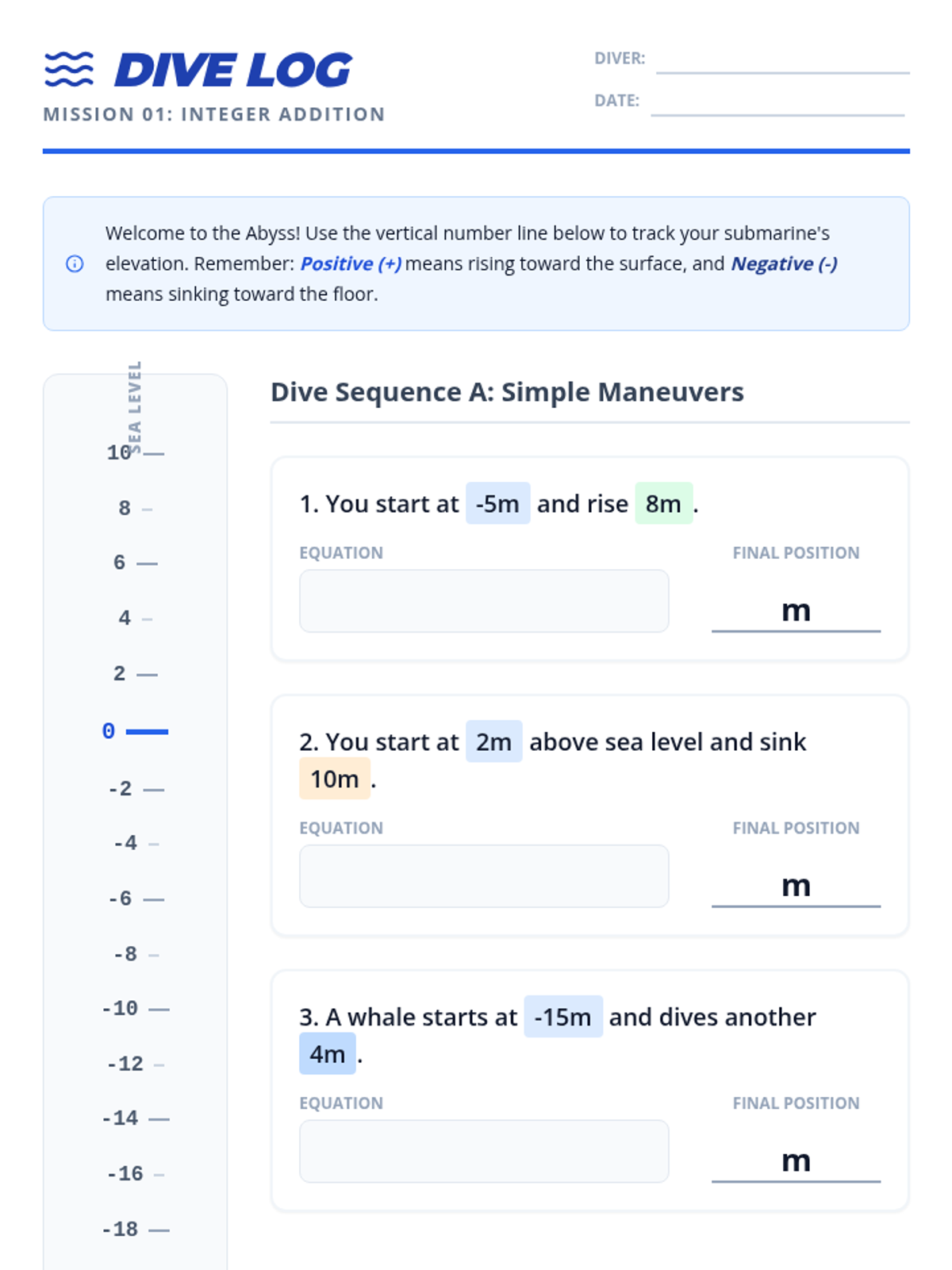
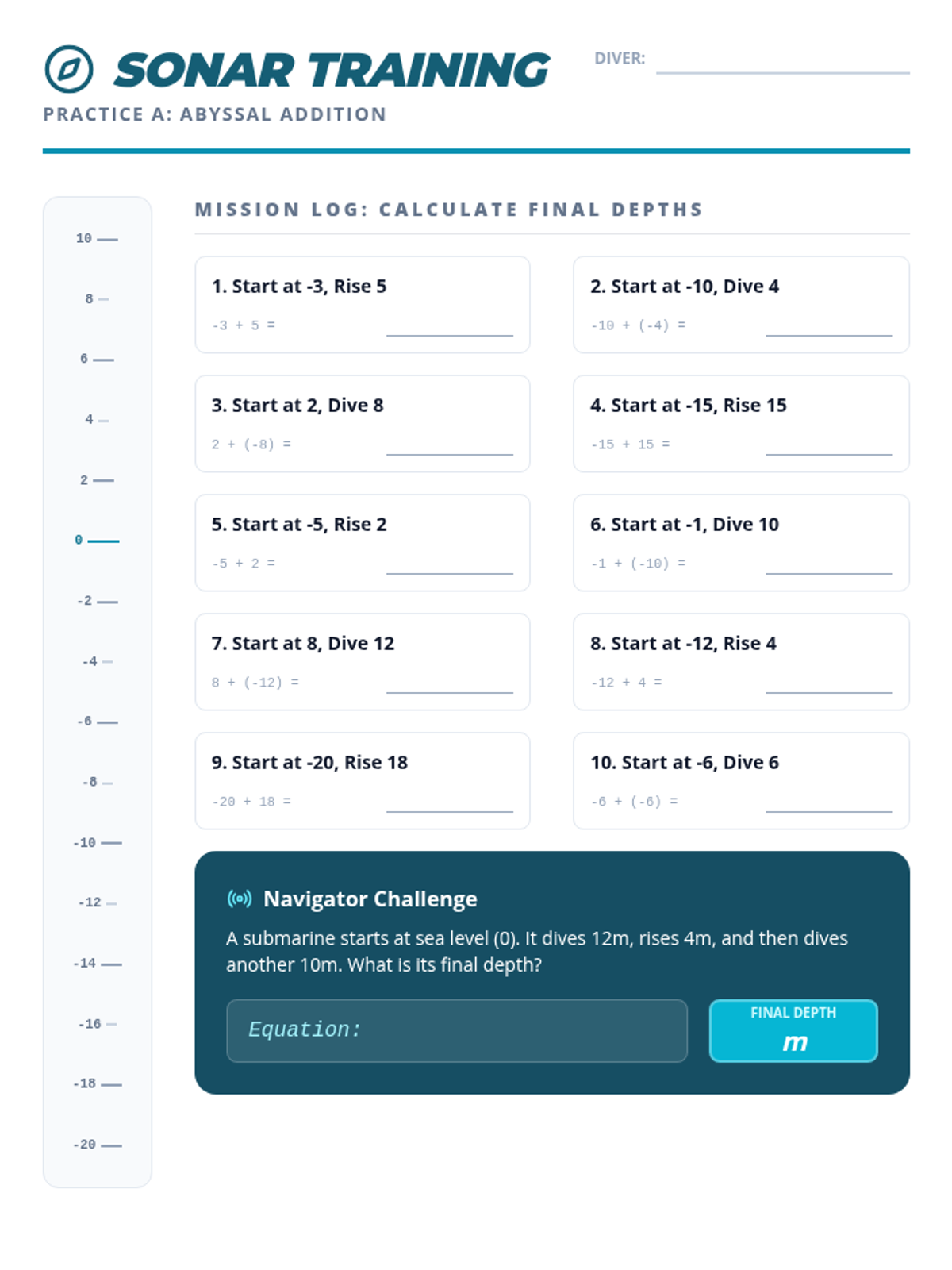
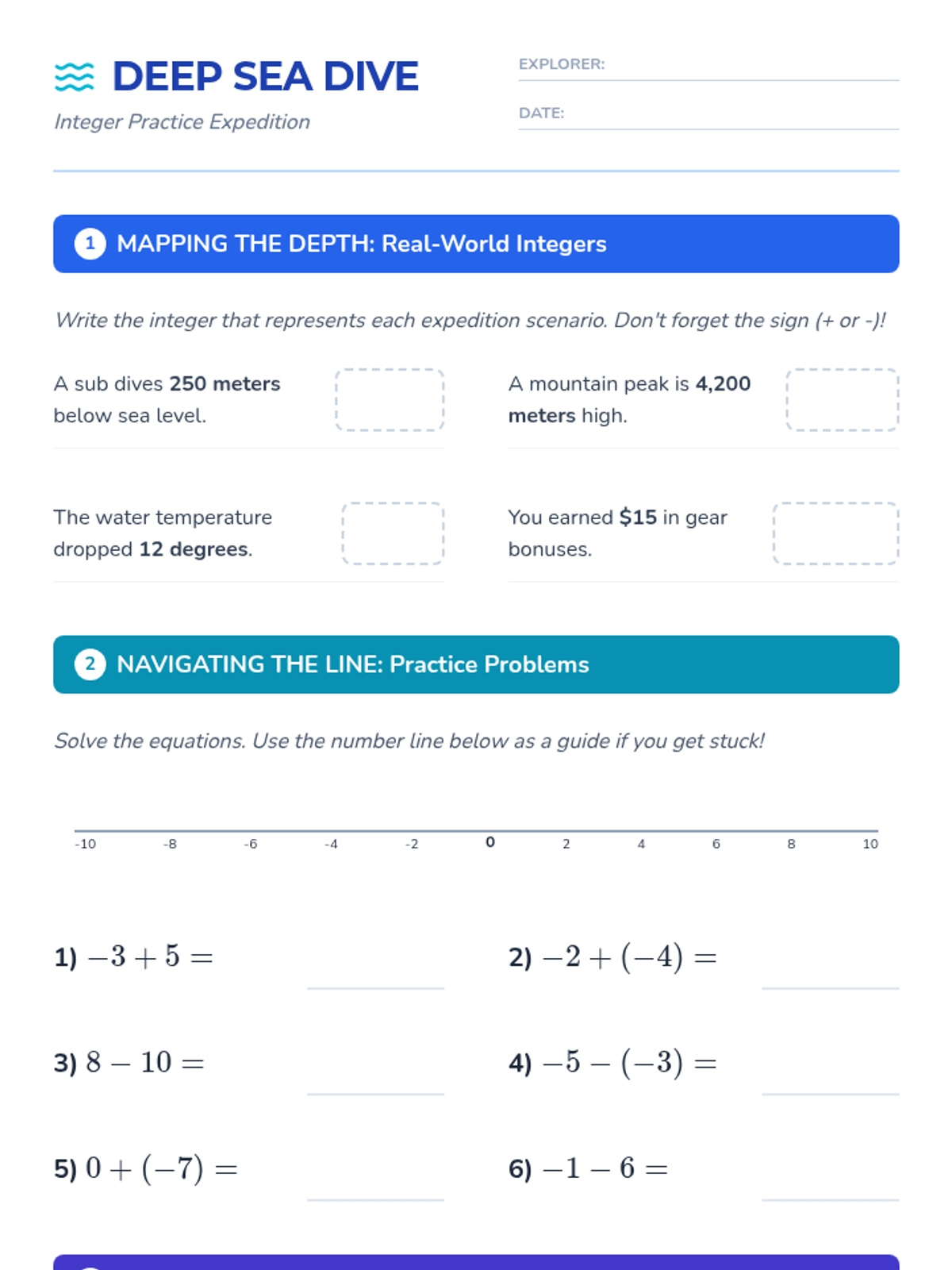
Students learn to add integers by visualizing movement above and below sea level using a vertical number line. Focus is on 'rising' (positive) and 'sinking' (negative) movements.
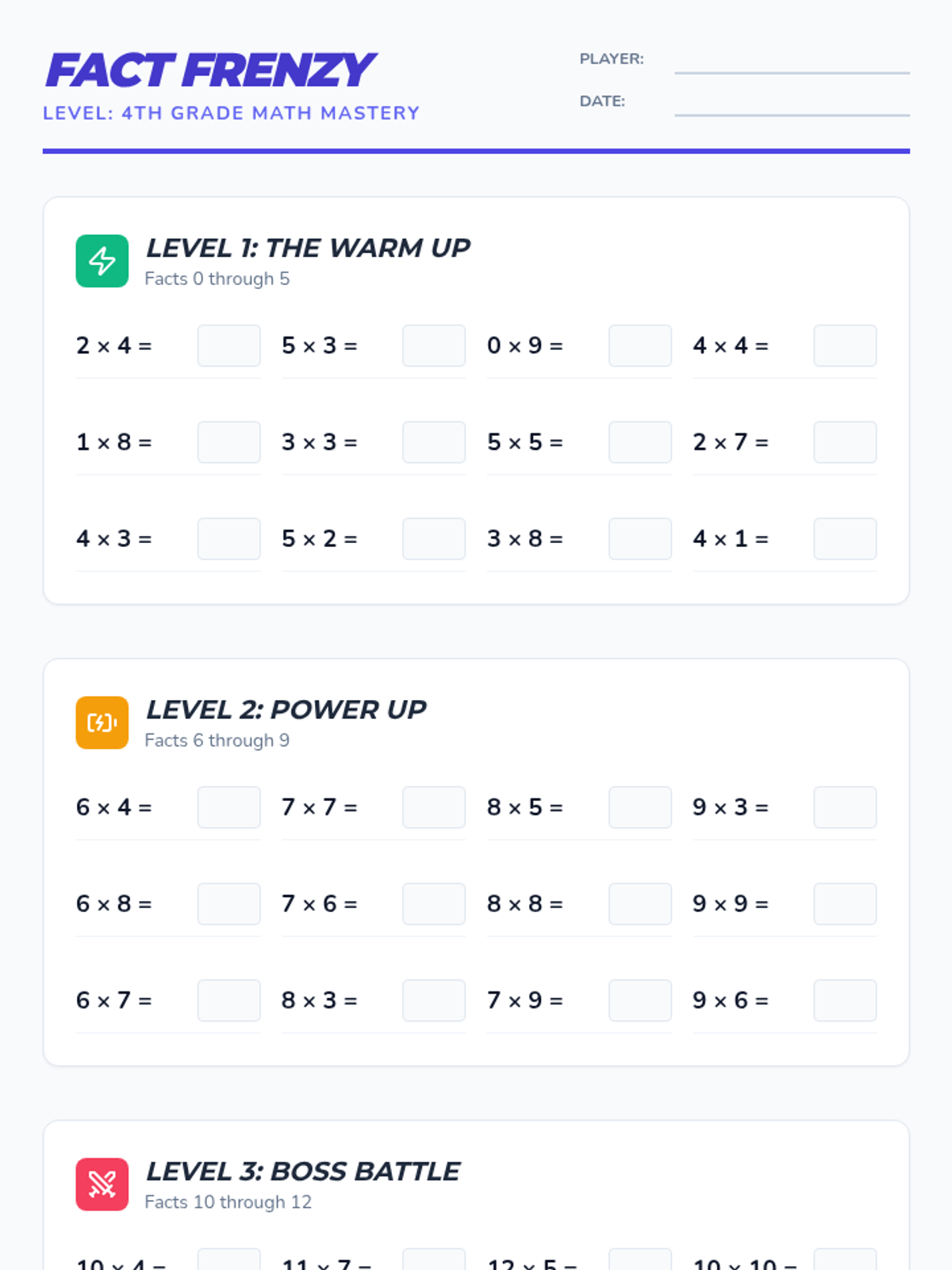
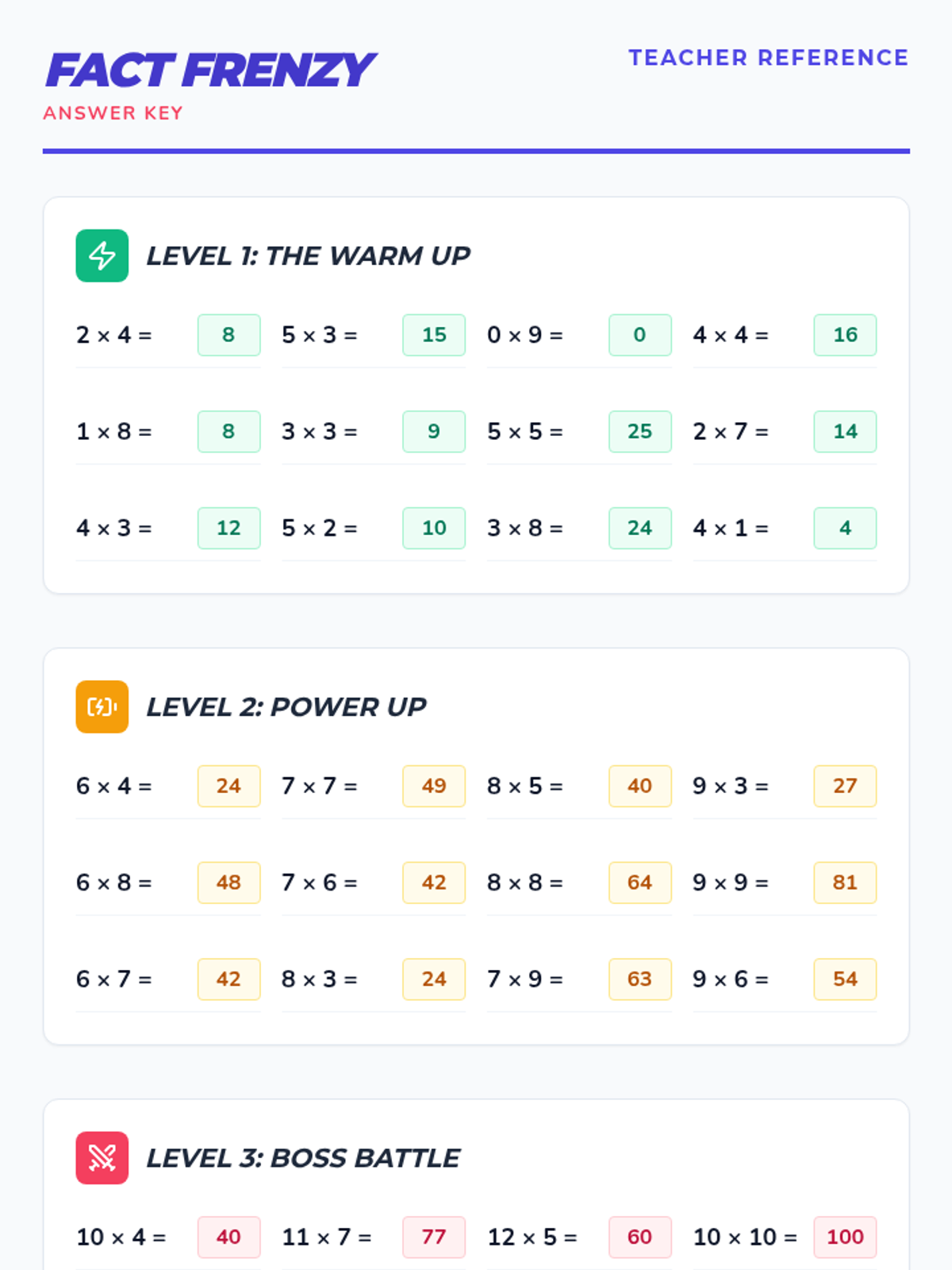
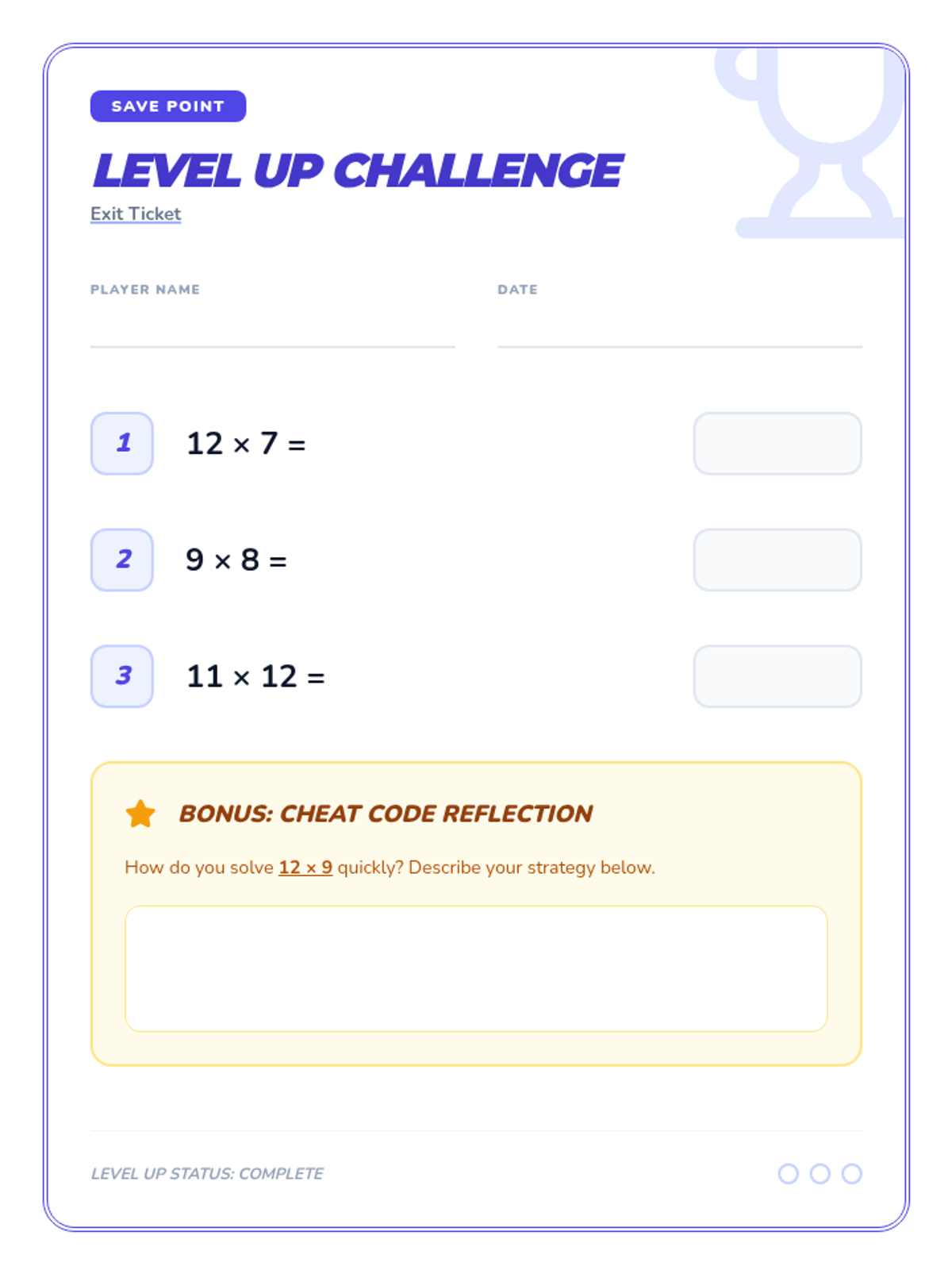
A practice-focused lesson designed to reinforce multiplication fluency for facts up to 12 through engaging, arcade-themed activities and drills.
A foundational lesson on the distributive property for 3rd-5th graders, using area models and the 'breaking apart' strategy to simplify complex multiplication.
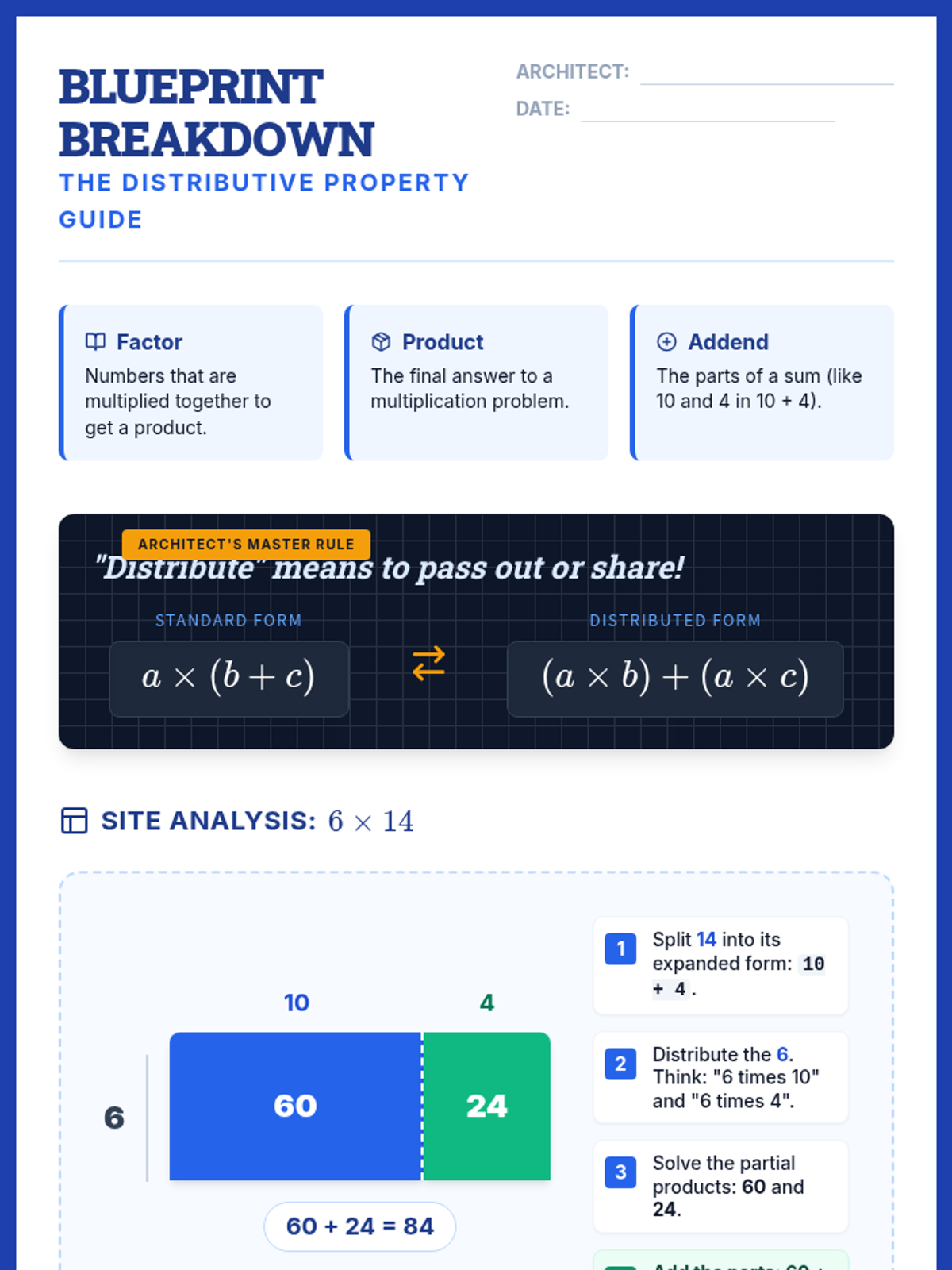
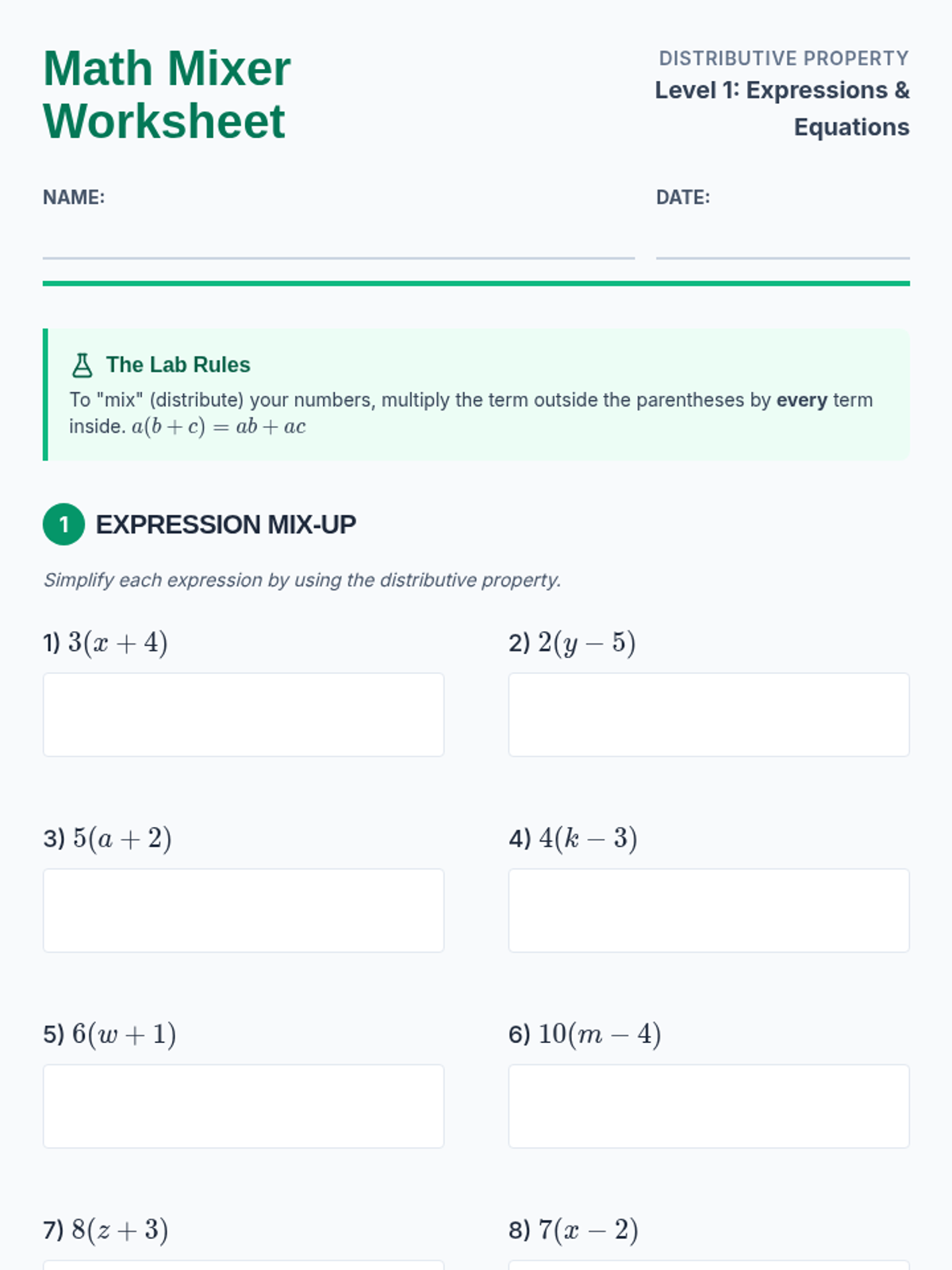
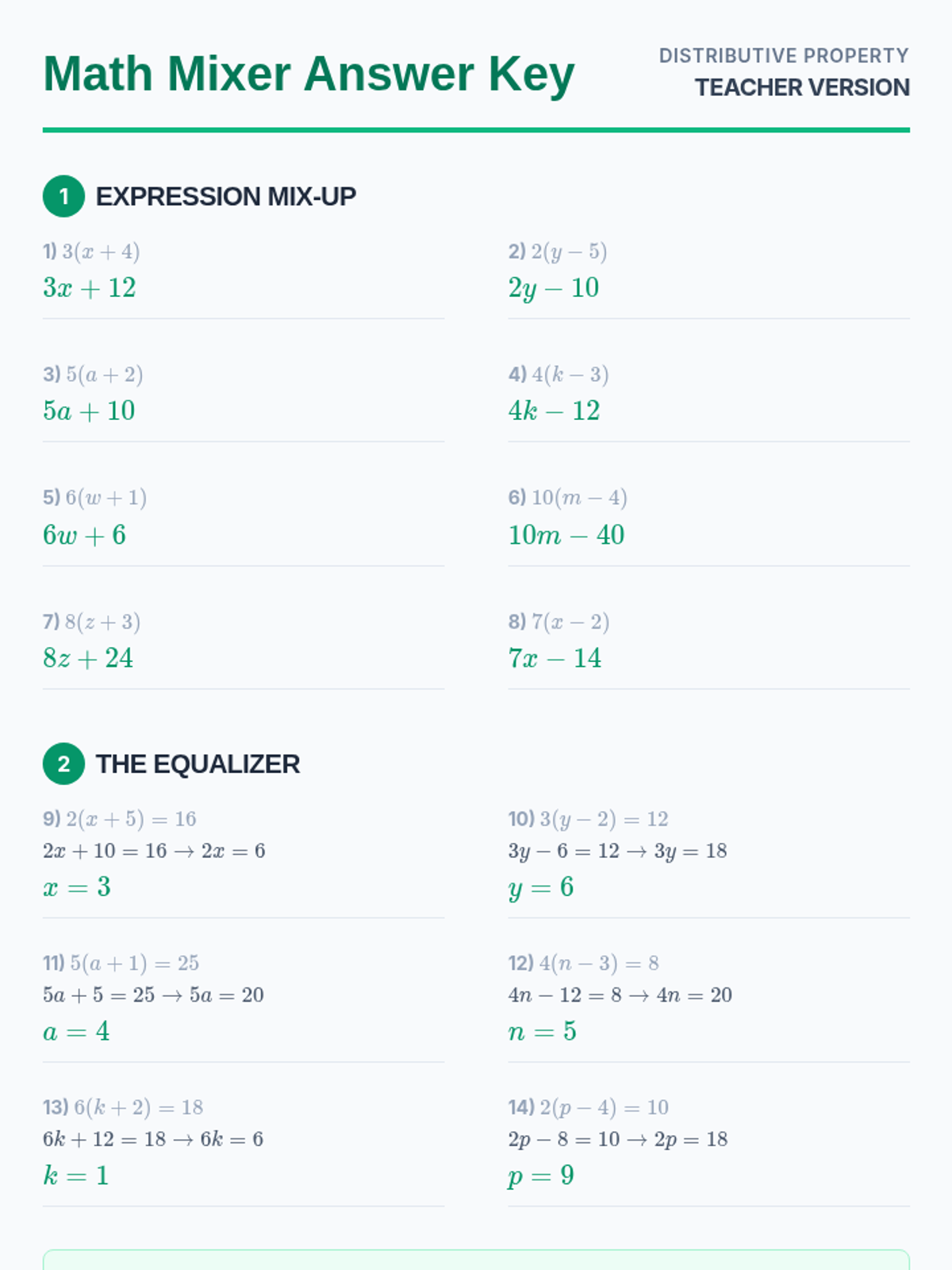
A comprehensive lesson on the distributive property, covering both expression simplification and solving multi-step equations. students will learn to 'distribute' a factor to terms within parentheses through visual models and algebraic practice.
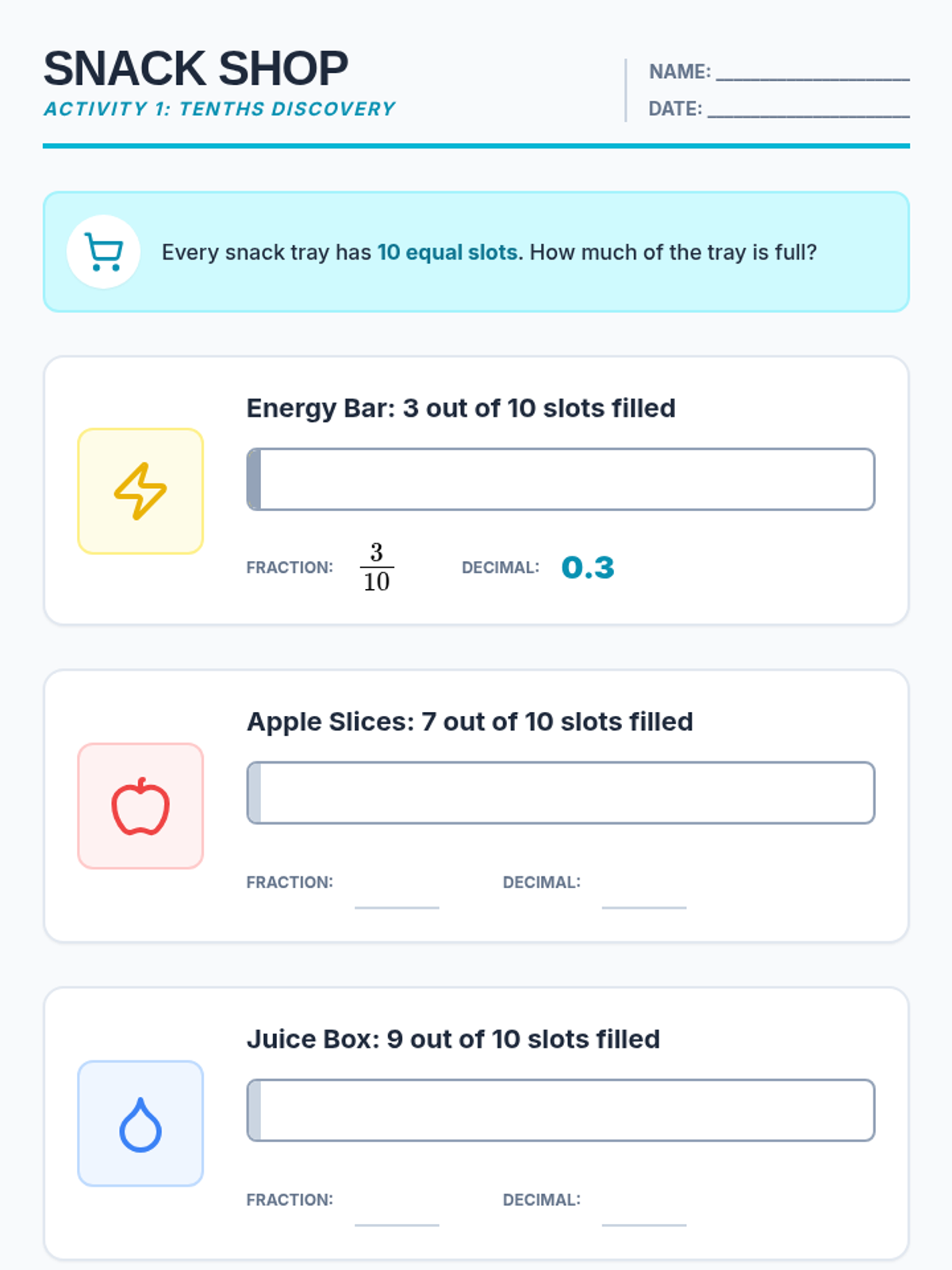
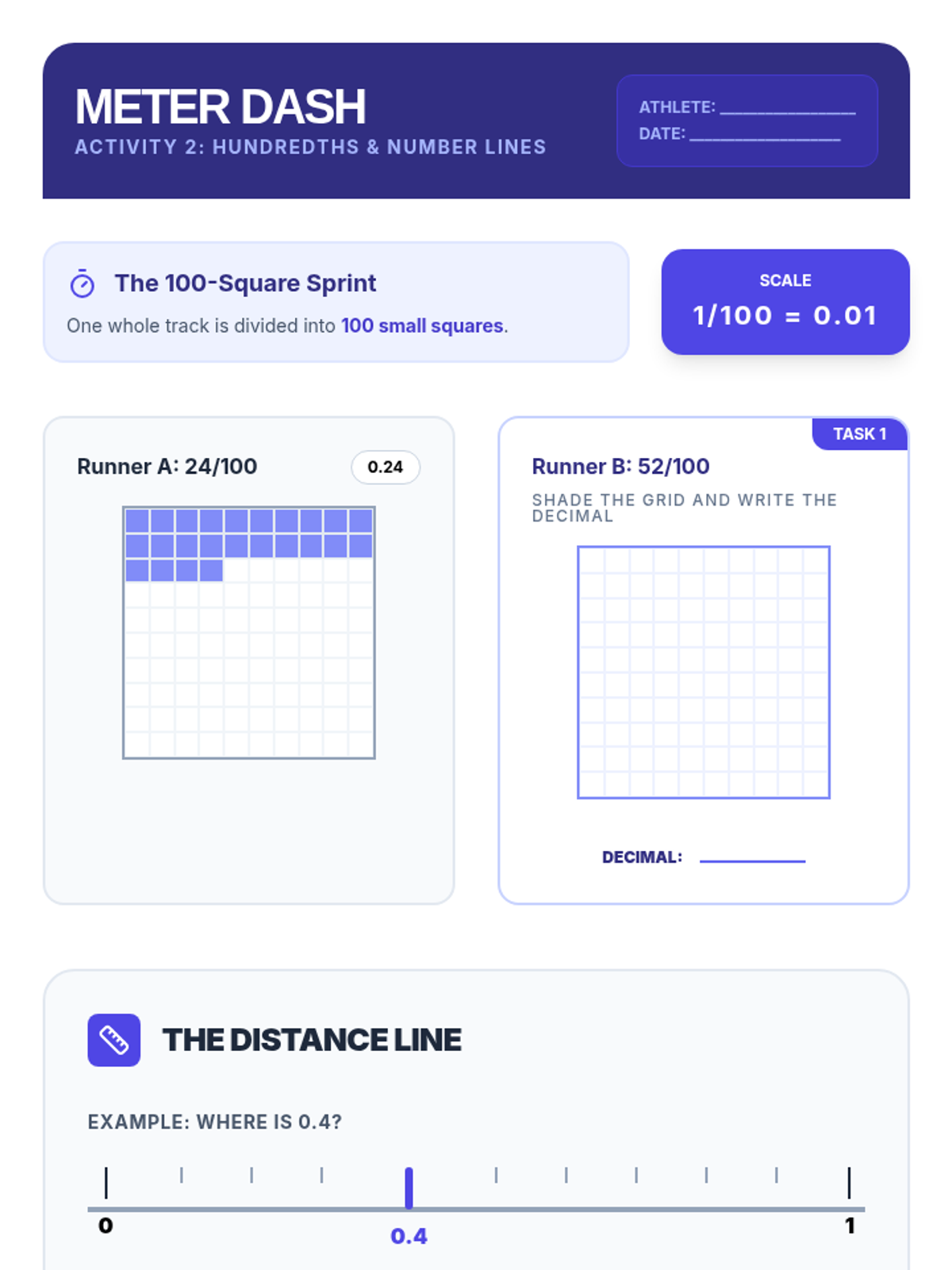
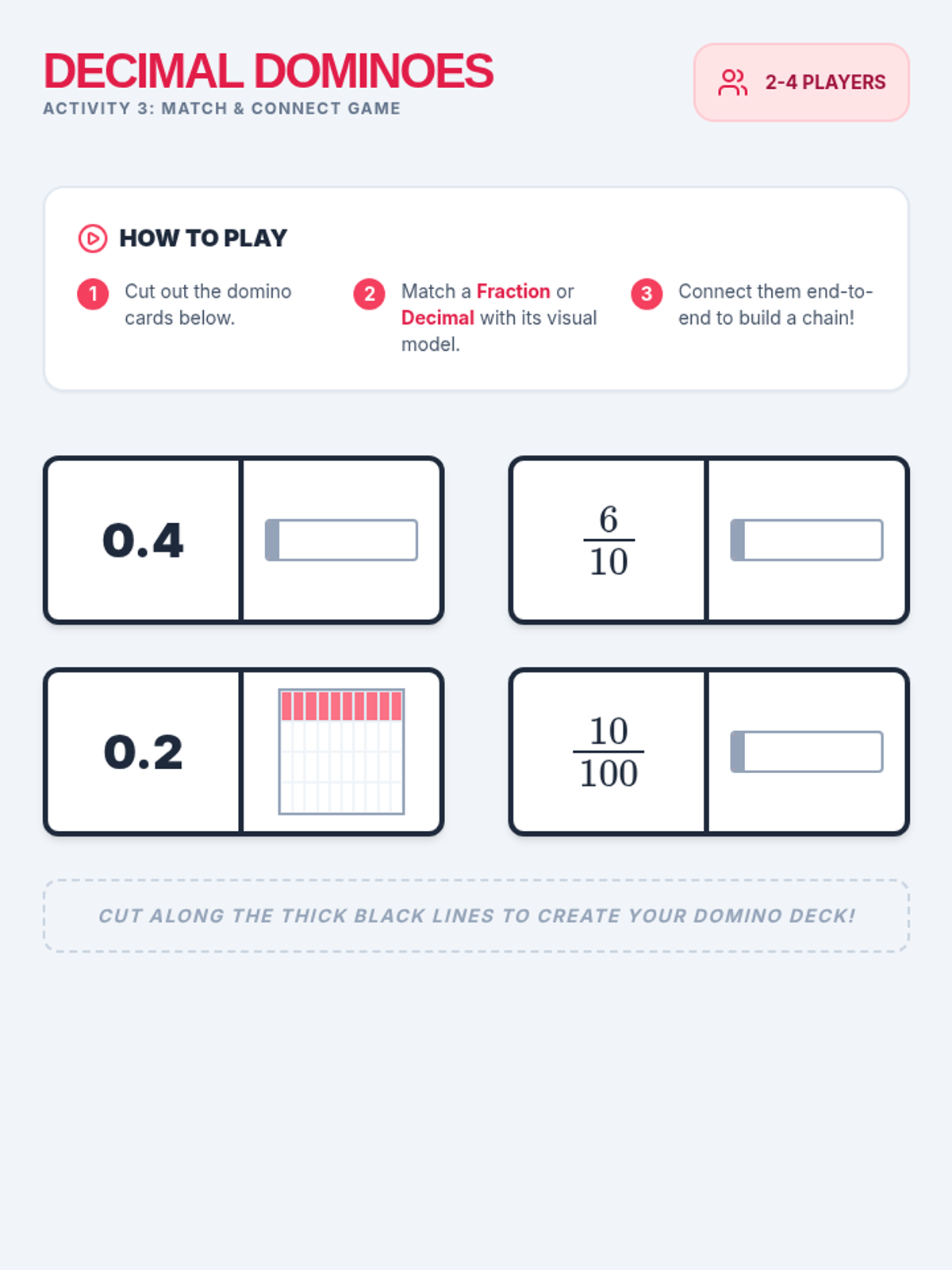
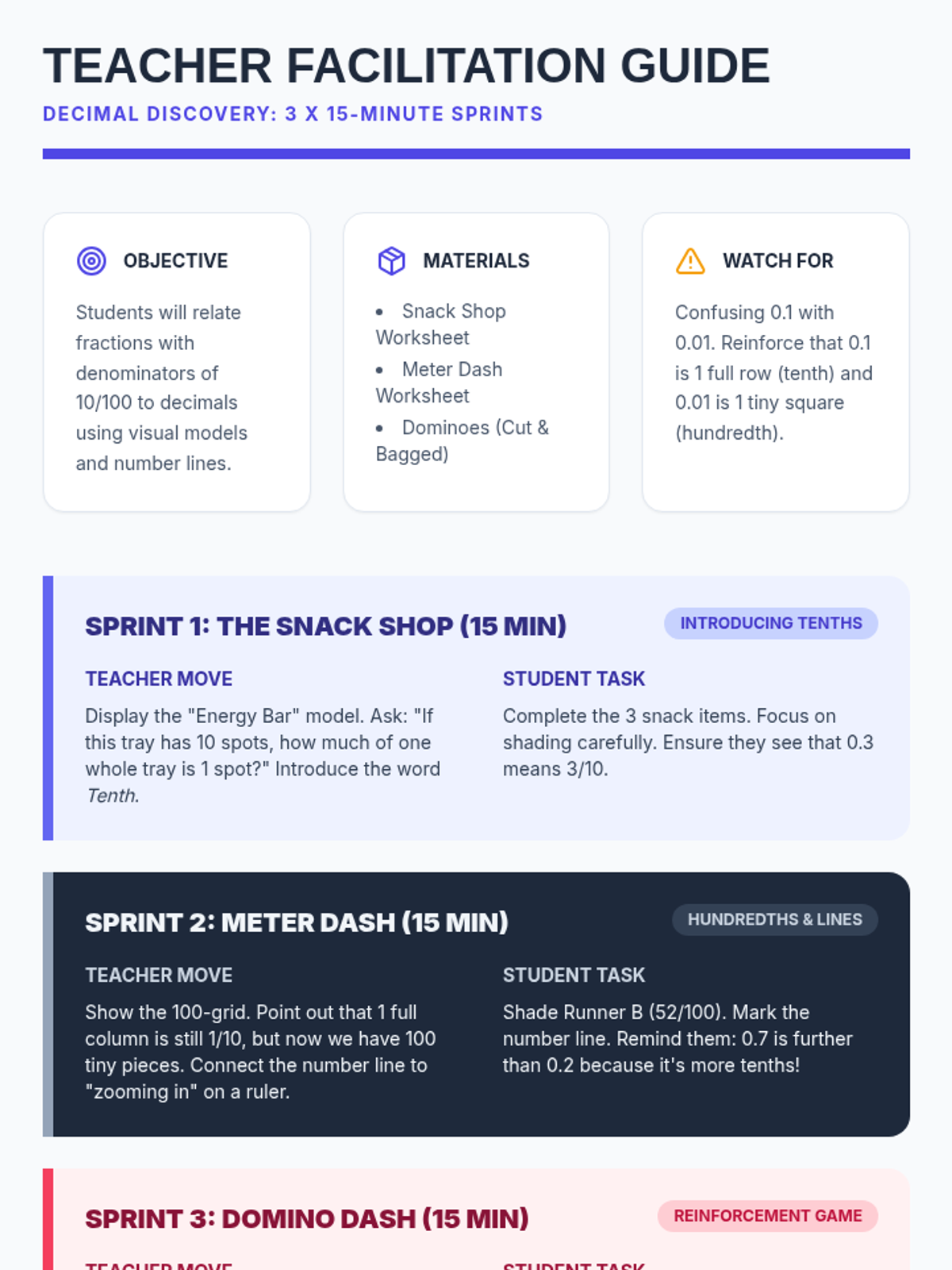
A three-part introductory lesson on decimals that uses visual models and real-world scenarios to connect fractions with denominators of 10 and 100 to their decimal forms.
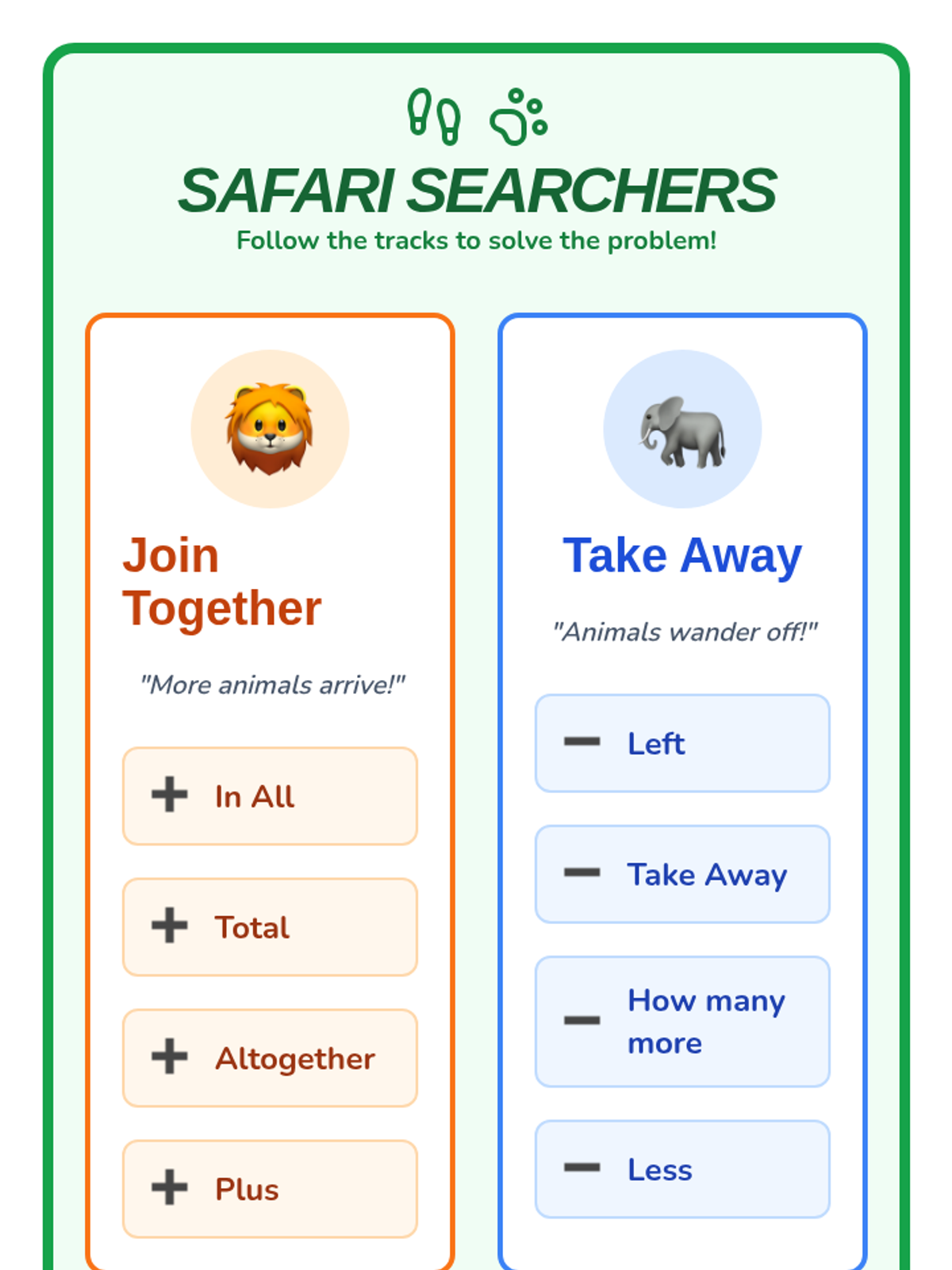
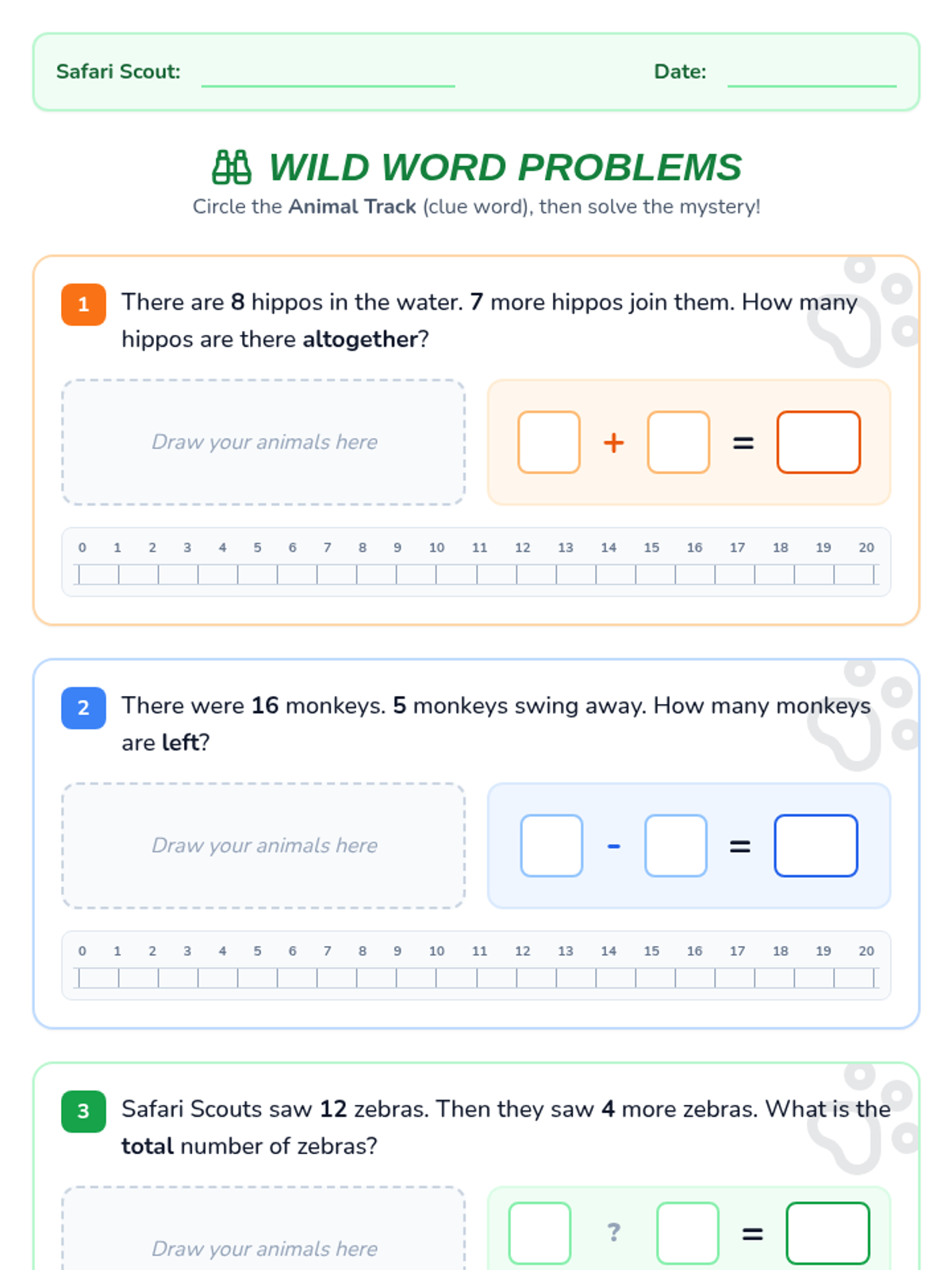
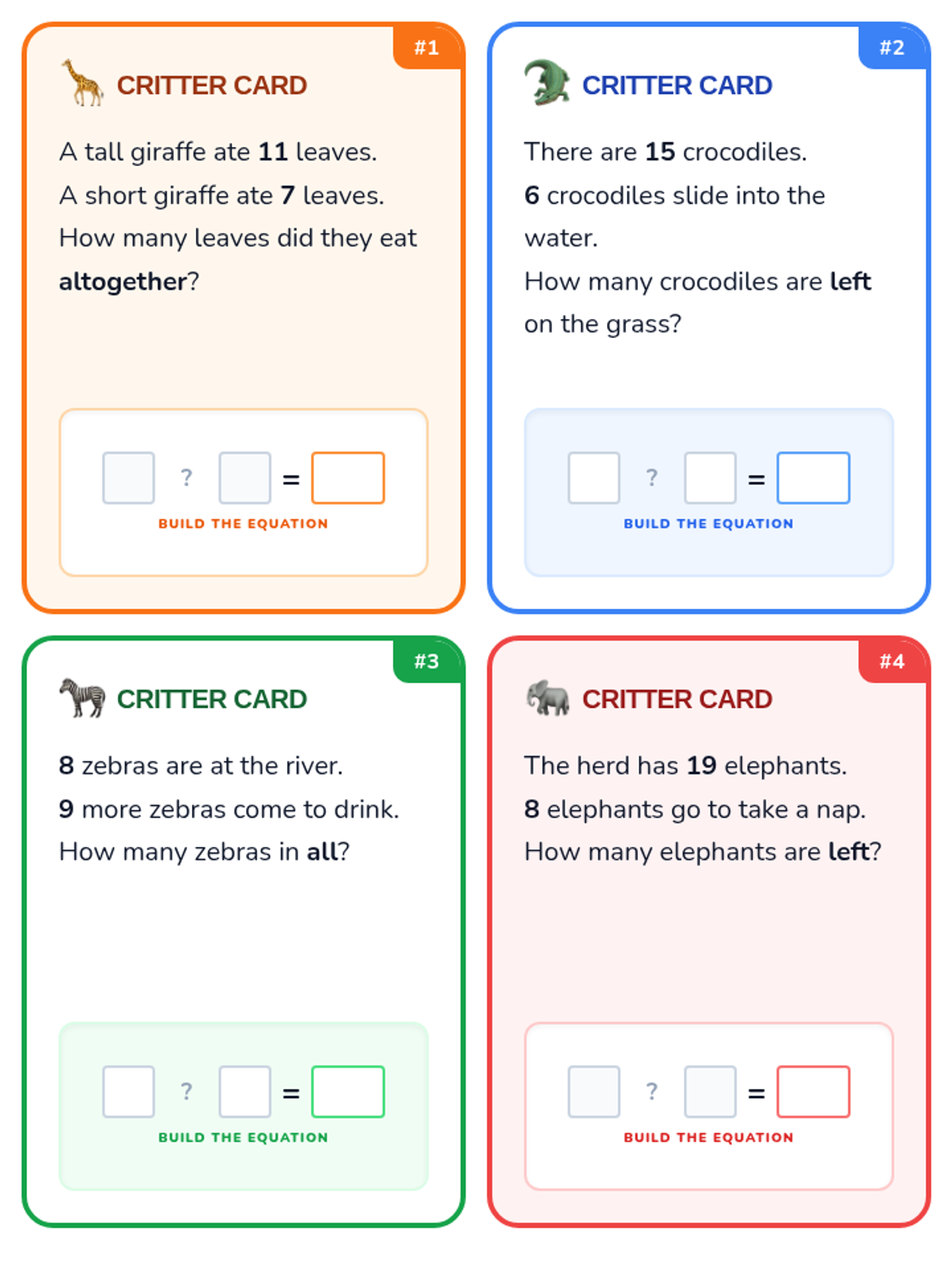
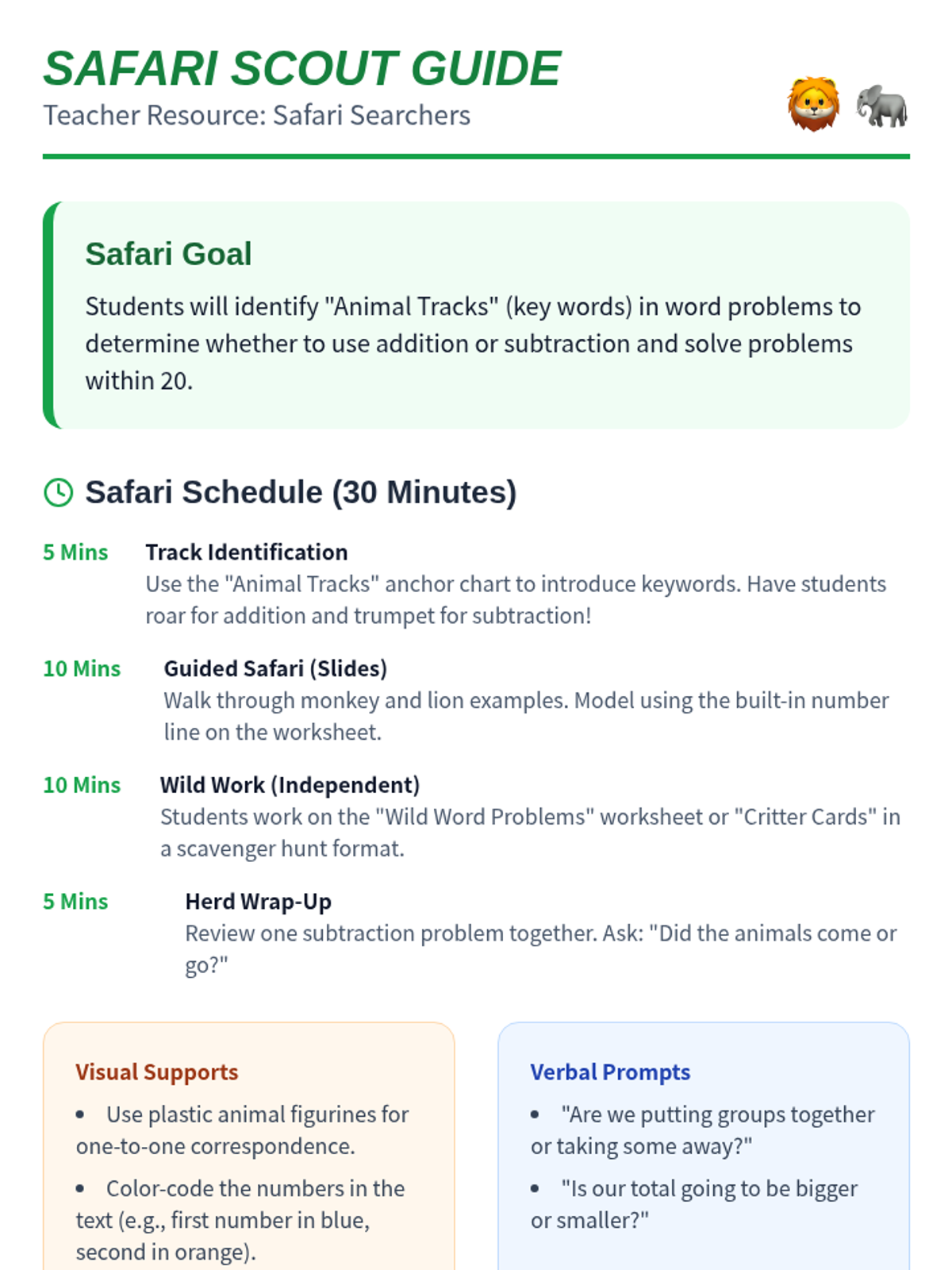
A focused lesson for 1st grade special education students to identify clues in word problems and decide whether to add or subtract within 20, themed around a safari animal adventure. Includes visual supports like number lines and animal keyword anchors.
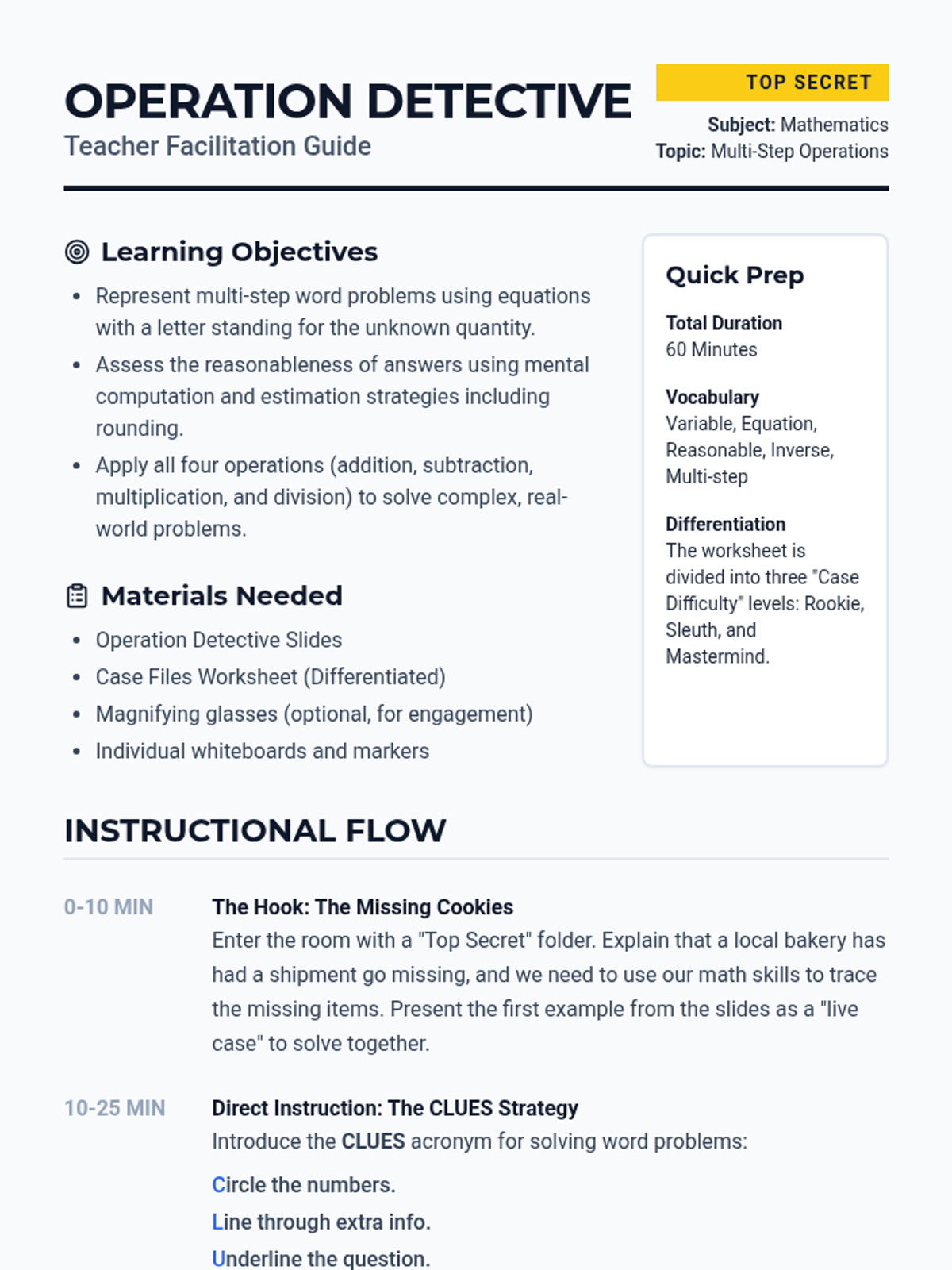
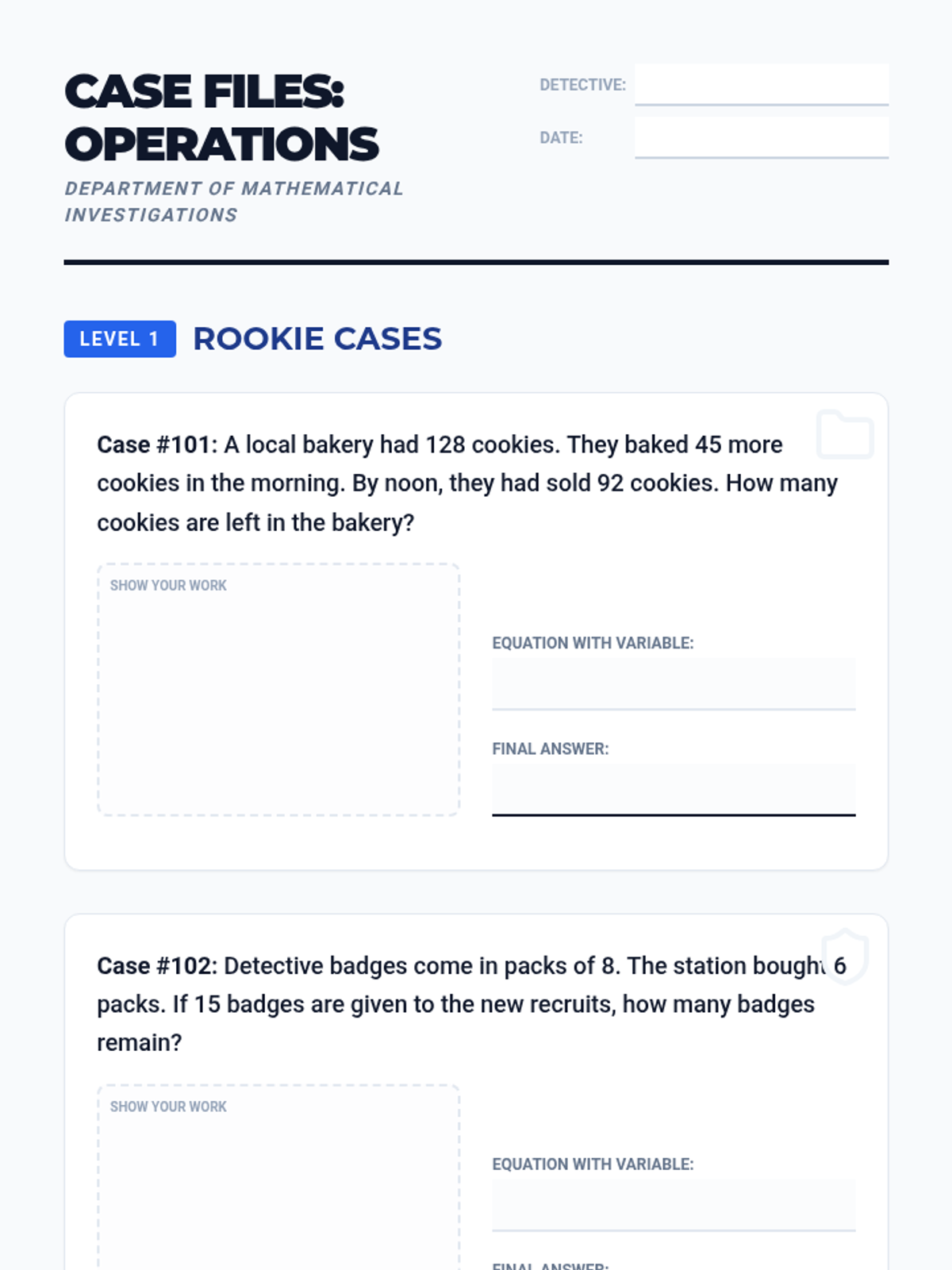
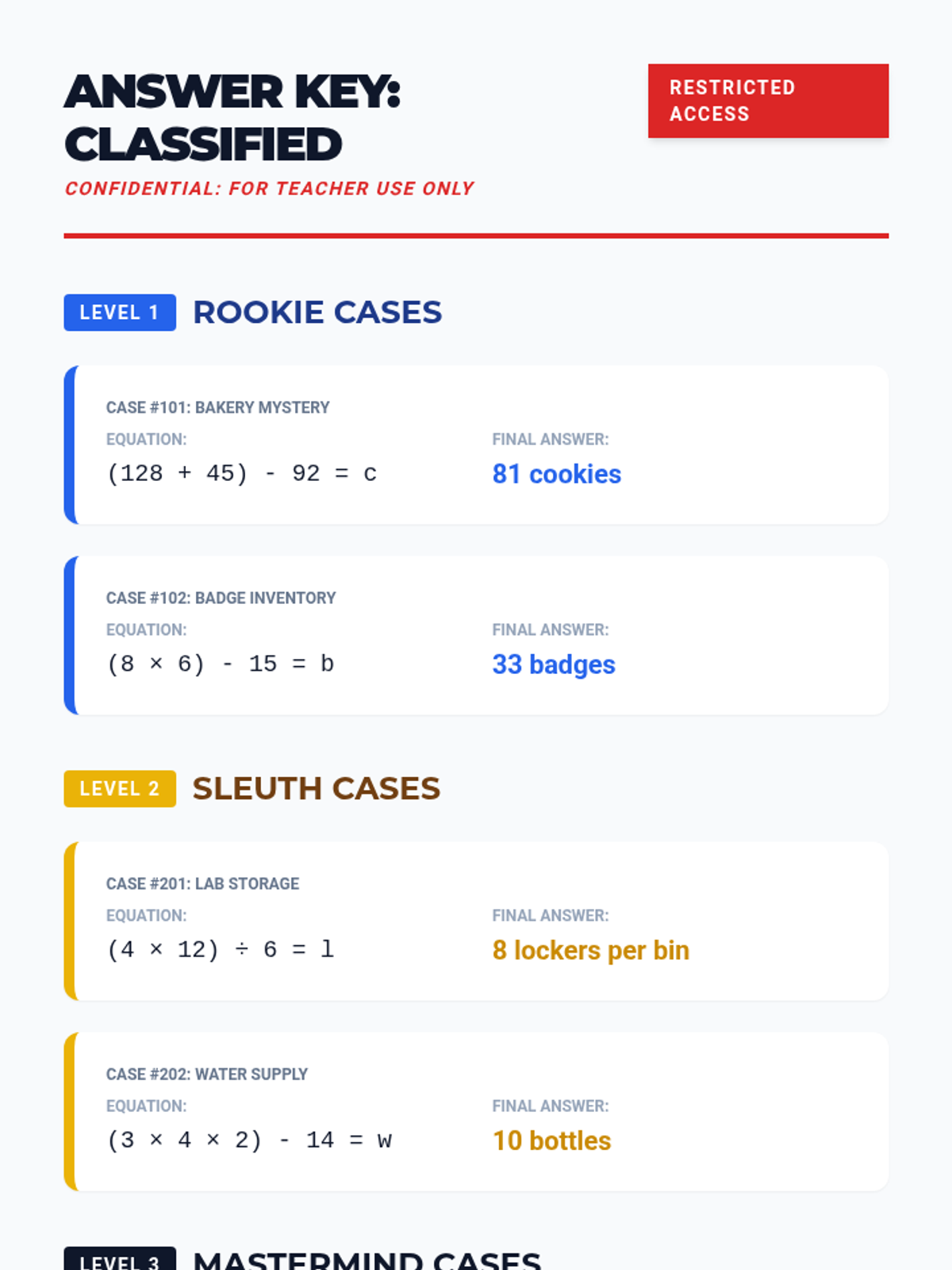
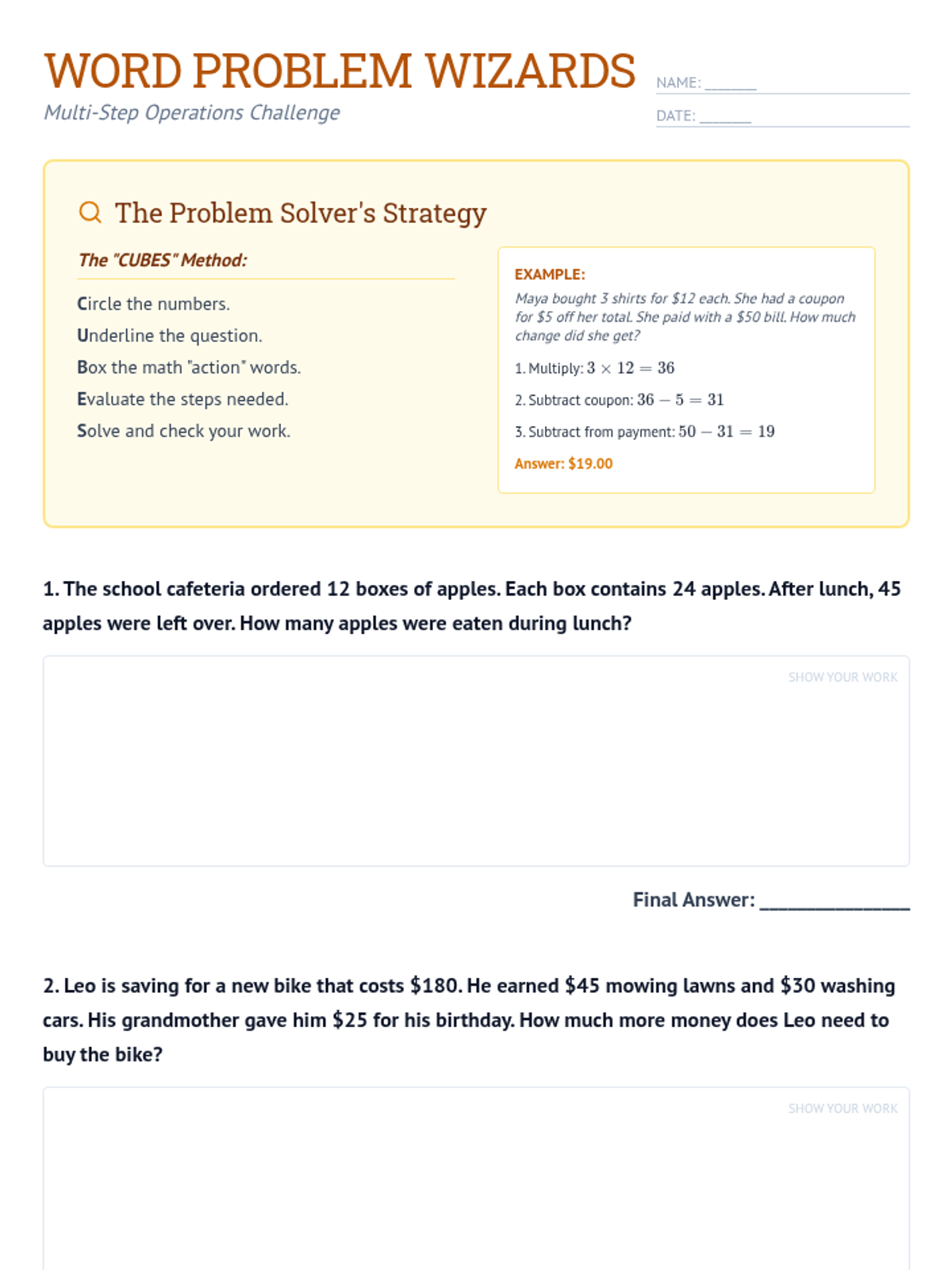
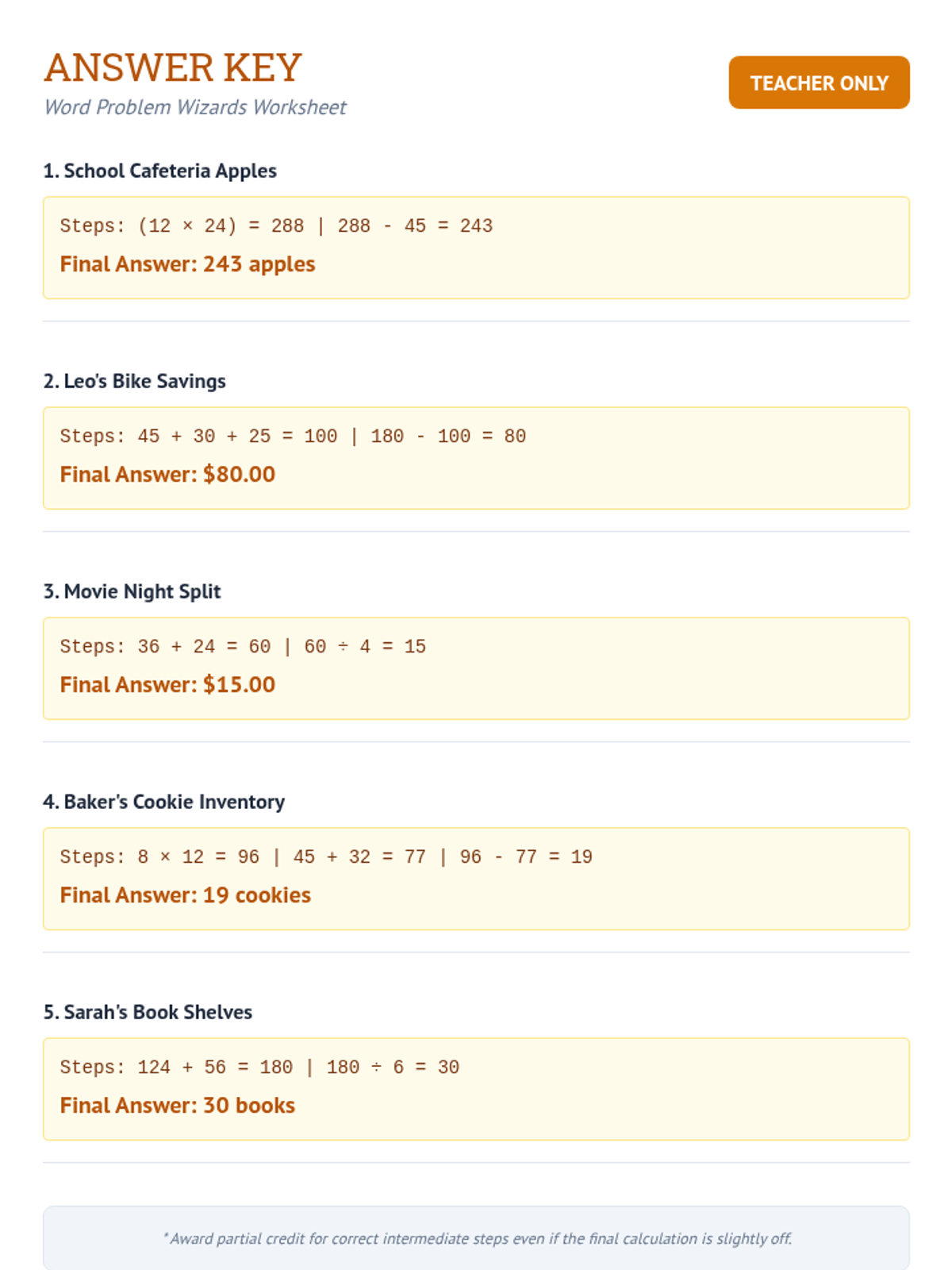
A comprehensive lesson on solving multi-step word problems using all four operations, framed within a detective mystery theme to engage students in critical thinking and algebraic reasoning.
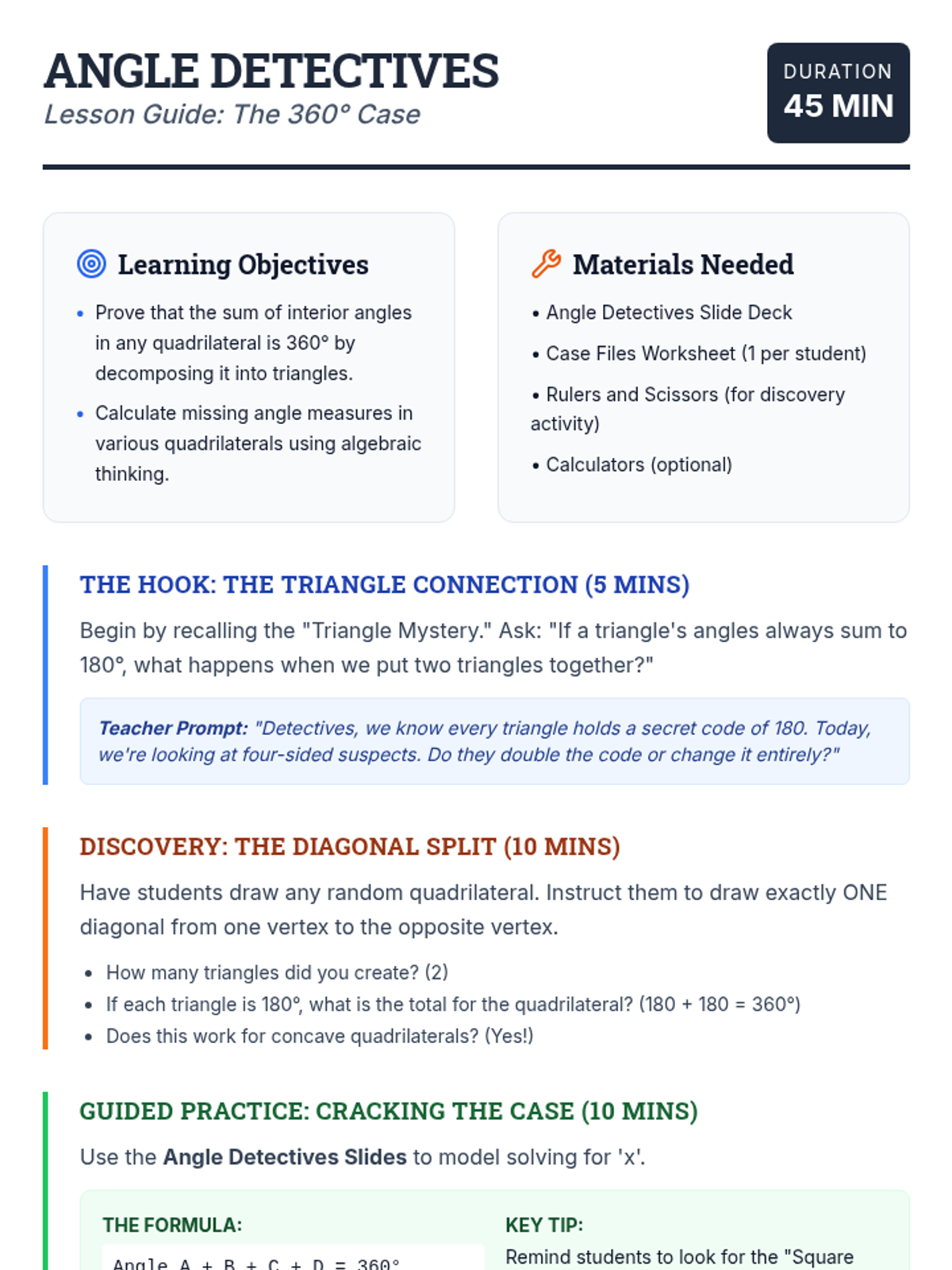
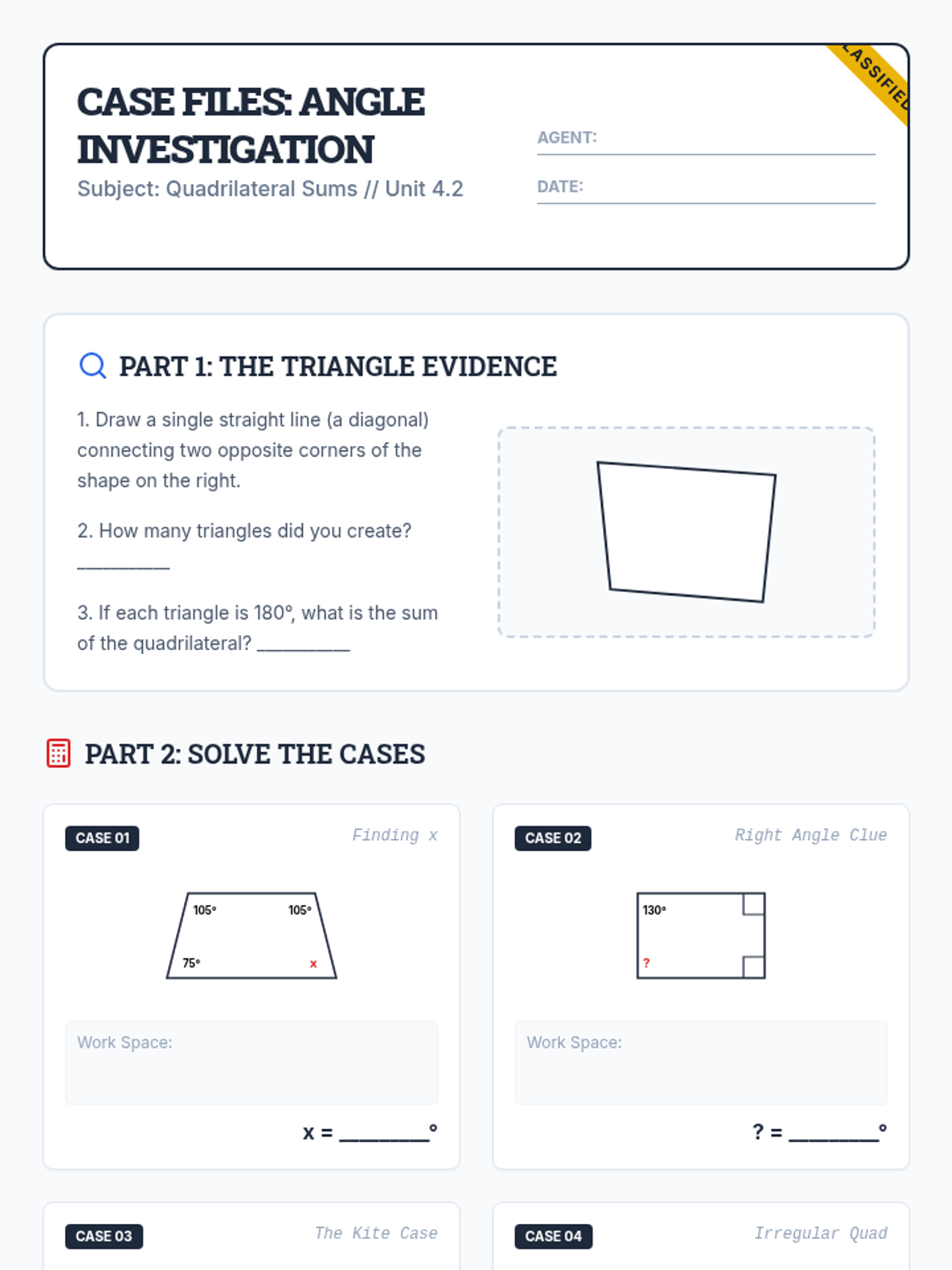
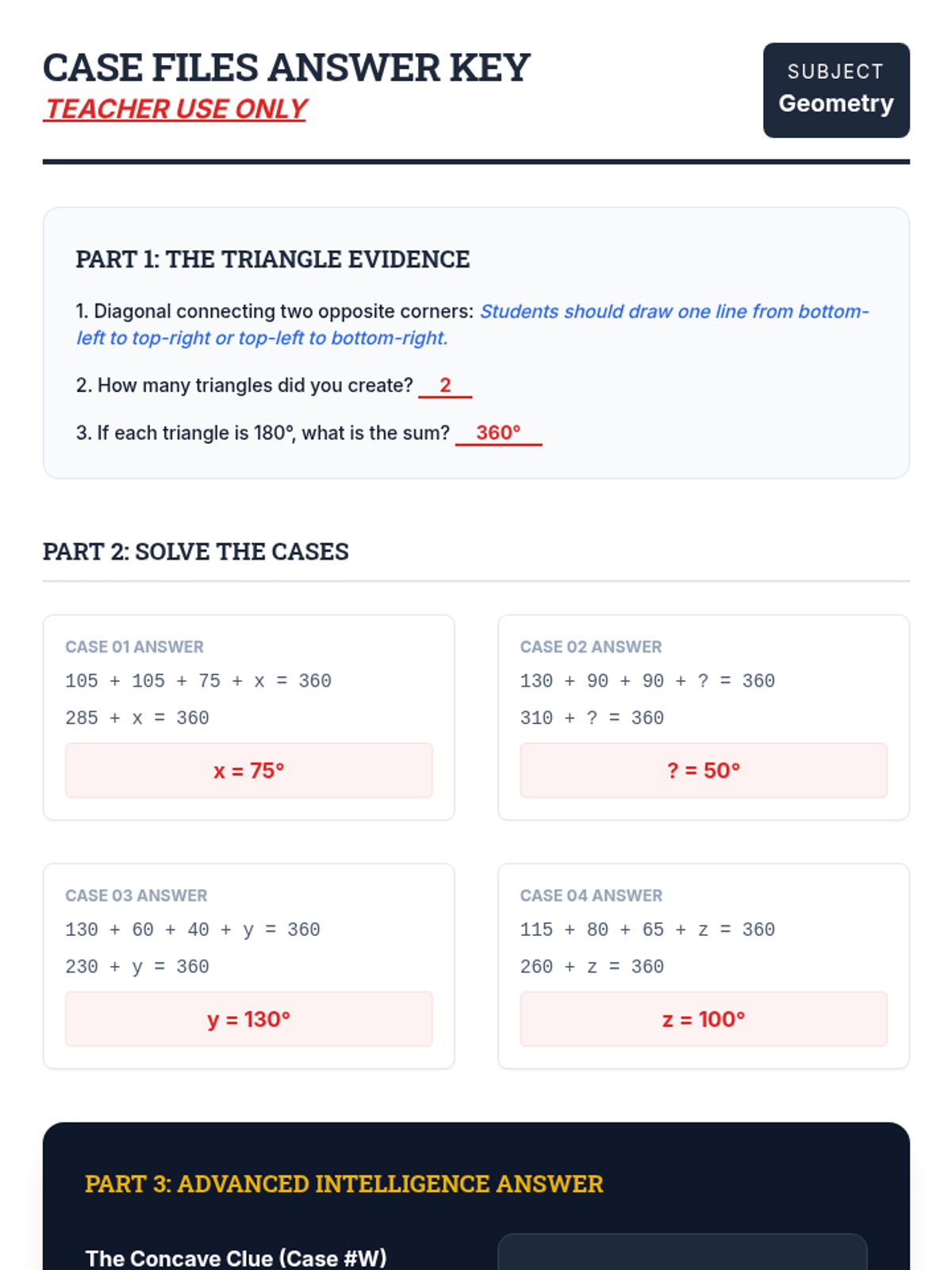
A 45-minute investigation into the interior angles of quadrilaterals, where students discover the 360-degree rule by dividing shapes into triangles and solve for missing 'clue' angles.
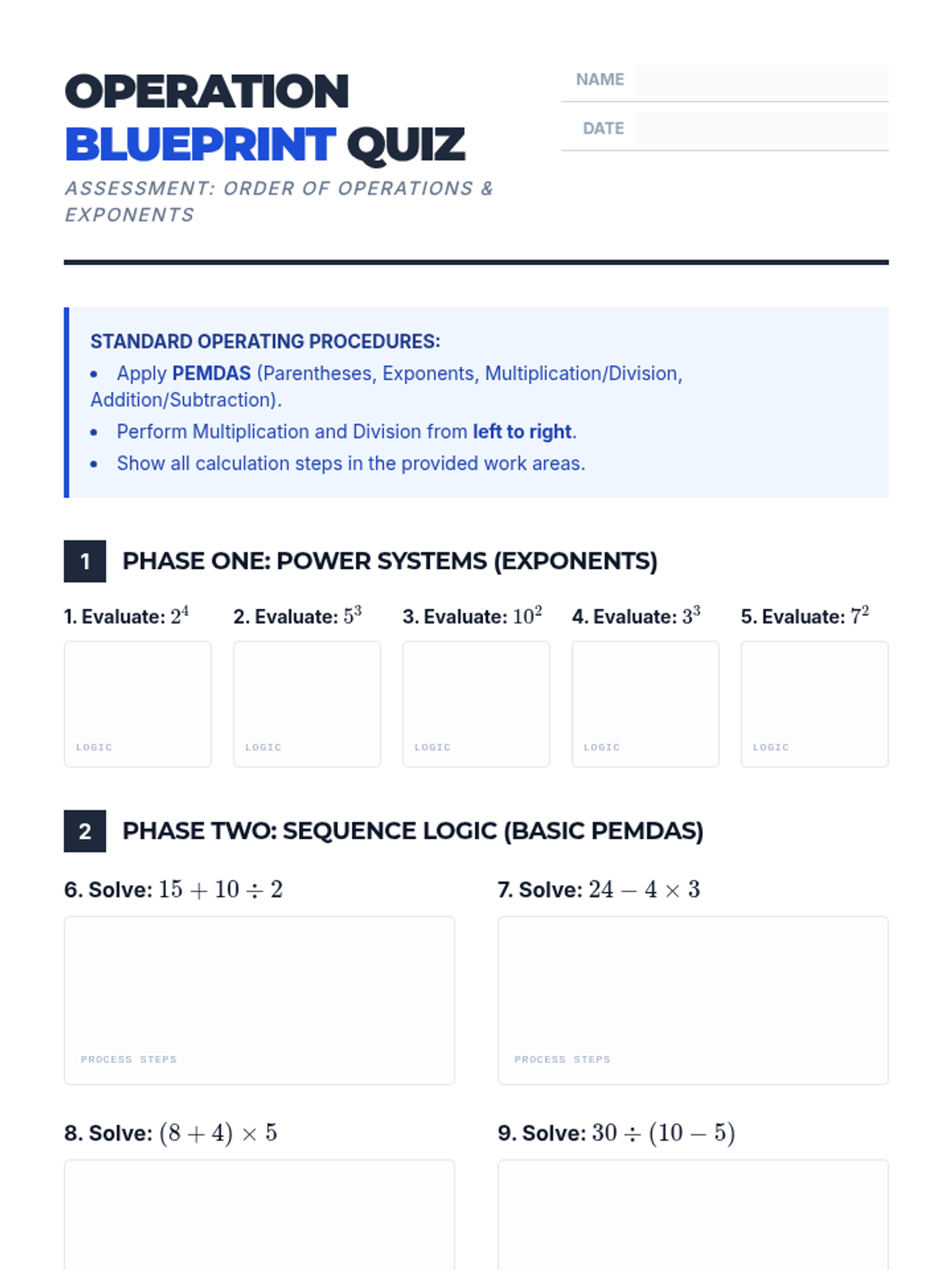
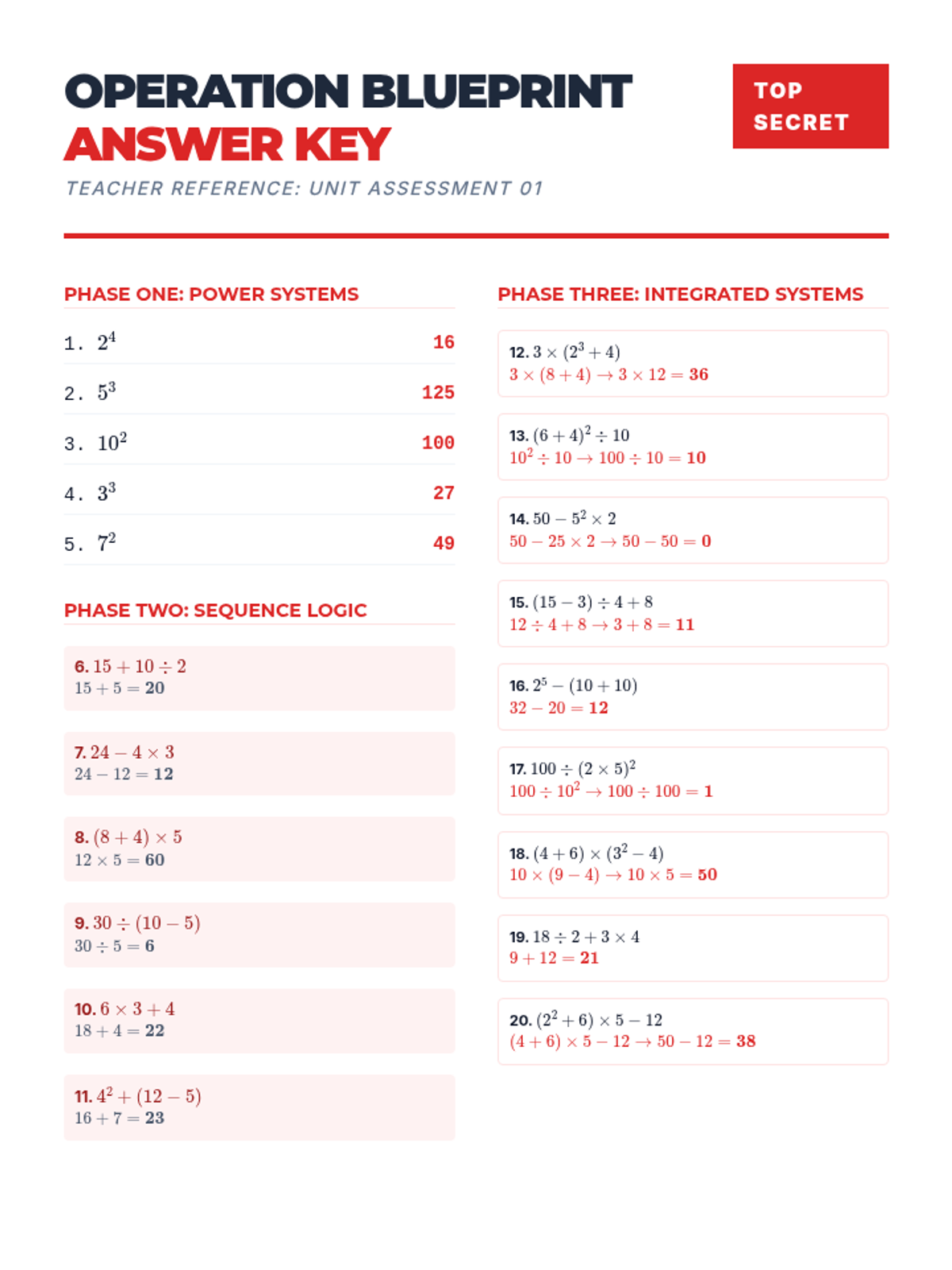
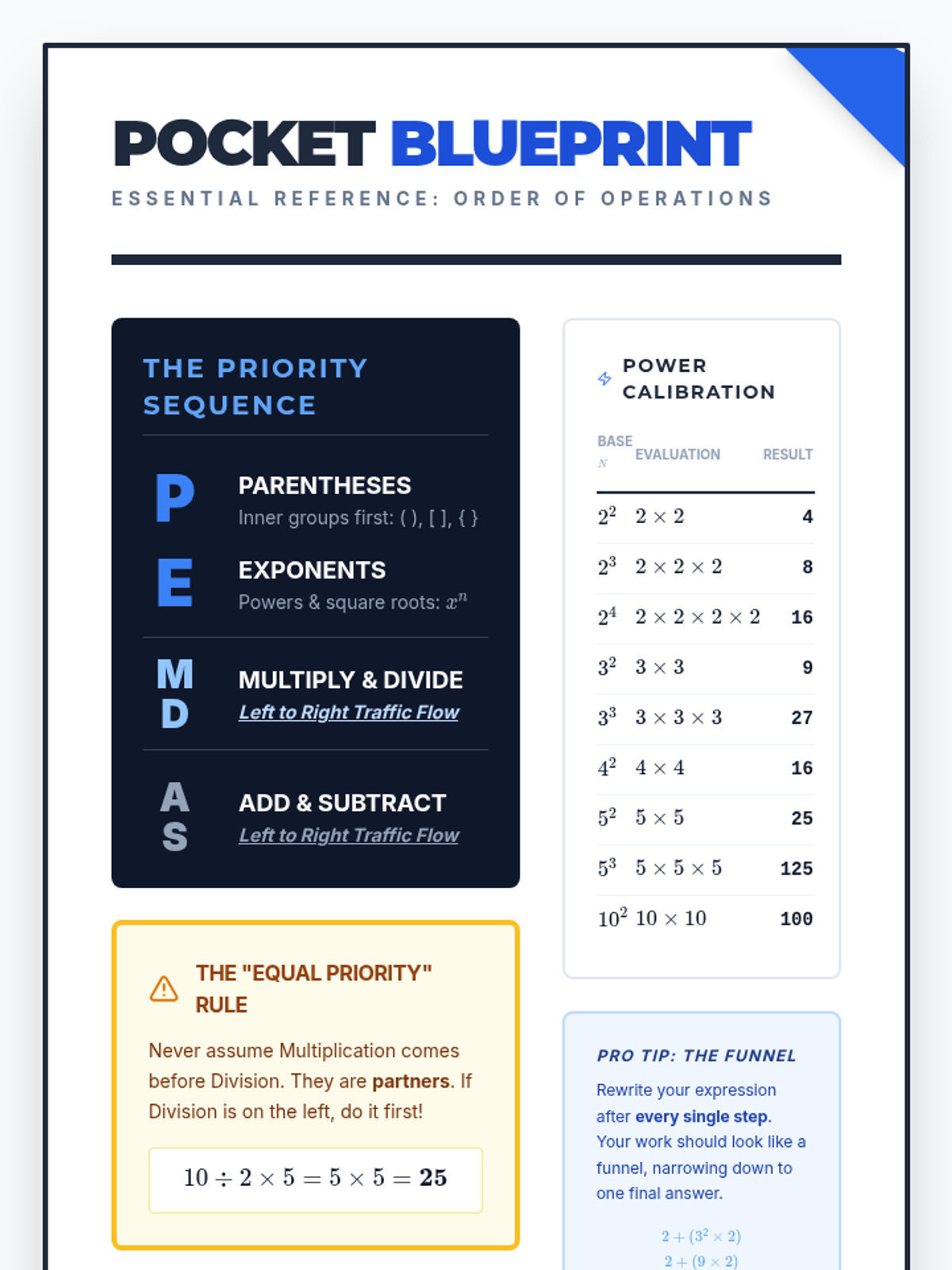
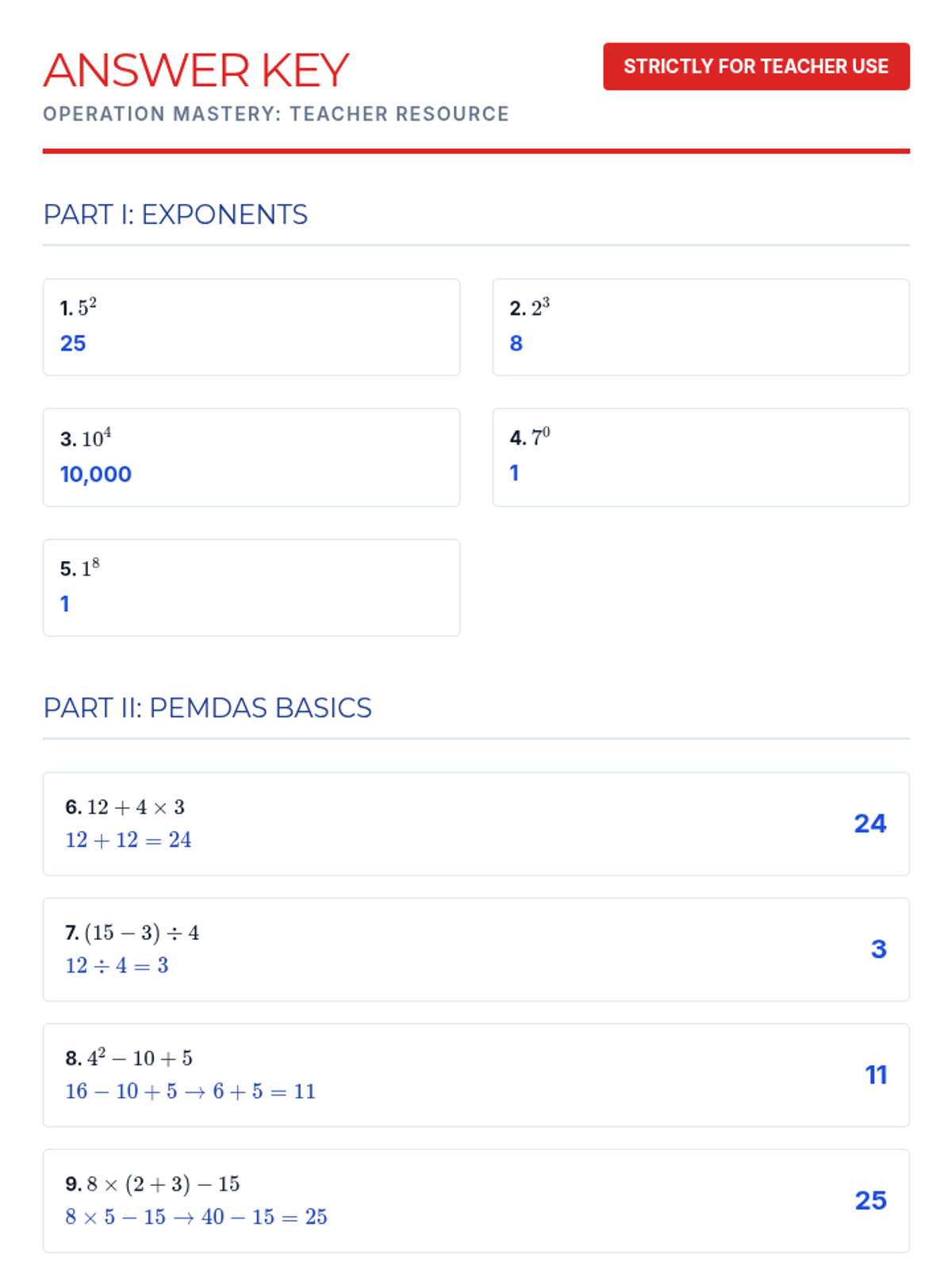
This lesson focuses on mastering the order of operations (PEMDAS) and evaluating numerical expressions with exponents. Students will practice applying rules systematically to solve multi-step problems without negative numbers.
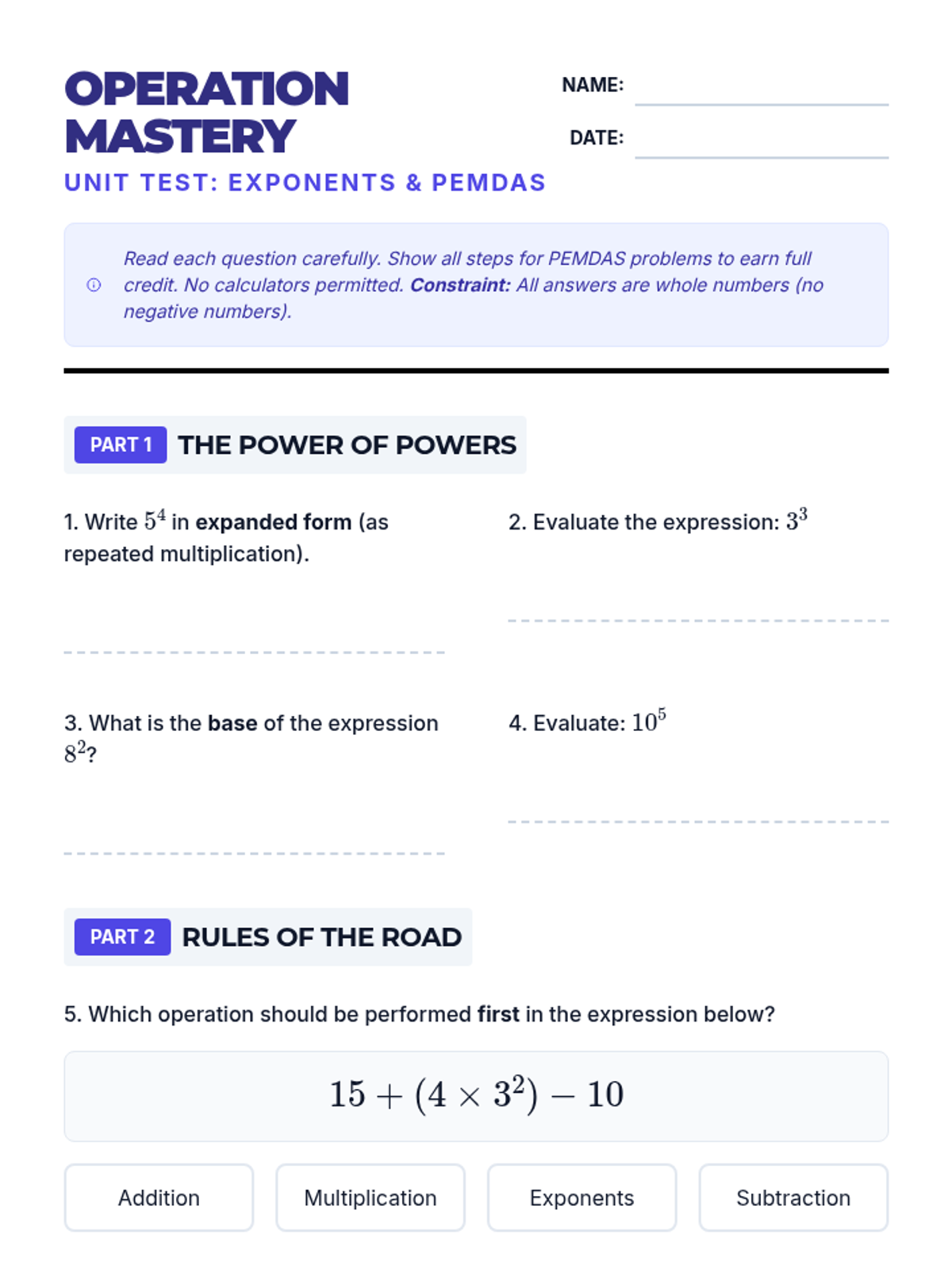
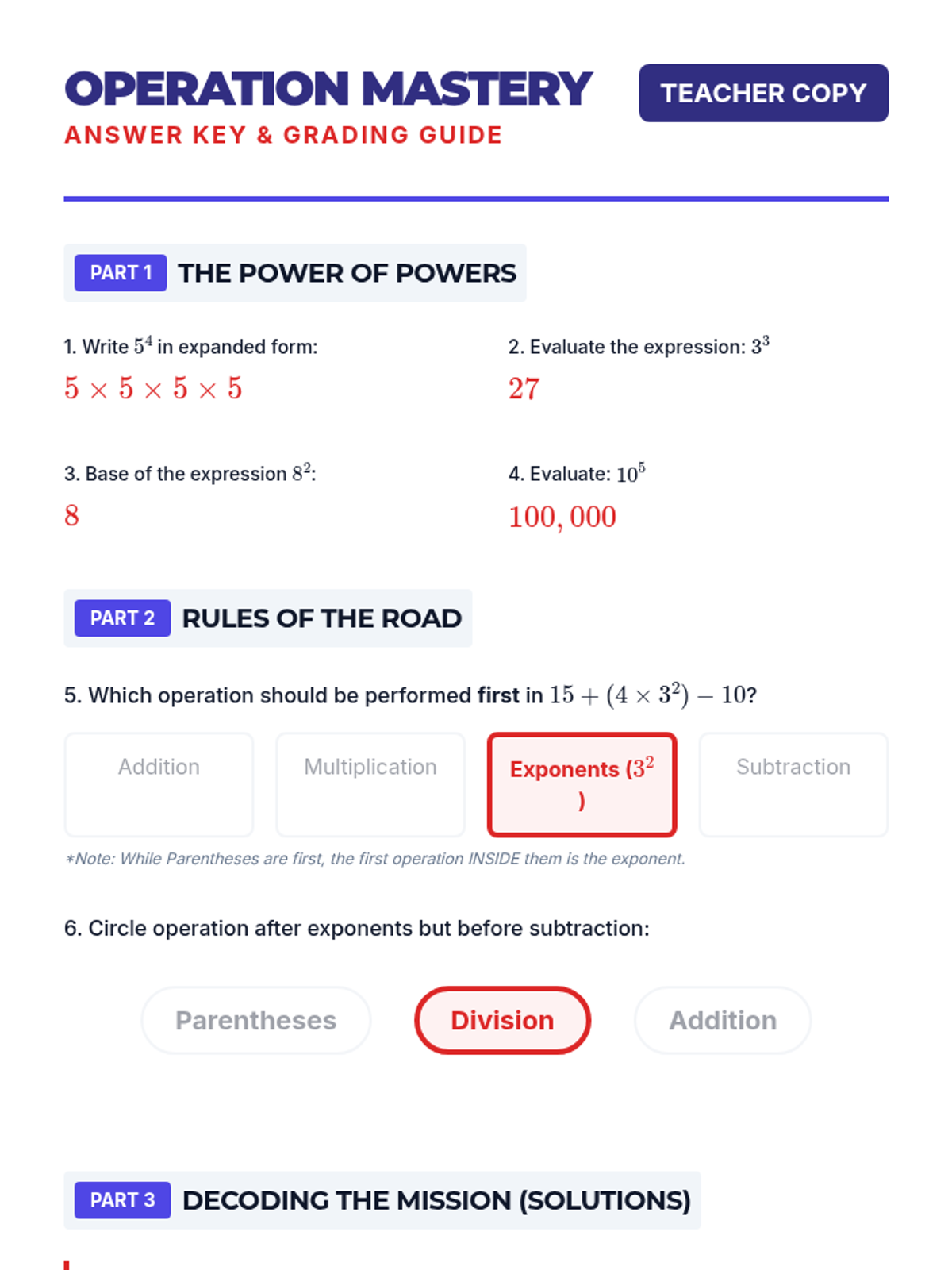
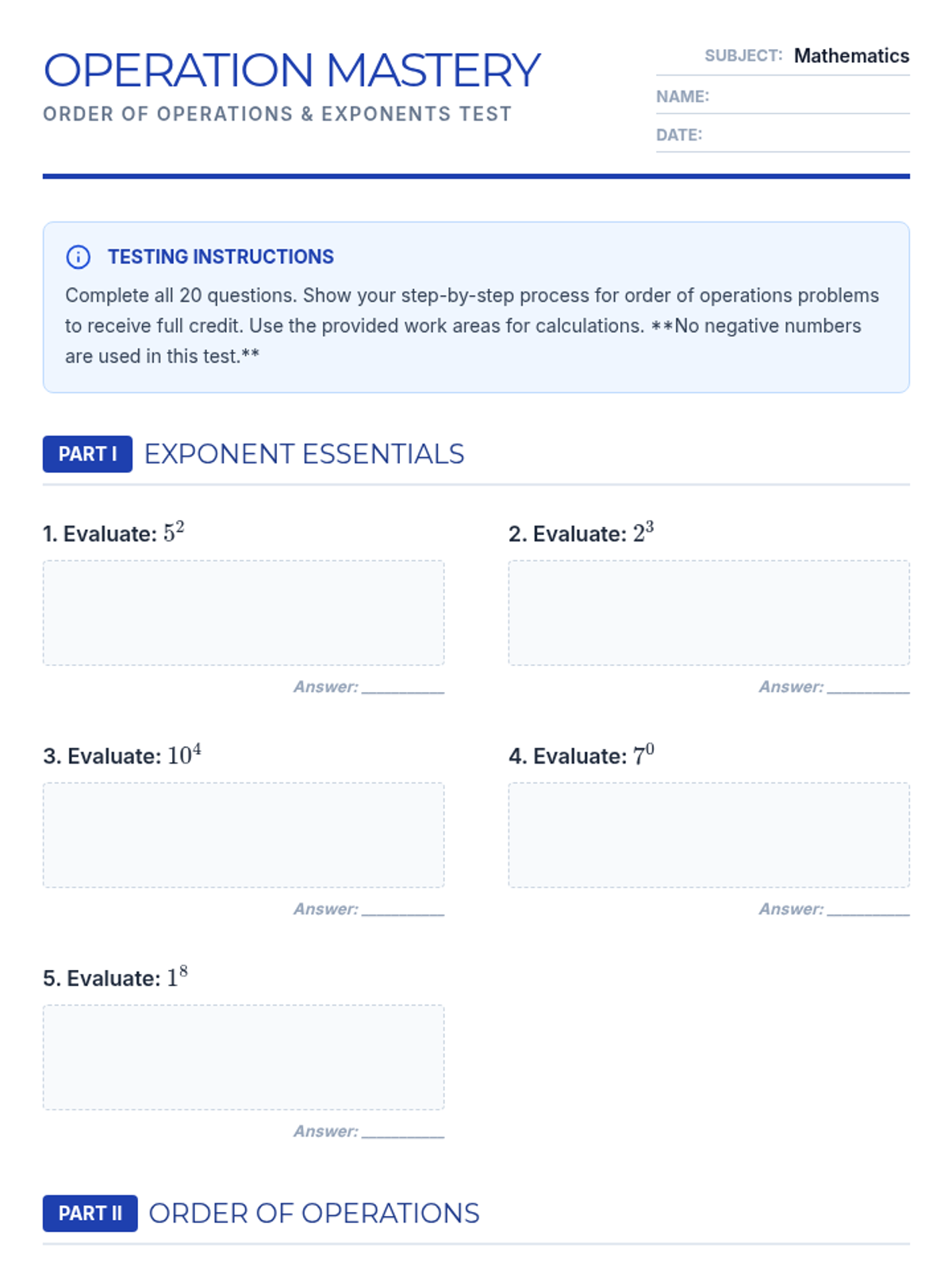
A comprehensive unit assessment on exponents and the order of operations, designed for a 60-minute testing block with no negative numbers. Includes practice on identifying steps and evaluating complex expressions.
A comprehensive assessment and review lesson covering the Order of Operations (PEMDAS) and exponents, specifically designed for middle schoolers without negative numbers.
A comprehensive collection of 6th-grade math practice worksheets covering essential operations, geometry, and word problems.
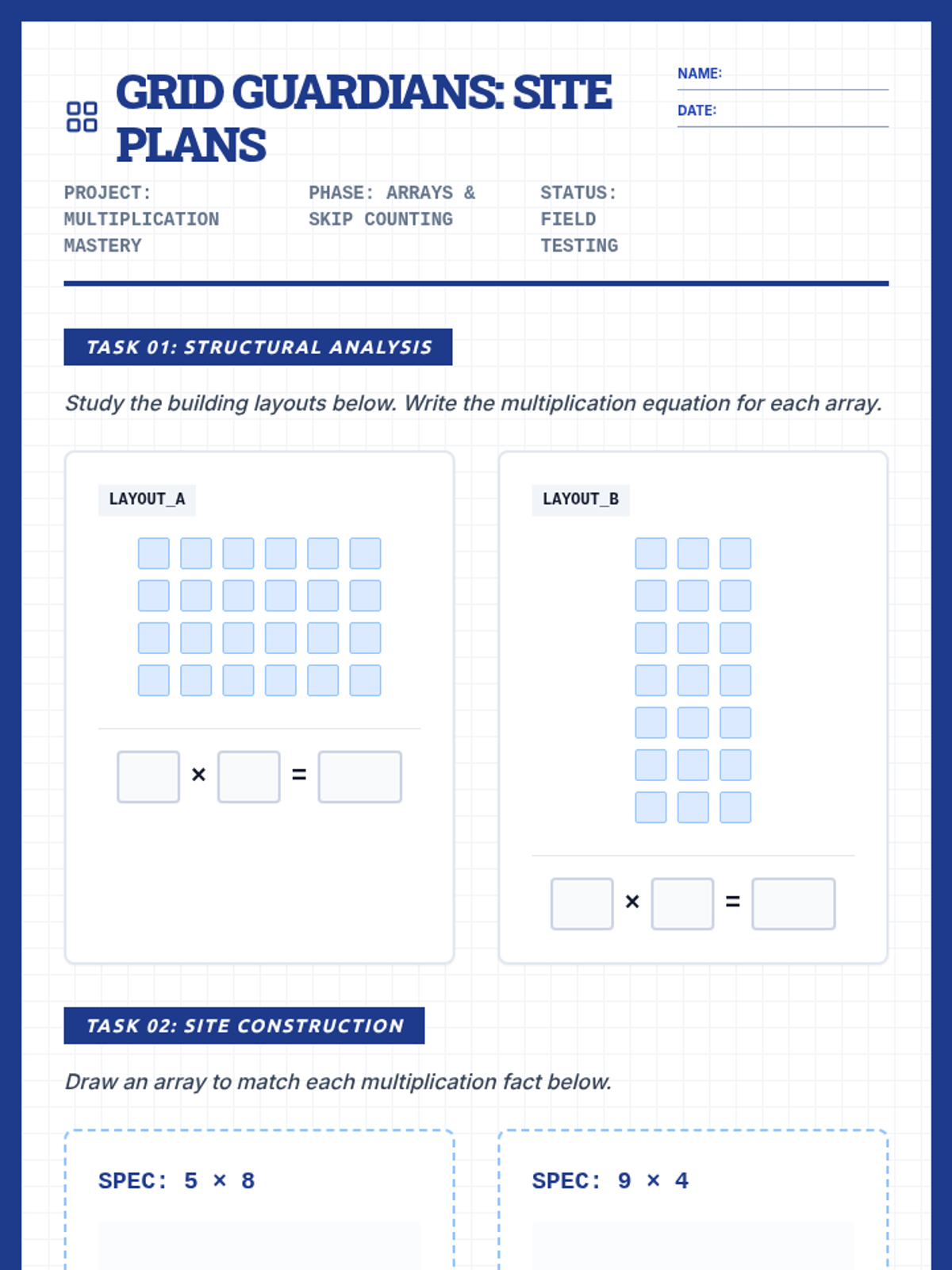
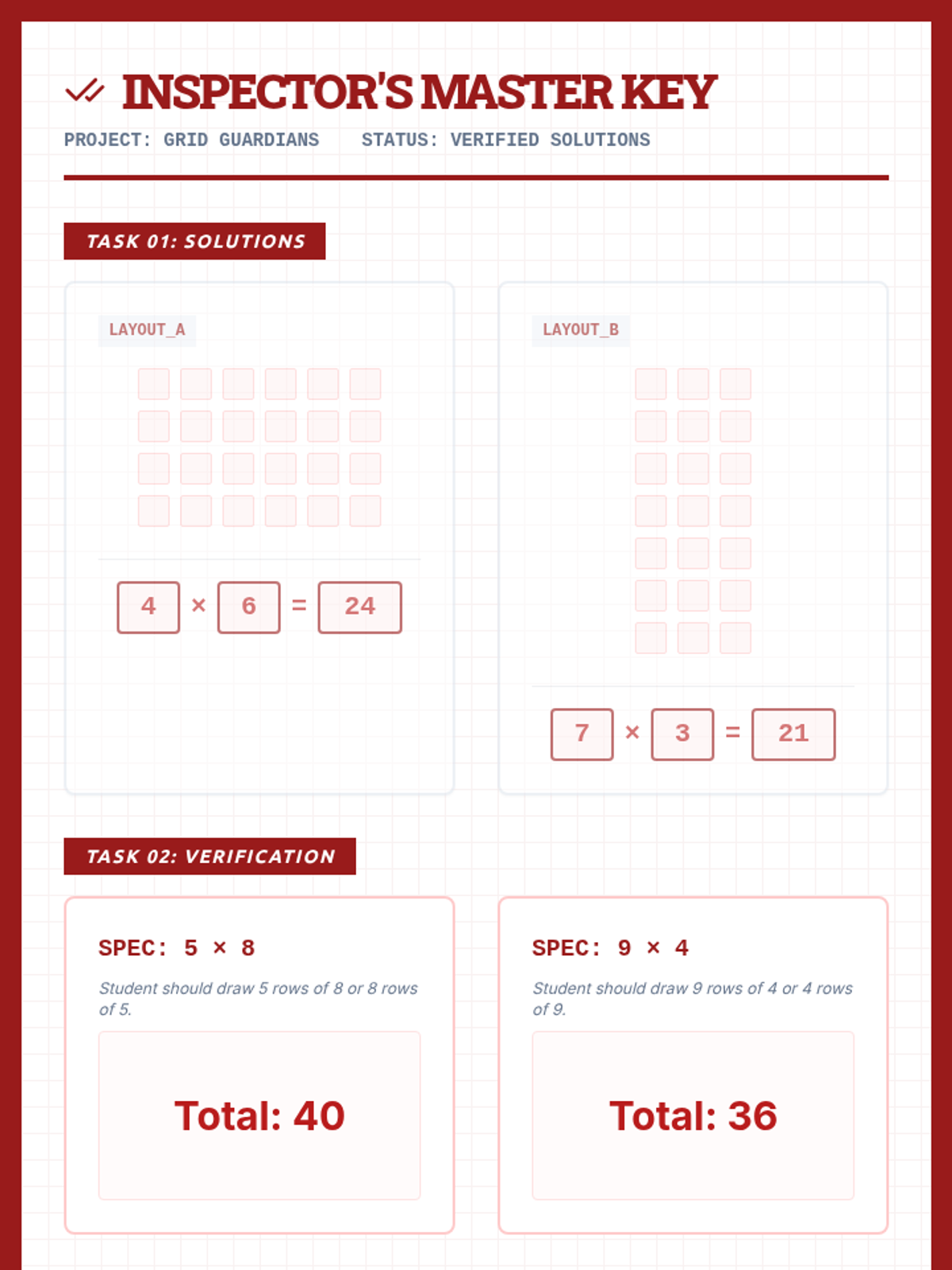
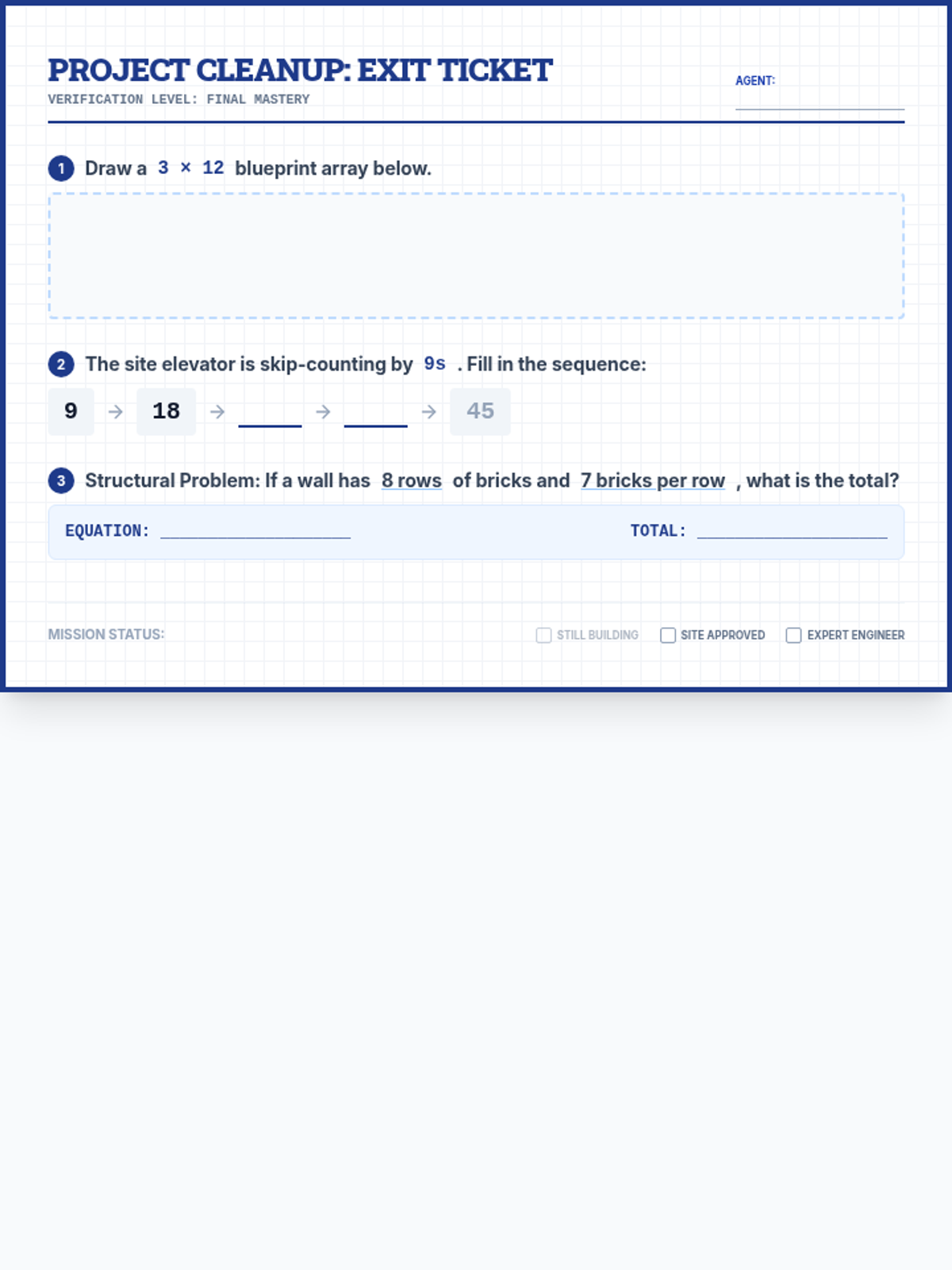
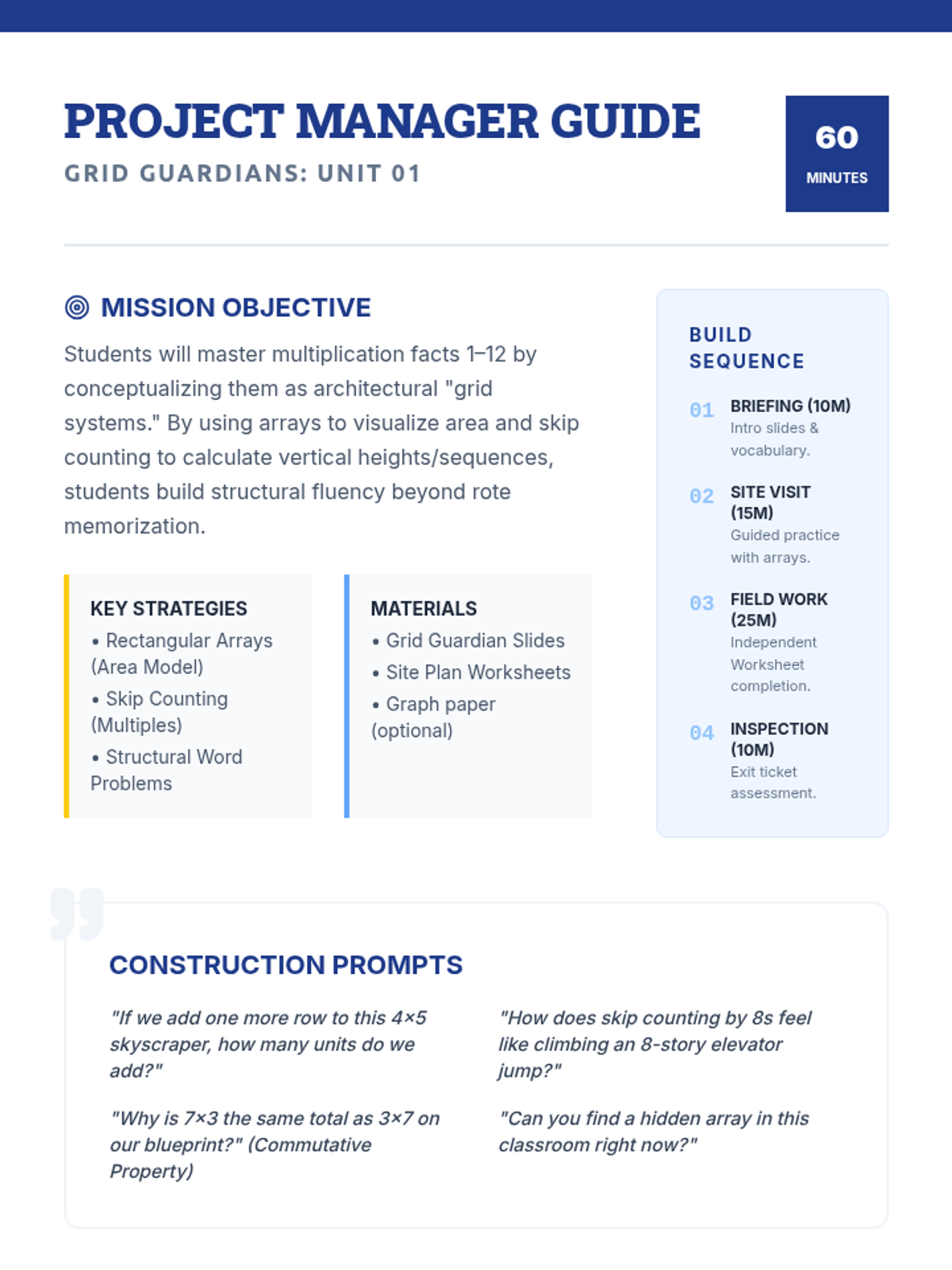
A comprehensive lesson on multiplication facts 1-12 using arrays and skip counting strategies, styled as architectural blueprints.
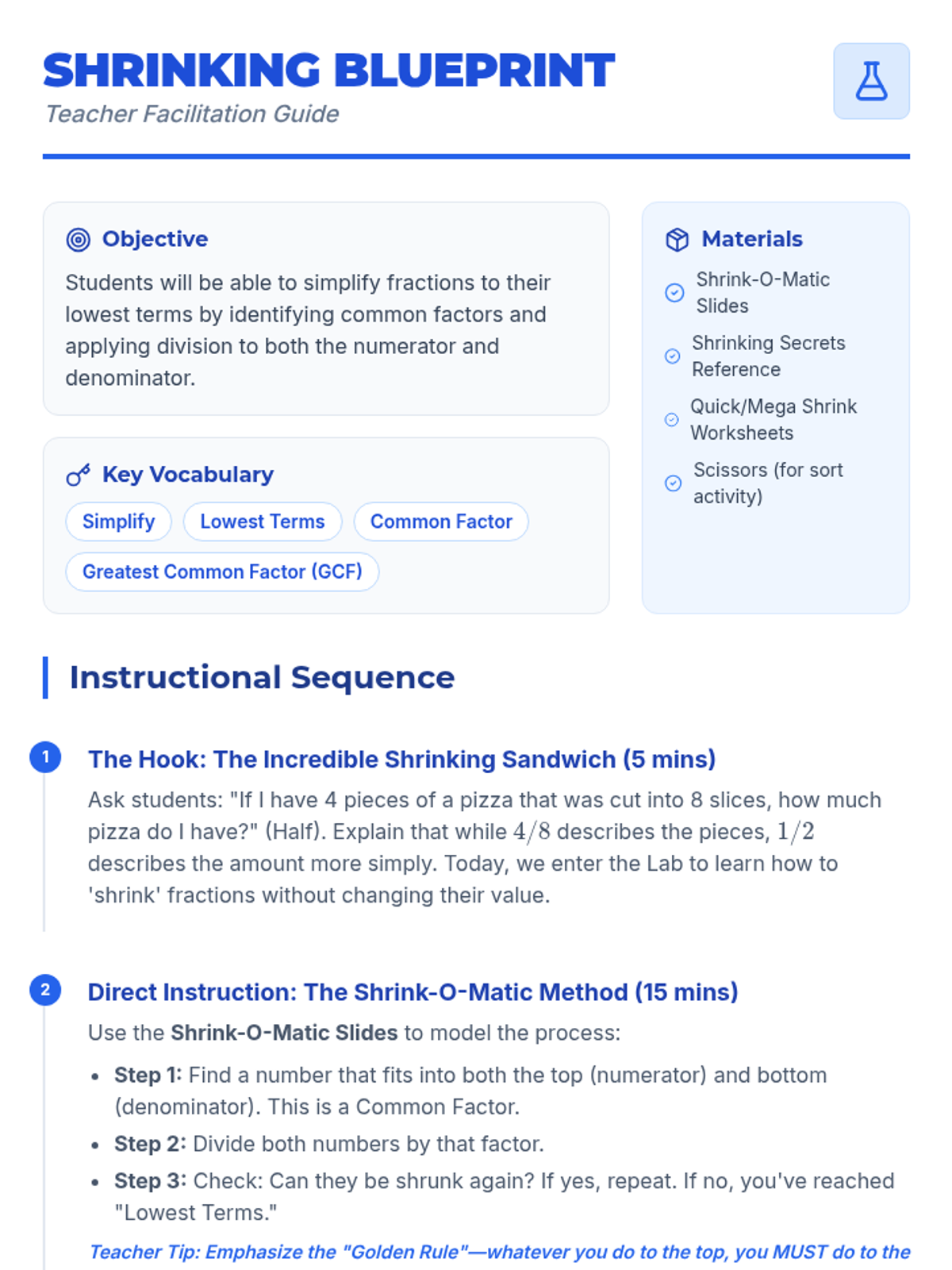
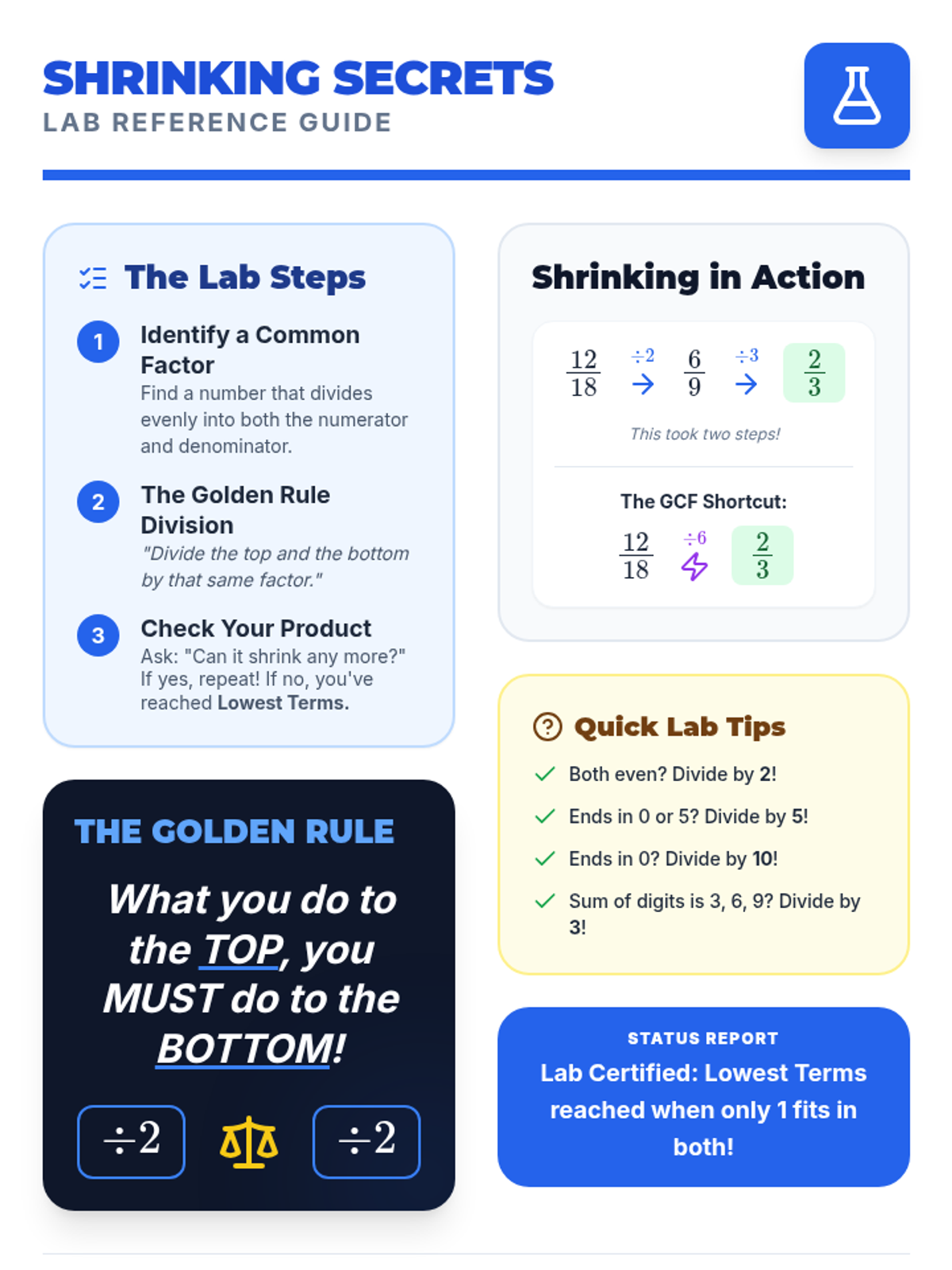
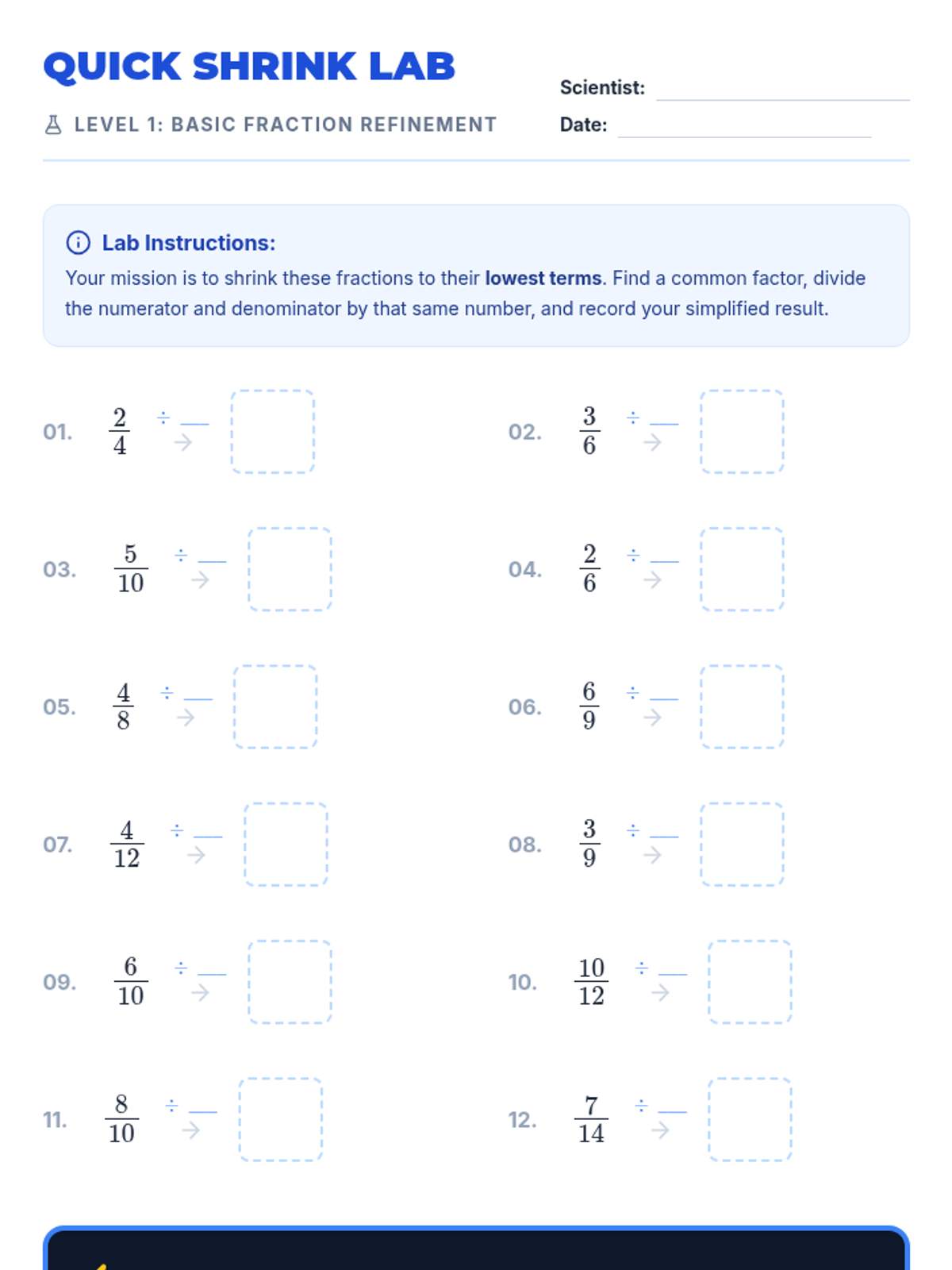
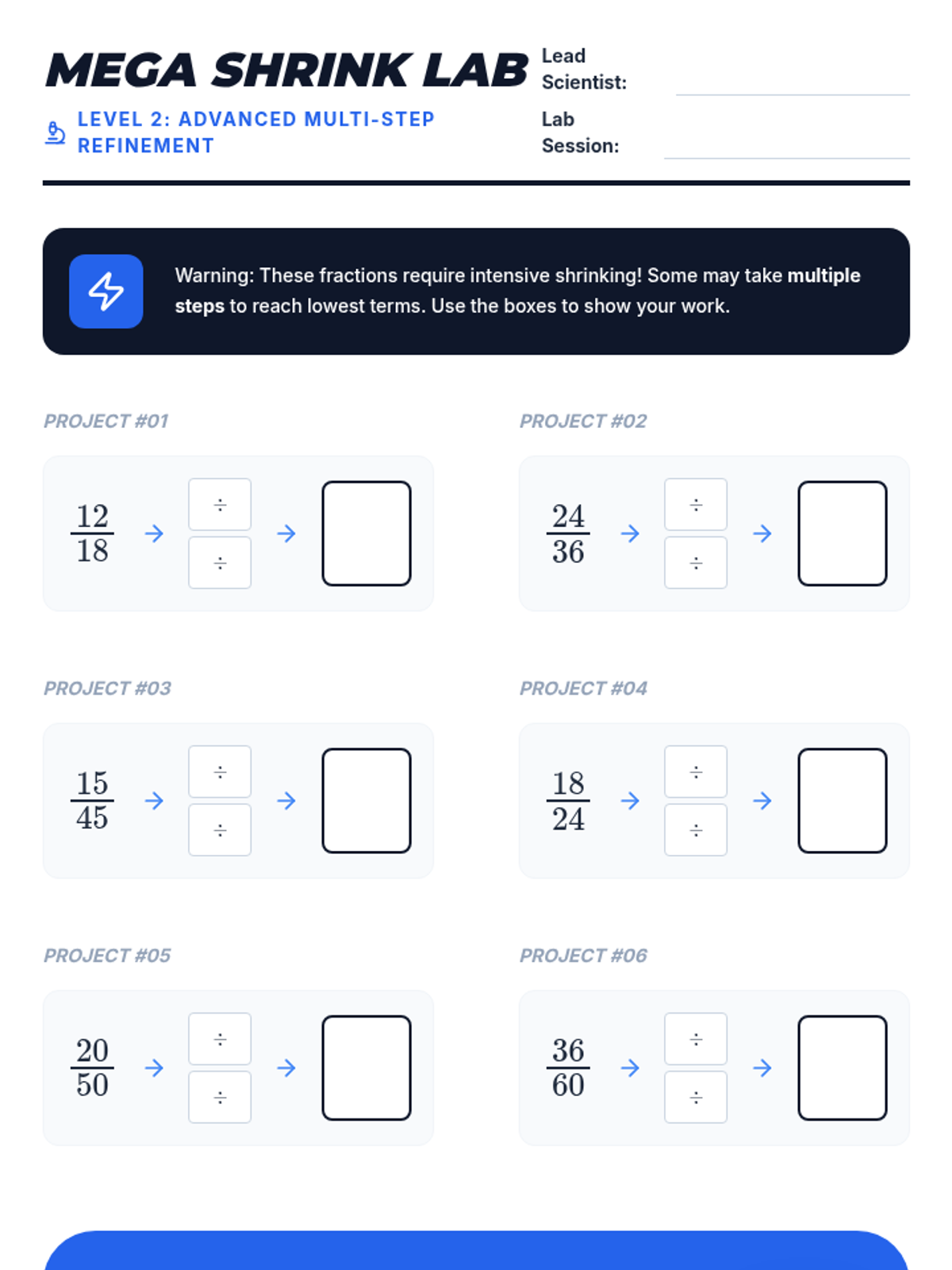
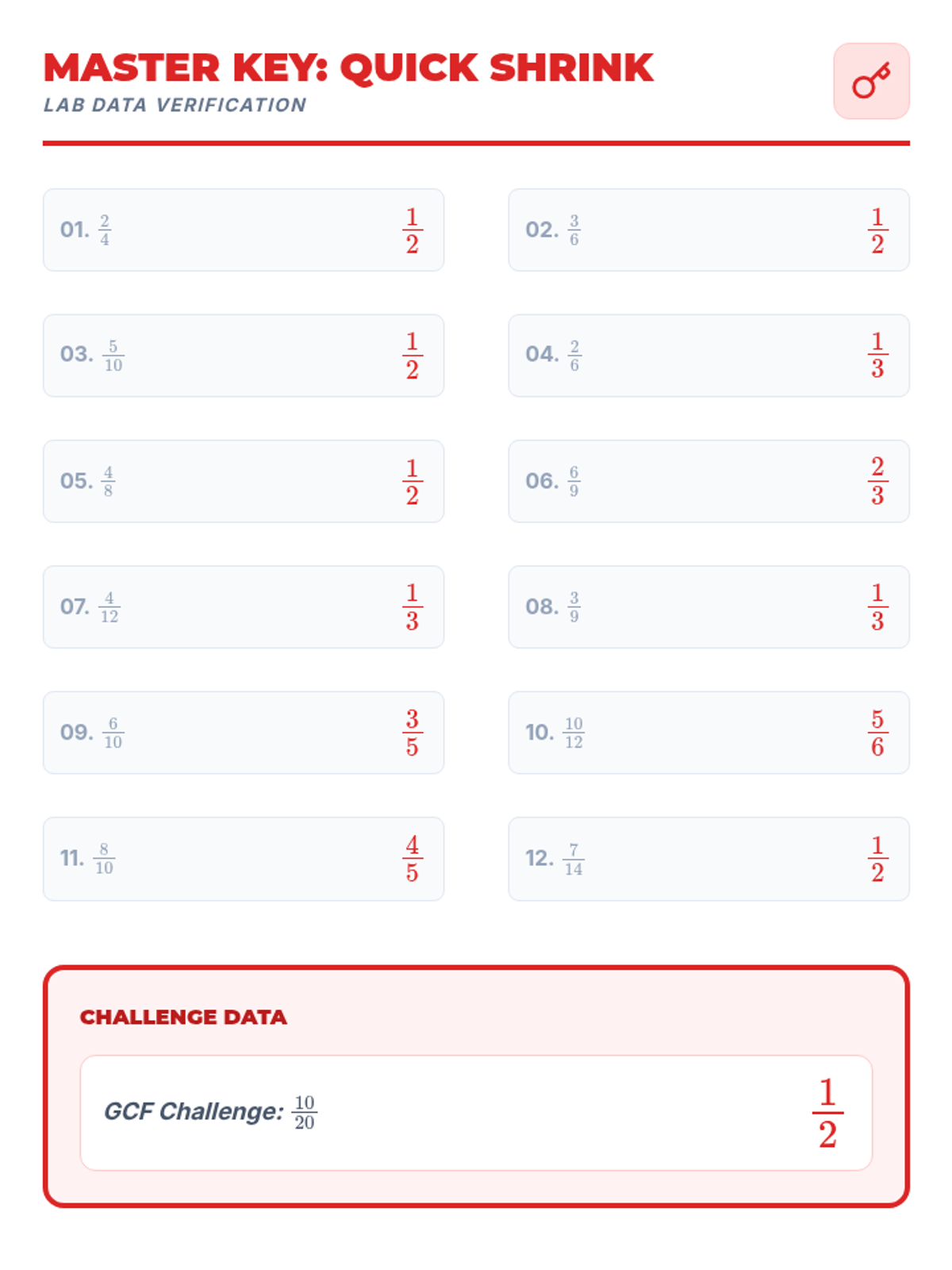
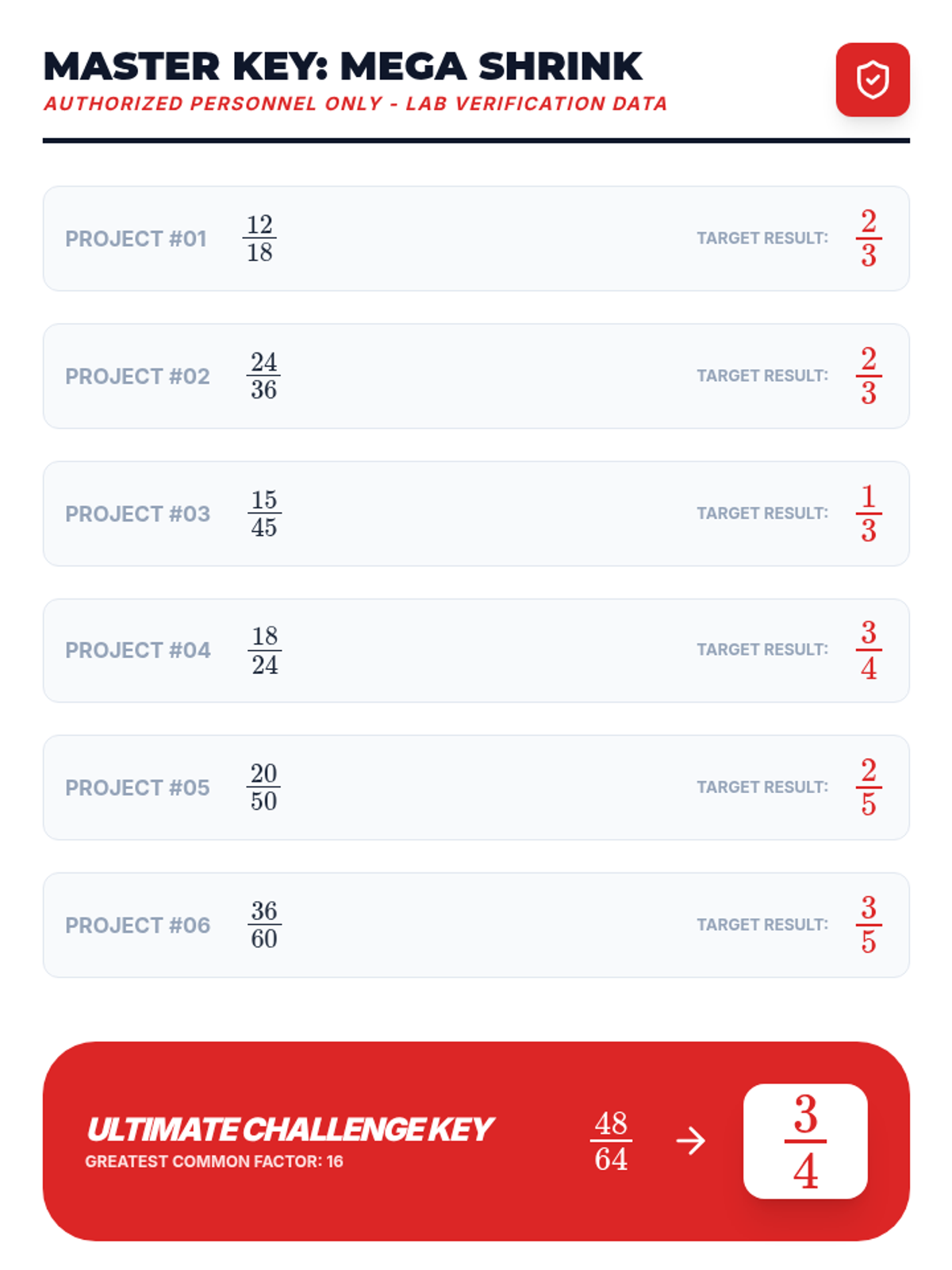
A comprehensive introduction to simplifying fractions using a 'Shrink-O-Matic' lab theme. Students learn to identify common factors and divide to reach the simplest form through differentiated practice and visual models.
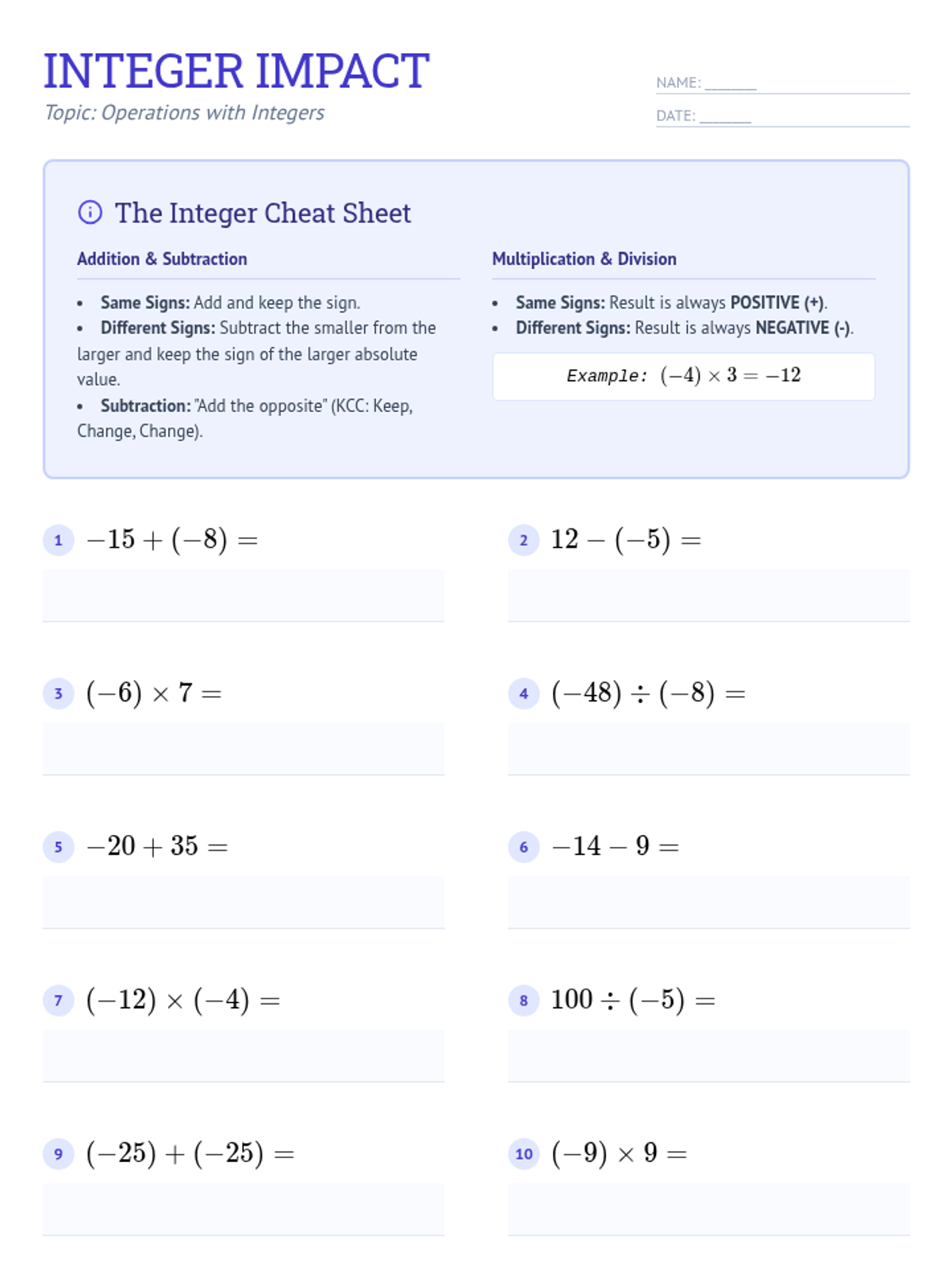
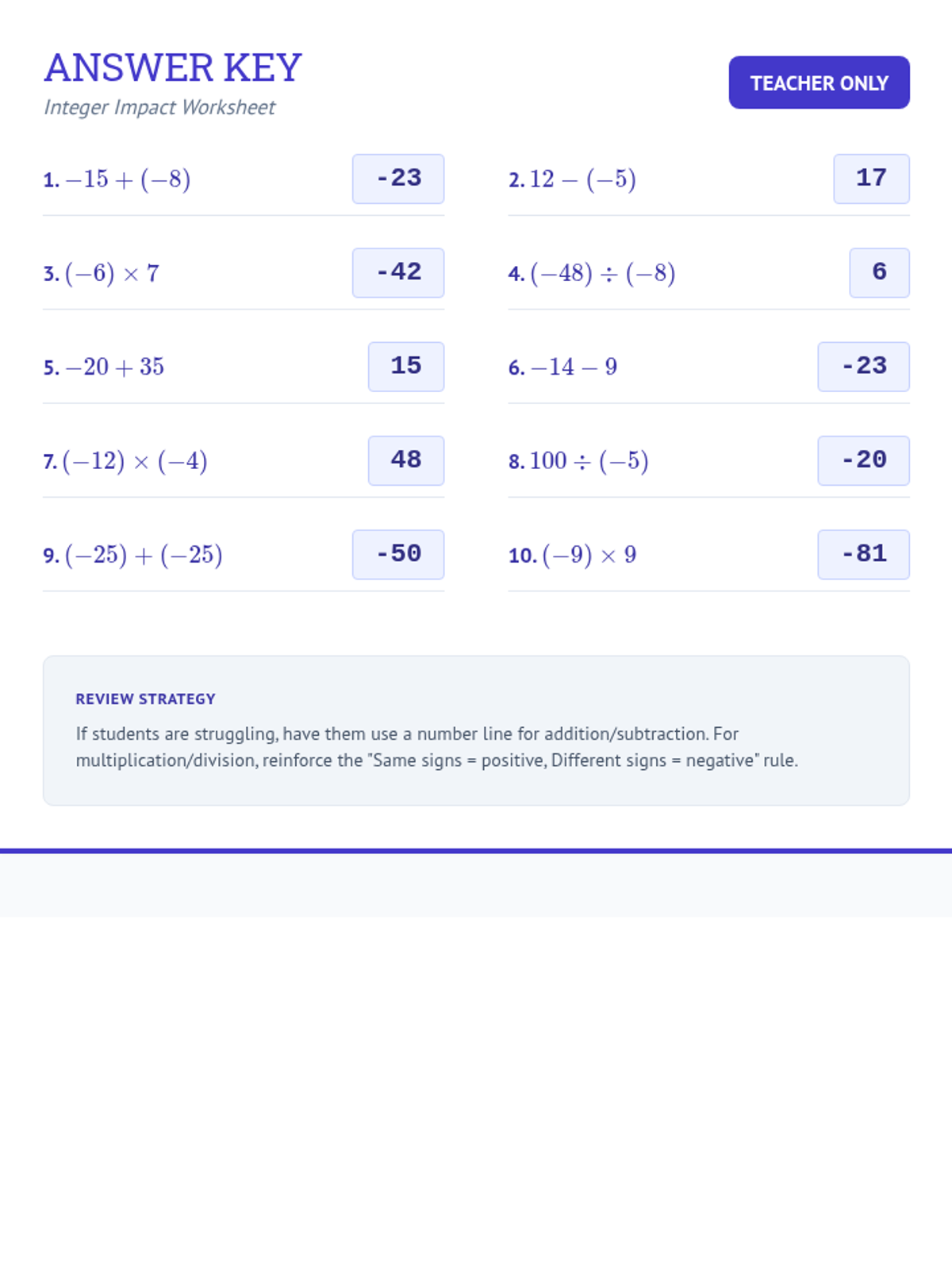
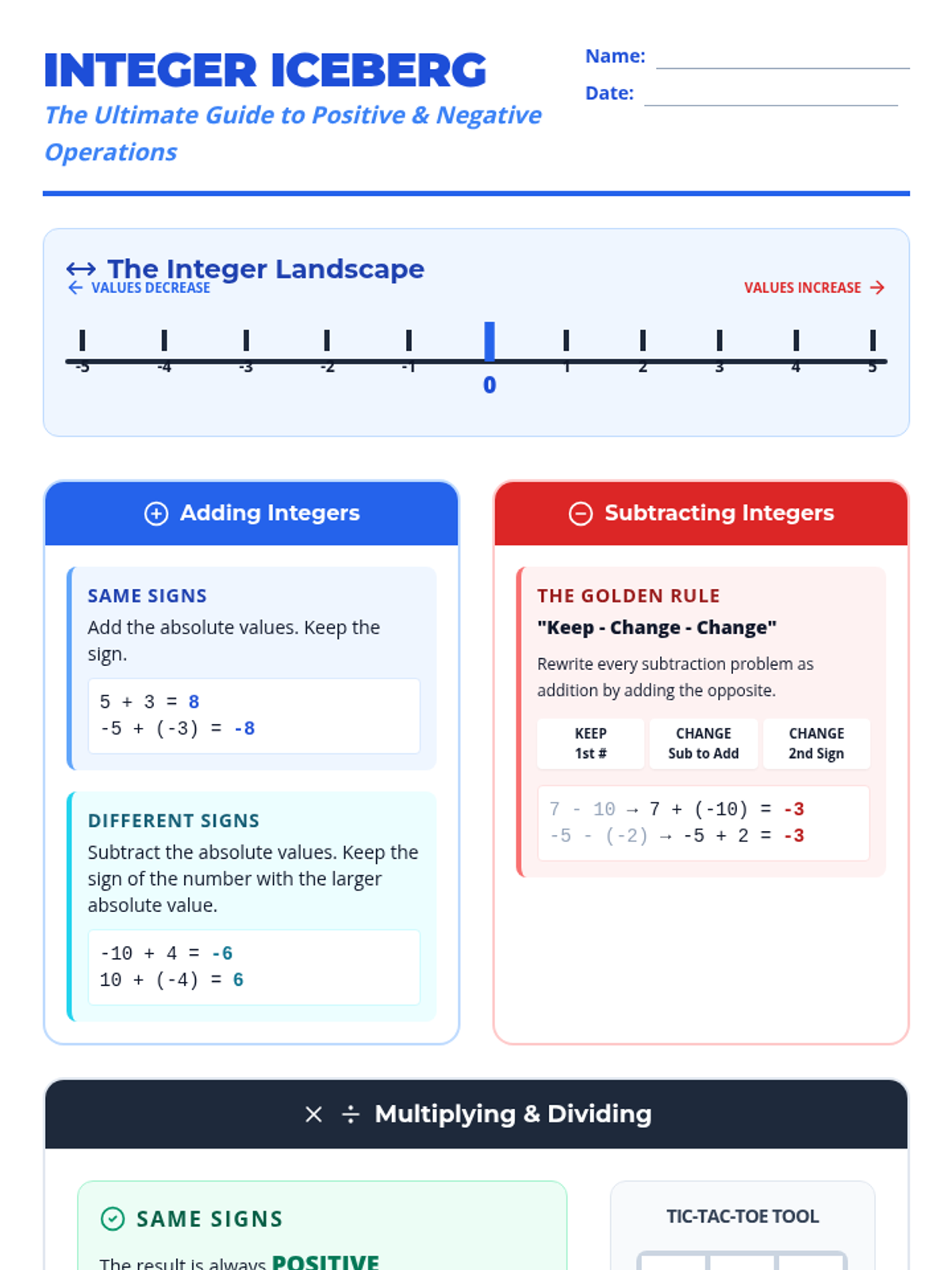
A foundational lesson on performing operations with positive and negative integers, featuring clear rules and visual aids for addition, subtraction, multiplication, and division.
A comprehensive lesson on positive and negative integers, focusing on addition, subtraction, and real-world applications using a number line model. Students explore integers through the lens of elevation and temperature.
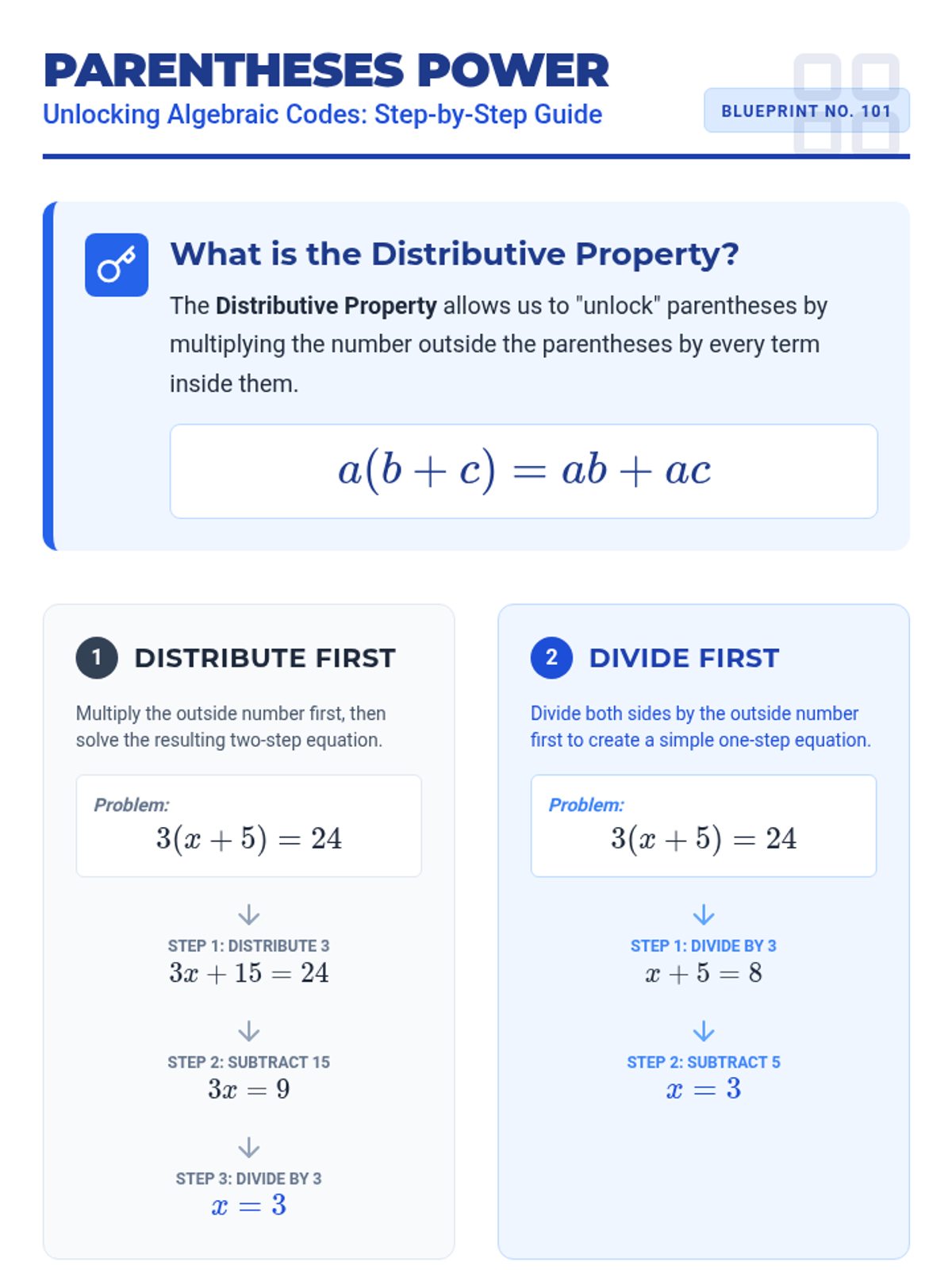
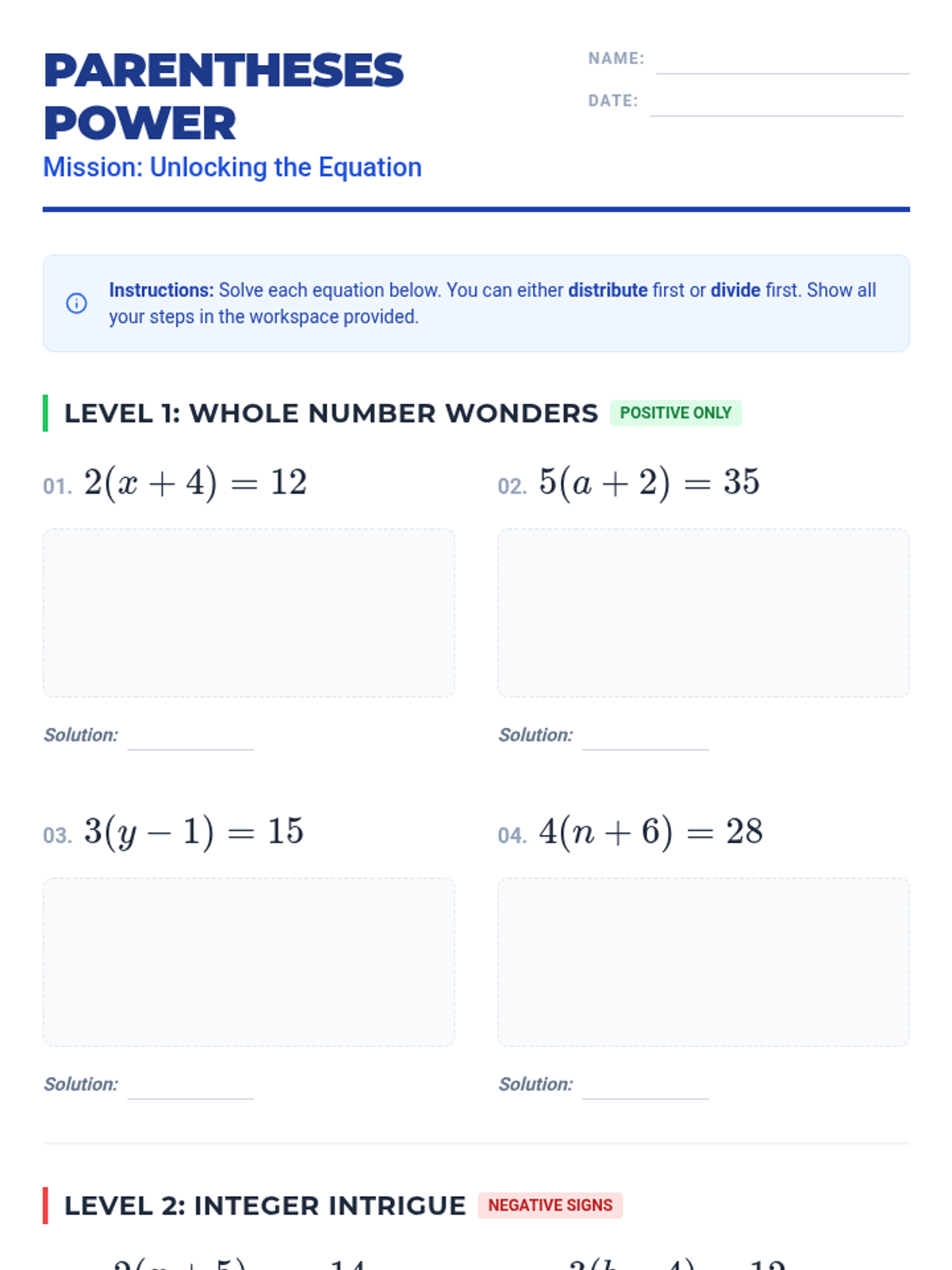
A lesson focused on solving algebraic equations that involve the distributive property, teaching students how to 'unlock' parentheses to find the value of a variable.
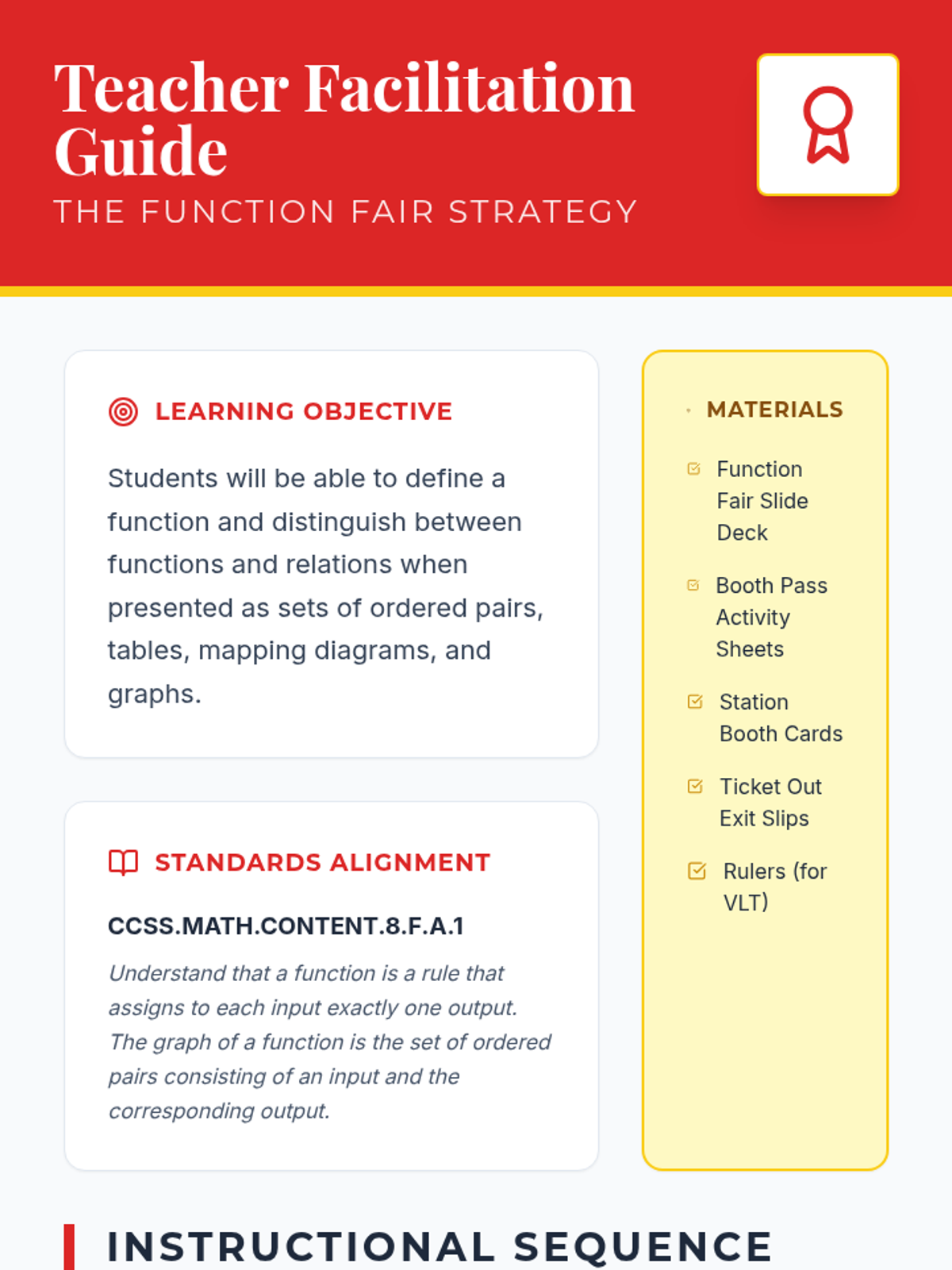
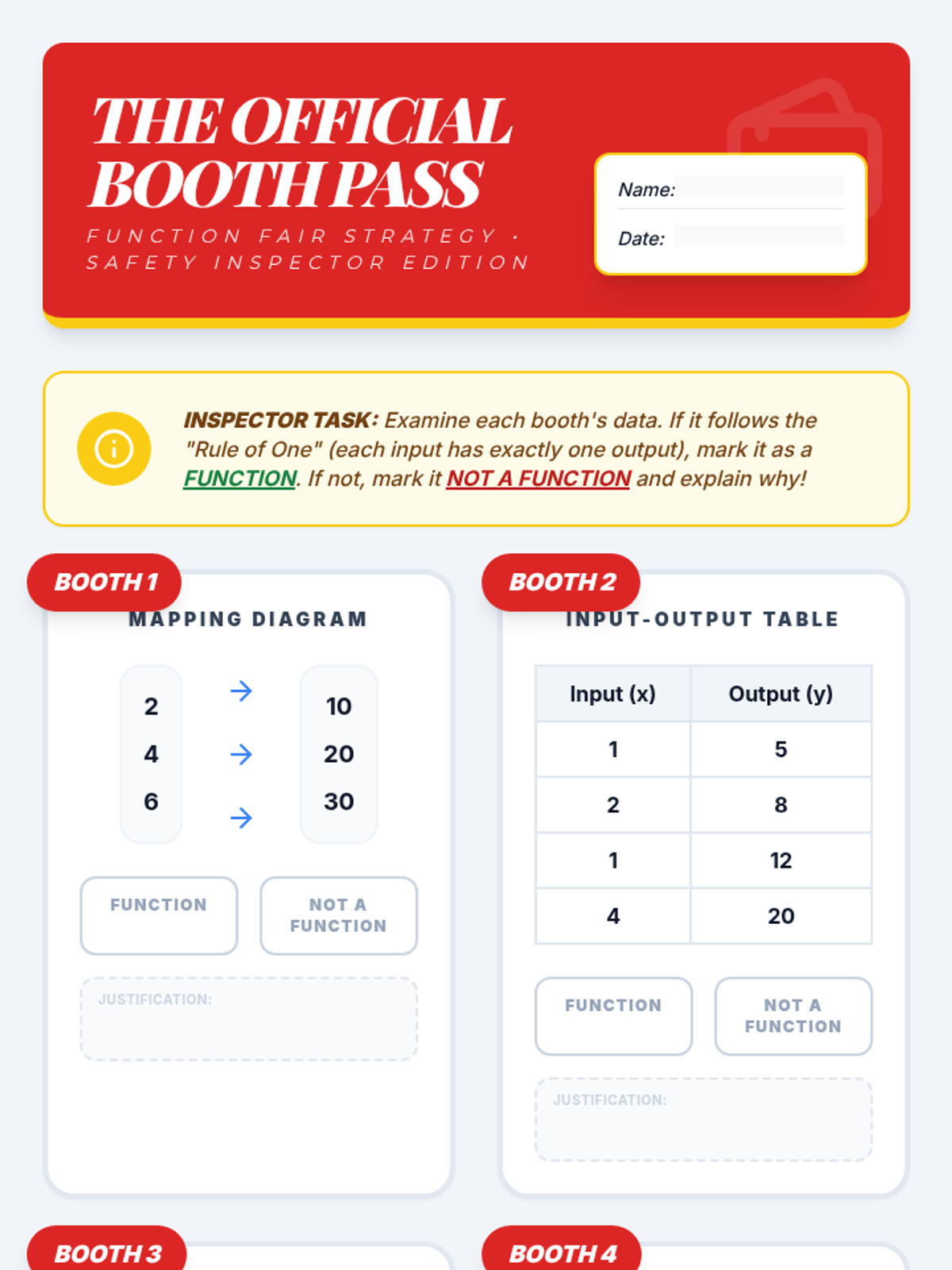
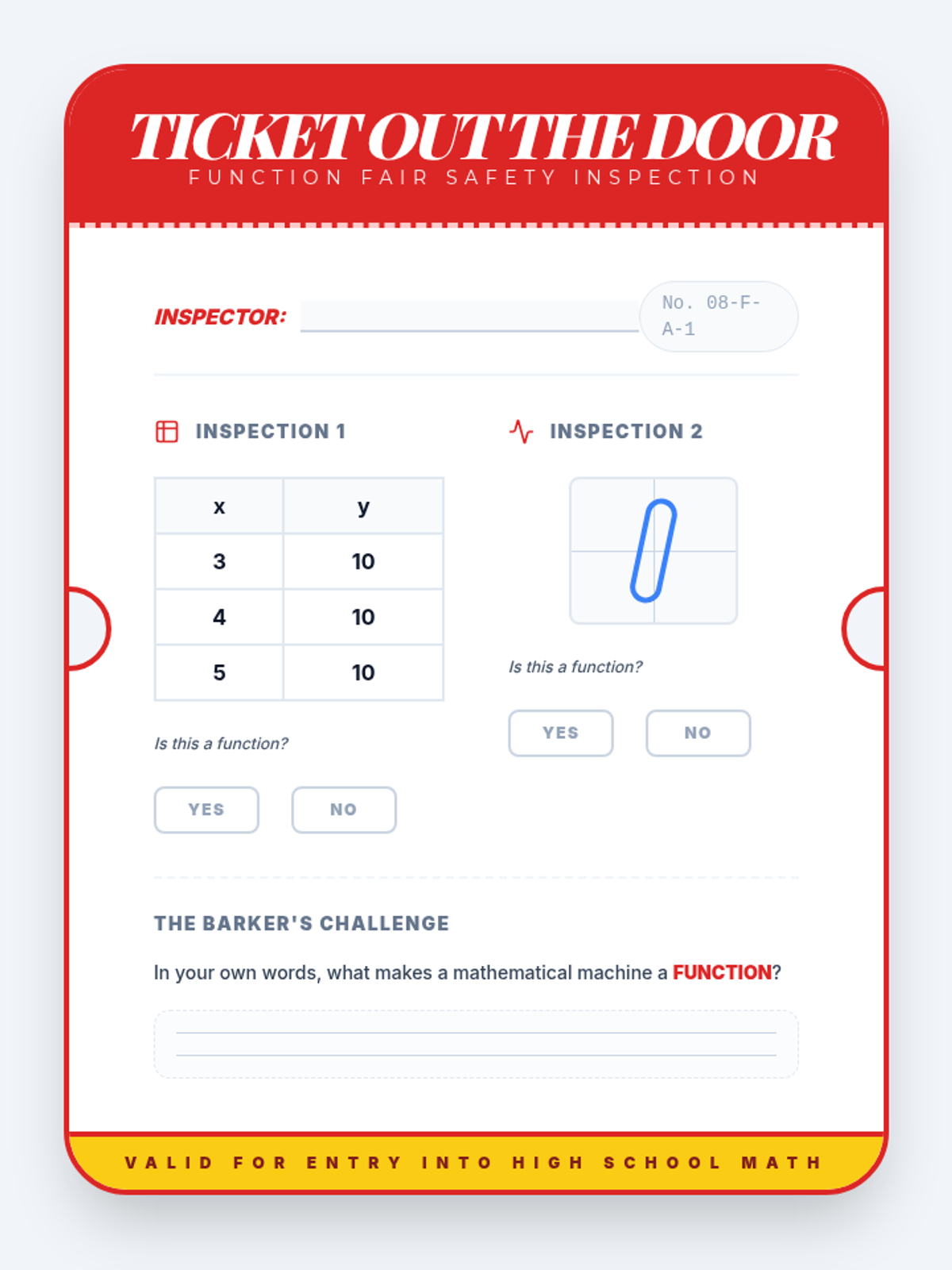
A kinesthetic, carnival-themed lesson where 8th-grade students explore the definition of a function by rotating through interactive 'booths'. Students learn to distinguish between functions and relations using mappings, tables, and graphs.
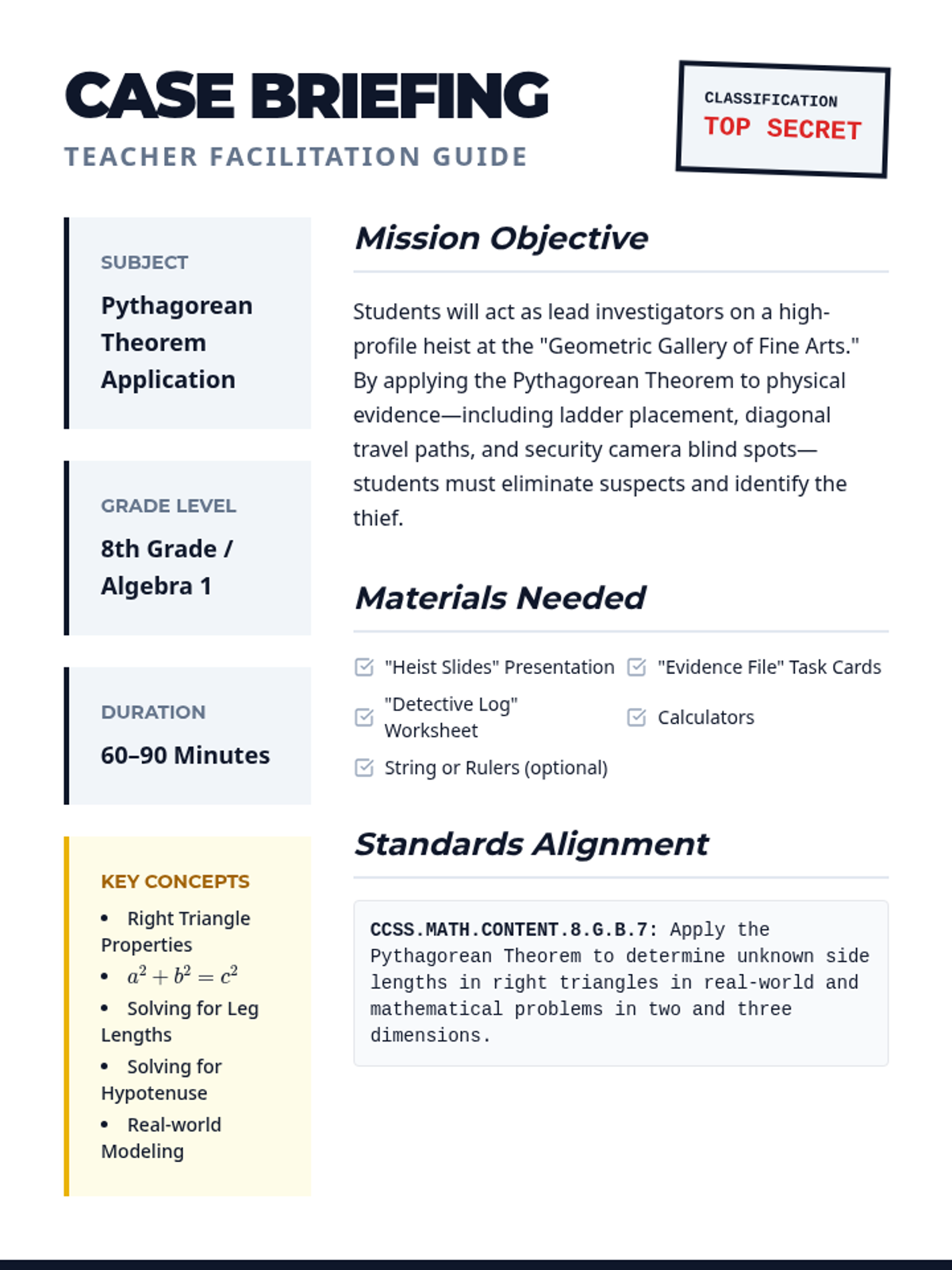
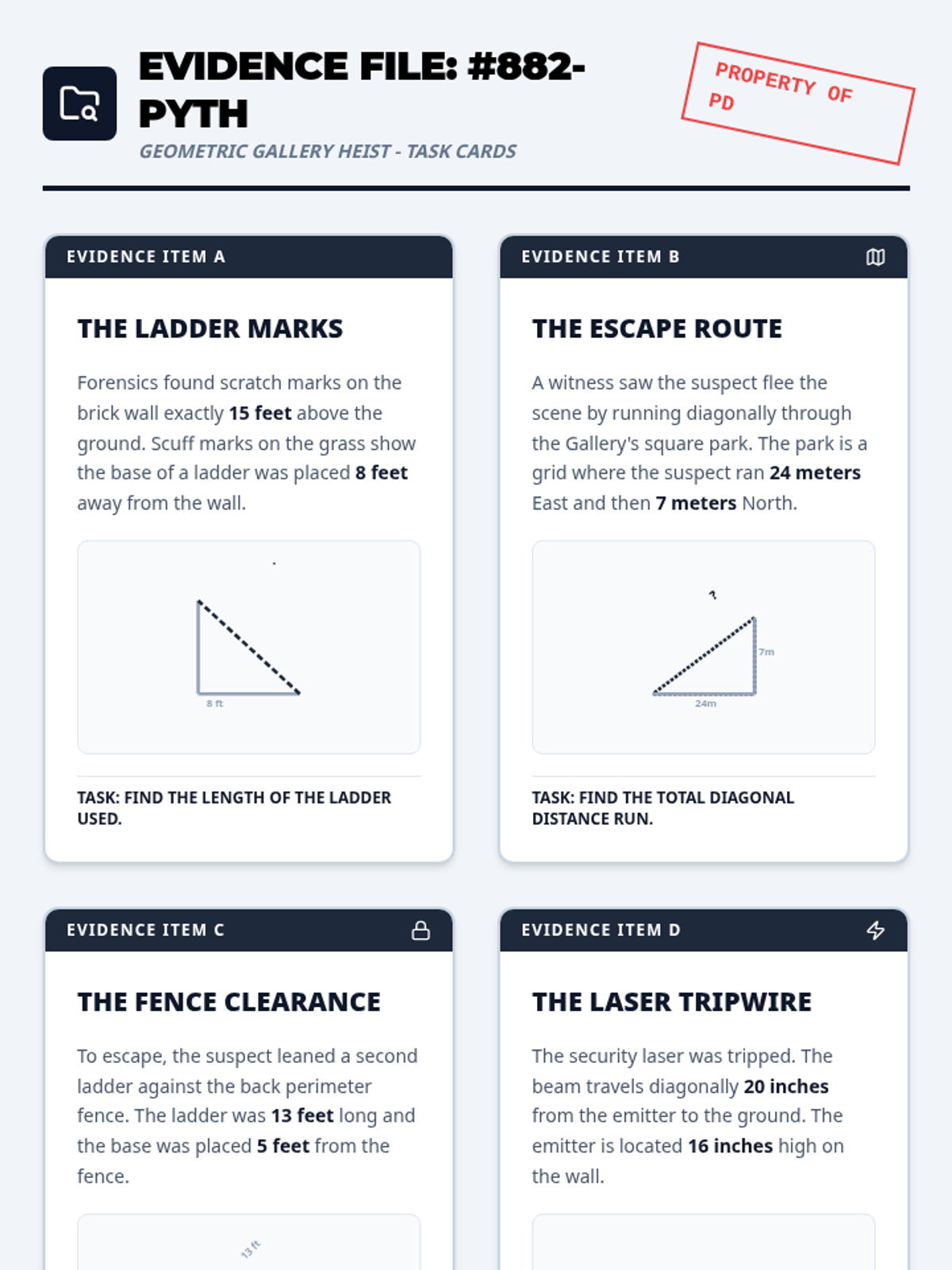
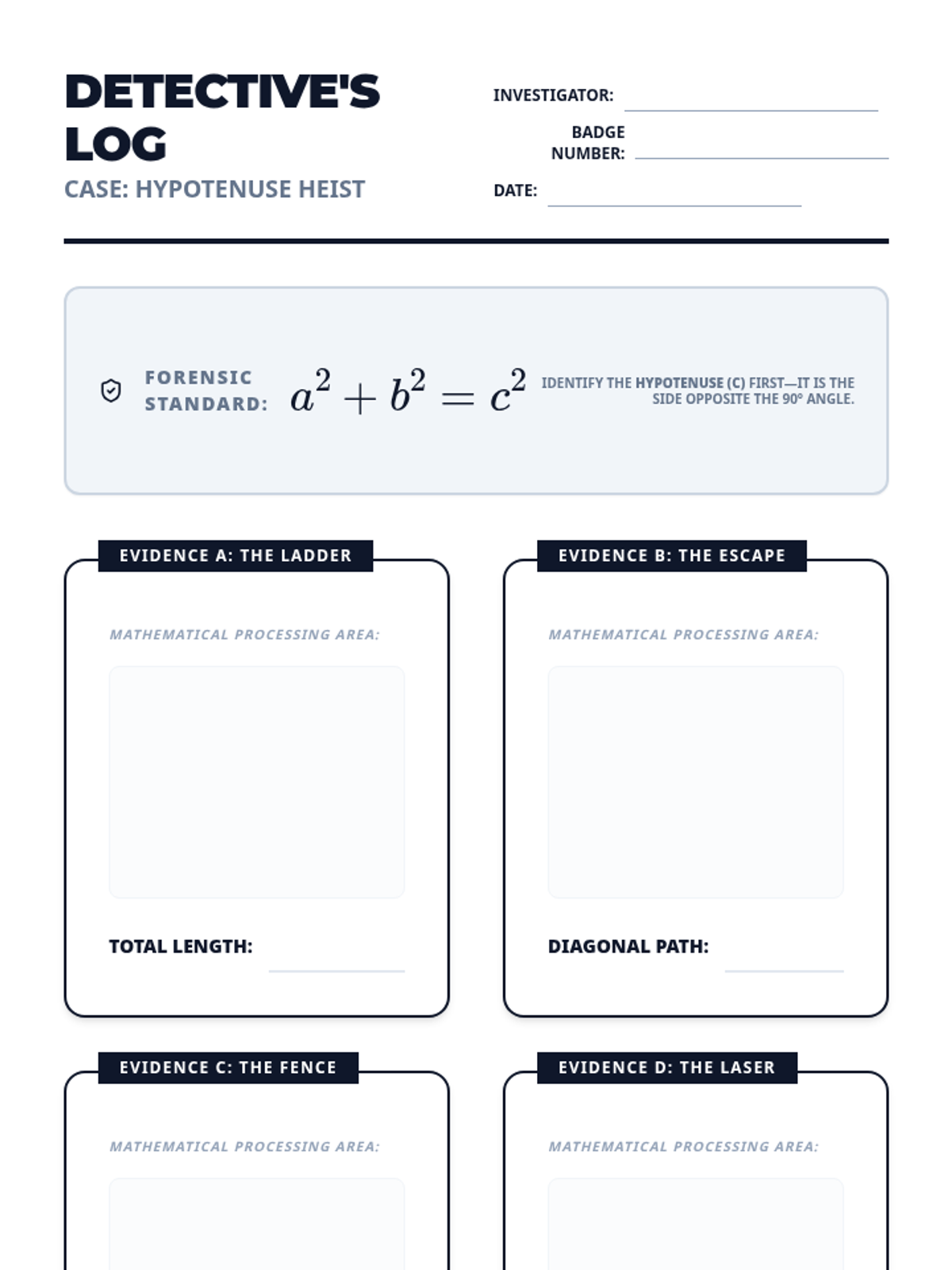
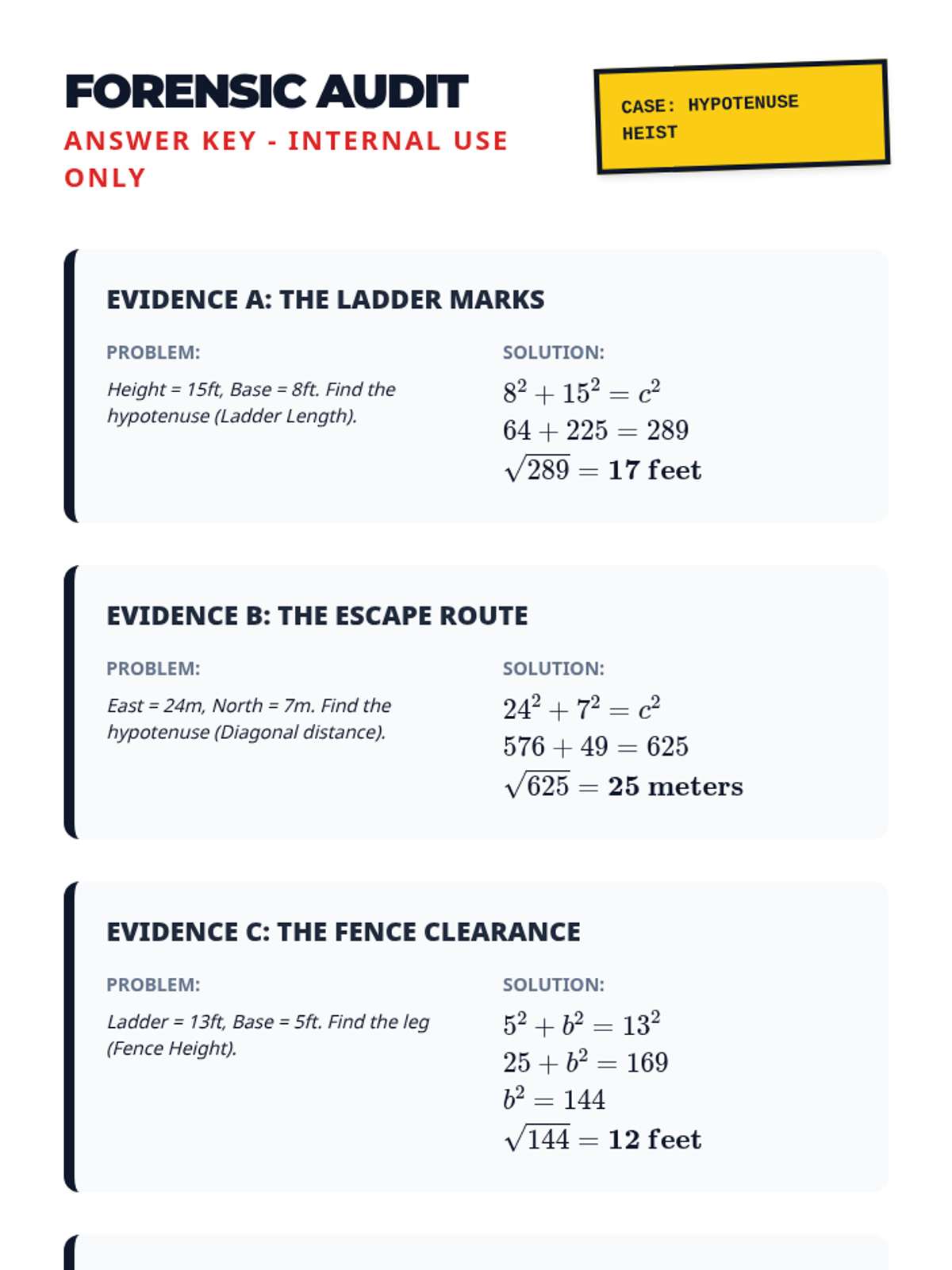
A high-stakes geometry lesson where students apply the Pythagorean Theorem to solve a fictional robbery. Students analyze ladder heights, diagonal escape routes, and footprint distances to identify the culprit among three suspects.
A lesson on identifying equivalent expressions and simplifying algebraic expressions using properties of operations.
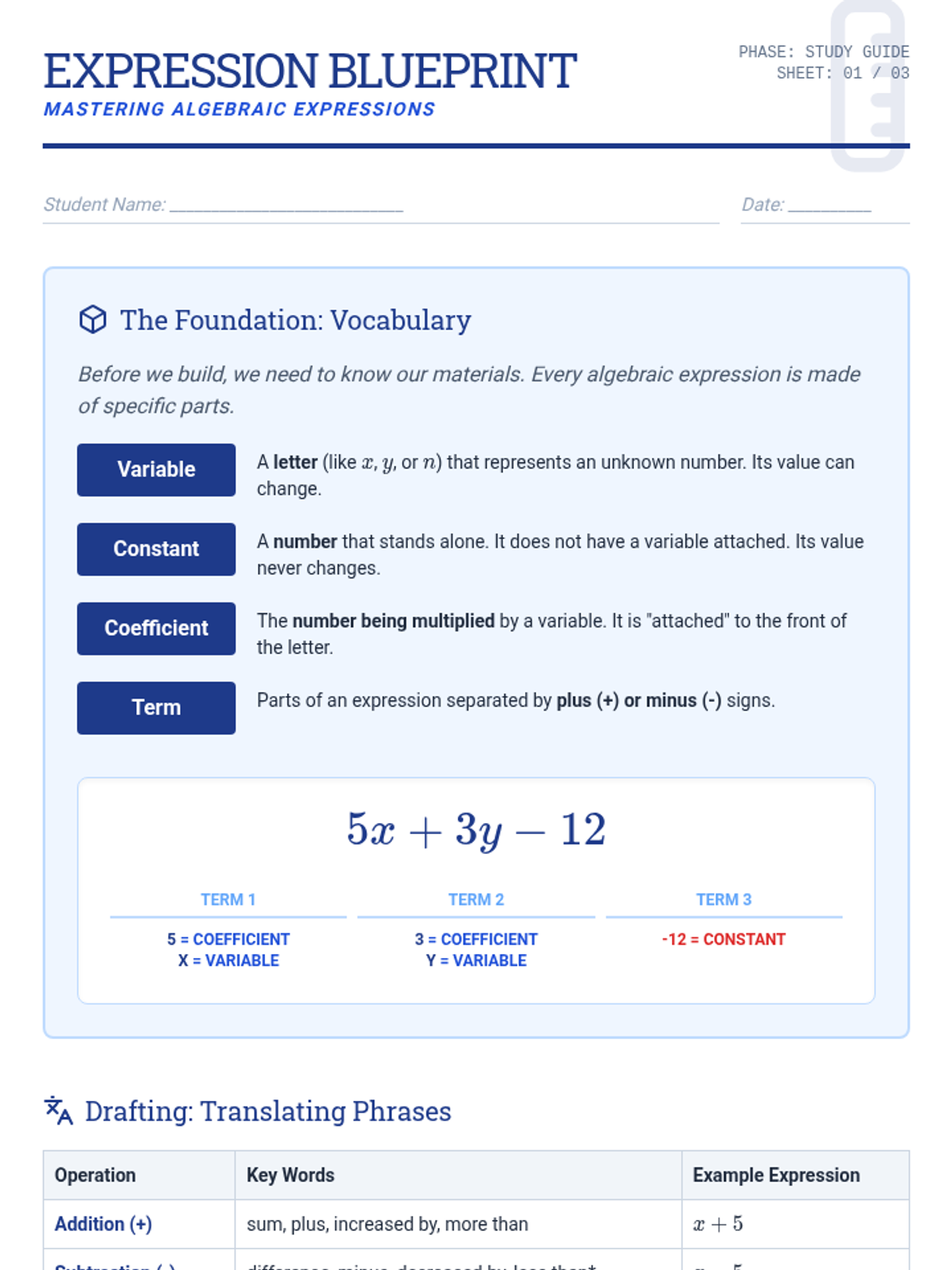
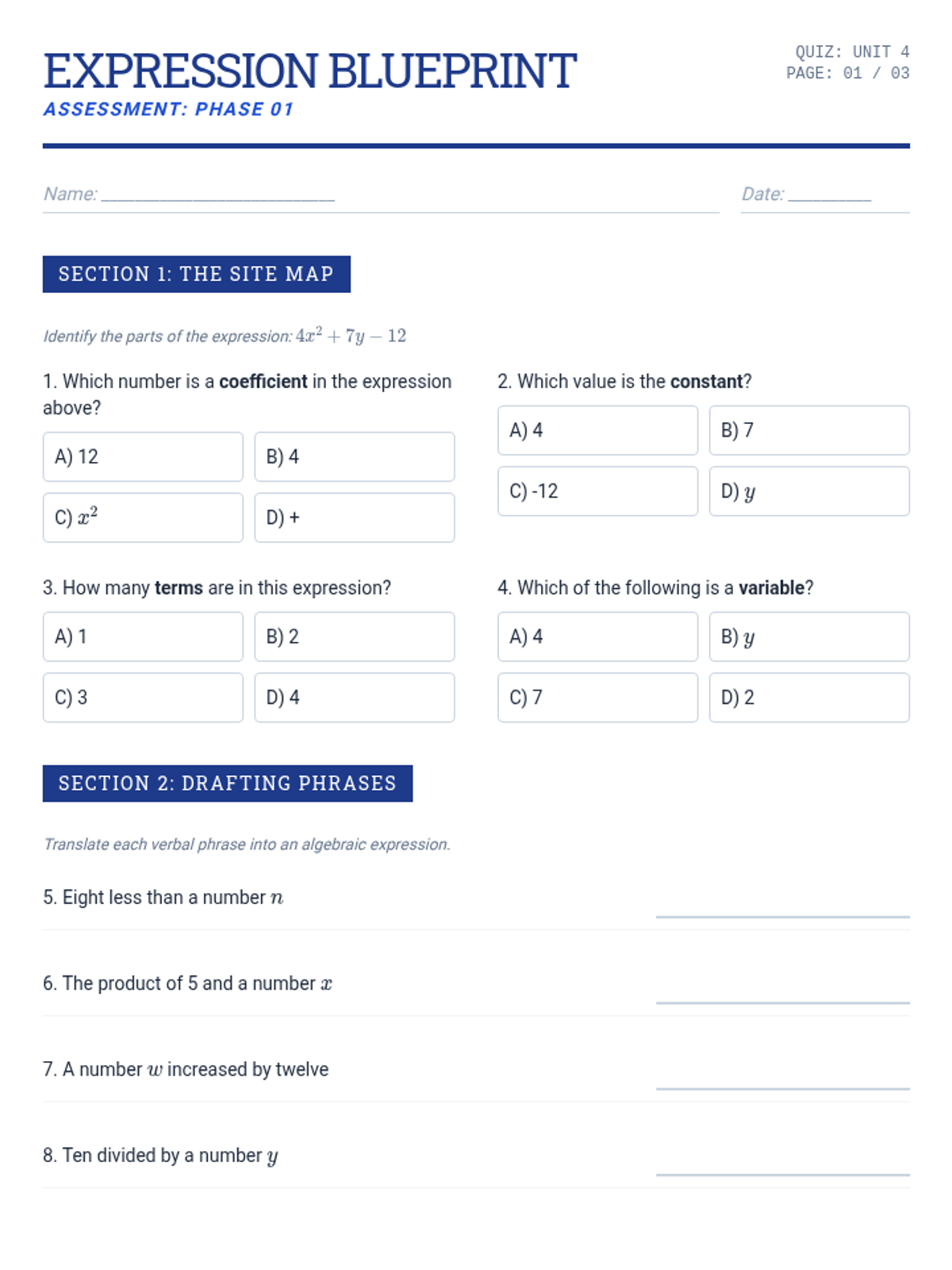
A comprehensive lesson unit focused on 6th-grade algebraic expressions, featuring a detailed study guide and a 20-question assessment. Students will master identifying parts of expressions, writing expressions from phrases, evaluating through substitution, and creating equivalent expressions.
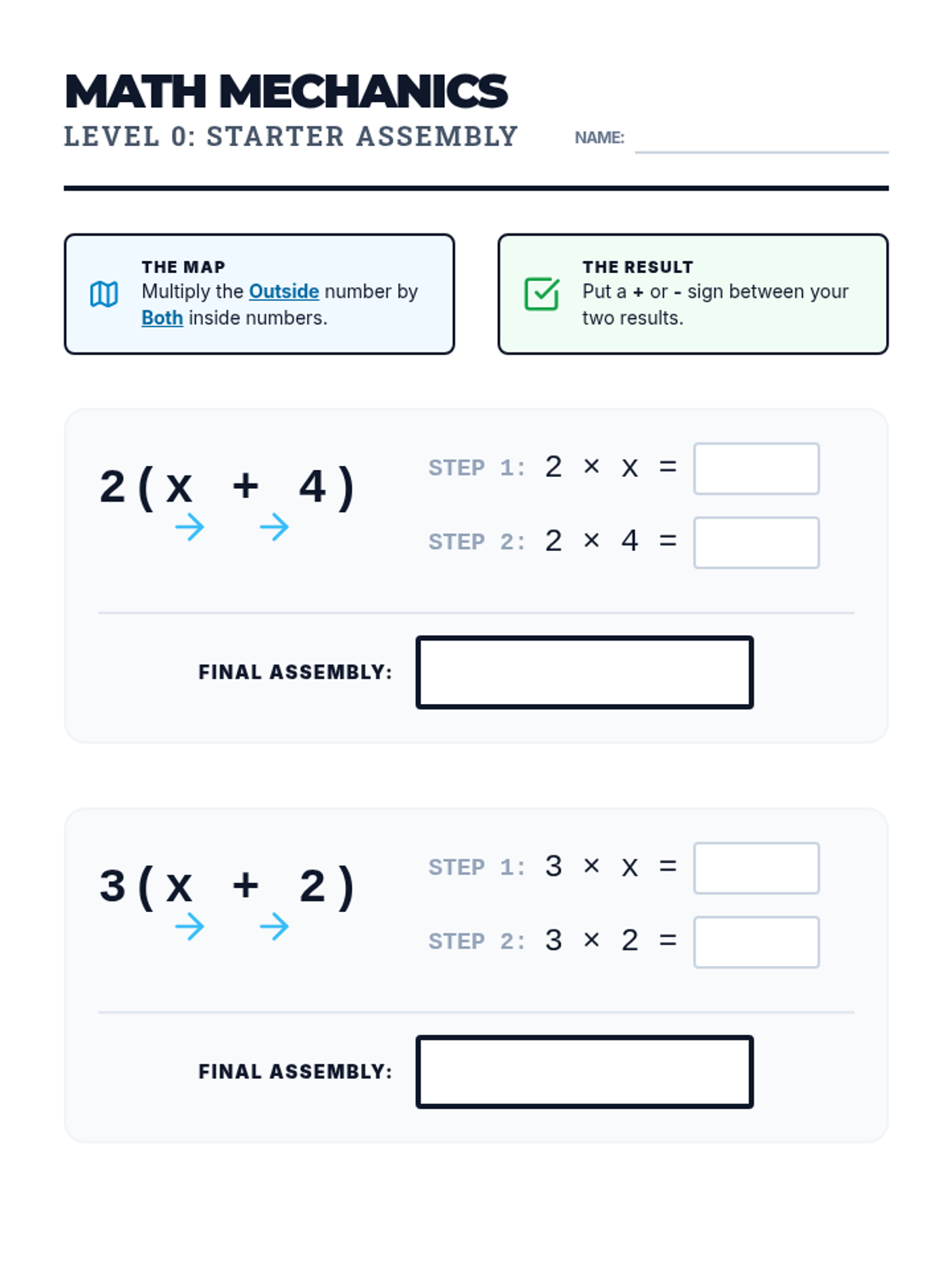
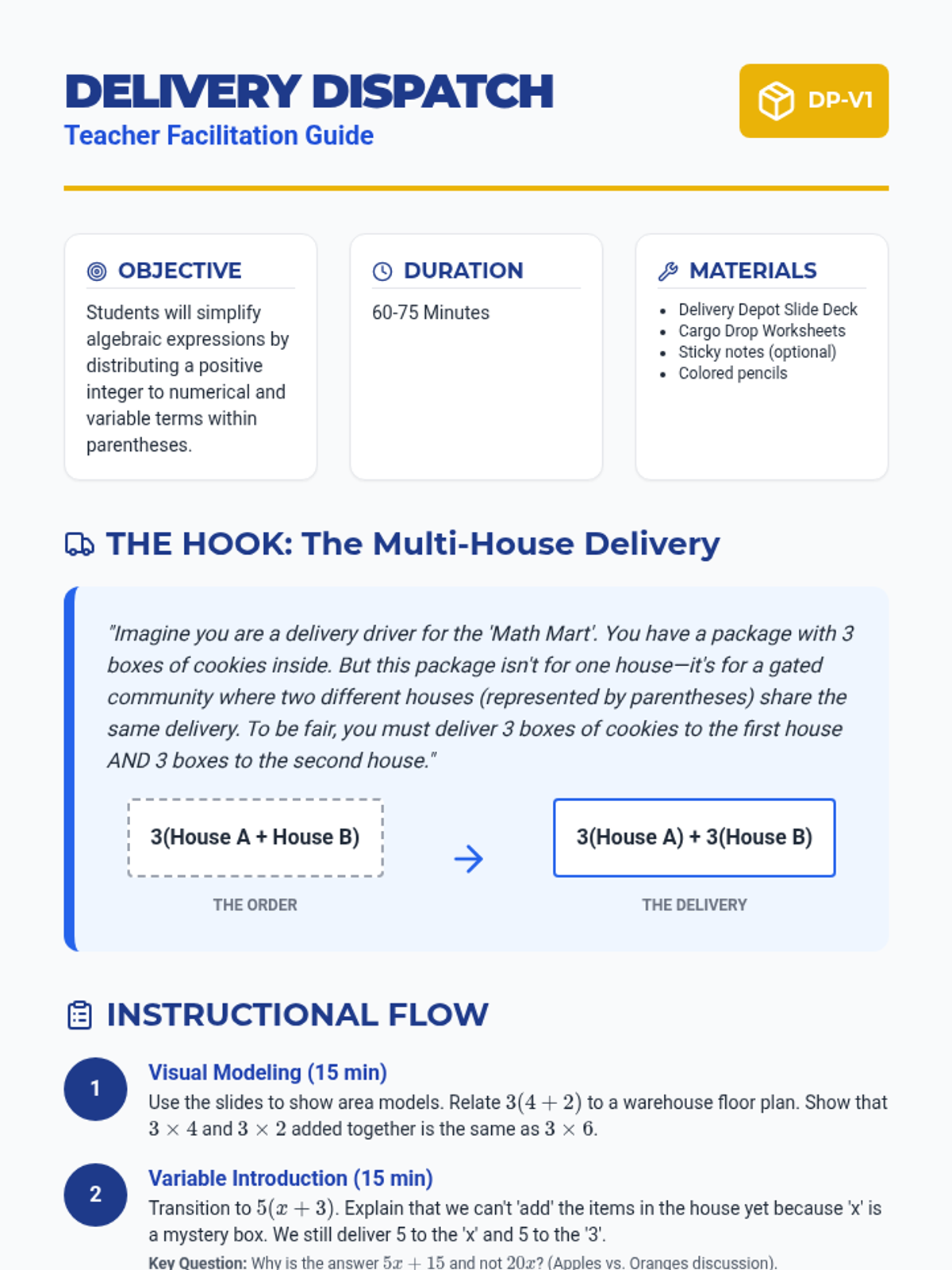
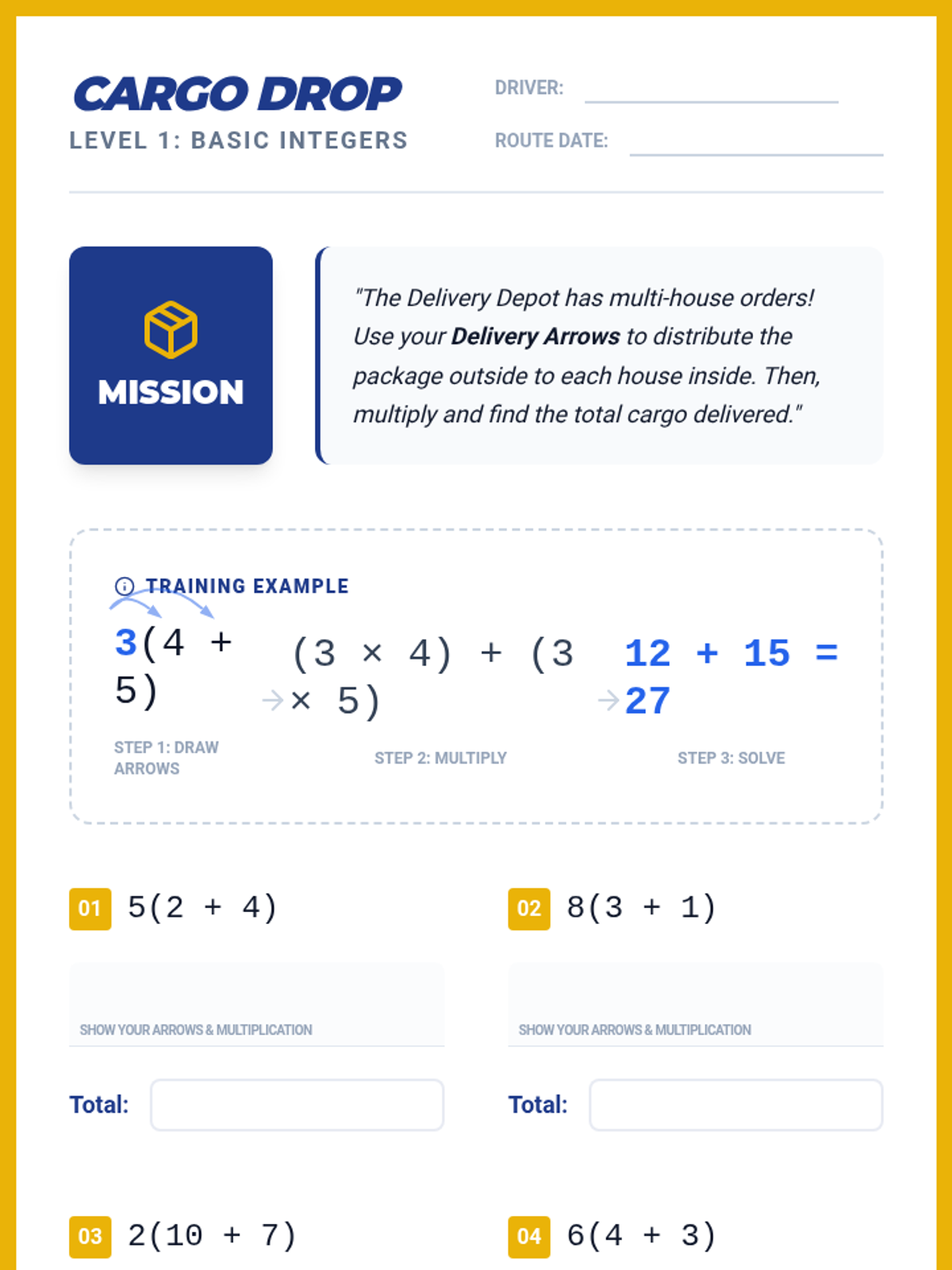
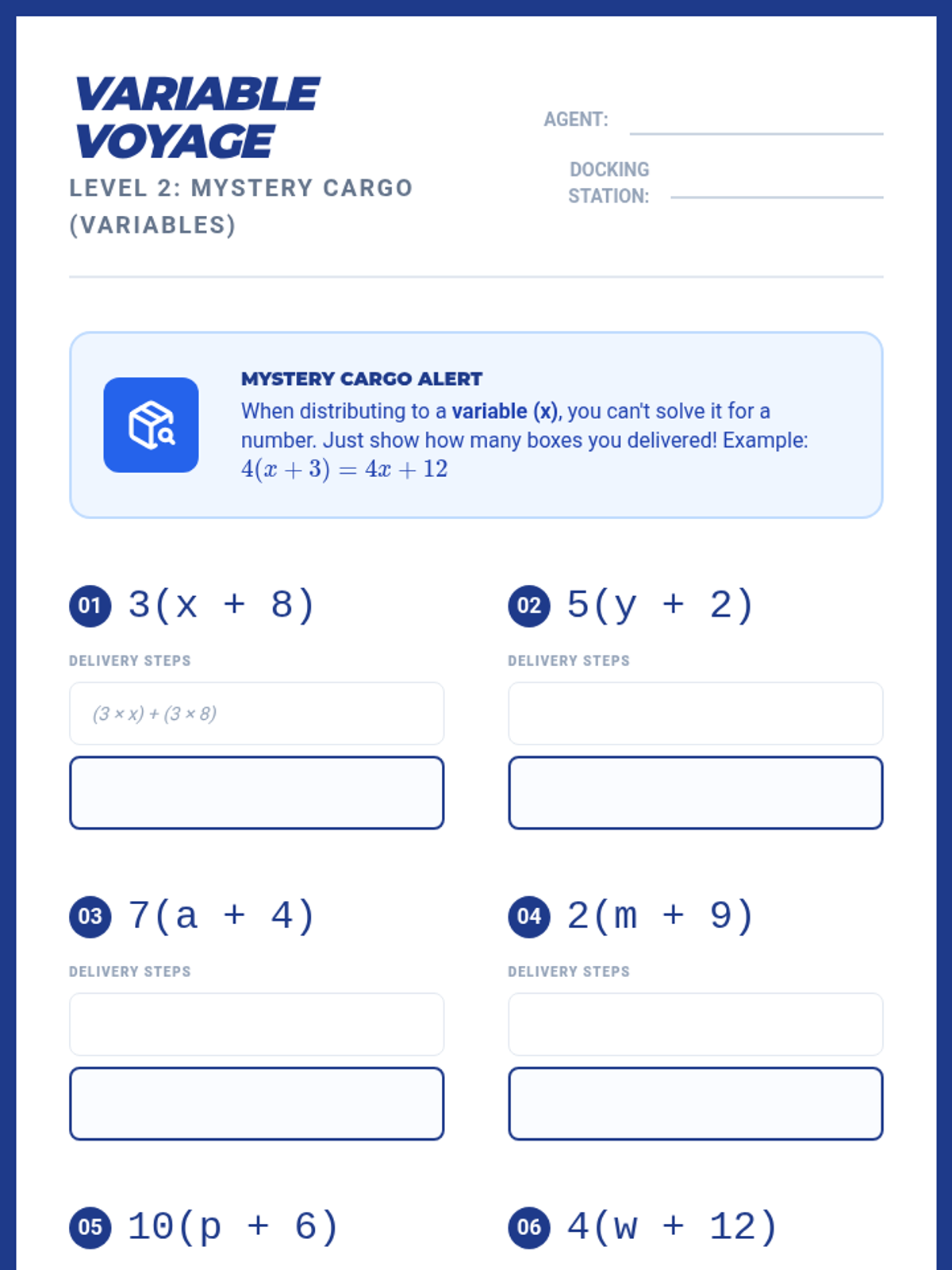
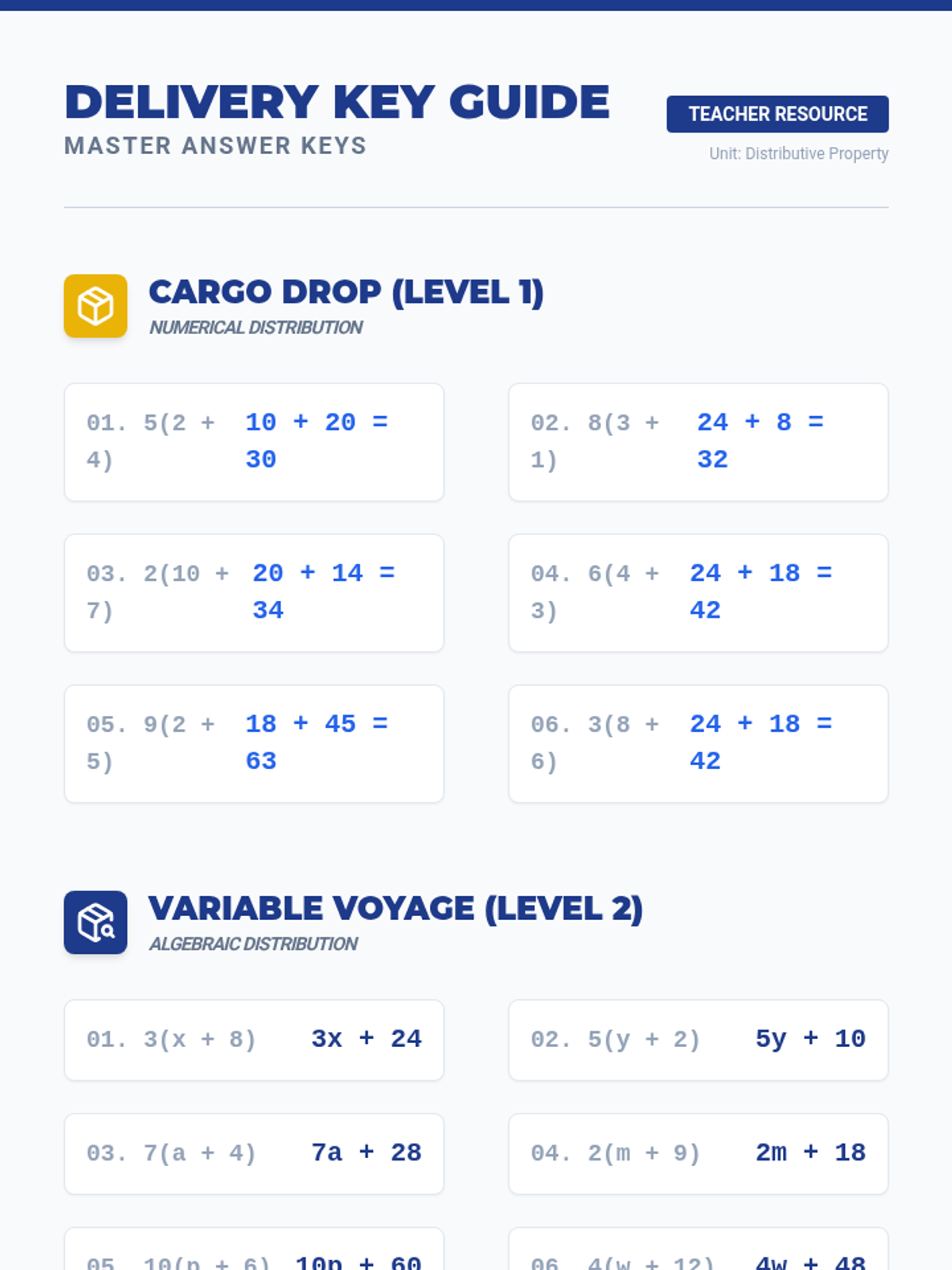
A comprehensive introduction to the distributive property using the metaphor of a delivery service. Students will learn to distribute positive integers to both numerical and variable terms within parentheses through visual models and algebraic practice.