A foundational lesson on performing operations with positive and negative integers, featuring clear rules and visual aids for addition, subtraction, multiplication, and division.
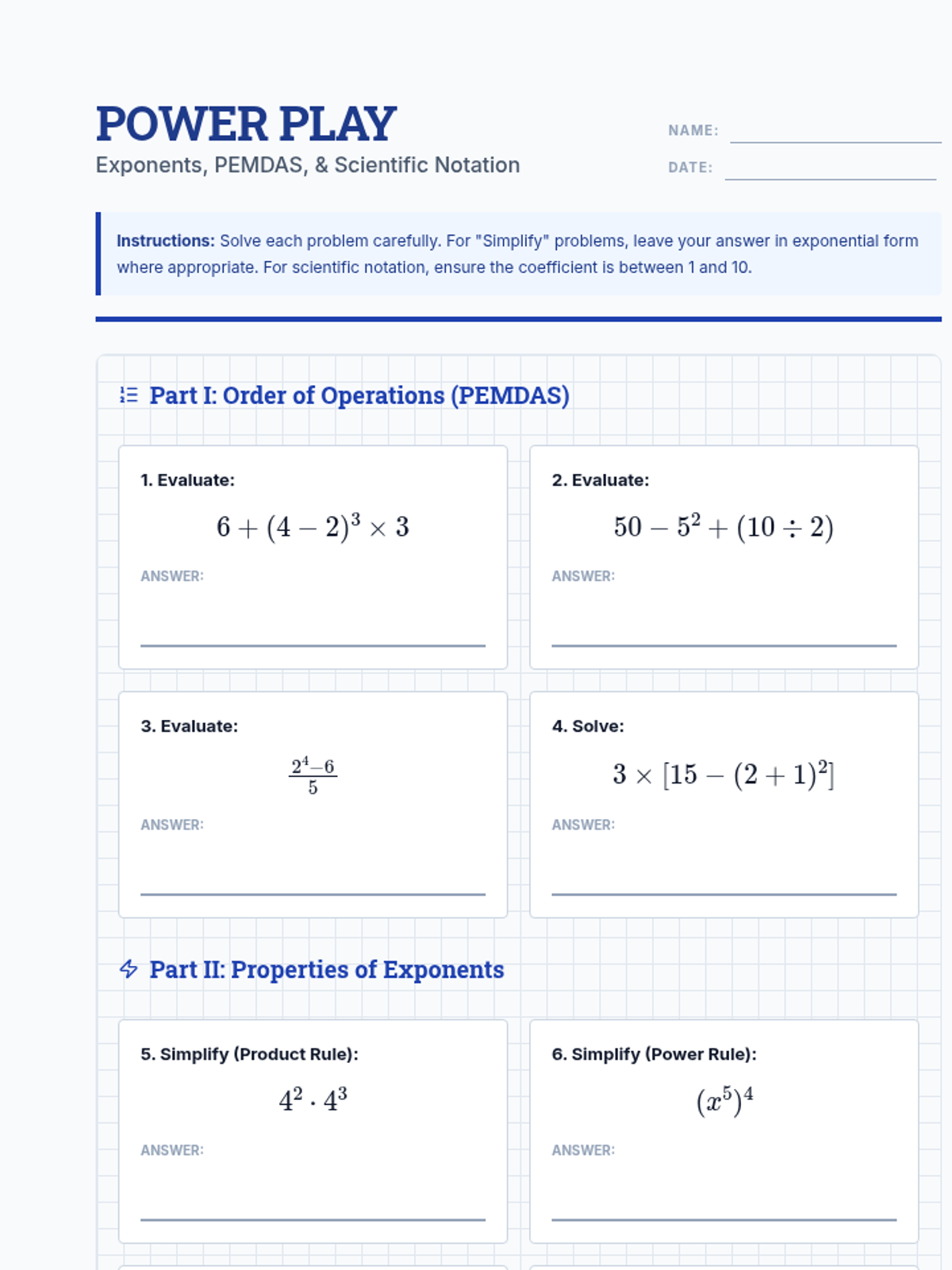
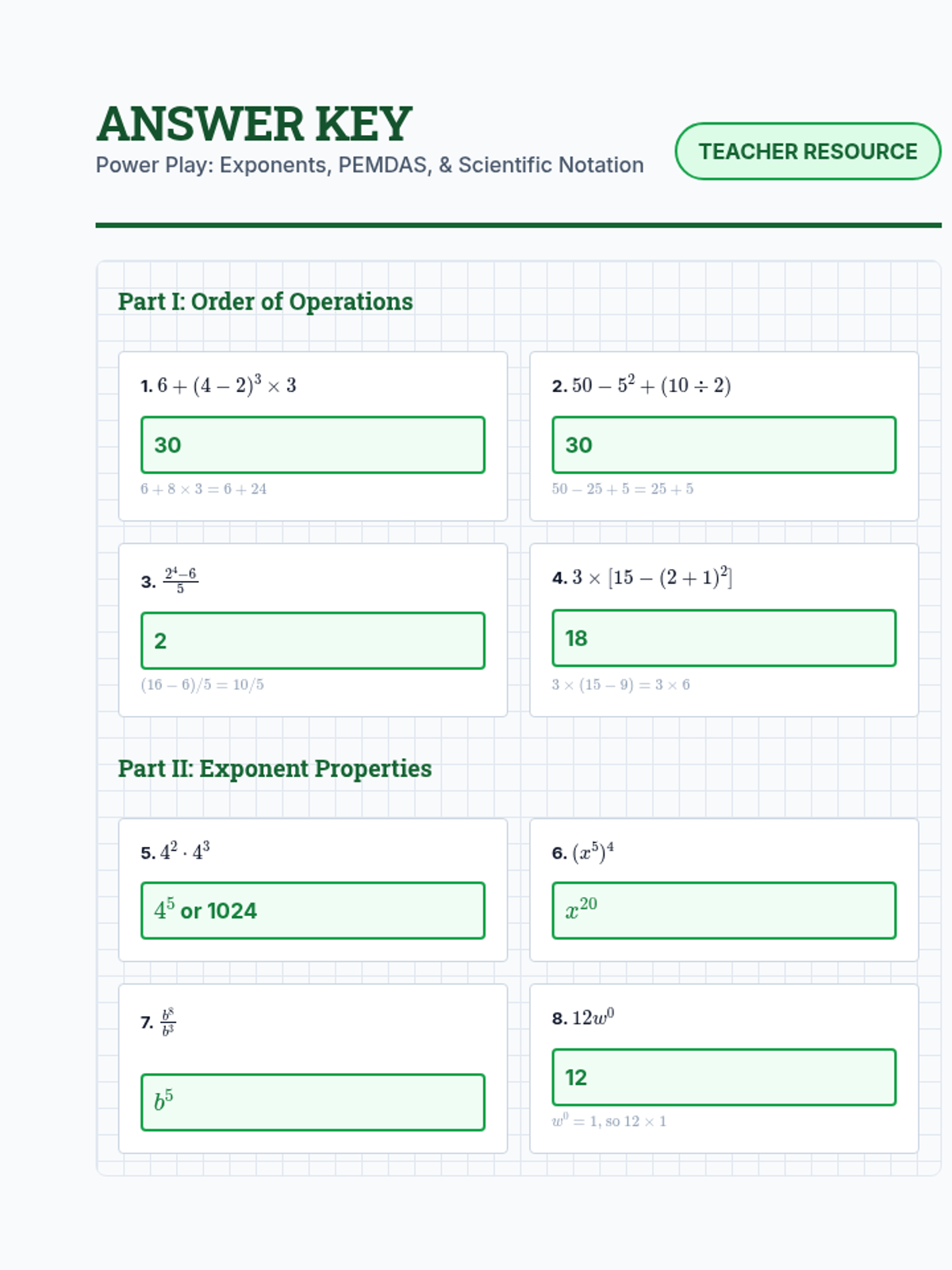
A comprehensive assessment and review of order of operations, exponent properties, and scientific notation, designed for middle or high school math students.
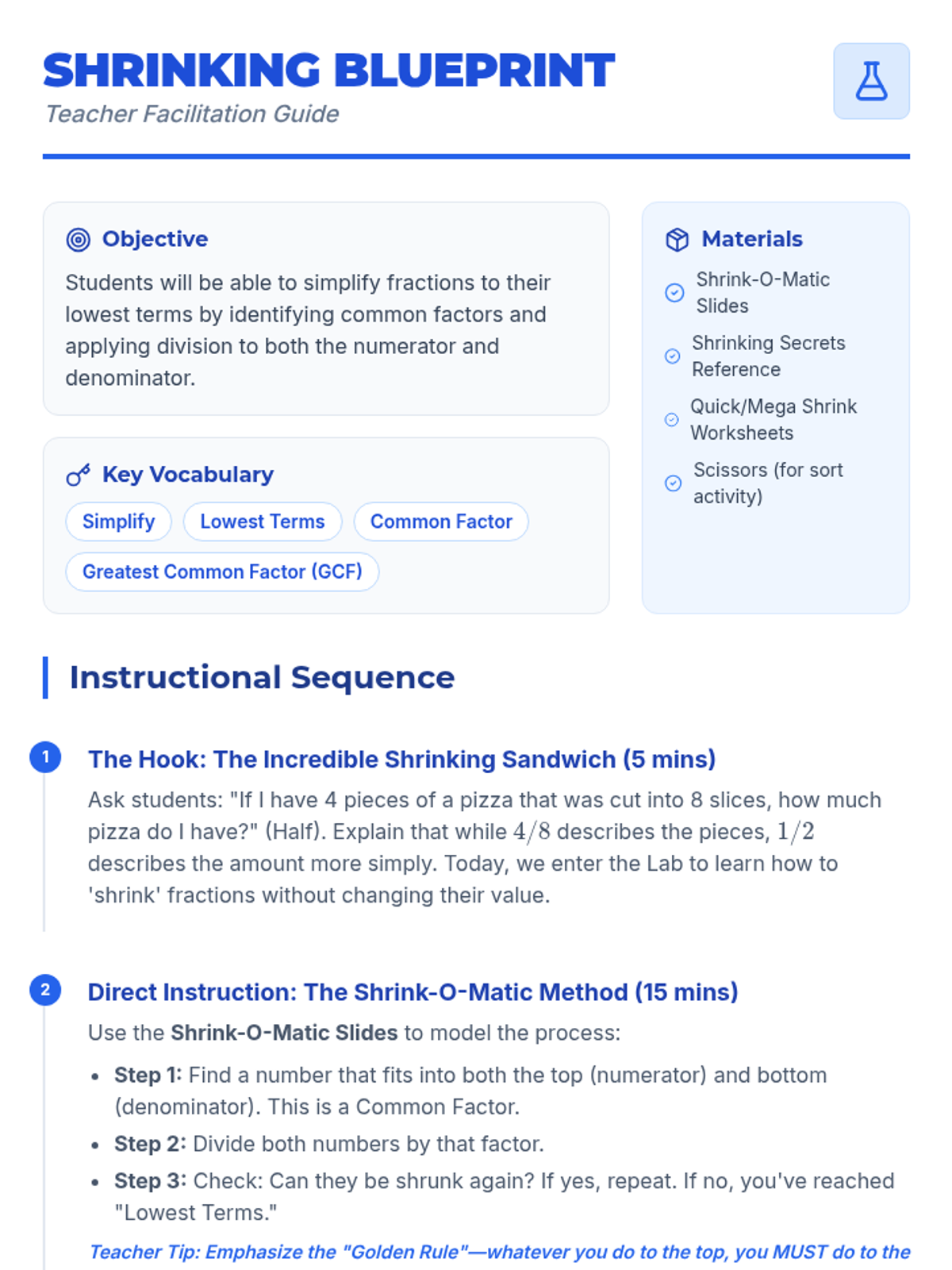
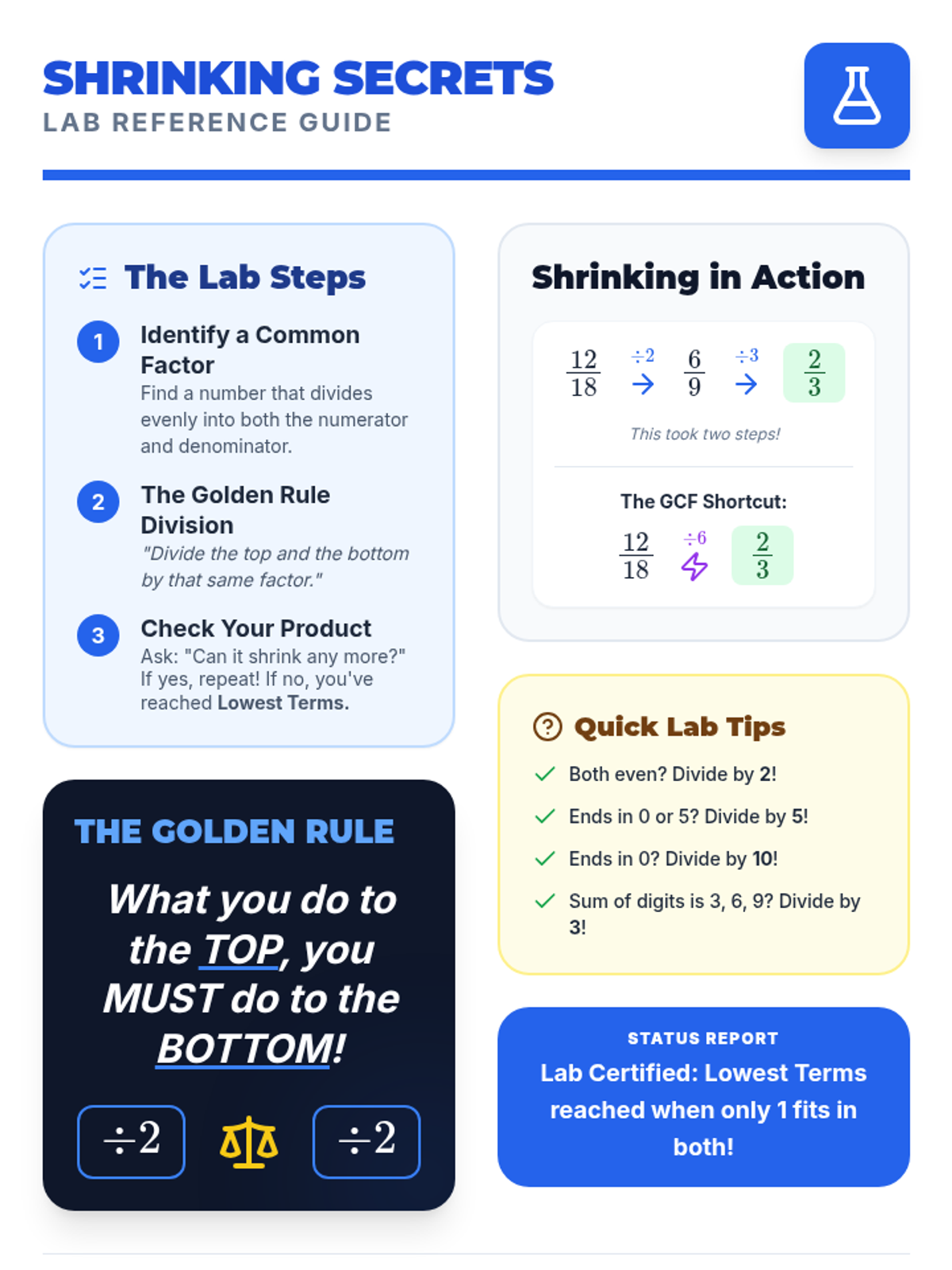
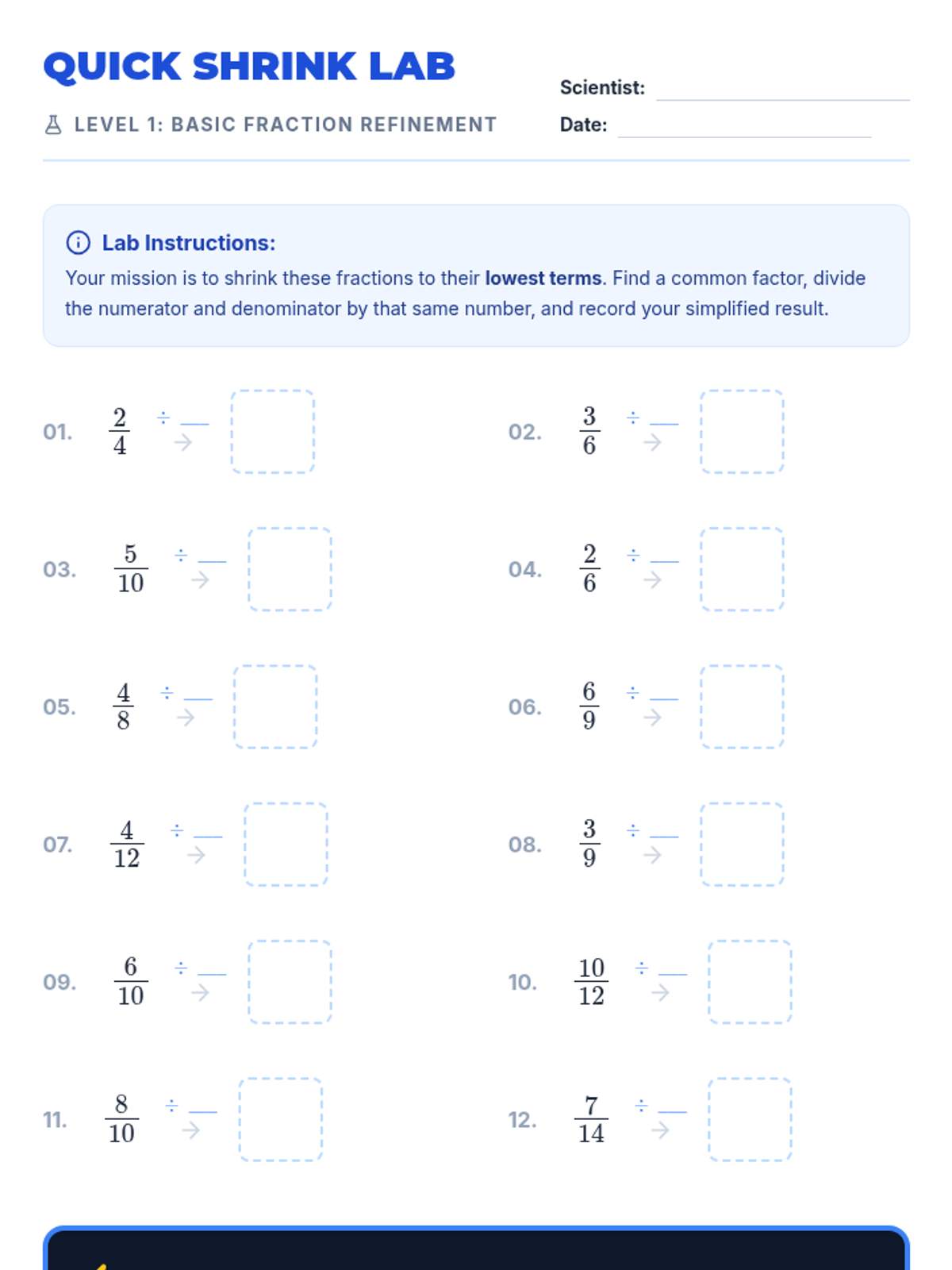
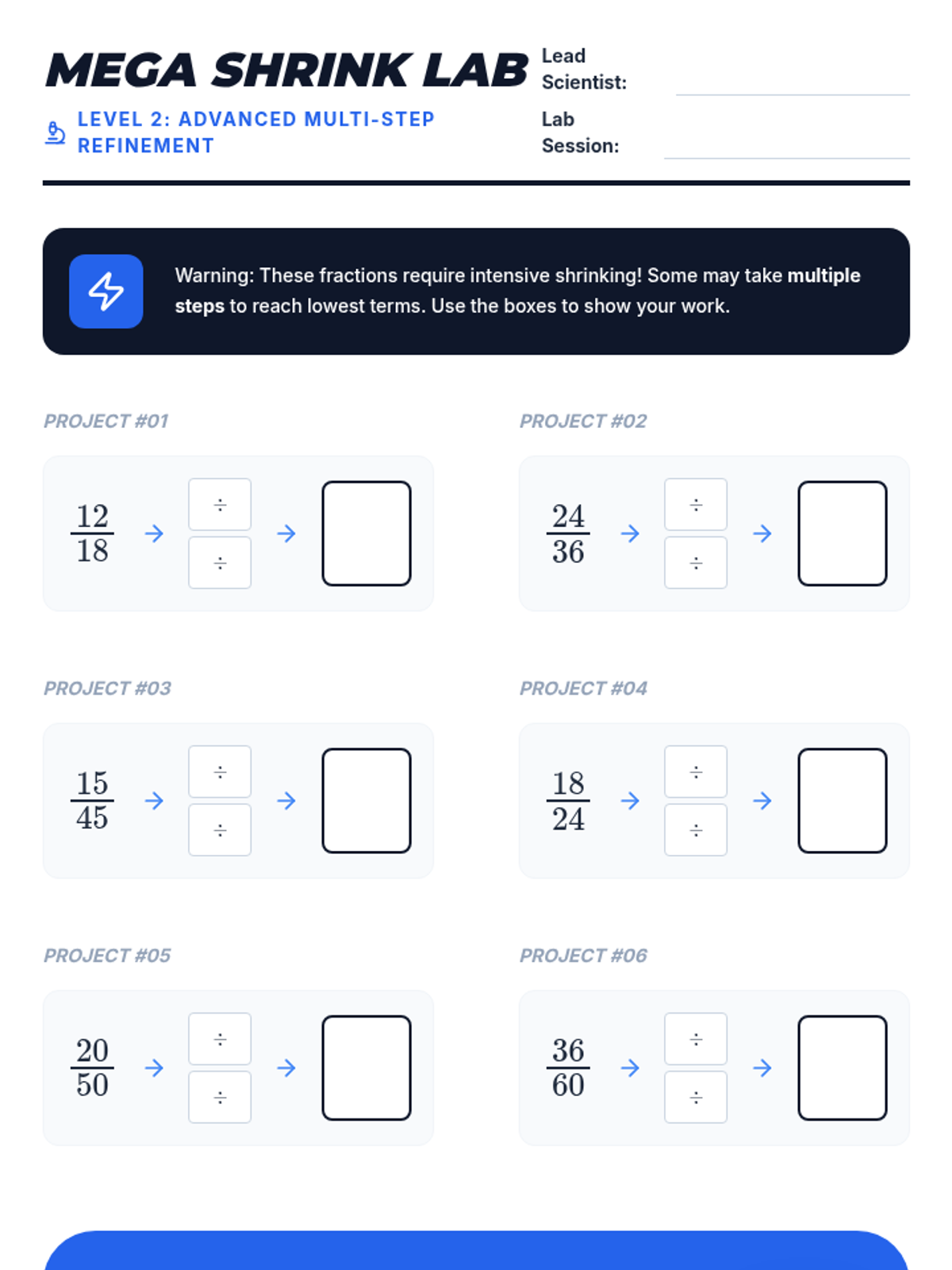
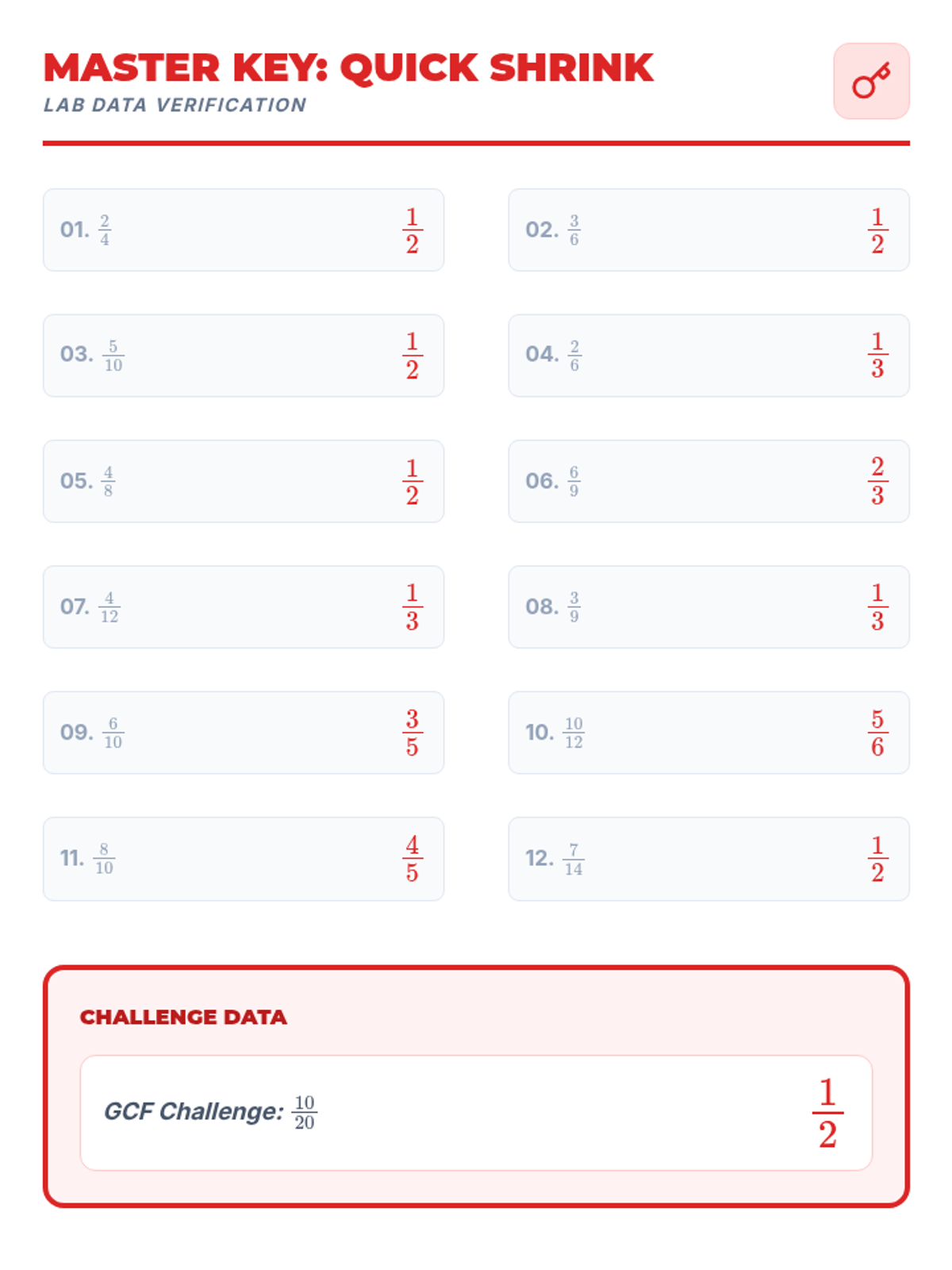
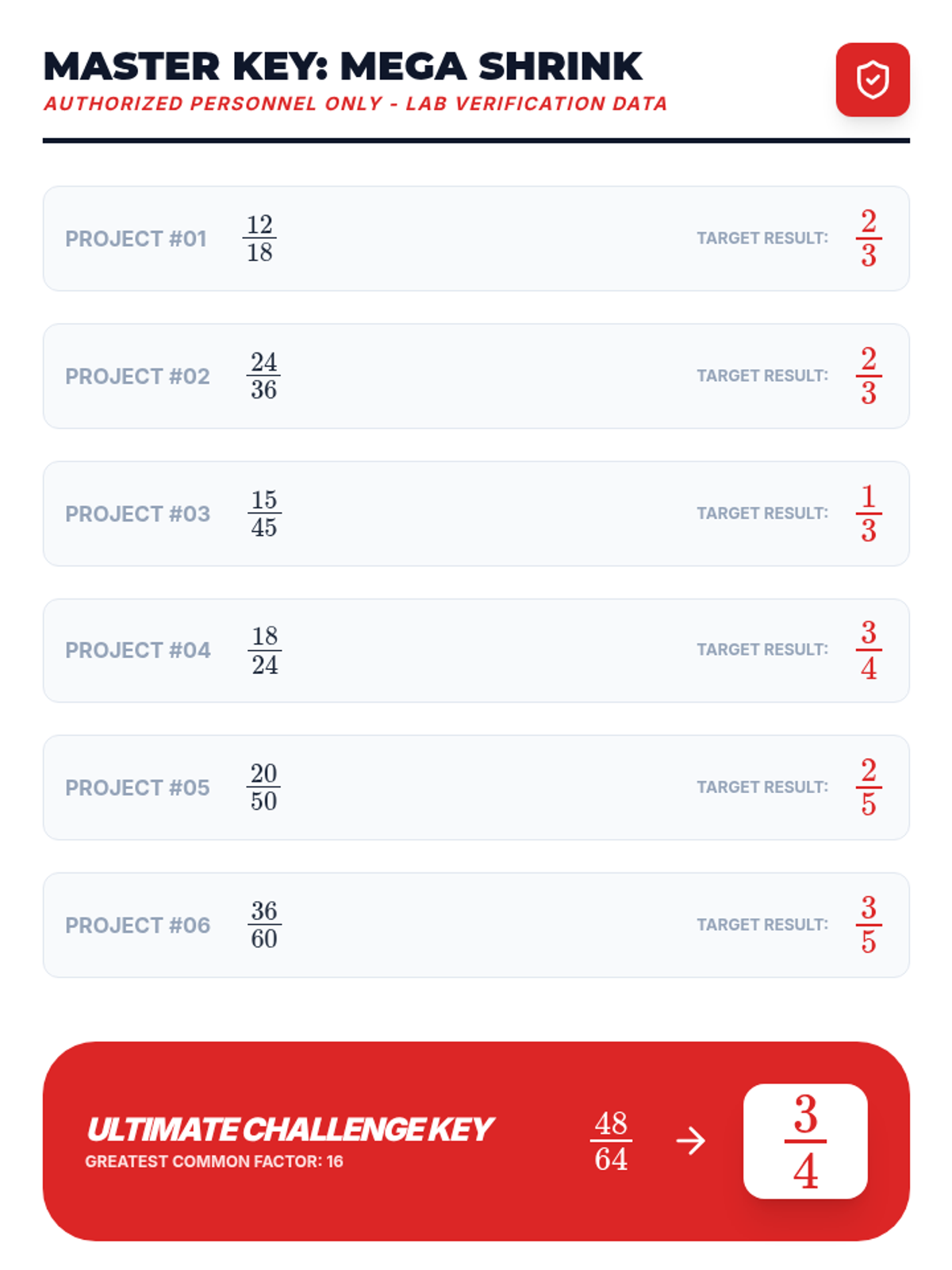
A comprehensive introduction to simplifying fractions using a 'Shrink-O-Matic' lab theme. Students learn to identify common factors and divide to reach the simplest form through differentiated practice and visual models.
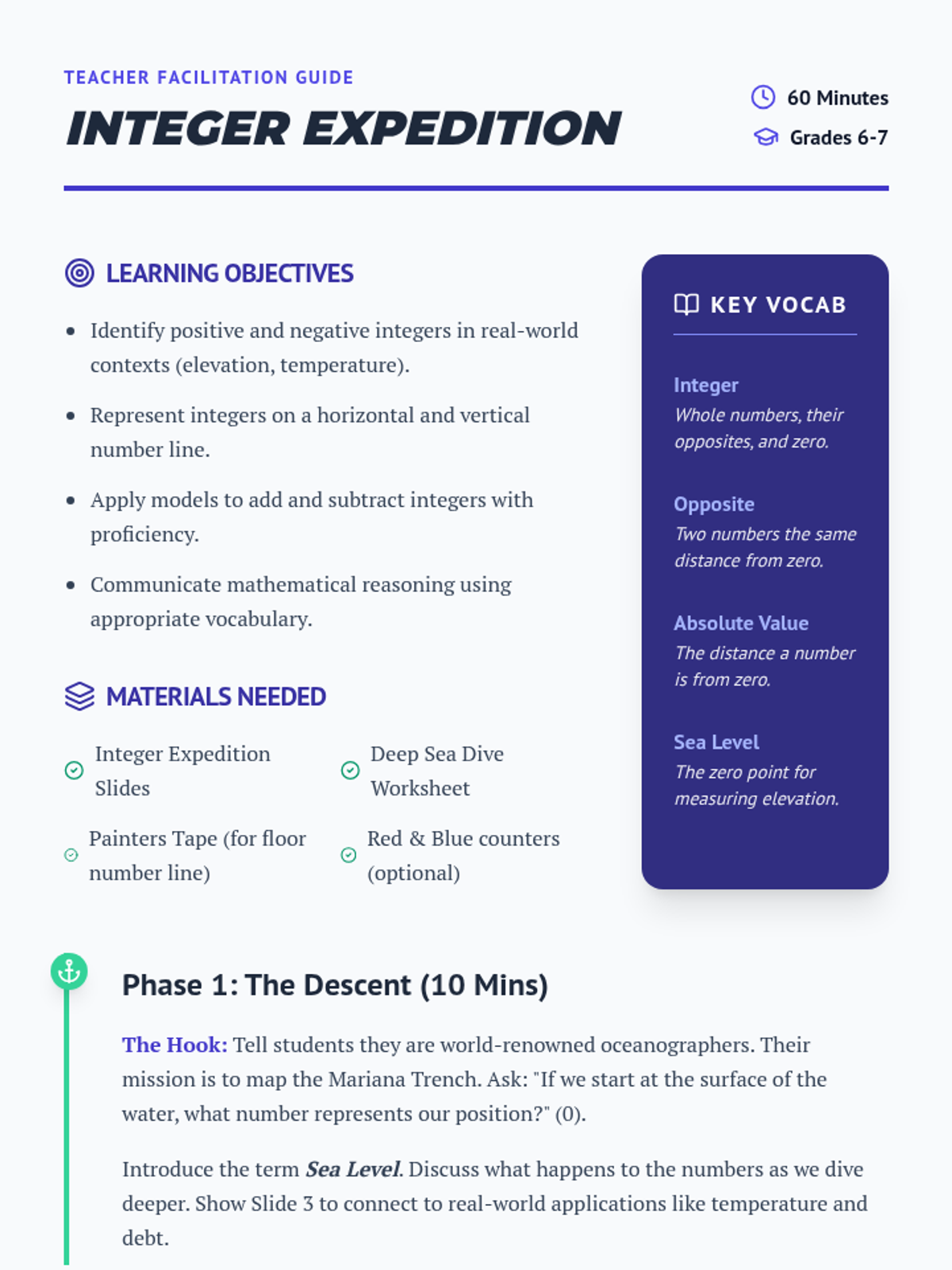
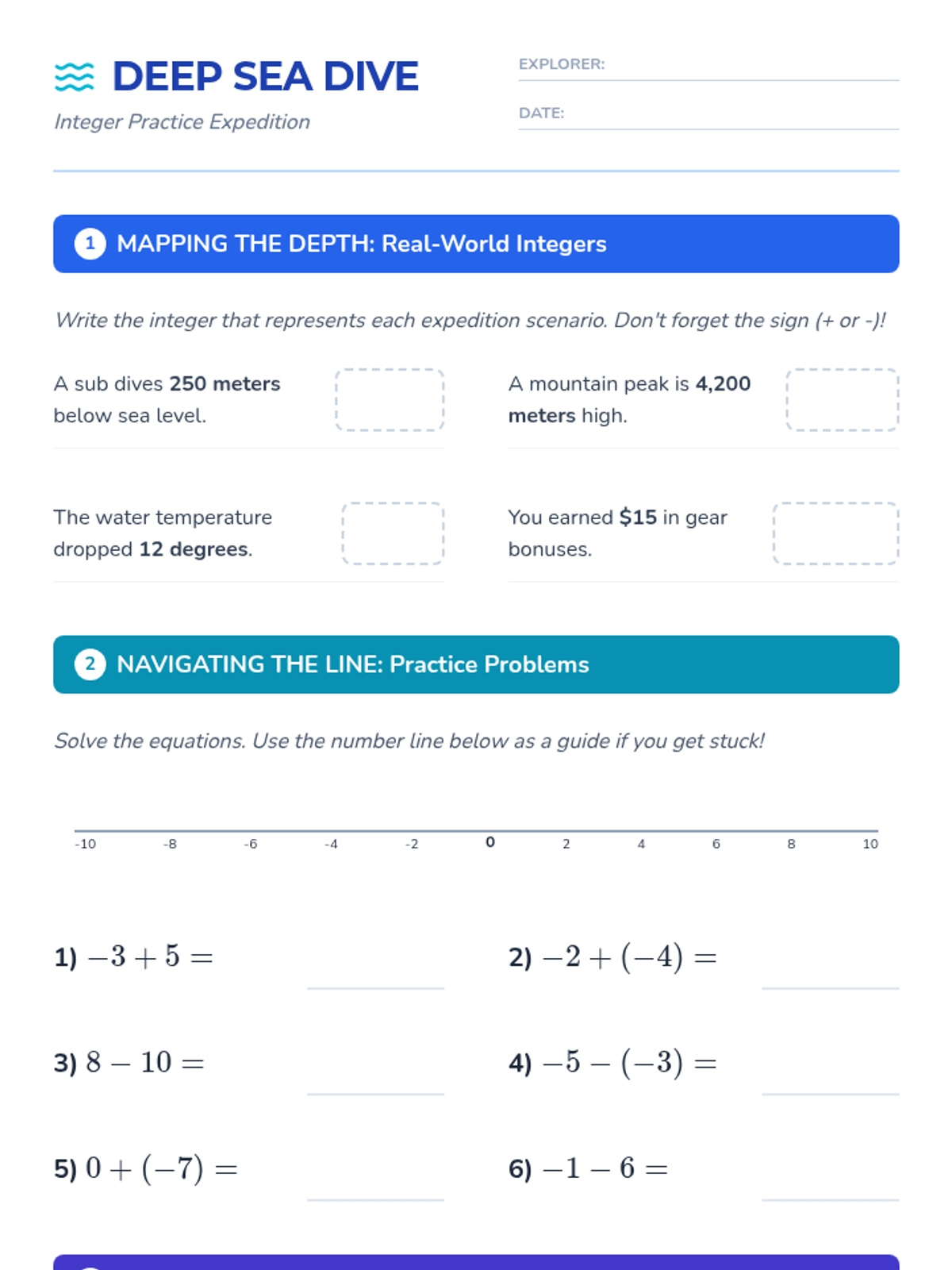
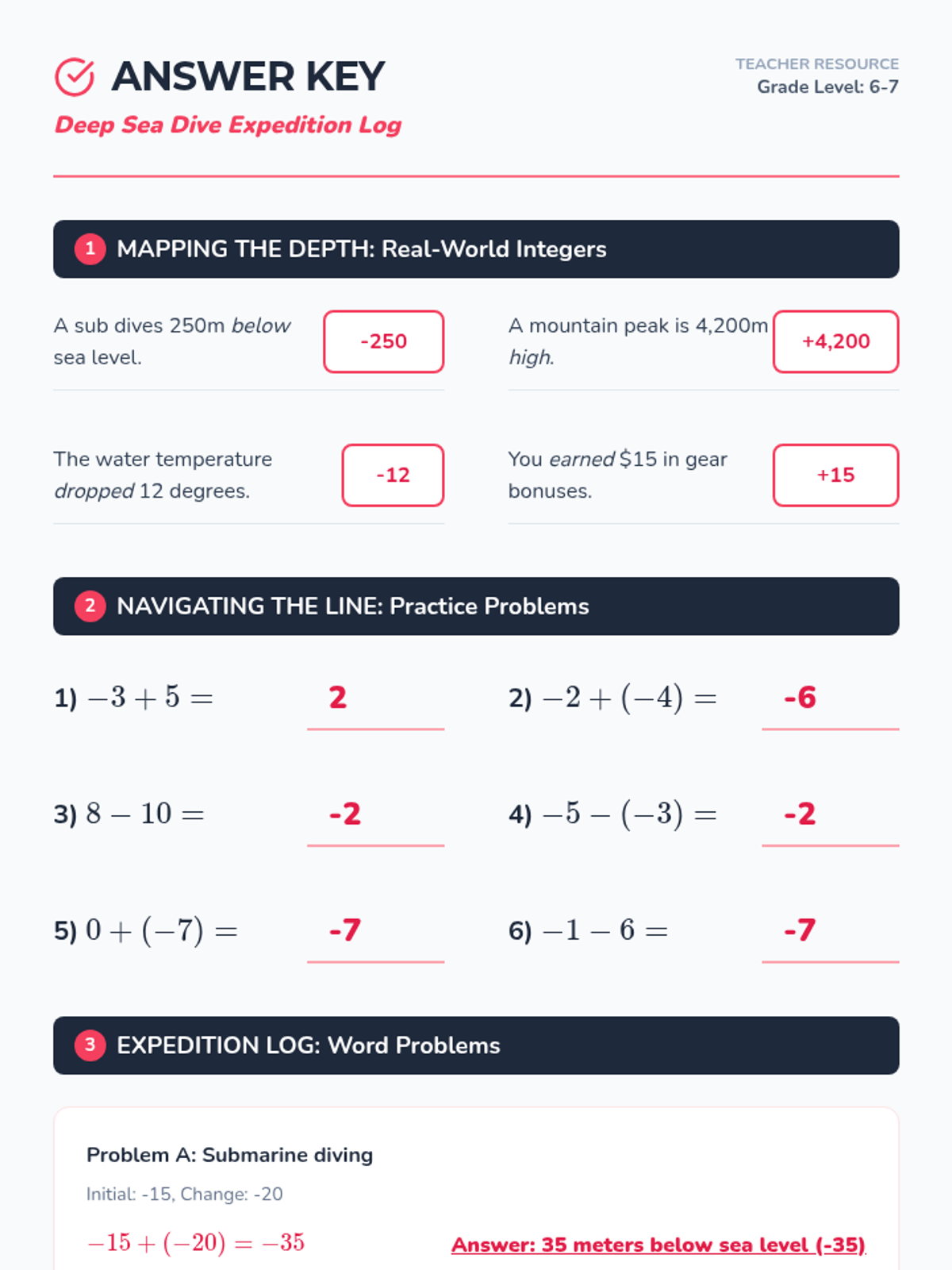
A comprehensive lesson on positive and negative integers, focusing on addition, subtraction, and real-world applications using a number line model. Students explore integers through the lens of elevation and temperature.
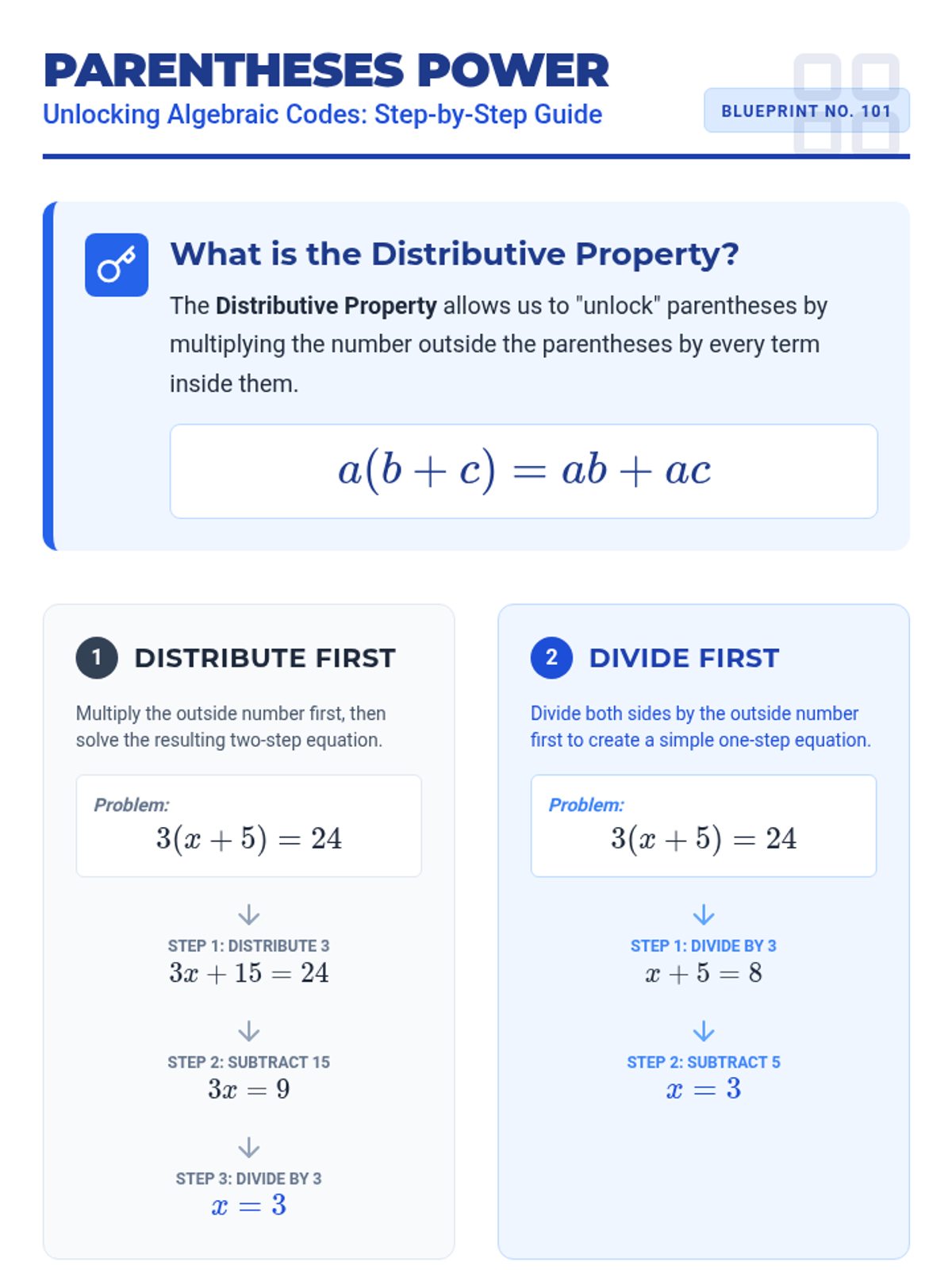
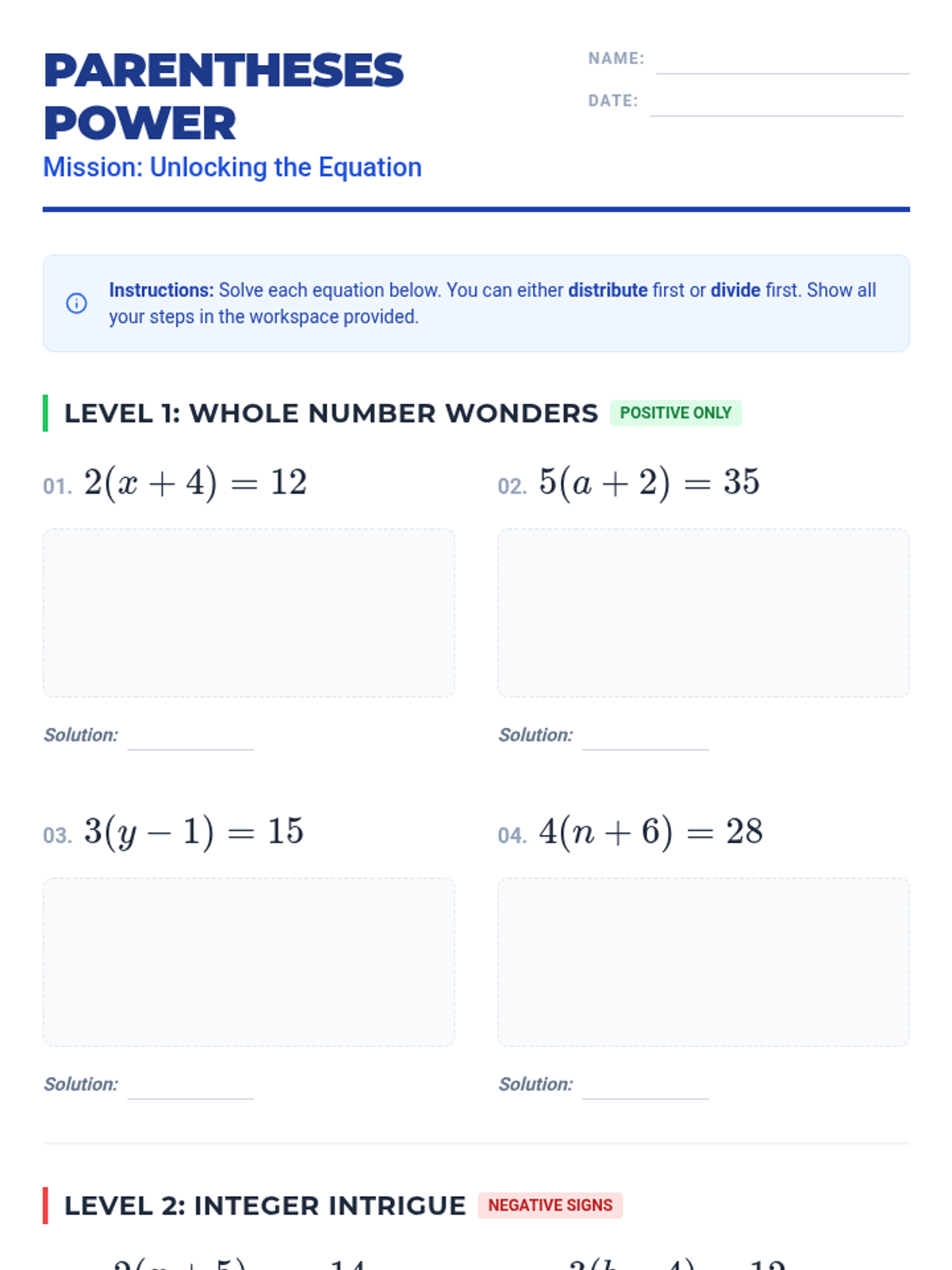
A lesson focused on solving algebraic equations that involve the distributive property, teaching students how to 'unlock' parentheses to find the value of a variable.
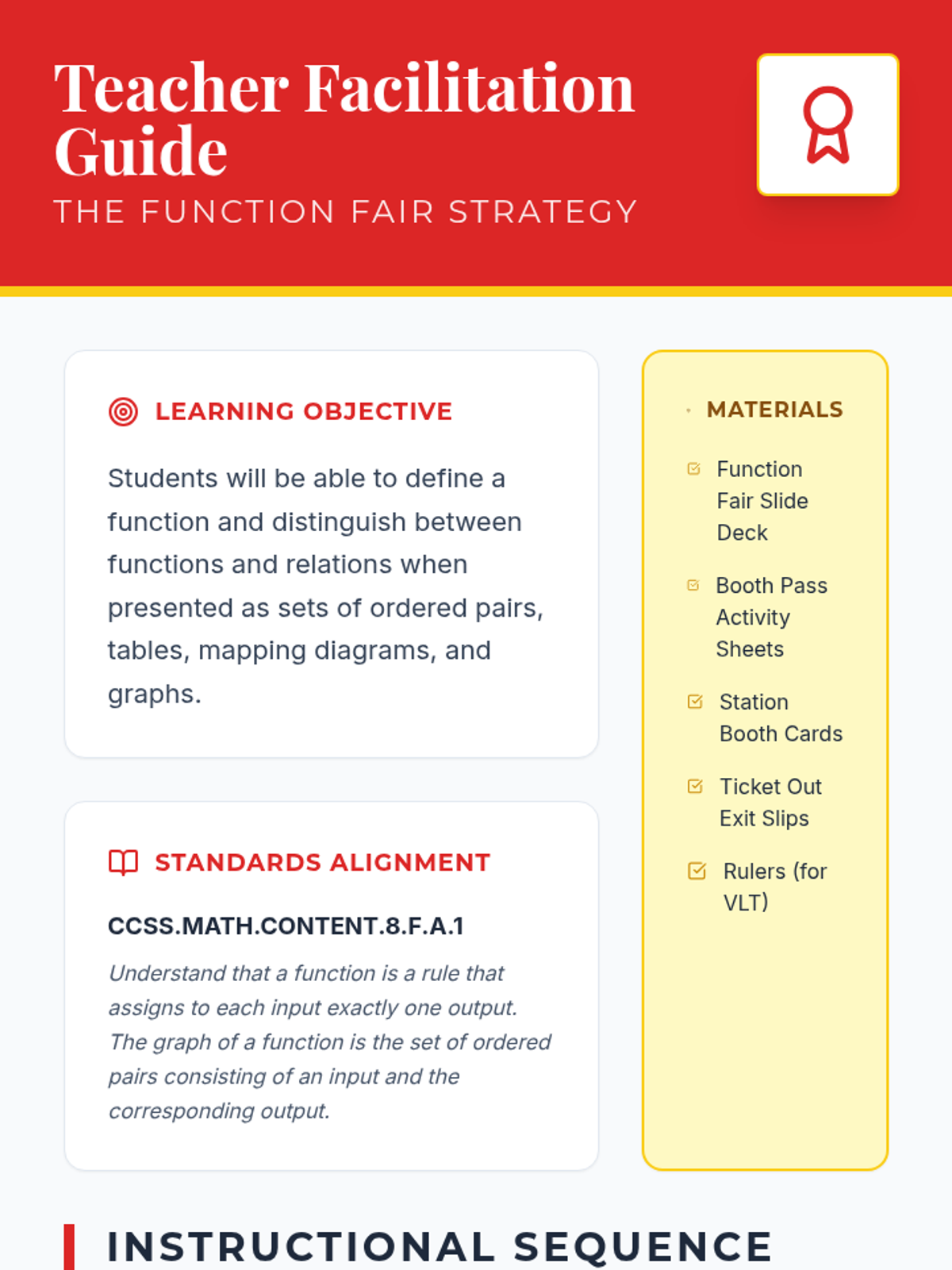
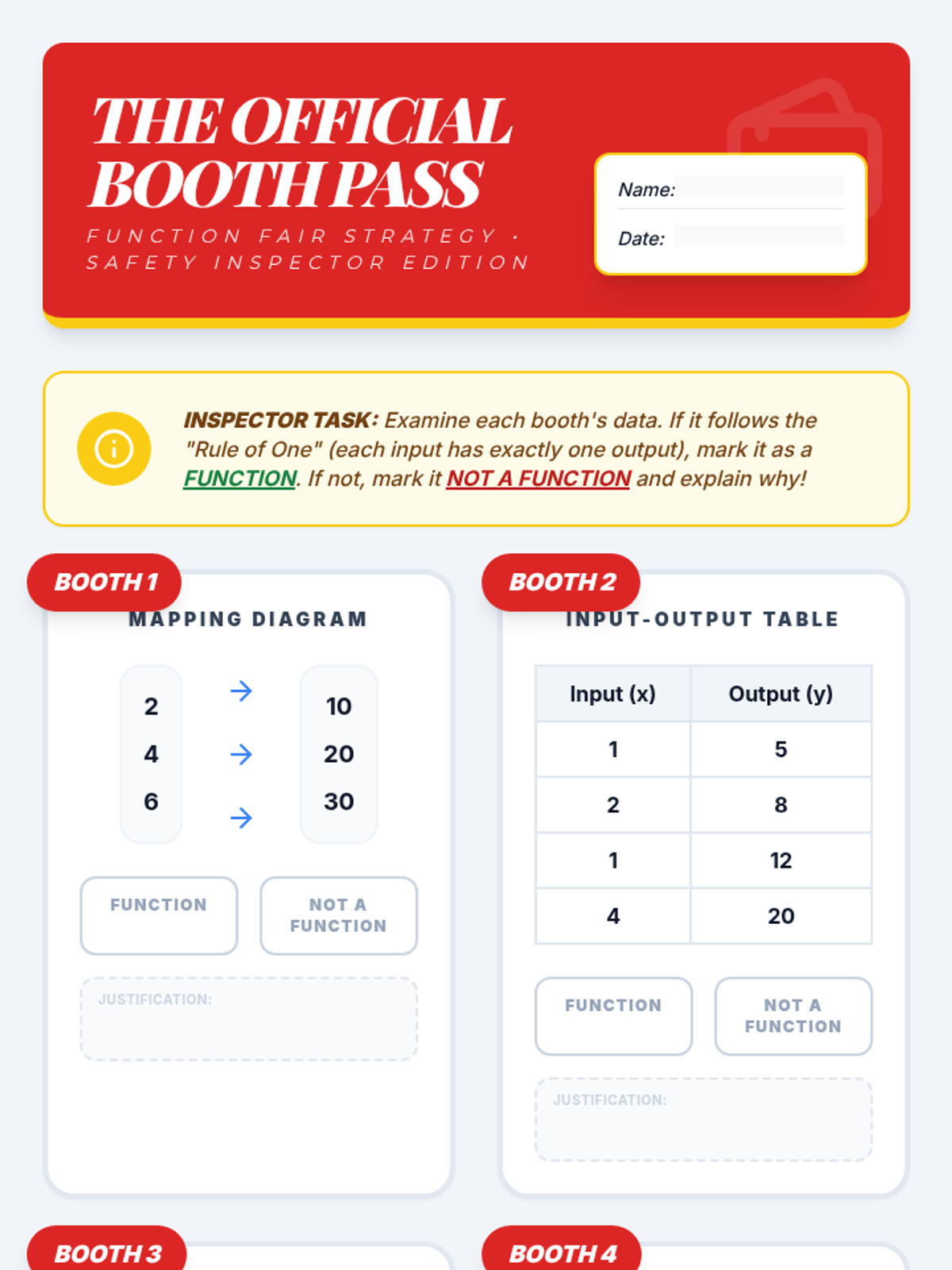
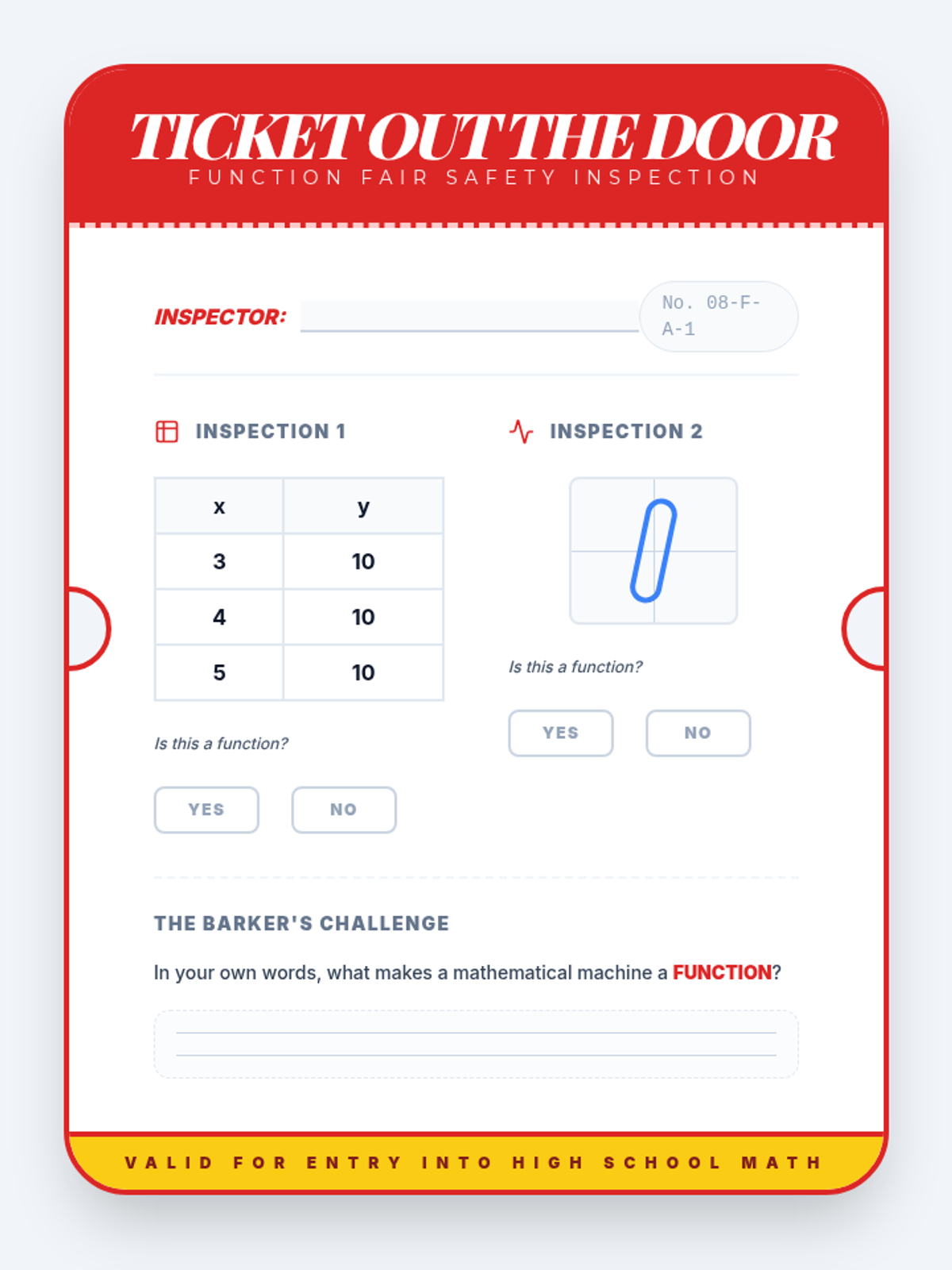
A kinesthetic, carnival-themed lesson where 8th-grade students explore the definition of a function by rotating through interactive 'booths'. Students learn to distinguish between functions and relations using mappings, tables, and graphs.
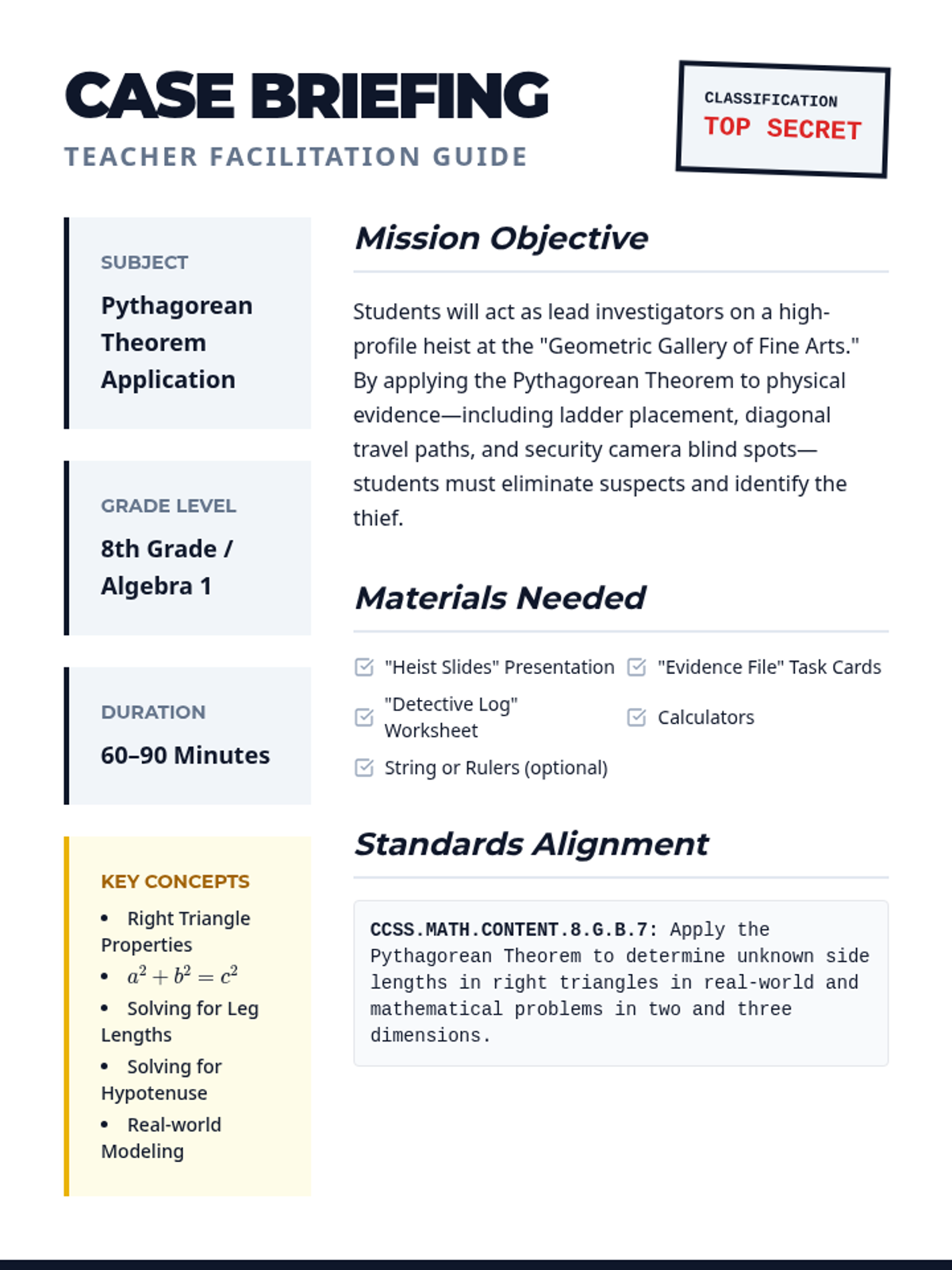
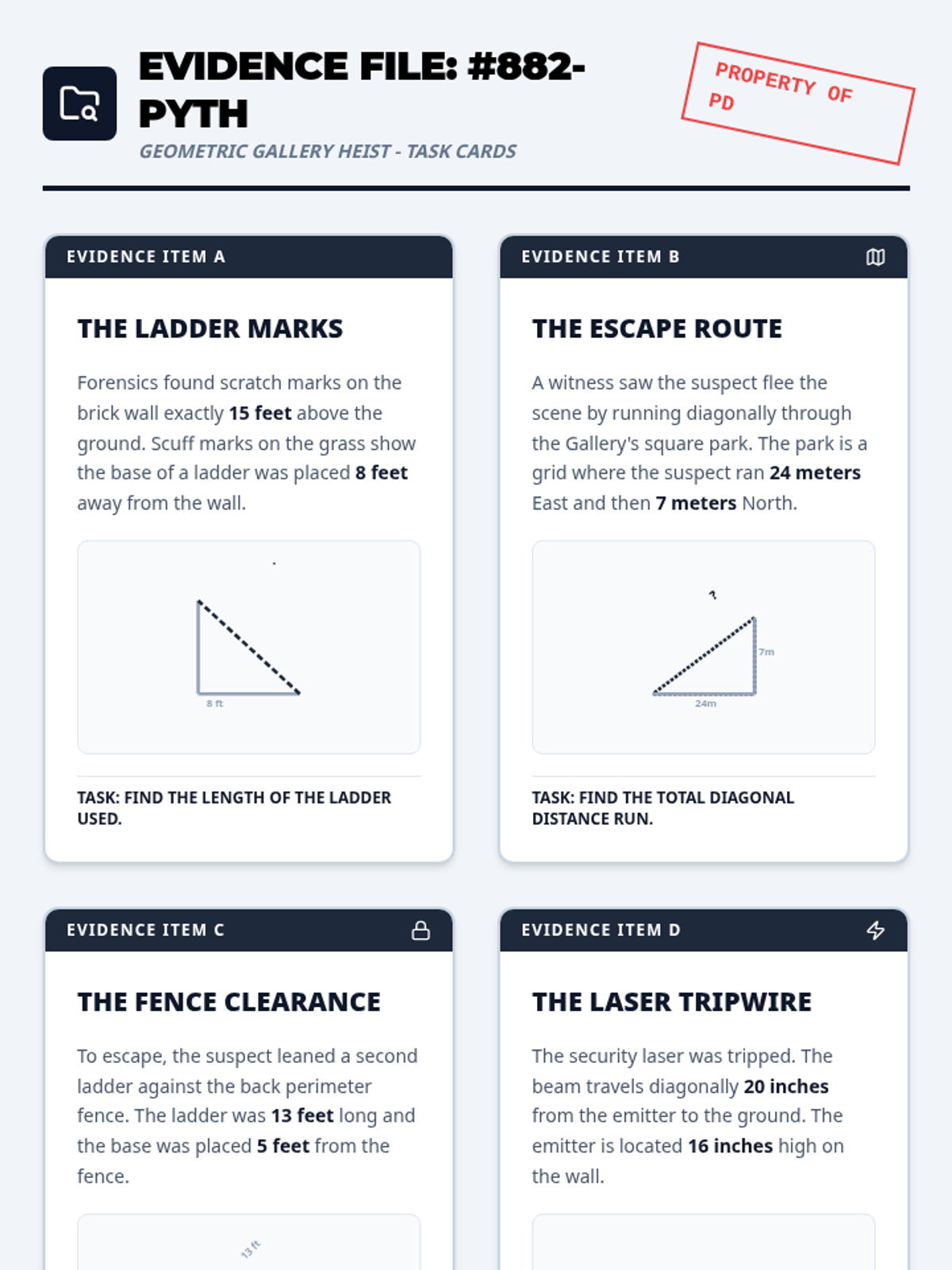
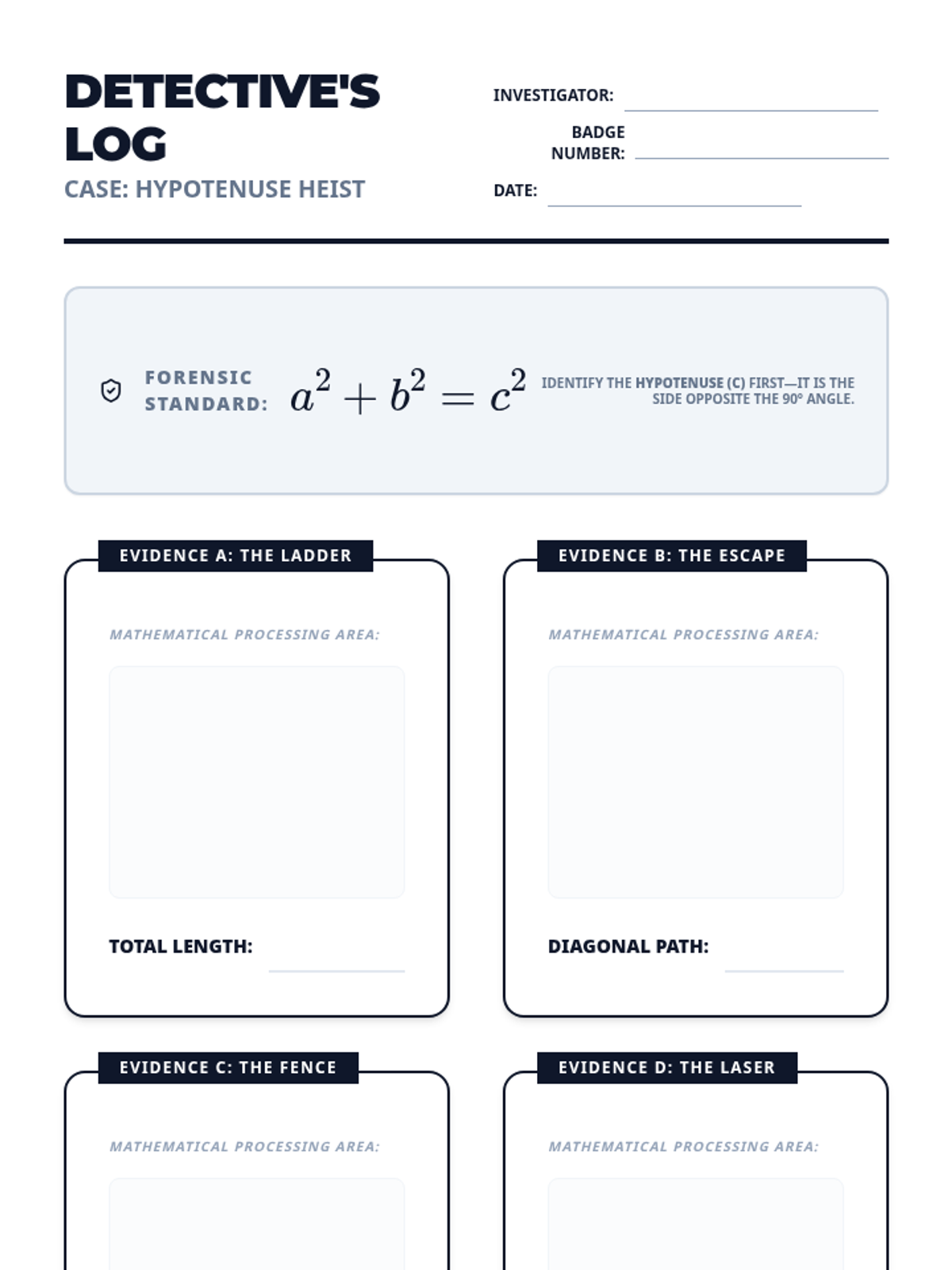
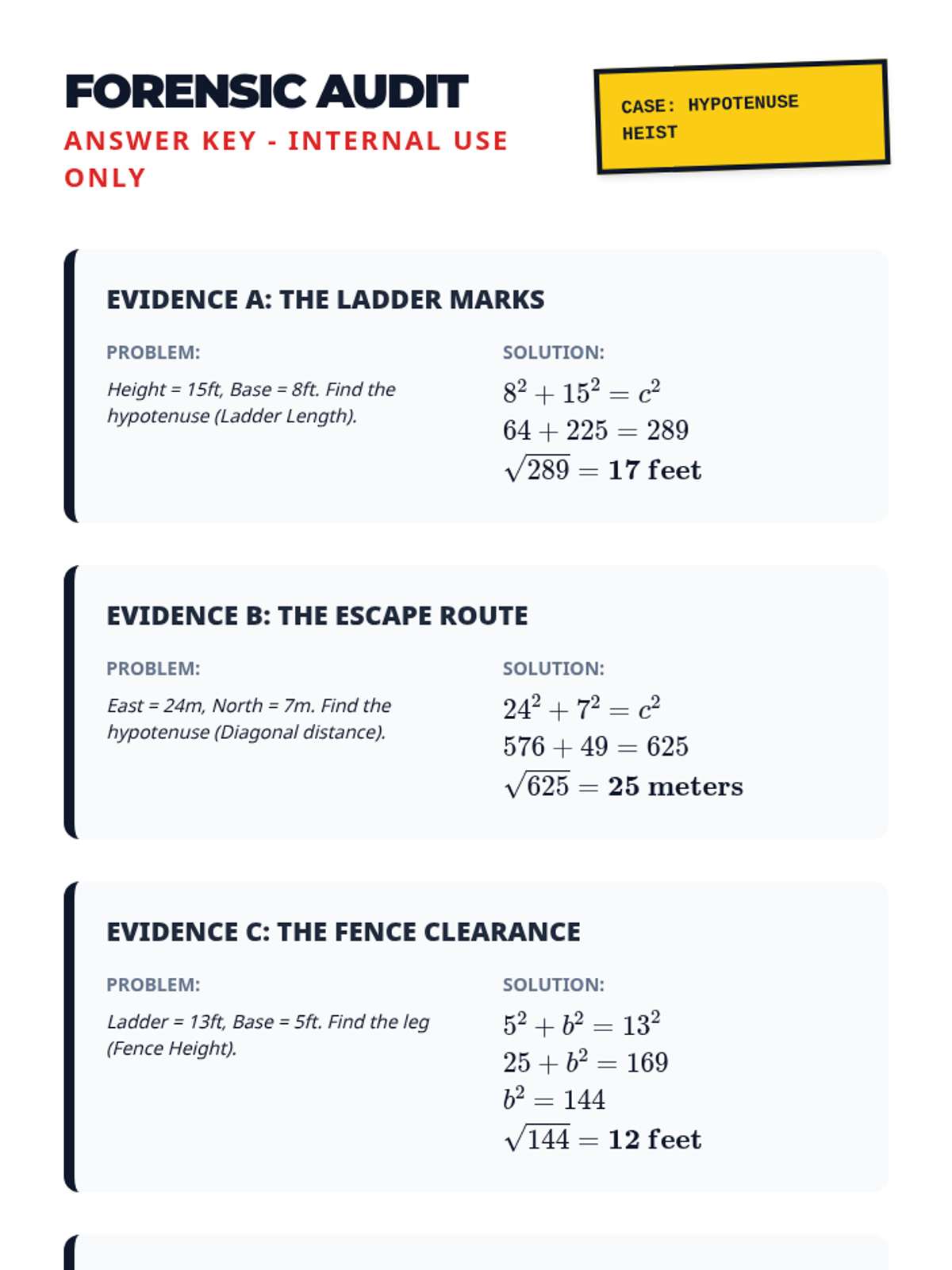
A high-stakes geometry lesson where students apply the Pythagorean Theorem to solve a fictional robbery. Students analyze ladder heights, diagonal escape routes, and footprint distances to identify the culprit among three suspects.
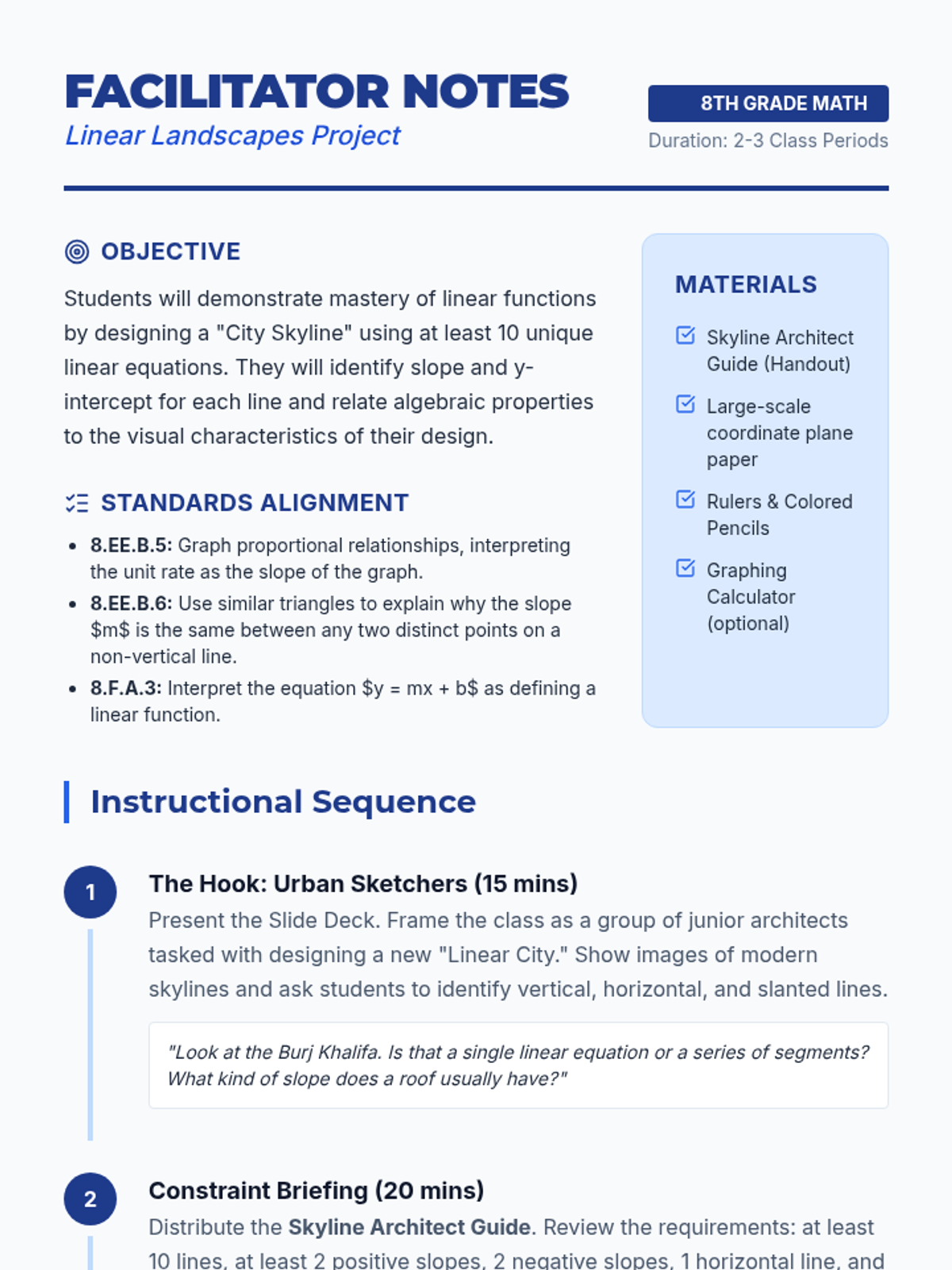
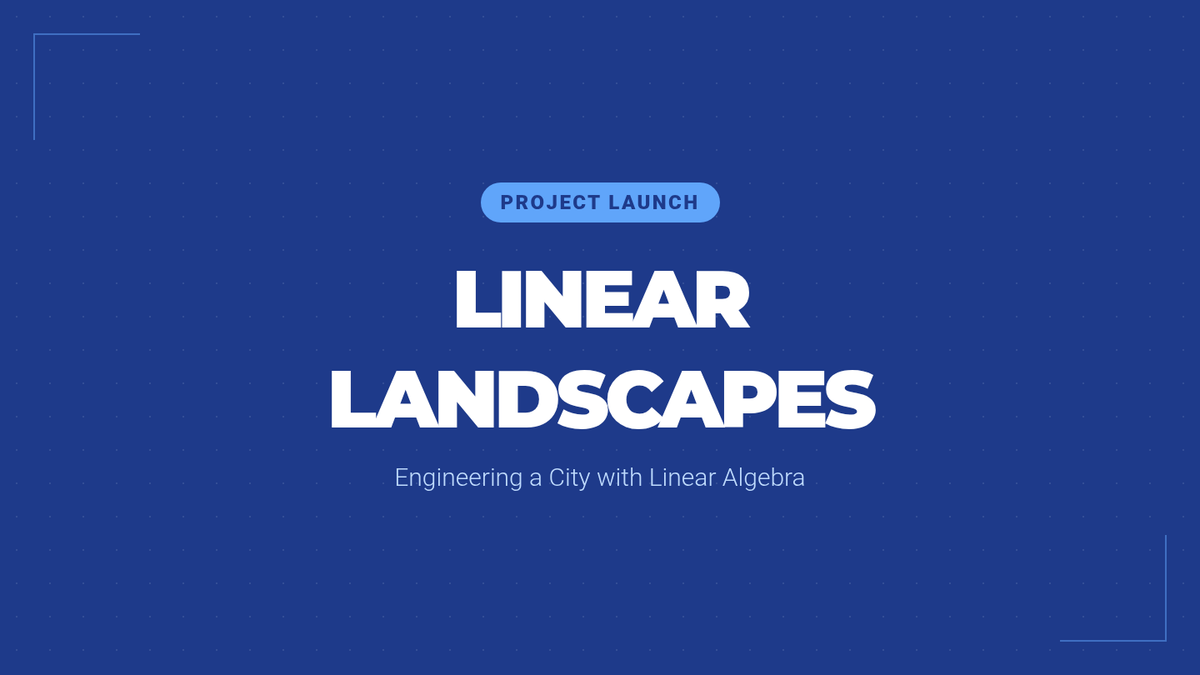
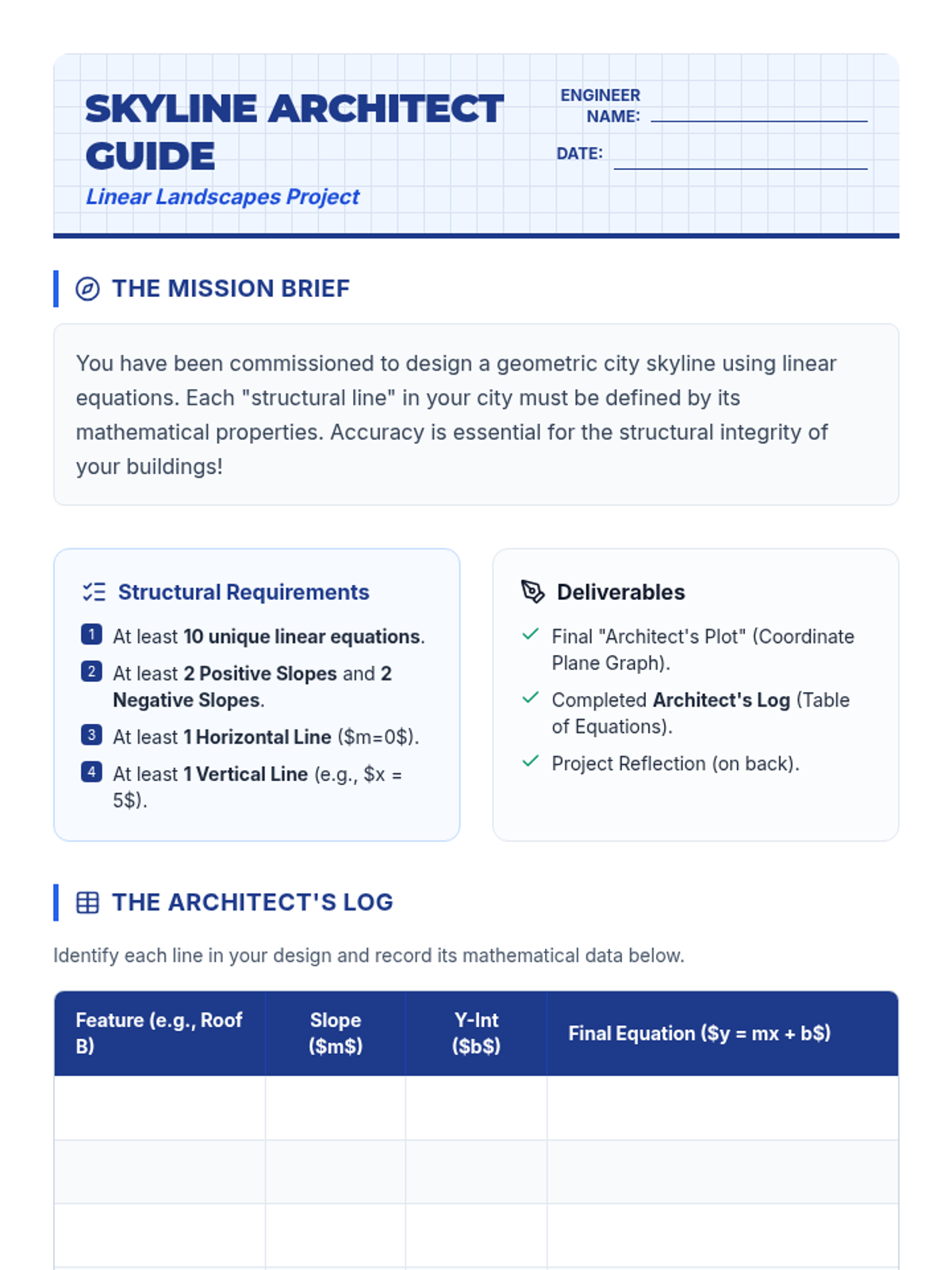
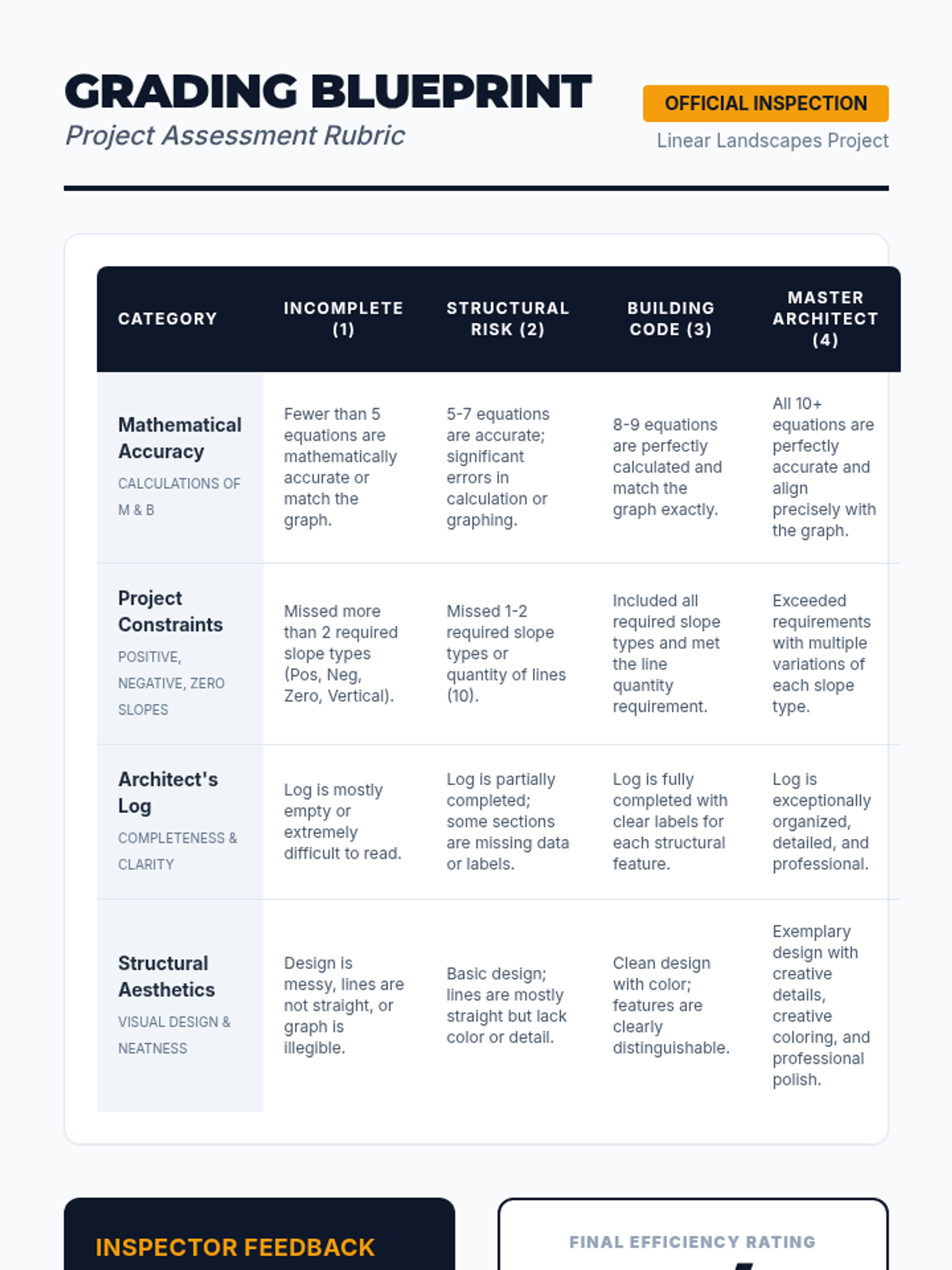
A project-based lesson where students apply their knowledge of linear equations (y = mx + b) to design a geometric city skyline on a coordinate plane, bridging algebra and urban design.
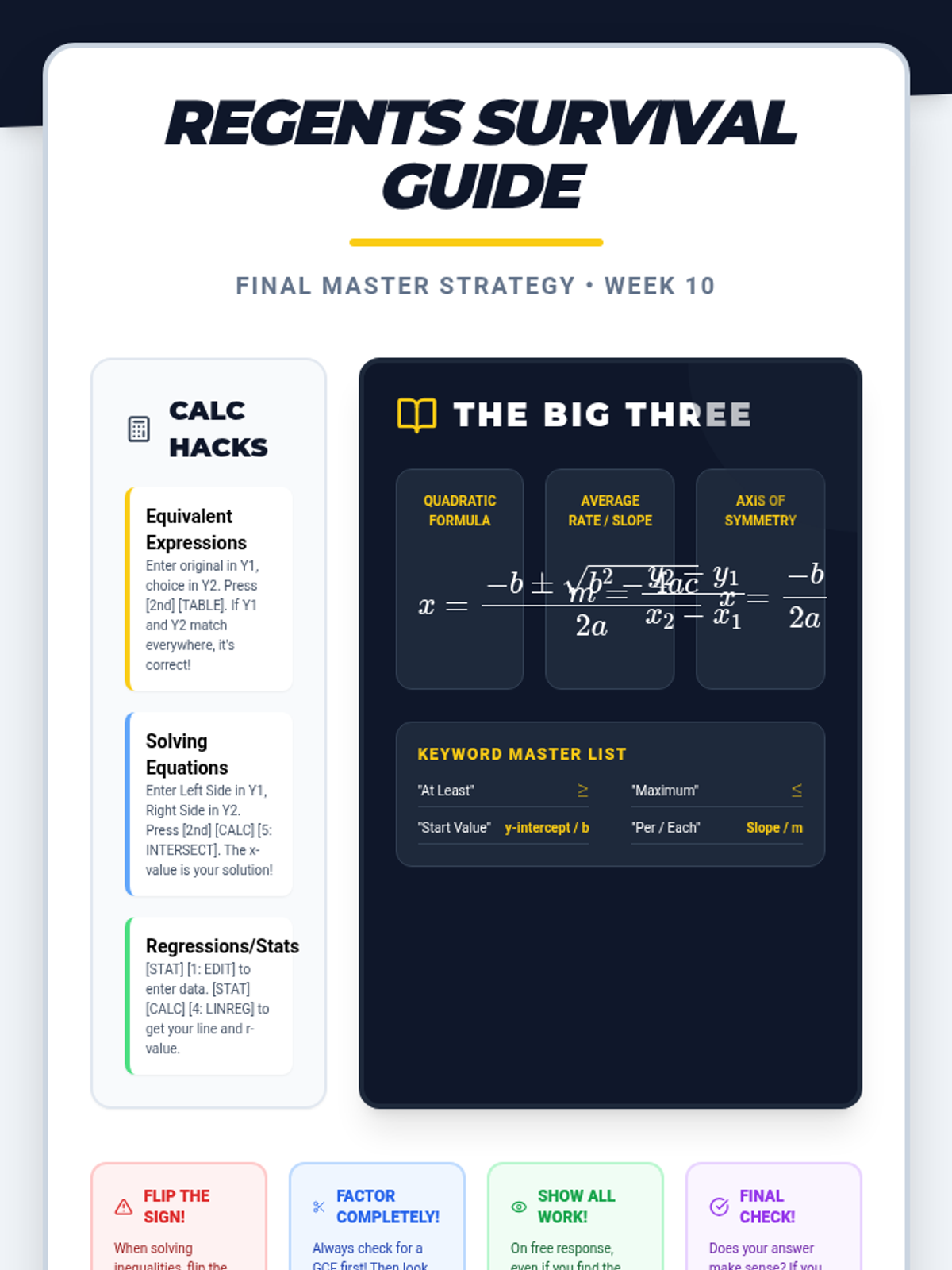
Comprehensive review of high-frequency question types and unit conversions.
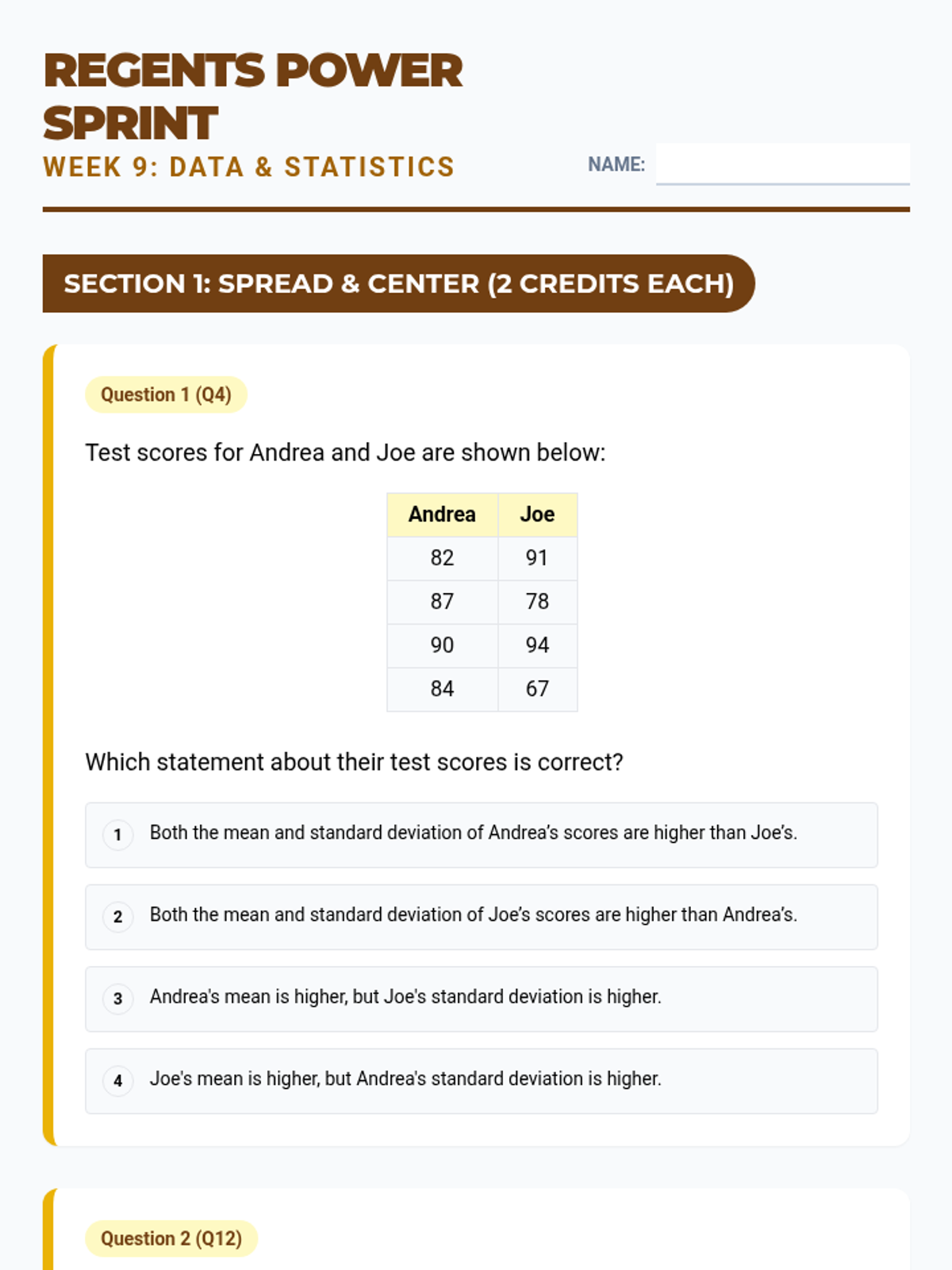
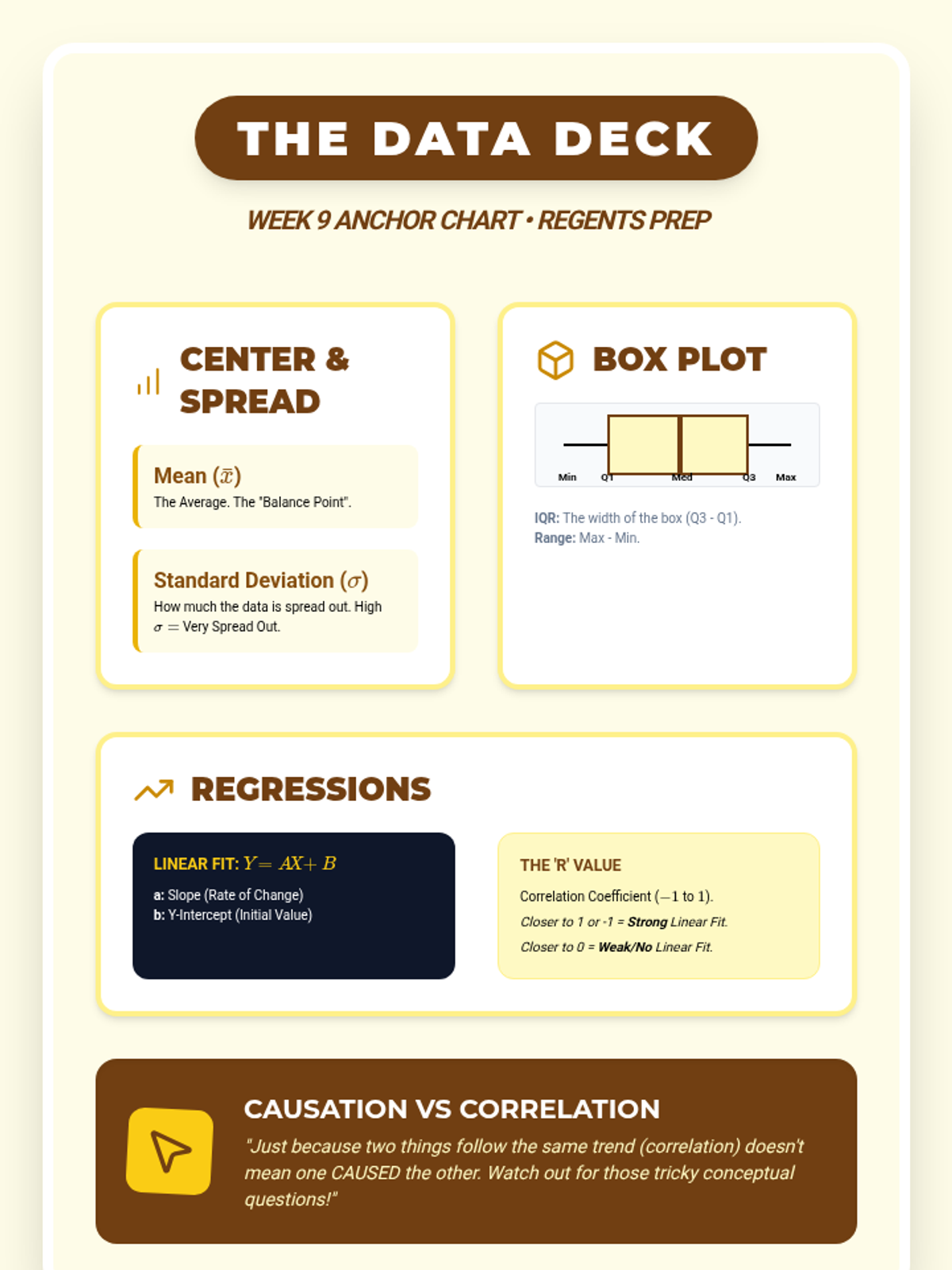
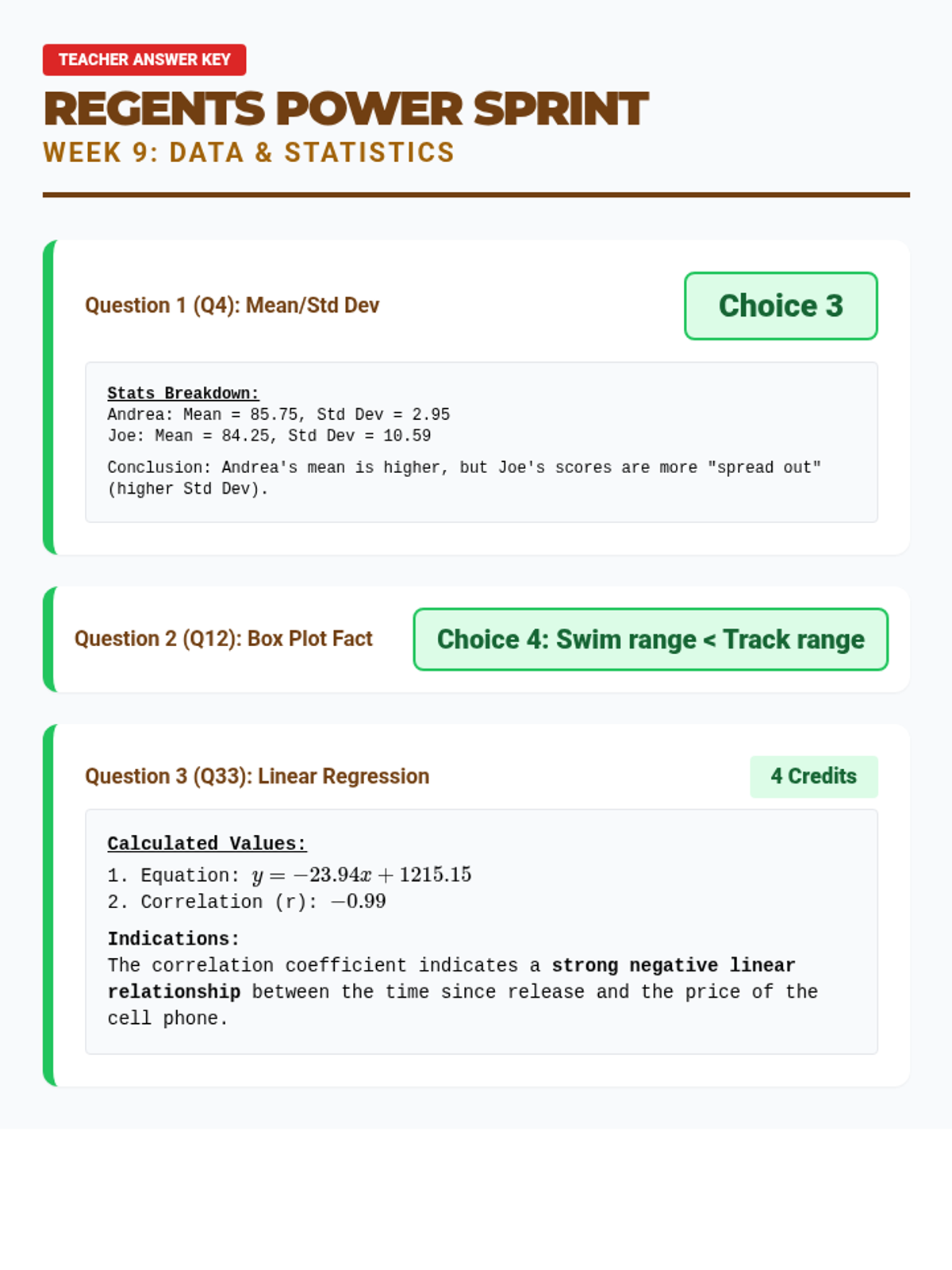
Focus on interpreting box plots, mean/standard deviation, and linear regression with correlation coefficients.
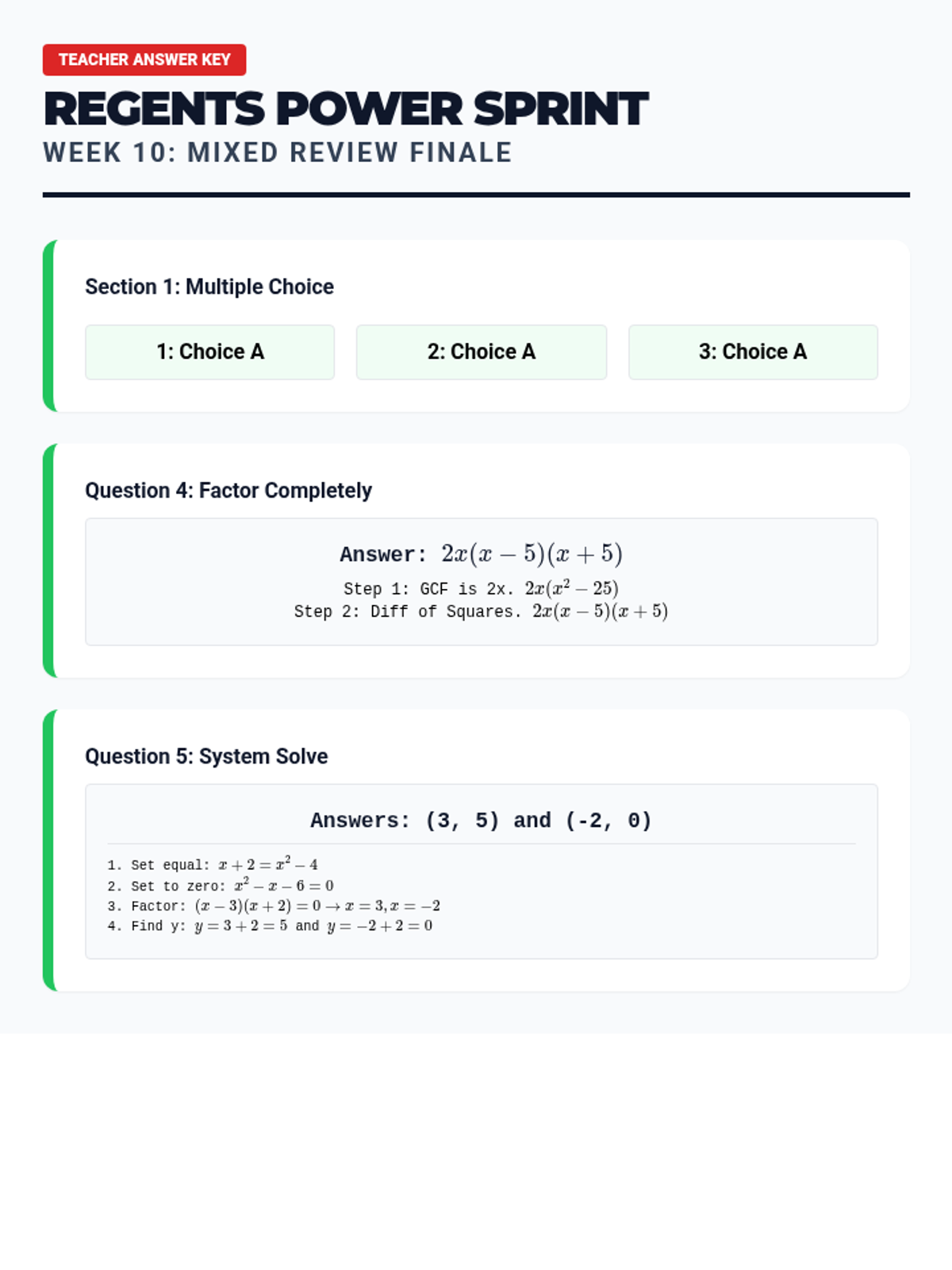
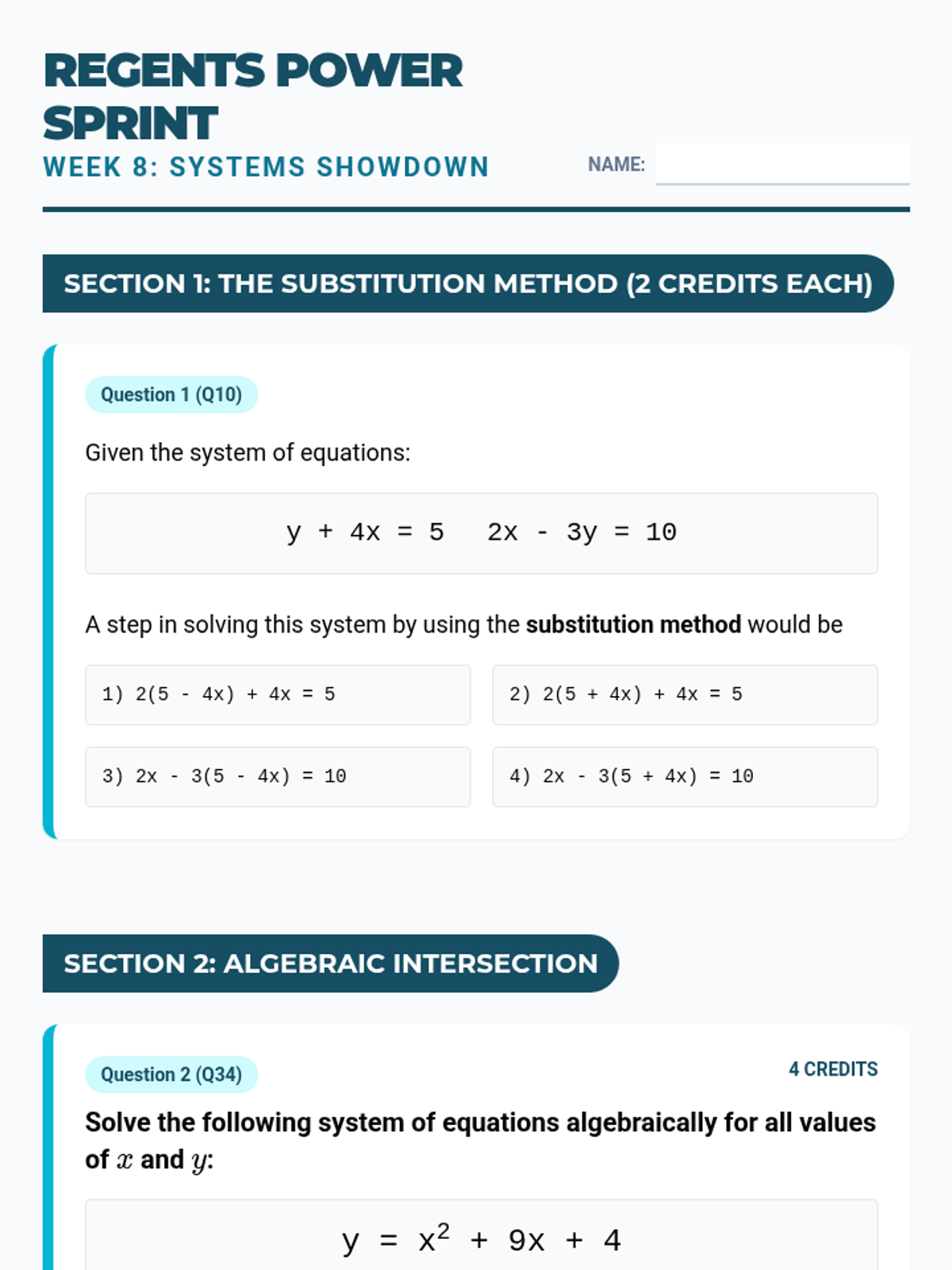
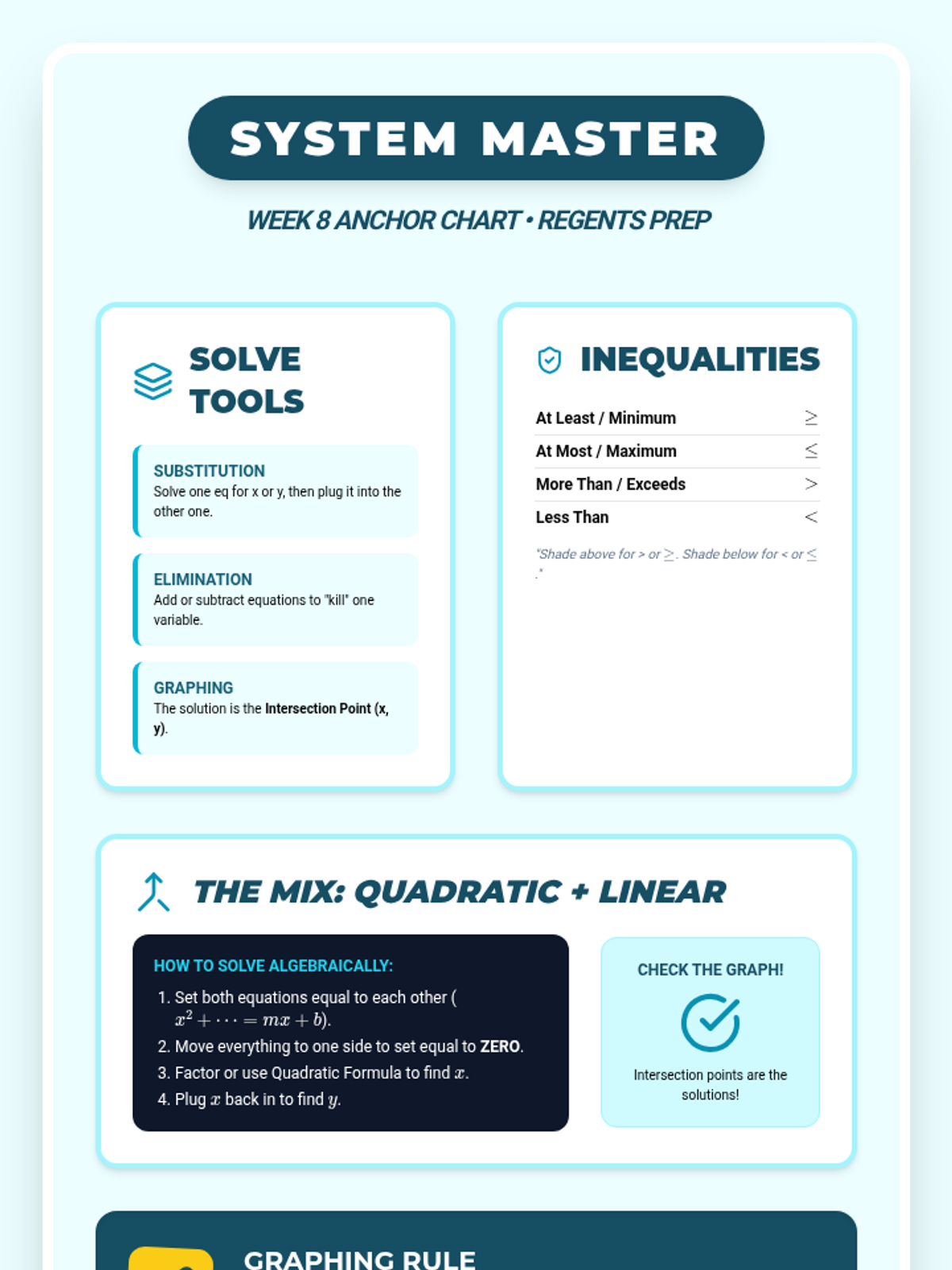
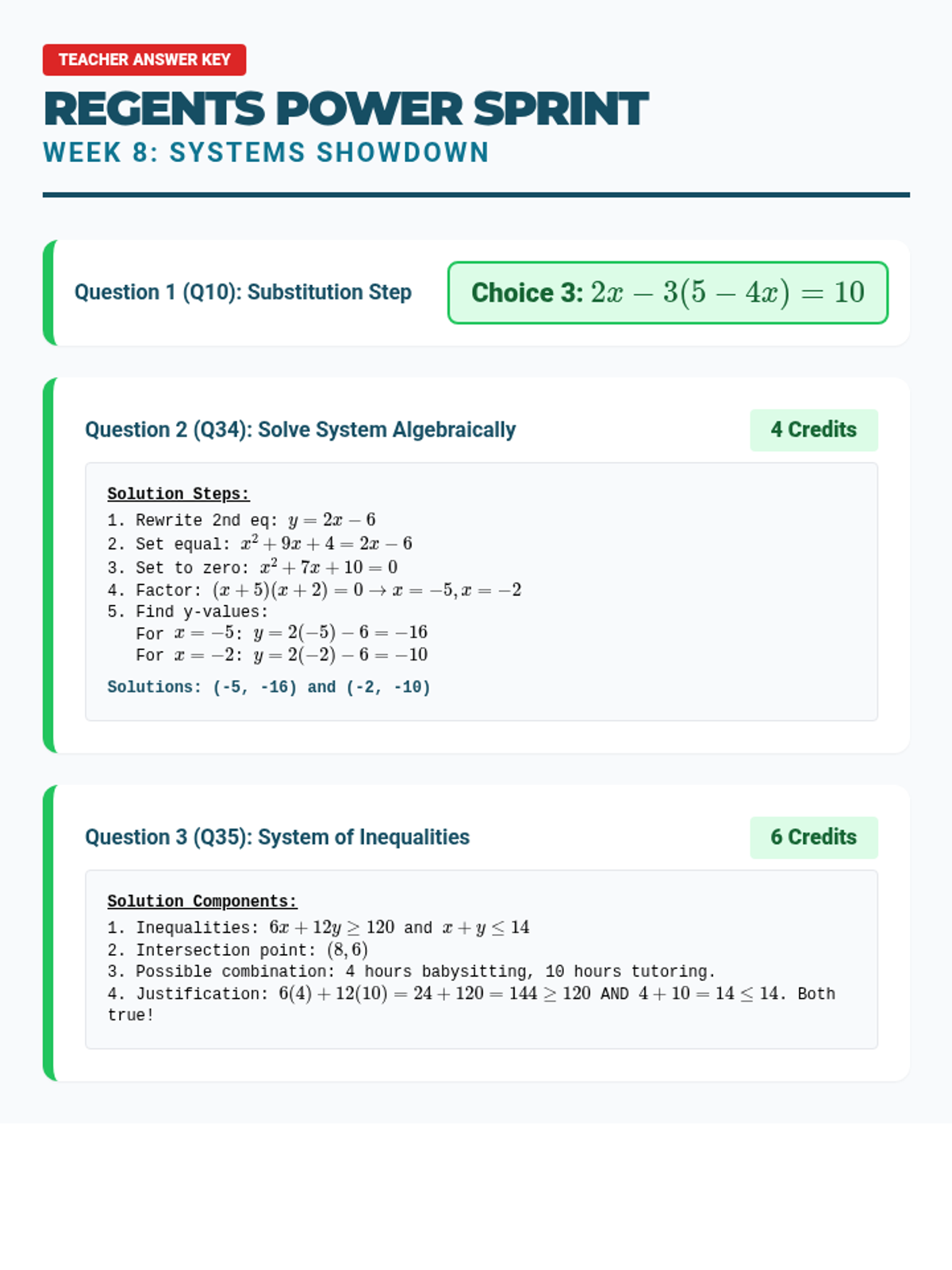
Focus on solving systems of equations algebraically and graphing systems of linear inequalities.
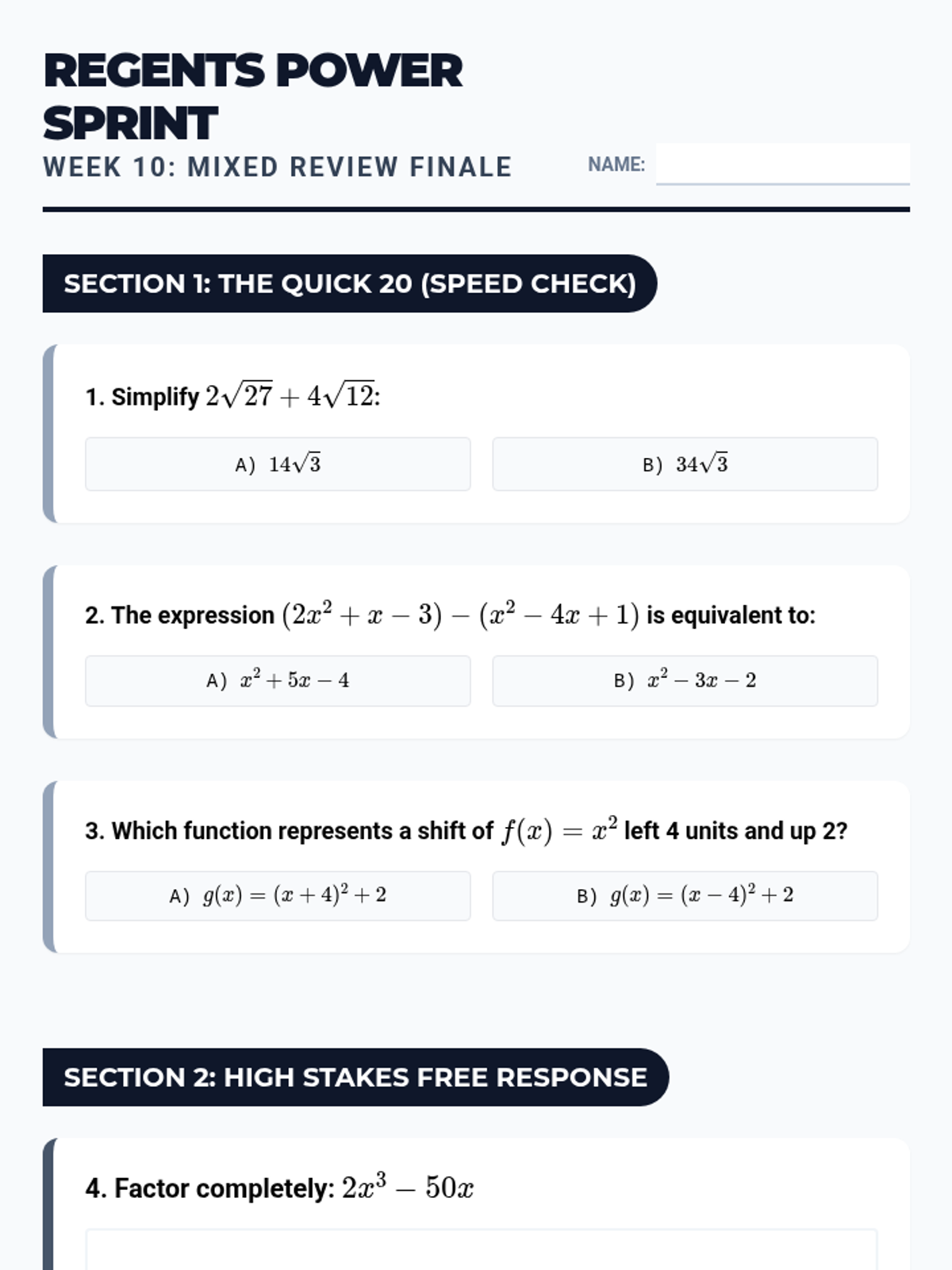
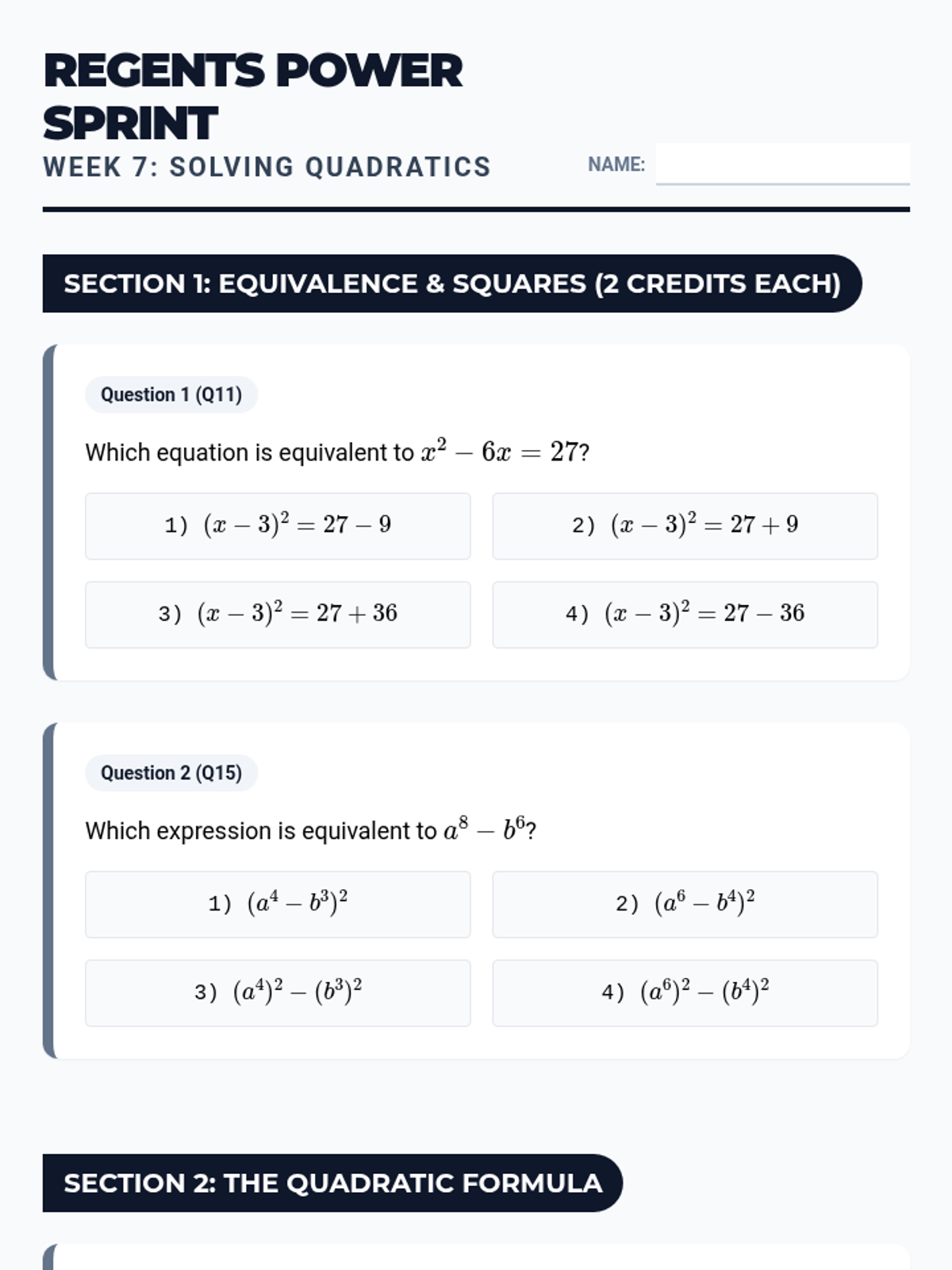
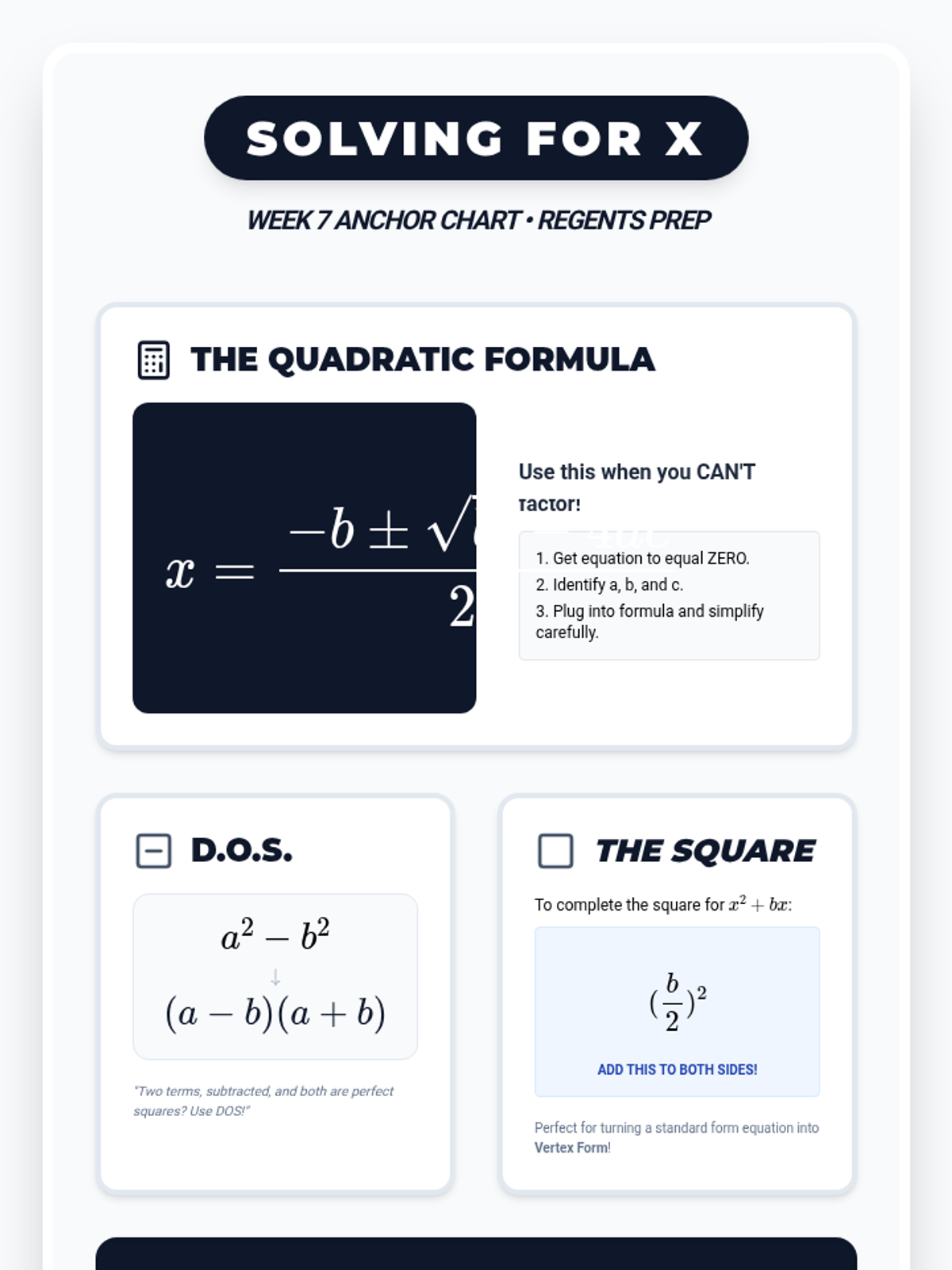
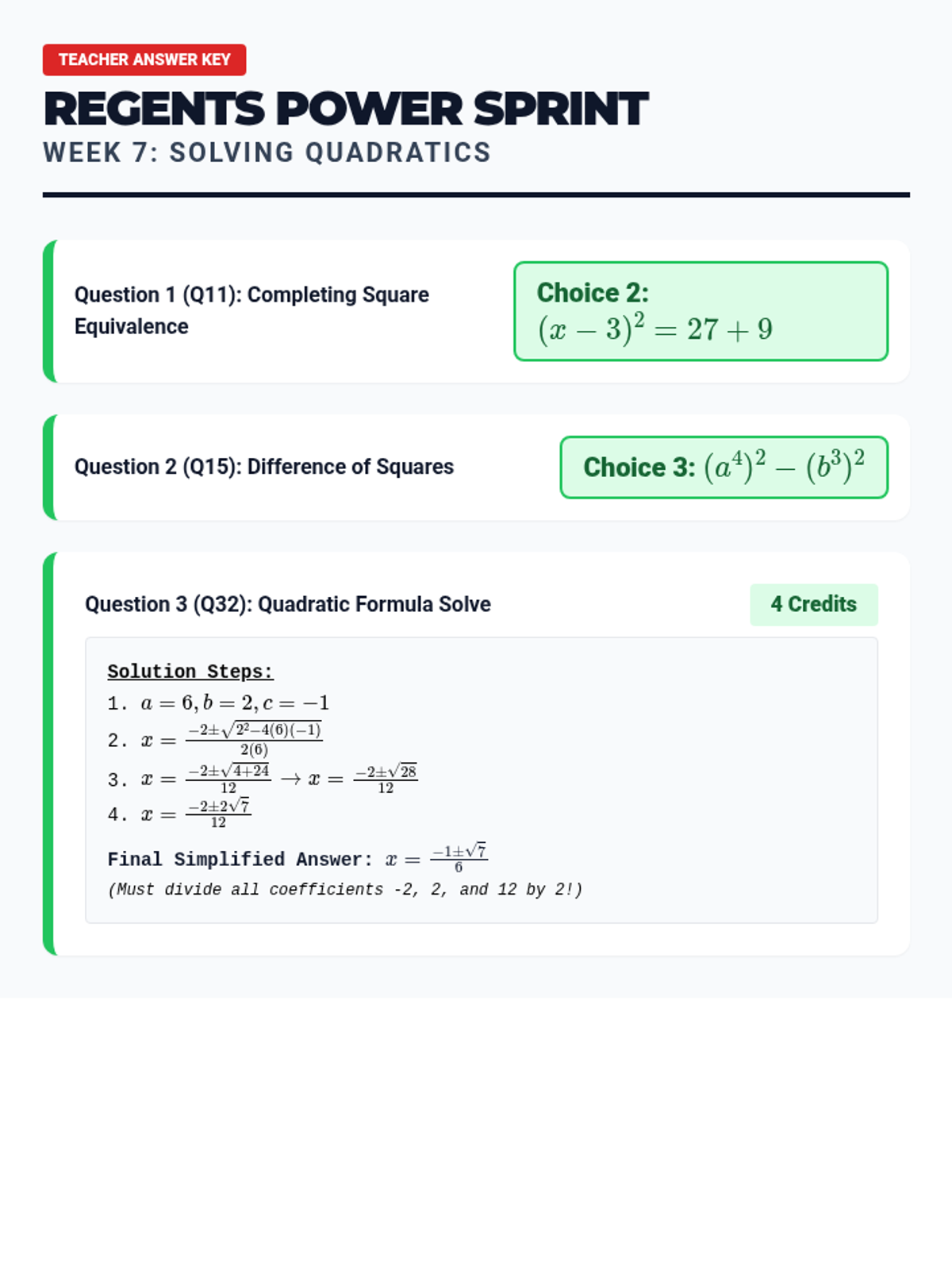
Focus on solving quadratic equations using the quadratic formula and factoring.
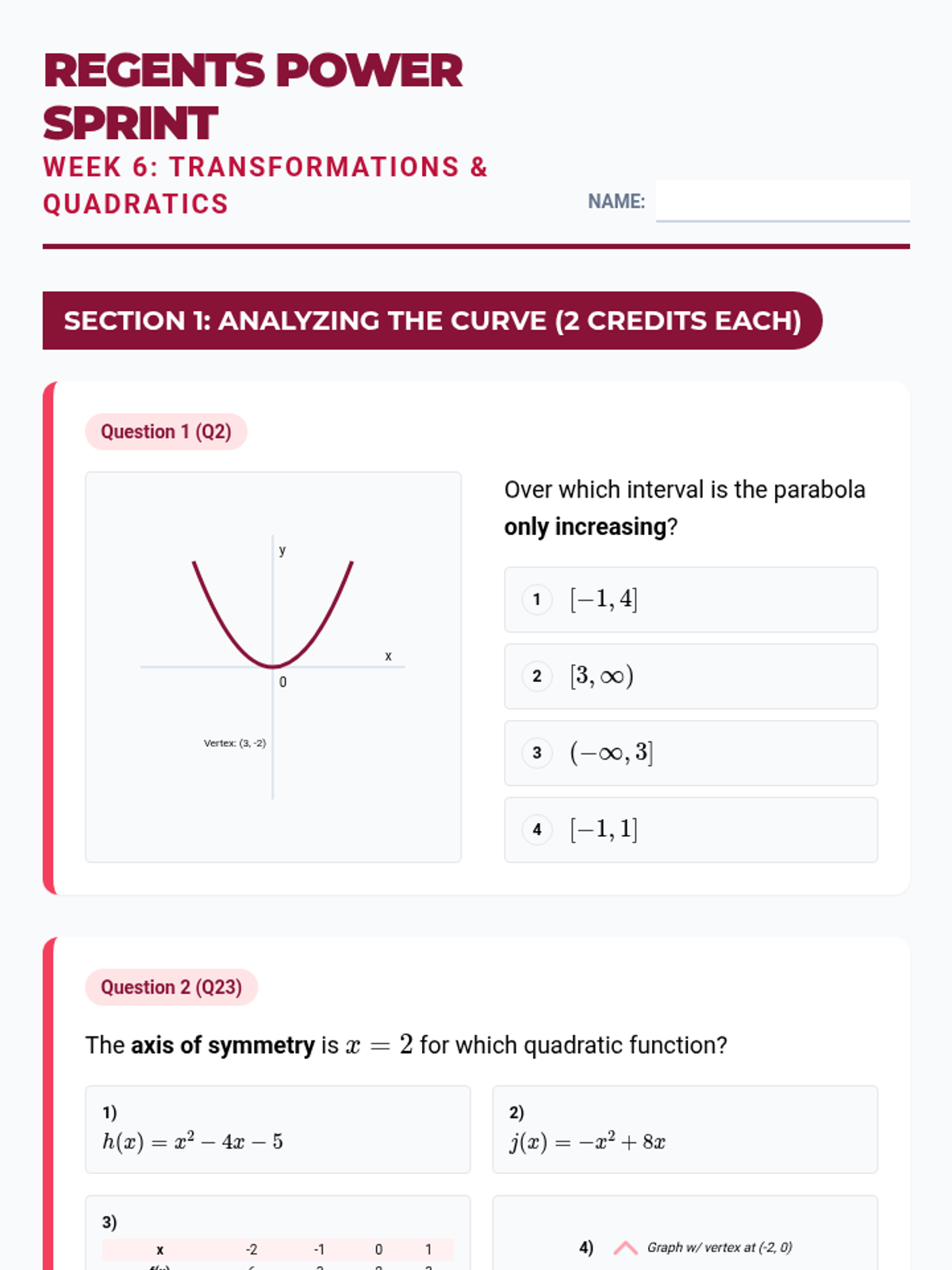
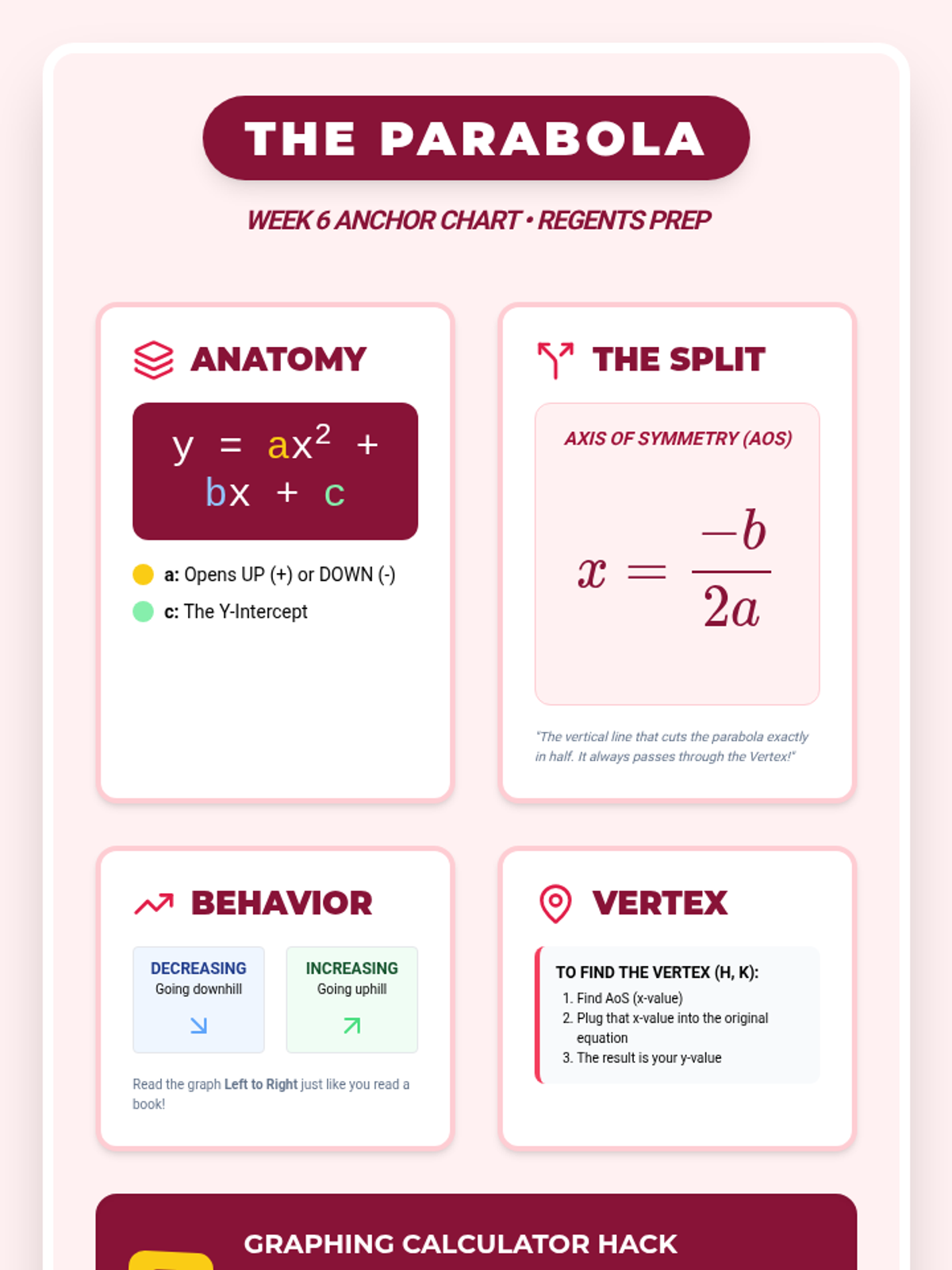
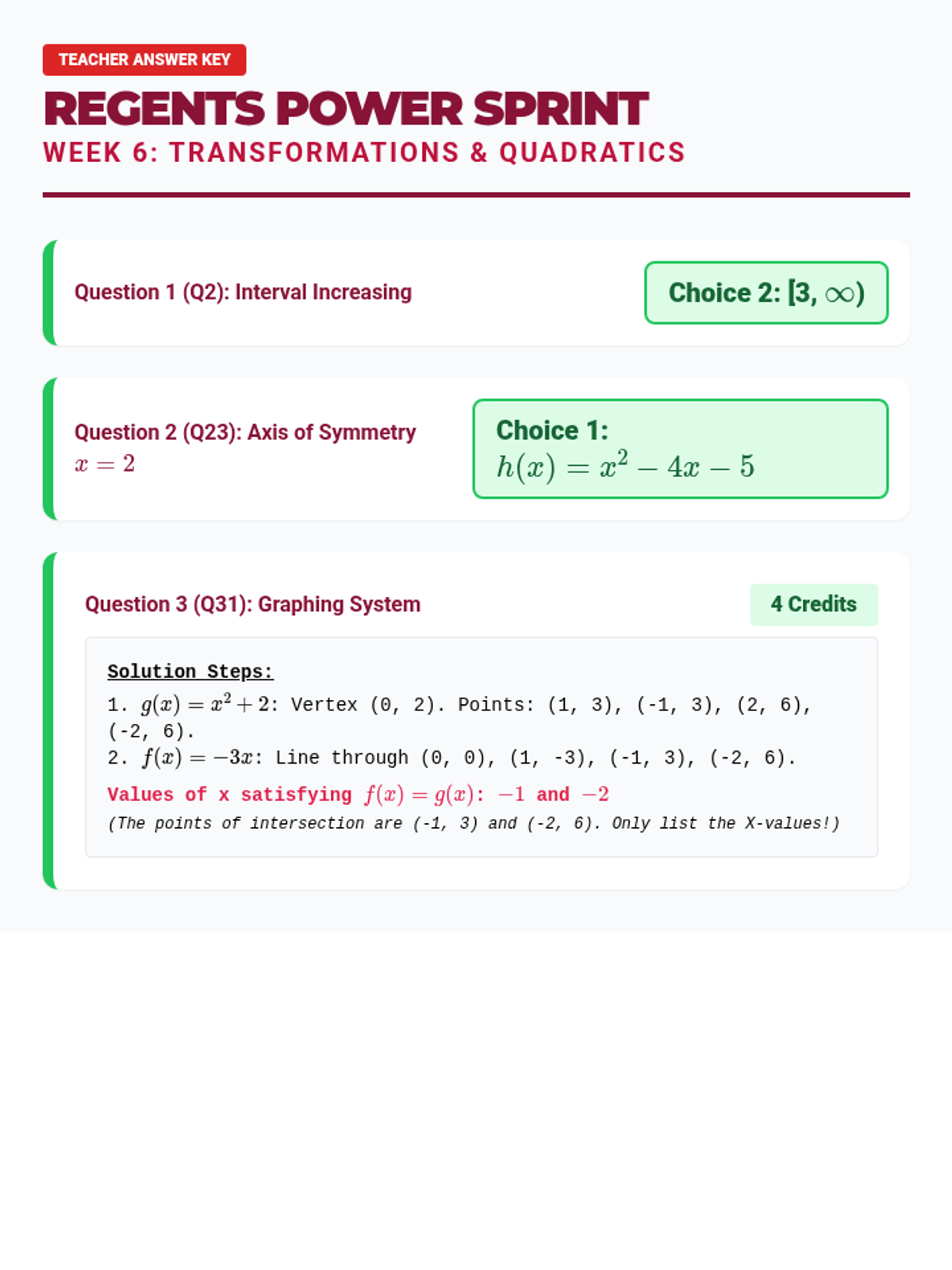
Focus on graphing absolute value and quadratic functions, including transformations and the axis of symmetry.
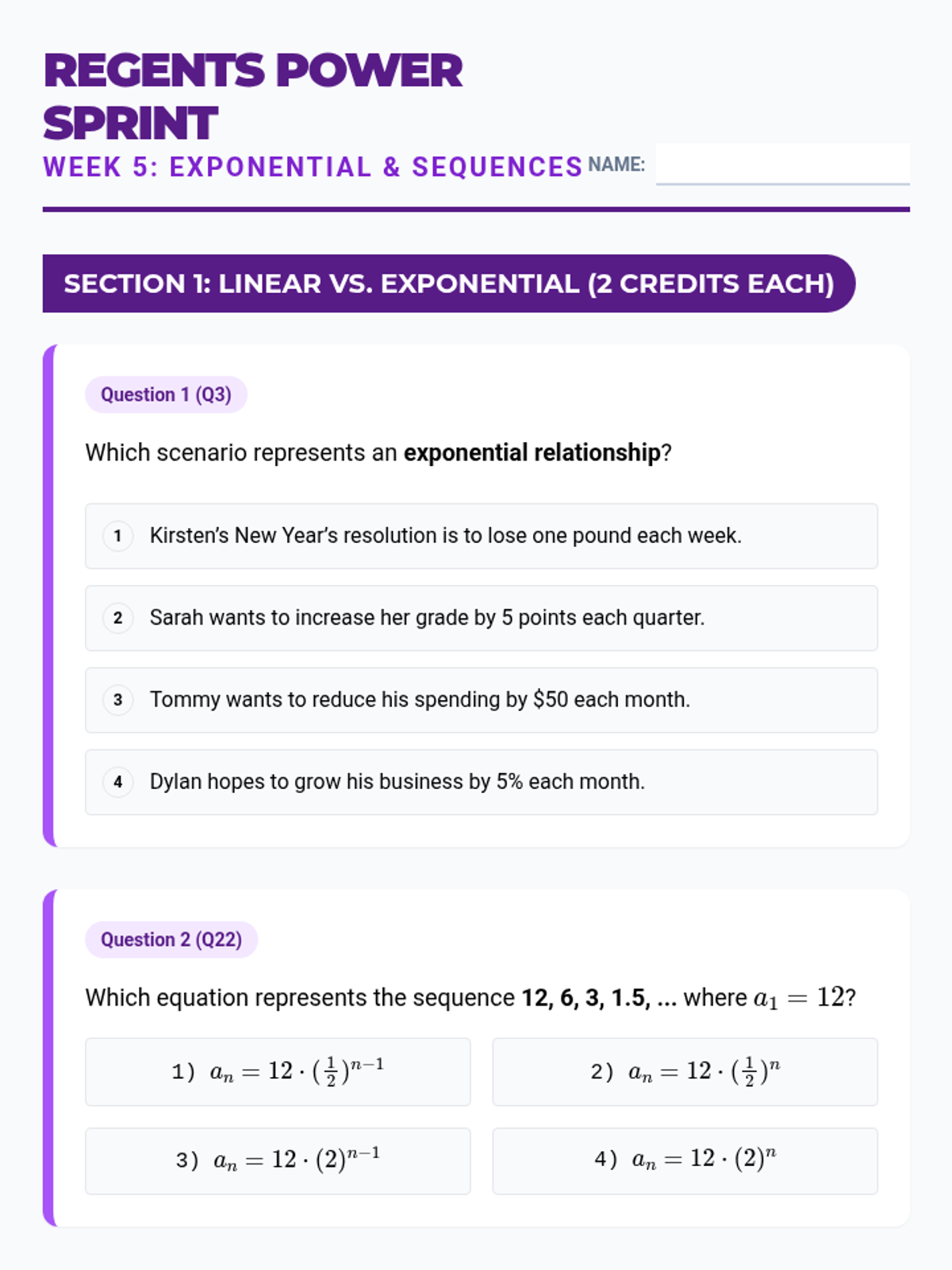
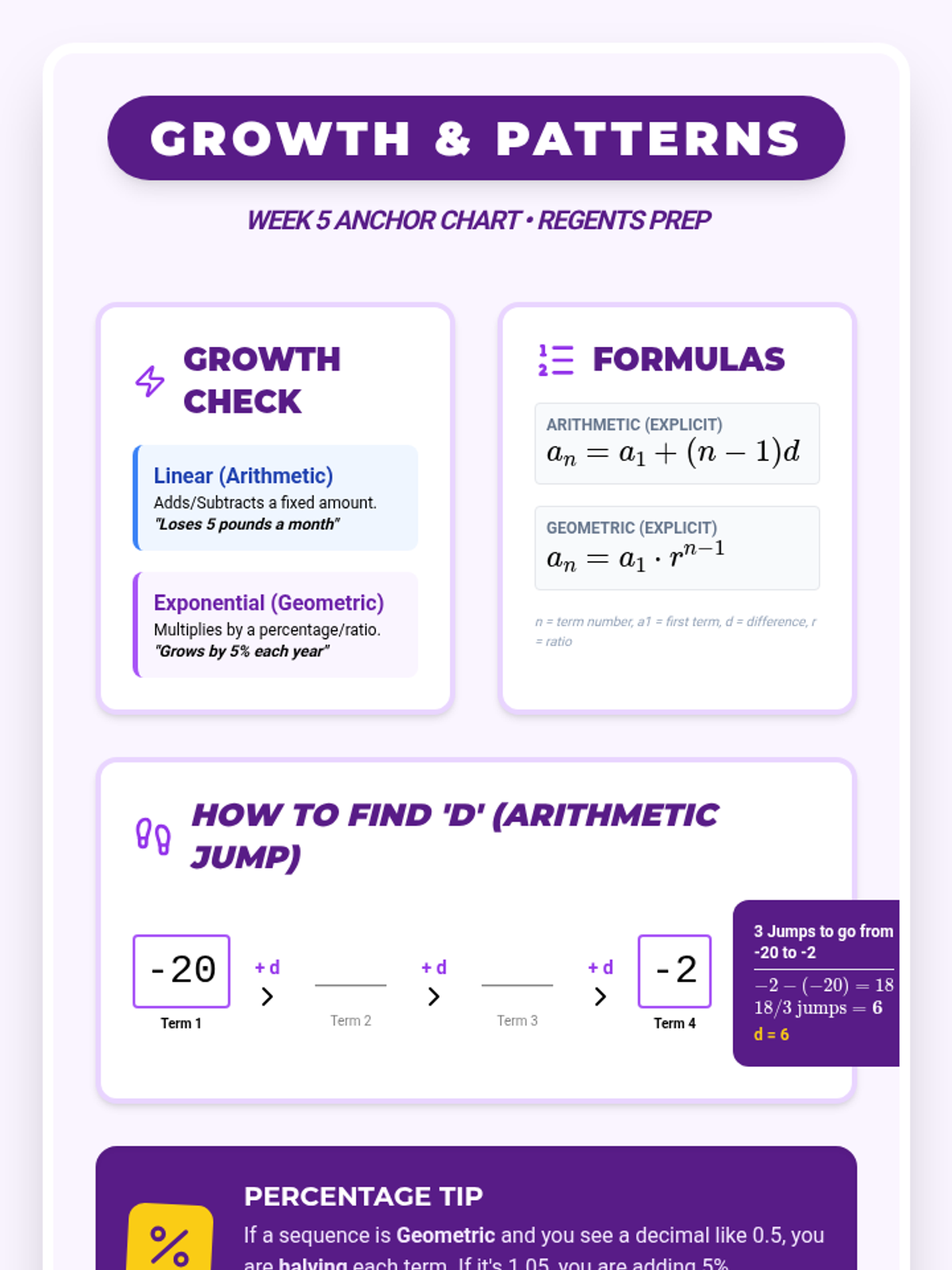
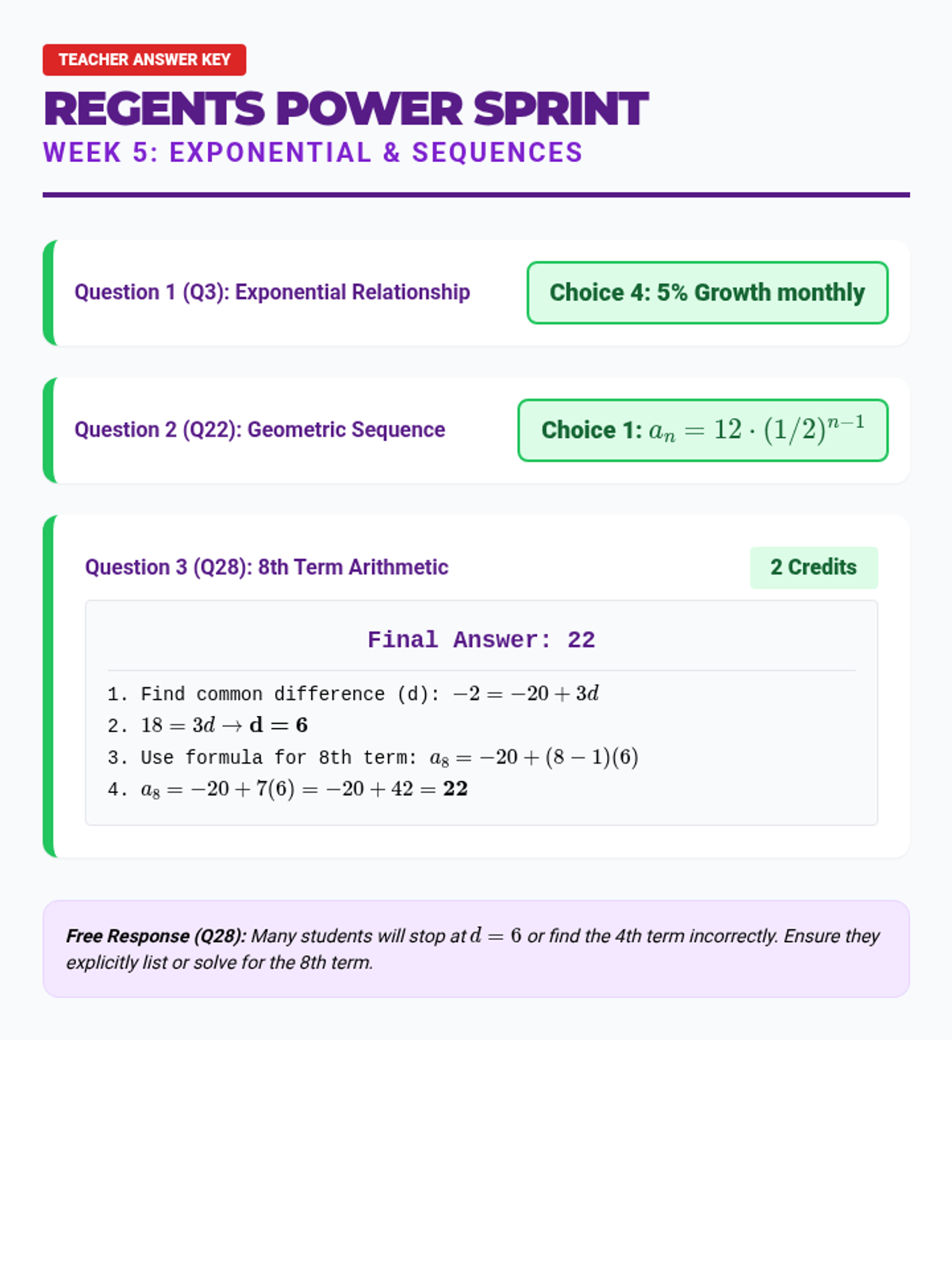
Focus on exponential growth vs. linear growth, and identifying and writing sequence formulas.
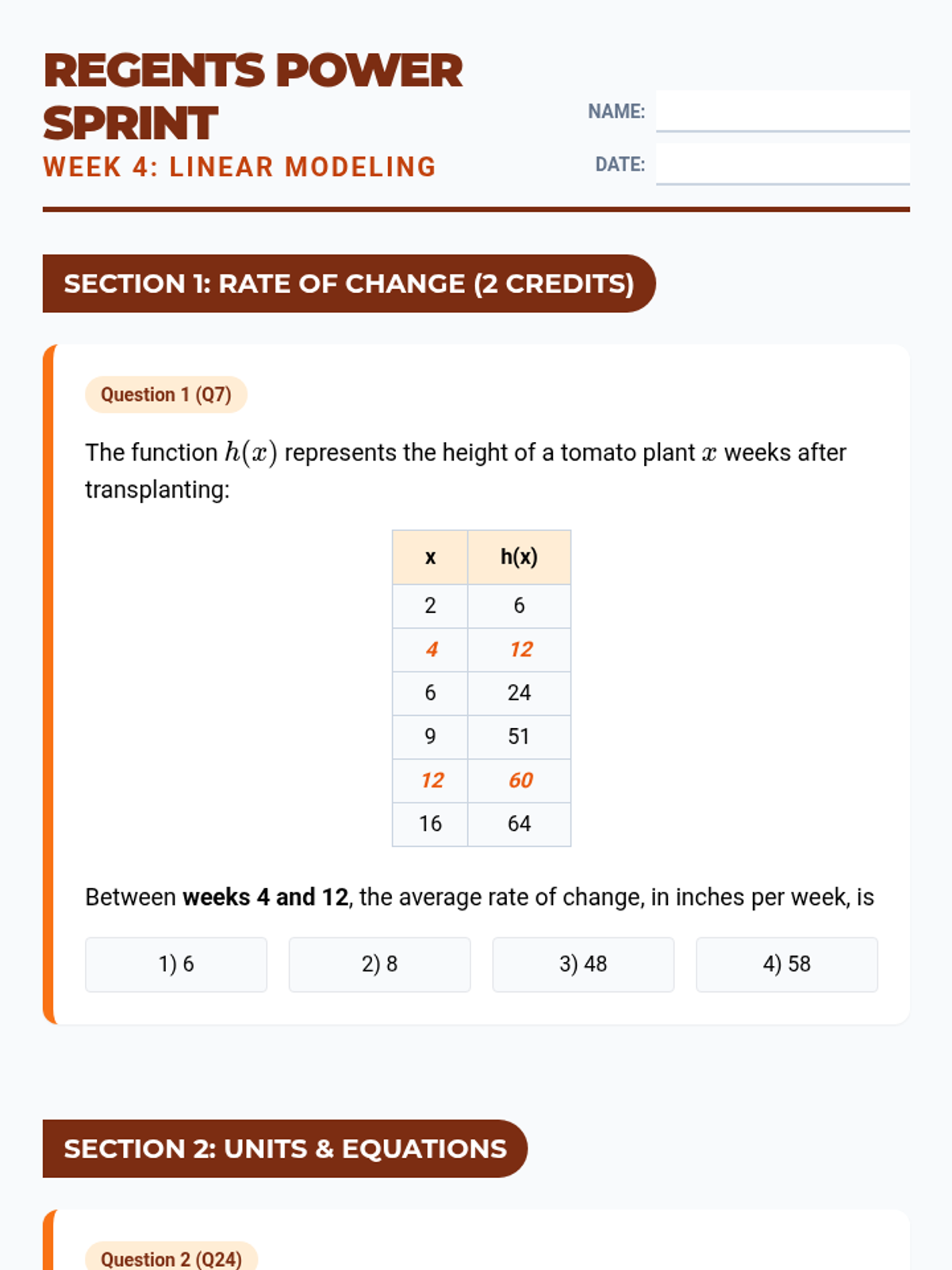
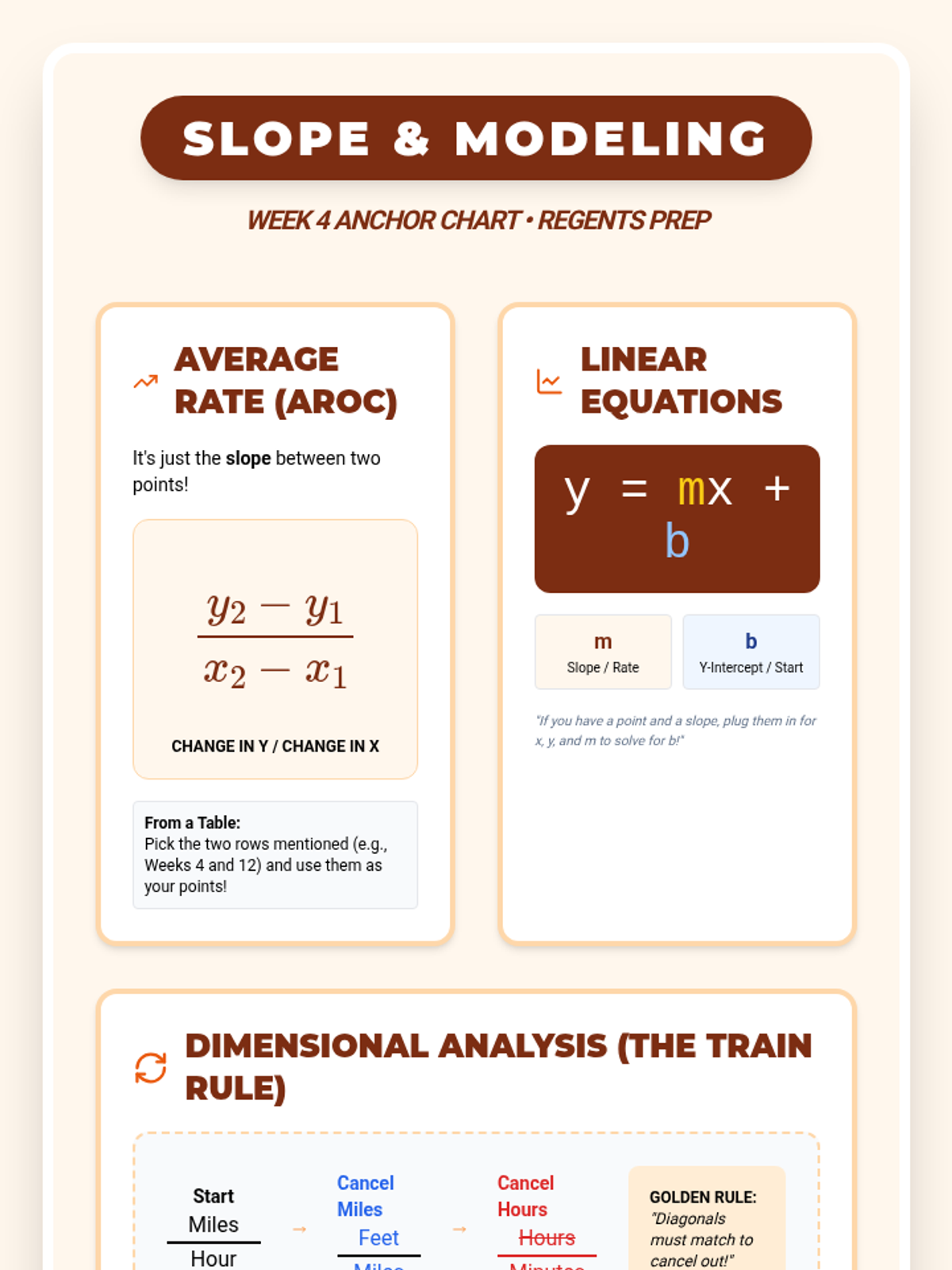
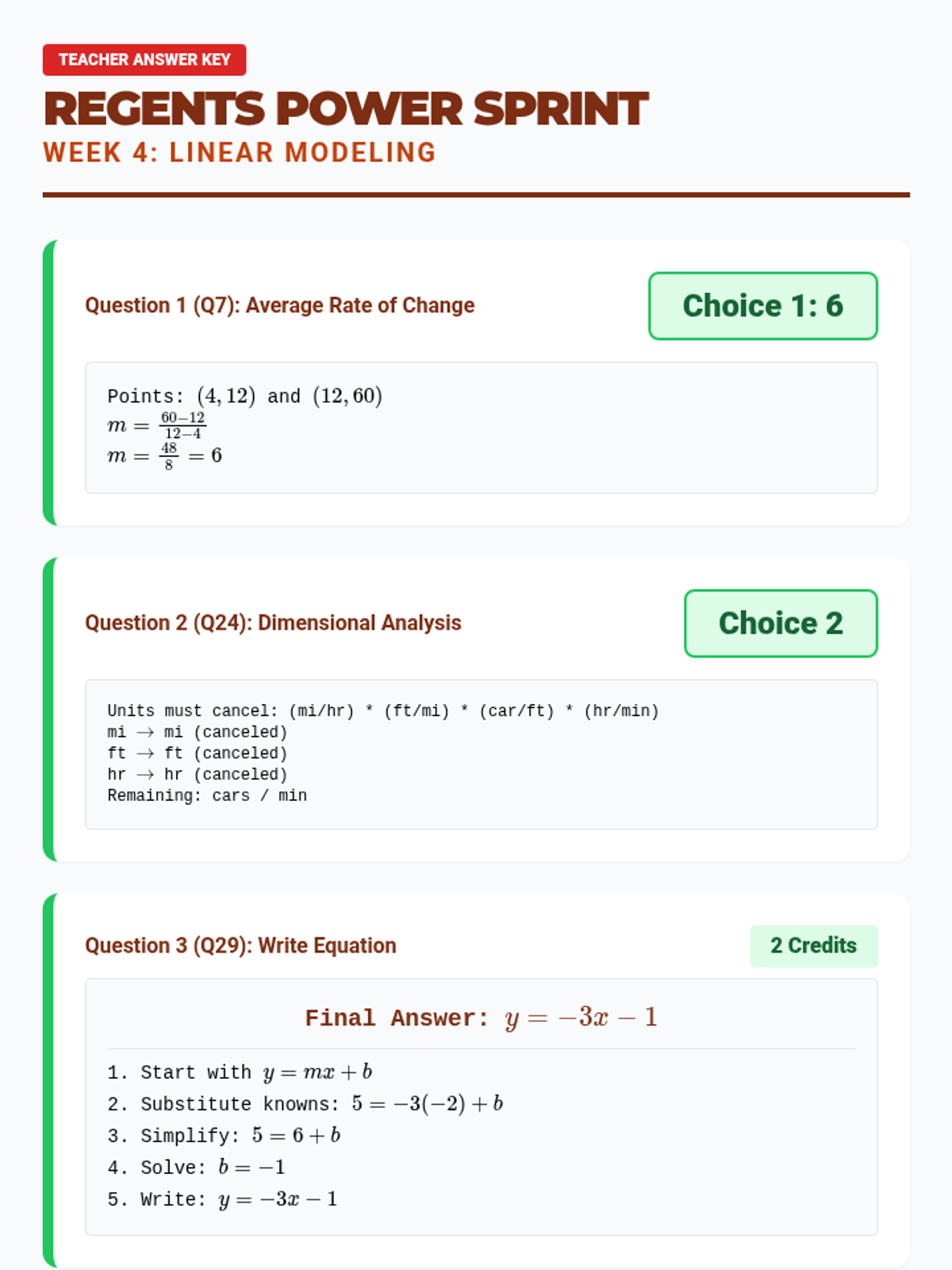
Focus on average rate of change, modeling linear scenarios, and writing equations in slope-intercept form.