Essential tools for conducting and reporting chemistry experiments using the formal scientific method, with a focus on theoretical grounding and evidence-based conclusions.
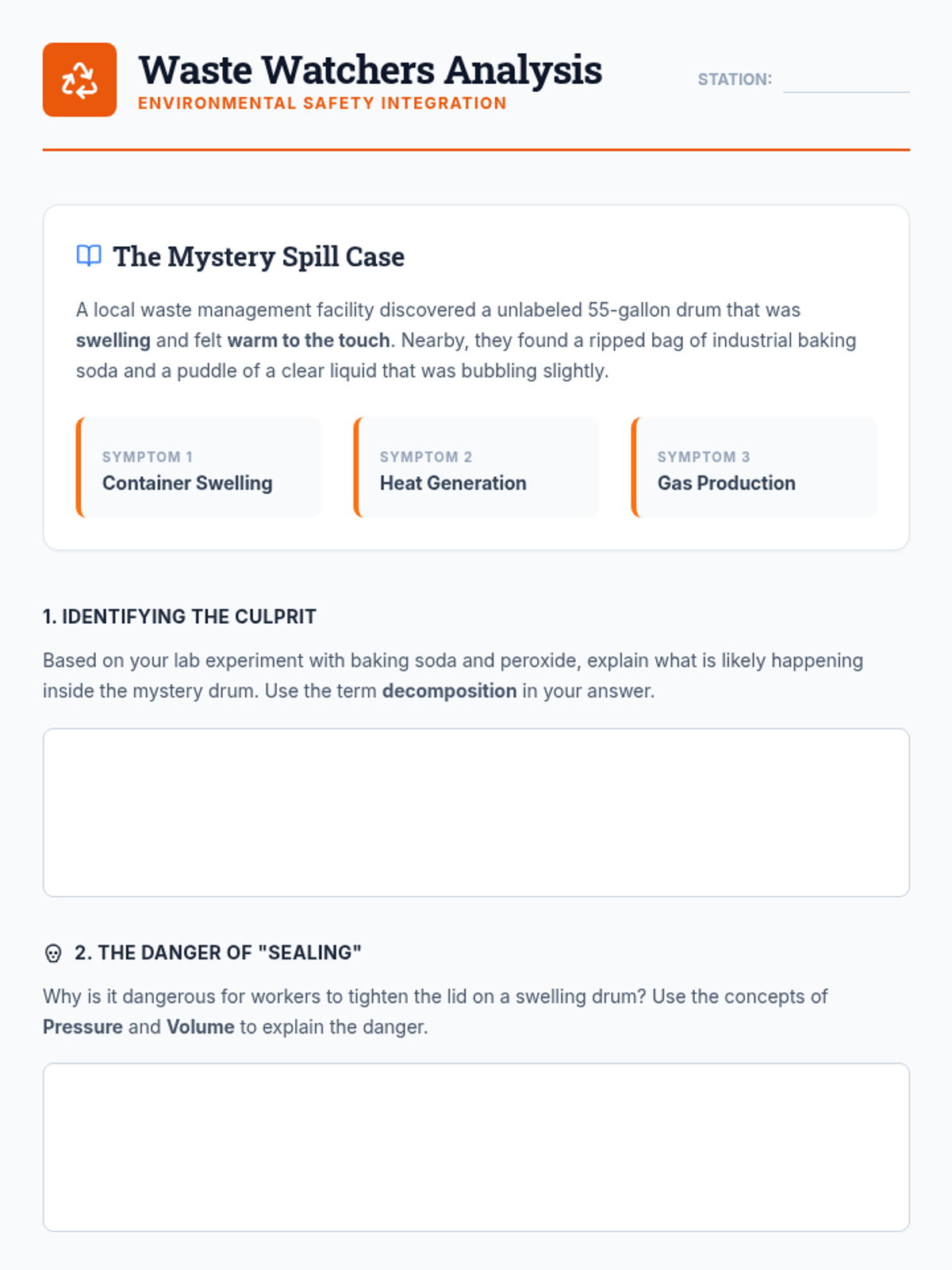
Students analyze their lab results and connect the findings to hazardous waste management and the importance of chemical safety protocols.
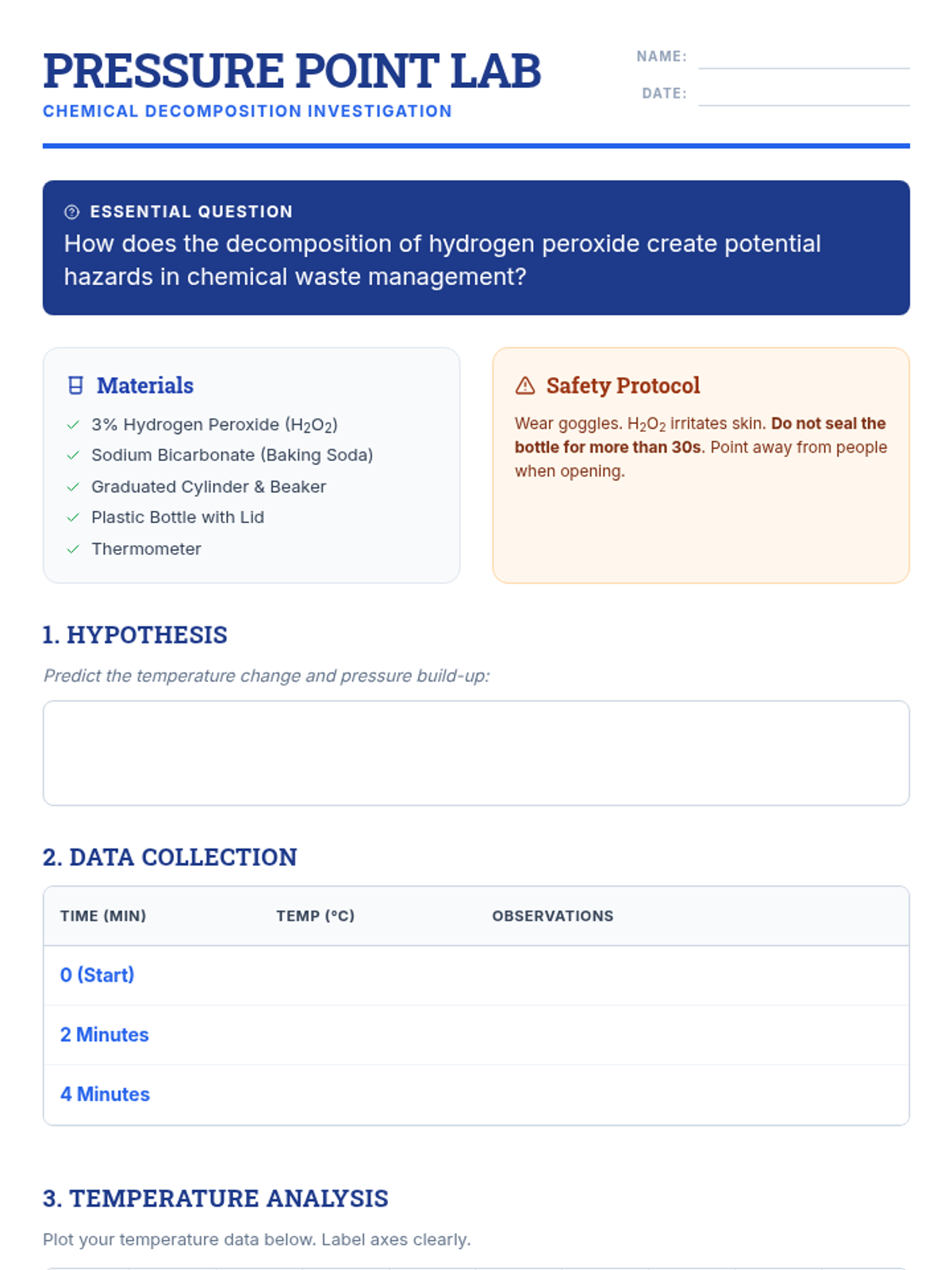
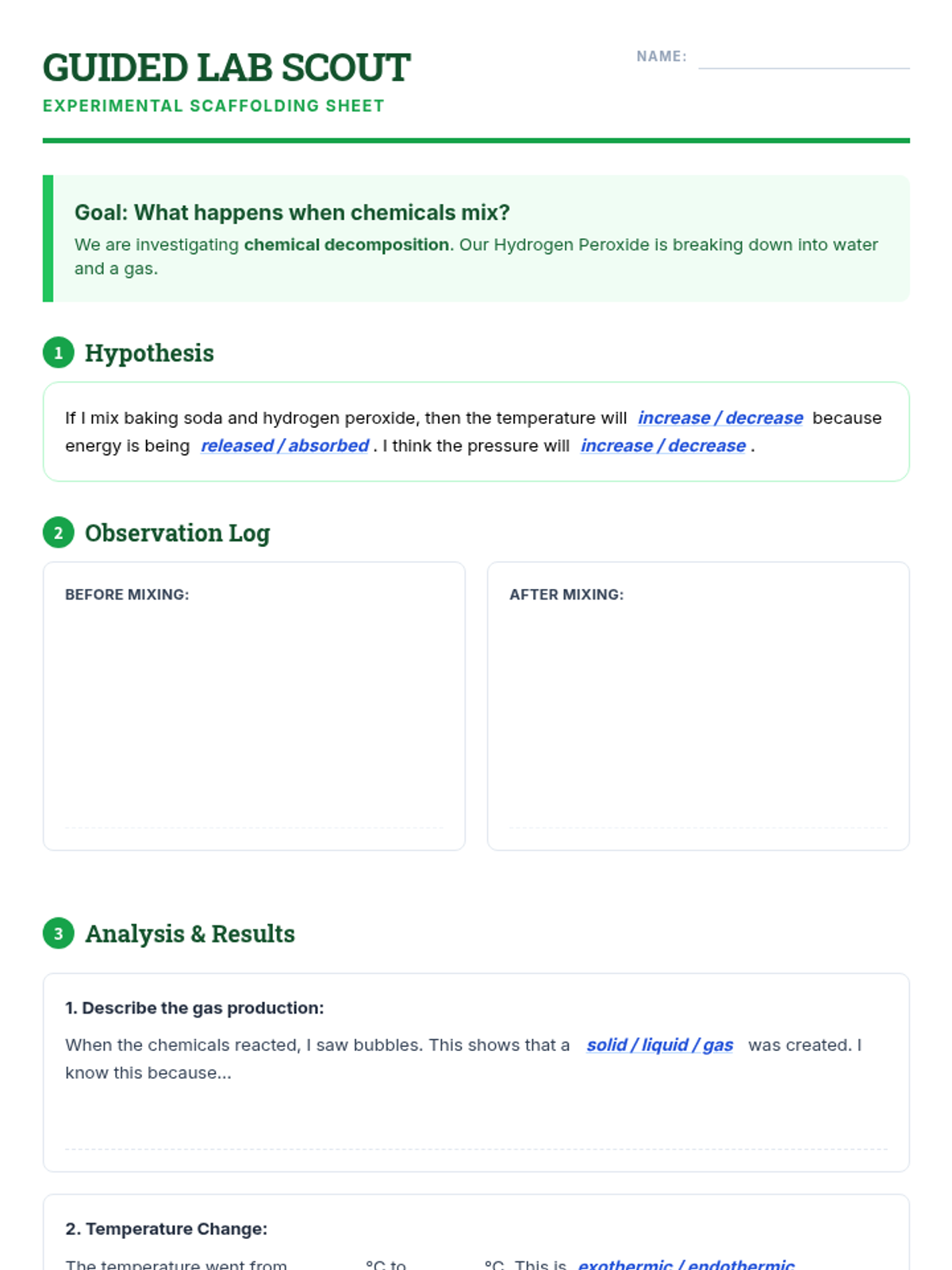
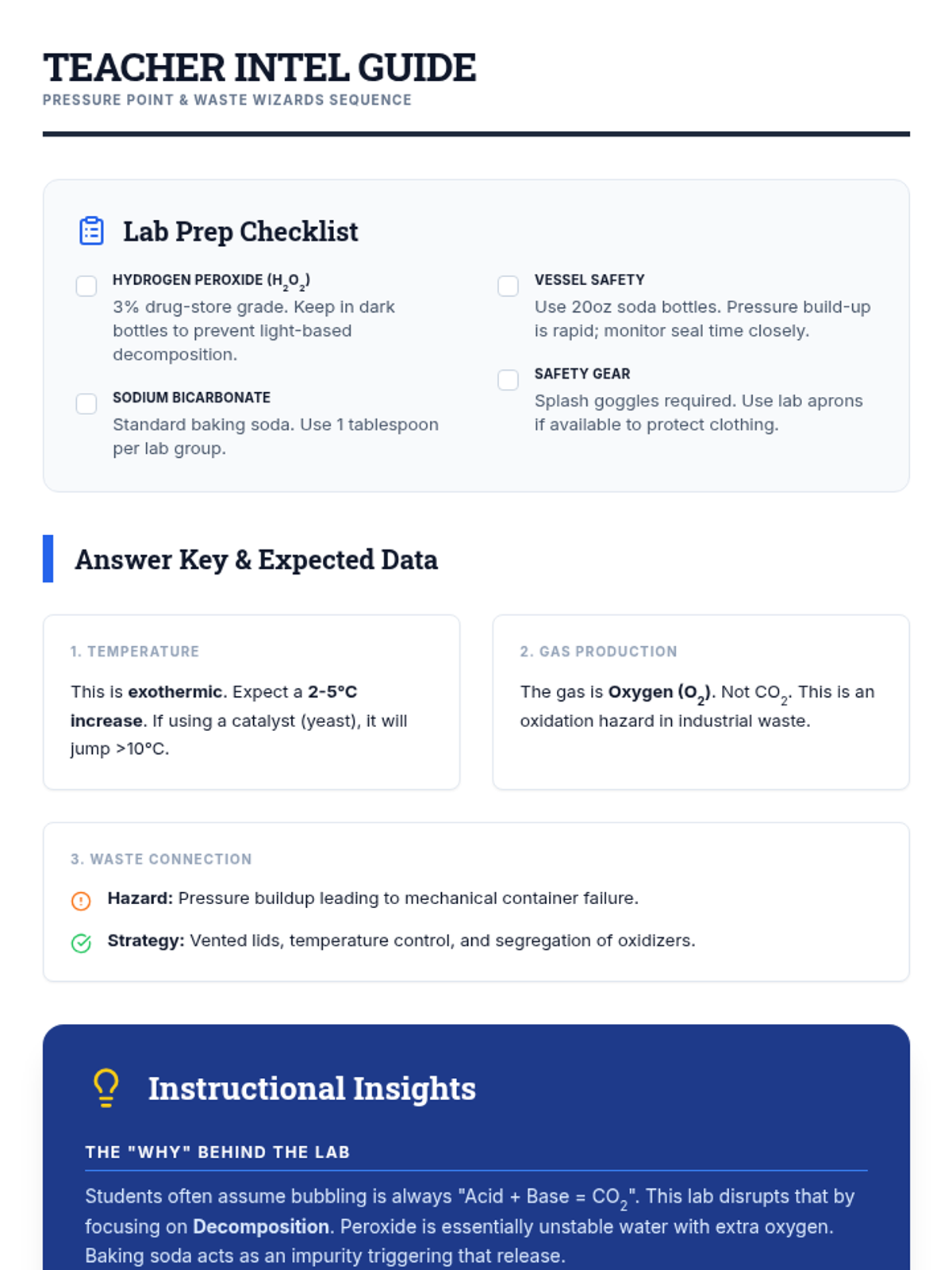
Students conduct an experiment mixing hydrogen peroxide and baking soda to observe chemical reactions and gas production, simulating pressure buildup in waste containers.
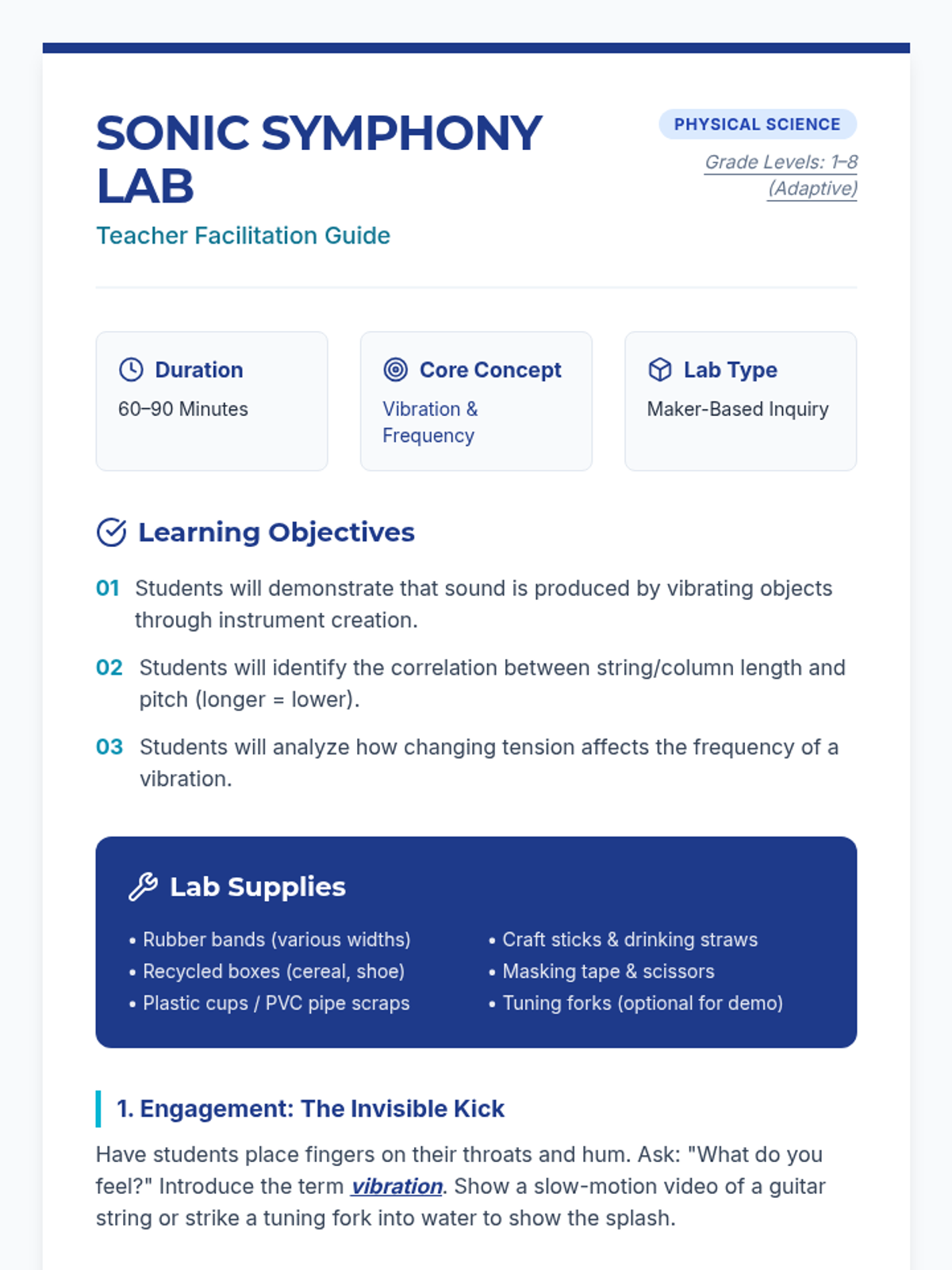
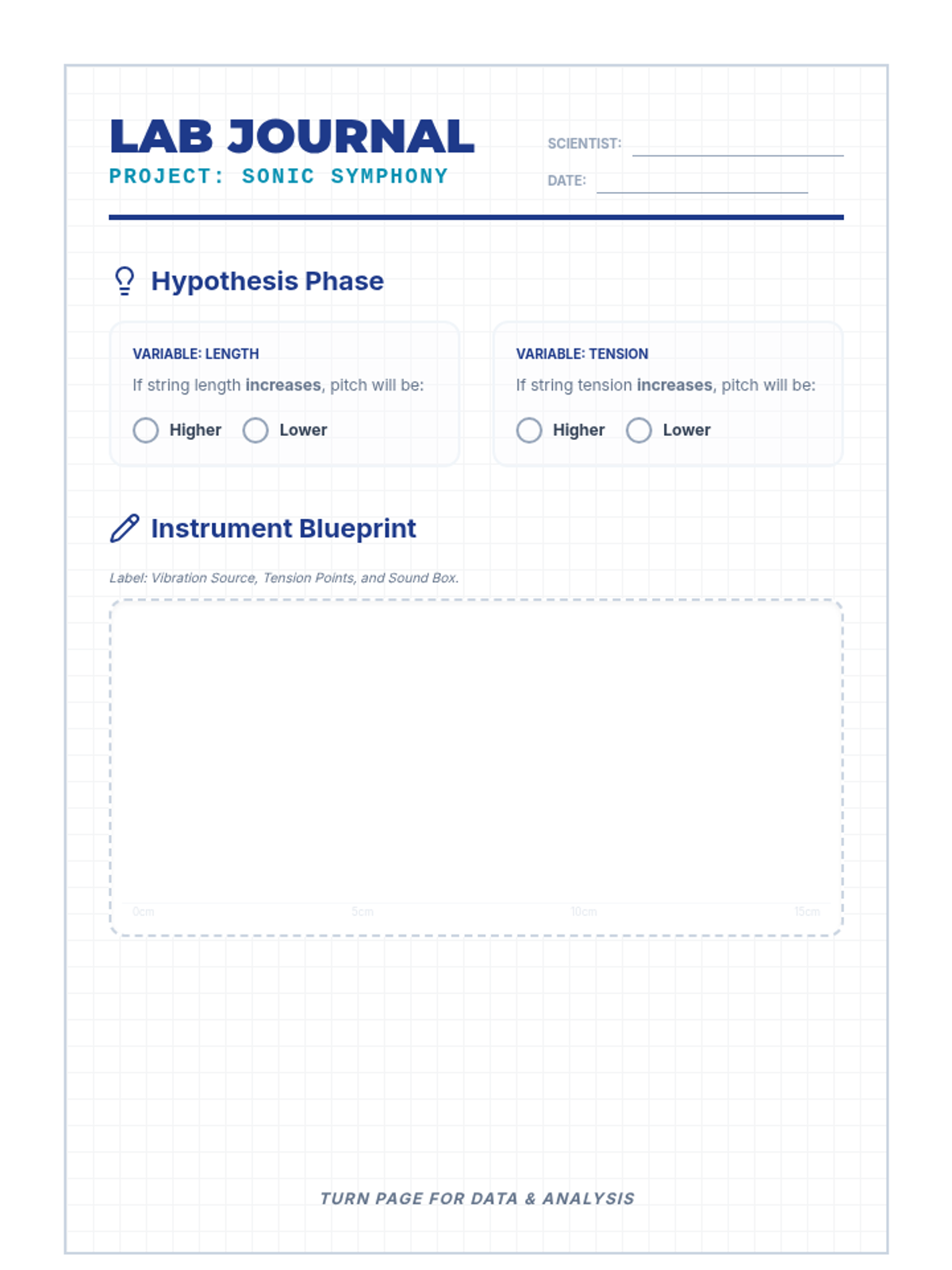
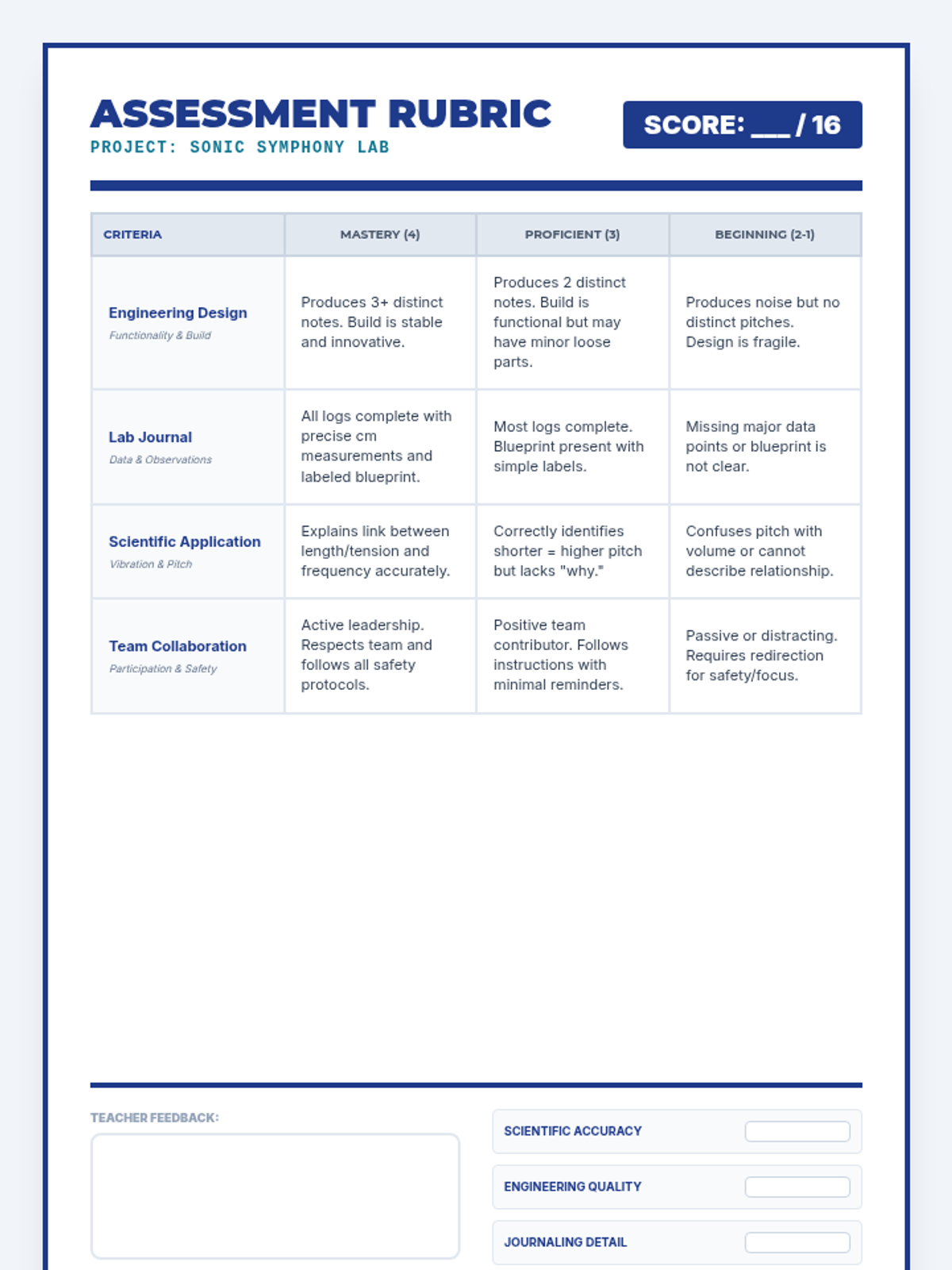
An immersive hands-on investigation into the physics of sound where students build DIY instruments to explore vibrations, pitch, and volume. This lesson bridges sensory exploration with acoustic engineering principles.
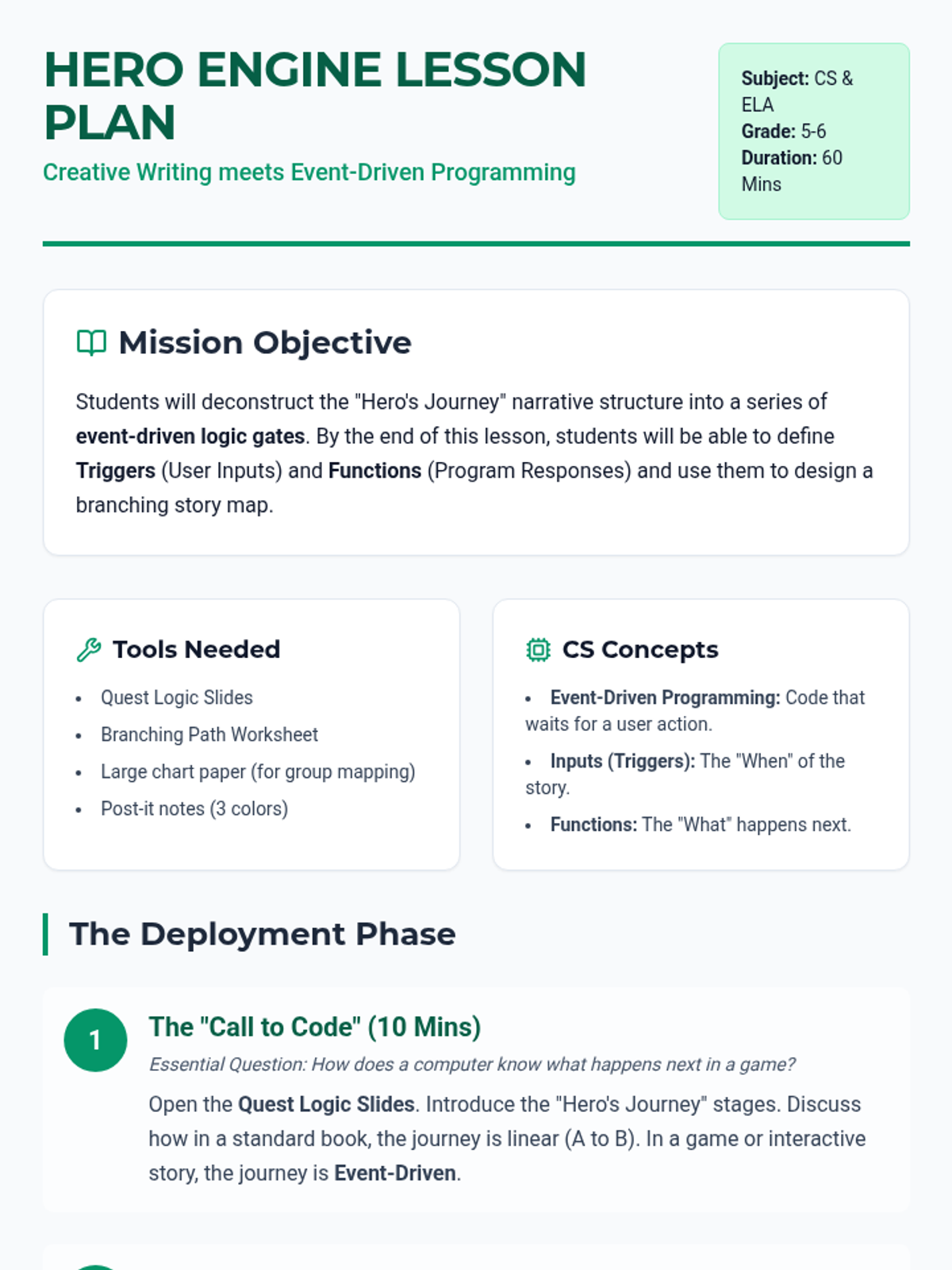
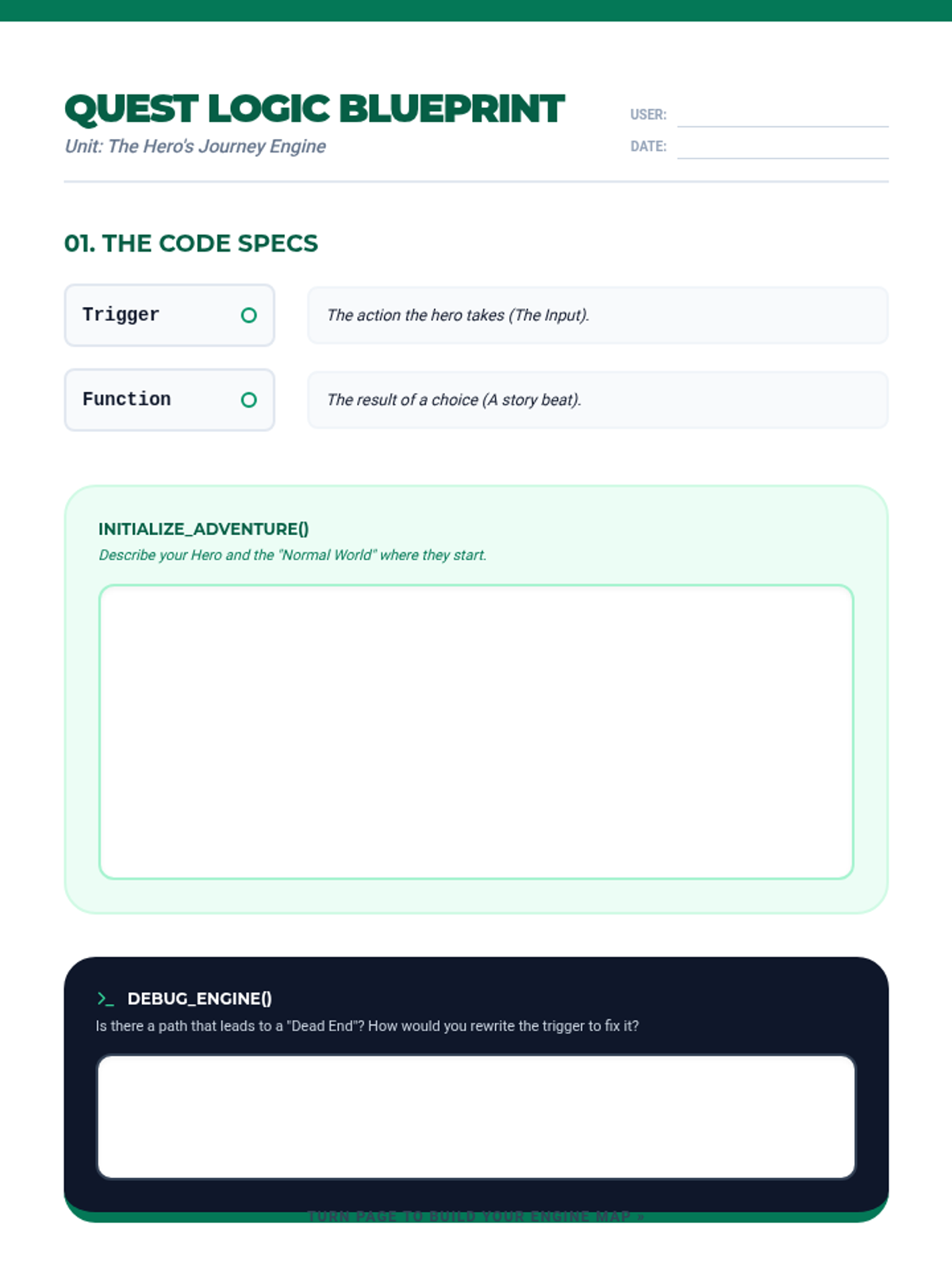
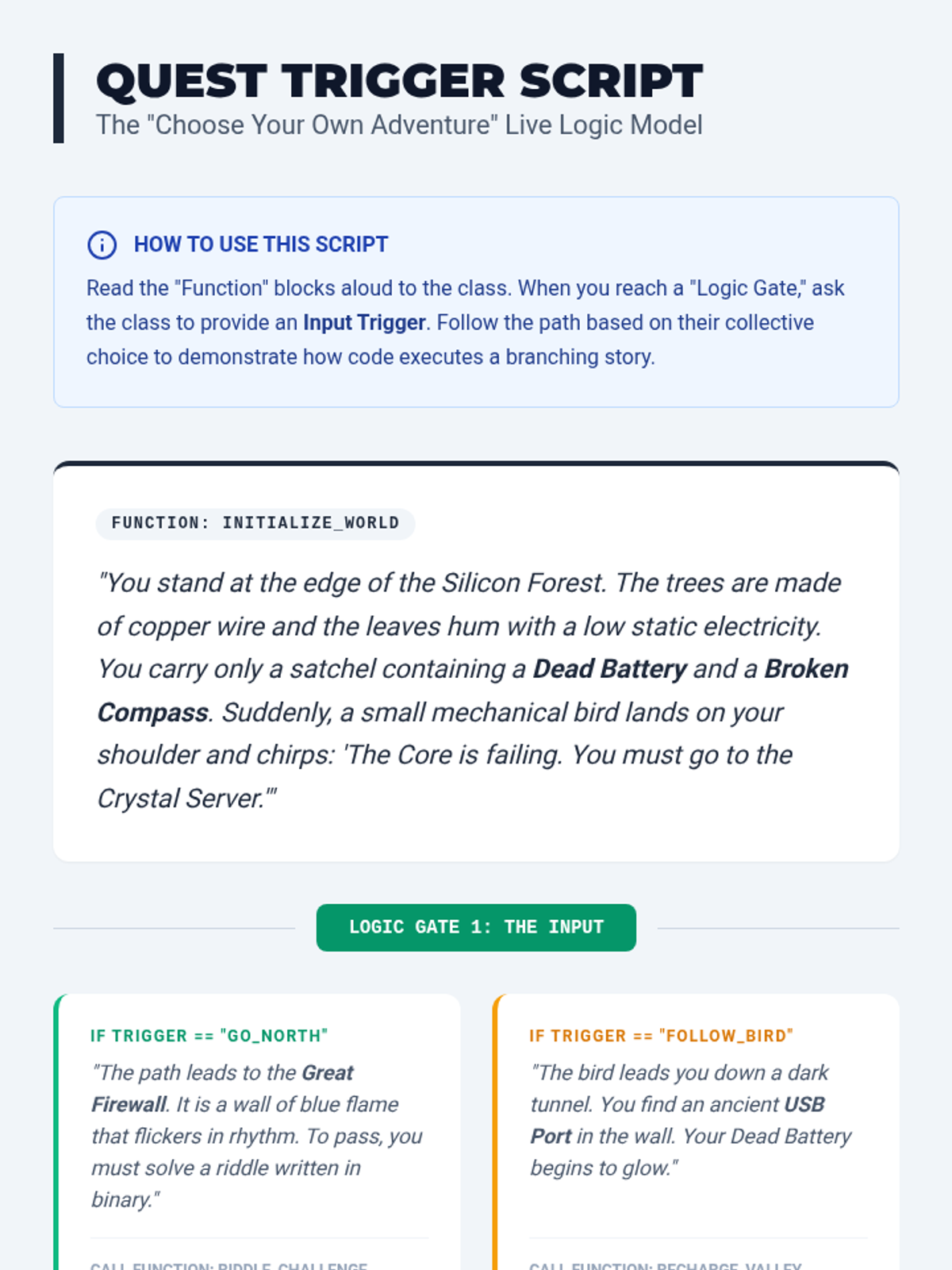
A high-energy lesson where 5th and 6th graders bridge creative writing and computer science by building event-driven logic maps for branching narratives. Students learn how user inputs serve as 'triggers' for story 'functions' within the Hero's Journey framework.
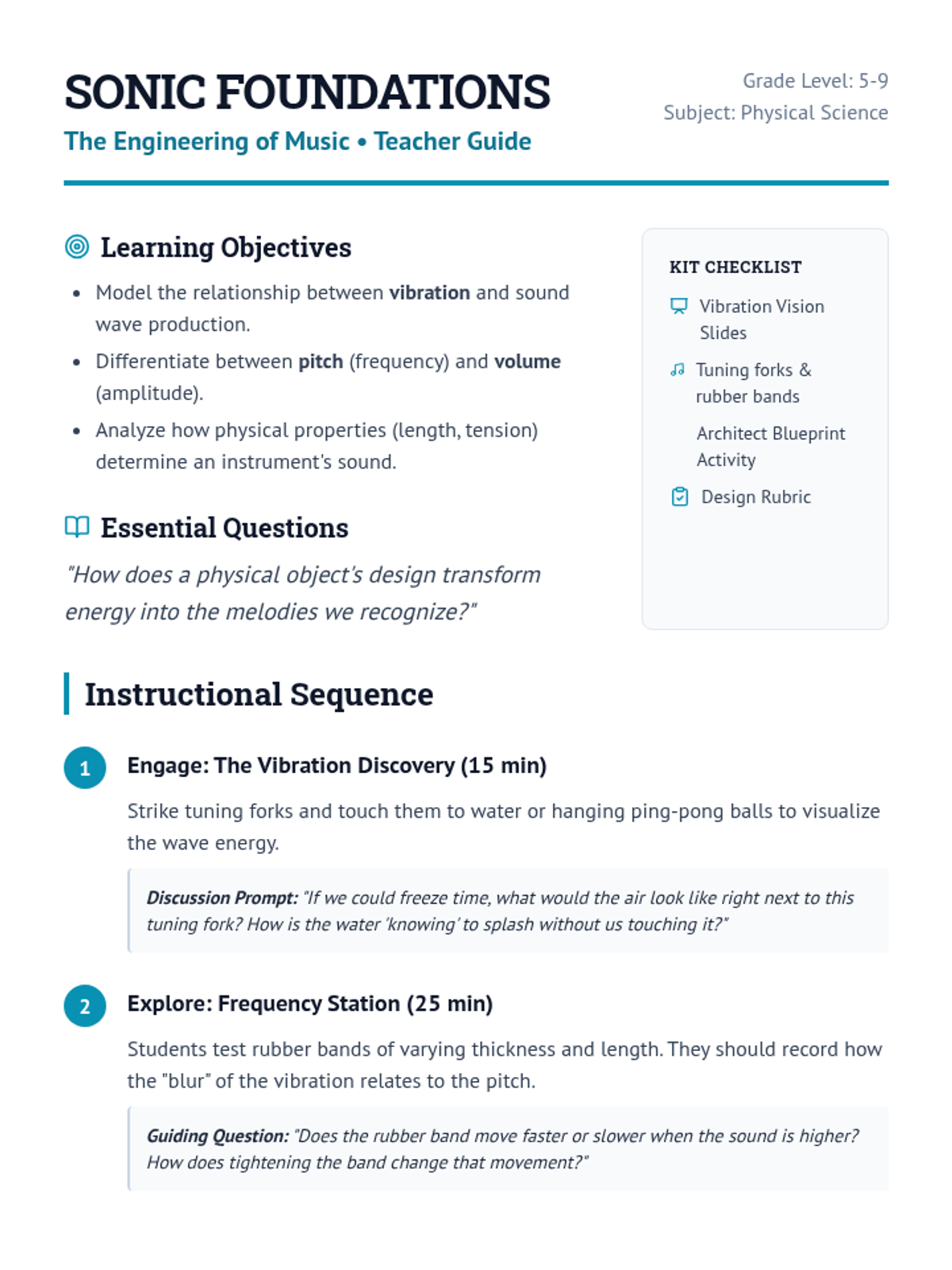
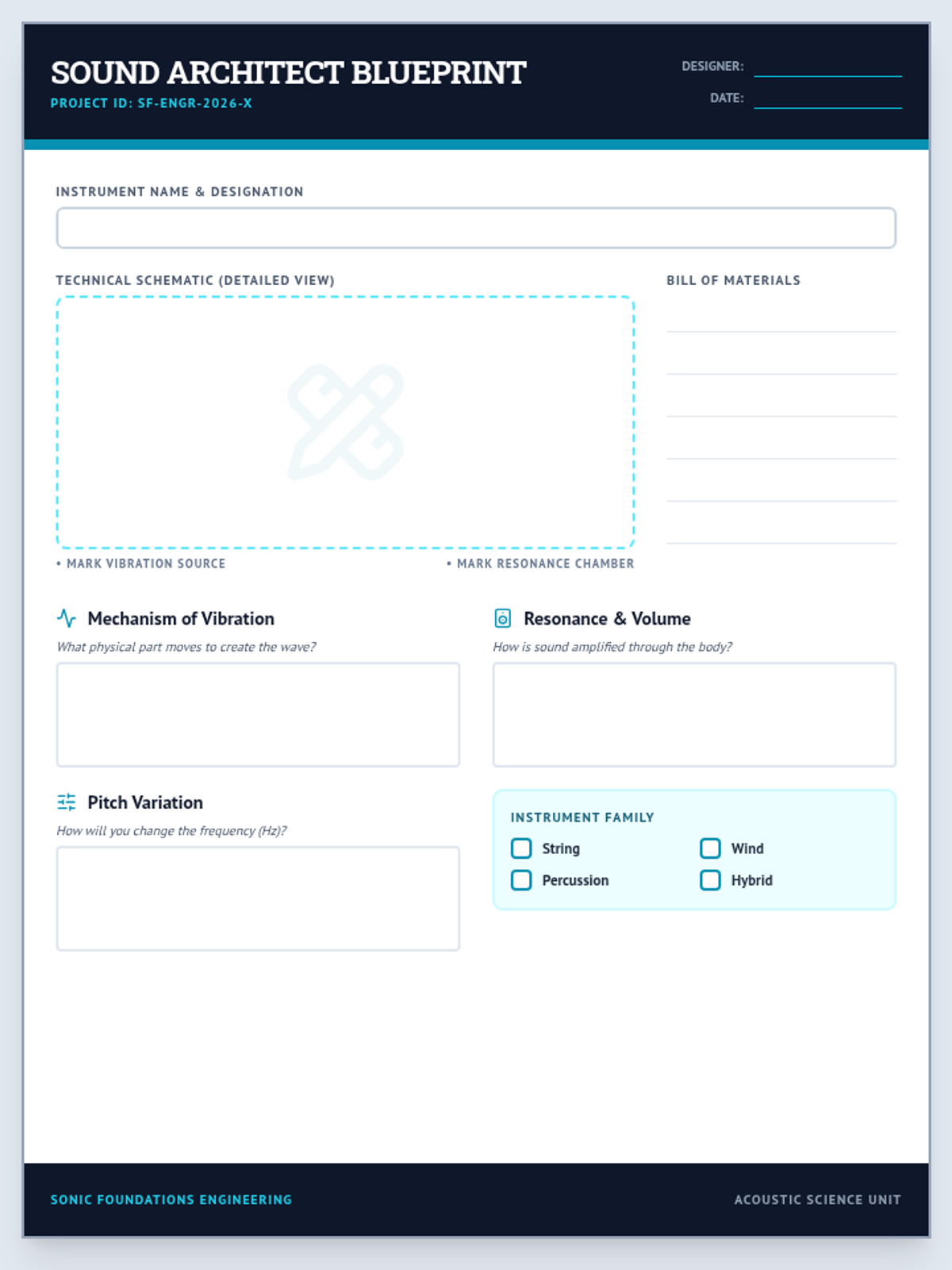
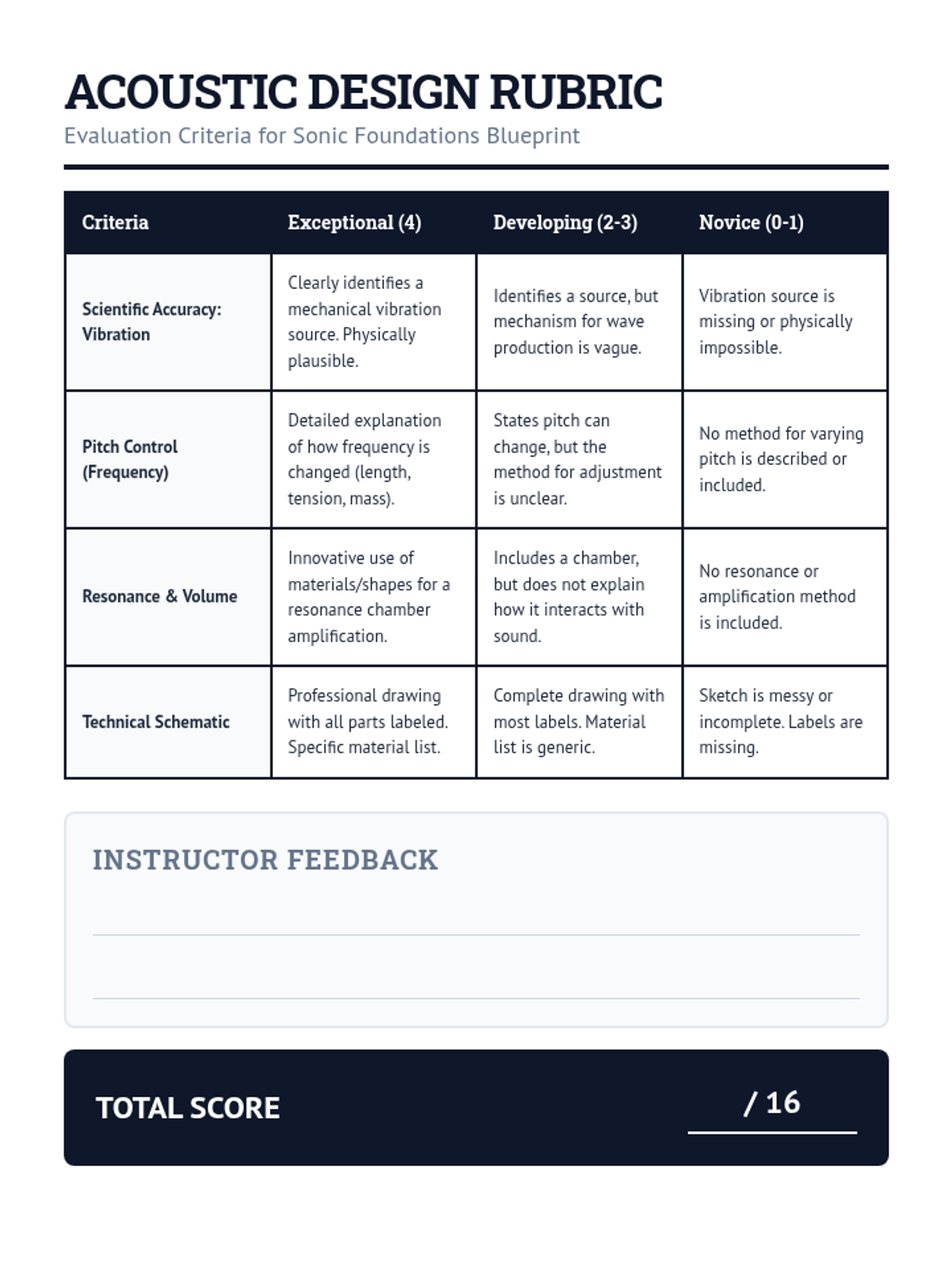
A physical science and music integration lesson exploring how vibration and frequency create sound, culminating in an acoustic instrument design project. Students analyze the mechanics of pitch and resonance across different instrument families.
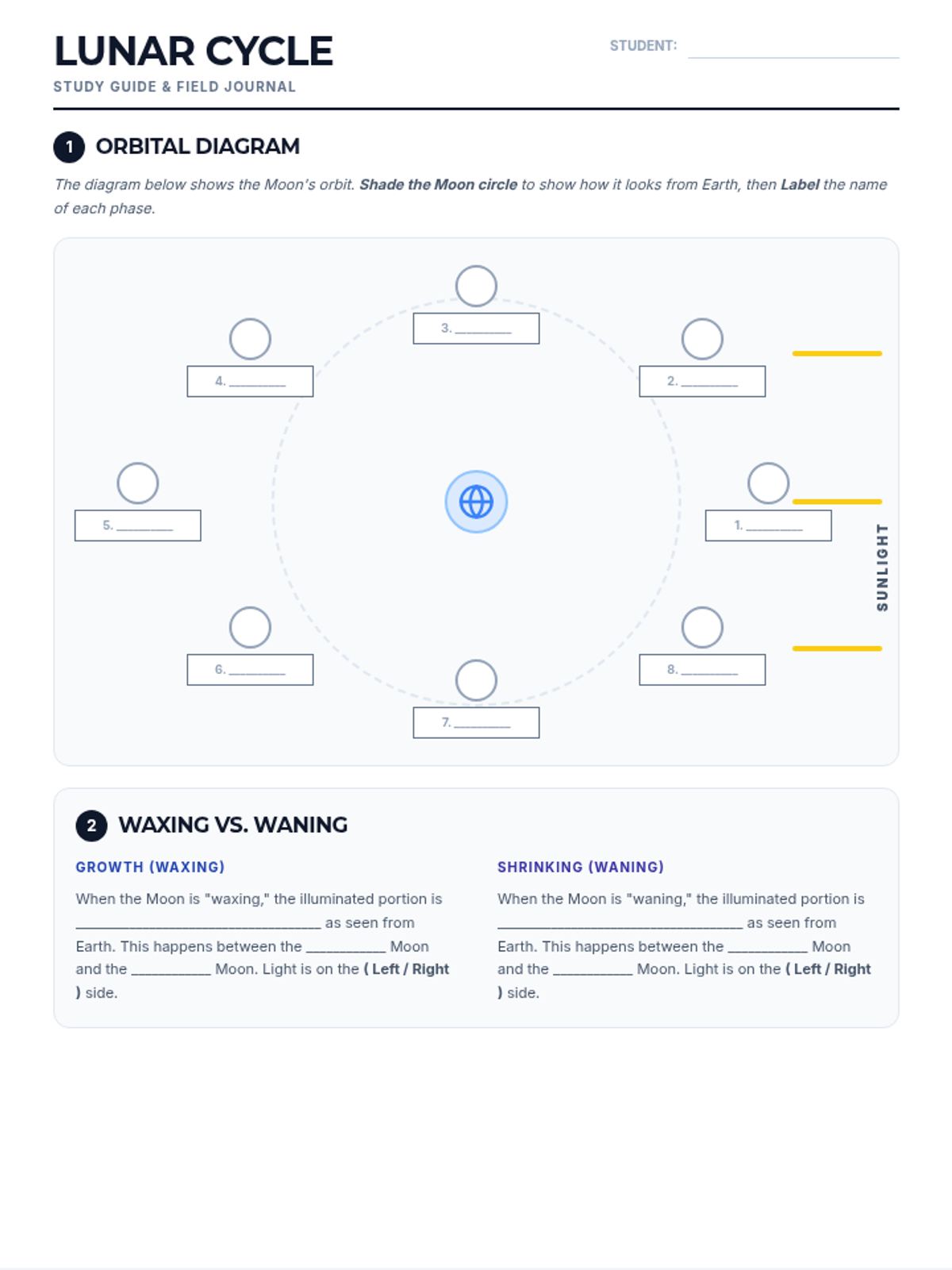
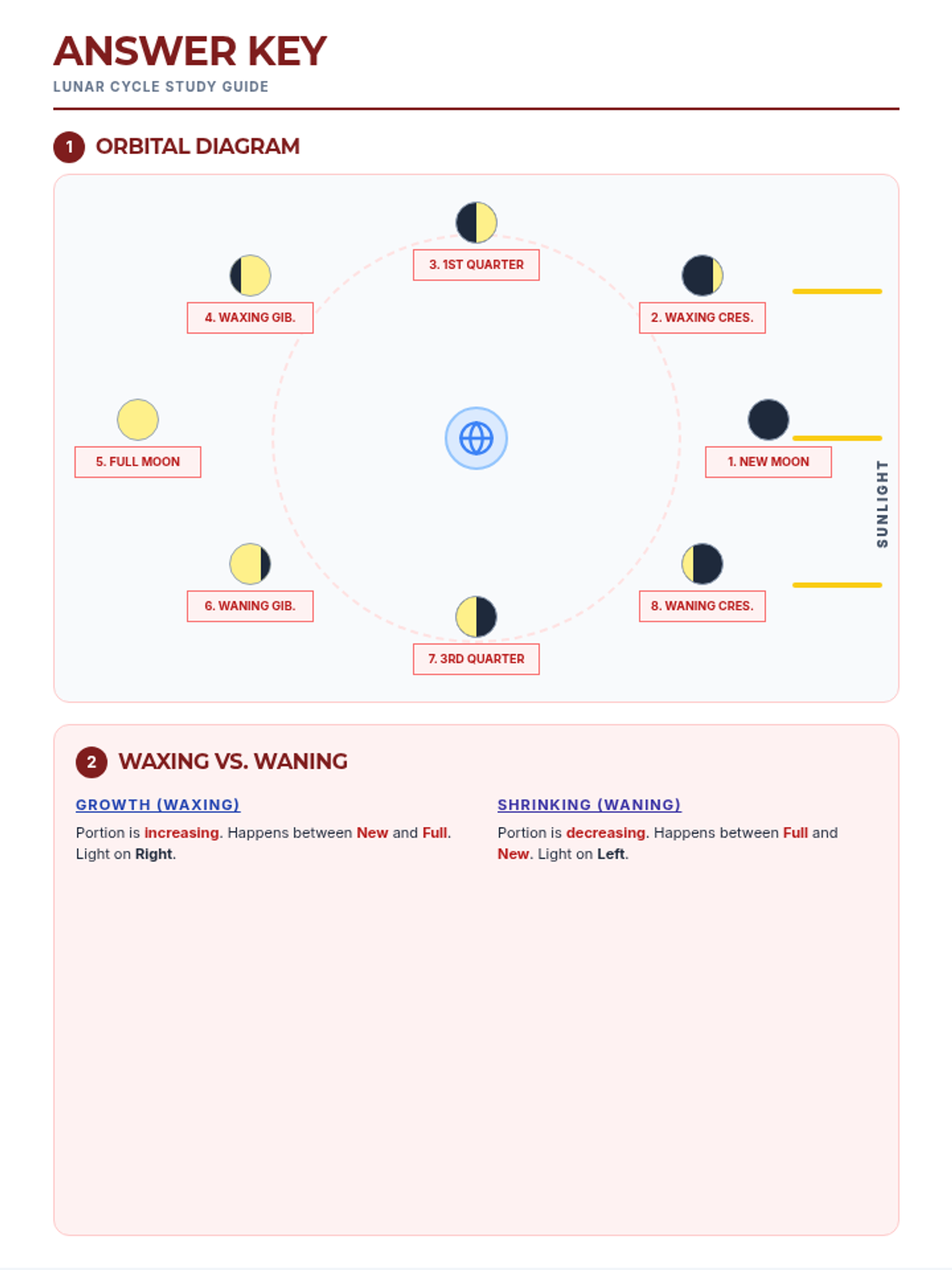
A comprehensive exploration of the eight phases of the moon, focusing on the lunar cycle and the distinction between waxing and waning.
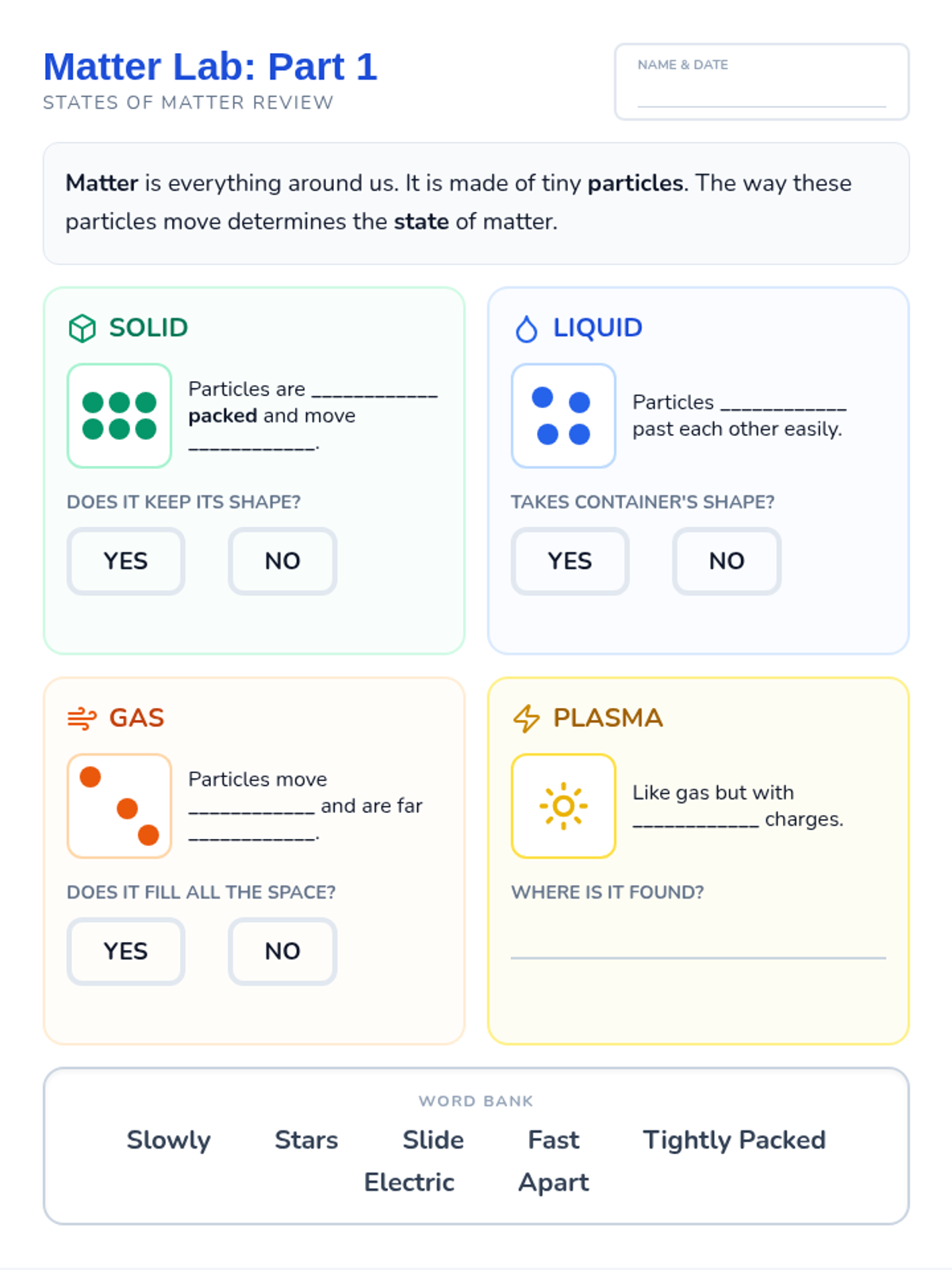
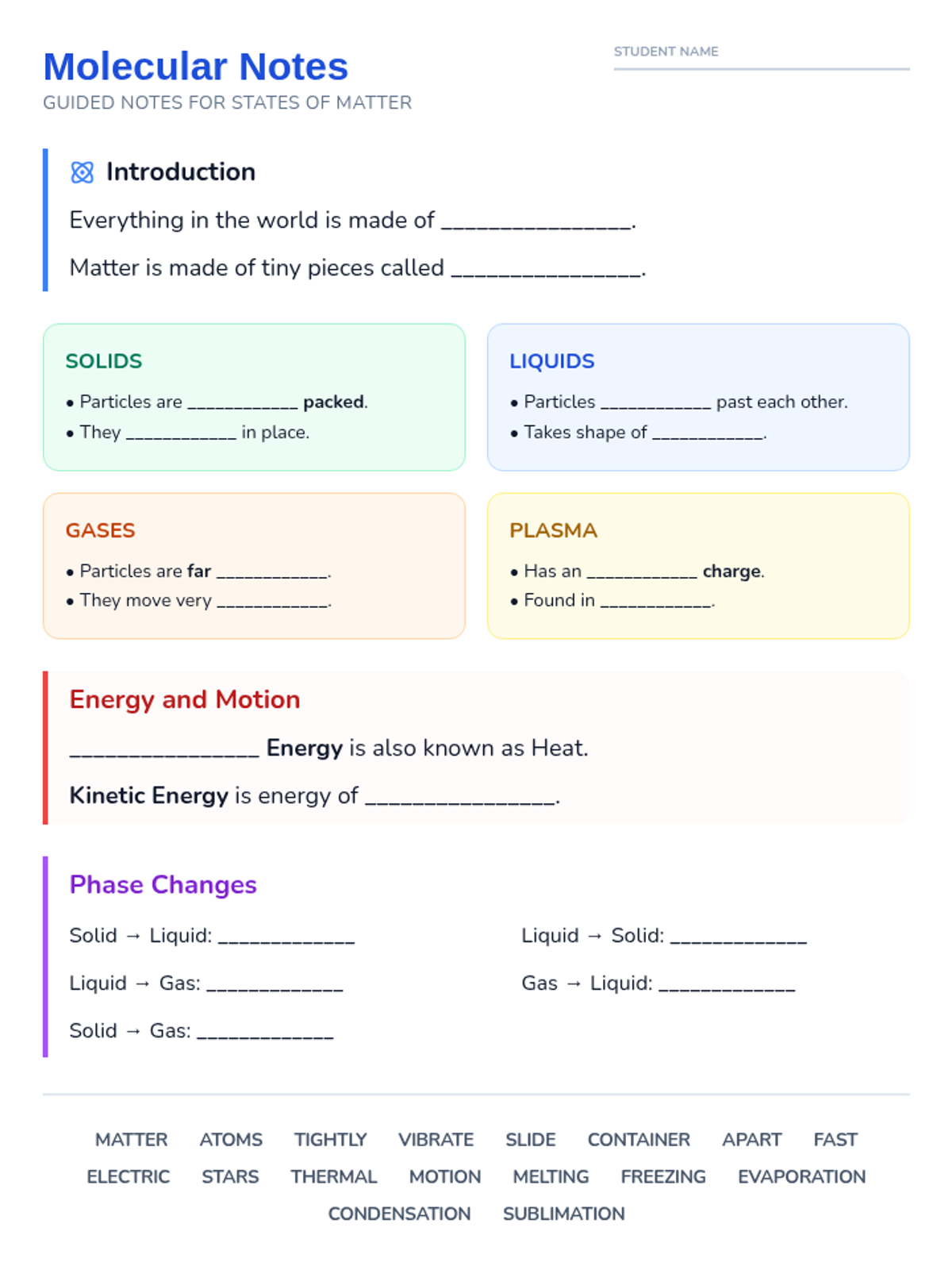
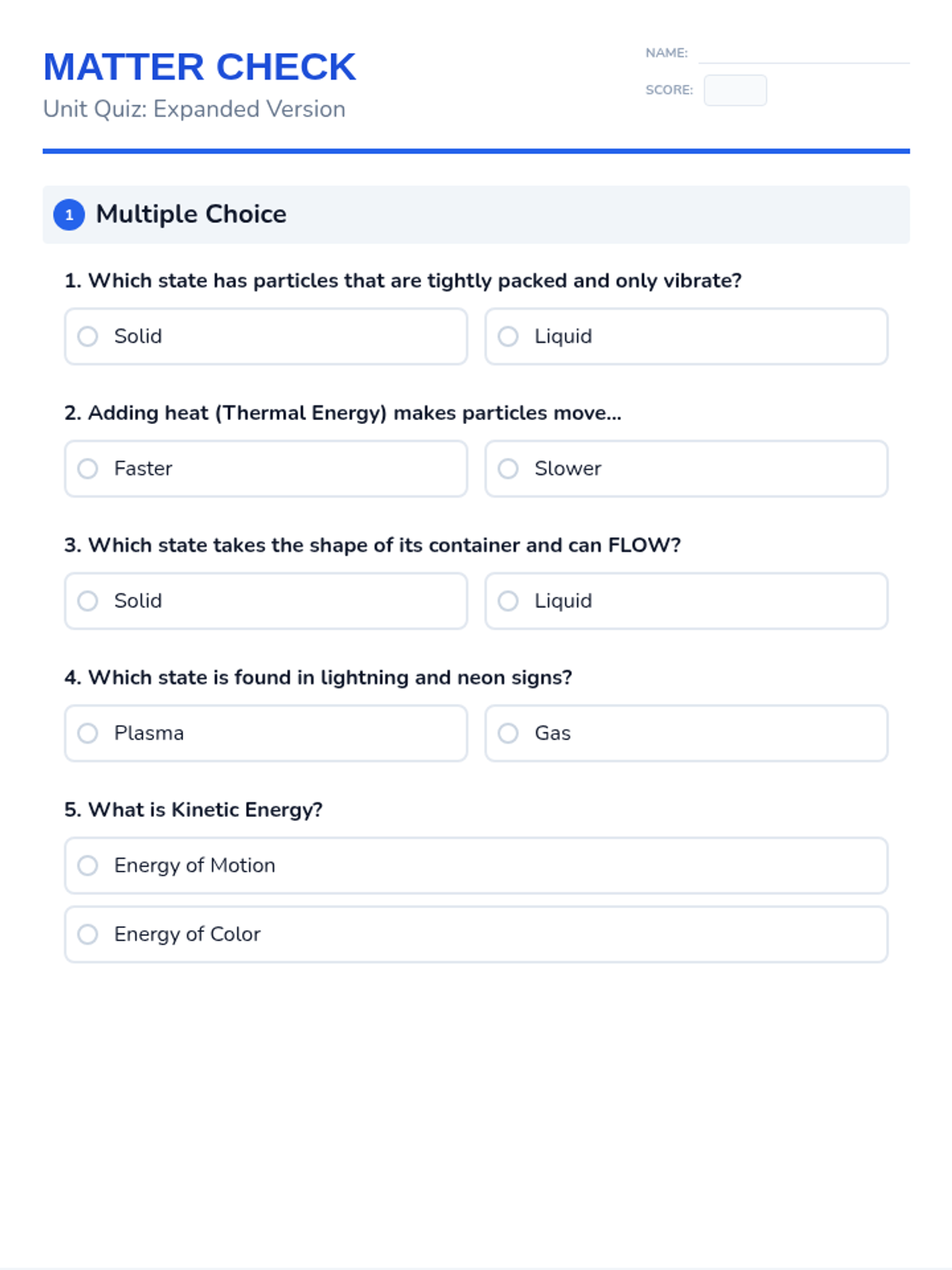
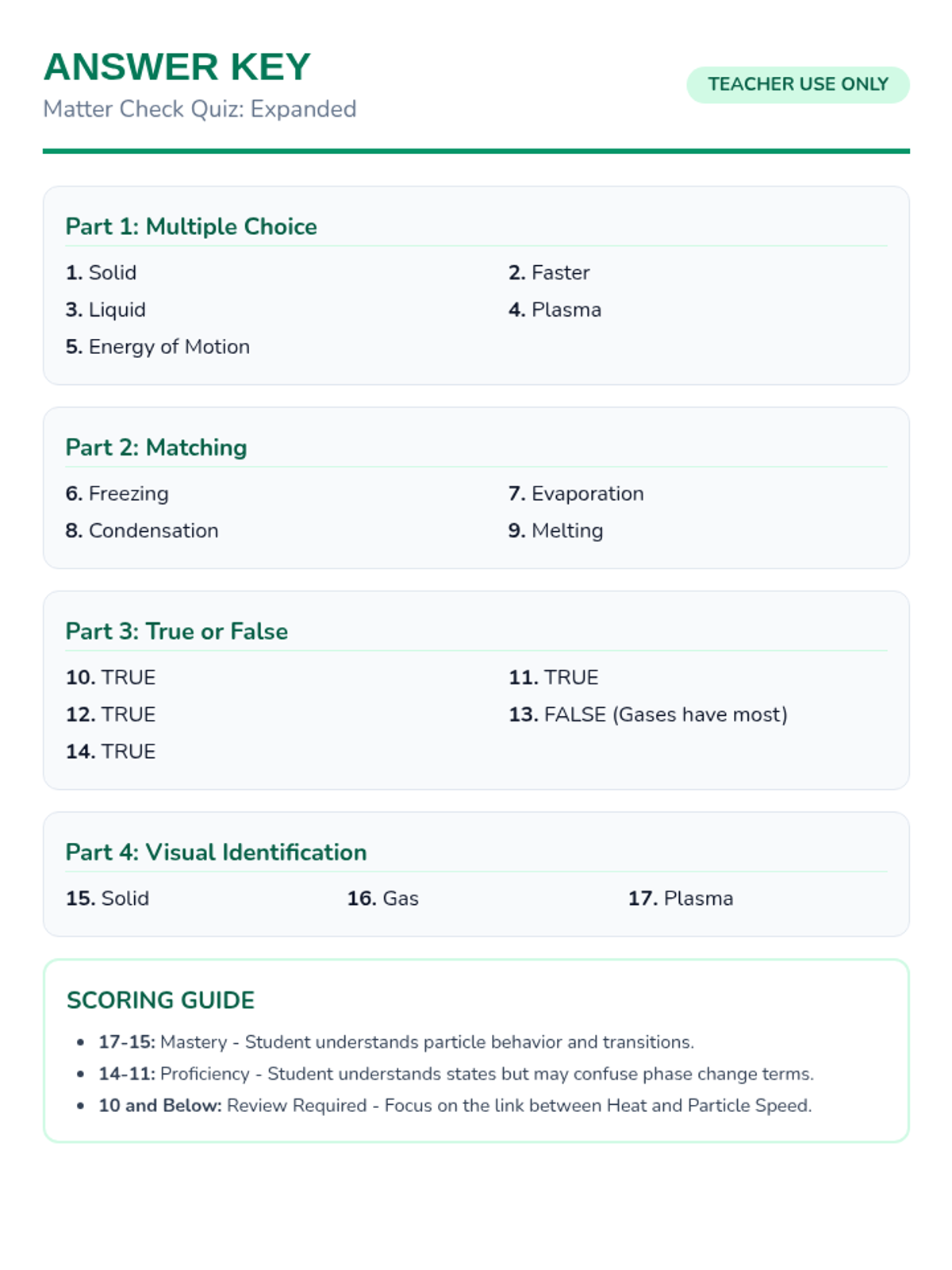
A comprehensive review of the states of matter and phase changes designed for diverse learners, featuring simplified text, visual aids, and structured graphic organizers.
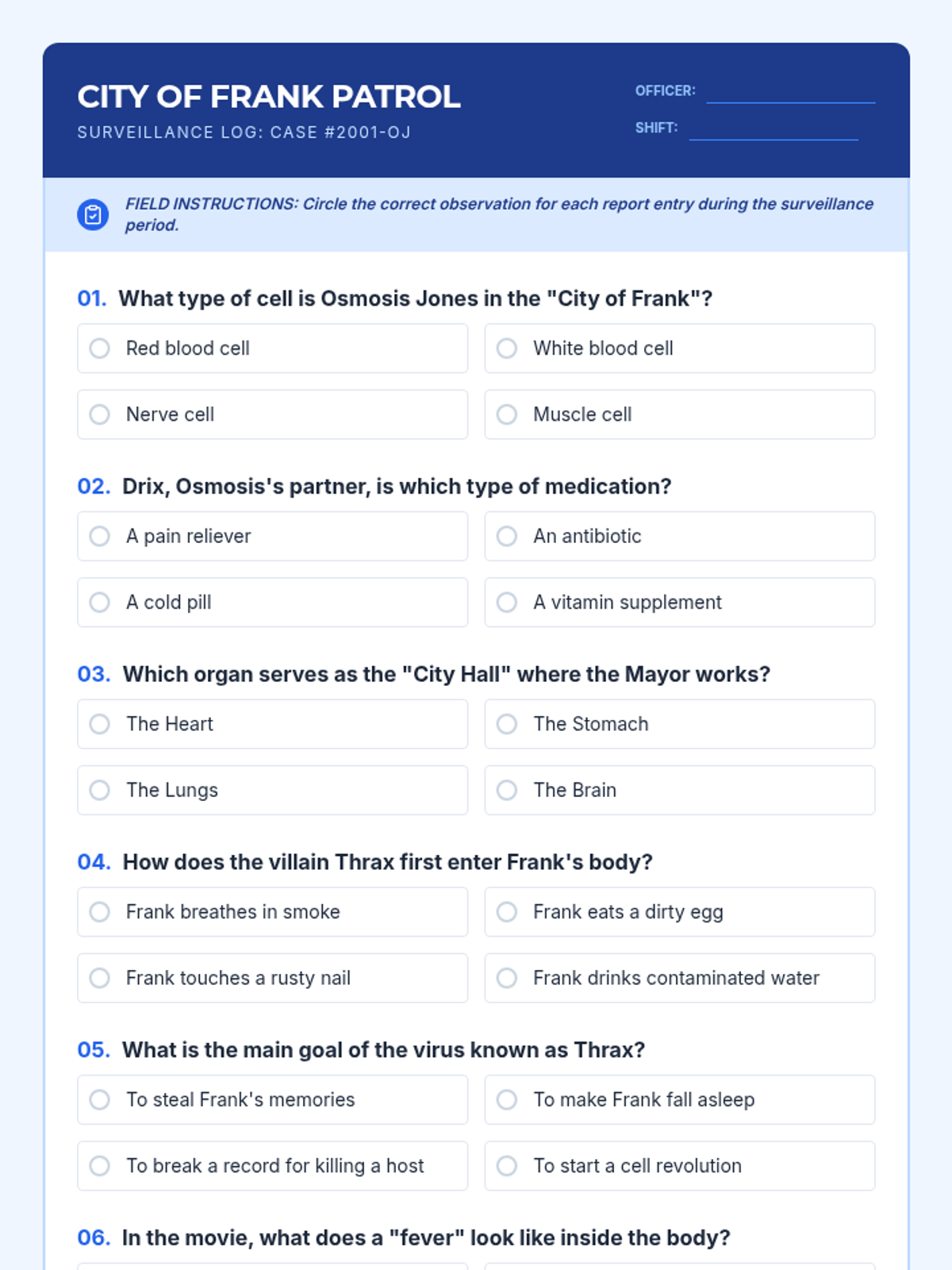
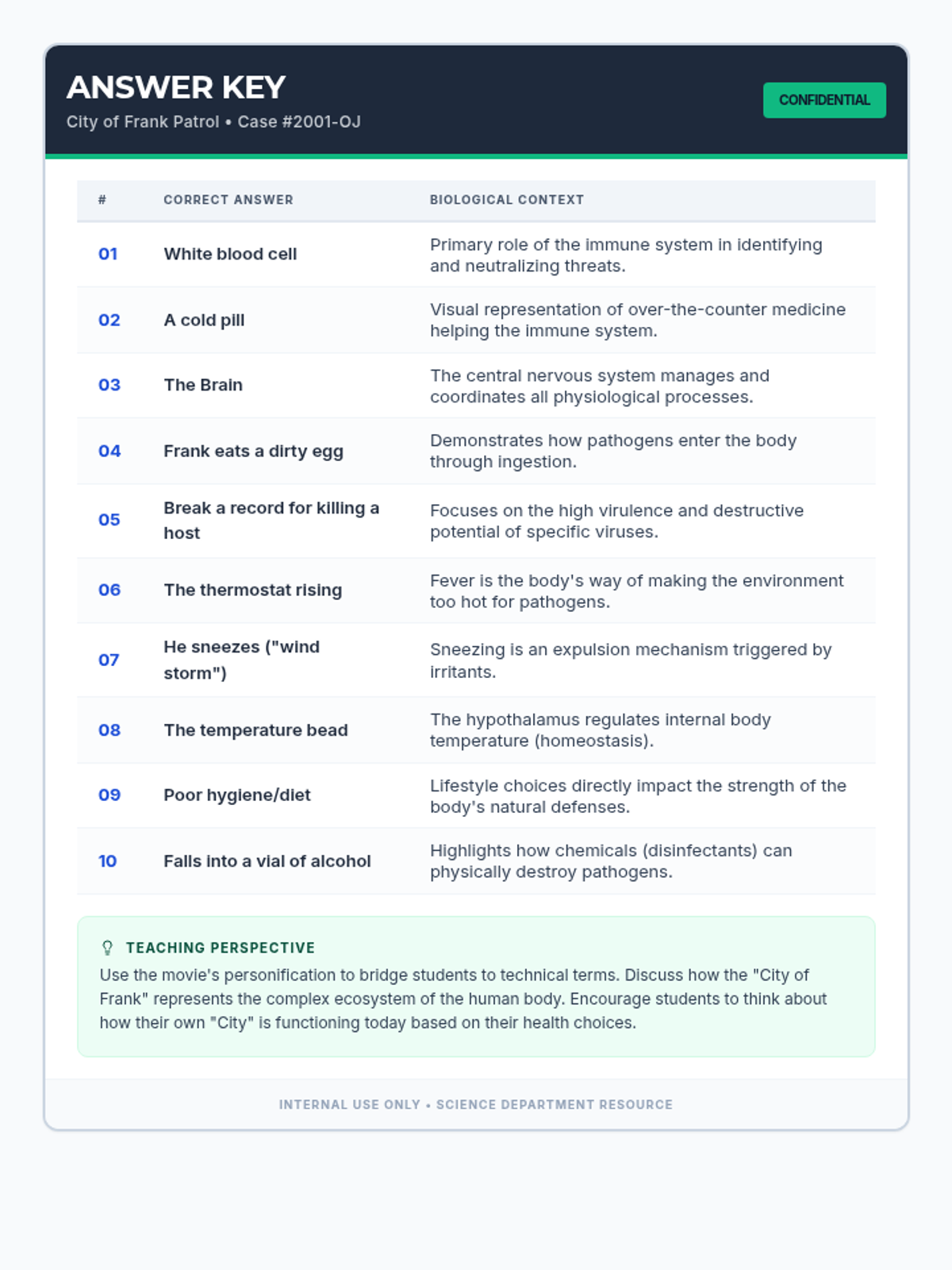
A lesson centered around the biology and plot of the movie Osmosis Jones, focusing on the immune system and healthy habits.
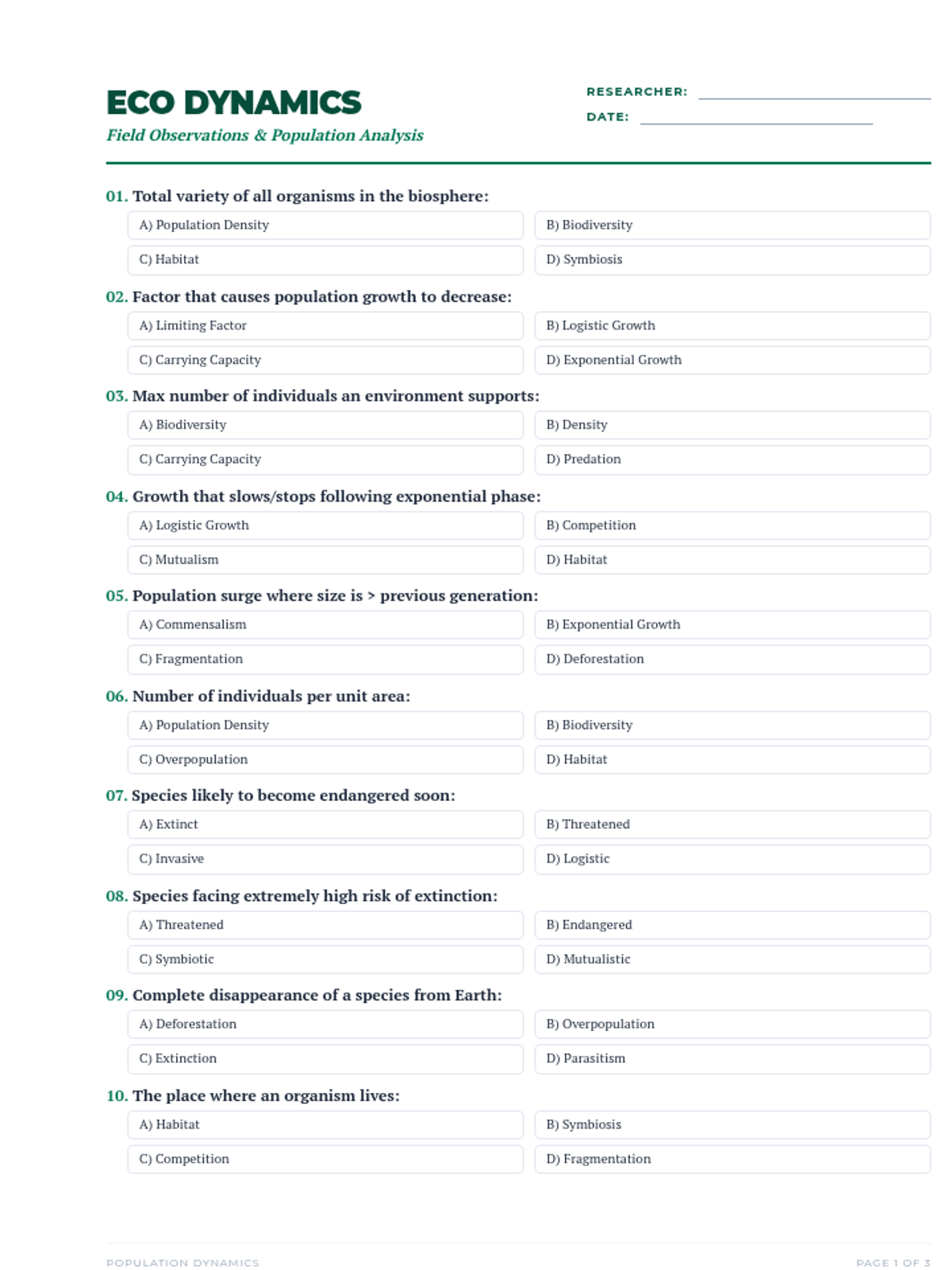
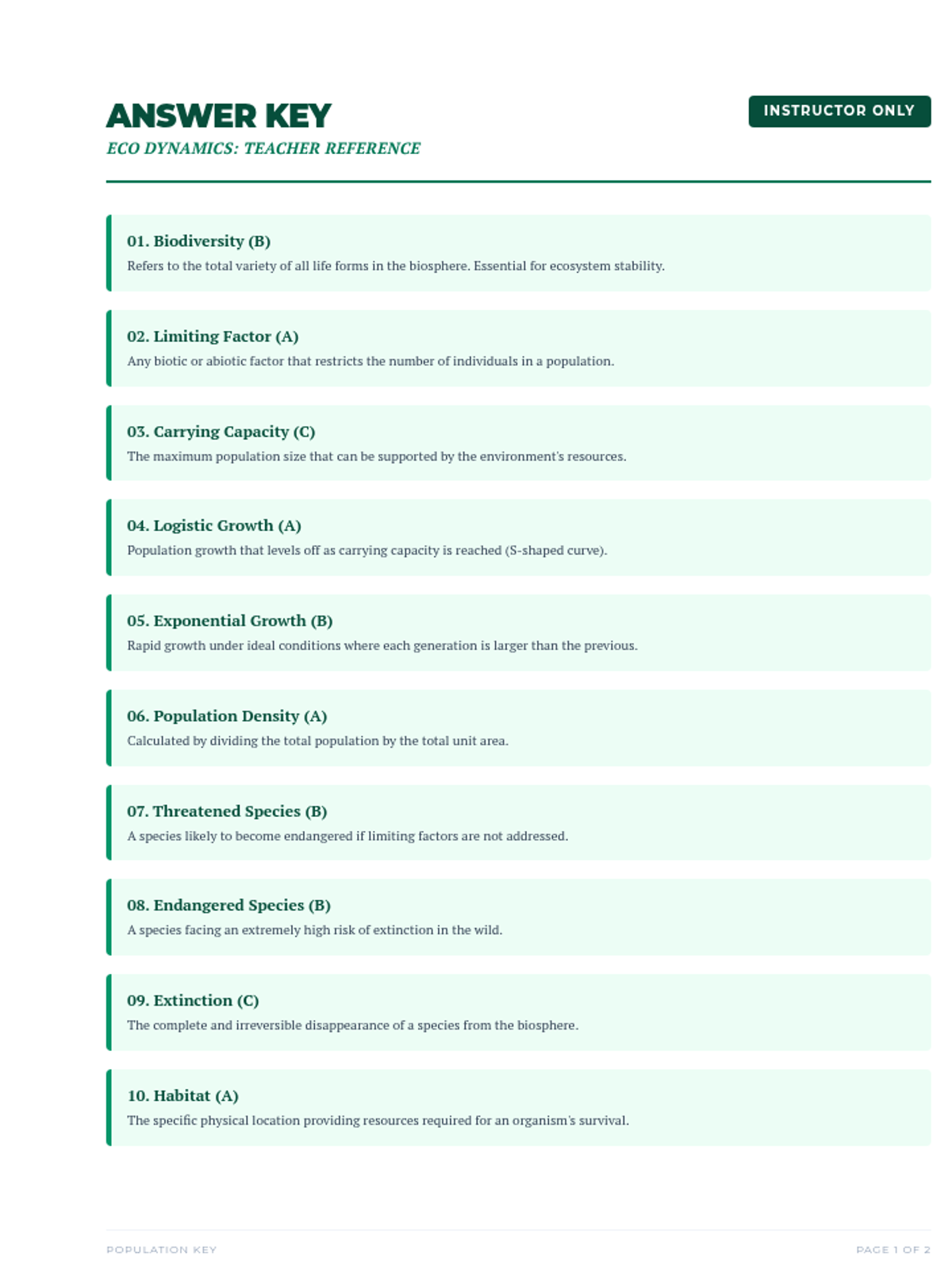
A comprehensive look at ecology, population dynamics, and biodiversity through practice and analysis.
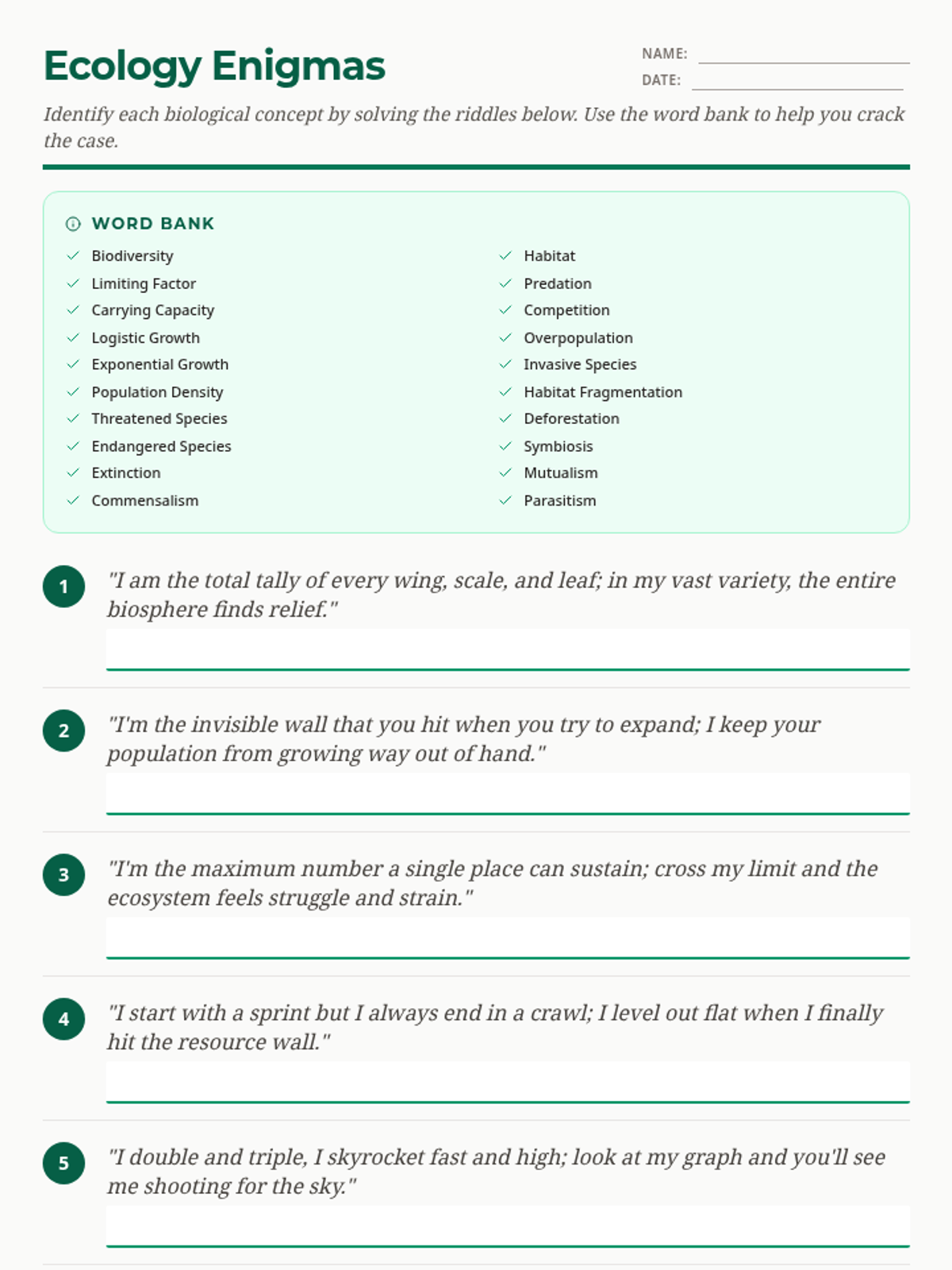
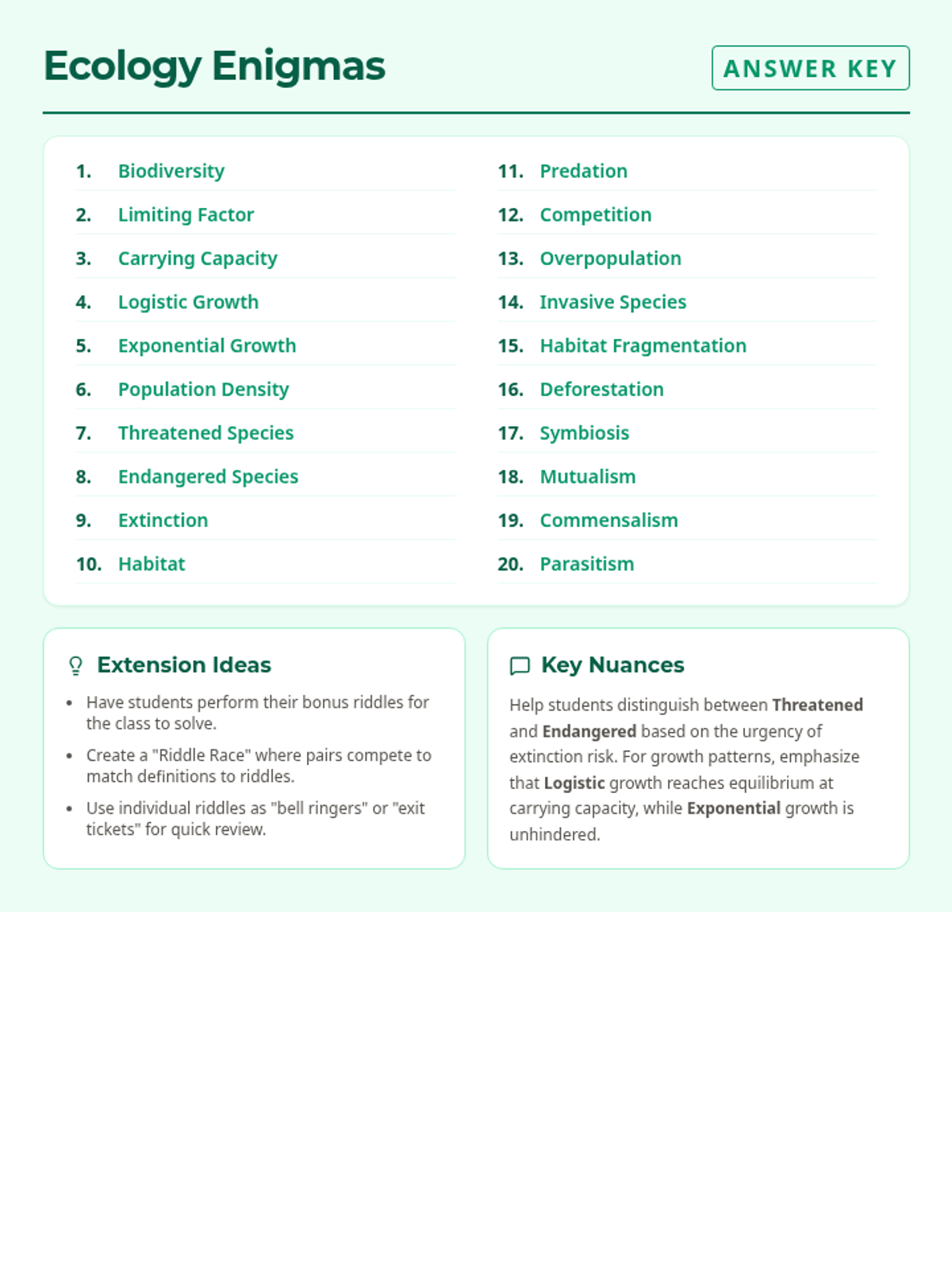
A review lesson focused on biodiversity and population ecology vocabulary through the use of creative riddles and word play.
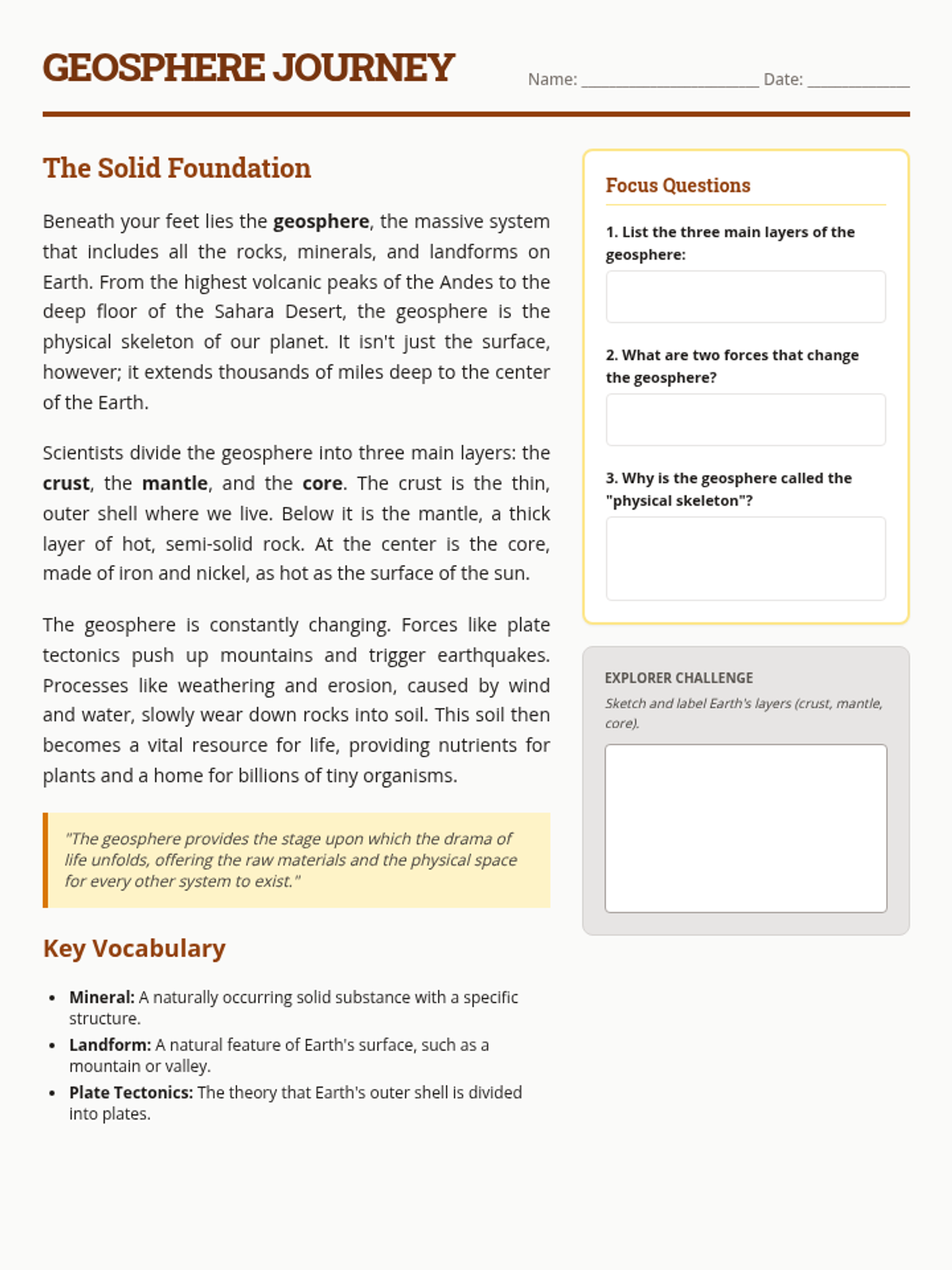
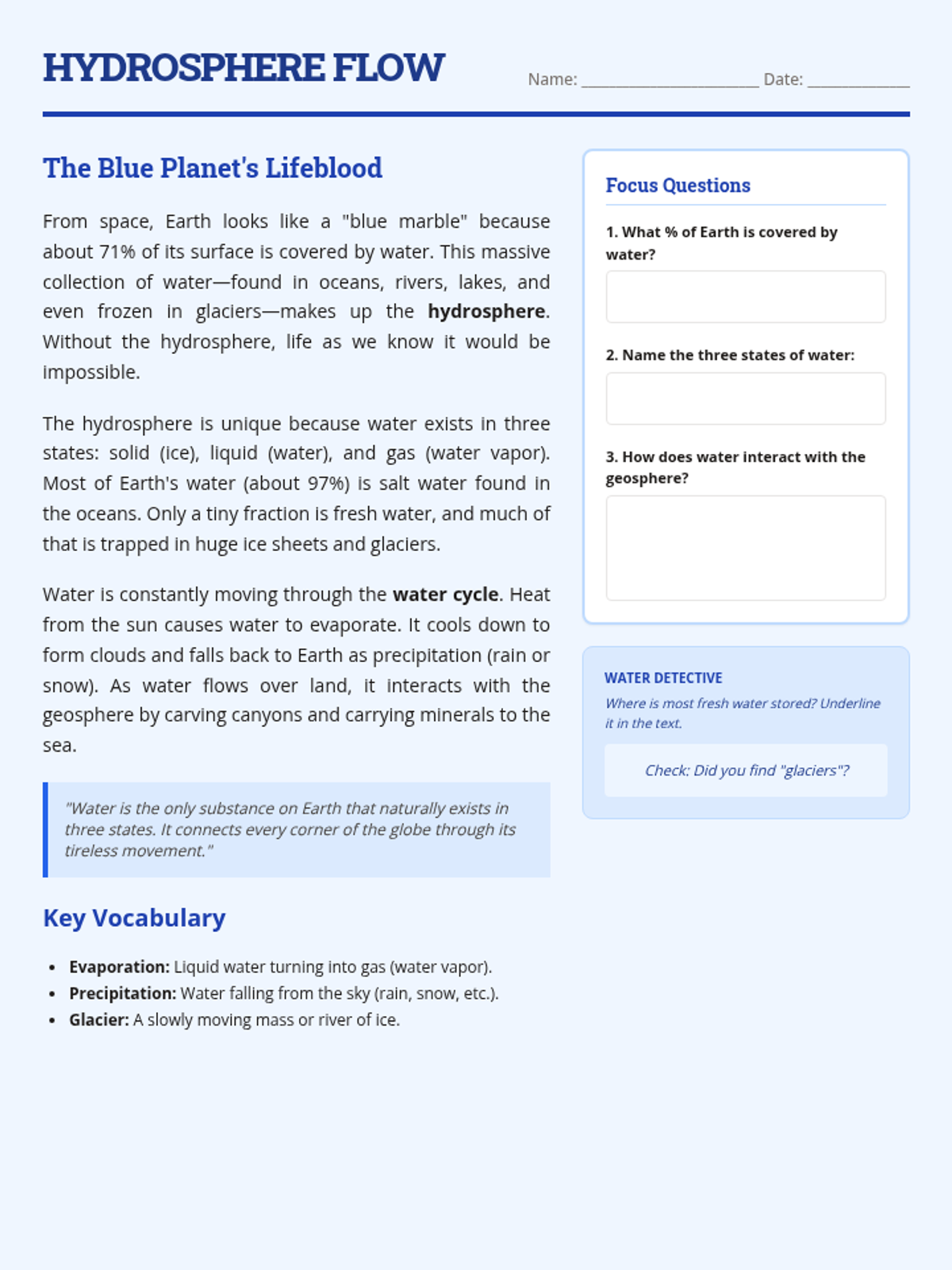
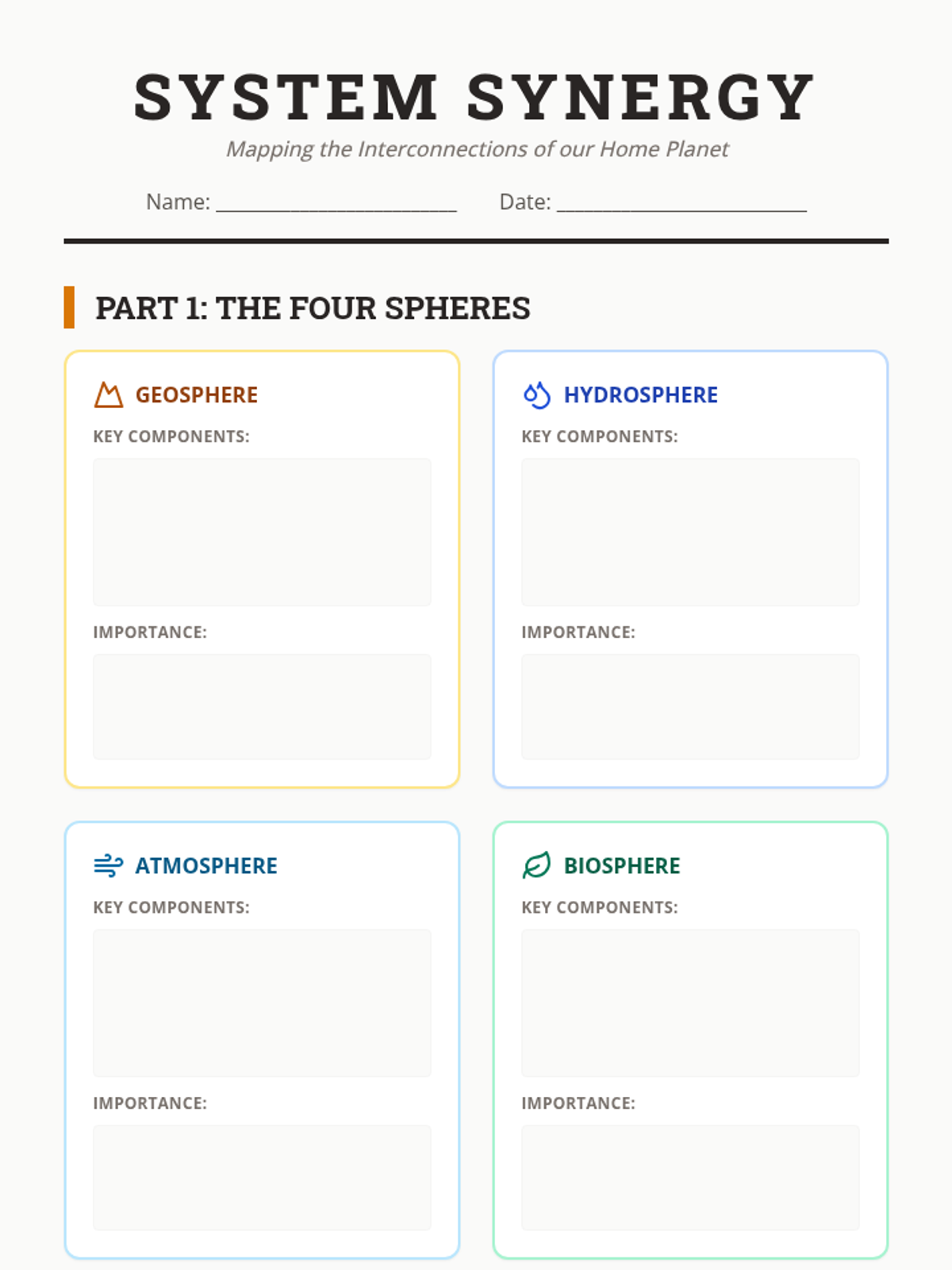
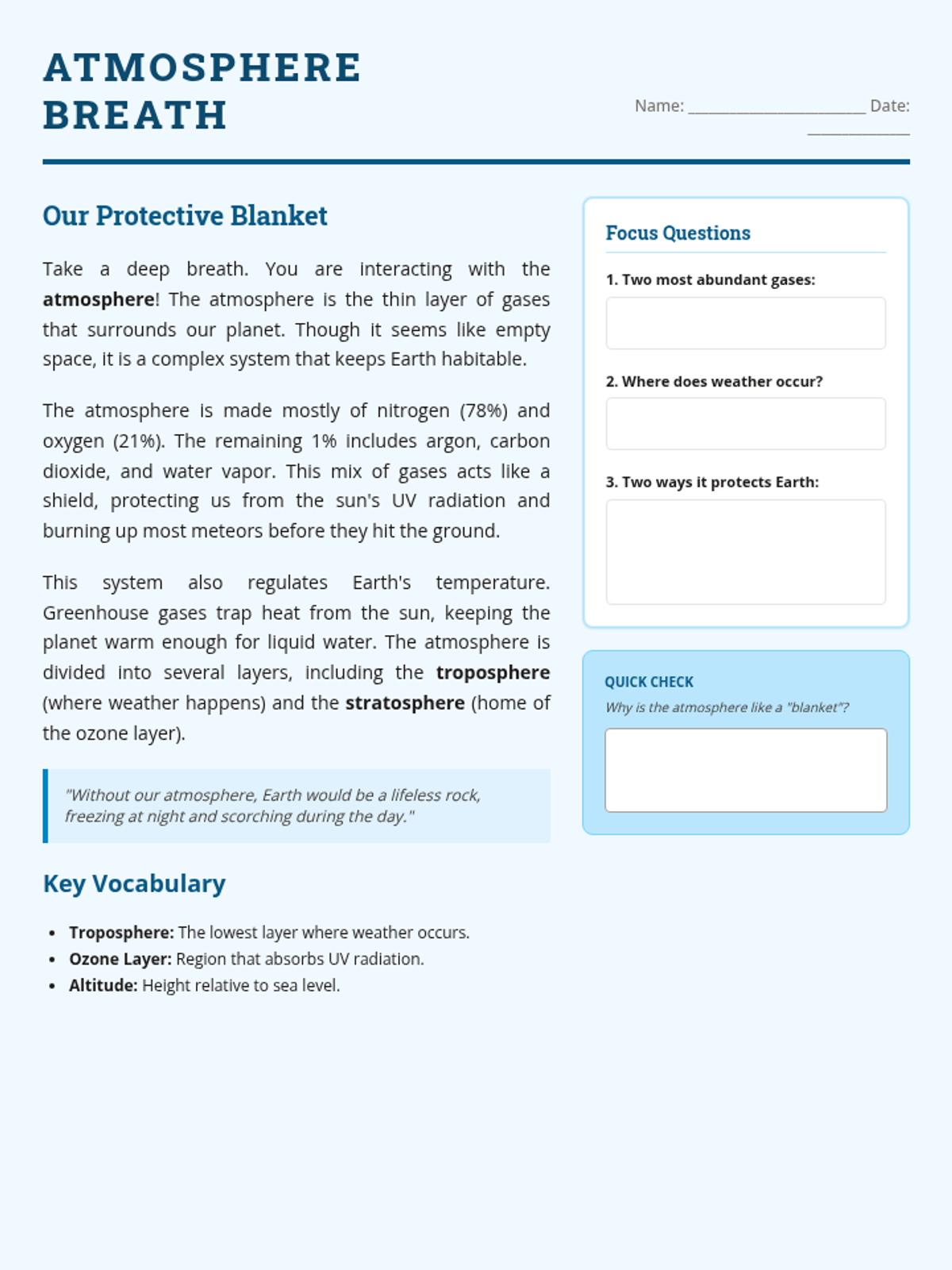
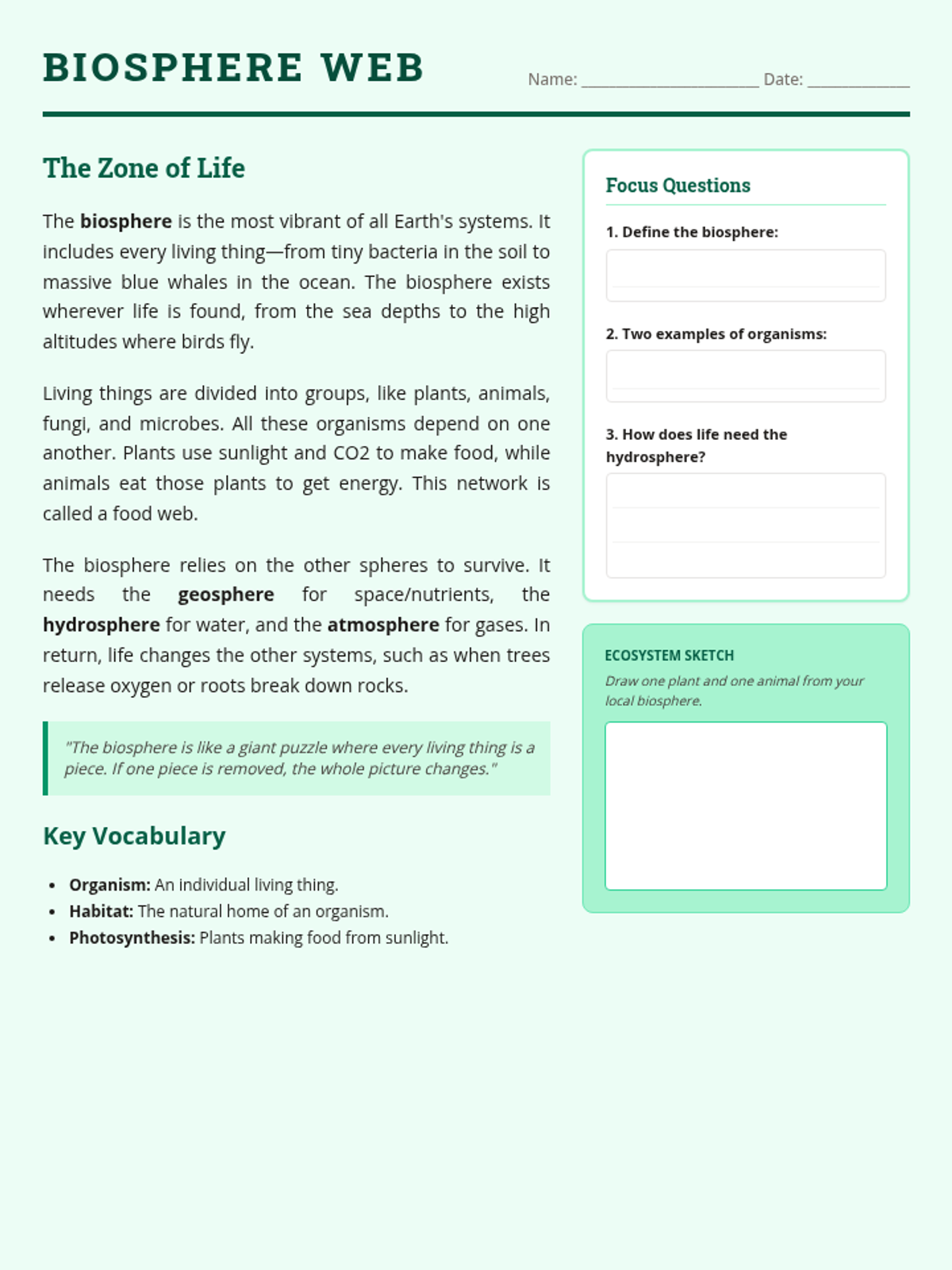
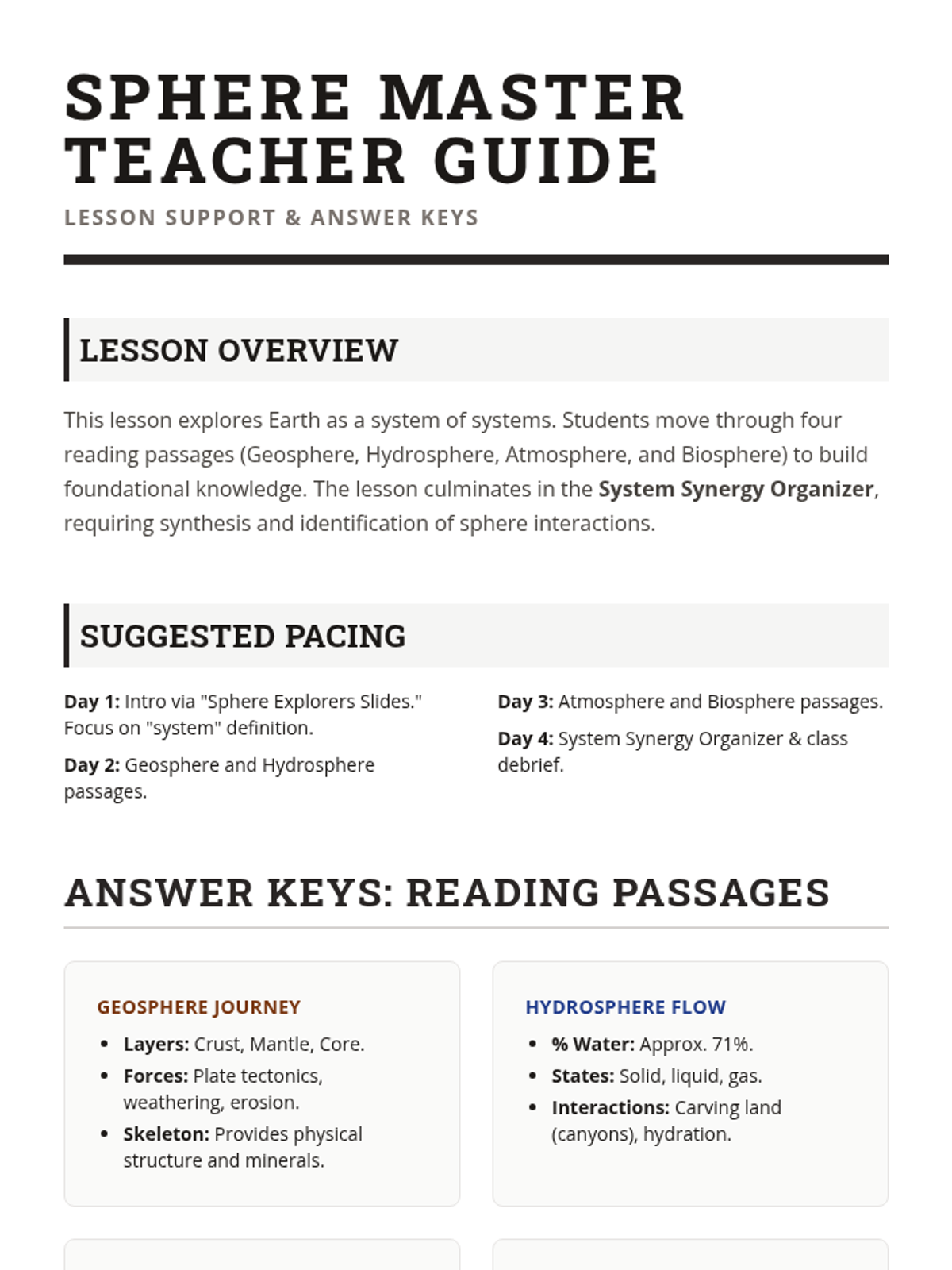
A comprehensive lesson exploring the four major Earth systems (Geosphere, Hydrosphere, Atmosphere, and Biosphere) through guided reading, visual aids, and synthesis activities. Students will learn how these systems interact to sustain life on Earth.
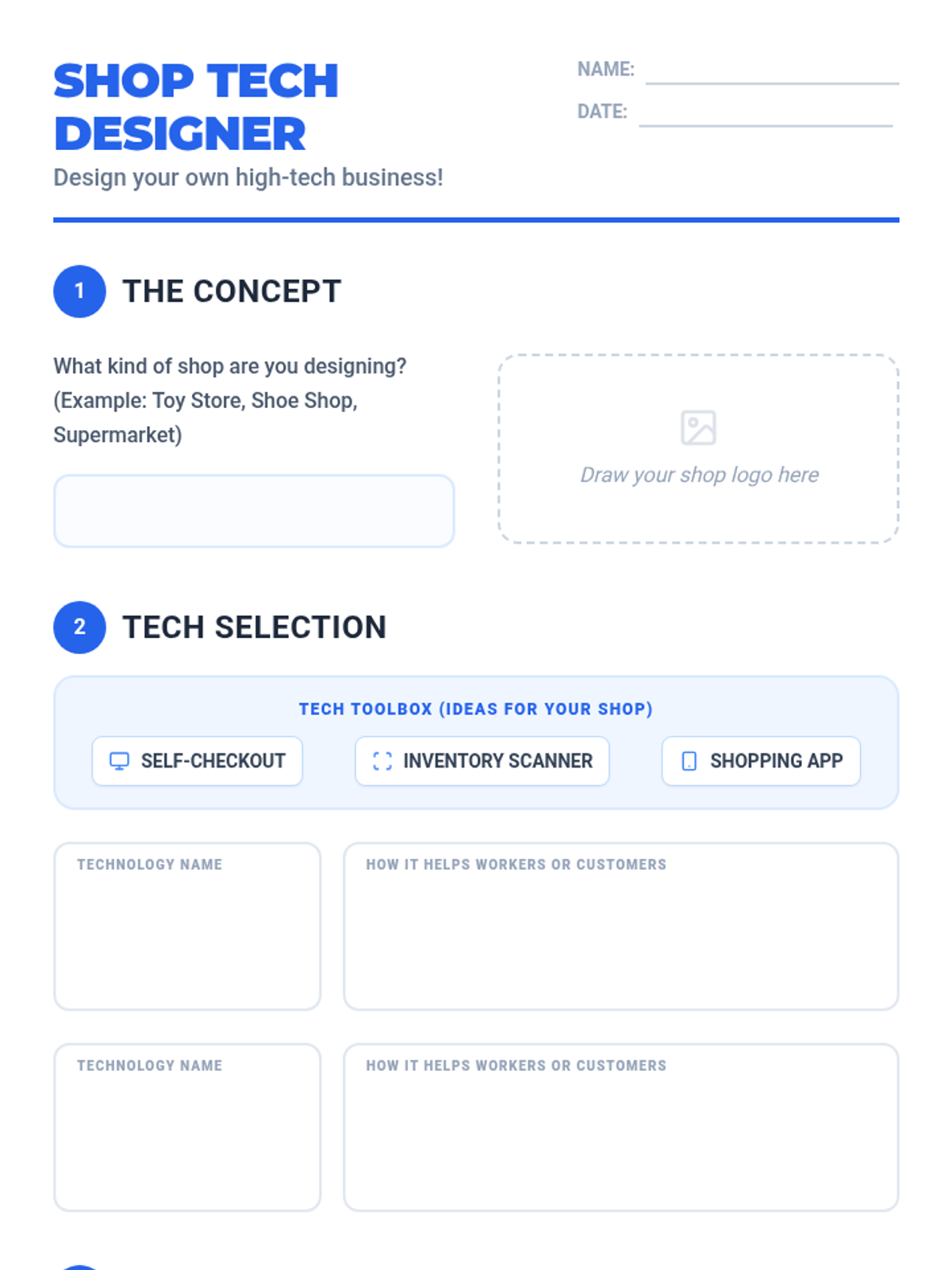
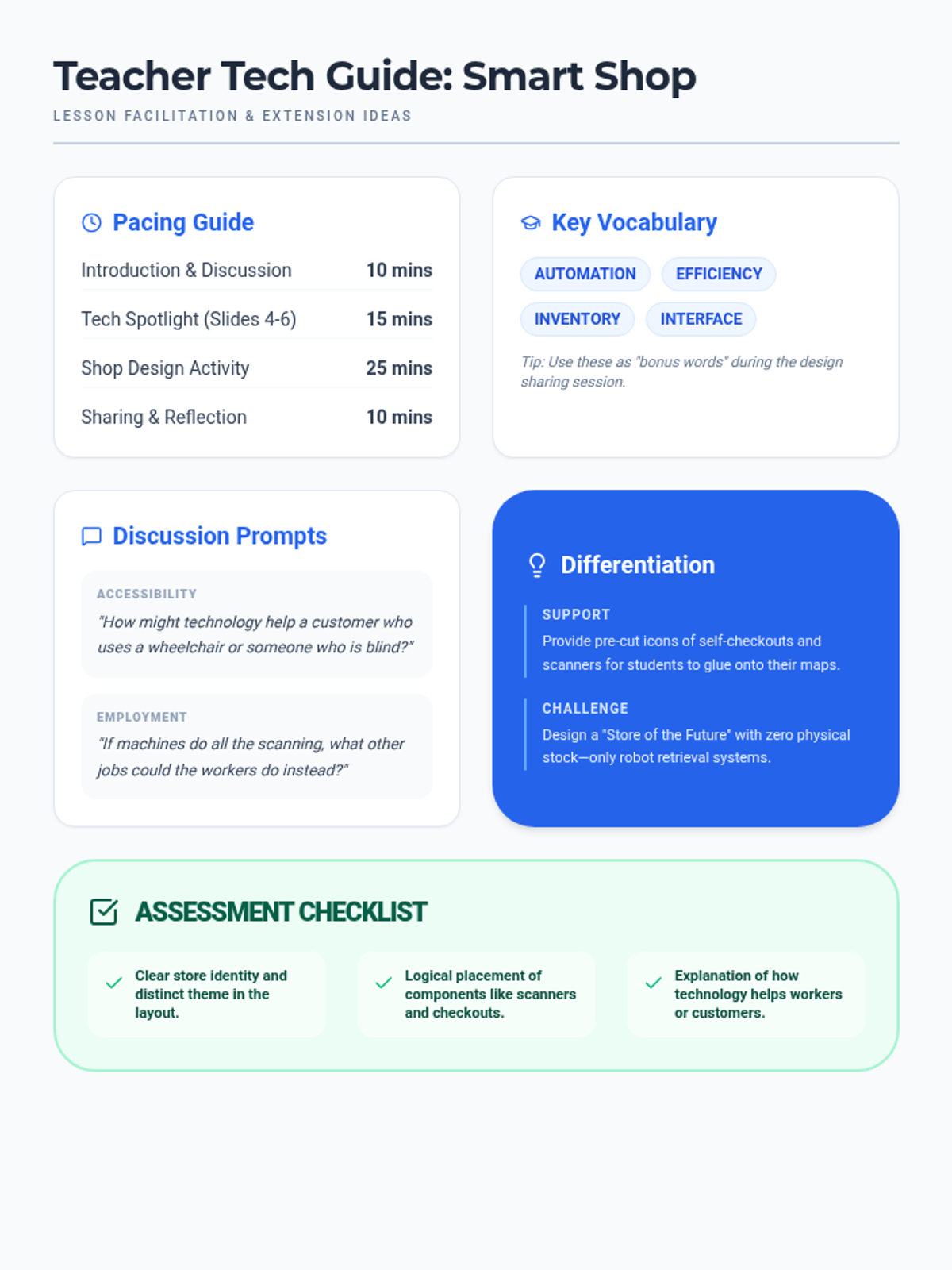
Students explore how technology like self-checkouts, scanners, and apps transform the shopping experience for both workers and customers. The lesson culminates in a creative project where students design their own tech-integrated shop.
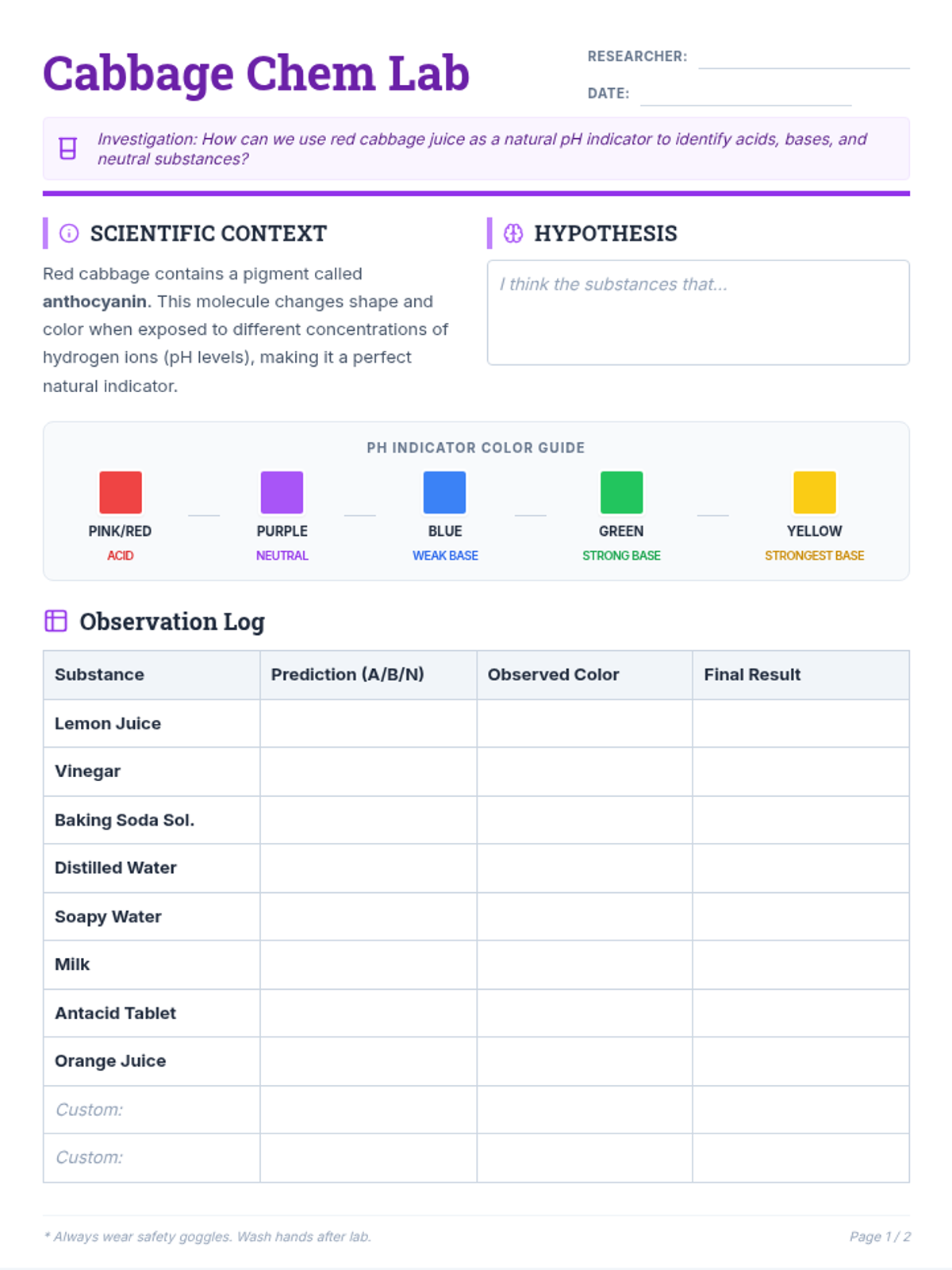
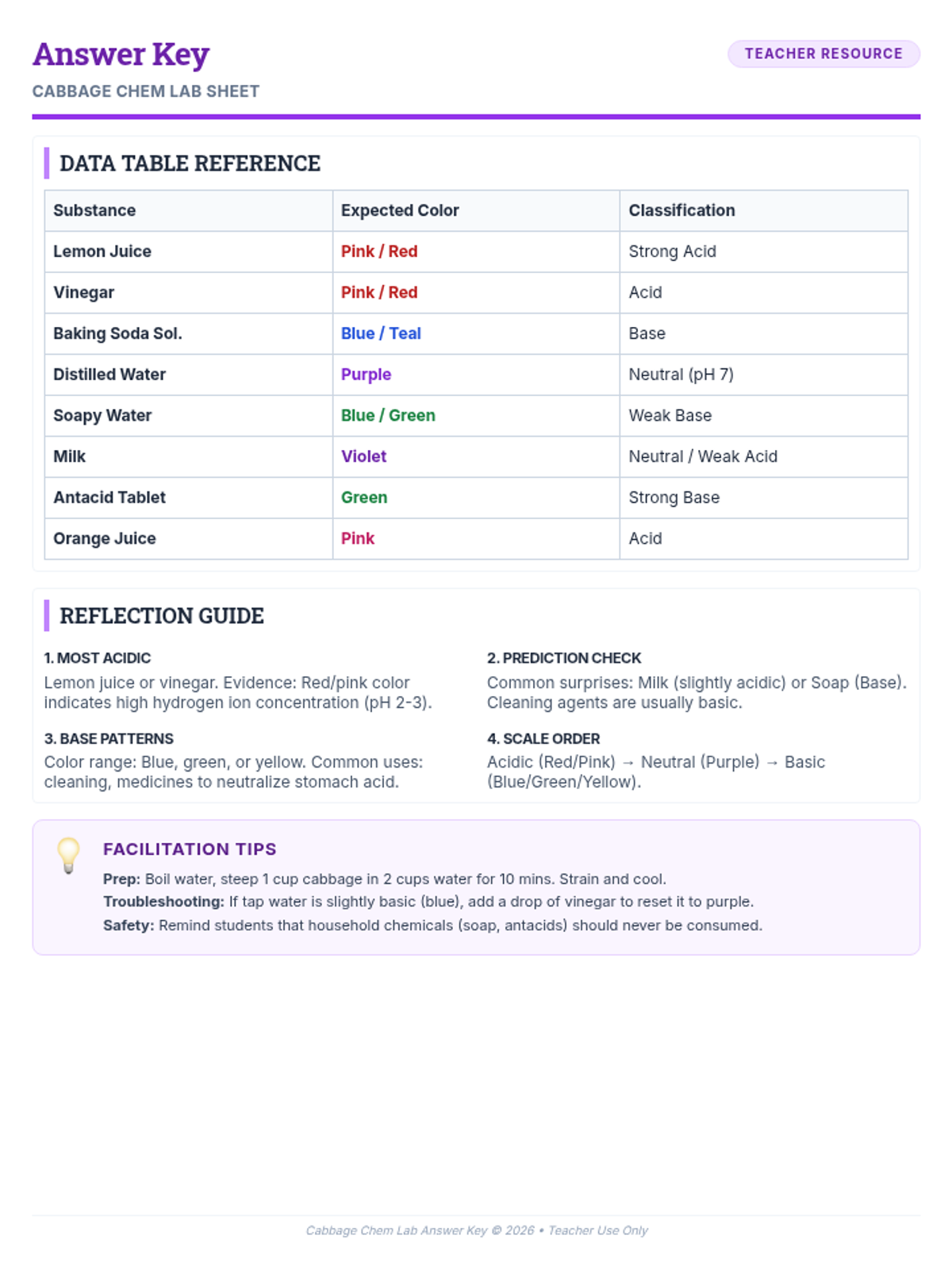
A hands-on investigation into pH levels using red cabbage as a natural indicator to identify acids, bases, and neutral substances.
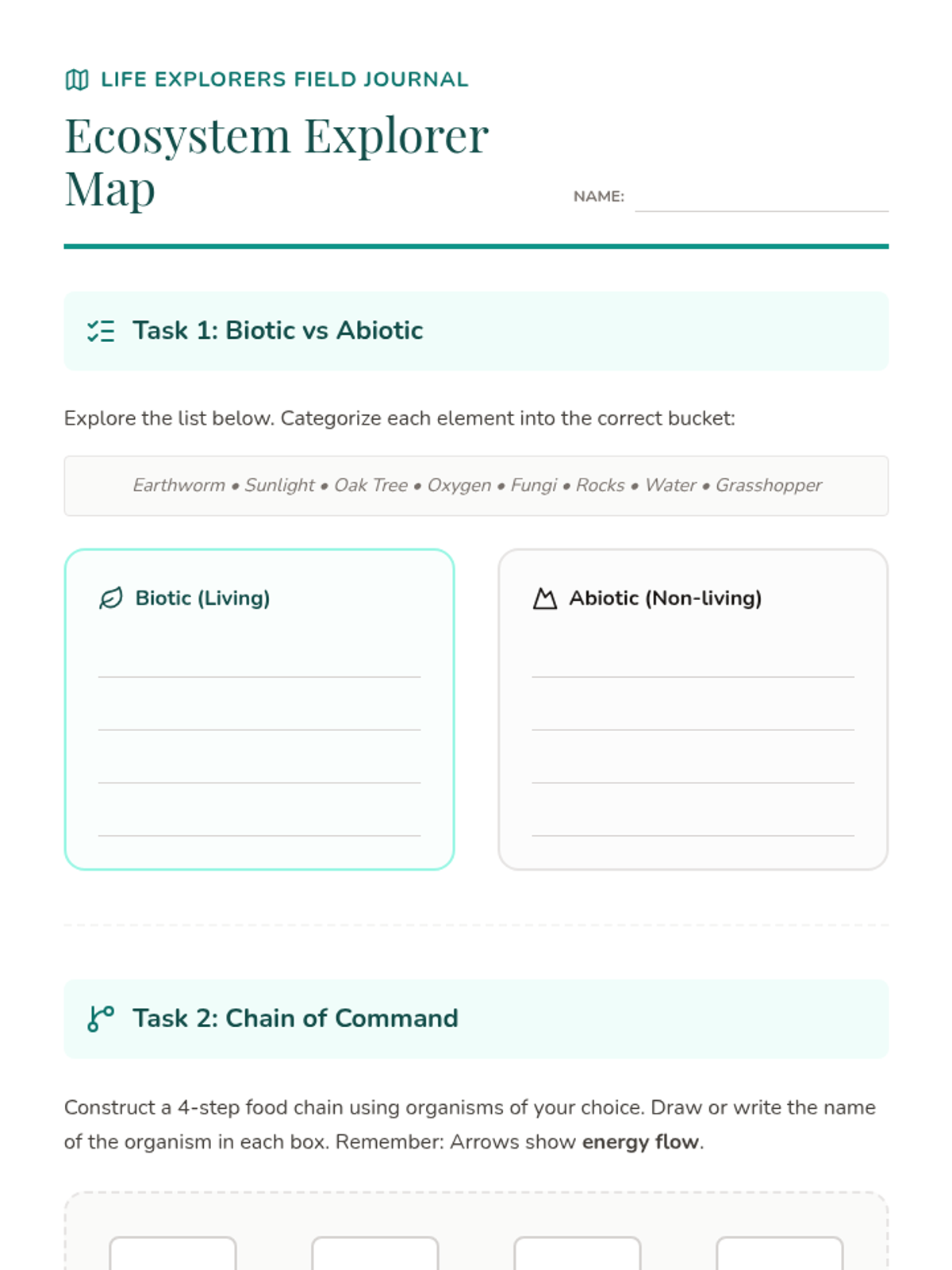
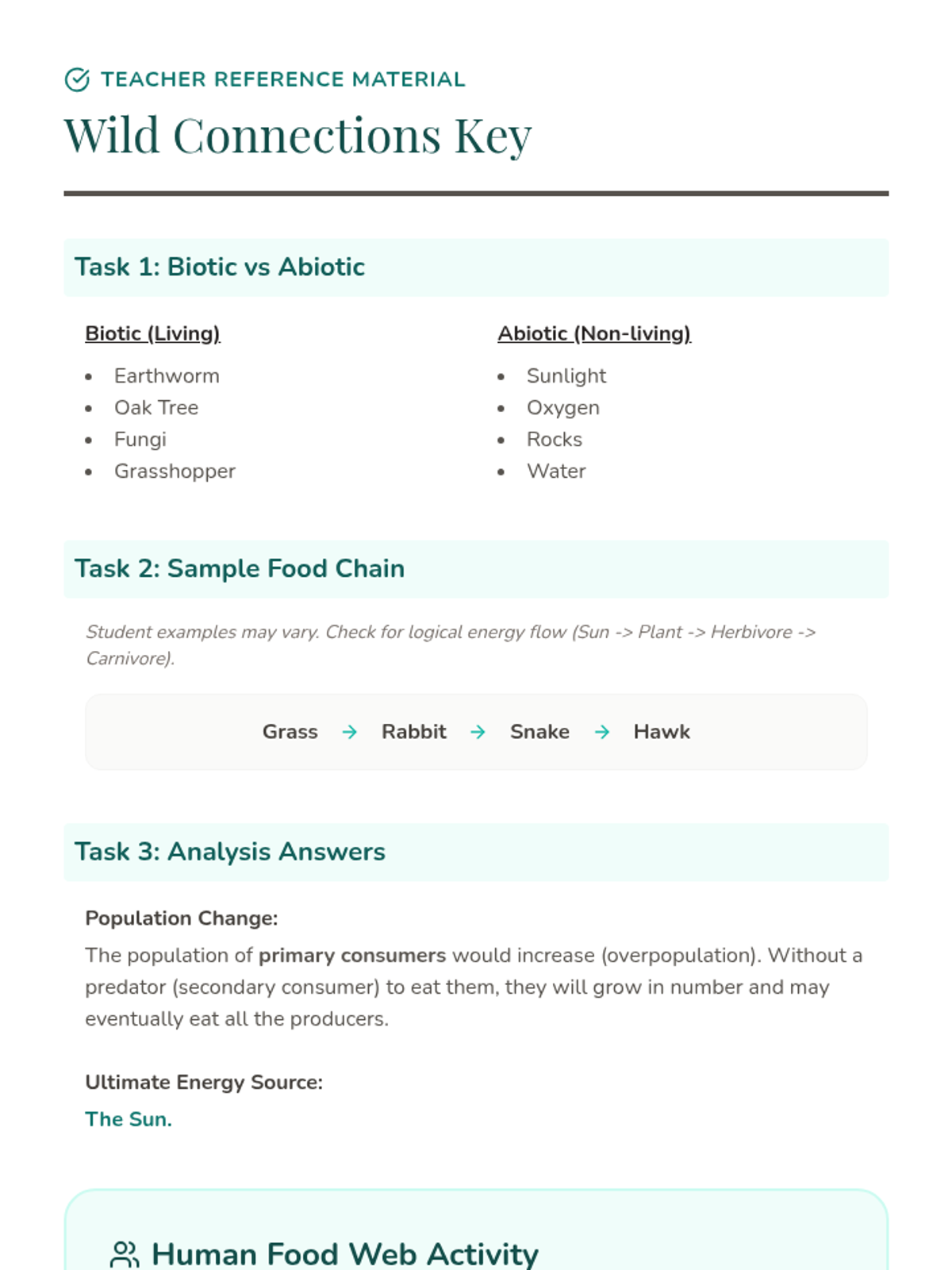
Students connect the dots between living things, examining food webs, energy transfer, and the delicate balance of ecosystems.
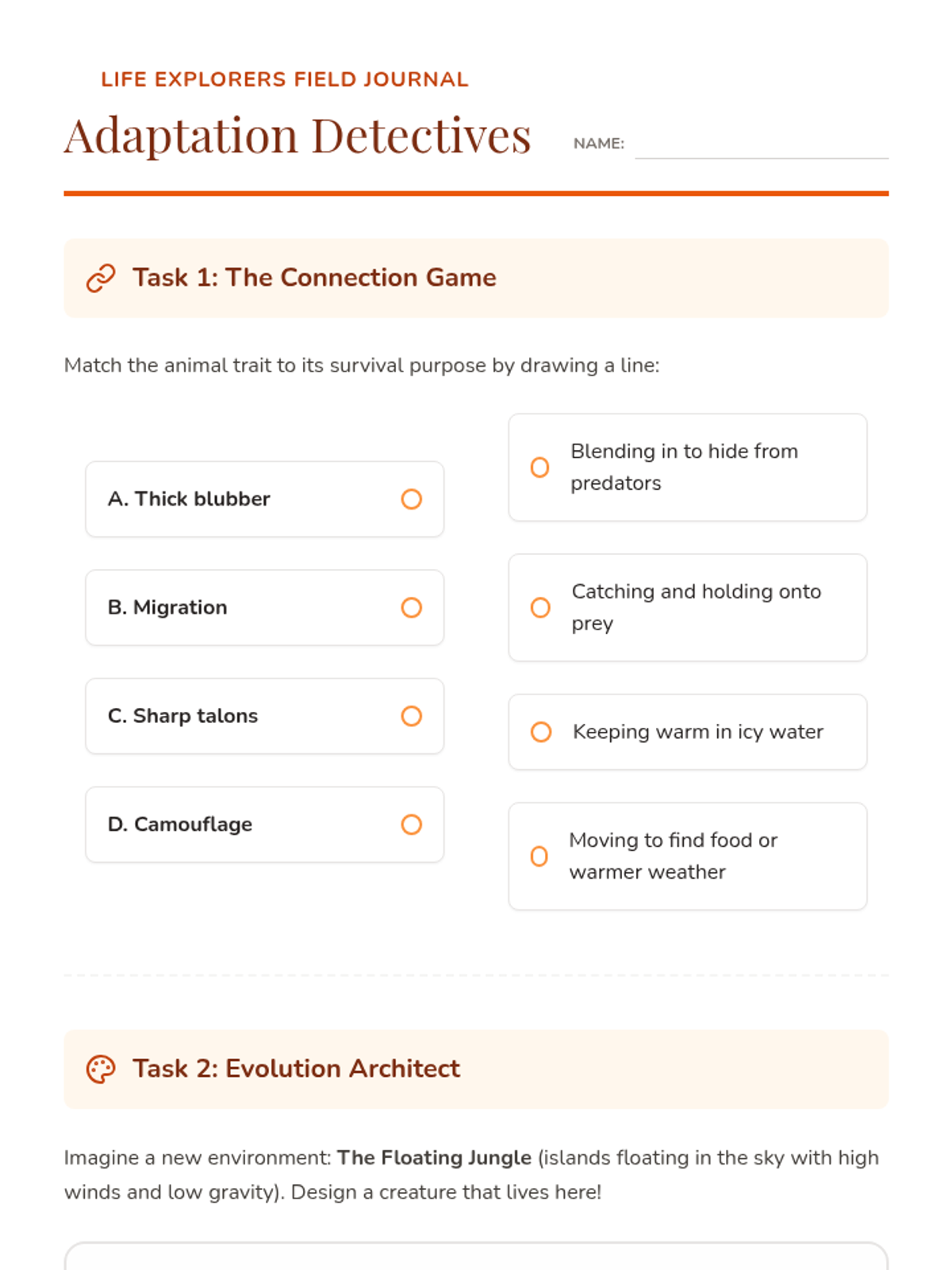
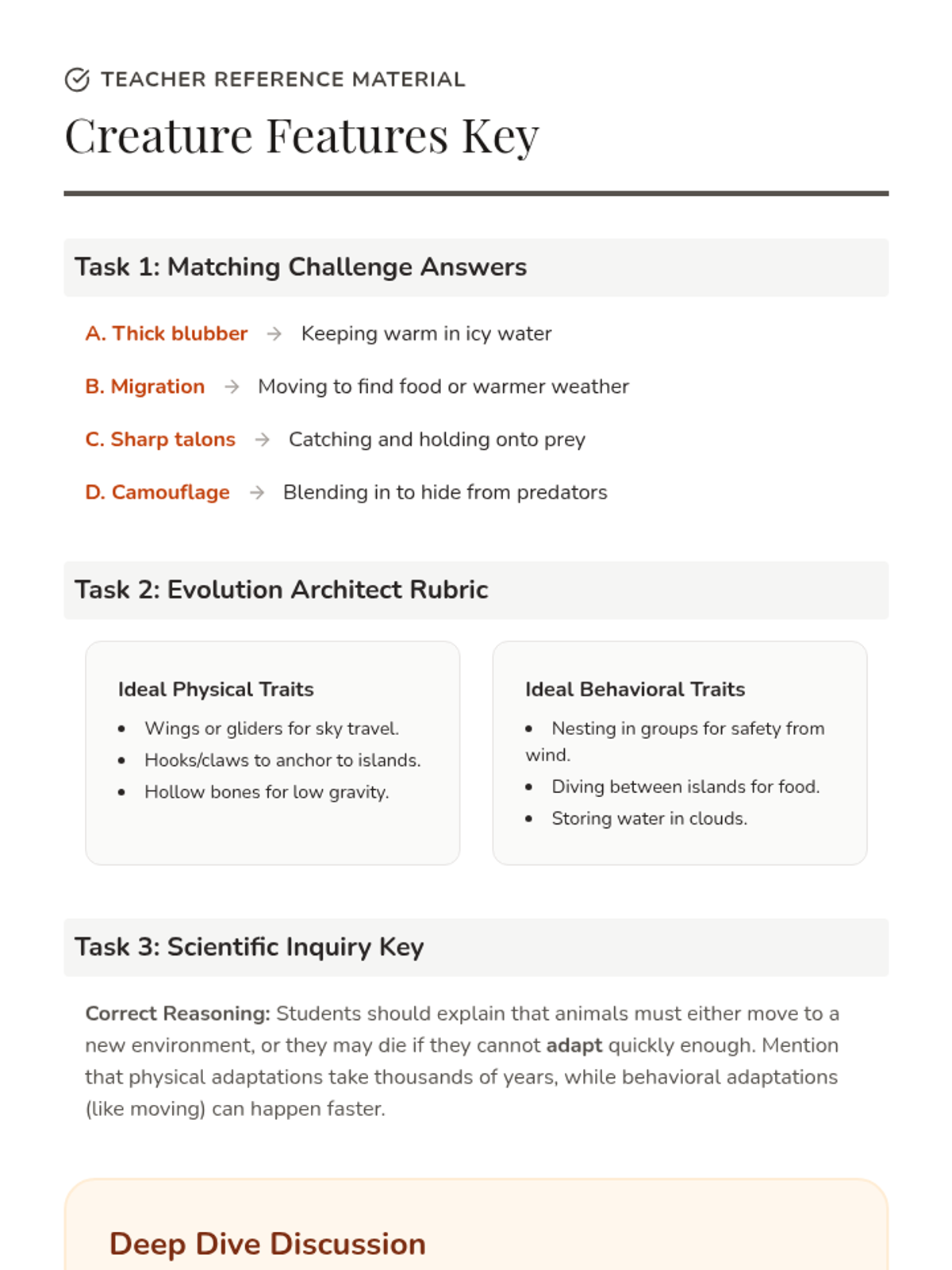
An investigation into animal adaptations, exploring how physical and behavioral traits help creatures survive in diverse environments.
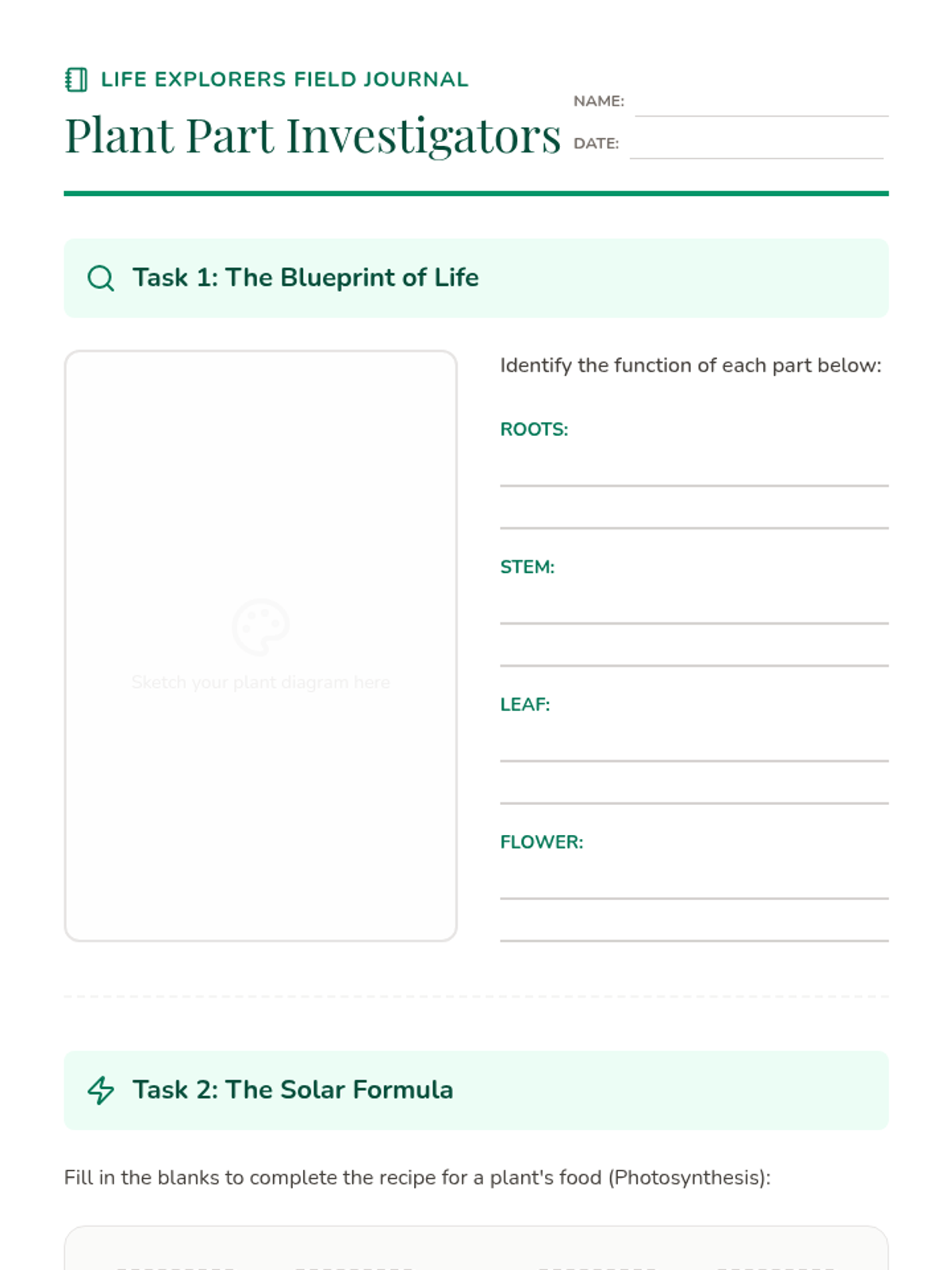
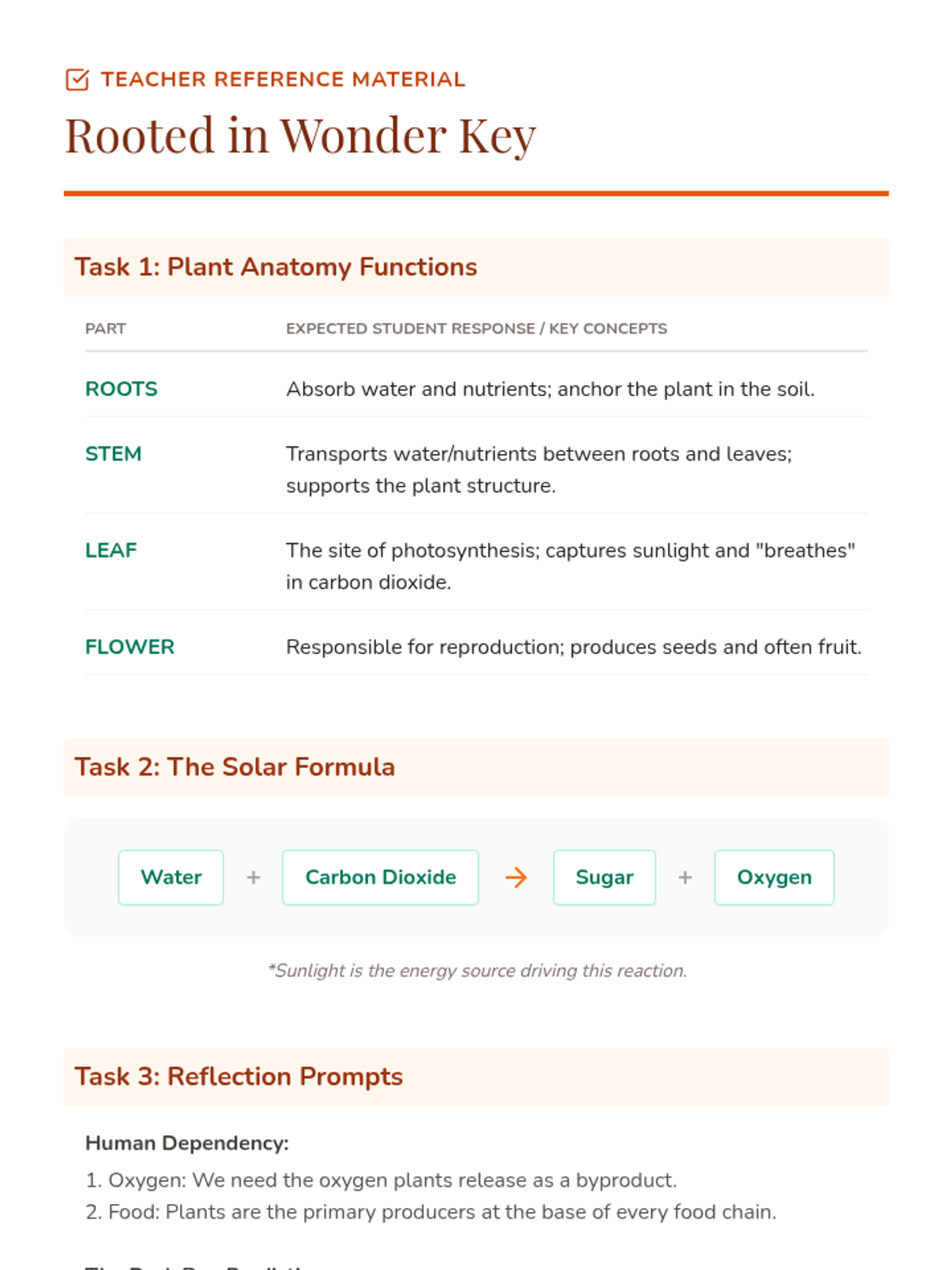
Students explore the anatomy of plants and the process of photosynthesis, learning how the smallest green parts support life on Earth.
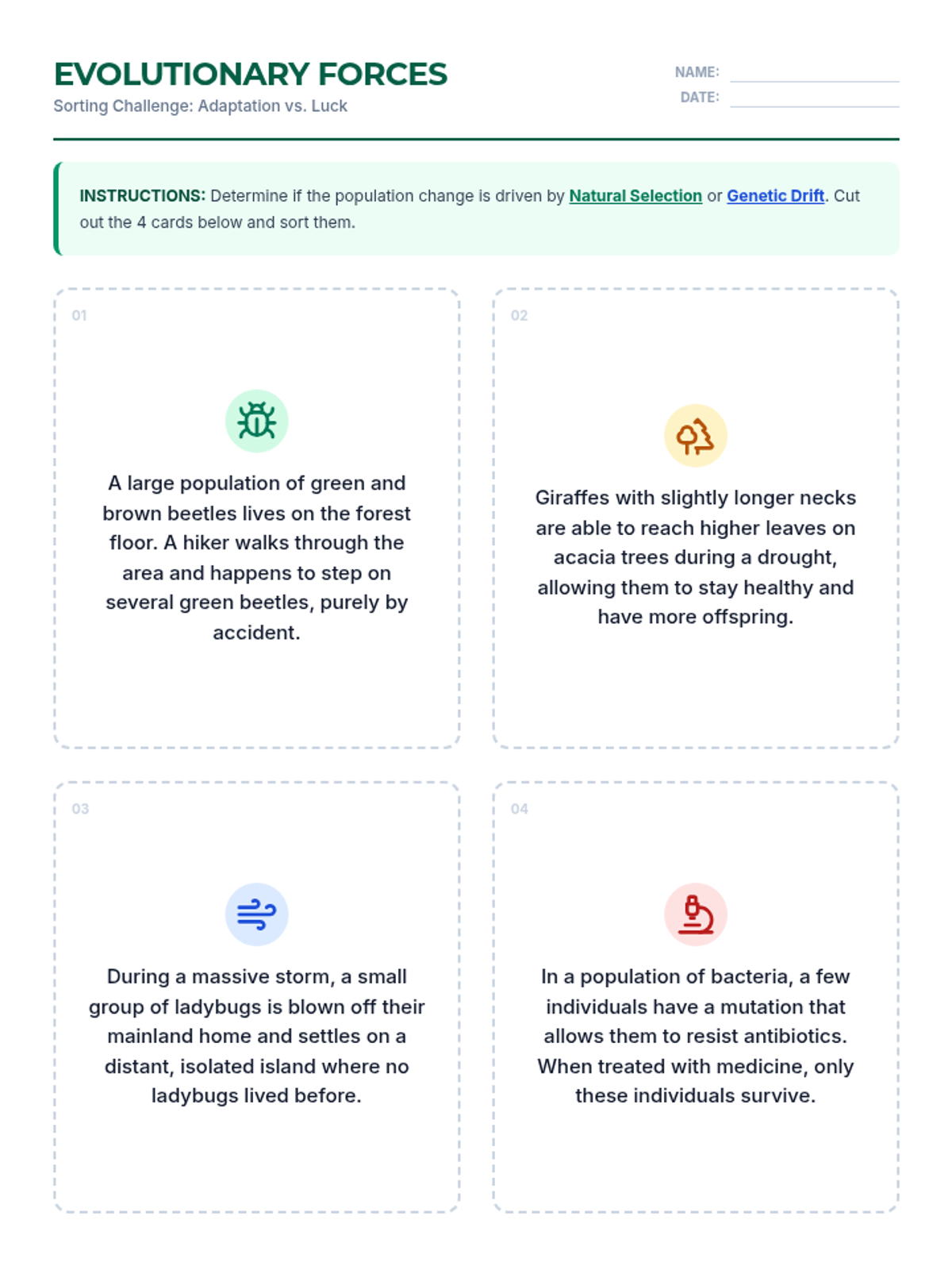
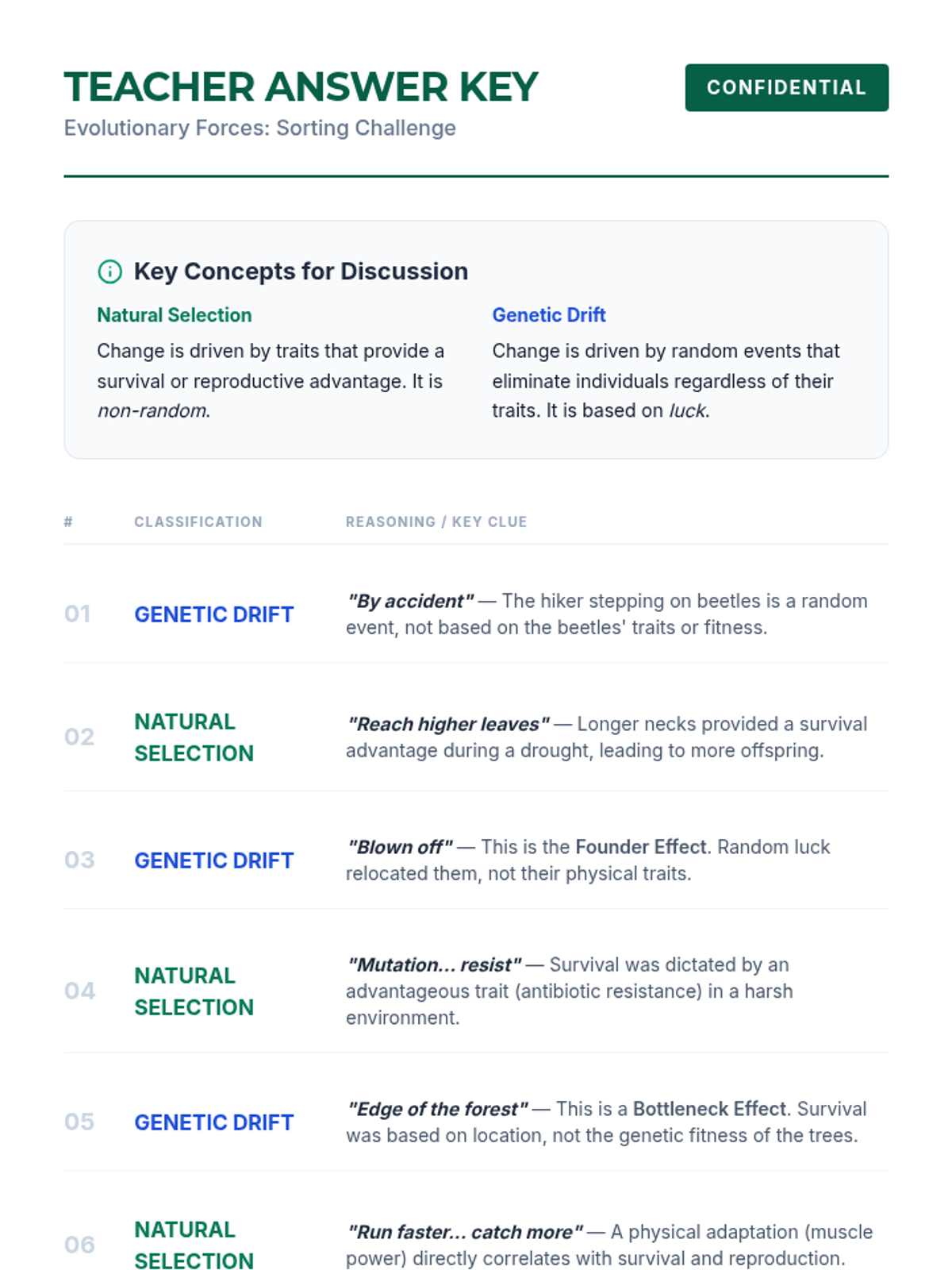
In this lesson, students explore the different mechanisms of evolution, specifically focusing on the distinctions between Natural Selection and Genetic Drift through active sorting and scenario analysis.
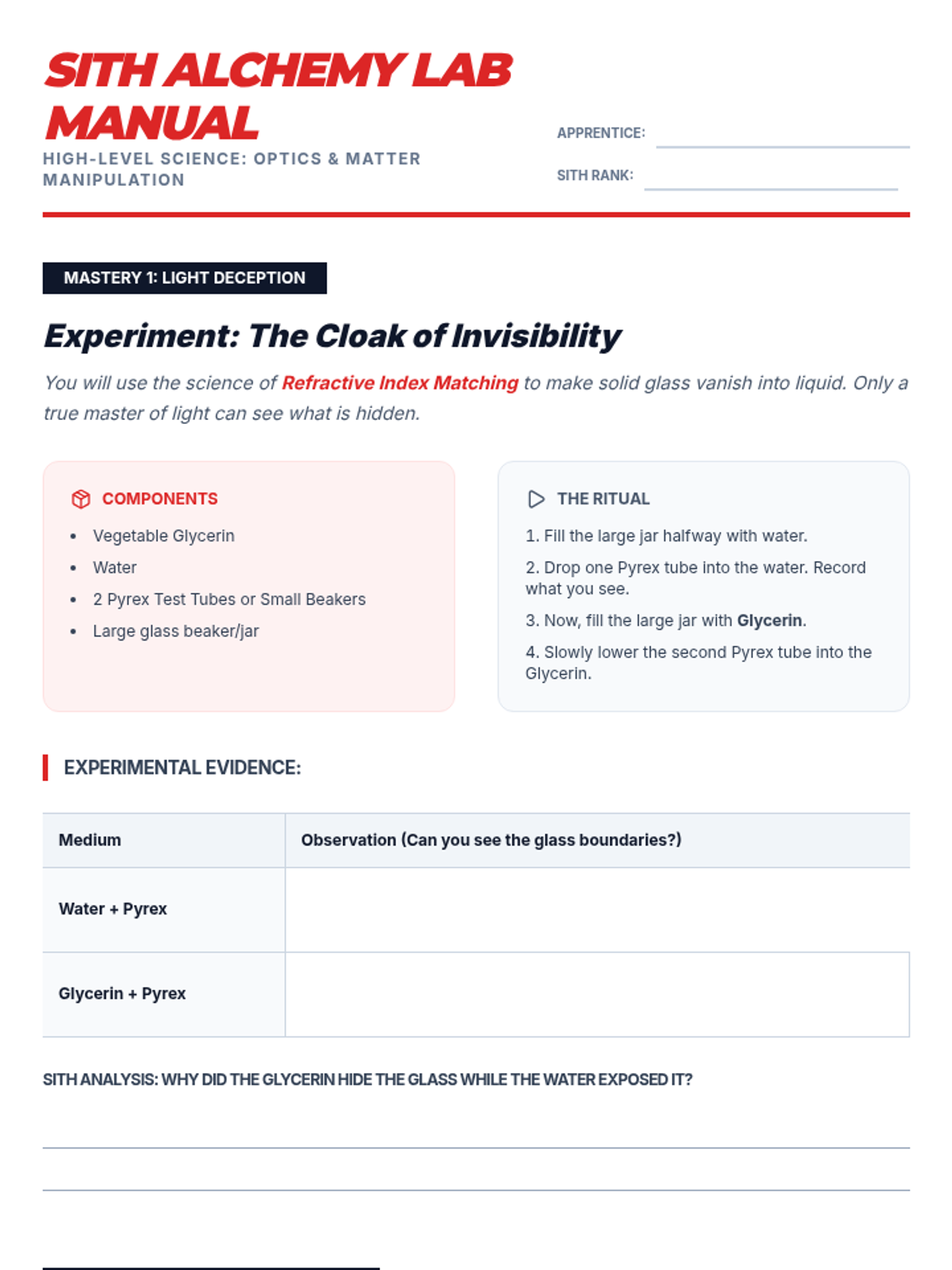
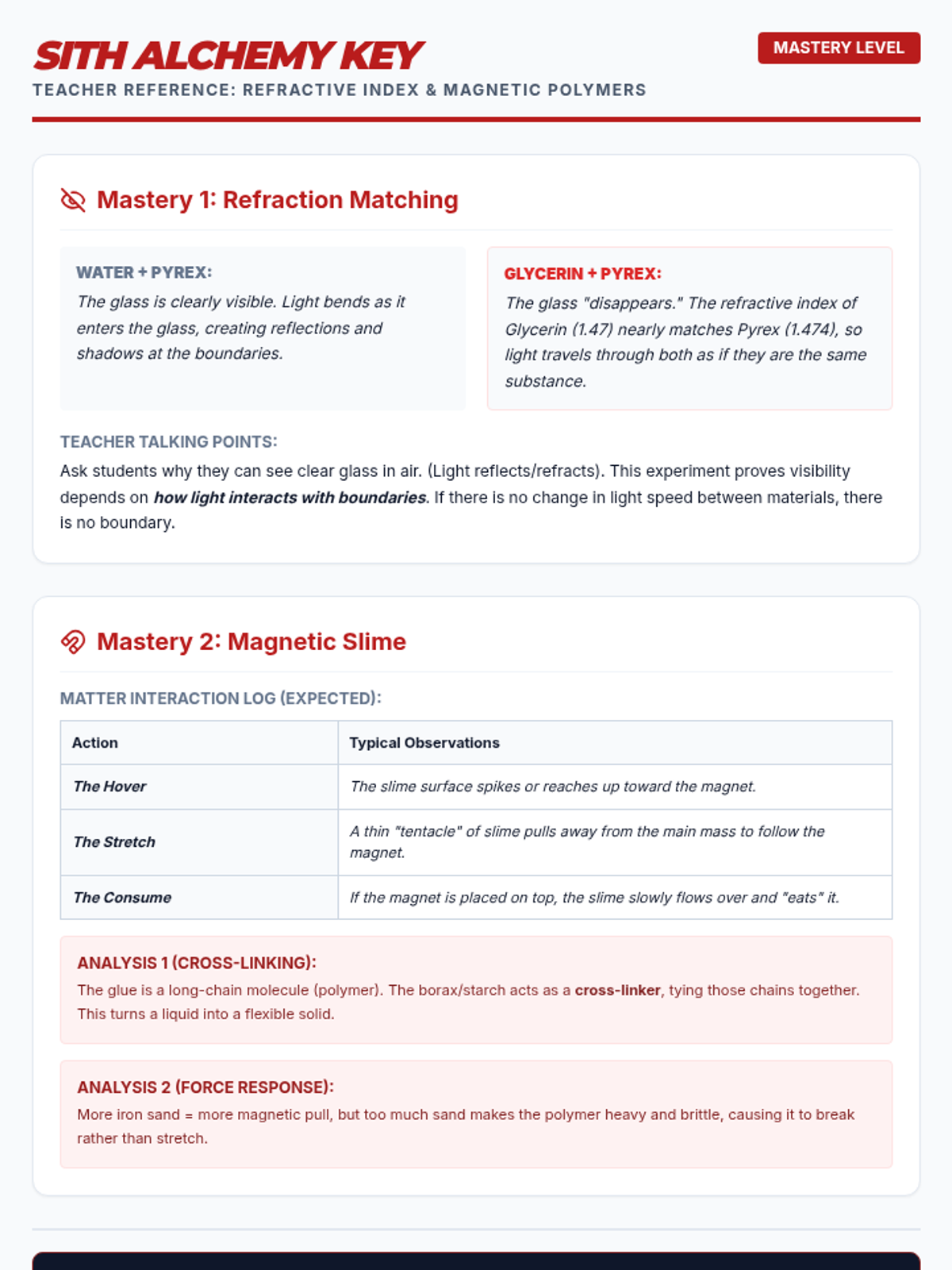
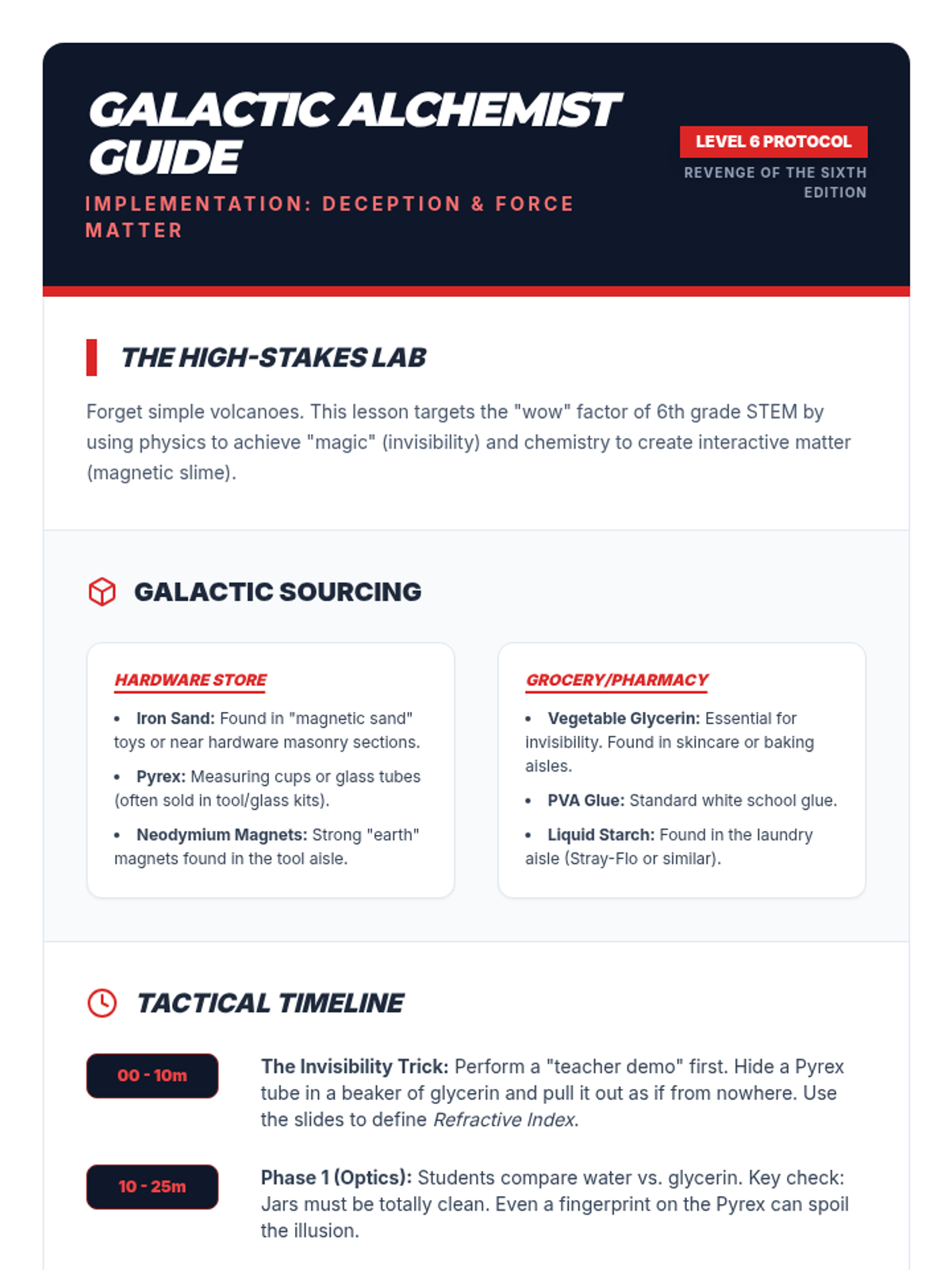
A Star Wars-themed STEM lesson for 6th graders featuring high-impact, novel experiments. Students master the 'Dark Side' through optical invisibility (refraction index matching) and Force-sensitive magnetic slime (chemical polymerization).
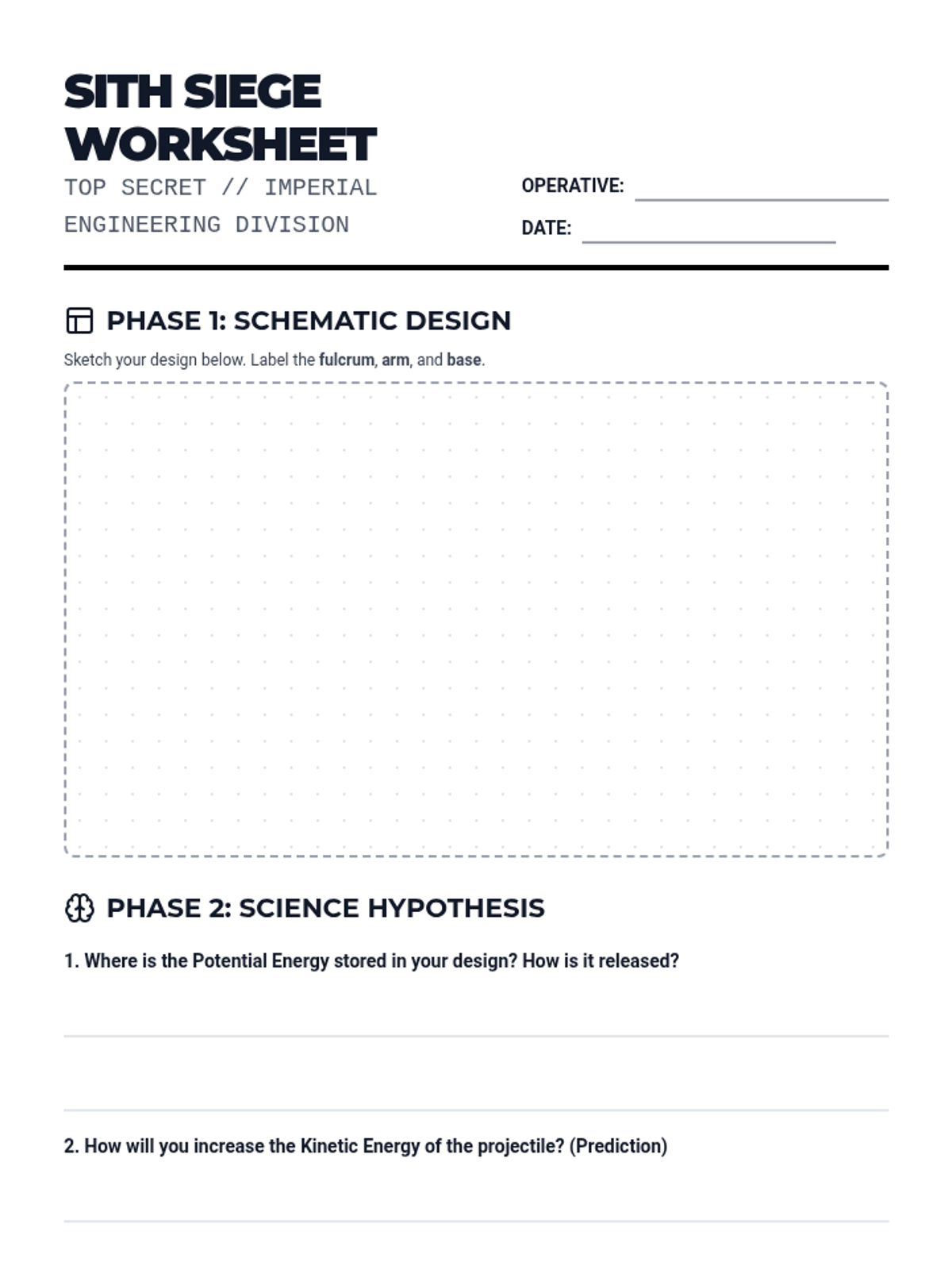
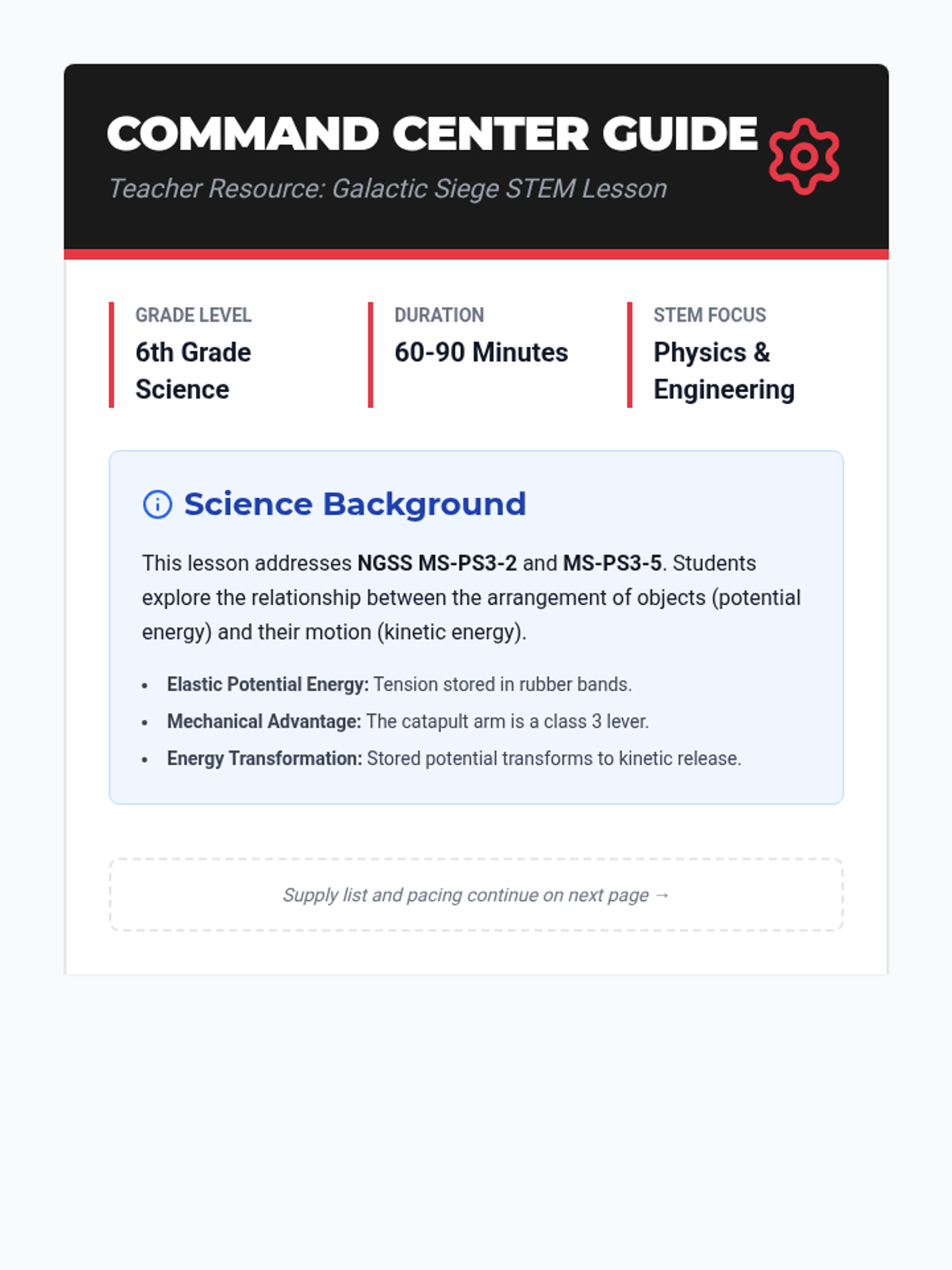
Students apply their understanding of potential and kinetic energy to design and build a catapult (siege engine) using common household materials. They will test their designs for distance and accuracy while recording scientific data.
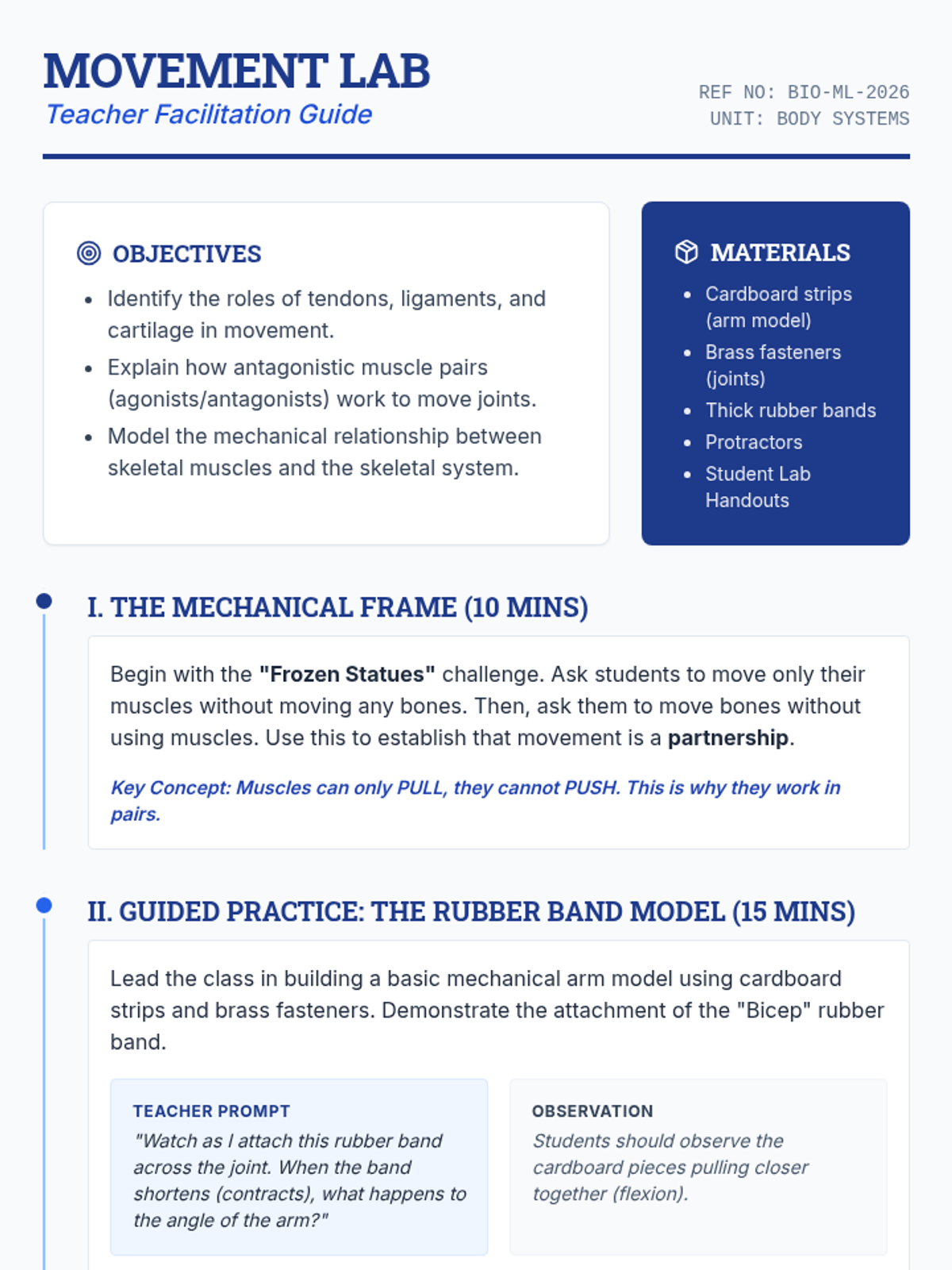
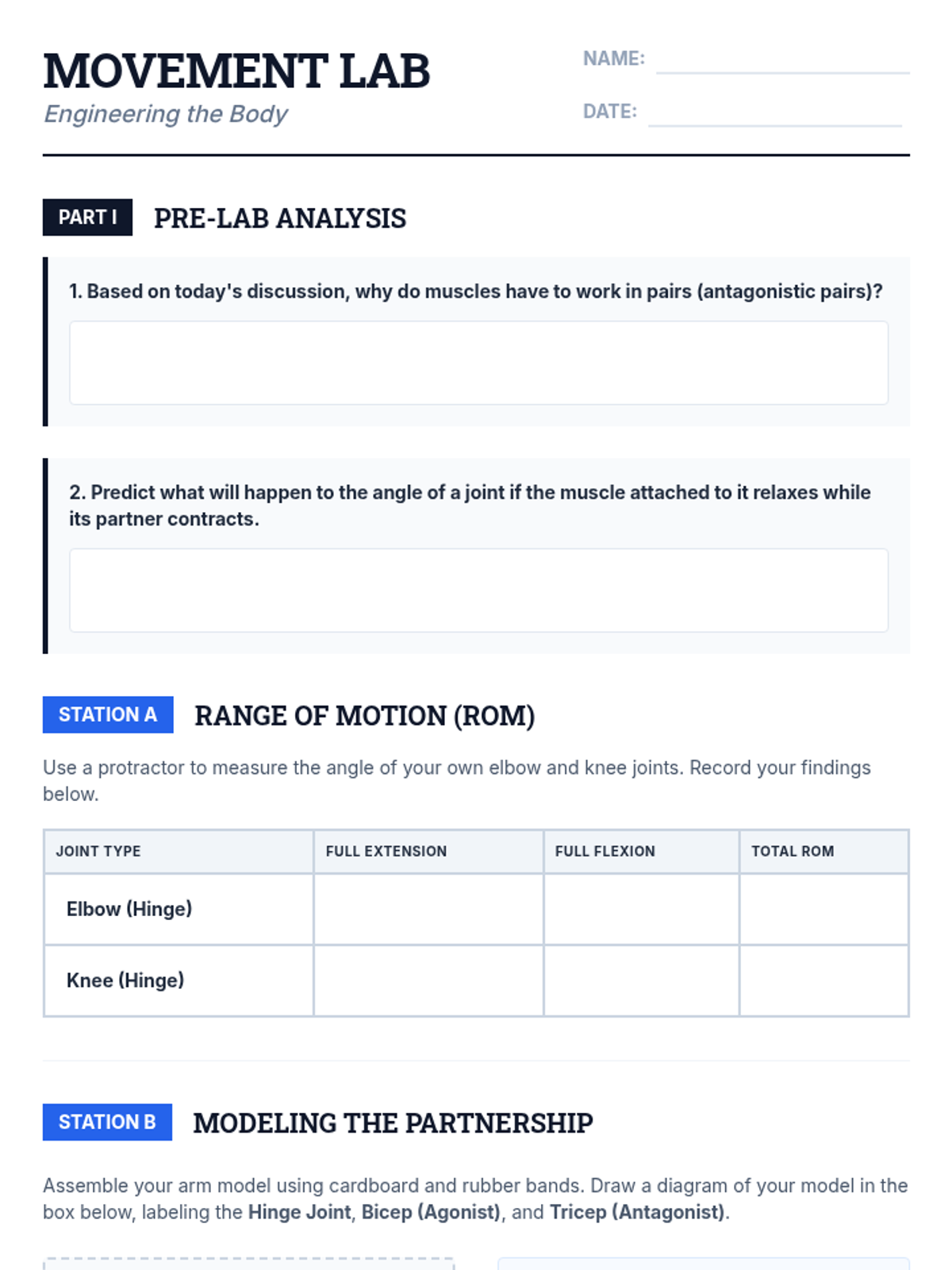
A hands-on exploration of the musculoskeletal system where students investigate how muscles and bones collaborate to create movement through modeling and mechanical analysis.
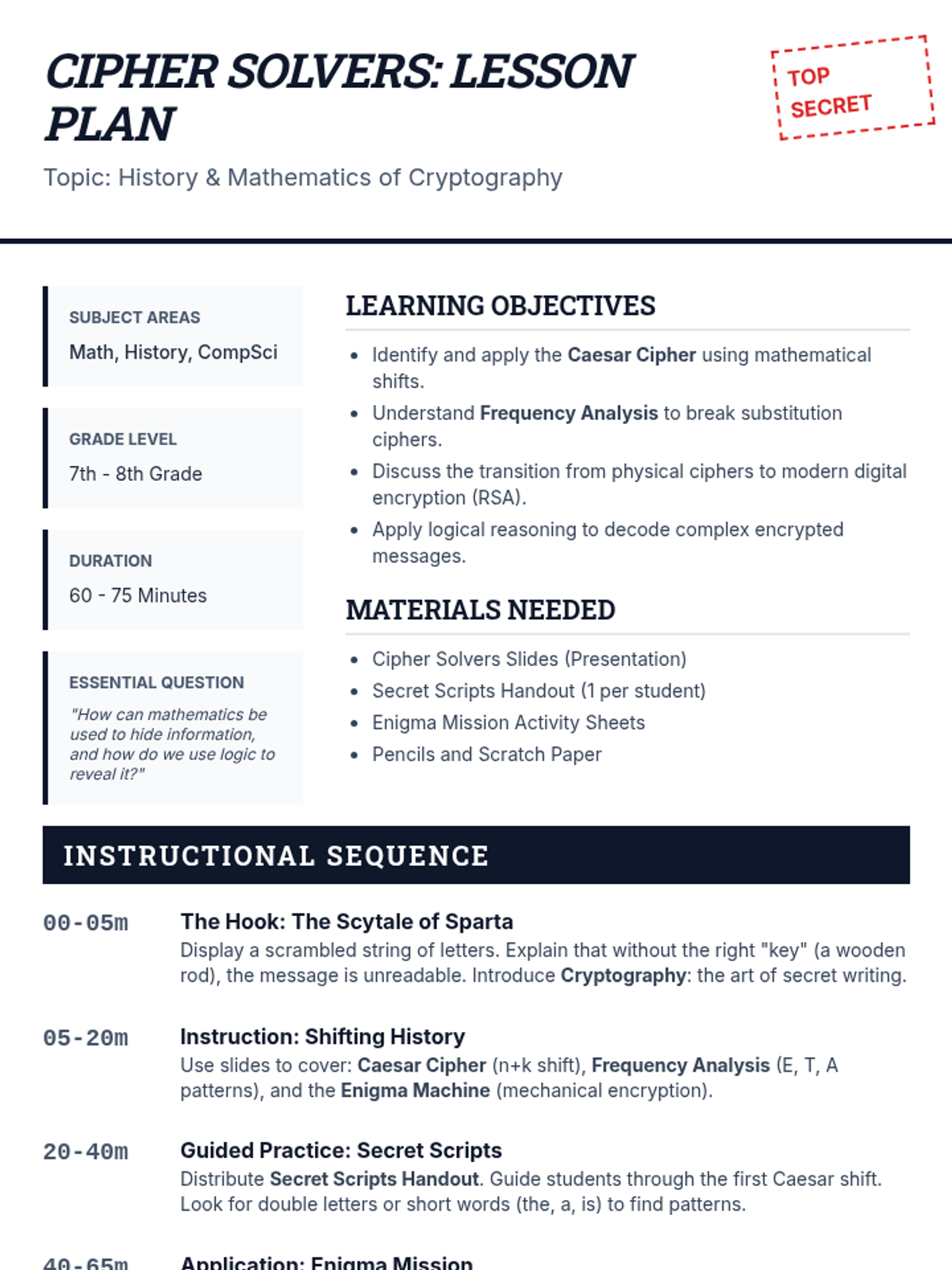
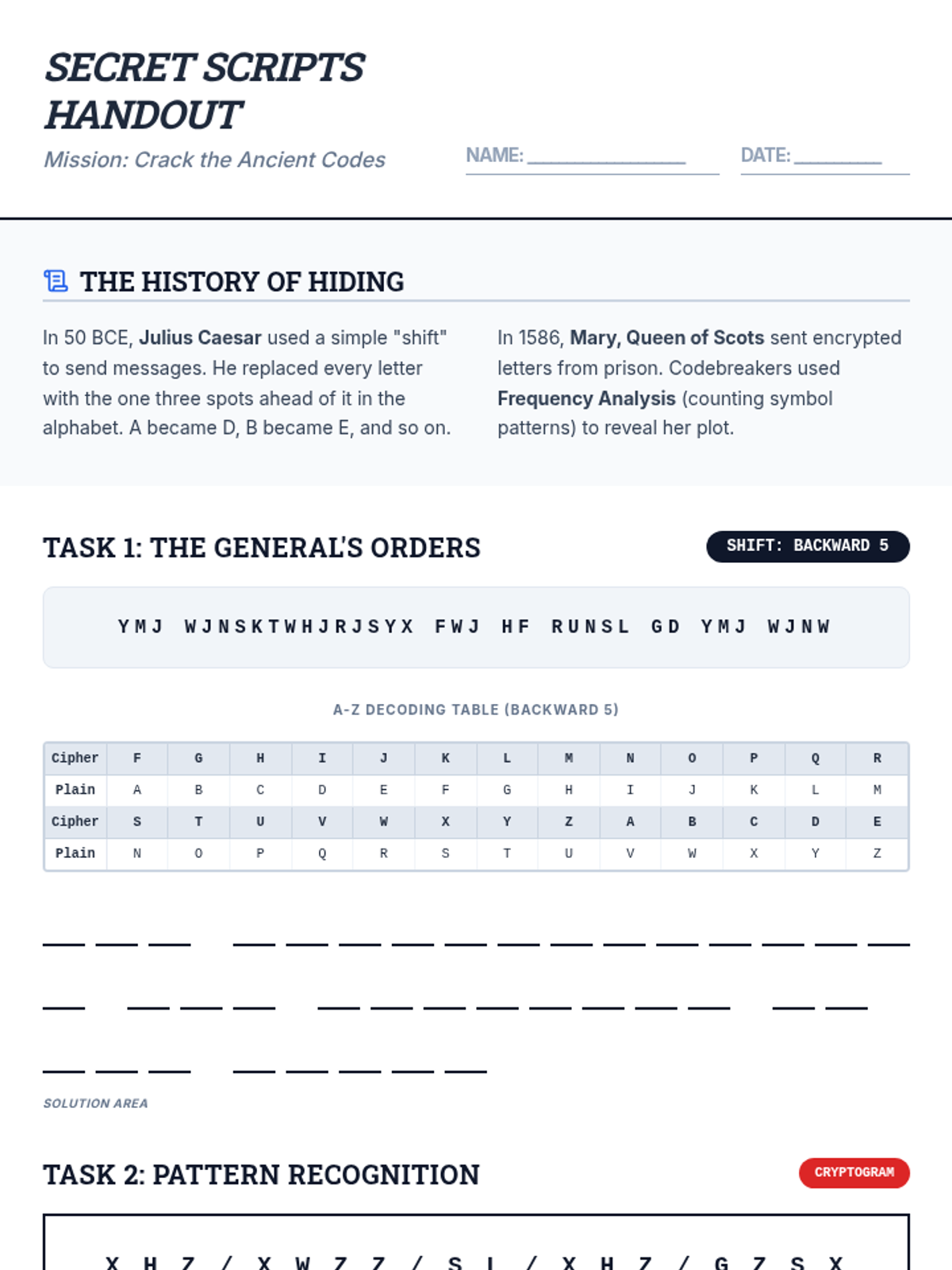
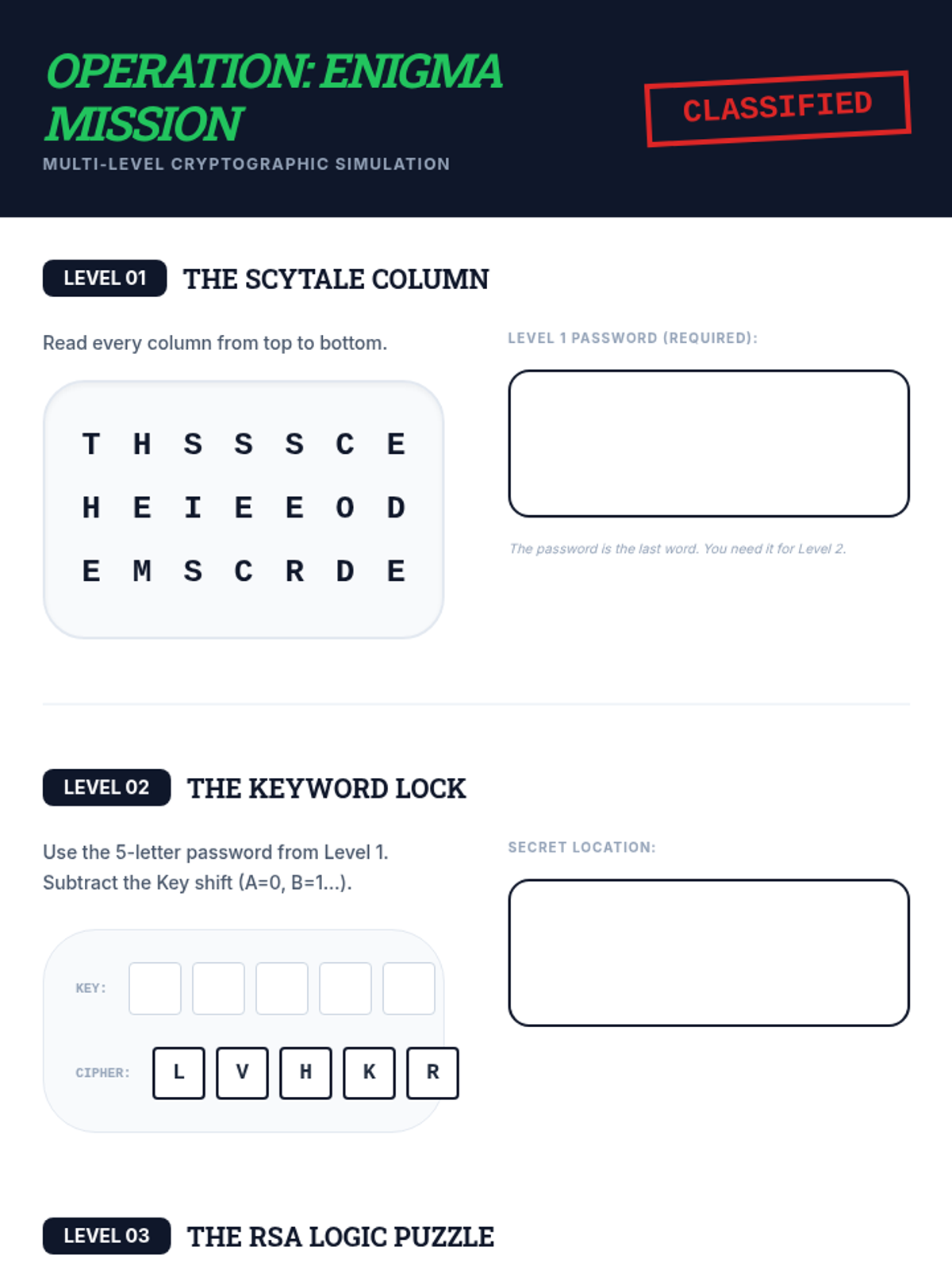
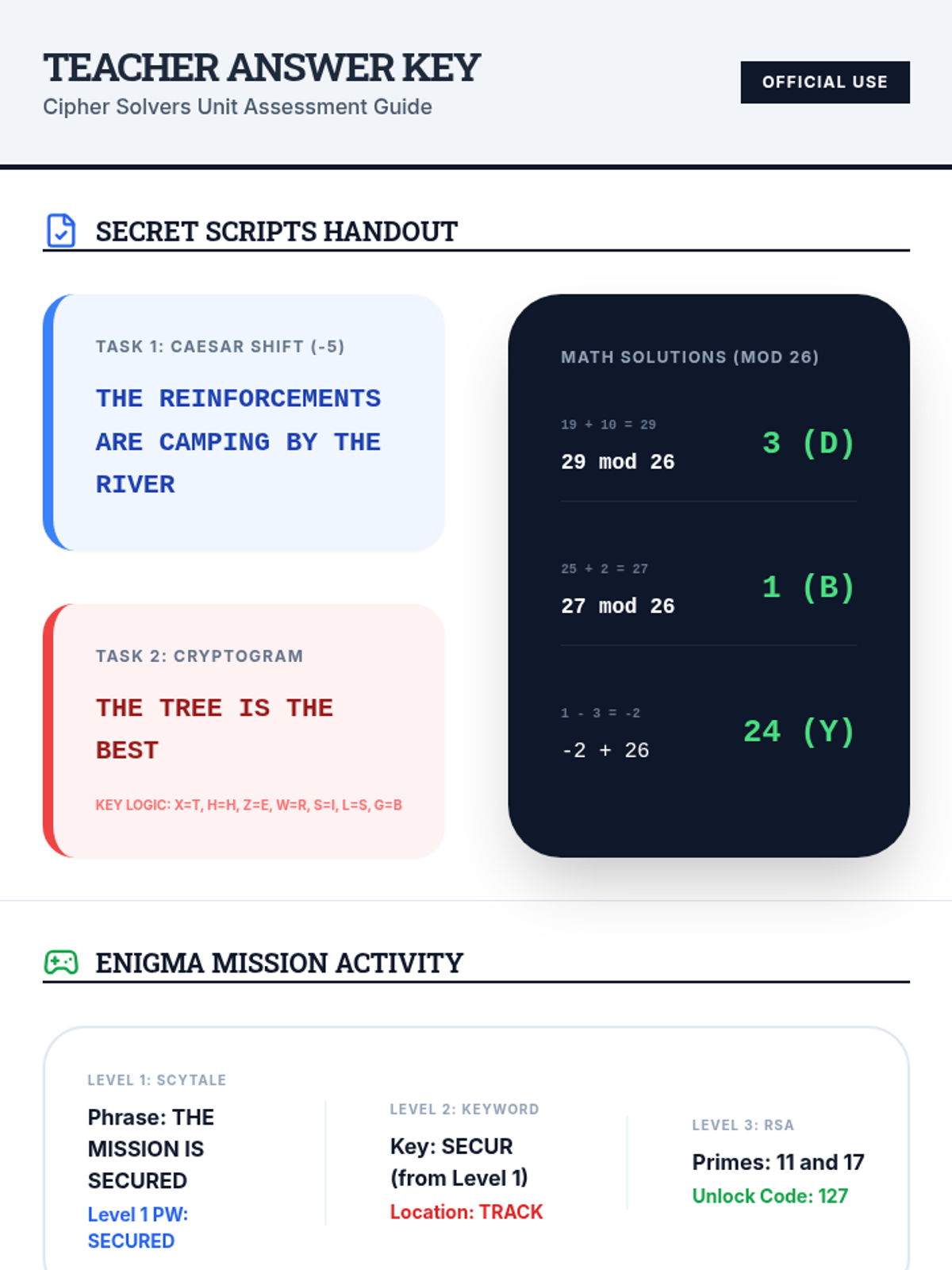
An immersive exploration of cryptography for middle schoolers, covering ancient substitution ciphers, the mathematics of frequency analysis, and the fundamentals of modern digital encryption. Students will analyze historical secret communication and apply logical reasoning to decode complex messages.
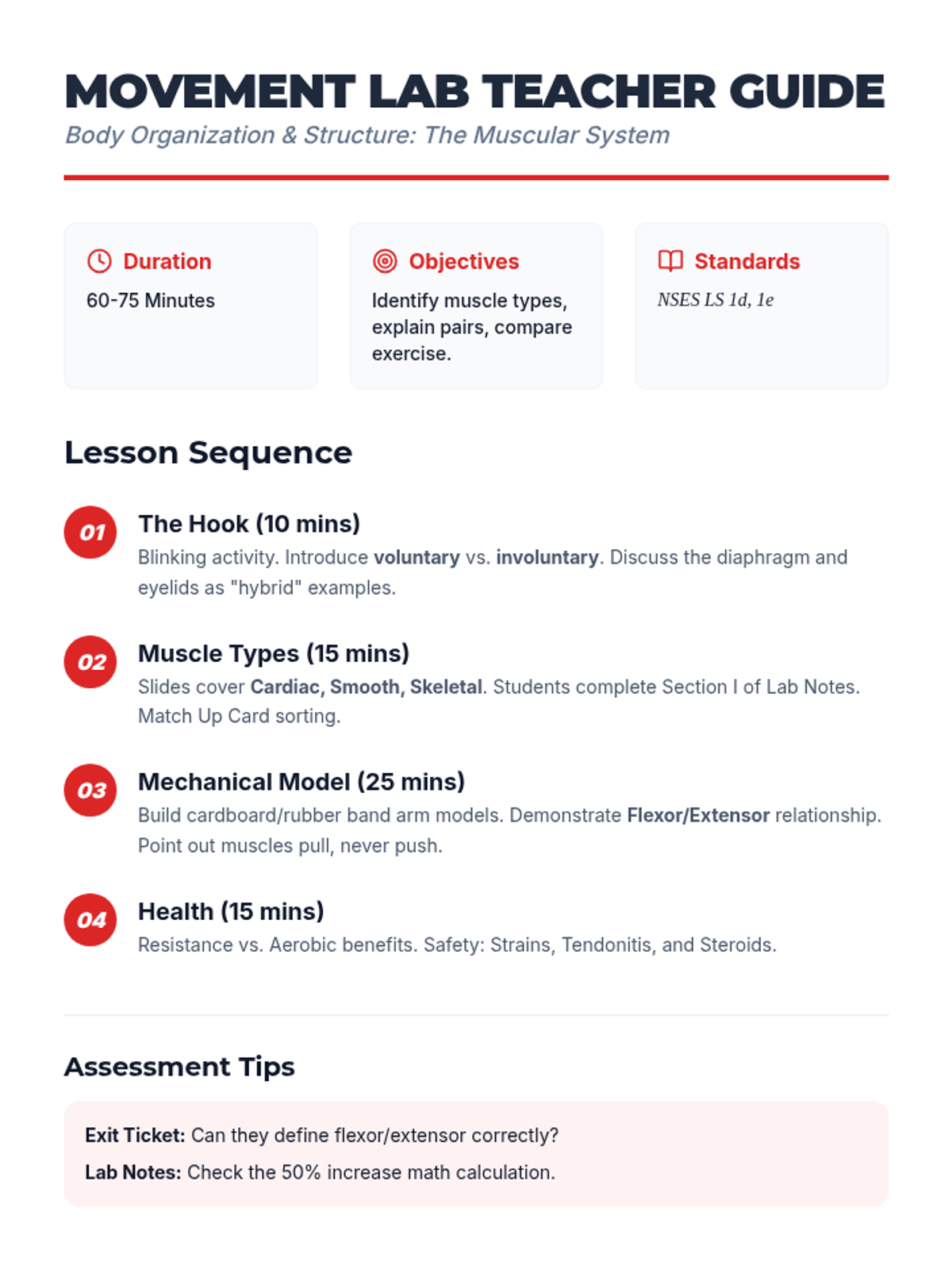
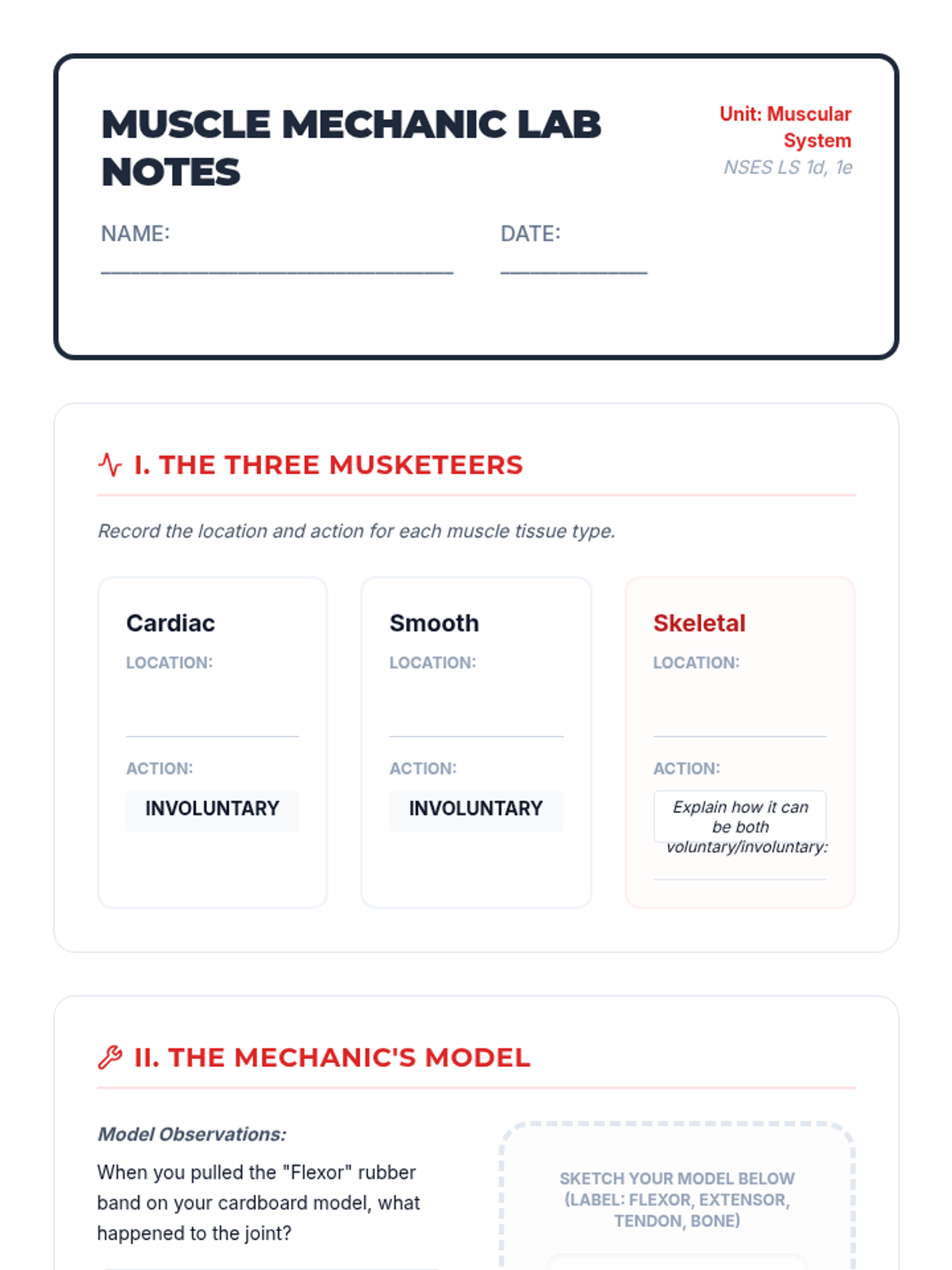
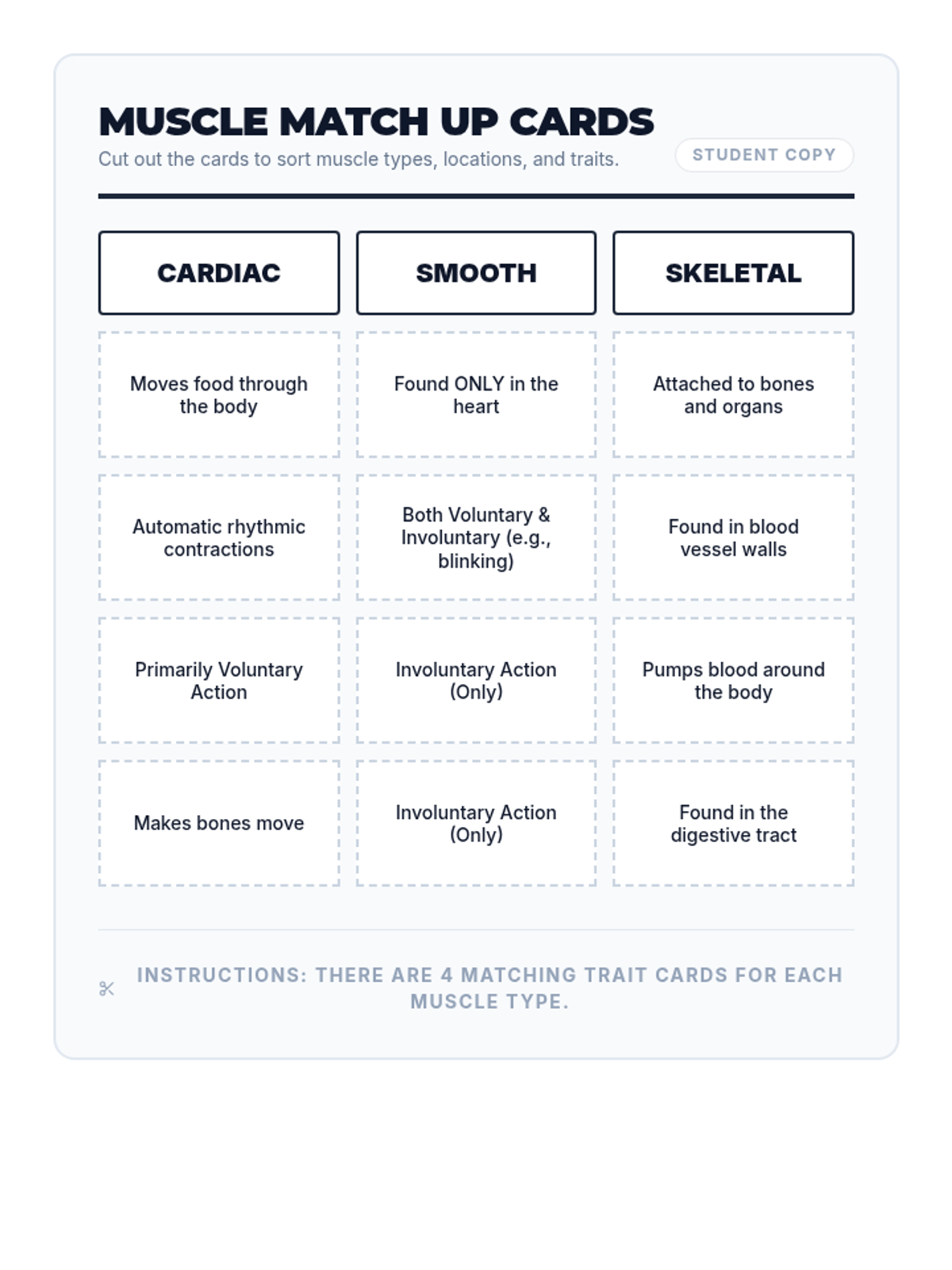
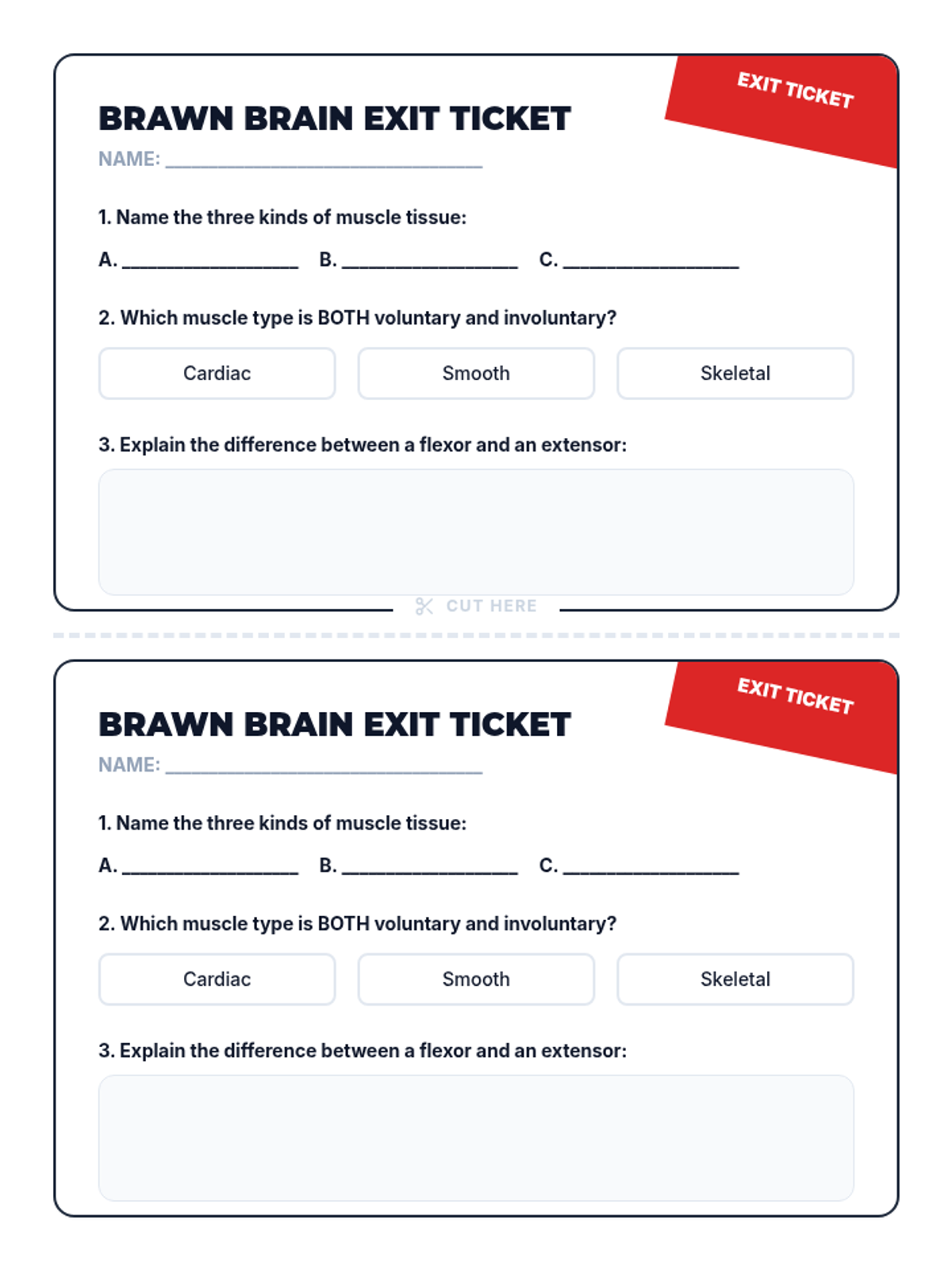
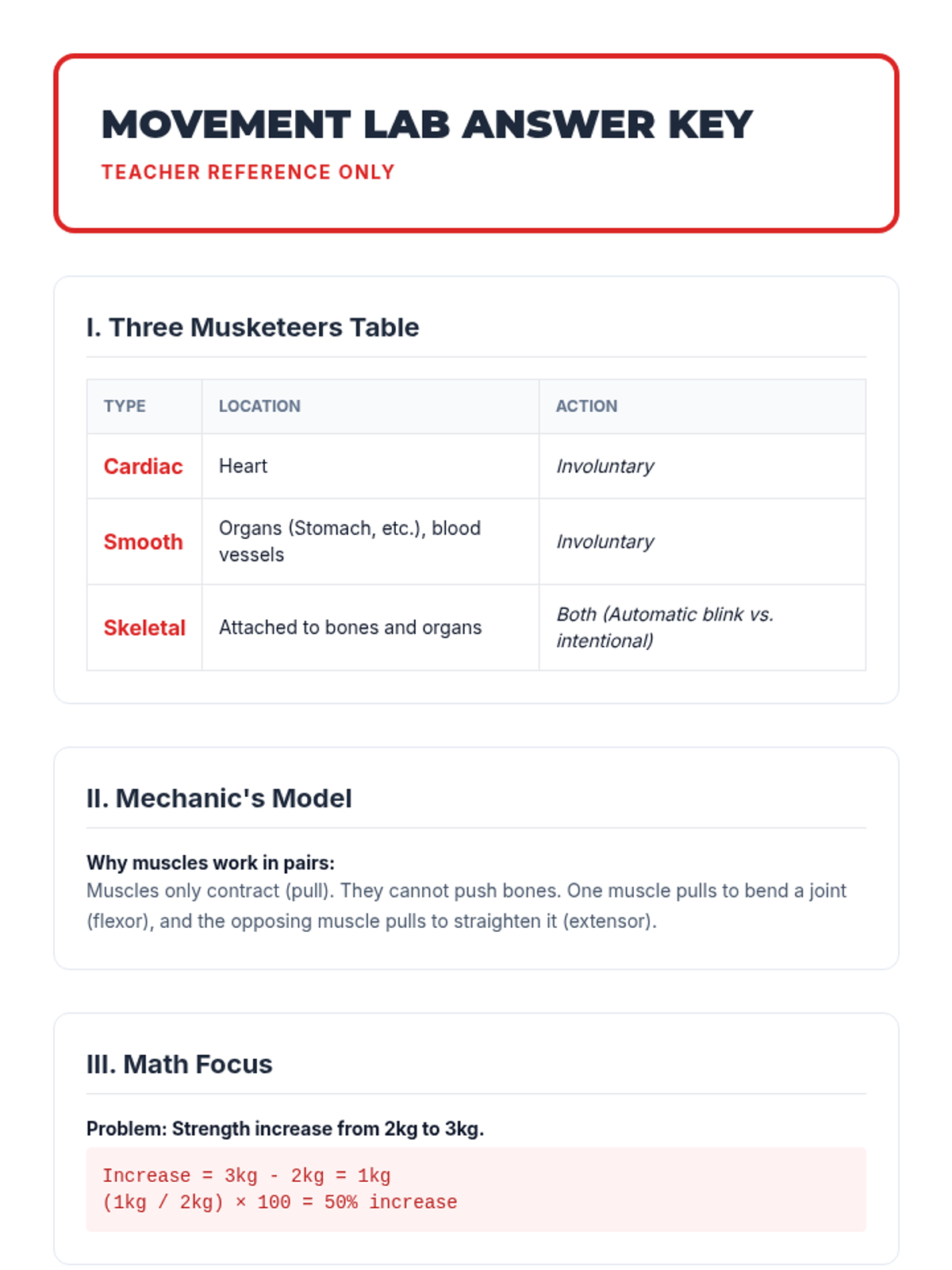
A hands-on exploration of the muscular system, focusing on the three types of muscle tissue, how muscle pairs work to create movement, and the importance of exercise for muscle health.
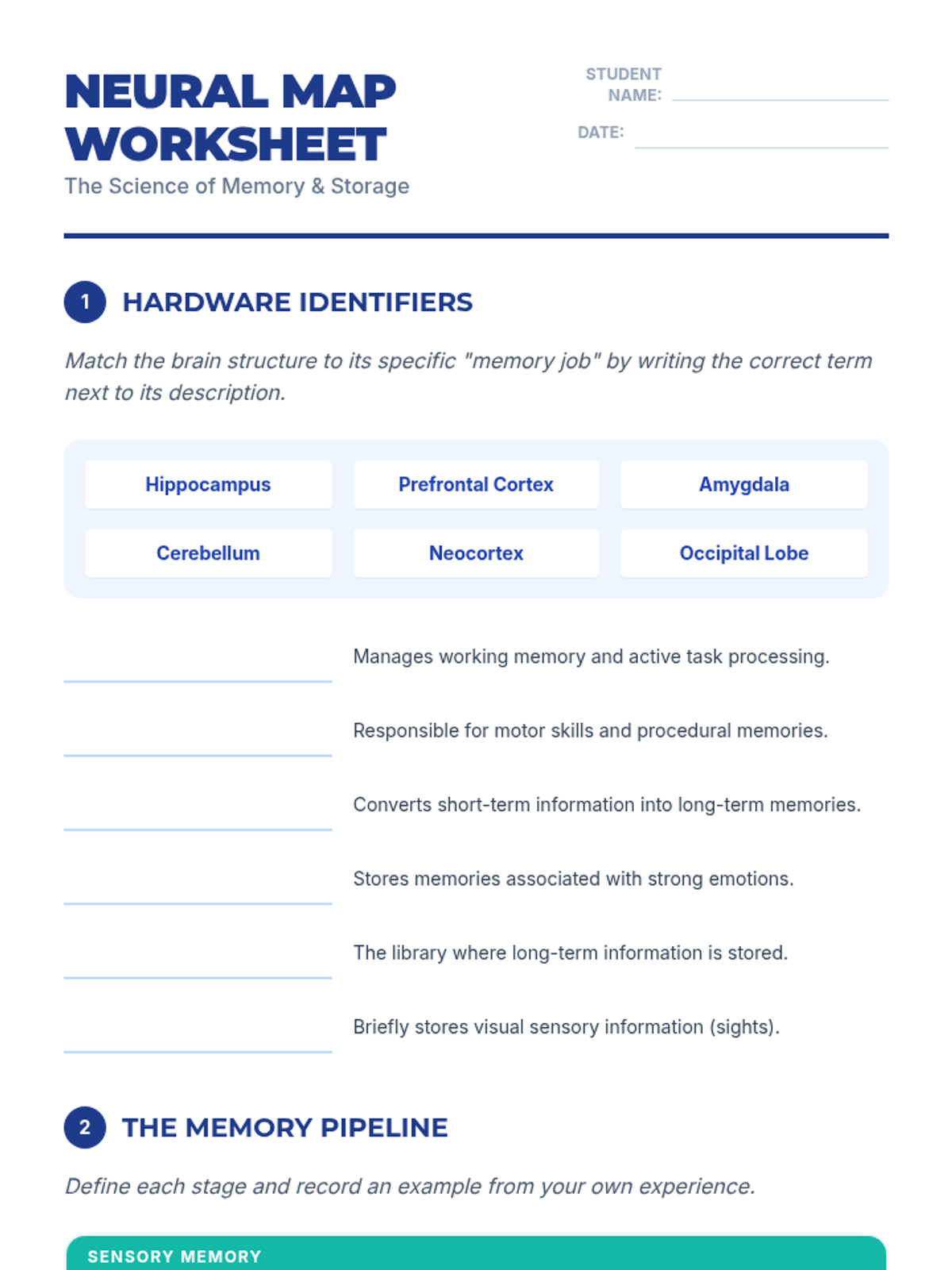
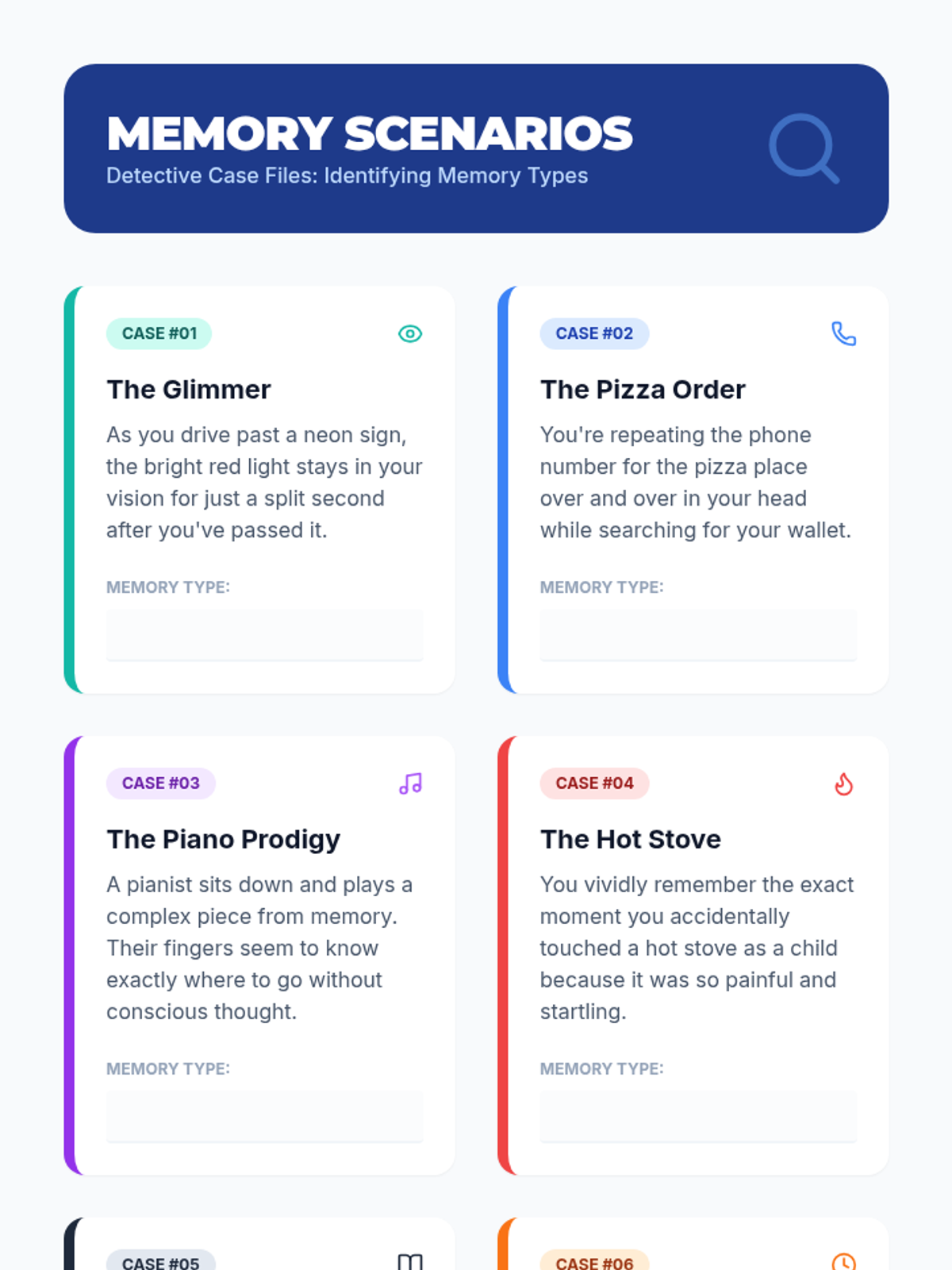
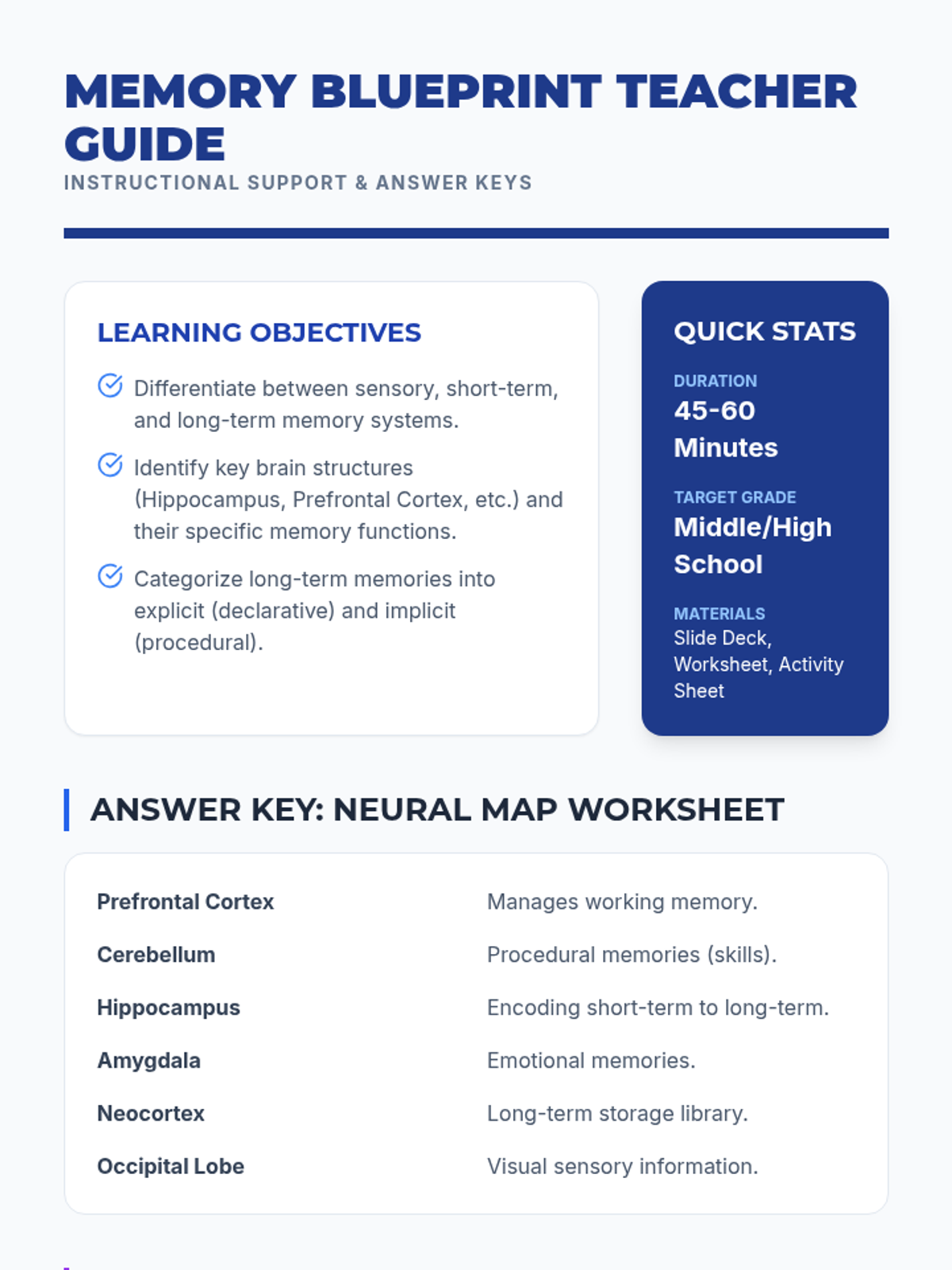
A comprehensive lesson on the three stages of memory (sensory, short-term, and long-term) and the specific brain structures that facilitate encoding and storage. Students will learn to categorize memories and identify the neurological 'hardware' behind their daily experiences.
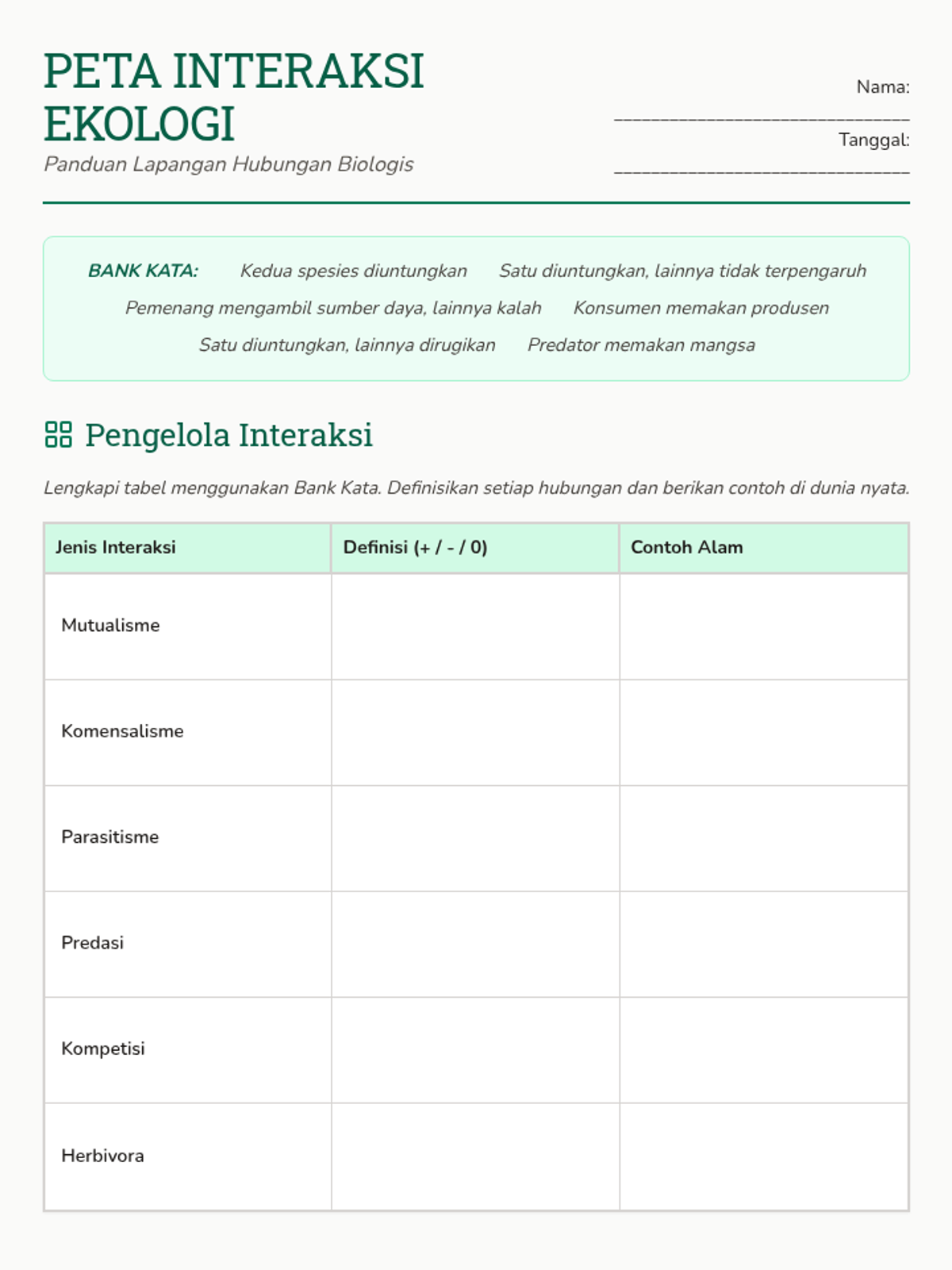
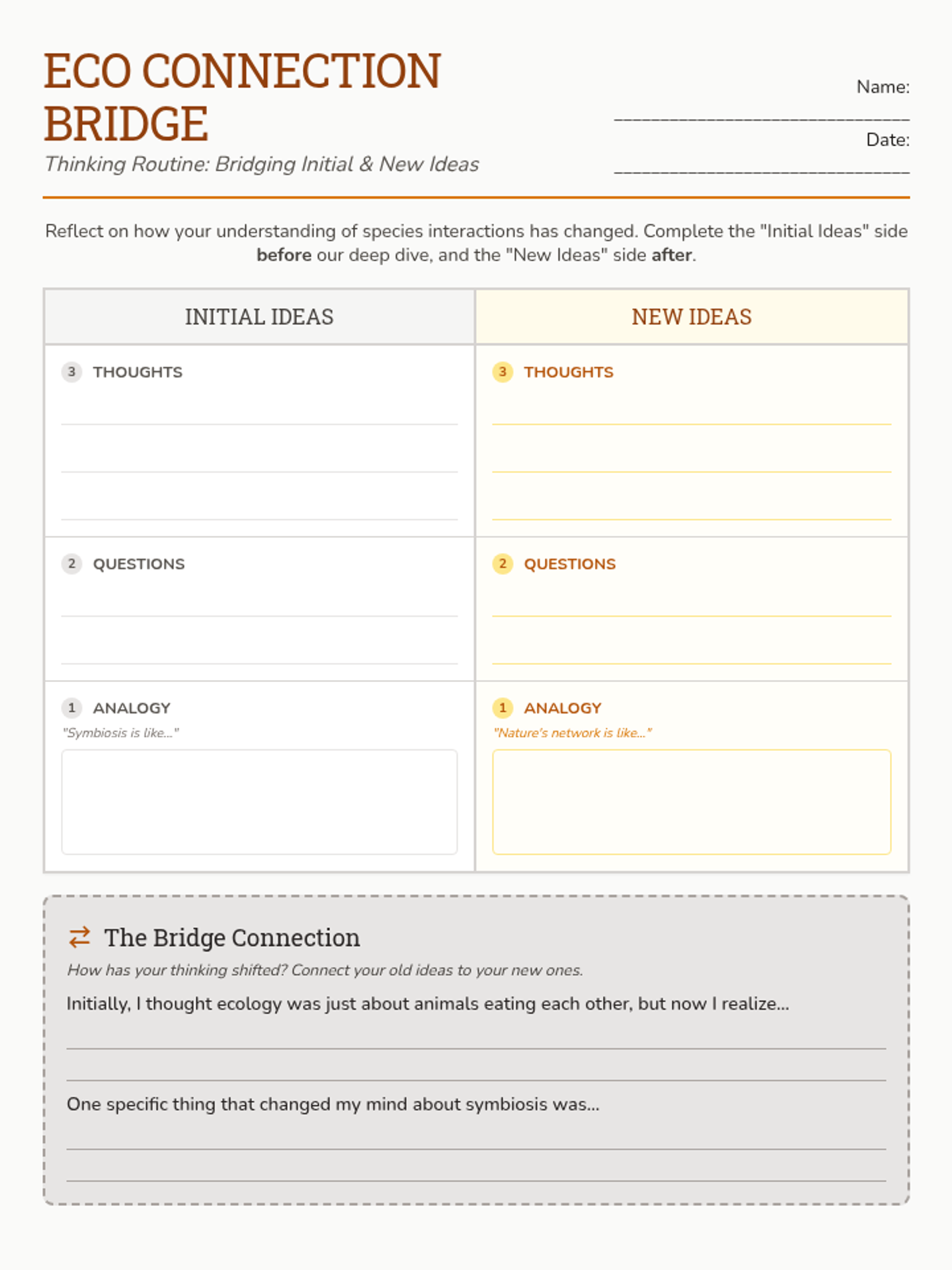
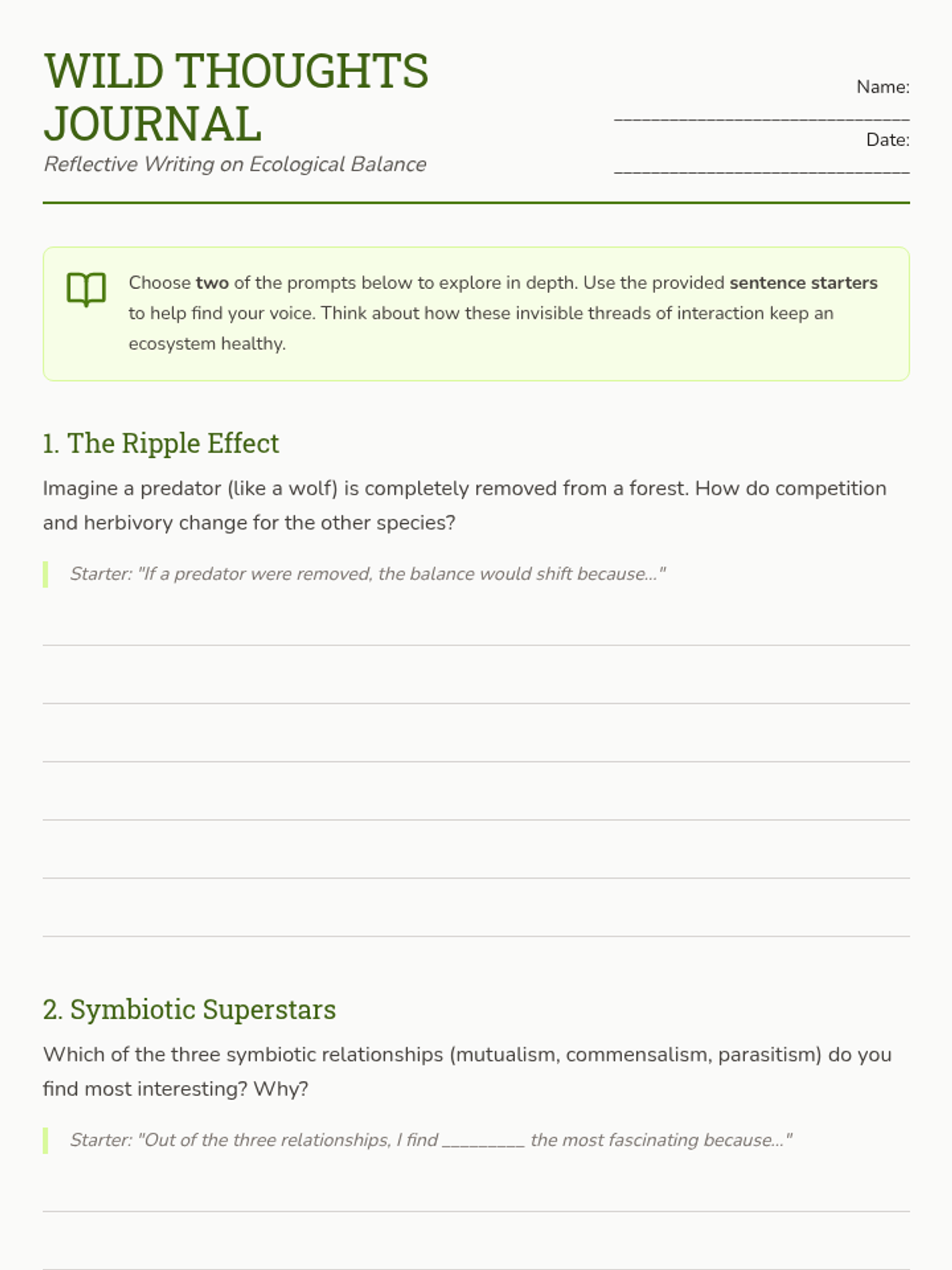
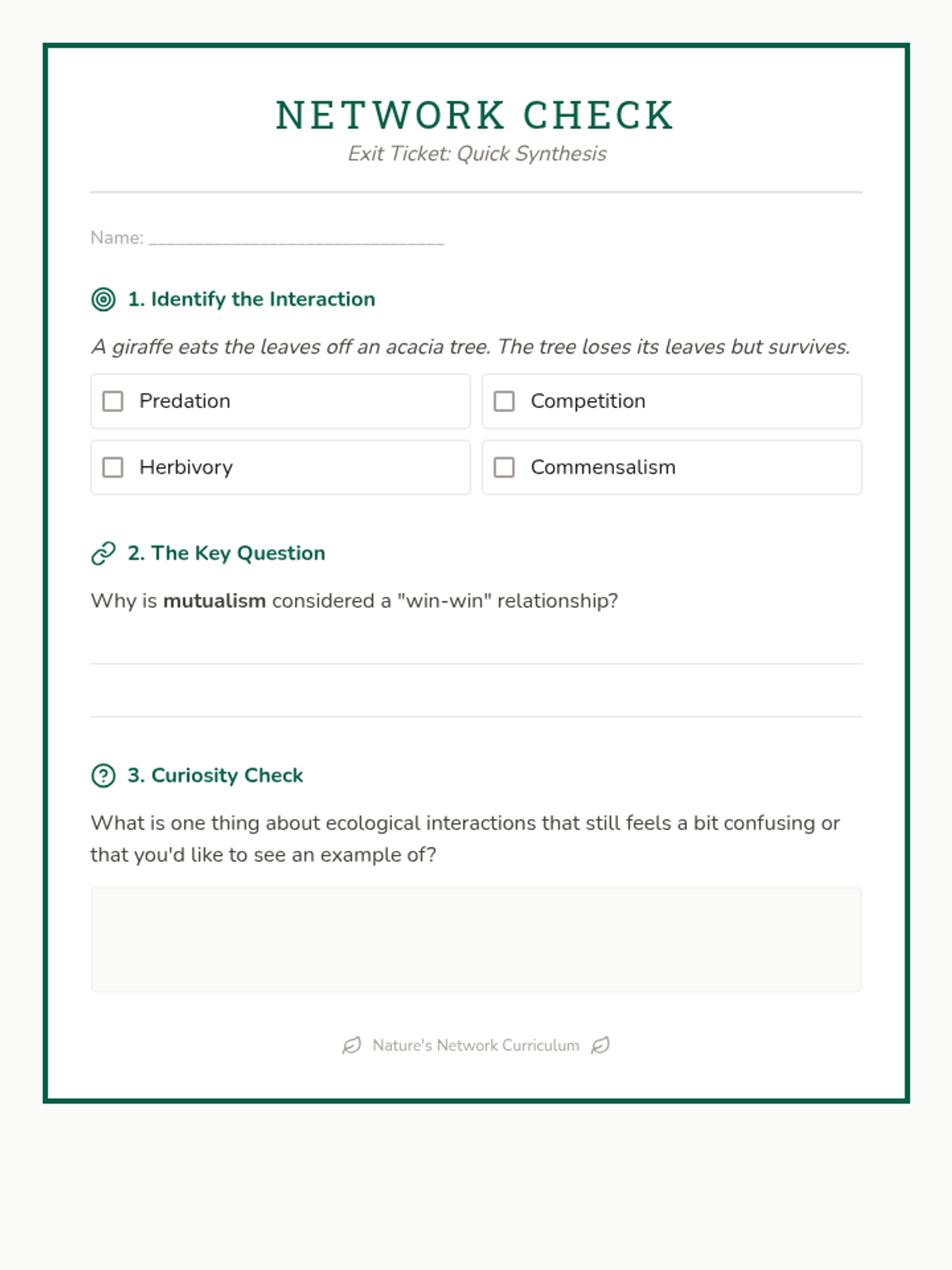
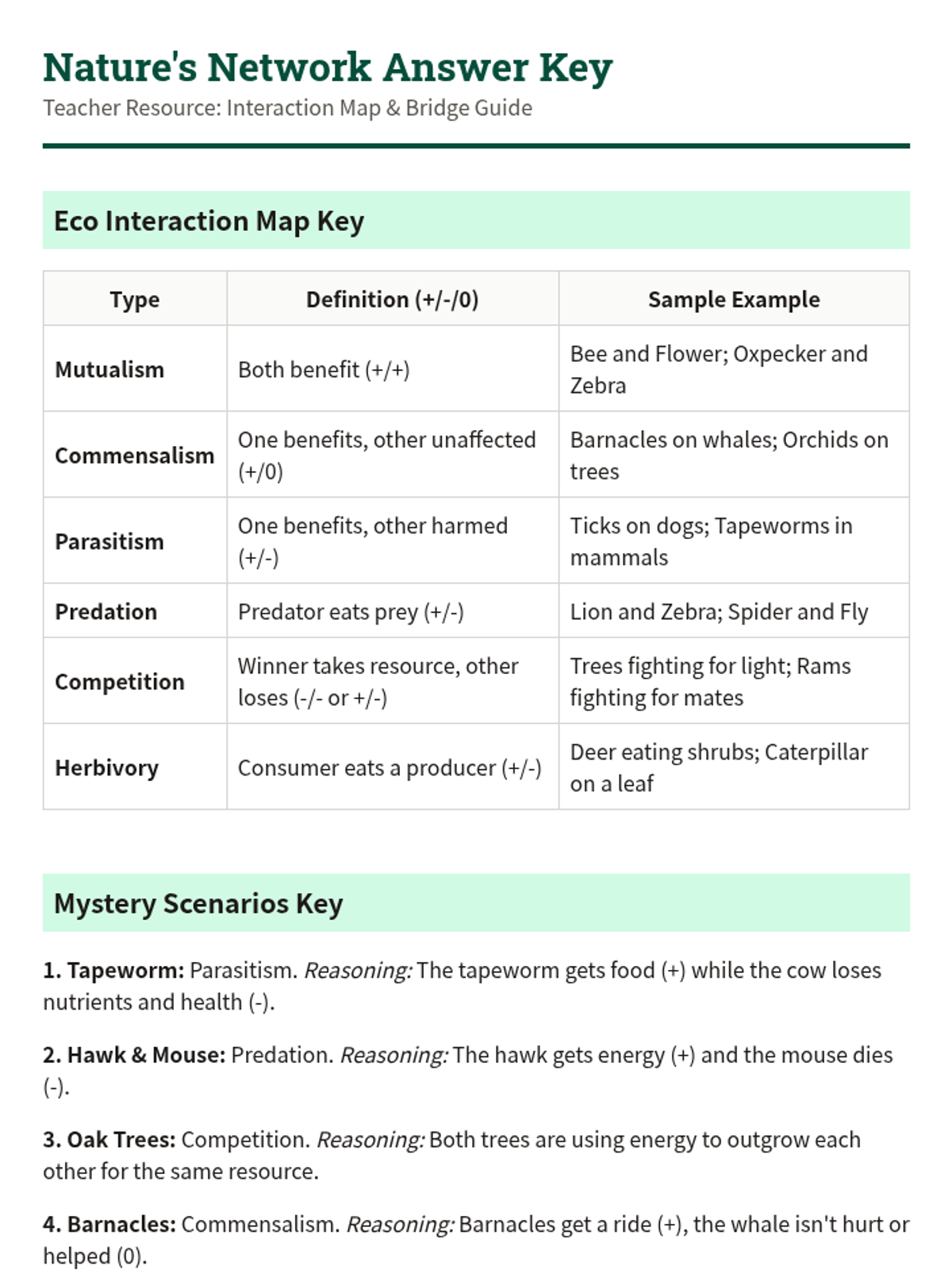
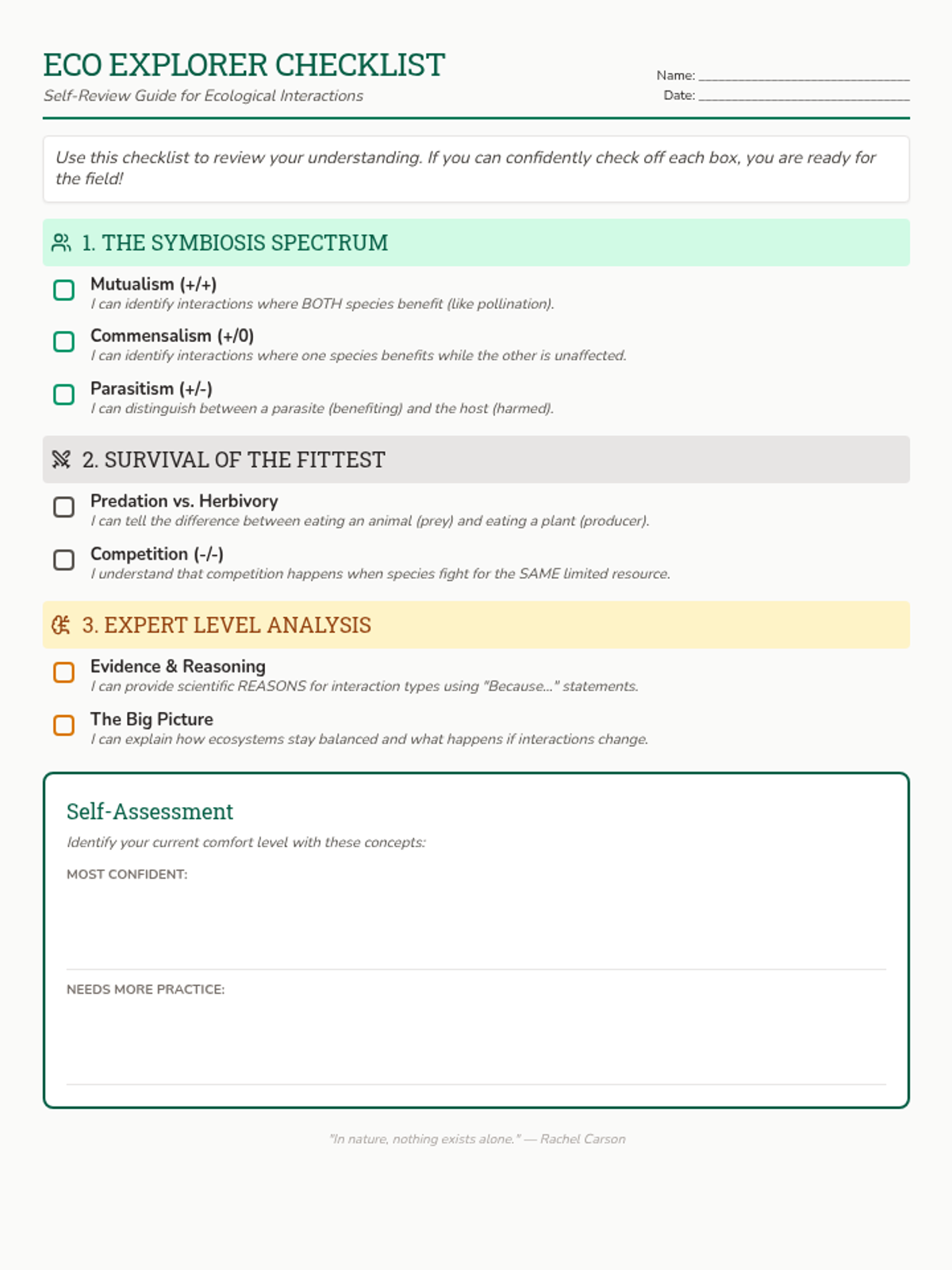
A reflective lesson where students explore and synthesize their understanding of biological interactions through graphic organizers, a 3-2-1 Bridge thinking routine, and journaling.
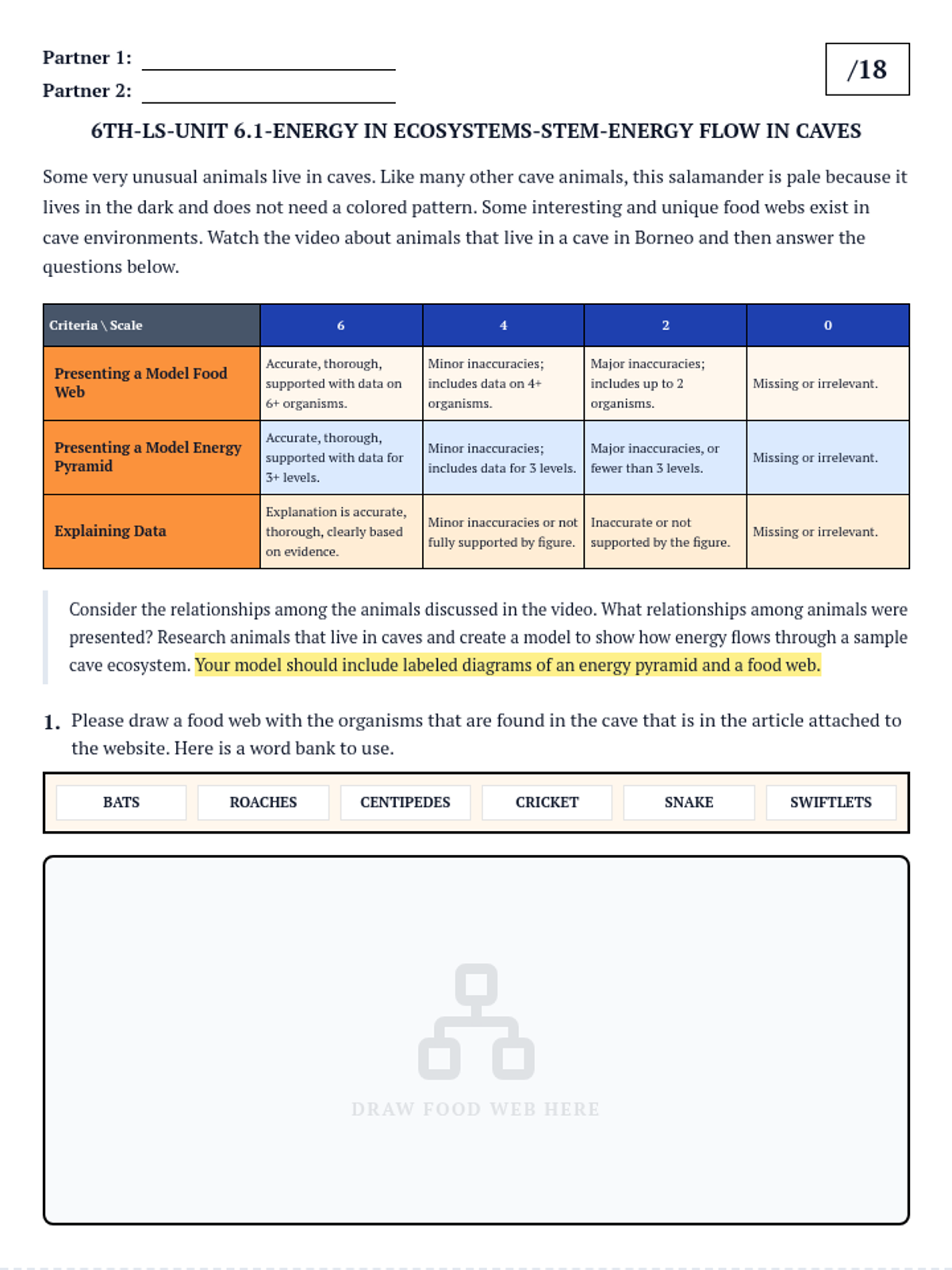
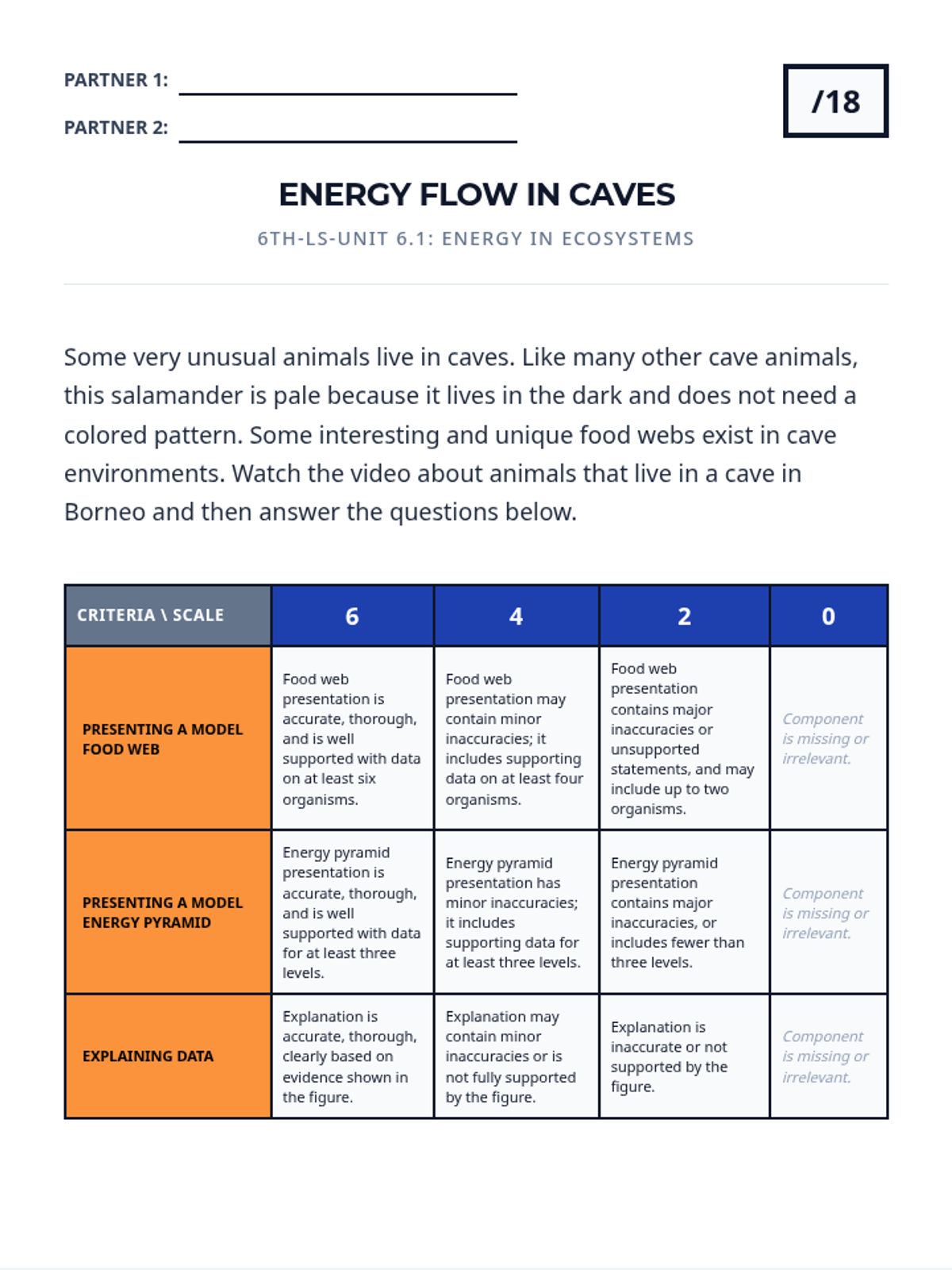
A lesson exploring energy flow within cave ecosystems, focusing on food webs, energy pyramids, and data interpretation based on animal populations.
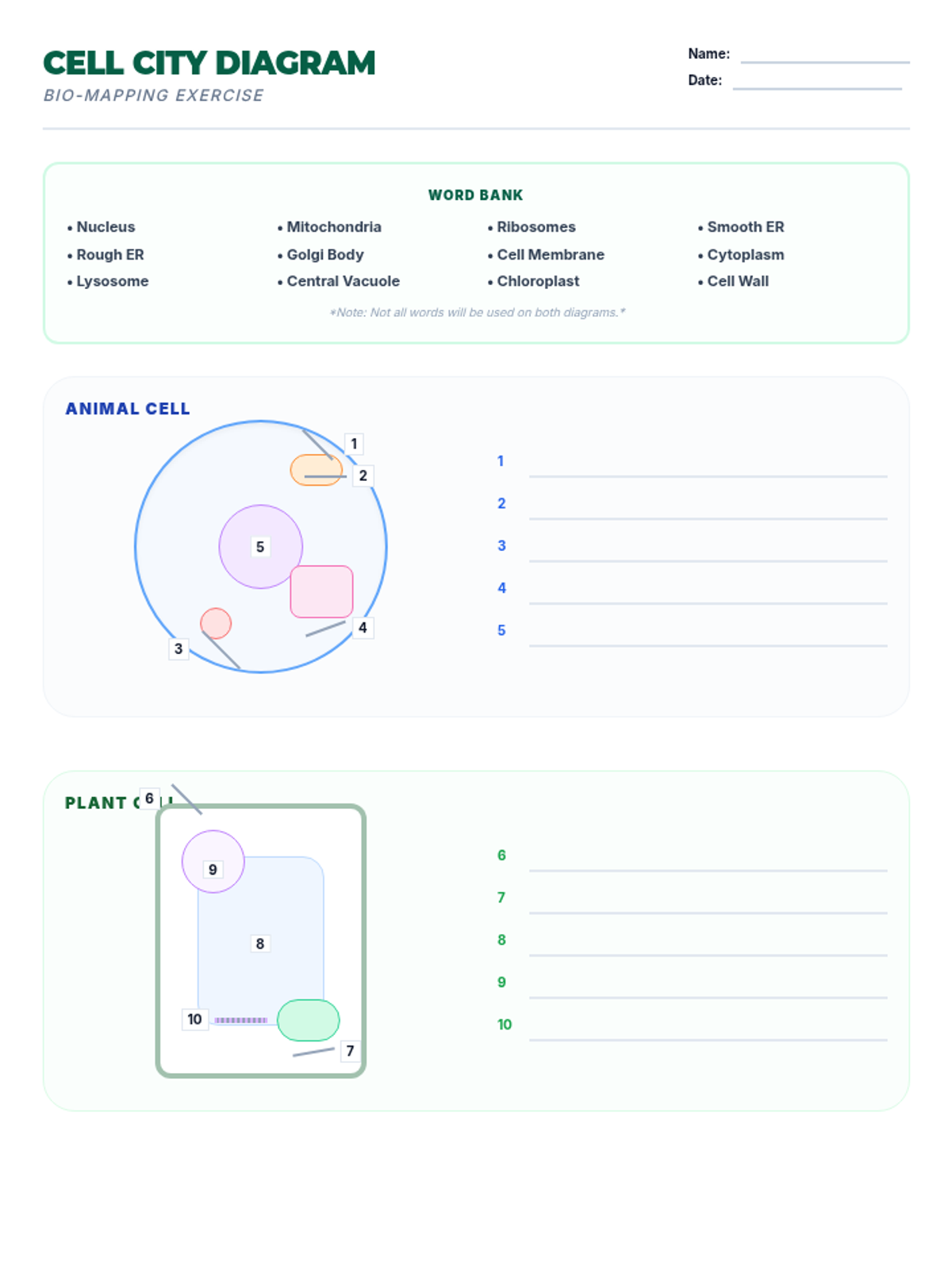
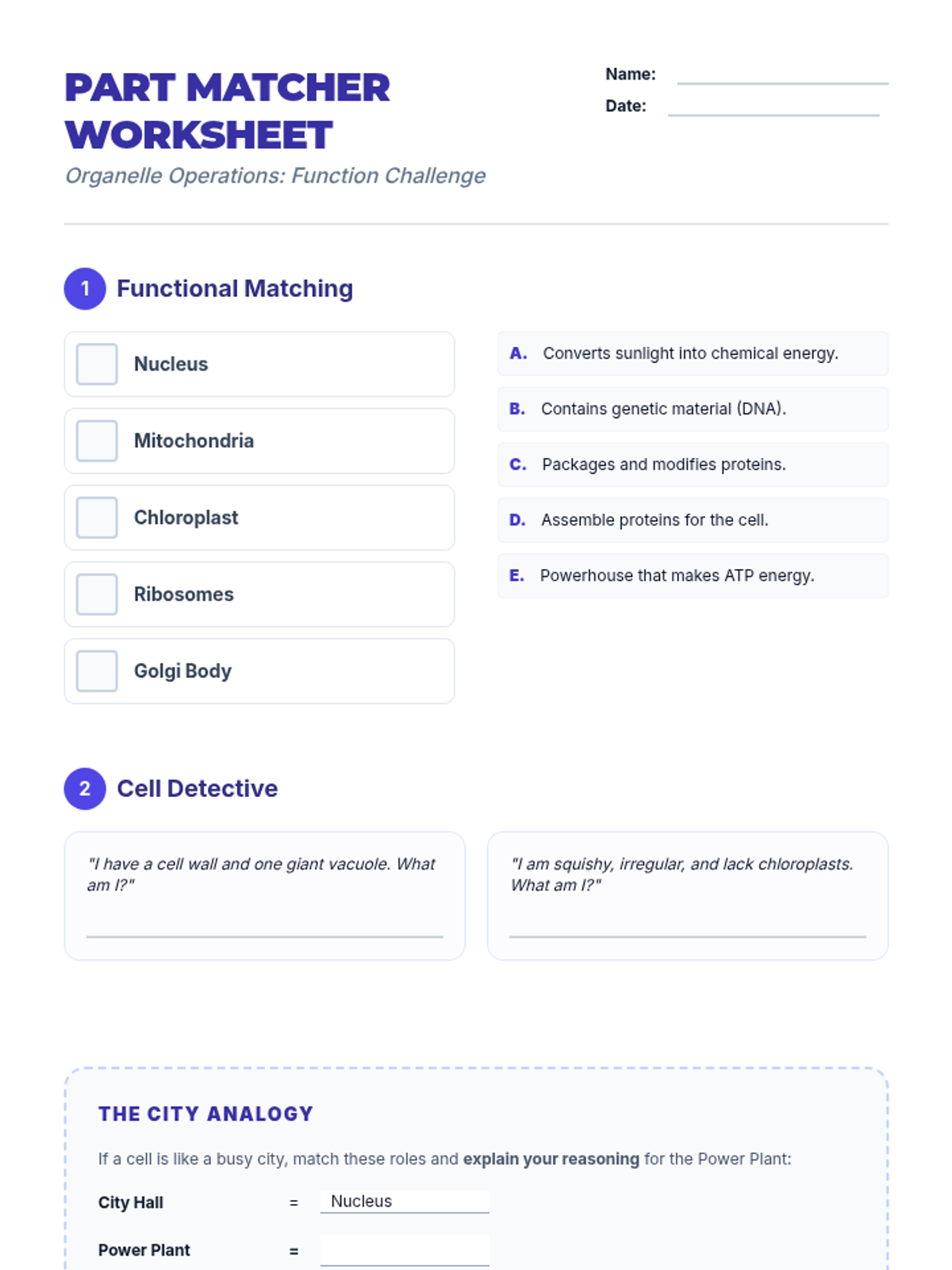
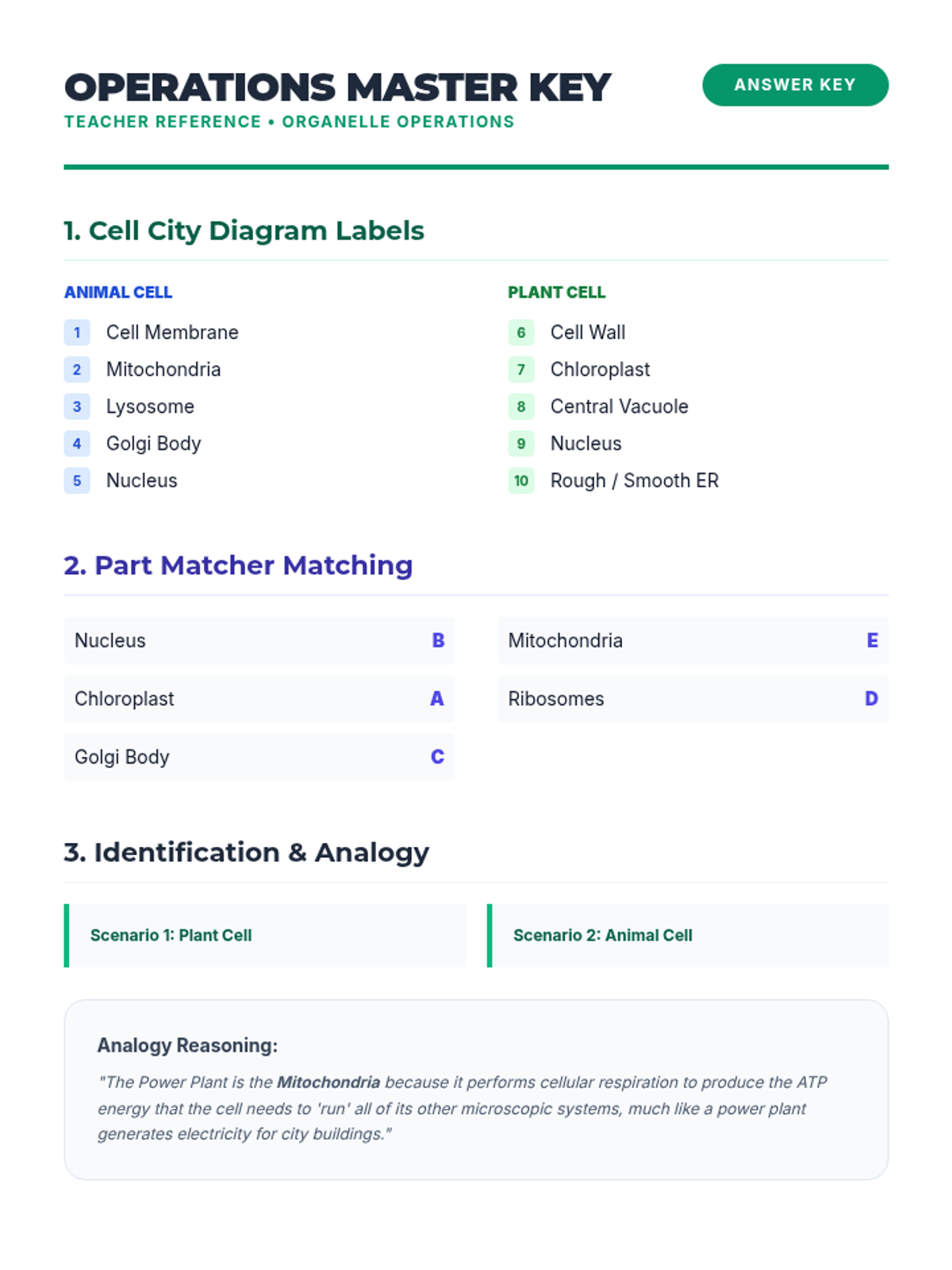
A comprehensive exploration of animal and plant cell organelles, focusing on their structures, functions, and key differences. Students will identify organelles through diagrams and match them to their biological roles.
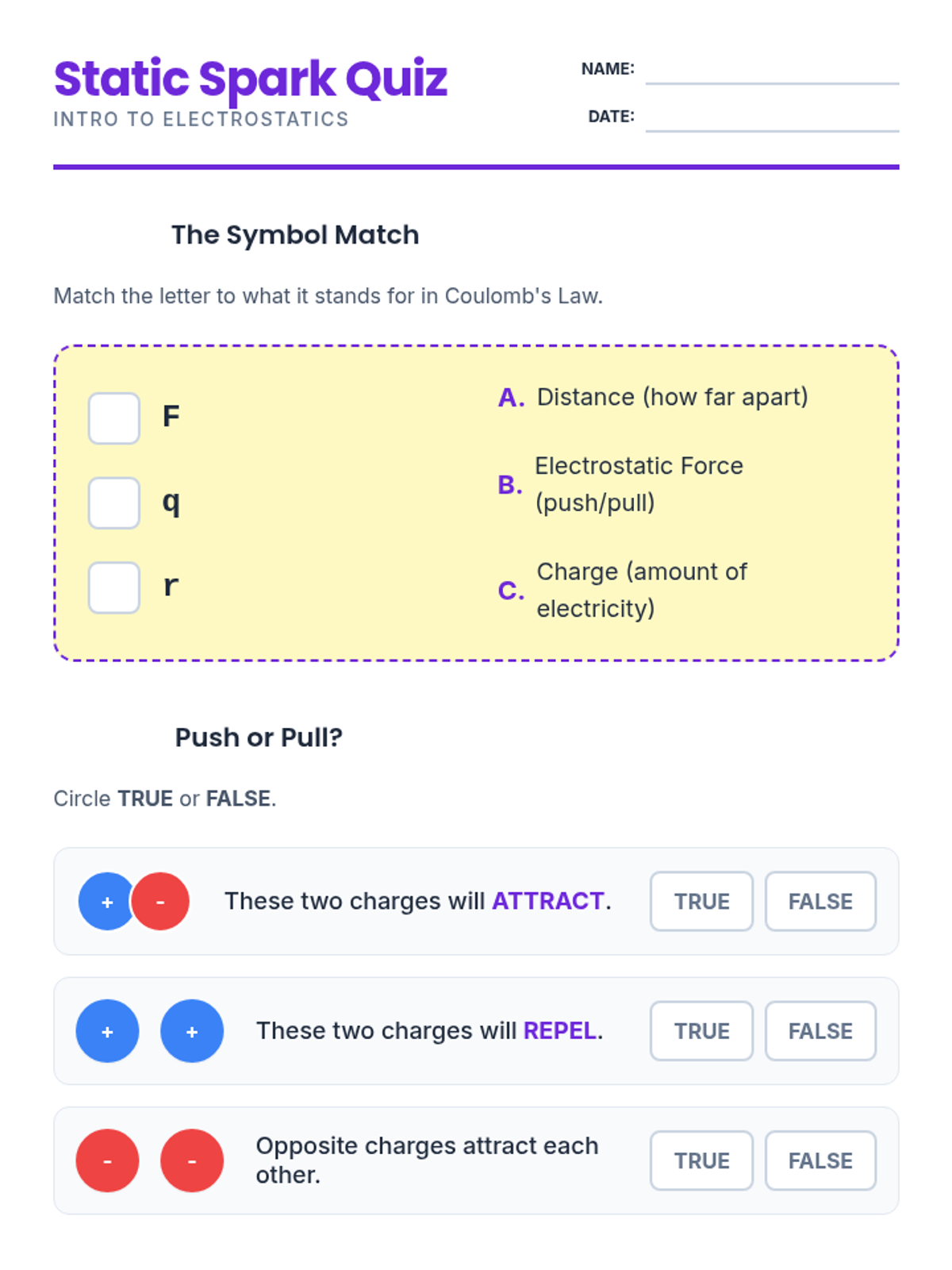
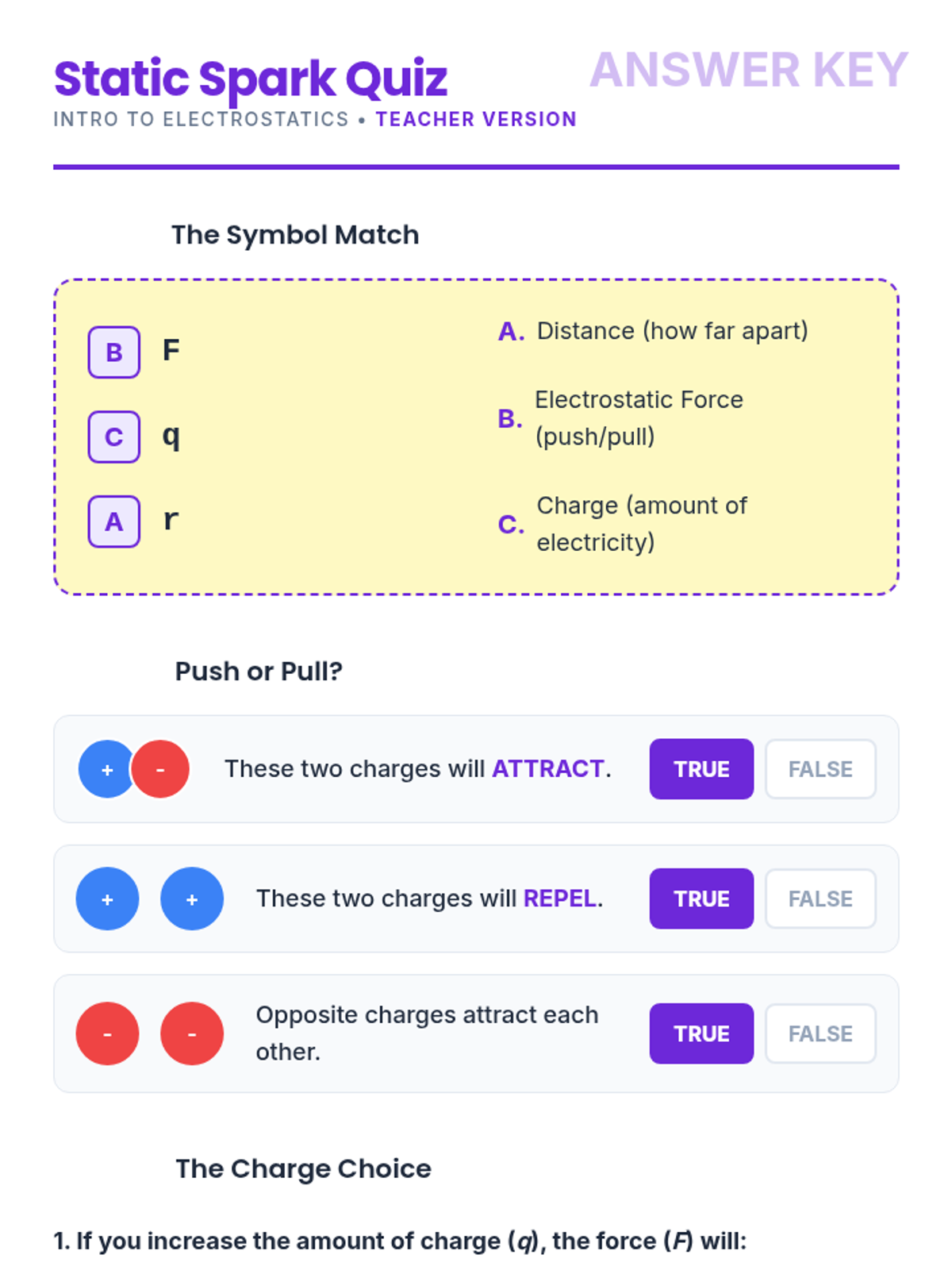
A beginner-friendly lesson on electrostatic forces and Coulomb's Law, emphasizing conceptual understanding and basic calculations.
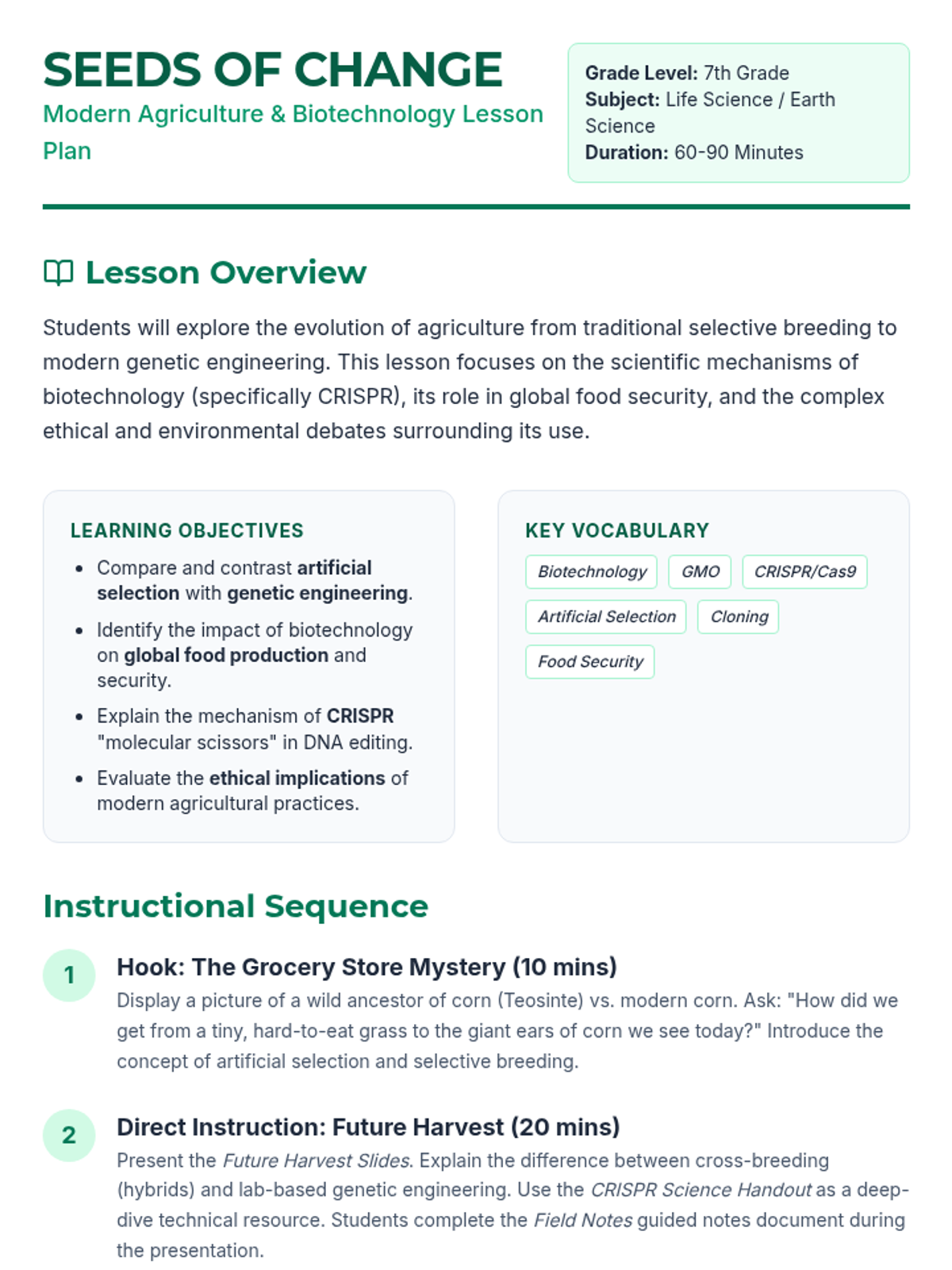
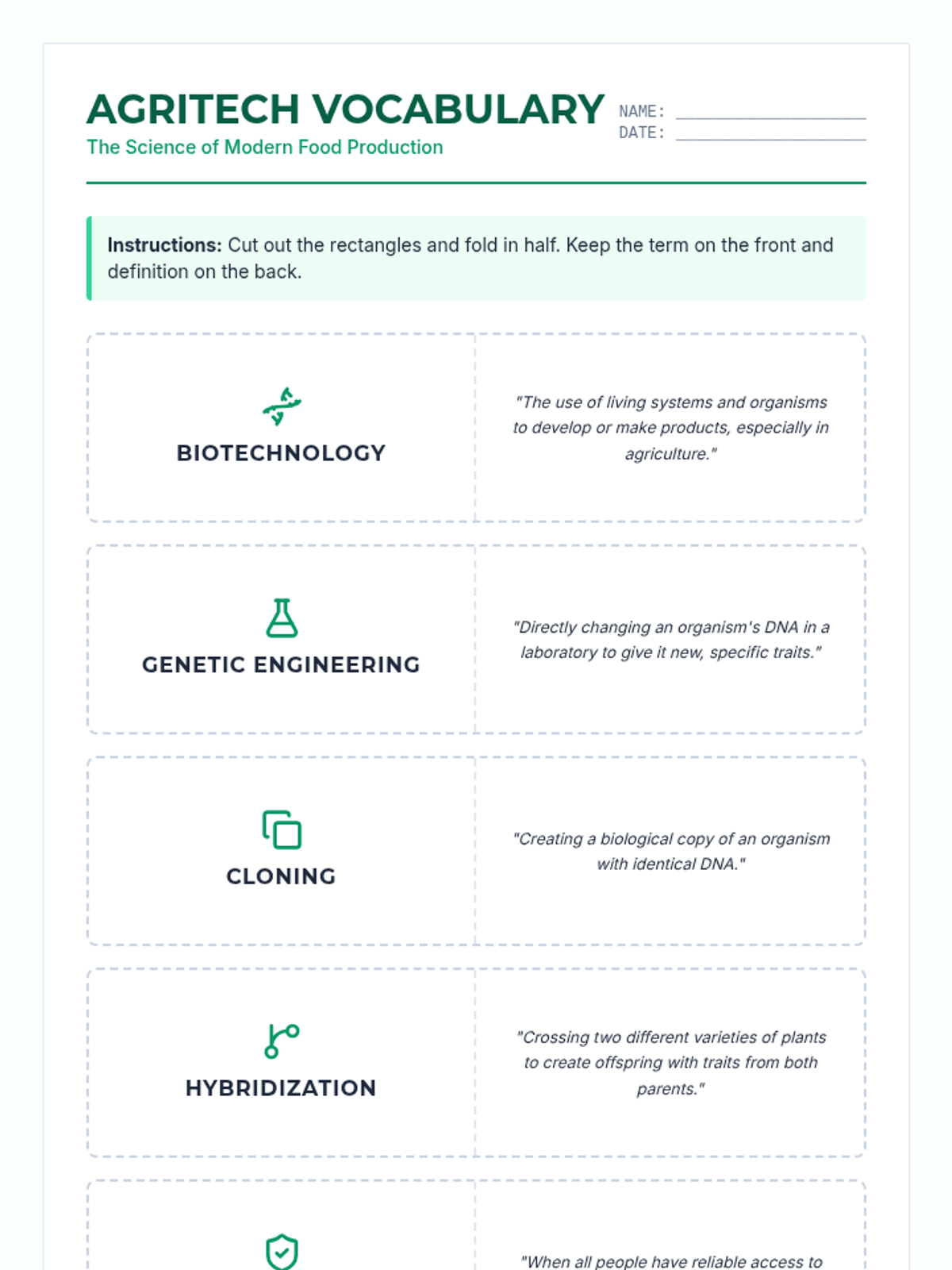
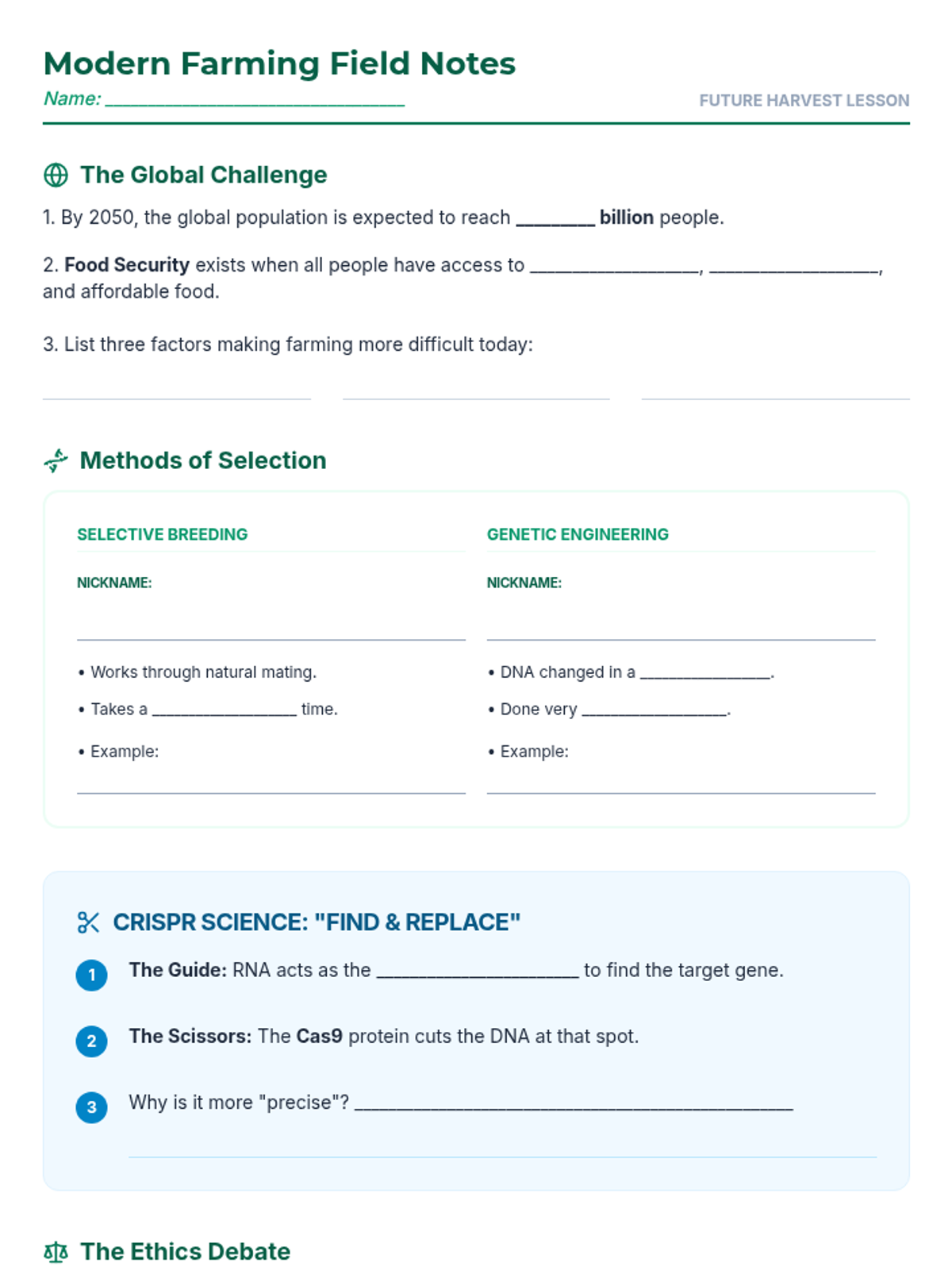
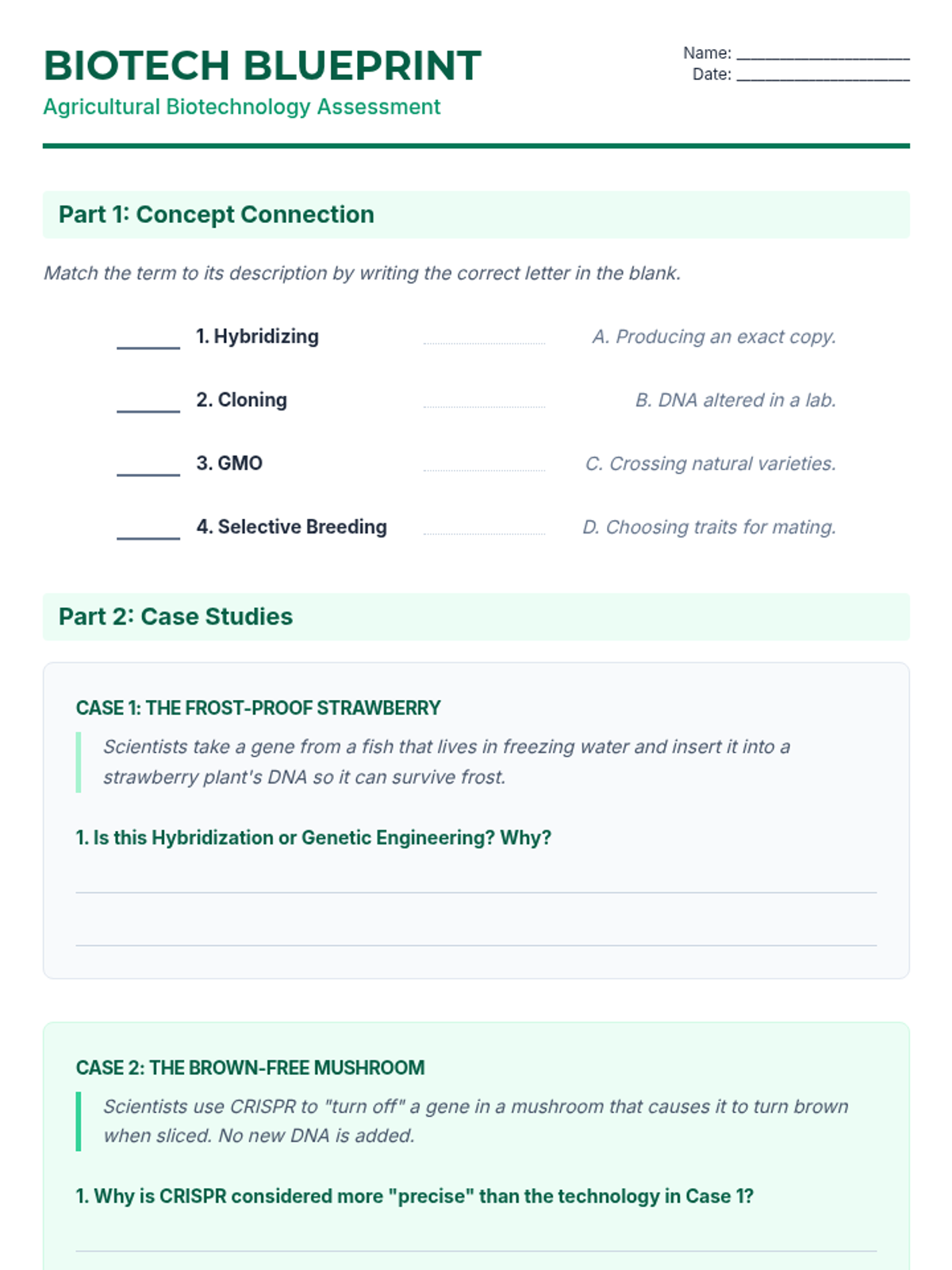
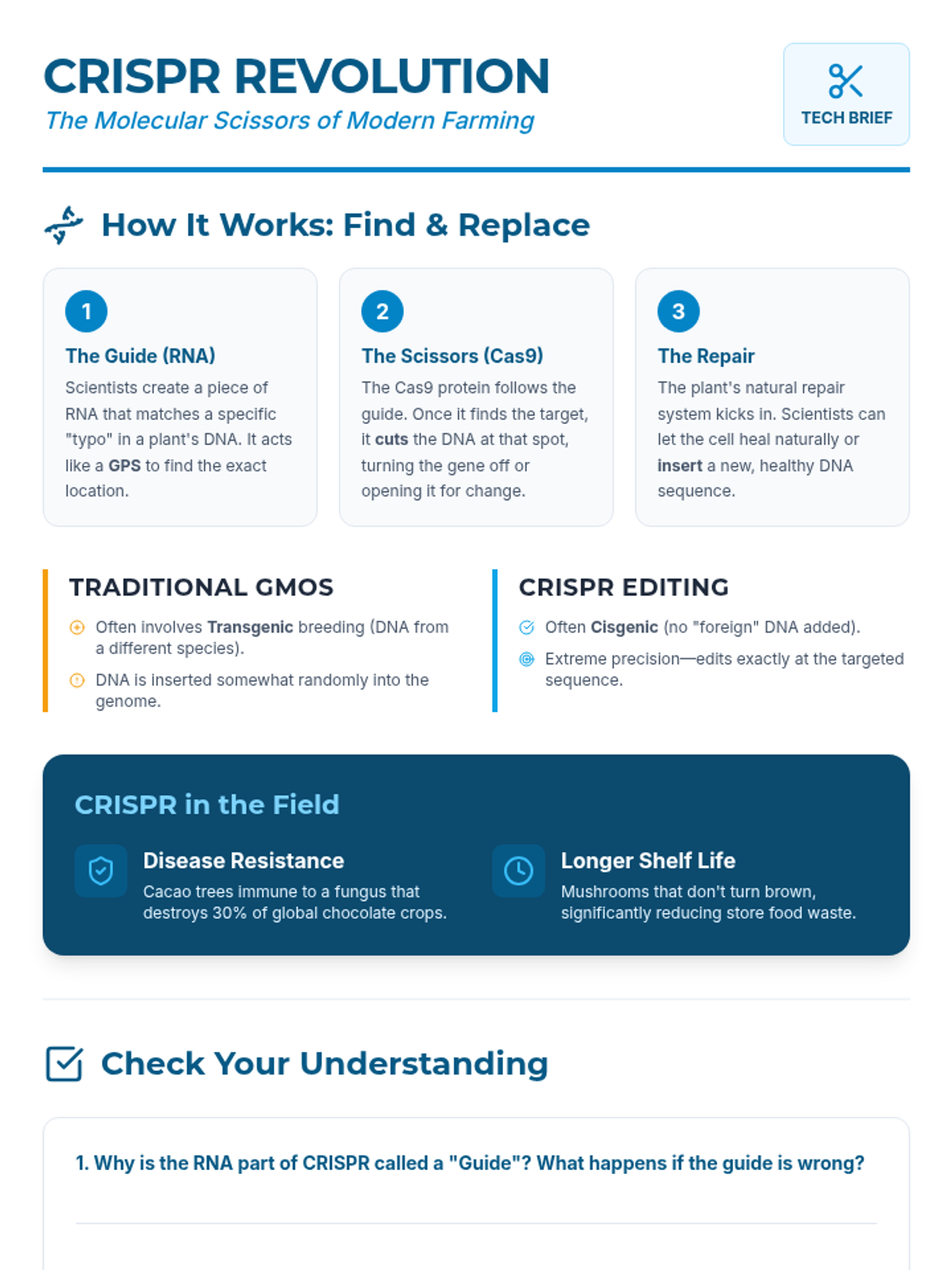
A comprehensive lesson exploring the science, ethics, and environmental impact of biotechnology in modern agriculture, comparing historical breeding methods with genetic engineering.
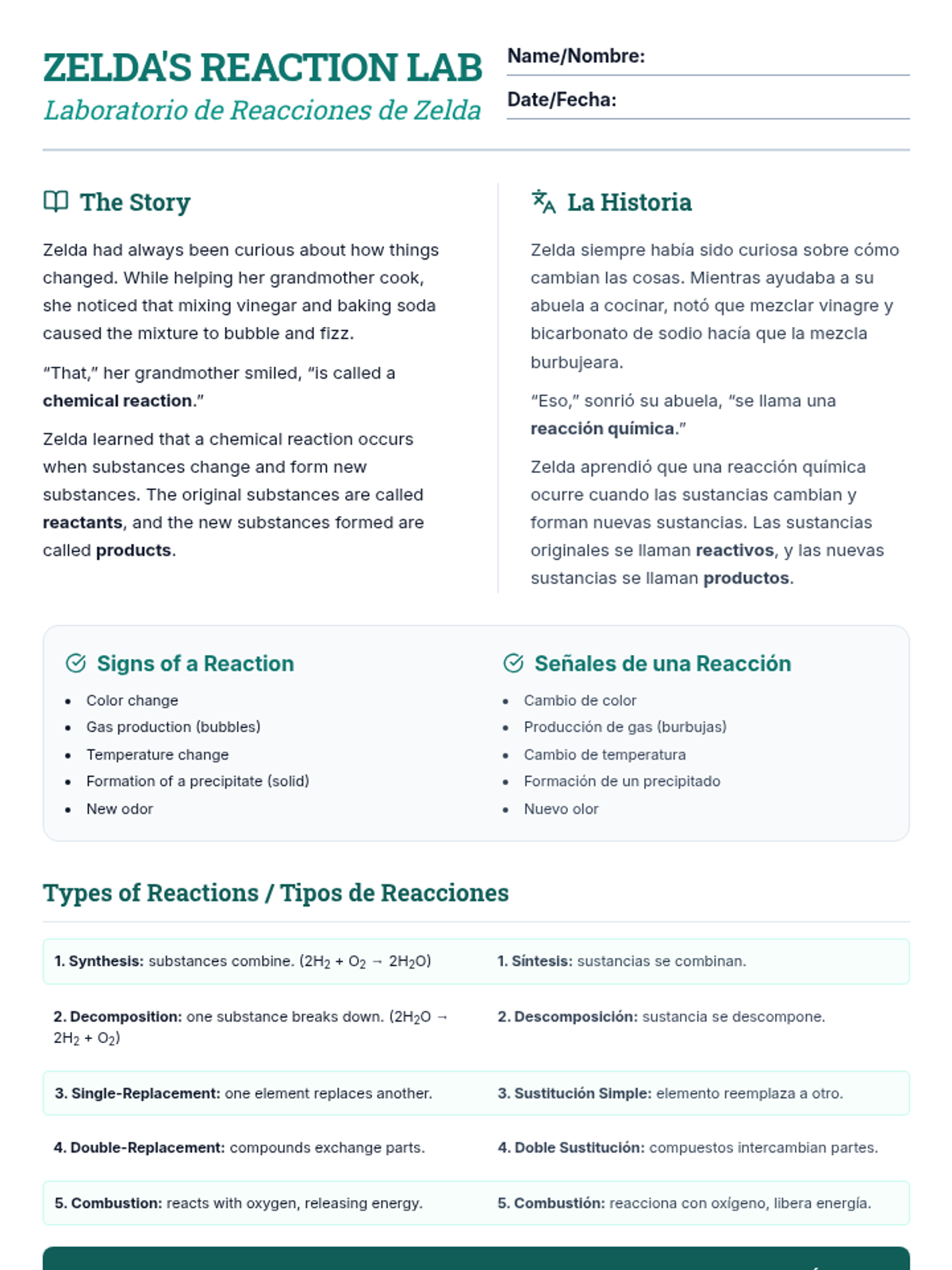
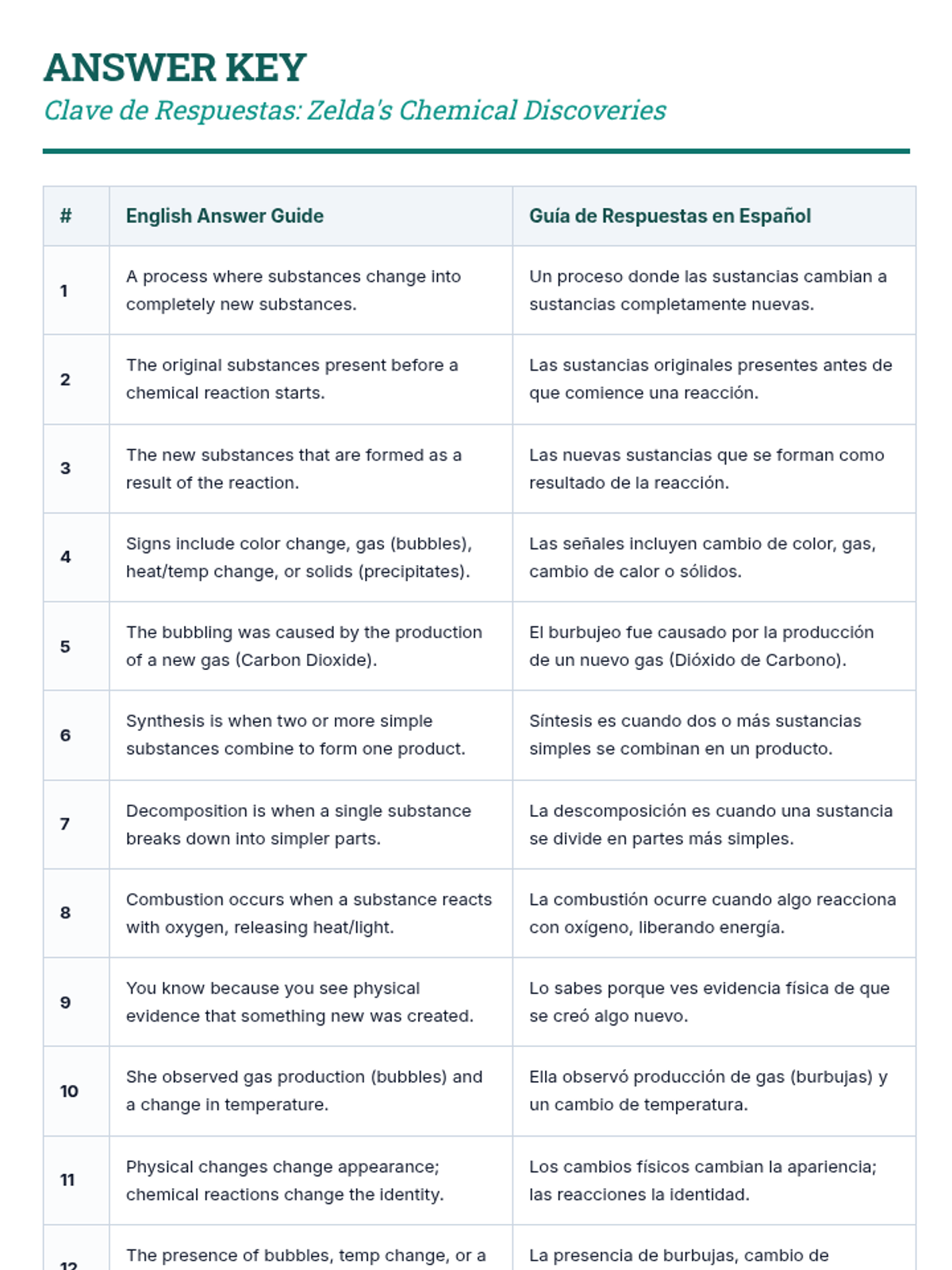
A bilingual (English/Spanish) lesson exploring chemical reactions through a narrative about a girl named Zelda, covering reaction signs, types, and identification.
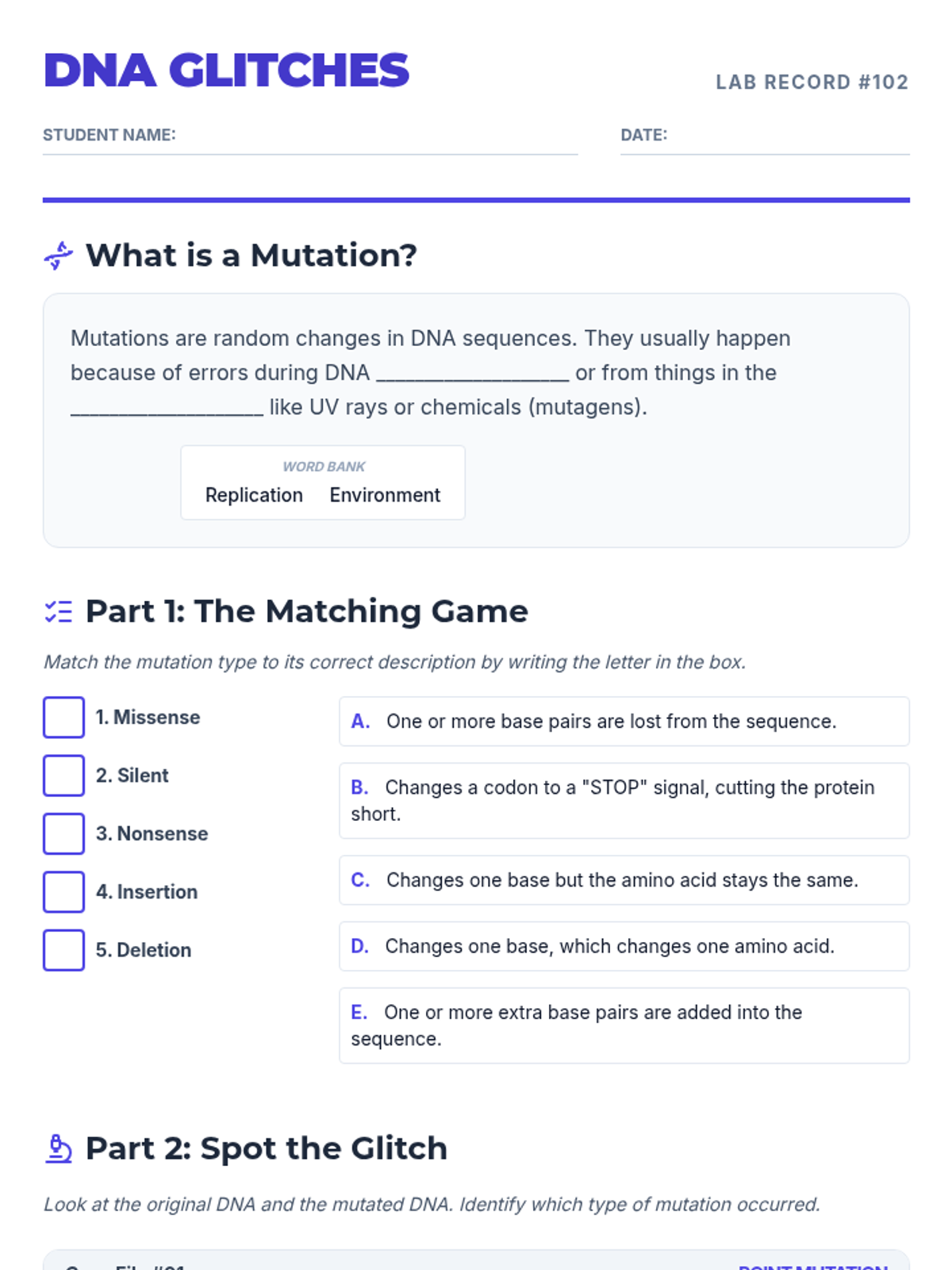
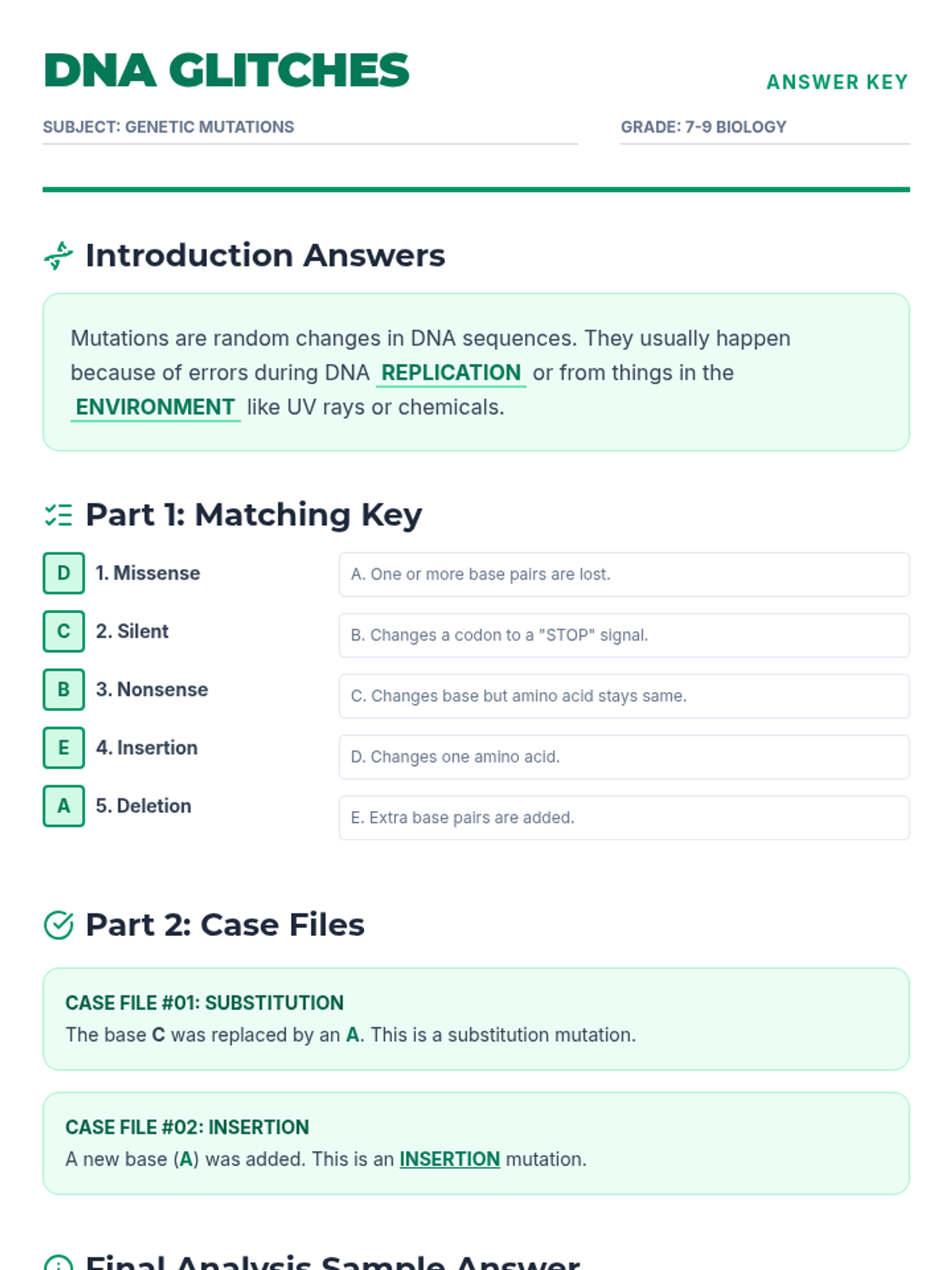
An introductory lesson on genetic mutations, covering point mutations and frameshift mutations, and how they affect protein synthesis.
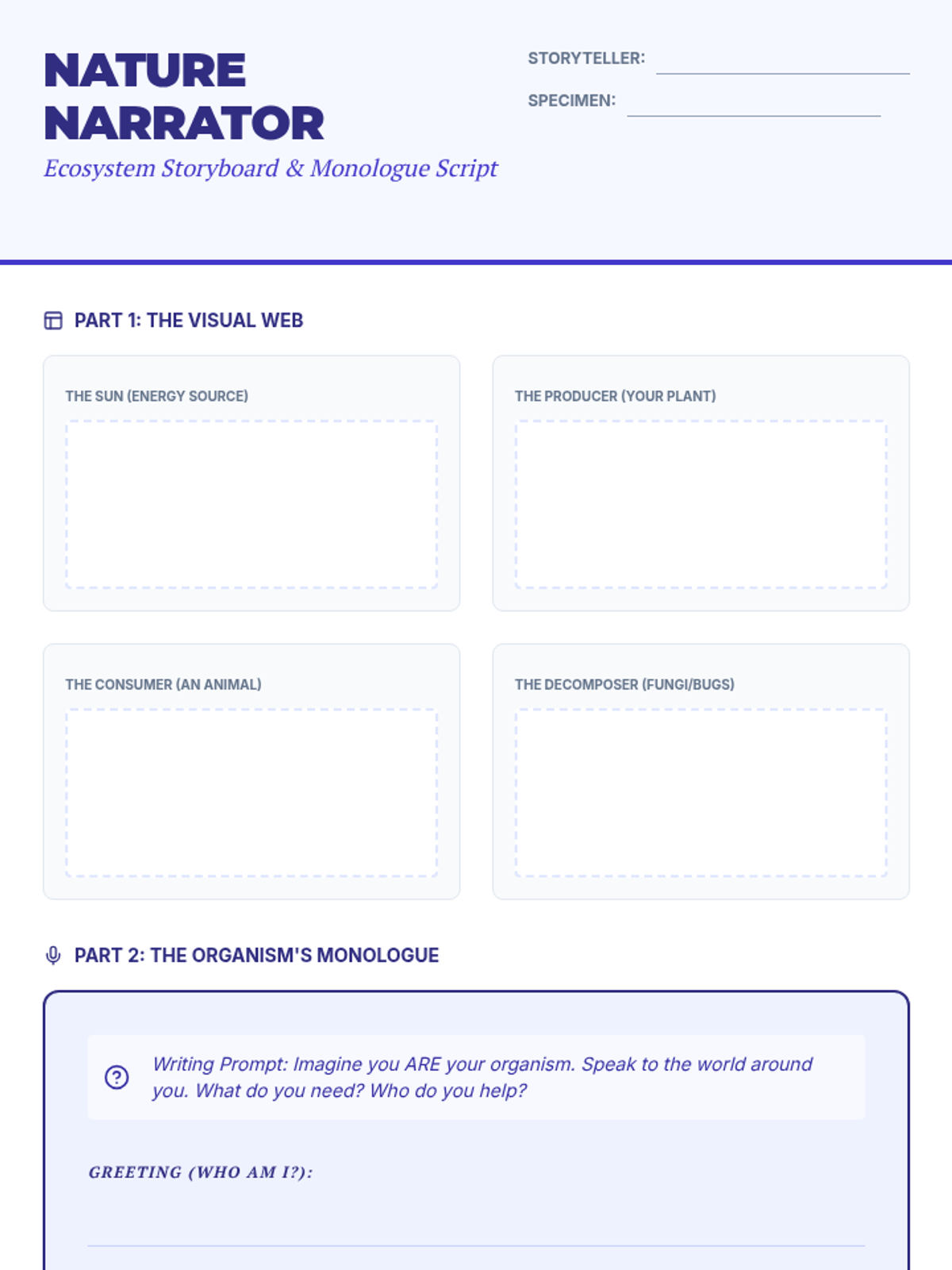
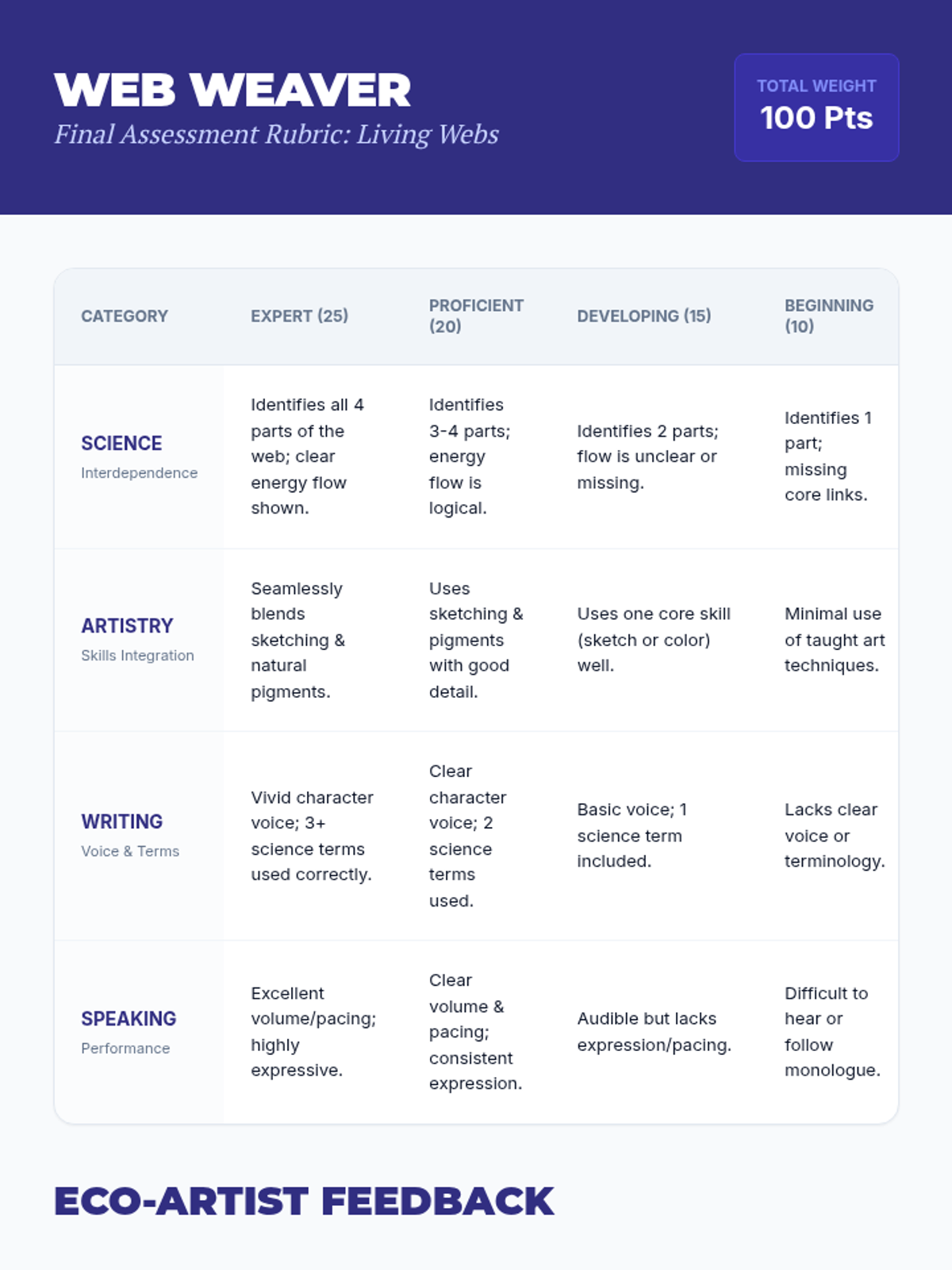
Students synthesize their knowledge of ecosystems to create narrative art pieces that tell the story of interdependence in the natural world.

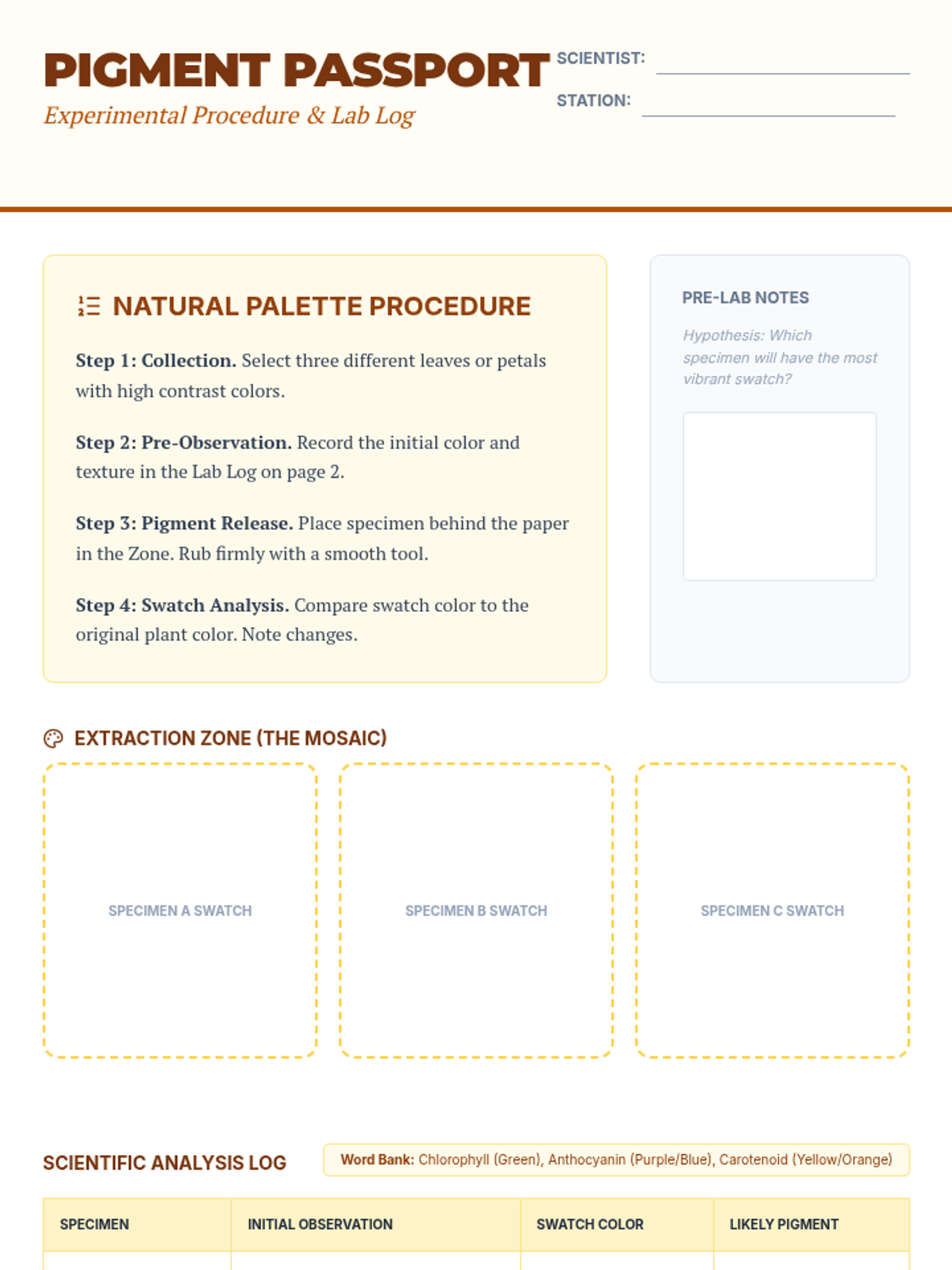
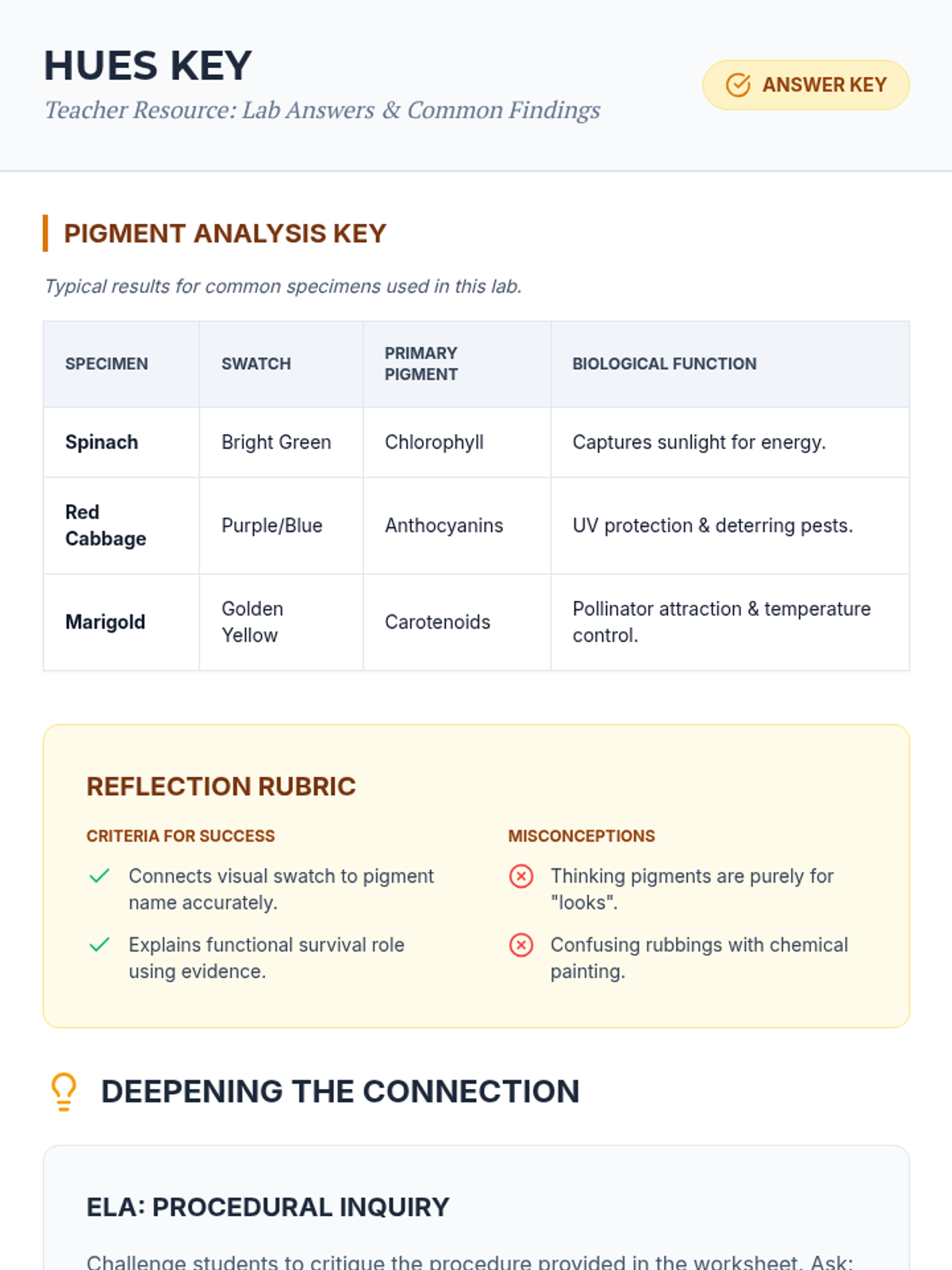
An exploration into the chemistry of natural pigments, where students follow procedures to extract colors and document their experimental process.
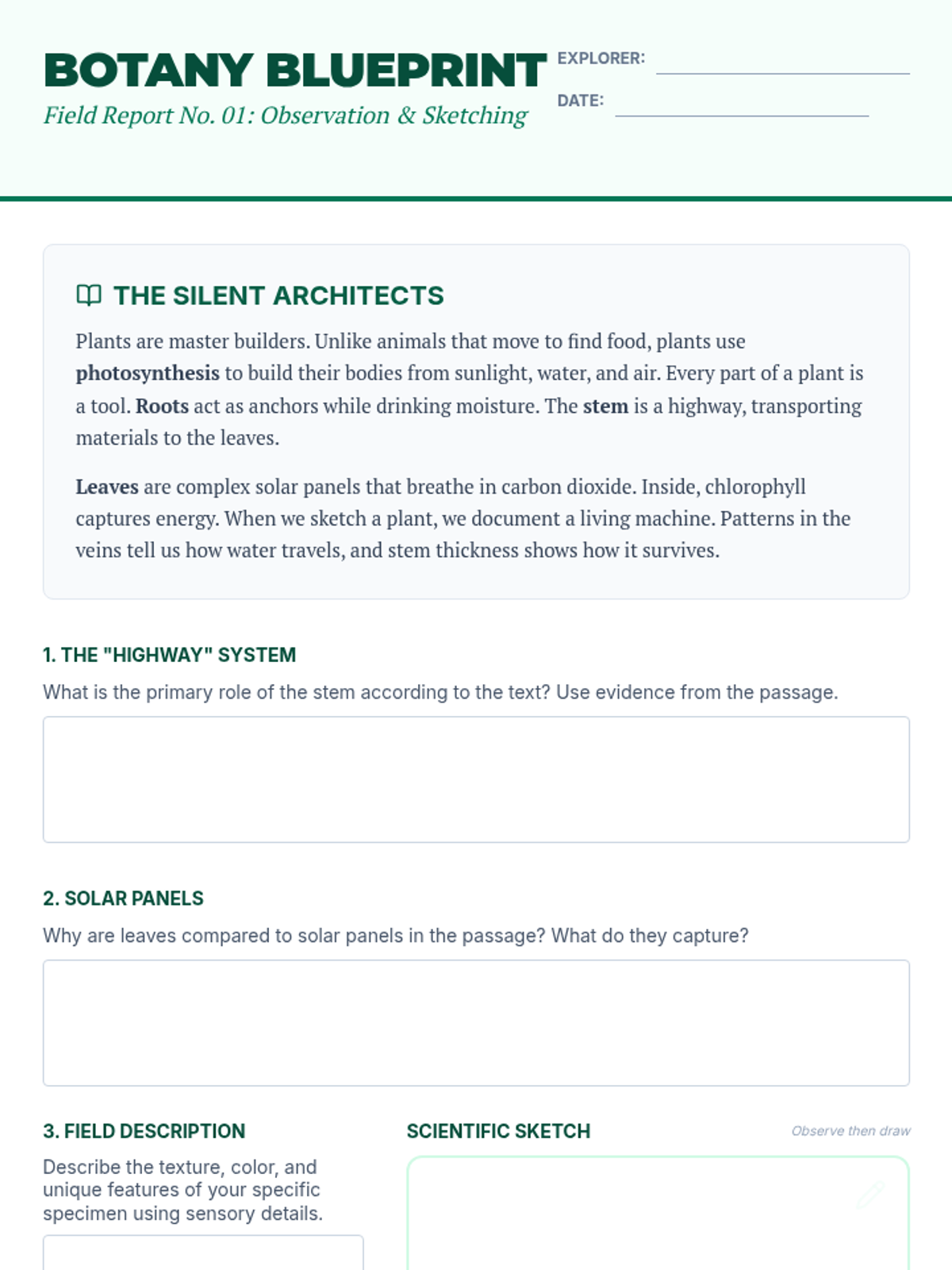
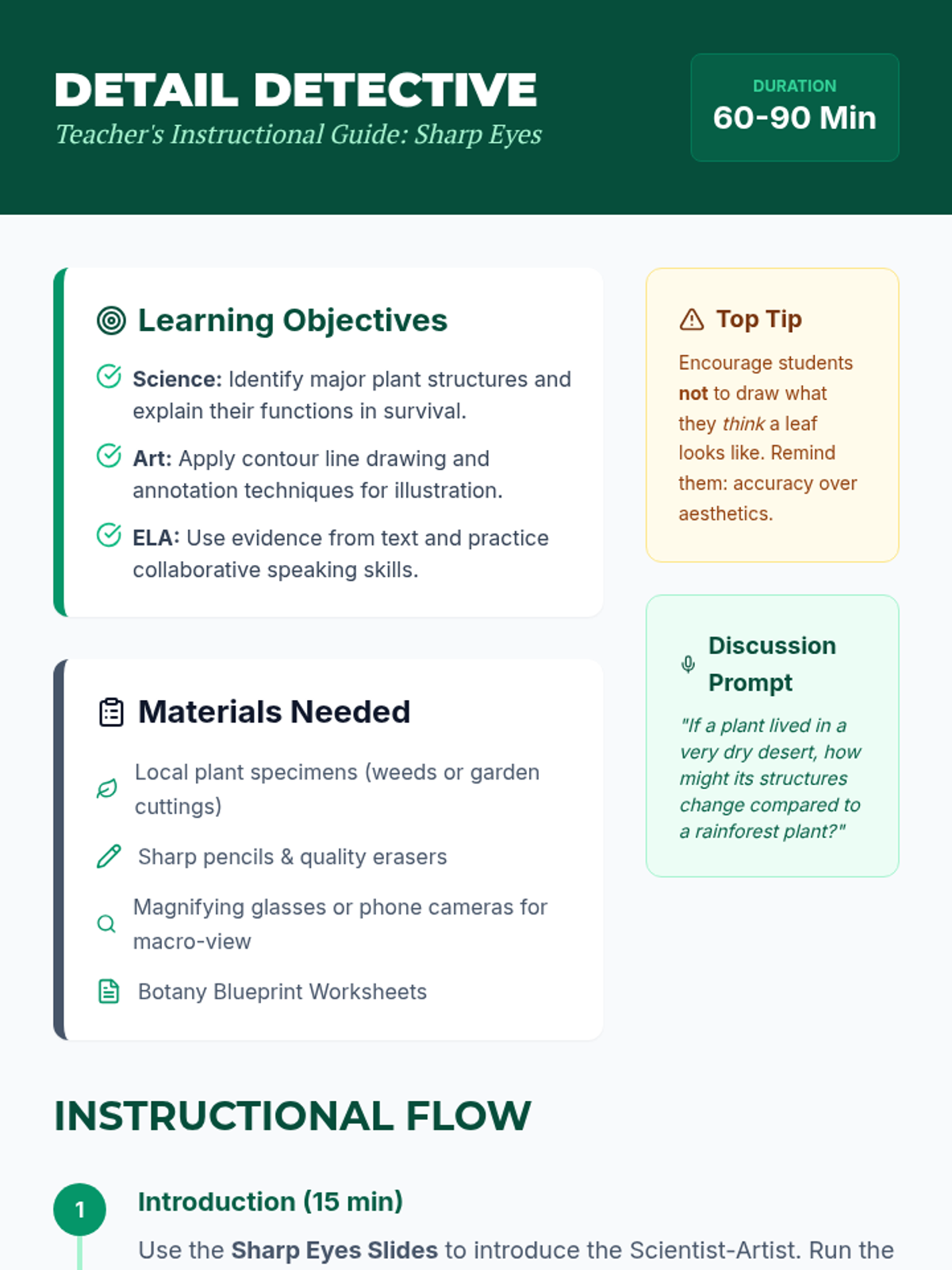
Students learn the art of botanical illustration by observing plant structures and recording their findings with scientific precision and artistic flair.
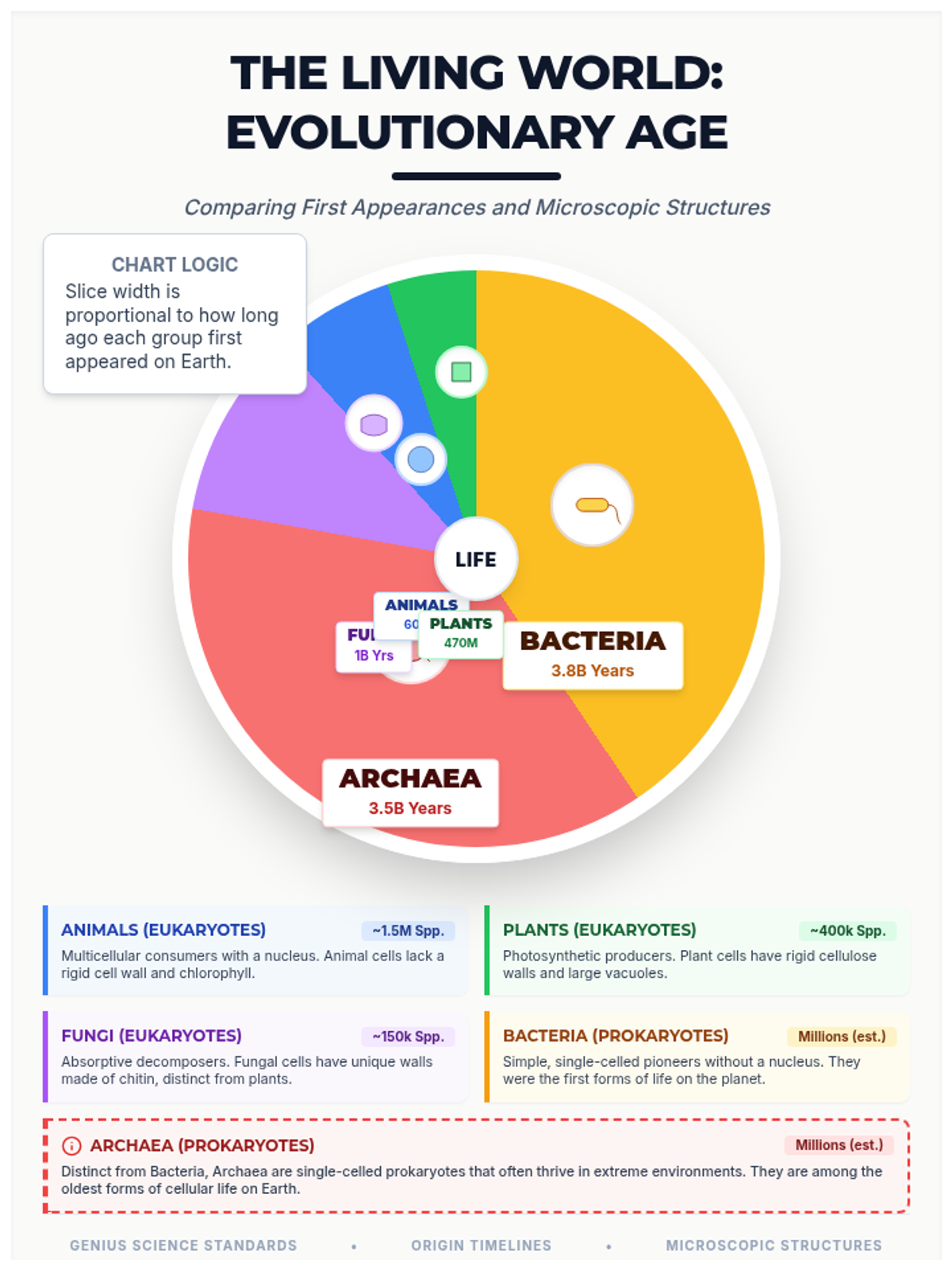
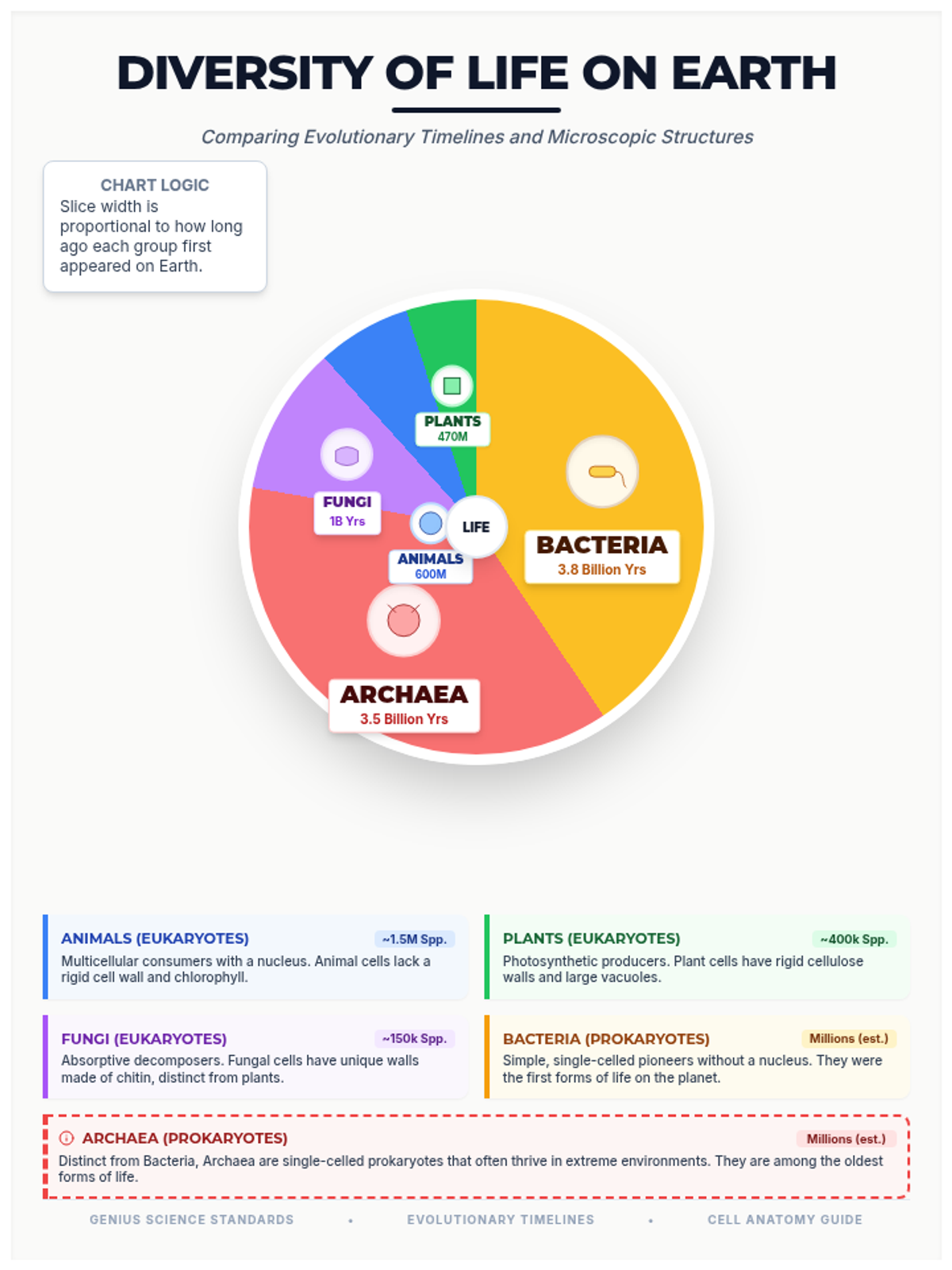
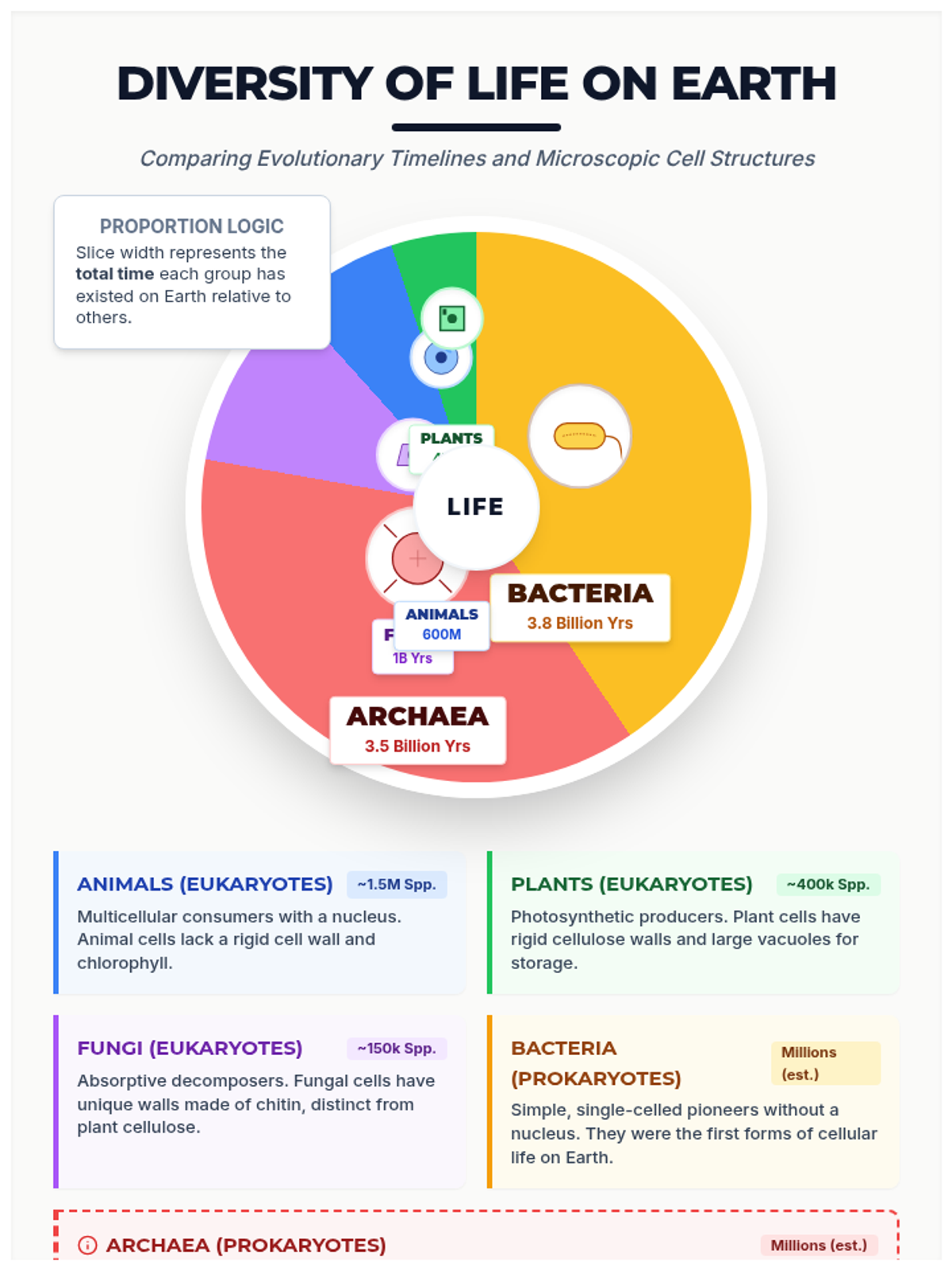
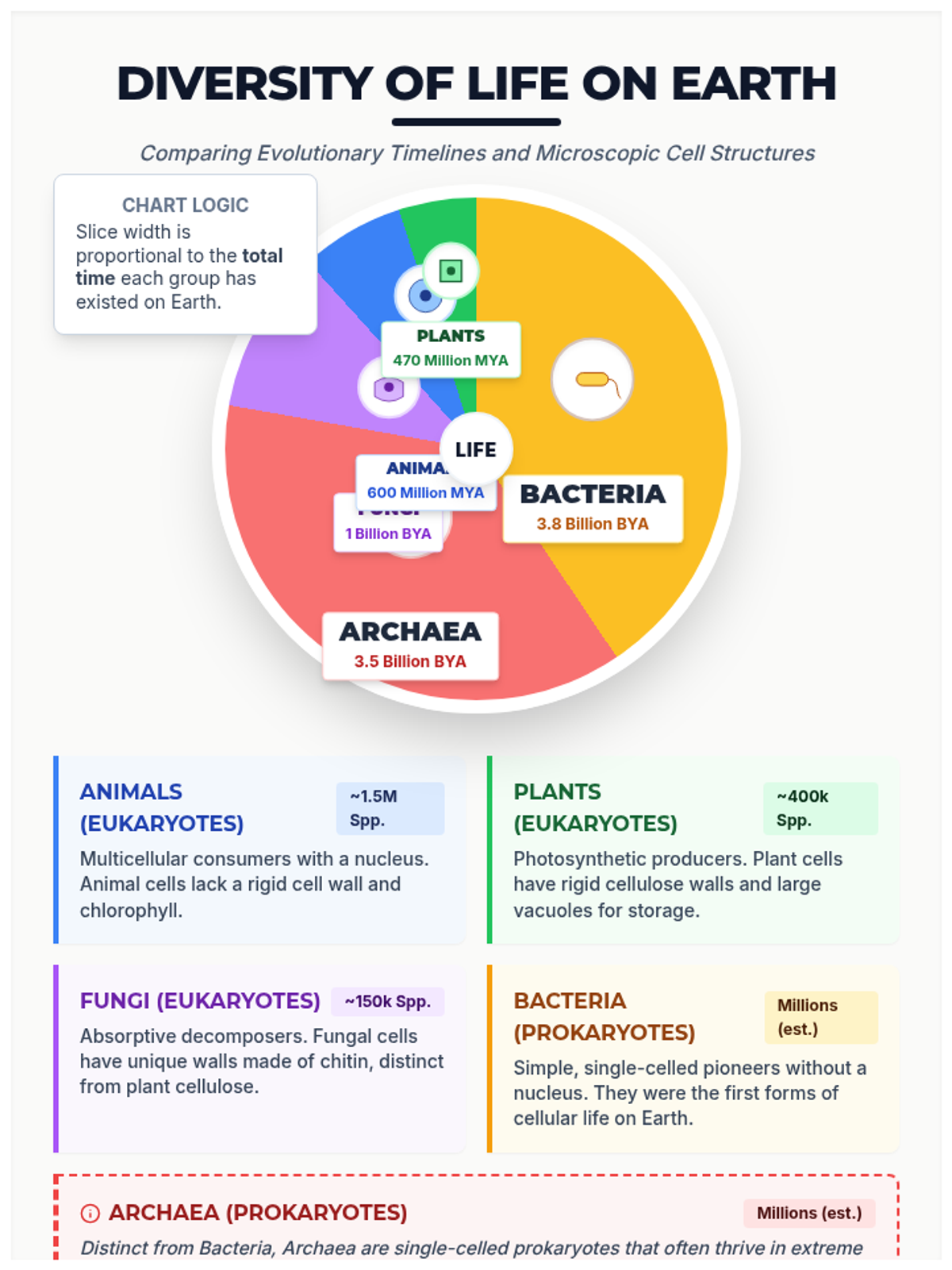
Explore the classification of life through the 5 Kingdoms: Animals, Plants, Fungi, Bacteria, and Viruses. Students will learn the key characteristics that define each group and discuss the unique biological status of viruses.
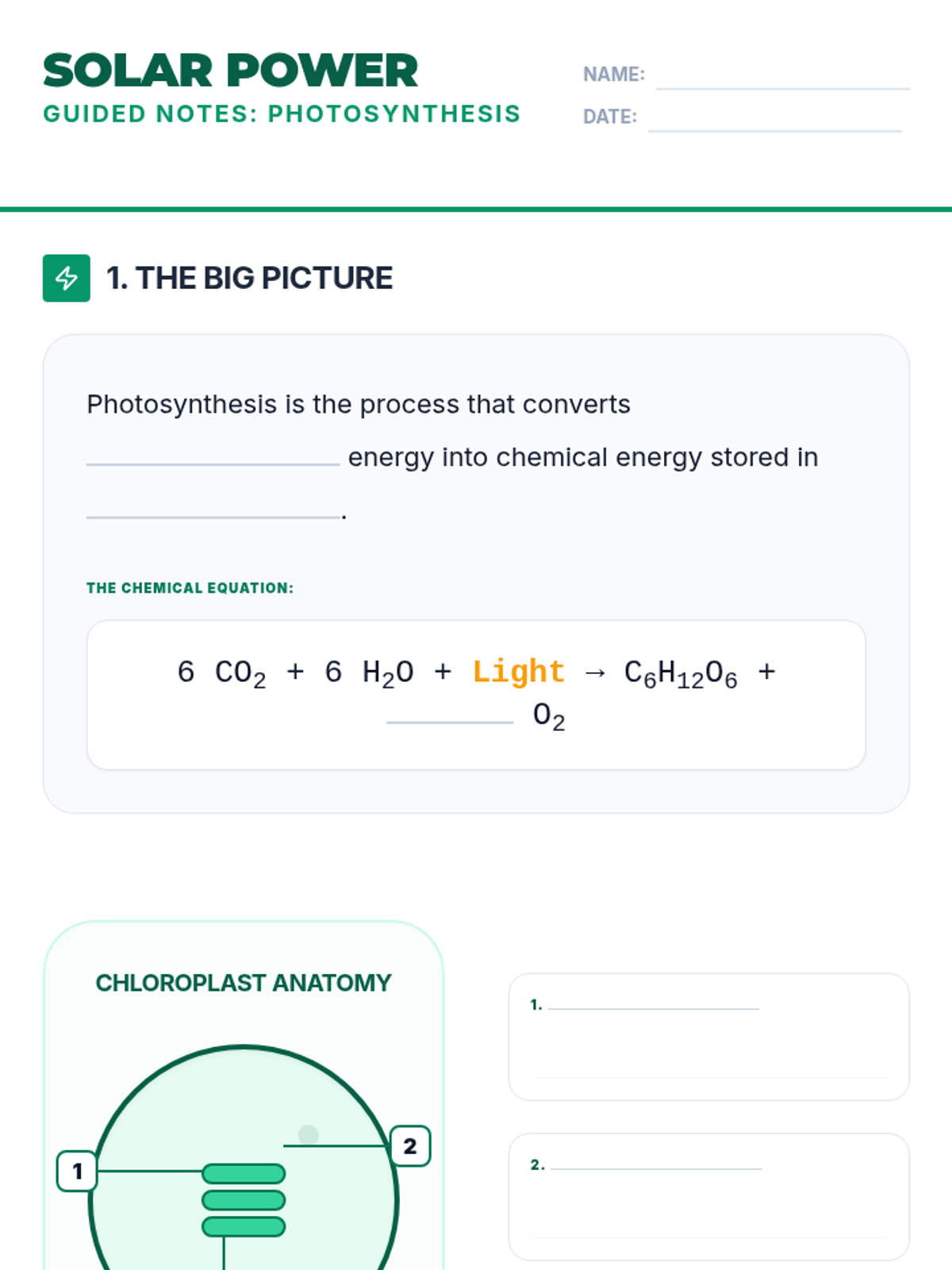
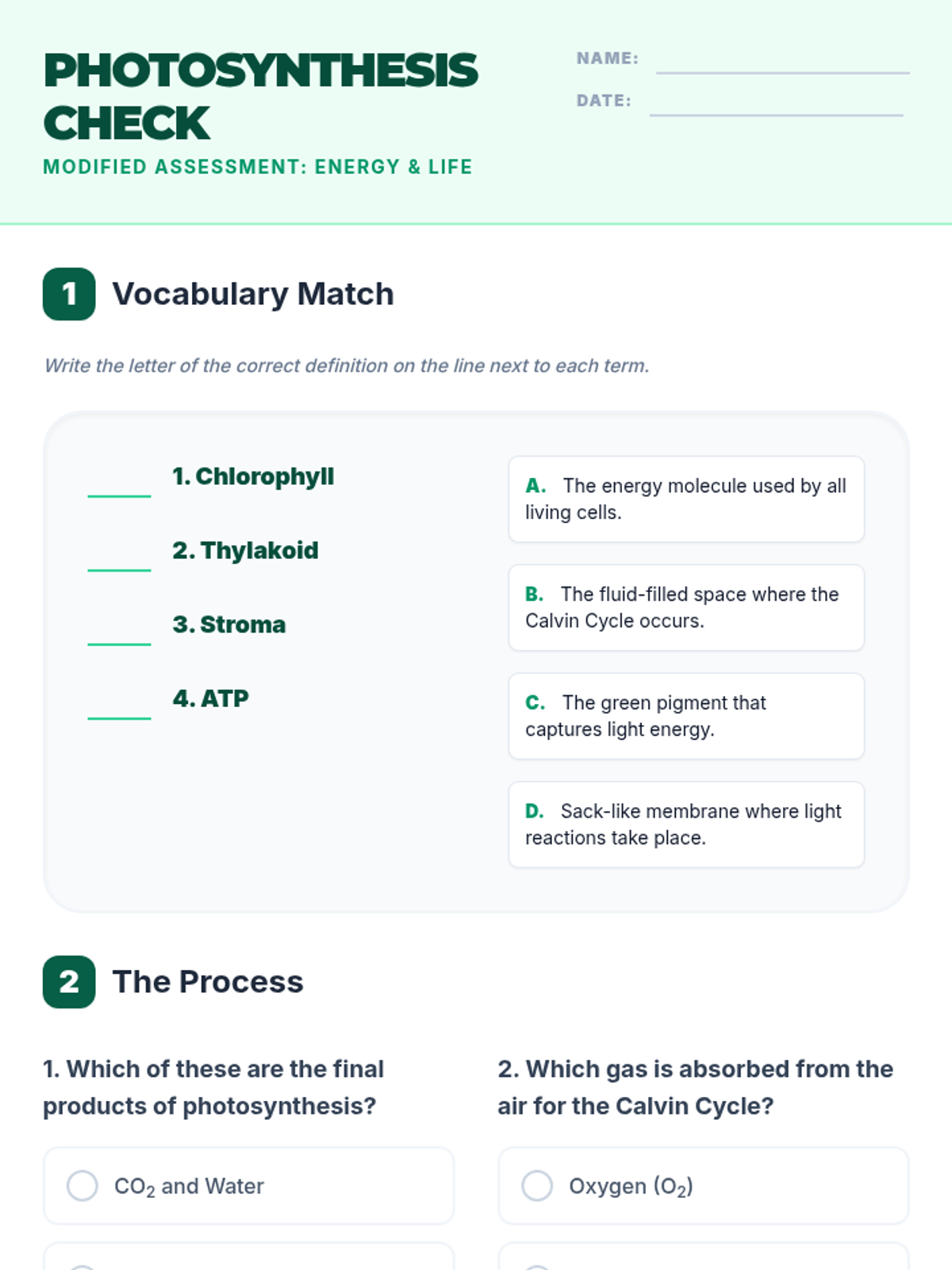
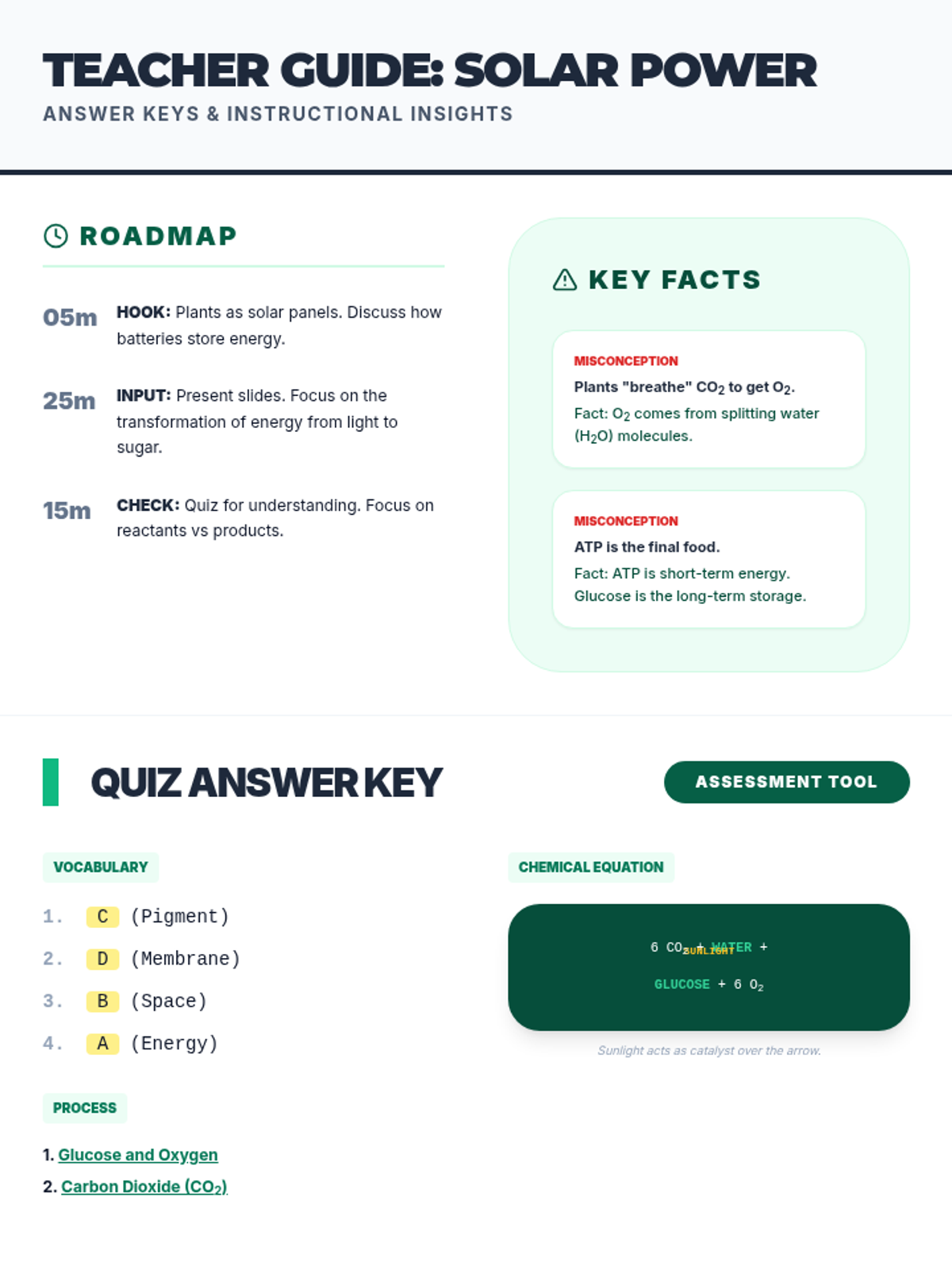
A comprehensive dive into photosynthesis, covering chloroplast anatomy, the light-dependent and light-independent reactions, and the flow of energy through ATP and NADPH.
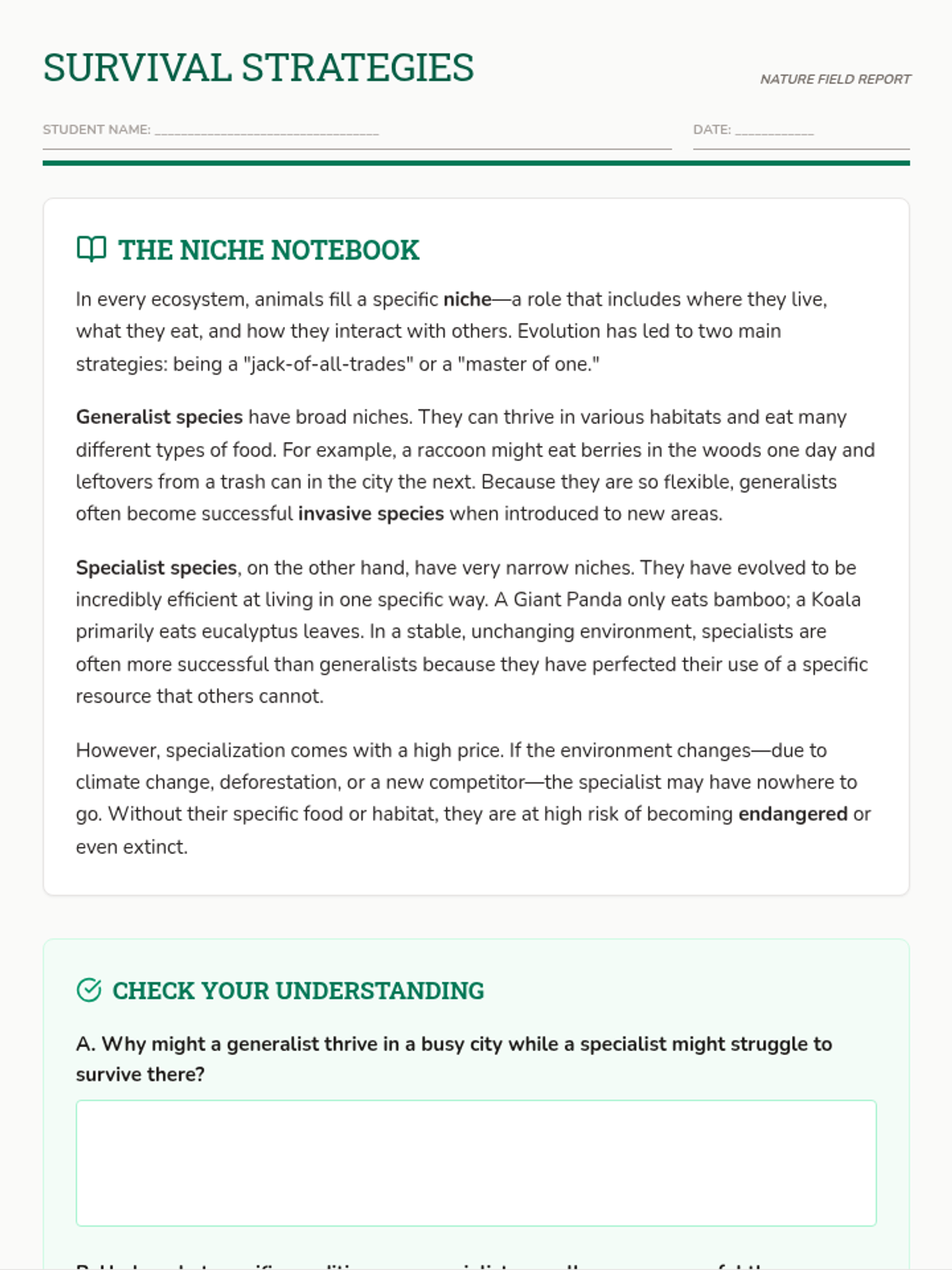
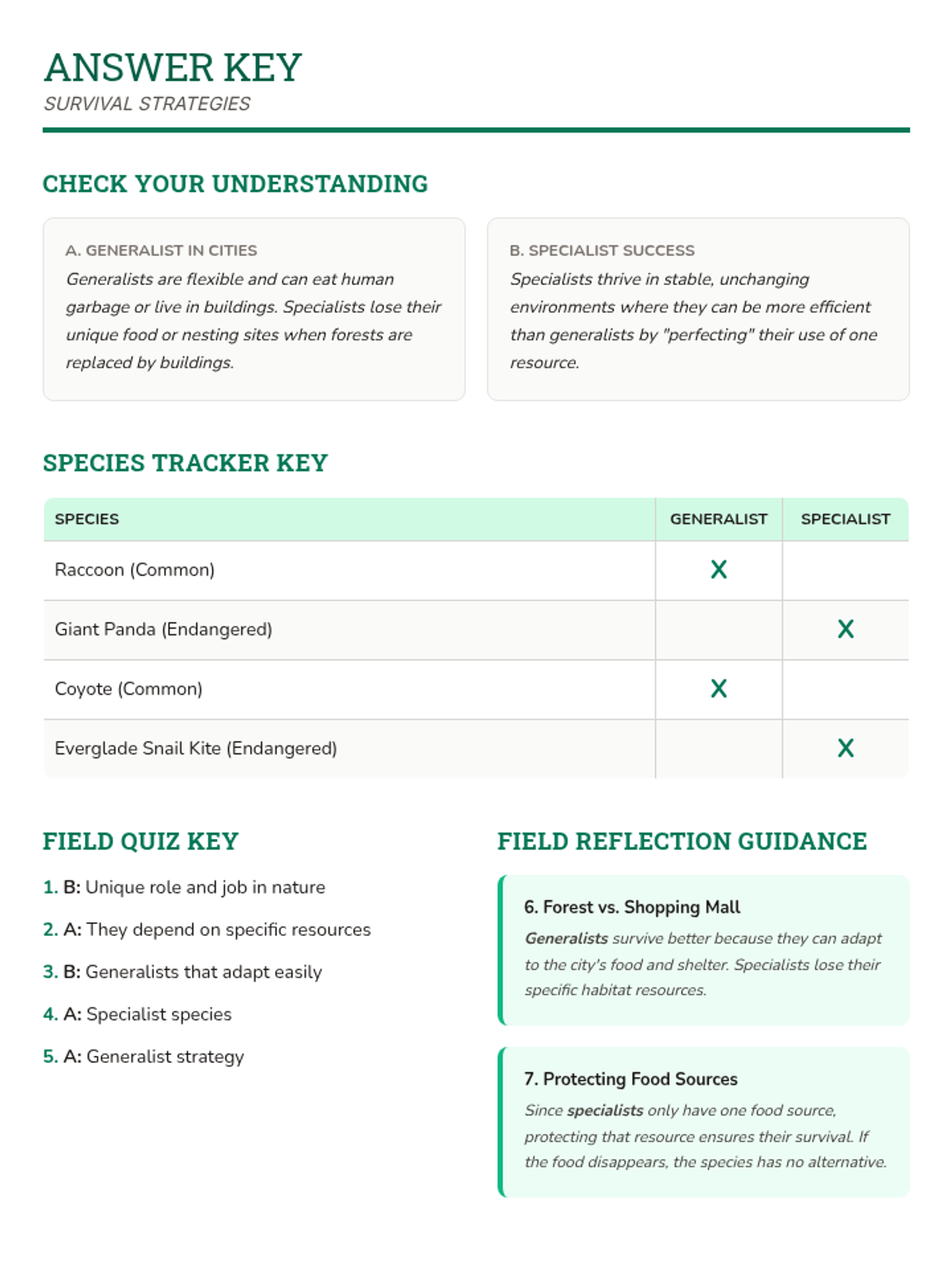
A lesson exploring the differences between generalist and specialist species, focusing on how their niches affect their survival and impact on ecosystems.