Explore the classification of life through the 5 Kingdoms: Animals, Plants, Fungi, Bacteria, and Viruses. Students will learn the key characteristics that define each group and discuss the unique biological status of viruses.
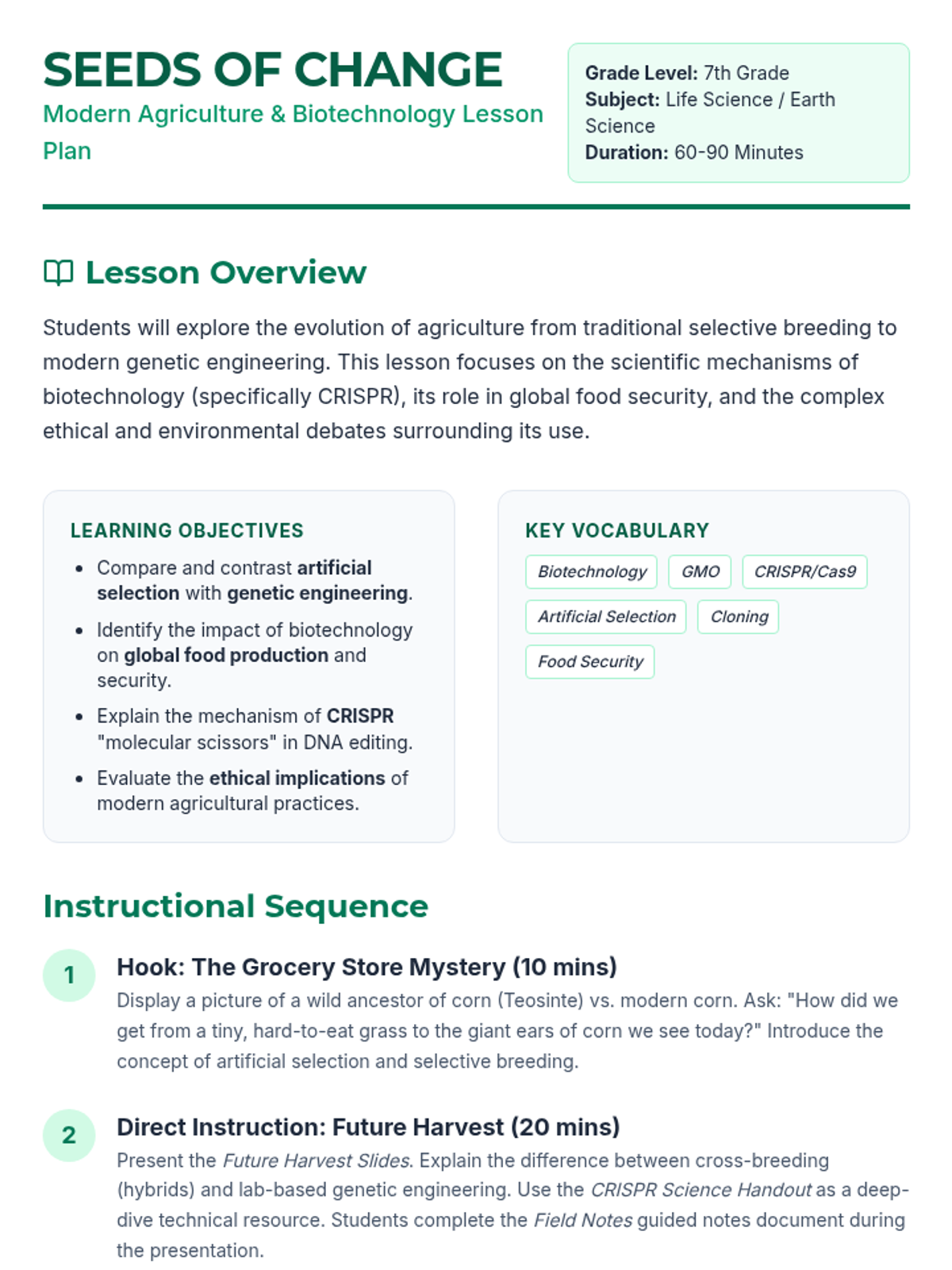
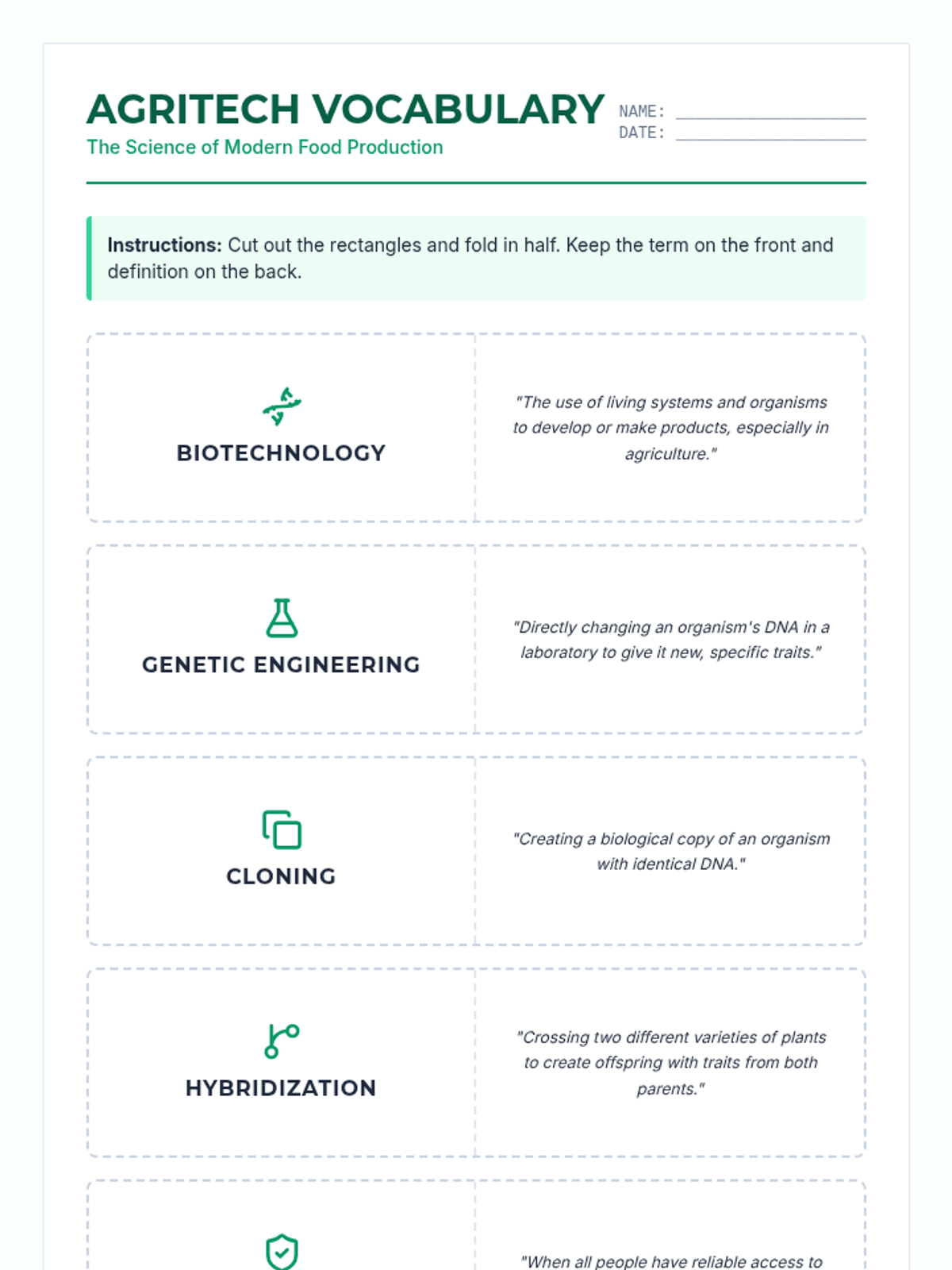
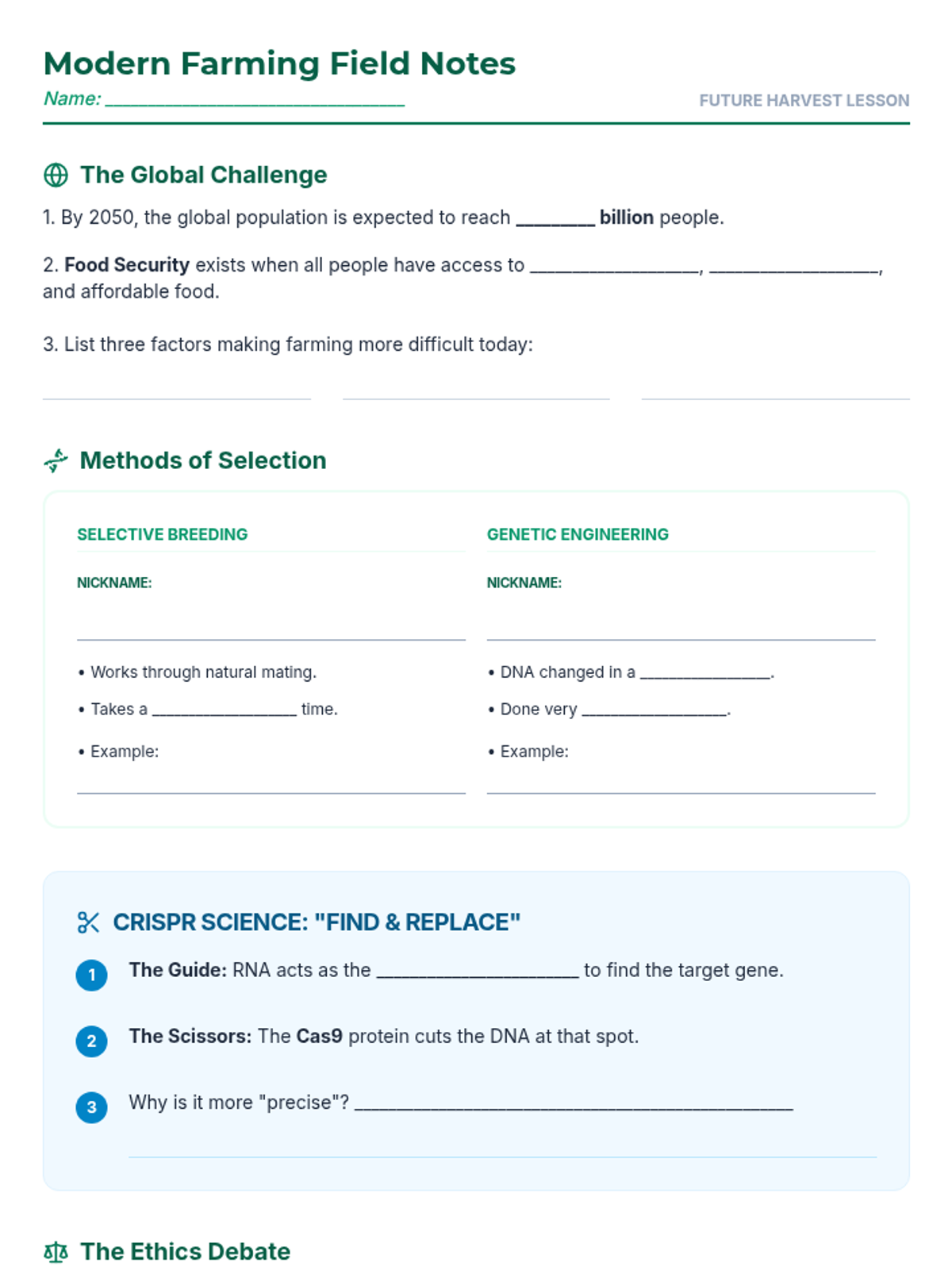
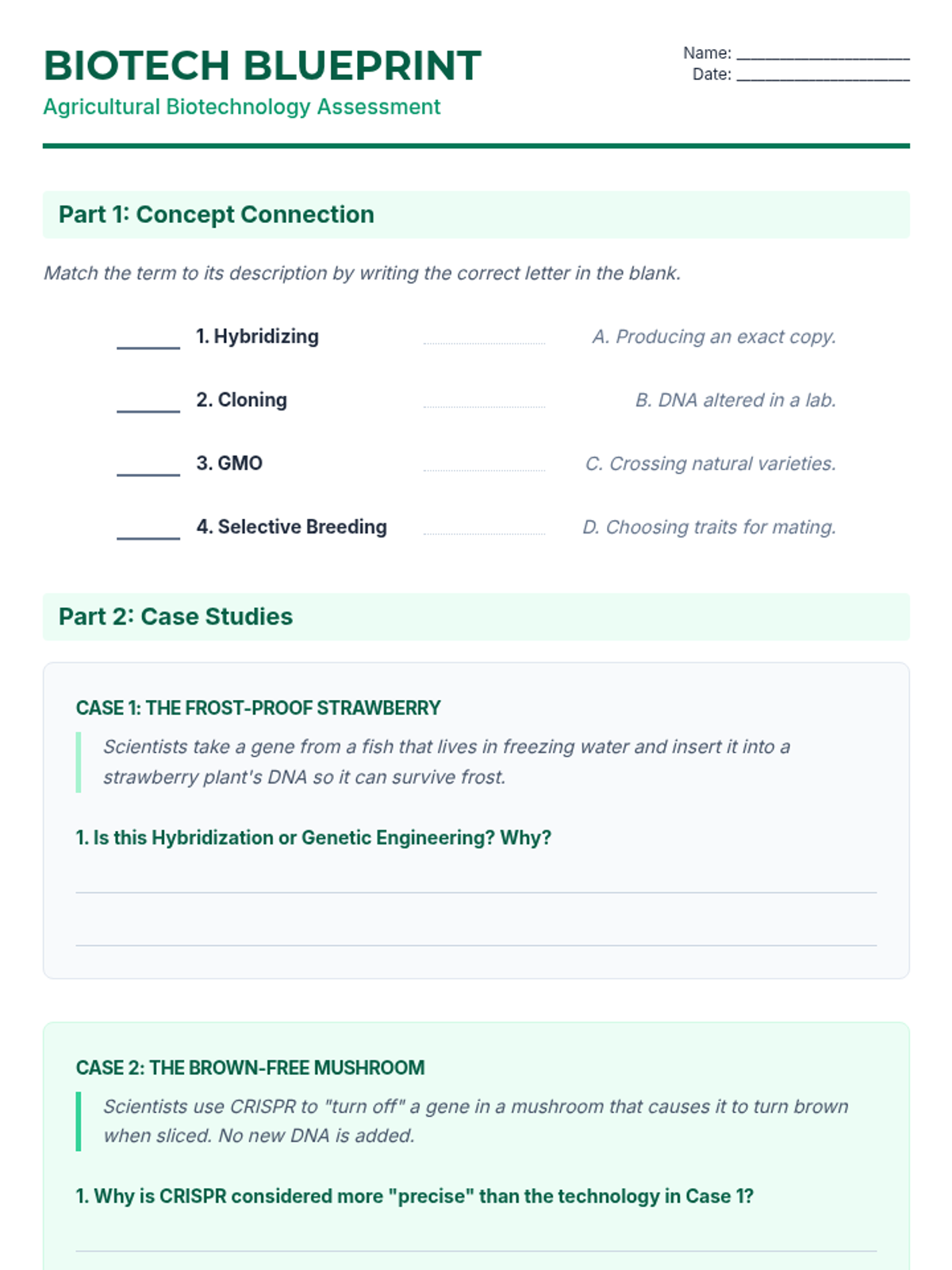
A comprehensive lesson exploring the science, ethics, and environmental impact of biotechnology in modern agriculture, comparing historical breeding methods with genetic engineering.
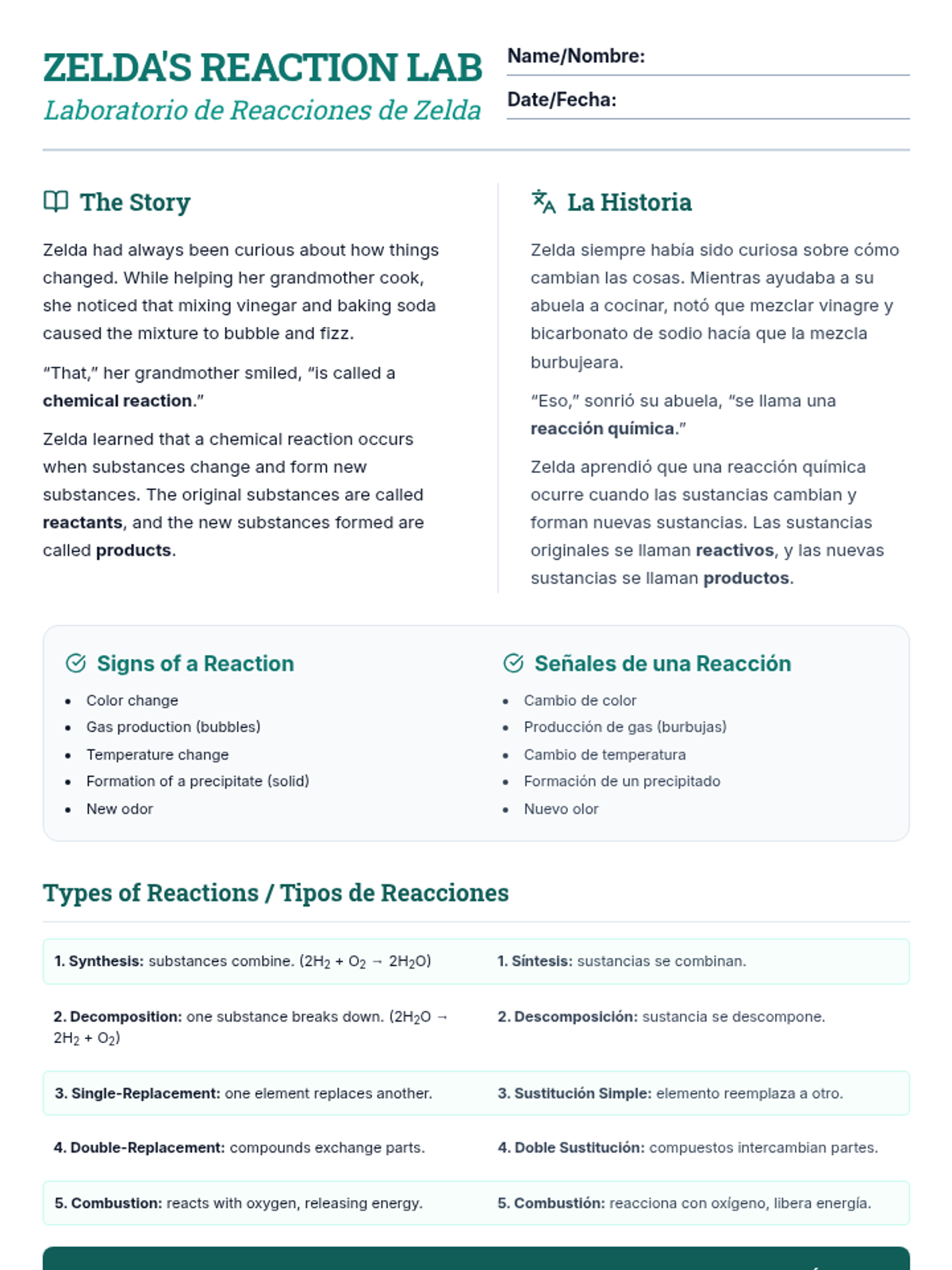
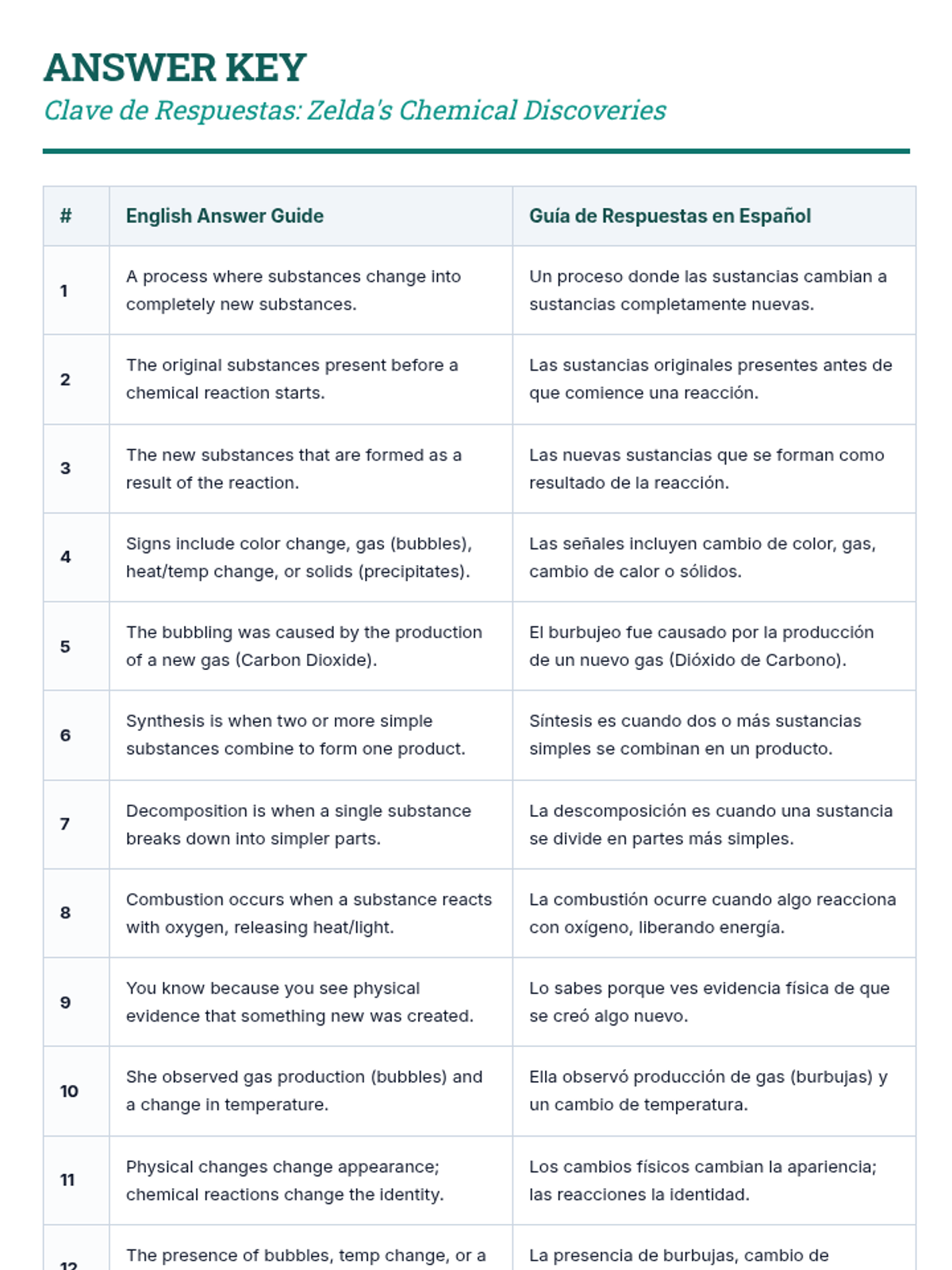
A bilingual (English/Spanish) lesson exploring chemical reactions through a narrative about a girl named Zelda, covering reaction signs, types, and identification.
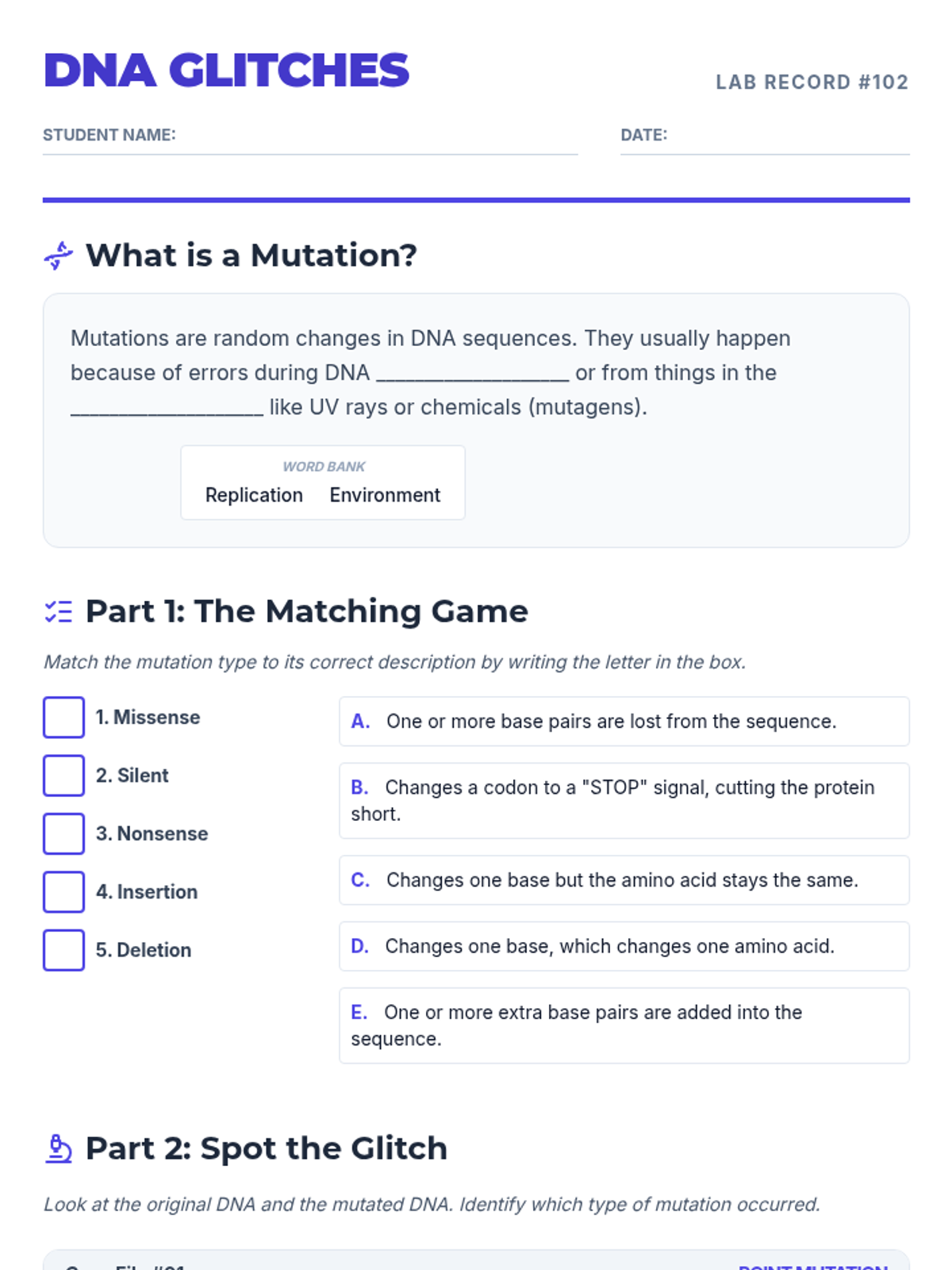
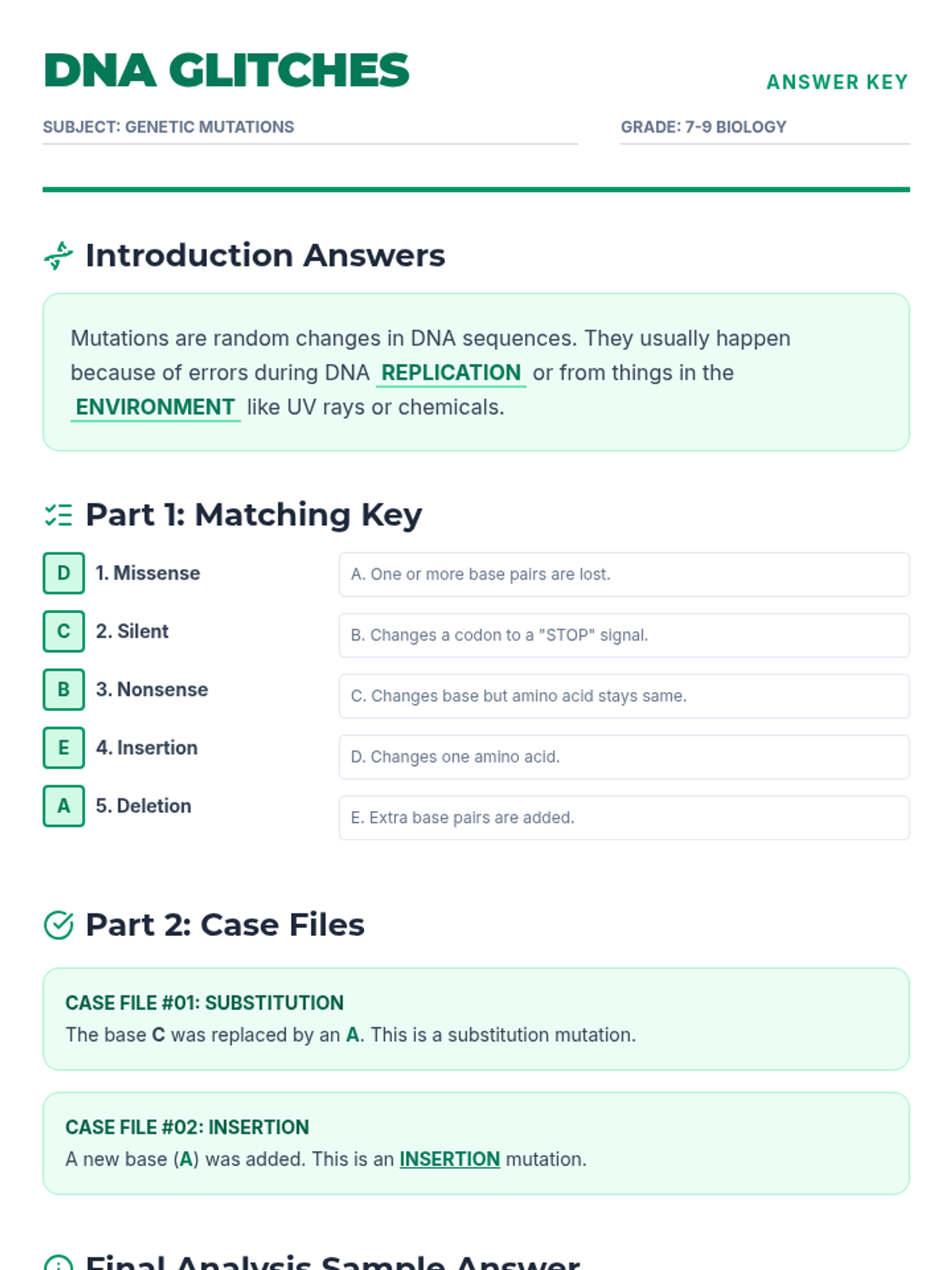
An introductory lesson on genetic mutations, covering point mutations and frameshift mutations, and how they affect protein synthesis.
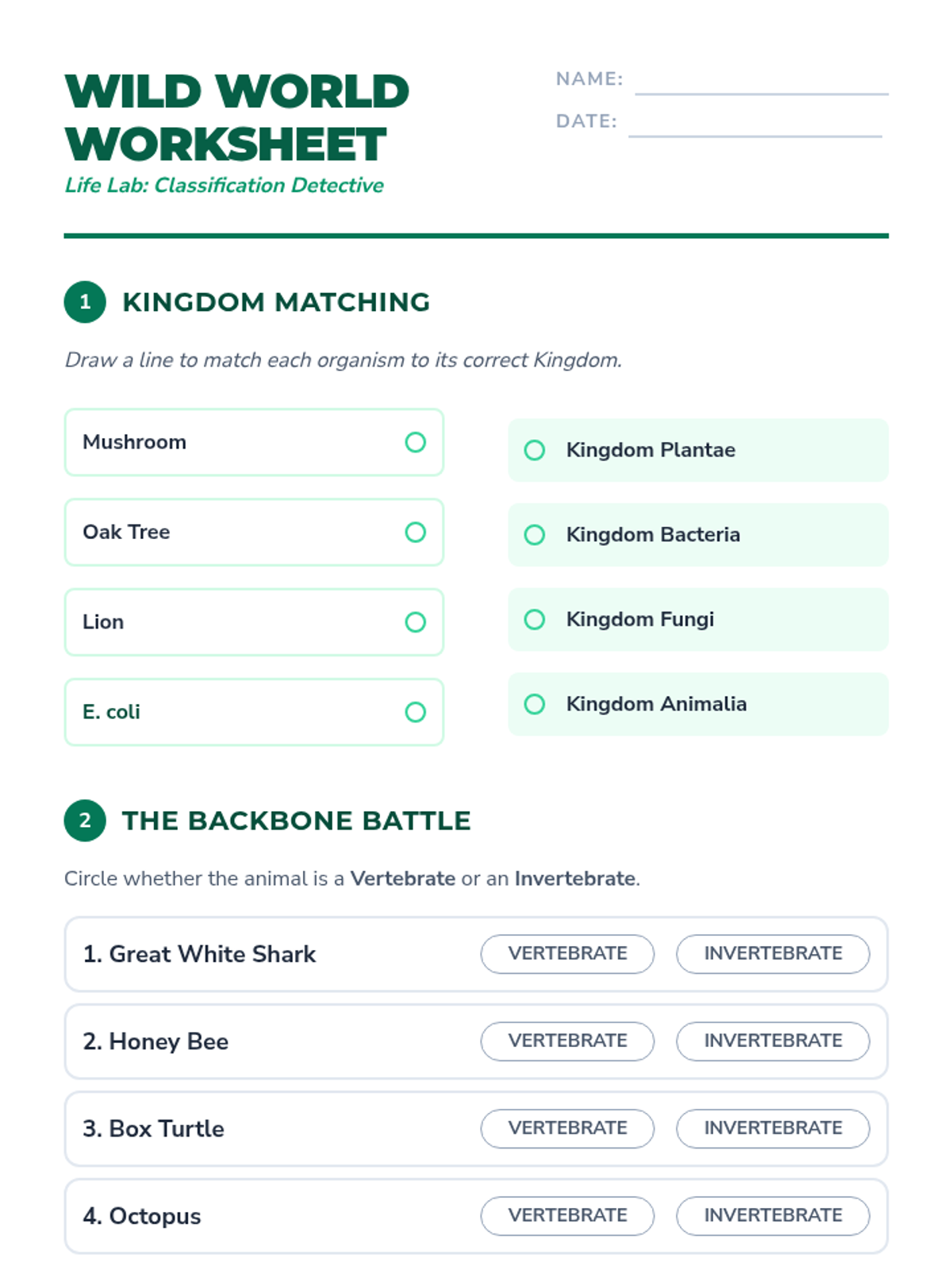
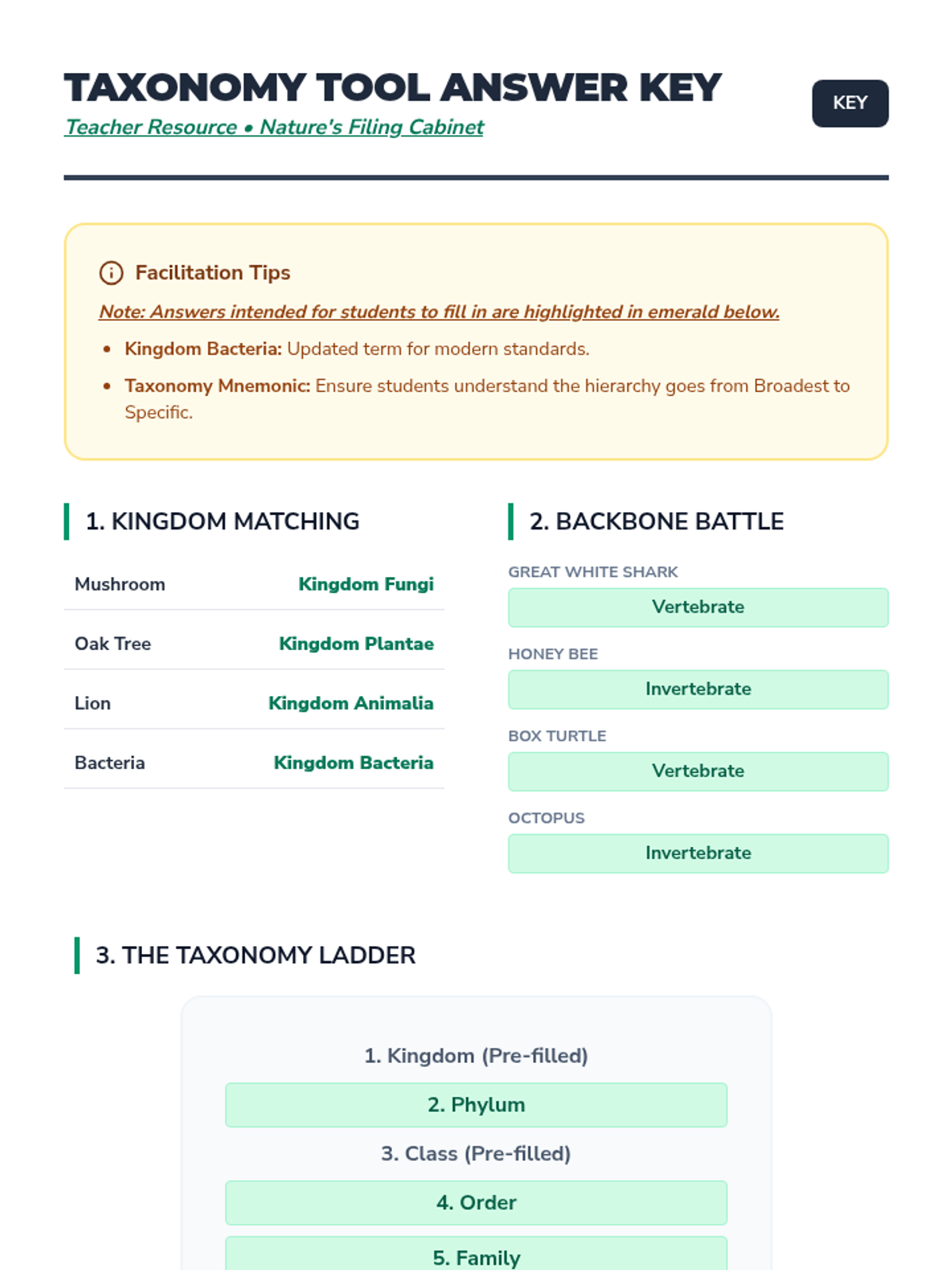
A foundational lesson exploring how scientists group living things using the Linnaean classification system, focusing on kingdoms and the distinction between vertebrates and invertebrates.
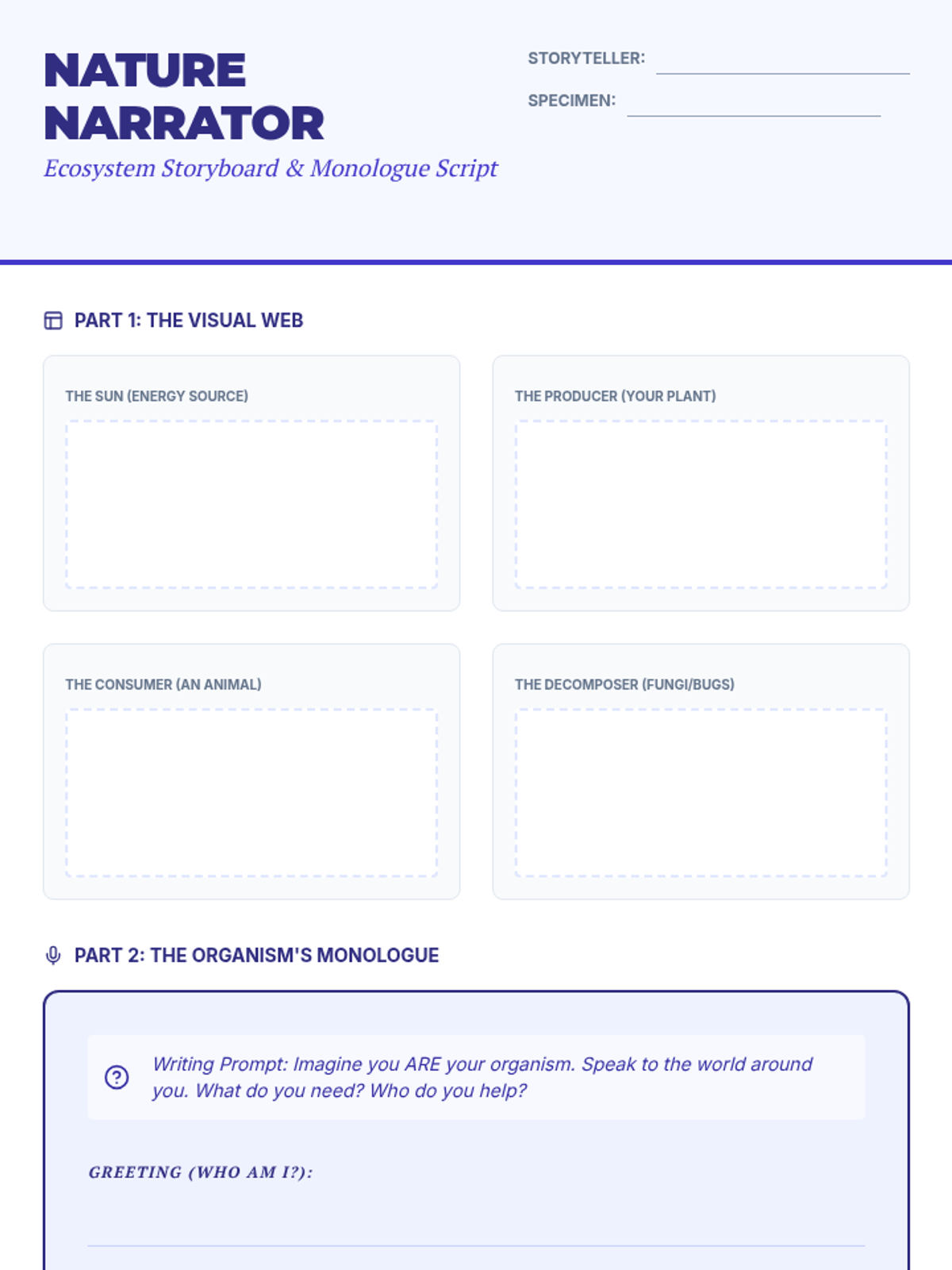
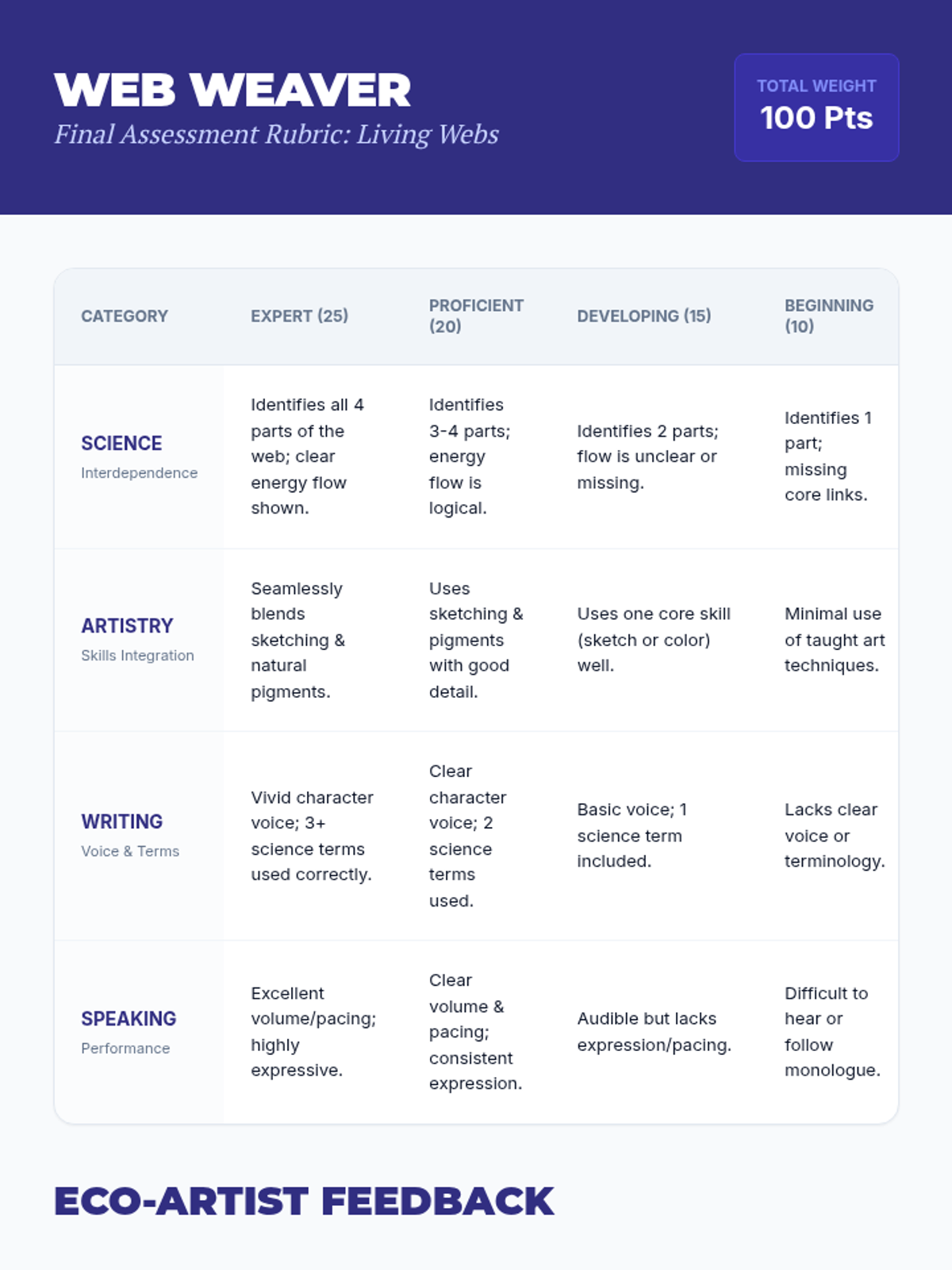
Students synthesize their knowledge of ecosystems to create narrative art pieces that tell the story of interdependence in the natural world.
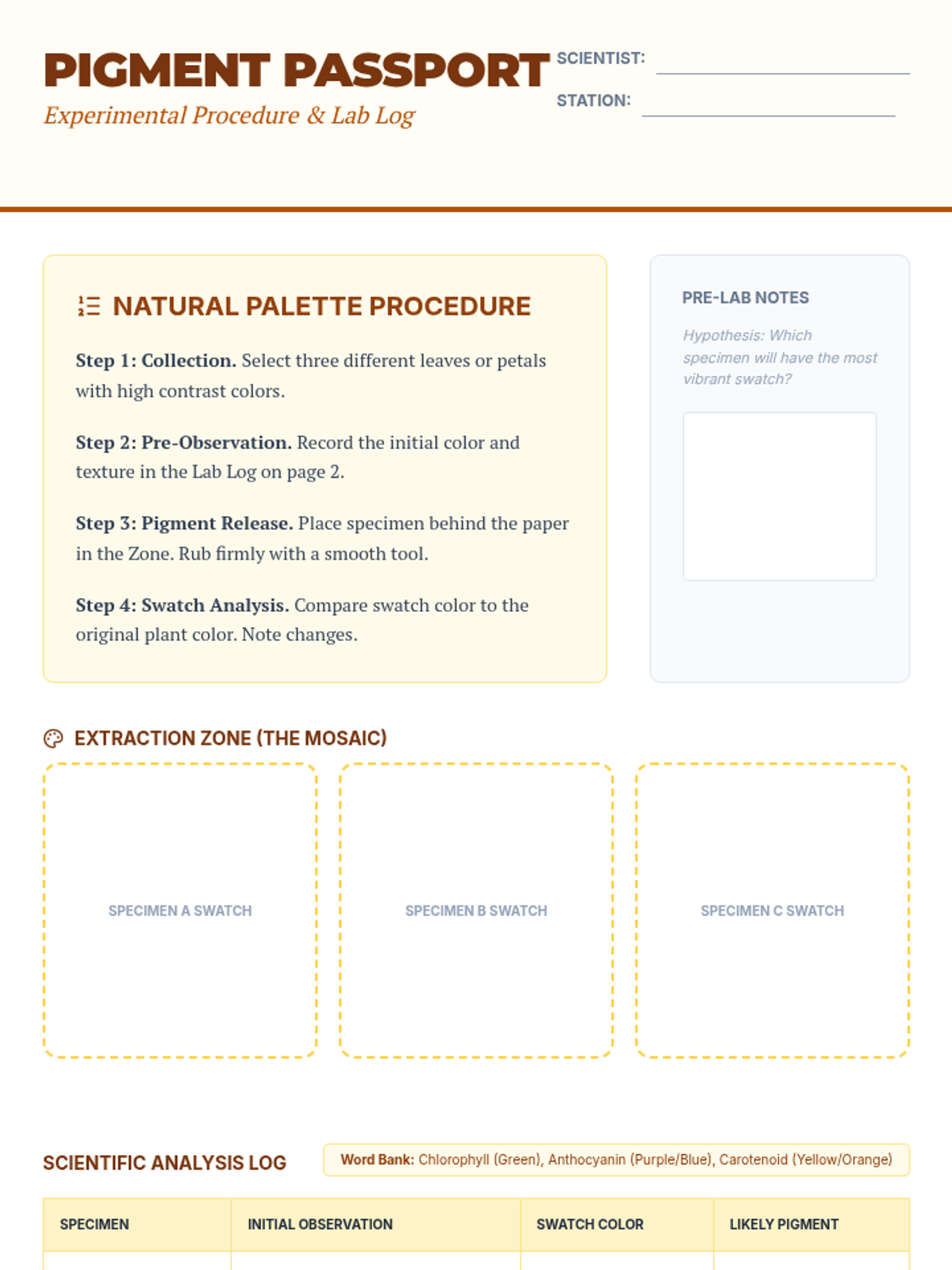
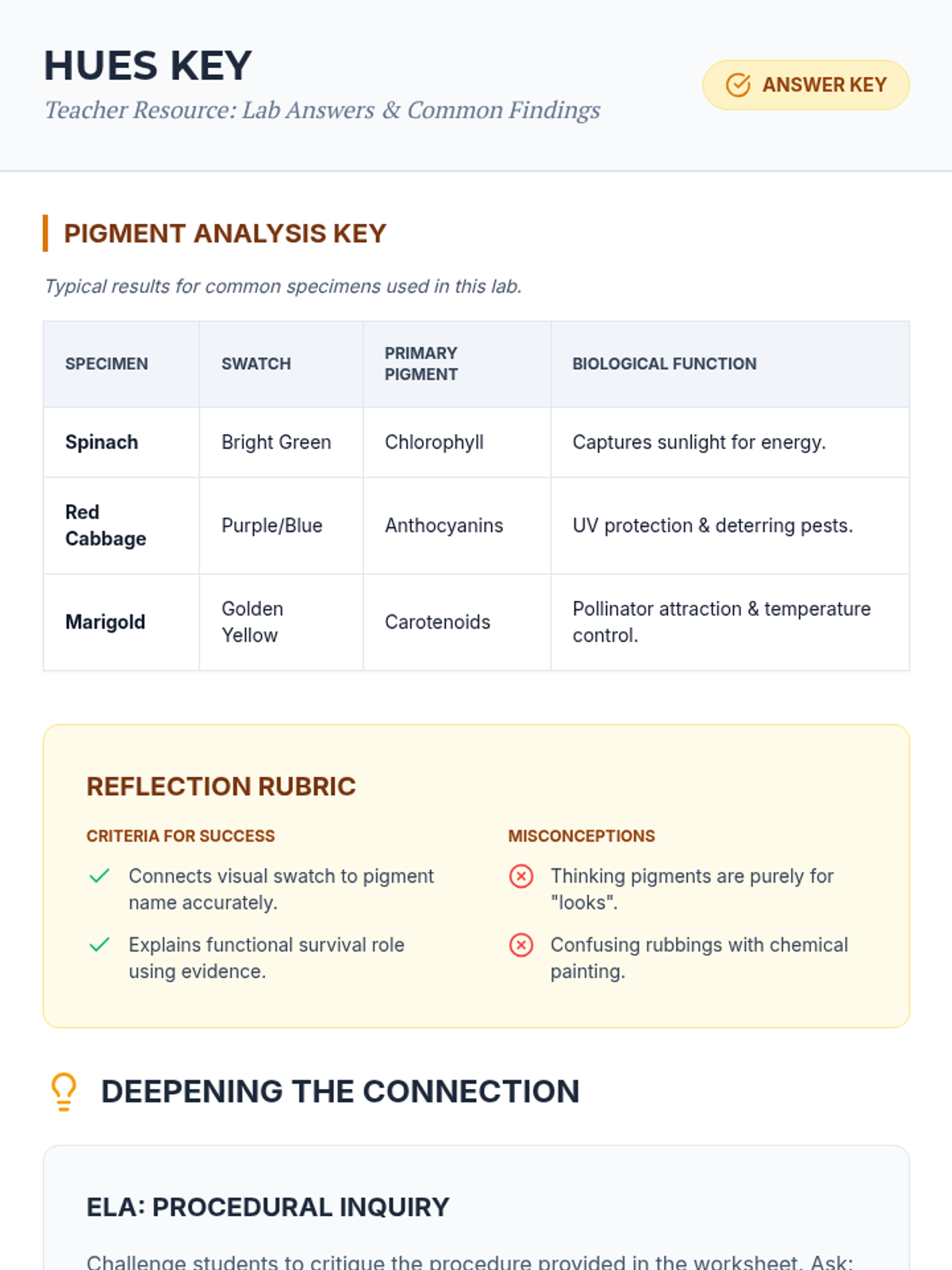
An exploration into the chemistry of natural pigments, where students follow procedures to extract colors and document their experimental process.
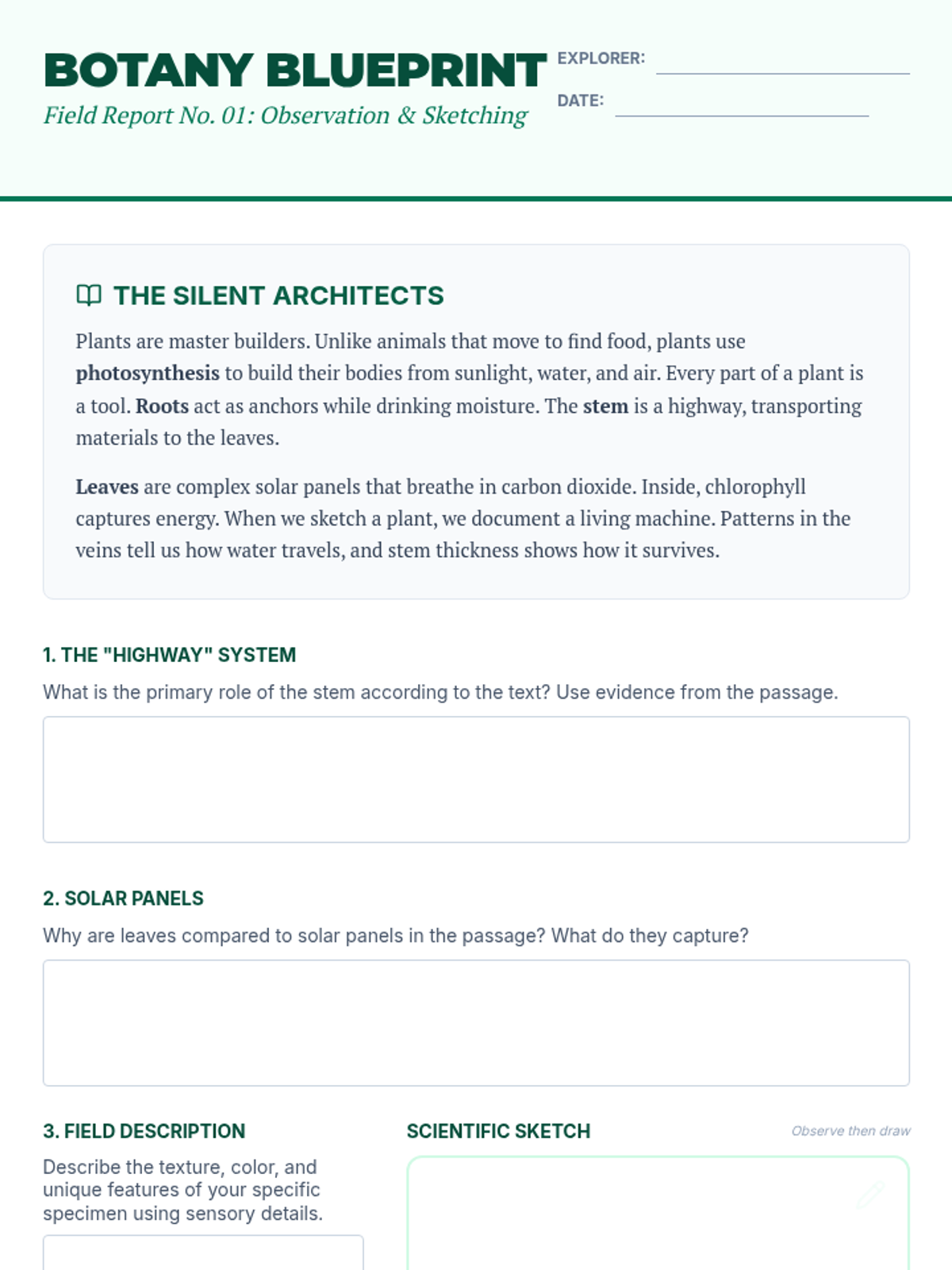
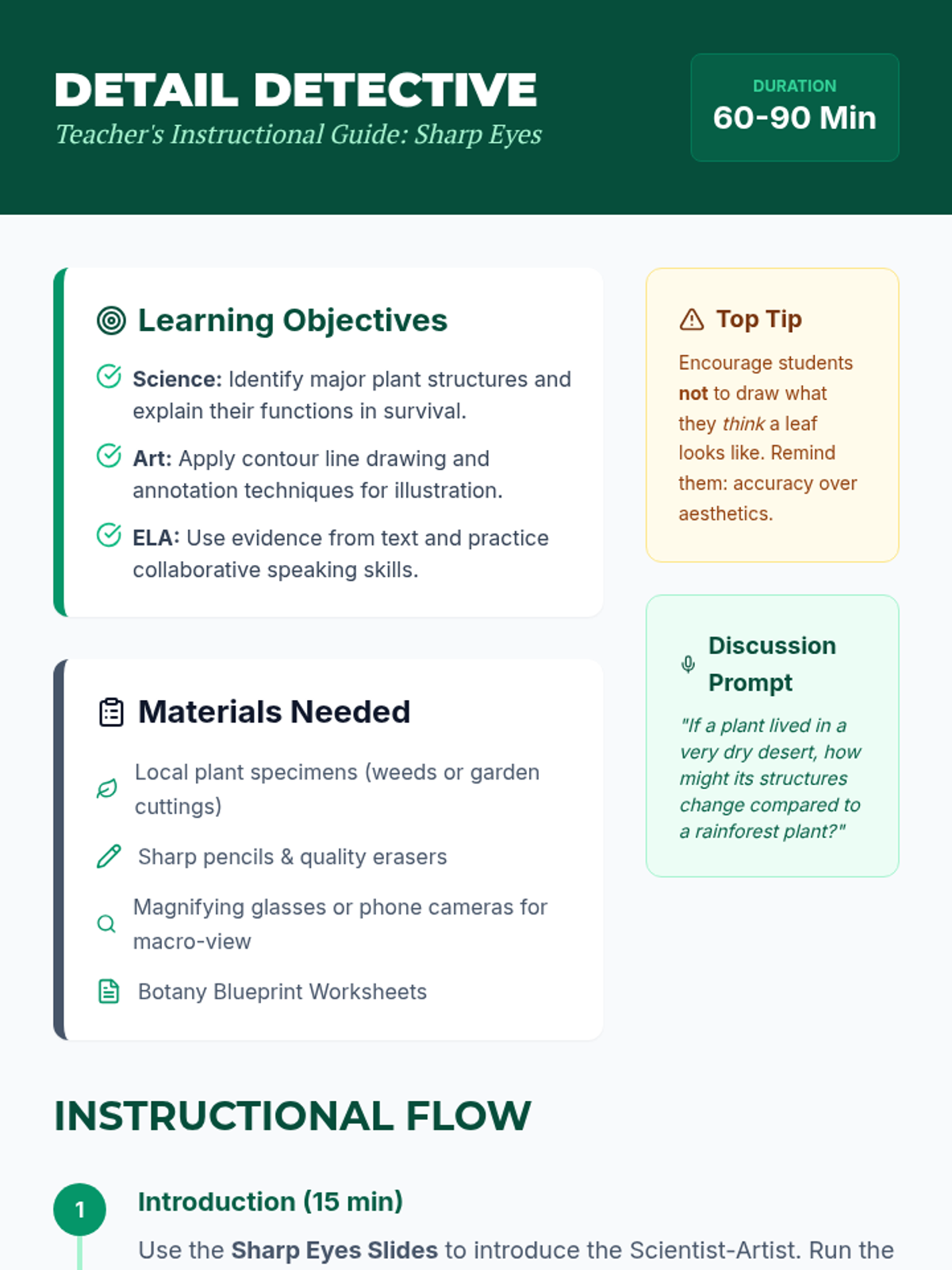
Students learn the art of botanical illustration by observing plant structures and recording their findings with scientific precision and artistic flair.
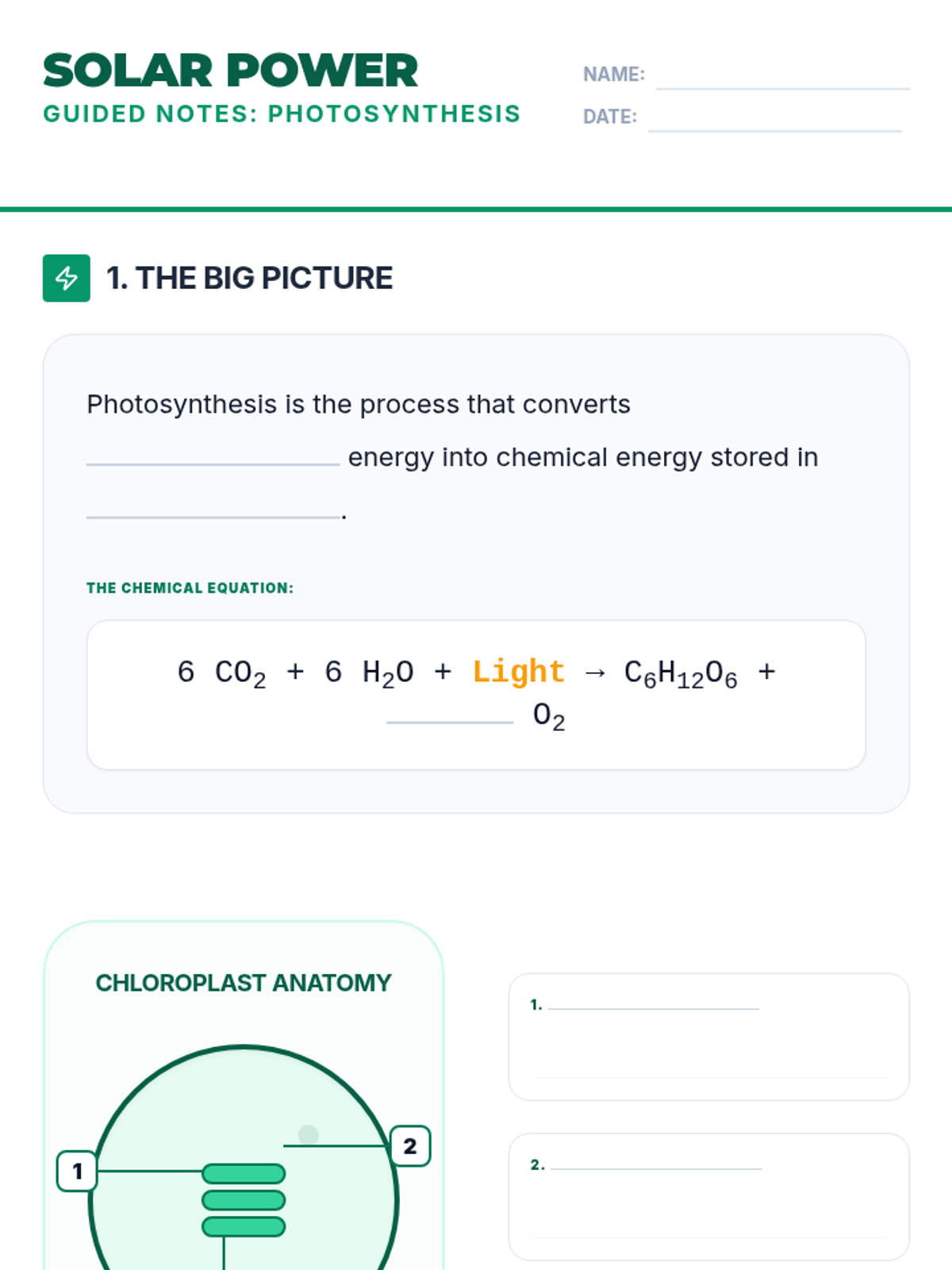
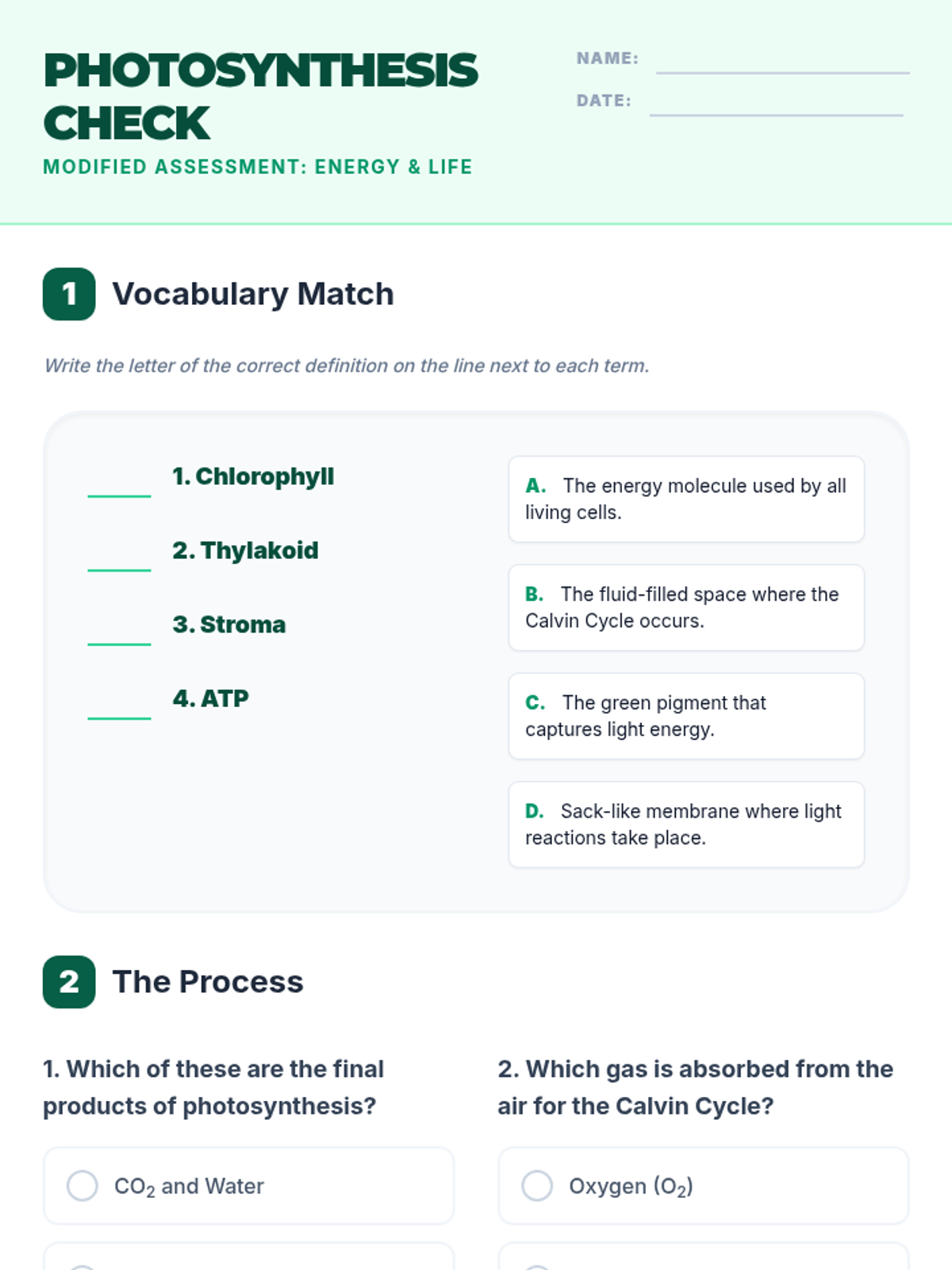
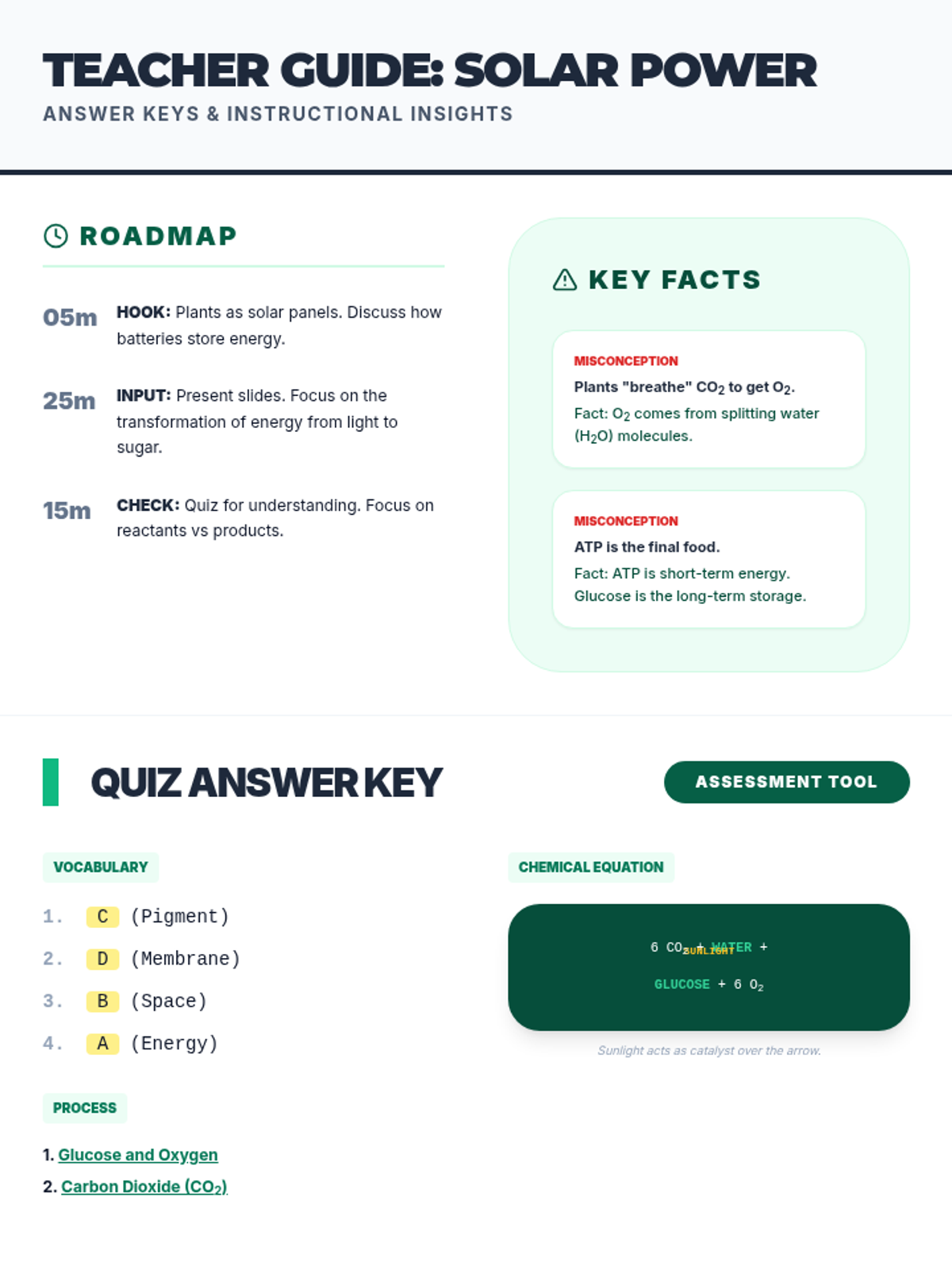
A comprehensive dive into photosynthesis, covering chloroplast anatomy, the light-dependent and light-independent reactions, and the flow of energy through ATP and NADPH.
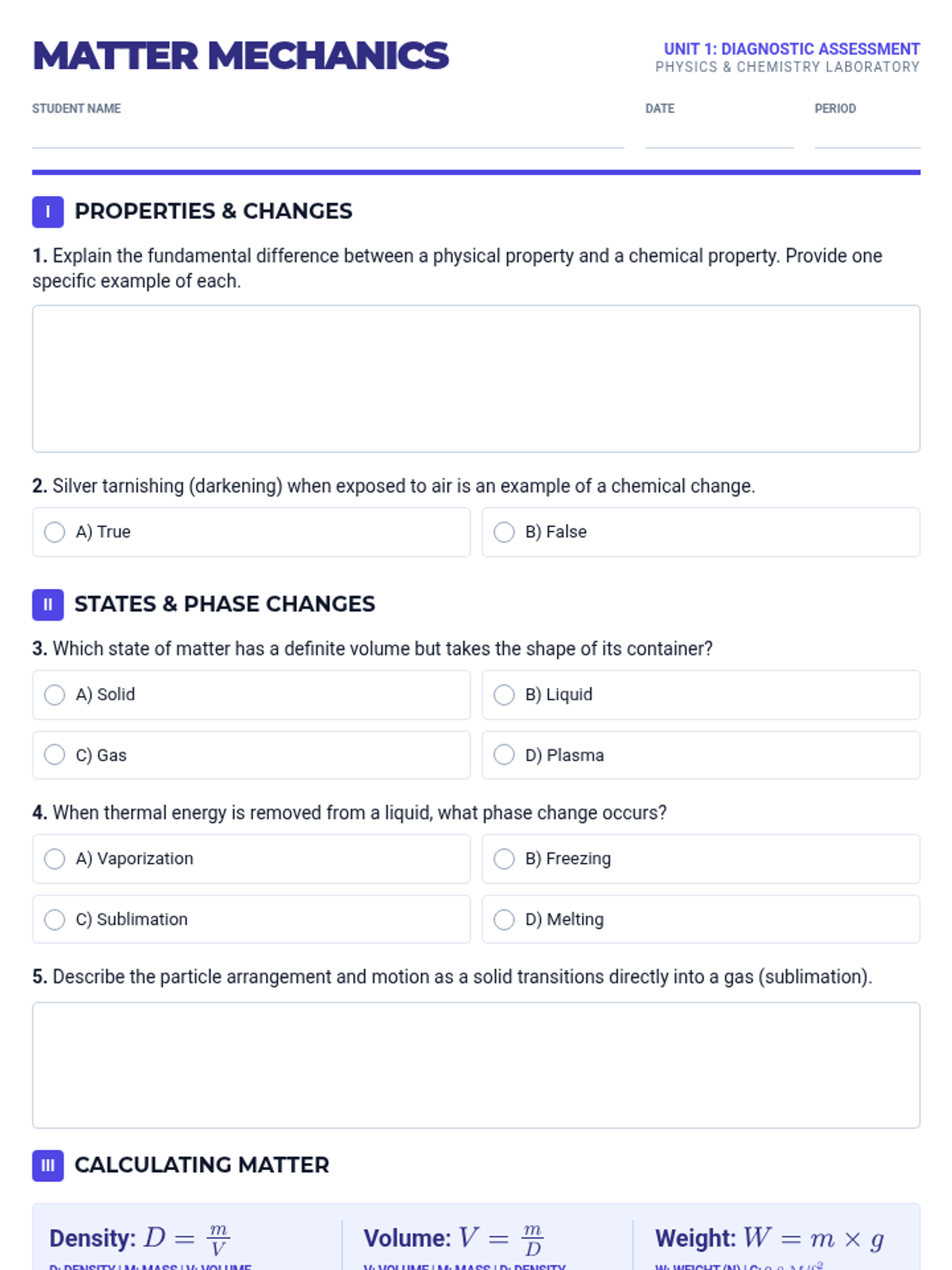
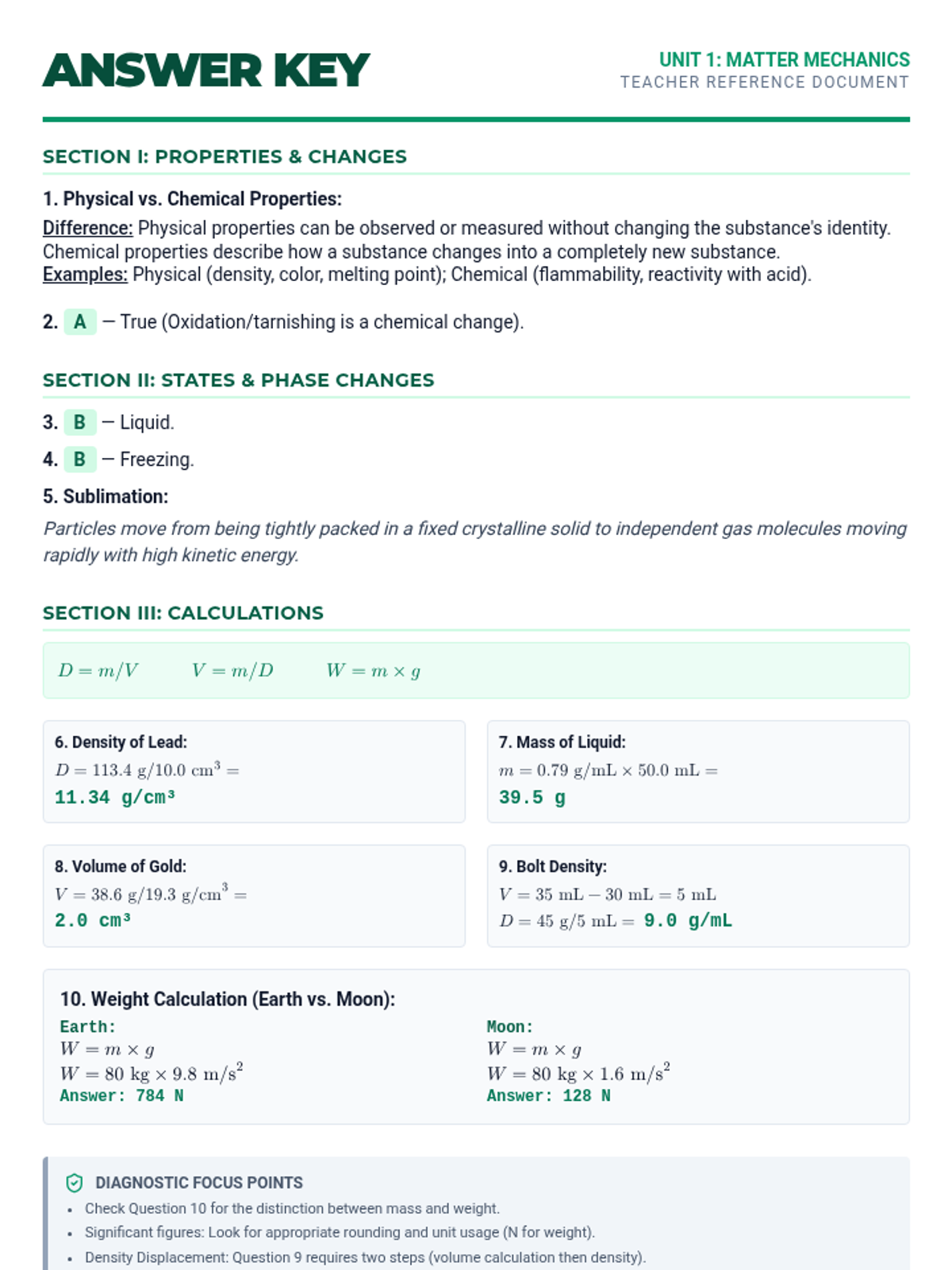
A comprehensive diagnostic assessment designed to evaluate 9th-grade students' understanding of physical and chemical properties, states of matter, and density calculations.
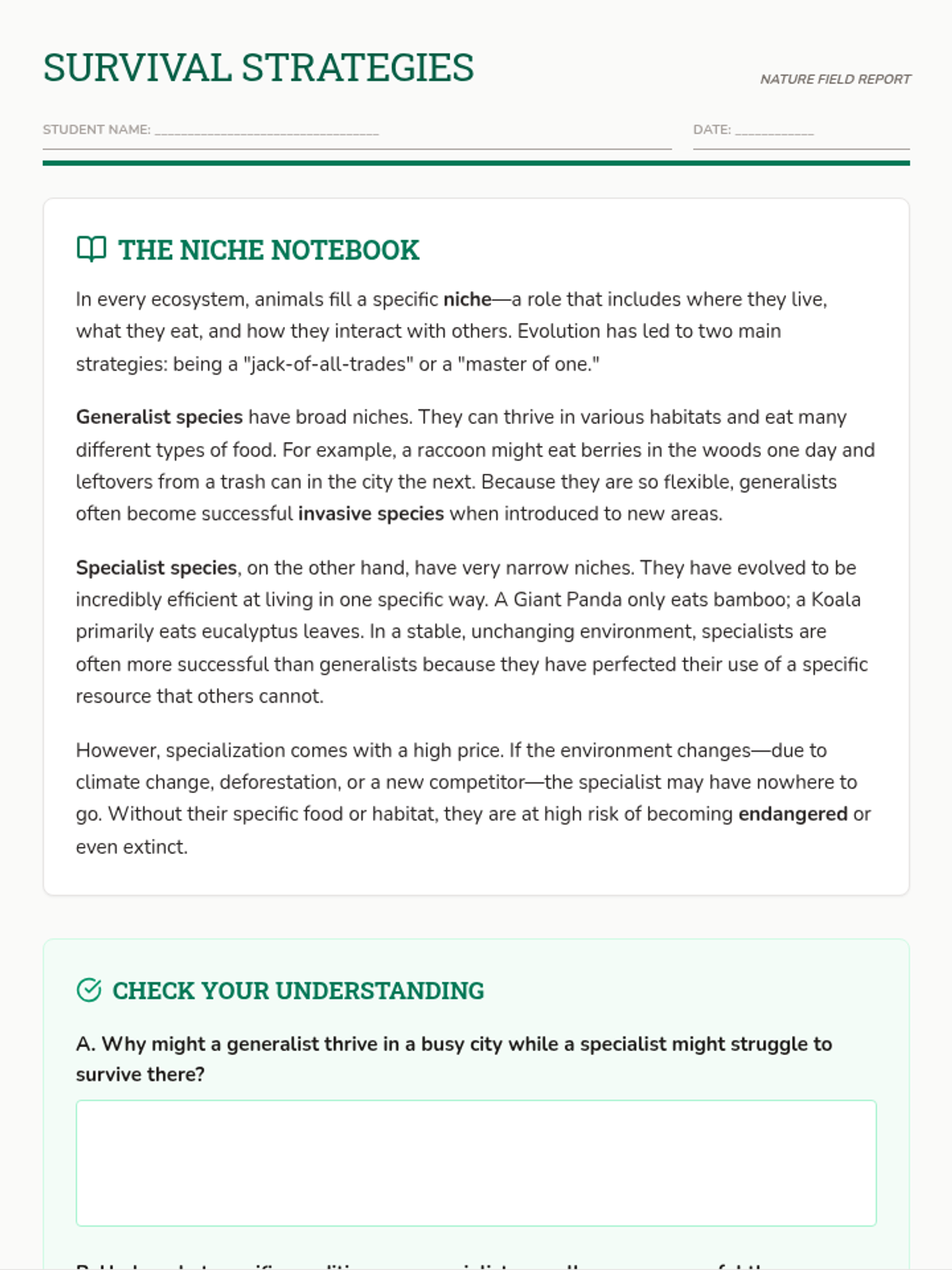
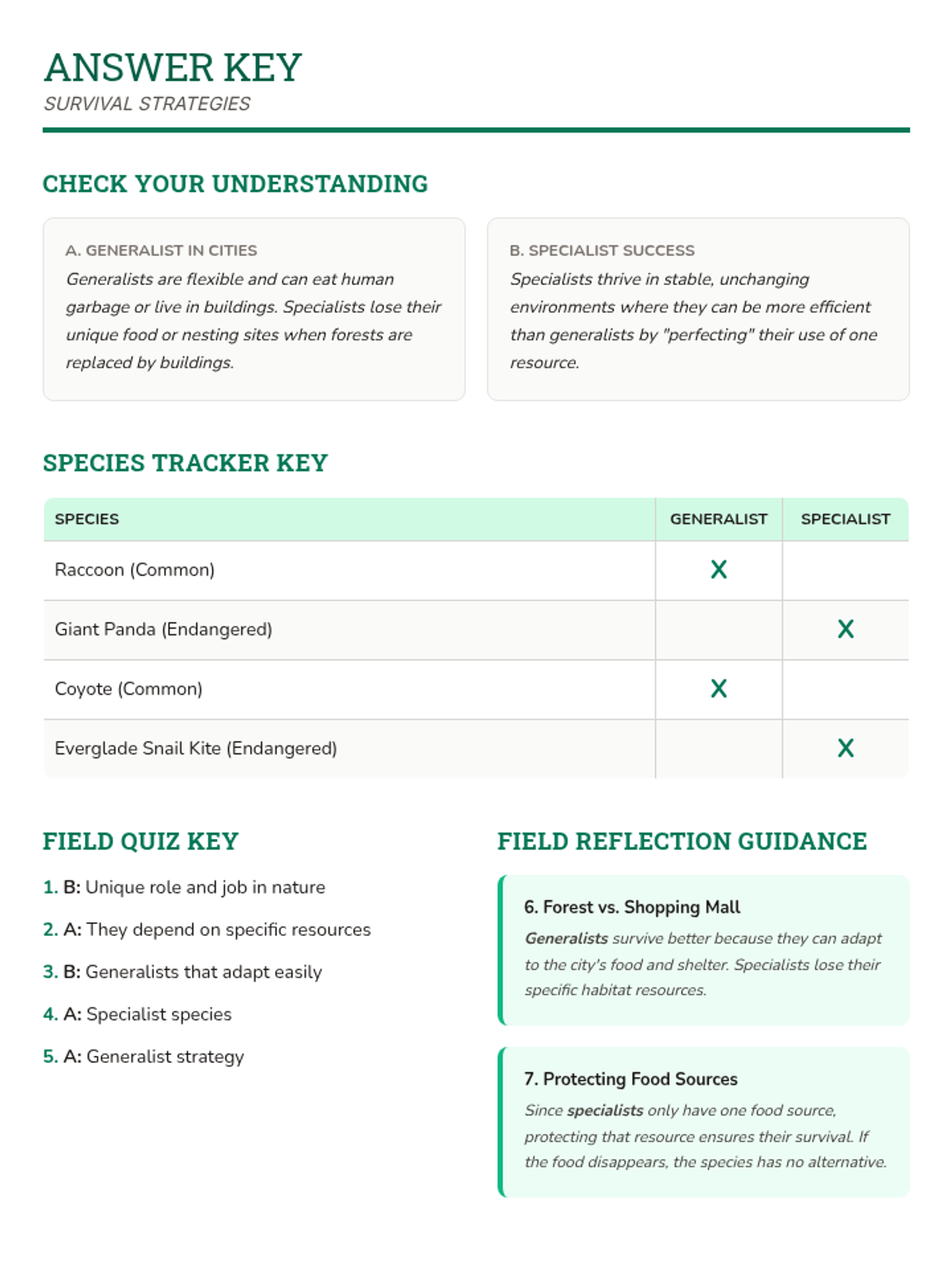
A lesson exploring the differences between generalist and specialist species, focusing on how their niches affect their survival and impact on ecosystems.
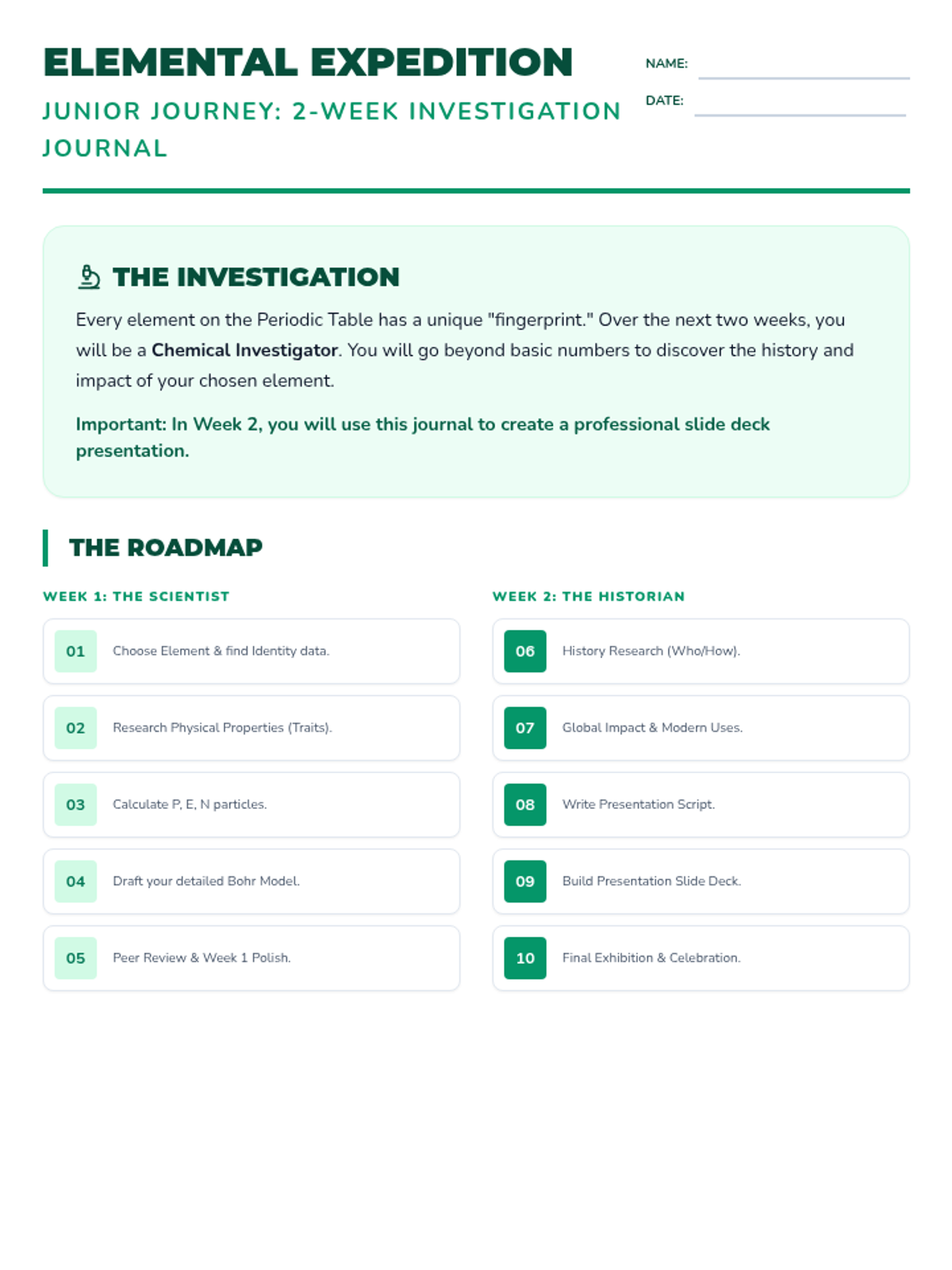
A comprehensive two-week version of the element research project for juniors, allowing for deeper dives into historical context and atomic modeling.
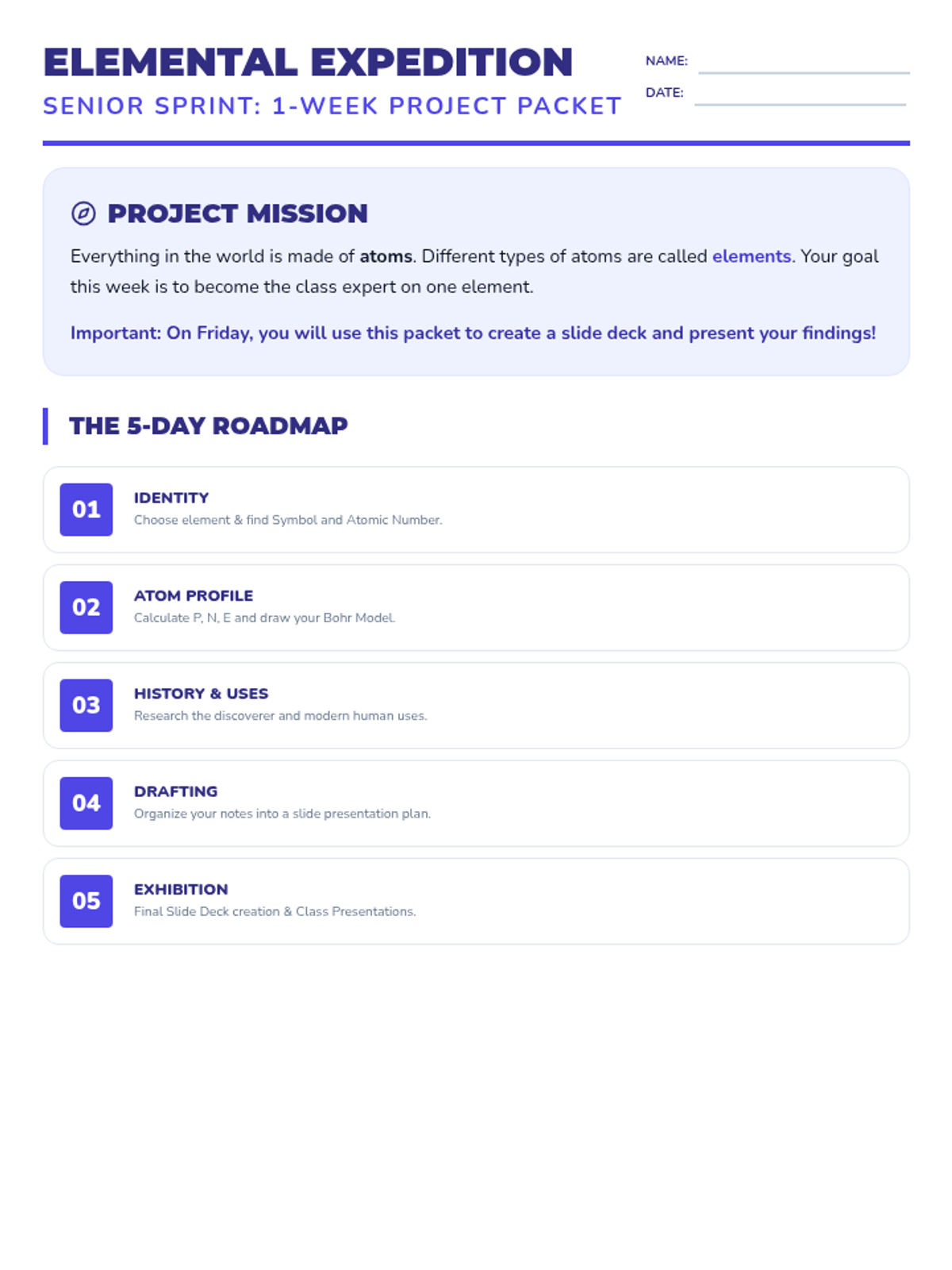
An accelerated one-week version of the element research project designed for seniors, focusing on core atomic data and primary uses.
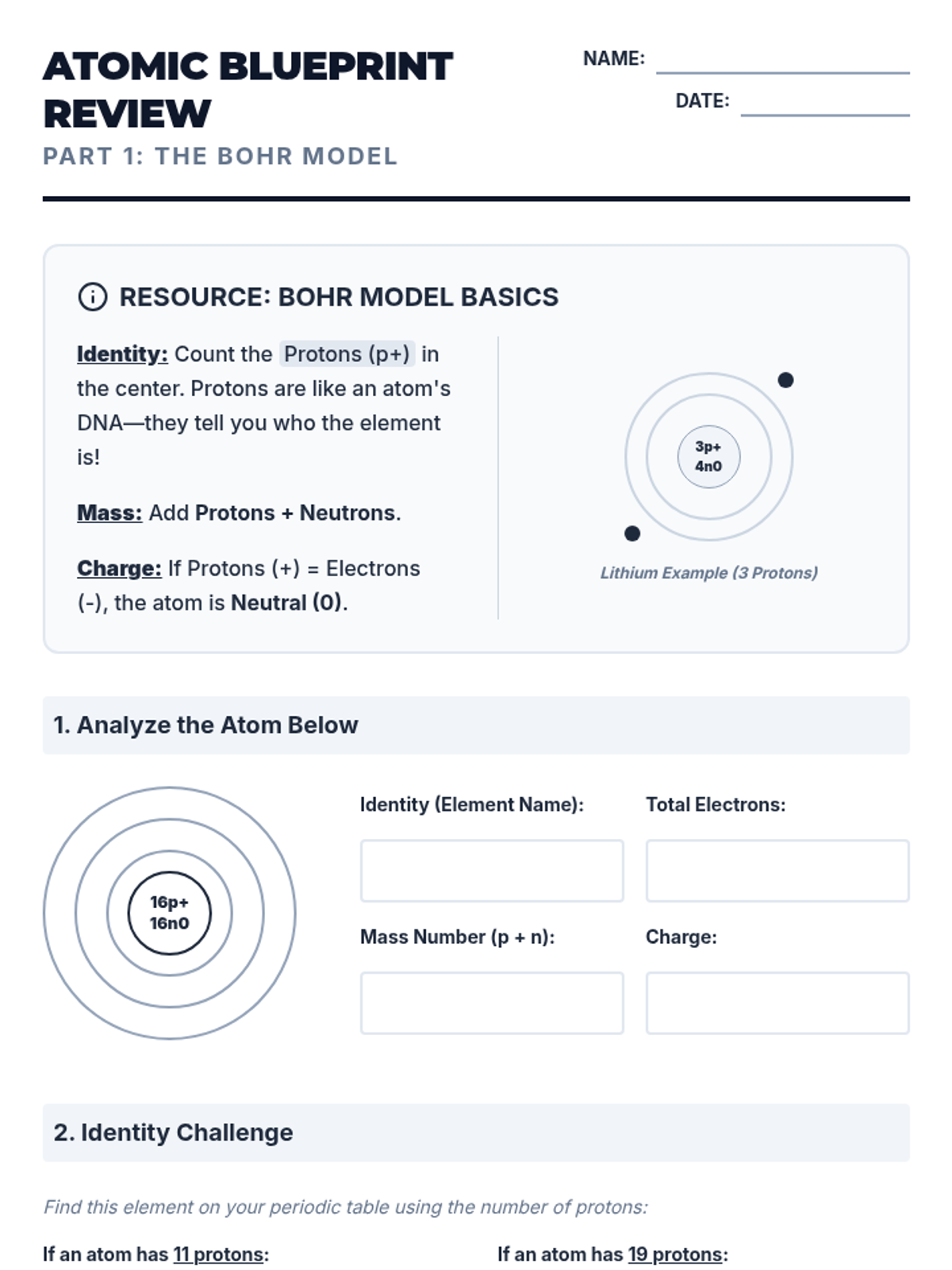
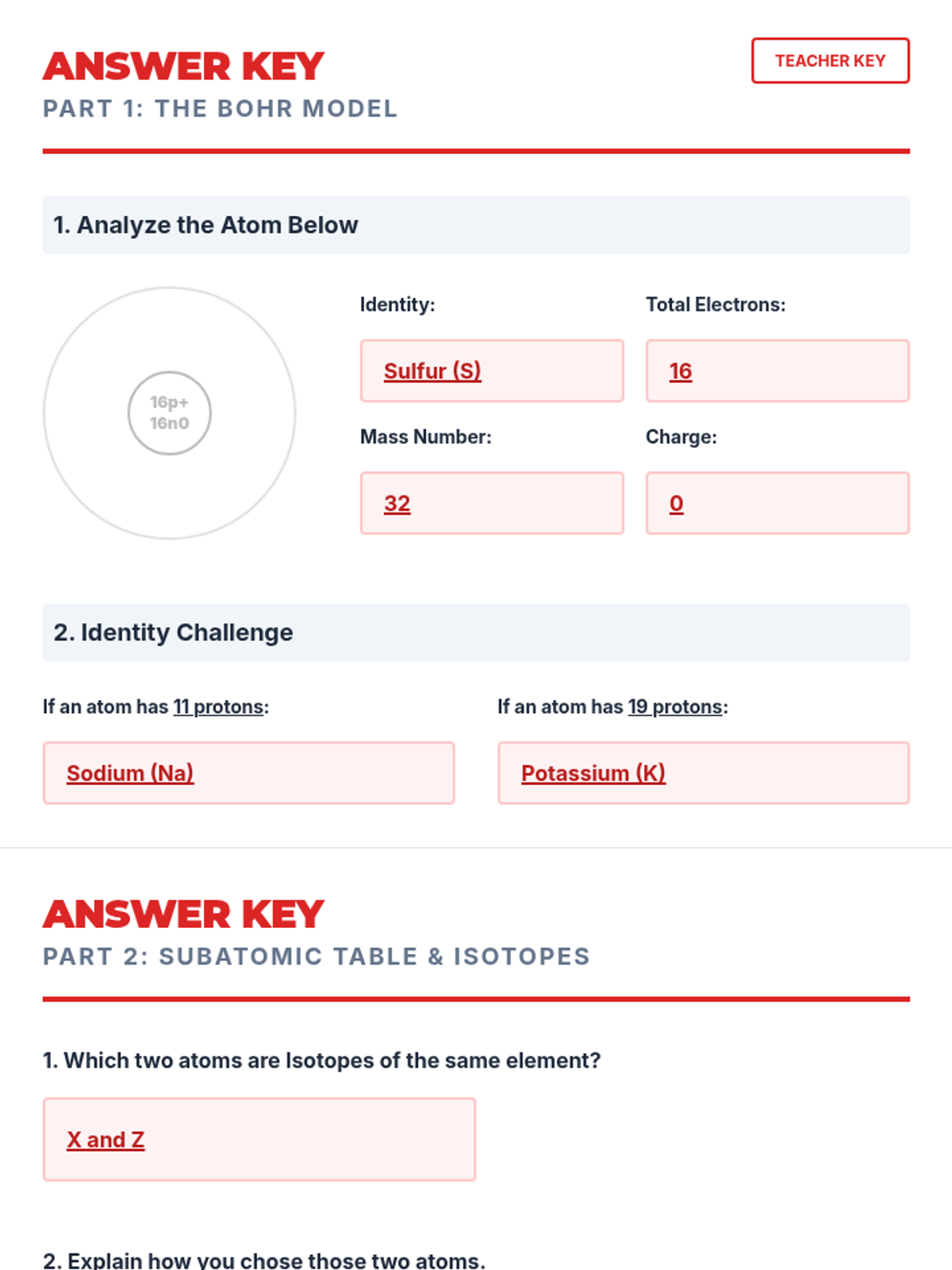
A comprehensive review sequence focusing on atomic structure, Bohr models, isotopes, and electron configurations designed for high school chemistry students.