A lesson exploring energy flow within cave ecosystems, focusing on food webs, energy pyramids, and data interpretation based on animal populations.
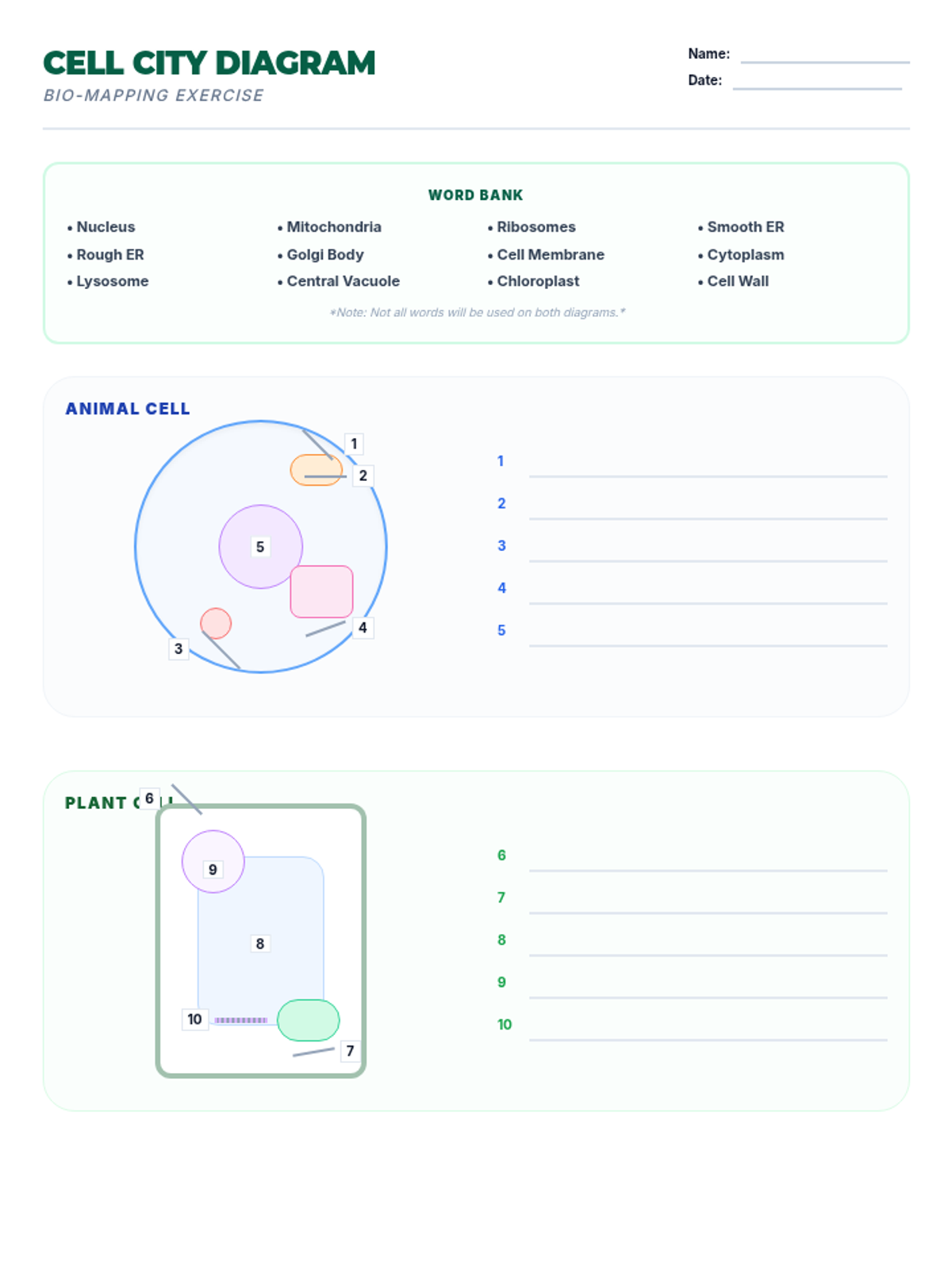
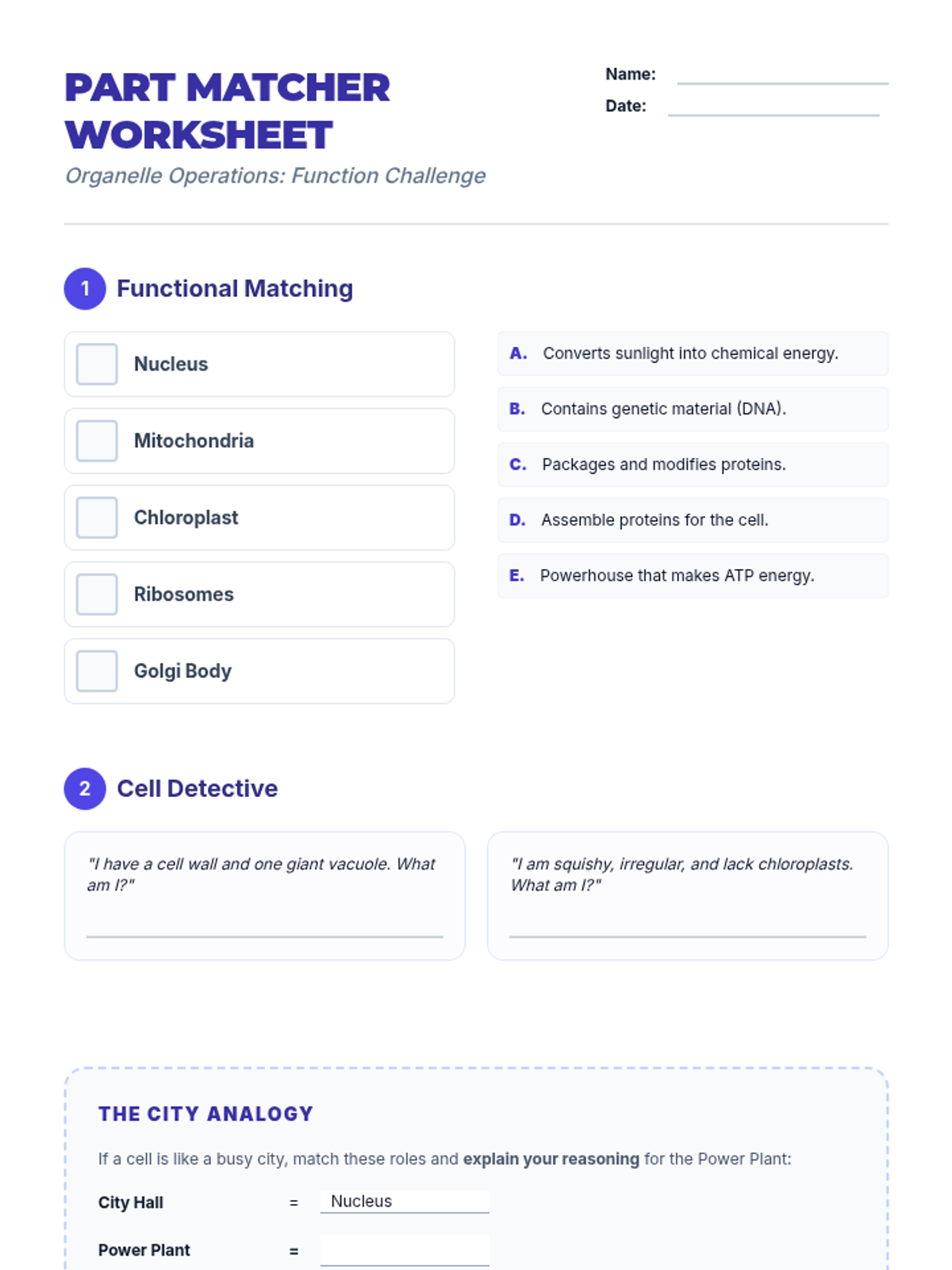
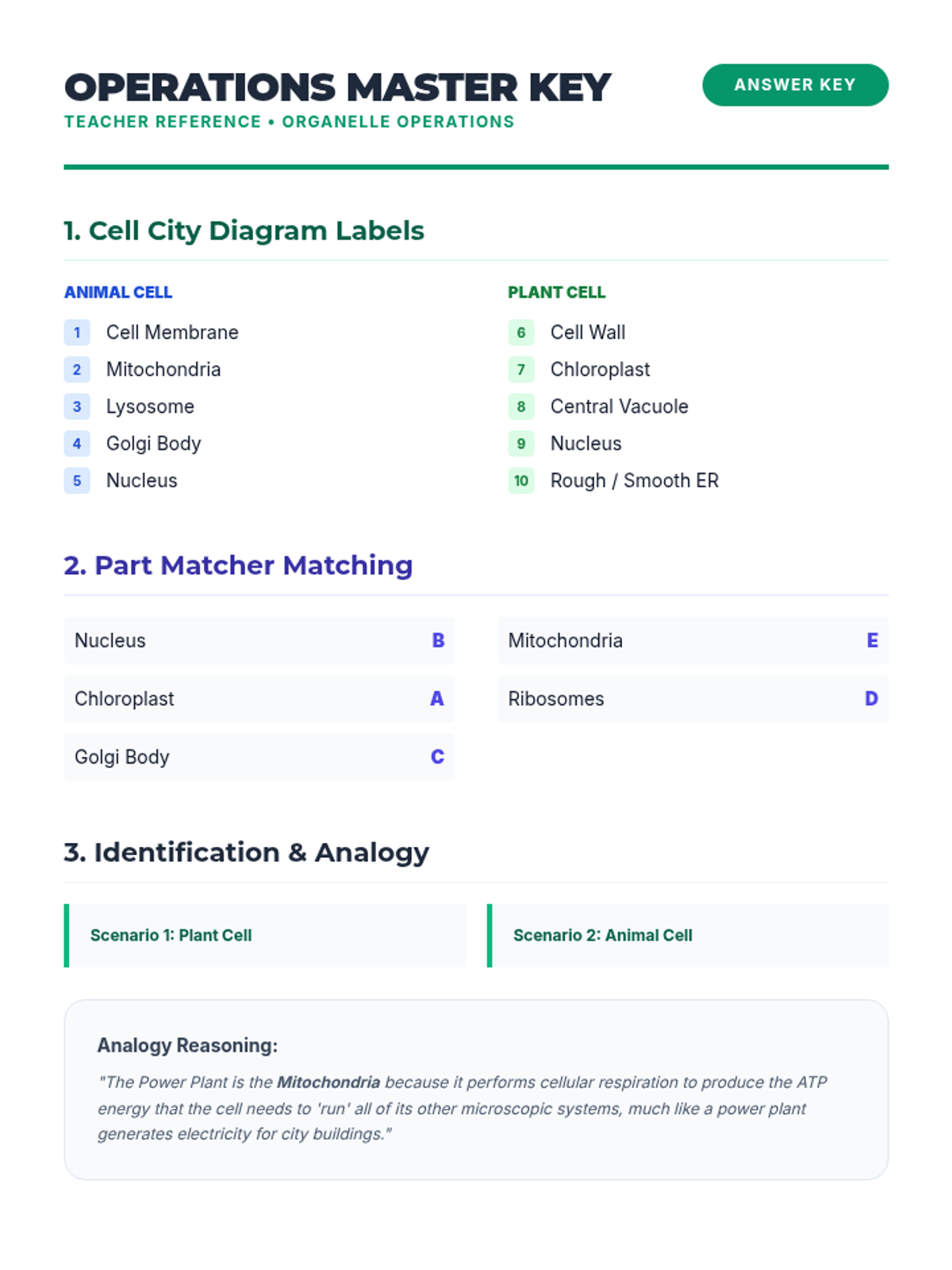
A comprehensive exploration of animal and plant cell organelles, focusing on their structures, functions, and key differences. Students will identify organelles through diagrams and match them to their biological roles.
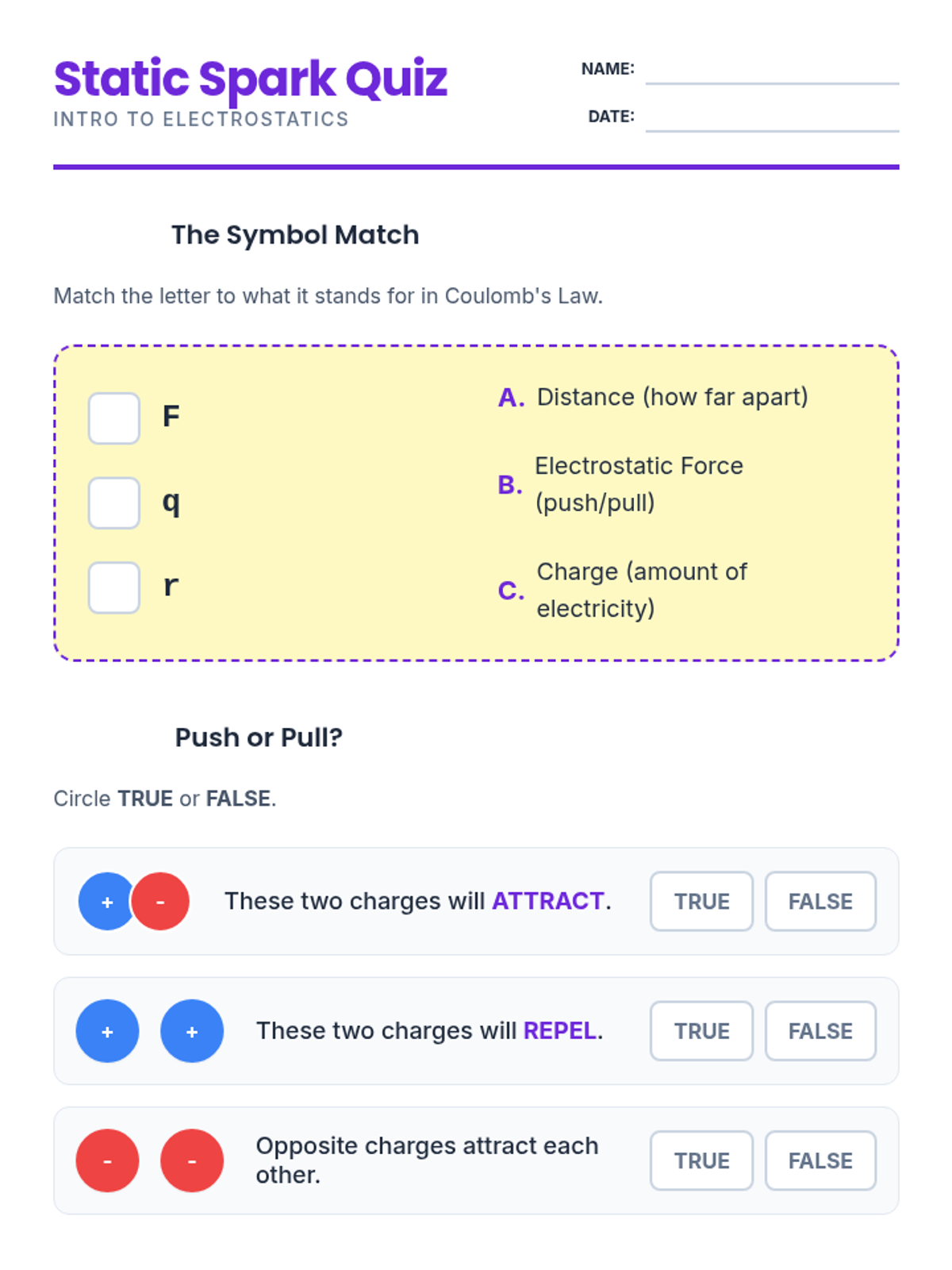
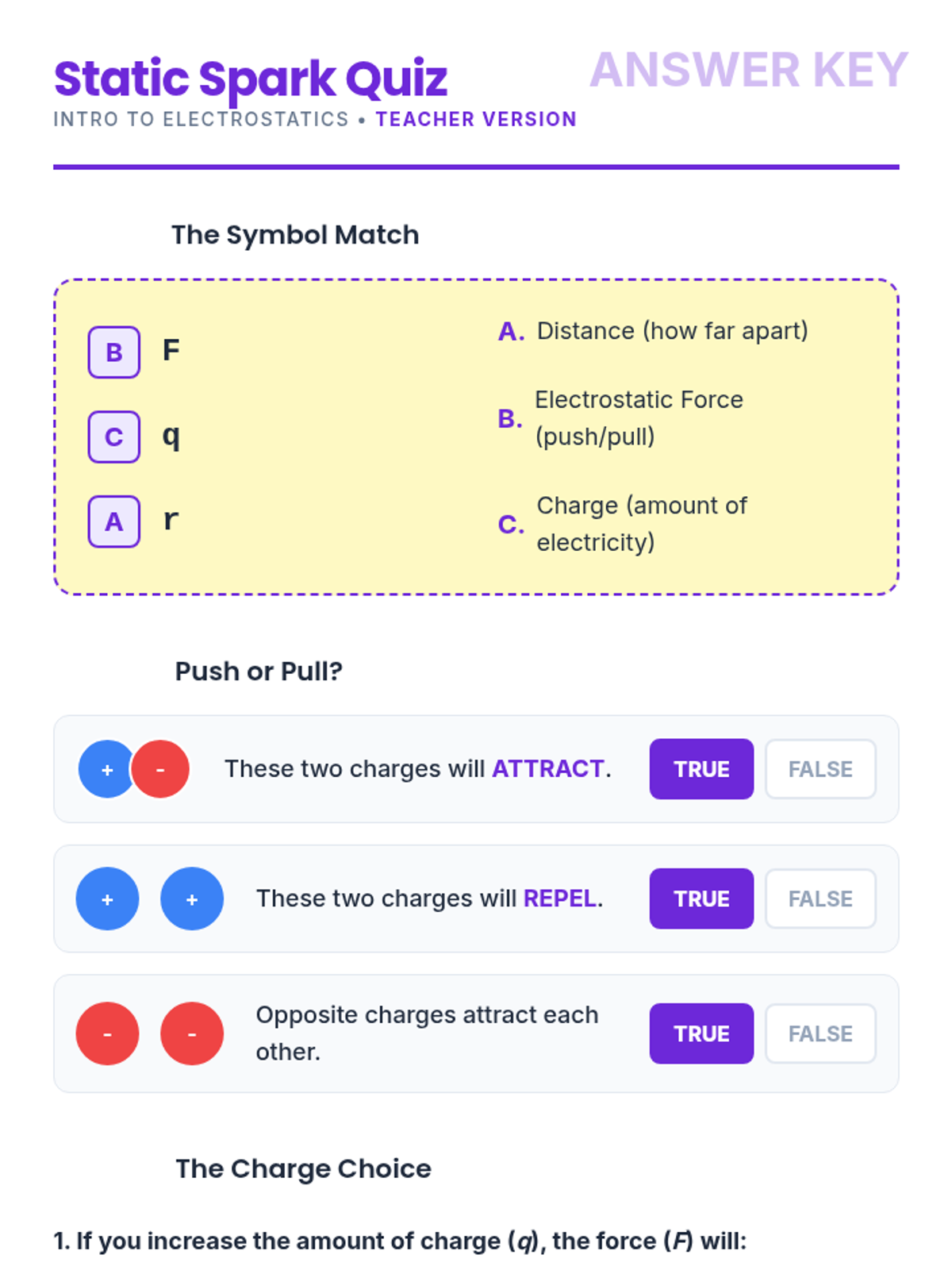
A beginner-friendly lesson on electrostatic forces and Coulomb's Law, emphasizing conceptual understanding and basic calculations.
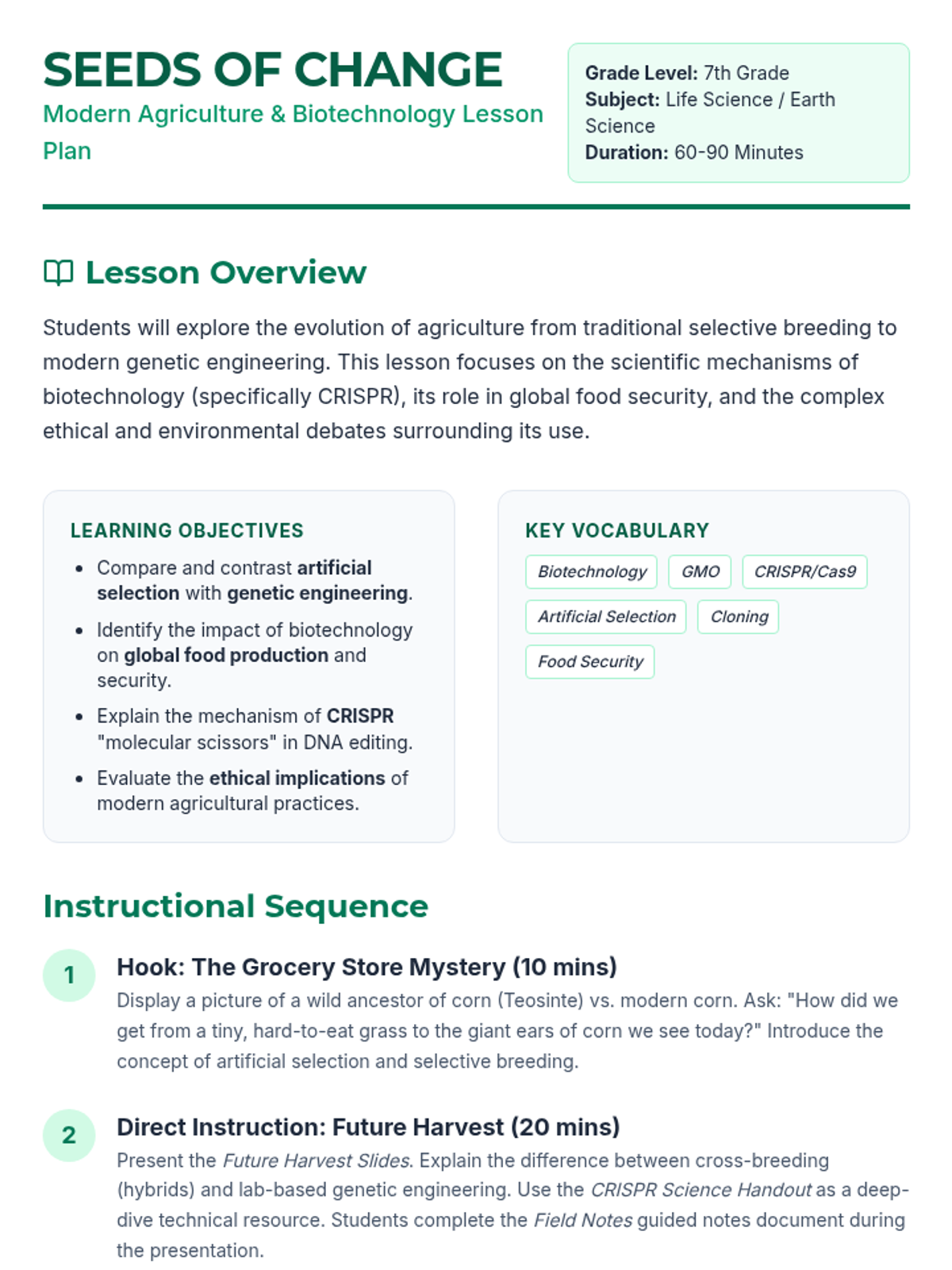
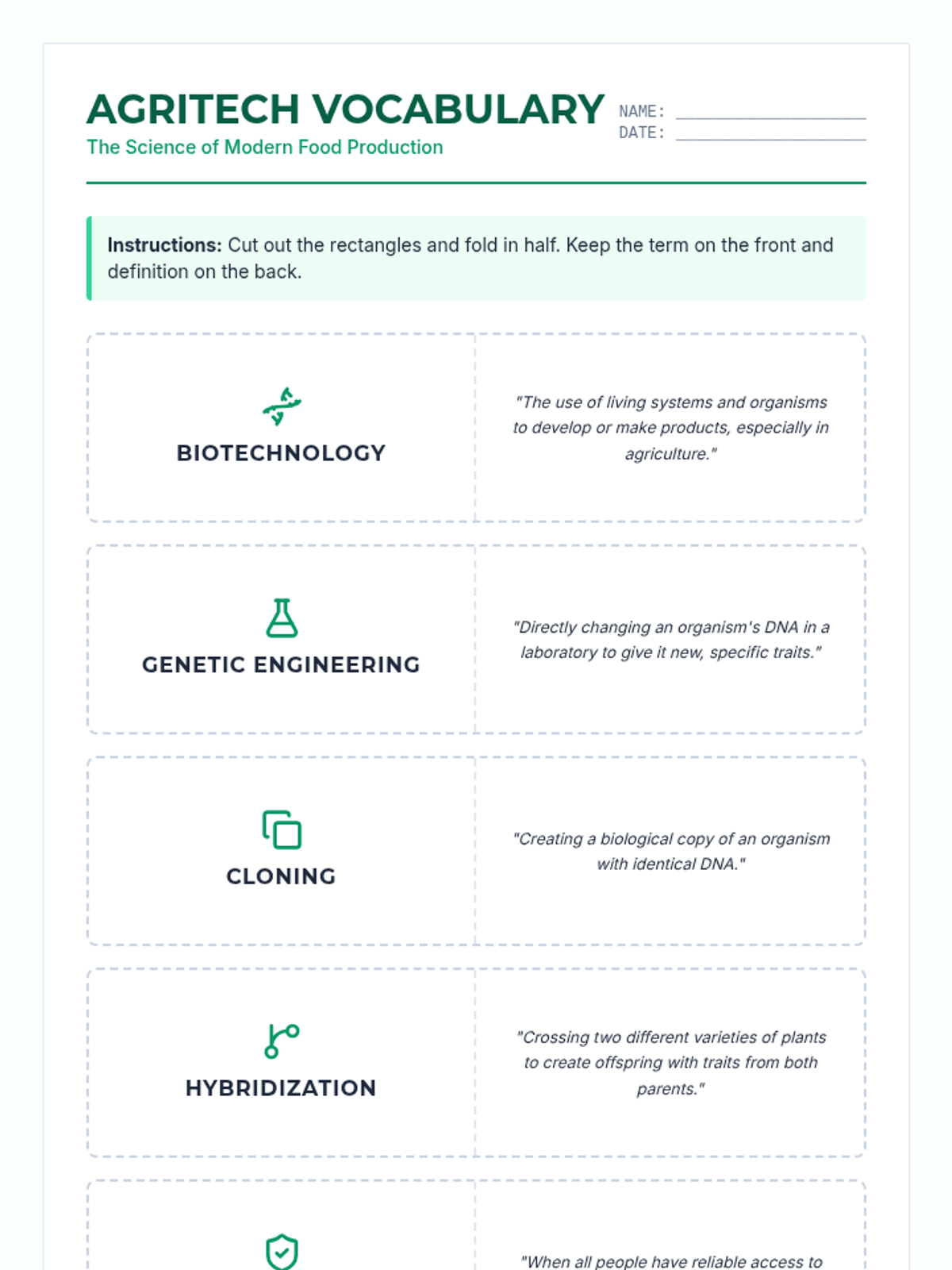
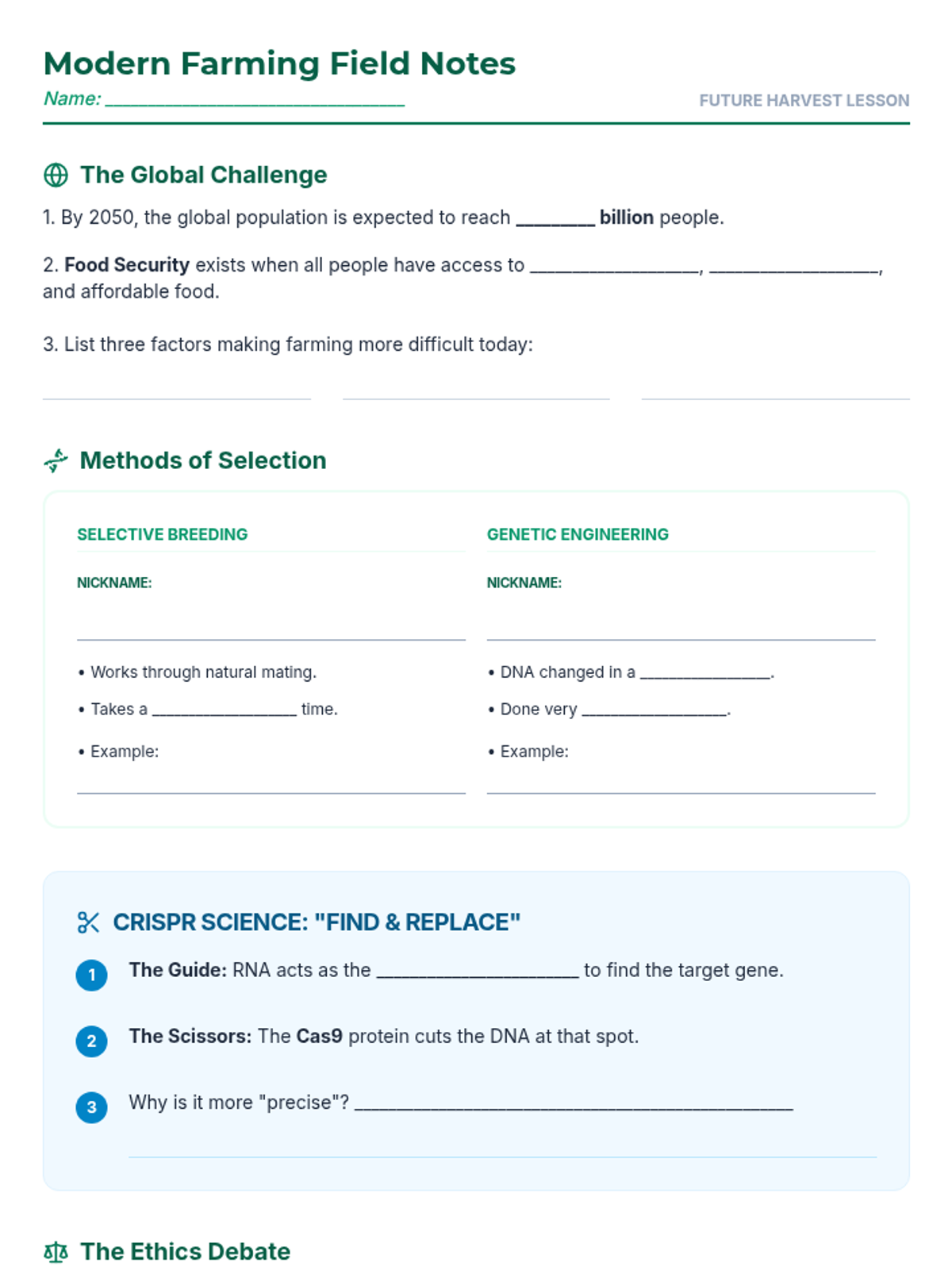
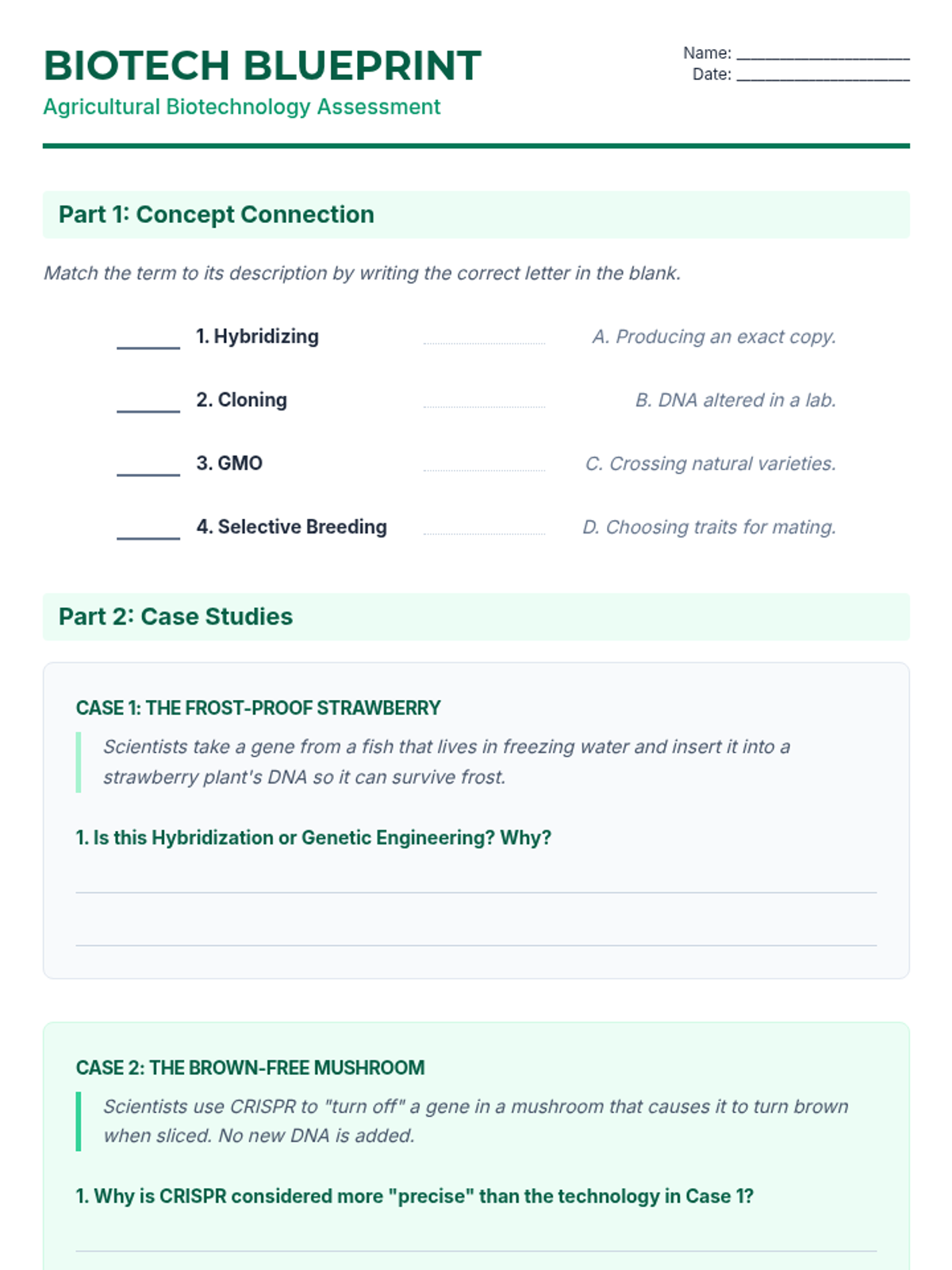
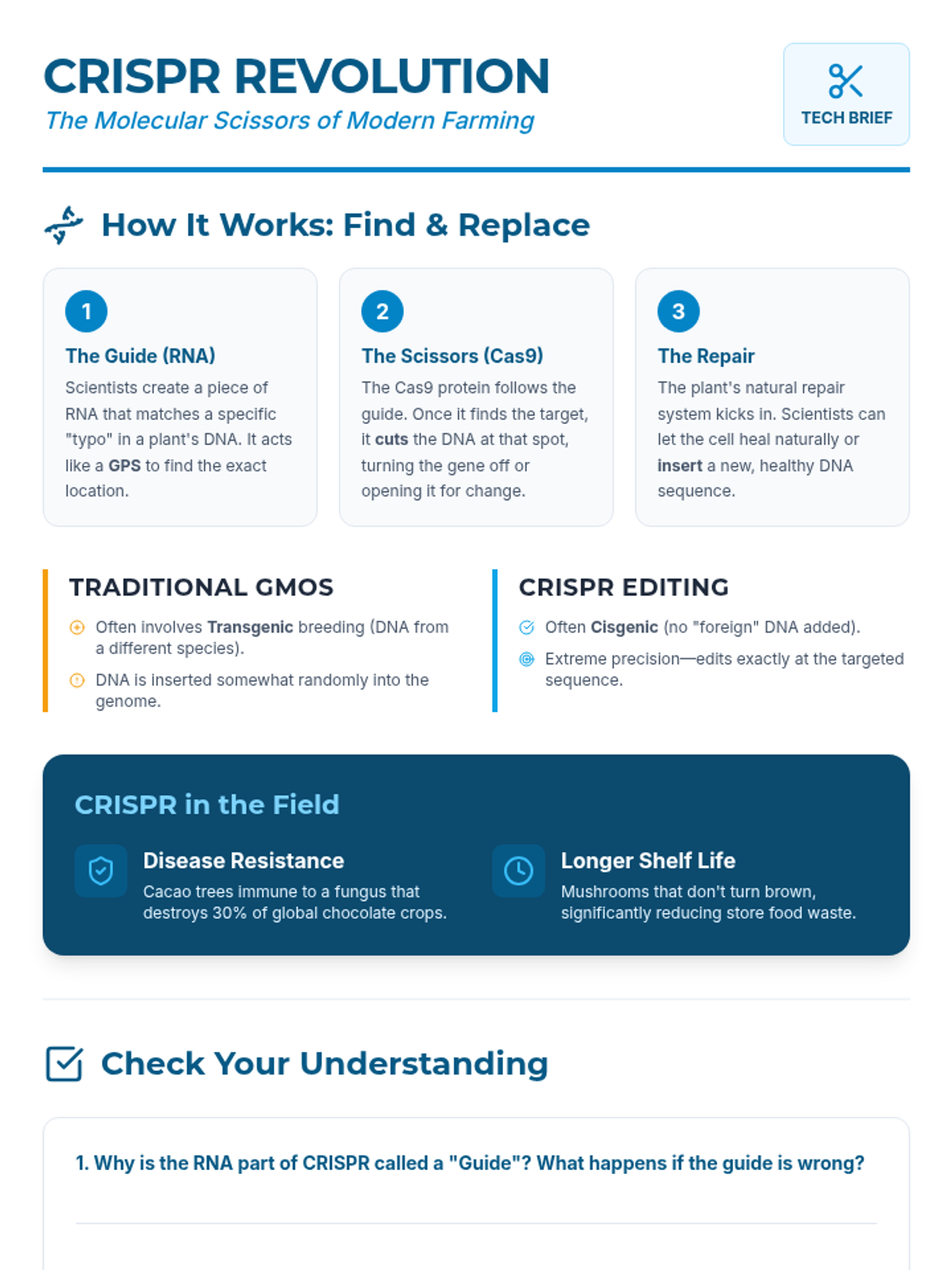
A comprehensive lesson exploring the science, ethics, and environmental impact of biotechnology in modern agriculture, comparing historical breeding methods with genetic engineering.
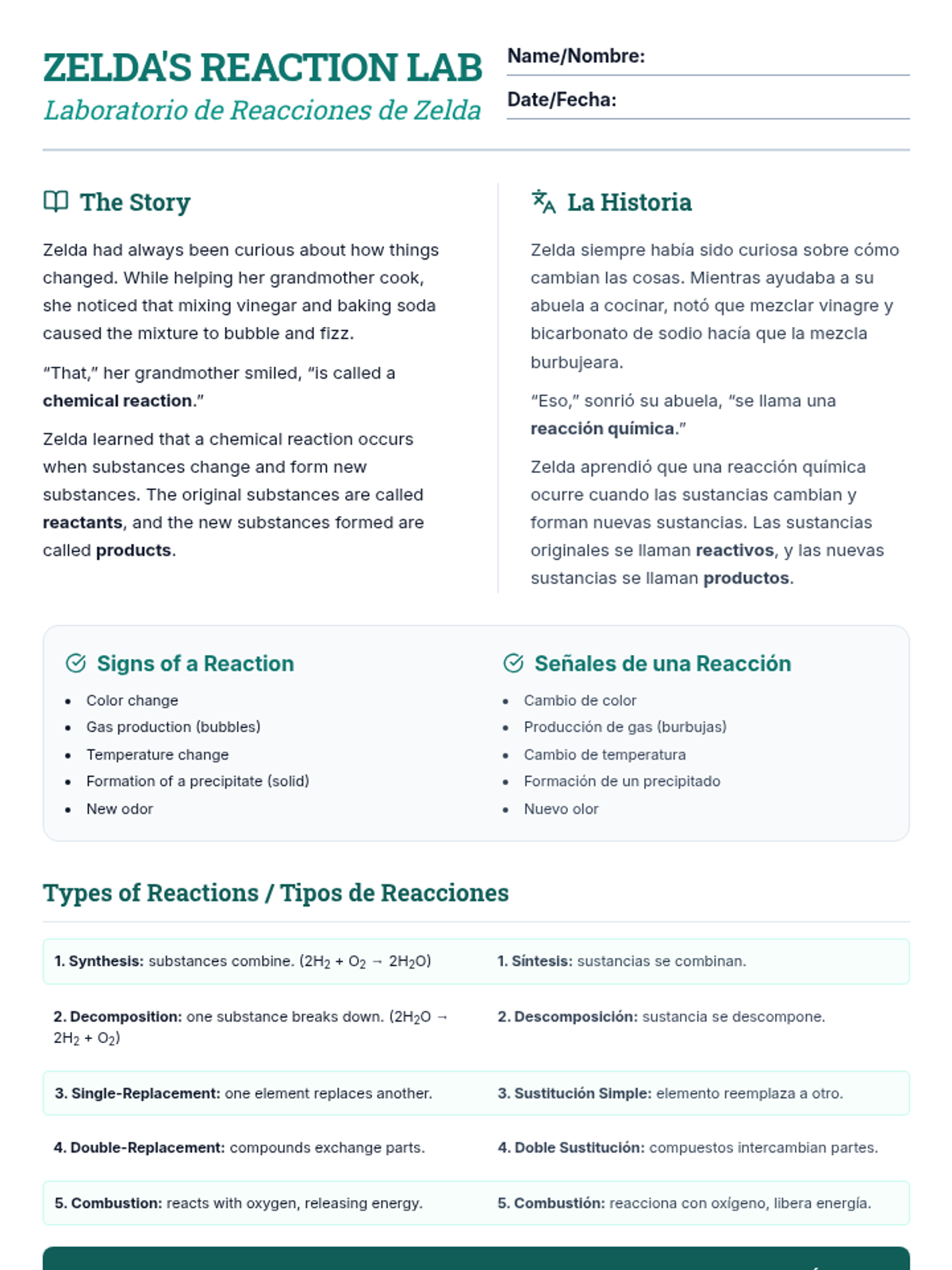
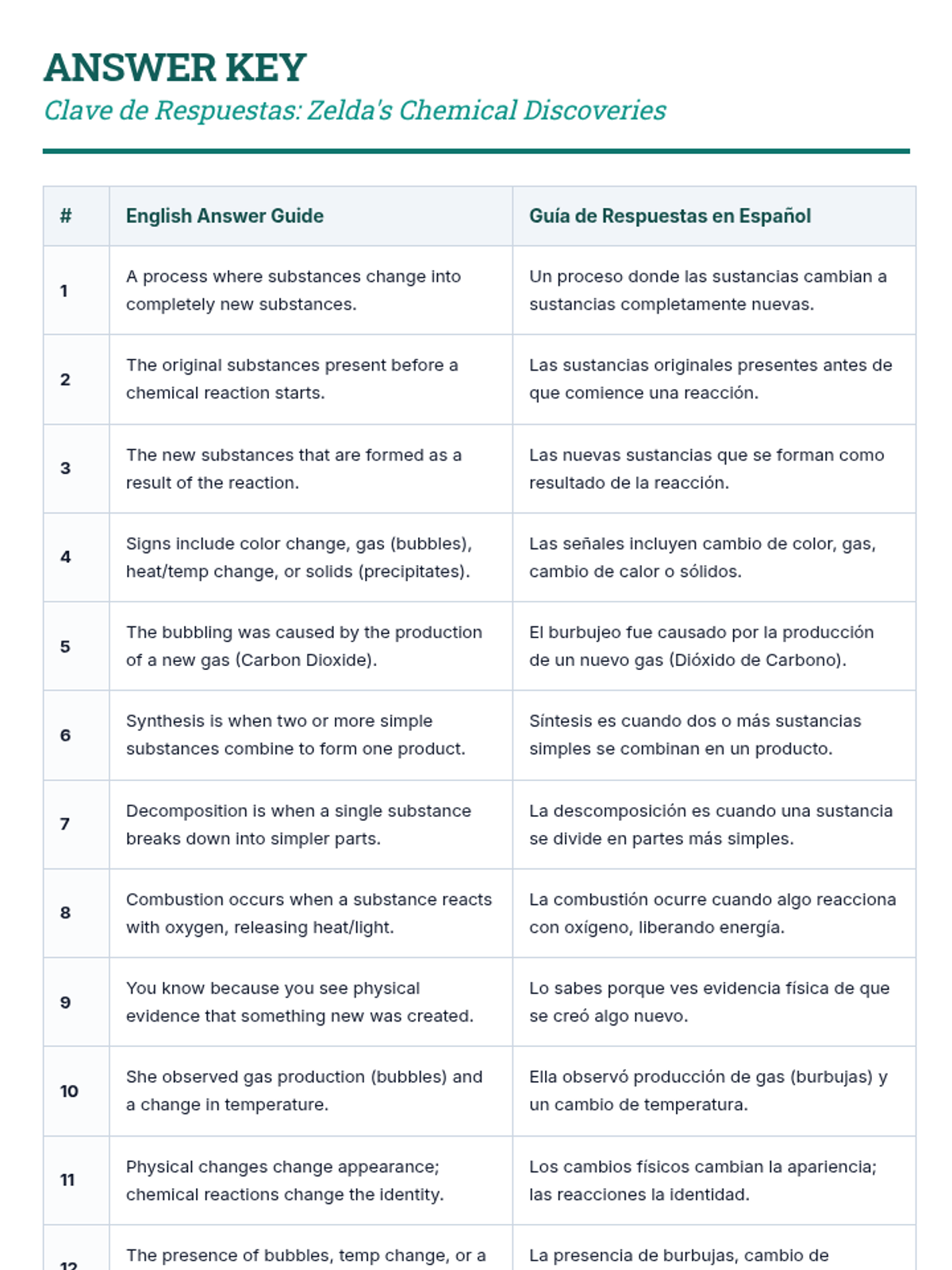
A bilingual (English/Spanish) lesson exploring chemical reactions through a narrative about a girl named Zelda, covering reaction signs, types, and identification.
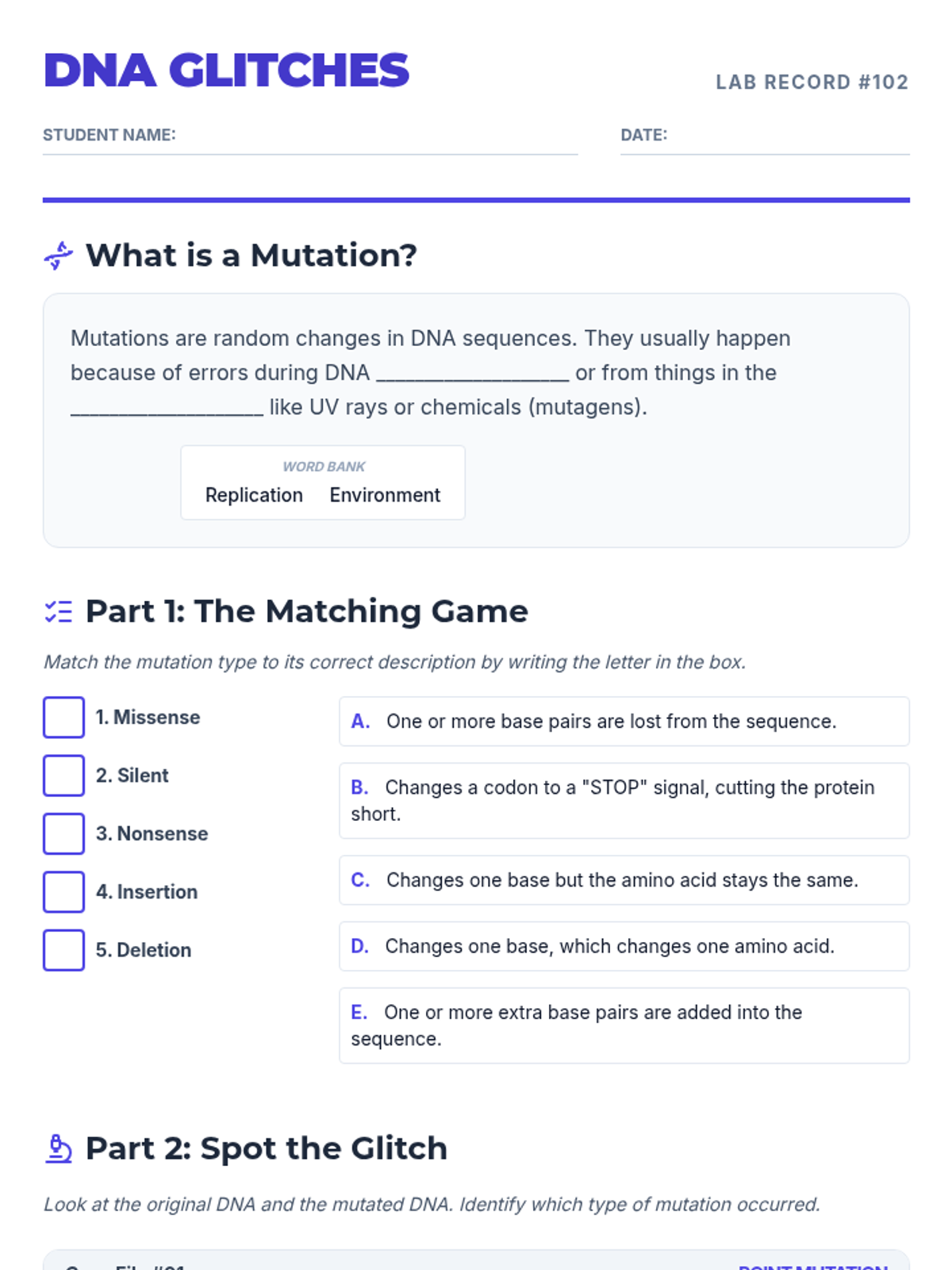
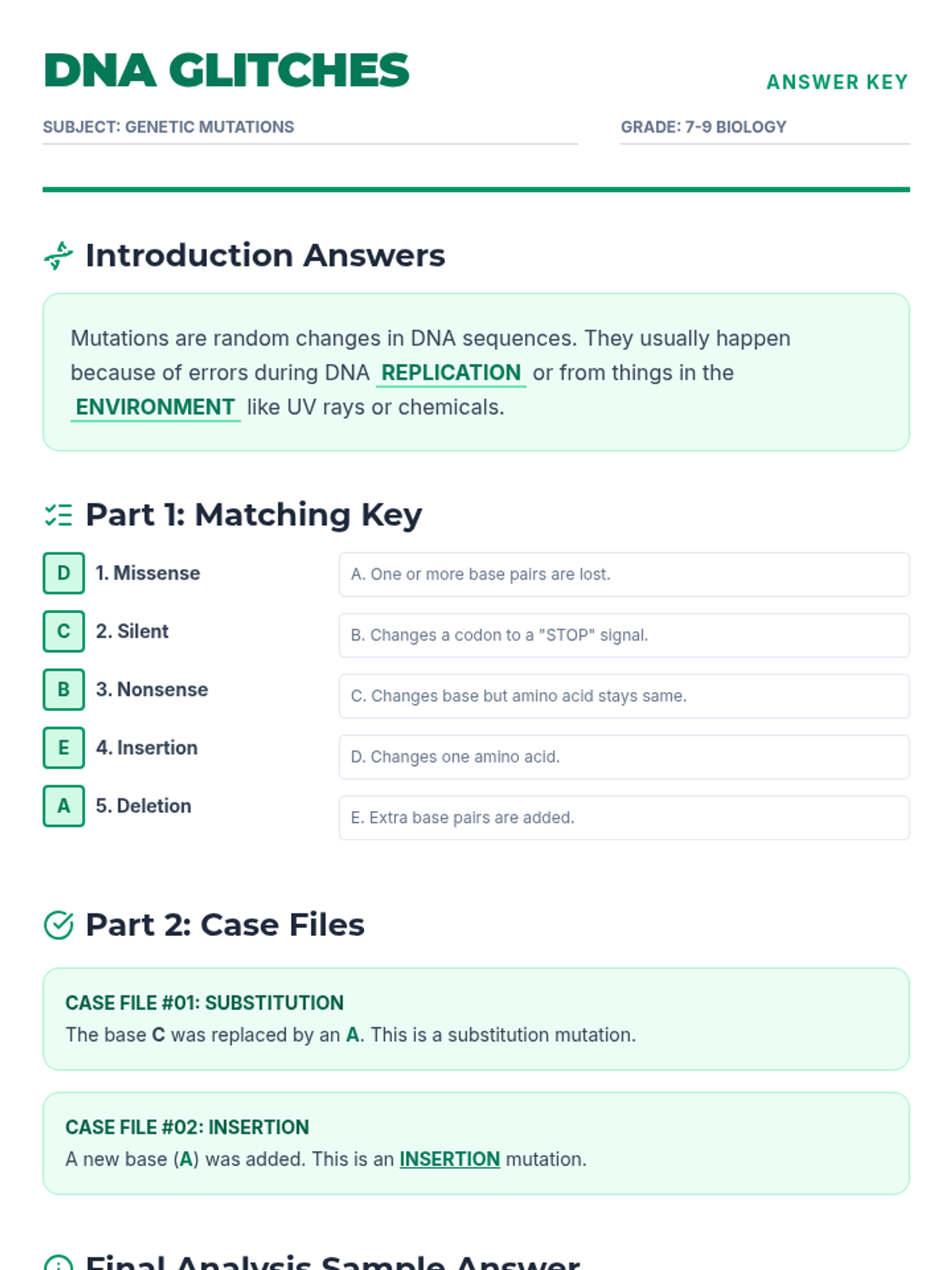
An introductory lesson on genetic mutations, covering point mutations and frameshift mutations, and how they affect protein synthesis.
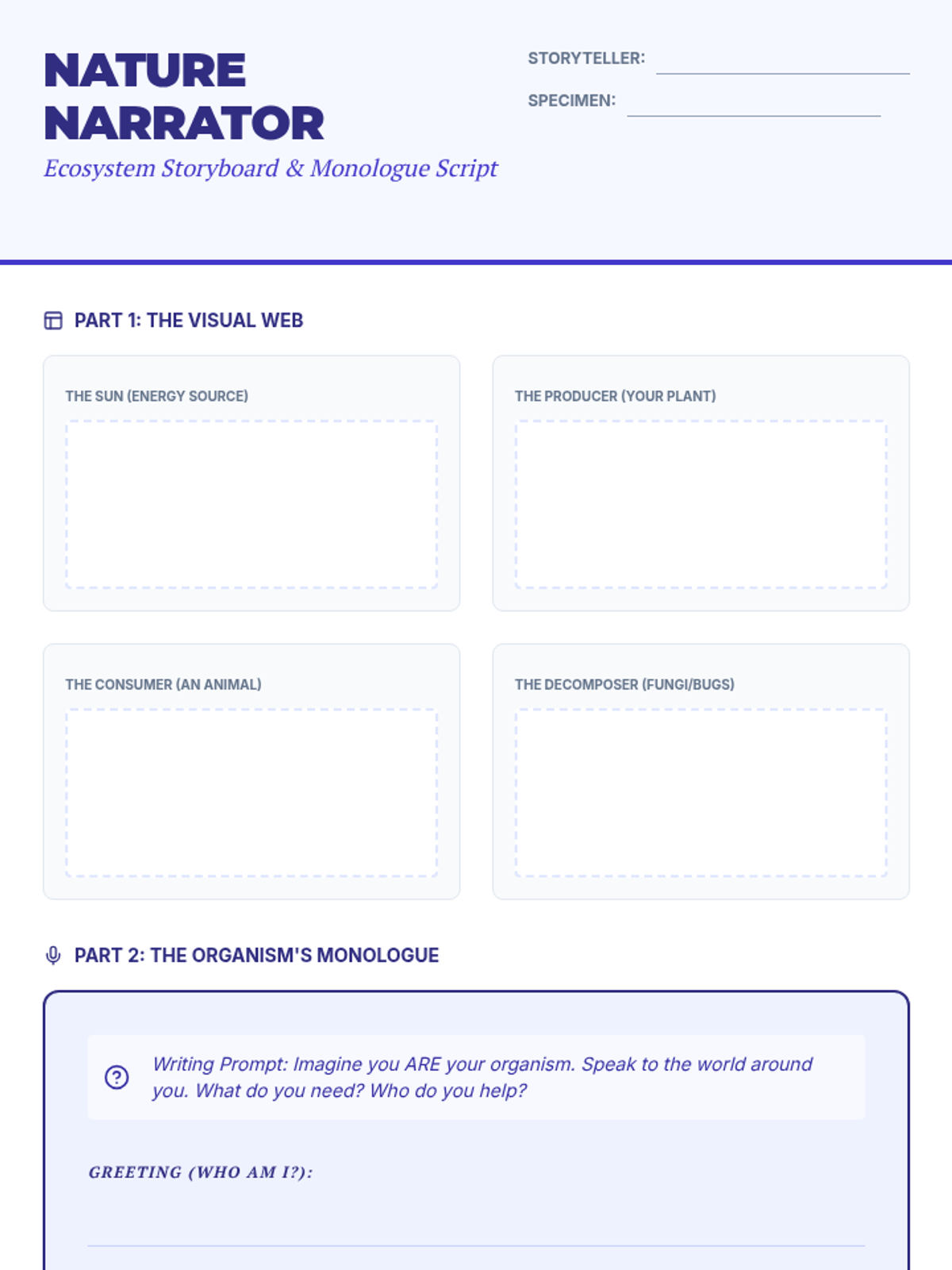
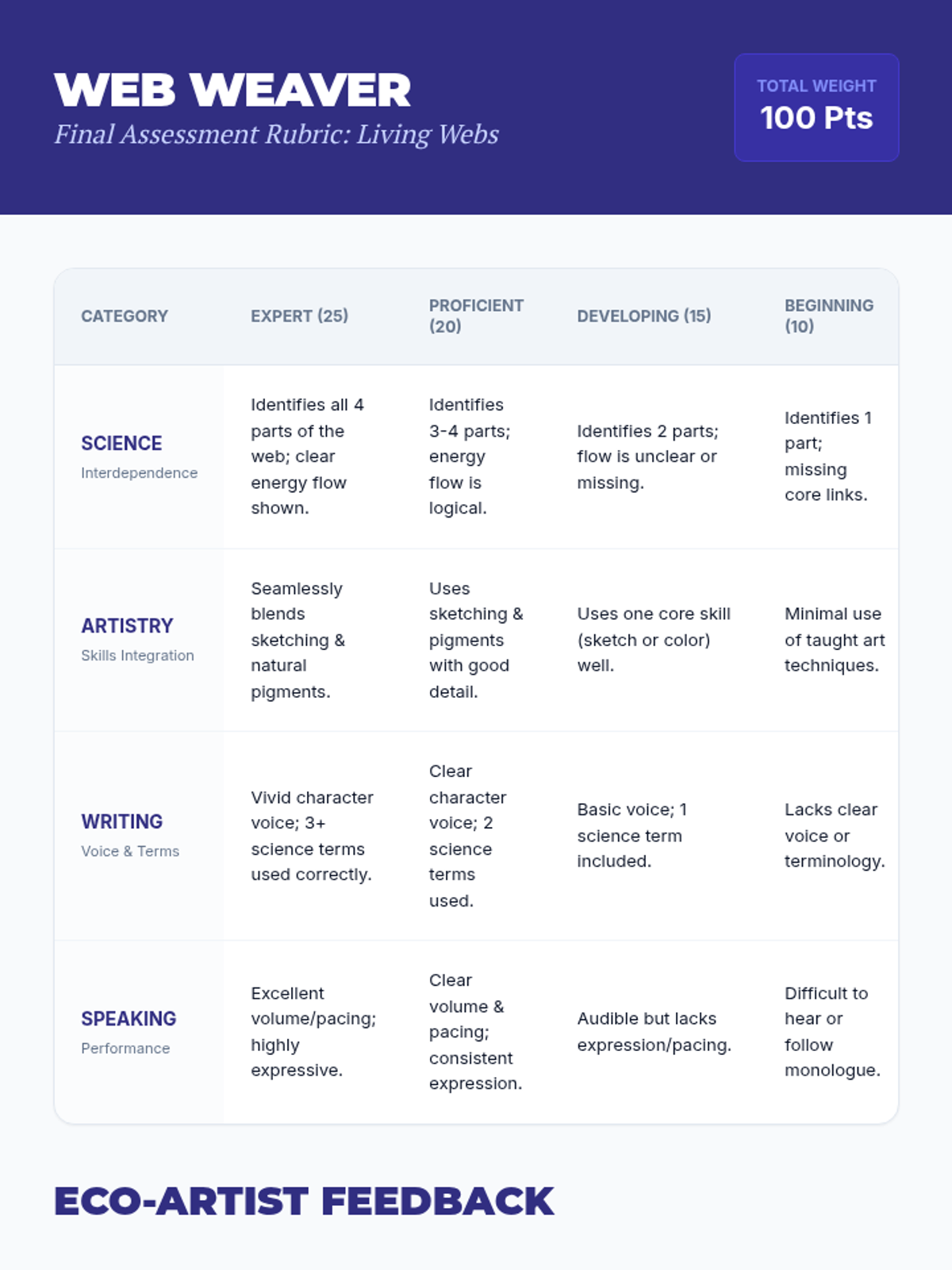
Students synthesize their knowledge of ecosystems to create narrative art pieces that tell the story of interdependence in the natural world.
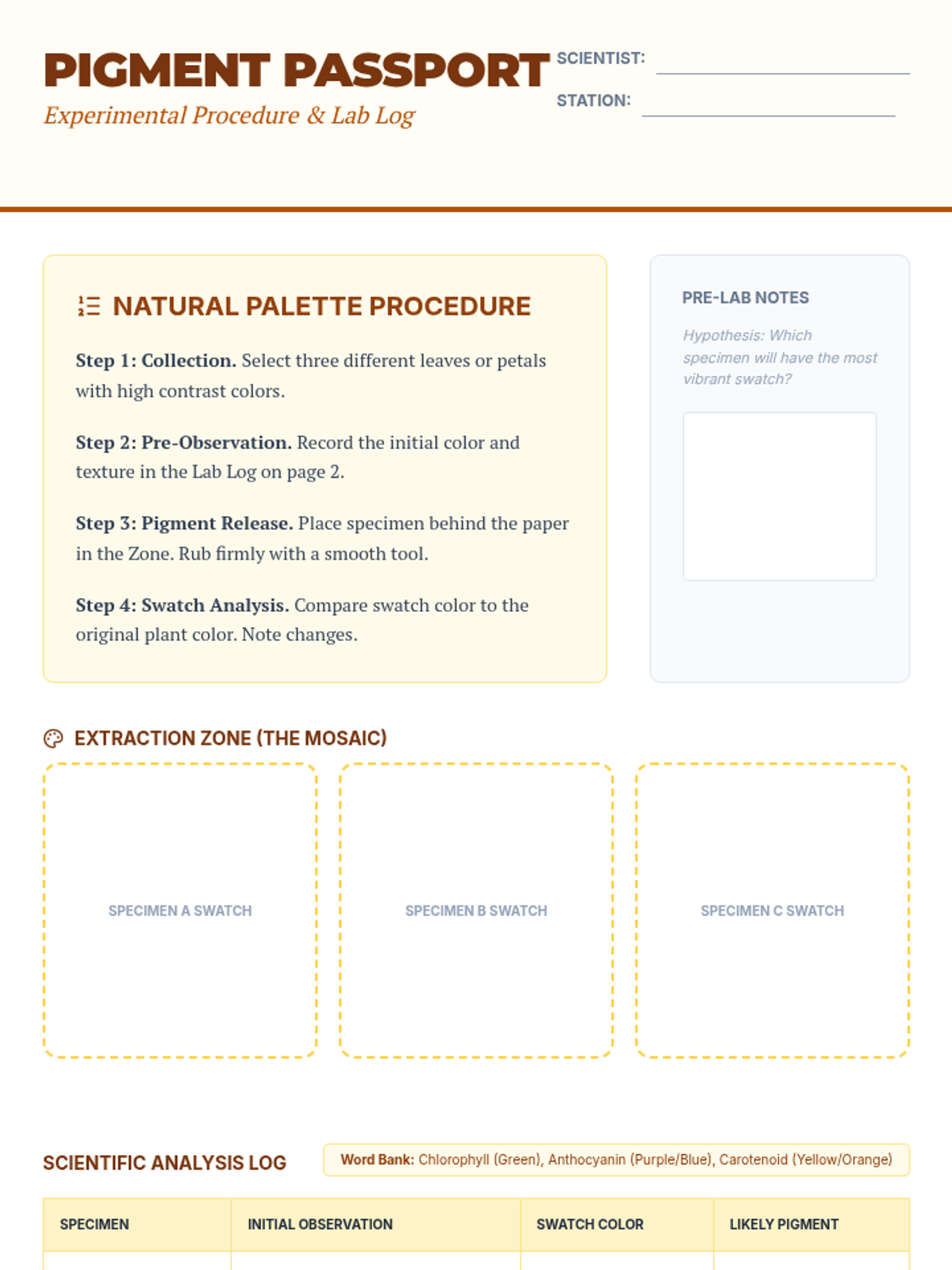
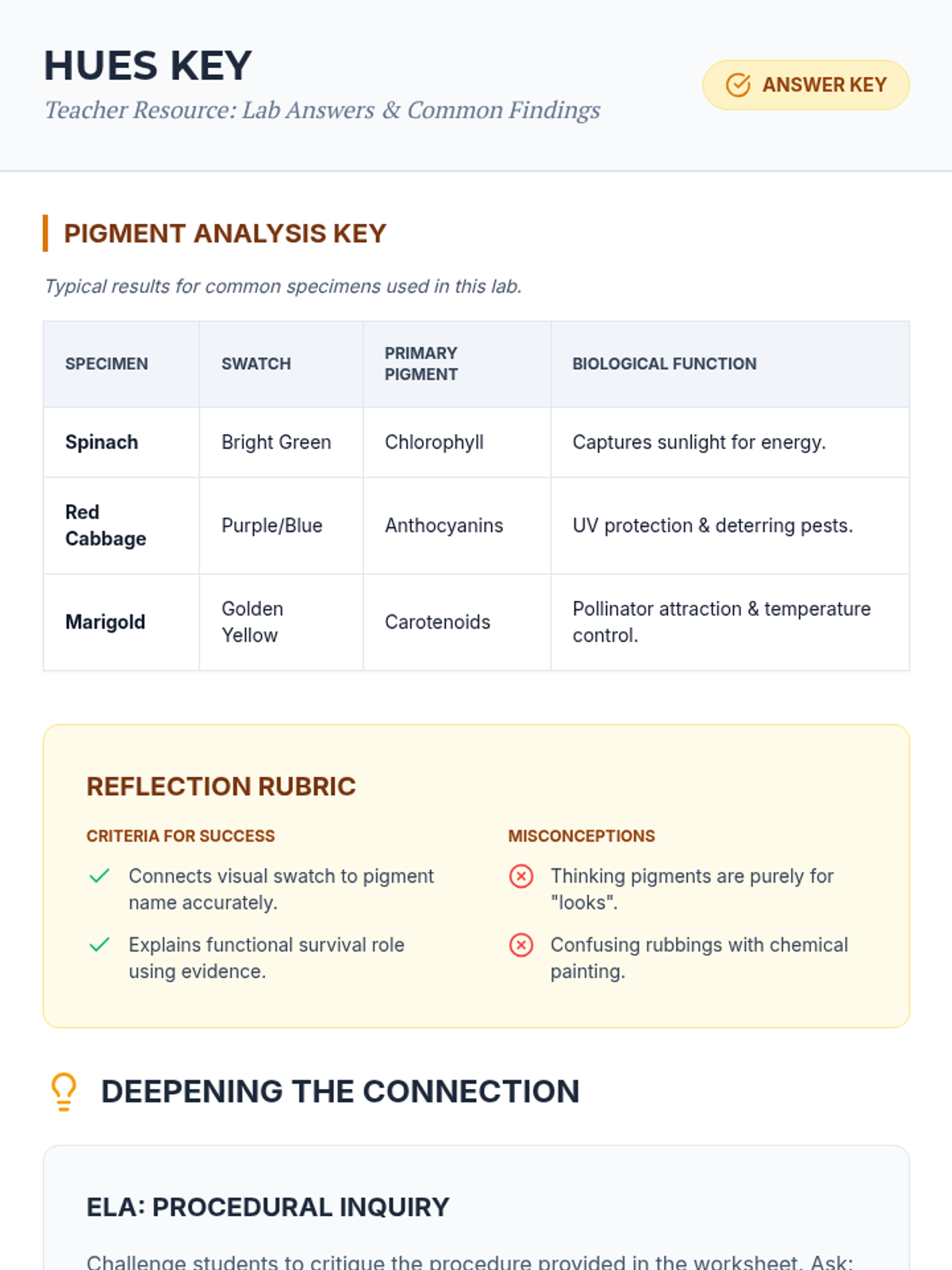
An exploration into the chemistry of natural pigments, where students follow procedures to extract colors and document their experimental process.
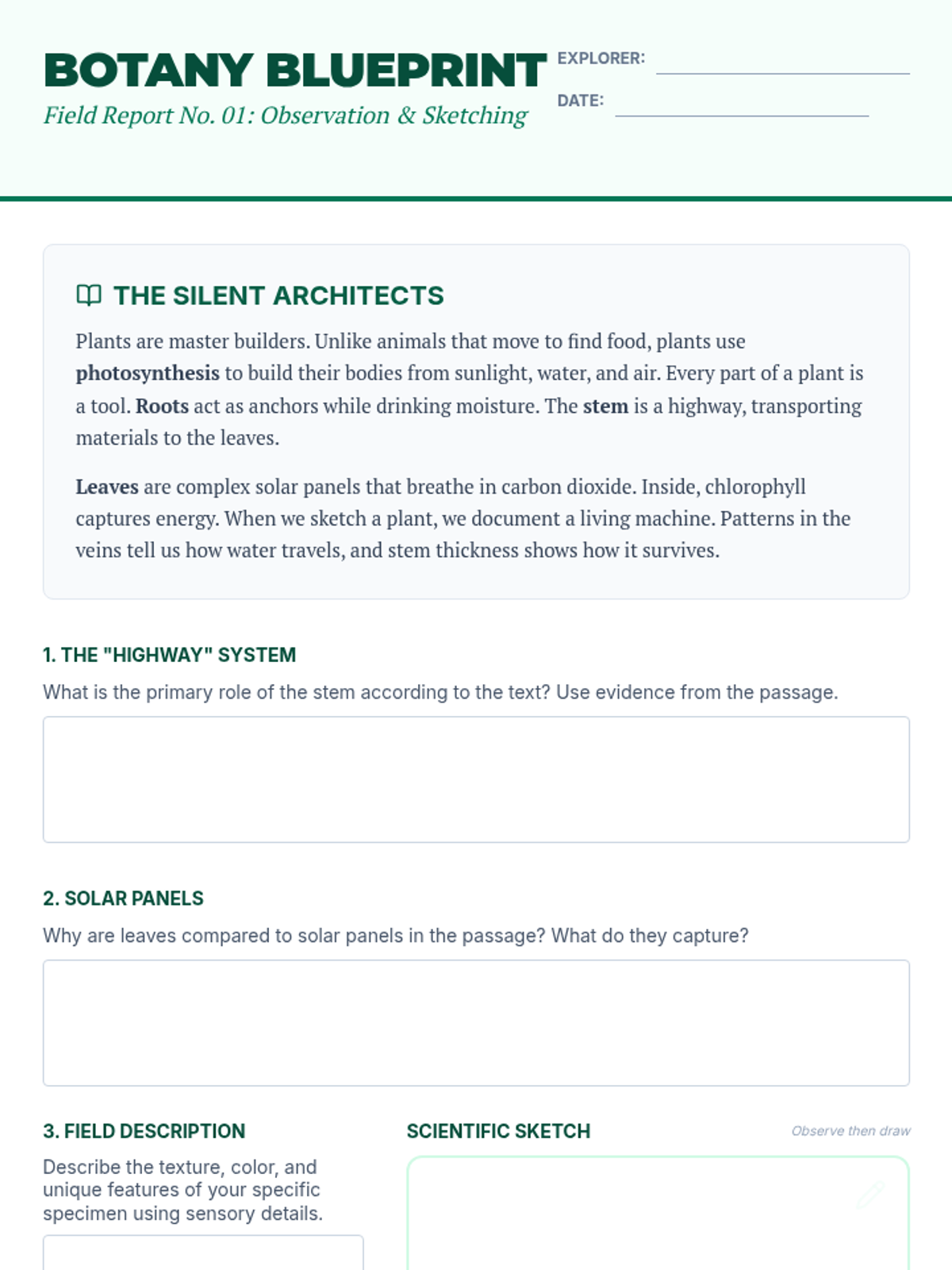
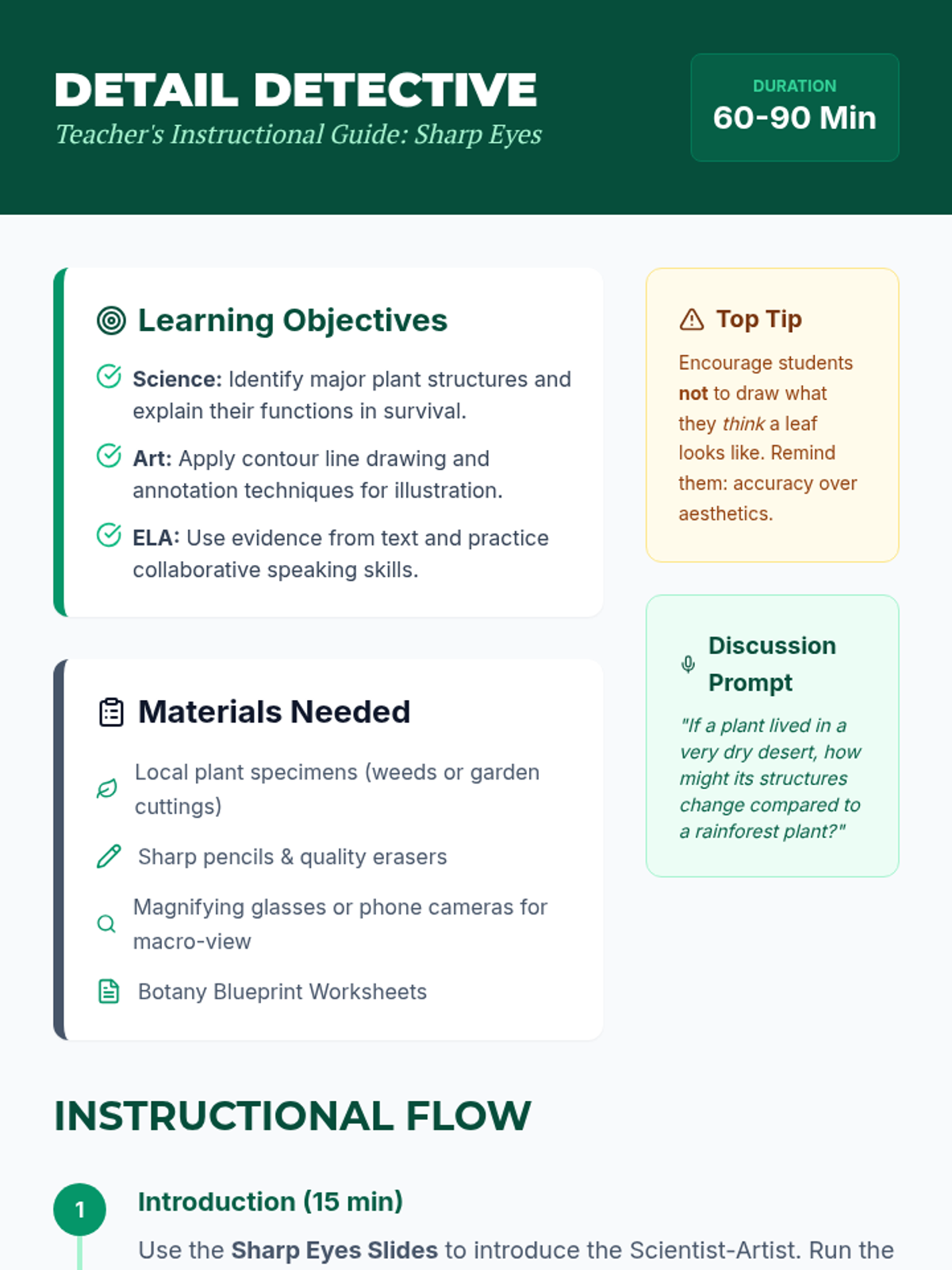
Students learn the art of botanical illustration by observing plant structures and recording their findings with scientific precision and artistic flair.
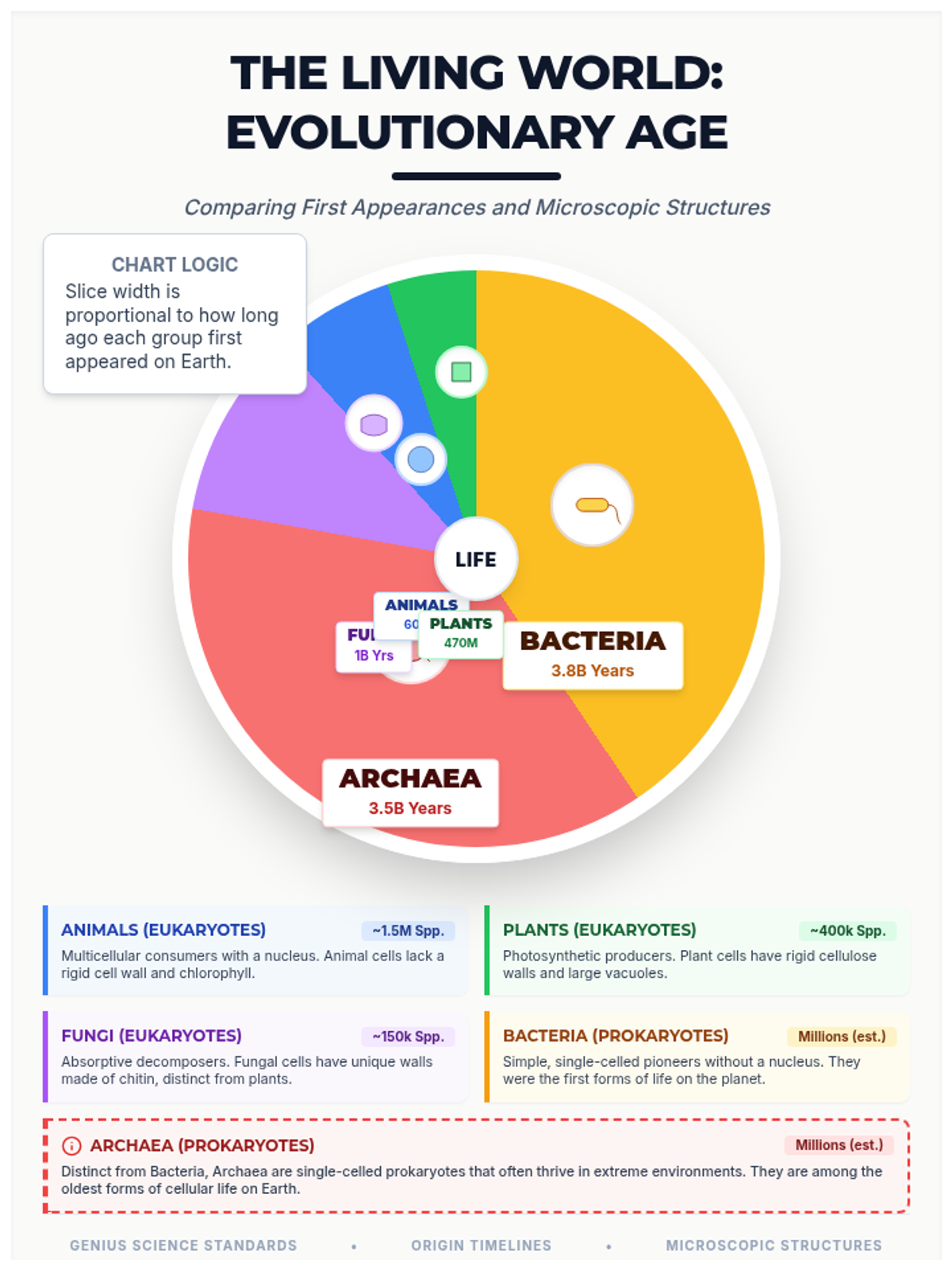
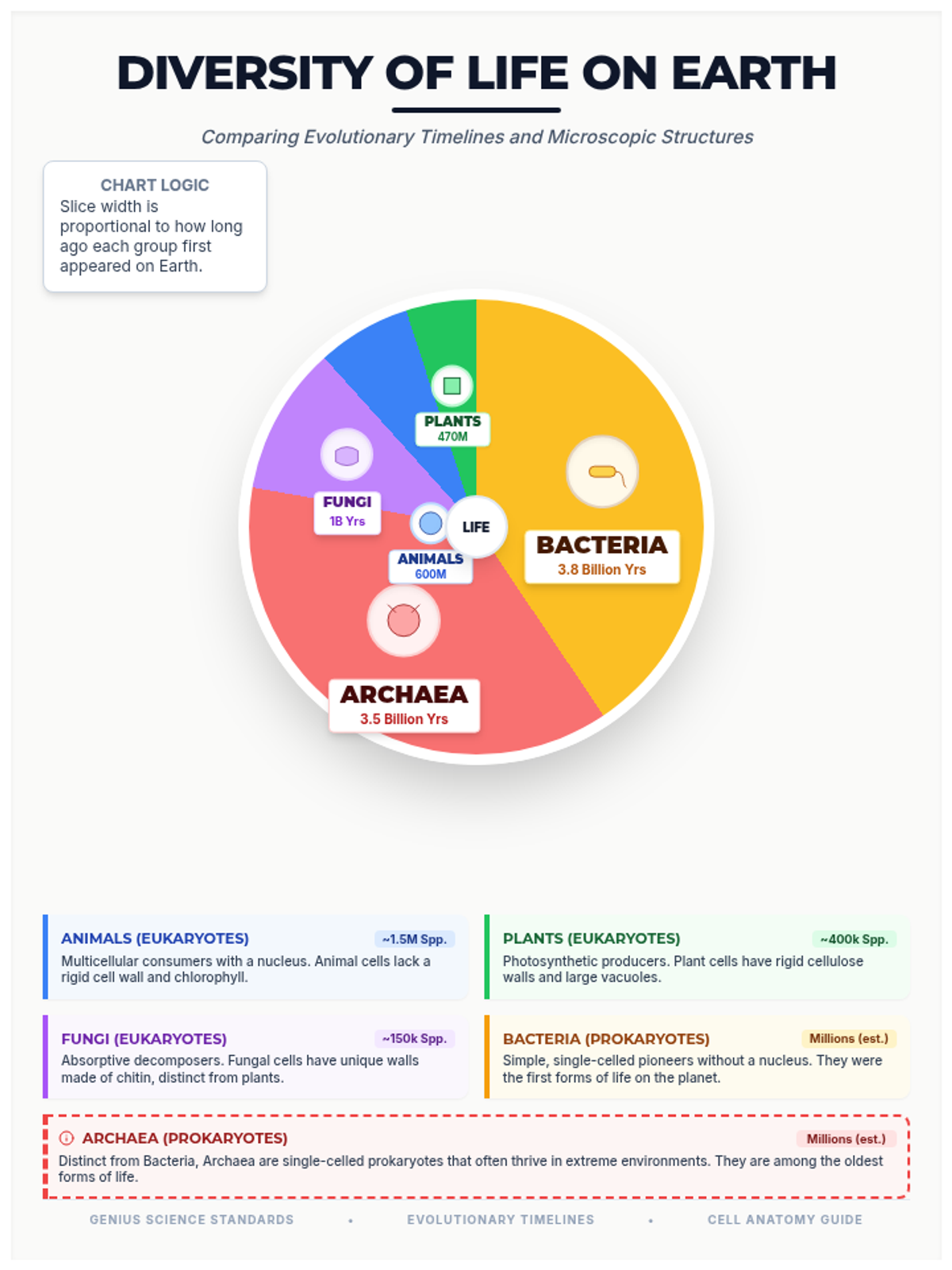
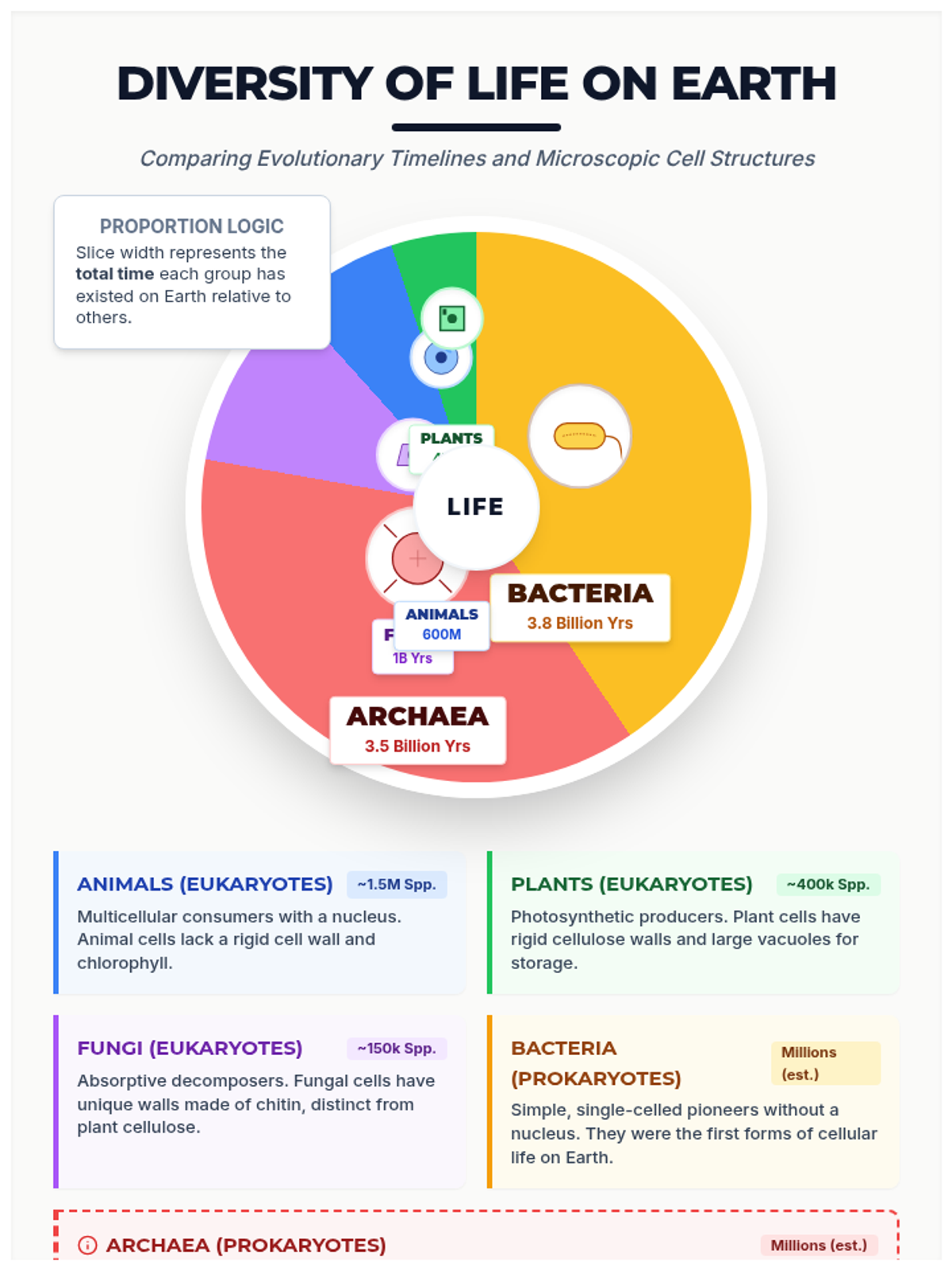
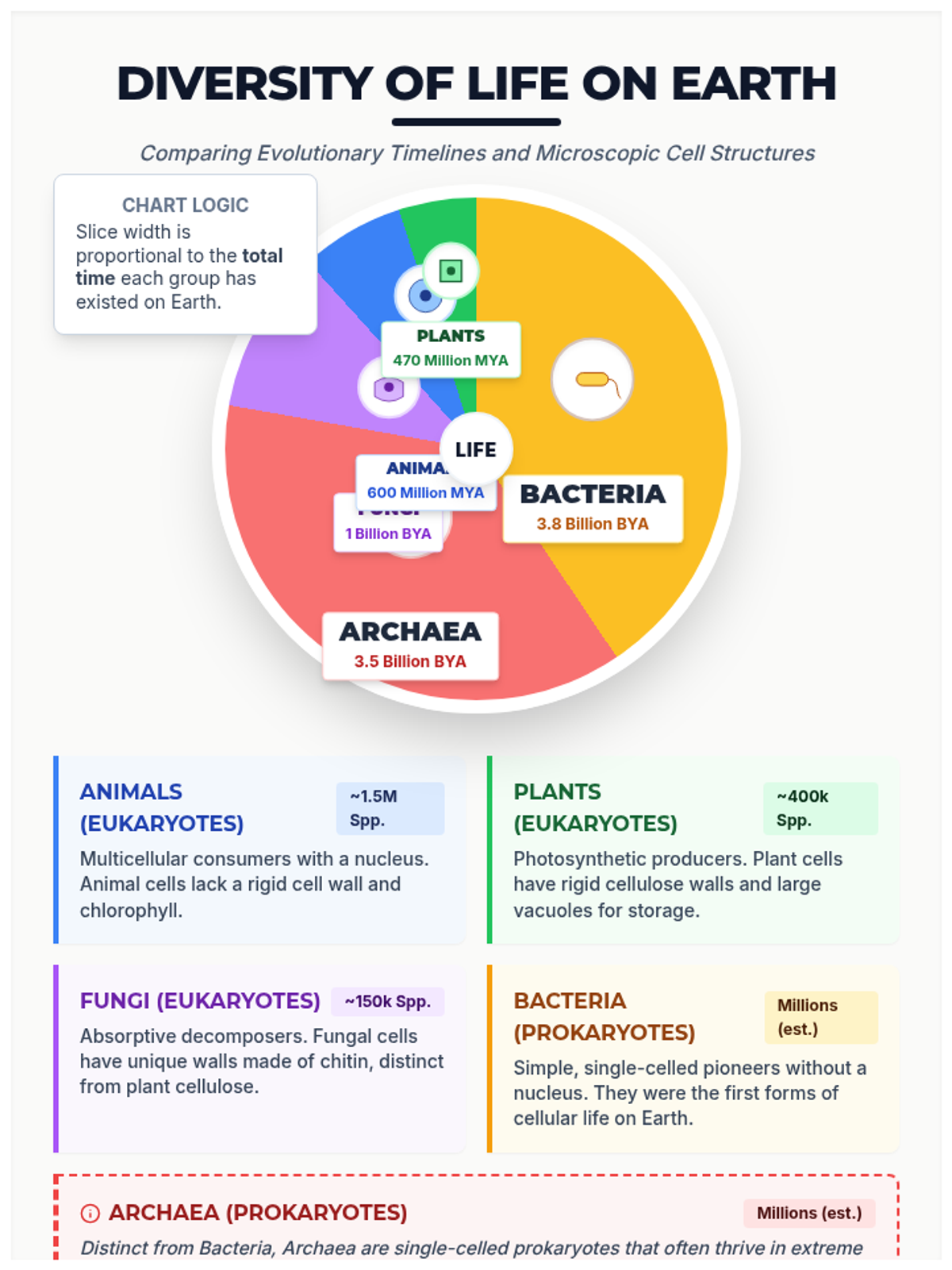
Explore the classification of life through the 5 Kingdoms: Animals, Plants, Fungi, Bacteria, and Viruses. Students will learn the key characteristics that define each group and discuss the unique biological status of viruses.
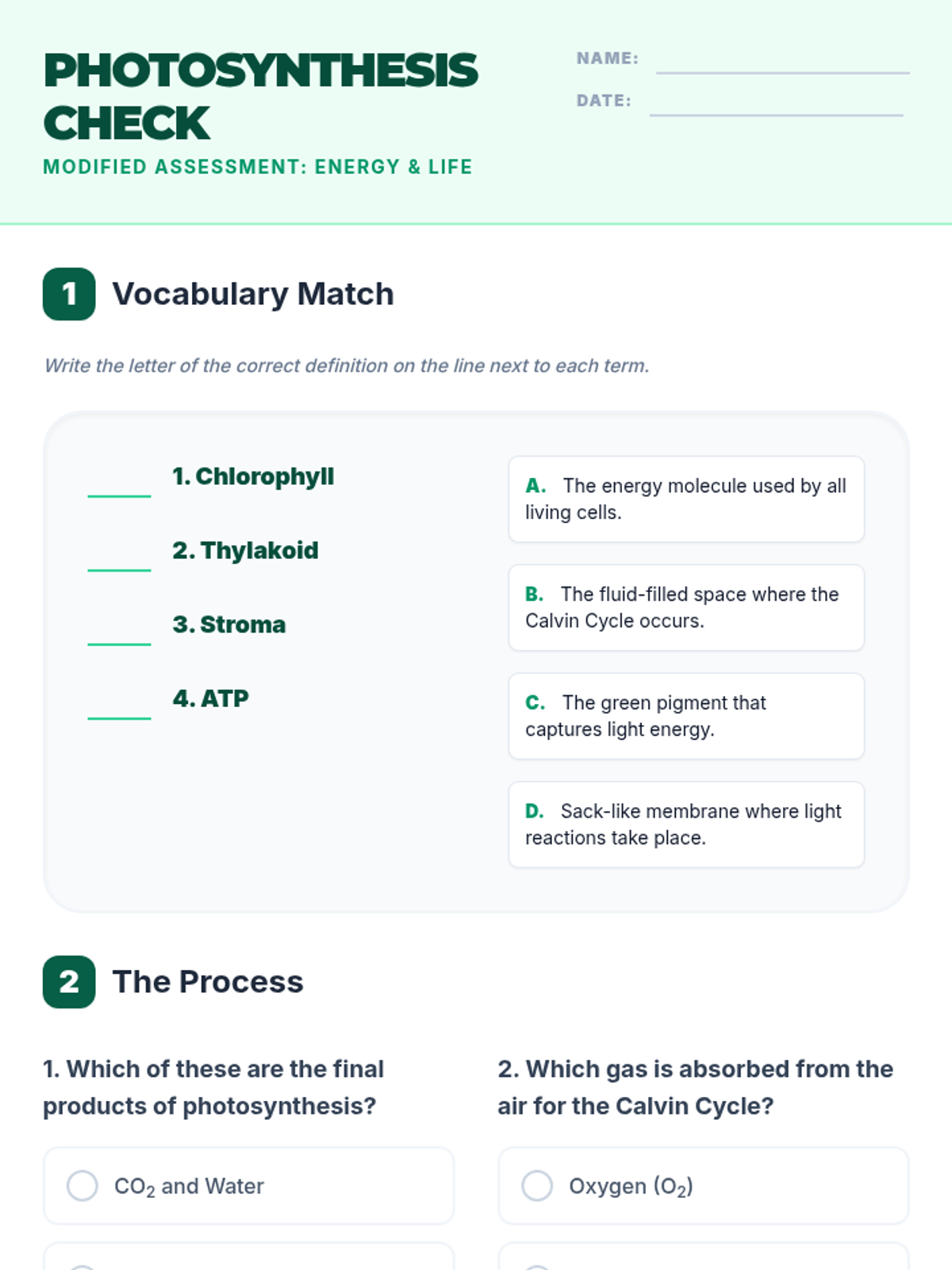
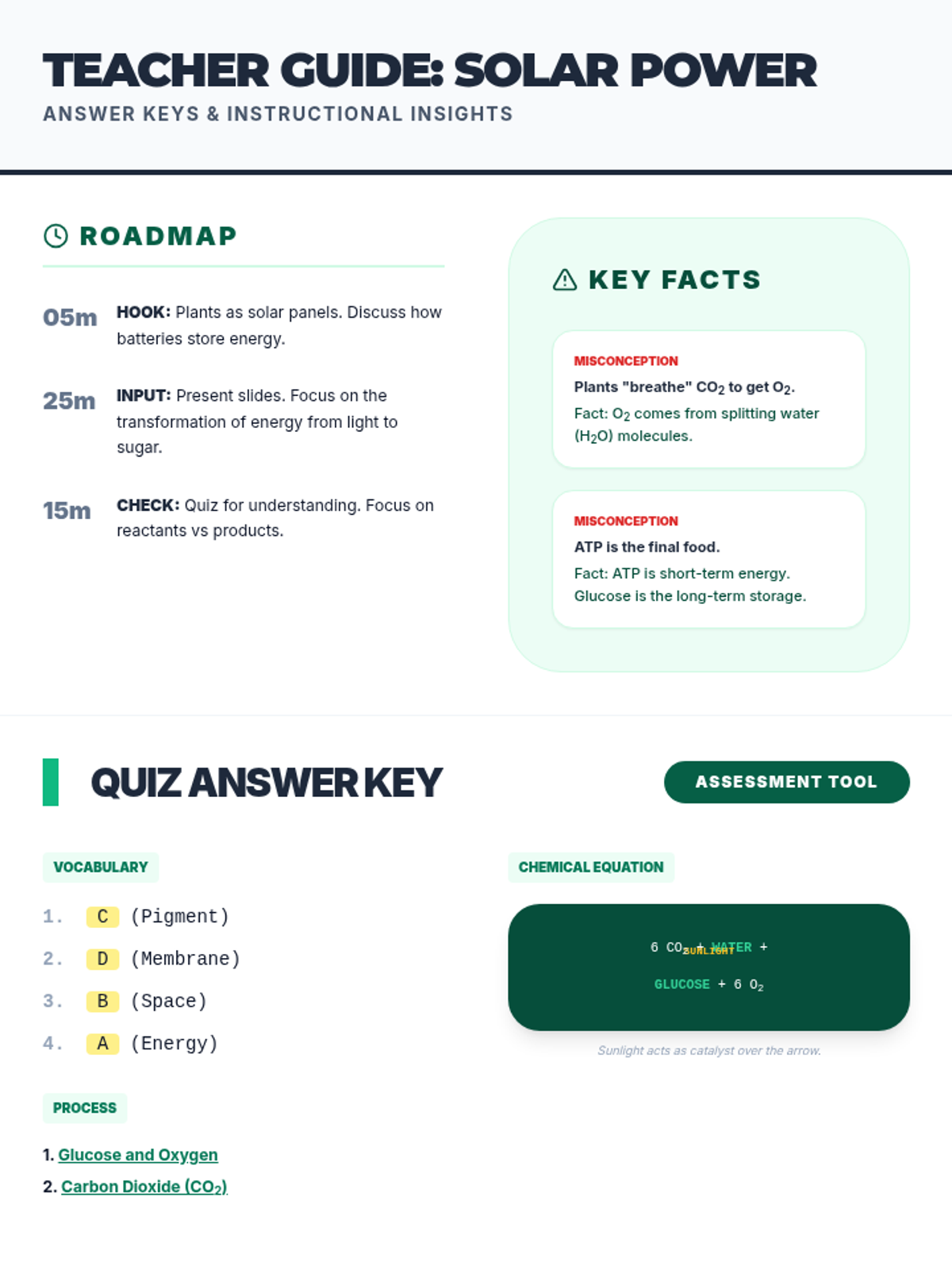
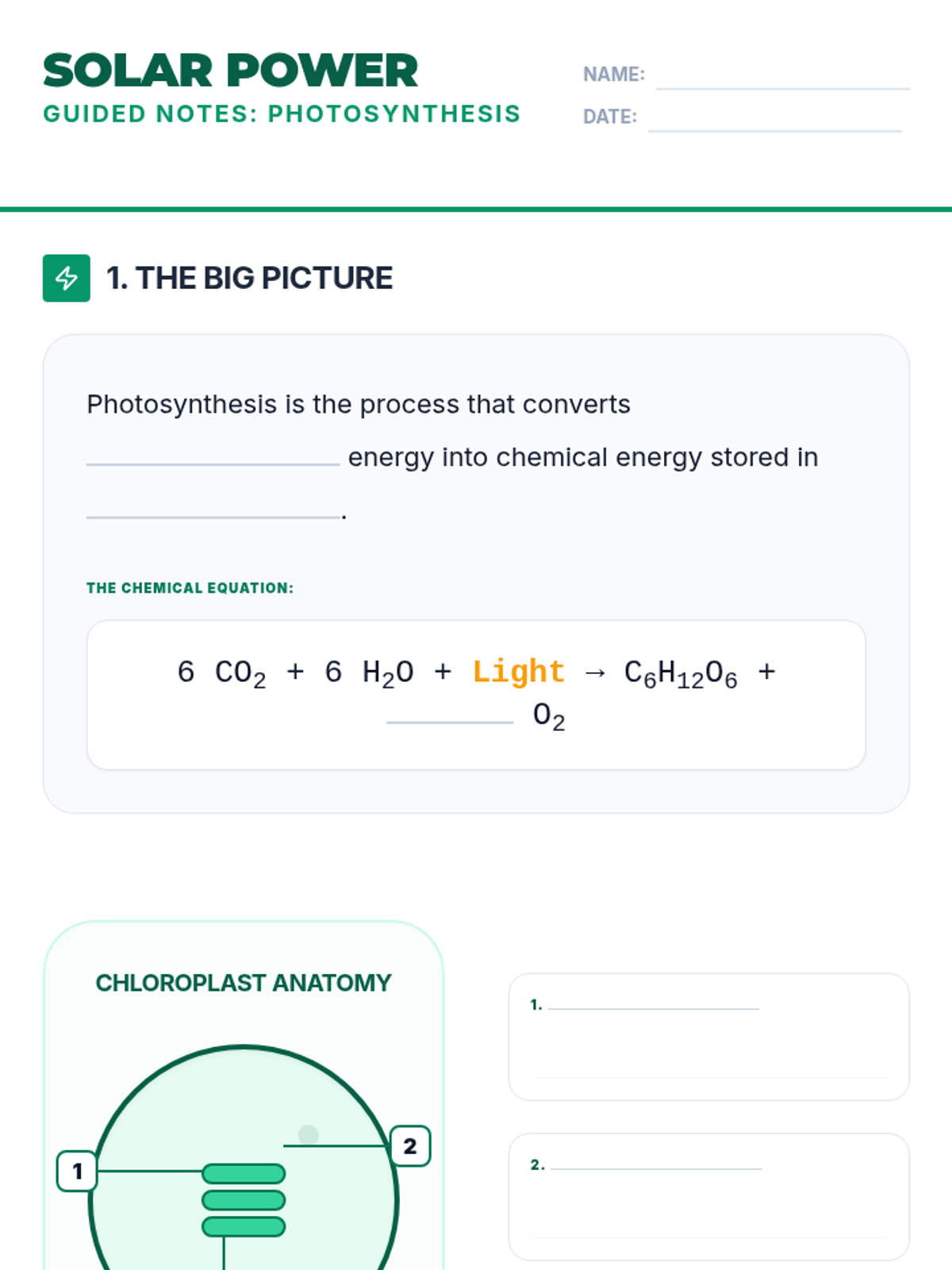
A comprehensive dive into photosynthesis, covering chloroplast anatomy, the light-dependent and light-independent reactions, and the flow of energy through ATP and NADPH.
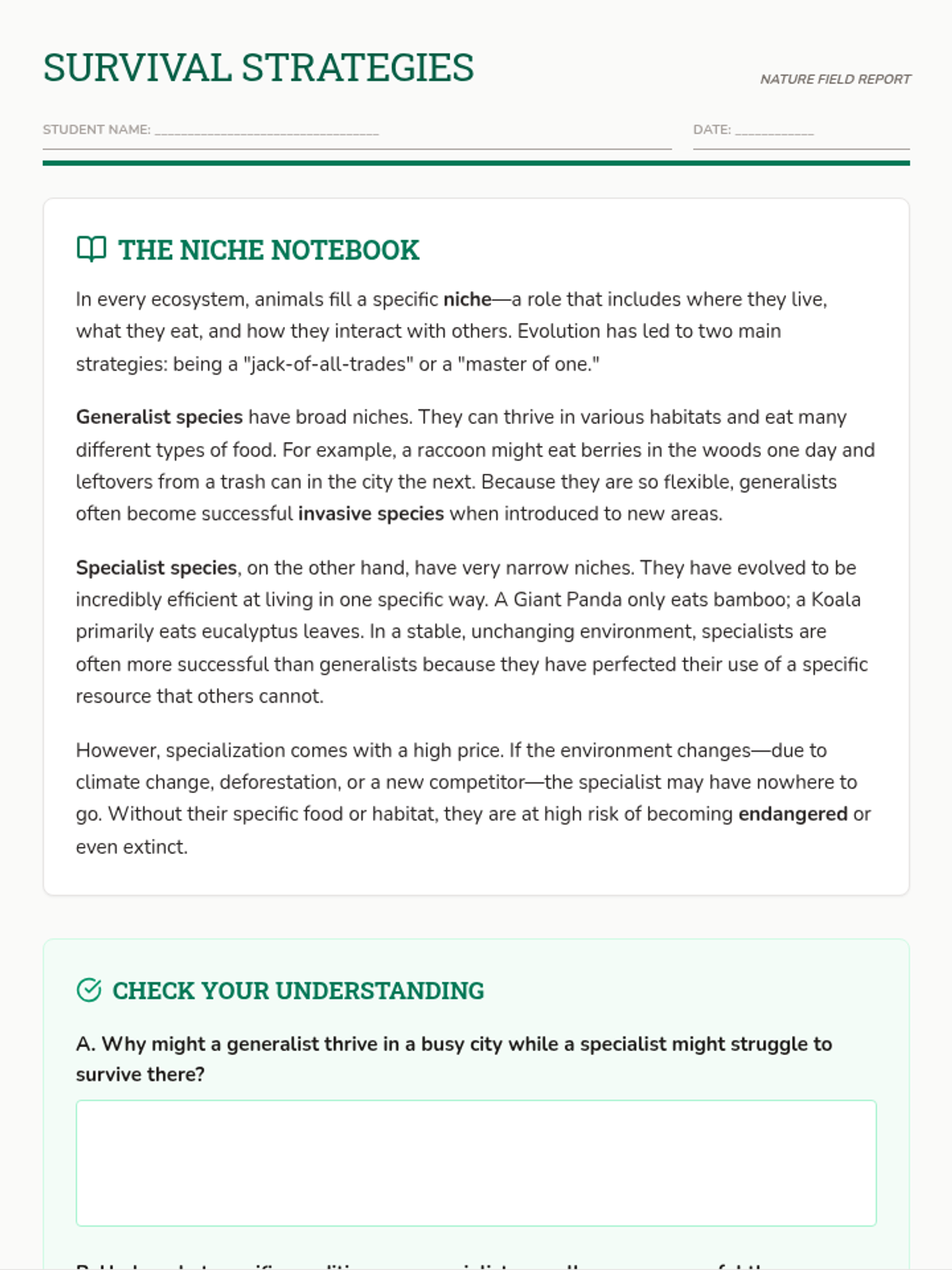
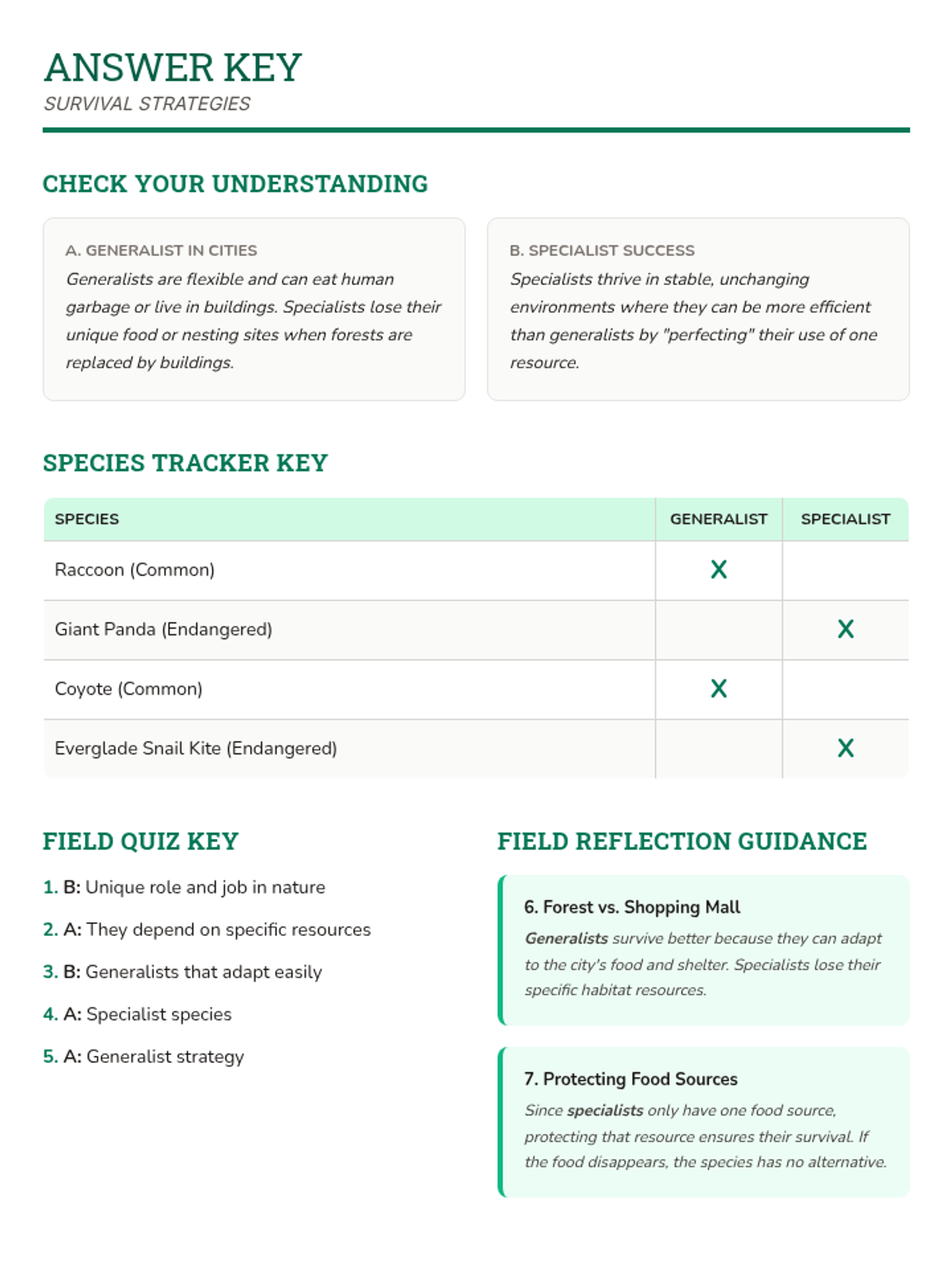
A lesson exploring the differences between generalist and specialist species, focusing on how their niches affect their survival and impact on ecosystems.
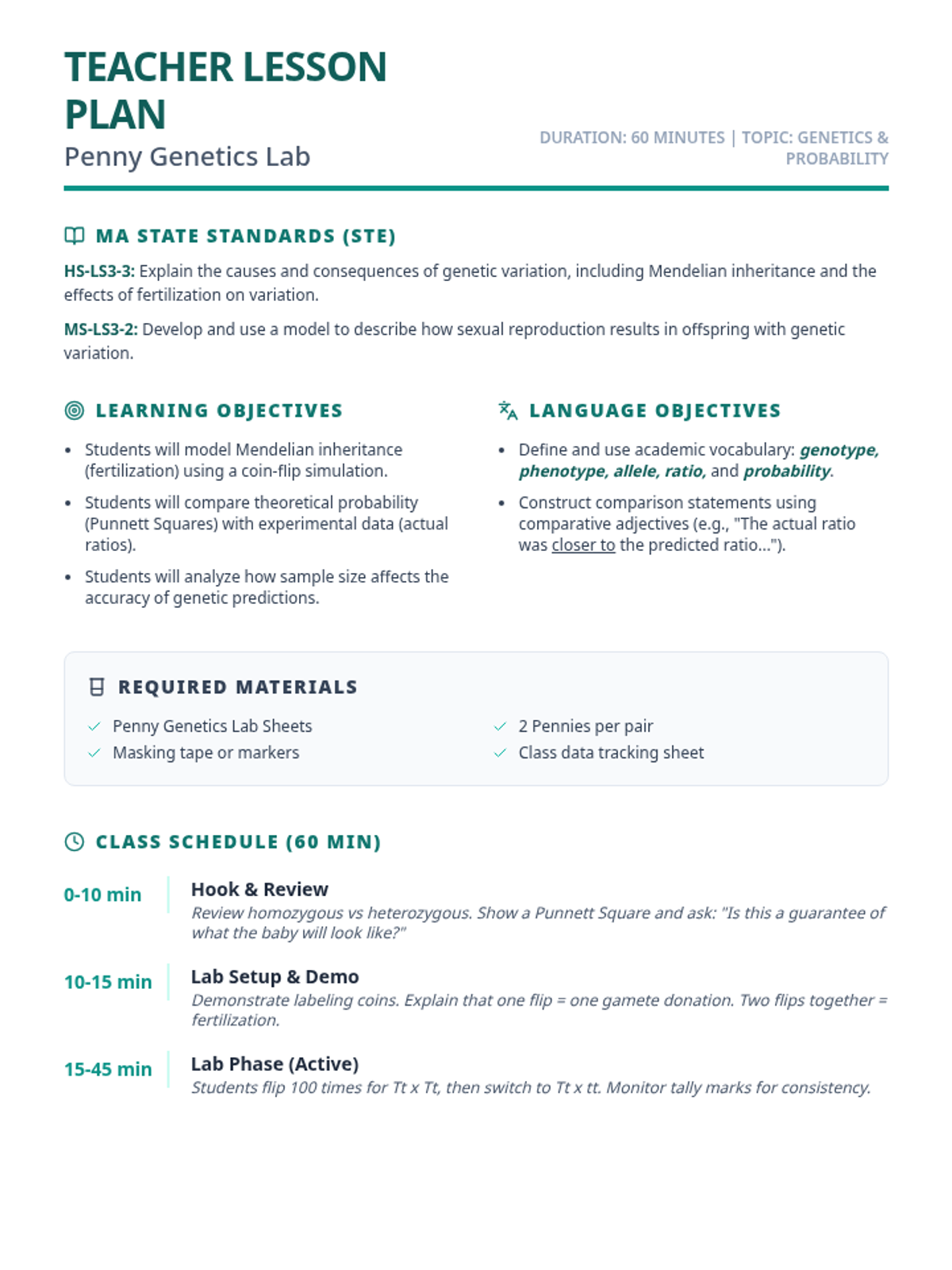
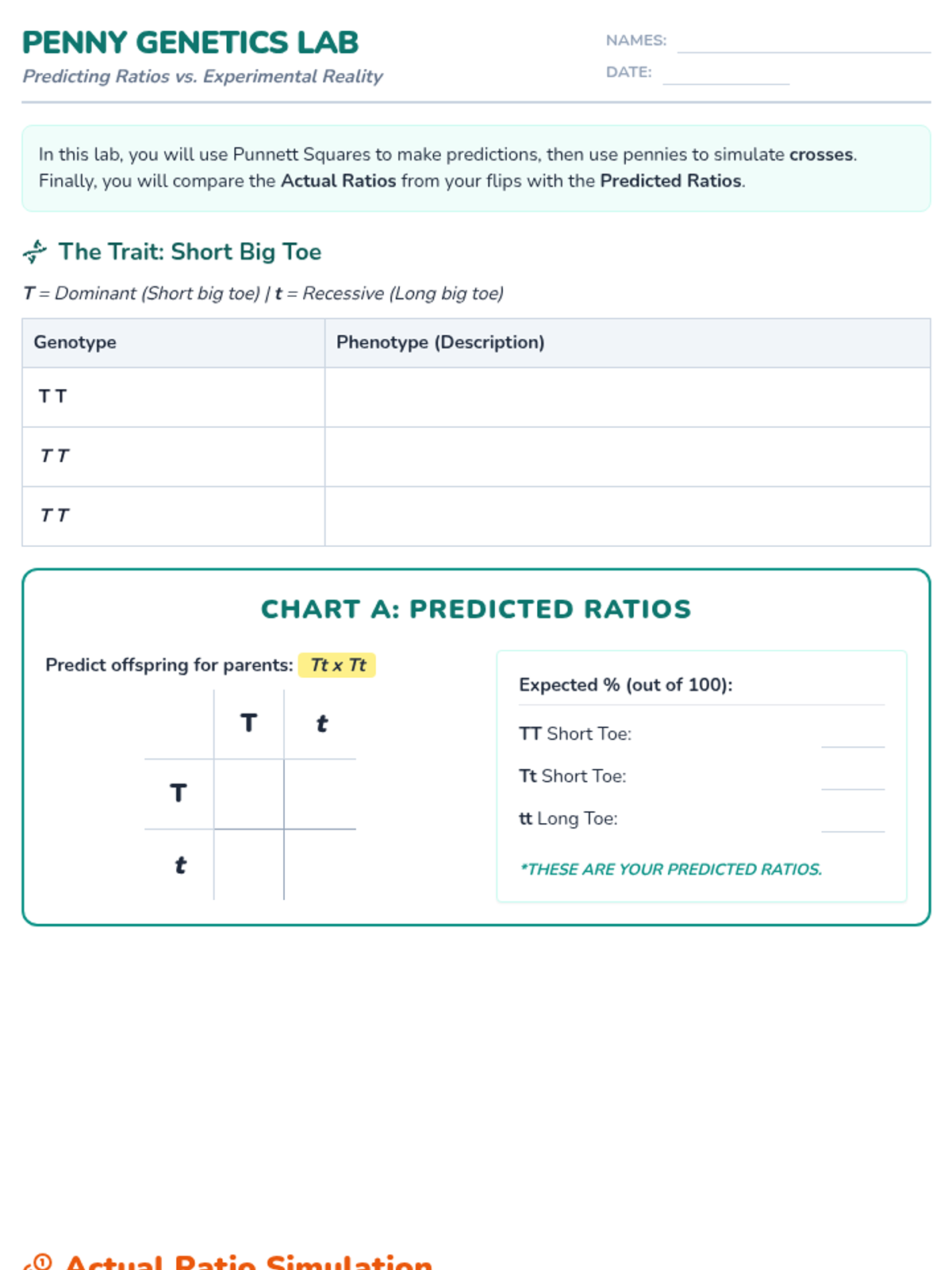
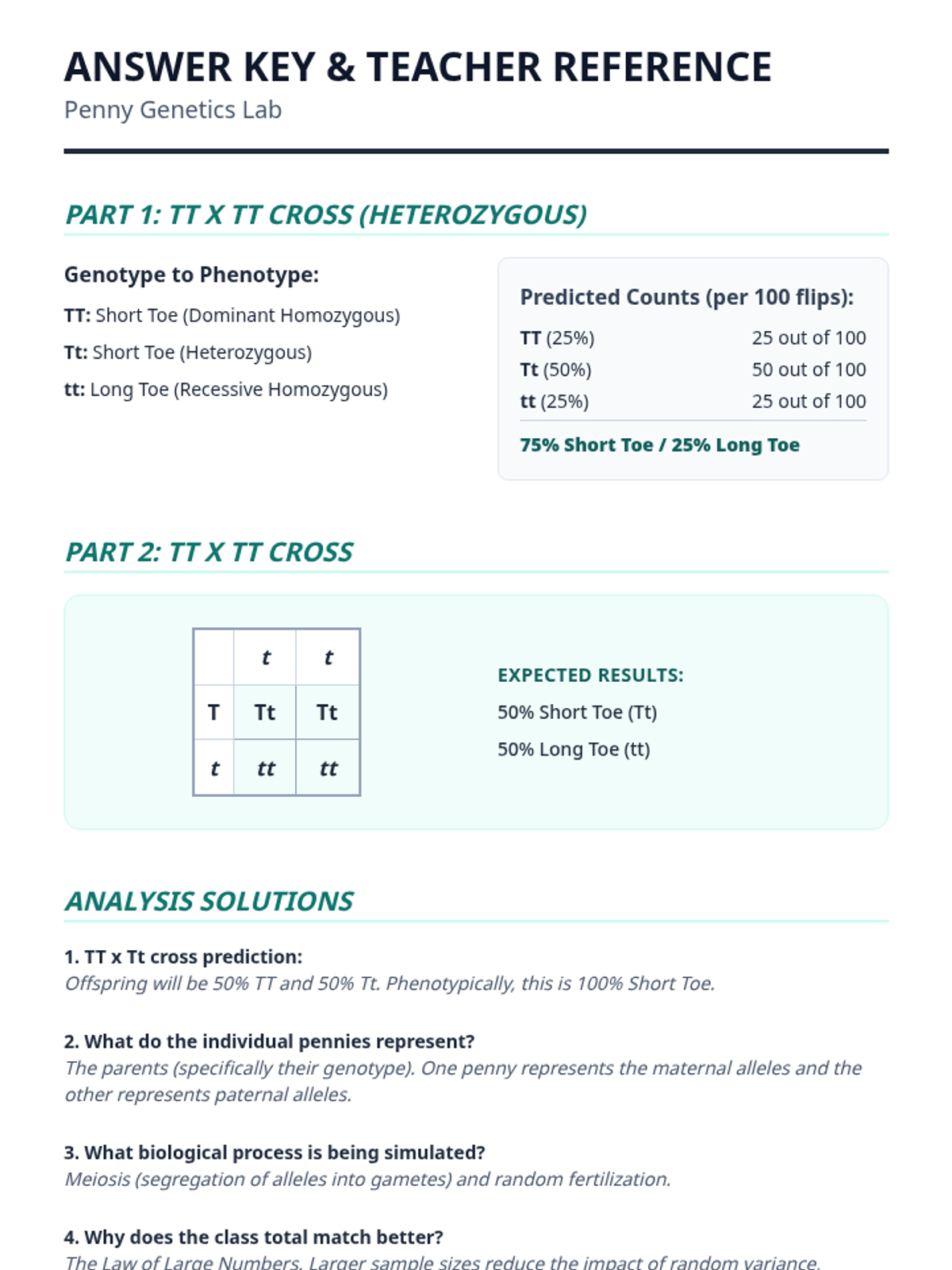
A 60-minute hands-on lab exploring the relationship between Punnett square predictions and actual genetic outcomes using coin-flip simulations. Students compare theoretical probability with experimental data to understand how fertilization works.