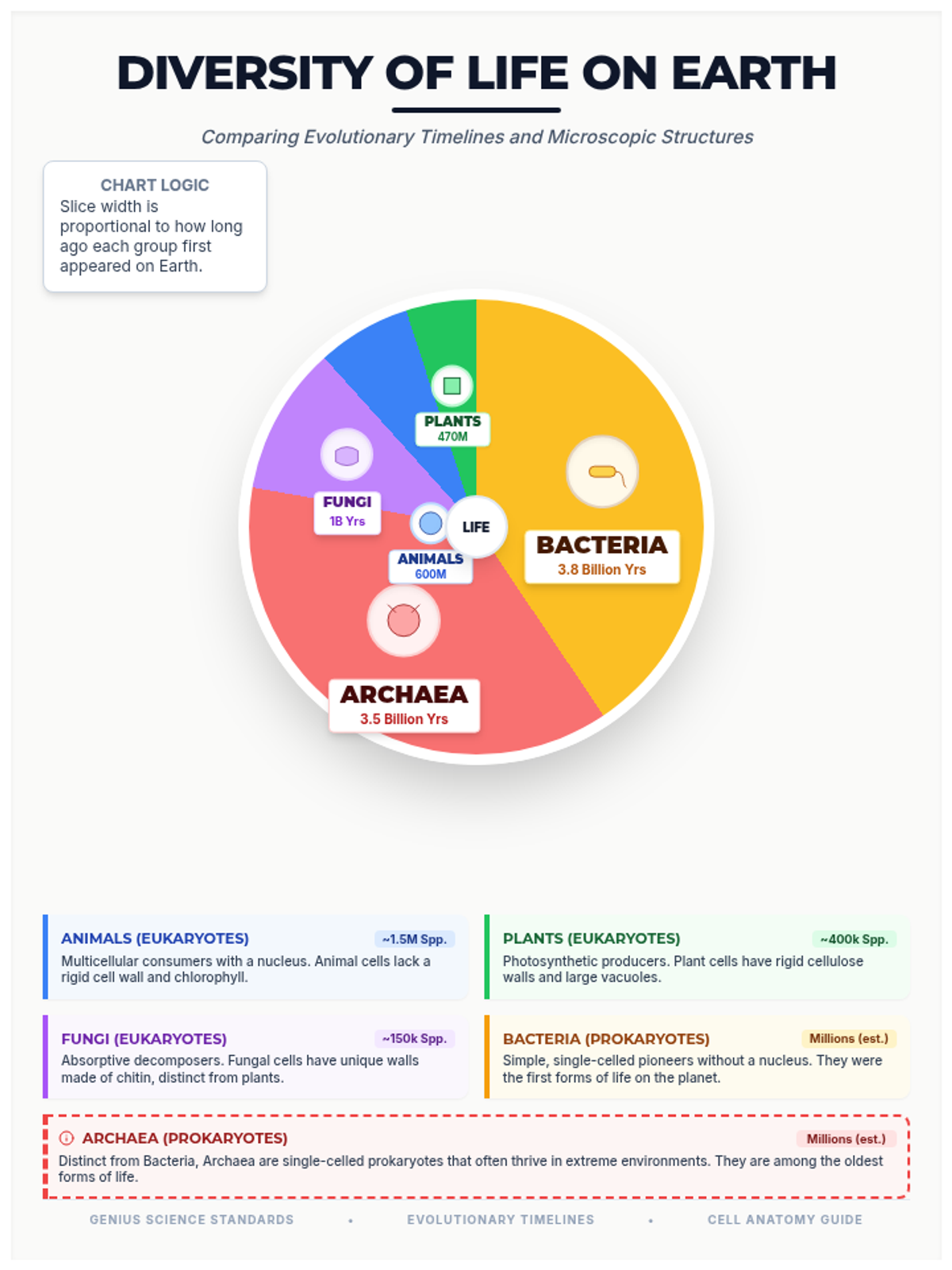
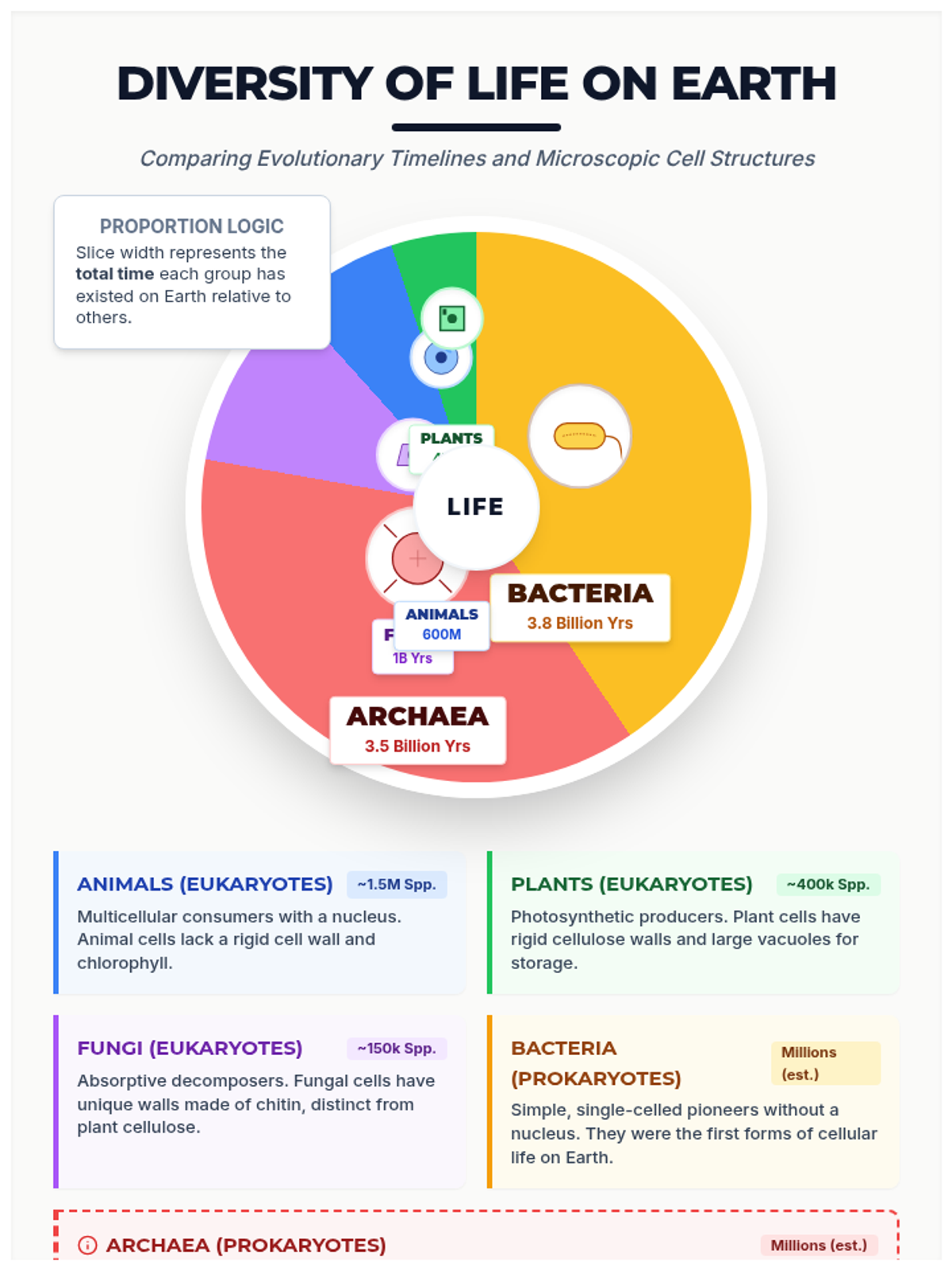
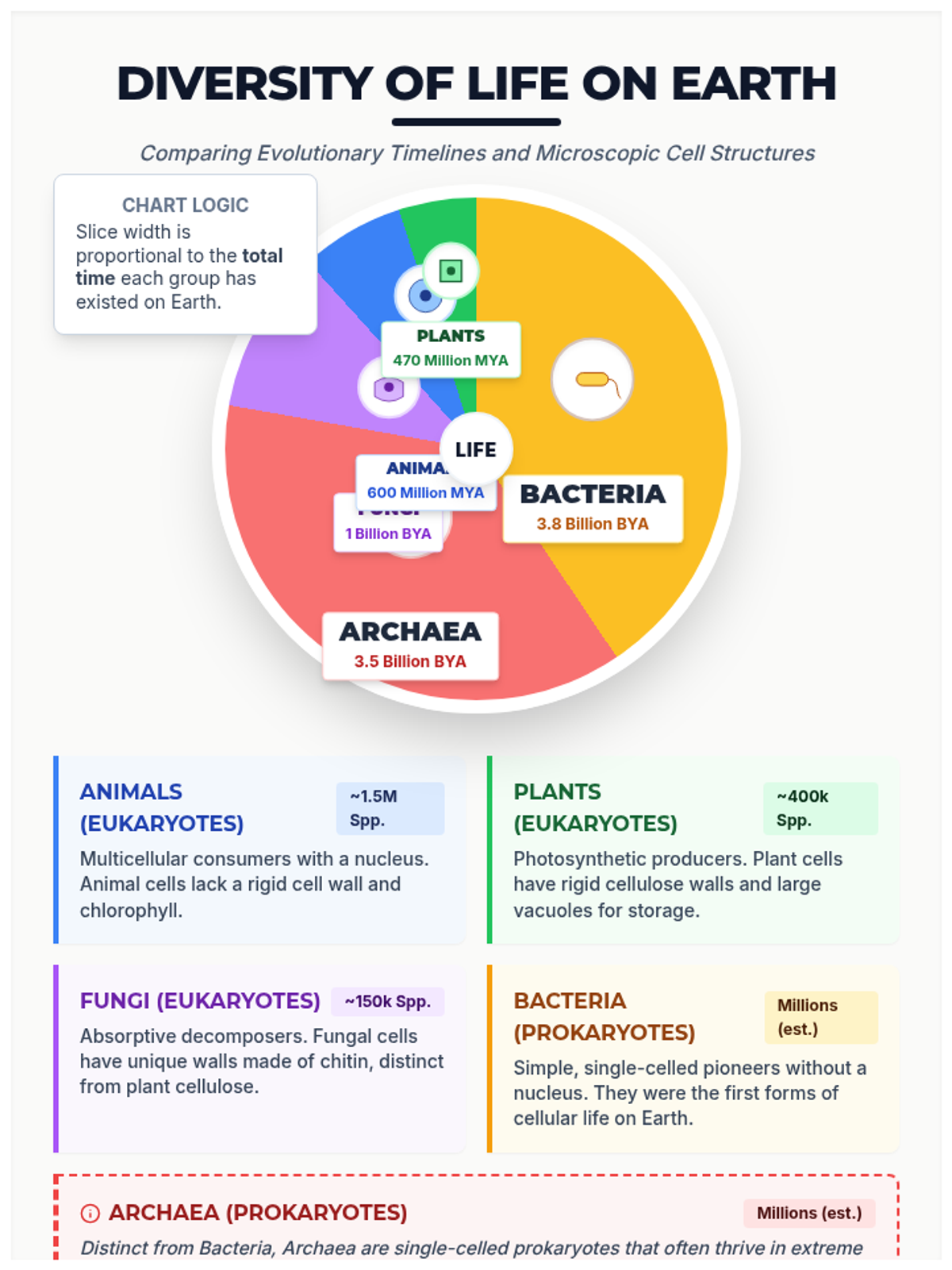
A comprehensive exploration of animal and plant cell organelles, focusing on their structures, functions, and key differences. Students will identify organelles through diagrams and match them to their biological roles.
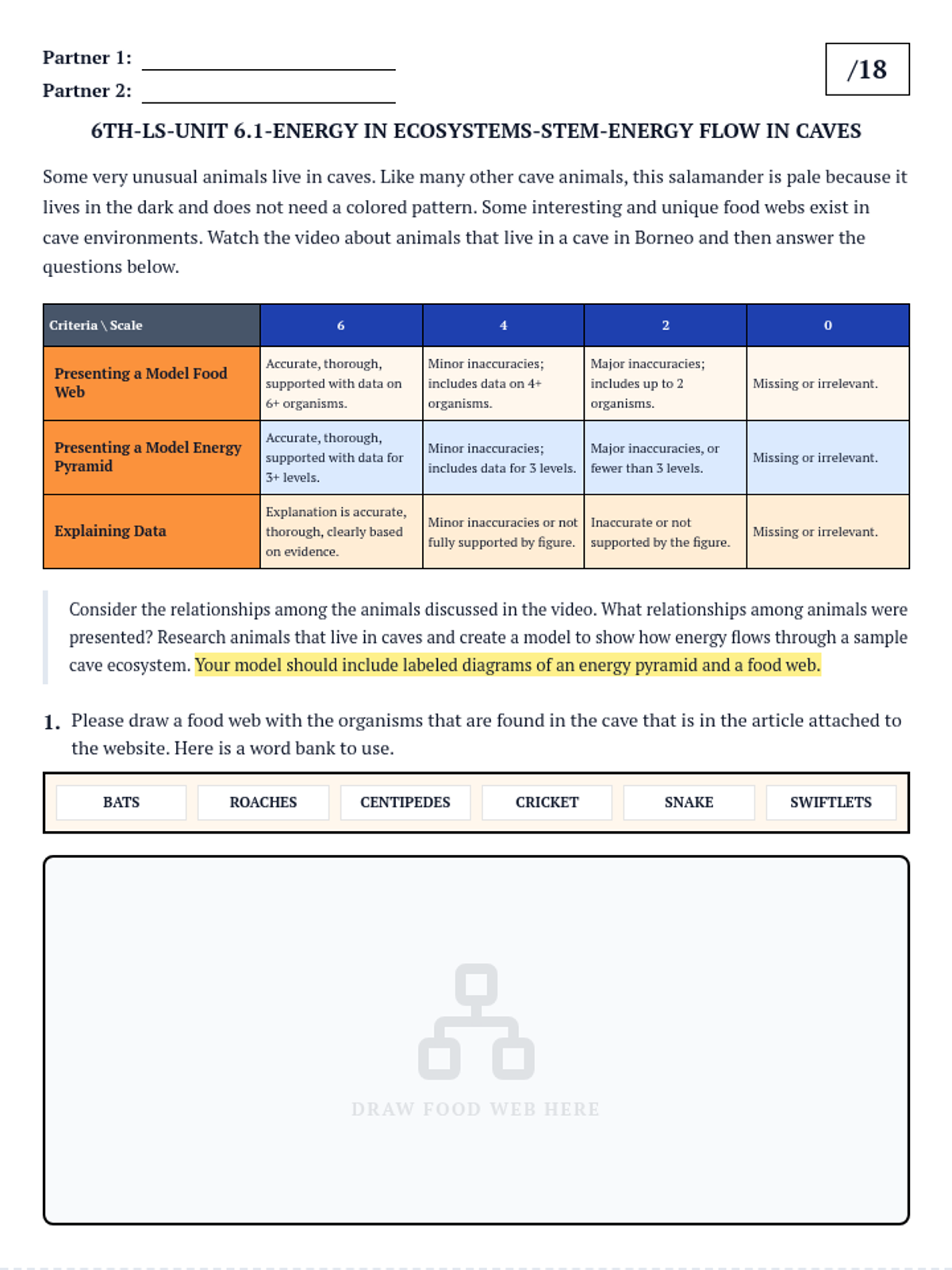
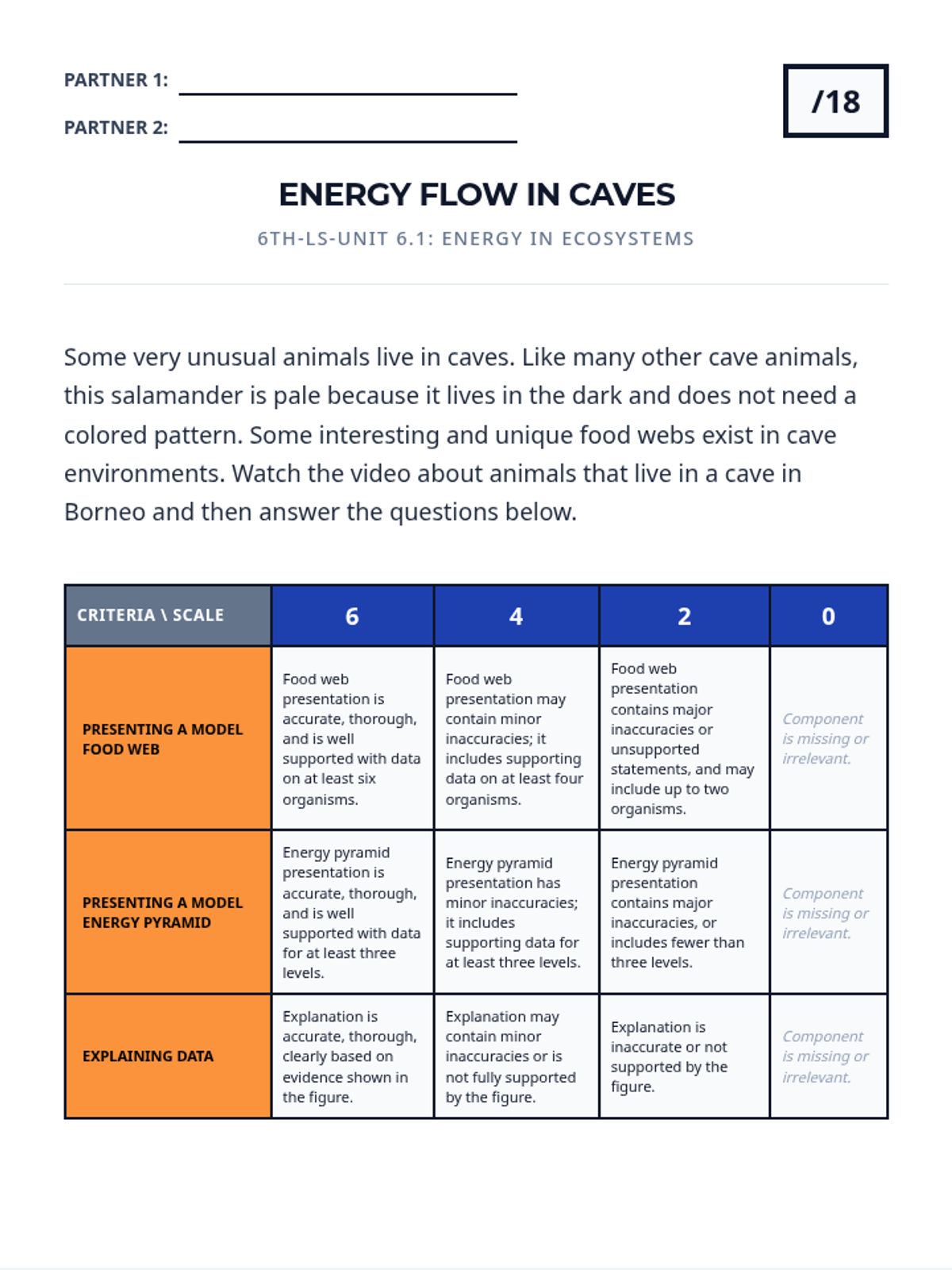
A lesson exploring energy flow within cave ecosystems, focusing on food webs, energy pyramids, and data interpretation based on animal populations.
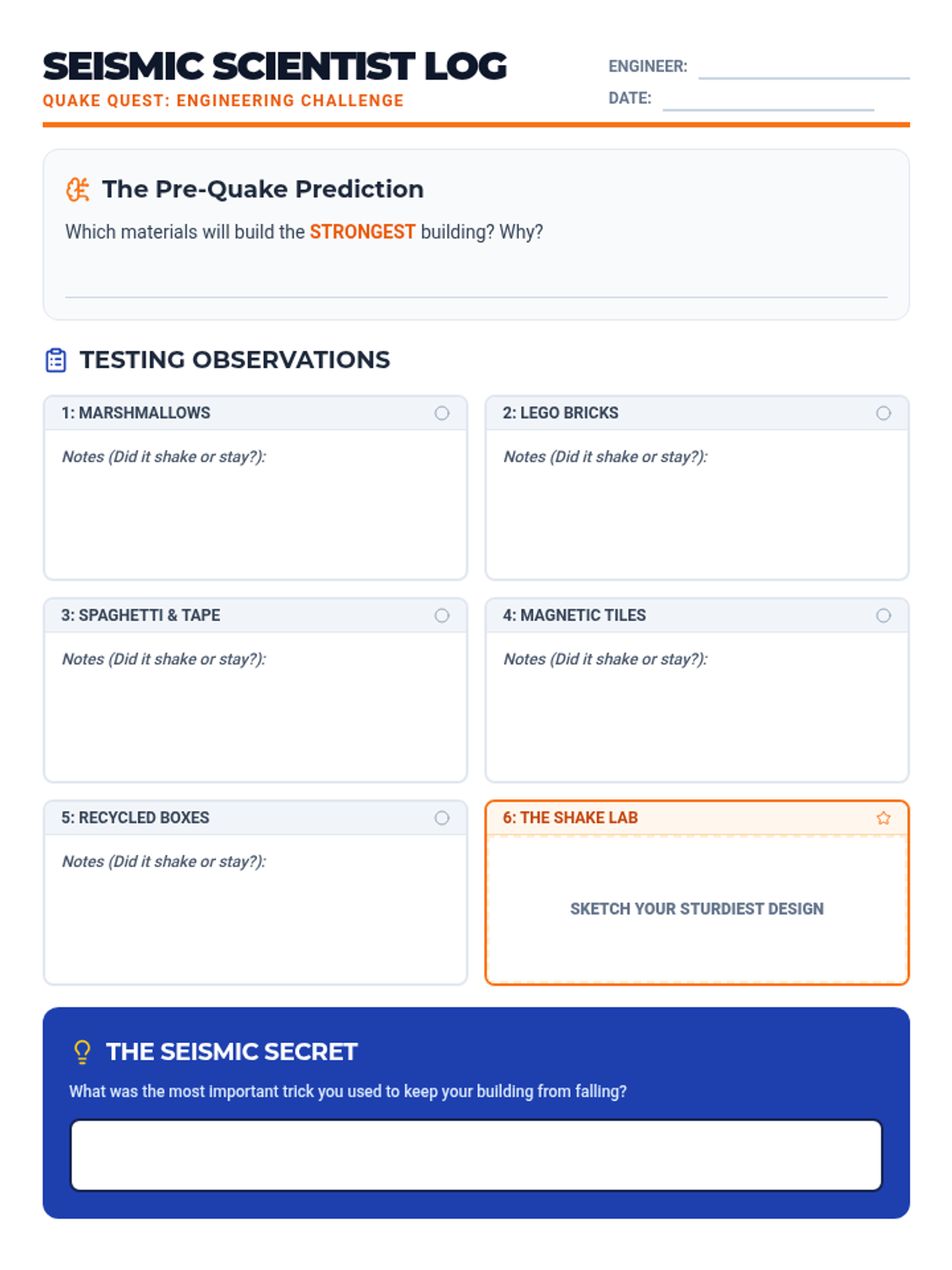
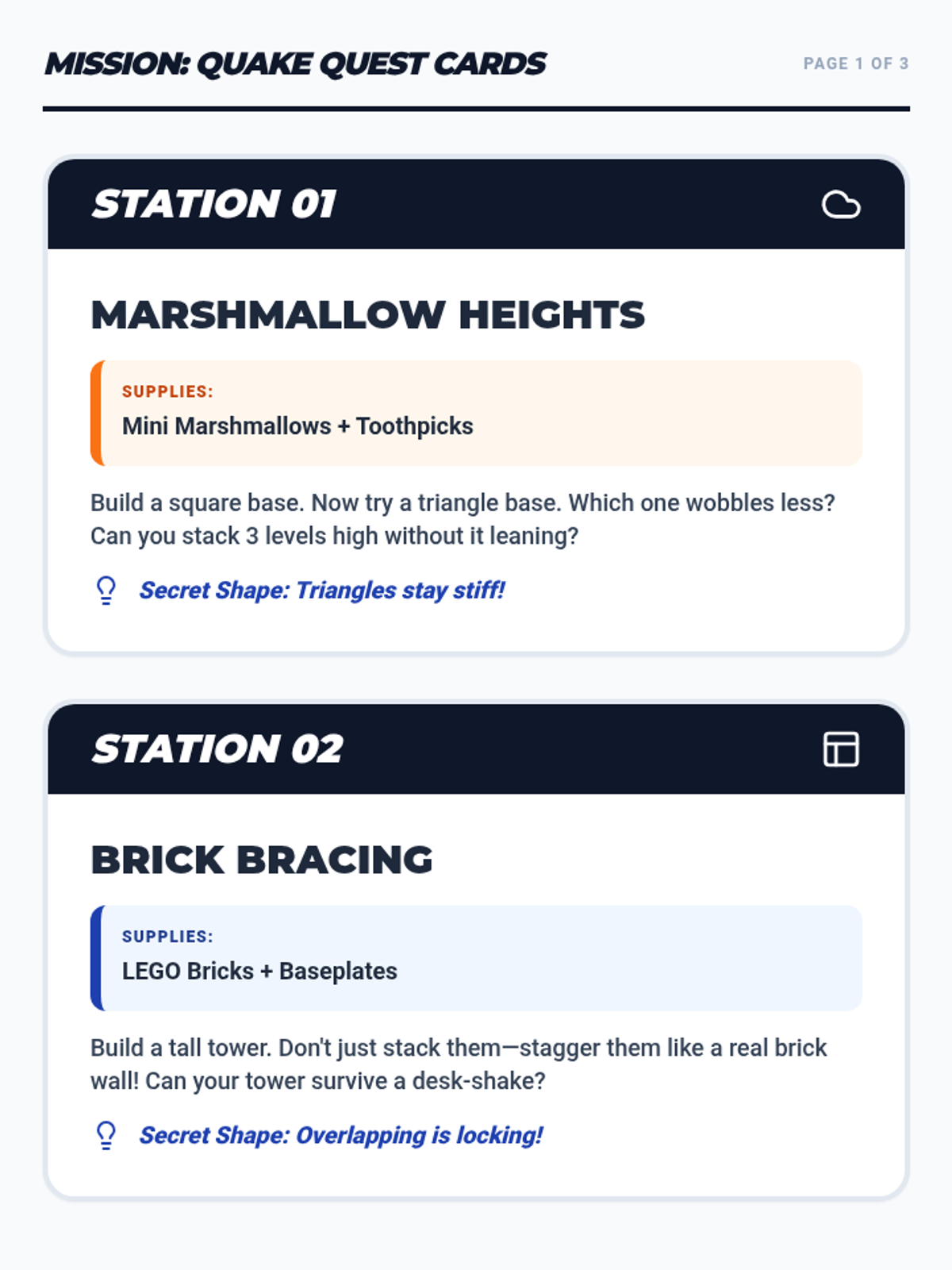
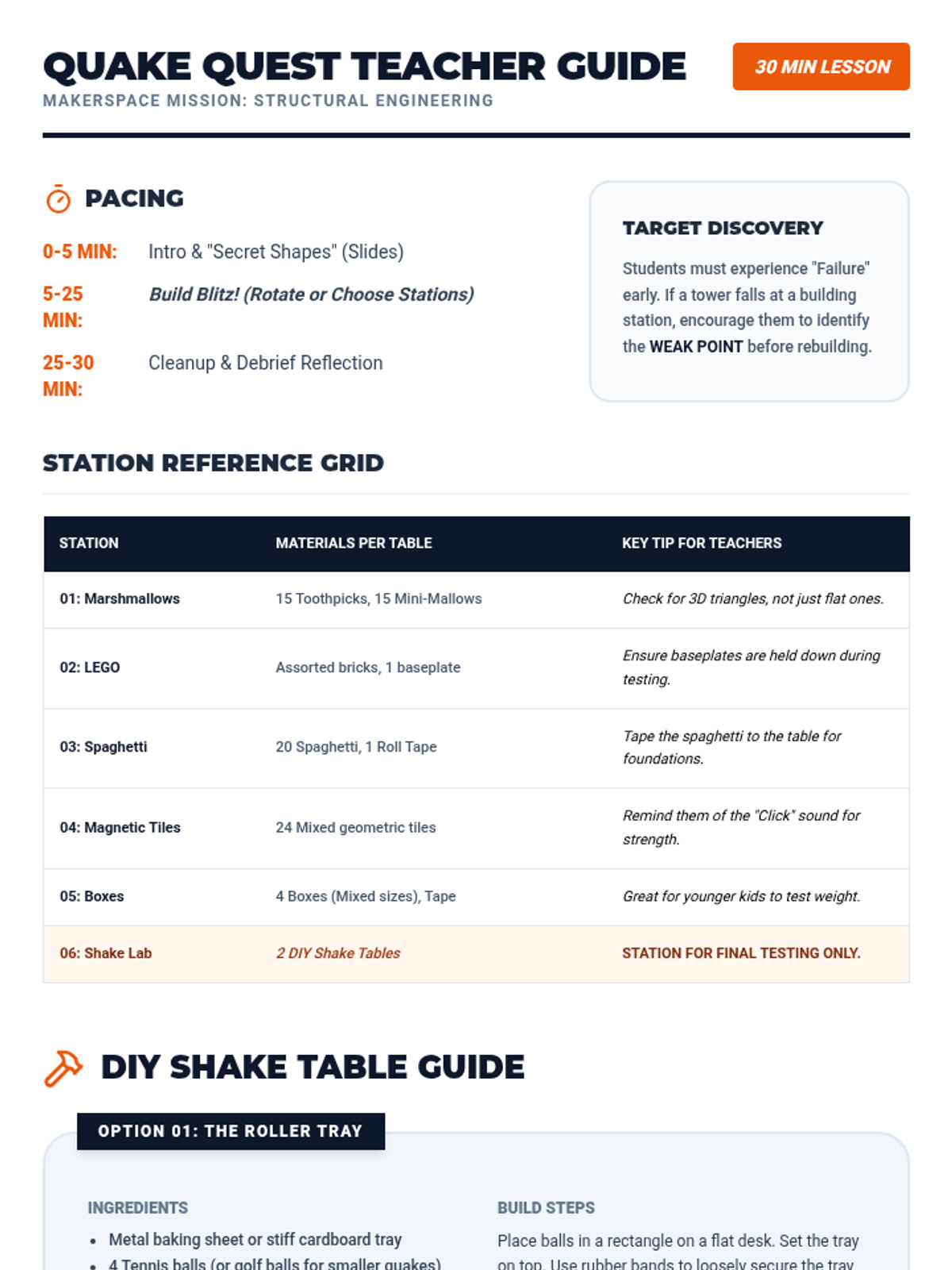
A 30-minute engineering challenge where students build and test structures using six different material stations to understand earthquake stability.
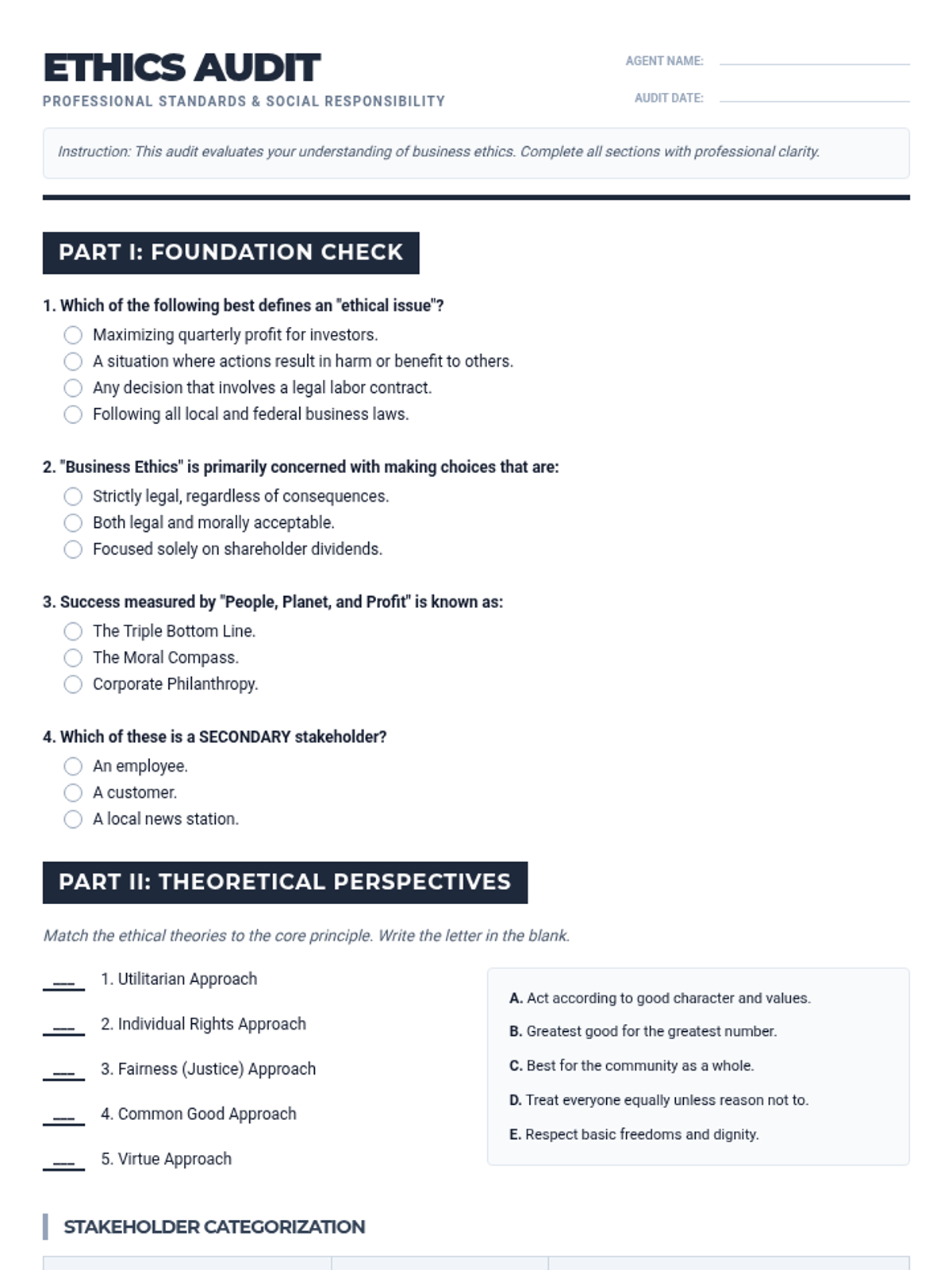
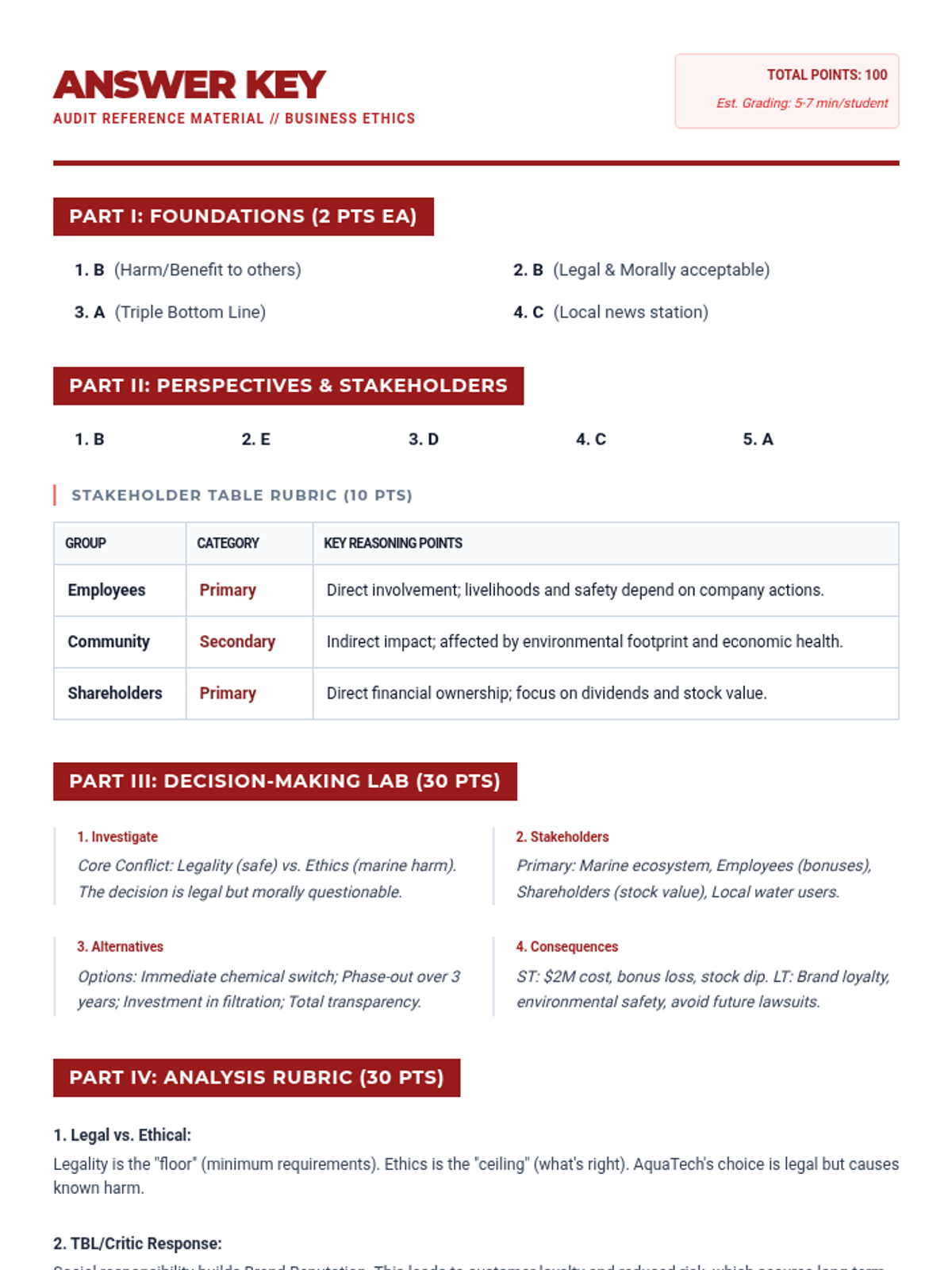
A comprehensive assessment covering business ethics, social responsibility, ethical theories, and the stakeholder decision-making process.
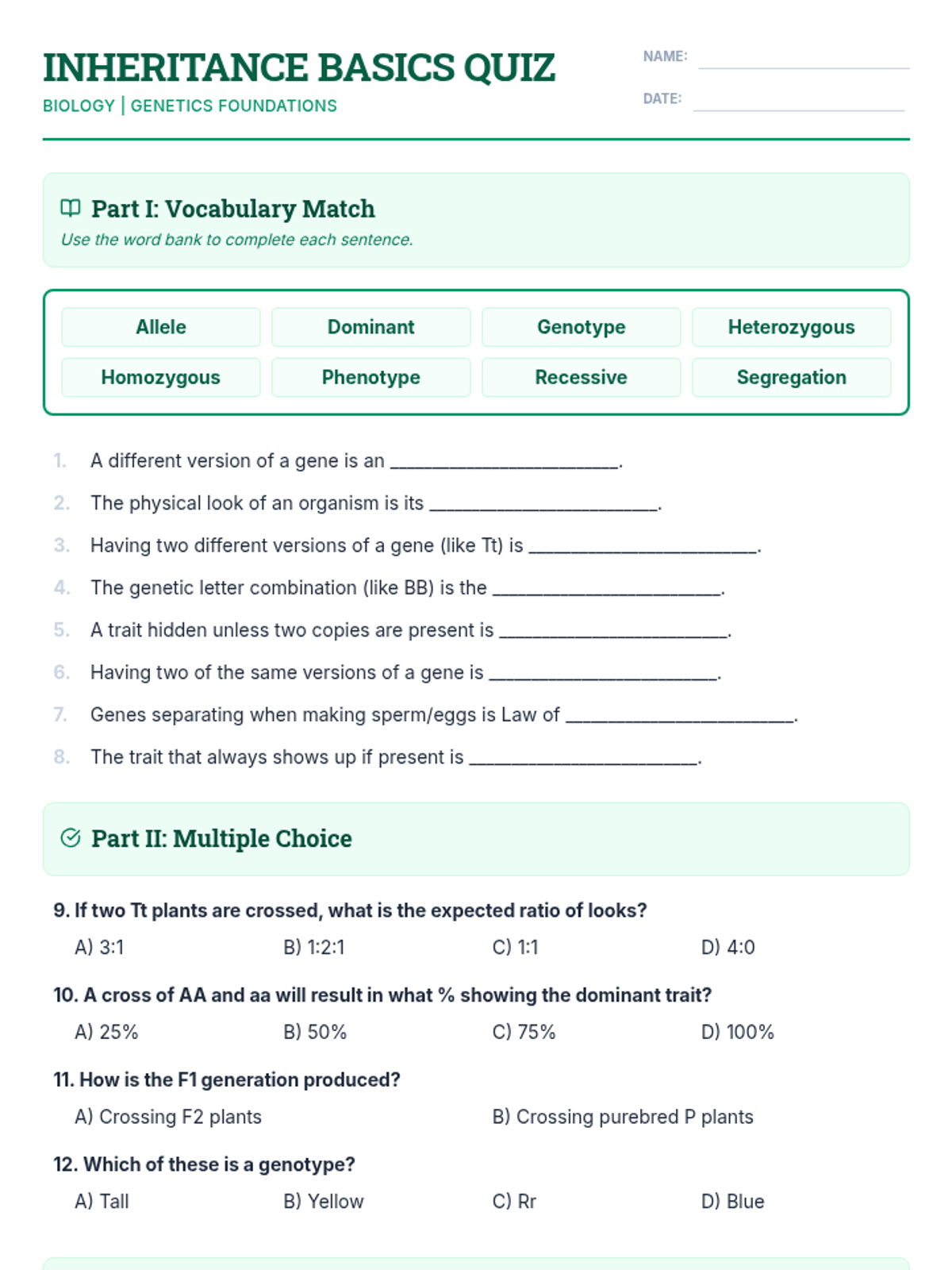
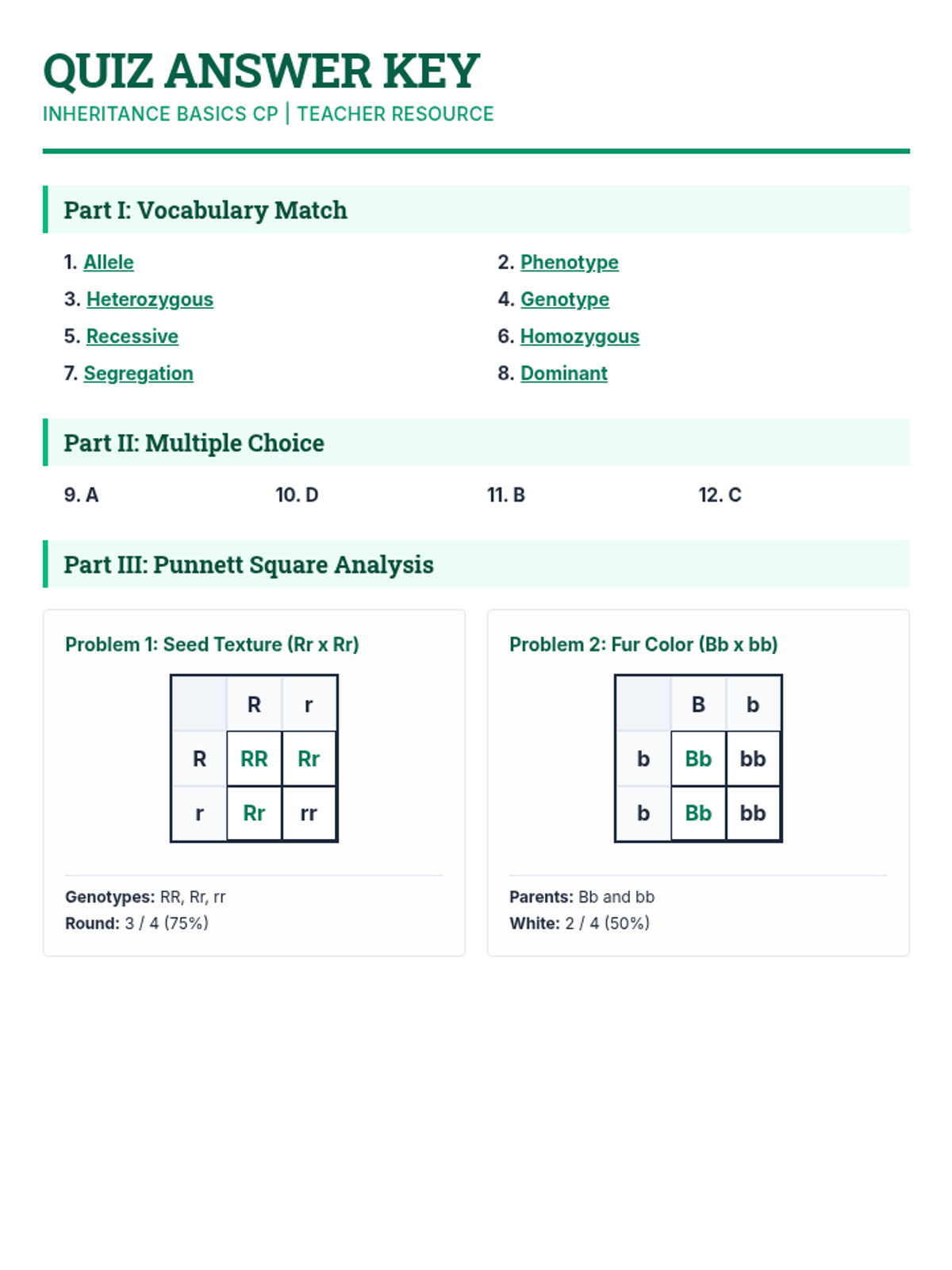
A foundational assessment on Mendelian genetics, simplified for College Prep (CP) biology students with clearer language and vocabulary support.
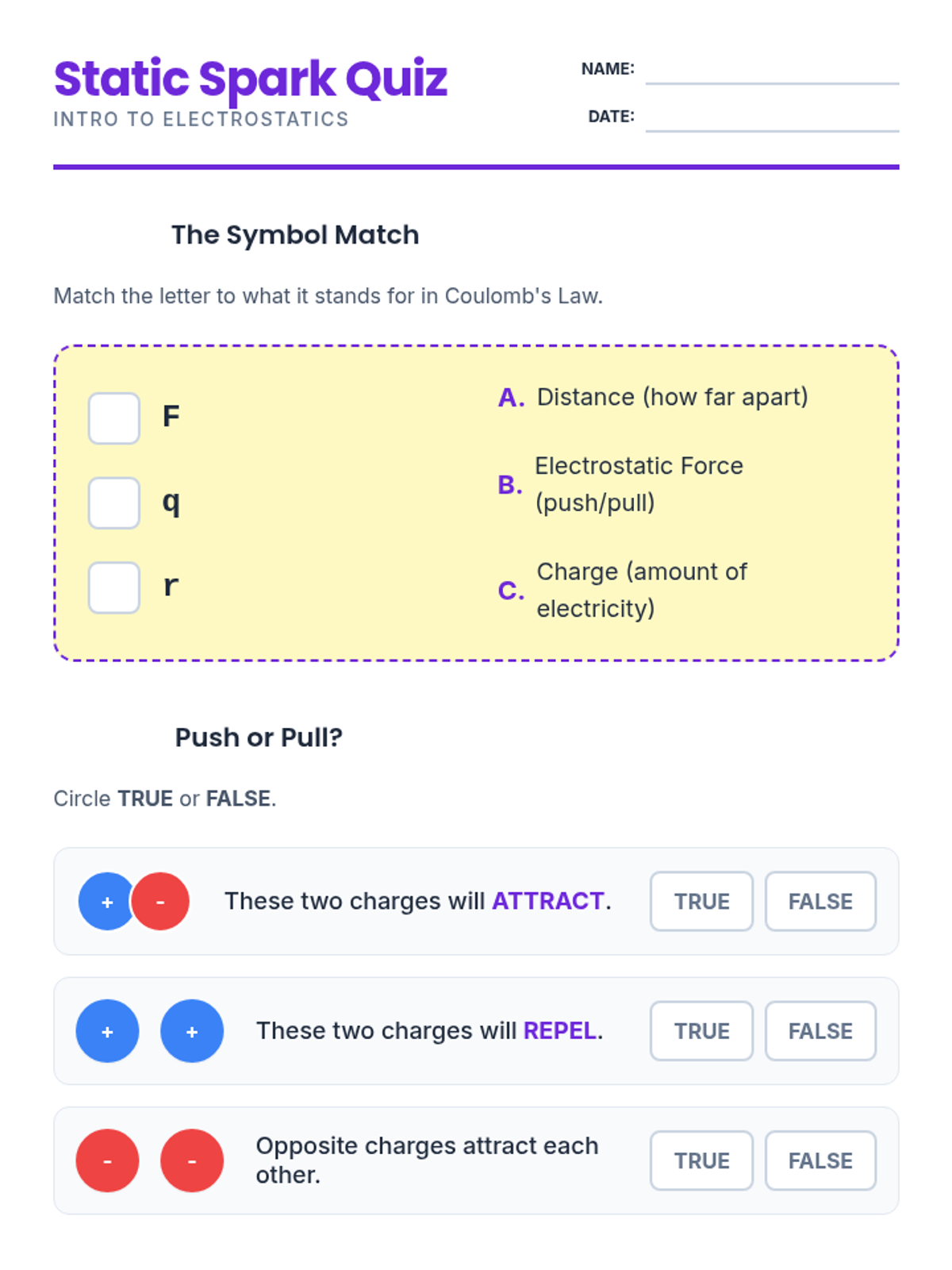
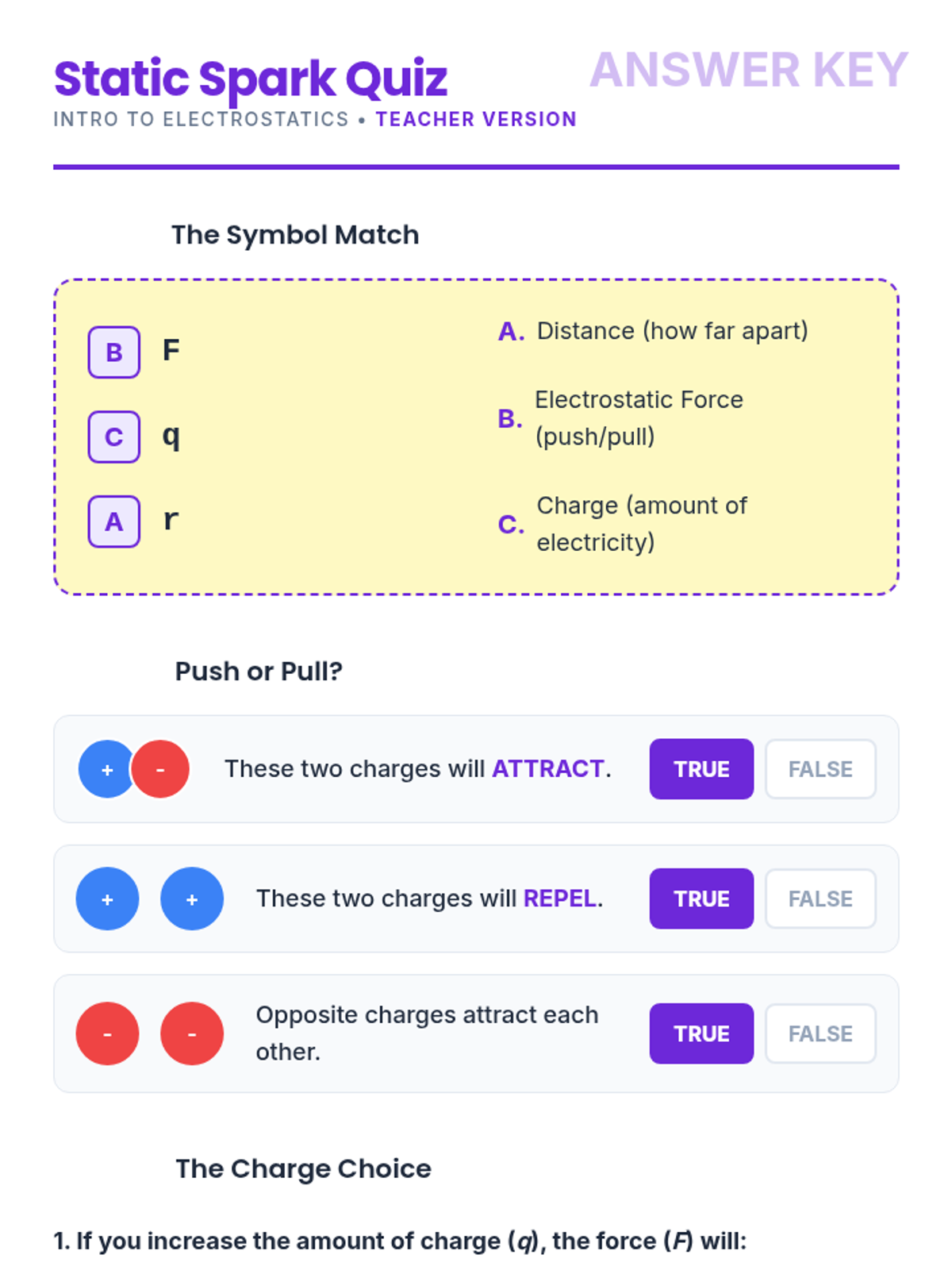
A beginner-friendly lesson on electrostatic forces and Coulomb's Law, emphasizing conceptual understanding and basic calculations.
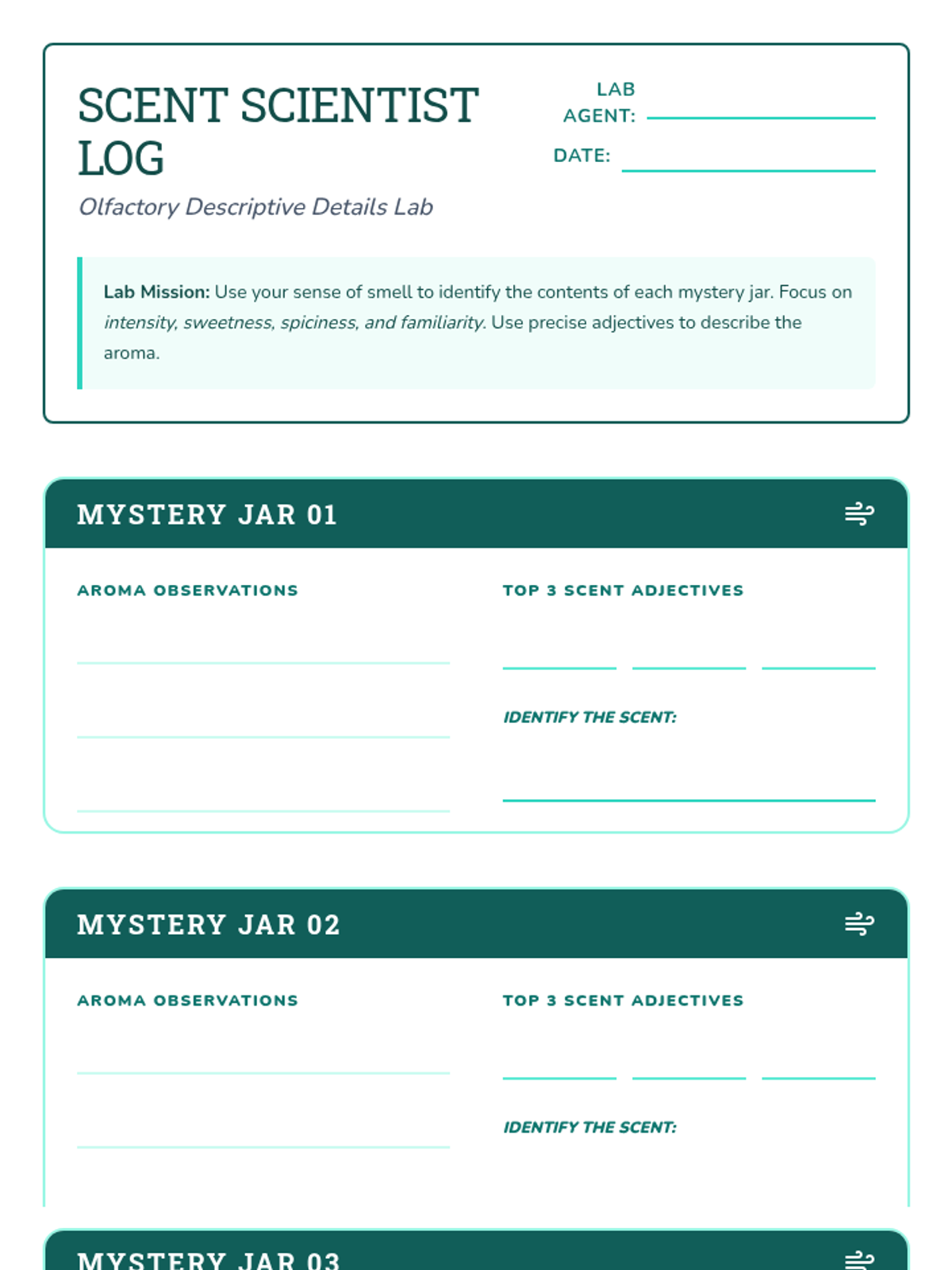
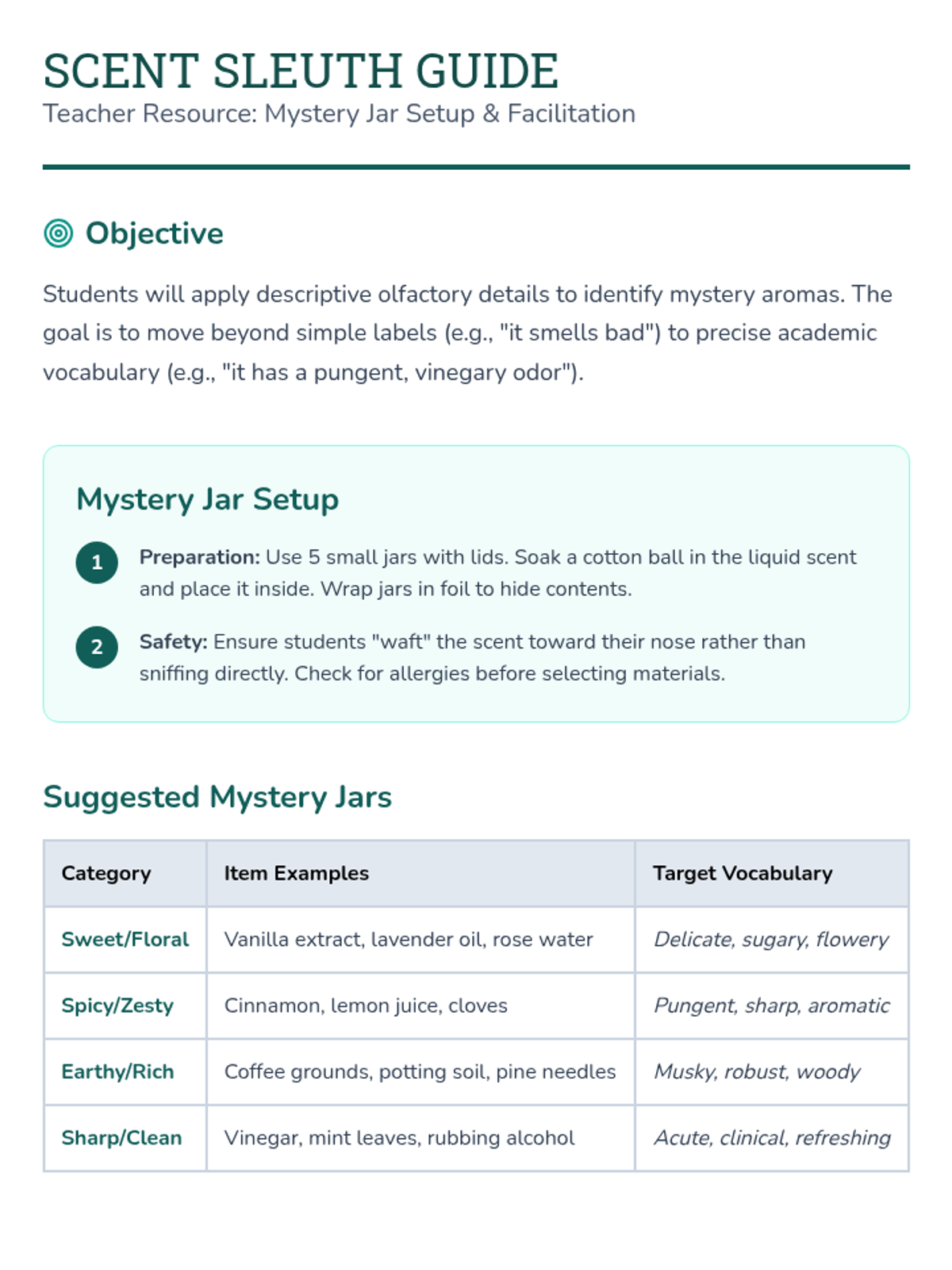
A hands-on science and ELA lesson where students explore mystery scents and use descriptive olfactory details to document their observations.
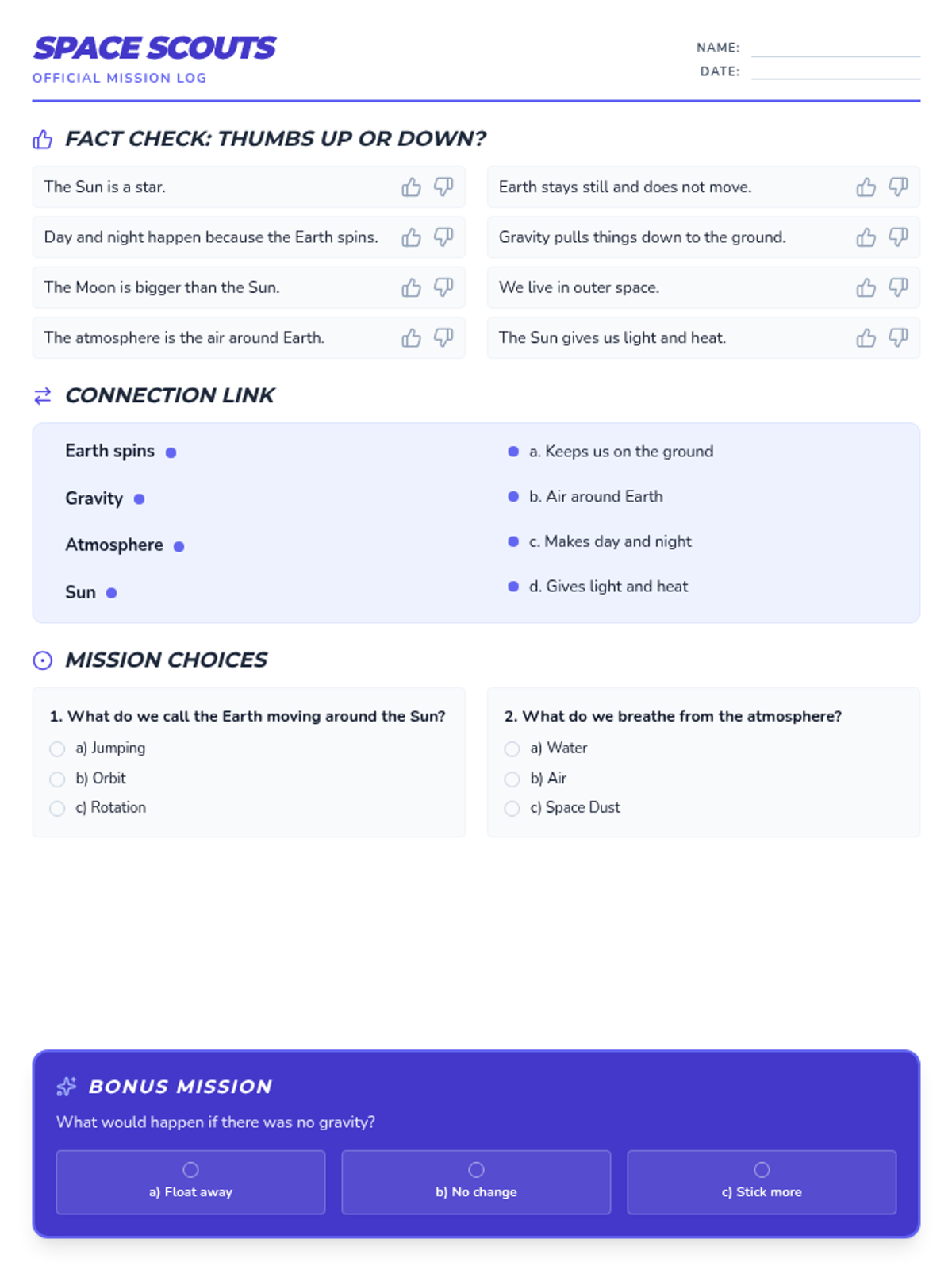
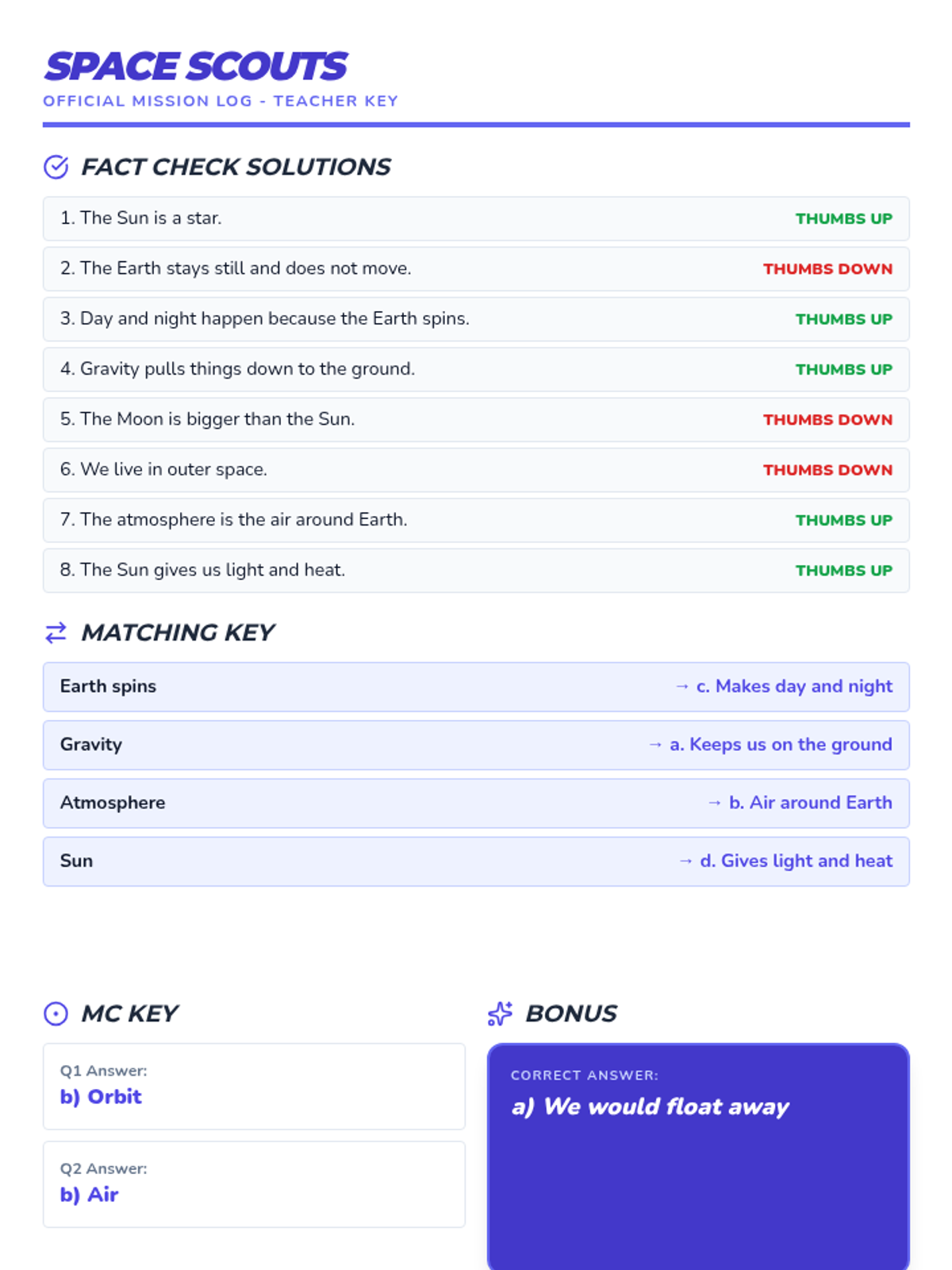
A foundational exploration of Earth's place in space, covering the Sun, gravity, atmosphere, and Earth's rotation through engaging true/false, matching, and multiple-choice questions.
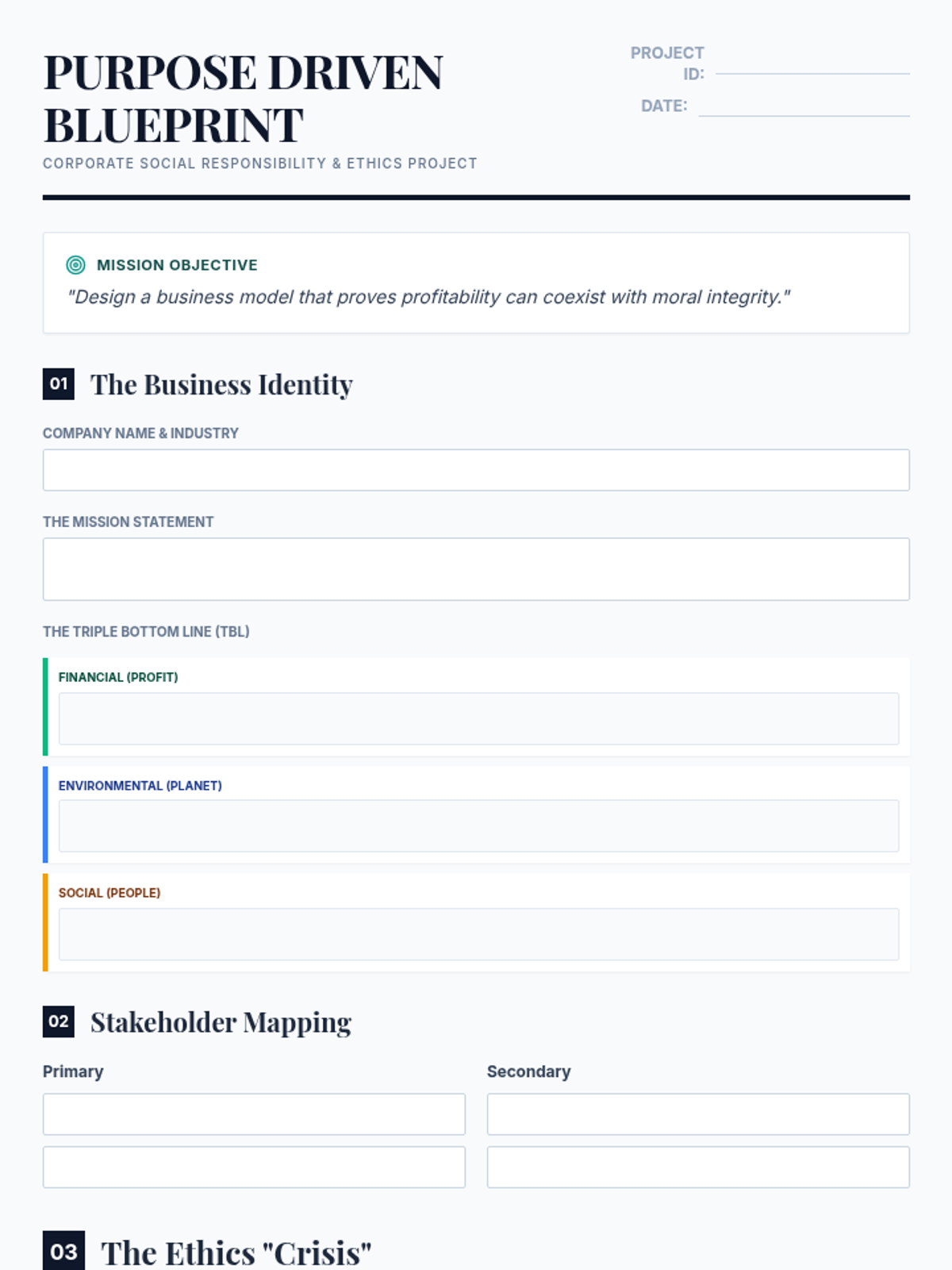
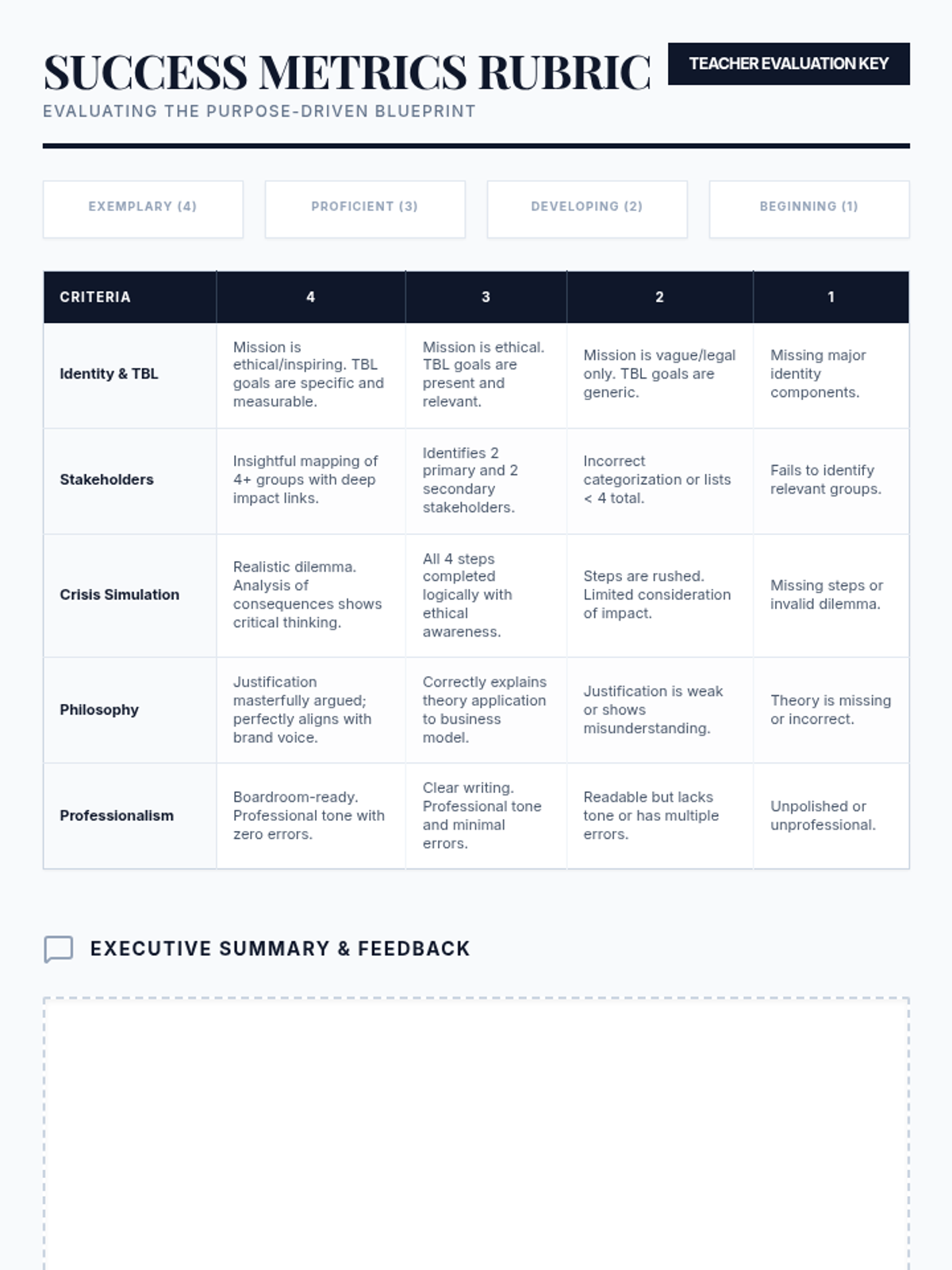
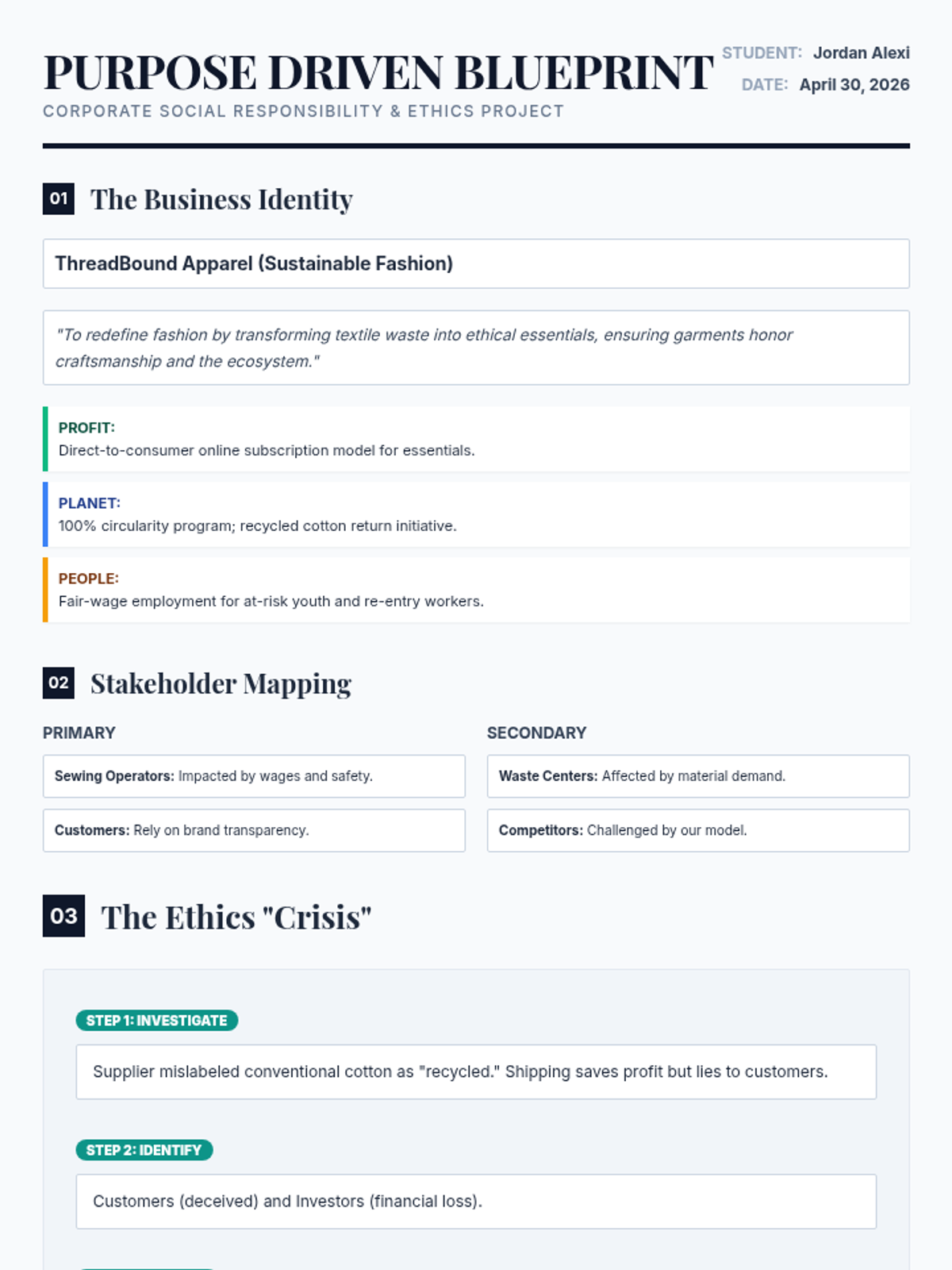
A comprehensive project where students design a socially responsible business from the ground up, focusing on the Triple Bottom Line, stakeholder mapping, and ethical decision-making.
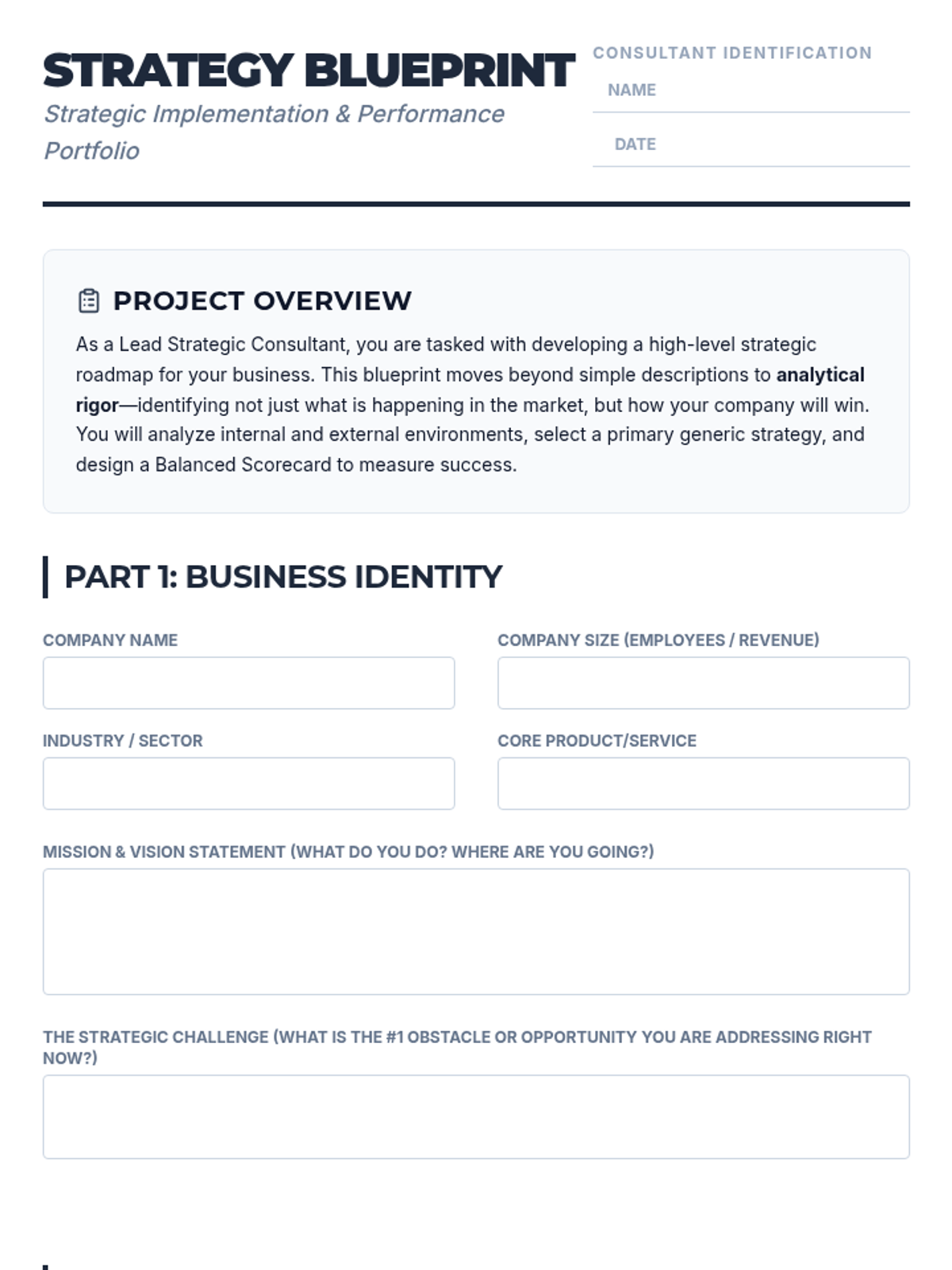
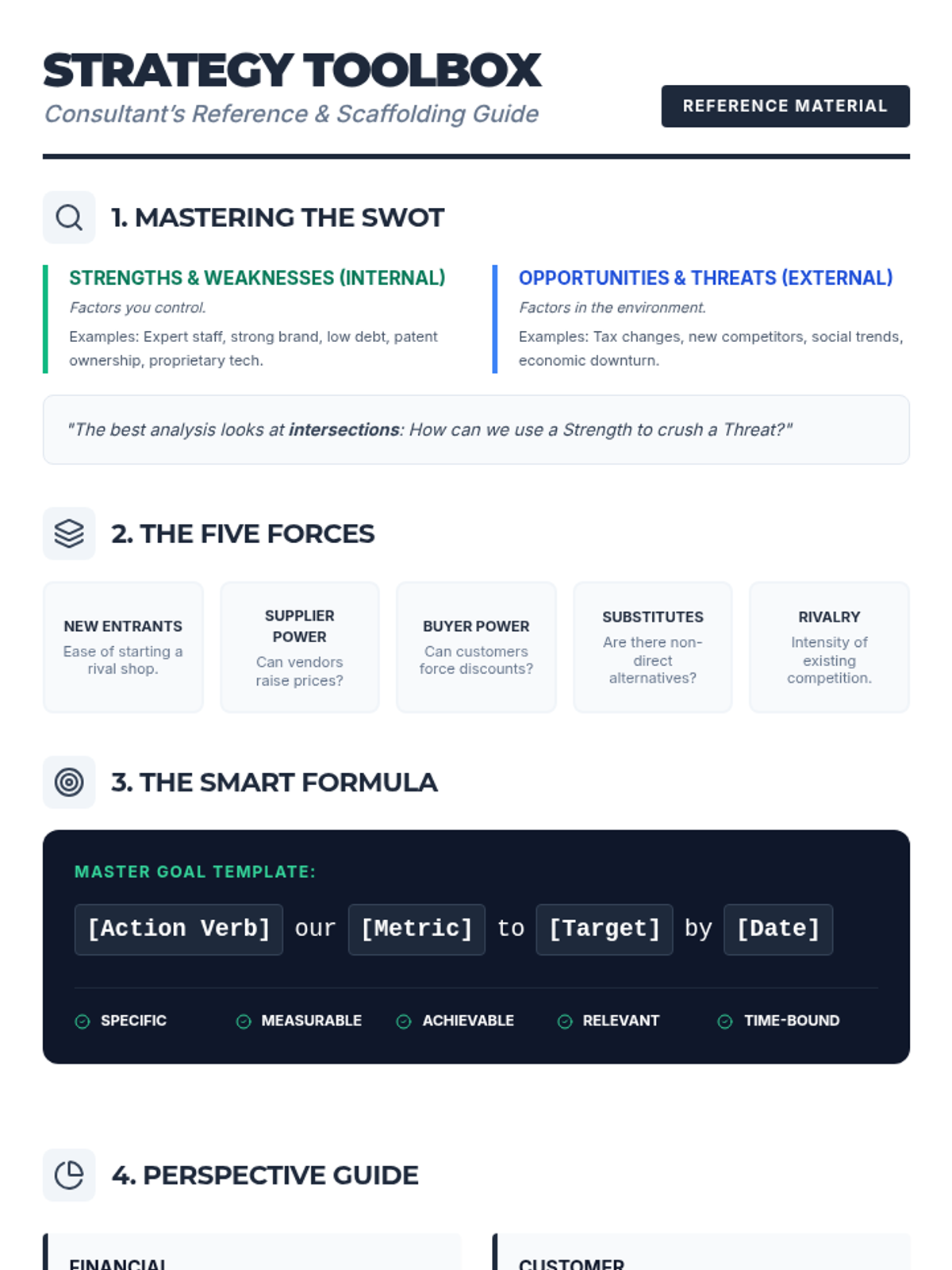
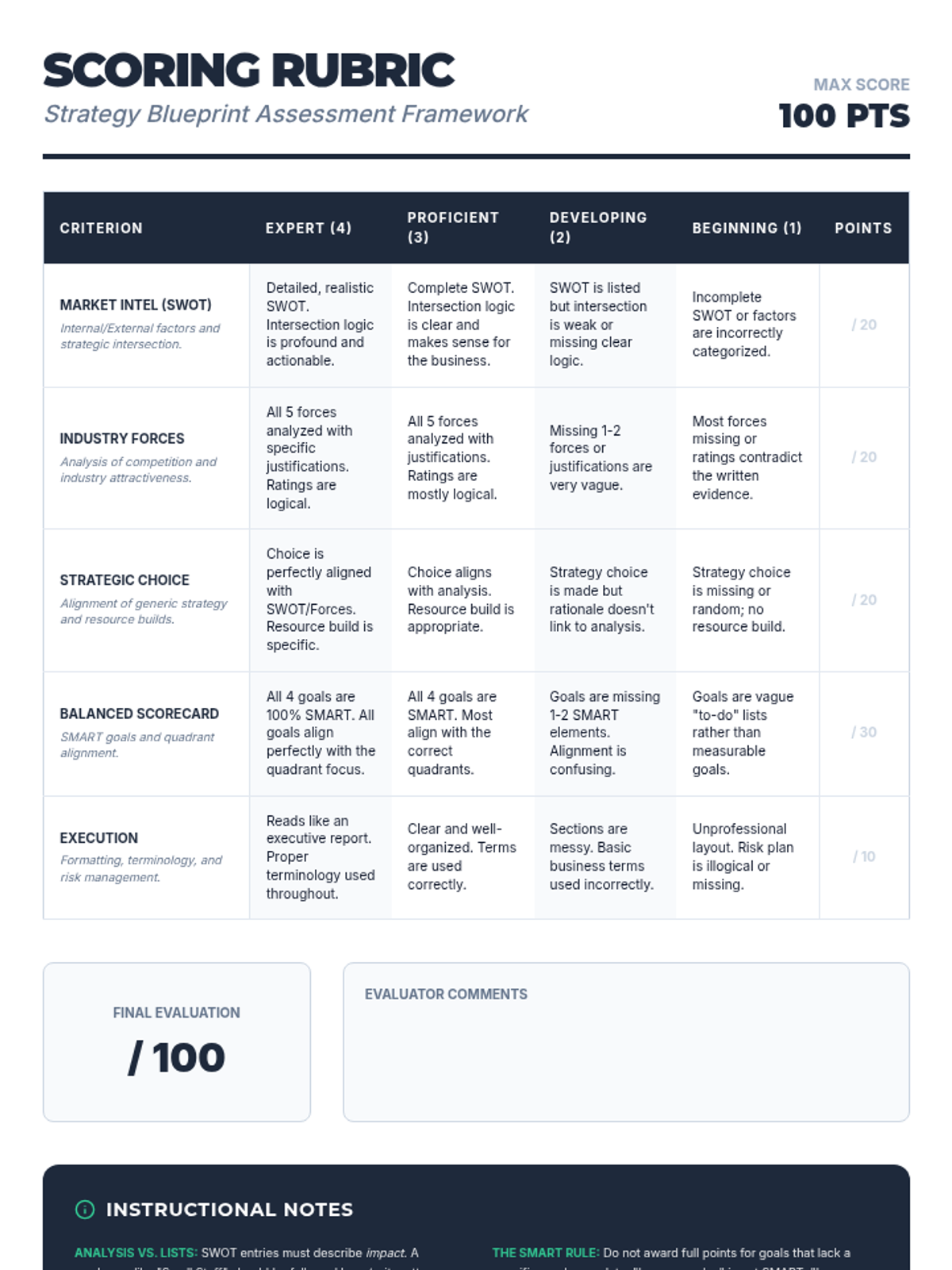
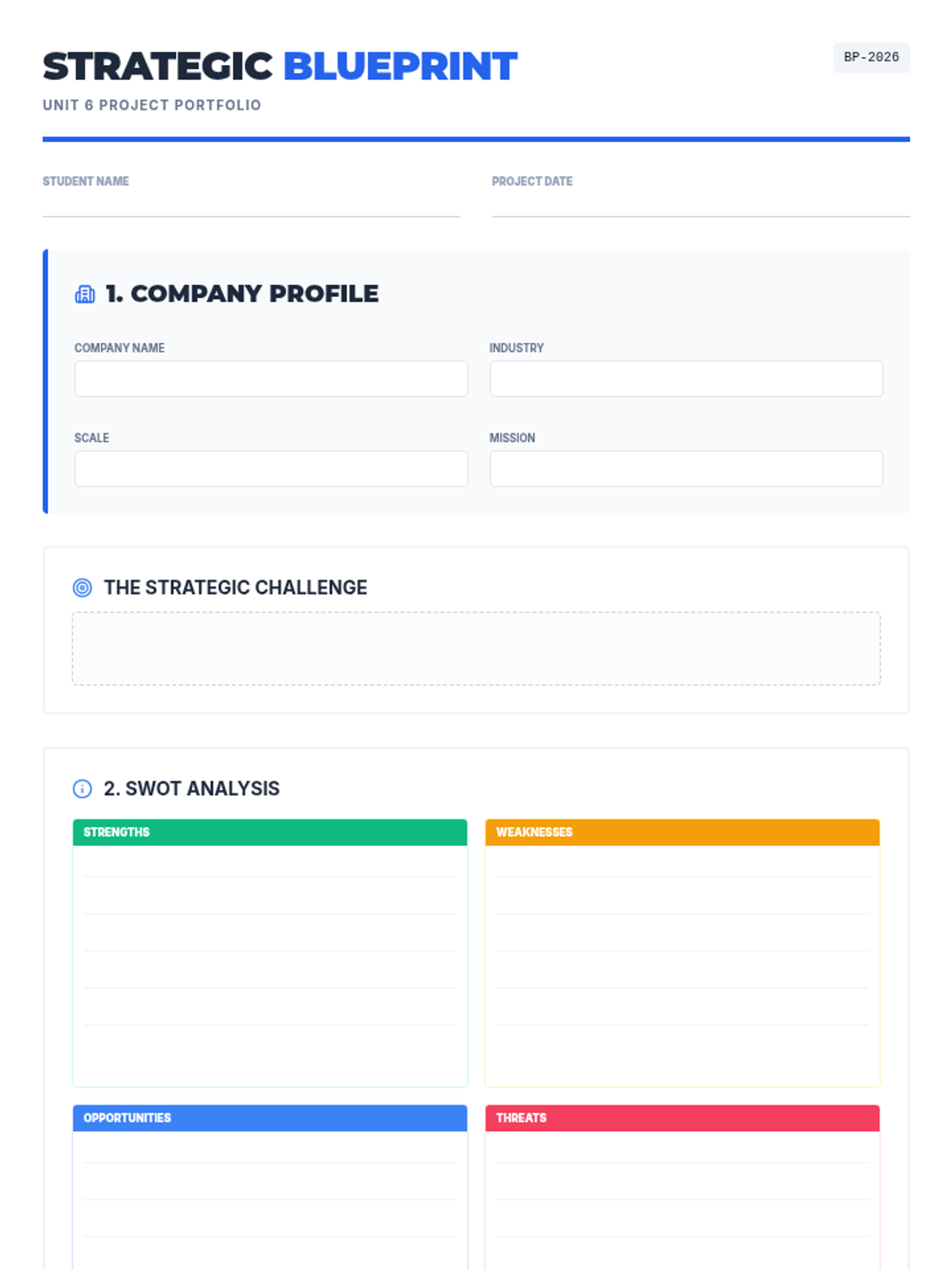
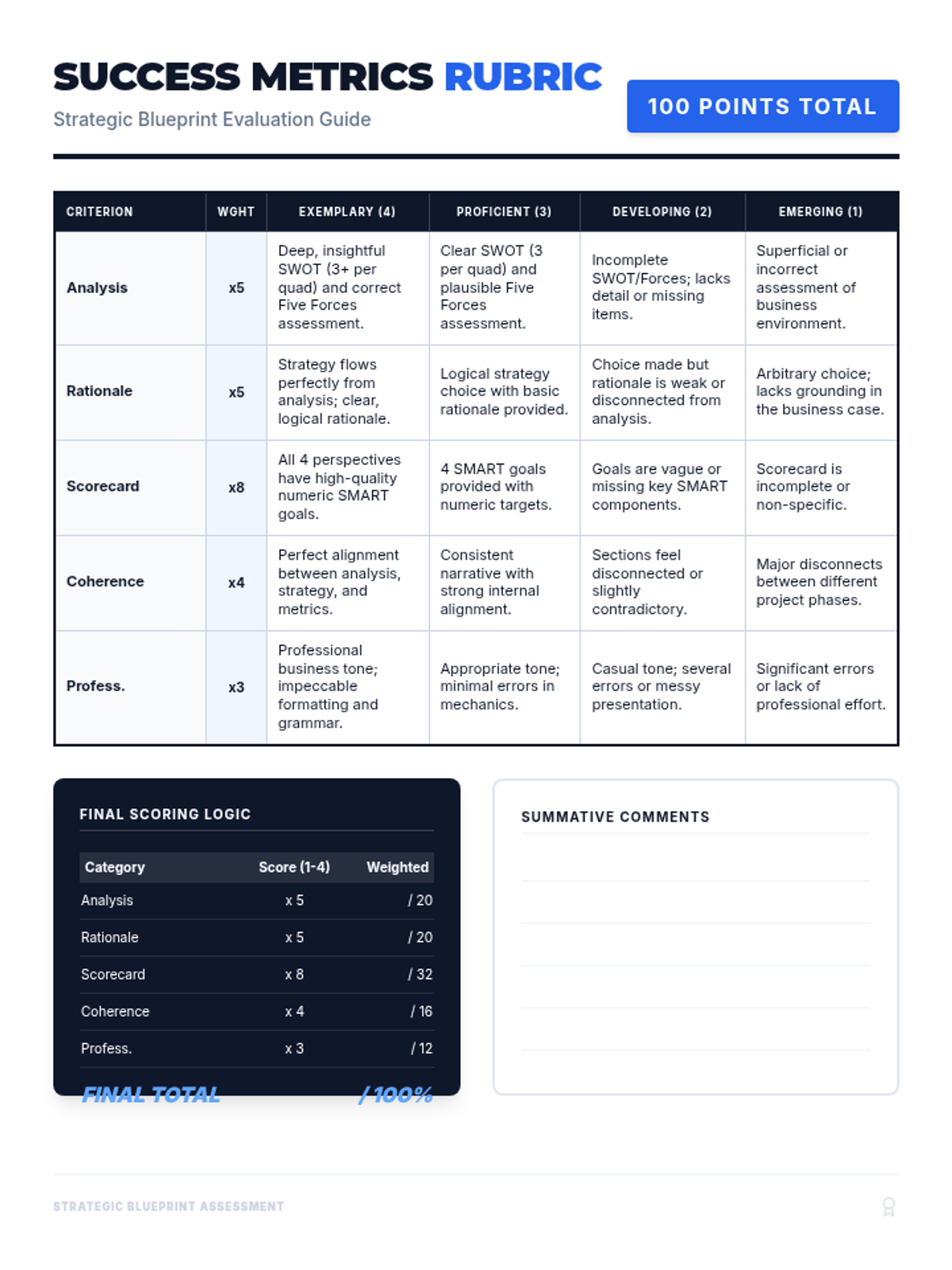
A comprehensive business strategy project where students act as consultants to develop a strategic plan and performance measurement system using SWOT analysis, Porter's Five Forces, and the Balanced Scorecard. This project includes scaffolded templates for analysis and a structured framework for goal setting.
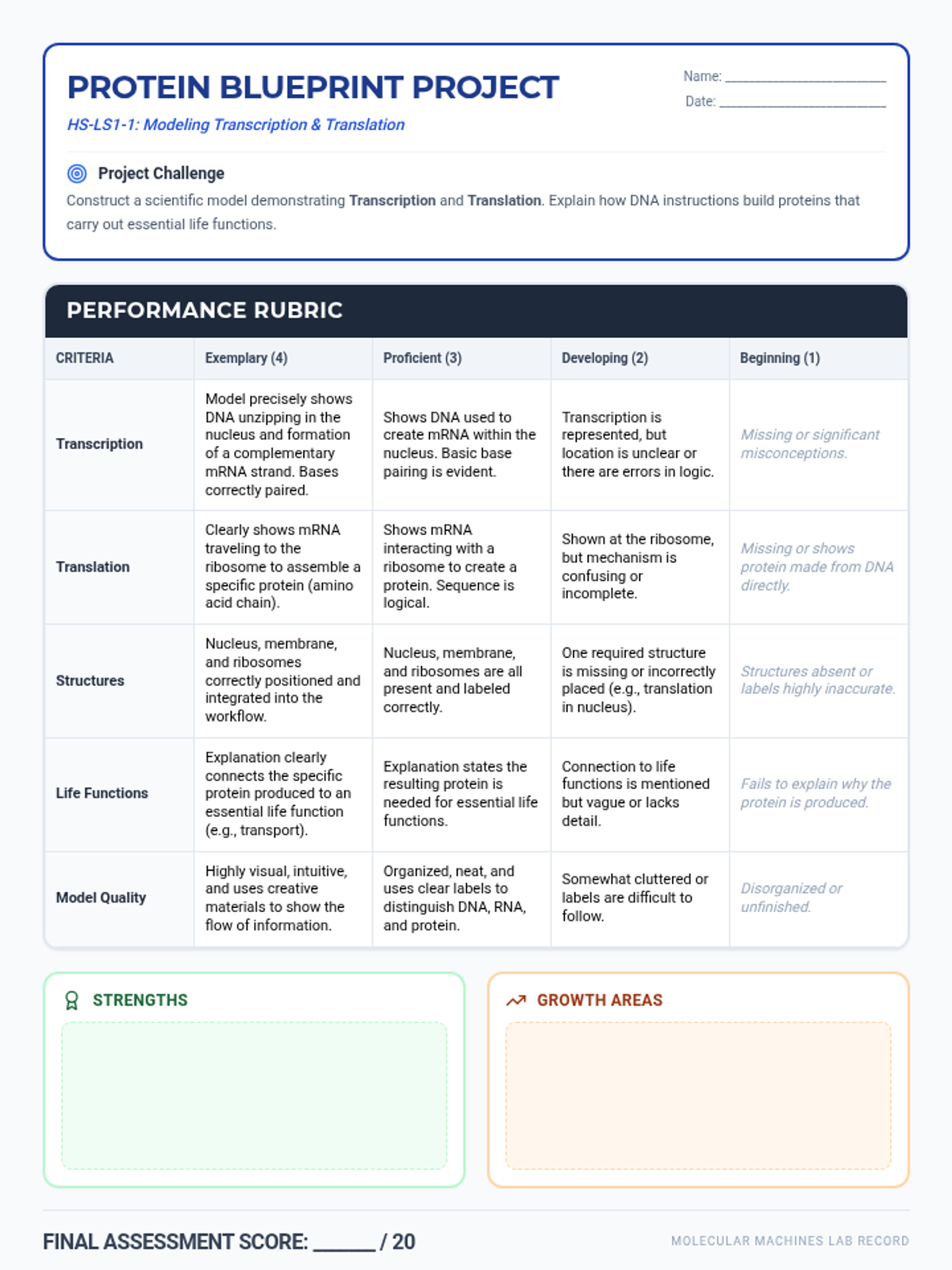
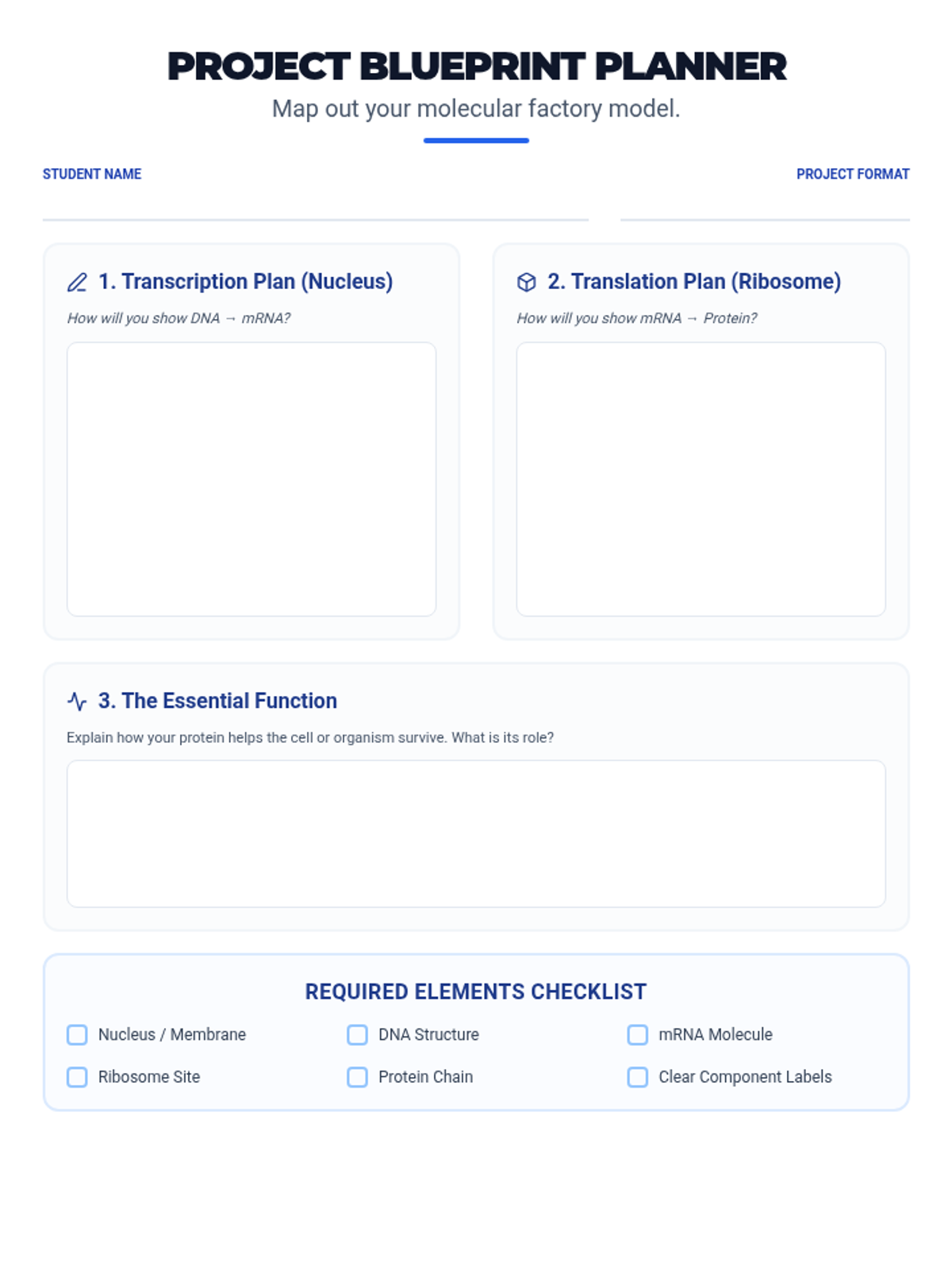
This lesson guides students through a summative project where they construct and explain models of transcription and translation, focusing on the flow of genetic information from DNA to proteins within the cell.
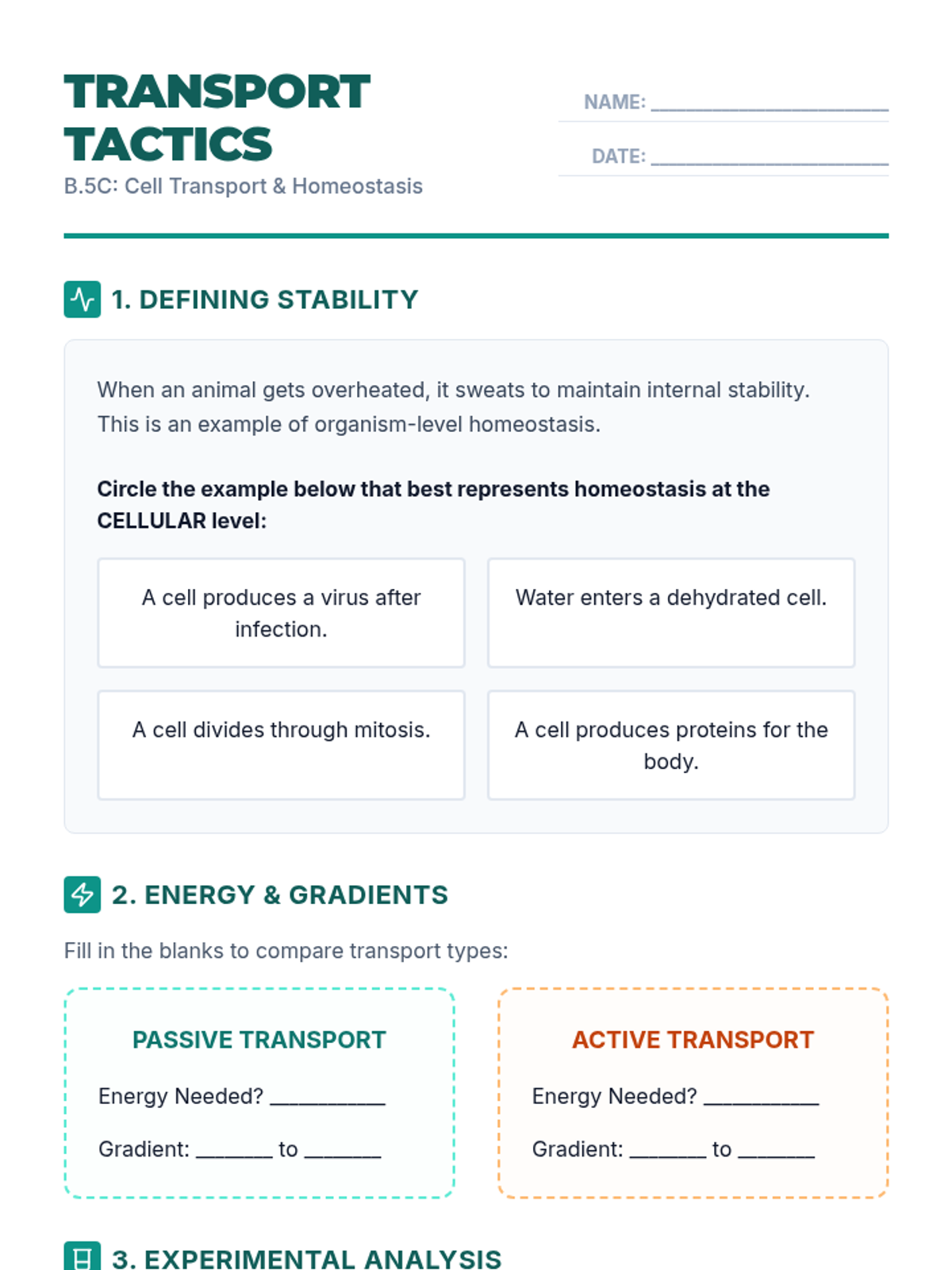
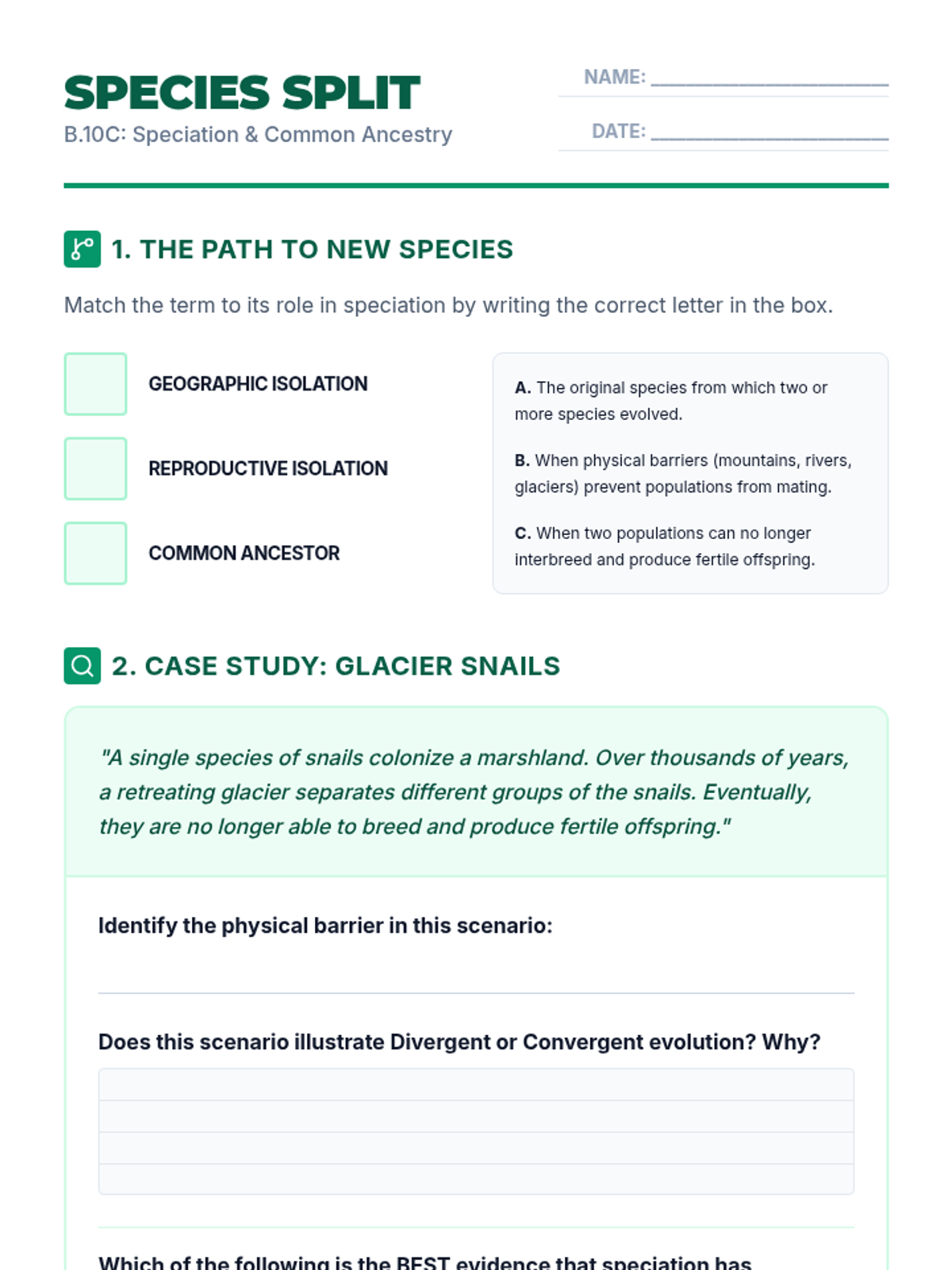
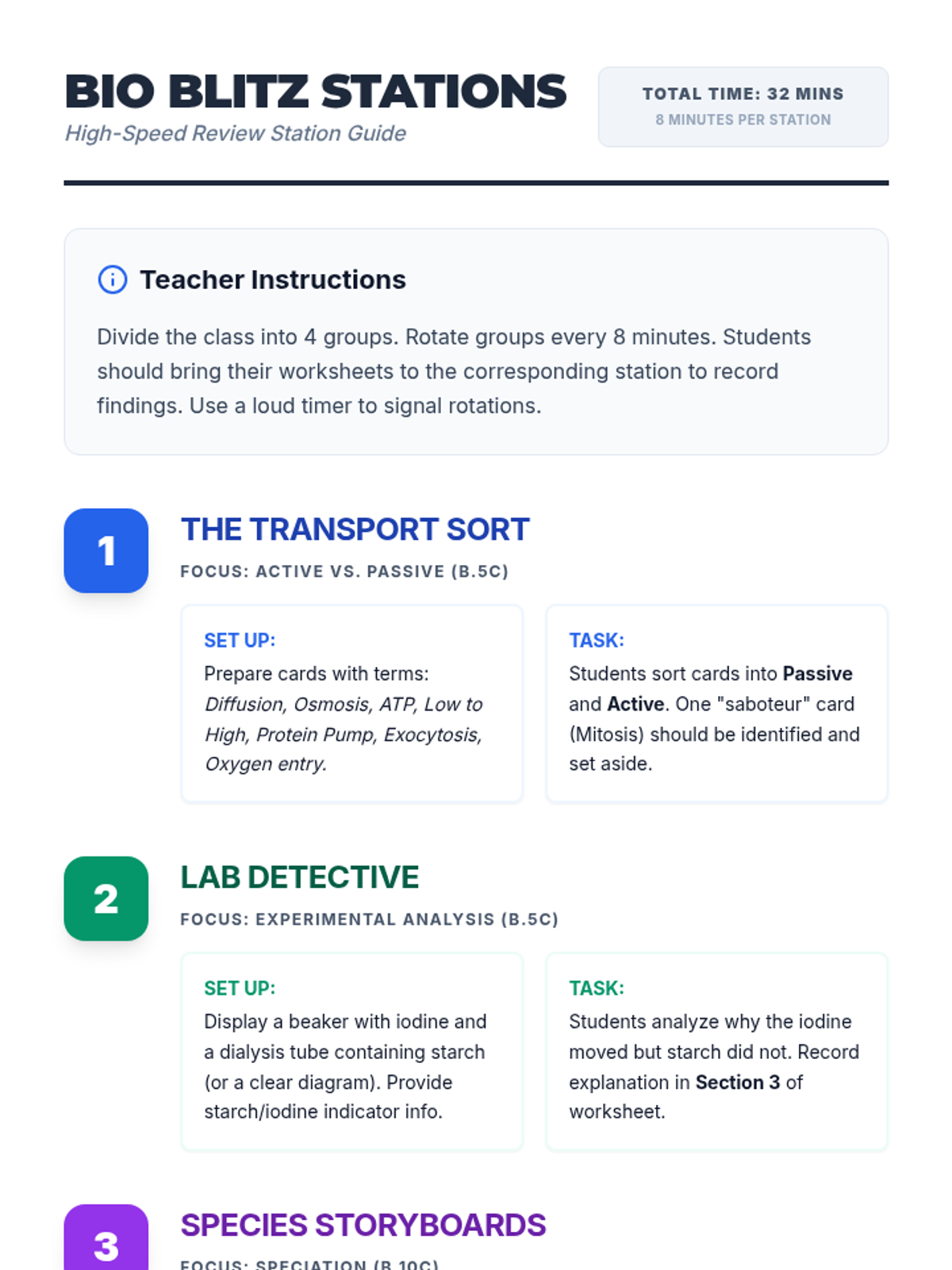
A 50-minute high-energy review lesson covering cell membrane dynamics, homeostasis, and the mechanisms of speciation.
A comprehensive project-based lesson where students develop a strategic plan and a Balanced Scorecard for a business, moving from situational analysis to actionable metrics.
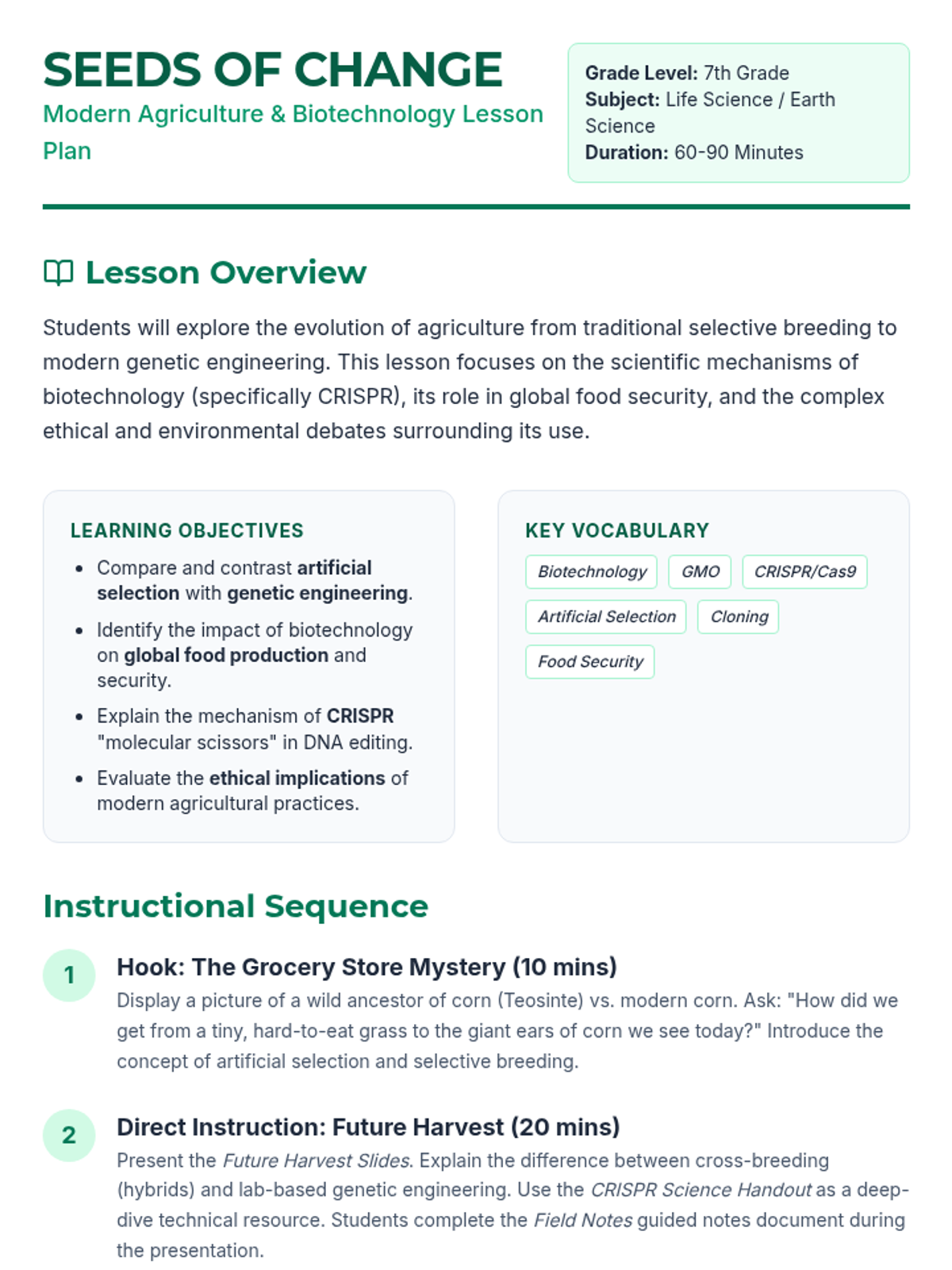
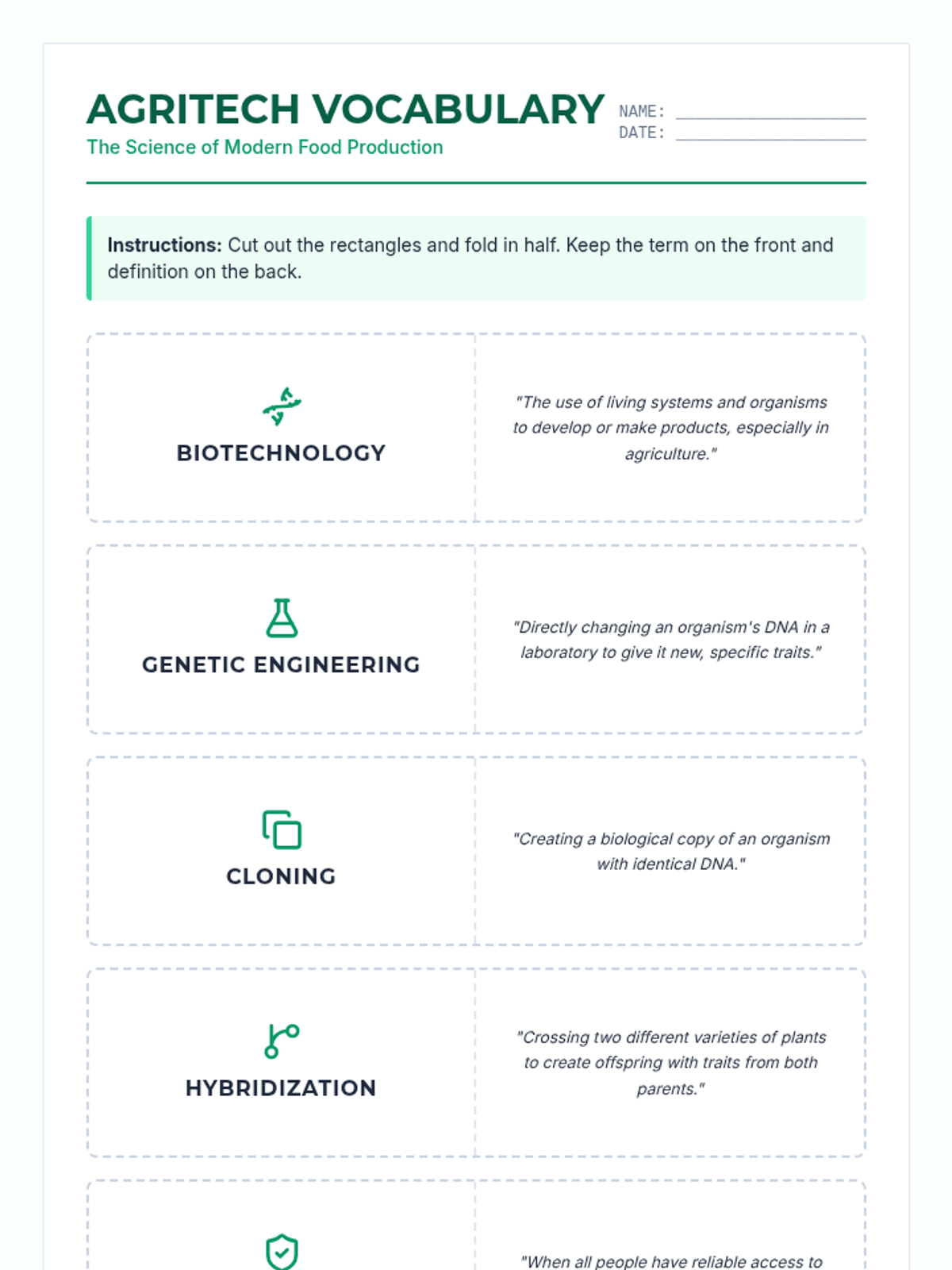
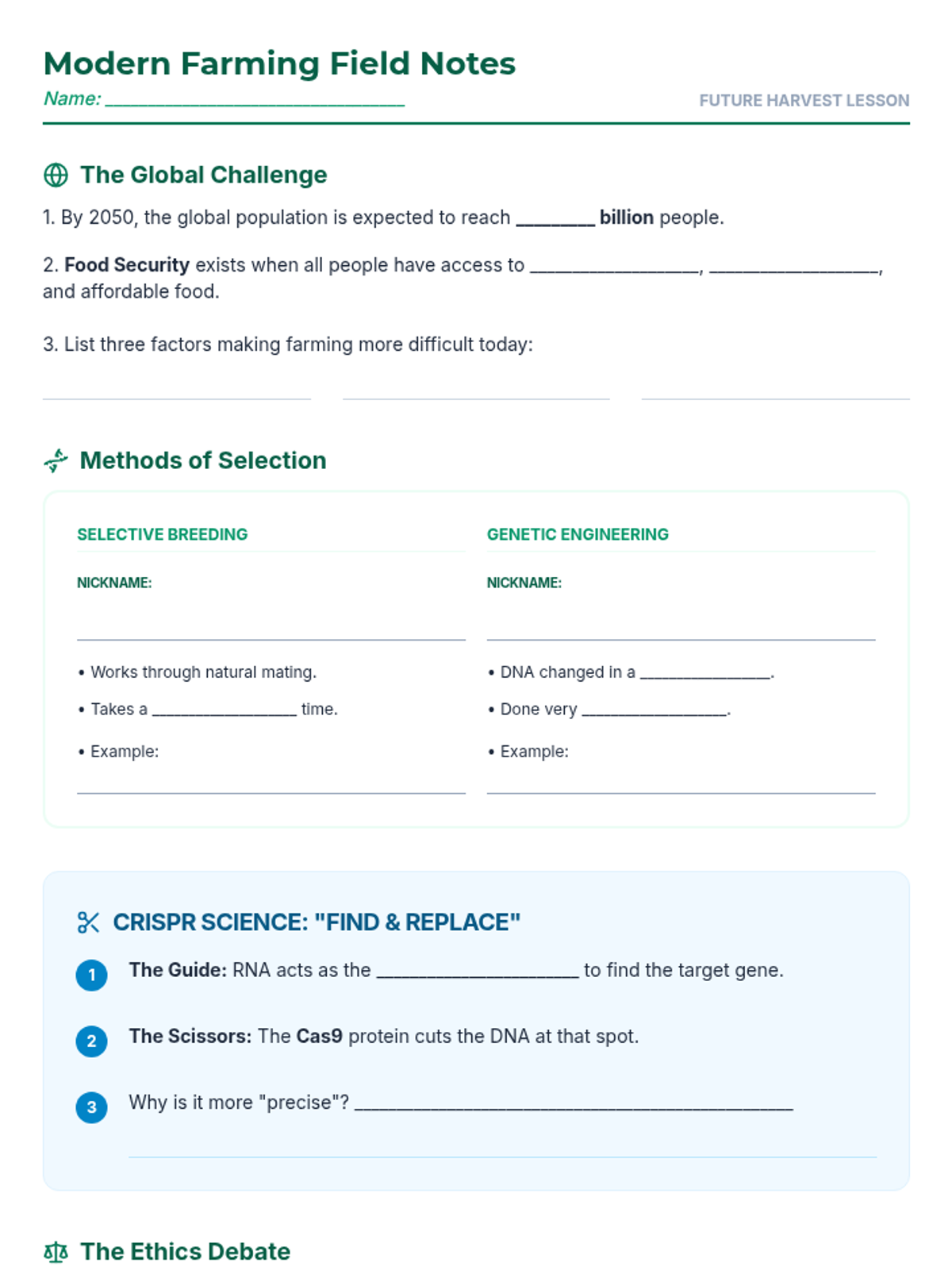
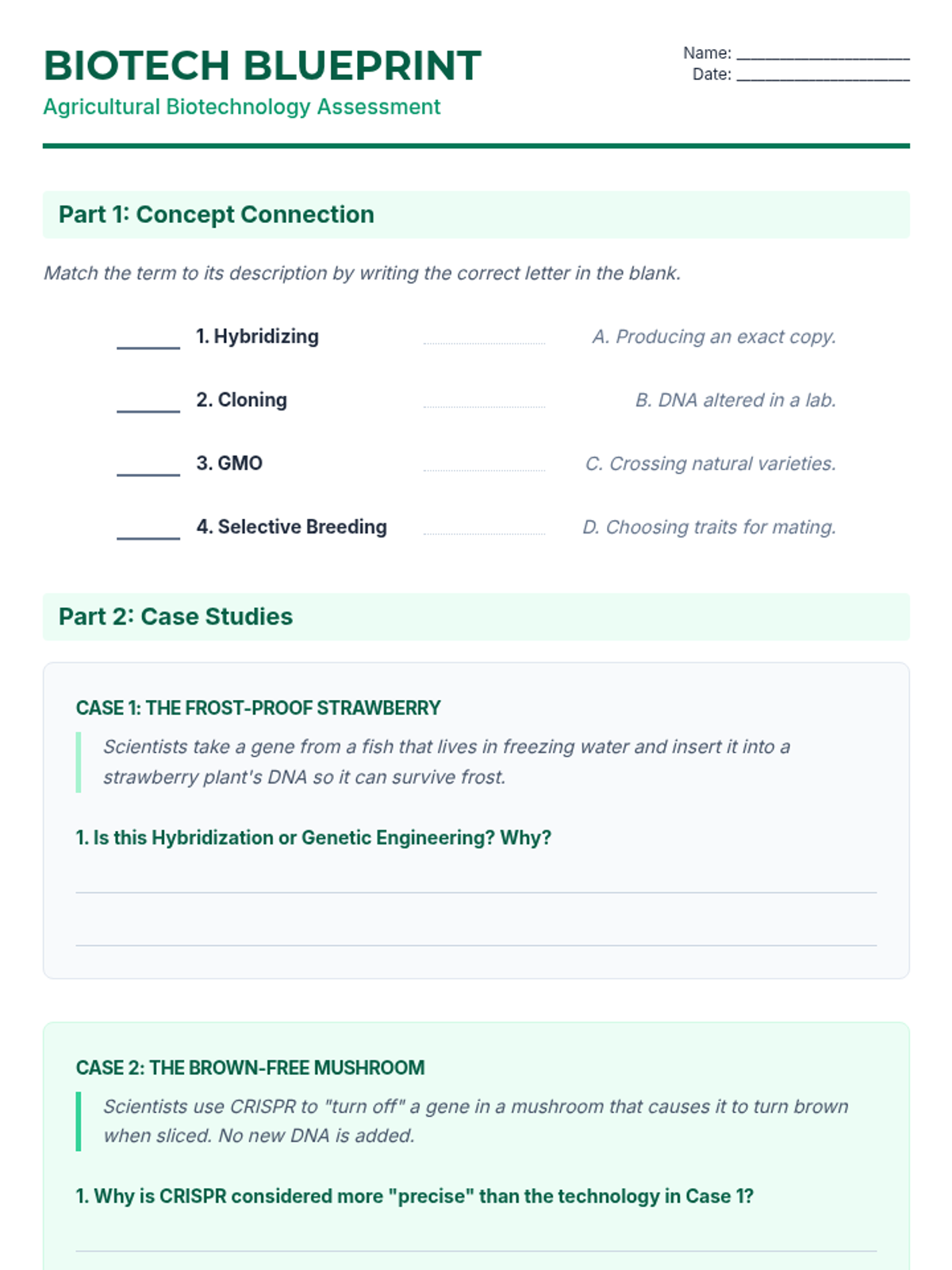
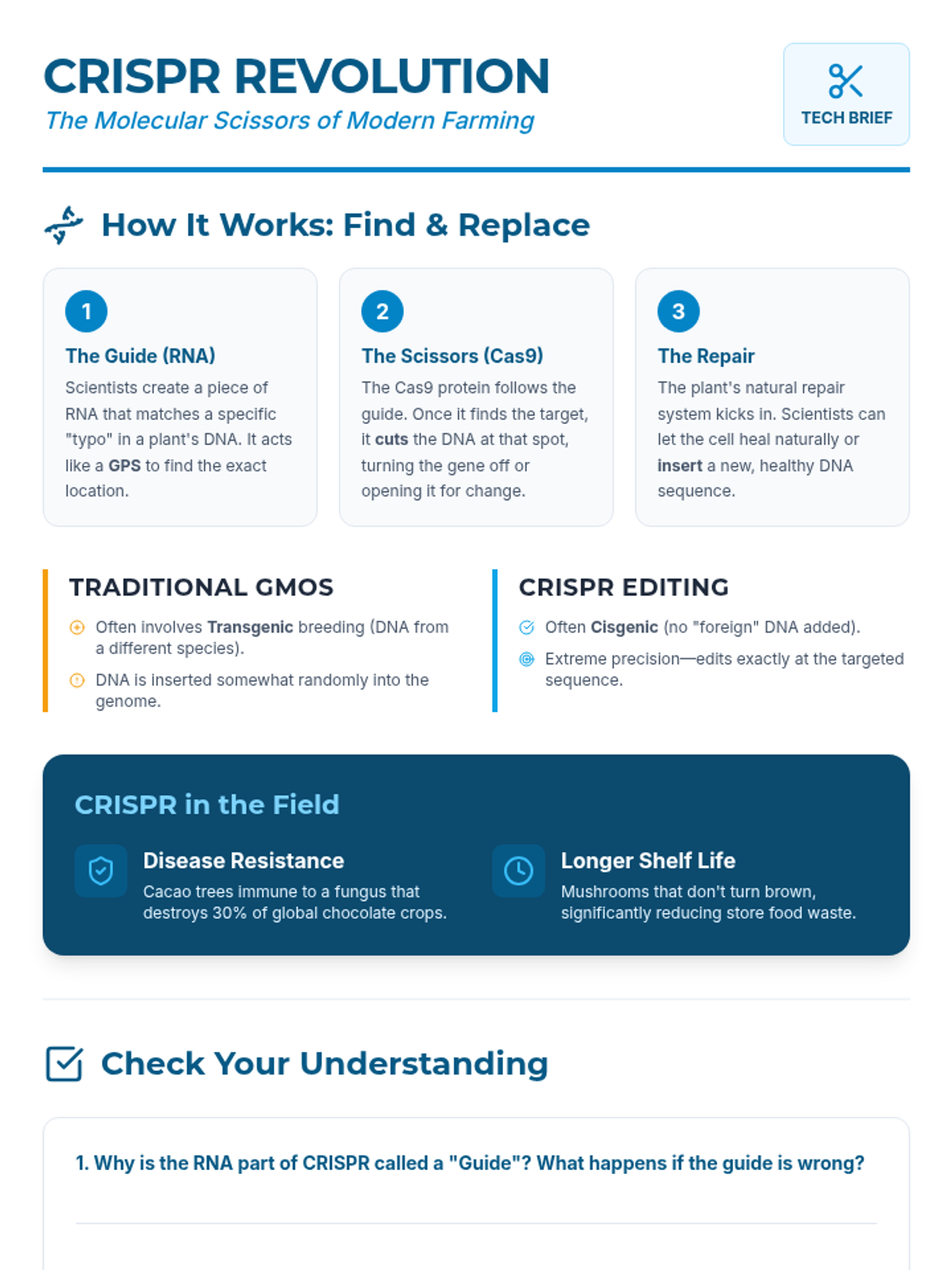
A comprehensive lesson exploring the science, ethics, and environmental impact of biotechnology in modern agriculture, comparing historical breeding methods with genetic engineering.
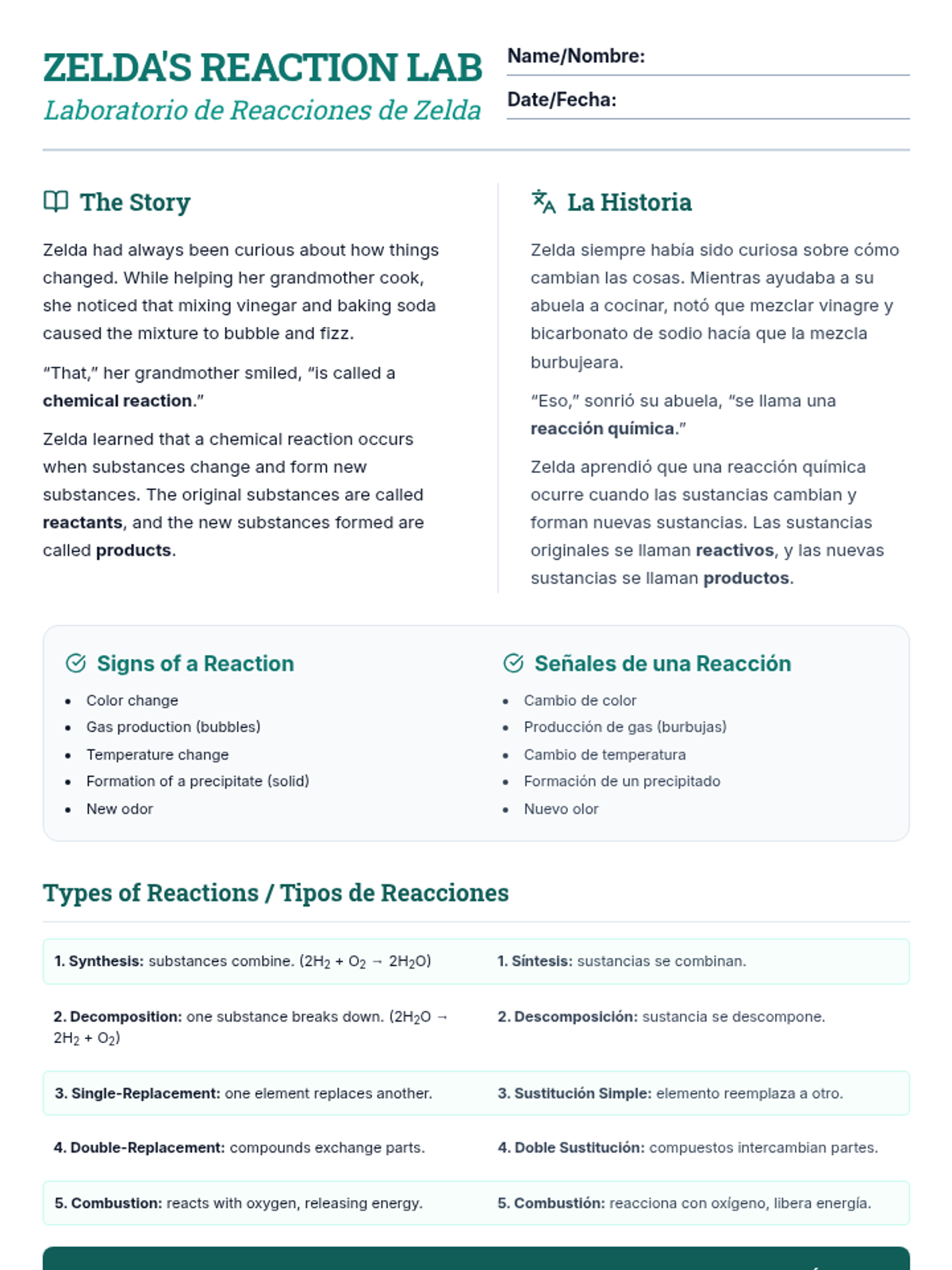
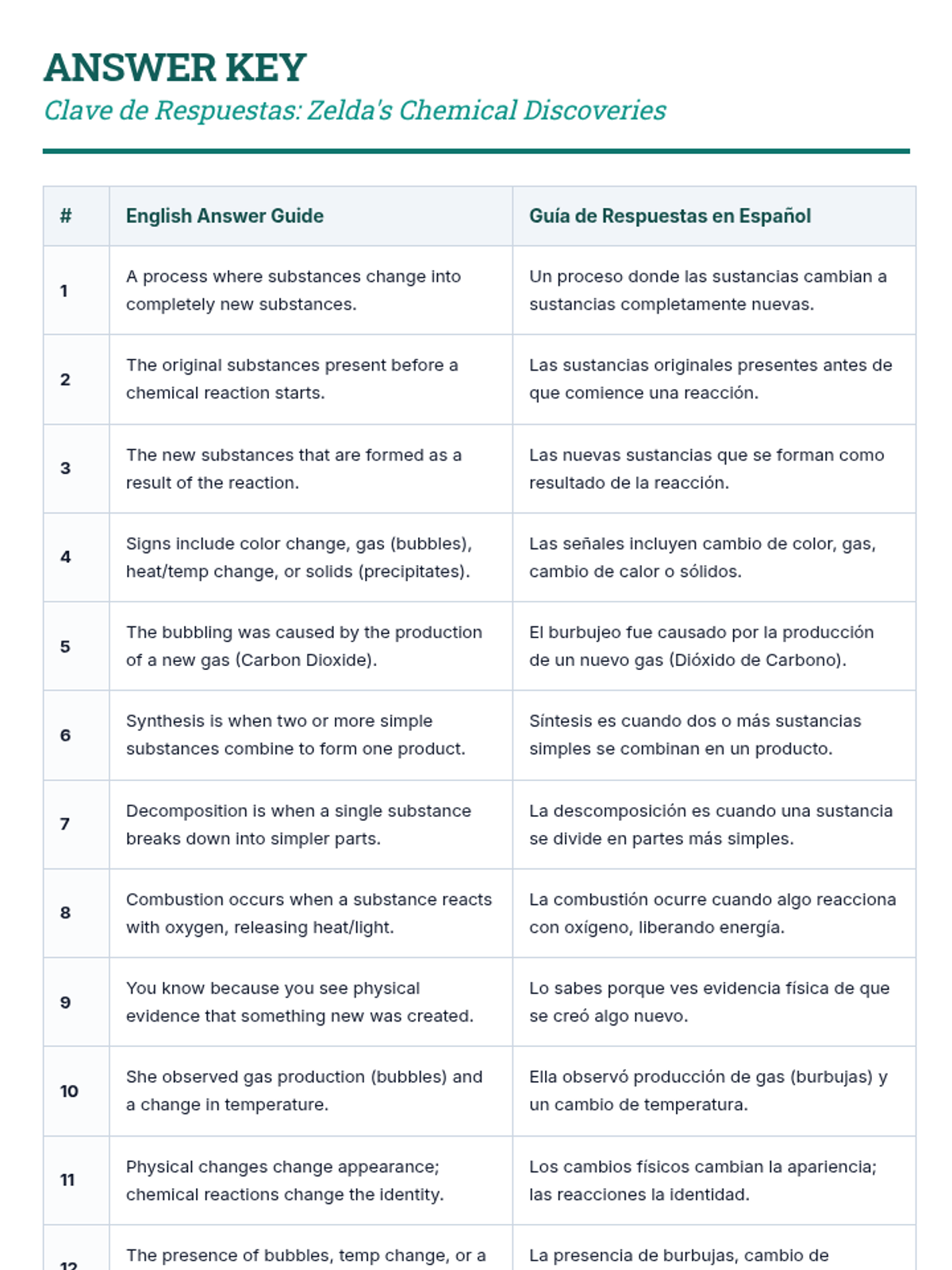
A bilingual (English/Spanish) lesson exploring chemical reactions through a narrative about a girl named Zelda, covering reaction signs, types, and identification.
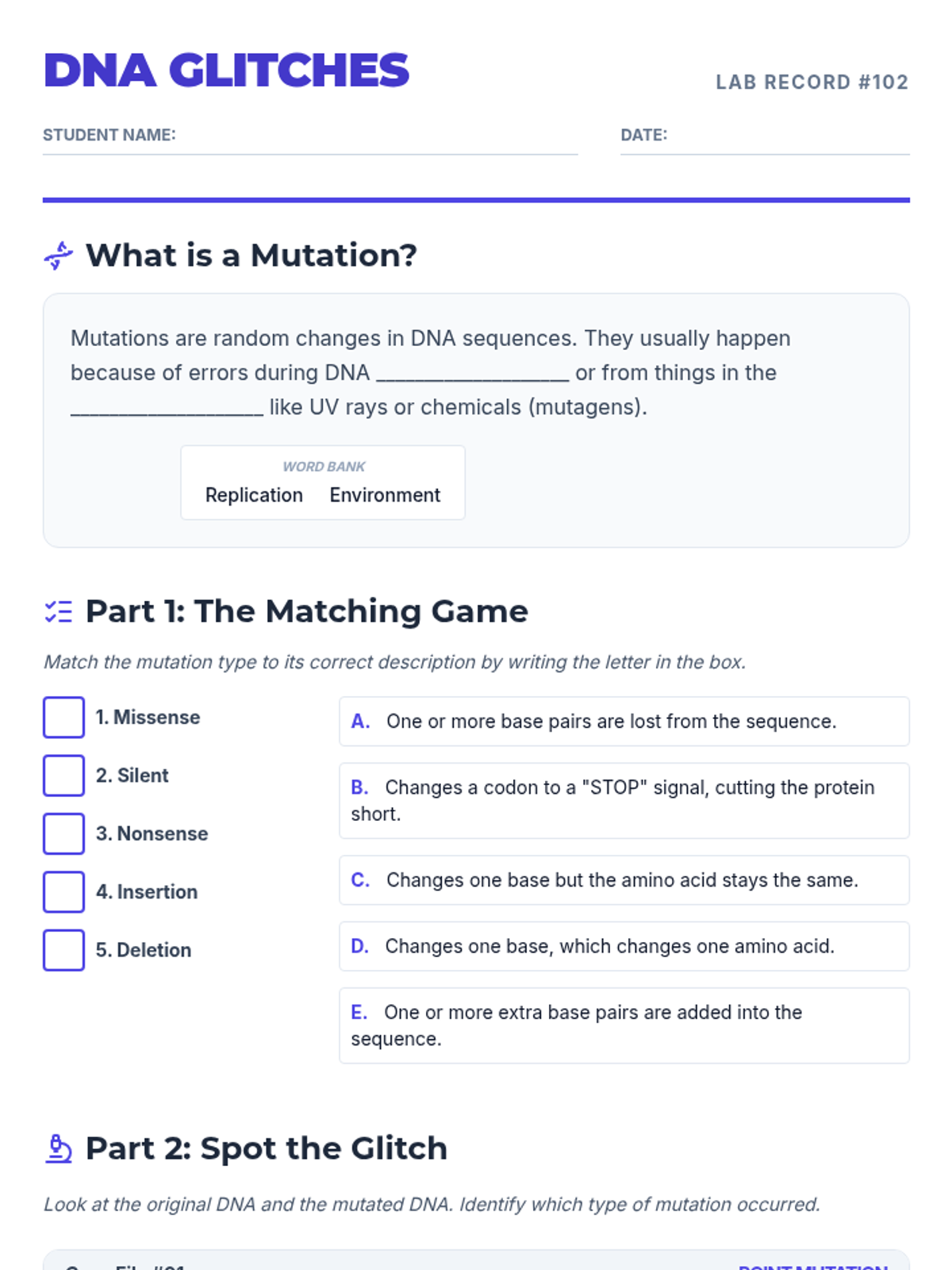
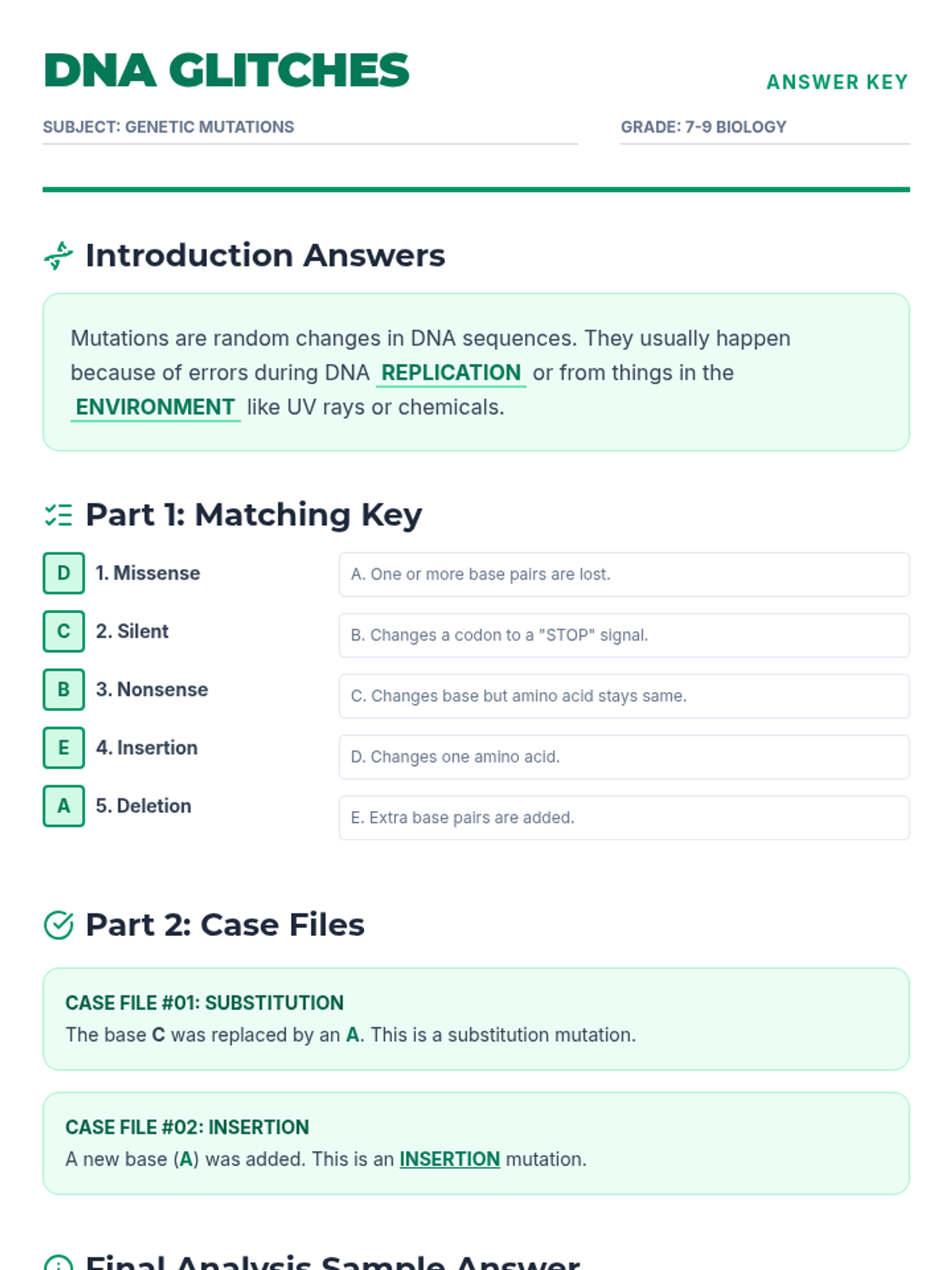
An introductory lesson on genetic mutations, covering point mutations and frameshift mutations, and how they affect protein synthesis.
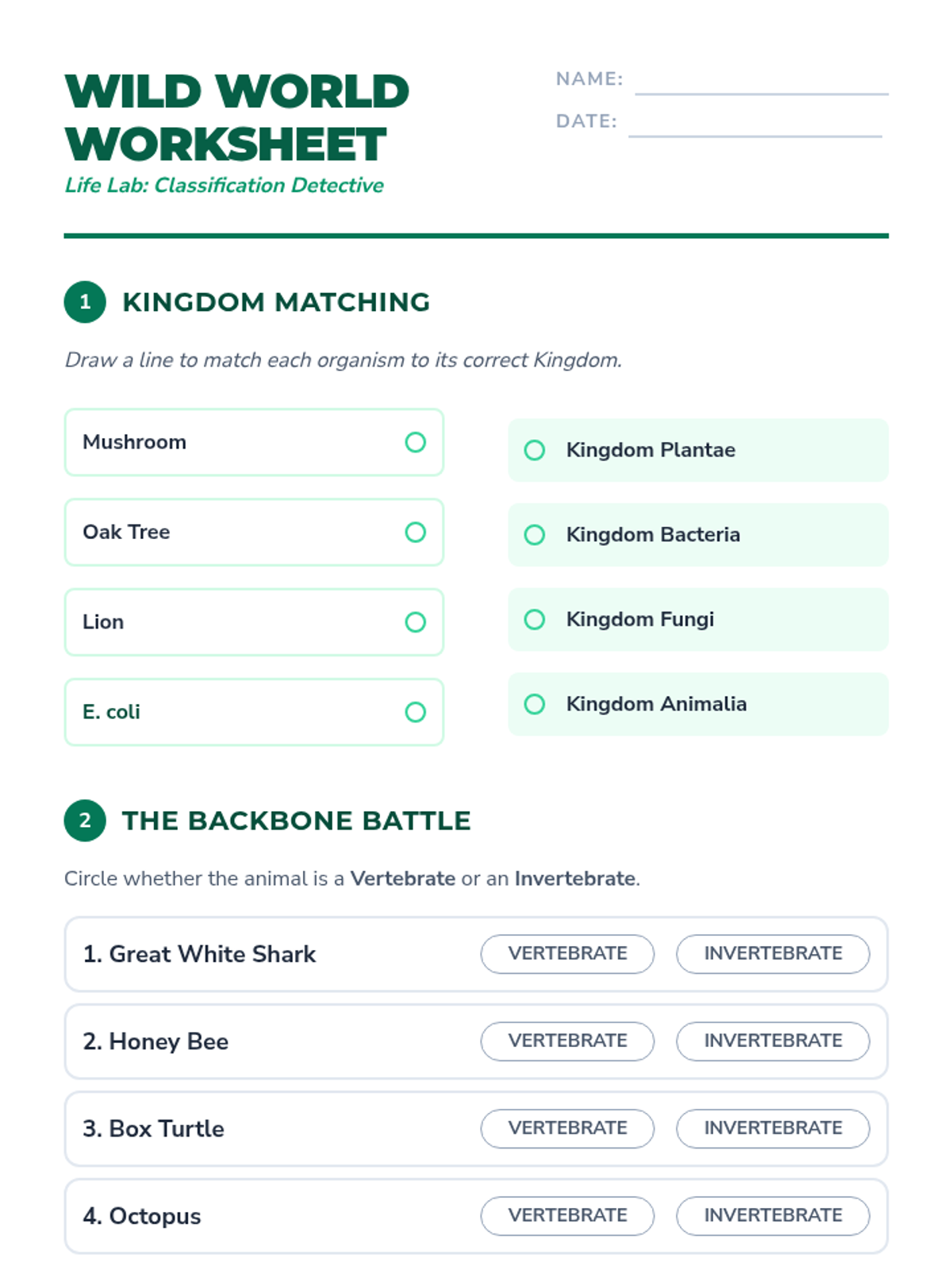
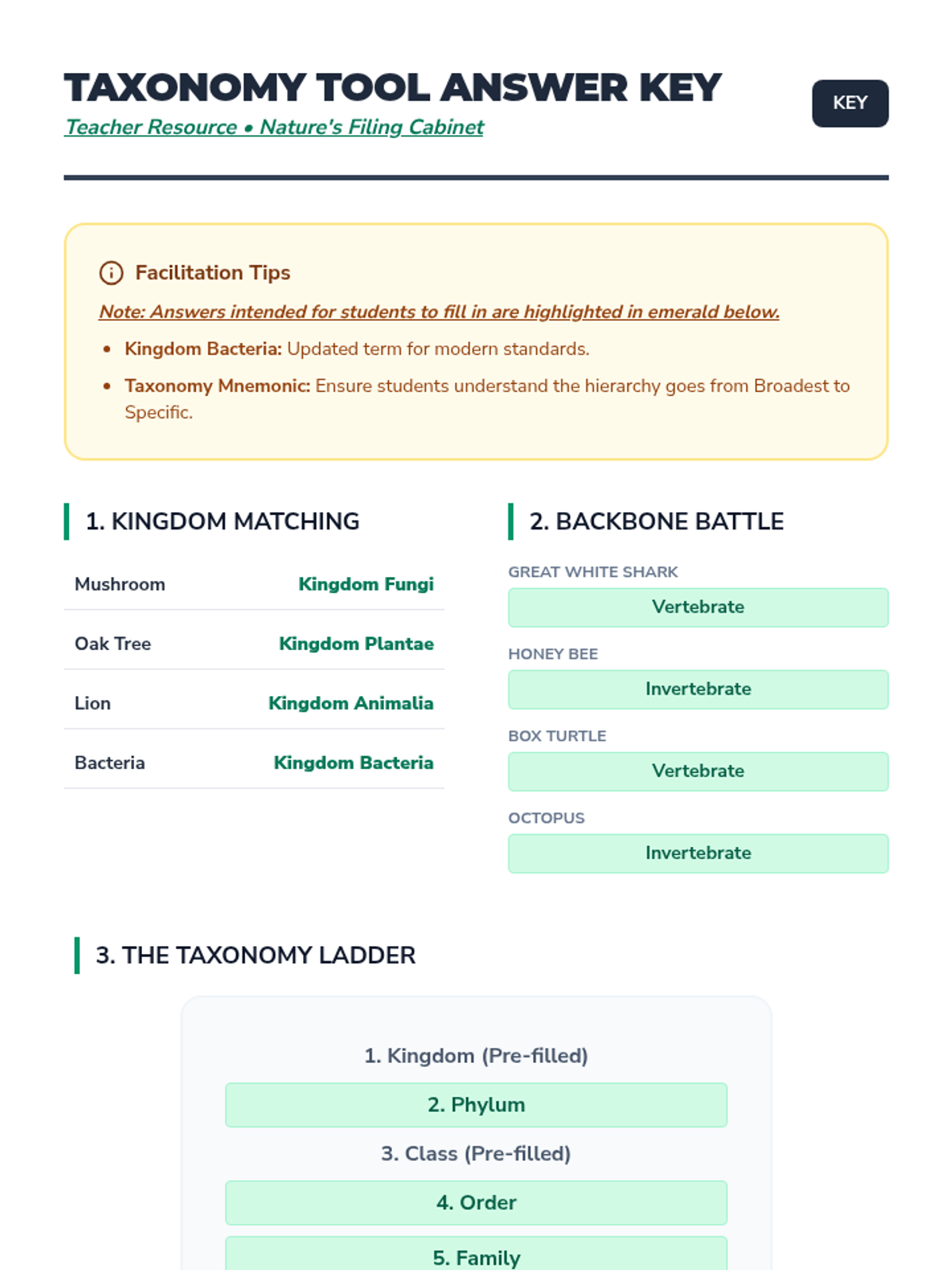
A foundational lesson exploring how scientists group living things using the Linnaean classification system, focusing on kingdoms and the distinction between vertebrates and invertebrates.
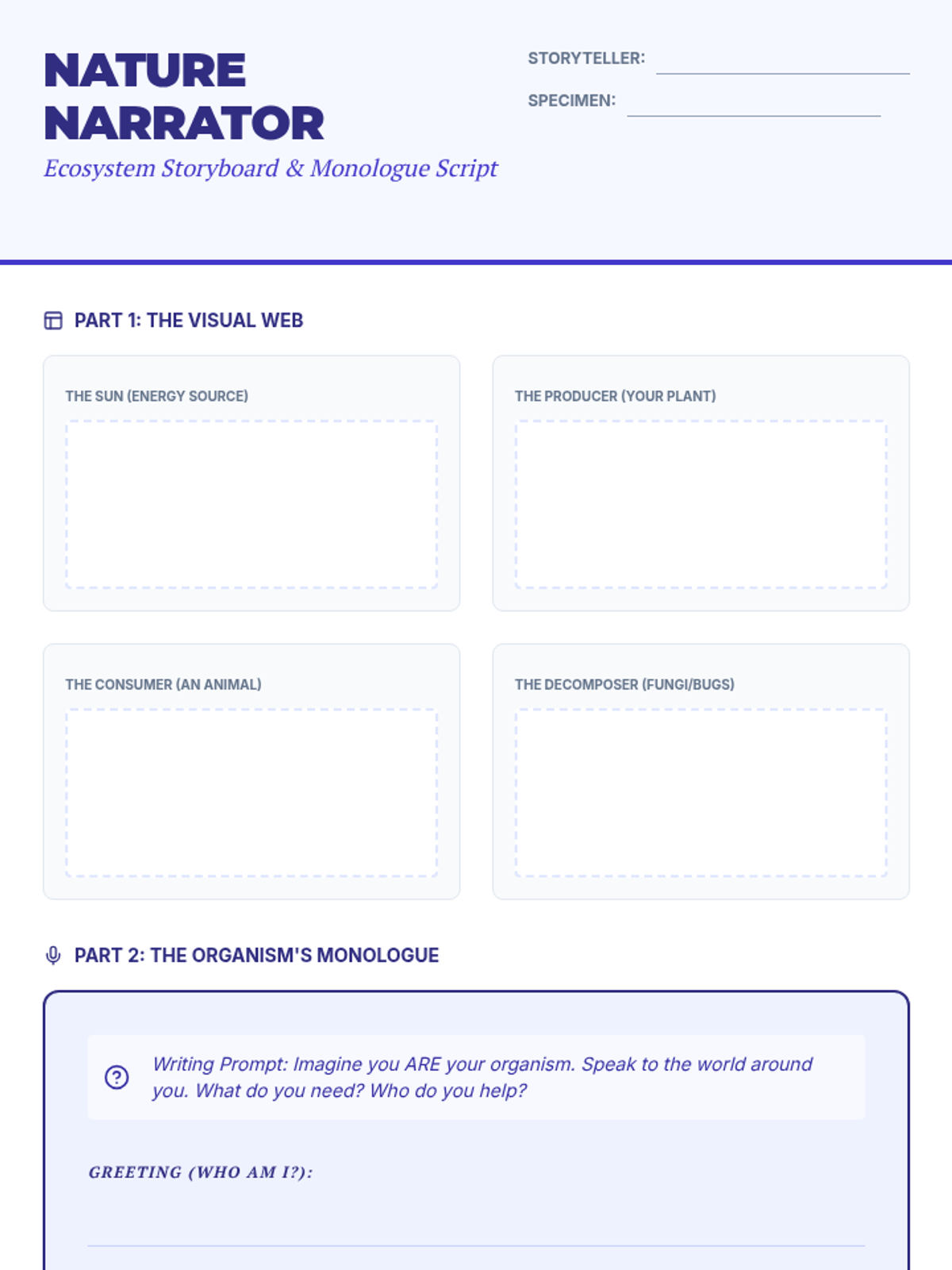
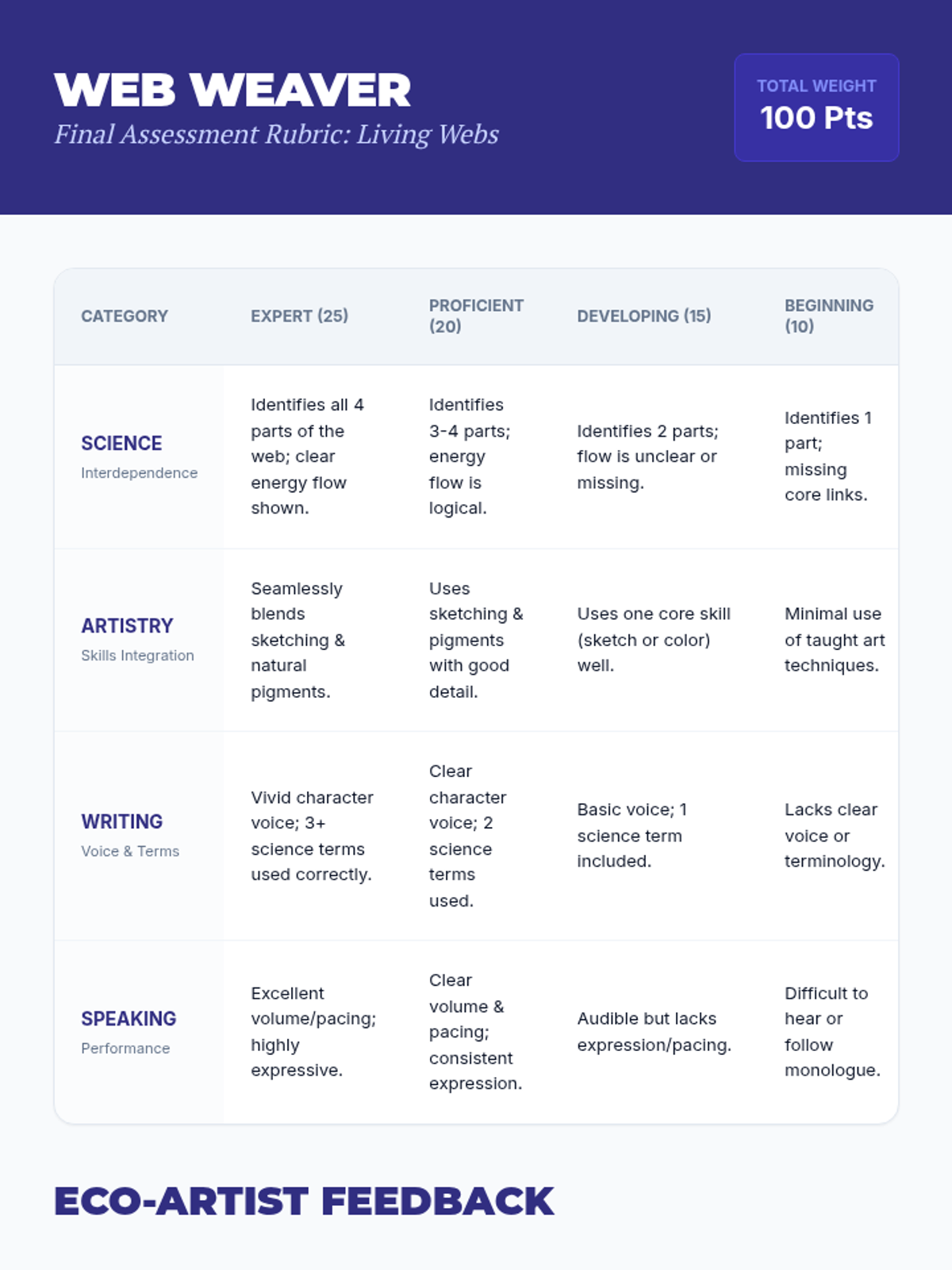
Students synthesize their knowledge of ecosystems to create narrative art pieces that tell the story of interdependence in the natural world.
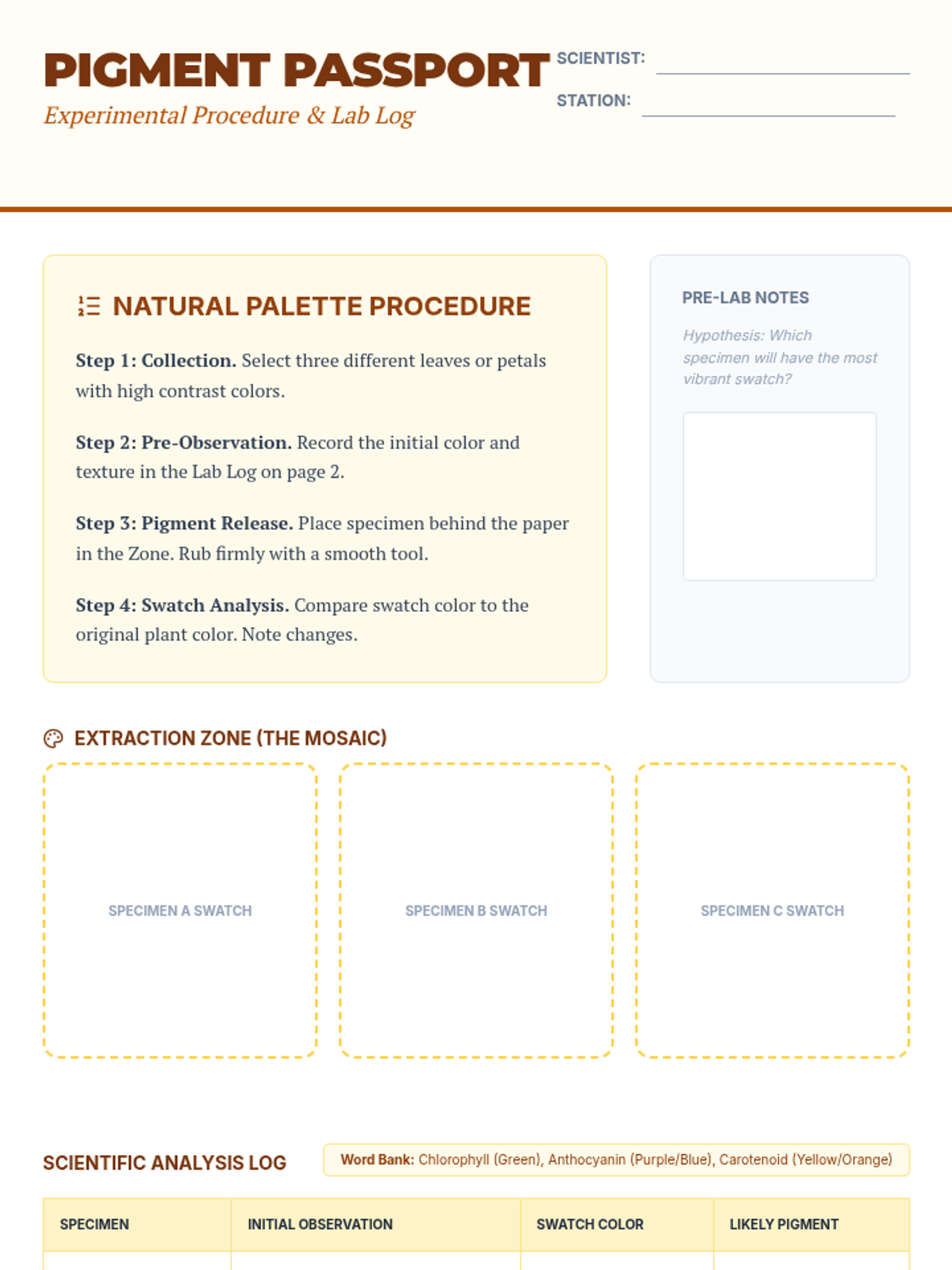
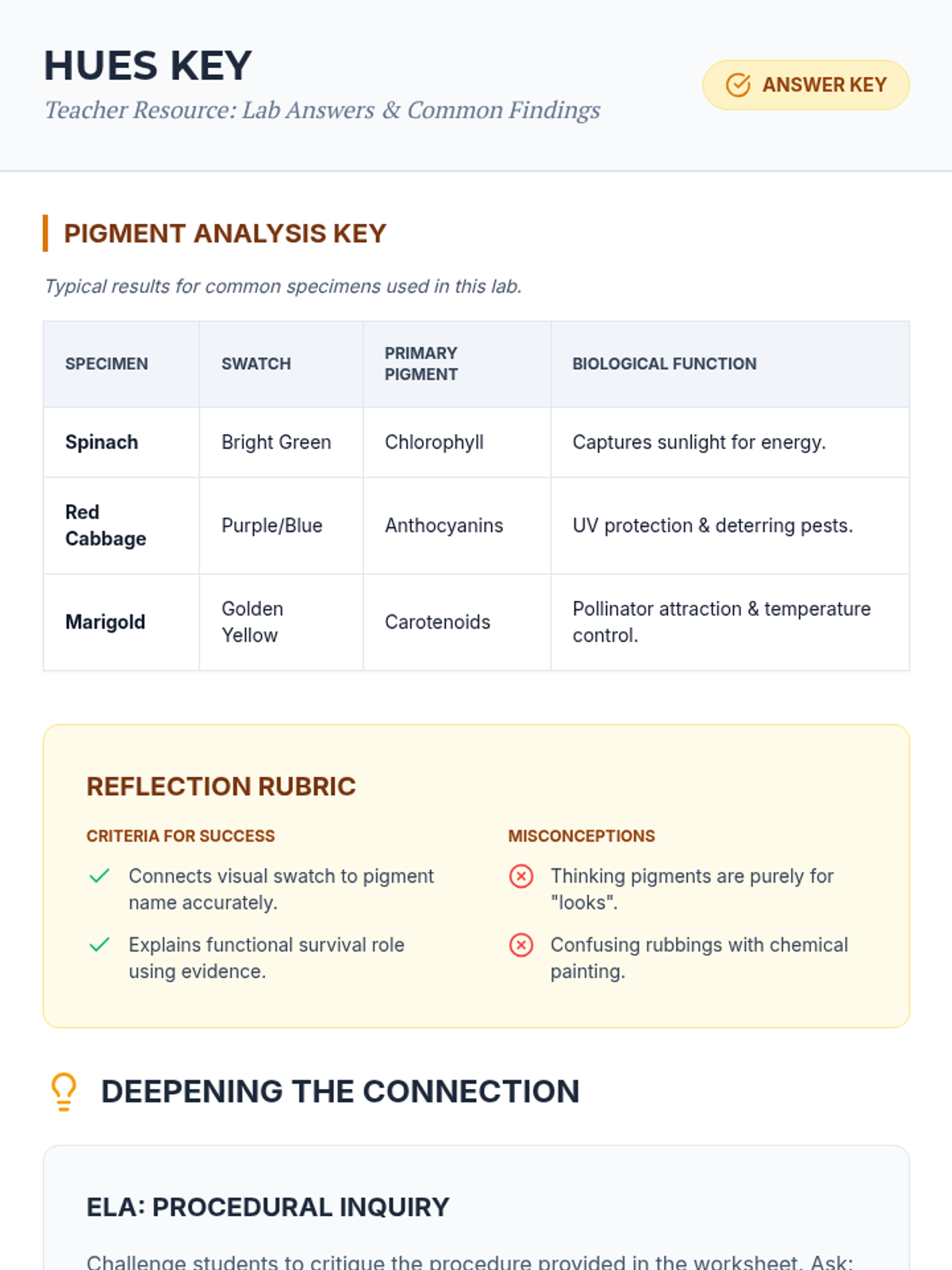
An exploration into the chemistry of natural pigments, where students follow procedures to extract colors and document their experimental process.
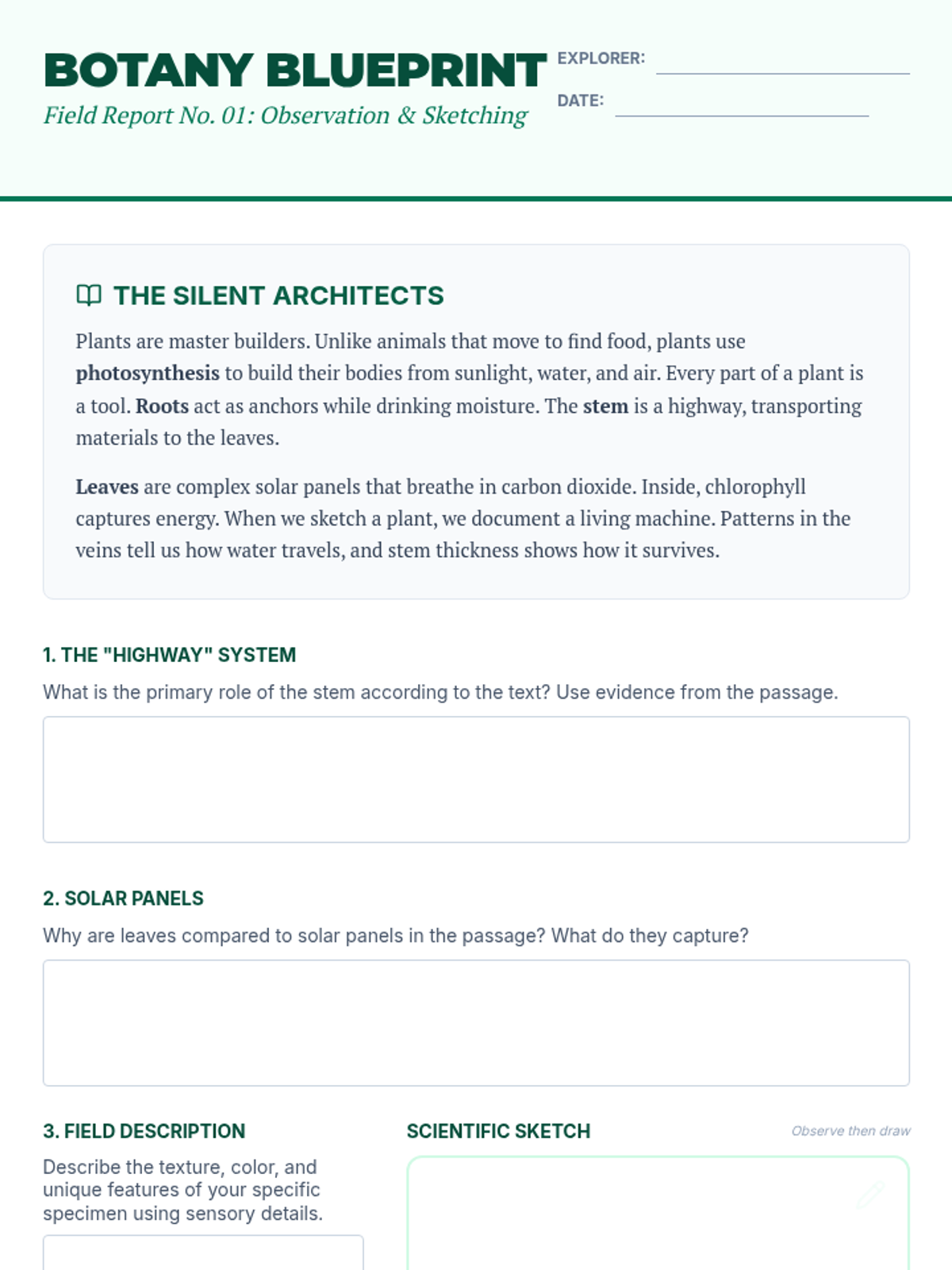
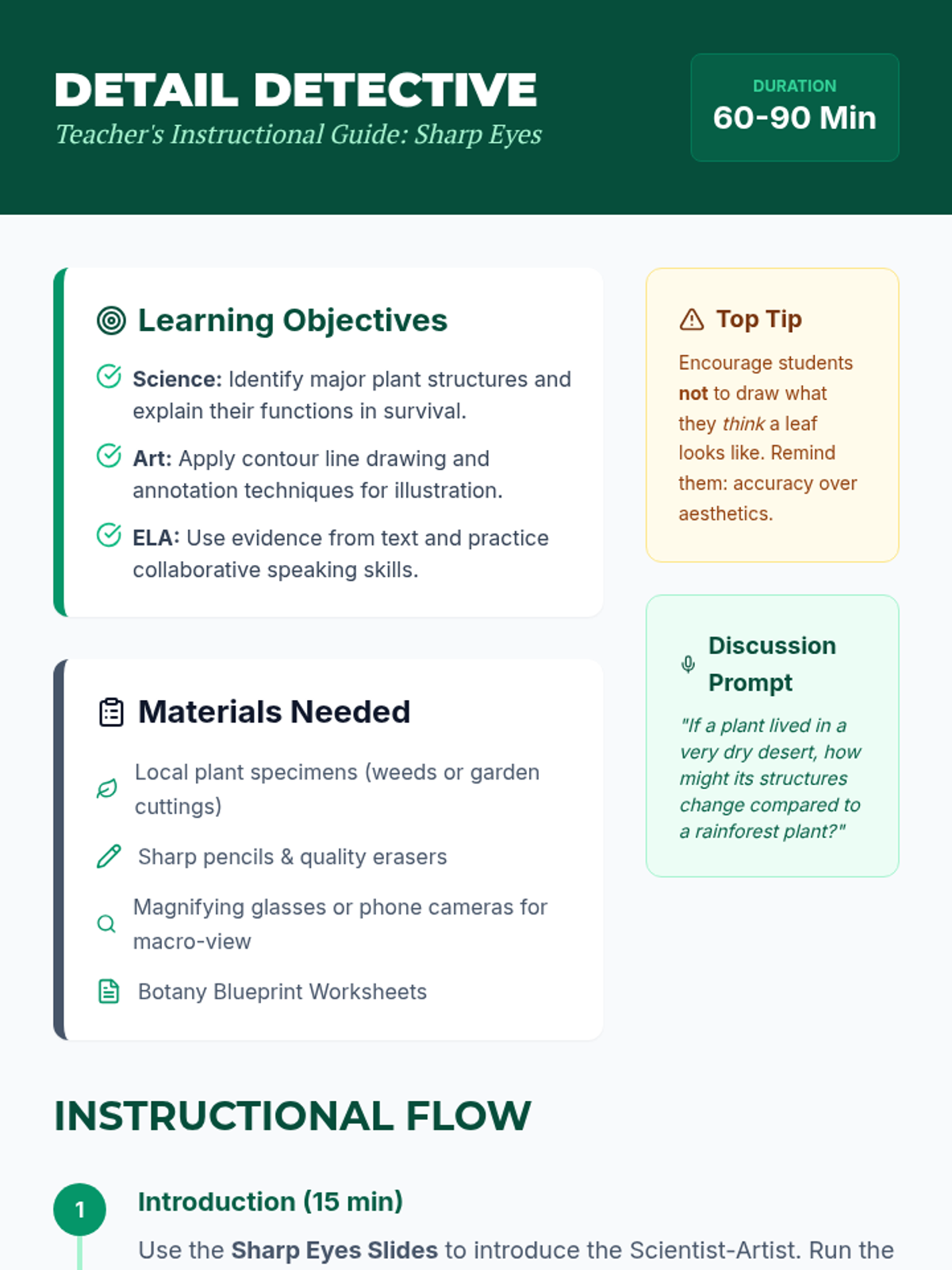
Students learn the art of botanical illustration by observing plant structures and recording their findings with scientific precision and artistic flair.
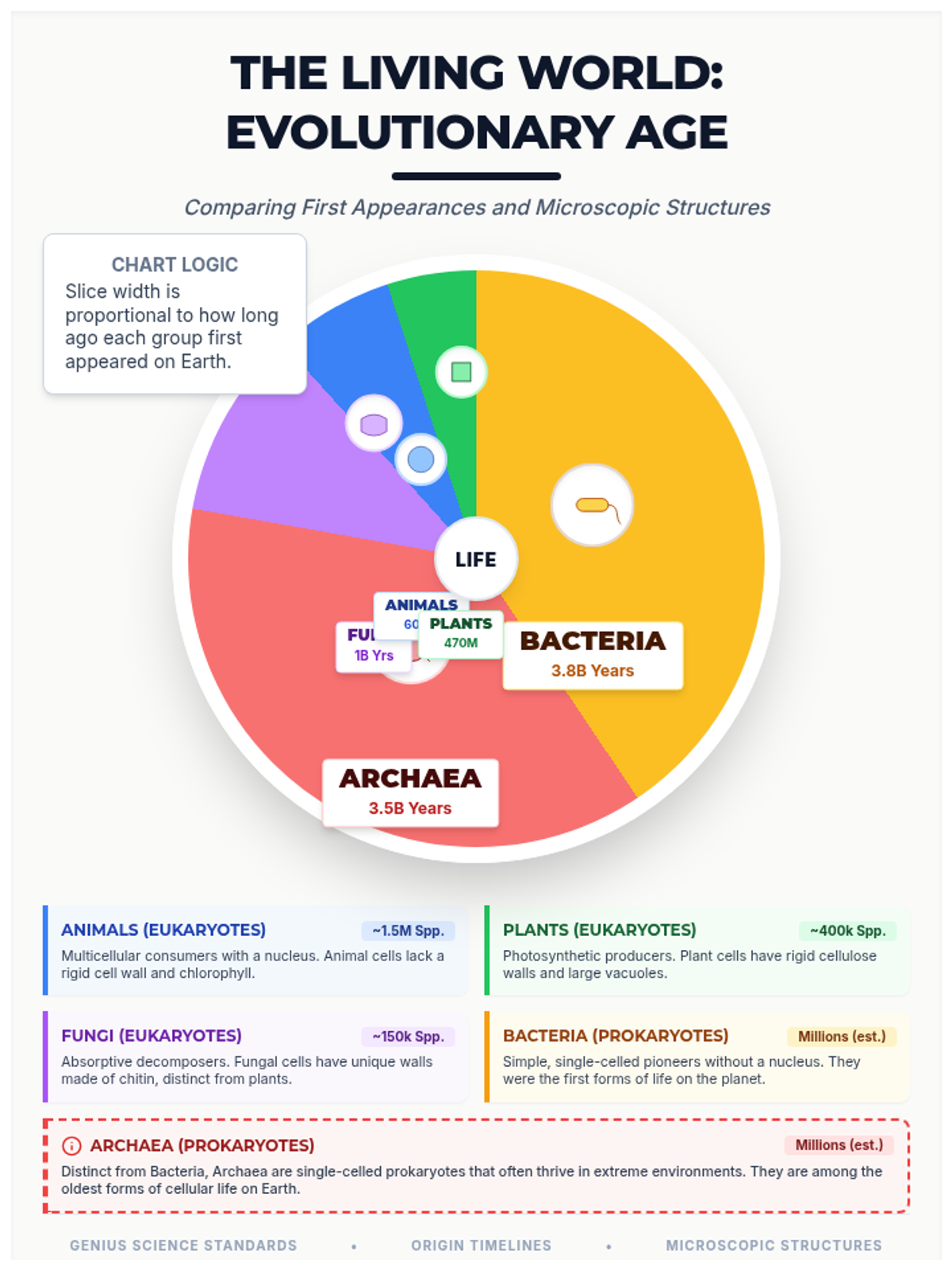
Explore the classification of life through the 5 Kingdoms: Animals, Plants, Fungi, Bacteria, and Viruses. Students will learn the key characteristics that define each group and discuss the unique biological status of viruses.