A lesson focused on characterization using the SLATE acronym for analysis and the RACE format for structured writing, centered around a 5th-grade historical fiction passage.
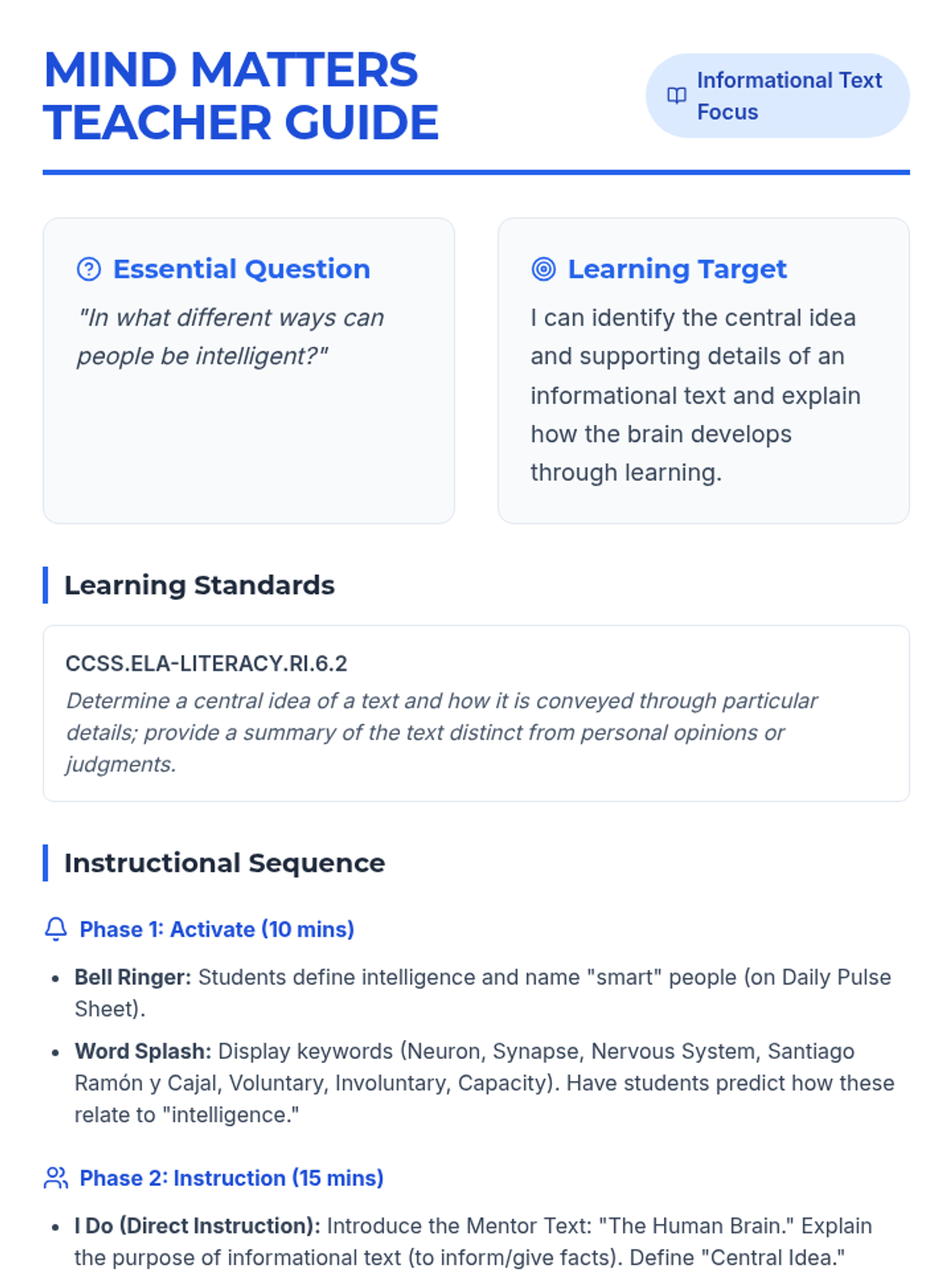
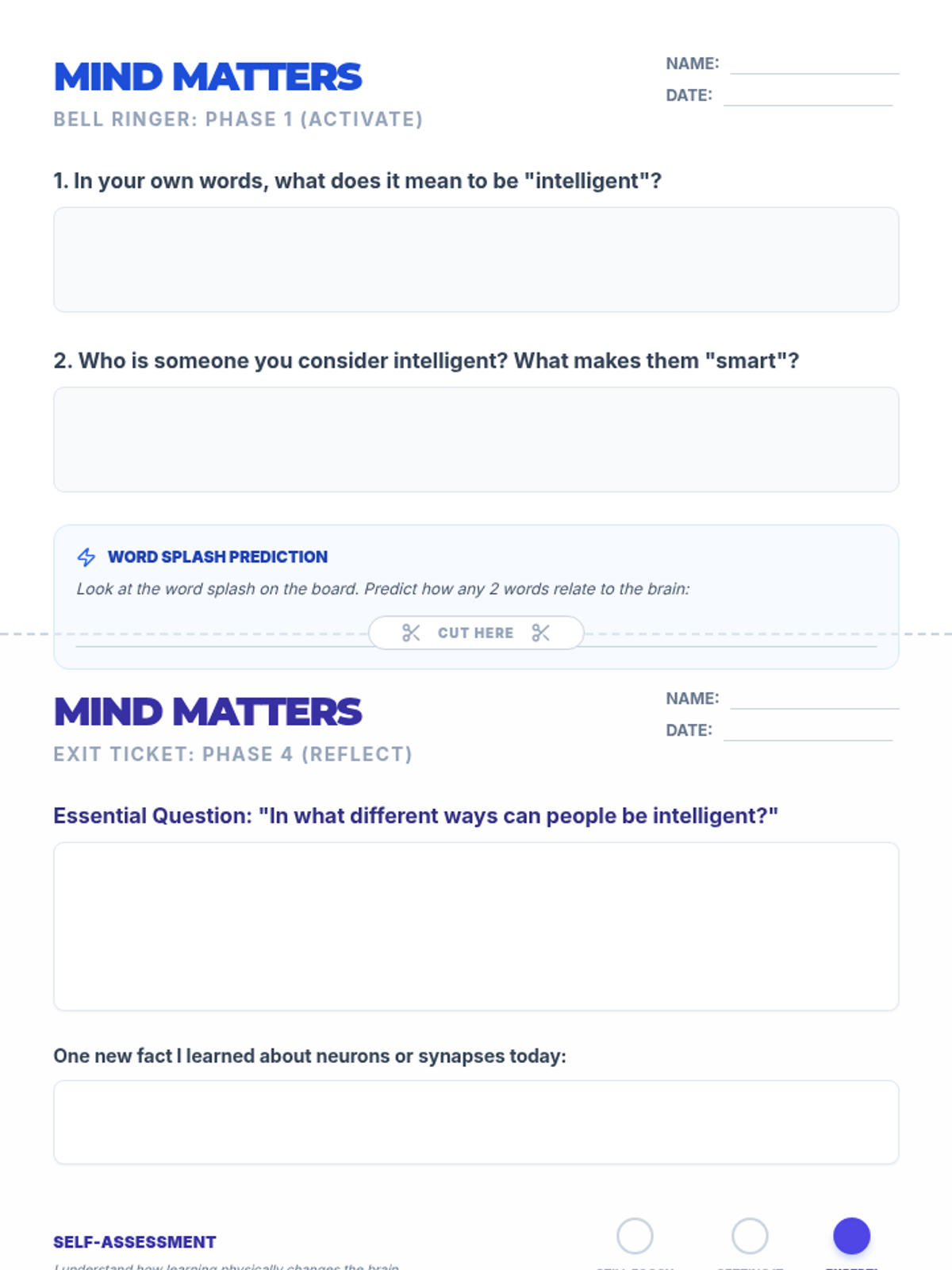
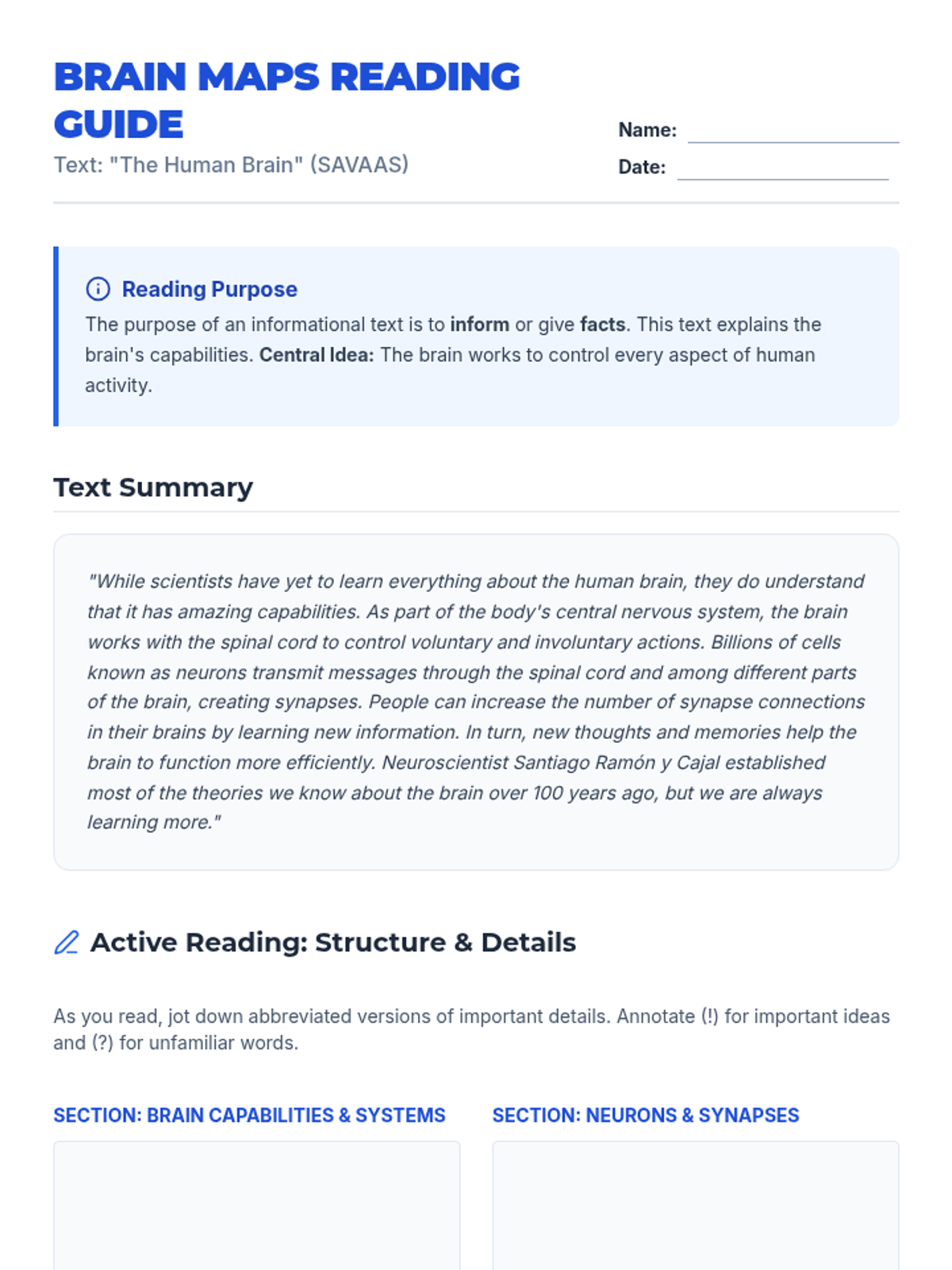
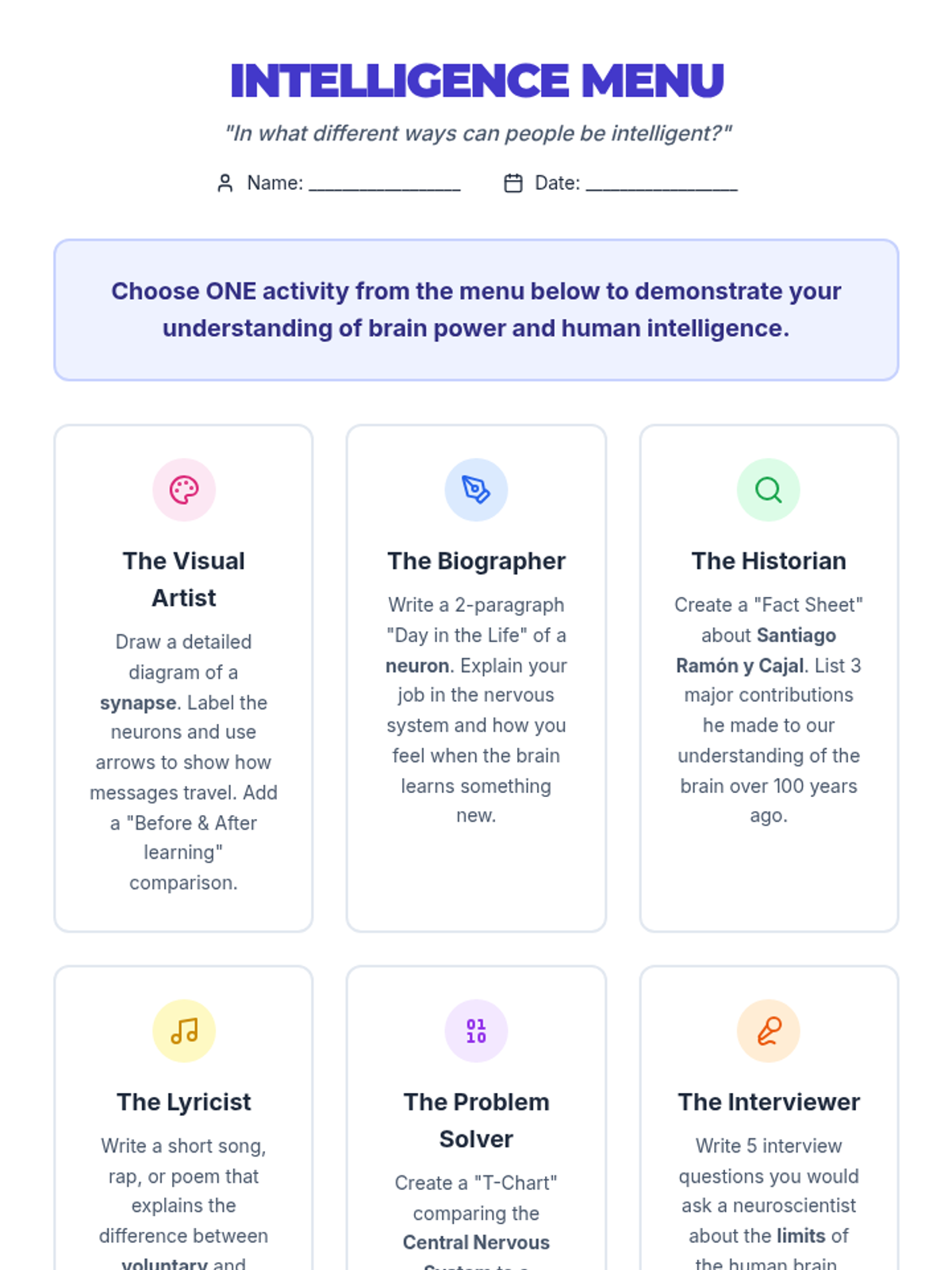
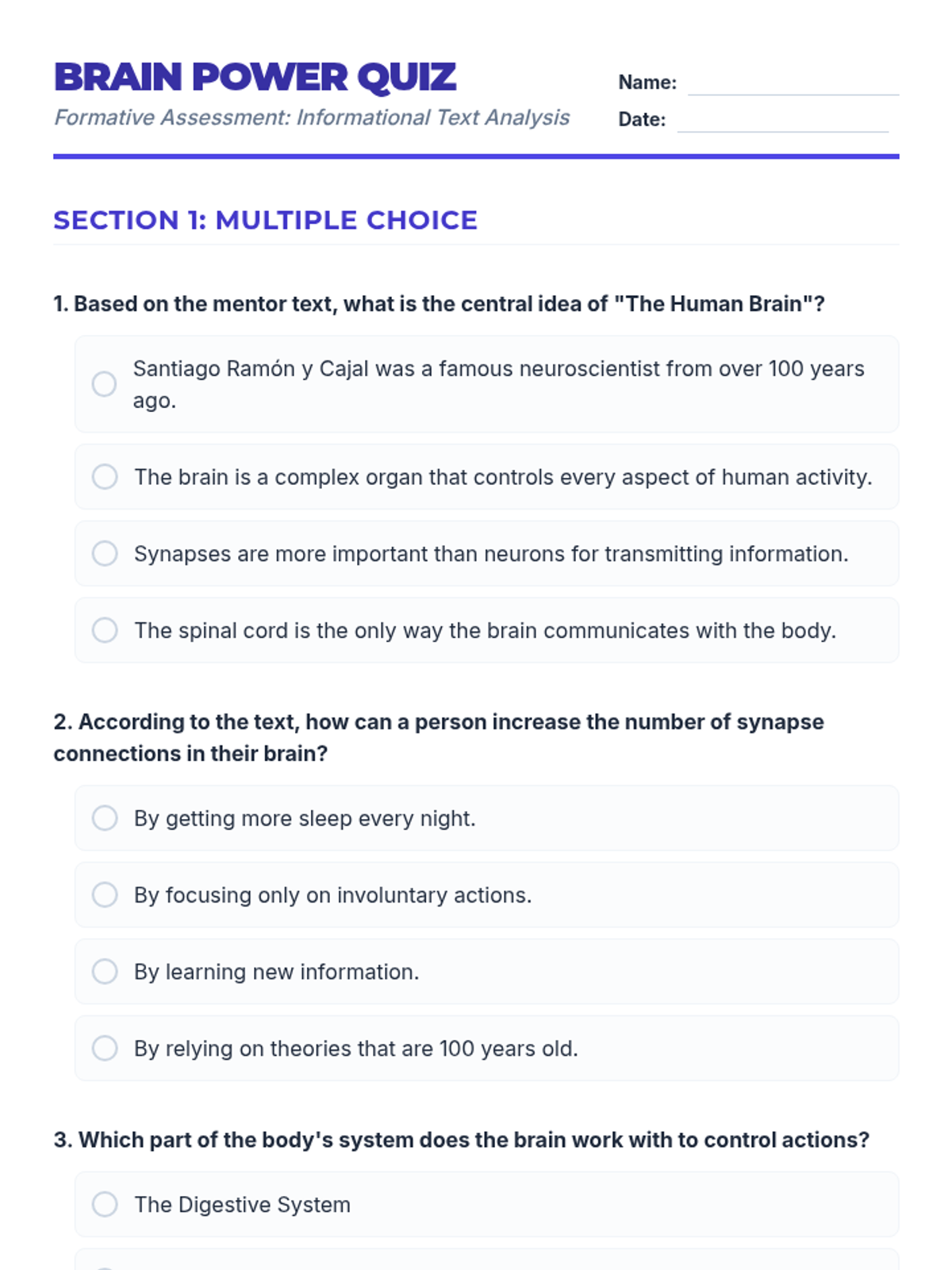
A comprehensive lesson exploring the human brain's capabilities and the nature of intelligence, featuring an informational text analysis and a multiple intelligences choice board.
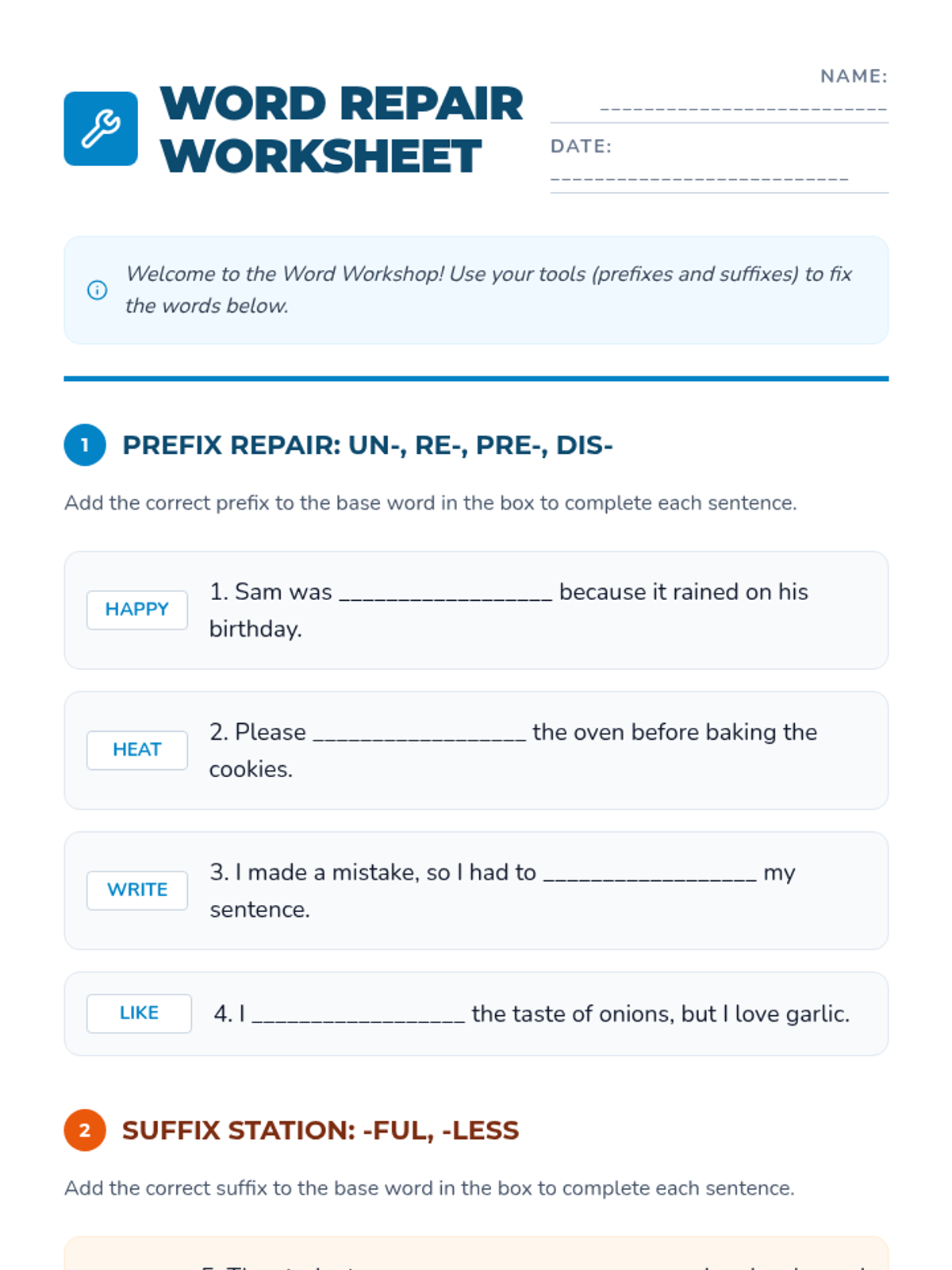
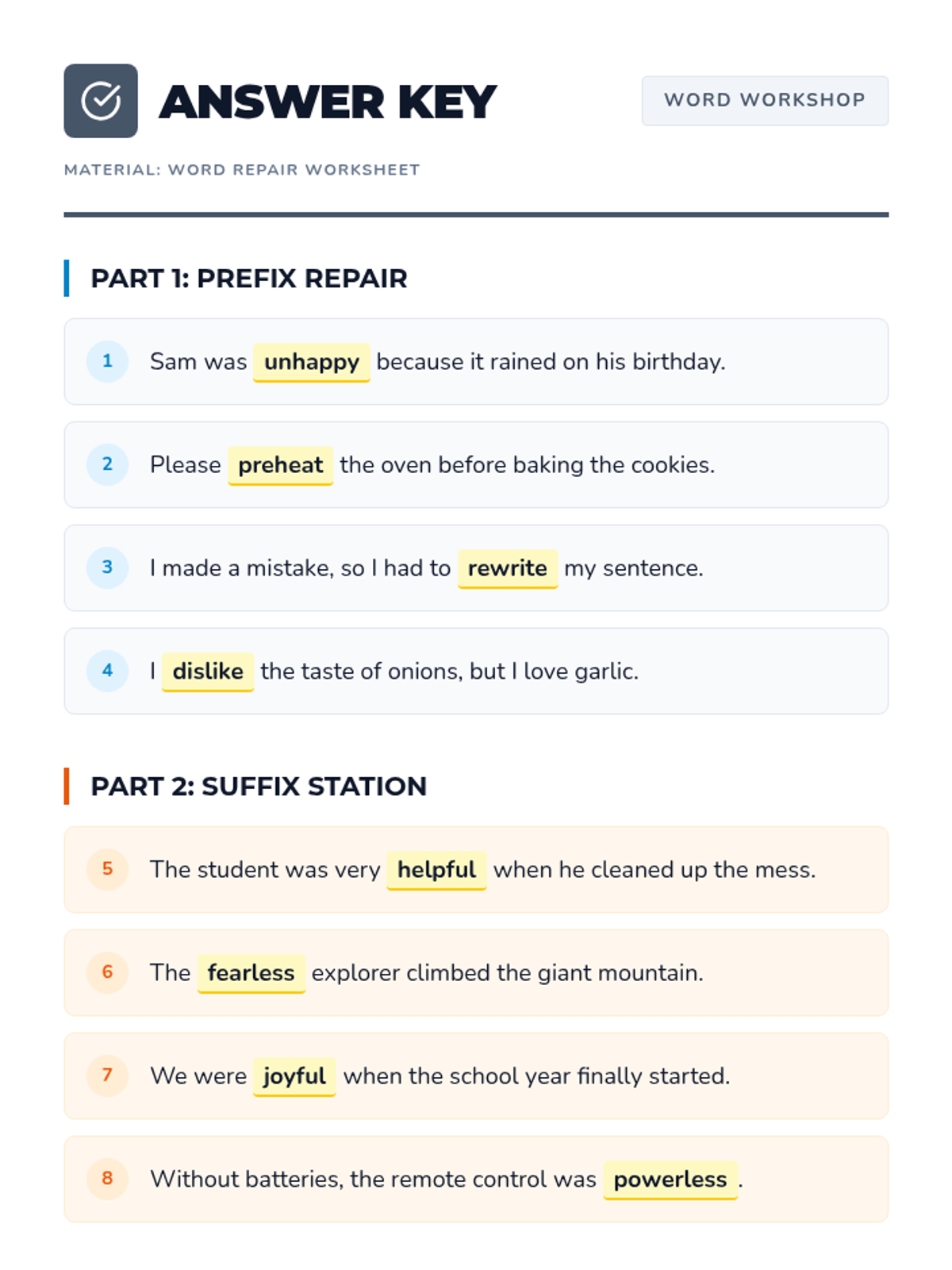
A lesson focused on common prefixes (un-, re-, pre-, dis-) and suffixes (-ful, -less, -er, -ly) using a 'Word Workshop' theme to help students understand how word parts change meanings.
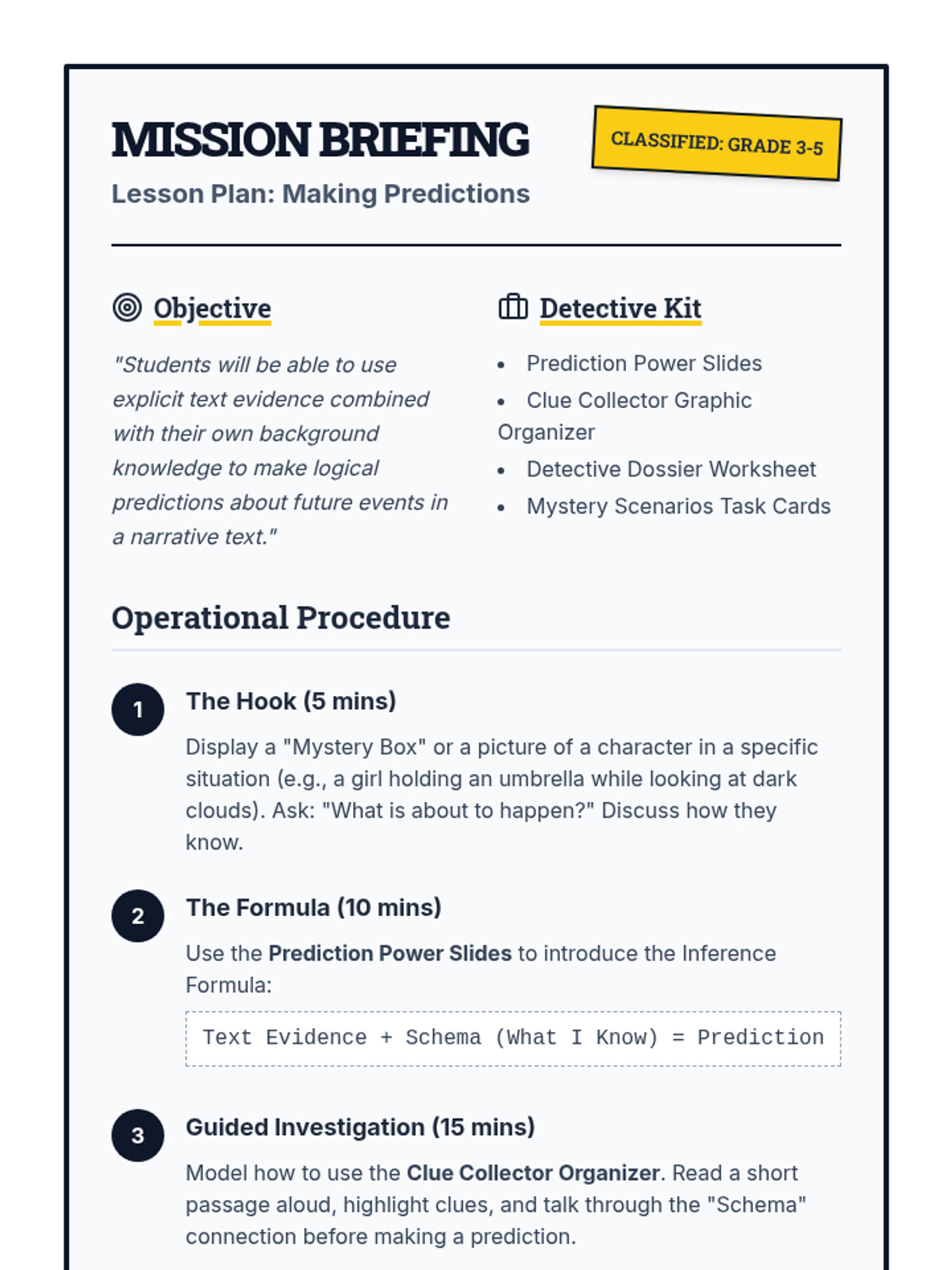
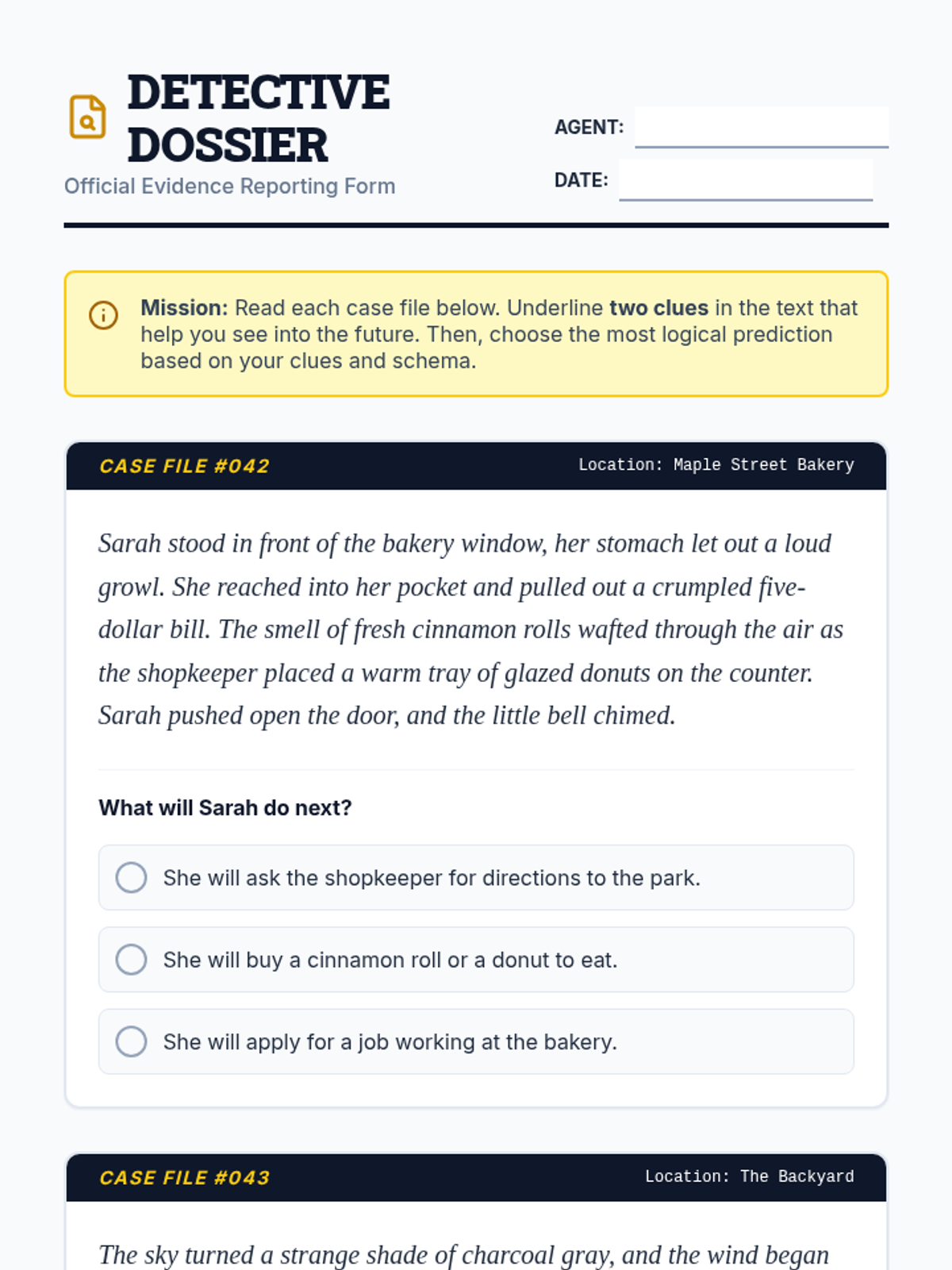
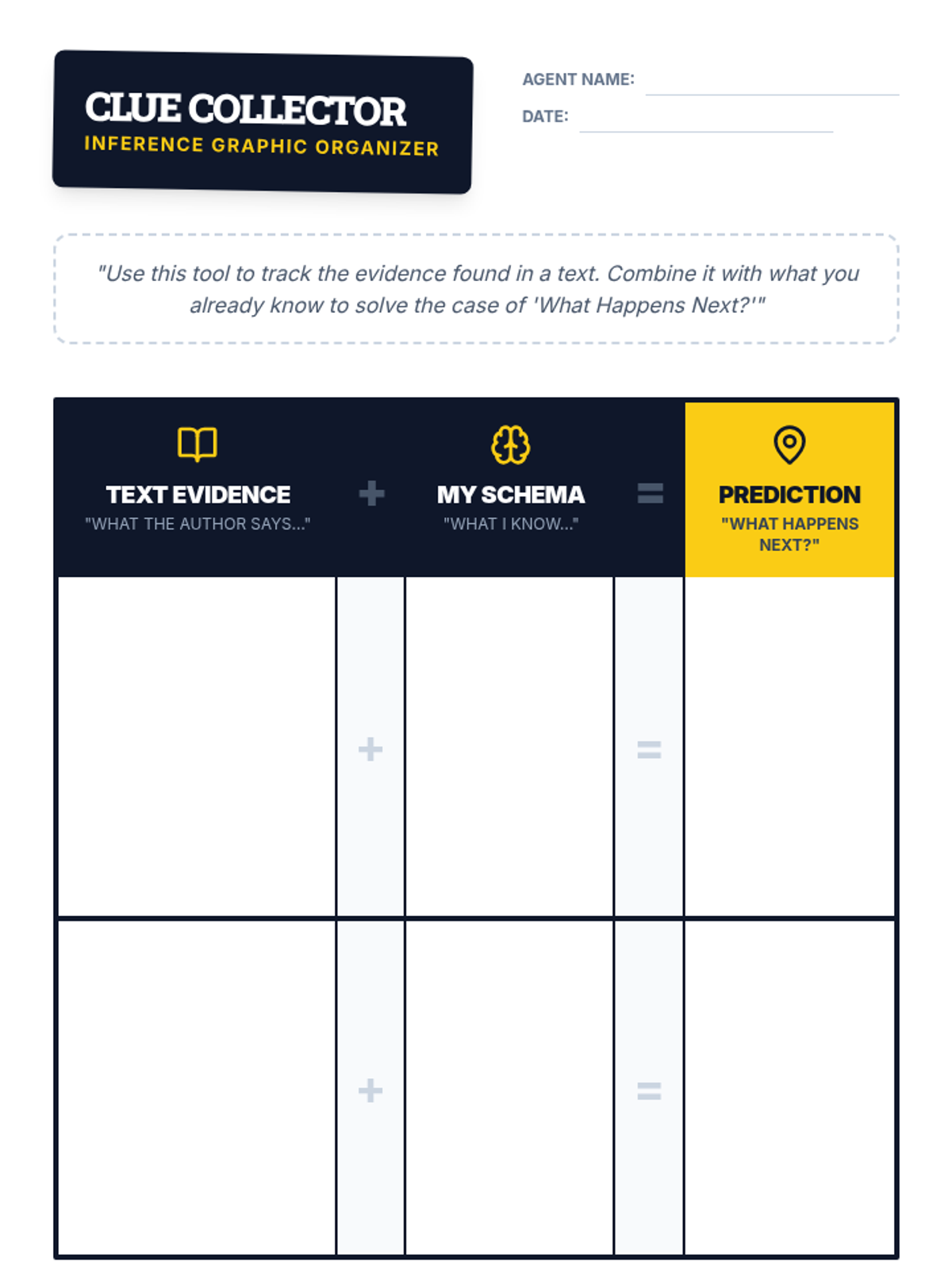
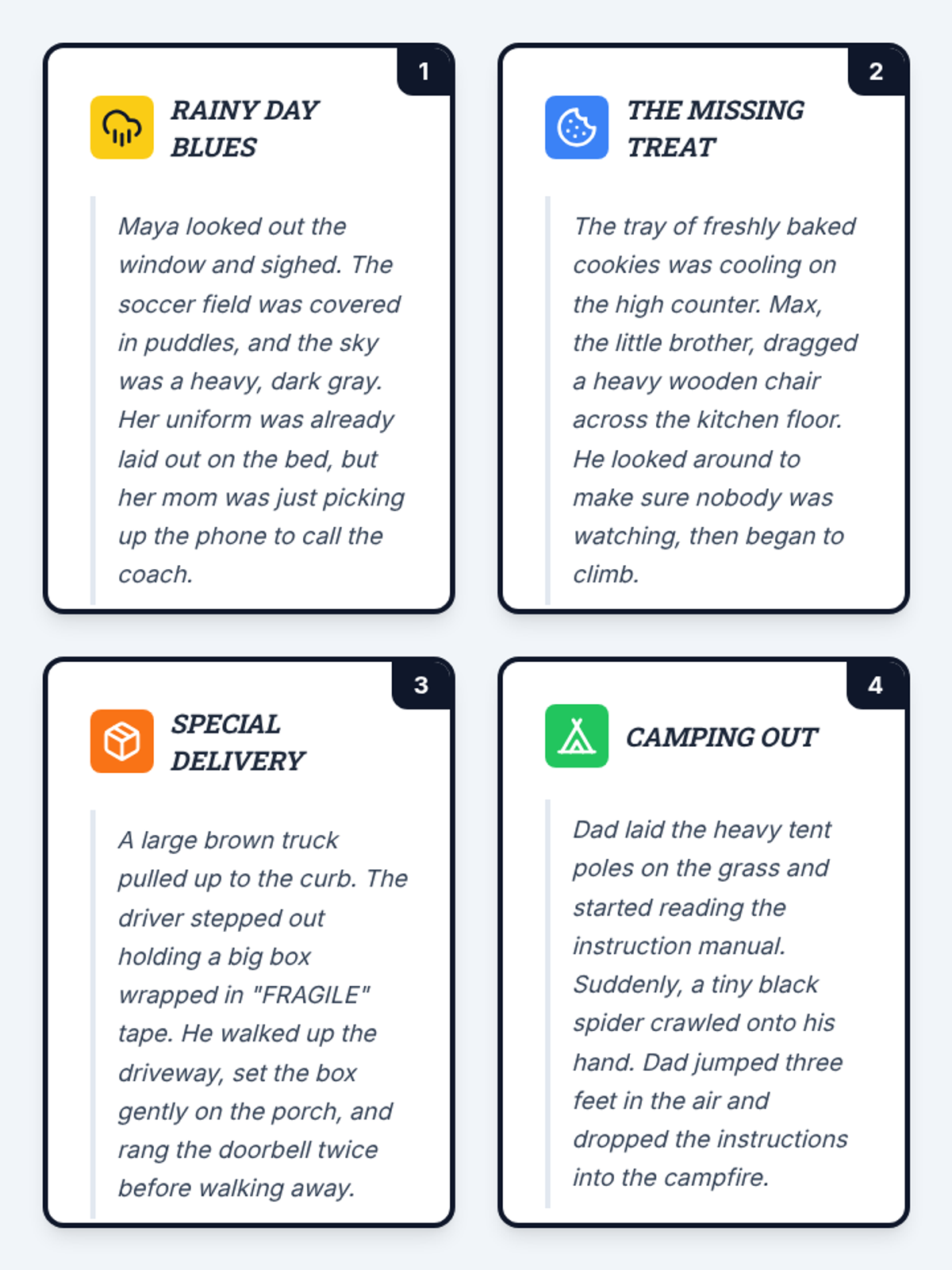
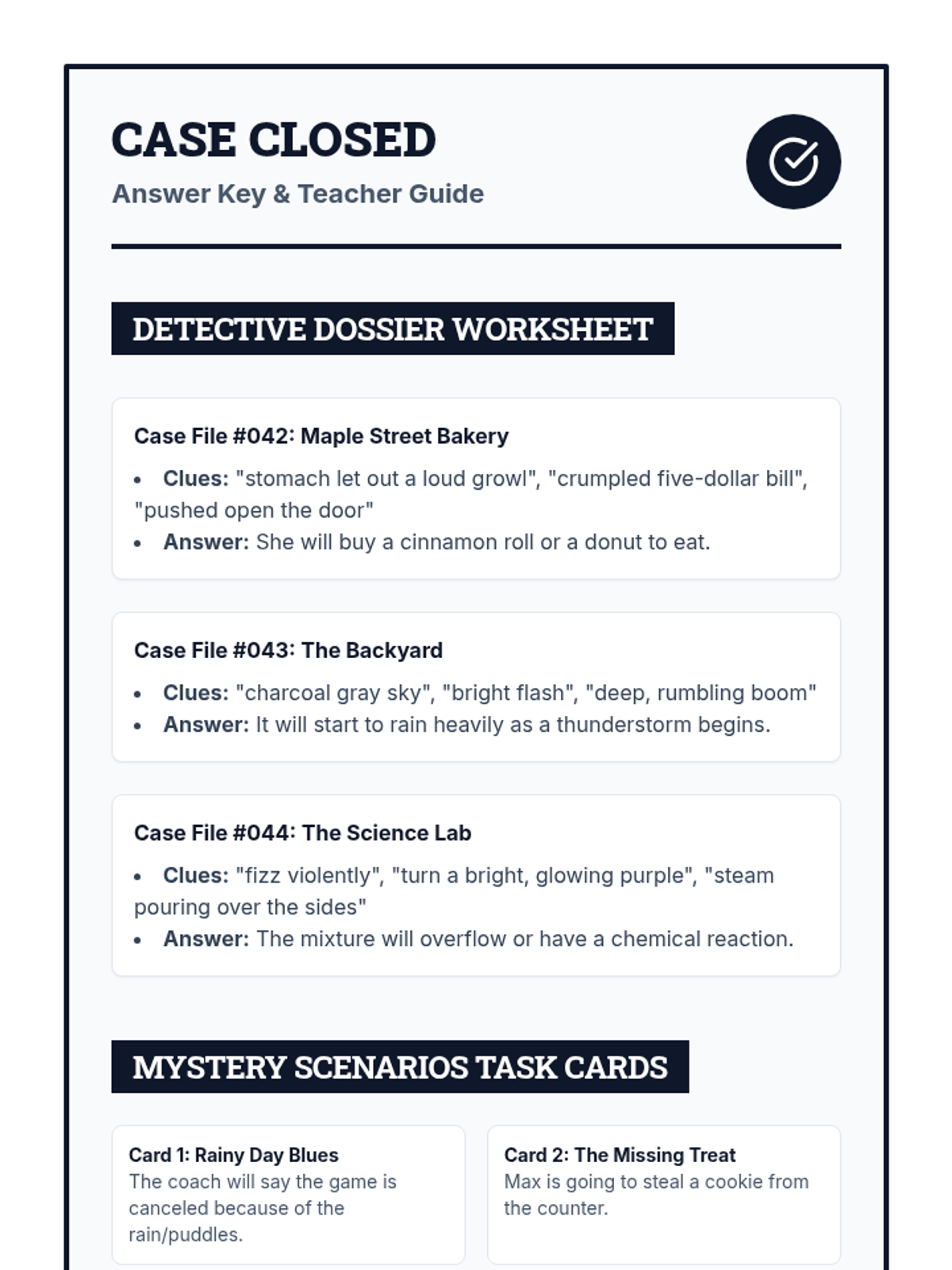
A comprehensive lesson where students learn to use text evidence and background knowledge to make logical predictions about what will happen next in a story.
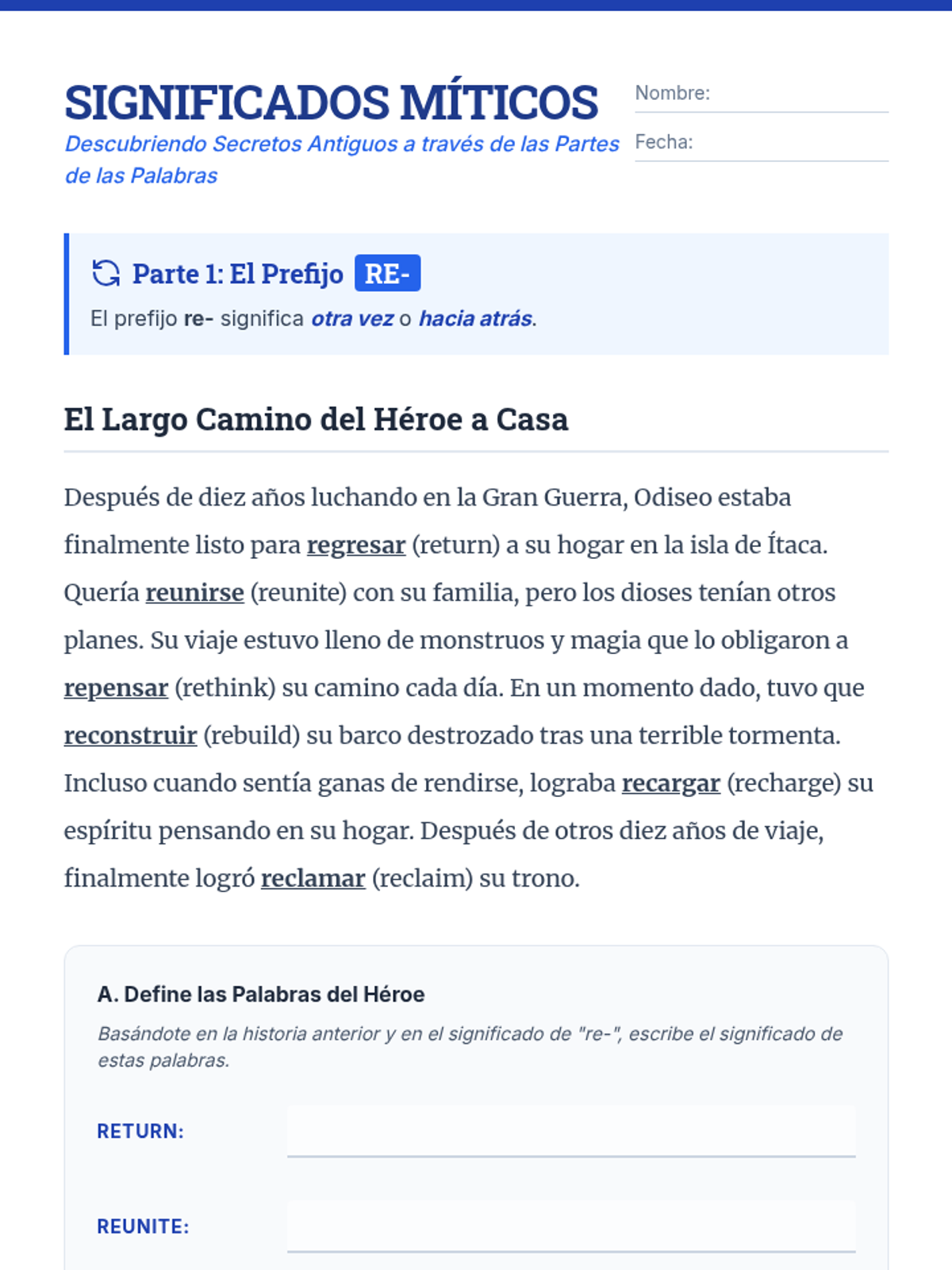
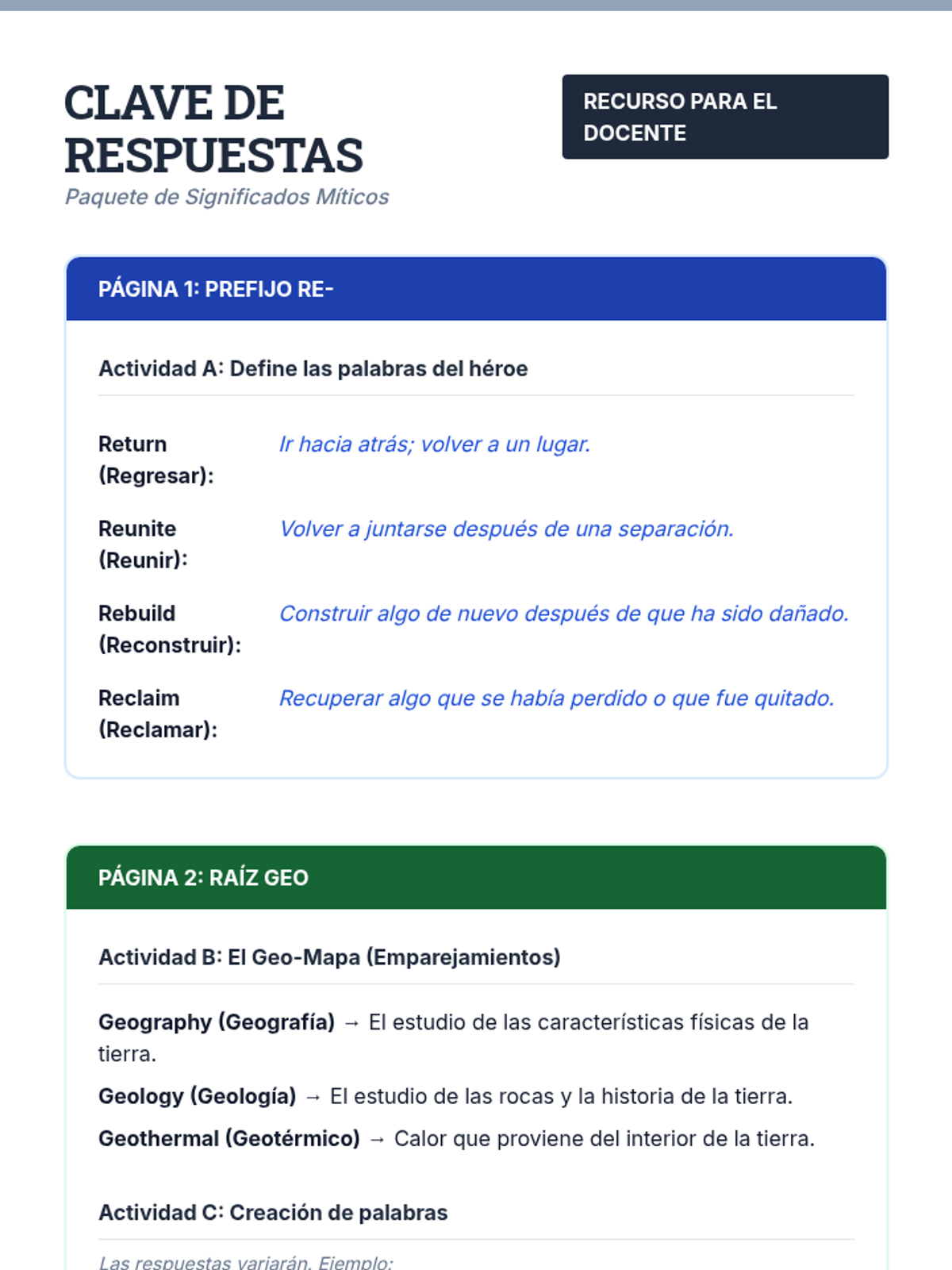
A focused study on the prefix 'RE-', the root 'GEO', and the suffix '-LESS' through the lens of Greek and Roman mythology. Students will read myth-inspired stories and complete activities to master these common word parts.
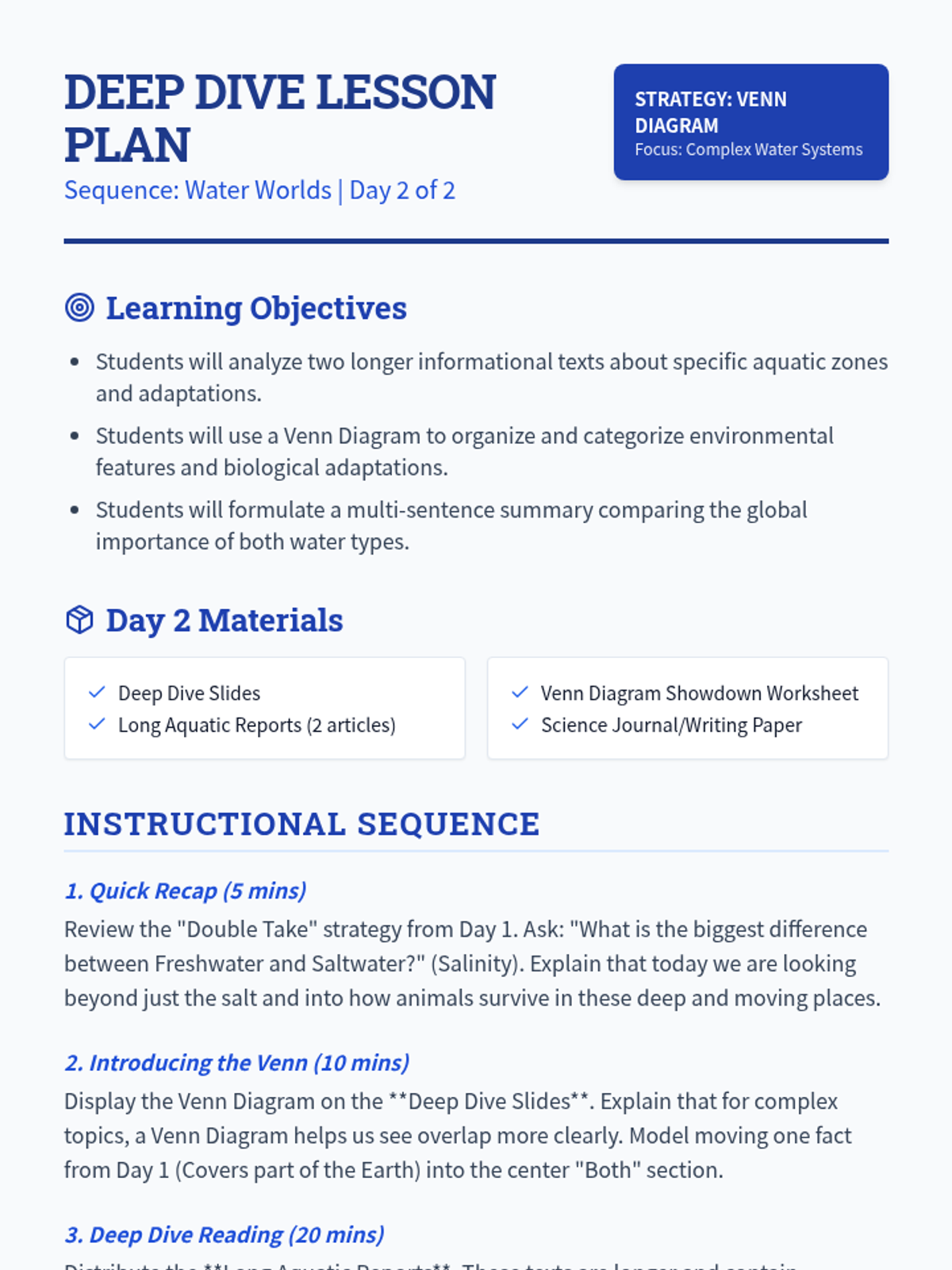
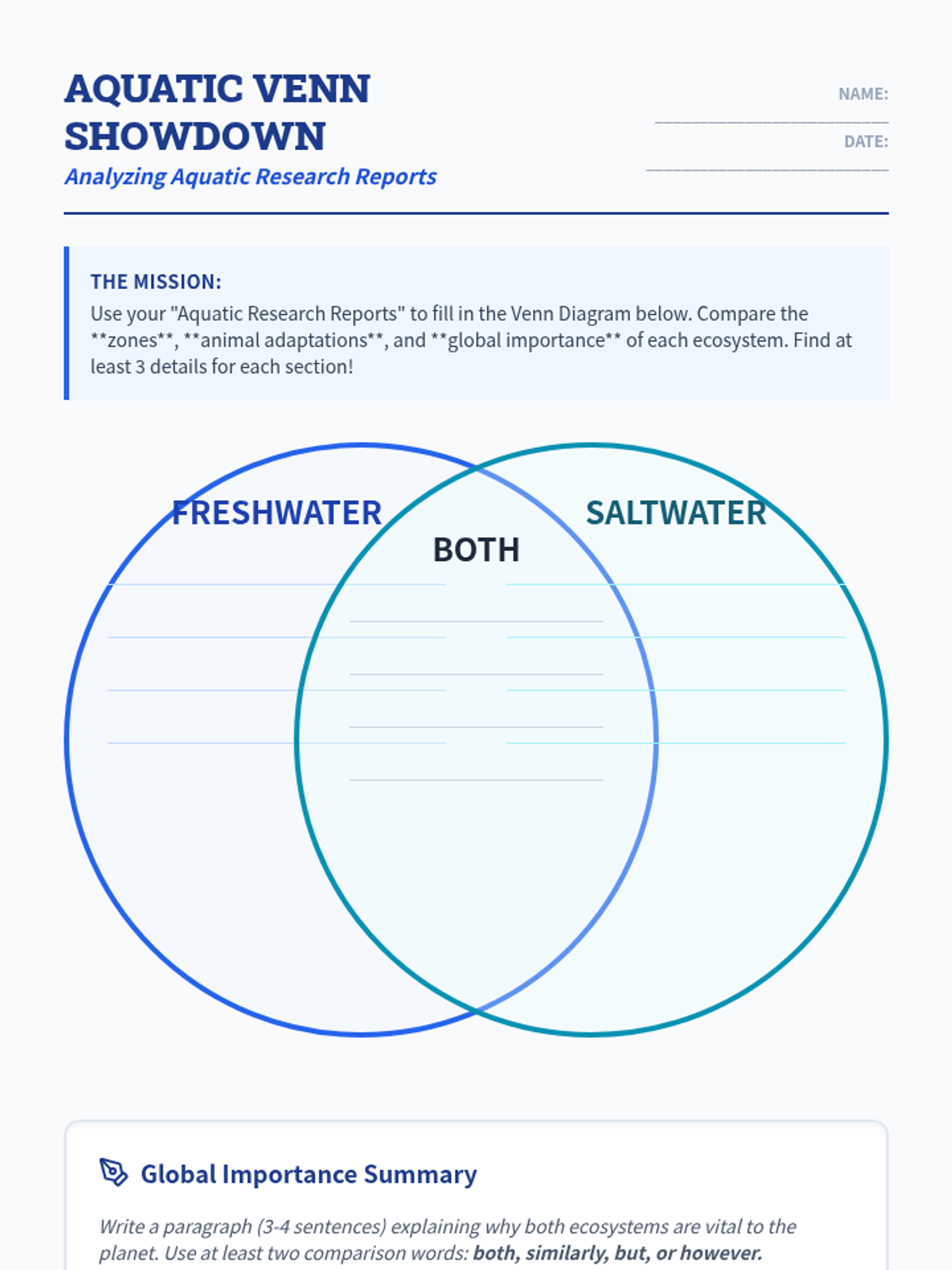
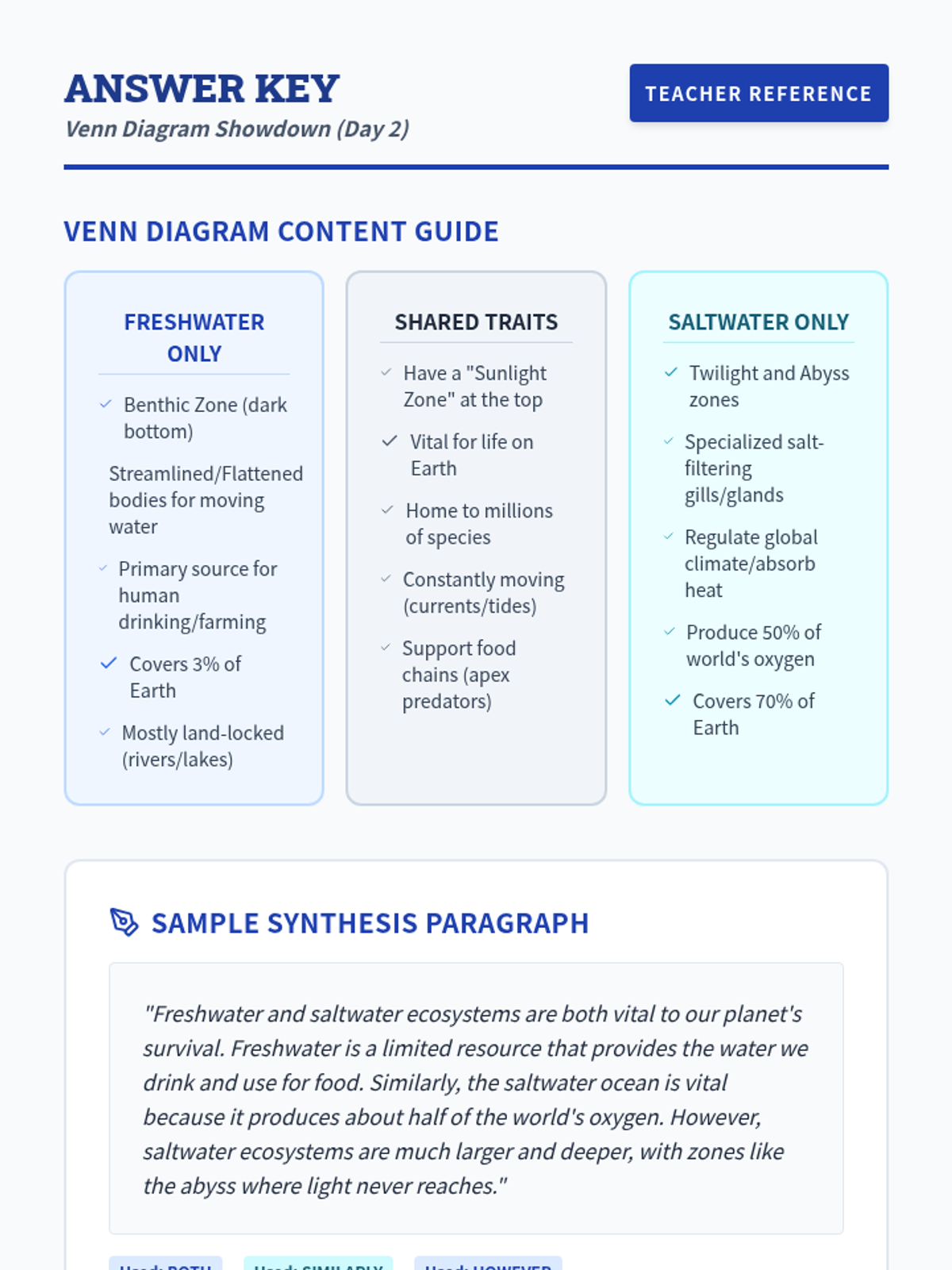
Day 2 of the Water Worlds unit. Students tackle longer informational texts and transition to using a Venn Diagram strategy to categorize similarities and differences in environmental zones, animal adaptations, and global importance.
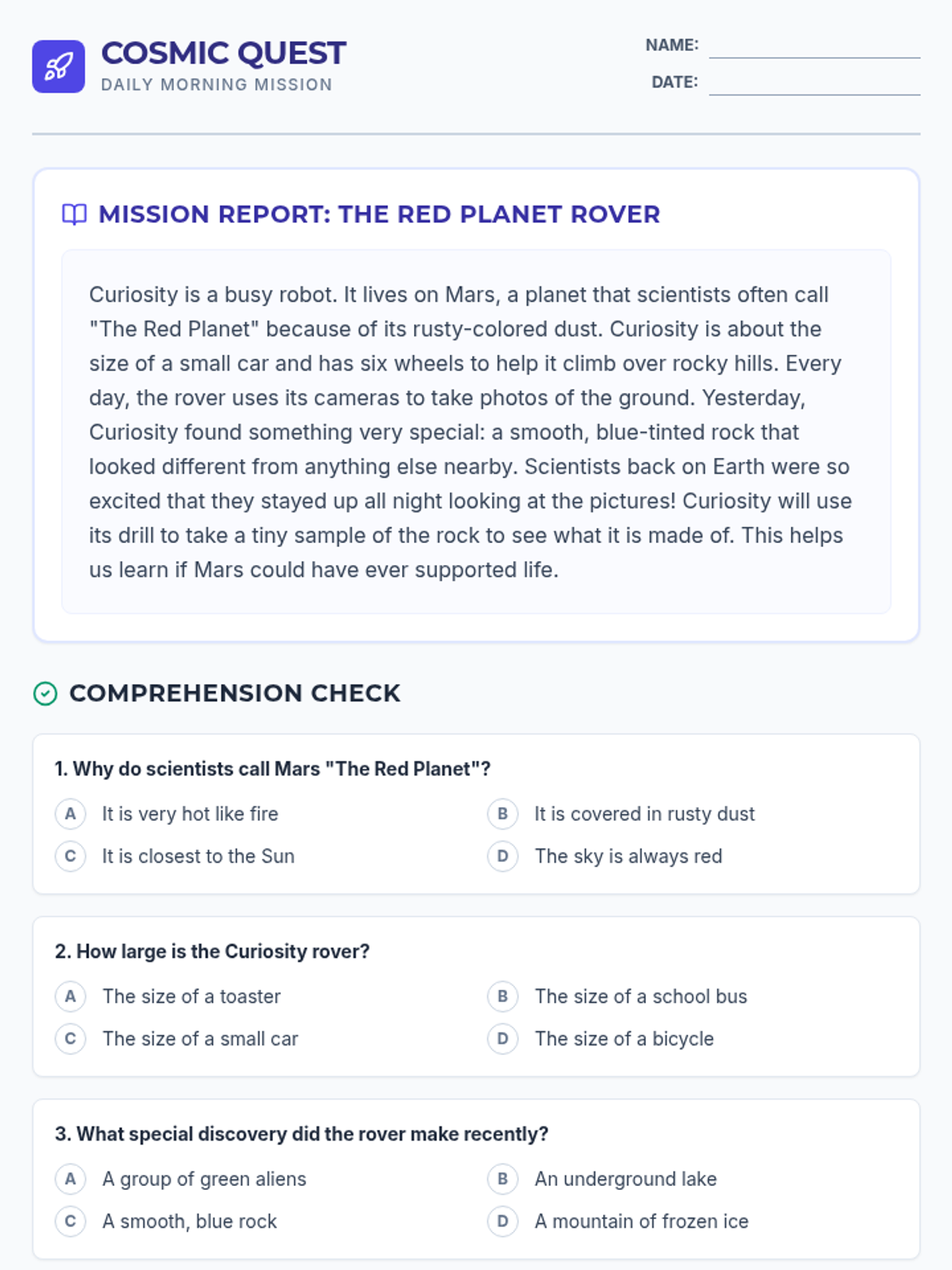
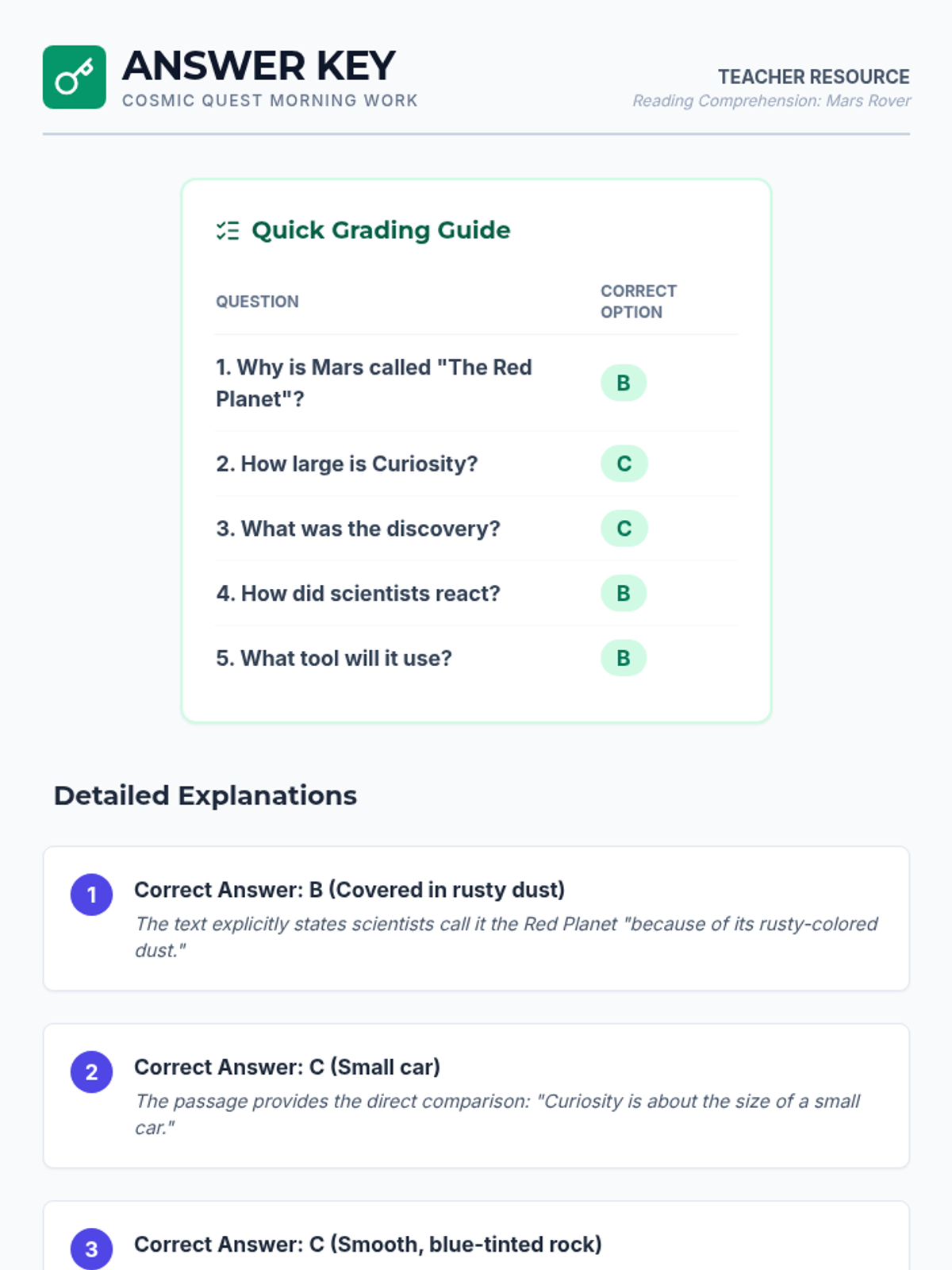
A morning work resource focused on reading comprehension and multiple-choice practice within a space exploration theme.
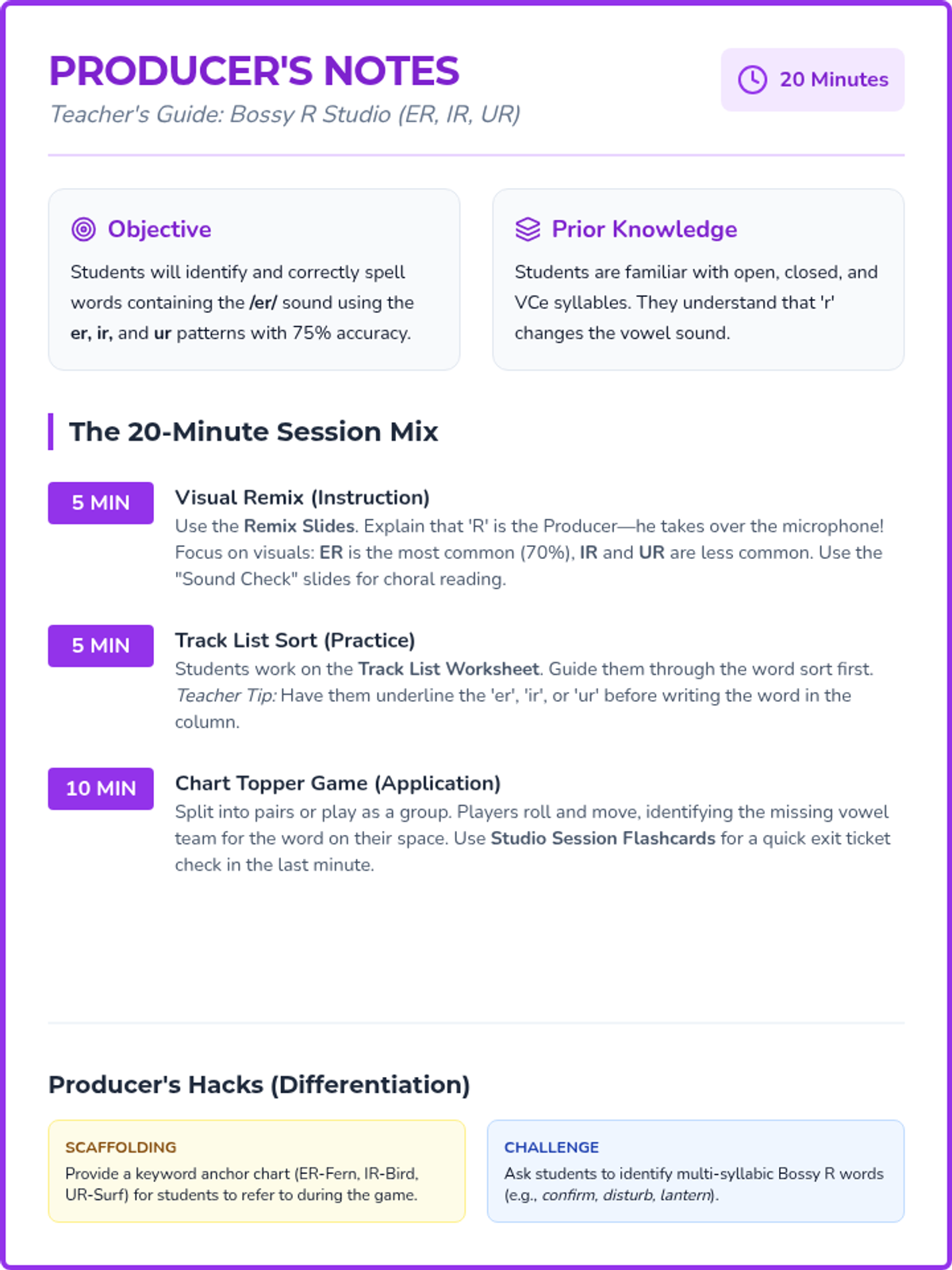
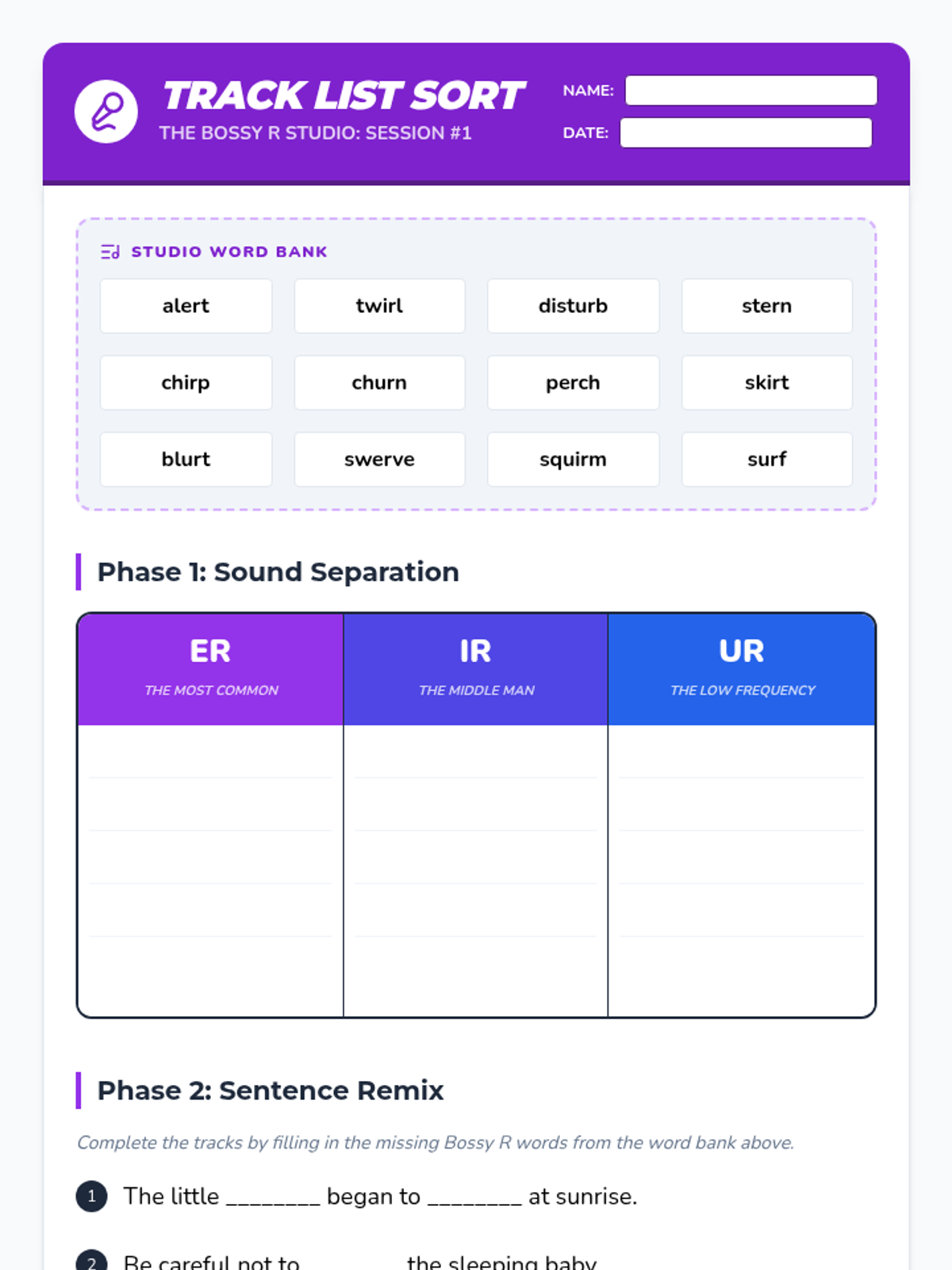
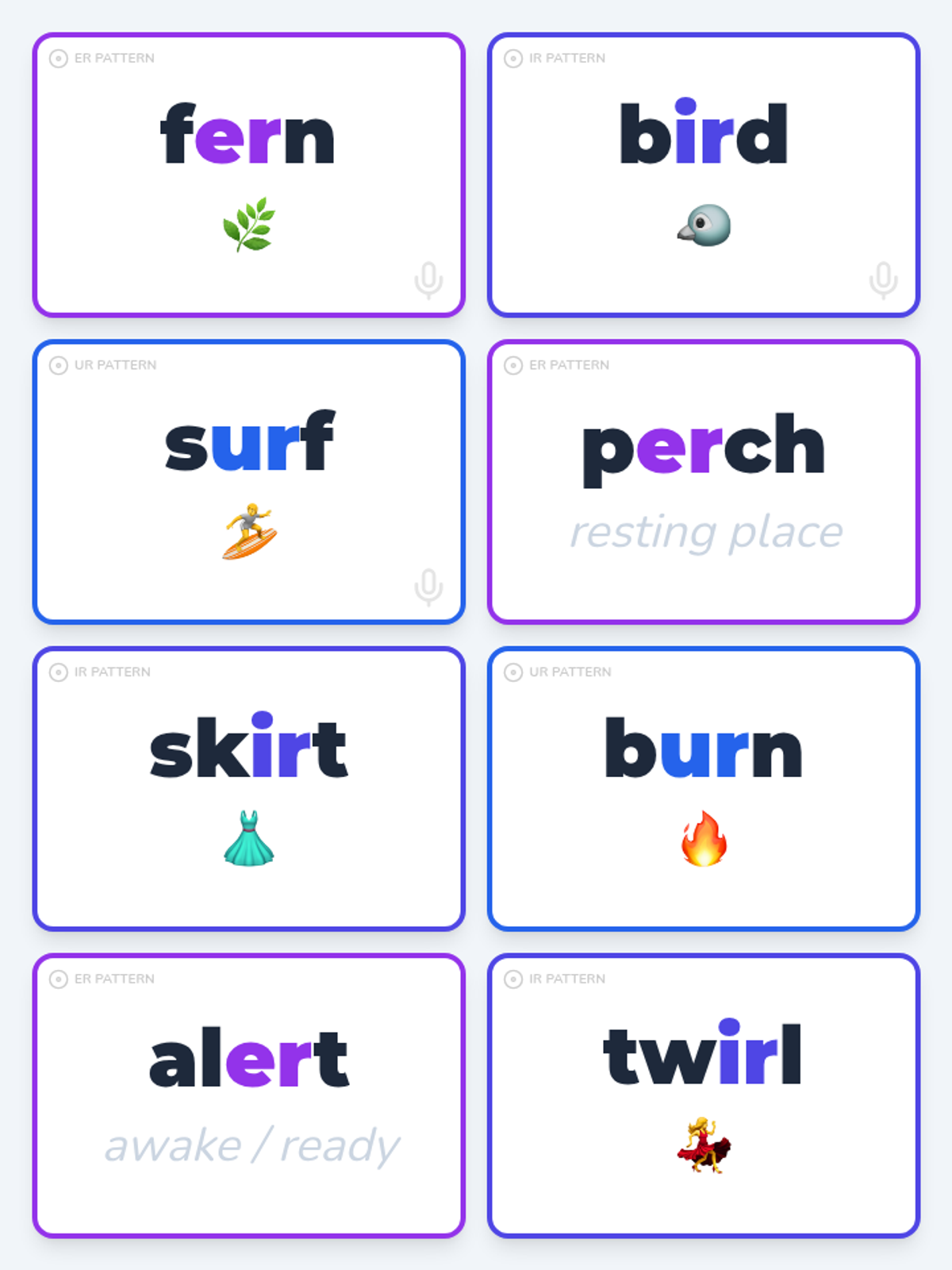
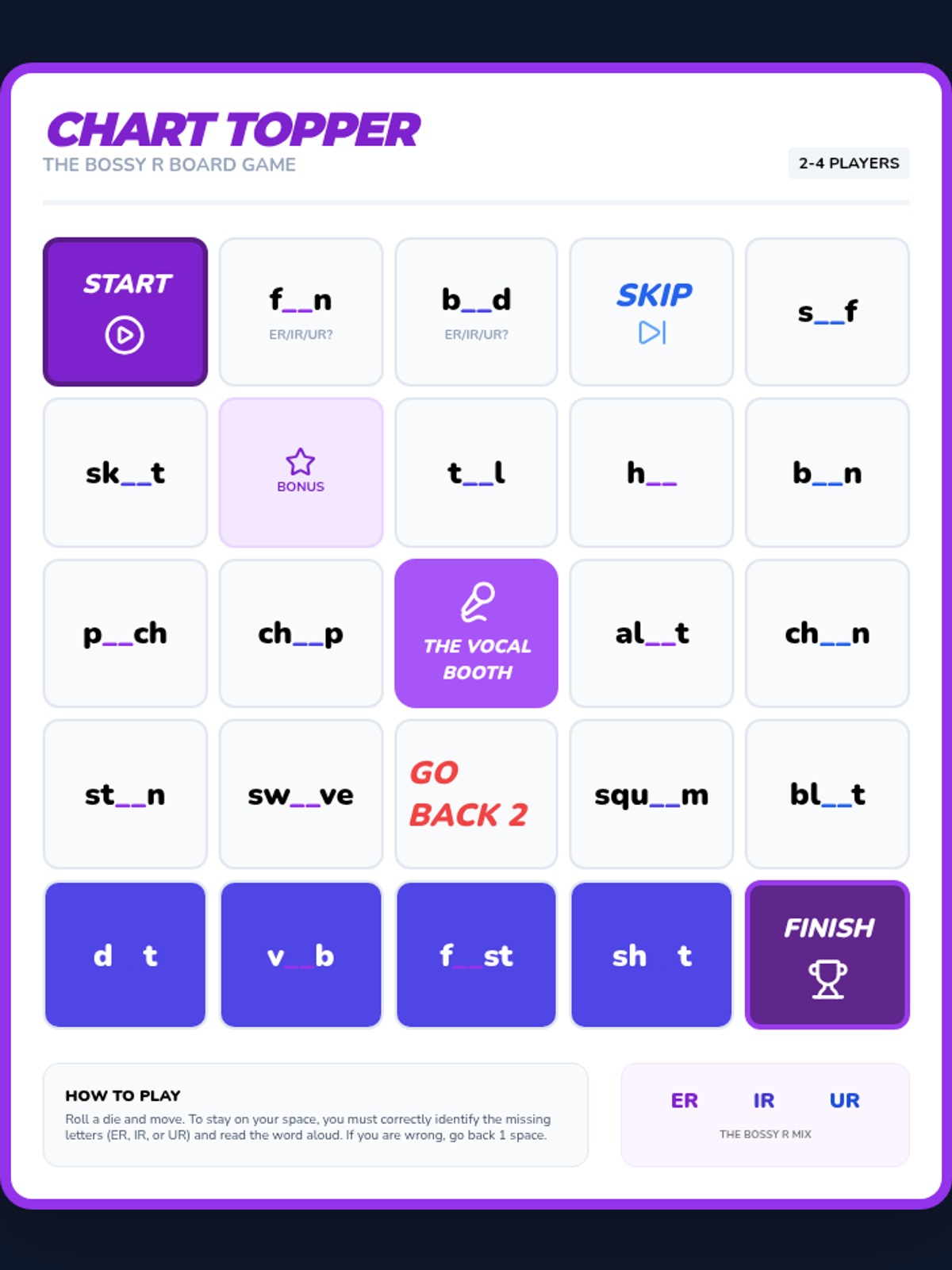
An intensive 20-minute small group session focusing on the /er/ sound created by the 'Bossy R' (er, ir, ur) through studio-themed visuals, sorting, and gameplay.
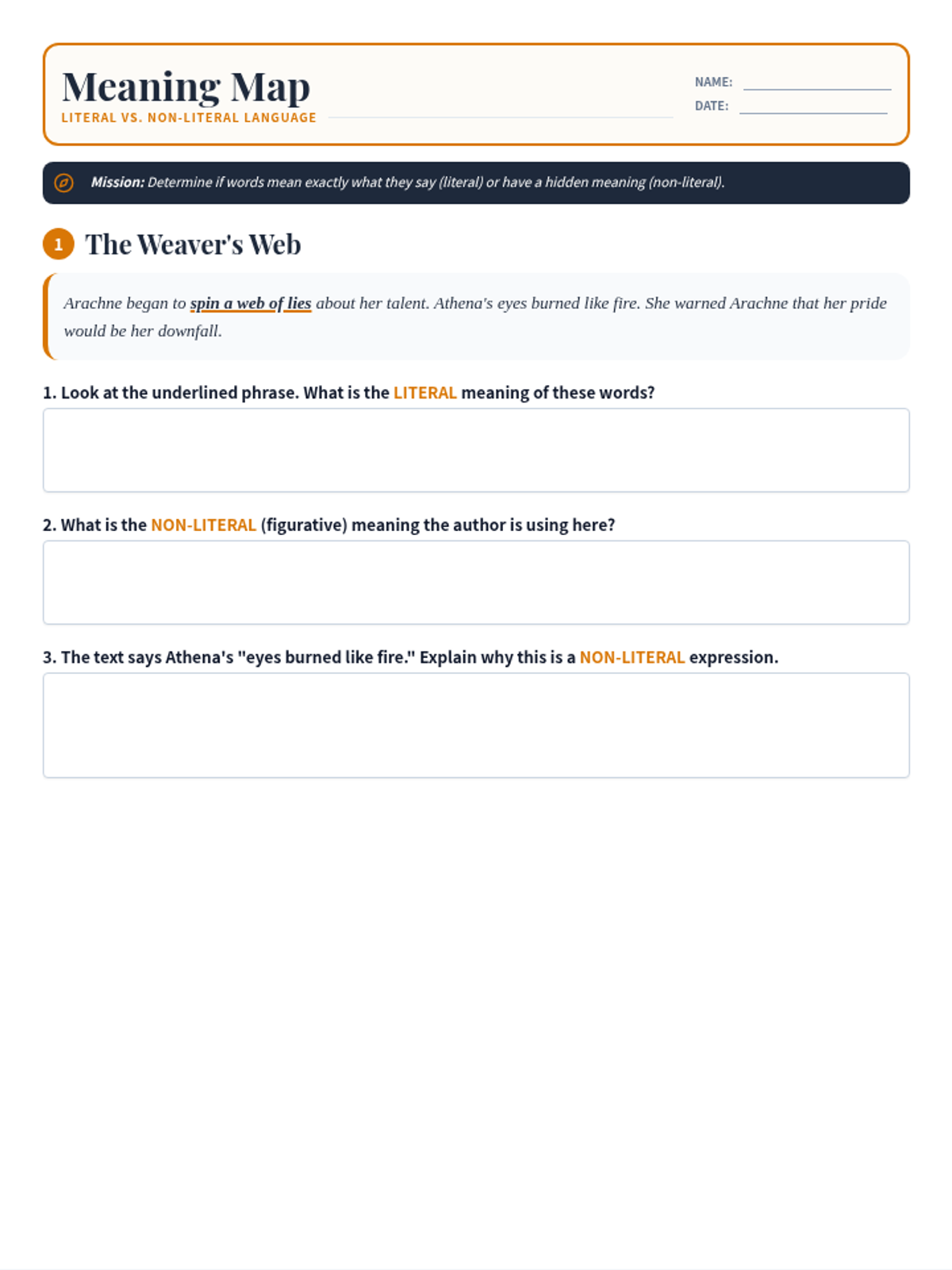
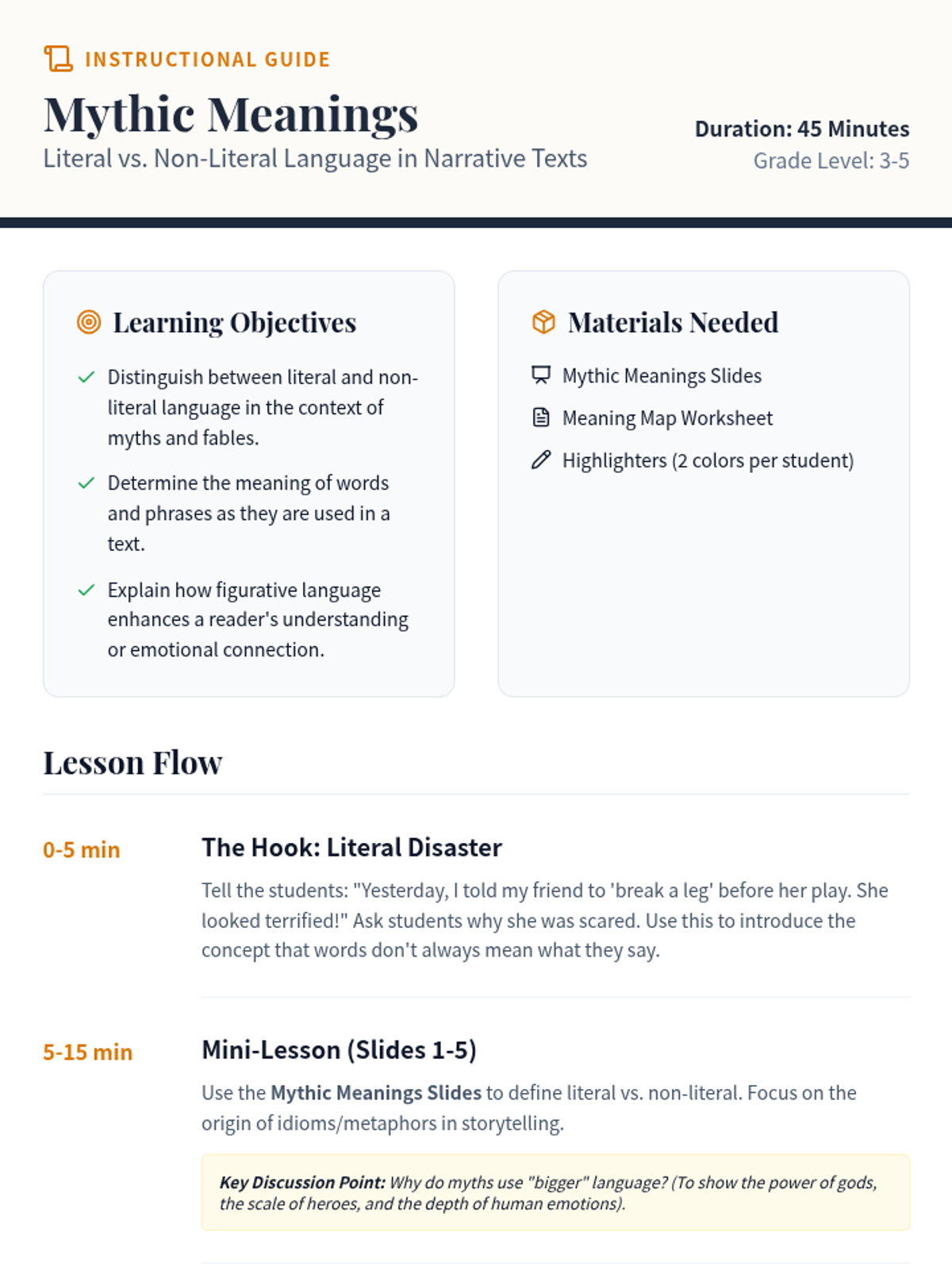
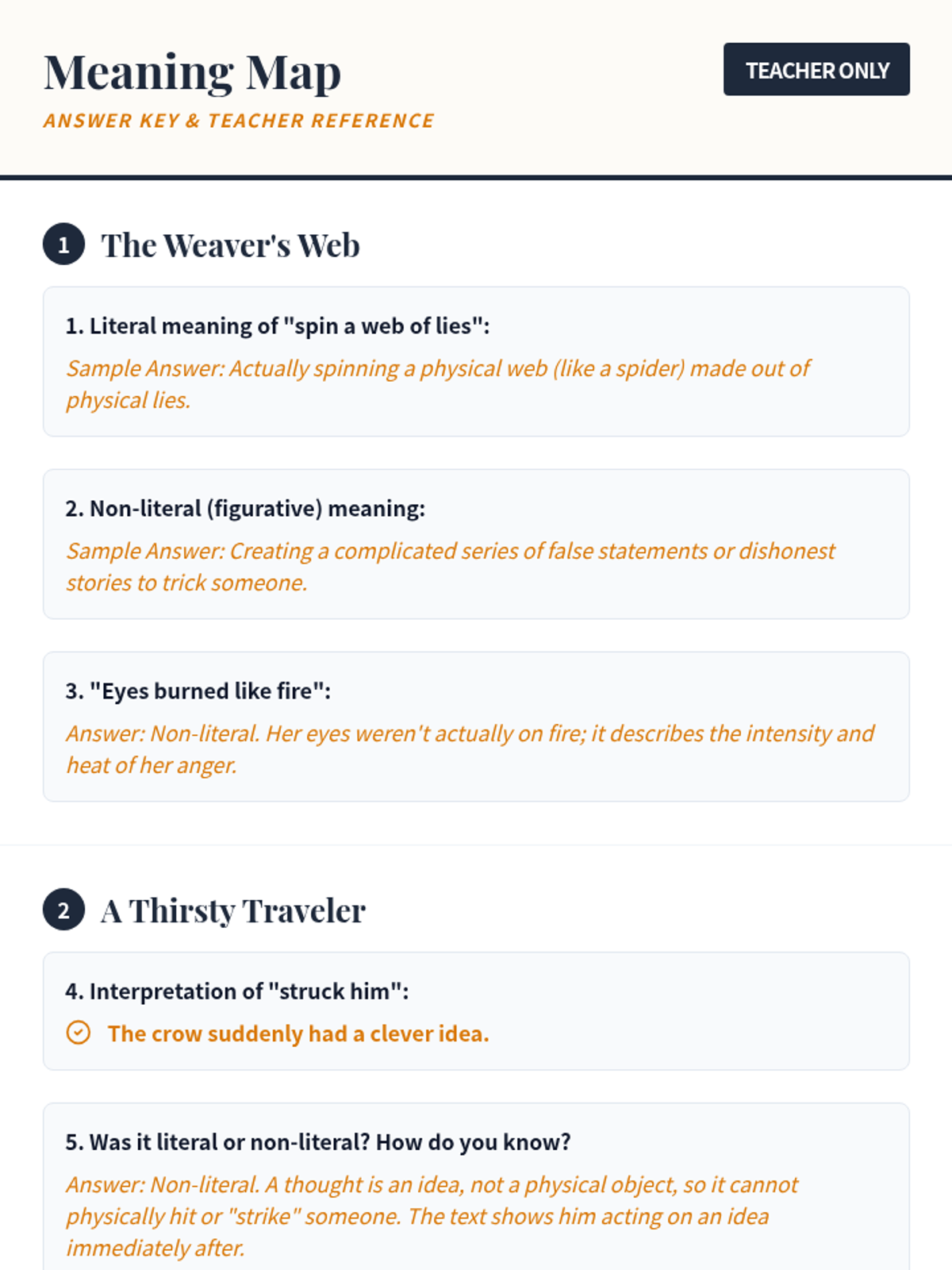
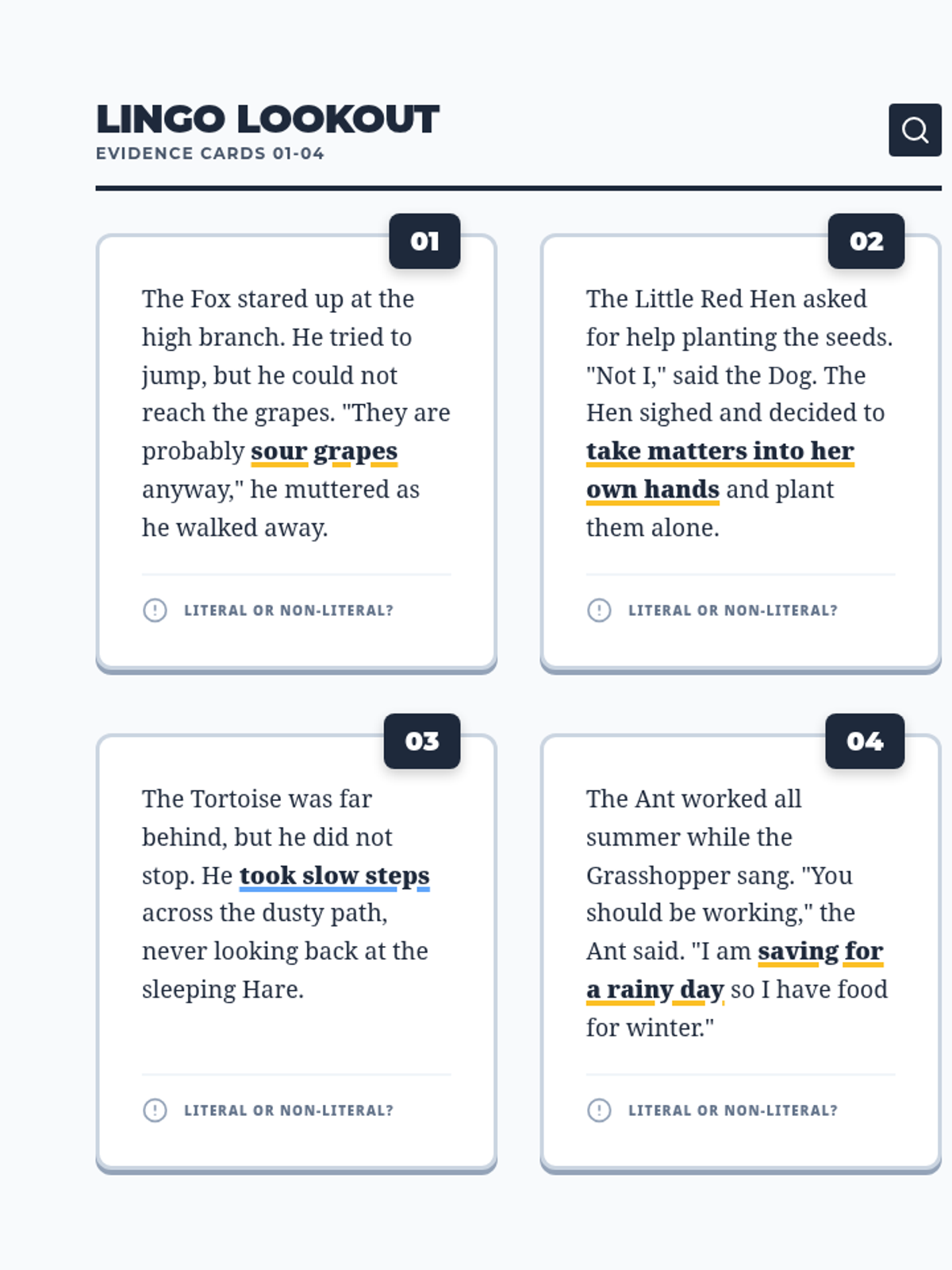
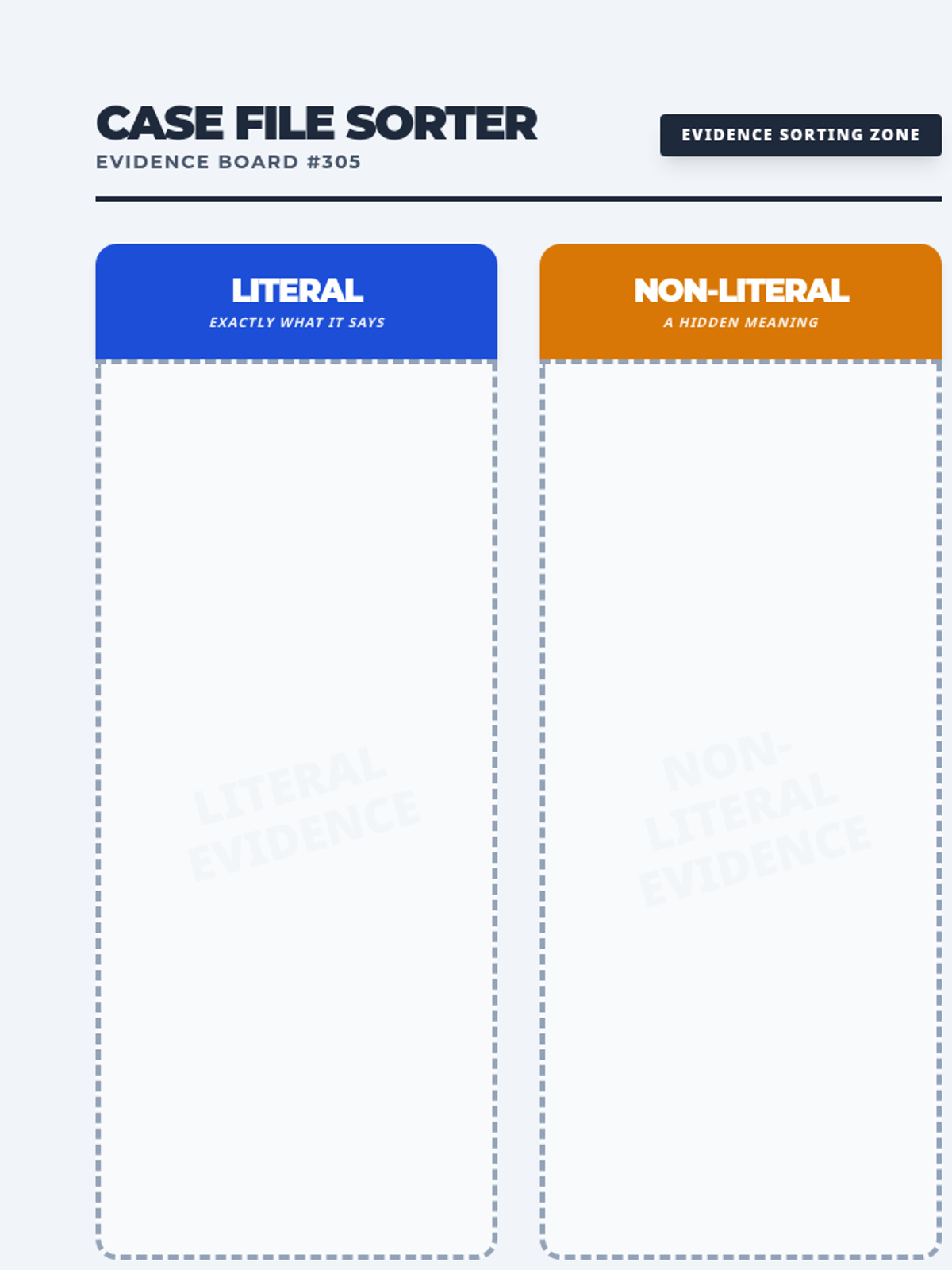
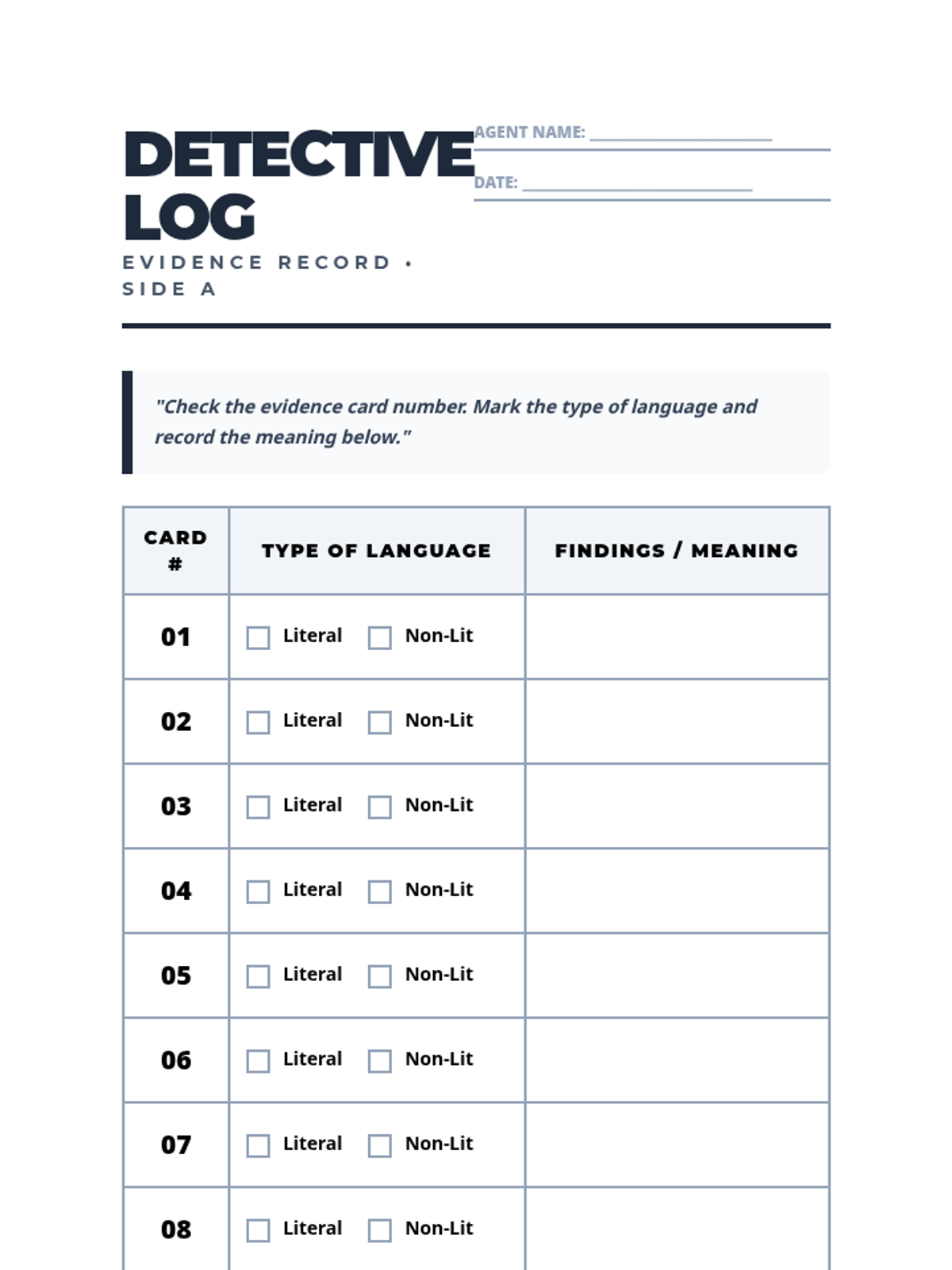
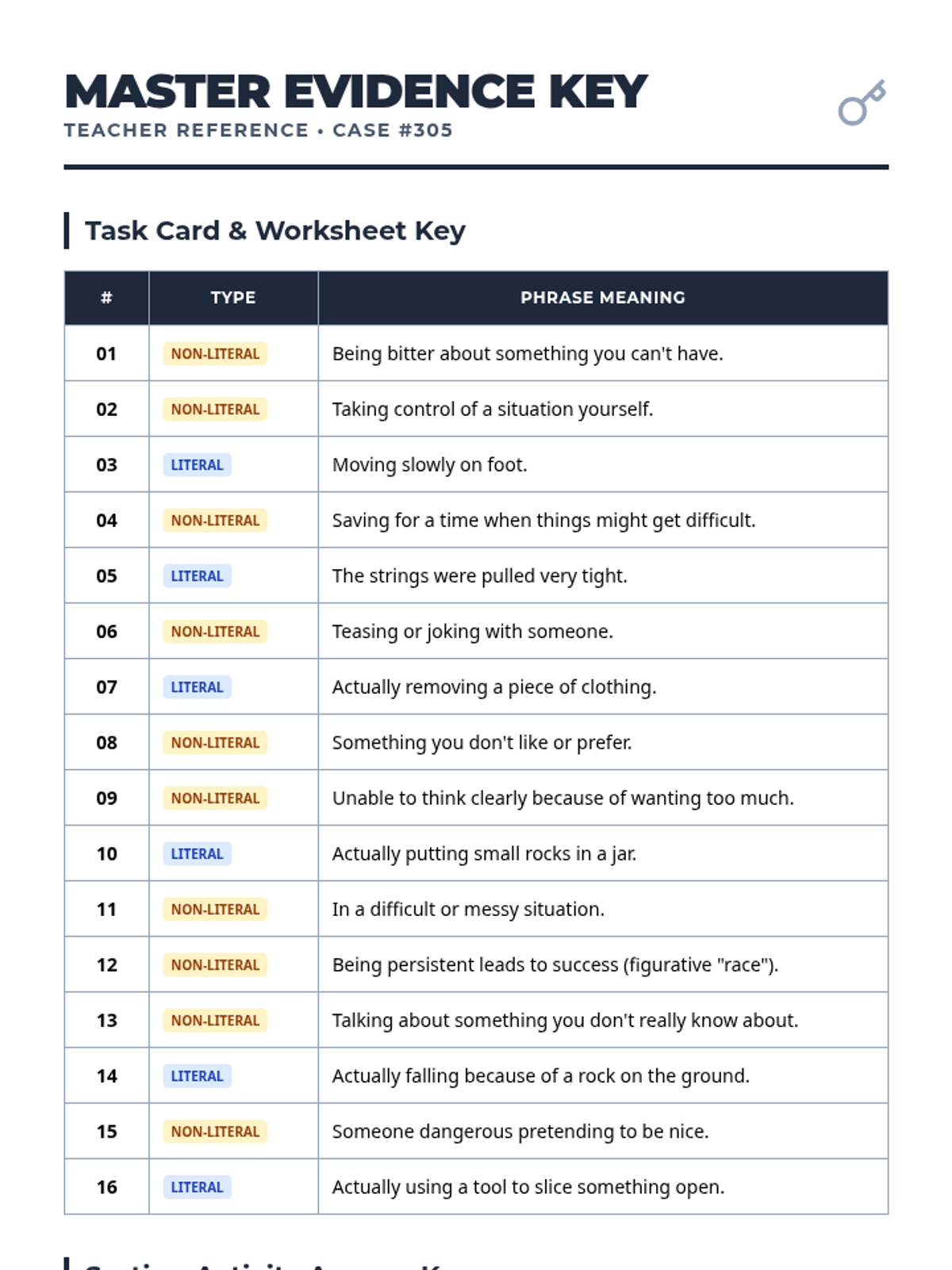
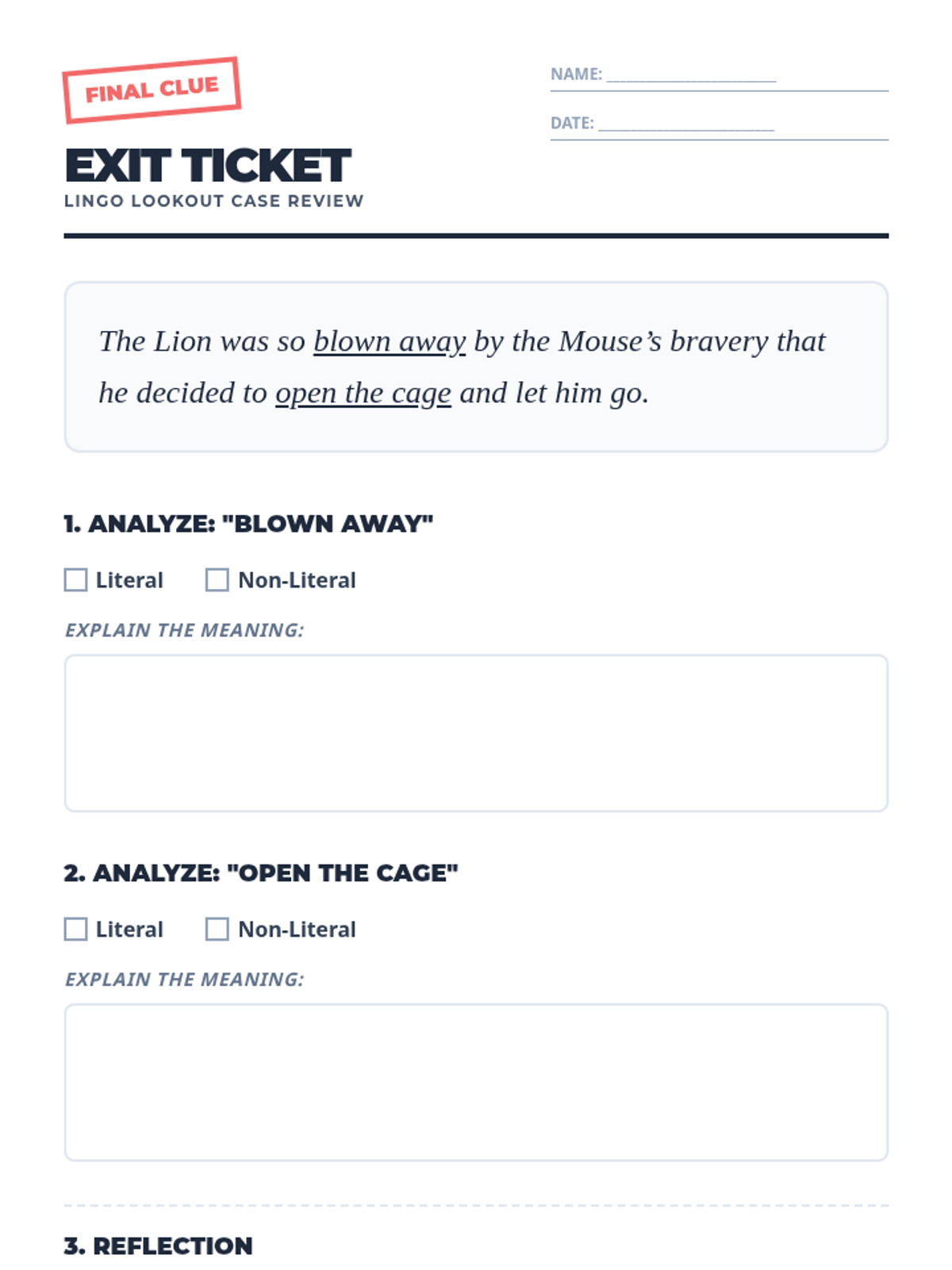
A 45-minute lesson exploring the difference between literal and non-literal language through the lens of ancient myths and classic fables. Students will practice identifying and interpreting figurative expressions within narrative texts.
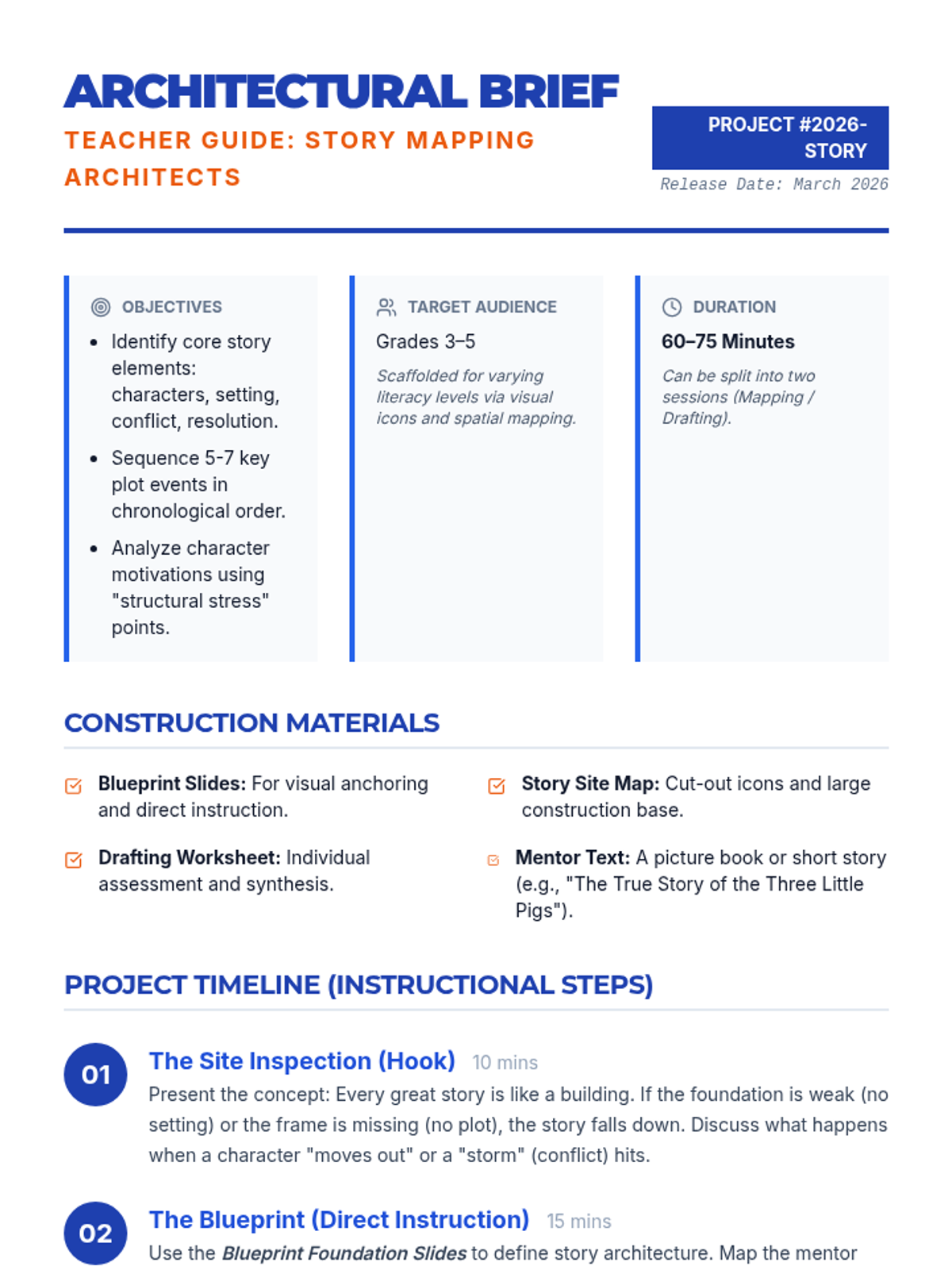
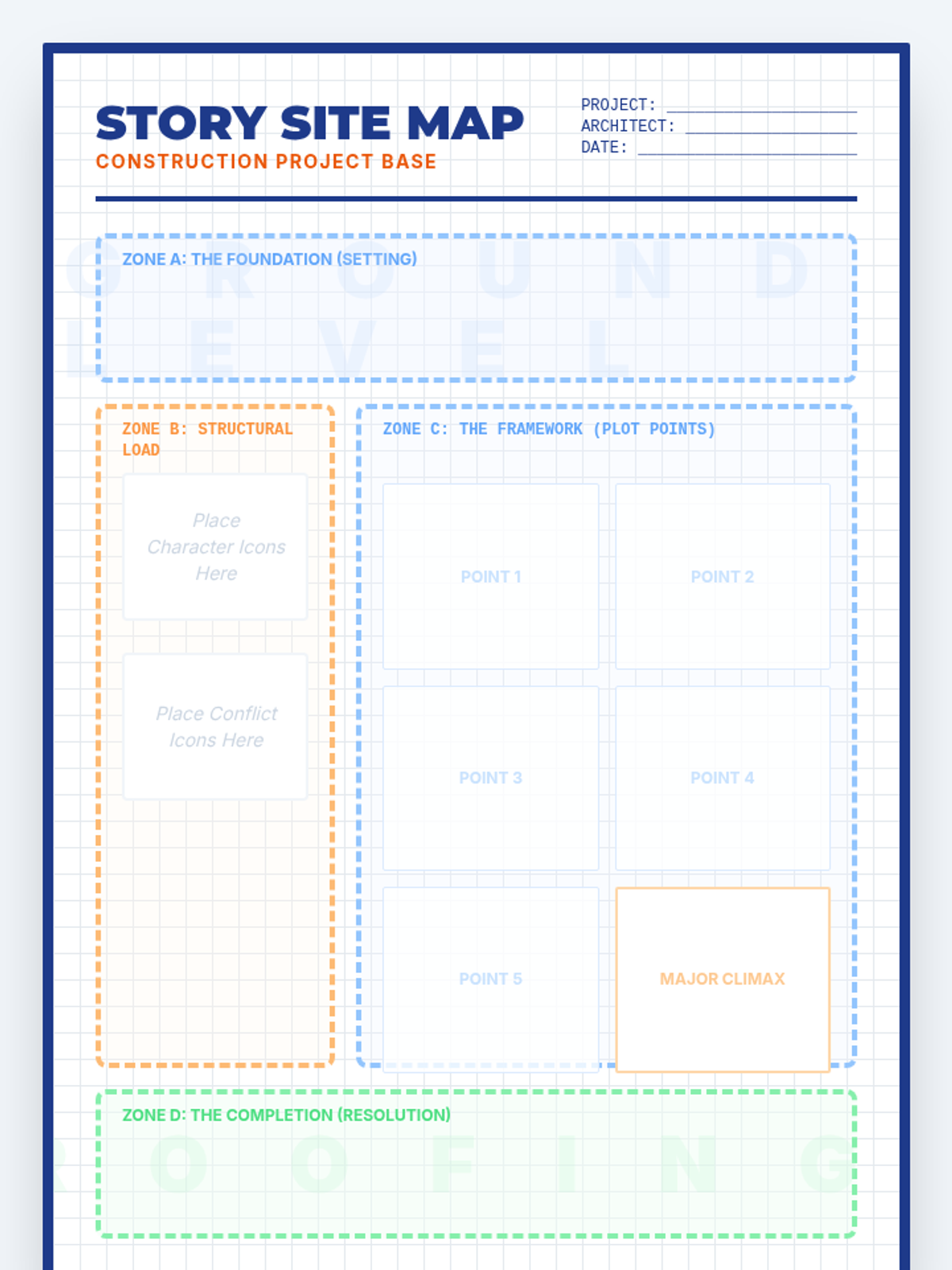
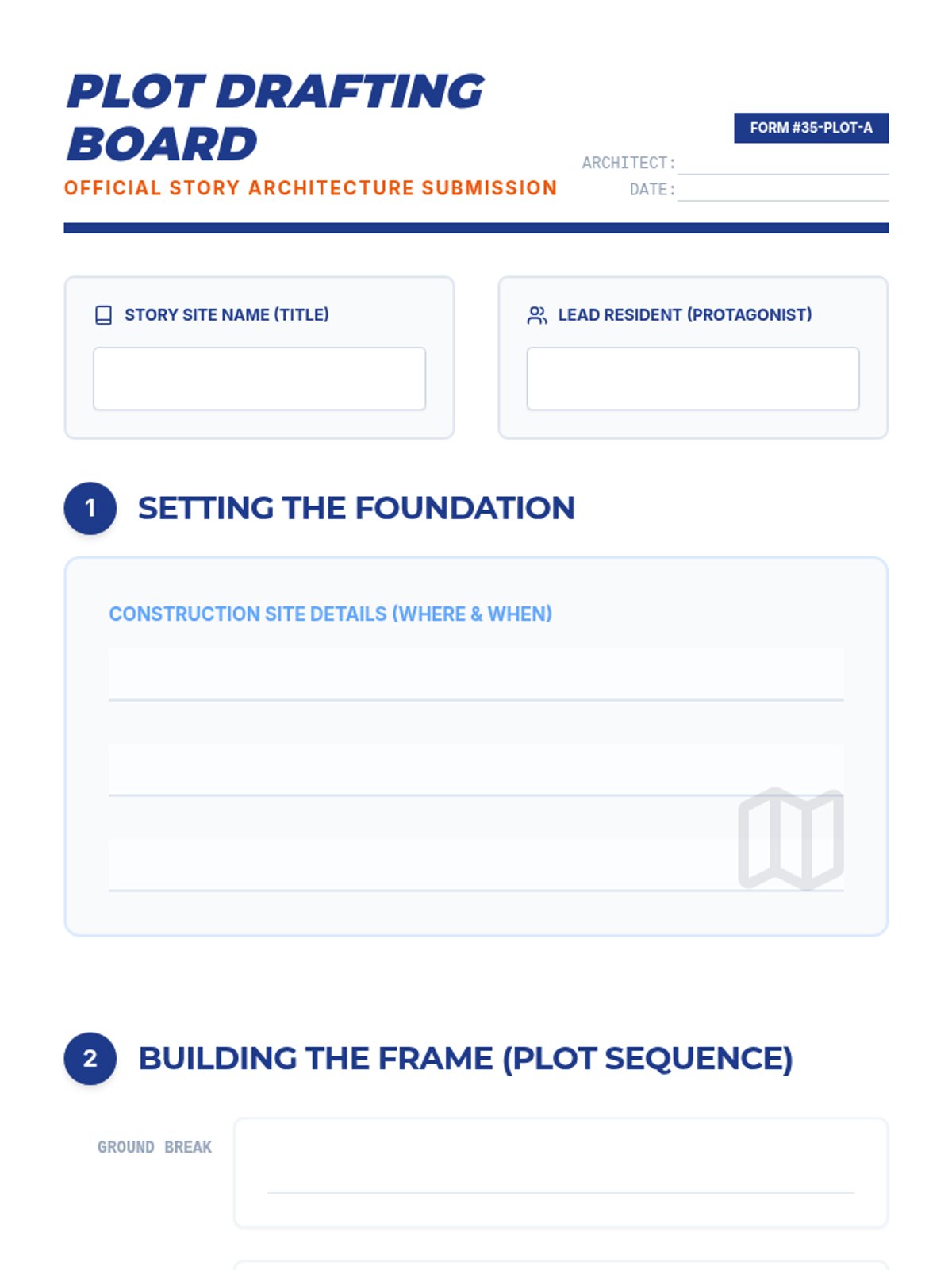
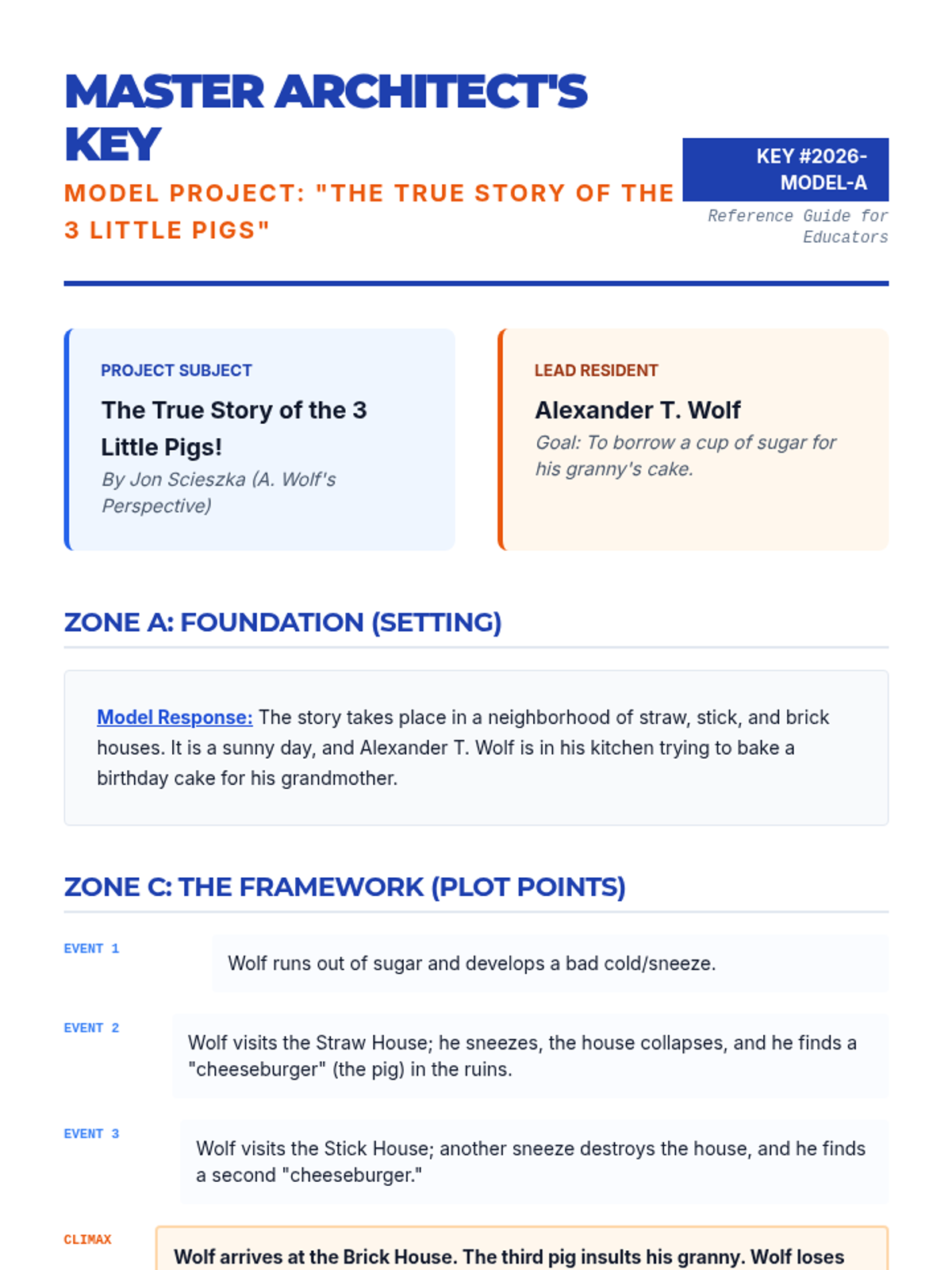
A hands-on literacy lesson where students act as architects to deconstruct and rebuild stories. Using visual and tactile mapping, students identify key story elements, sequence events, and analyze character motivations through the lens of structural design.
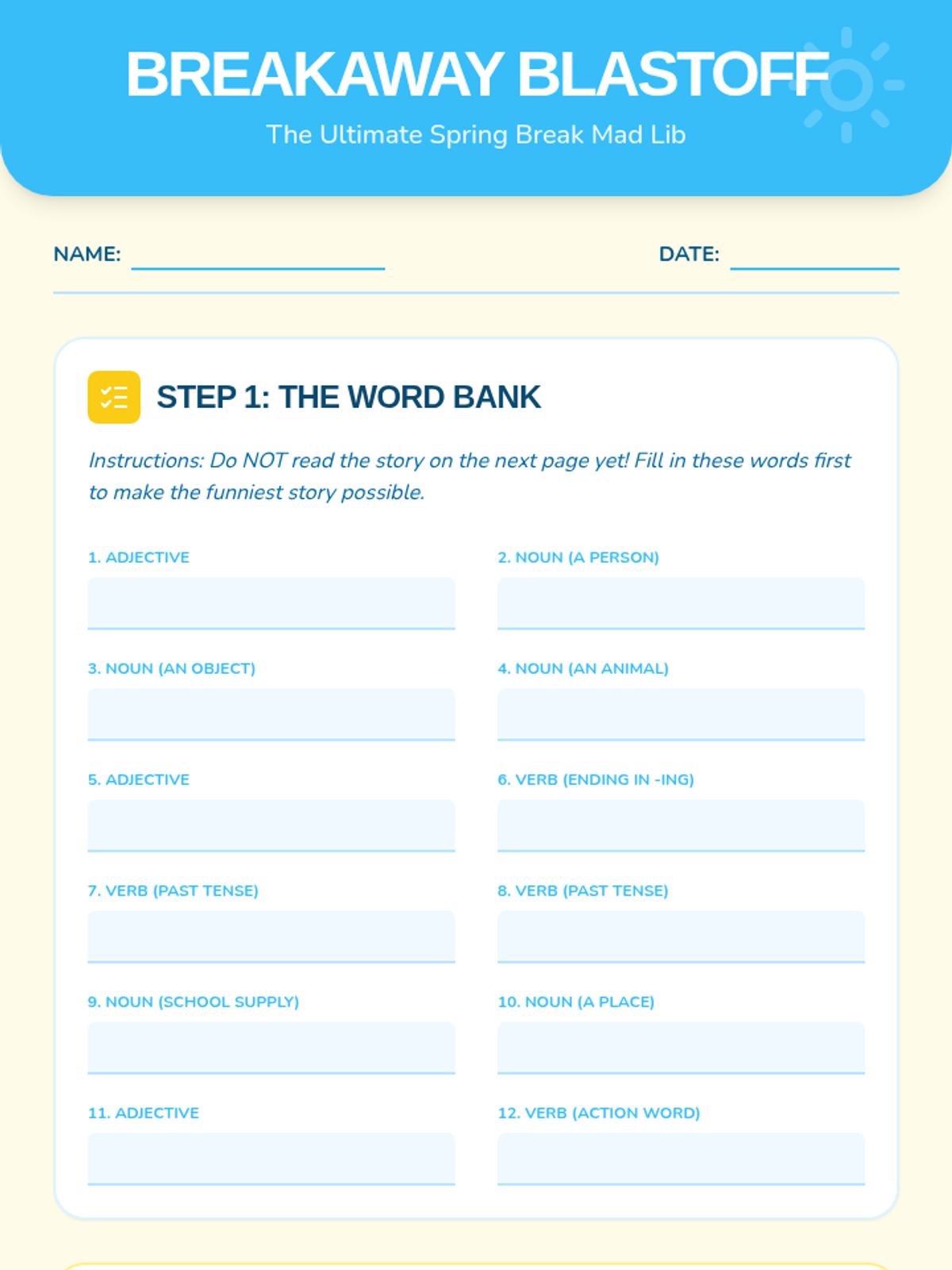
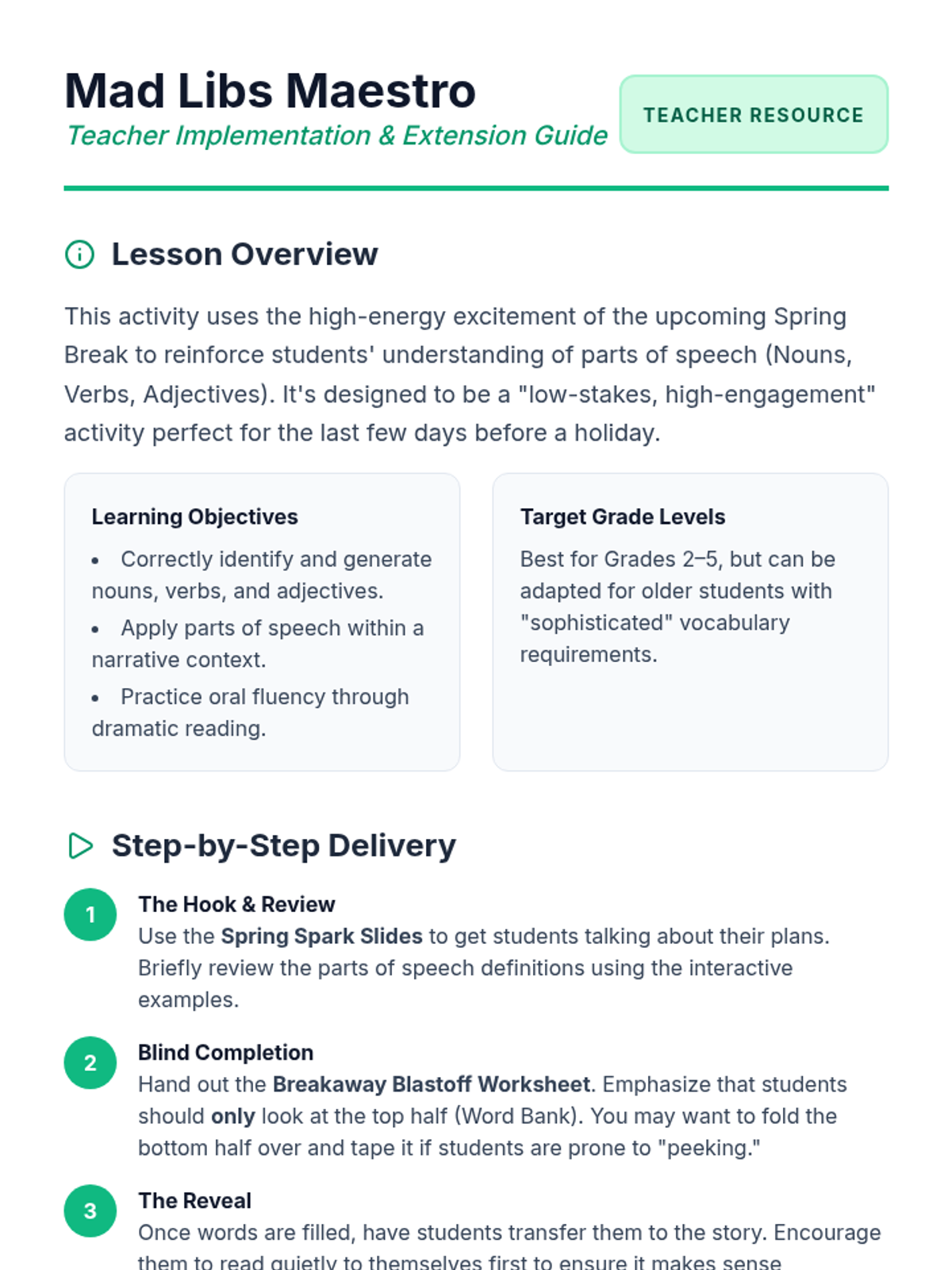
A fun, high-energy lesson focused on creative writing and parts of speech through a Spring Break-themed Mad Lib activity. Students will practice identifying nouns, verbs, and adjectives while sharing their excitement for the upcoming break.
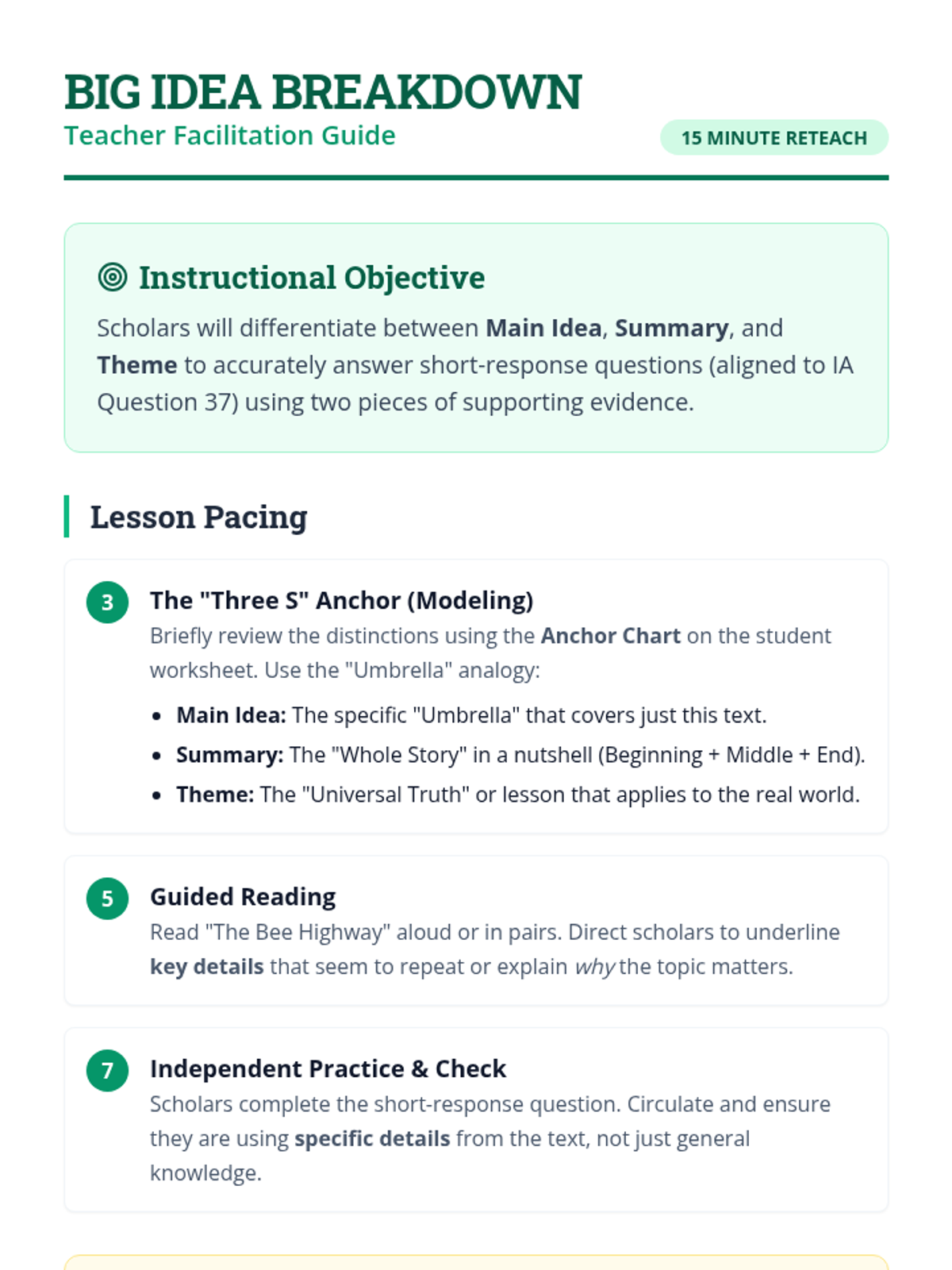
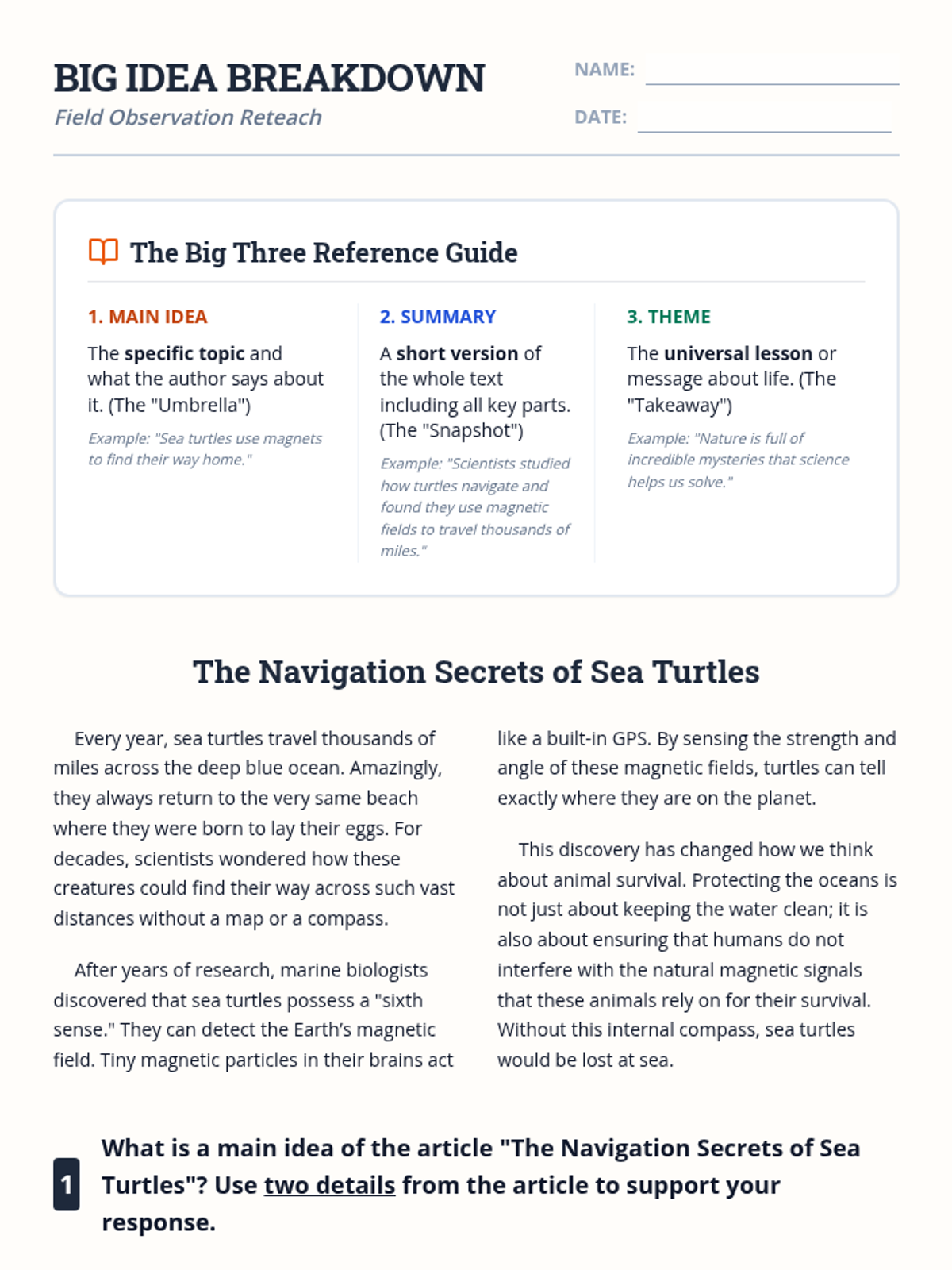
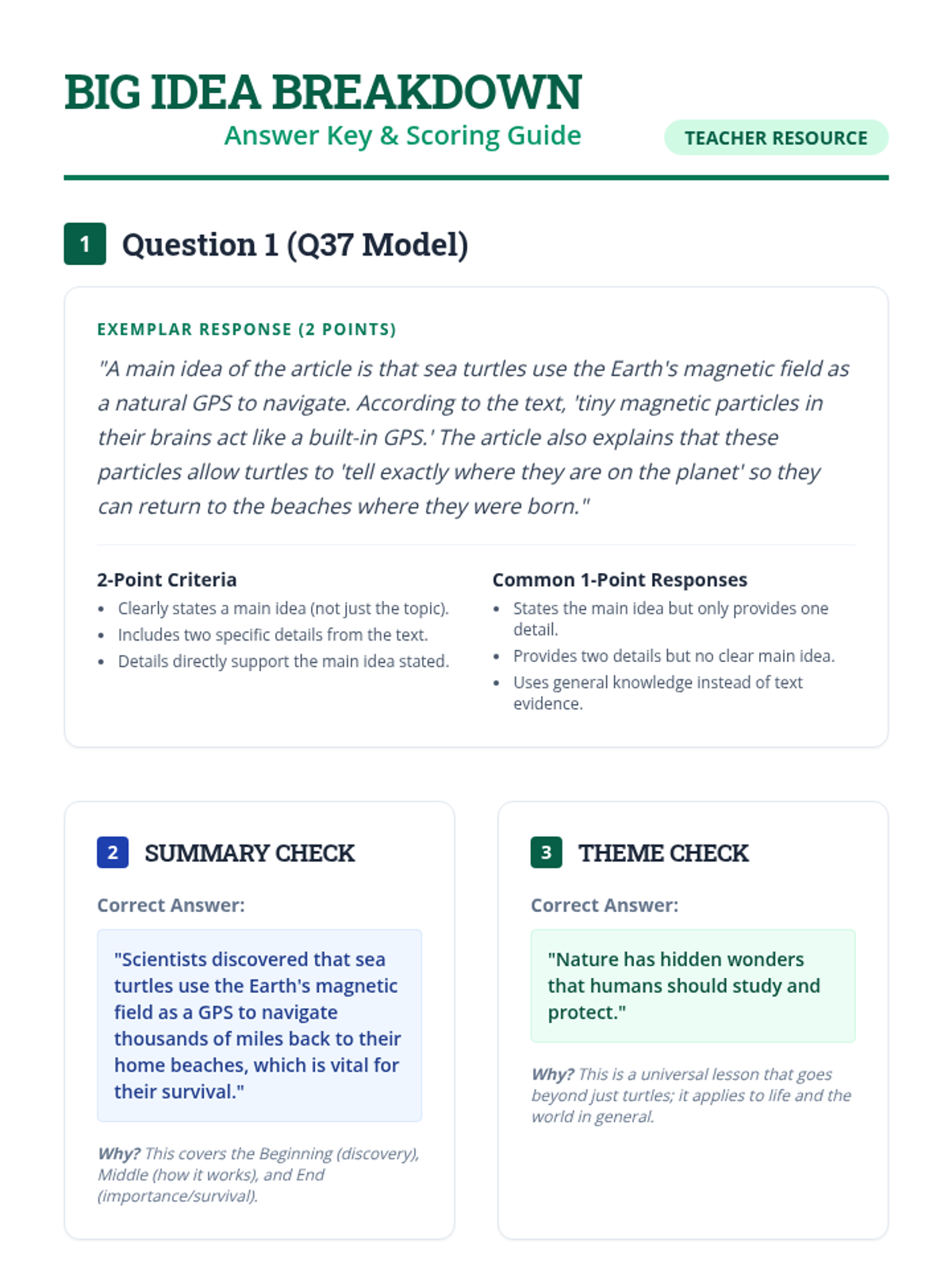
A 15-minute reteach lesson designed to help 5th-grade students distinguish between main idea, summary, and theme in expository nonfiction texts, specifically modeling the format of Question 37 from the NYS Grade 5 ELA IA.
A lesson focused on distinguishing between literal and non-literal language using fables and folktales as context for idiomatic expressions and figurative speech.
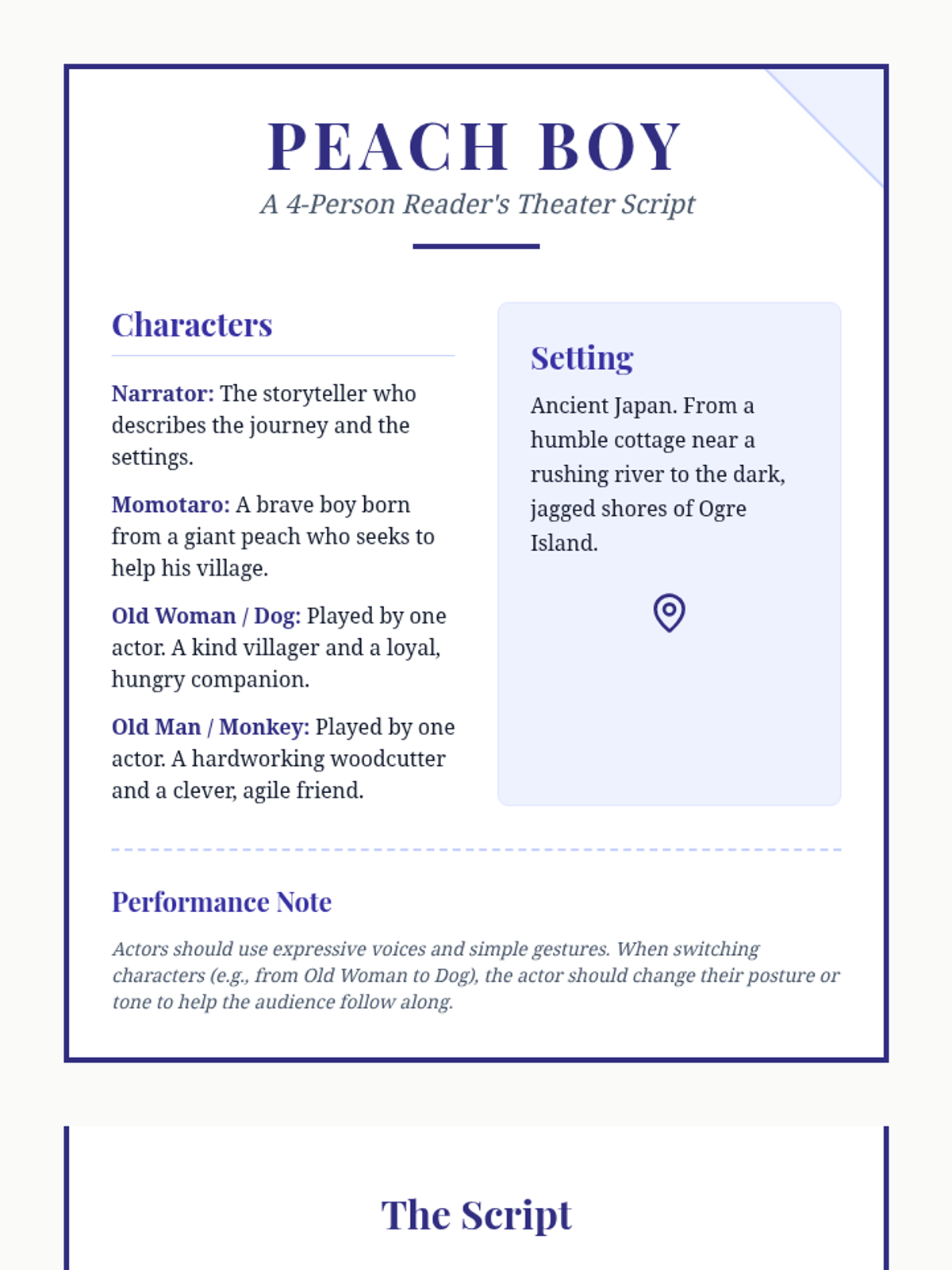
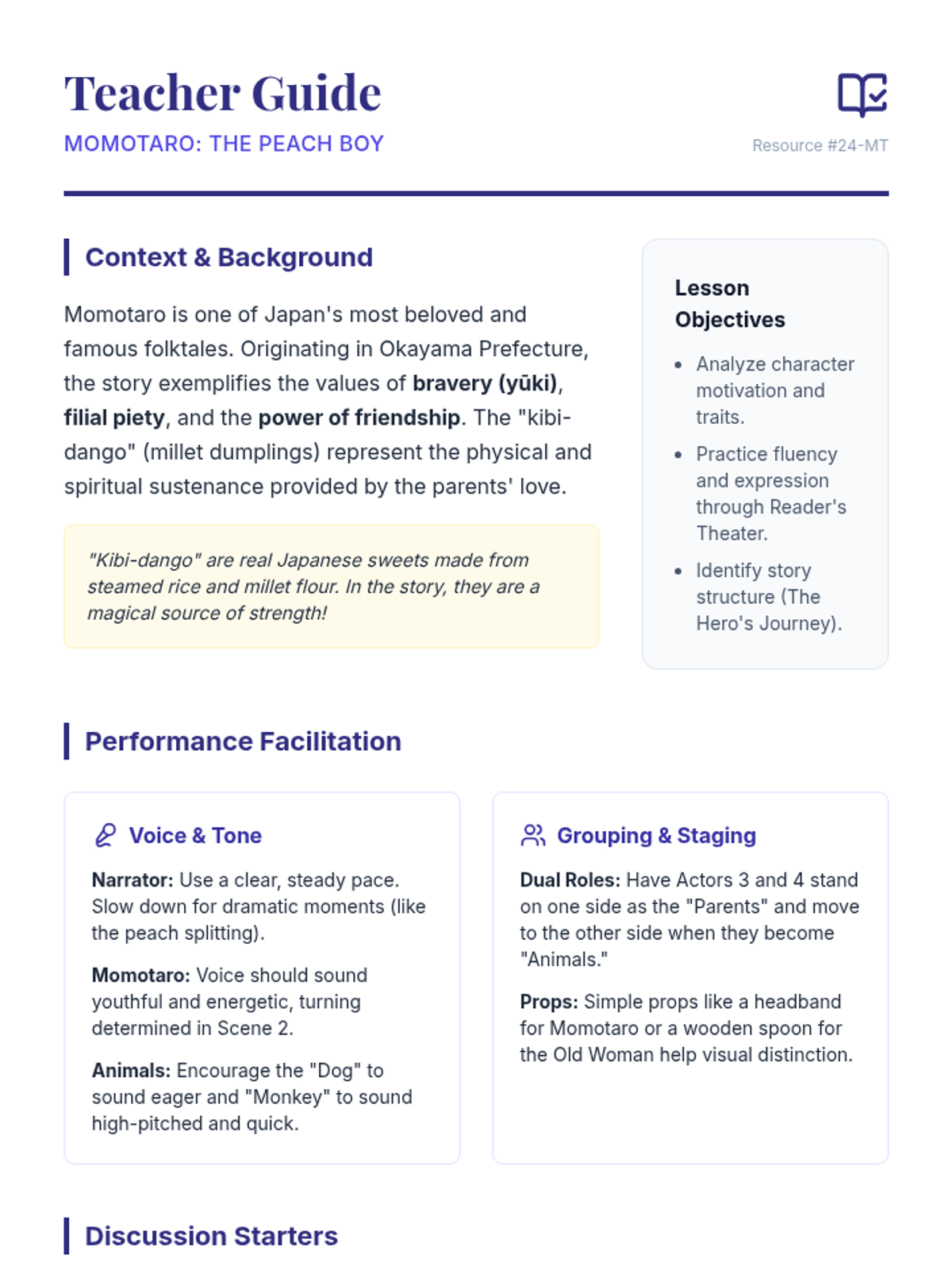
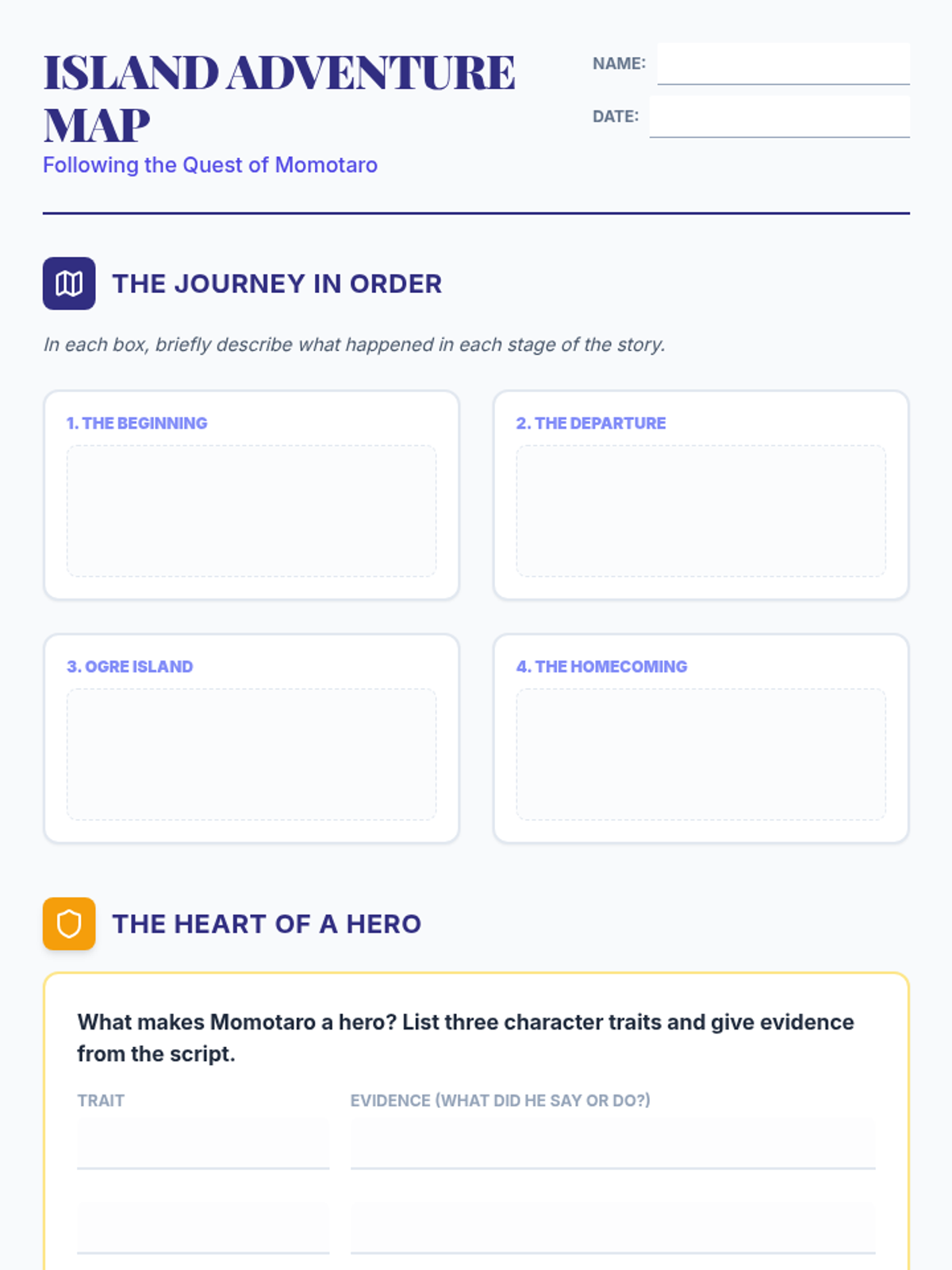
A literacy lesson centered around the classic Japanese folktale of Momotaro (Peach Boy), featuring a 4-person reader's theater script, a teacher's guide for performance, and a narrative mapping activity.
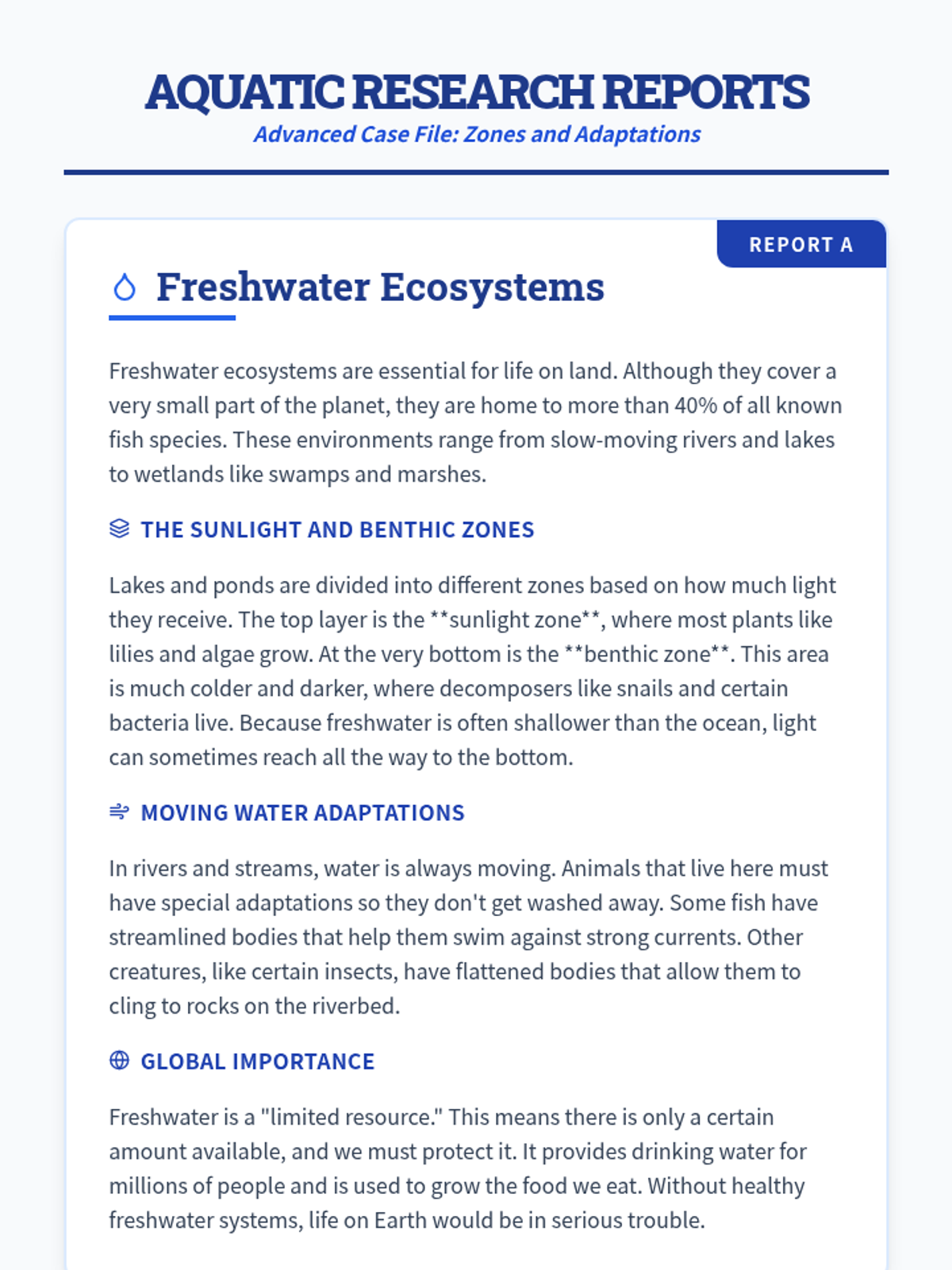
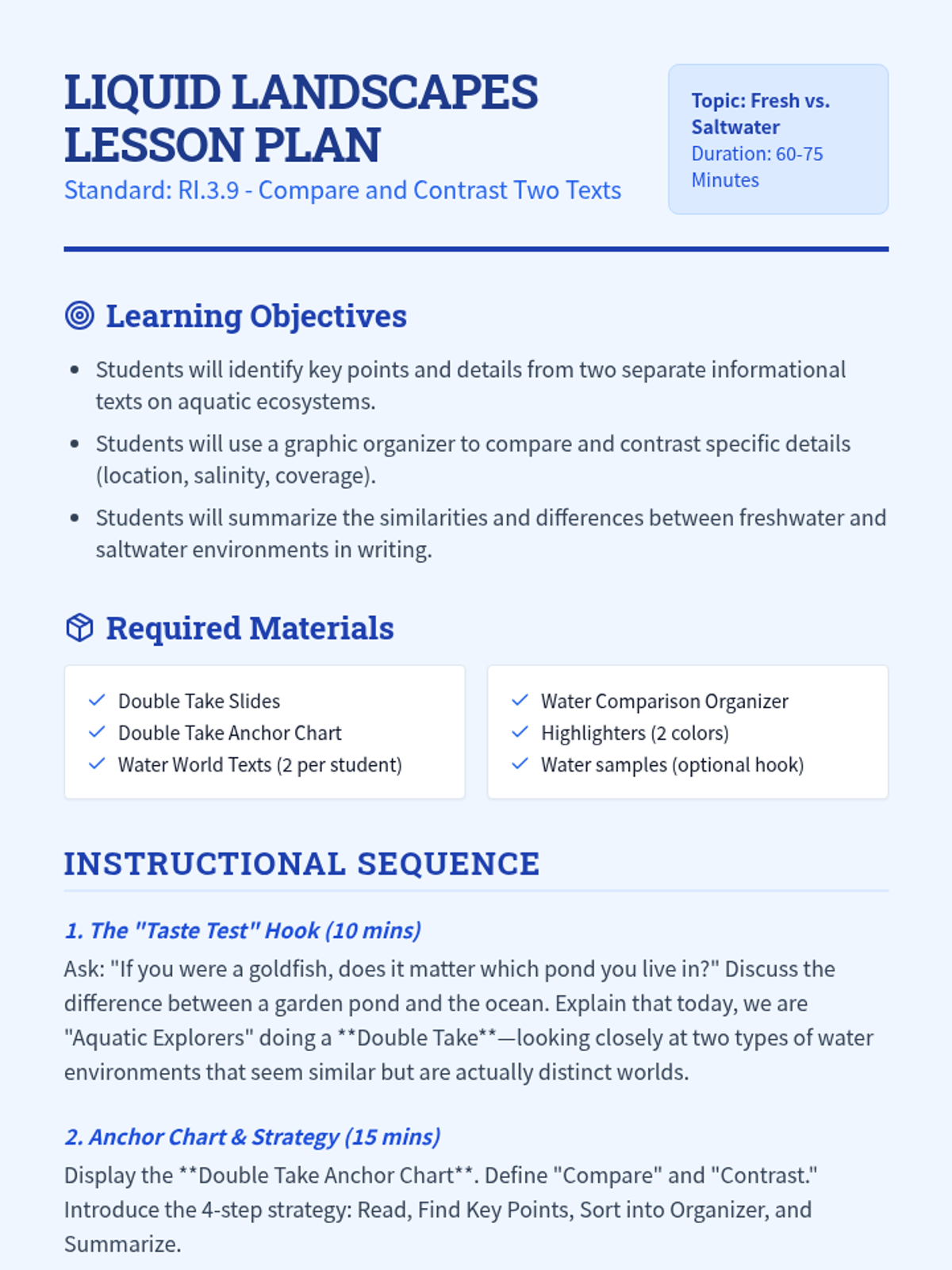
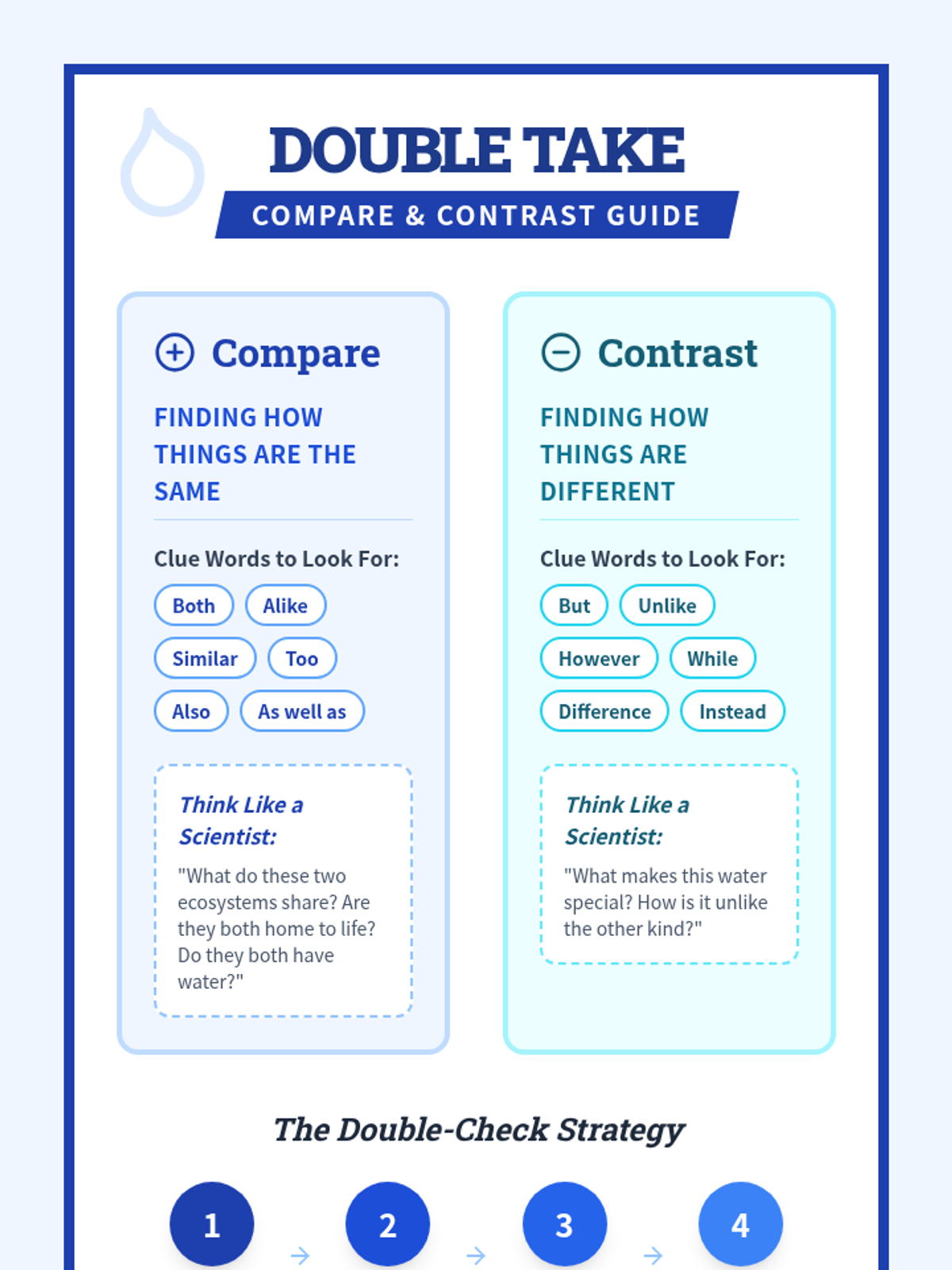
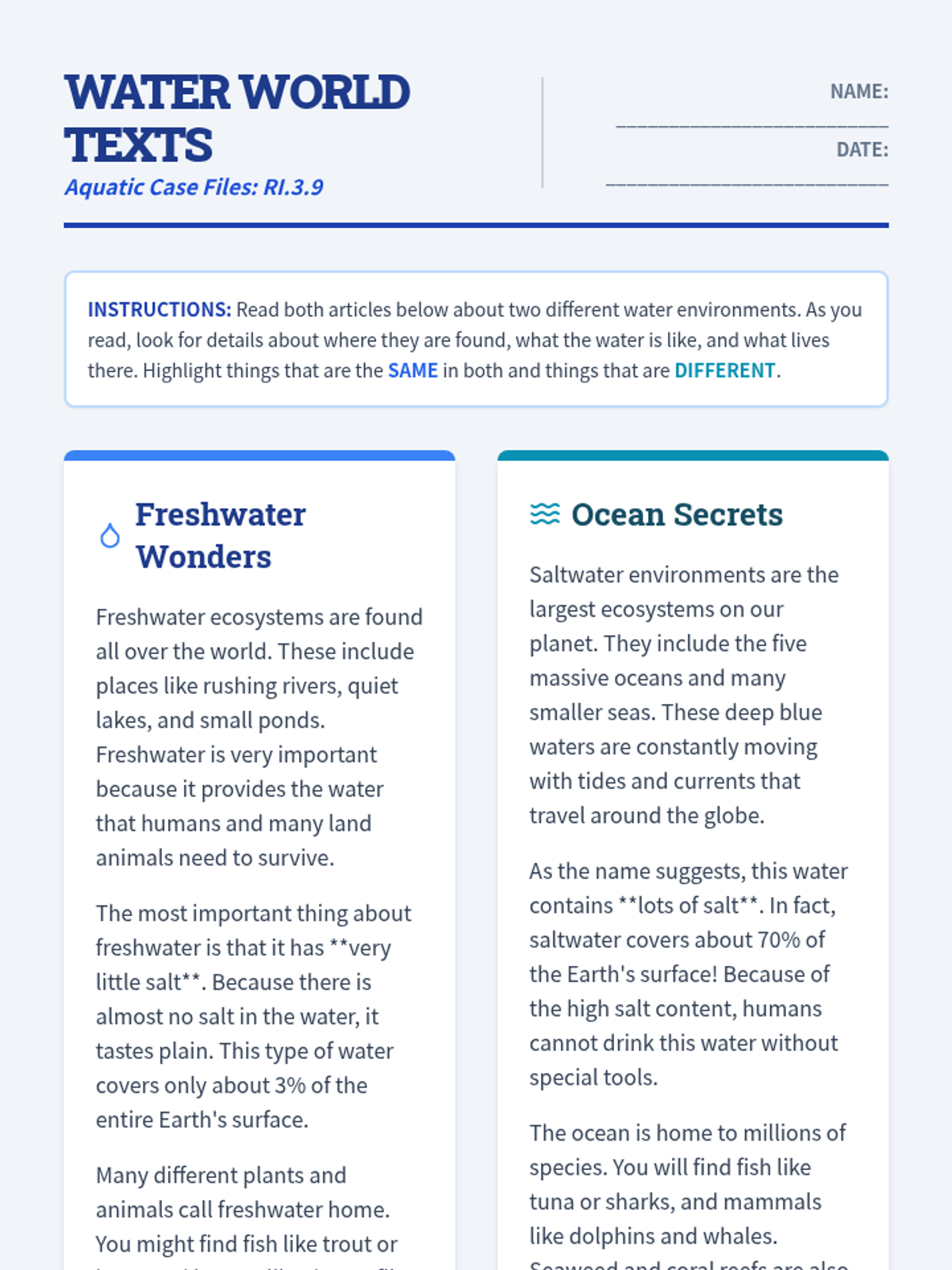
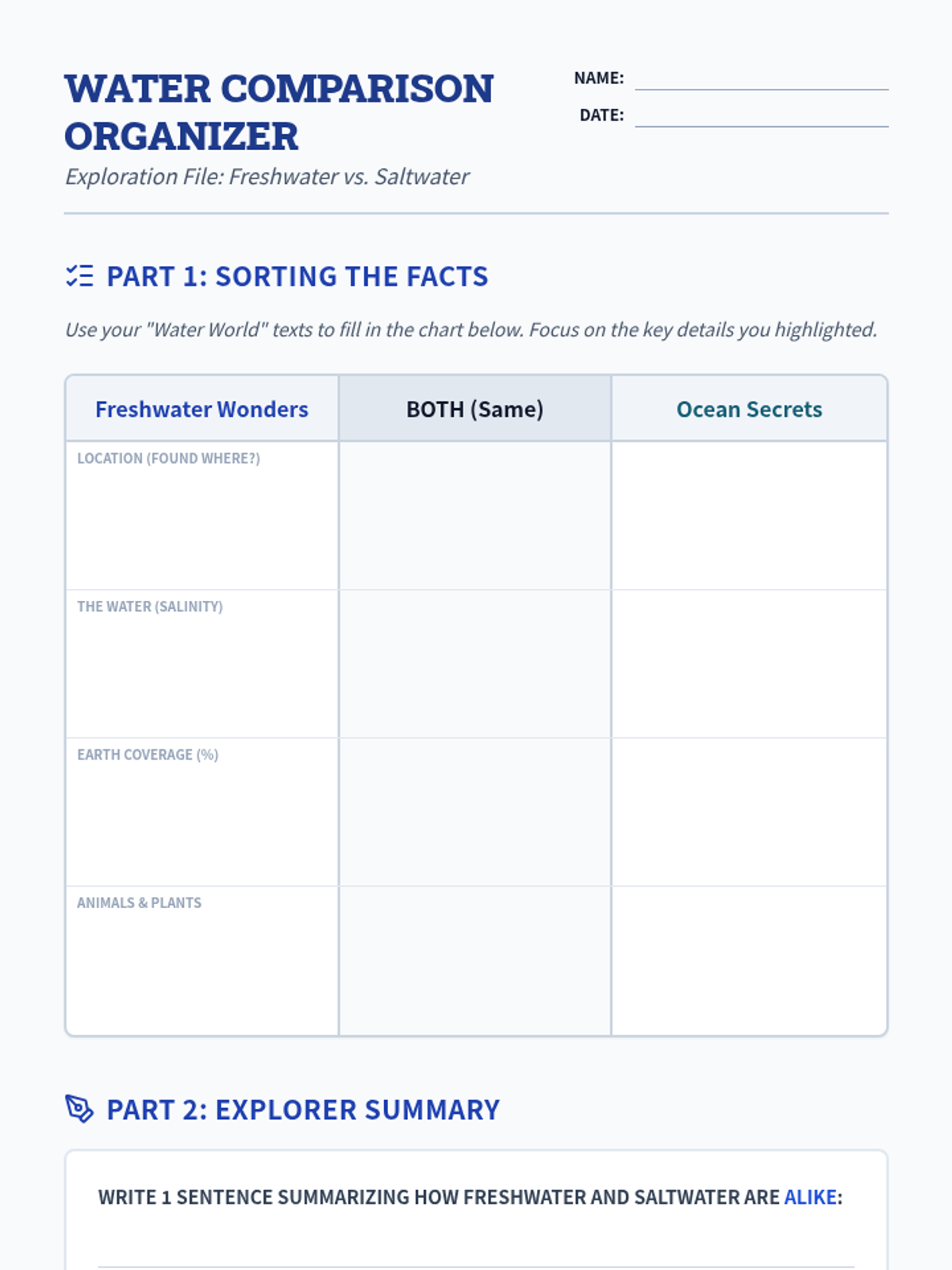
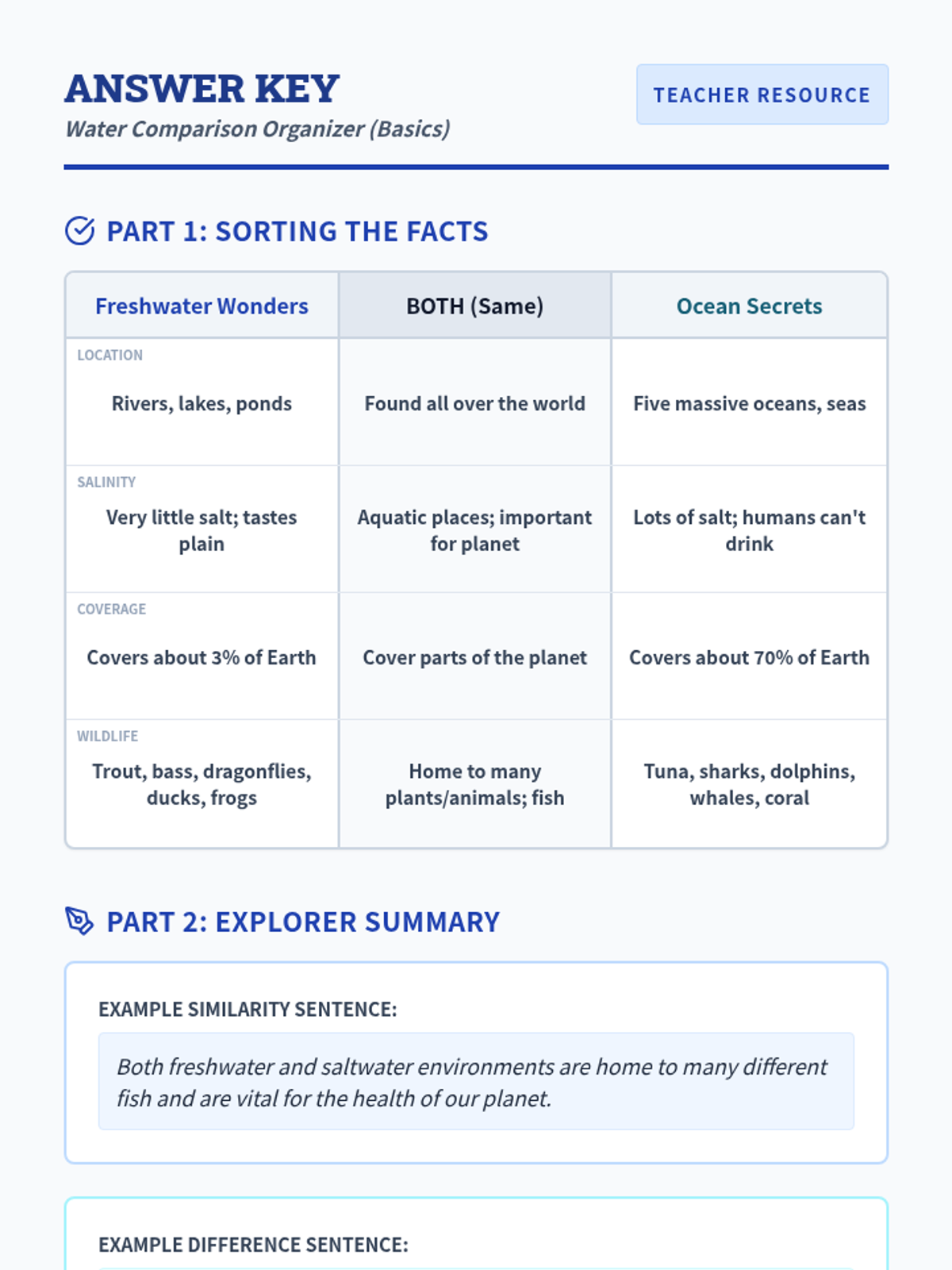
A comprehensive lesson focused on CCSS RI.3.9, teaching students to compare and contrast key details between two informational texts about freshwater and saltwater ecosystems using graphic organizers.
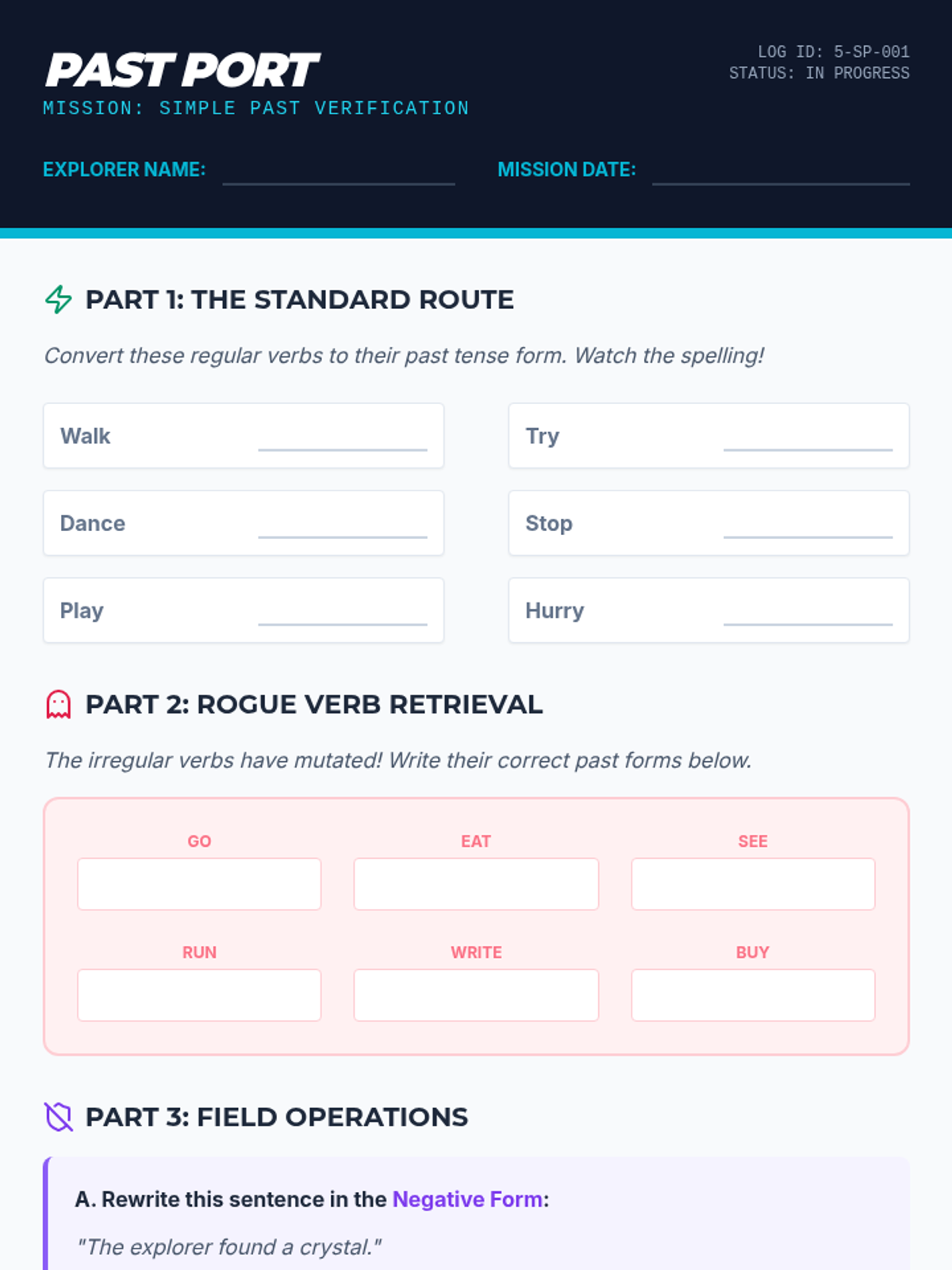
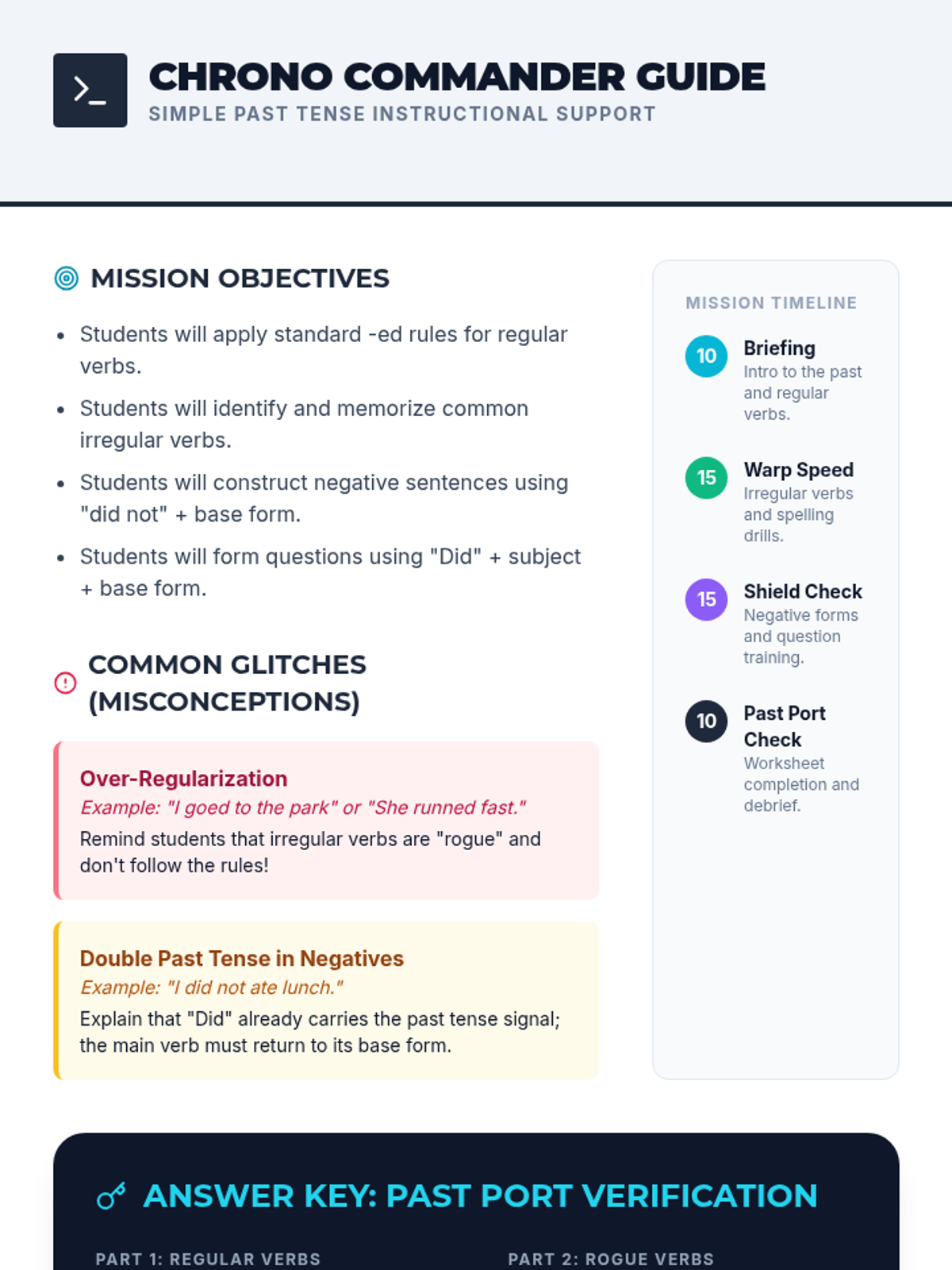
A 5th-grade lesson focused on mastering the simple past tense, including regular and irregular verbs, negative forms, and questions, all wrapped in a 'Time Trek' space-exploration theme.
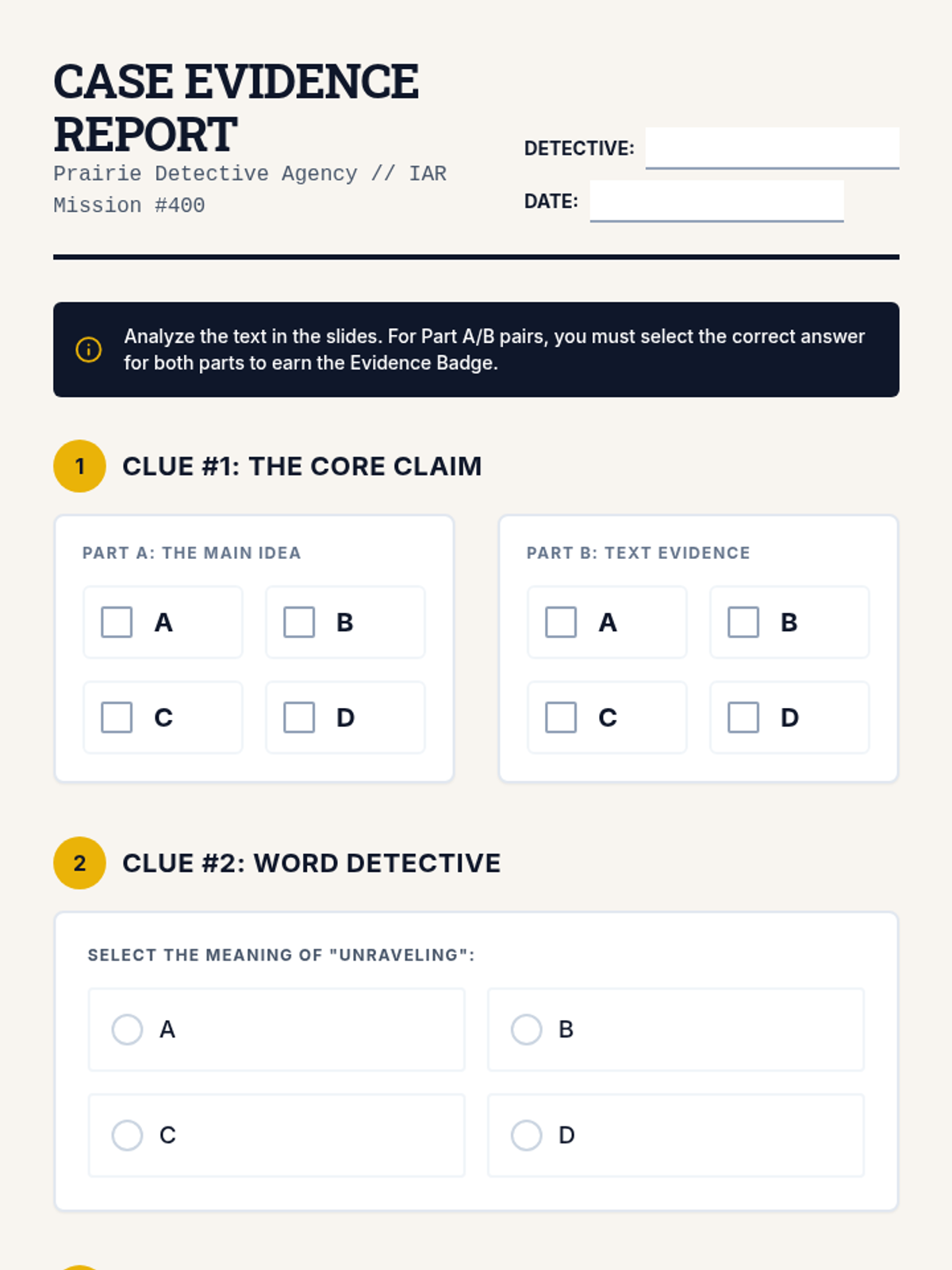
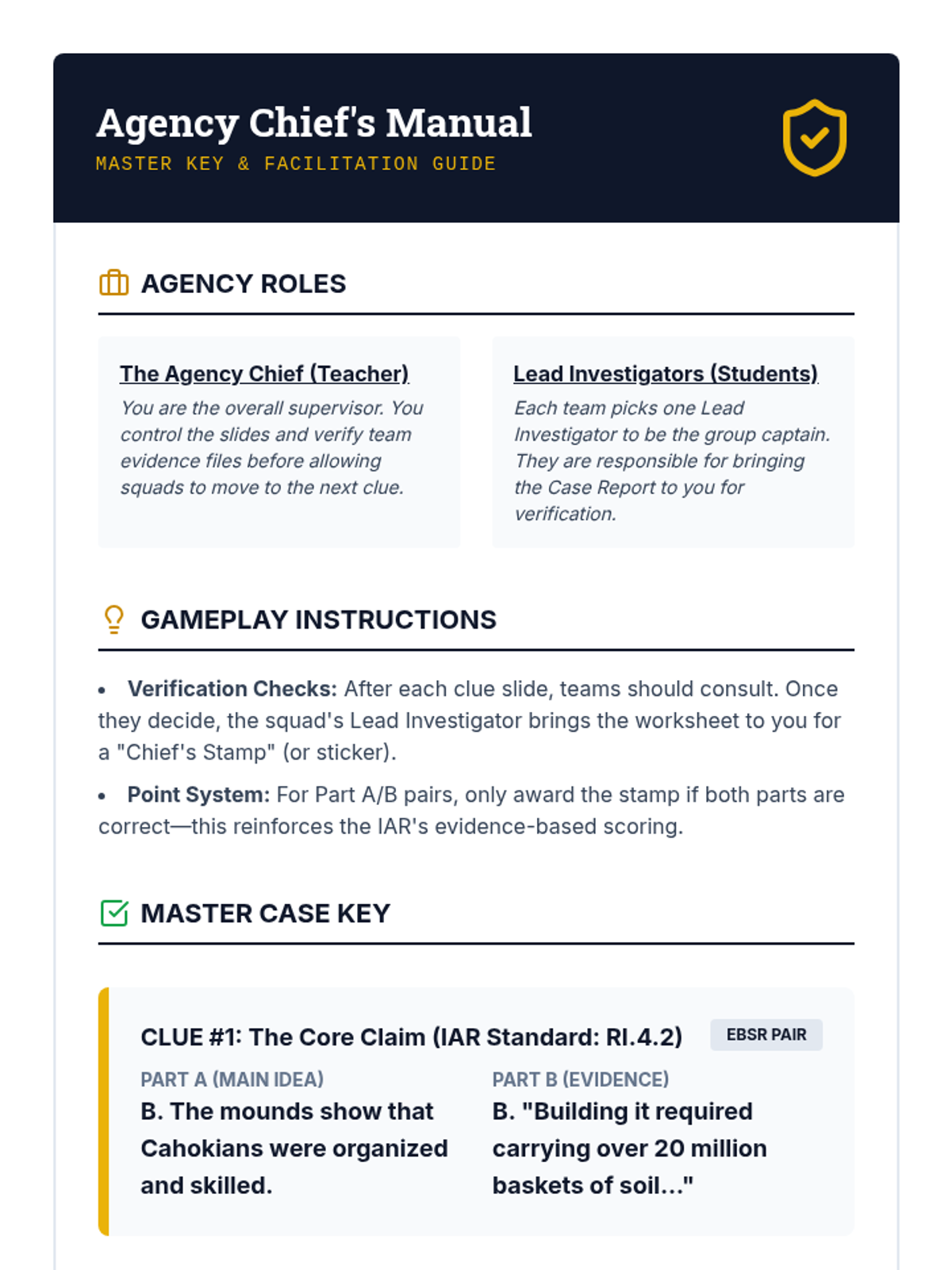
A high-stakes detective game where students analyze informational texts about Illinois history to solve a 'cold case.' Students practice IAR-style Evidence-Based Selected Response (EBSR) questions and vocabulary in context.
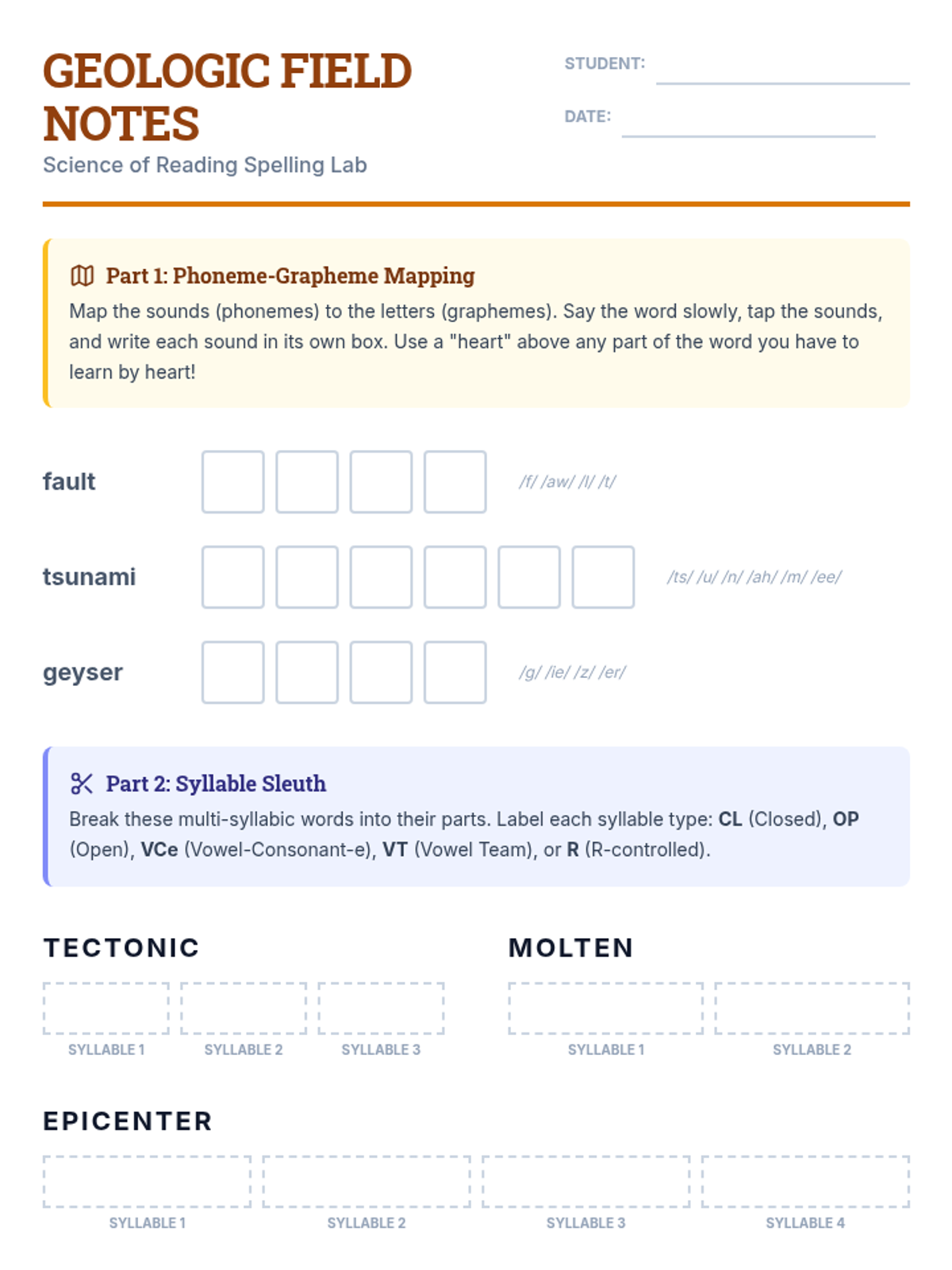
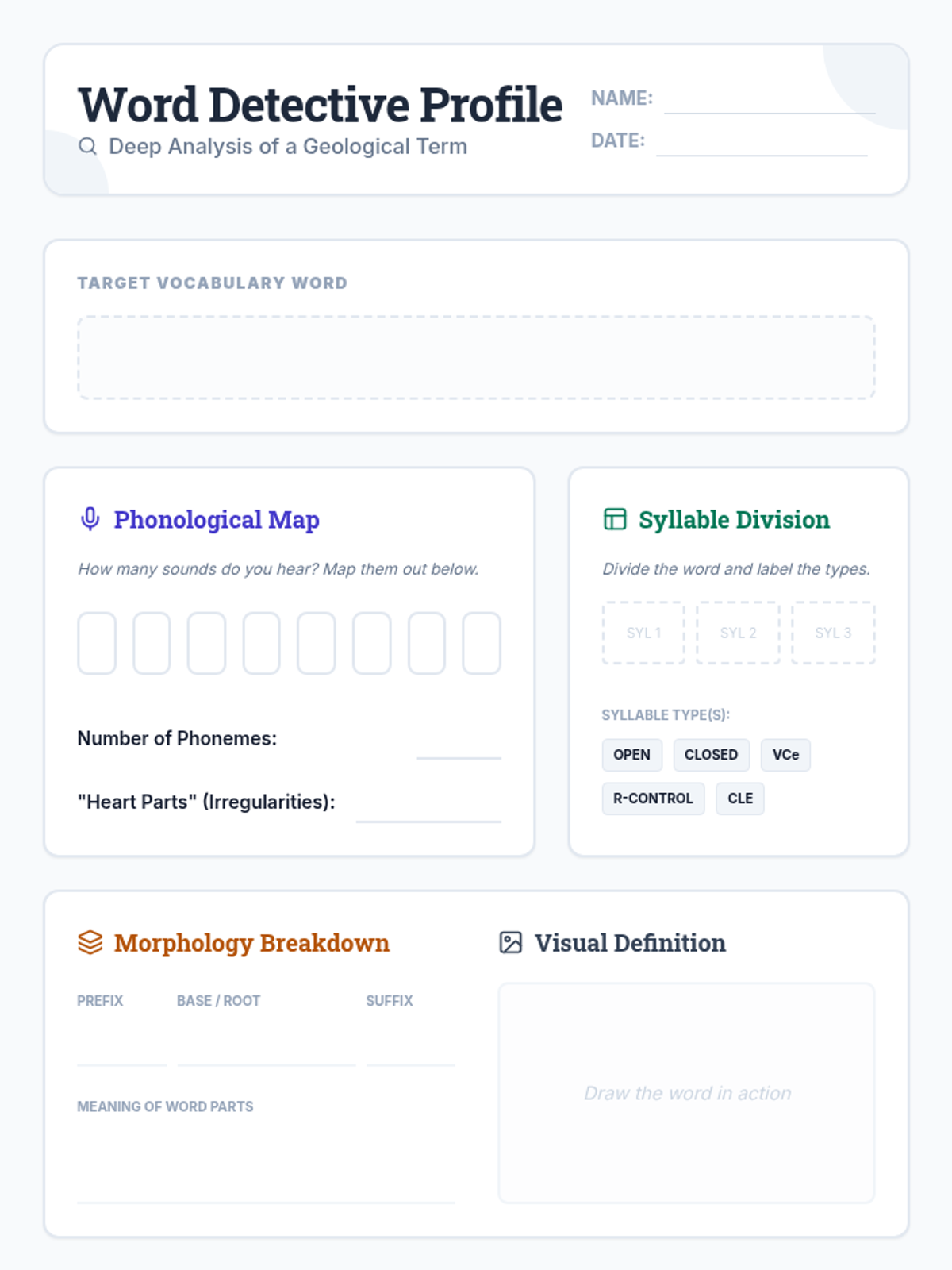
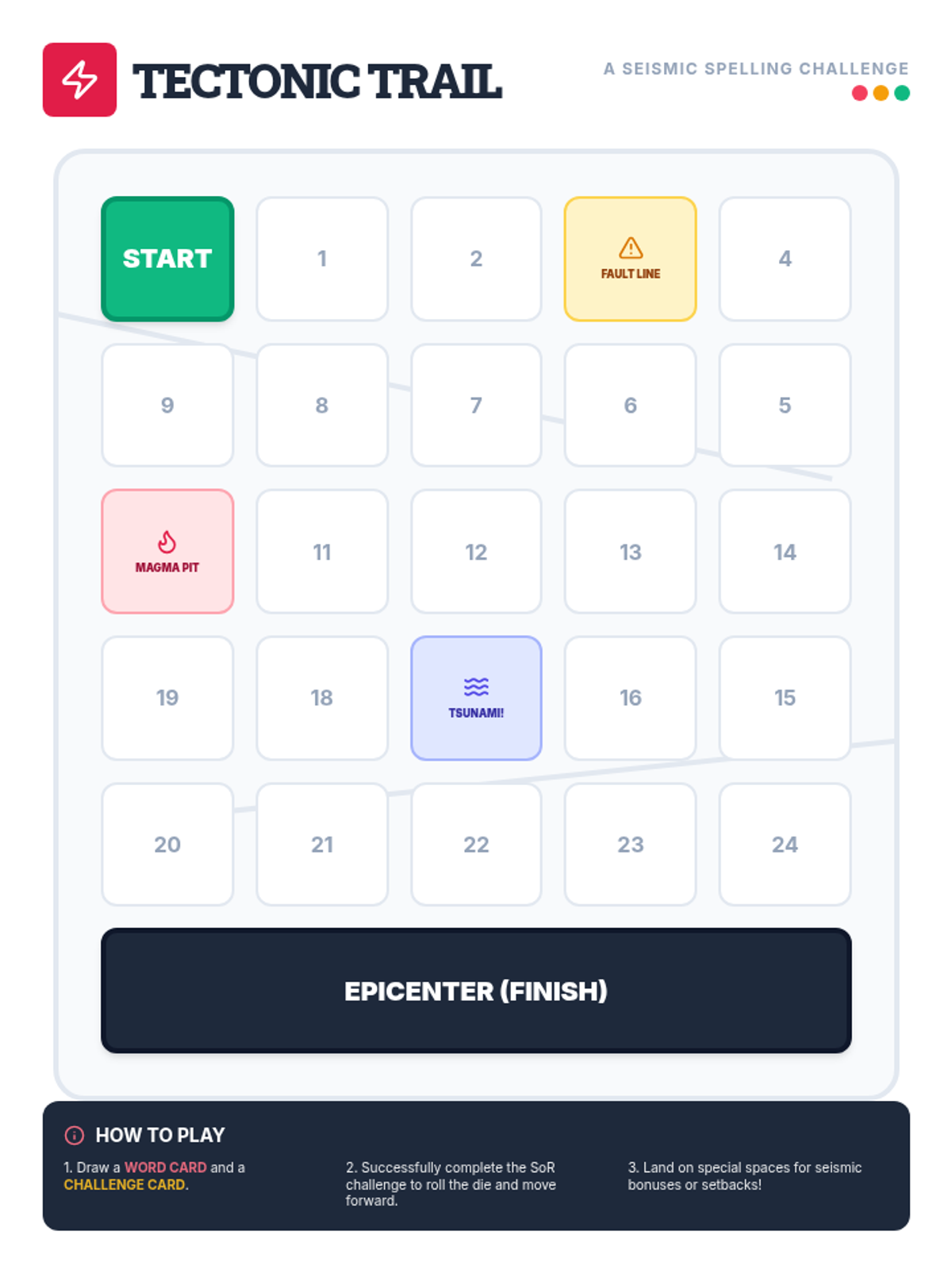
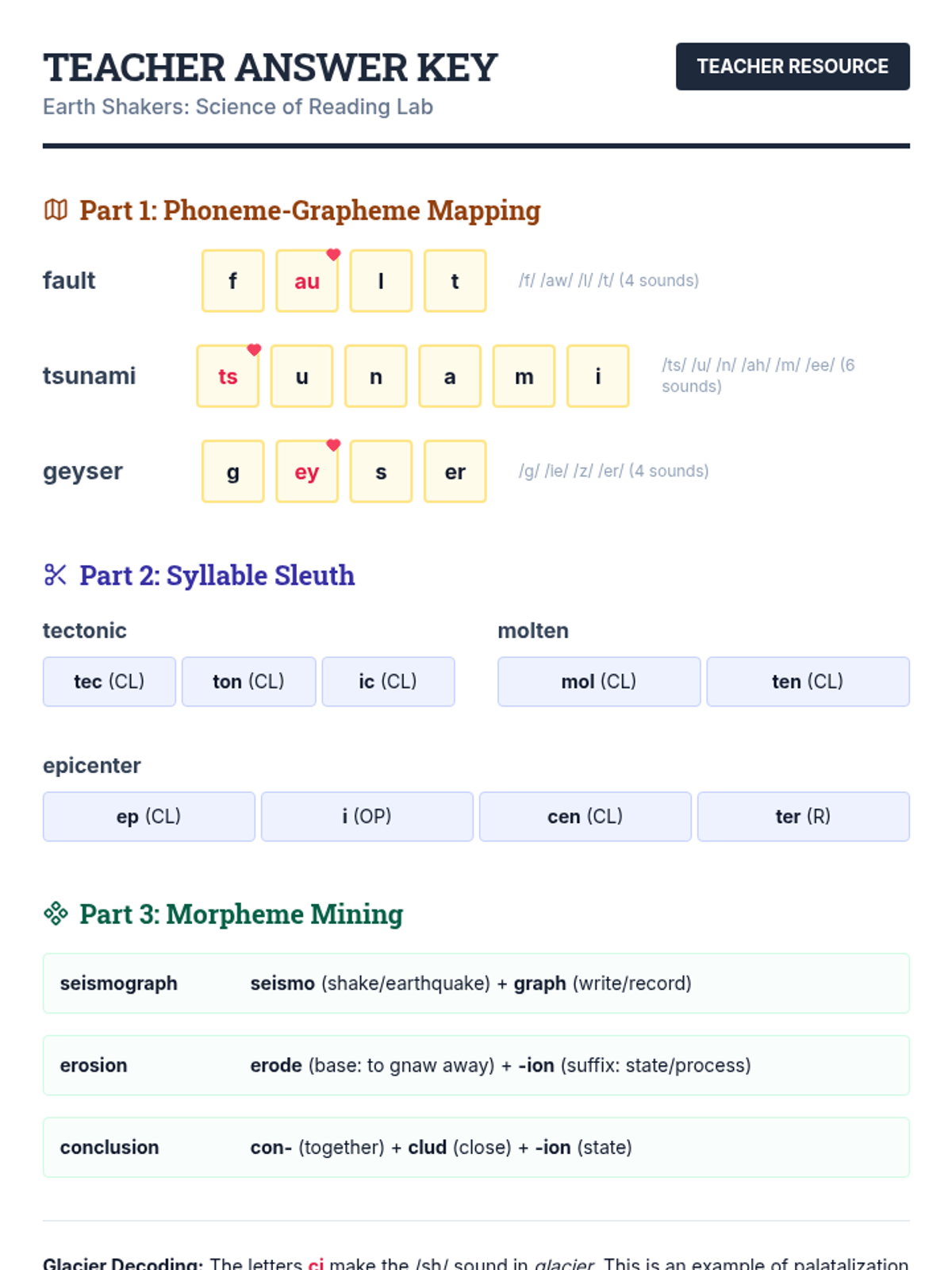
A comprehensive set of Science of Reading based activities focusing on geological vocabulary through phoneme-grapheme mapping, syllable division, and morphological analysis.