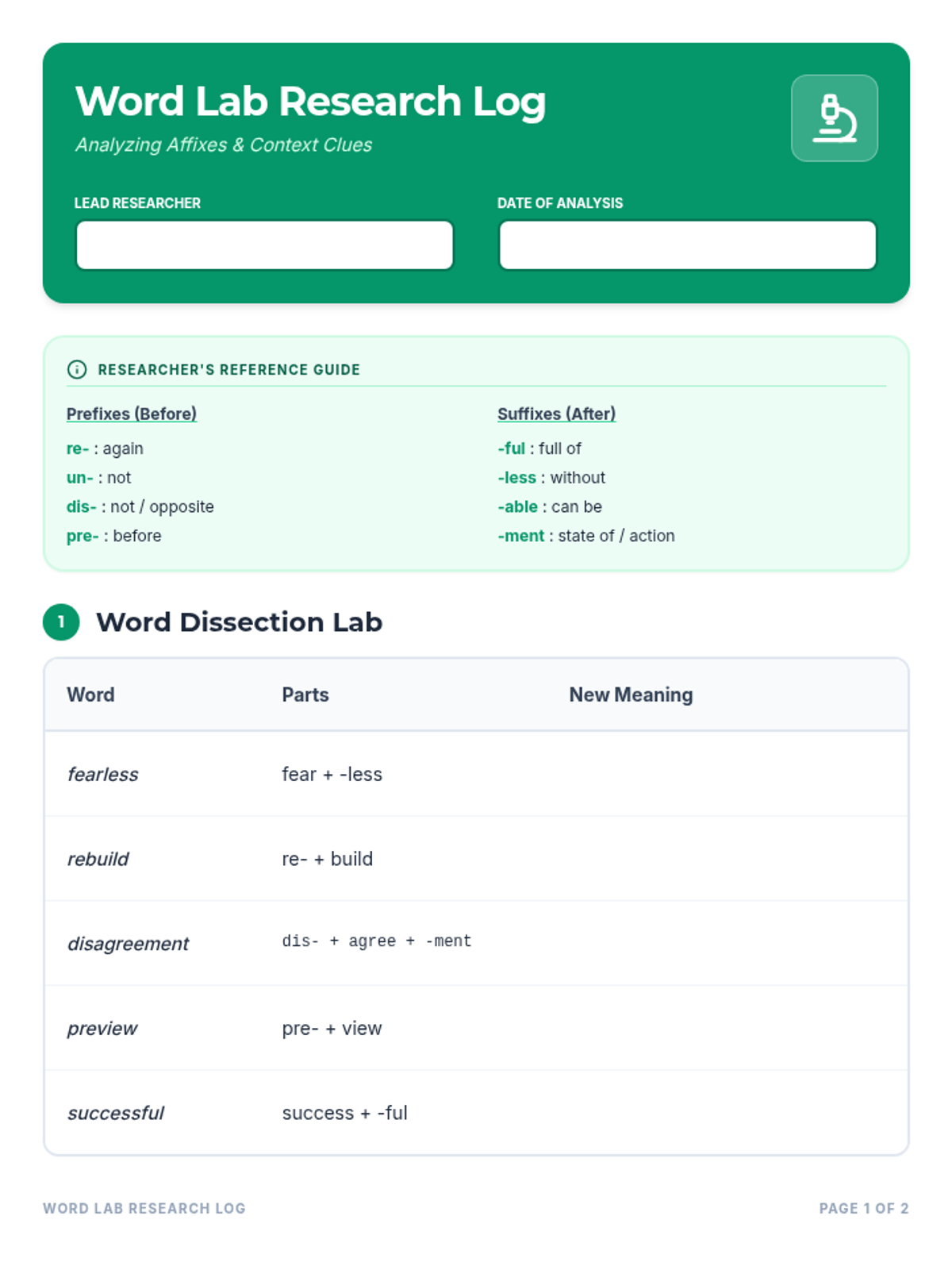
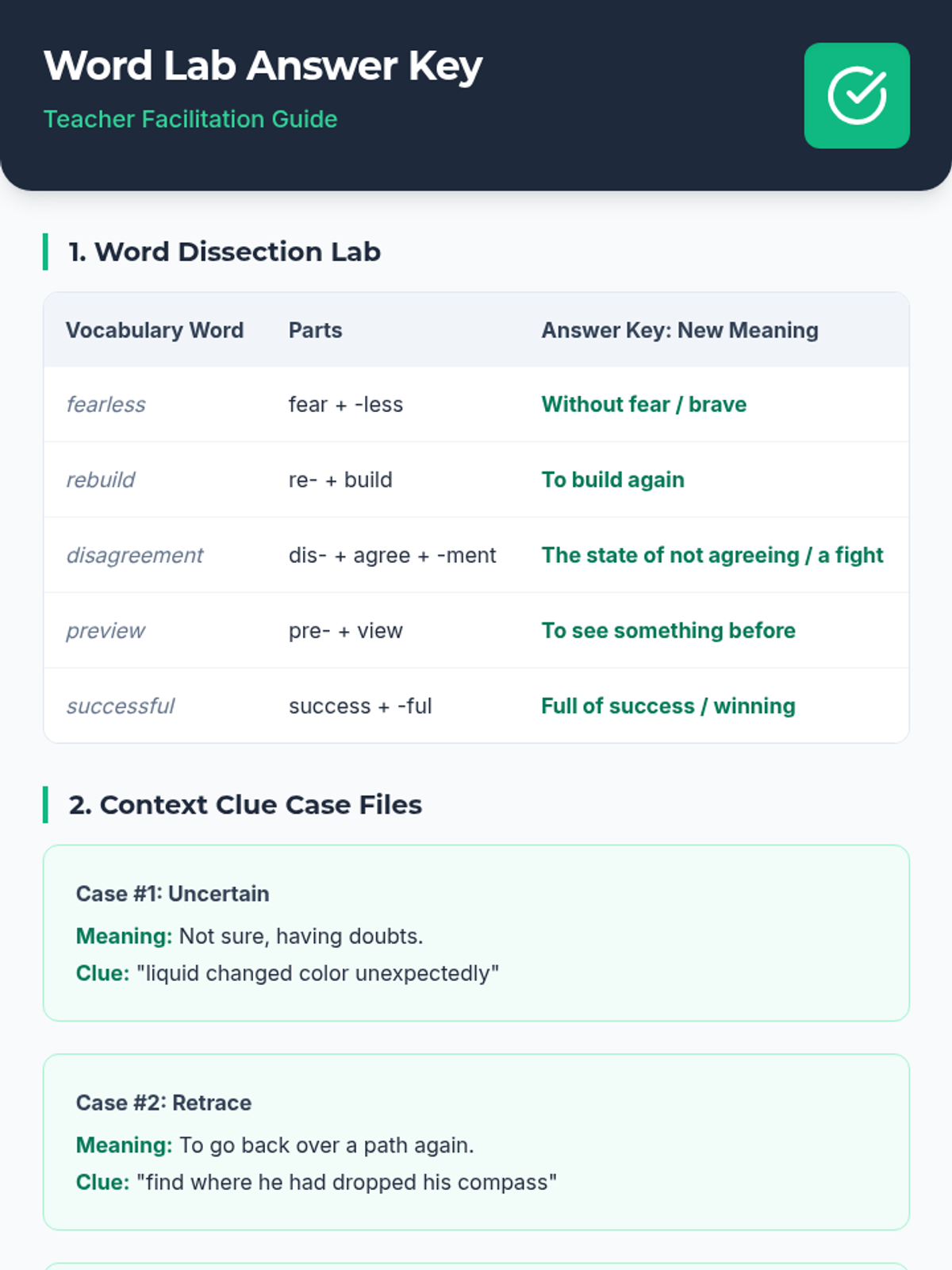
A focused study on the prefix 'RE-', the root 'GEO', and the suffix '-LESS' through the lens of Greek and Roman mythology. Students will read myth-inspired stories and complete activities to master these common word parts.
A comprehensive lesson exploring the human brain's capabilities and the nature of intelligence, featuring an informational text analysis and a multiple intelligences choice board.
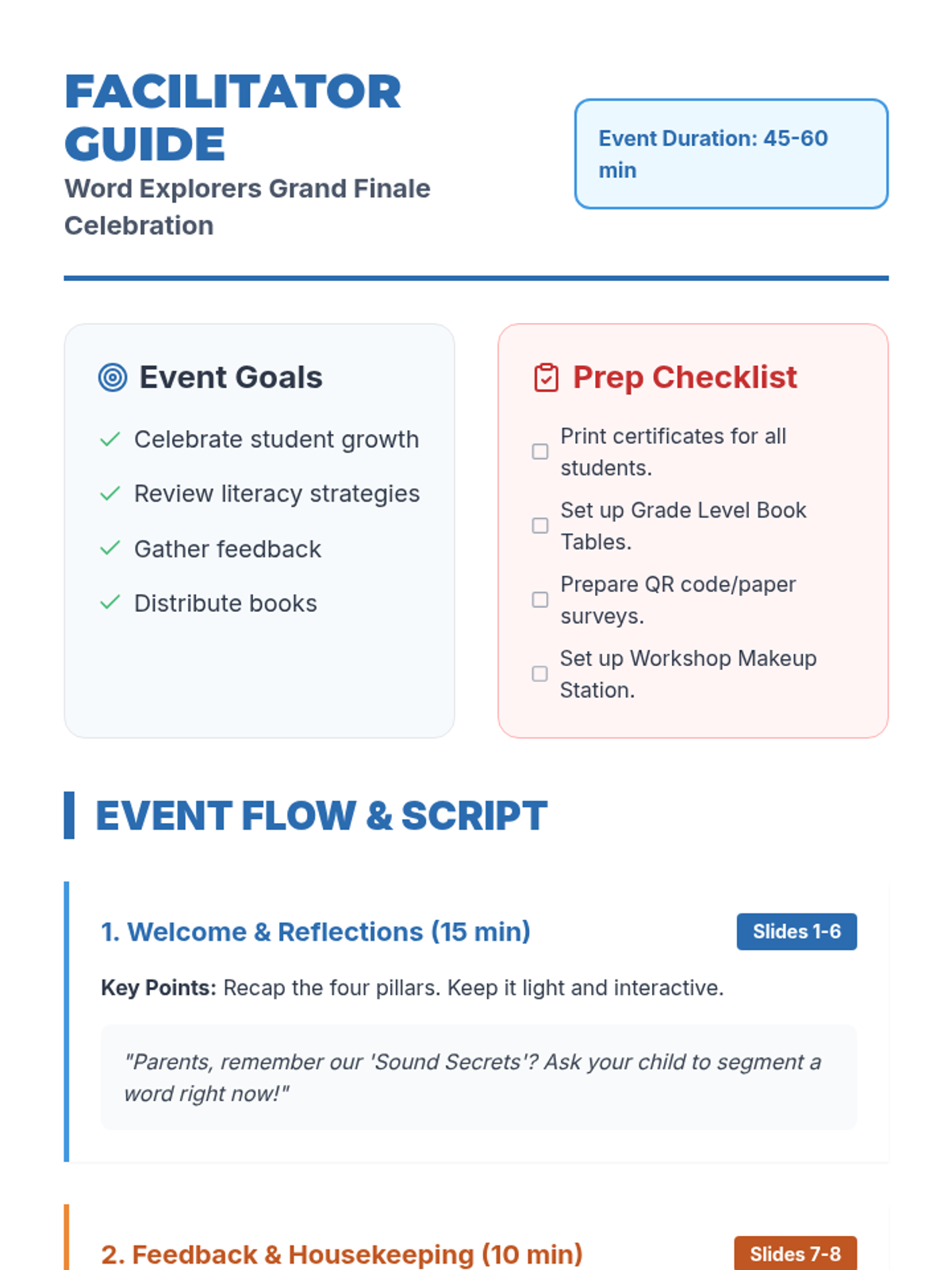
A lesson focused on common prefixes (un-, re-, pre-, dis-) and suffixes (-ful, -less, -er, -ly) using a 'Word Workshop' theme to help students understand how word parts change meanings.
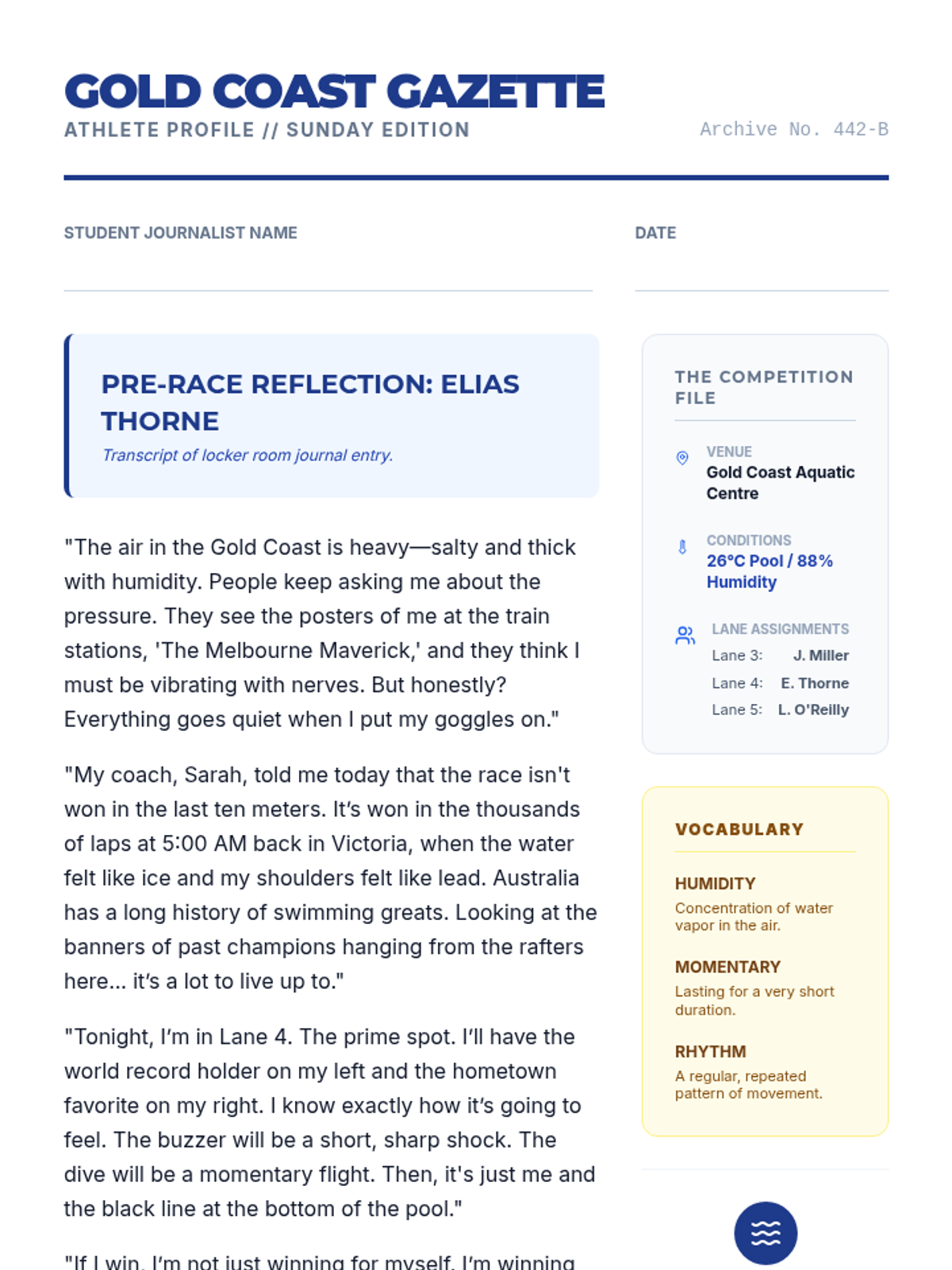
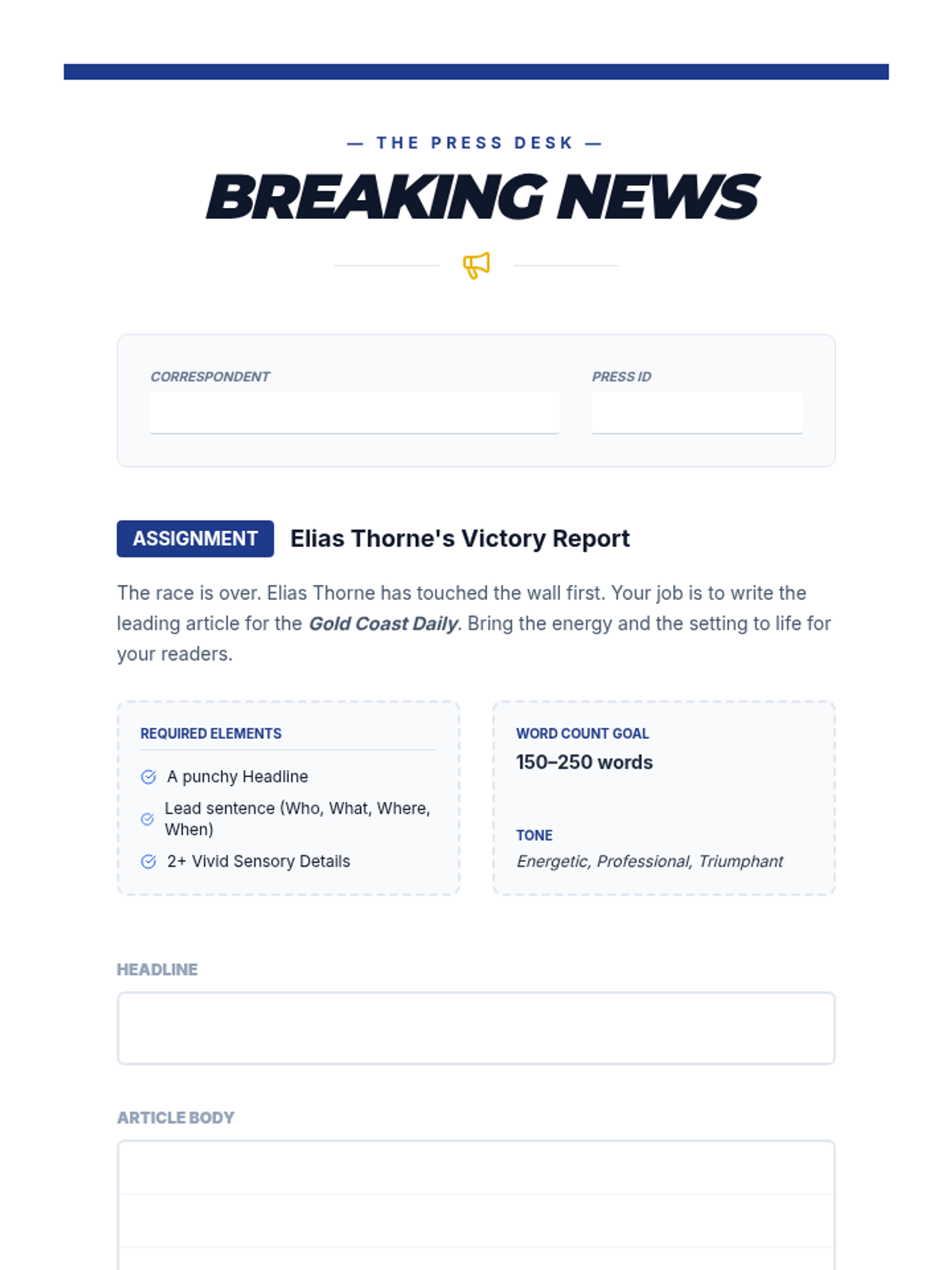
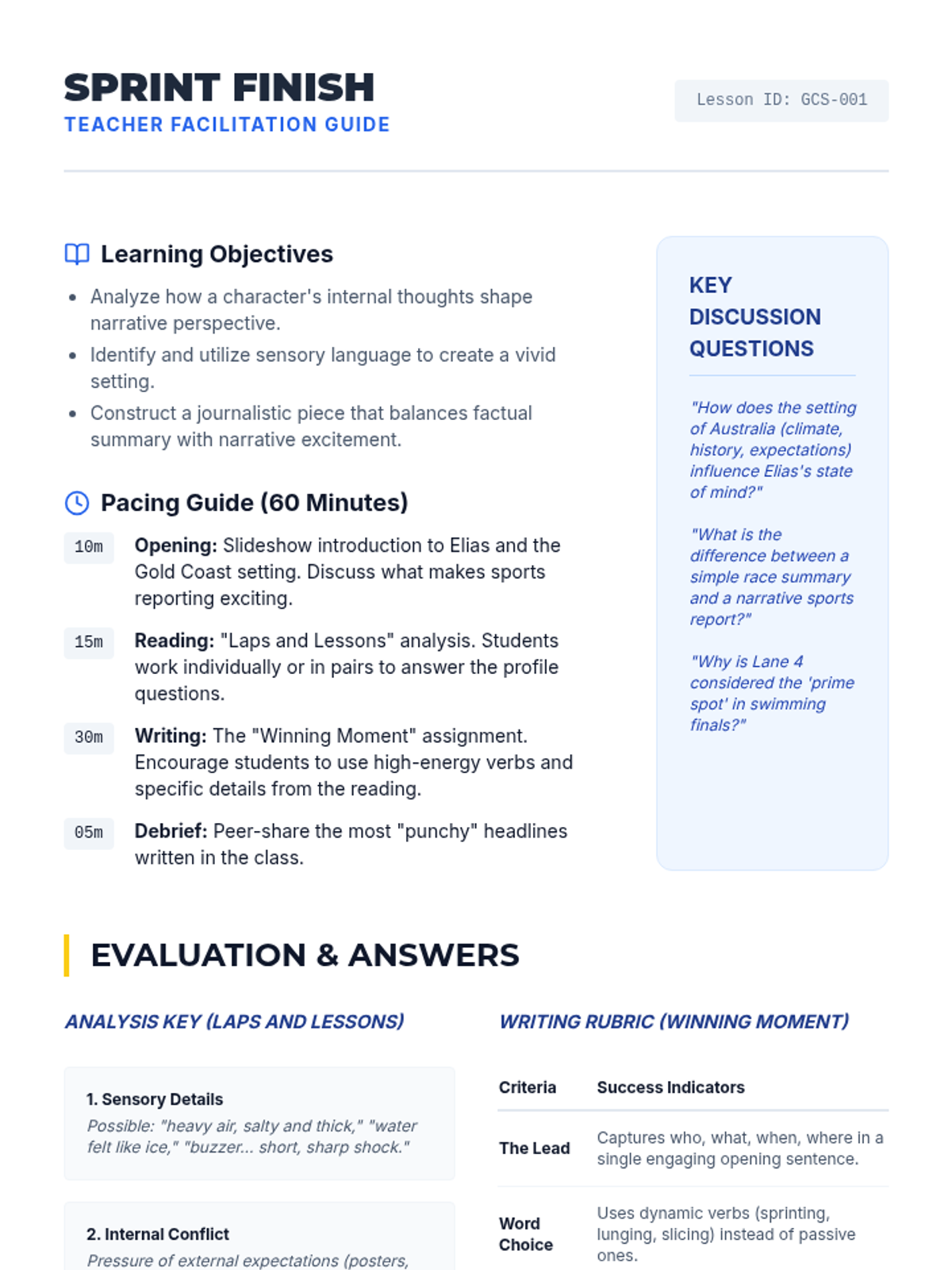
This lesson teaches students to analyze how news reports introduce, illustrate, and elaborate on key individuals, events, or ideas using specific examples and anecdotes.
A lesson focused on analyzing how specific parts of a text contribute to the overall structure and the development of an argument through evidence. Students learn to see texts as 'blueprints' where every sentence serves a structural purpose.
A comprehensive lesson where students learn to use text evidence and background knowledge to make logical predictions about what will happen next in a story.
Day 2 of the Water Worlds unit. Students tackle longer informational texts and transition to using a Venn Diagram strategy to categorize similarities and differences in environmental zones, animal adaptations, and global importance.
A morning work resource focused on reading comprehension and multiple-choice practice within a space exploration theme.
A final capstone lesson for the elaboration intervention. Students return to their Revolutionary War topic to apply 'Draft Doctor' and 'Build-the-Bridge' techniques to their own writing. Includes a hands-on 'Paragraph Puzzle' and a final drafting 'Power-Up' worksheet.
A fast-paced, hands-on intervention lesson where students apply elaboration techniques to familiar, everyday topics like sports, food, and hobbies. Using a 'Detective' theme, students practice matching thin claims to thick evidence and explanations to build engagement and fluency.
A set of materials designed for small-group intervention focused on helping 4th-grade students elaborate on their informational writing about Revolutionary War Patriots. The lesson introduces the 'Draft Doctor' technique to expand simple sentences into detailed paragraphs using specific evidence and explanation starters.
A collection of 10 longer, more complex short stories designed for 3th-4th grade level readers. Focuses on identifying character, setting, and plot elements through multi-paragraph narratives and literal comprehension questions.
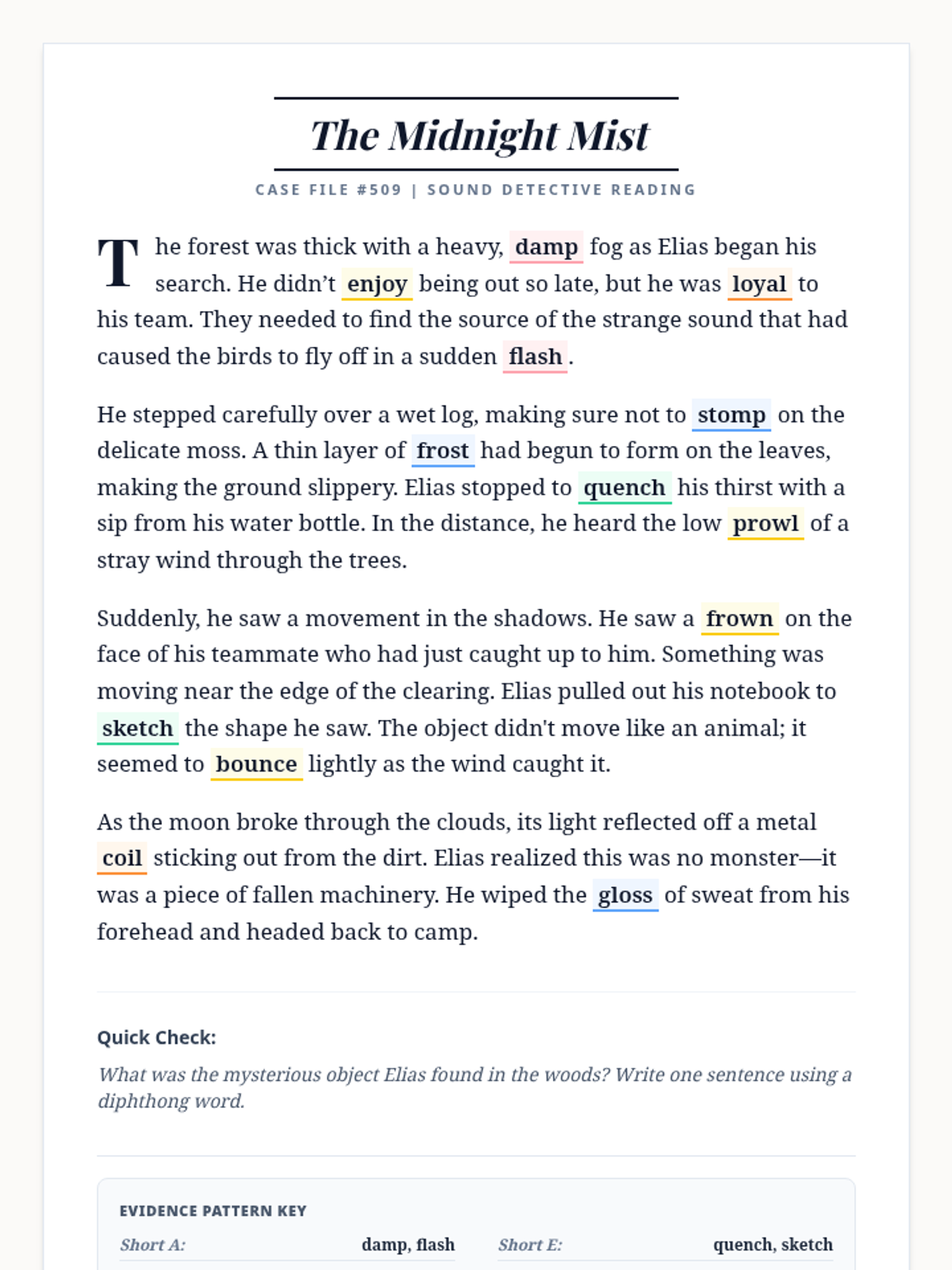
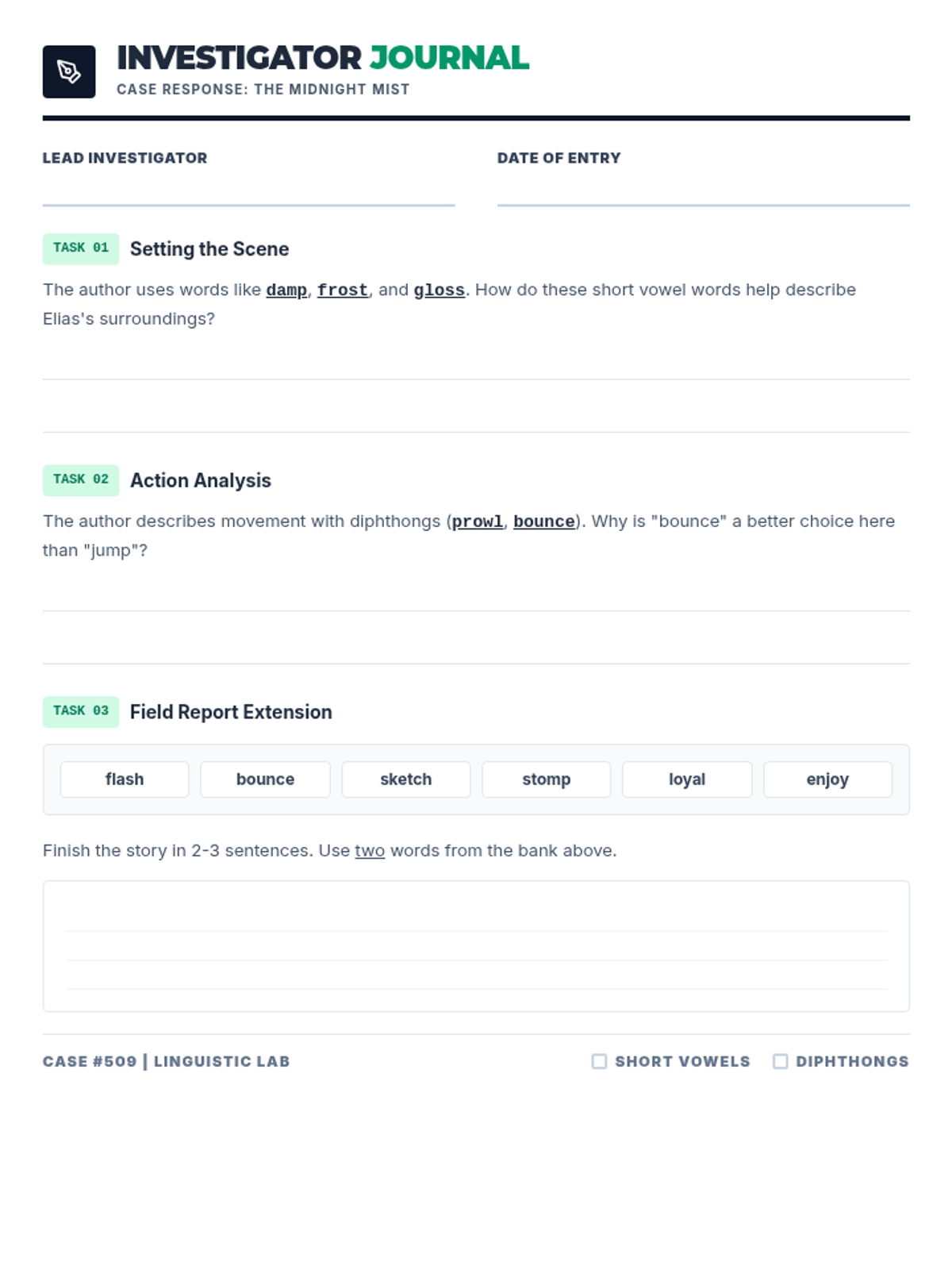
An explicit phonics lesson for 4th graders focusing on the r-controlled vowels er, ir, and ur through a detective-themed investigation.
An intensive 20-minute small group session focusing on the /er/ sound created by the 'Bossy R' (er, ir, ur) through studio-themed visuals, sorting, and gameplay.
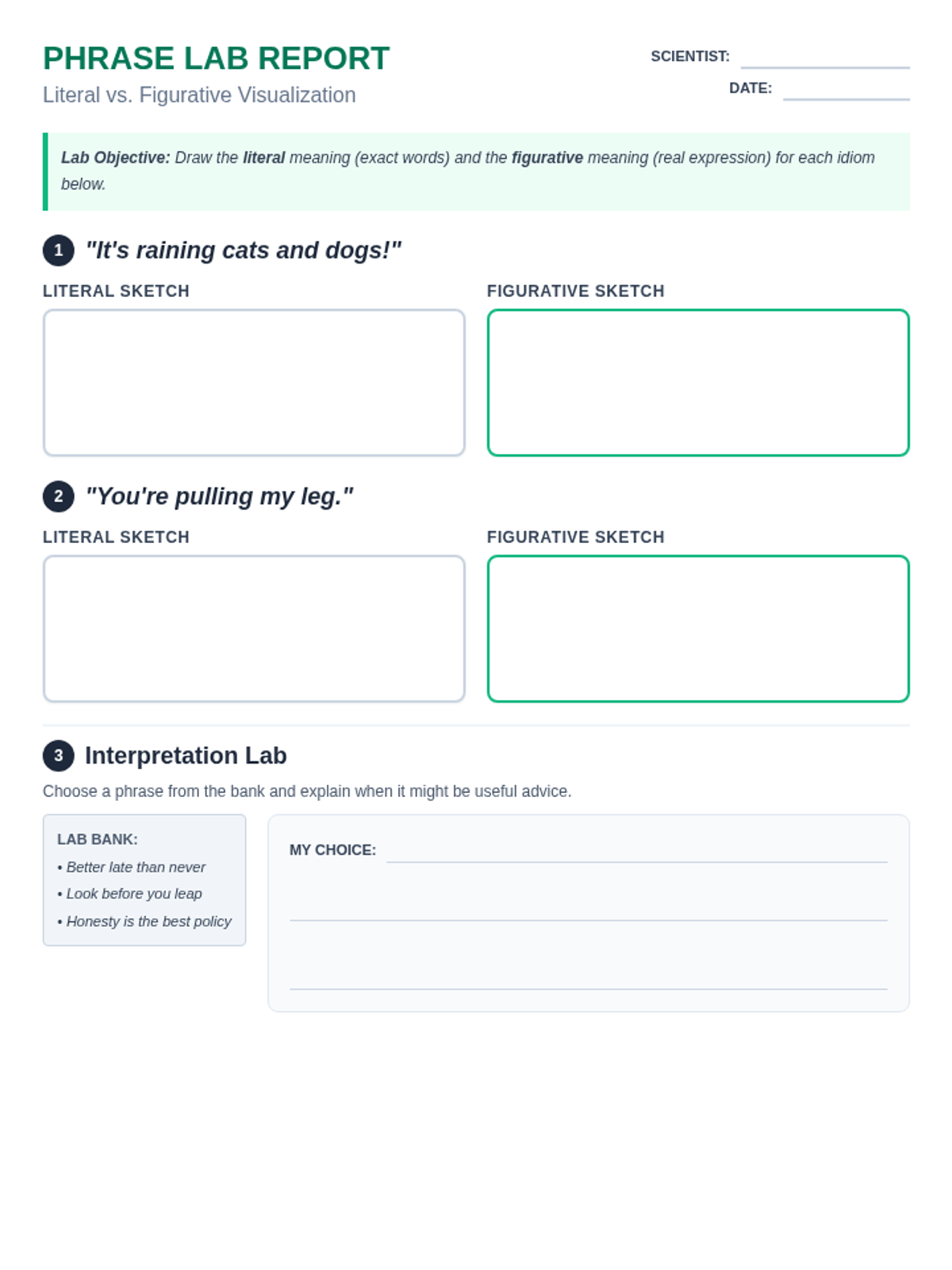
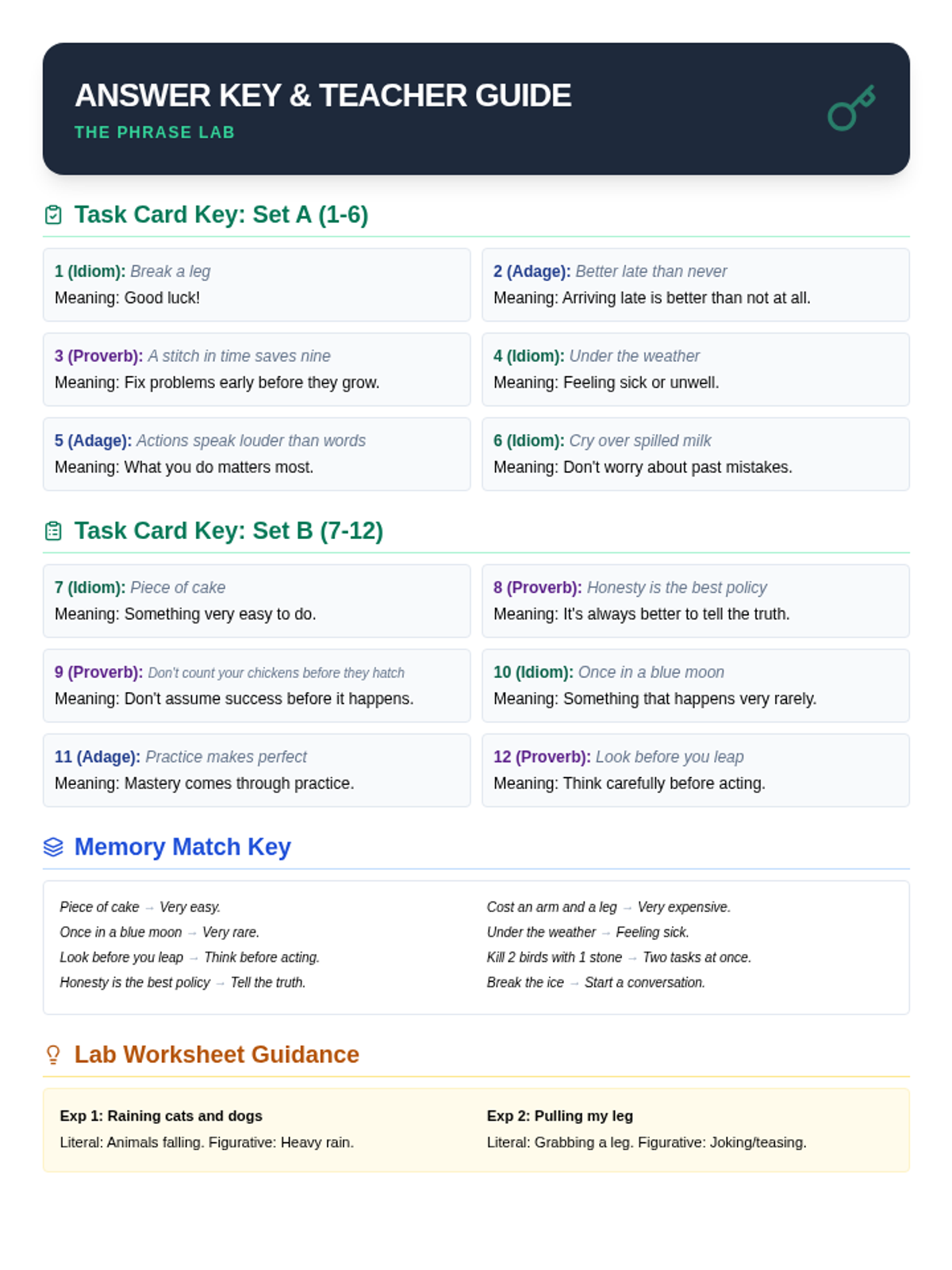
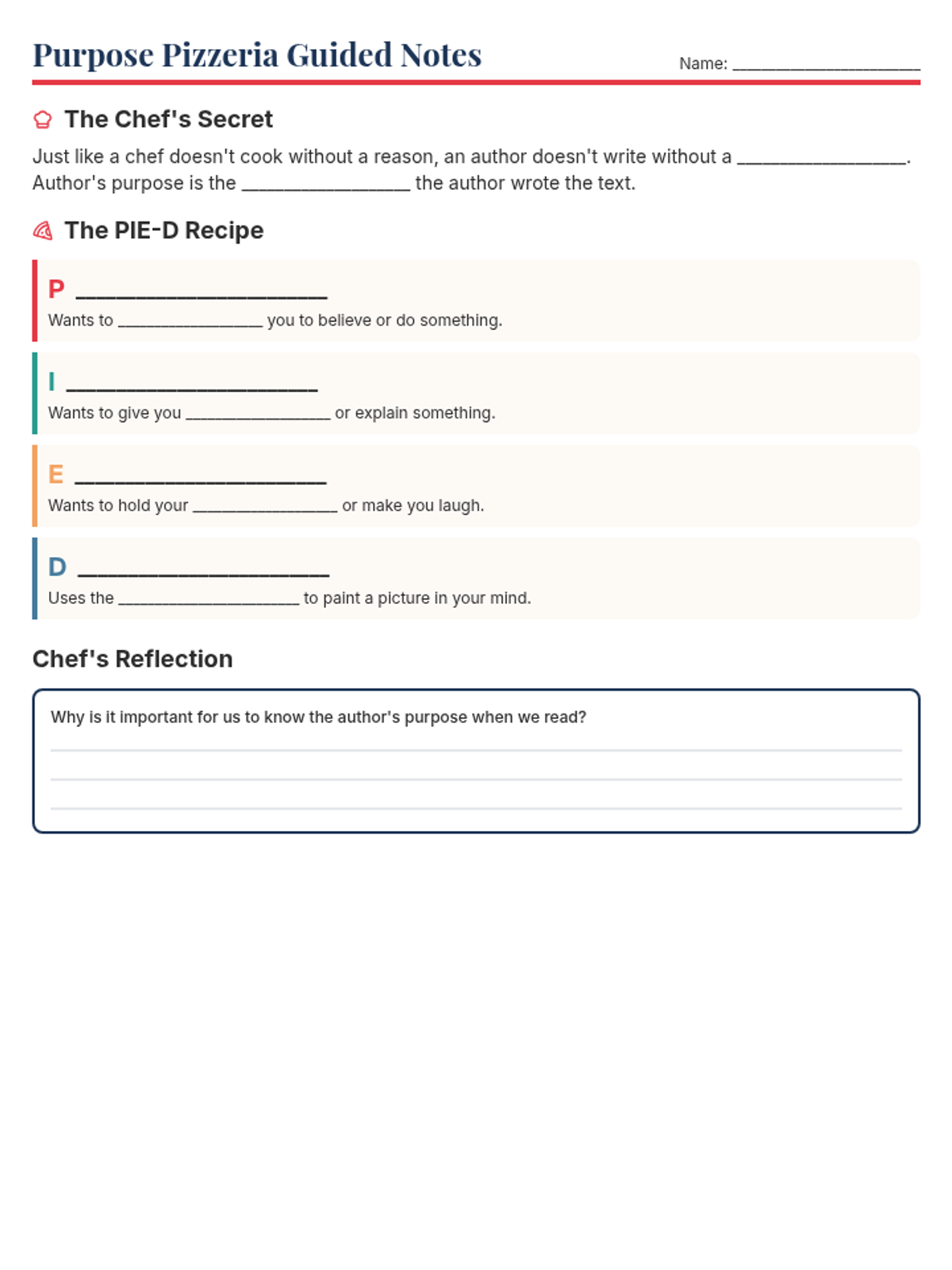
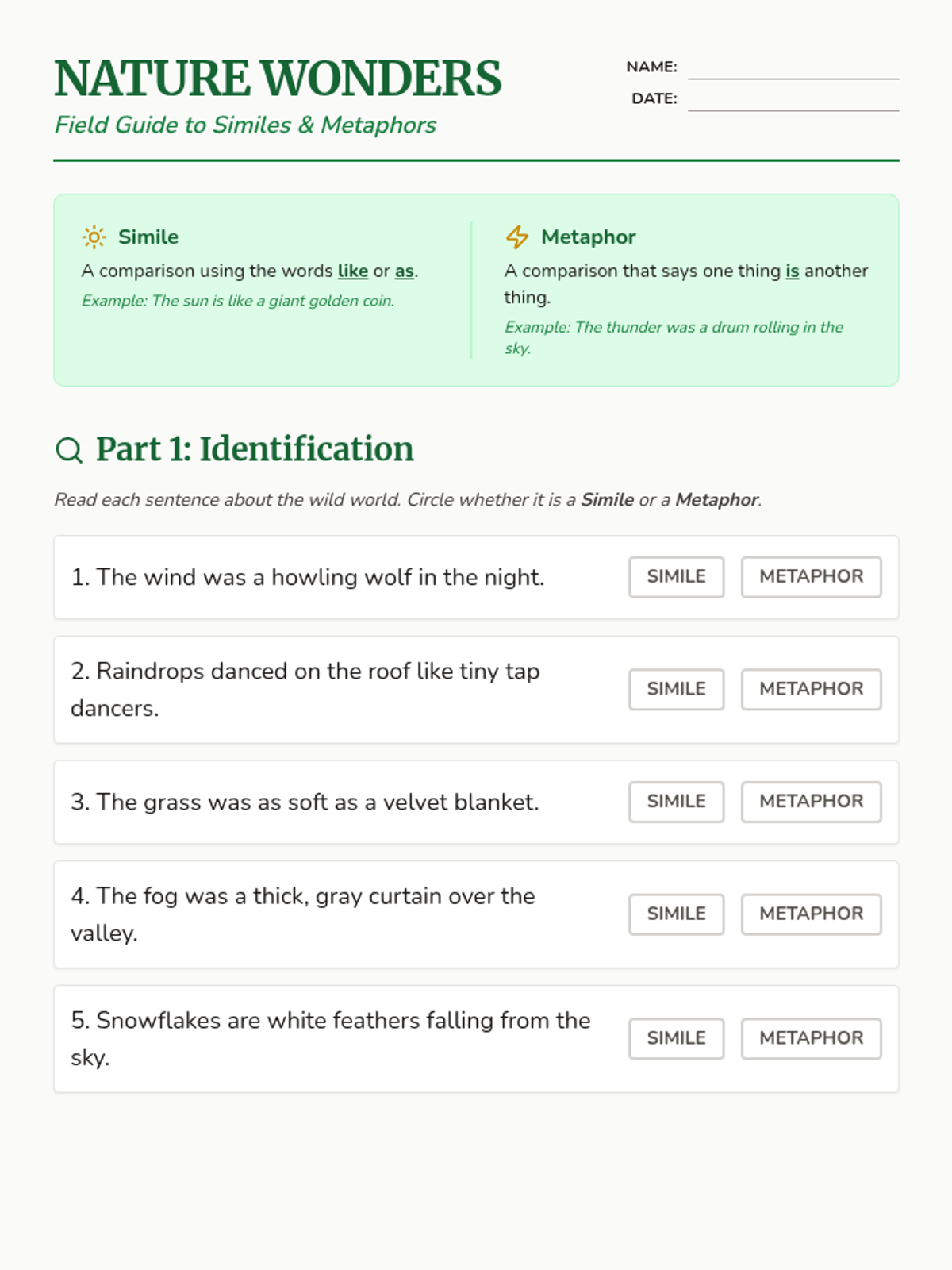
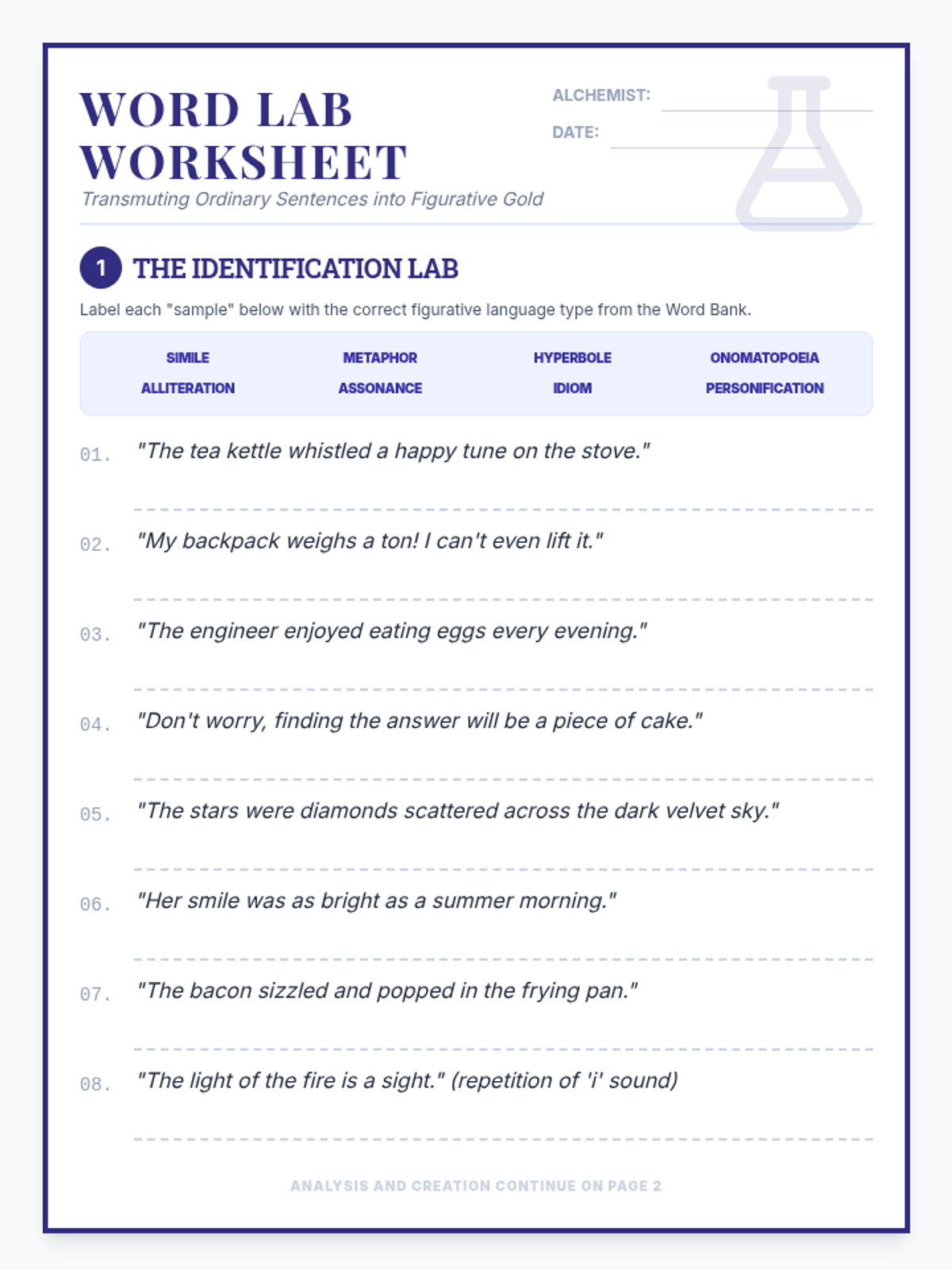
A 45-minute lesson exploring the difference between literal and non-literal language through the lens of ancient myths and classic fables. Students will practice identifying and interpreting figurative expressions within narrative texts.
A comprehensive lesson on writing opinion pieces about favorite foods, designed for 4th-grade special education students with heavy scaffolding and visual supports.
A foundational lesson on decoding 2-3 syllable words with common prefixes (pre-, re-, un-) and suffixes (-er, -est, -ful) through a jungle expedition theme. Students will practice reading for automaticity and accuracy.
A focused workshop for mastering Short Constructed Responses (SCR), featuring five evidence-rich passages that target theme, purpose, diction, and synthesis skills.
A hands-on literacy lesson where students act as architects to deconstruct and rebuild stories. Using visual and tactile mapping, students identify key story elements, sequence events, and analyze character motivations through the lens of structural design.
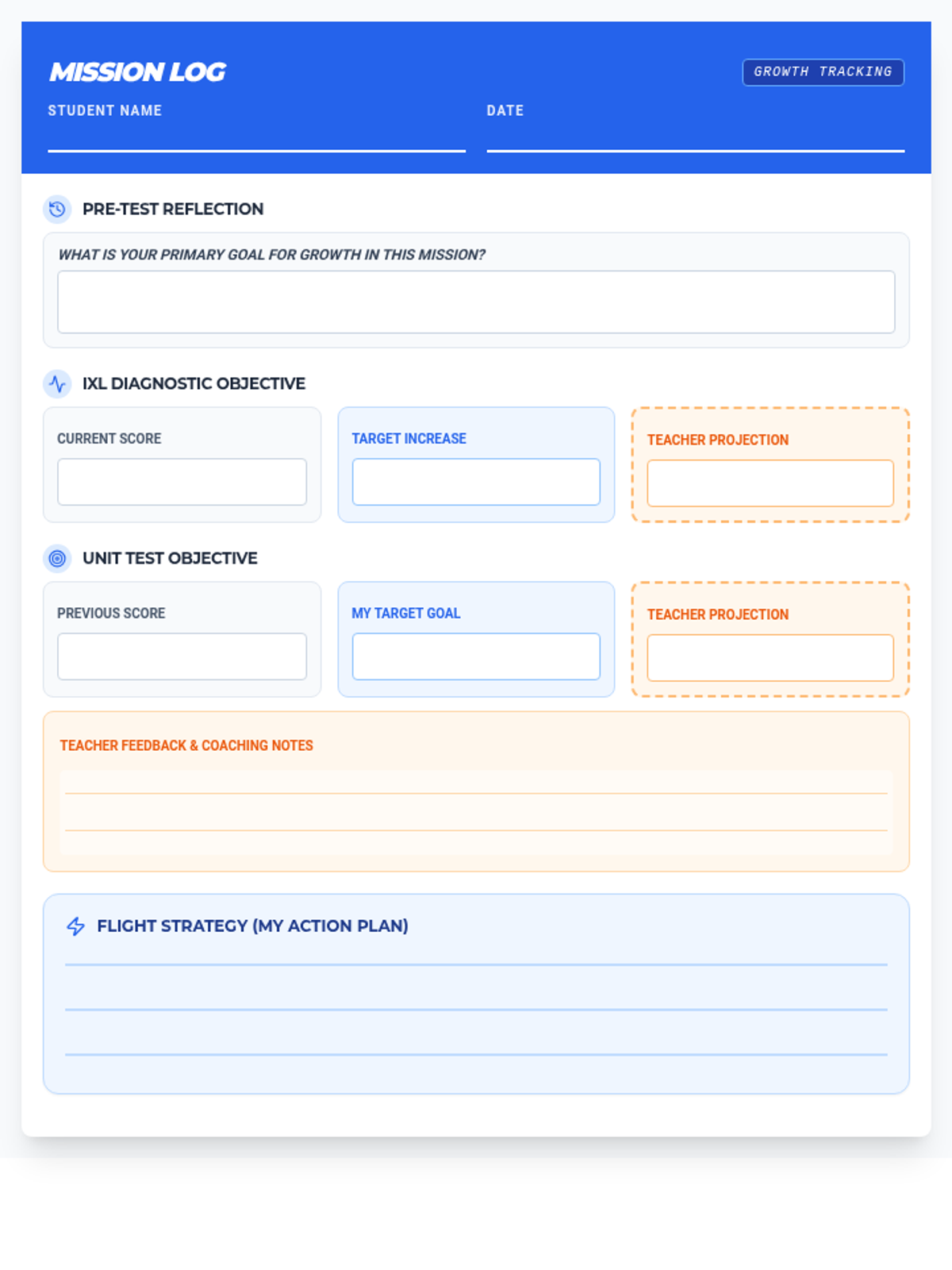
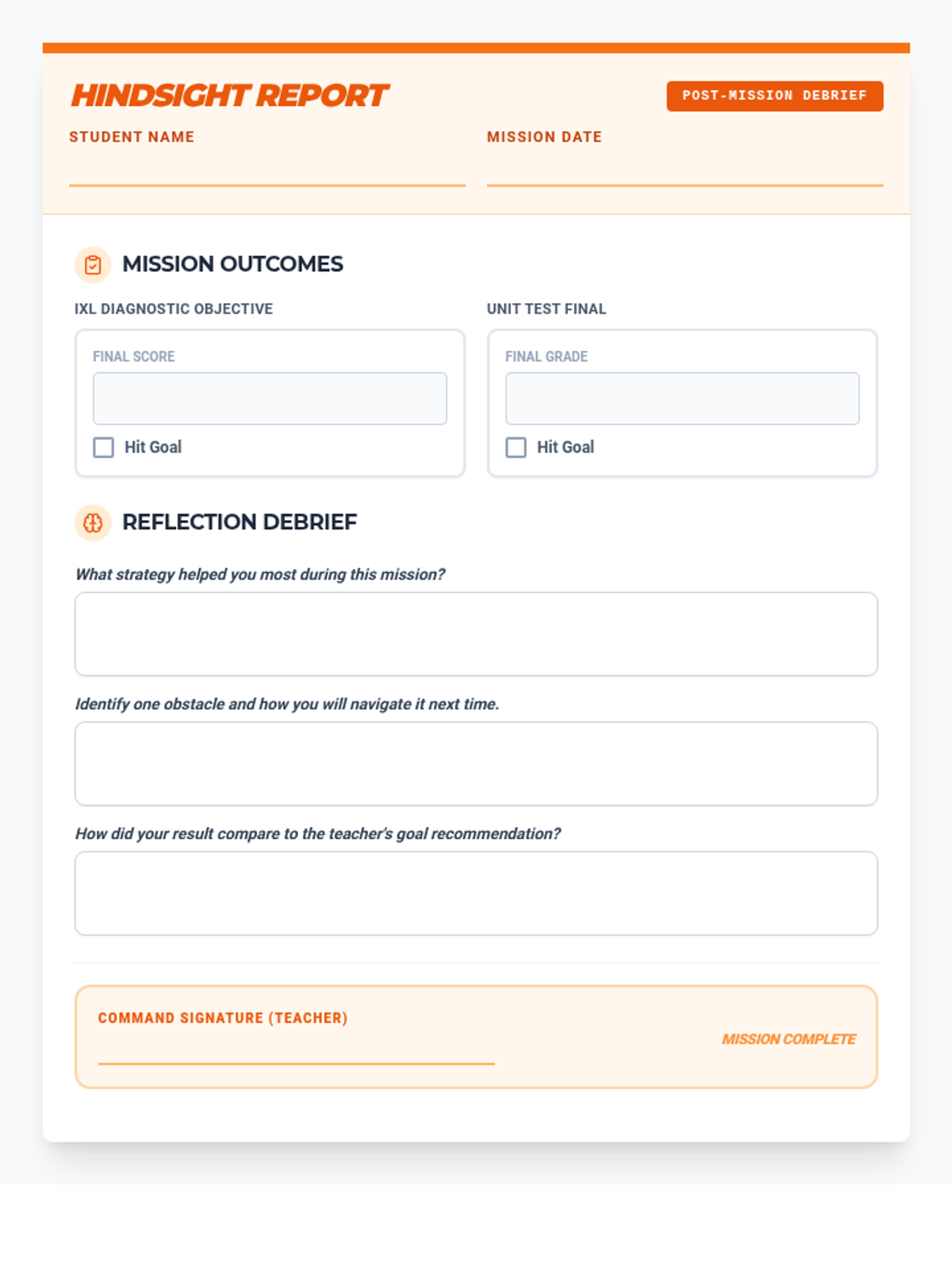
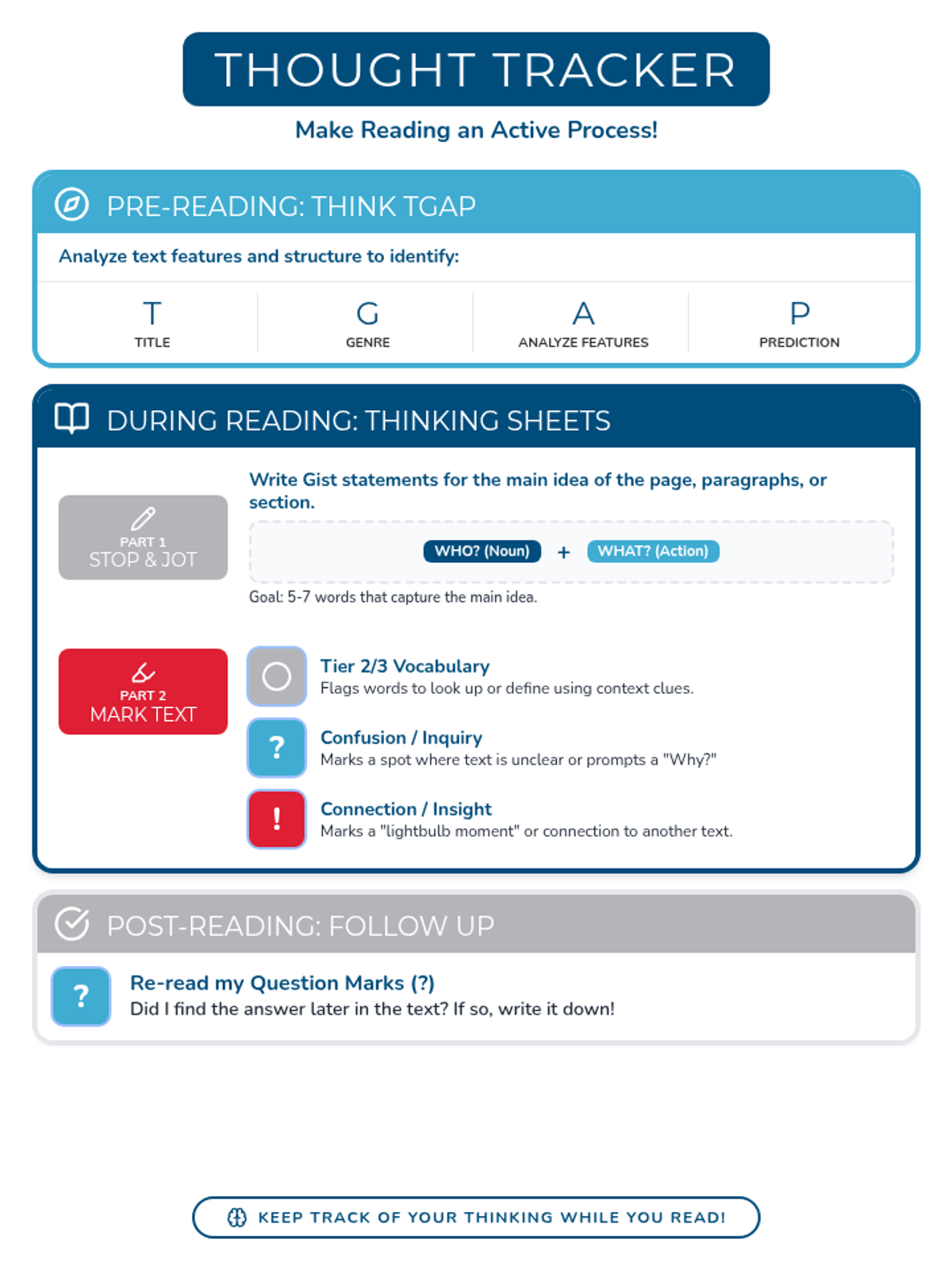
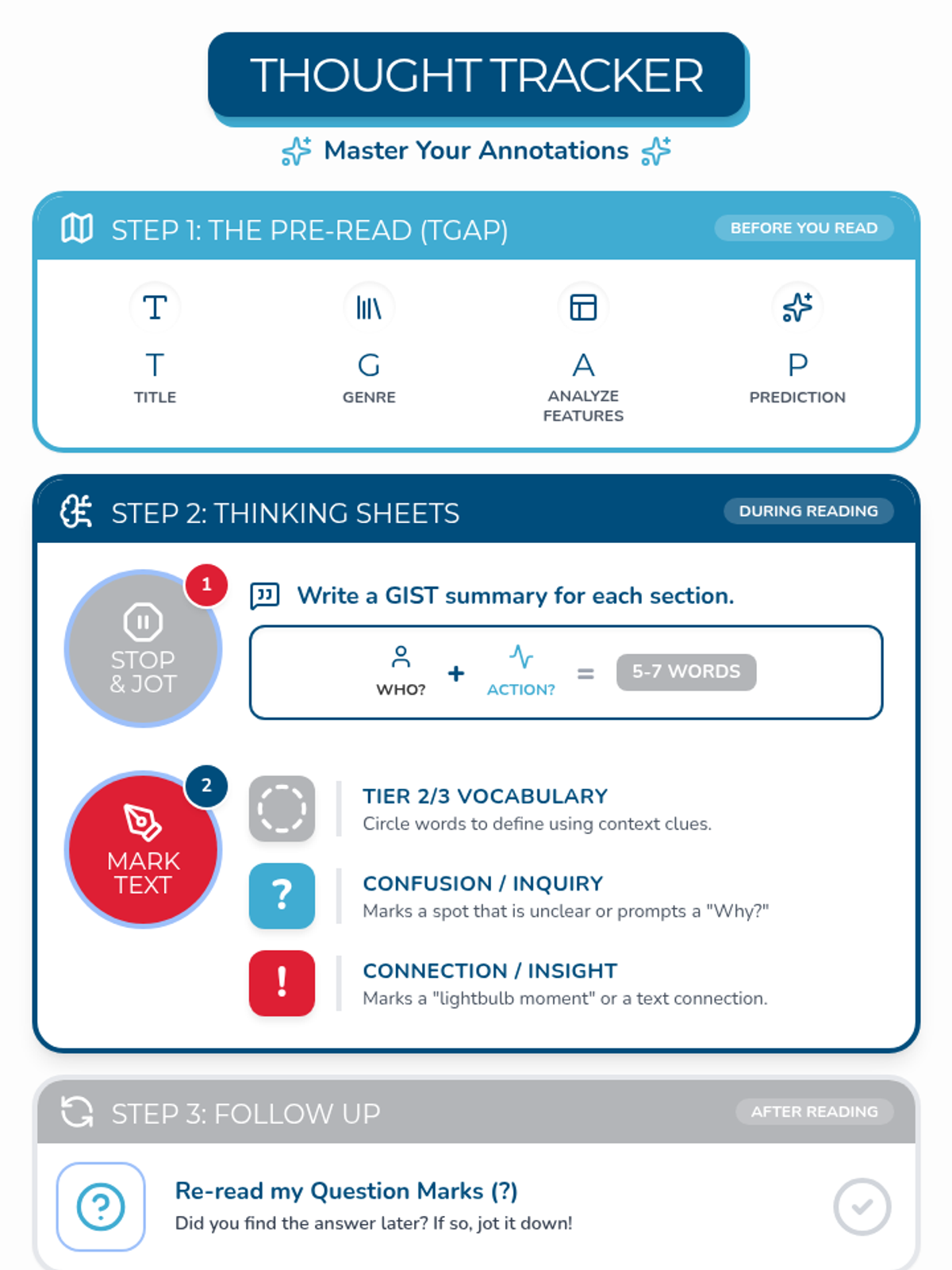
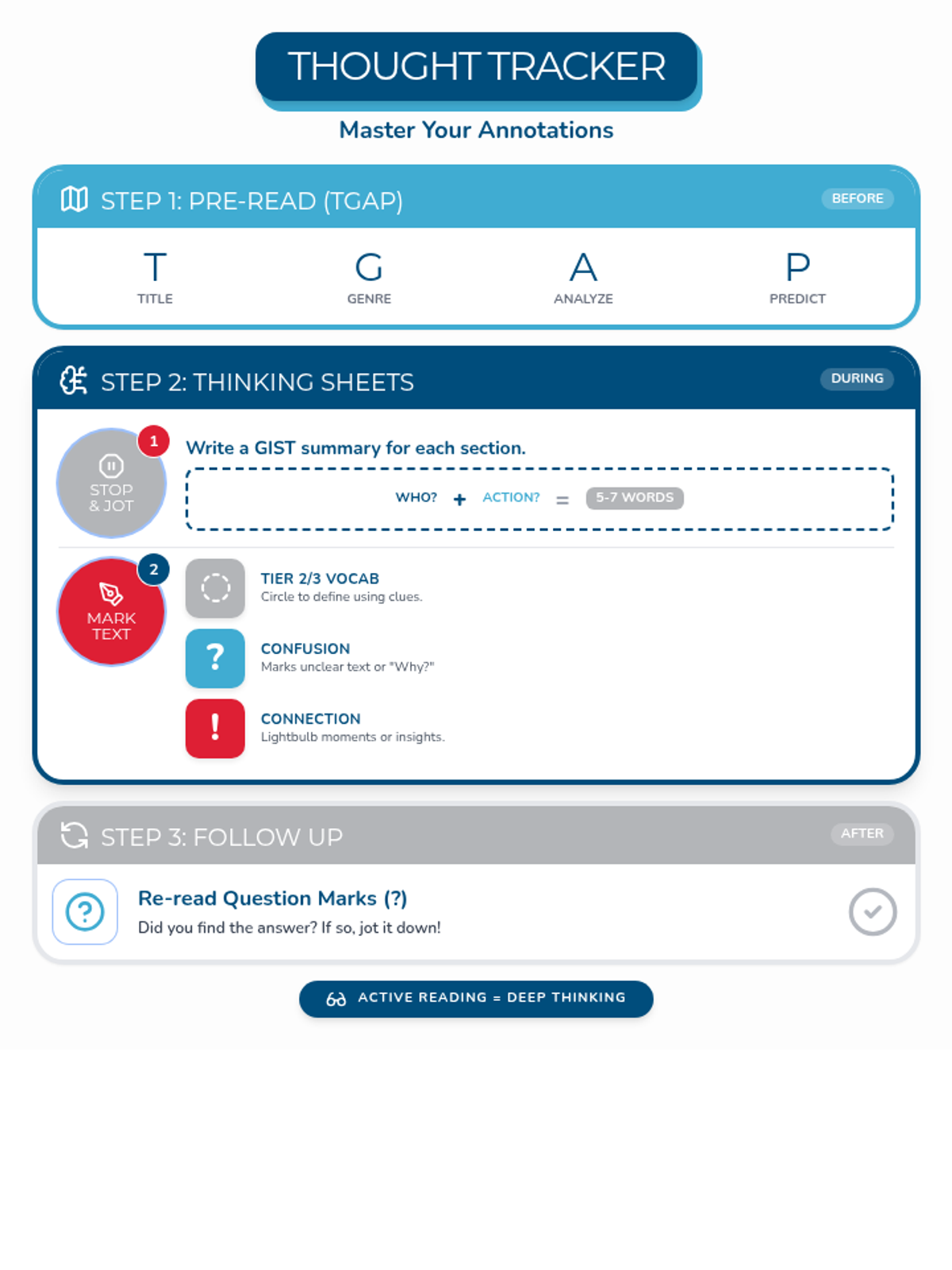
A collection of resources to help students track their progress and comprehension while reading a novel.
A fun, high-energy lesson focused on creative writing and parts of speech through a Spring Break-themed Mad Lib activity. Students will practice identifying nouns, verbs, and adjectives while sharing their excitement for the upcoming break.
The final phase where students apply their knowledge to deconstruct a real-world advertisement and create an 'honest' version that reveals the truth behind the marketing.
An investigation into common logical fallacies like the bandwagon effect, appeal to authority, and fear-mongering as seen in social media and news.
Students explore the core pillars of persuasion (Ethos, Pathos, Logos) and how they are used in modern advertising to influence consumer behavior.
A lesson focused on characterization using the SLATE acronym for analysis and the RACE format for structured writing, centered around a 5th-grade historical fiction passage.
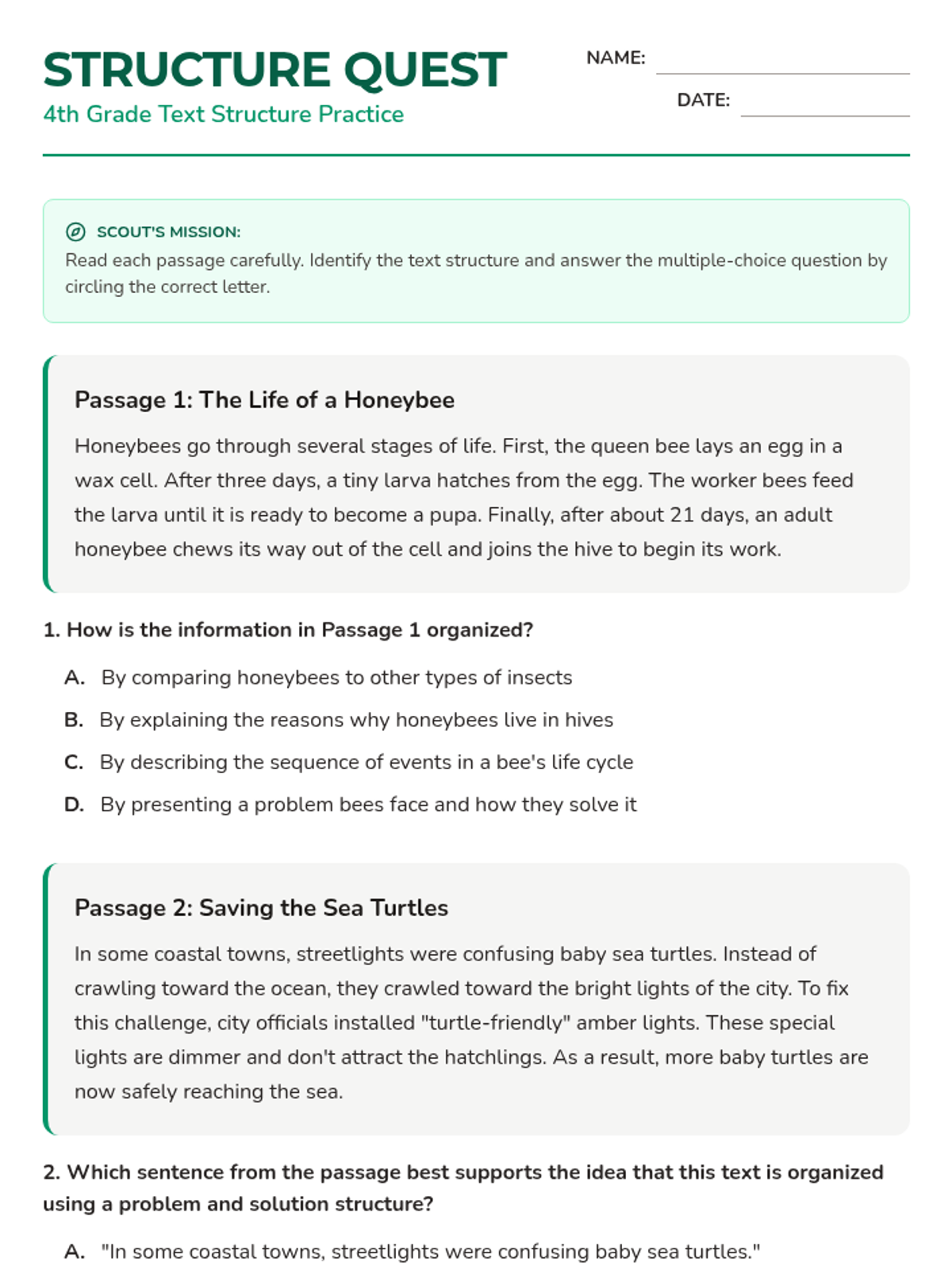
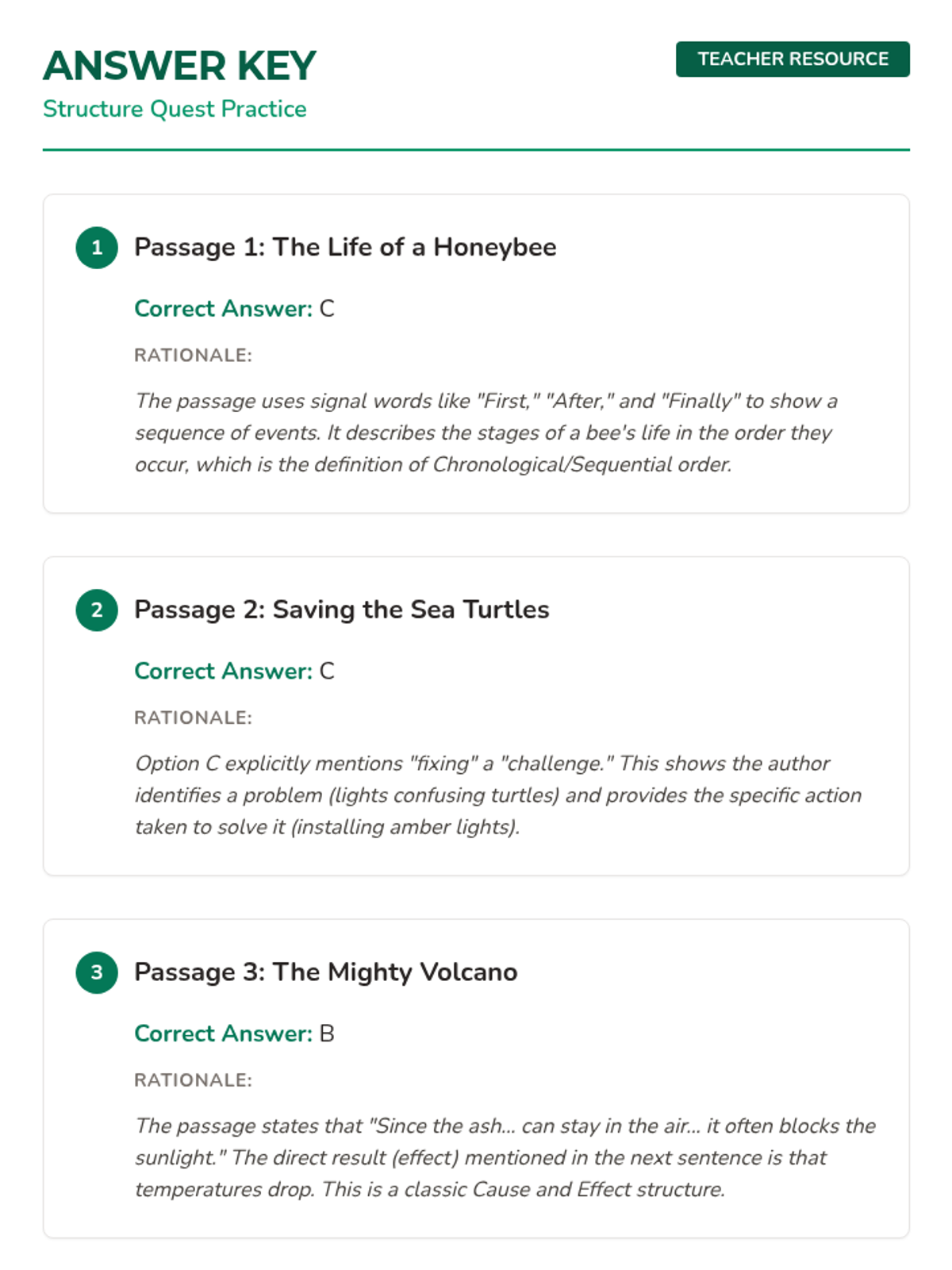
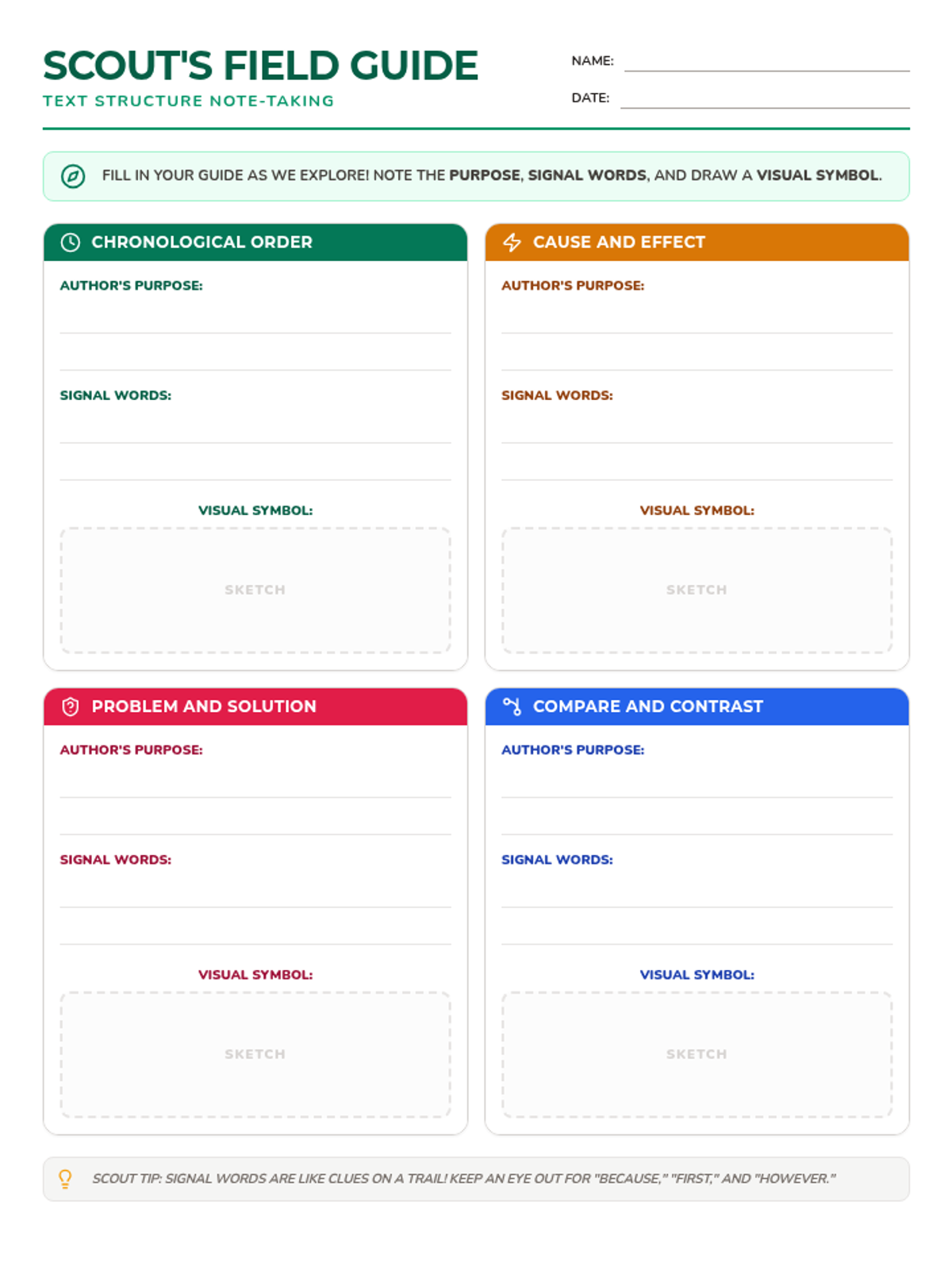
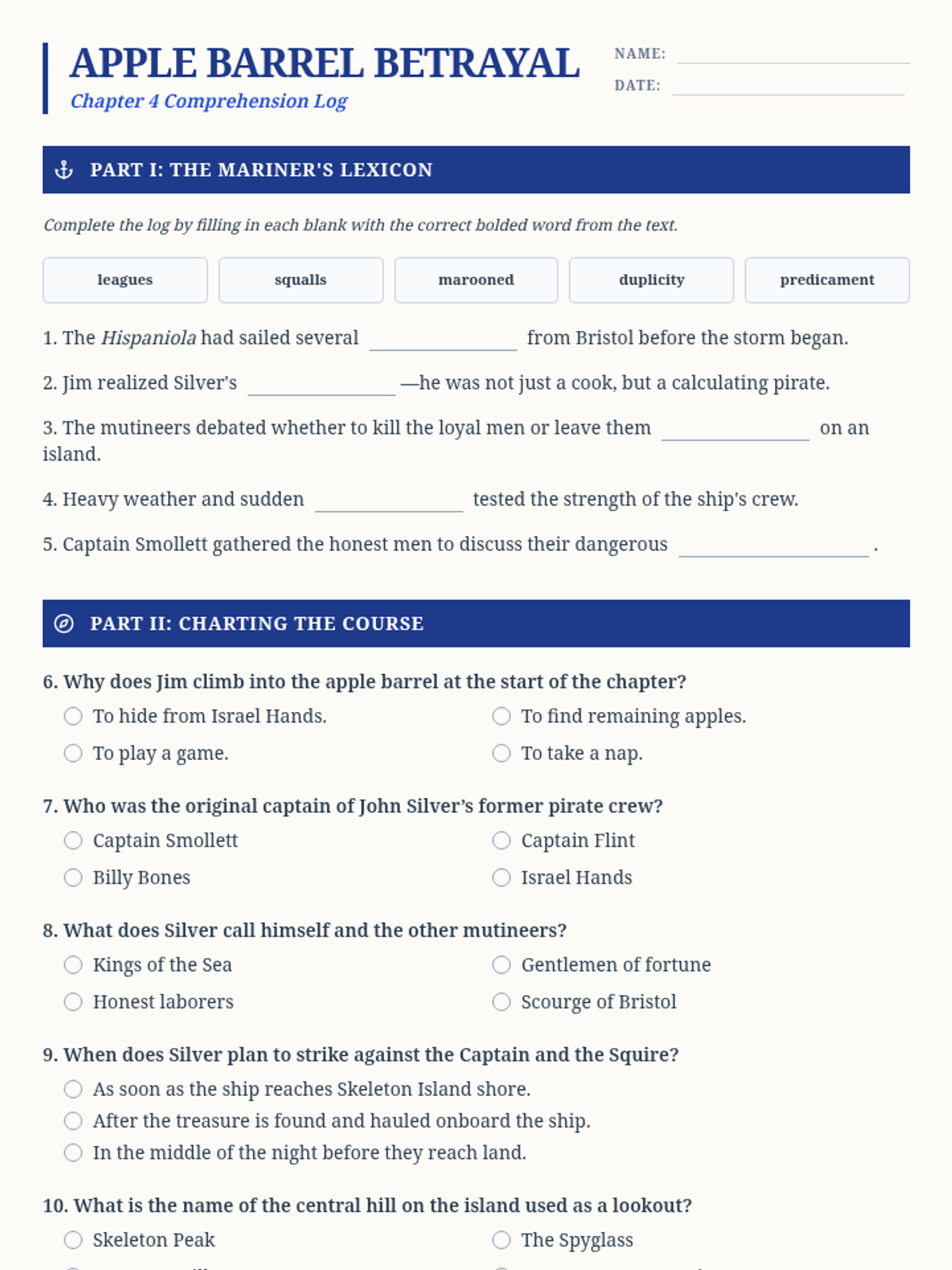
Students combine all learned strategies—titles, repetition, and text features—to synthesize the central idea of a complex text about the social hierarchy in ancient civilizations.
Students use bolded words and domain-specific vocabulary as breadcrumbs to lead them to the central idea. The article focuses on the specific religious roles and symbols of power in Ancient Egypt.
Students identify repeated keywords, ideas, and scenarios to determine what an author is emphasizing. The text explores how Mesopotamian kings used religion to justify their power.
Students learn to use the title and headings of an article as the first and most important clue to discovering the central idea. The lesson uses a text about the Pharaoh's divine status in Ancient Egypt.
A lesson comparing informational and personal narrative perspectives on the refugee experience using two distinct texts. Students analyze how different formats and voices shape our understanding of global issues.
A fast-paced 30-minute introduction to the structural components of argumentative writing, focusing on building strong claims, supporting them with evidence, and addressing counterclaims.
A 15-minute reteach lesson designed to help 5th-grade students distinguish between main idea, summary, and theme in expository nonfiction texts, specifically modeling the format of Question 37 from the NYS Grade 5 ELA IA.
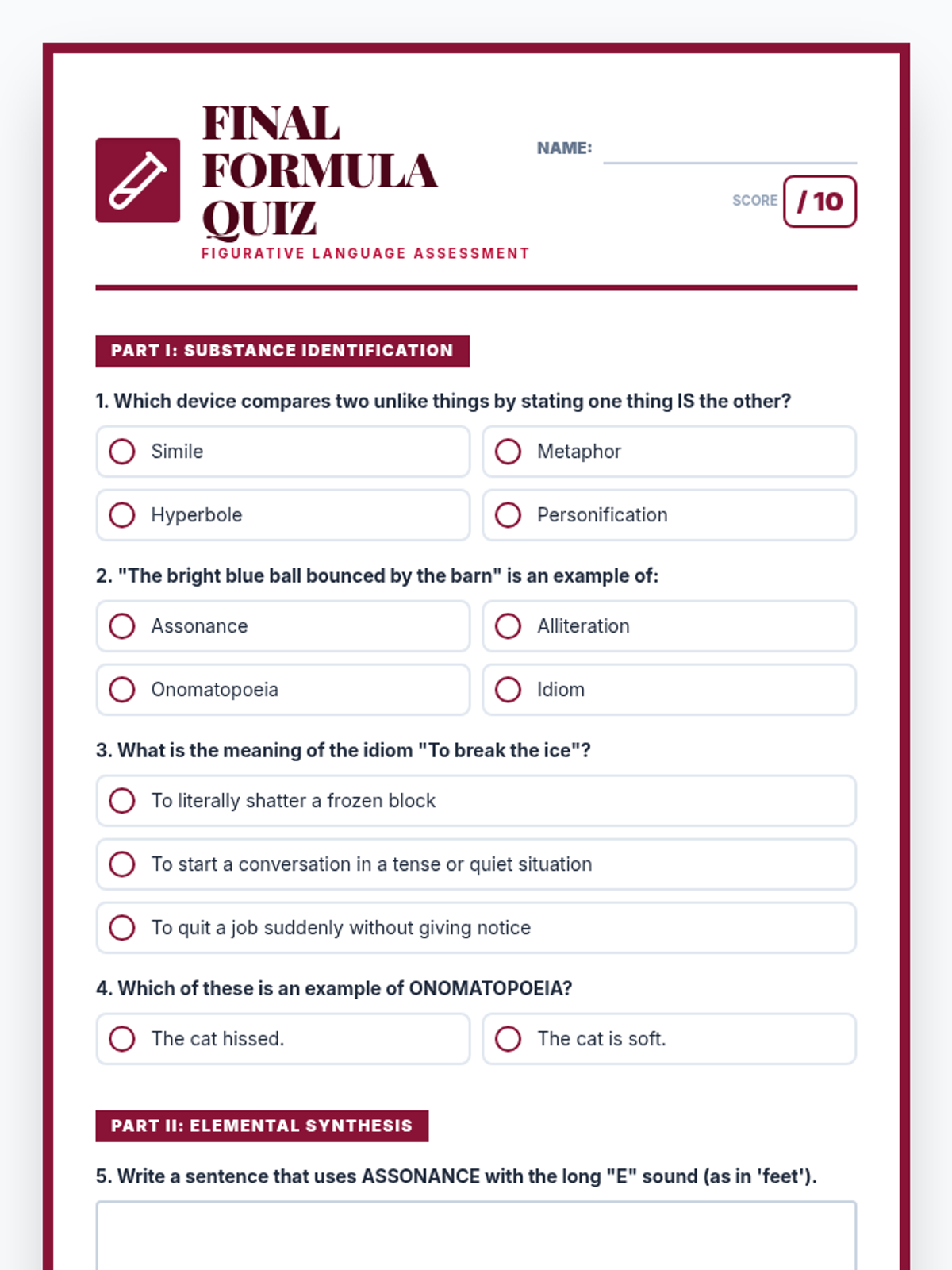
A lesson focused on distinguishing between literal and non-literal language using fables and folktales as context for idiomatic expressions and figurative speech.
A literacy lesson centered around the classic Japanese folktale of Momotaro (Peach Boy), featuring a 4-person reader's theater script, a teacher's guide for performance, and a narrative mapping activity.
A comprehensive lesson focused on CCSS RI.3.9, teaching students to compare and contrast key details between two informational texts about freshwater and saltwater ecosystems using graphic organizers.
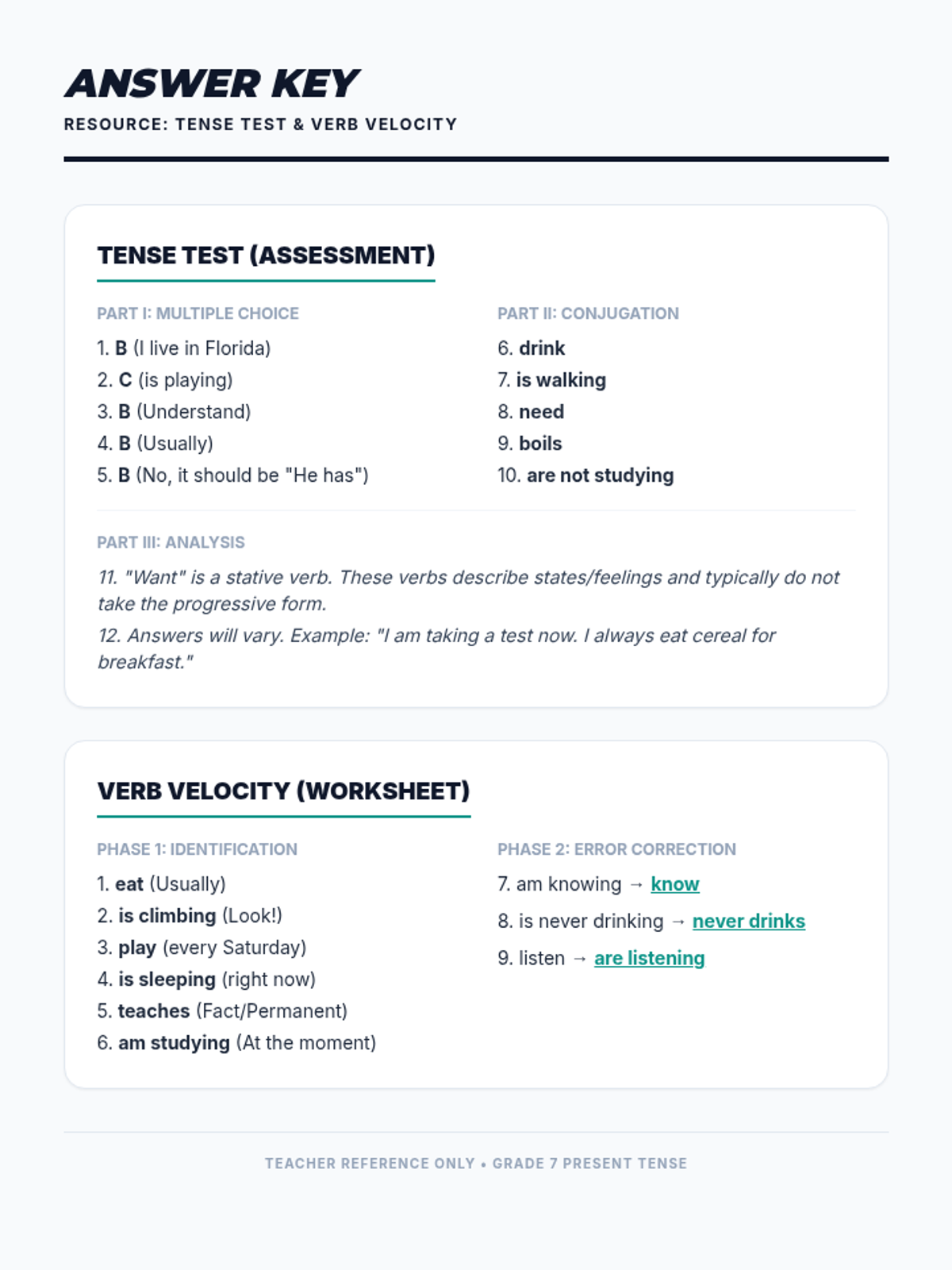
A 5th-grade lesson focused on mastering the simple past tense, including regular and irregular verbs, negative forms, and questions, all wrapped in a 'Time Trek' space-exploration theme.
A high-stakes detective game where students analyze informational texts about Illinois history to solve a 'cold case.' Students practice IAR-style Evidence-Based Selected Response (EBSR) questions and vocabulary in context.