A comprehensive ELA review session focusing on paired passages (fiction and non-fiction) to prepare students for the NC EOG assessment. Students will analyze claims, evidence, point of view, and literary elements across two themed texts.
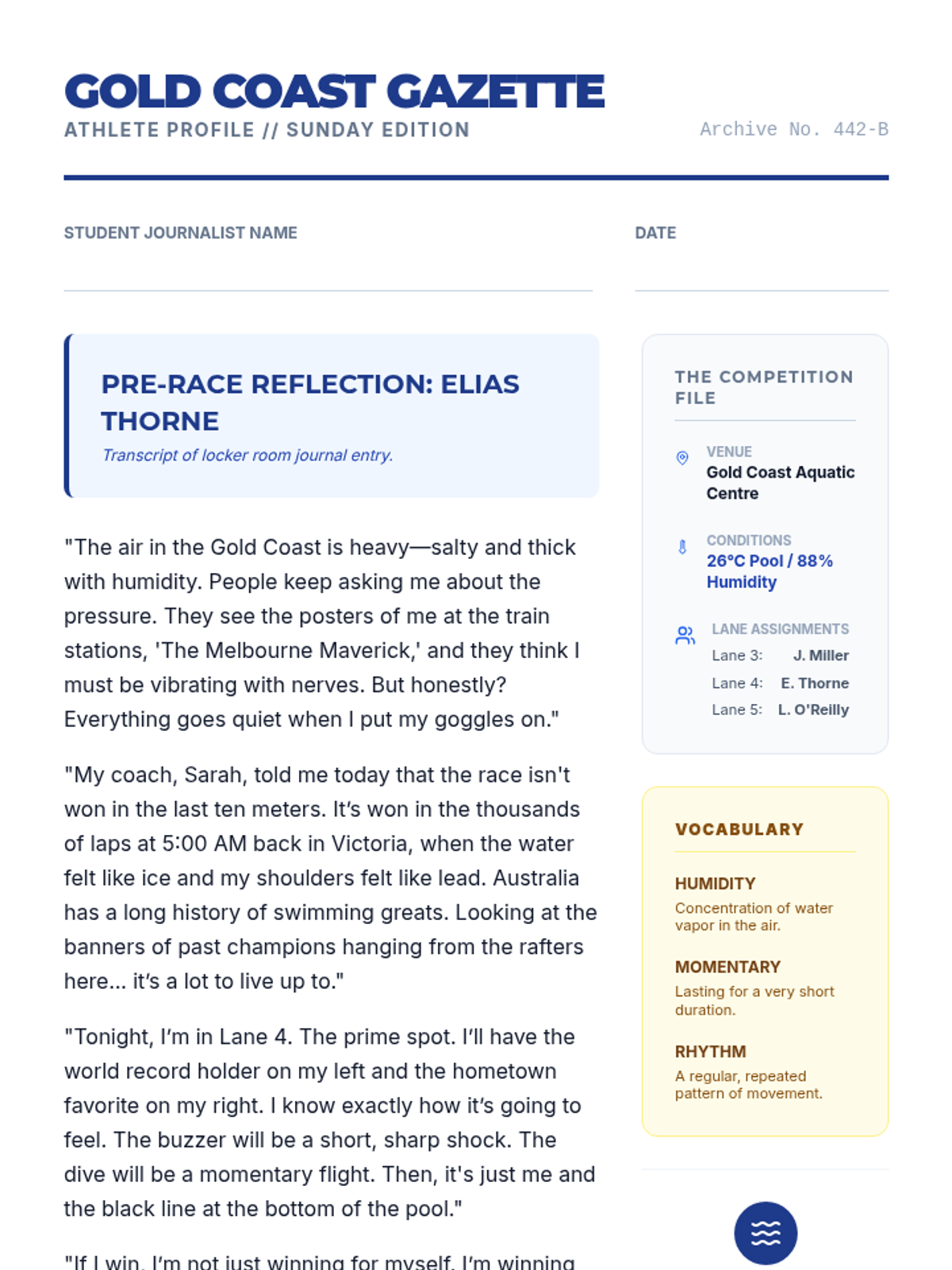
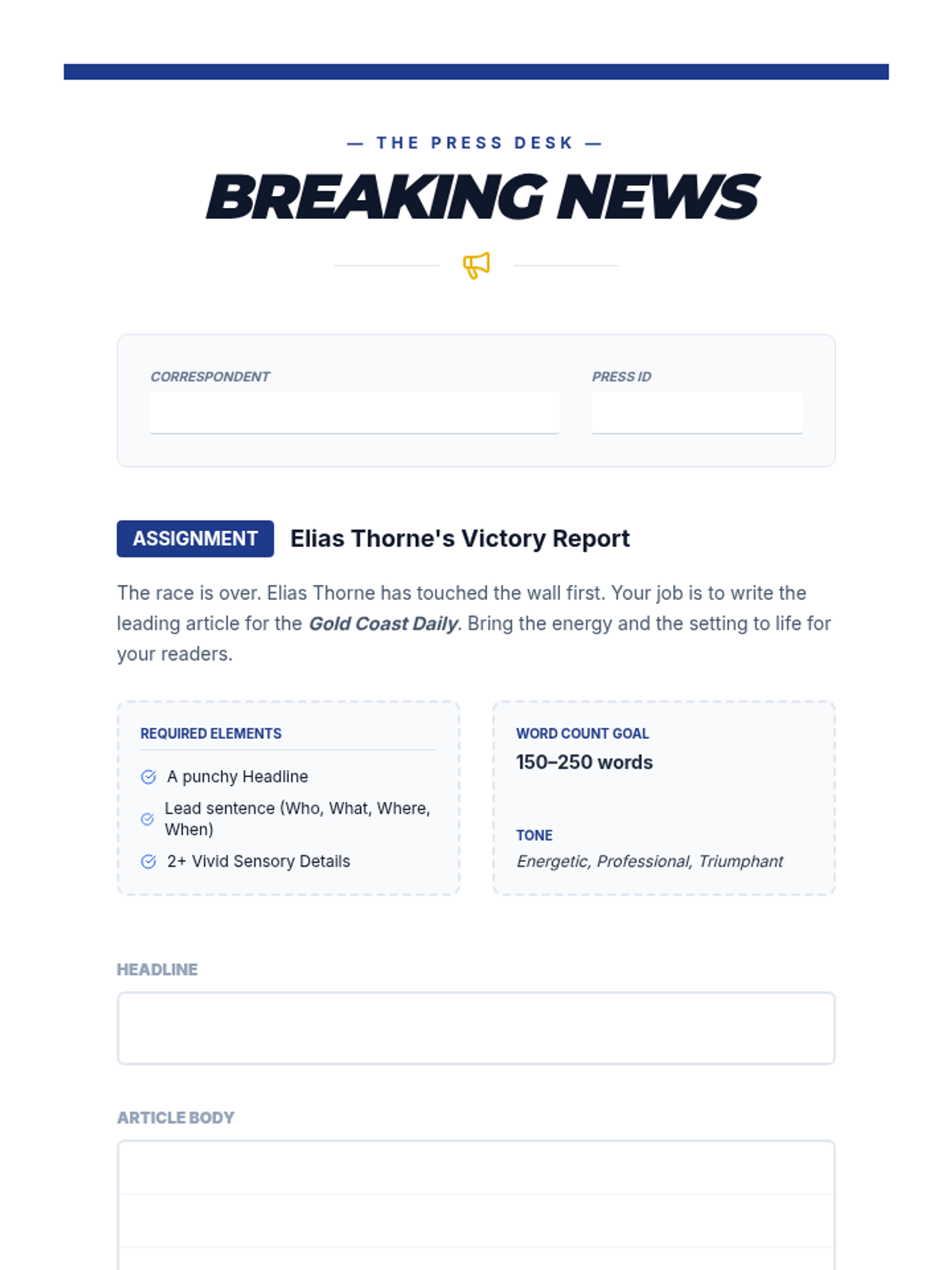
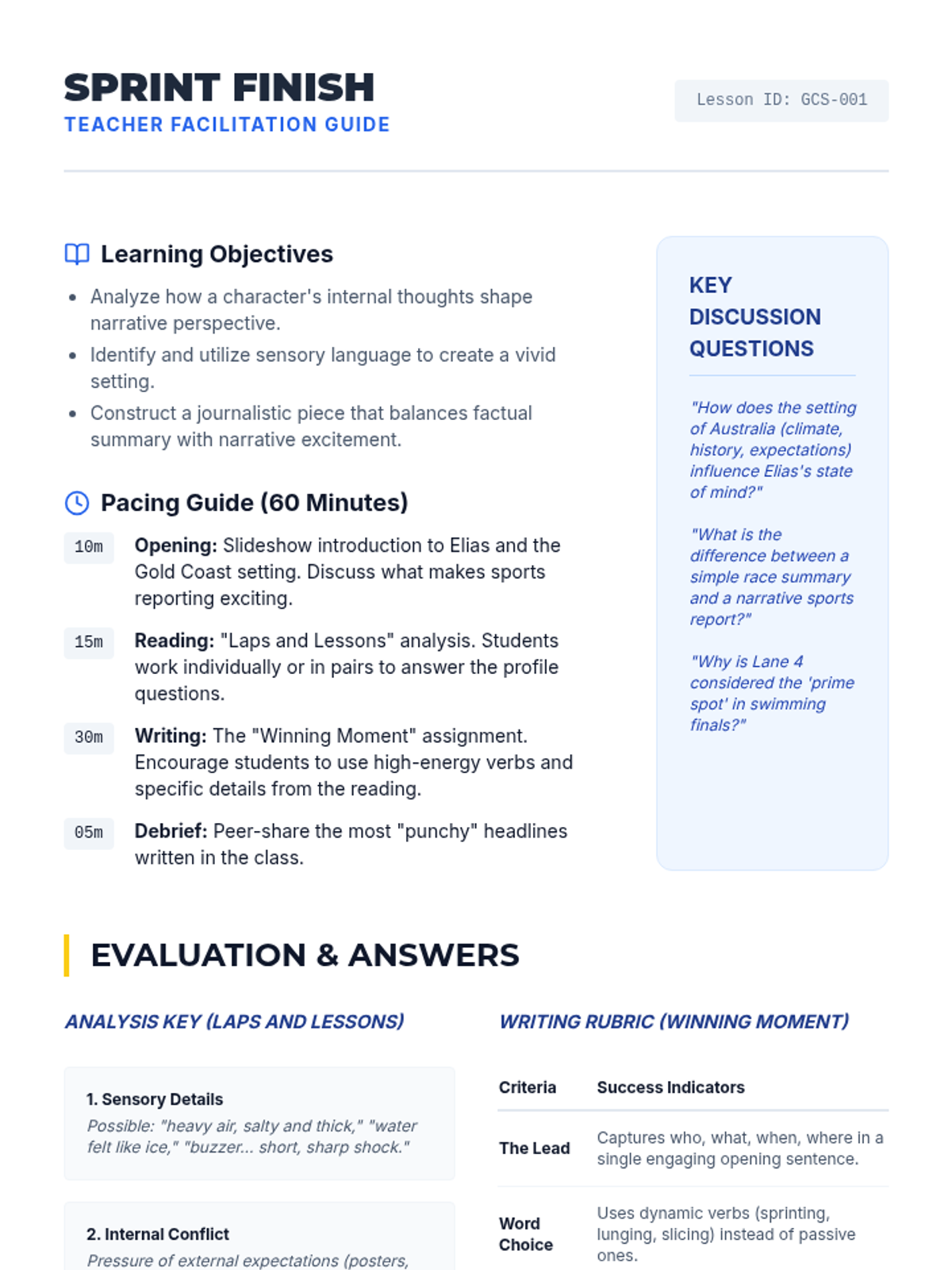
A creative writing and journalism lesson where students analyze a narrative about a swimmer named Elias competing in Australia and then craft their own sports report on his victory.
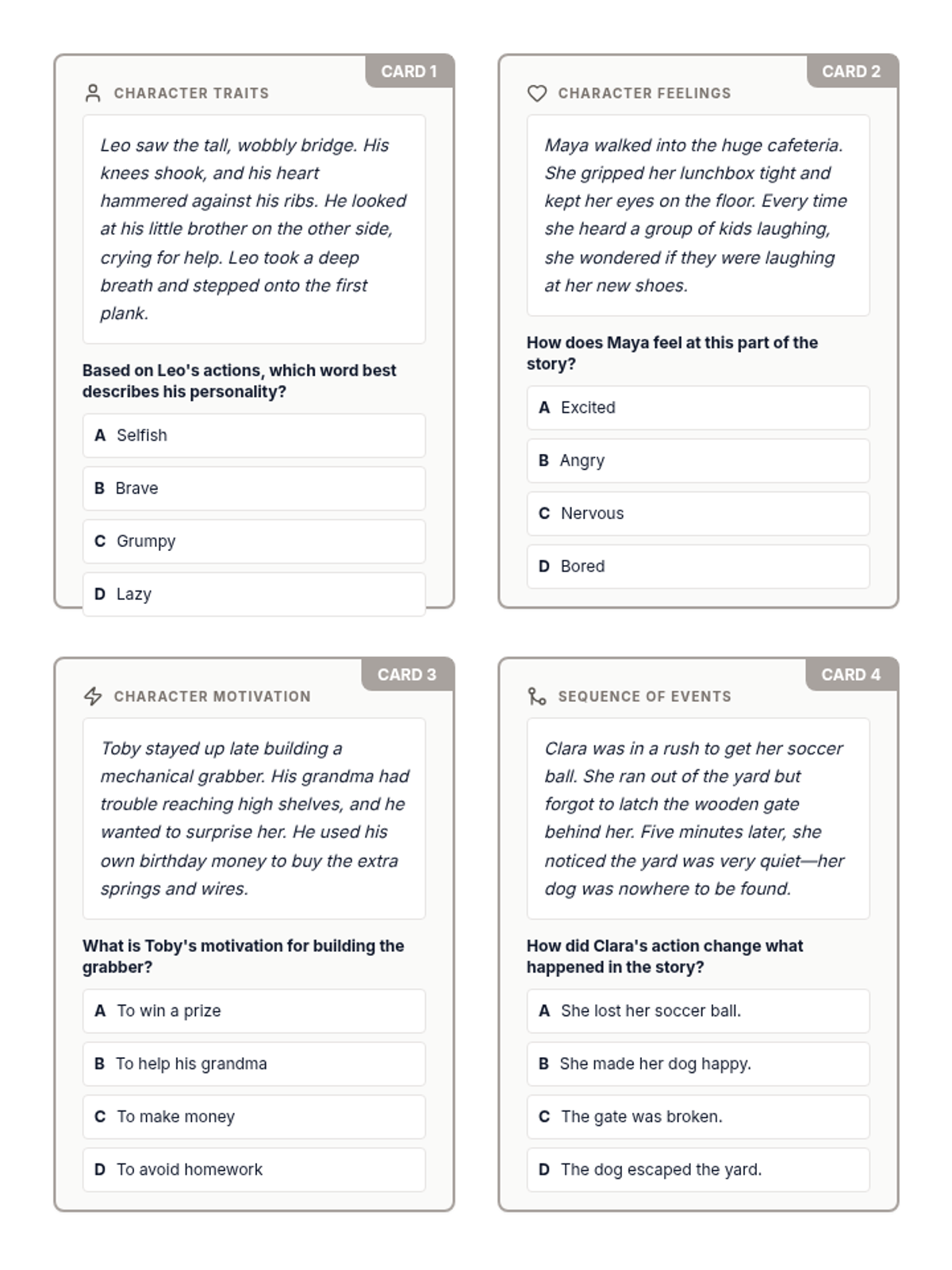
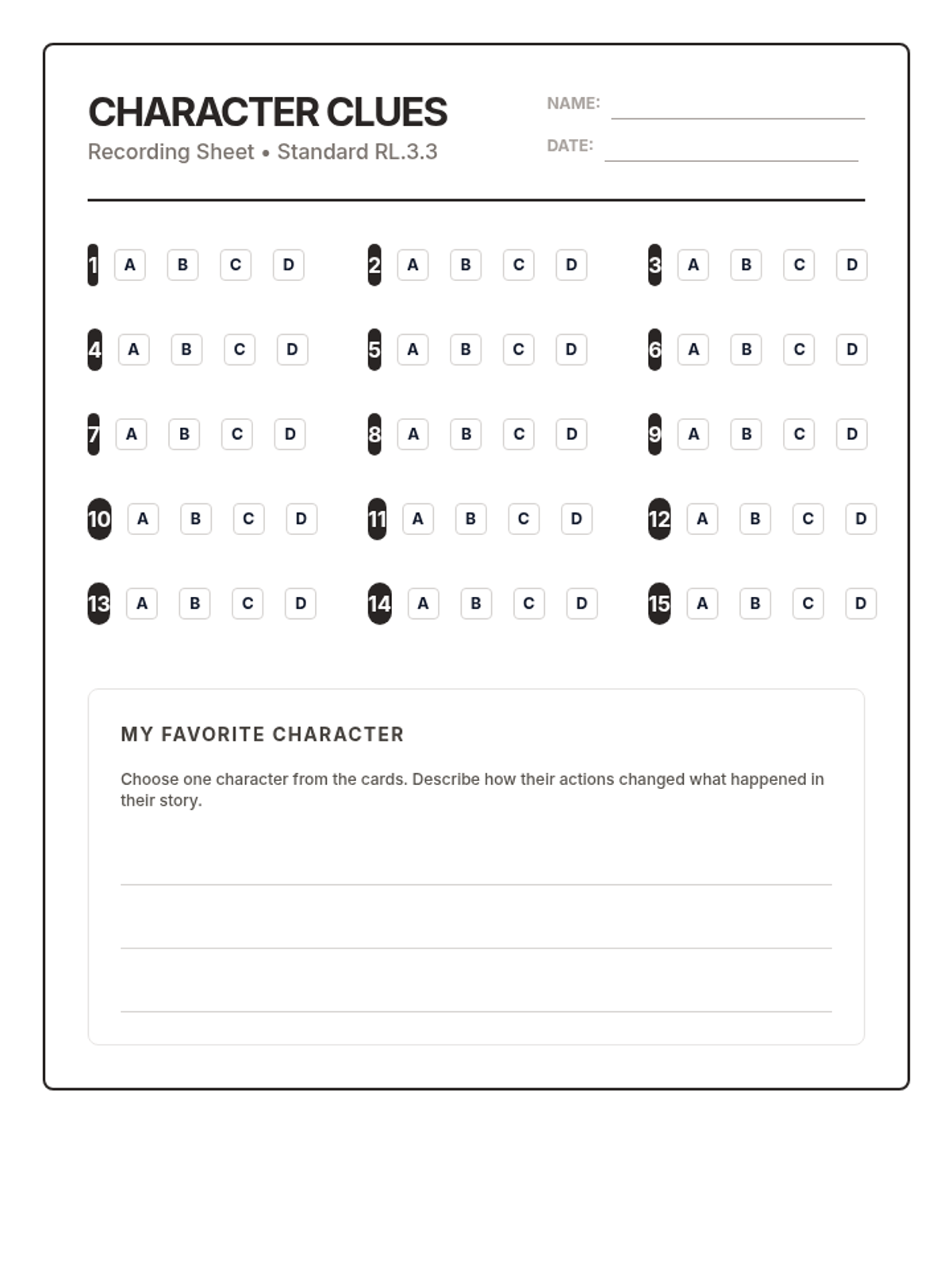
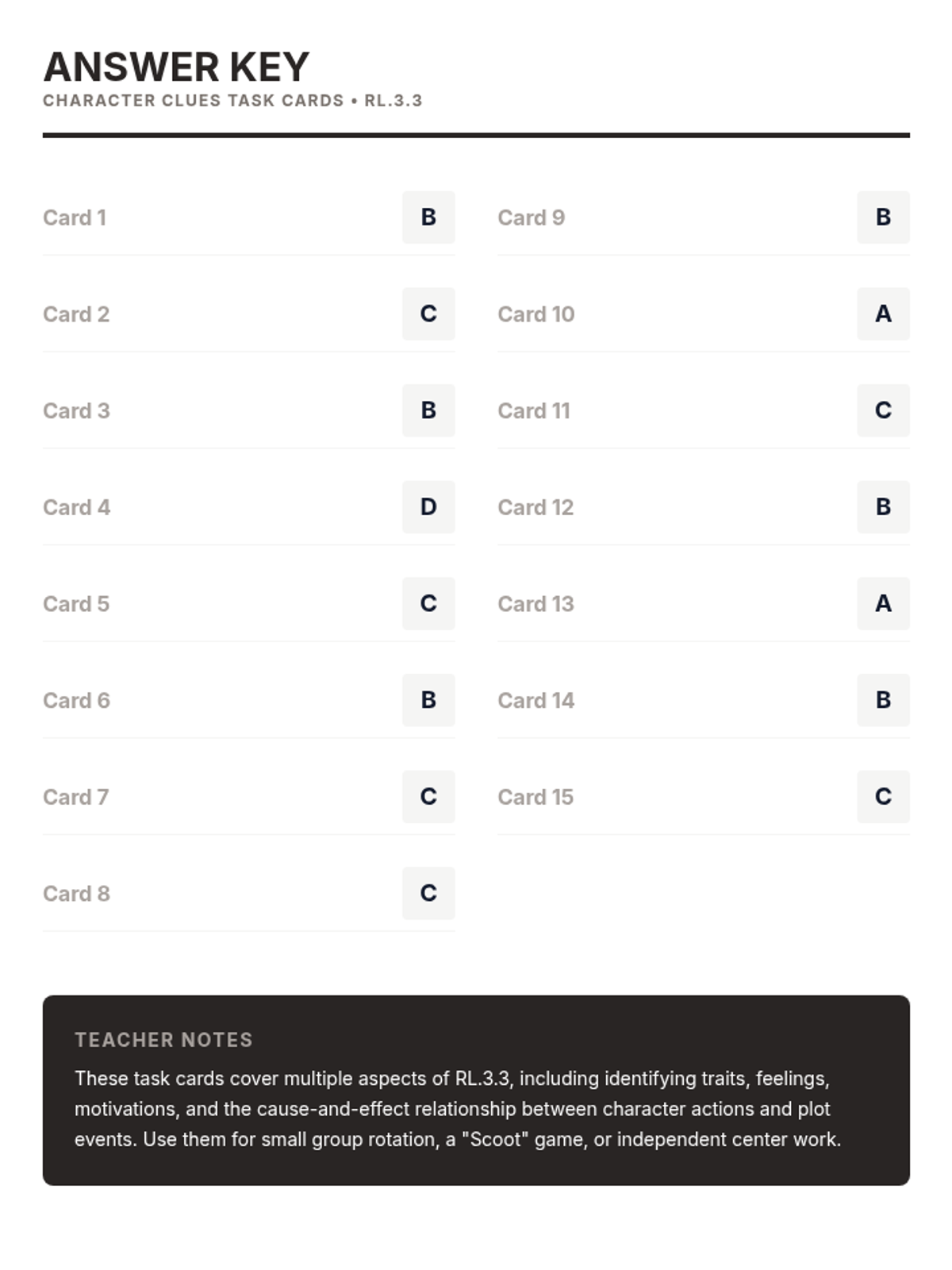
A set of 15 multiple-choice task cards focused on RL.3.3, helping students analyze character traits, feelings, motivations, and their impact on story events.
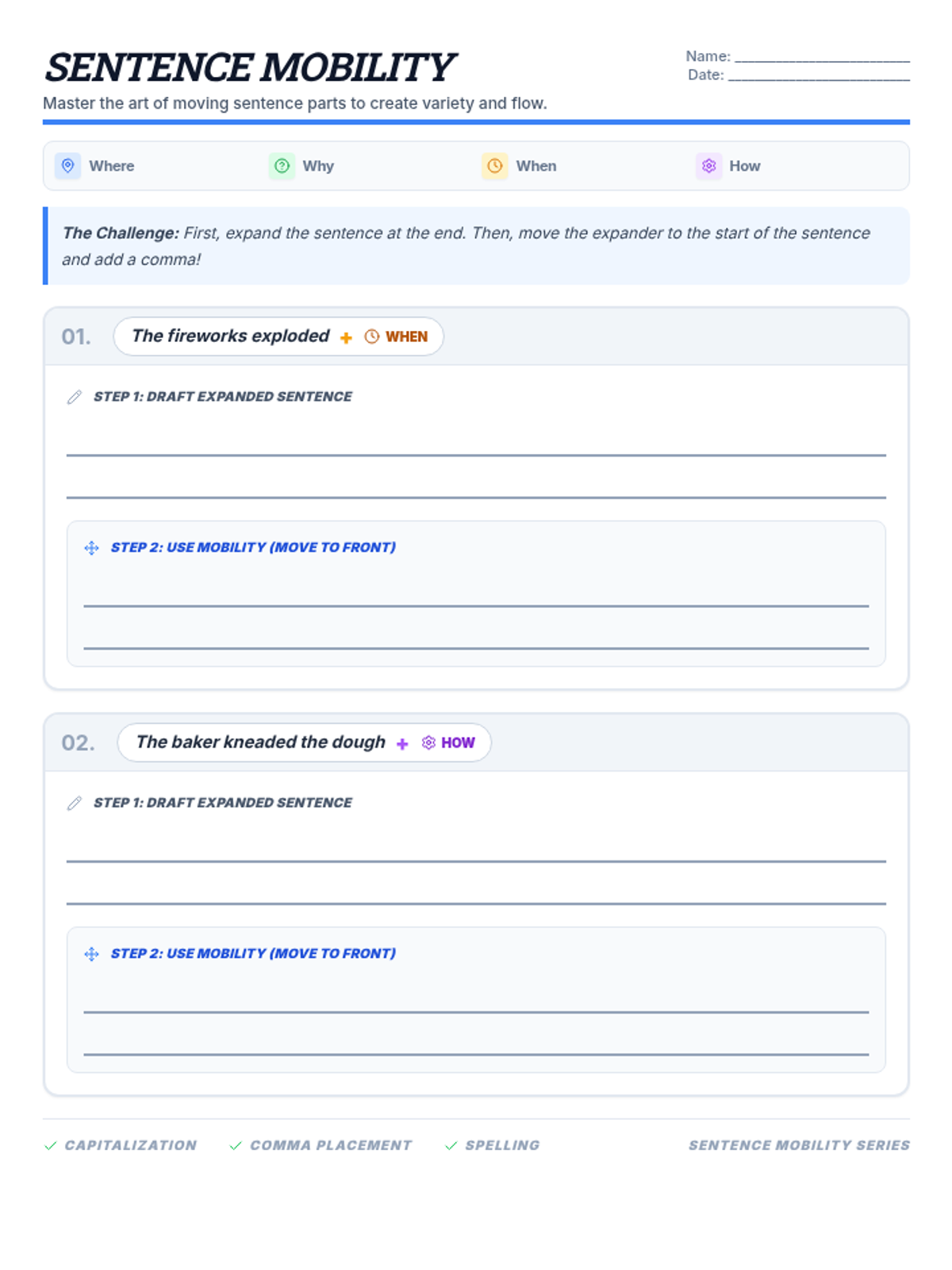
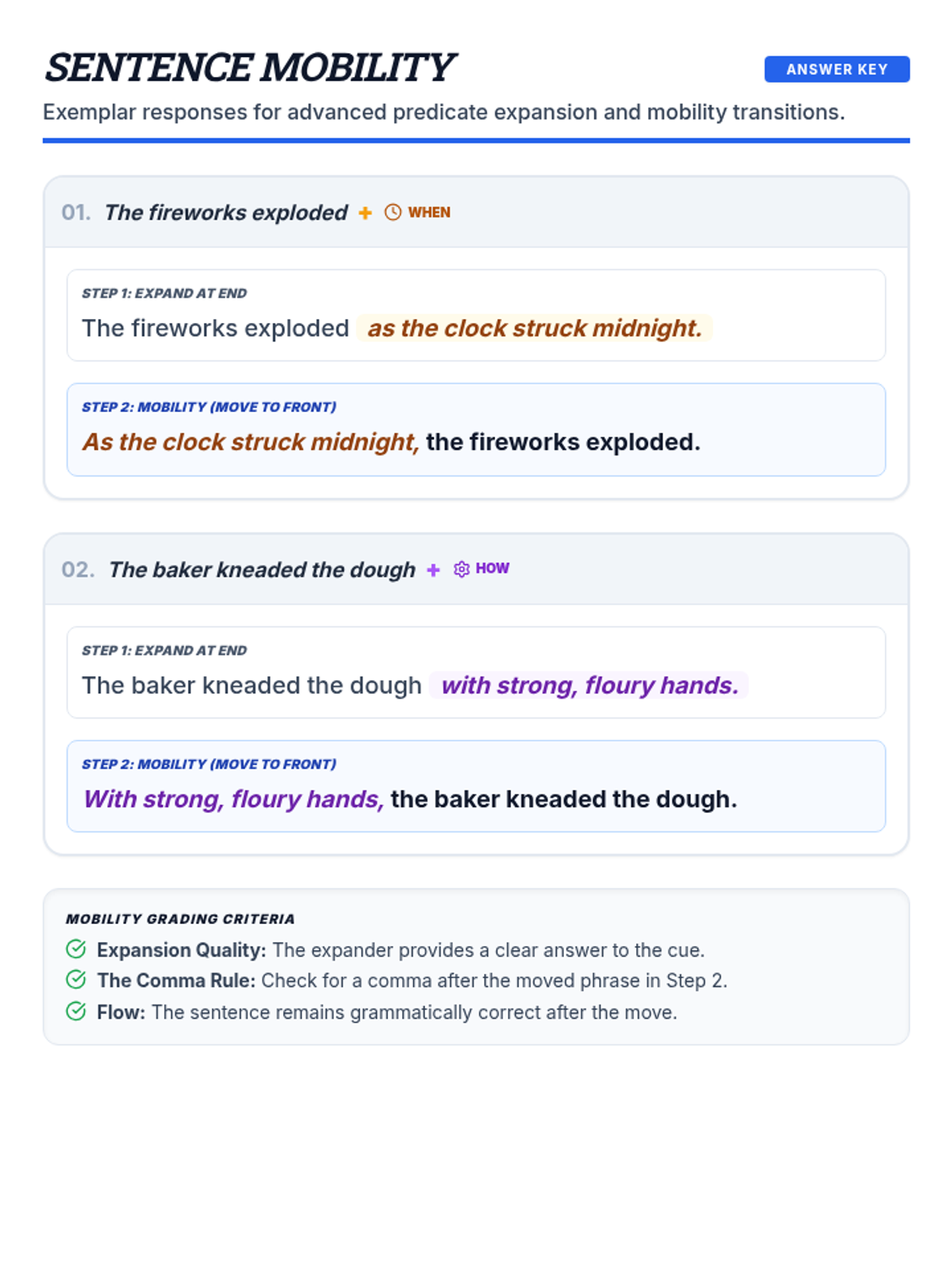
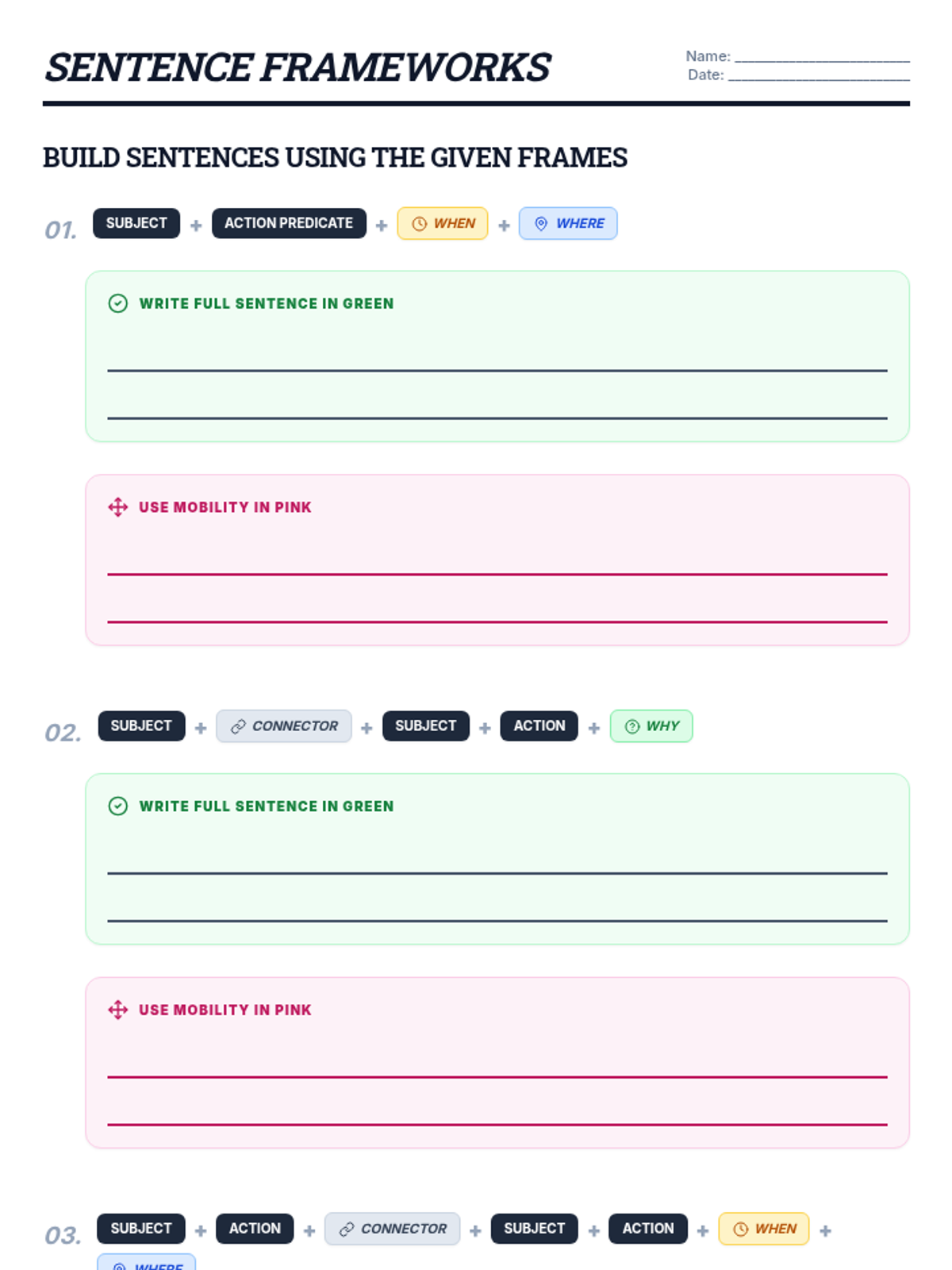
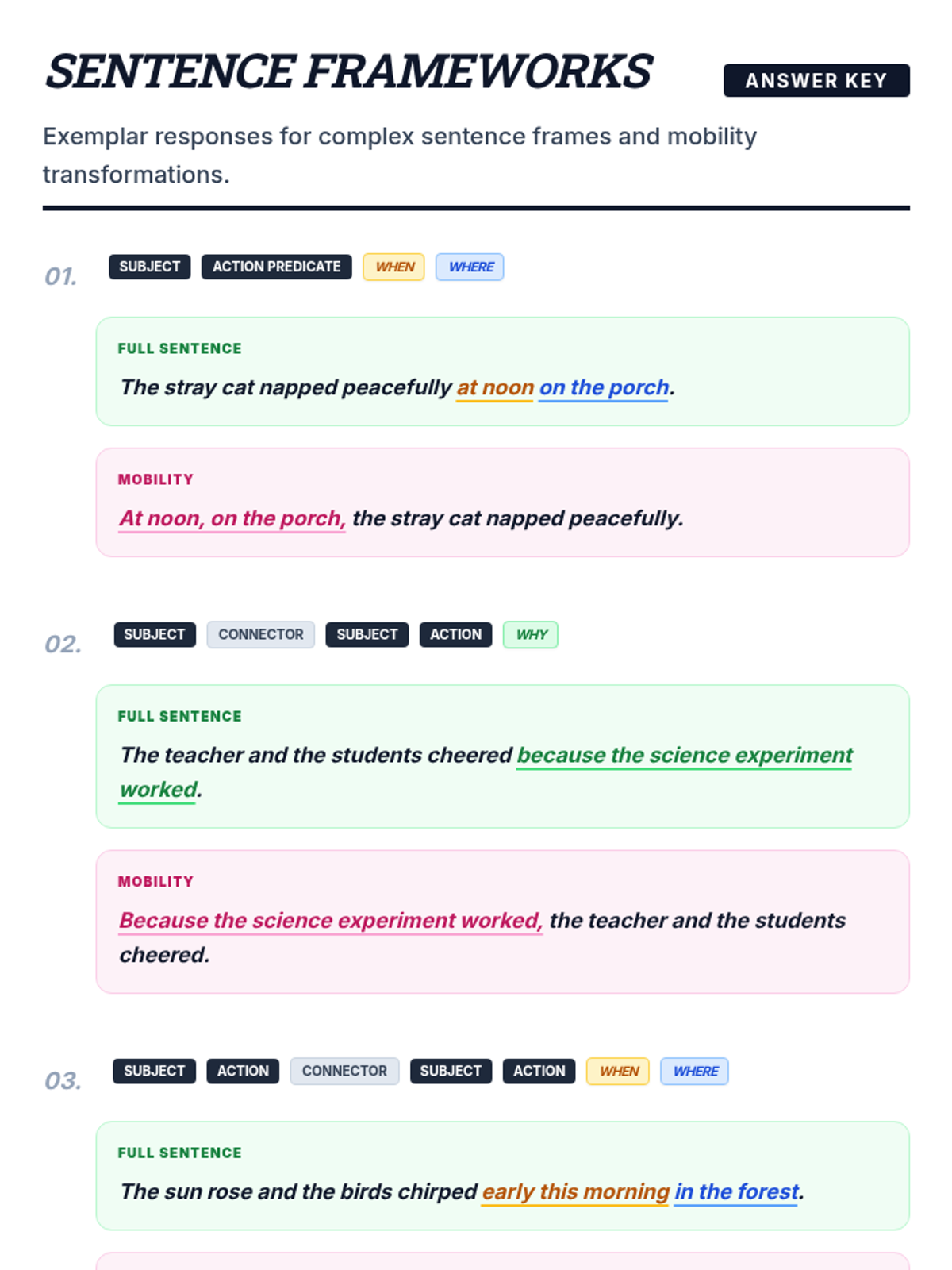
A practice lesson focusing on expanding sentences using 'where', 'why', 'when', and 'how' predicate expanders to add detail and variety.
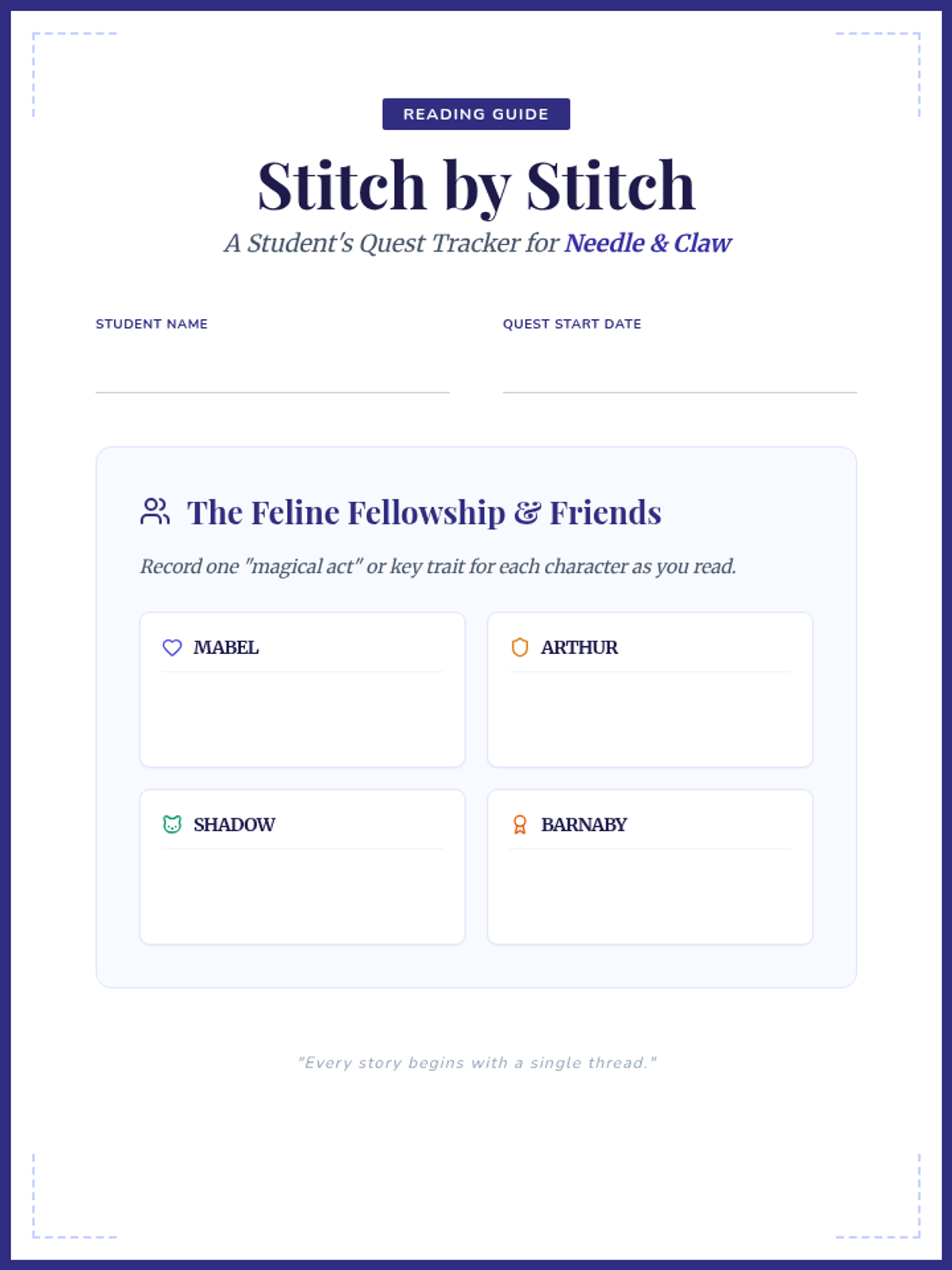
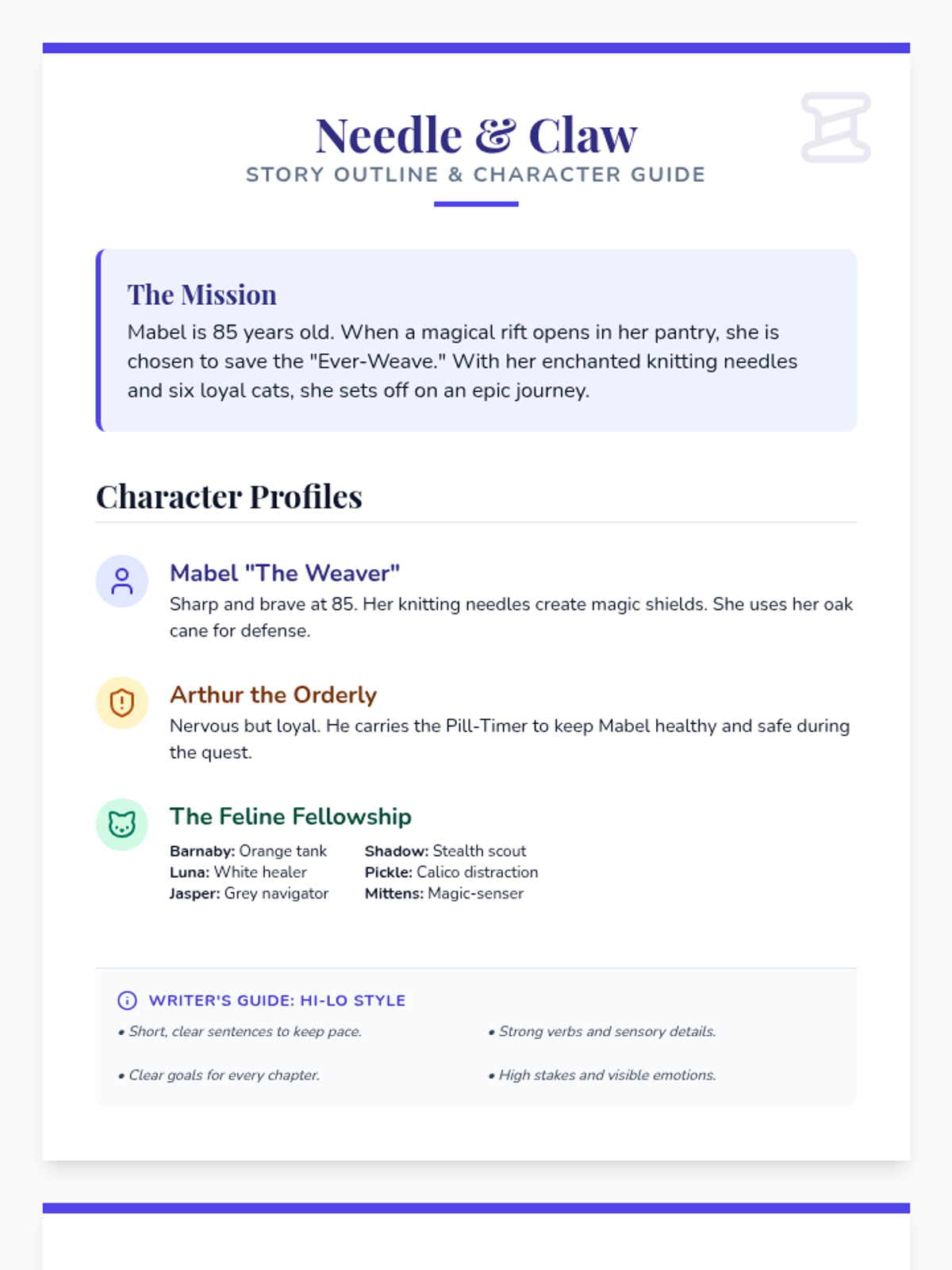
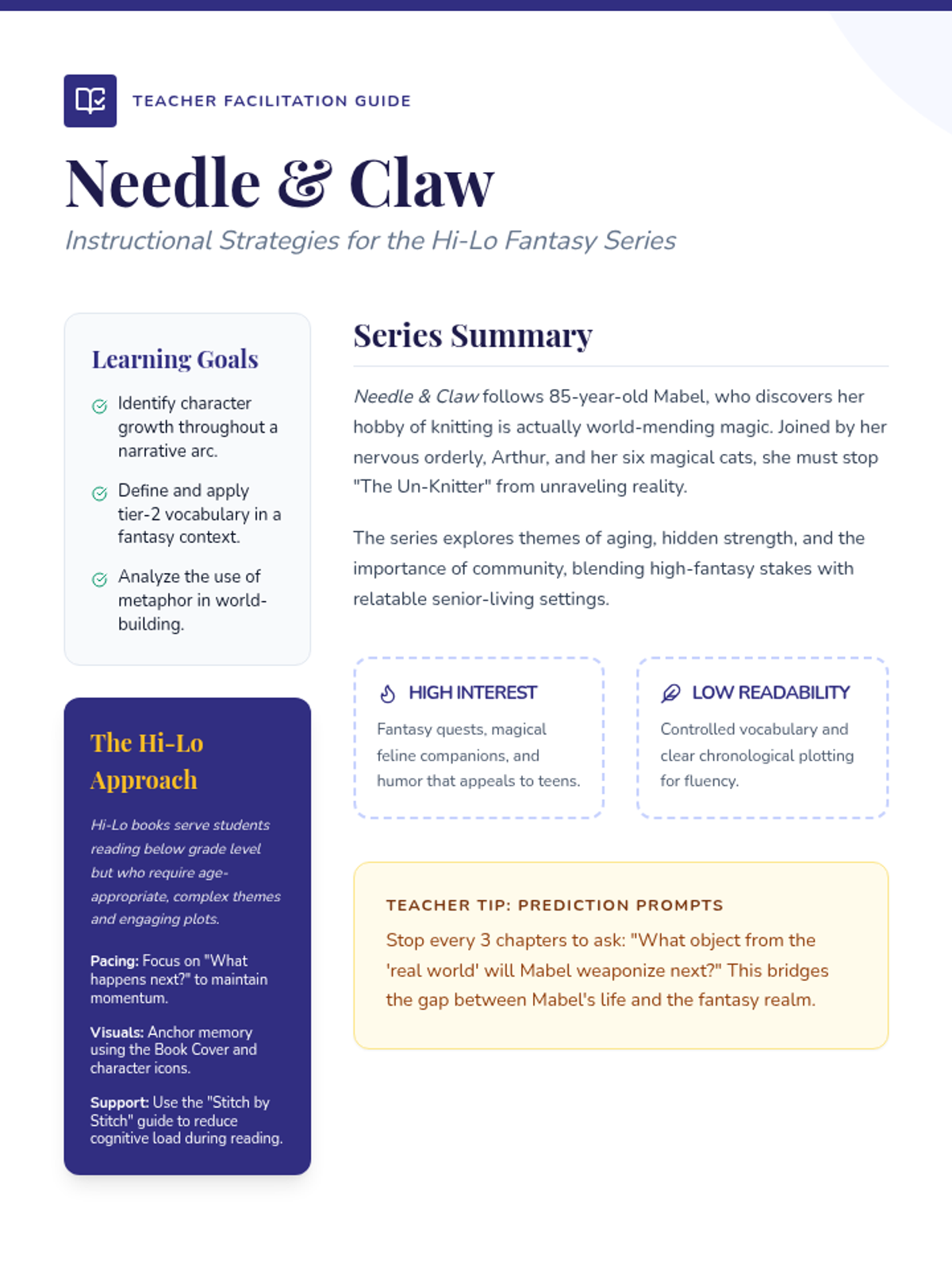
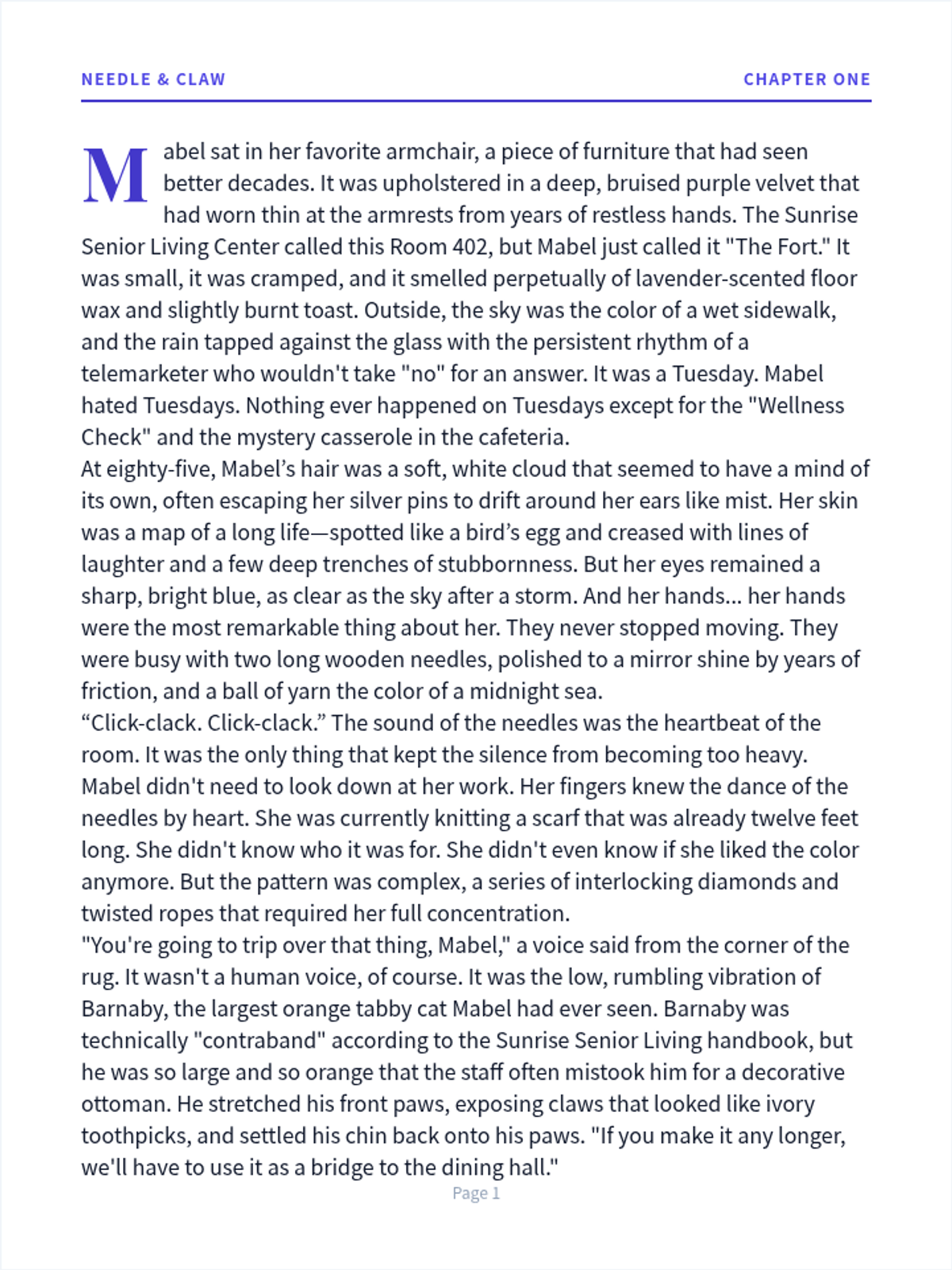
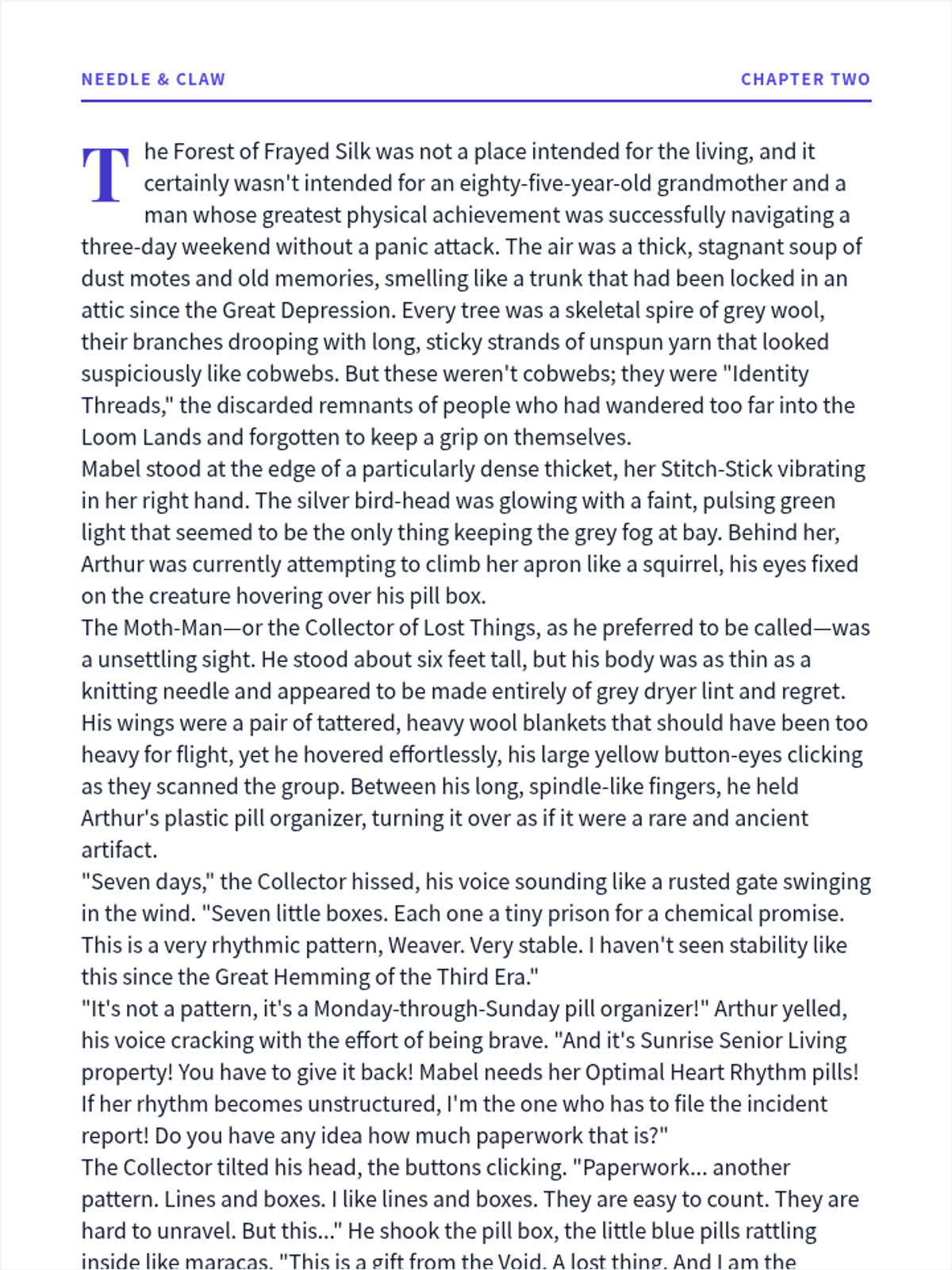
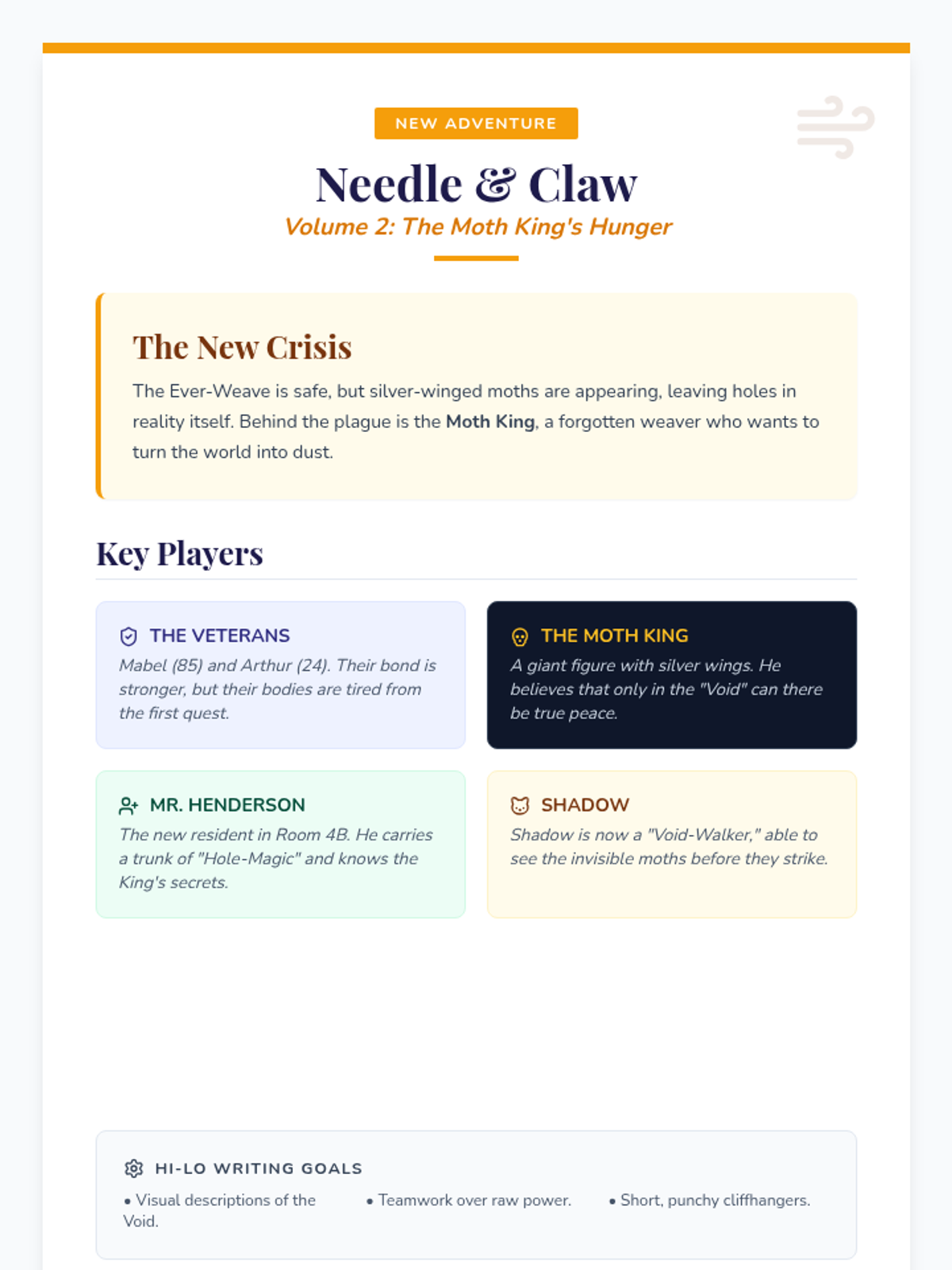
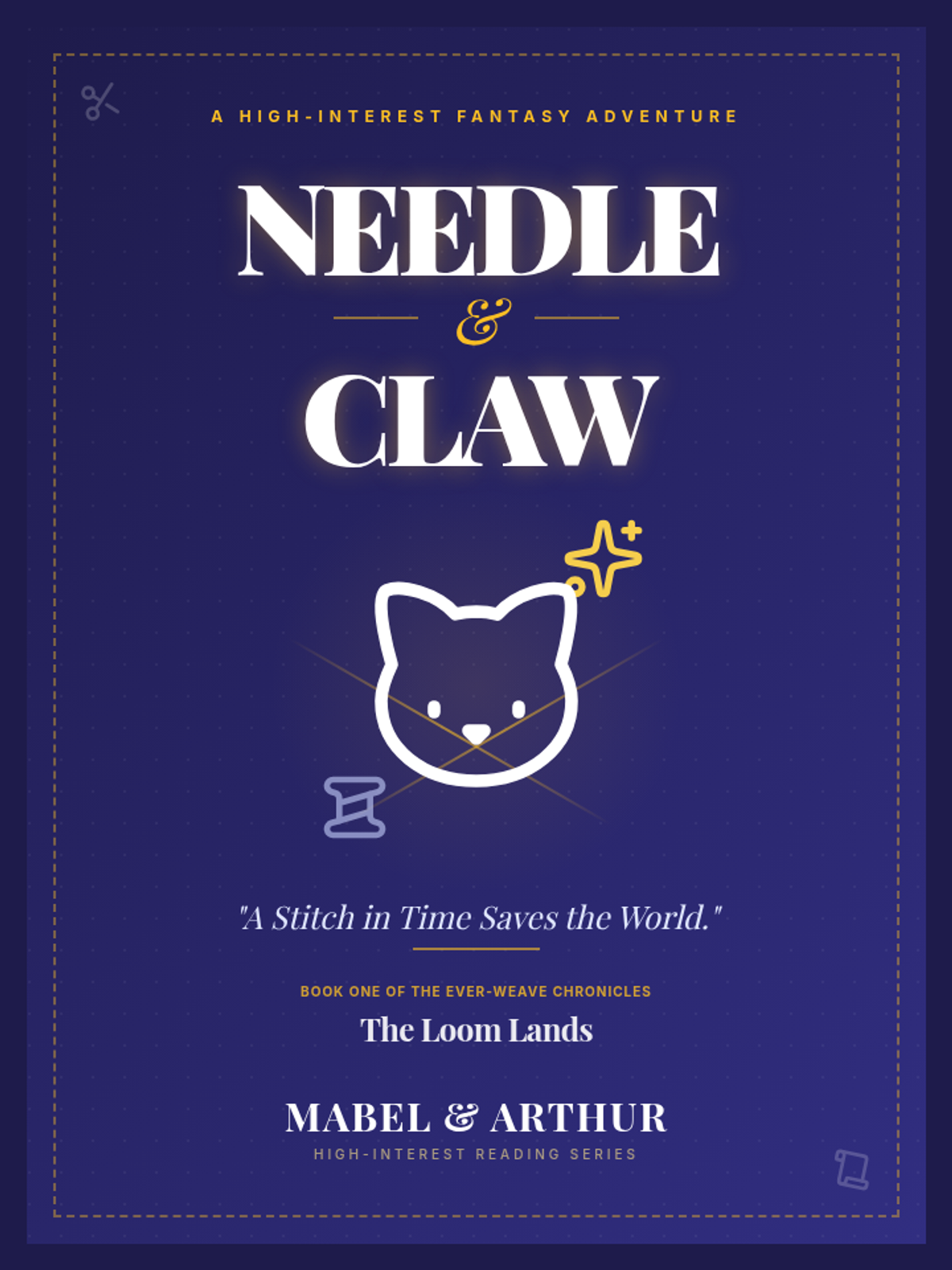
A creative story outline and character guide for a high-interest, low-readability (Hi-Lo) novel featuring an elderly protagonist in a fantasy world.
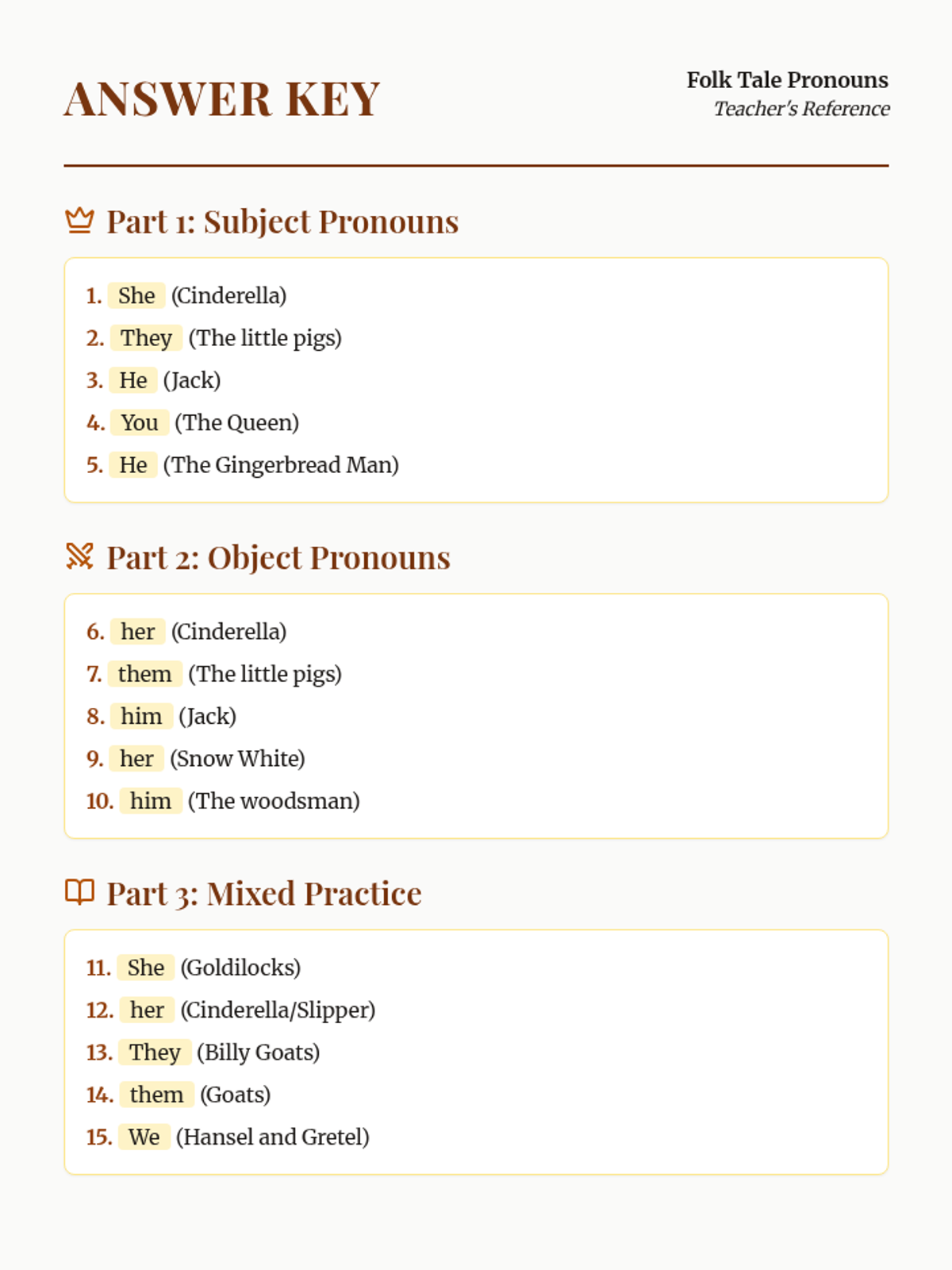
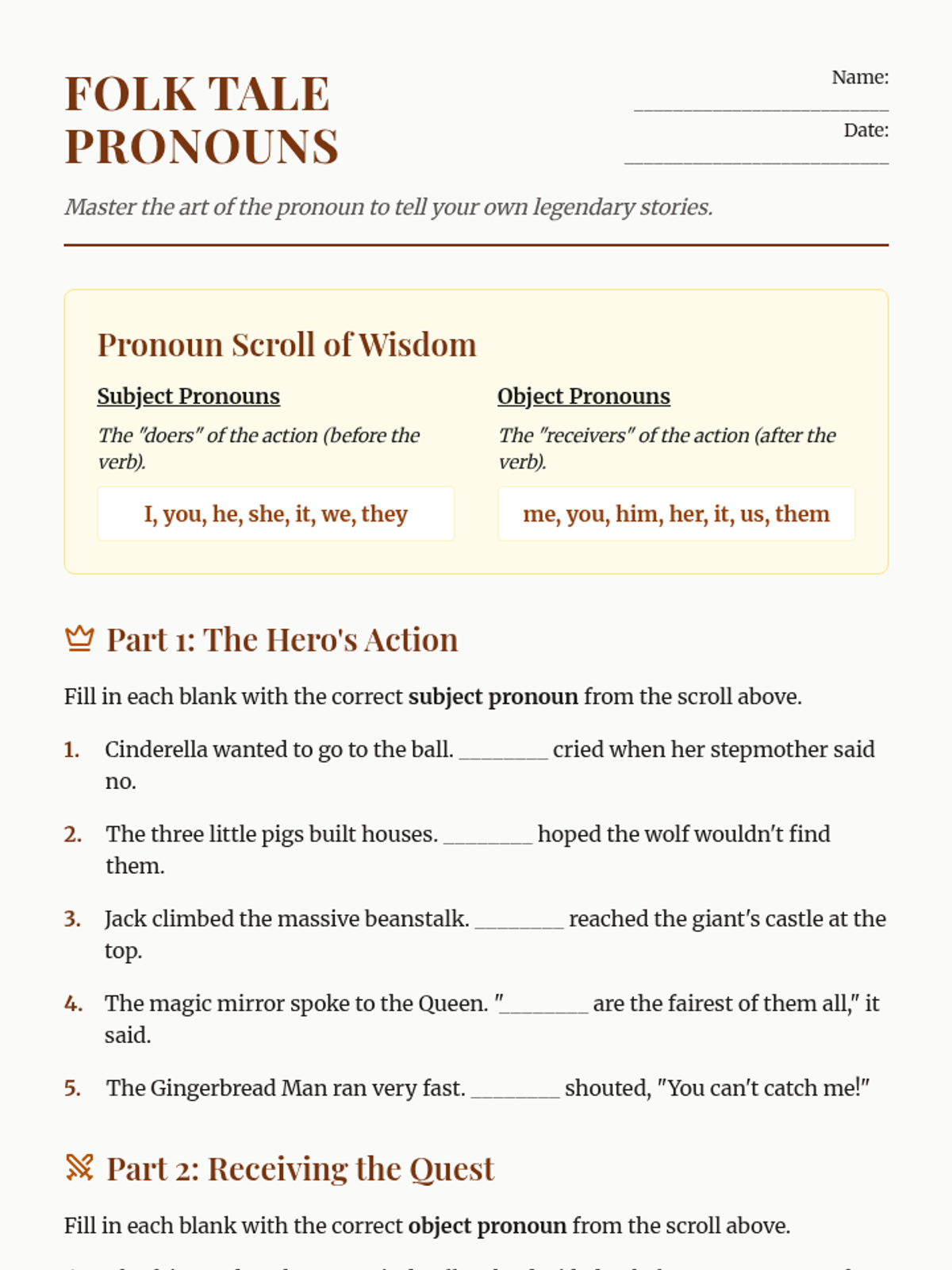
A focused lesson on subject and object pronouns through the lens of classic folk tales, helping students identify and use pronouns correctly in narrative contexts.
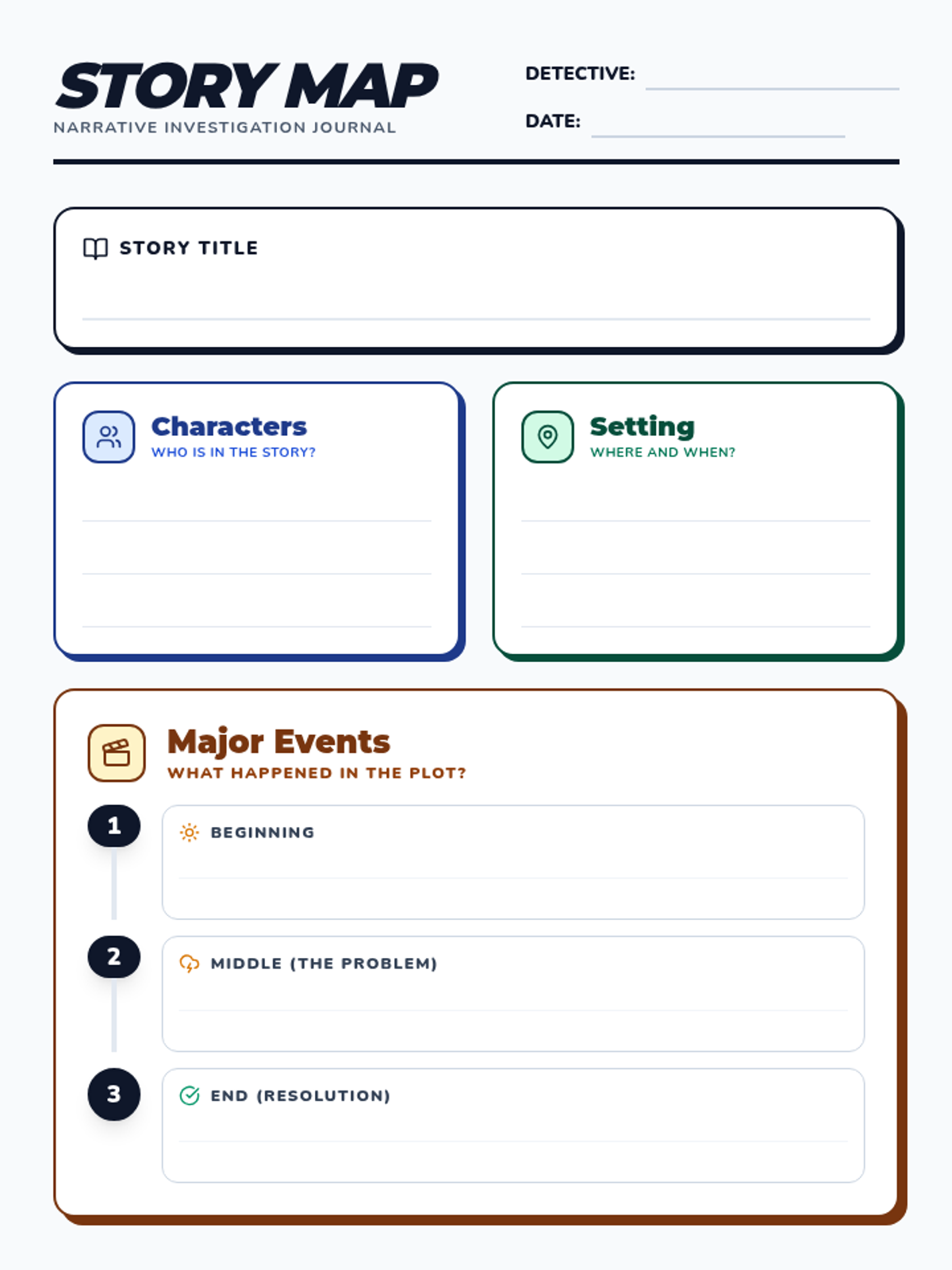
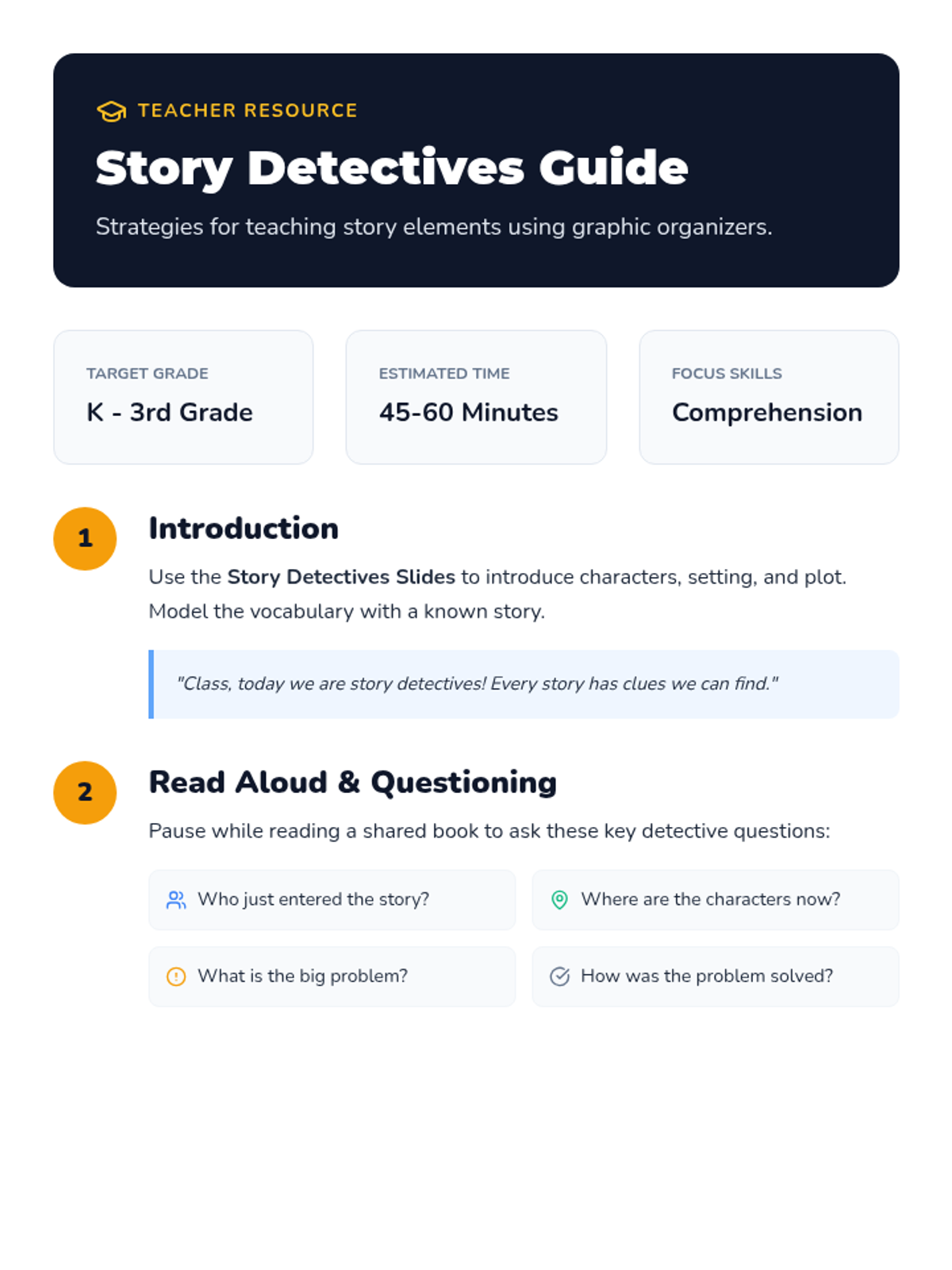
A fundamental lesson on identifying the core components of a narrative: characters, setting, and plot events. Students use visual organizers to map out stories they read or hear.

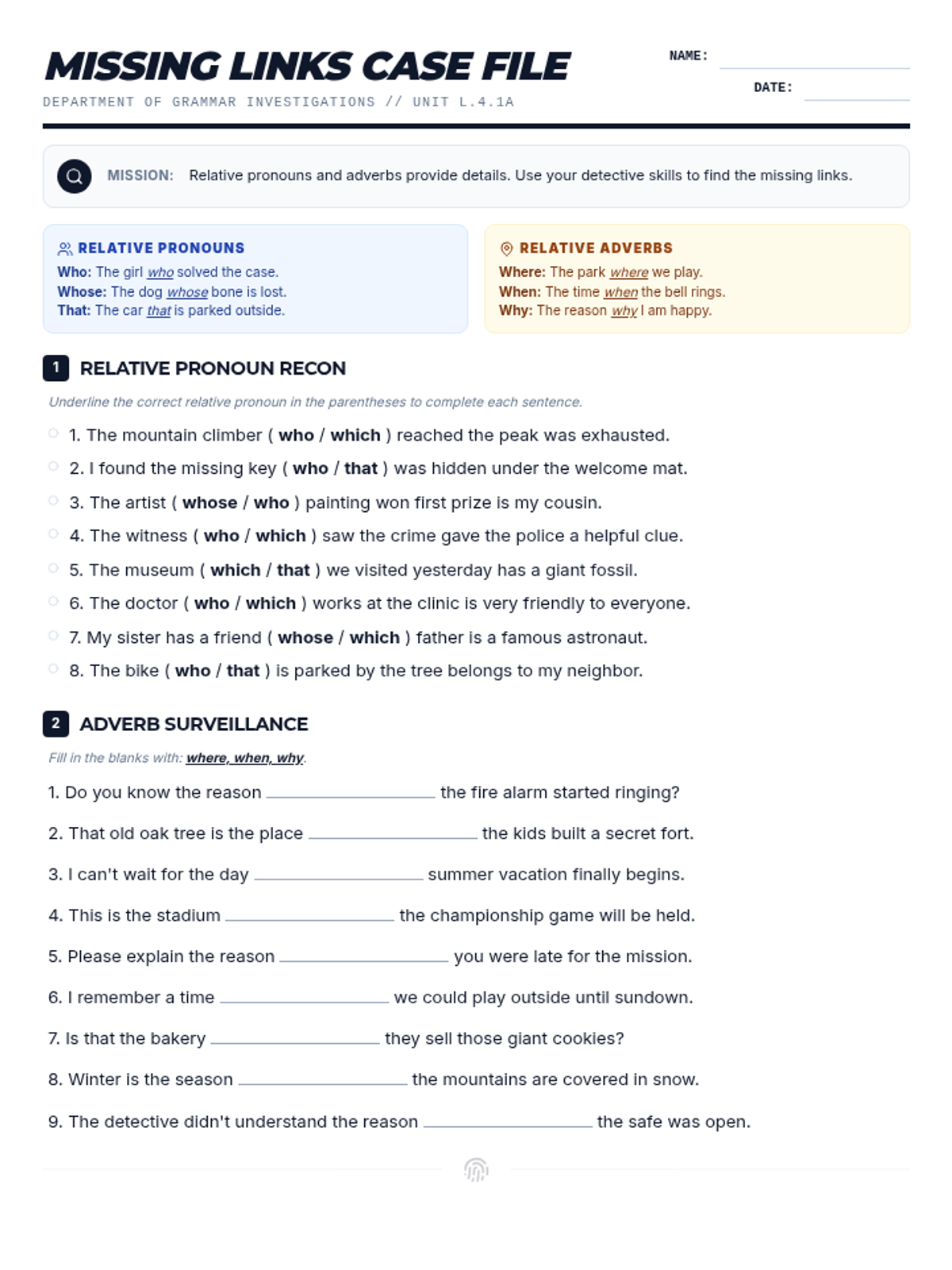
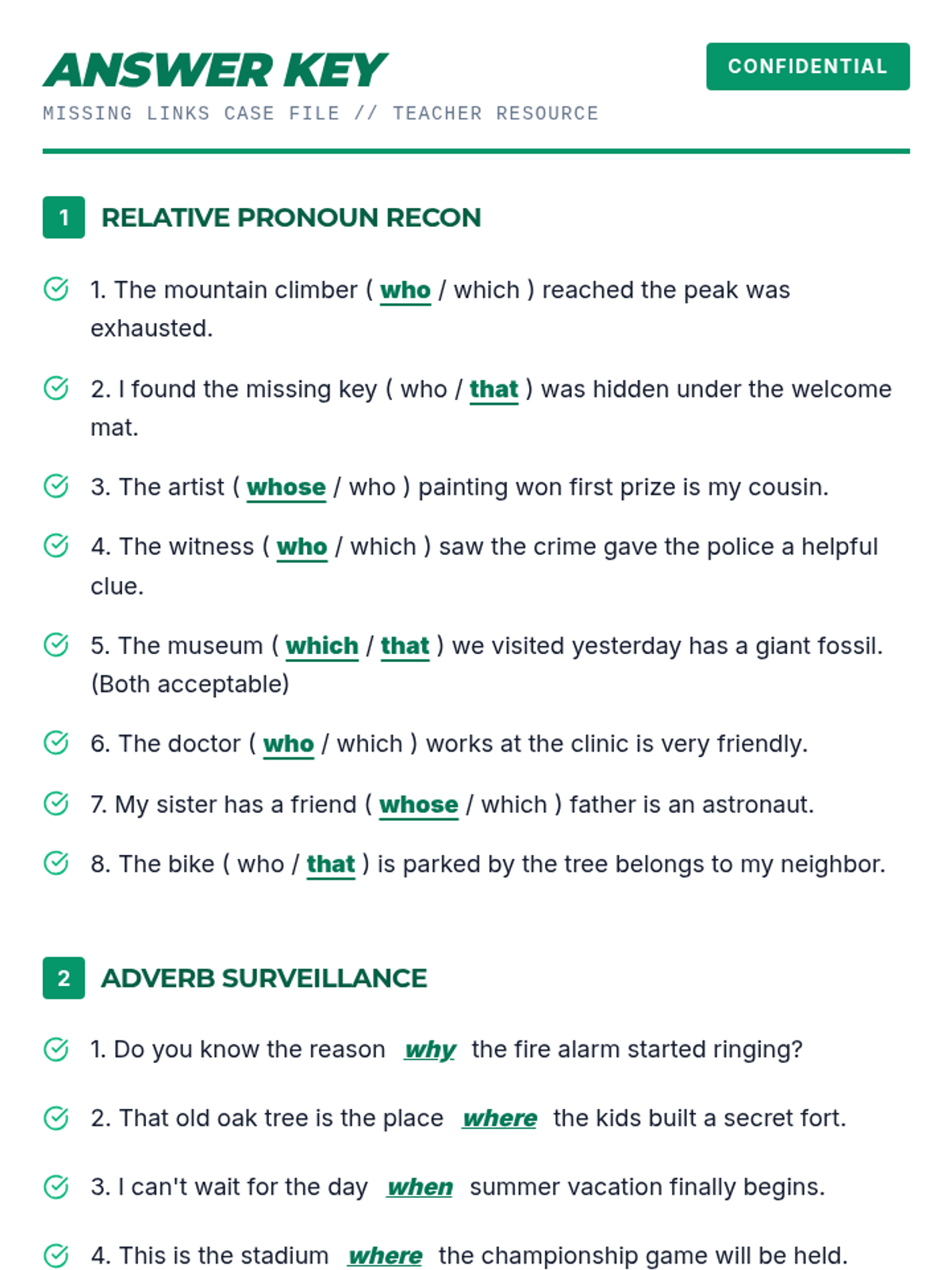
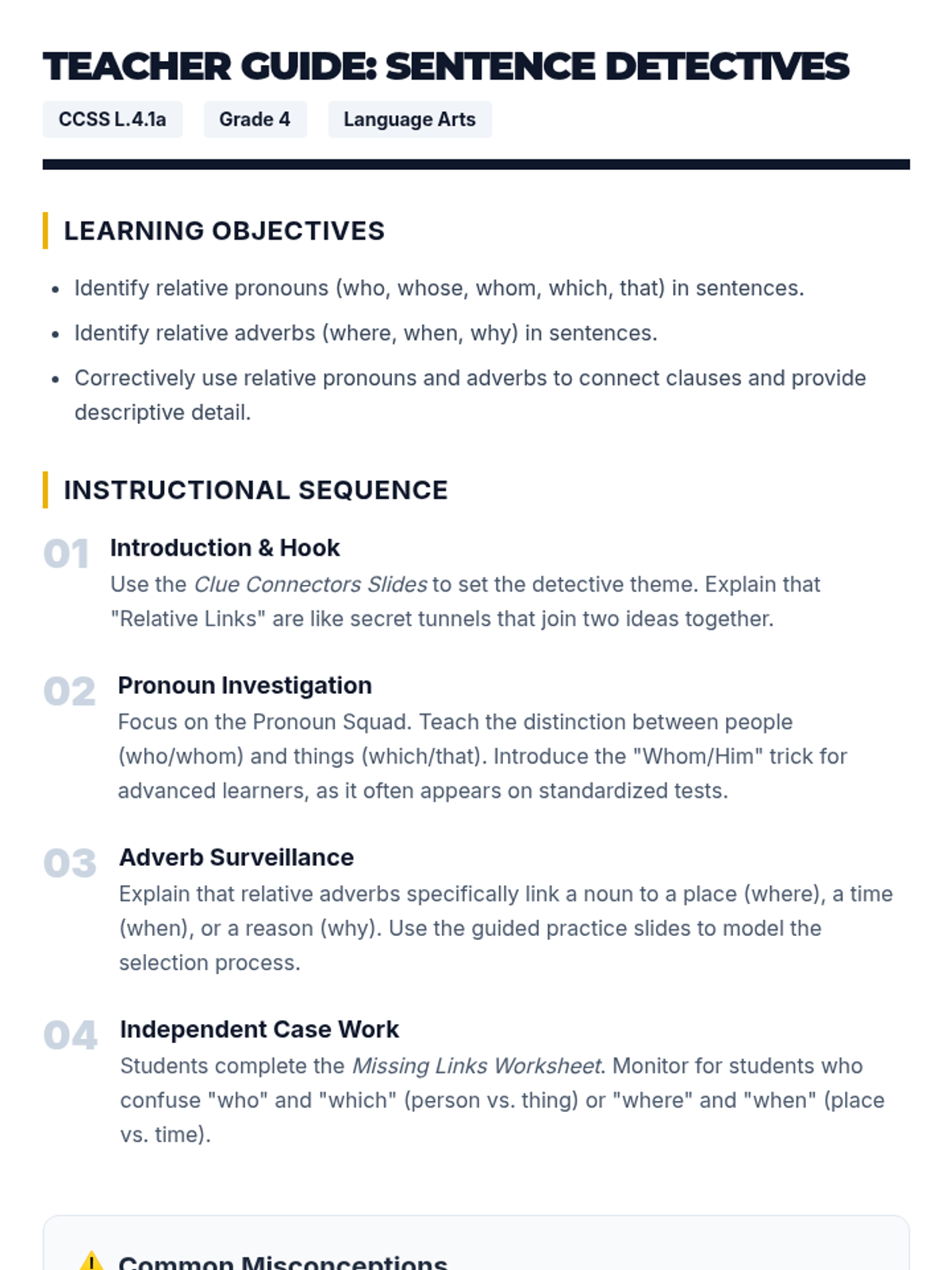
A detective-themed lesson teaching 4th graders how to use relative pronouns and relative adverbs to connect ideas in sentences, aligned to CCSS L.4.1a.
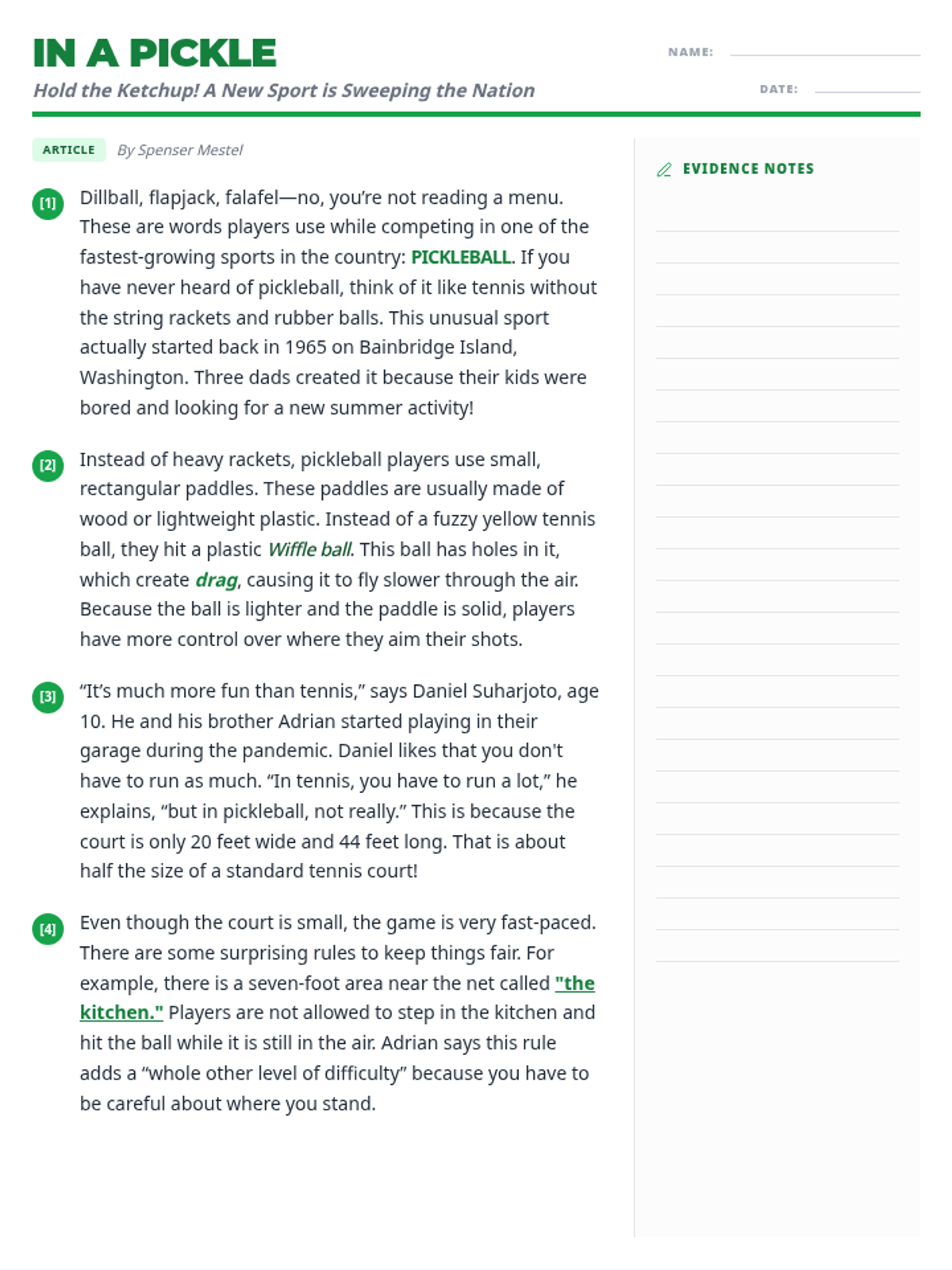
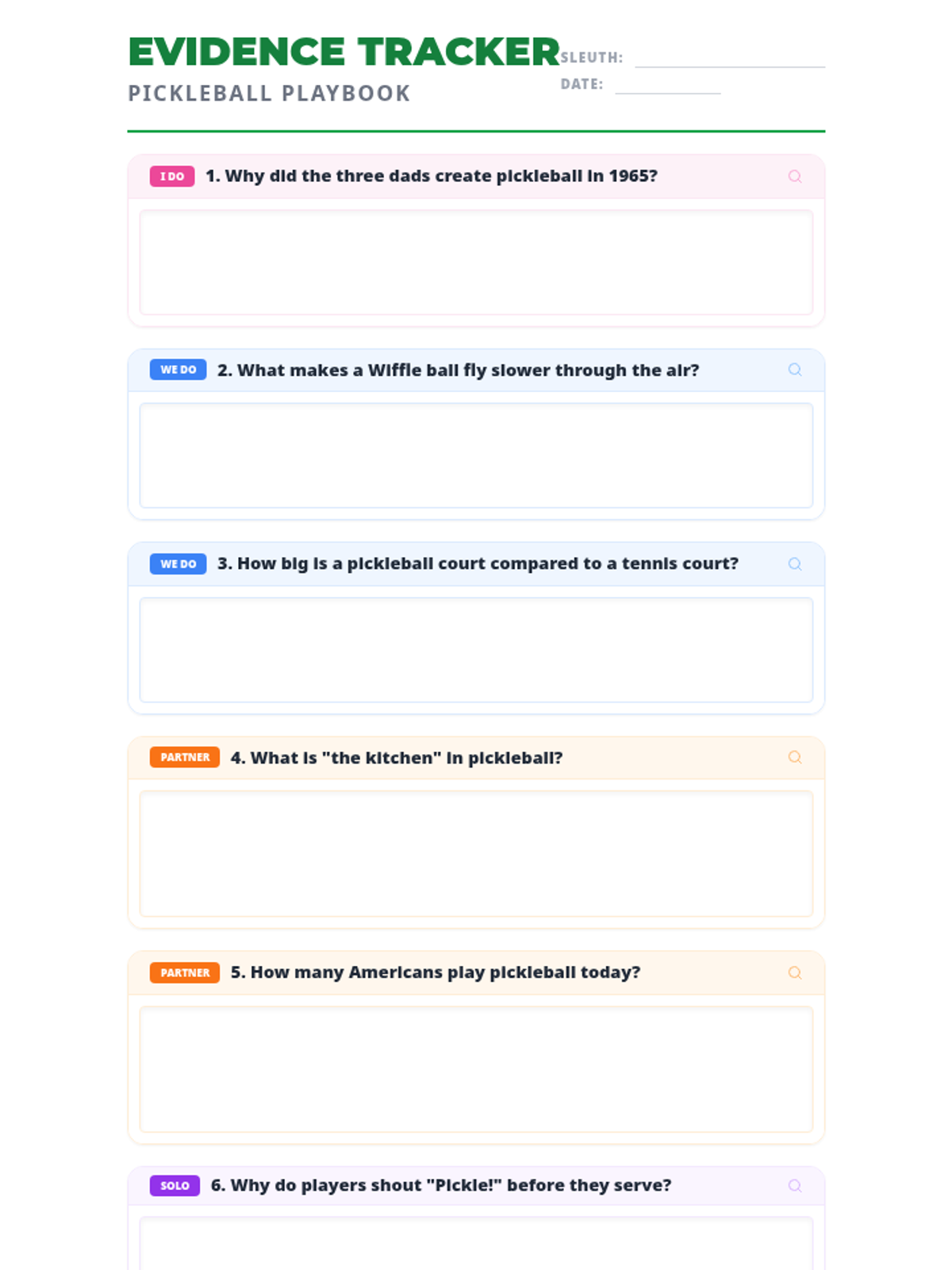
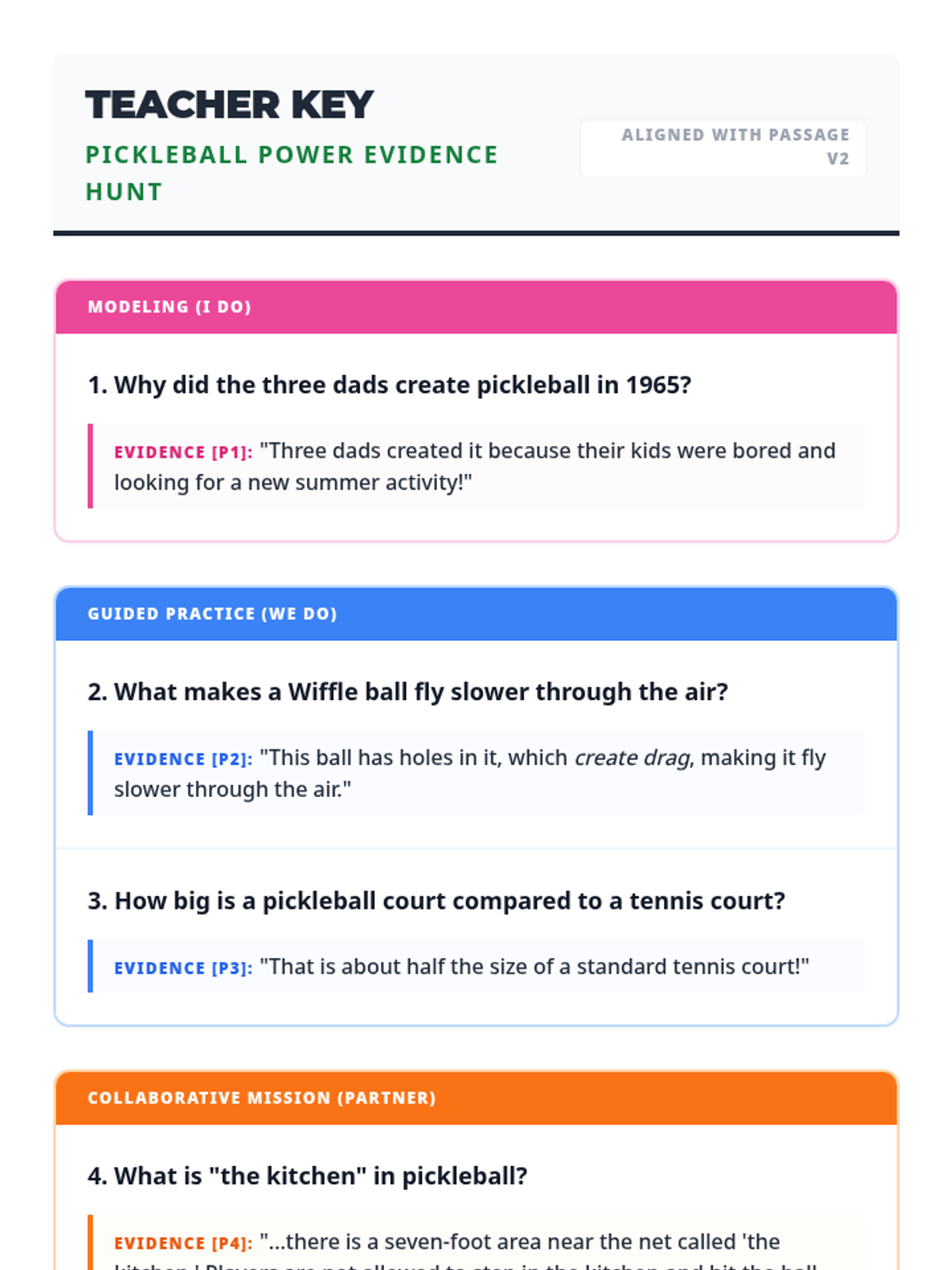
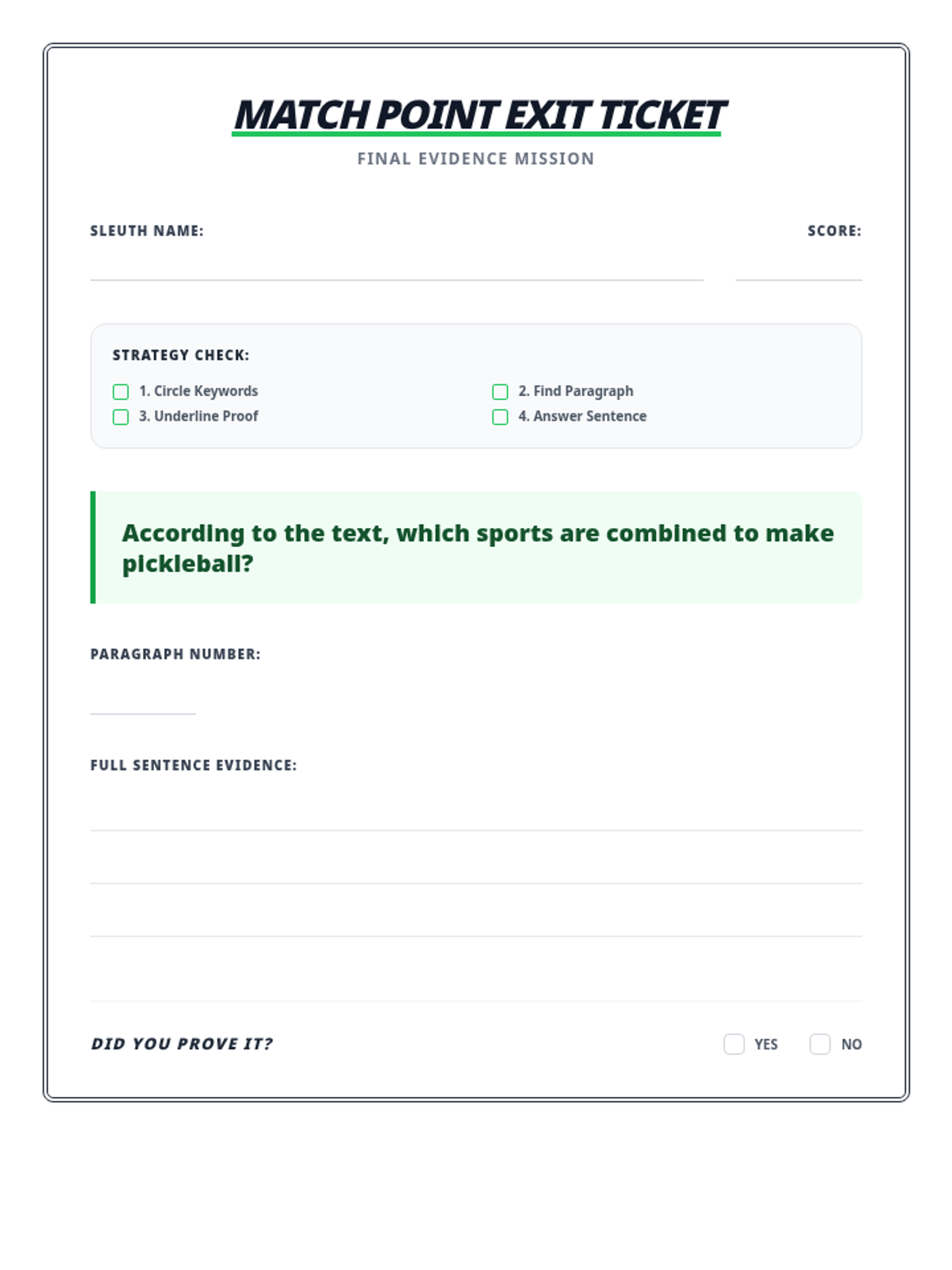
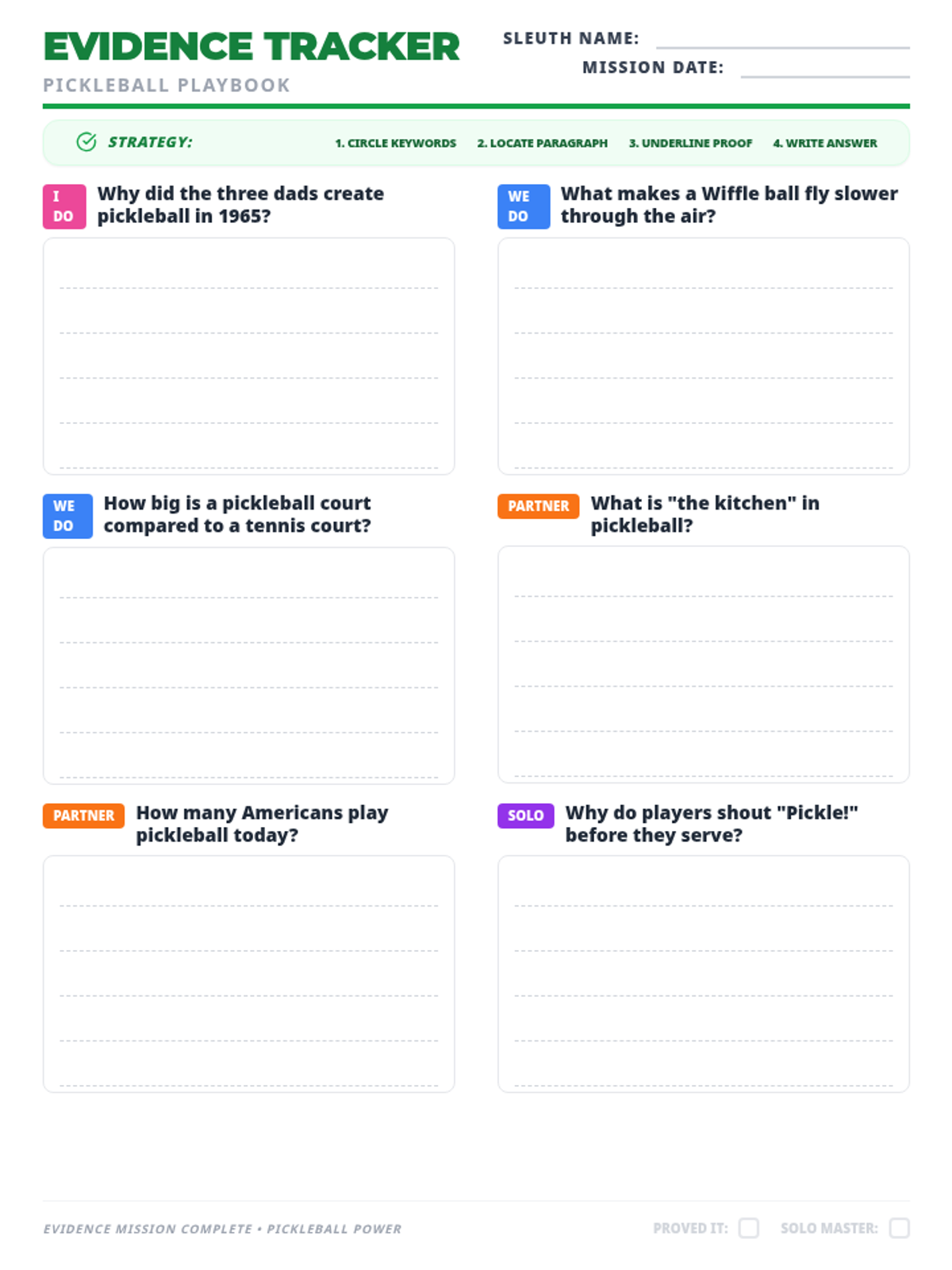
An explicit instruction lesson for 3rd graders on locating text evidence to answer text-dependent questions using an 'I Do, We Do, You Do' model. Students learn to identify keywords in questions and find matching evidence in the text using a five-step checklist.
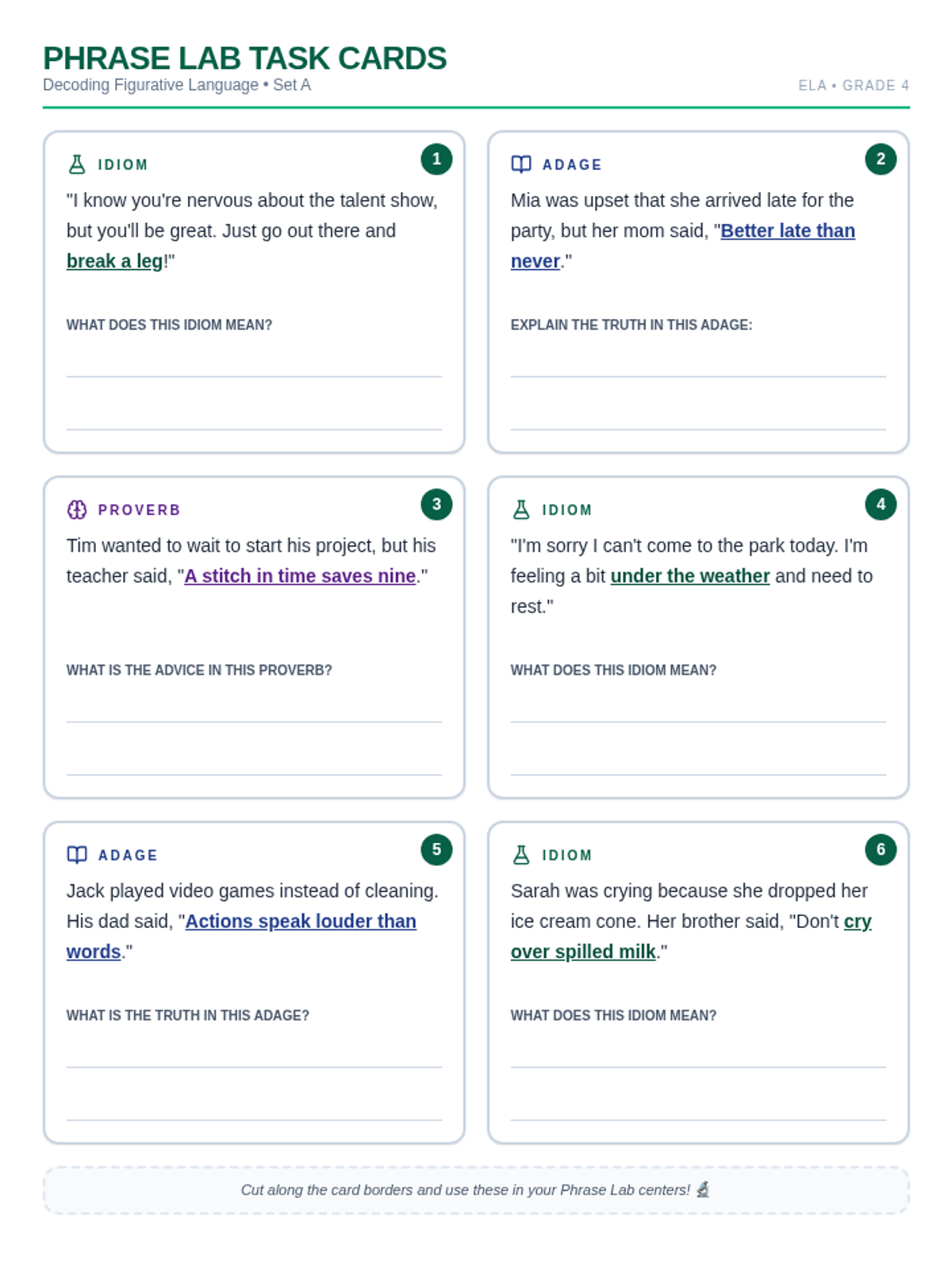
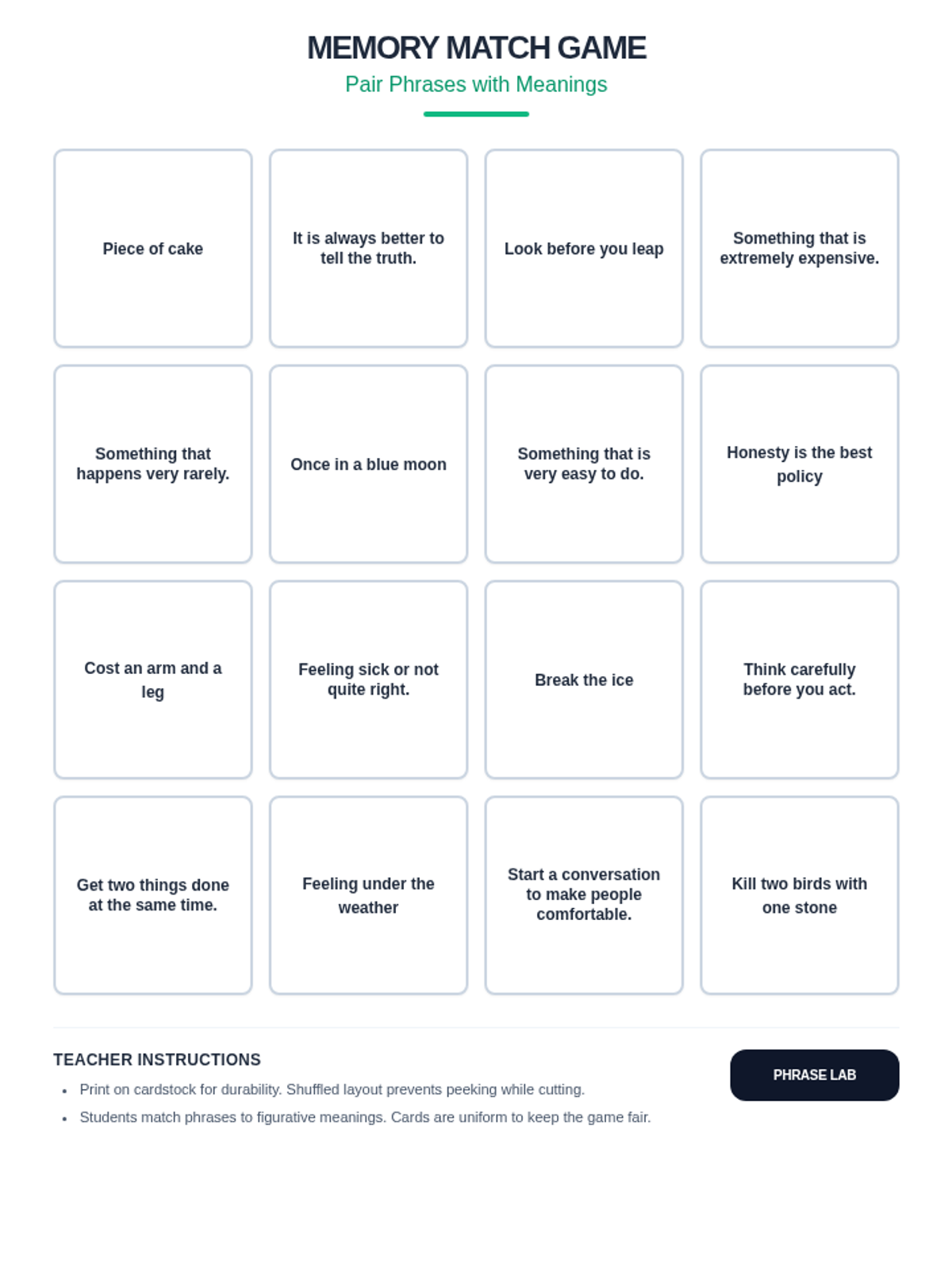
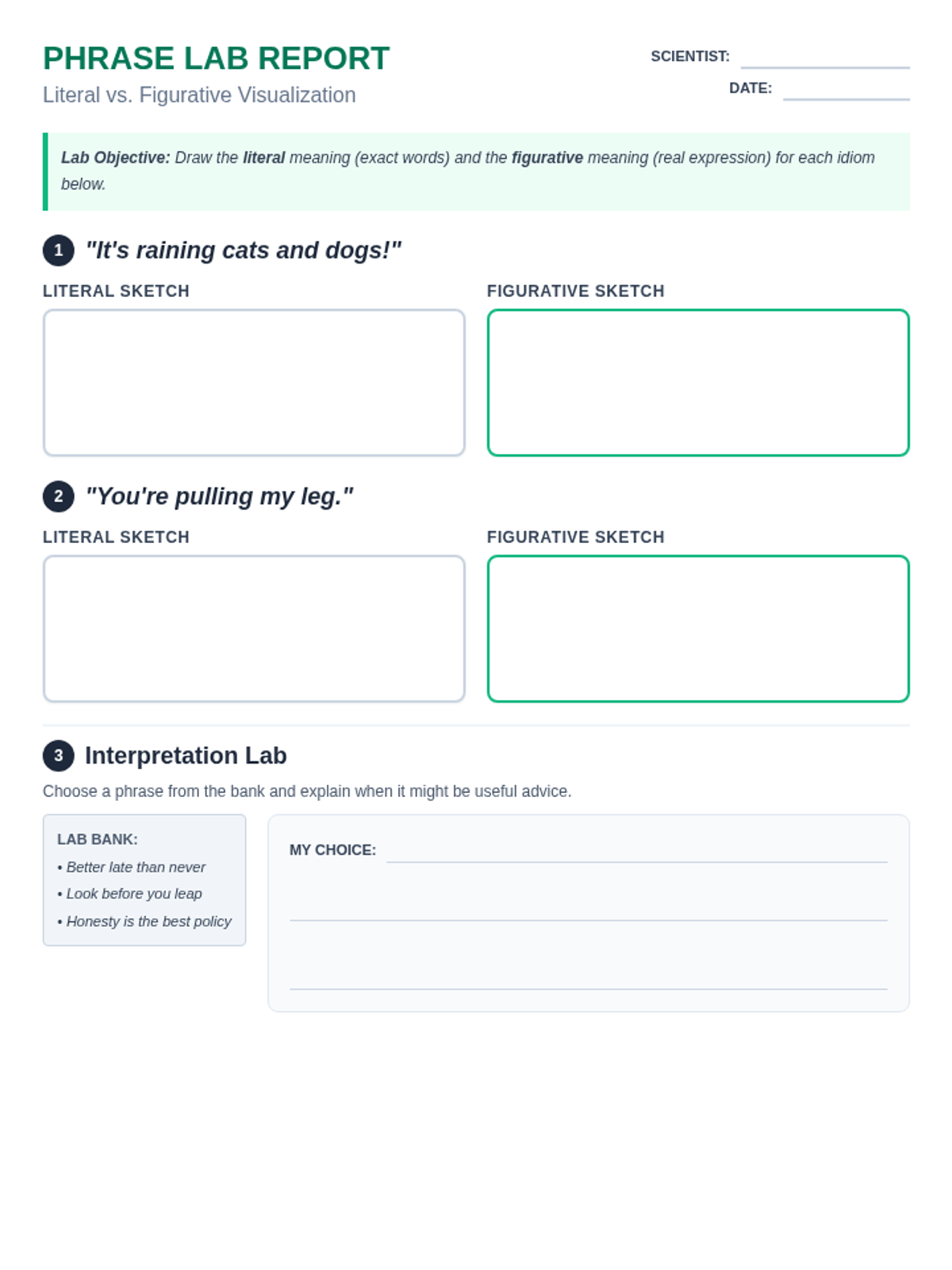
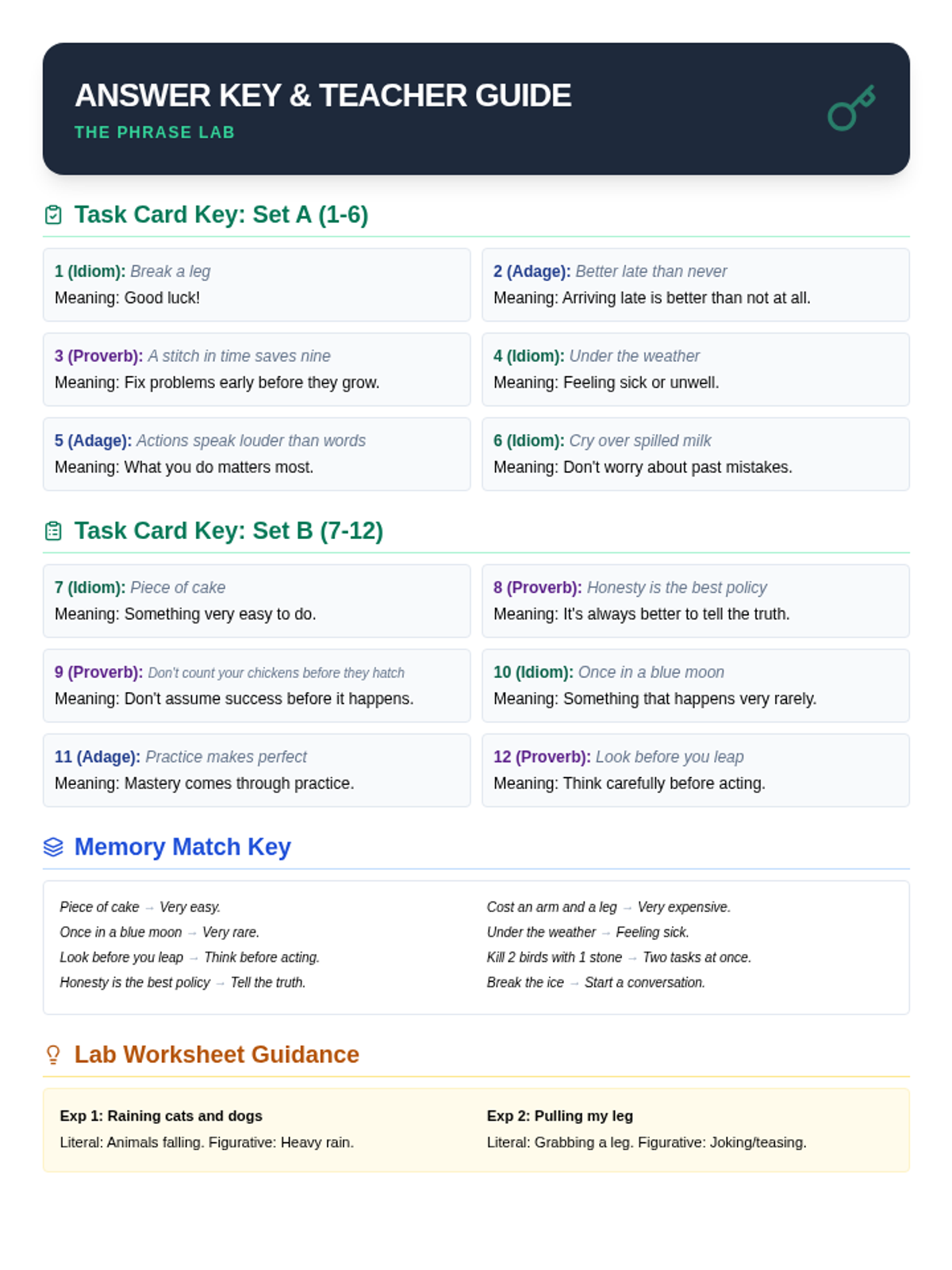
A comprehensive exploration of idioms, adages, and proverbs for 4th graders, focusing on interpreting figurative language and distinguishing it from literal meanings through interactive and hands-on activities.
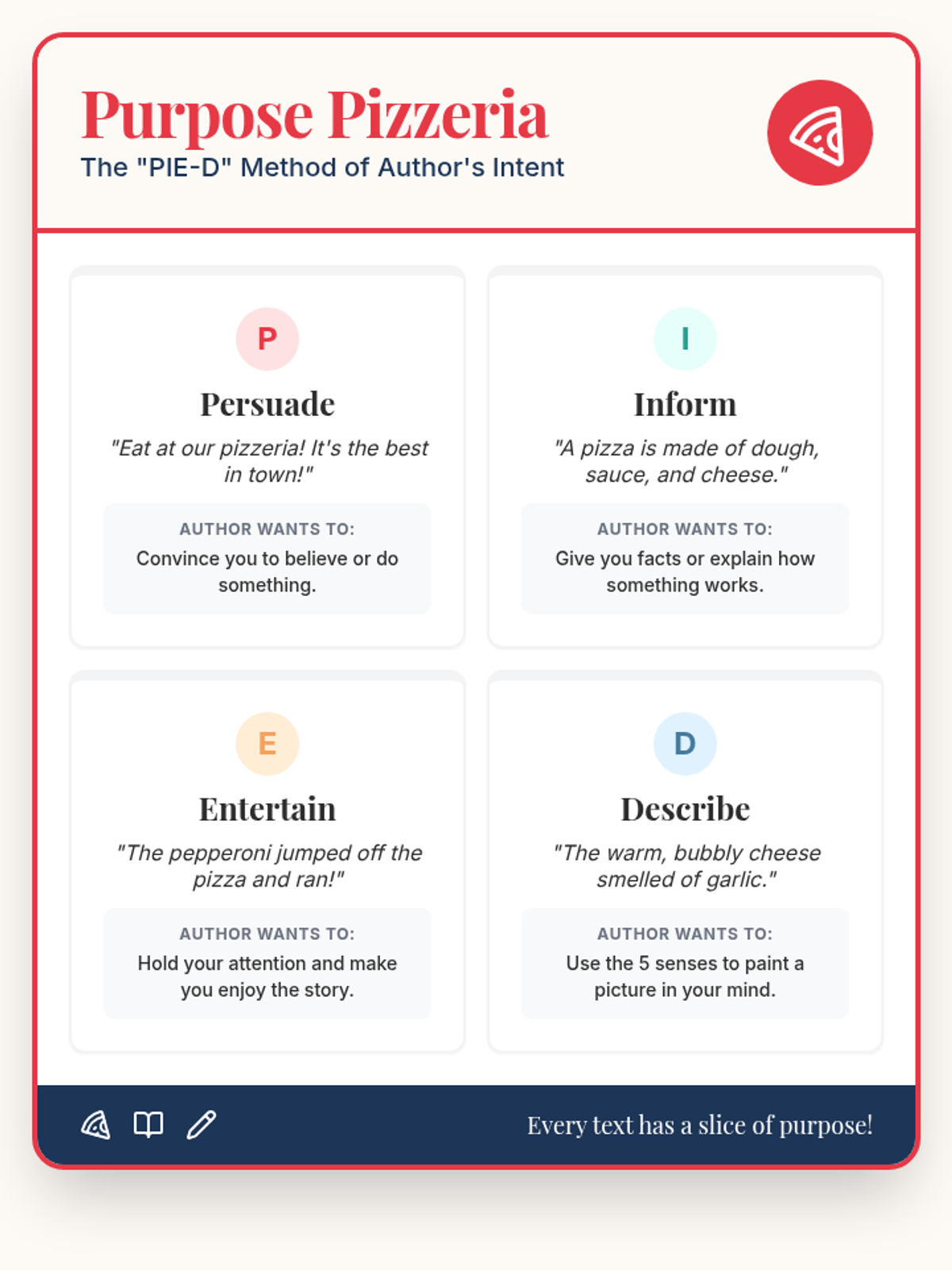
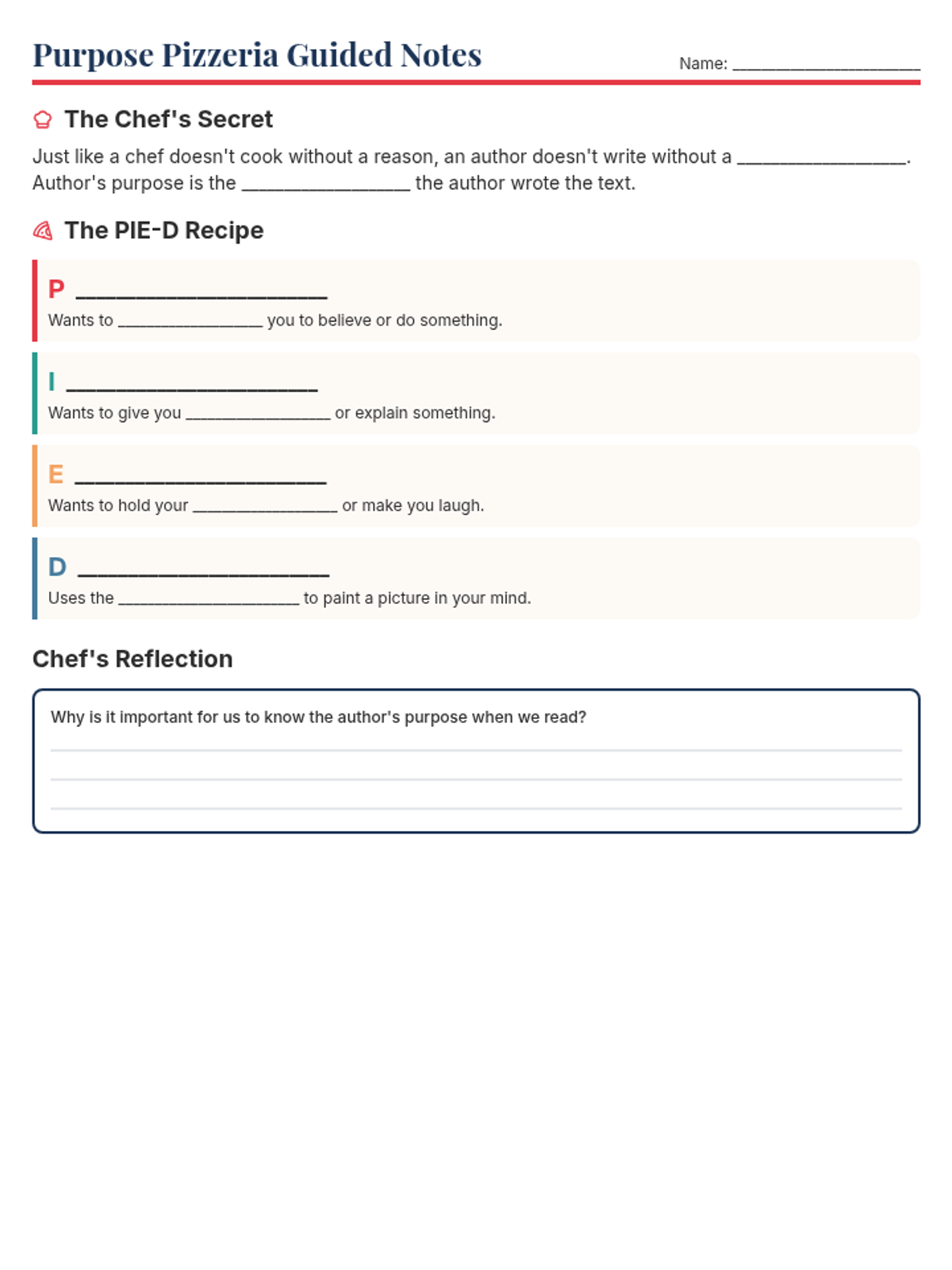
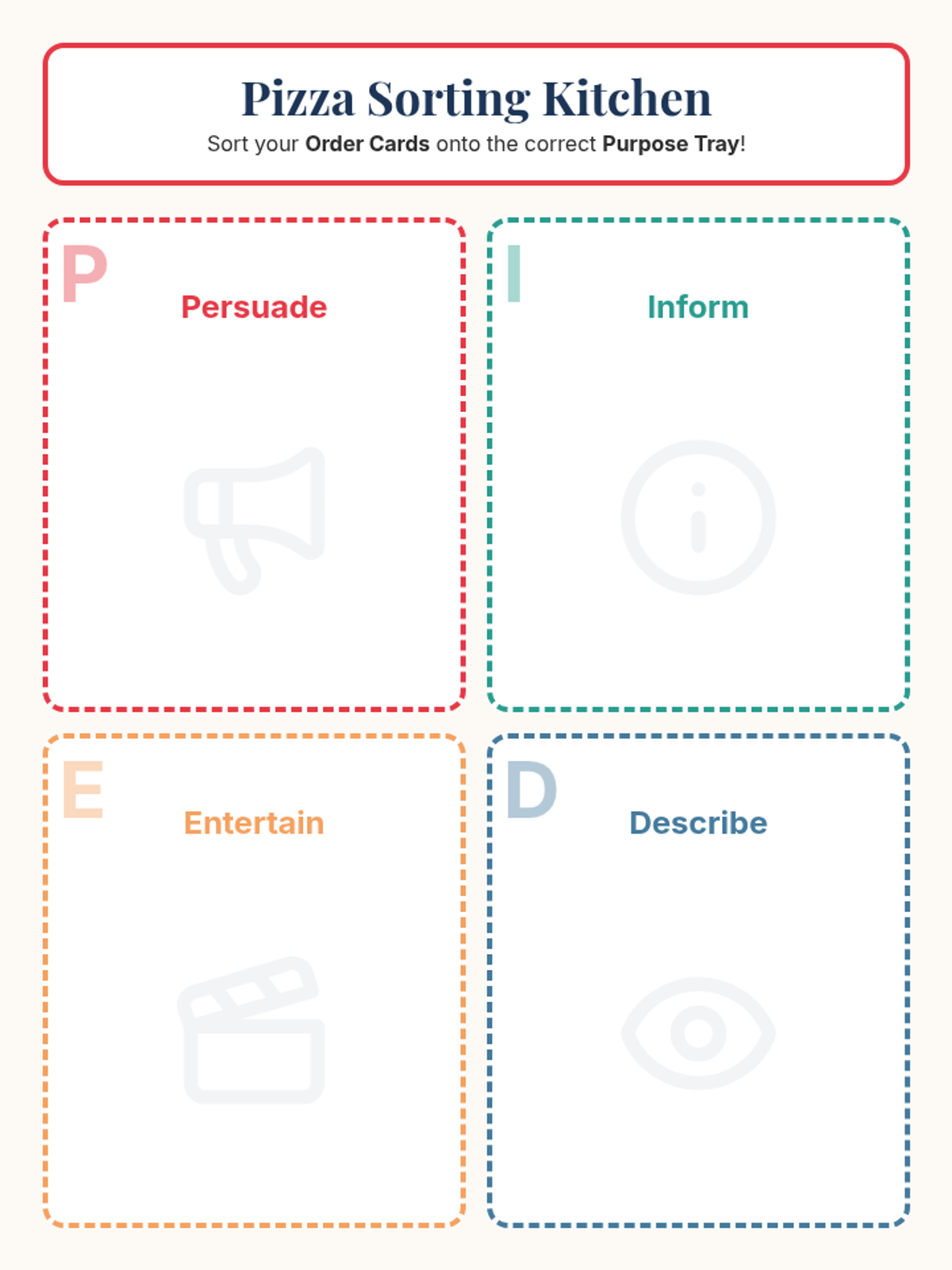
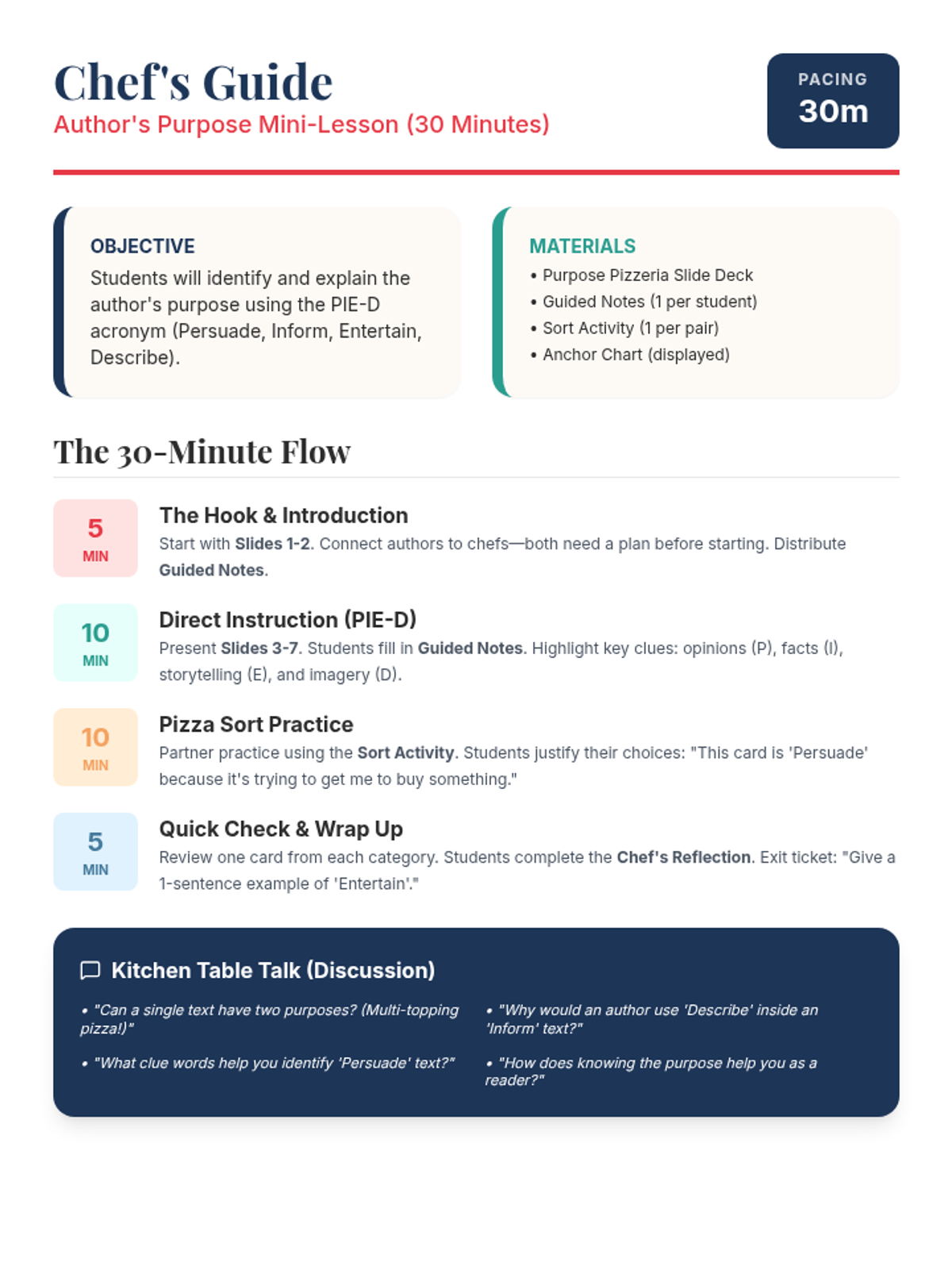
A 30-minute mini-lesson on Author's Purpose using the PIED acronym (Persuade, Inform, Entertain, Describe), themed around a pizza parlor.
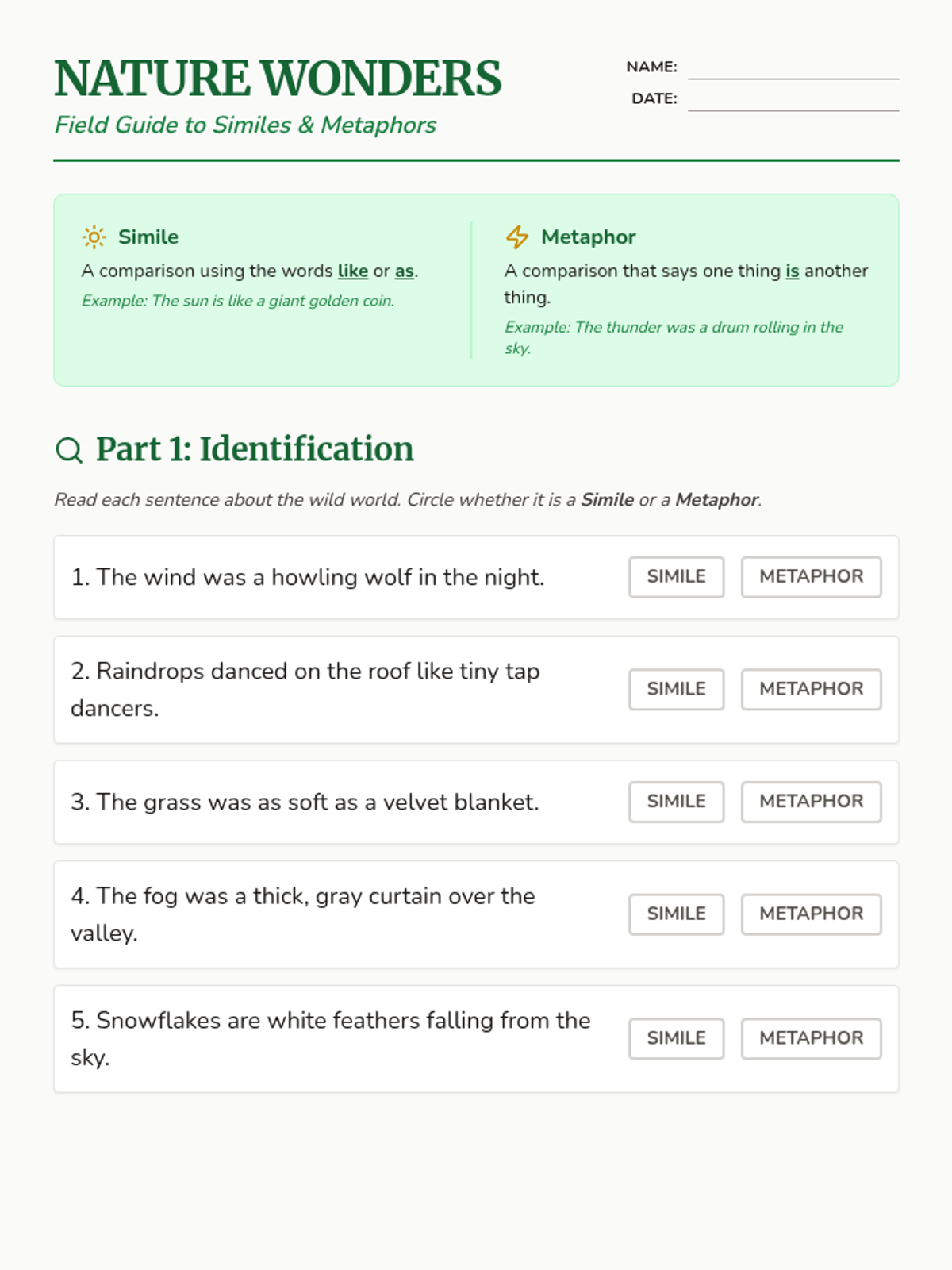
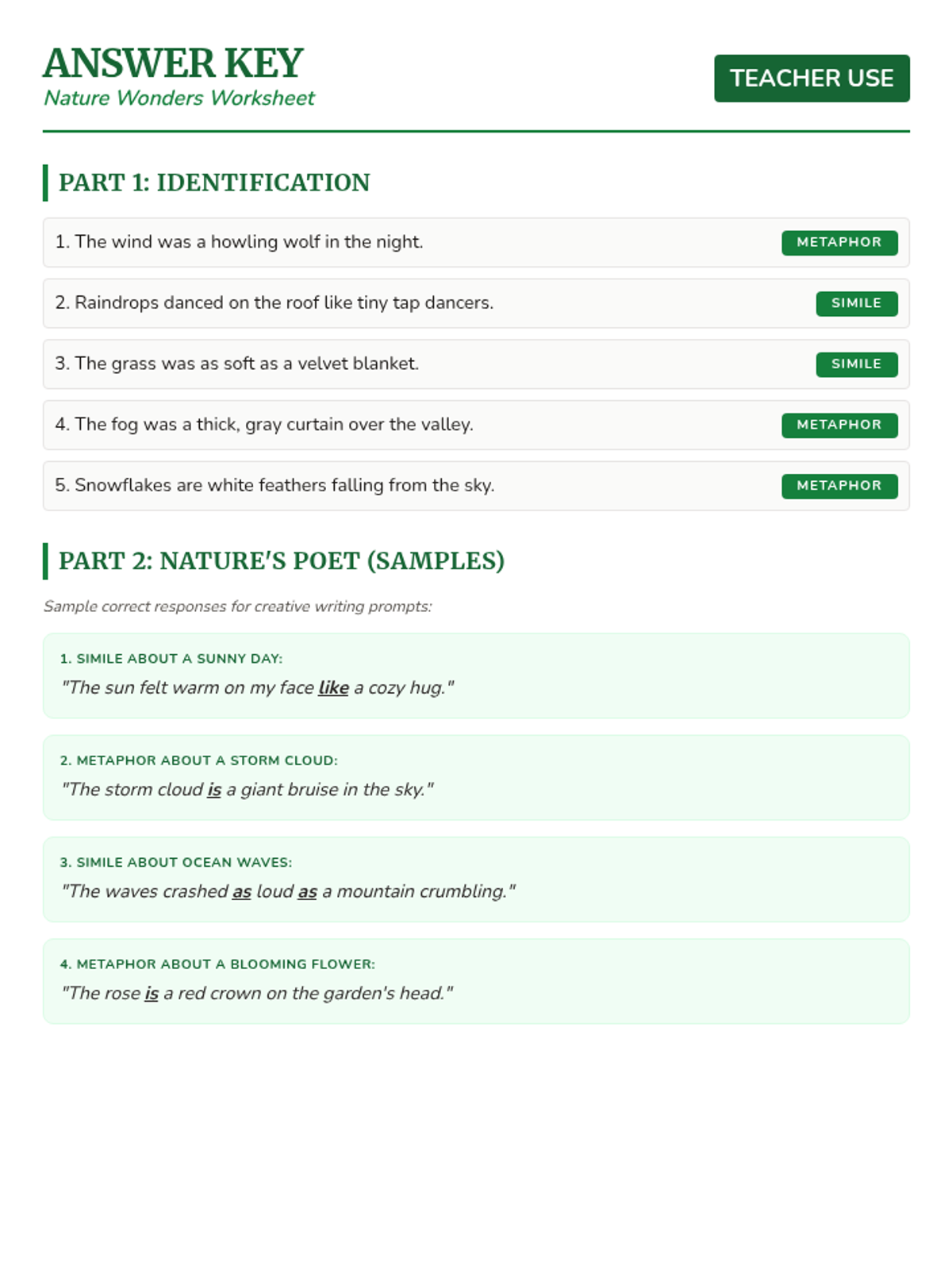
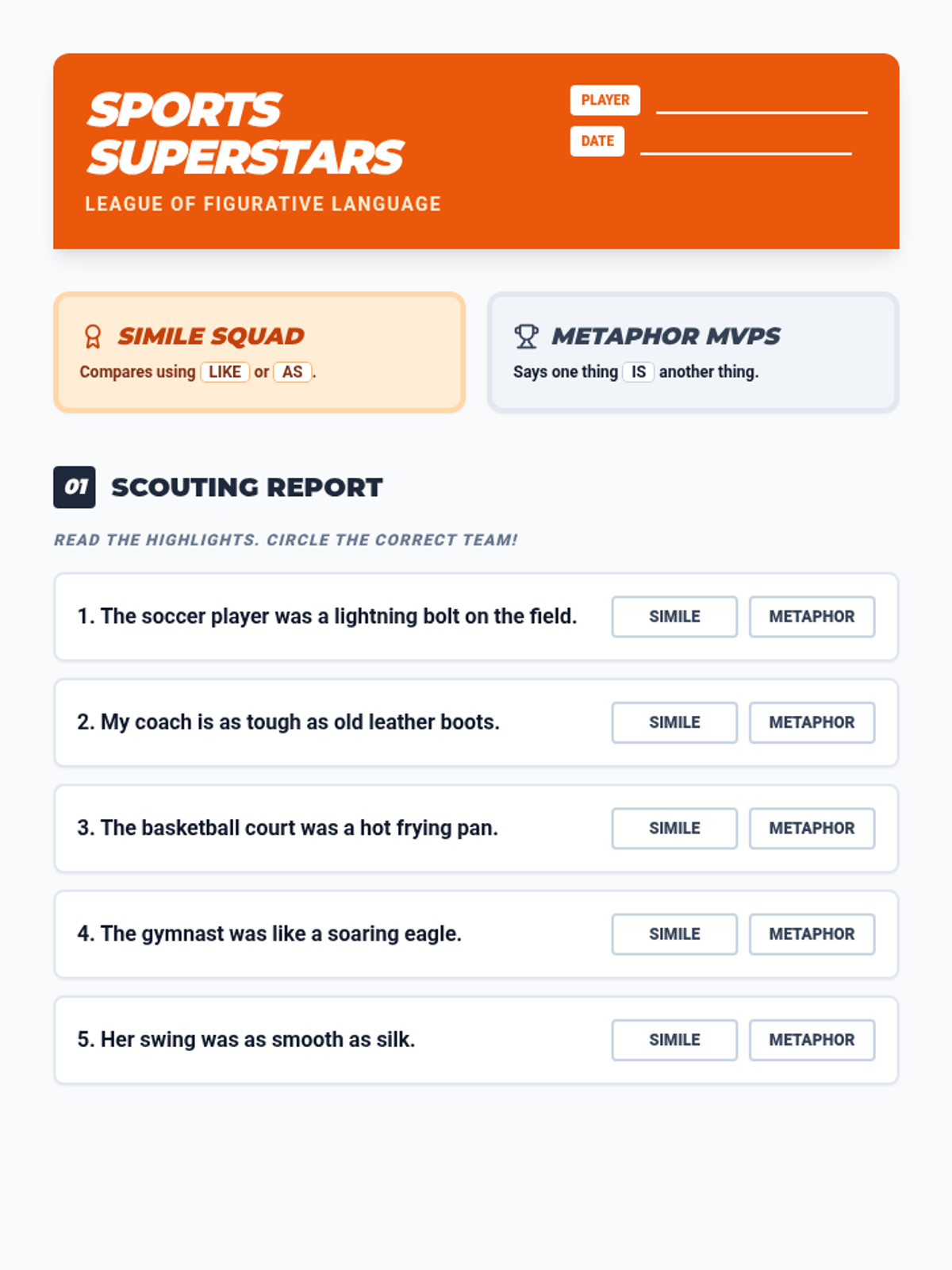
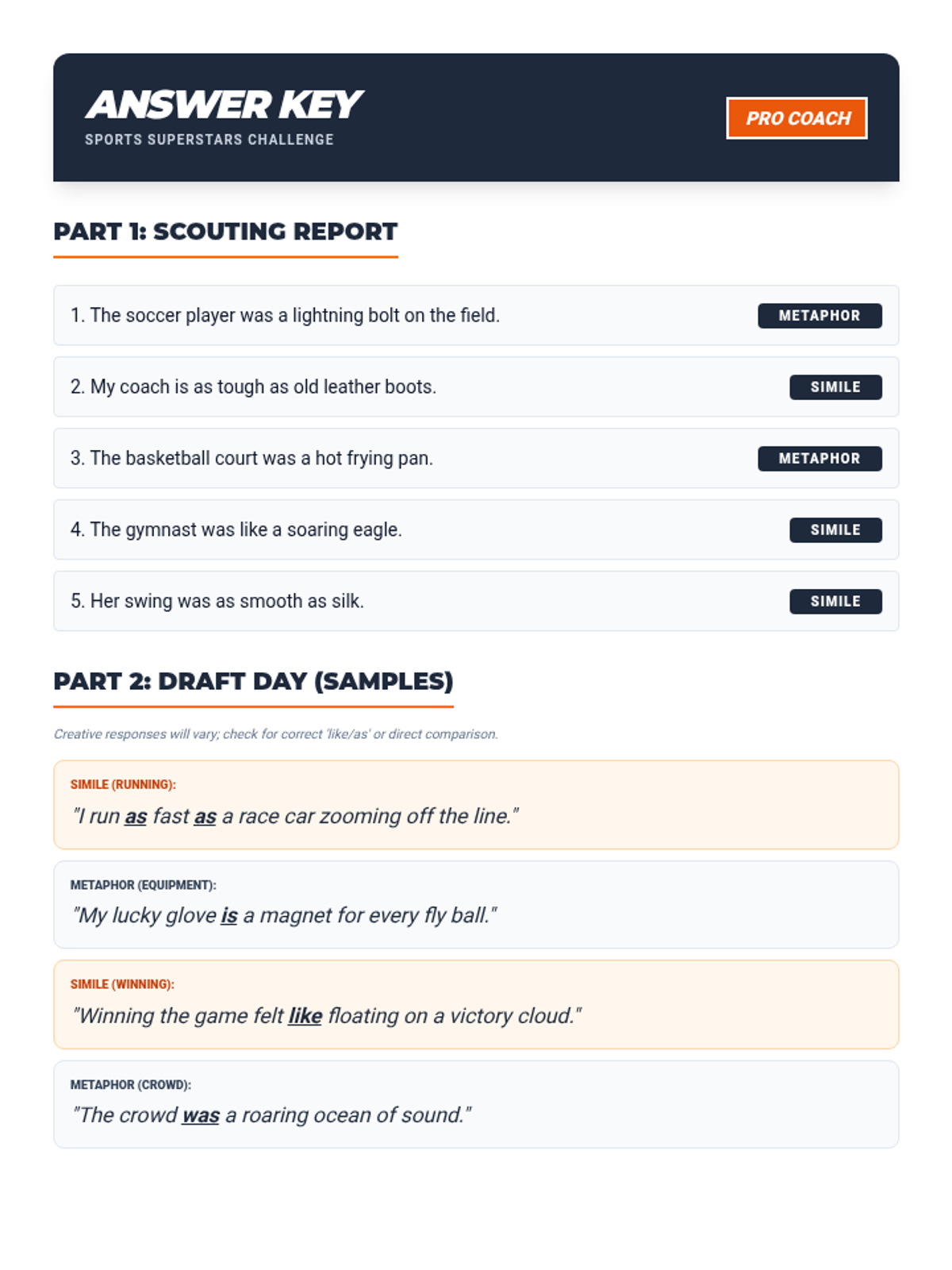
A practice-focused lesson where students identify and create similes and metaphors across two distinct themes: nature and sports.
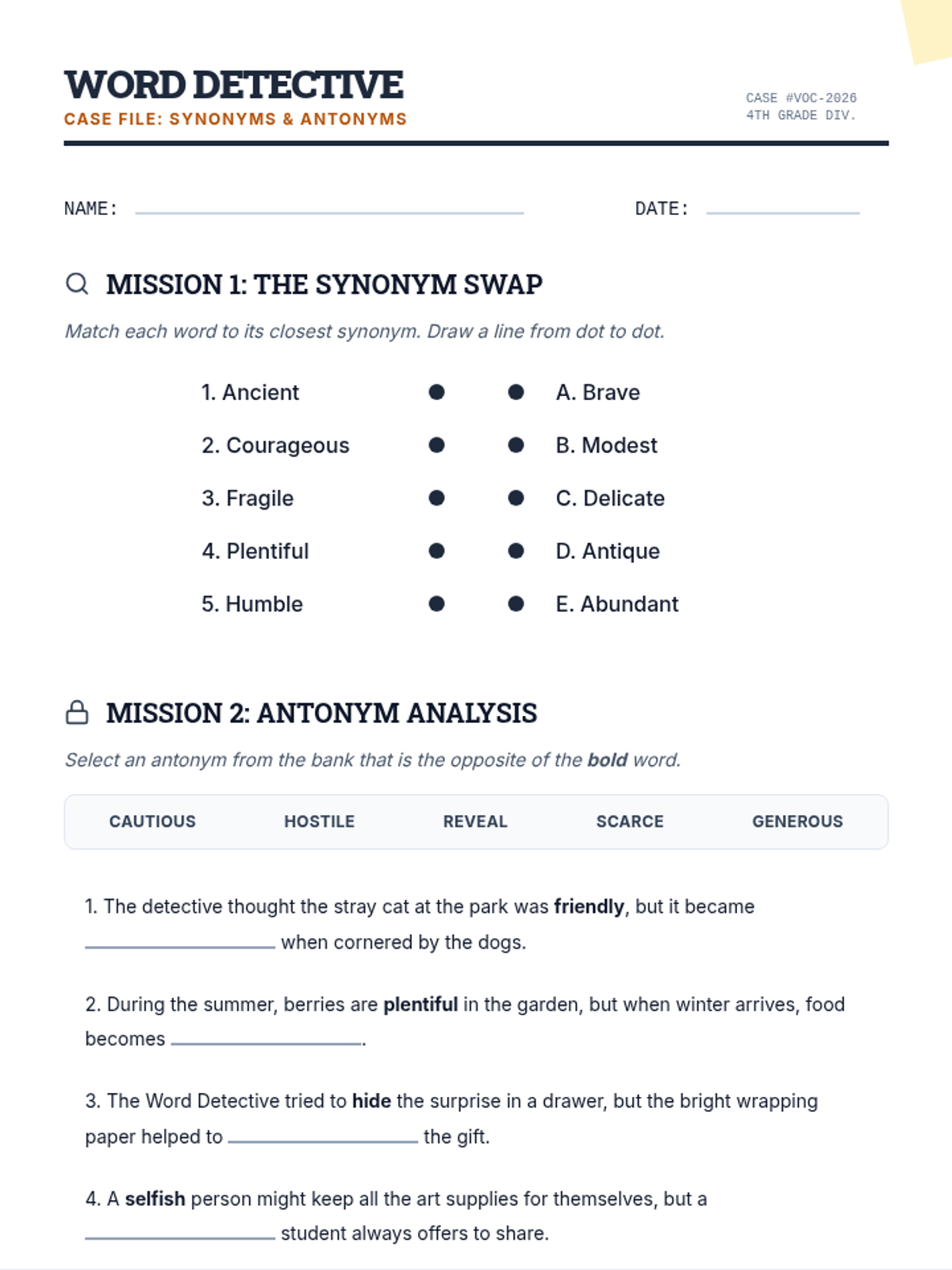
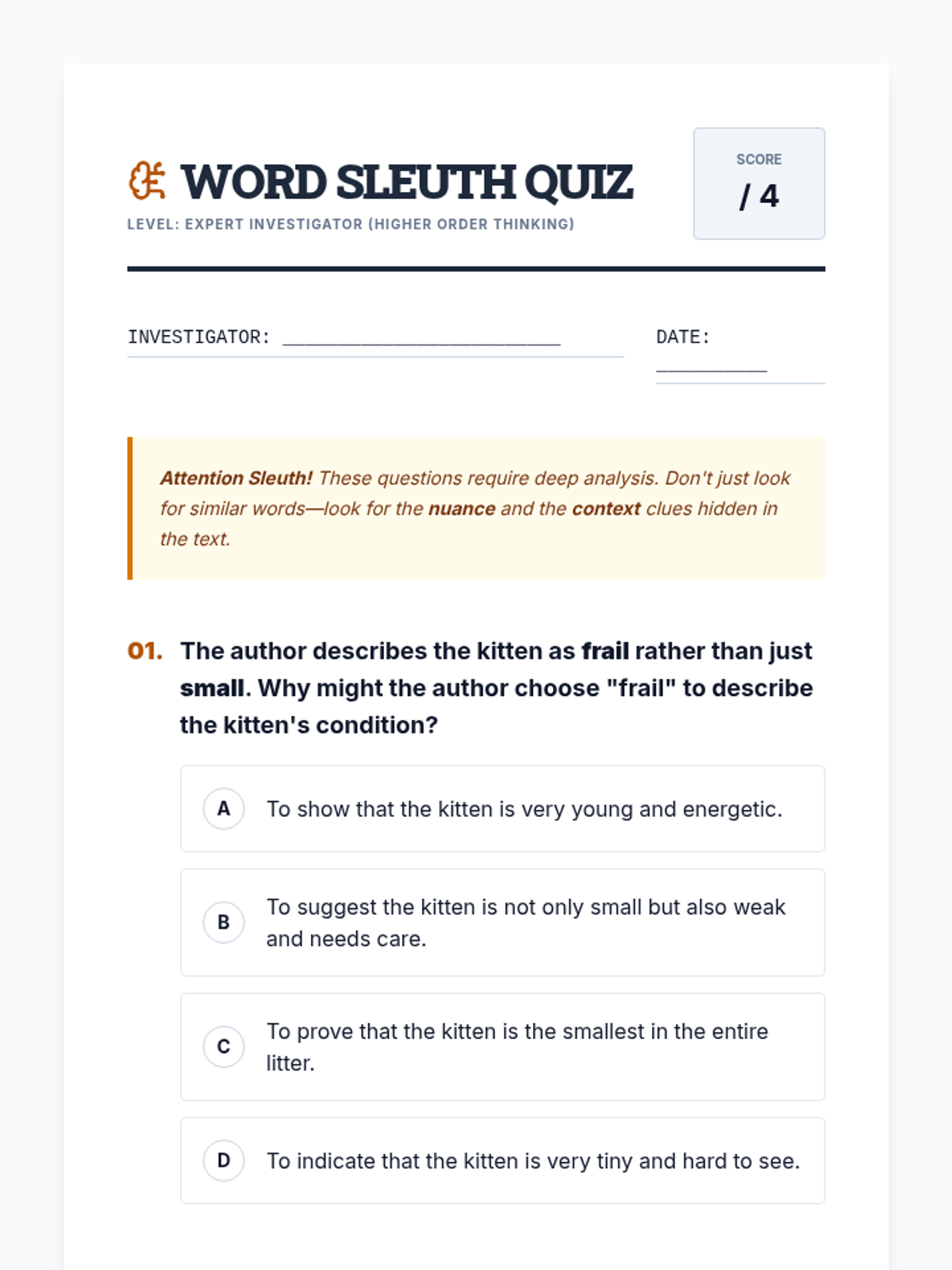
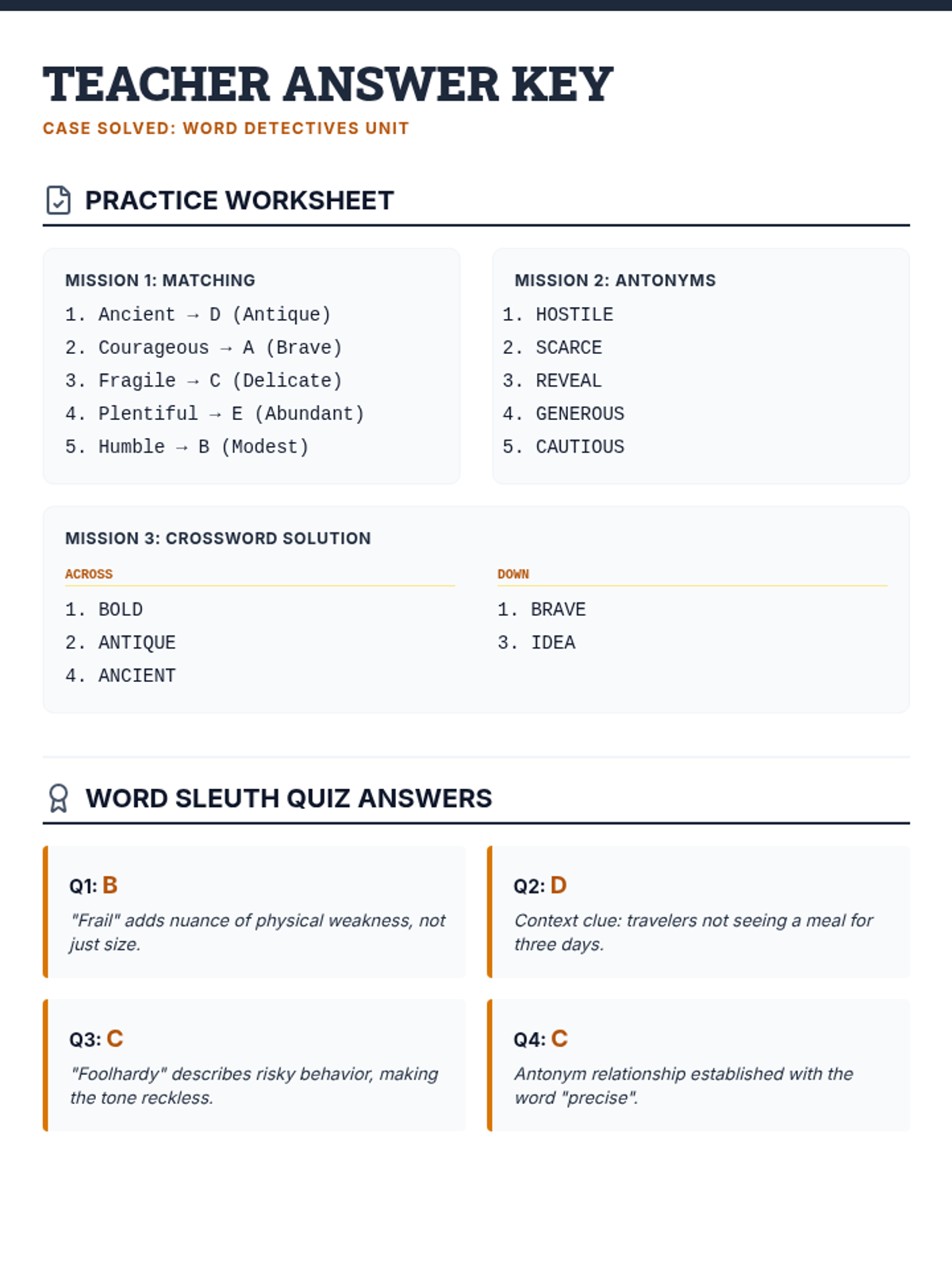
A comprehensive lesson for 4th graders to master synonyms and antonyms using context clues and critical thinking. Students act as word detectives to solve vocabulary puzzles and analyze word nuances.
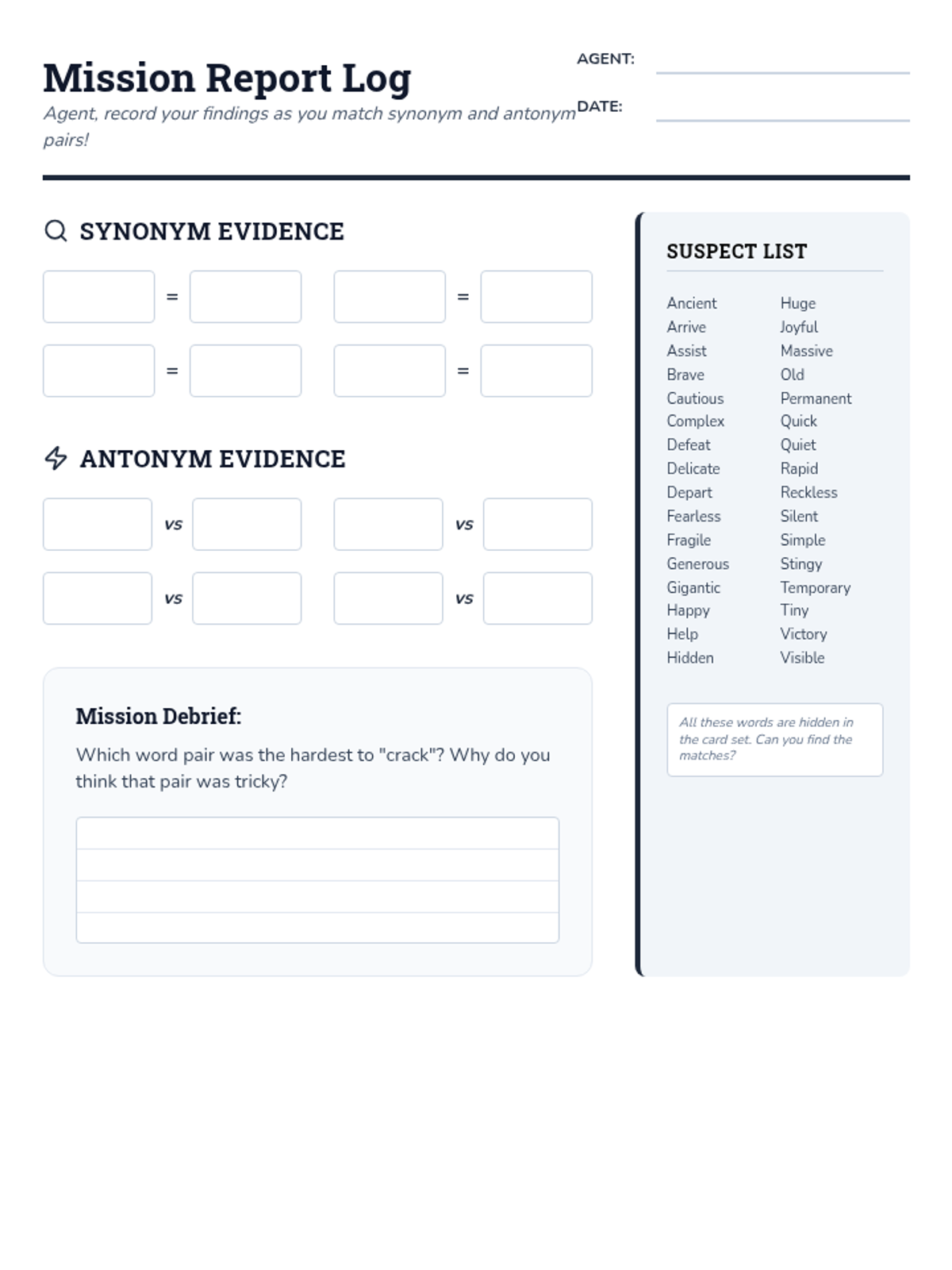
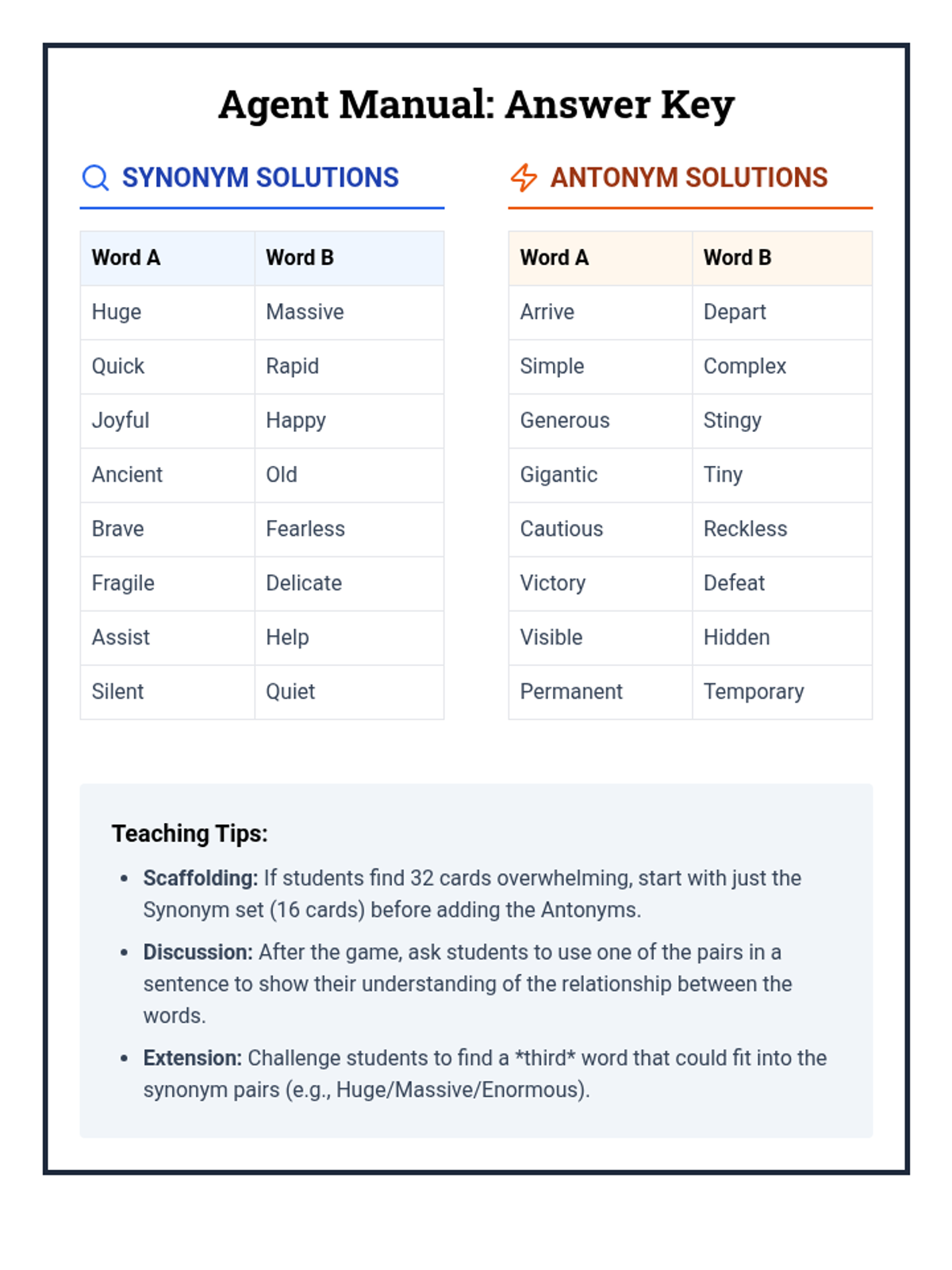
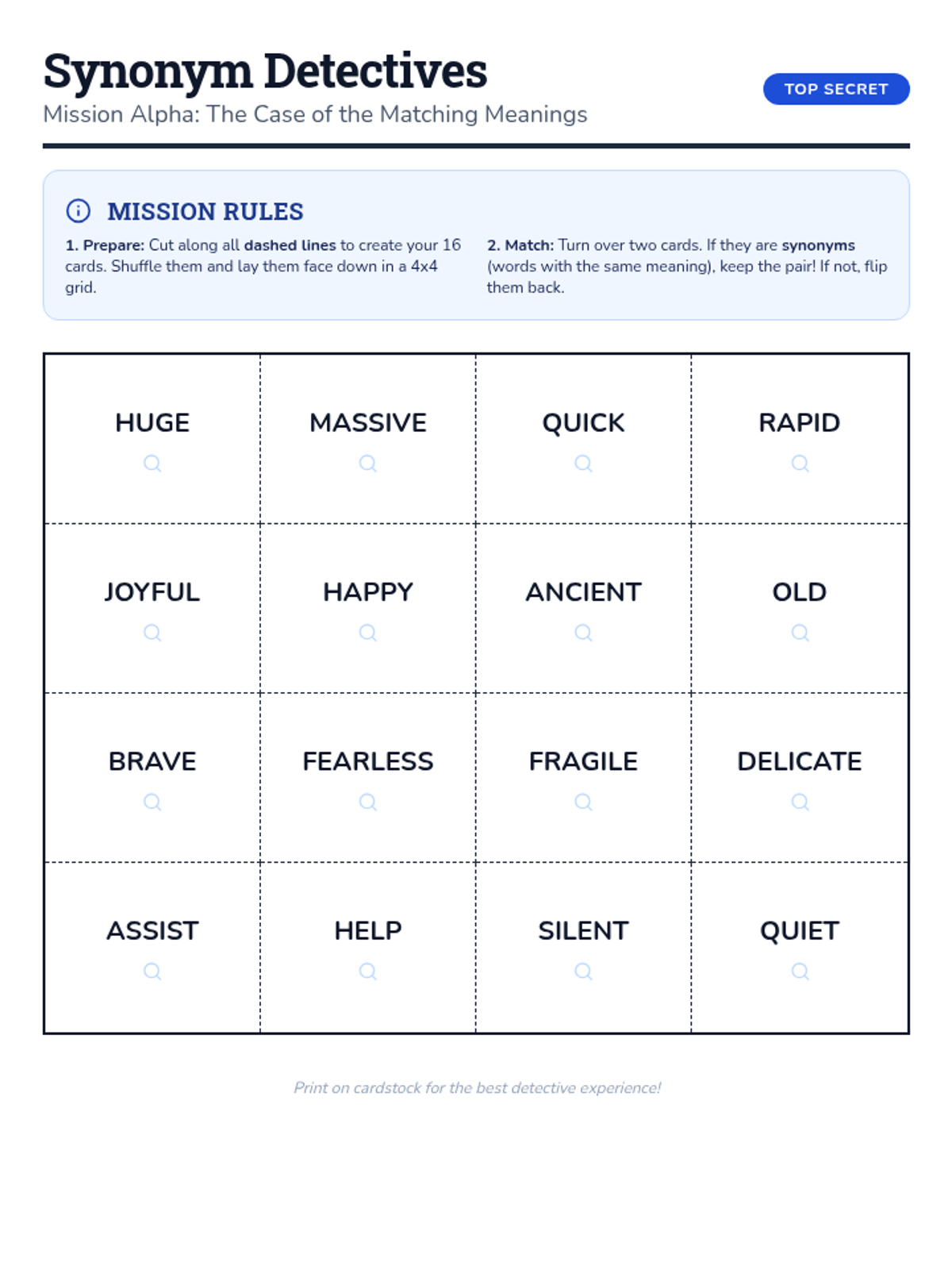
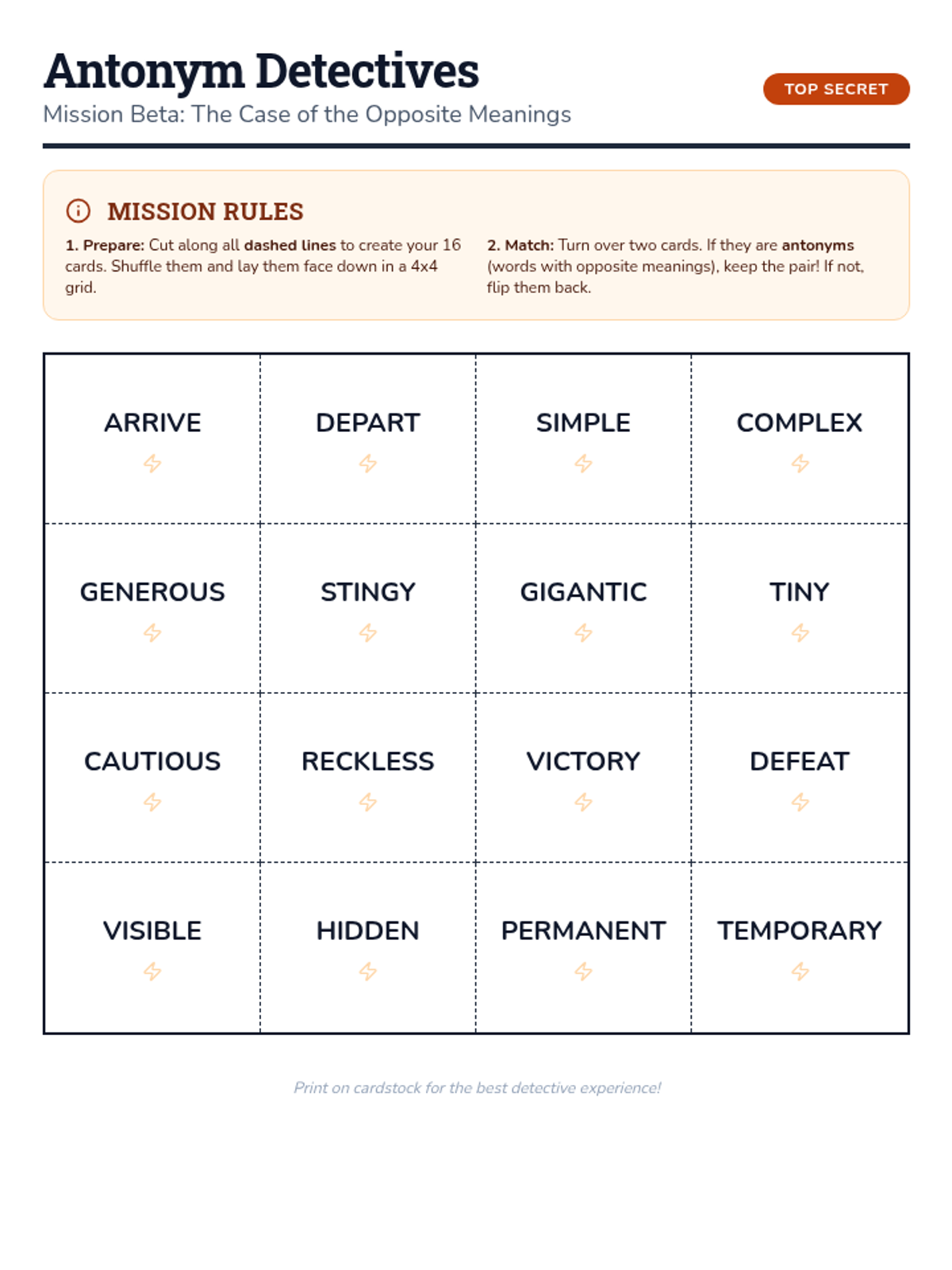
A fun, detective-themed lesson where students practice identifying synonyms and antonyms through a memory matching game and a tracking log.
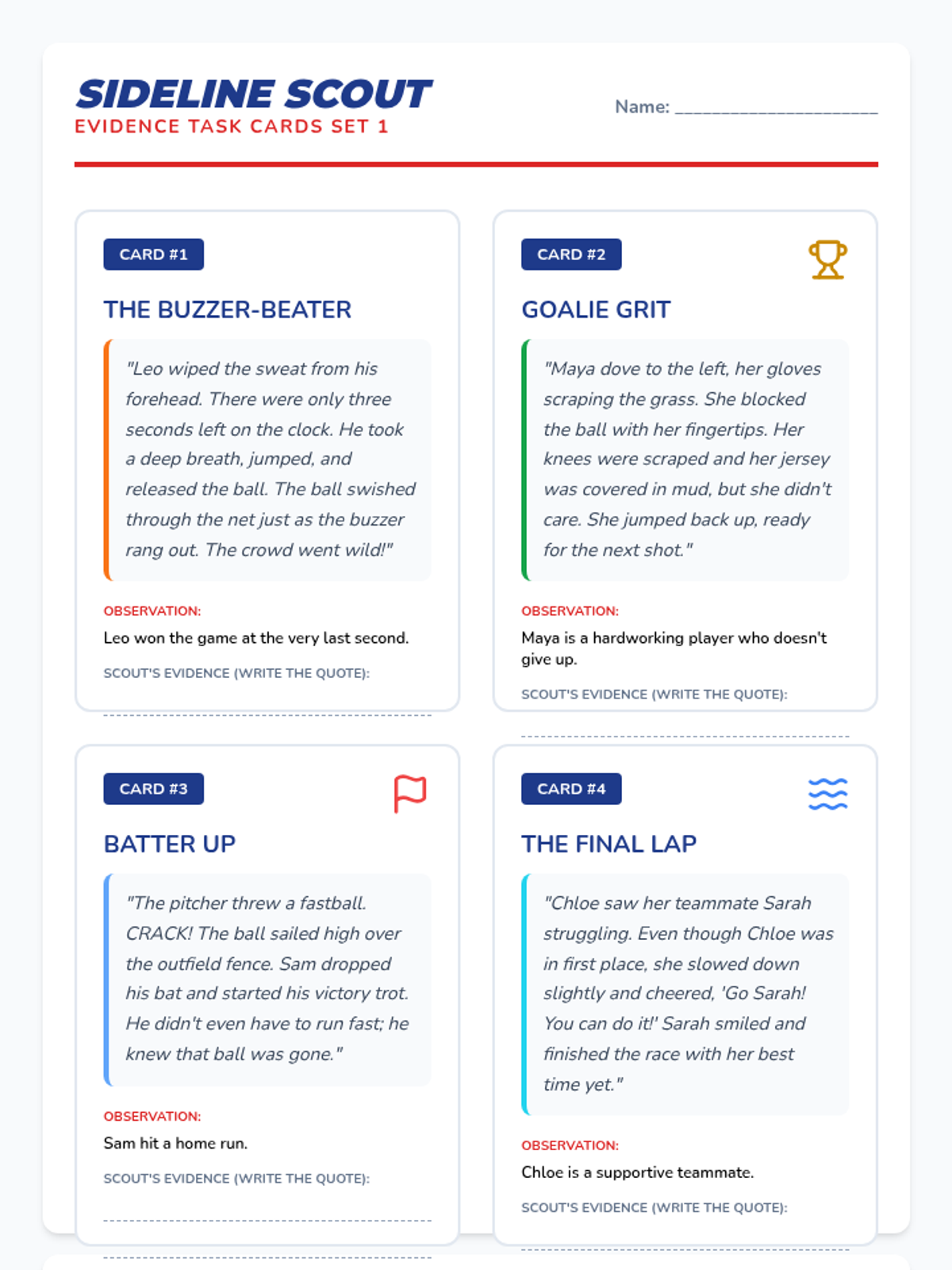
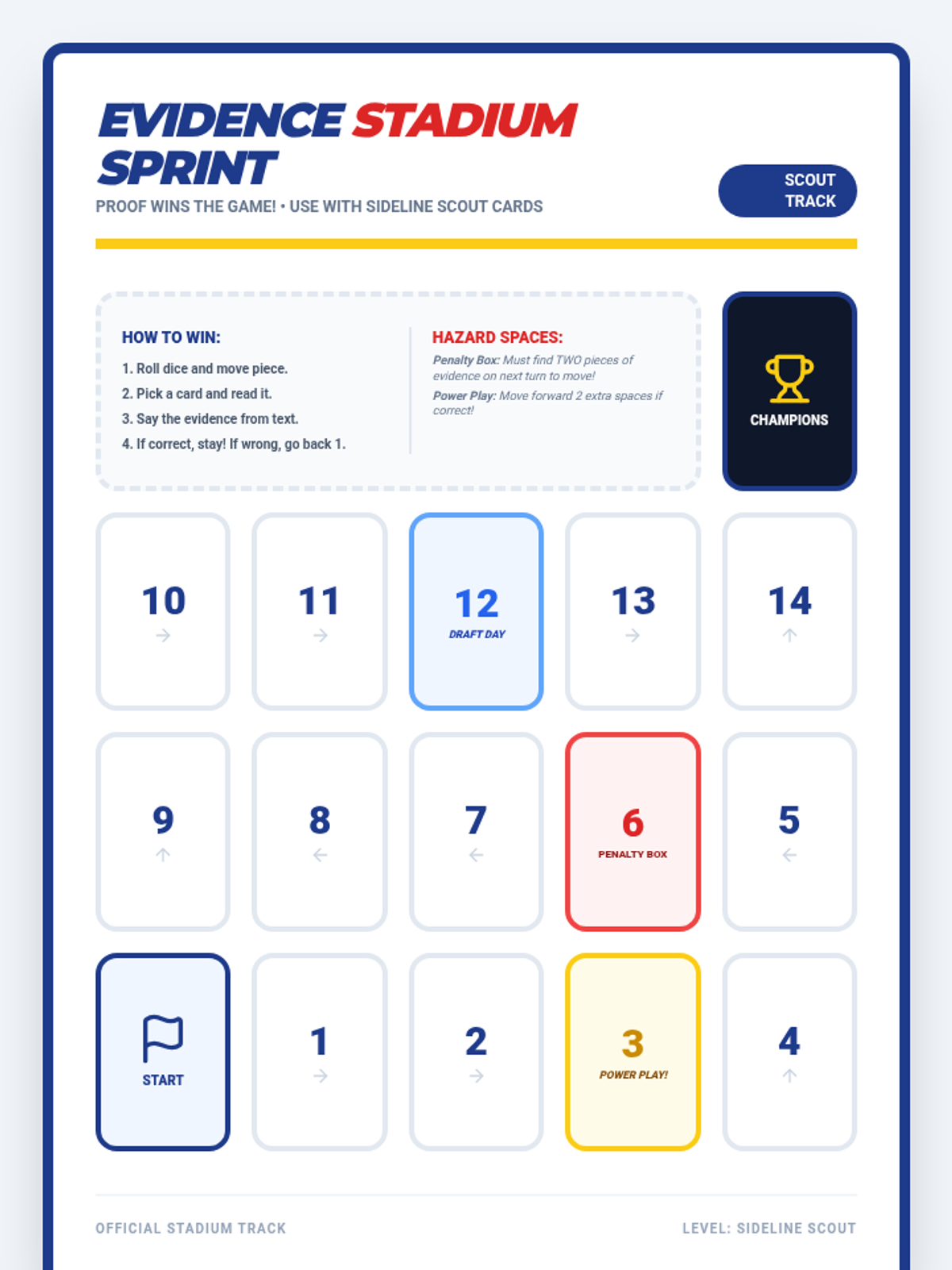
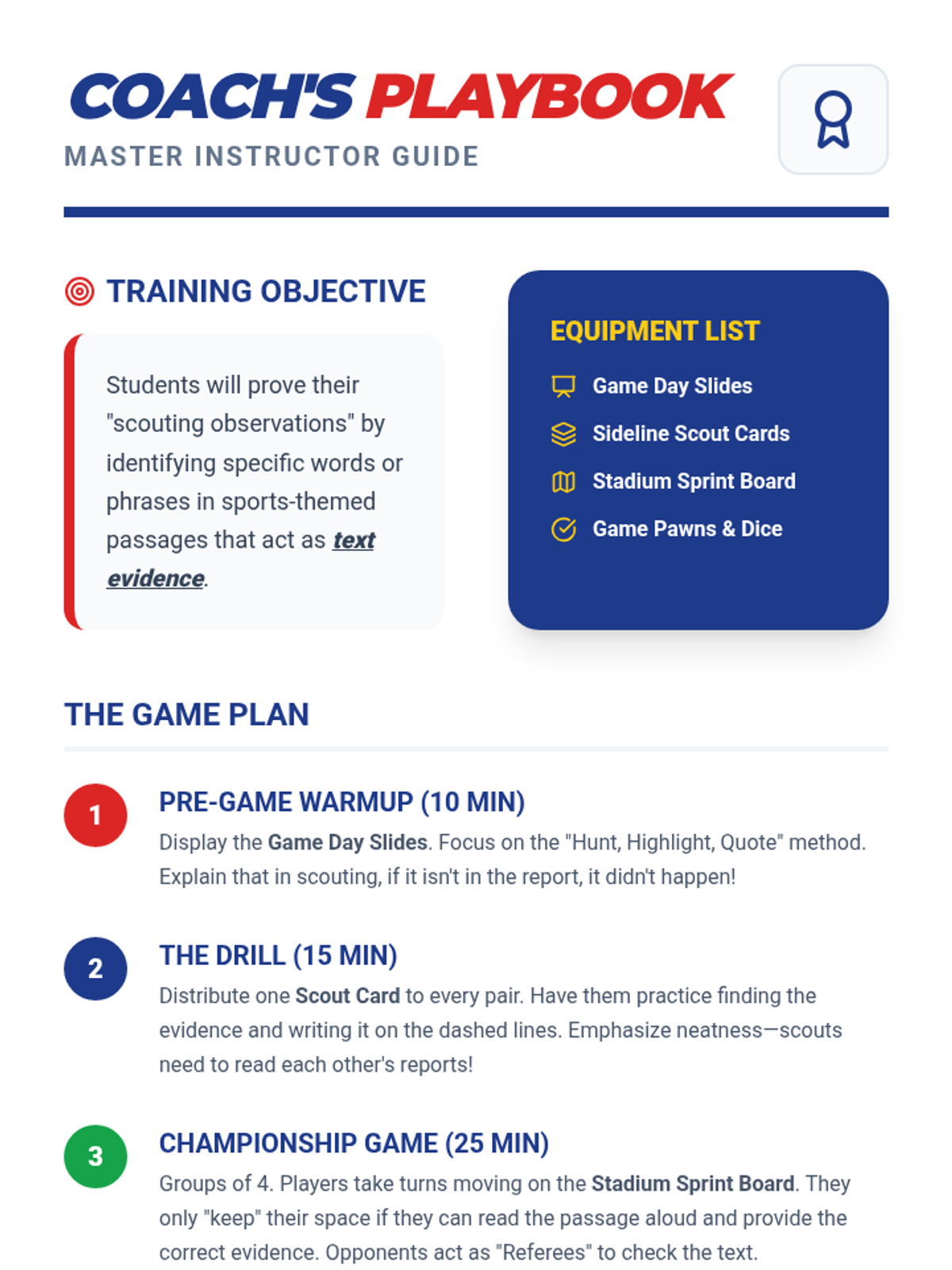
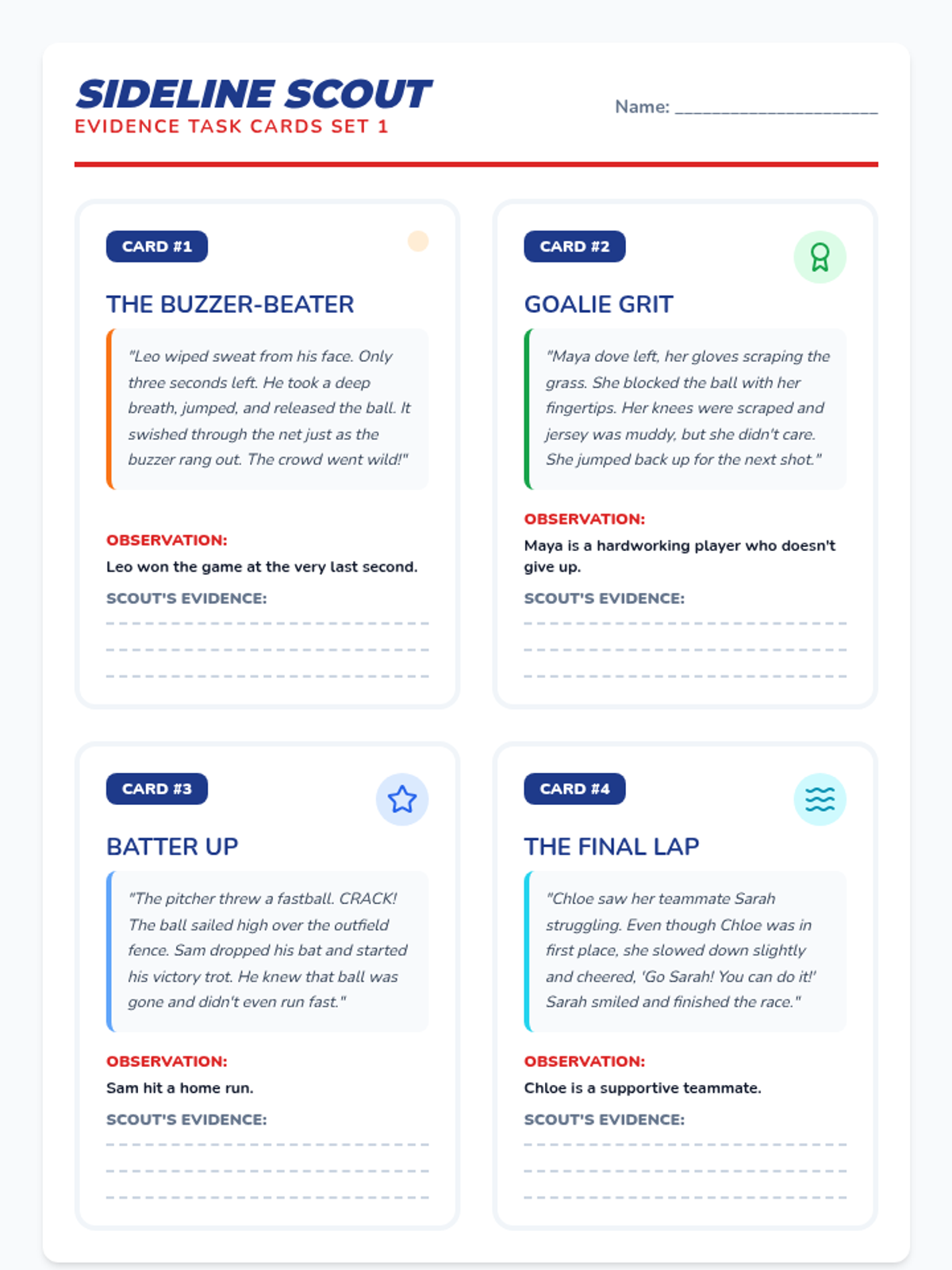
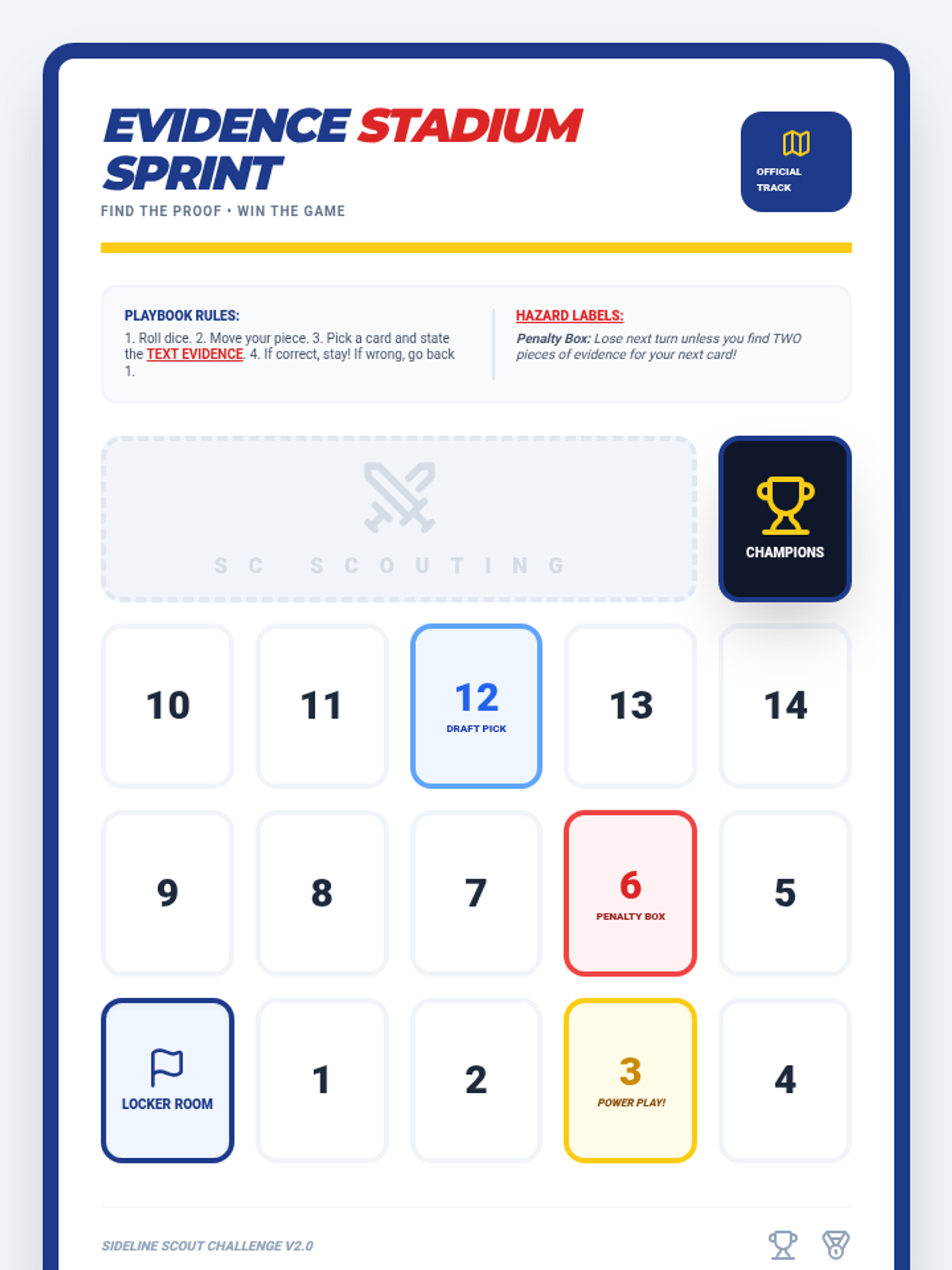
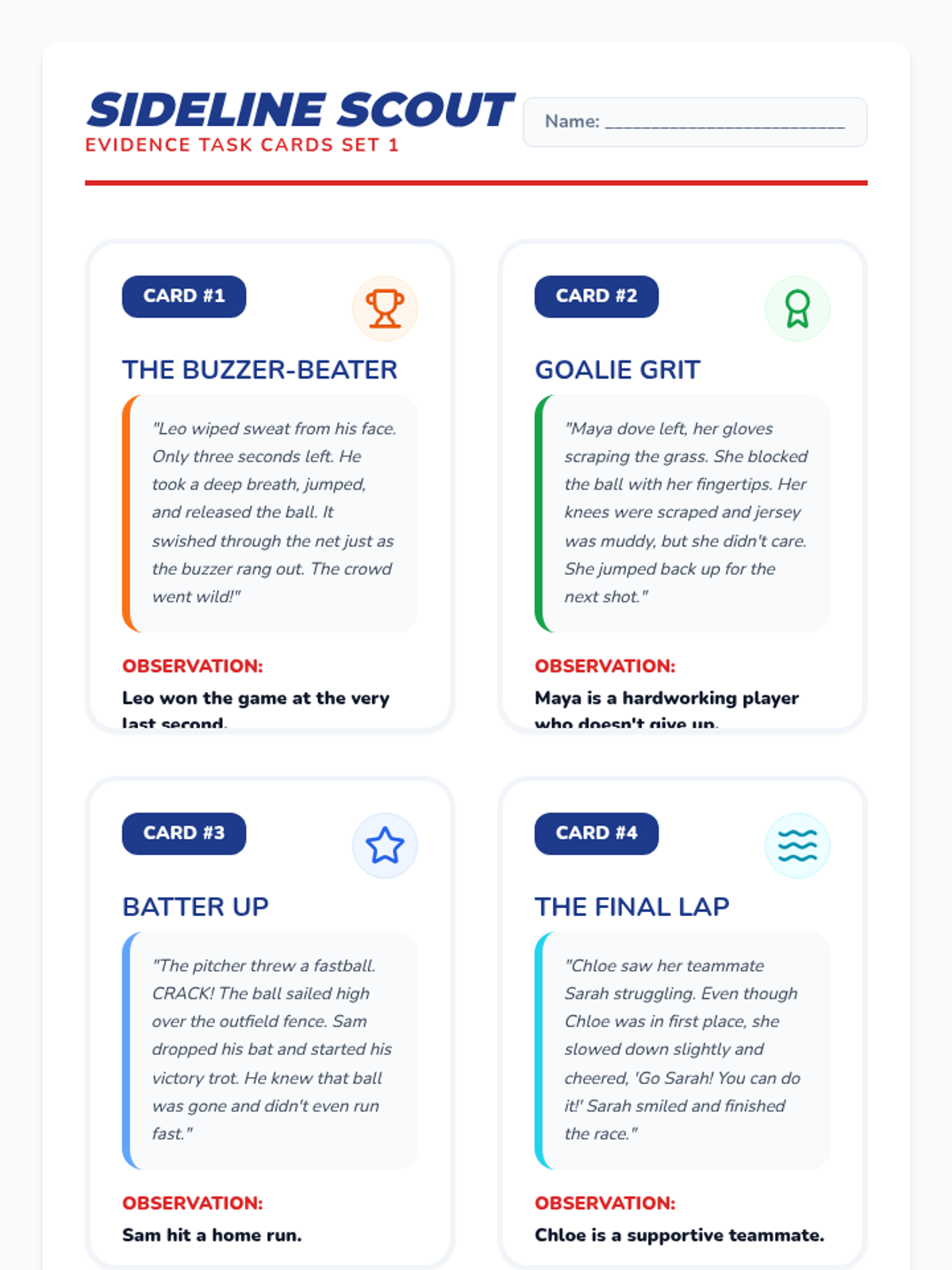
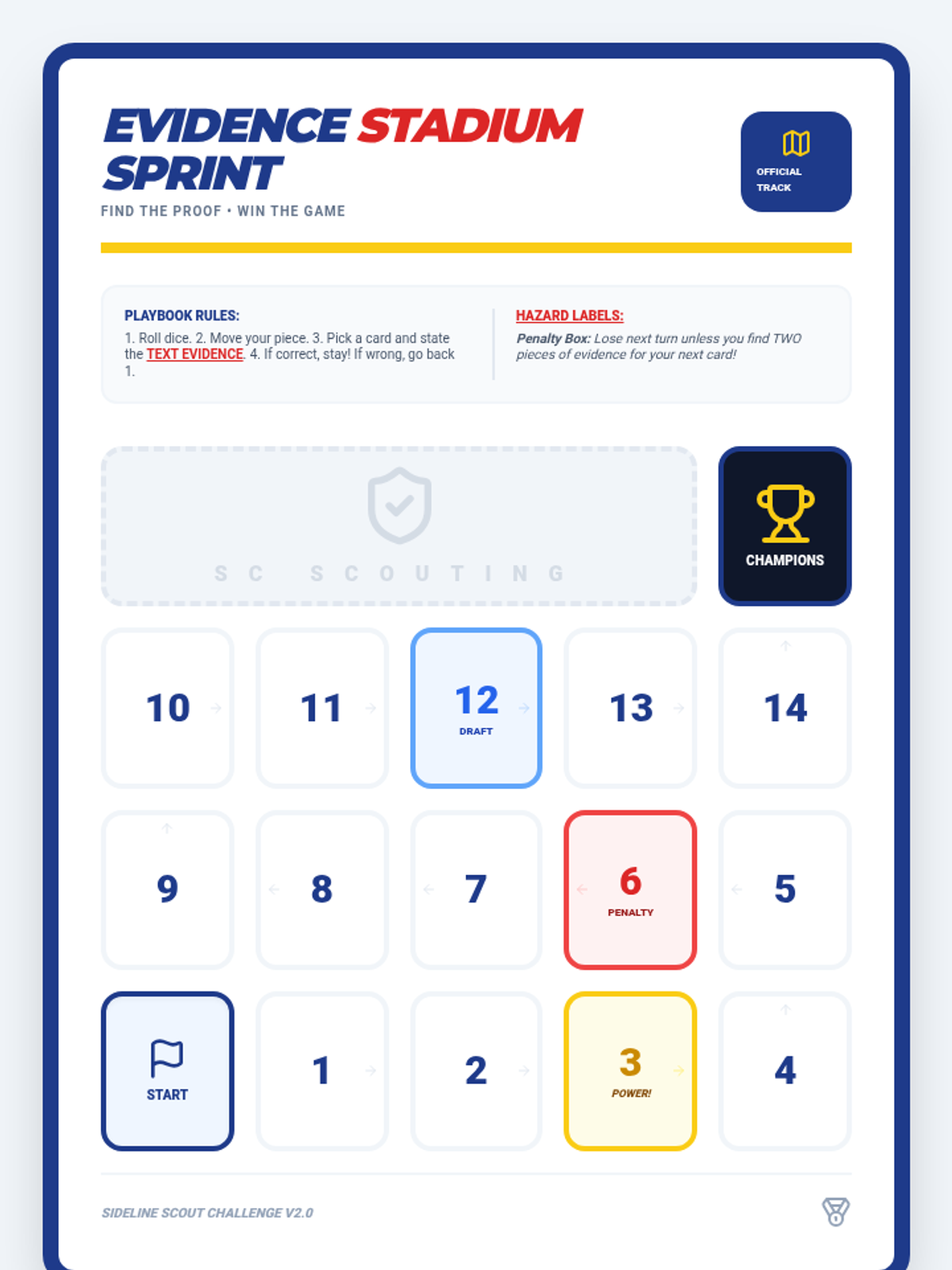
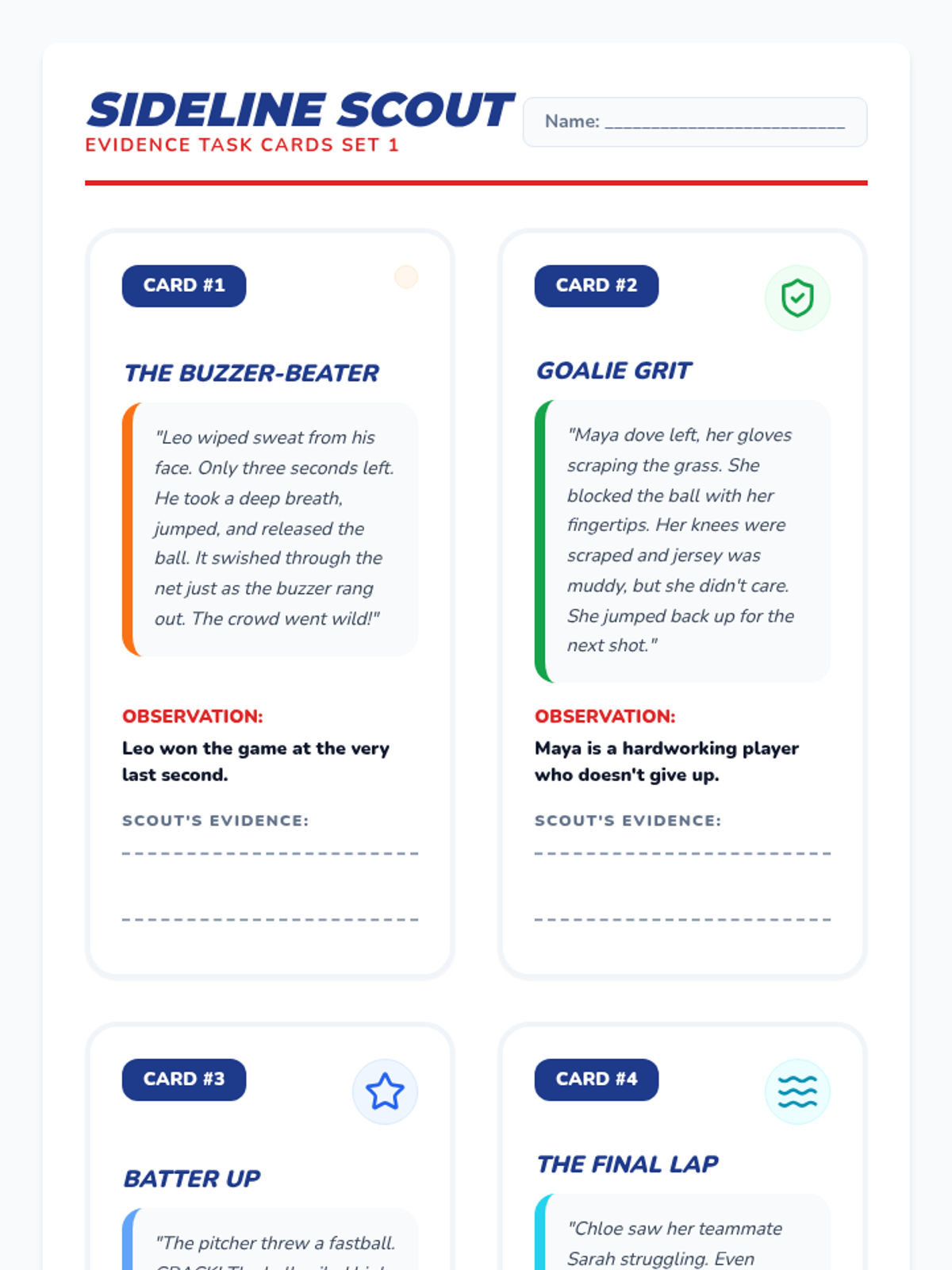
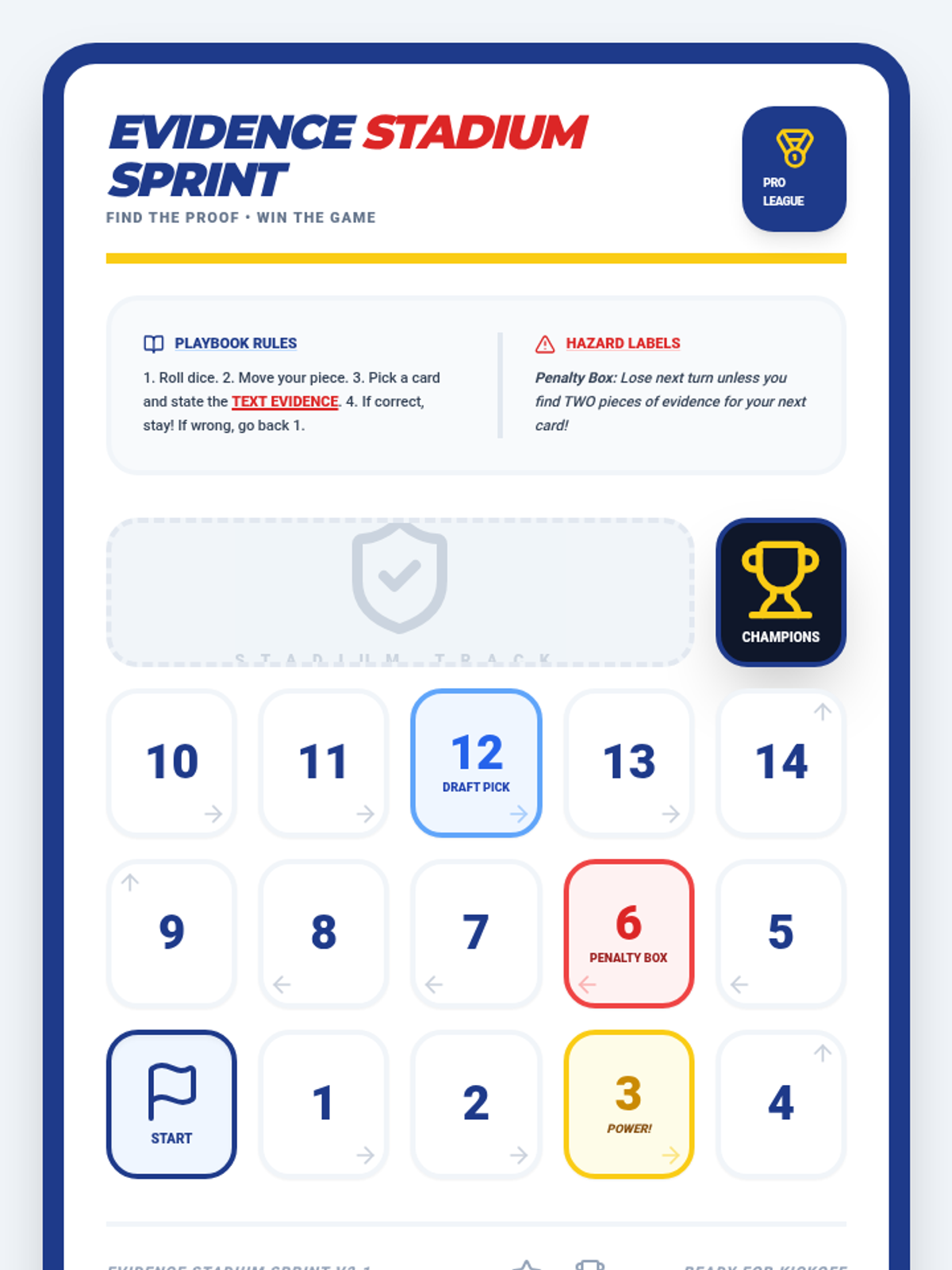
Students learn to identify and use text evidence by analyzing fictional sports passages, acting as 'scouts' in a classroom-wide board game competition.
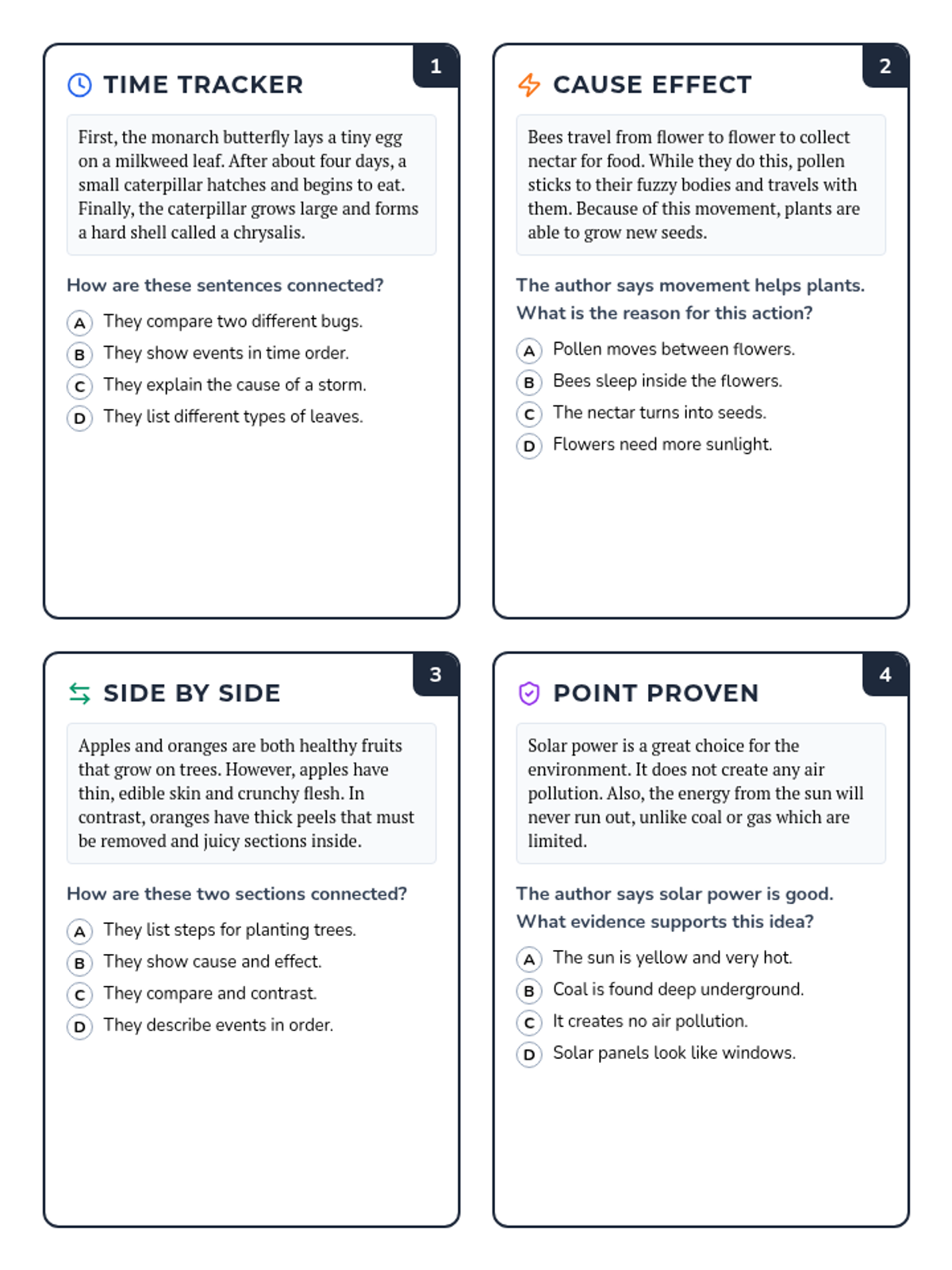
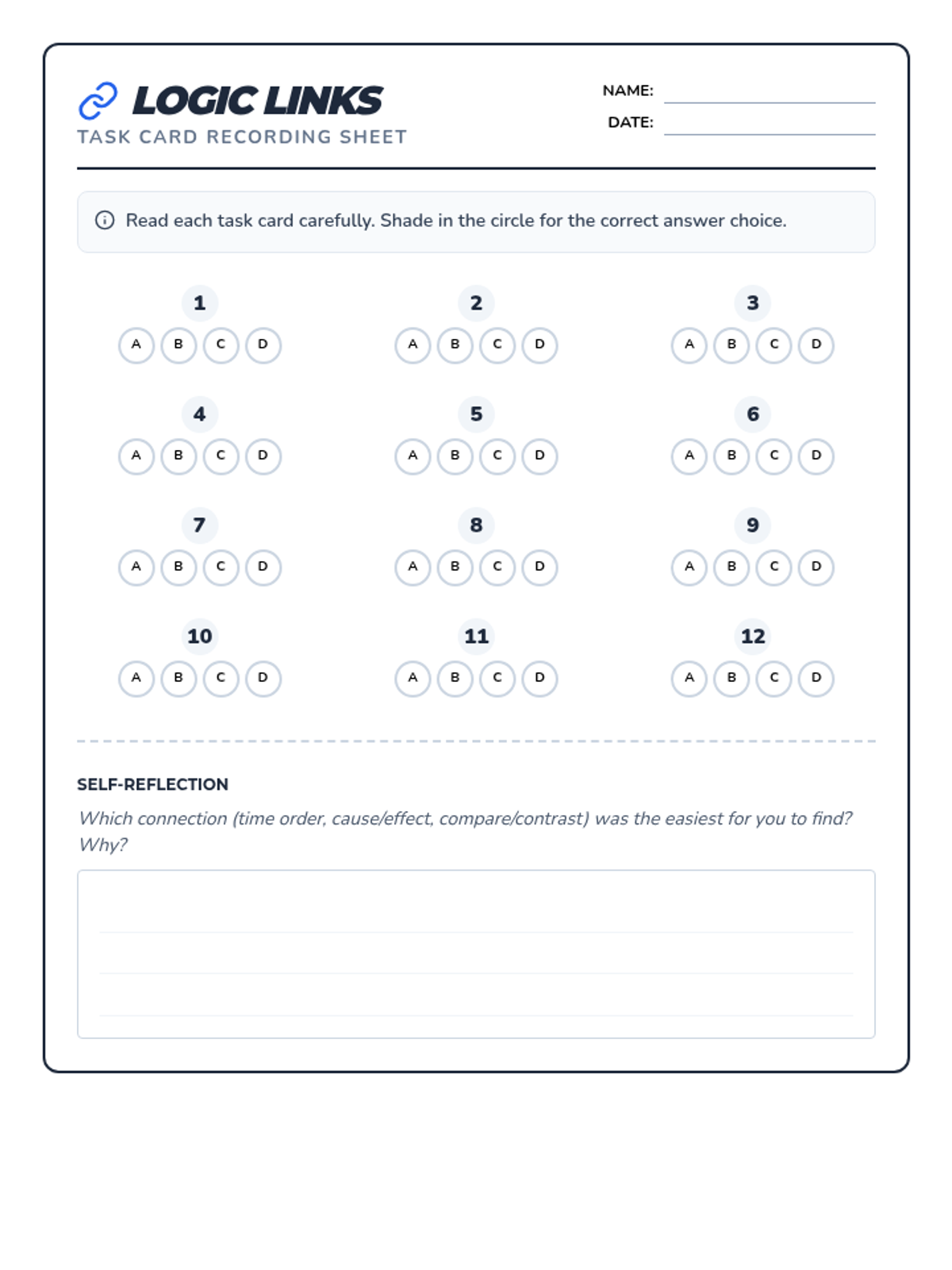
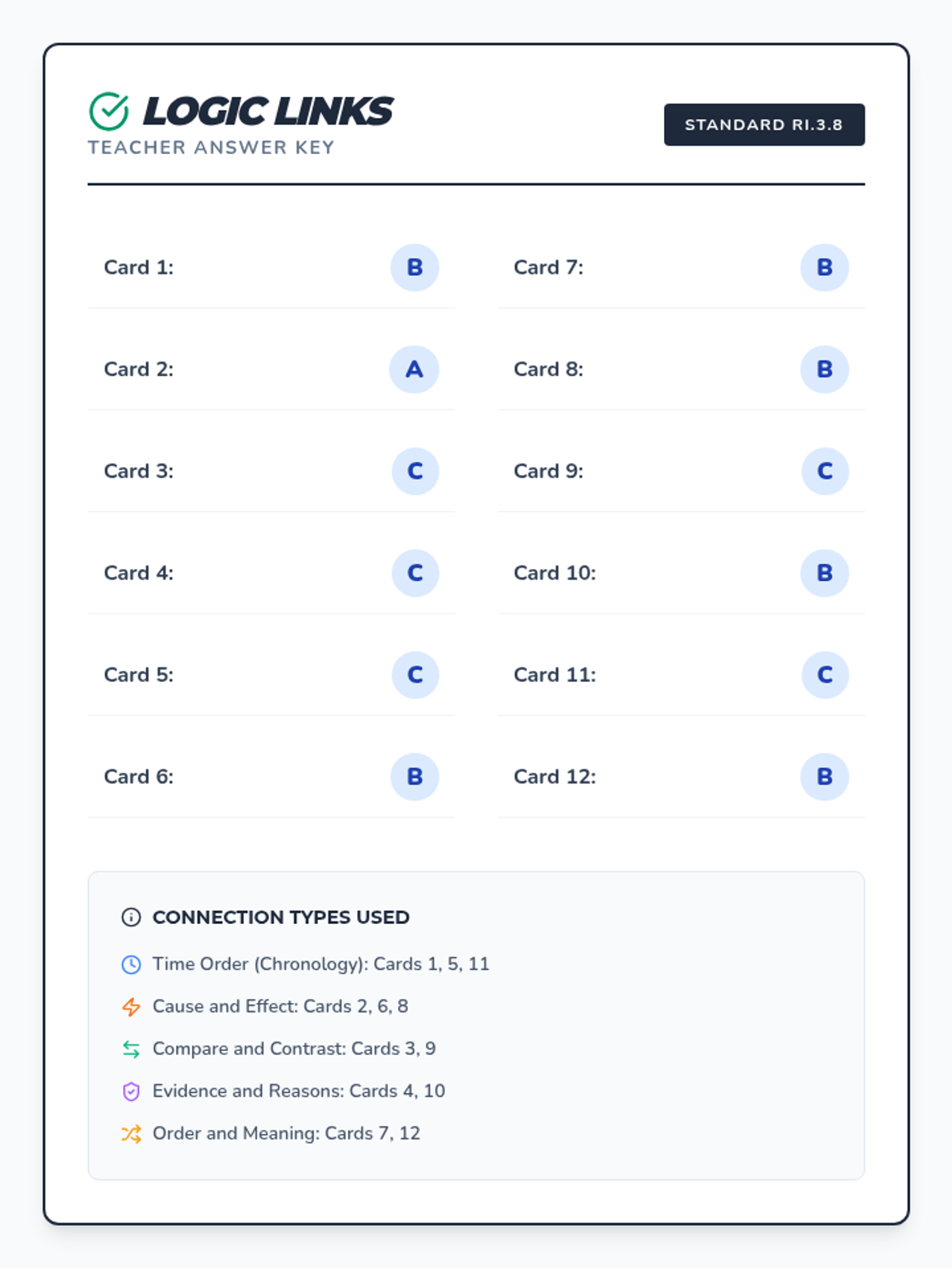
Students will practice identifying connections between ideas in informational texts, including time order, cause and effect, and comparison, using 12 themed task cards.