A collection of high-interest short stories designed for grade 5 oral reading fluency practice, featuring mystery, science fiction, and adventure themes with integrated teacher tracking sheets.
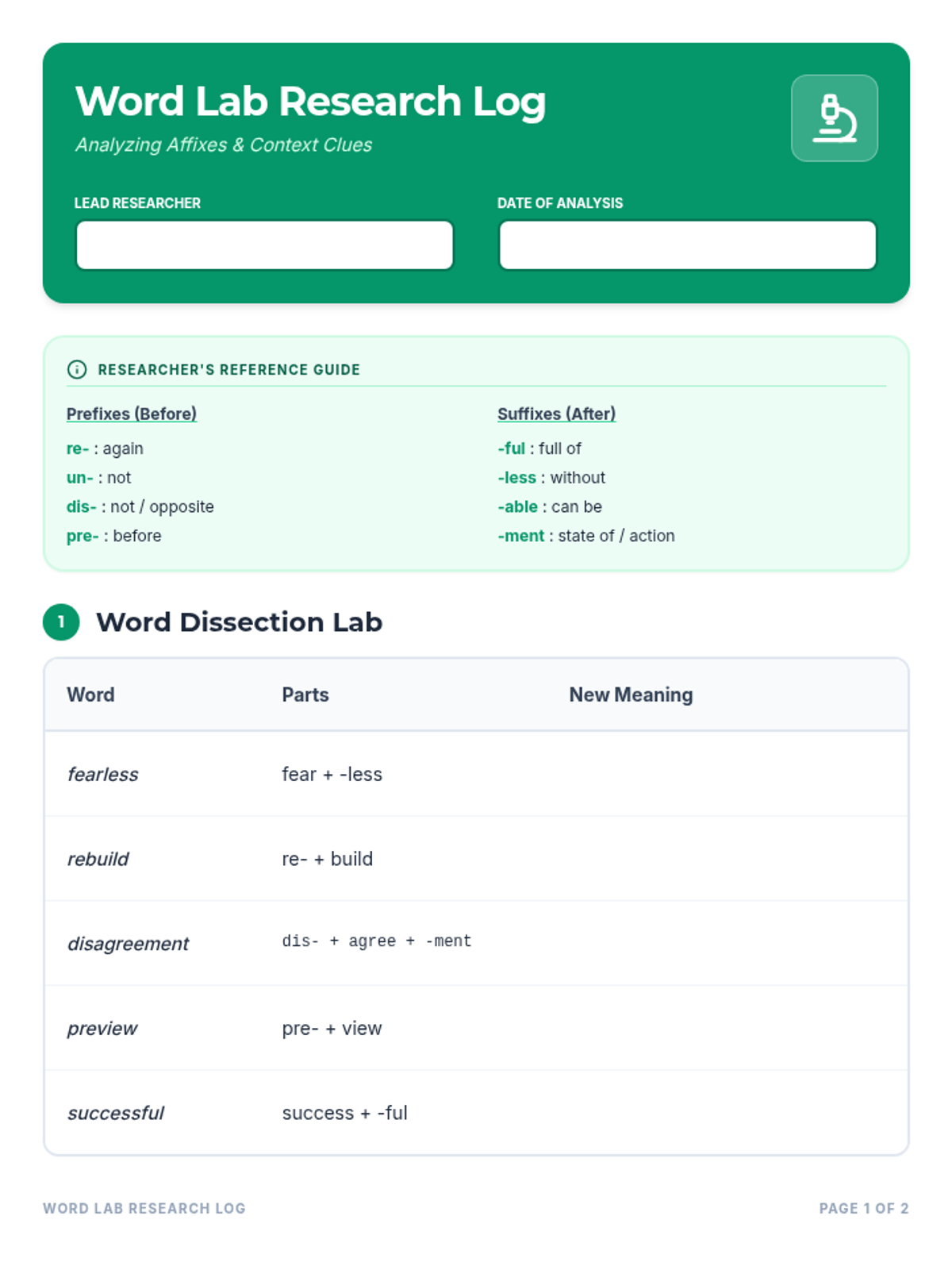
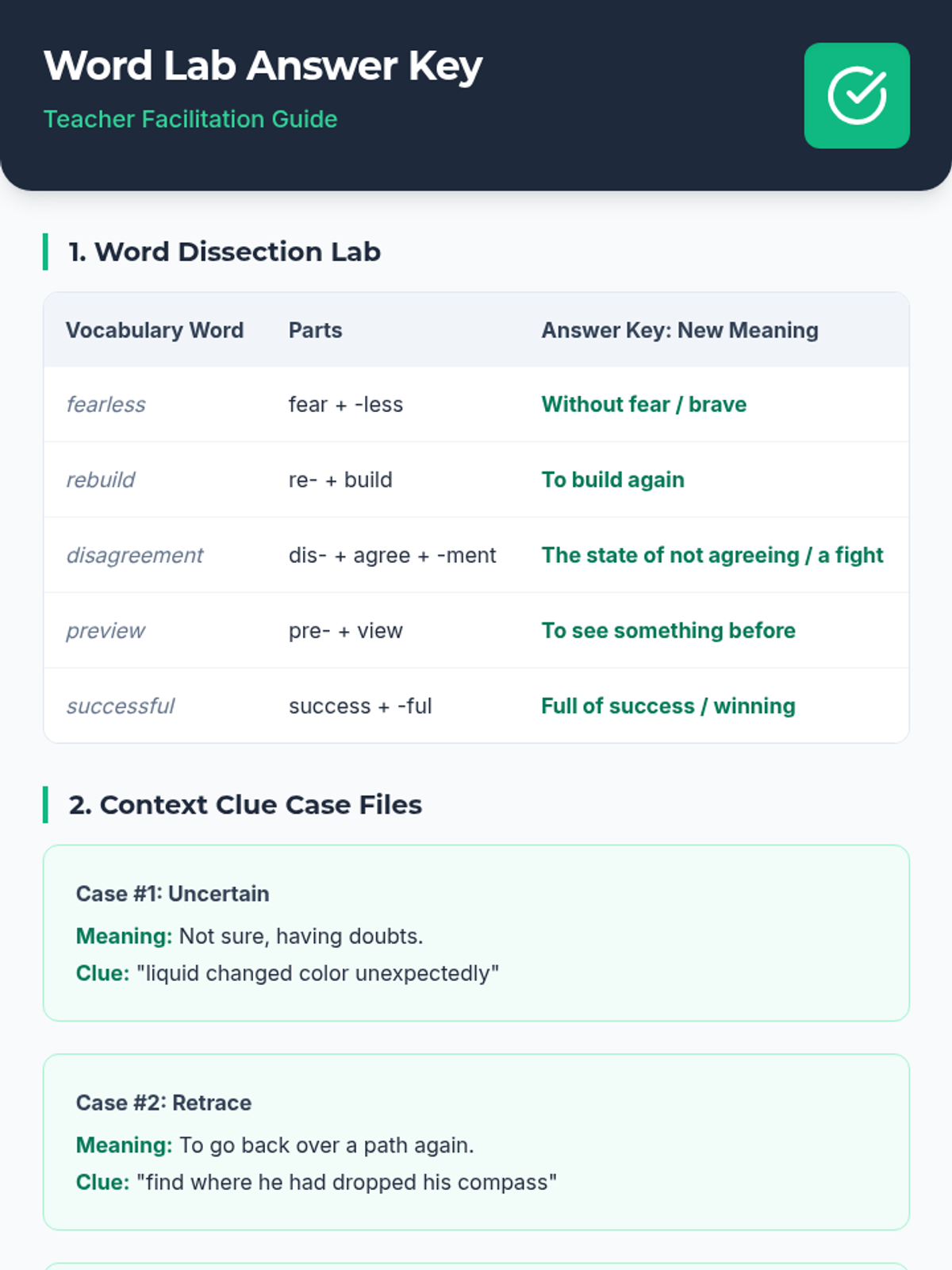
A 4th-grade lesson focused on breaking down complex words using common prefixes and suffixes, combined with sentence-level context clues to unlock meaning.
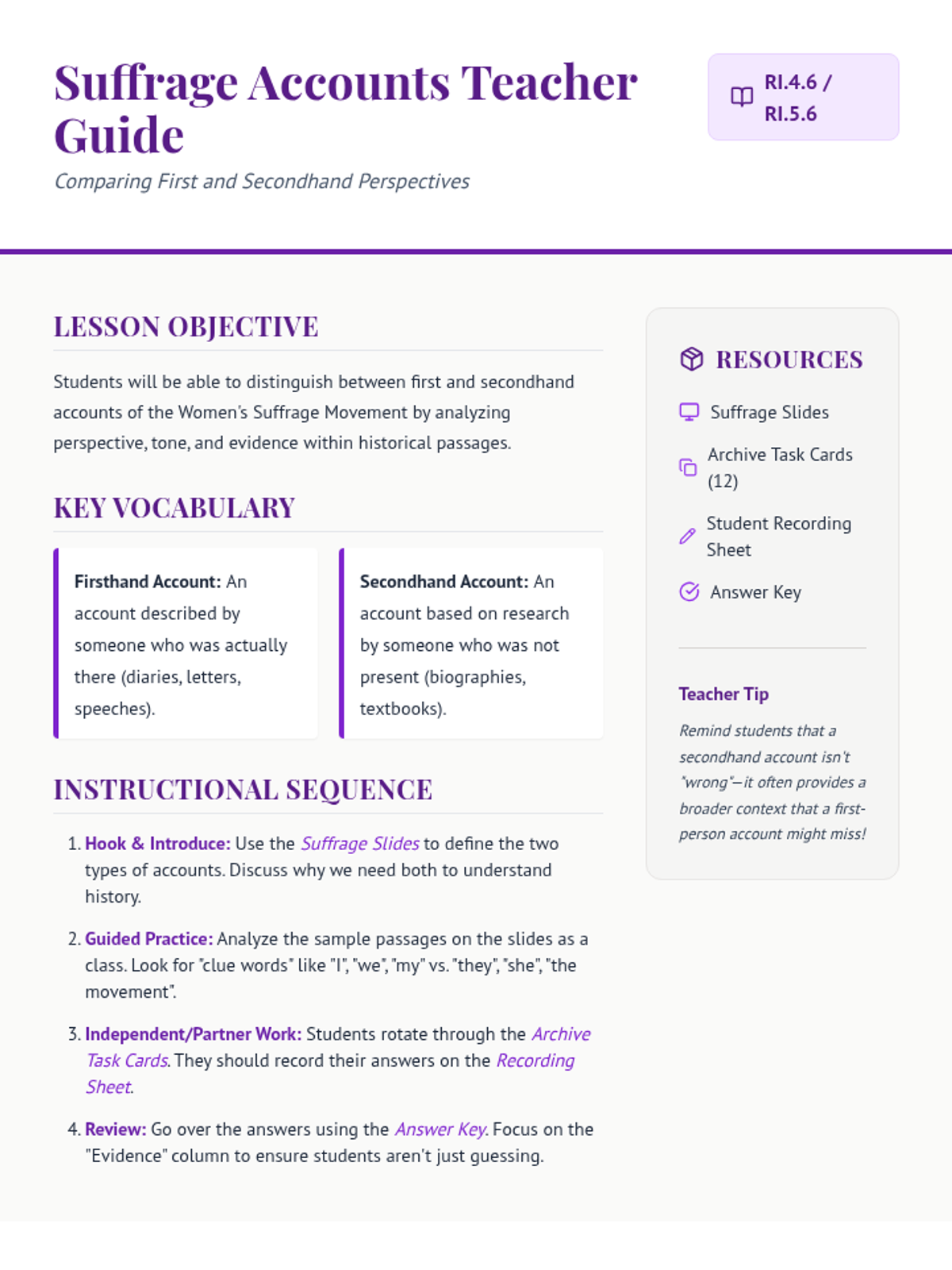
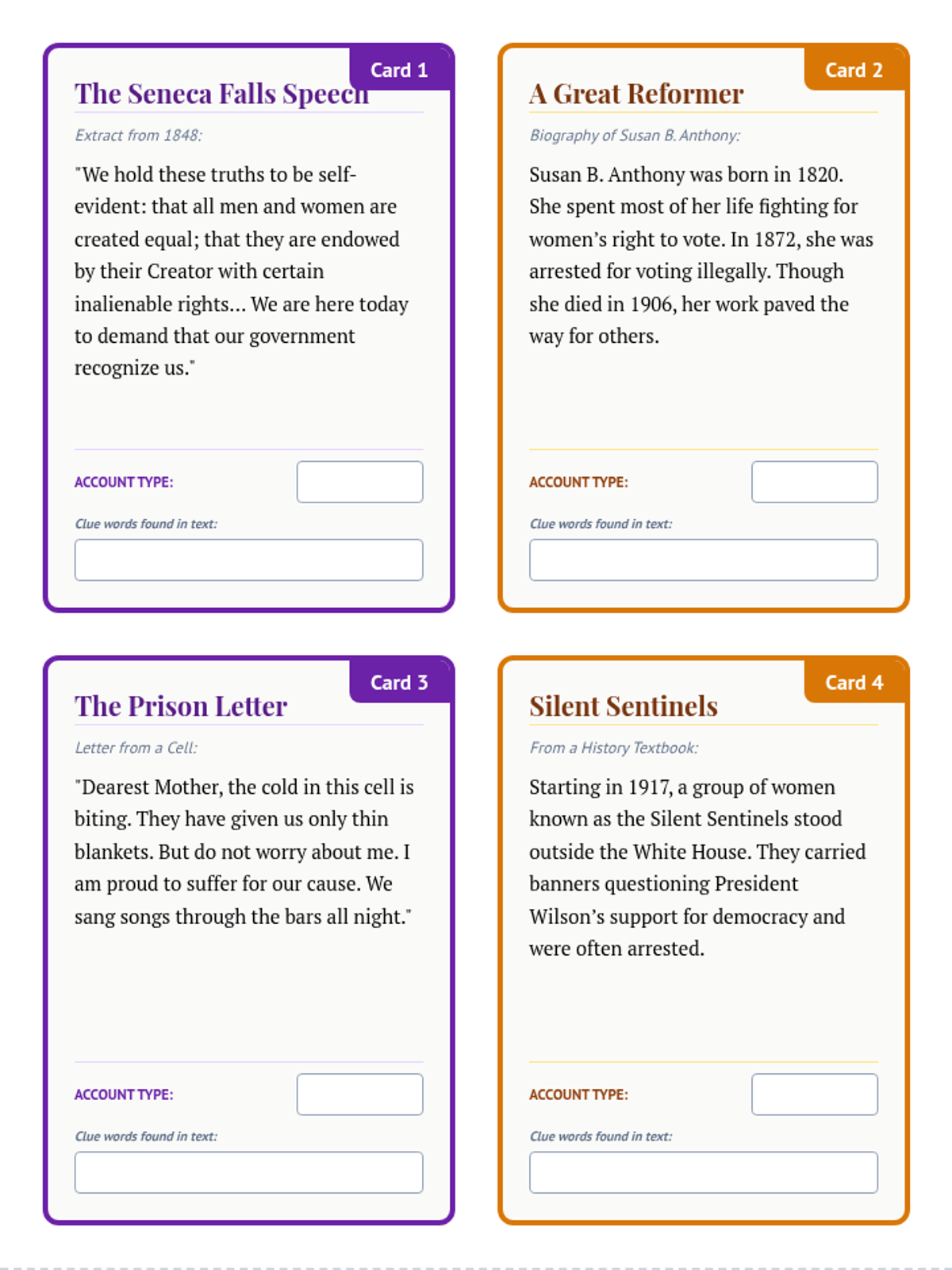
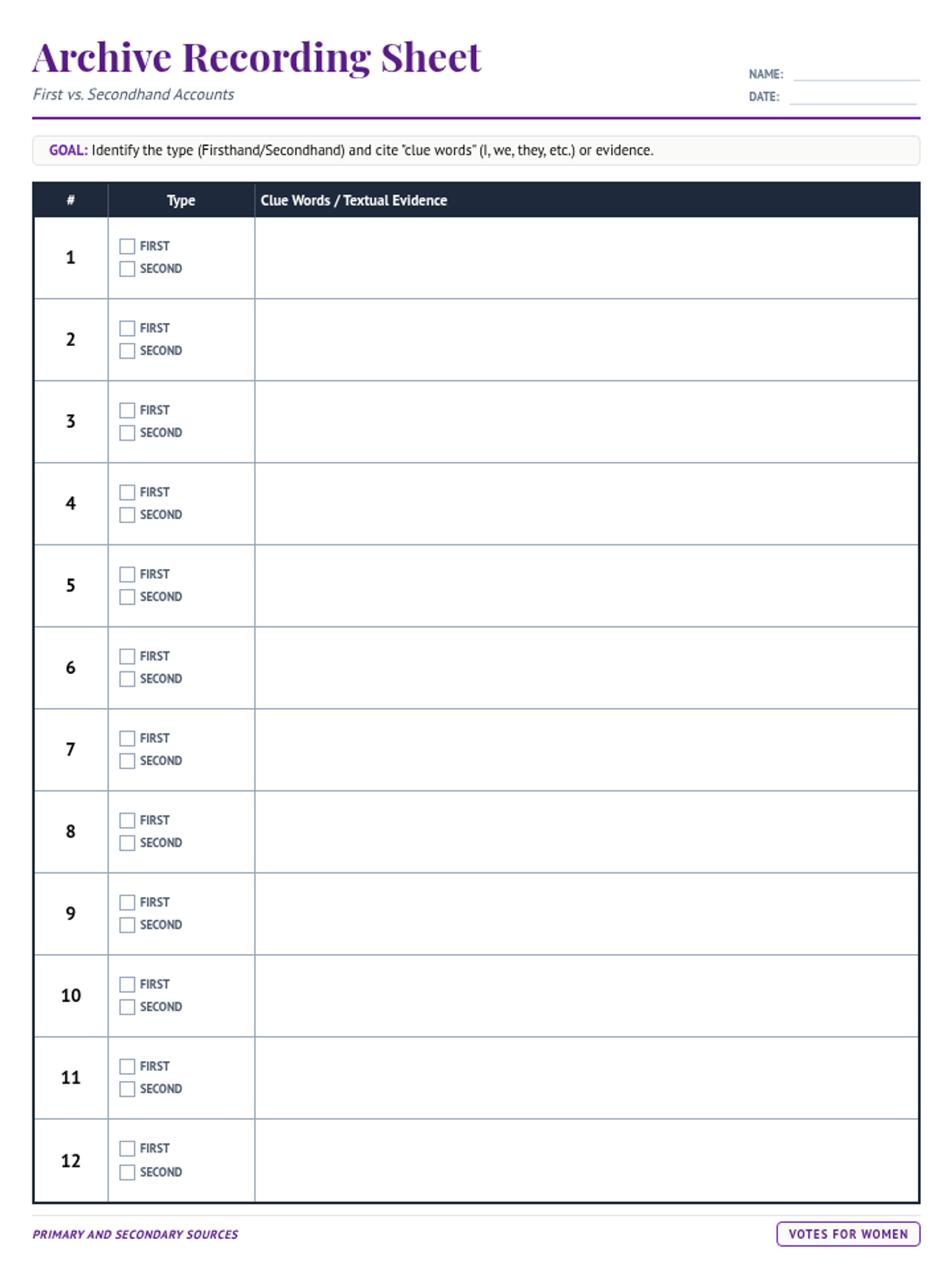
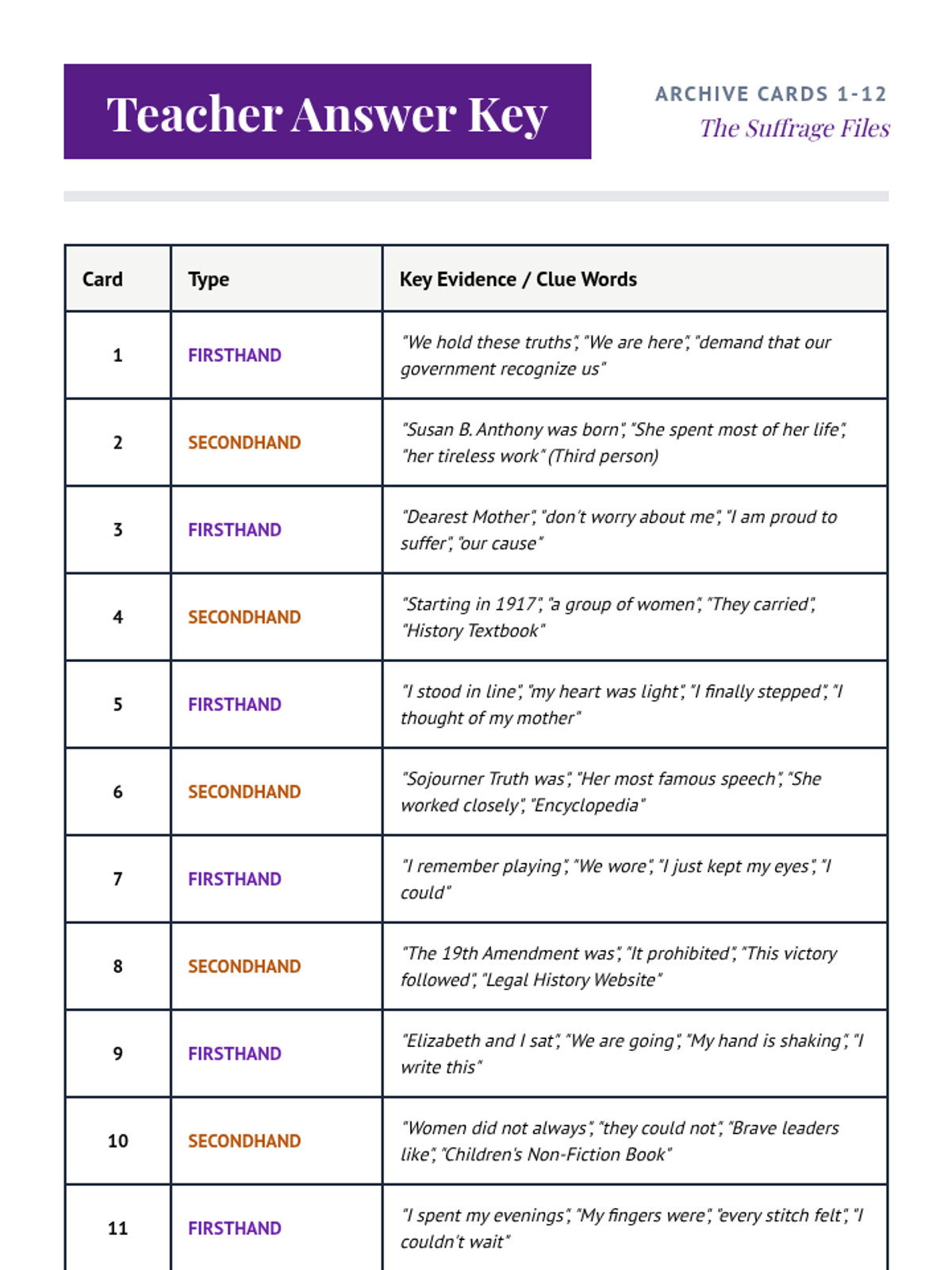
A comprehensive lesson comparing first and secondhand accounts using the historical lens of the Women's Suffrage Movement. Students will analyze primary and secondary sources to understand different perspectives and purposes.
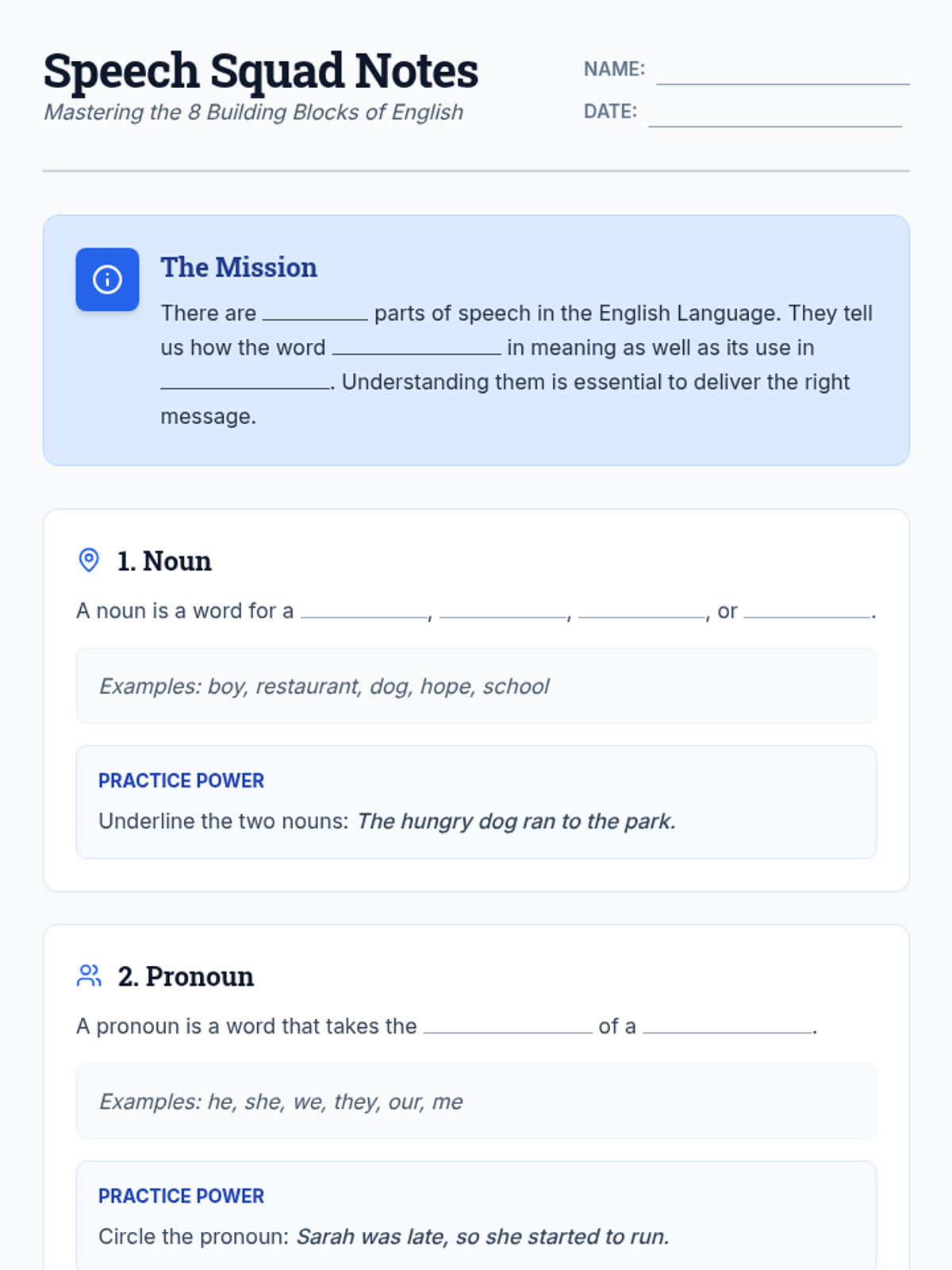
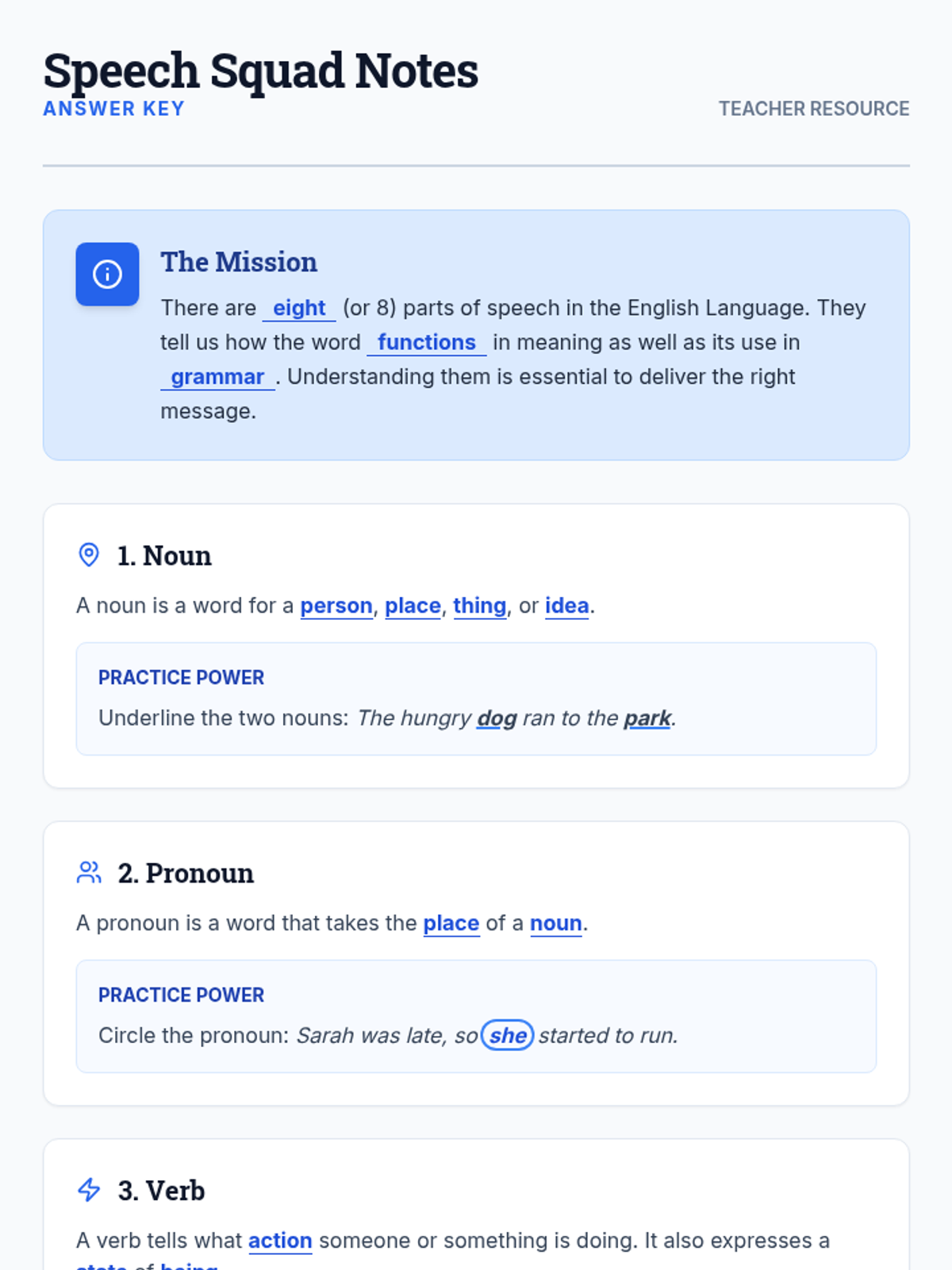
An introductory lesson on the eight parts of speech in the English language, focusing on their definitions, functions, and identification in sentences.
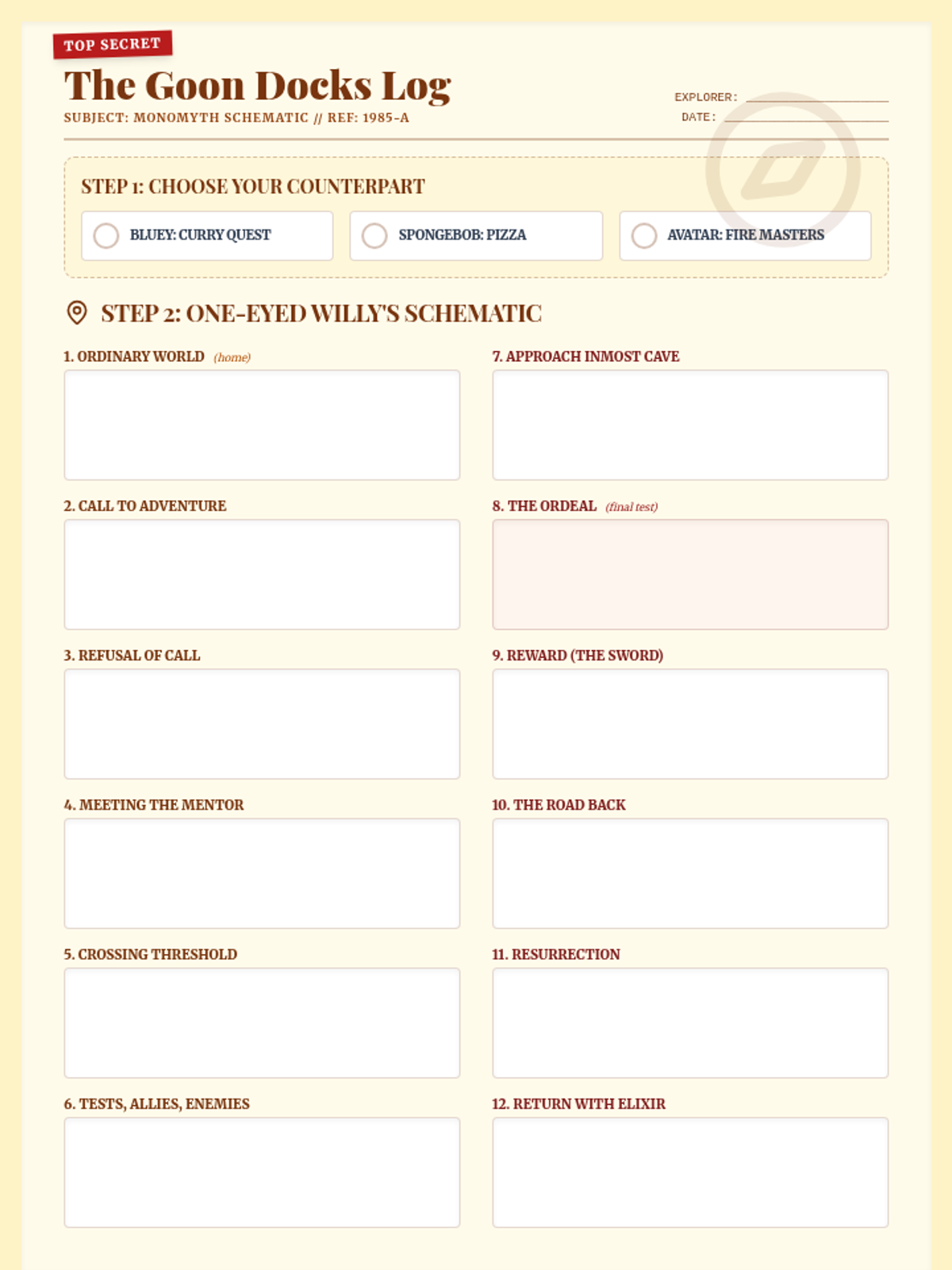
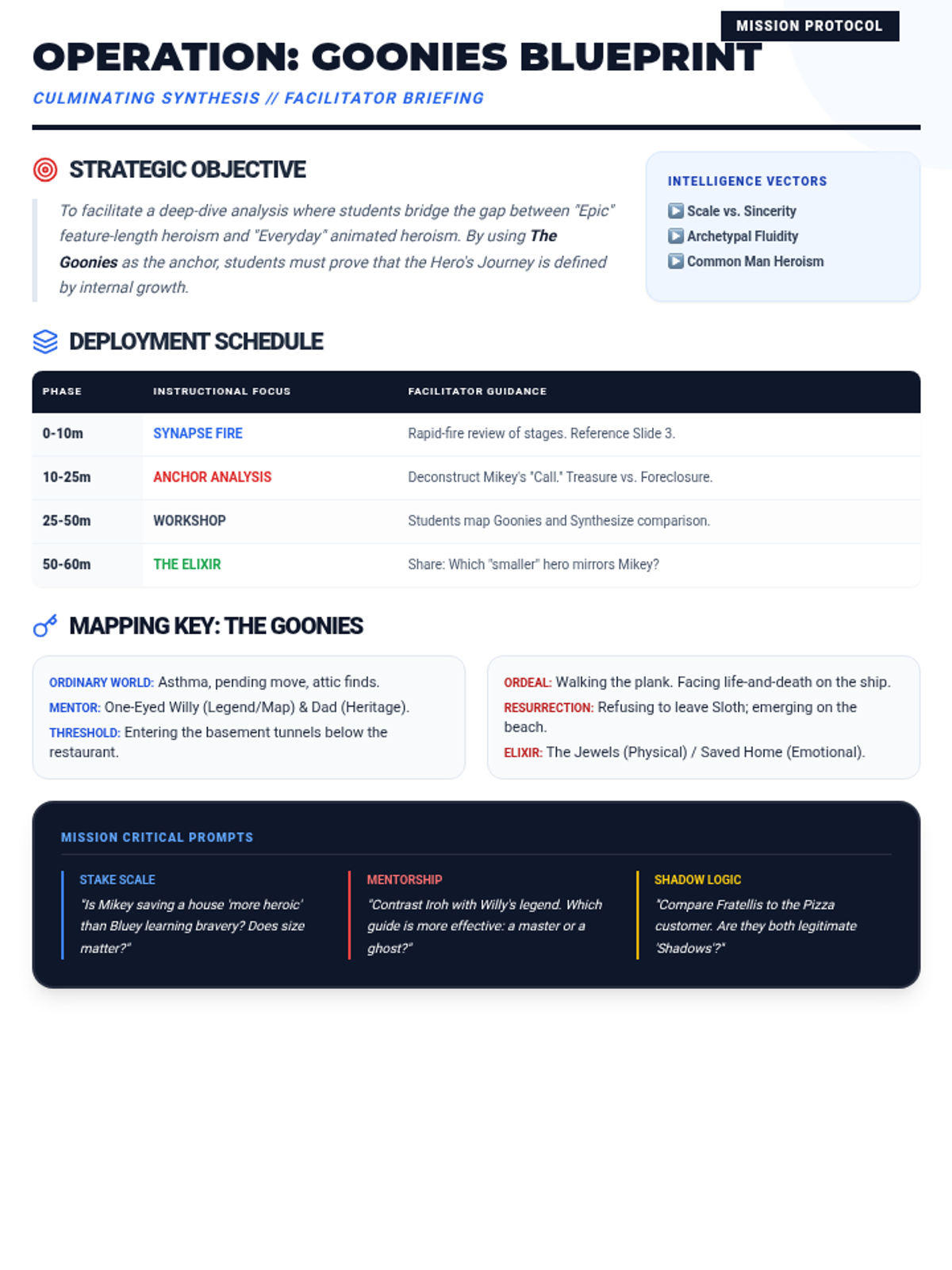
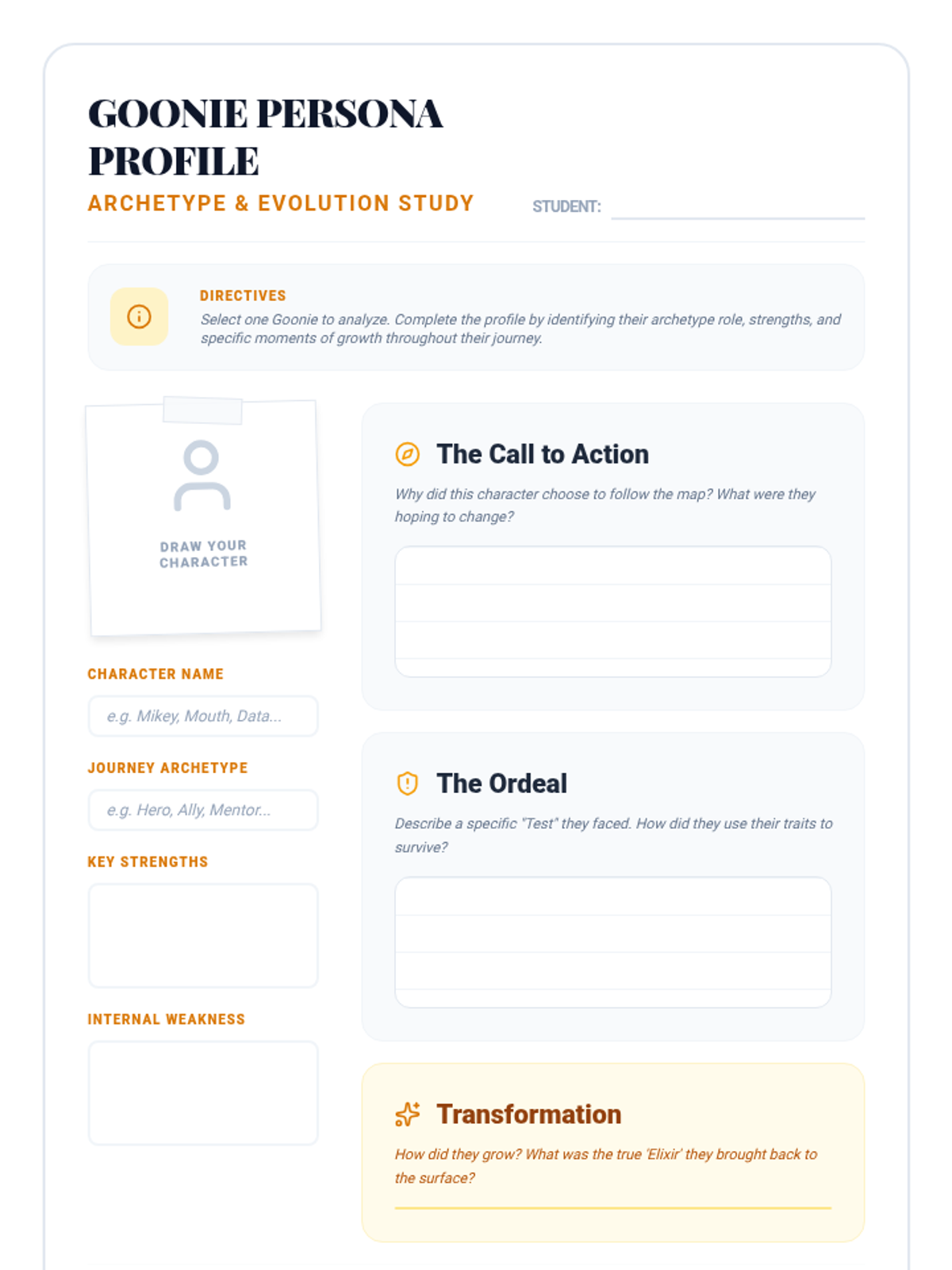
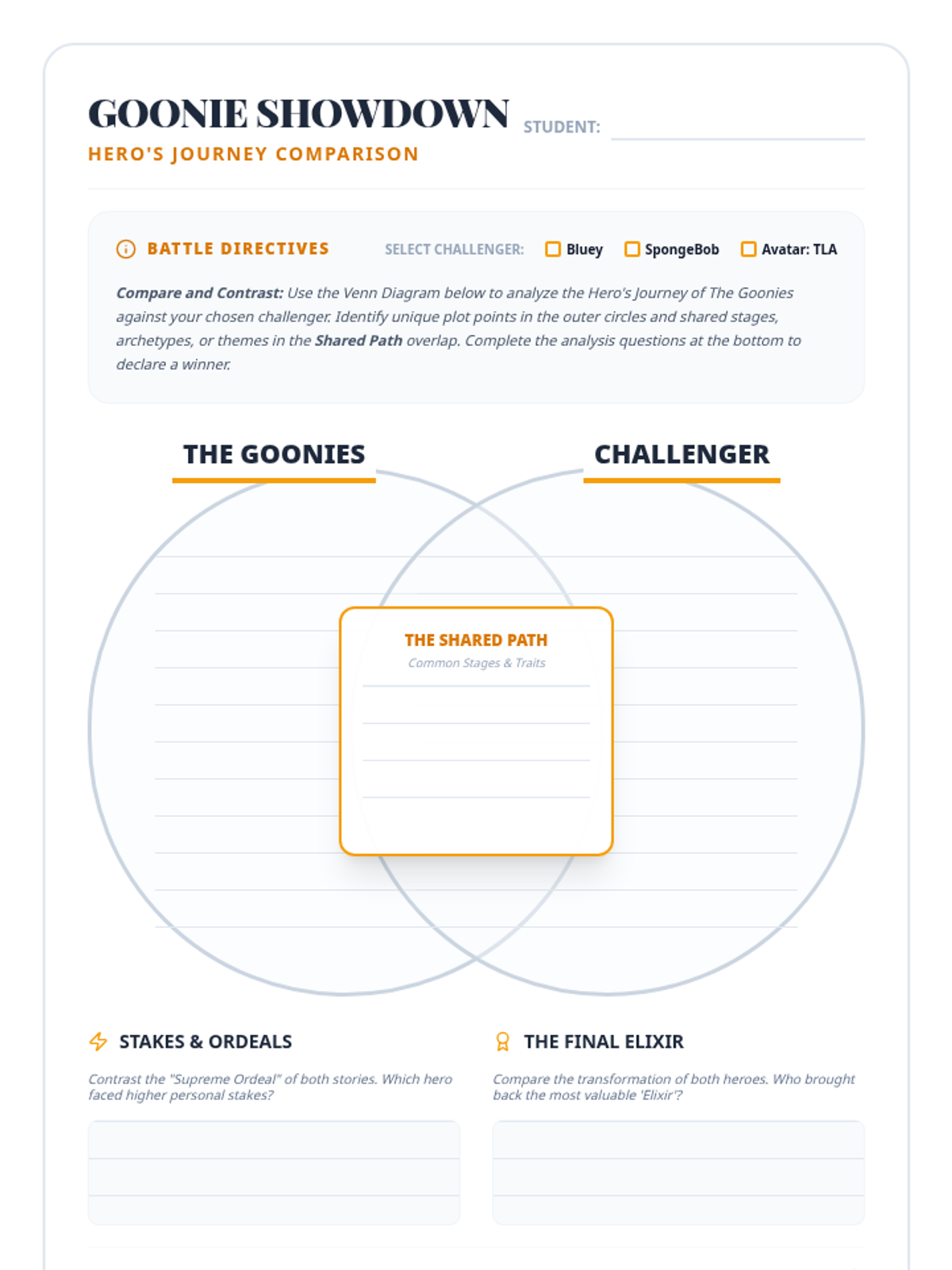
A dynamic exploration of the Hero's Journey stages and archetypes using popular media like Bluey, SpongeBob, Avatar, and The Goonies to deepen analytical skills.
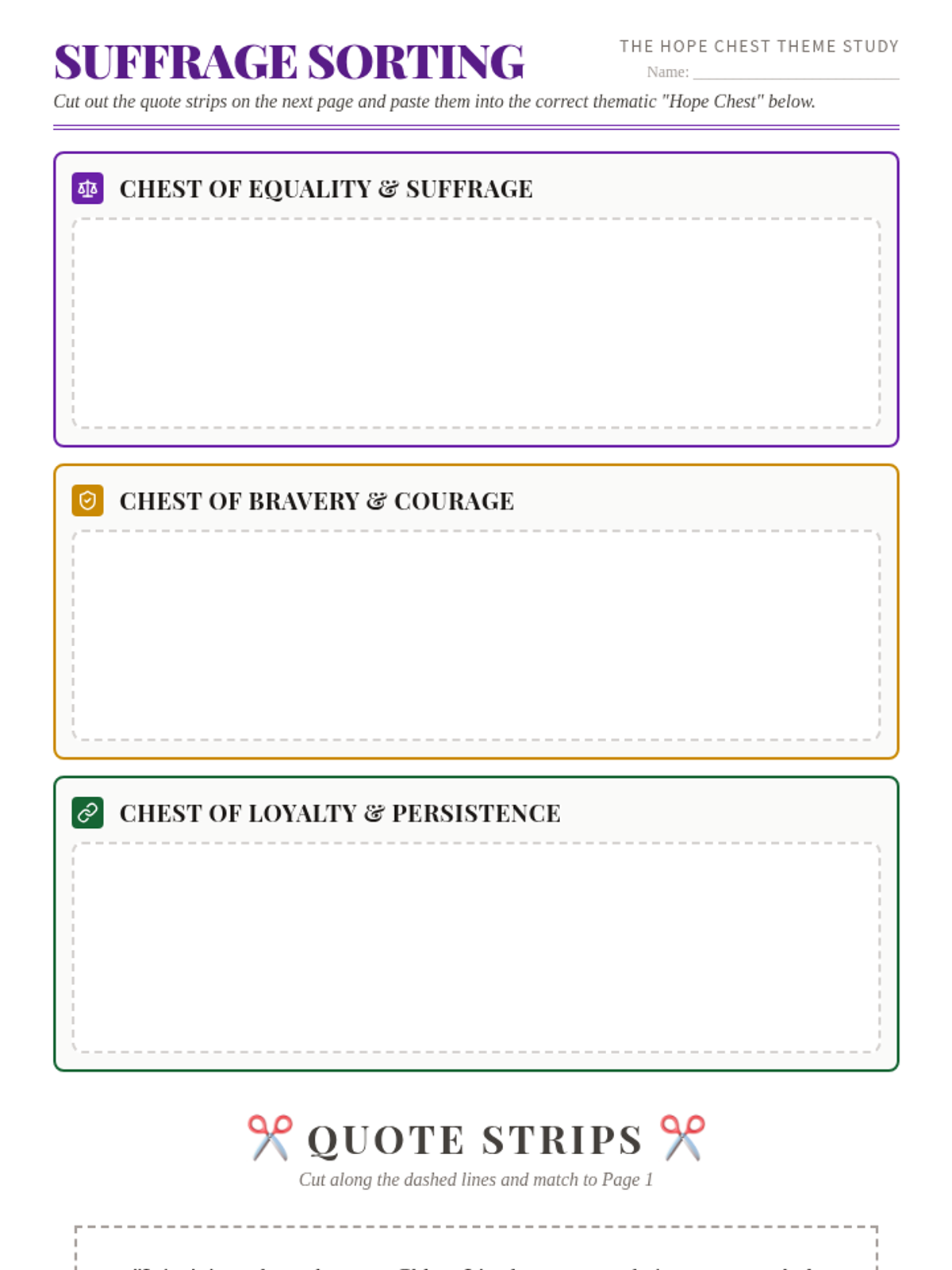
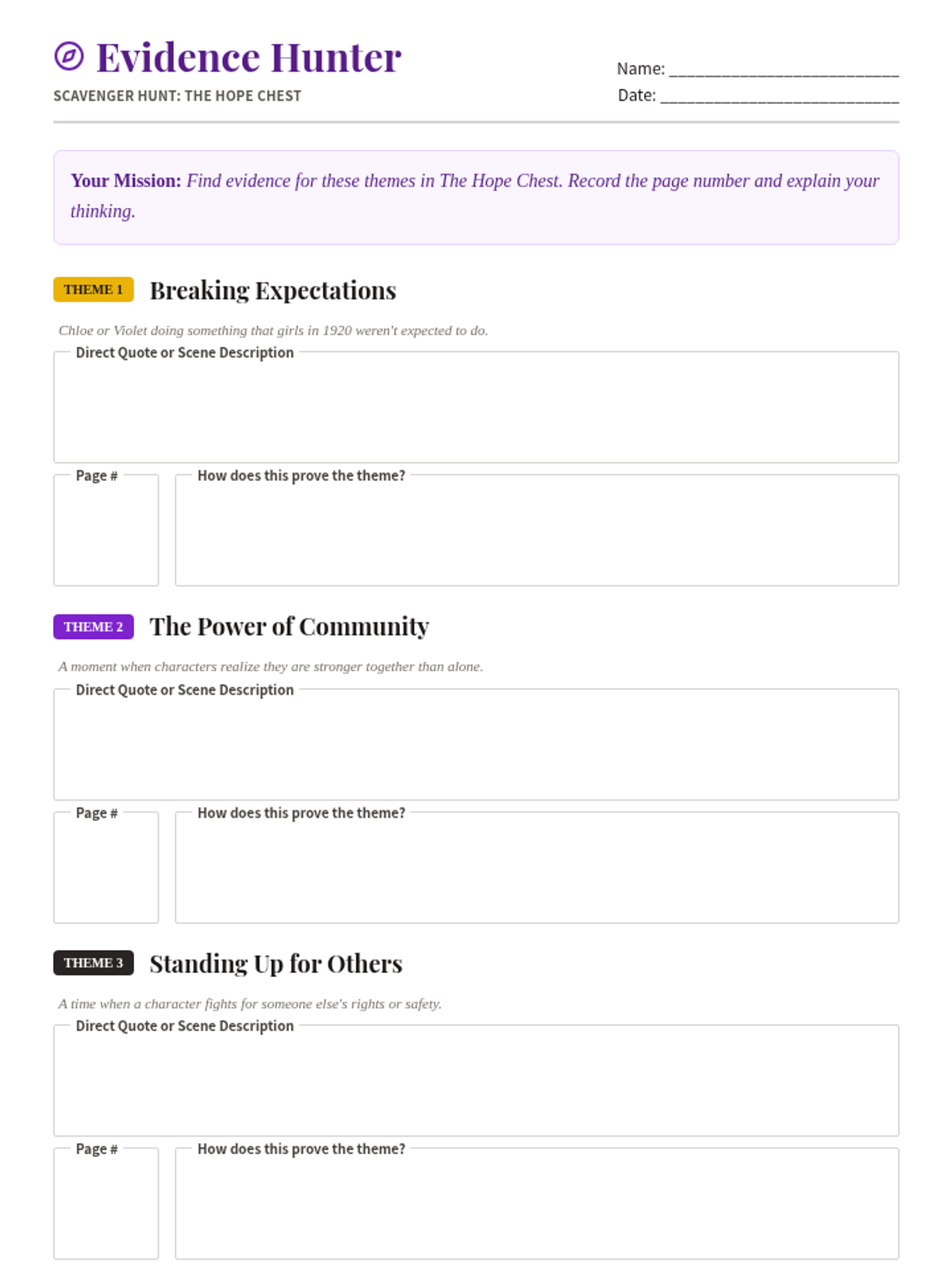
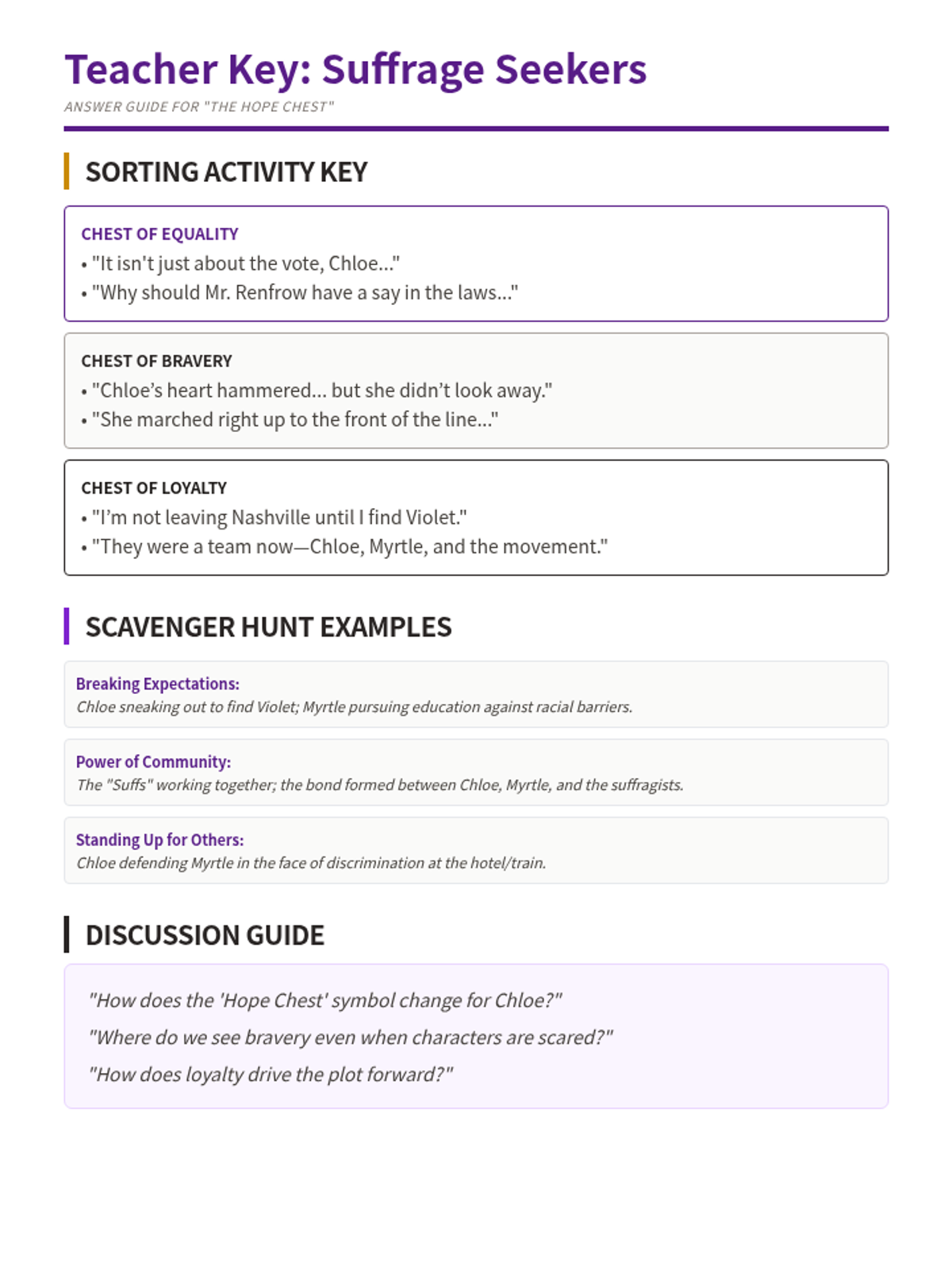
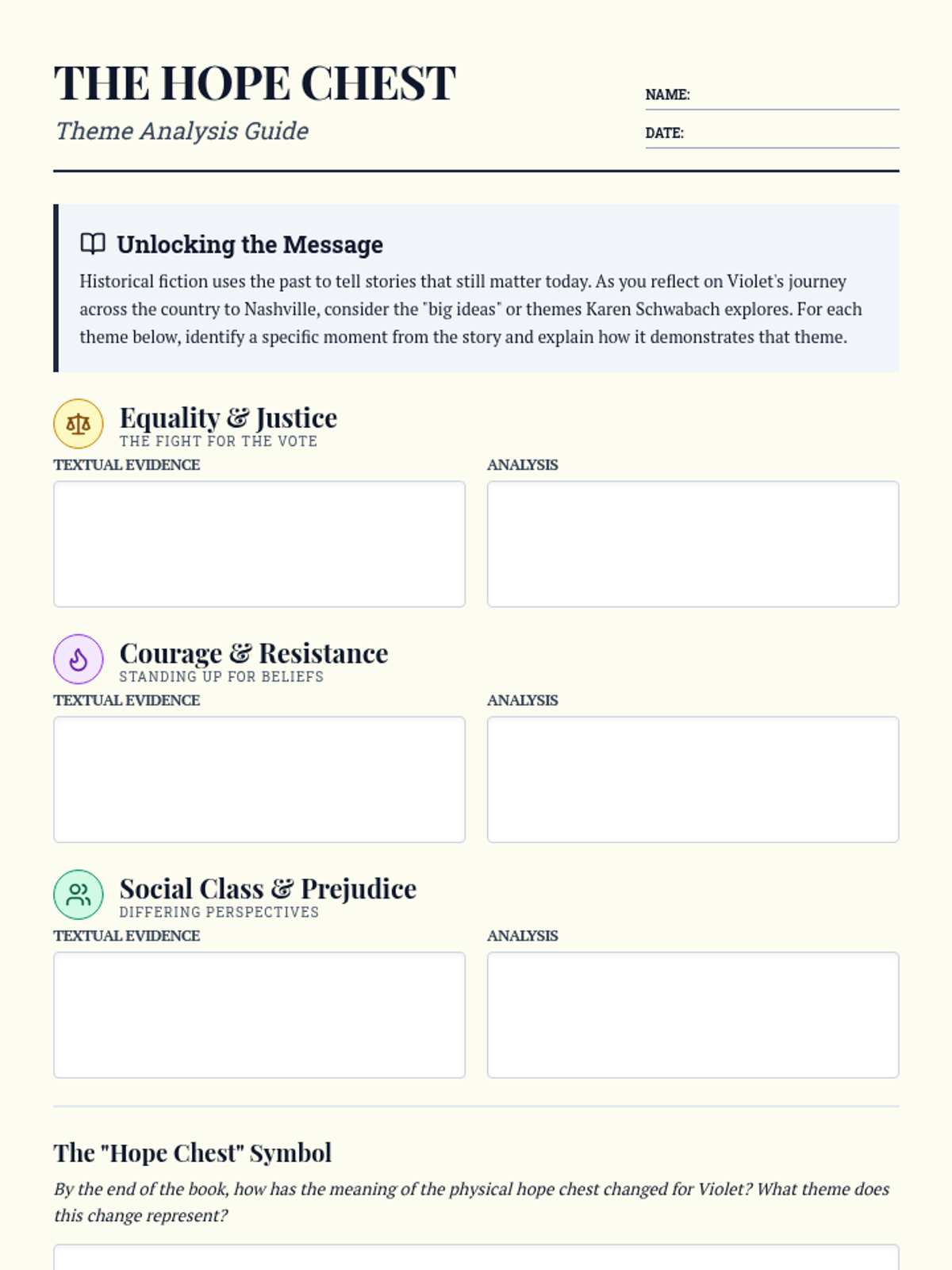
A lesson focused on identifying themes and citing textual evidence from The Hope Chest, centering on the suffrage movement and character growth.
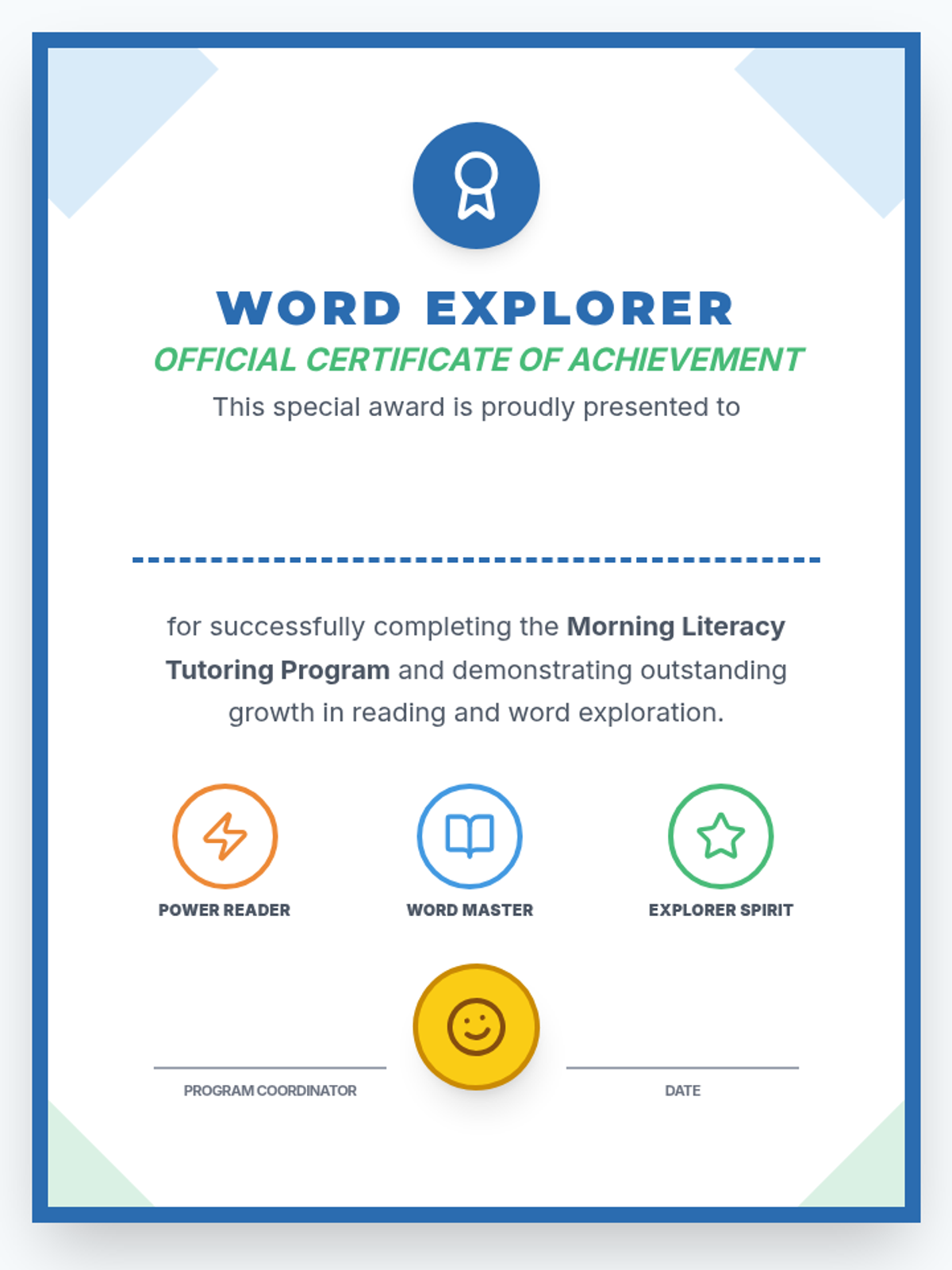
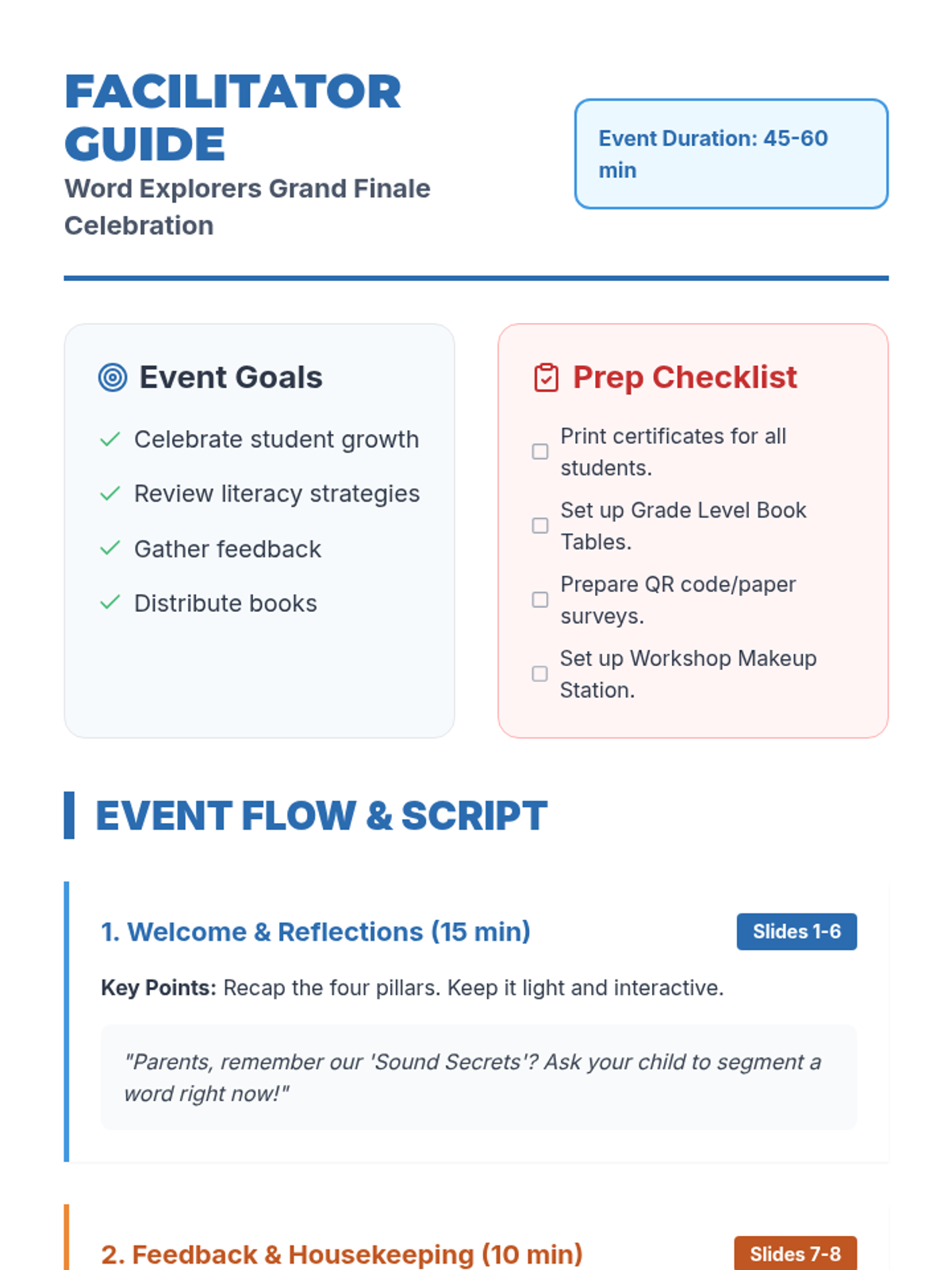
A celebratory wrap-up for a morning literacy tutoring program, featuring reflections on learning, parent engagement opportunities, and awards for student and family attendance.
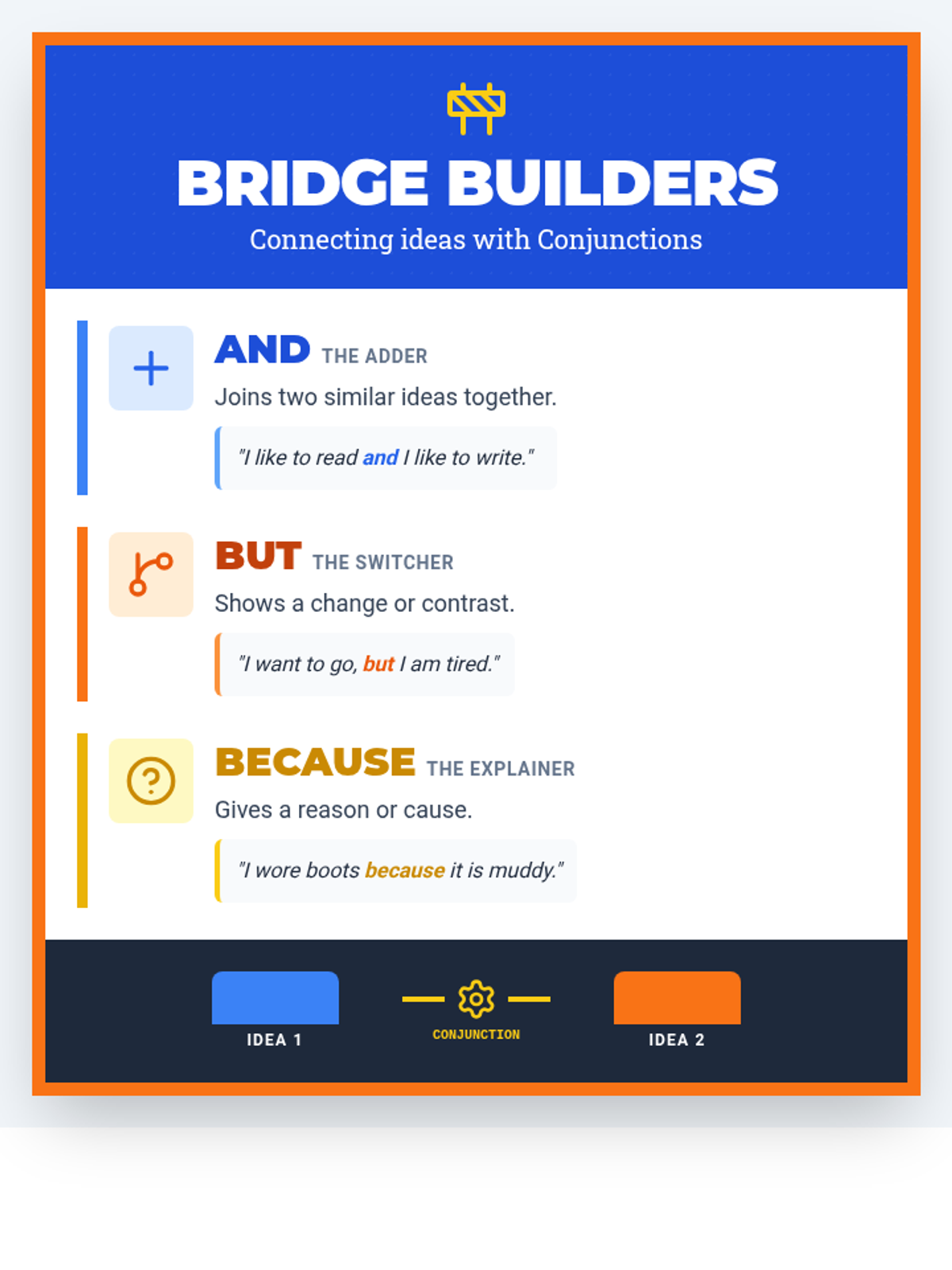
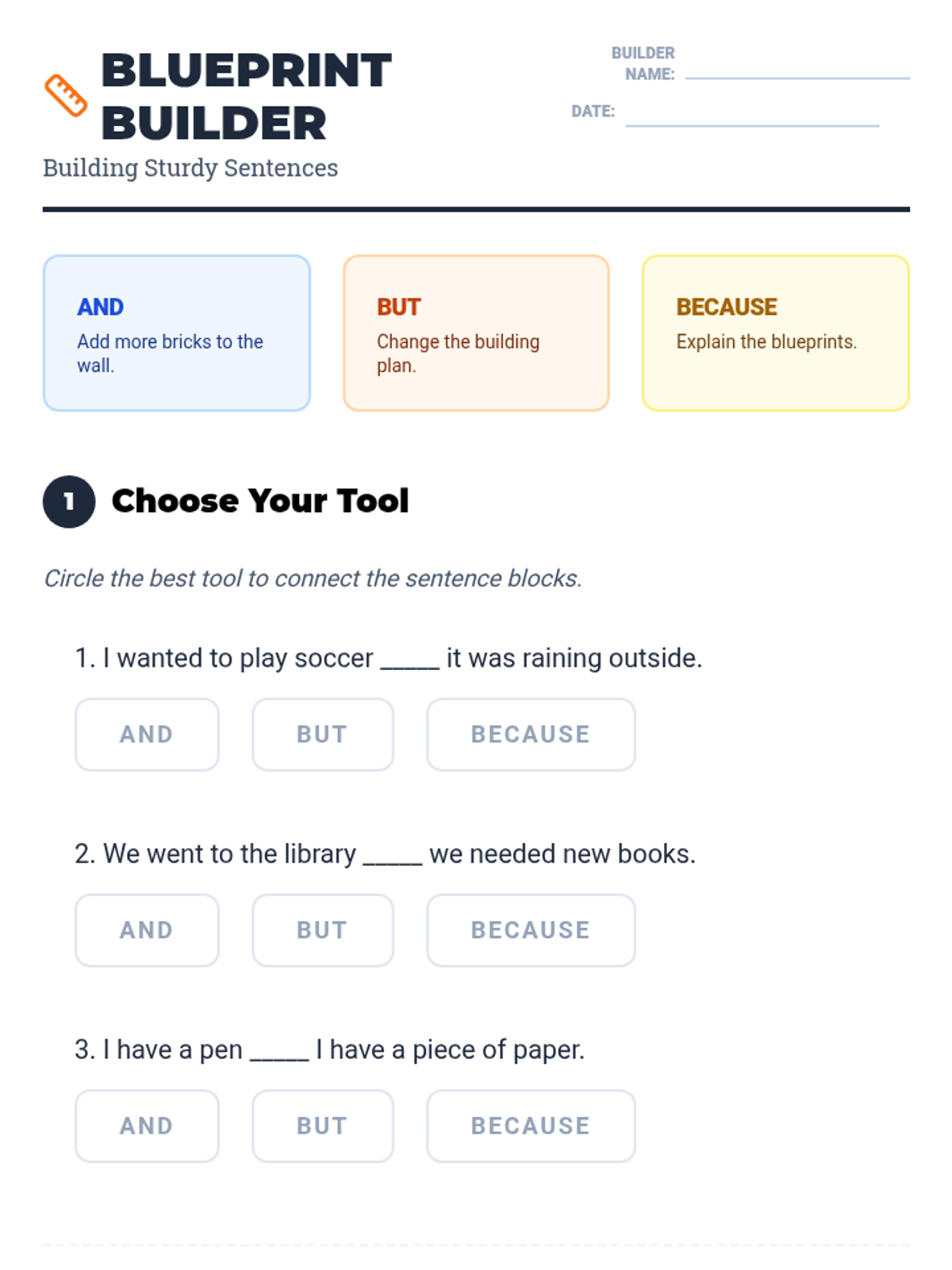
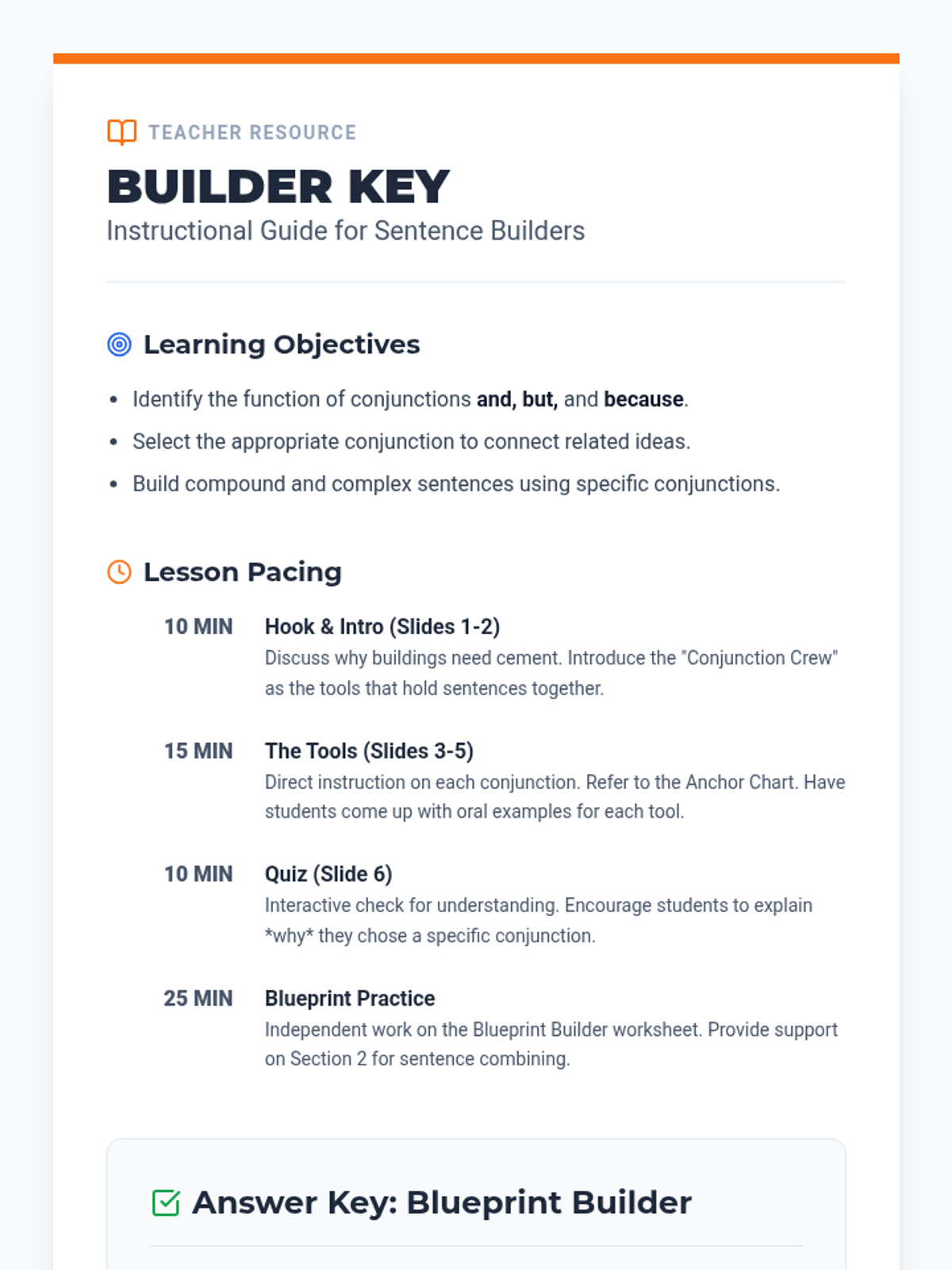
In this lesson, students will learn to use 'and', 'but', and 'because' to connect ideas and create compound and complex sentences. They will explore how these conjunctions change the meaning of a sentence and practice building their own sturdy sentences.
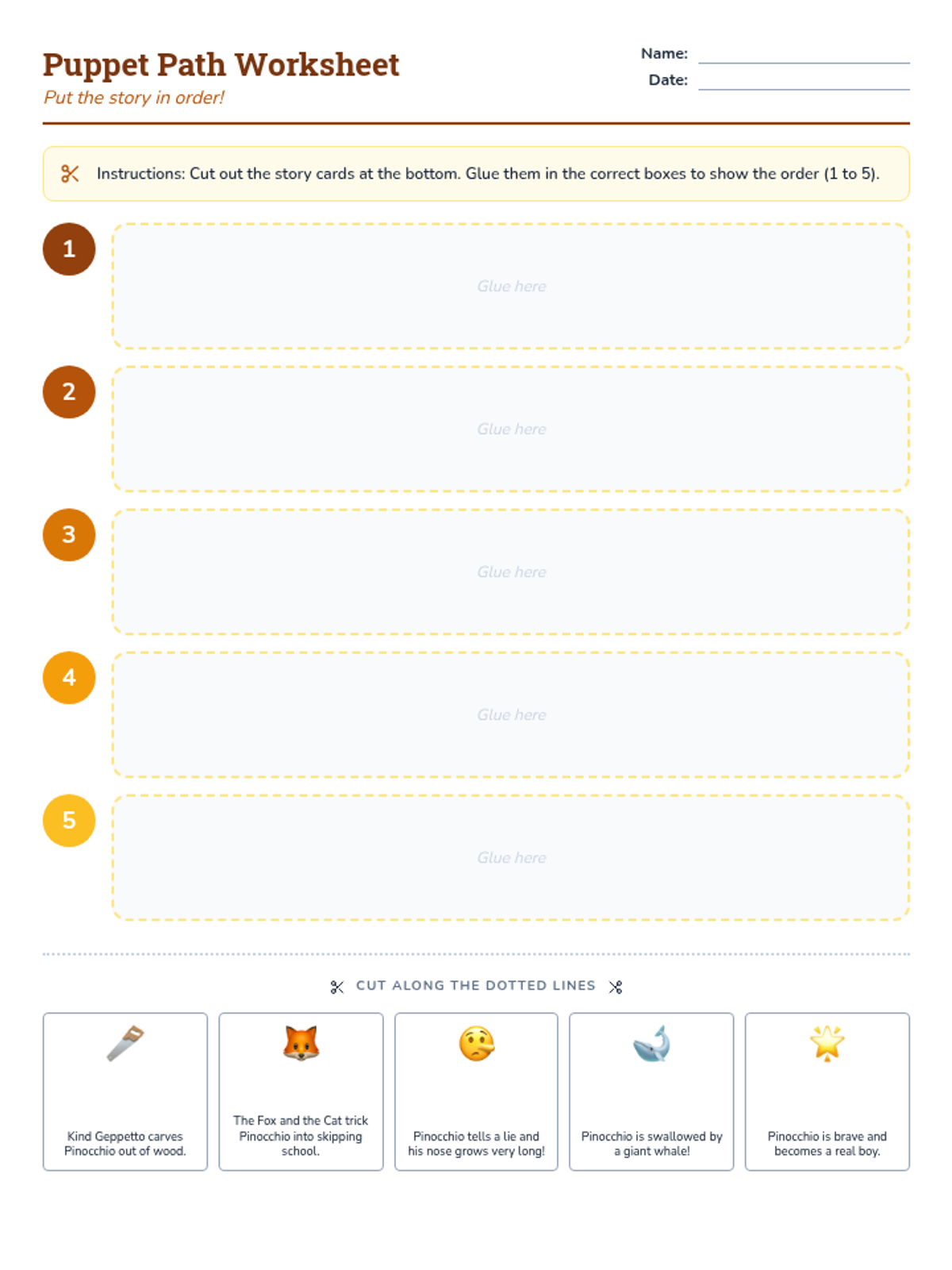
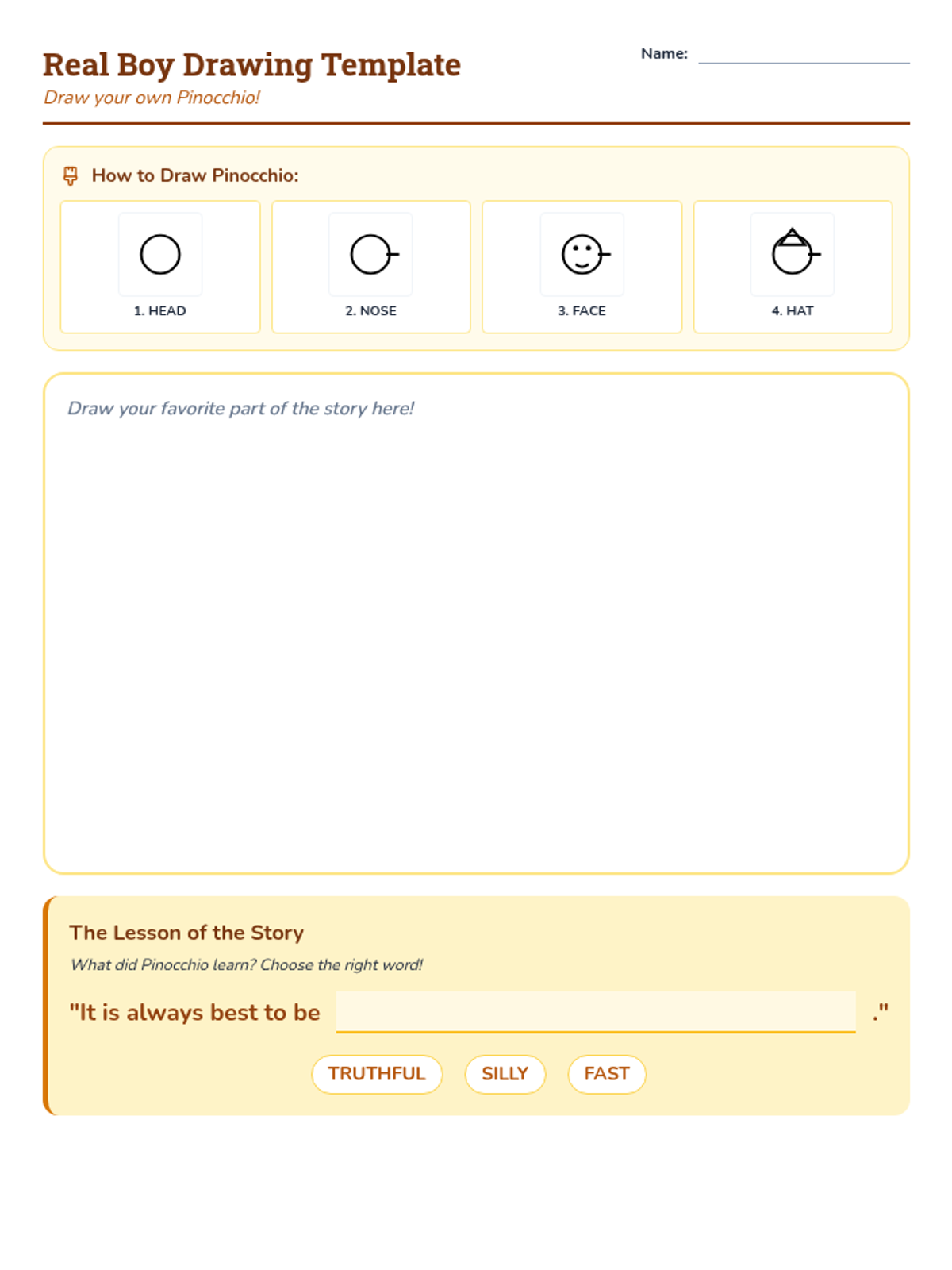
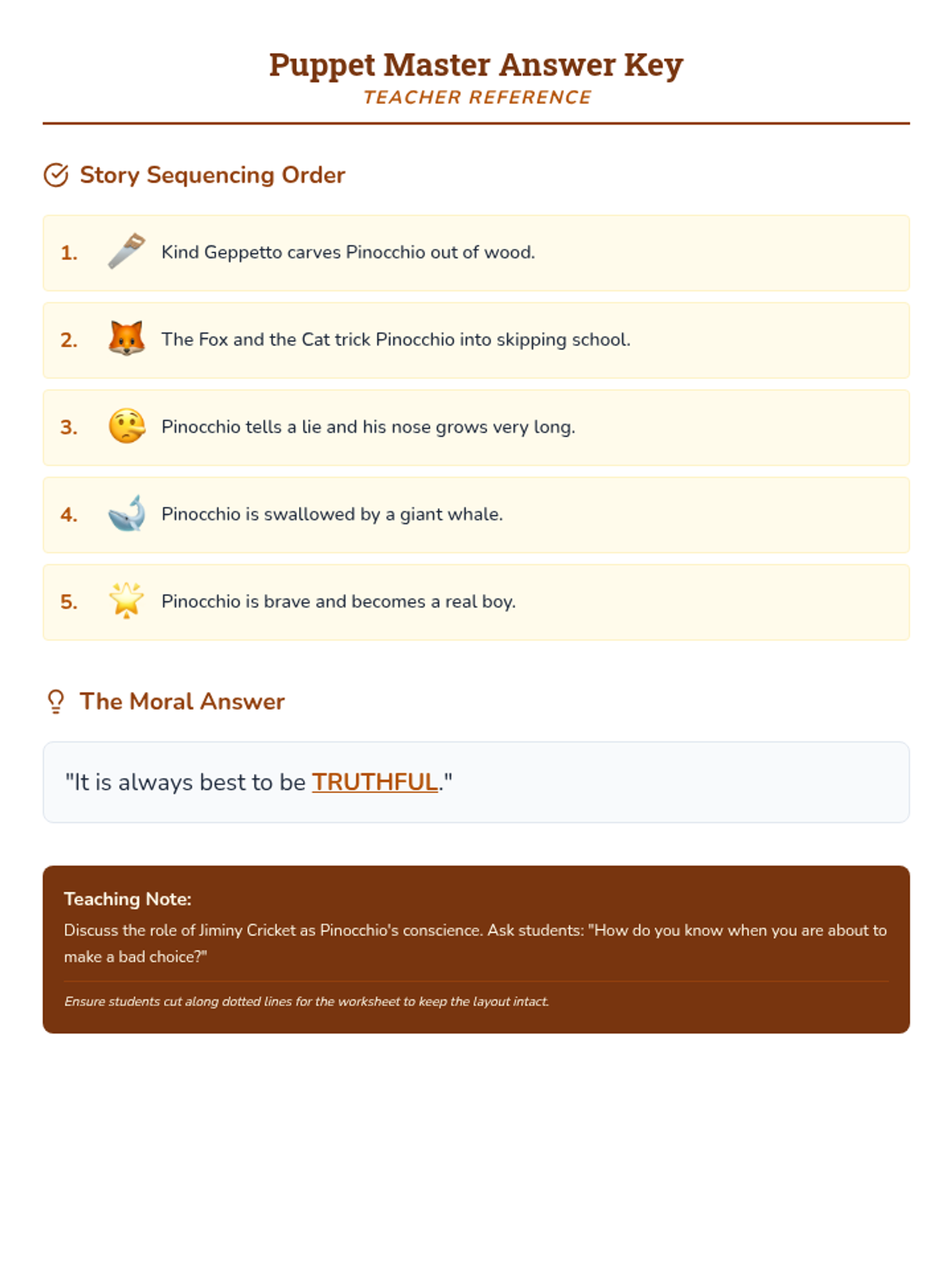
A fun, interactive lesson for first graders to practice story sequencing and artistic expression after watching the classic tale of Pinocchio. Students will order key events and learn the value of honesty through drawing and hands-on activities.
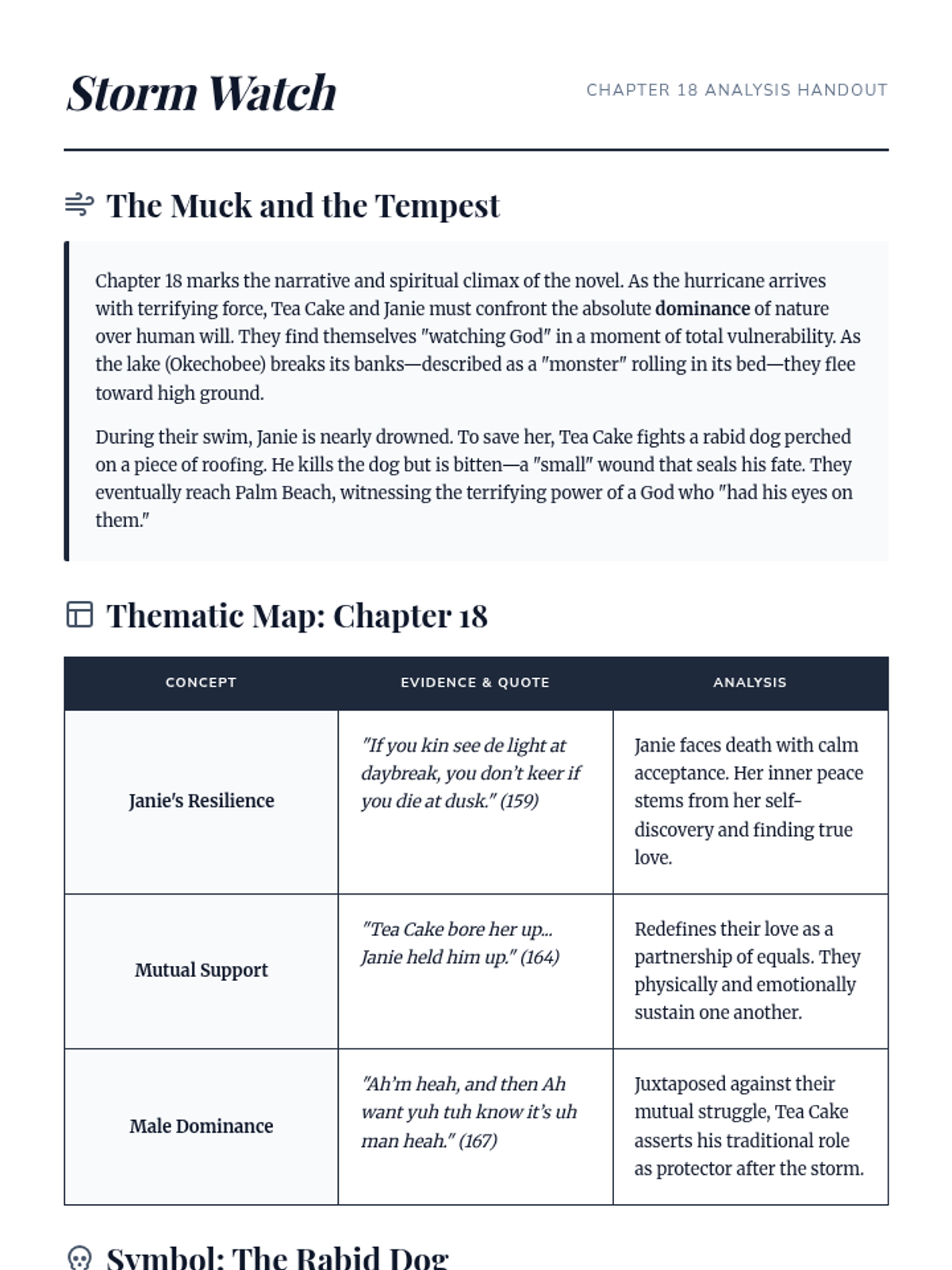
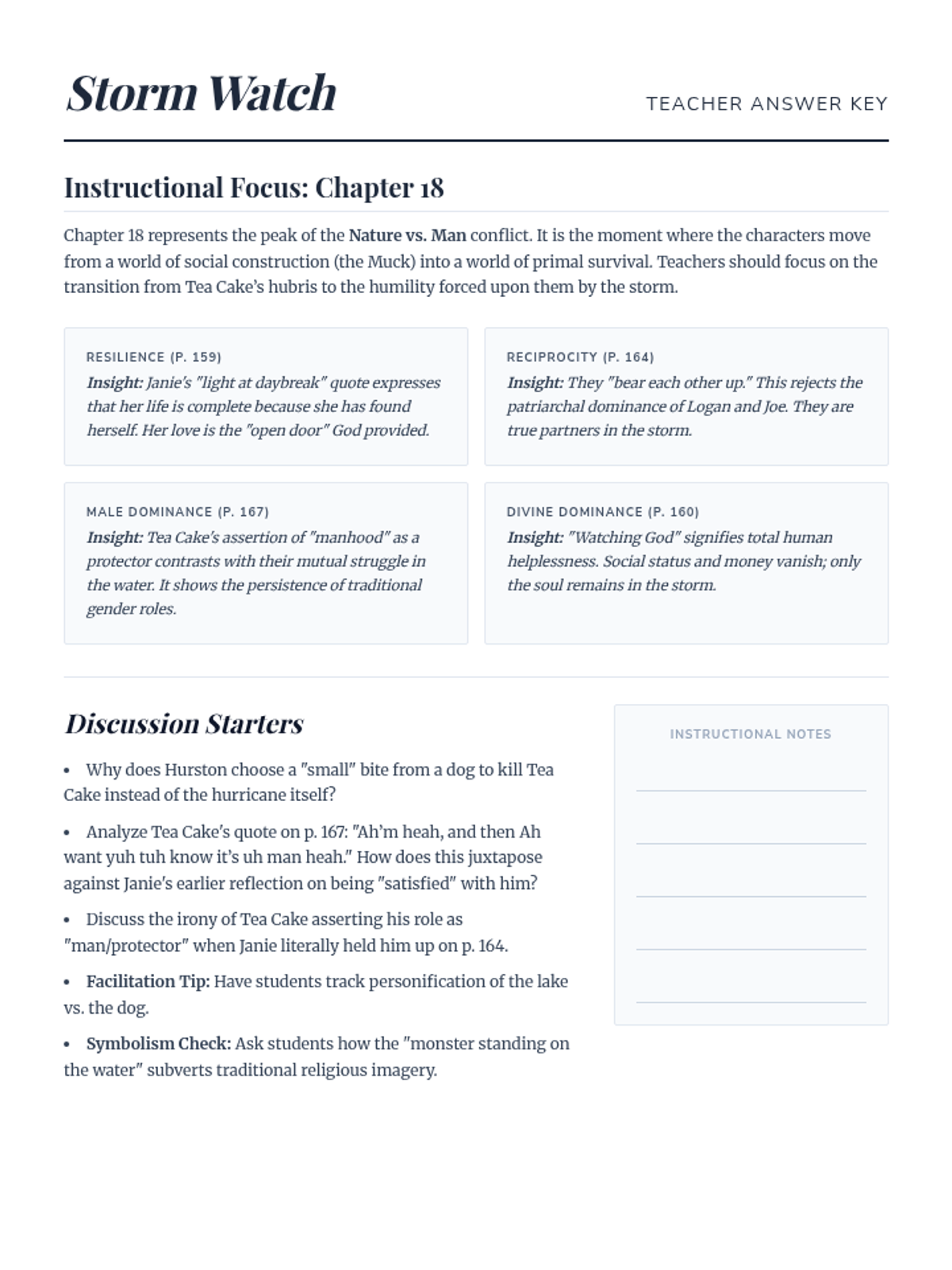
An in-depth analysis of Chapter 18, focusing on the literal and metaphorical storm that tests Janie and Tea Cake's relationship and Janie's internal strength.
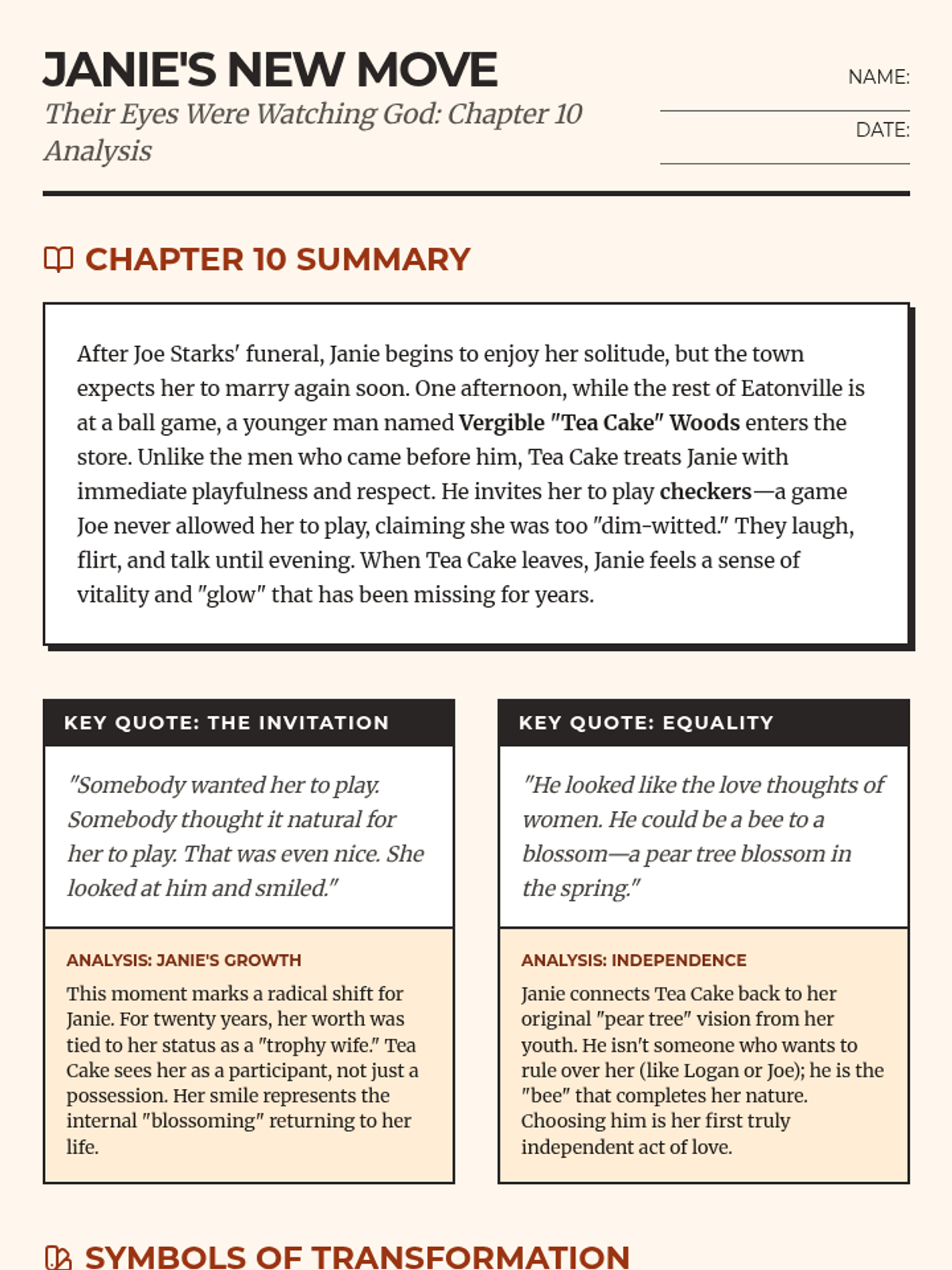
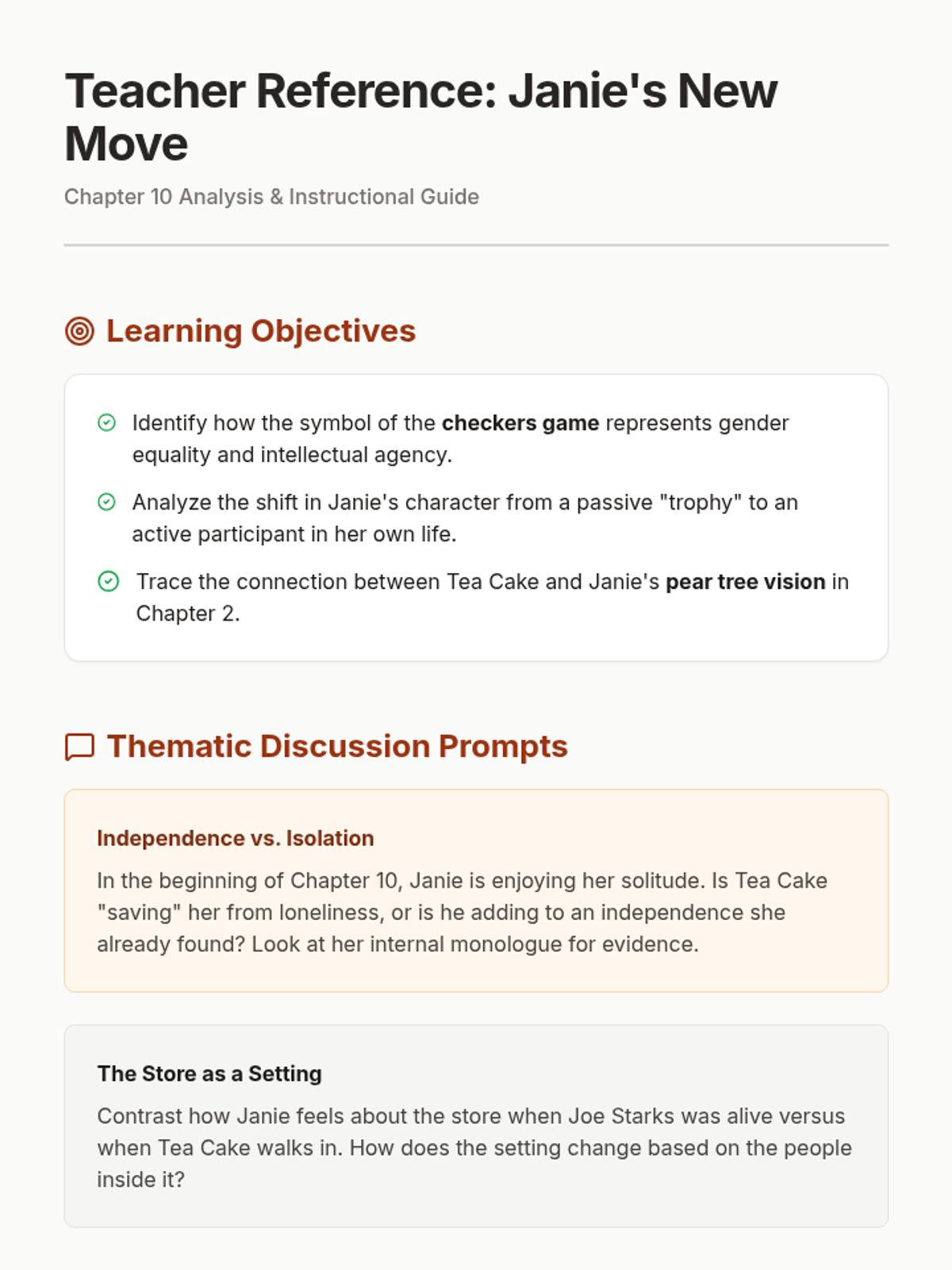
A focused study of Chapter 10 of 'Their Eyes Were Watching God', exploring Janie's first encounter with Tea Cake and the symbolism of their checkers game.
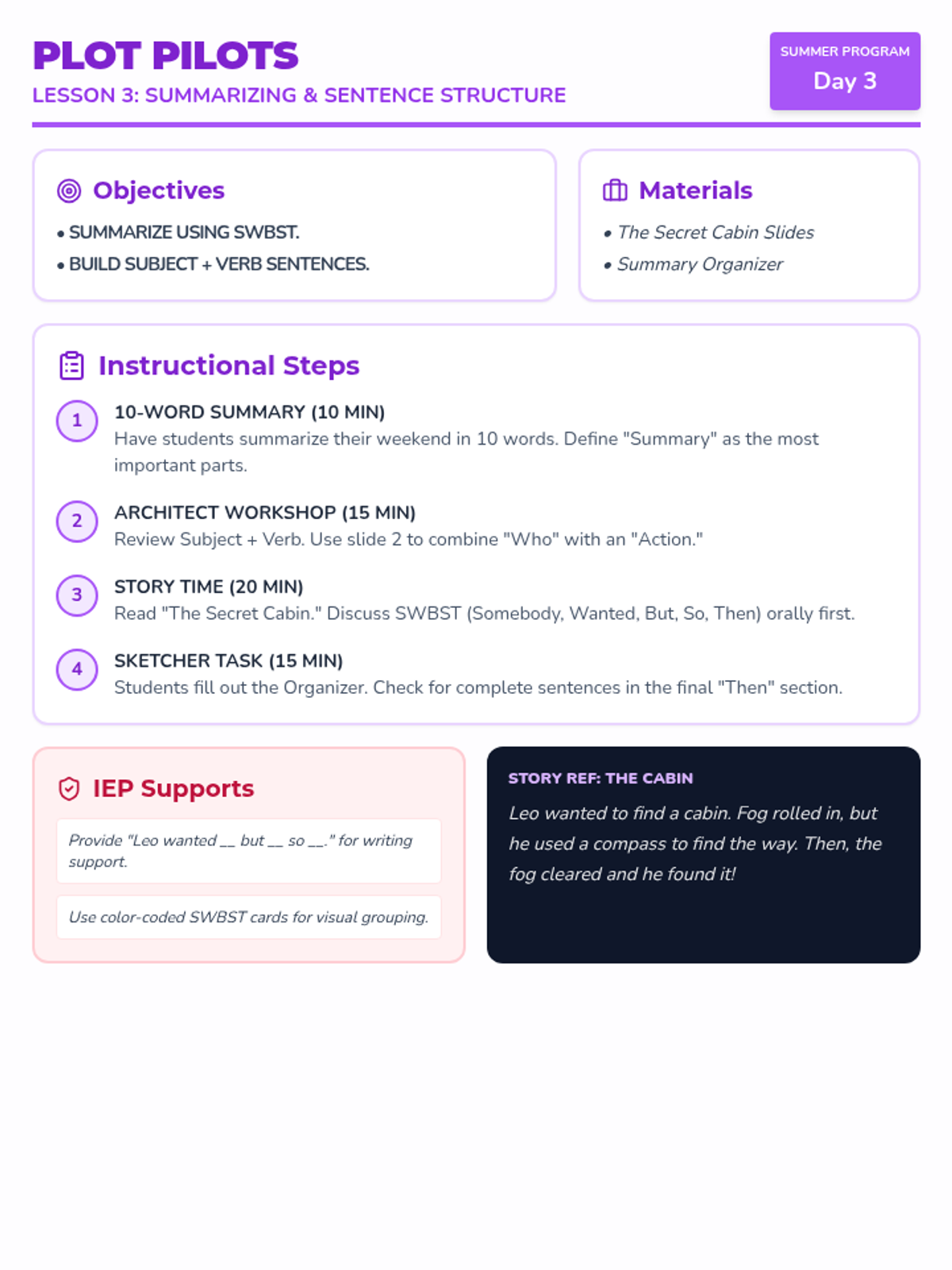
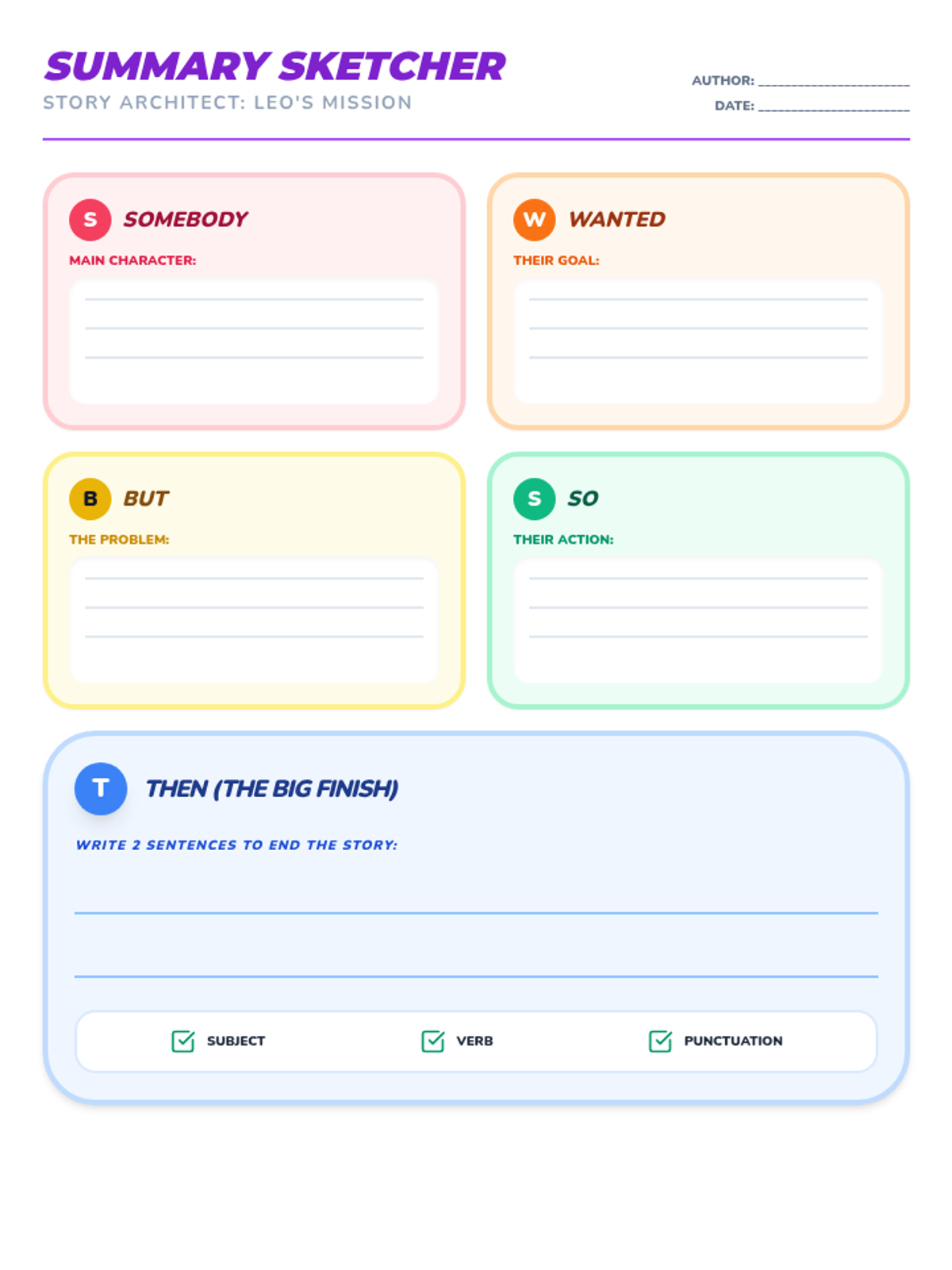
Students will summarize high-interest short stories and practice building complex sentences with proper structure.
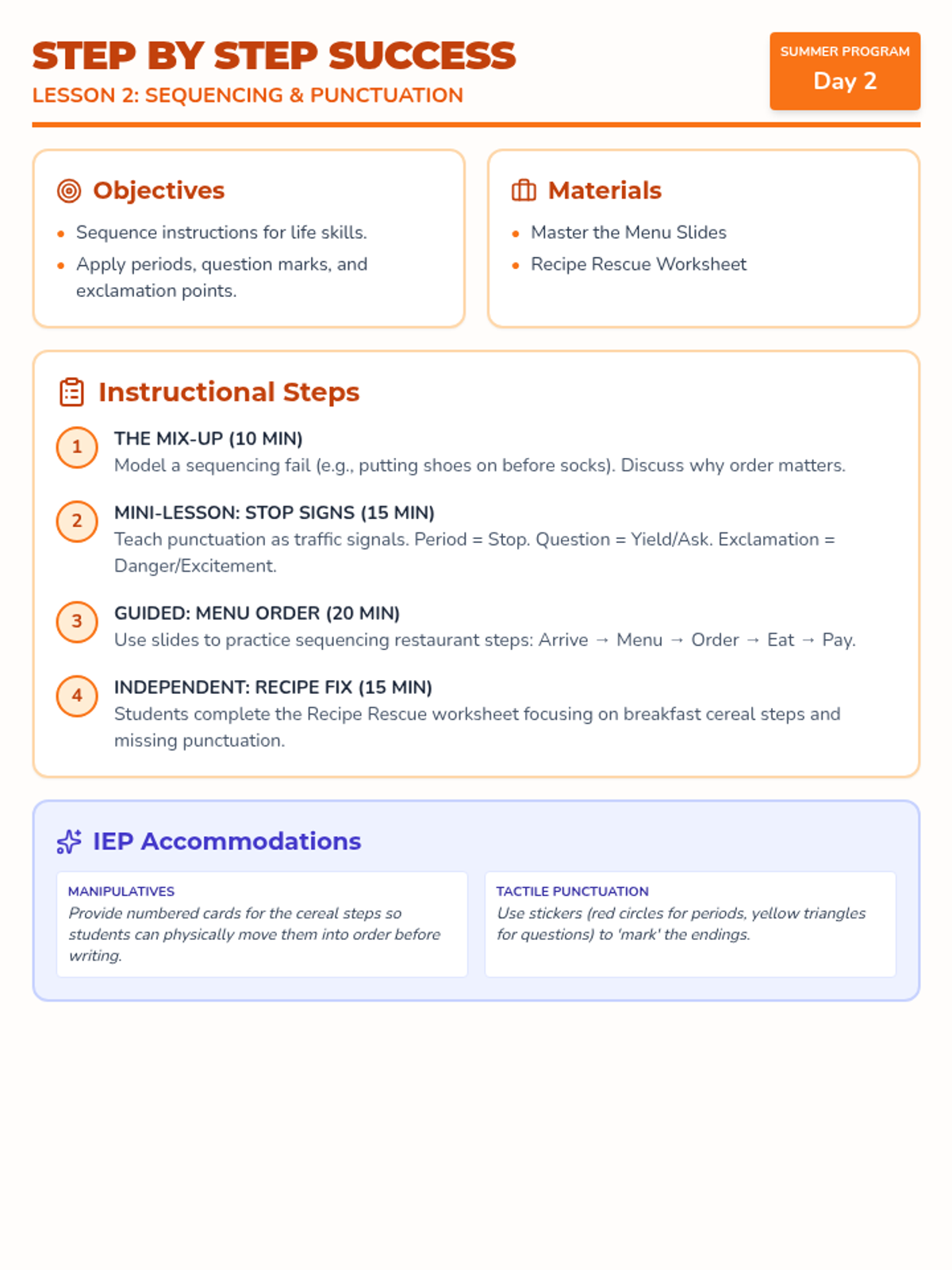
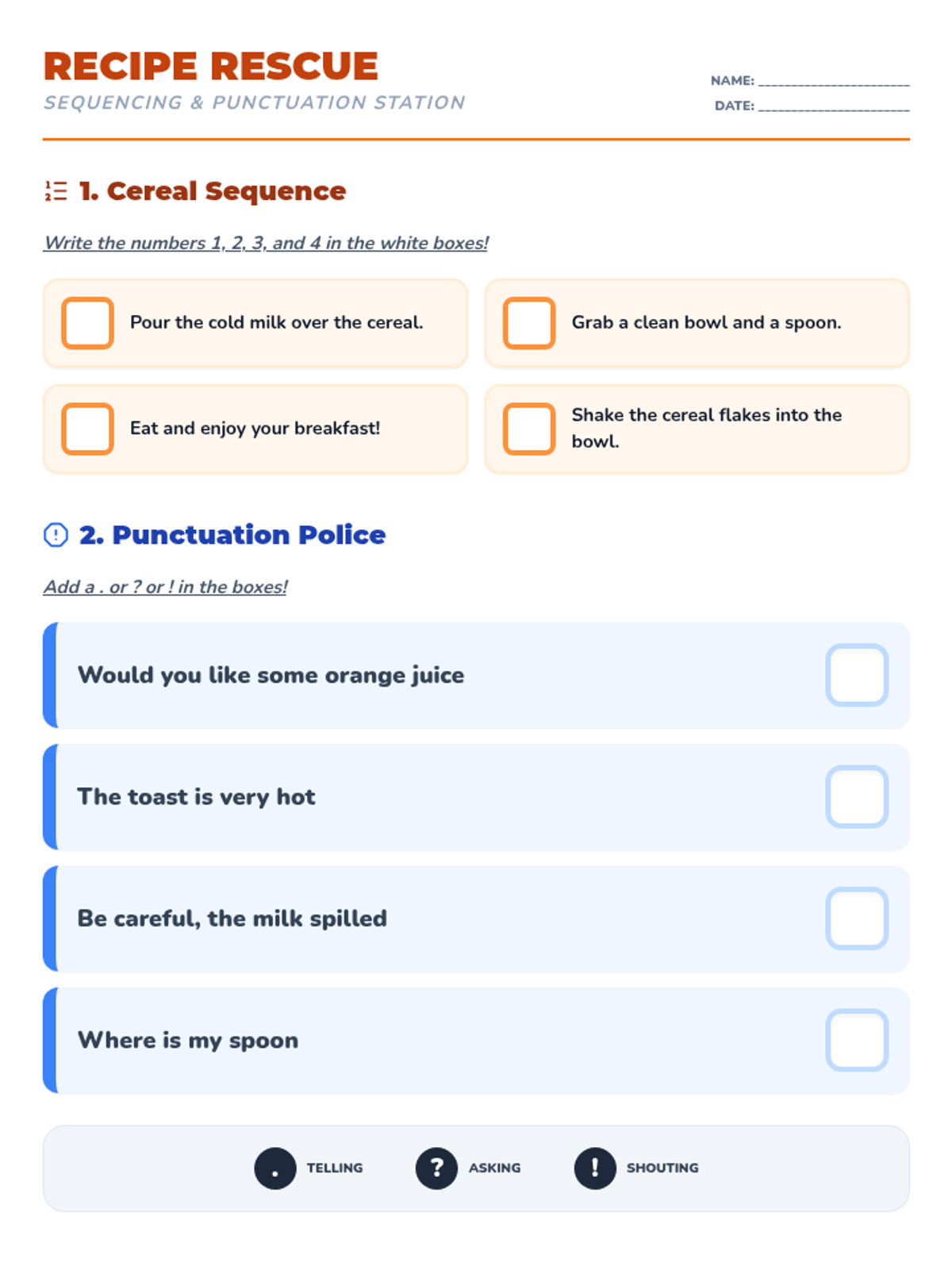
Focuses on sequencing events and using correct punctuation through functional life skills like reading menus and following instructions.
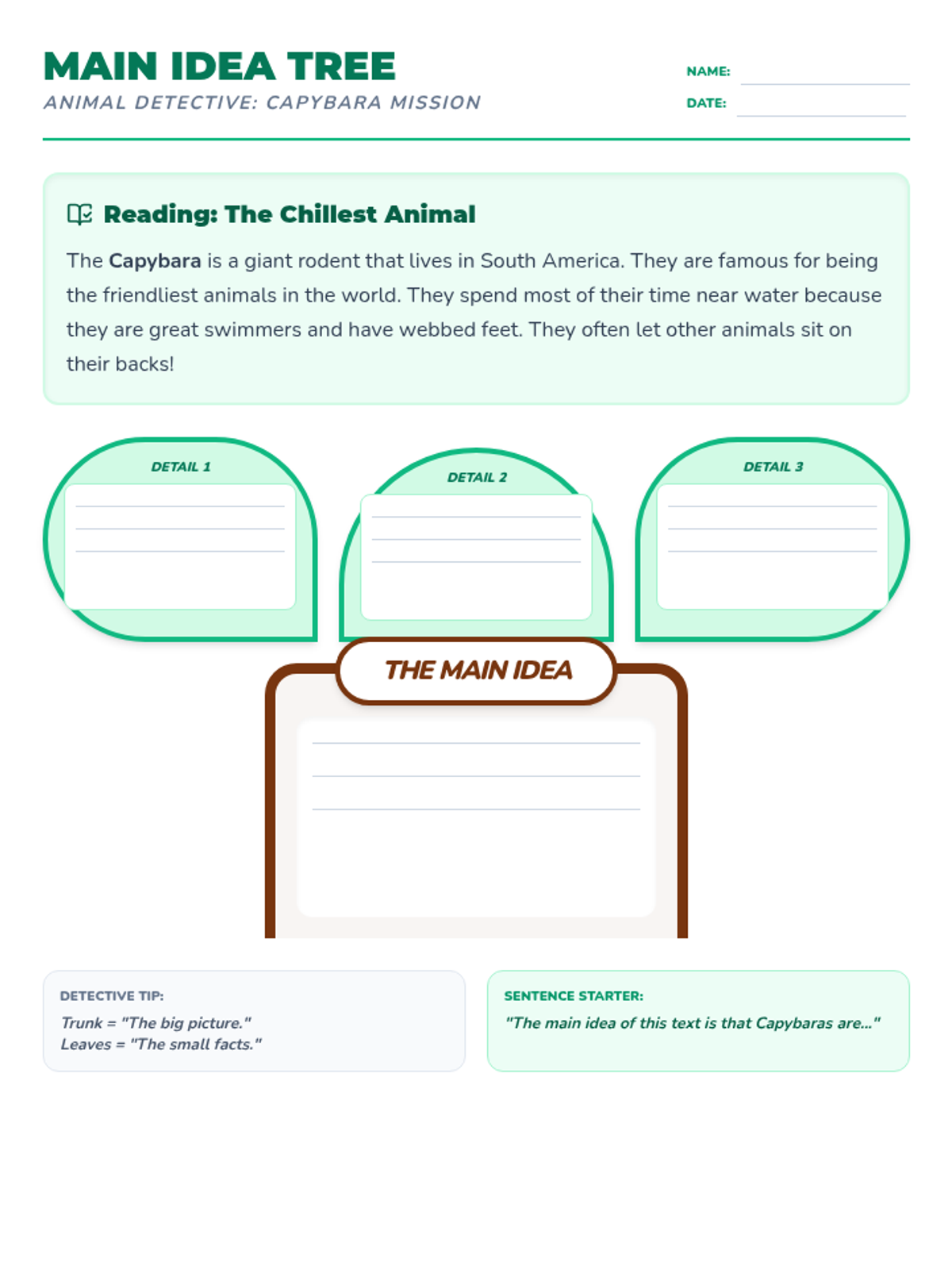
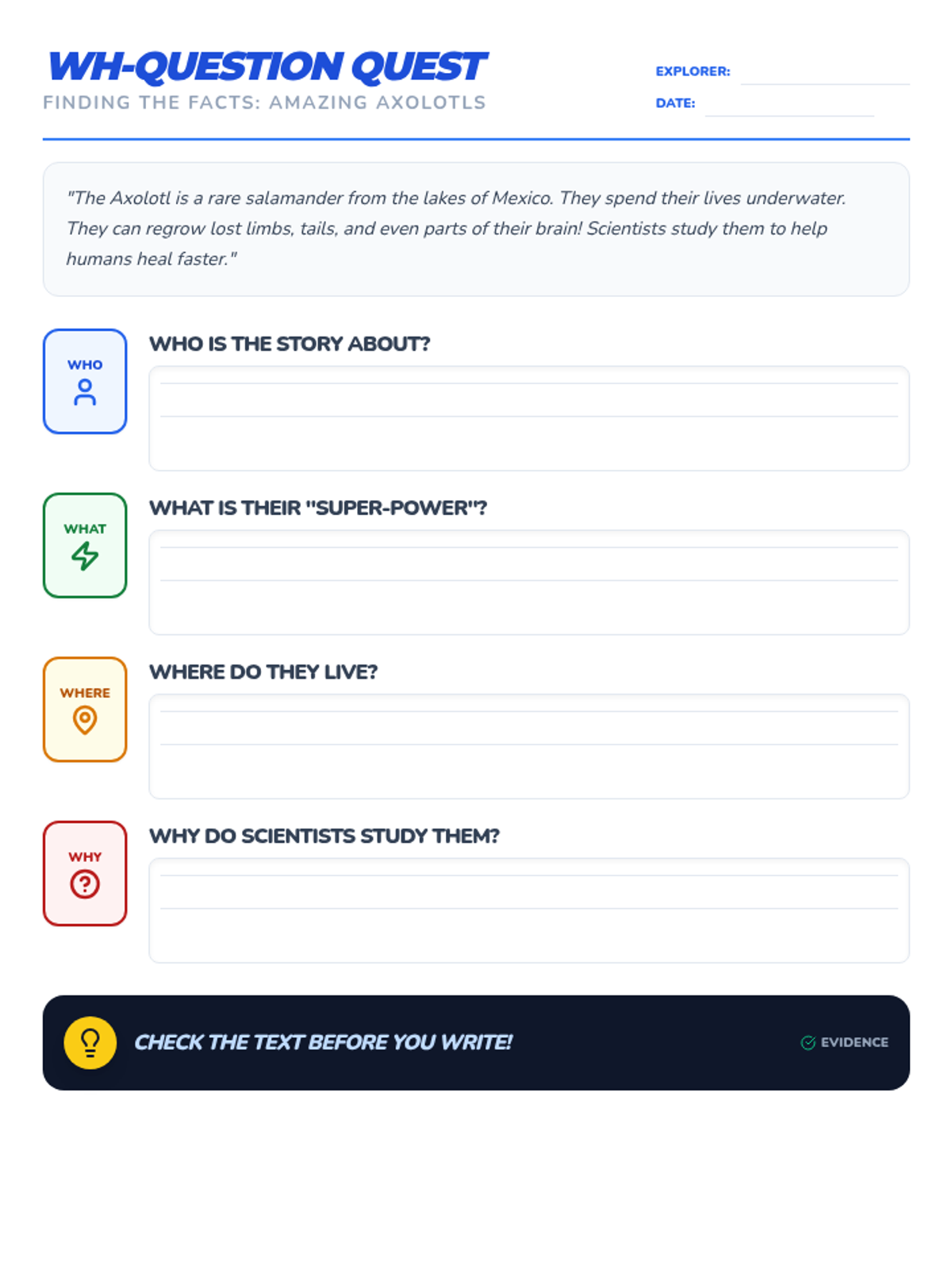
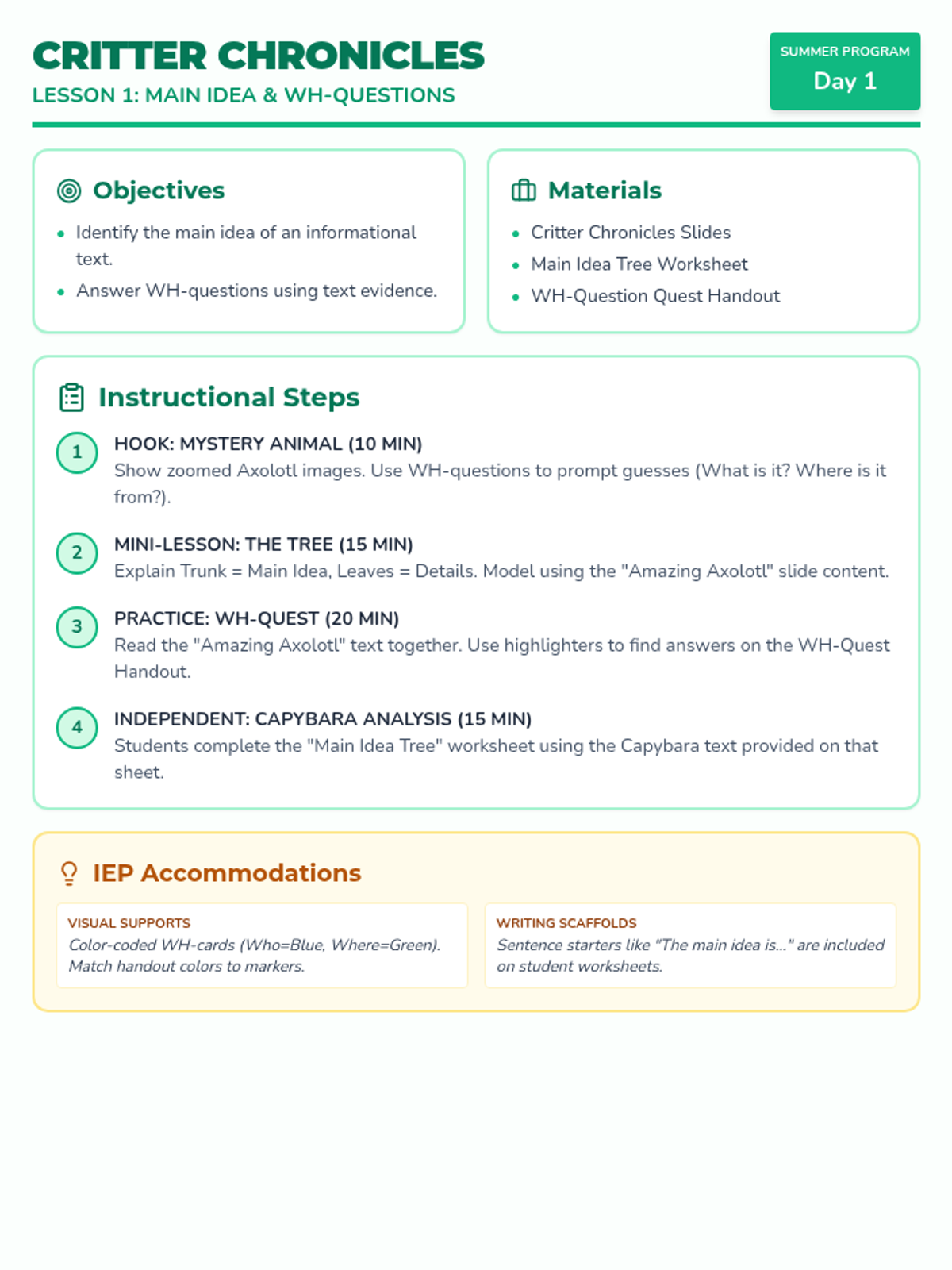
Students will identify the main idea and answer WH-questions using high-interest informational texts about unique animals.
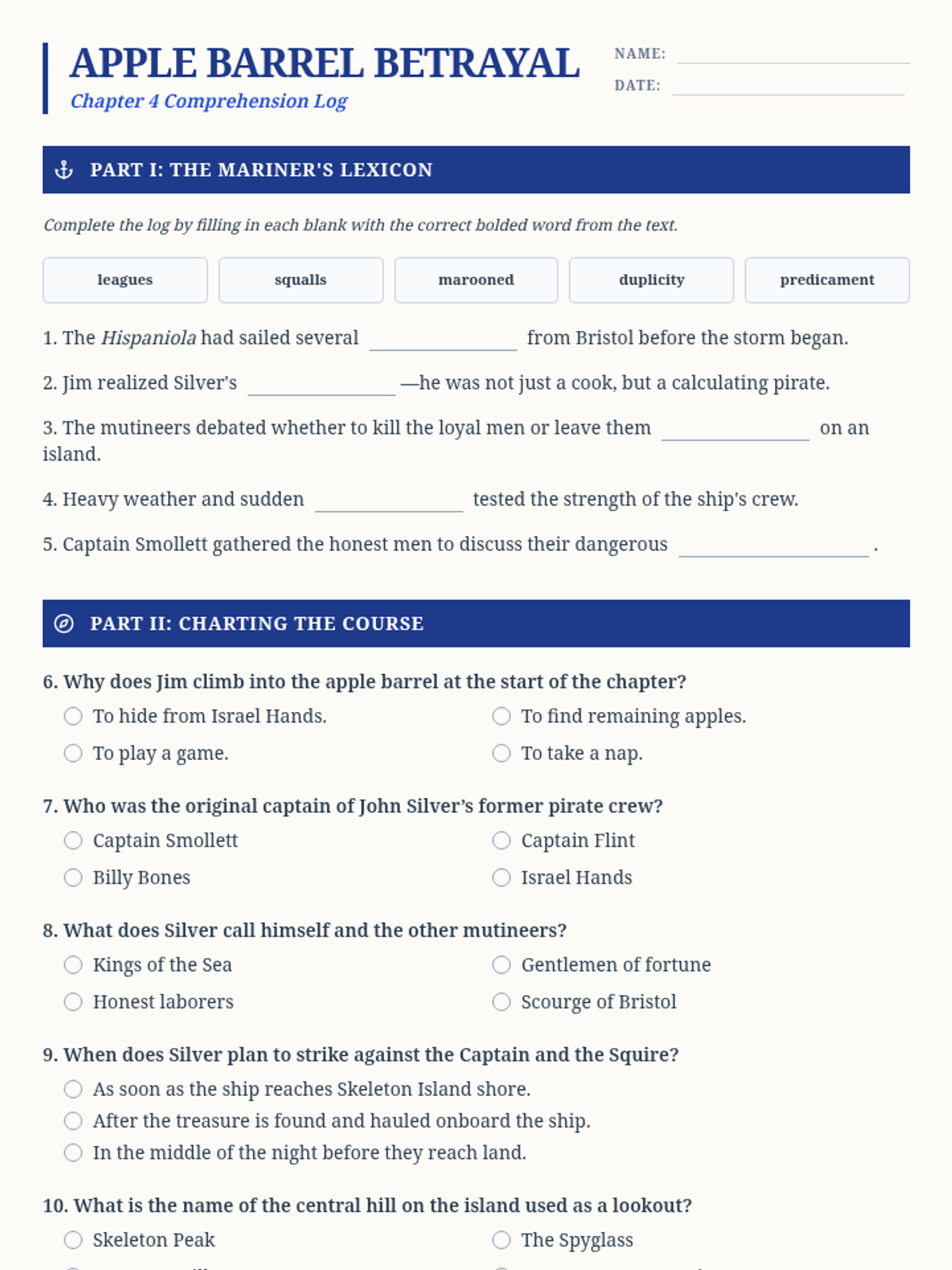
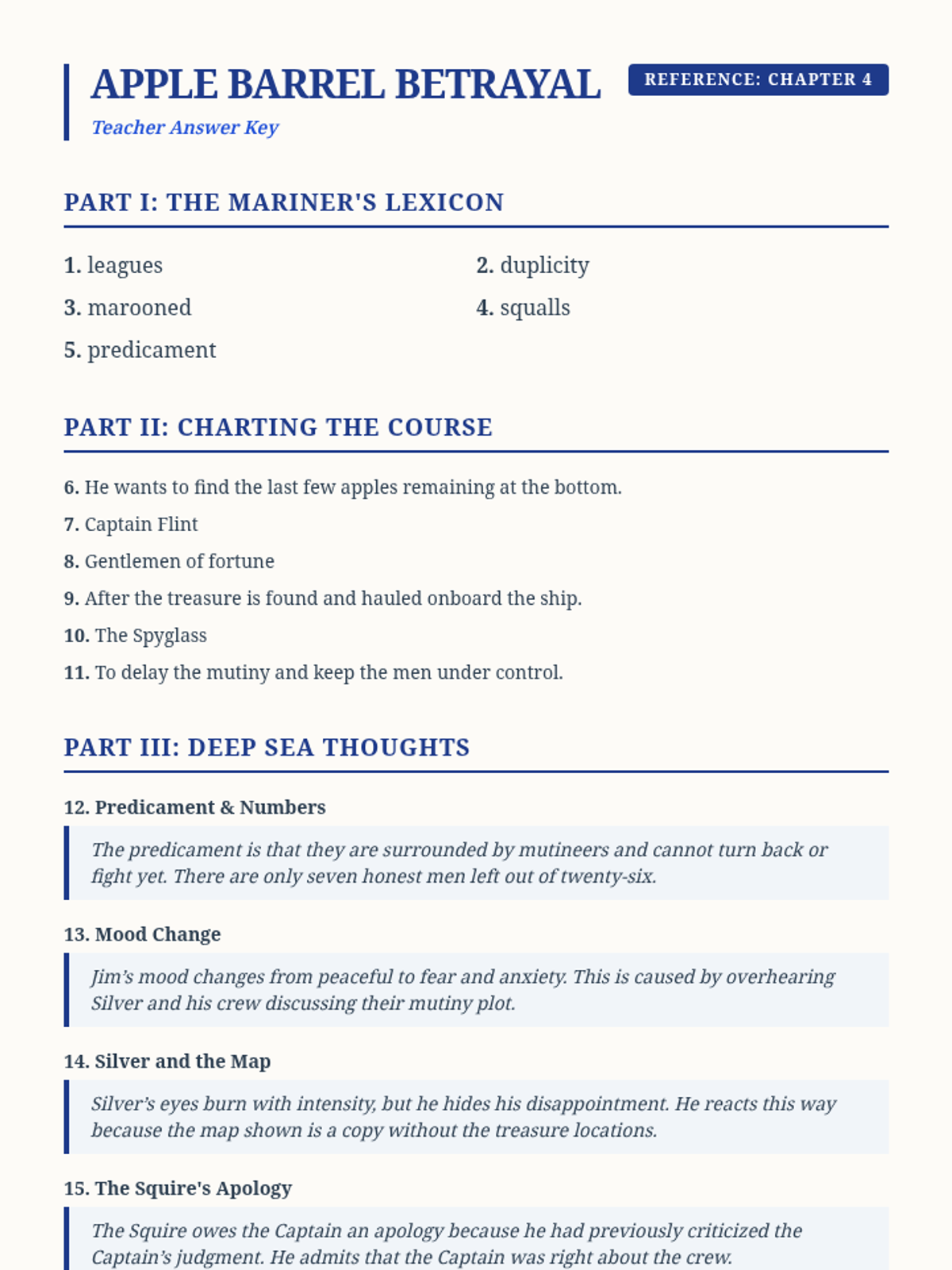
A deep dive into Chapter 4 of Treasure Island, focusing on Jim's discovery of John Silver's mutiny while hidden in an apple barrel. The lesson explores character duplicity, suspense, and the shift in power dynamics as the ship reaches Skeleton Island.
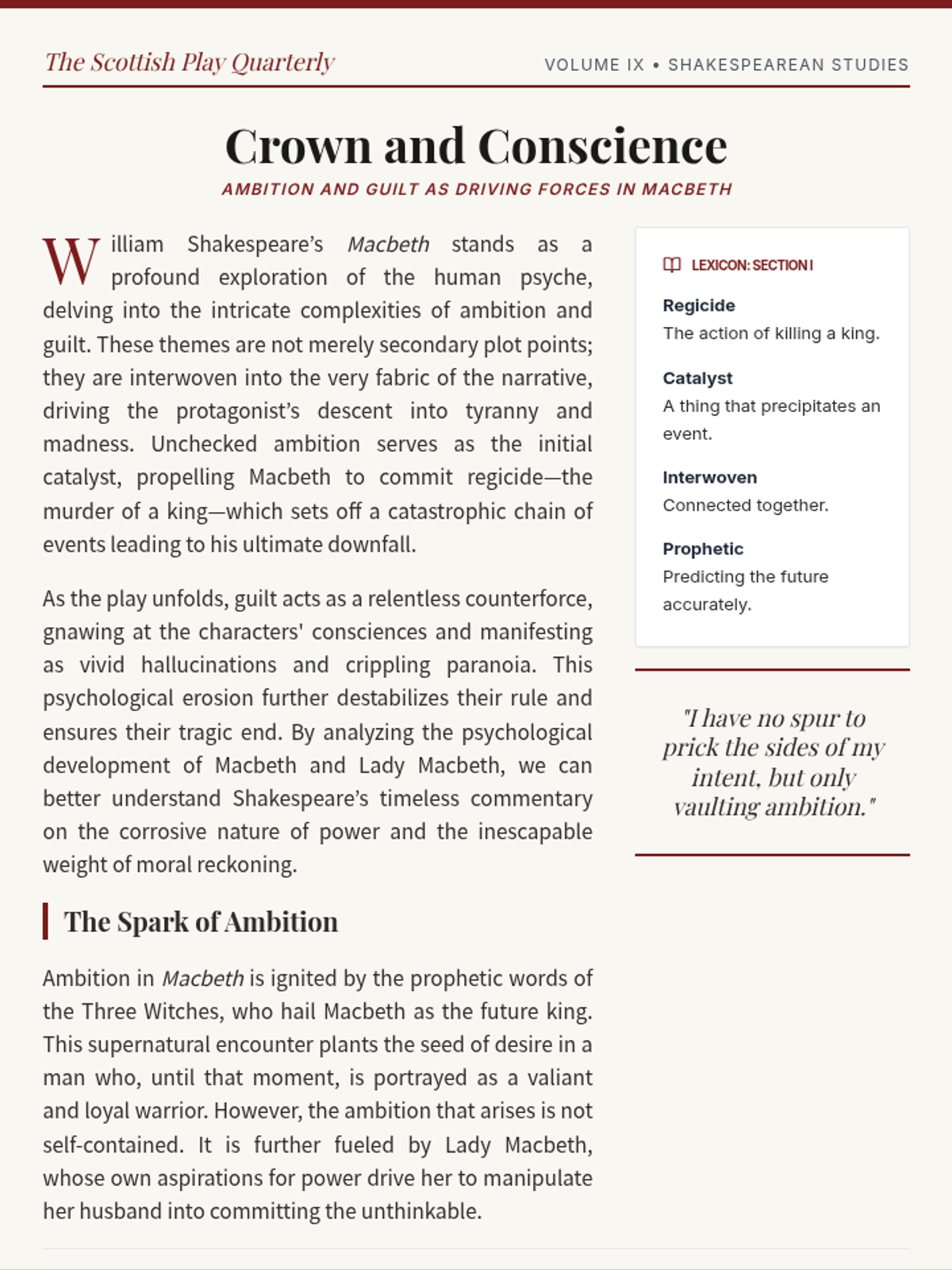
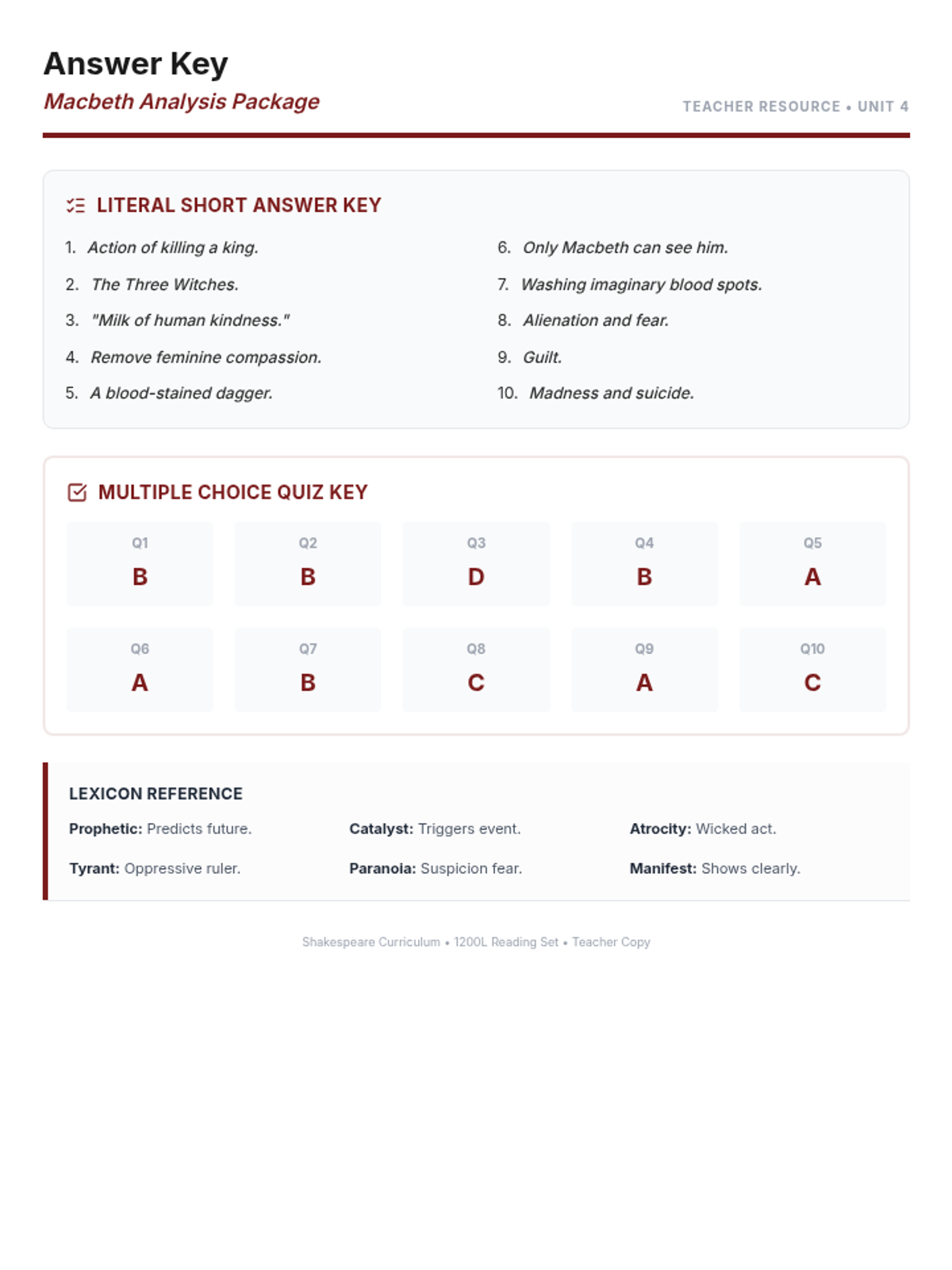
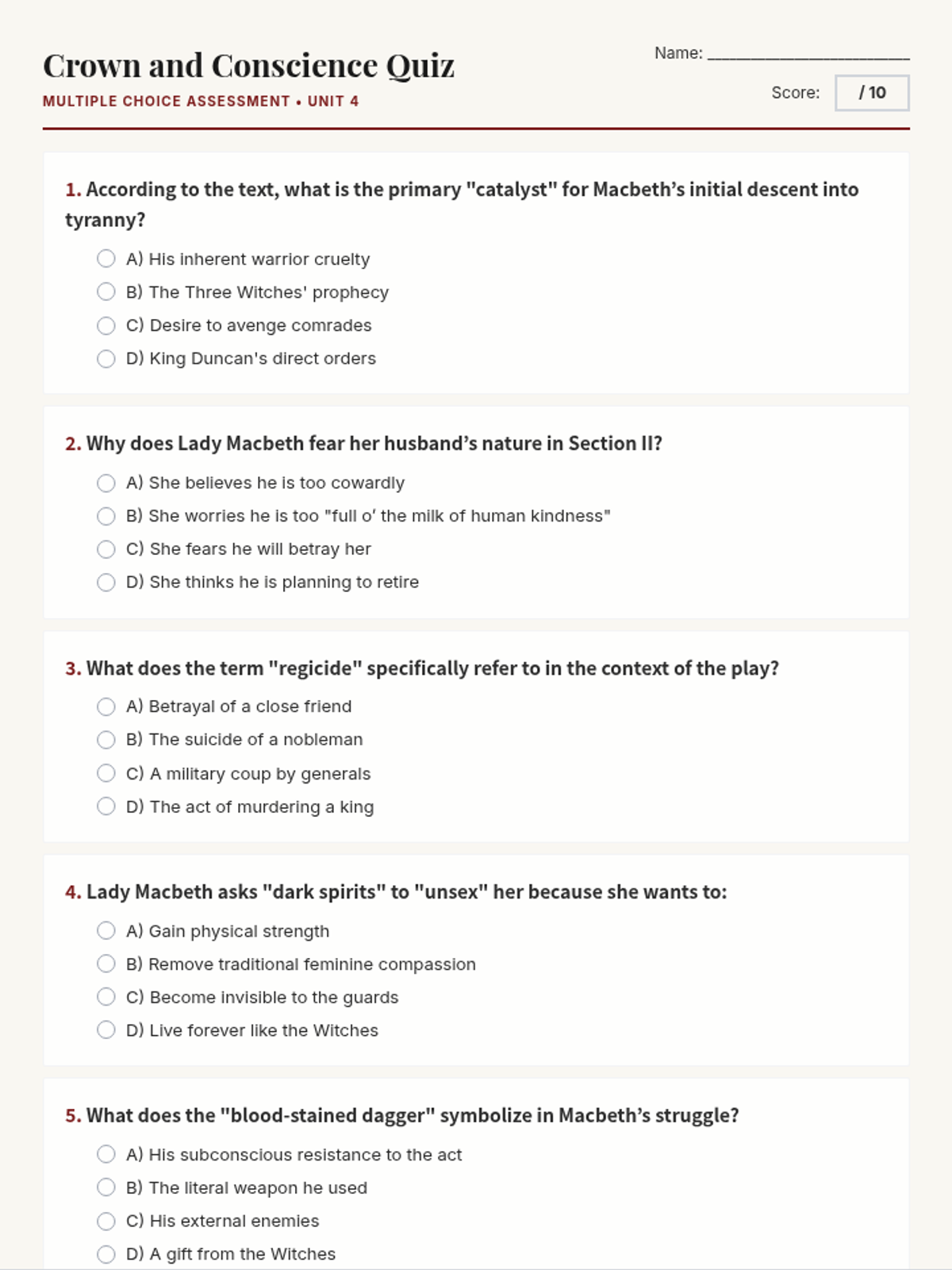
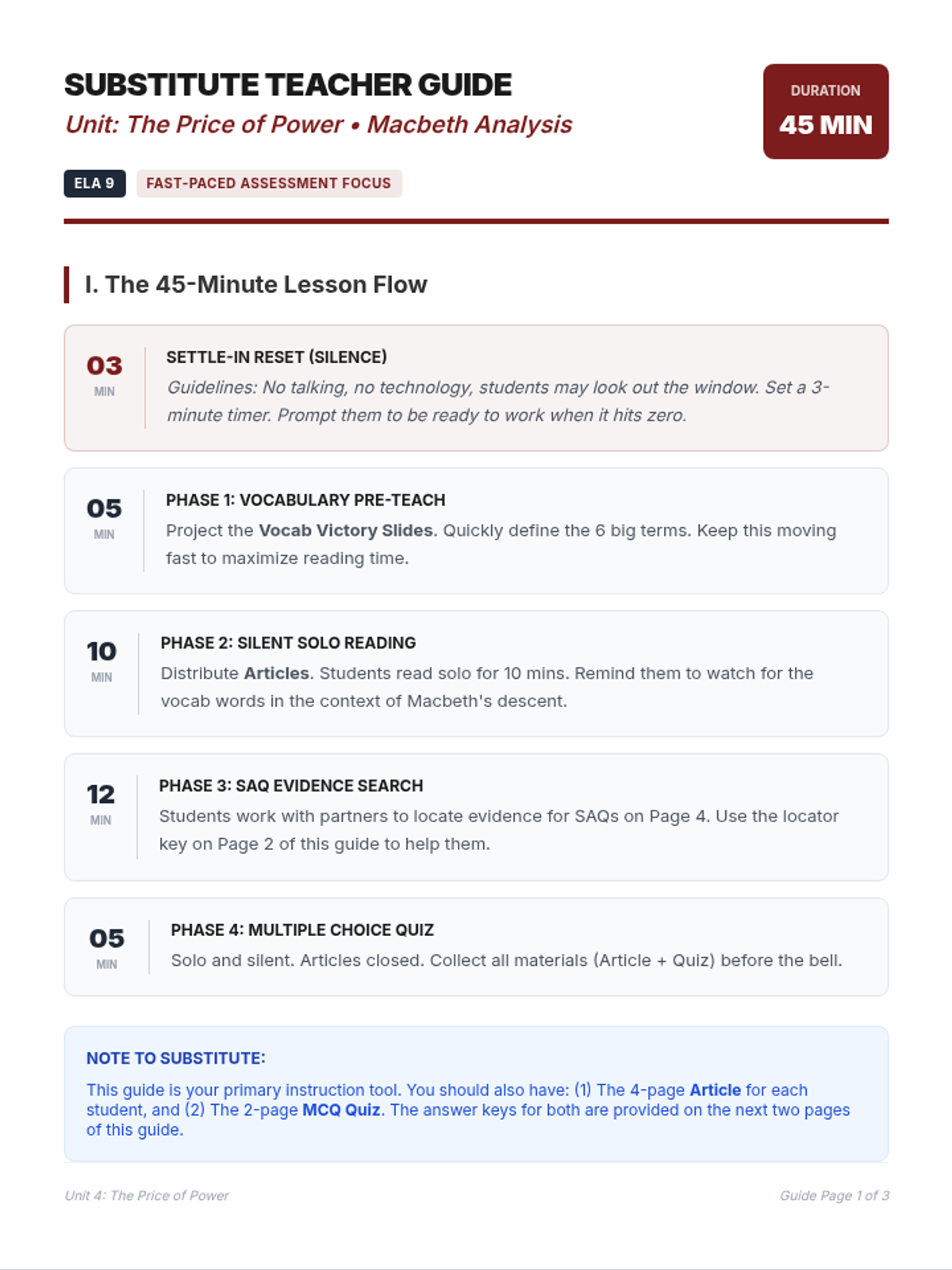
A deep dive into the psychological themes of Shakespeare's Macbeth, focusing on the destructive interplay between unchecked ambition and the weight of guilt.
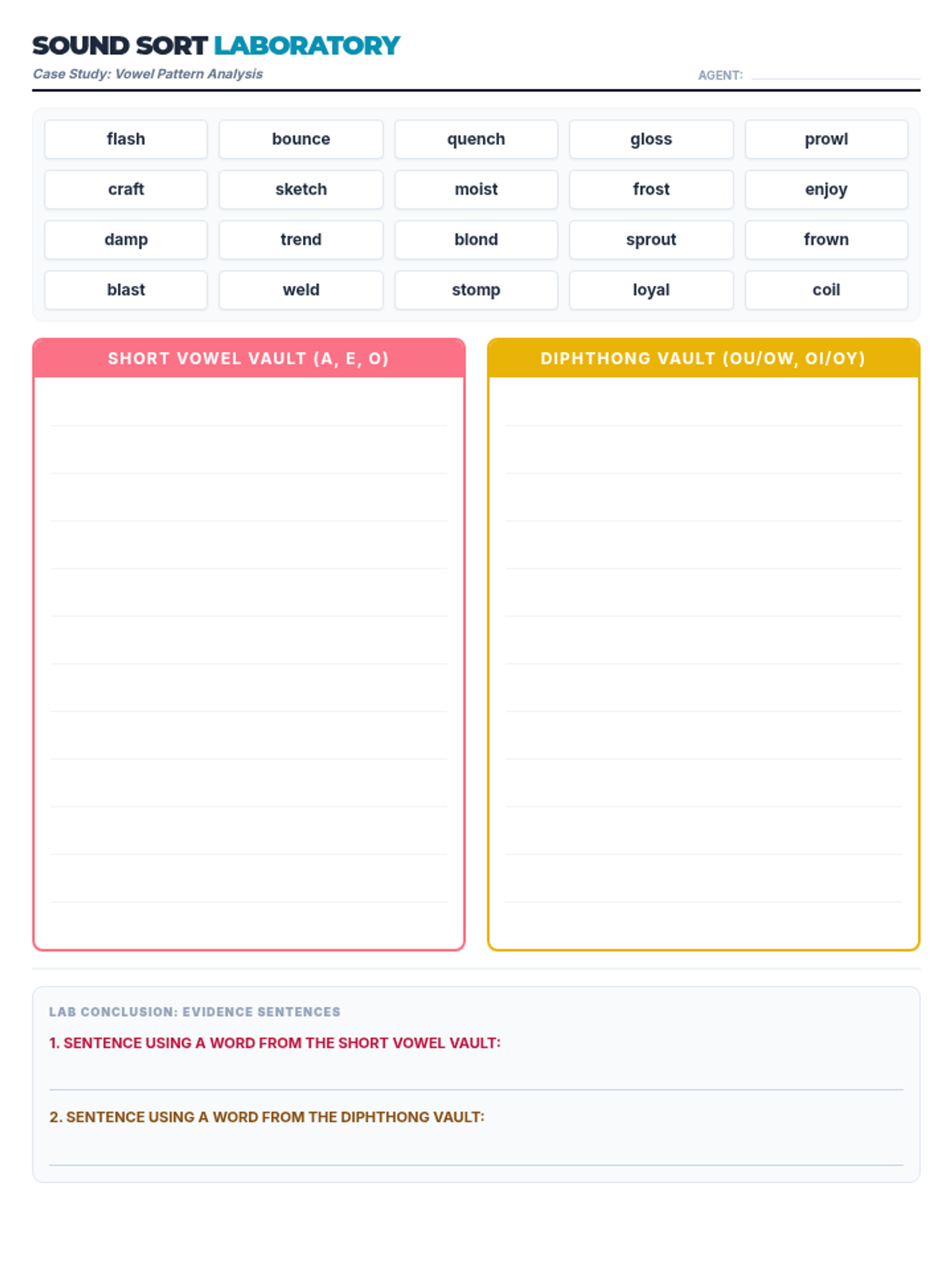
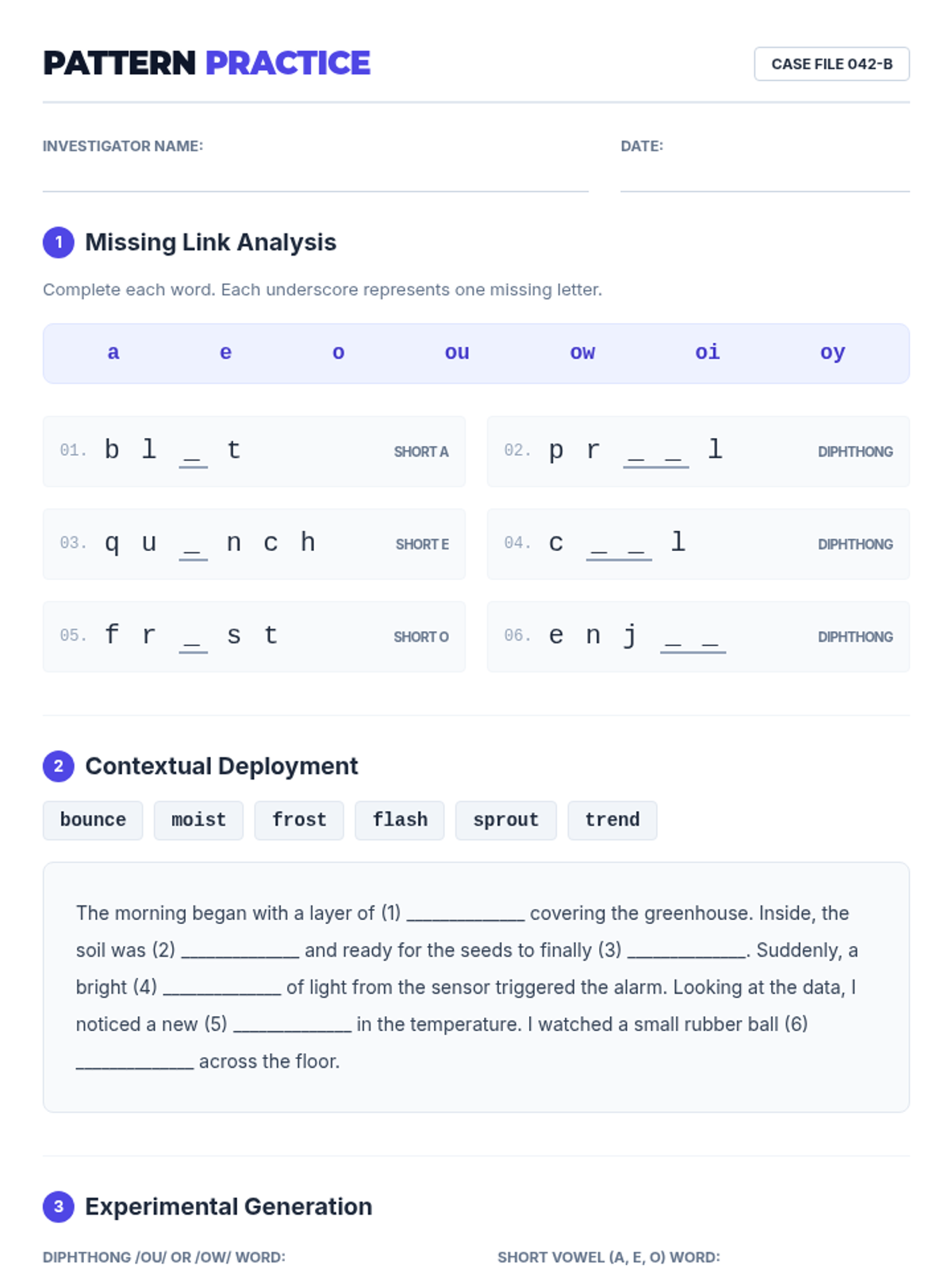
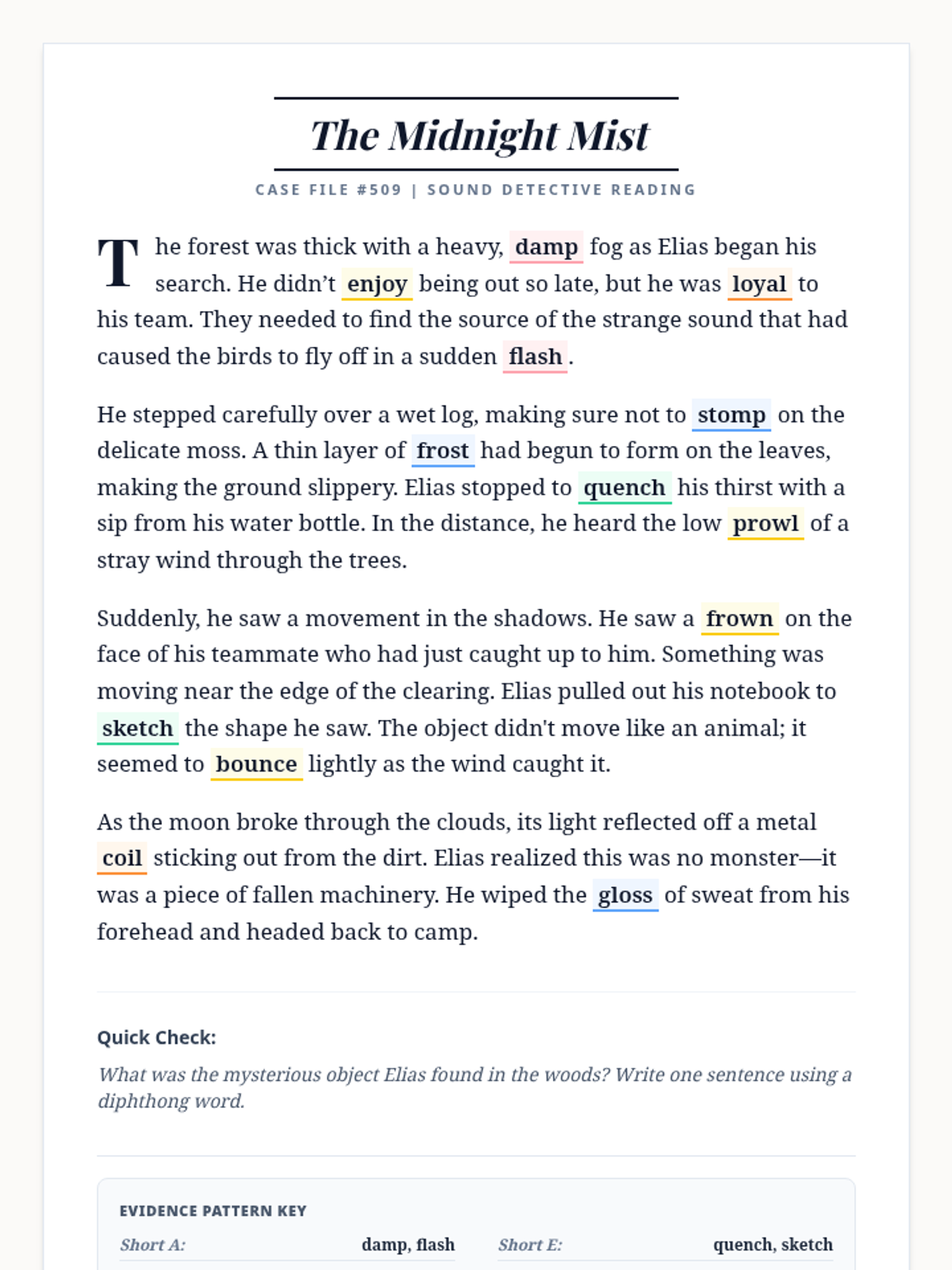
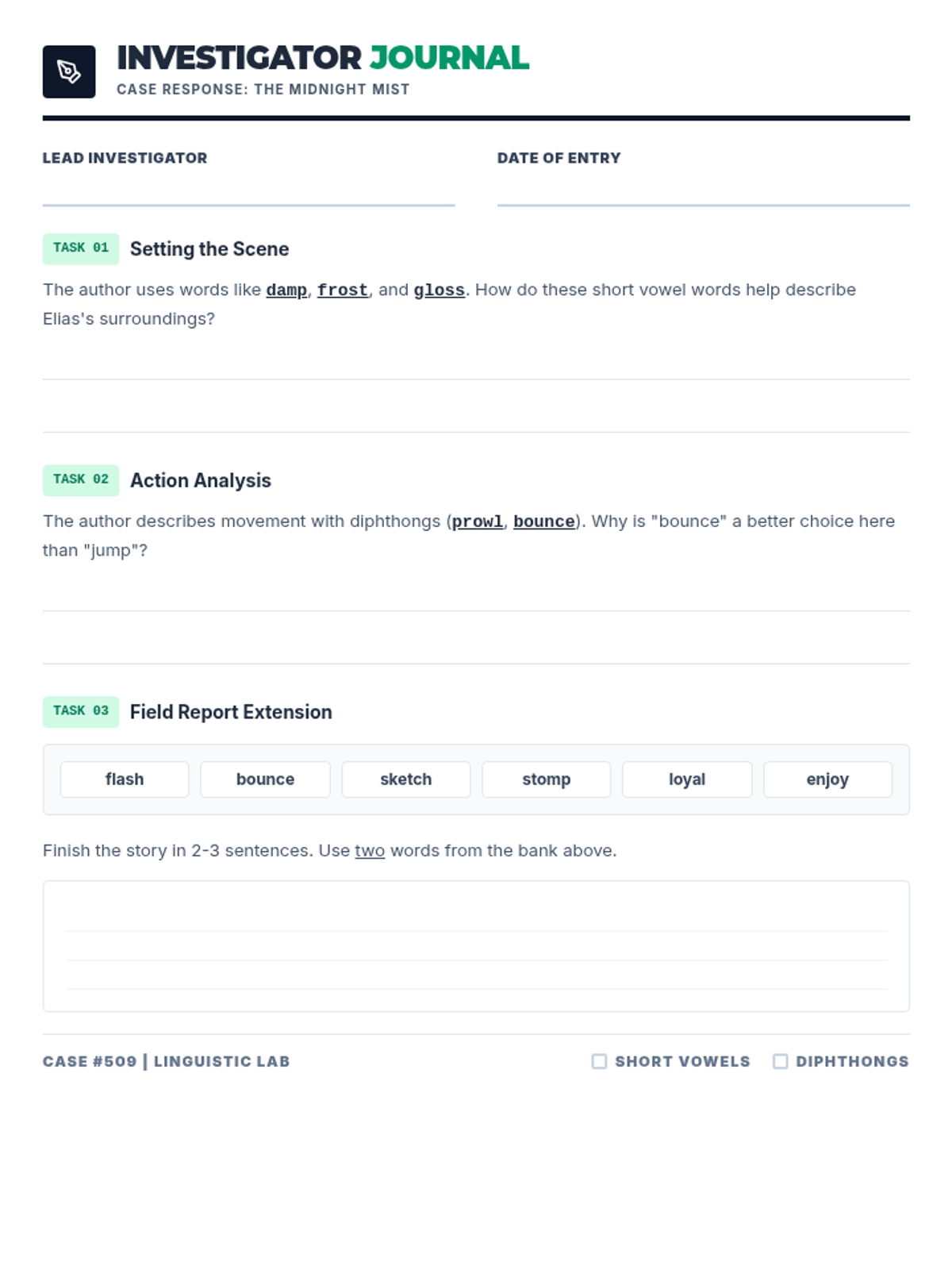
An interactive spelling lesson for 6th graders focusing on contrasting short vowel sounds (a, o, e) with complex diphthongs (ou, ow, oi, oy). Students act as 'Sound Detectives' to identify, sort, and apply these patterns in reading and writing.
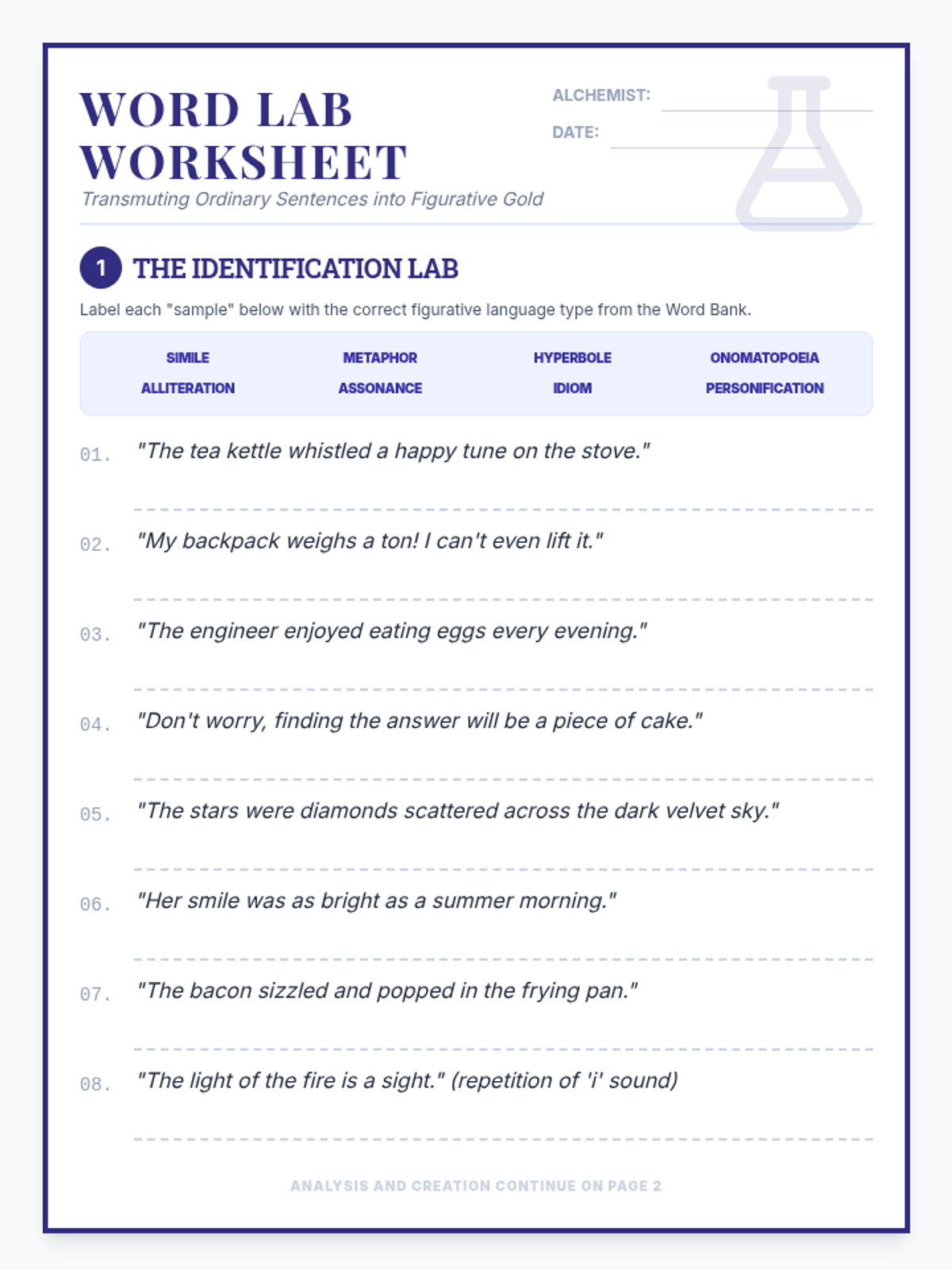
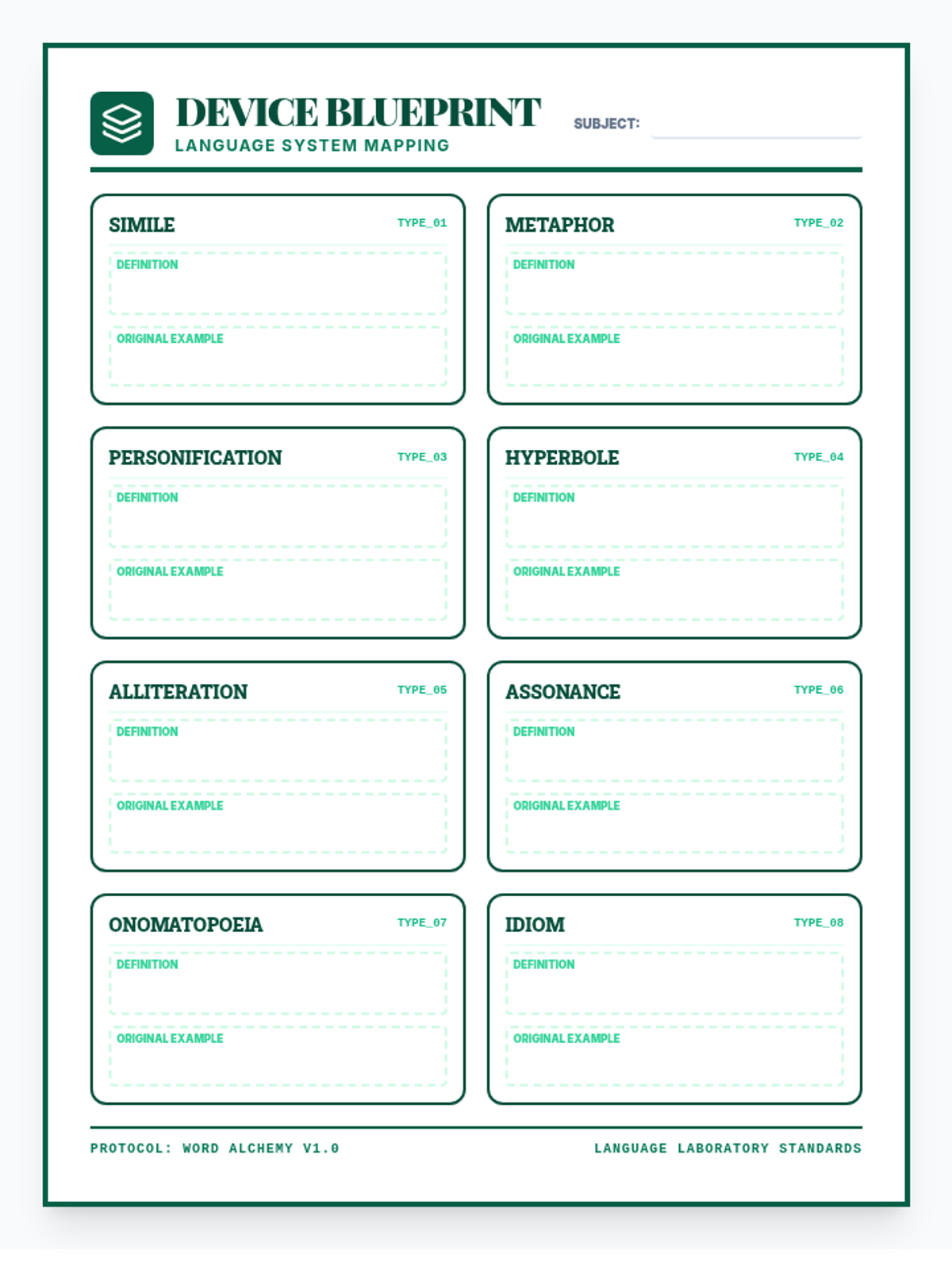
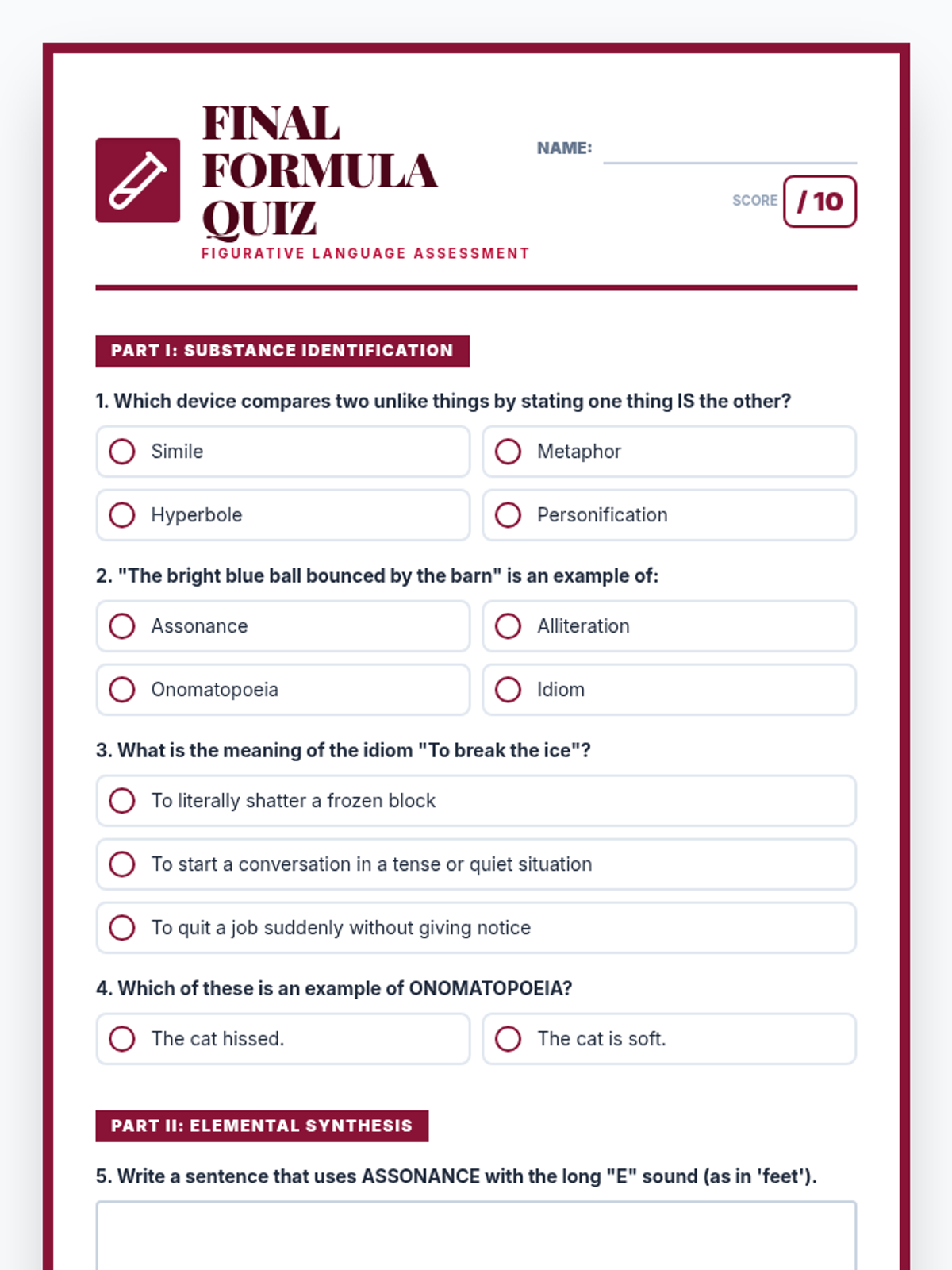
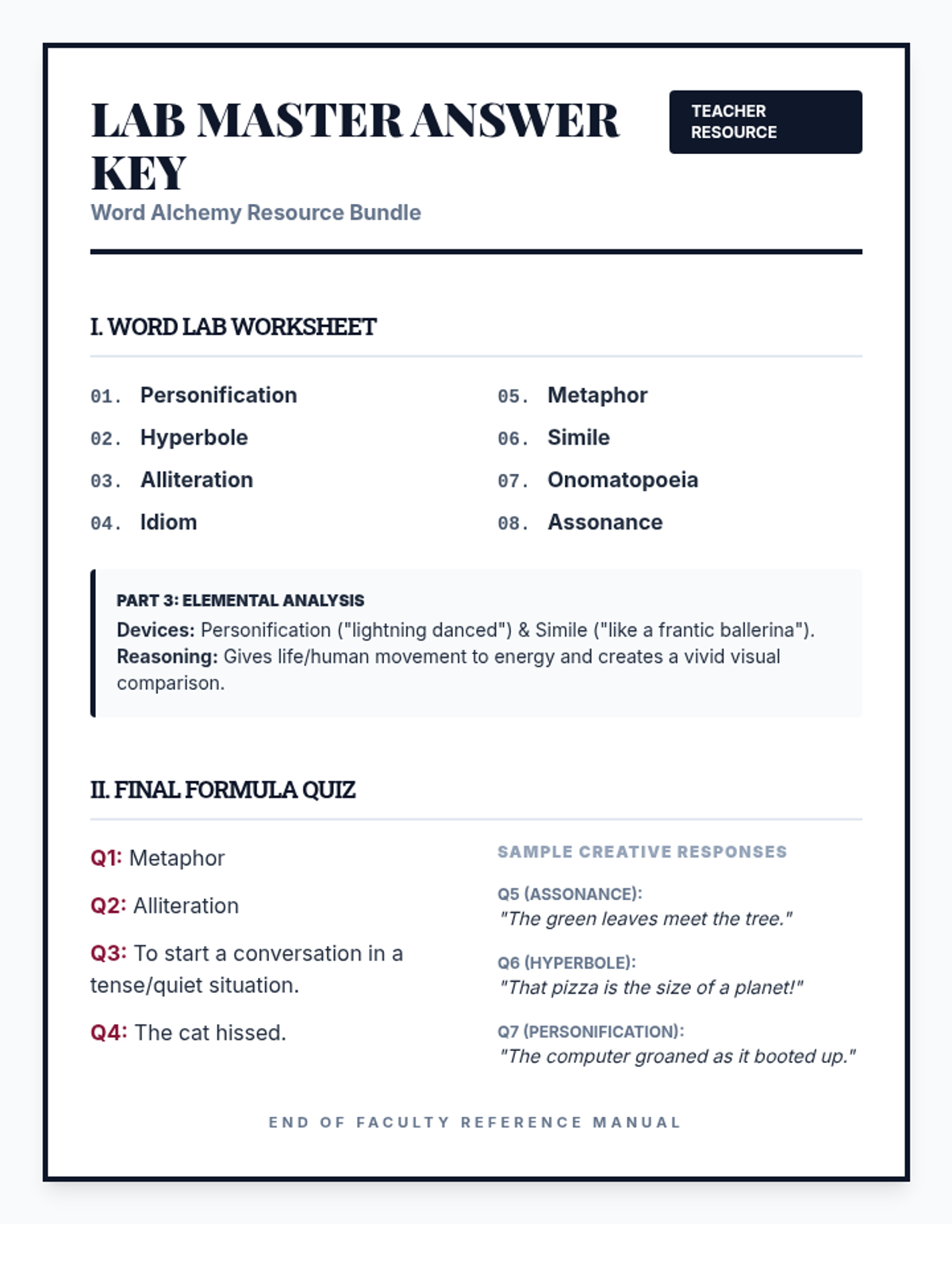
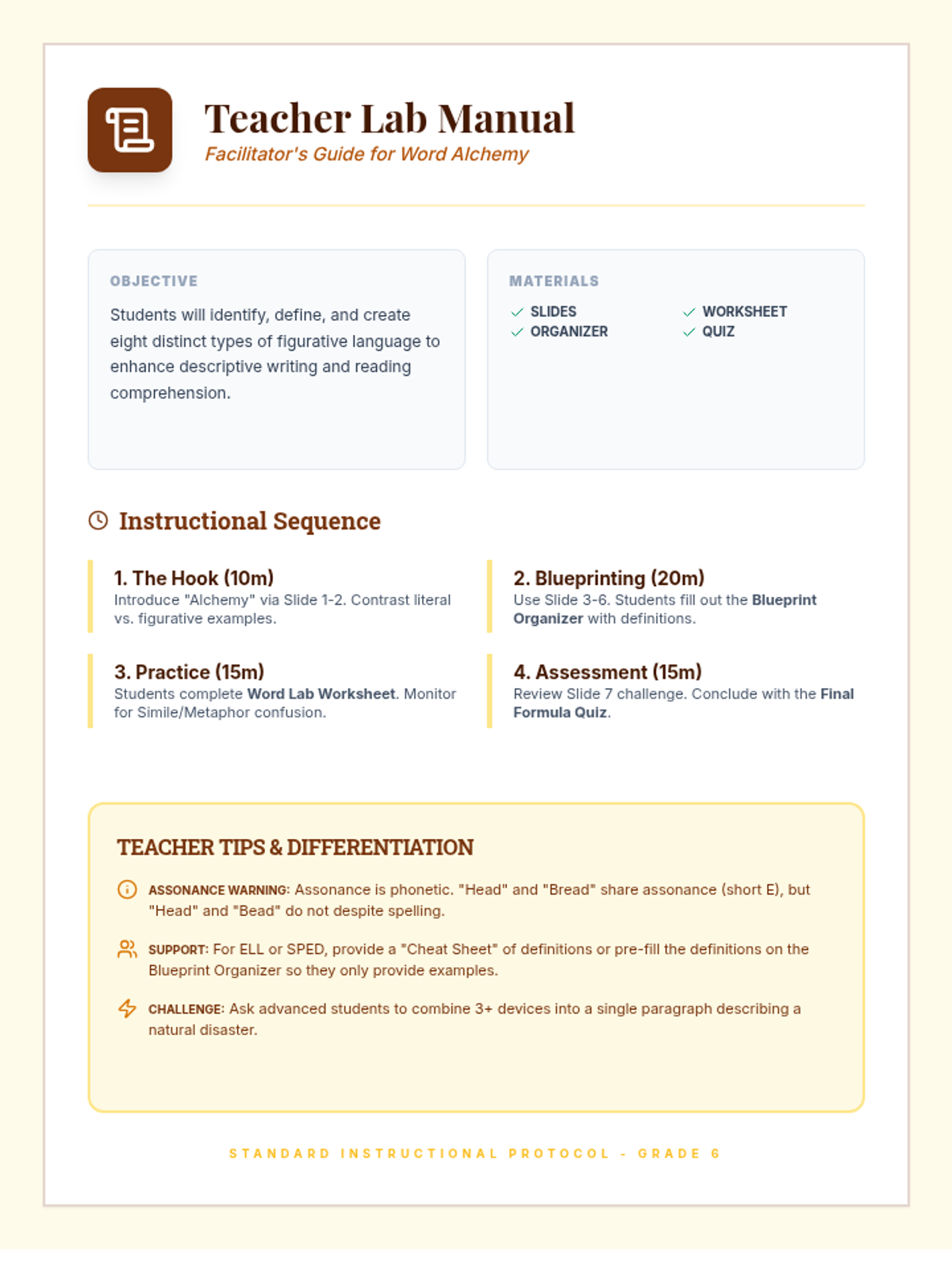
A comprehensive exploration of figurative language through the lens of 'Word Alchemy,' where students dissect and create similes, metaphors, hyperboles, and more.
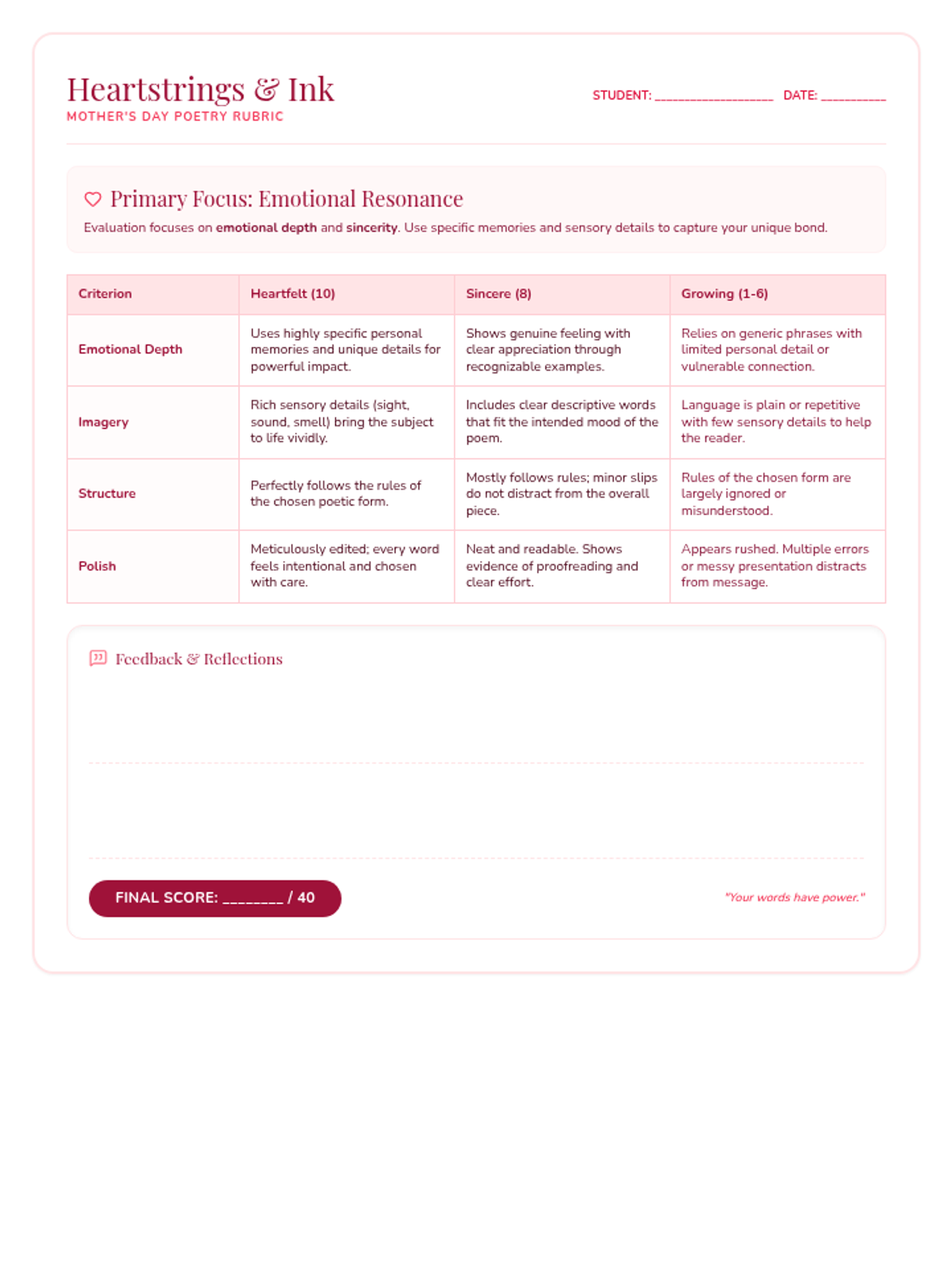
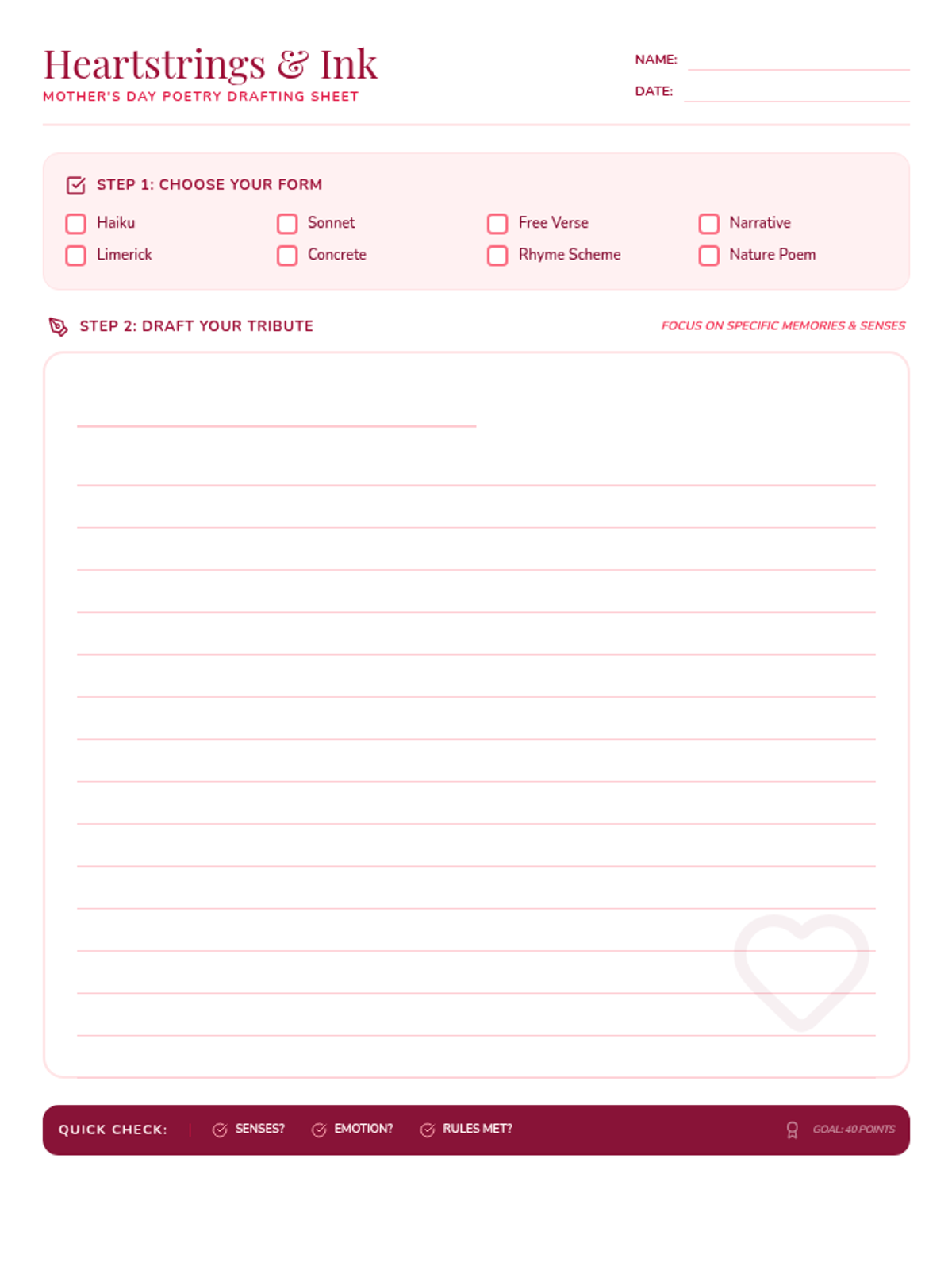
A 60-minute poetry workshop where students explore various poetic forms to create a heartfelt tribute for Mother's Day, focusing on emotional resonance and personal connection.
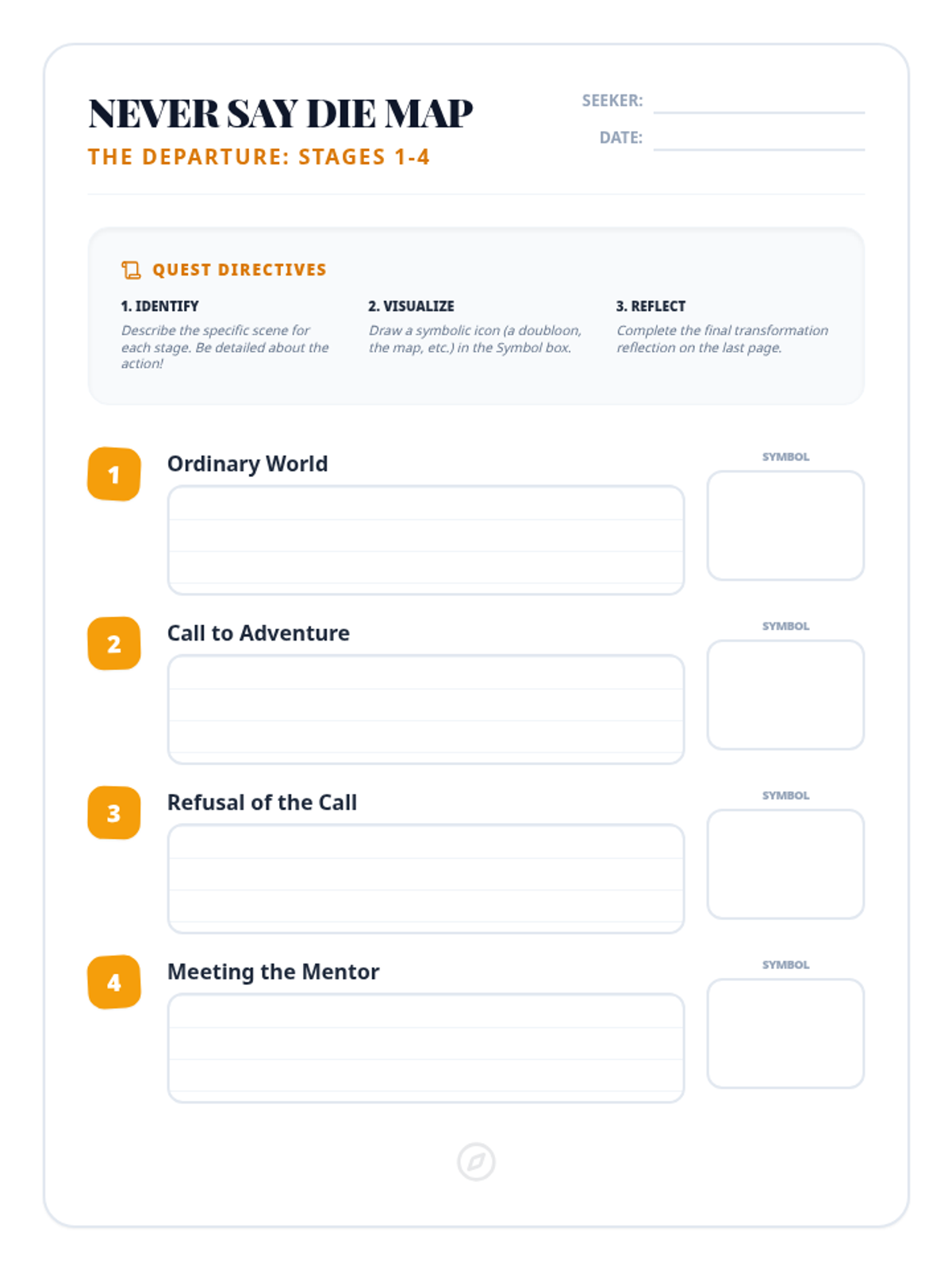
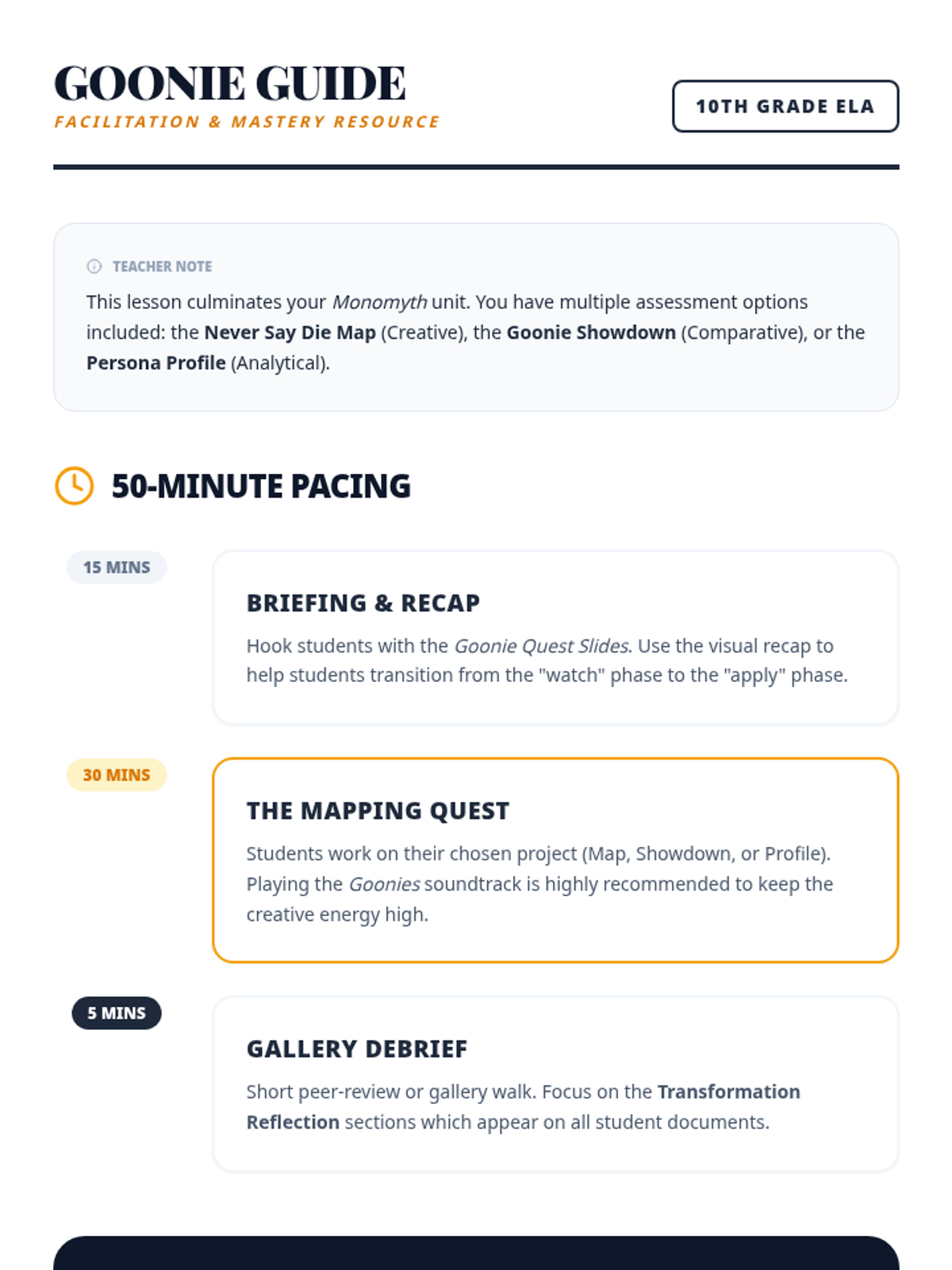
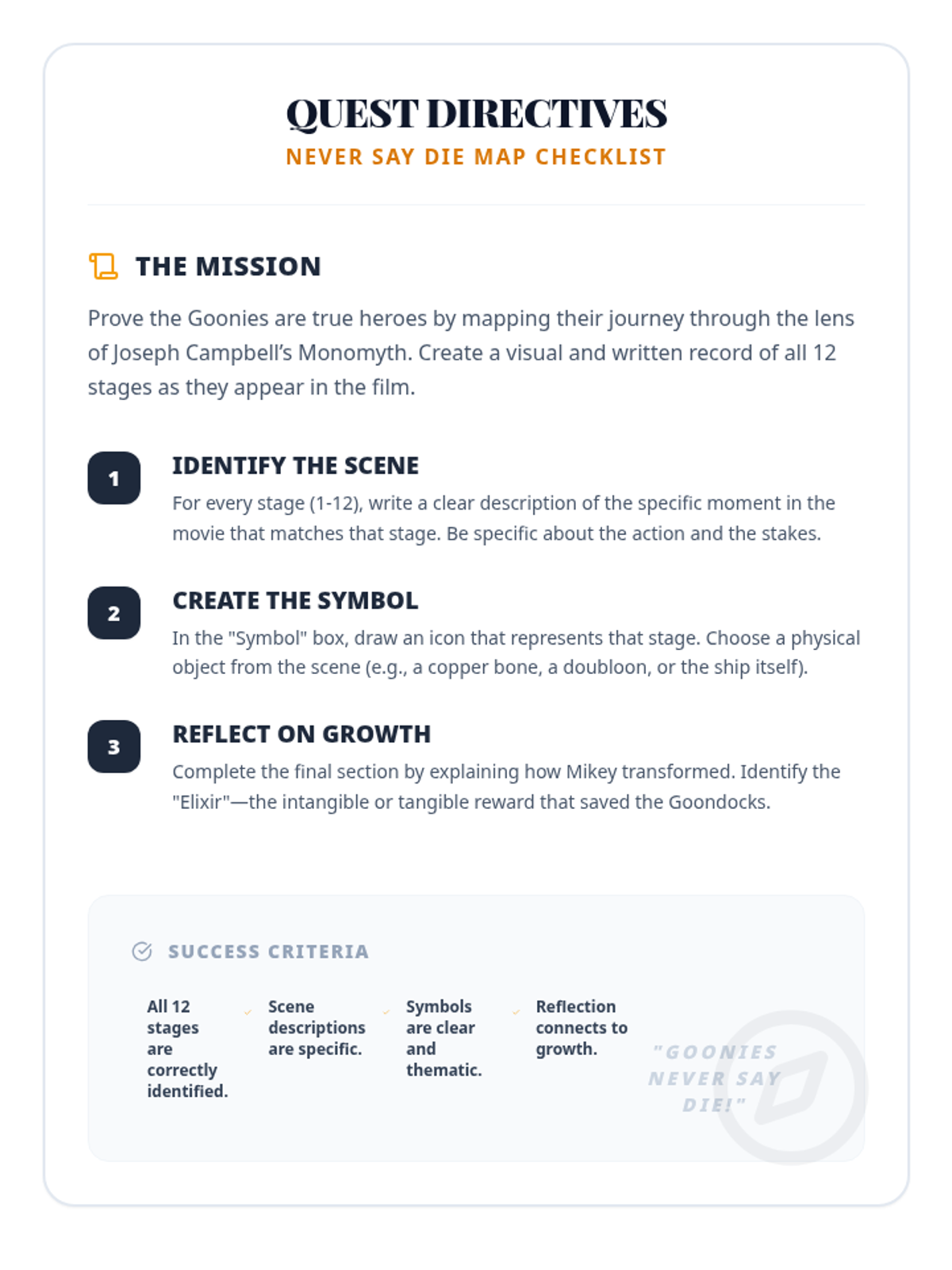
A fast-paced creative project where students map out the 12 stages of the Hero's Journey using the plot of The Goonies as their guide.
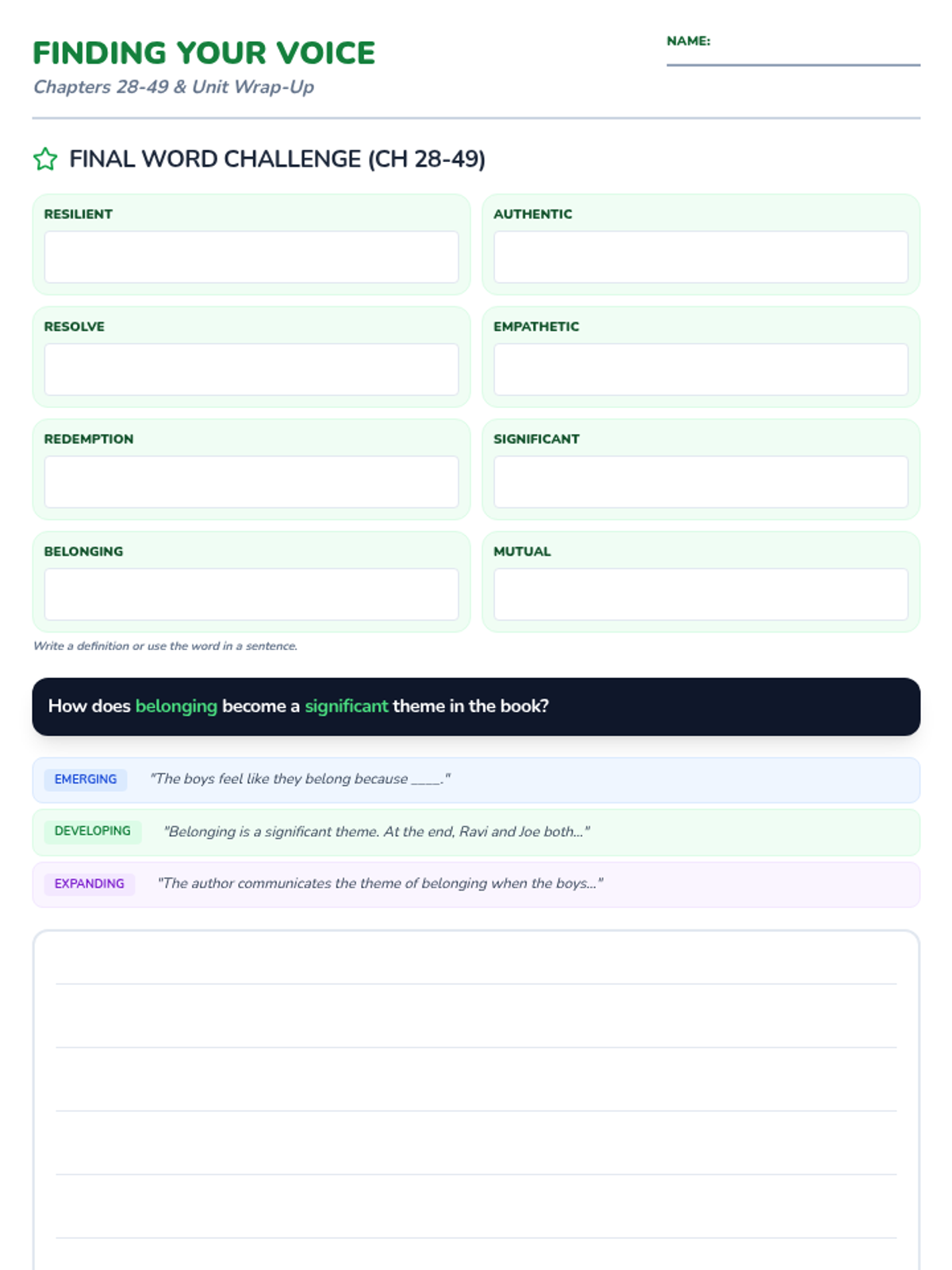
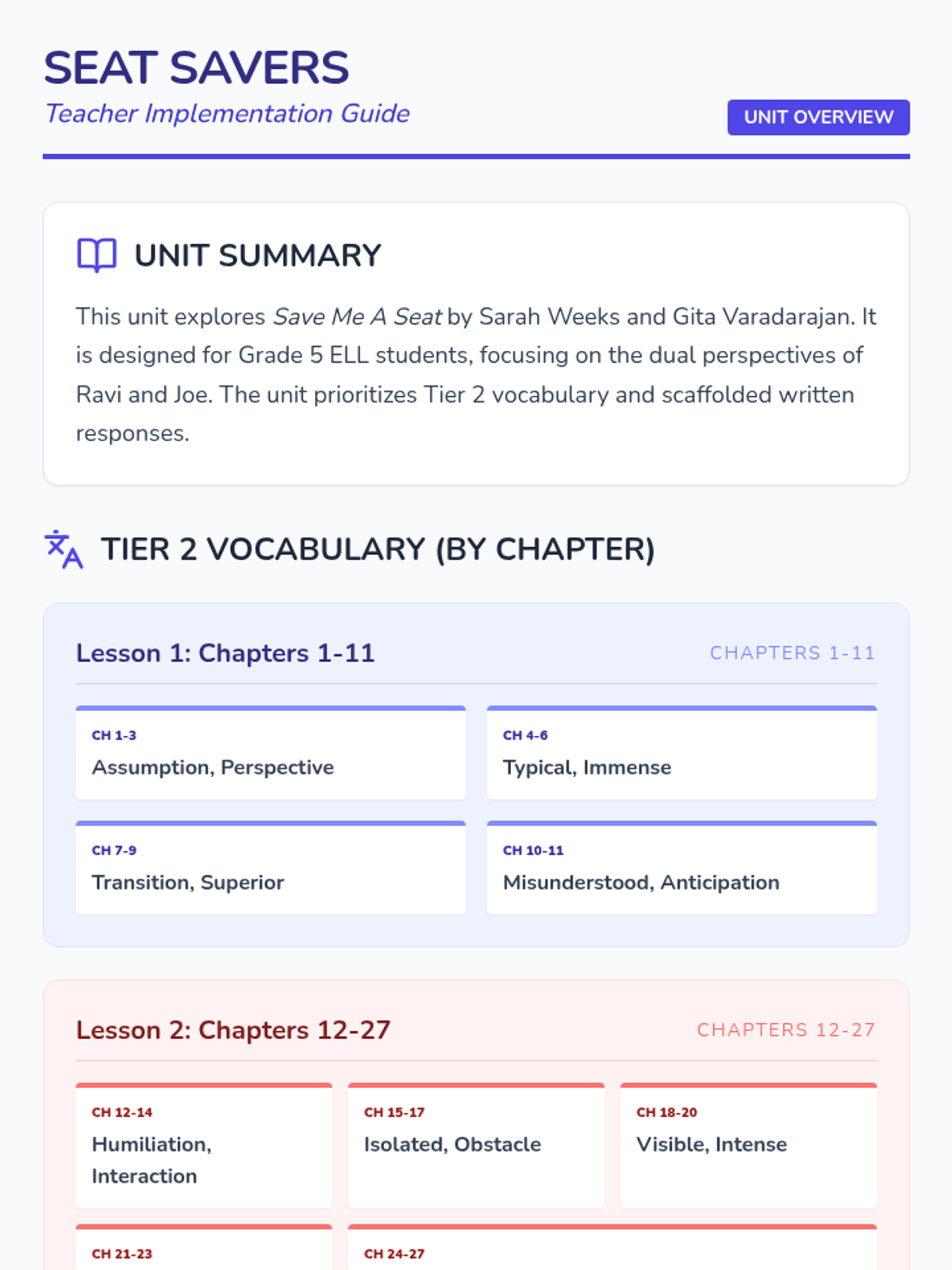
The resolution of the story where Joe and Ravi find common ground, focusing on the central themes of the book and vocabulary related to resilience and empathy.
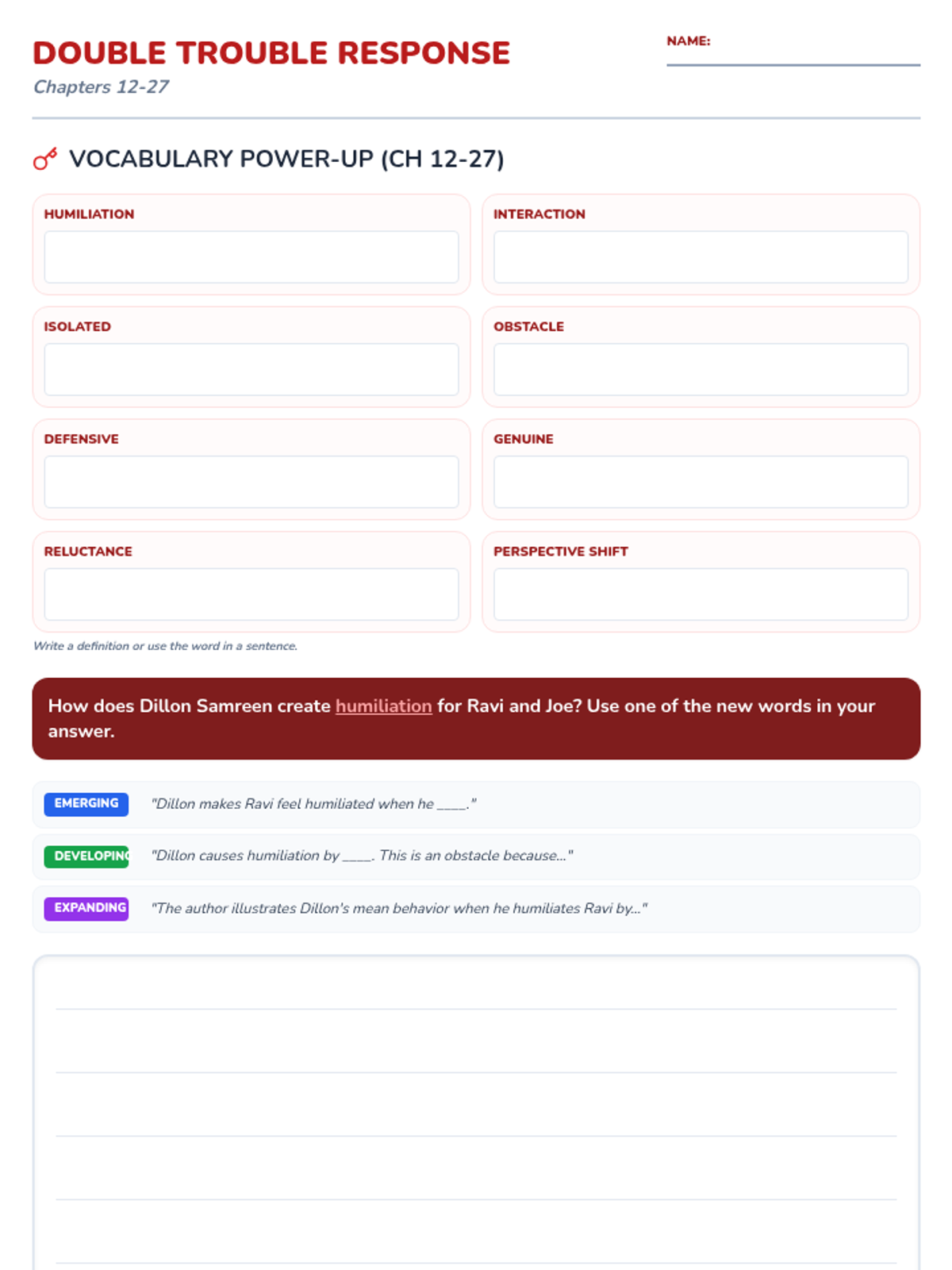
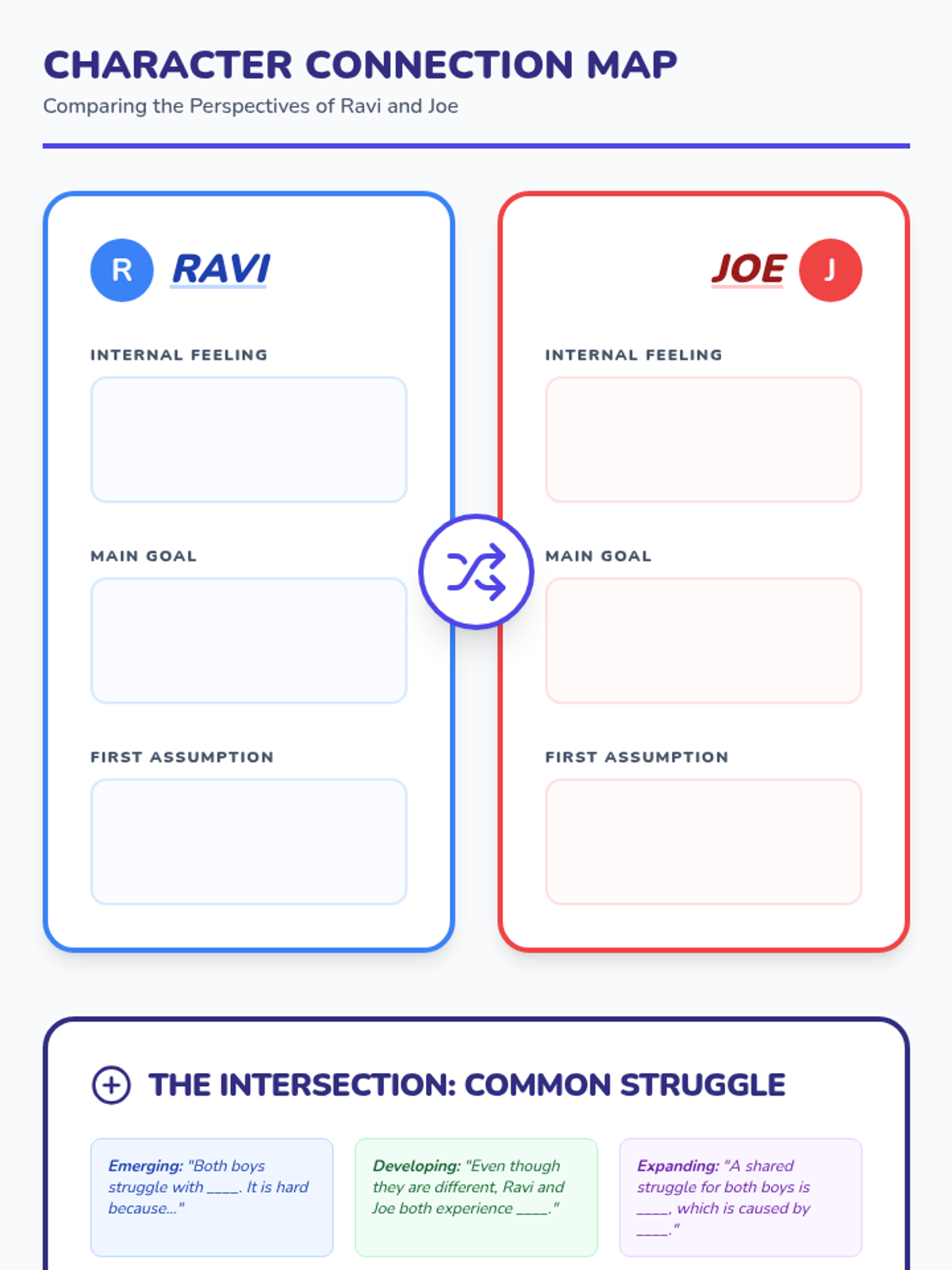
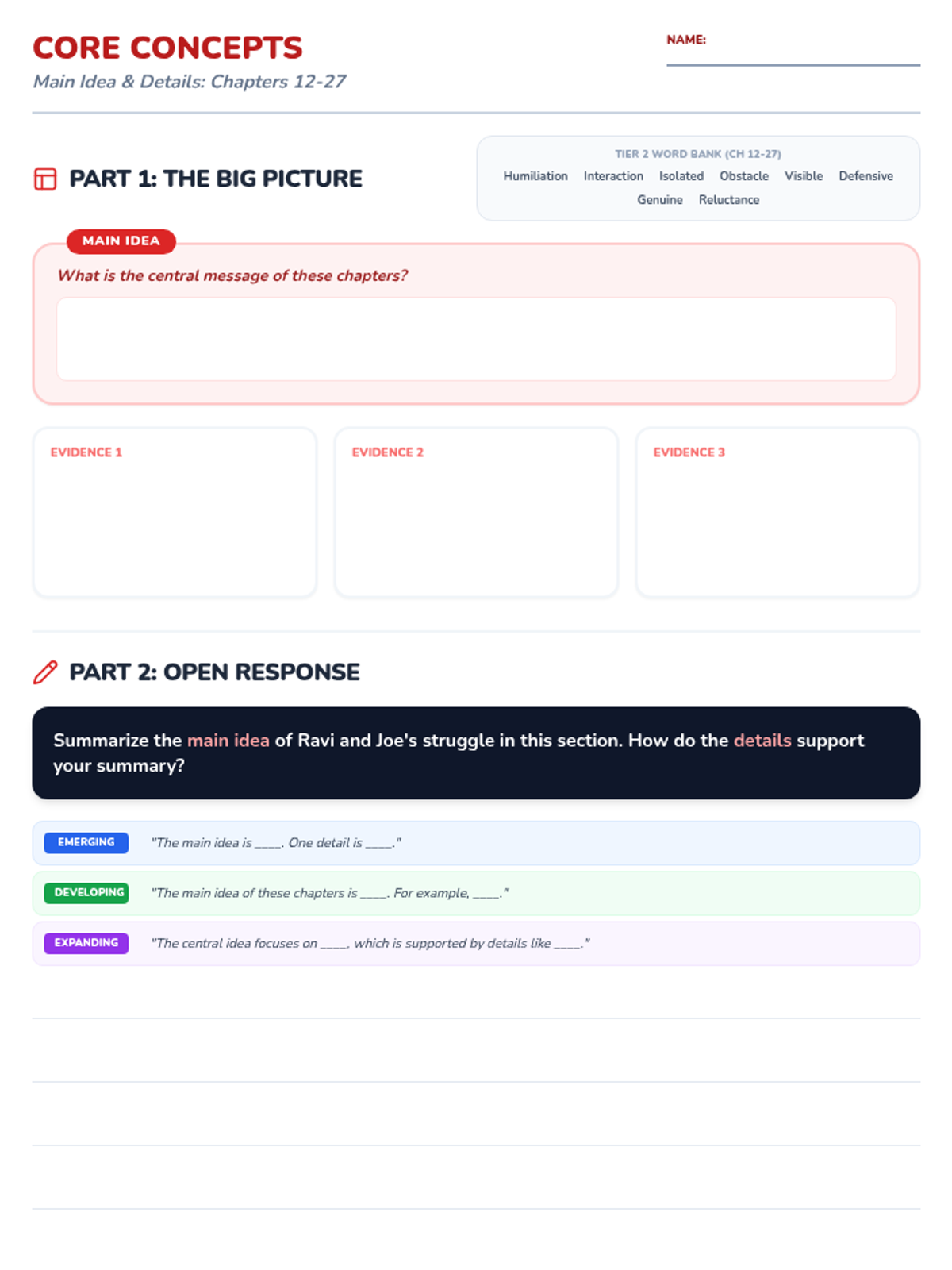
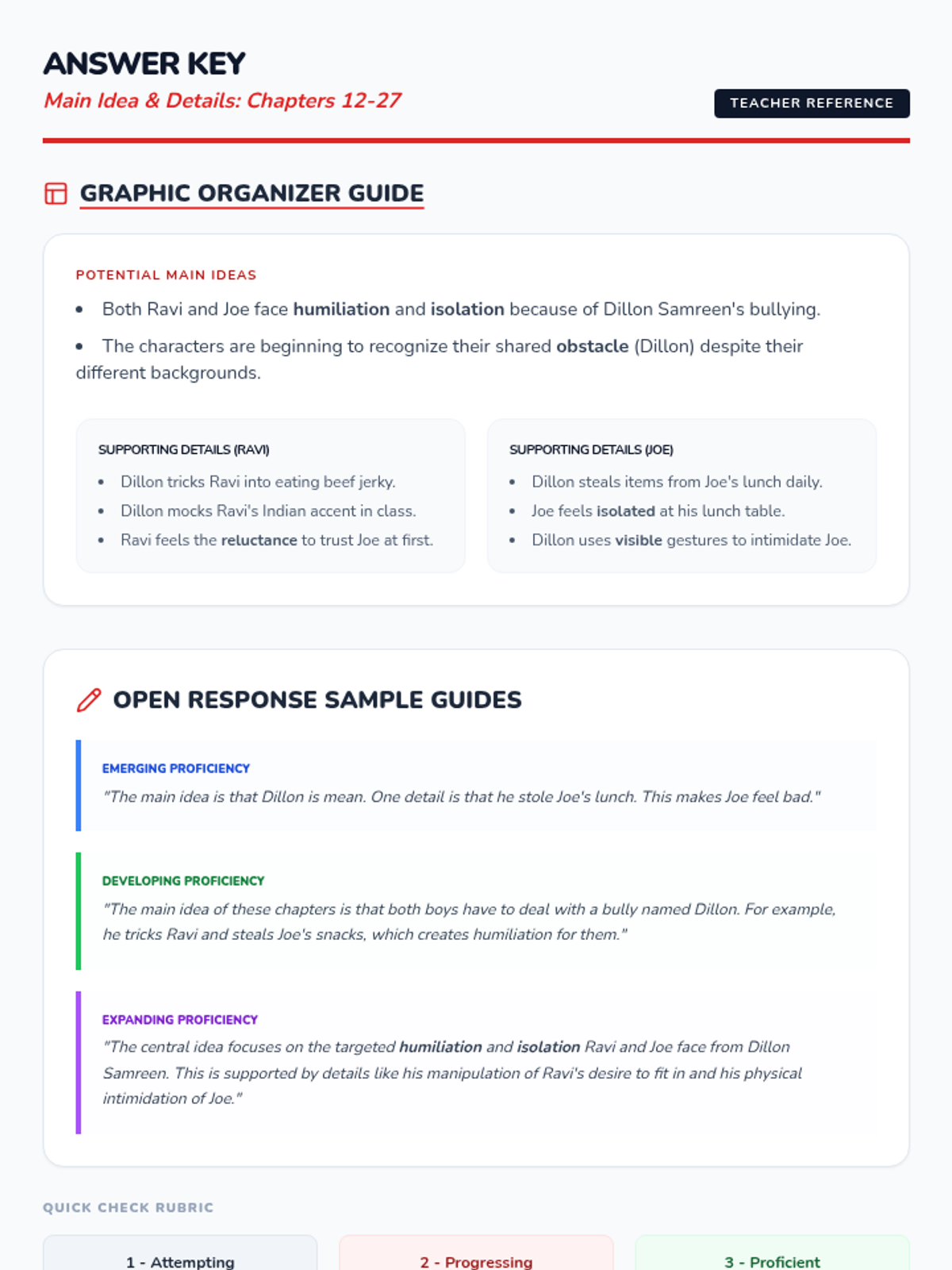
Exploration of the rising action, including the challenges both characters face with Dillon Samreen and their internal struggles, focusing on words related to conflict and perspective.
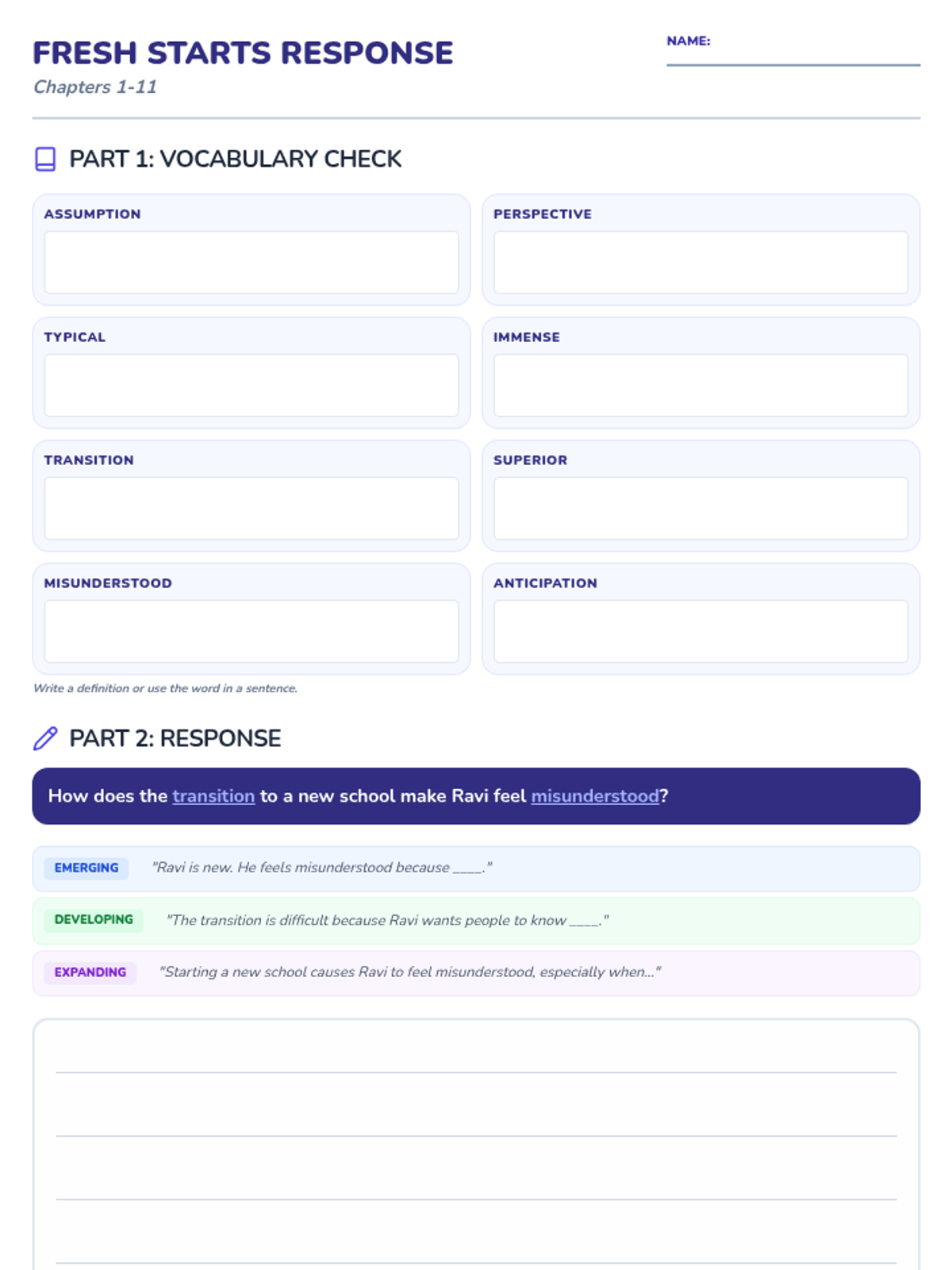
Introduction to Joe and Ravi, focusing on first impressions and the Tier 2 vocabulary related to starting a new school year and making assumptions.
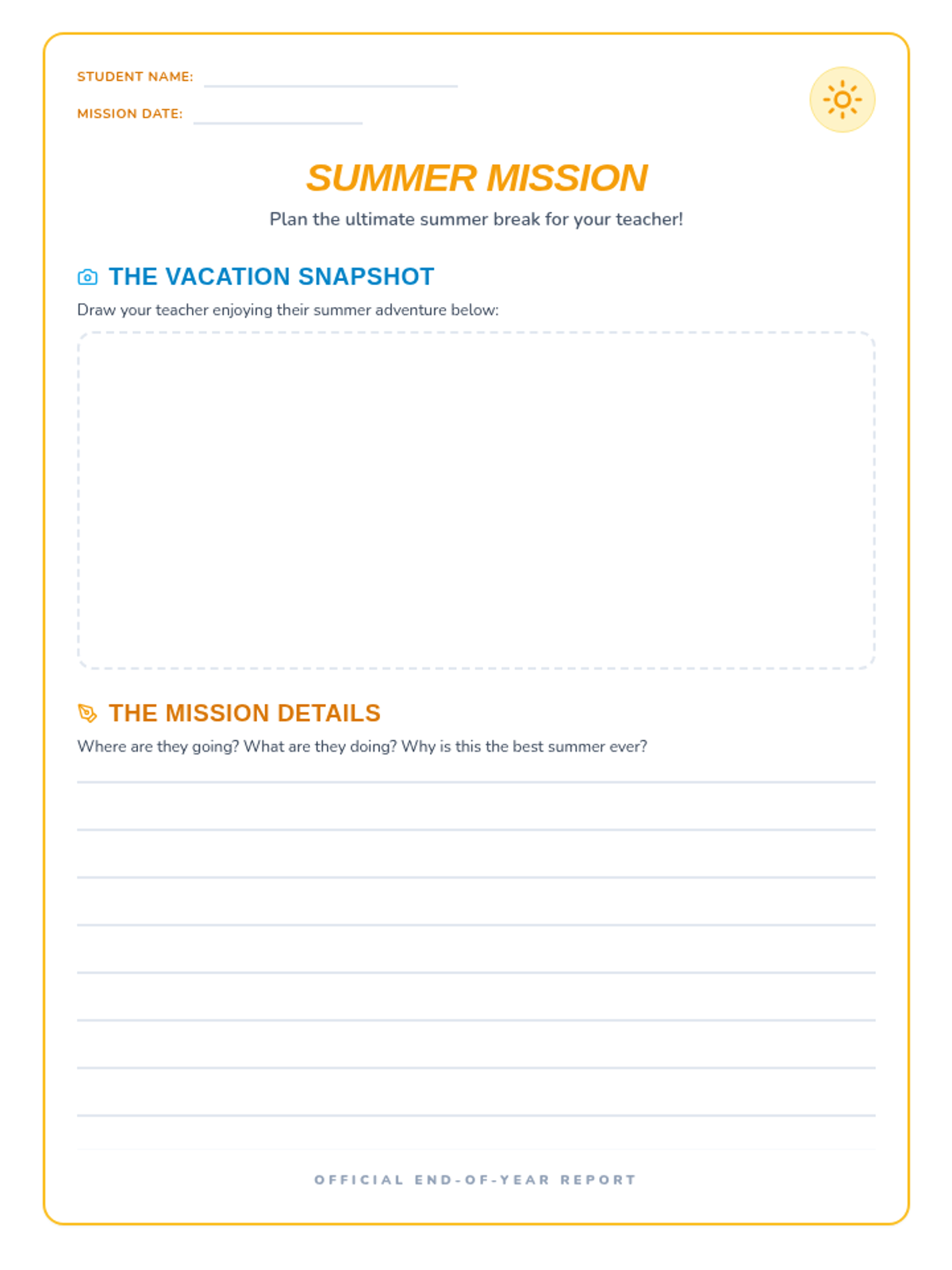
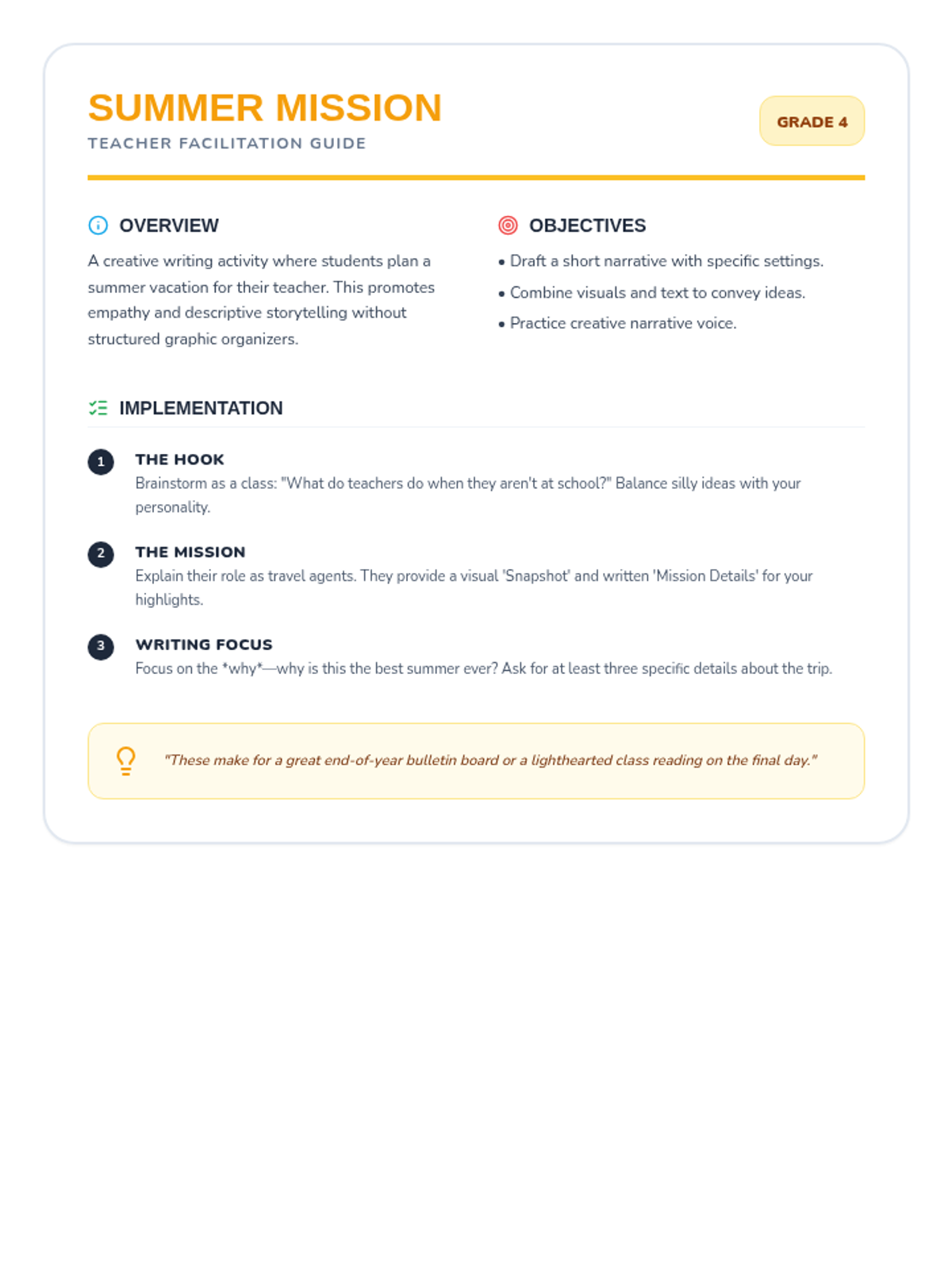
A creative writing and drawing activity where students design the ultimate summer vacation for their teacher.
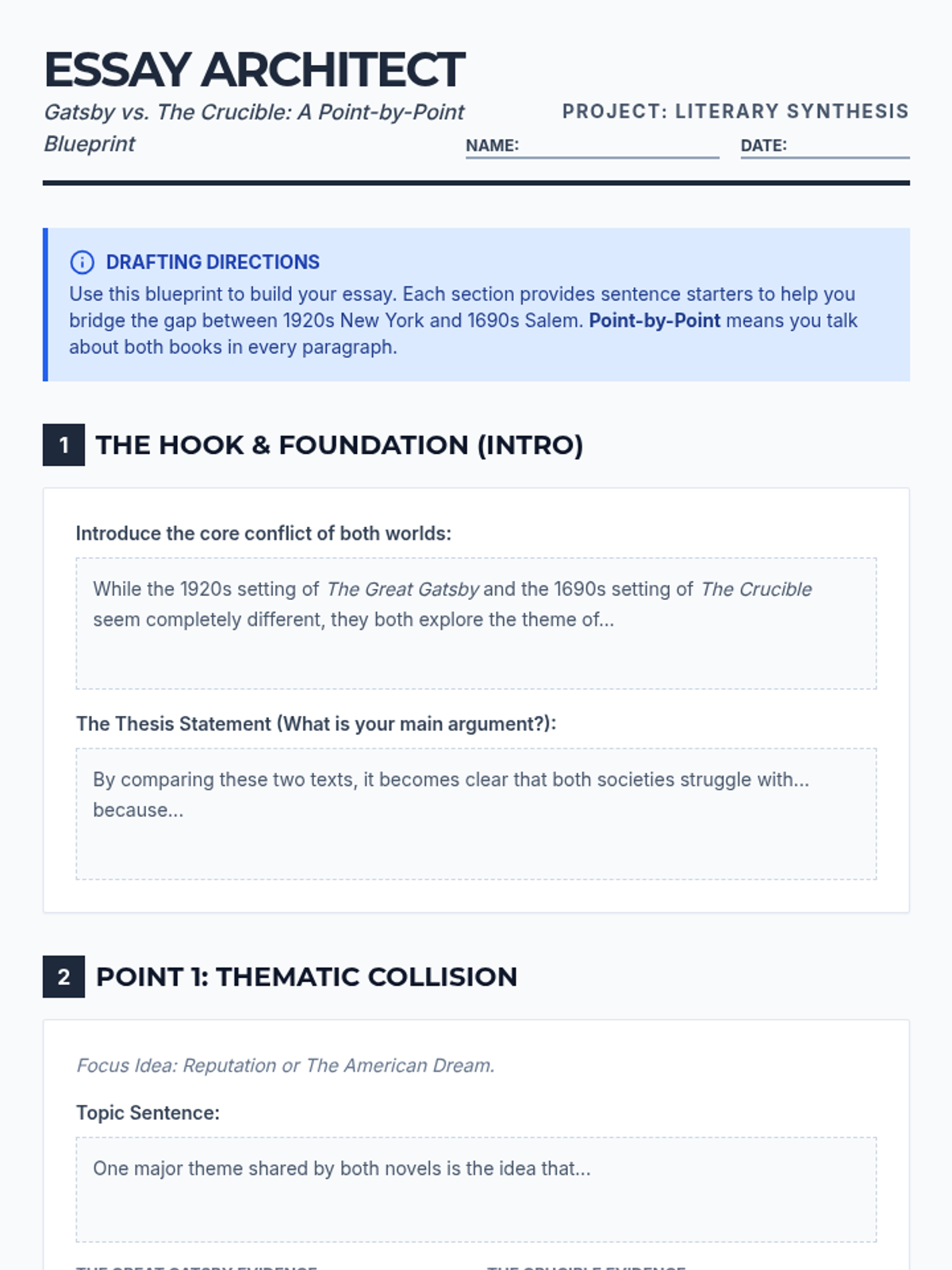
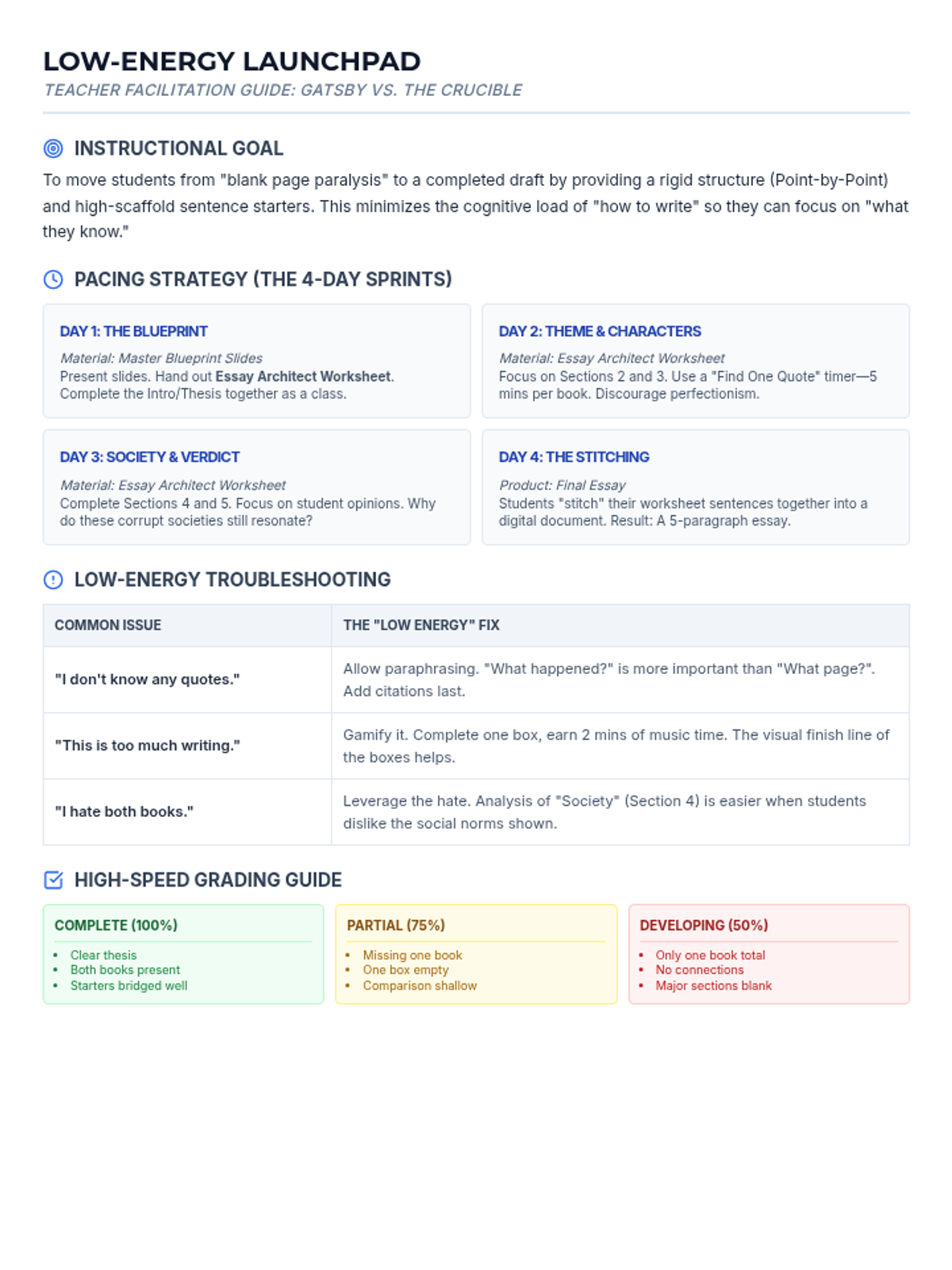
A structured guide for high school students to synthesize 'The Great Gatsby' and 'The Crucible' through a point-by-point compare and contrast essay, specifically designed with high-scaffold sentence starters for low-energy learners.
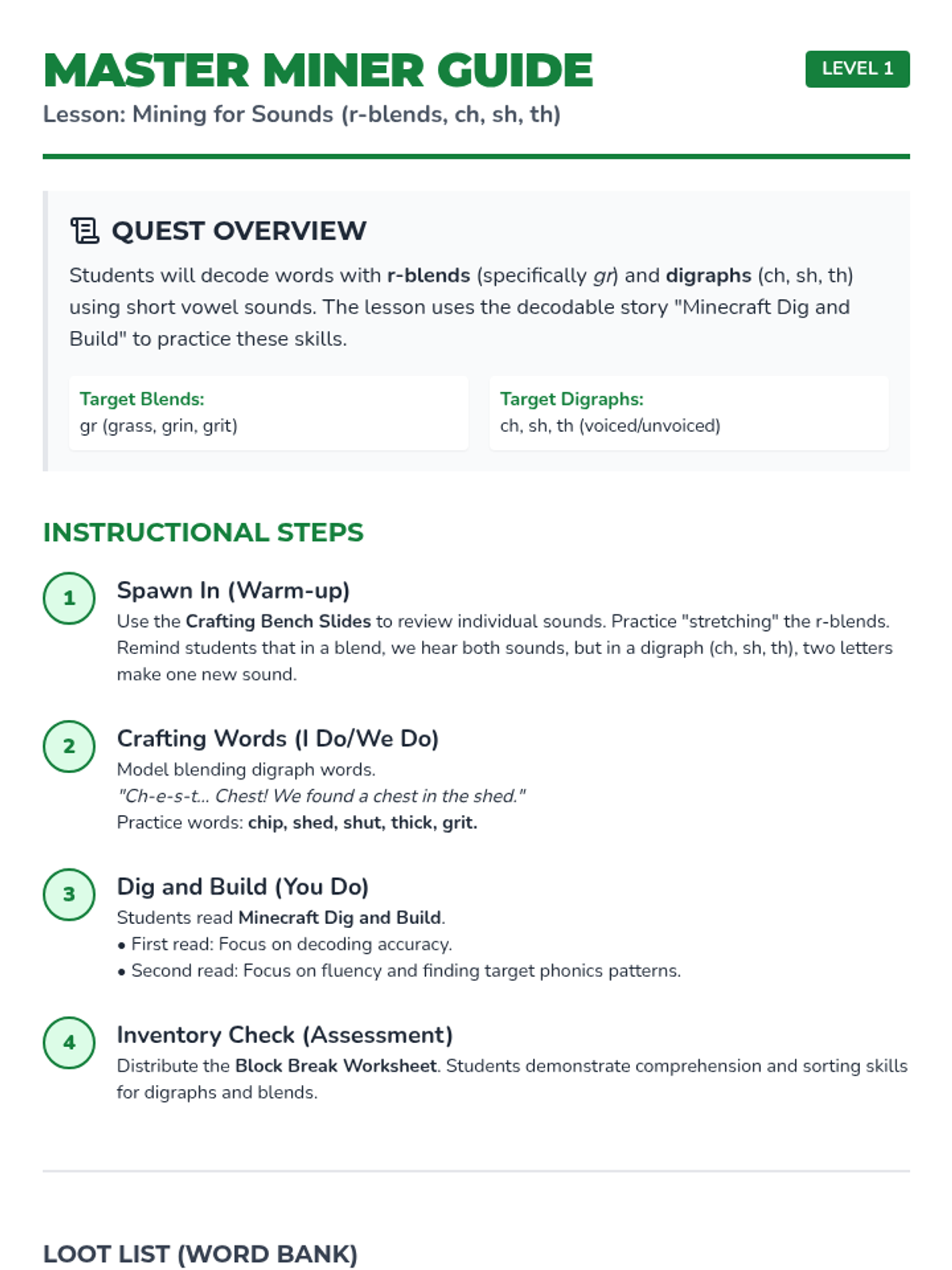
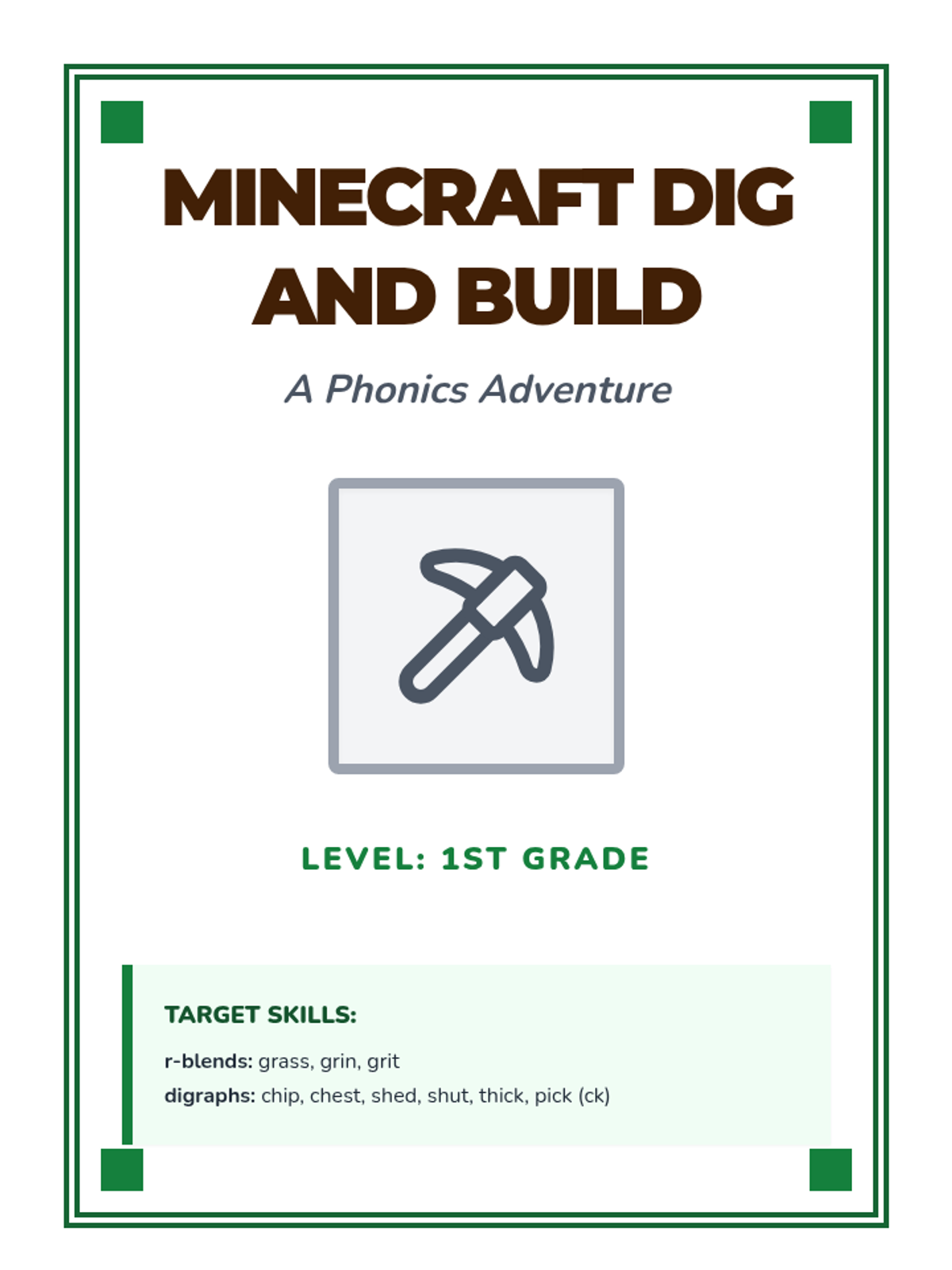
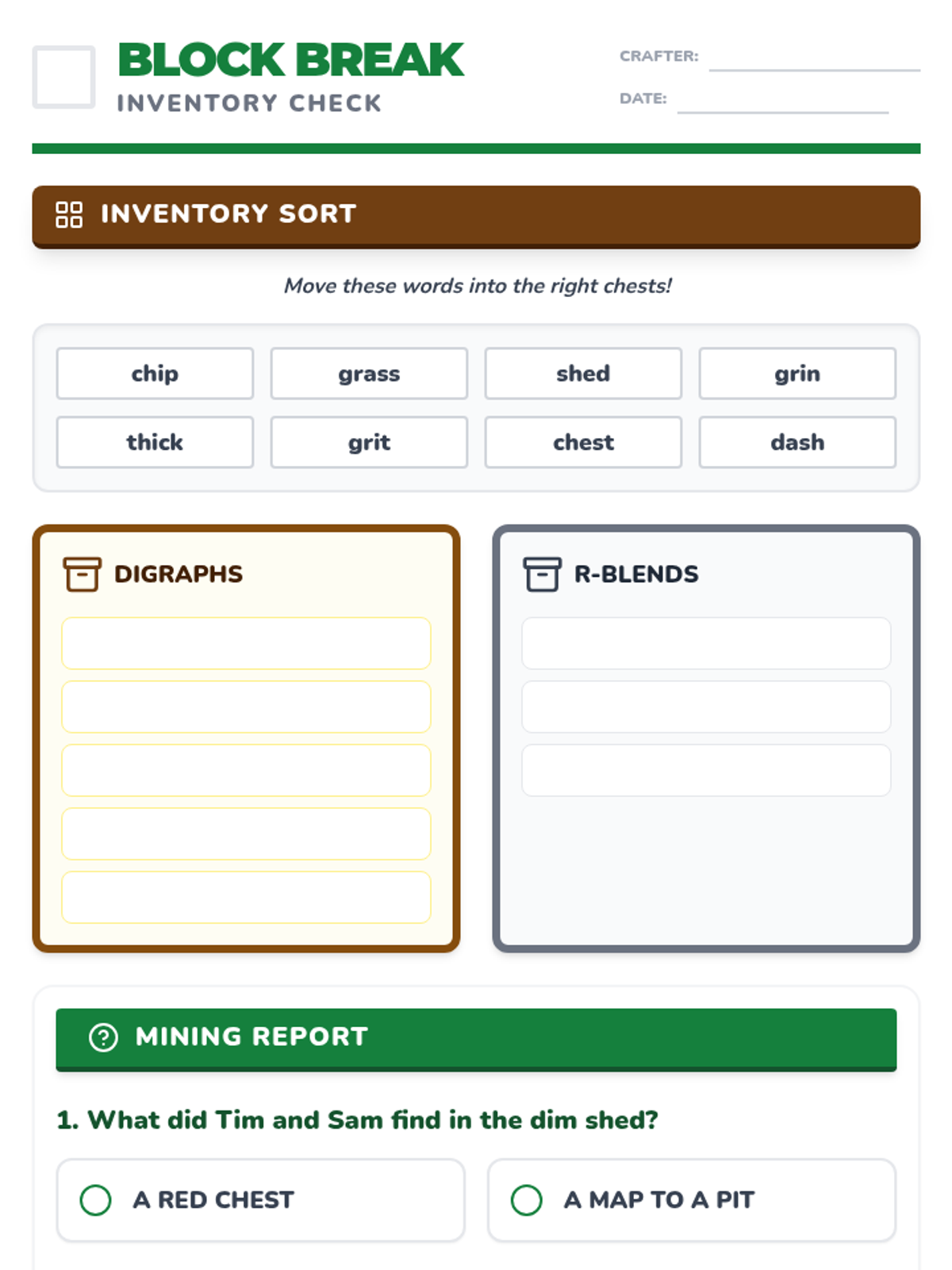
A Minecraft-themed adventure where students decode r-blends and digraphs to 'craft' words and progress through a mining mission.
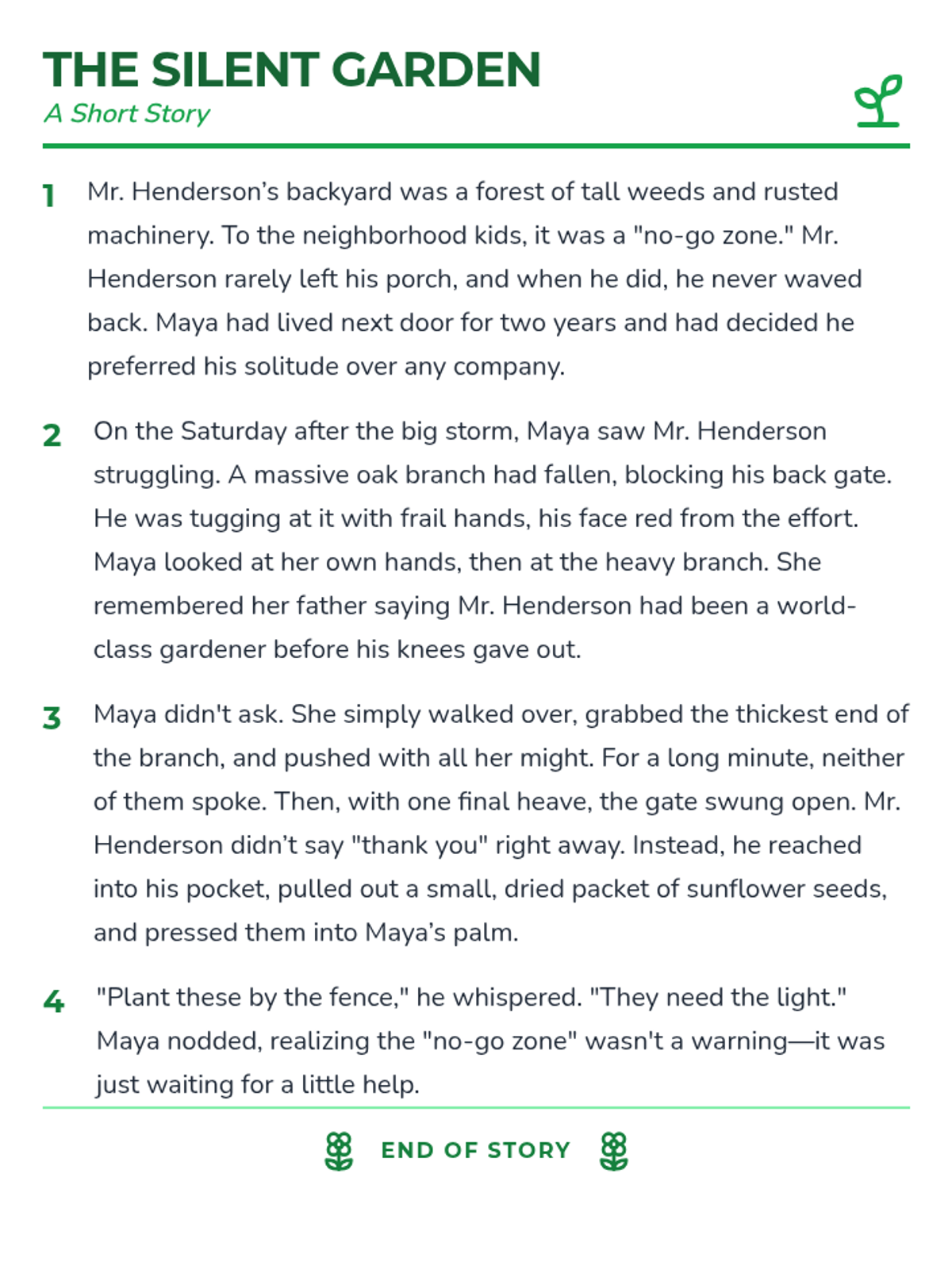
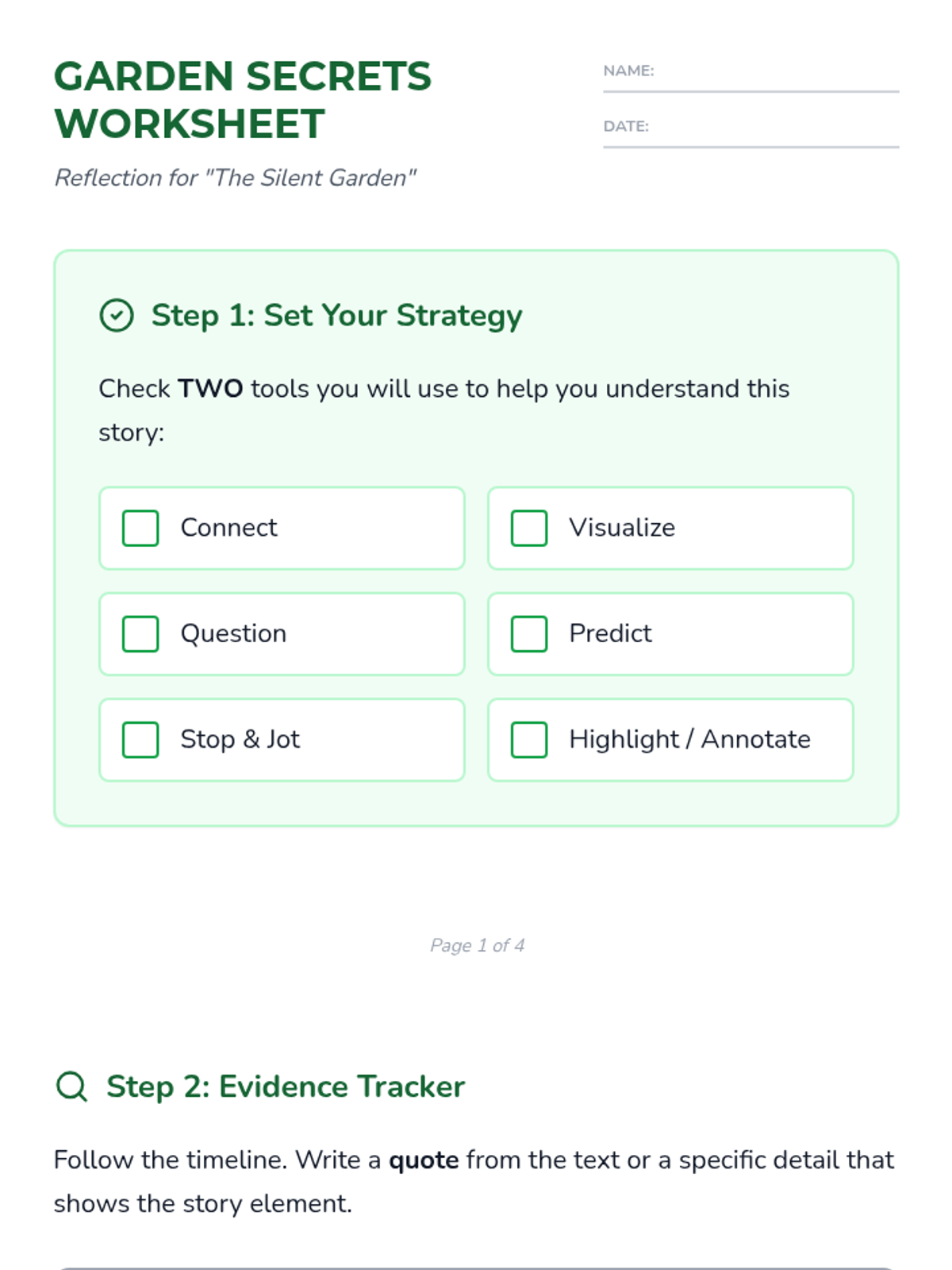
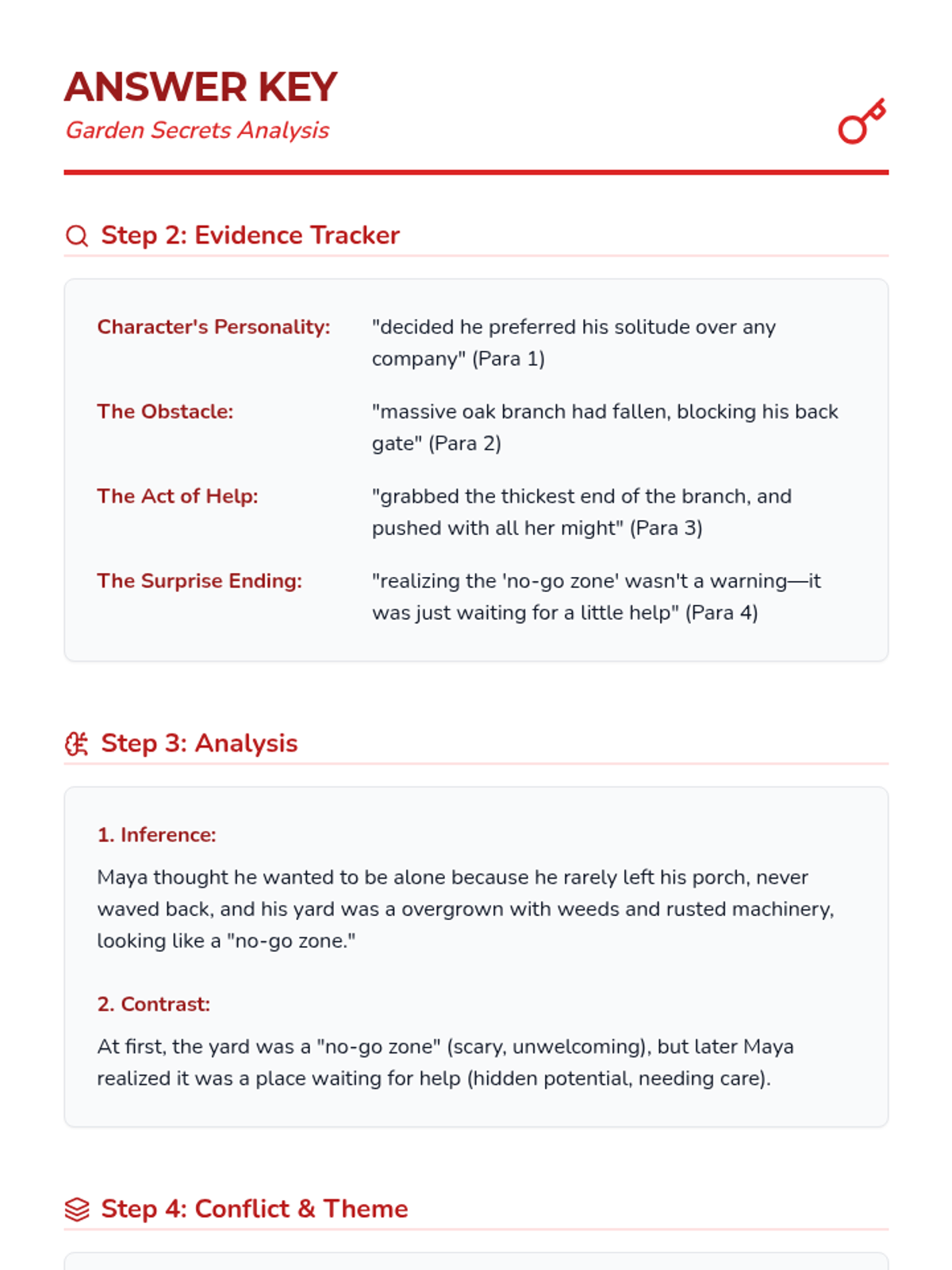
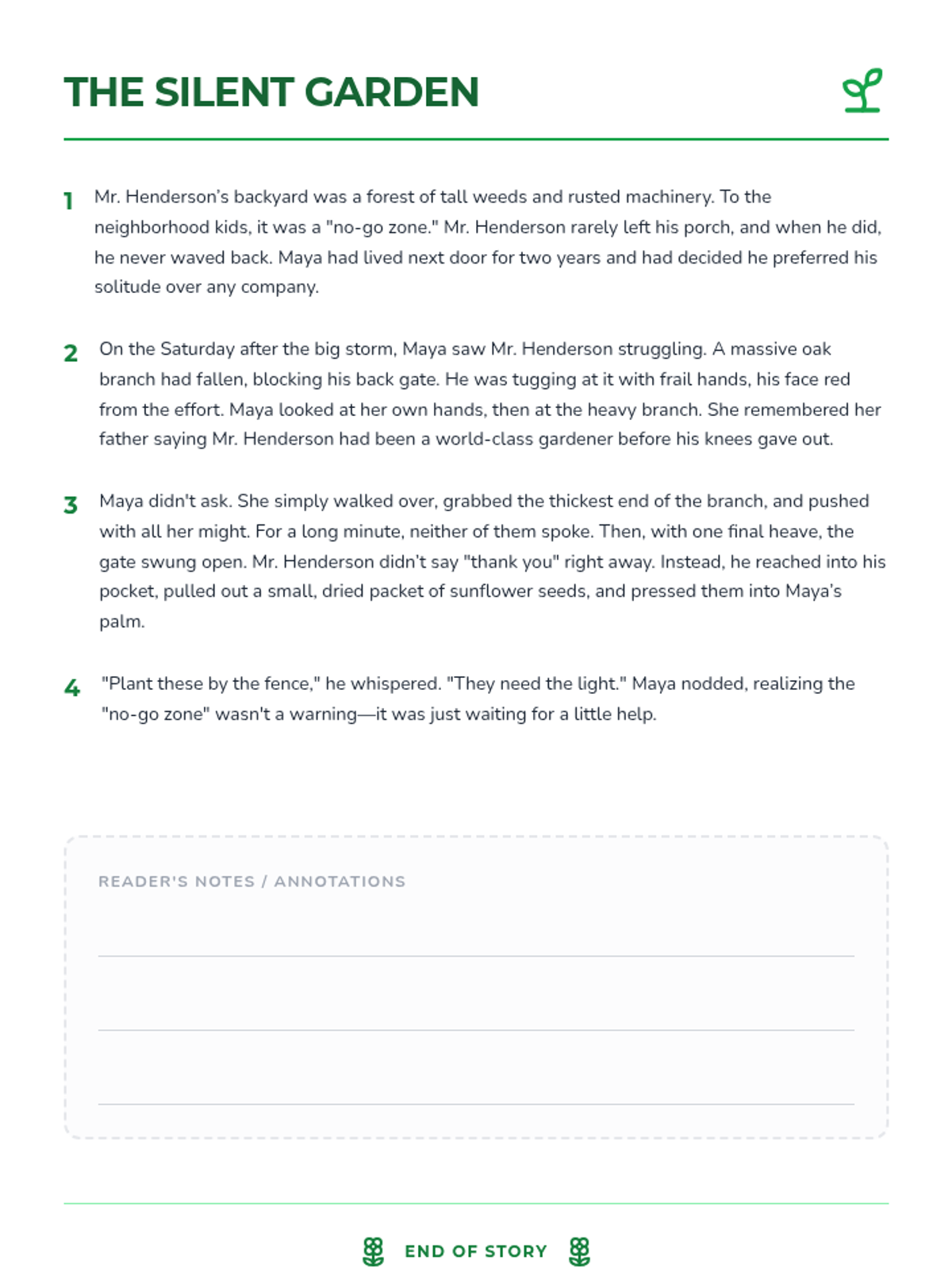
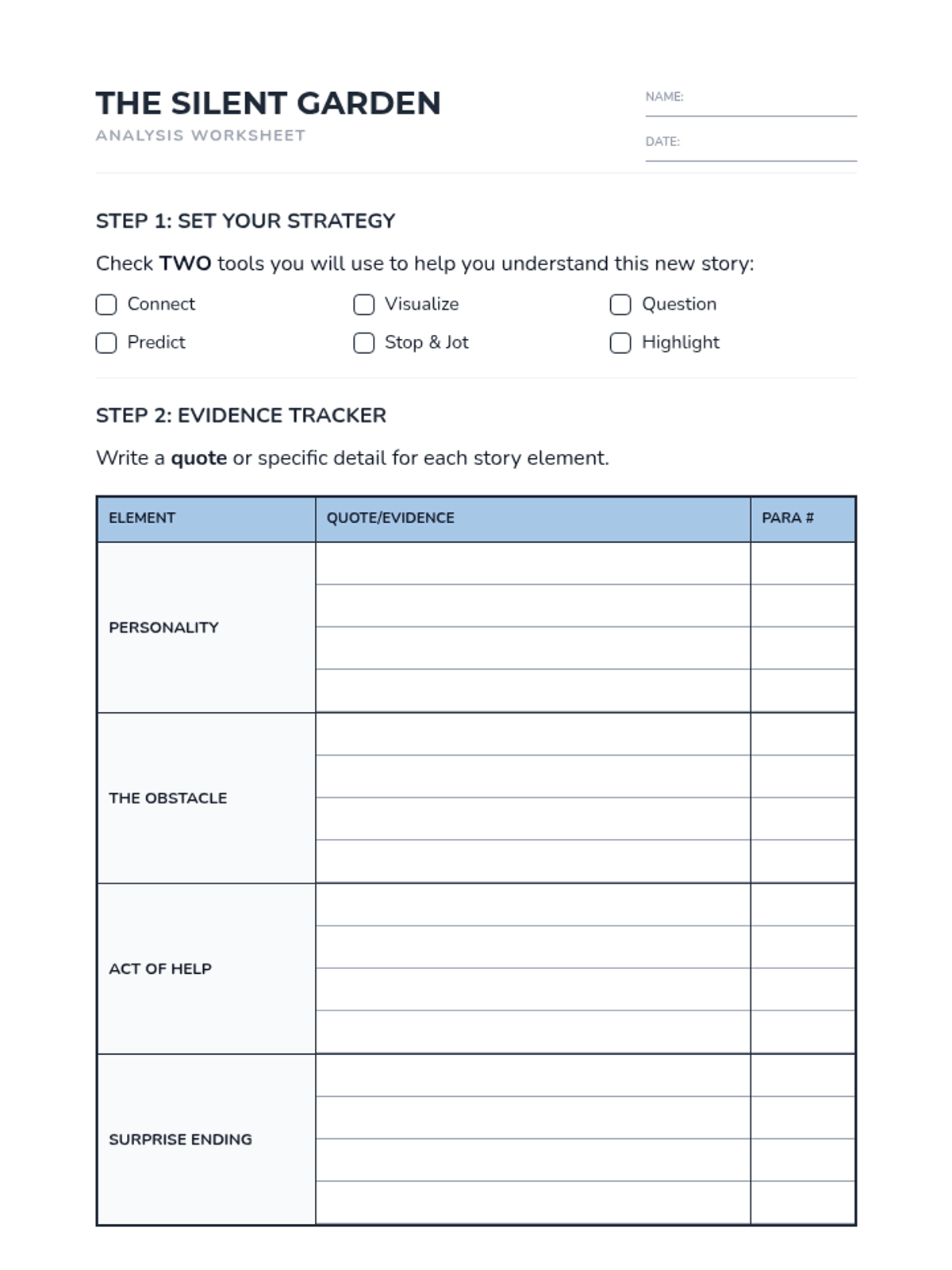
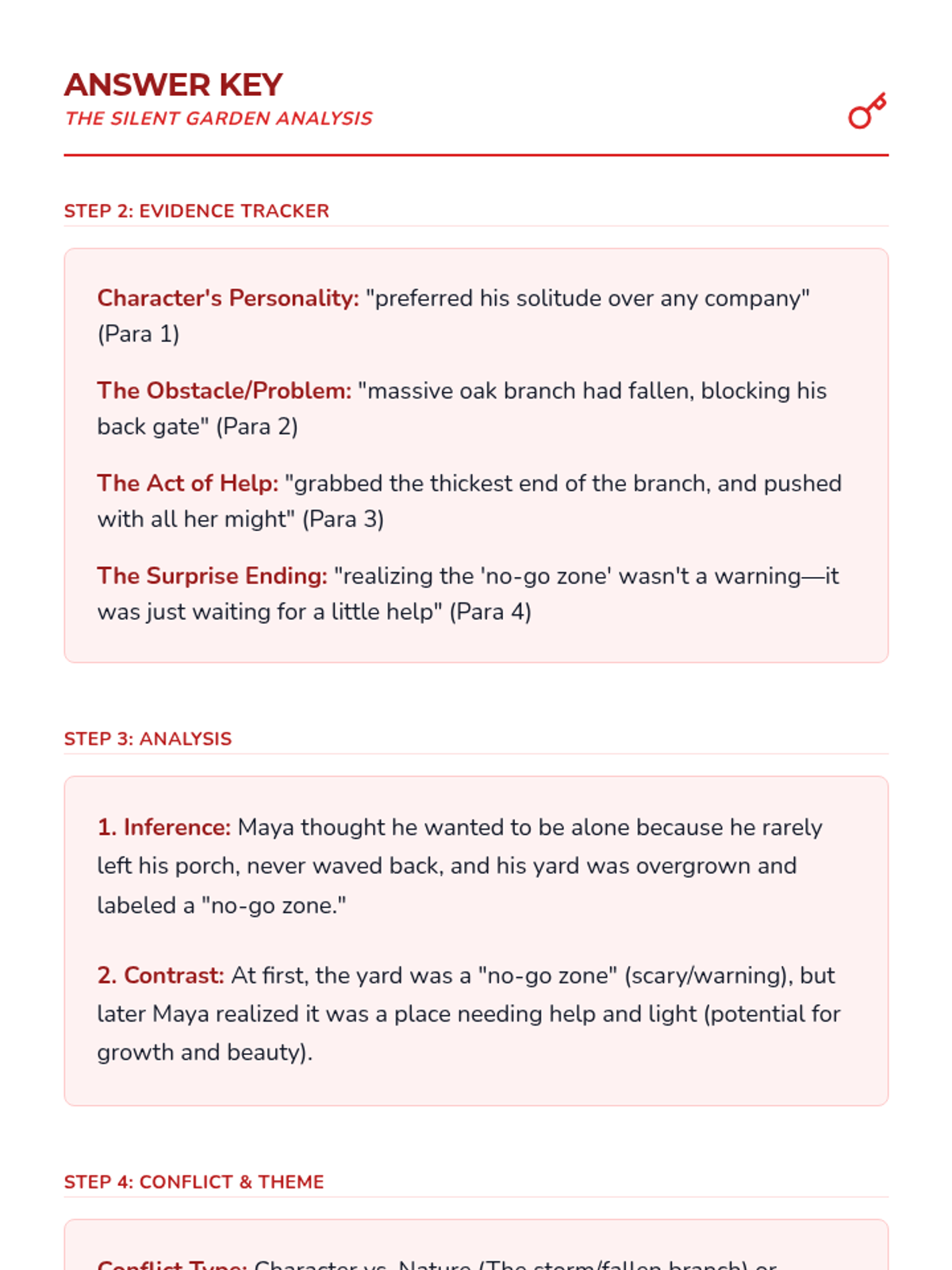
A reading comprehension lesson centered on 'The Silent Garden', focusing on character analysis, conflict types, and theme development with accommodations for special education needs.
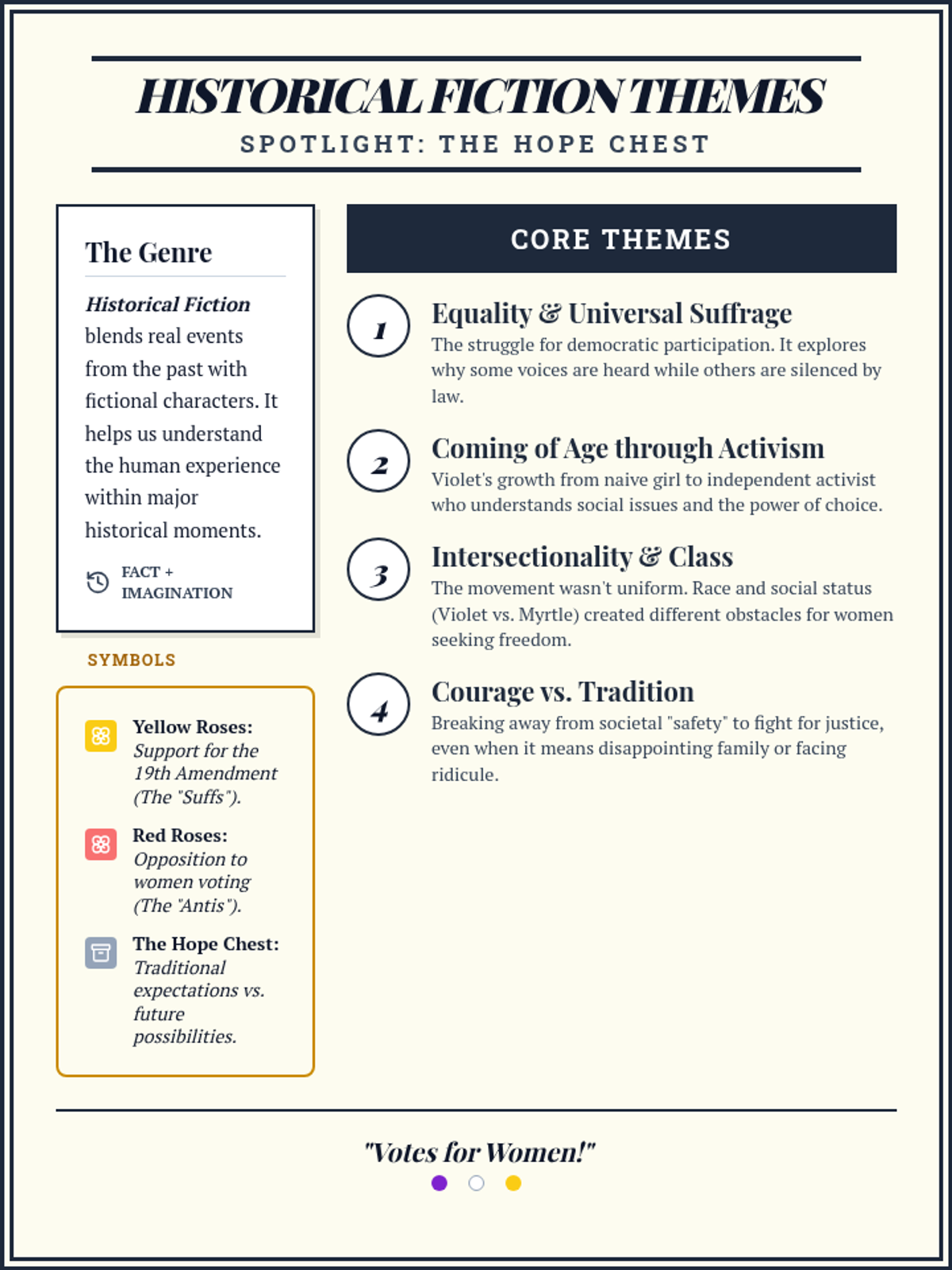
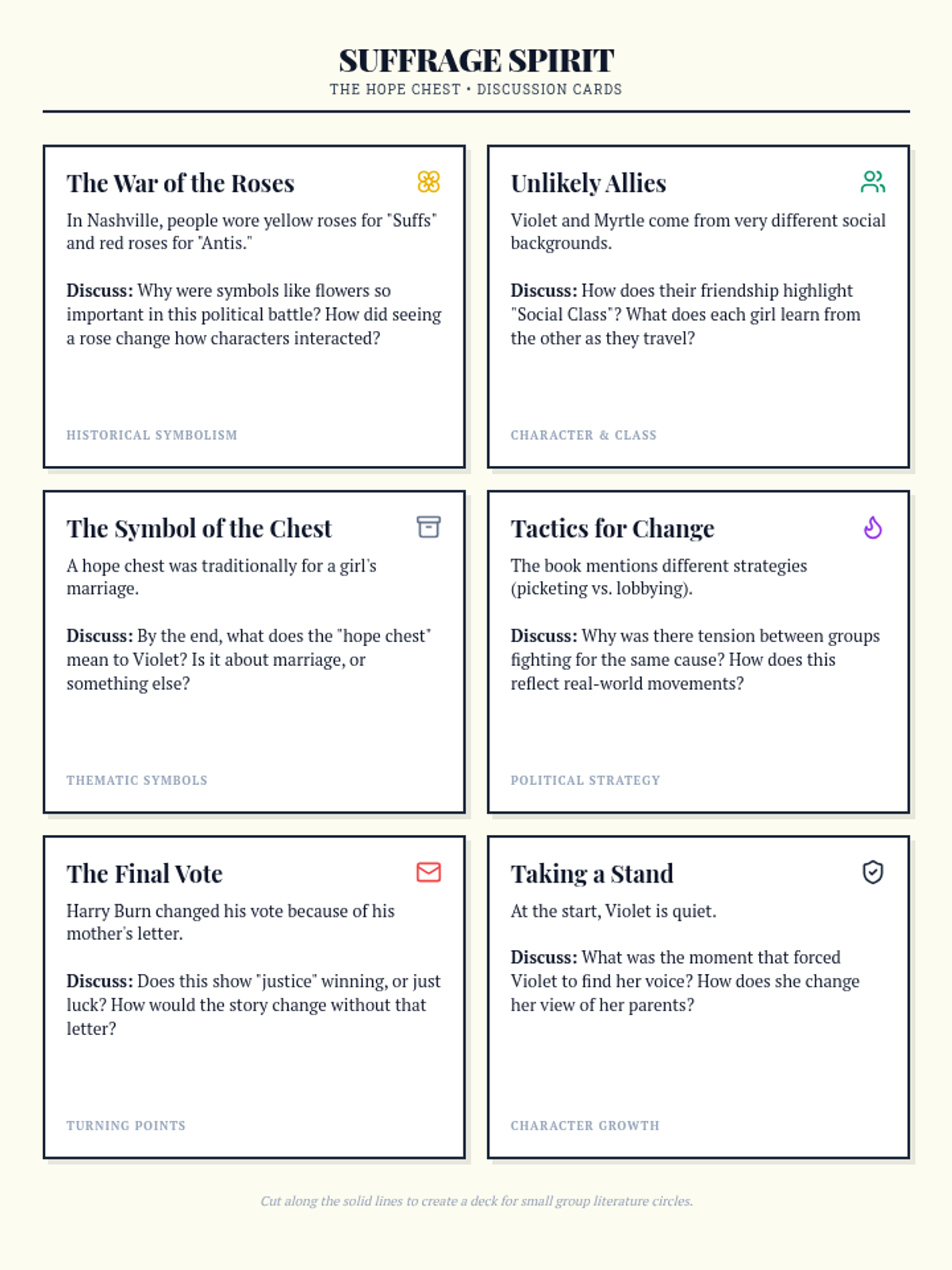
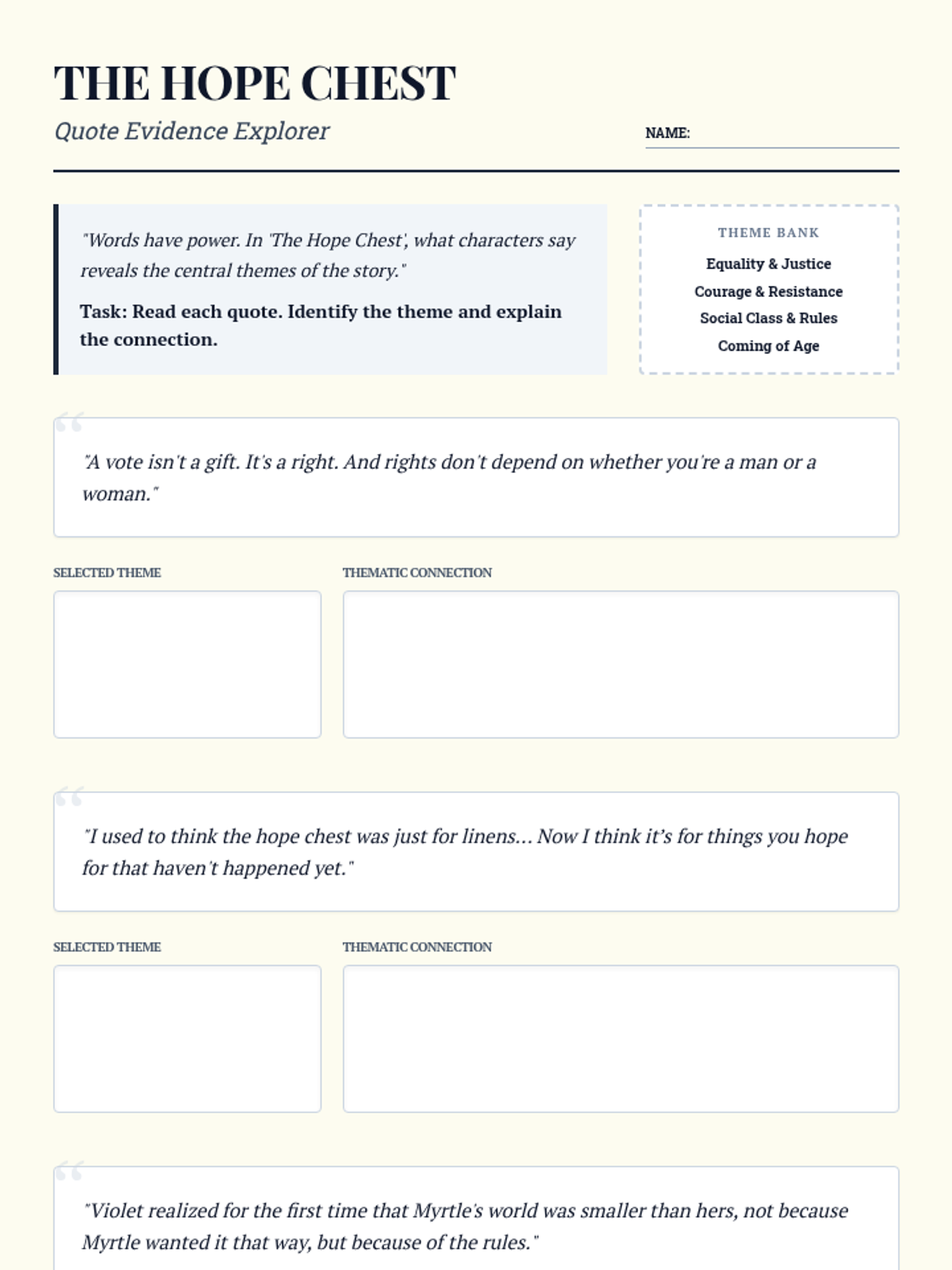
A deep dive into the themes of Karen Schwabach's 'The Hope Chest', exploring the historical context of the Women's Suffrage movement through literary analysis. Students will identify core themes and provide textual evidence.
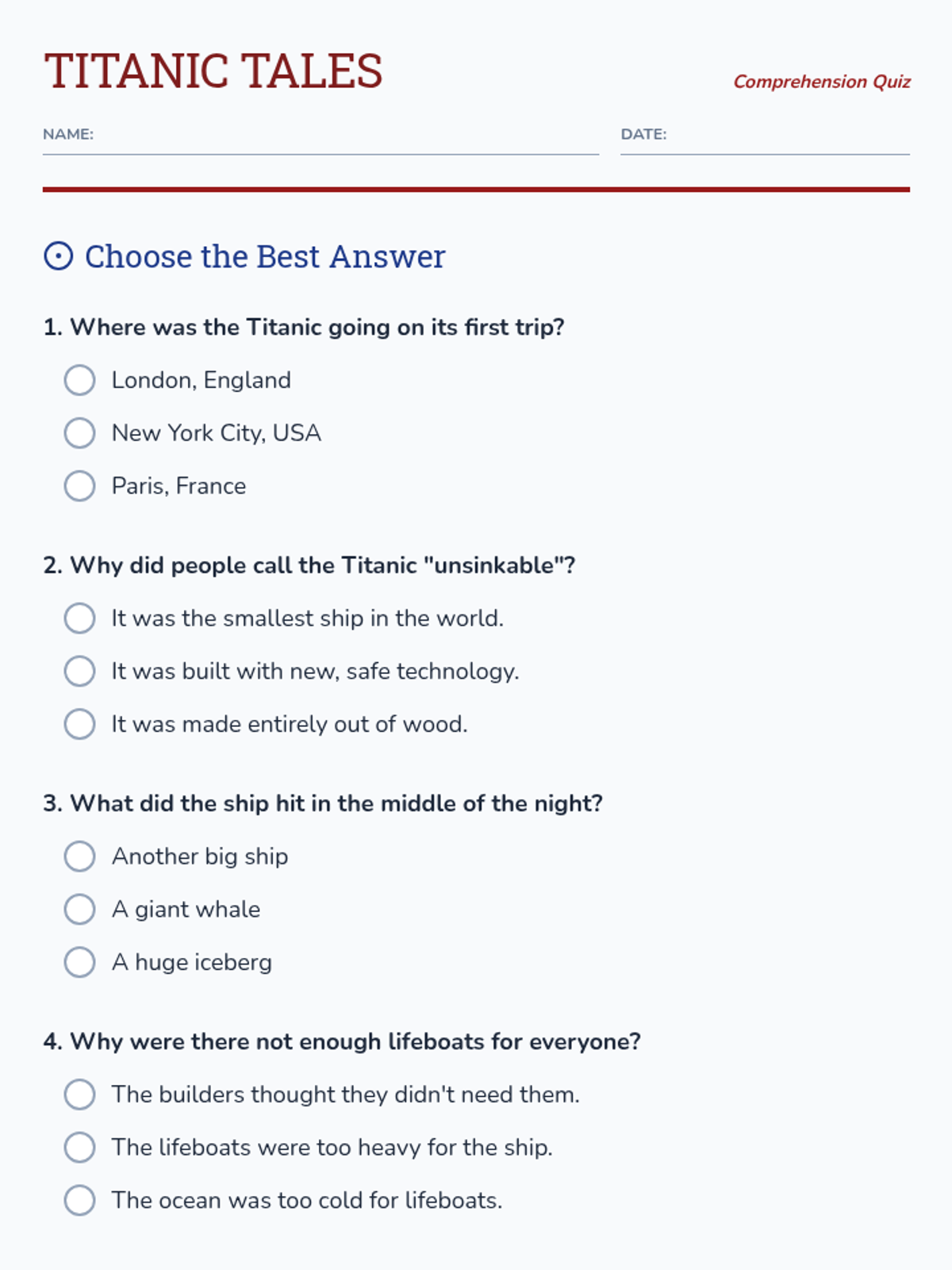
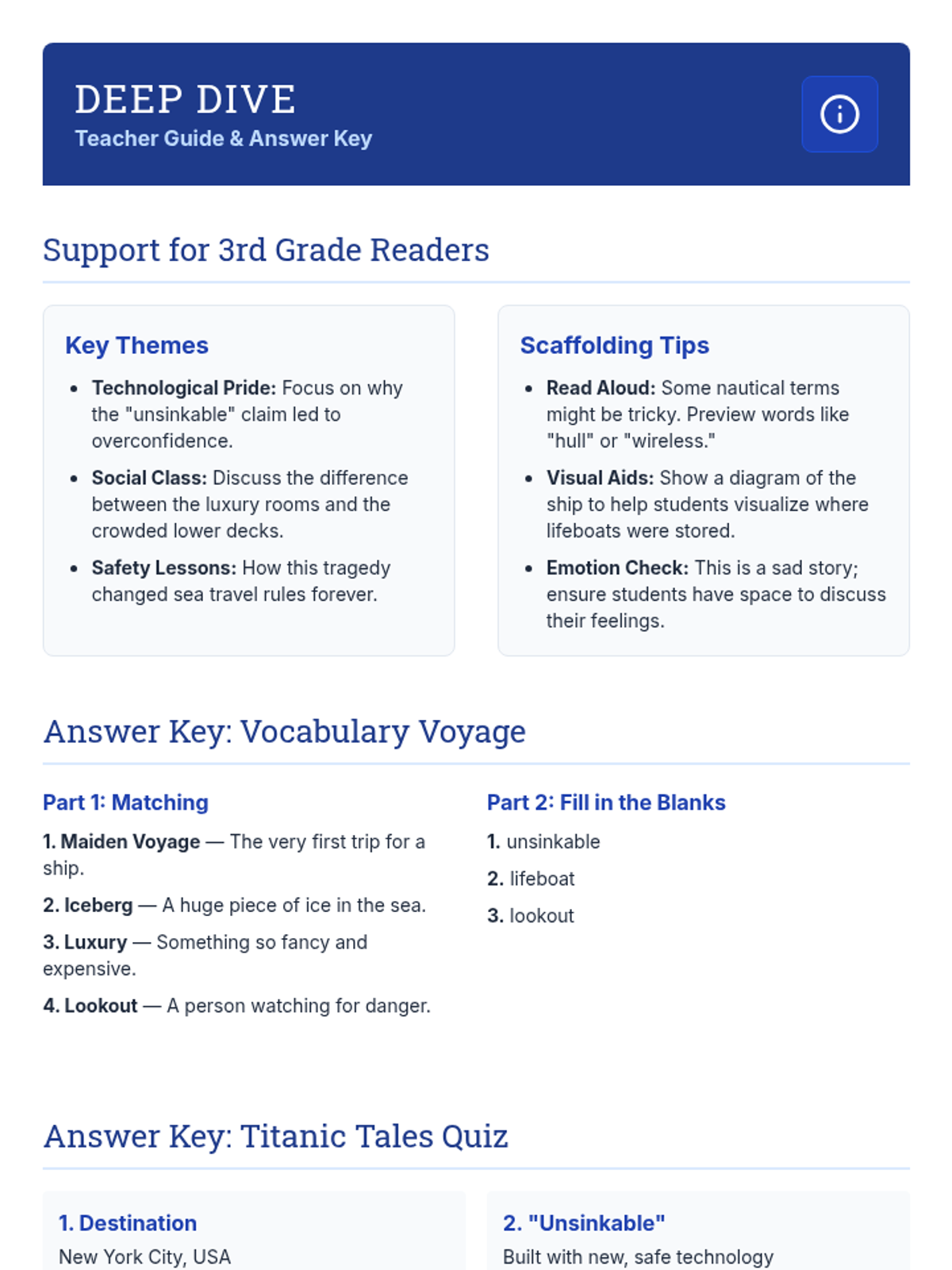
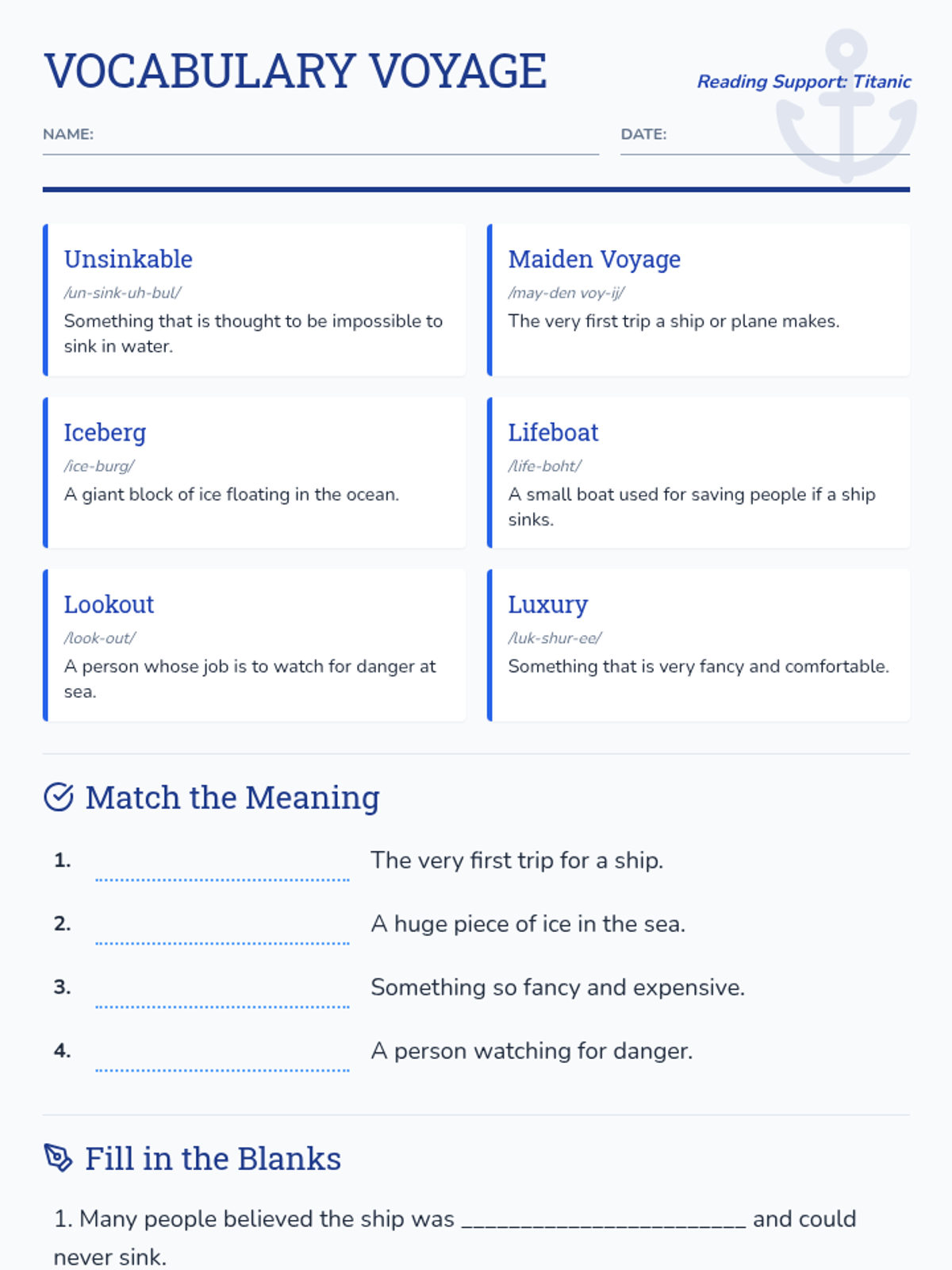
This lesson provides adapted reading support for the Scholastic "Titanic" book, specifically designed for students reading at a 3rd-grade level. It focuses on key vocabulary and essential comprehension of the ship's journey and tragedy.
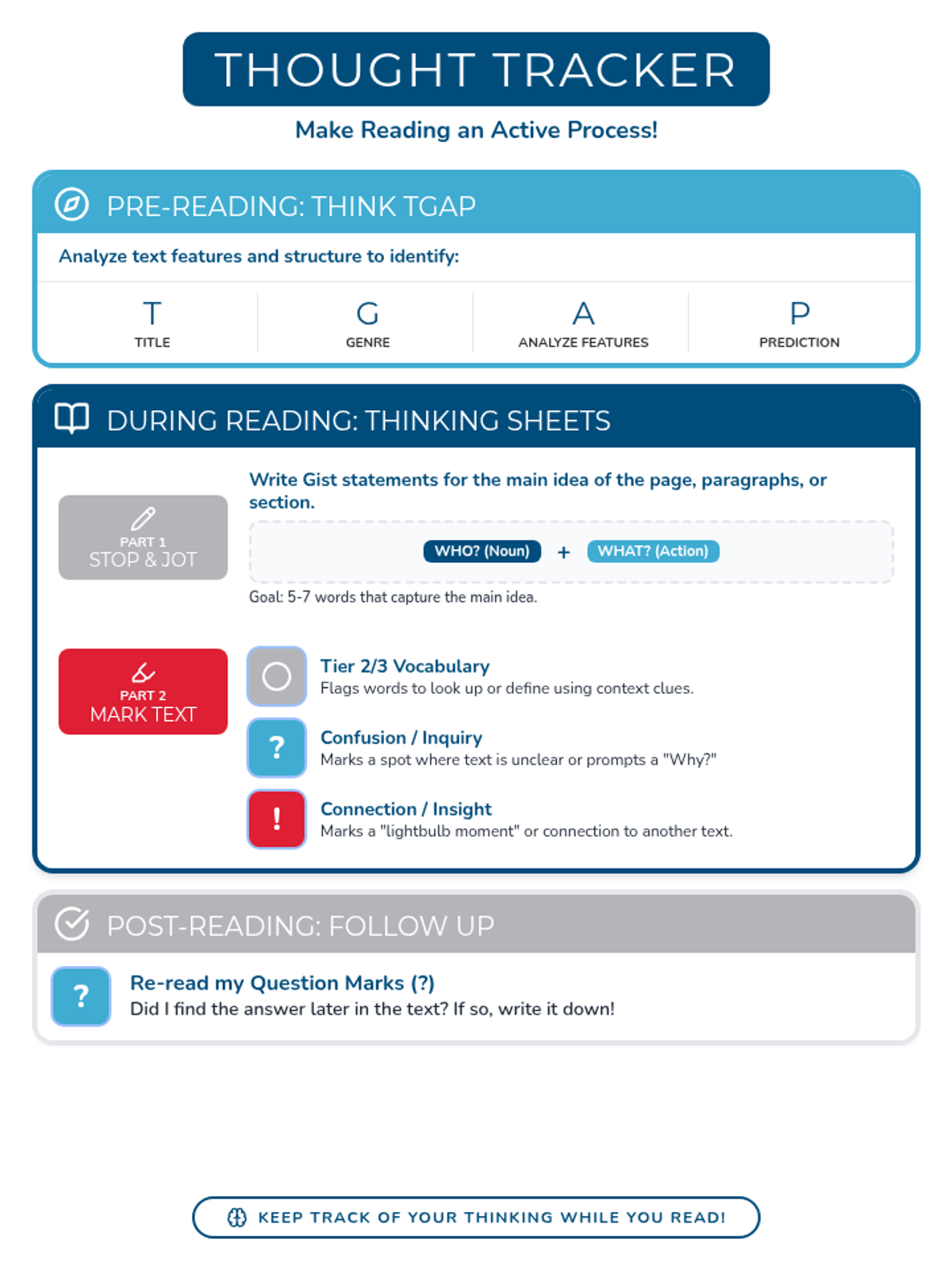
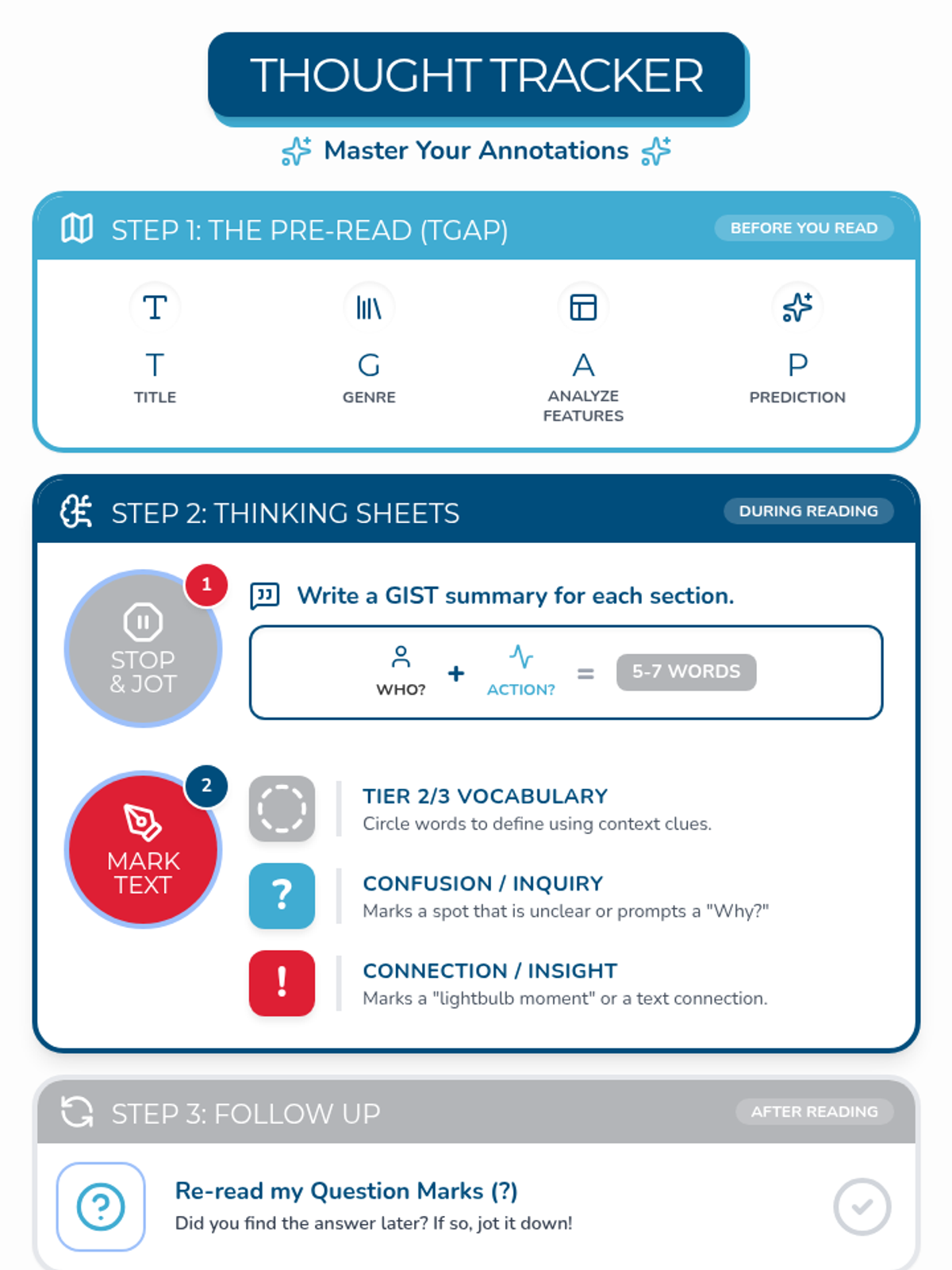
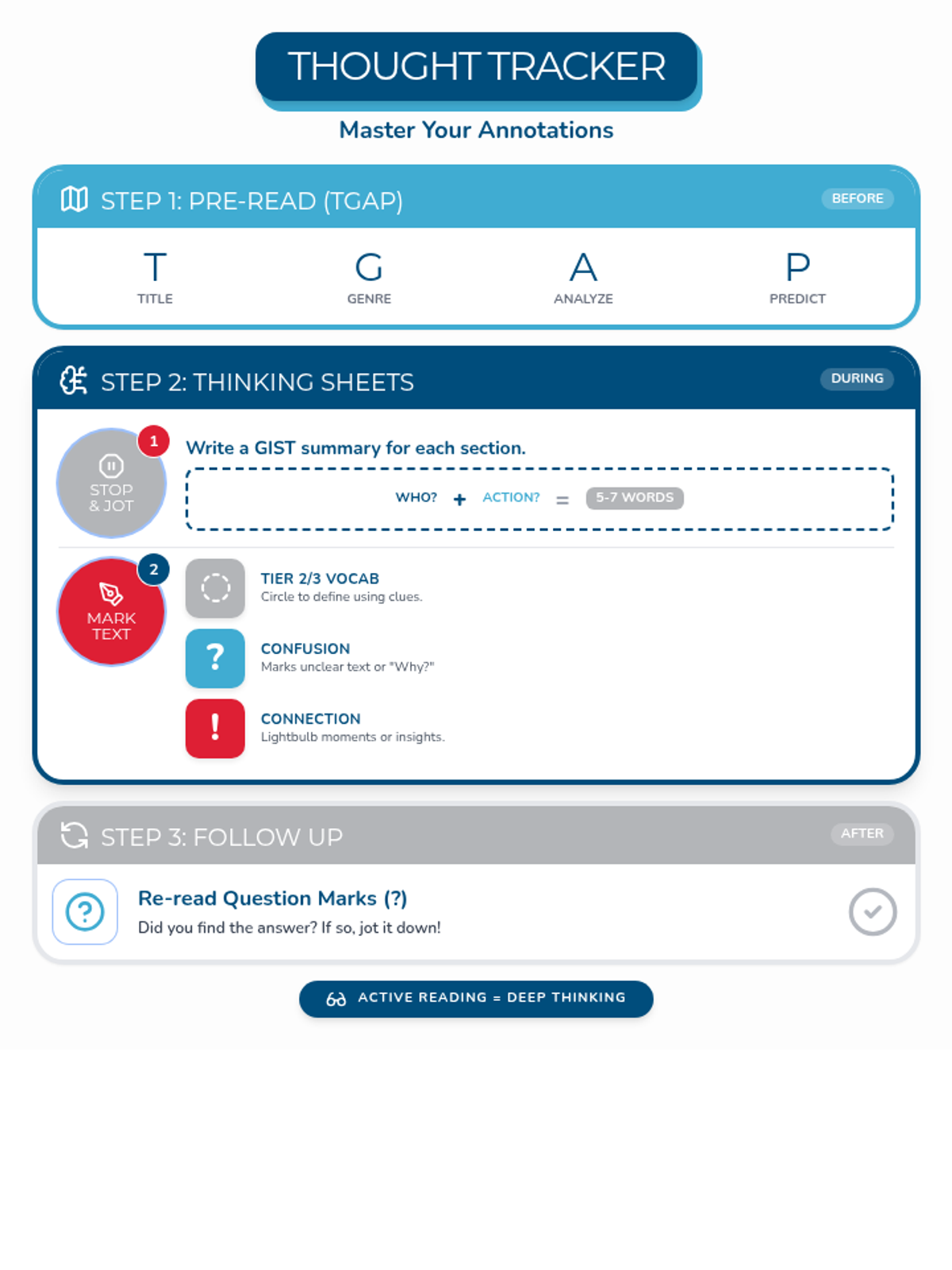
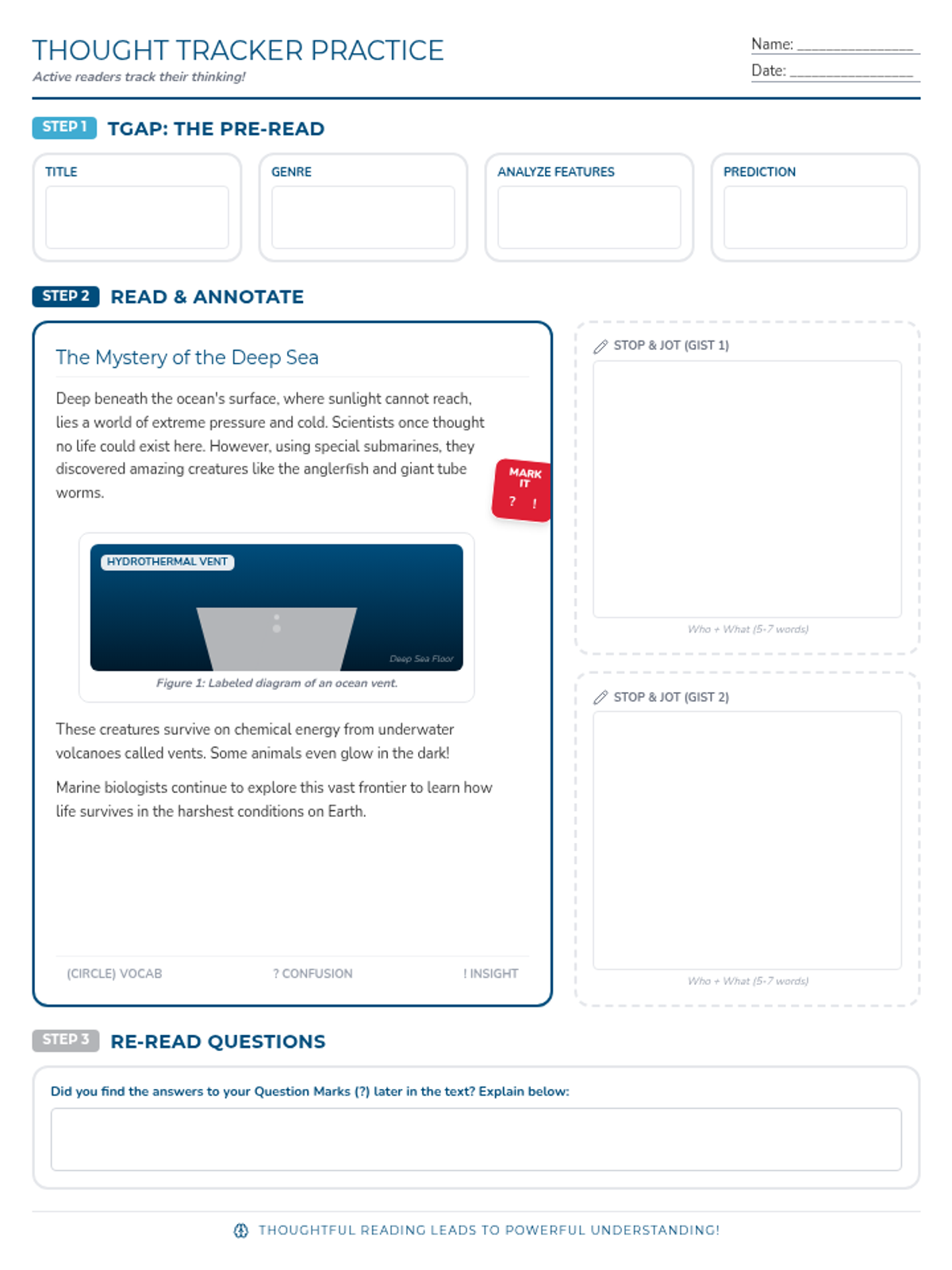
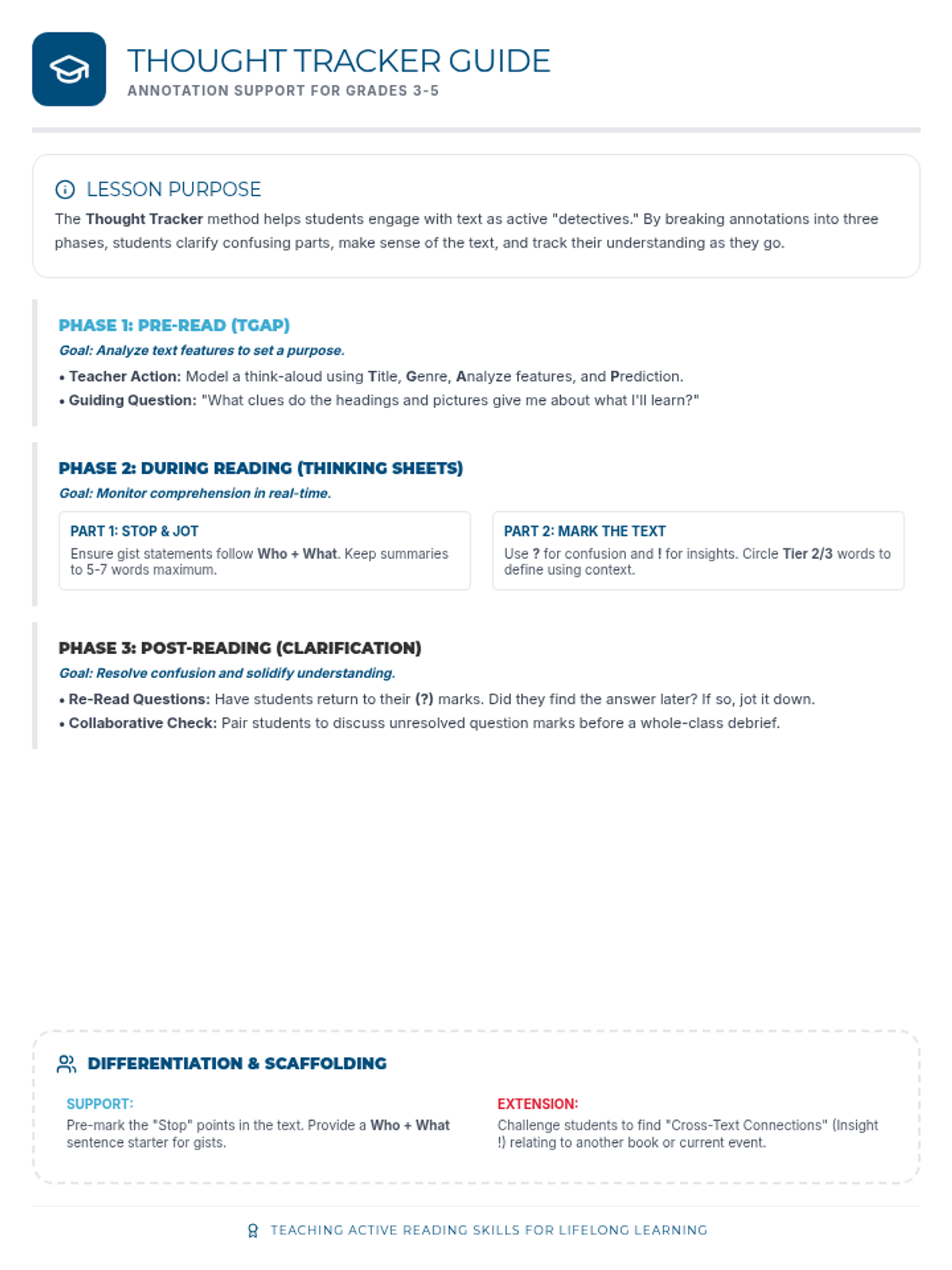
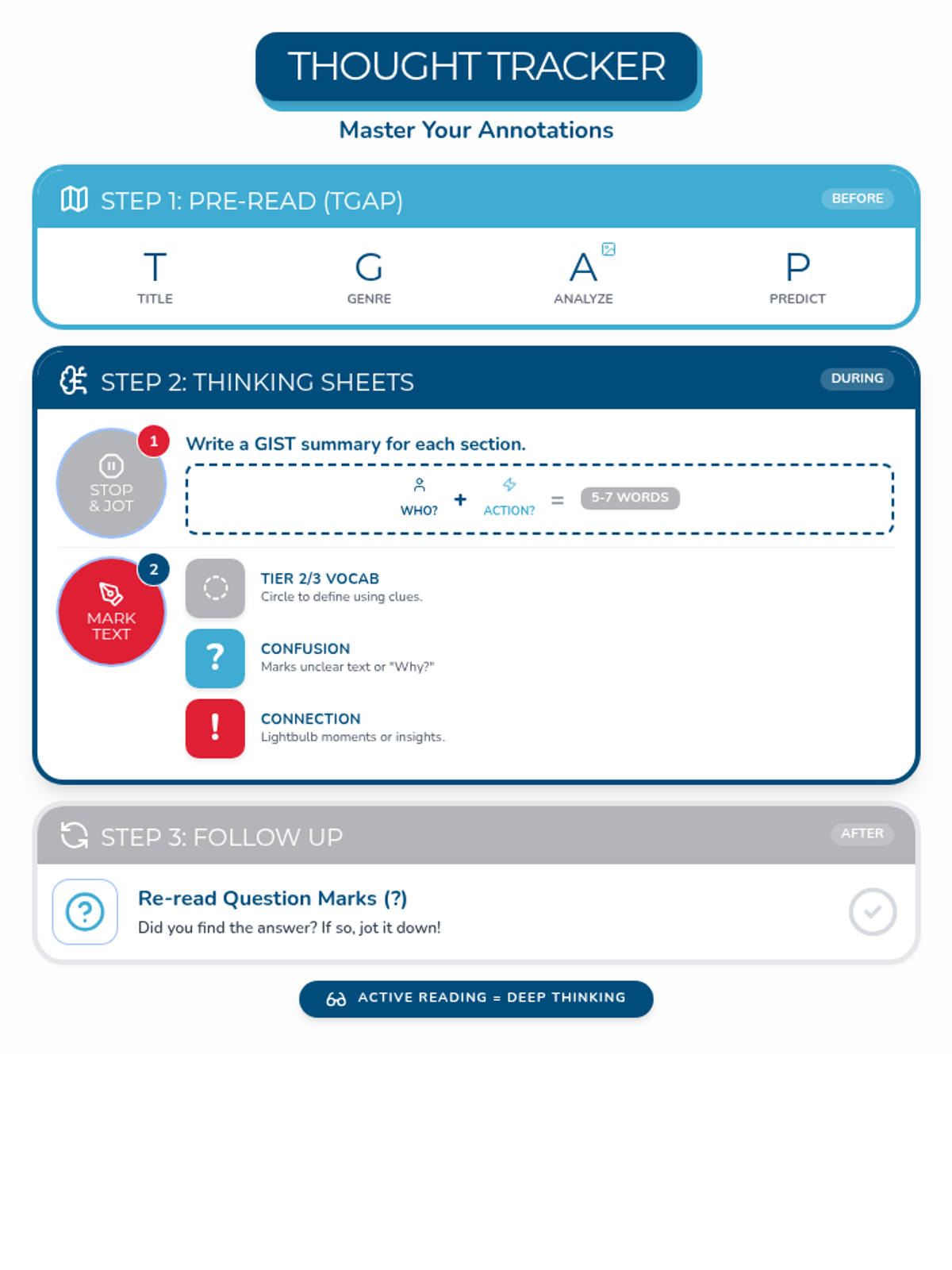
A collection of resources to help students master the 'Thought Tracker' annotation method, including anchor charts and practice guides.
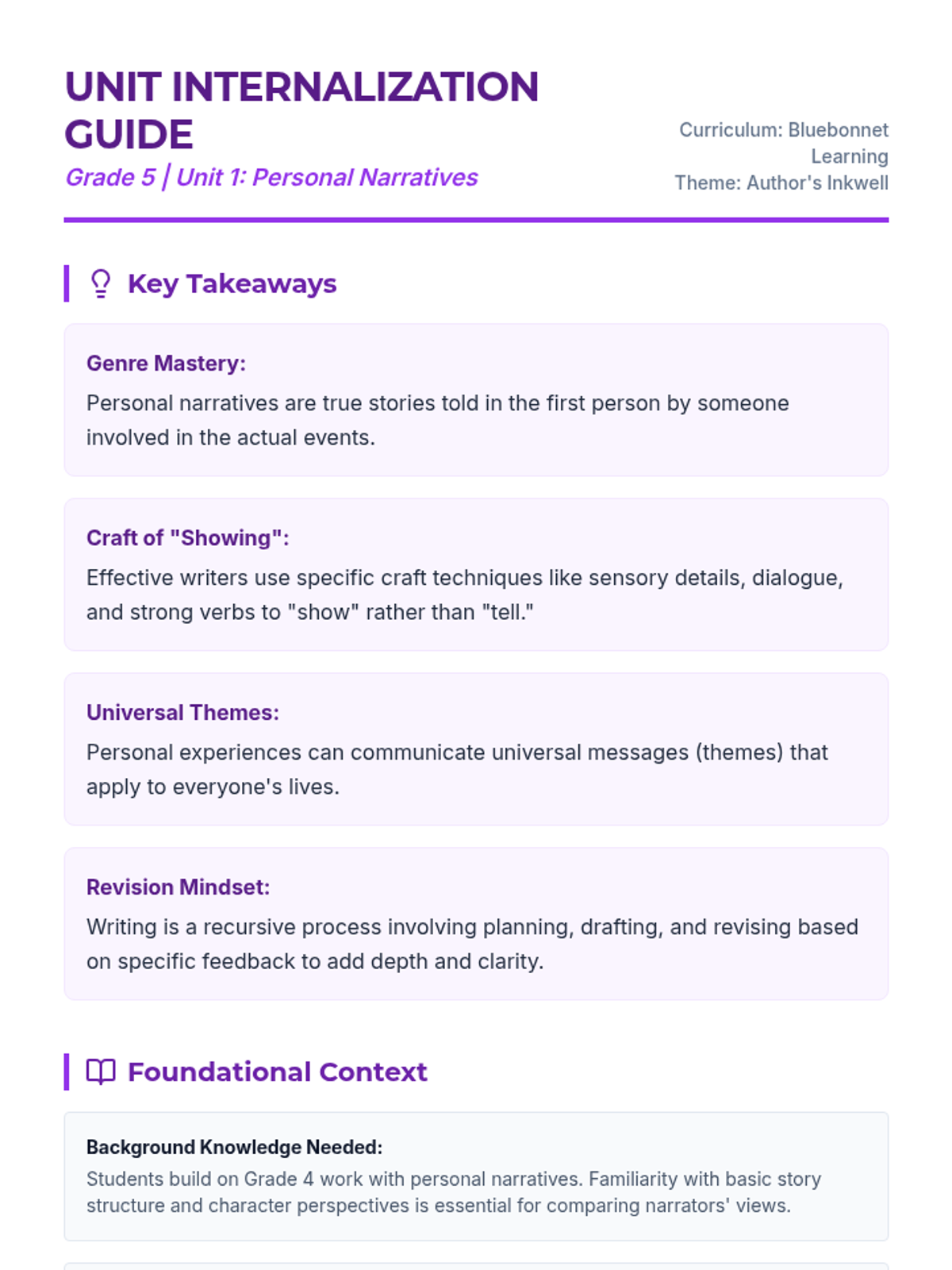
Students define personal narratives, explore the purpose of anecdotes, and draft their first narrative paragraph about a memorable first-time experience.
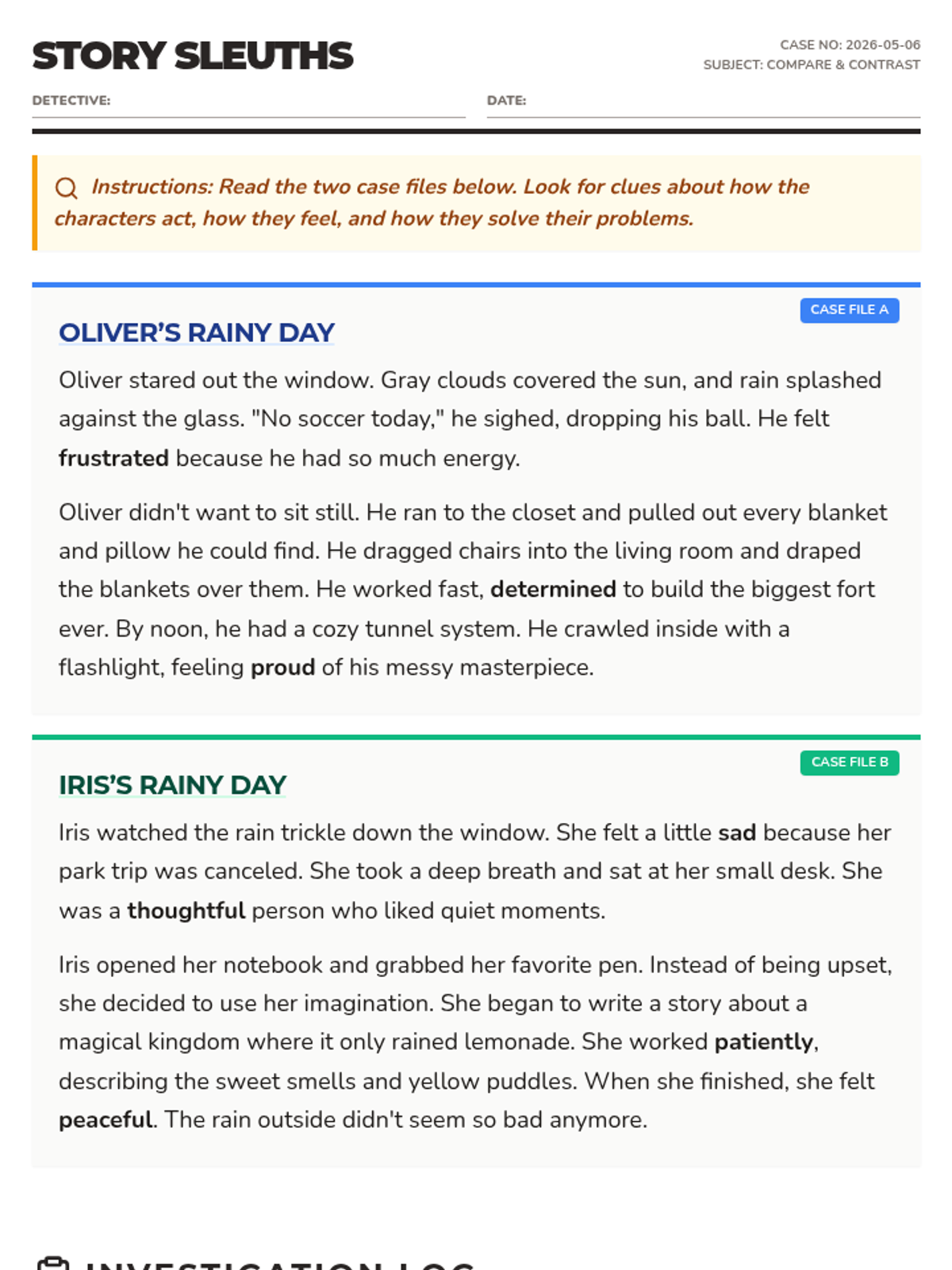
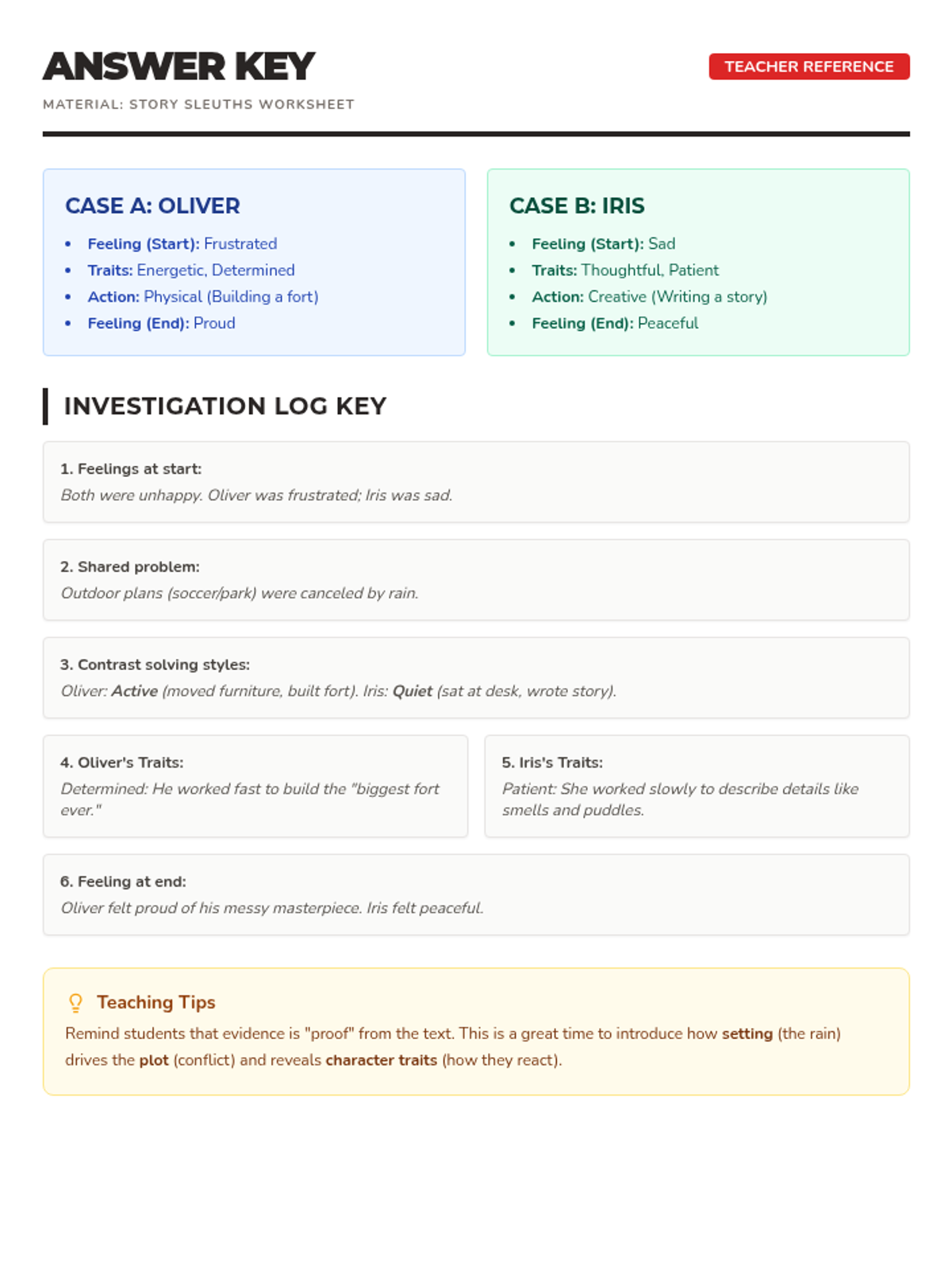
This lesson focuses on helping students identify and compare character traits, feelings, and problem-solving strategies in two distinct short stories. Students will use a Venn diagram to organize their findings and answer comprehension questions that deepen their understanding of plot development.
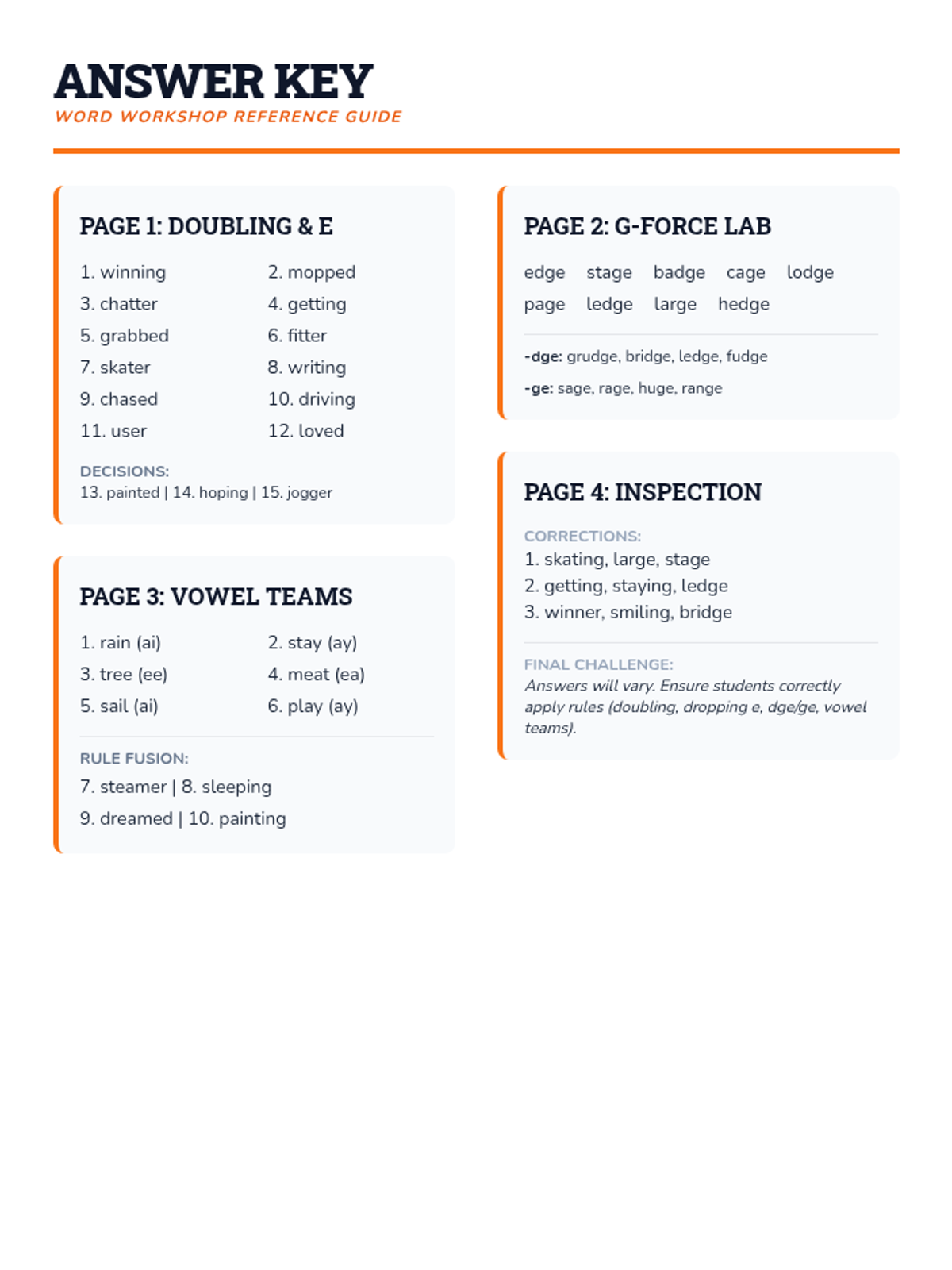
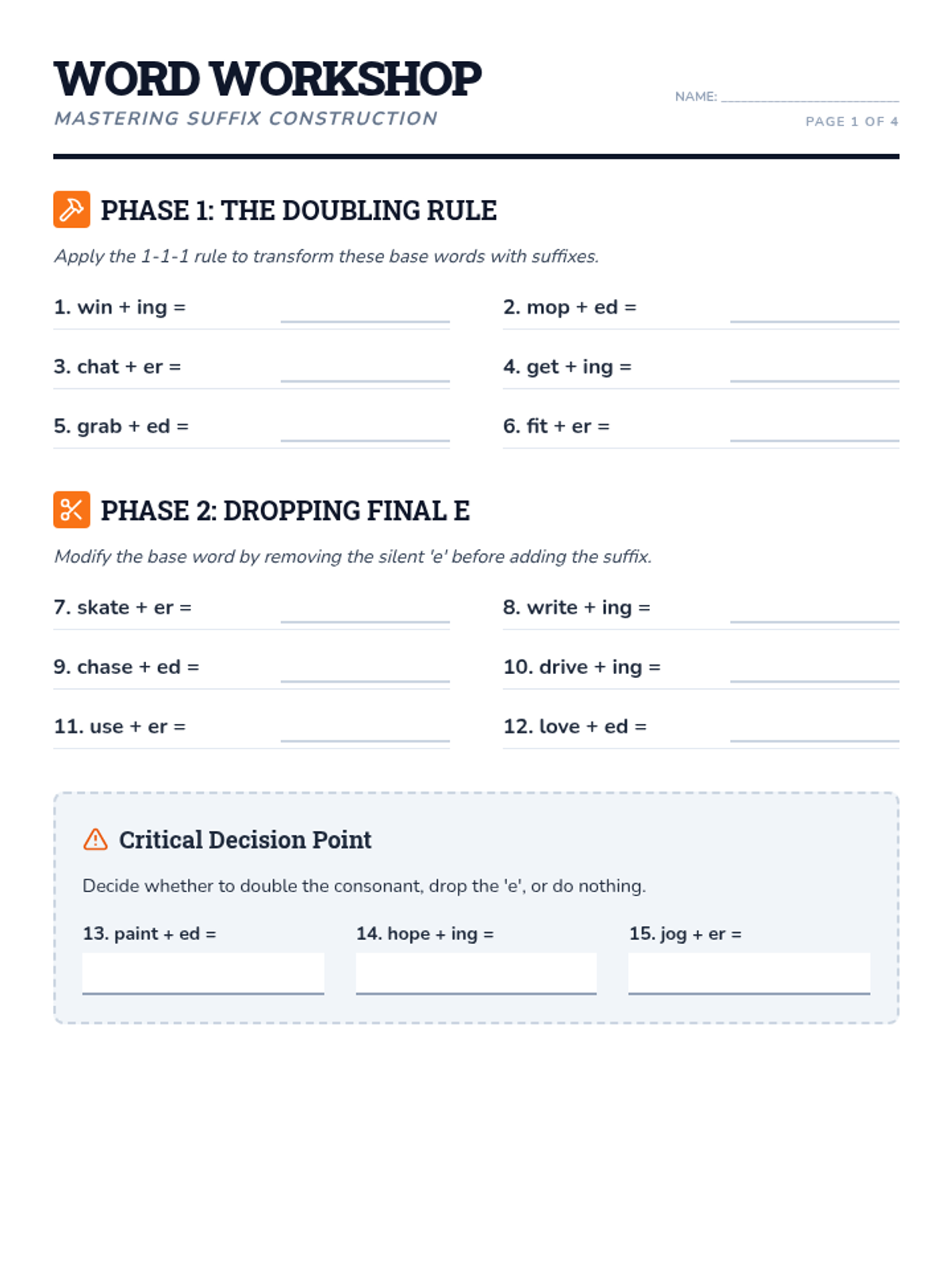
A comprehensive practice packet focusing on core spelling rules: doubling consonants, dropping final 'e', and the dge/ge distinction, integrated with vowel team mastery.
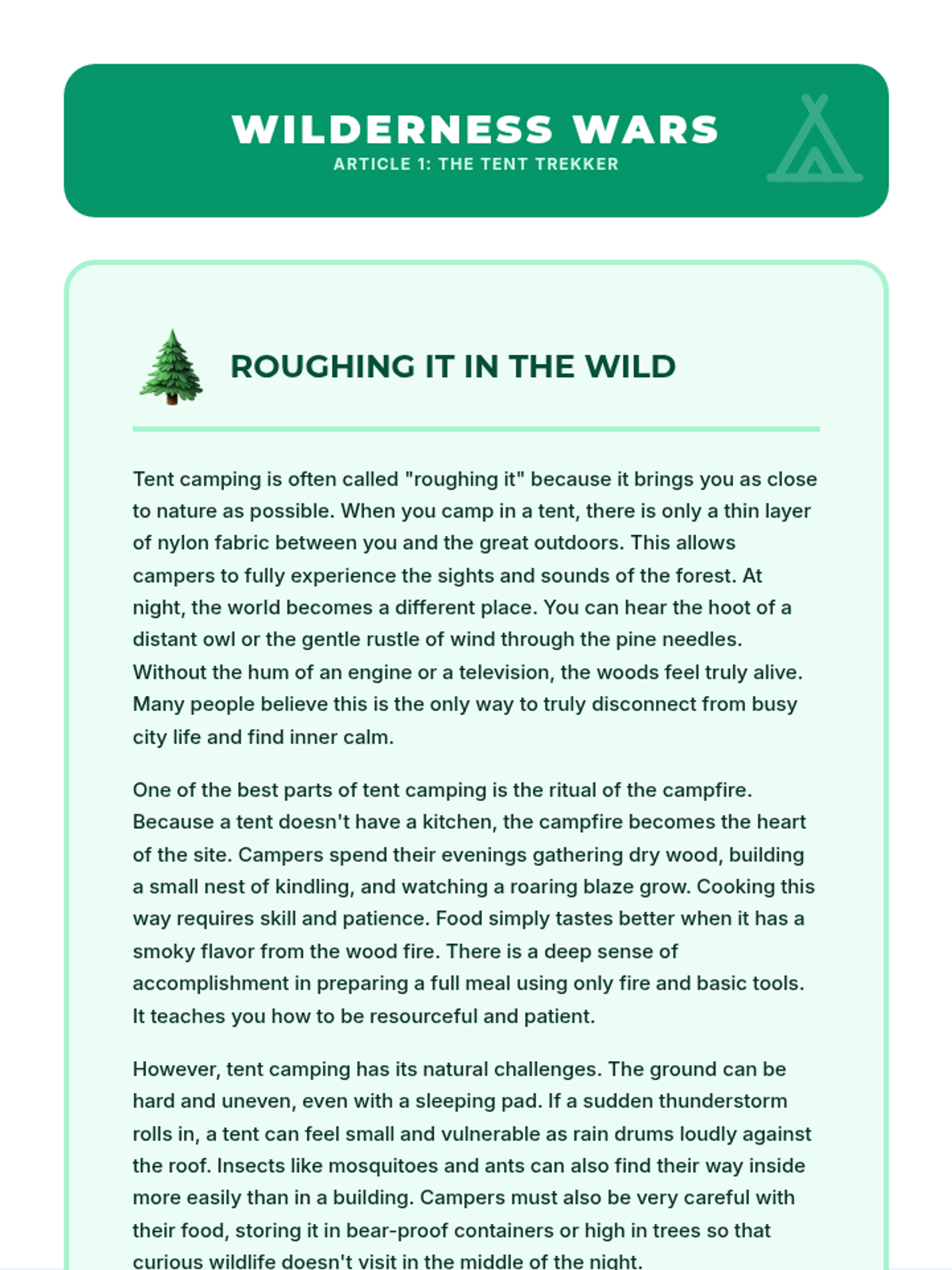
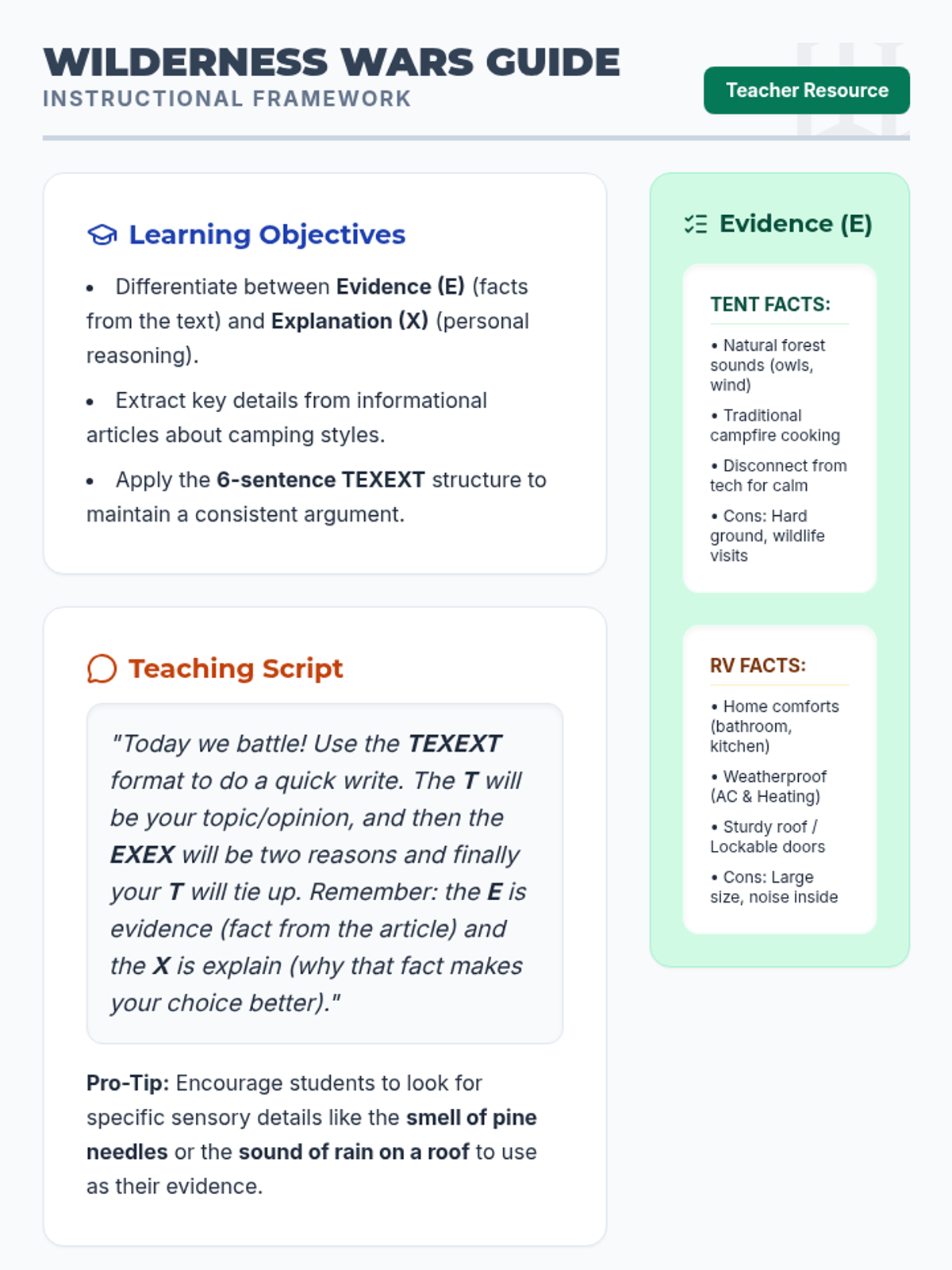
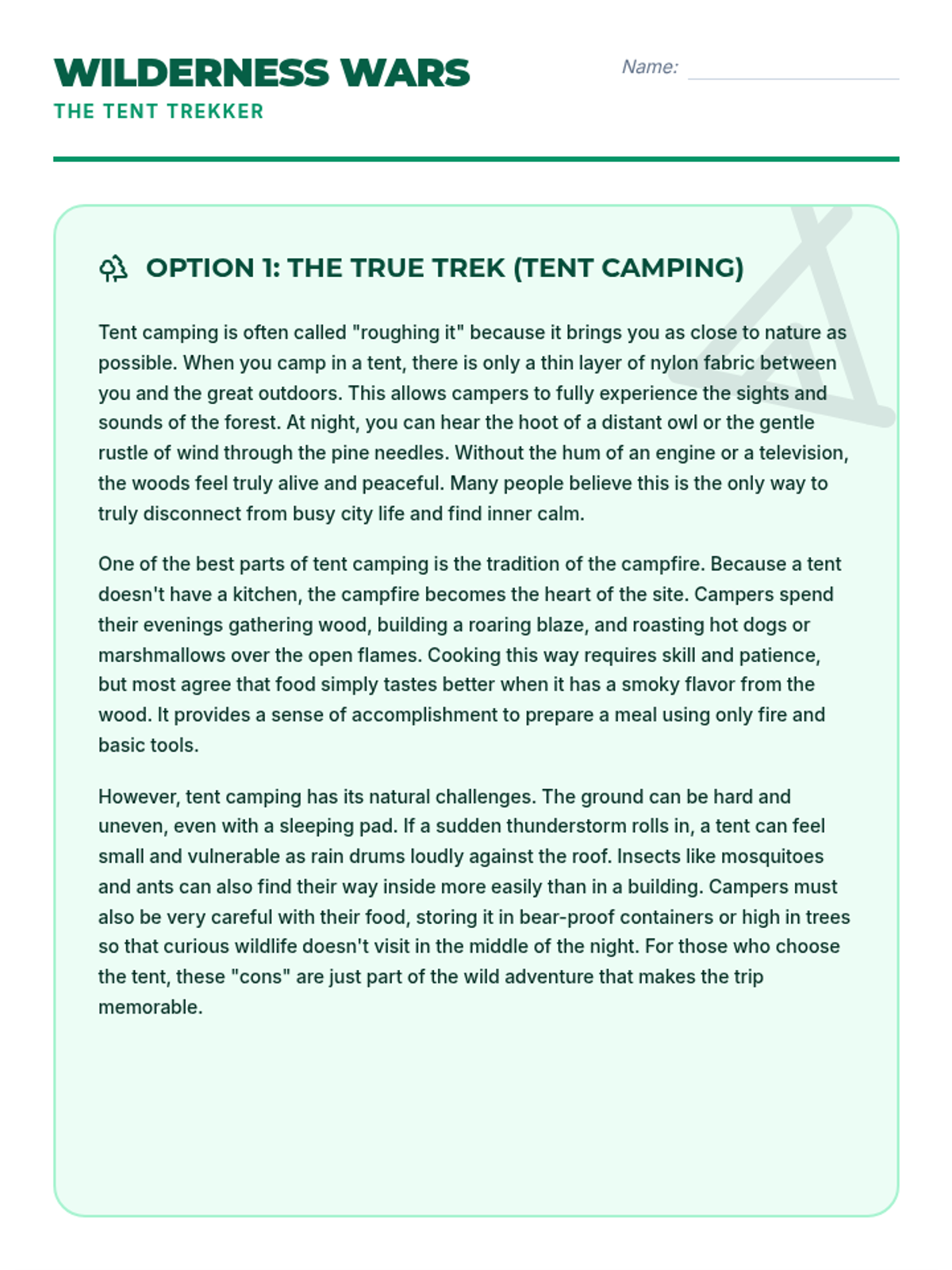
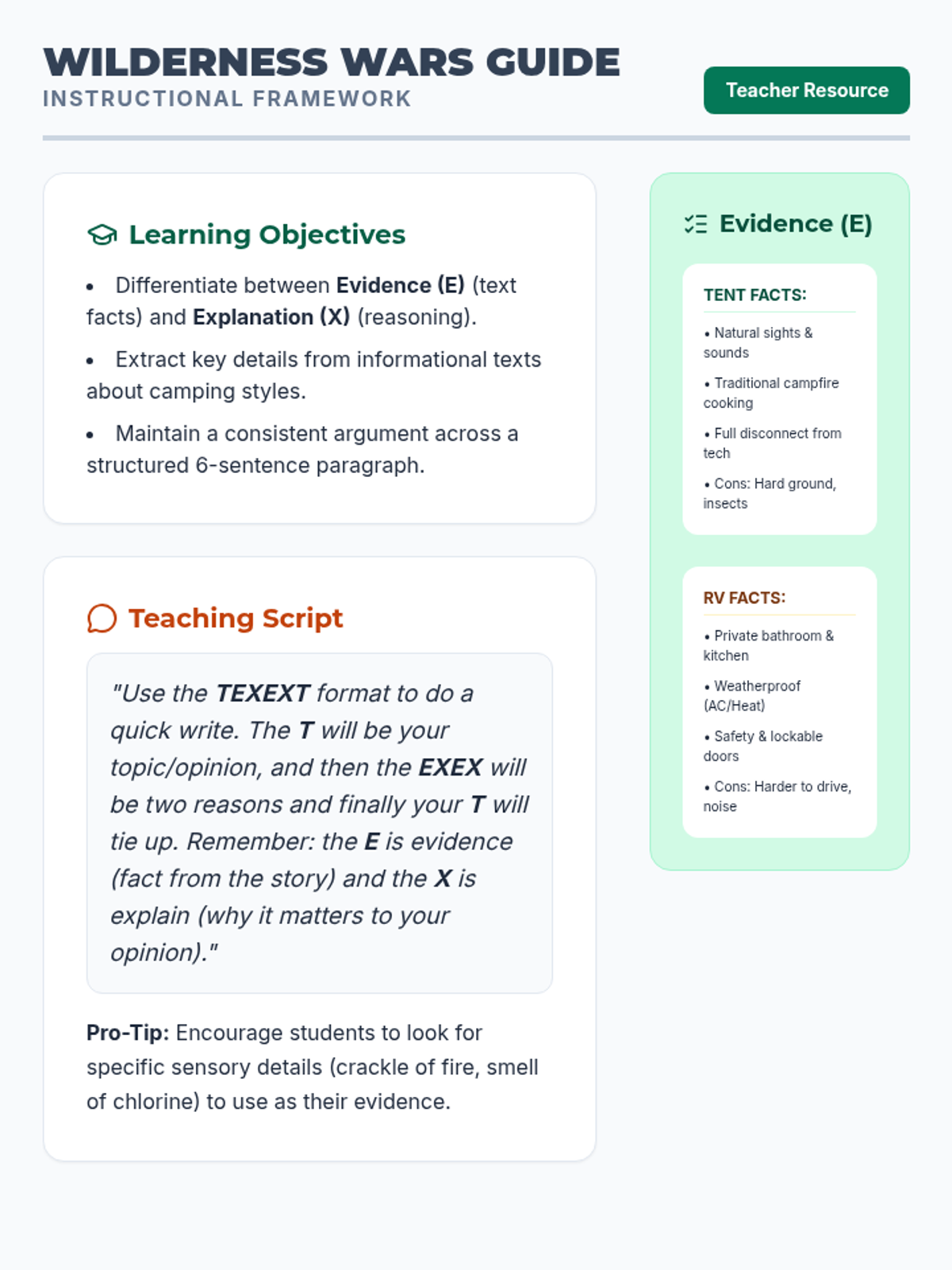
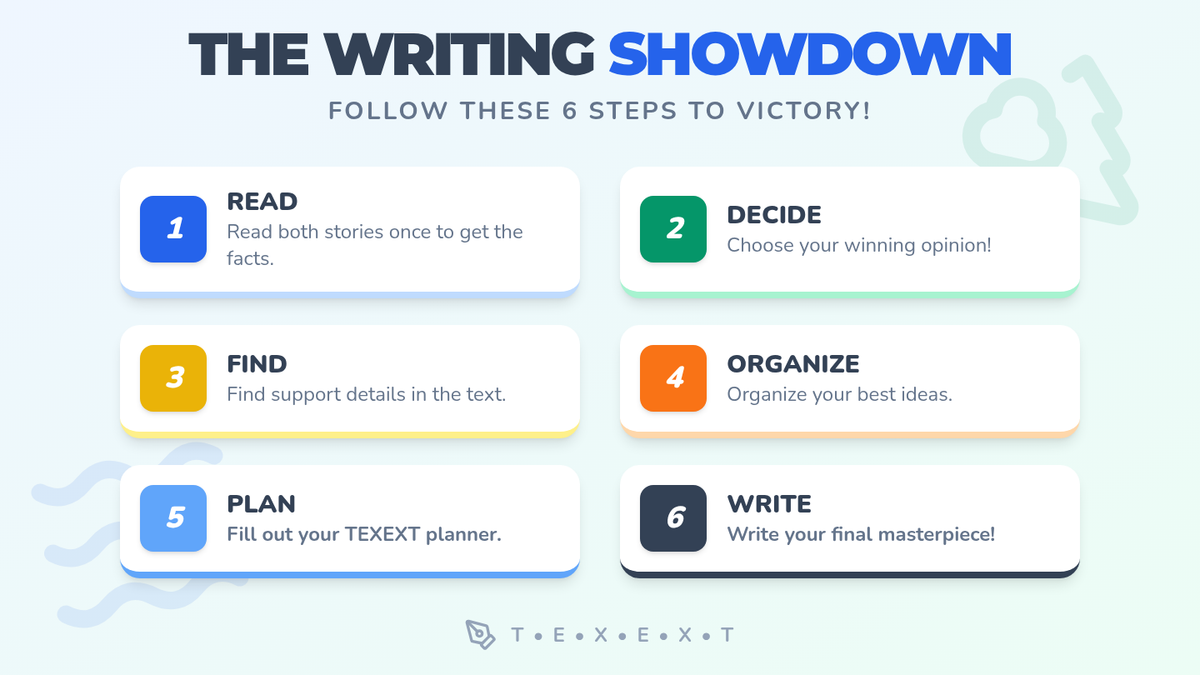
An opinion writing lesson comparing two styles of camping (Tent vs. RV) using informative text. Students will use the 6-sentence TEXEXT format to argue for their preferred outdoor experience.
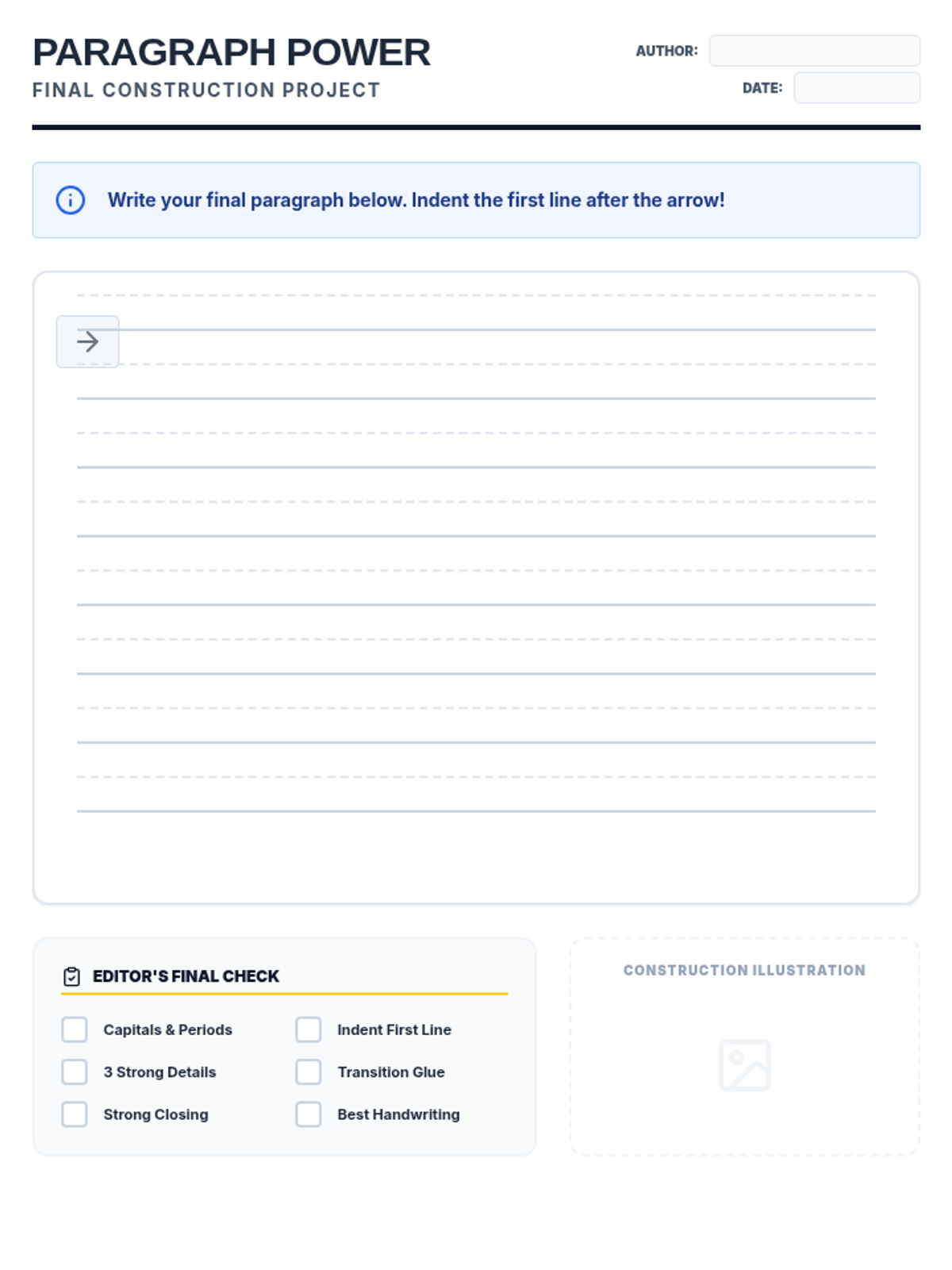
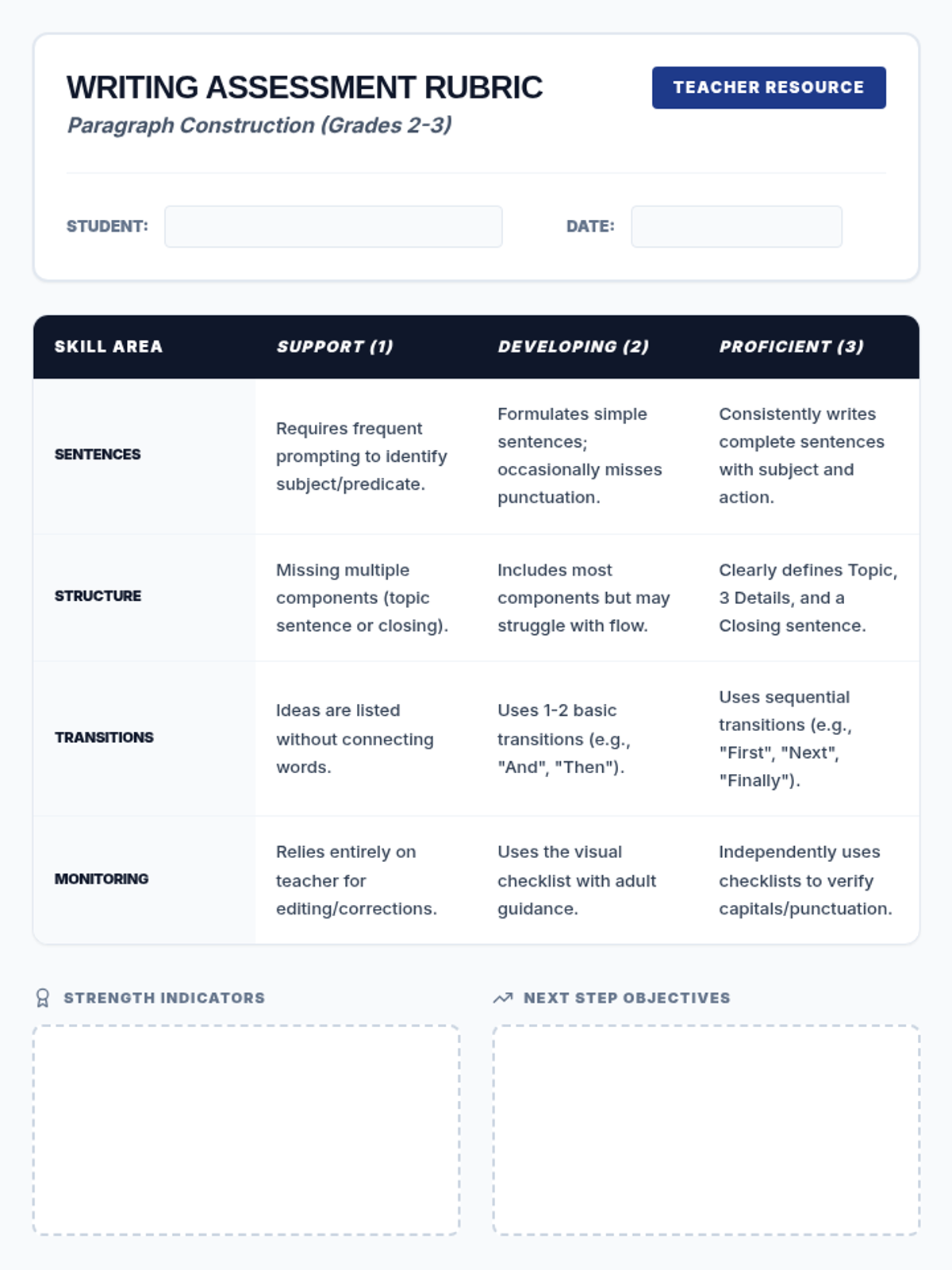
Guides students through writing a cohesive paragraph using their own ideas and a structured checklist.
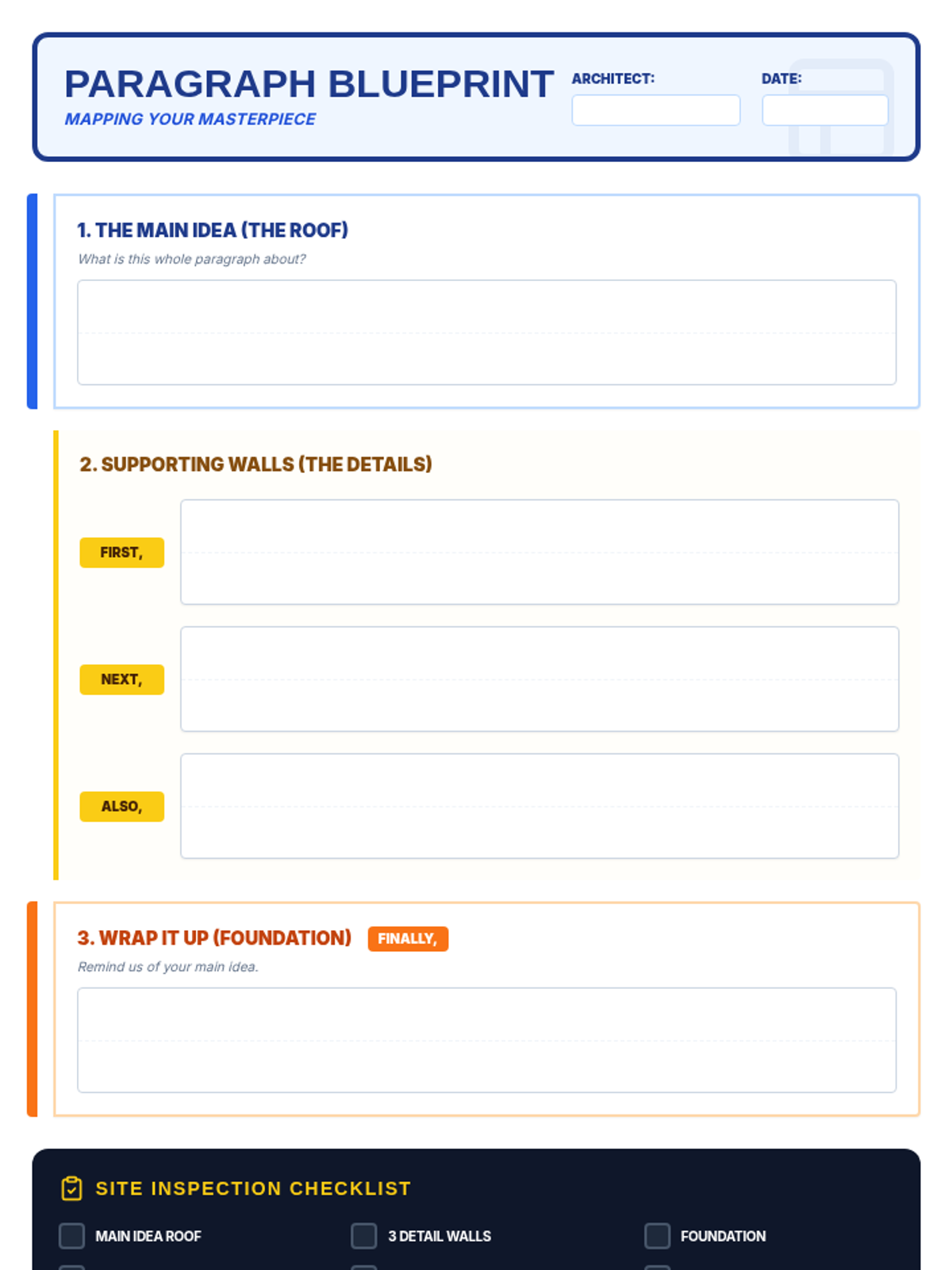
Introduces the structural 'blueprint' of a paragraph: topic sentence, supporting details, and closing sentence.
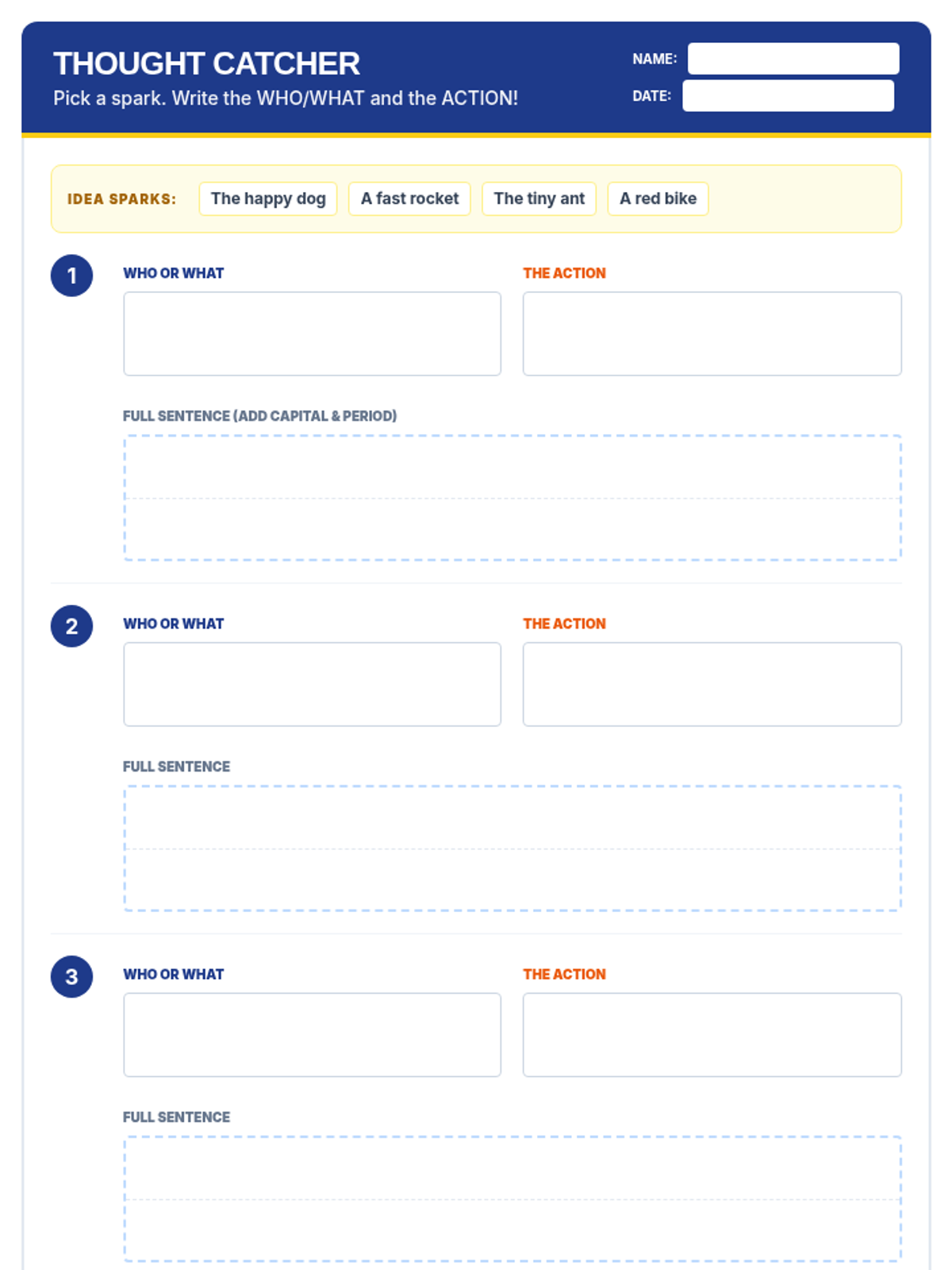
Focuses on turning fragments and ideas into complete, organized sentences using visual cues.
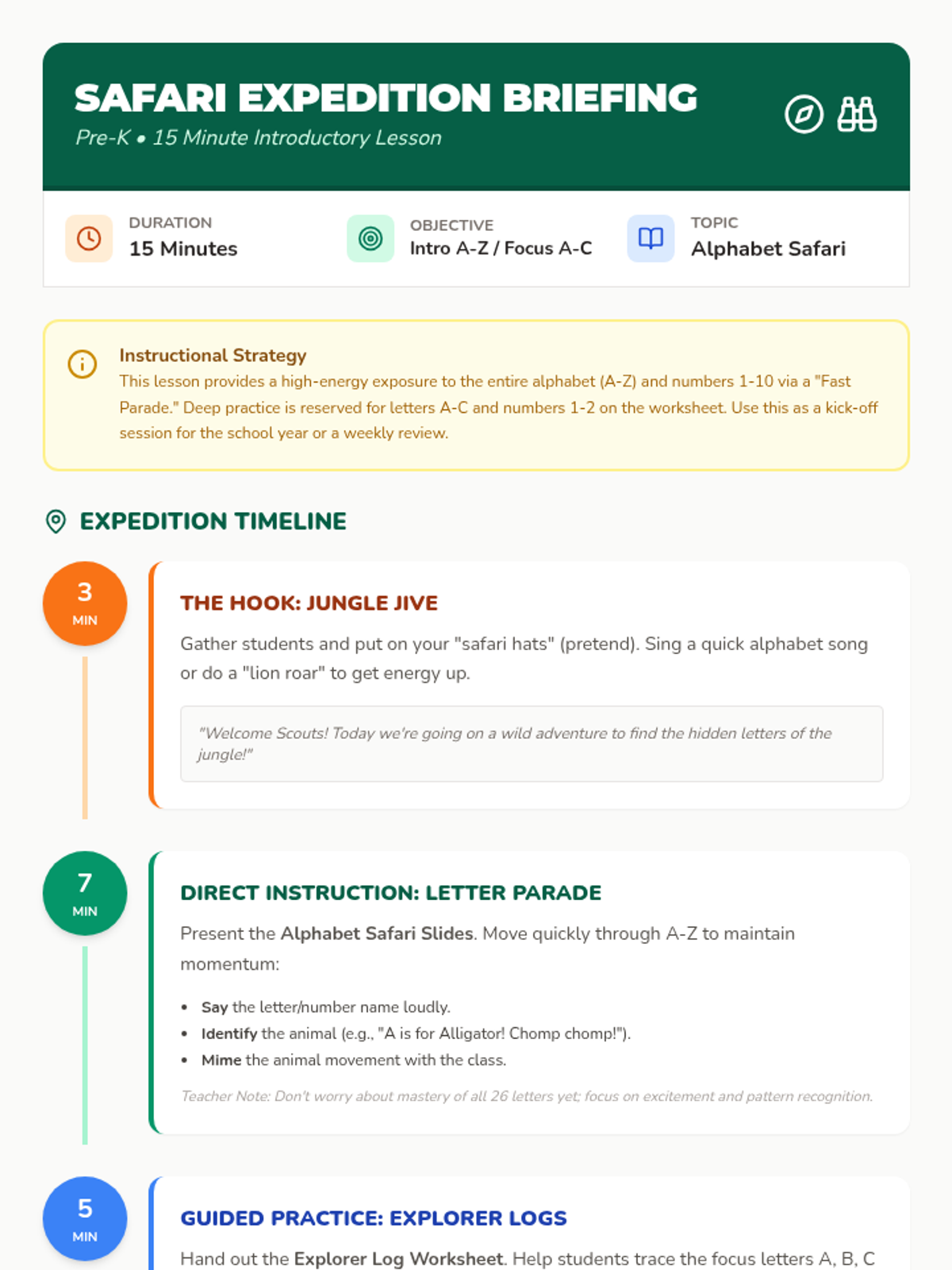
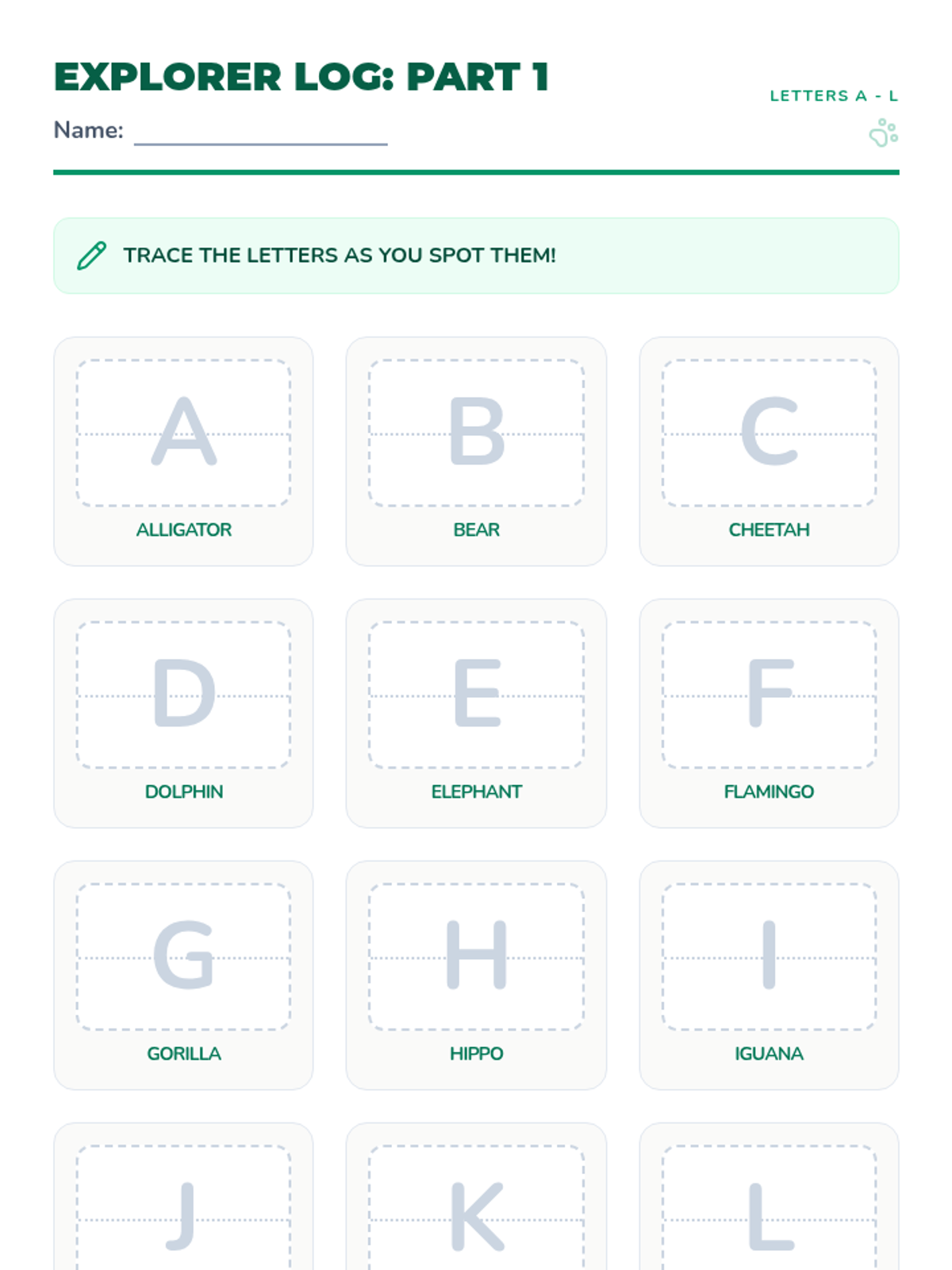
A high-energy, 15-minute introductory session designed to engage Pre-K students with the entire alphabet and numbers 1-10 through a jungle safari theme. Includes visual slides for a "letter parade," a teacher facilitation guide, and a tracing activity.
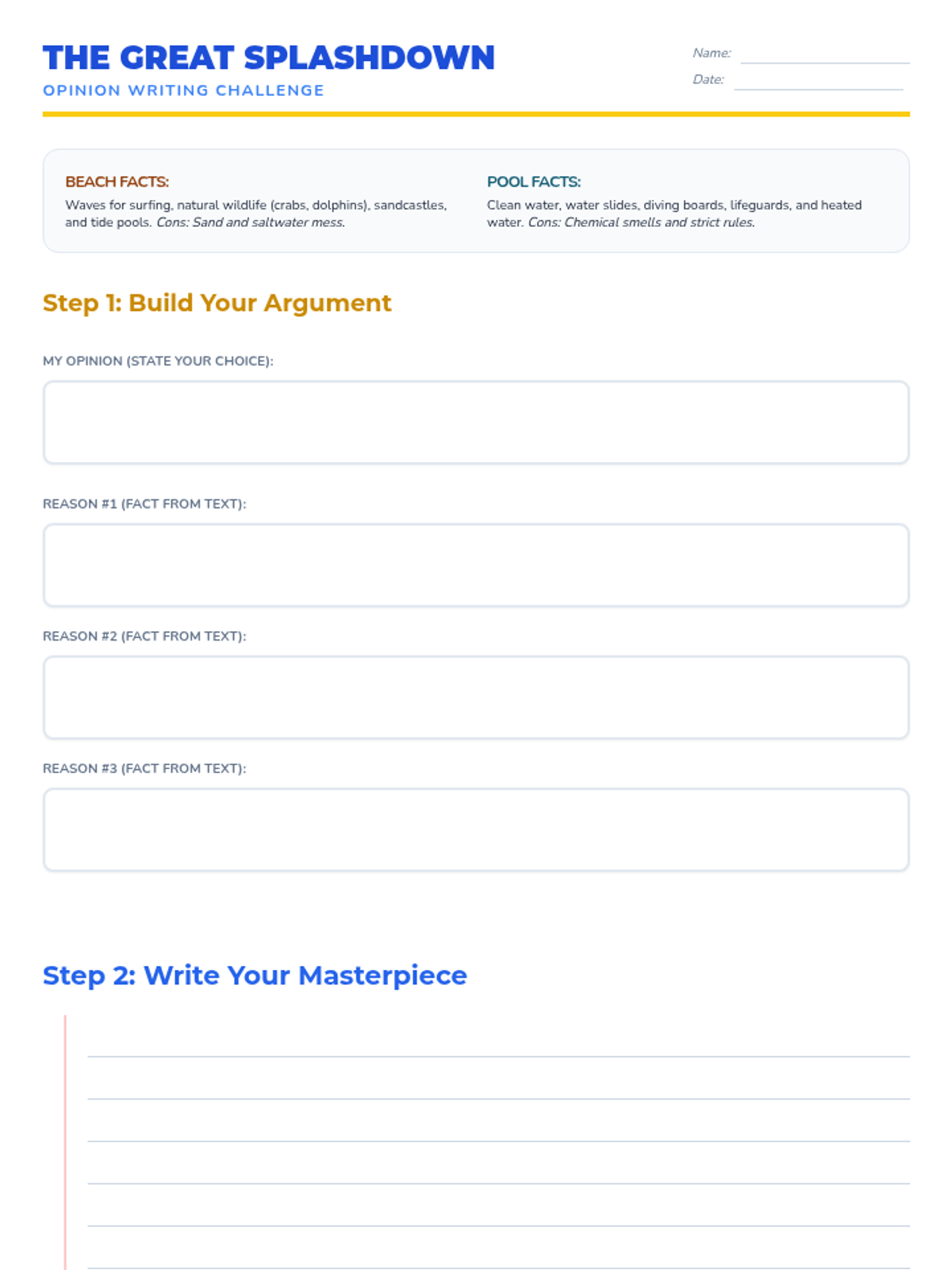
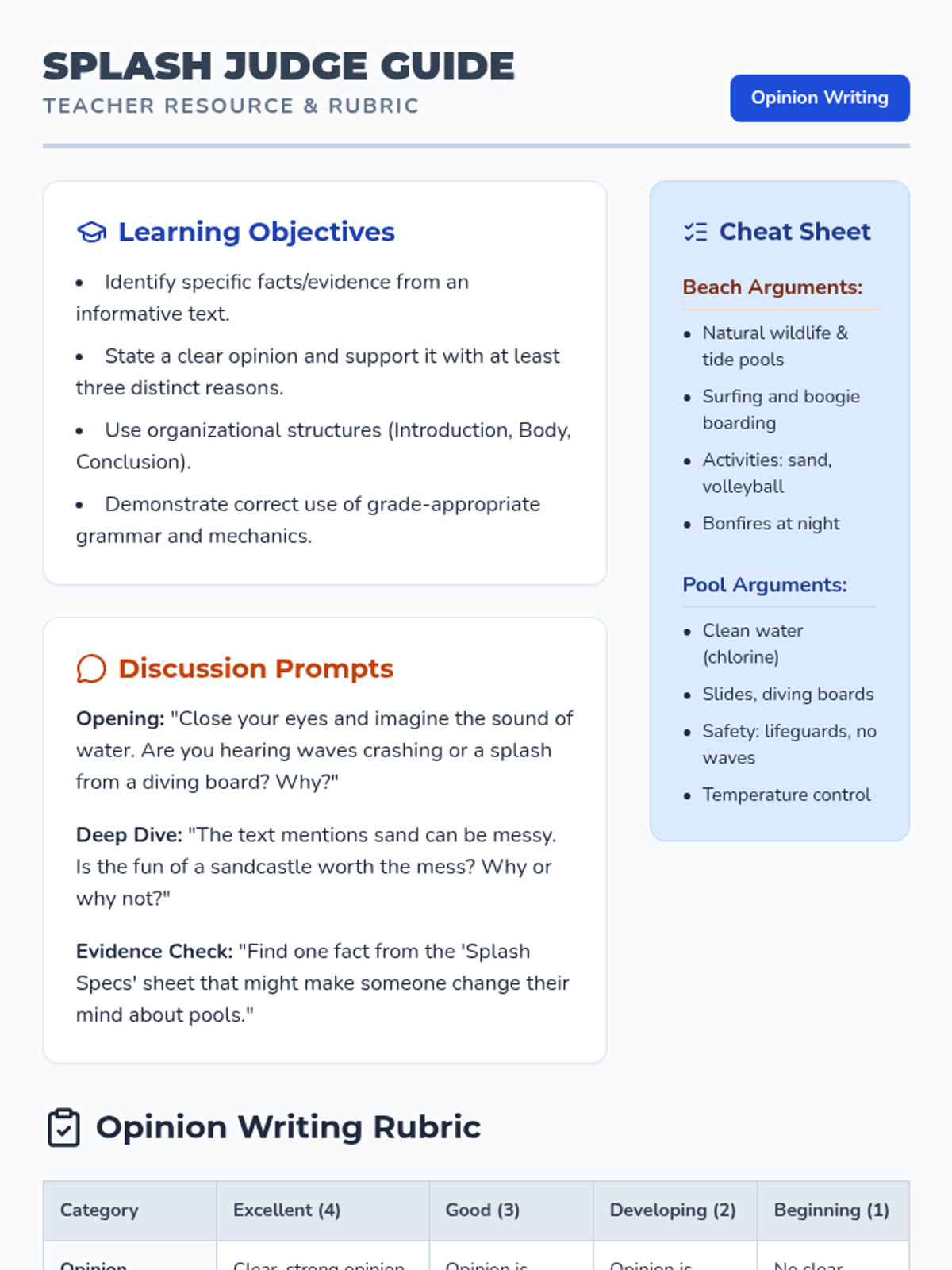
A lesson focused on opinion writing where students compare the benefits and drawbacks of beaches versus pools using informative text. Students will practice evidence-based writing and persuasive techniques.
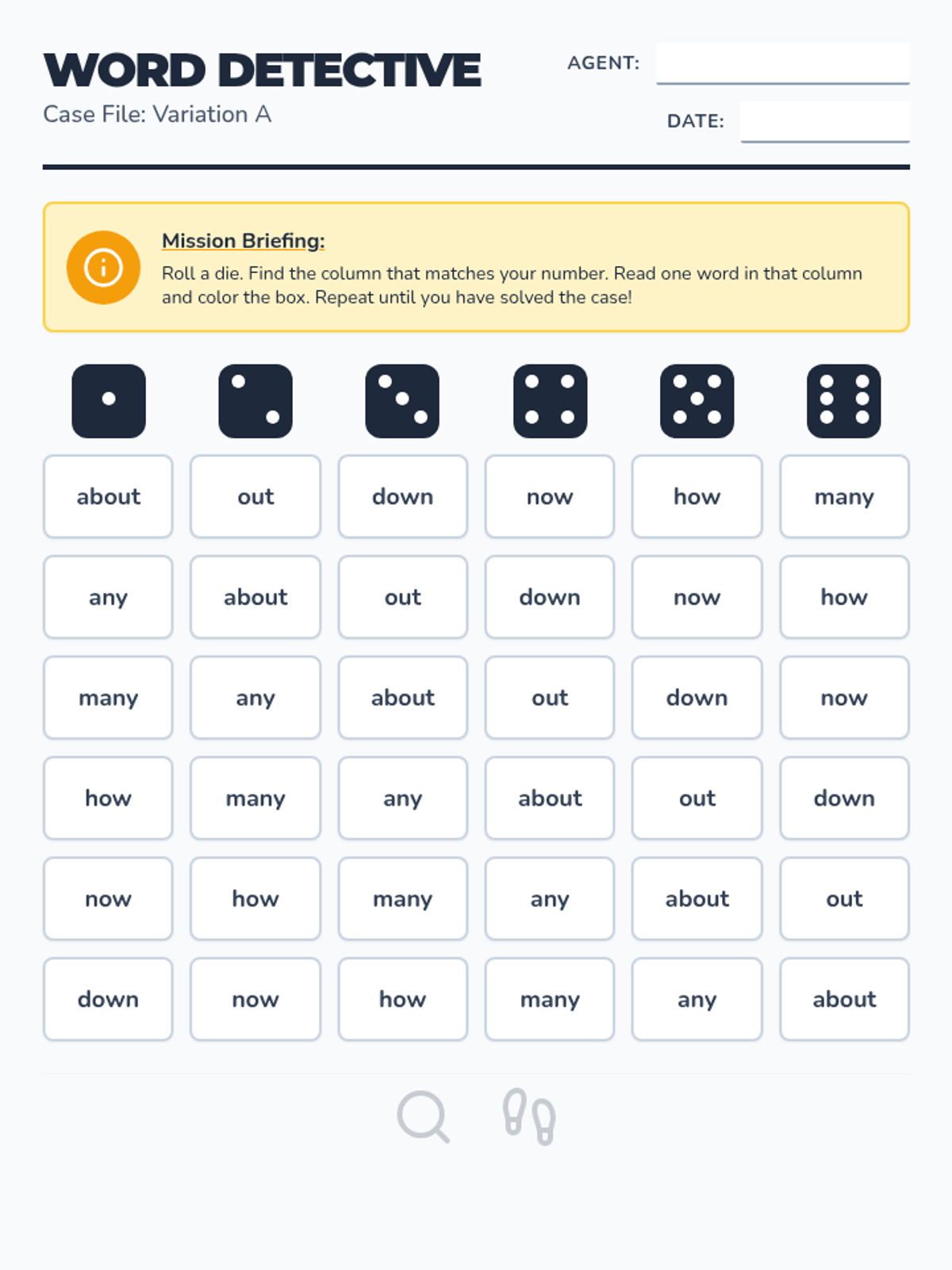
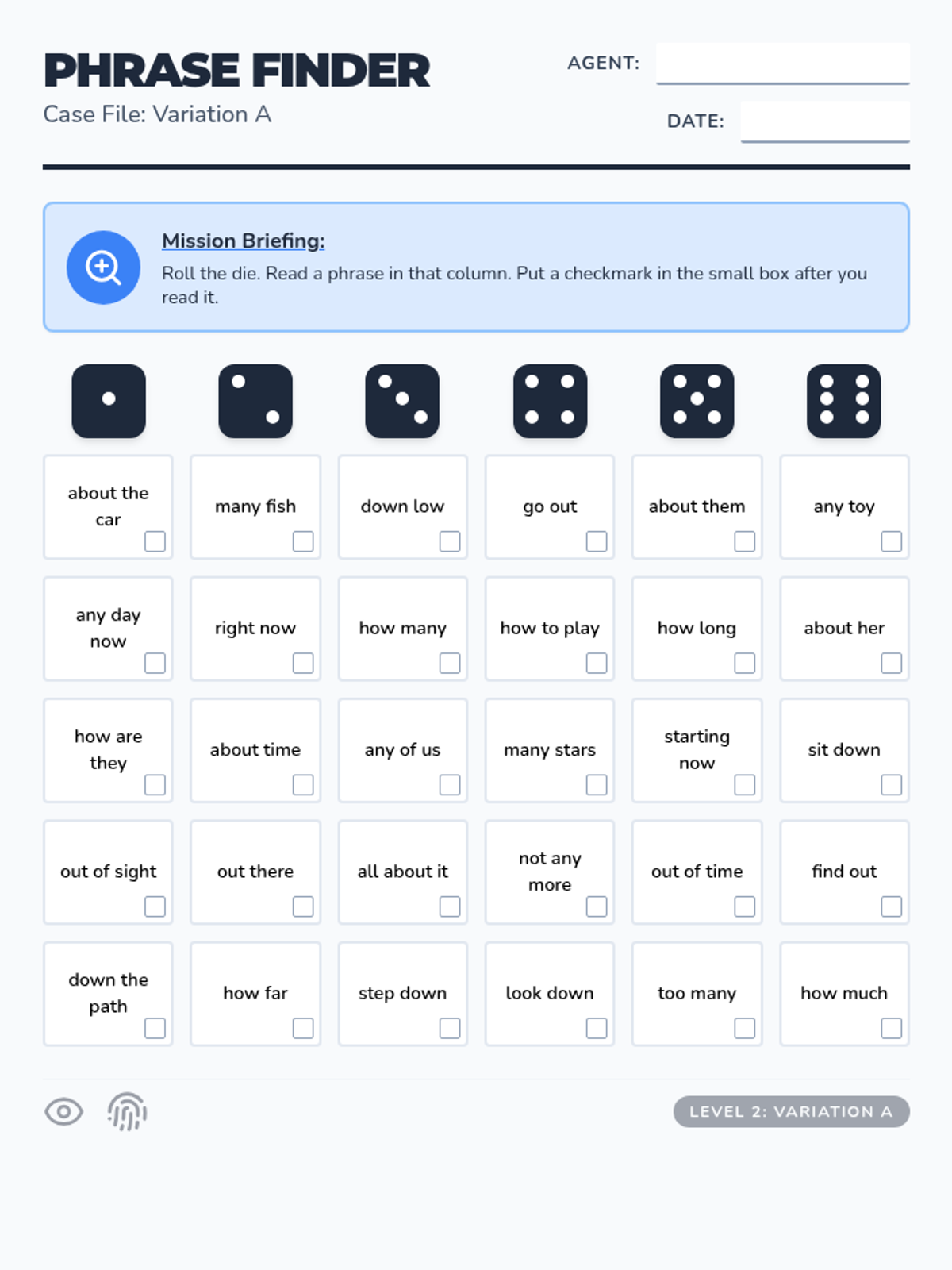
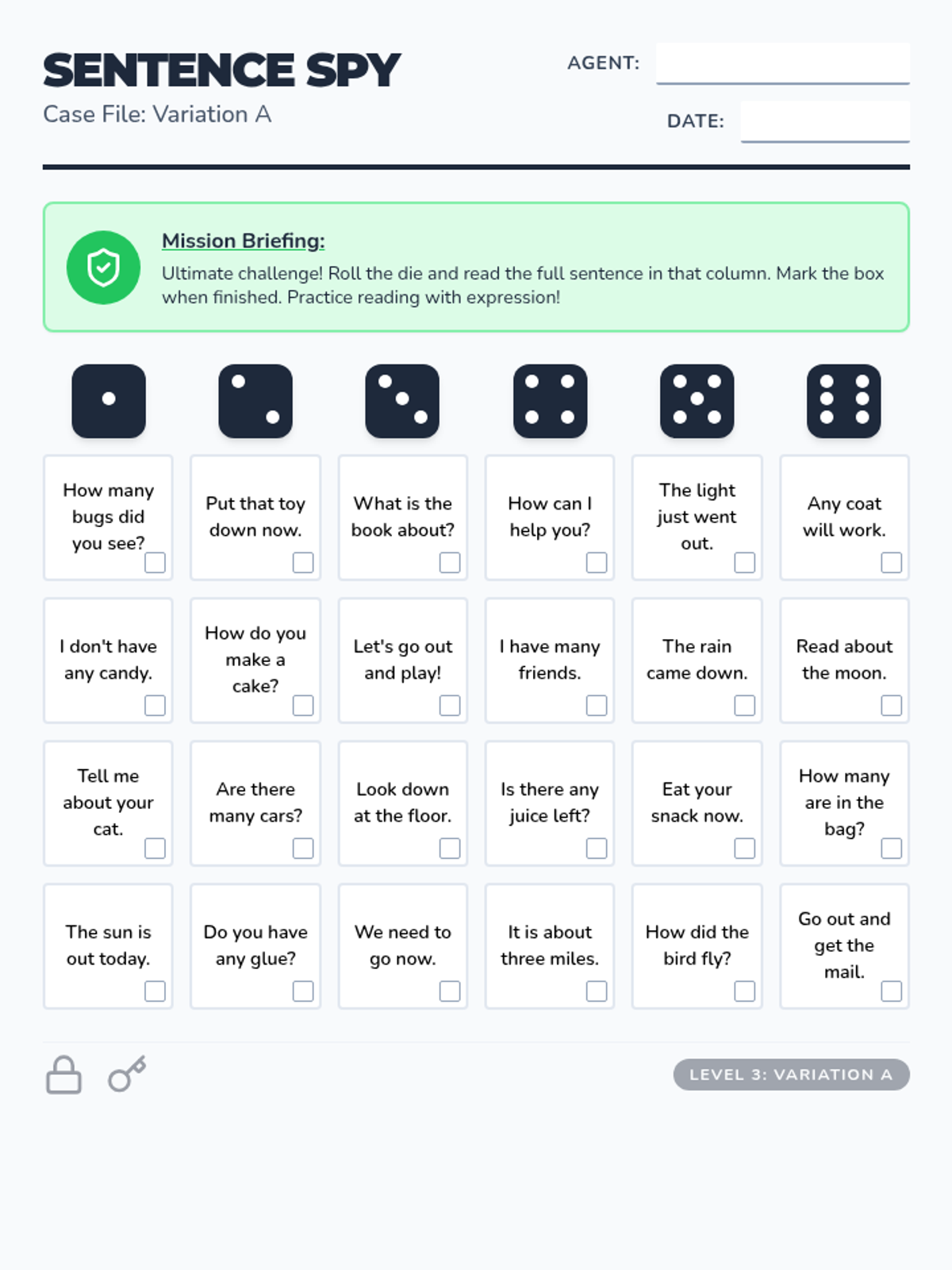
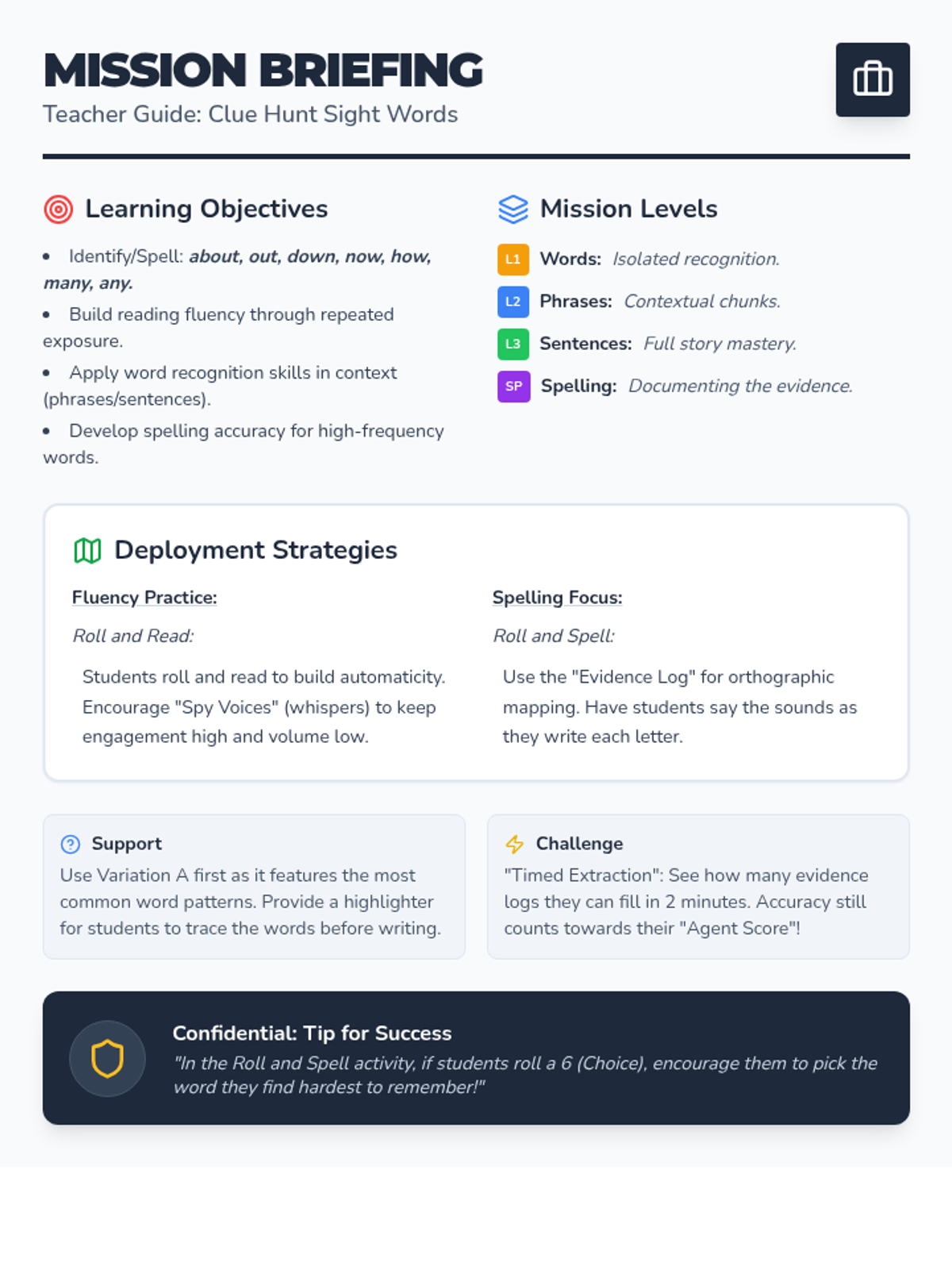
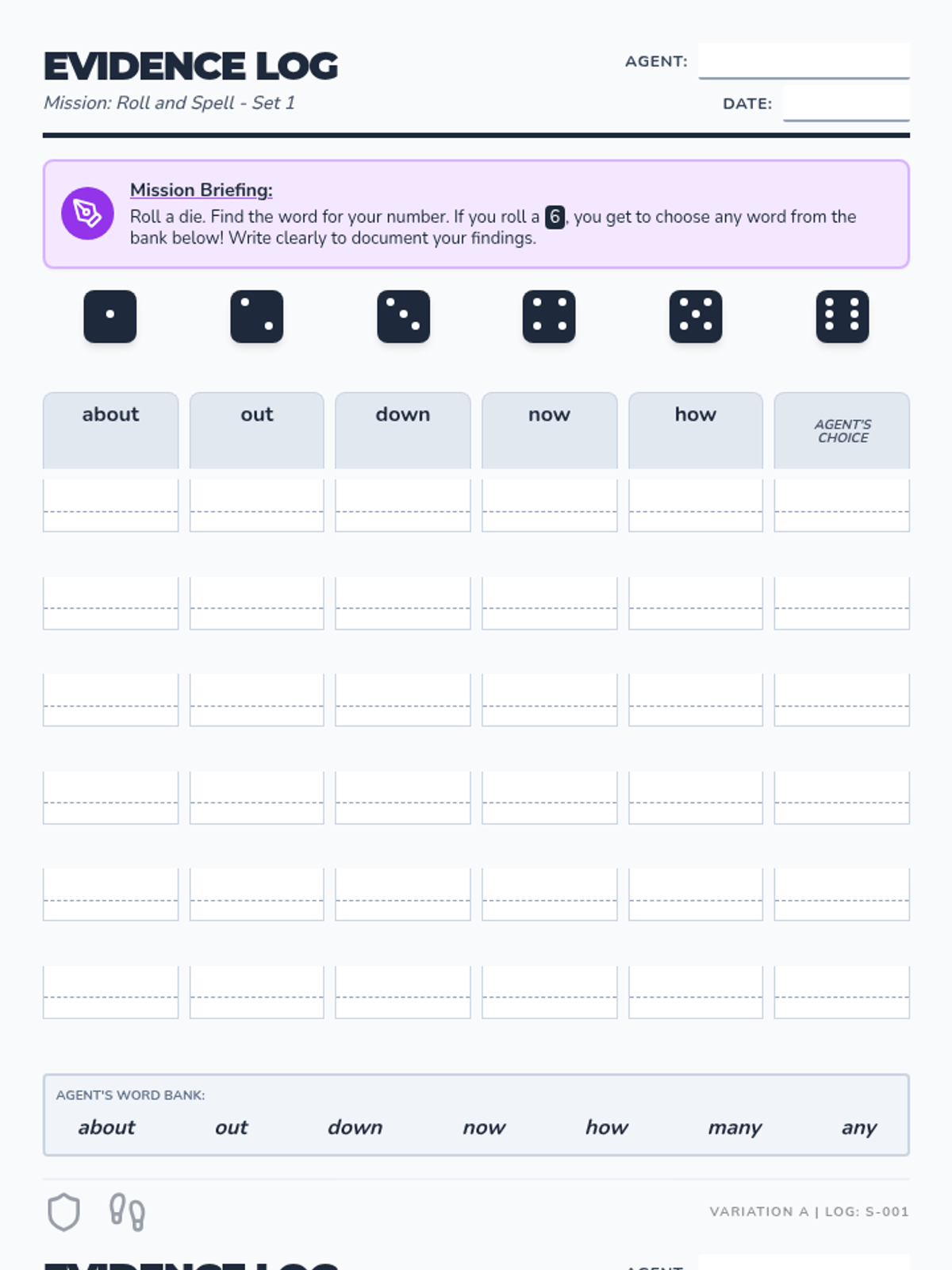
A series of Roll and Read activities for 2nd-grade high-frequency words, featuring a detective theme to engage students in repeated reading practice.
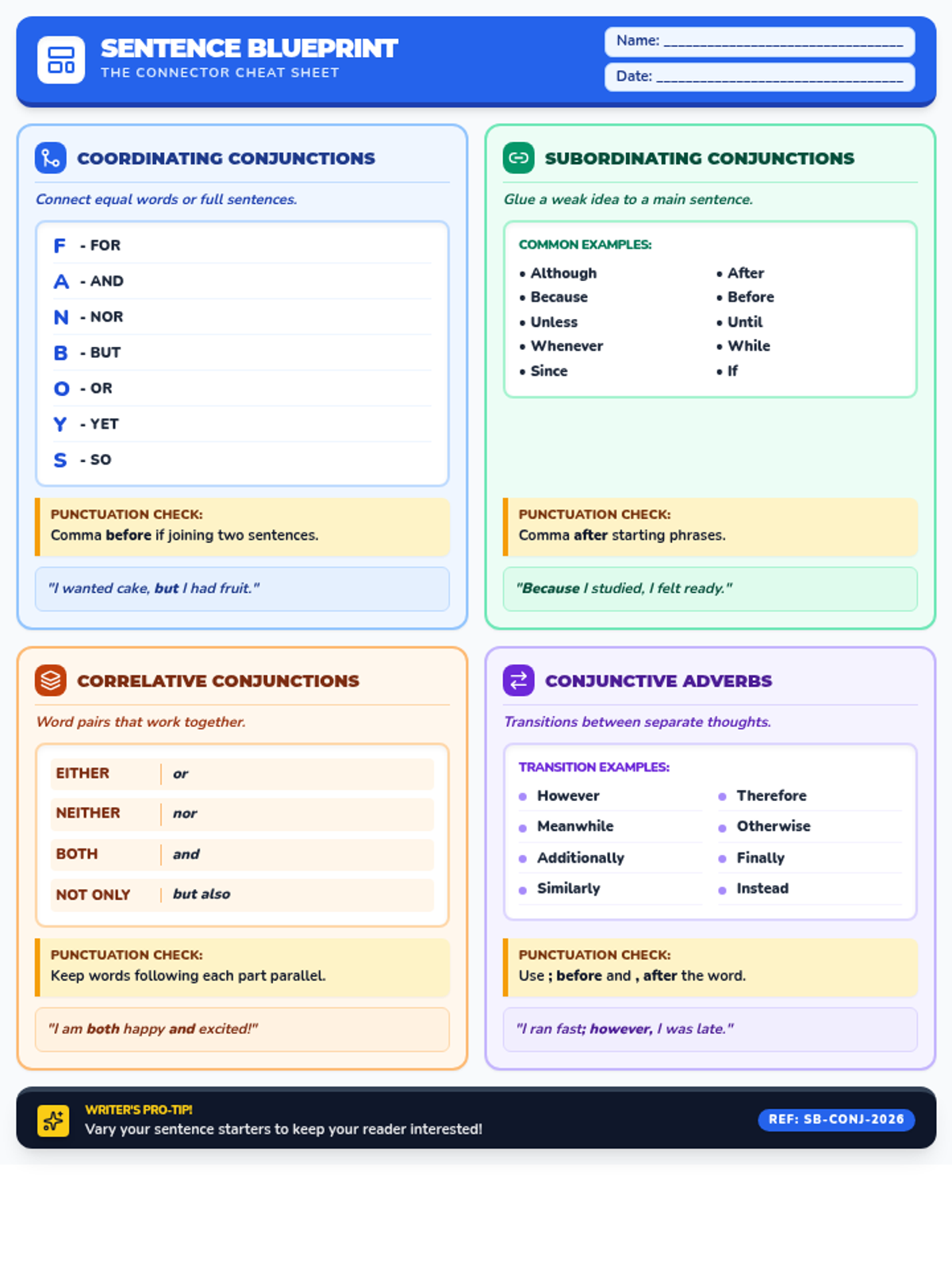
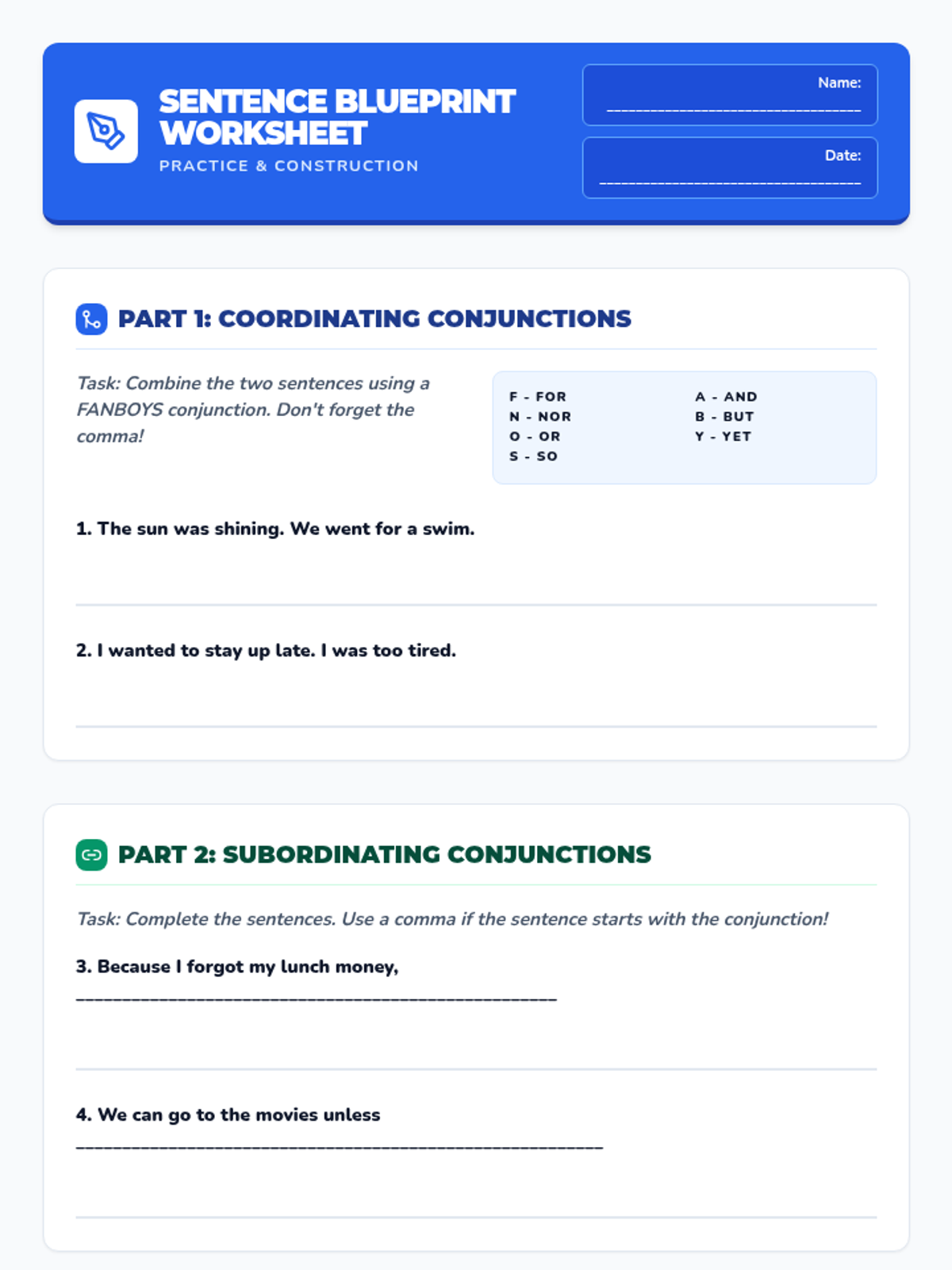
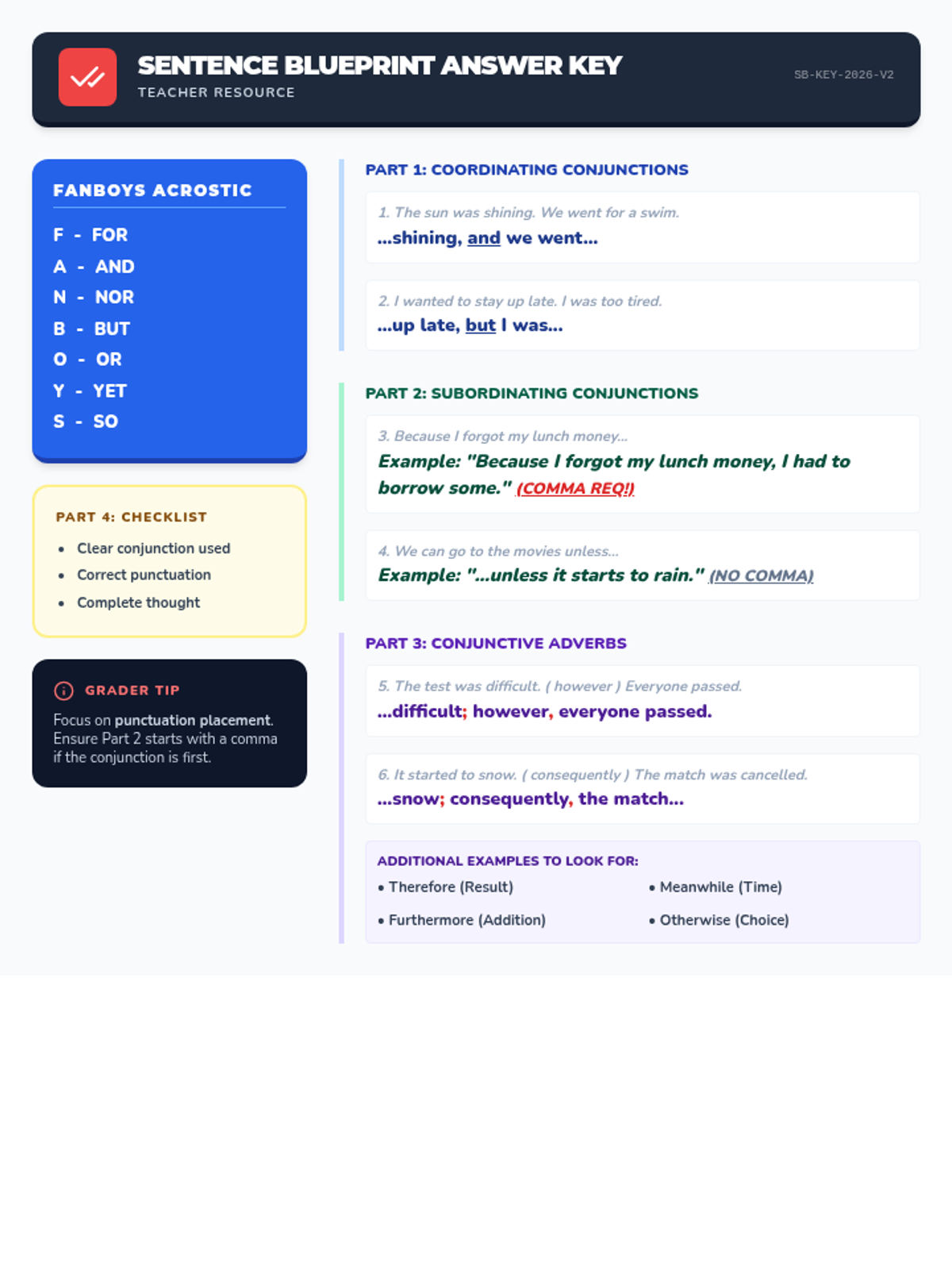
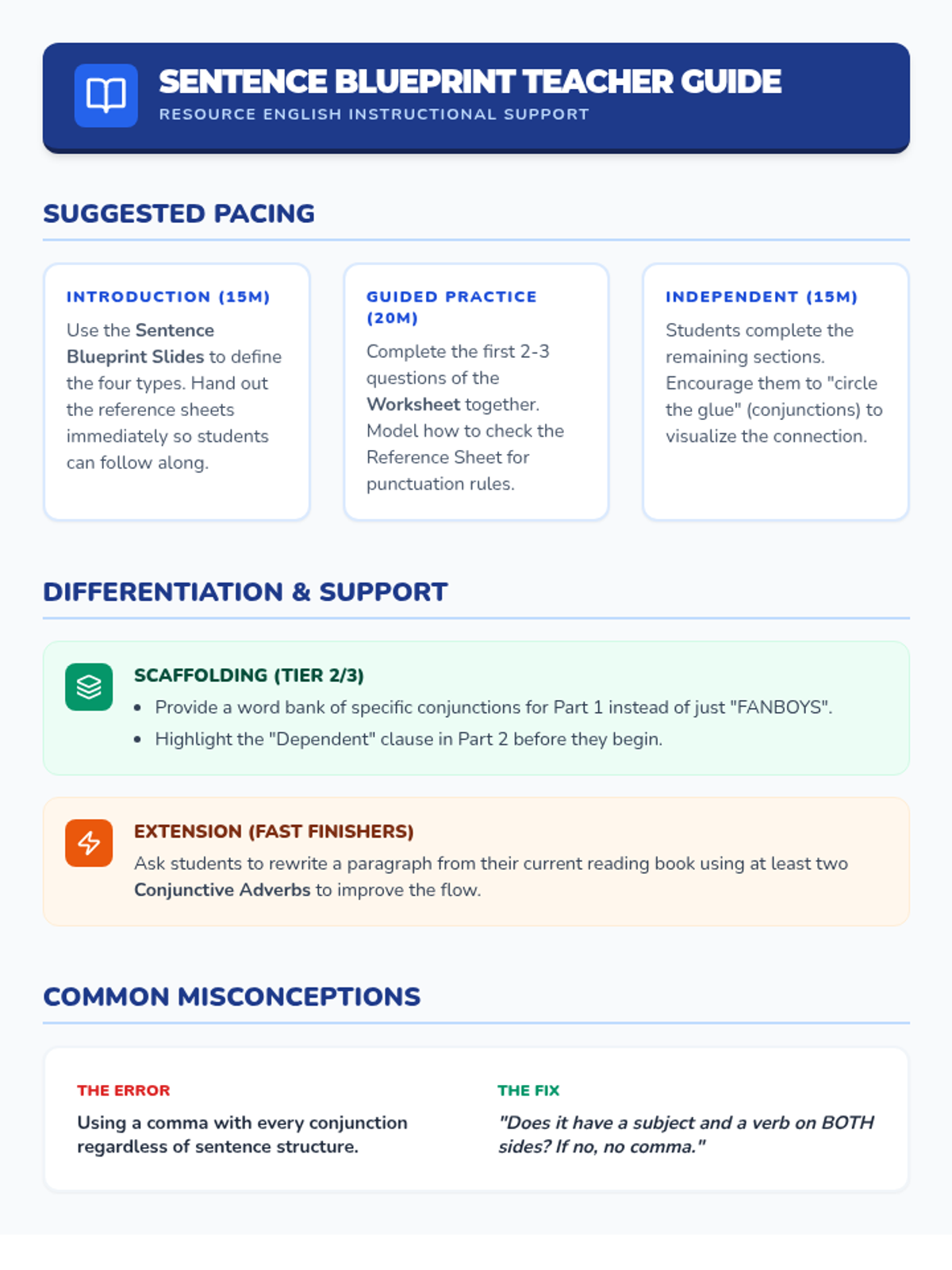
A comprehensive lesson introducing middle school students to the four main types of conjunctions: coordinating, subordinating, correlative, and conjunctive adverbs. Students will learn to identify these connectors and apply correct punctuation rules to build more complex and professional sentences.