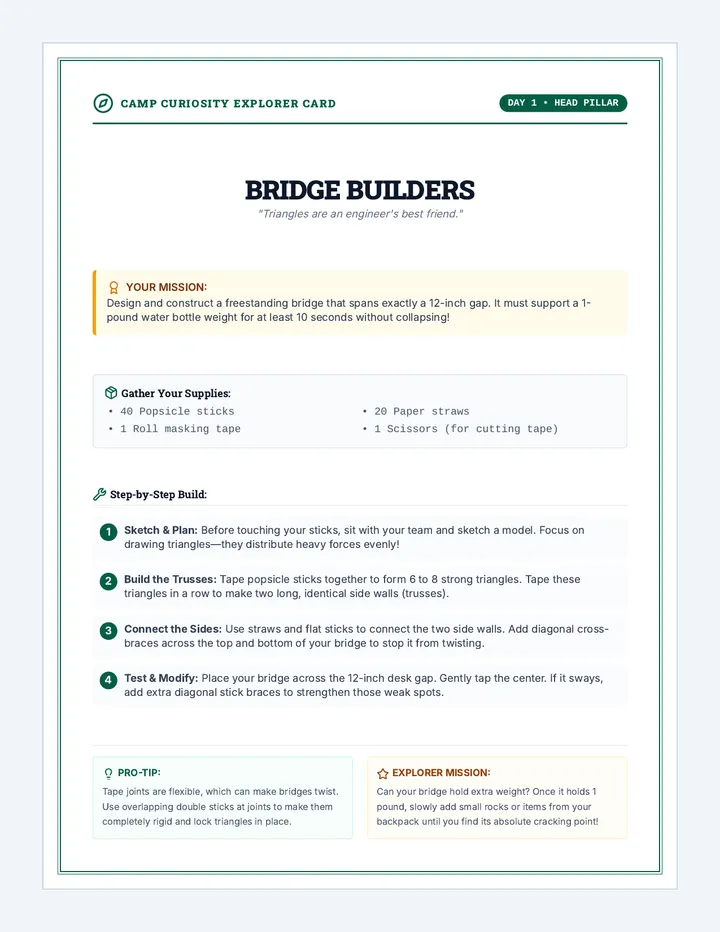
Students explore and explain the human use of natural resources in construction, agriculture, and manufacturing through building and design challenges. Aligned with TEKS 3.11(A).
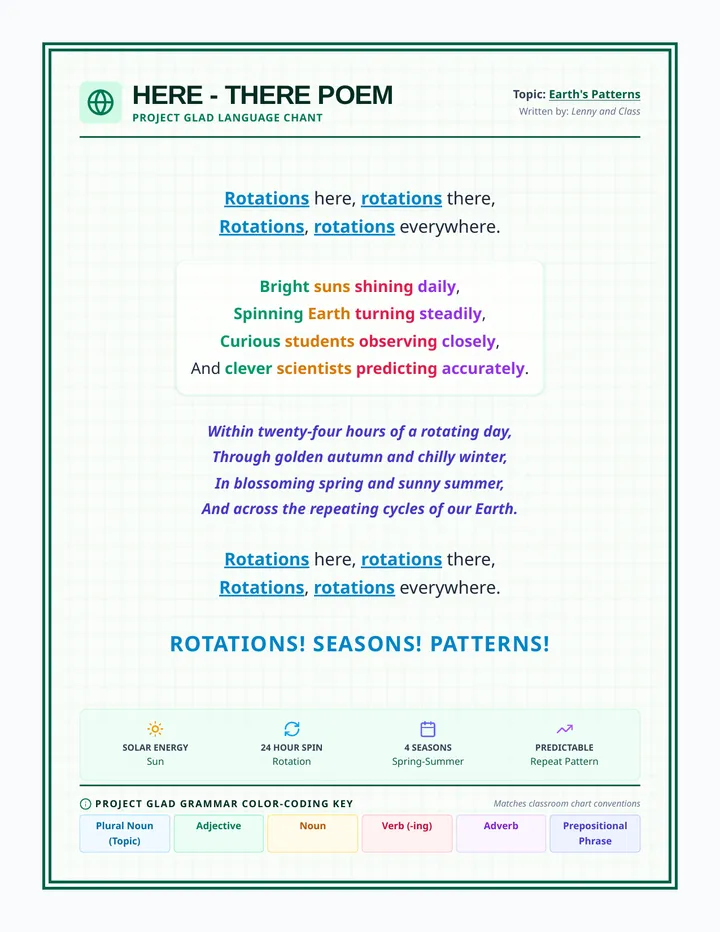
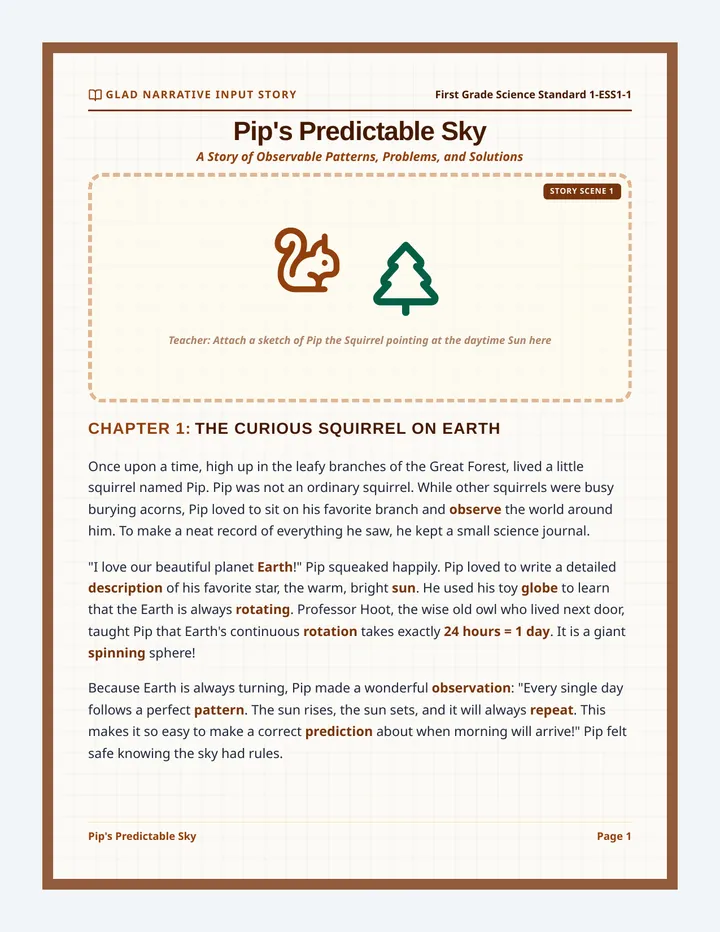
Students demonstrate Earth's rotation to explain the day/night cycle and engineer tools to track the Sun's movement via shadows.
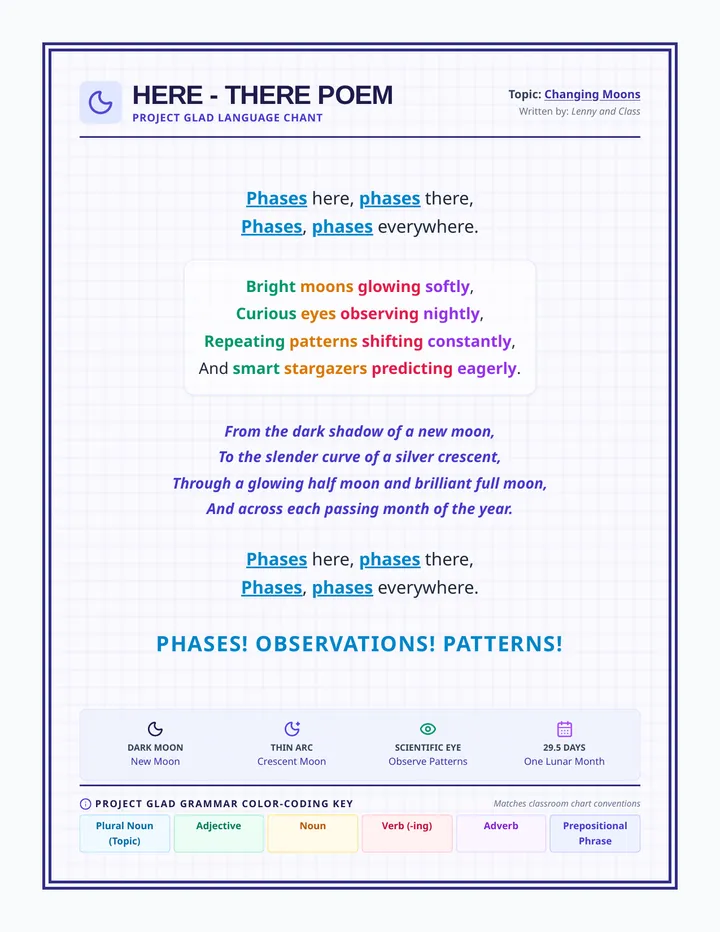
Students analyze data on seasonal changes and lunar cycles to predict patterns of light and temperature.
Students model the orbits of the Sun, Earth, and Moon and map out the order of the planets in our solar system.
Students investigate the Sun as a source of light and heat, the Moon's reflection, and the power of telescopic tools.
Students explore the patterns of seasons and how nature changes throughout the year to help a migrating bird prepare for its journey.
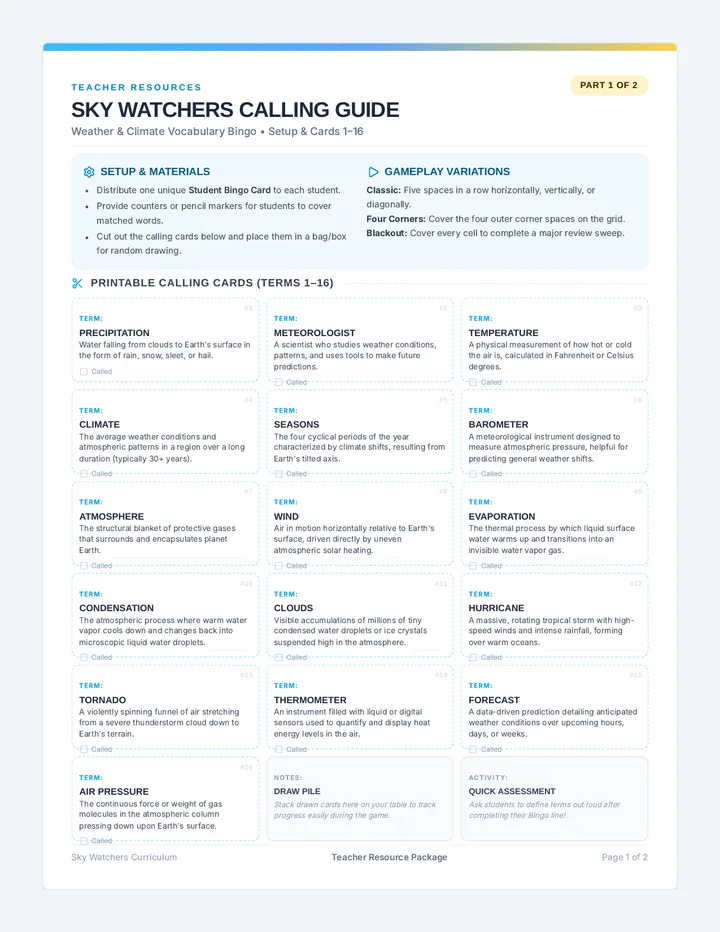
Fifth-grade experts investigate the complex interactions between the Sun and the ocean, discovering how ocean heat fuels weather patterns.
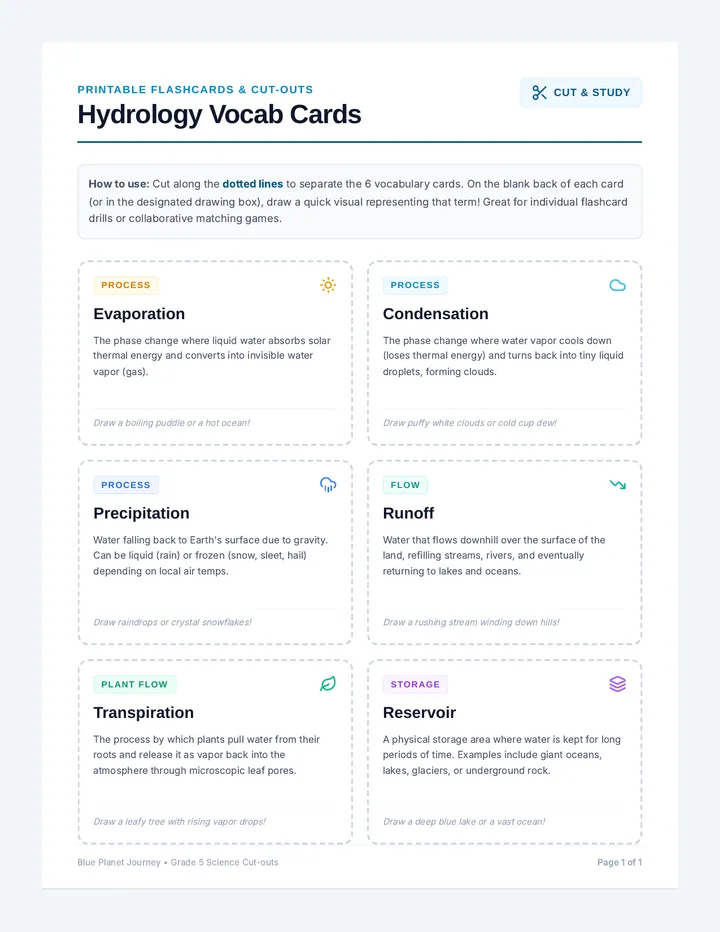
Fourth-grade scientists explore the continuous movement of water and the Sun's role as the primary energy source for evaporation.
Junior engineers model the rapid changes to Earth's surface caused by water and the basic mechanics of the water cycle.
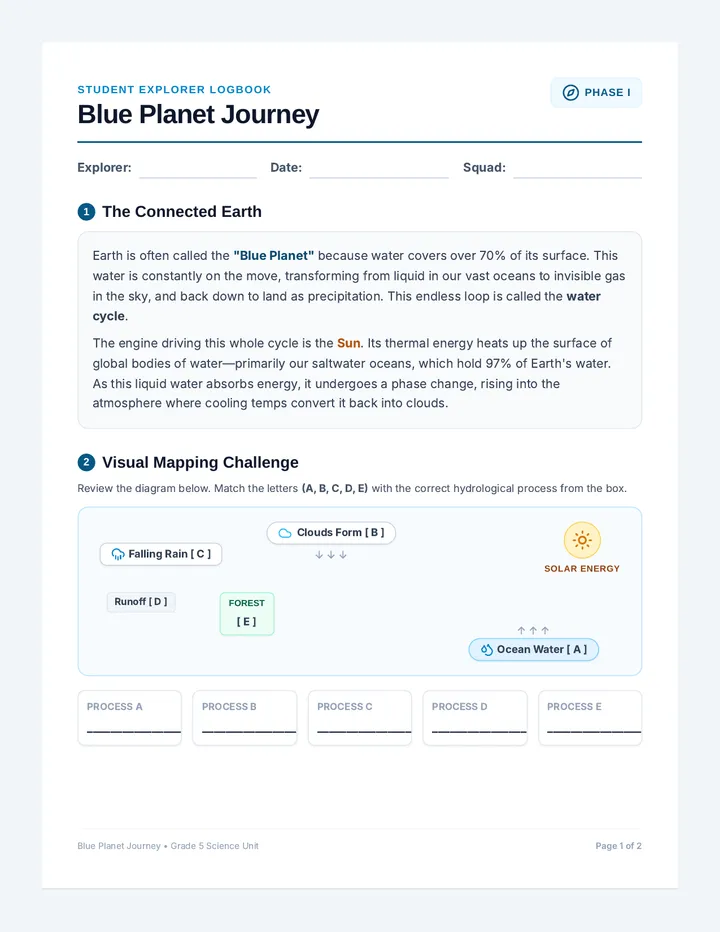
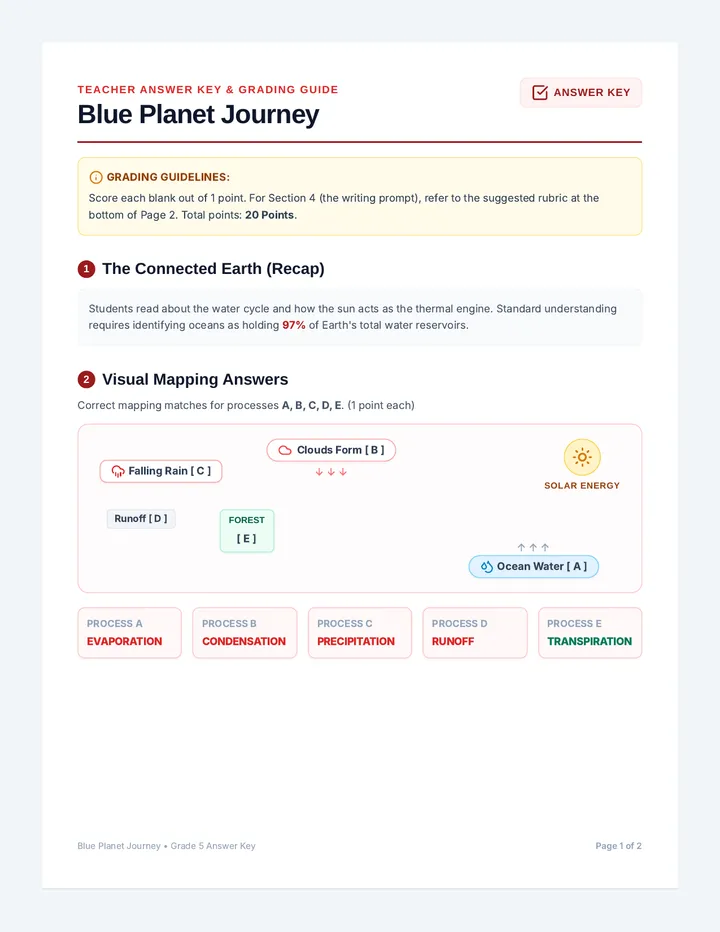
Scientists explore the distribution of water on Earth and the distinct differences between freshwater and saltwater ecosystems through engineering.
Young hydrologists investigate the physical properties of local and global water bodies, comparing clarity, color, and salinity.
Grade 3 students become 'Specimen Specialists' to measure and record physical properties including mass. They will then engineer a 'Rock Retention Wall' to protect a model town from simulated landslide erosion.