A comprehensive lesson on biological organization, using the nervous system as a primary example to show how cells build up into complex organisms. Students use a 'house' analogy to understand the hierarchy and create their own visual posters.
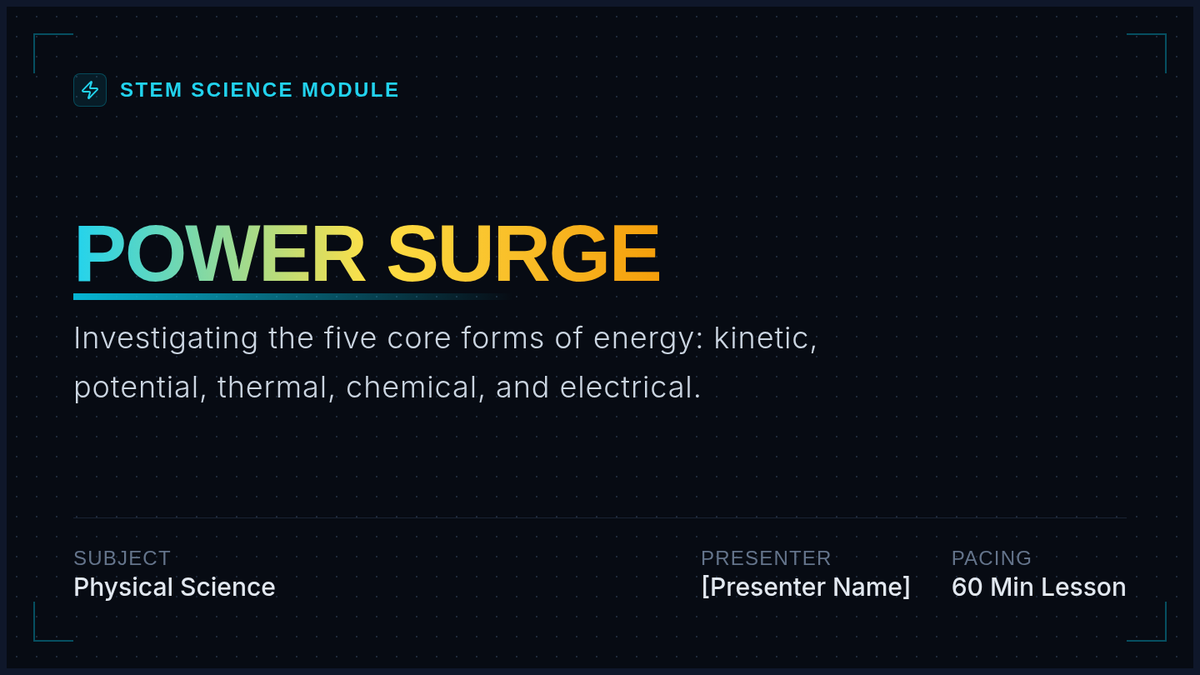
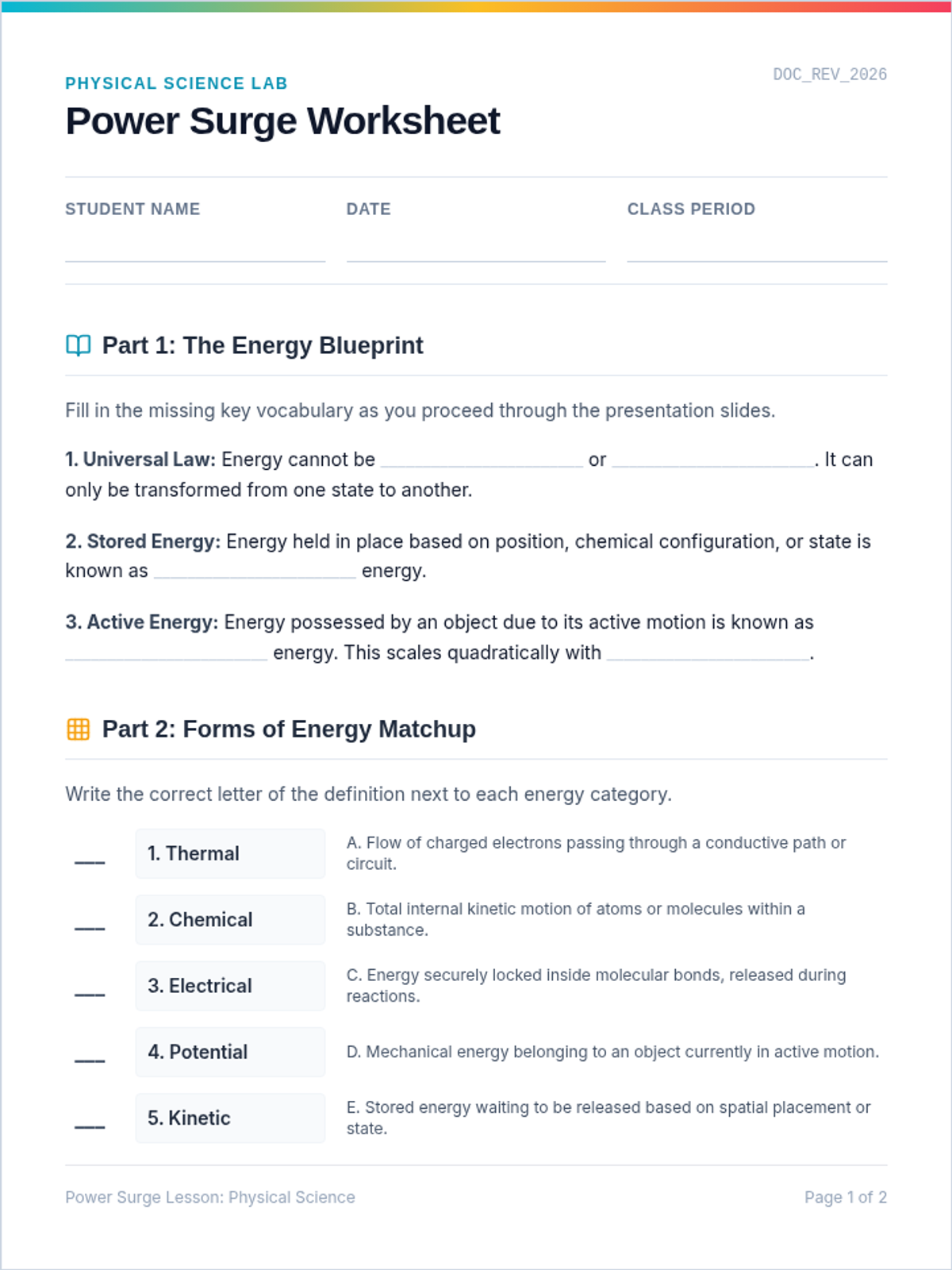
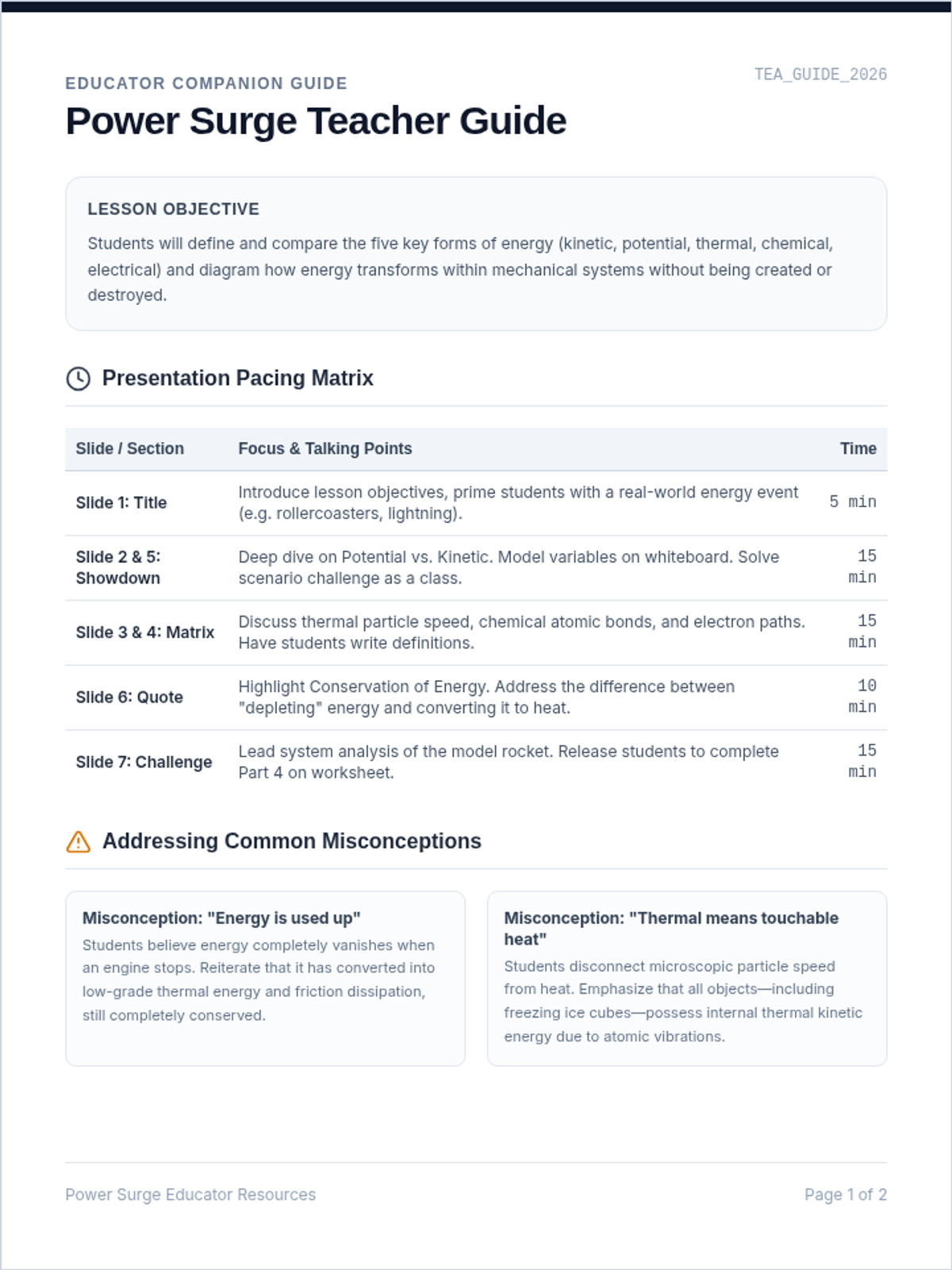
A dynamic lesson introducing the five core forms of energy: kinetic, potential, thermal, chemical, and electrical. This lesson utilizes highly engaging visual slides and structured templates to help students compare, contrast, and identify energy transformations.
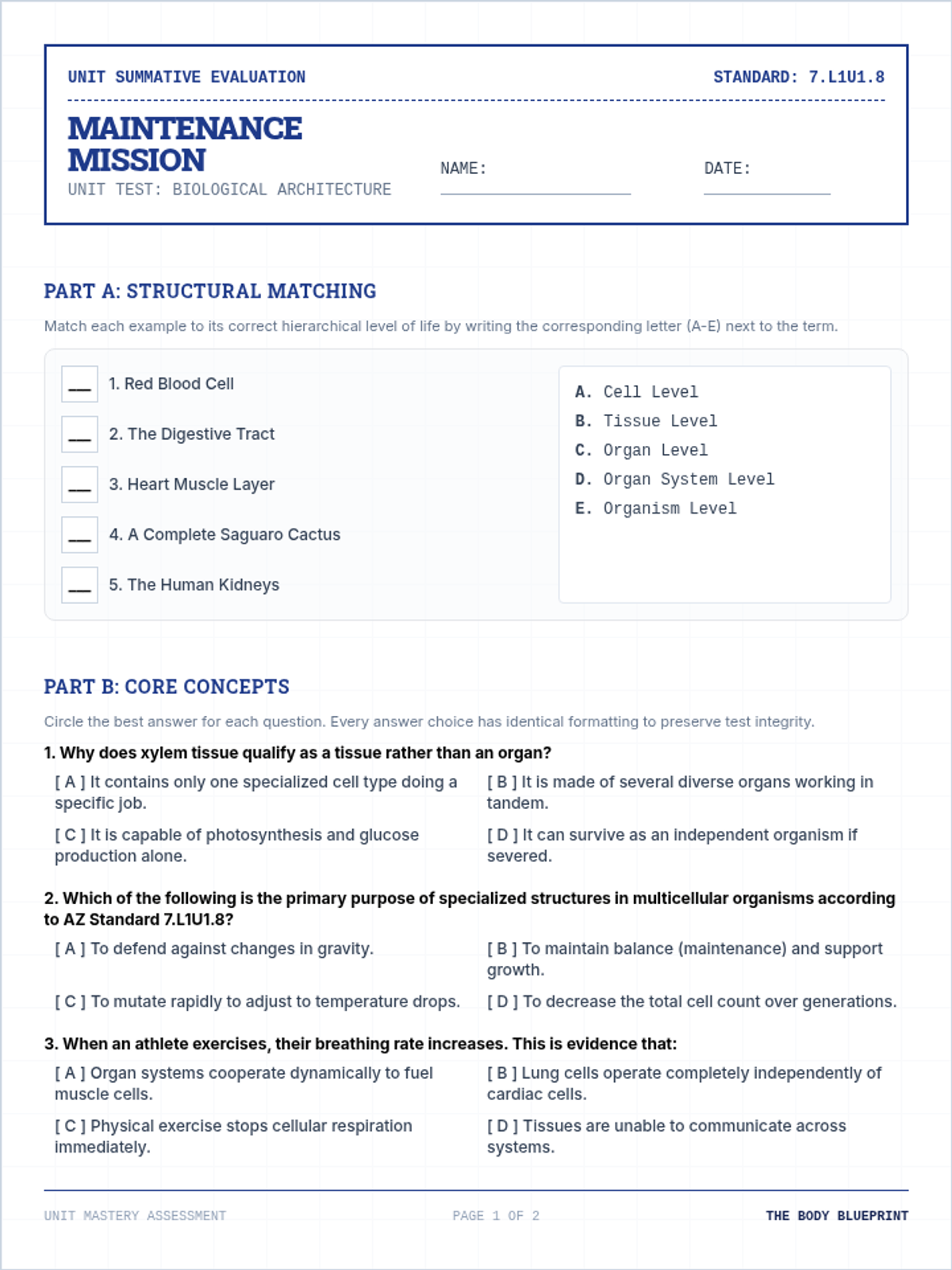
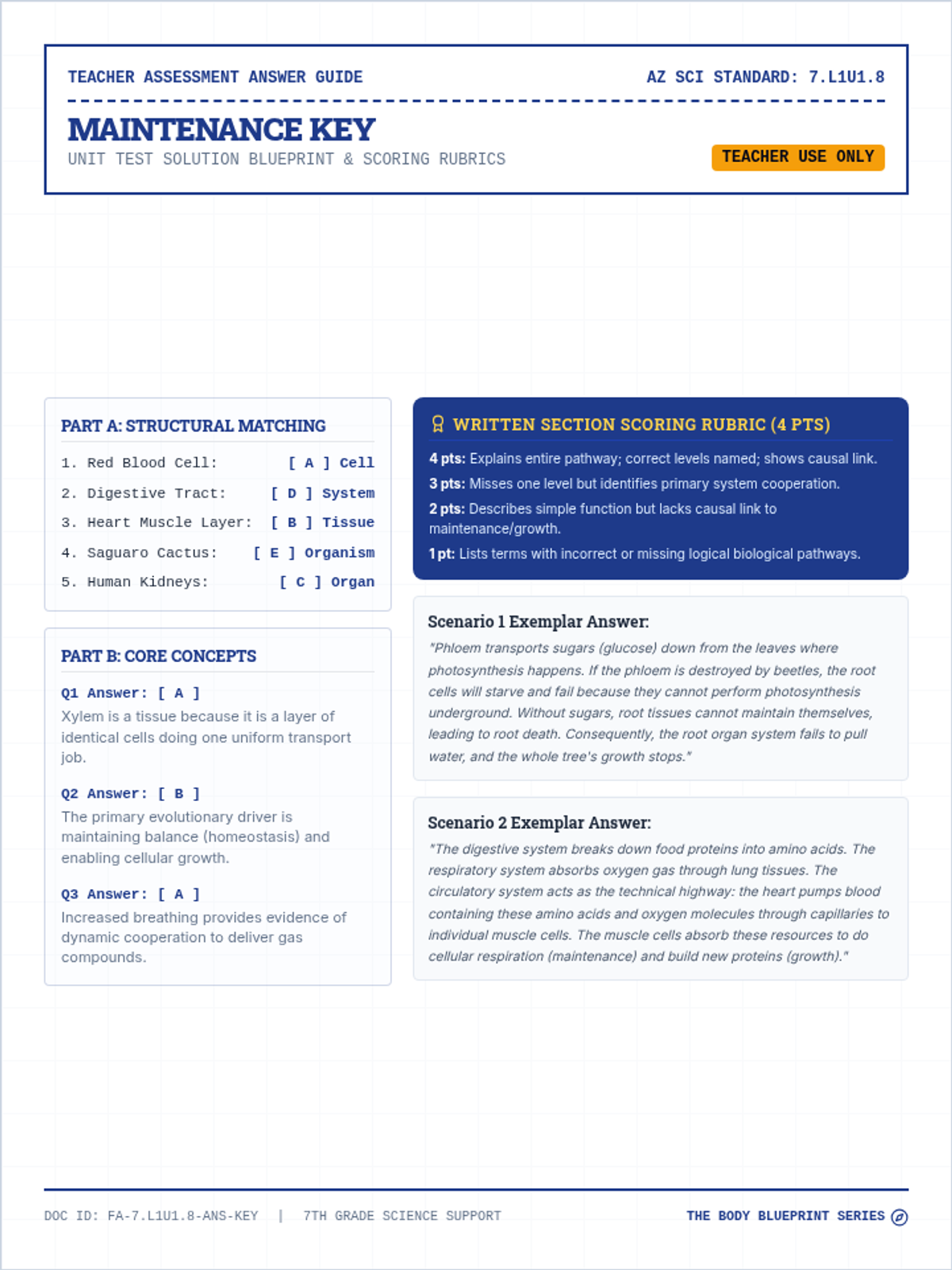
Synthesize understanding of physical structures and their maintenance functions through a comprehensive unit assessment and system-interdependence challenge.
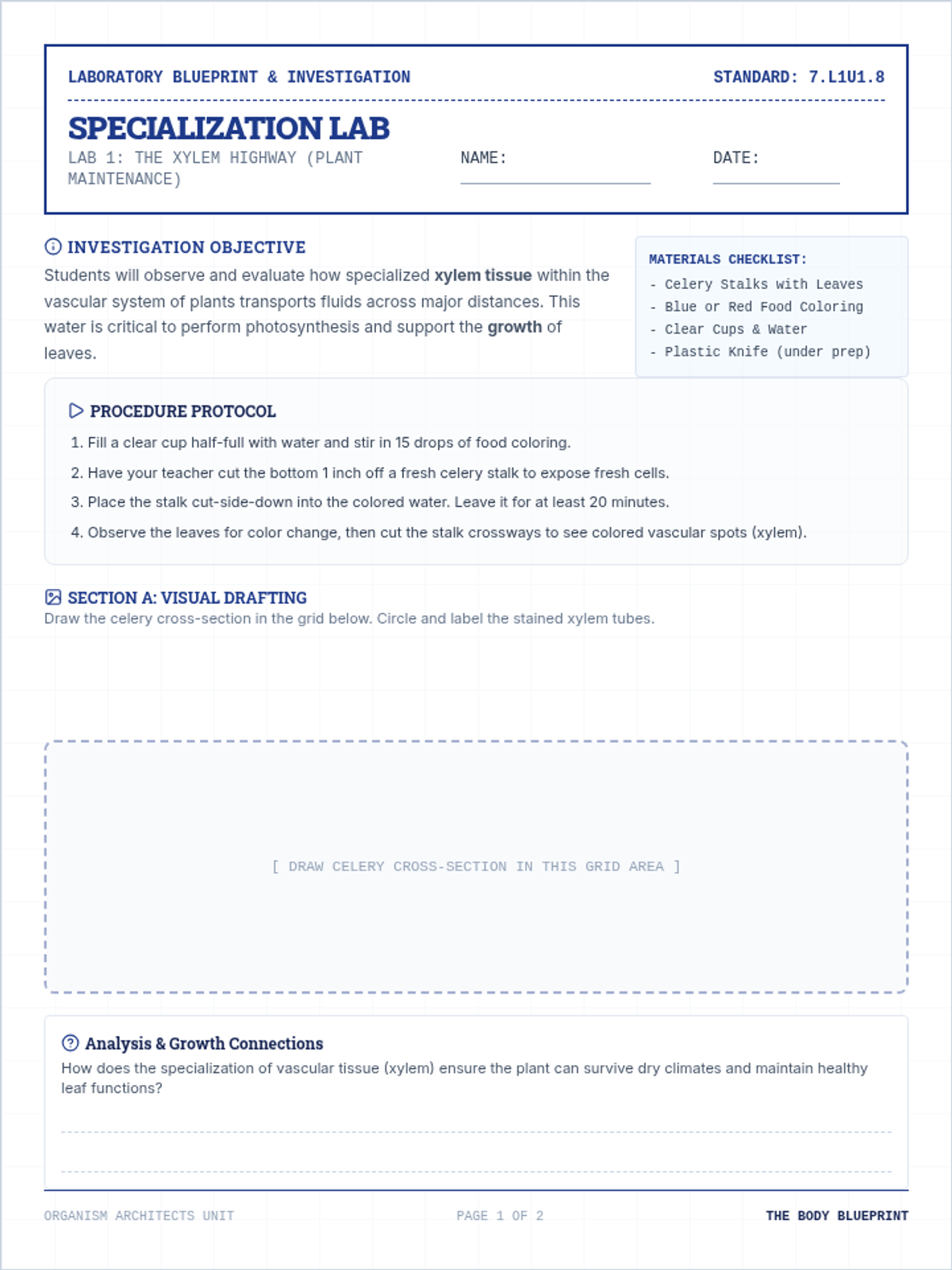
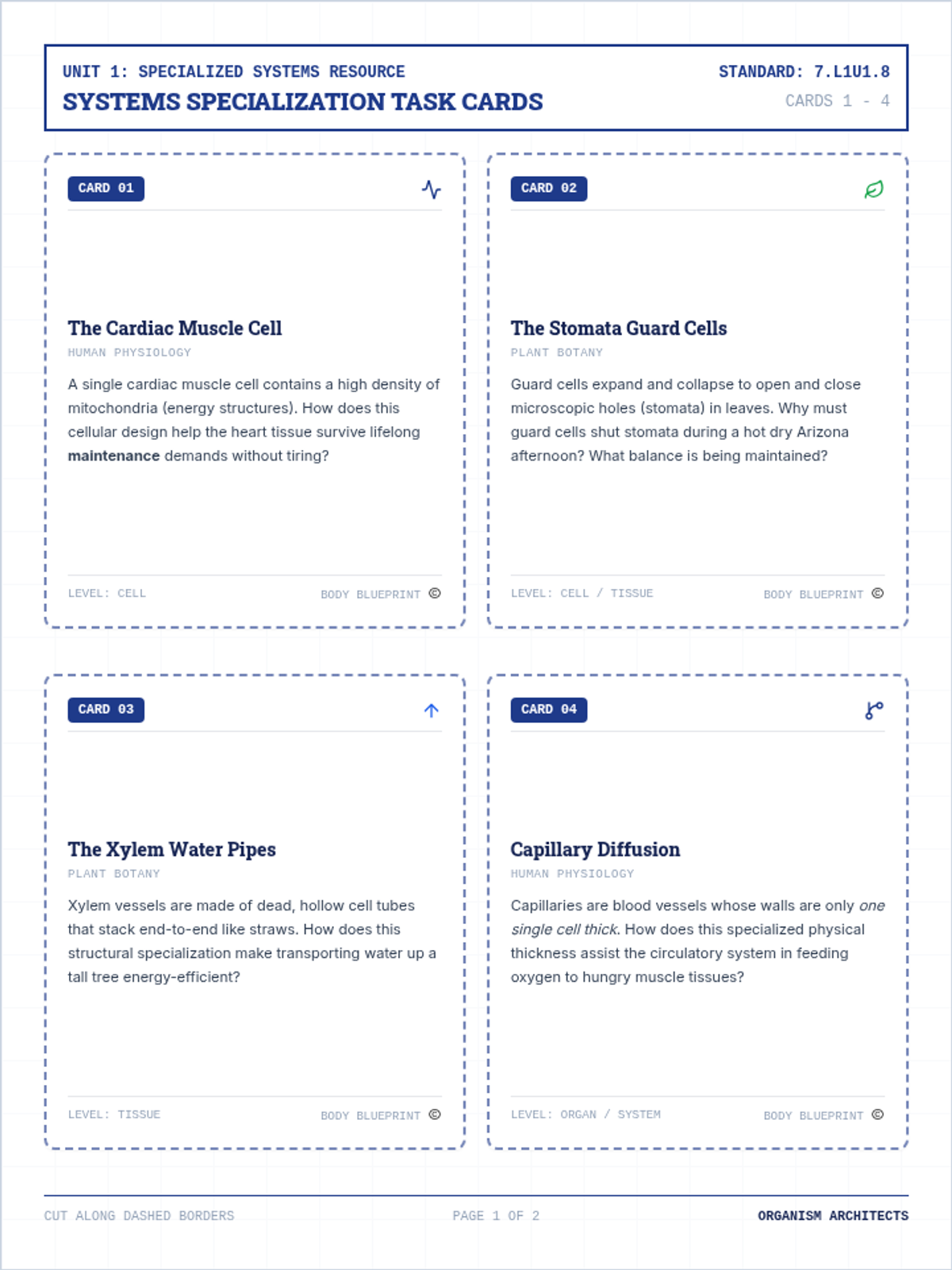
An in-depth comparative exploration of how specialized human and plant structures—such as the circulatory/digestive systems and vascular tissues—work to maintain homeostasis and promote growth.
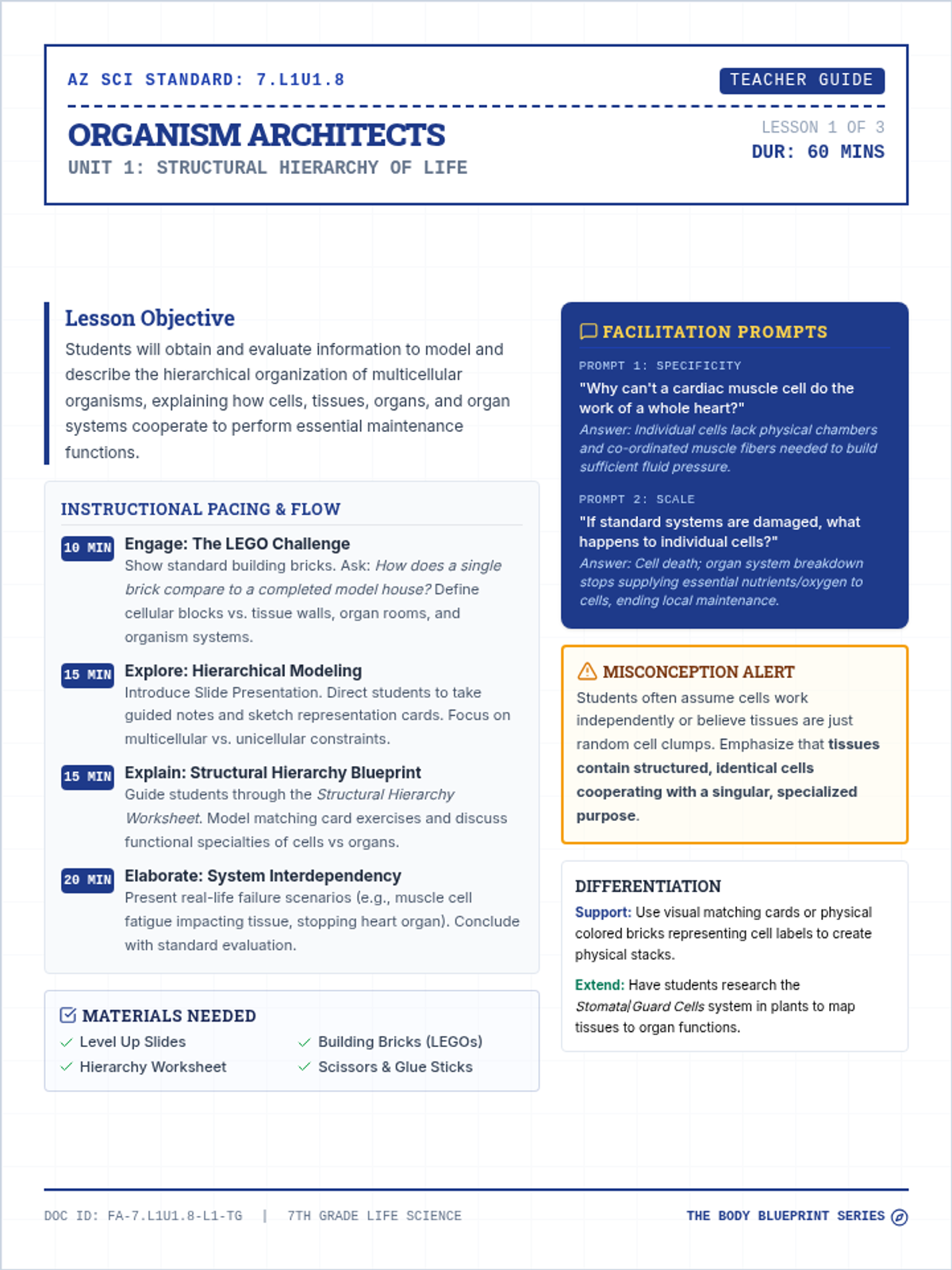
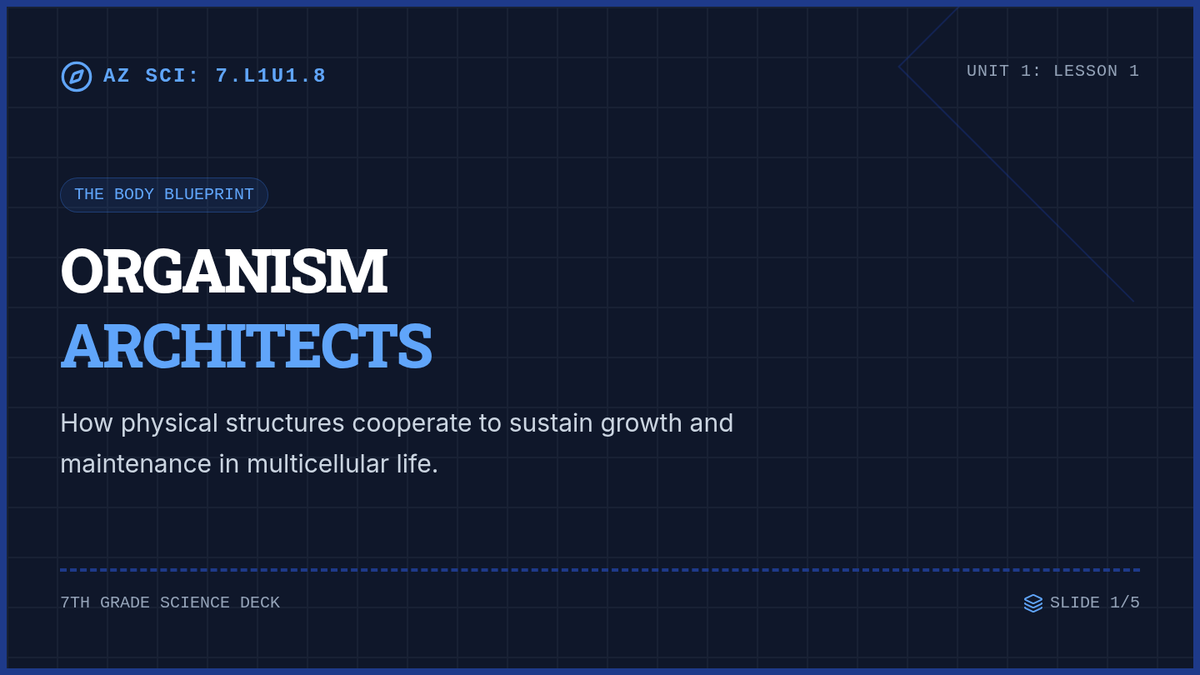
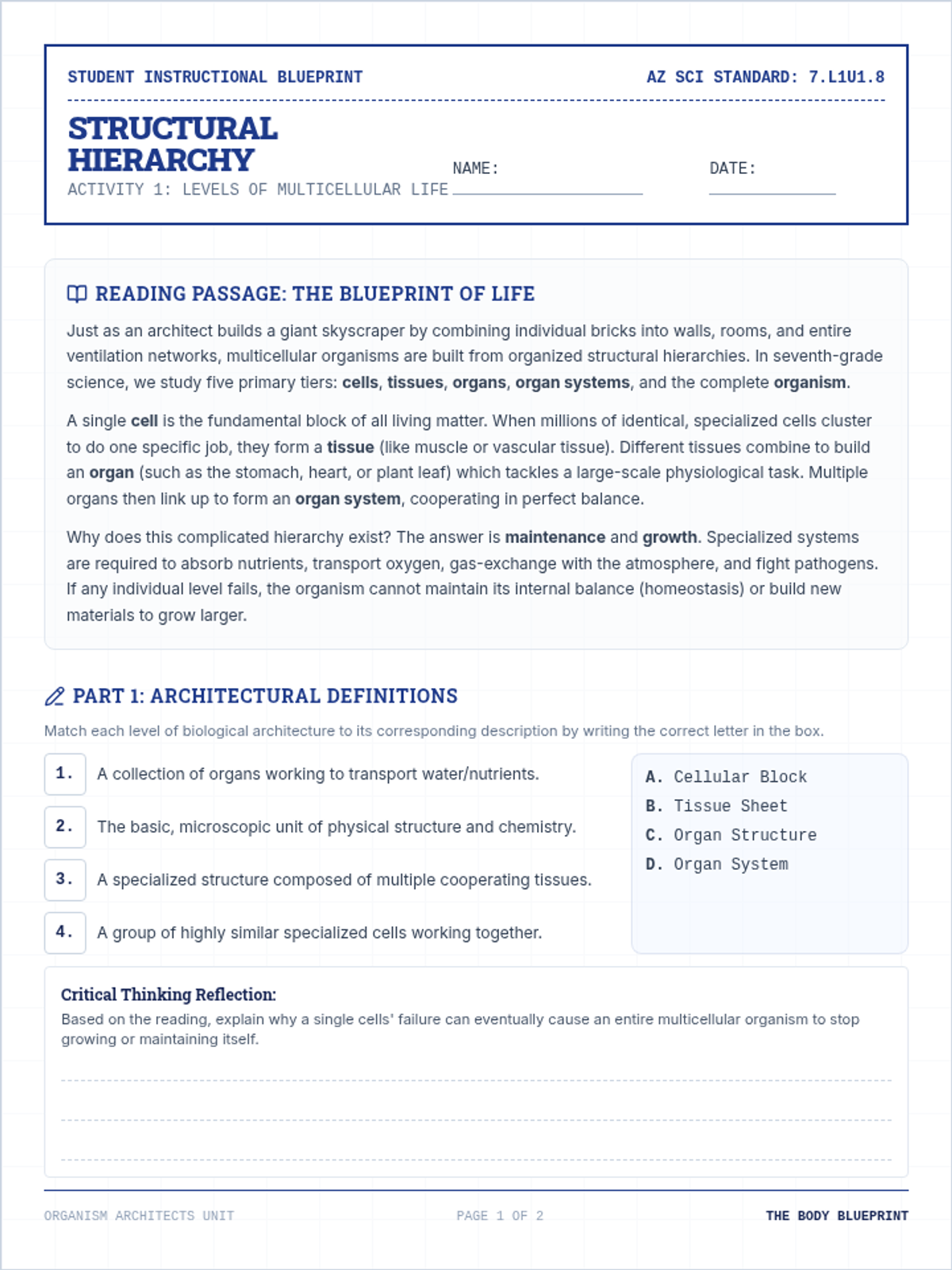
Students discover how cells, tissues, organs, and organ systems form a hierarchical structural design in multicellular organisms, behaving like individual building blocks that combine into functional structures.
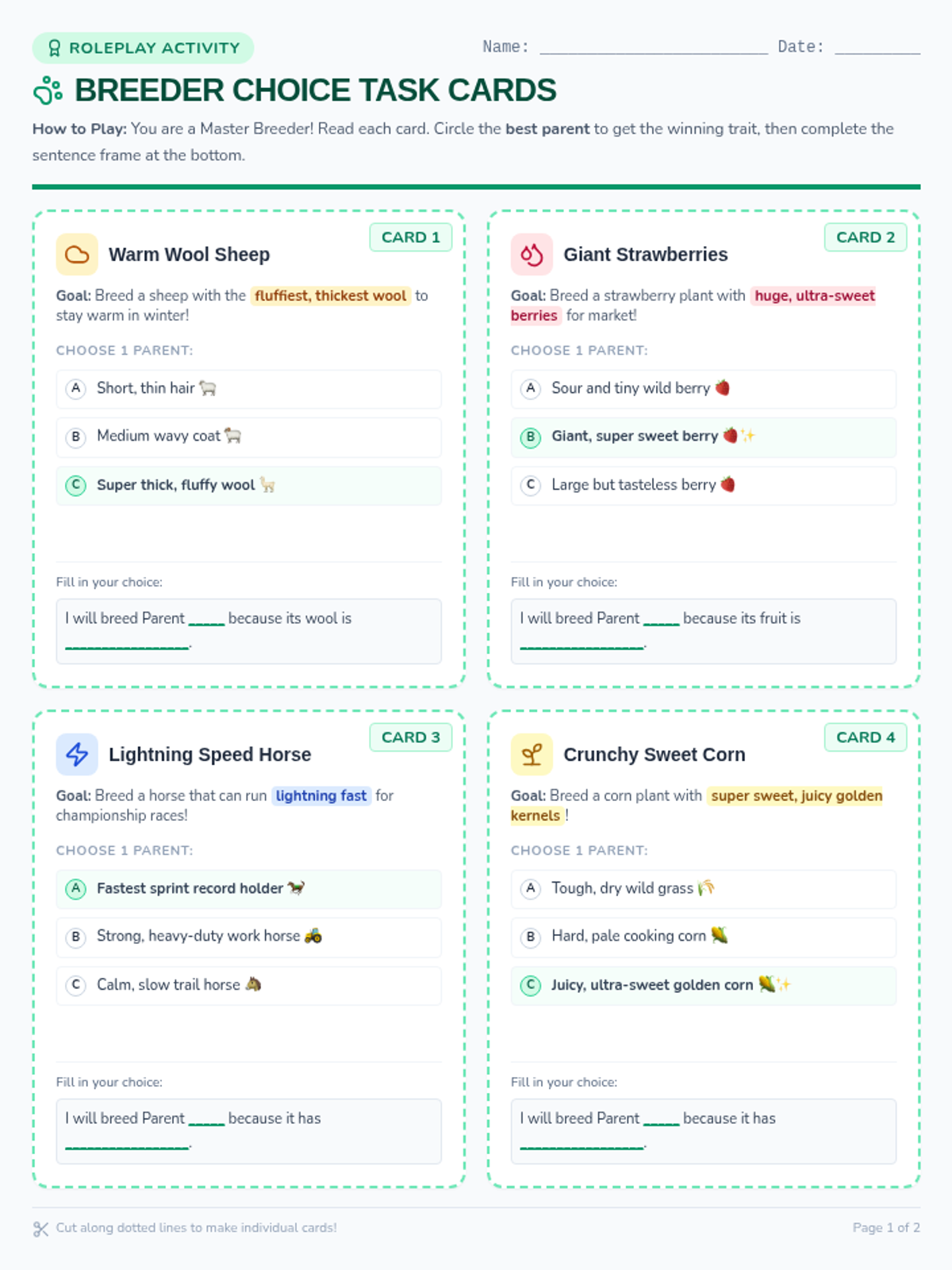
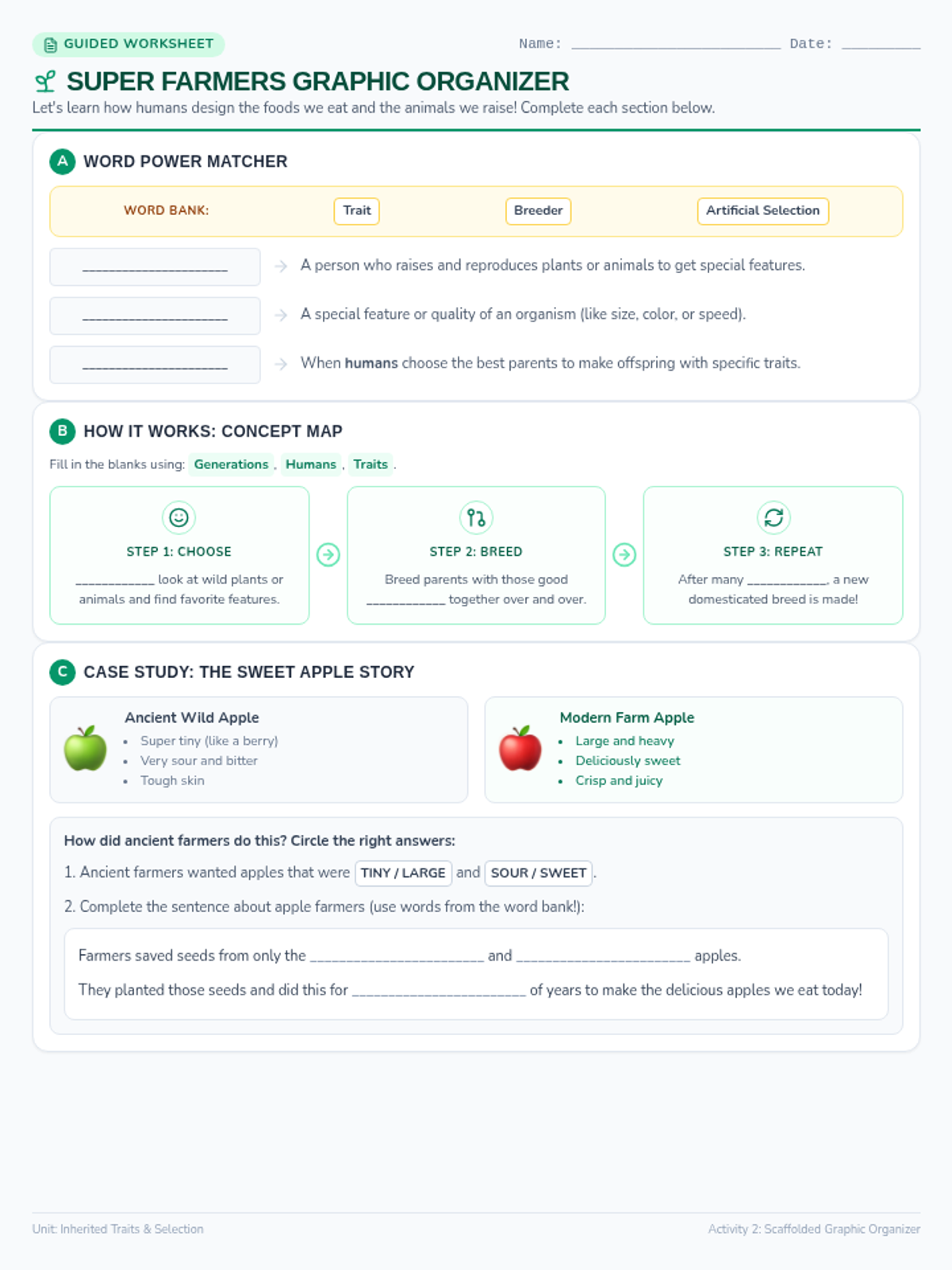
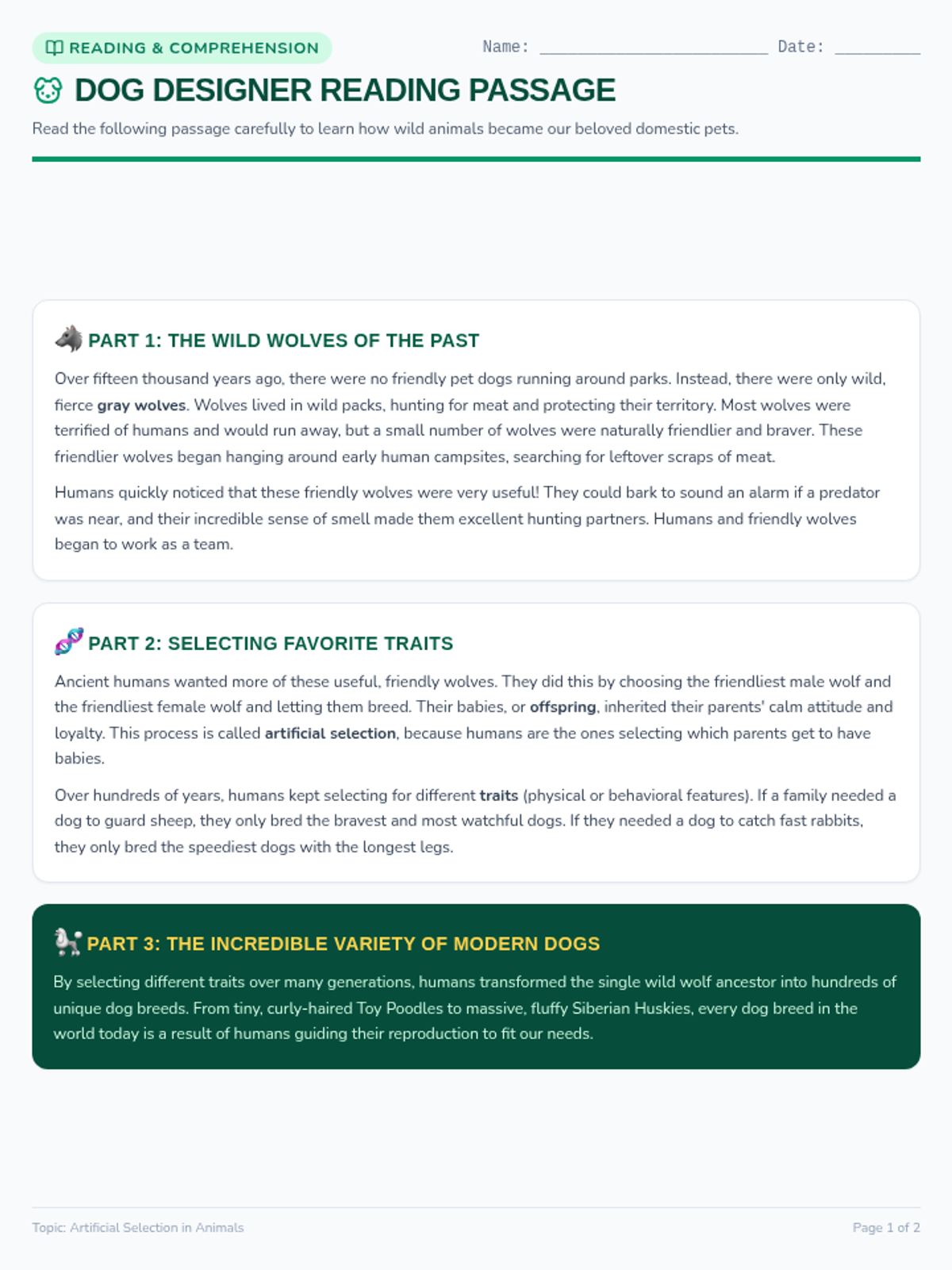
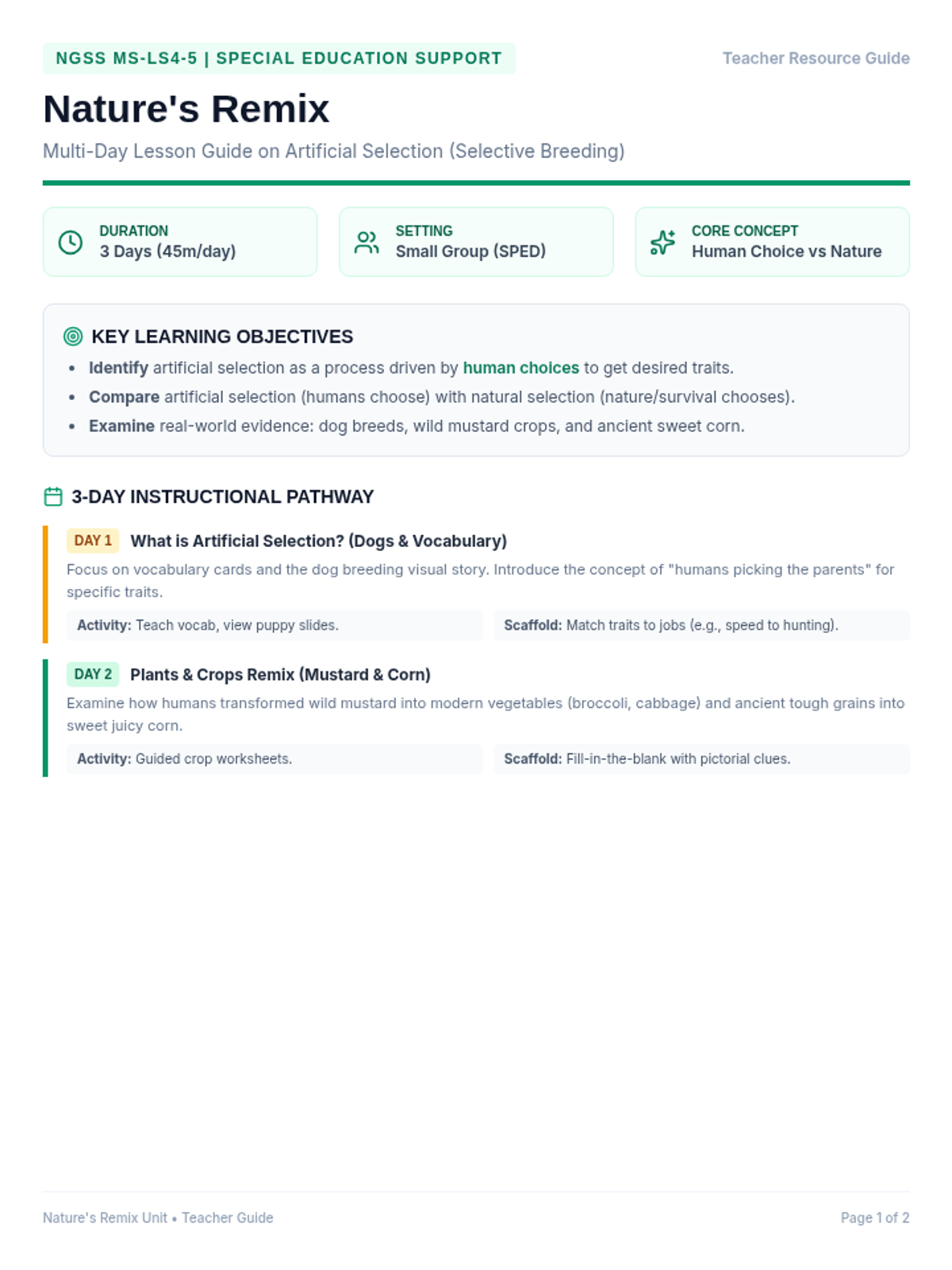
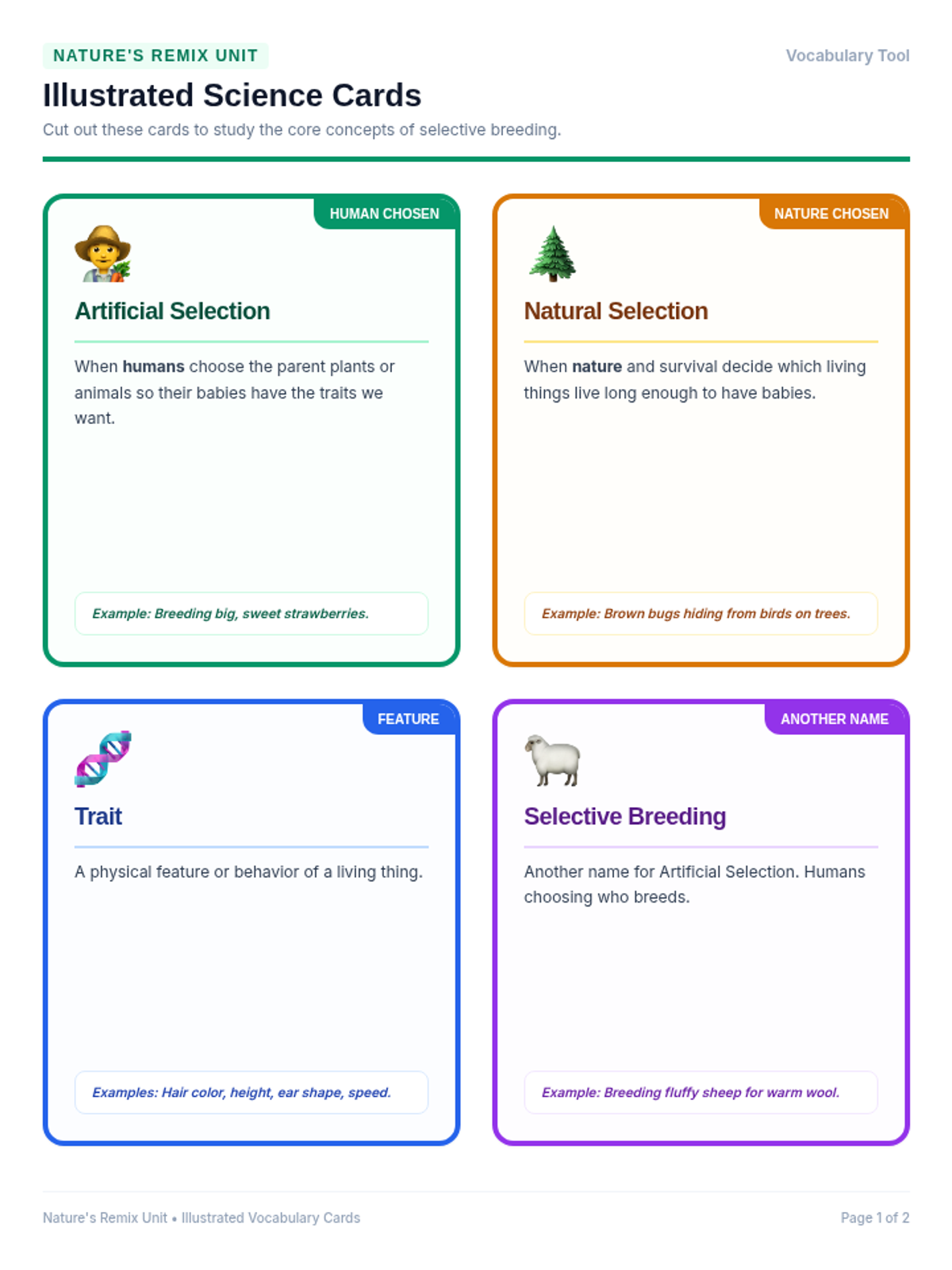
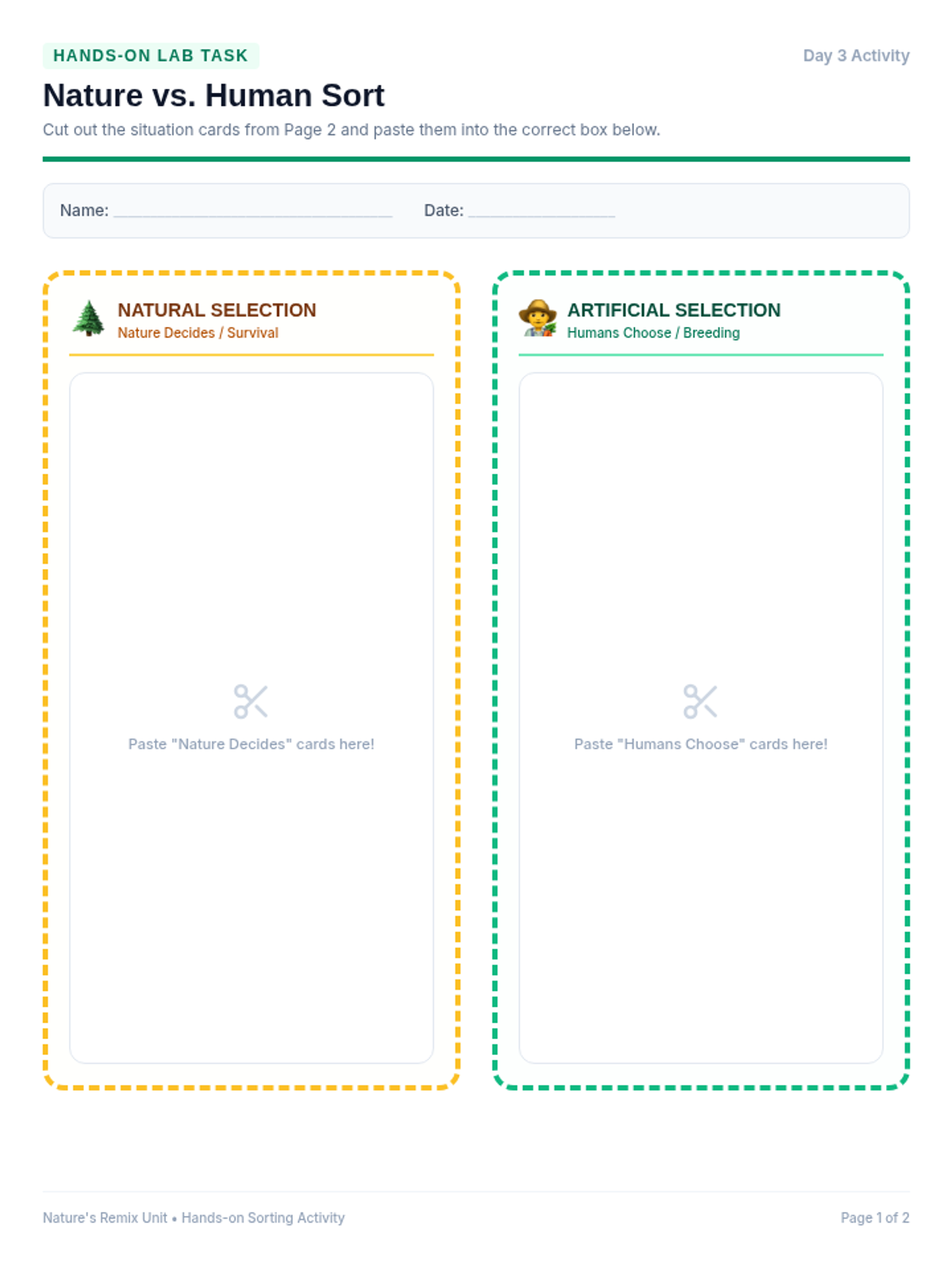
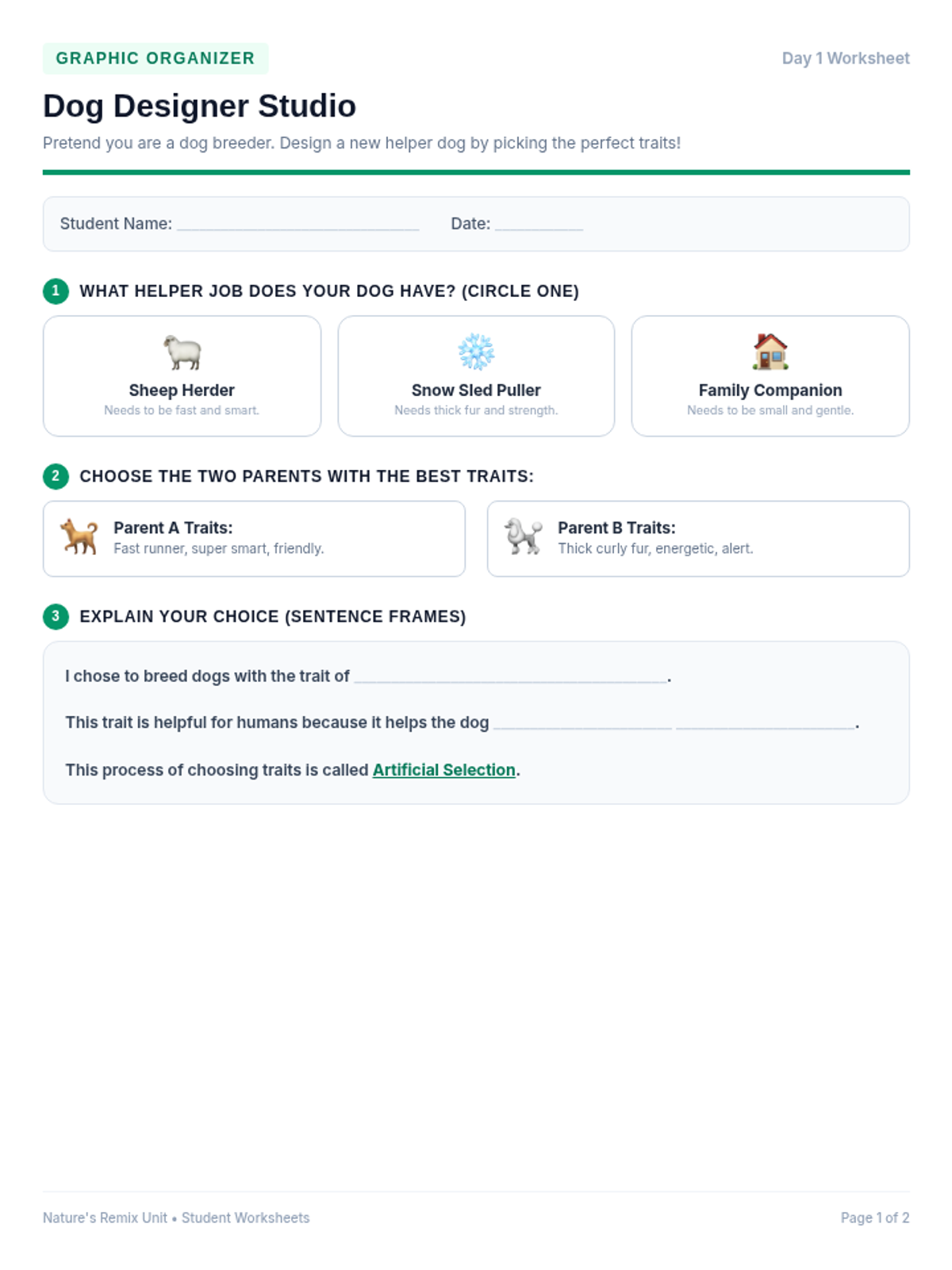
A hands-on, highly visual lesson where students explore artificial selection by roleplaying as breeders and farmers. Students analyze traits in dogs, crops, and livestock using scaffolded organizers, visual task cards, and matching tasks.
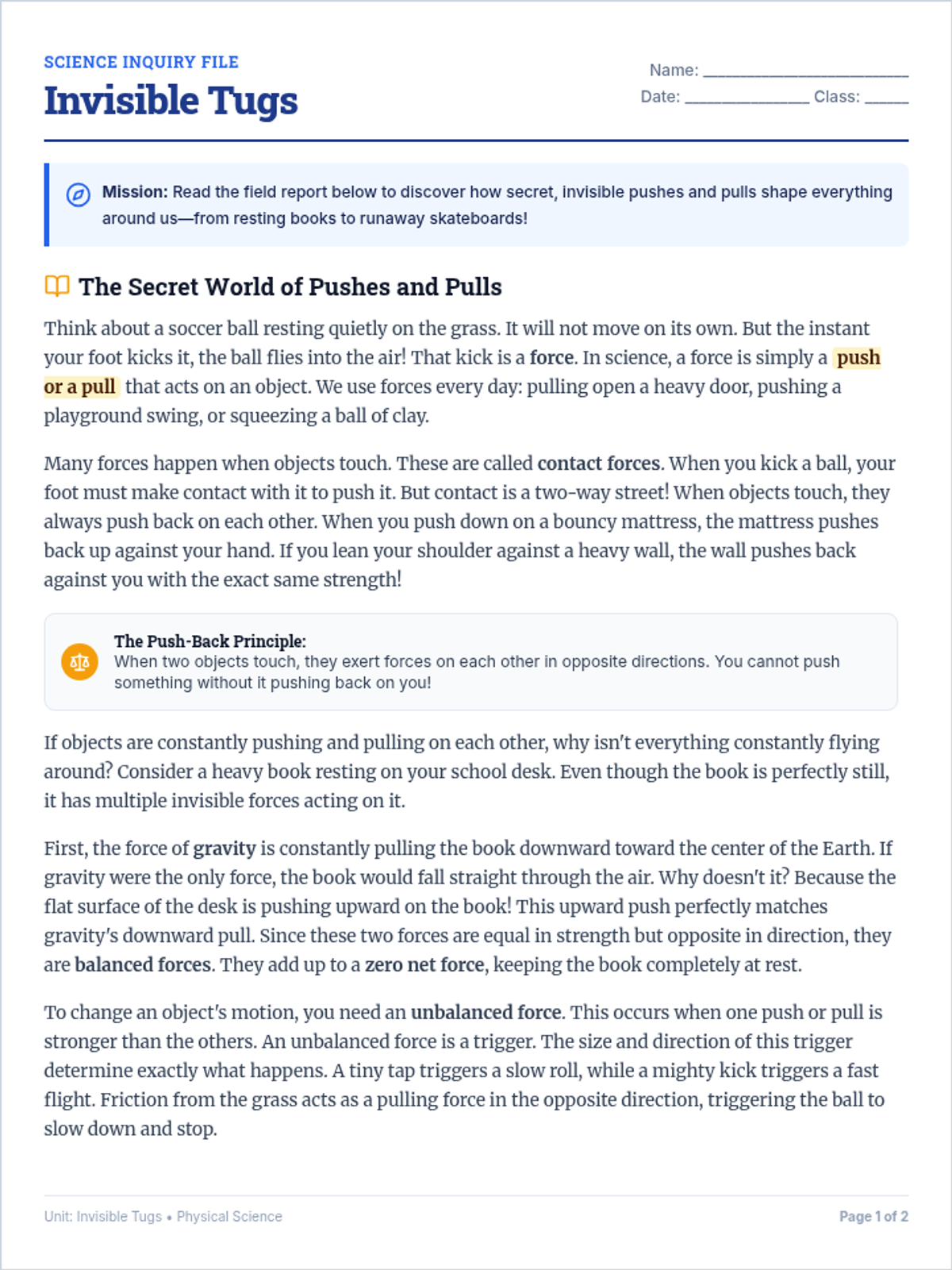
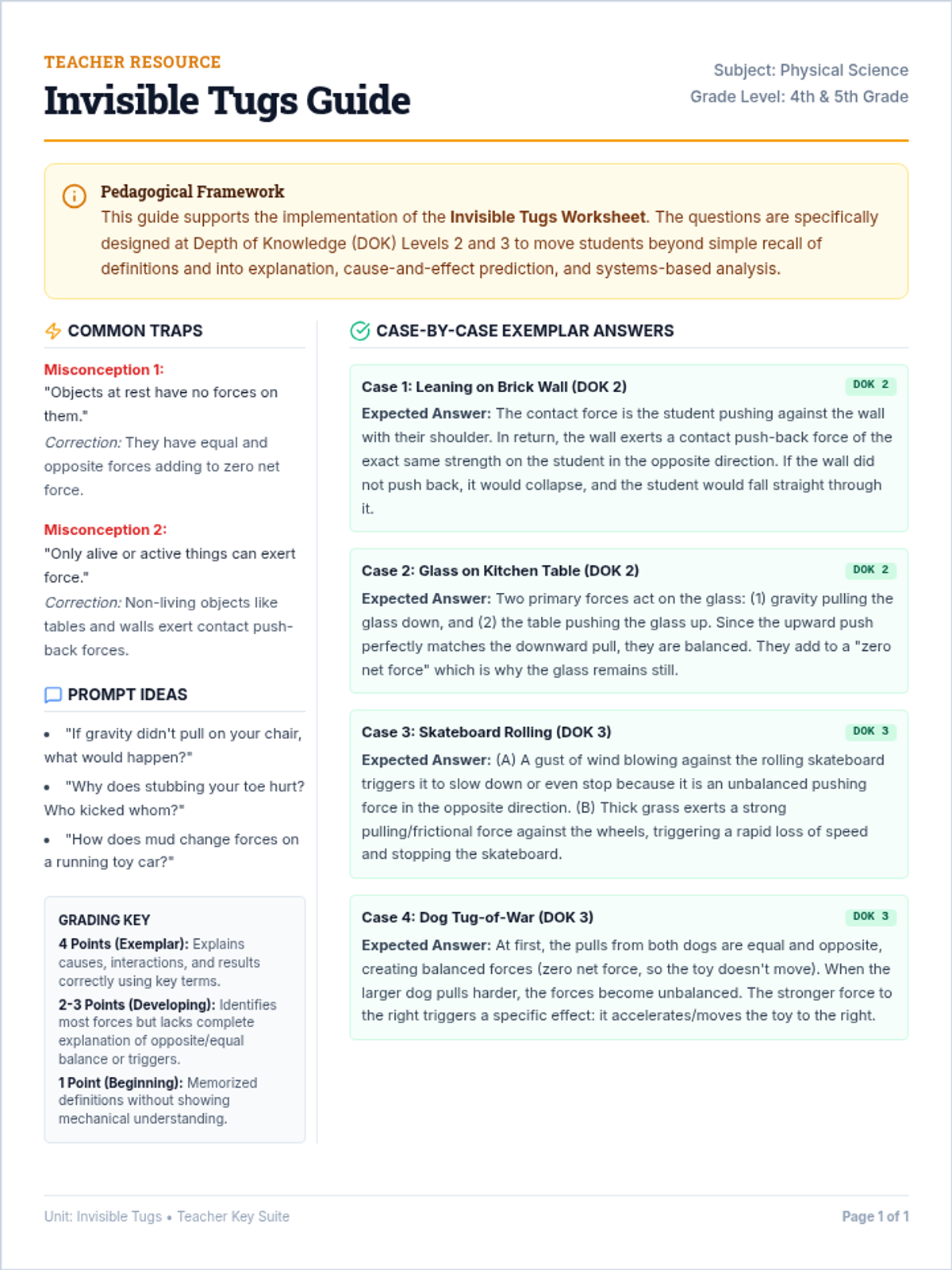
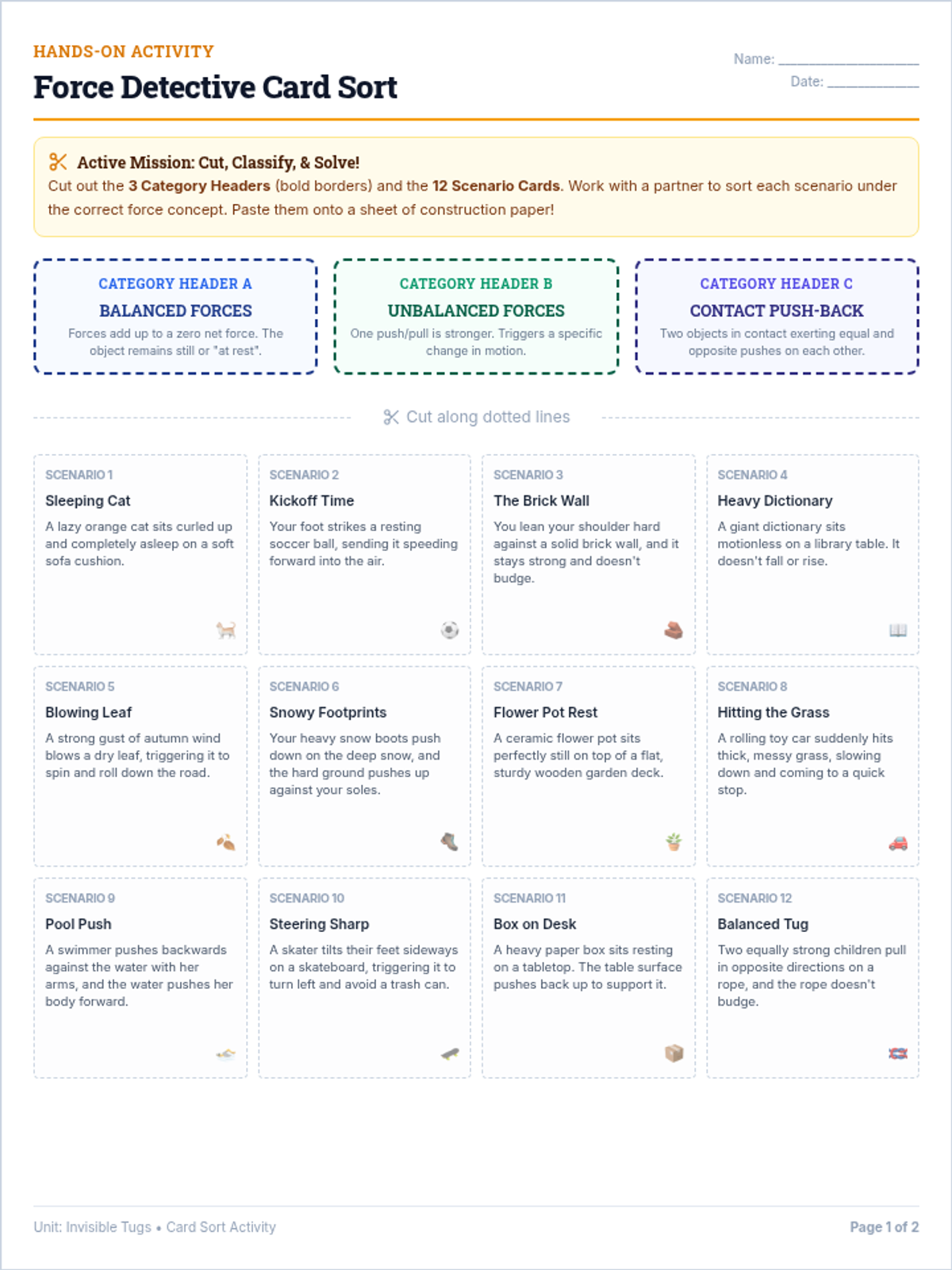
A guided inquiry lesson exploring pushes, pulls, contact forces, and balanced vs. unbalanced forces through everyday concrete examples and DOK 2-3 analysis questions.
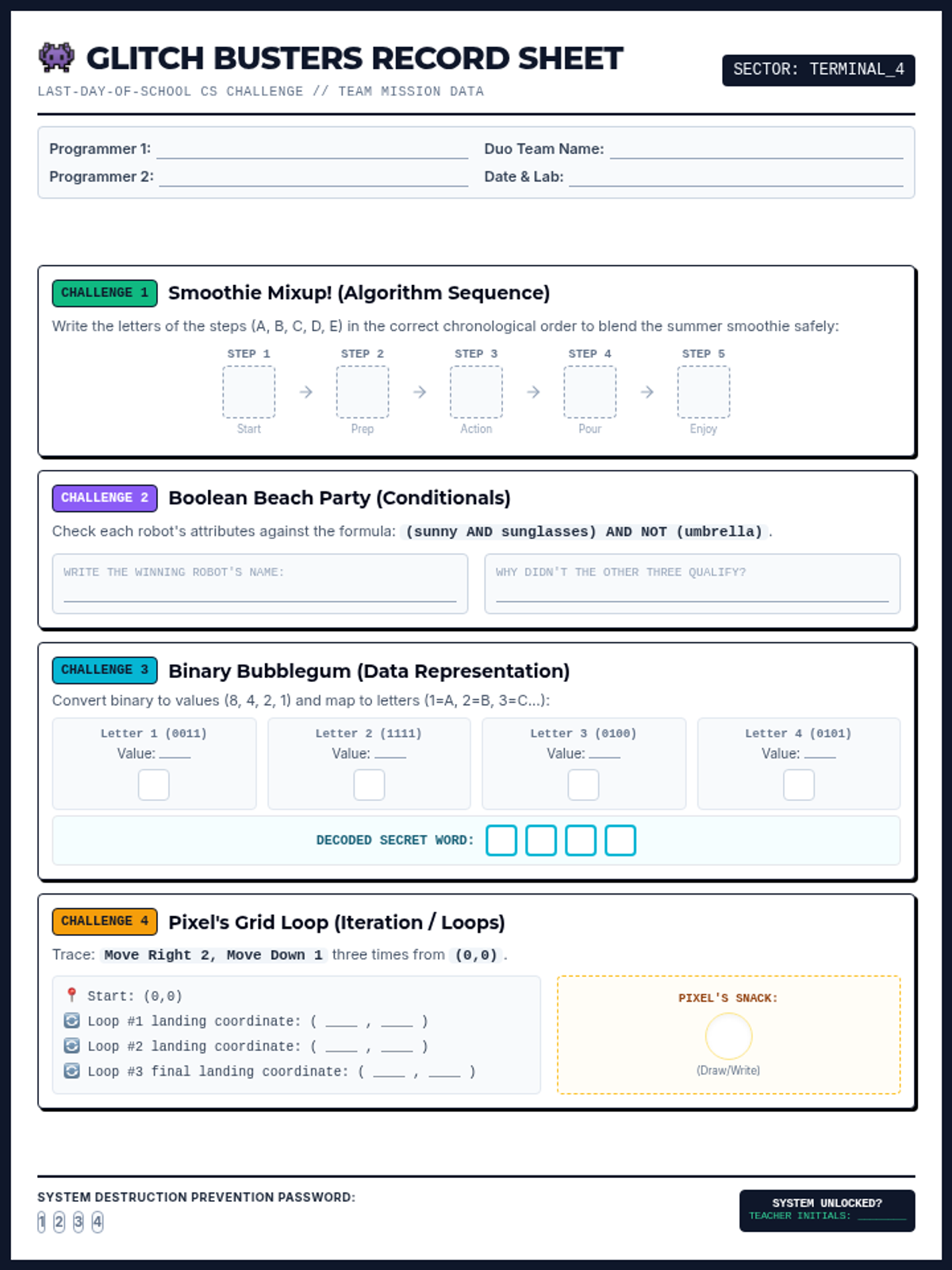
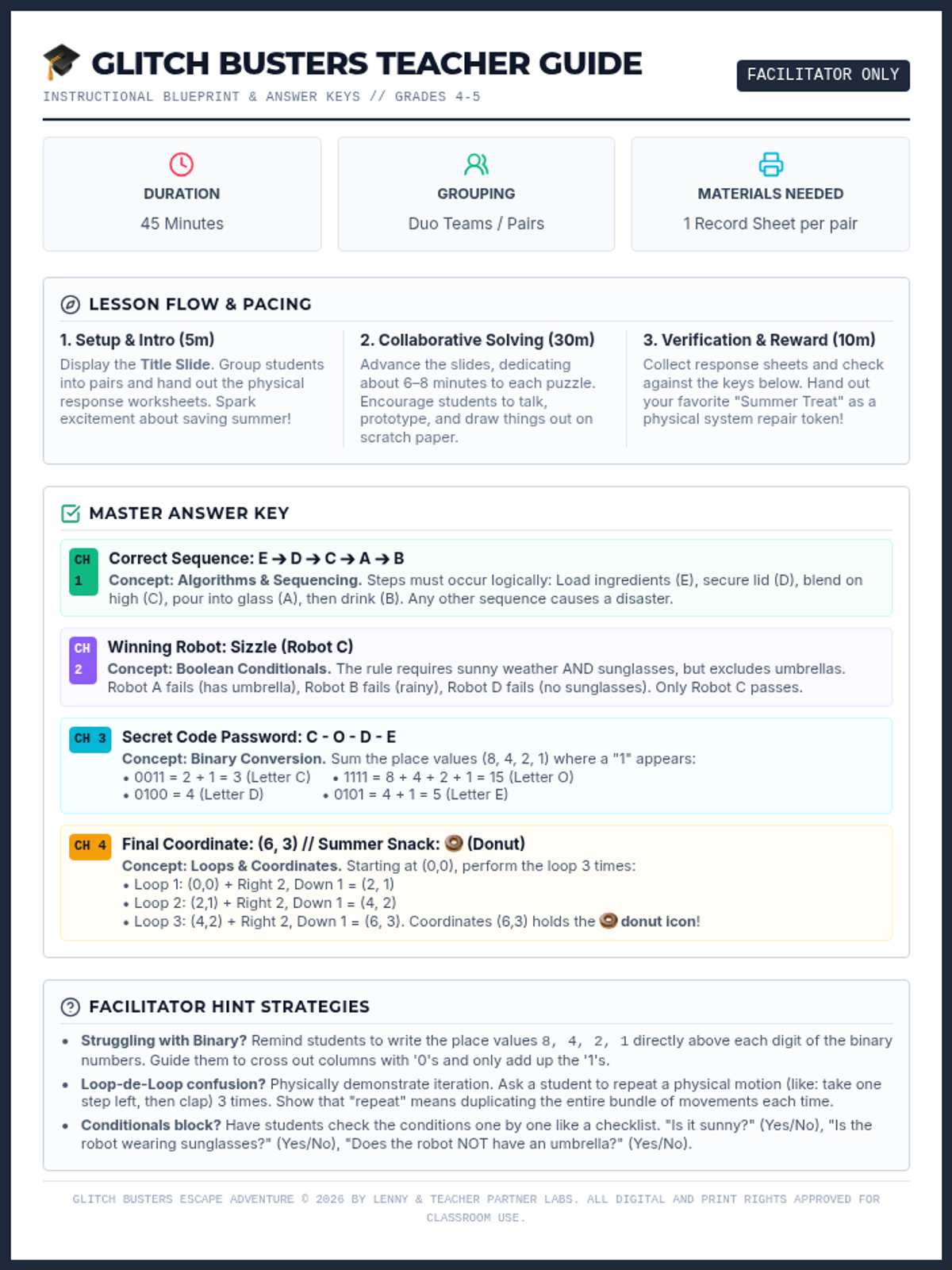
A high-energy, collaborative computer science escape challenge designed for the last day of school. Students work in pairs to solve funny, CS-themed logic and debugging puzzles to save the computer lab from a playful system glitch.
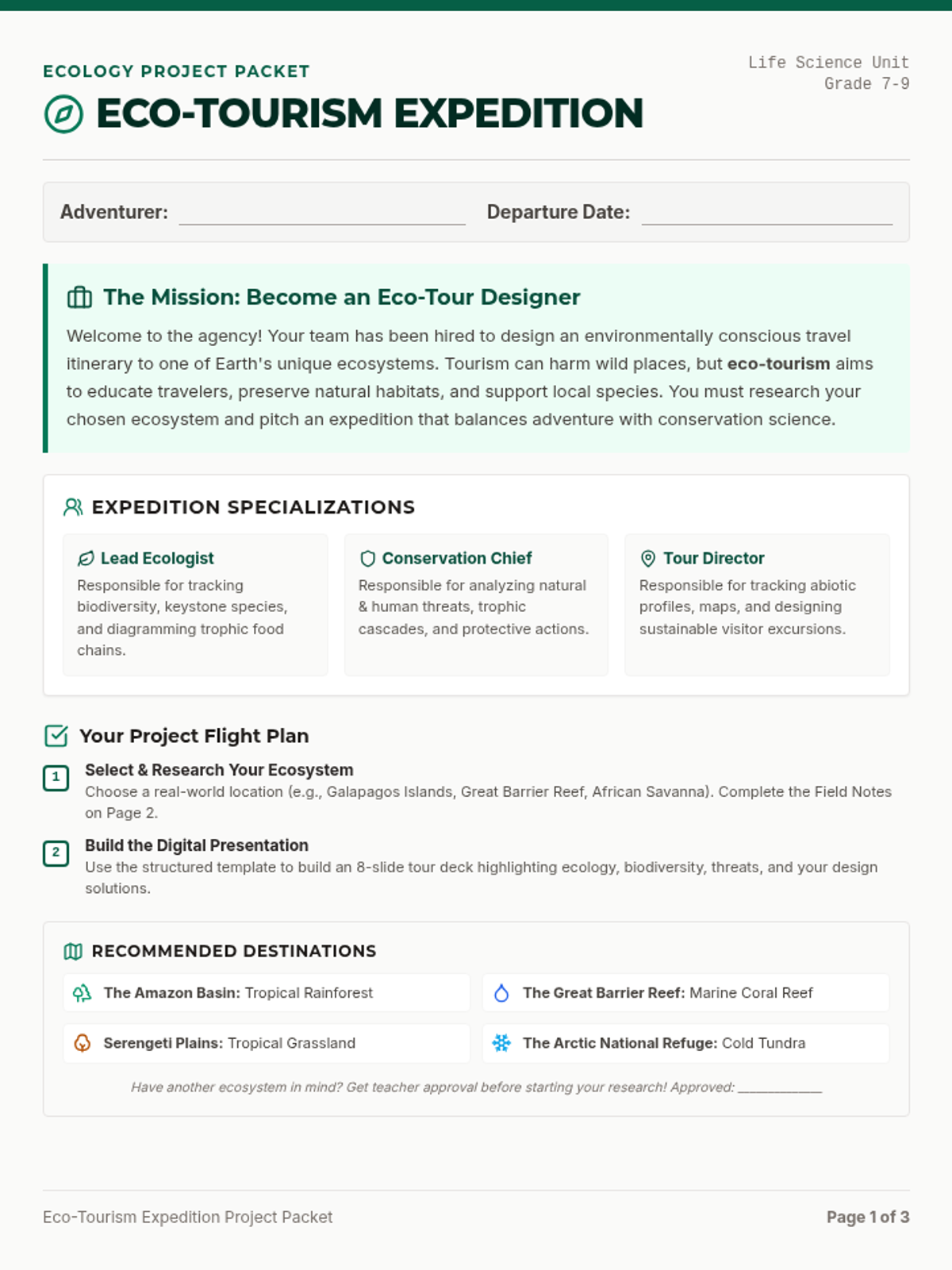
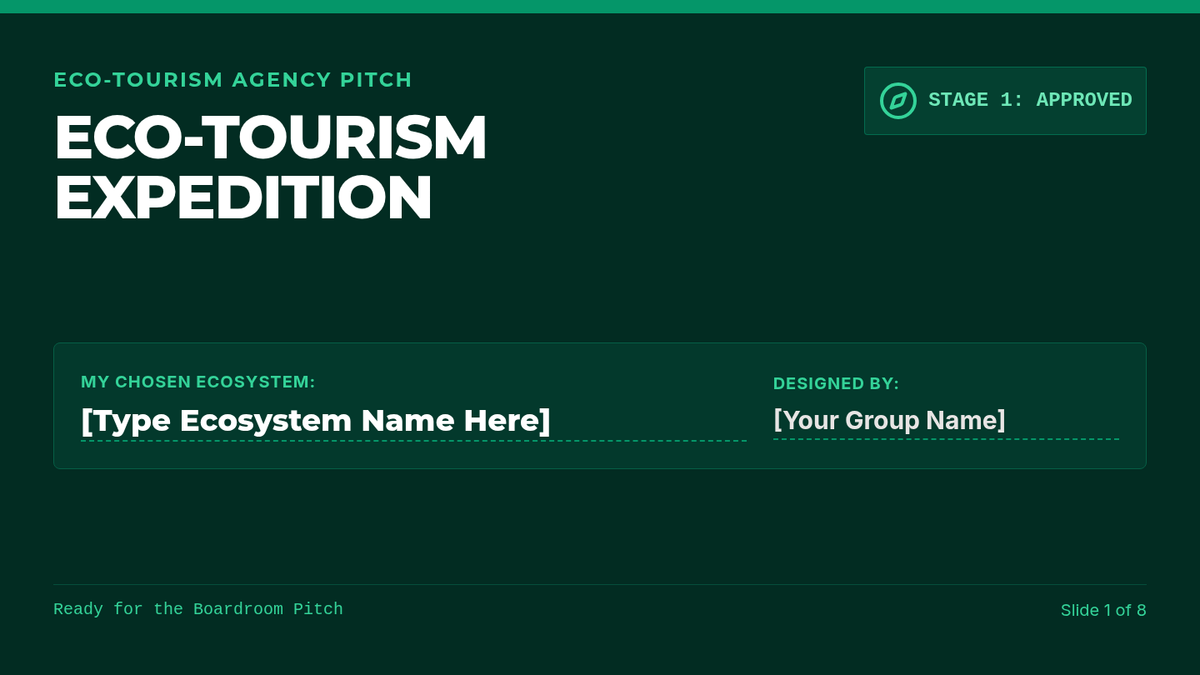
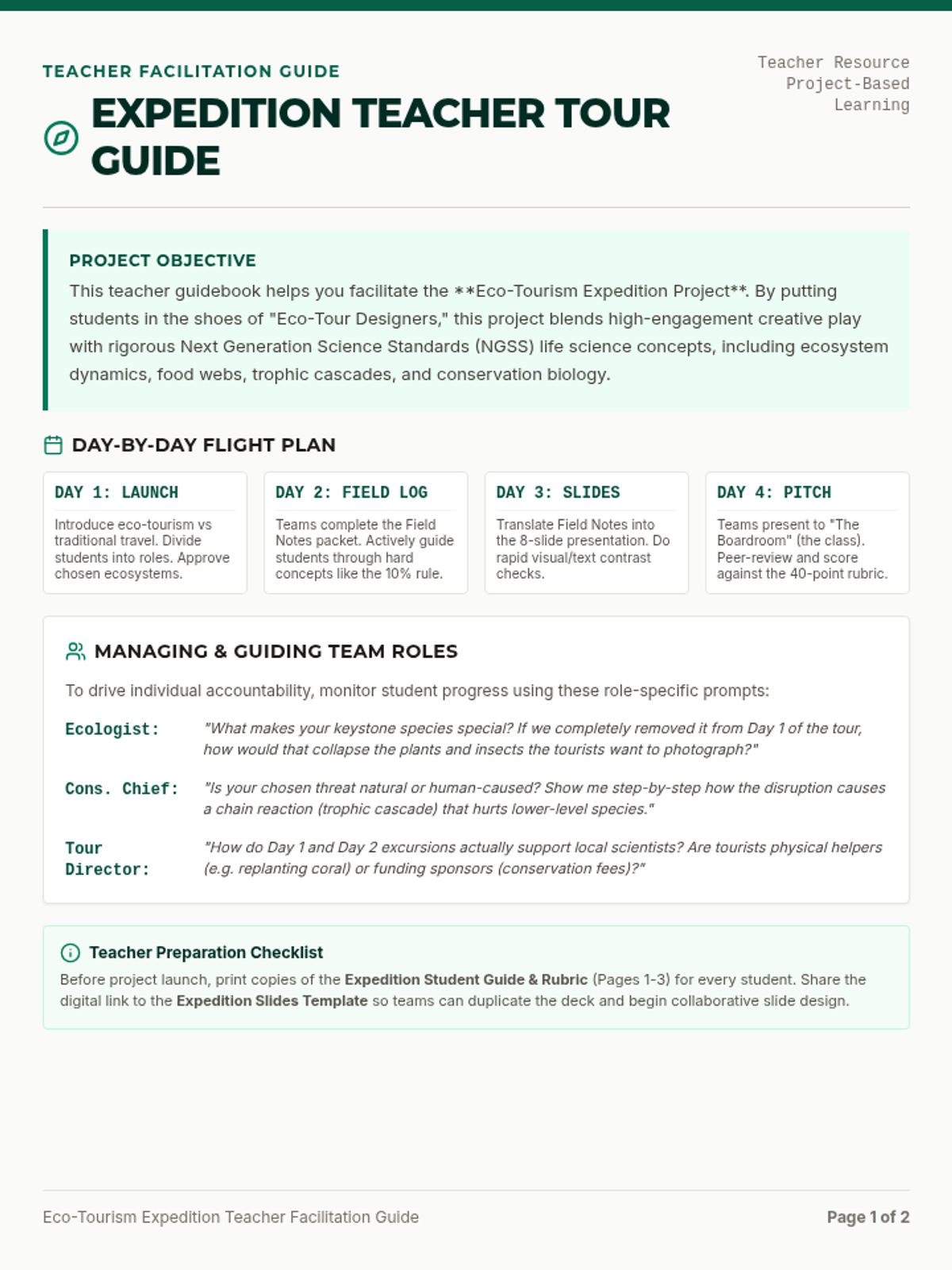
A creative science project lesson where students design a travel brochure or guided tour for a real-world ecosystem, integrating ecology concepts like biodiversity, disruptions, and conservation.
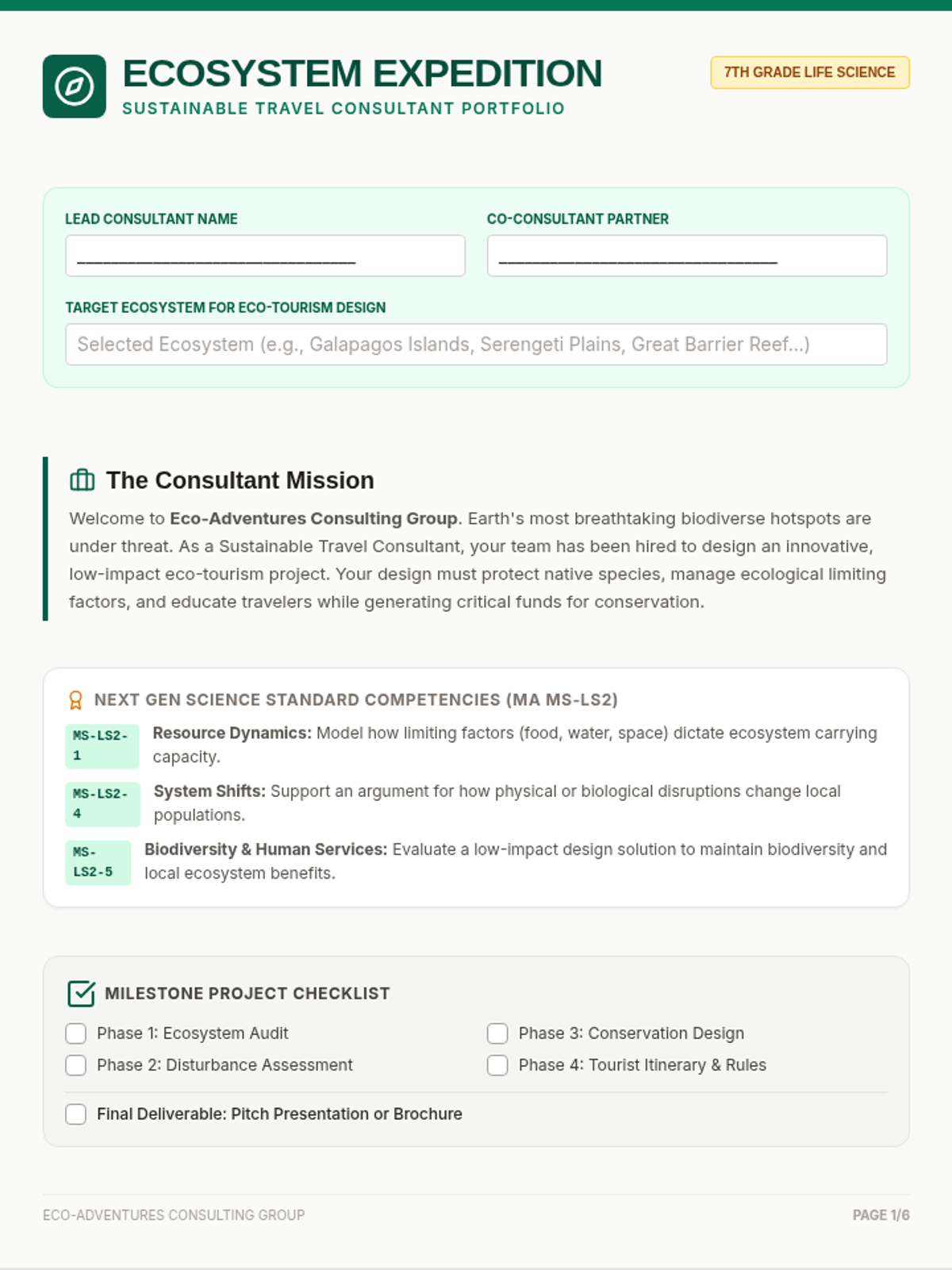
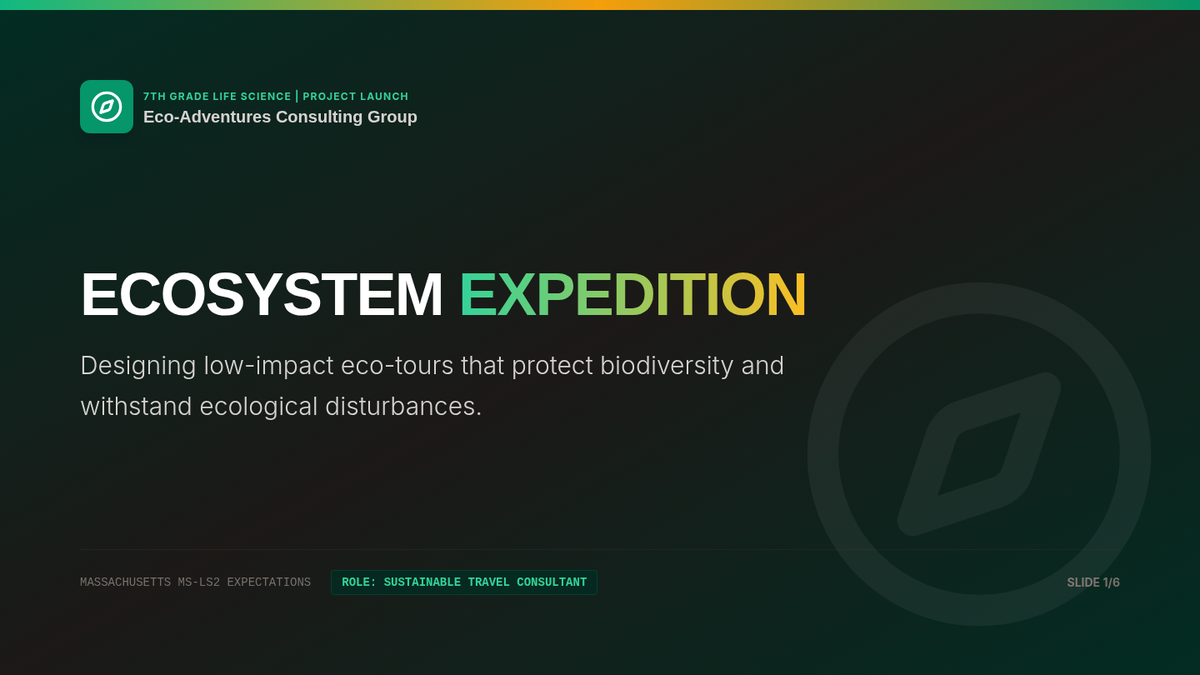
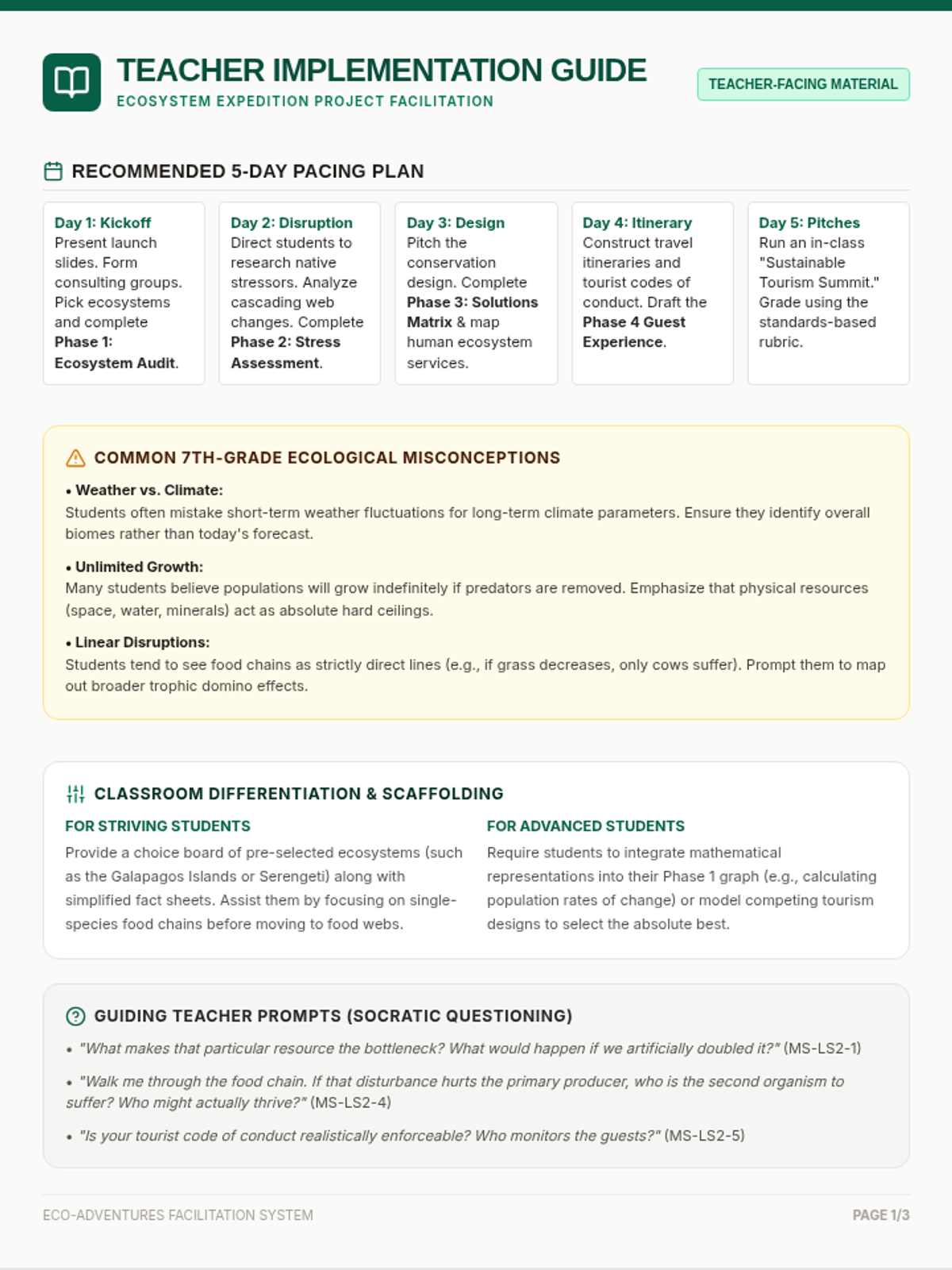
A project-based unit where 7th-grade life science students act as Sustainable Travel Consultants, researching an ecosystem, analyzing limiting resources and ecological disruptions, and designing a low-impact eco-tourism project aligned with Massachusetts standards.
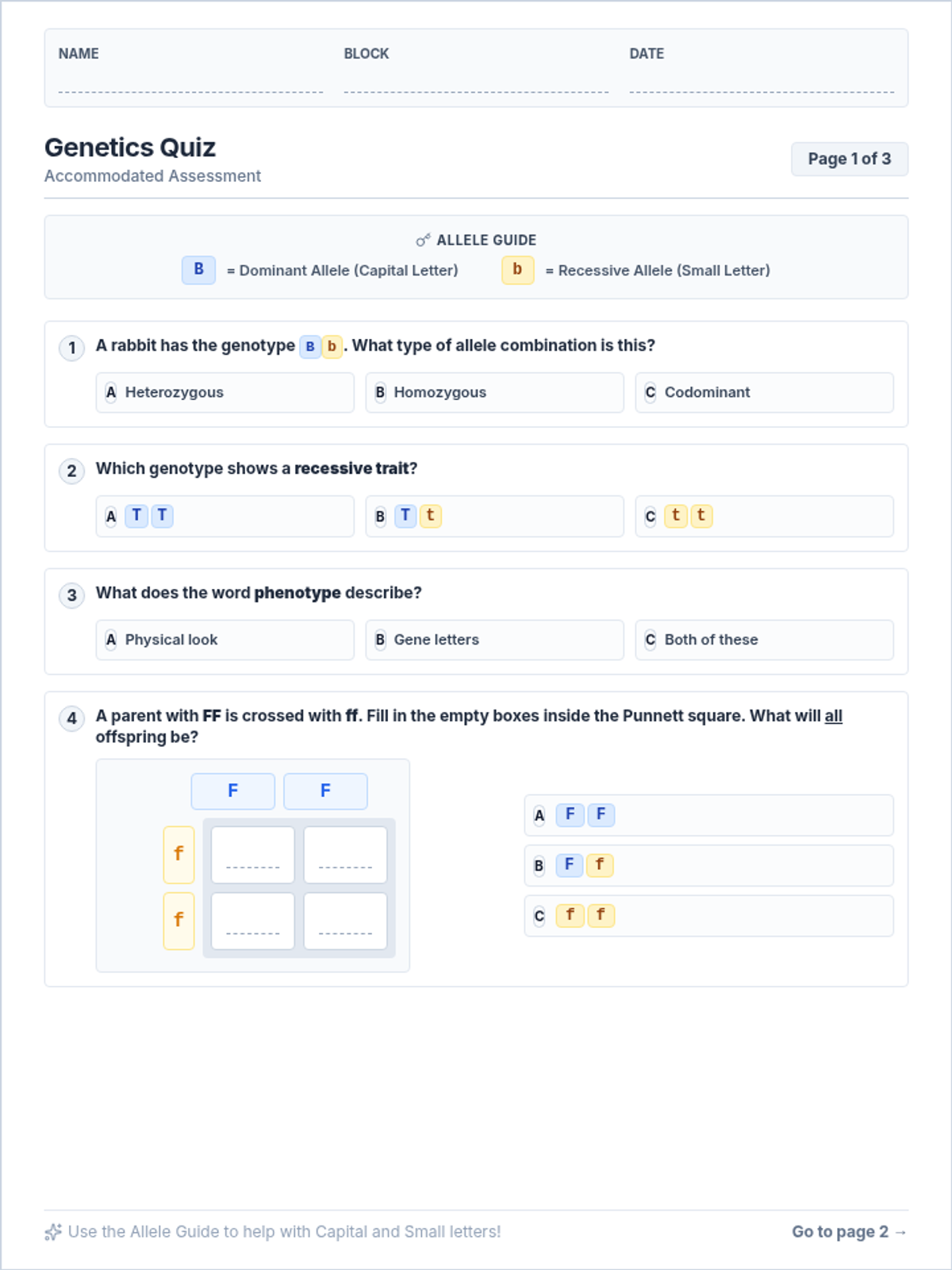
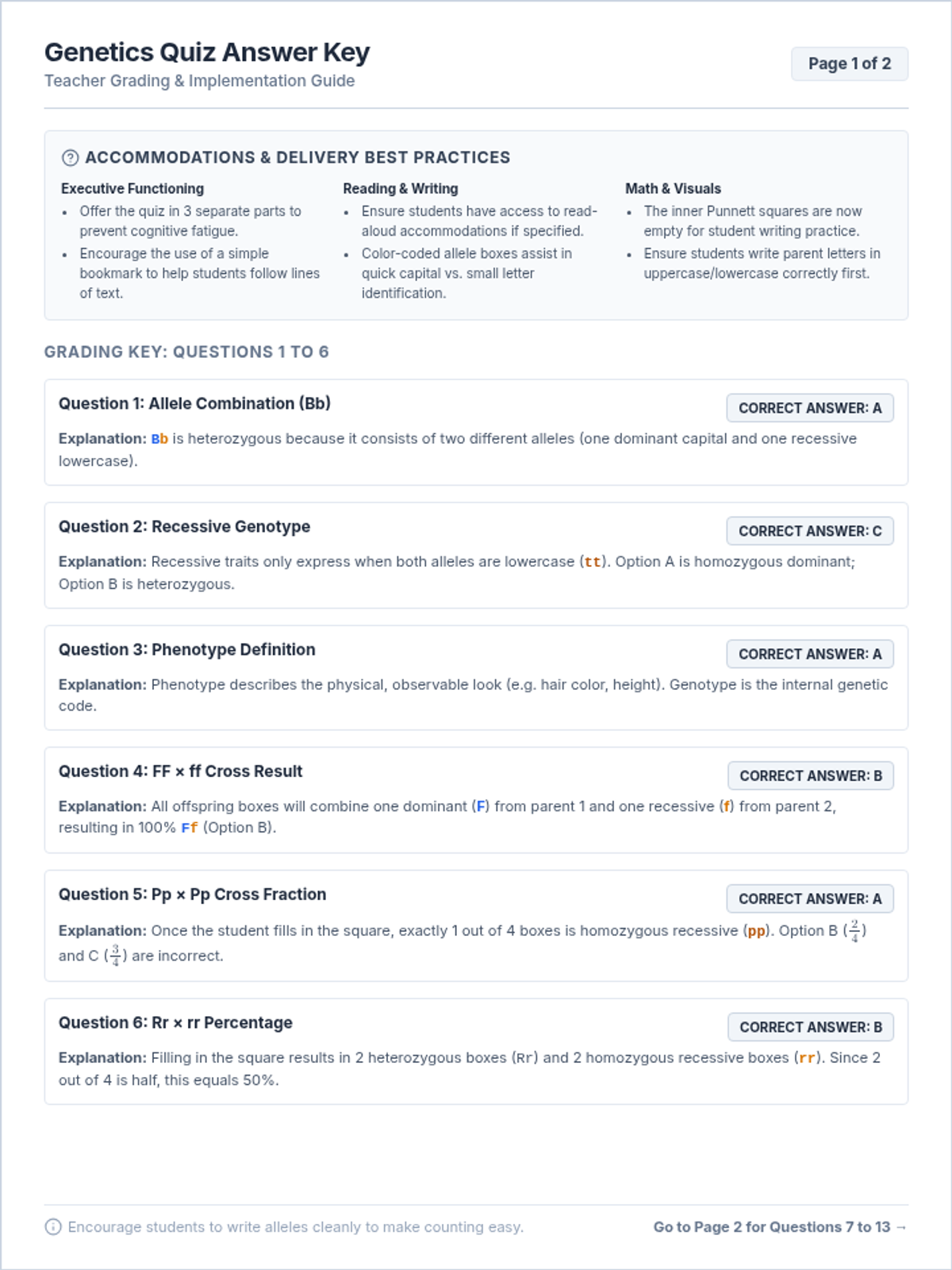
A custom accommodated quiz pack on genetics, designed specifically for students with reading, writing, math, and executive functioning challenges. Includes a highly scaffolded student quiz and a comprehensive teacher answer key with pedagogical guidance.
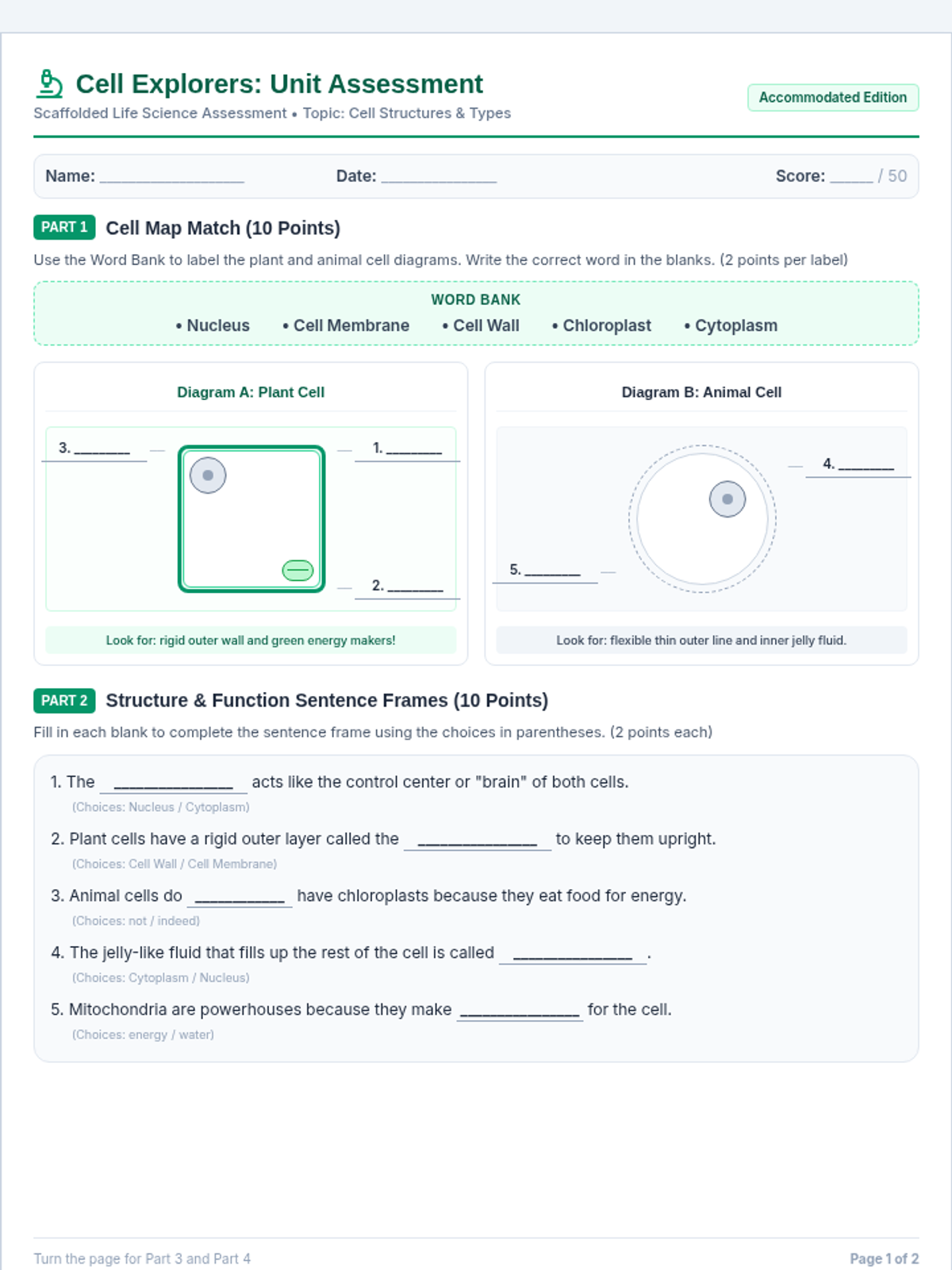
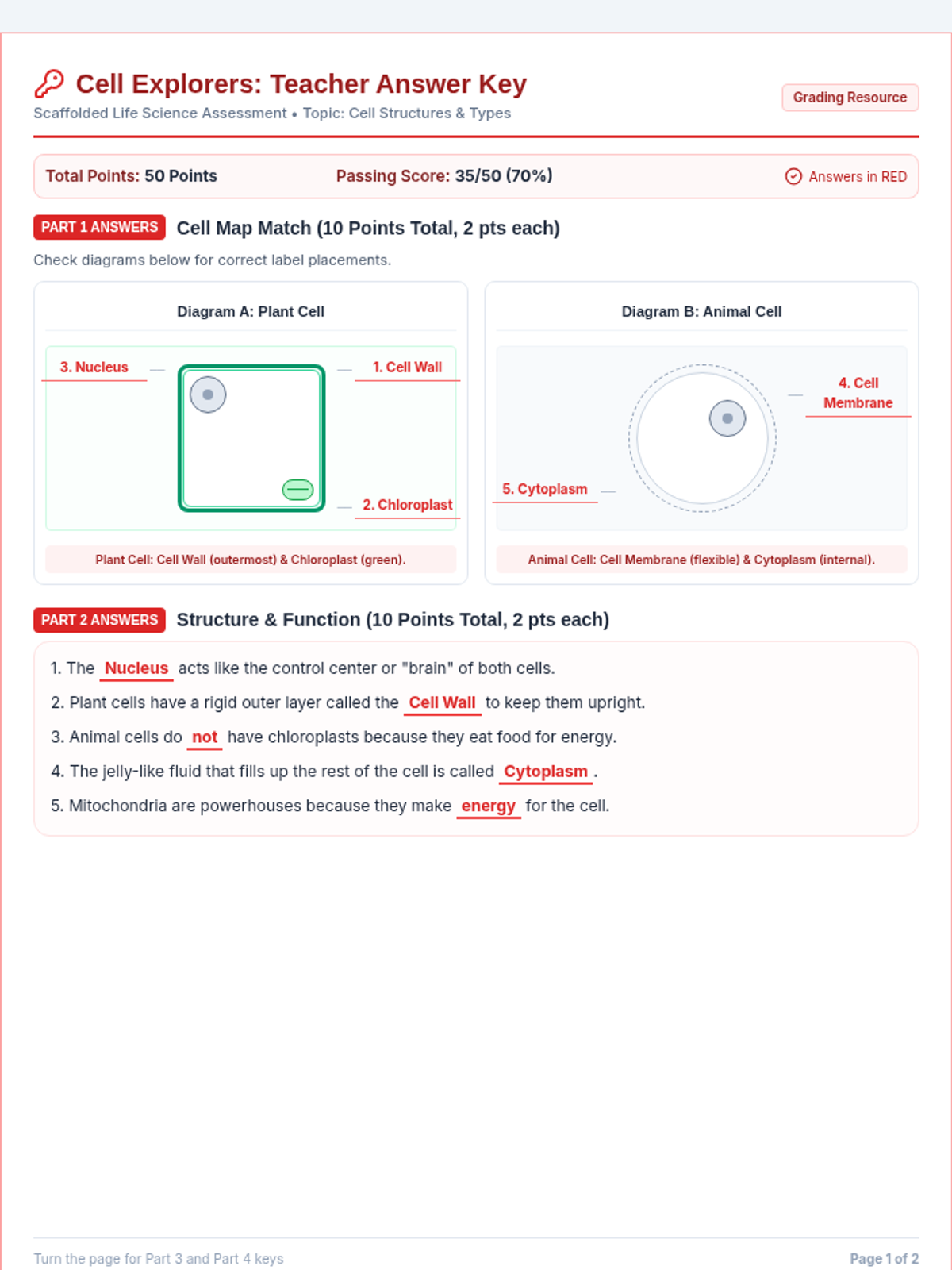
A scaffolded 2-page assessment and corresponding answer key covering prokaryotic and eukaryotic cells, including bacteria, plant, animal, and human cells. Features visual matching, labeling with word banks, sentence frames, and guided sentence starters, scaled to 50 points total.
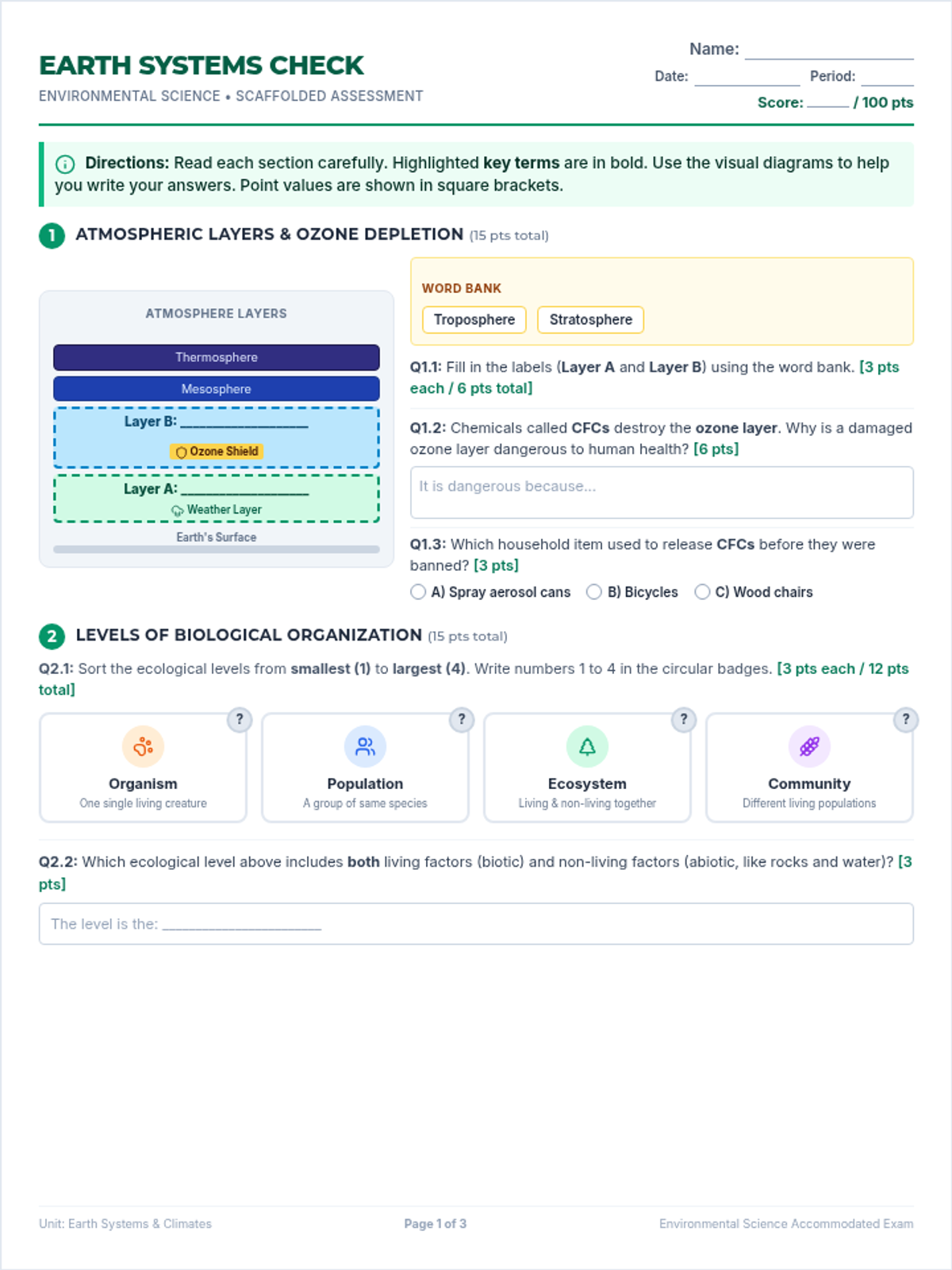
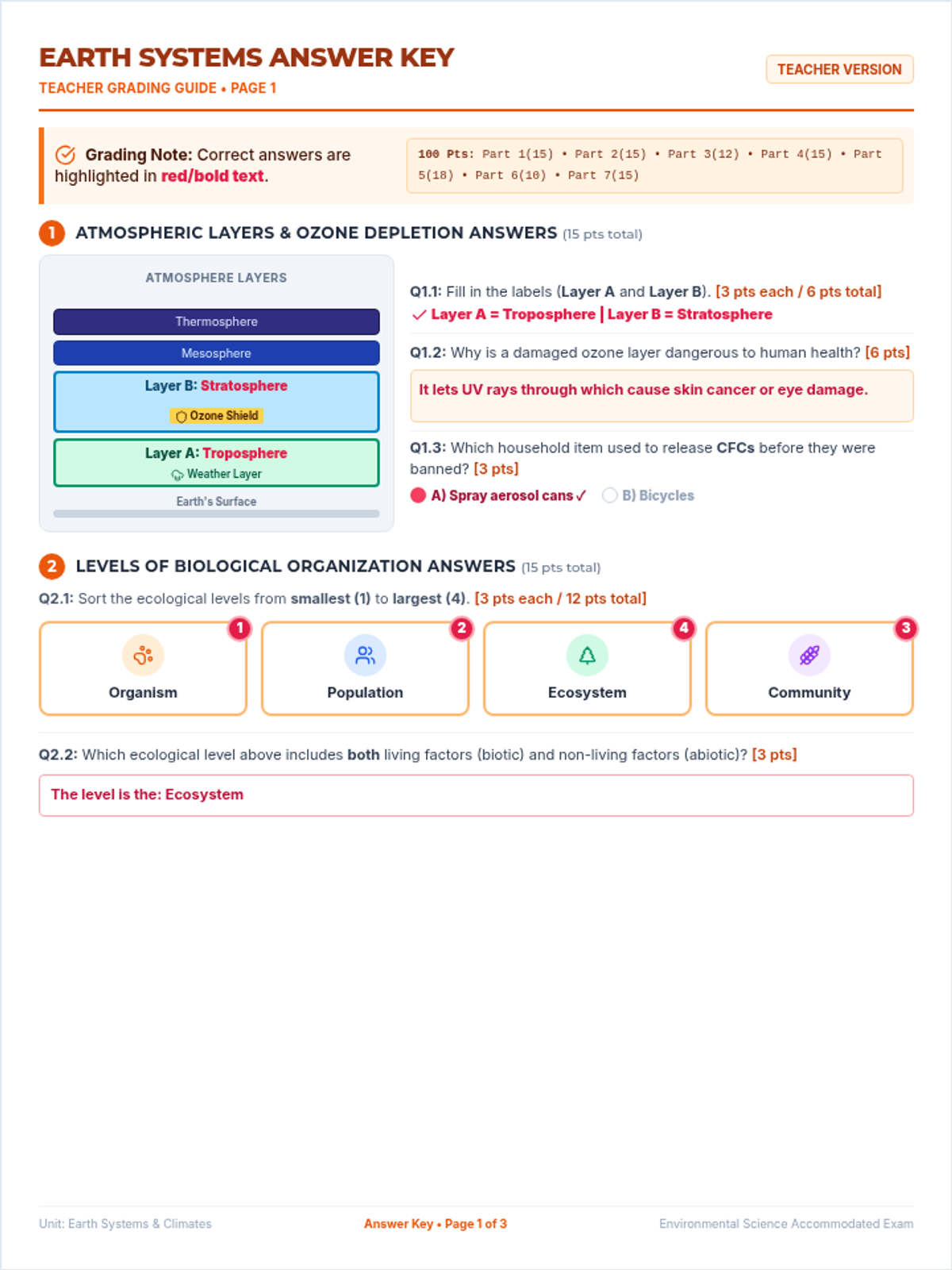
A highly visual, scaffolded assessment and corresponding answer key covering atmospheric layers, resource classification, carbon footprints, biological levels, trophic webs, ice proxies, and photosynthesis.
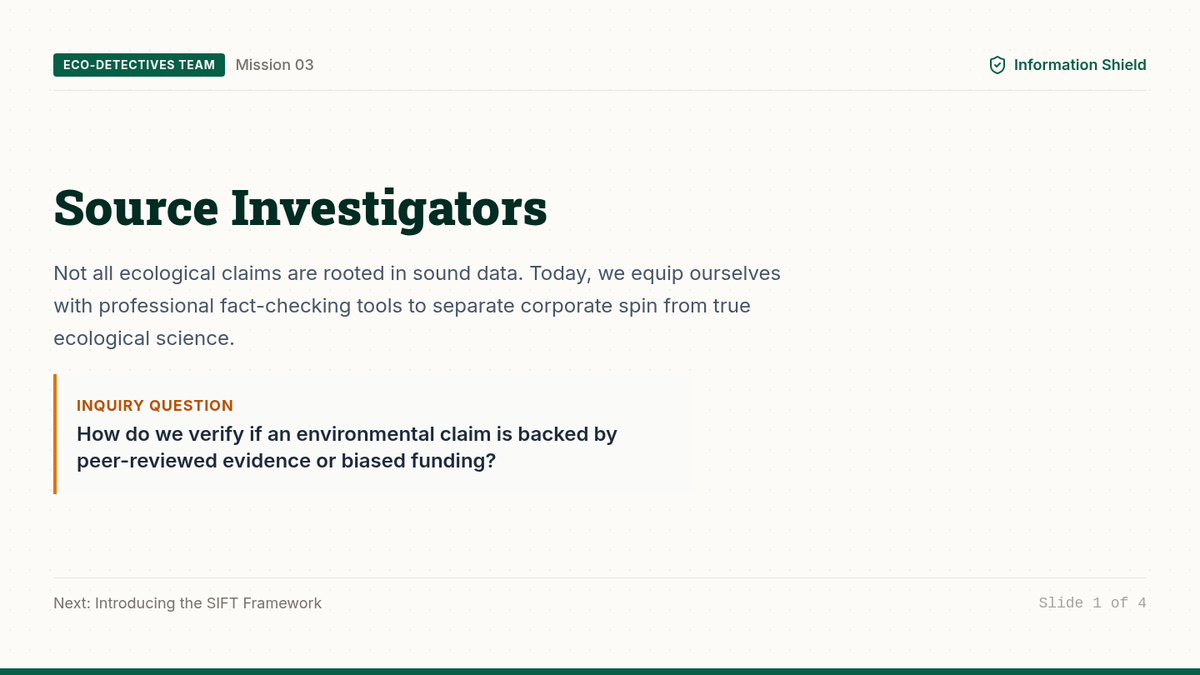
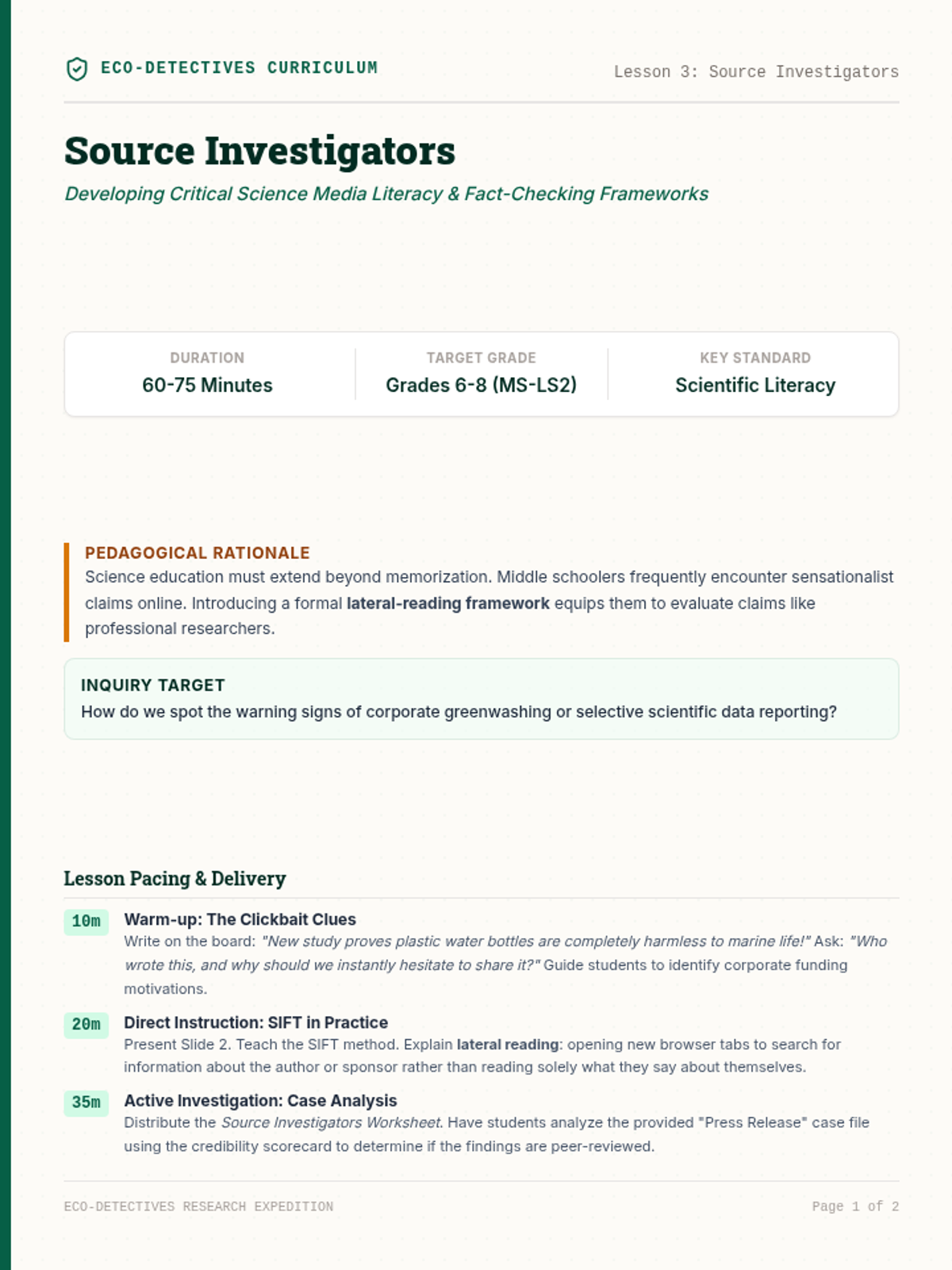
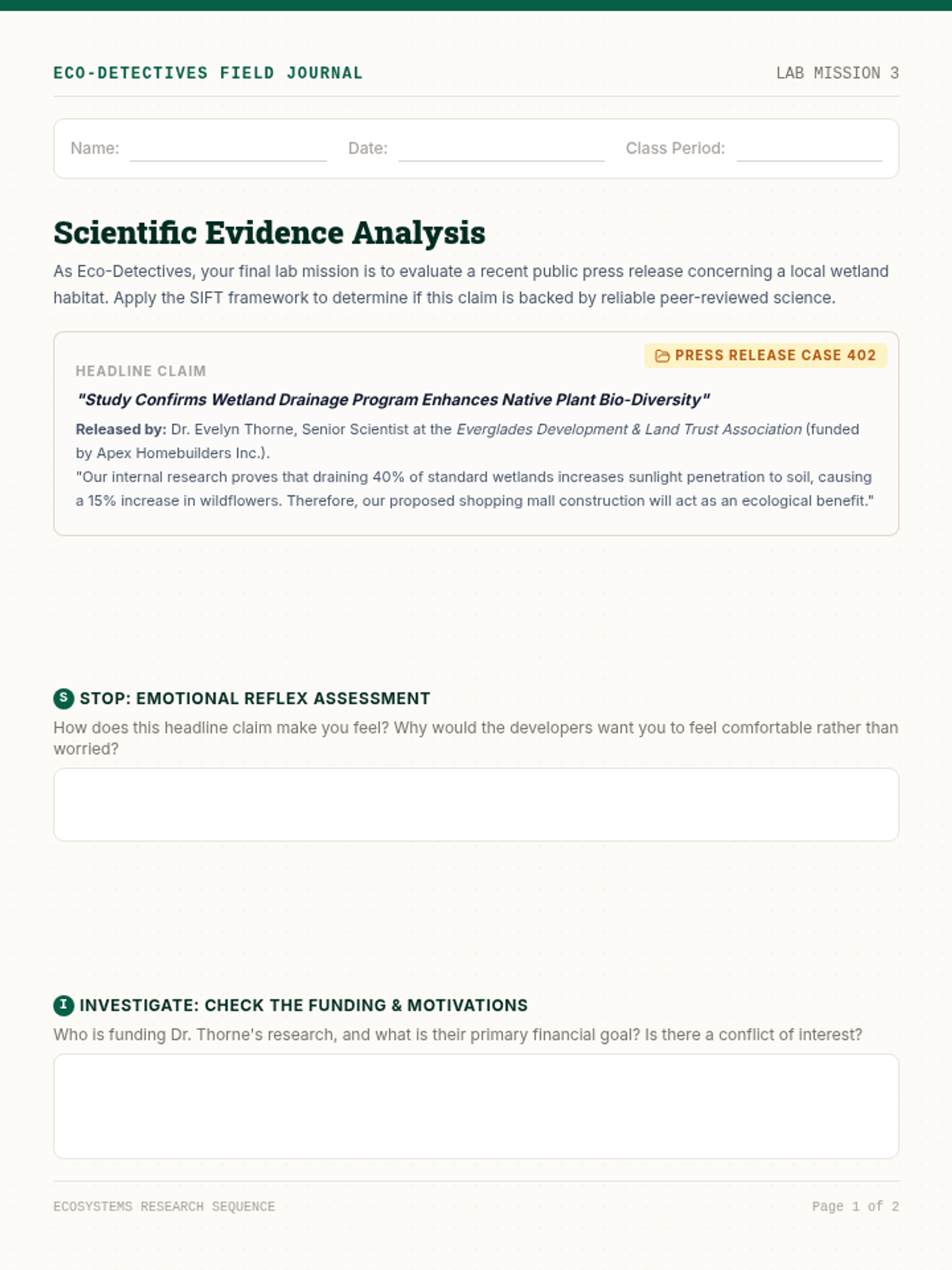
Students evaluate ecosystem research reports and online science media for credibility, bias, and scientific evidence using a scientific evaluation framework.
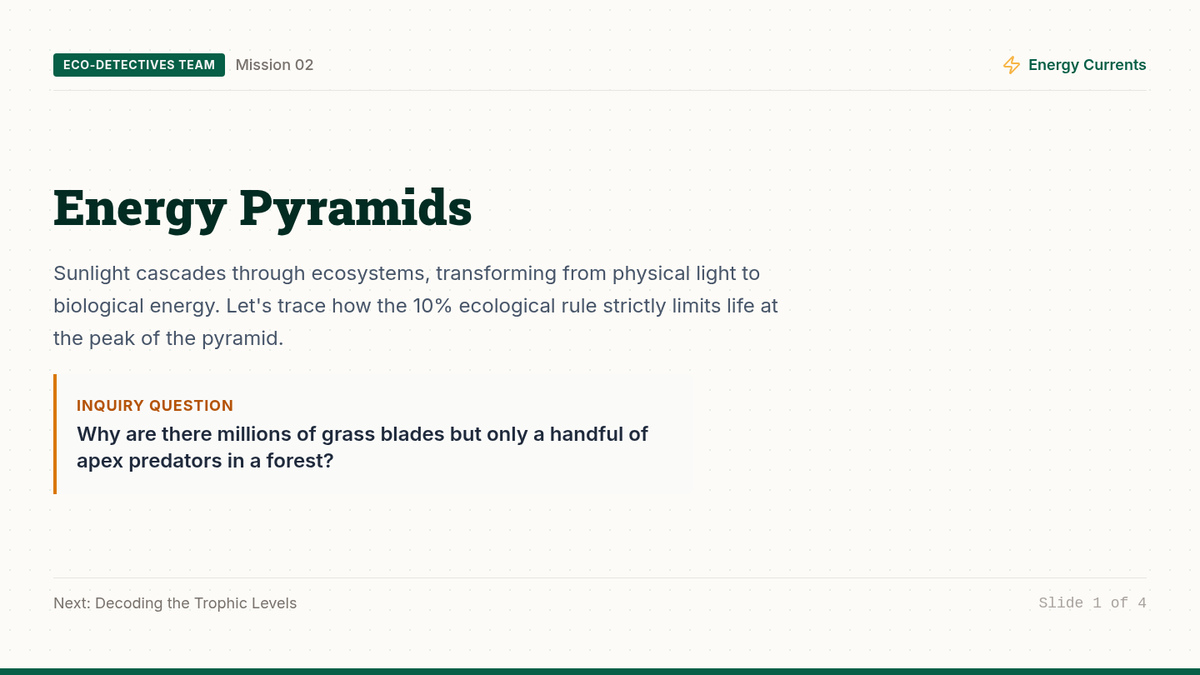
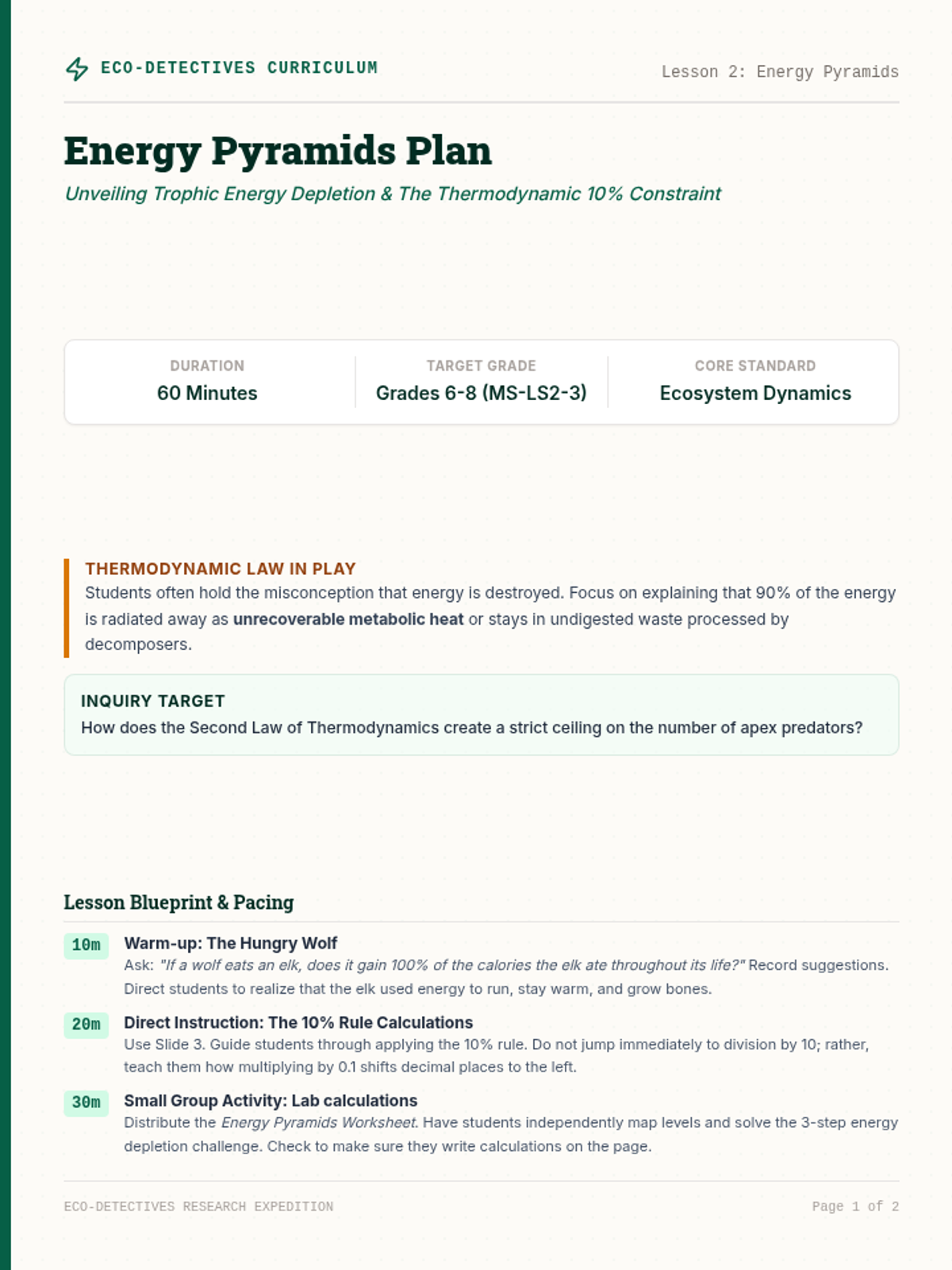
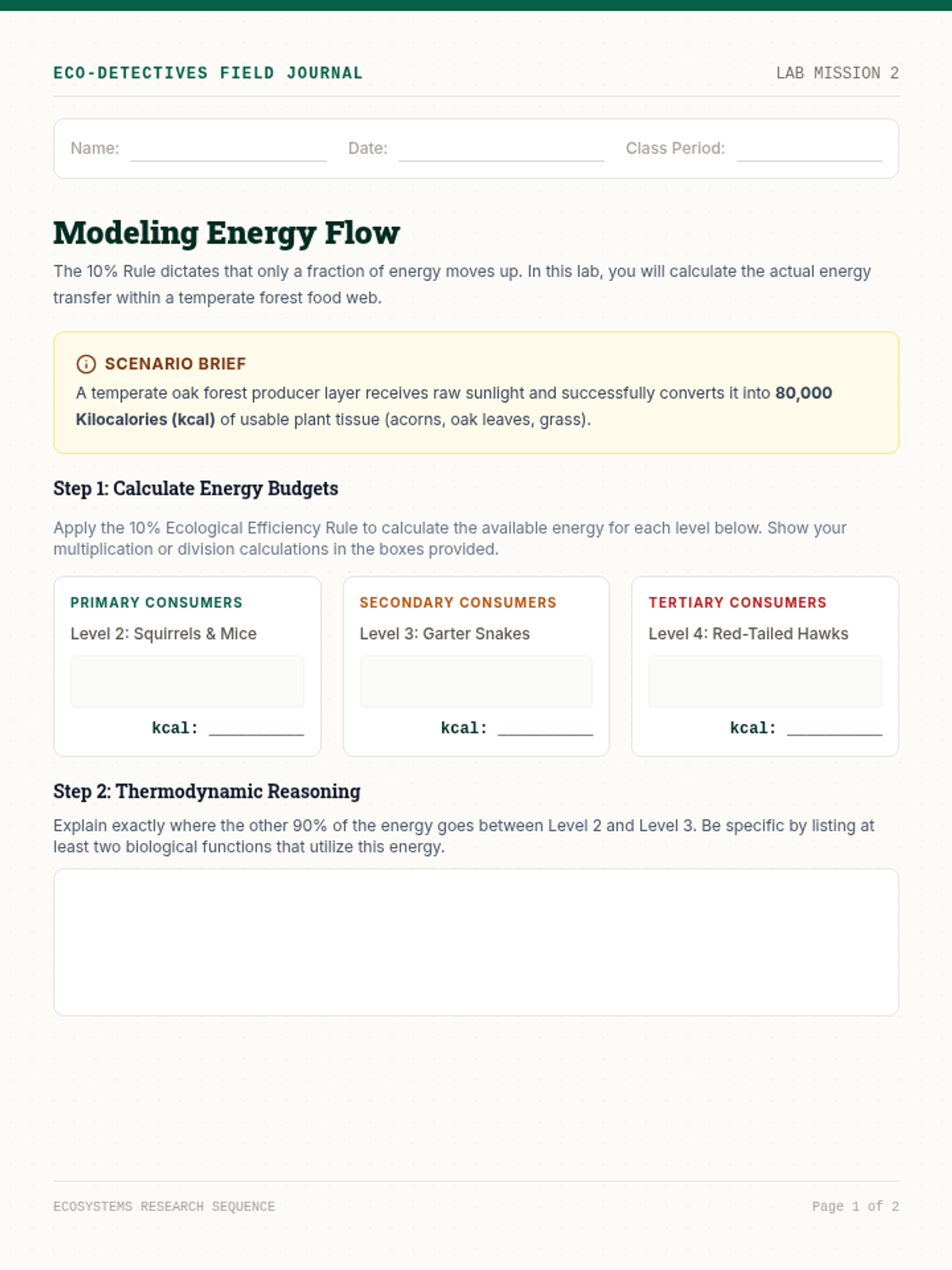
Students model trophic levels, analyze the 10% ecological efficiency rule, and solve ecological energy calculations.
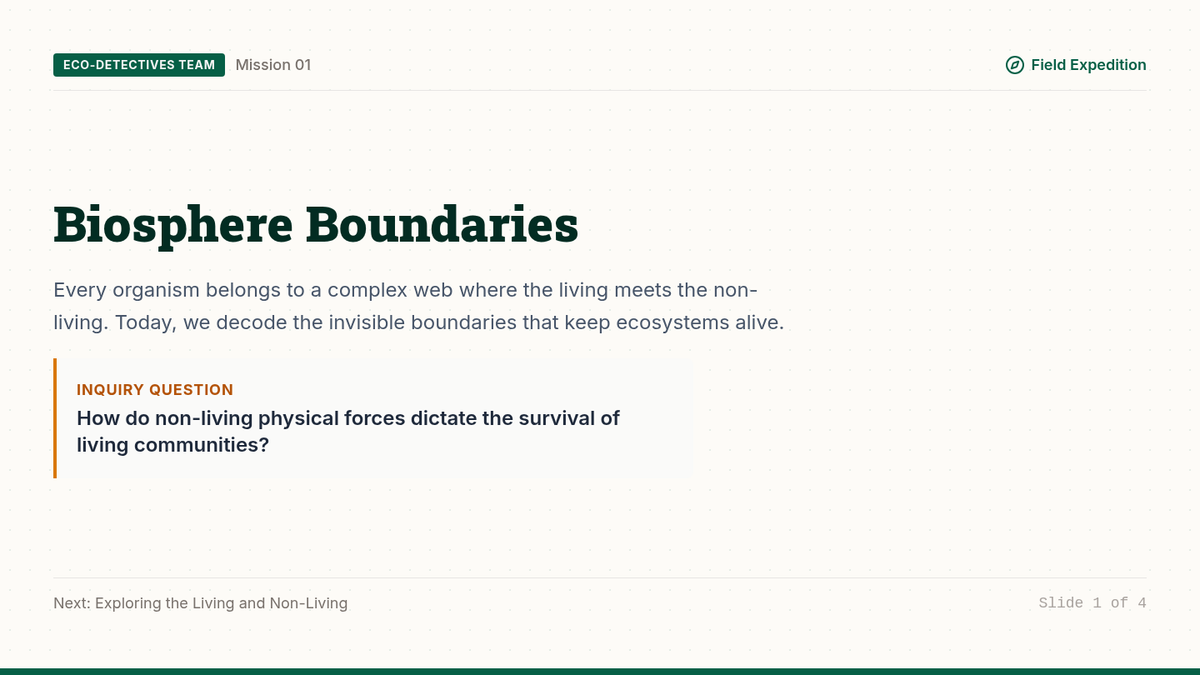
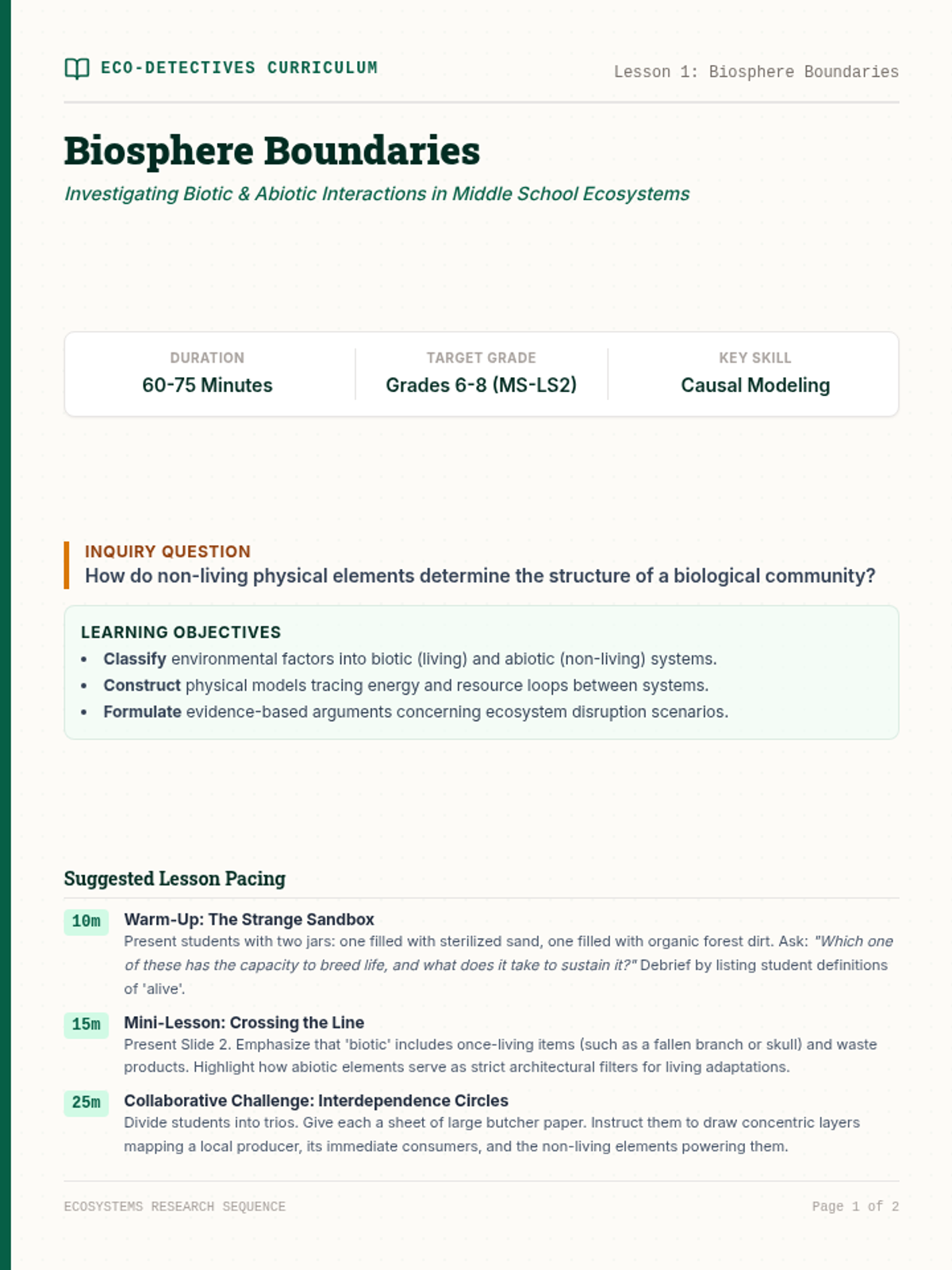
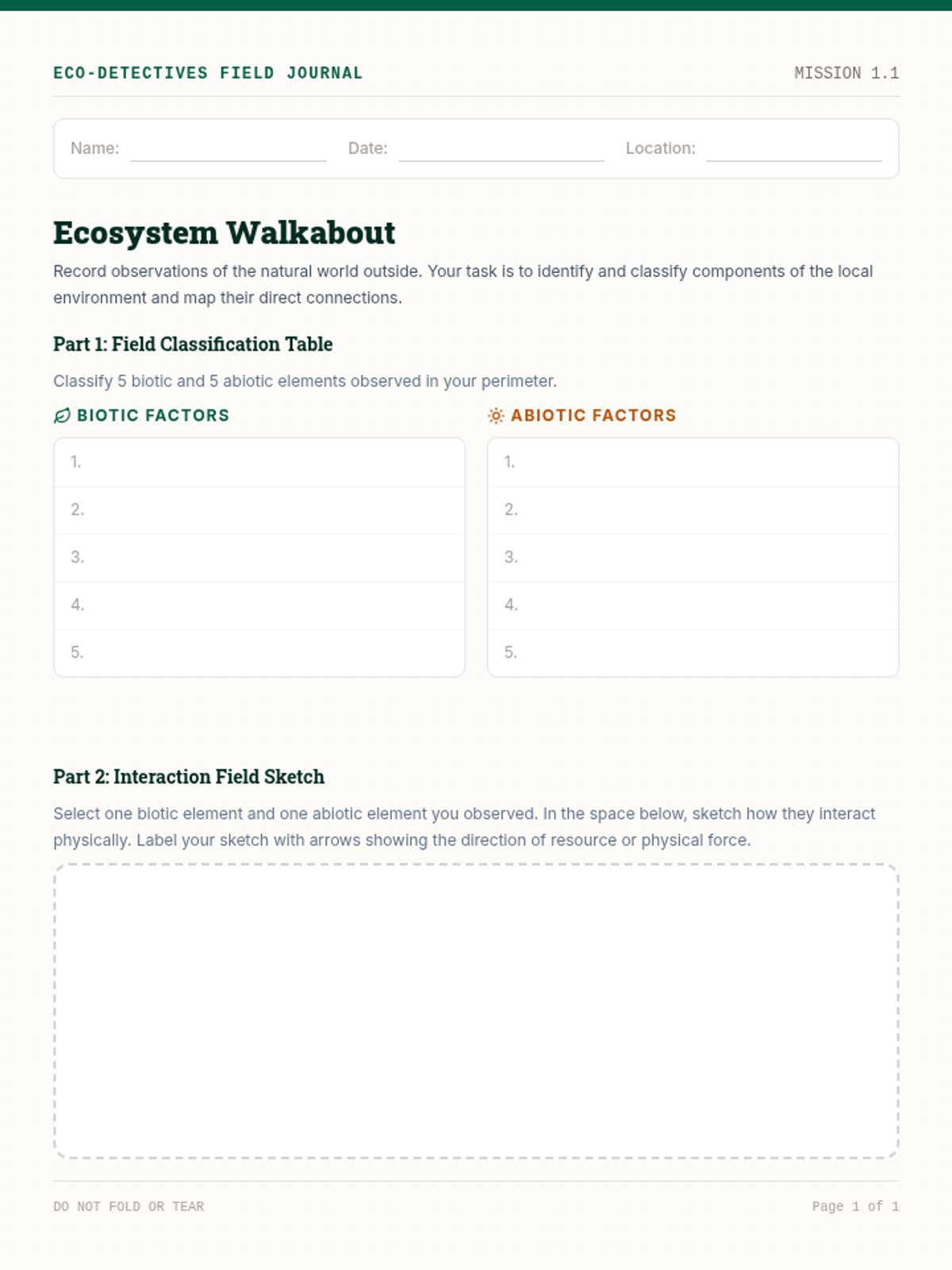
Students investigate the difference between biotic and abiotic factors, explore how they interact within local ecosystems, and design an anchor chart to map these connections.
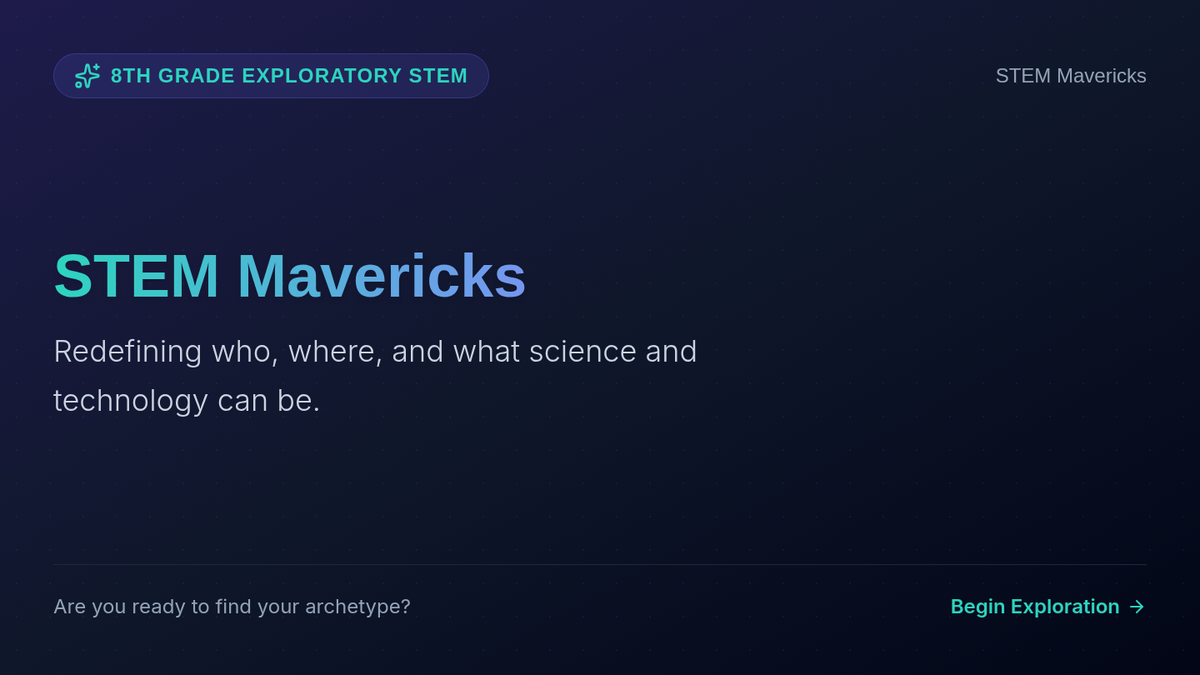
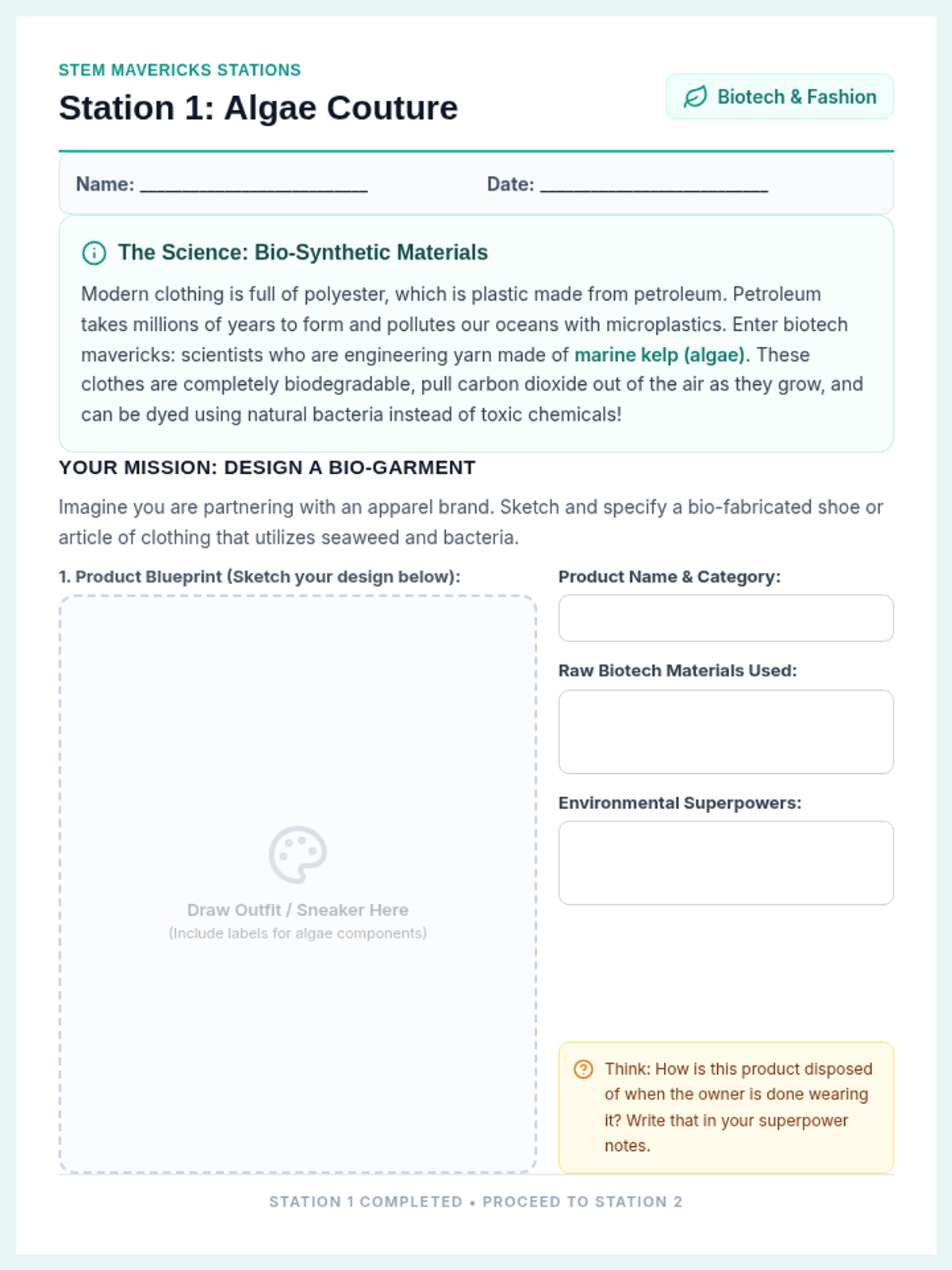
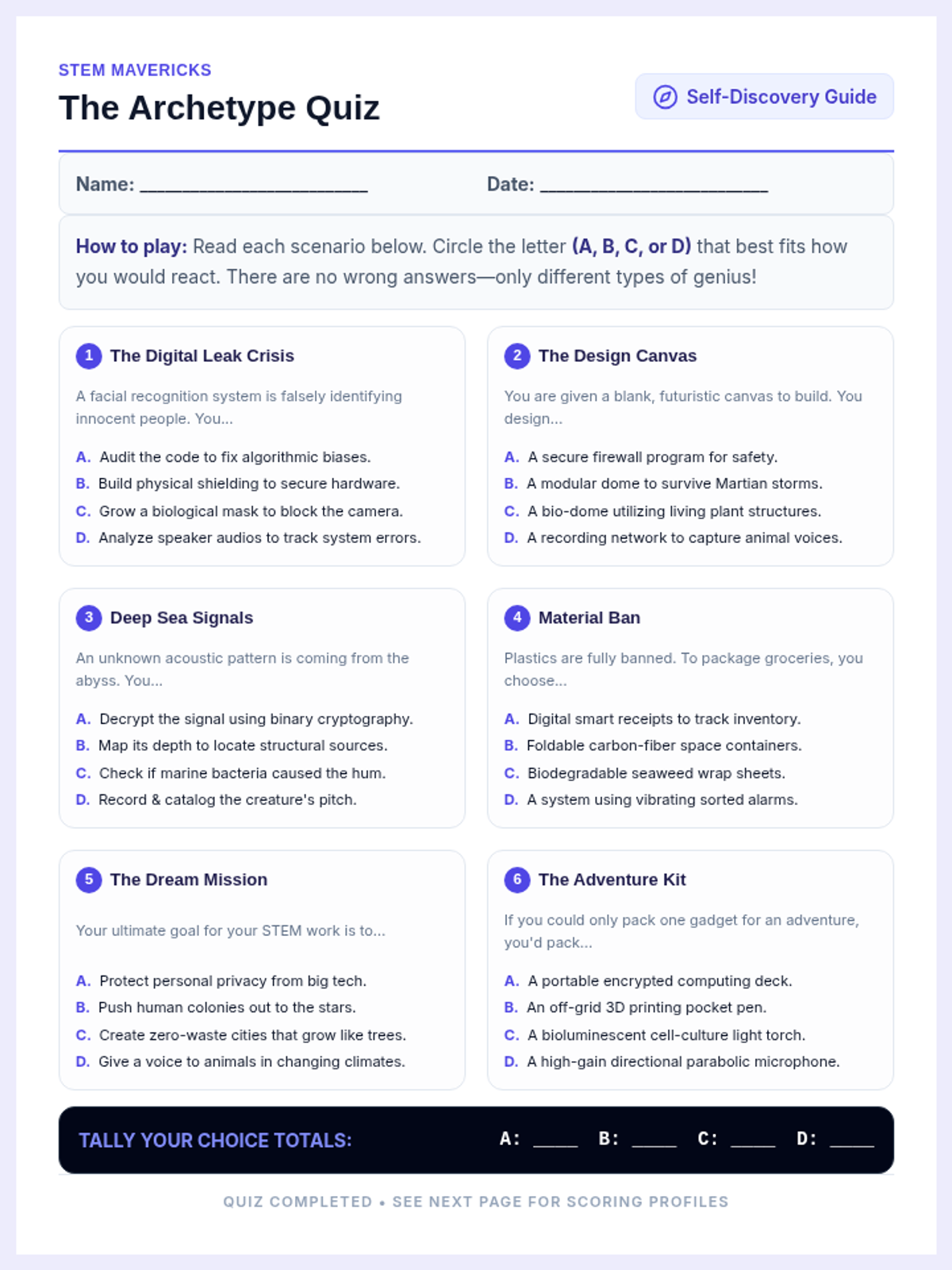
An 8th-grade exploratory lesson on diverse, non-traditional, and underrepresented careers in STEM. Students challenge stereotypes, analyze cutting-edge career profiles, complete a hands-on station rotation, and discover their own STEM archetypes.
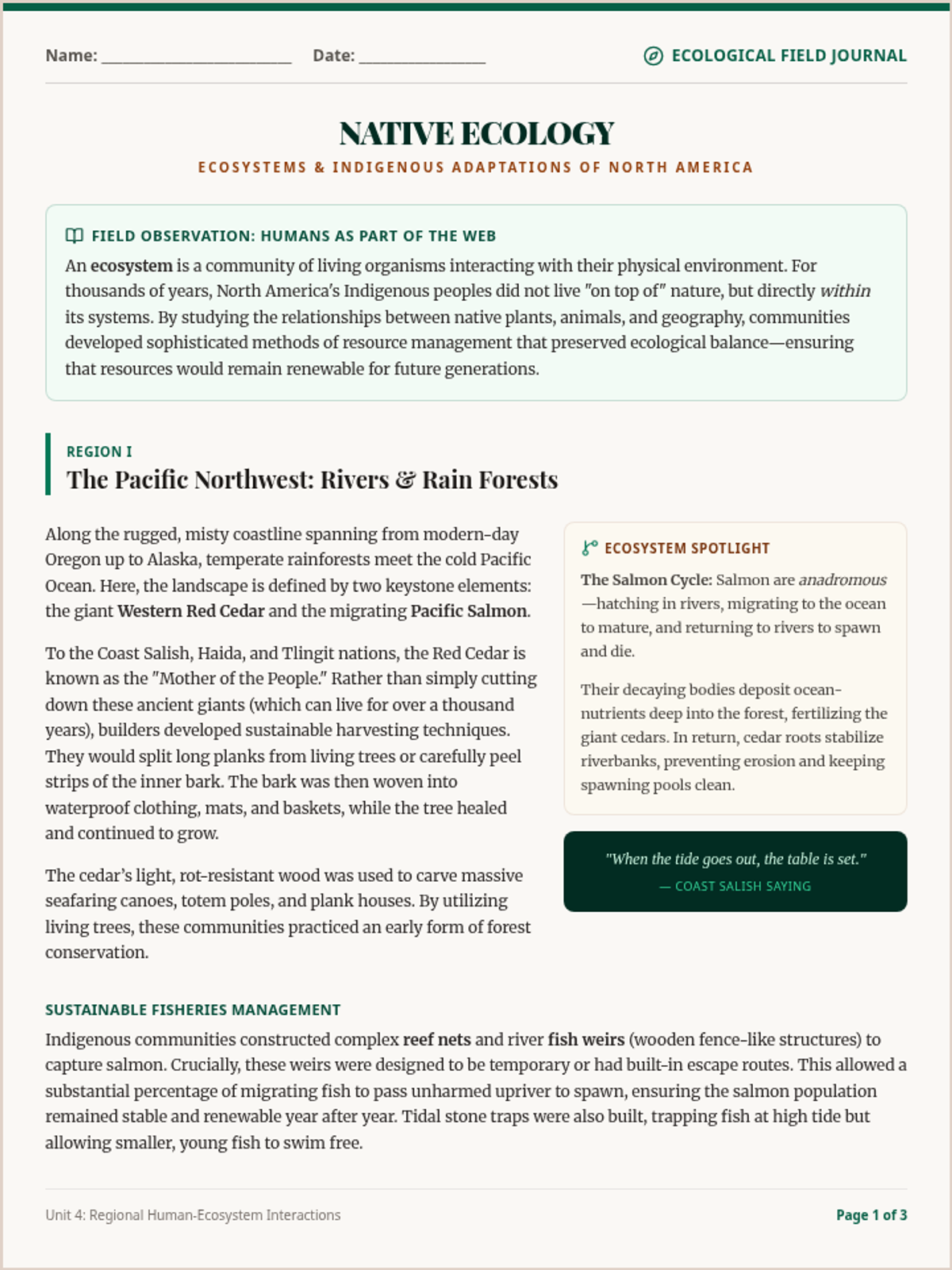
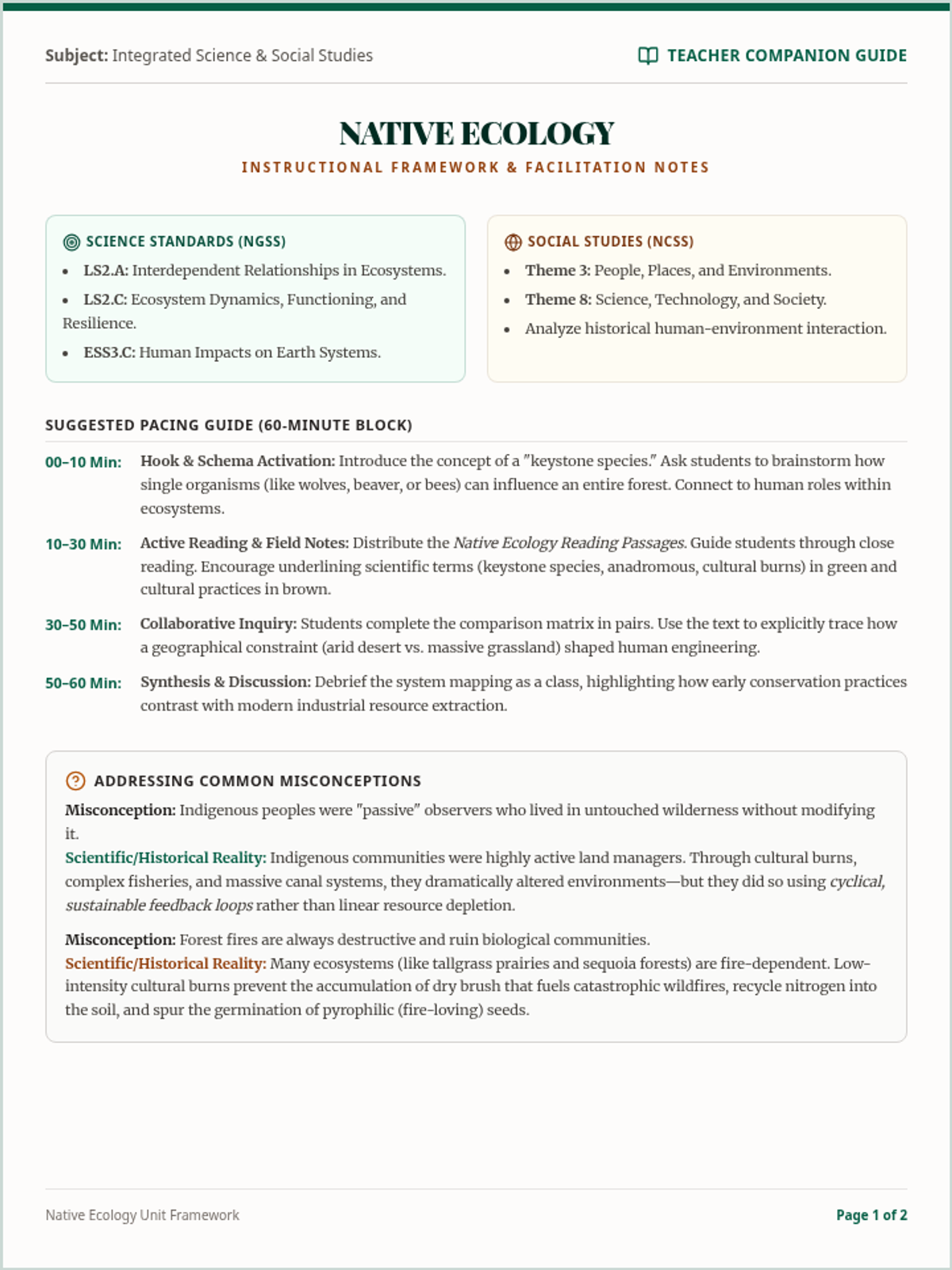
An integrated science and social studies lesson exploring how regional ecosystems and native species supported historical Indigenous communities across North America. Students analyze the ecological relationships and cultural adaptations of three distinct regions.
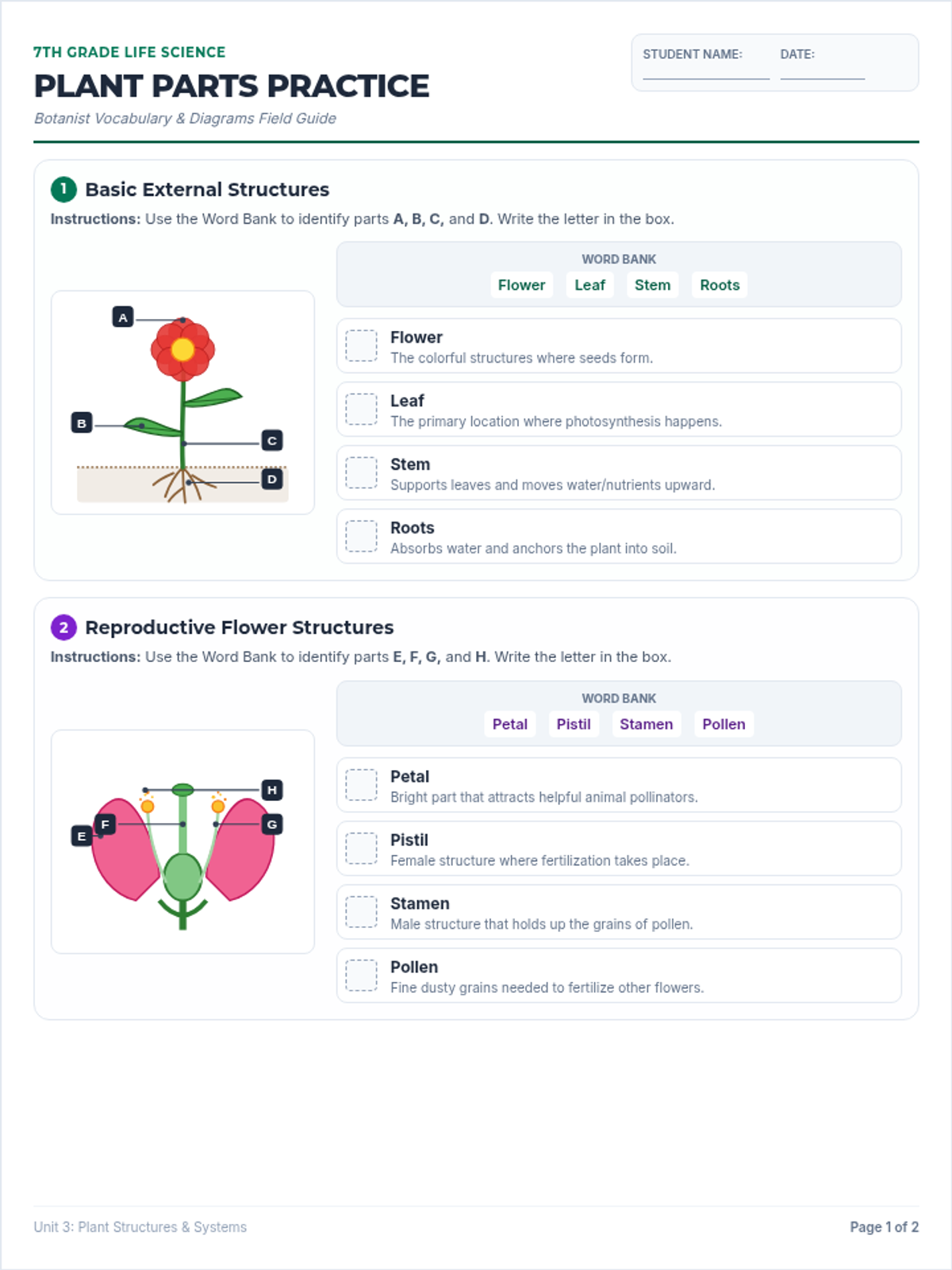
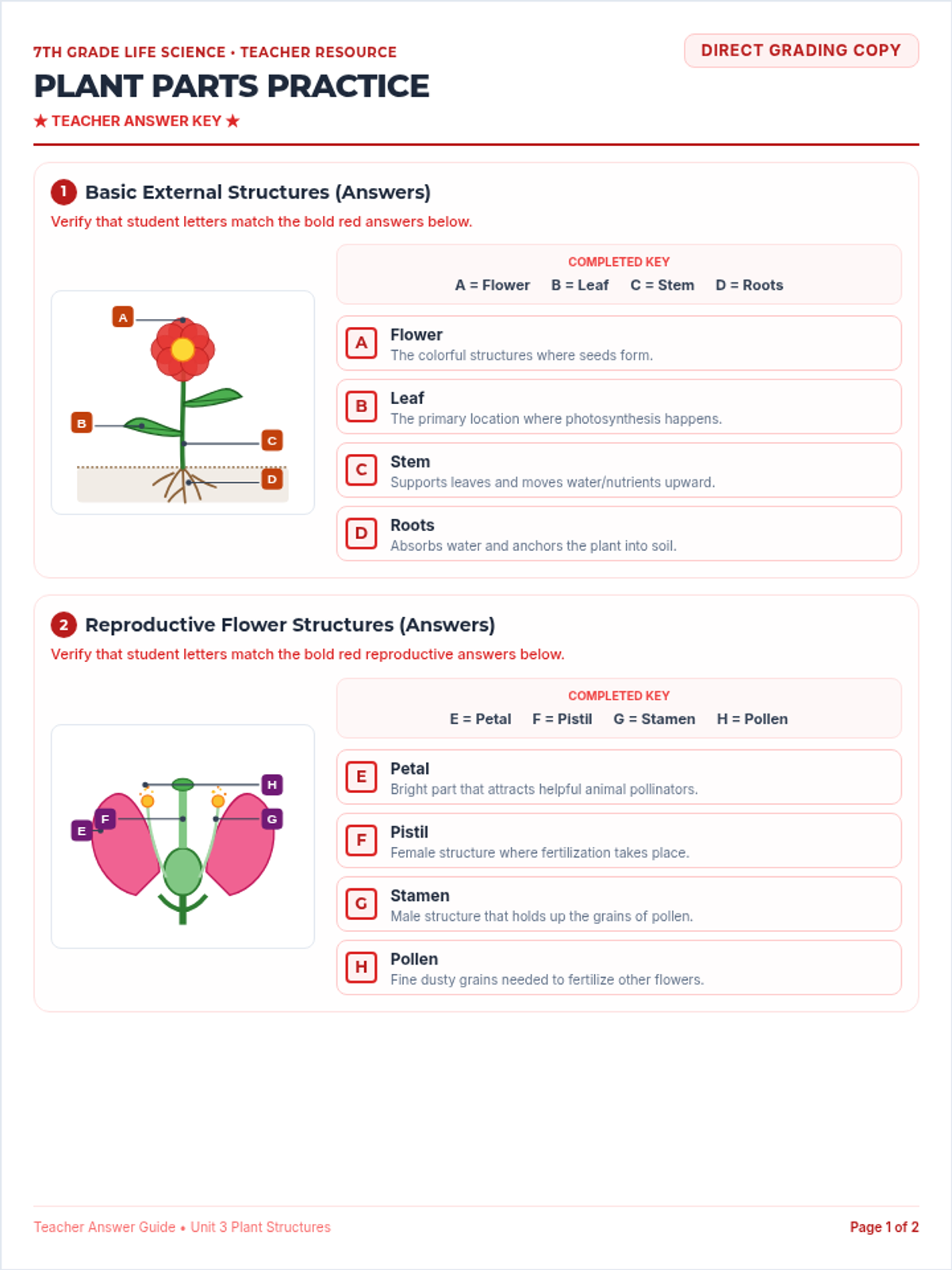
A comprehensive 7th-grade lesson on basic external plant structures (roots, stems, leaves, flowers) and reproductive flower parts (stamen, pistil, pollen, petals). Includes a visual matching worksheet and a teacher answer key.
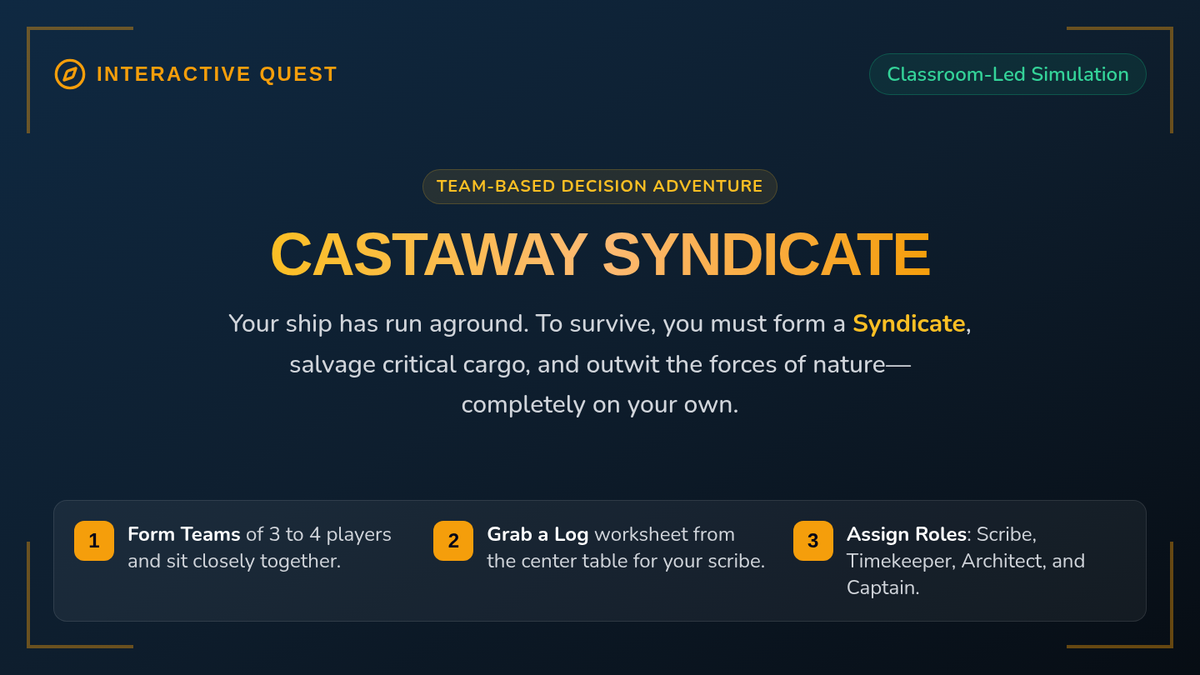
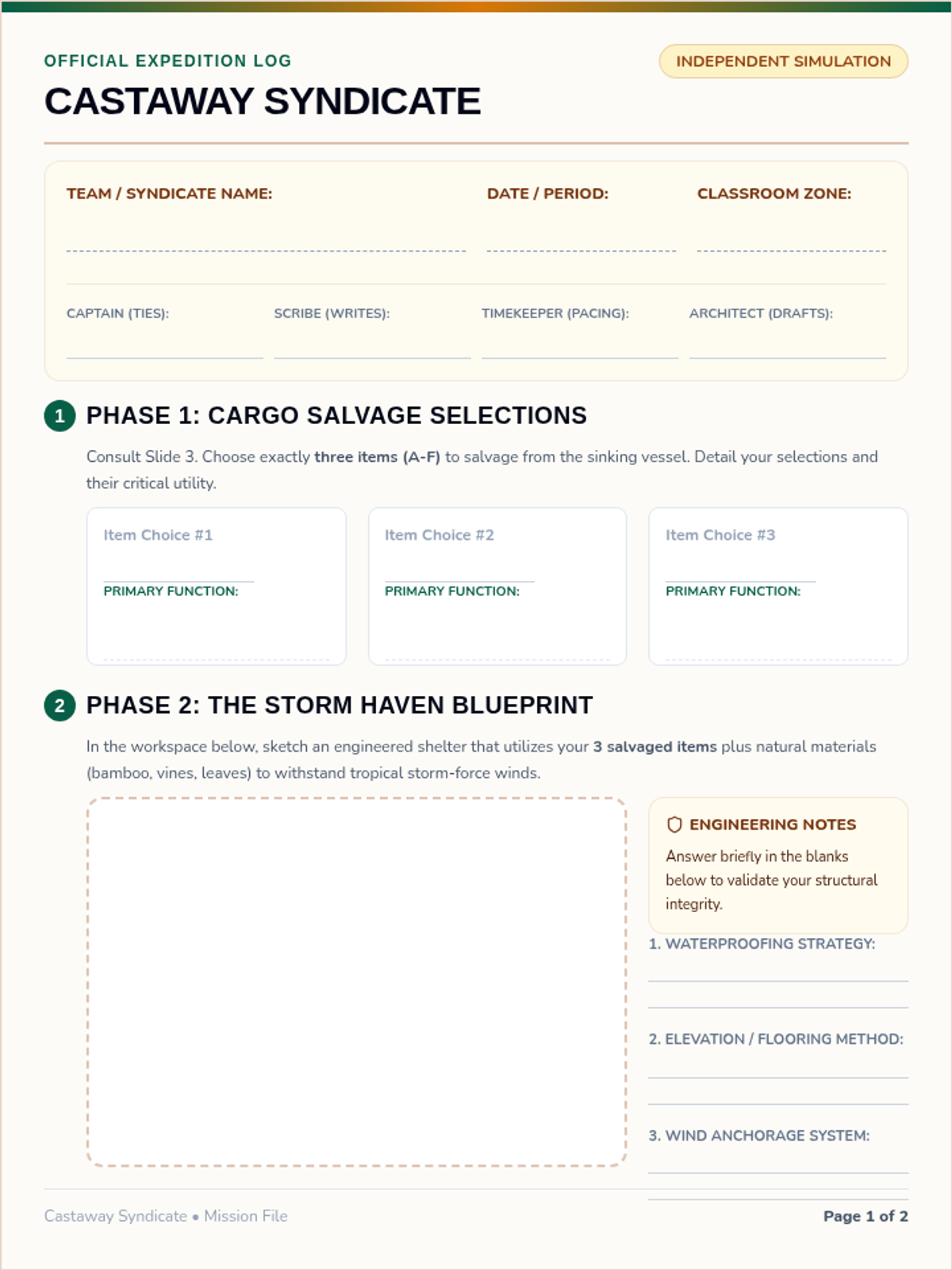
An immersive, self-directed survival simulation where students work in teams to solve creative engineering and resource-management challenges. Designed to keep the entire classroom deeply engaged and collaborative while the teacher conducts one-on-one sessions.
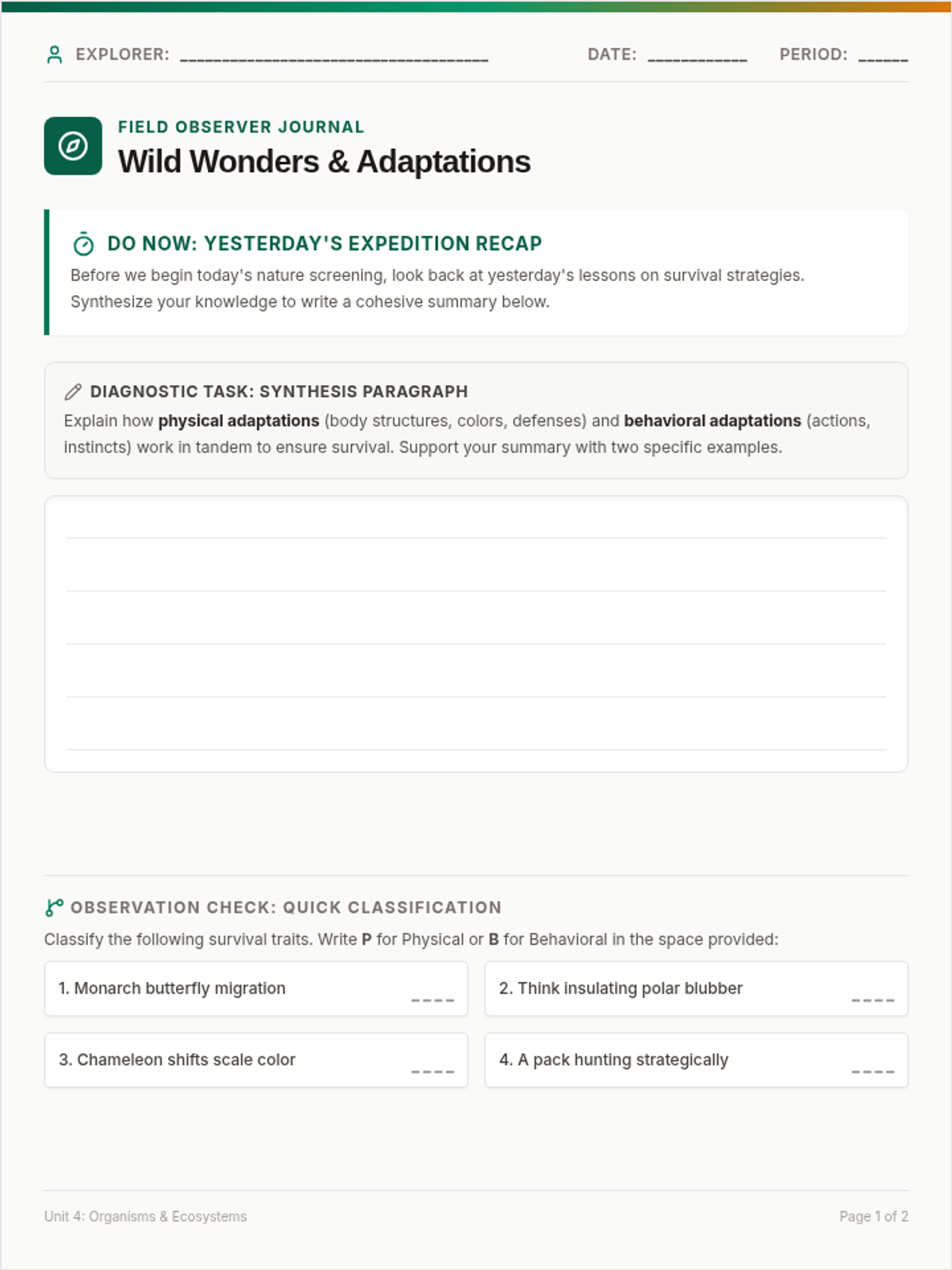
A lesson exploring how physical and behavioral traits help organisms survive in their environments, featuring a video documentary review and diagnostic summary.
A multi-day, scaffolded special education lesson plan on artificial selection (MS-LS4-5). Includes a simplified visual presentation, graphic organizers with sentence frames, illustrated vocabulary cards, a hands-on sorting task, and a comprehensive teacher guide.