An interactive, game-based lesson where students use body percussion to perform quarter notes, eighth notes, and quarter rests at varying tempos.
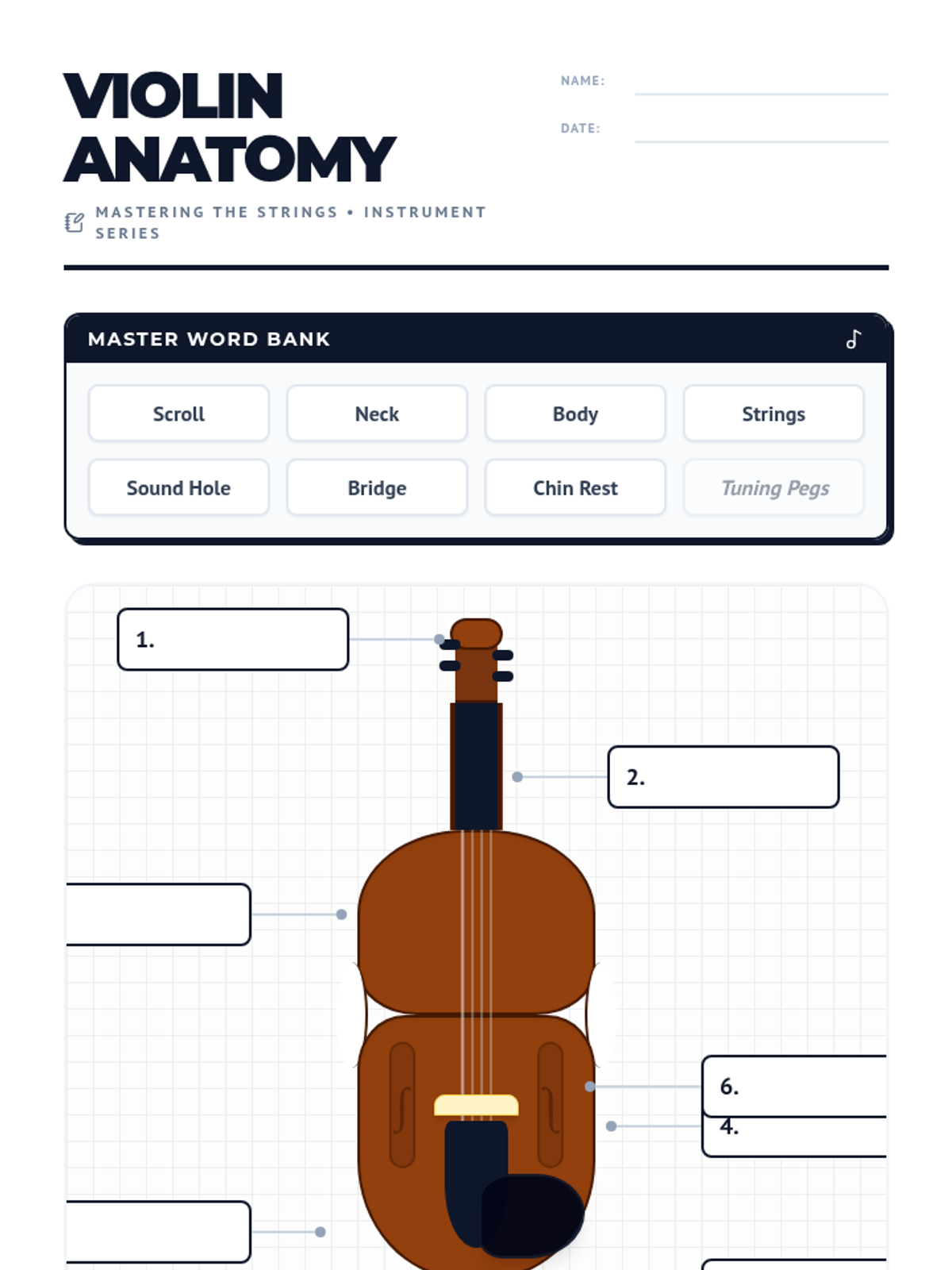
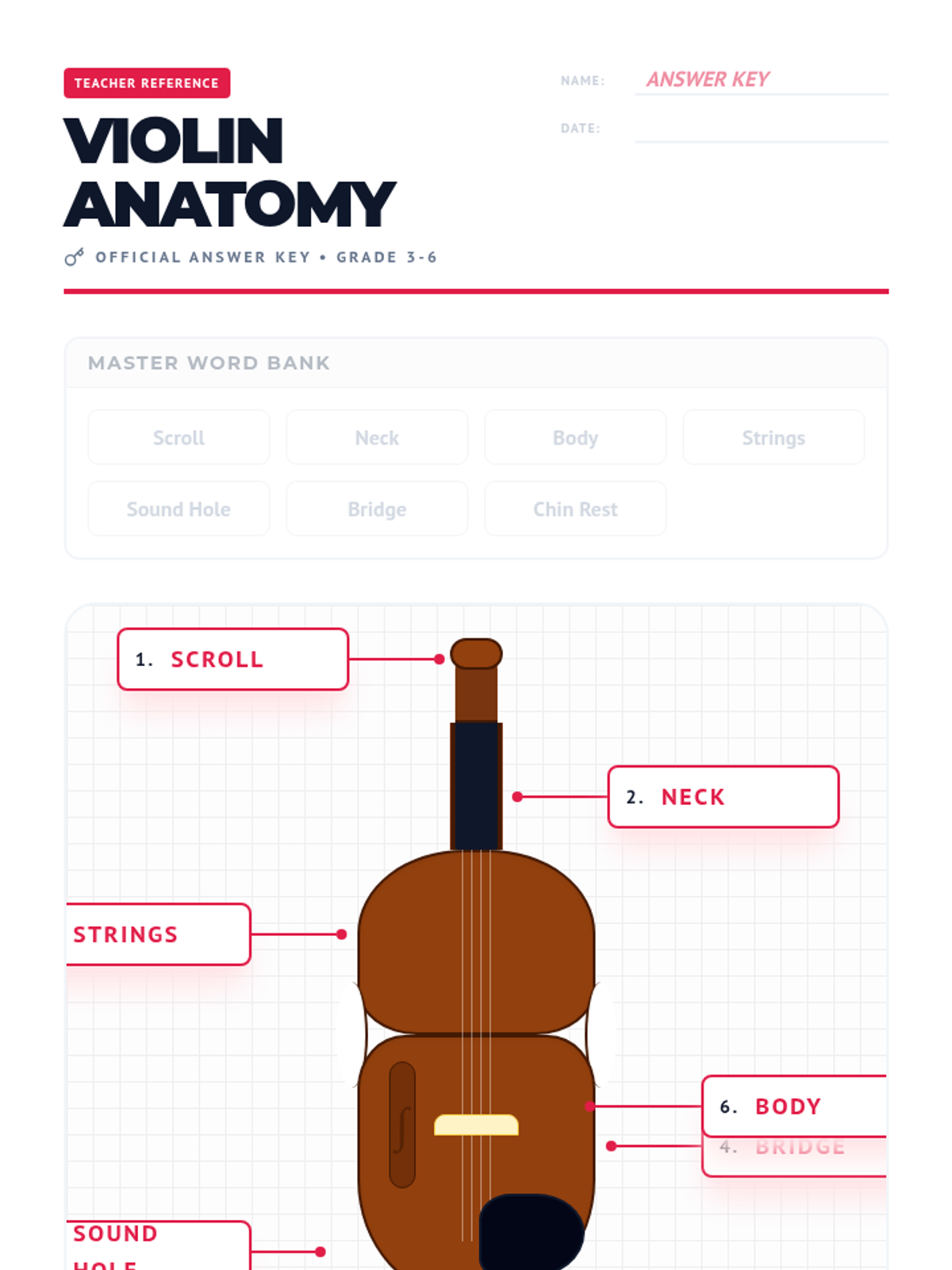
An introductory lesson on the anatomy and mechanics of the violin, including labeling parts and understanding their functions.
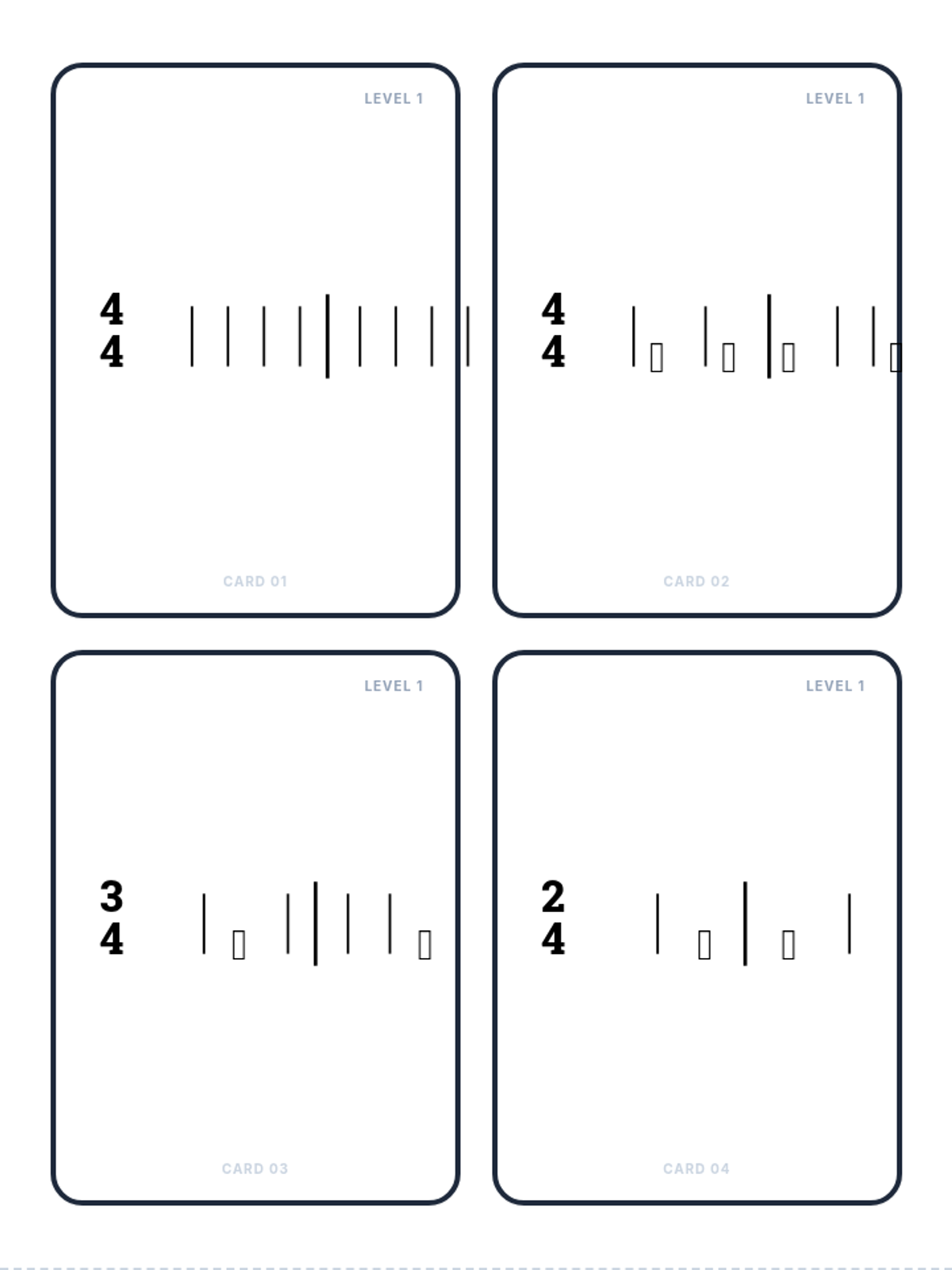
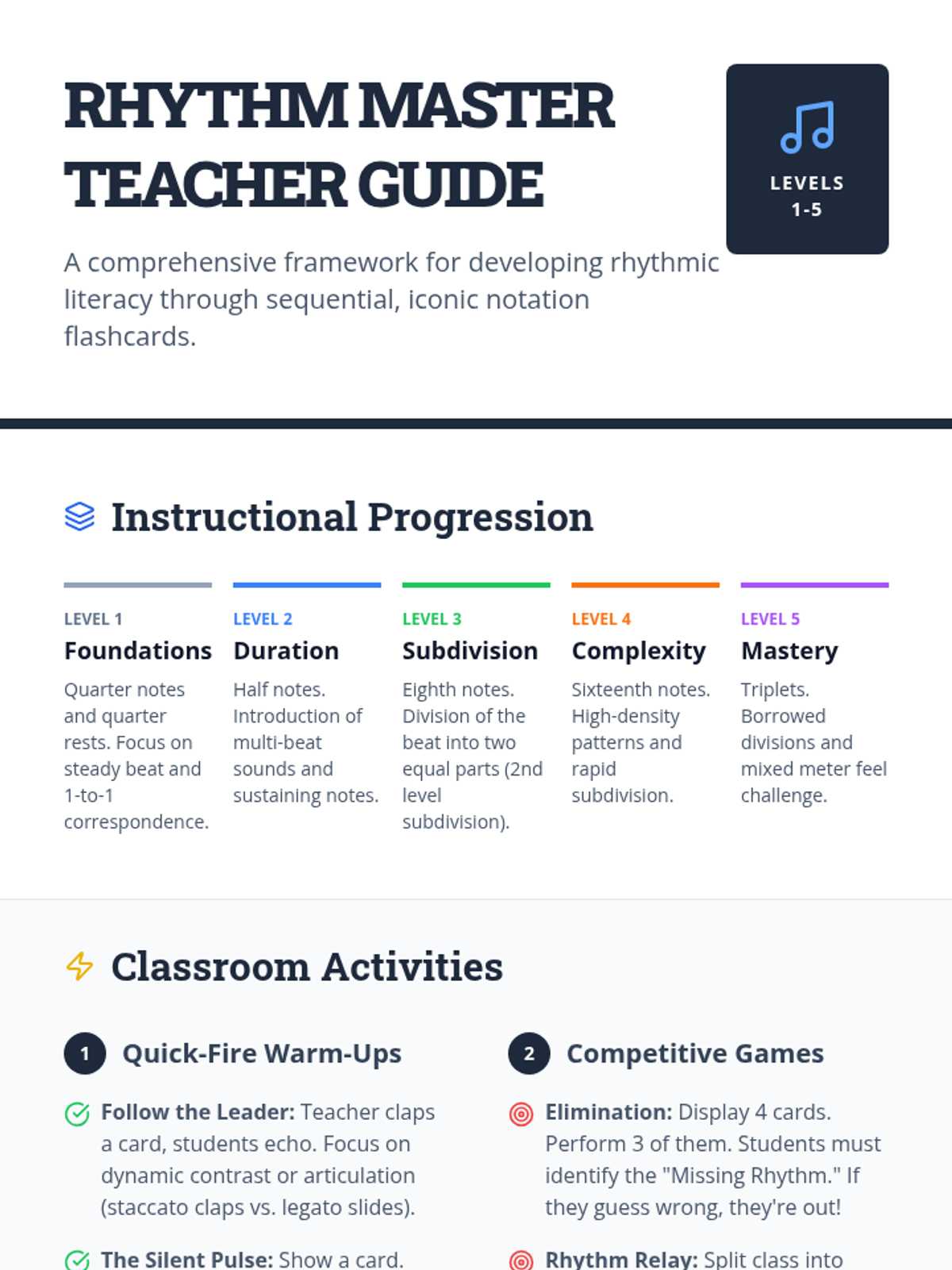
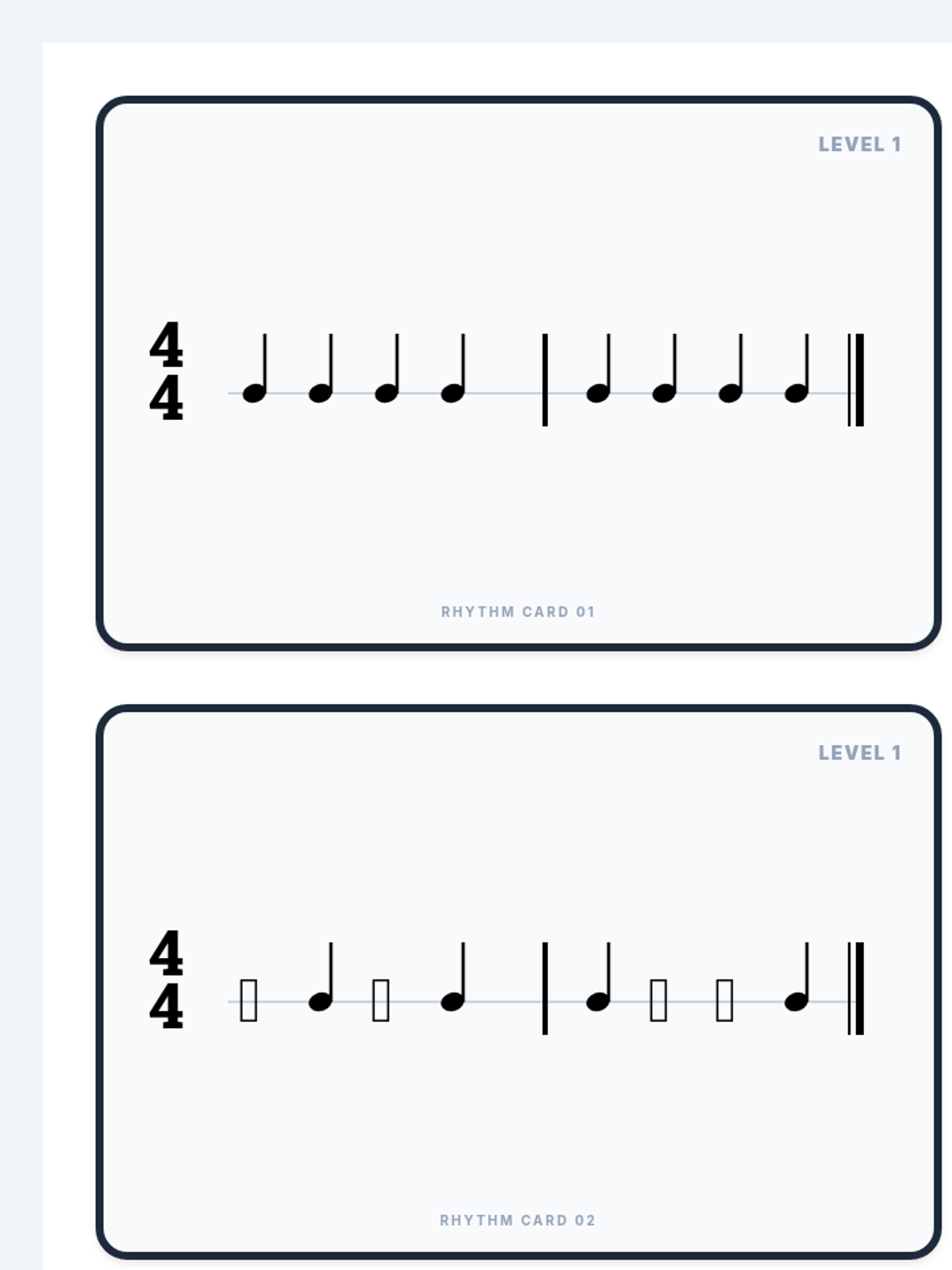
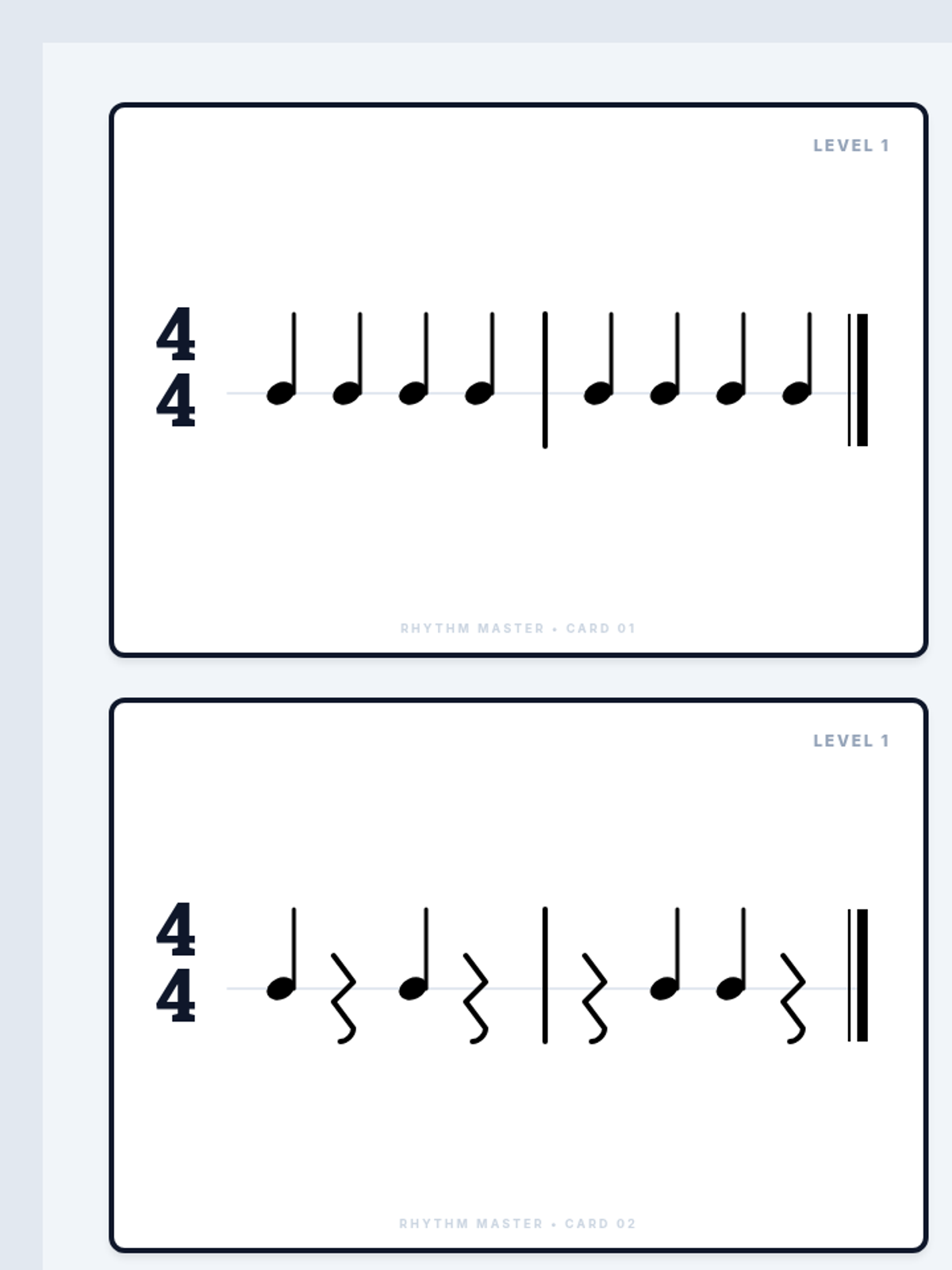
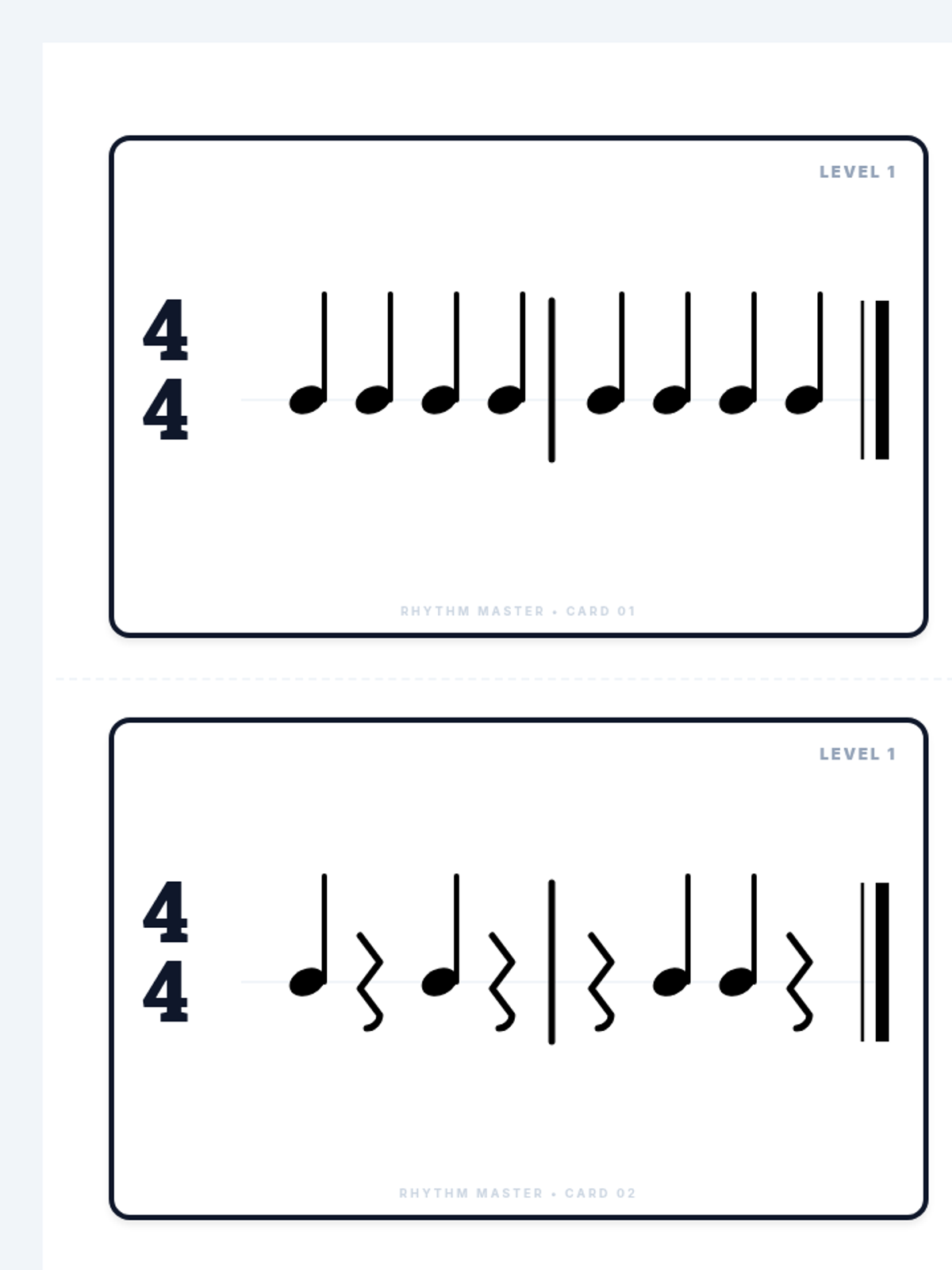
A series of rhythm reading flashcards and a teacher's guide covering basic to advanced rhythmic patterns. Activities progress from quarter notes and rests to complex sixteenth notes and triplets across multiple time signatures.
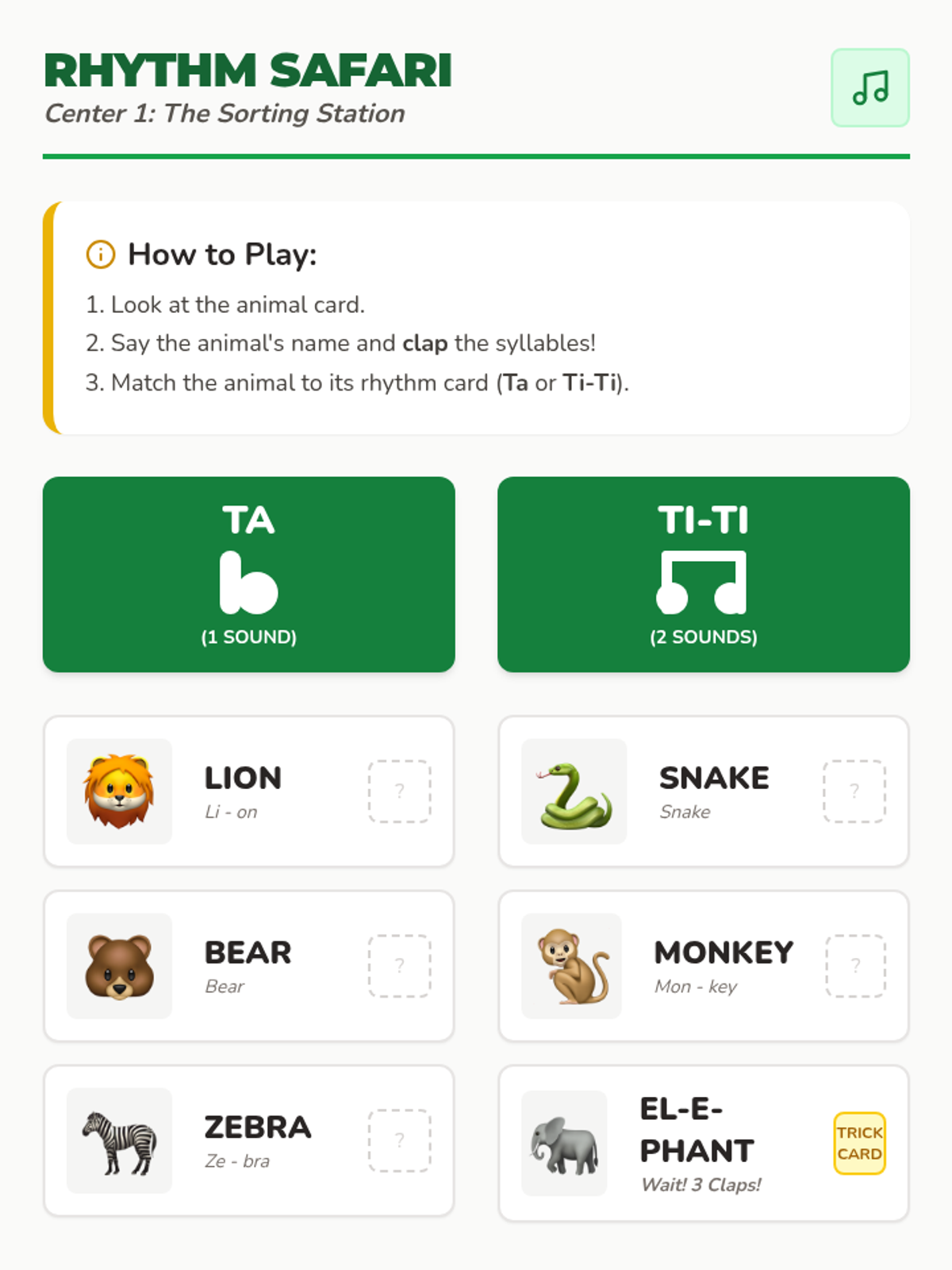
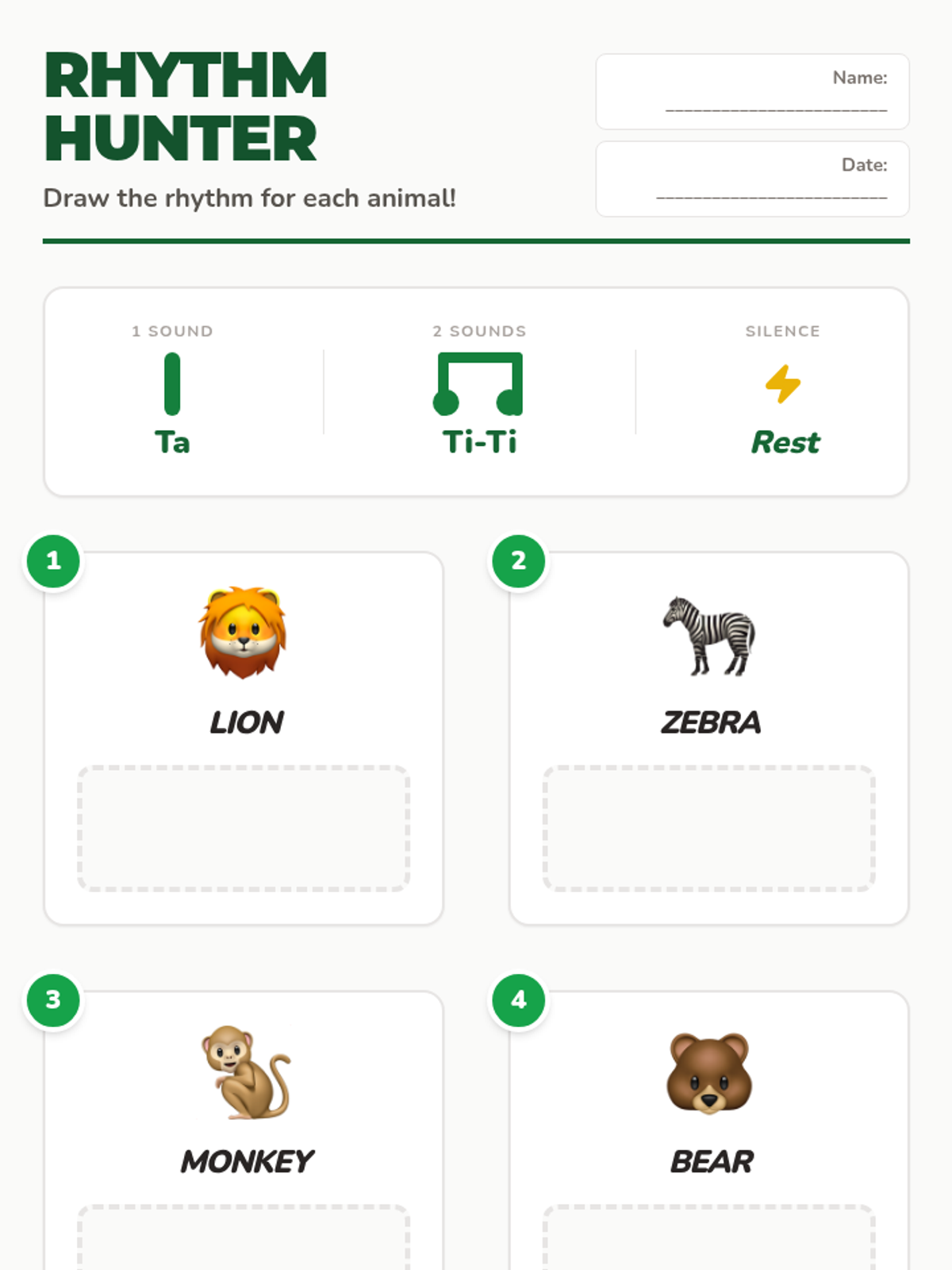
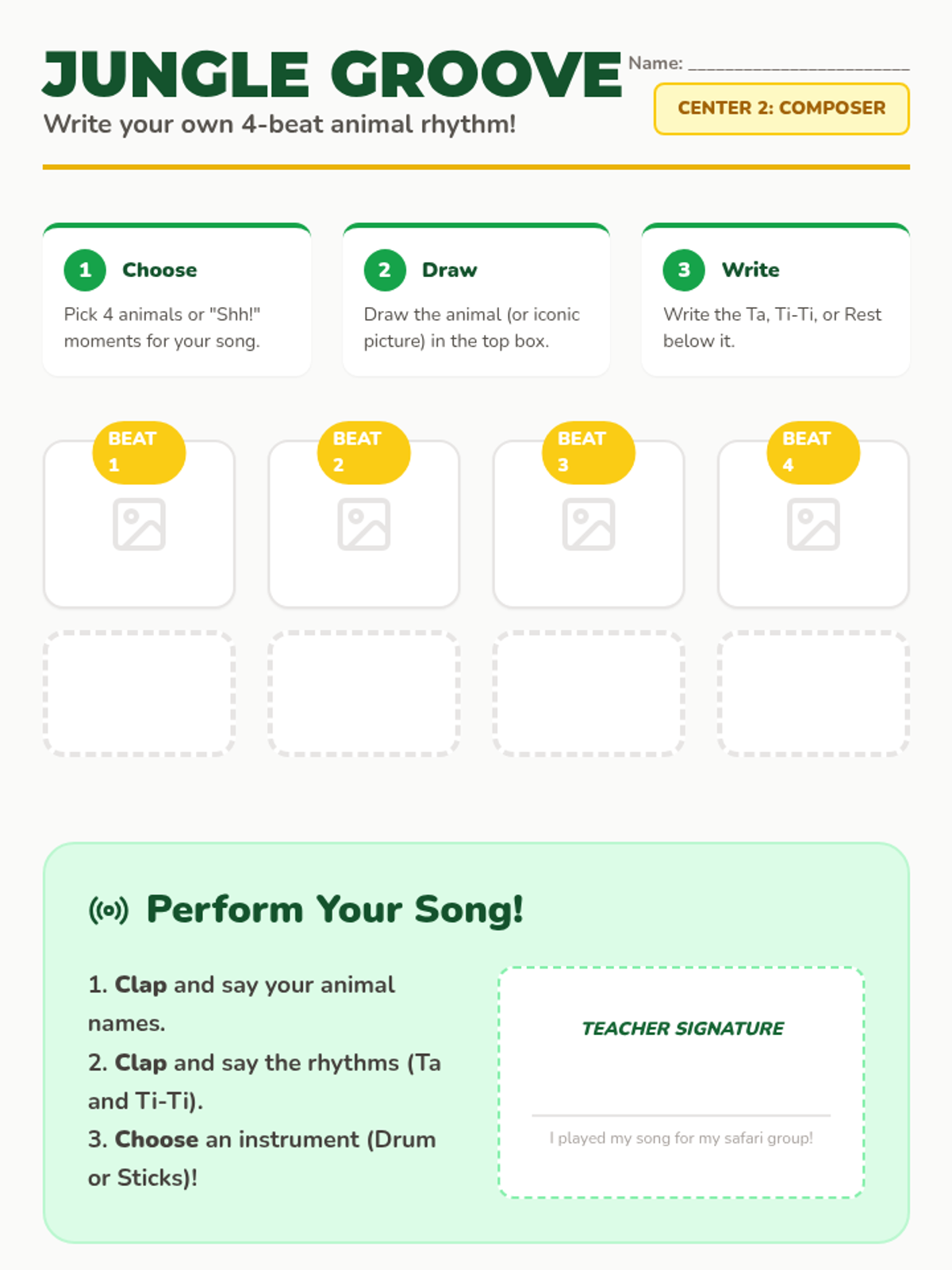
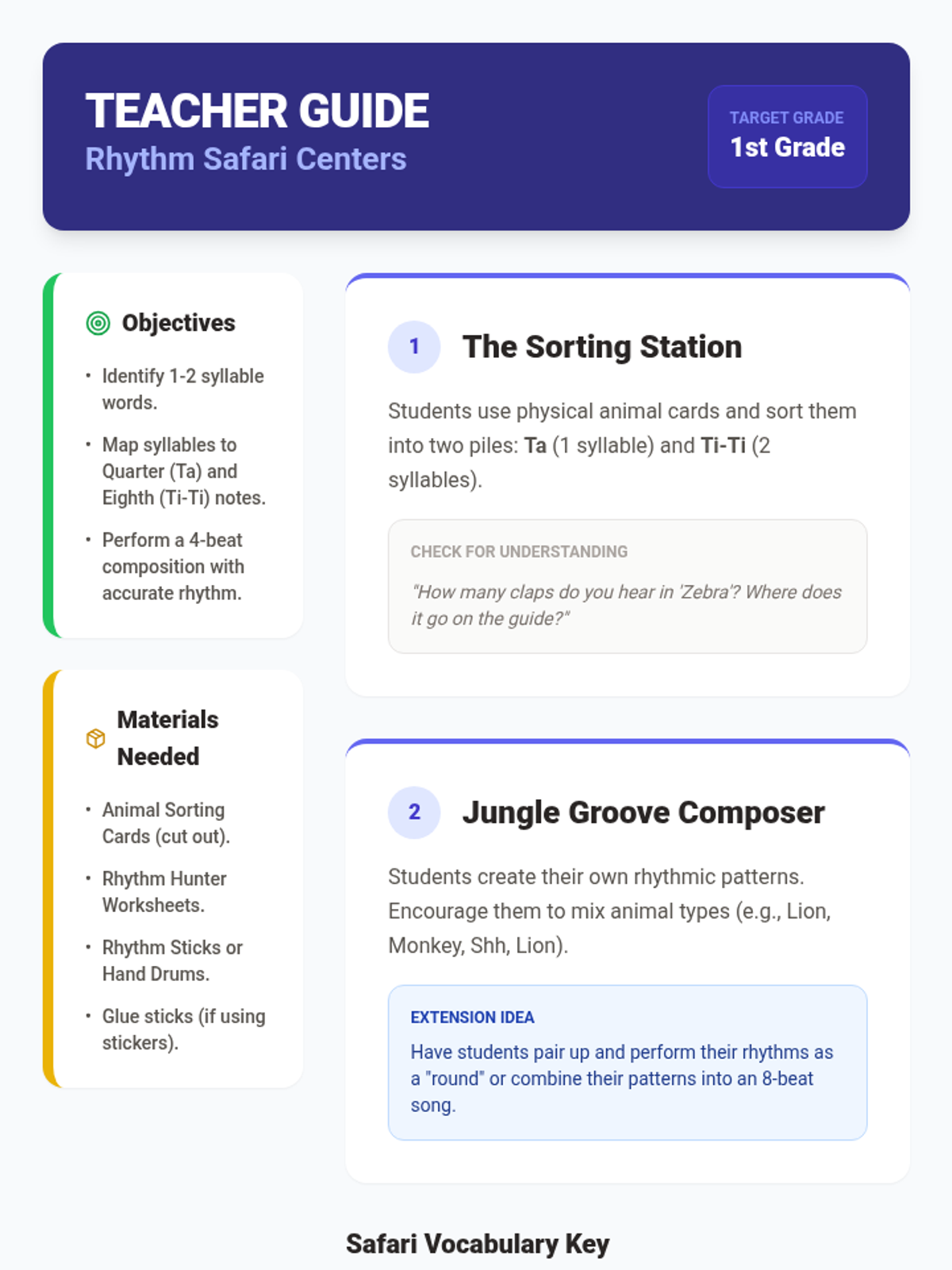
A series of music center activities for first graders to connect word syllables to rhythmic notation (Ta and Ti-Ti) through a zoo animal theme. Students will sort animal names by rhythm and create their own rhythmic patterns.
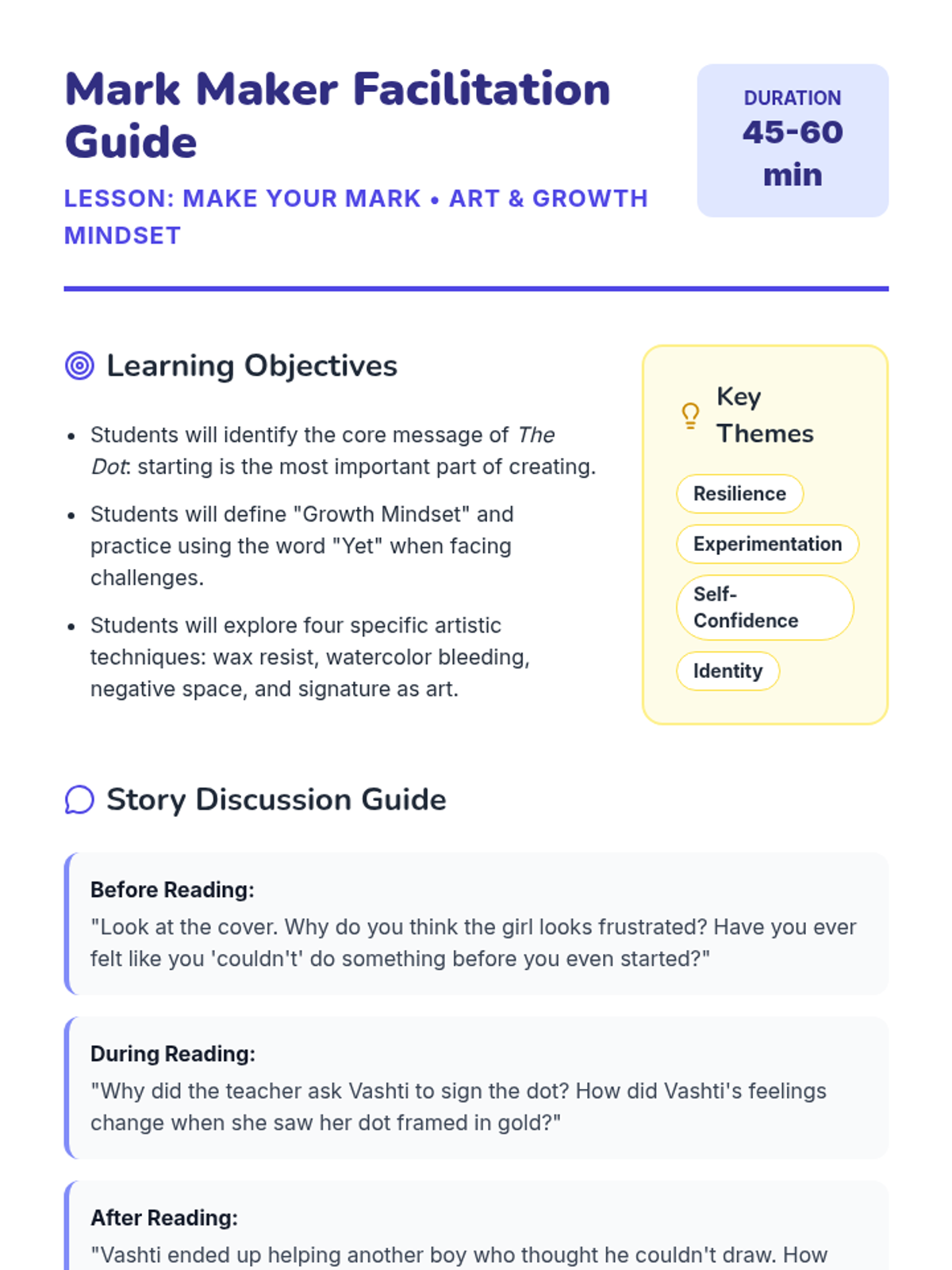
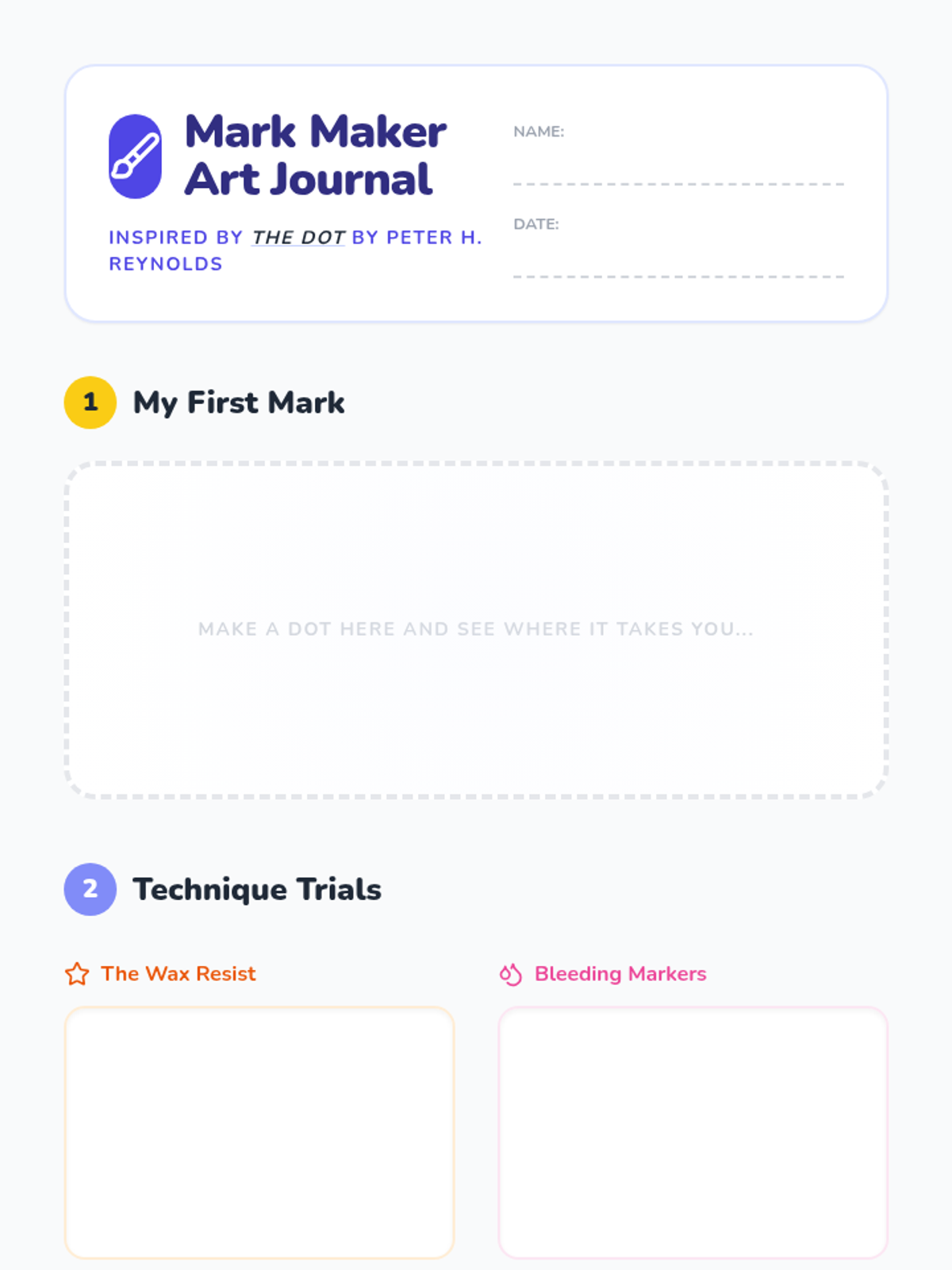
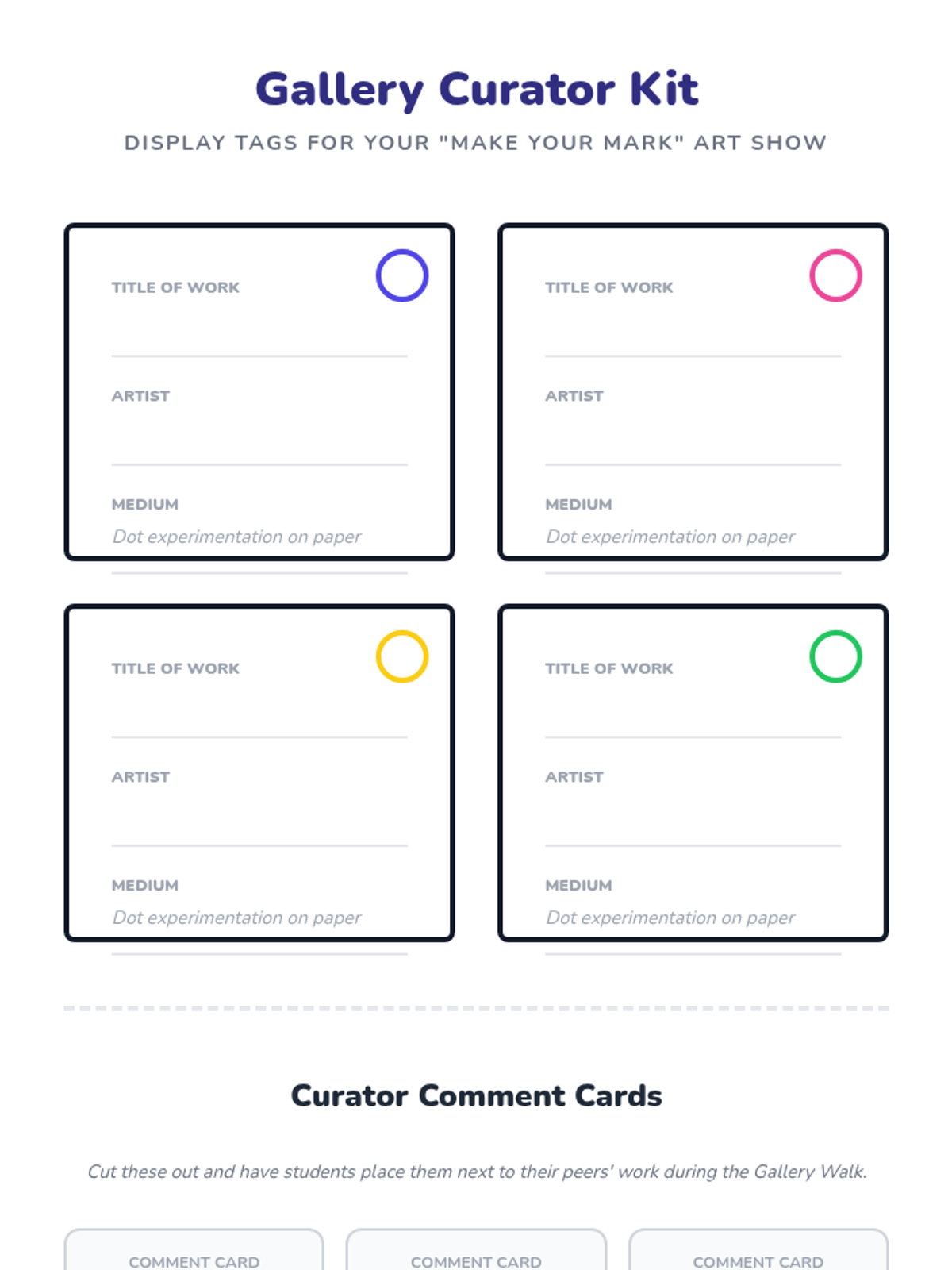
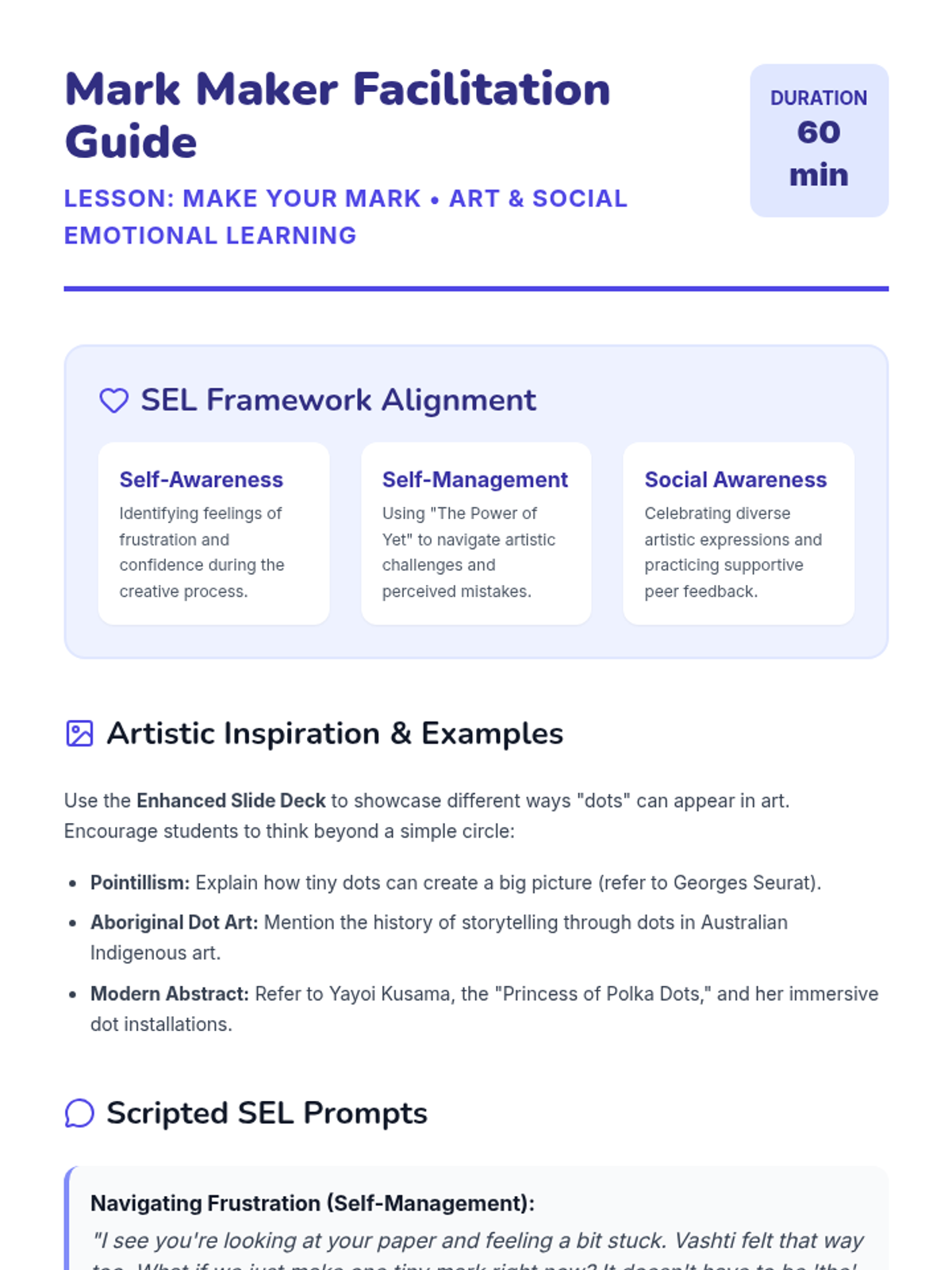
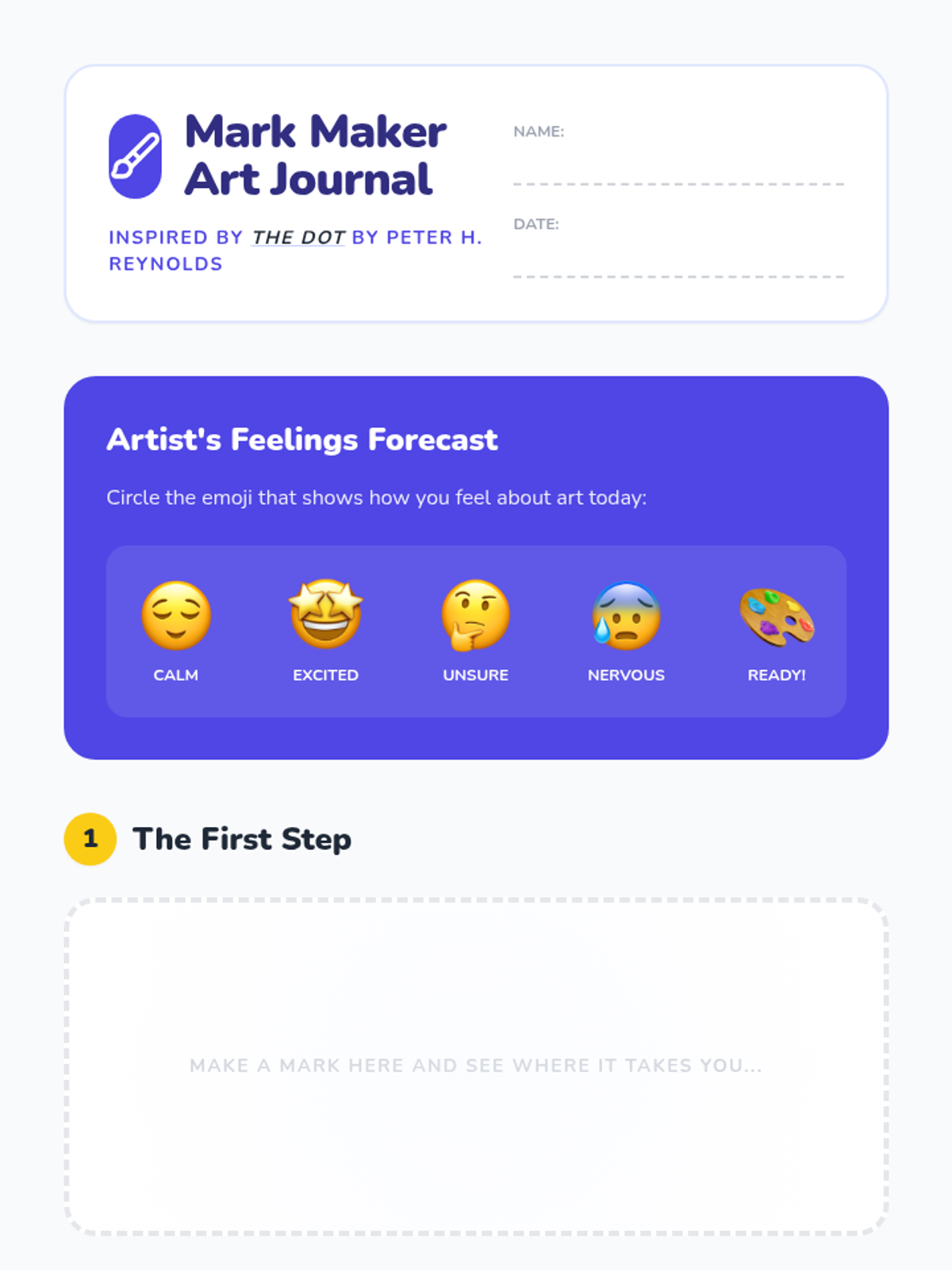
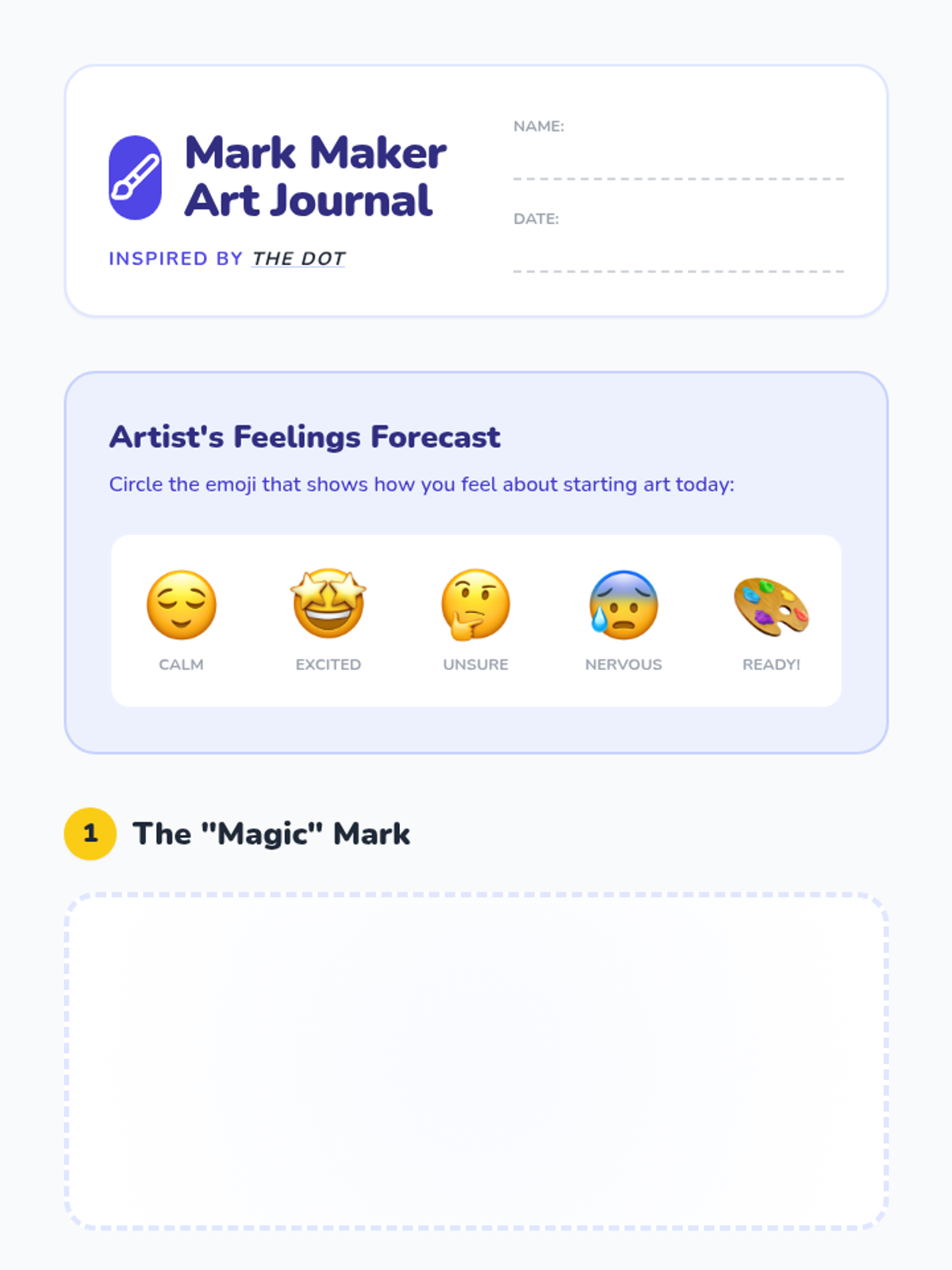
A creative art lesson inspired by 'The Dot' by Peter H. Reynolds, focusing on growth mindset and artistic experimentation. Students will learn that 'making your mark' starts with just one small step.
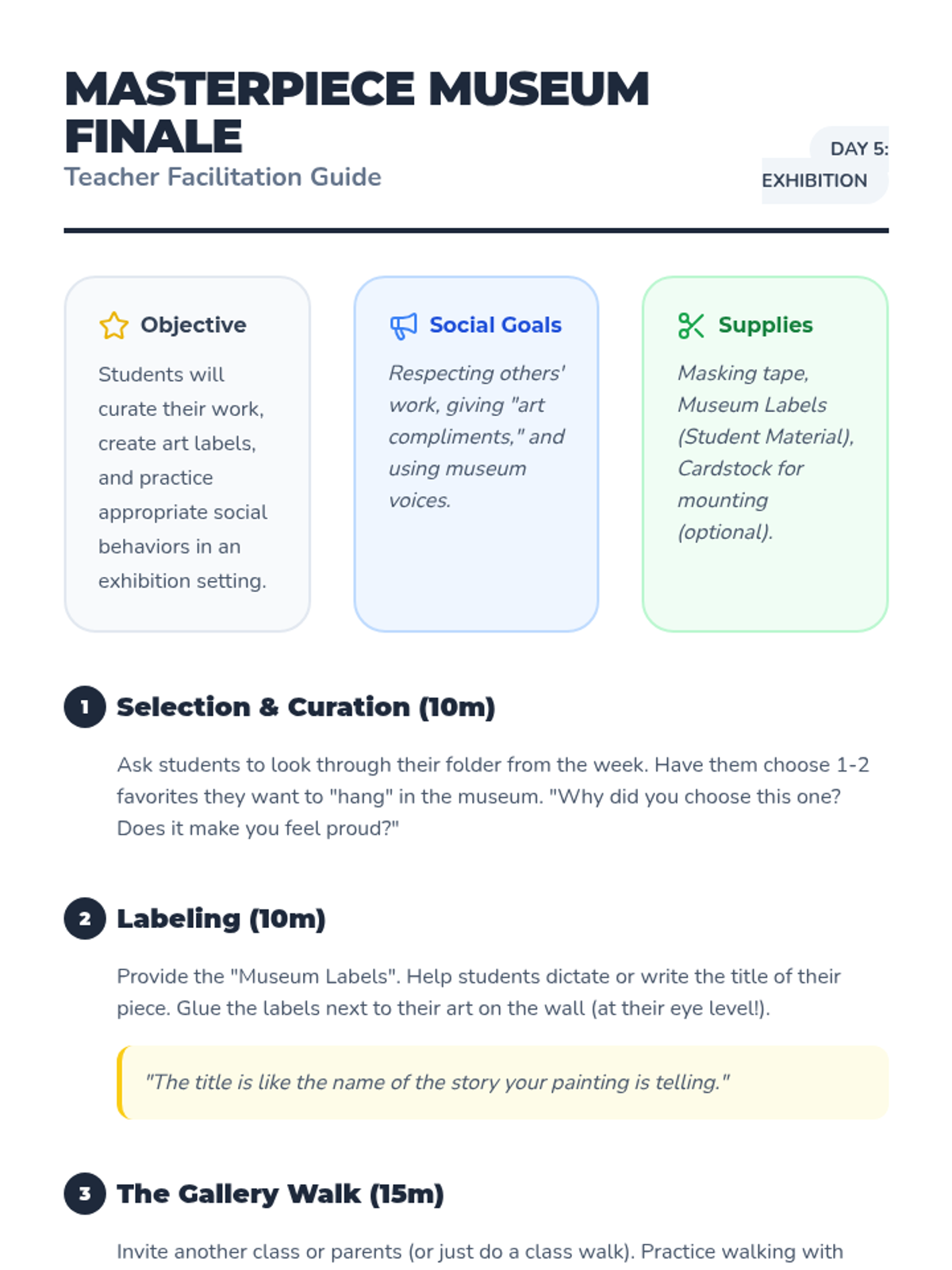
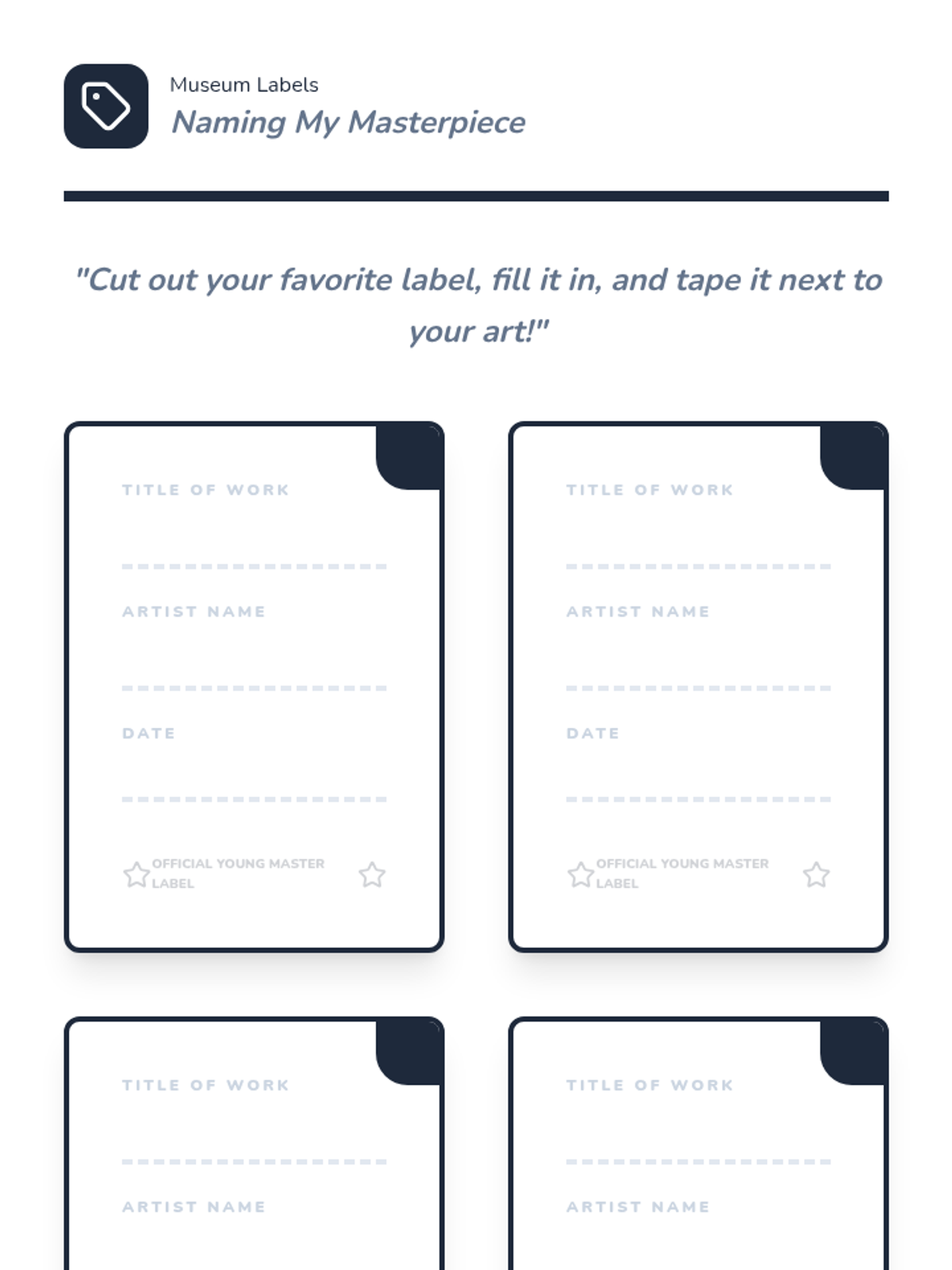
Learning about art galleries and preparing a final class exhibition of the week's creations.
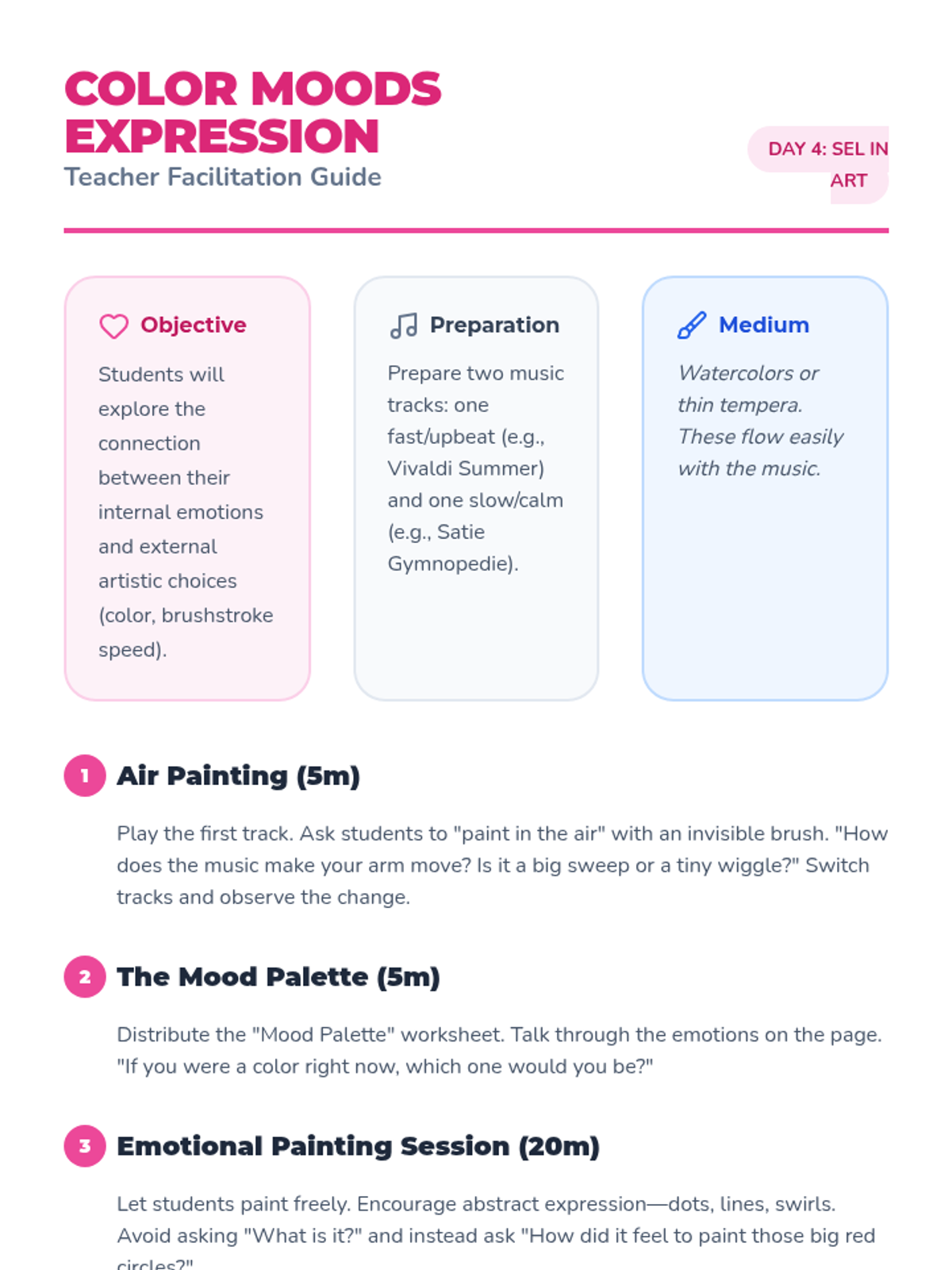
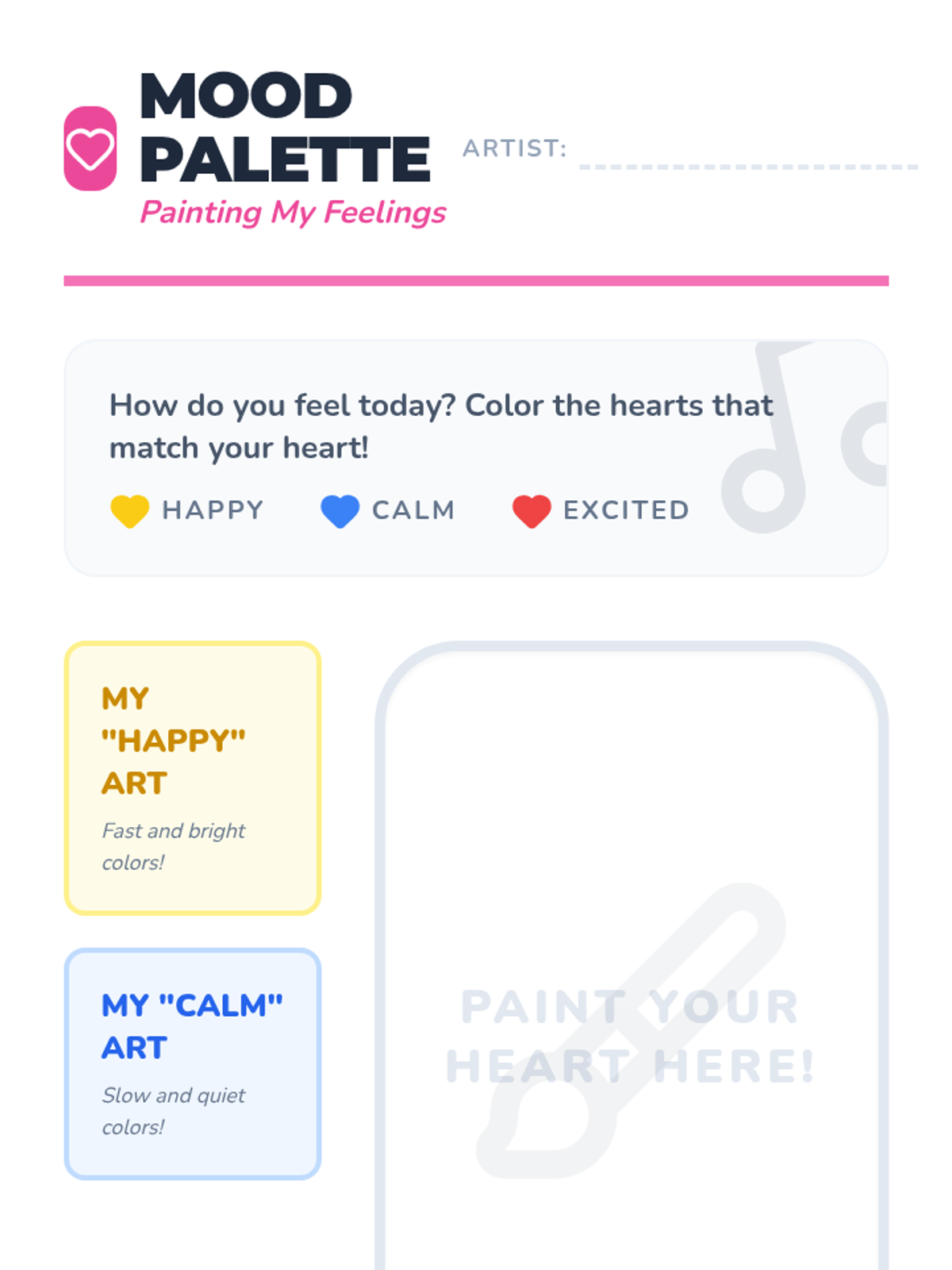
Connecting colors to feelings and exploring how brushstrokes can express different moods.
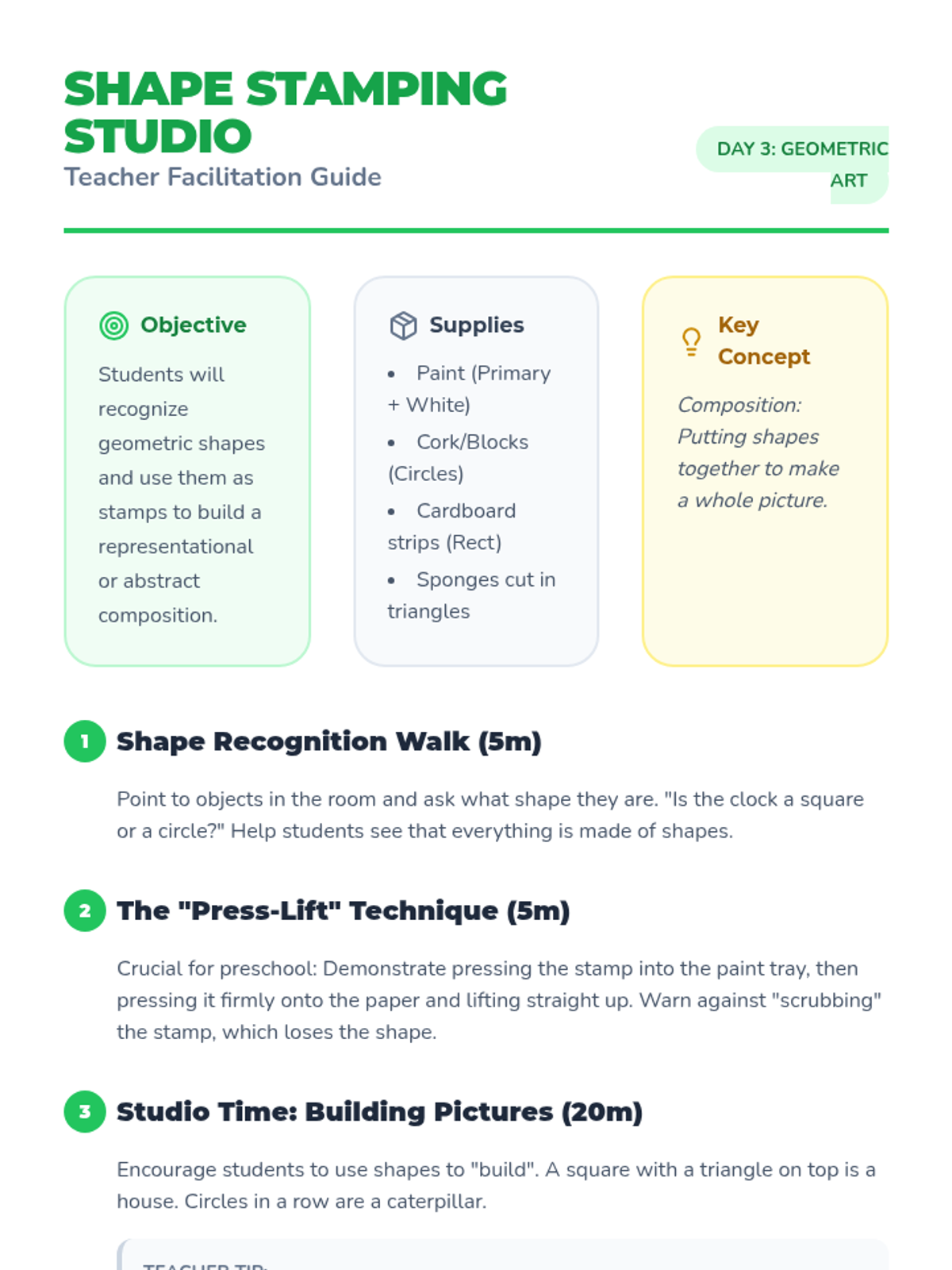
Using geometric shapes and stamping techniques to create structured art compositions.
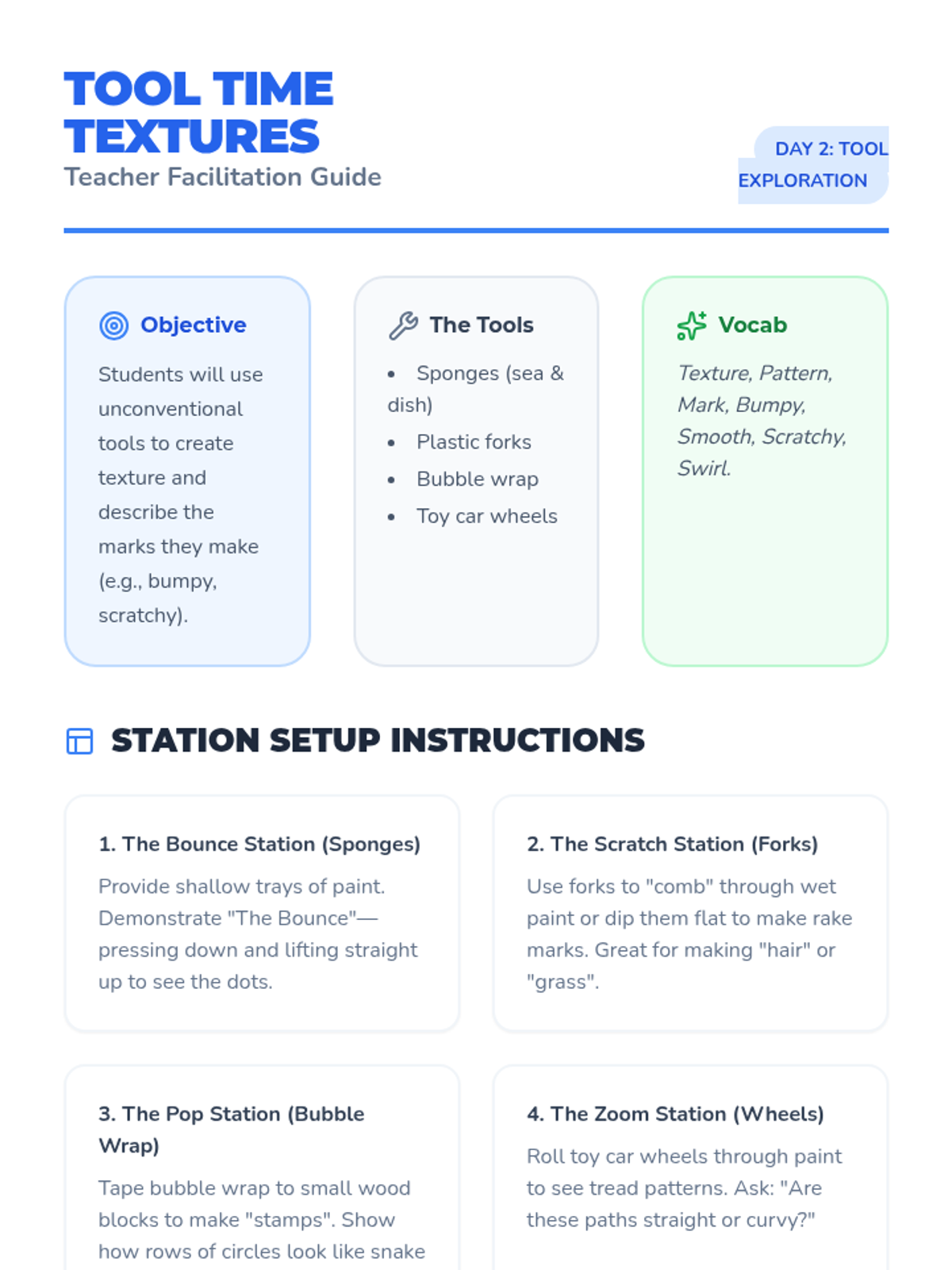
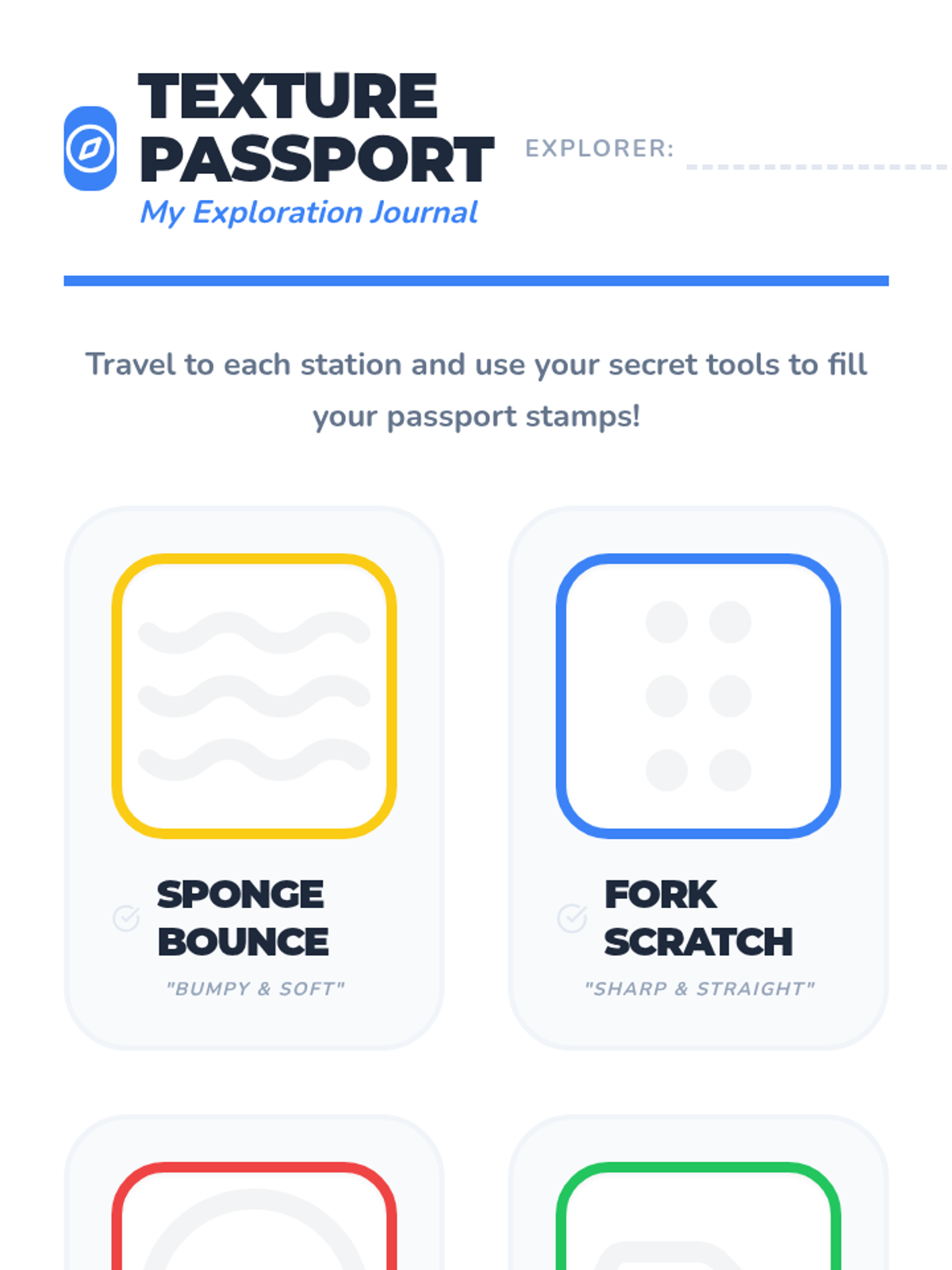
Exploring painting with unconventional tools like sponges, forks, and bubble wrap to create varied textures.
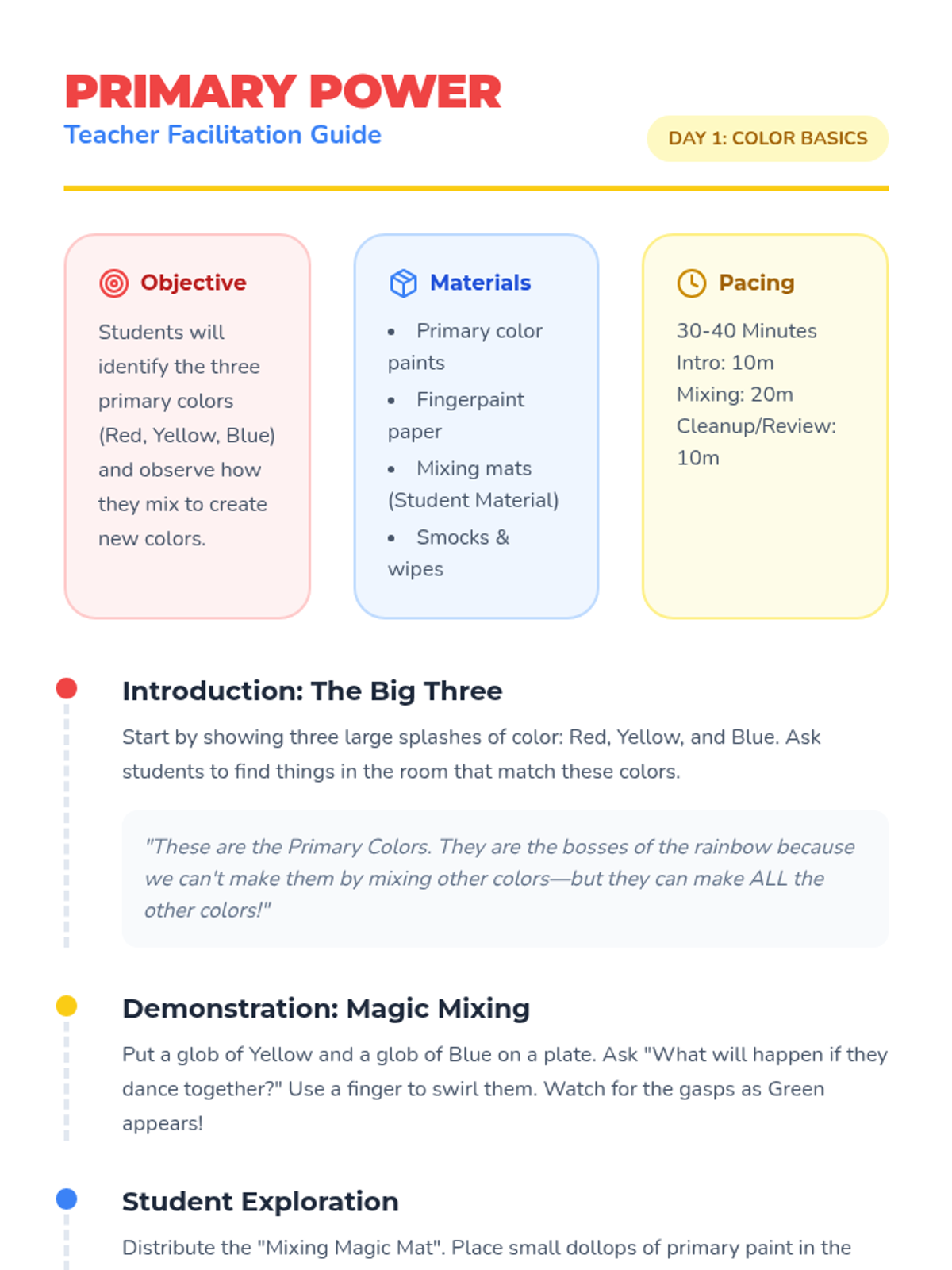
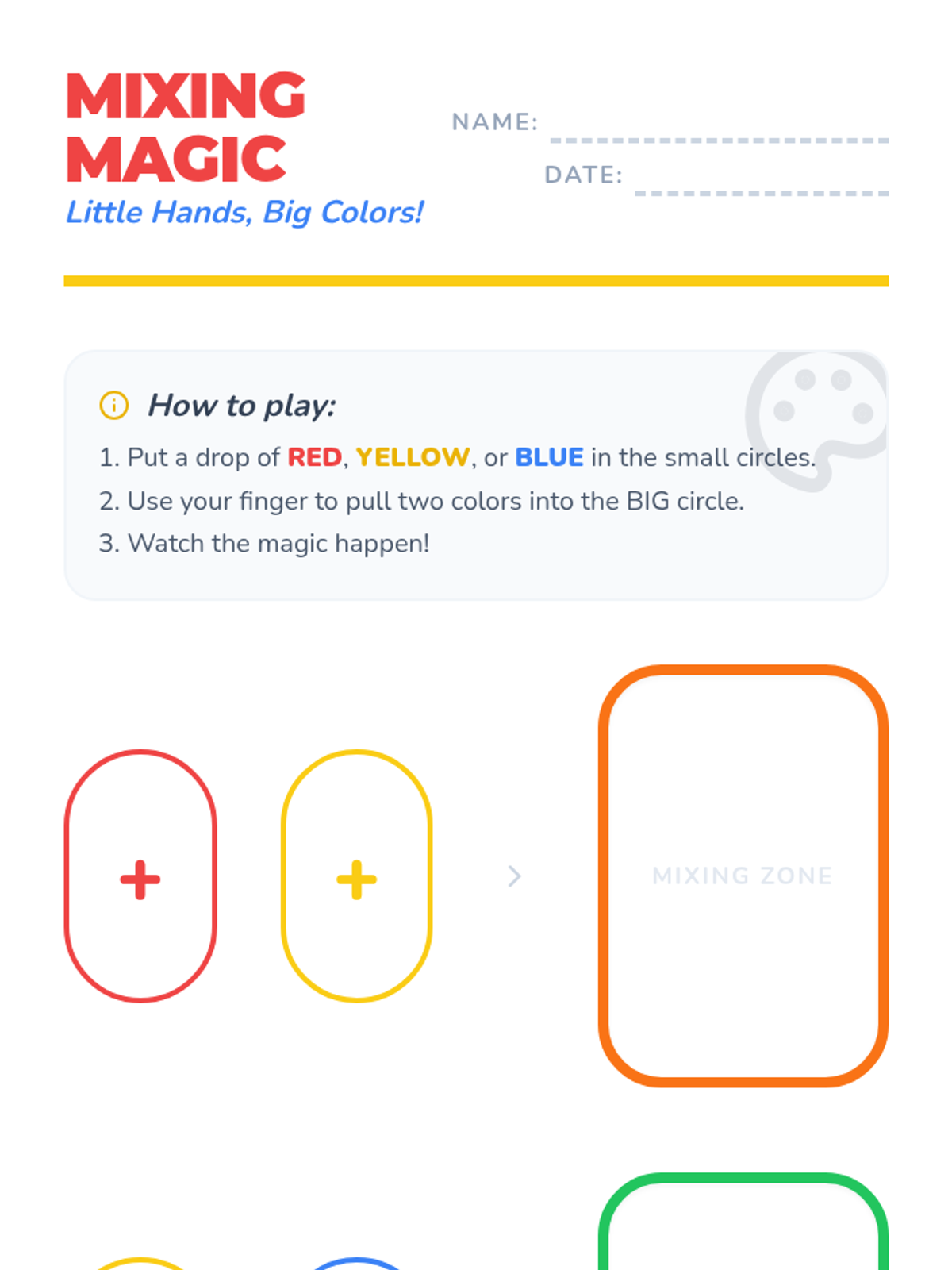
Introducing the building blocks of all colors: Red, Yellow, and Blue through hands-on mixing exploration.
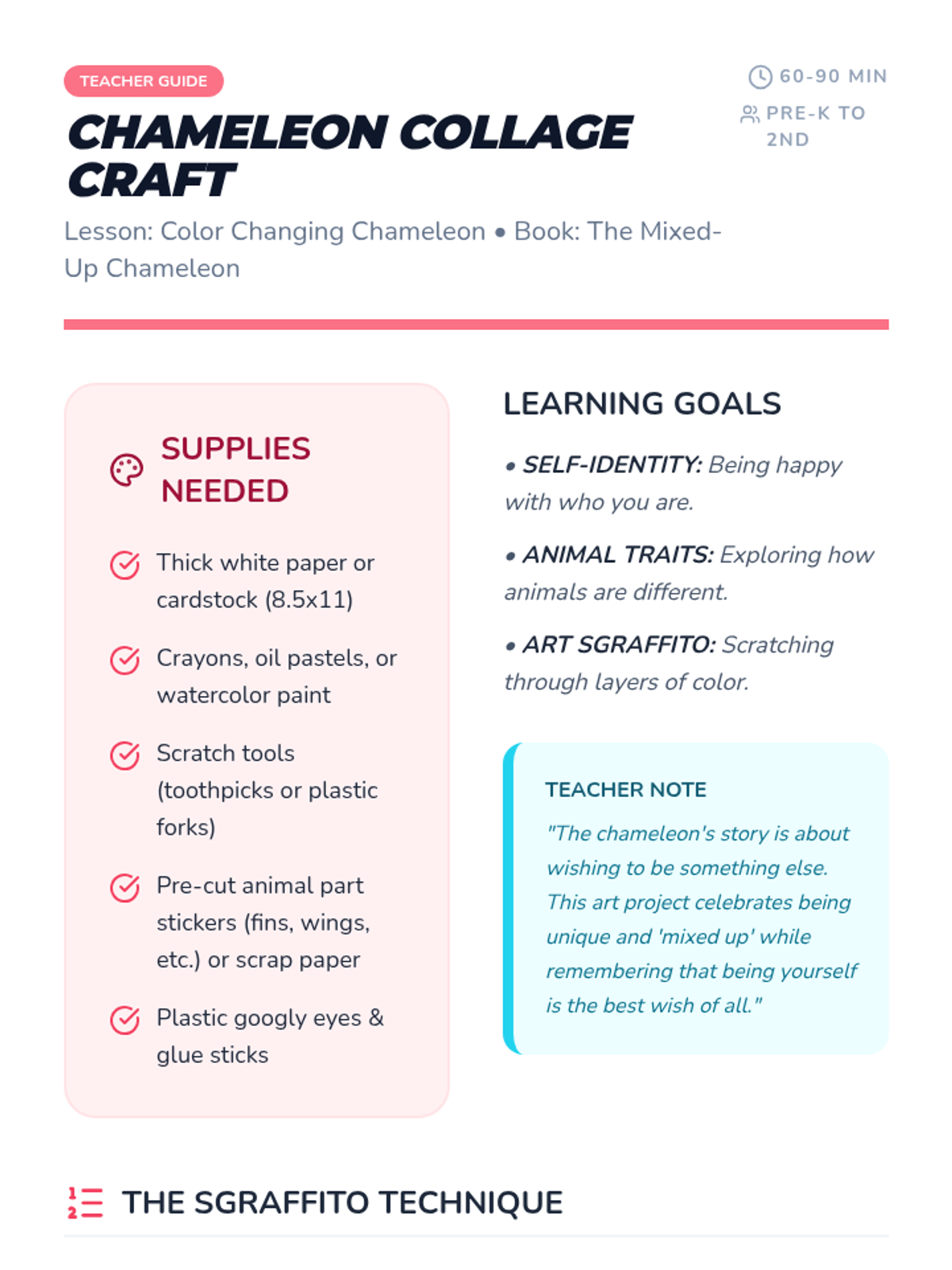
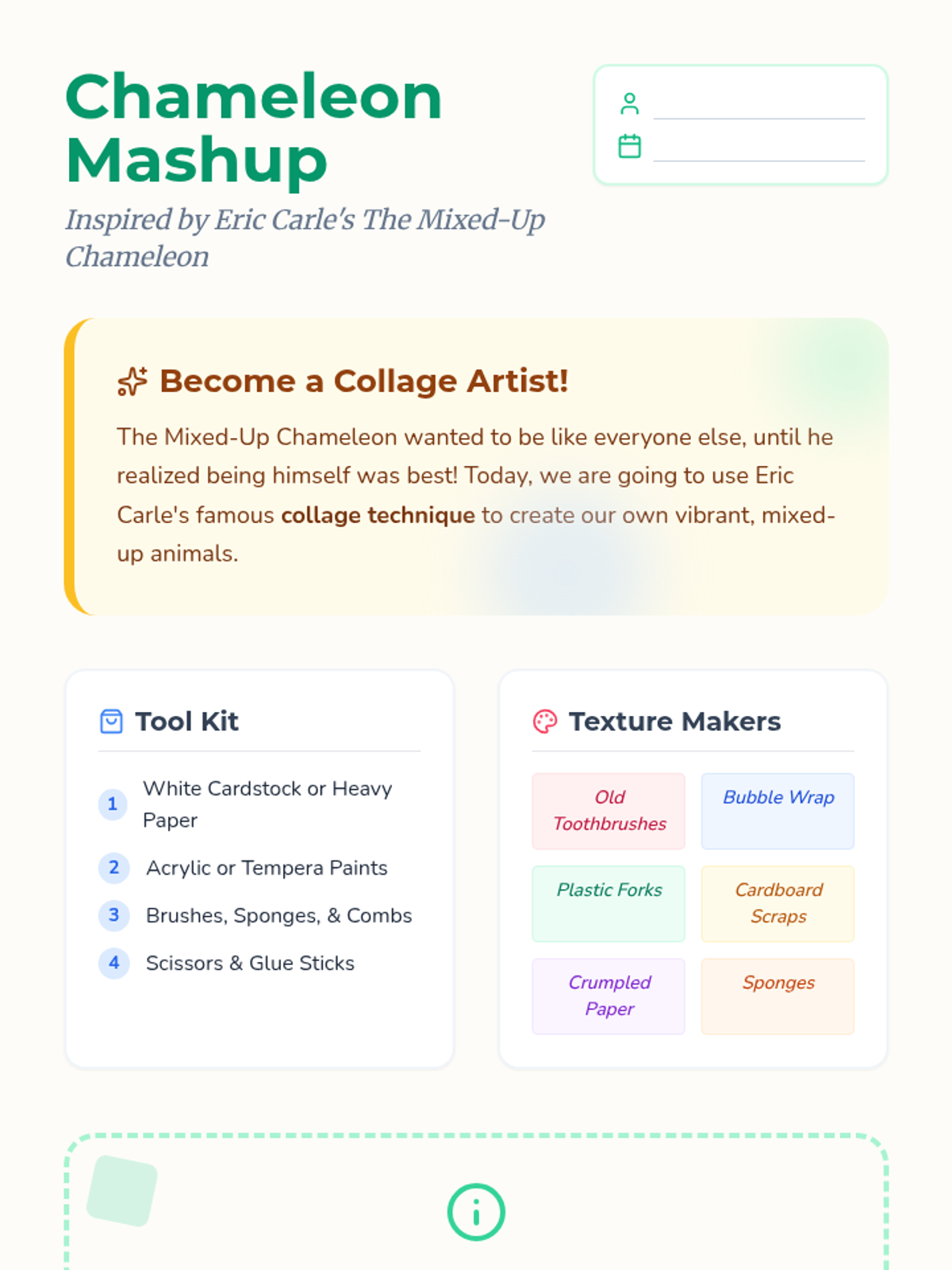
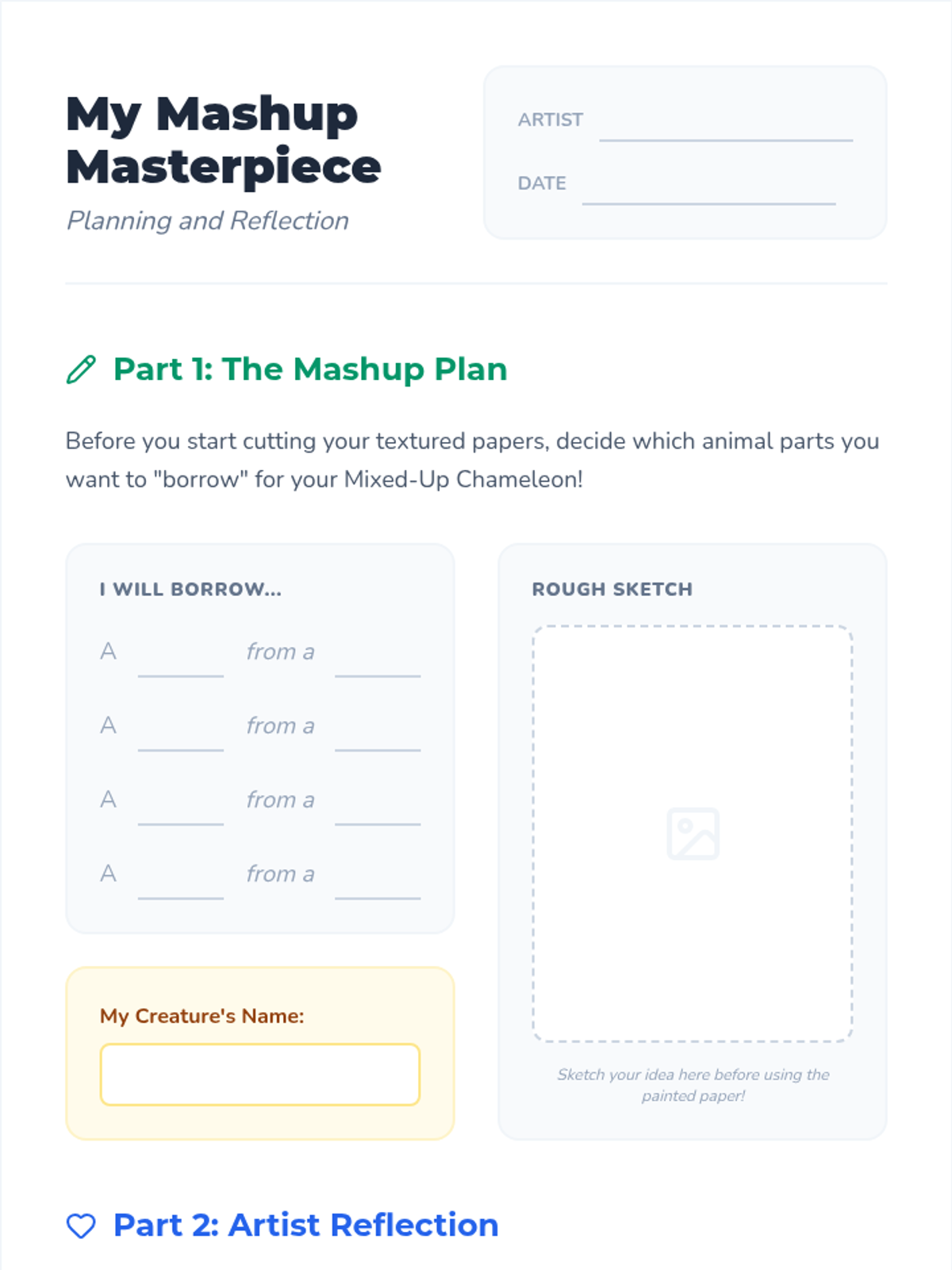
A creative art lesson where students explore identity and diversity by creating their own mixed-up animals inspired by Eric Carle's colorful collage style. Students will learn the 'painted paper' technique to create vibrant textures.
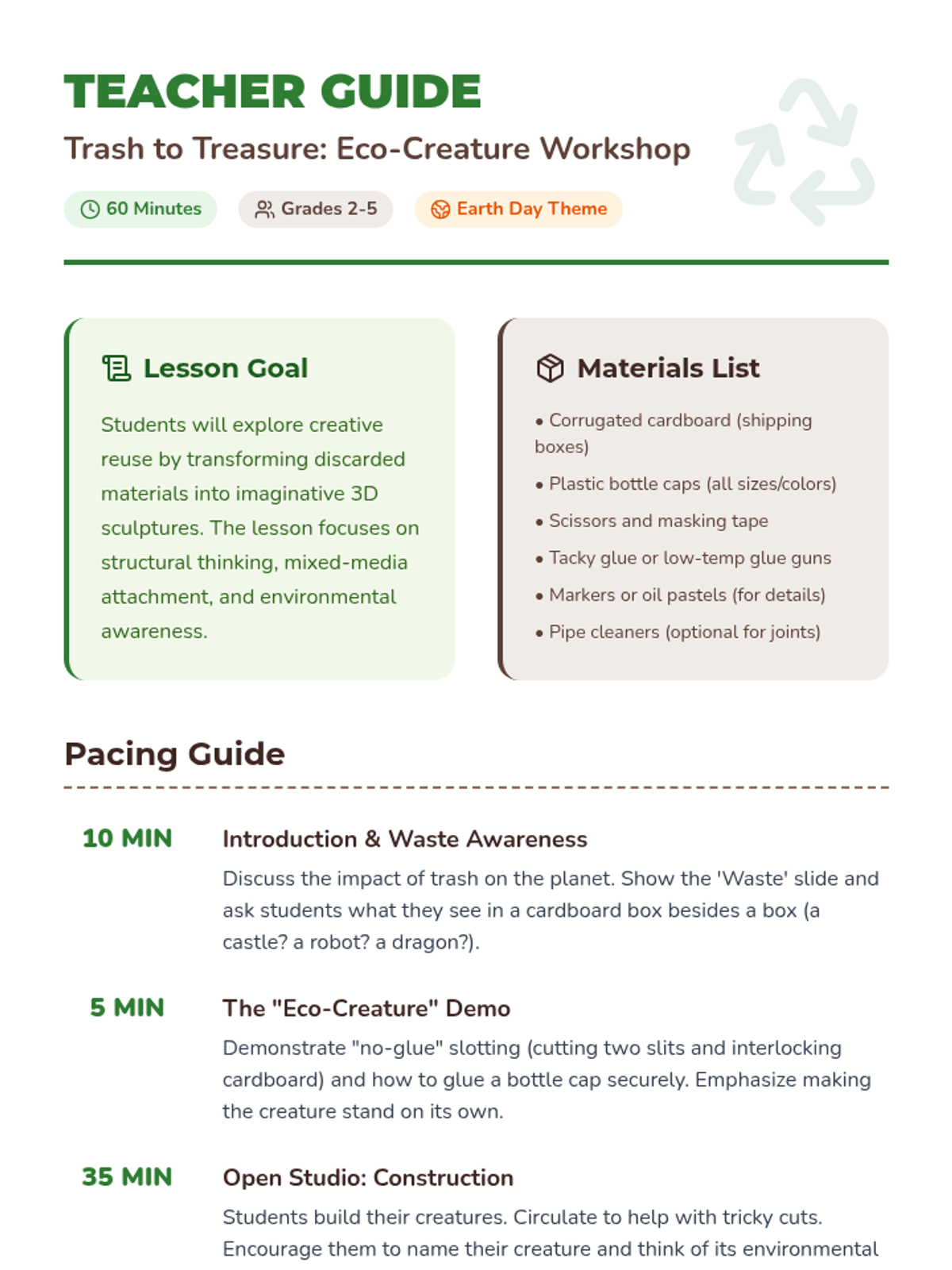
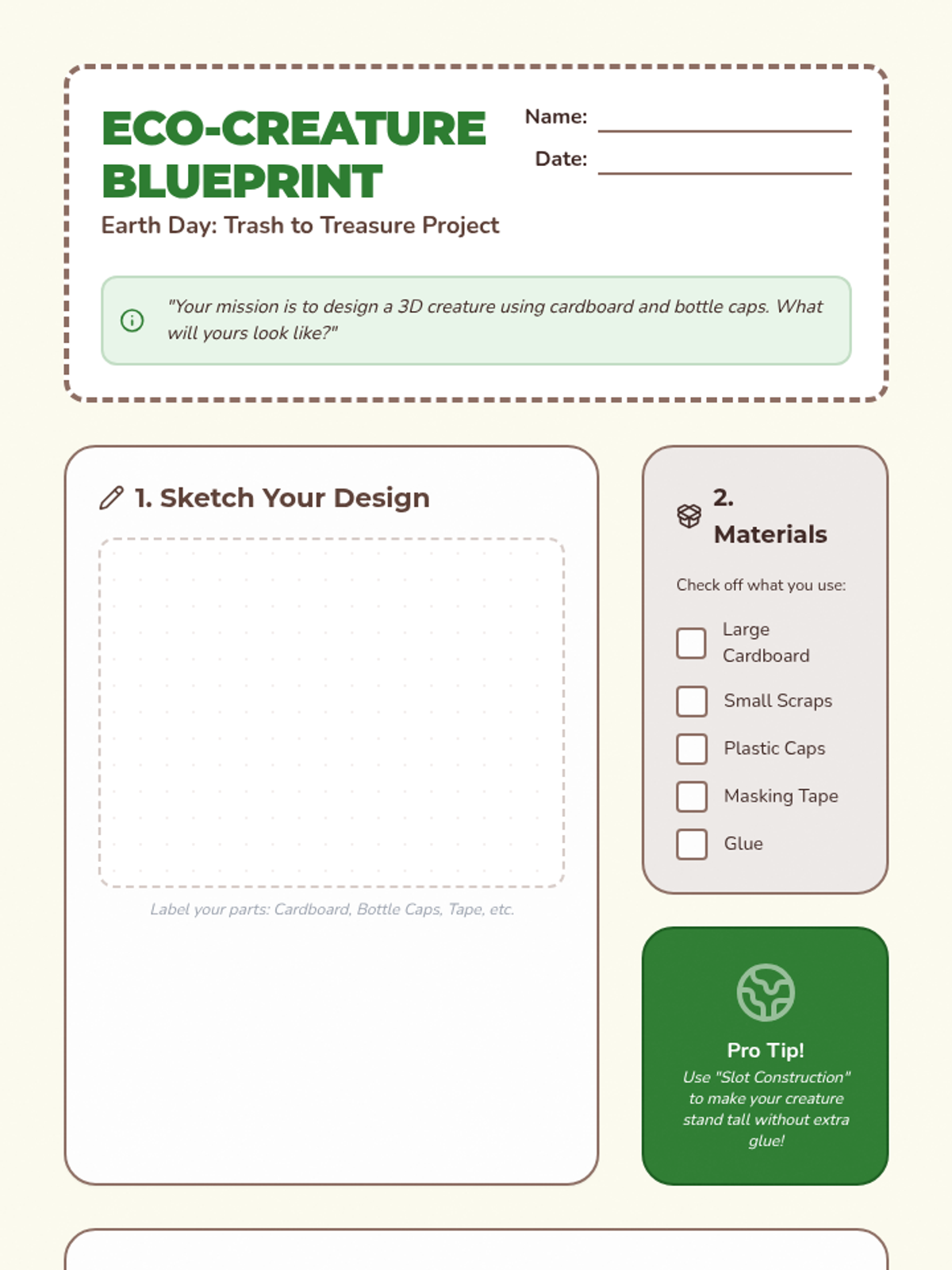
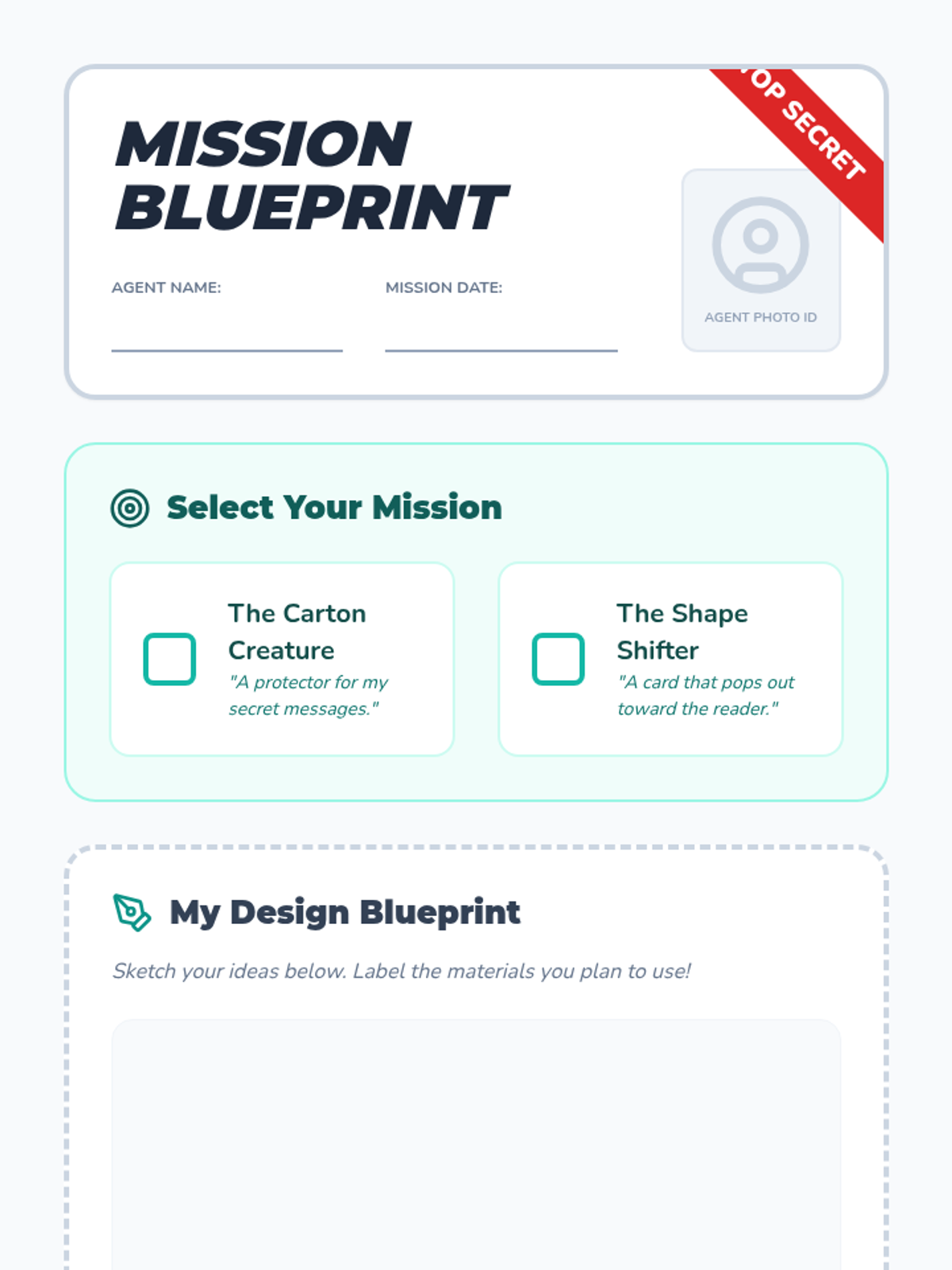
In this 60-minute art lesson, students transform everyday waste—cardboard and bottle caps—into imaginative 'Eco-Creatures,' learning about the importance of recycling and creative reuse for Earth Day.
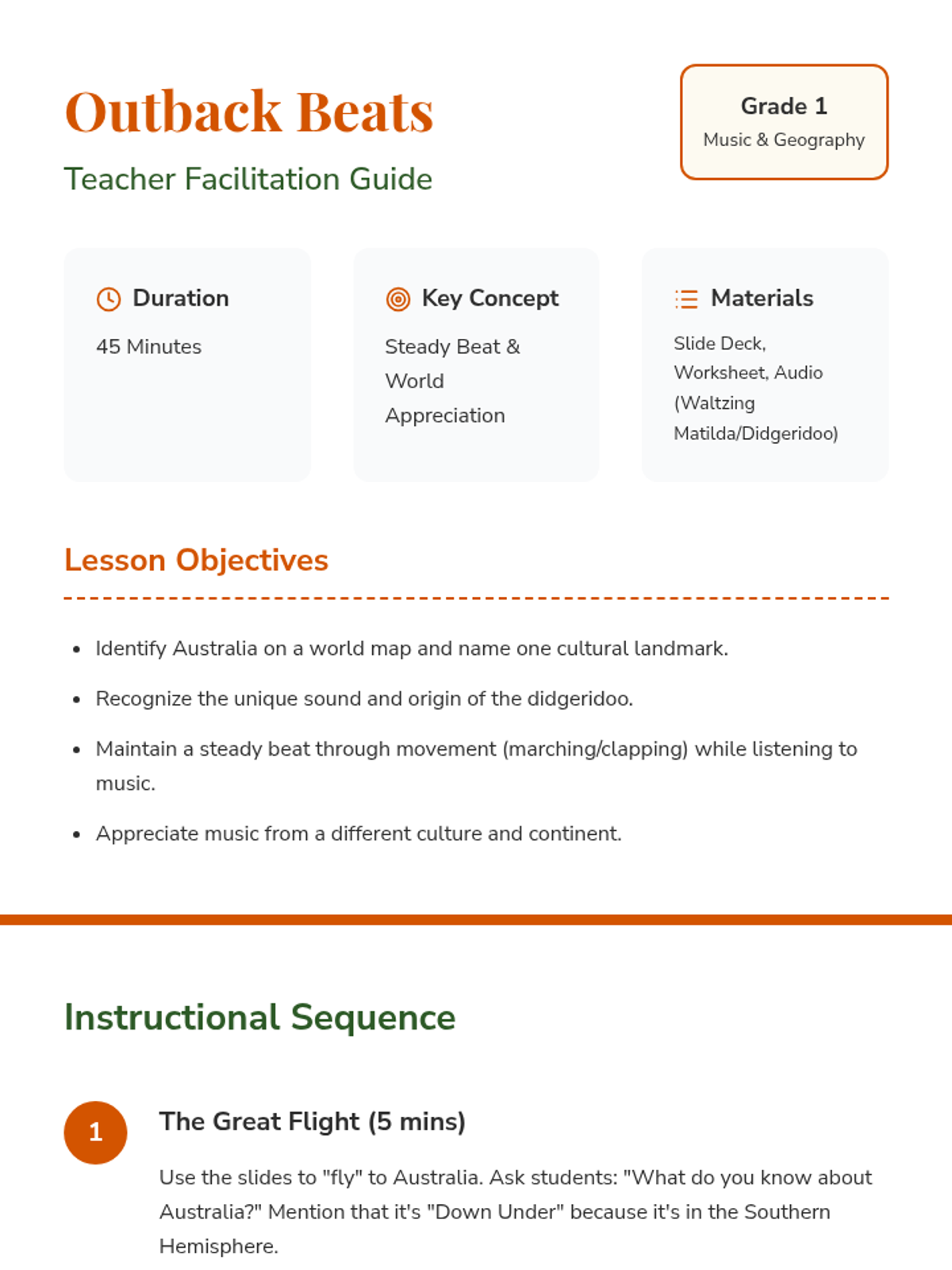
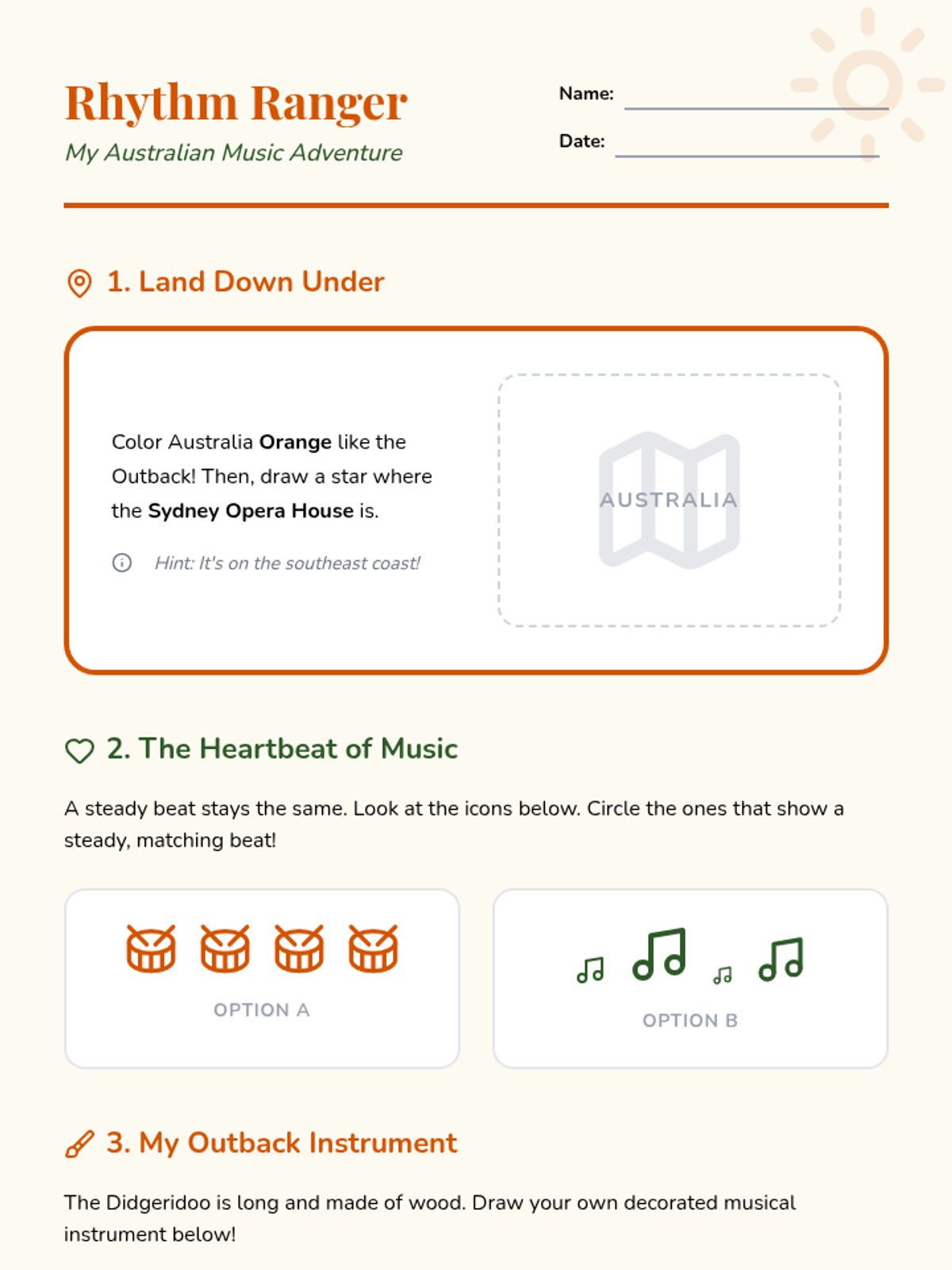
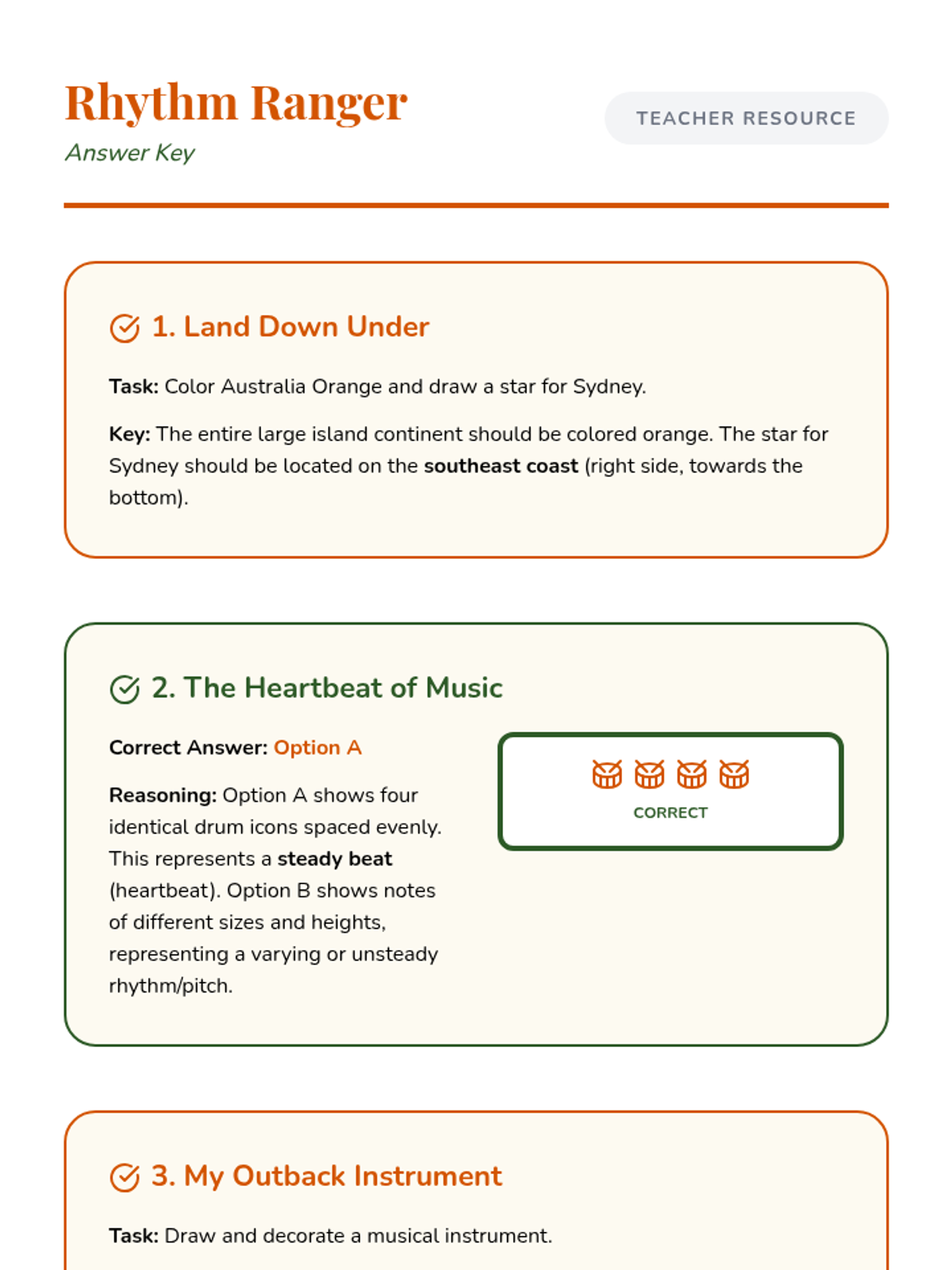
A first-grade introduction to Australian music and culture, focusing on the didgeridoo, the folk classic 'Waltzing Matilda', and maintaining a steady beat through movement and listening.
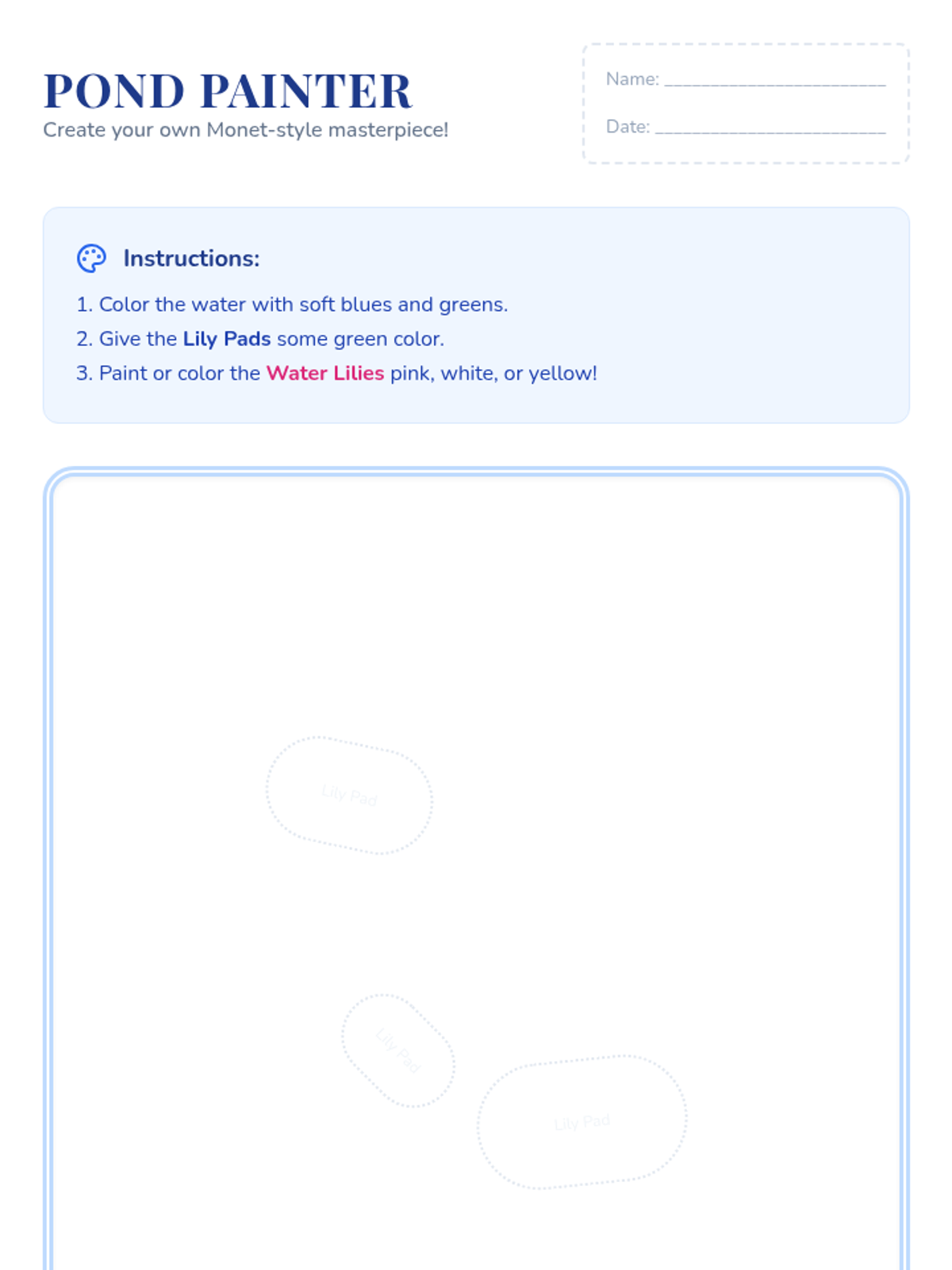
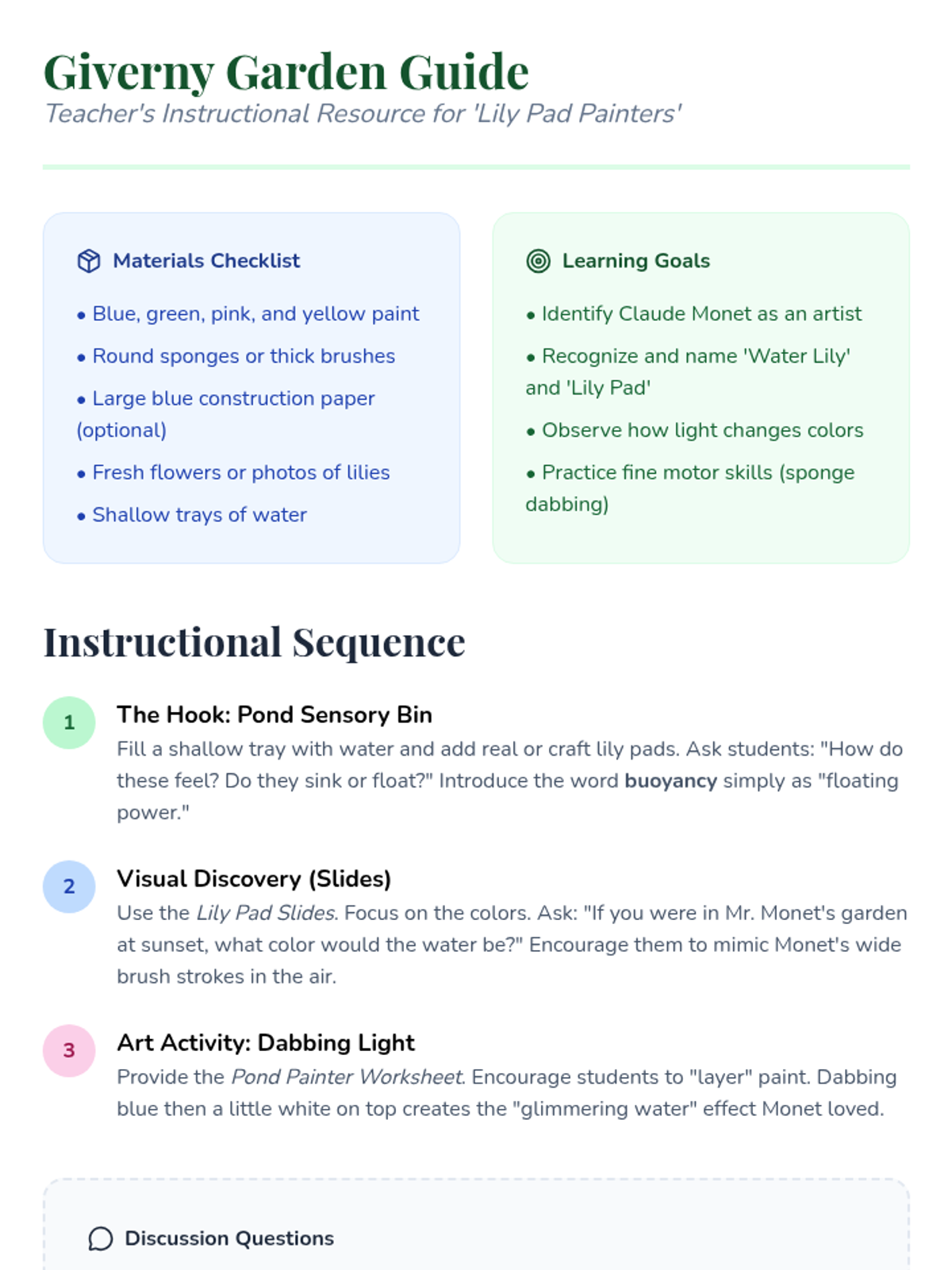
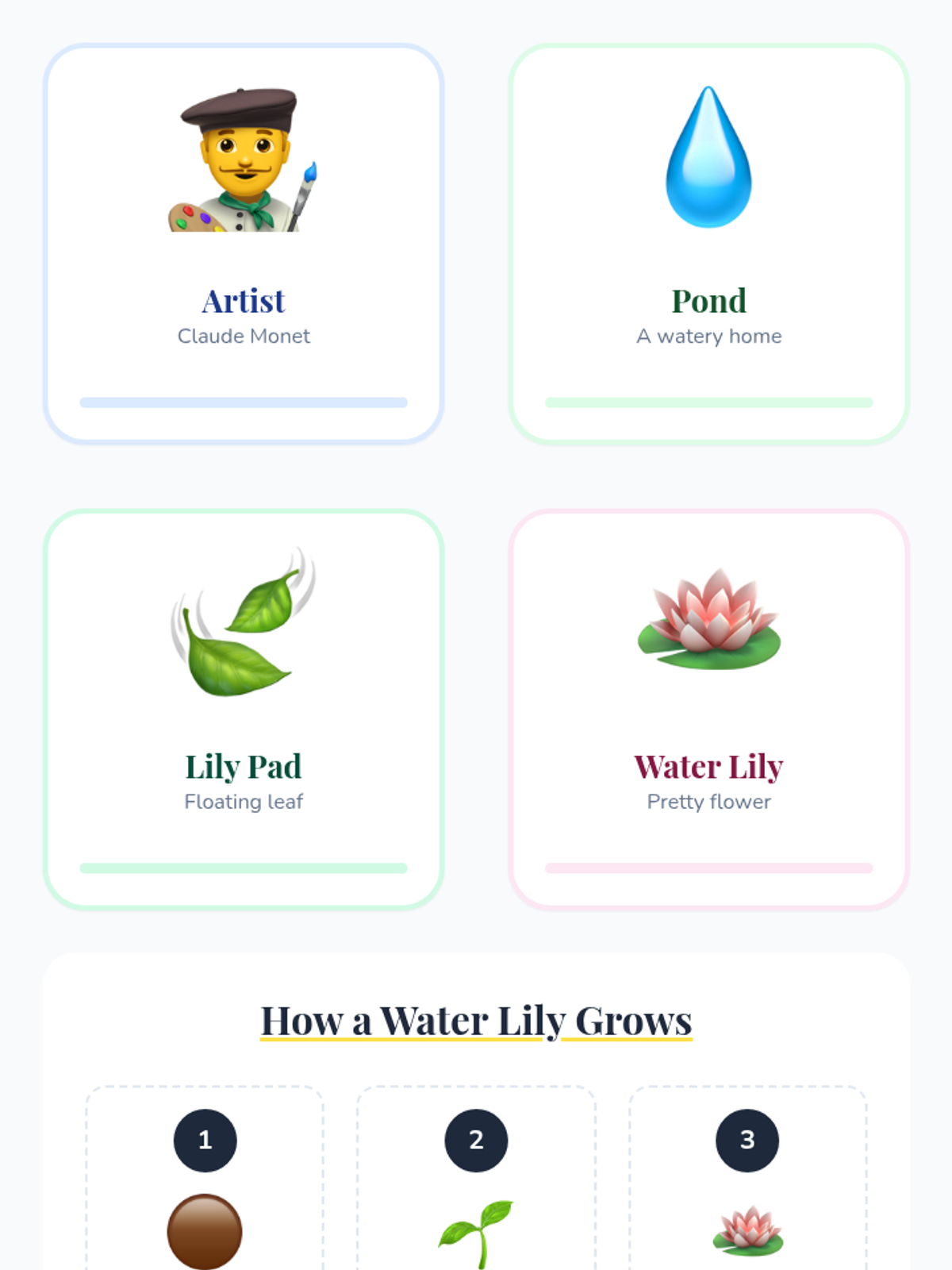
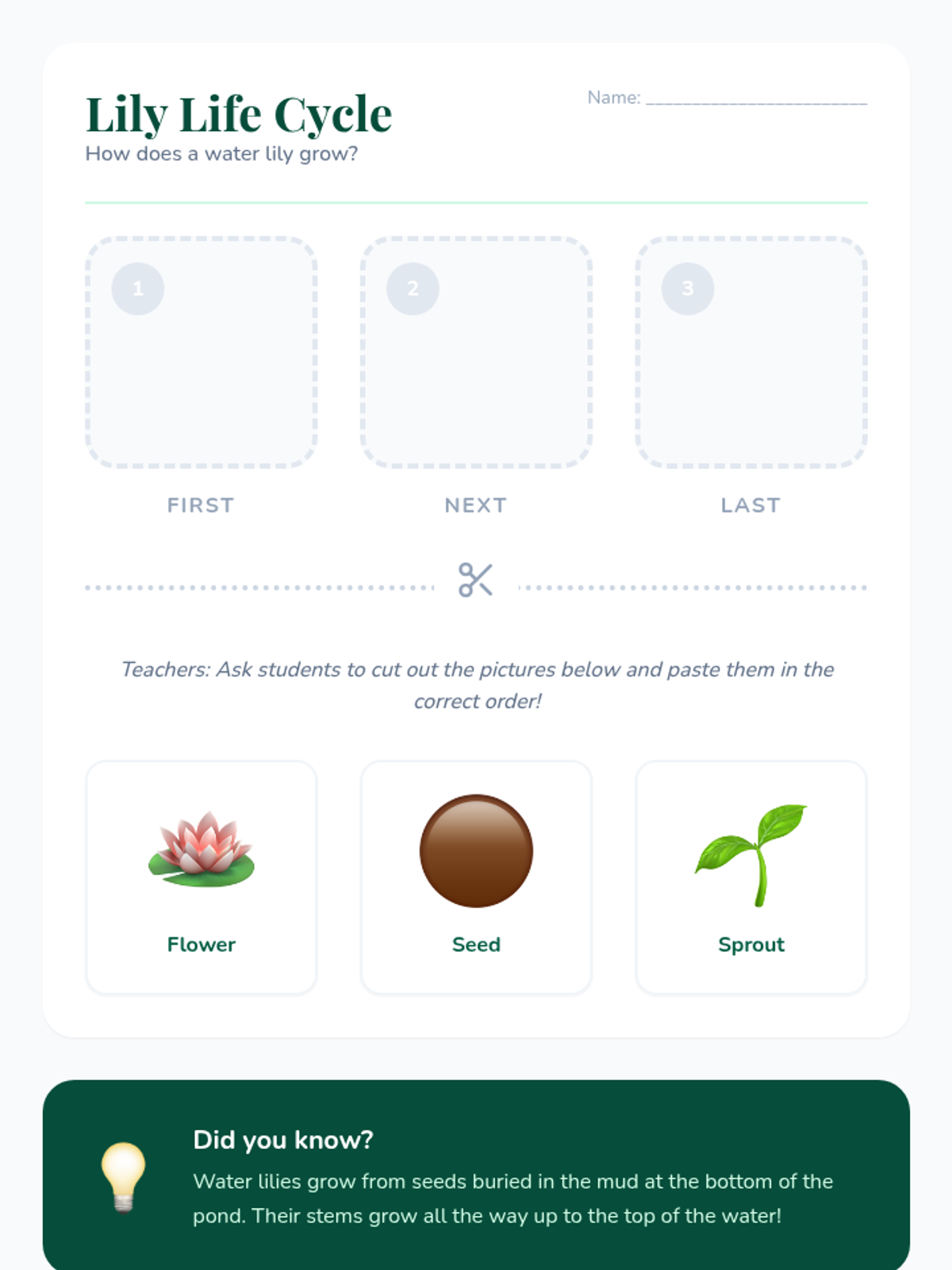
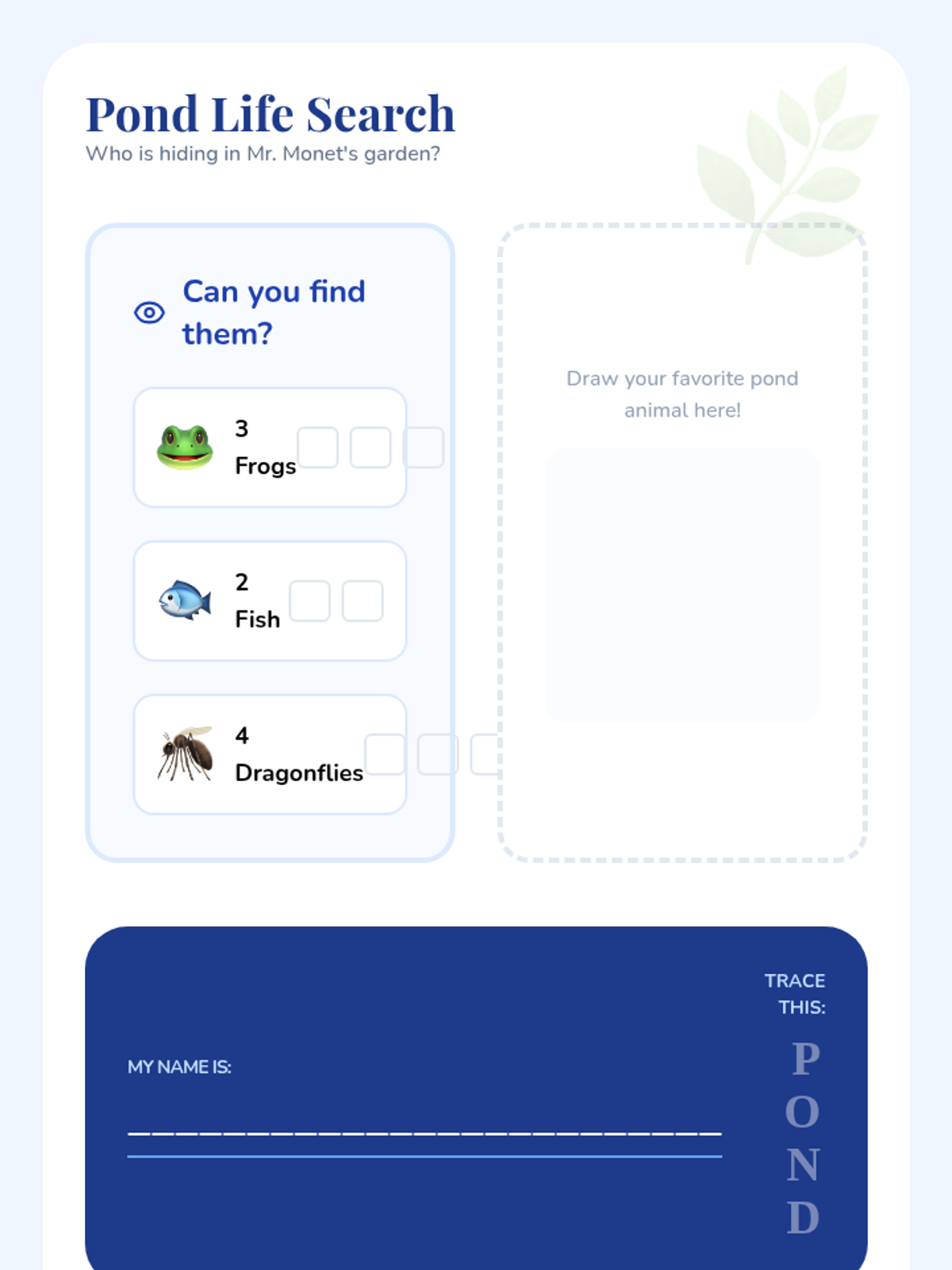
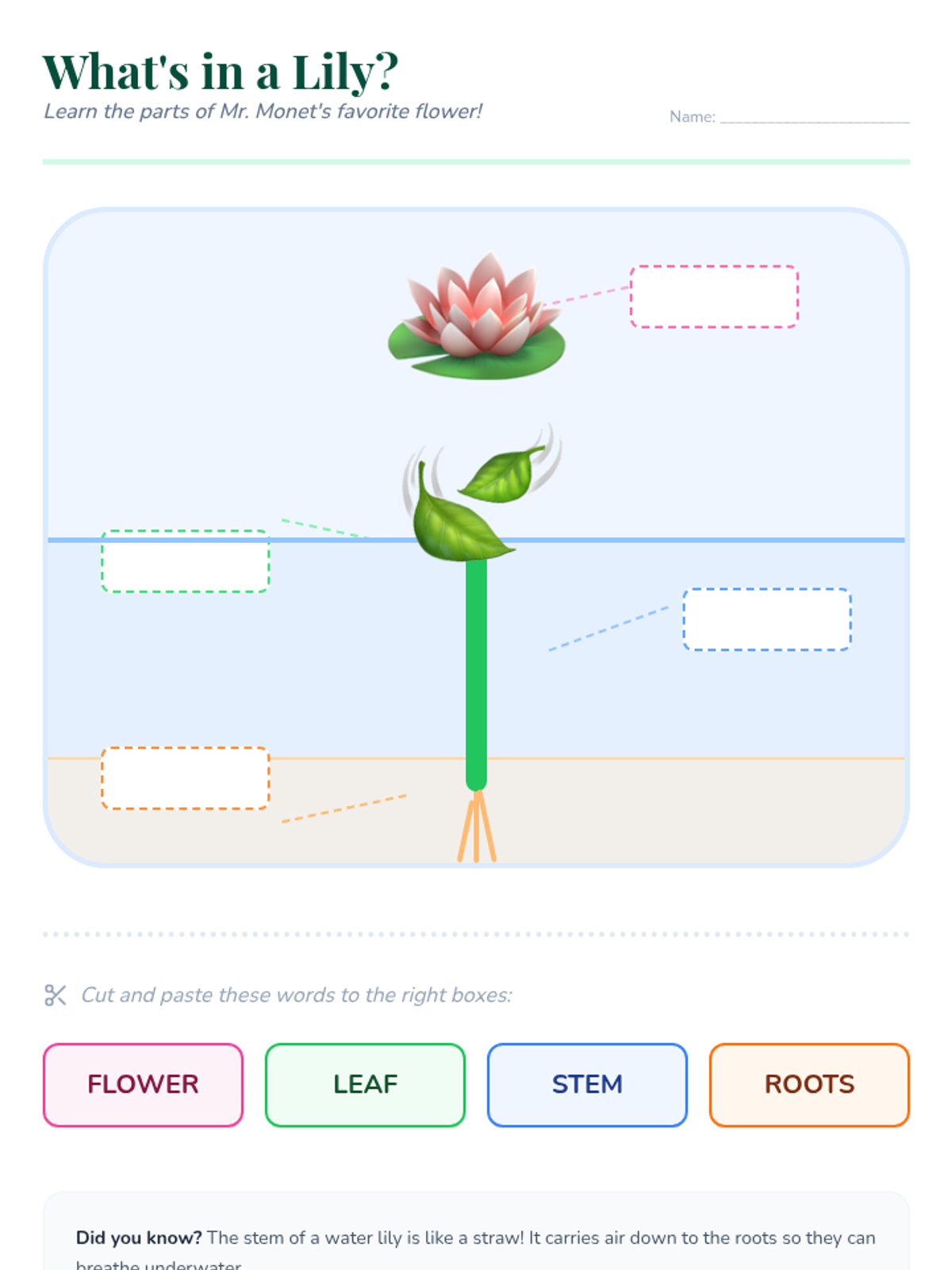
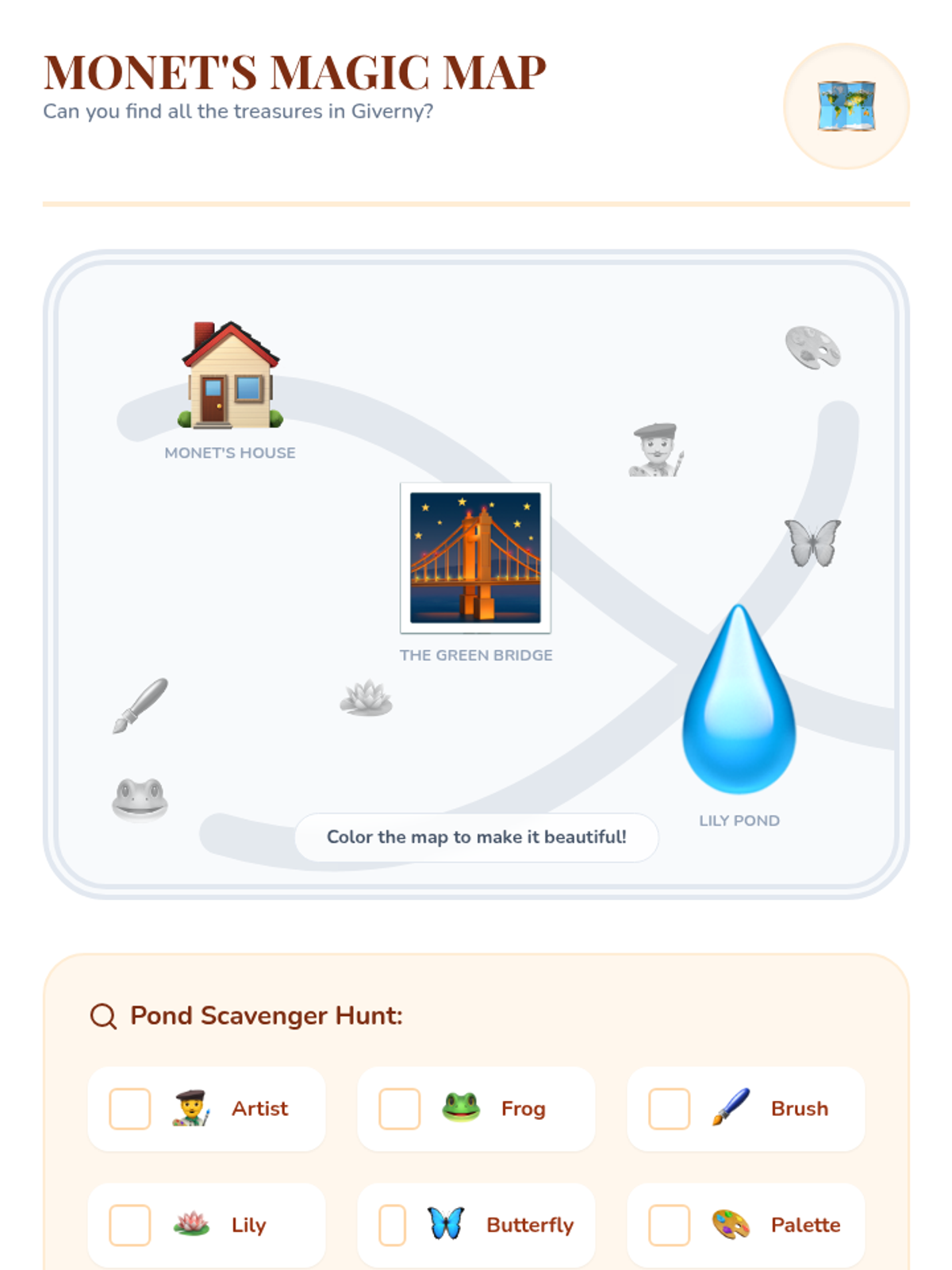
An introductory art and nature lesson for Pre-K students exploring Claude Monet's famous 'Water Lilies' through sensory observation and creative play.
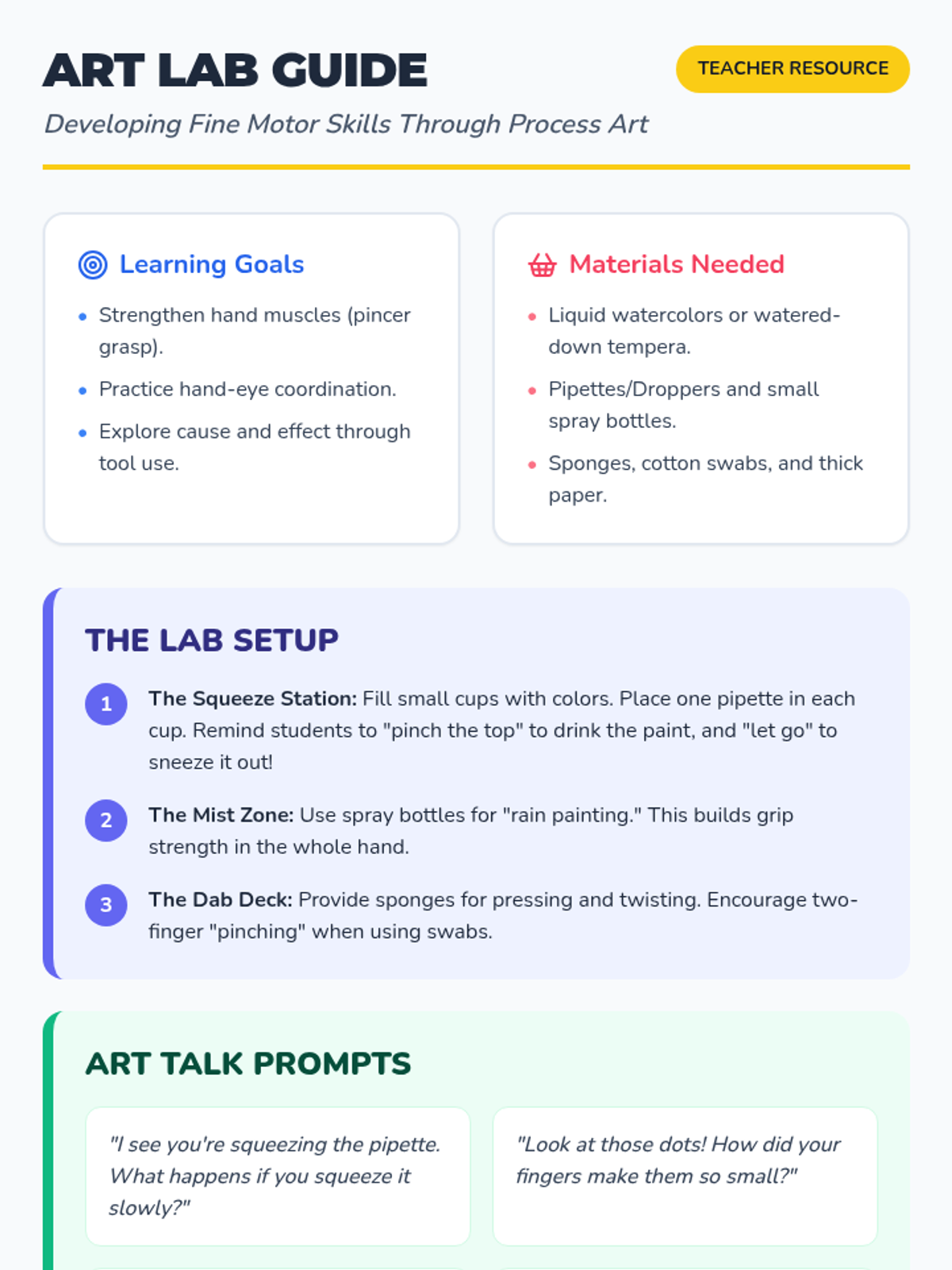
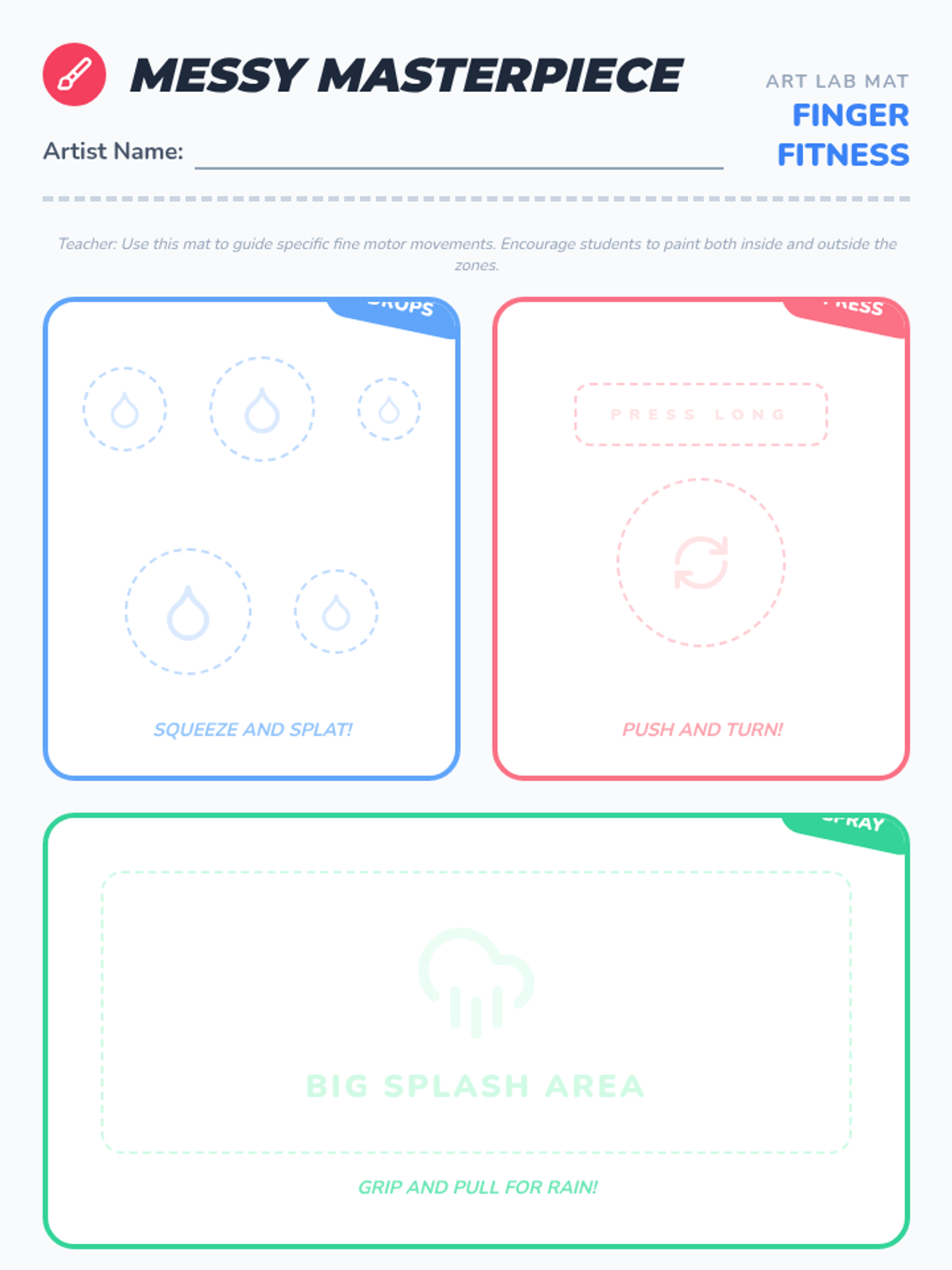
Students will use various tools like pipettes, sponges, and spray bottles to explore how paint moves on paper, focusing on the motor movements of squeezing, pinching, and pressing.
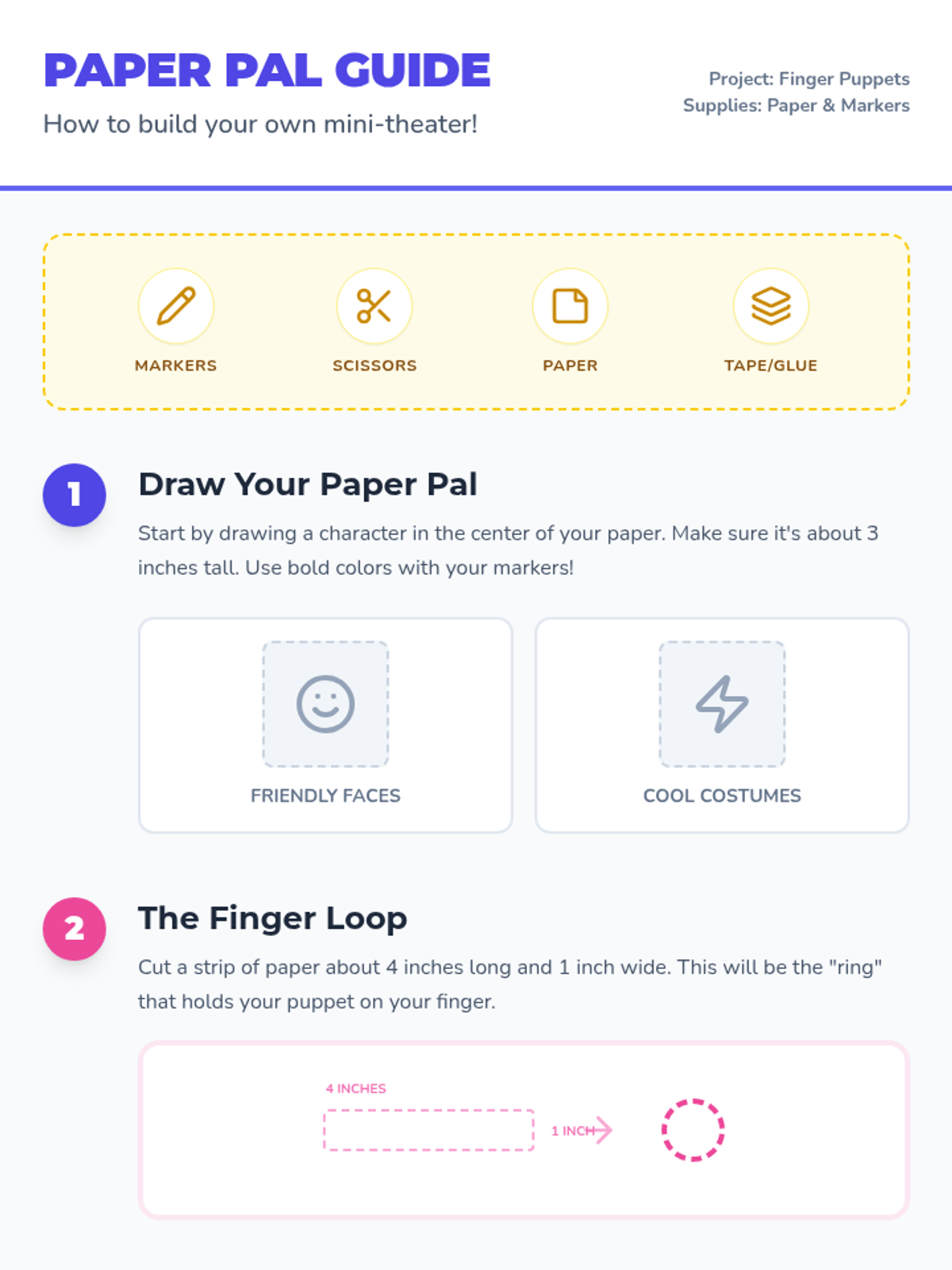
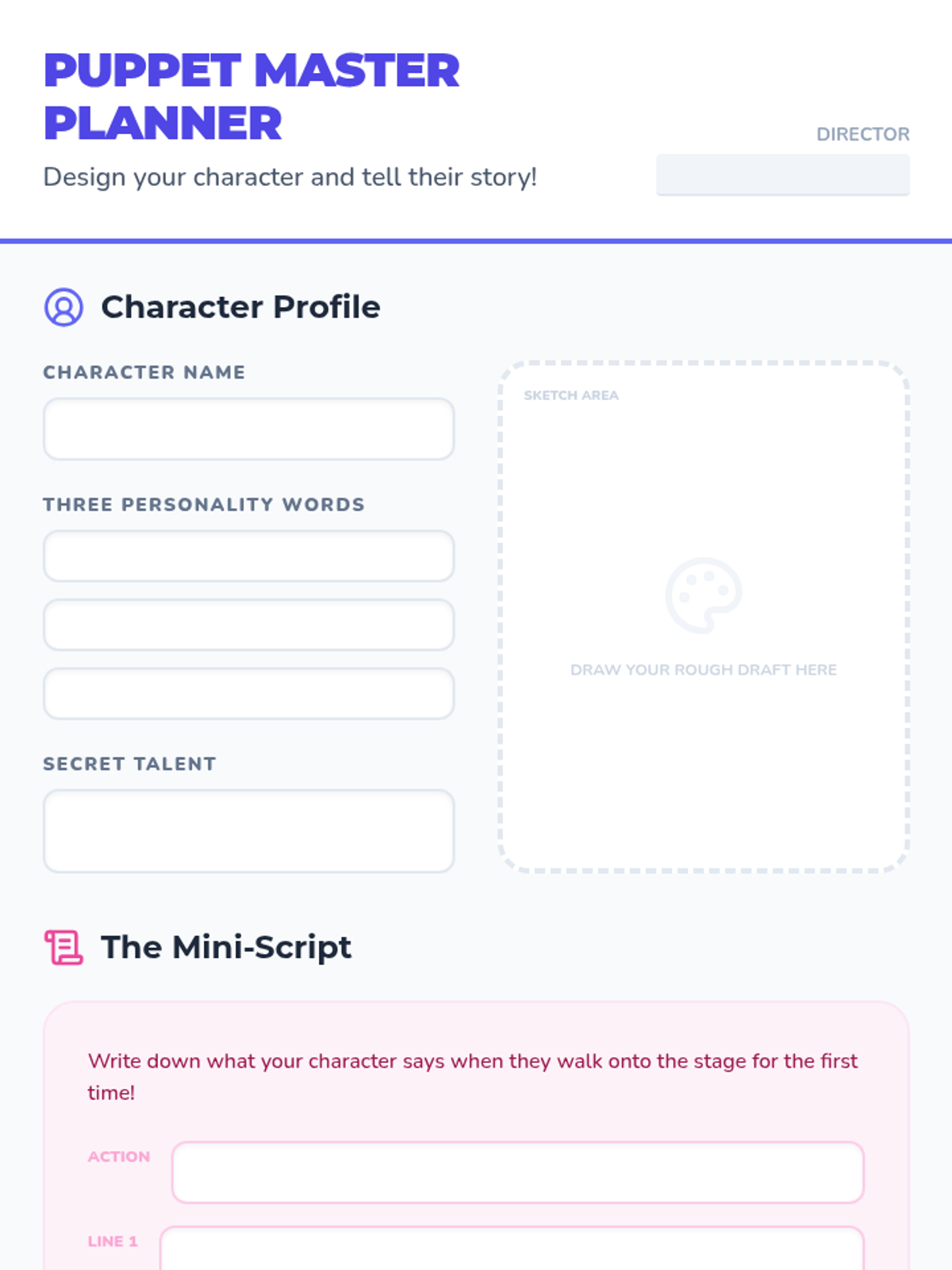
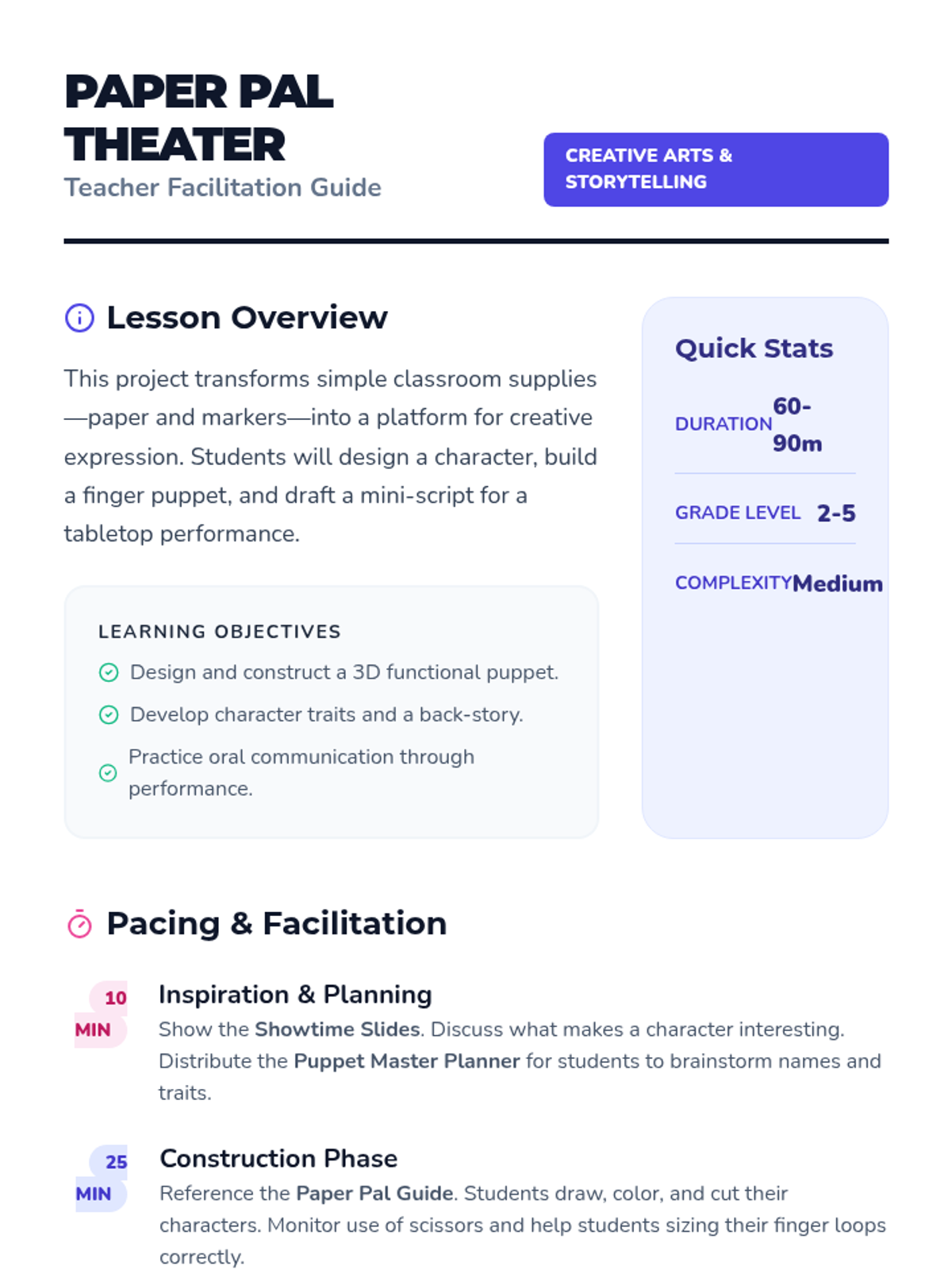
Students design and build their own paper finger puppets and a tabletop stage using markers and paper. This project combines visual arts with storytelling and performance.
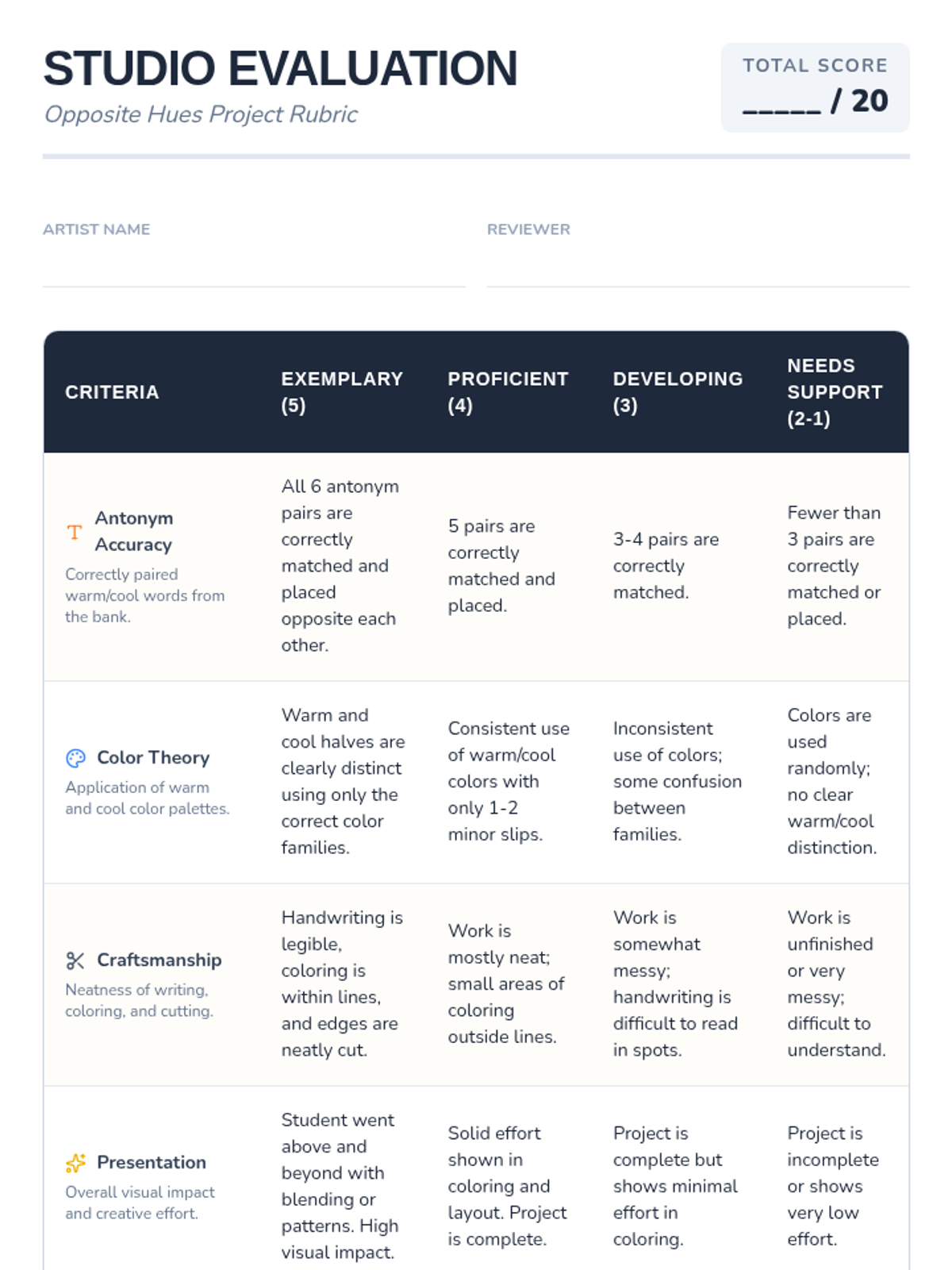
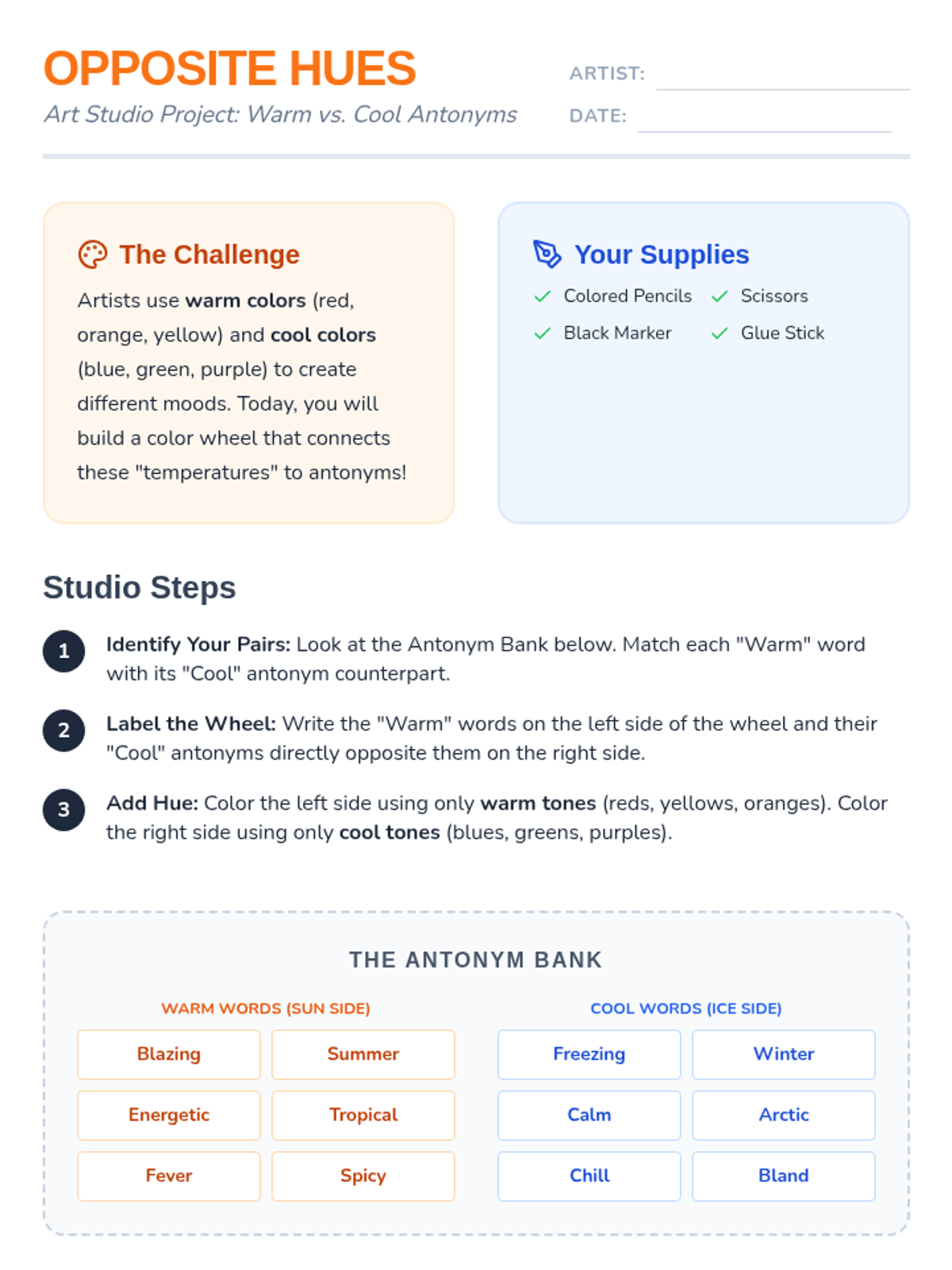
A hands-on art and language arts lesson where students explore color temperature by pairing warm and cool colors with antonyms. Students create a visual 'Opposite Wheel' to demonstrate their understanding of both color theory and vocabulary.
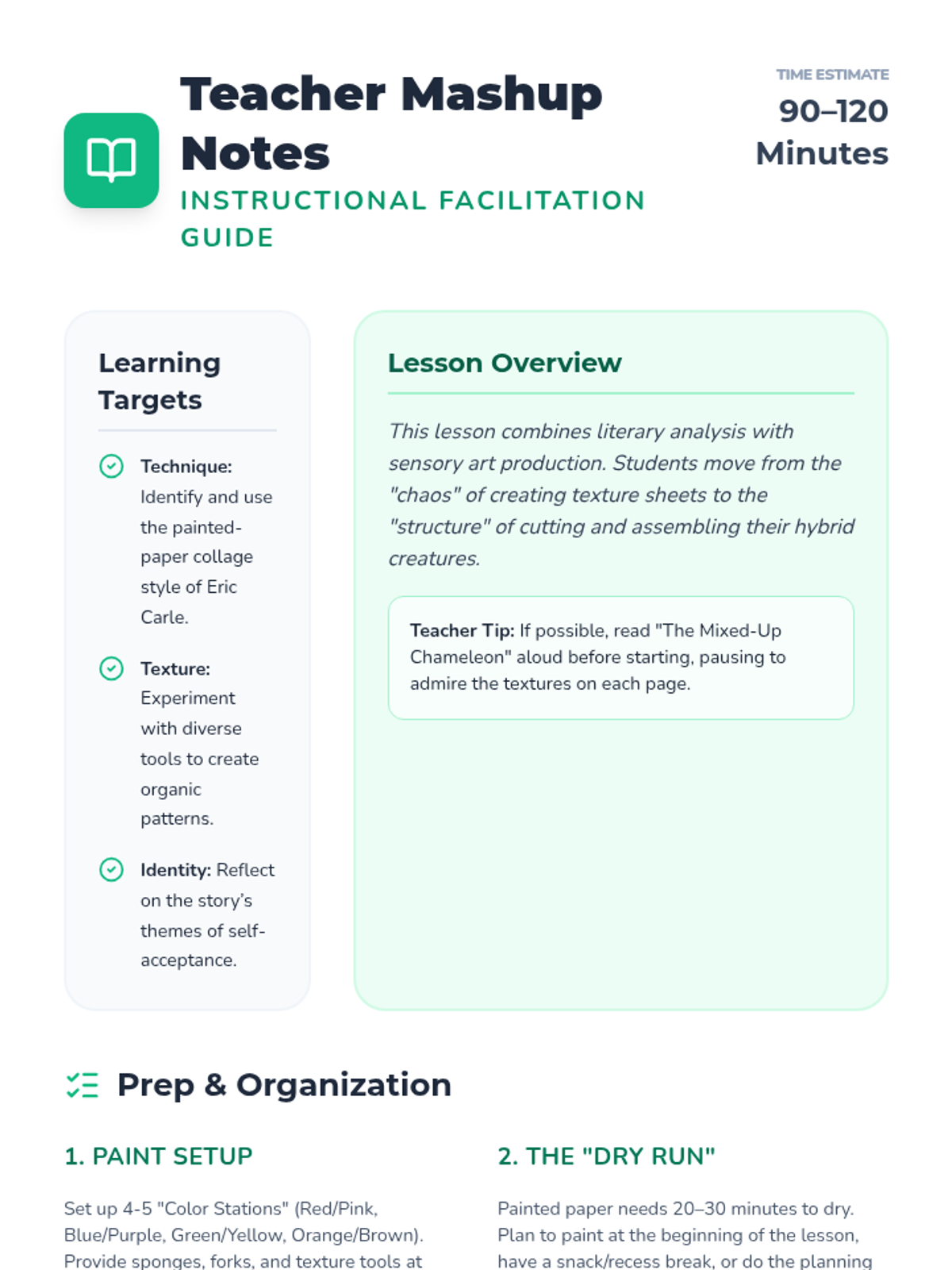
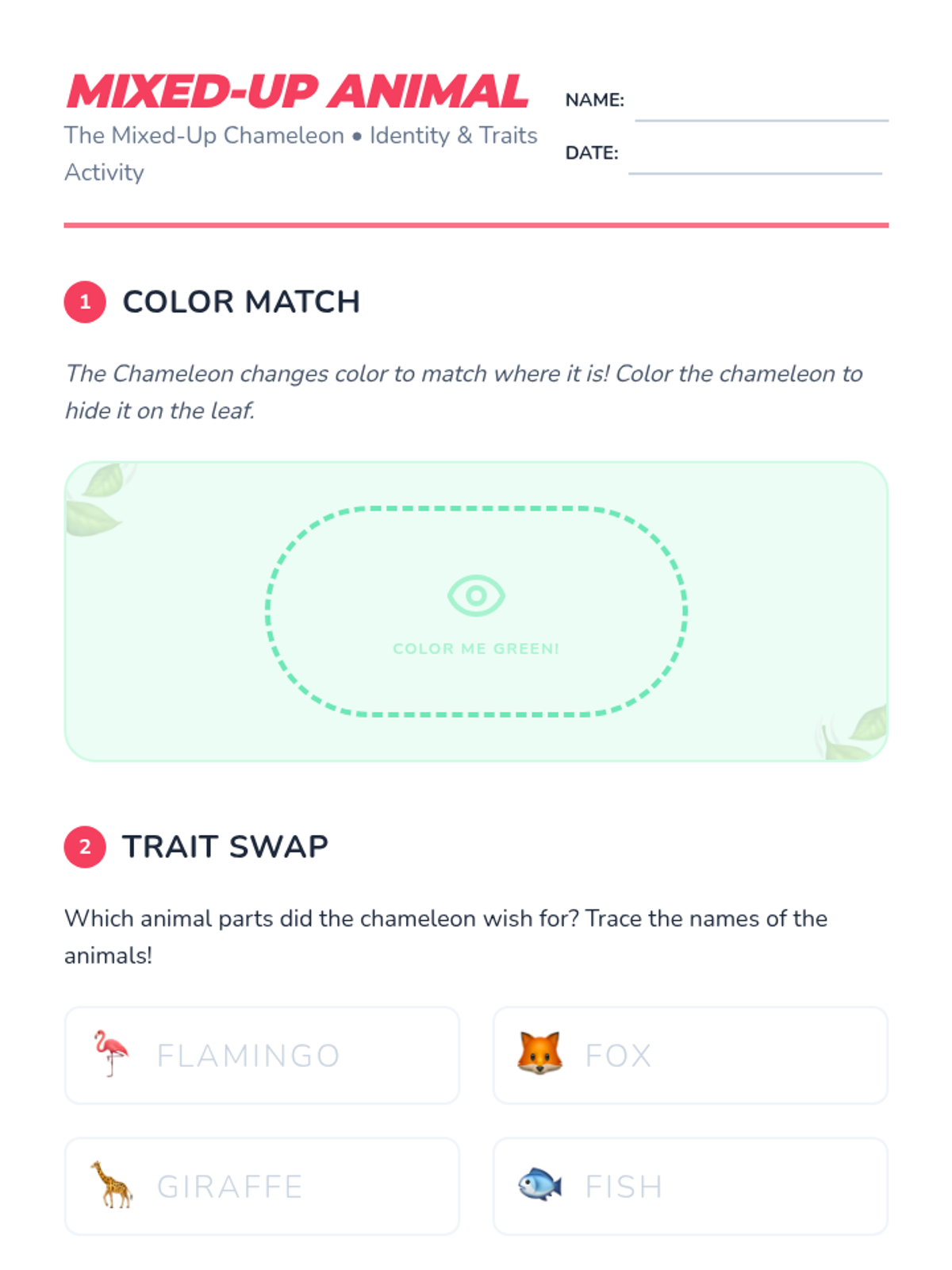
Focusing on 'The Mixed-Up Chameleon,' this lesson explores the vibrant world of colors and animal traits through layered collage and mixed-media art.
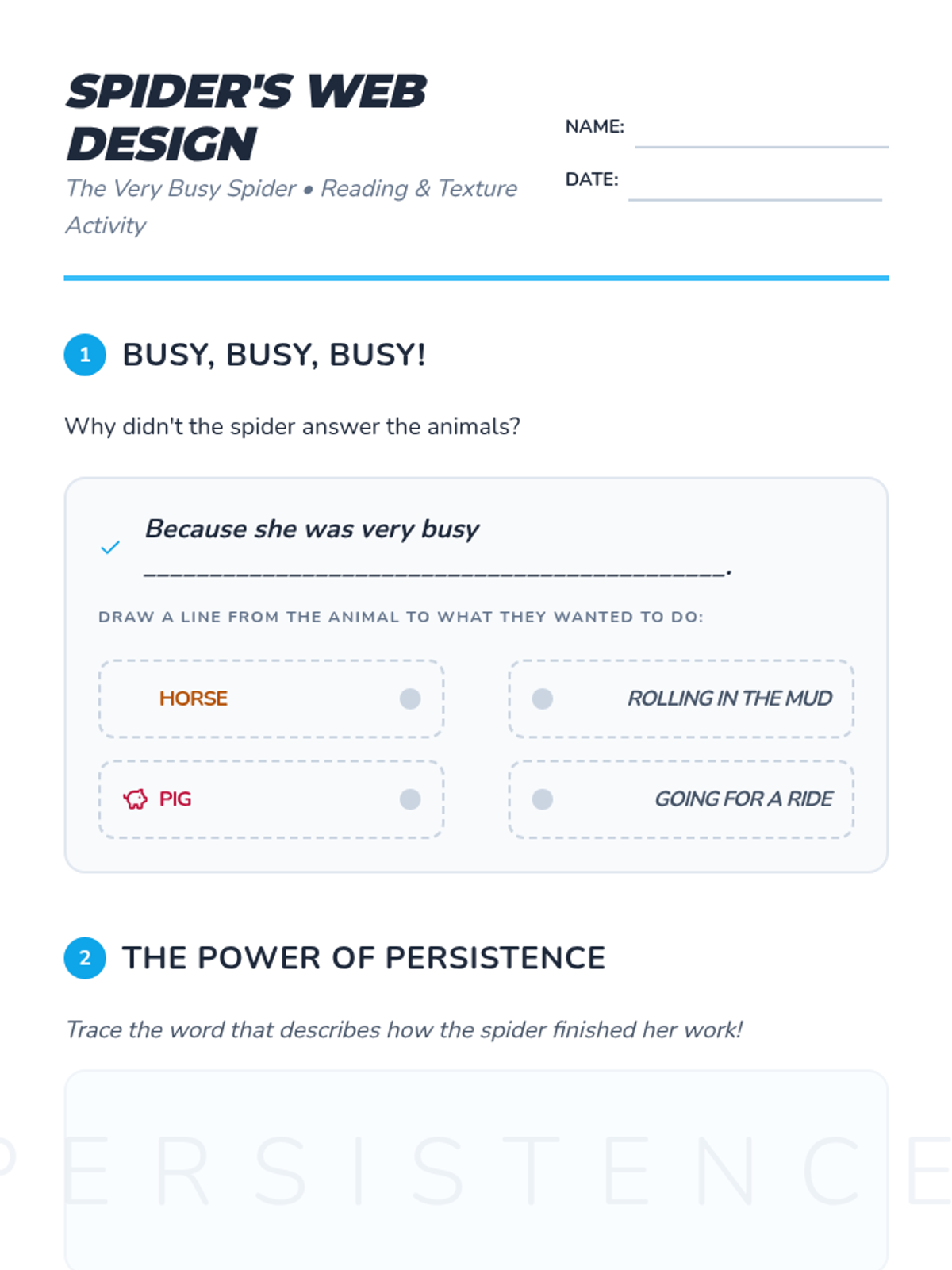
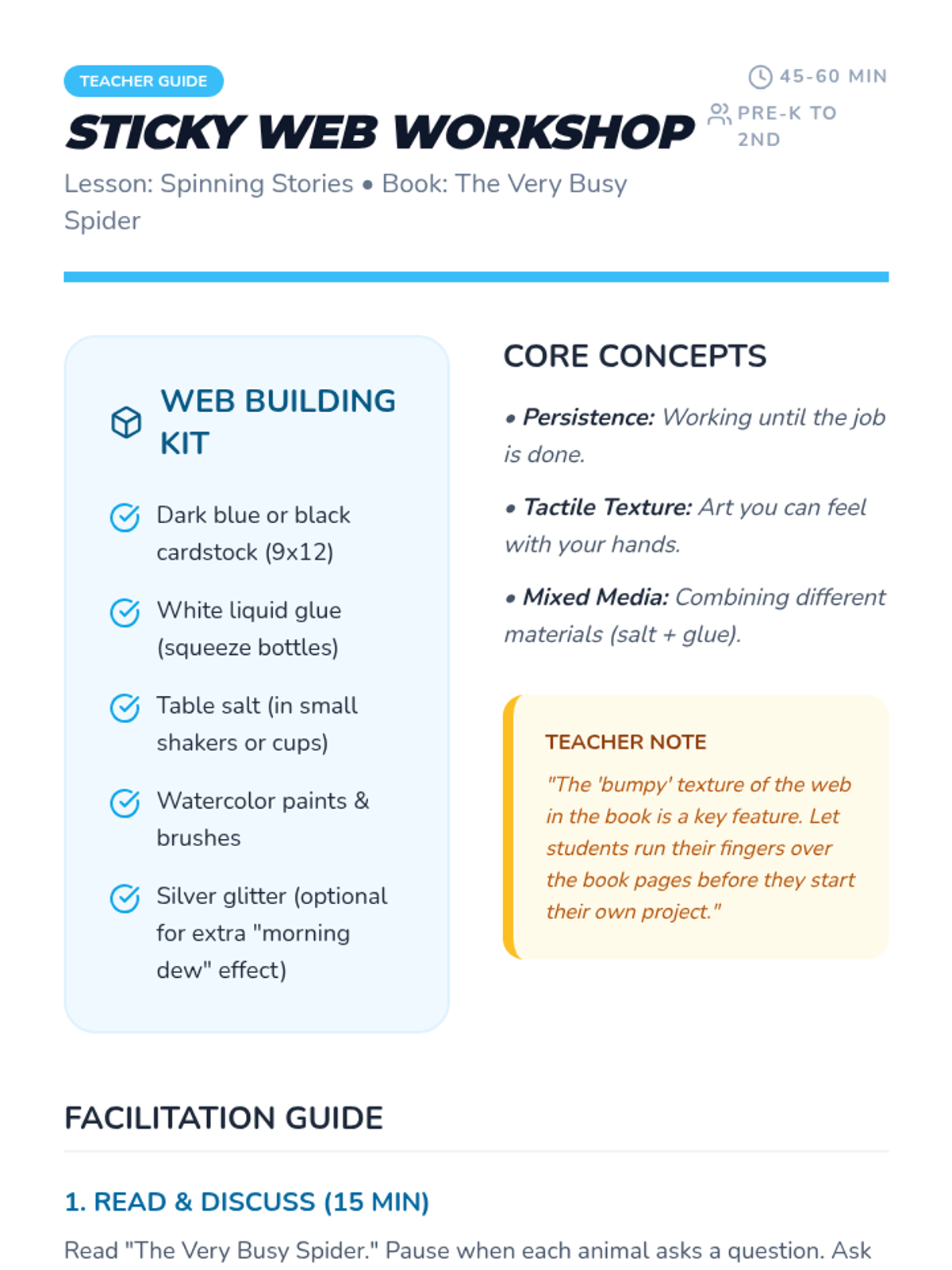
Focusing on 'The Very Busy Spider,' this lesson explores the themes of hard work and persistence while teaching students how to create tactile textures in their art using mixed media.
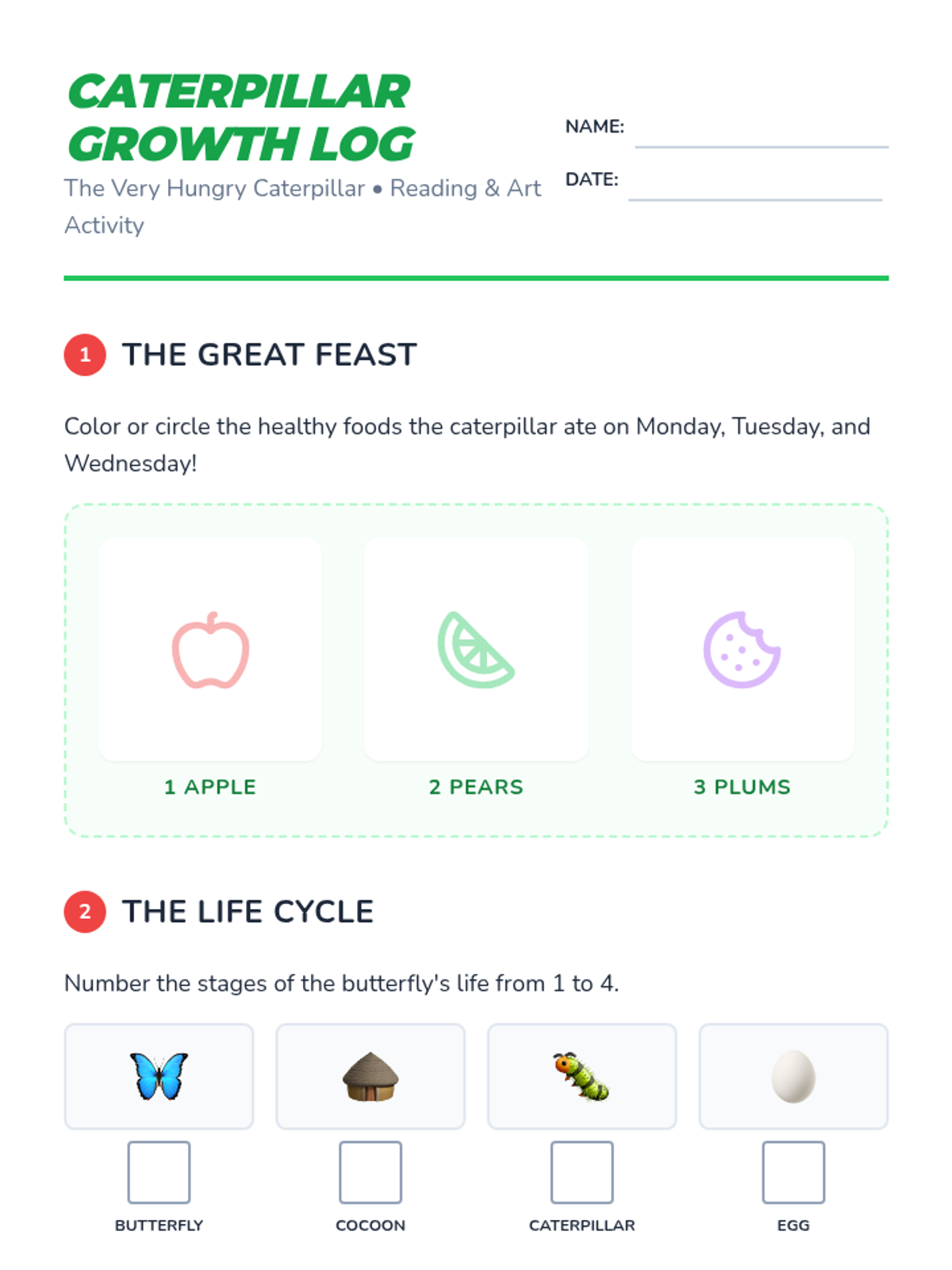
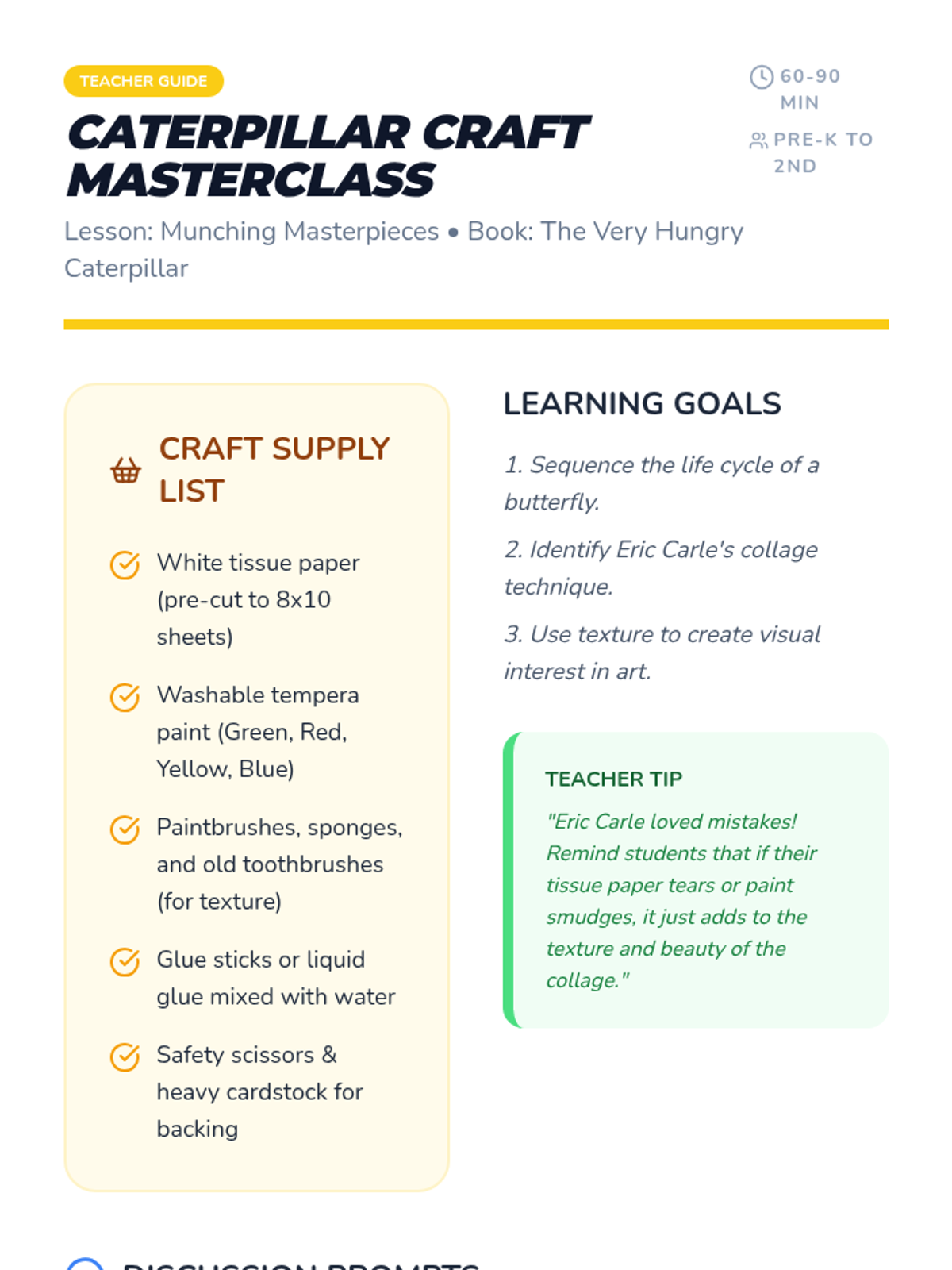
Focusing on 'The Very Hungry Caterpillar,' this lesson teaches students about the life cycle of a butterfly through the lens of Eric Carle's signature tissue paper collage technique.
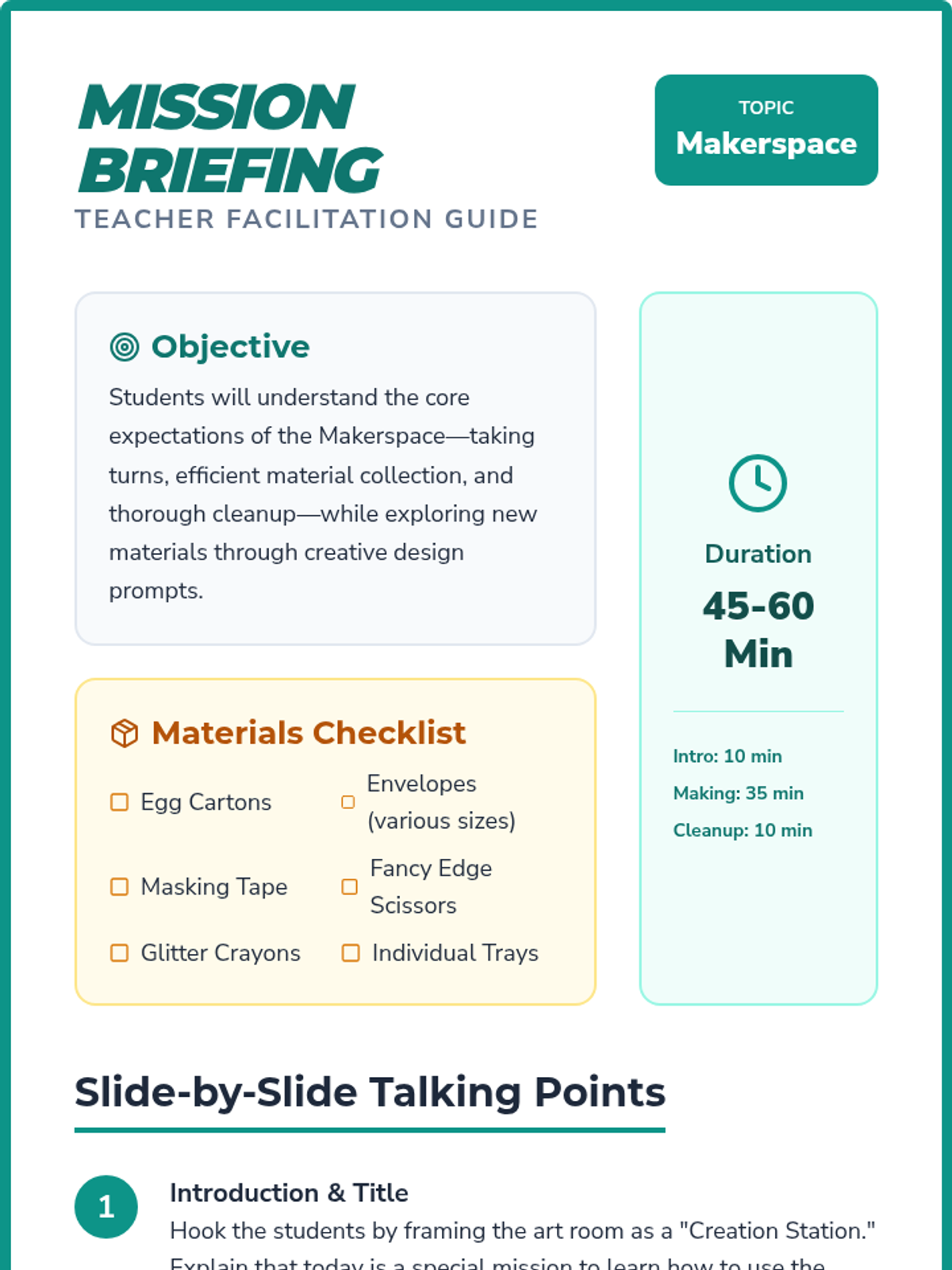
A guide for young artists on navigating a makerspace with respect and creativity, focusing on material exploration and studio etiquette.
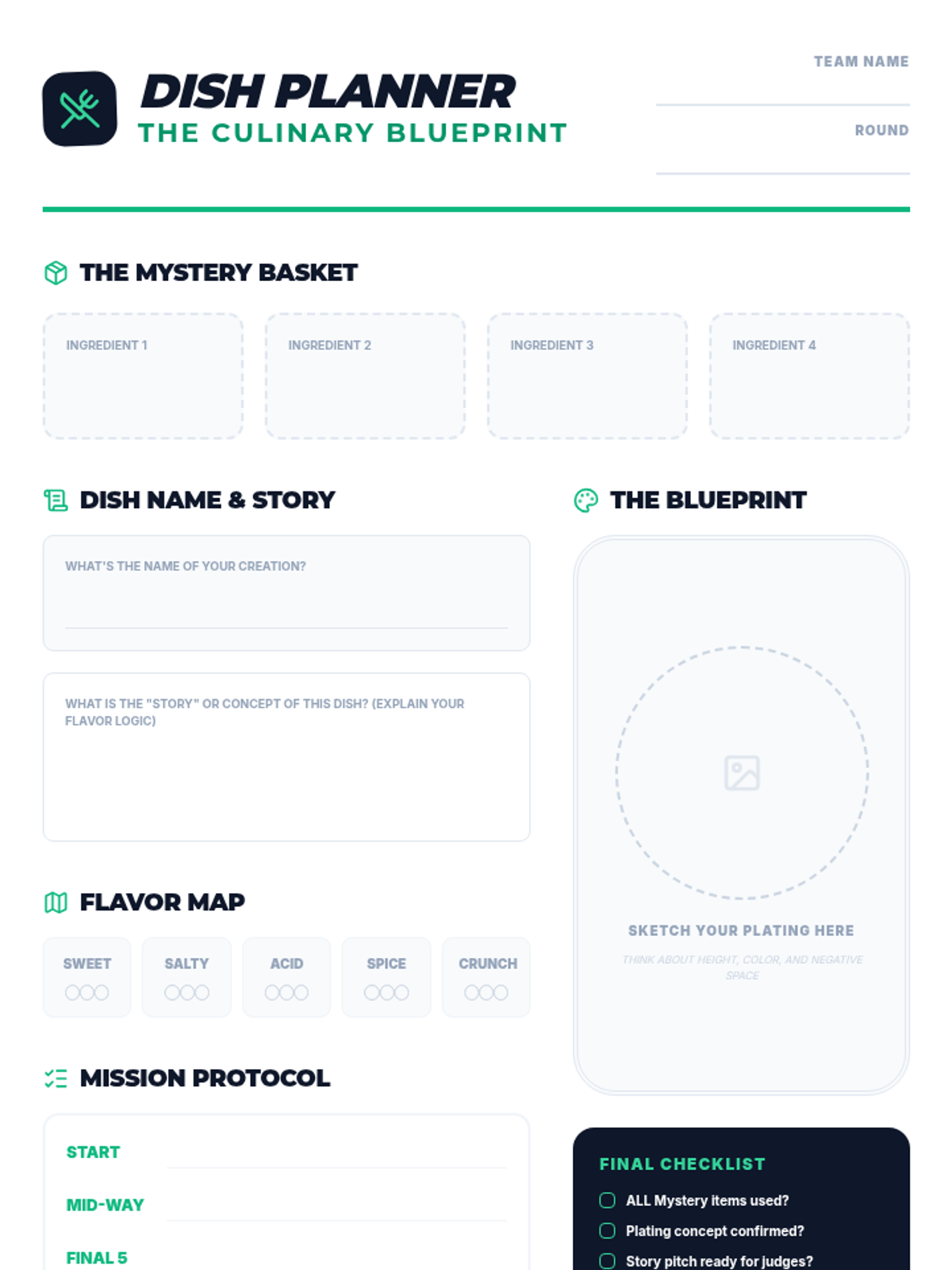
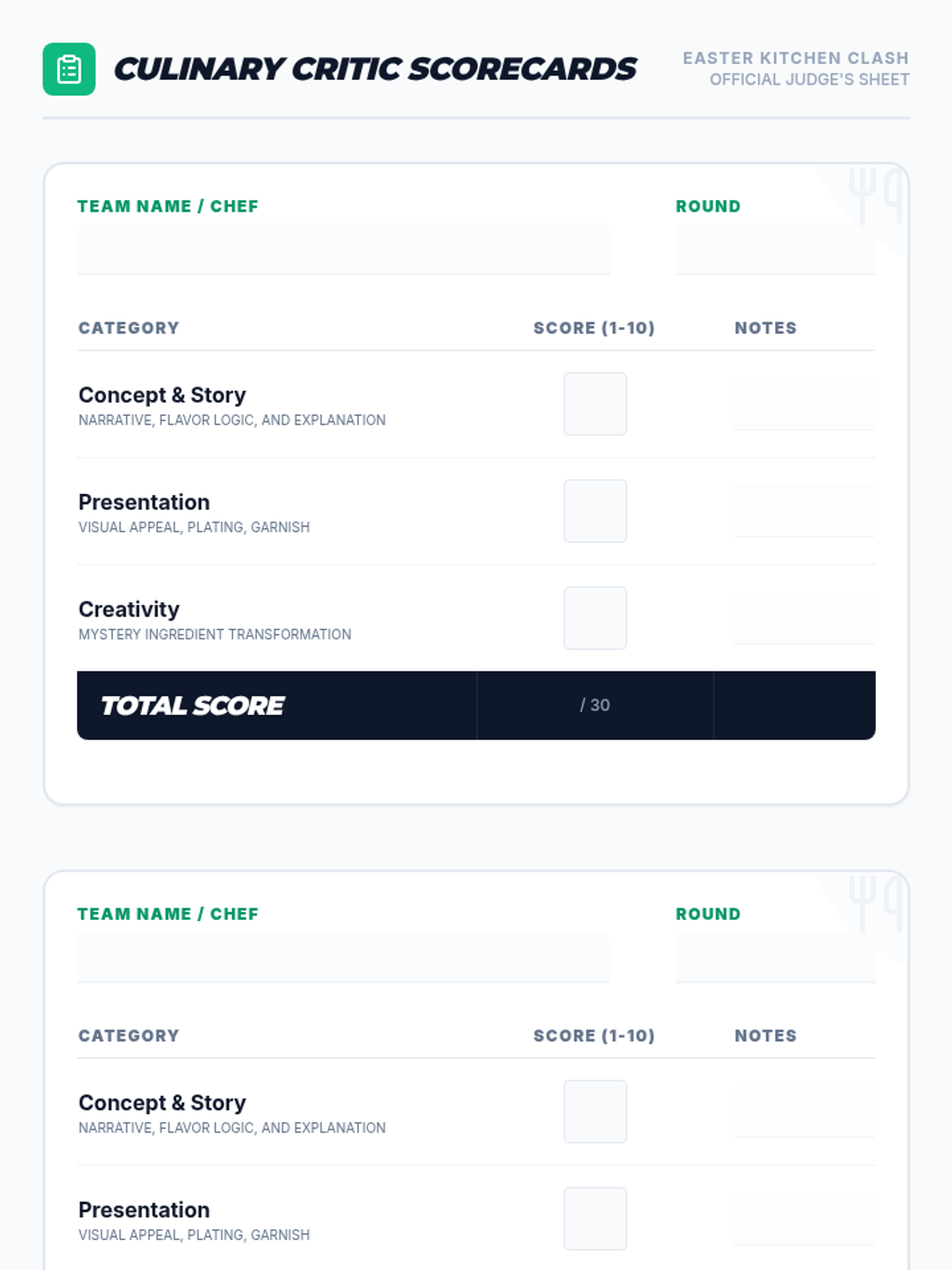
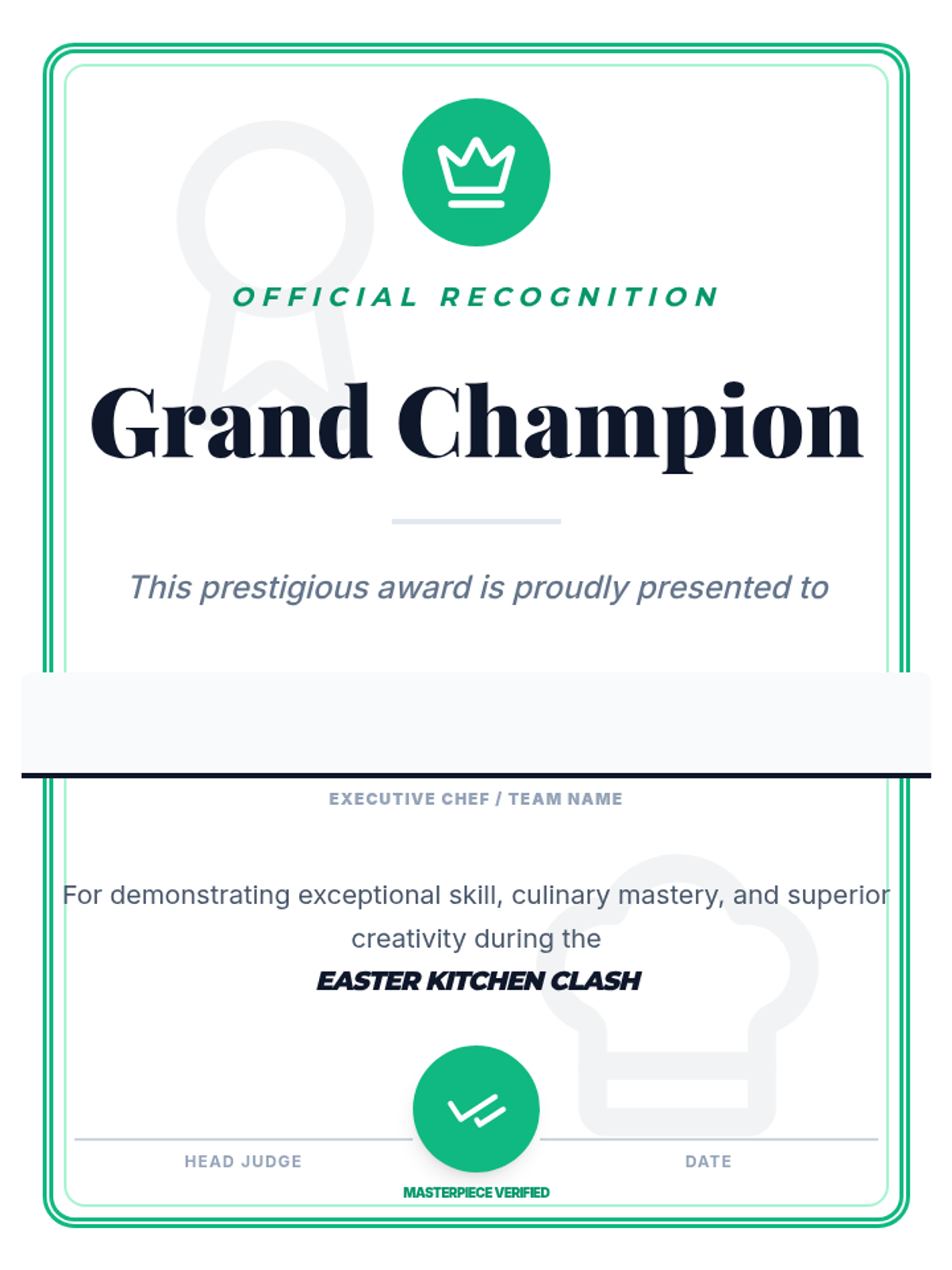
A high-energy culinary challenge where students use mystery Easter-themed ingredients to create unique dishes, focusing on creativity, flavor, and presentation.
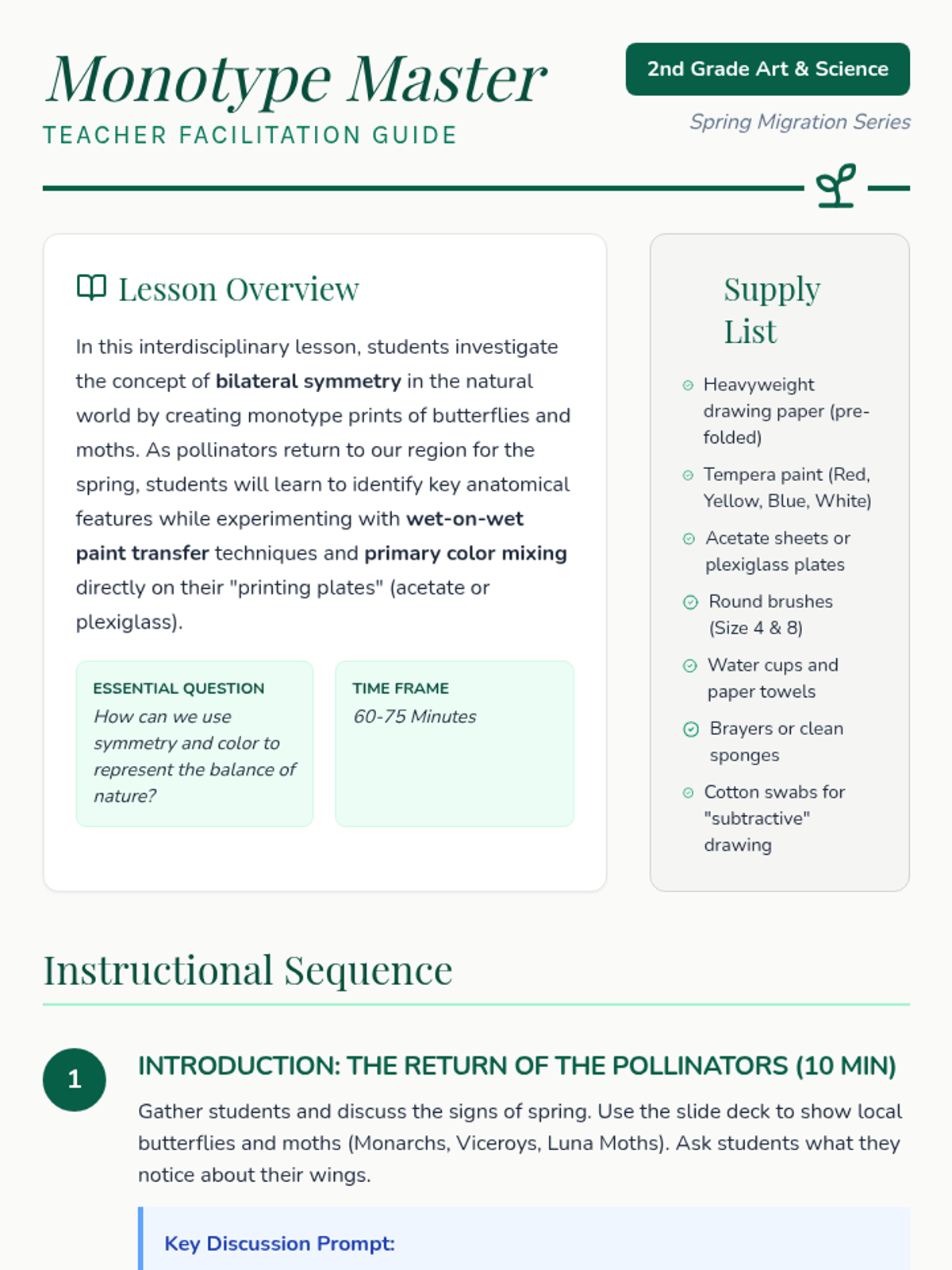
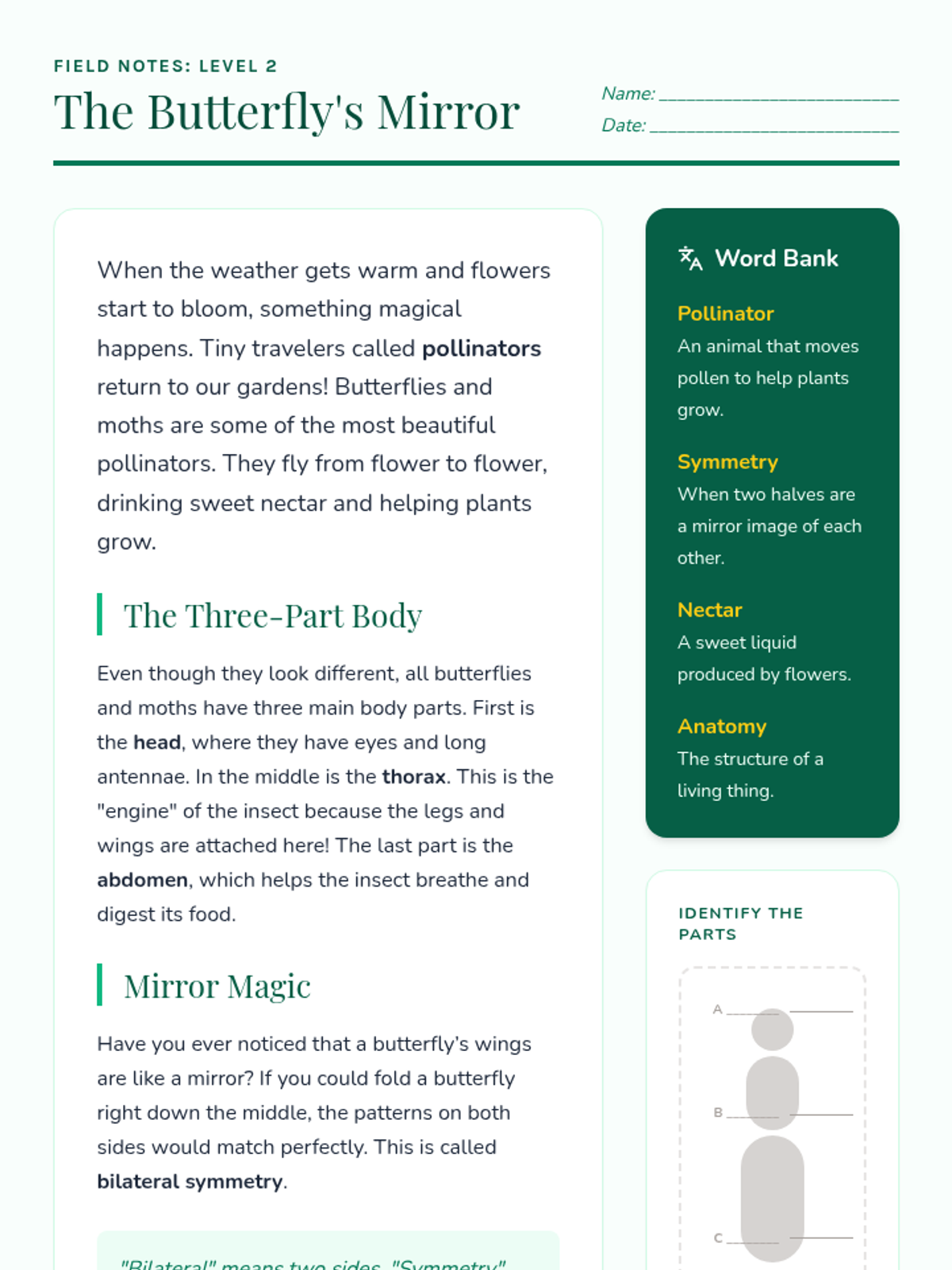
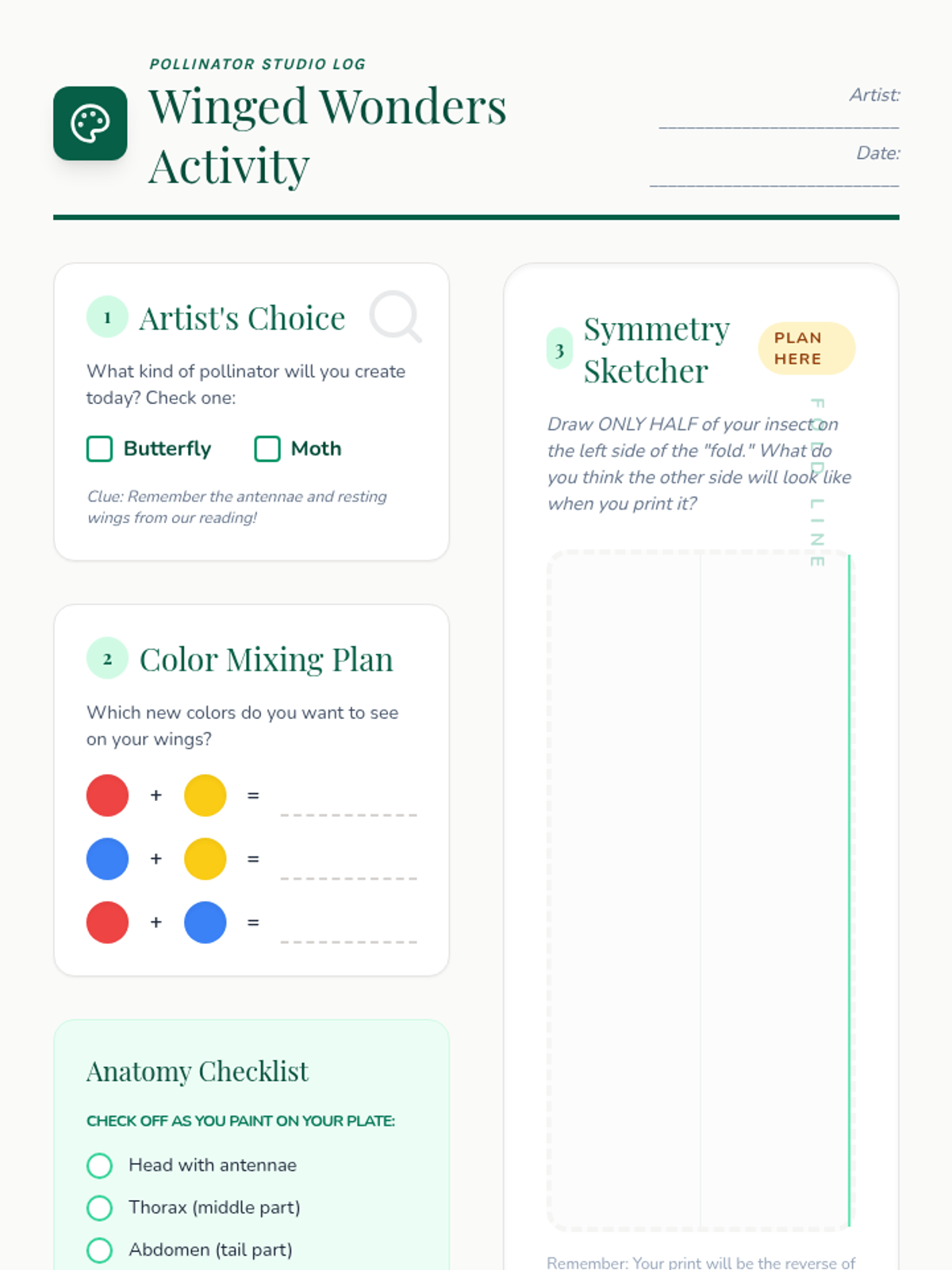
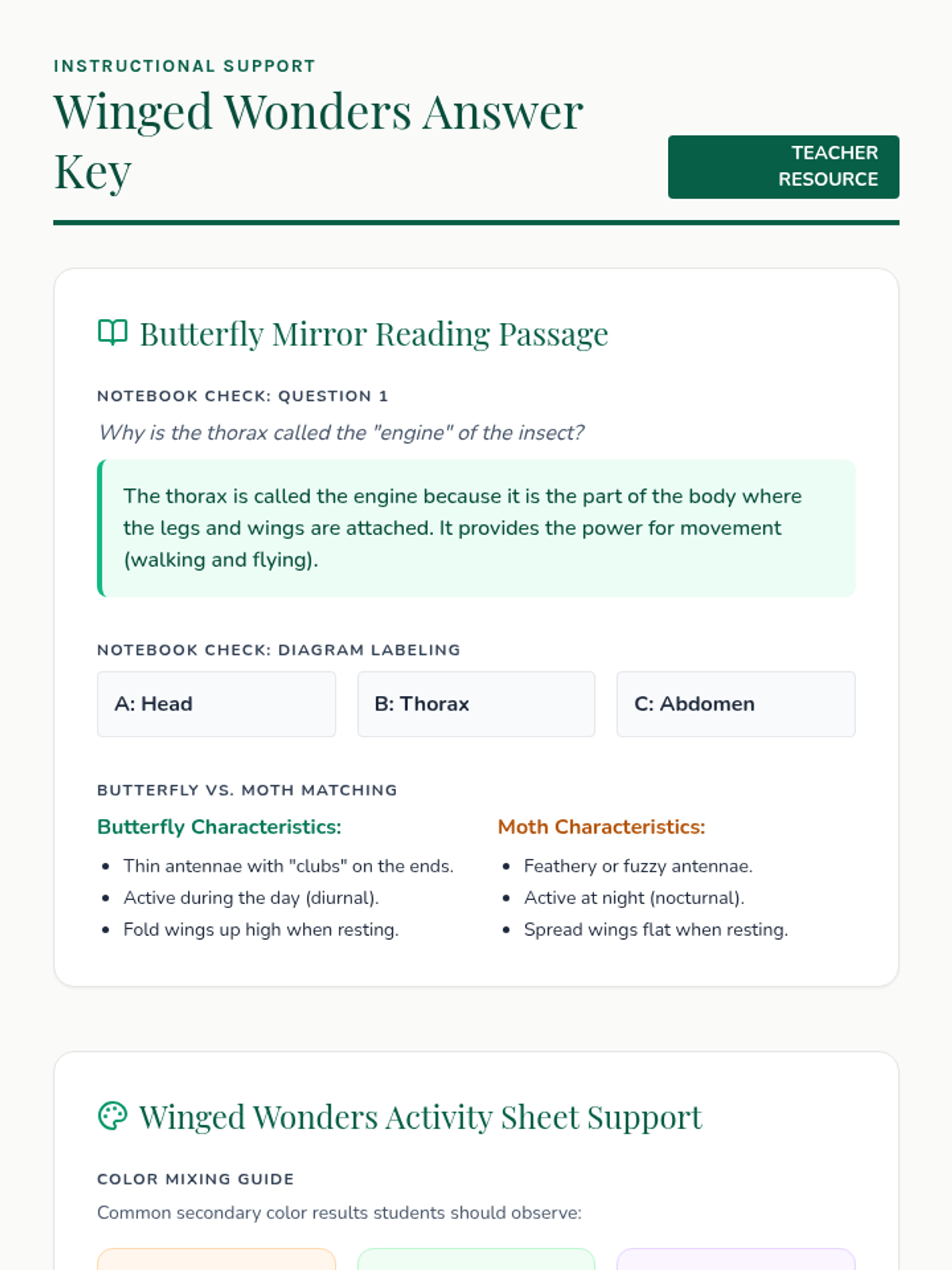
A creative art and science lesson where second graders explore bilateral symmetry through monotype printing. Students learn about pollinator anatomy and color mixing while creating unique butterfly or moth prints.
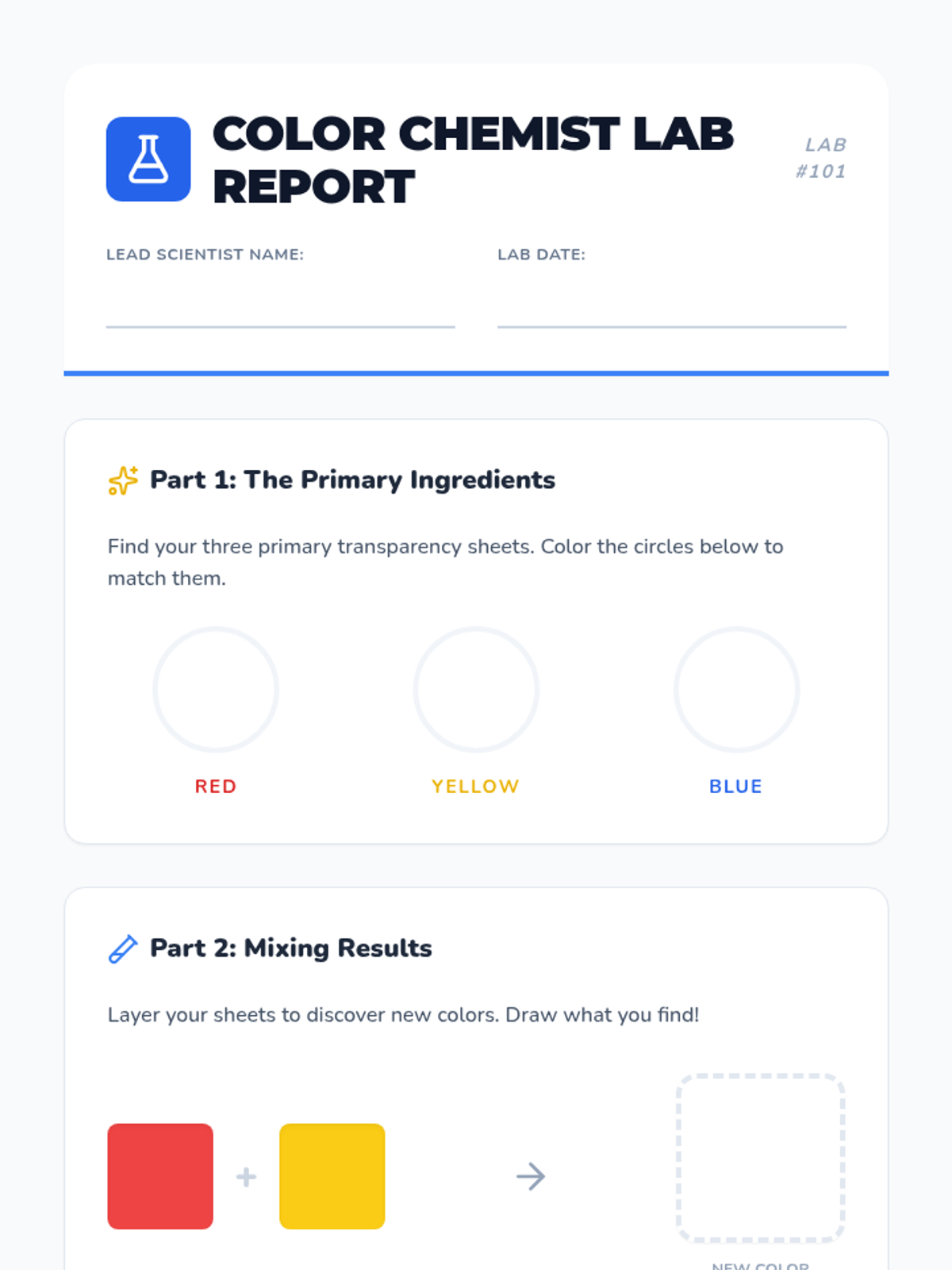
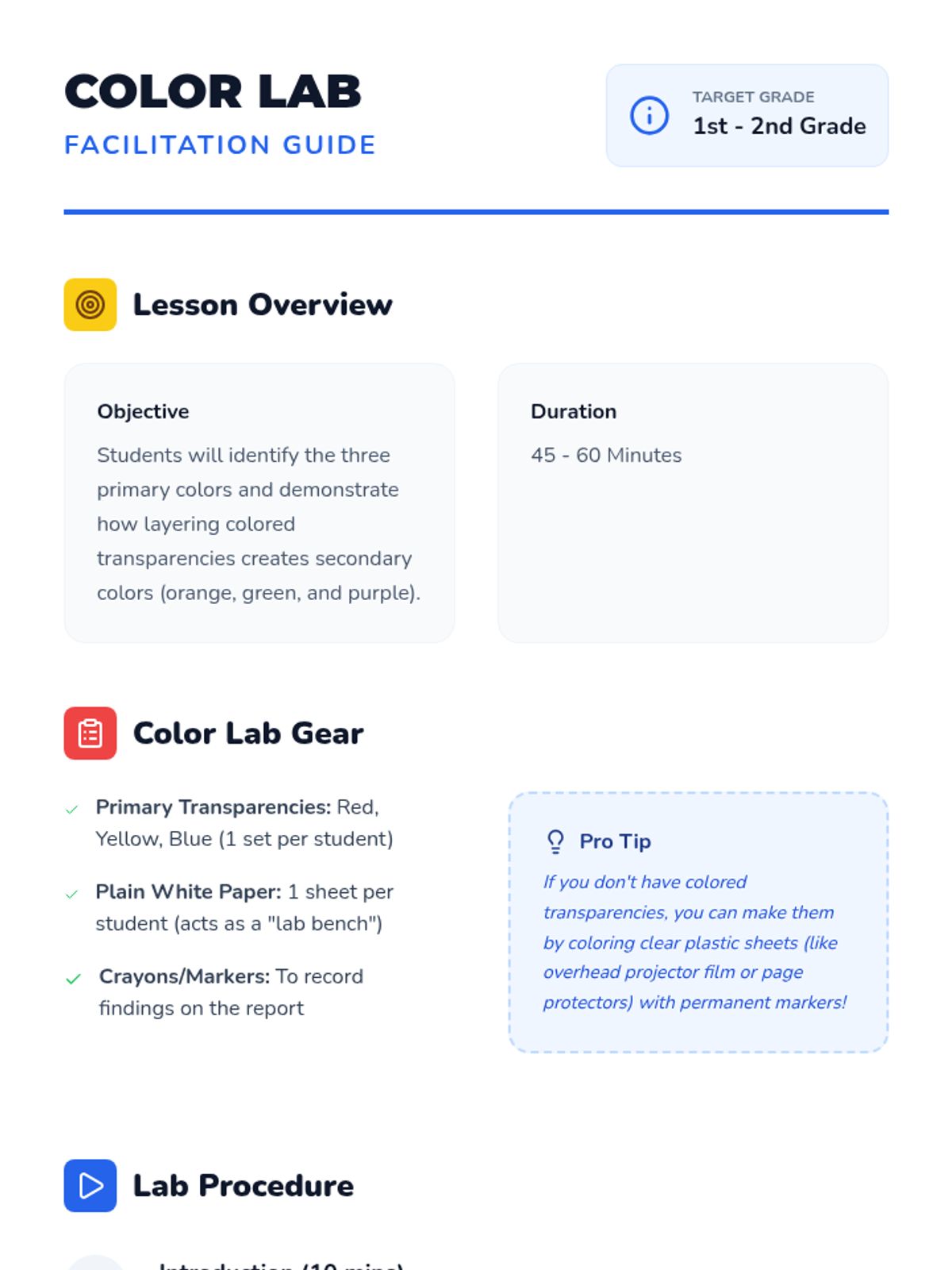
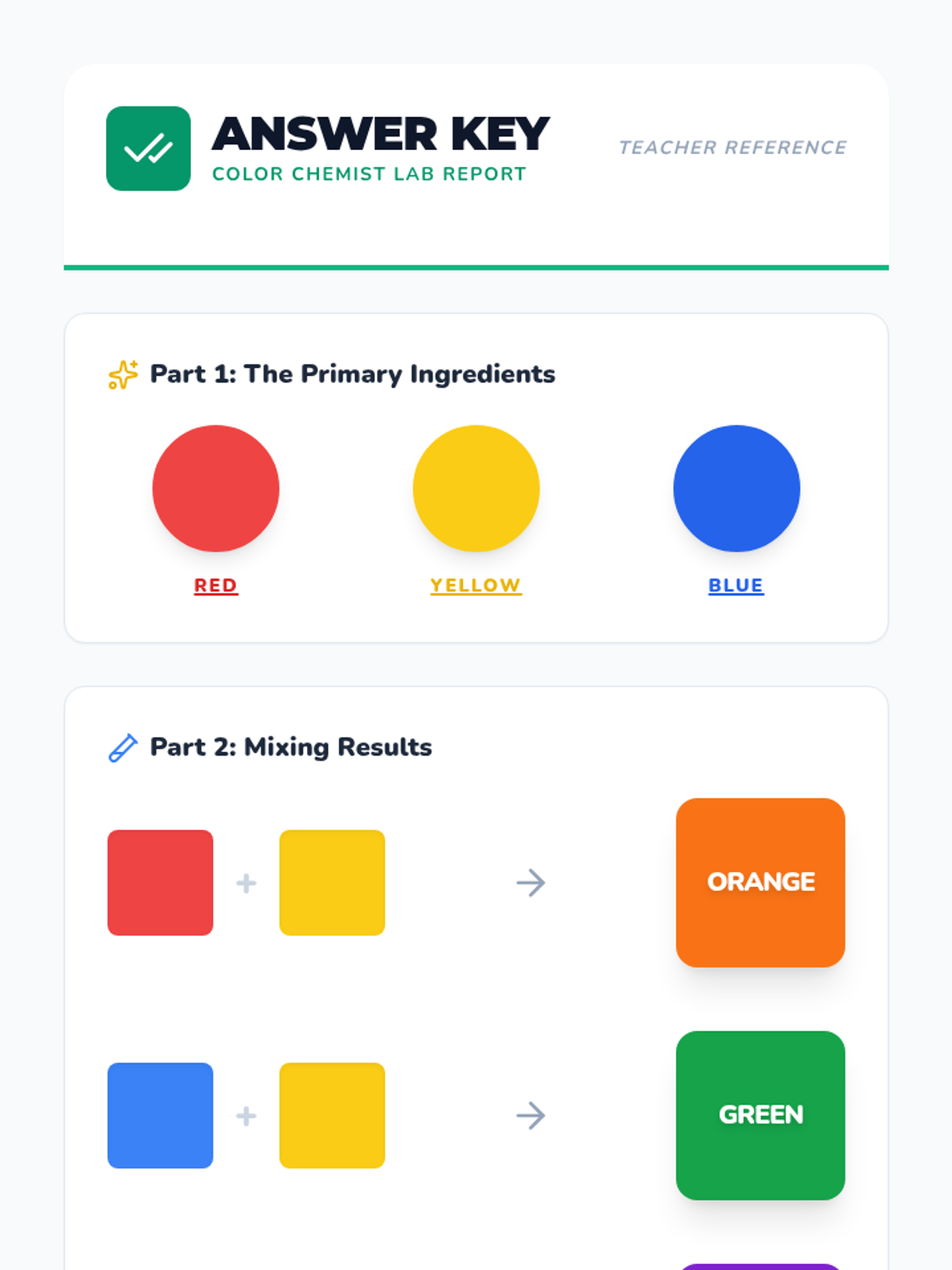
A hands-on exploration of primary color mixing using colored transparencies. Students act as 'Color Chemists' to discover how layering red, blue, and yellow creates new colors.
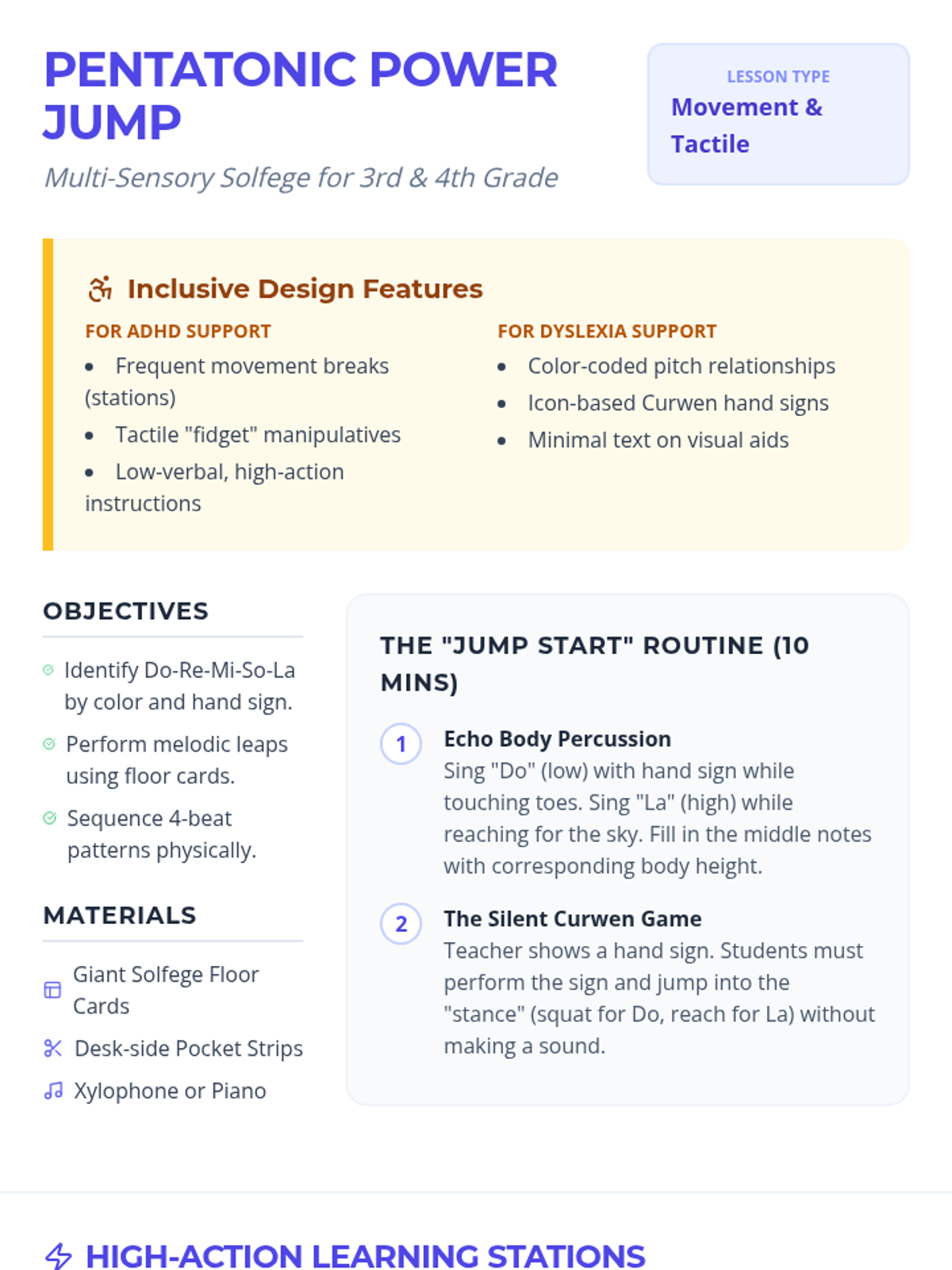
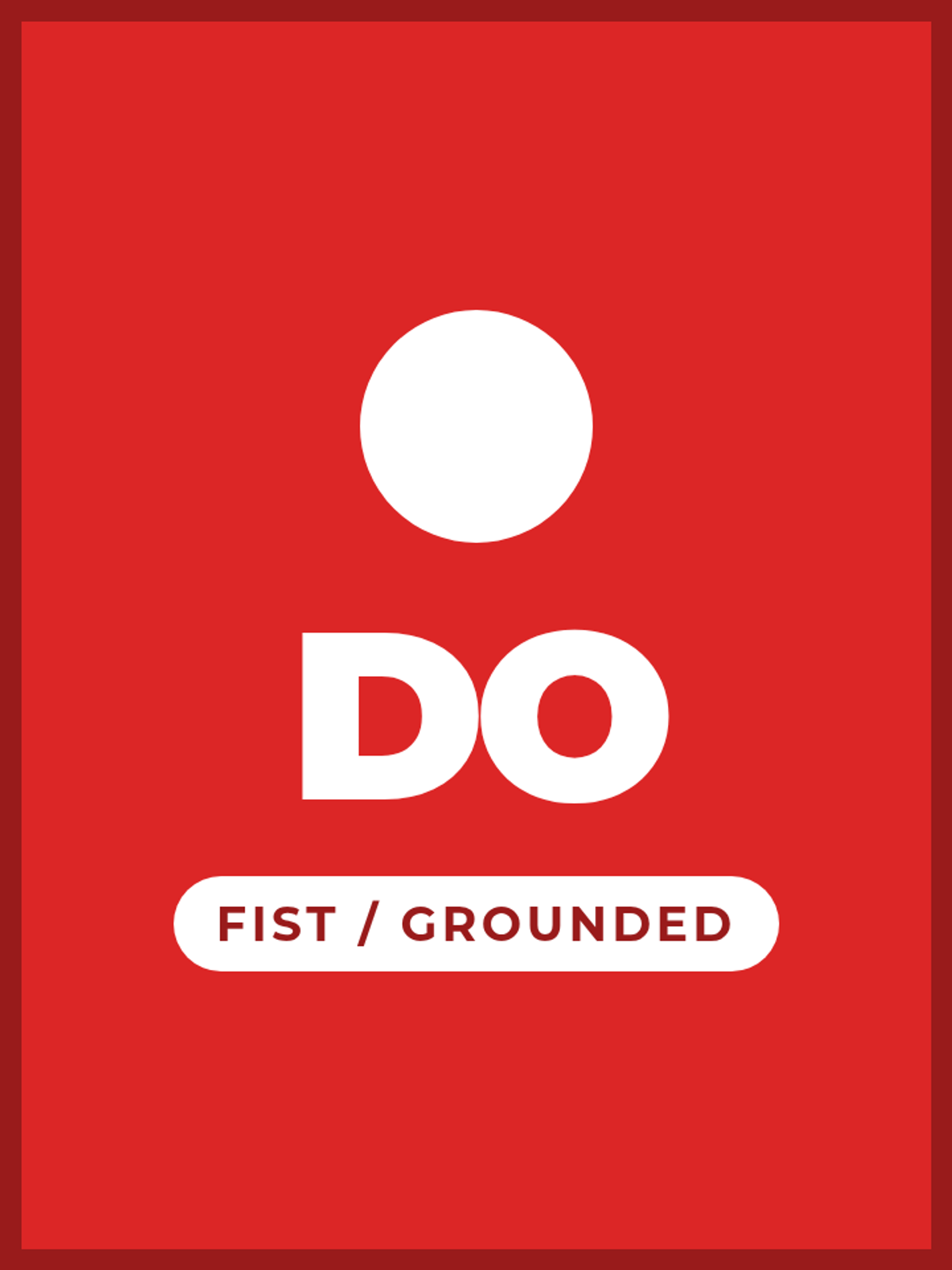
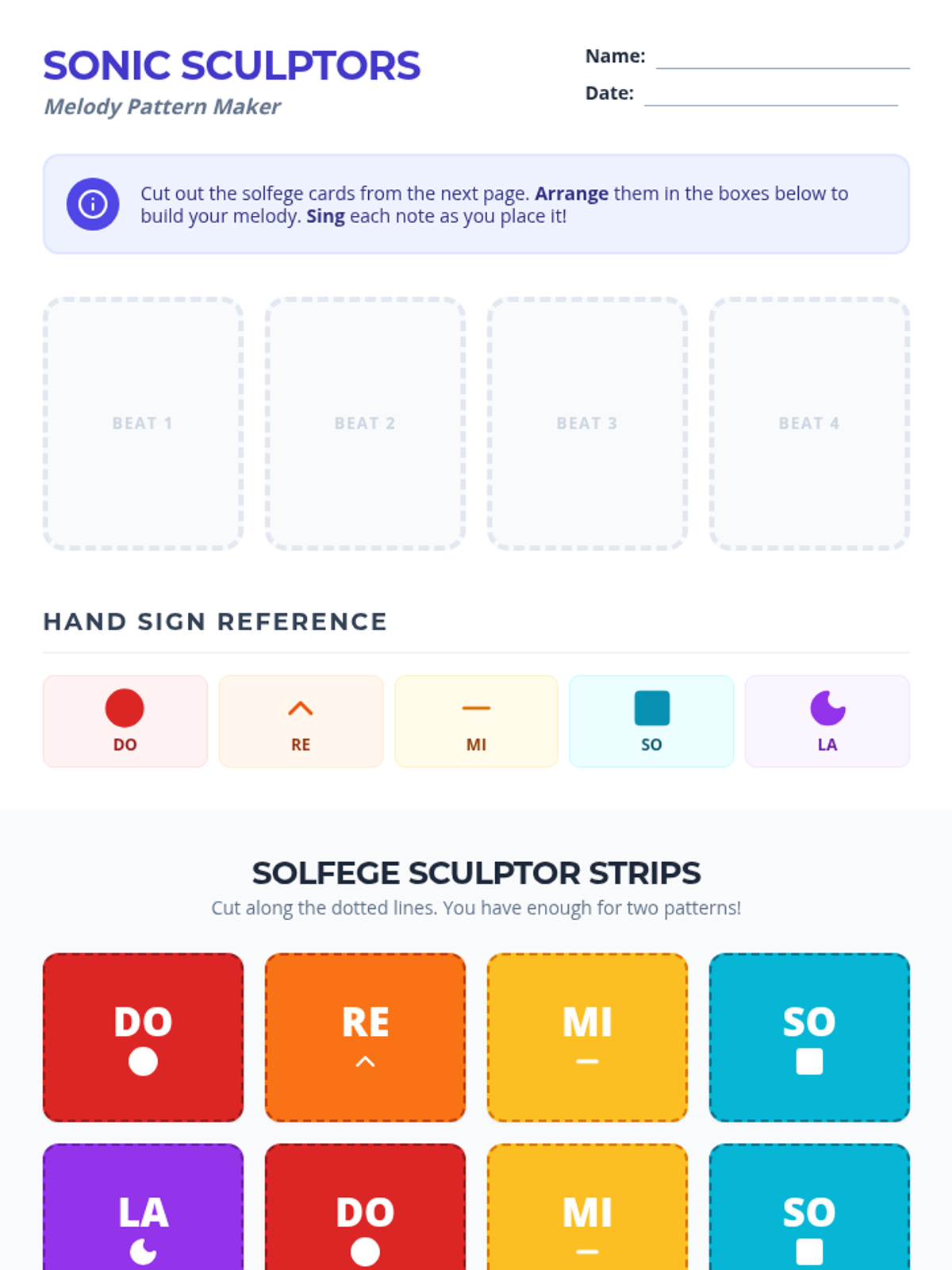
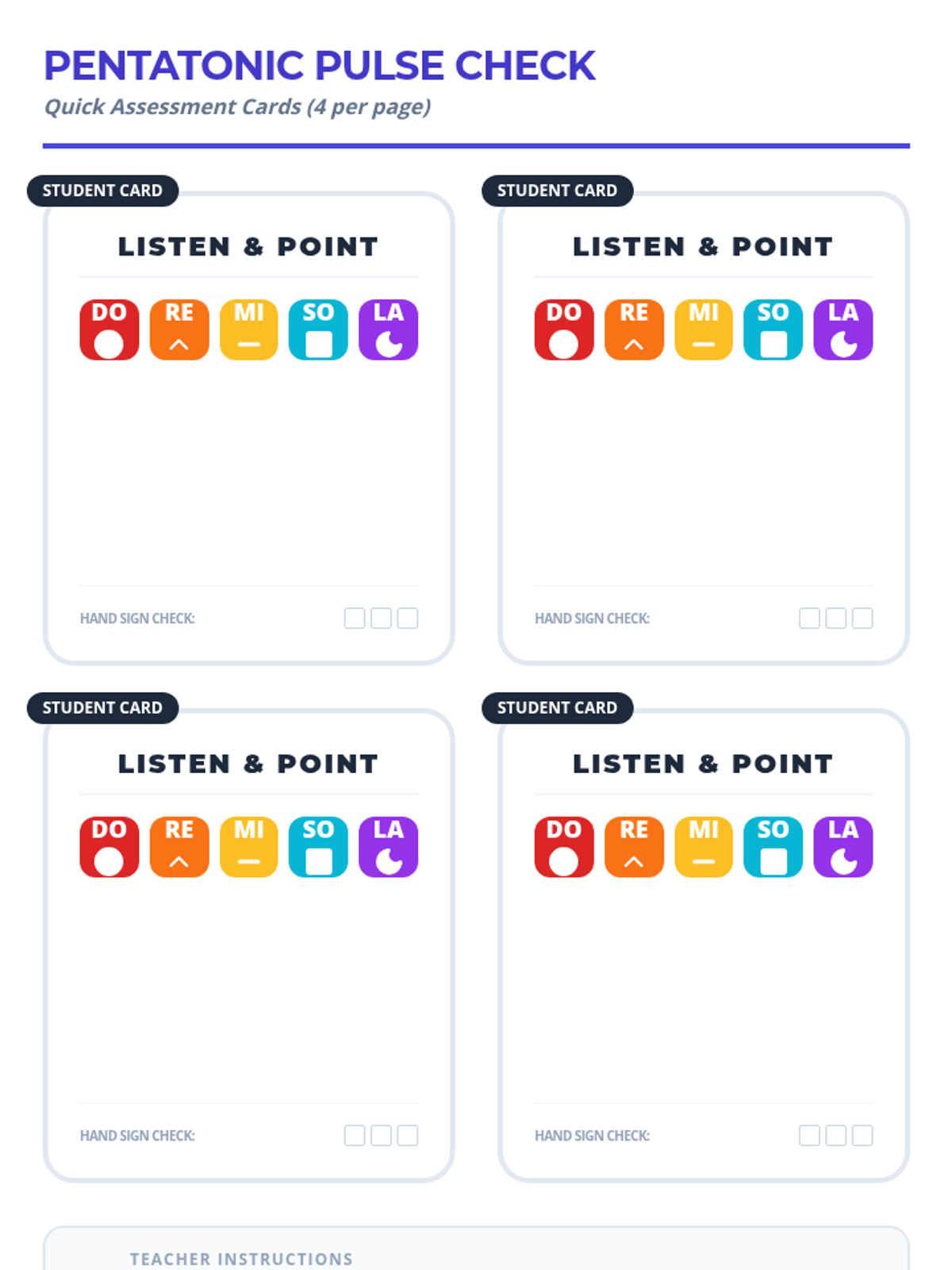
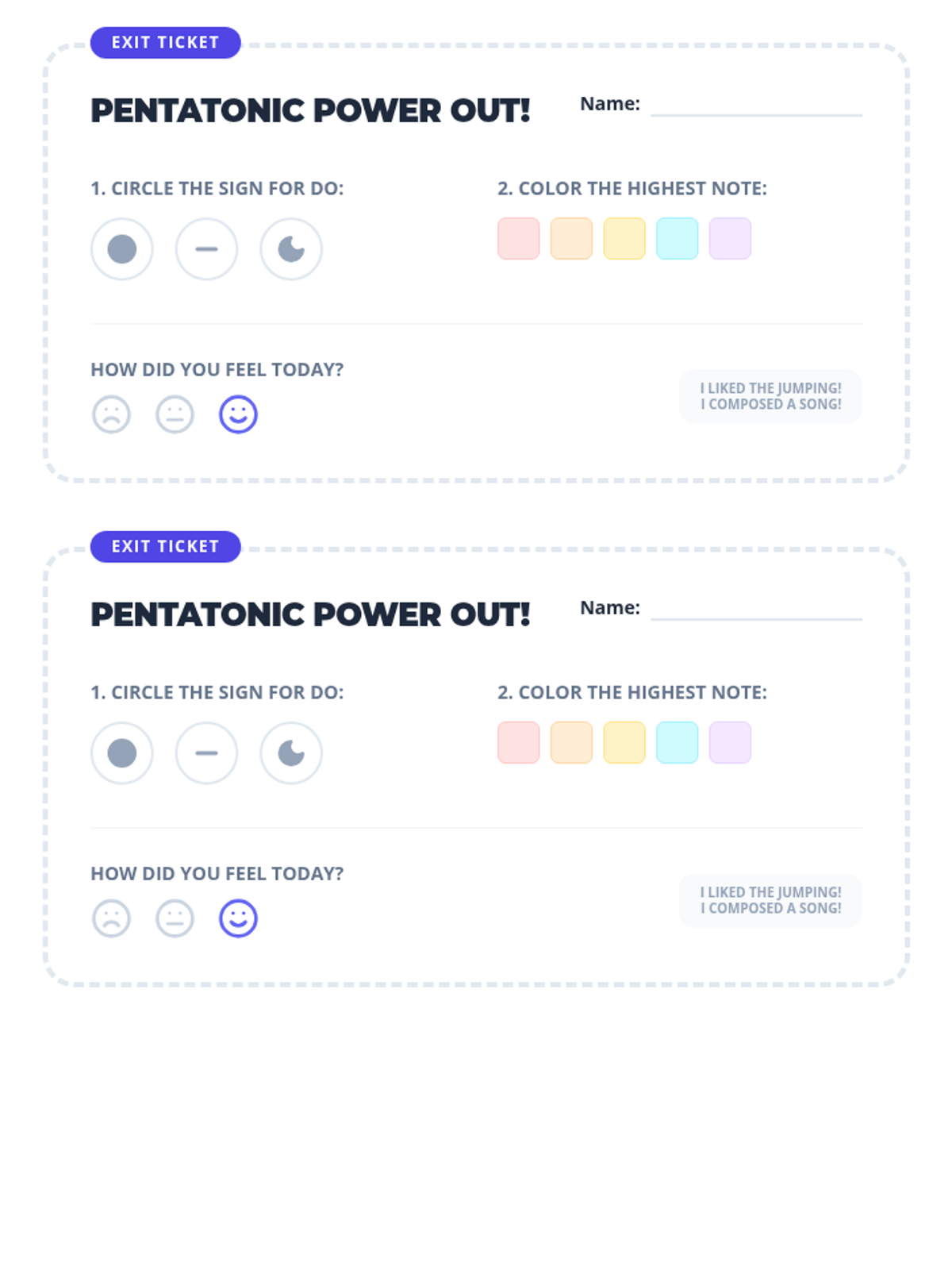
A high-energy, multi-sensory lesson for 3rd and 4th graders focusing on the pentatonic scale through movement and tactile manipulatives. This lesson is specifically designed to support students with dyslexia and ADHD.
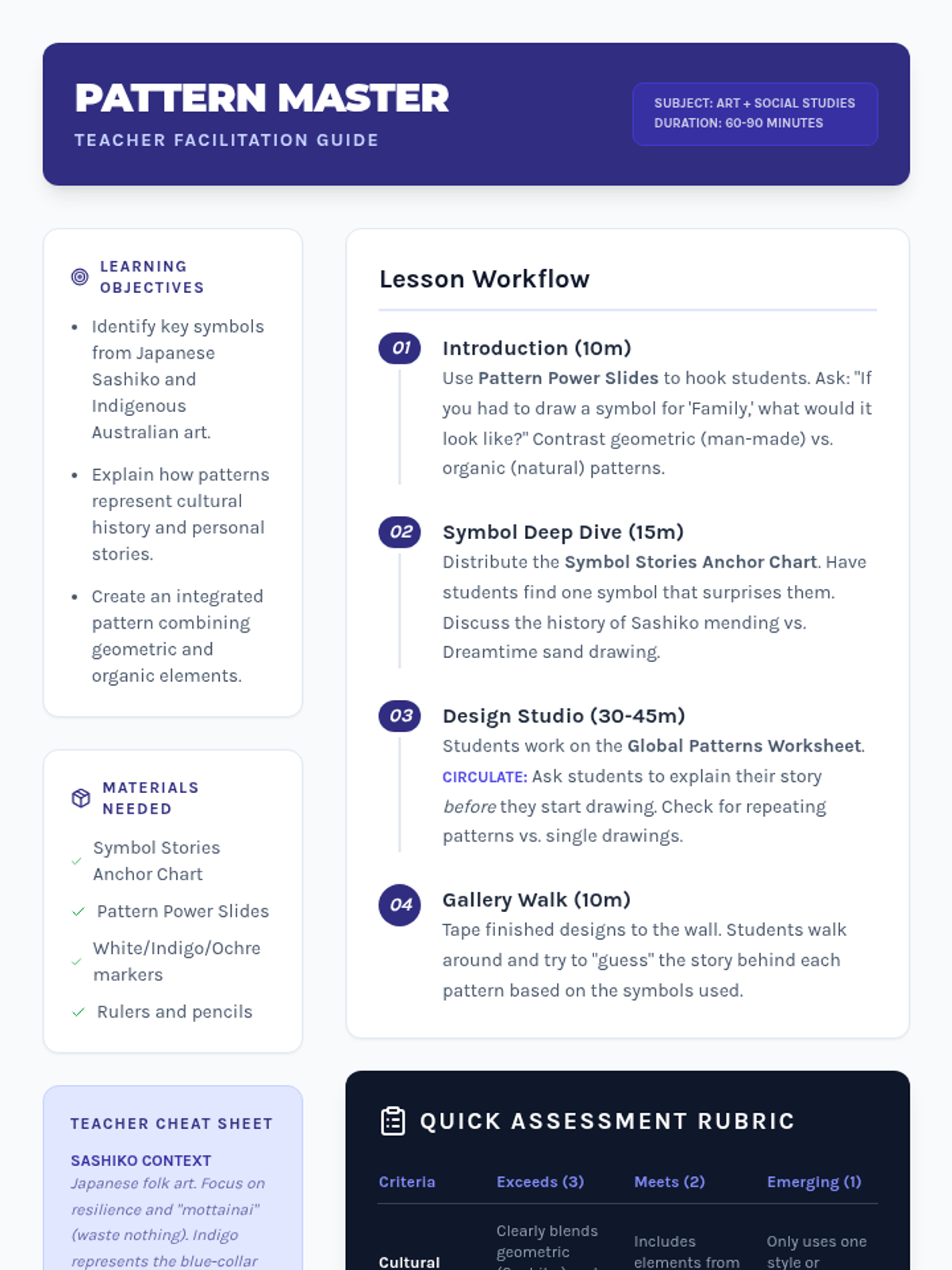
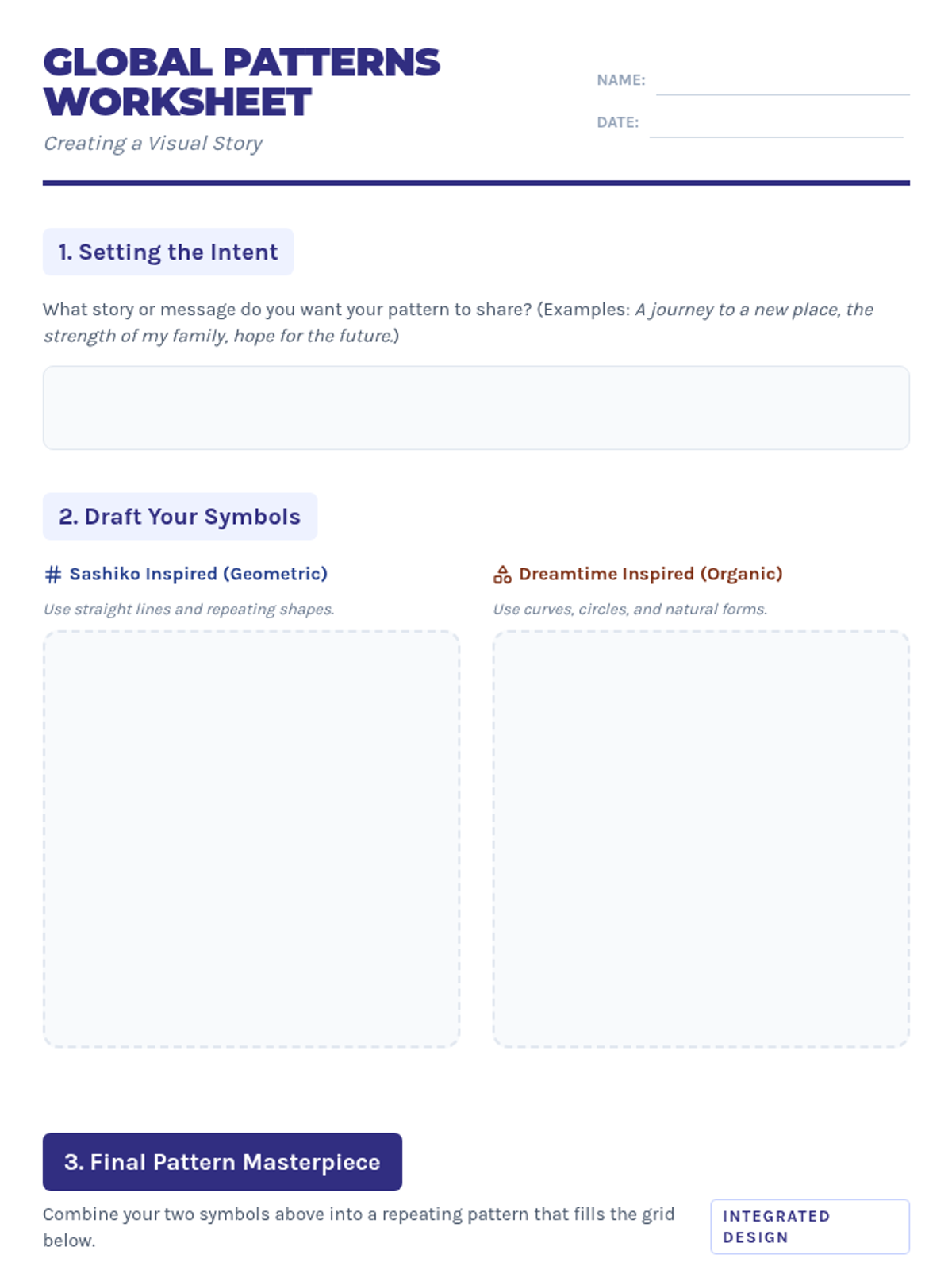
A cross-curricular art and social studies lesson where students explore the history and symbolism of Japanese Sashiko and Indigenous Australian Dreamtime art to create their own meaningful patterns.
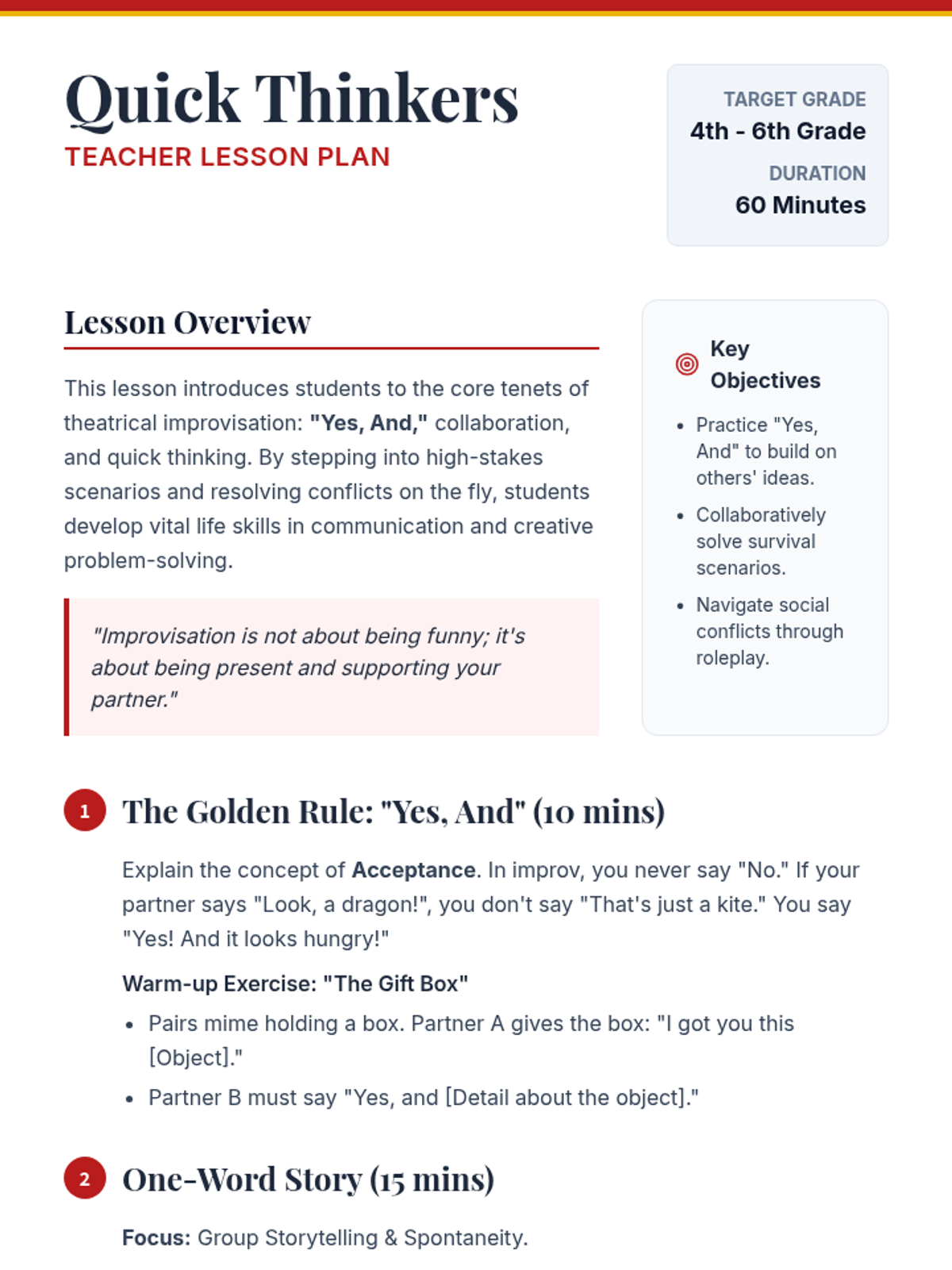
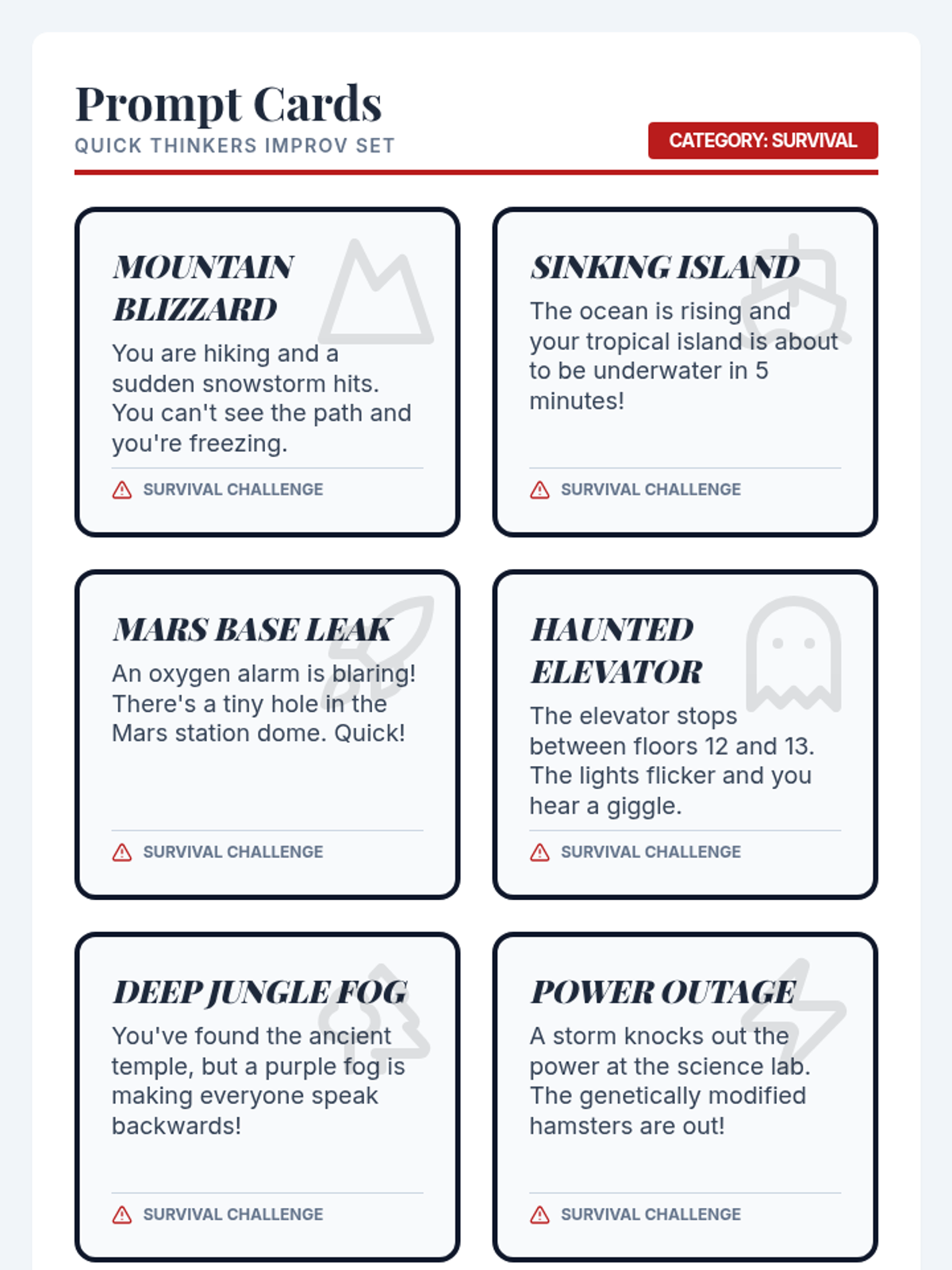
A high-energy theatre lesson for grades 4-6 that uses improvisation games to build spontaneity, teamwork, and creative problem-solving skills through storytelling and survival scenarios.
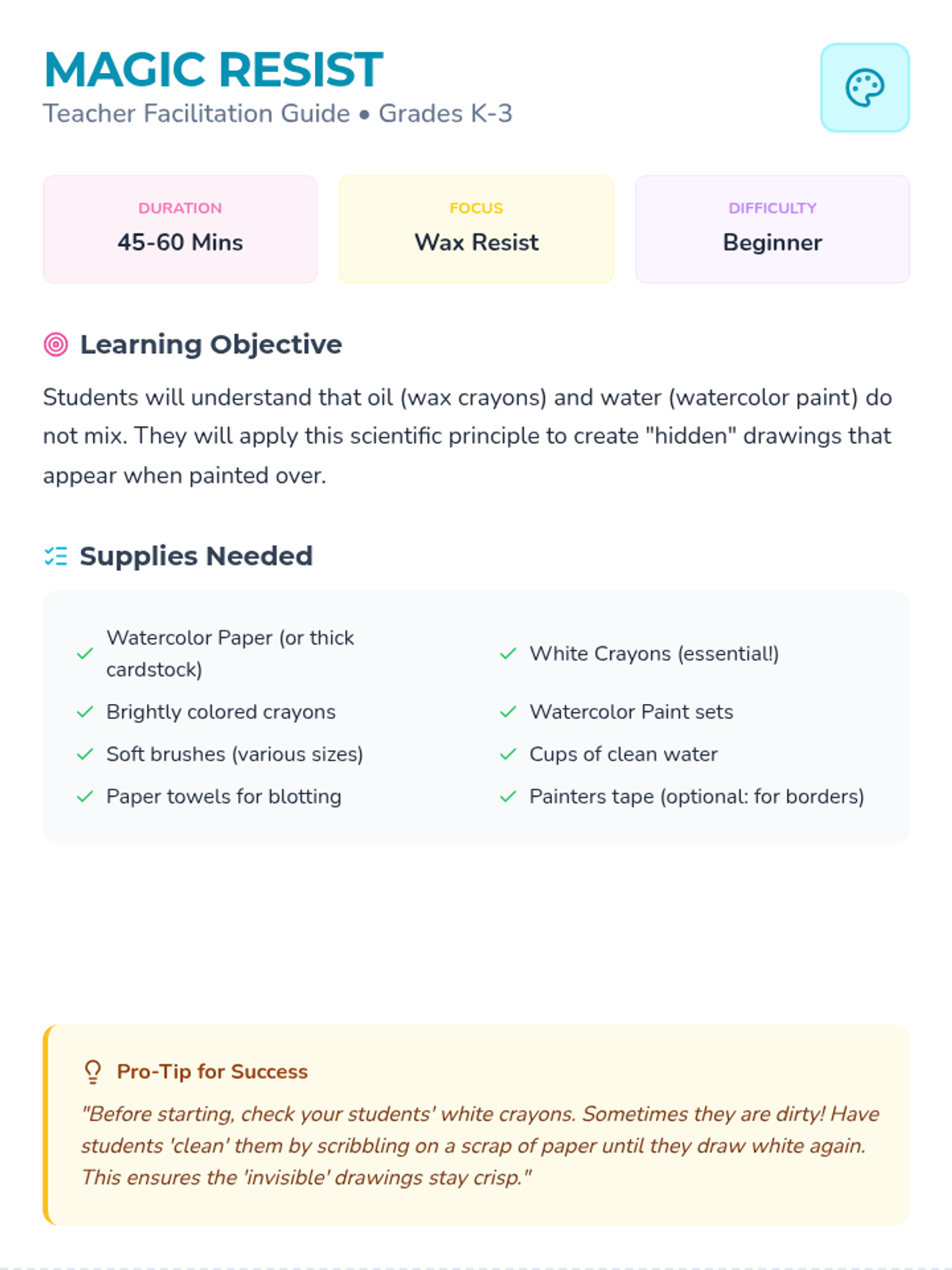
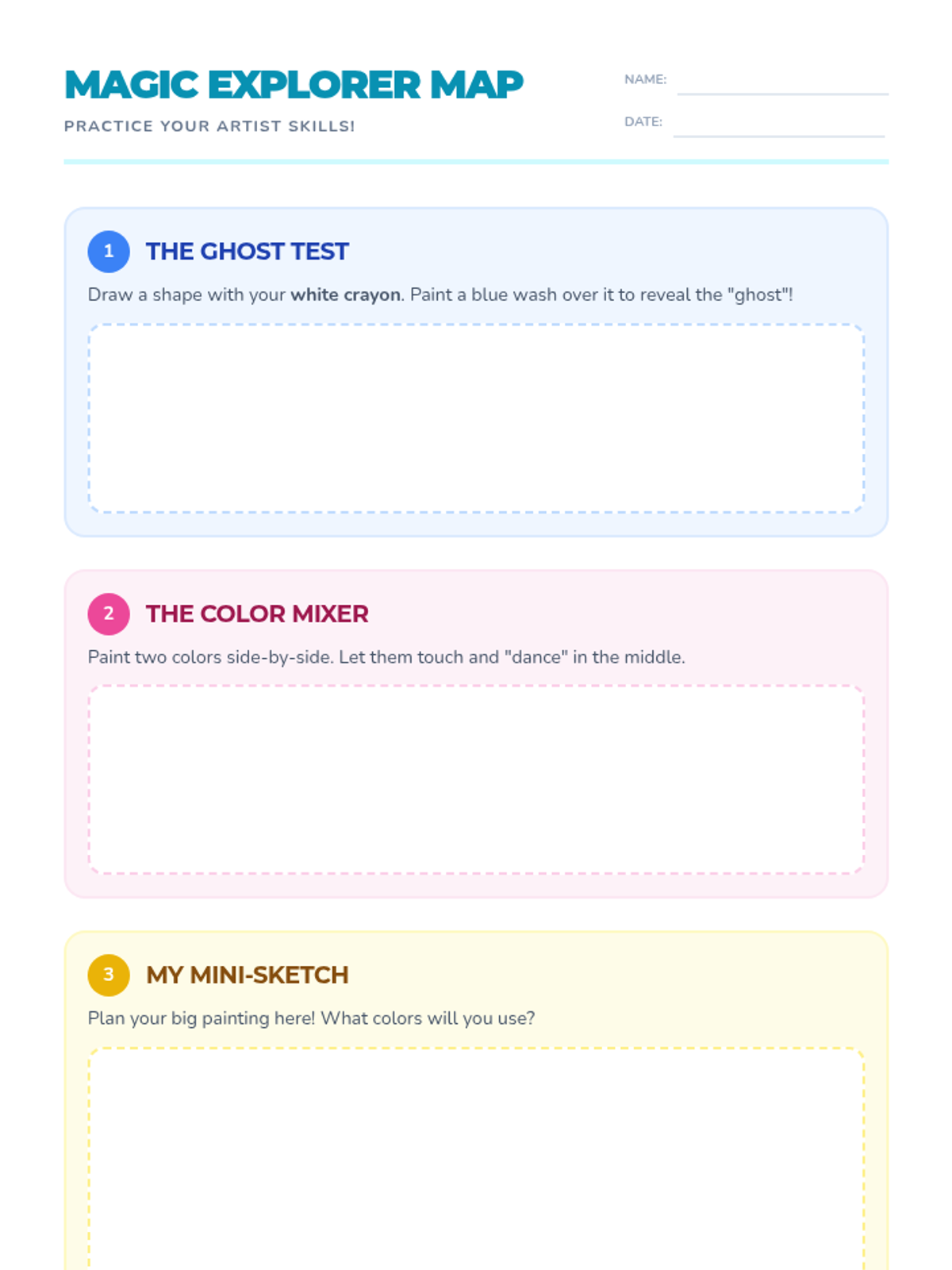
Students explore the wax-resist watercolor technique to create vibrant landscapes. This lesson introduces basic color mixing and the "magic" of how oil and water don't mix.
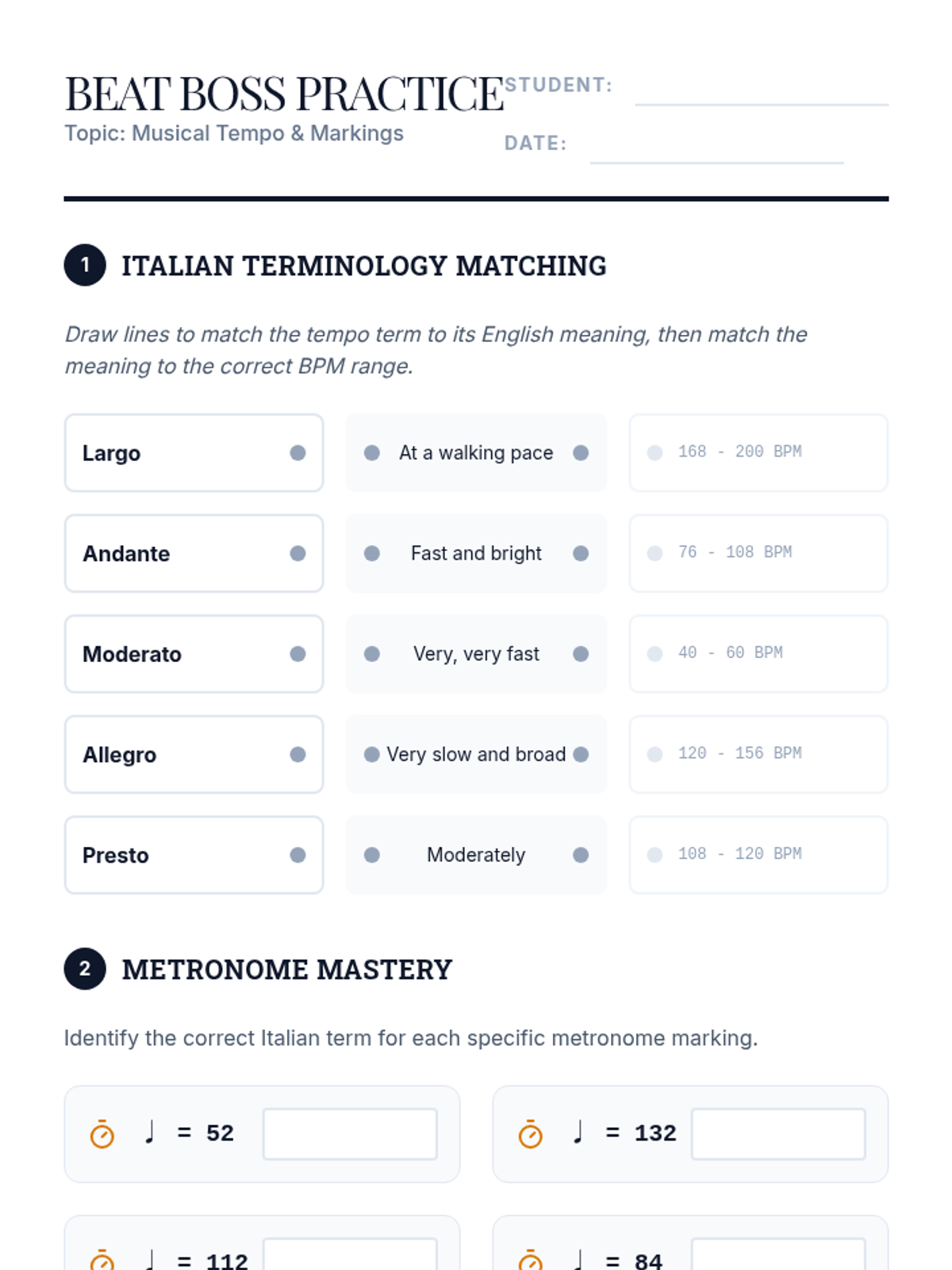
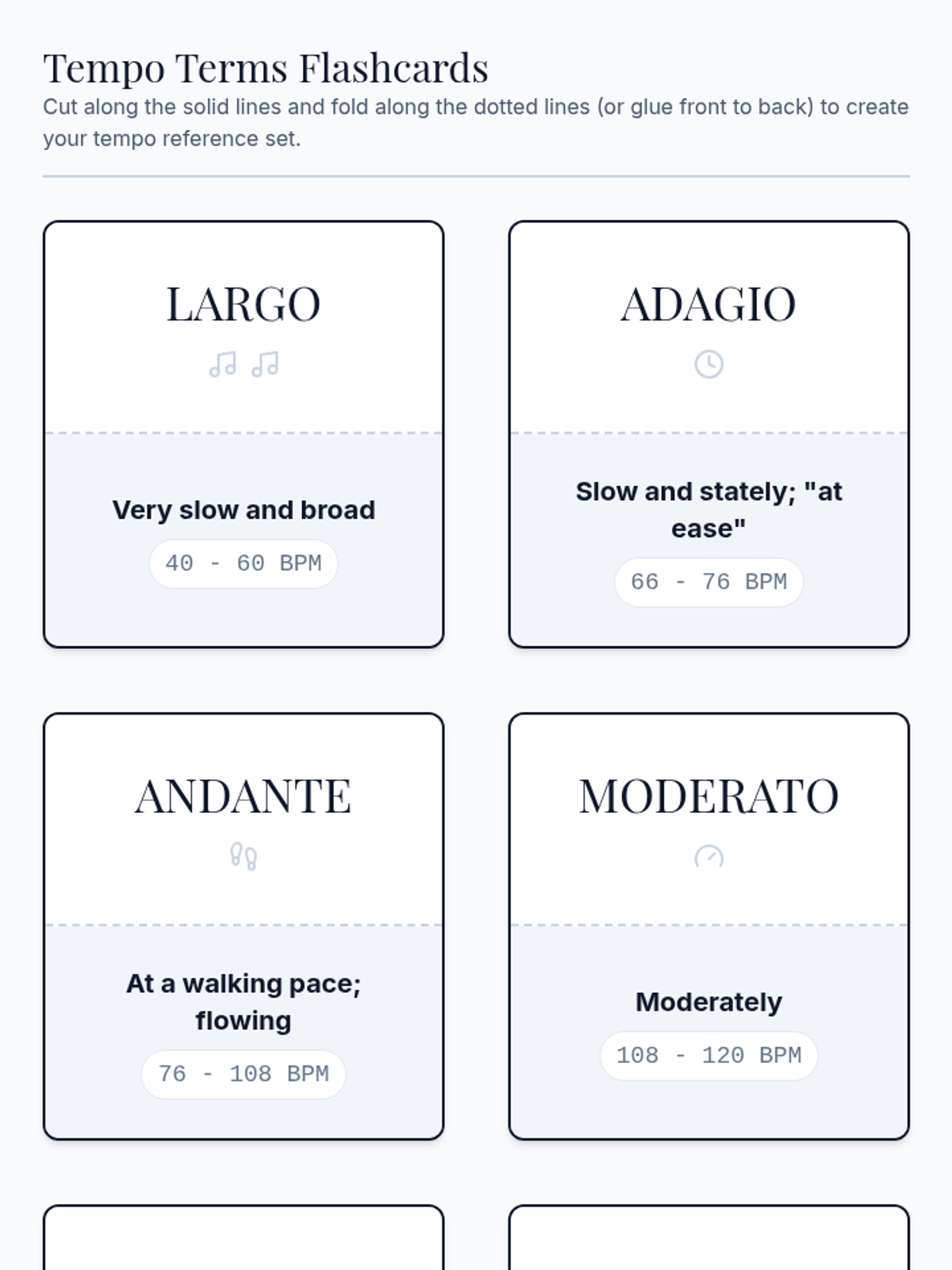
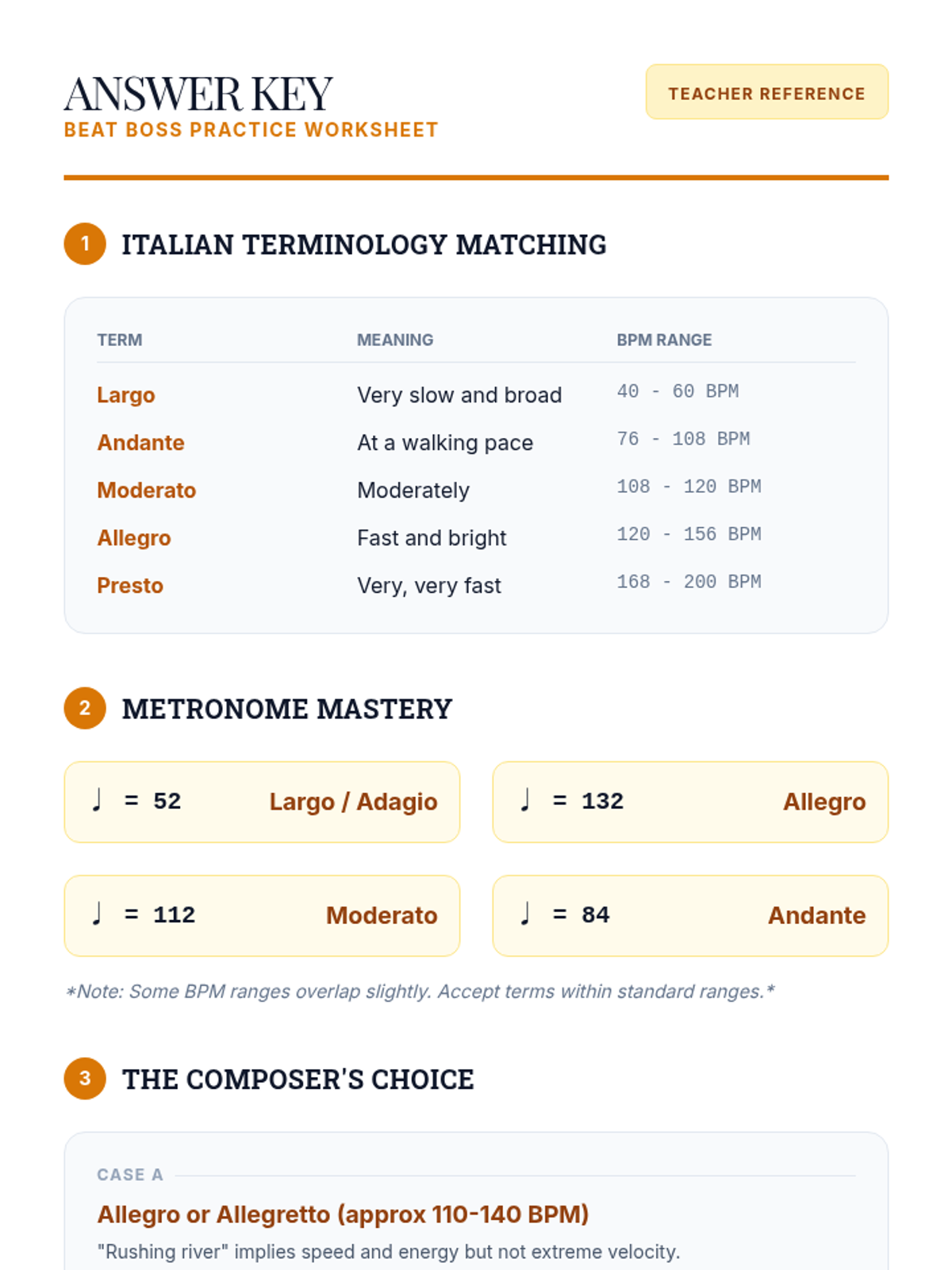
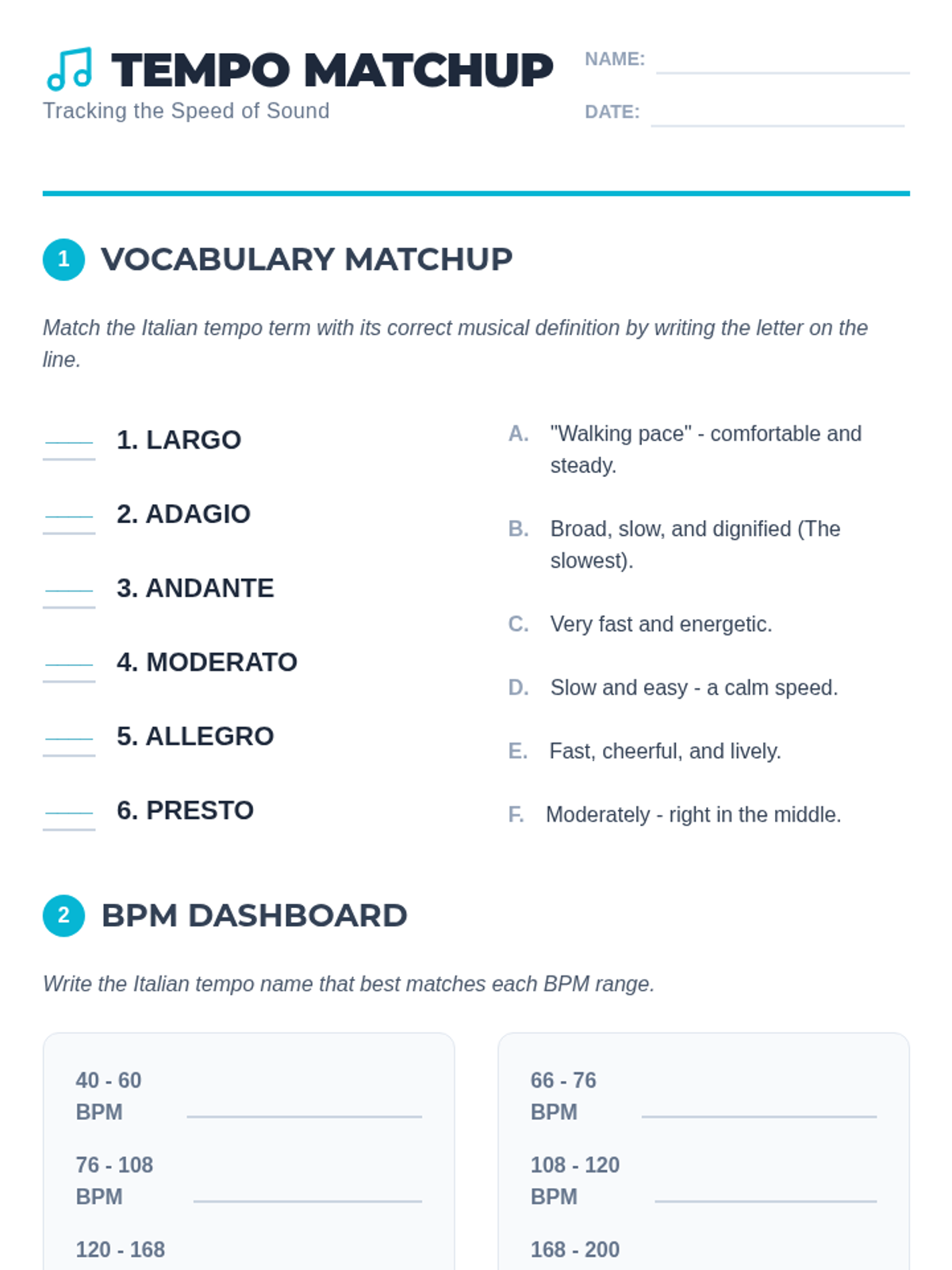
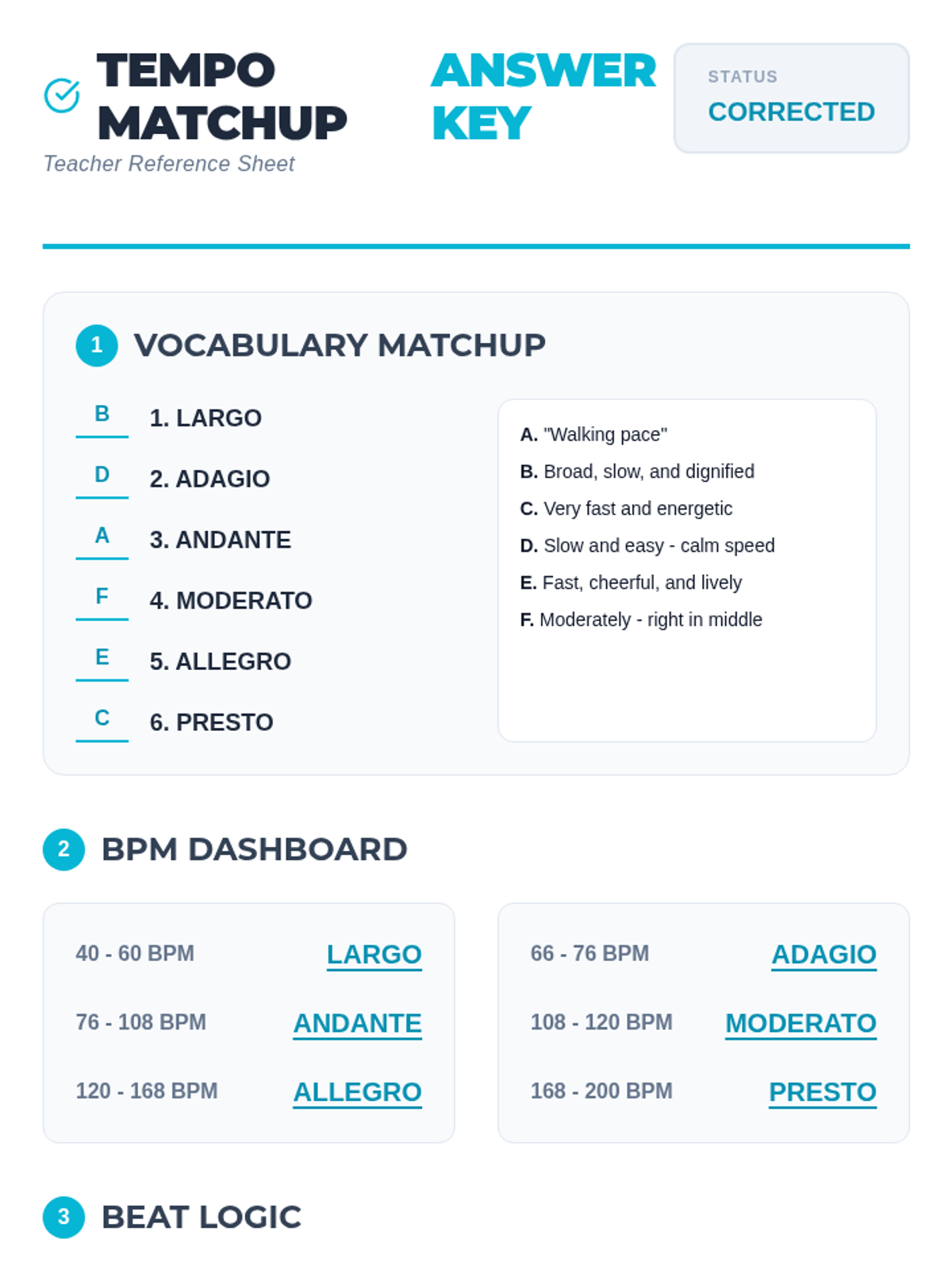
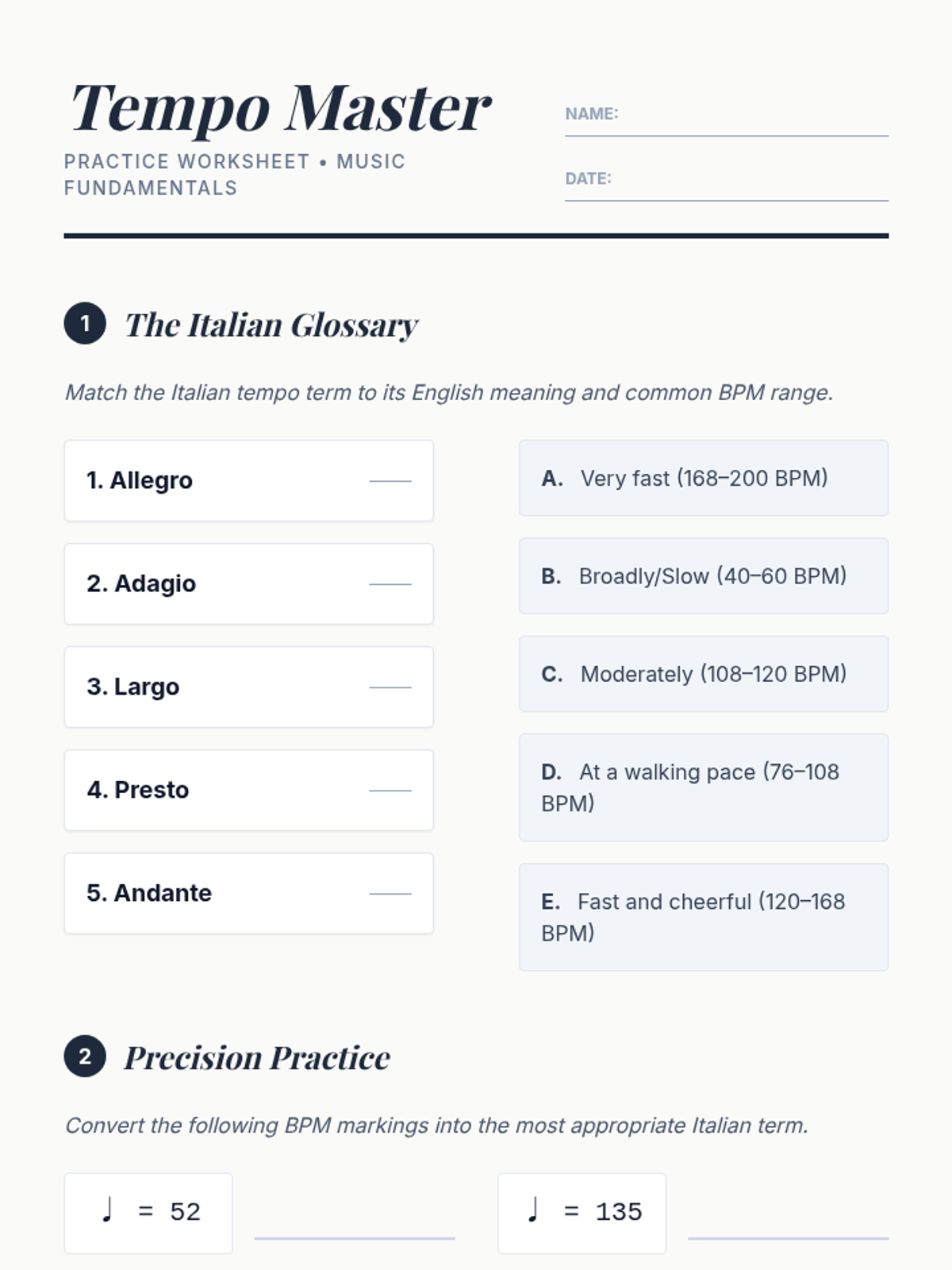
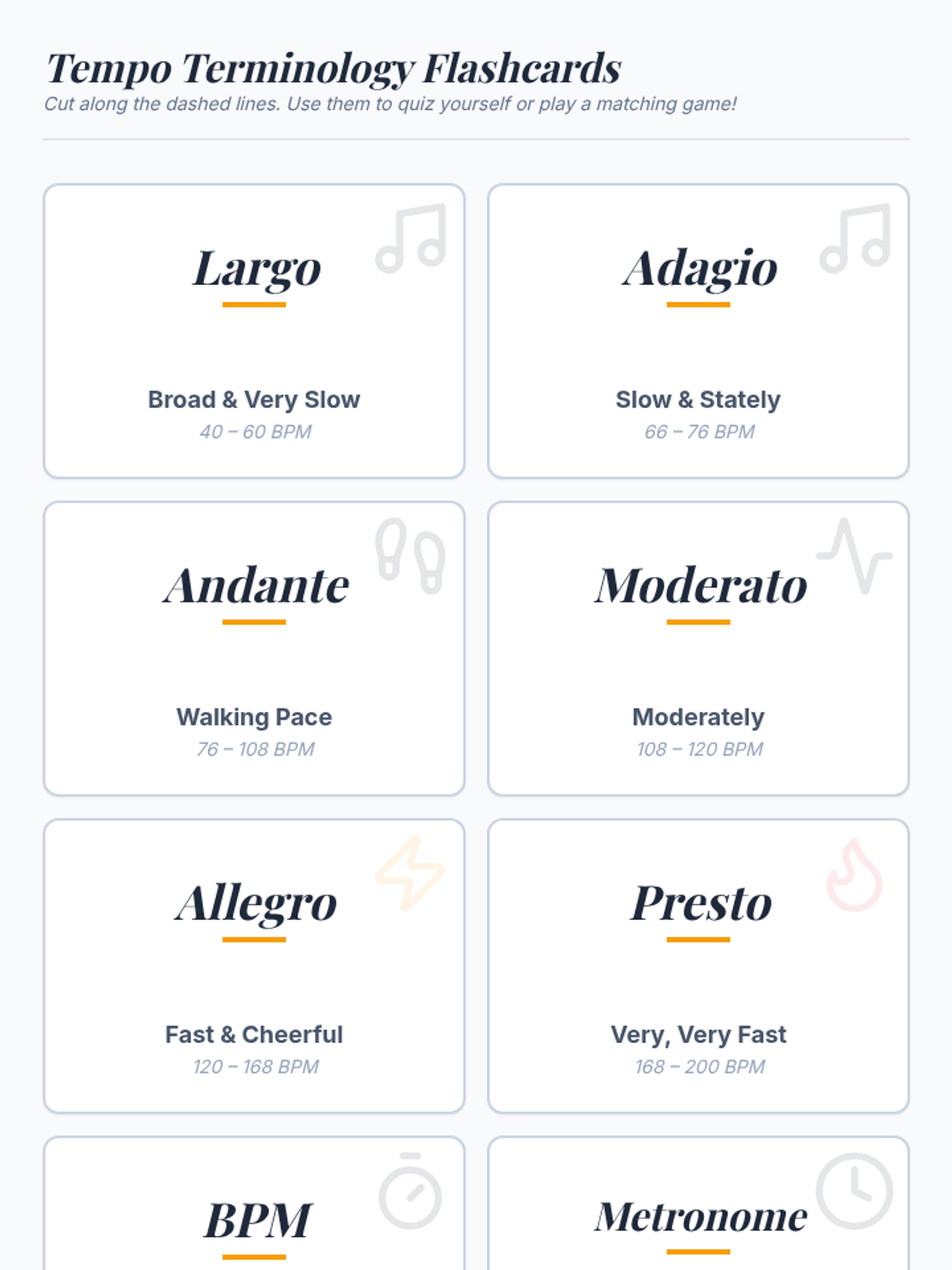
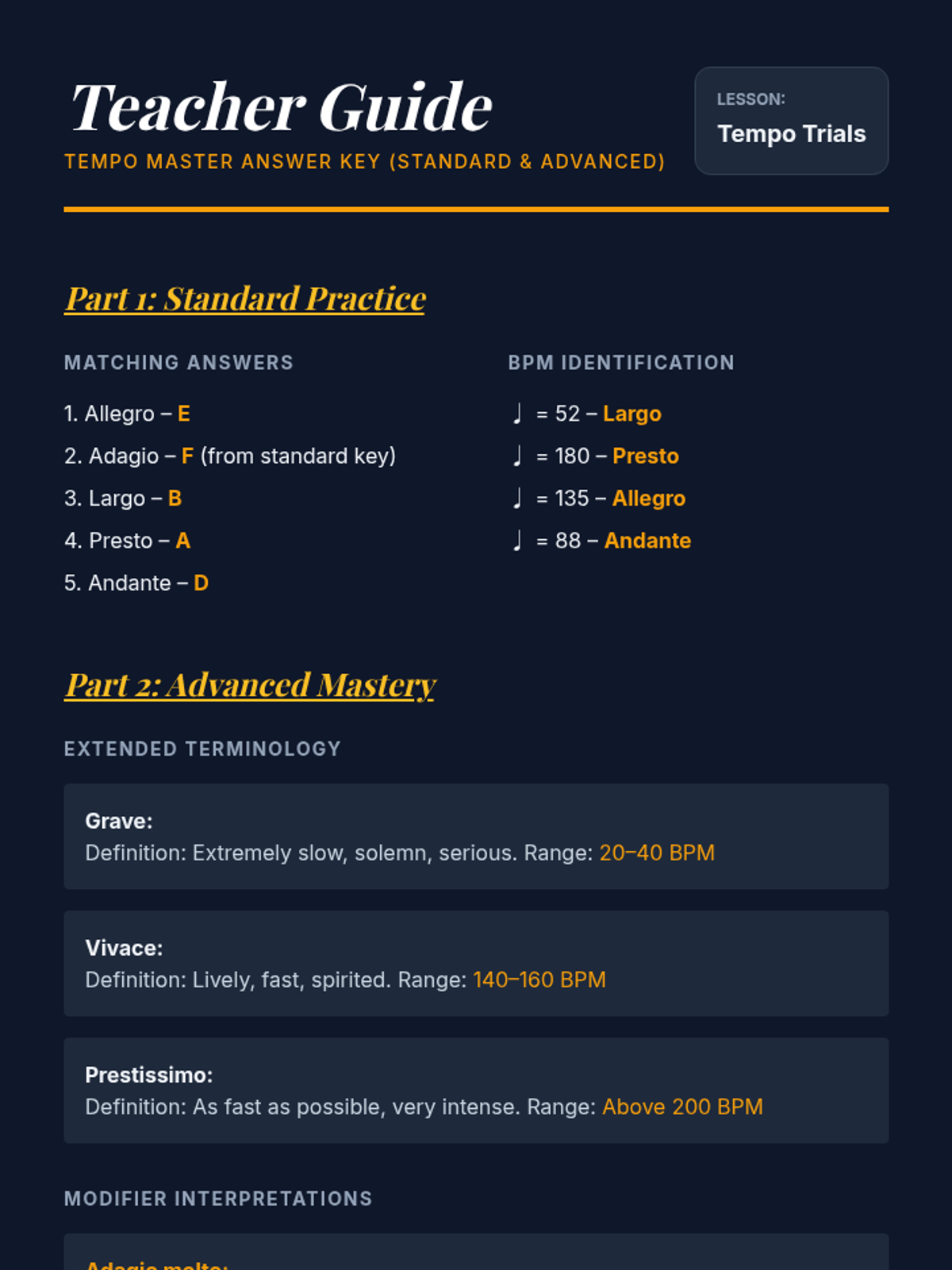
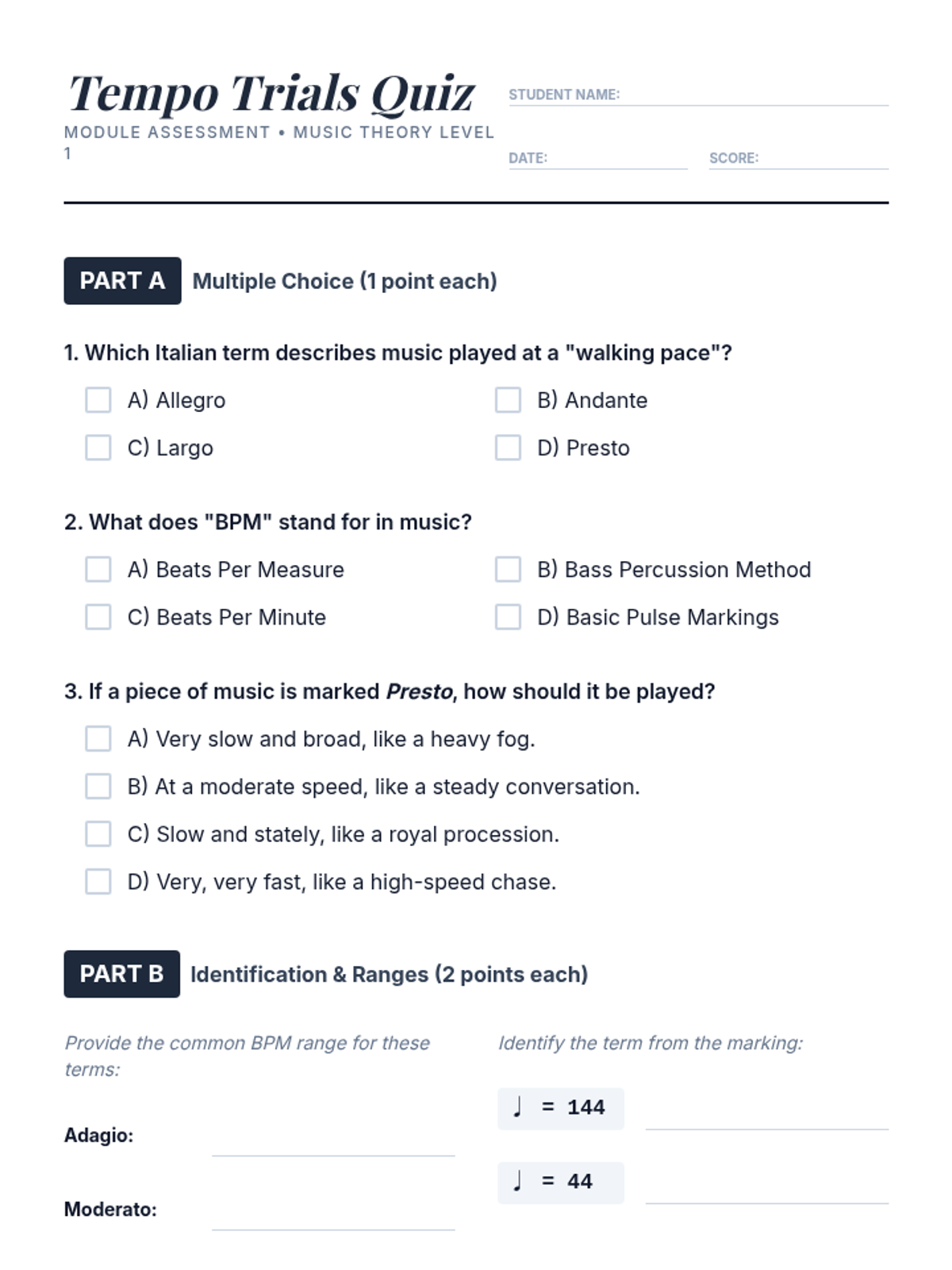
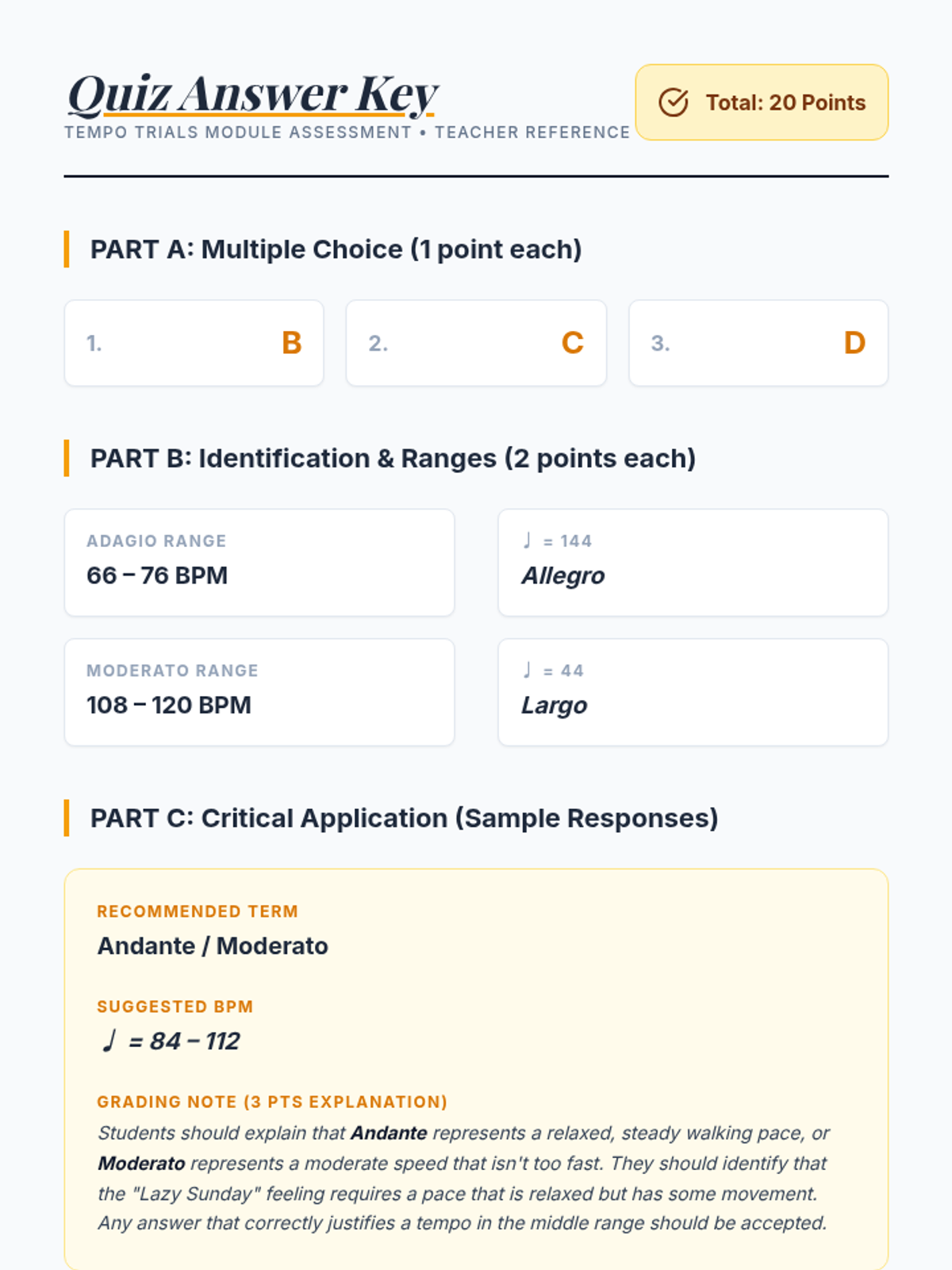
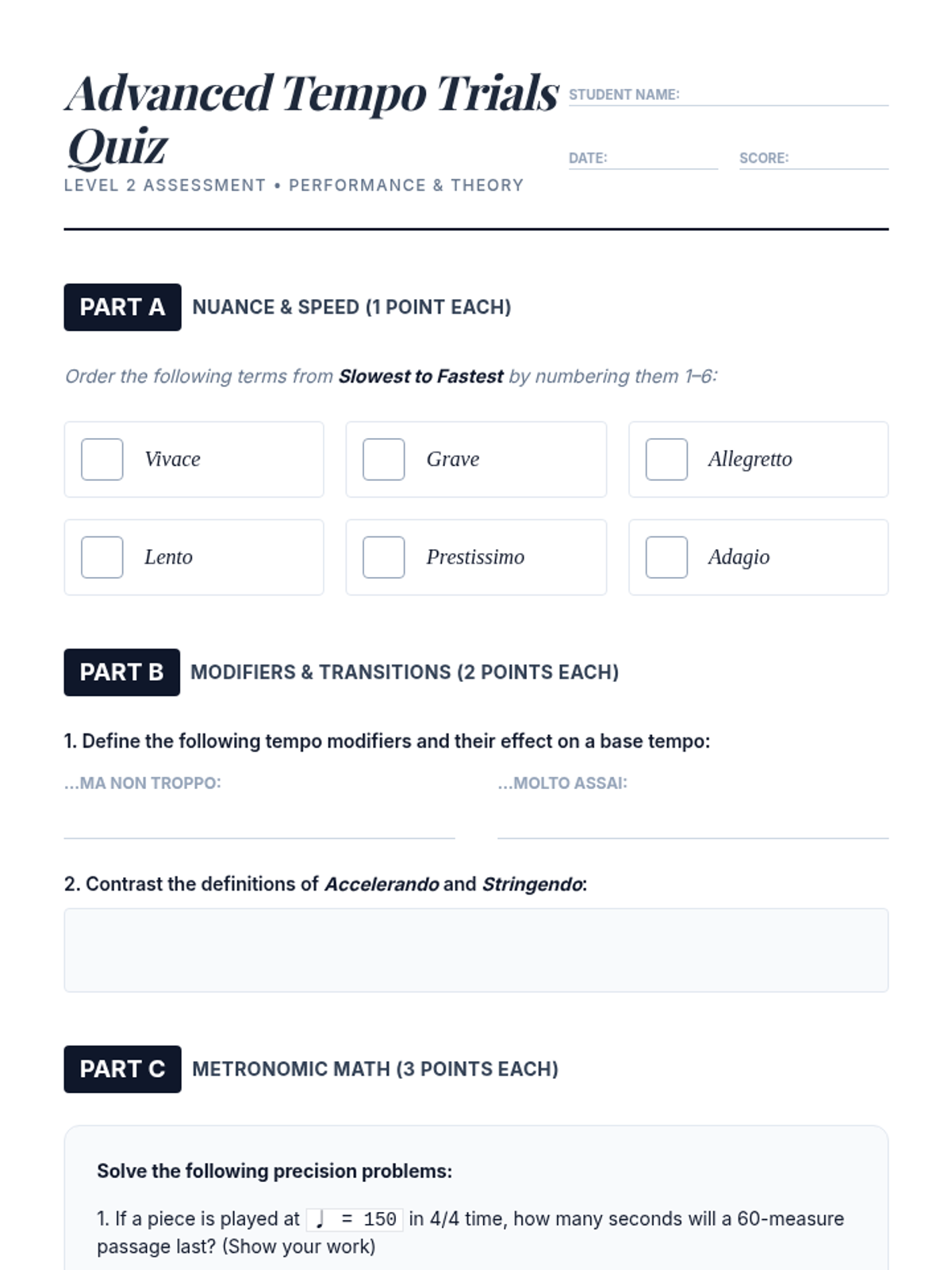
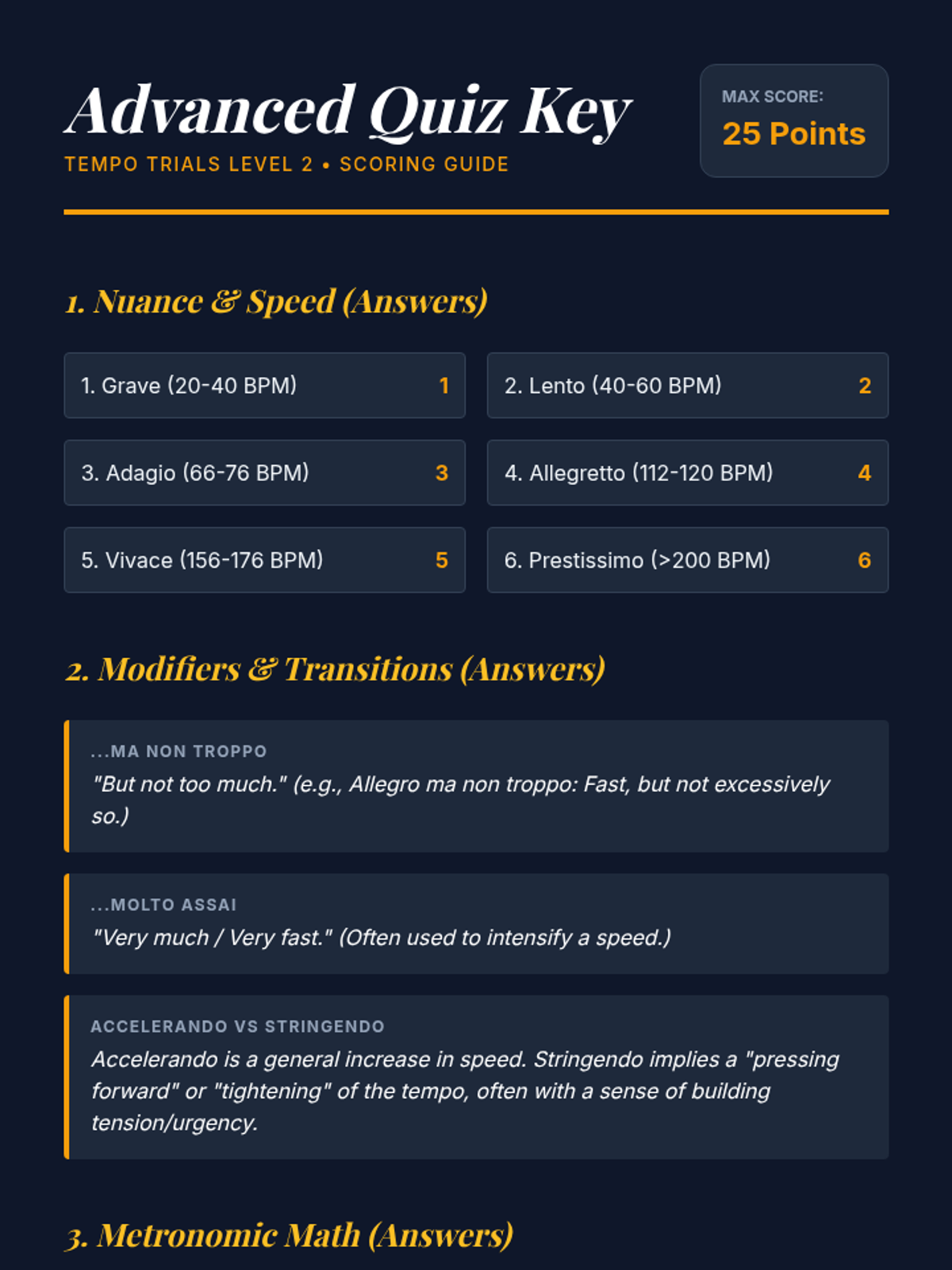
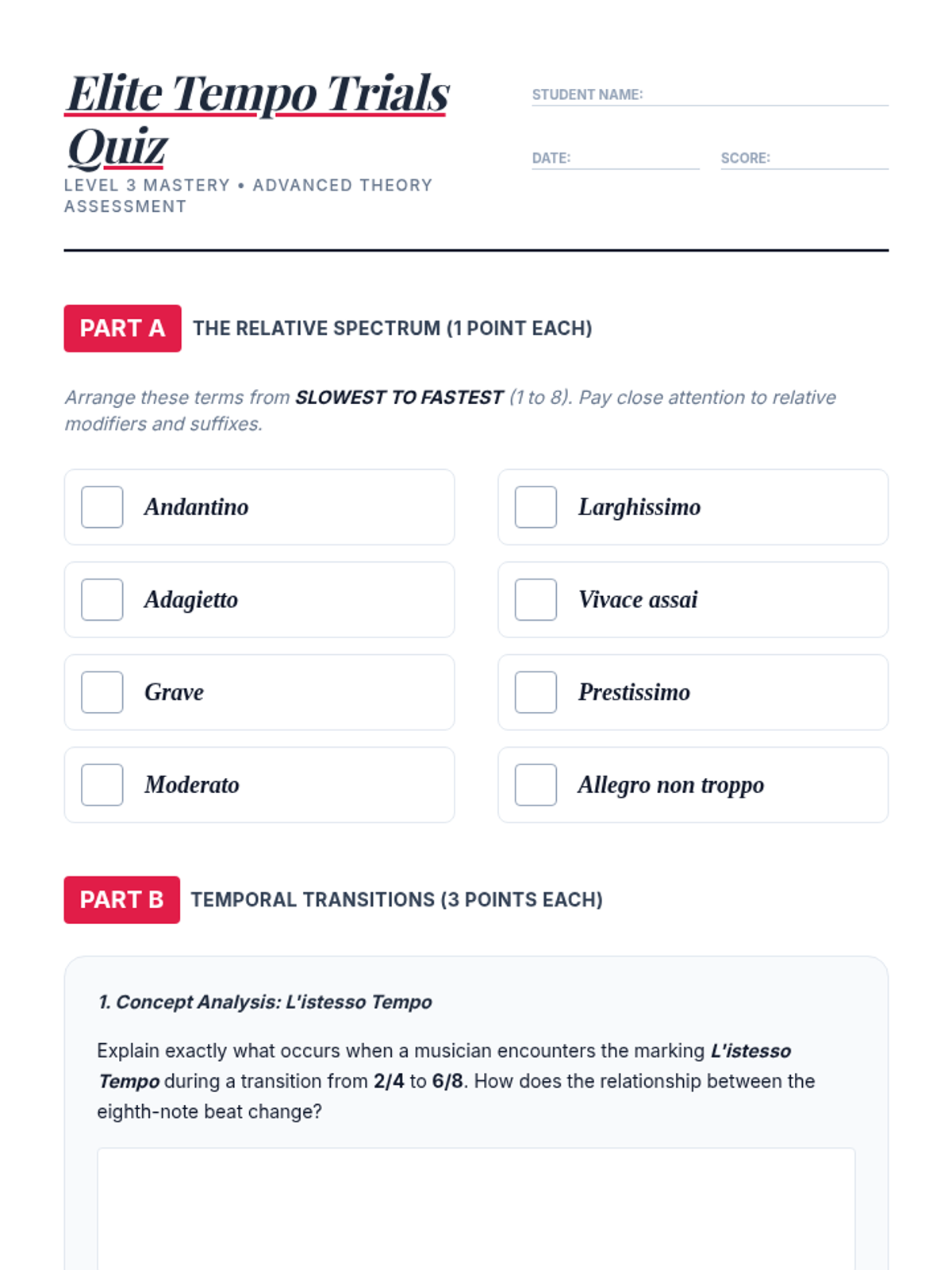
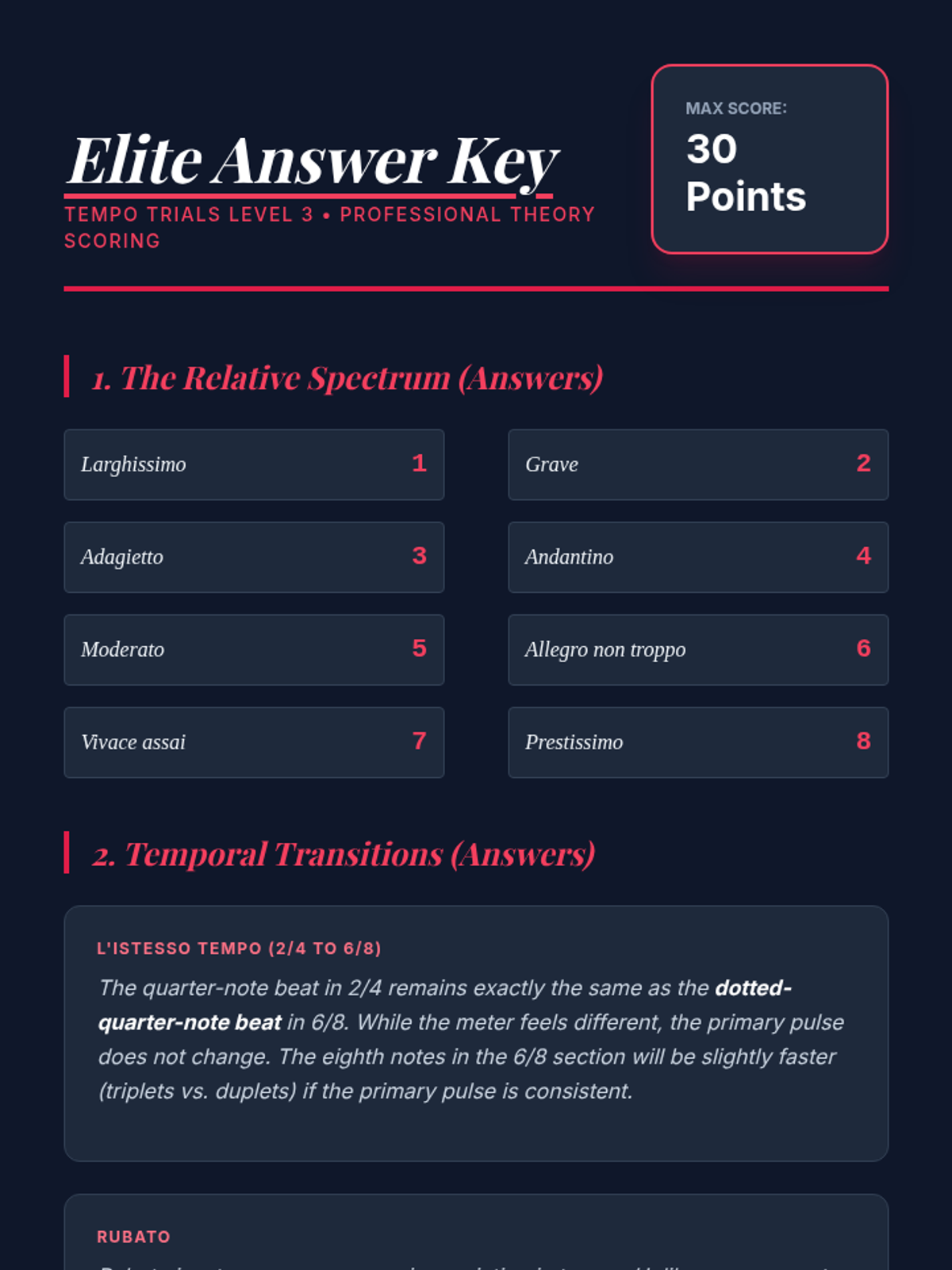
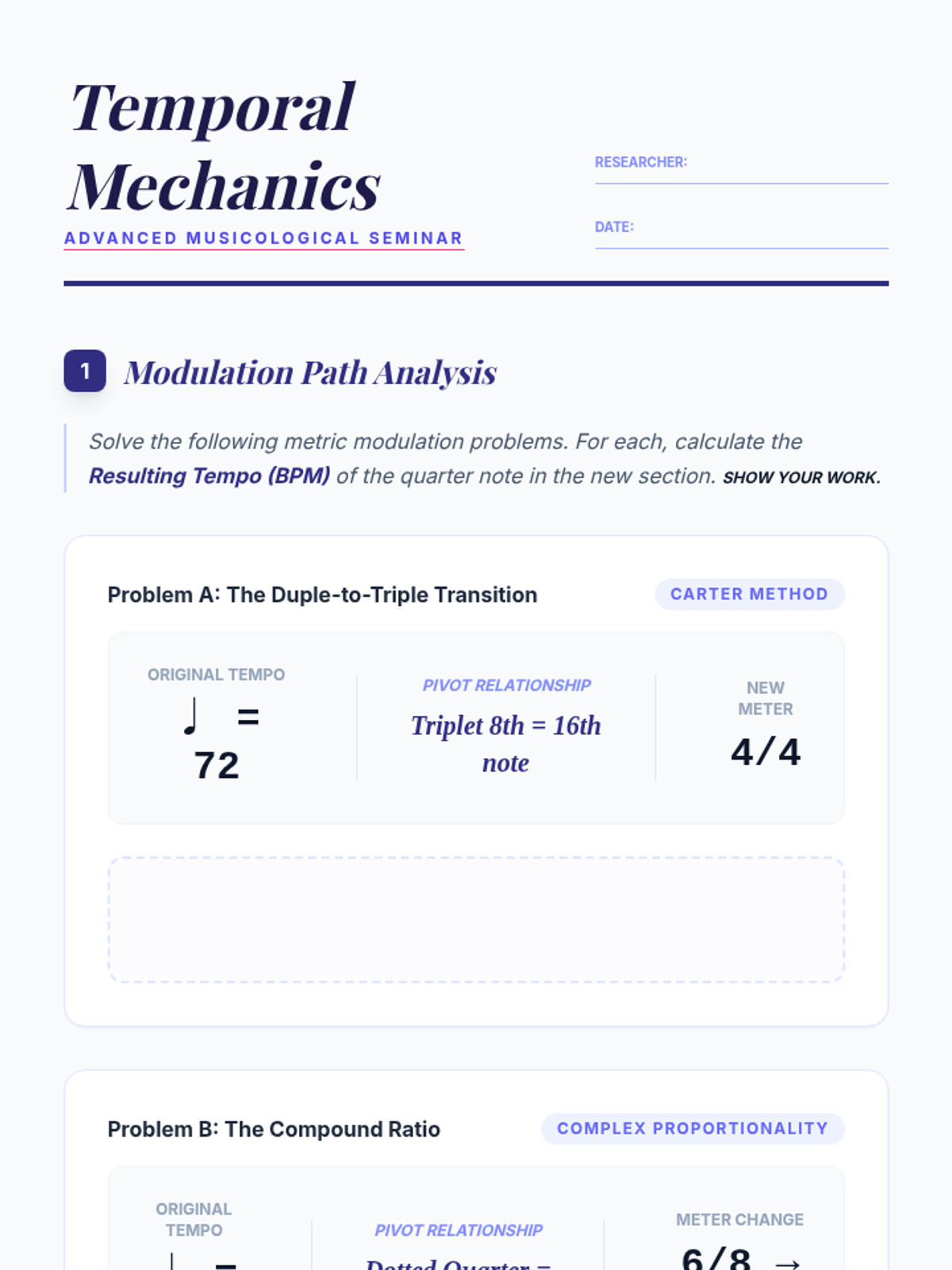
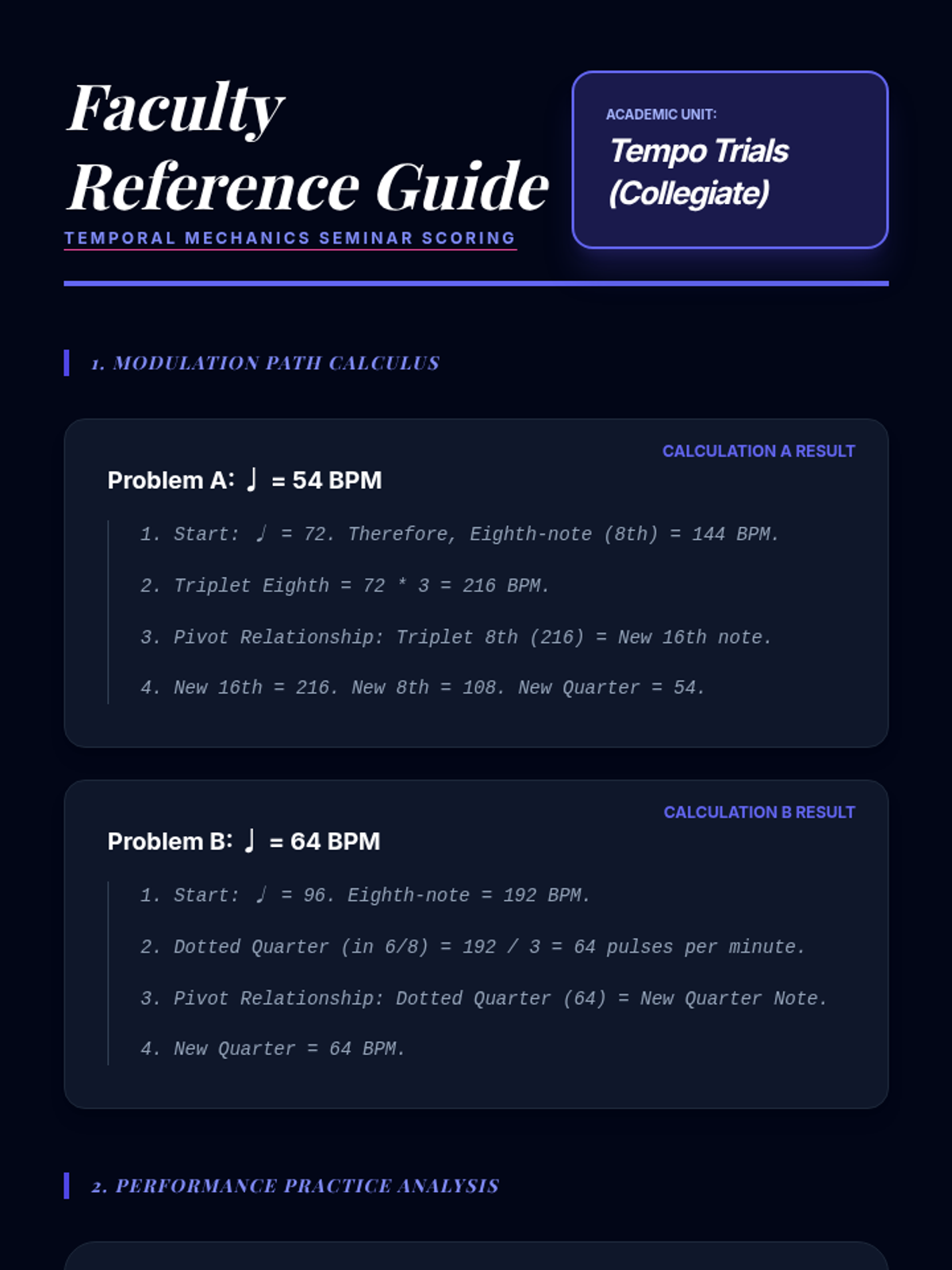
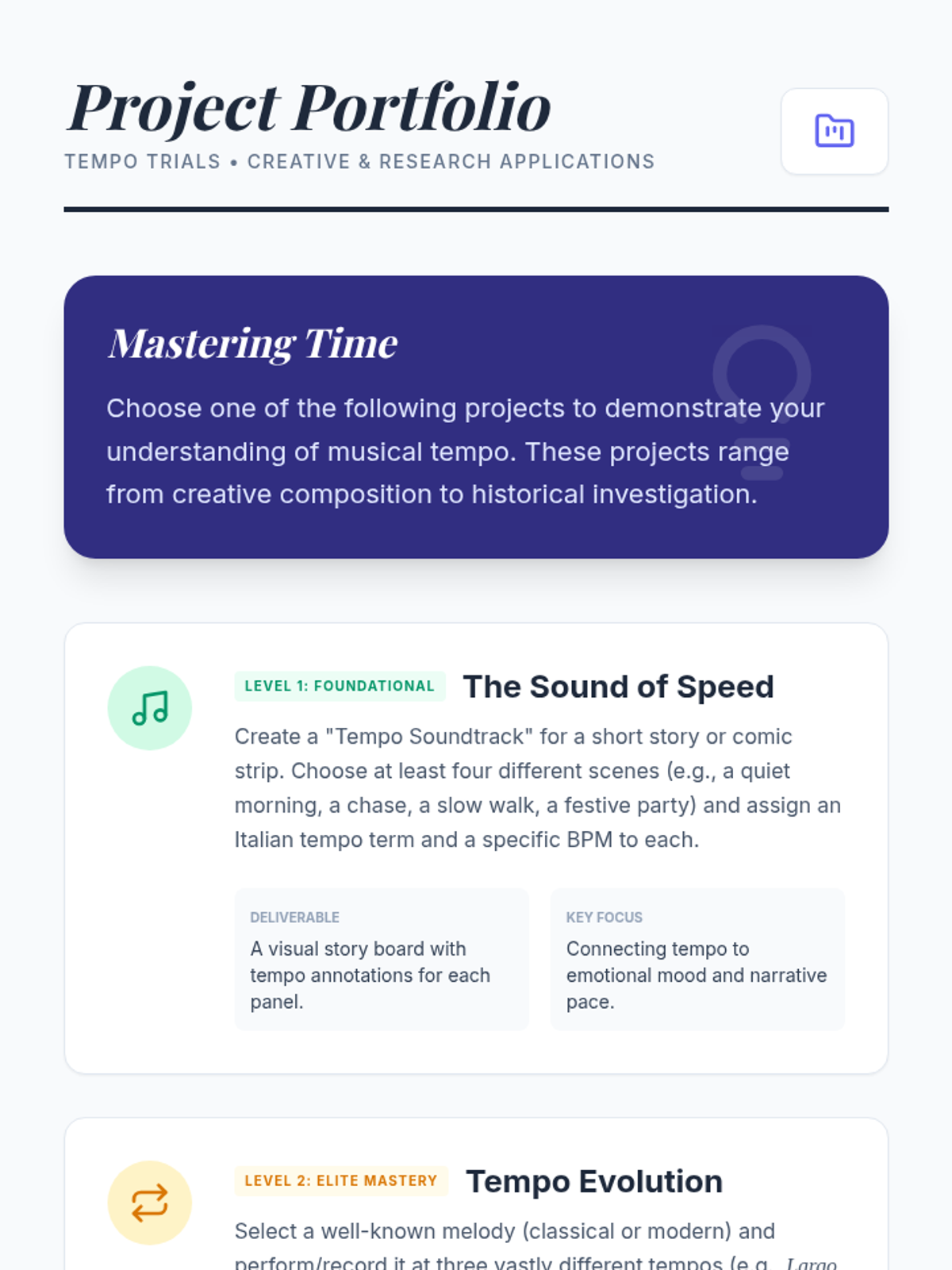
A comprehensive lesson on music tempo covering Italian terminology, metronome markings, and practical application to musical scores. Students will learn to identify and apply various speeds to music.
A lesson exploring the speed of music through Italian tempo markings, the use of metronomes, and understanding Beats Per Minute (BPM).
A comprehensive guide to understanding and applying musical tempo, covering Italian terminology, BPM, and metronome markings.
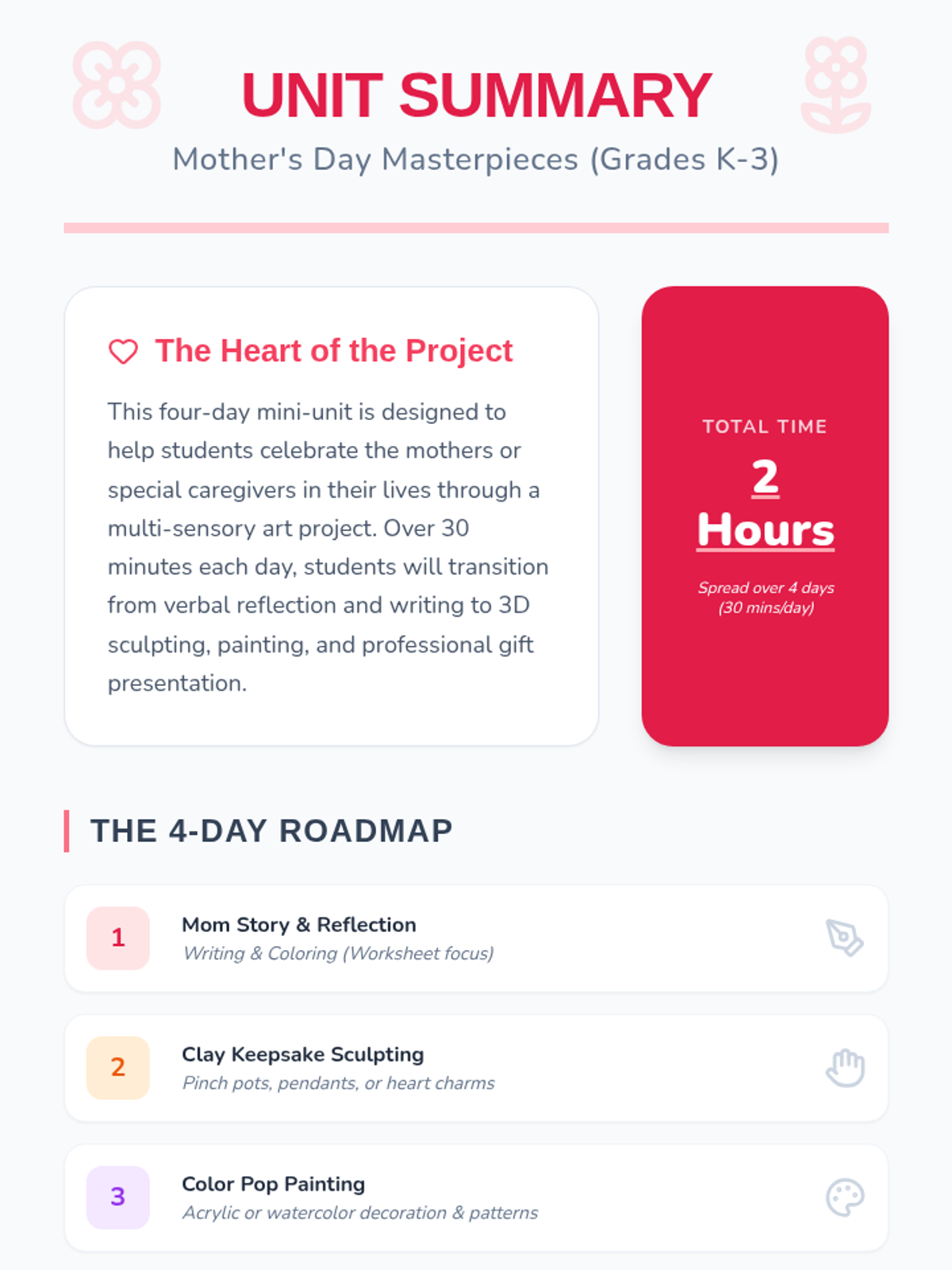
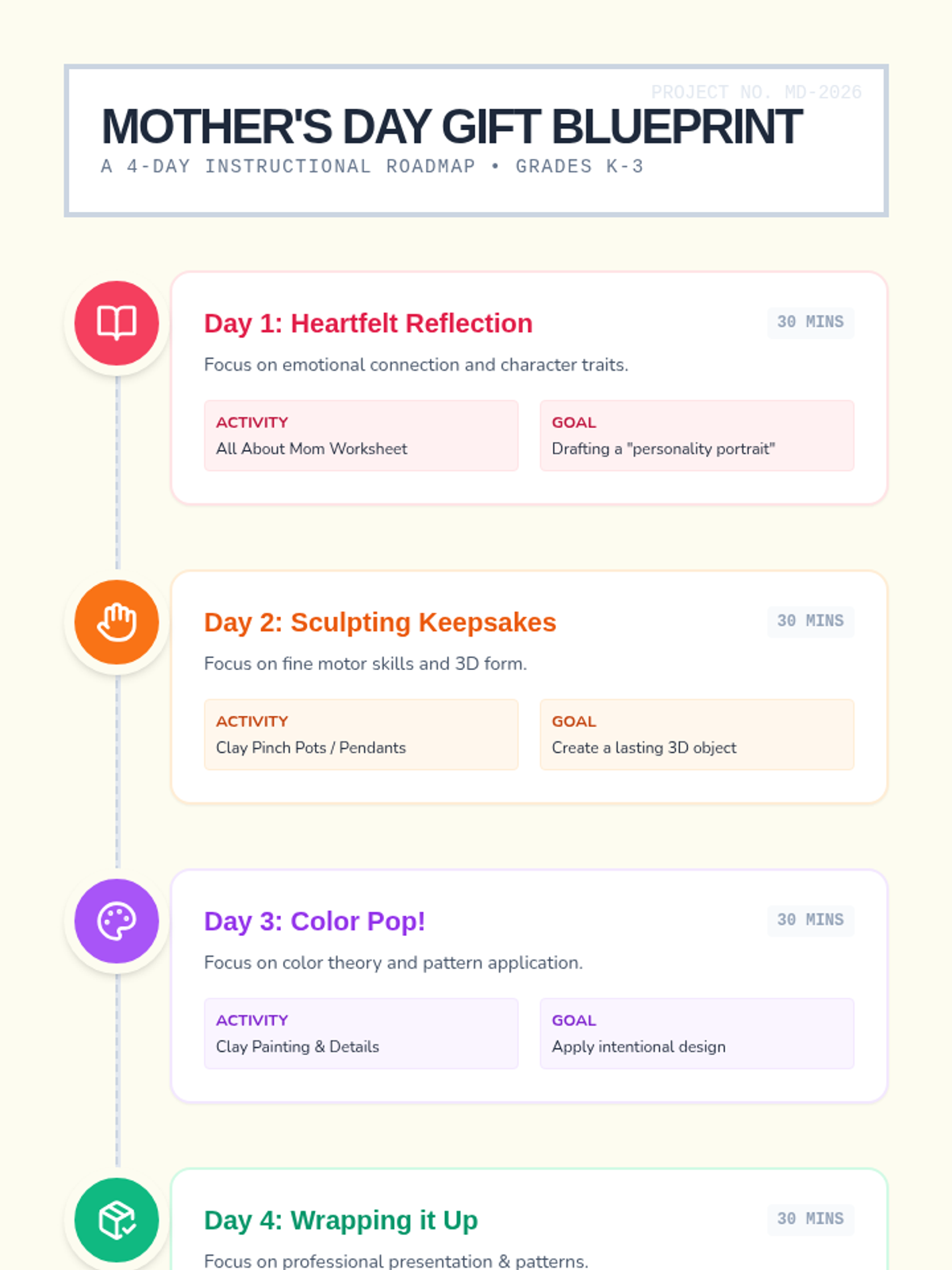
High-level planning resources and summaries for the Mother's Day unit.
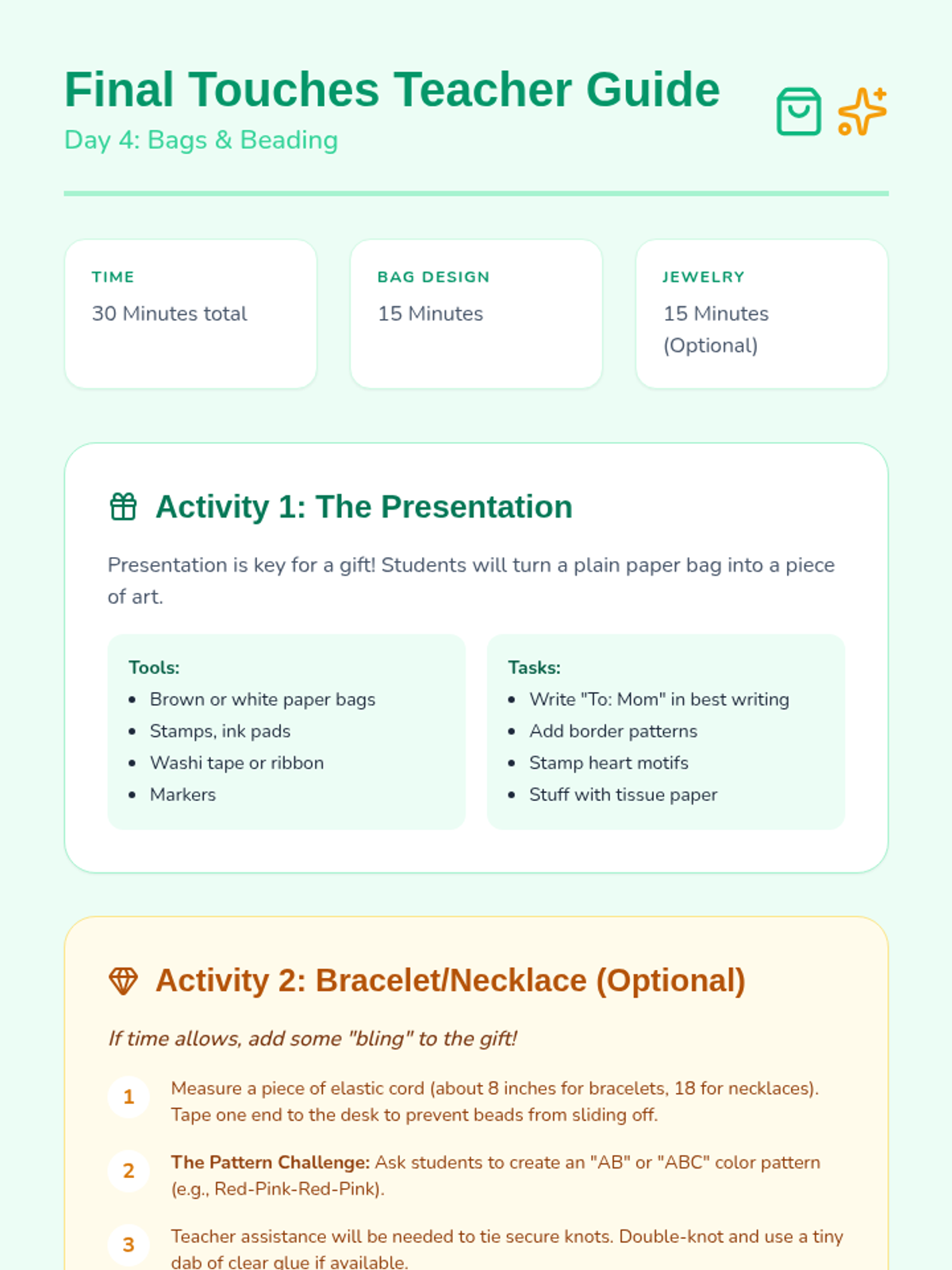
Students decorate gift bags for their creations and, if time permits, bead a personalized necklace or bracelet to complete the gift set.
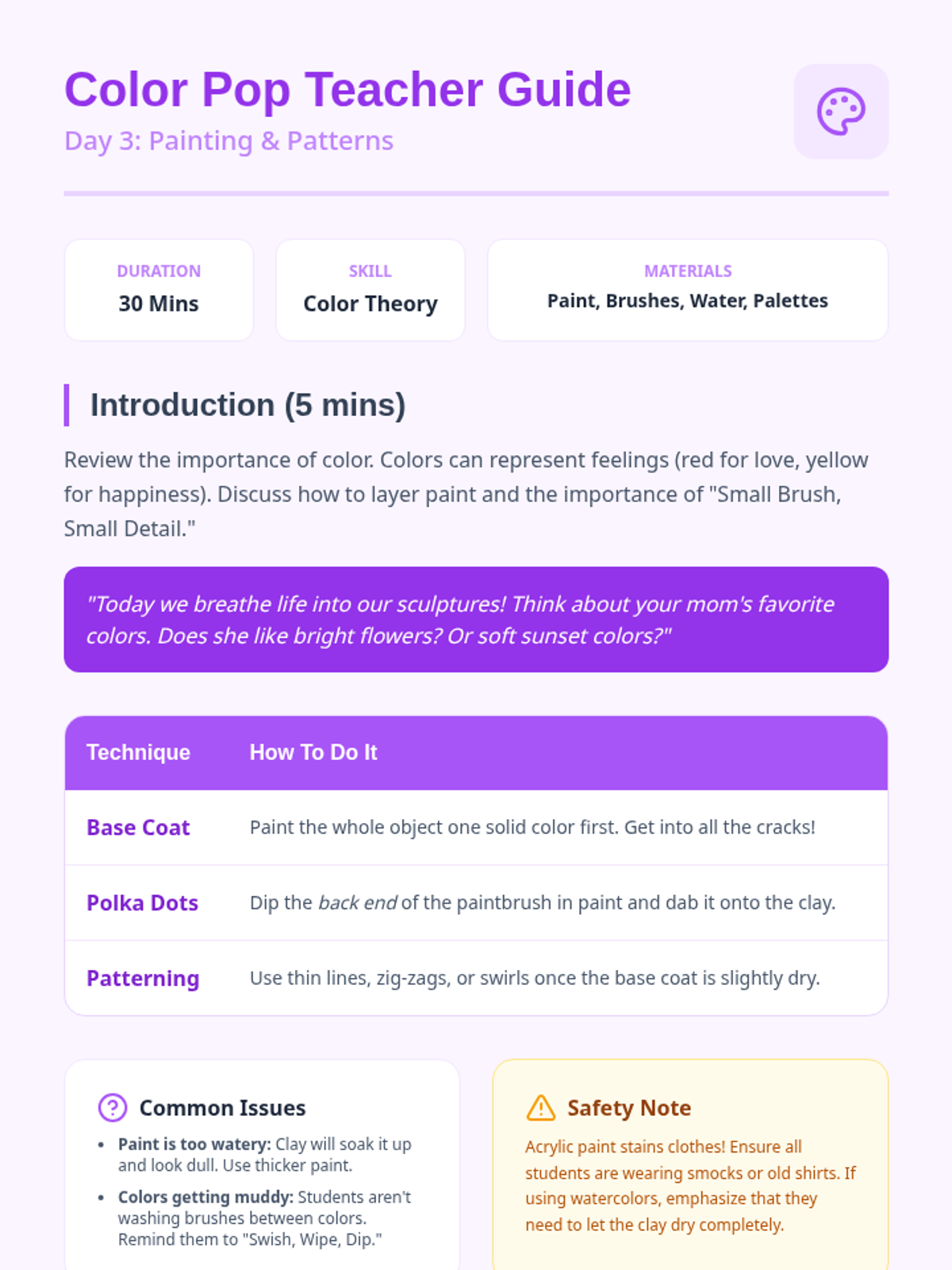
Students add personality and color to their dried clay creations using acrylic paints or watercolors, focusing on patterns and vibrant designs.
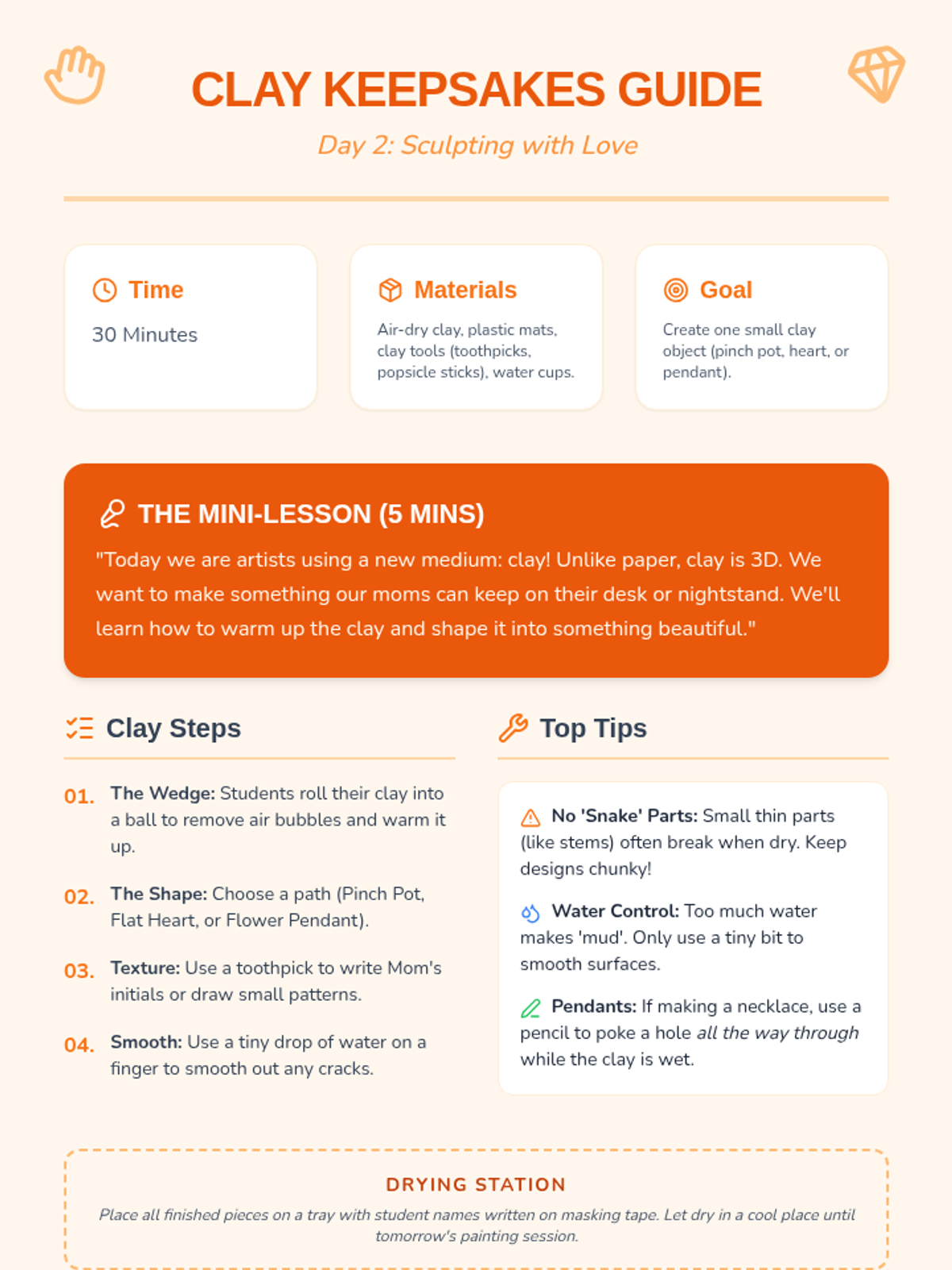
Students use their fine motor skills to sculpt a special clay creation, such as a pinch pot or a pendant, as a lasting gift for their mothers.
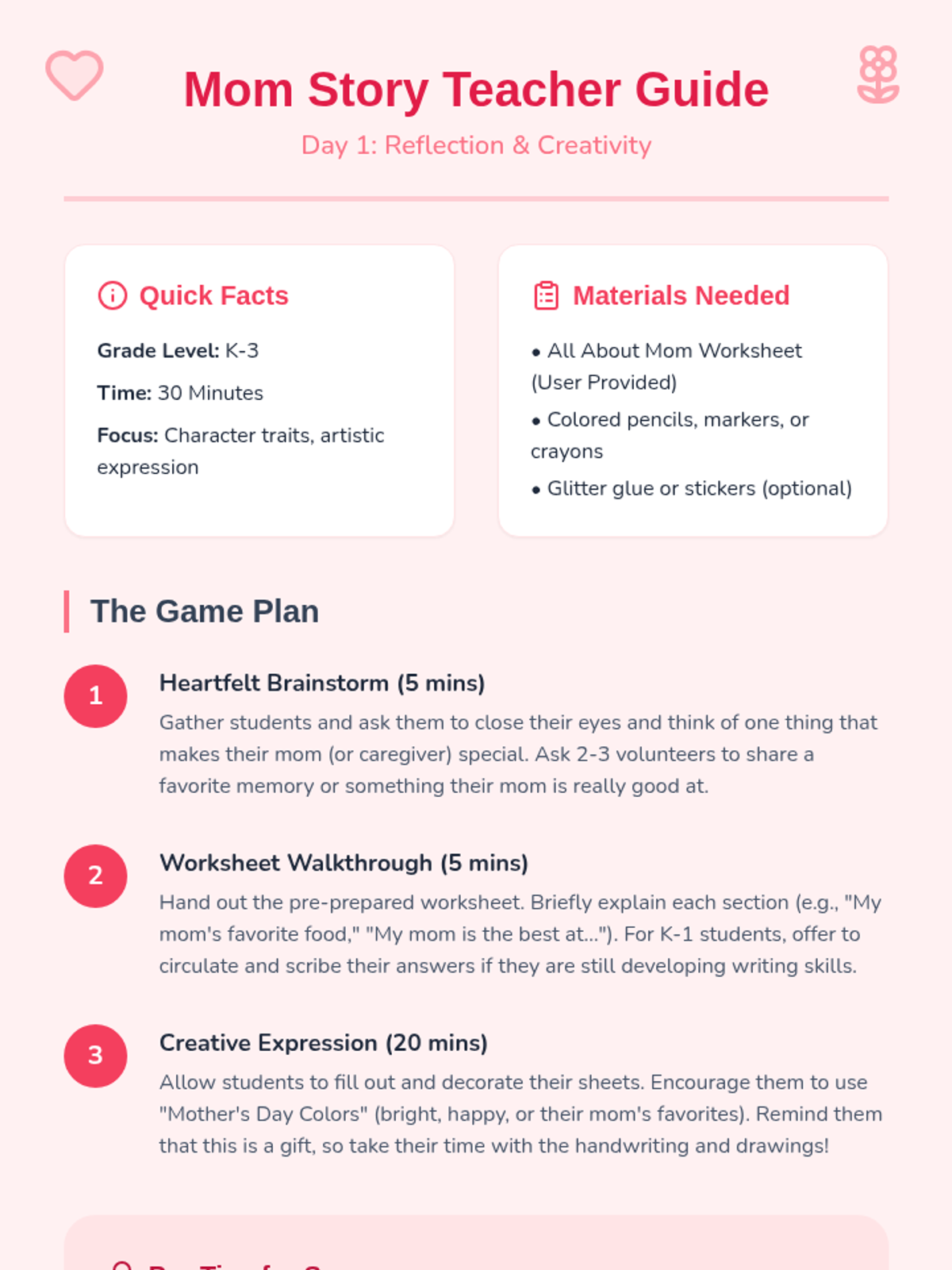
Students reflect on their mothers' unique qualities while completing and decorating an 'All About Mom' worksheet with creative details and vibrant colors.