Fundamental notation, instrumental proficiency, and vocal techniques across various genres. Connects historical analysis with original composition and creative performance skills.
A complete bulletin board kit featuring vibrant, rainbow-themed musical elements and diverse student illustrations to celebrate music as a universal language.
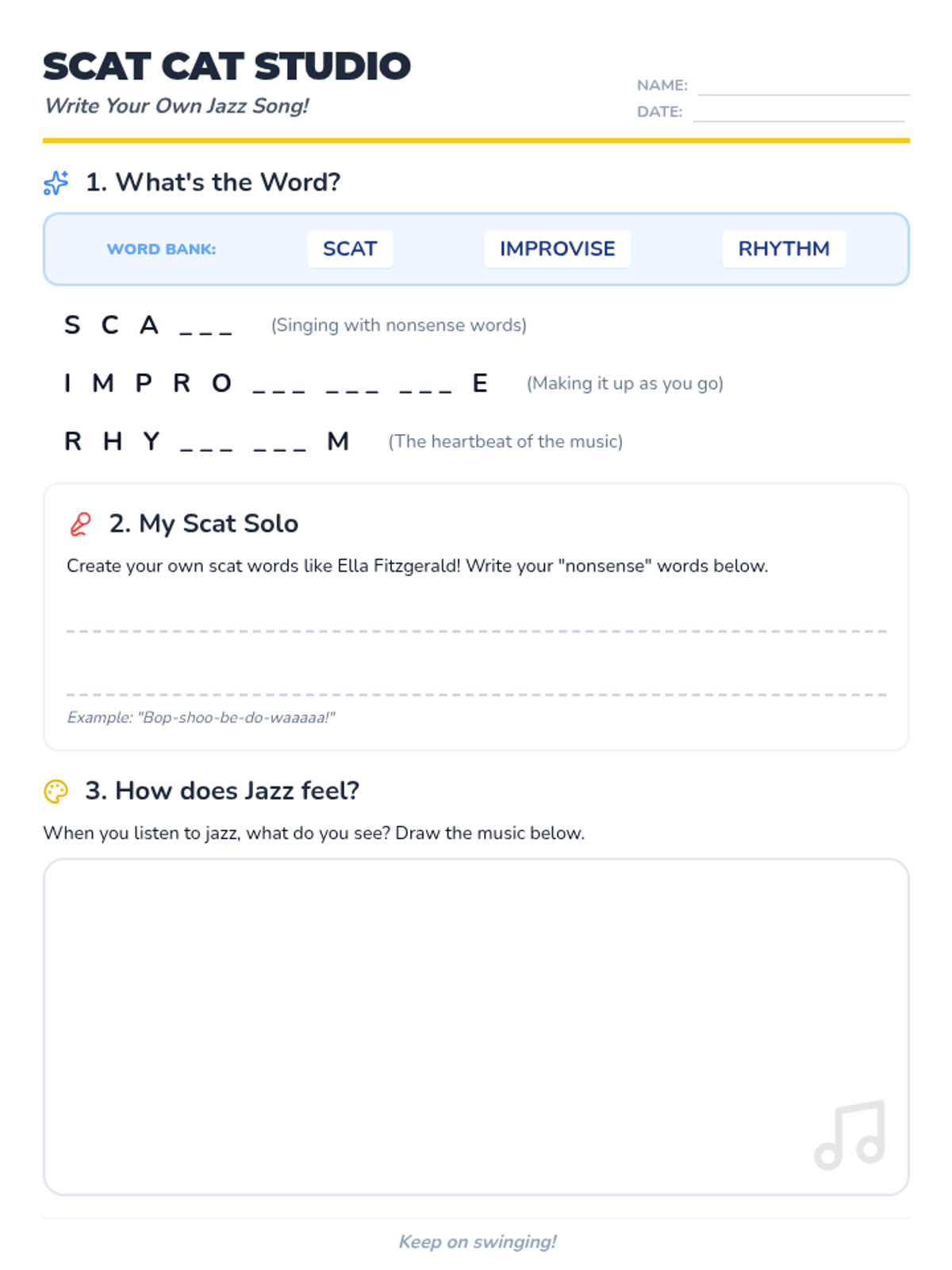
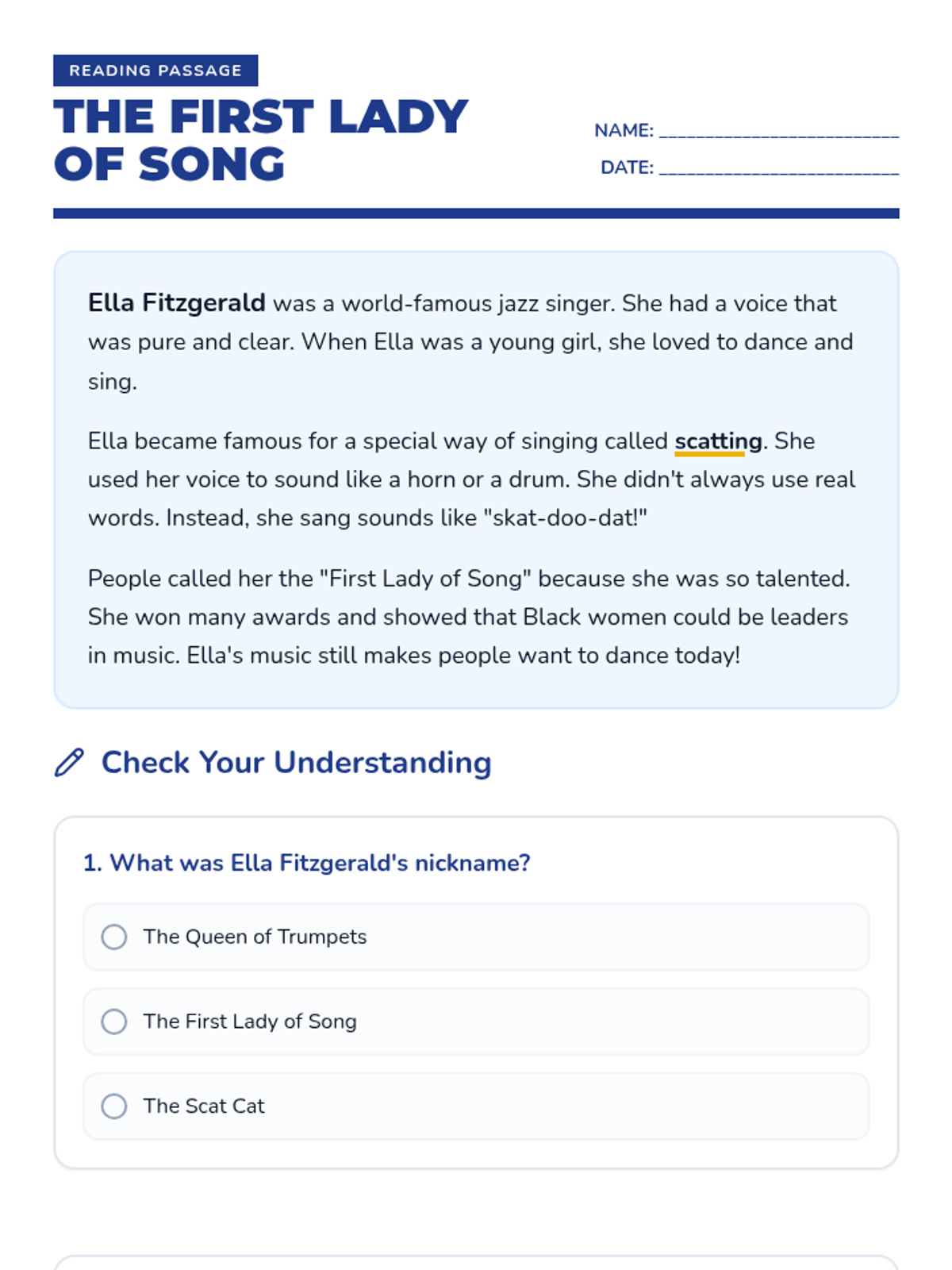
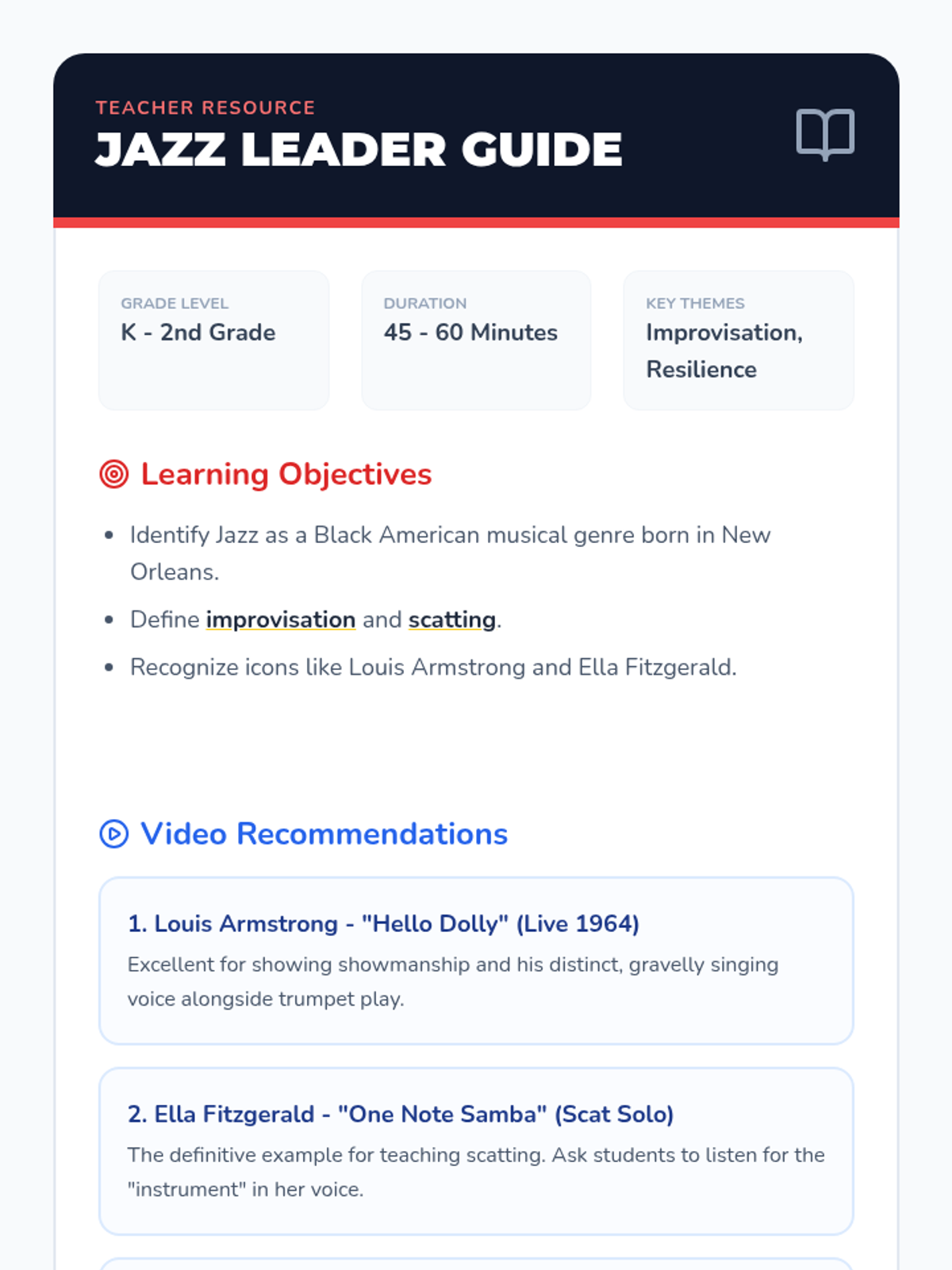
This lesson introduces students to the sounds of jazz, the concept of improvisation, and the historical origins of the genre in New Orleans.
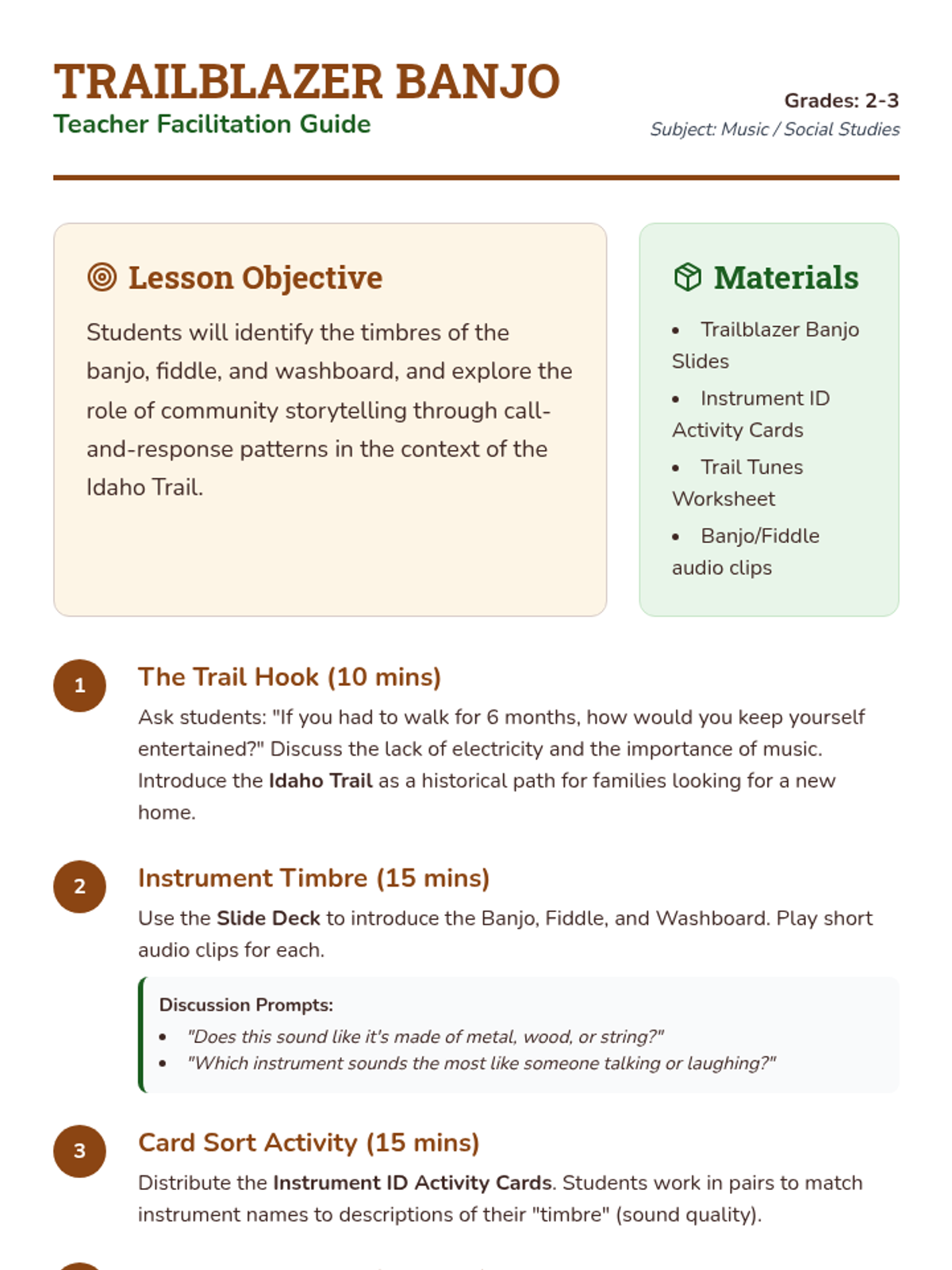
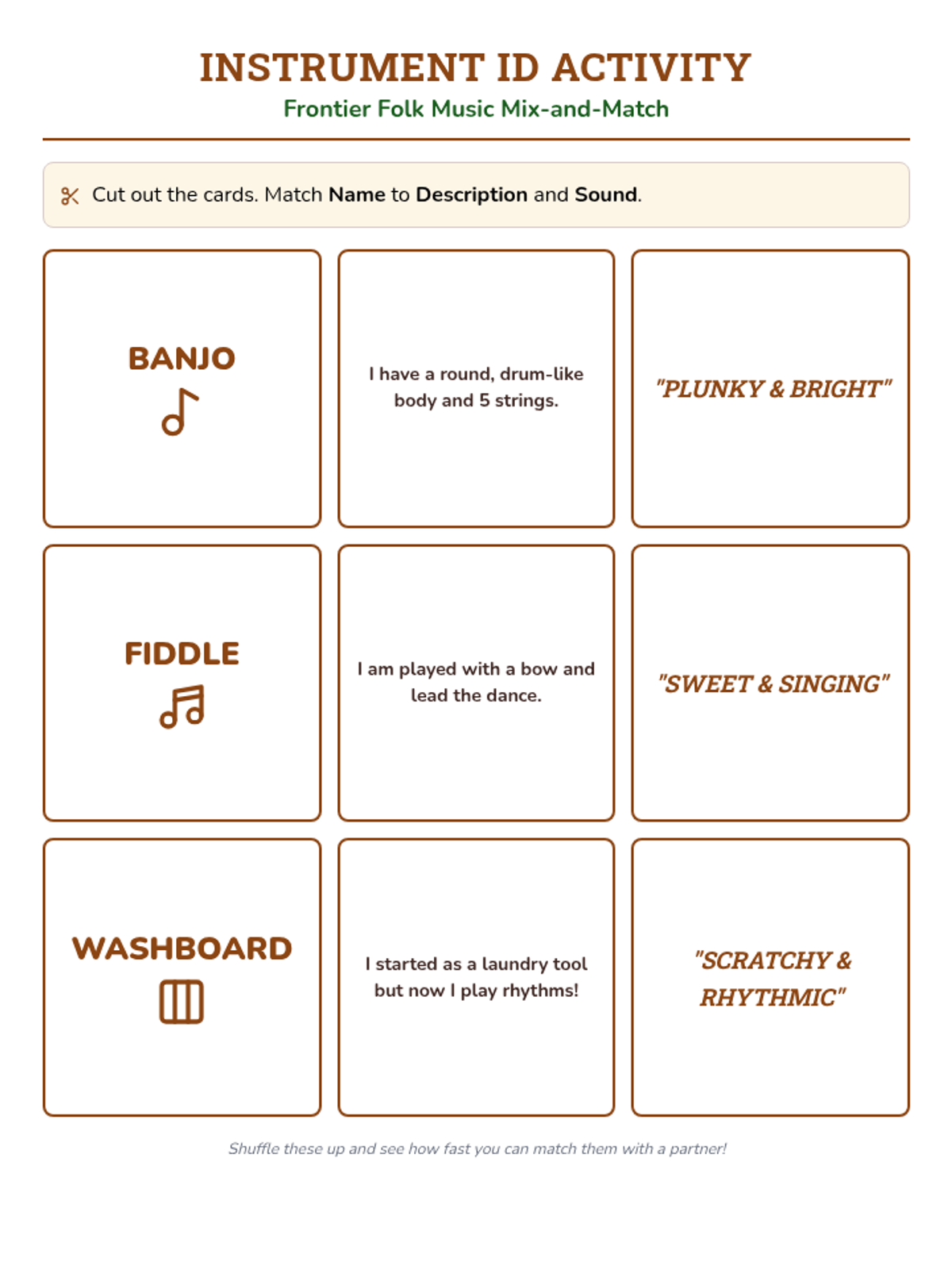
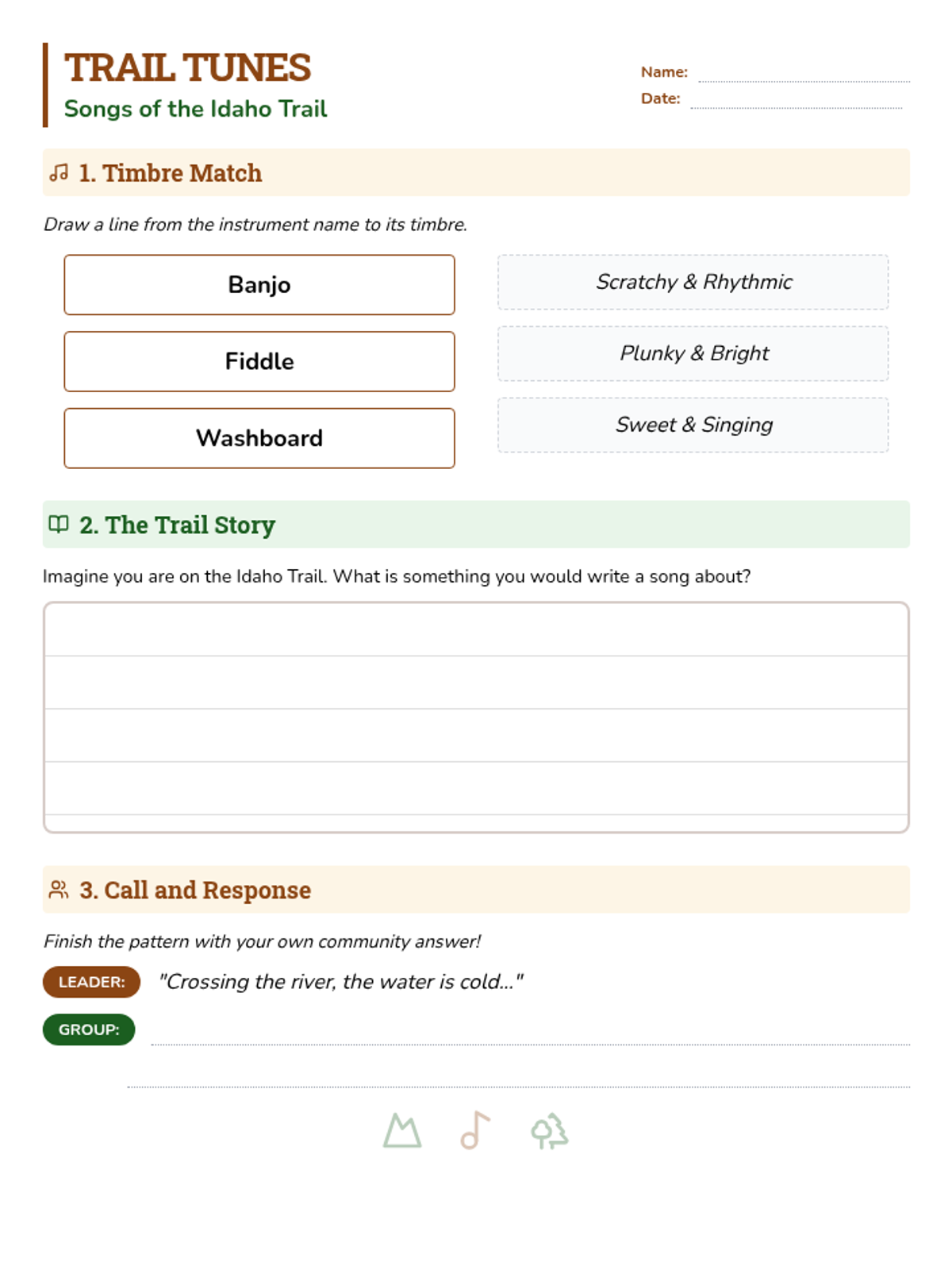
Second and third graders explore the history of American folk music on the Idaho Trail, focusing on the unique sounds of the banjo, fiddle, and washboard while practicing call-and-response.
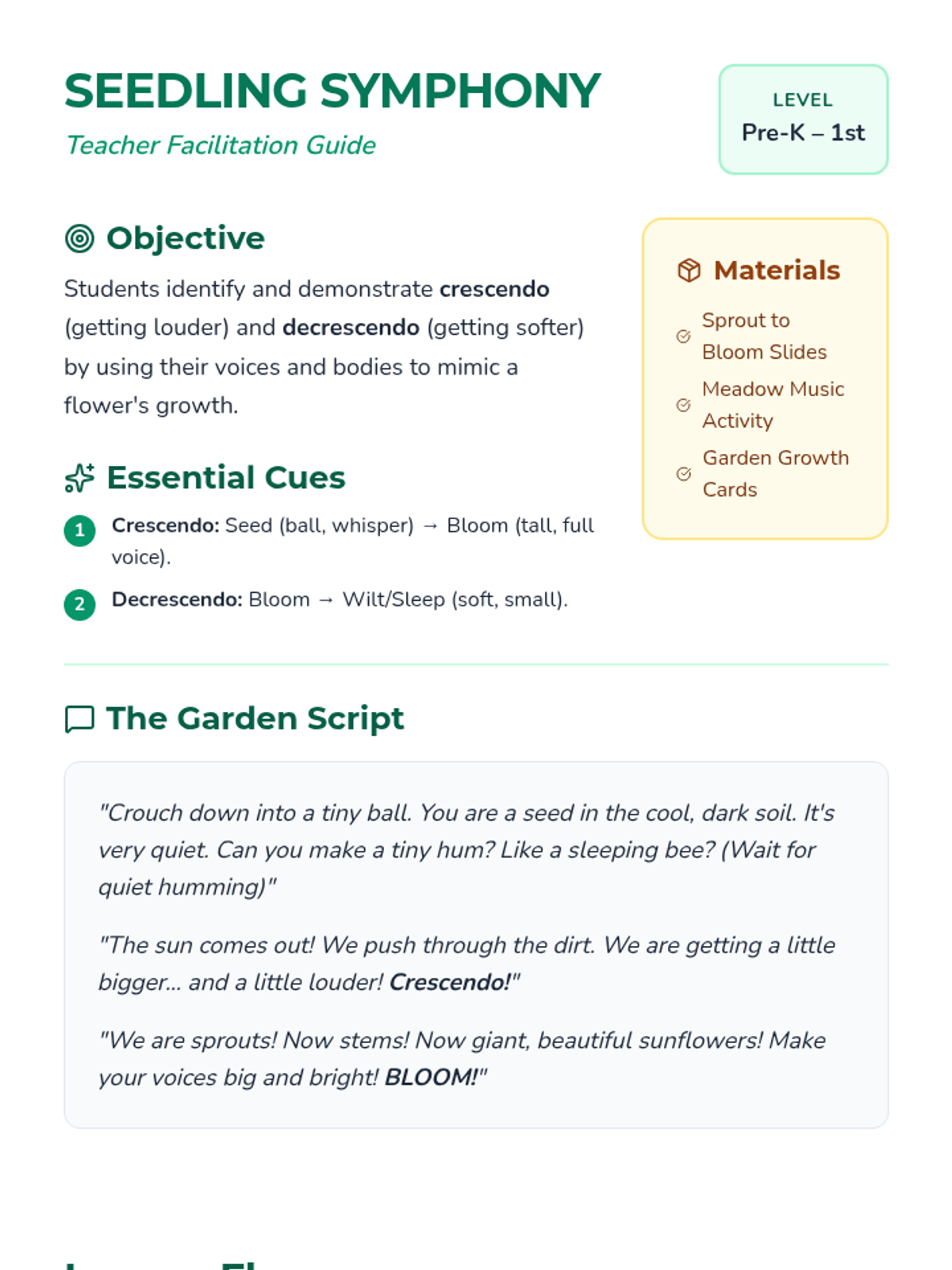
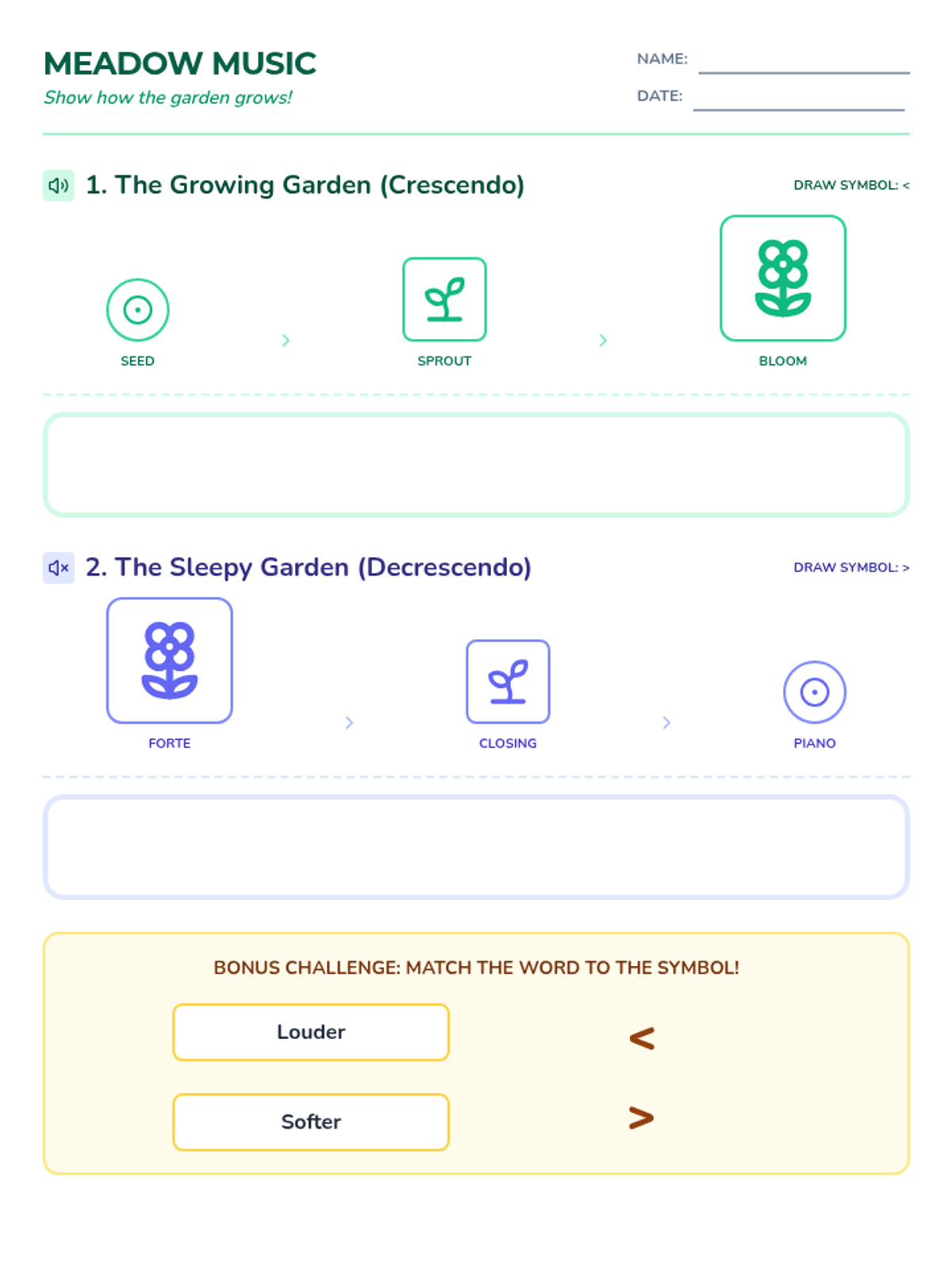
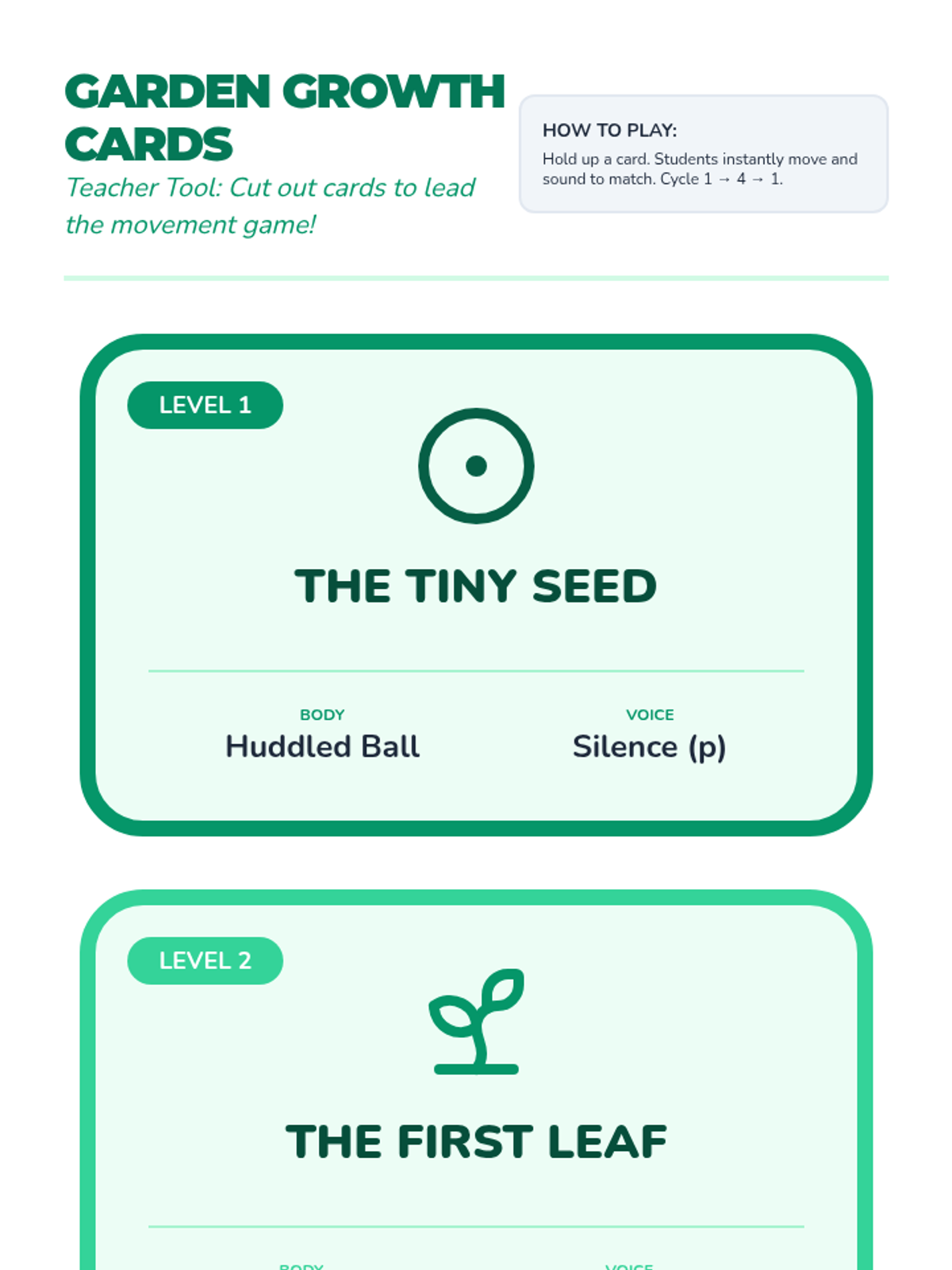
A musical exploration where students use the growth of a plant to understand crescendo and decrescendo through movement and voice.
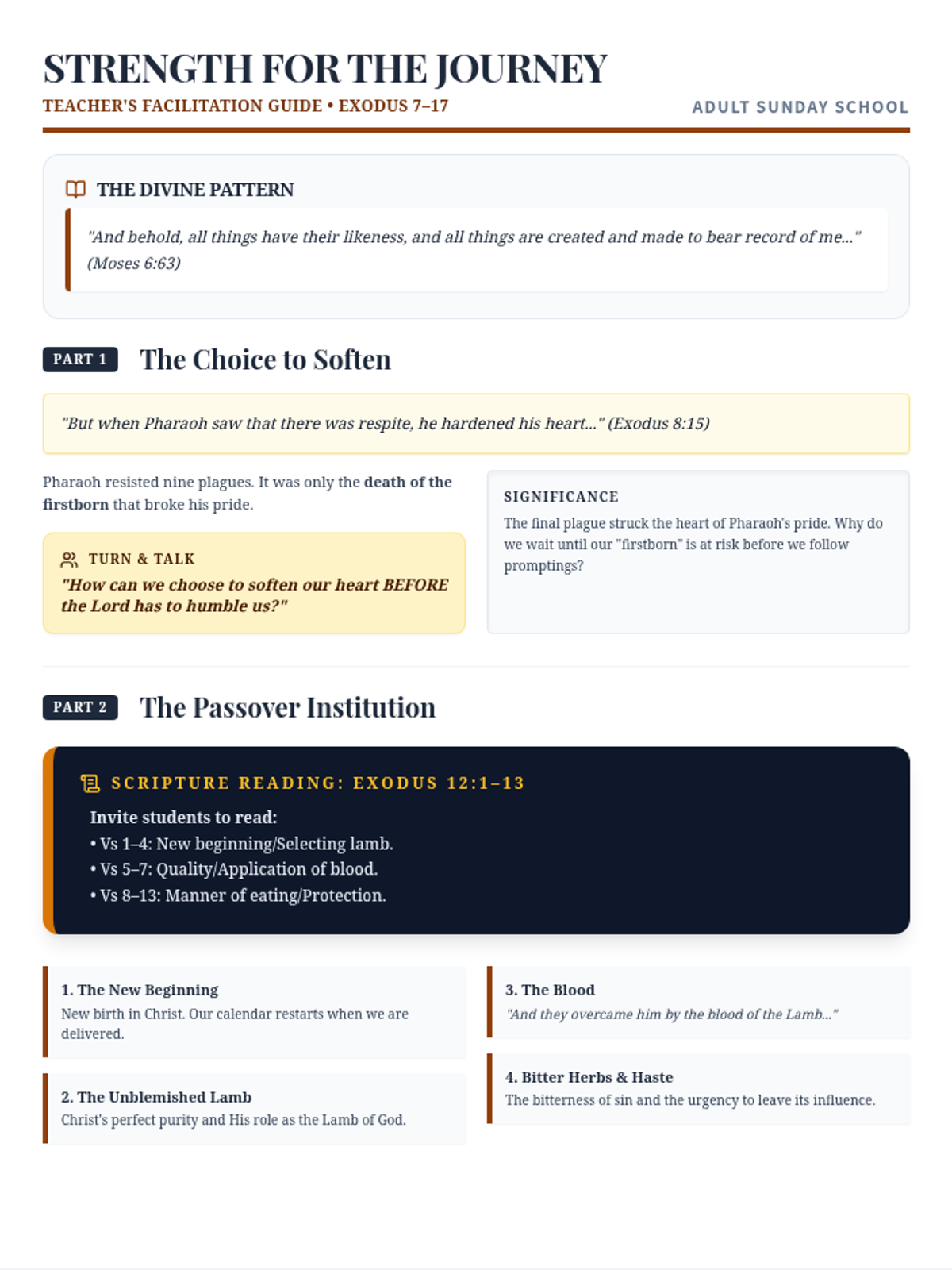
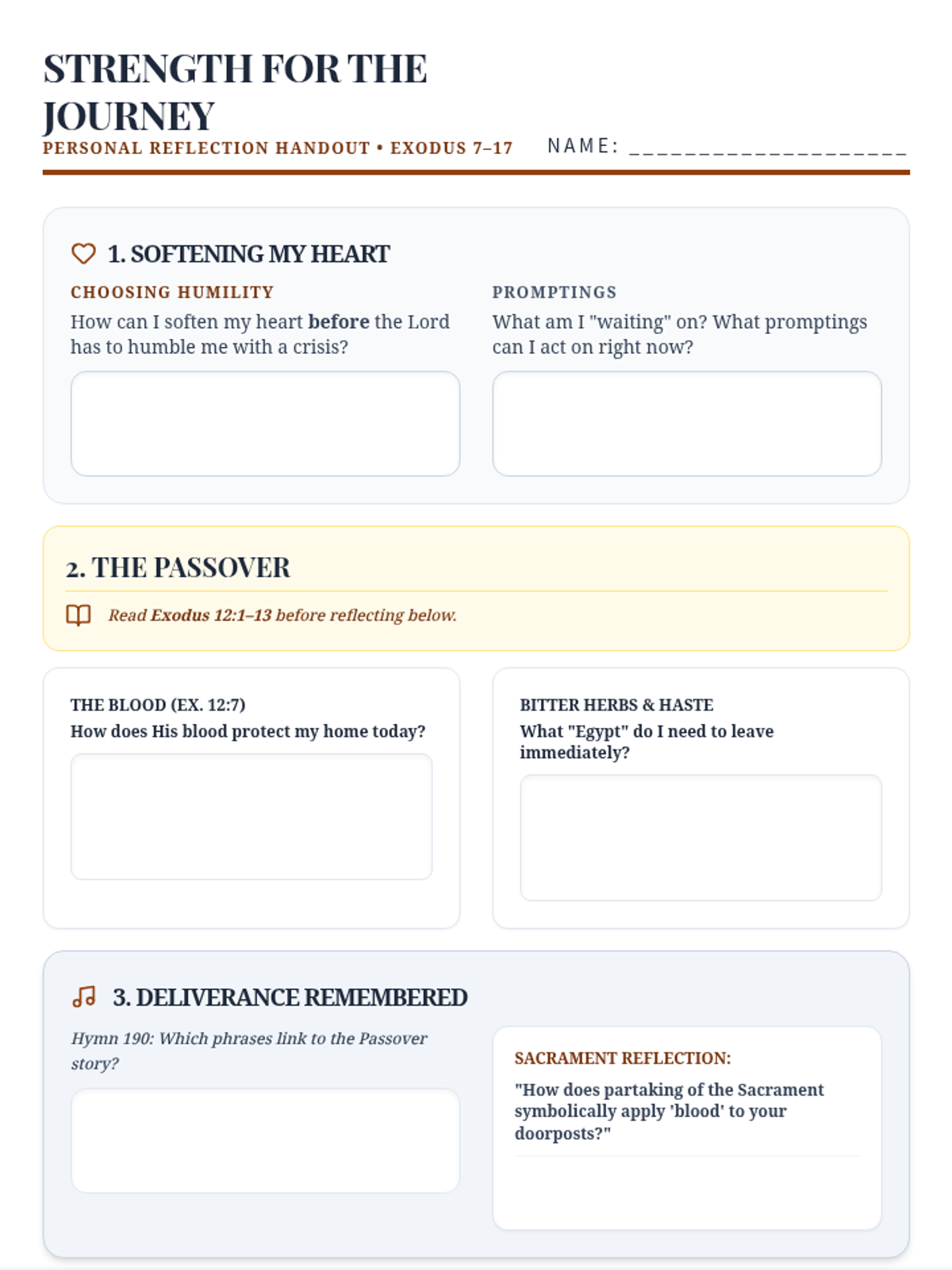
A 45-minute lesson for adult Sunday School focusing on Exodus 7-17. It explores Pharaoh's pride, the Passover as a type of Christ, and the concept of daily spiritual bread through the miracle of manna.
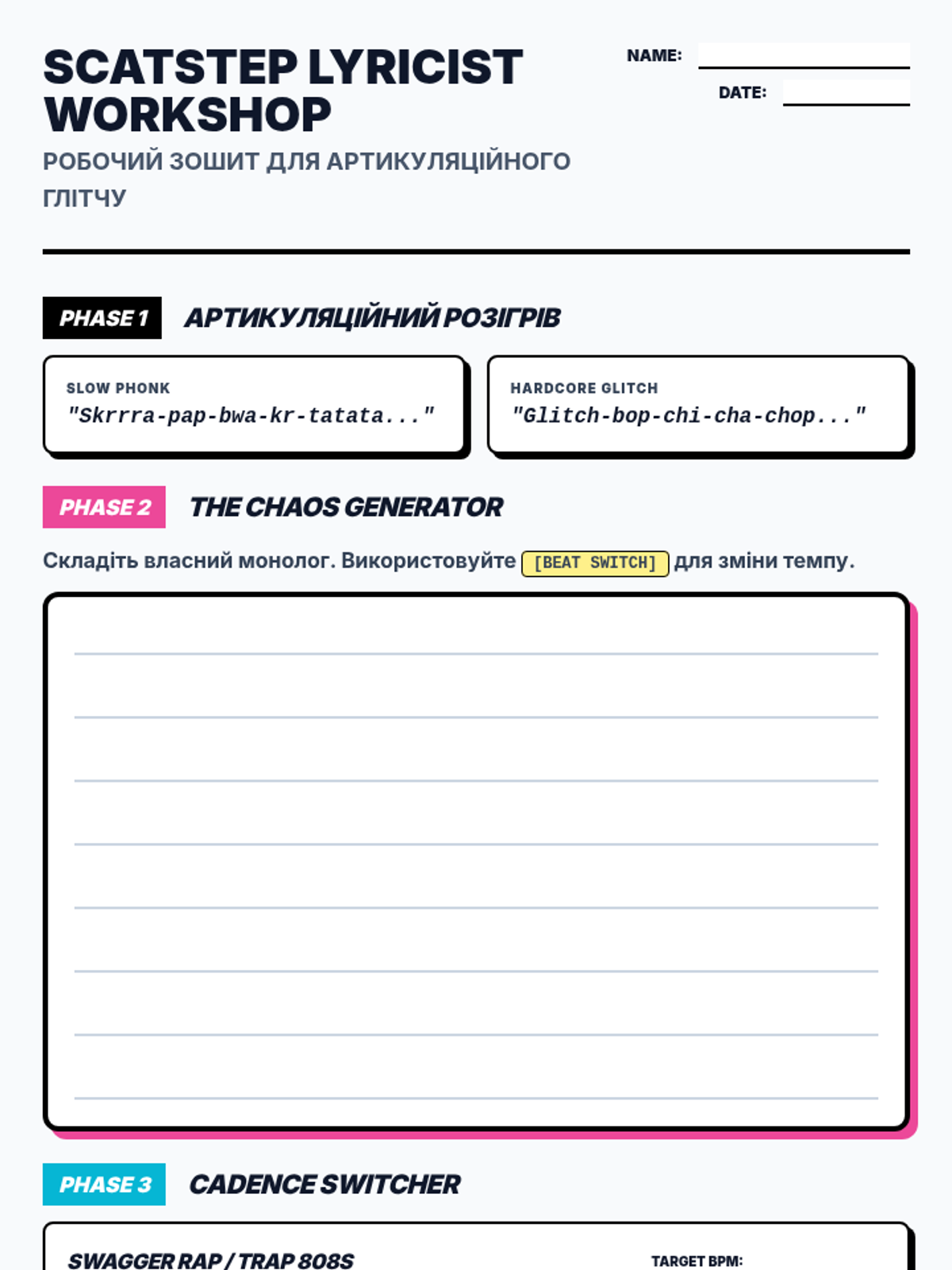
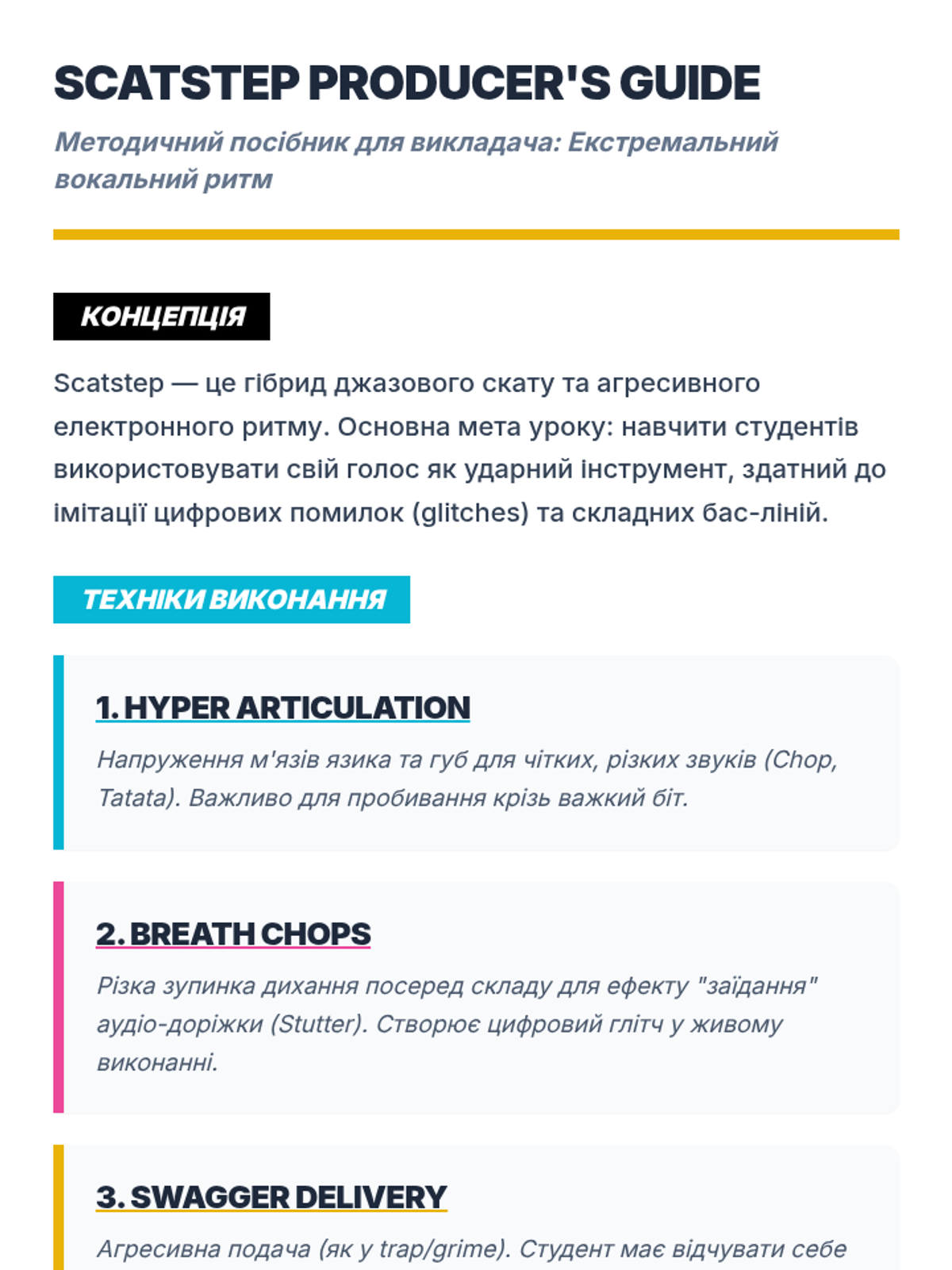
Курс з екстремального скату та сучасного музичного продакшну, що поєднує абсурдну фонетику з агресивними бітами (phonk, hardbass, trap).
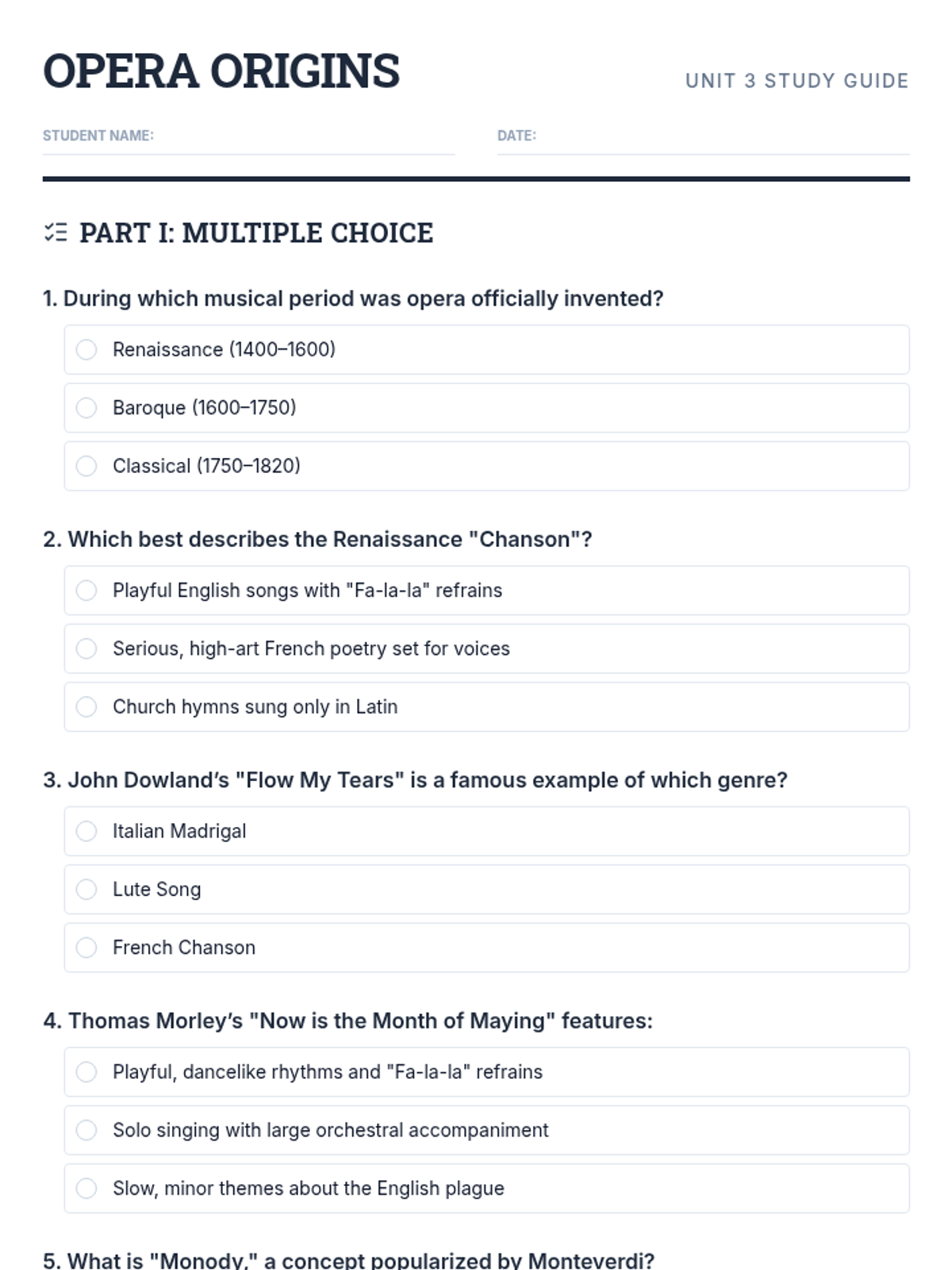
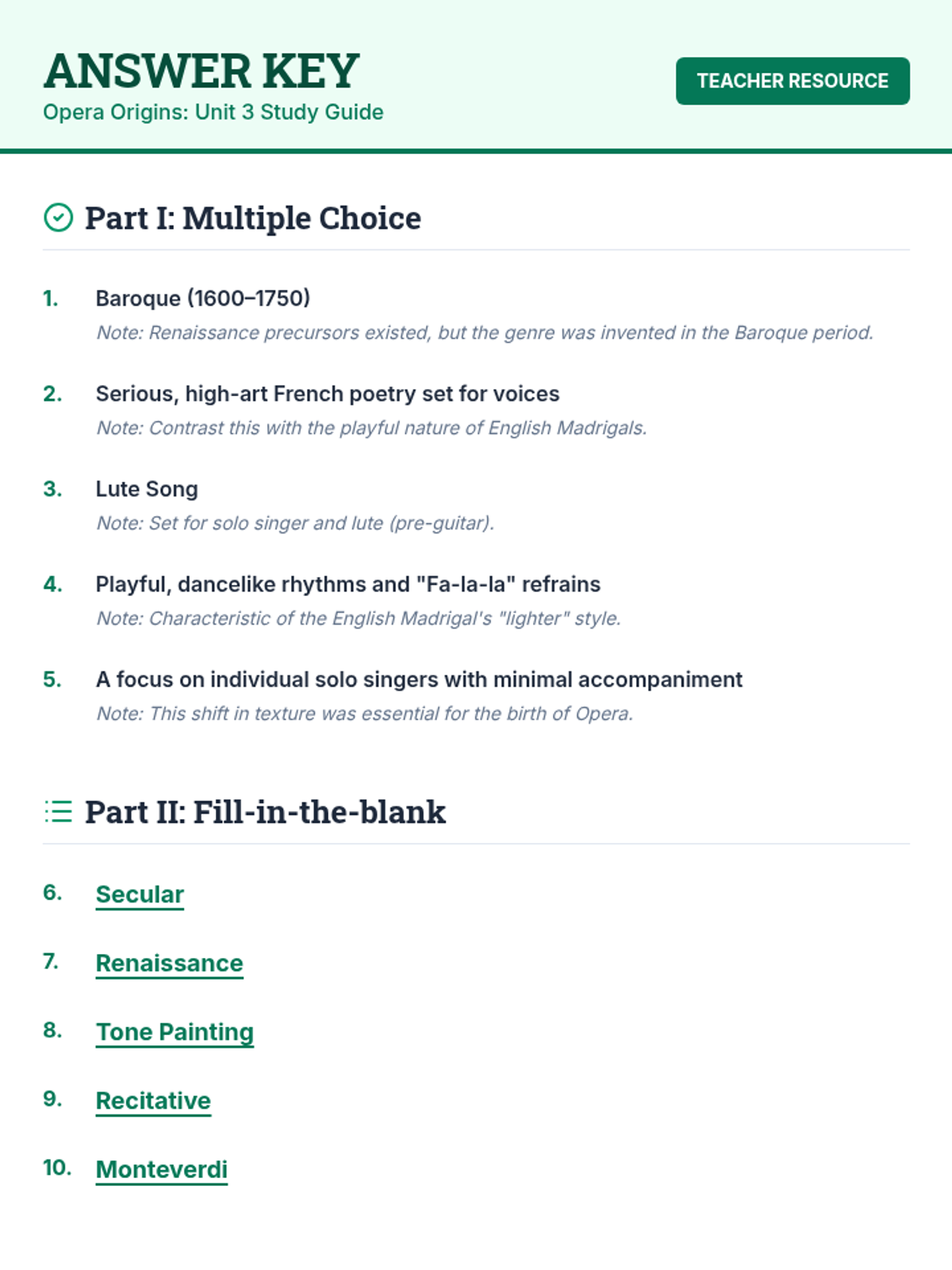
A foundational lesson on the precursors to opera, focusing on Renaissance vocal forms like the Chanson, Madrigal, and Lute Song that paved the way for the Baroque invention of opera.
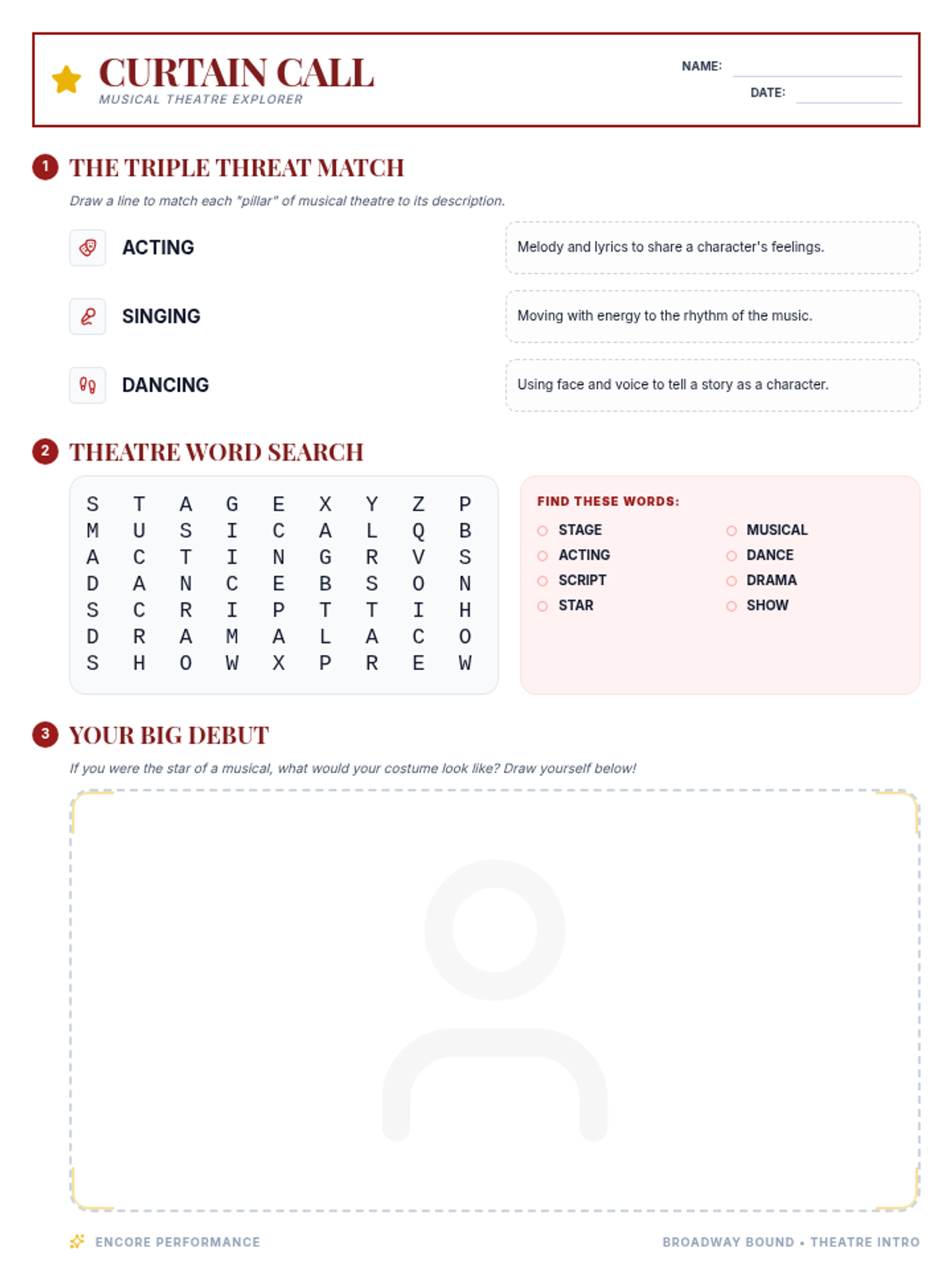
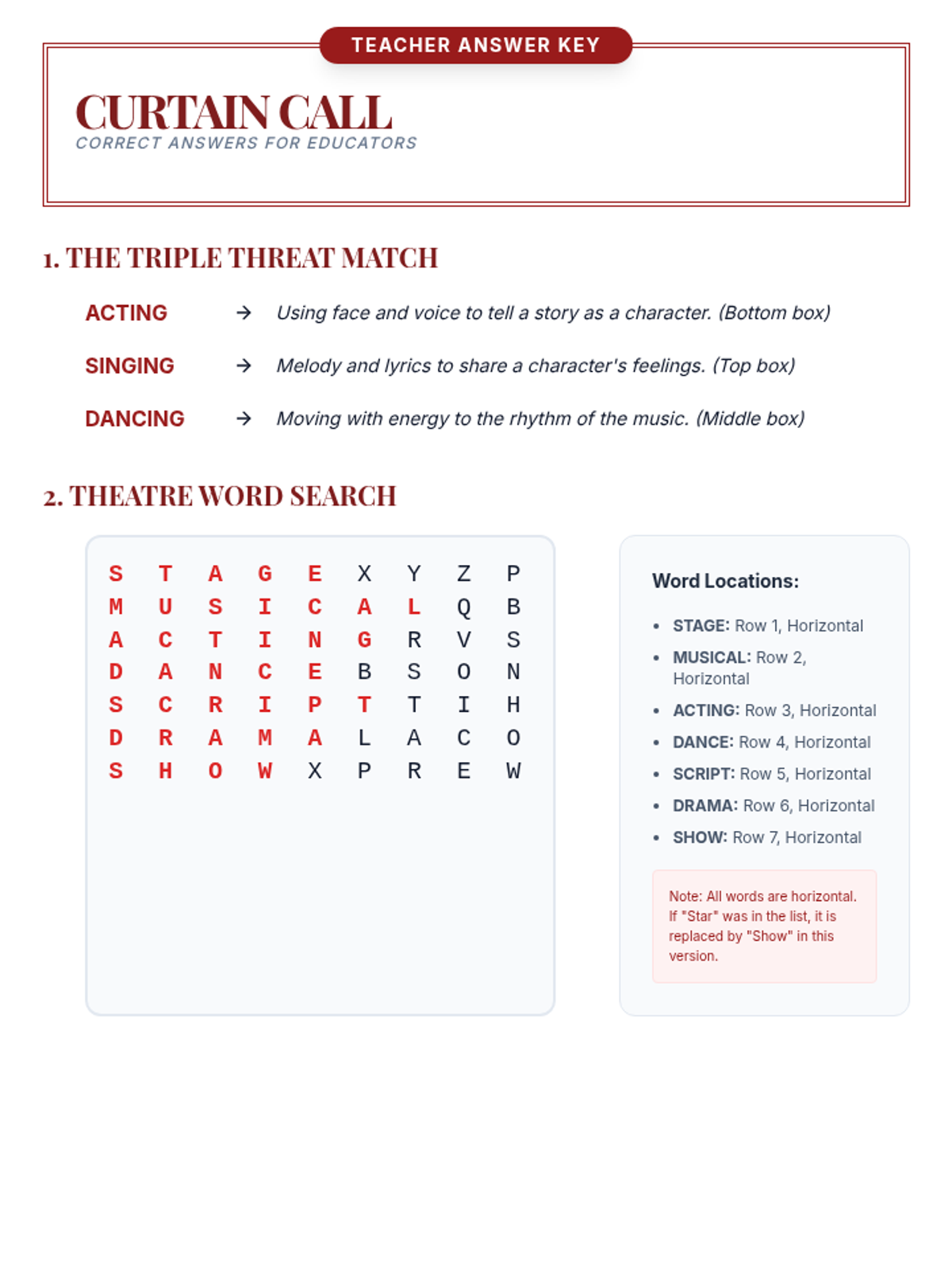
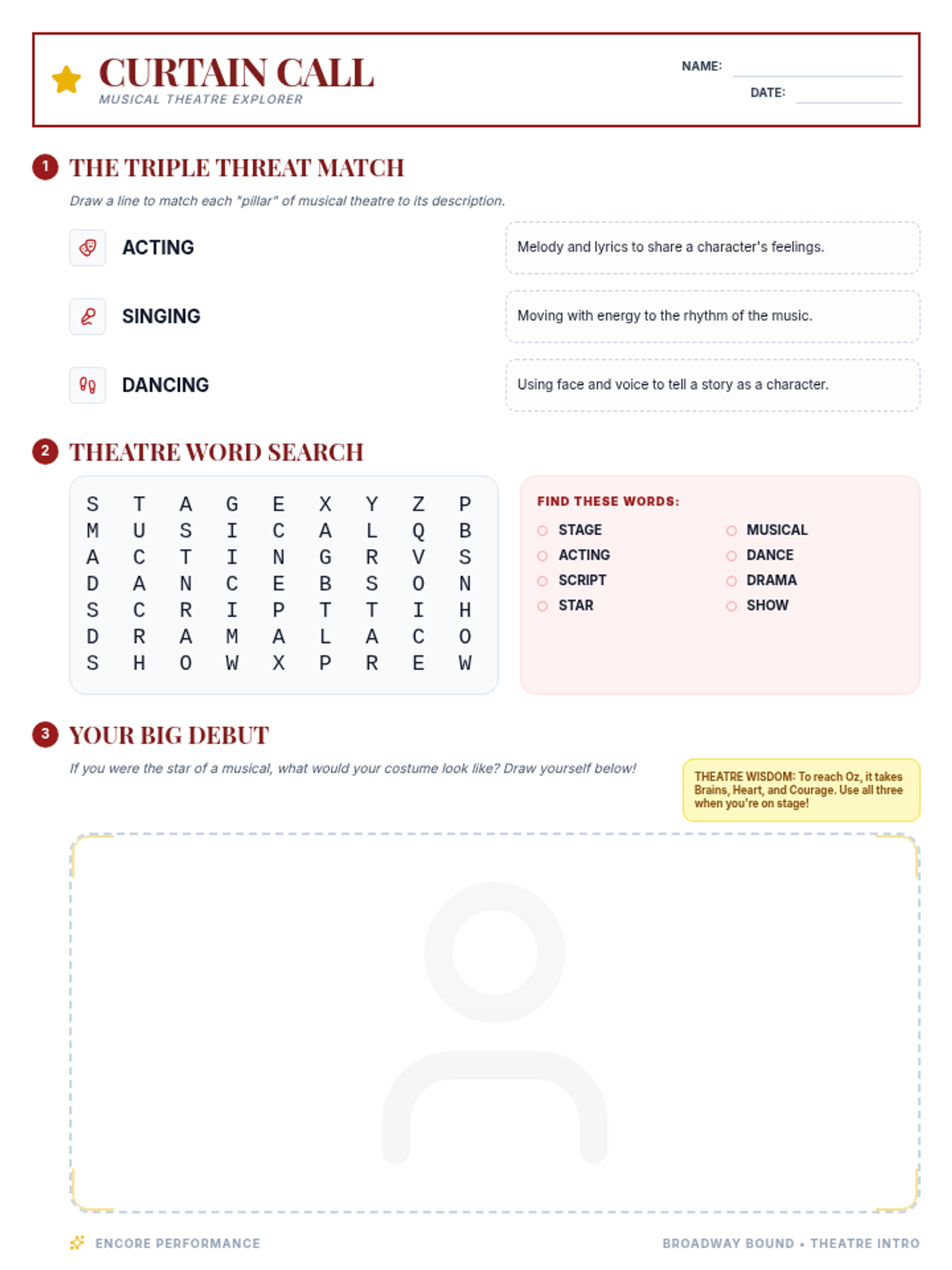
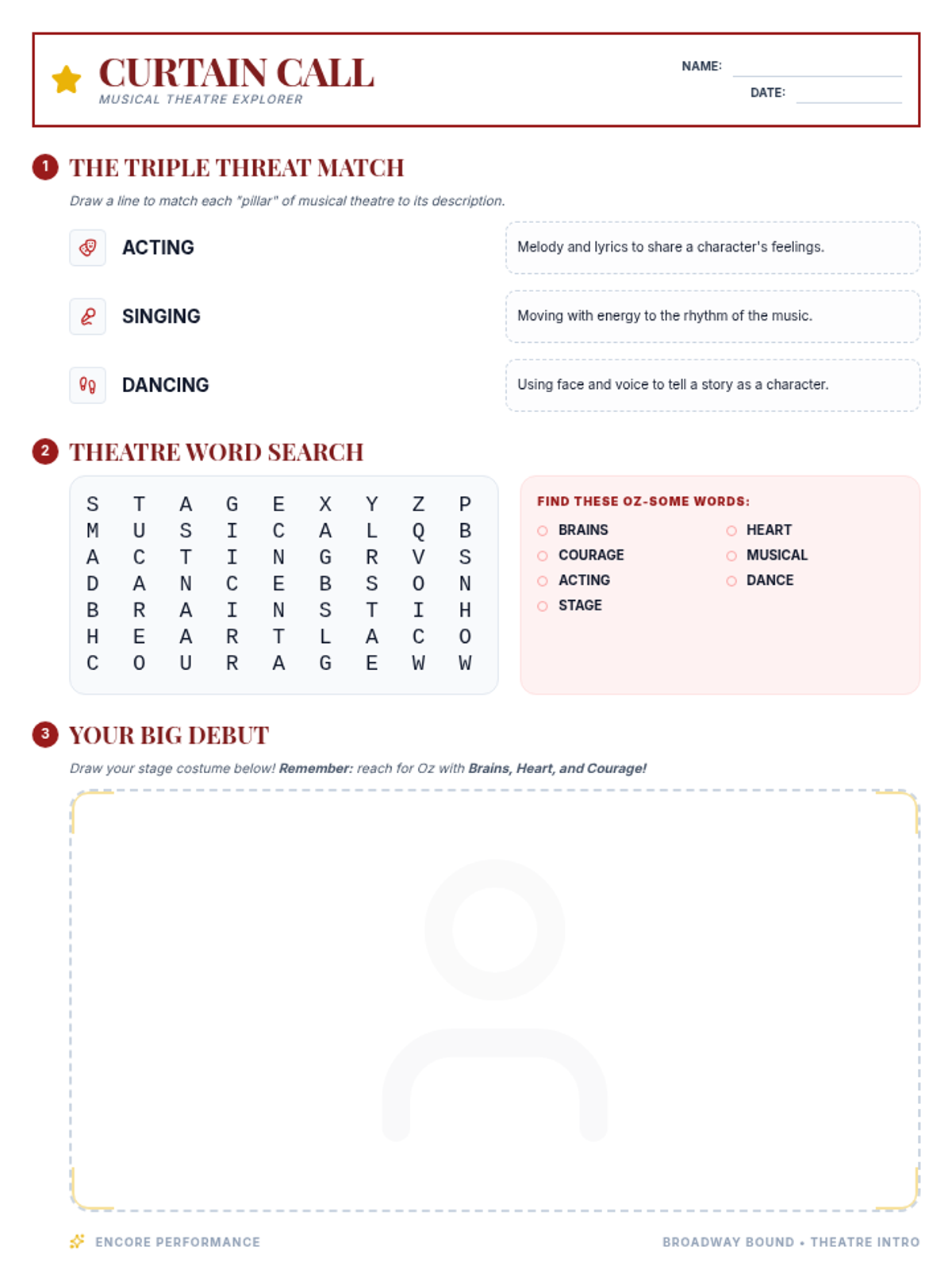
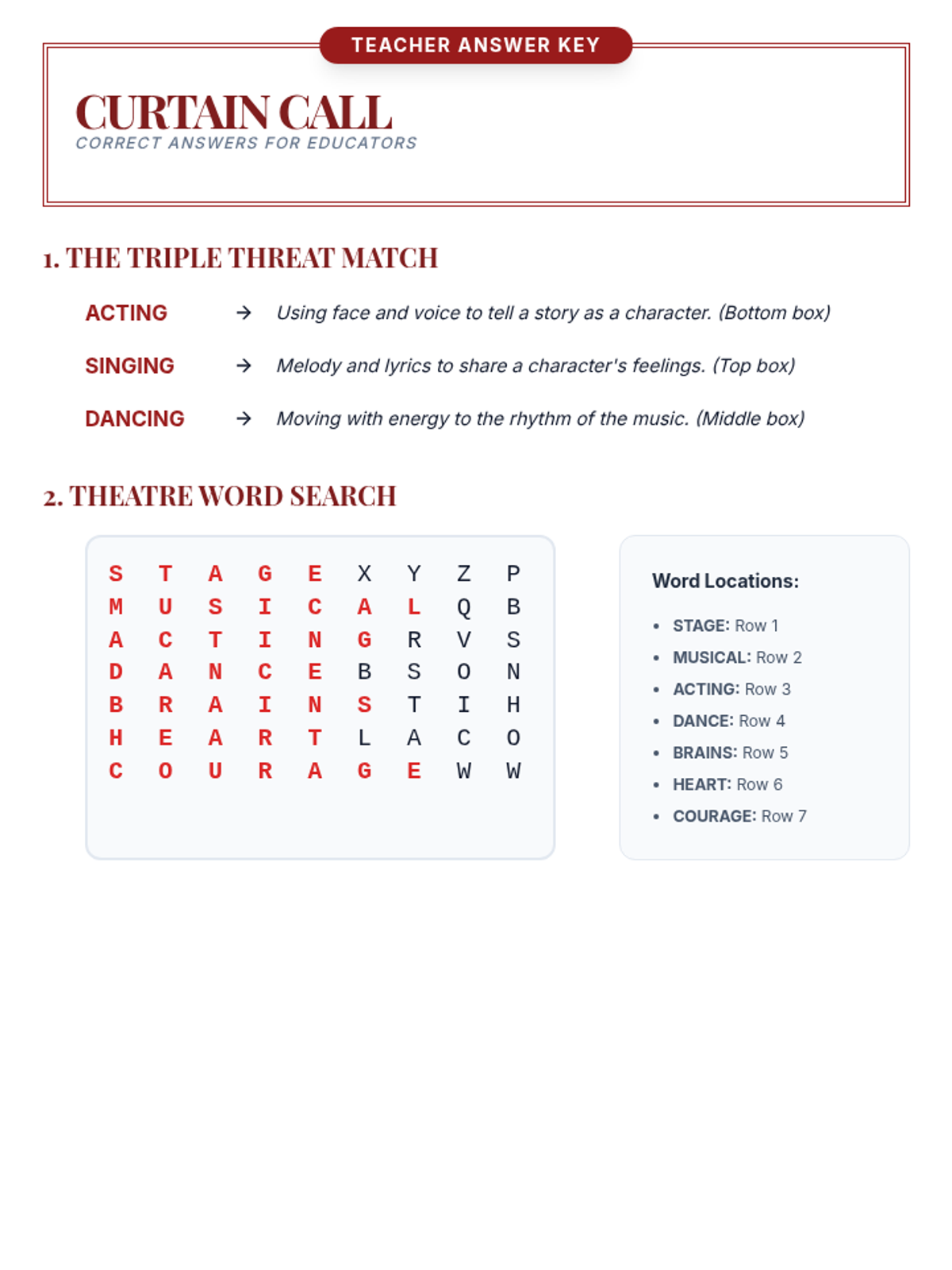
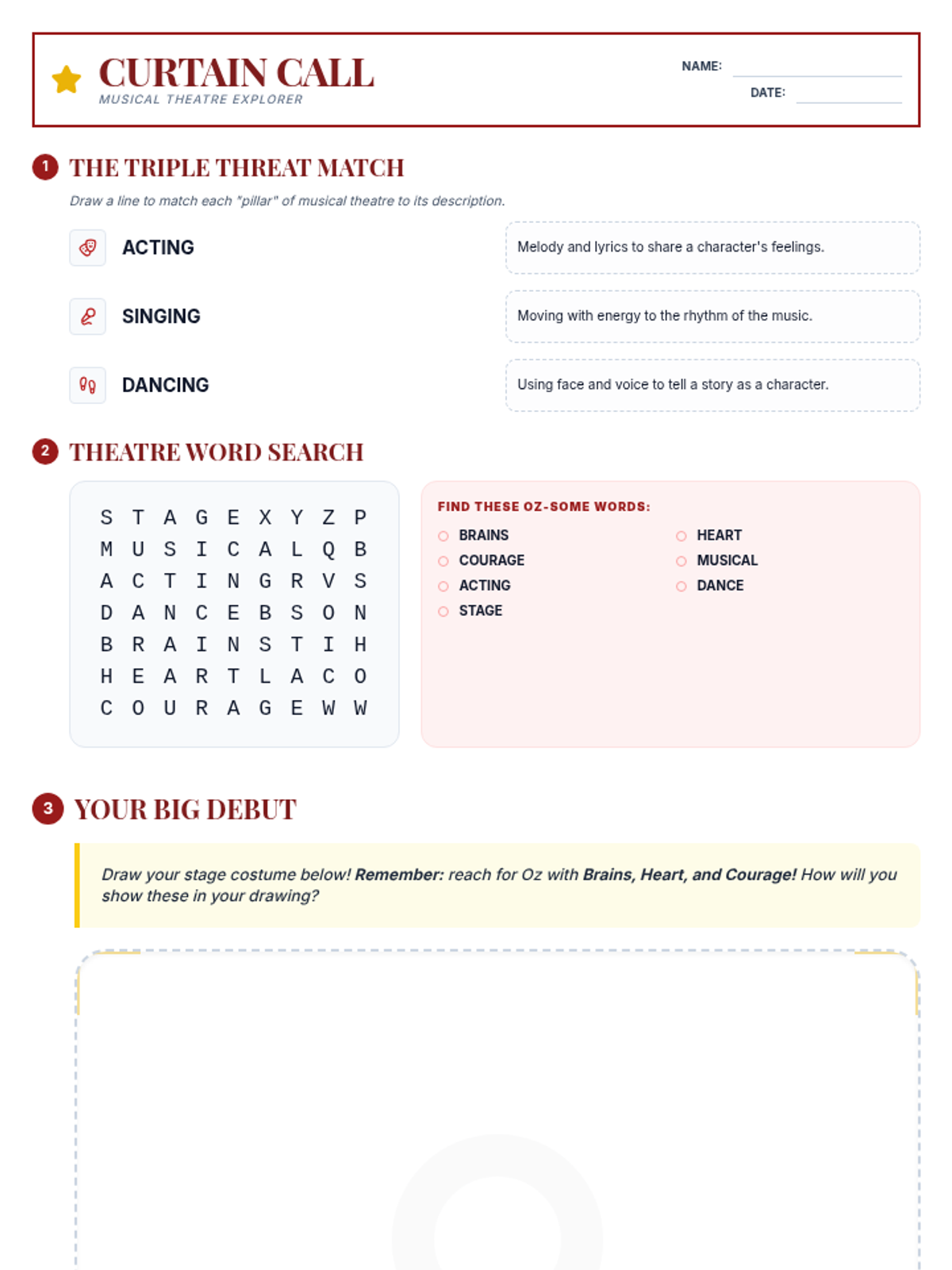
An introductory lesson to the world of musical theatre for 3rd graders, focusing on the 'Three Pillars': acting, singing, and dancing. Students will explore how these elements combine to tell stories on stage.
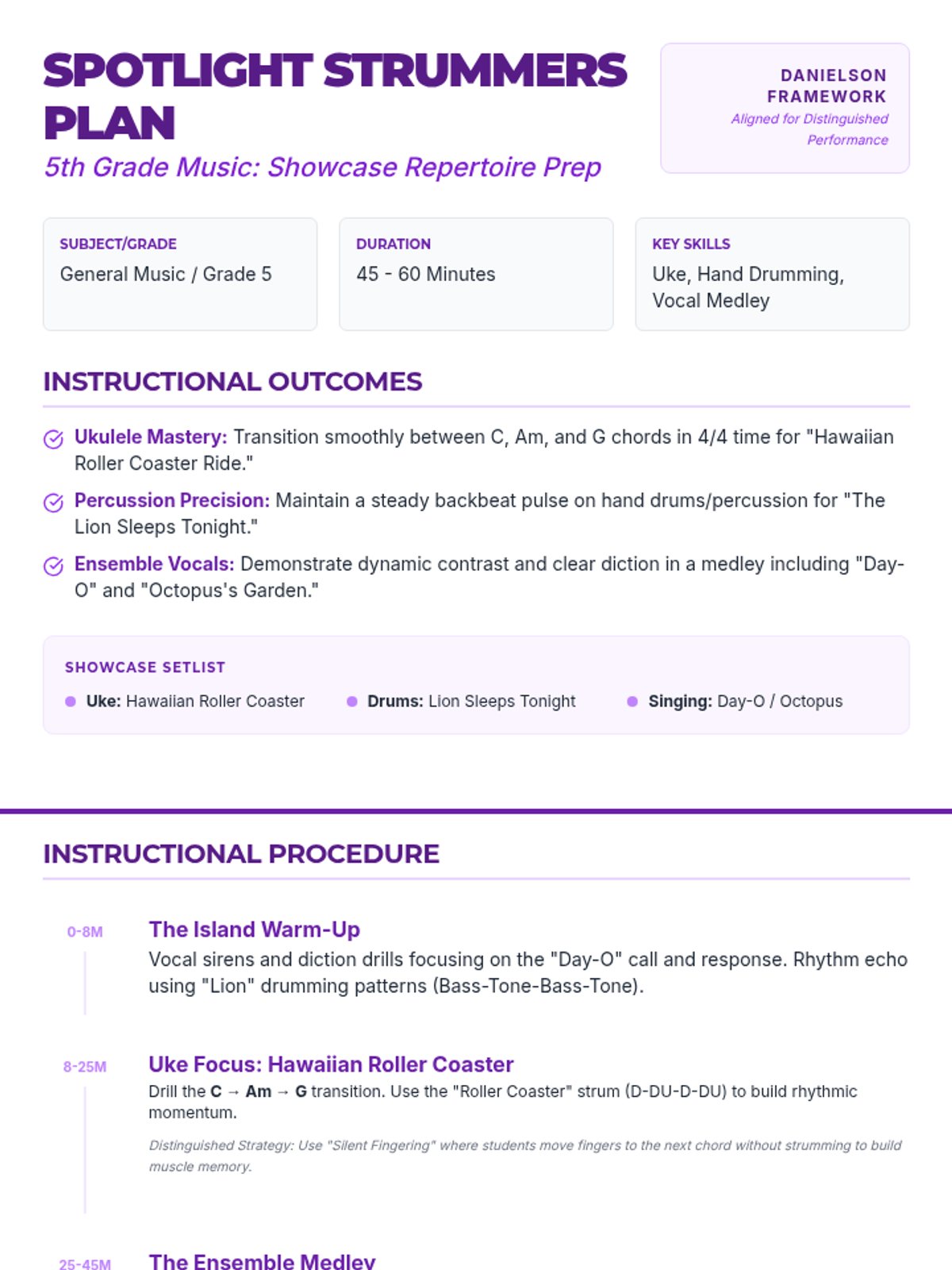
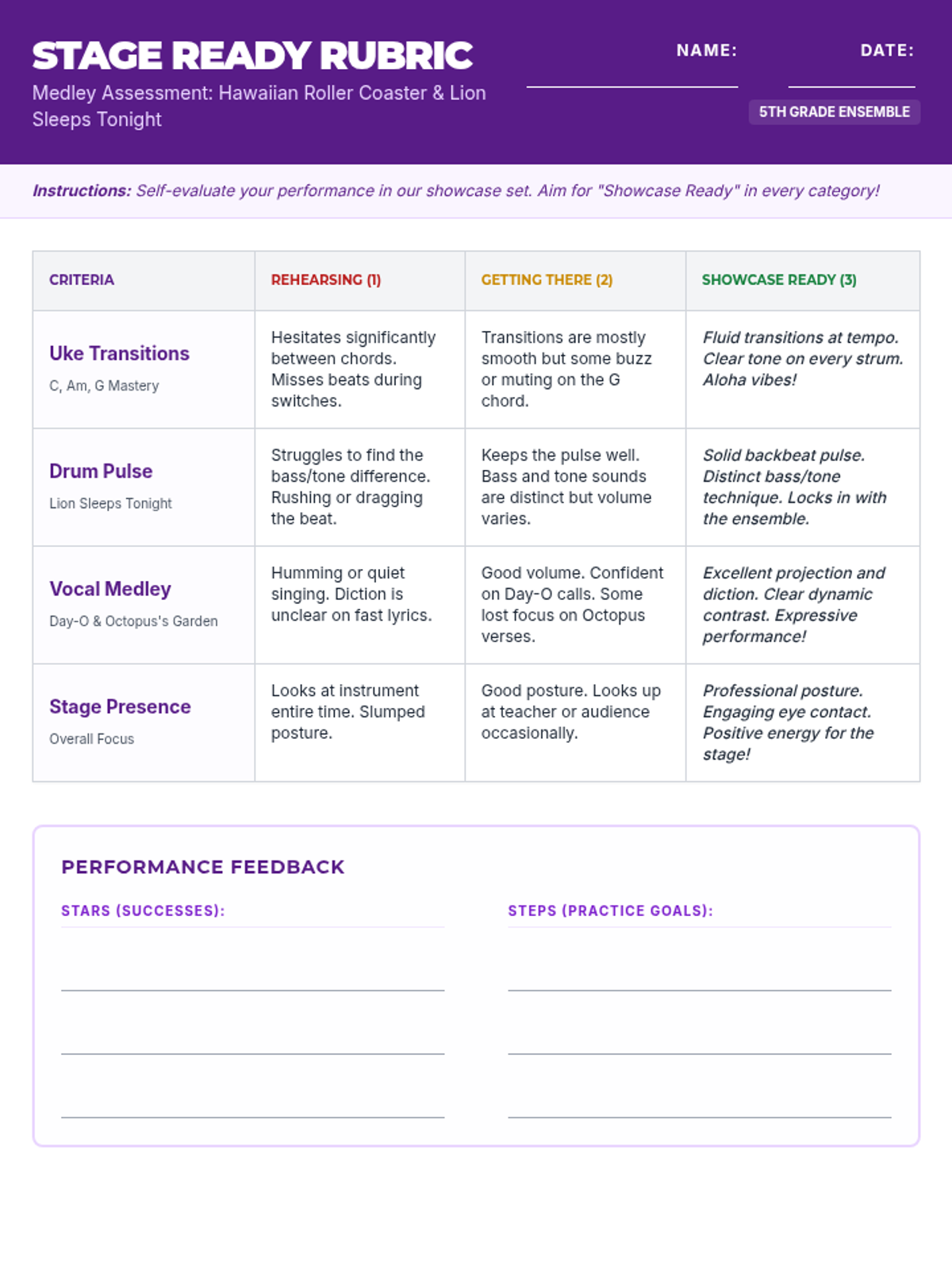
A comprehensive 5th-grade music lesson focused on ukulele proficiency and vocal performance in preparation for a spring showcase, aligned with the Danielson Framework.
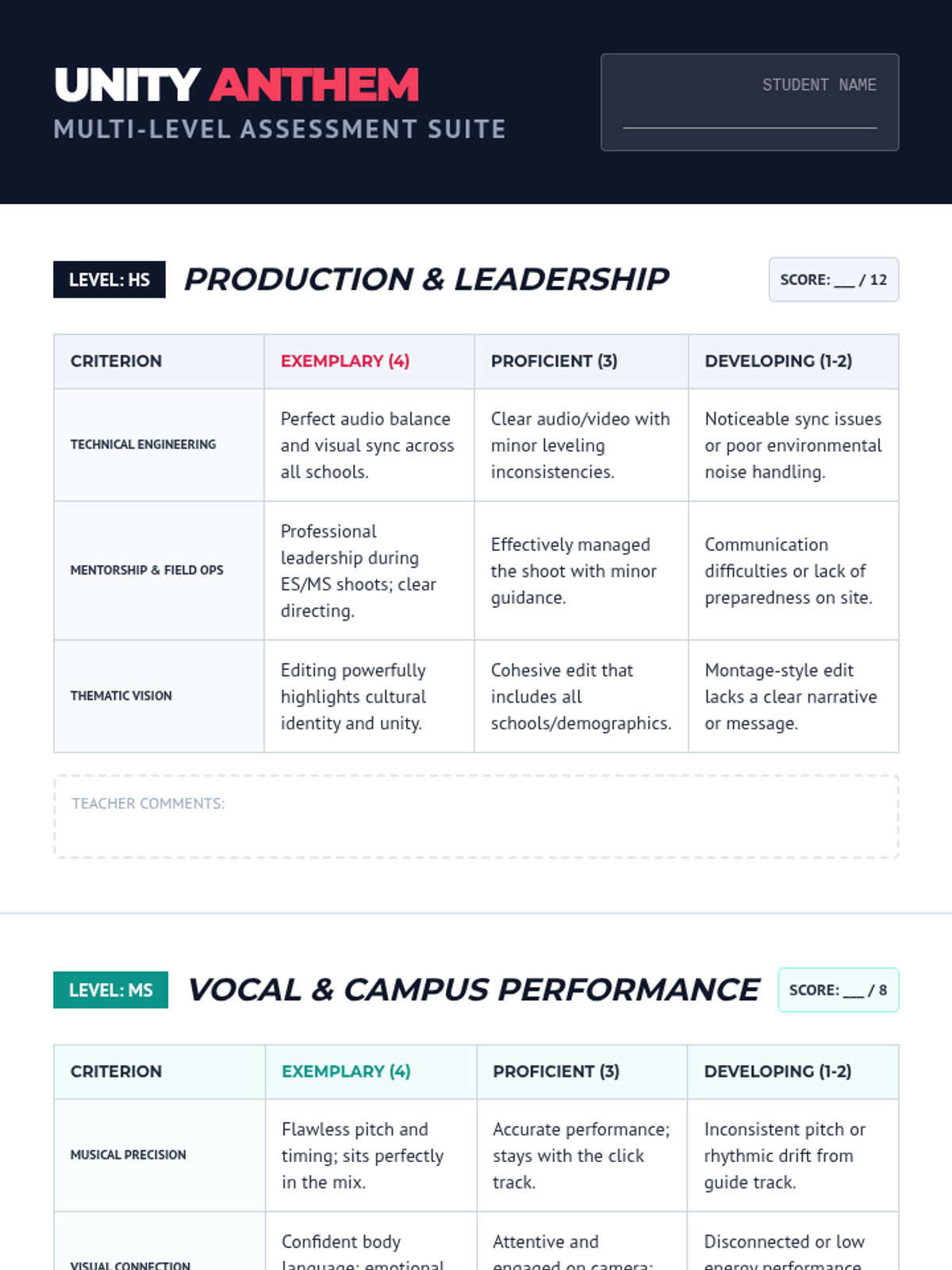
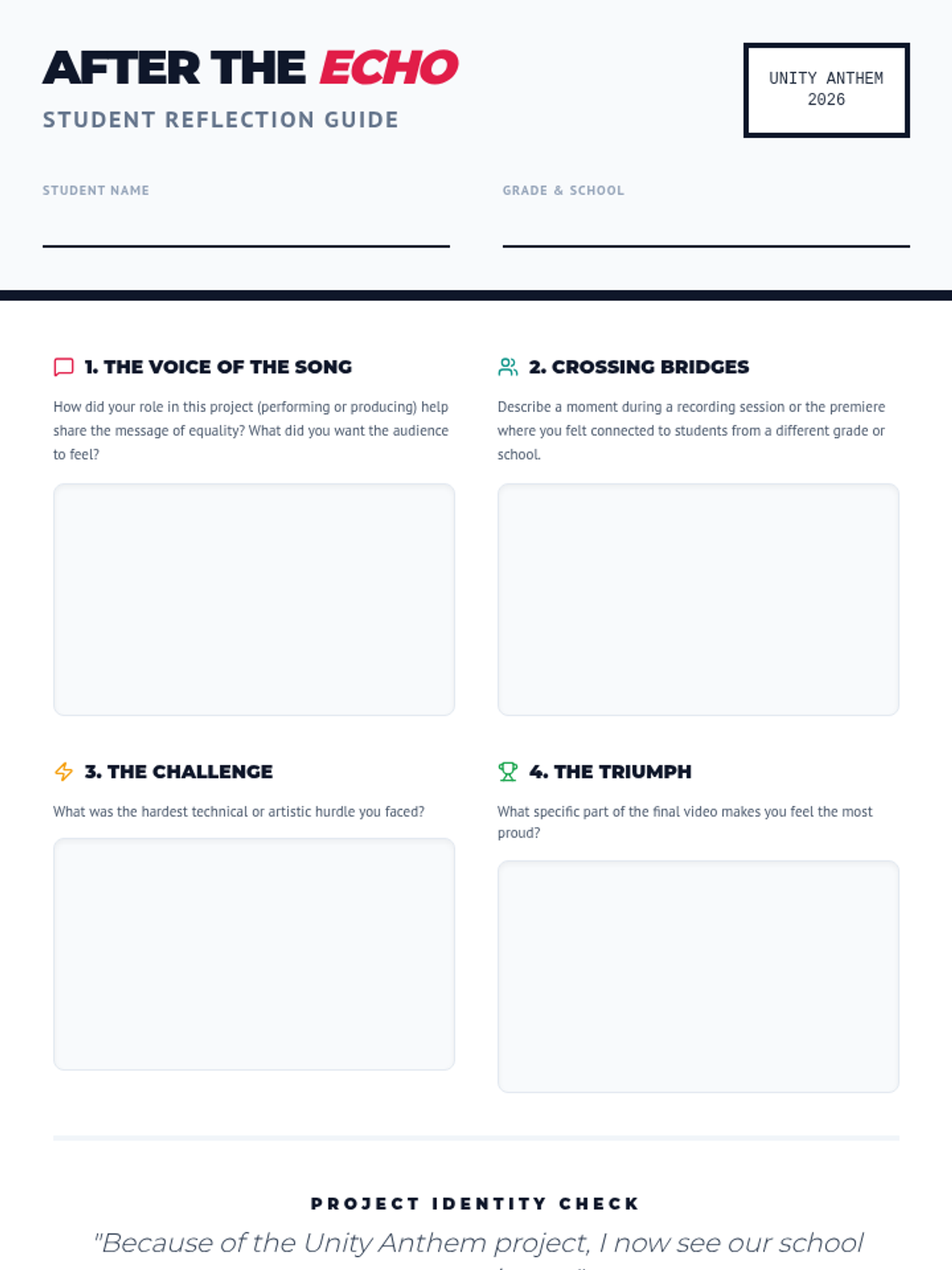
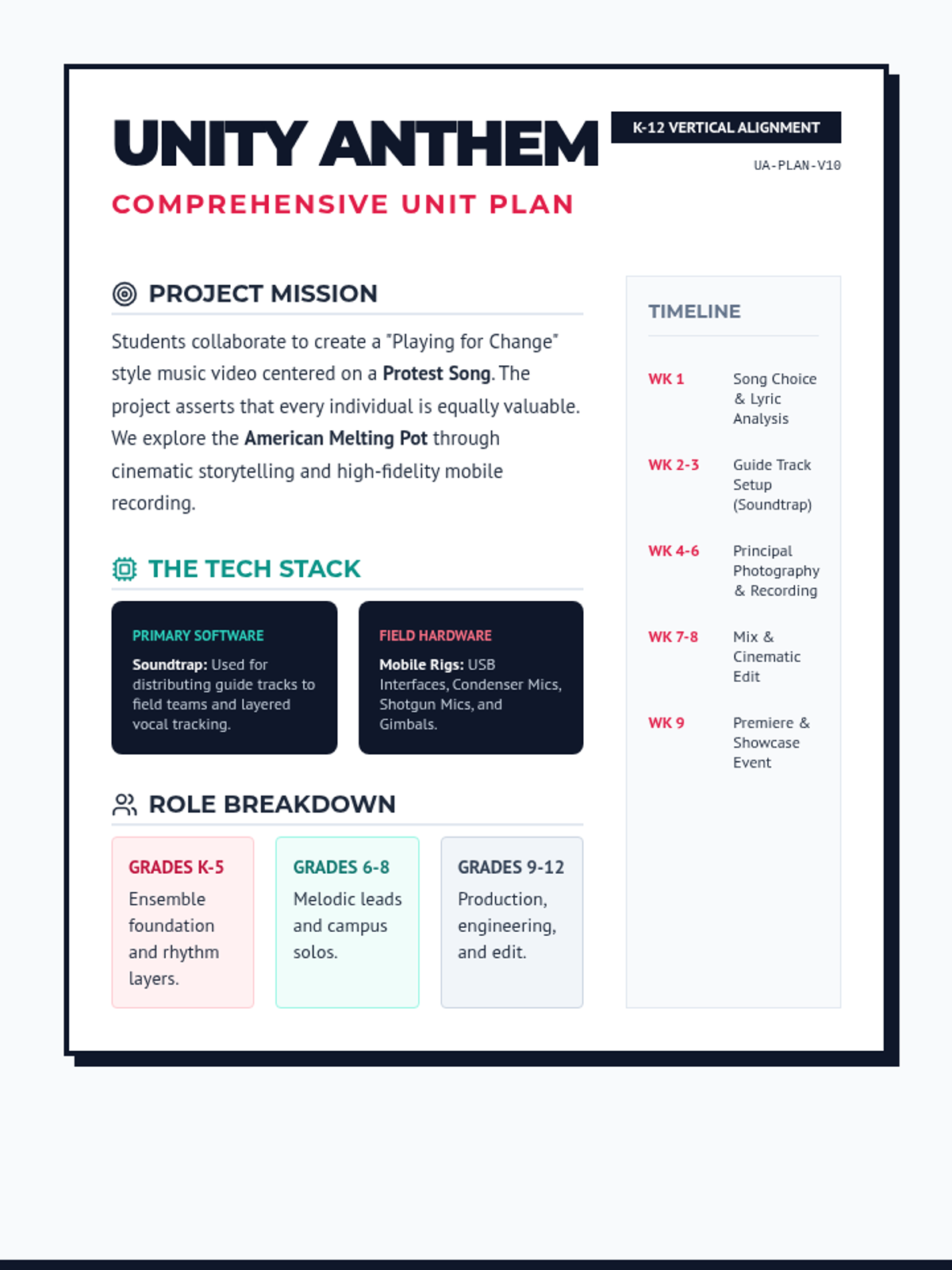
The final premiere of the music video at the All-town Music Tech Showcase, followed by a live performance and student reflection on the collaborative process.
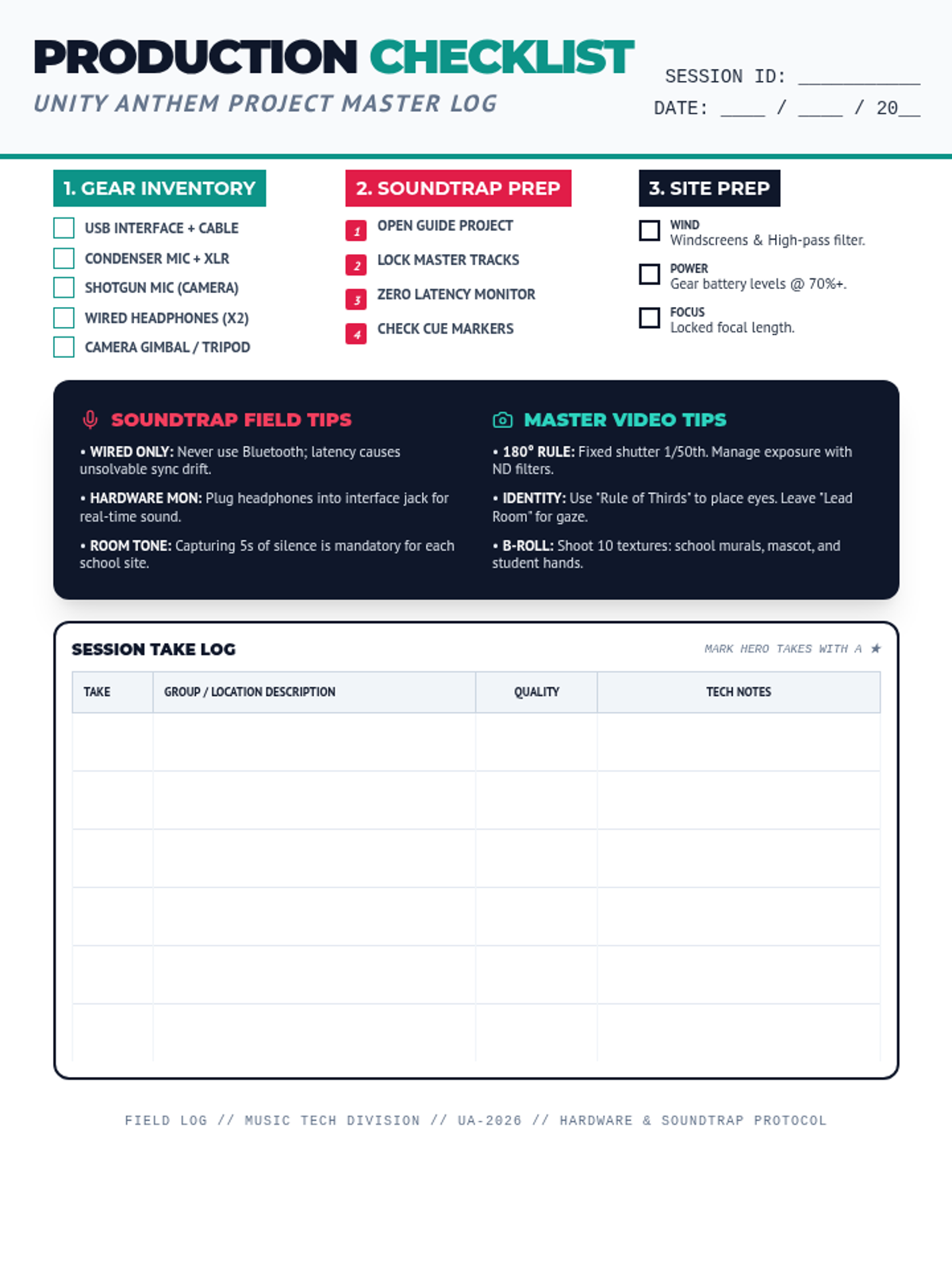
The technical phase involving on-location recordings at elementary and middle schools, followed by high school student-led mixing and video production.
Introduction to the 'Playing for Change' concept, exploring the themes of the chosen protest song, and laying the groundwork for the K-12 collaboration.
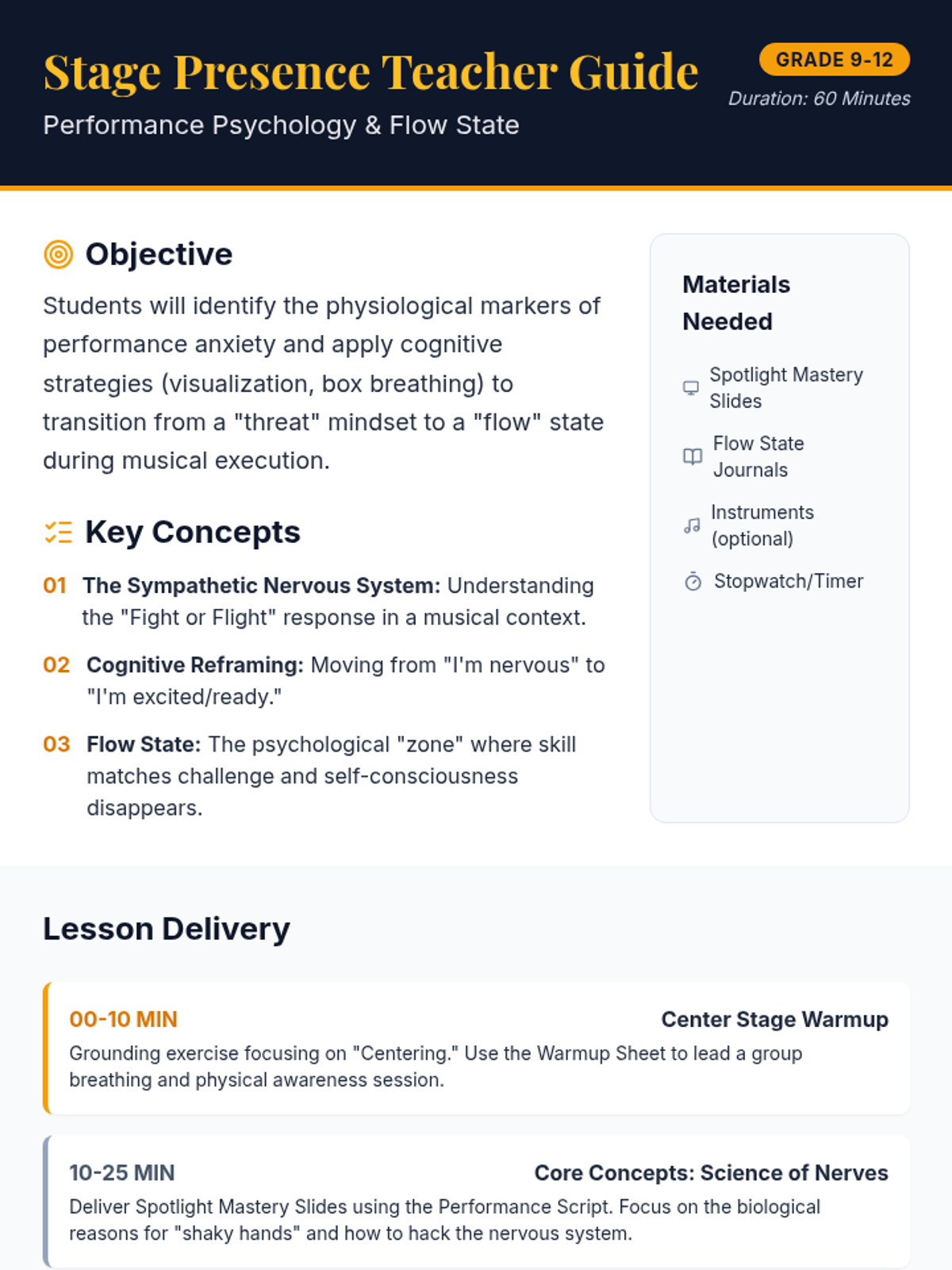
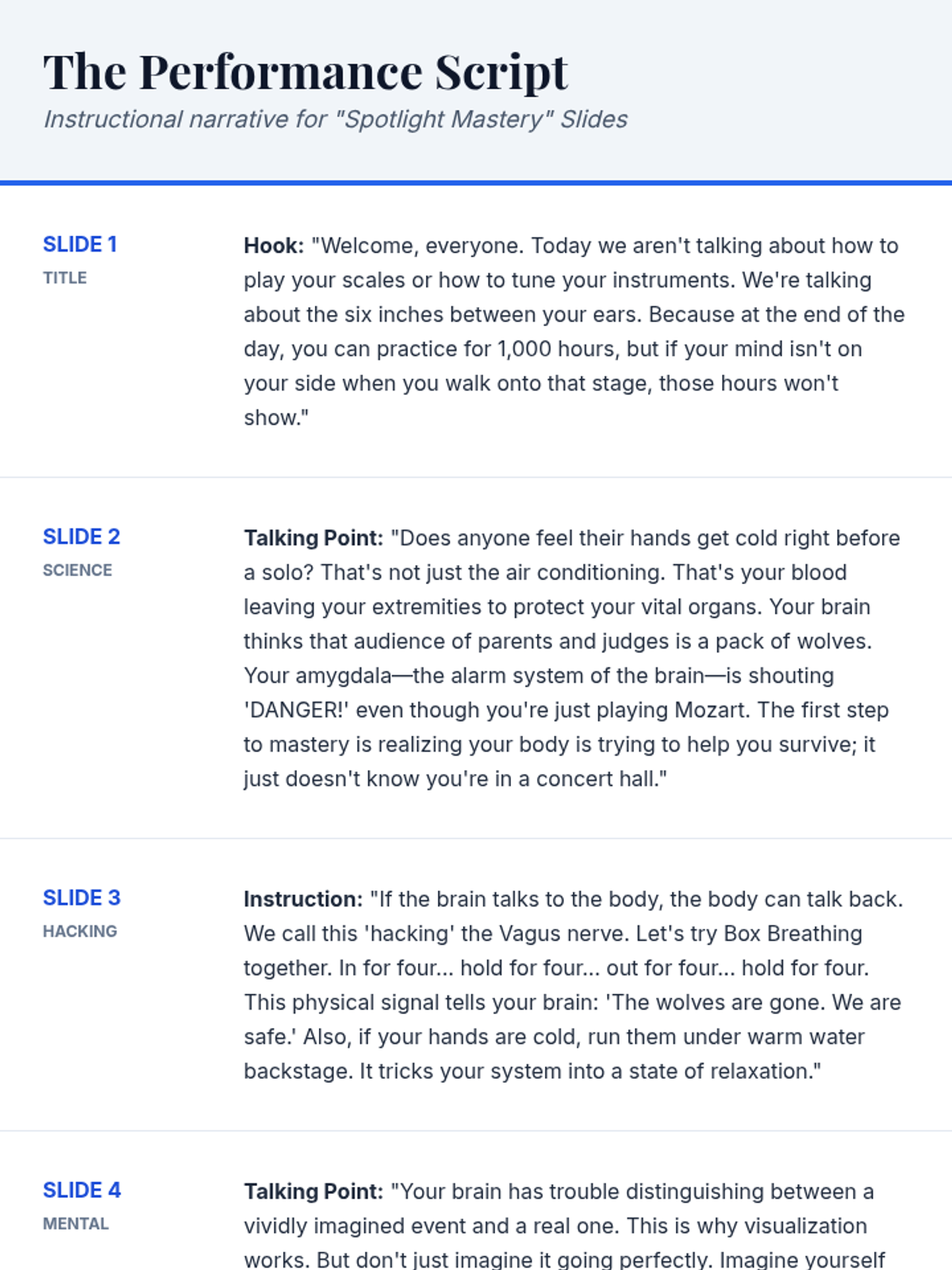
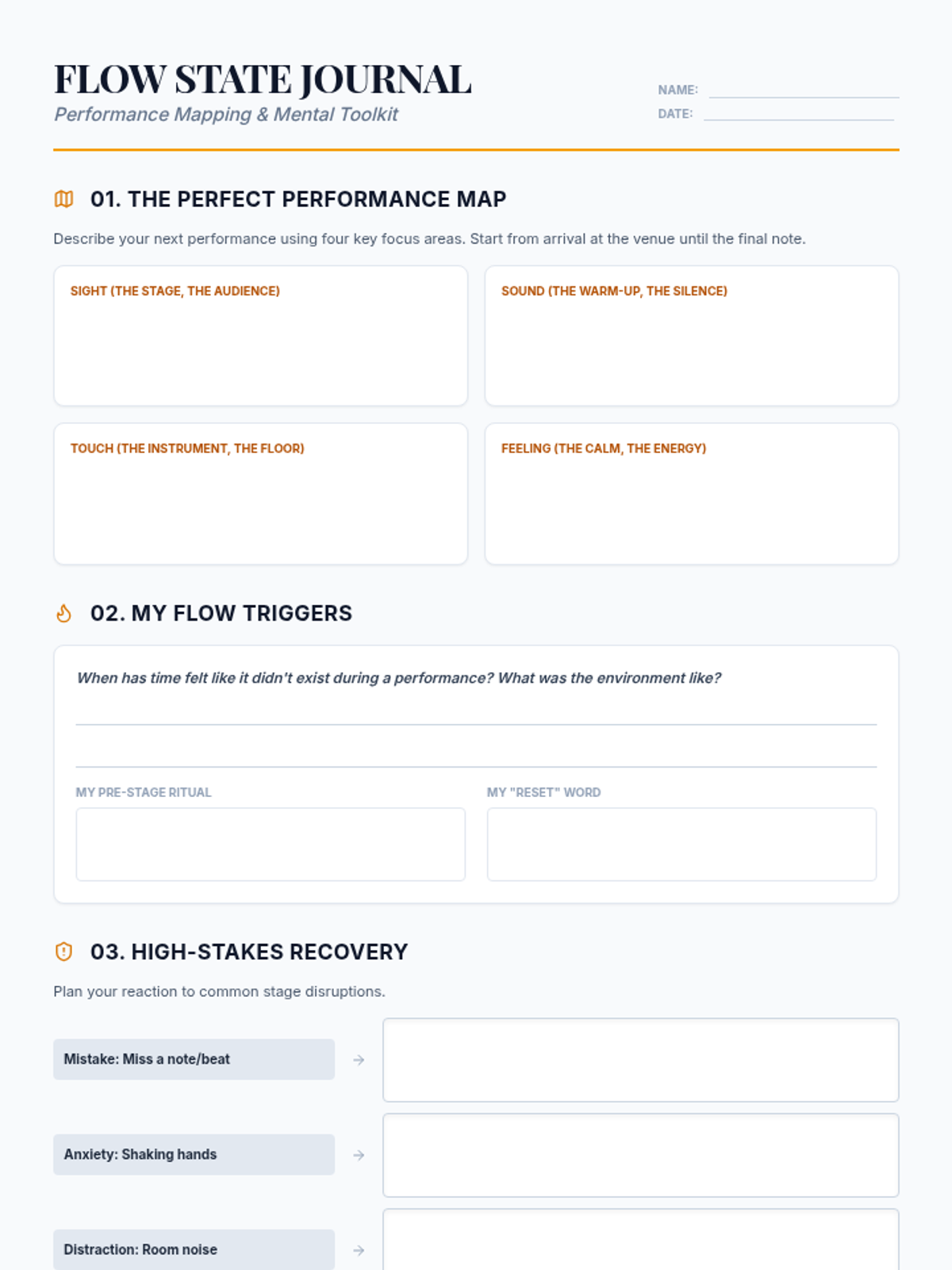
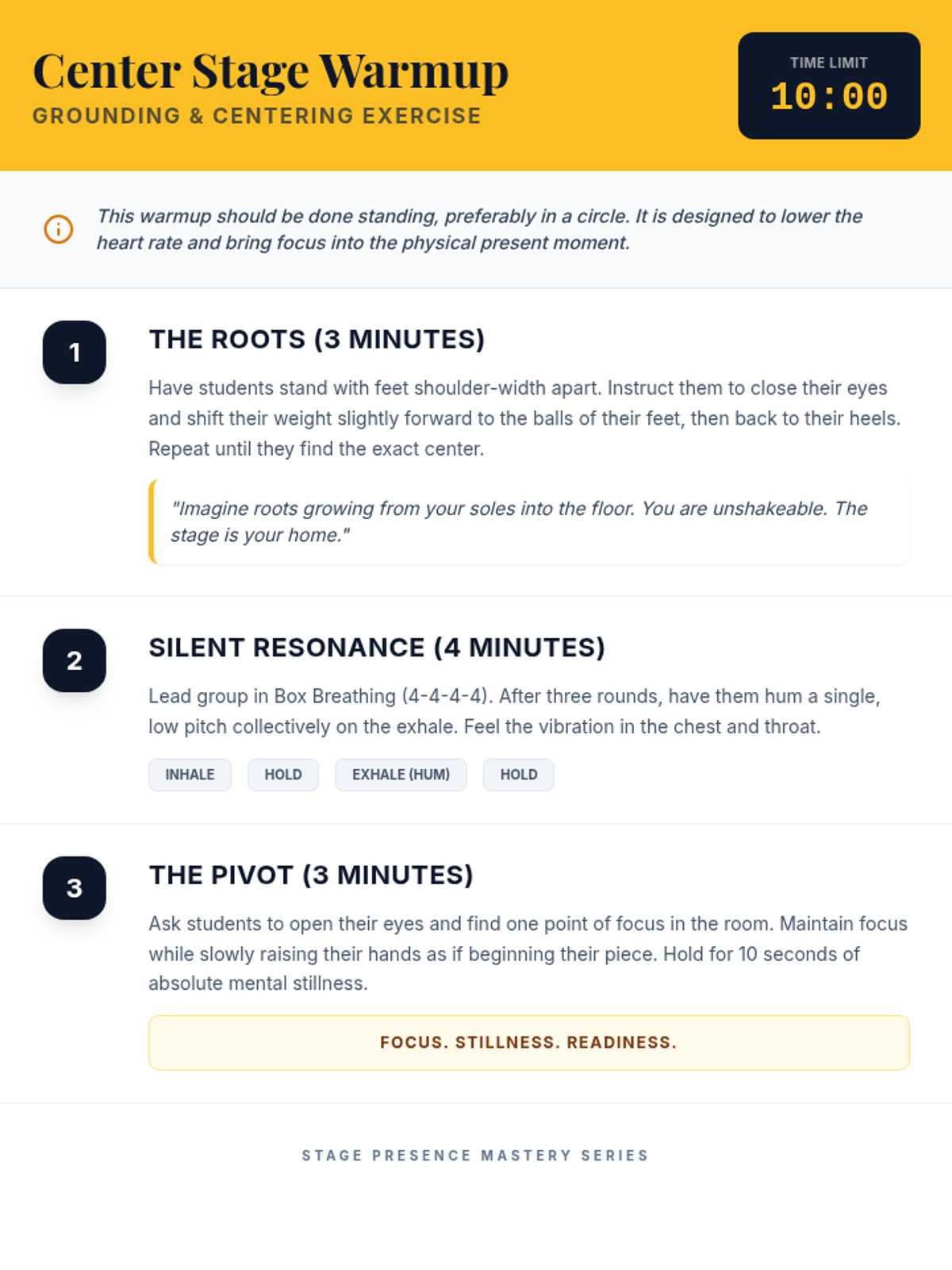
A comprehensive lesson for high school musicians on managing performance anxiety through mindfulness, cognitive strategies, and achieving flow state. Students develop a personal mental toolkit for high-stakes performances.
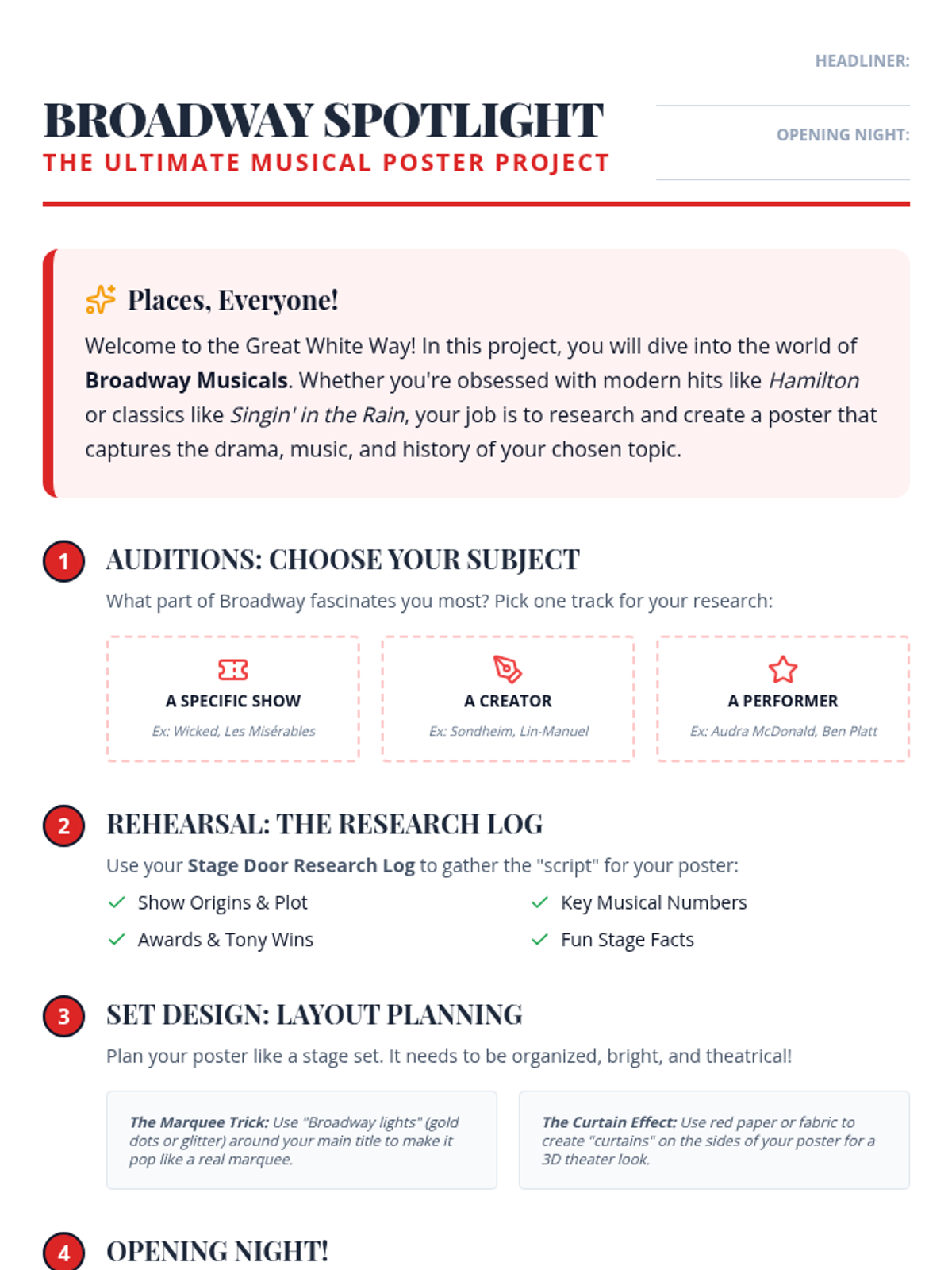
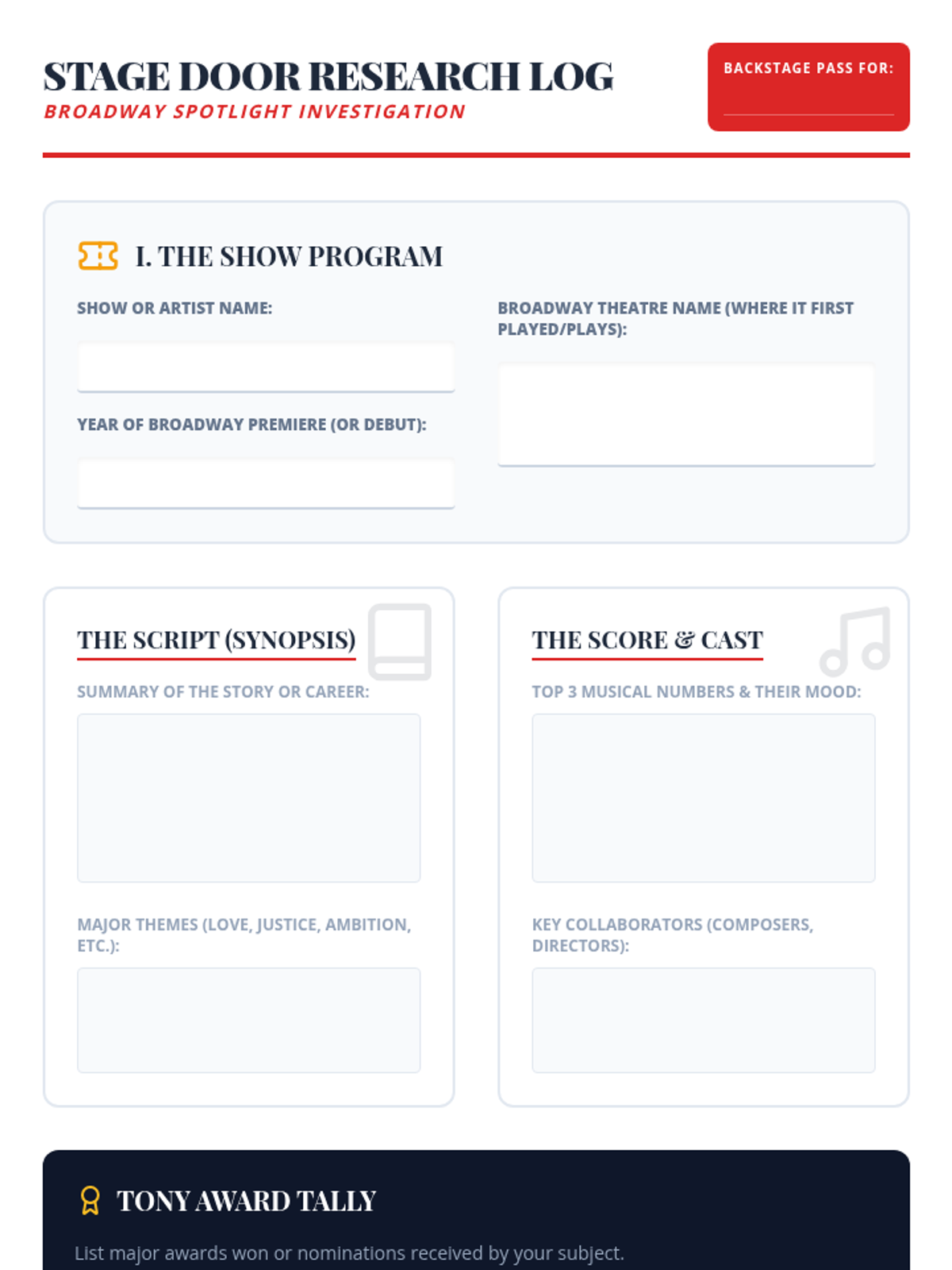
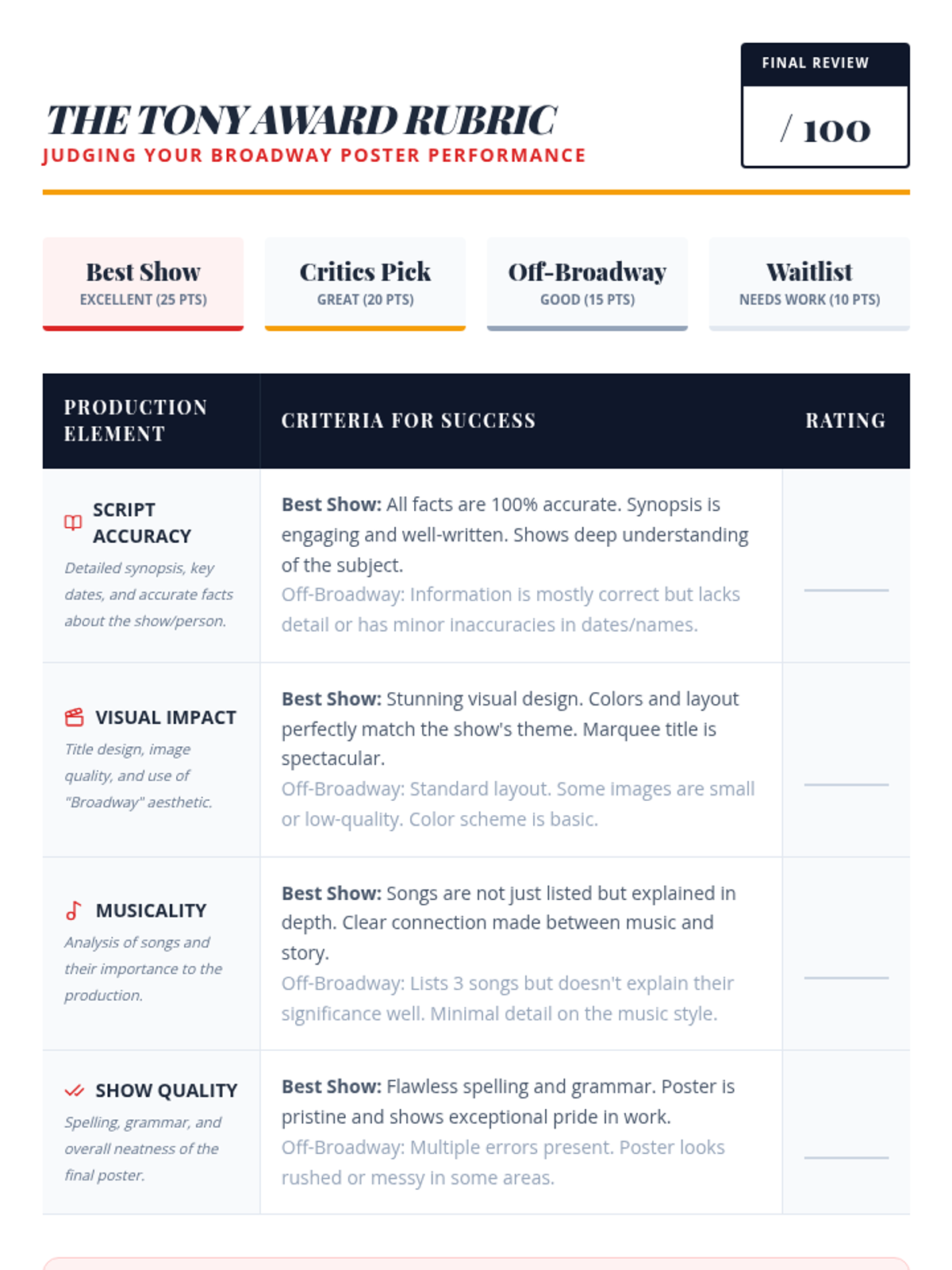
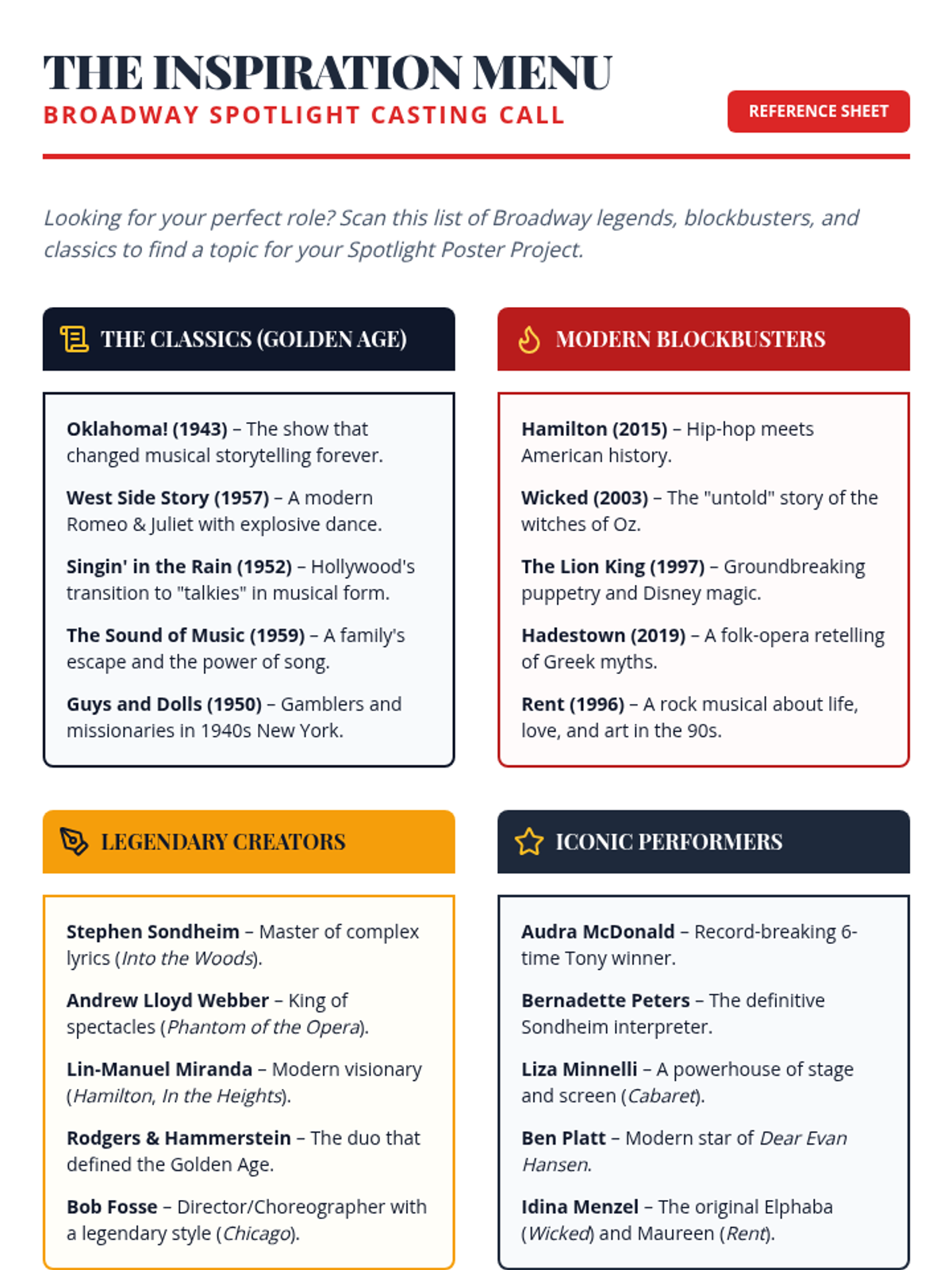
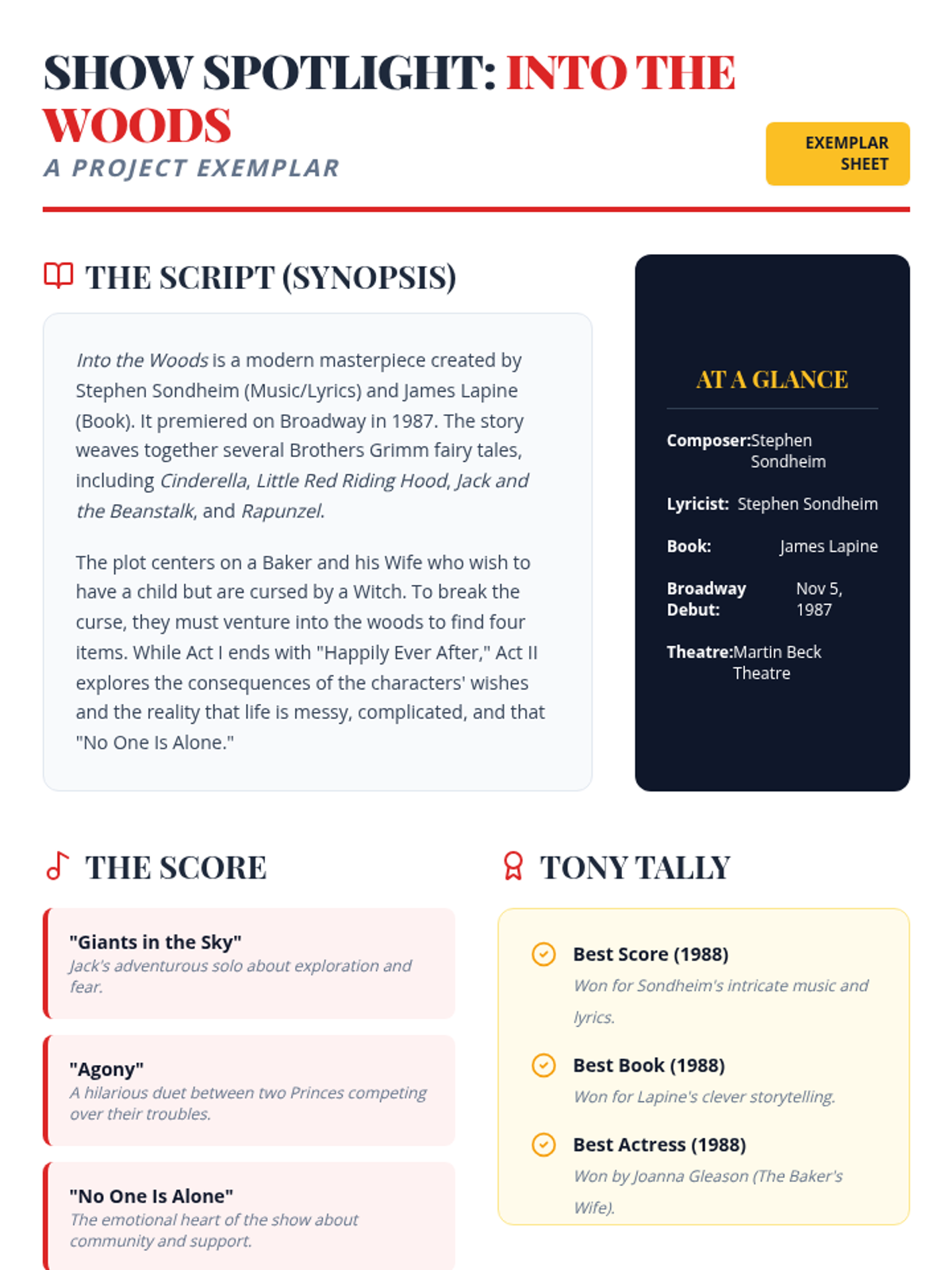
A creative project where students research and present the magic of Broadway. Students can choose a specific musical, a legendary composer, or a famous performer to showcase on an informational poster.
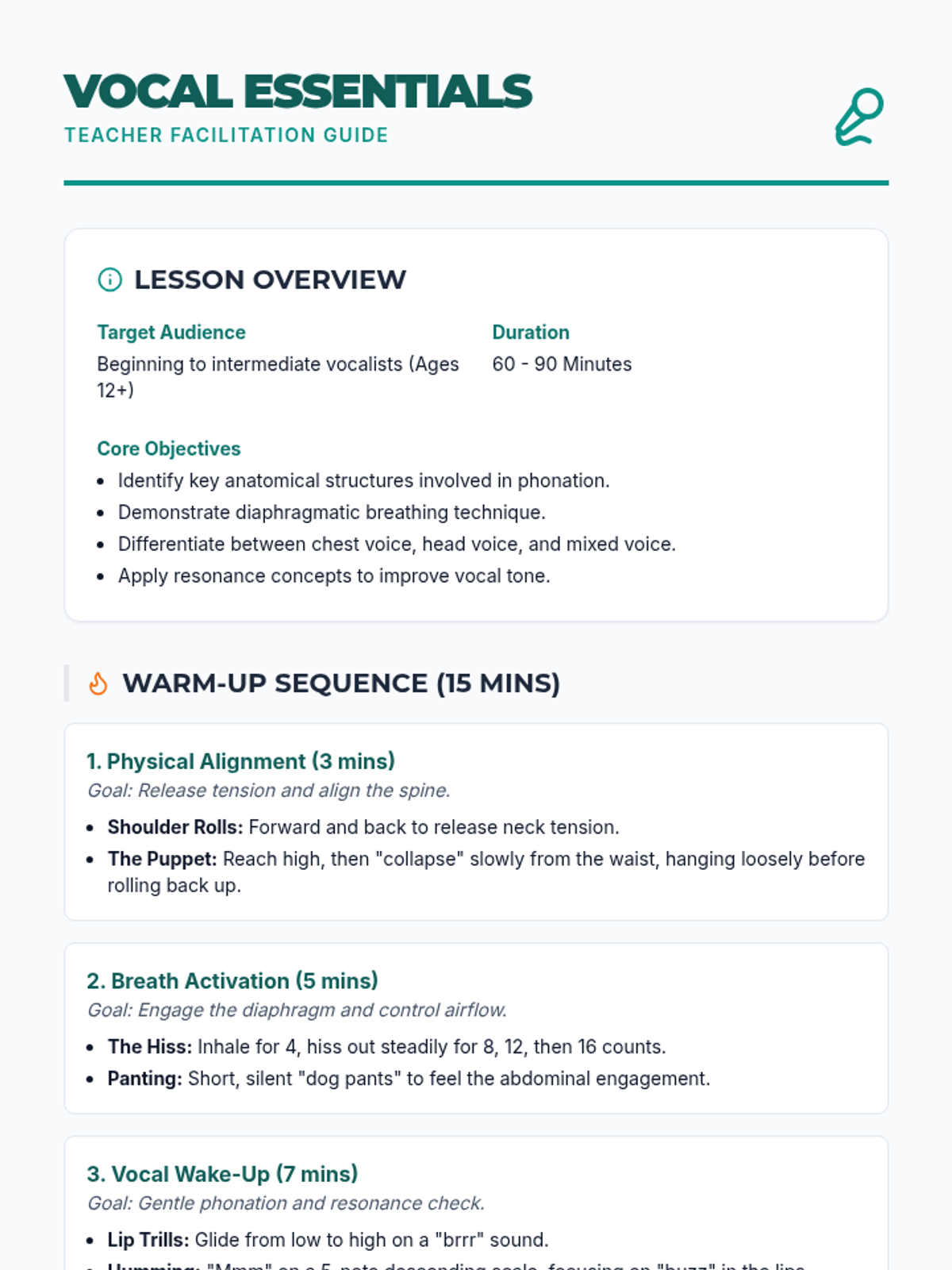
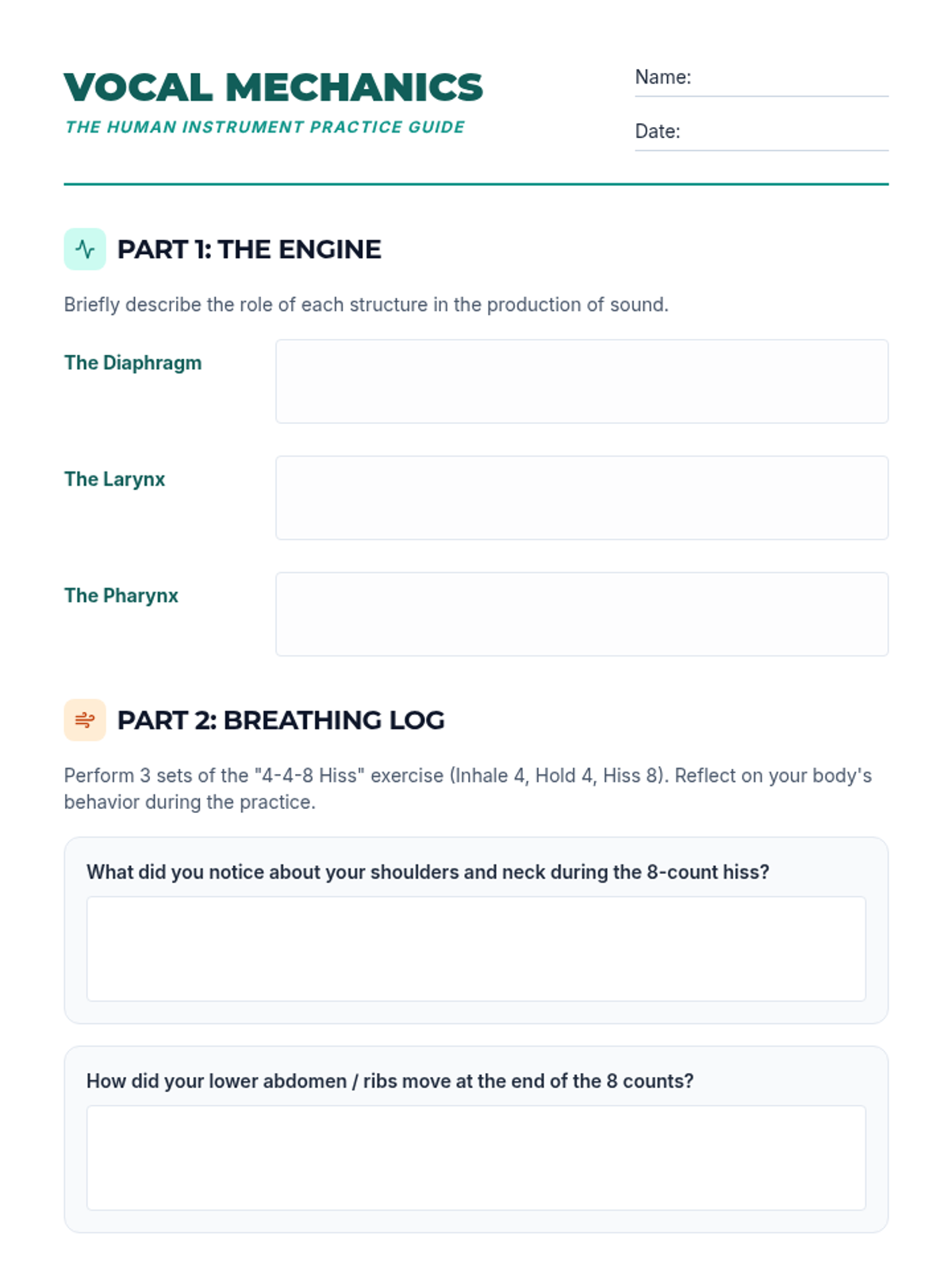
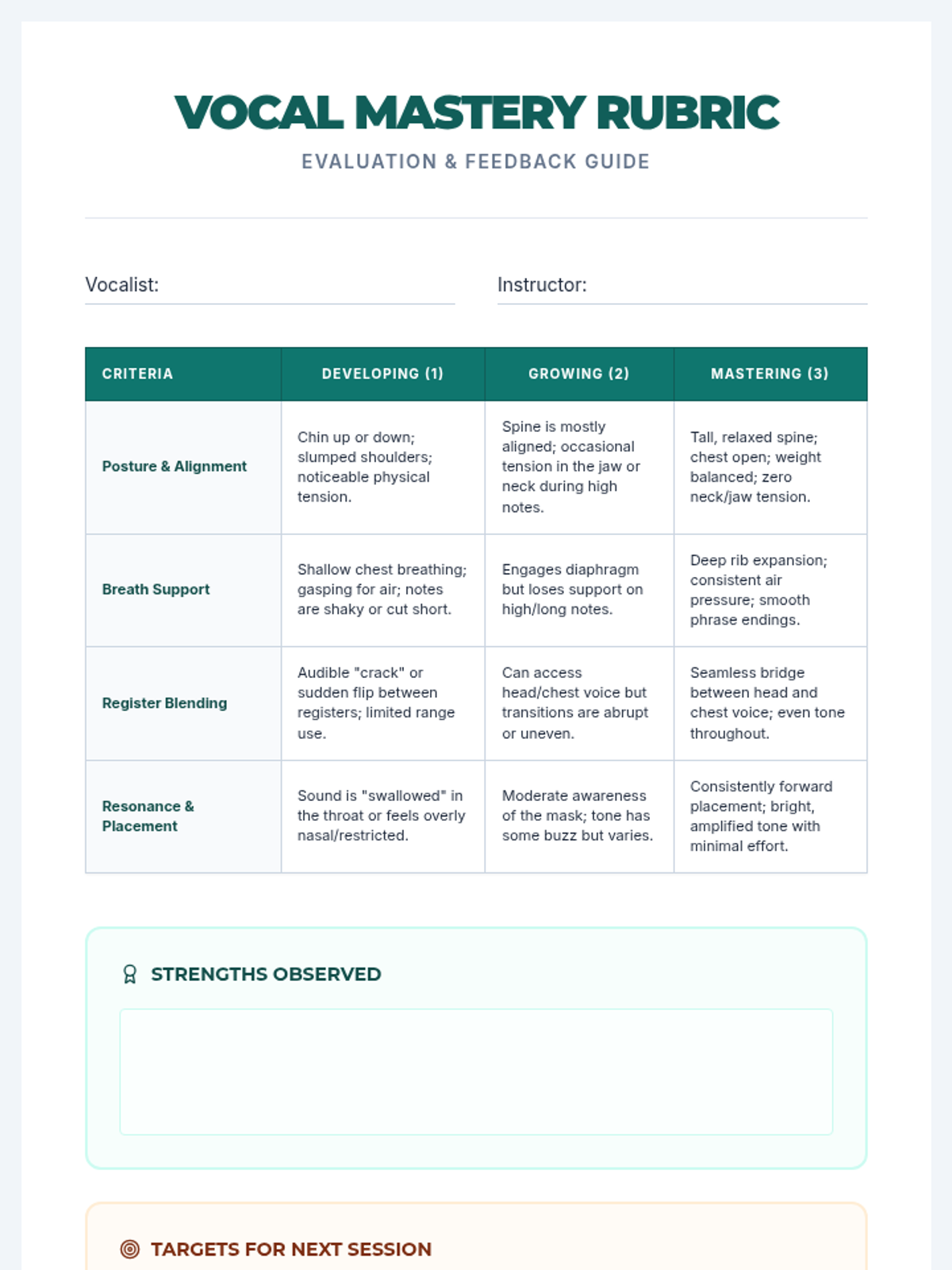
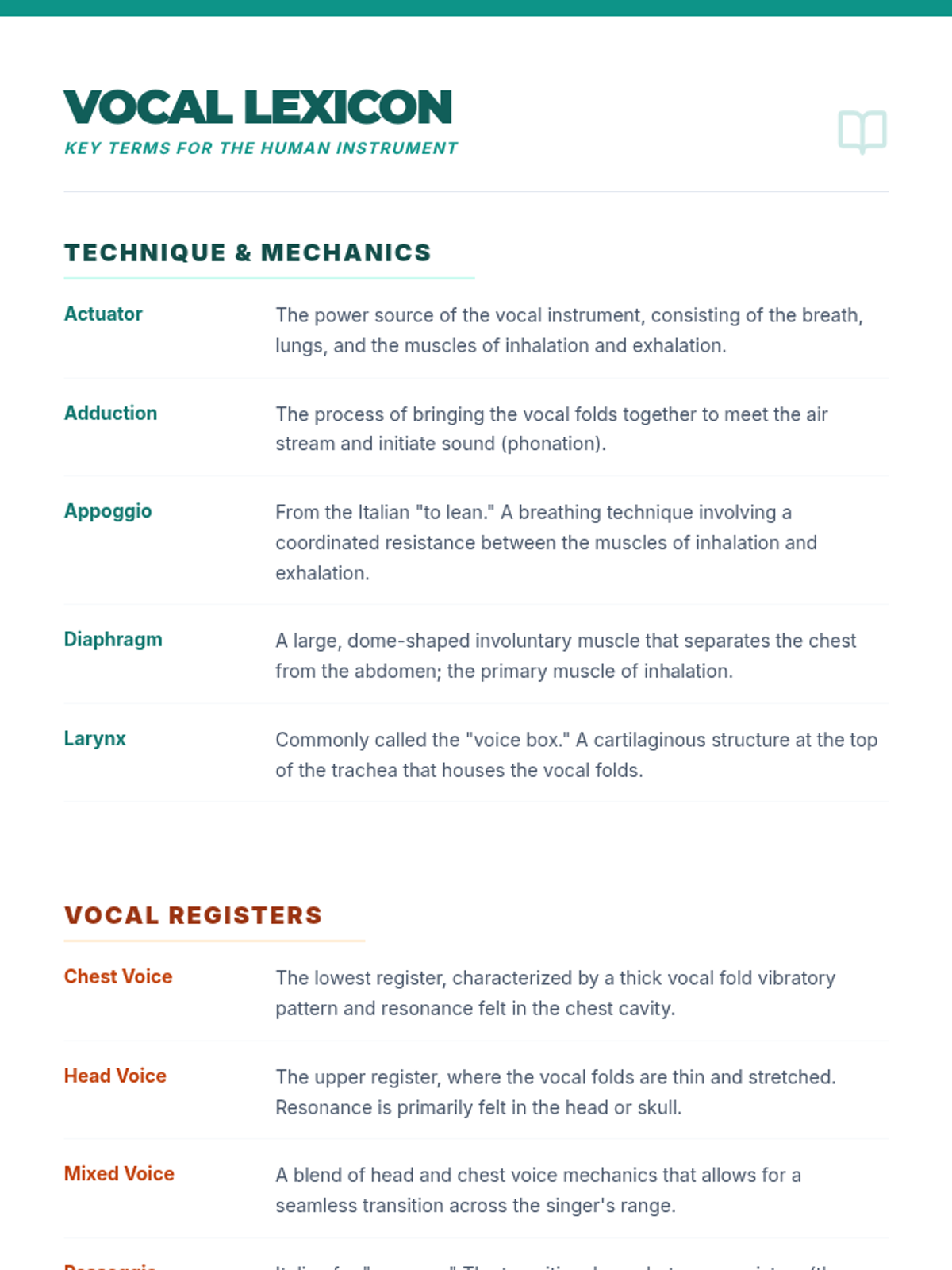
A comprehensive introduction to the physiological and technical aspects of singing, covering vocal anatomy, breath support, vocal registers, and resonance.
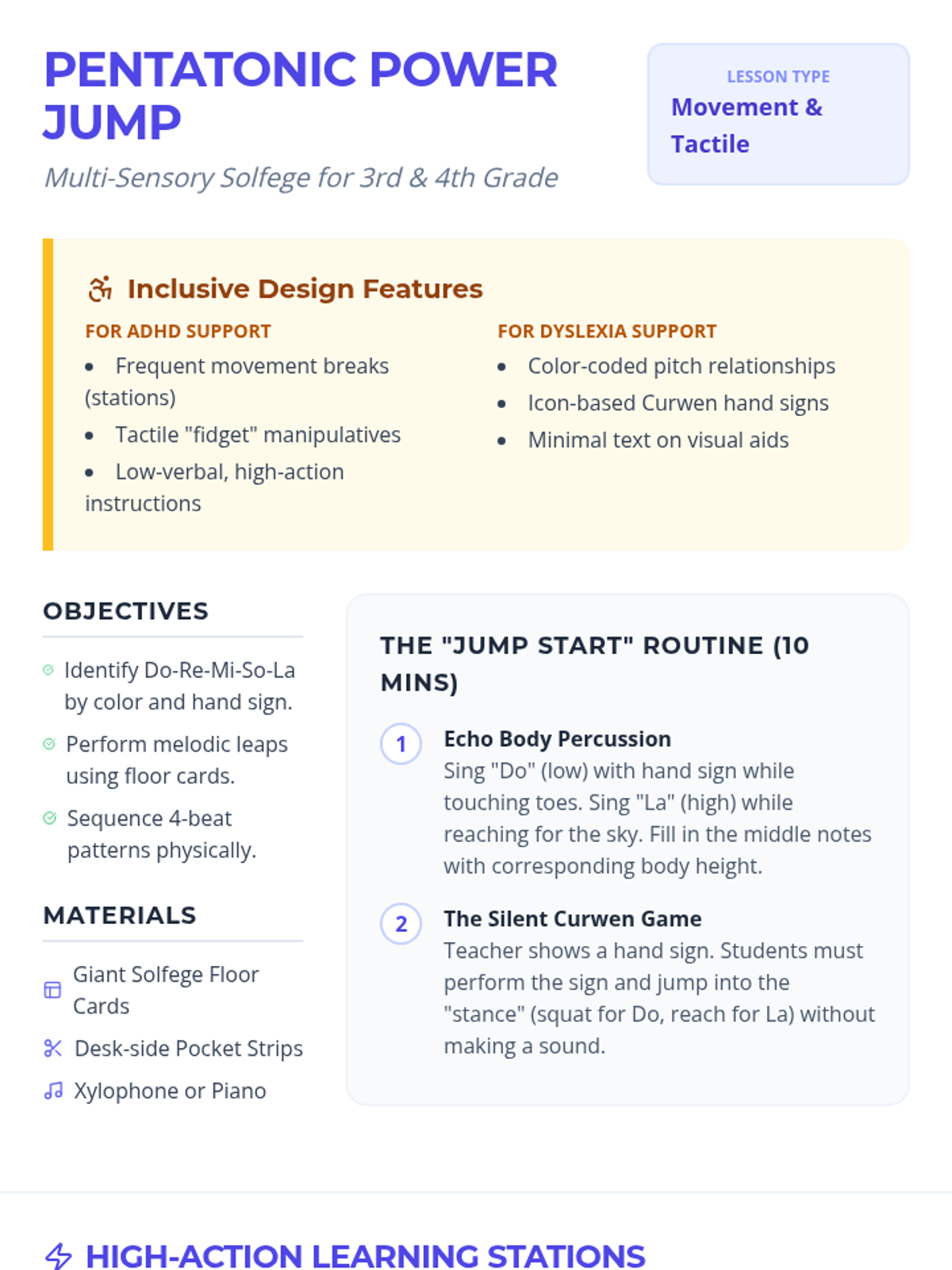
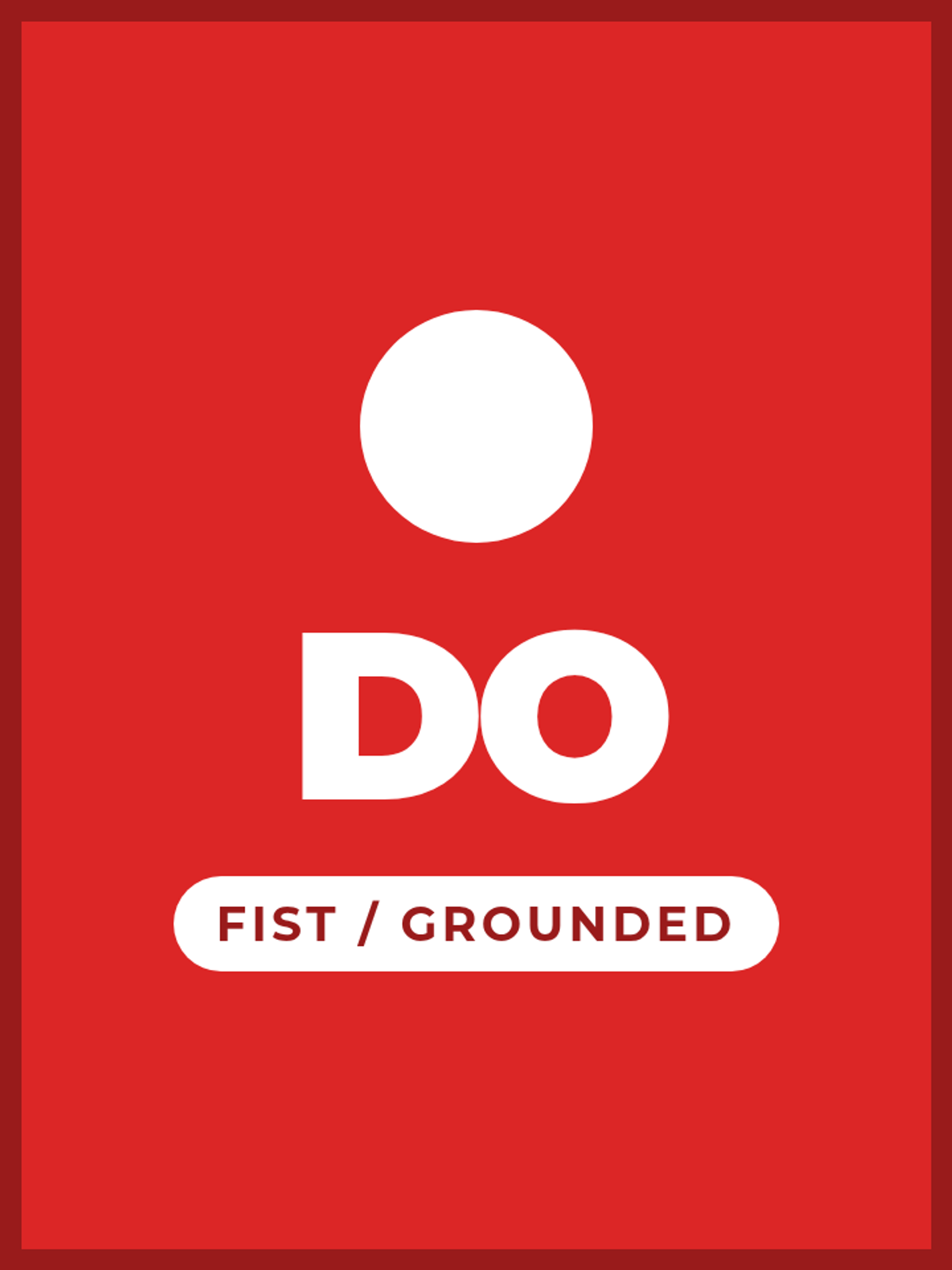
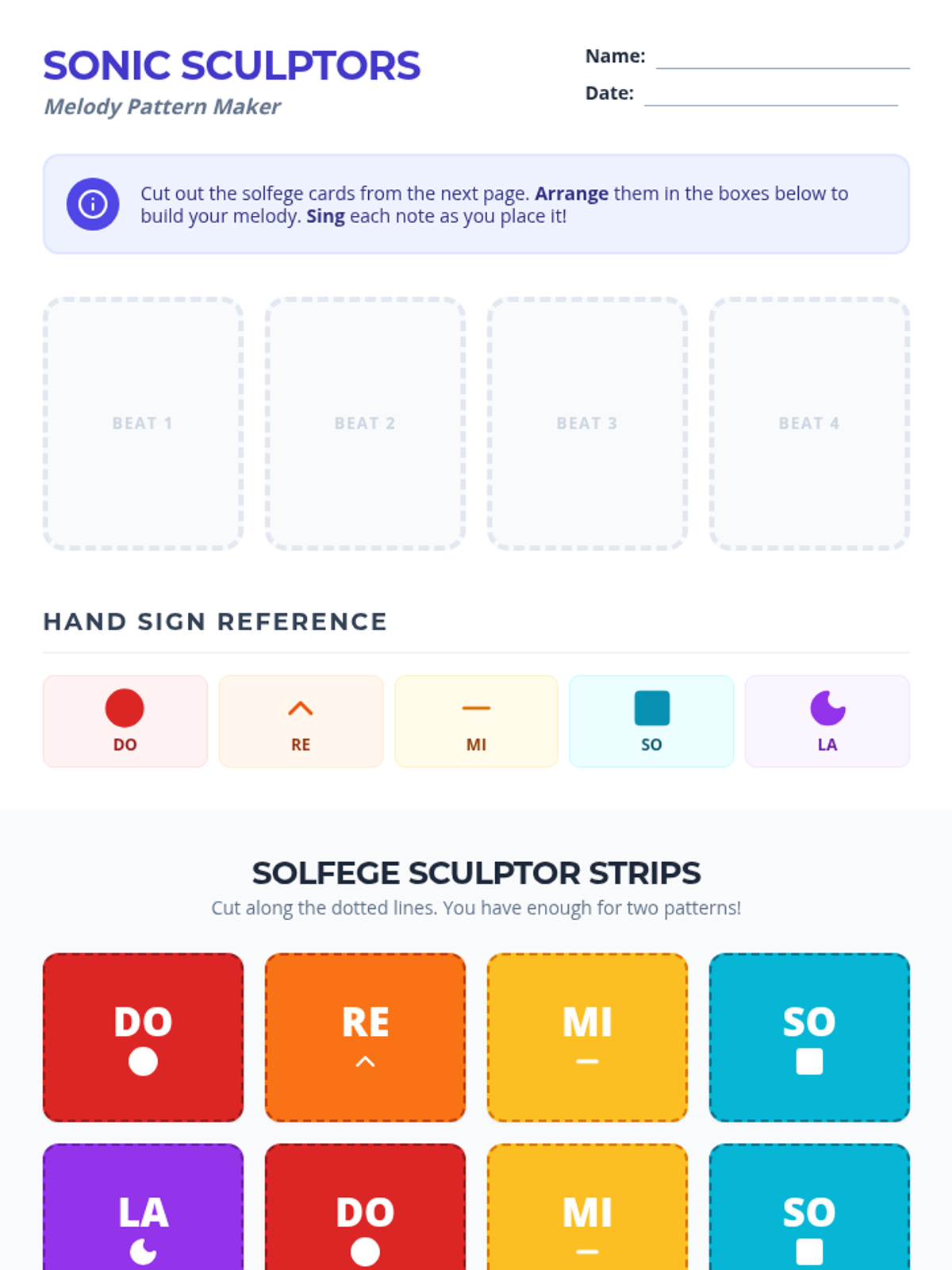
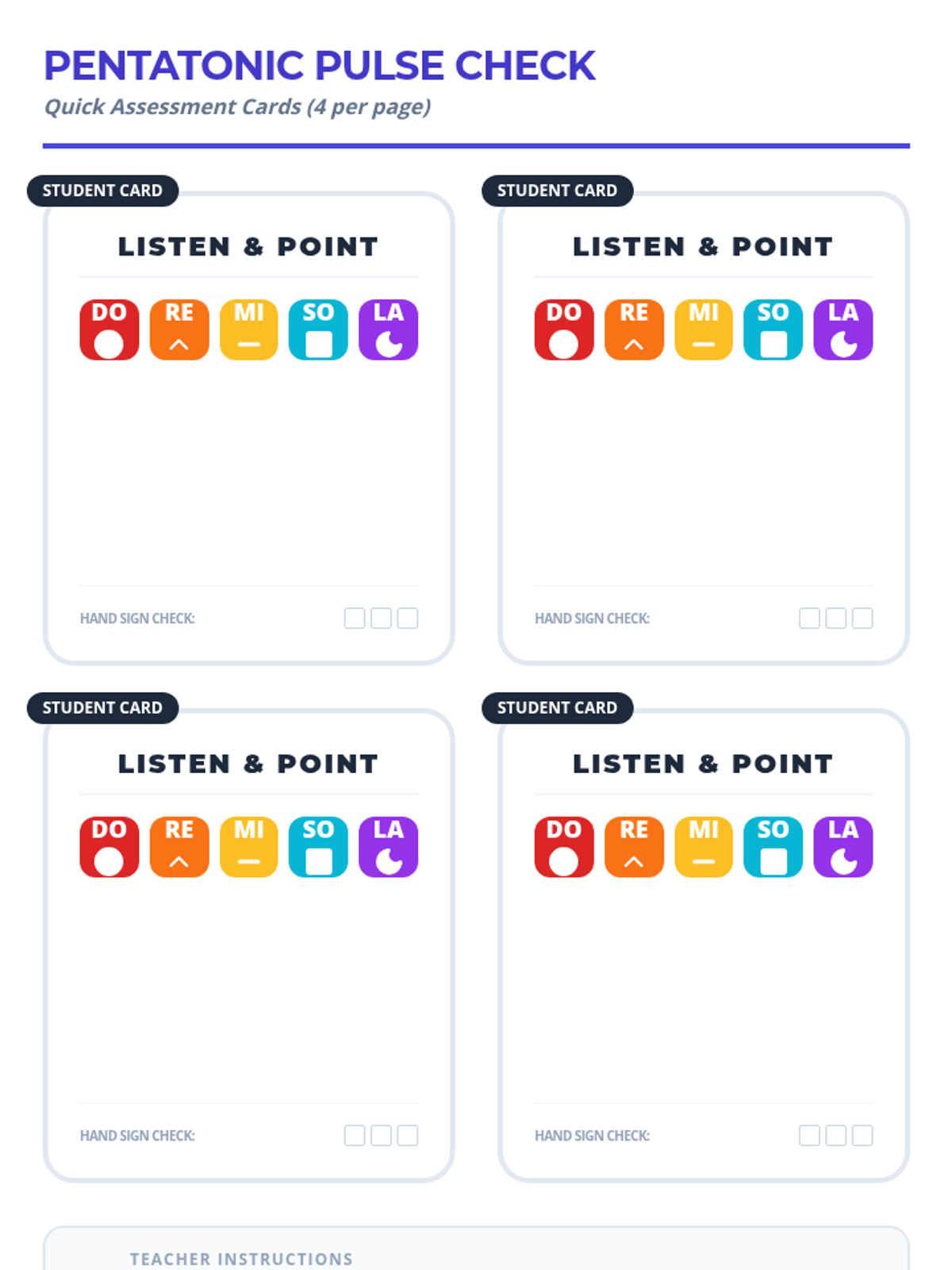
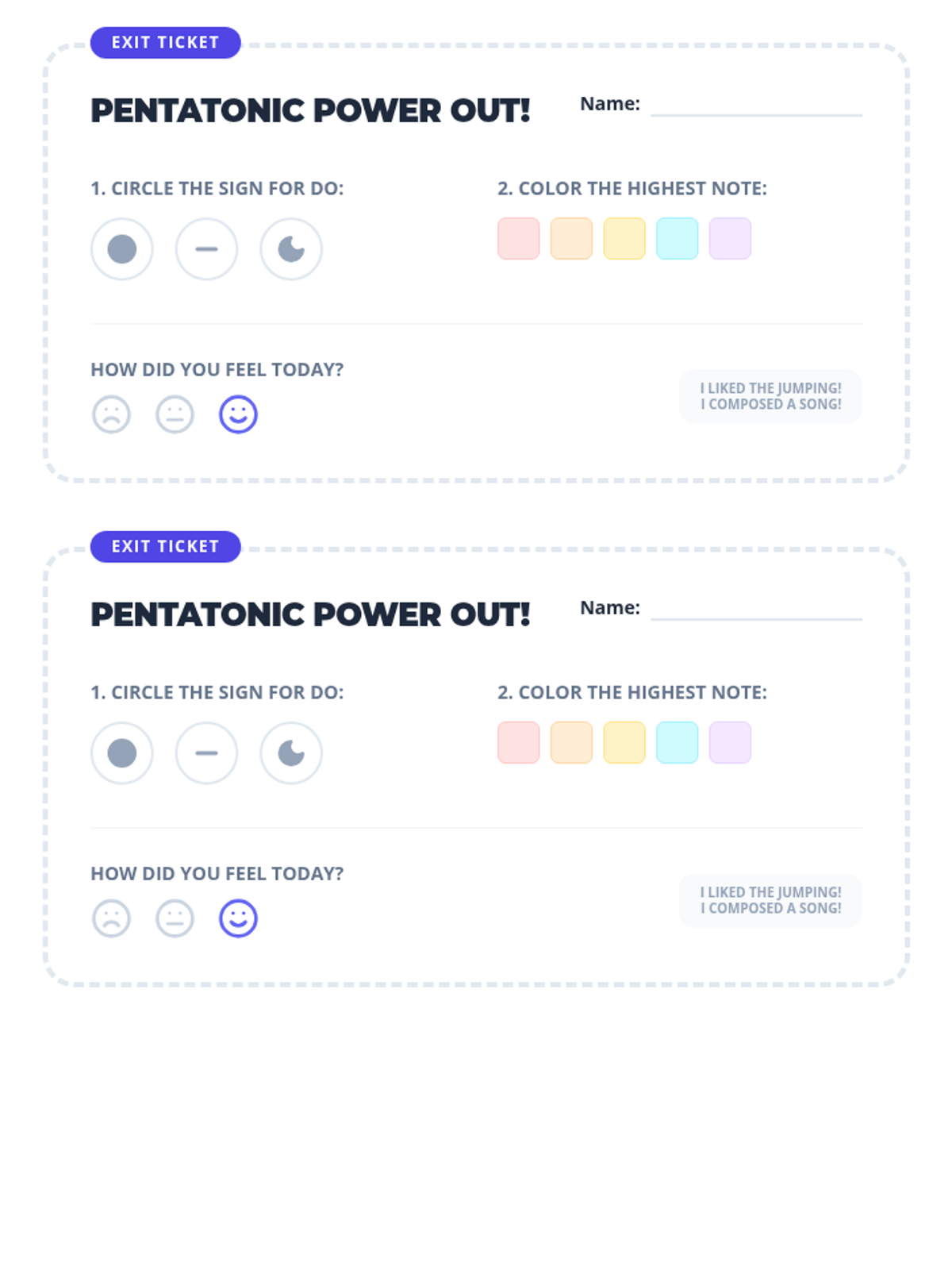
A high-energy, multi-sensory lesson for 3rd and 4th graders focusing on the pentatonic scale through movement and tactile manipulatives. This lesson is specifically designed to support students with dyslexia and ADHD.
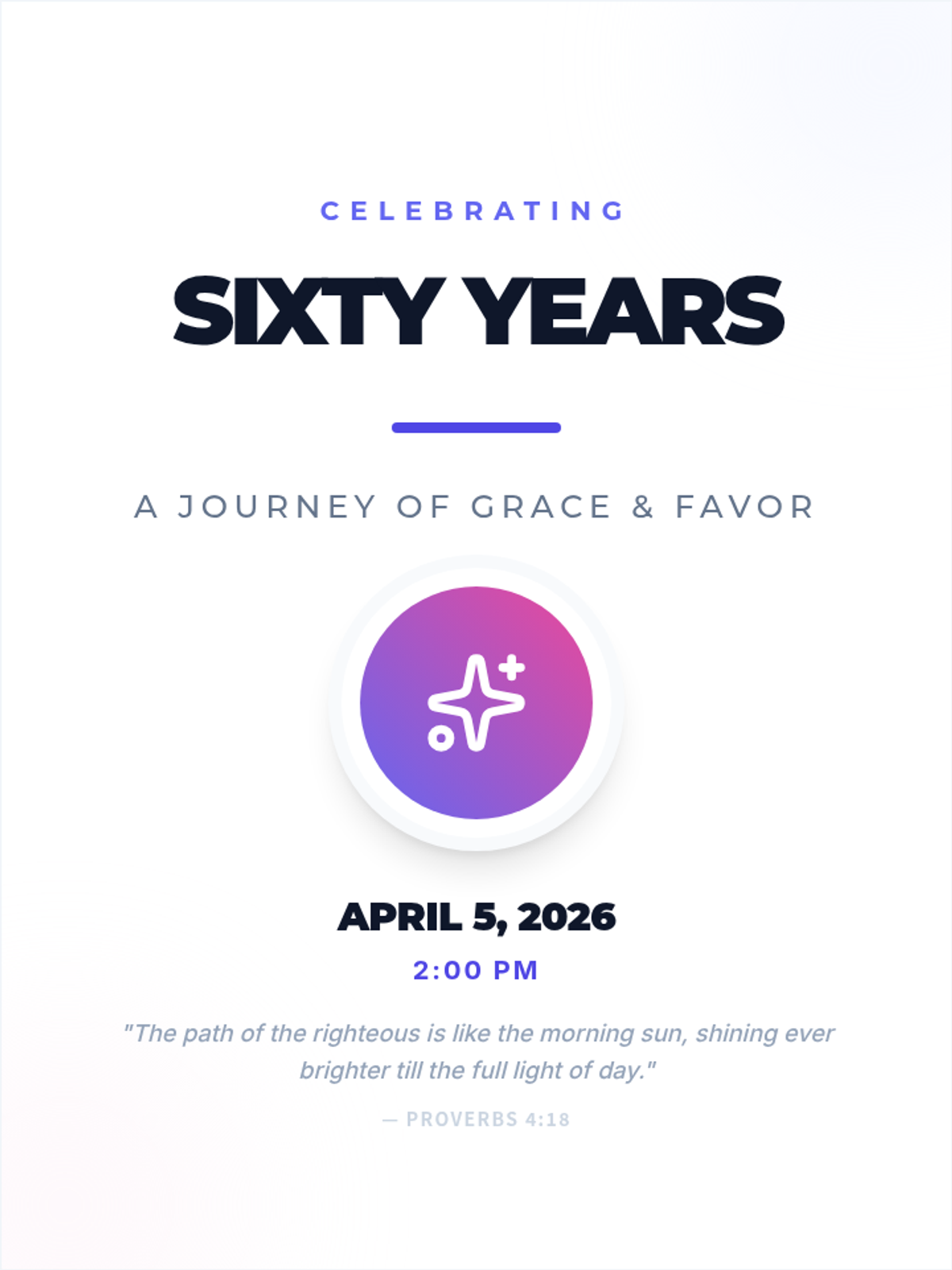
A sophisticated and modern slide deck for a 60th birthday celebration, featuring a full order of service and thematic transitions.
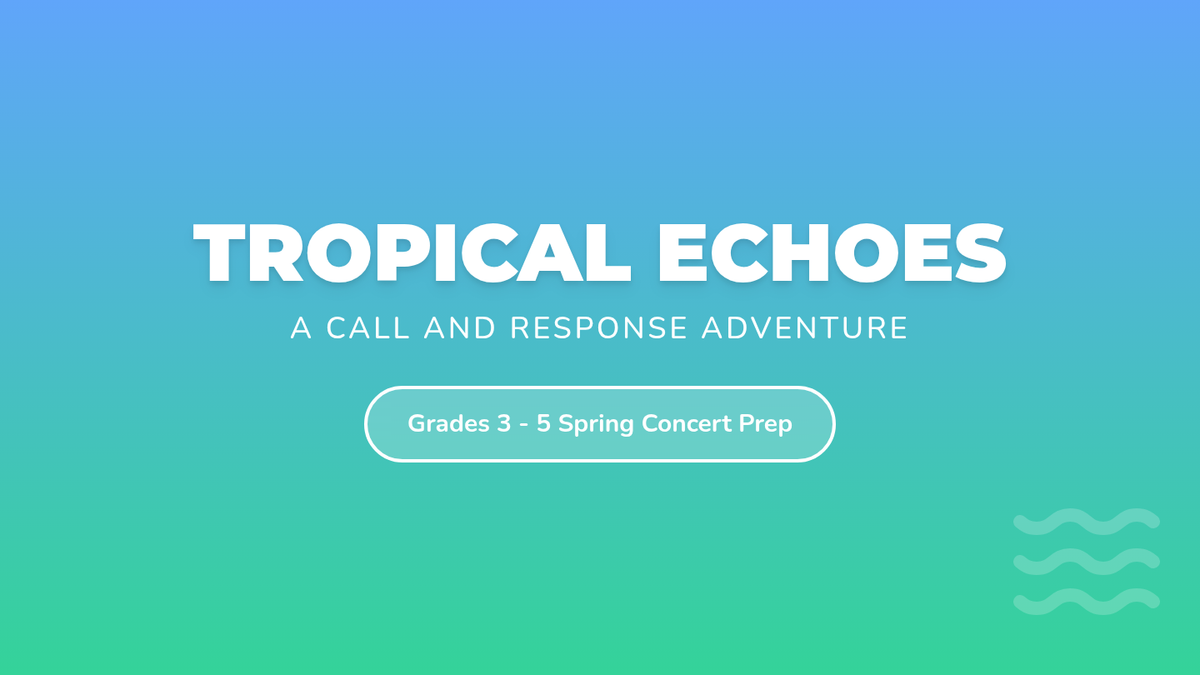
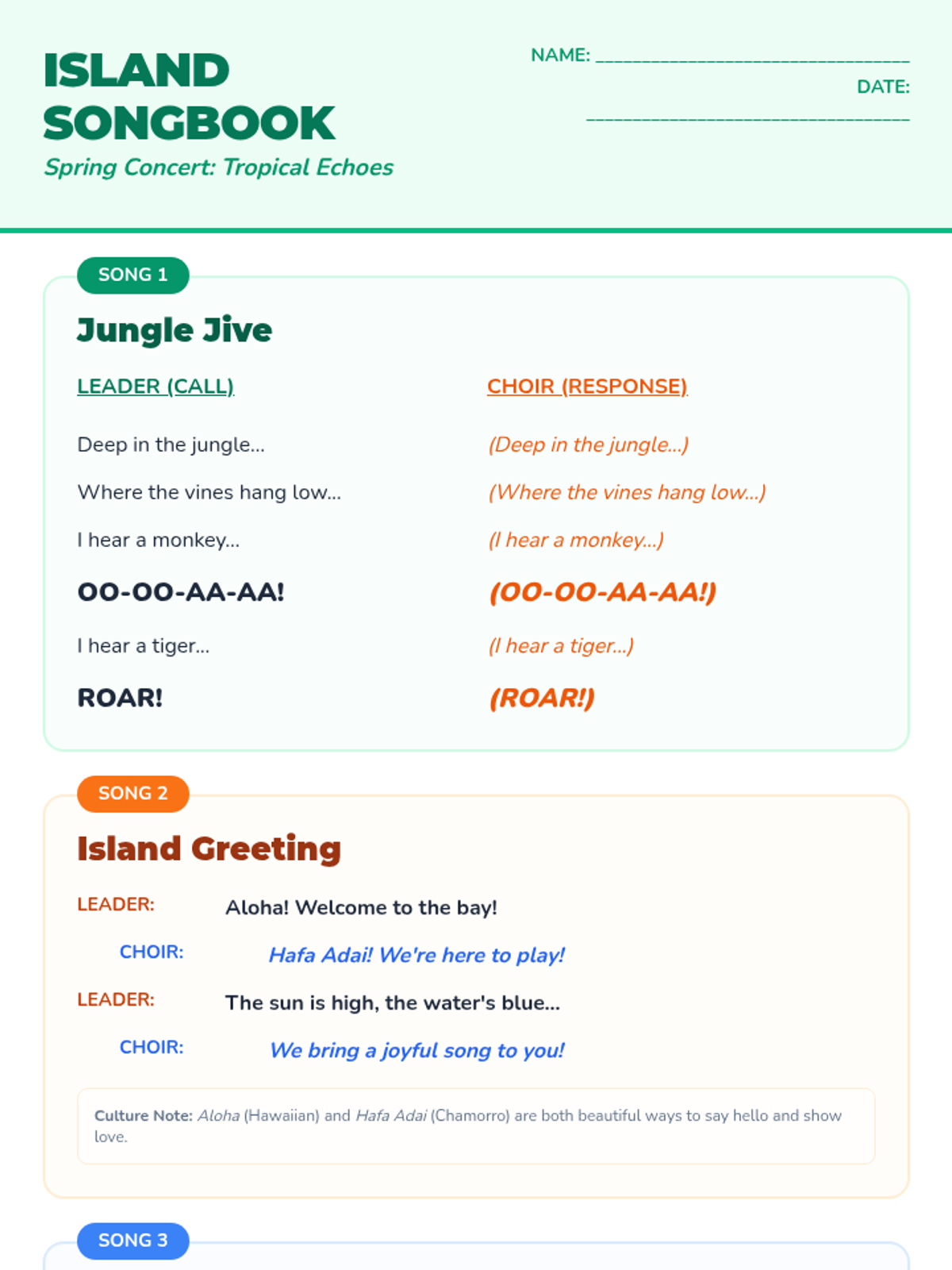
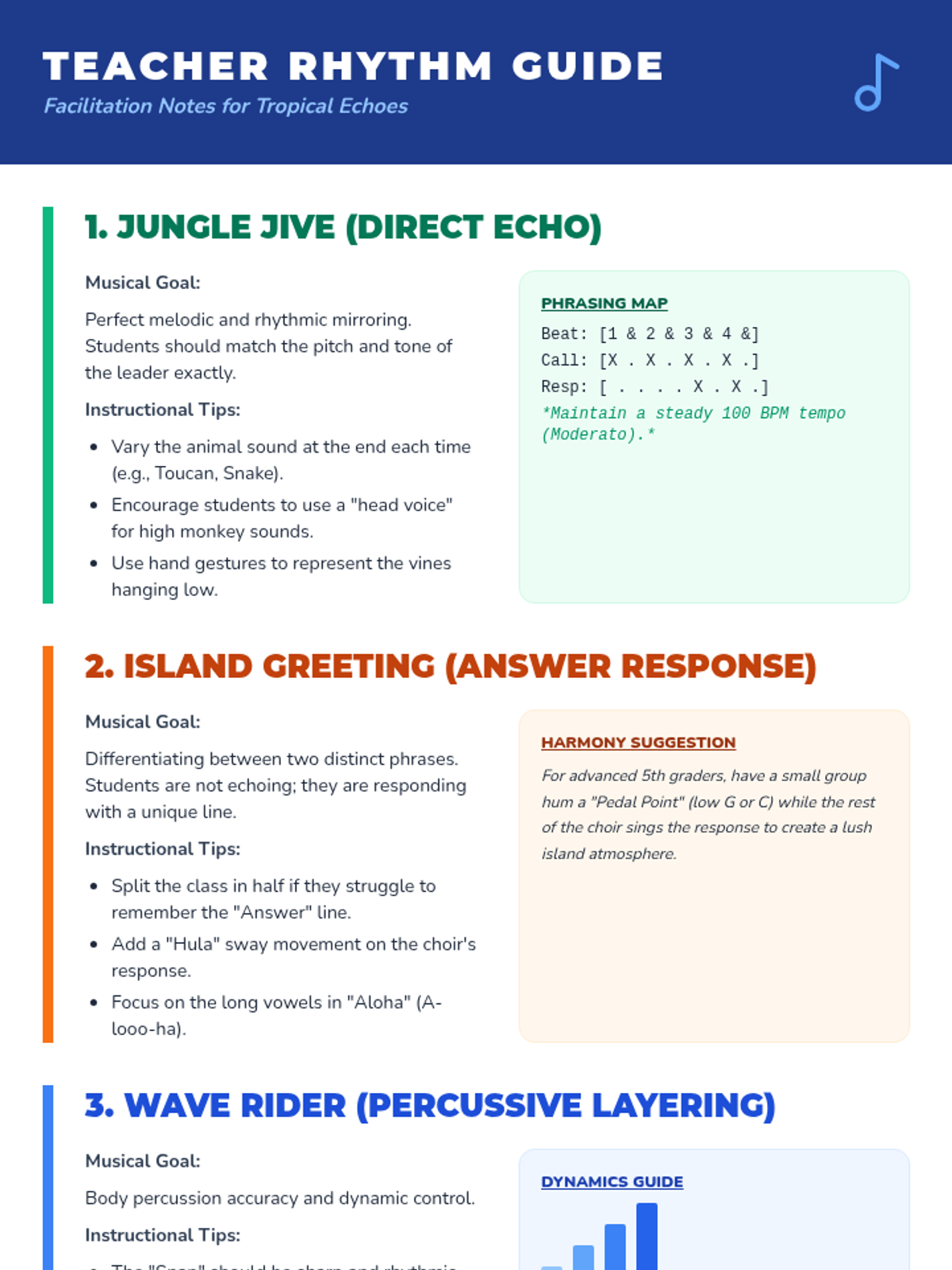
A musical unit focusing on tropical-themed call and response songs for grades 3-5, designed for spring concert preparation and vocal skill development.
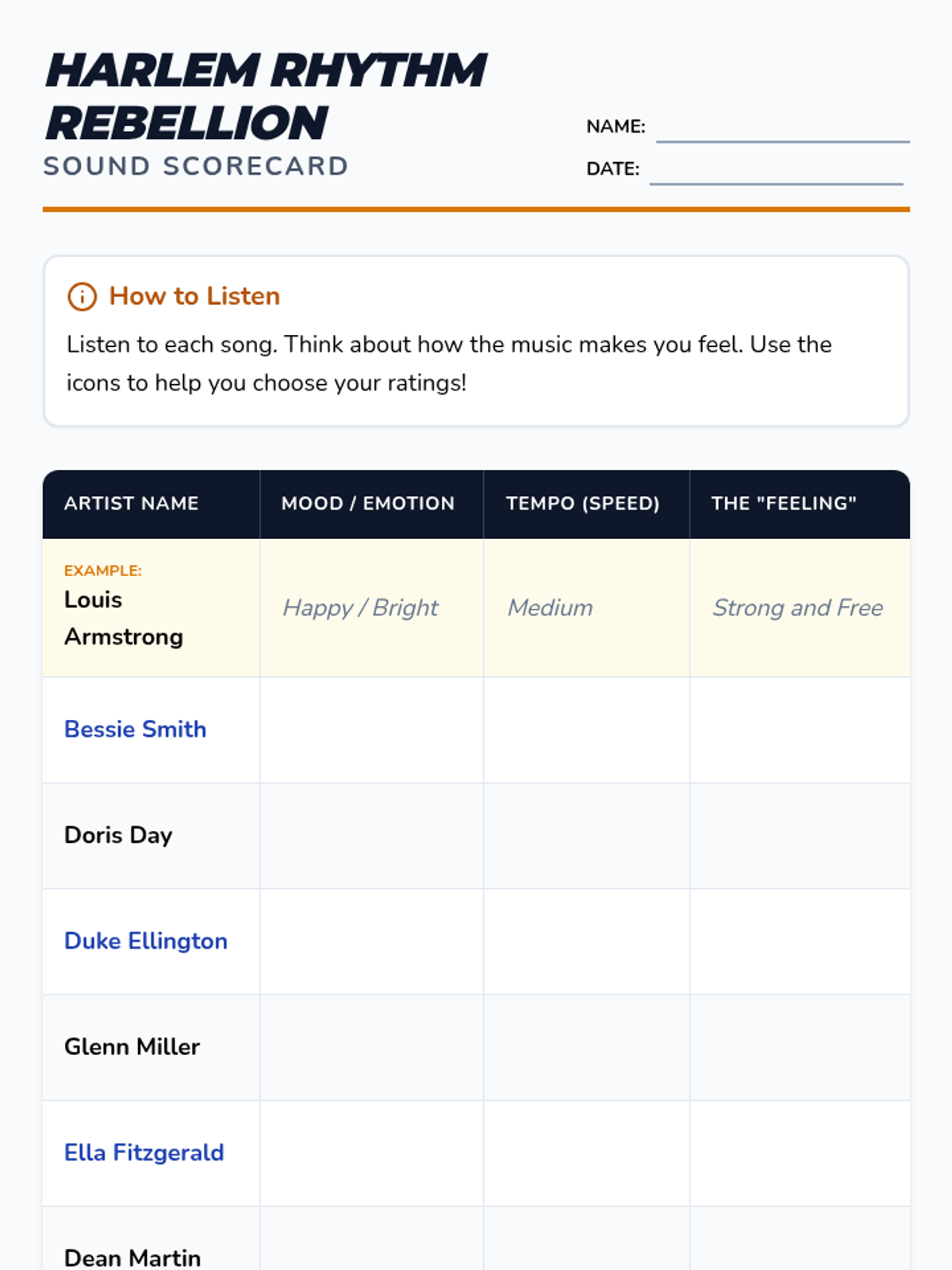
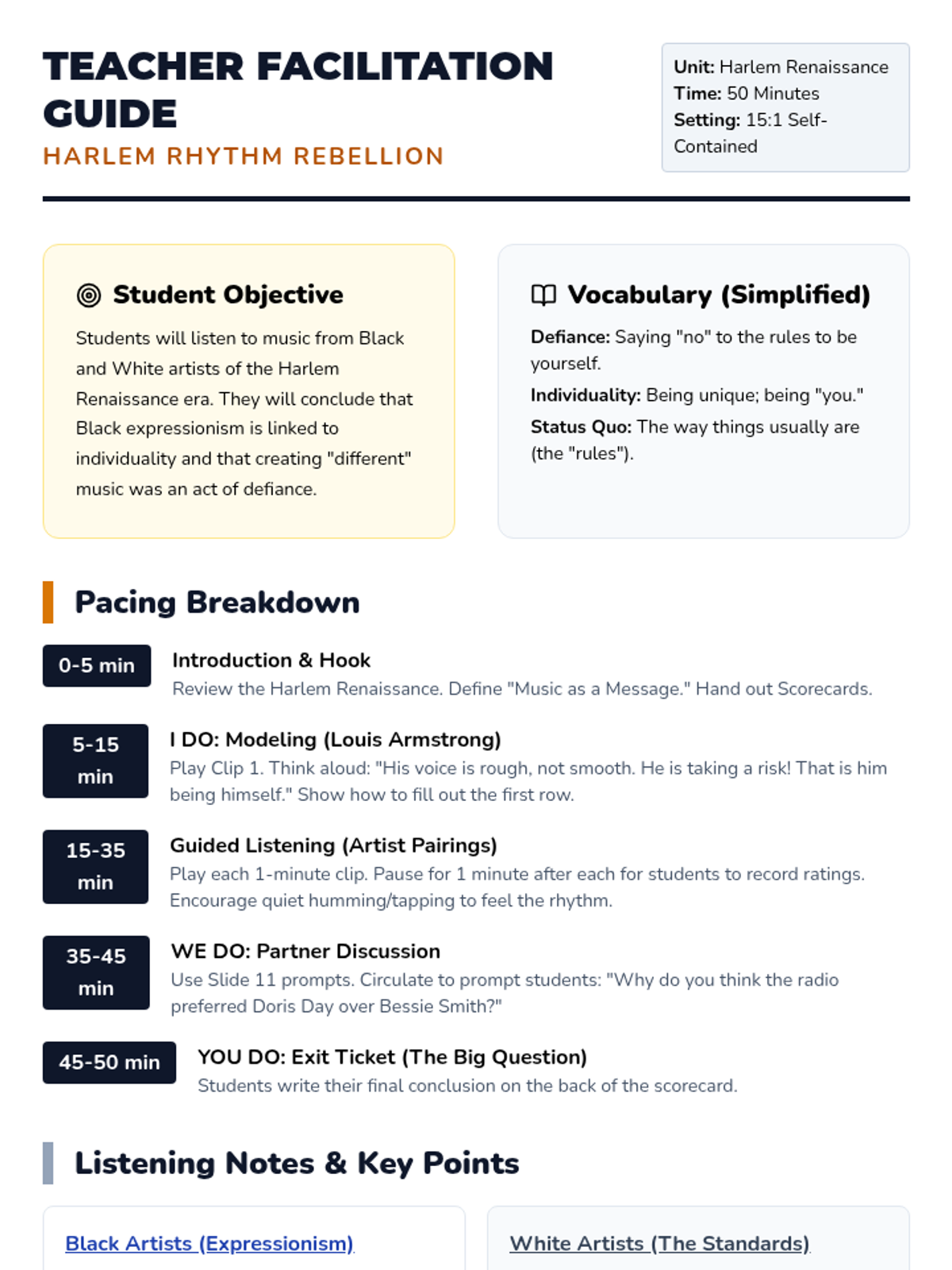
A 50-minute lesson exploring the connection between Jazz music, Black expressionism, and the Harlem Renaissance through music comparison and artist biopics. Students will analyze the differences between Black and White artists of the era to understand music as an act of defiance and cultural identity.
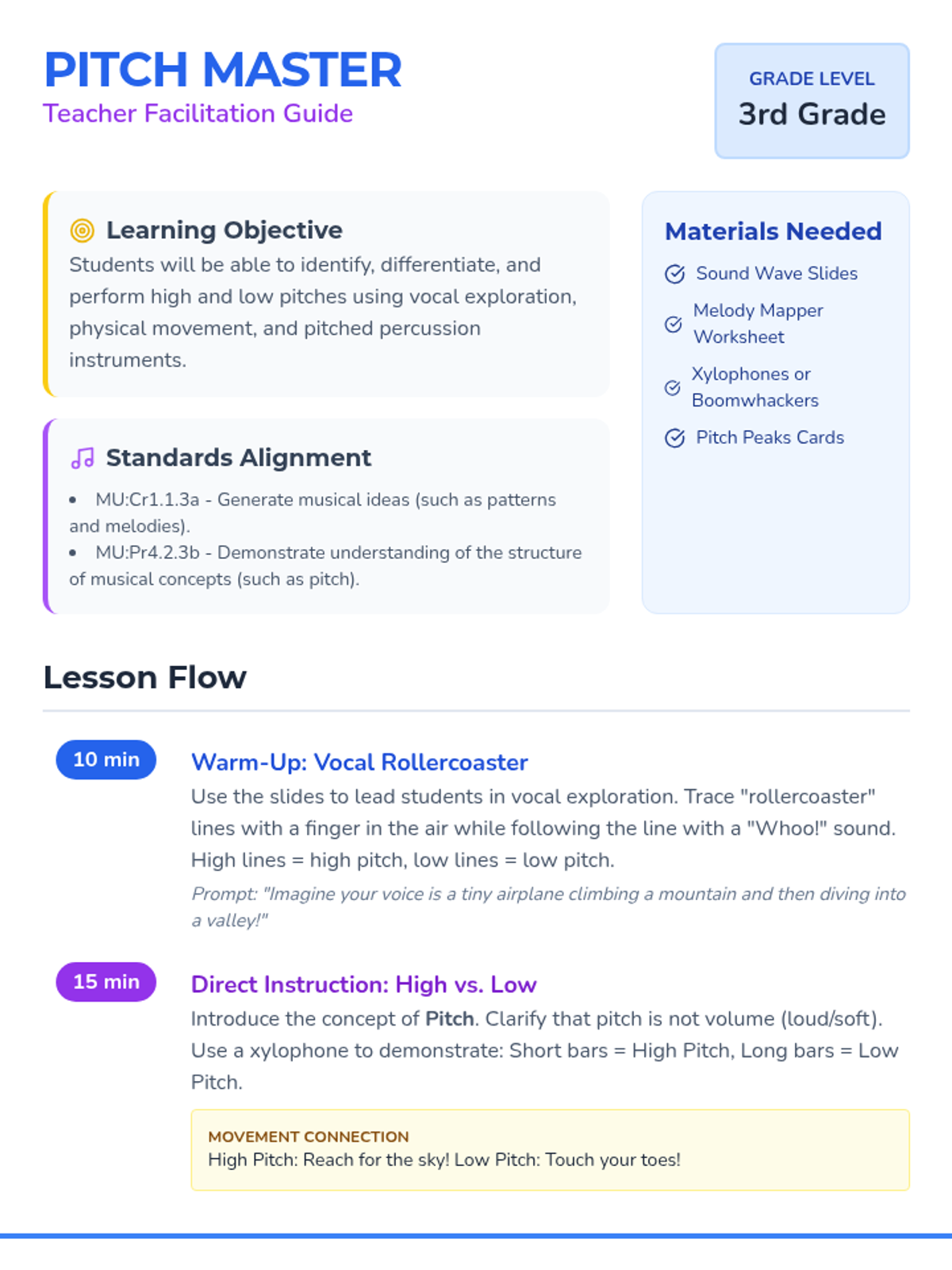
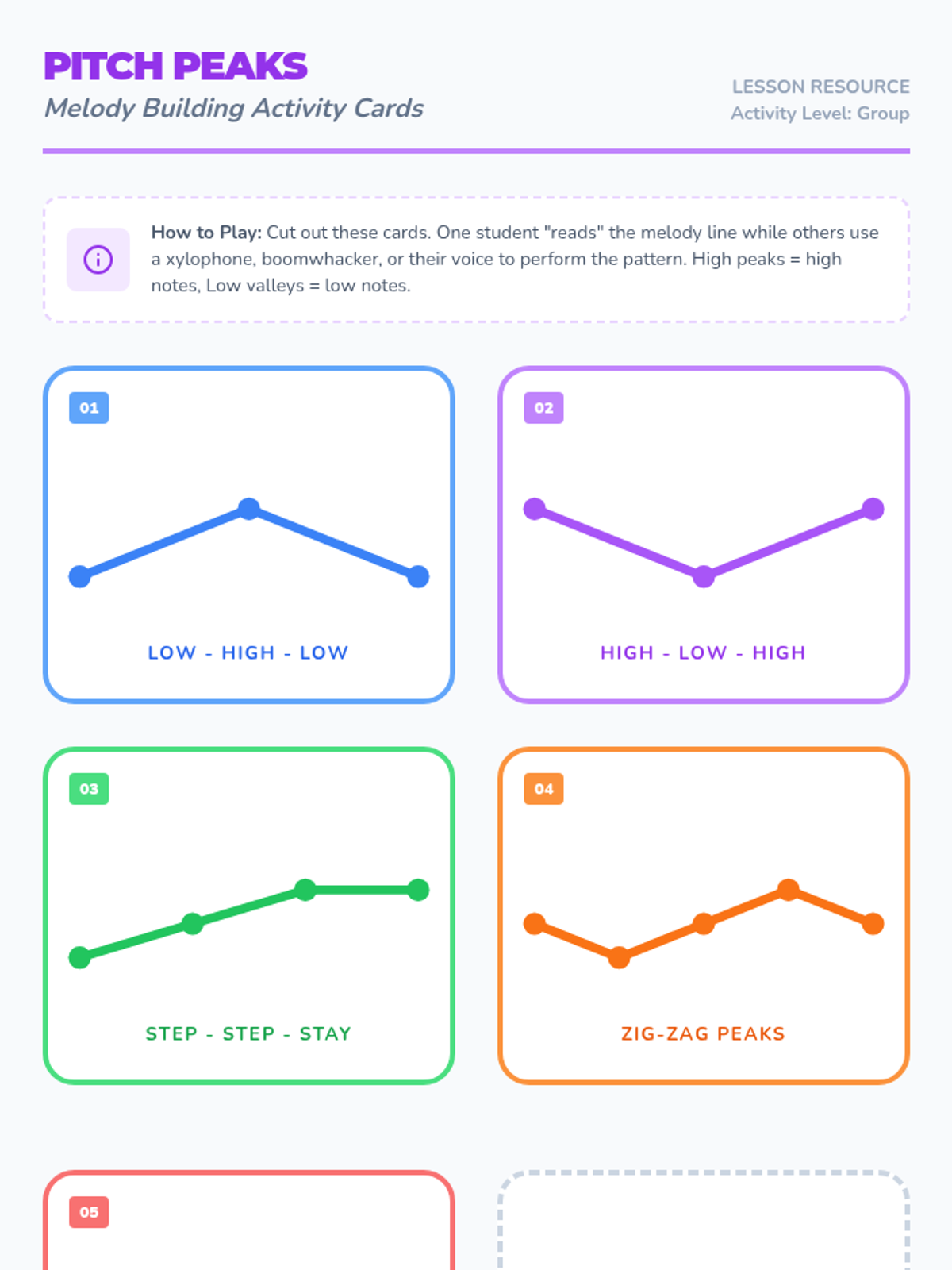
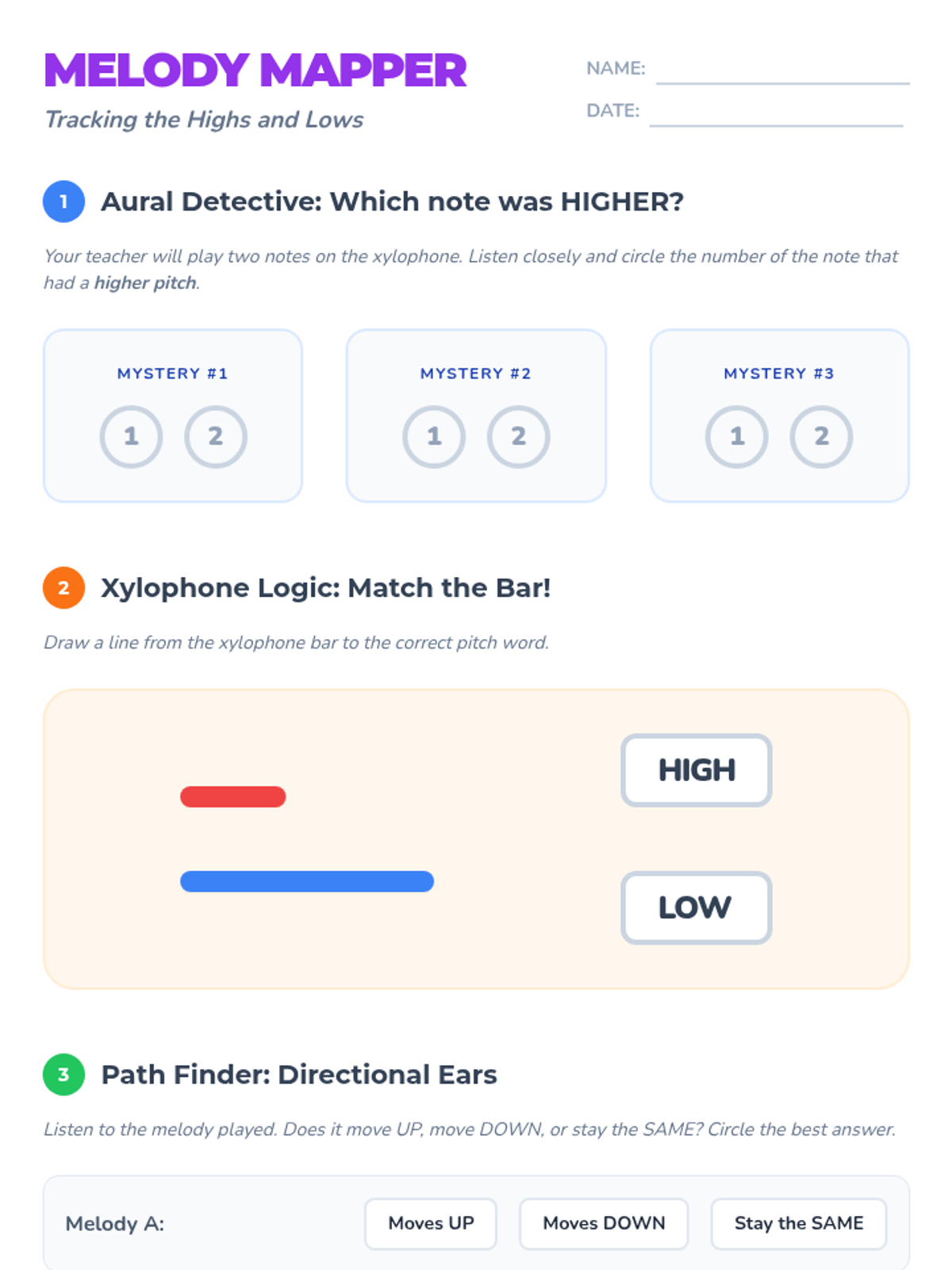
Students will identify and demonstrate high and low pitches using their voices, bodies, and instruments. They will practice translating visual pitch representations into sound and vice versa.
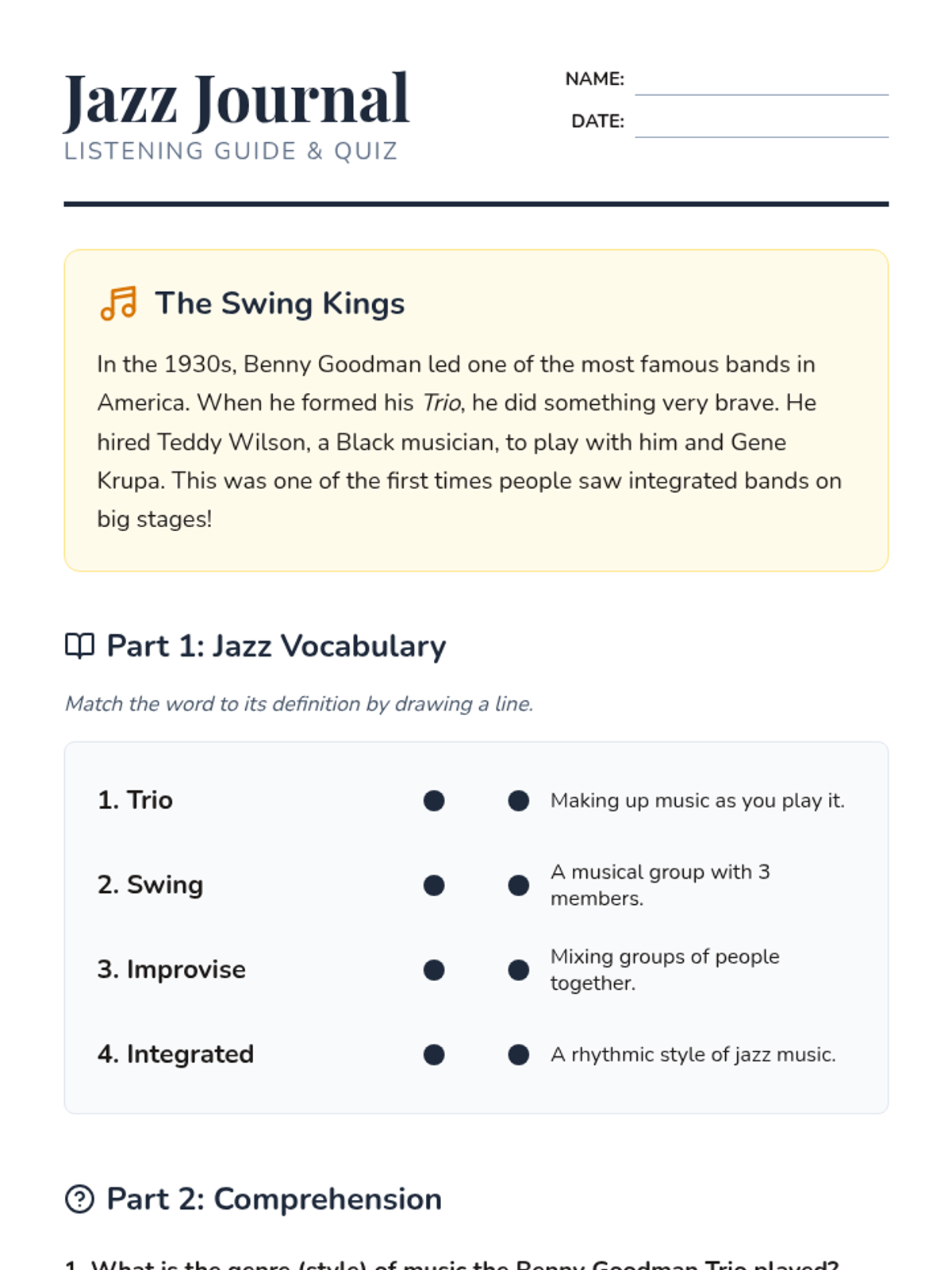
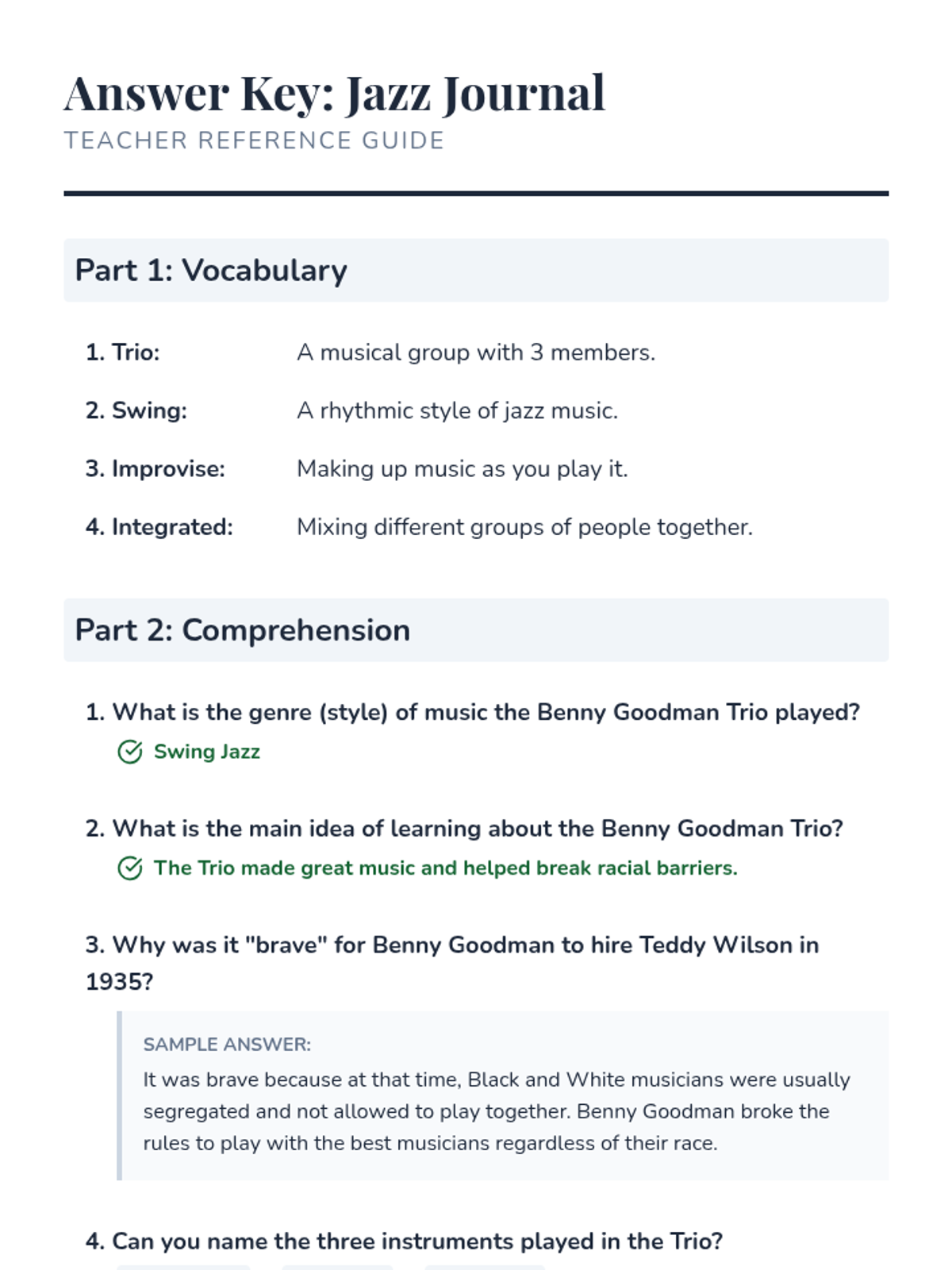
A lesson introducing 3rd grade students to the Benny Goodman Trio, exploring the genre of swing jazz, key vocabulary, and the historical significance of the group's integration.
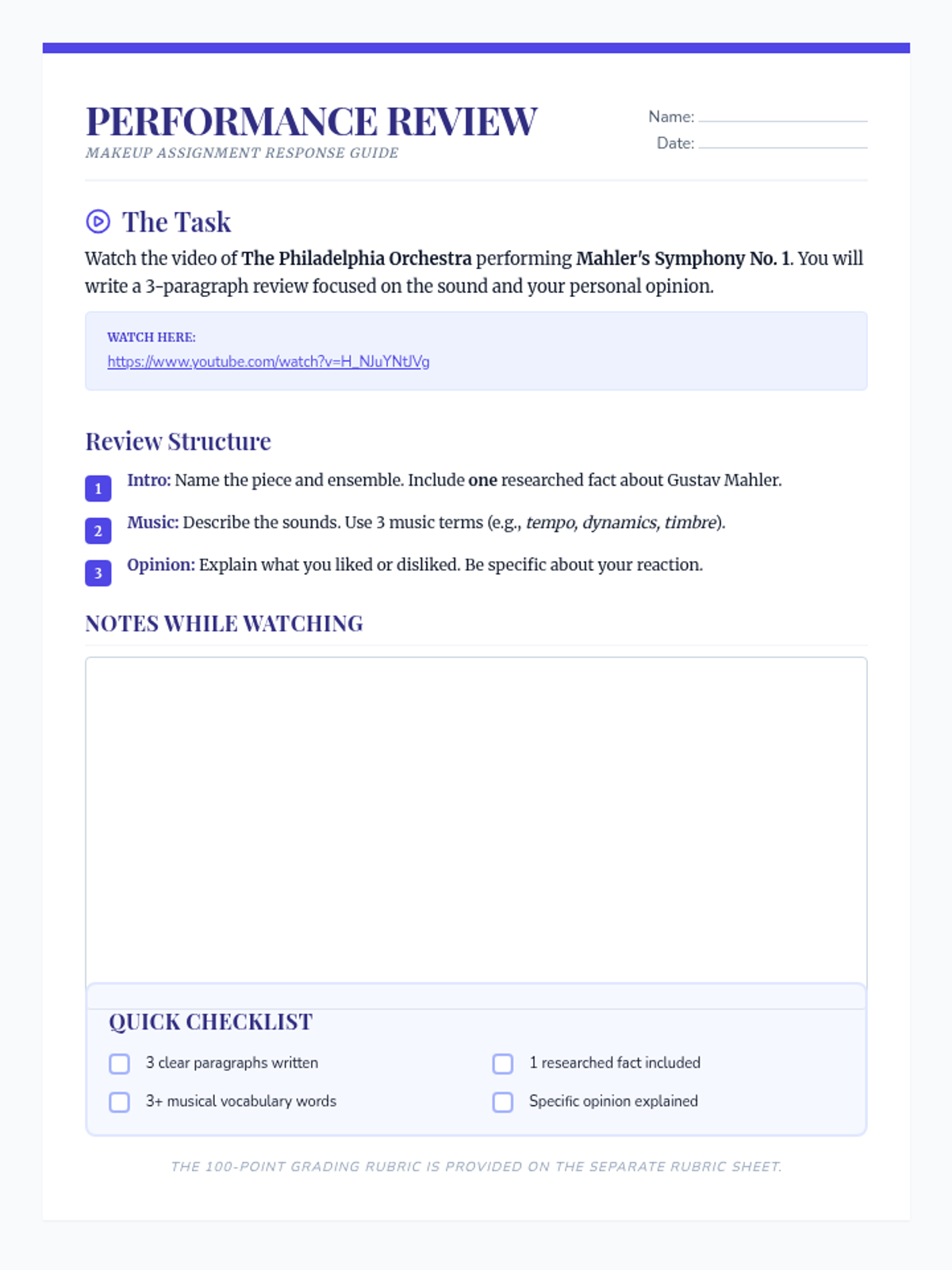
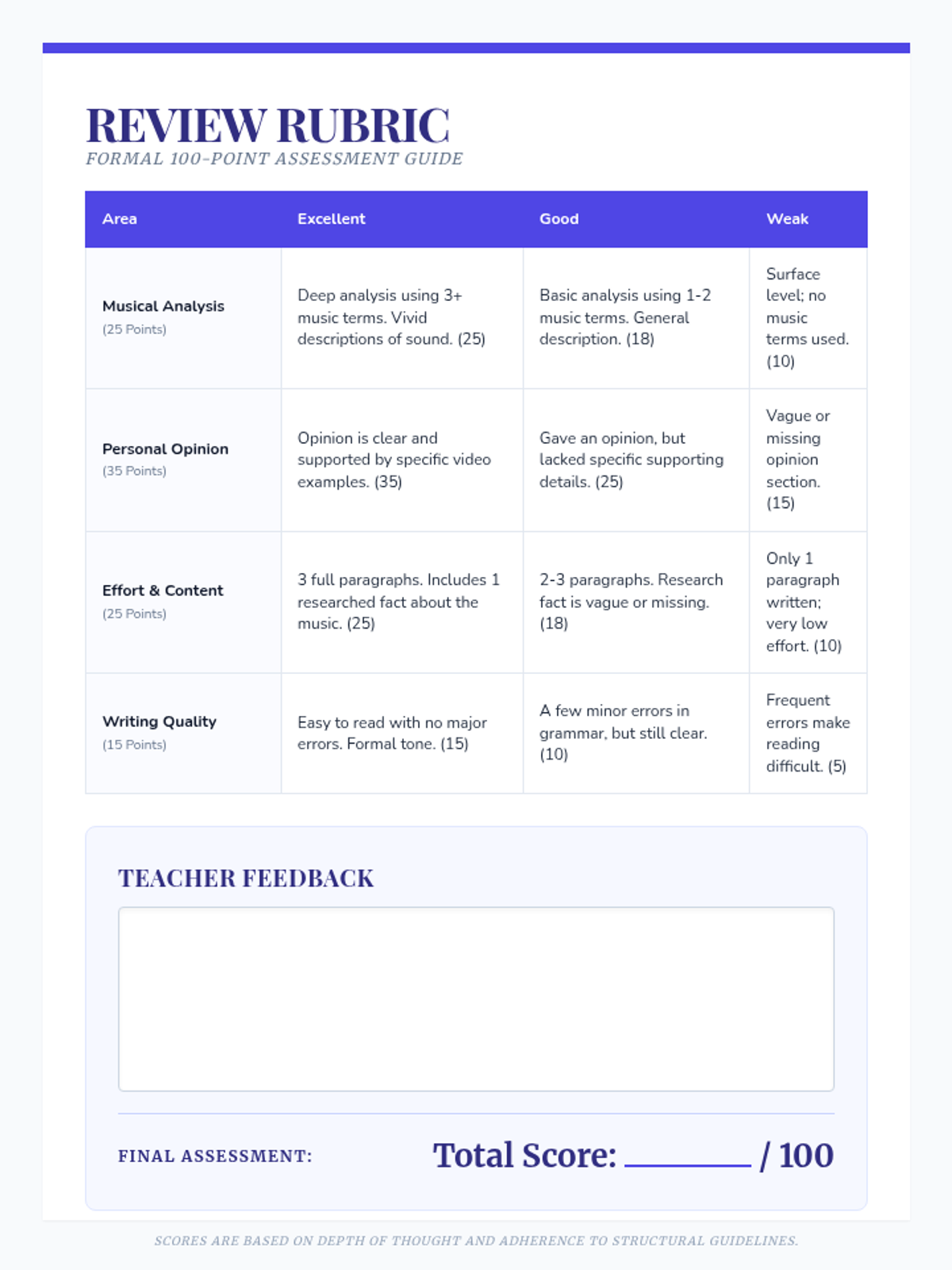
A comprehensive make-up assignment for students who missed a performance, requiring a detailed 5-paragraph review of a world-class orchestral concert with research and personal critique.
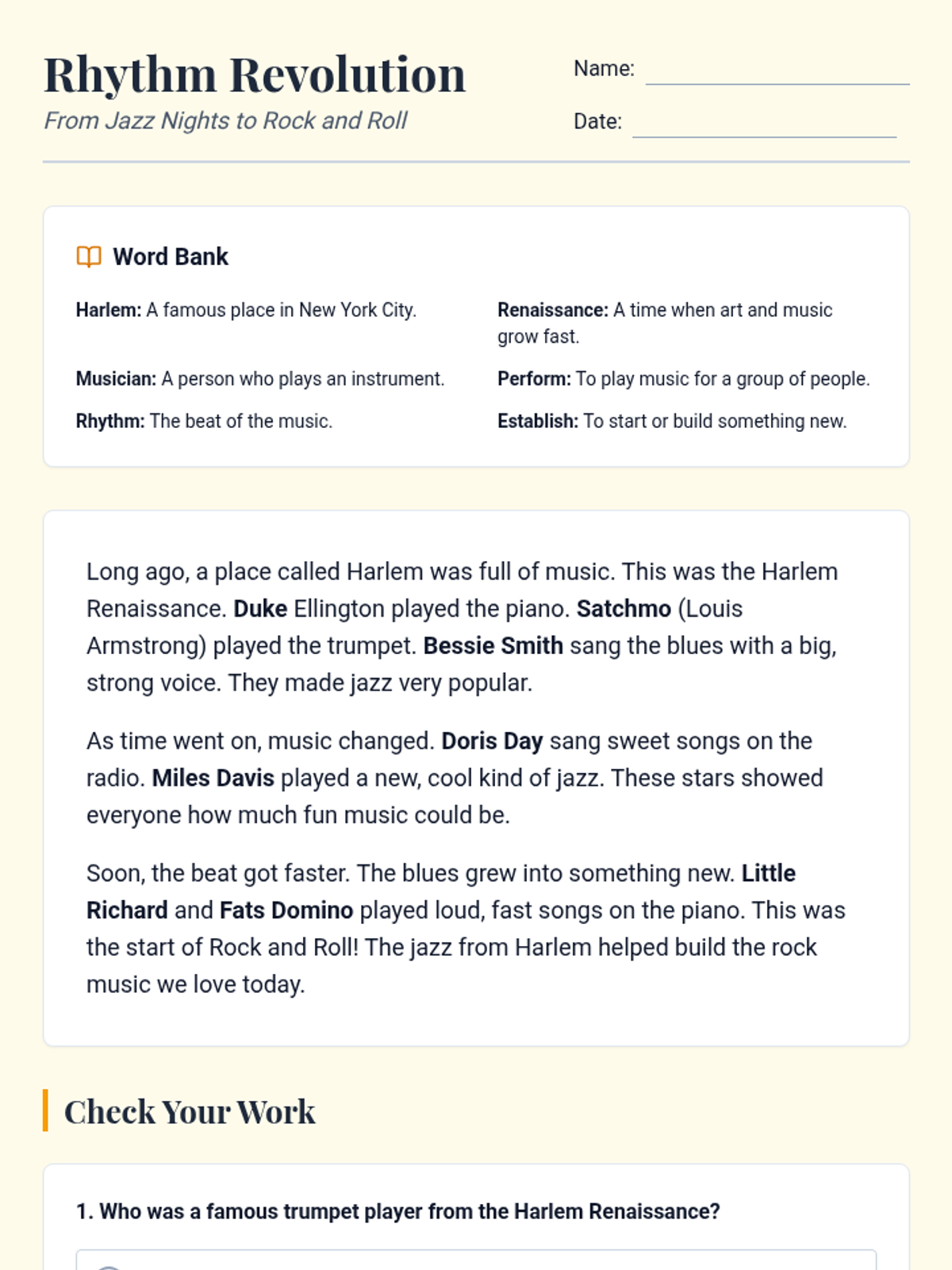
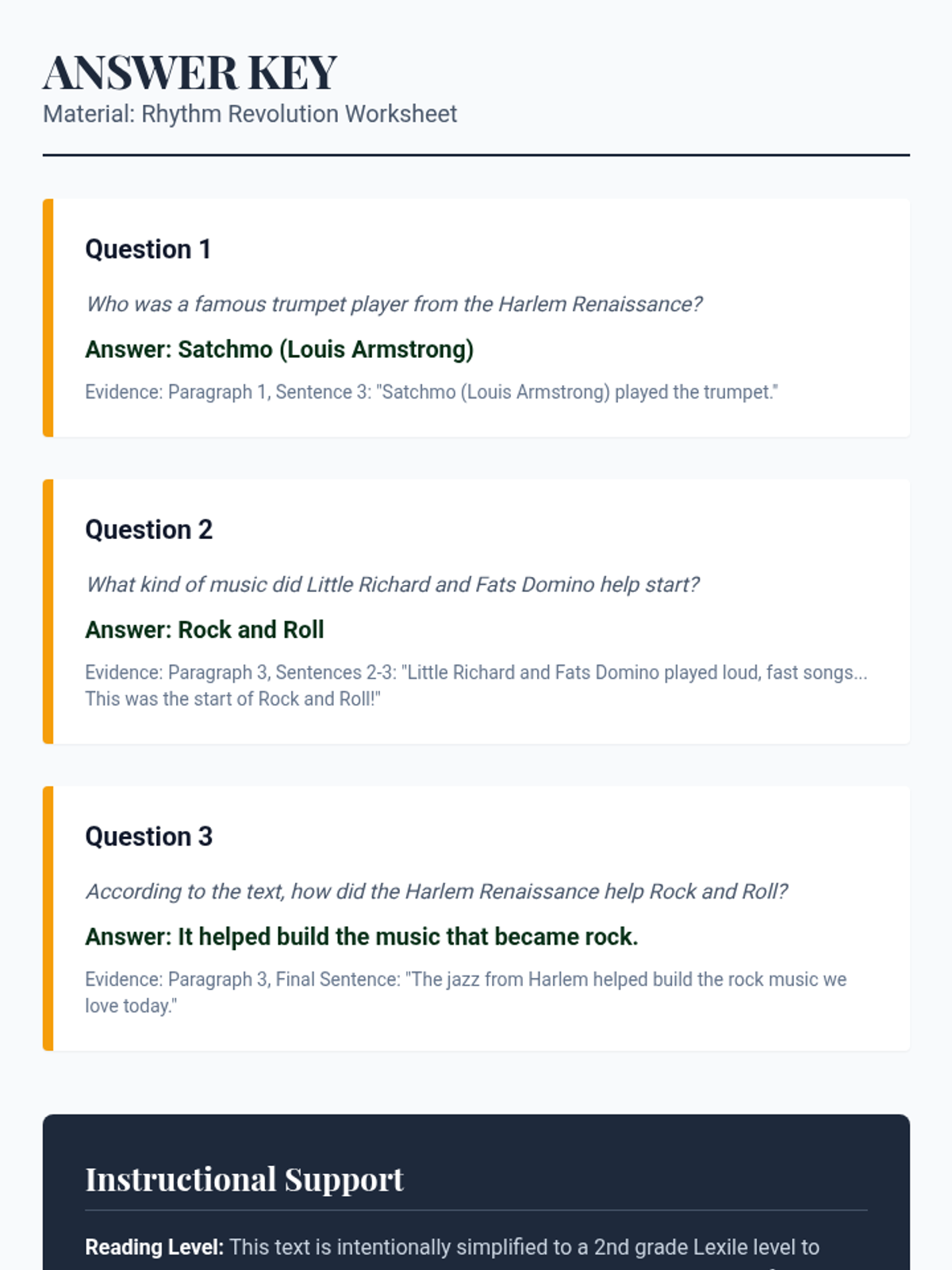
A lesson exploring the musical evolution from the Harlem Renaissance jazz scene to the birth of Rock and Roll, written at an accessible reading level.
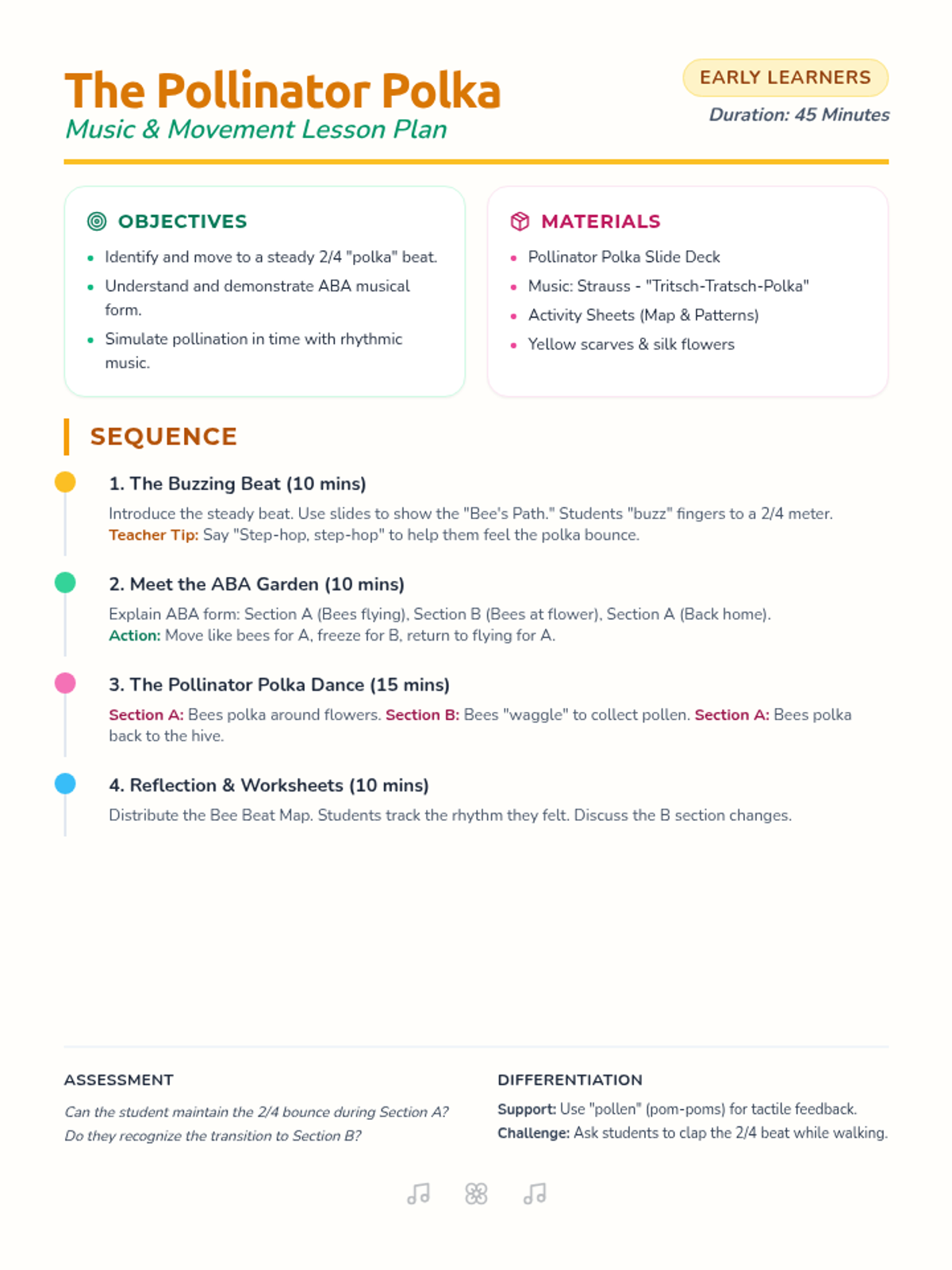
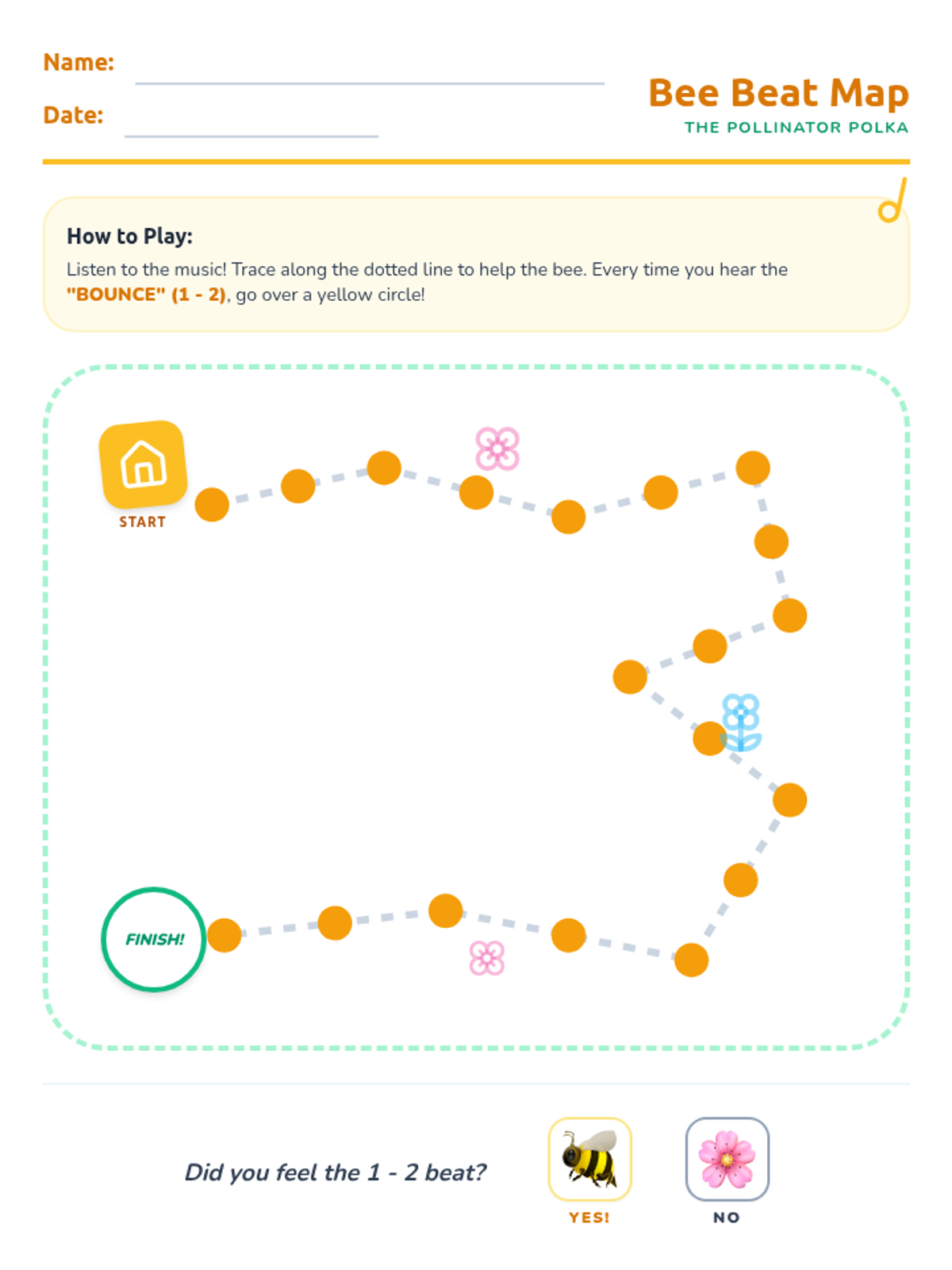
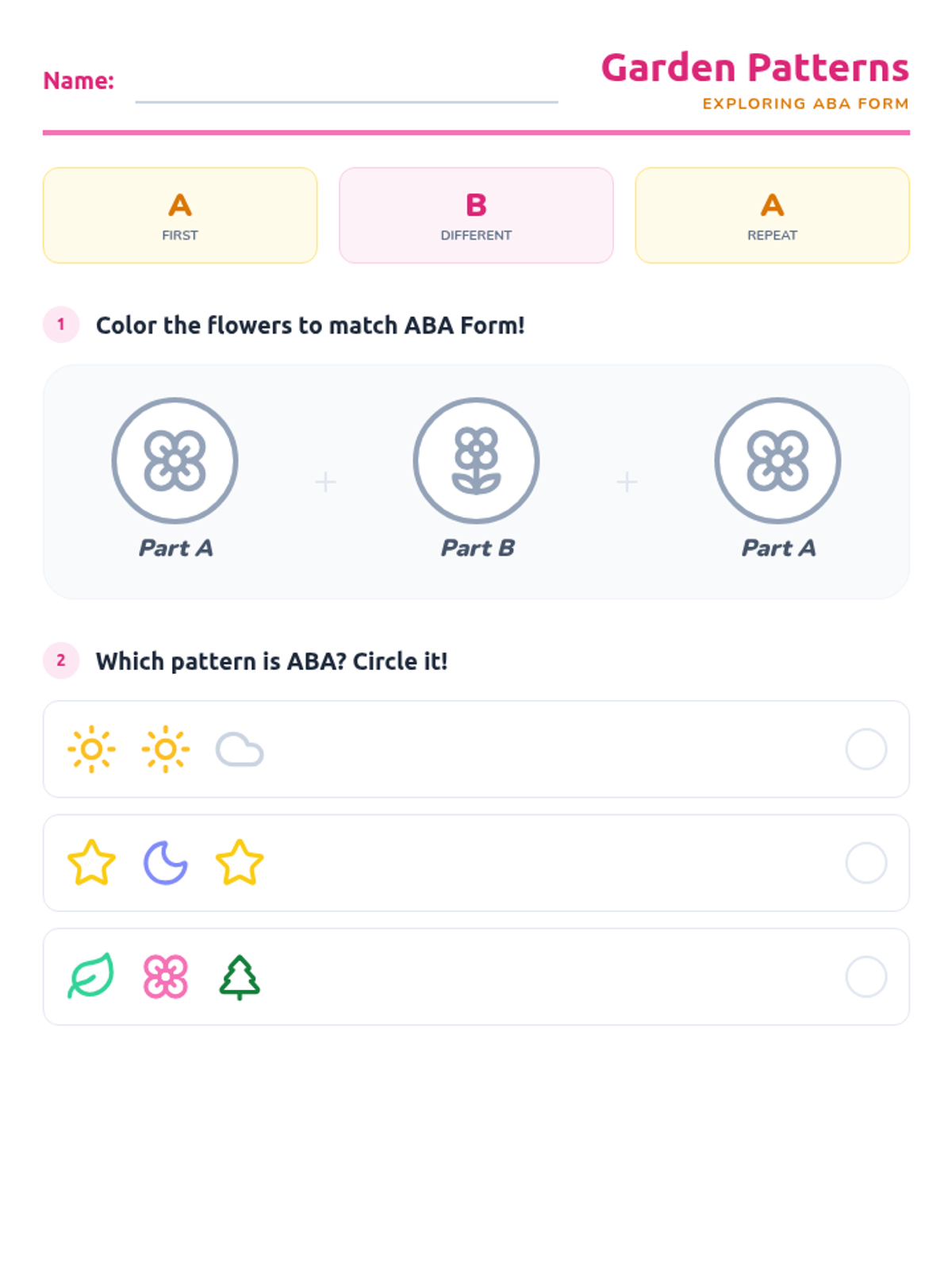
An early childhood music and science integration lesson exploring 2/4 meter and ABA form through the whimsical lens of bees and flowers. Students move, listen, and create while learning about the rhythmic "polka" beat and the structure of music.
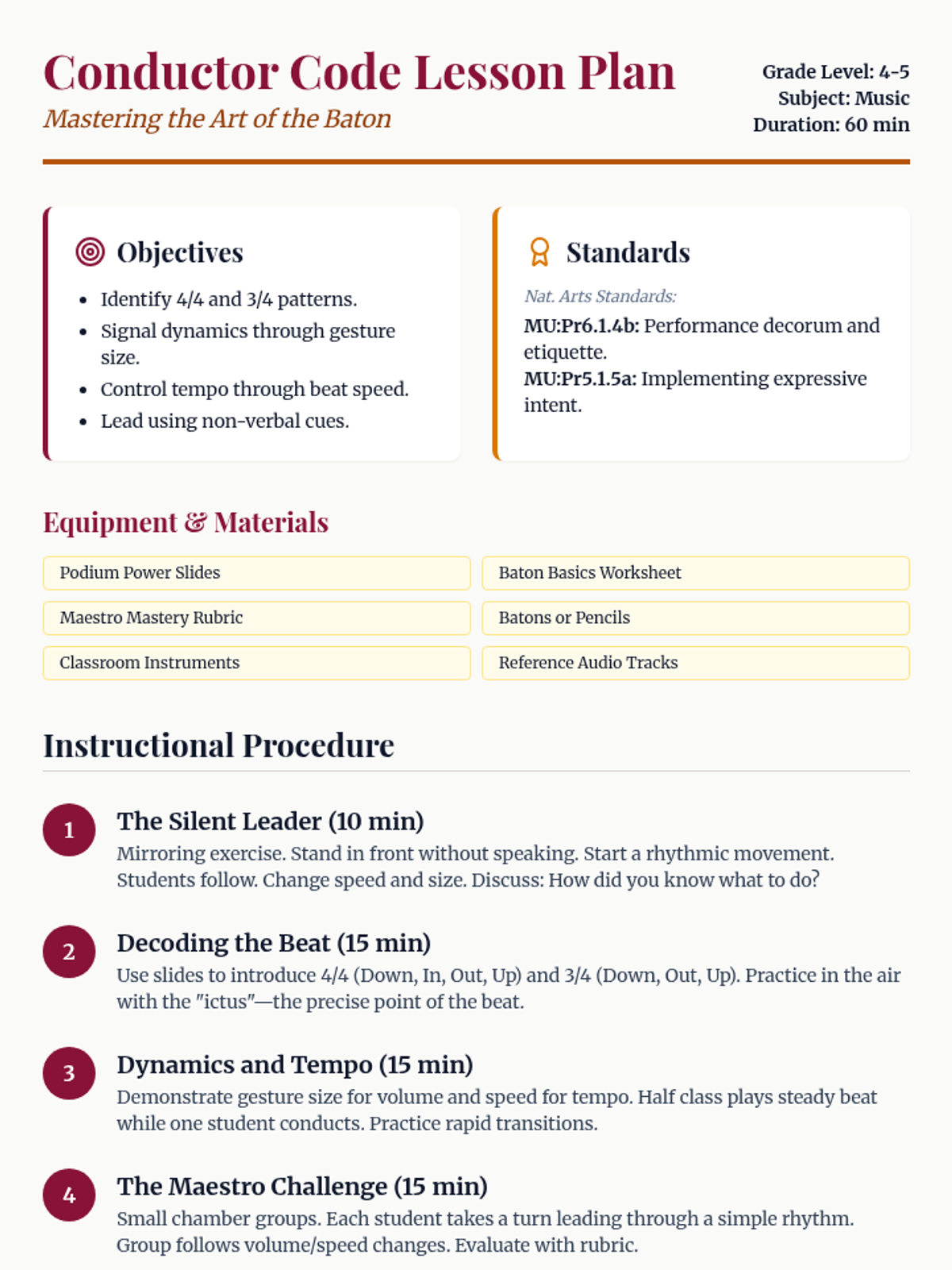
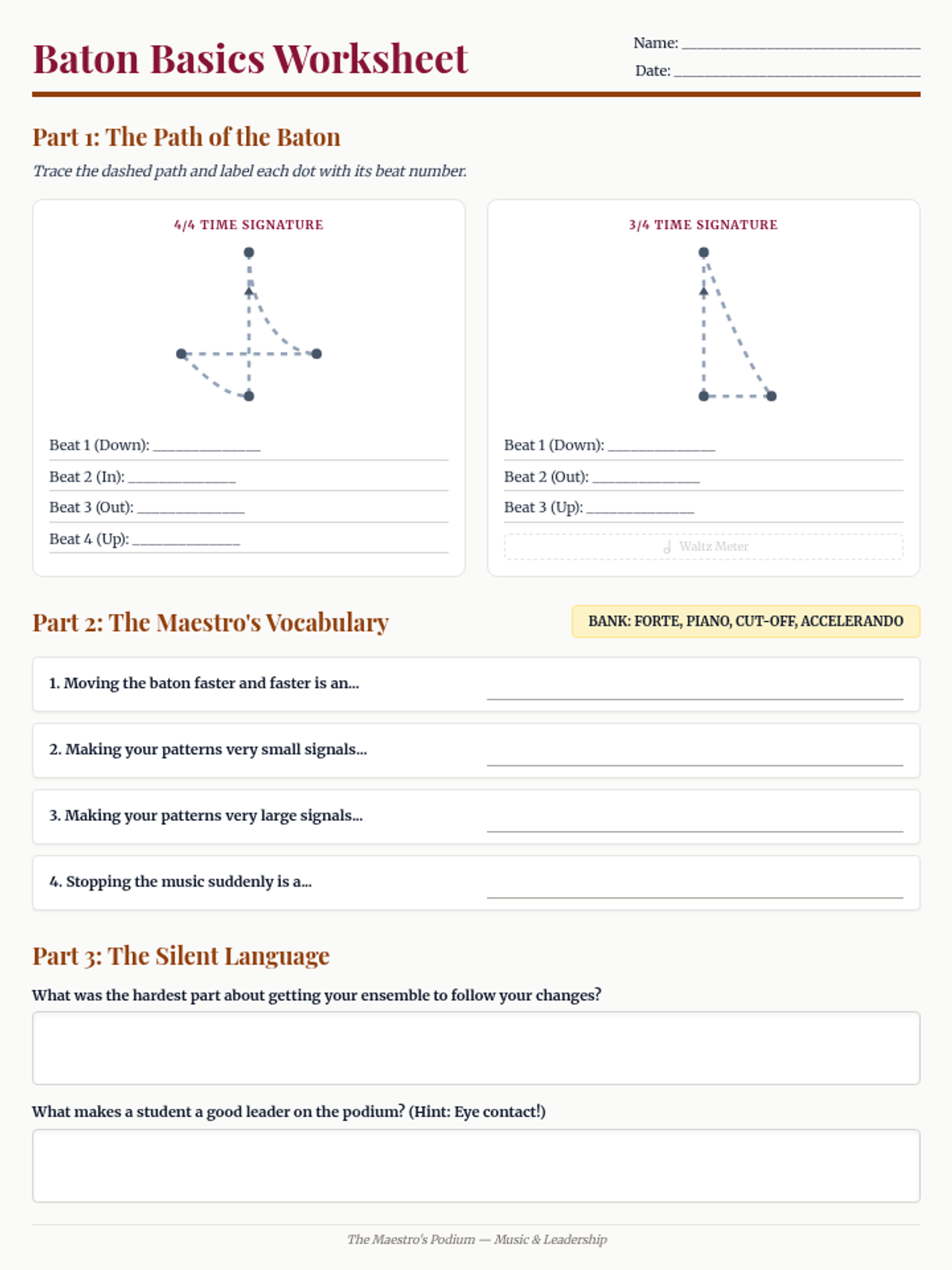
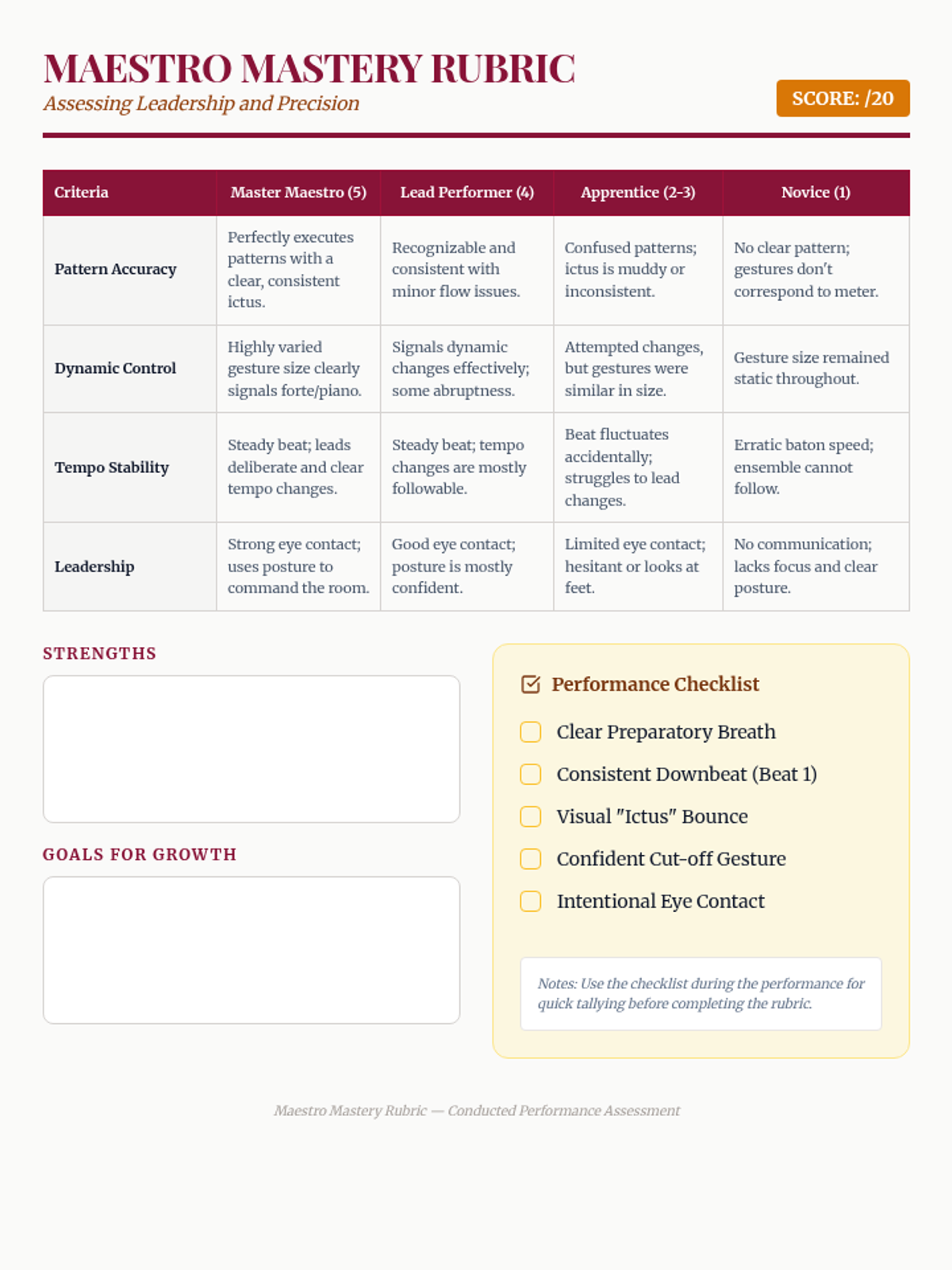
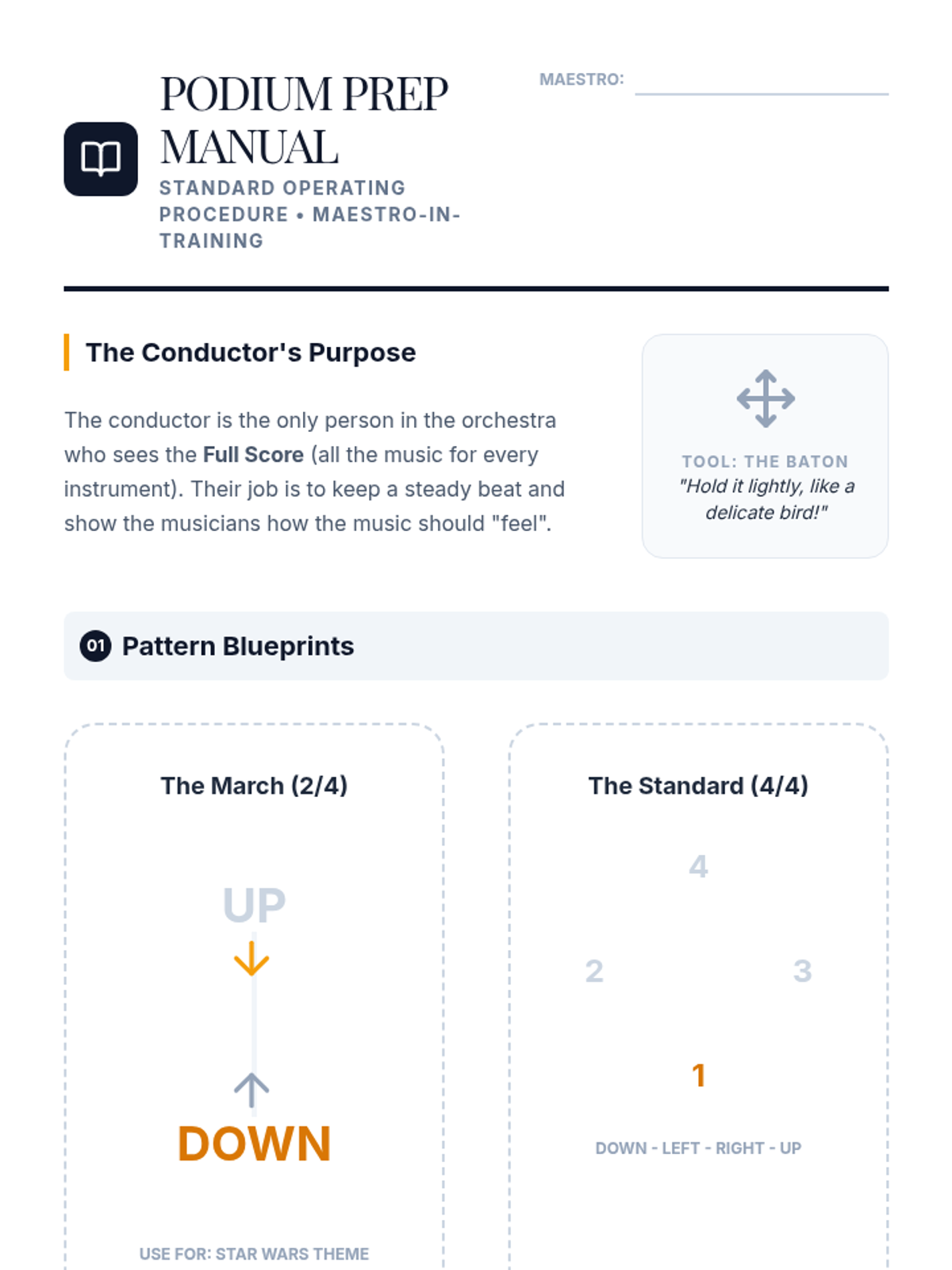
Students explore the art of conducting, learning to lead an ensemble through 4/4 and 3/4 time signatures while controlling dynamics and tempo with physical gestures. This lesson emphasizes leadership, non-verbal communication, and collaborative music-making.
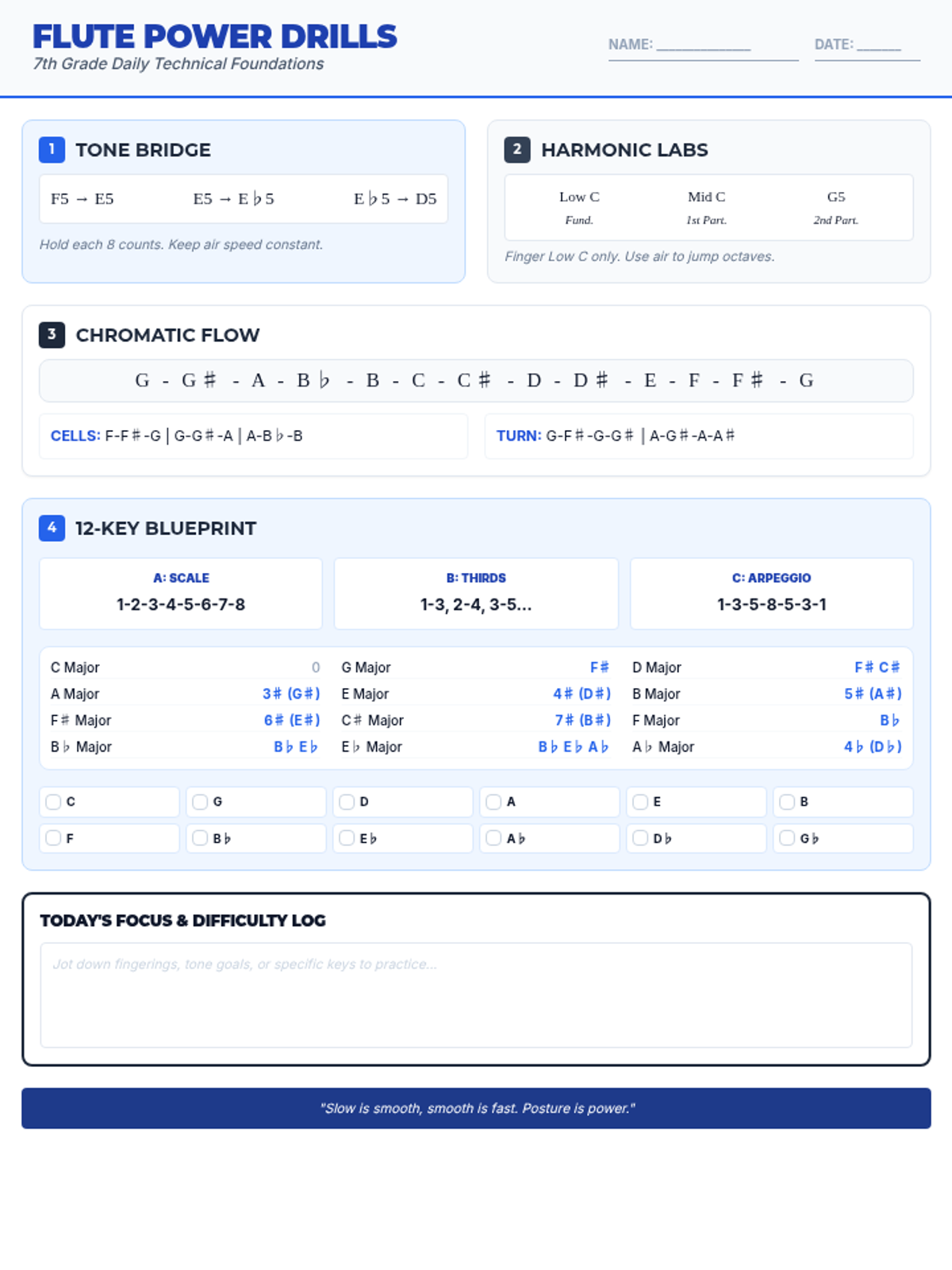
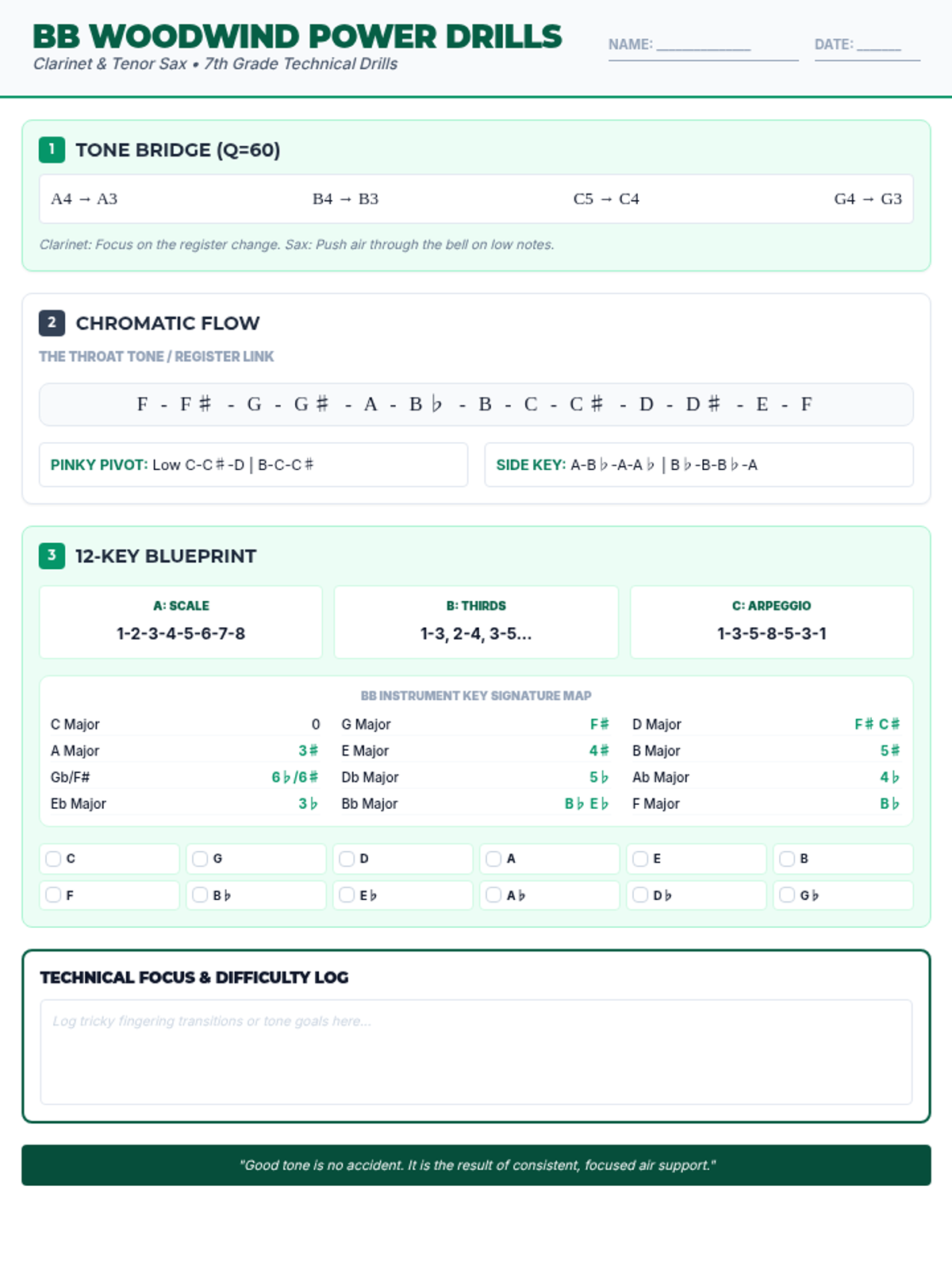
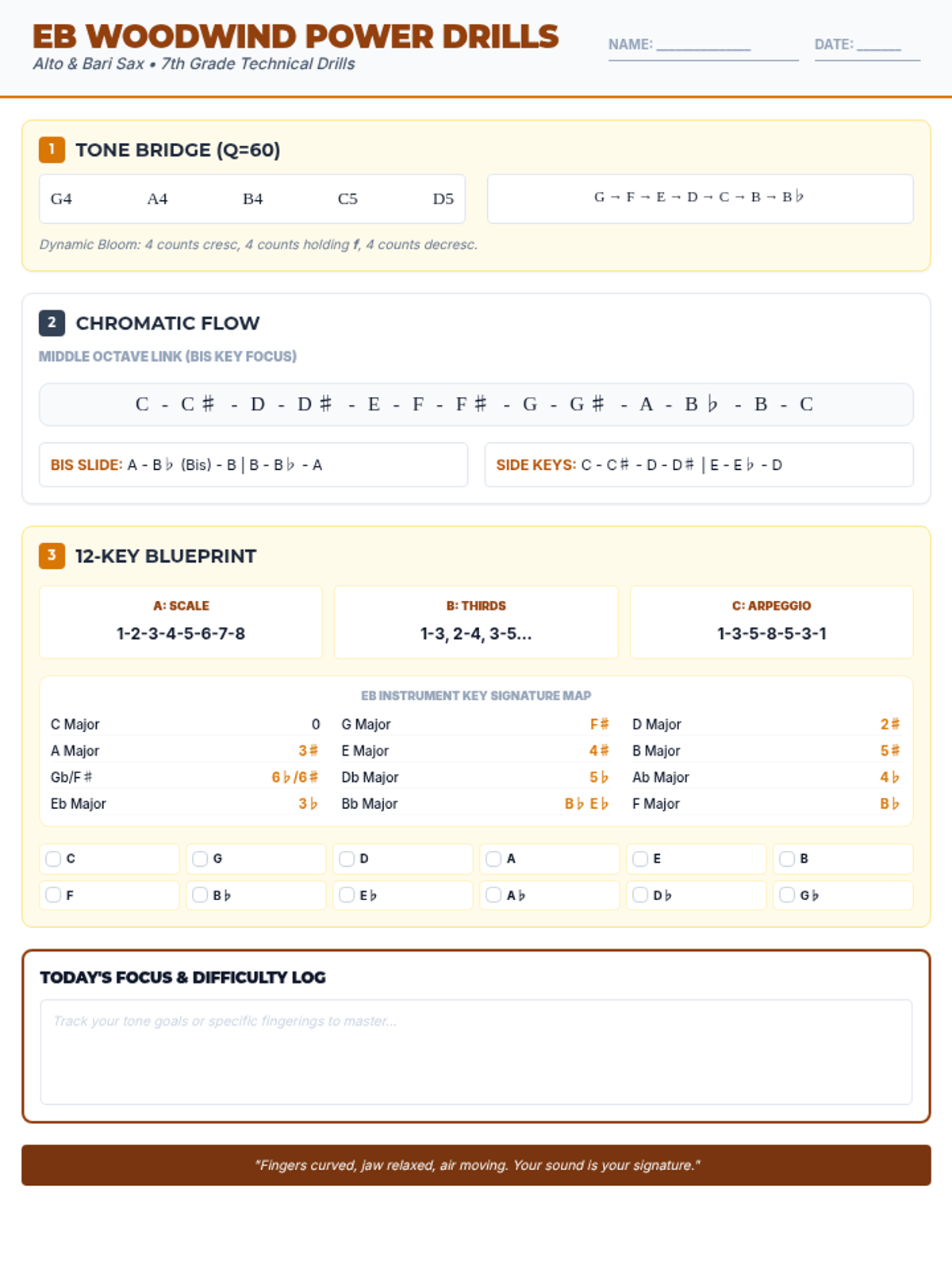
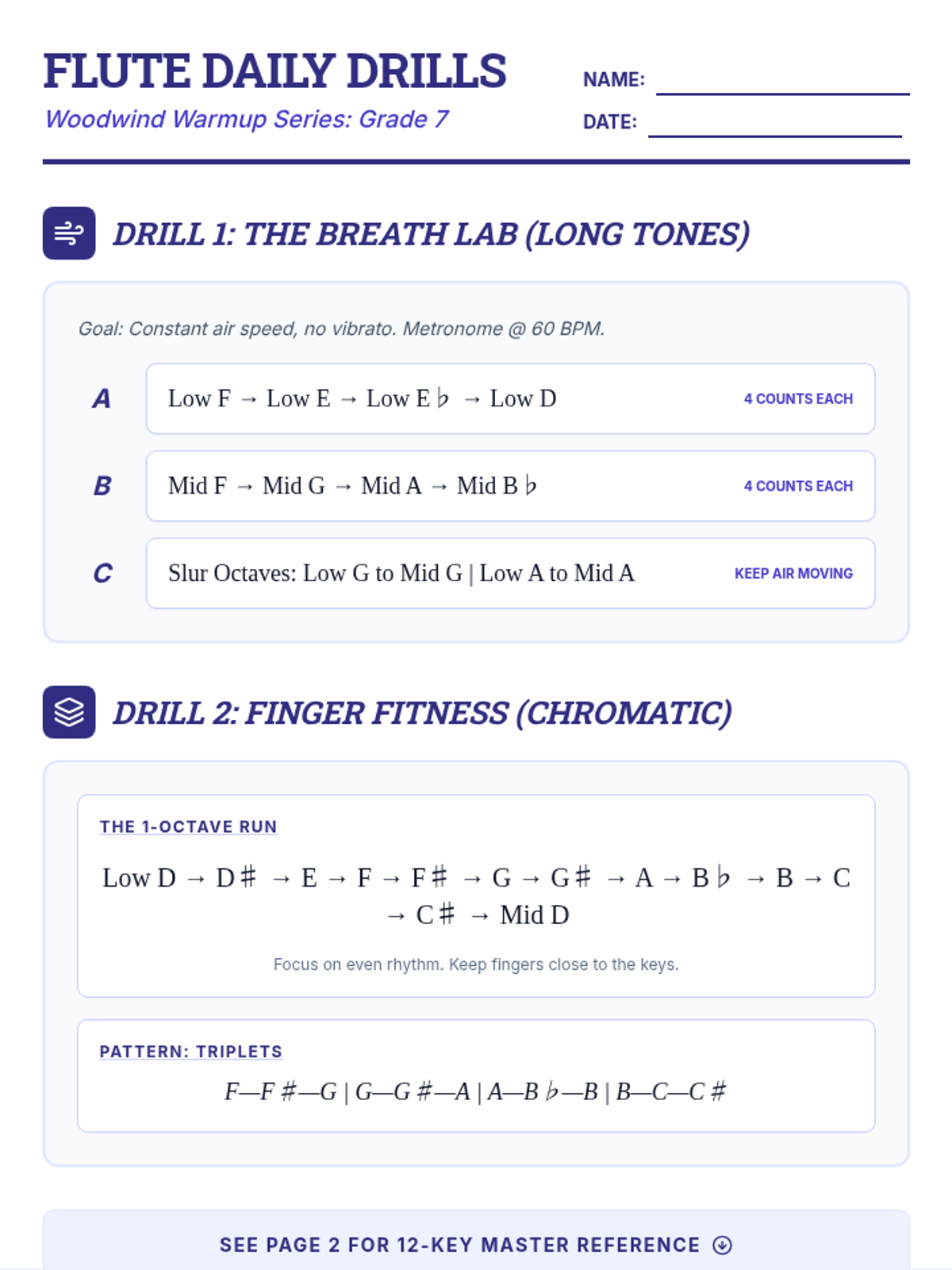
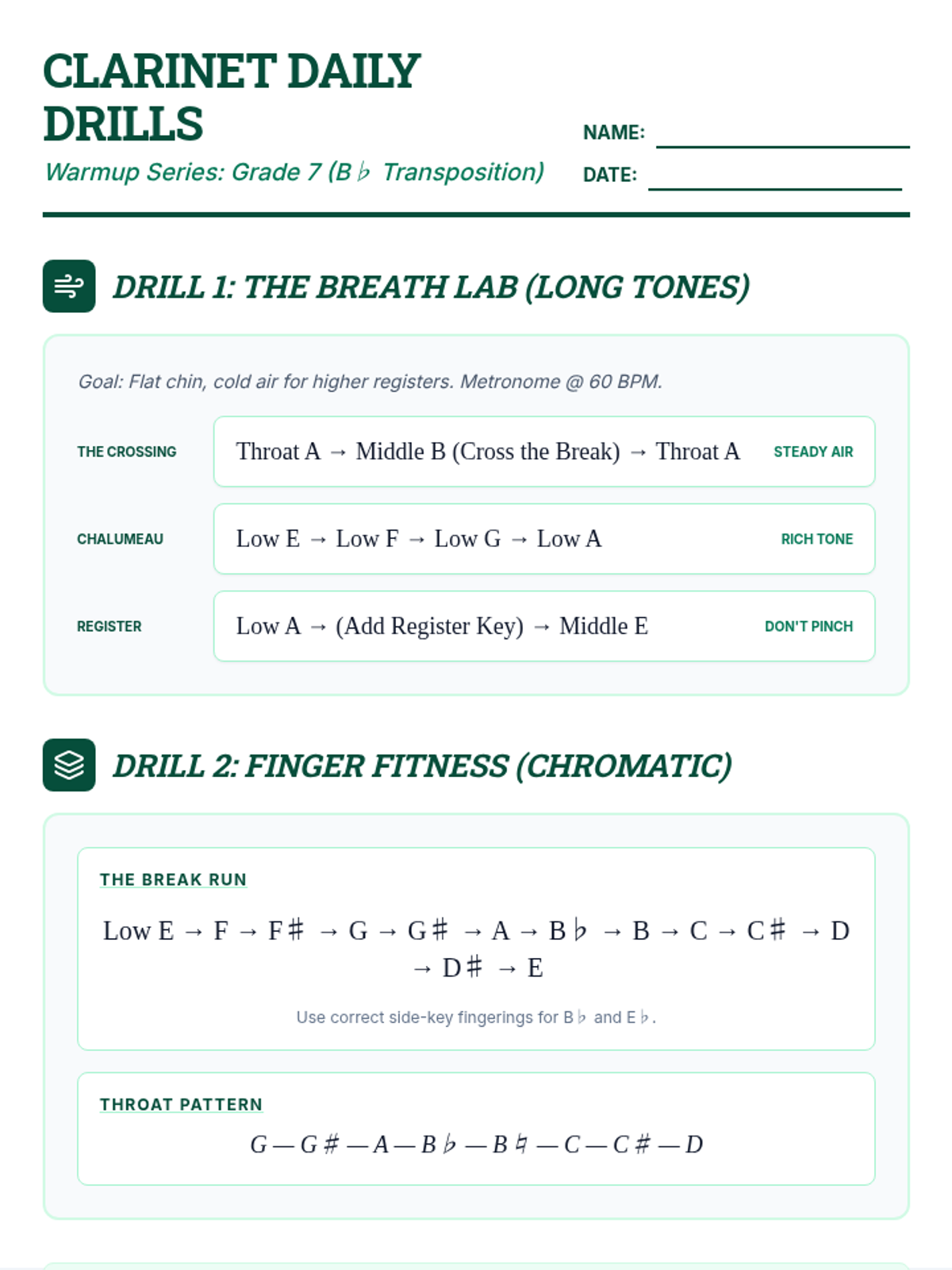
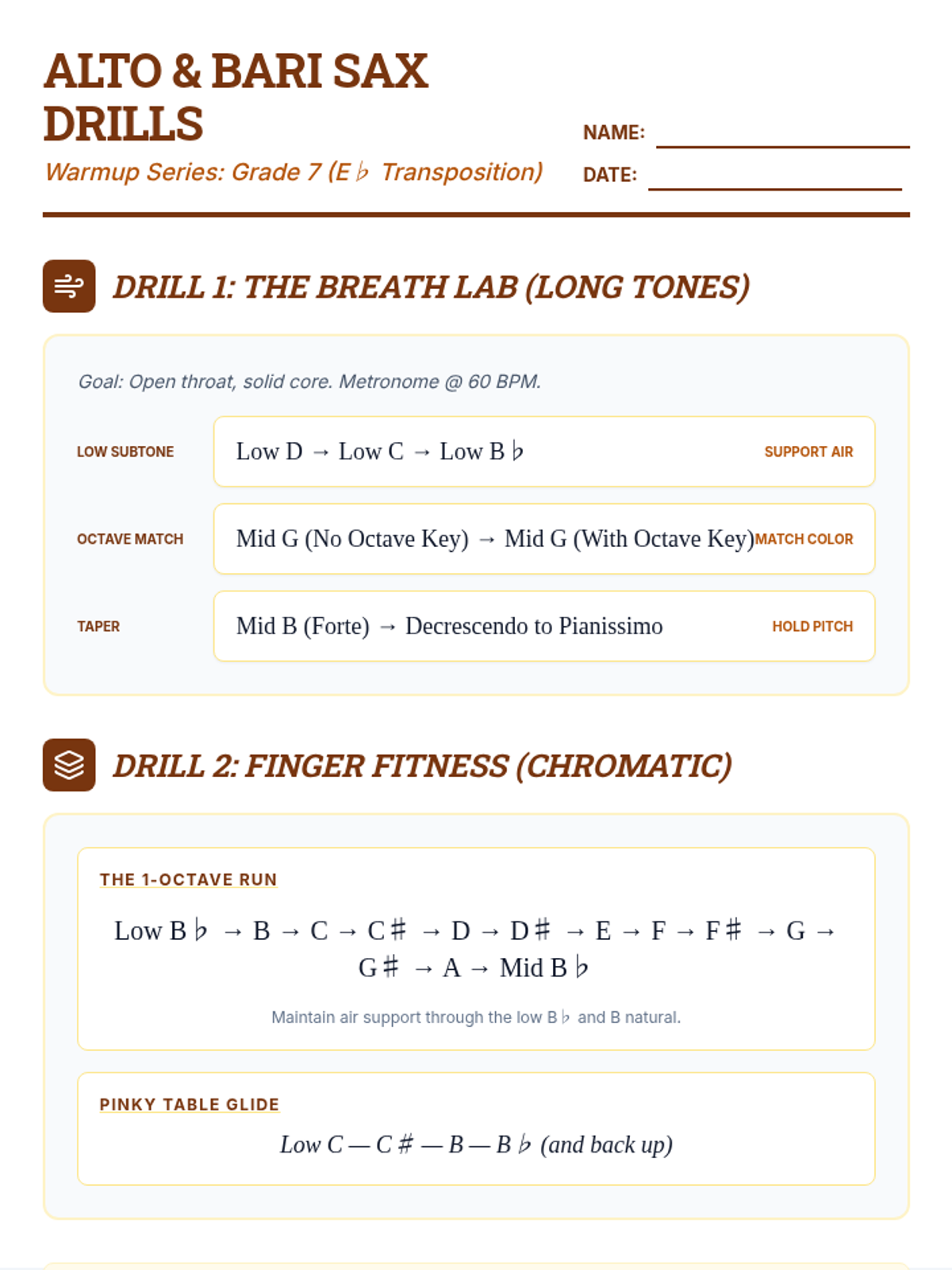
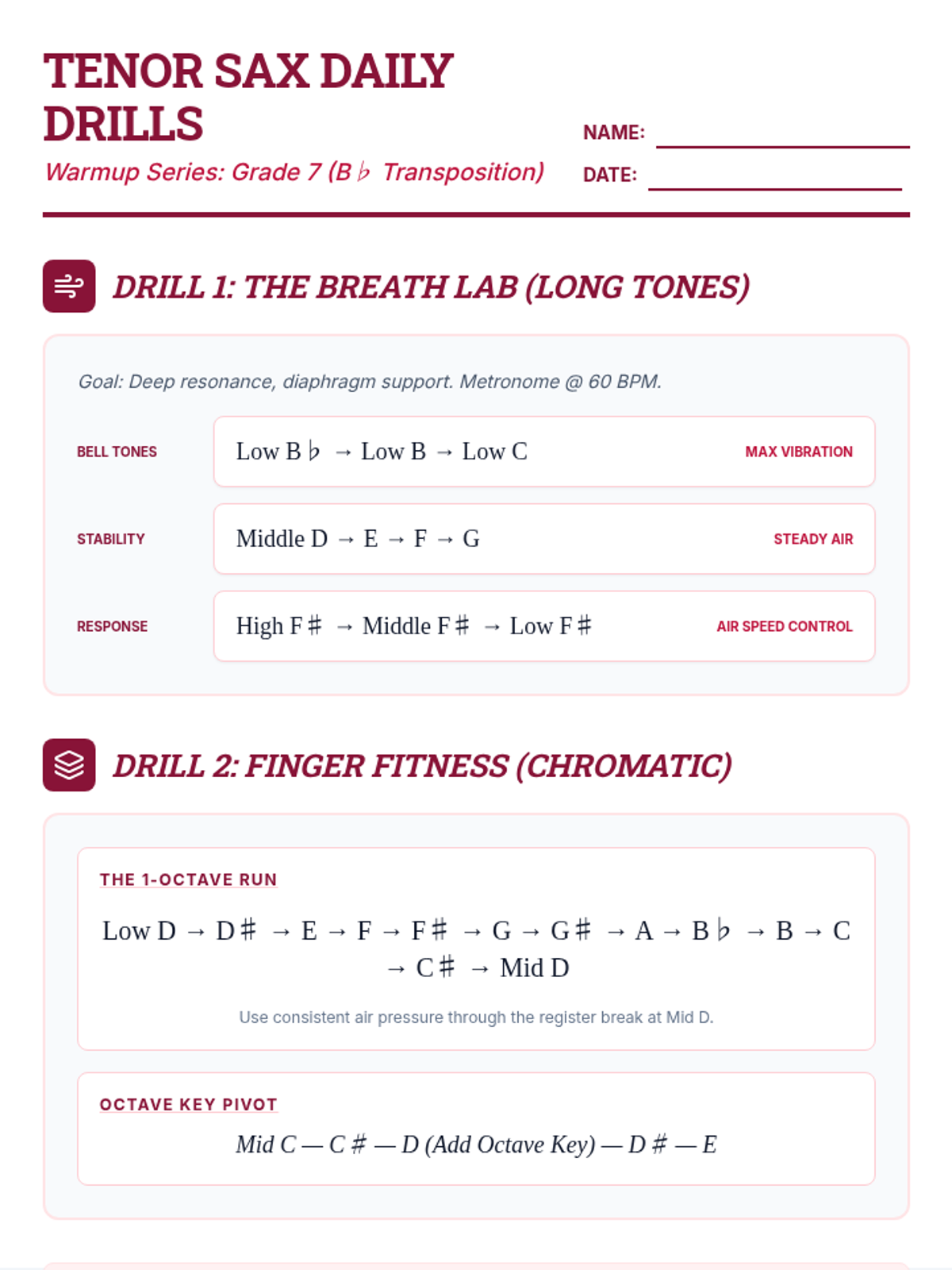
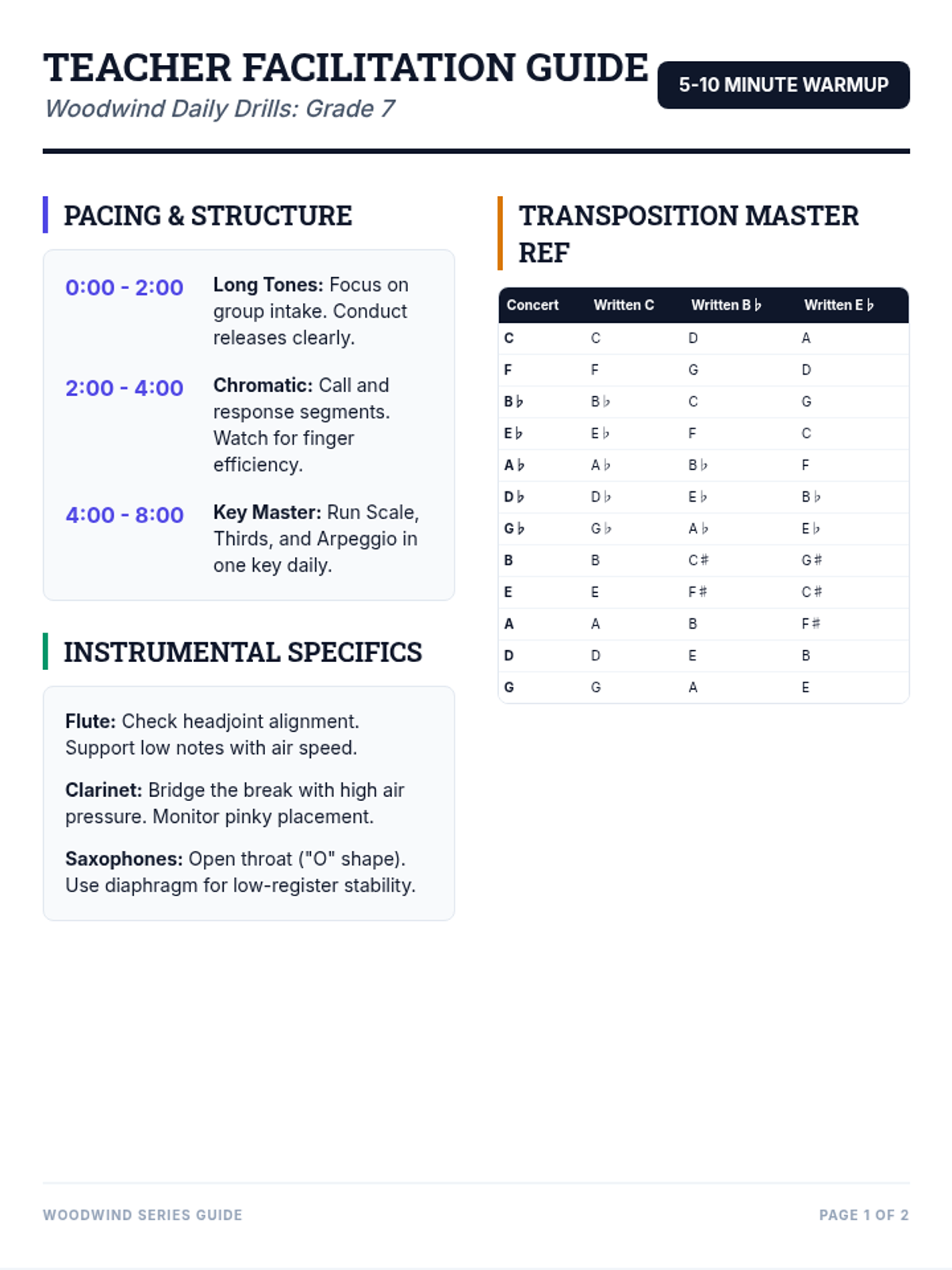
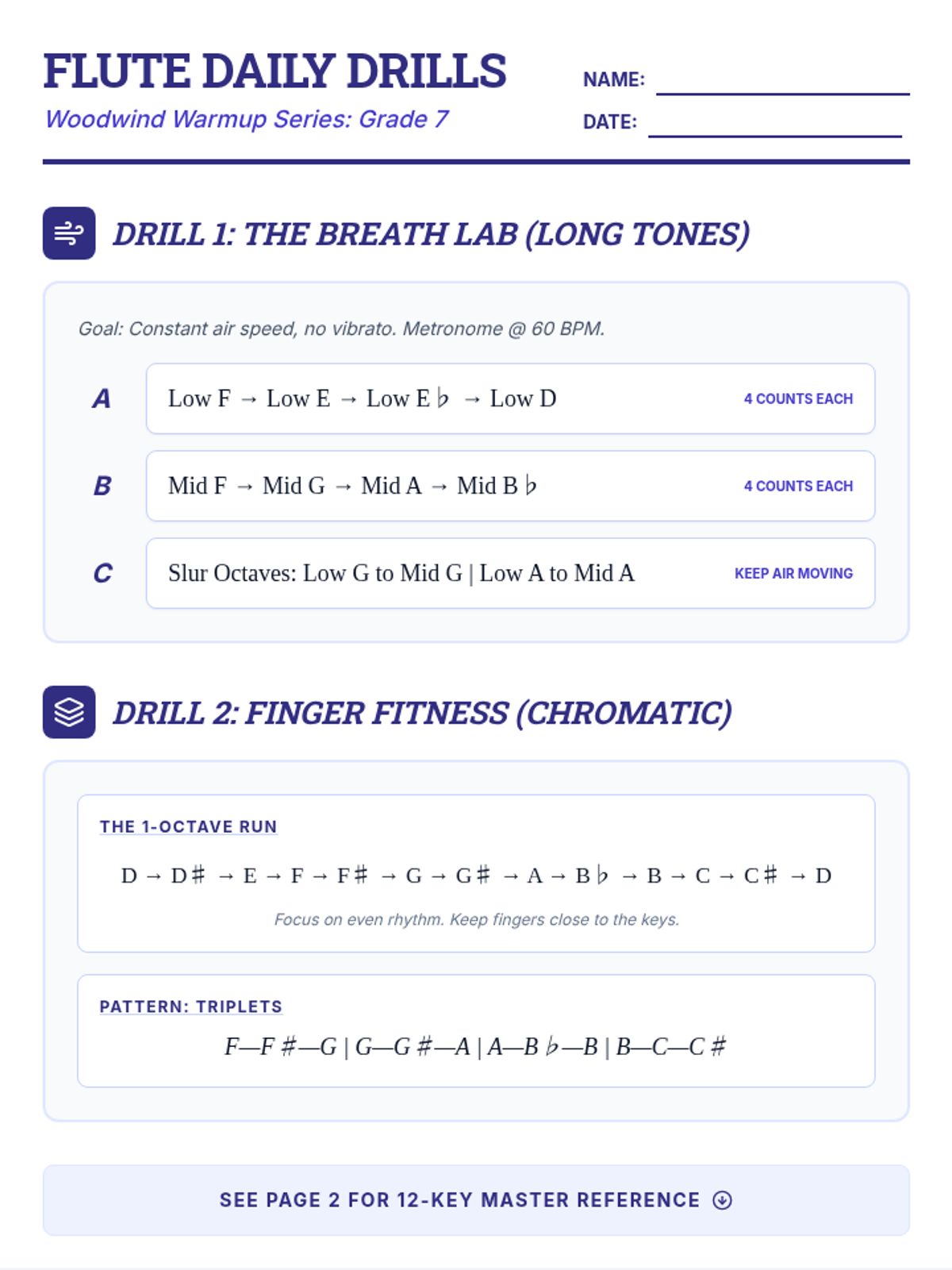
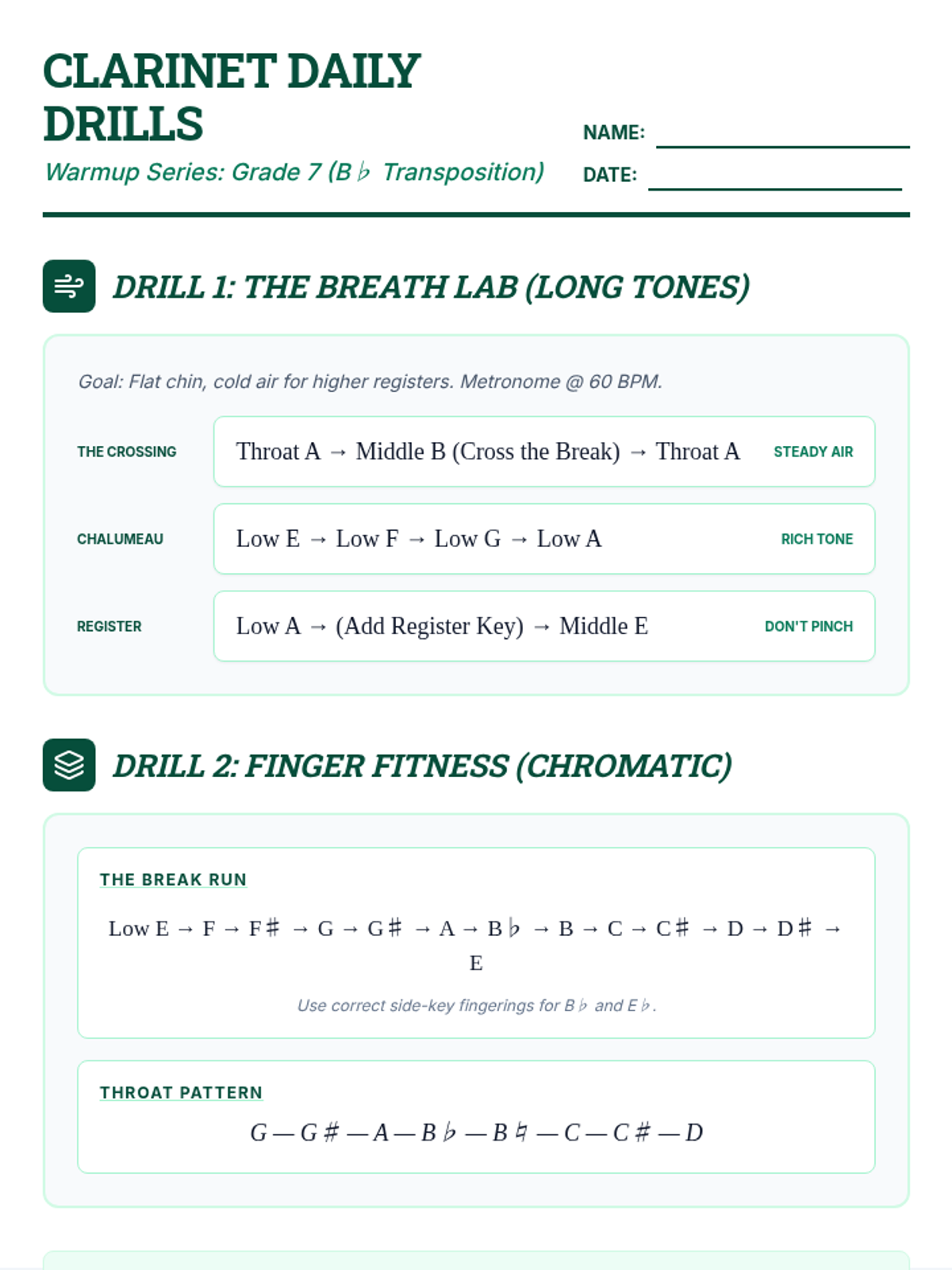
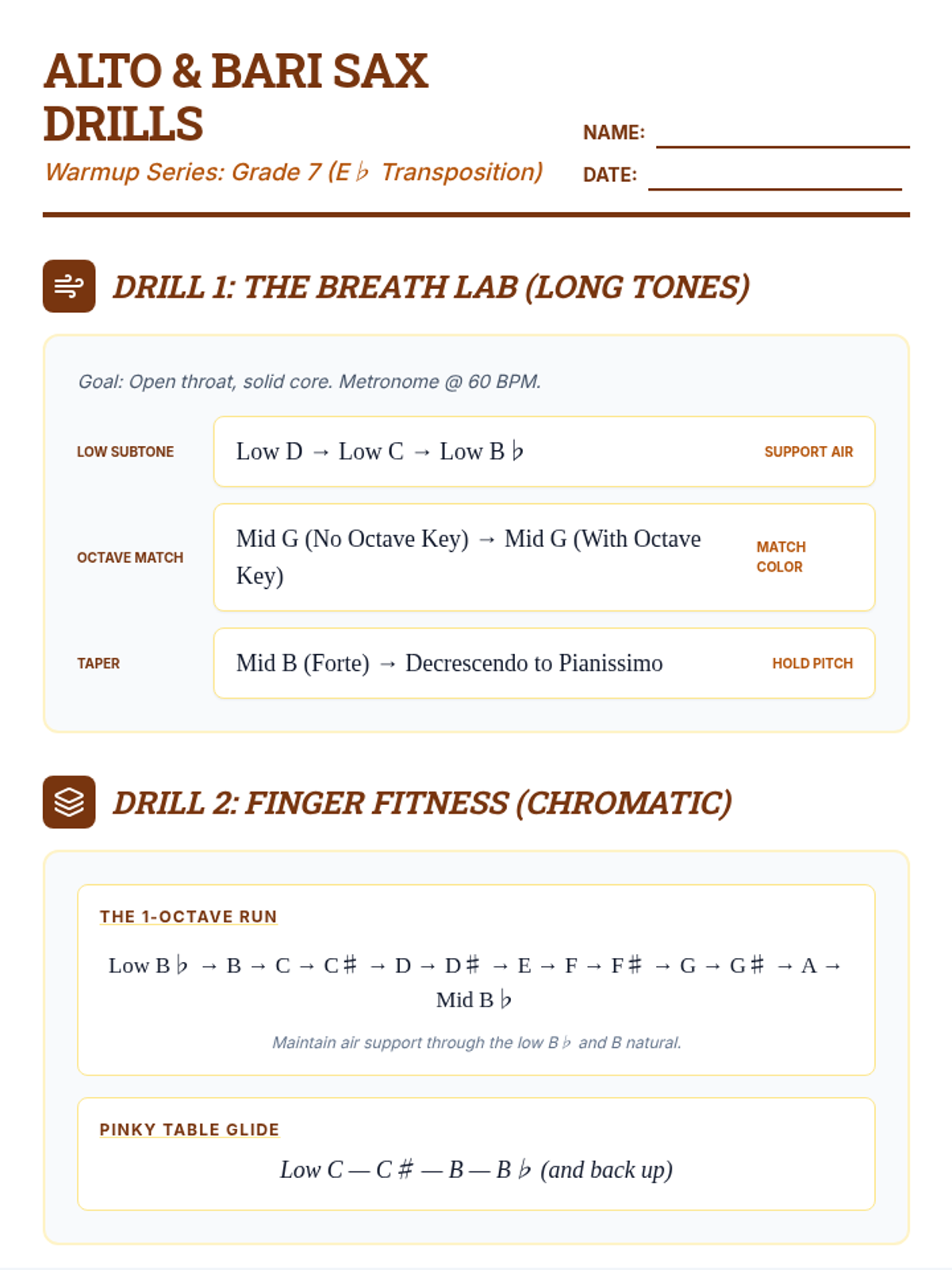
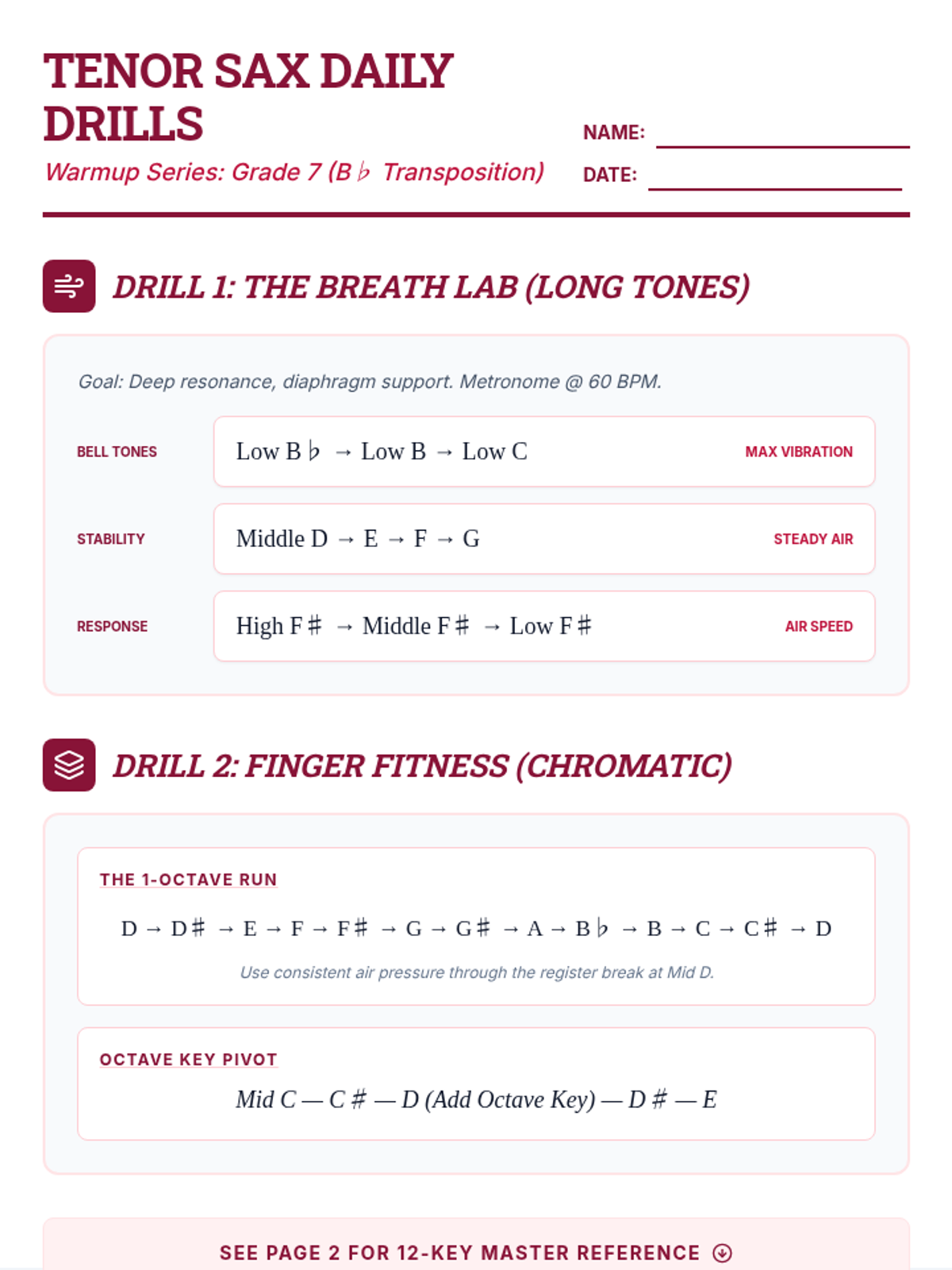
The foundational daily routine for 7th-grade woodwind students, covering the essential technical pillars of long tones, chromatic movements, and scale patterns.
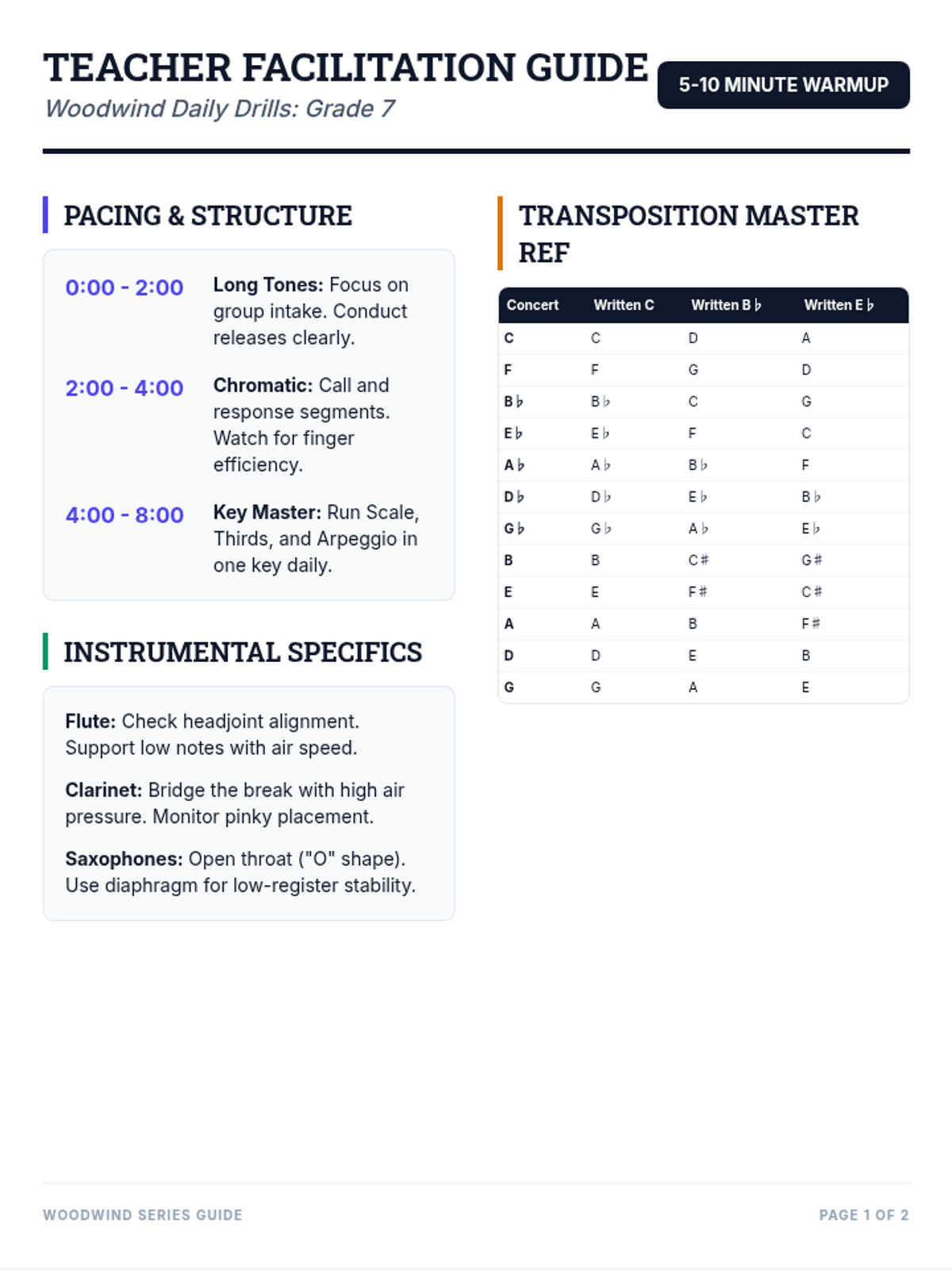
A comprehensive set of daily warm-up exercises for 7th-grade woodwind players, focusing on tone production, chromatic dexterity, and scale mastery across all 12 keys.
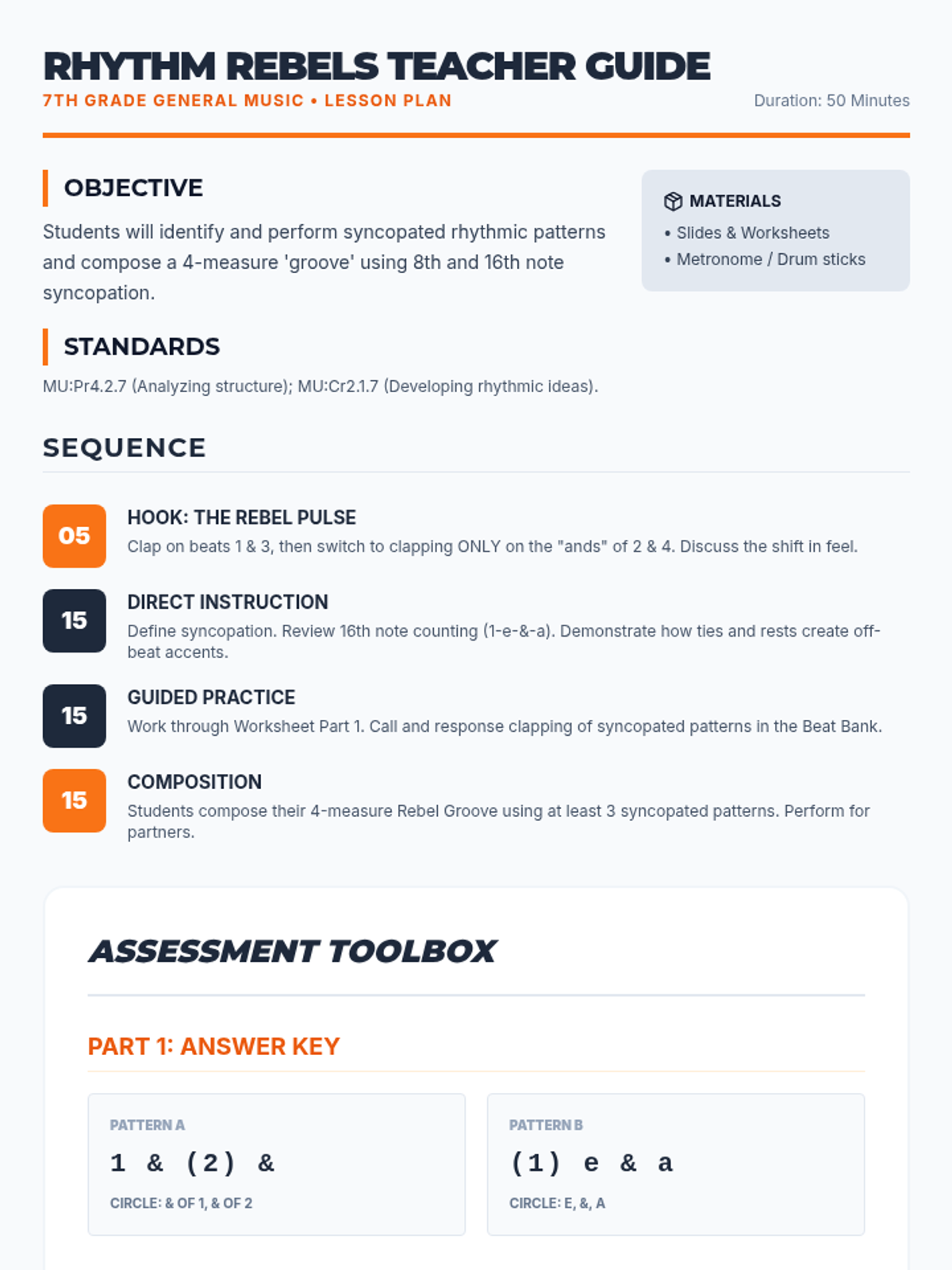
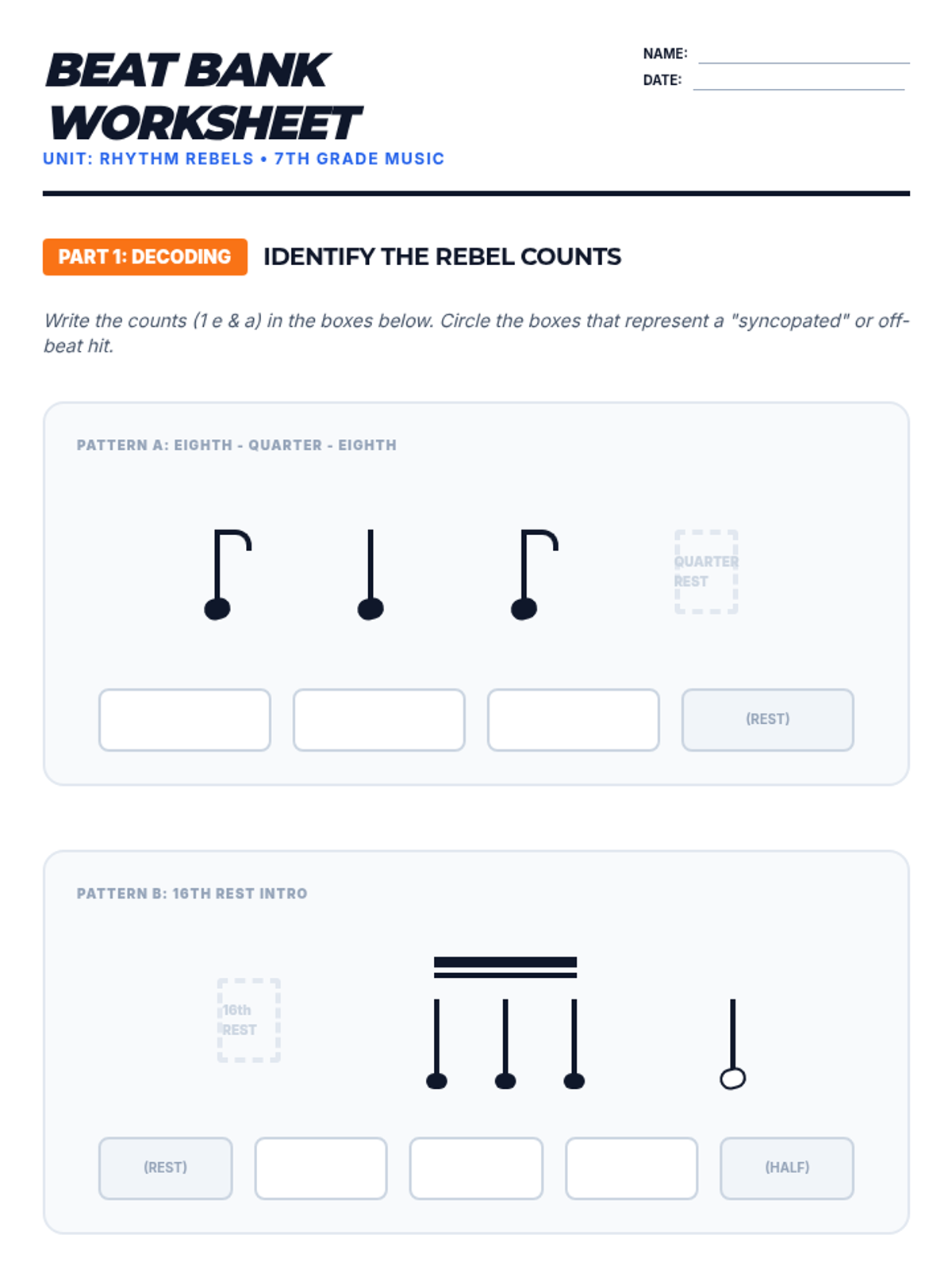
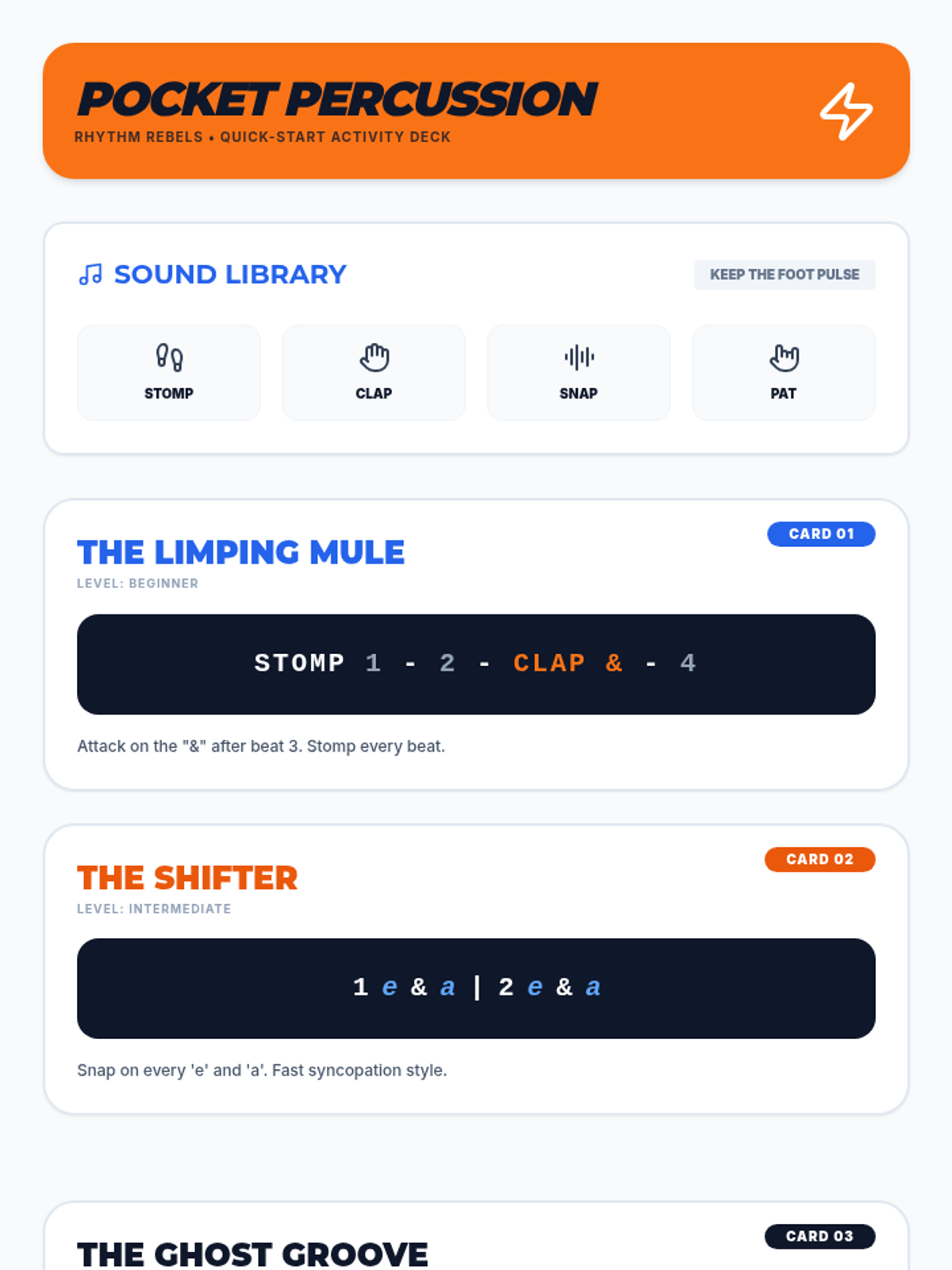
An energetic introduction to syncopation and rhythmic complexity where students learn to identify, count, and compose 'off-beat' patterns. Students explore how shifted accents create groove in modern and historical music styles.
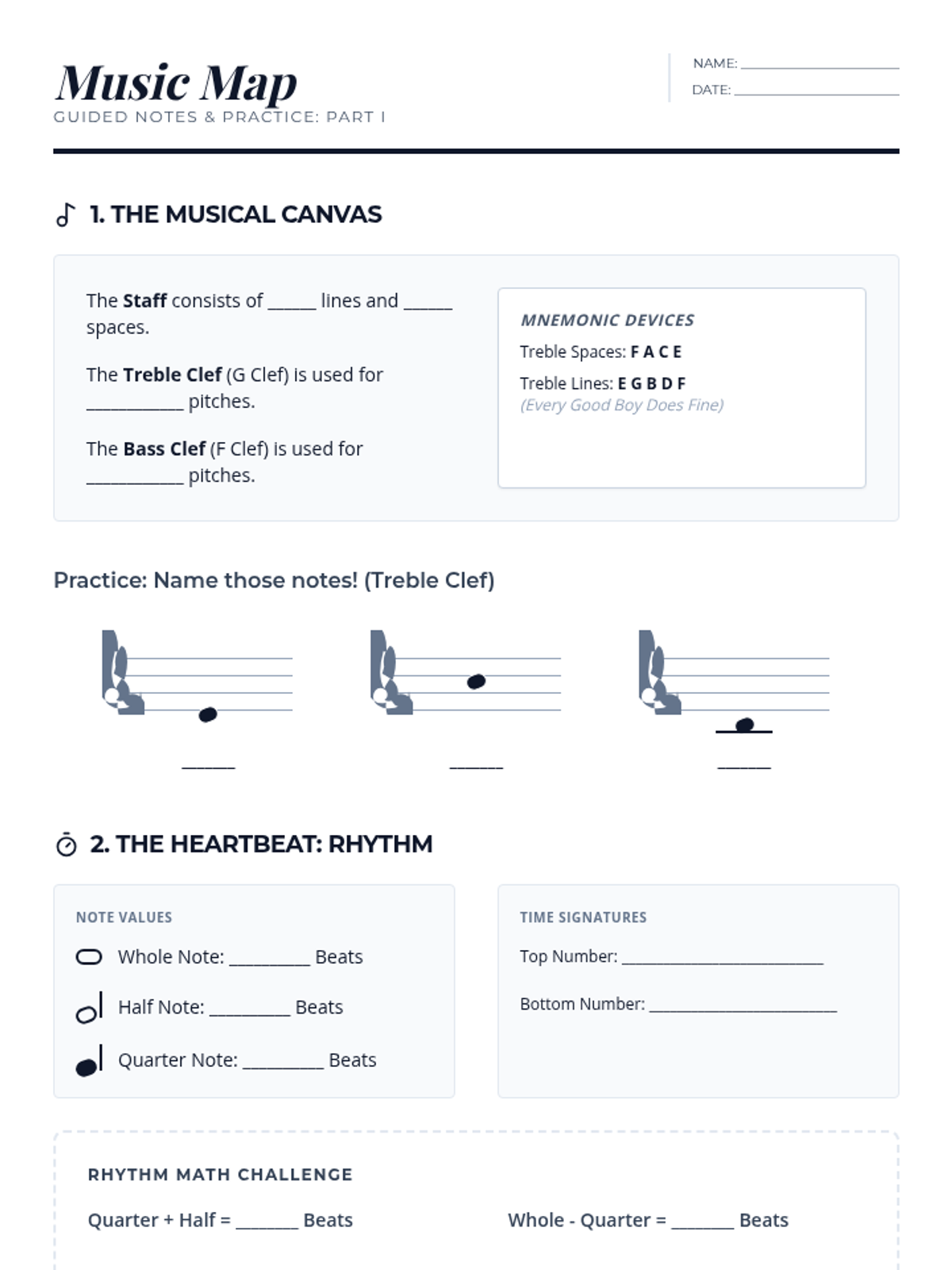
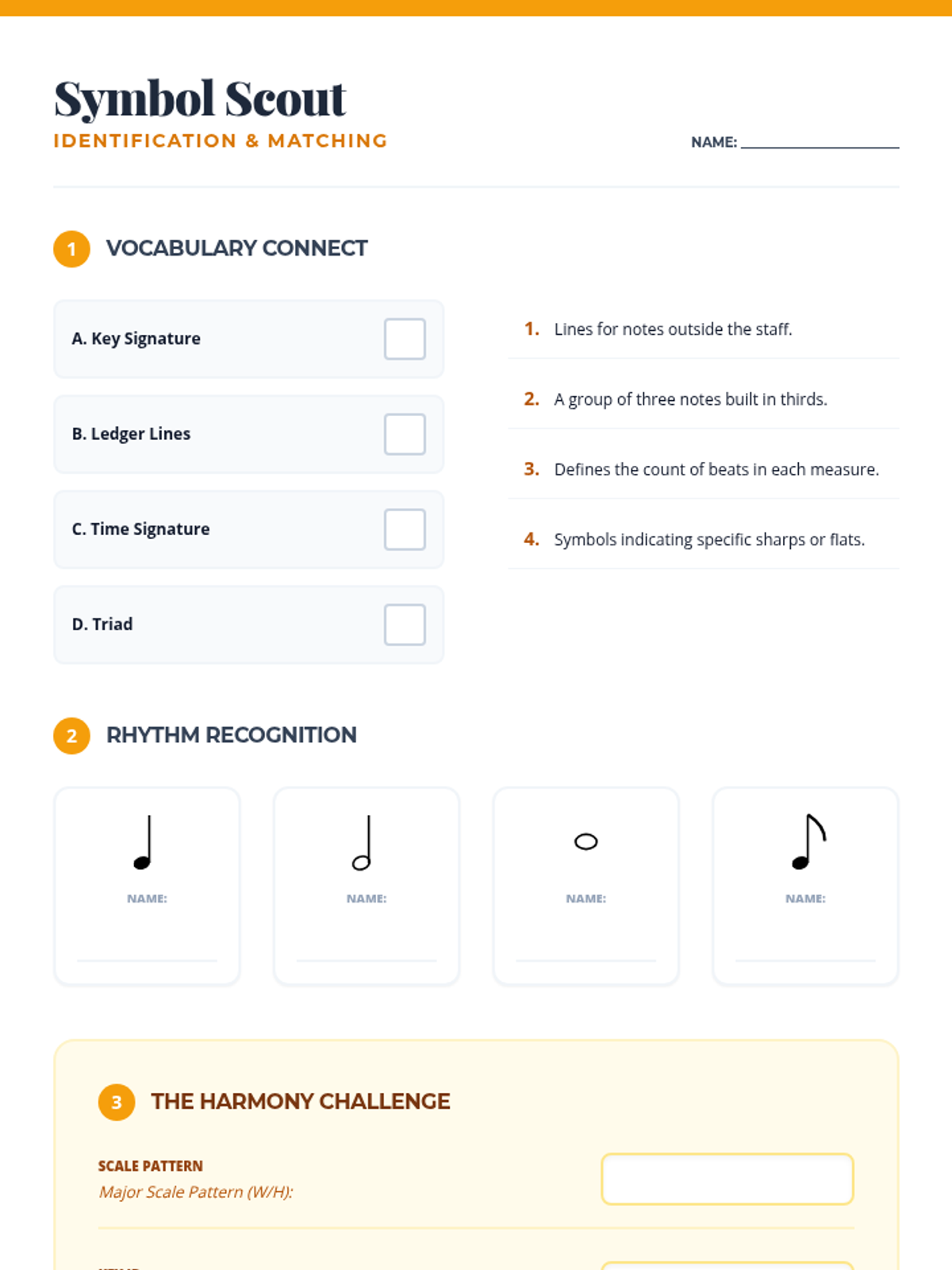
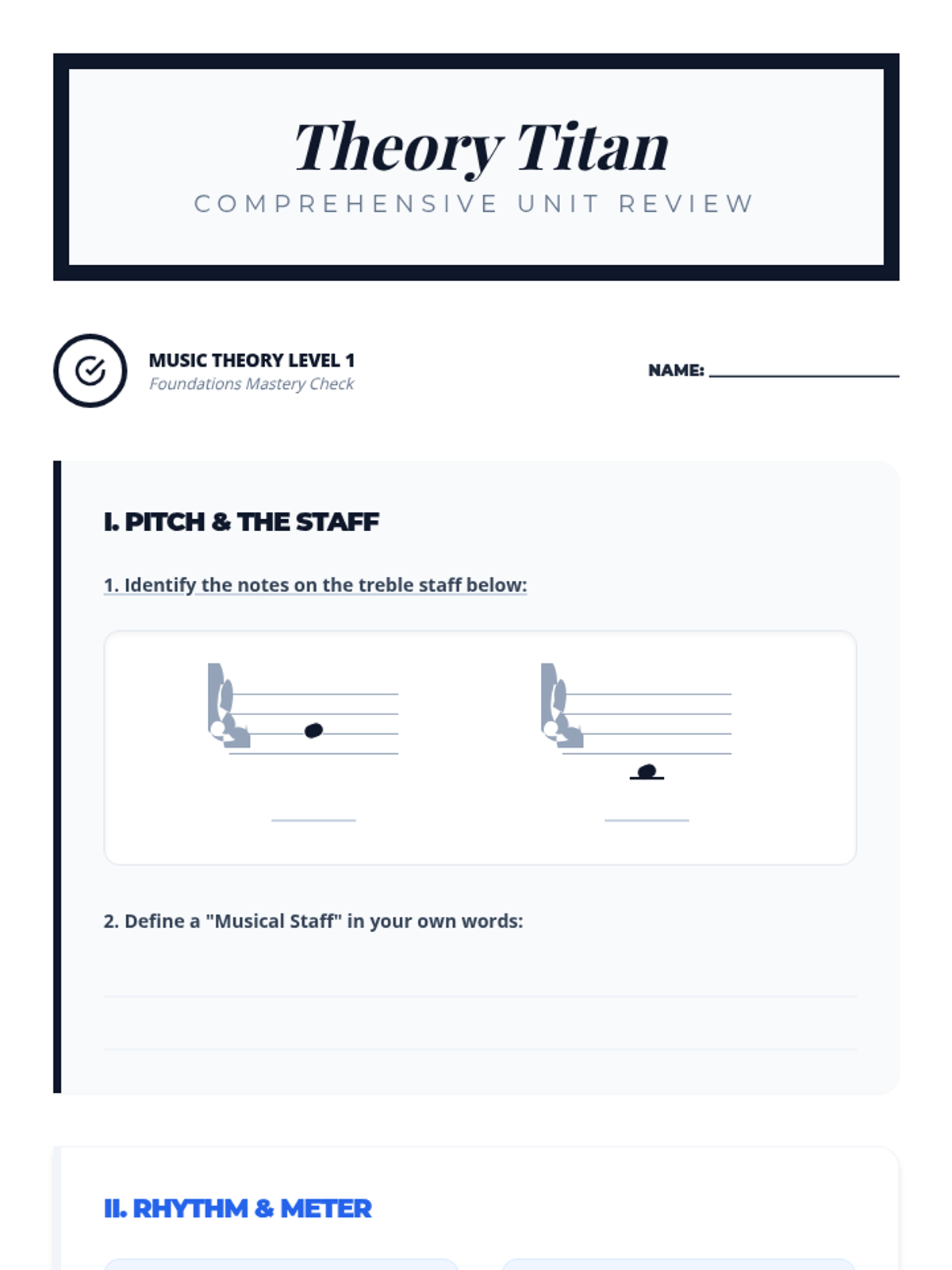
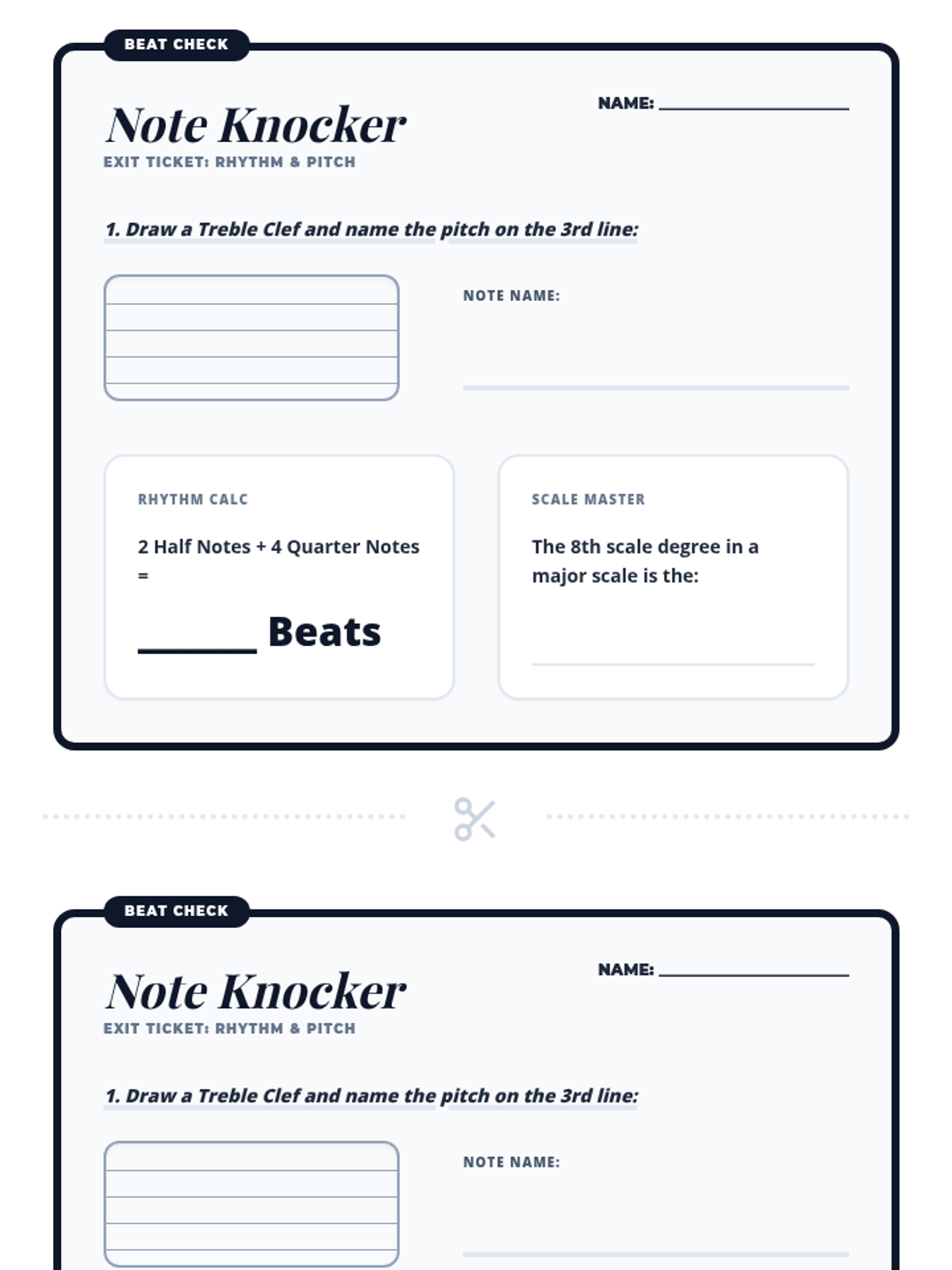
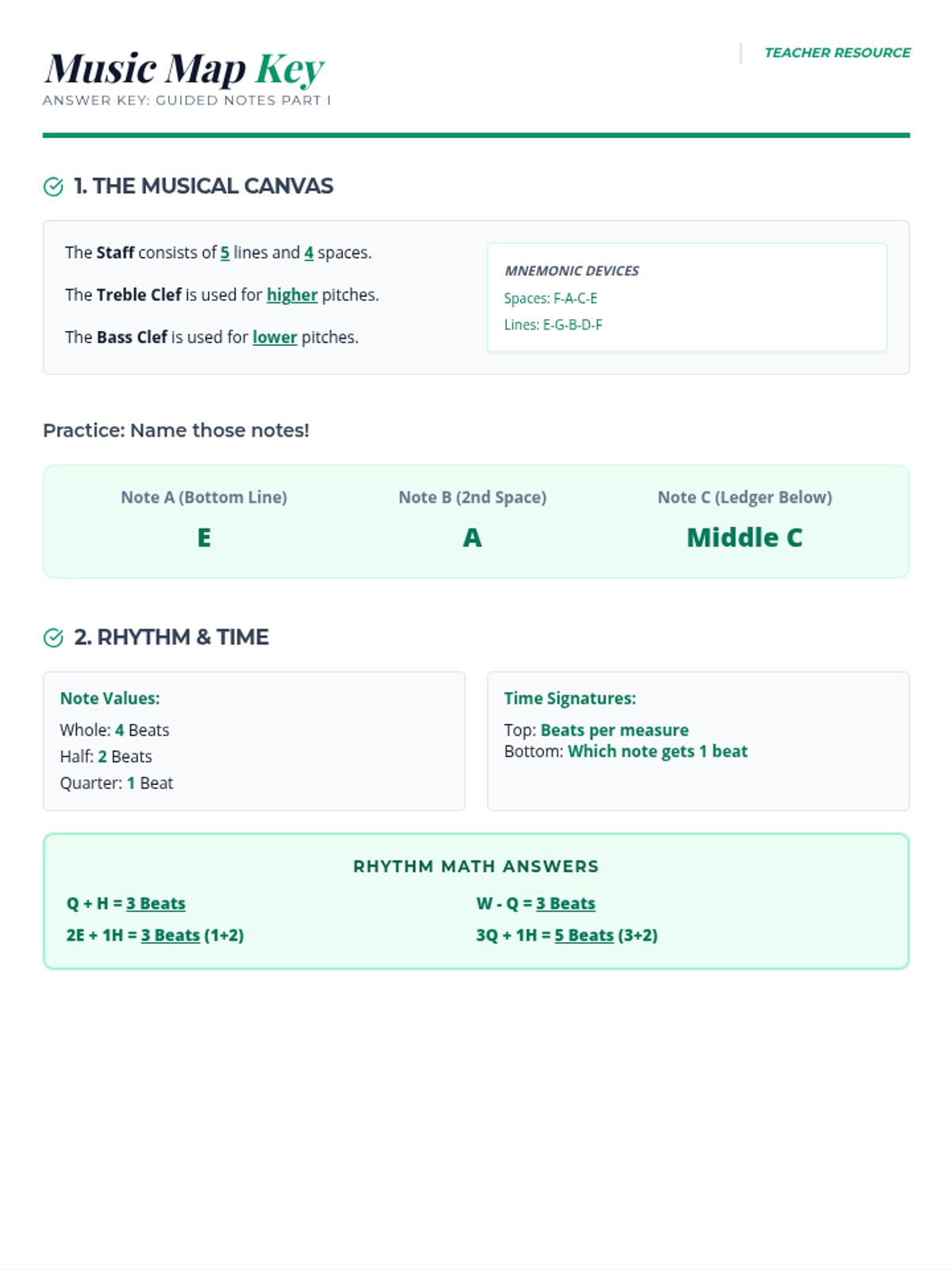
A foundational dive into music theory basics, covering rhythm, pitch, scales, and harmony for beginners.
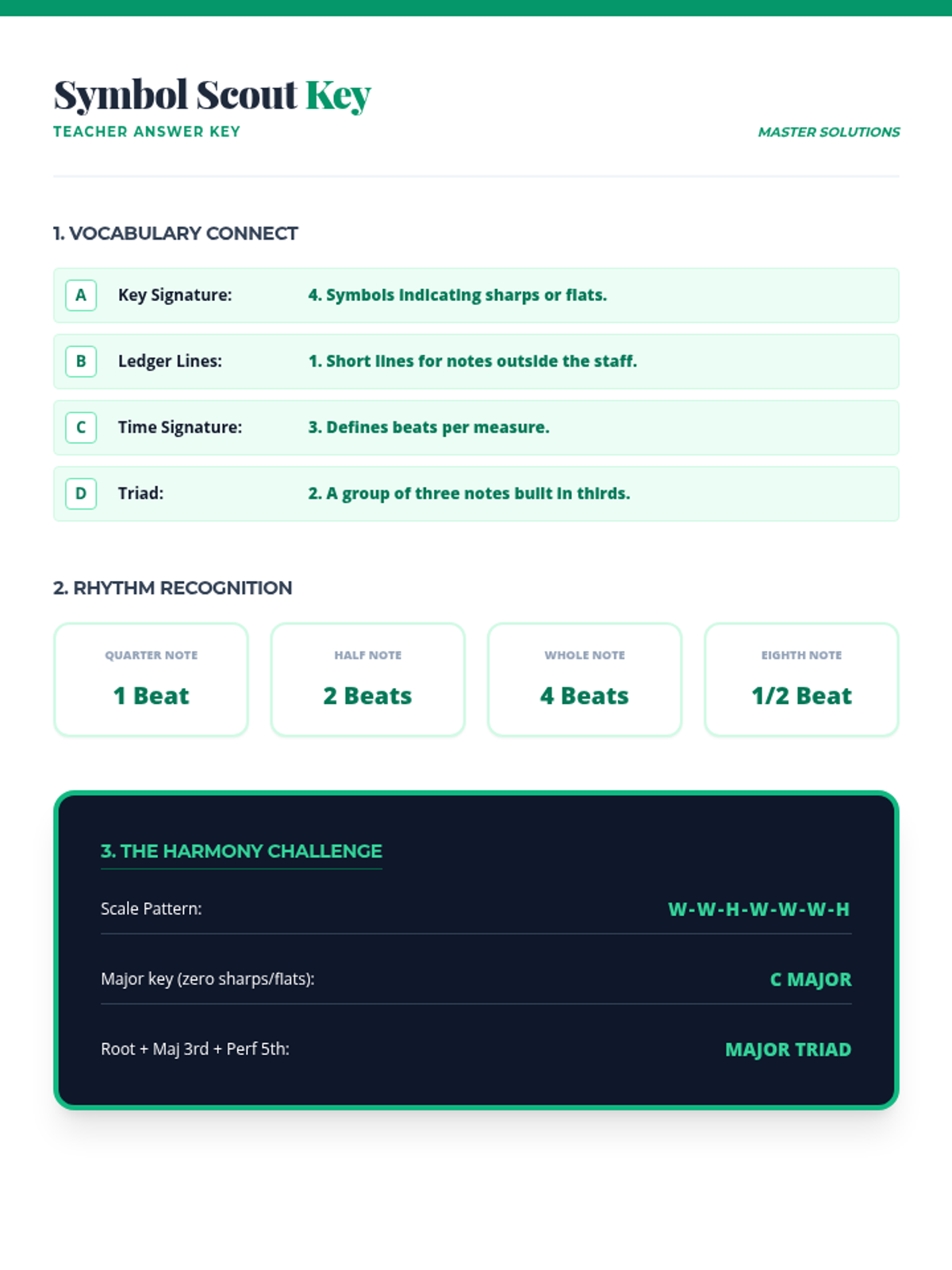
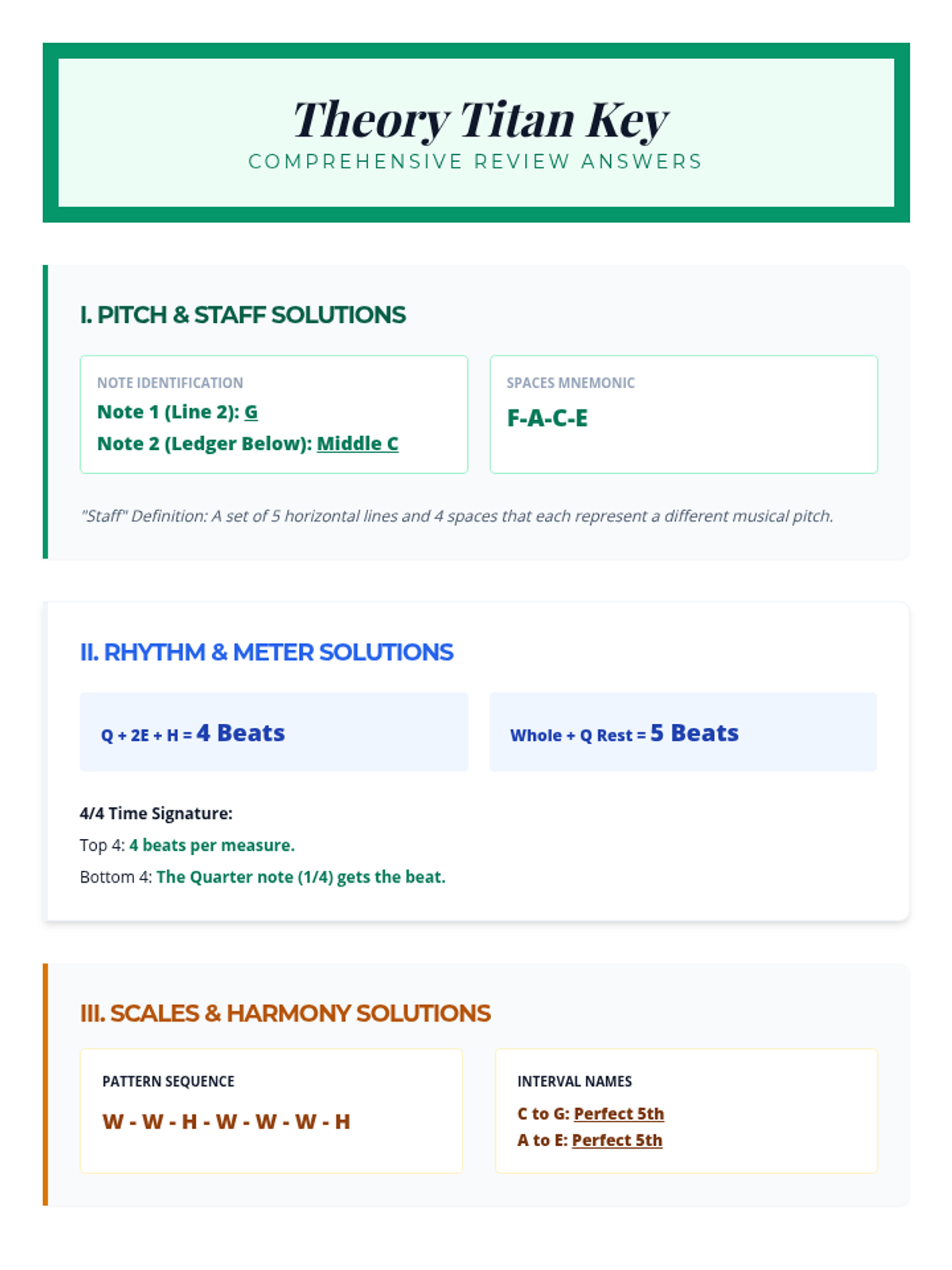
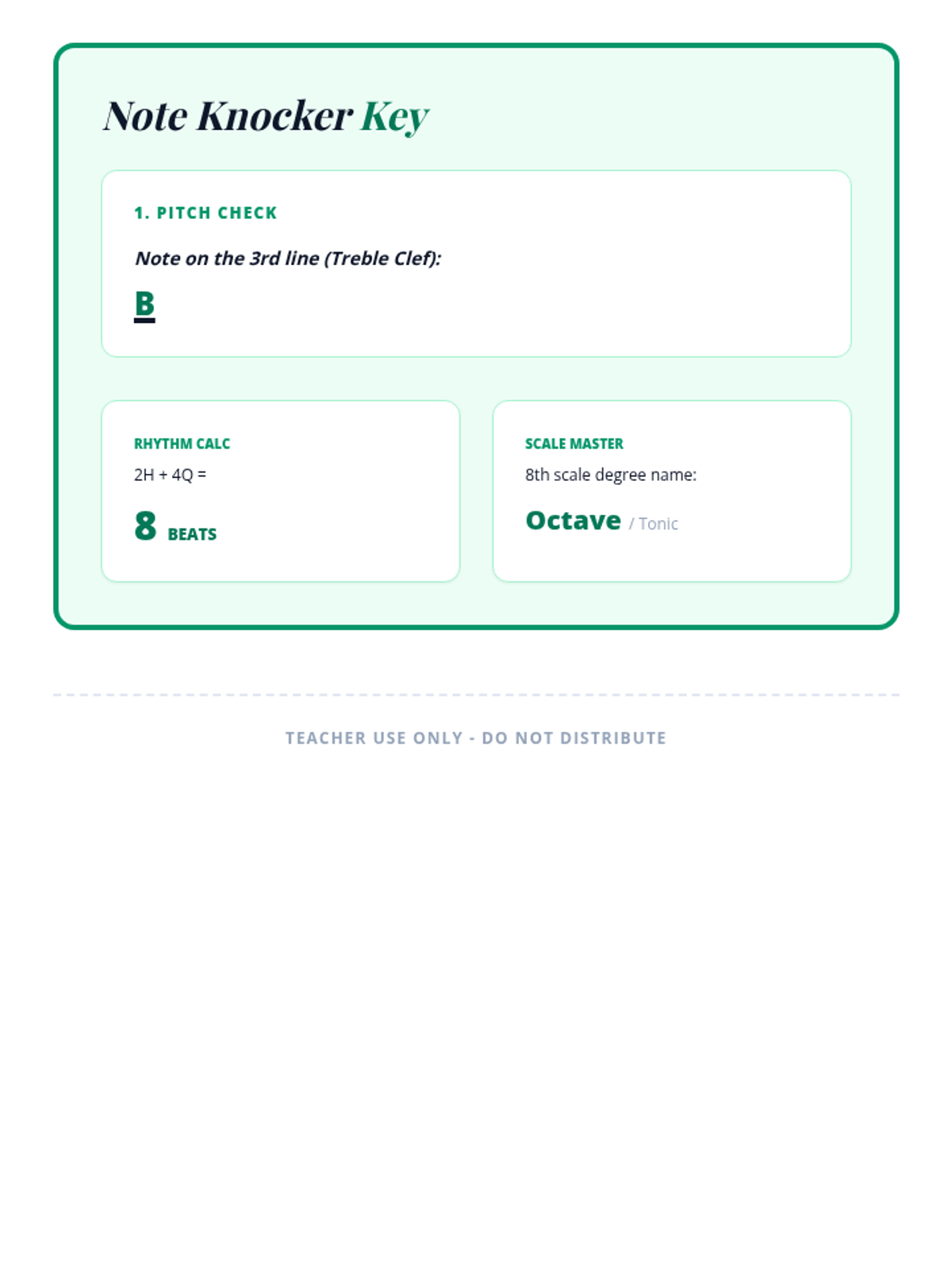
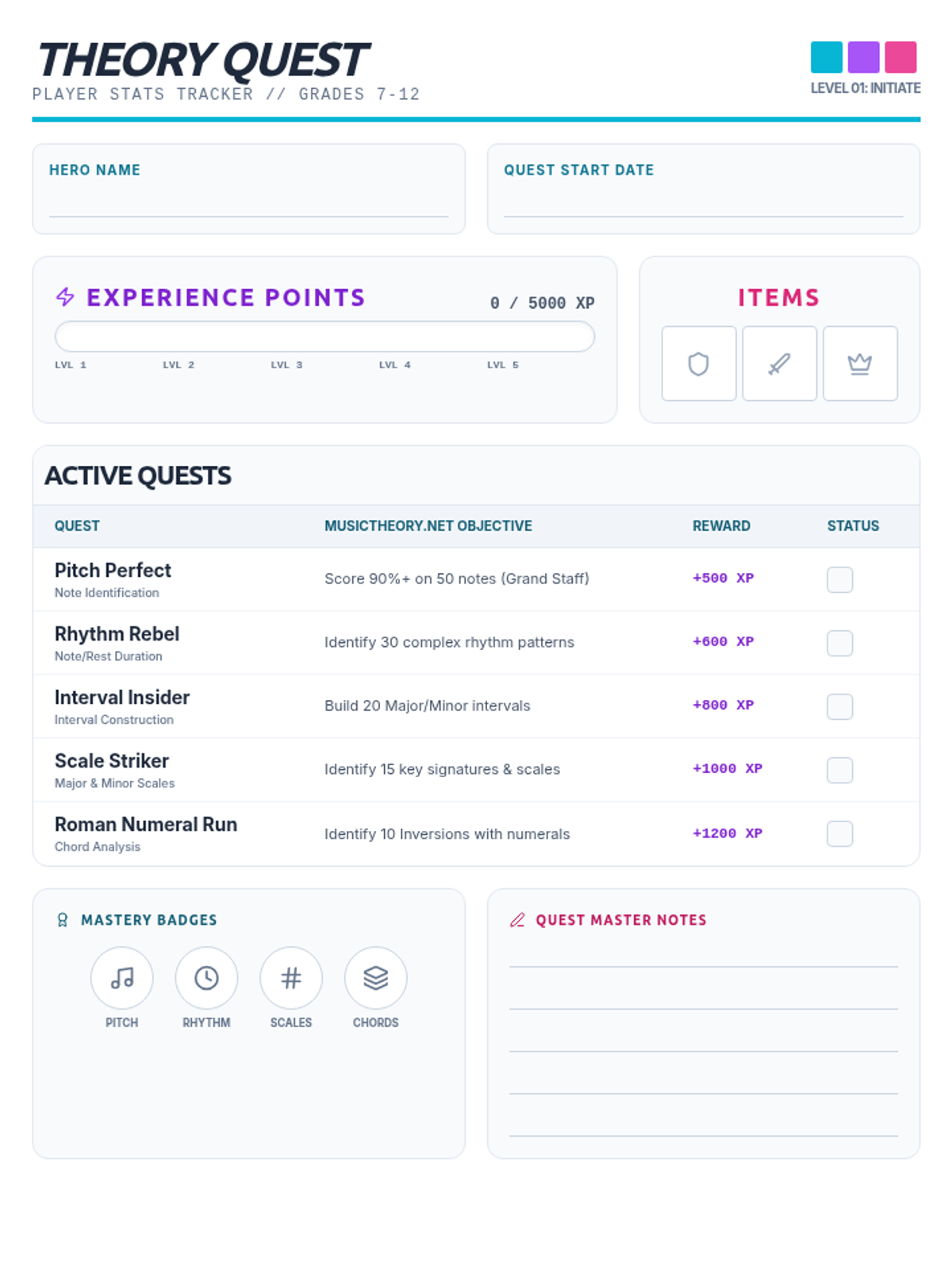
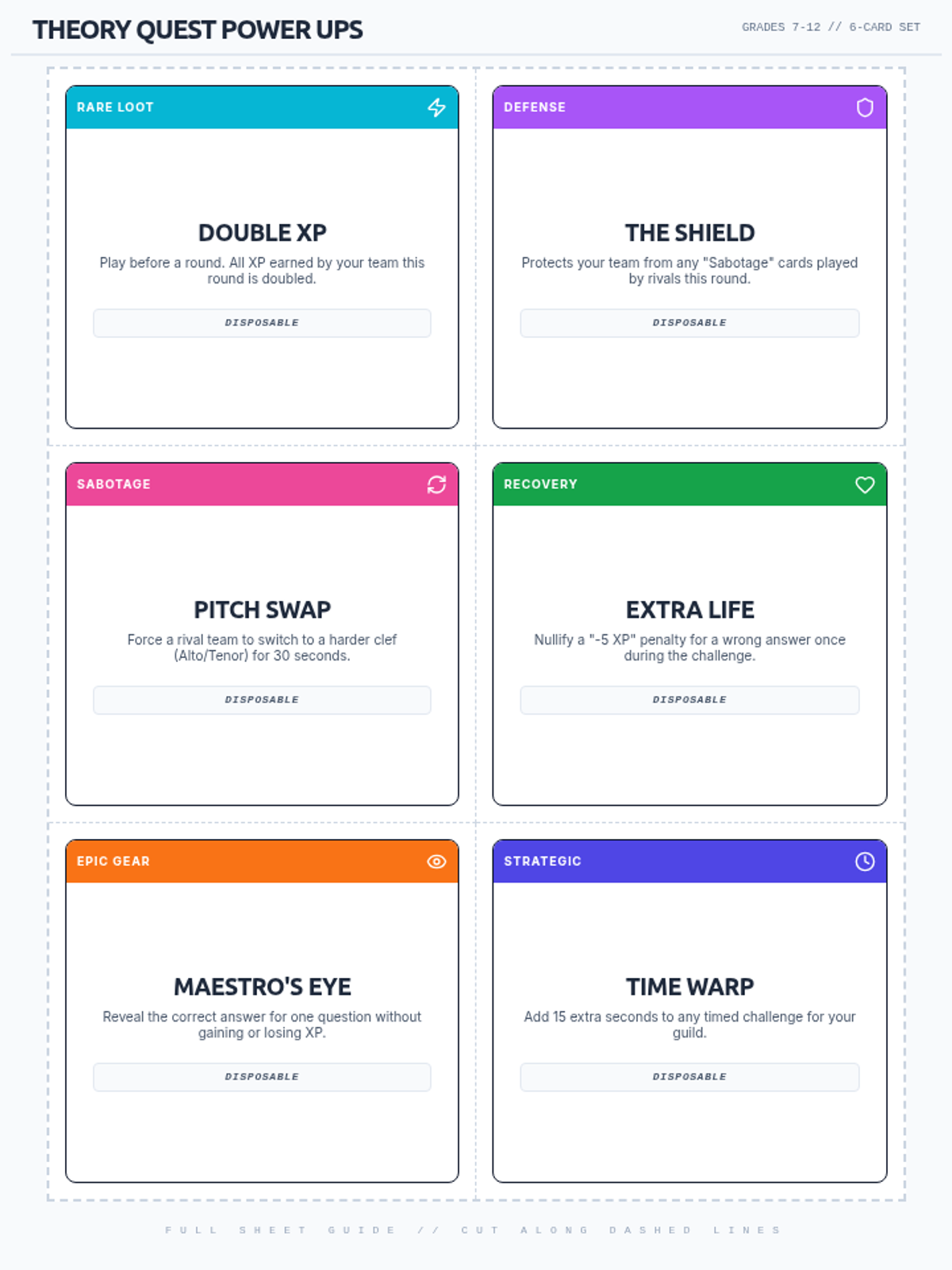
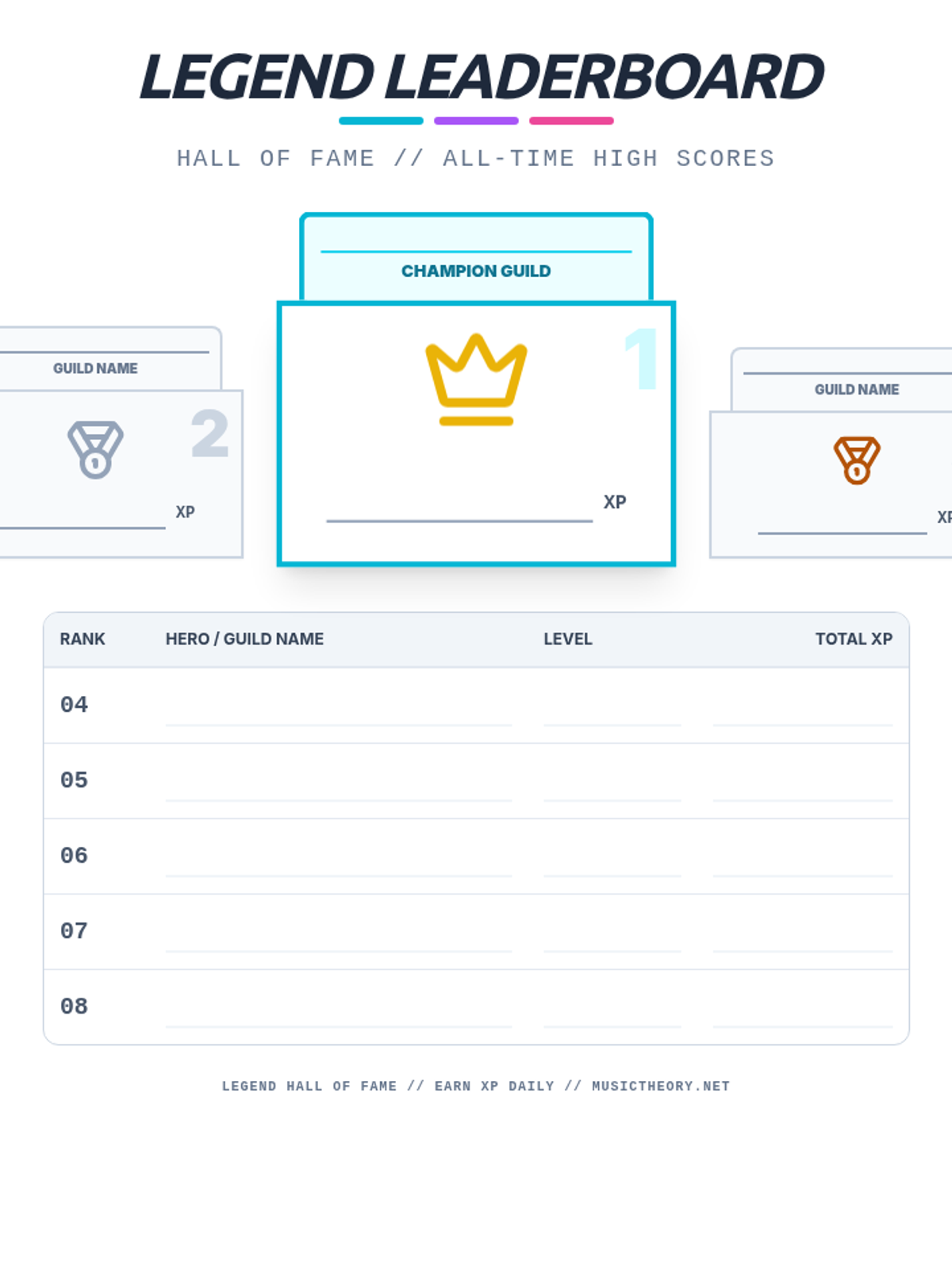
A multi-day competitive music theory challenge using musictheory.net for drills and gamified classroom activities.
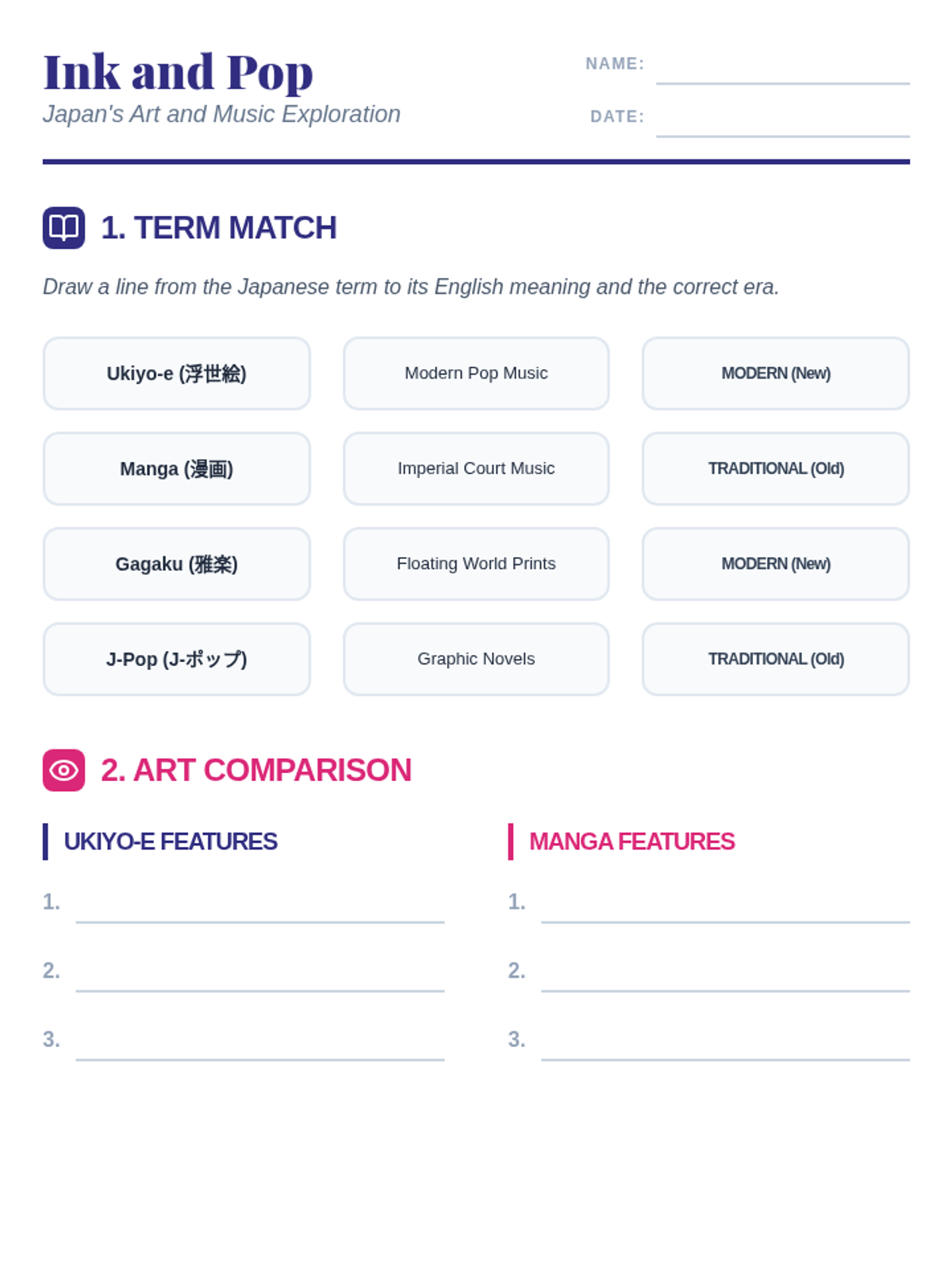
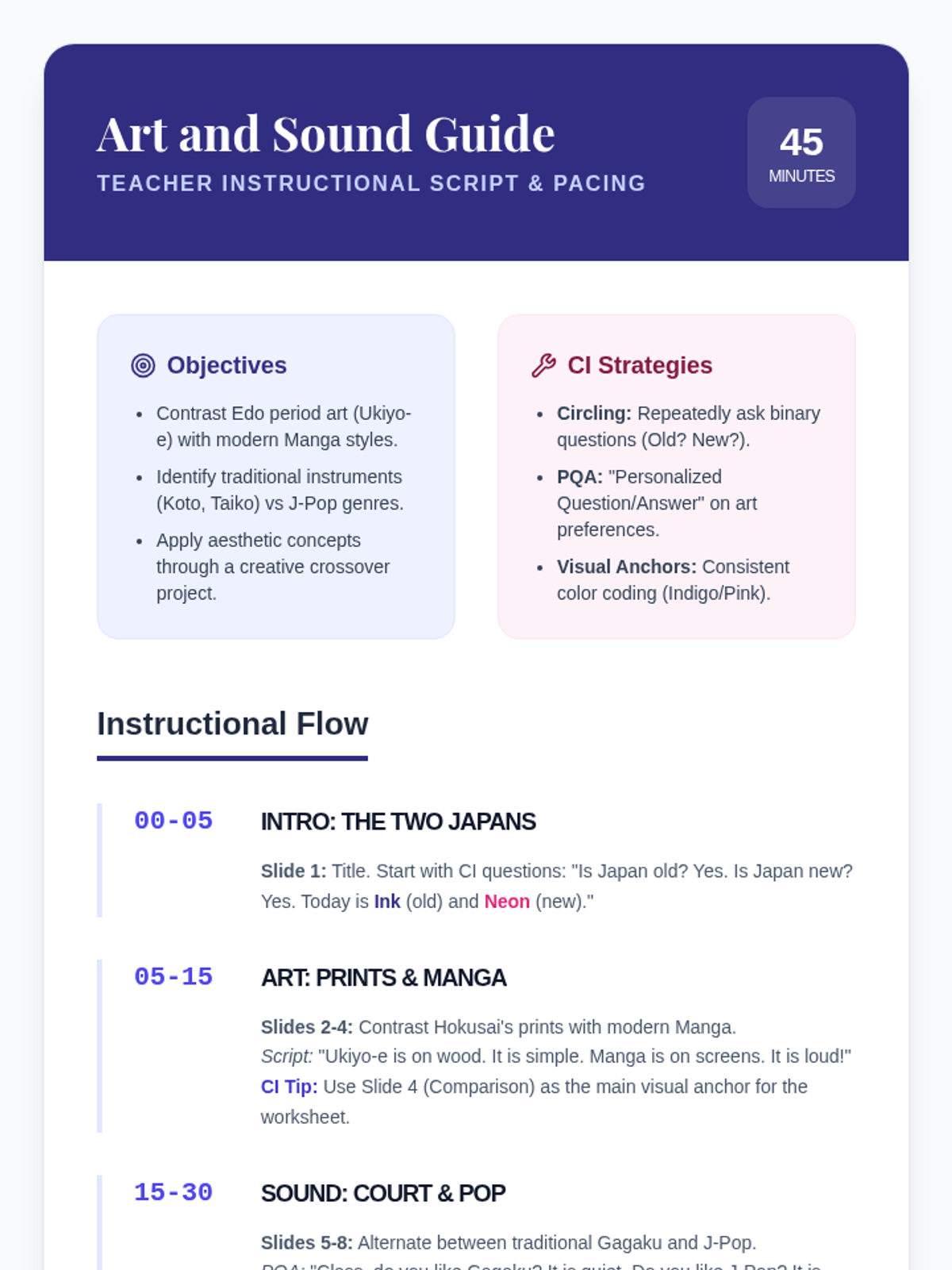
A 45-minute exploratory lesson for 8th graders on Japanese art and music, bridging the Edo period and modern pop culture using Comprehensible Input strategies.
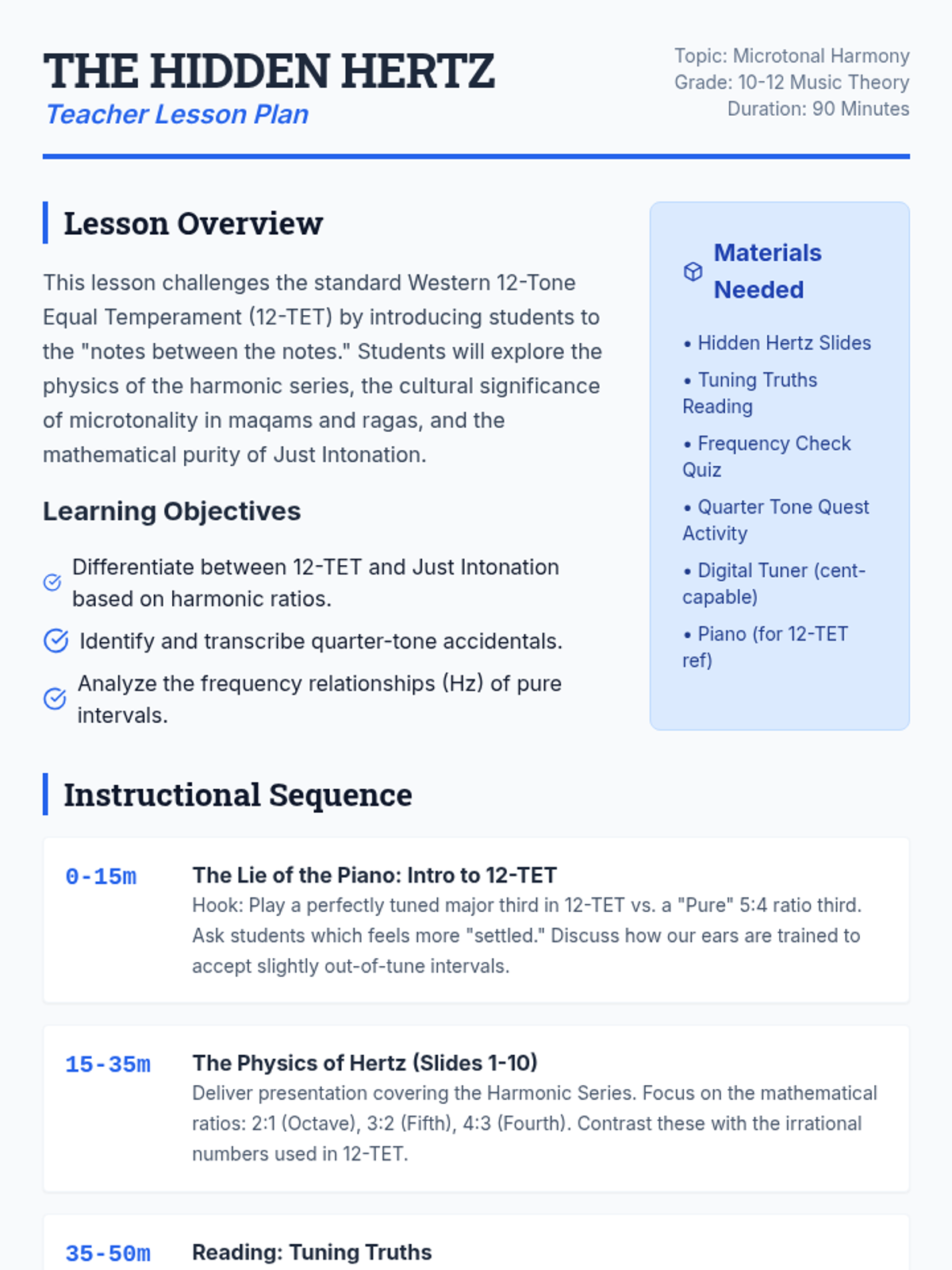
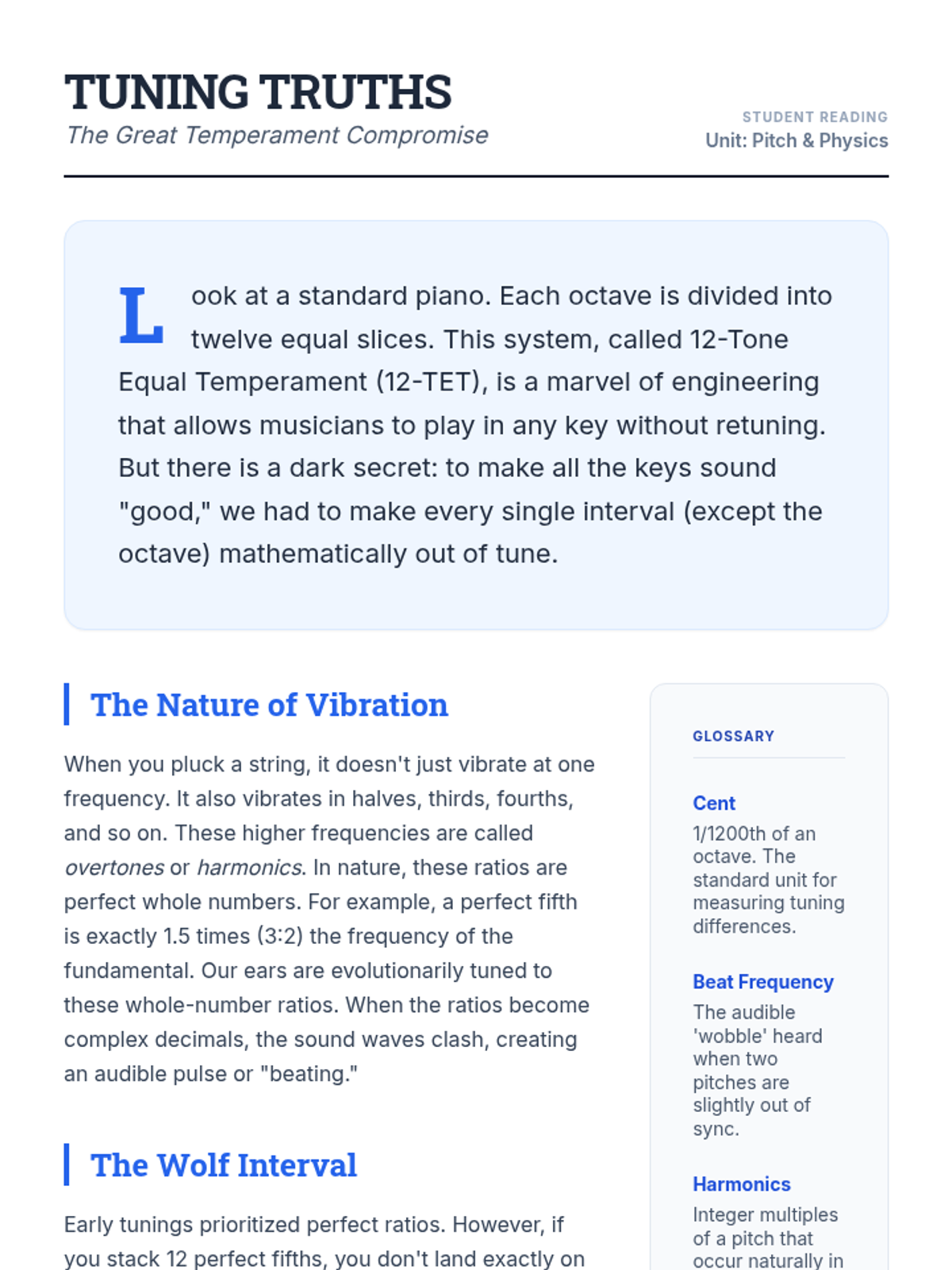
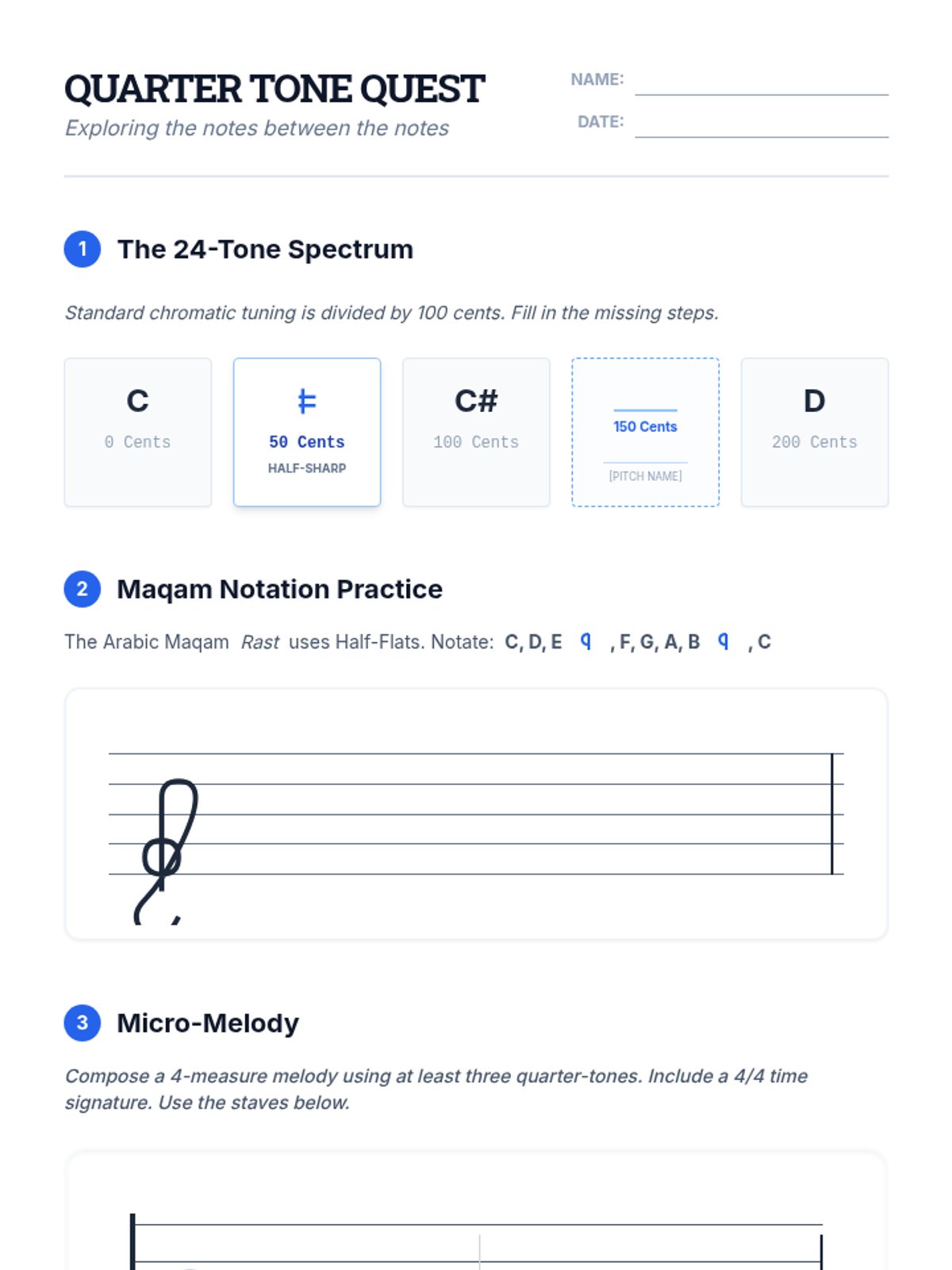
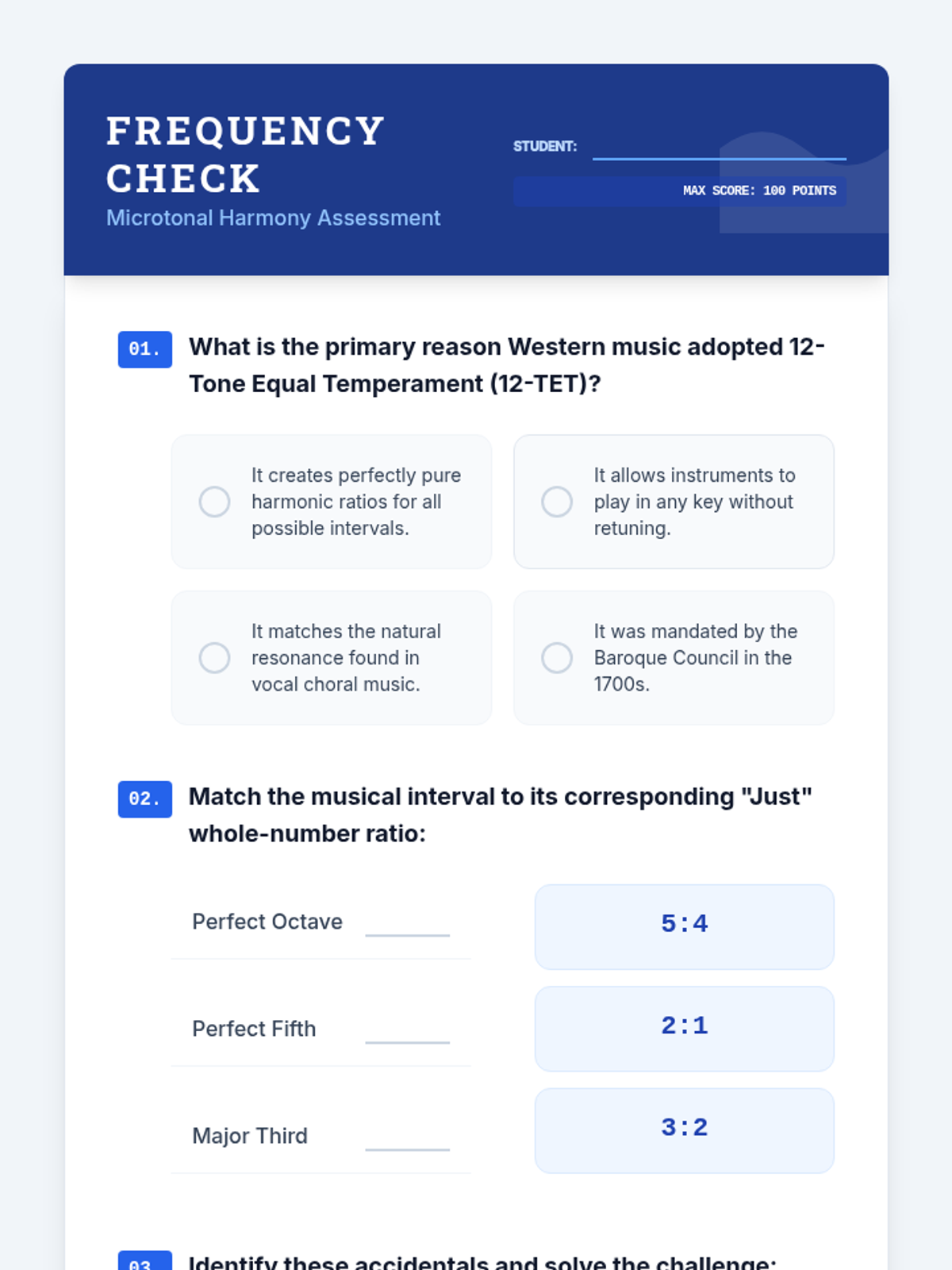
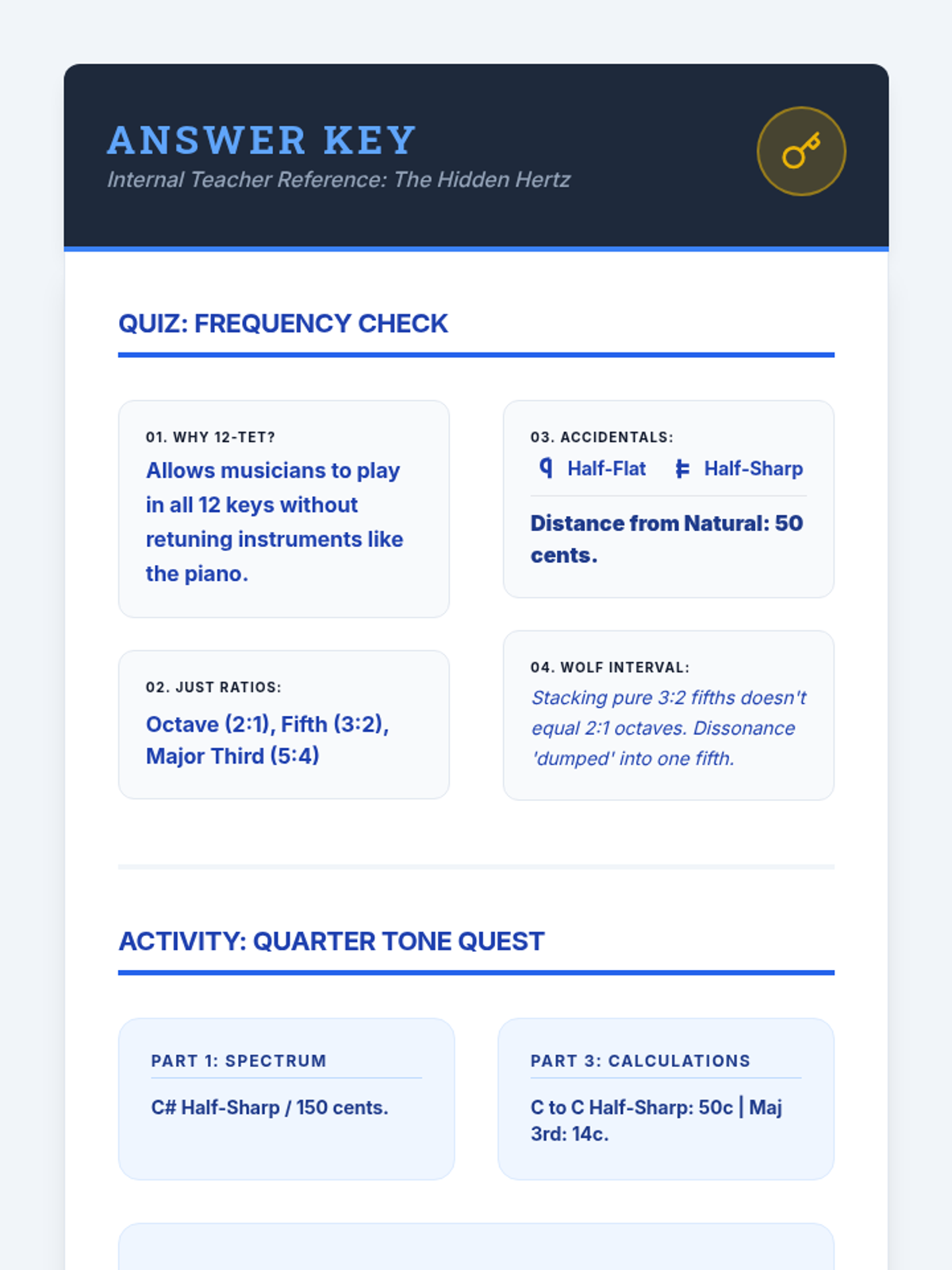
An advanced exploration of microtonal music, covering the physics of pitch, tuning systems beyond 12-TET, and practical experimentation with quarter-tones and just intonation.
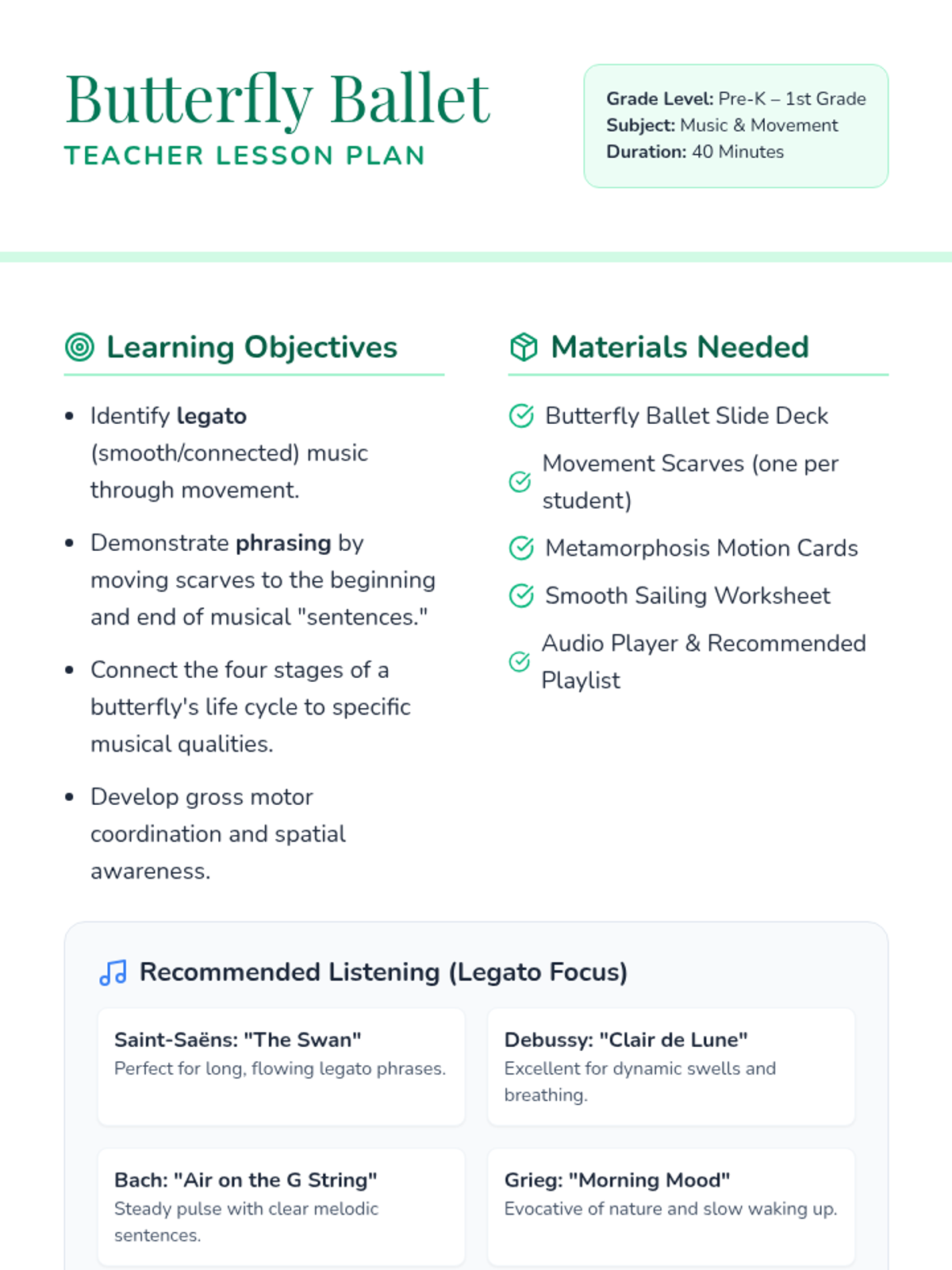
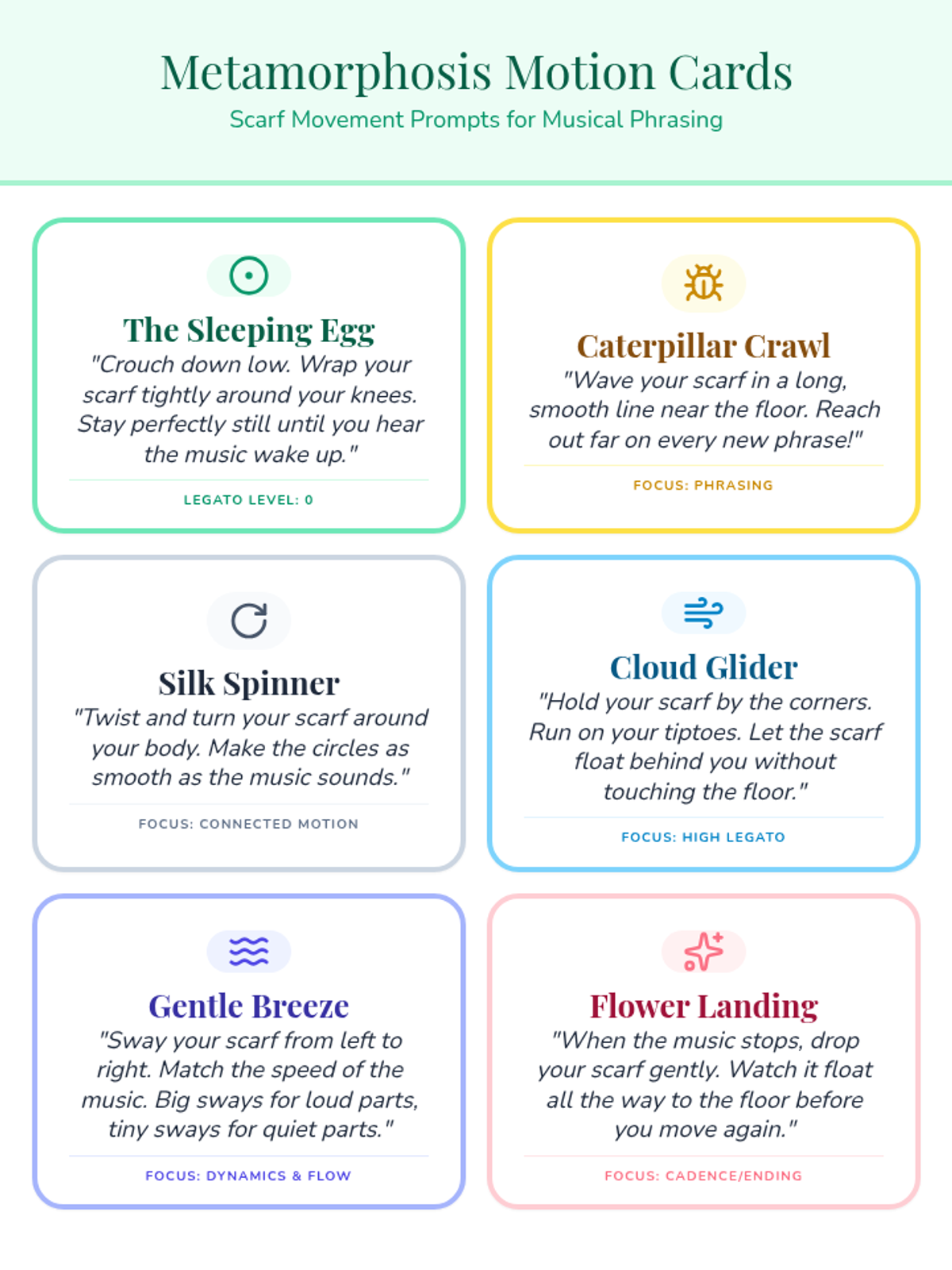
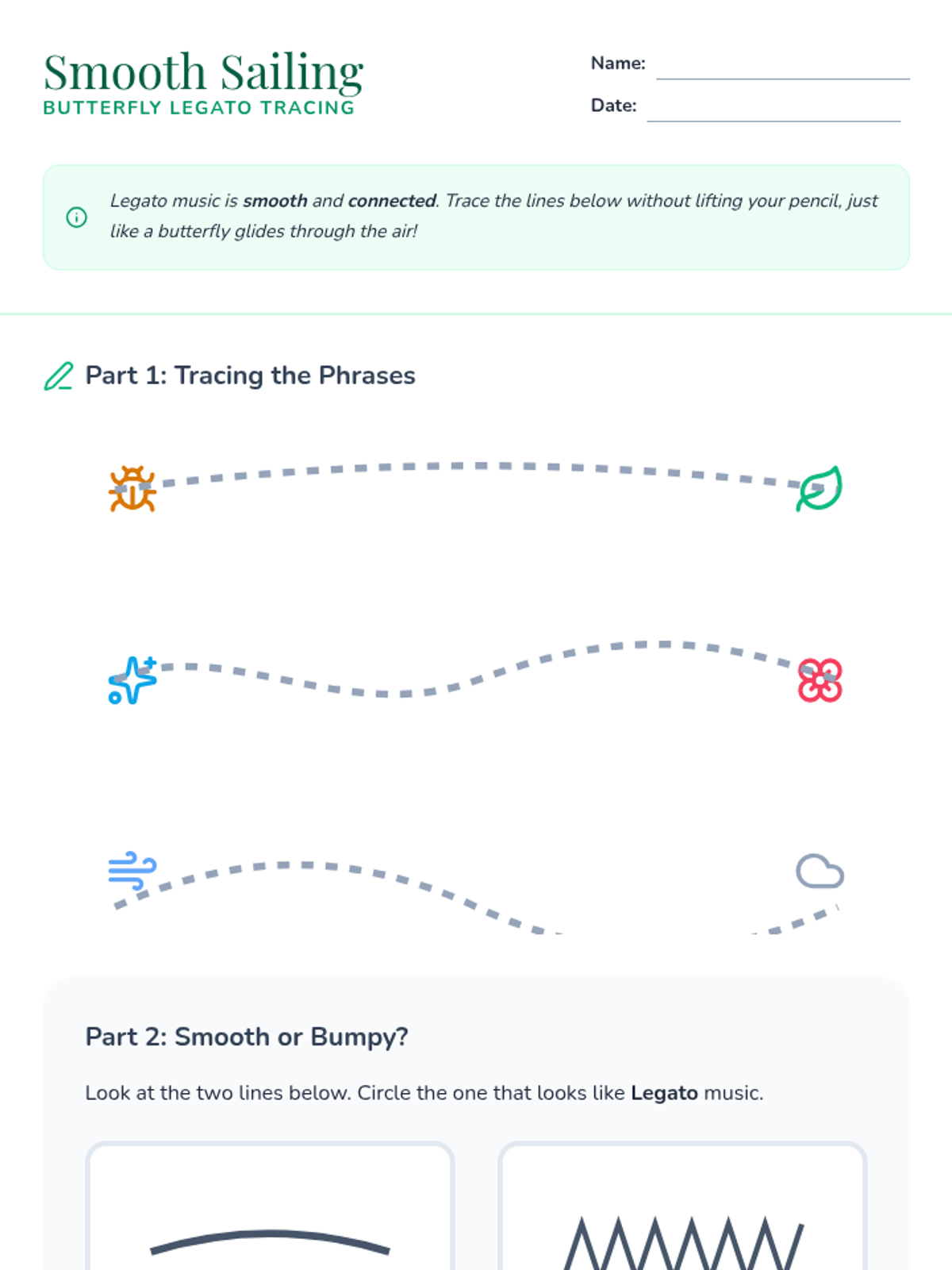
A music and movement lesson for early childhood students exploring phrasing and legato through the life cycle of a butterfly. Students use scarves to interpret smooth musical lines while learning about metamorphosis.
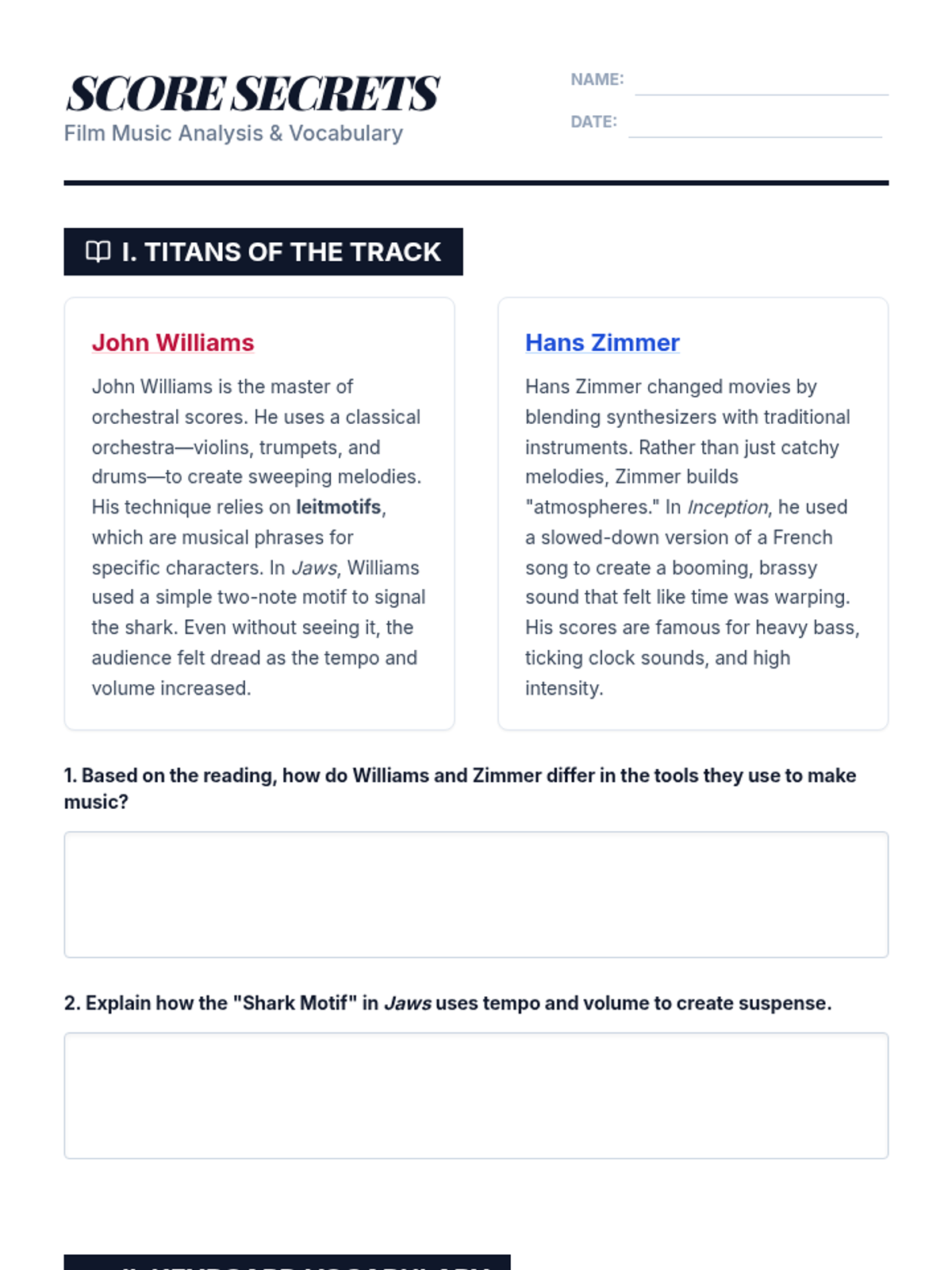
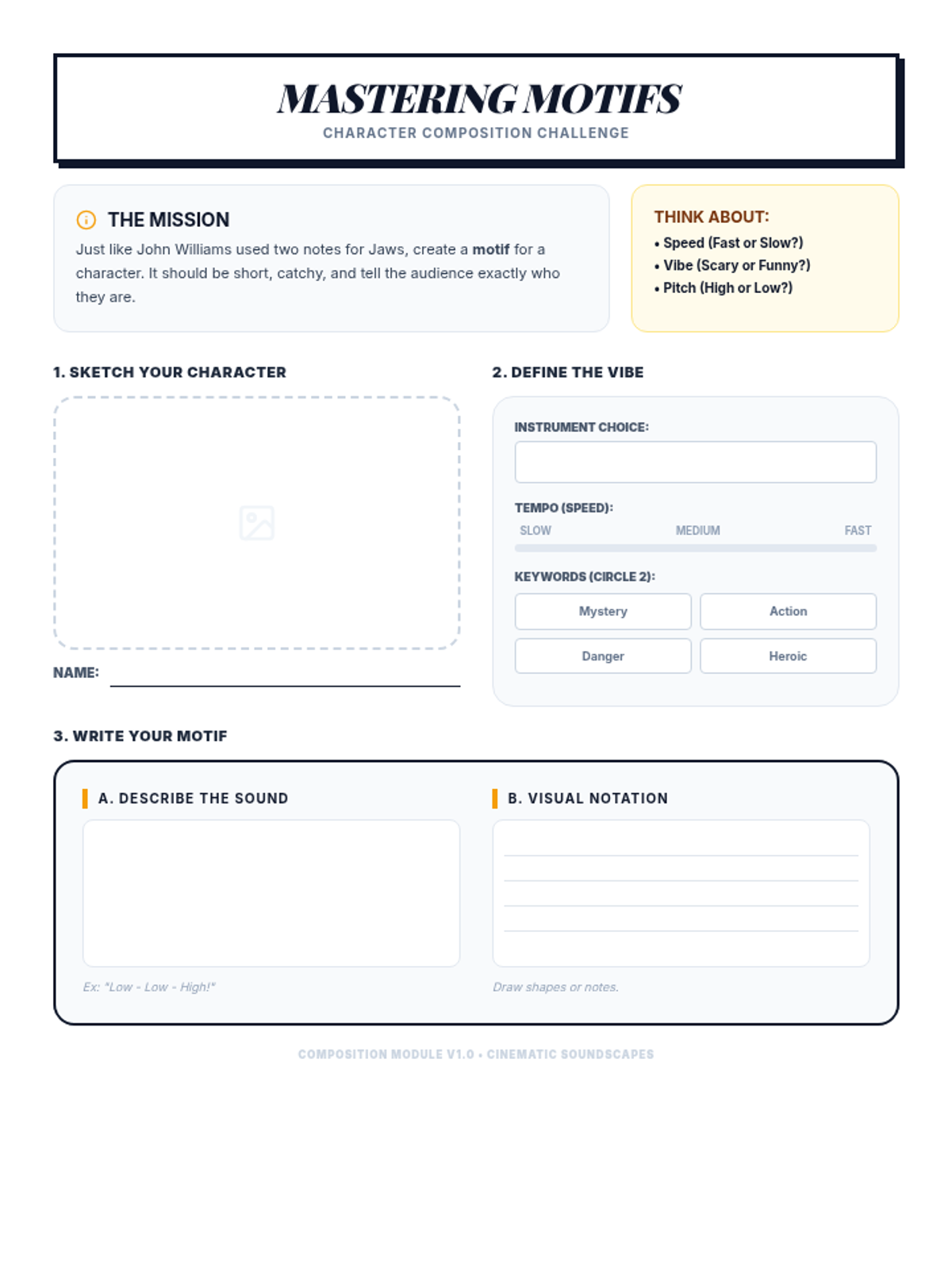
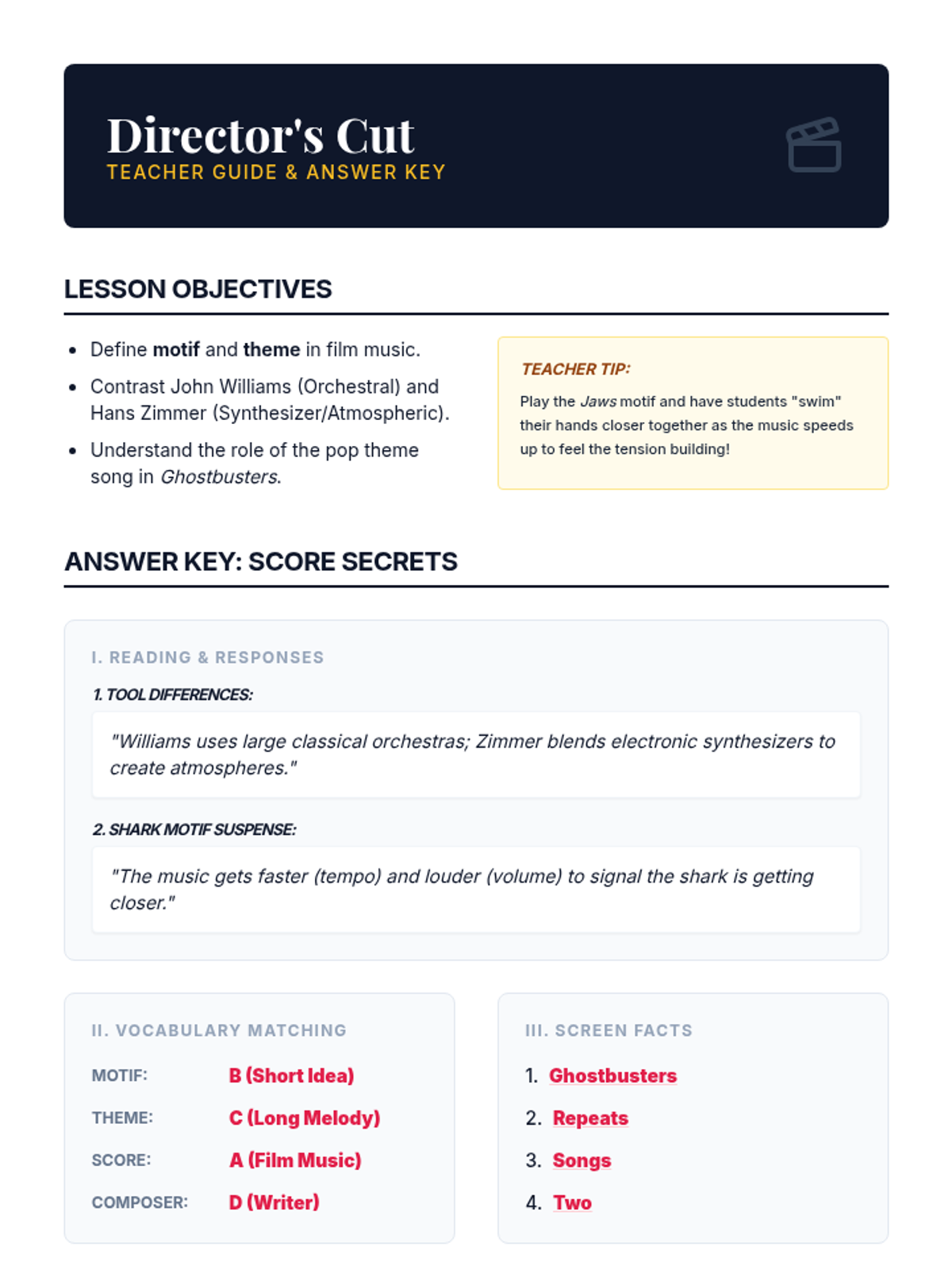
A comprehensive lesson on film music focusing on iconic composers, the difference between motifs and themes, and the impact of scores in movies like Jaws and Ghostbusters.
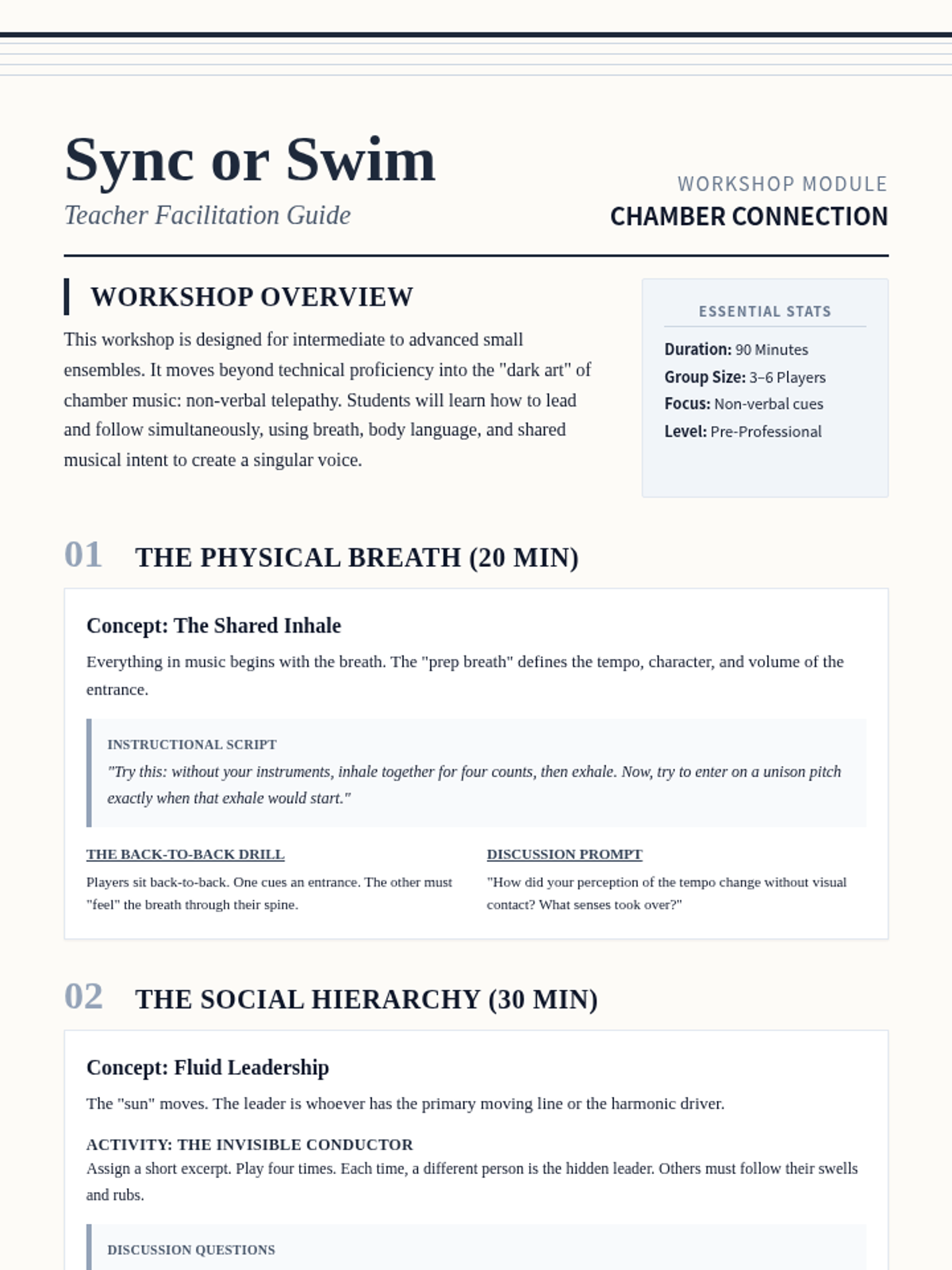
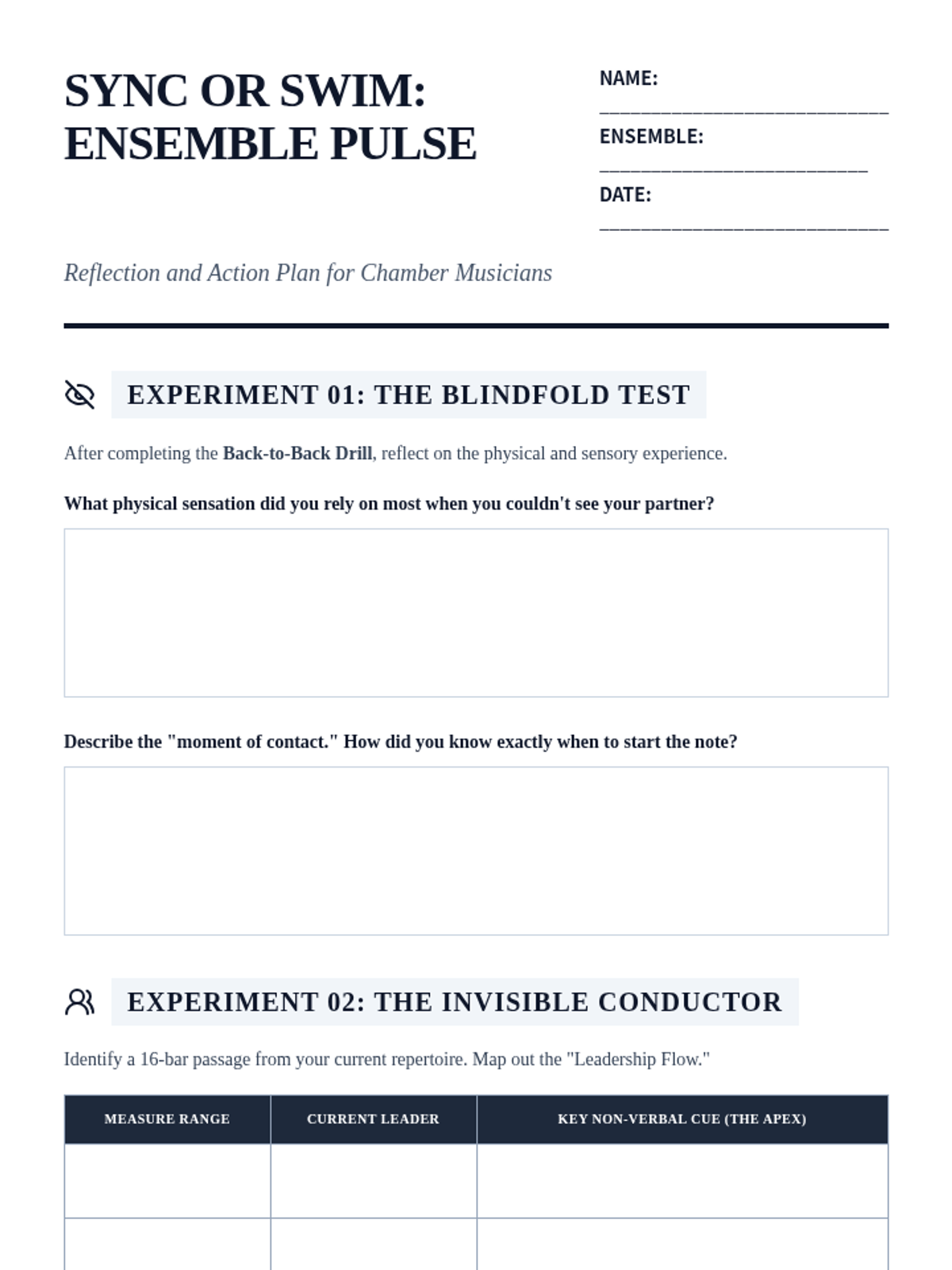
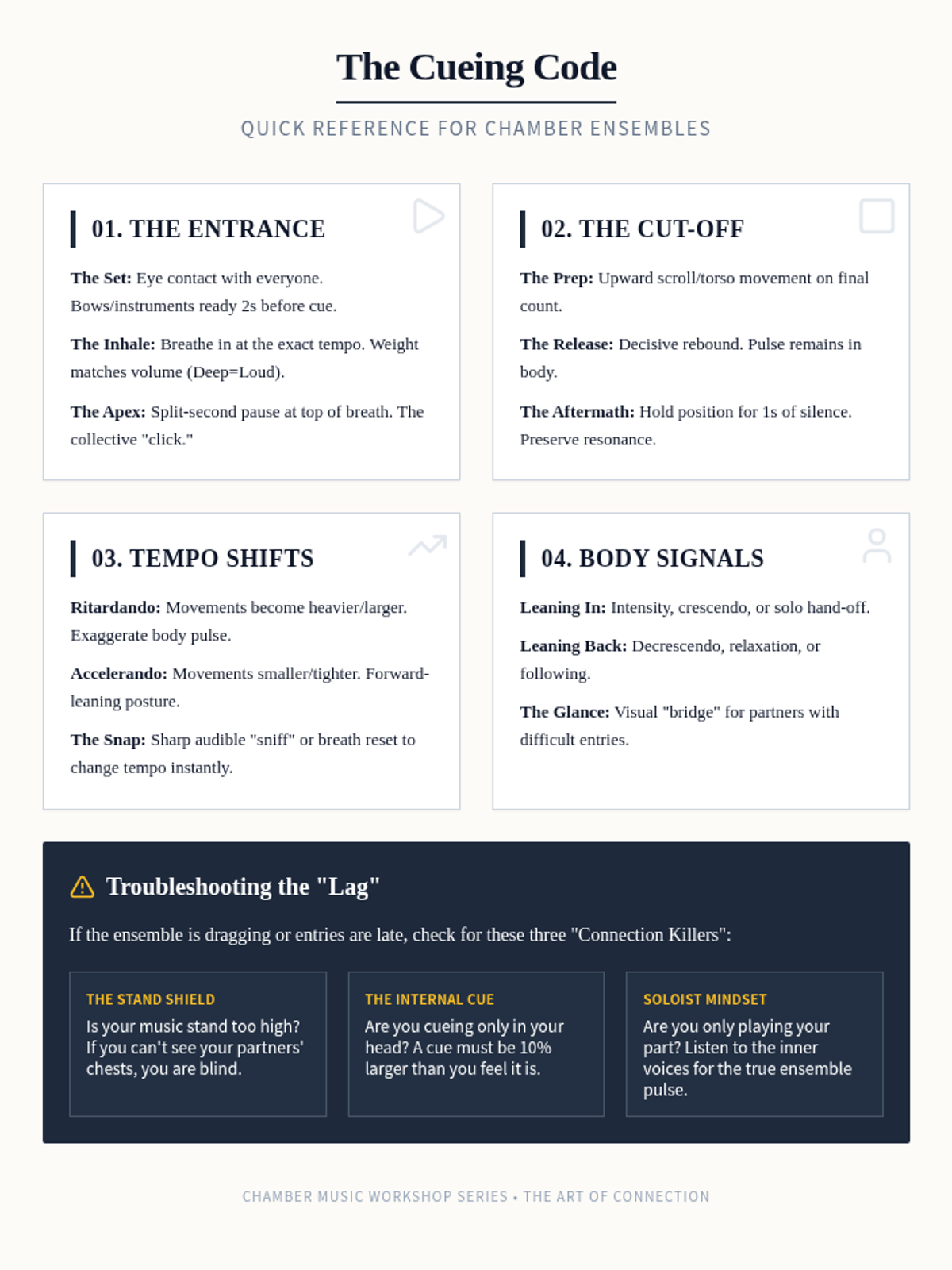
A comprehensive workshop on chamber music communication, focusing on non-verbal cues, shared breathing, and collective phrasing to achieve a unified ensemble sound without a conductor.
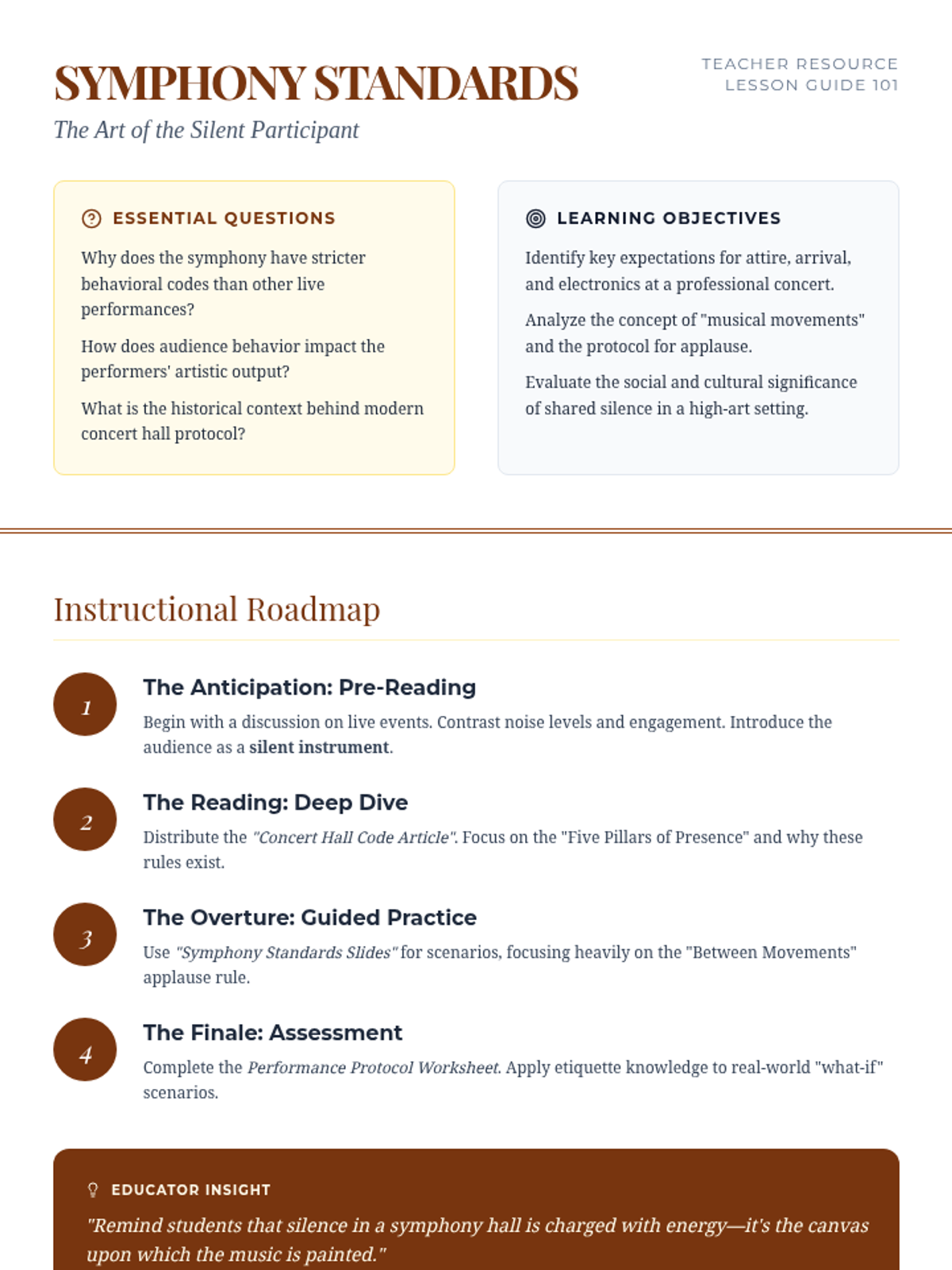
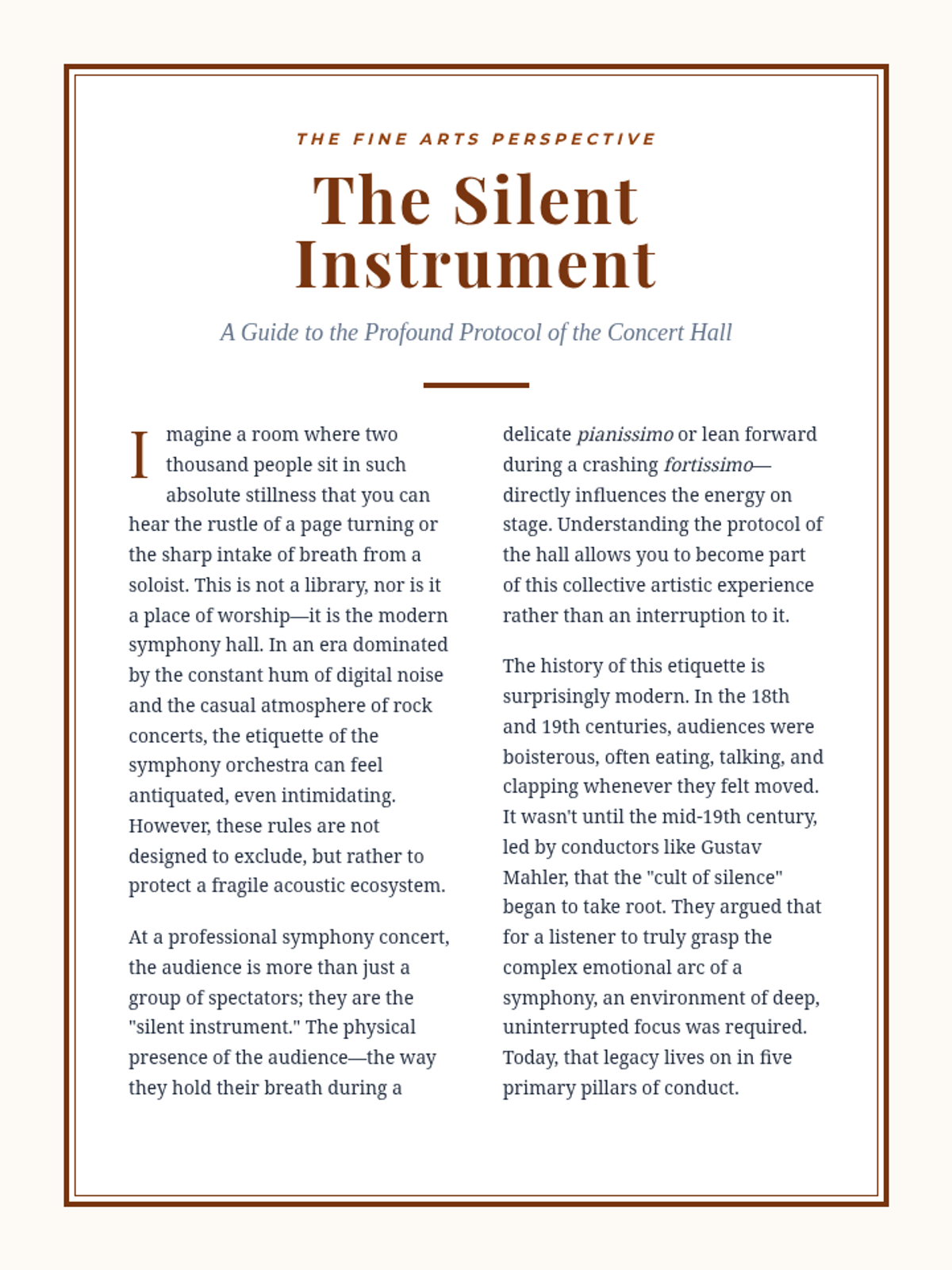
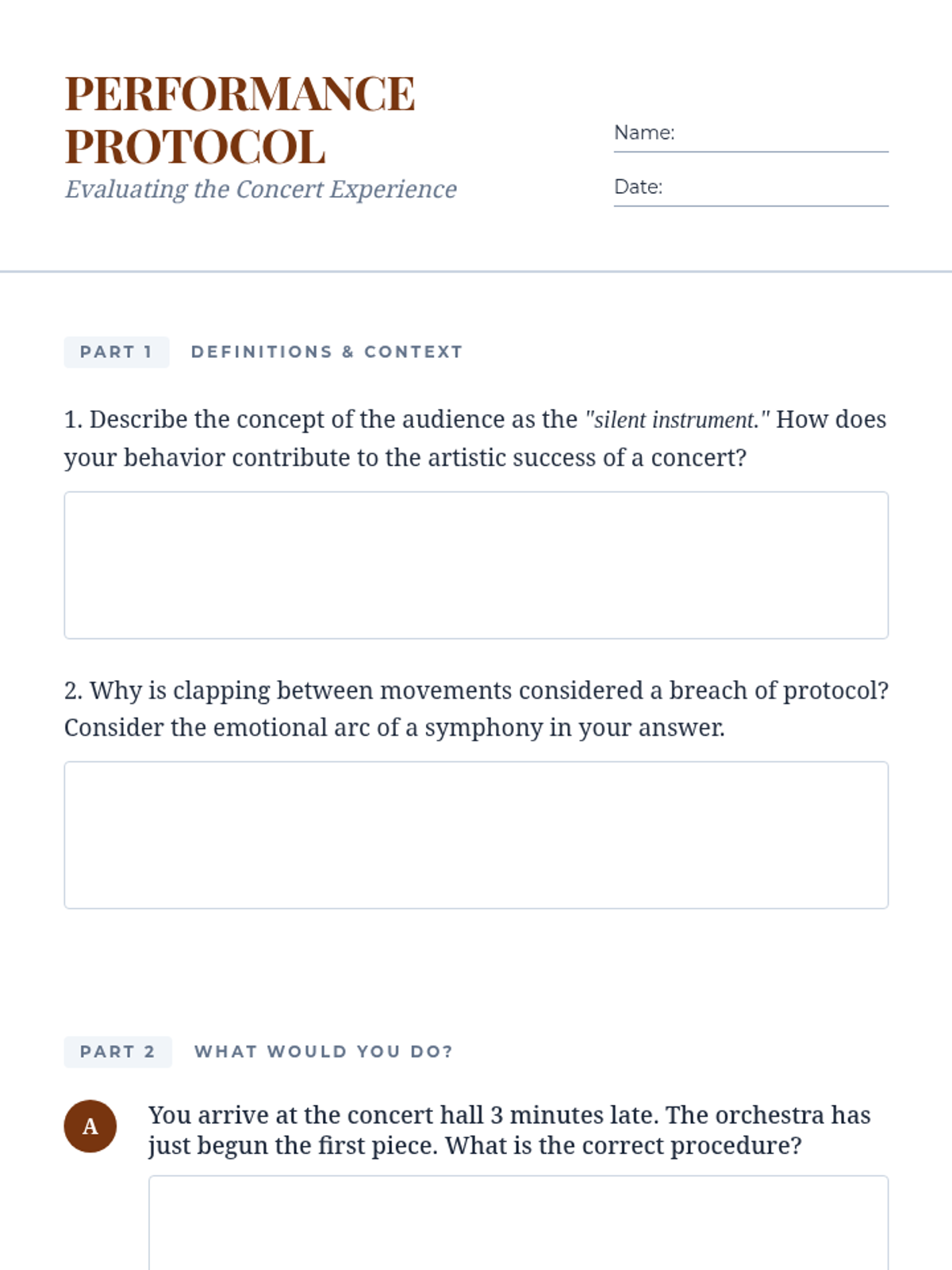
A comprehensive guide for high school students on the nuances of professional symphony orchestra etiquette, focusing on the history, expectations, and the collective experience of live classical music.
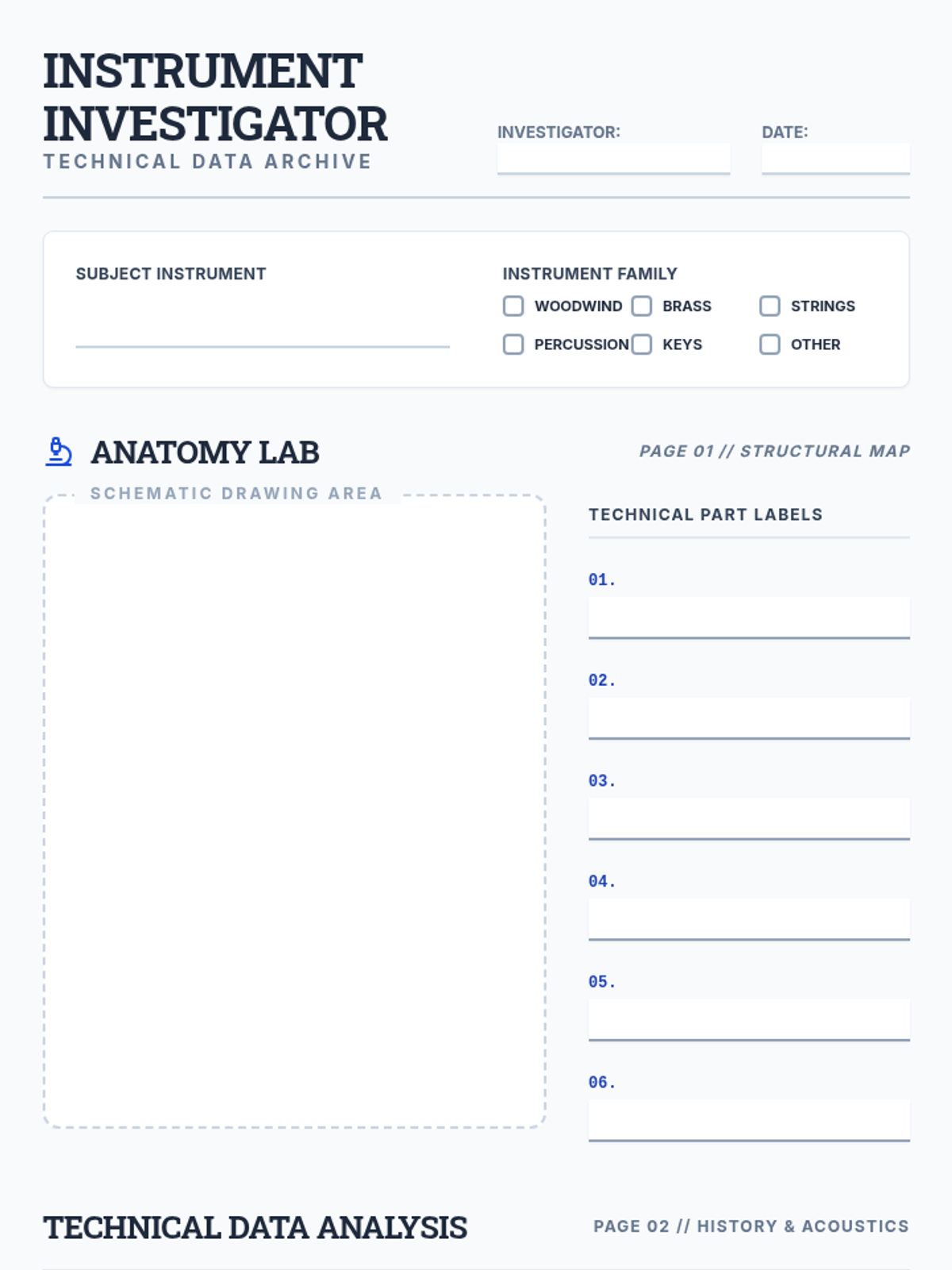
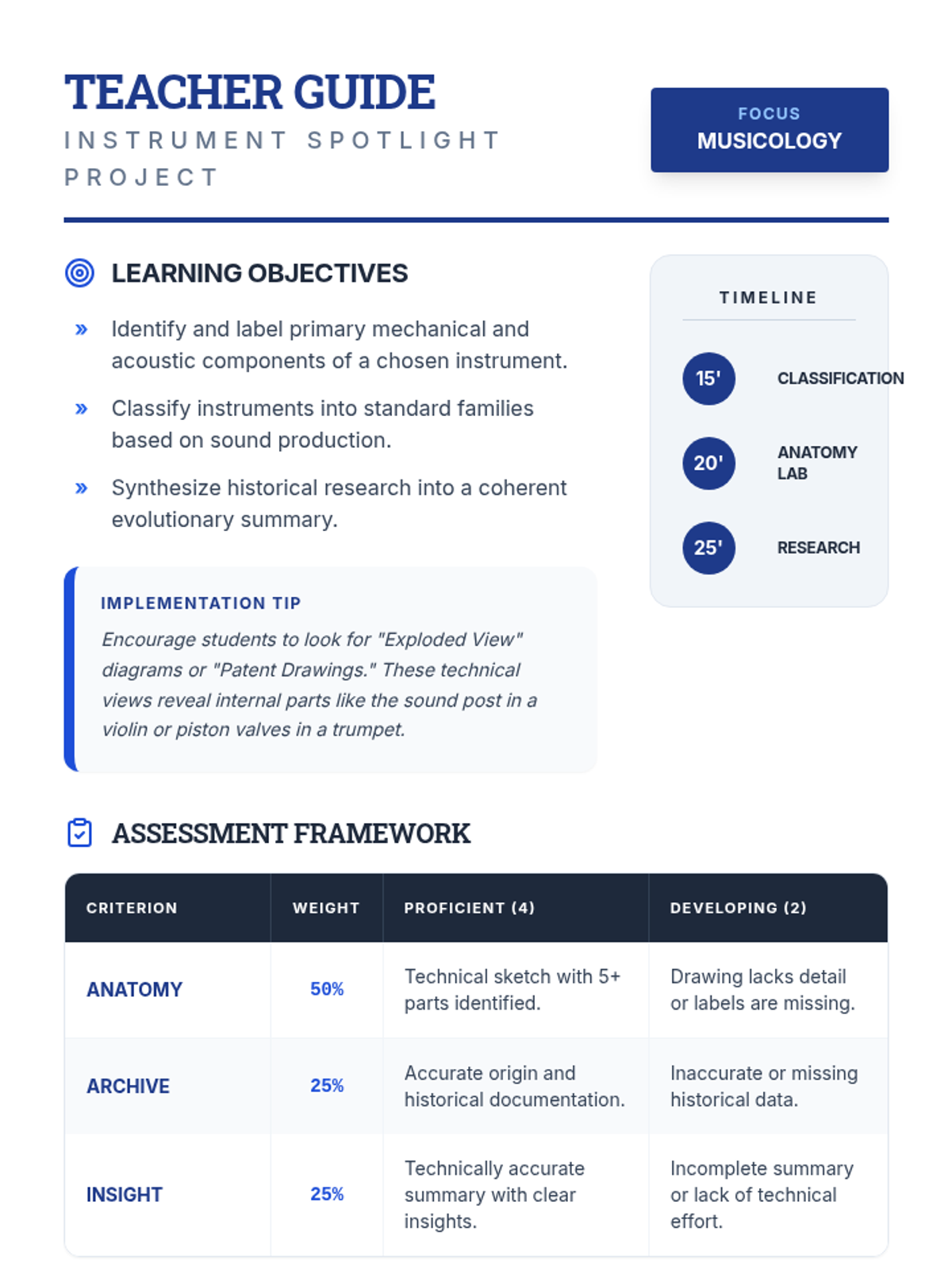
A guided research project where students explore the anatomy, history, and classification of a musical instrument of their choice.
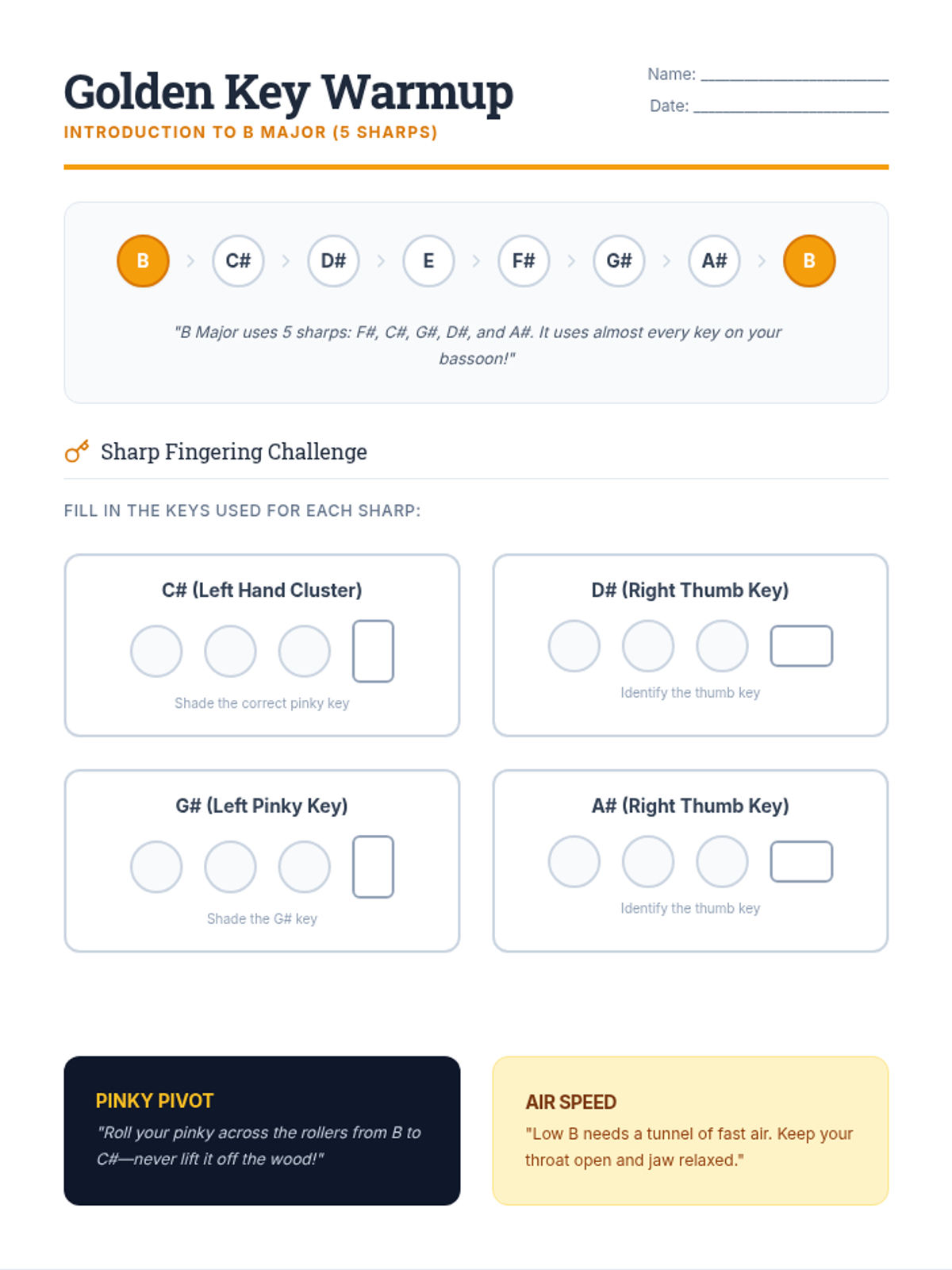
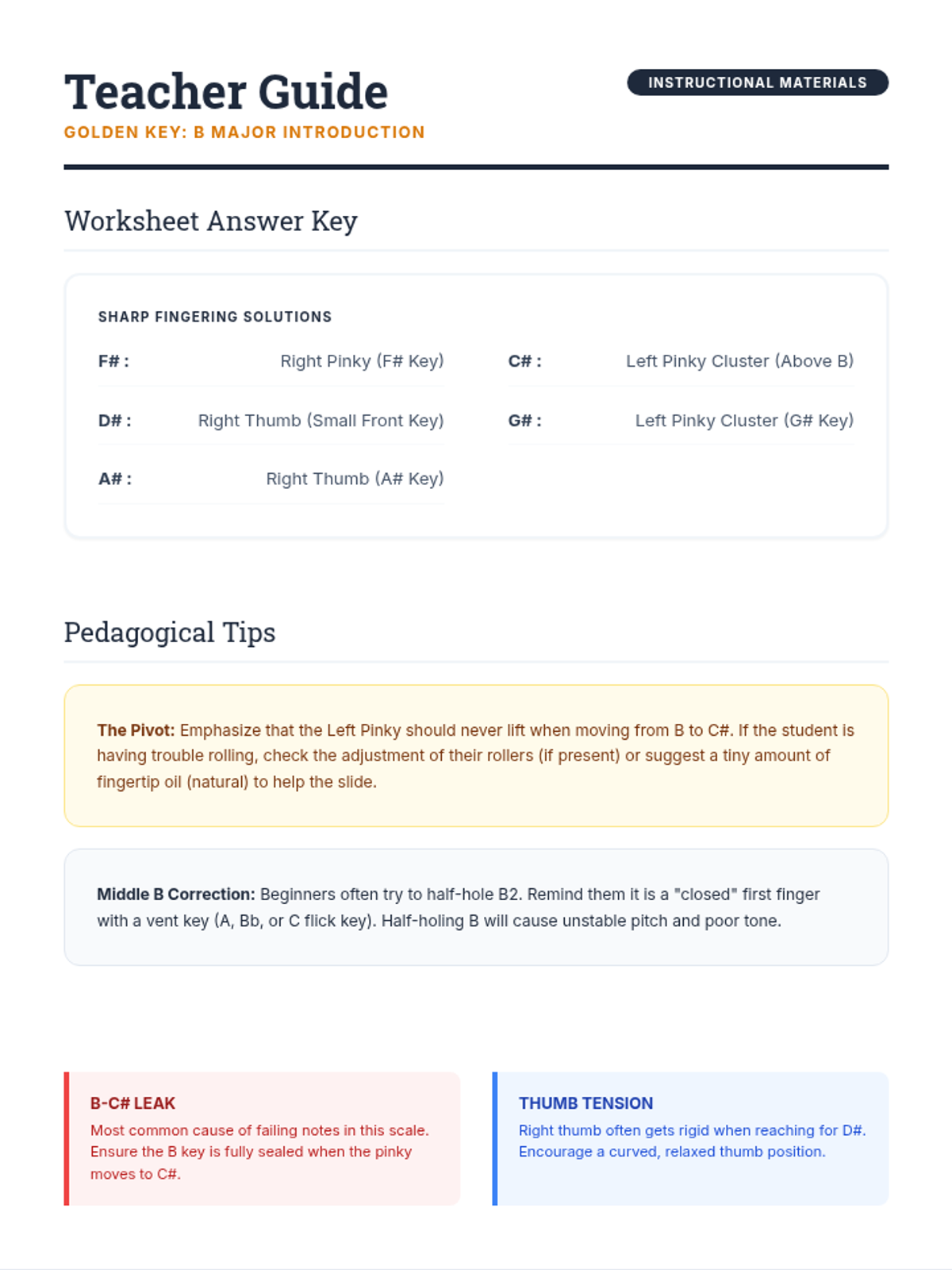
A focused introduction to the B Major scale for beginner bassoonists. This lesson covers the complex fingerings required for five sharps and provides a daily routine for developing technical fluency and tone.
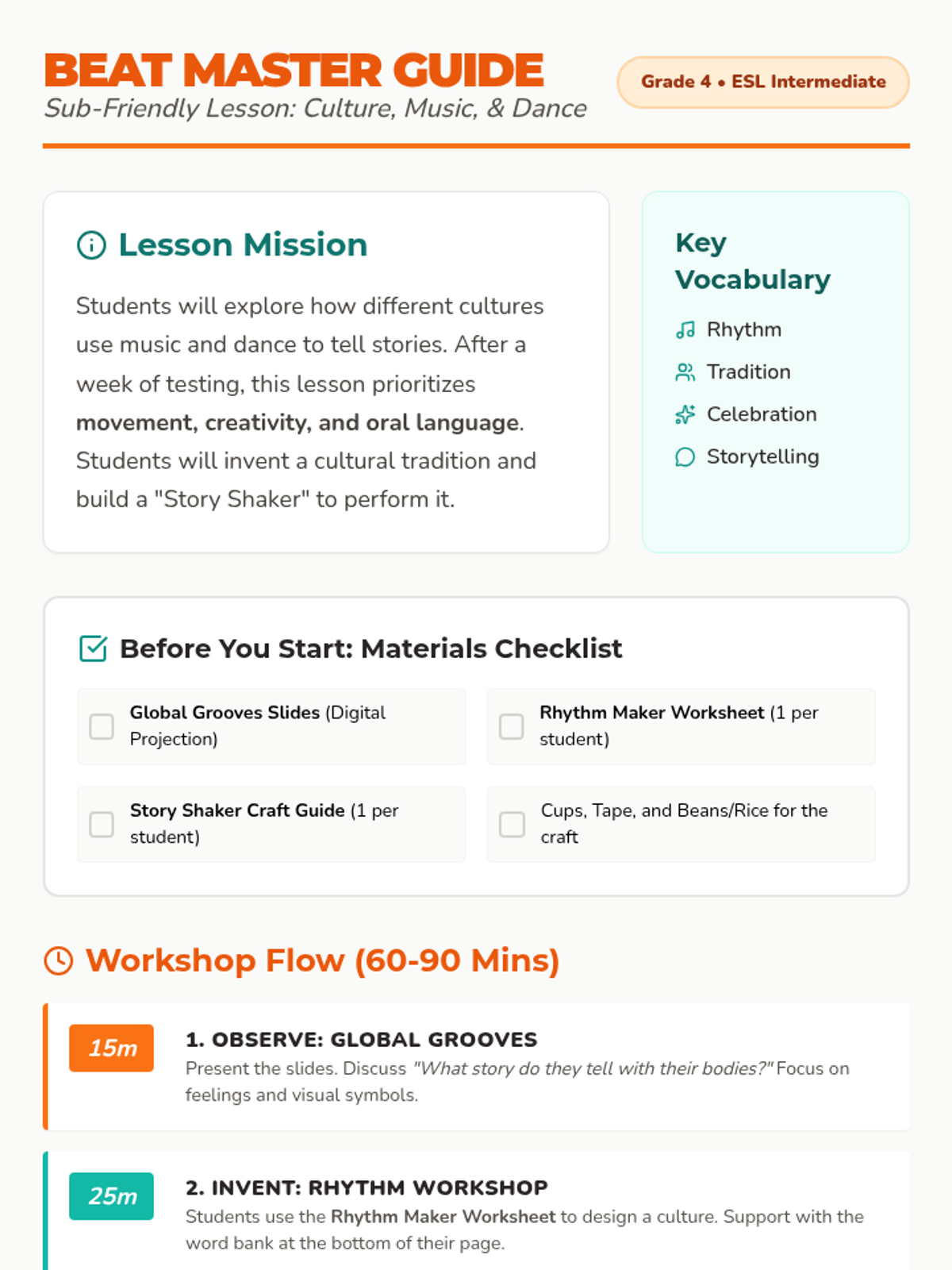
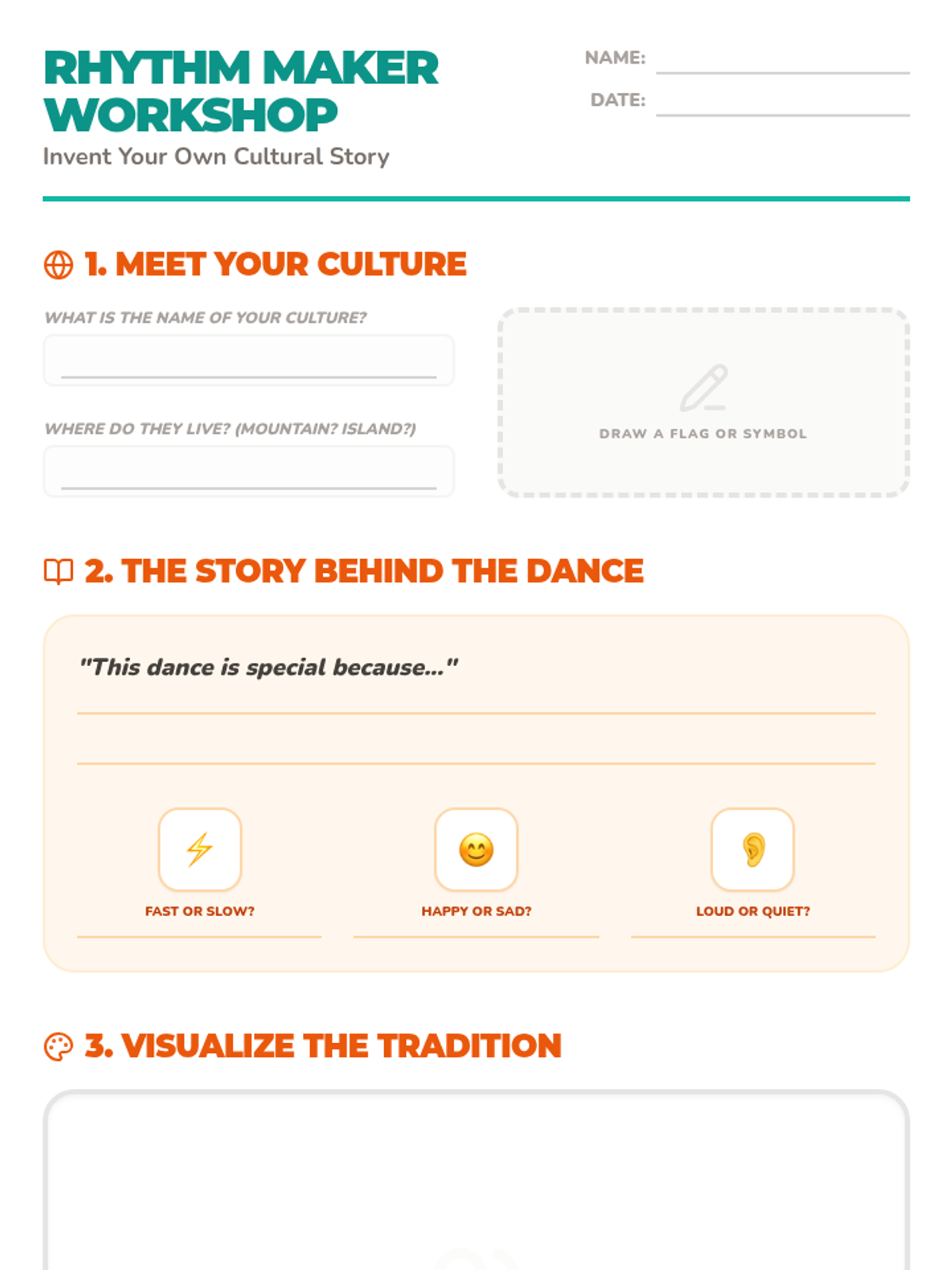
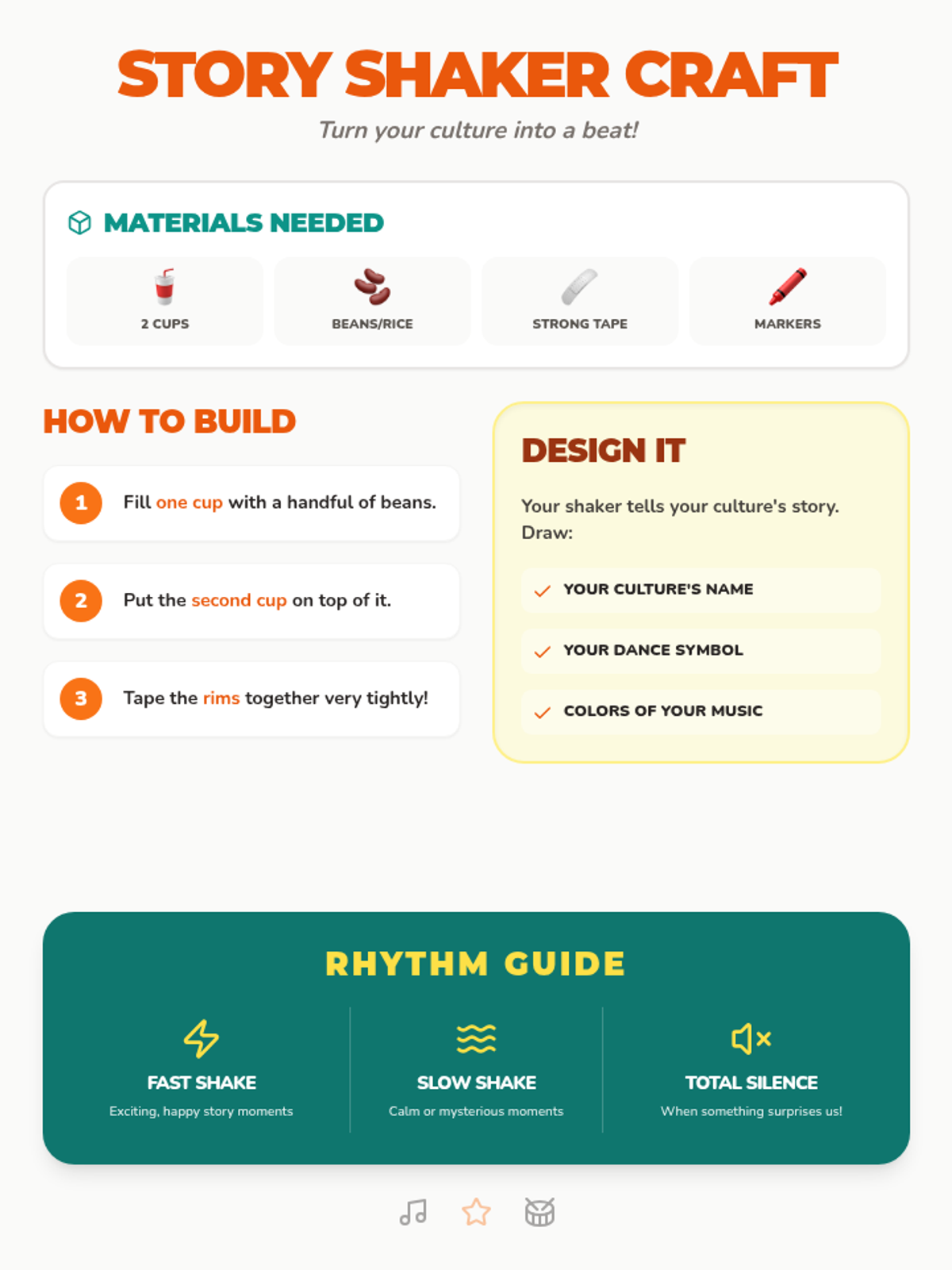
A high-energy, creative workshop for 4th-grade ESL students to explore cultural music and dance through storytelling and instrument making. Designed to be fun and engaging after state testing, focusing on oral language and creative expression.
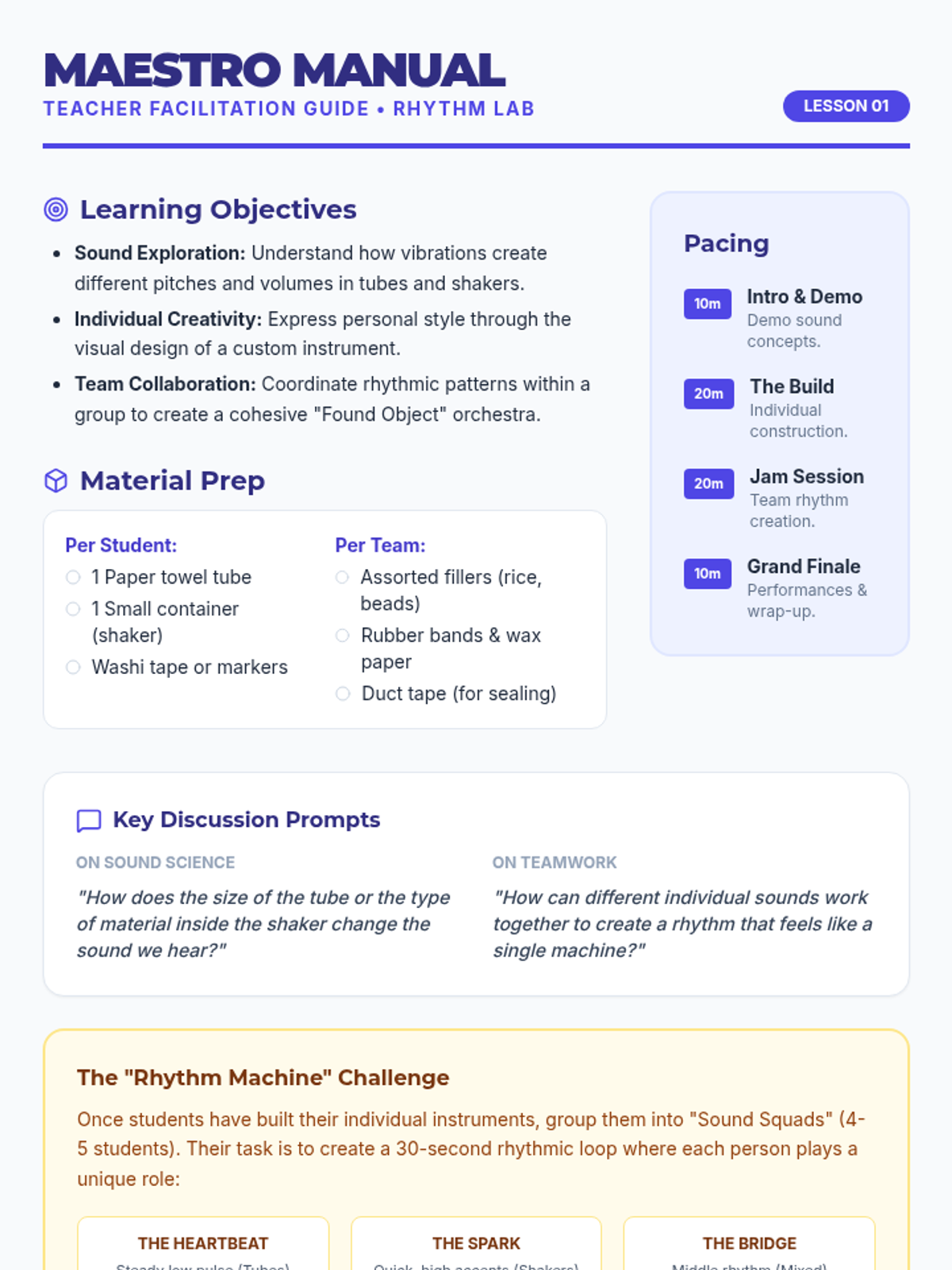
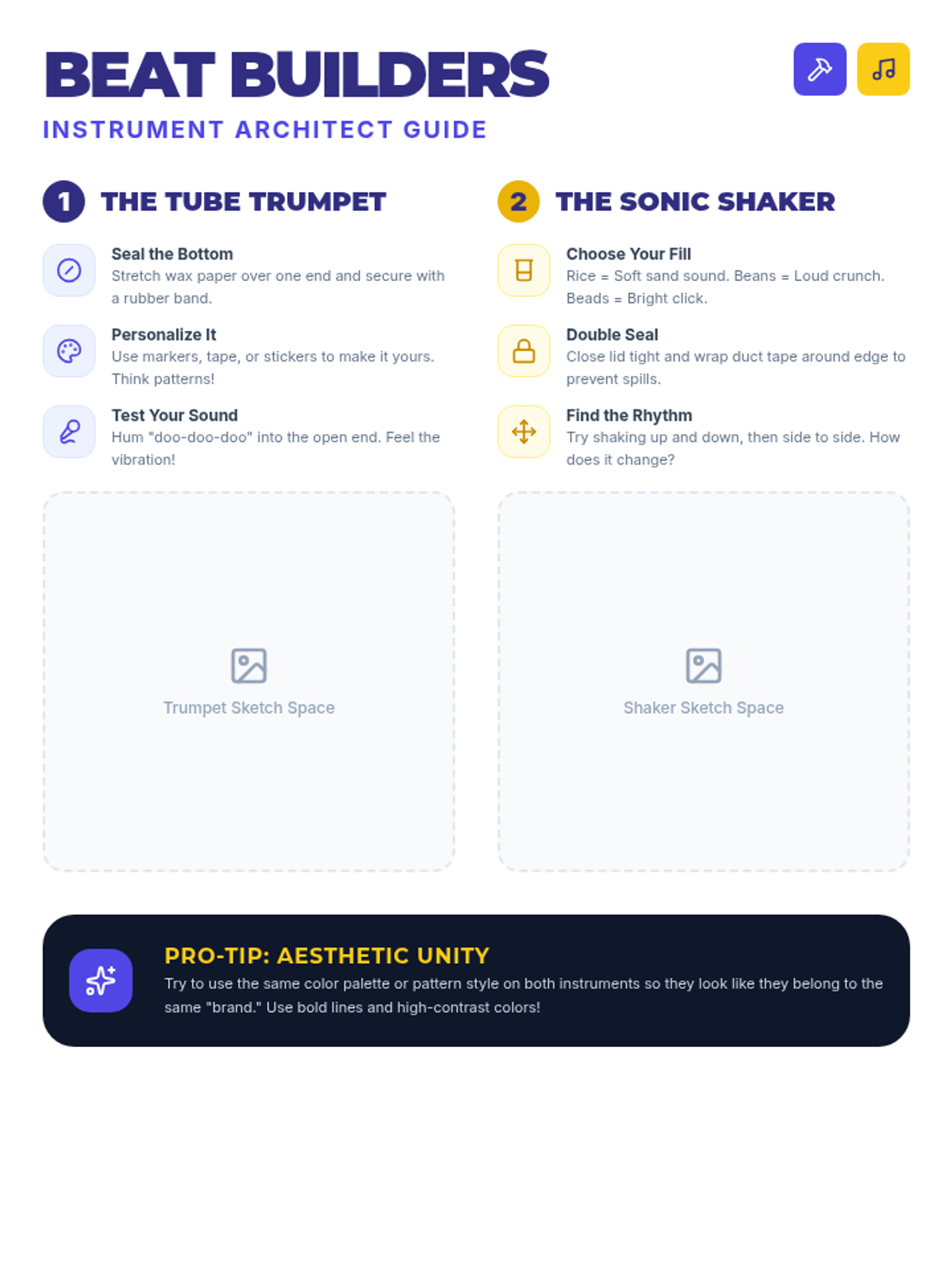
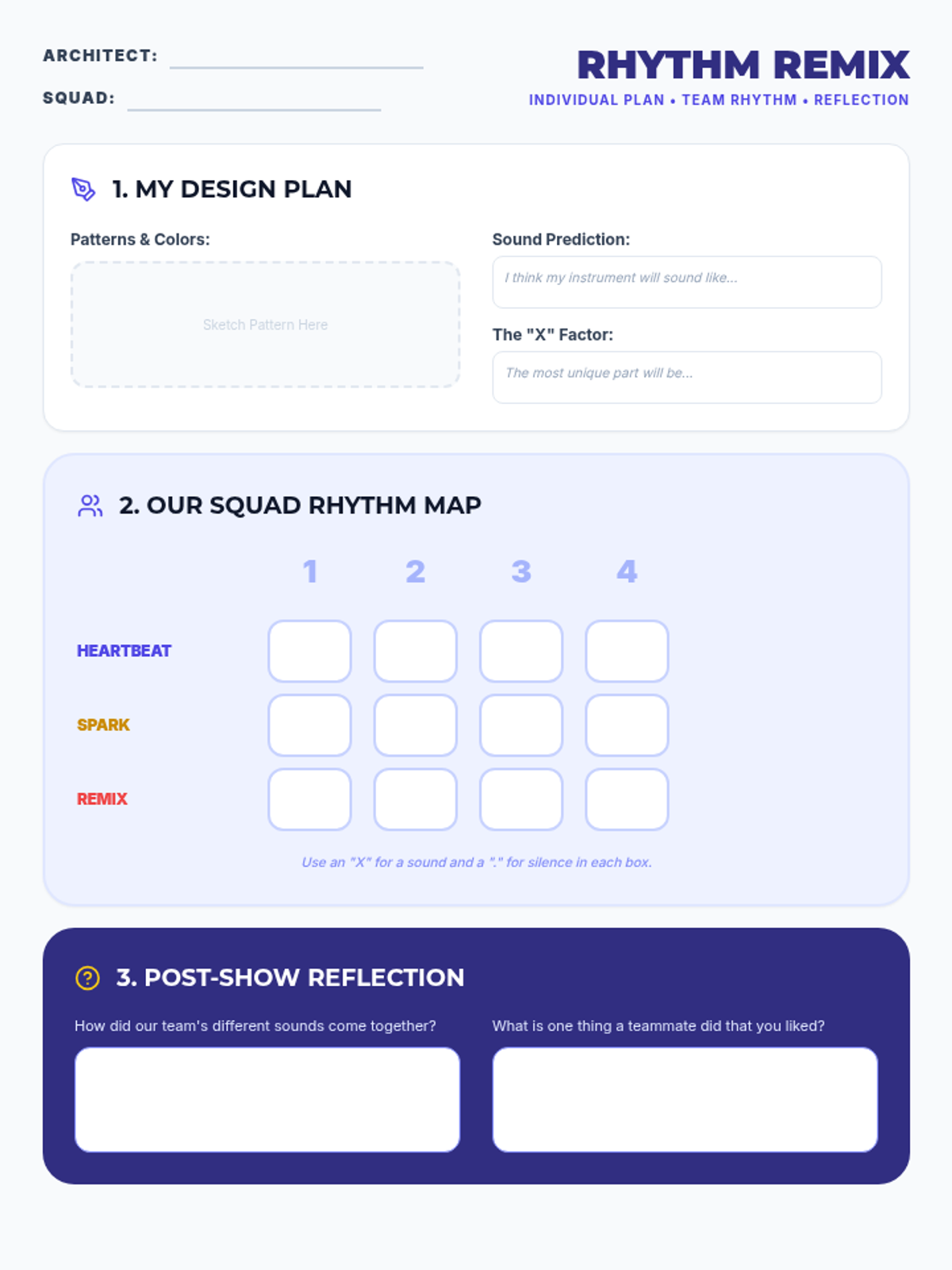
Students explore the science and art of sound by constructing DIY instruments from recycled materials. The lesson emphasizes individual creative design followed by a collaborative team performance.
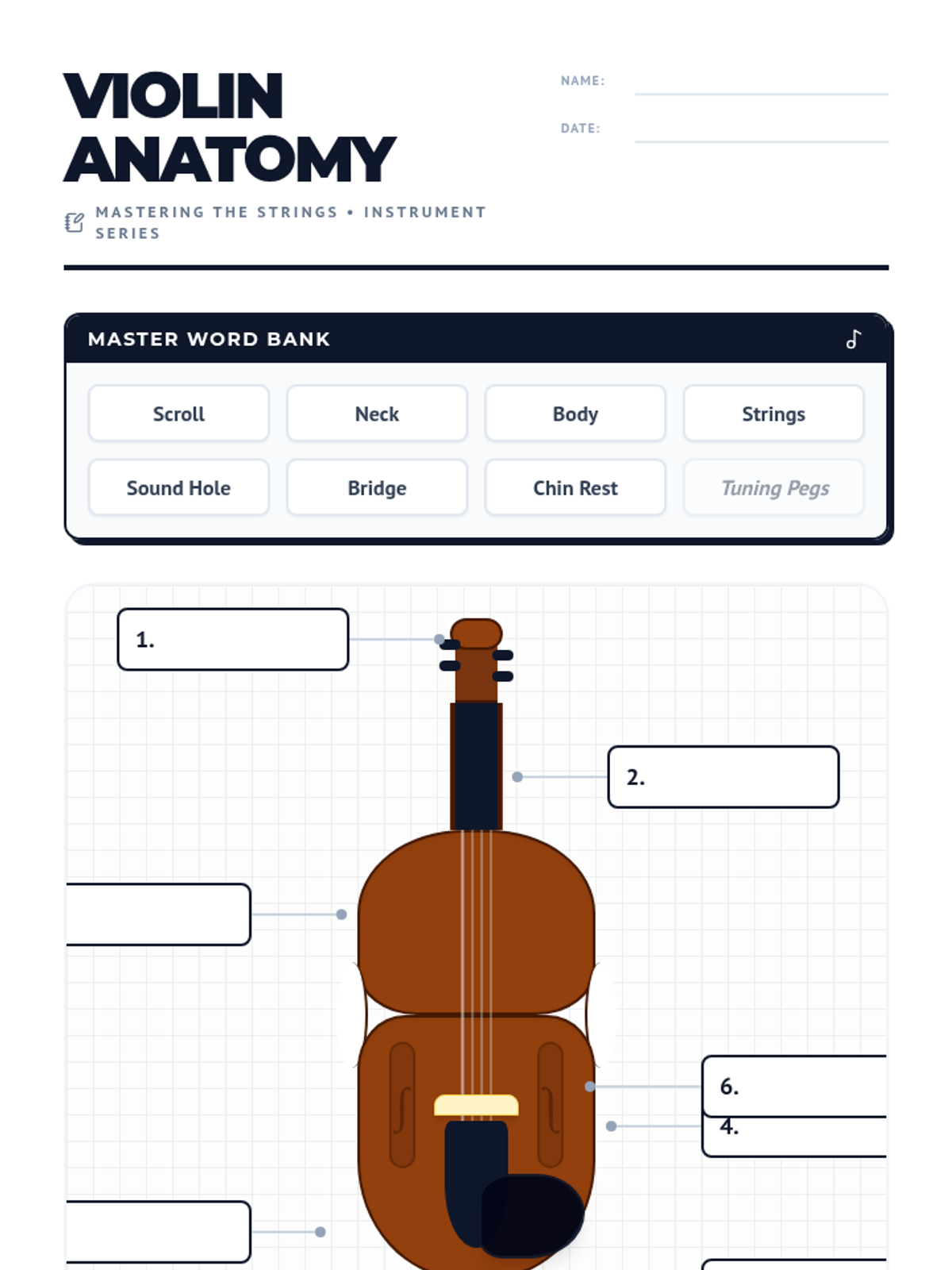
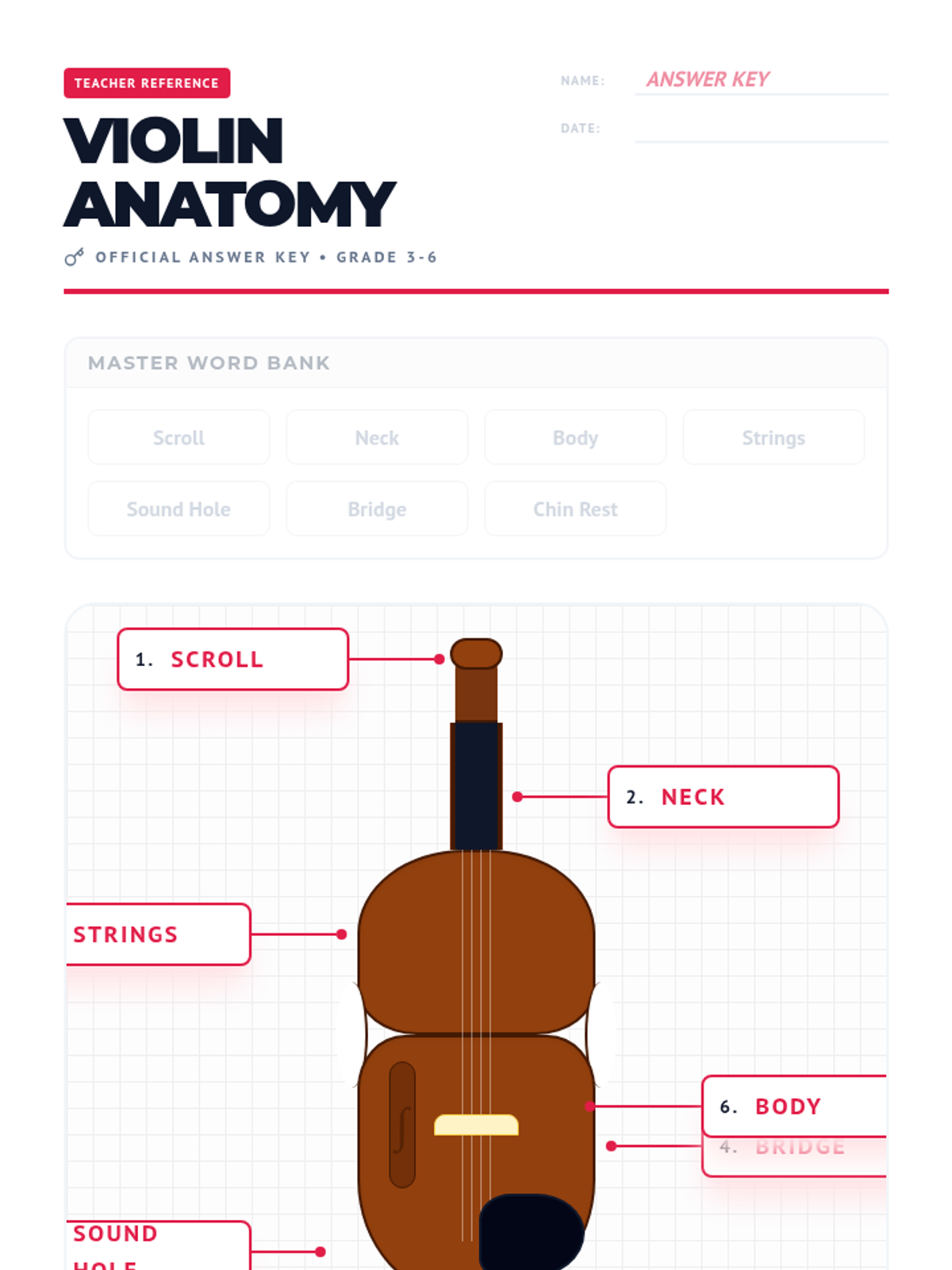
An introductory lesson on the anatomy and mechanics of the violin, including labeling parts and understanding their functions.
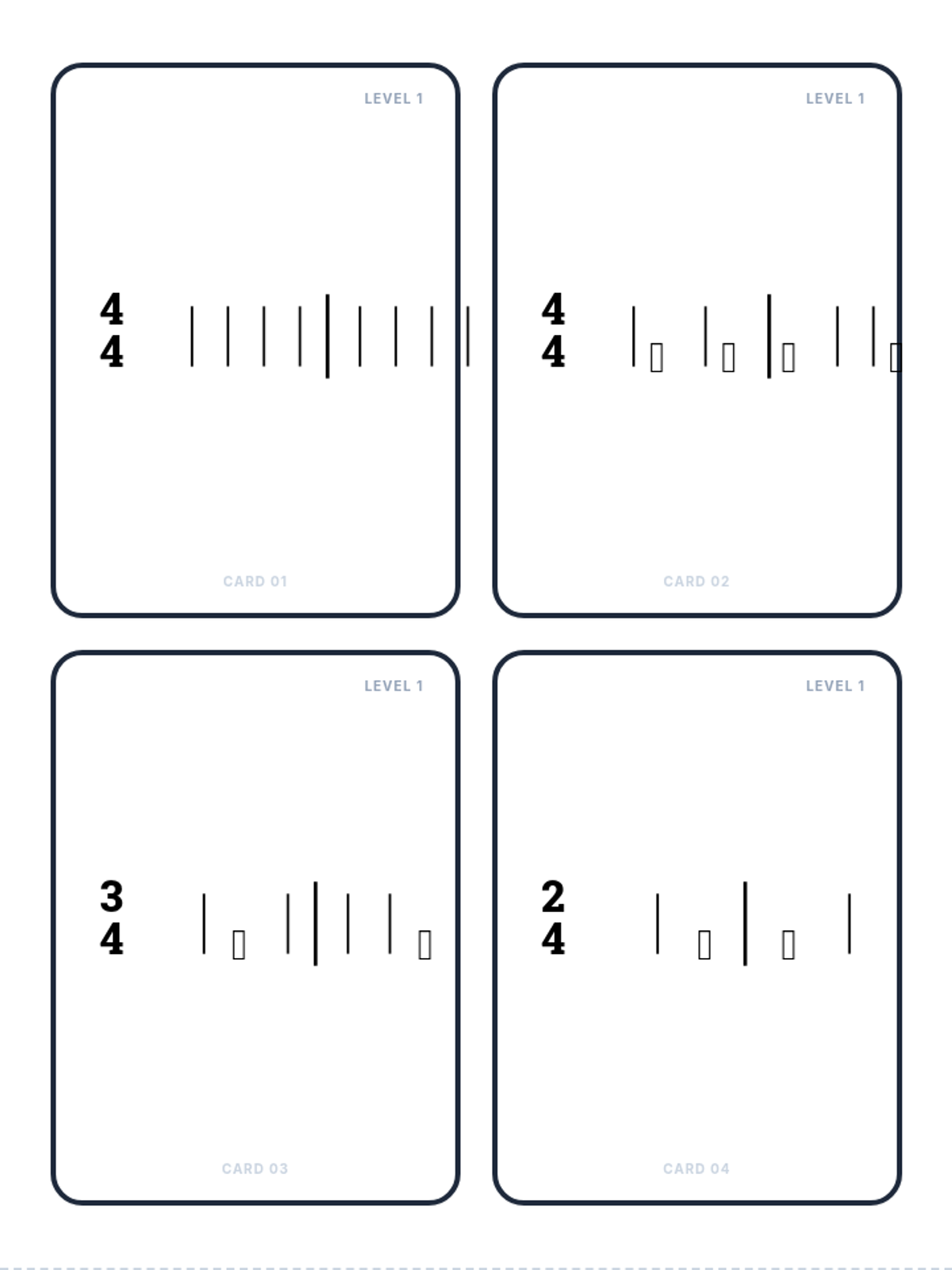
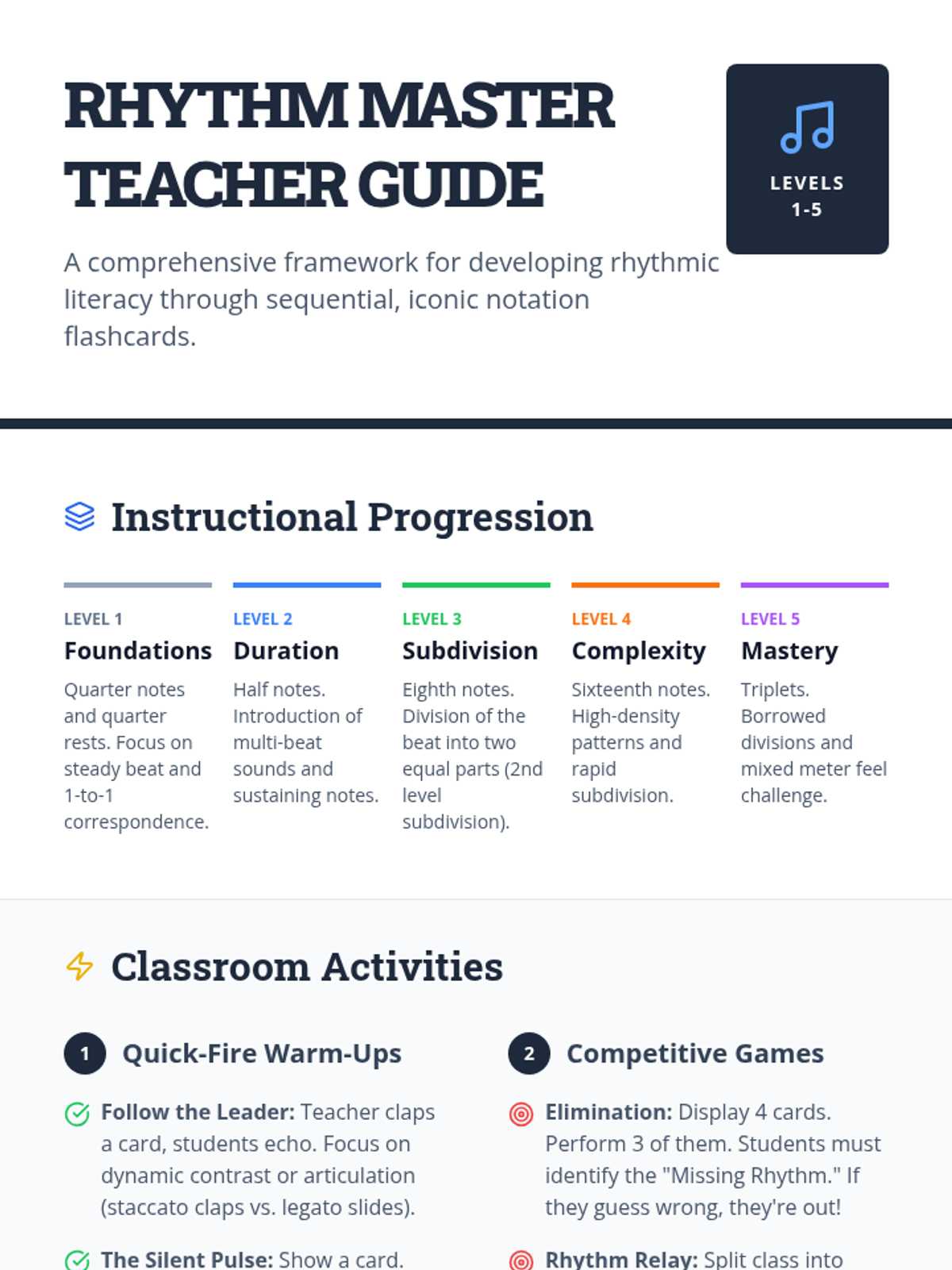
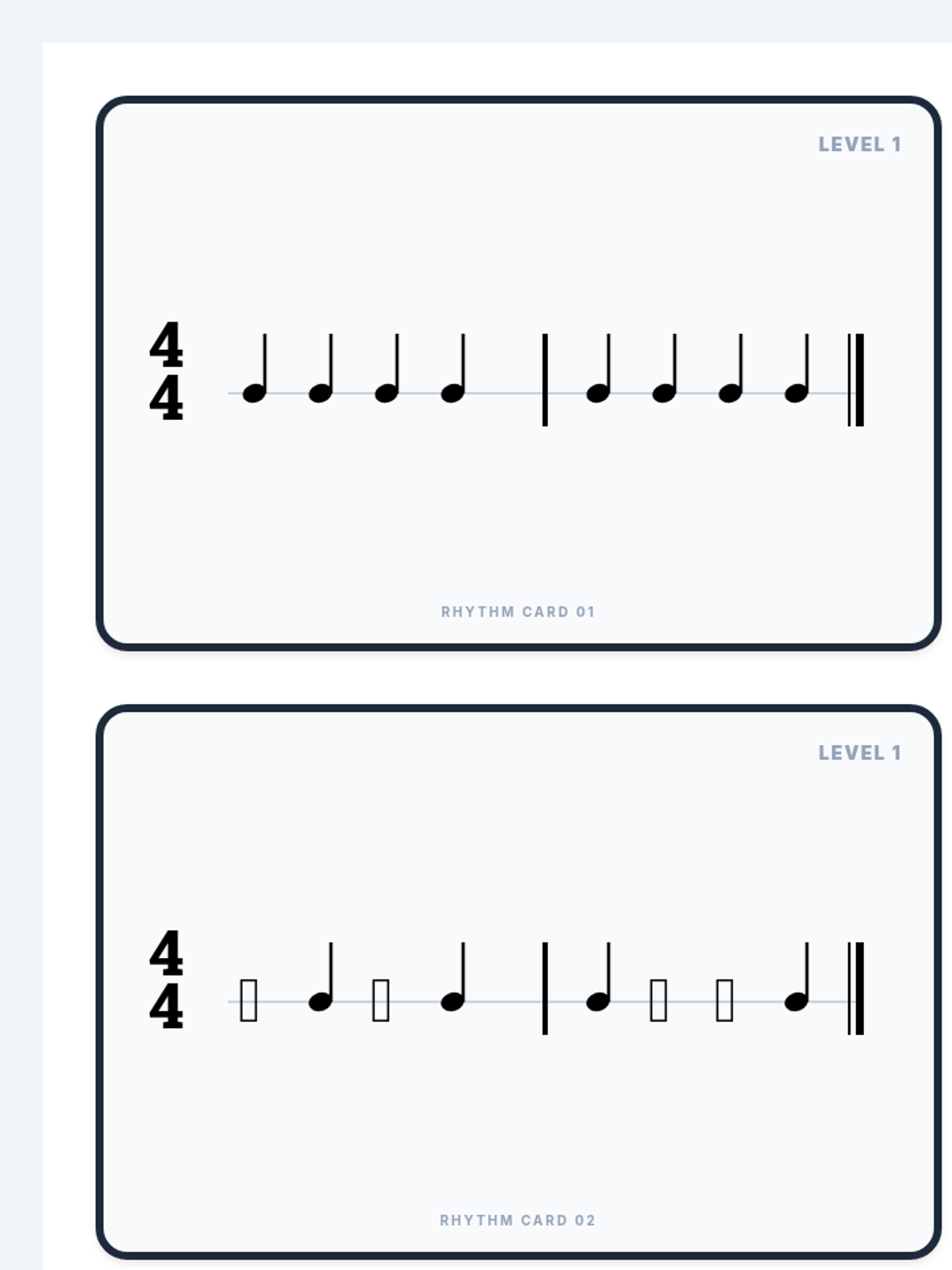
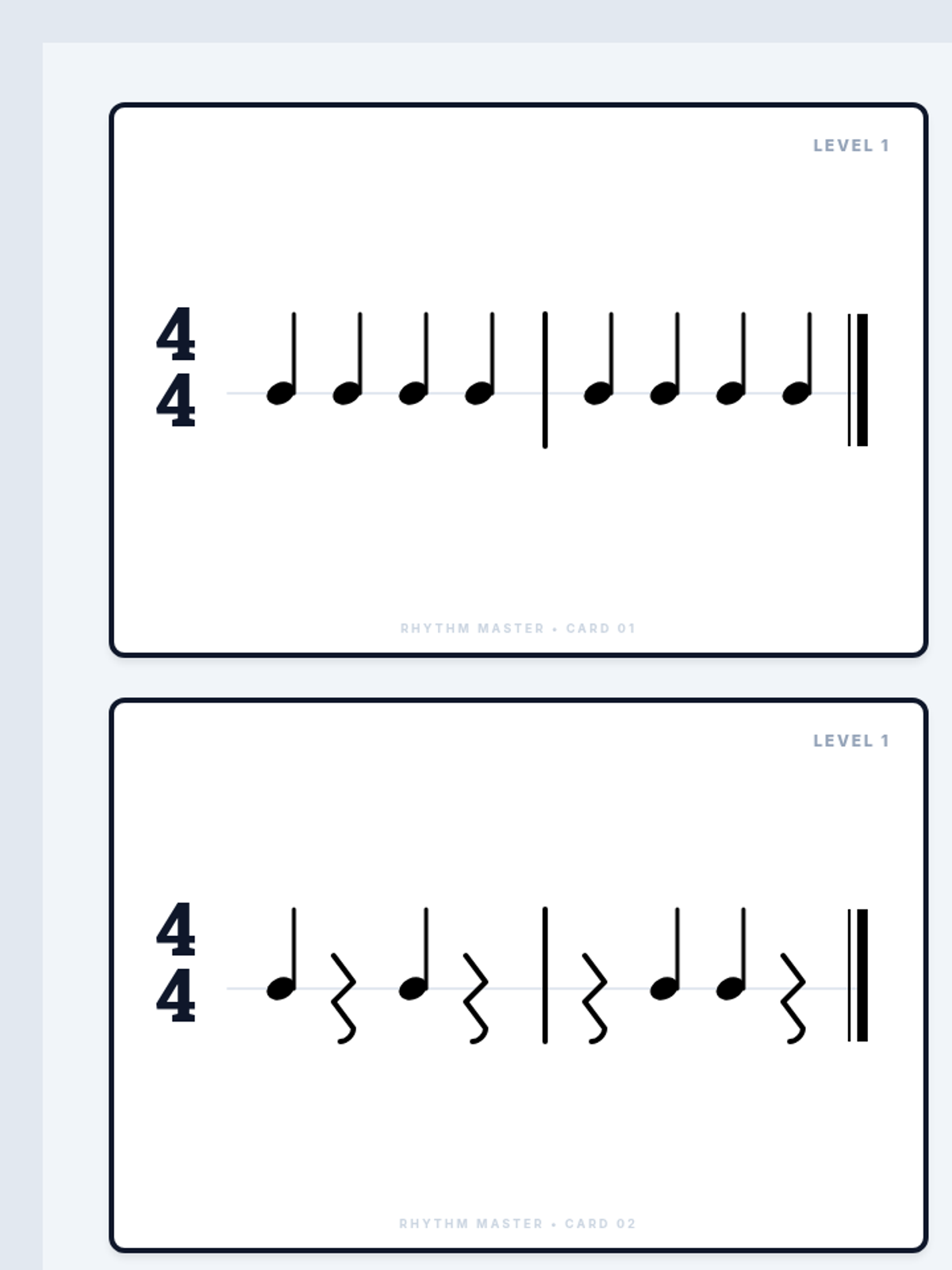
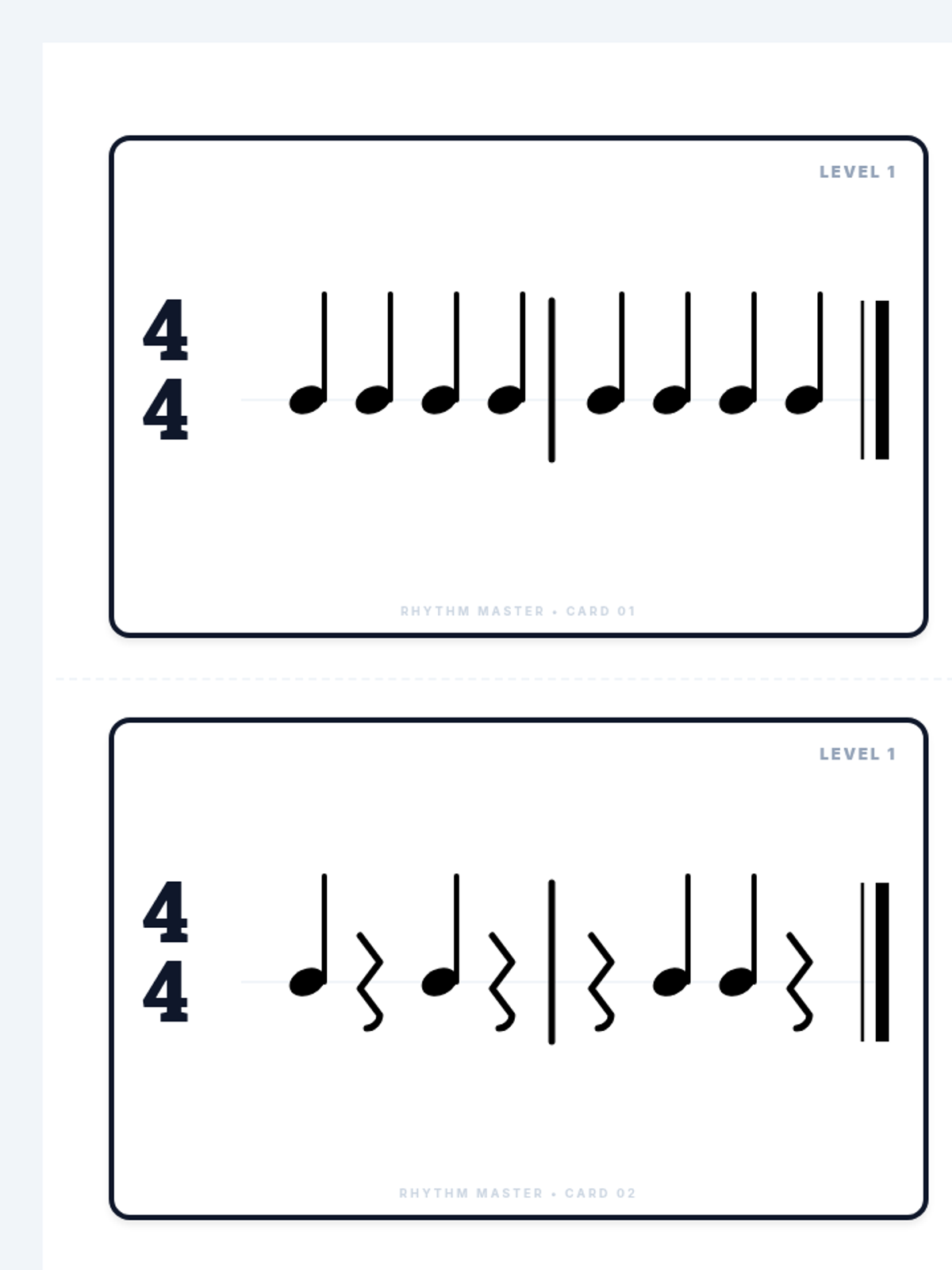
A series of rhythm reading flashcards and a teacher's guide covering basic to advanced rhythmic patterns. Activities progress from quarter notes and rests to complex sixteenth notes and triplets across multiple time signatures.
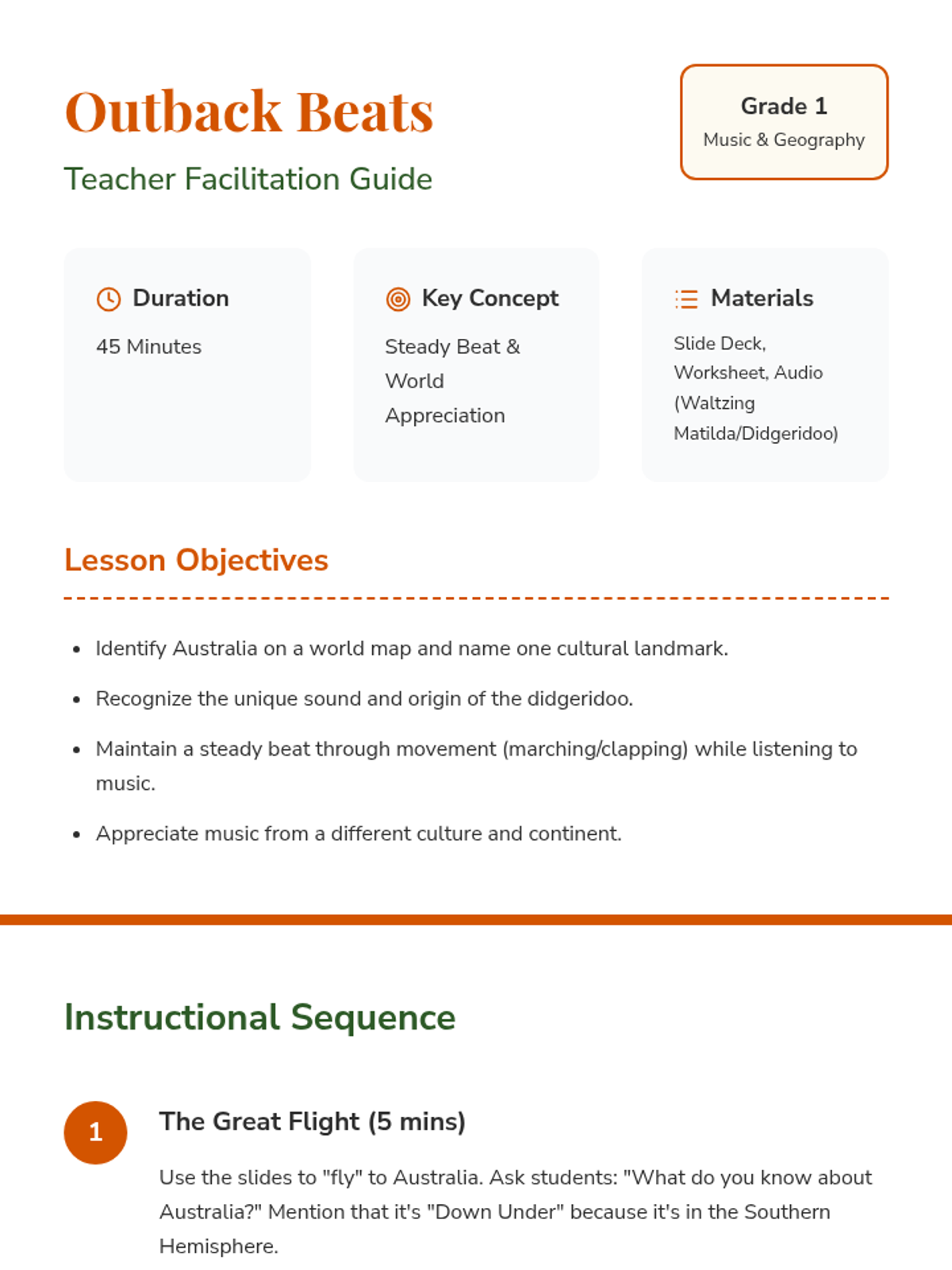
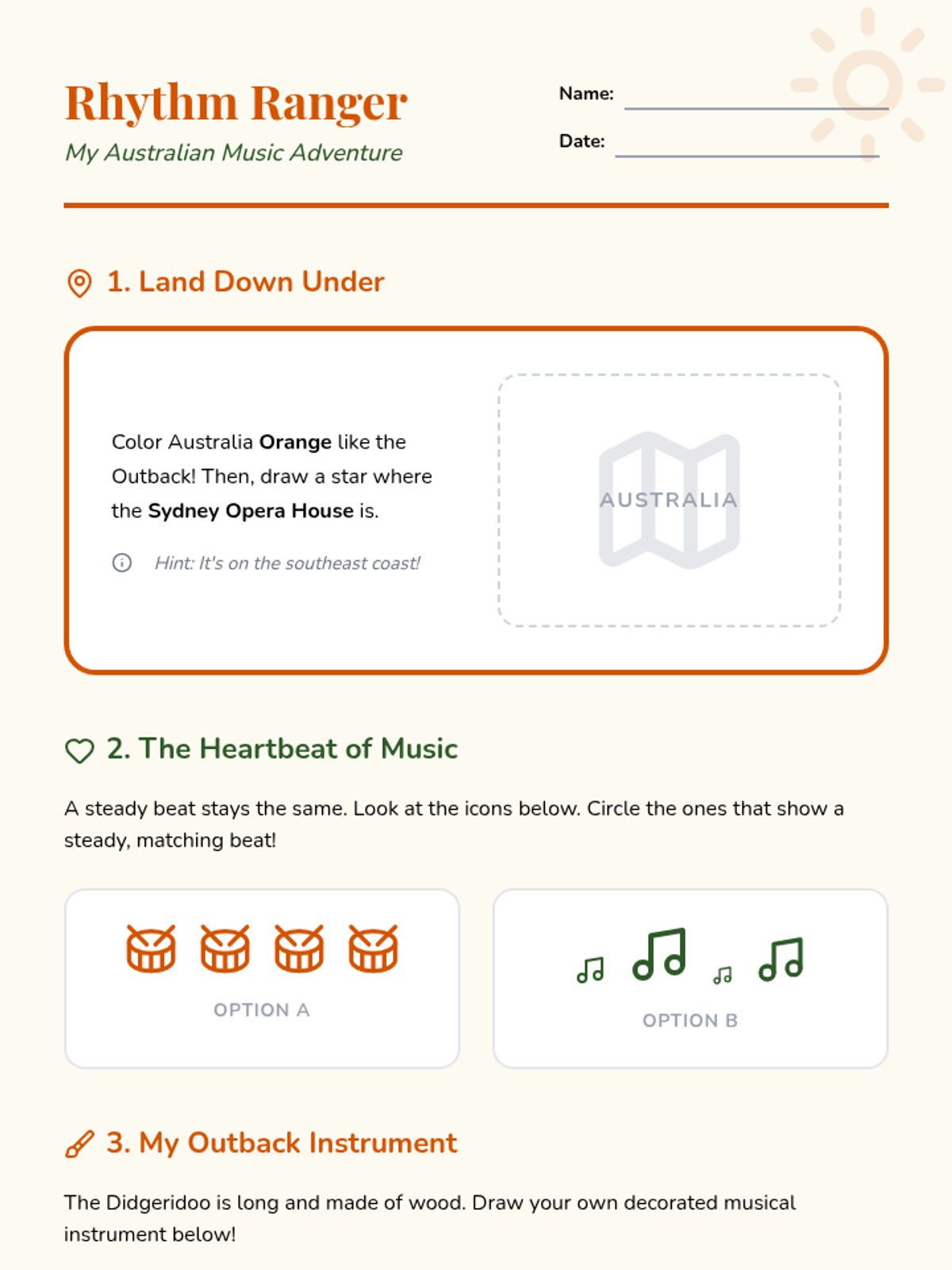
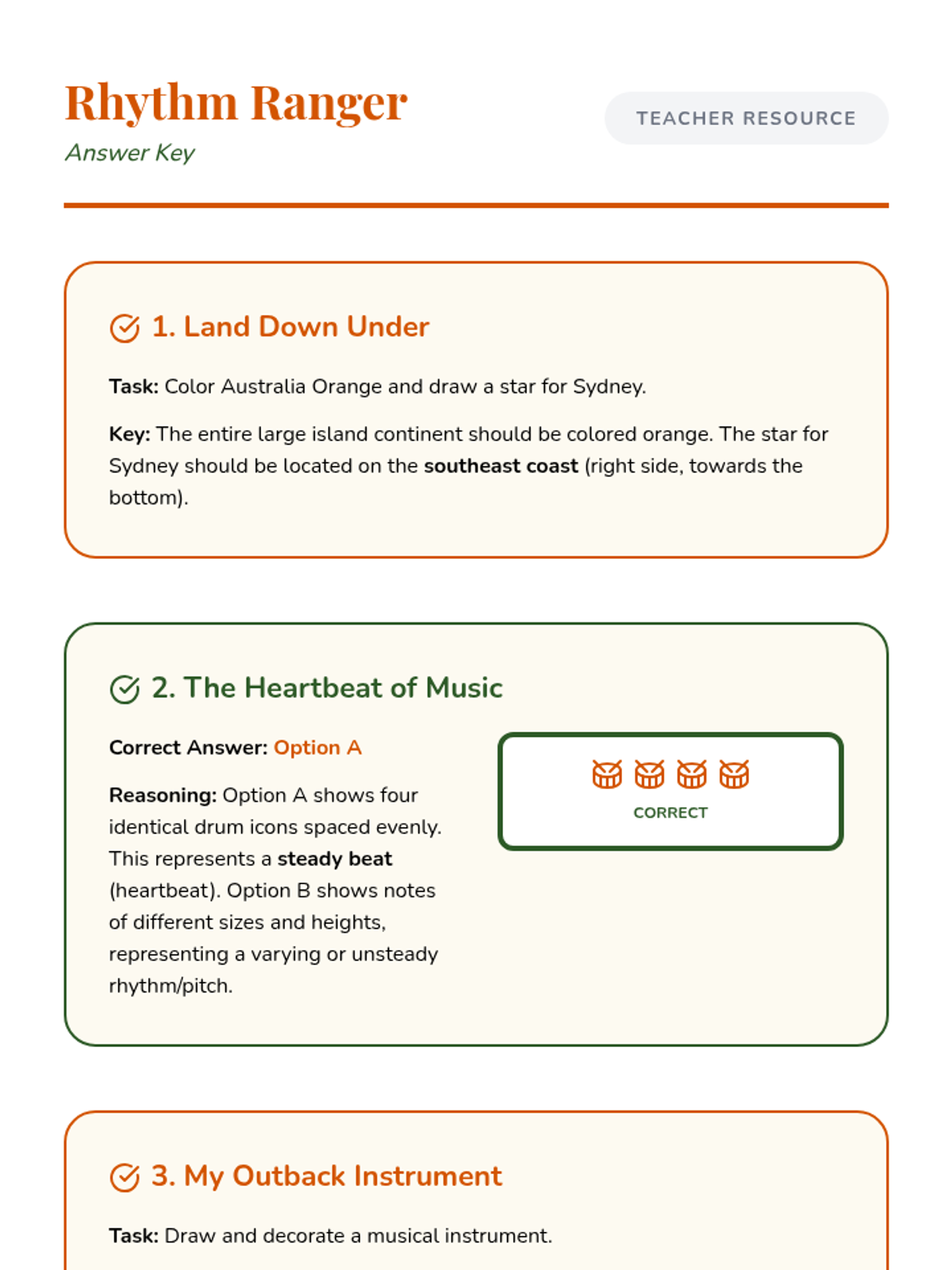
A first-grade introduction to Australian music and culture, focusing on the didgeridoo, the folk classic 'Waltzing Matilda', and maintaining a steady beat through movement and listening.
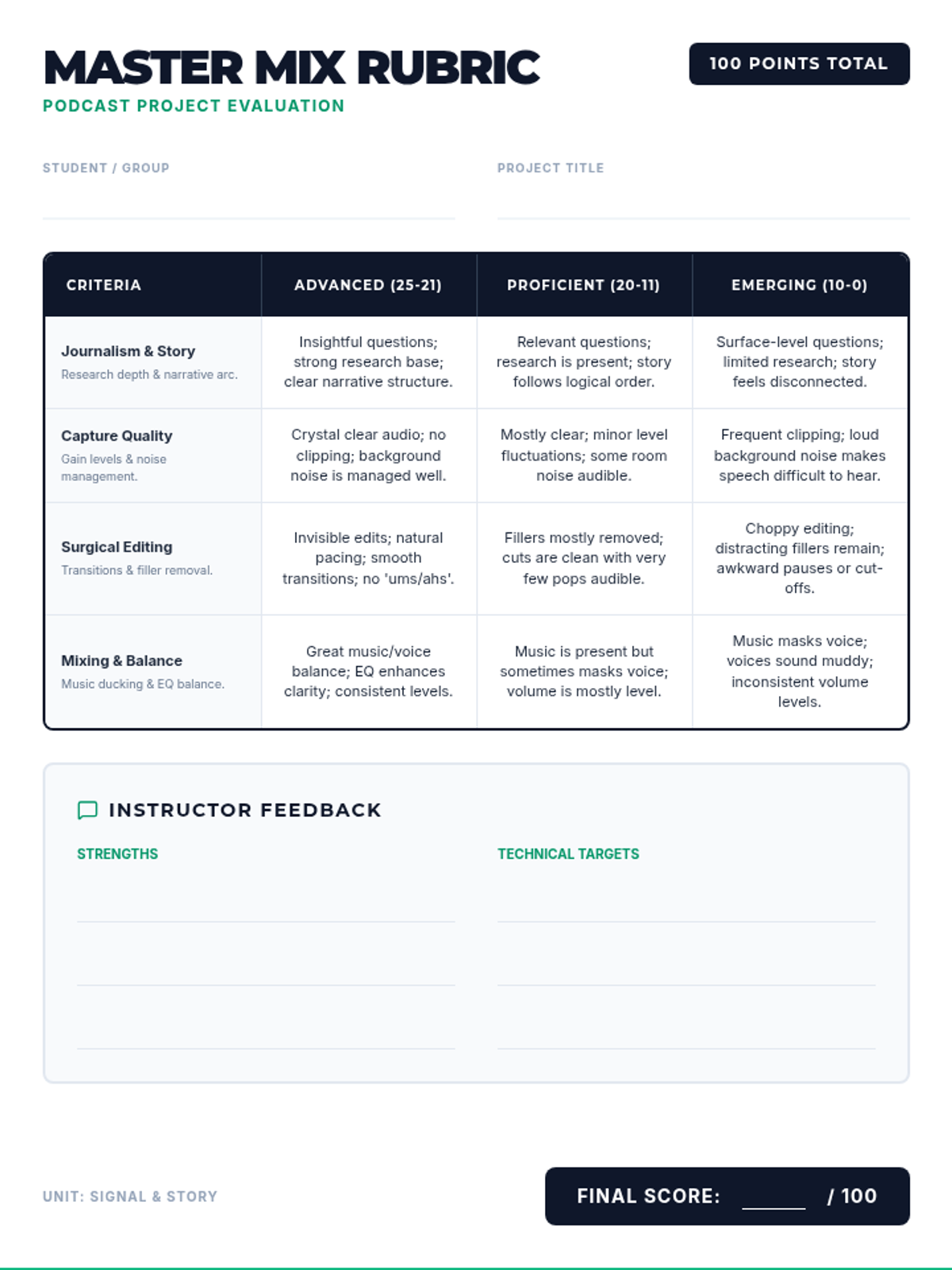
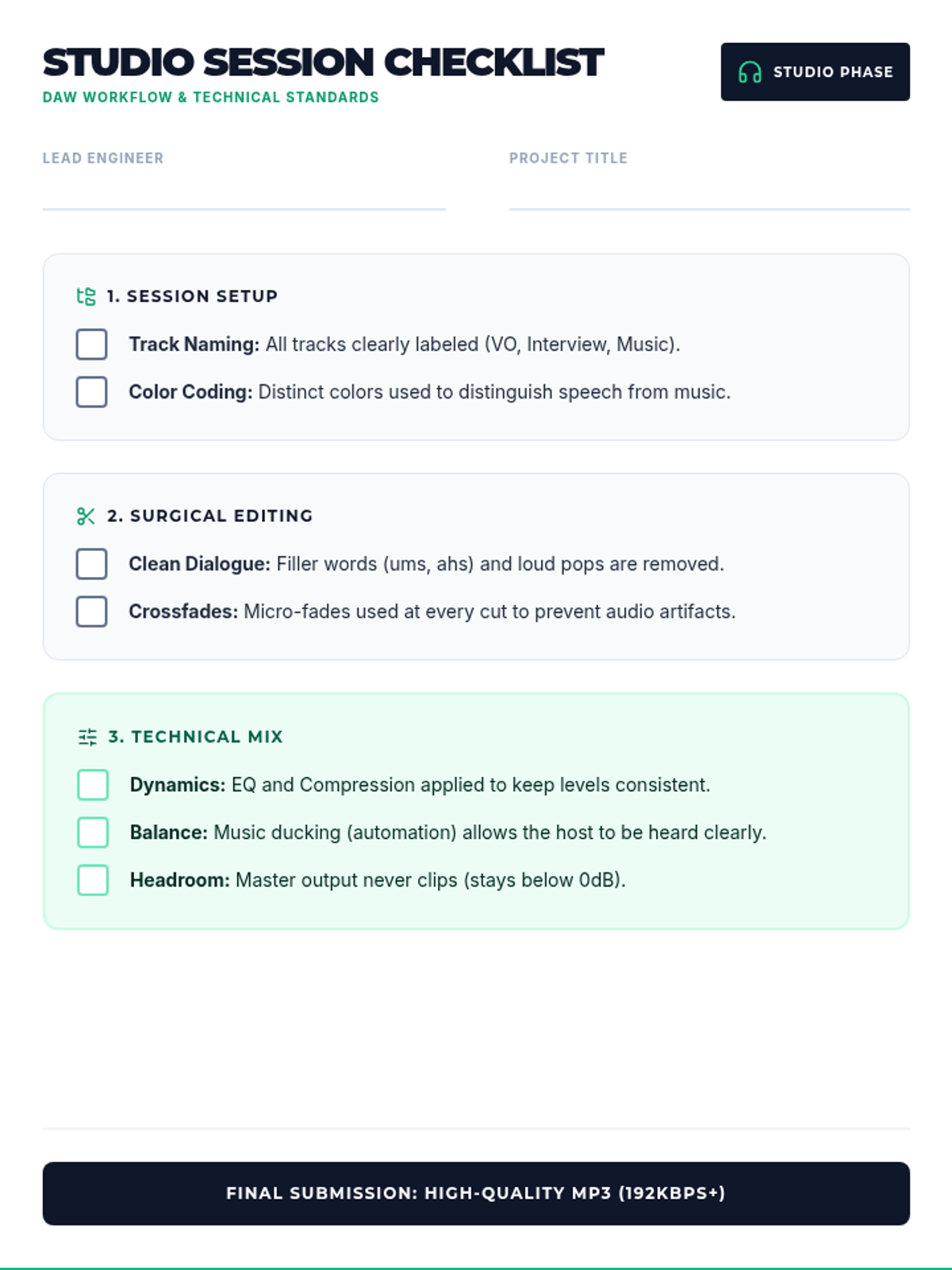
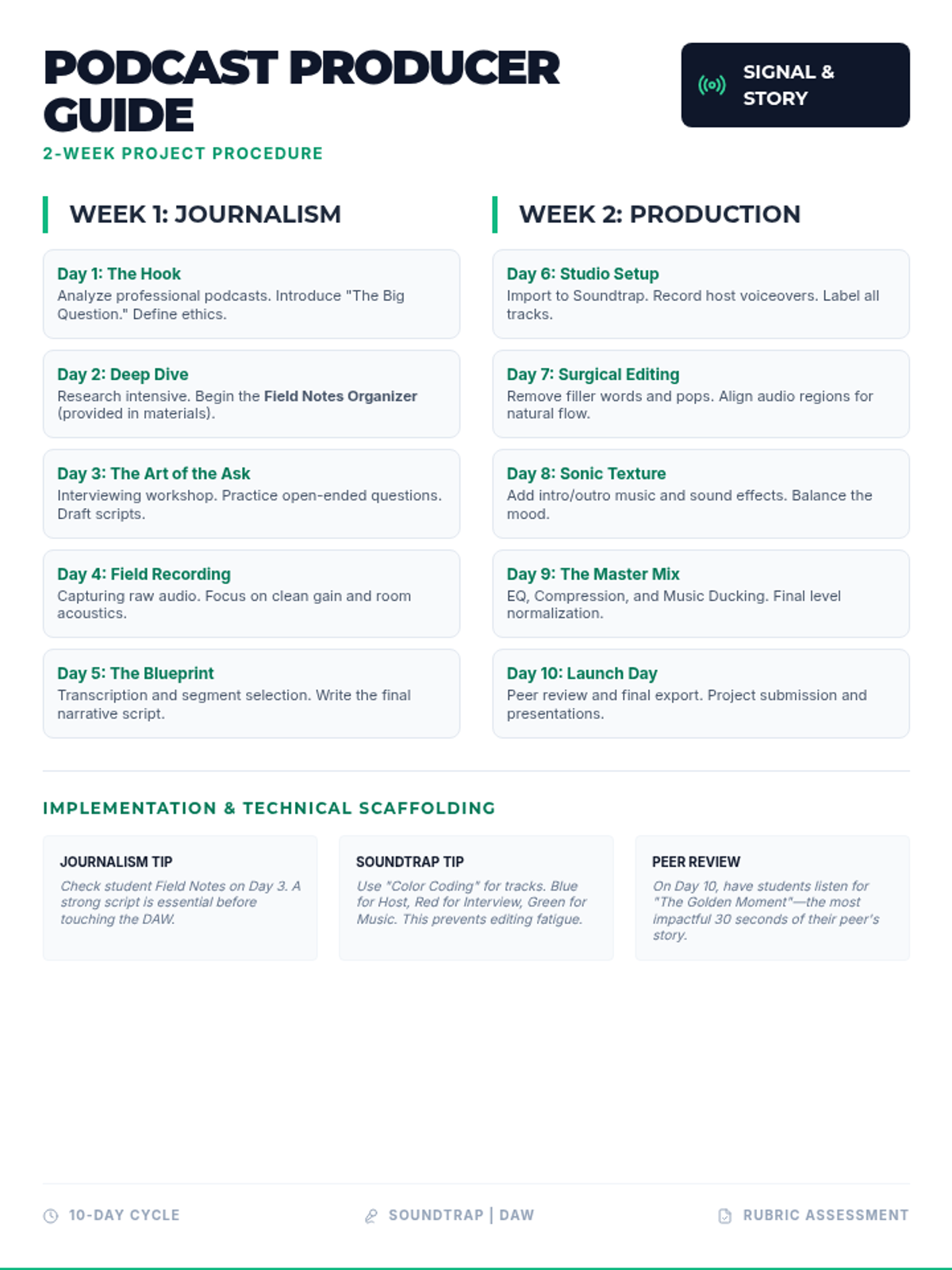
Students transition from raw audio to a polished production. This week focuses on Soundtrap technical skills, including multi-track editing, adding bumpers/music, and applying professional mixing and mastering techniques.
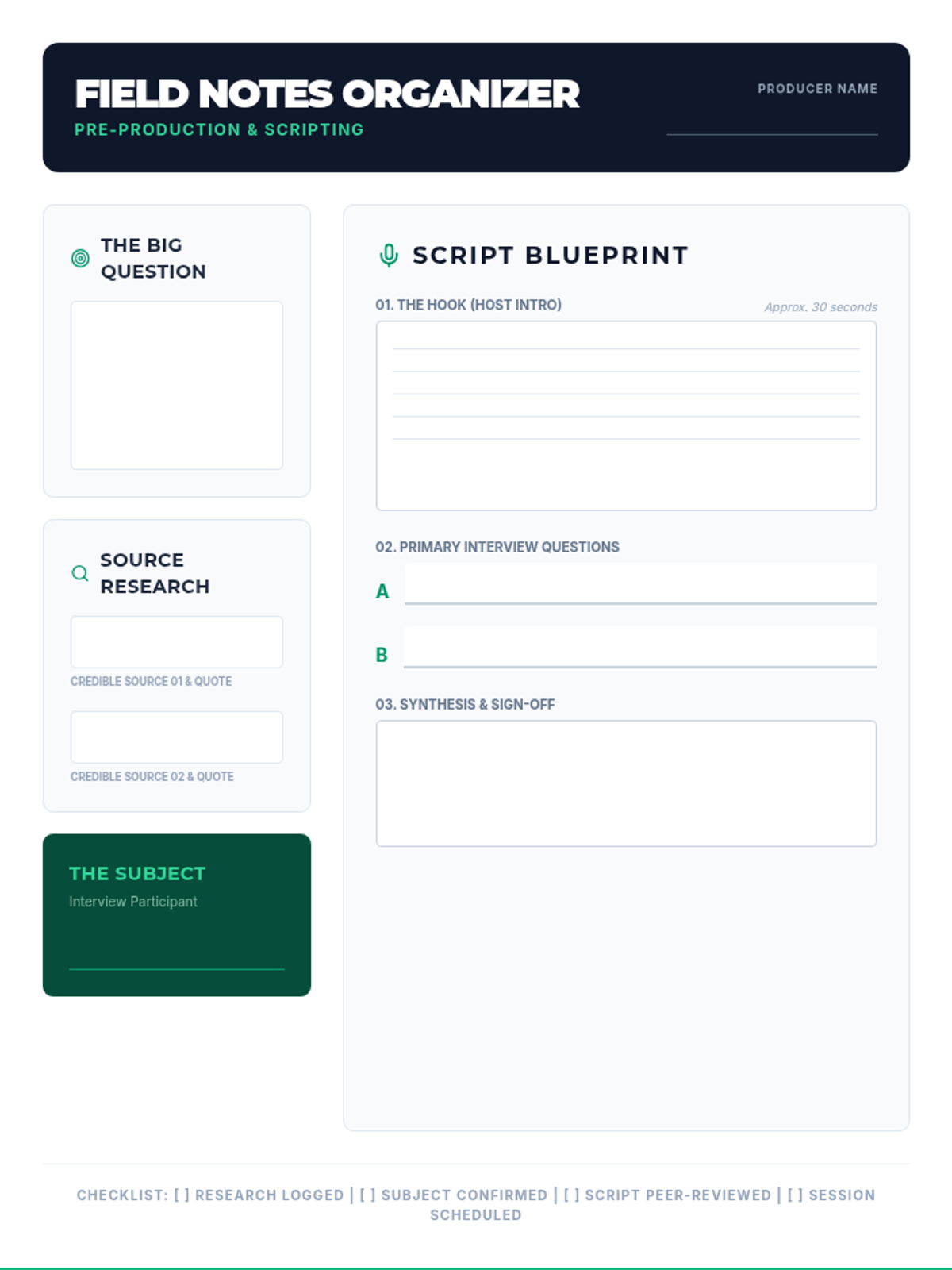
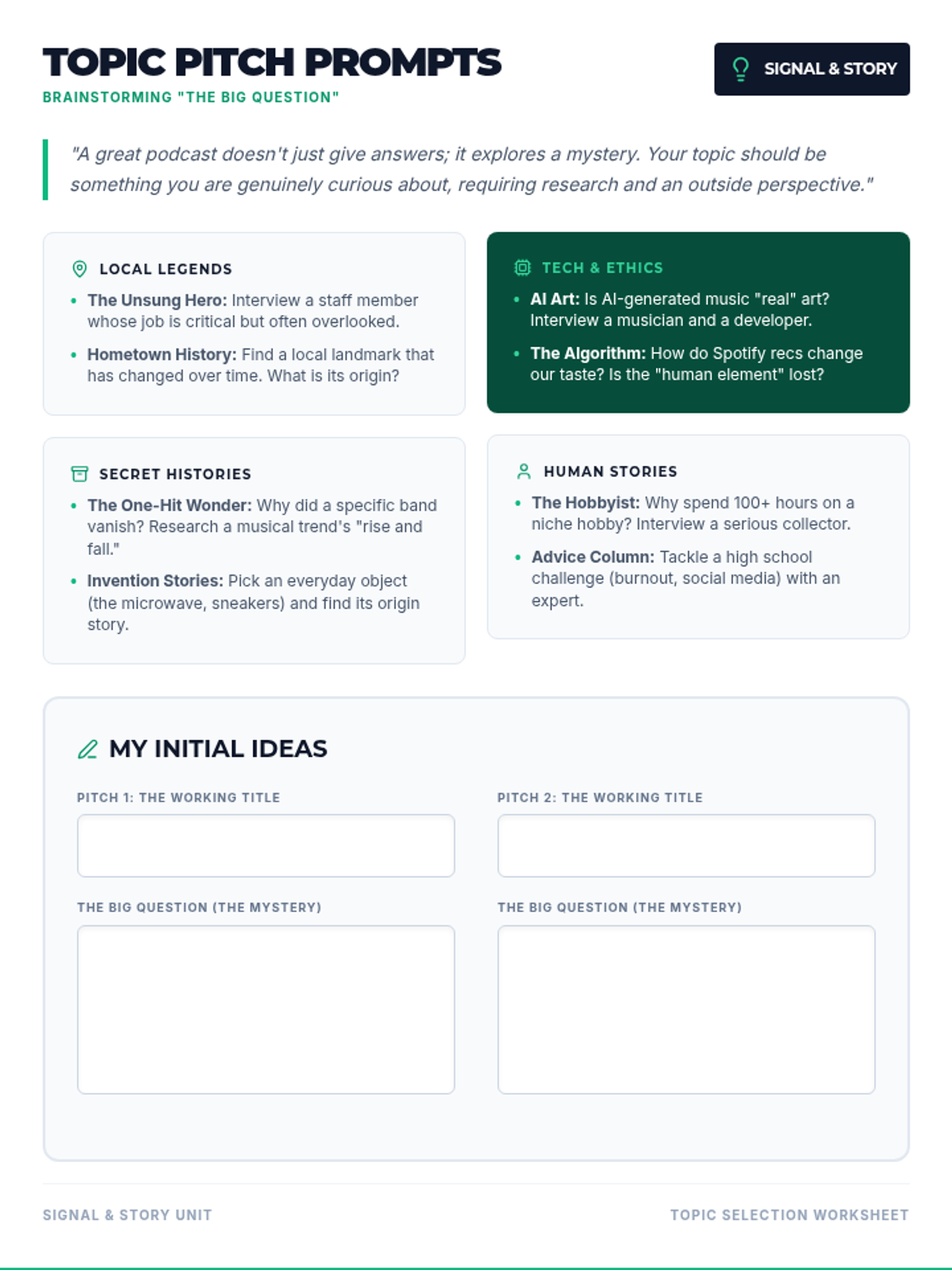
Students focus on the journalistic foundations of podcasting: selecting a topic, conducting deep research, and developing professional interviewing techniques. This week culminates in the recording of raw interview footage.
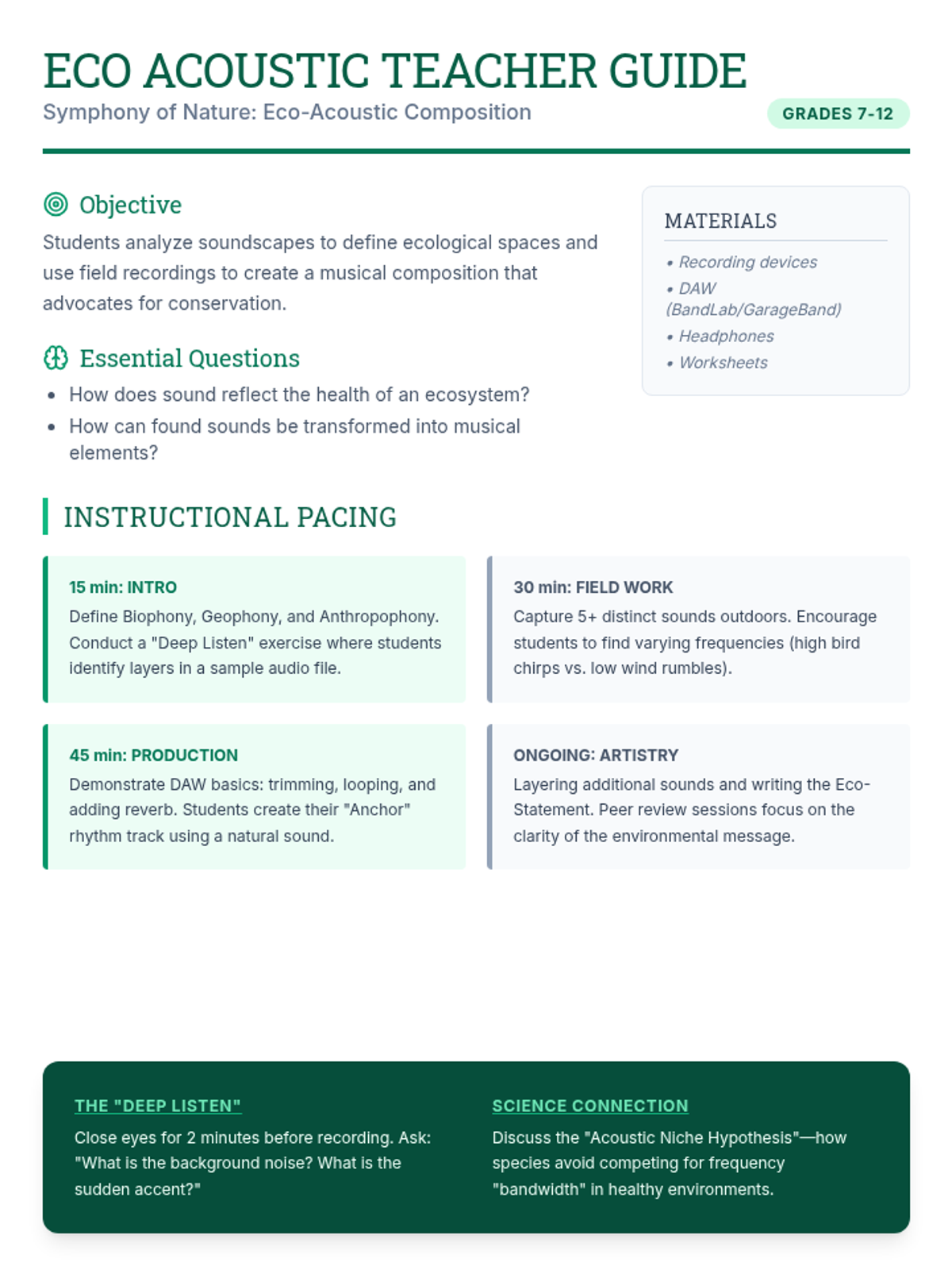
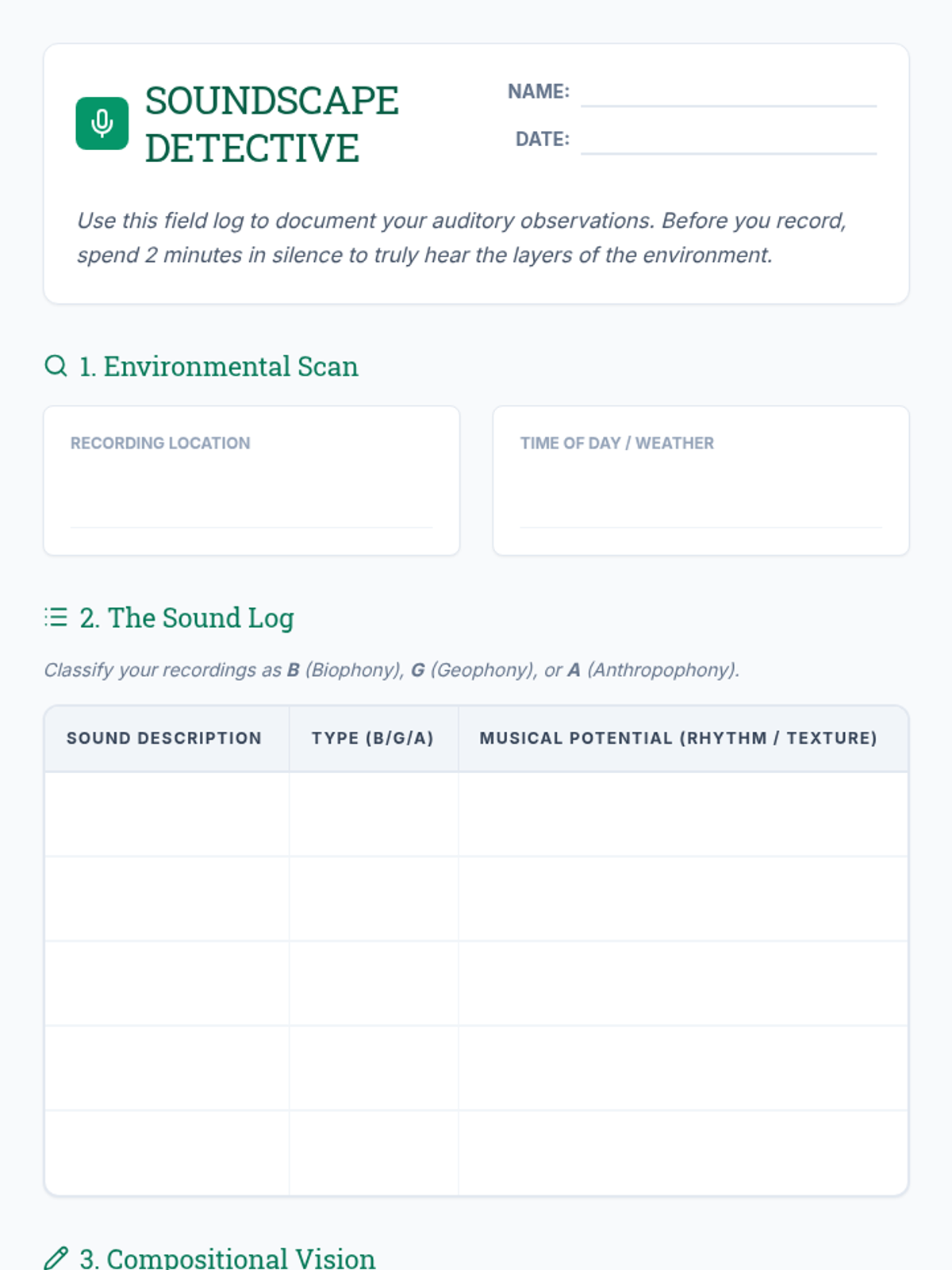
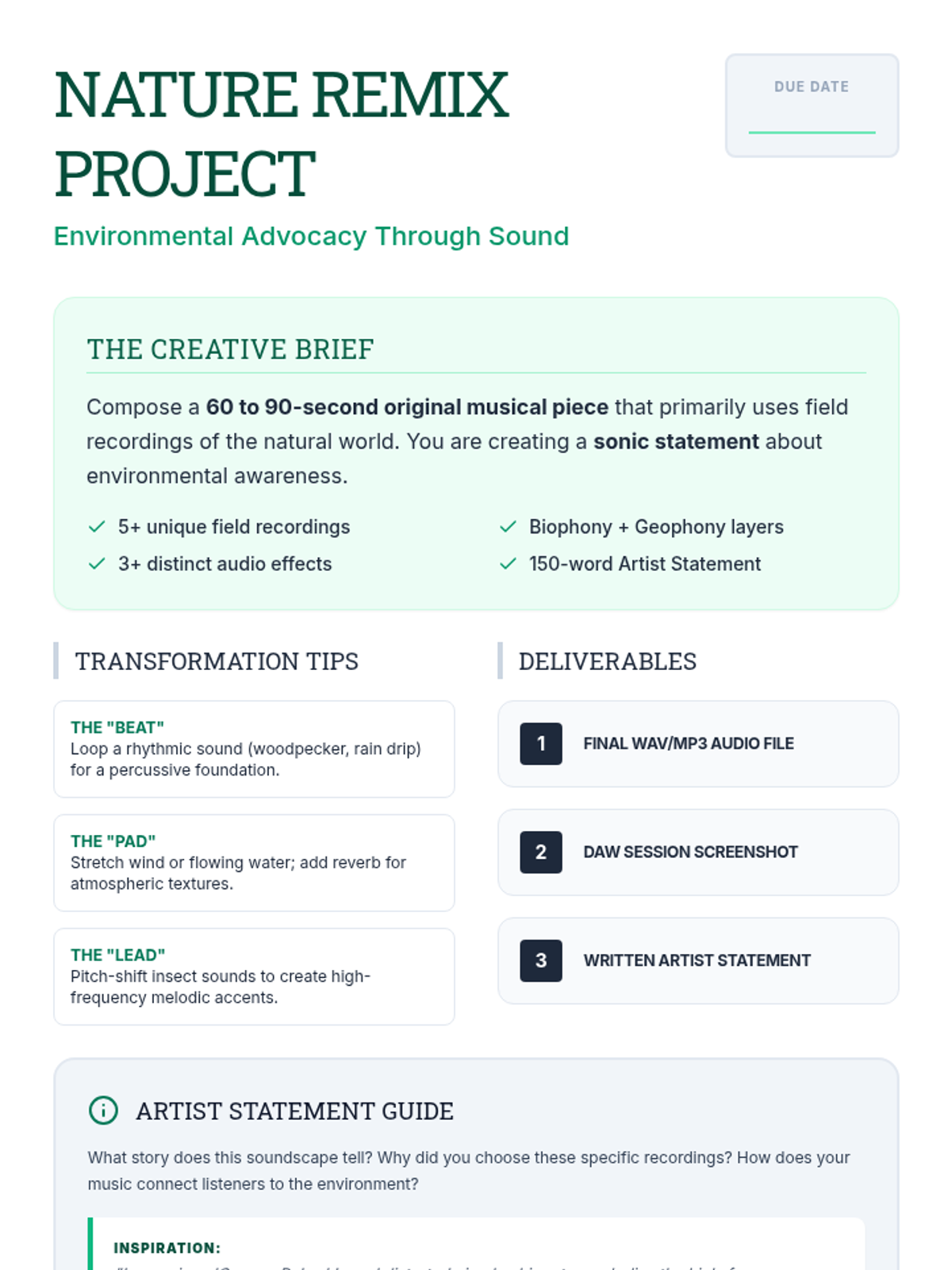
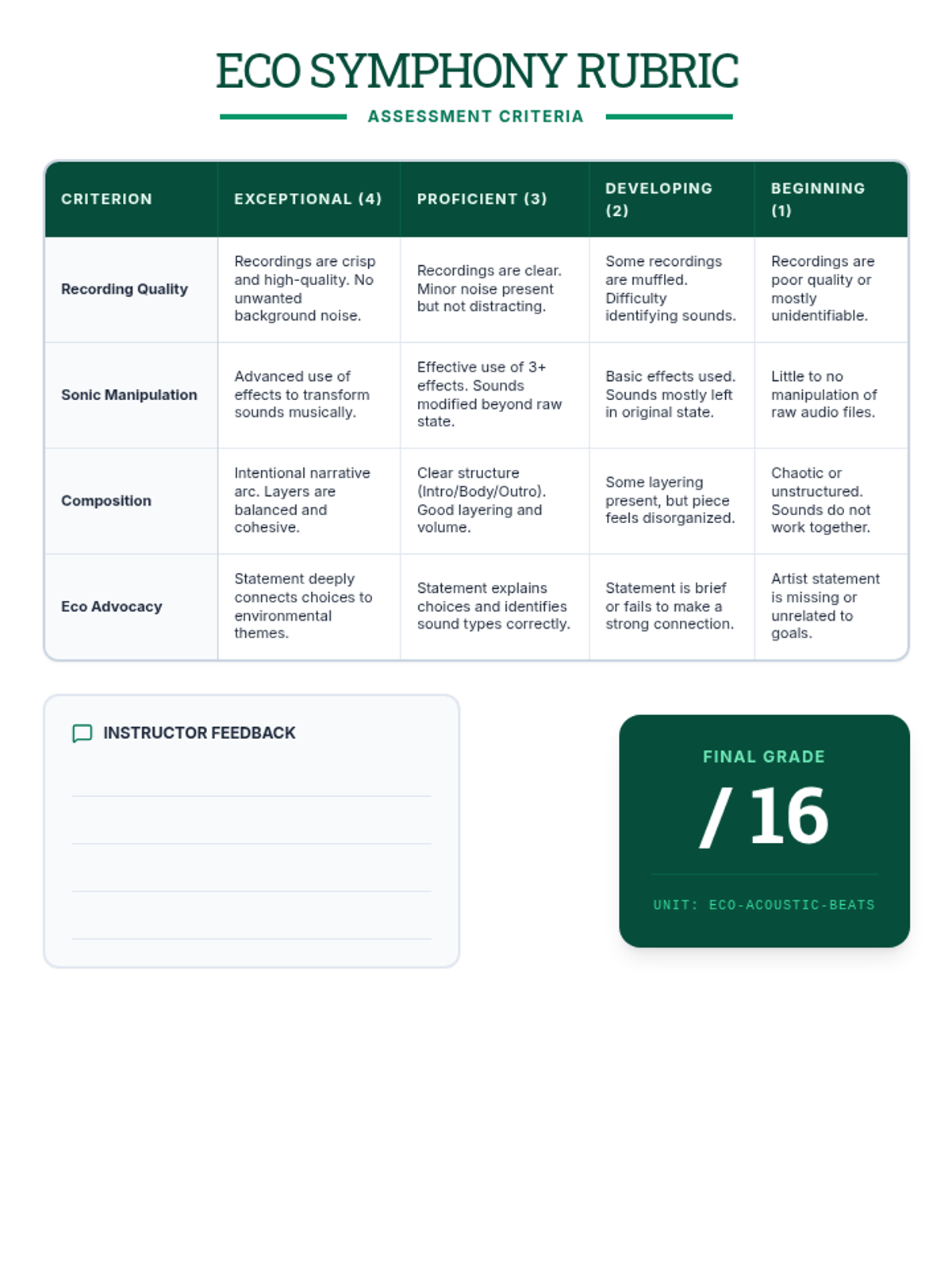
A multi-disciplinary lesson where students blend environmental science and music production. They will analyze natural soundscapes and create original compositions using field recordings to promote ecological awareness.
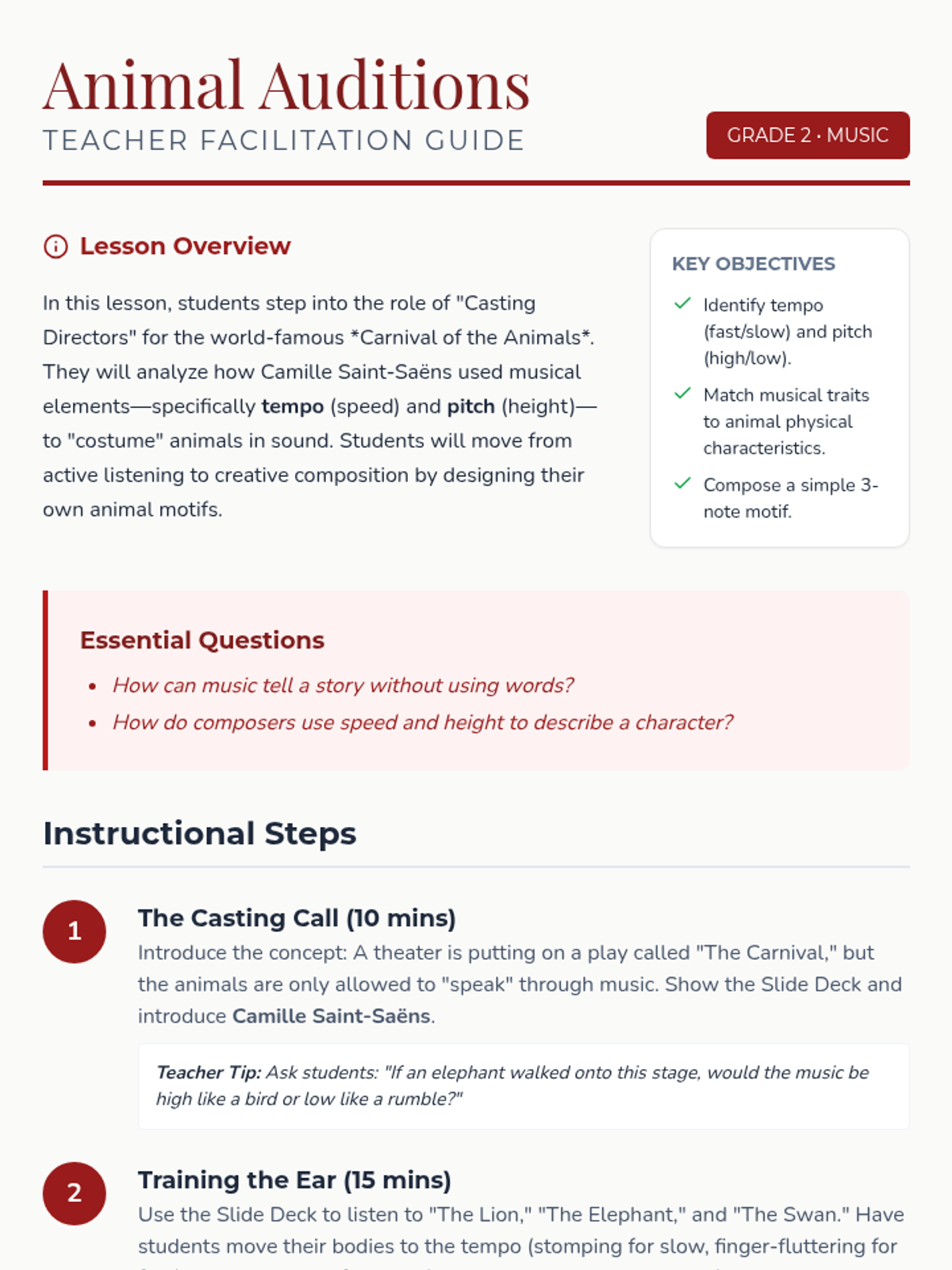
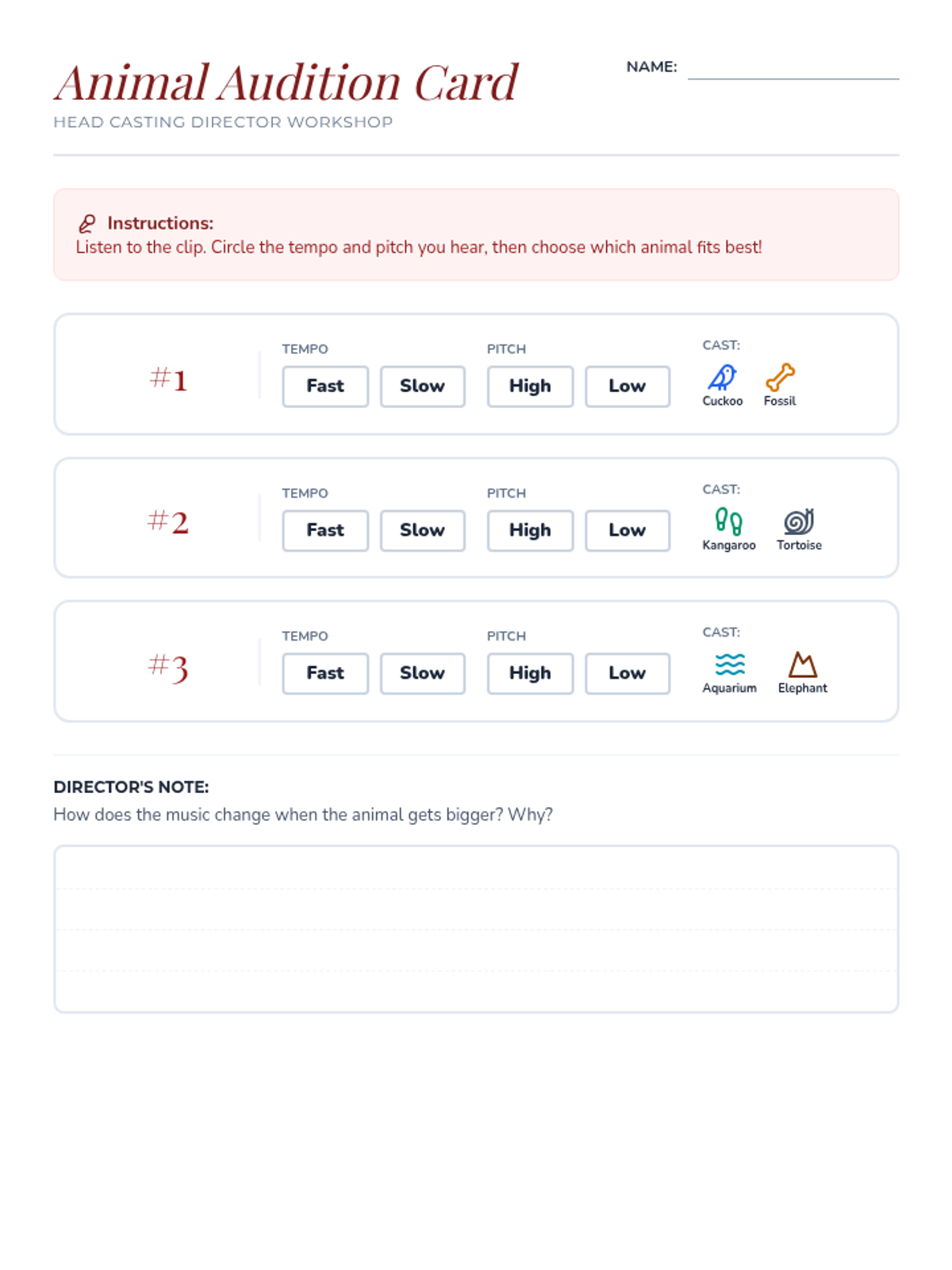
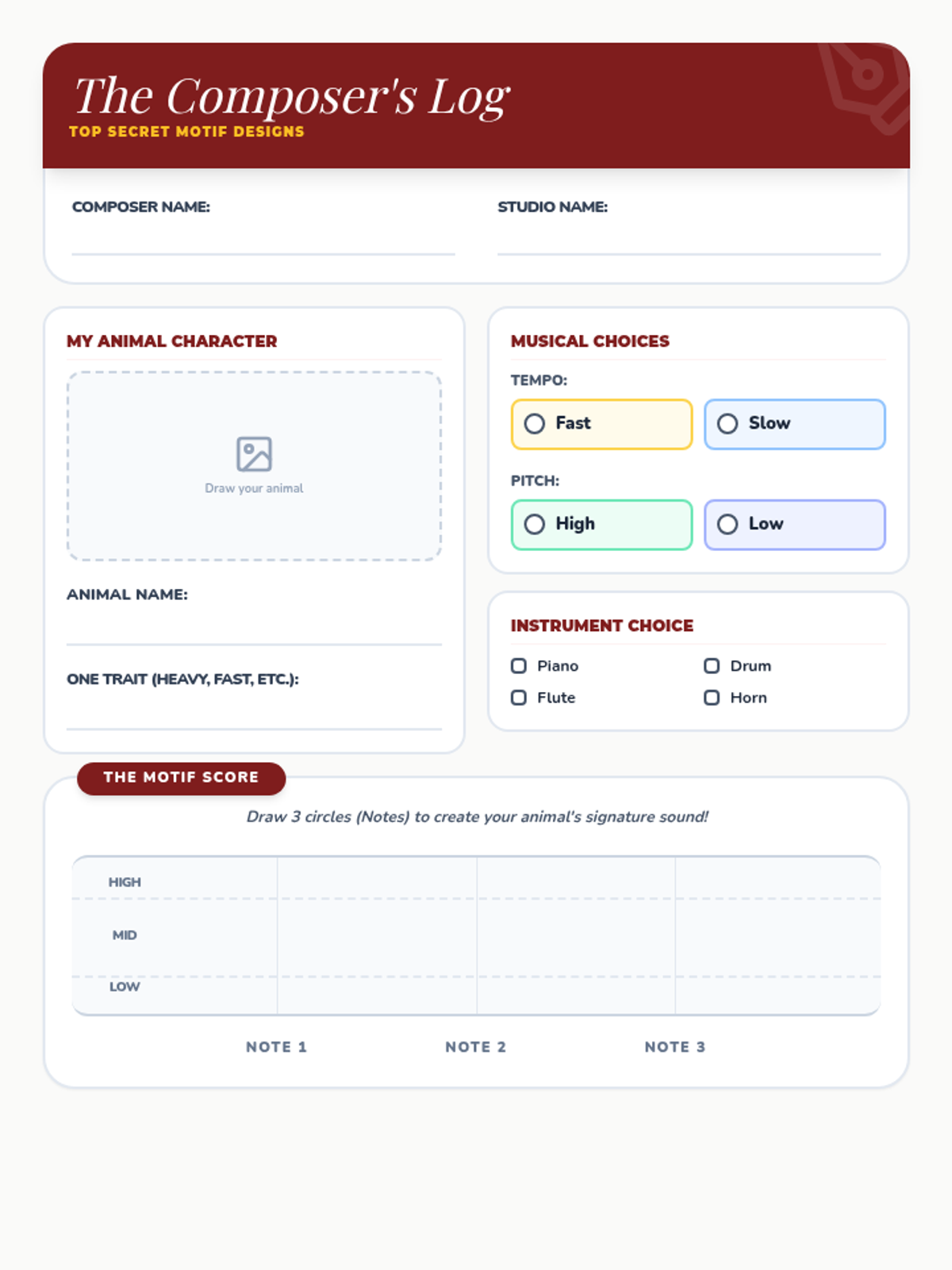
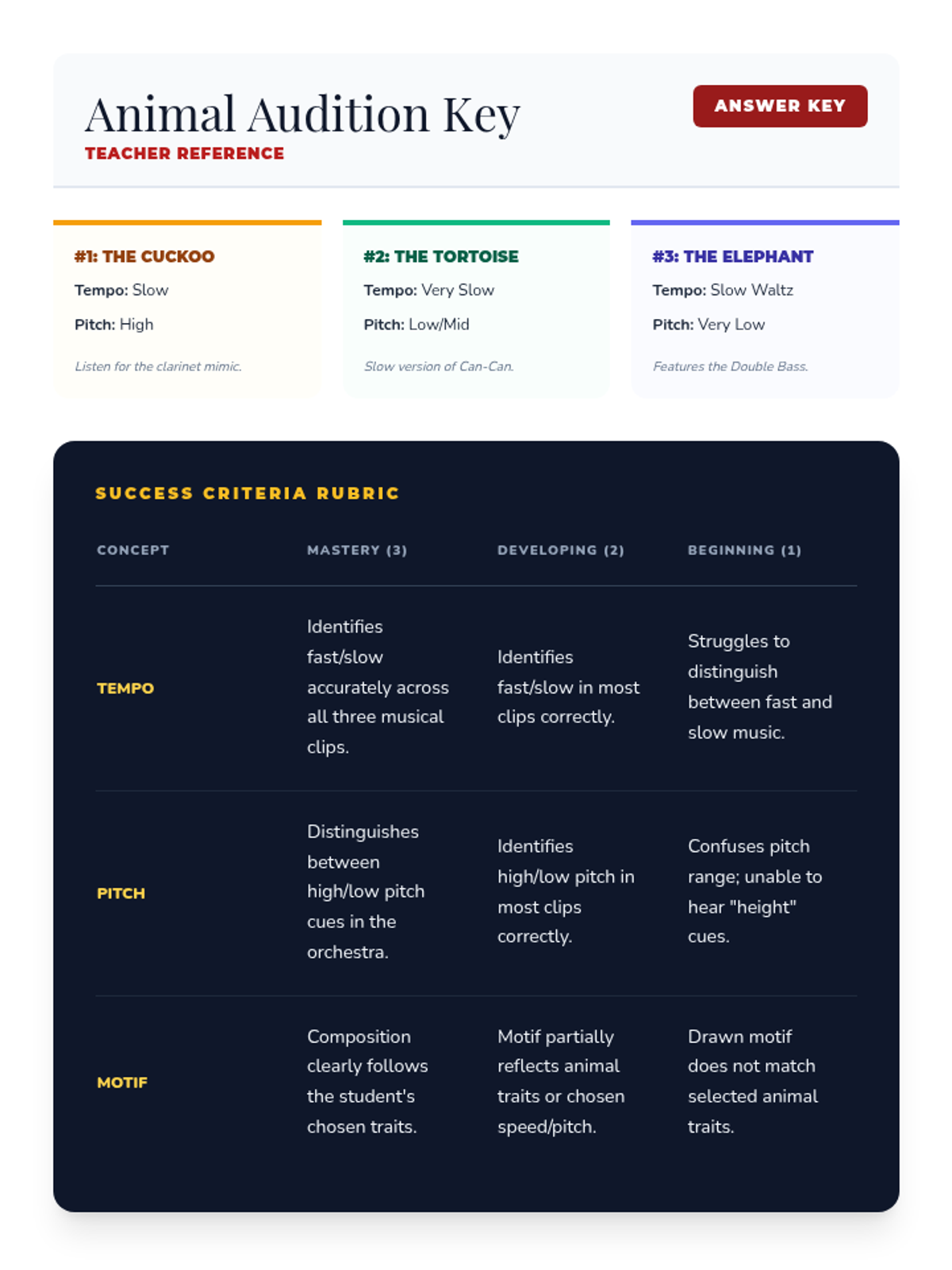
A theatrical exploration of Saint-Saëns' 'The Carnival of the Animals' where 2nd graders act as casting directors to match musical traits like tempo and pitch to animal characters.
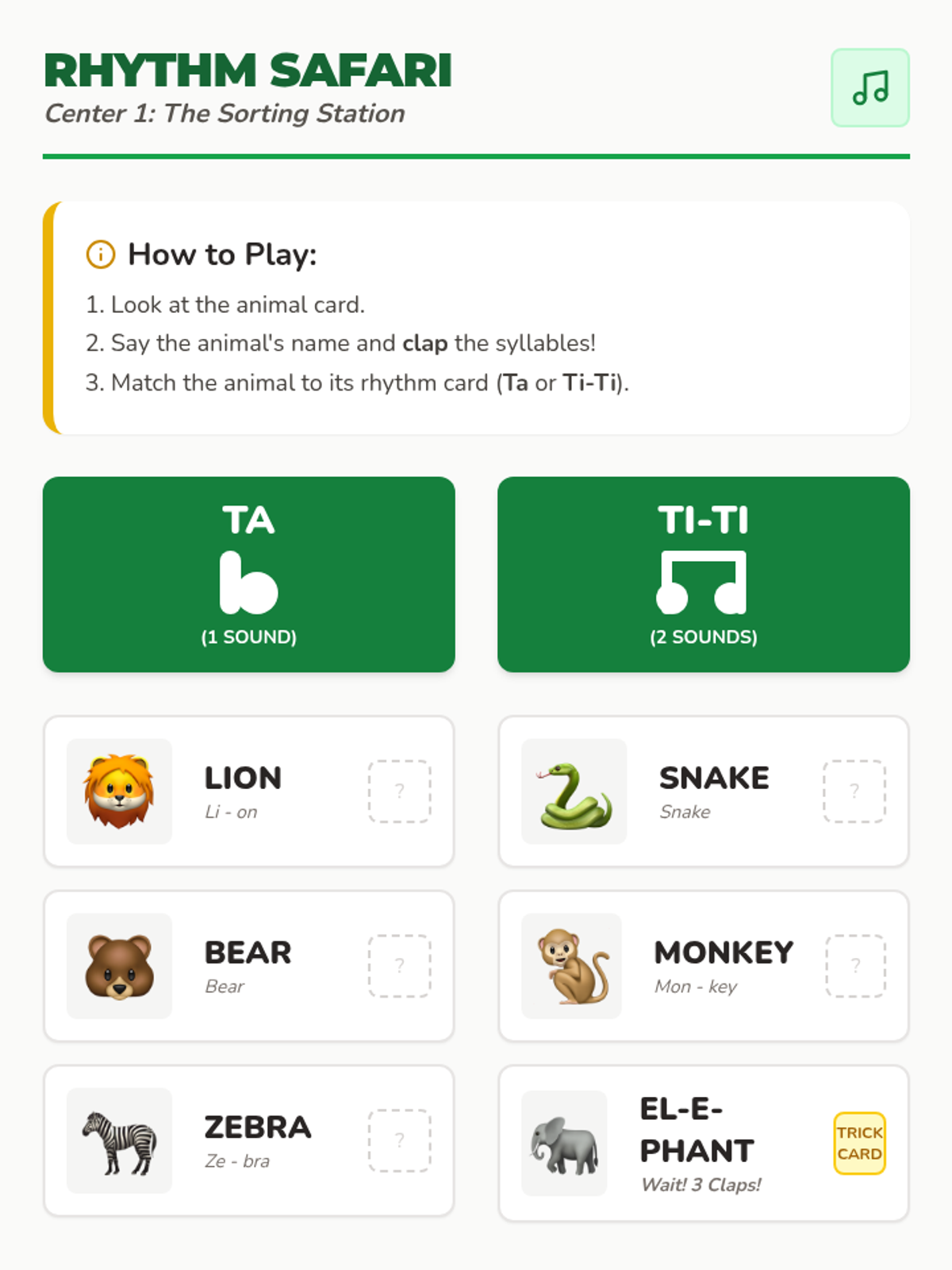
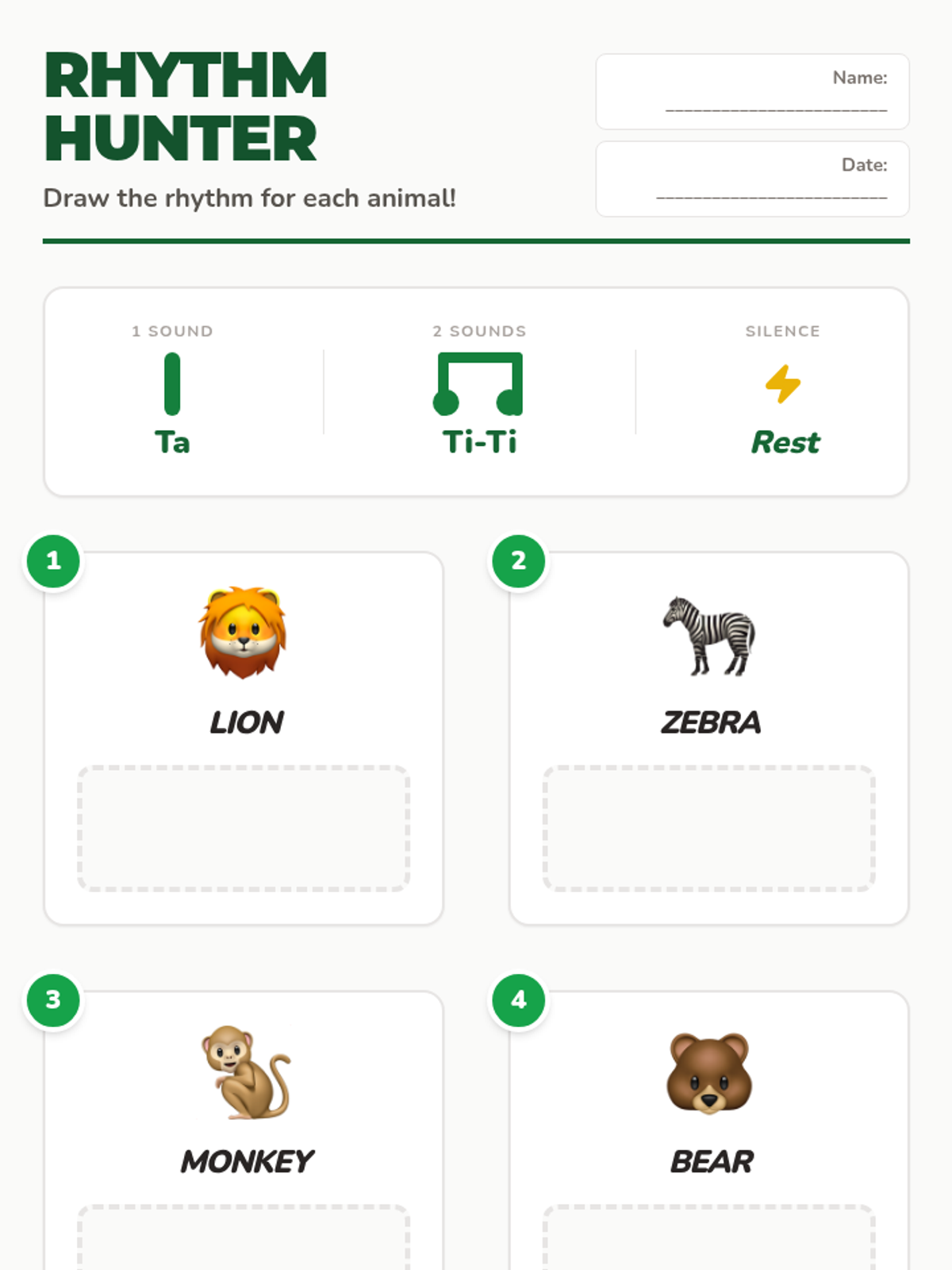
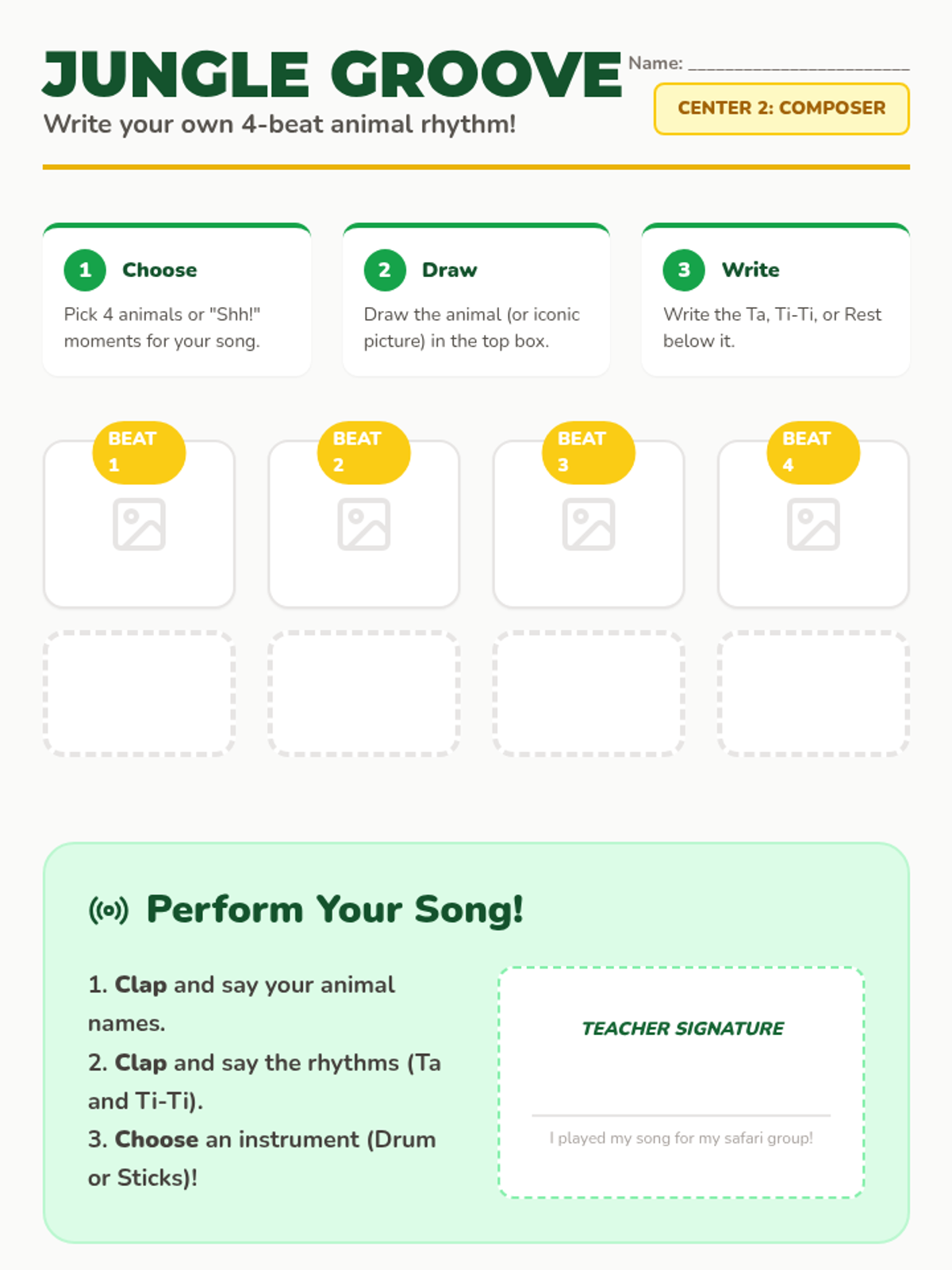
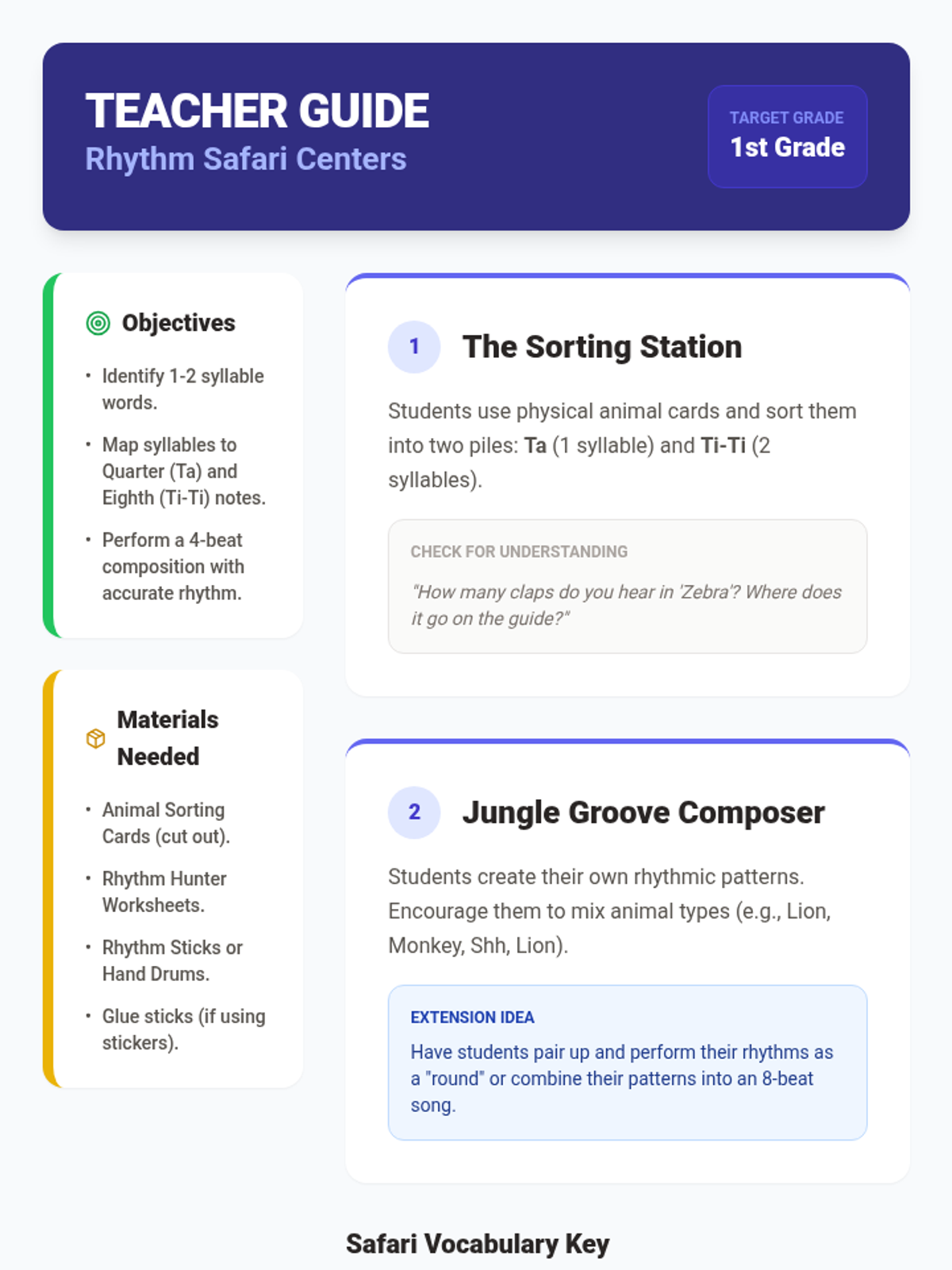
A series of music center activities for first graders to connect word syllables to rhythmic notation (Ta and Ti-Ti) through a zoo animal theme. Students will sort animal names by rhythm and create their own rhythmic patterns.
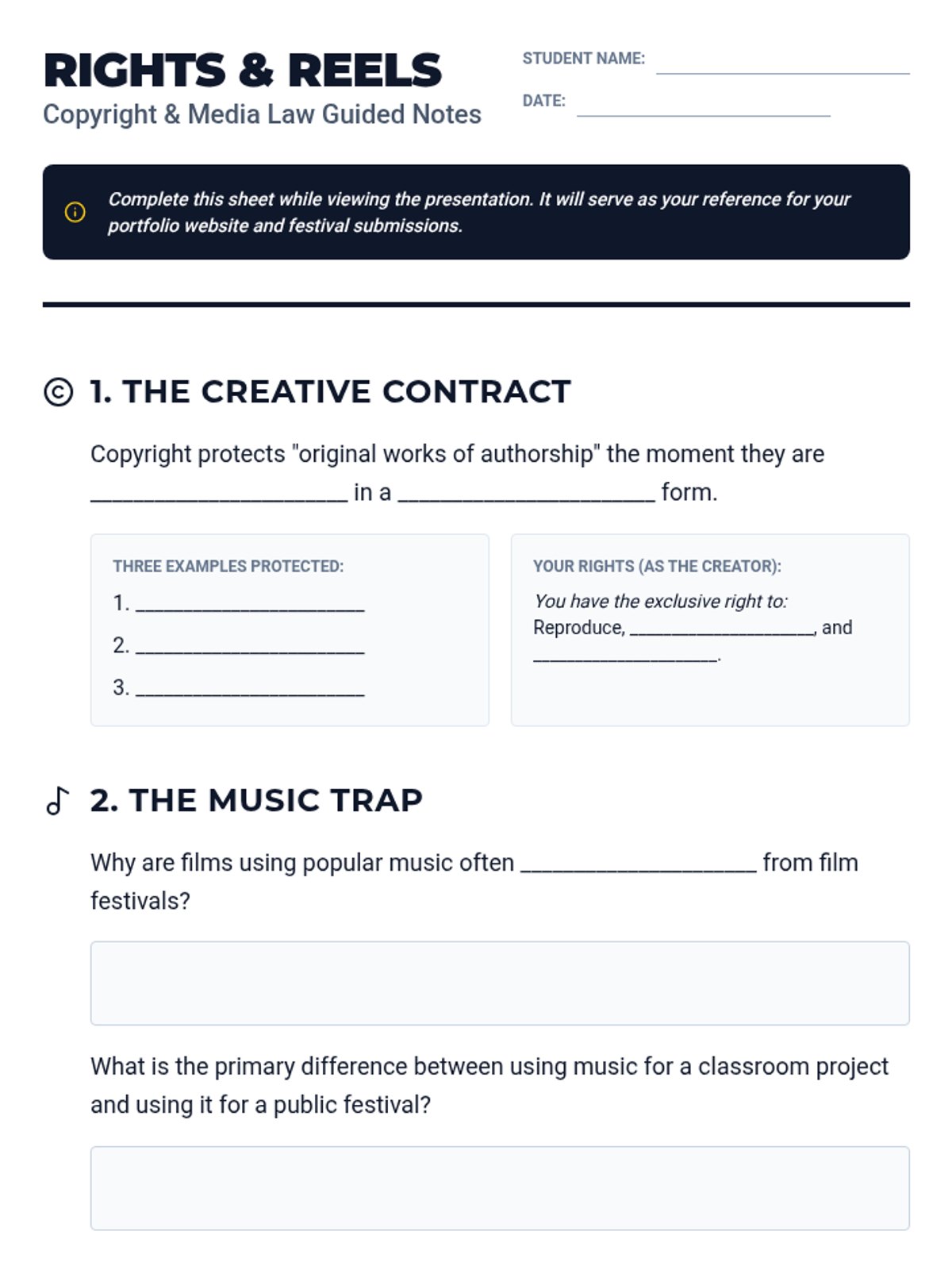
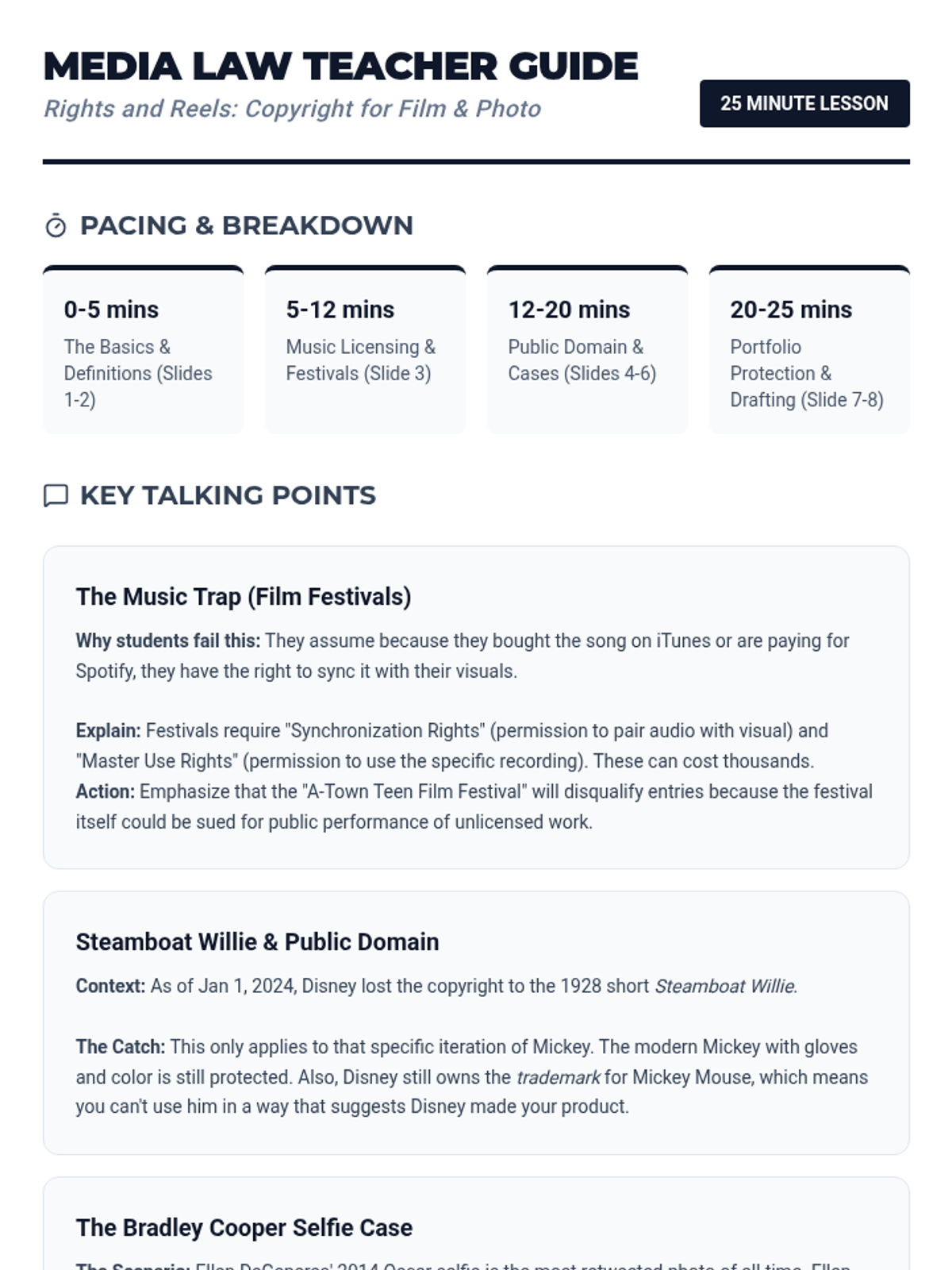
A 25-minute intensive lesson for film and photo students covering copyright law, music licensing for festivals, public domain via Steamboat Willie, and personal portfolio protection.
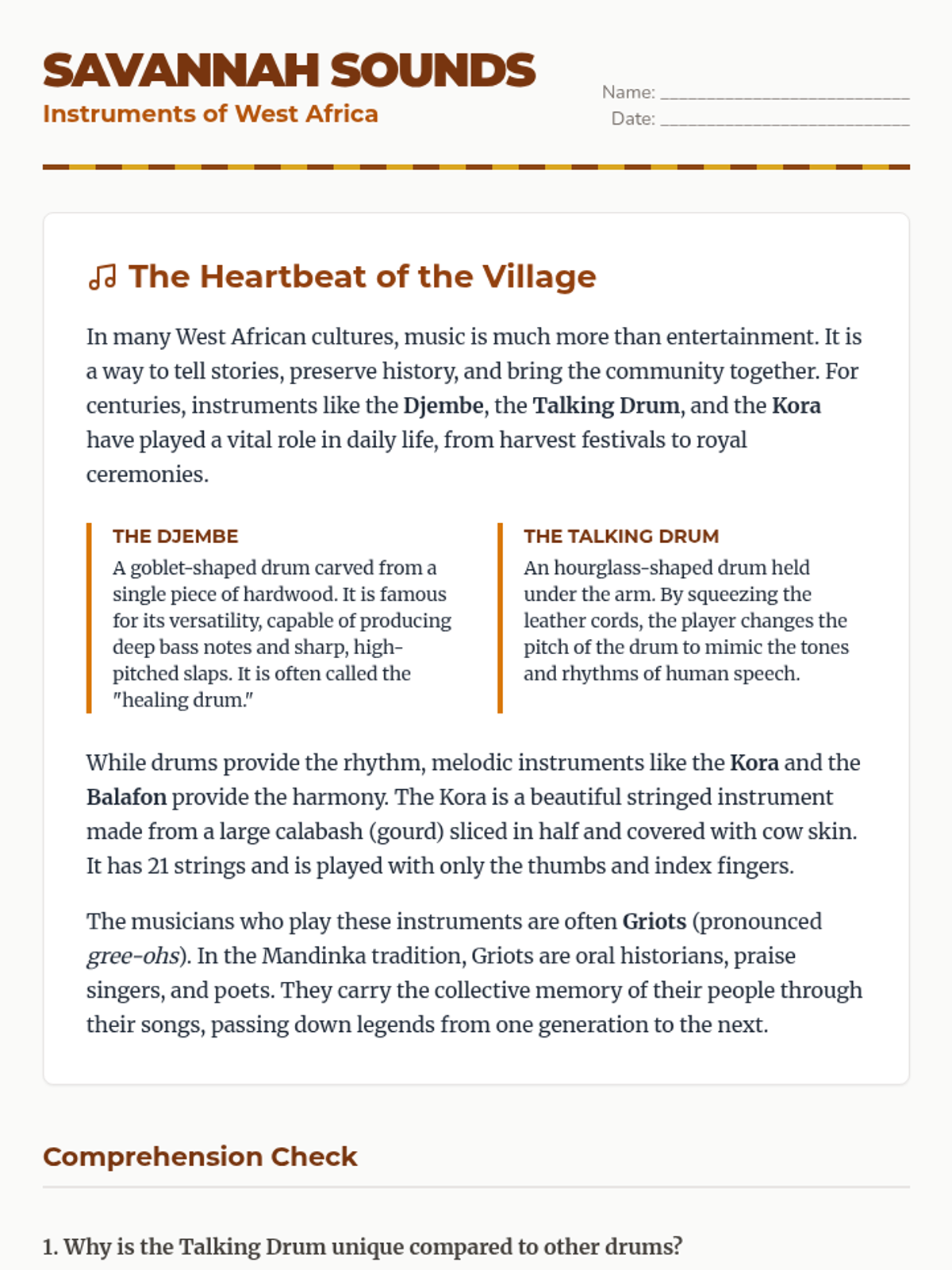
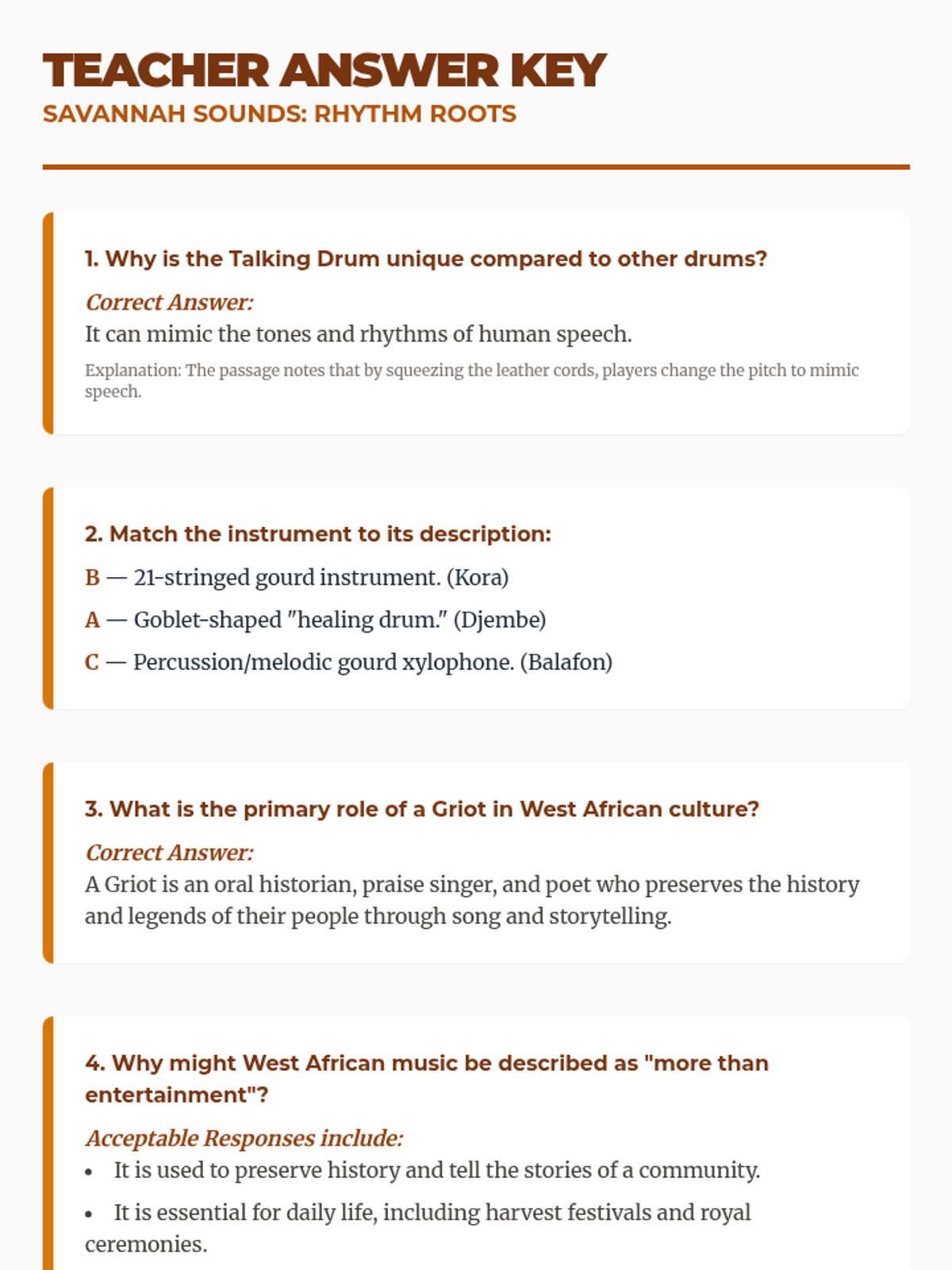
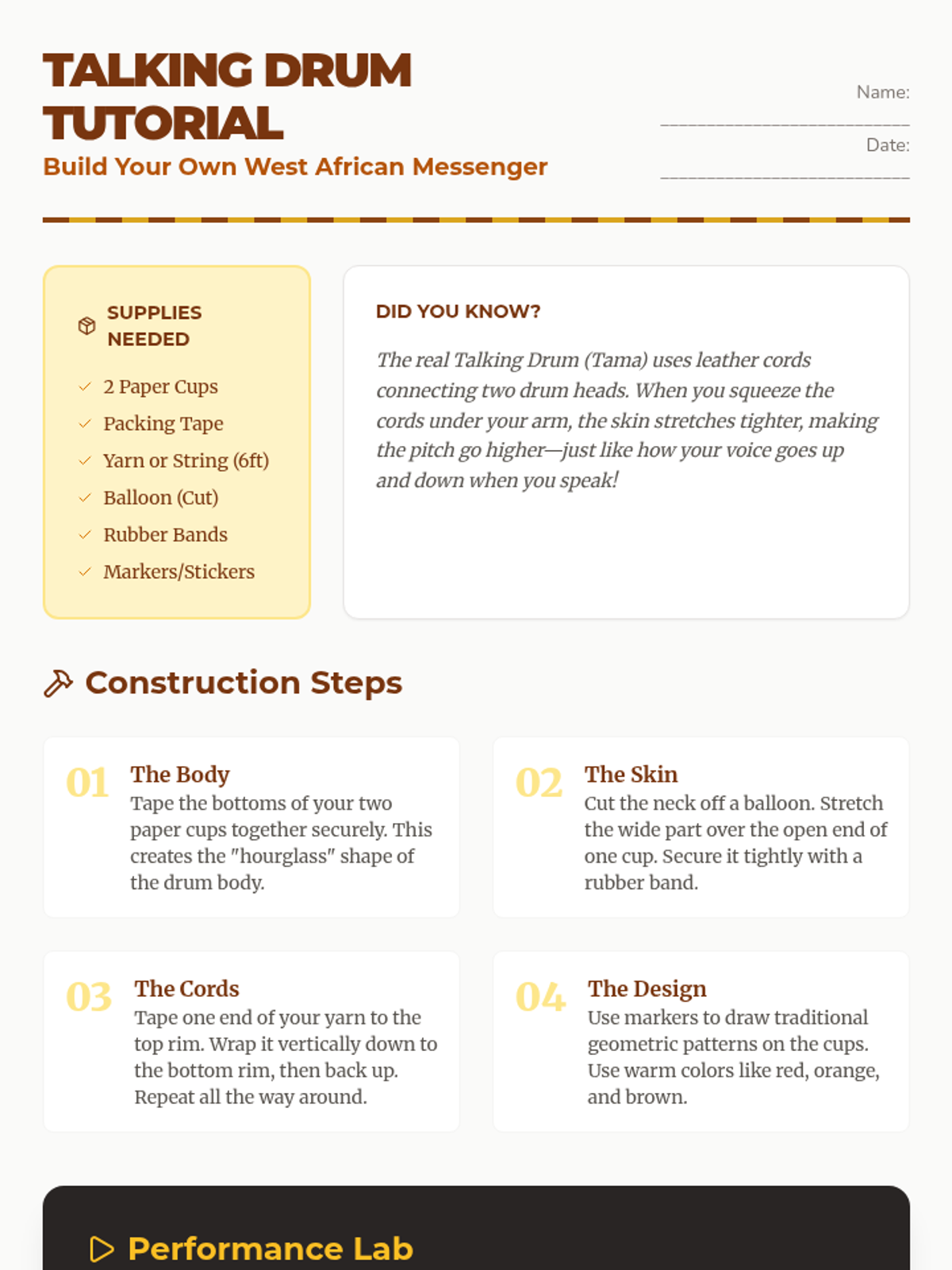
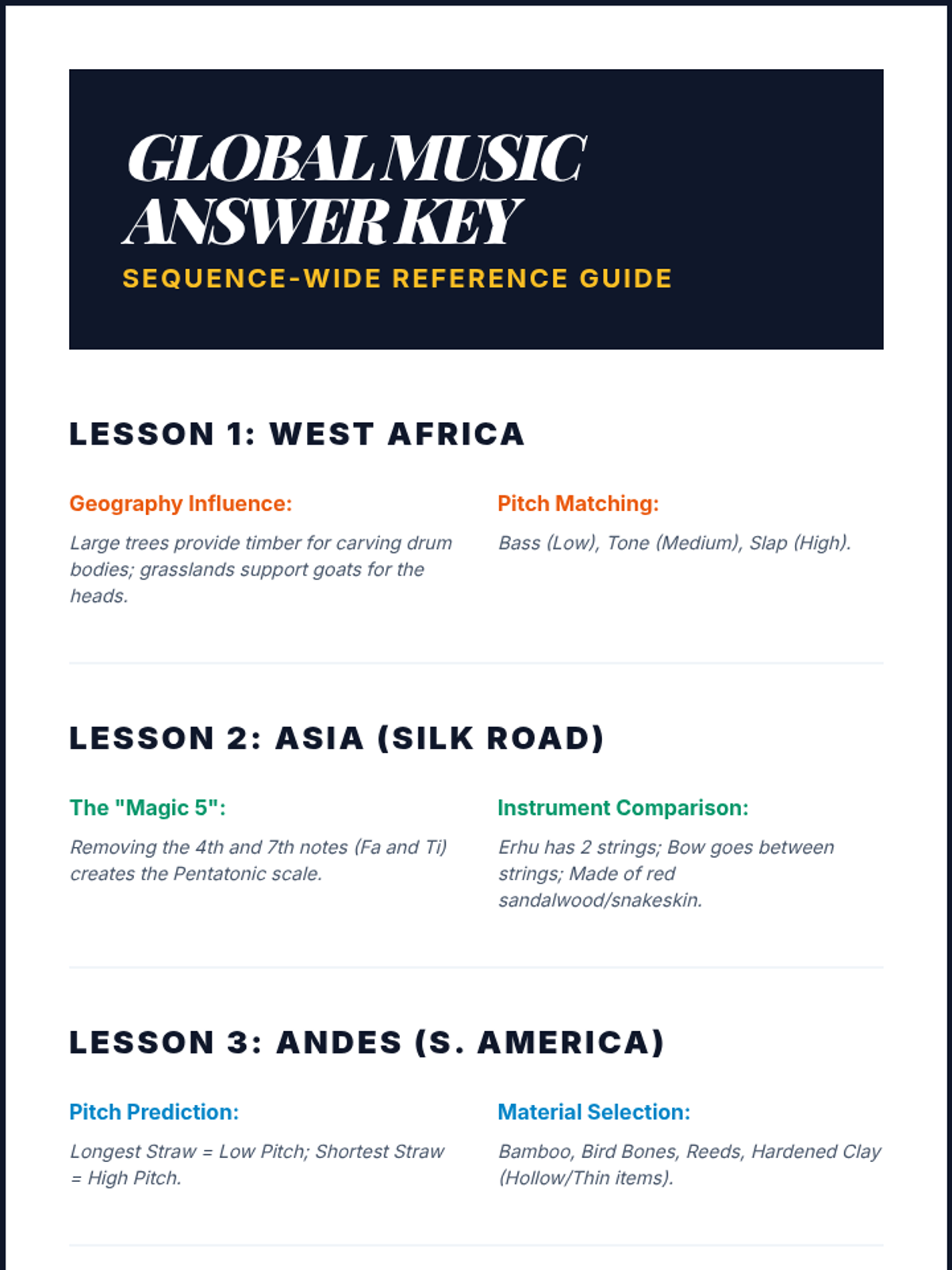
An introduction to the vibrant musical traditions of West Africa, focusing on iconic percussion and melodic instruments like the djembe, kora, and talking drum.
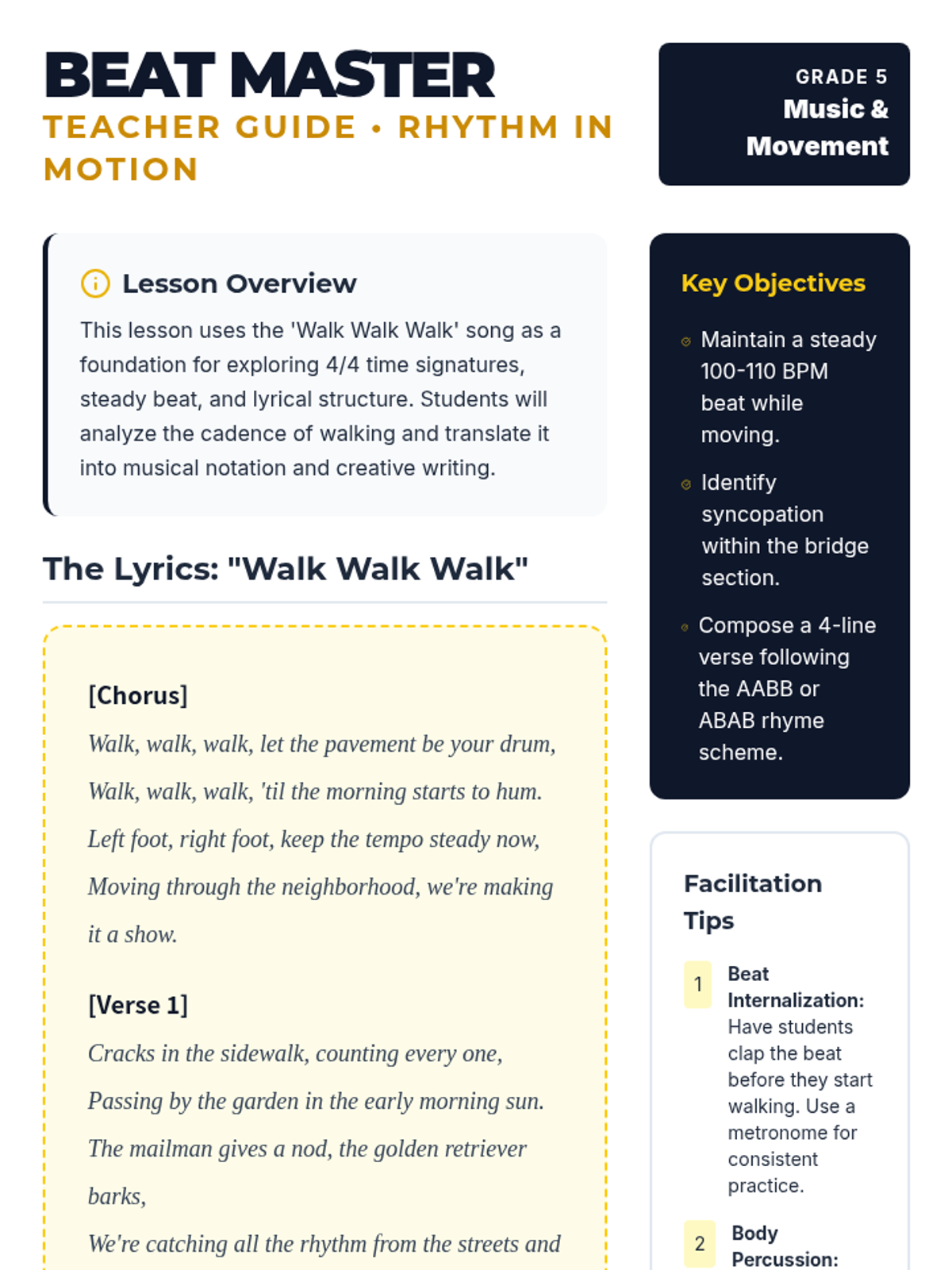
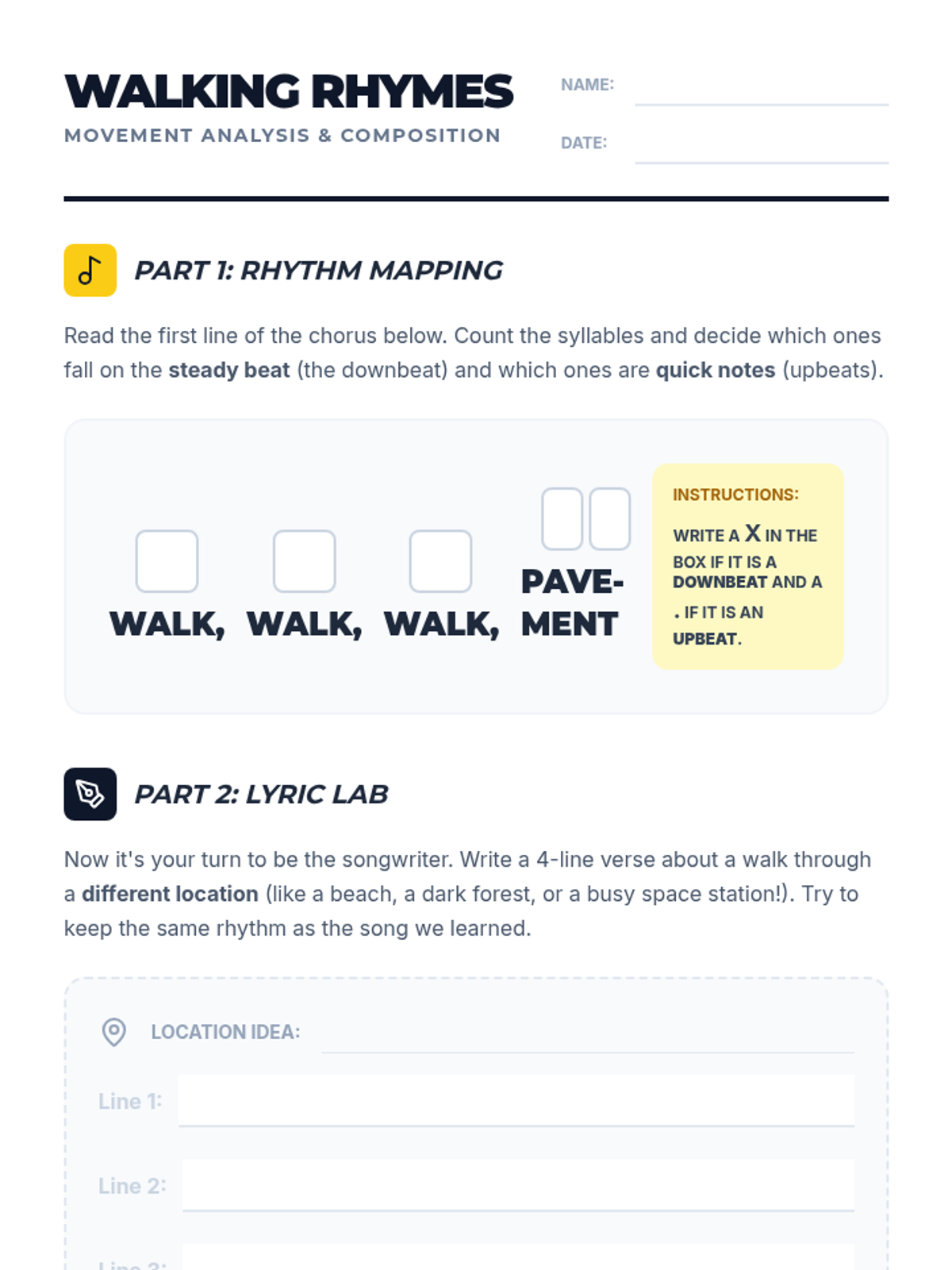
A rhythm-focused music and movement lesson centered around the 'Walk Walk Walk' song, designed to help 5th graders explore tempo, cadence, and creative songwriting through the metaphor of a neighborhood stroll.
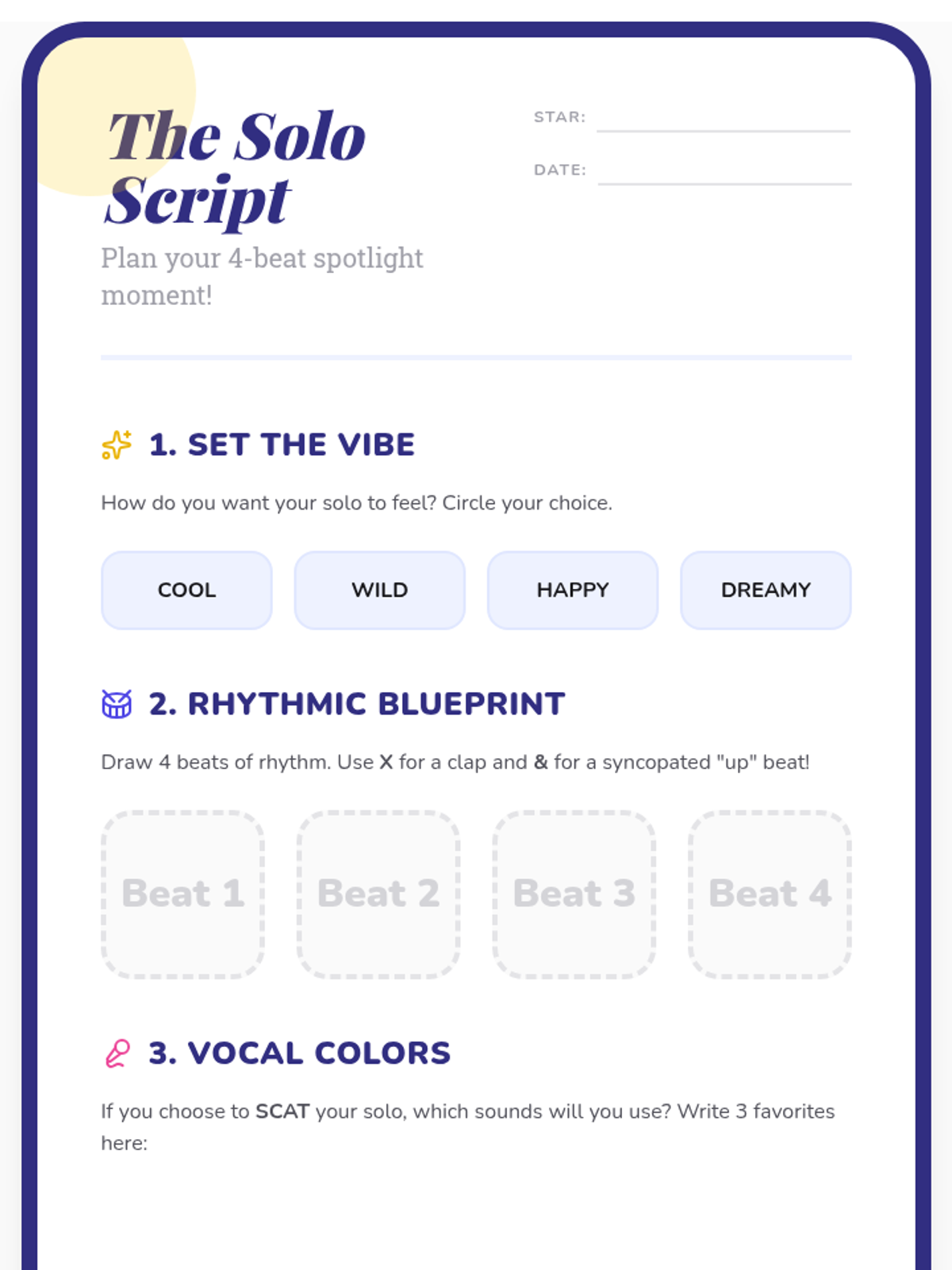
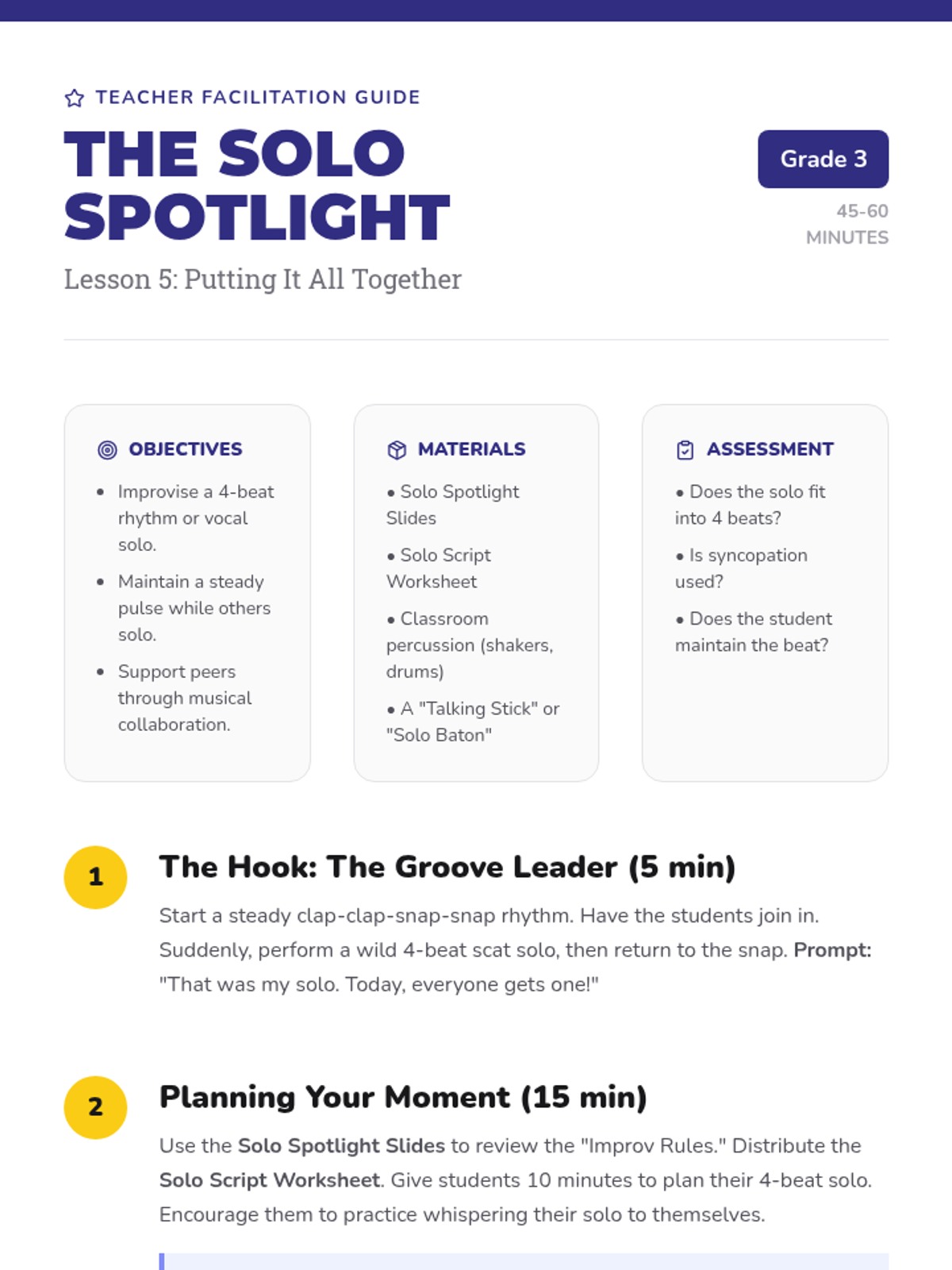
Students apply what they've learned by creating a classroom percussion circle where individuals take turns 'soloing' over a steady beat, applying the concept of improvisation.
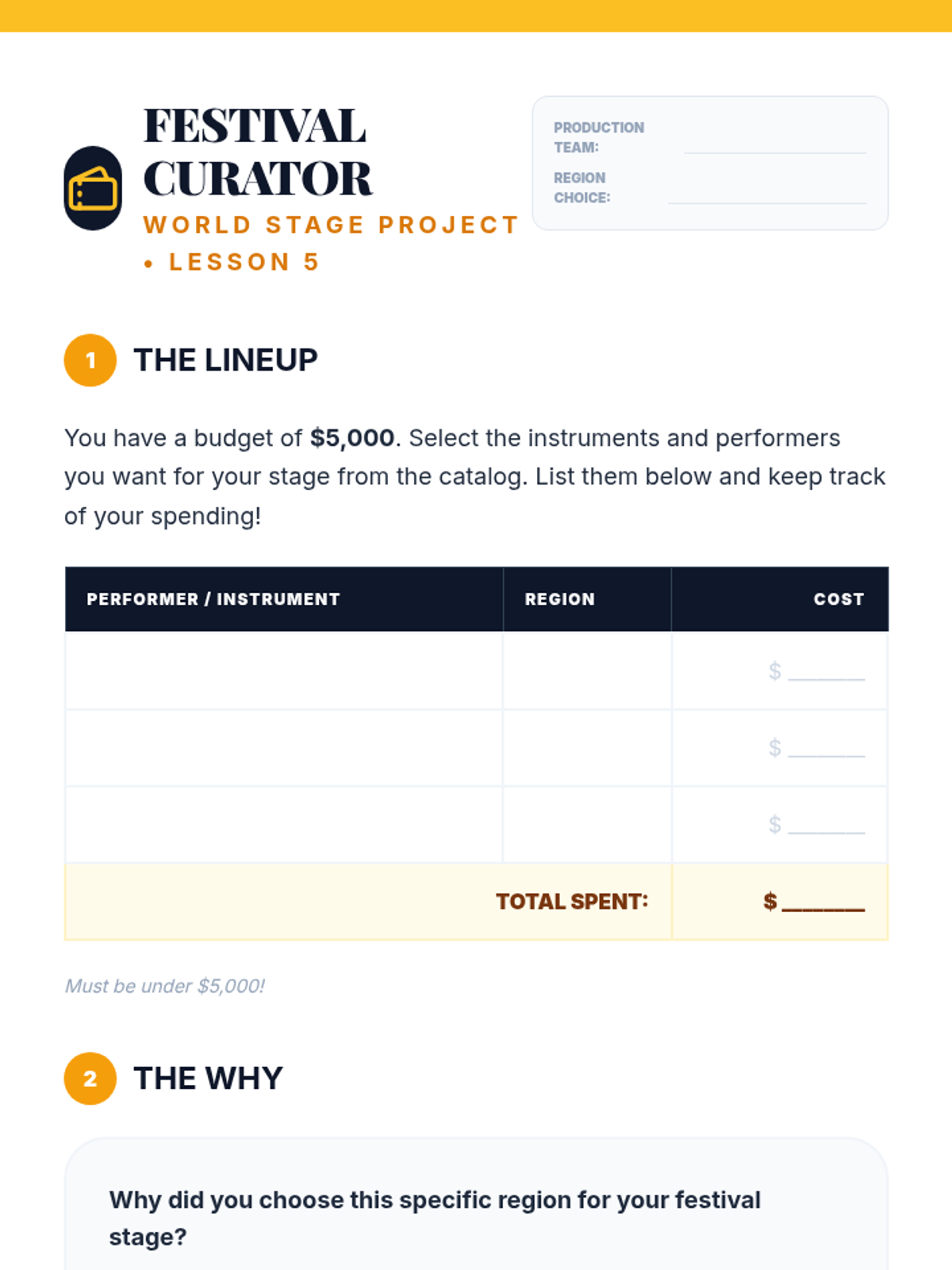
Students work in small groups to 'curate' a stage for a world music festival. They select a region, choose instruments to feature, and explain why that music is unique.
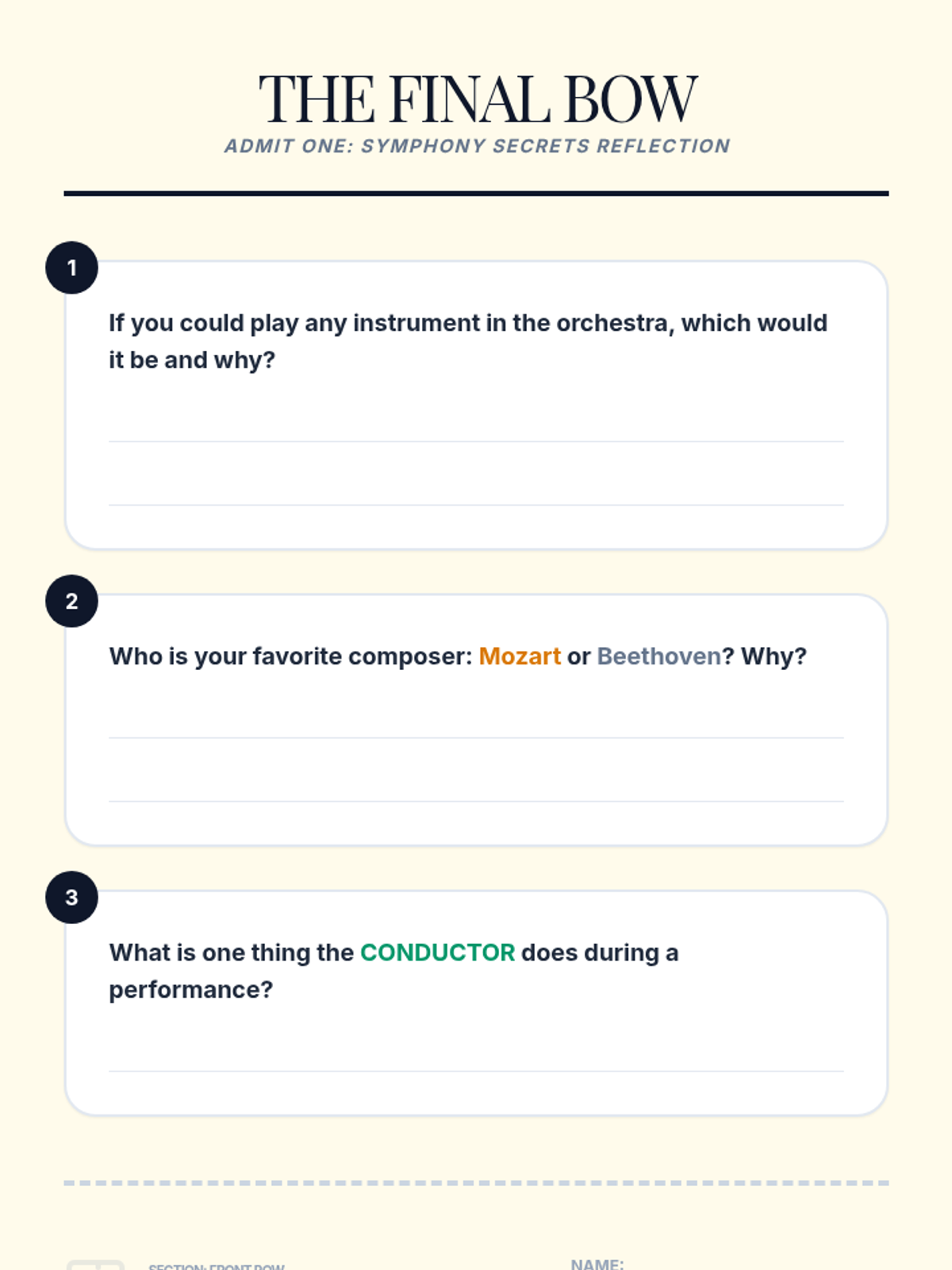
In this culminating lesson, students learn what a conductor does to unify the orchestra. They practice basic conducting patterns and understand how tempo and expression are communicated without words.
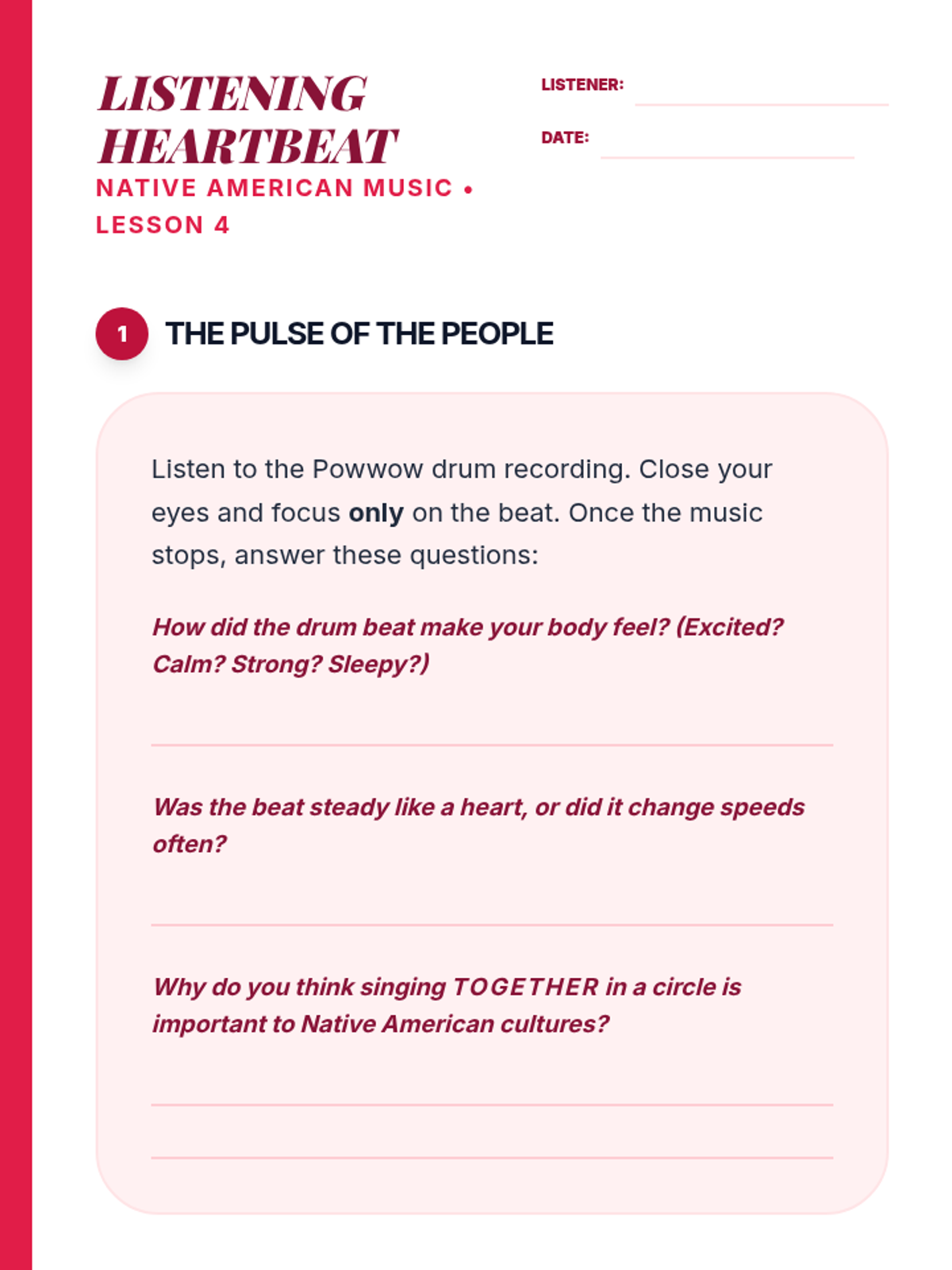
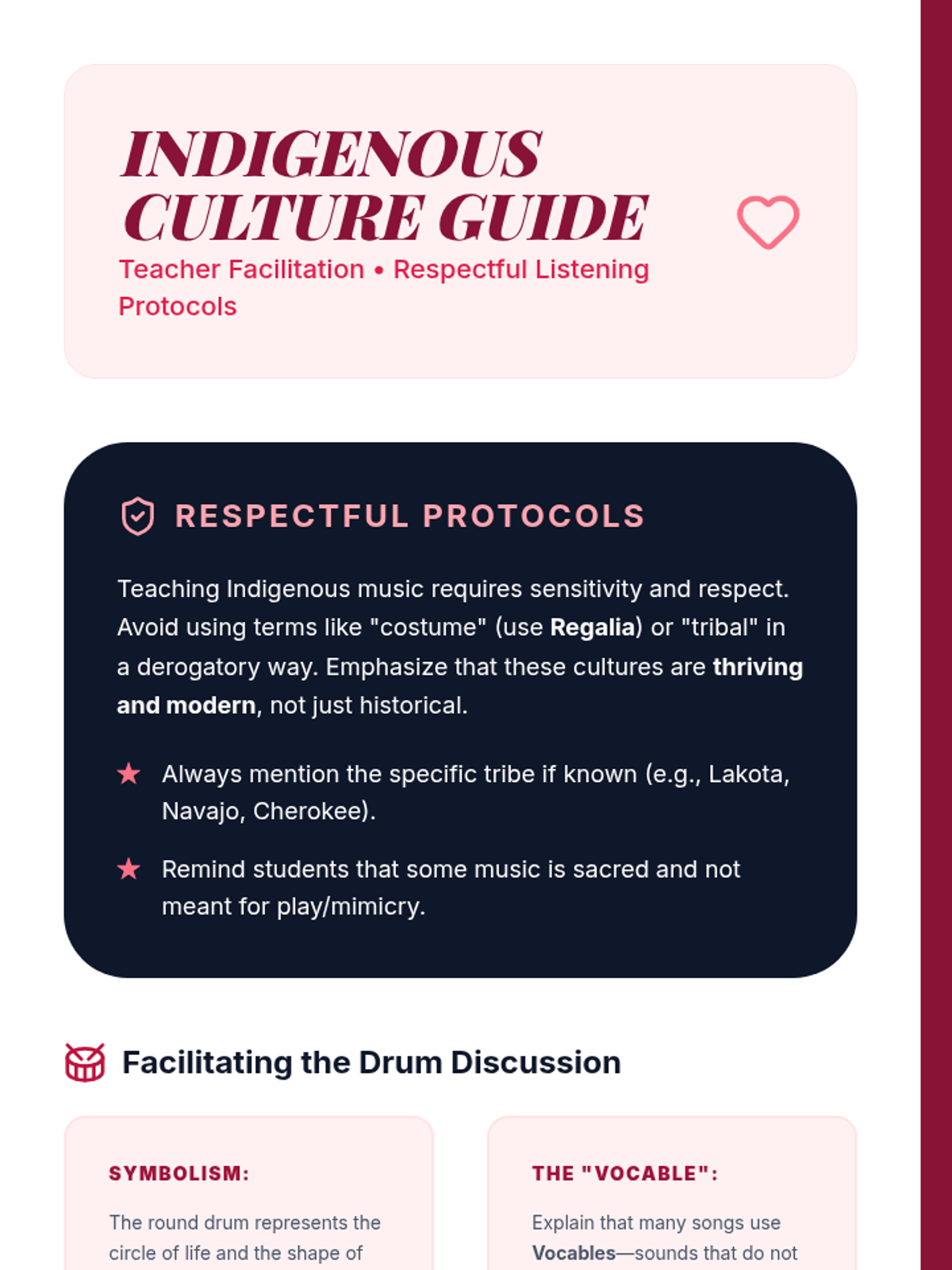
Students listen to the drumming and singing styles of Native American tribes. They discuss the importance of the drum as the 'heartbeat' and the preservation of culture through powwow music.
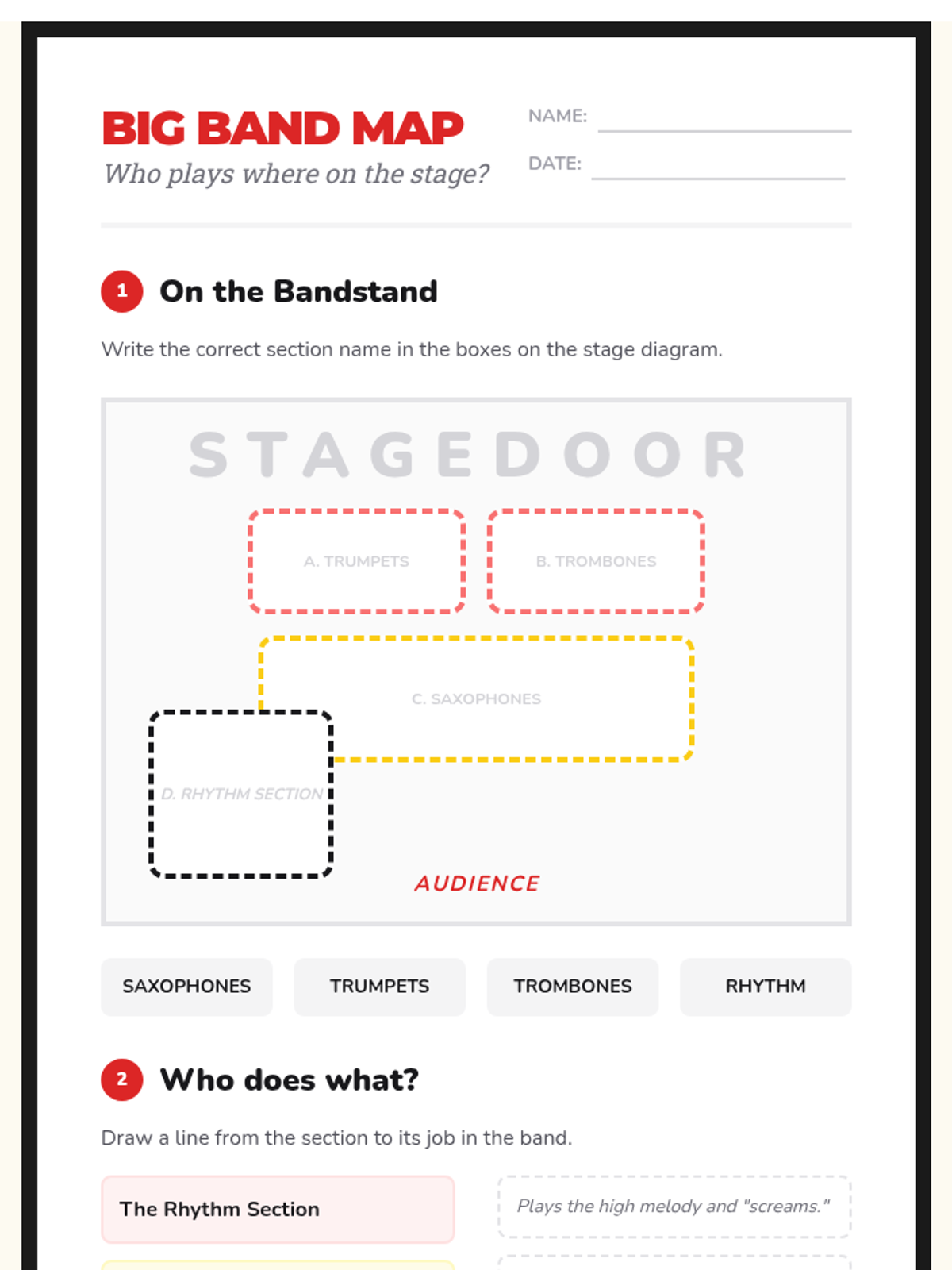
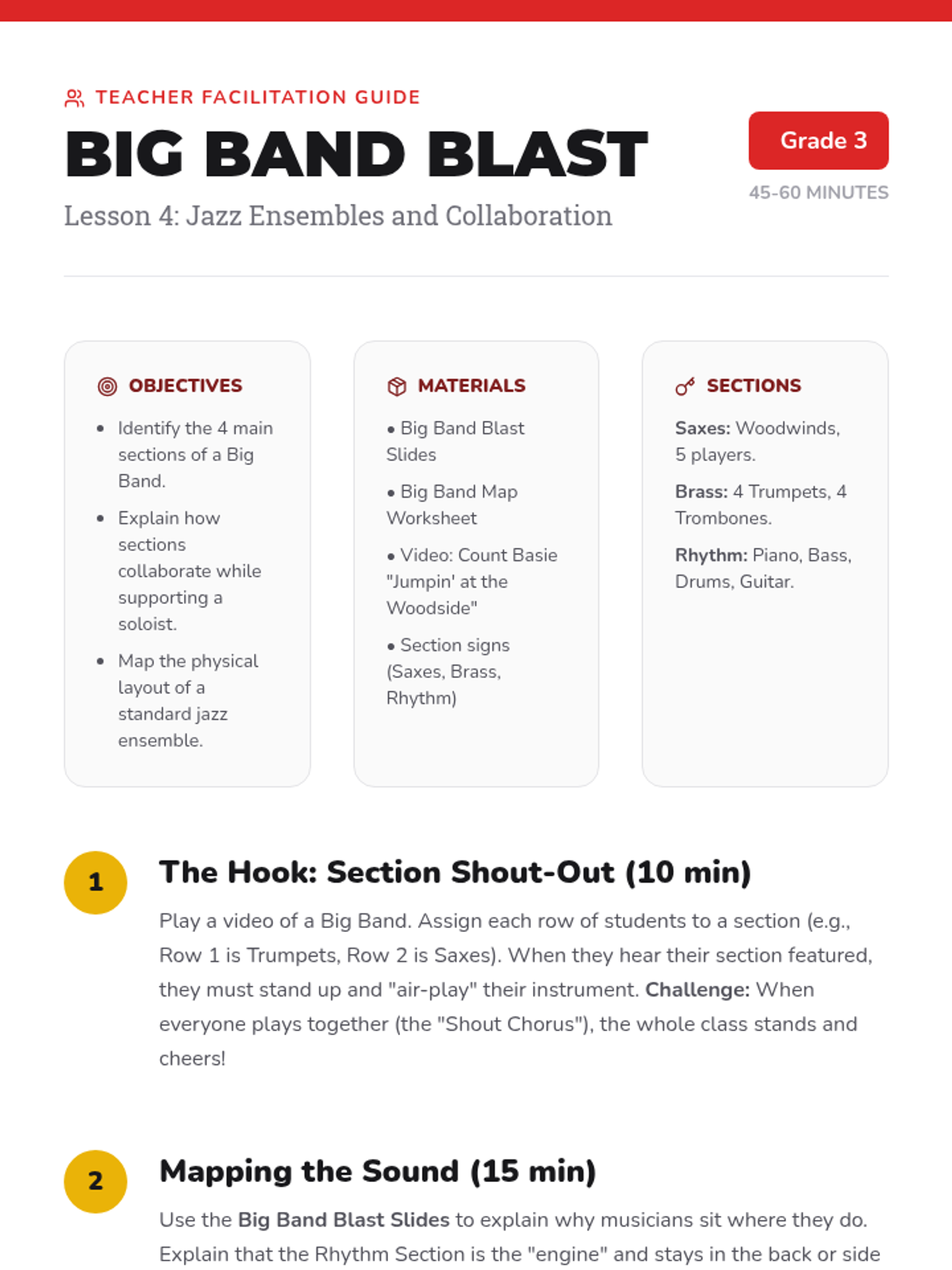
Students look at larger jazz ensembles, identifying the sections (saxophones, trumpets, trombones, rhythm). They learn how many musicians play together while still allowing for solos.
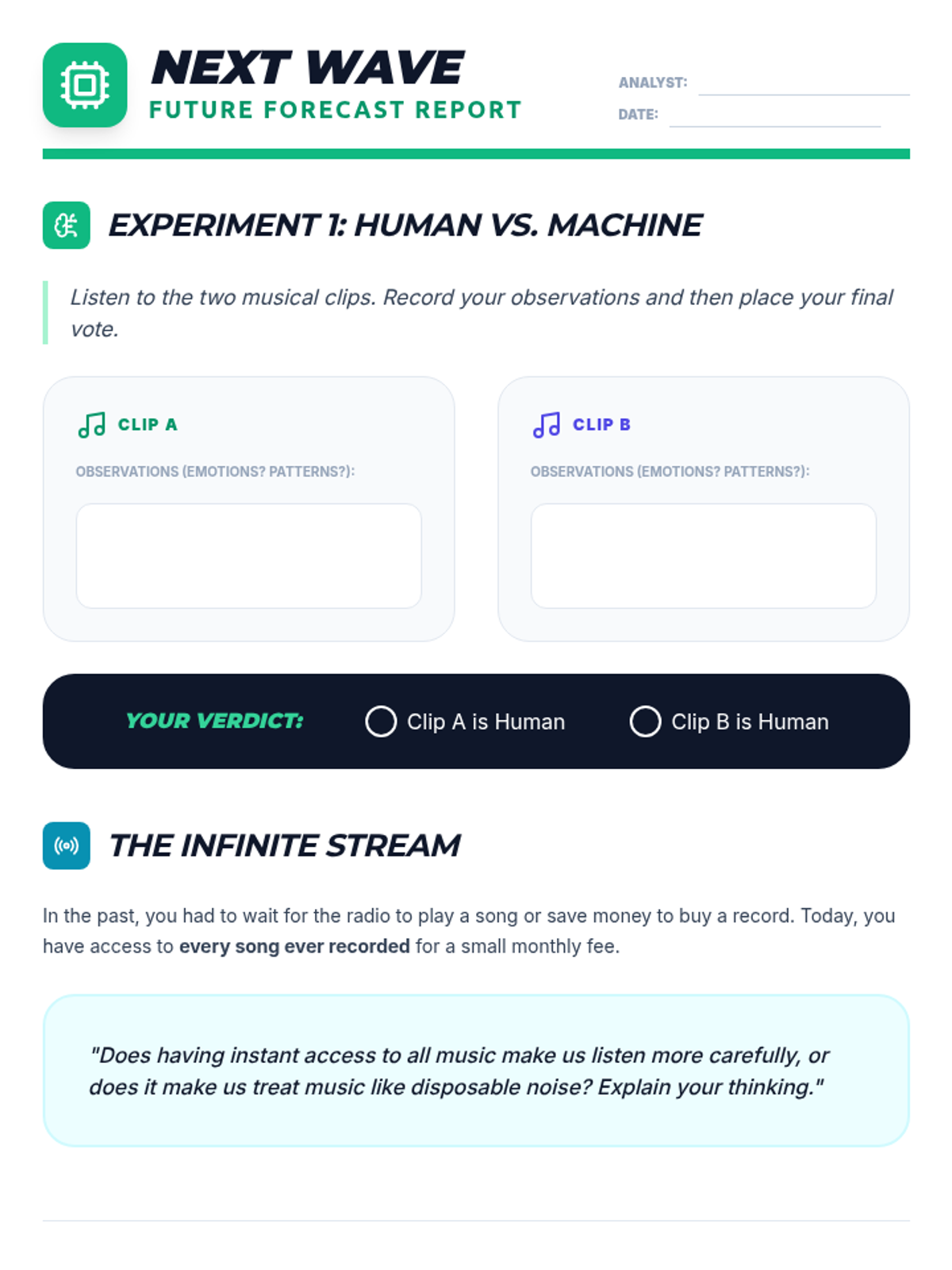
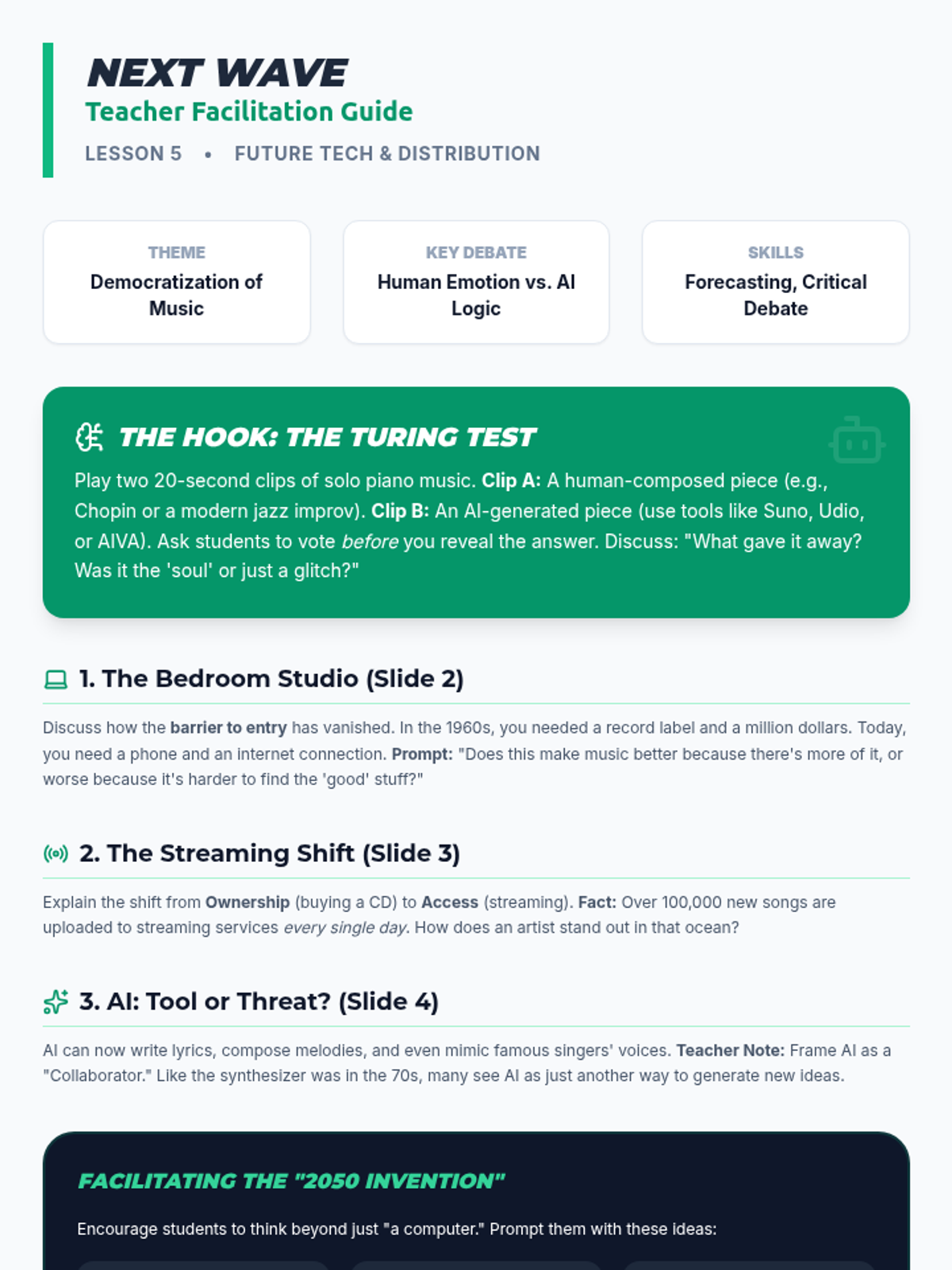
Students debate the future of music history, looking at streaming, AI composition, and bedroom production, analyzing how digital tools change the creation and distribution of music.
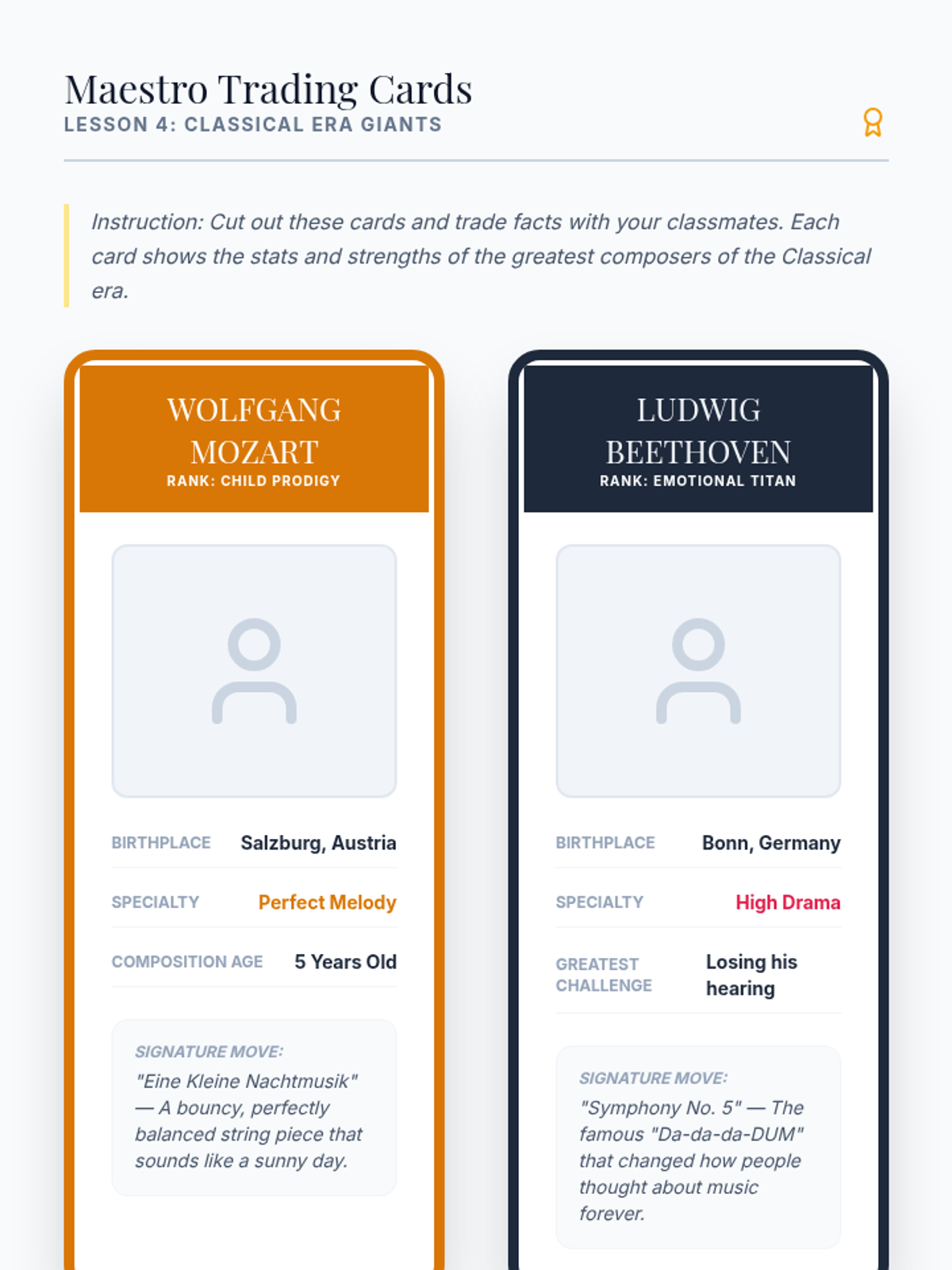
Students study the lives and music of Mozart and Beethoven. They compare the light, structured sounds of the Classical period with the dramatic emotional shifts of the early Romantic period.
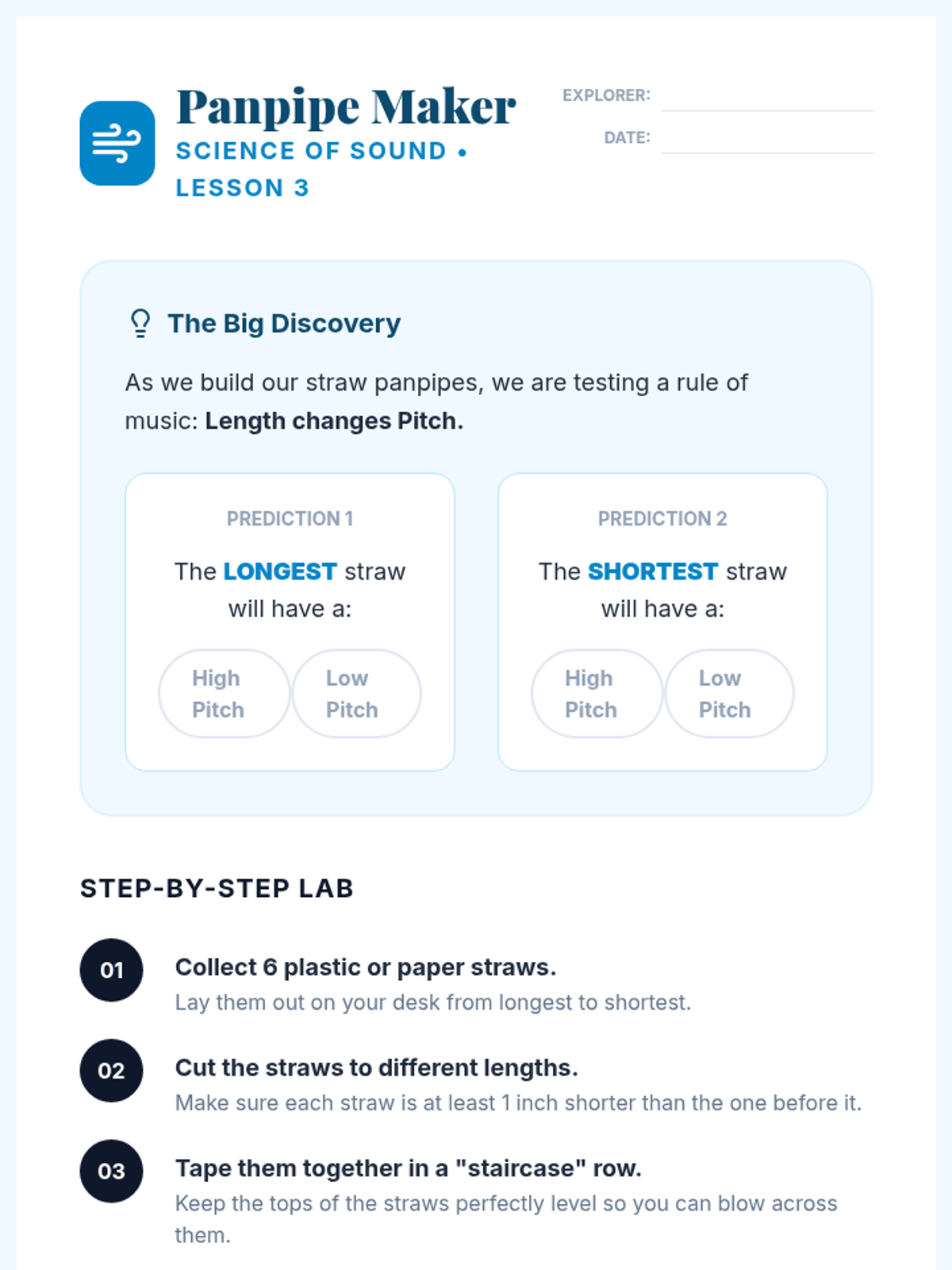
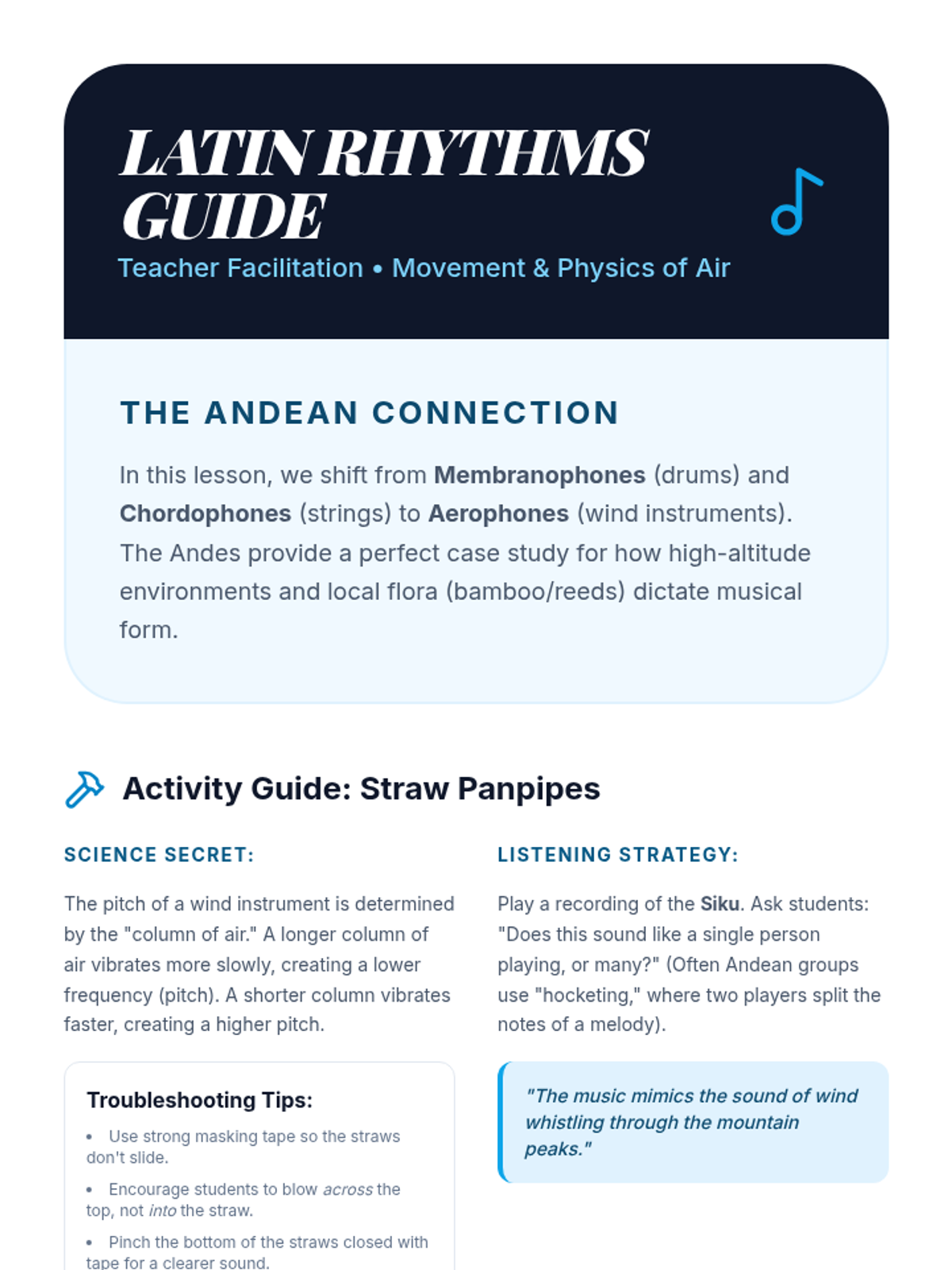
Students investigate the wind and percussion instruments of South America, such as panpipes and maracas, and explore the connection between music and dance in Latin American cultures.
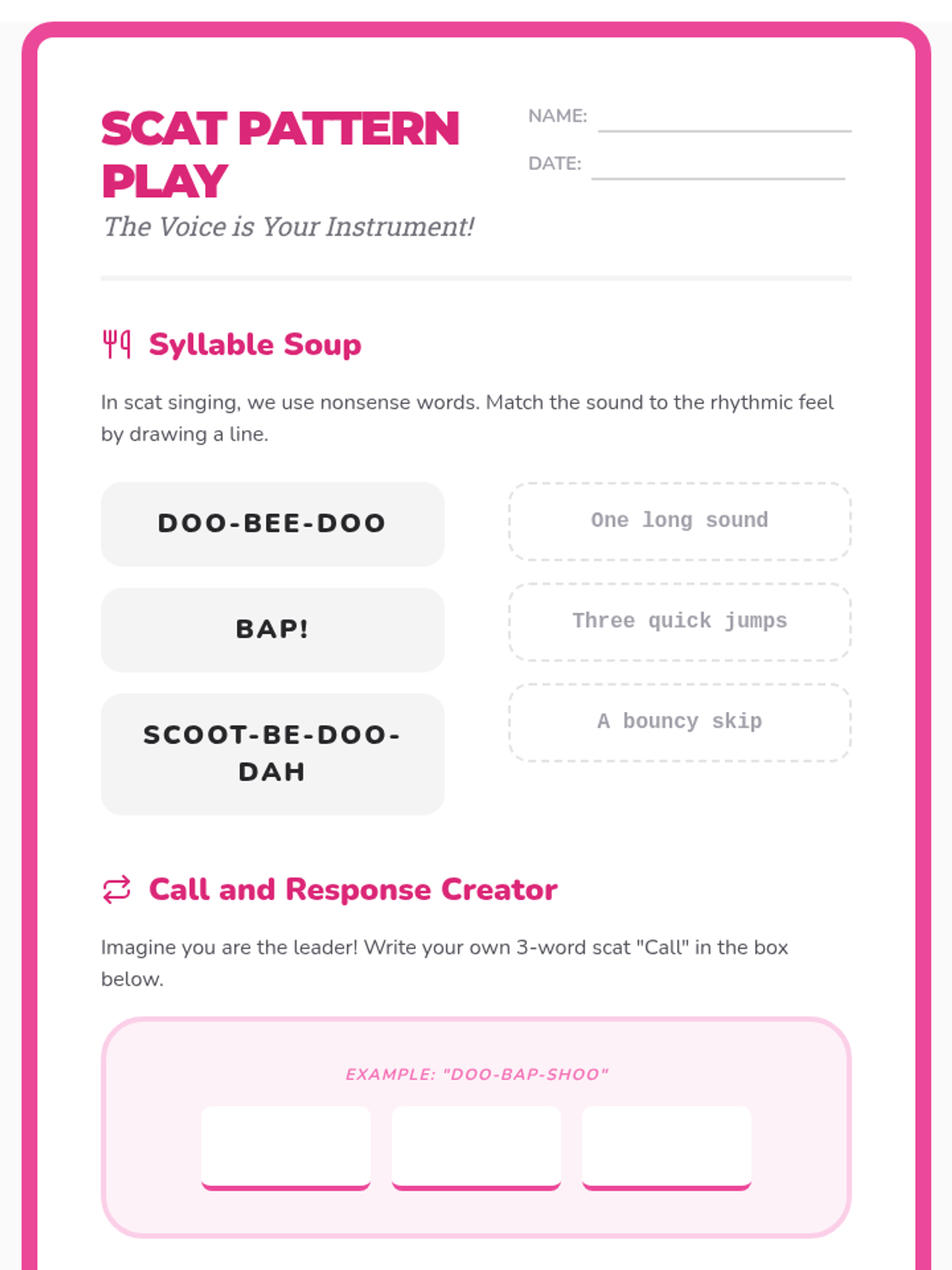
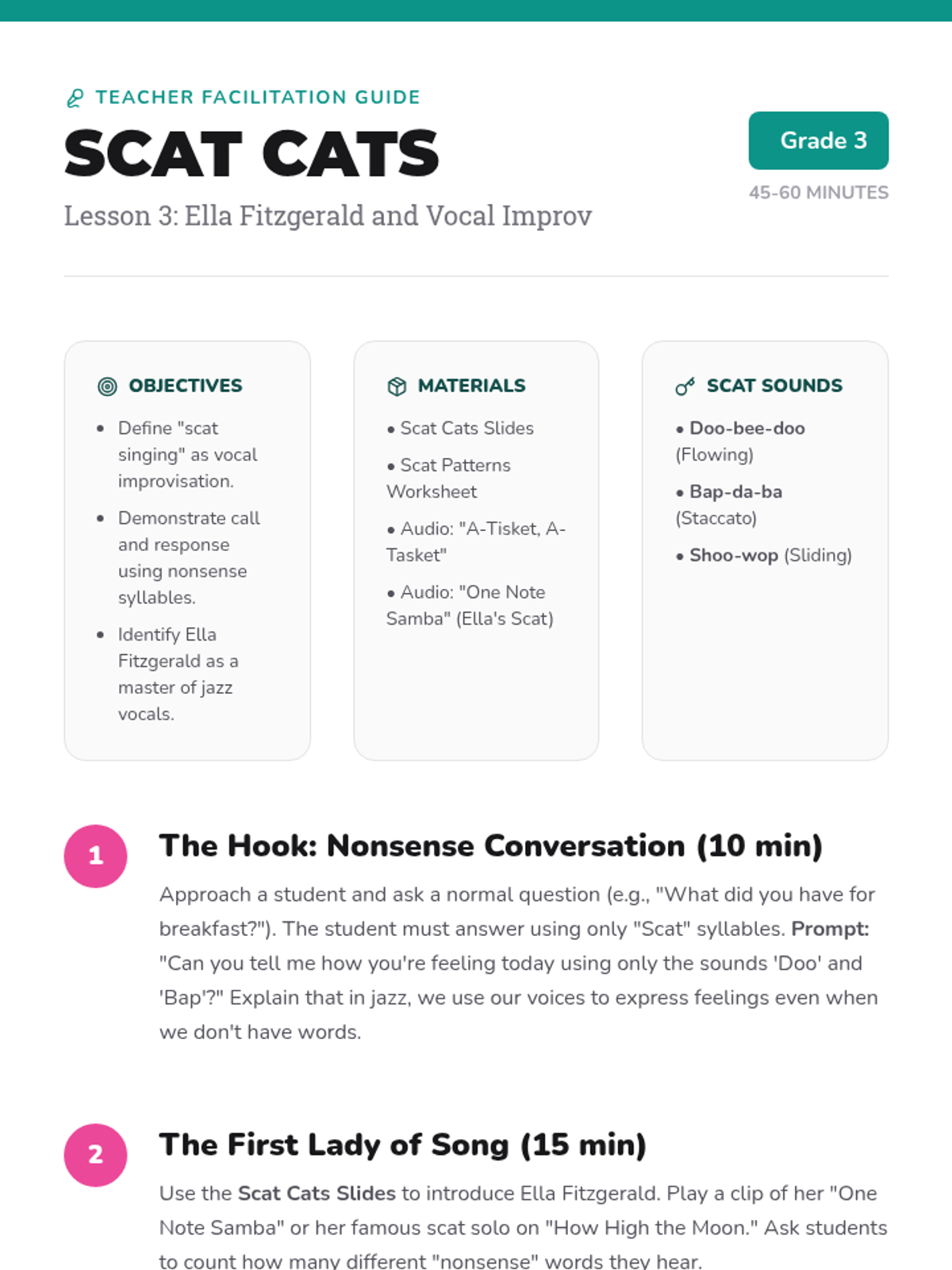
Students explore vocal improvisation through scat singing—using the voice as an instrument with nonsense syllables. They practice call-and-response scat patterns.
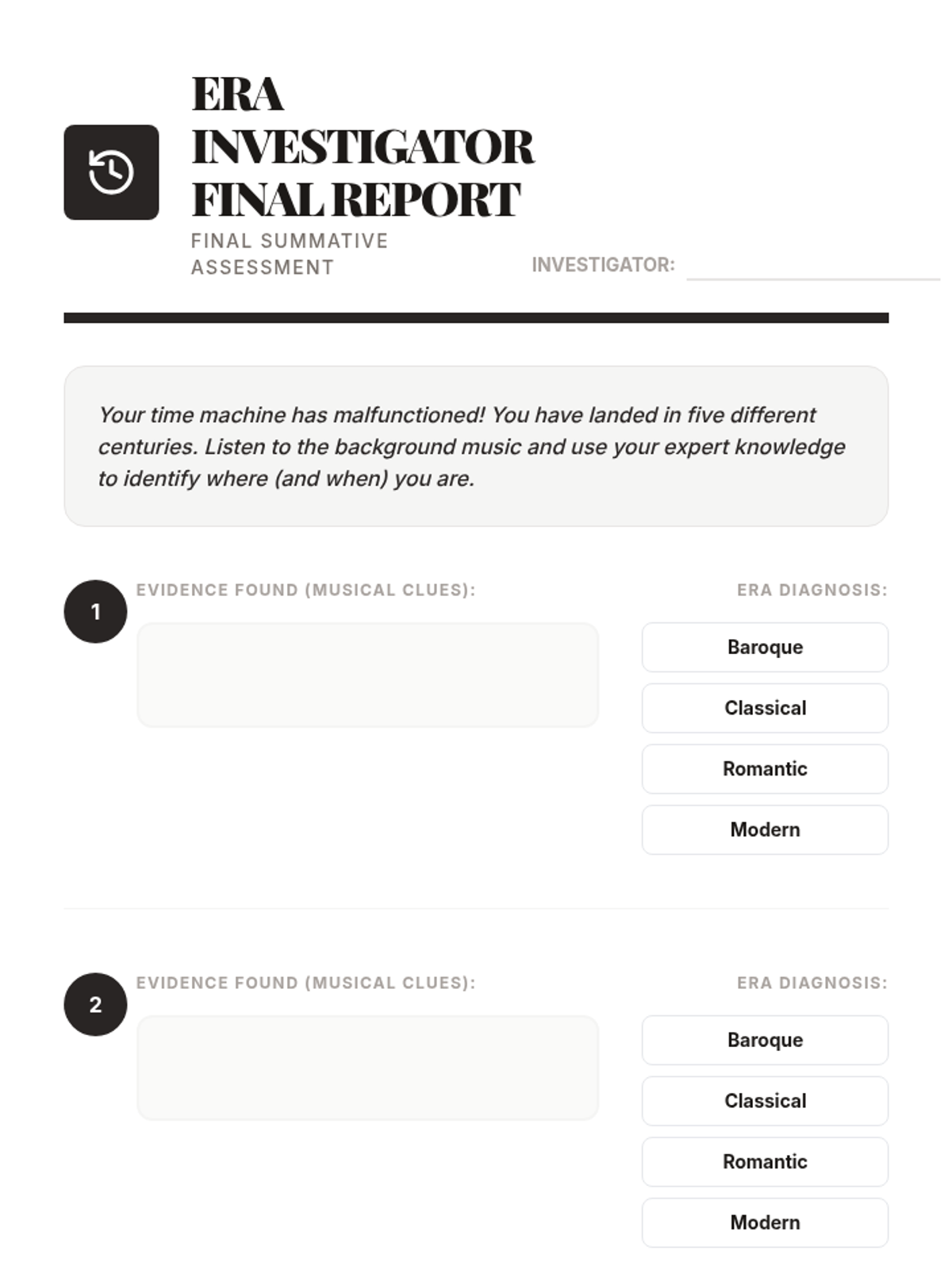
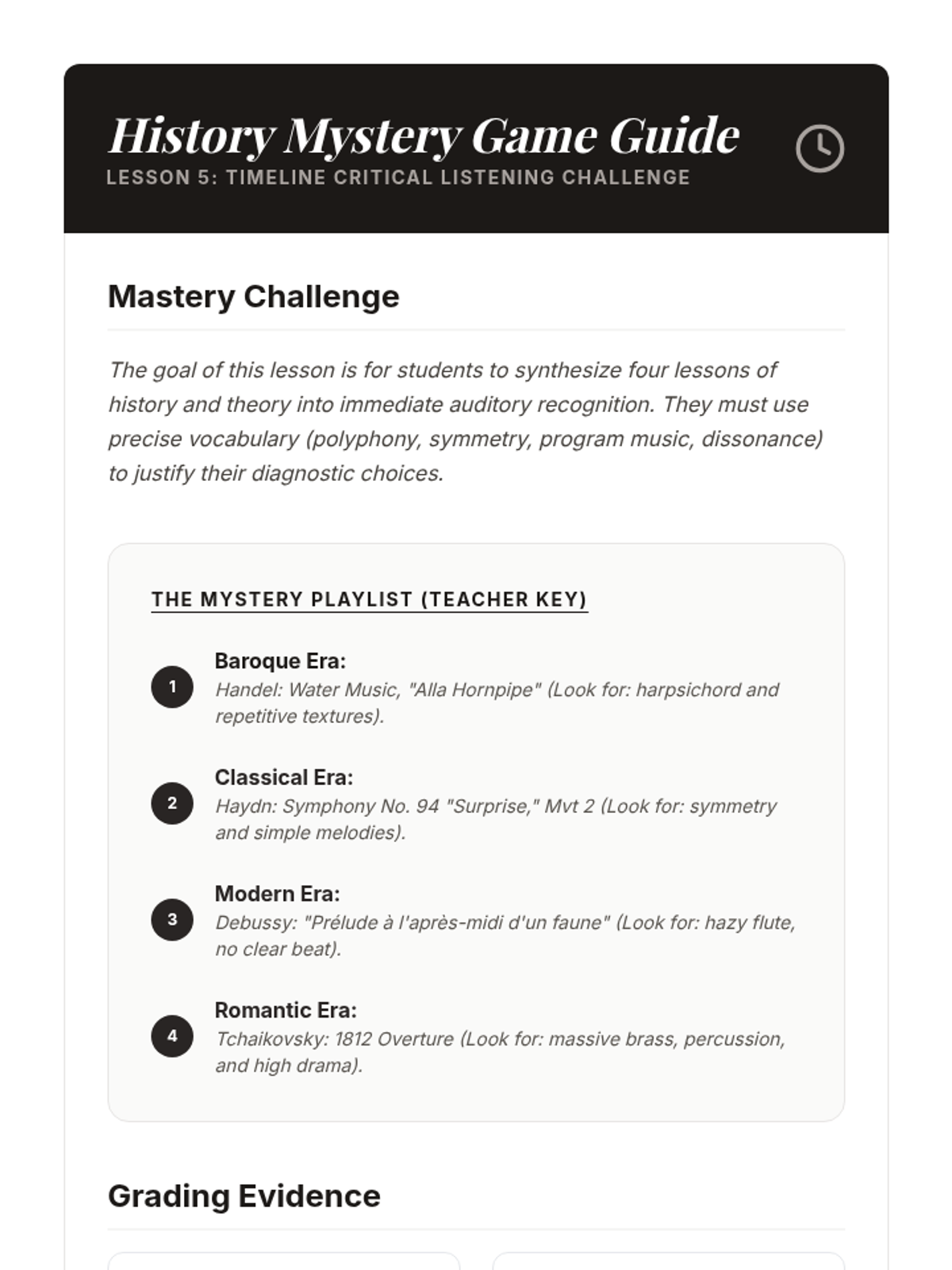
Synthesize knowledge by categorizing mystery musical excerpts into the correct historical era. Students will use specific vocabulary to justify their choices in a 'Time Machine' game.
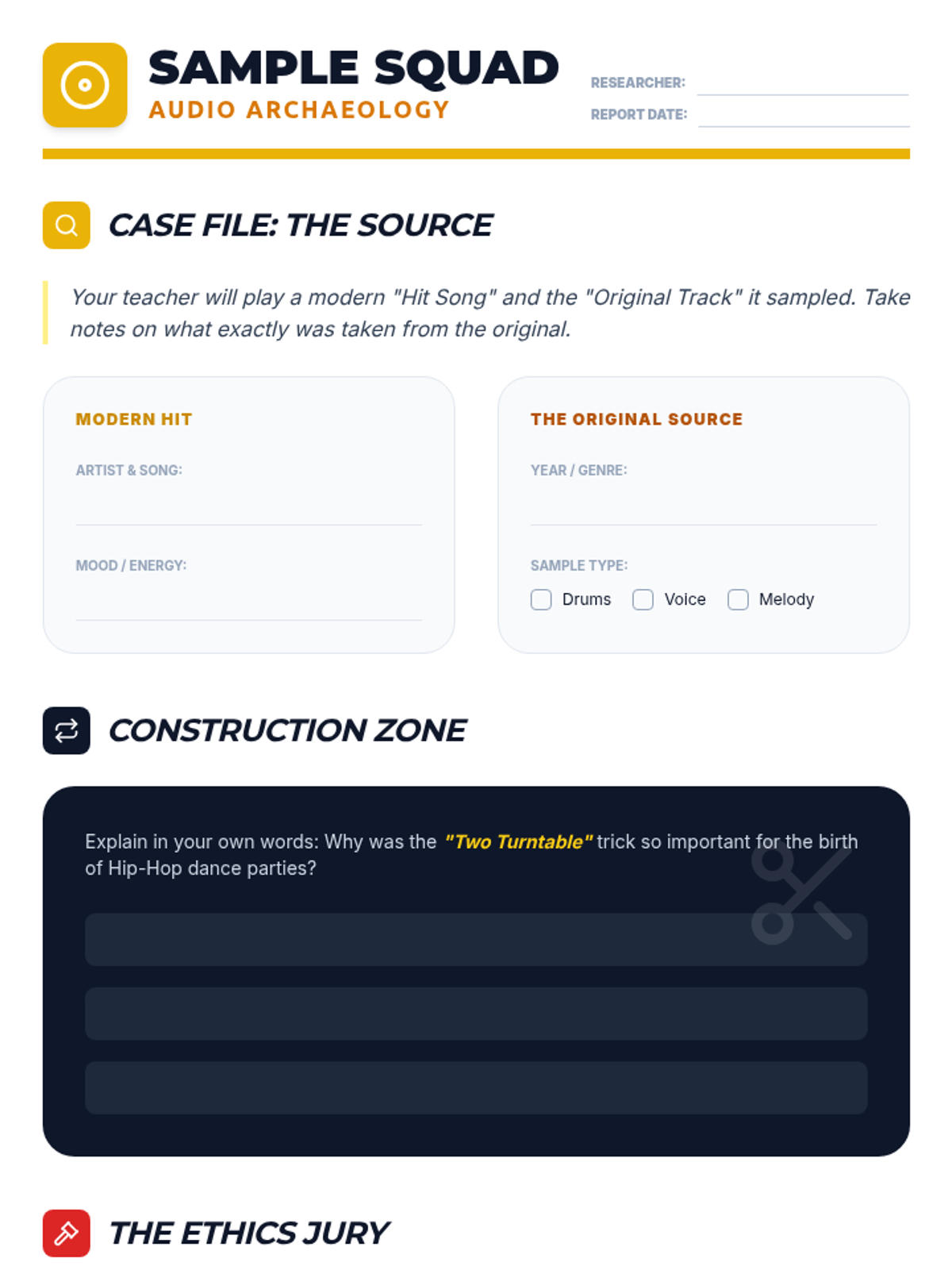
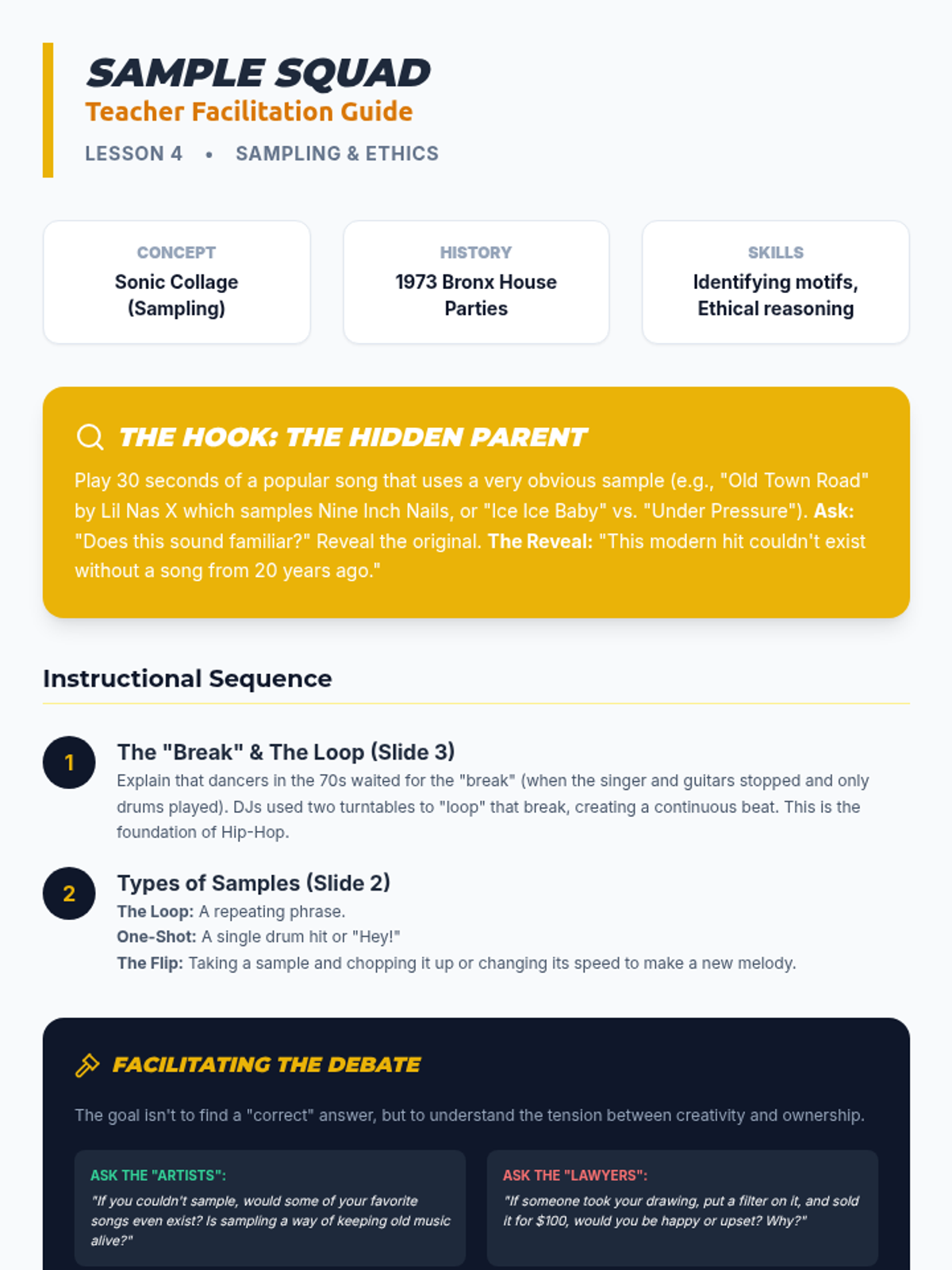
Students investigate the origins of Hip-Hop and the revolutionary technique of sampling, discussing the artistic and legal implications of repurposing existing audio to create new music.
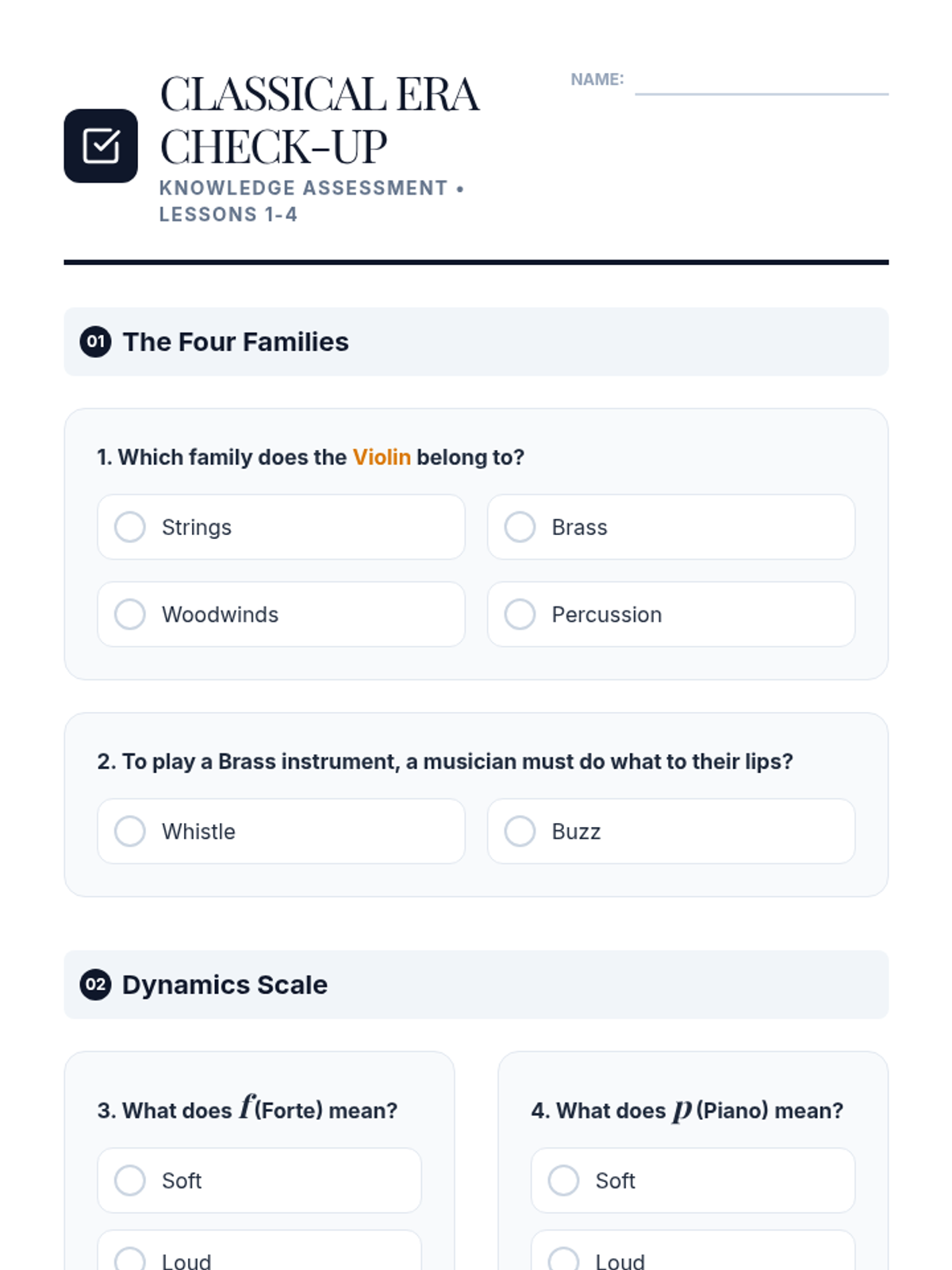
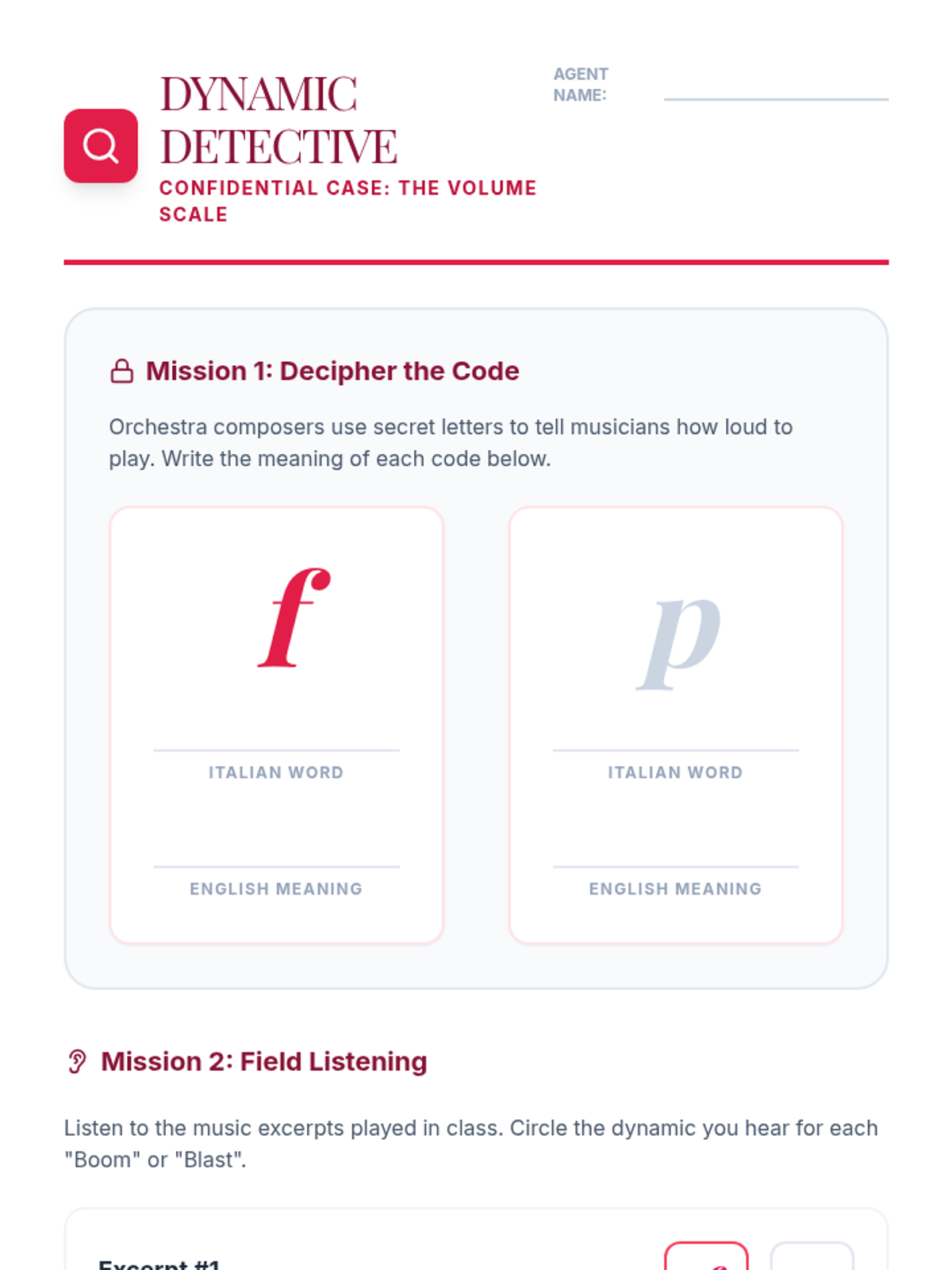
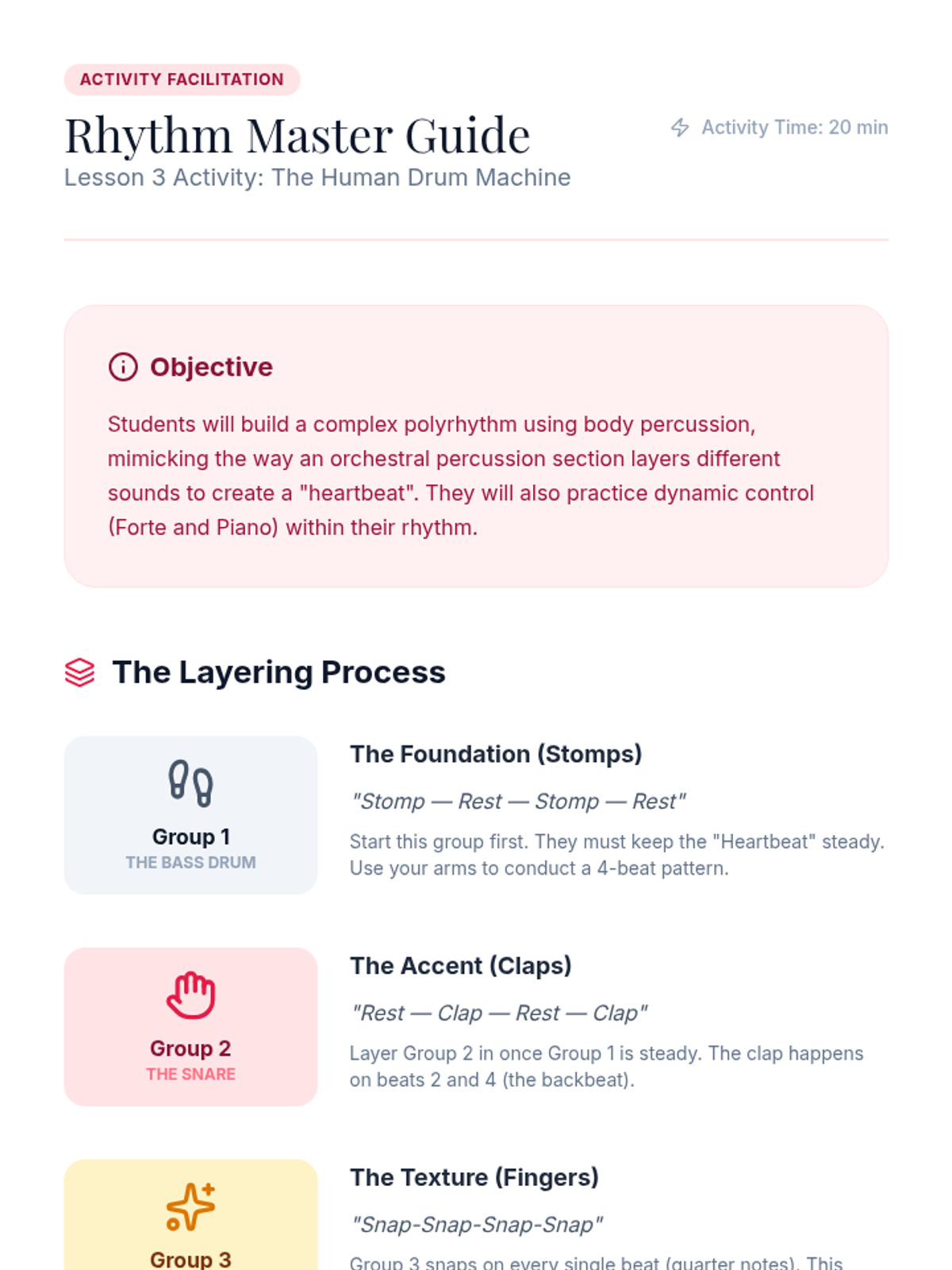
Students explore the power and rhythm of the brass and percussion sections. The lesson focuses on dynamics (loud/soft) and the role of percussion in keeping the heartbeat of the orchestra.
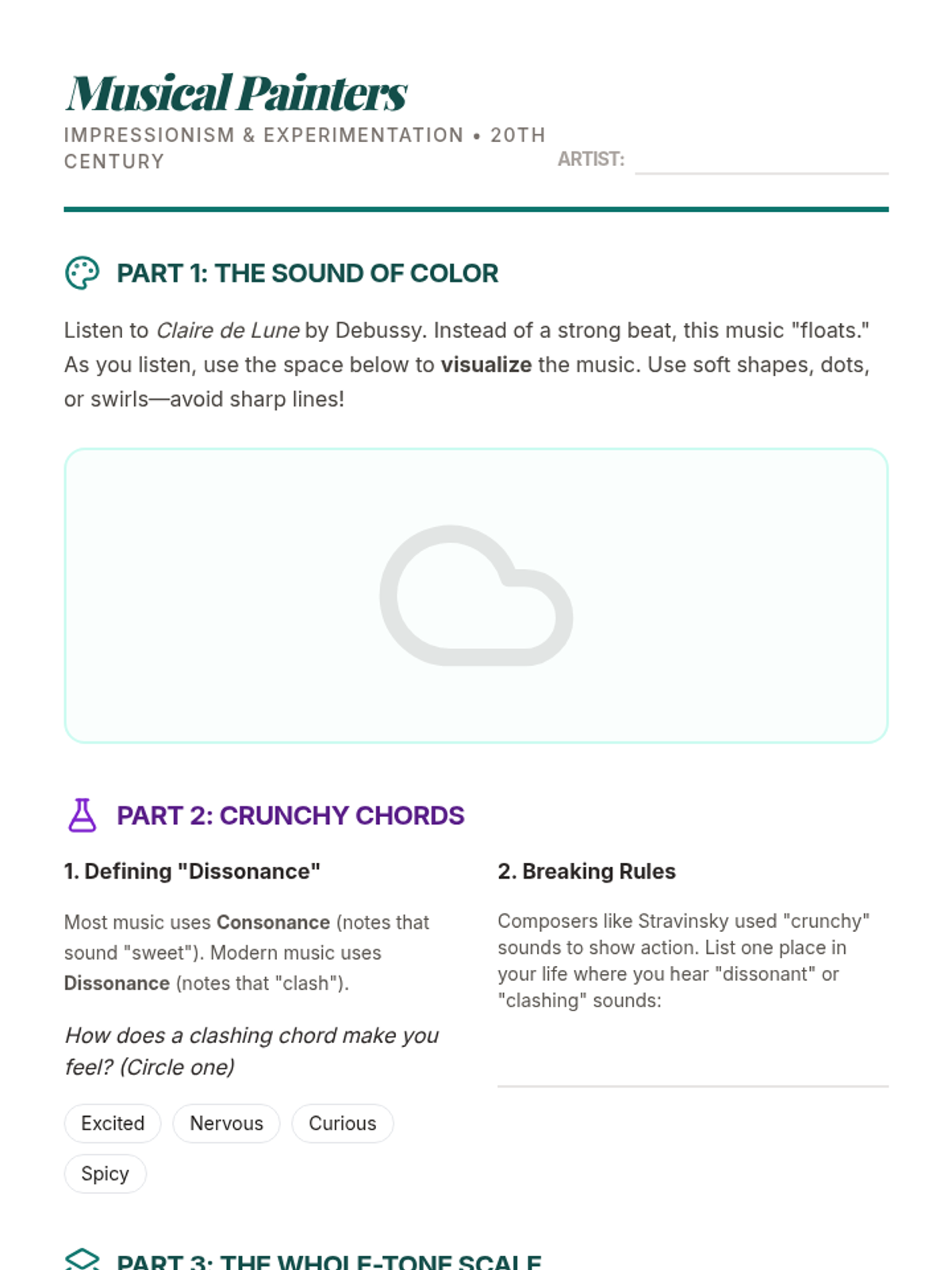
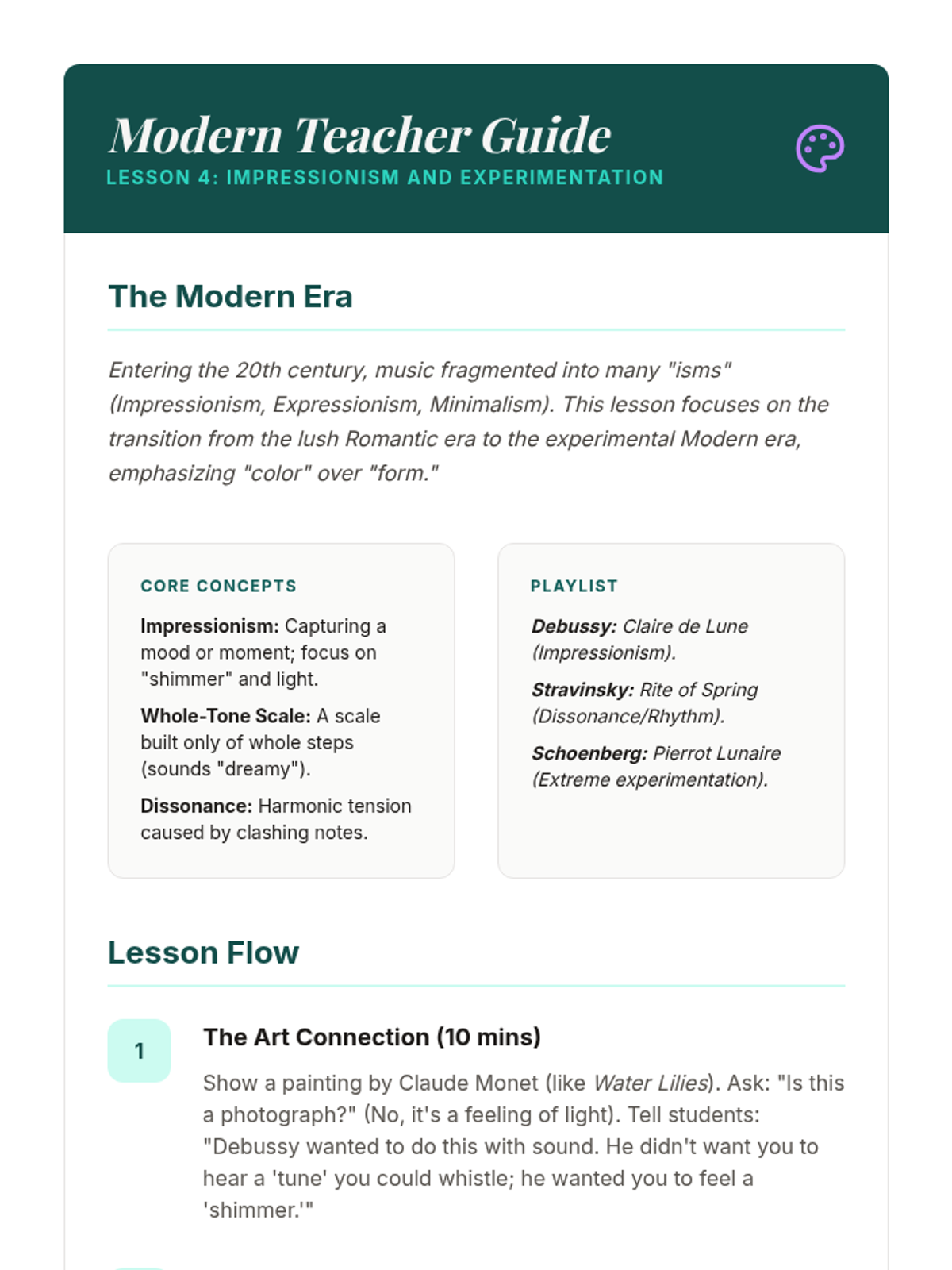
Examine how 20th-century composers like Debussy used 'colors' and dissonance to break traditional rules. Students will experiment with whole-tone scales and auditory analysis.
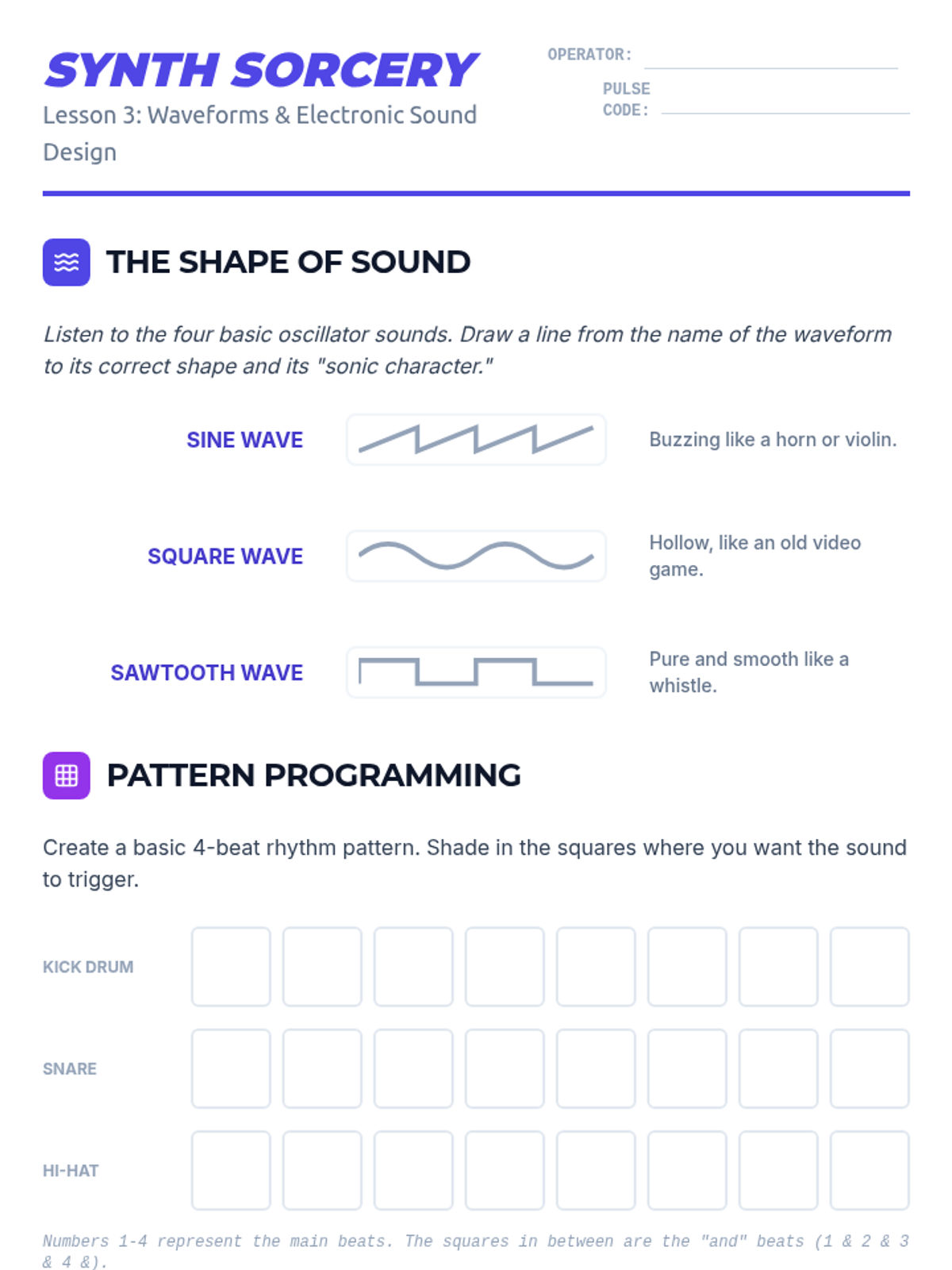
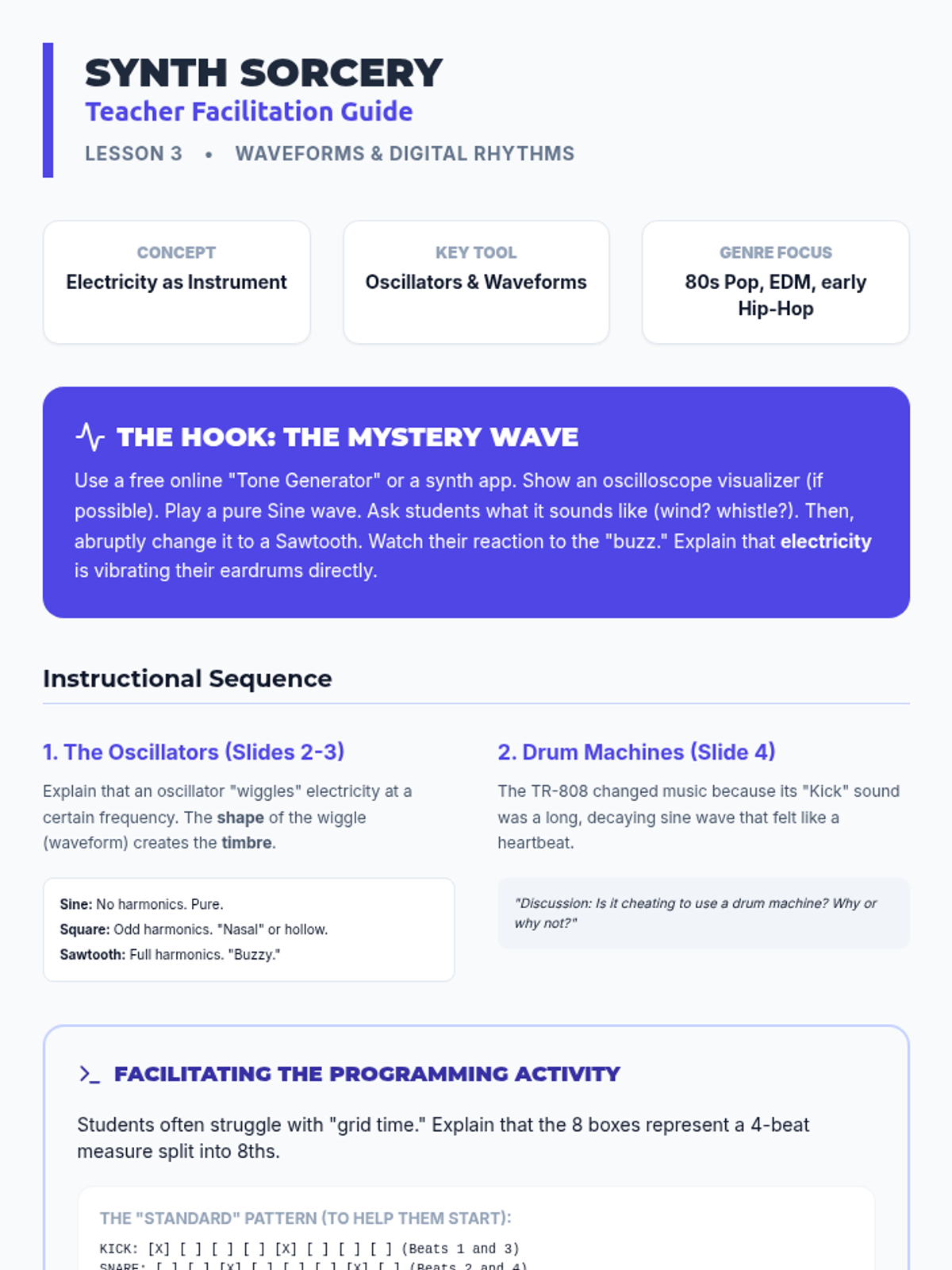
Students explore the introduction of synthesizers and drum machines in the 70s and 80s, learning about waveforms and how electricity can be used to design completely new sounds.
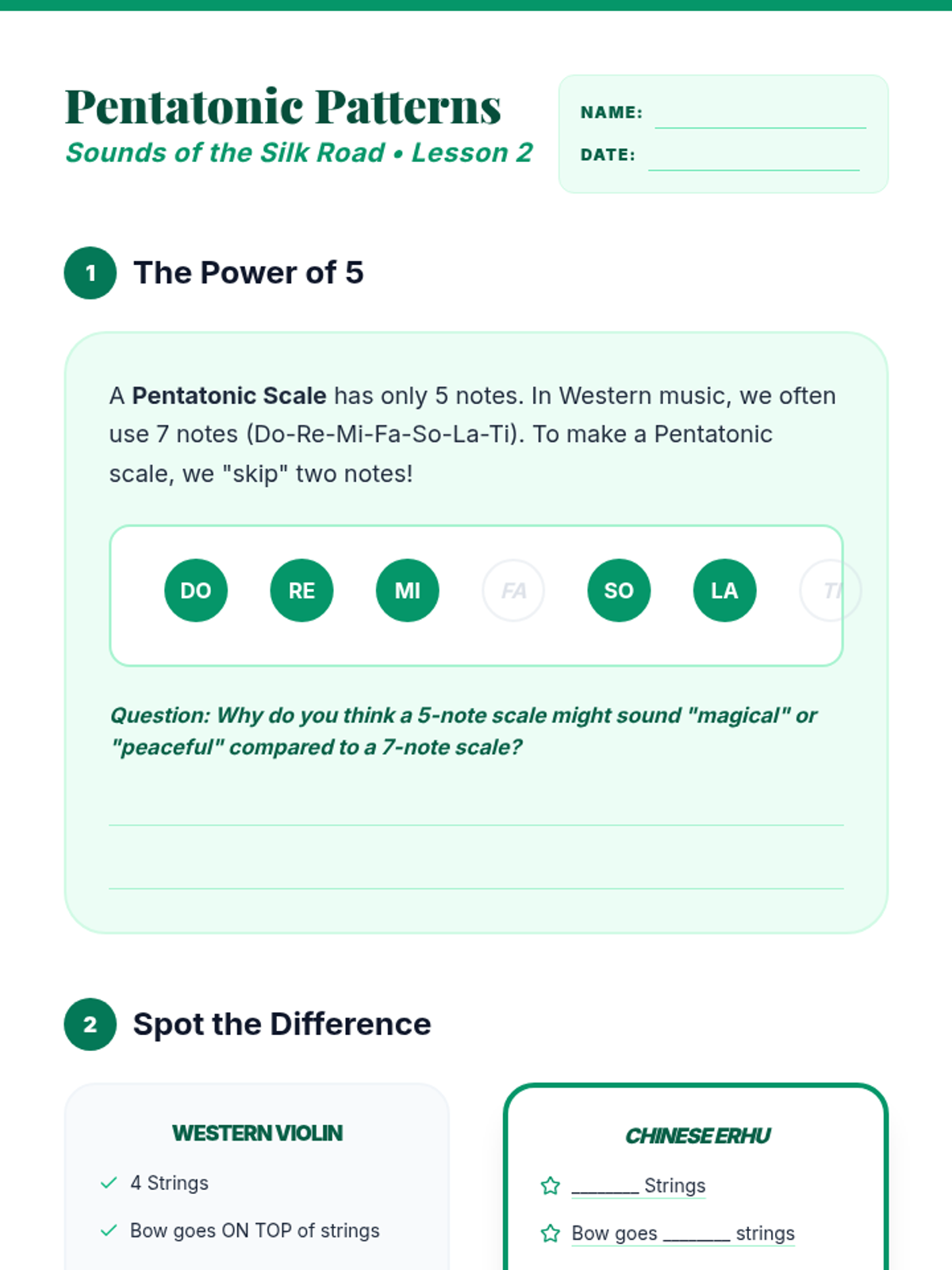
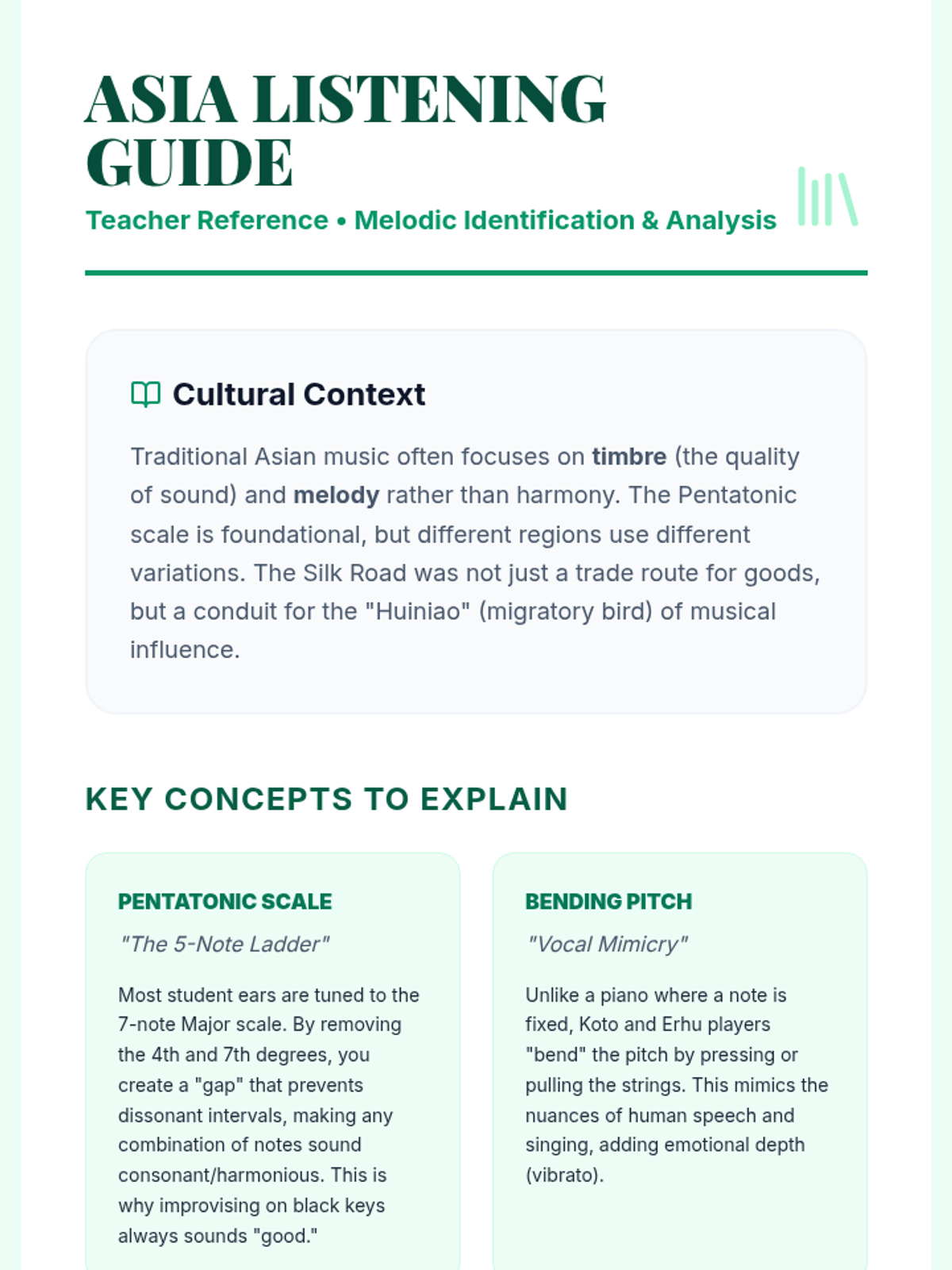
This lesson introduces the Pentatonic scale (5-note scale) common in traditional Chinese and Japanese music. Students listen to string instruments like the Koto or Erhu and compare them to the violin.
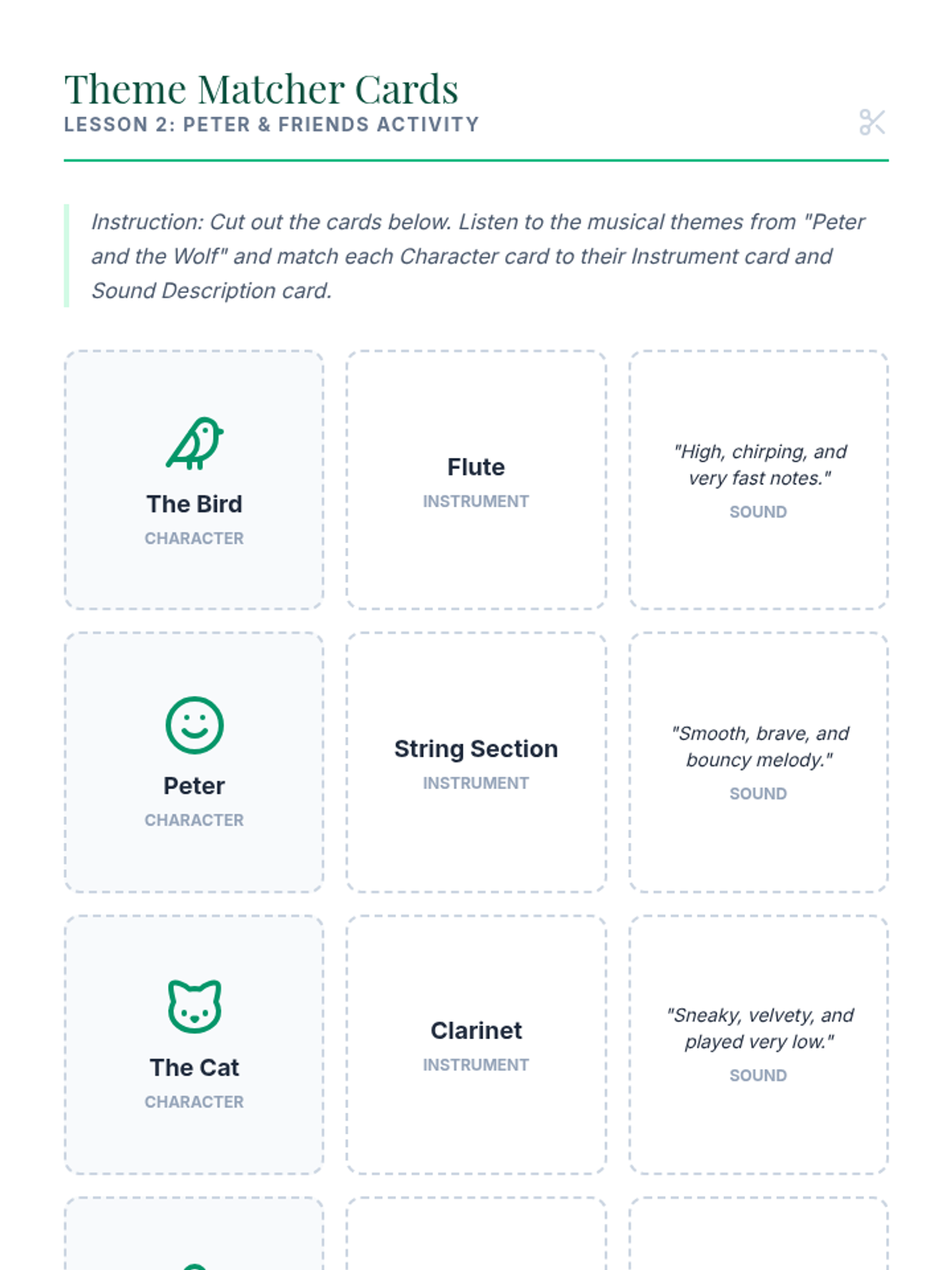
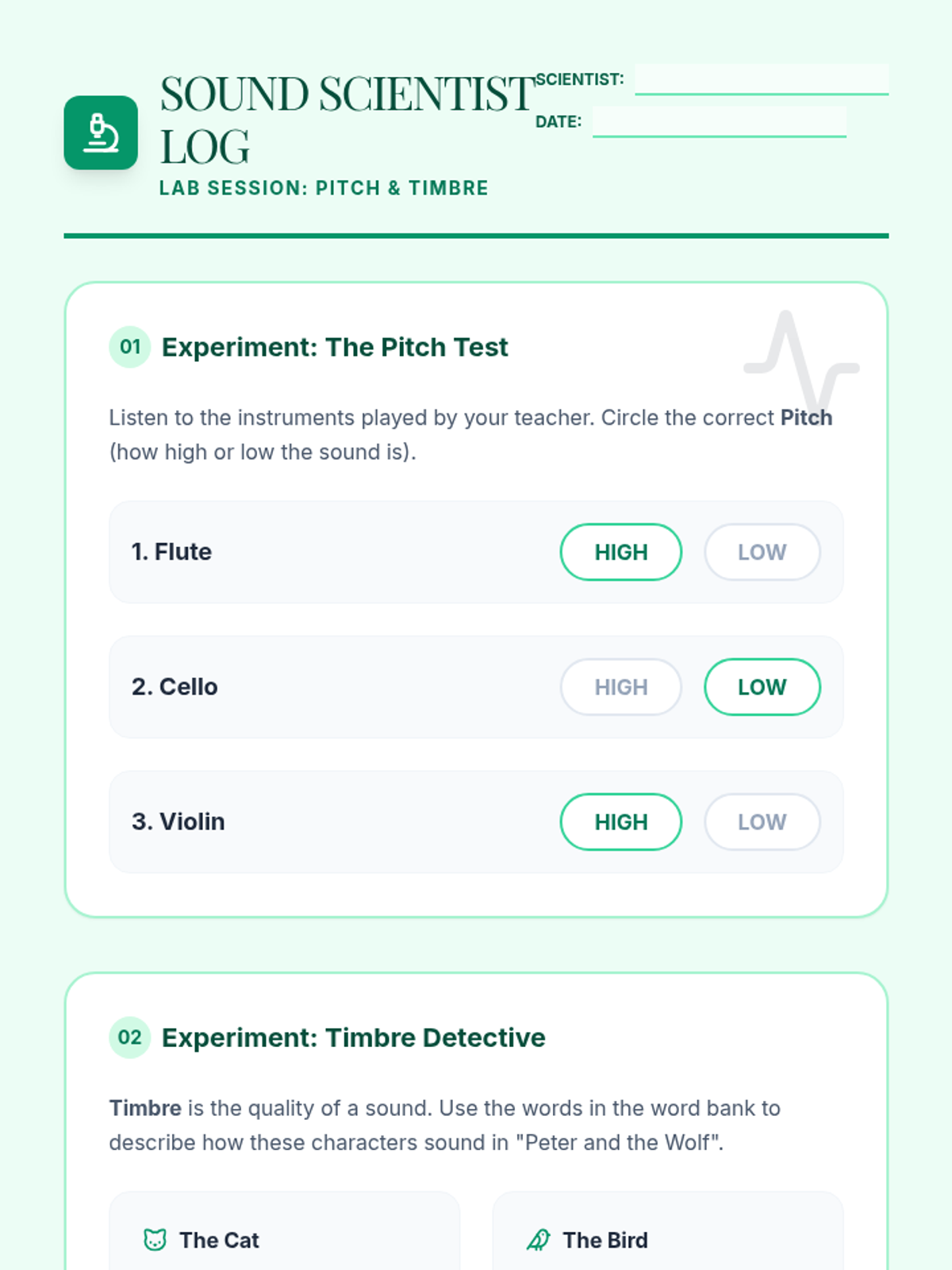
Focusing specifically on strings and woodwinds, students examine the variation in pitch and timbre within these families. They listen to 'Peter and the Wolf' to hear how specific instruments represent characters.
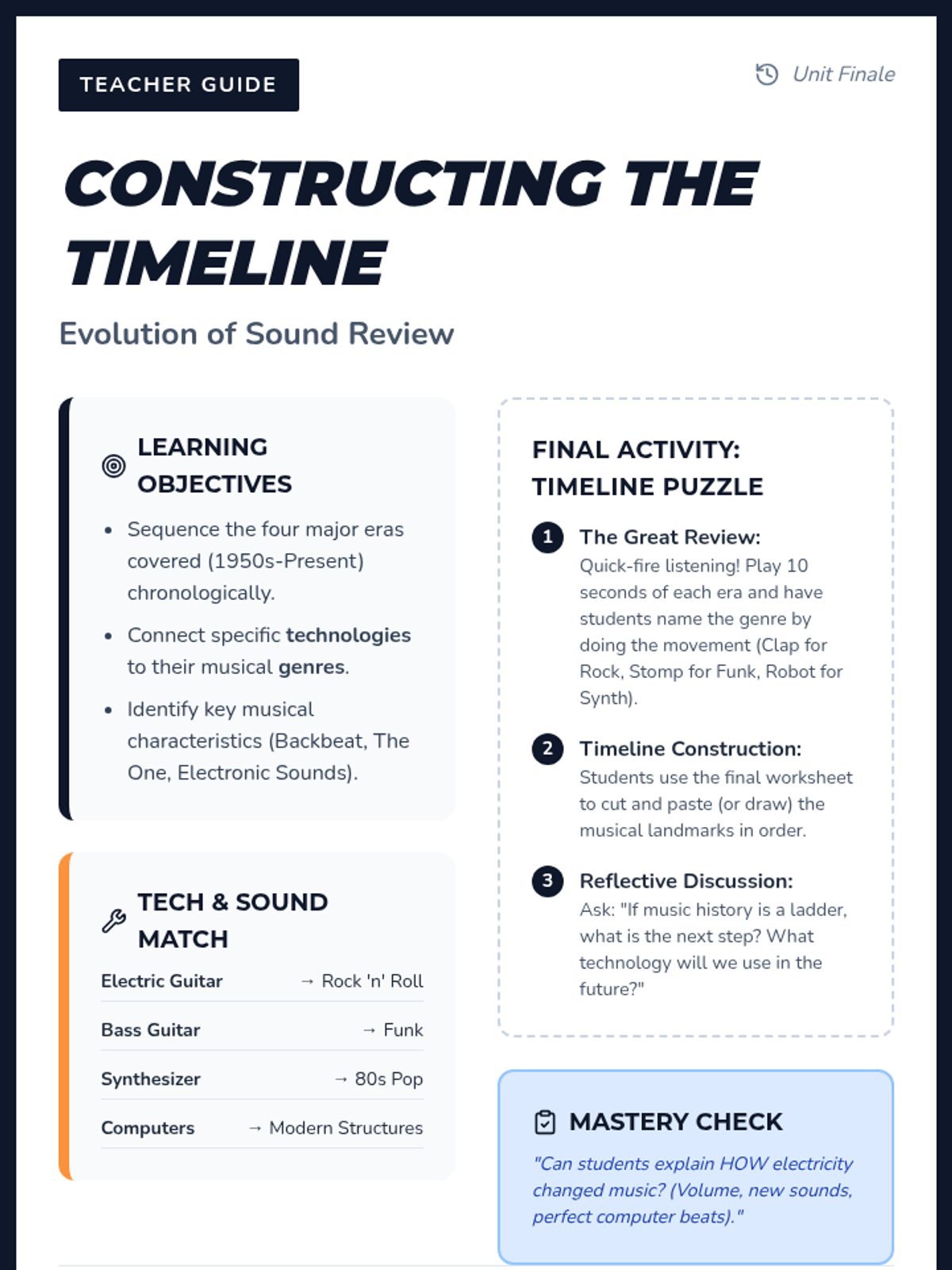
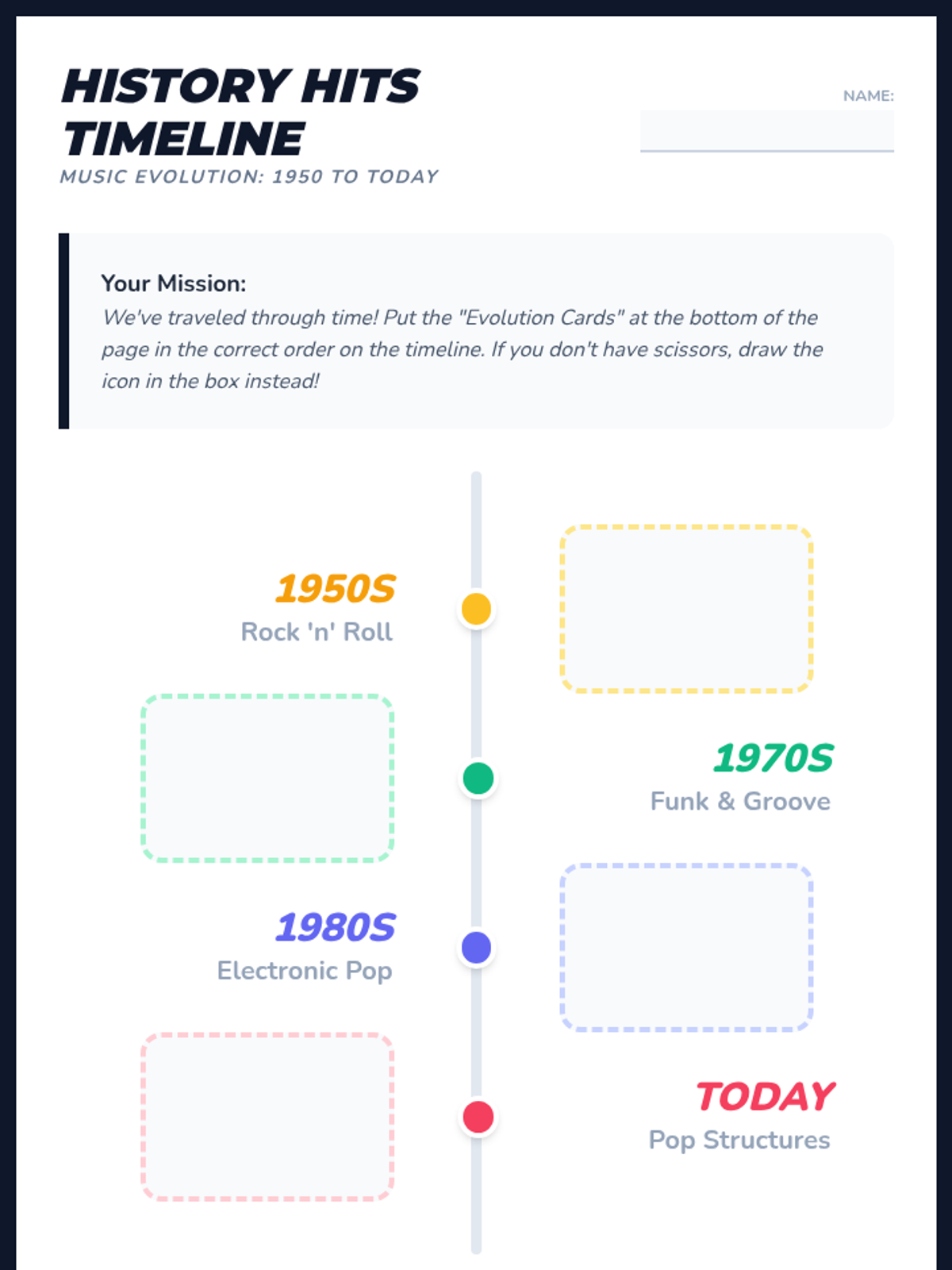
A cumulative review where students synthesize their knowledge to build a complete timeline of music history. They categorize genres by their technological and musical characteristics.
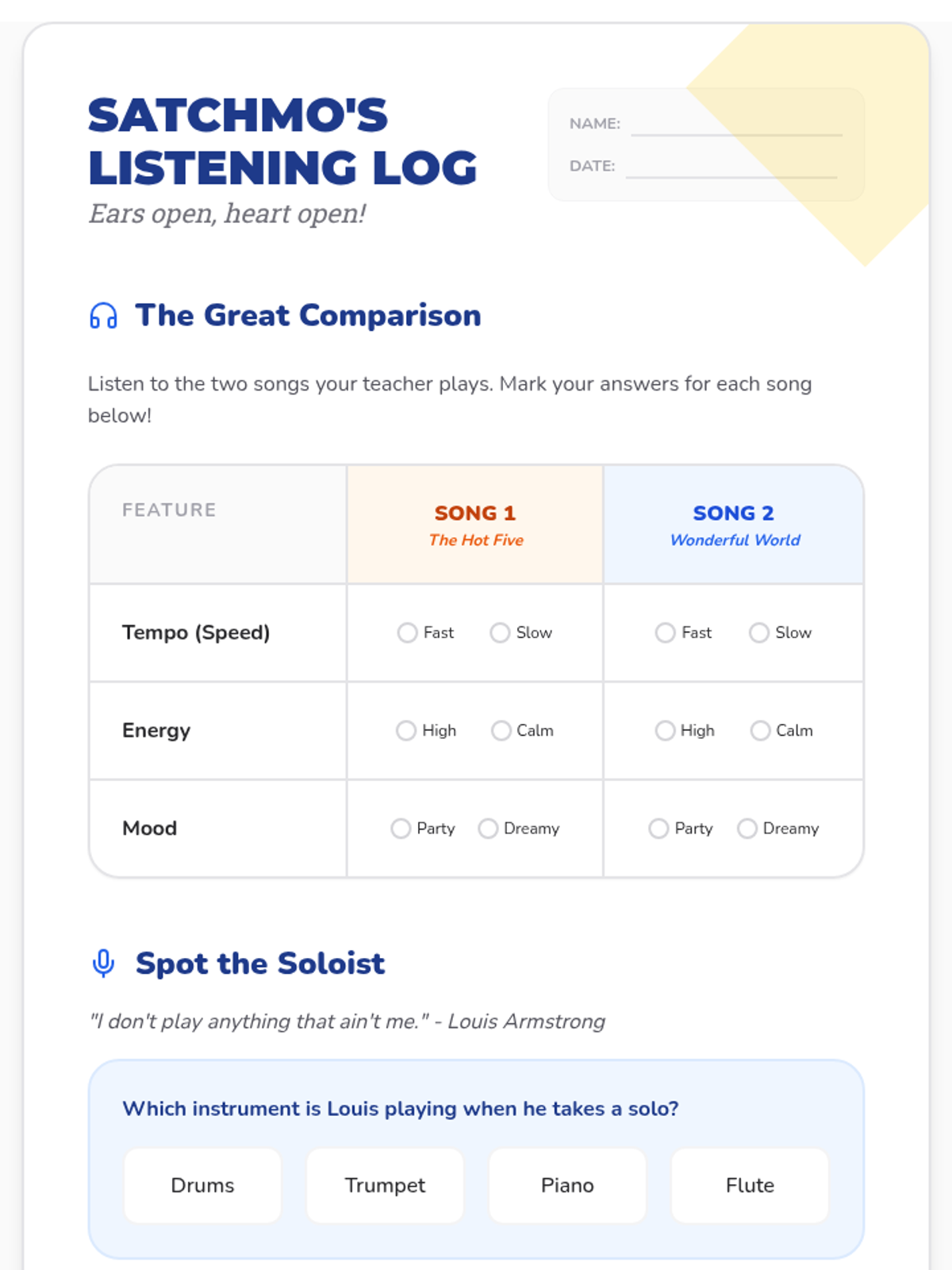
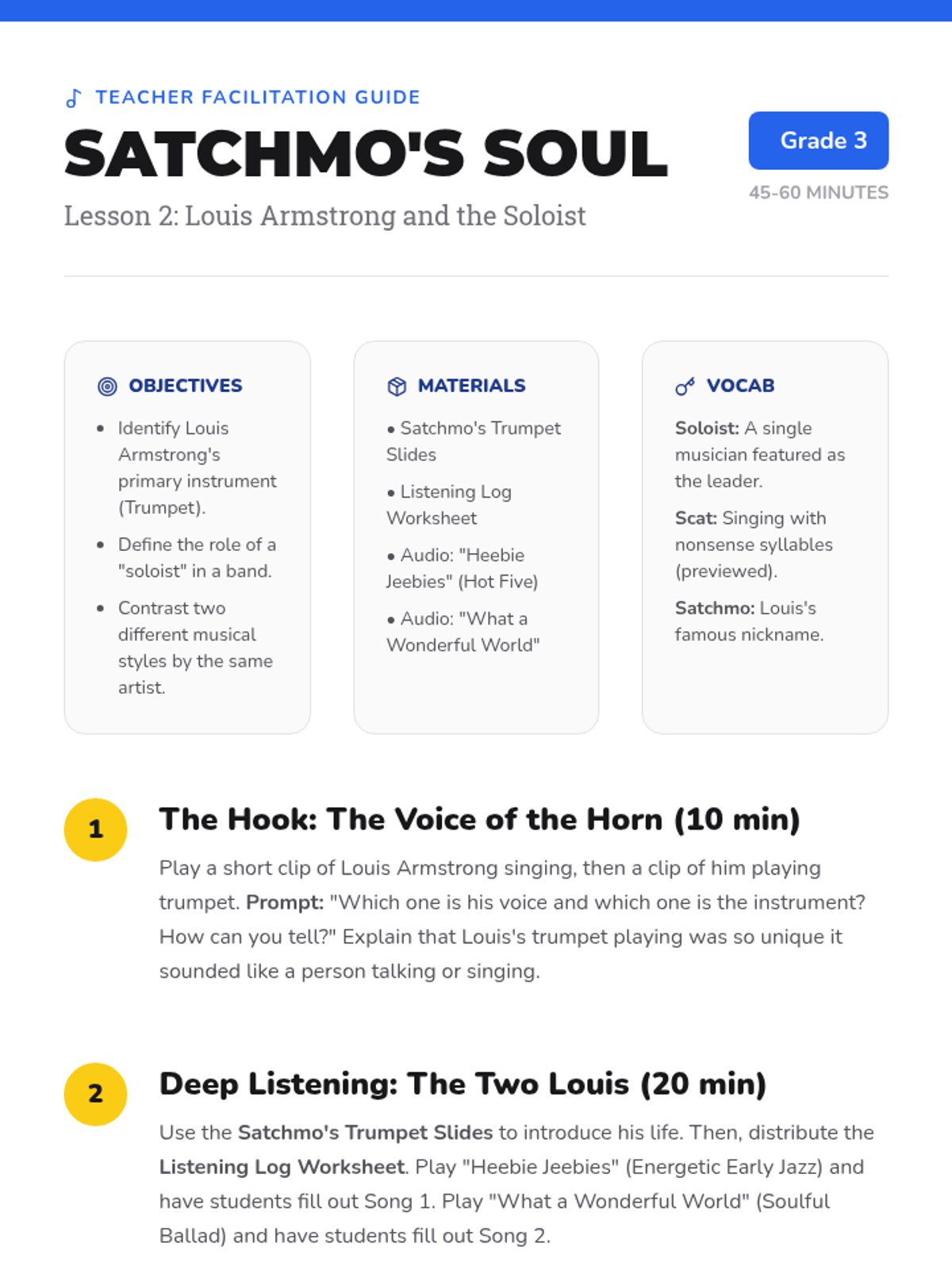
A focus on Louis Armstrong as a vocalist and trumpeter. Students learn about the role of the soloist in jazz and how personality shines through instrumental music.
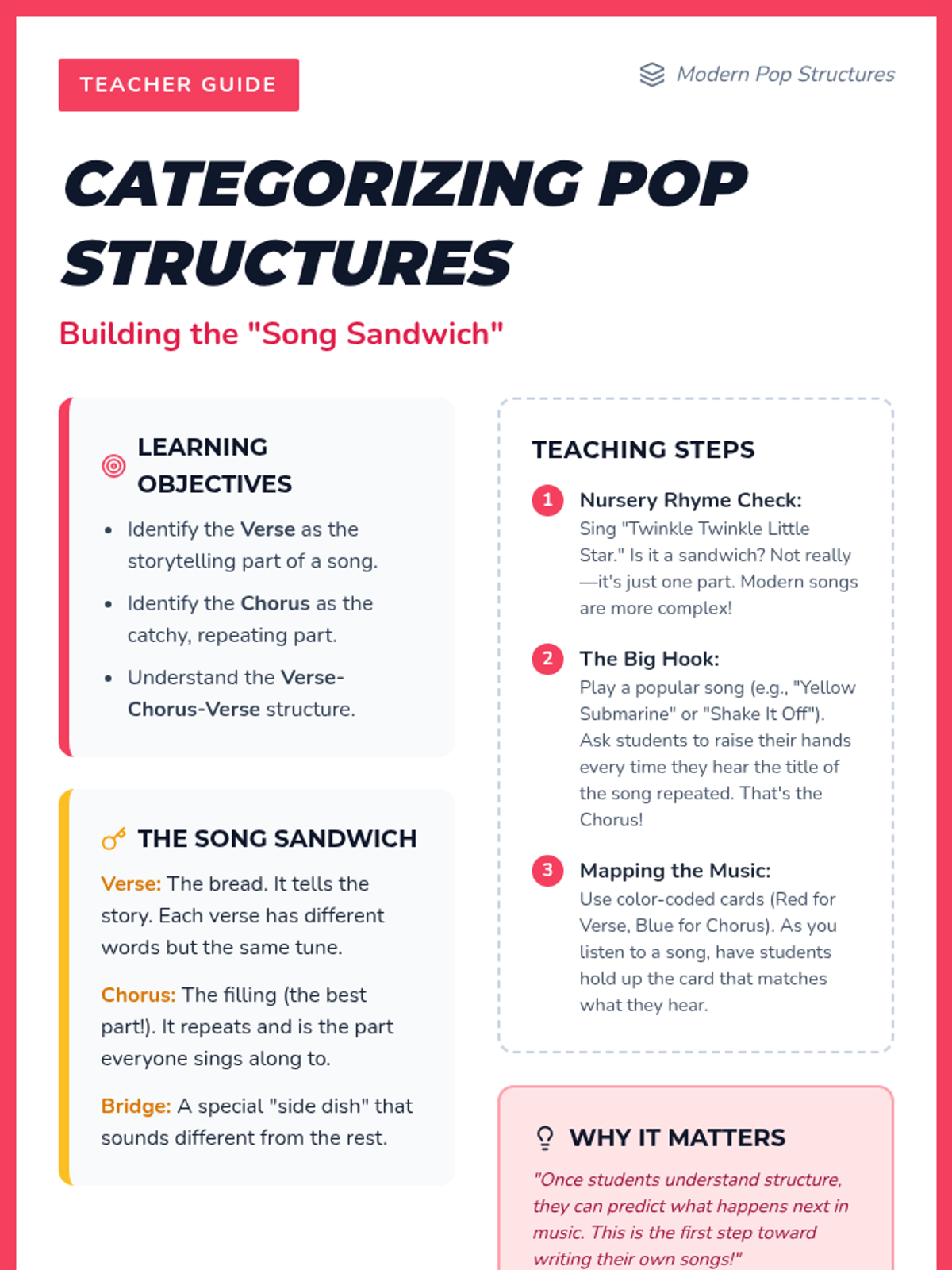
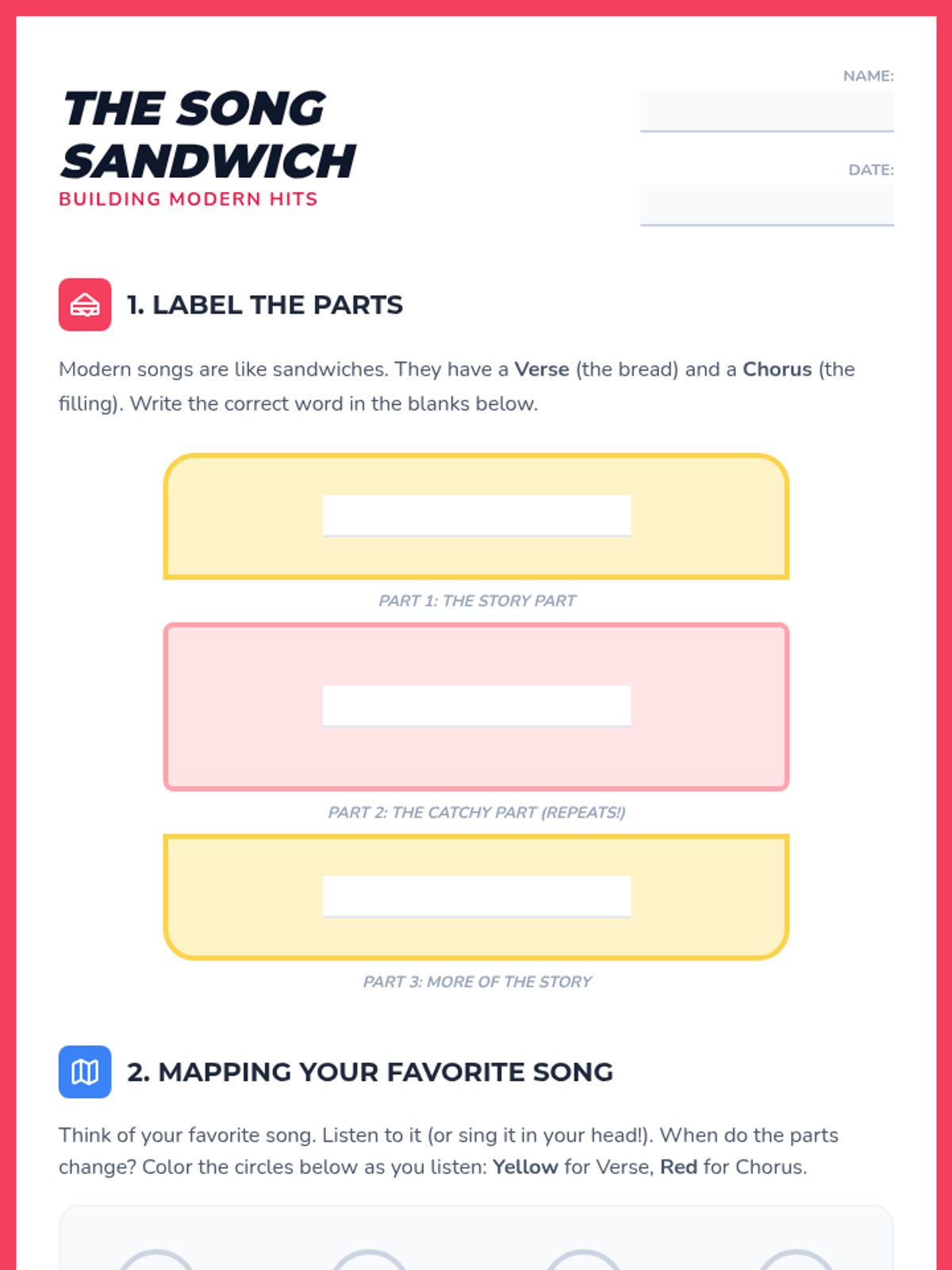
Students deconstruct modern pop songs to find the 'Verse-Chorus' pattern. They use a 'Song Sandwich' analogy to understand how most modern music is structured.
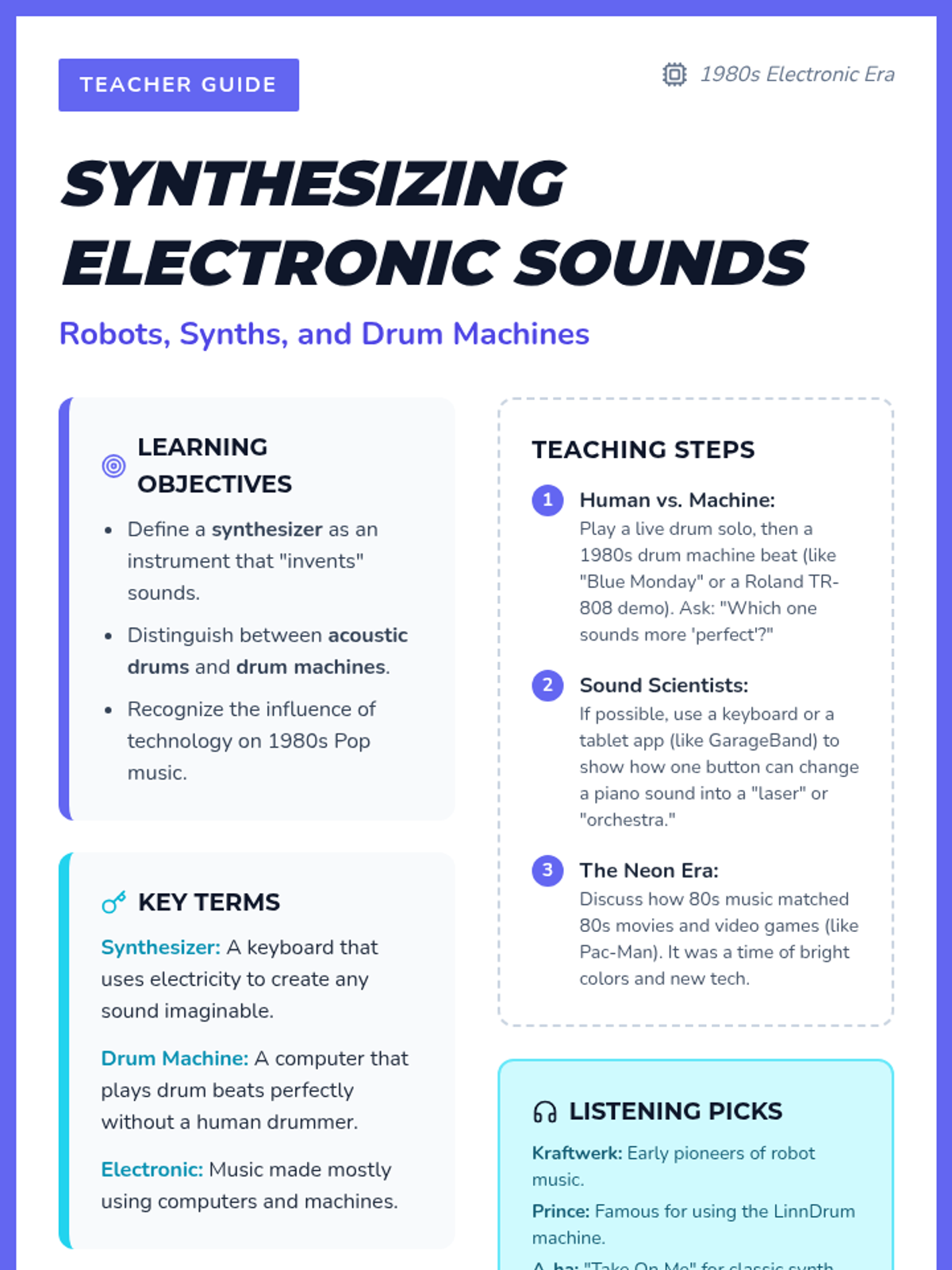
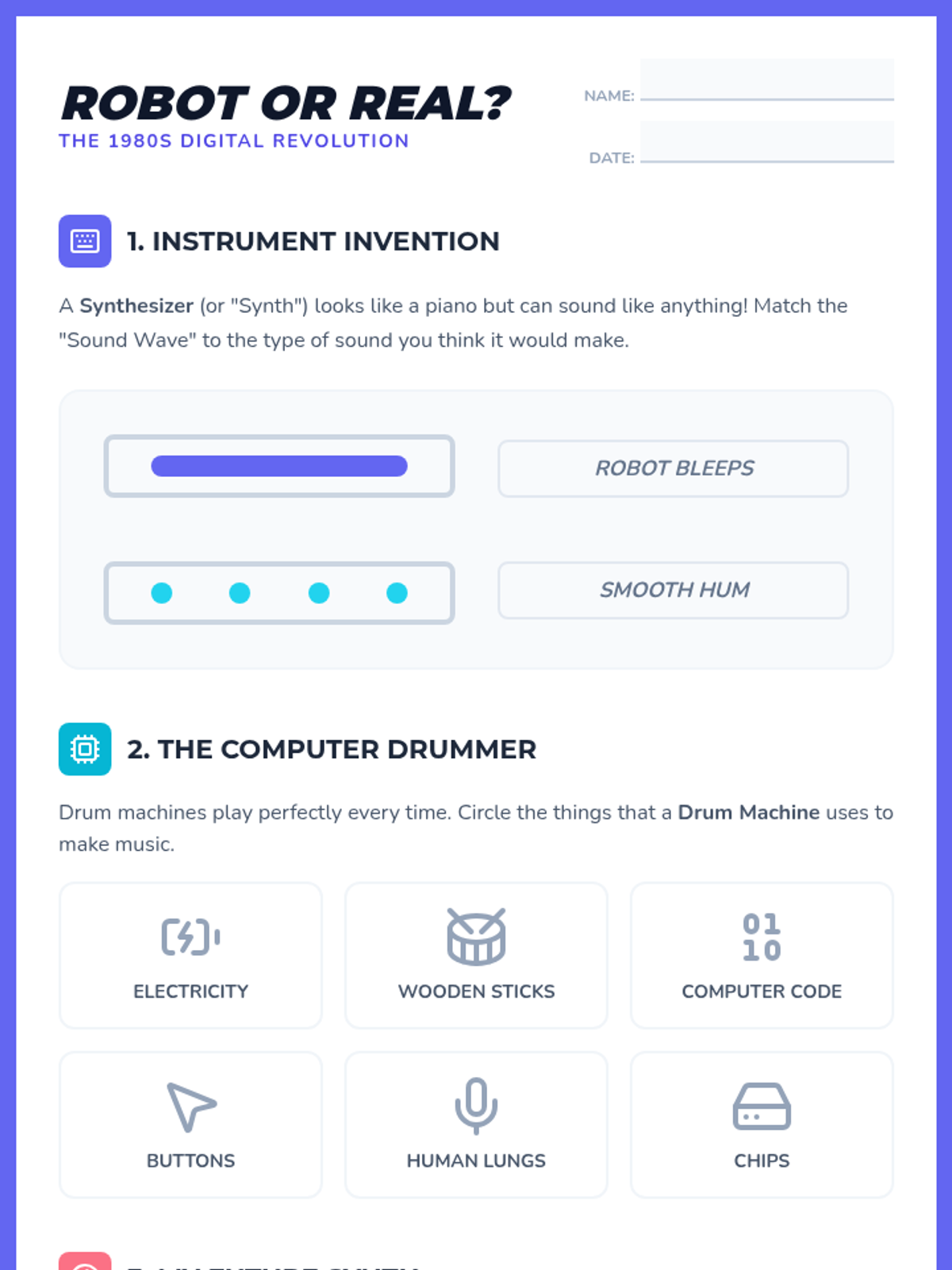
An introduction to the digital age of music, where students explore synthesizers and drum machines from the 1980s. They compare electronic sounds with traditional acoustic instruments.