A multi-sensory exploration of Impressionism, connecting the visual brushstrokes of Claude Monet with the auditory 'atmospheric' compositions of Claude Debussy. Students analyze historical context before creating their own musical-inspired artwork.

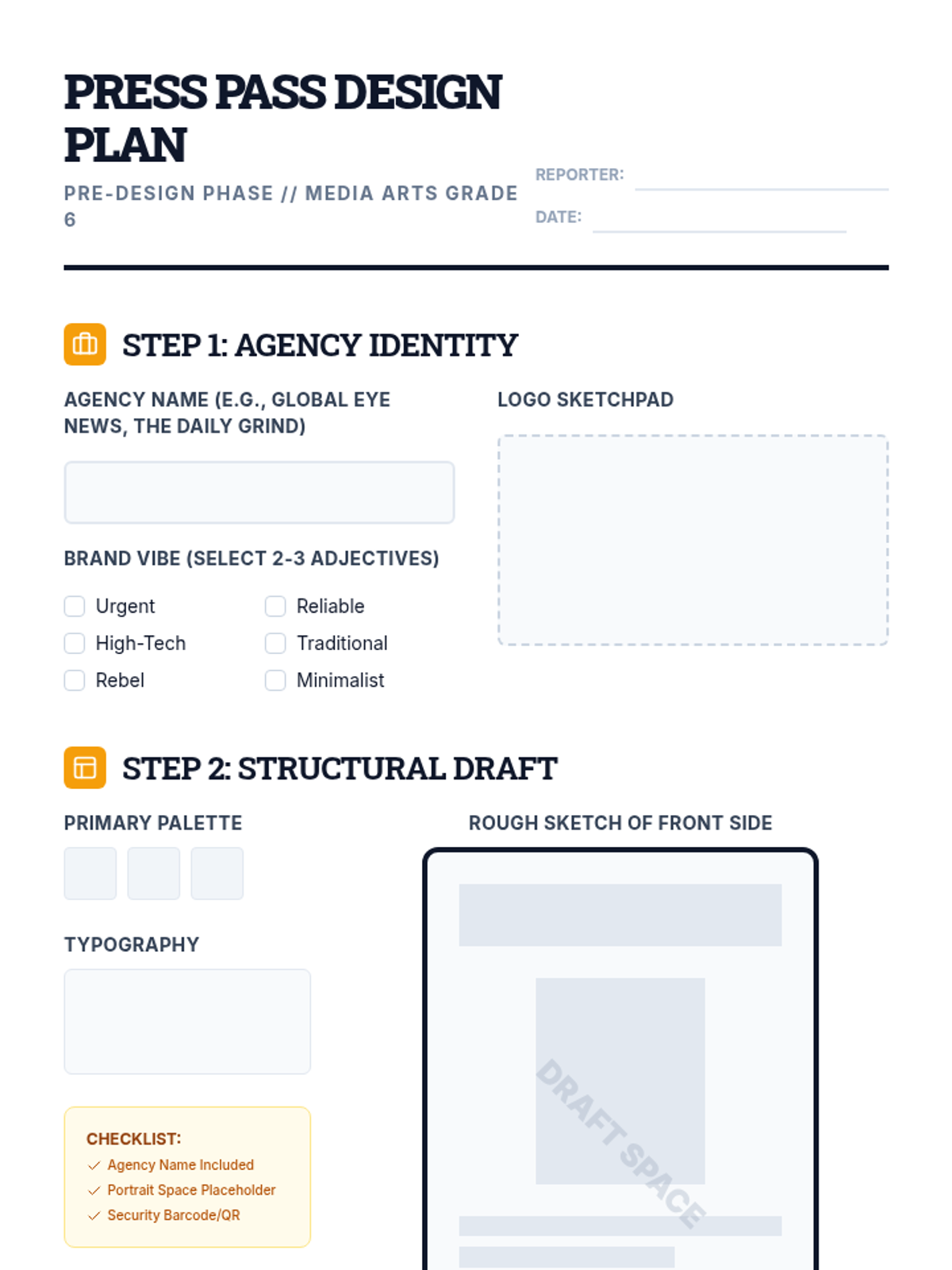
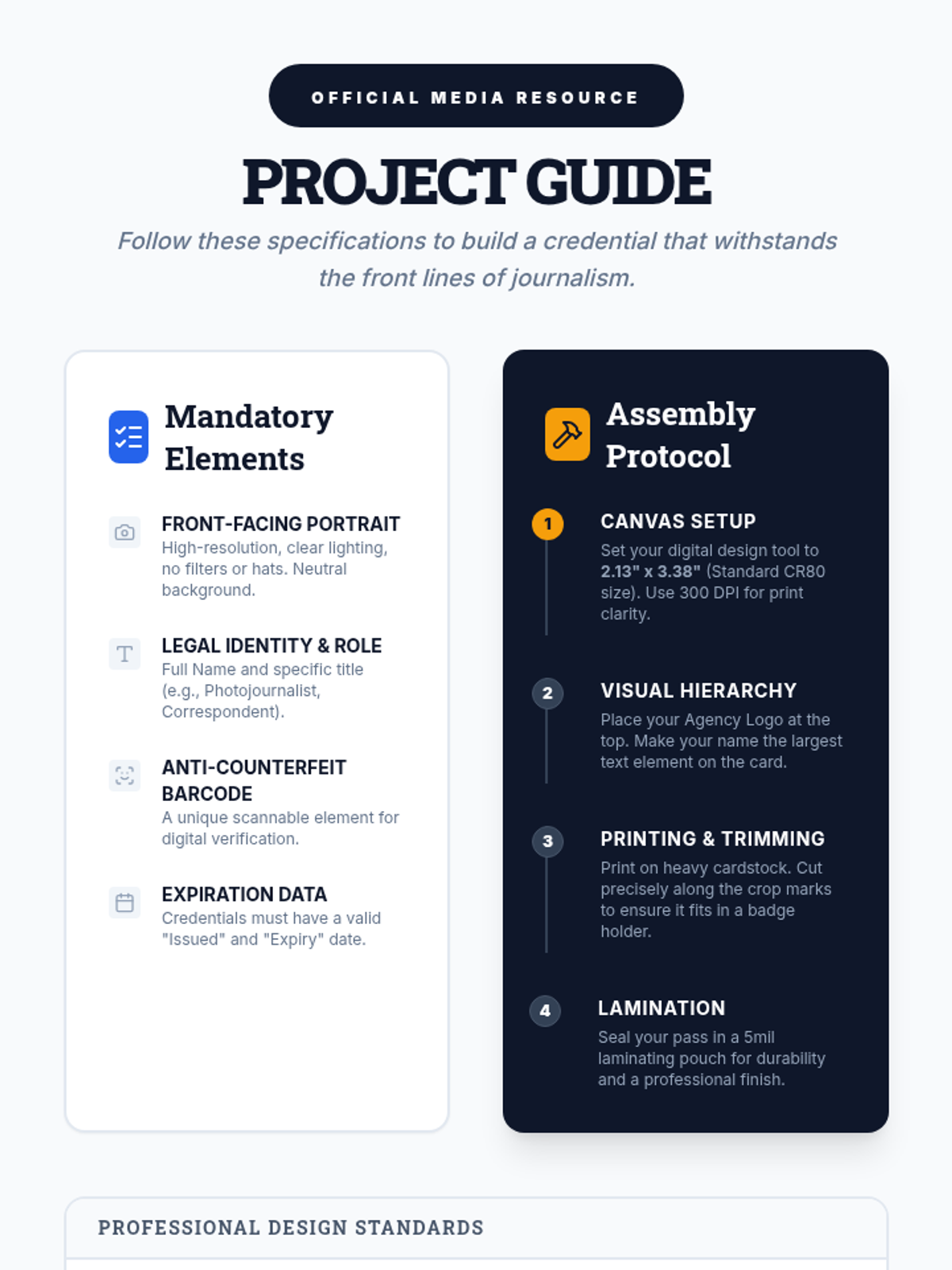
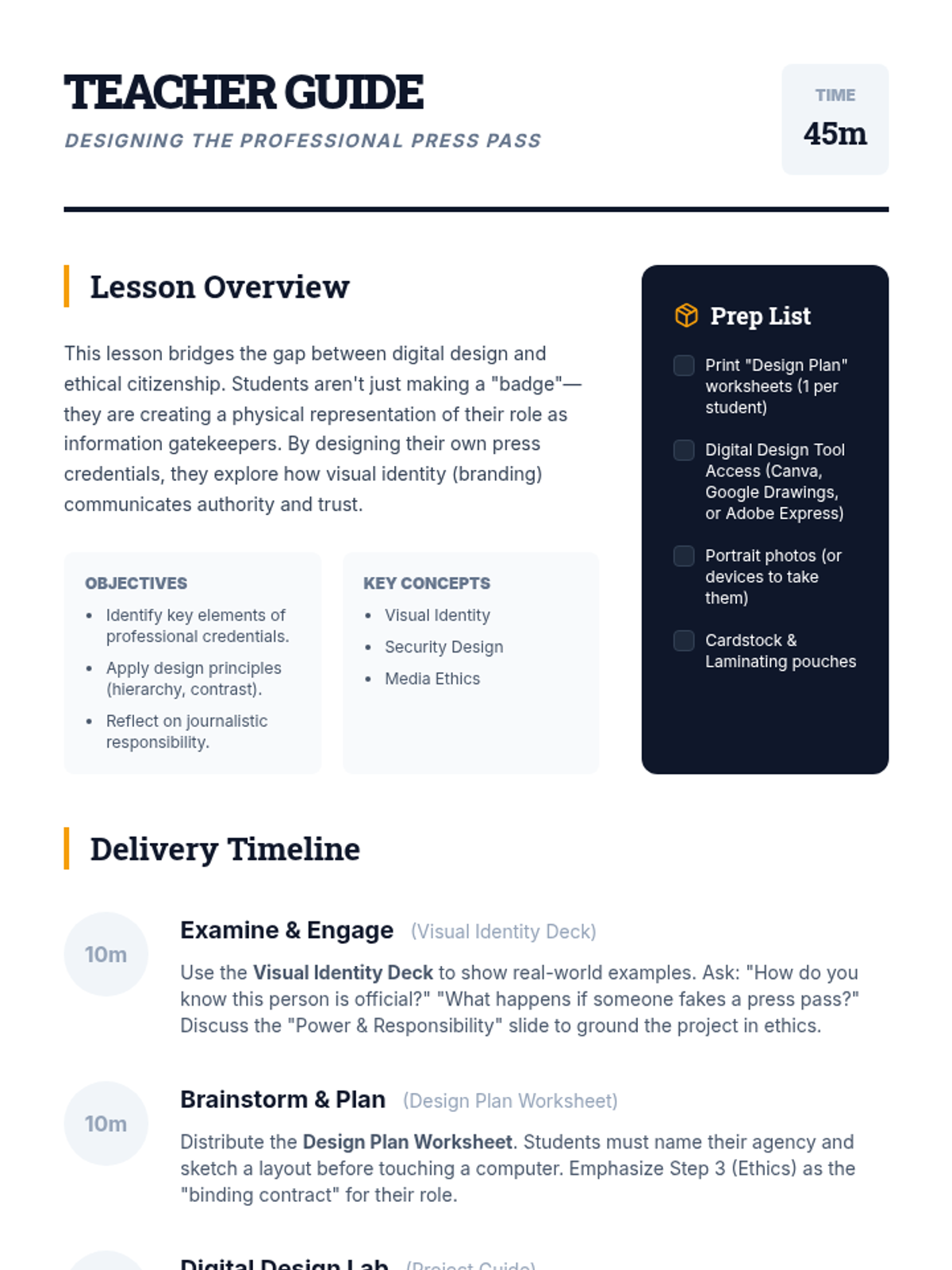
A 45-minute lesson where 6th-grade students explore the responsibility of journalism while designing their own professional press credentials, focusing on branding and identity design.
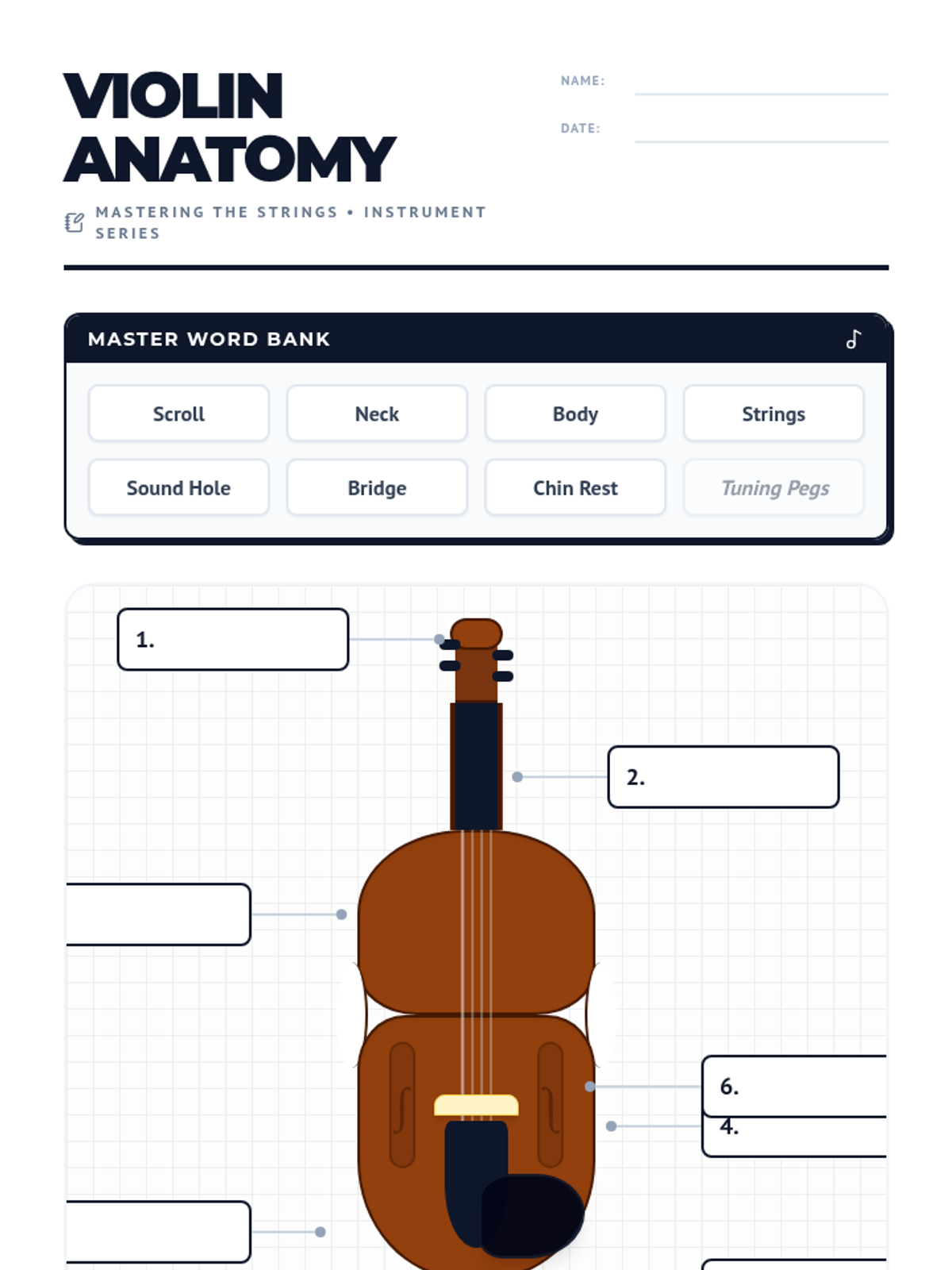
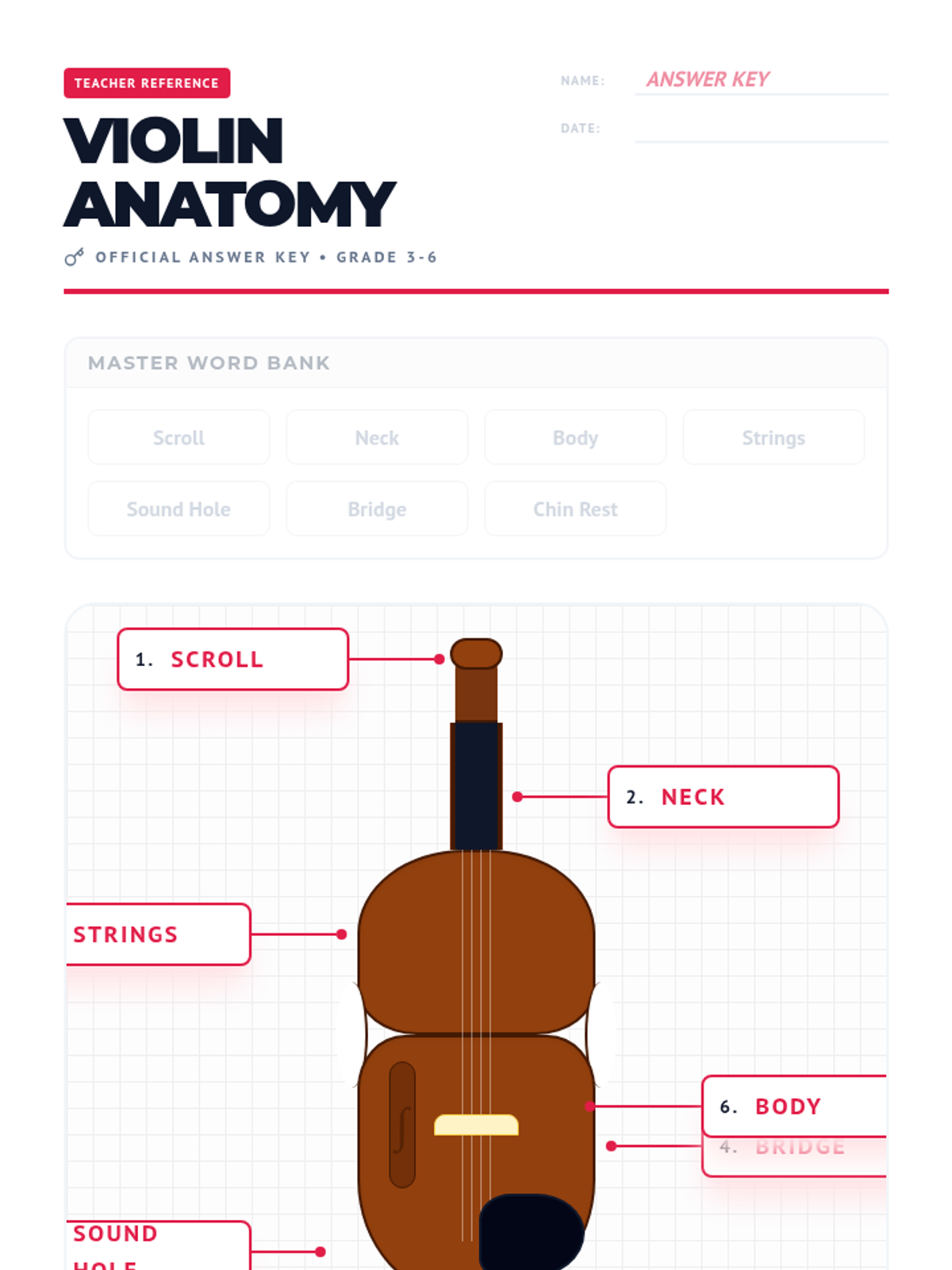
An introductory lesson on the anatomy and mechanics of the violin, including labeling parts and understanding their functions.
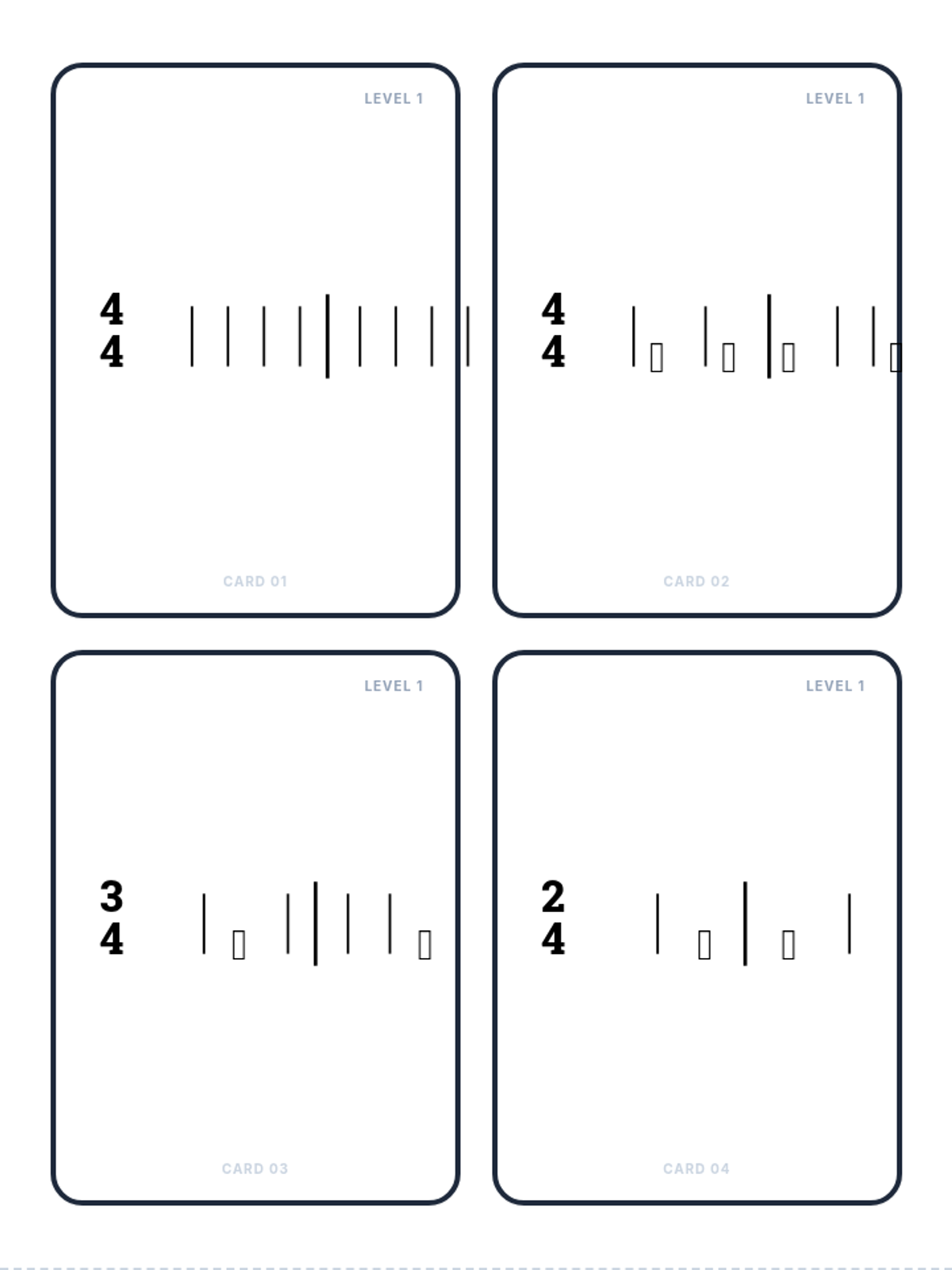
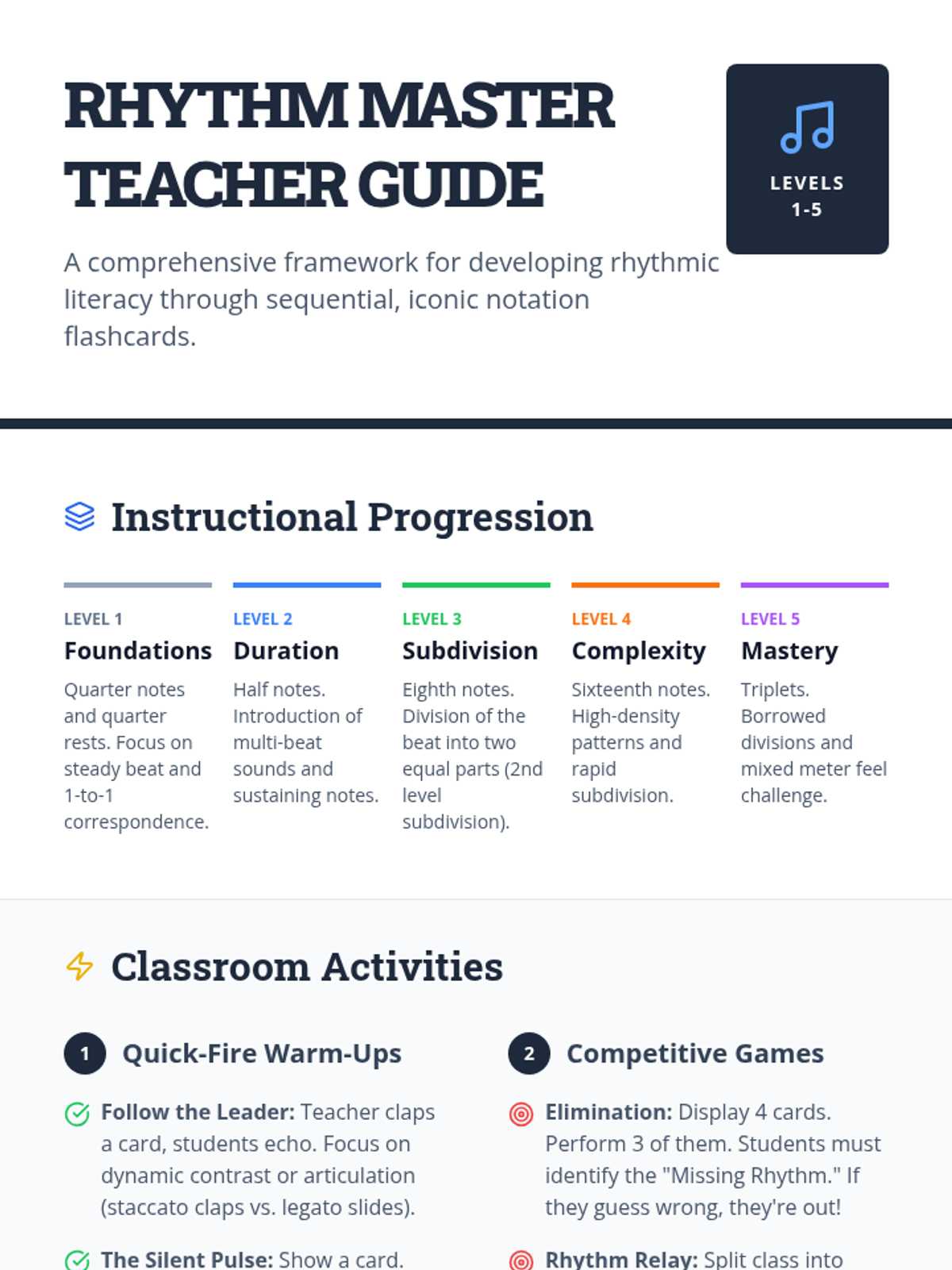
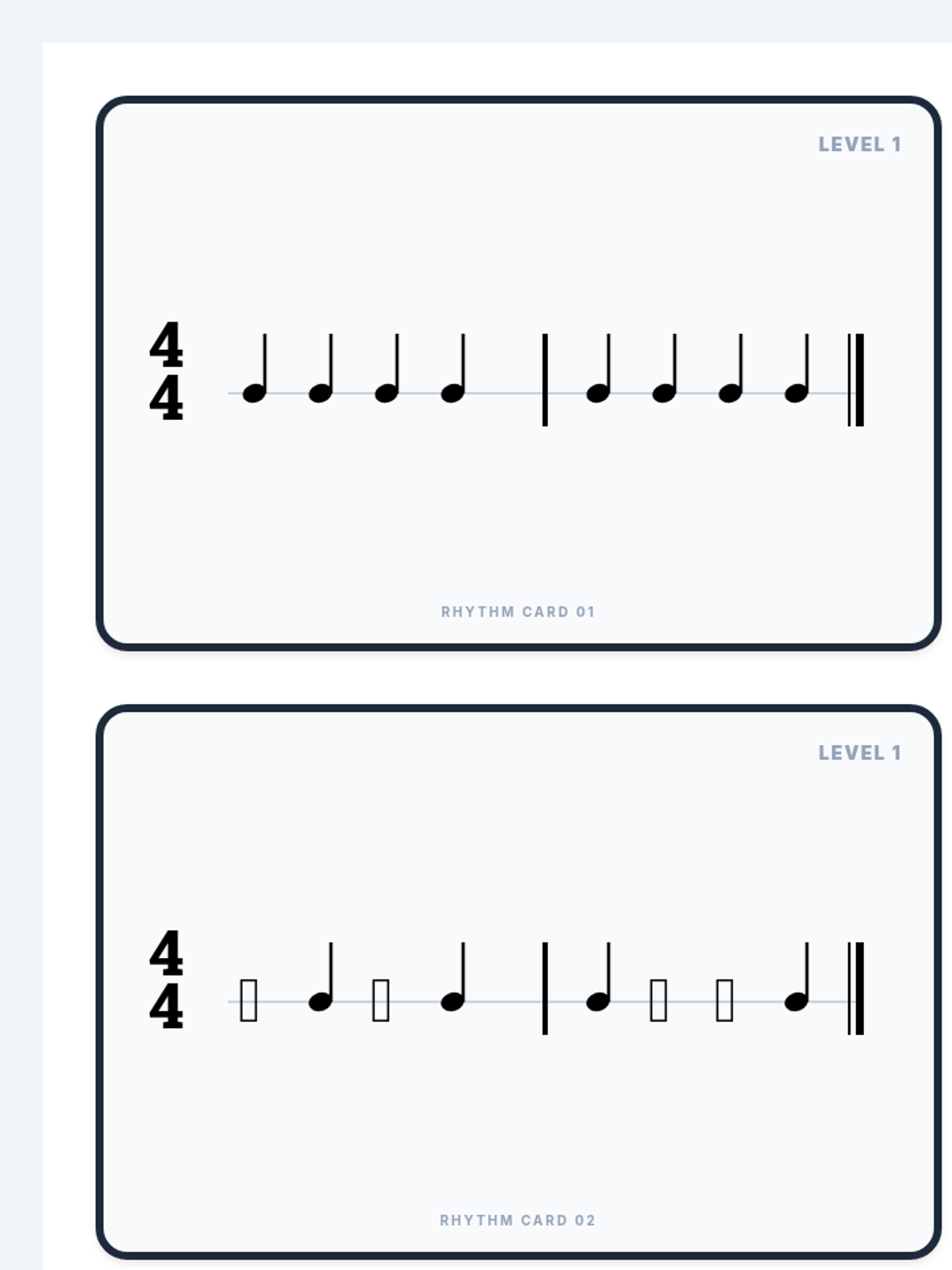
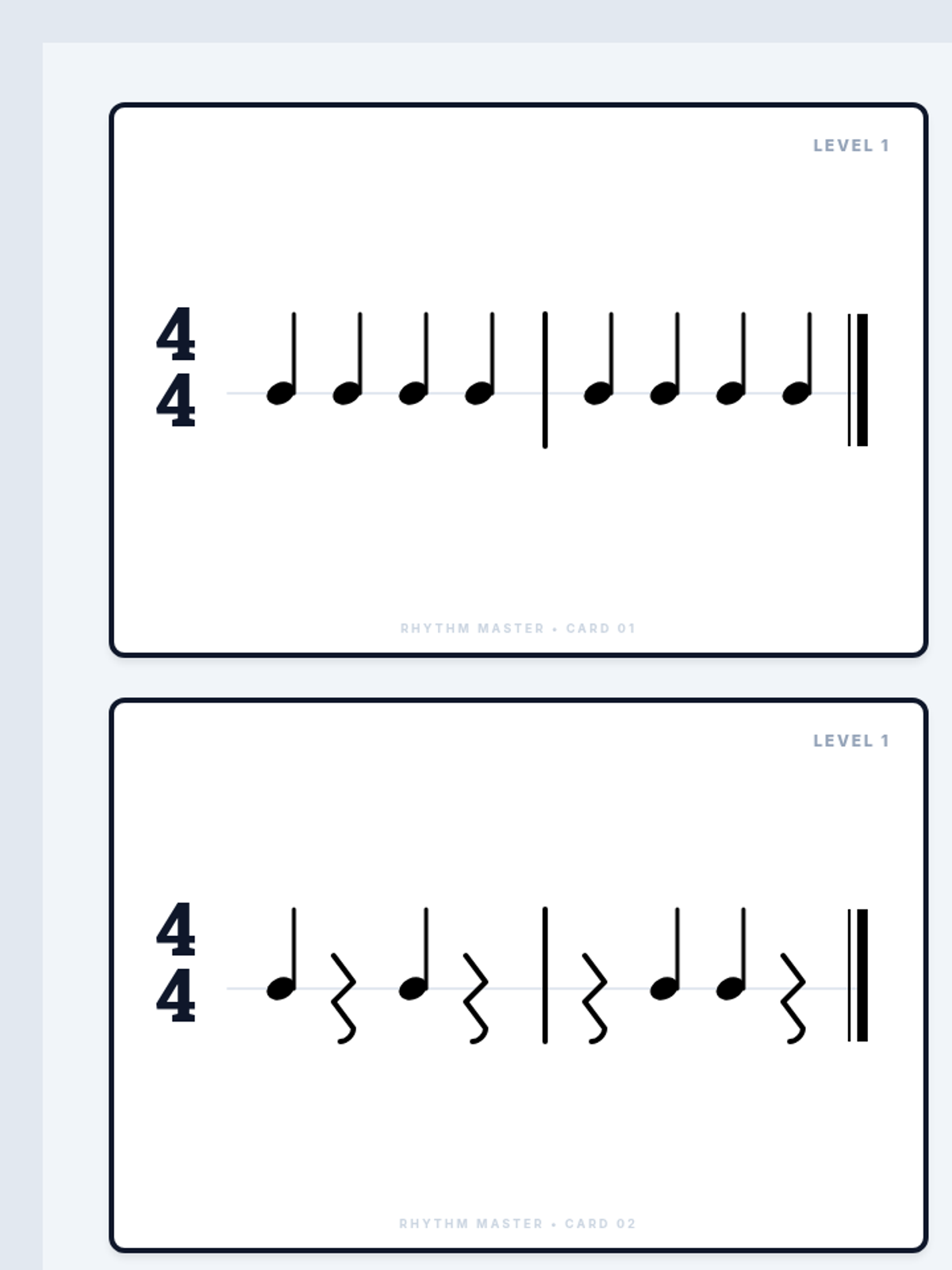
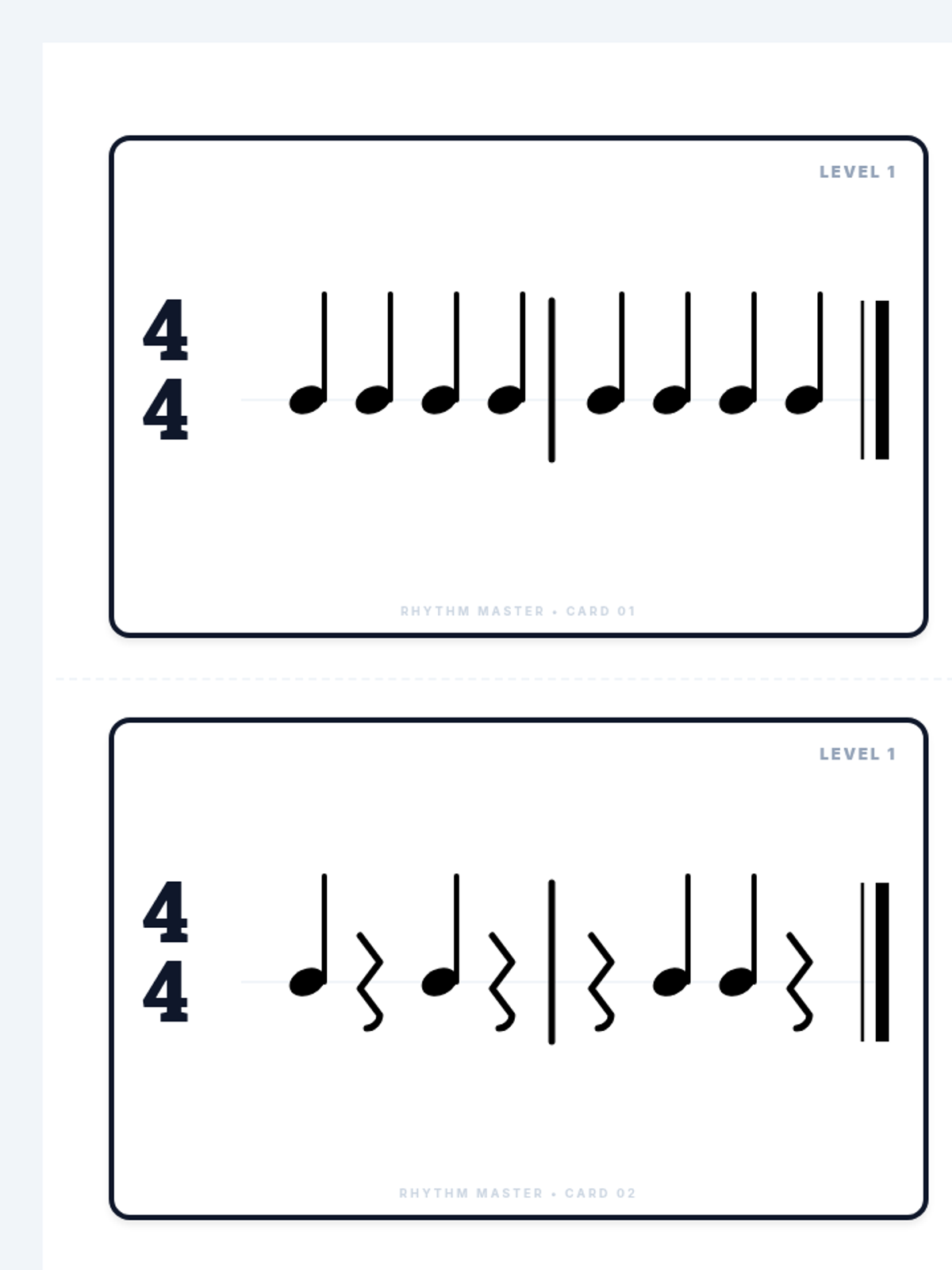
A series of rhythm reading flashcards and a teacher's guide covering basic to advanced rhythmic patterns. Activities progress from quarter notes and rests to complex sixteenth notes and triplets across multiple time signatures.
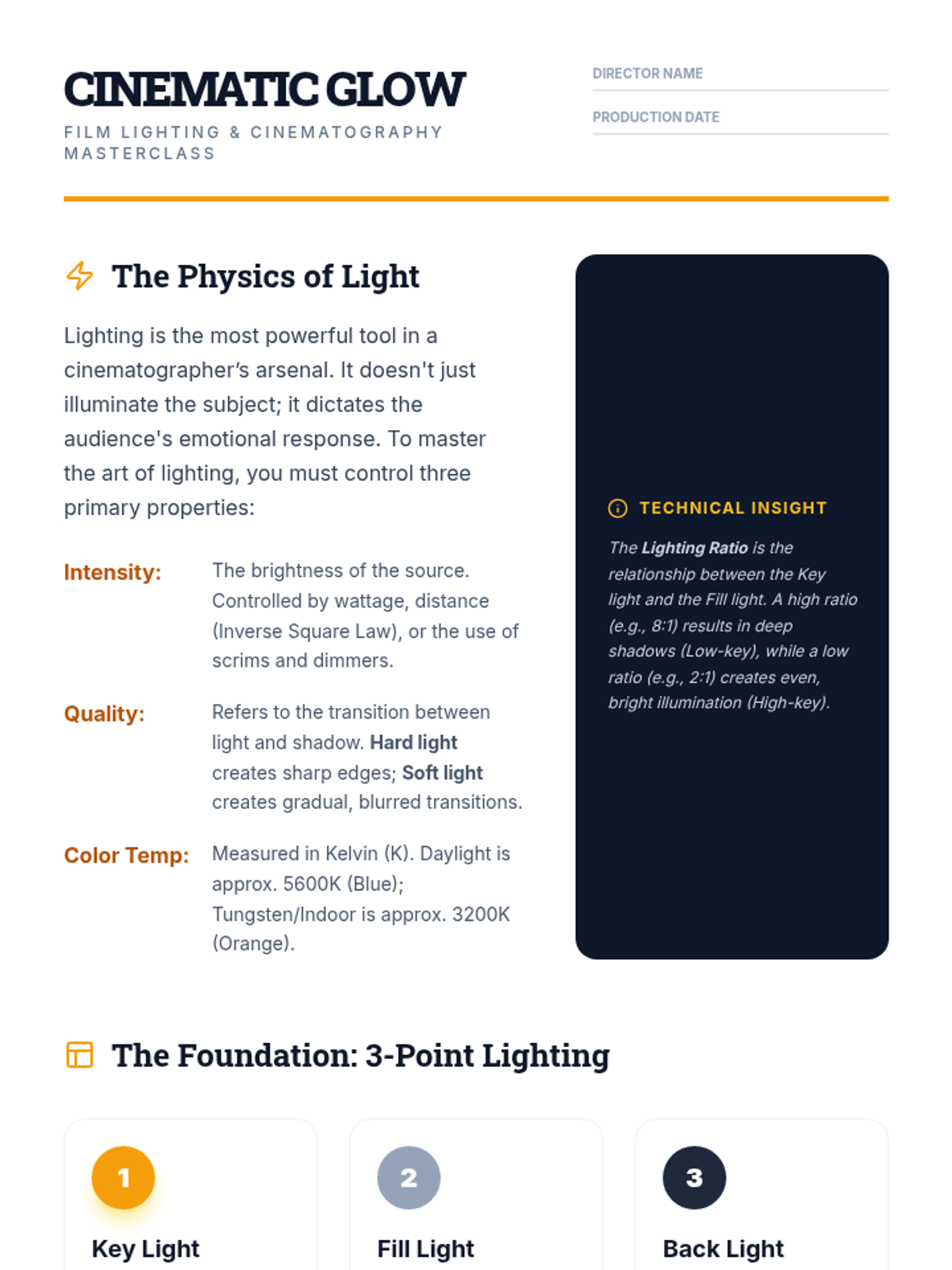
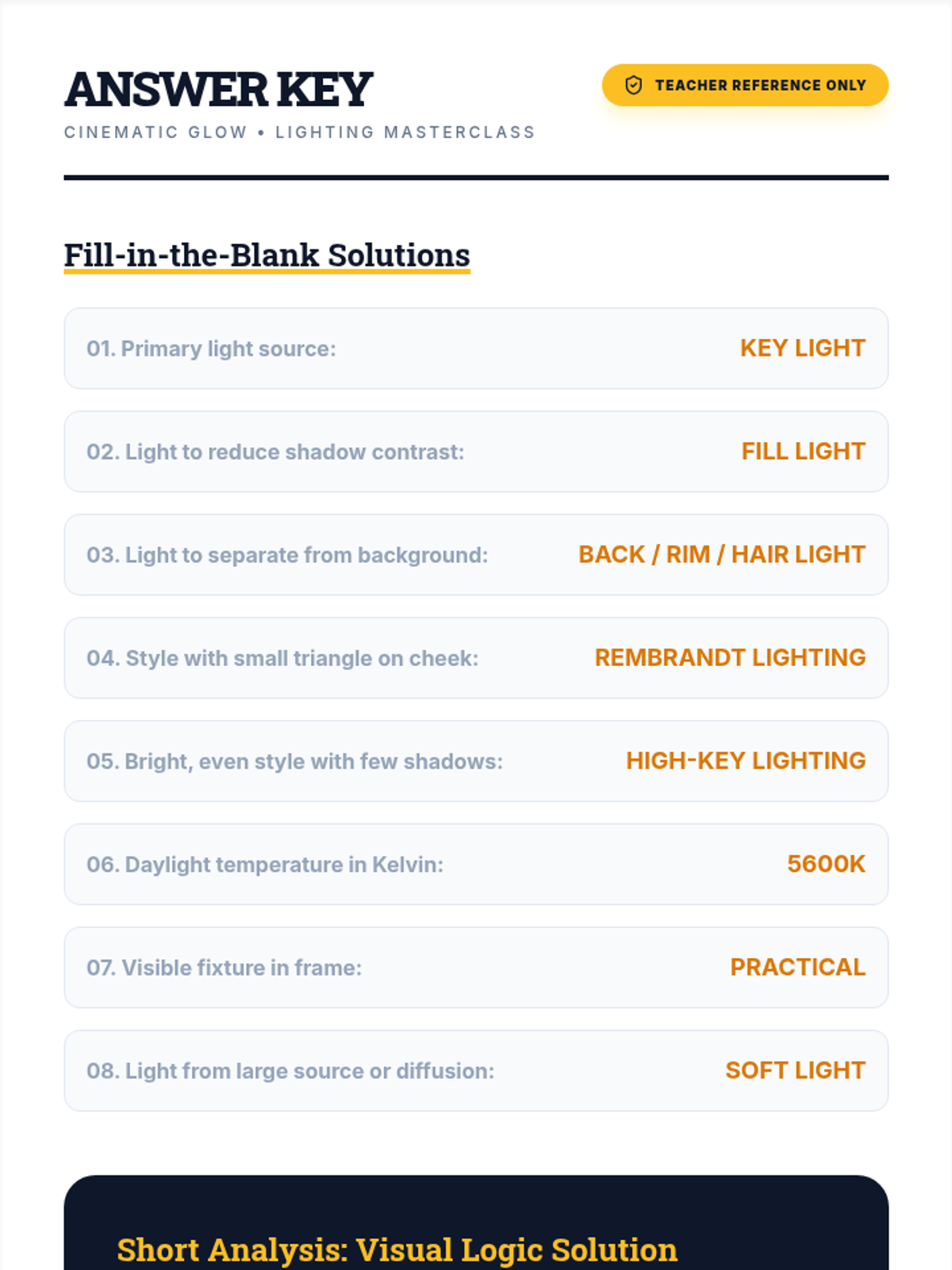
A deep dive into cinematic lighting, from the physics of light and 3-point setups to professional styles like Rembrandt and Butterfly lighting, including a hands-on assessment.
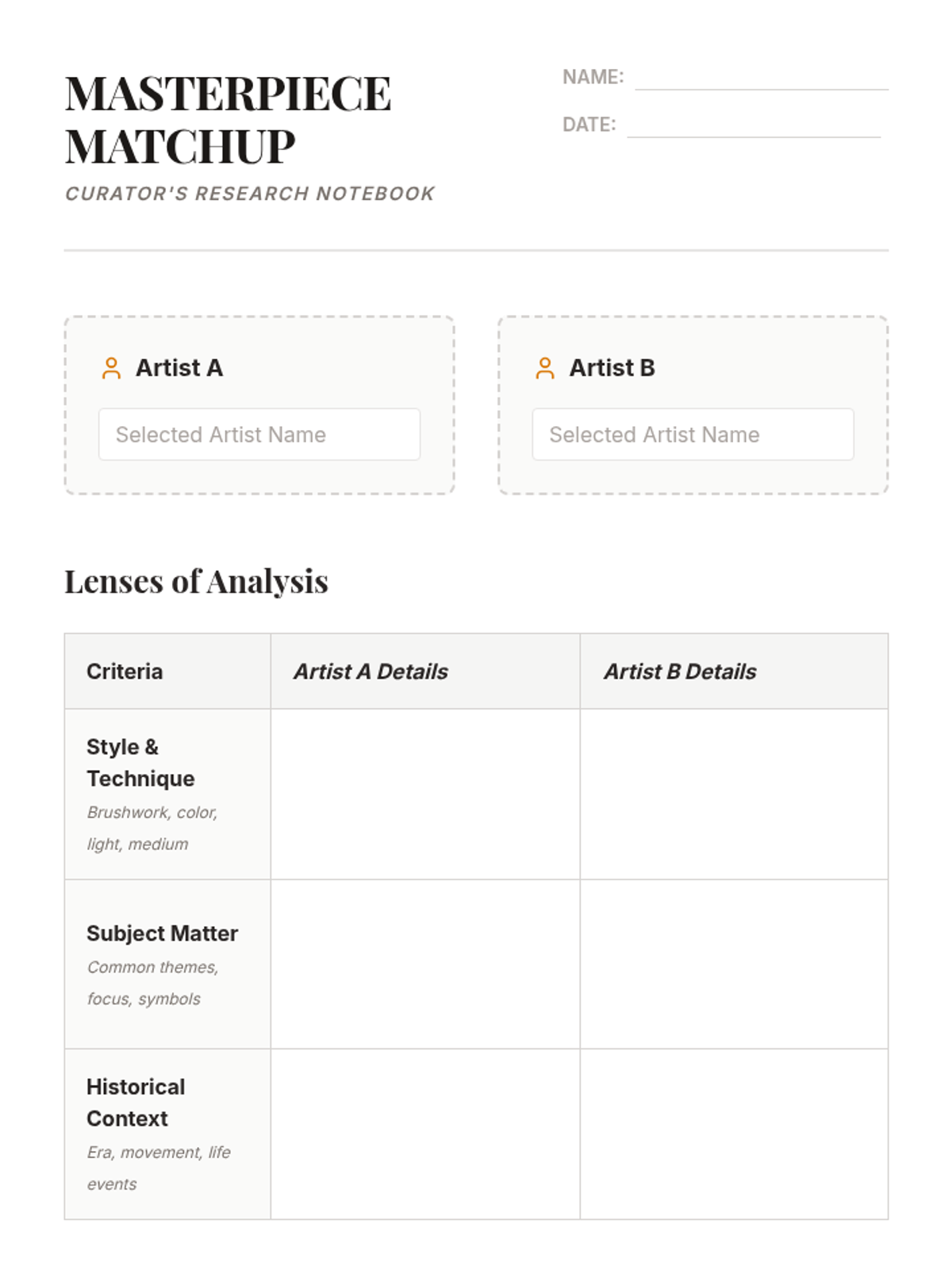
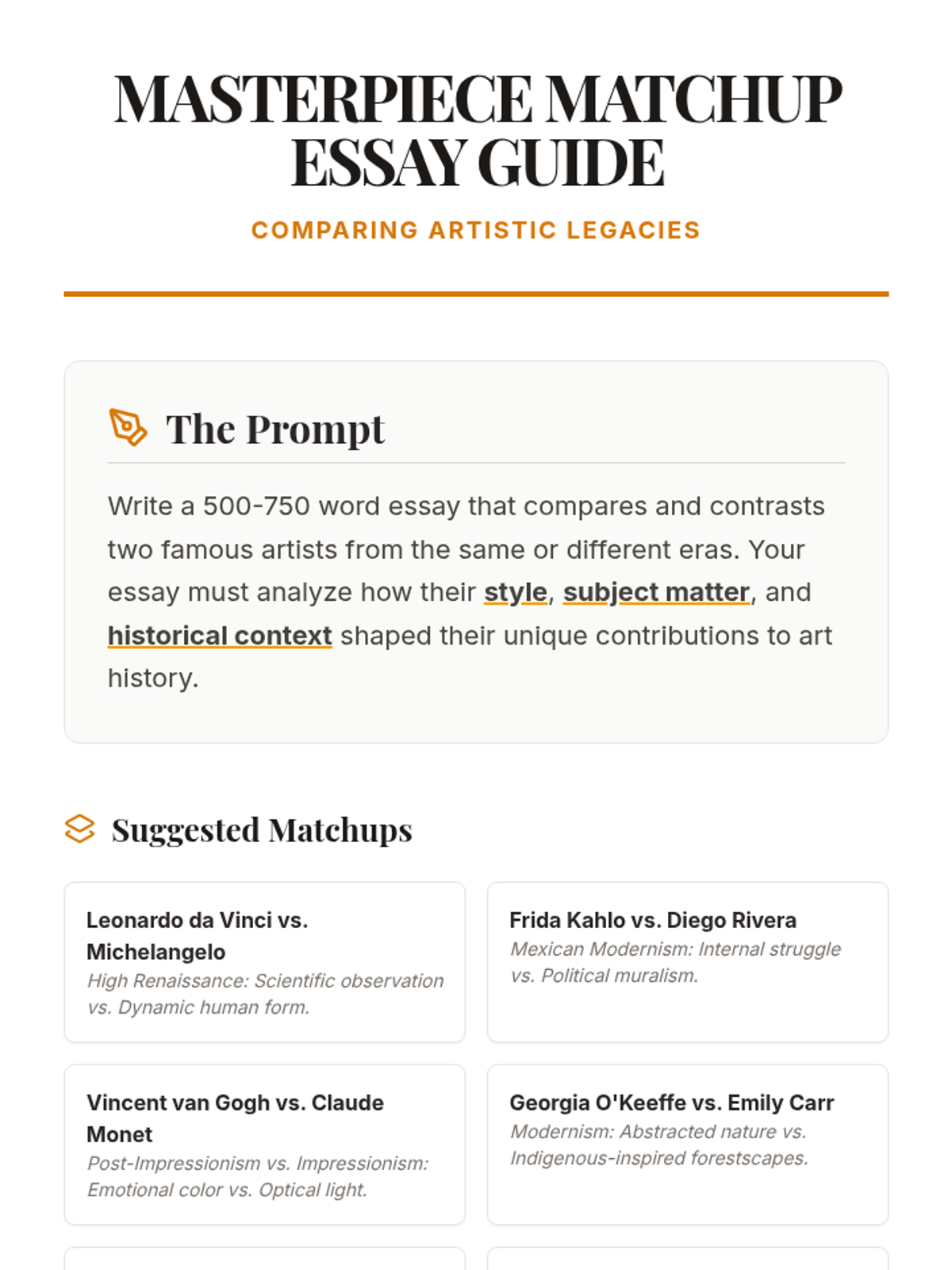
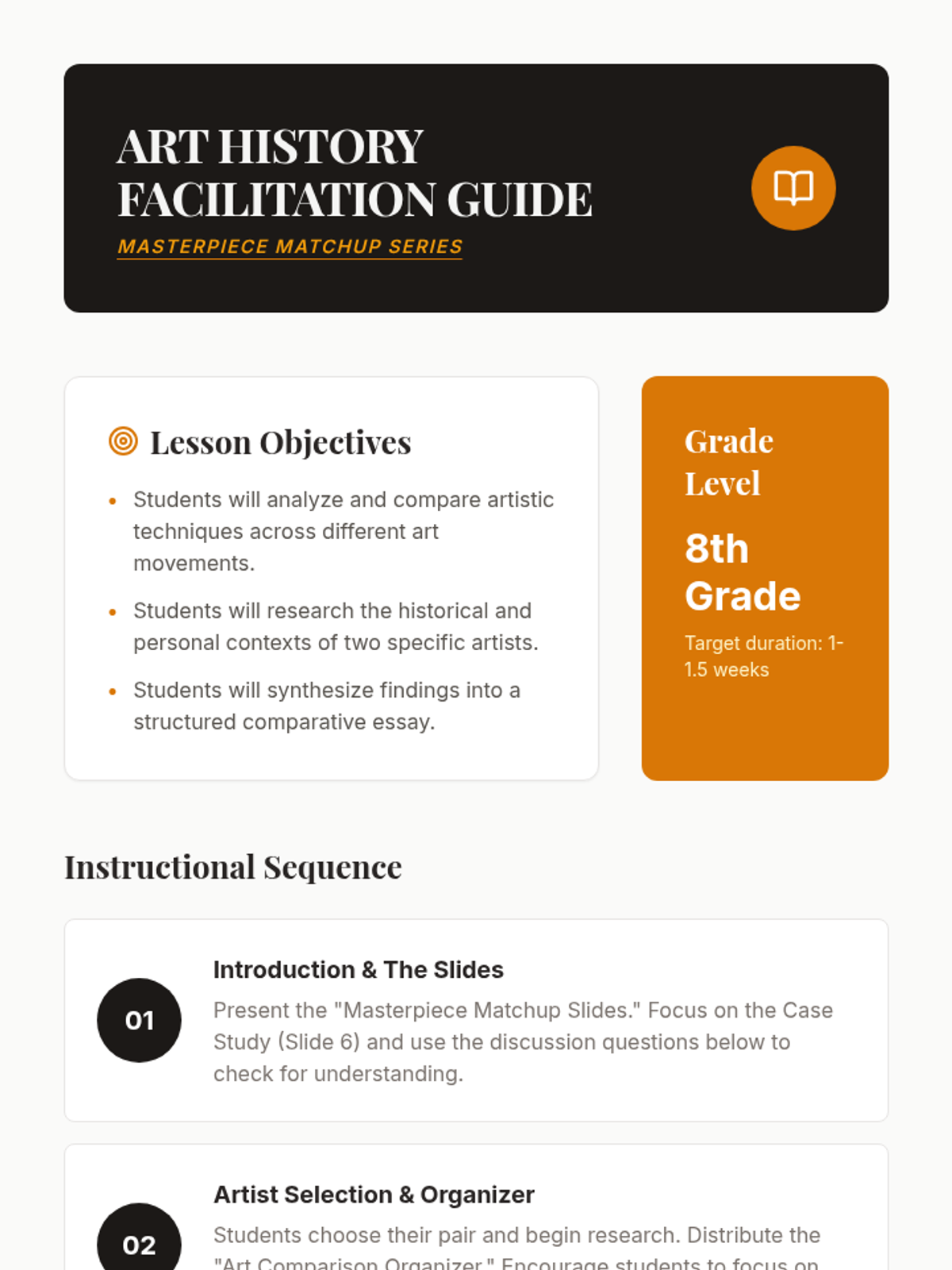
A lesson focused on teaching 8th-grade students how to analyze and compare famous artists through their techniques, subjects, and historical contexts, culminating in a comparative essay.
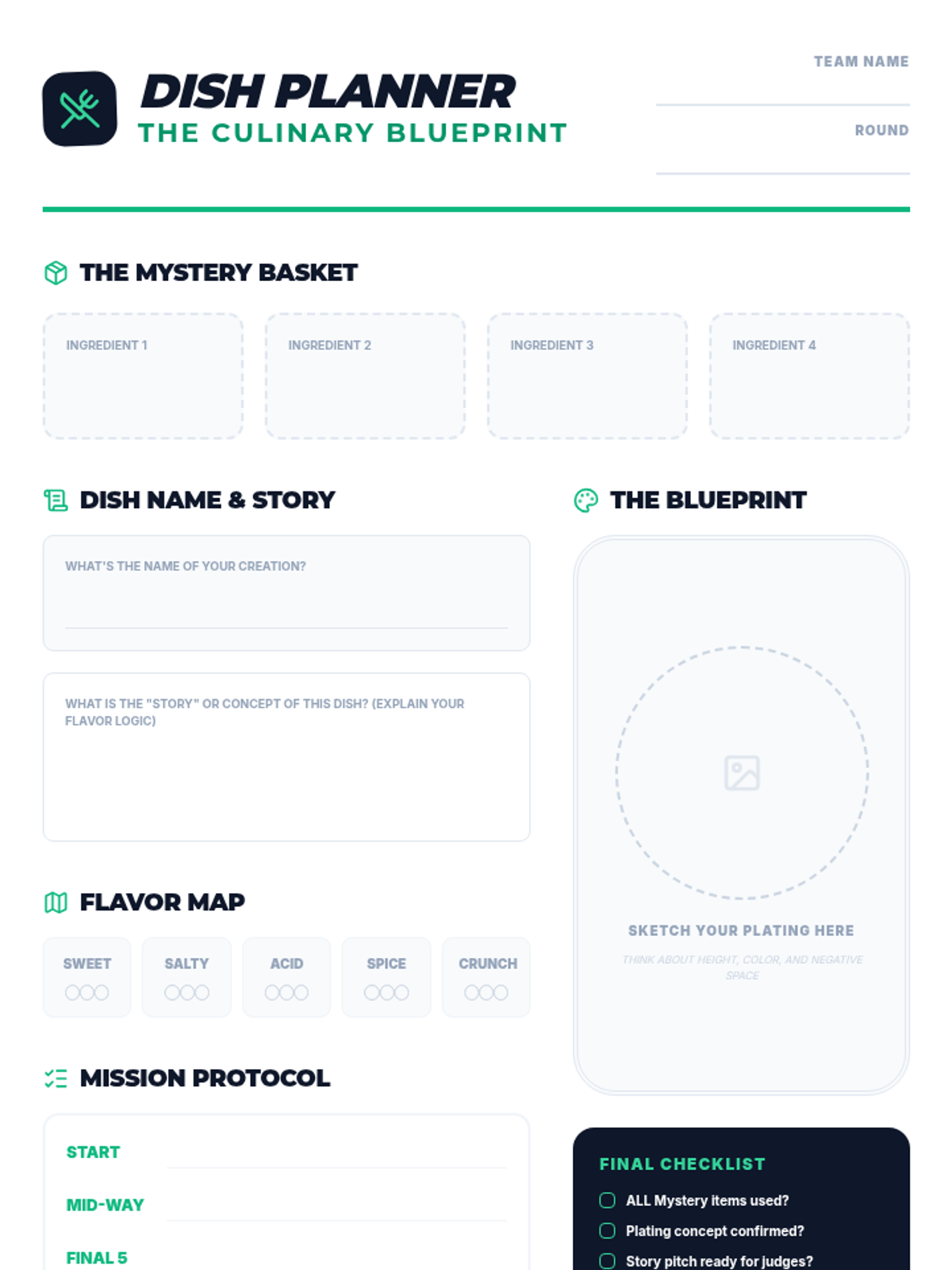
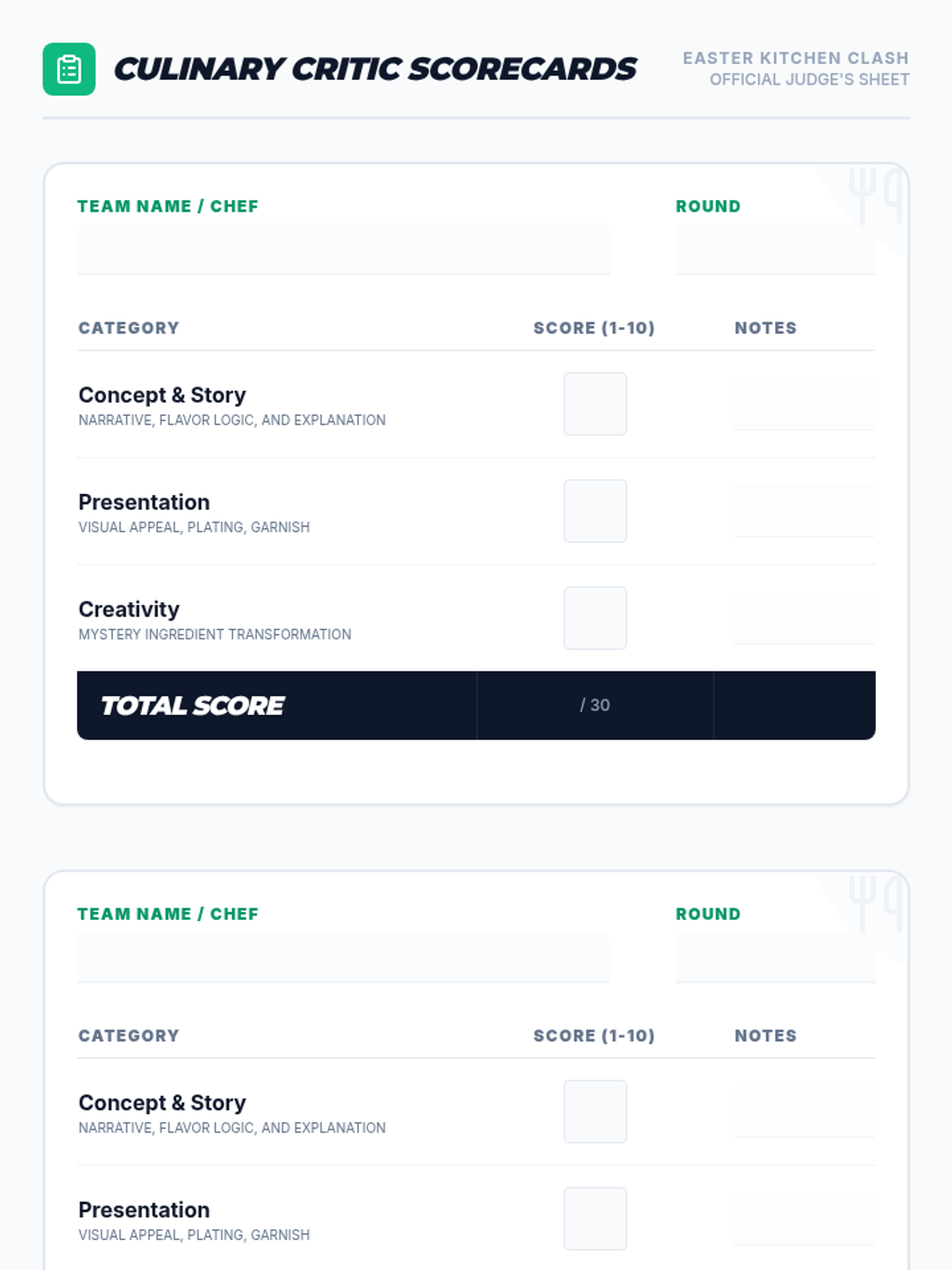
A high-energy culinary challenge where students use mystery Easter-themed ingredients to create unique dishes, focusing on creativity, flavor, and presentation.
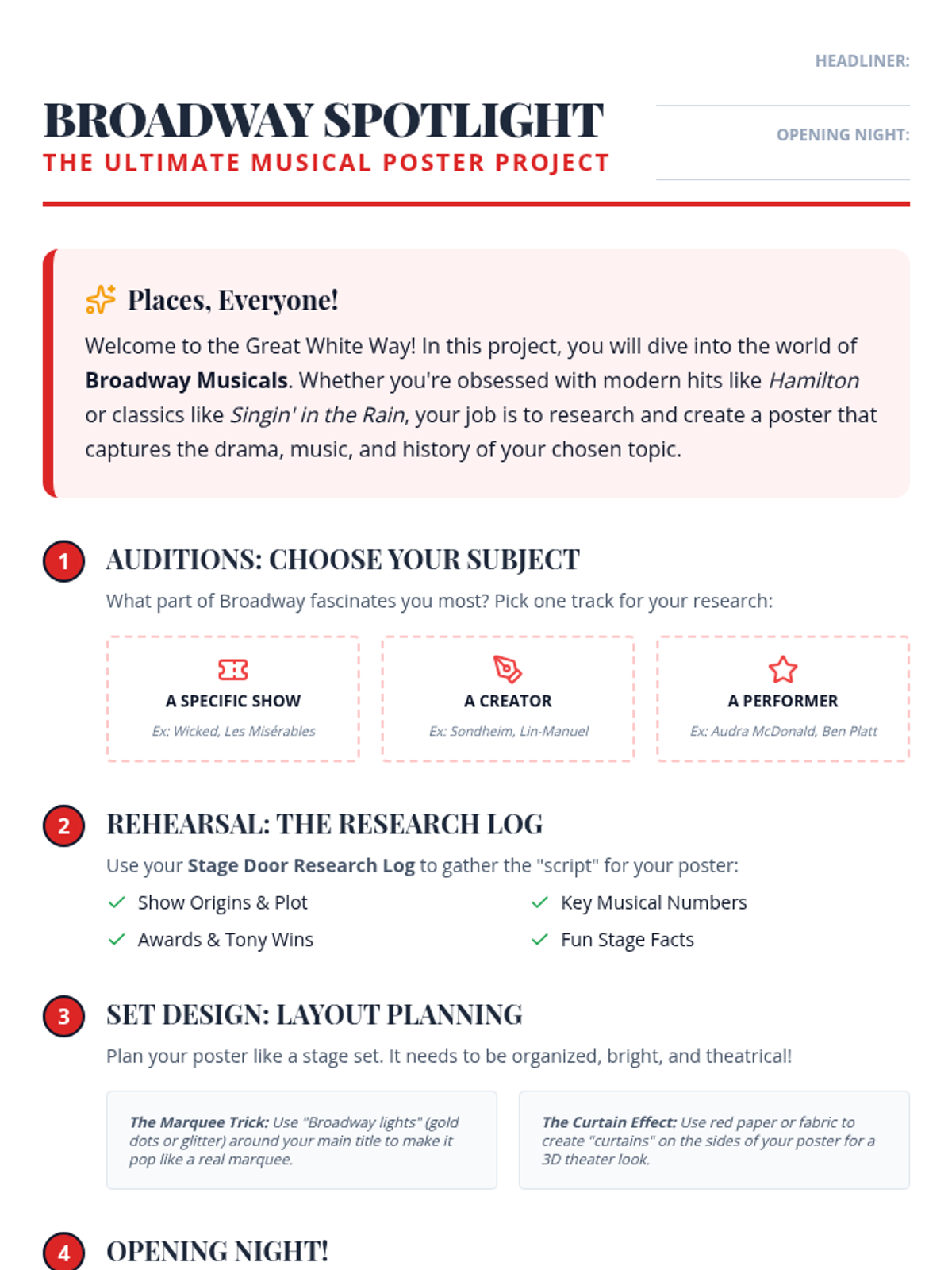
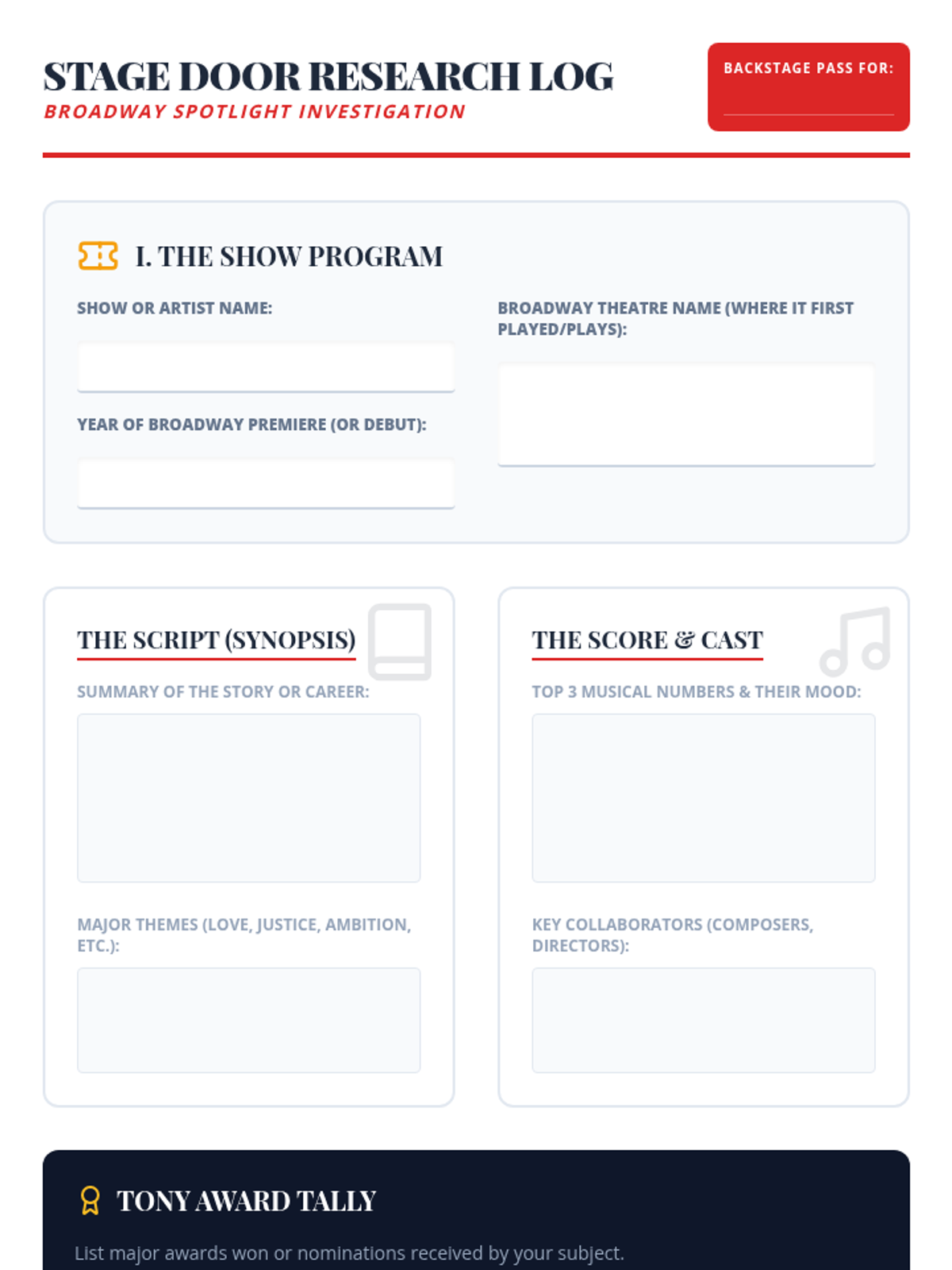
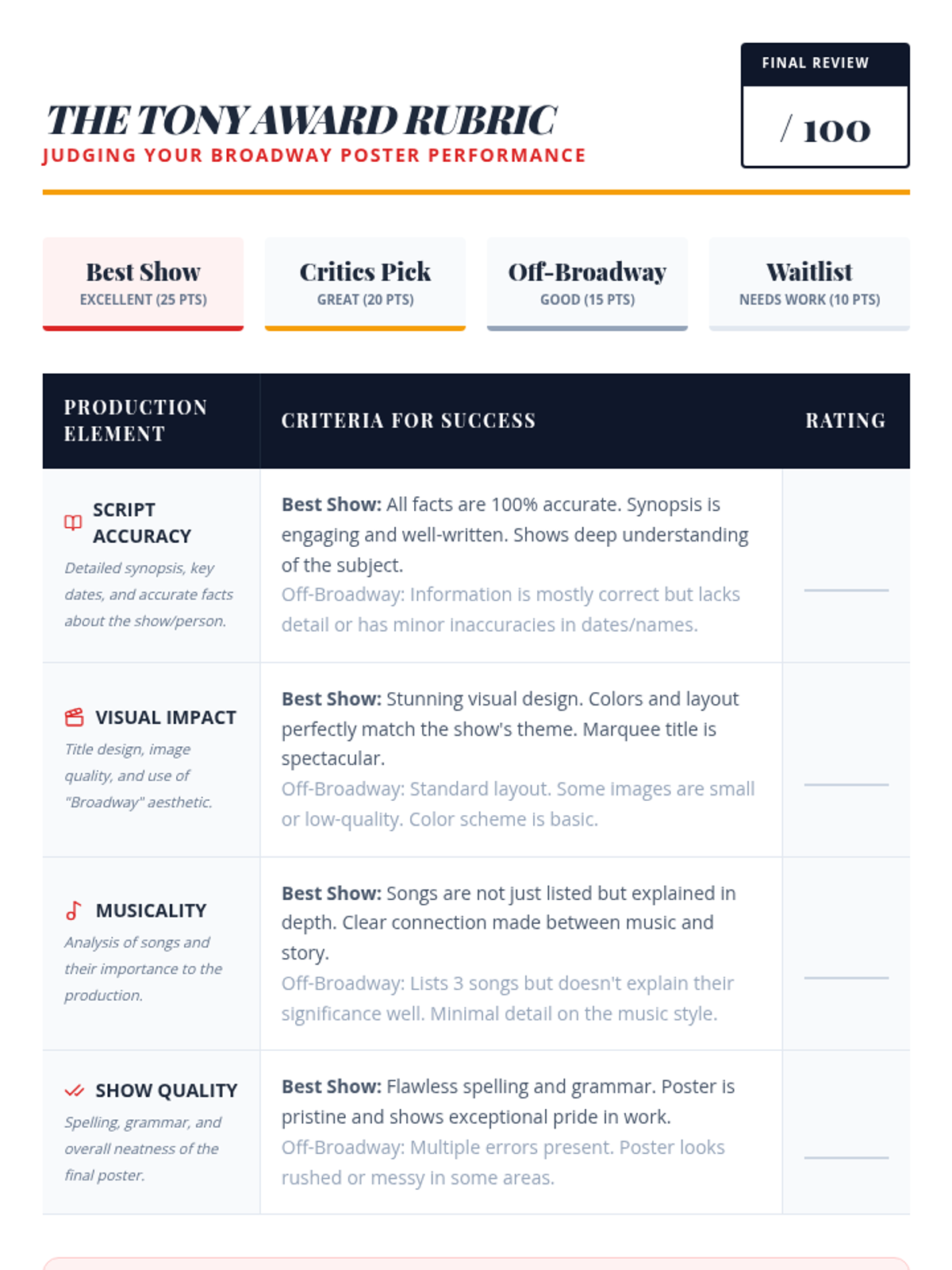
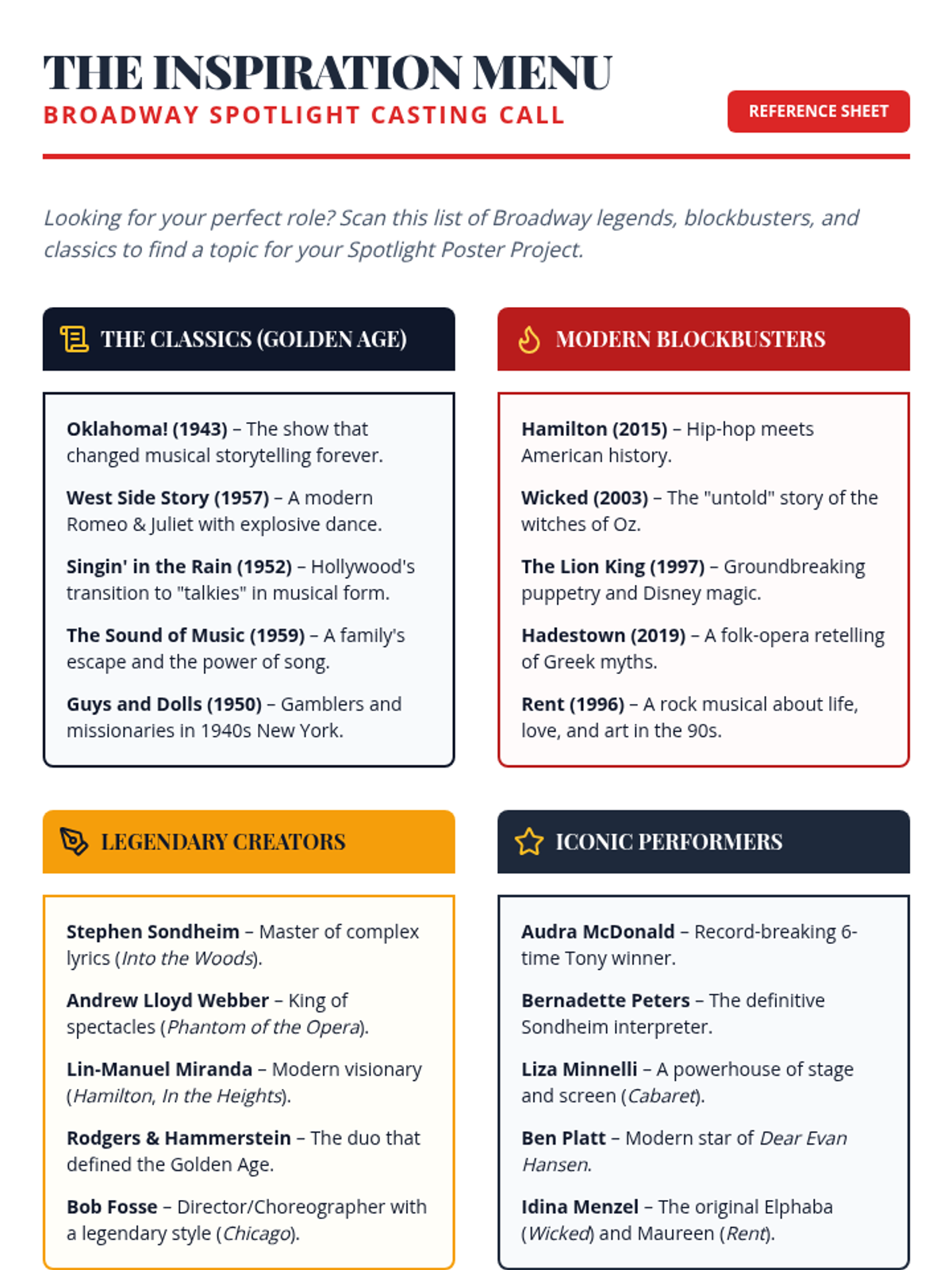
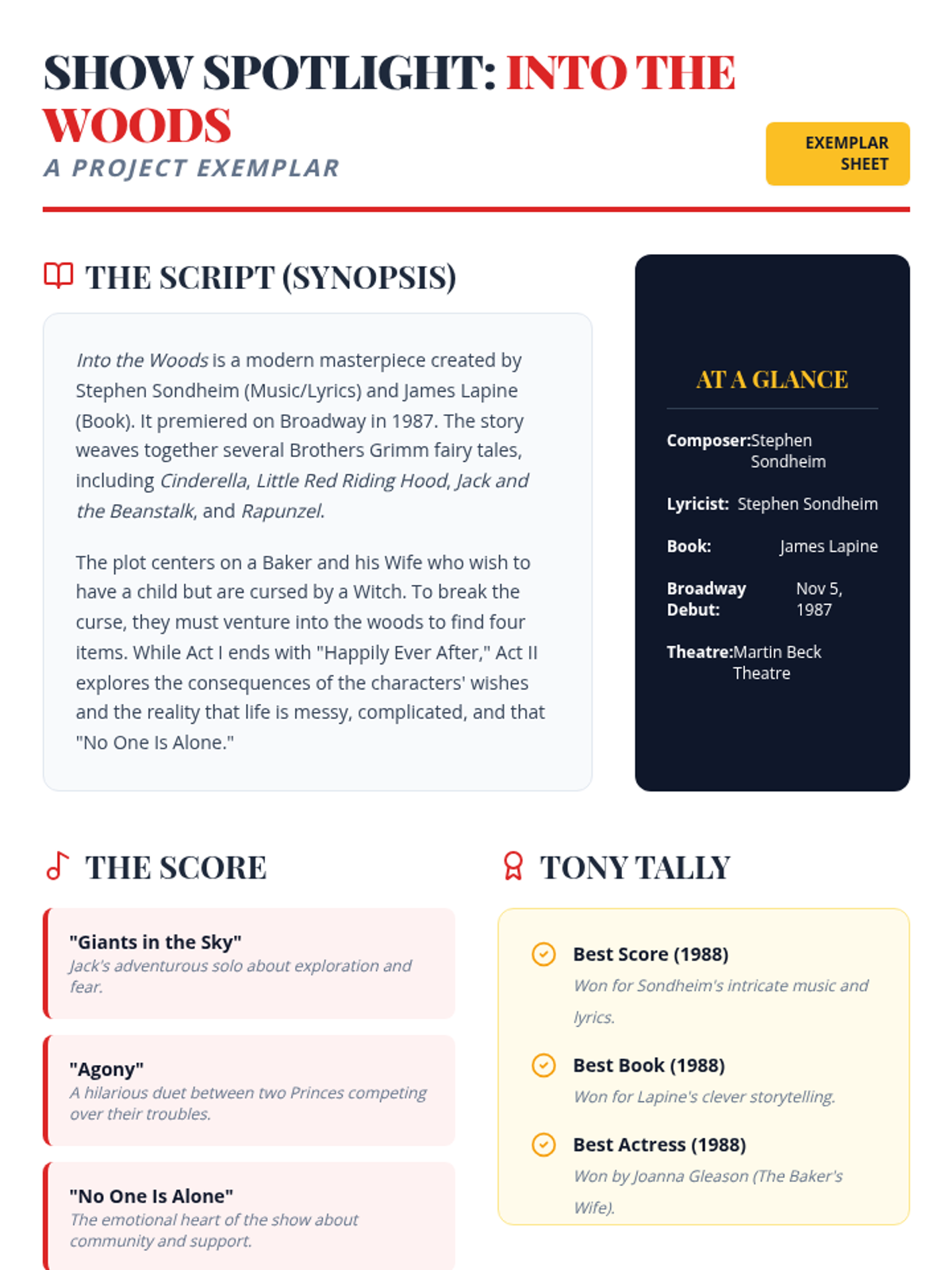
A creative project where students research and present the magic of Broadway. Students can choose a specific musical, a legendary composer, or a famous performer to showcase on an informational poster.
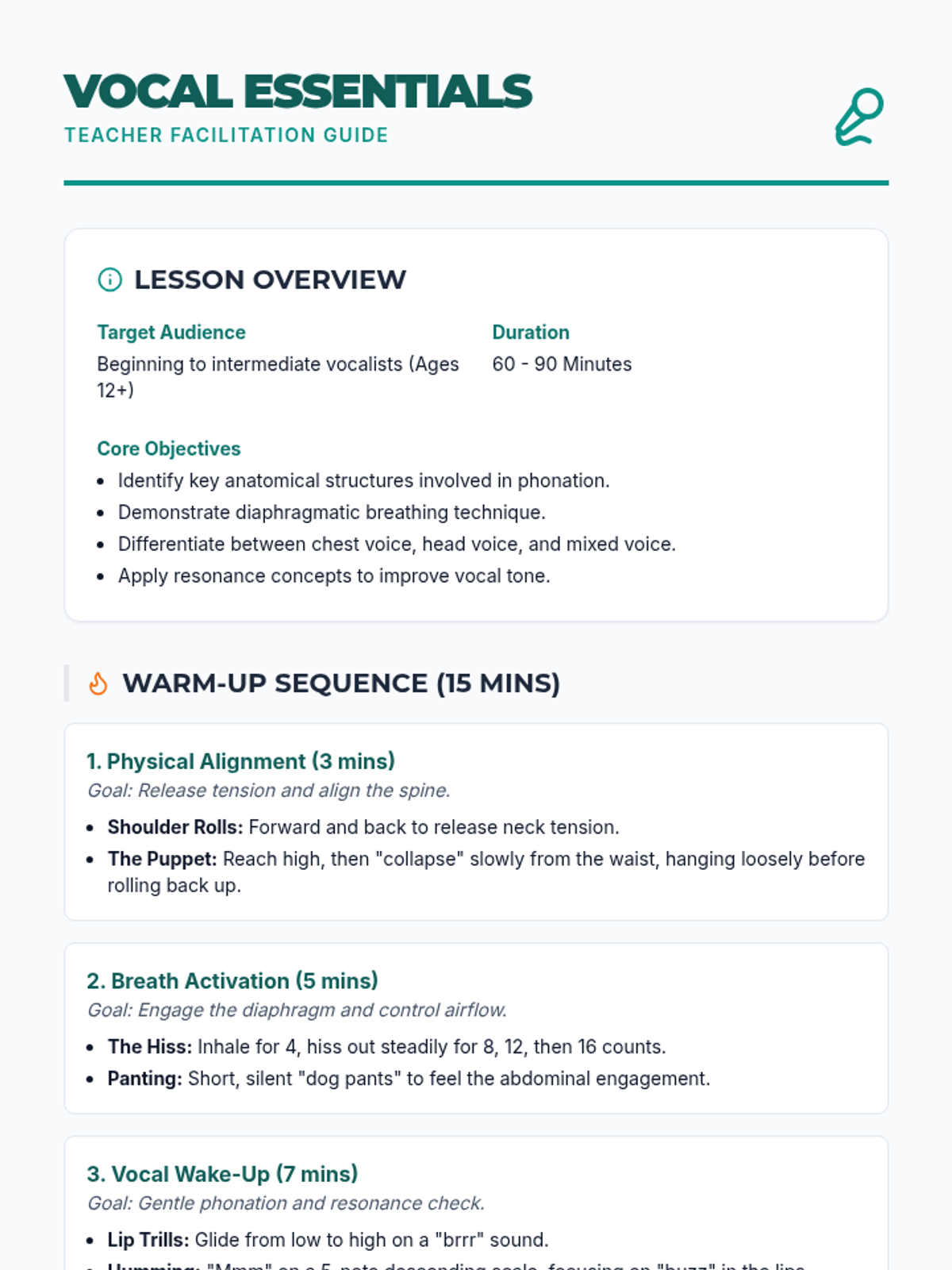
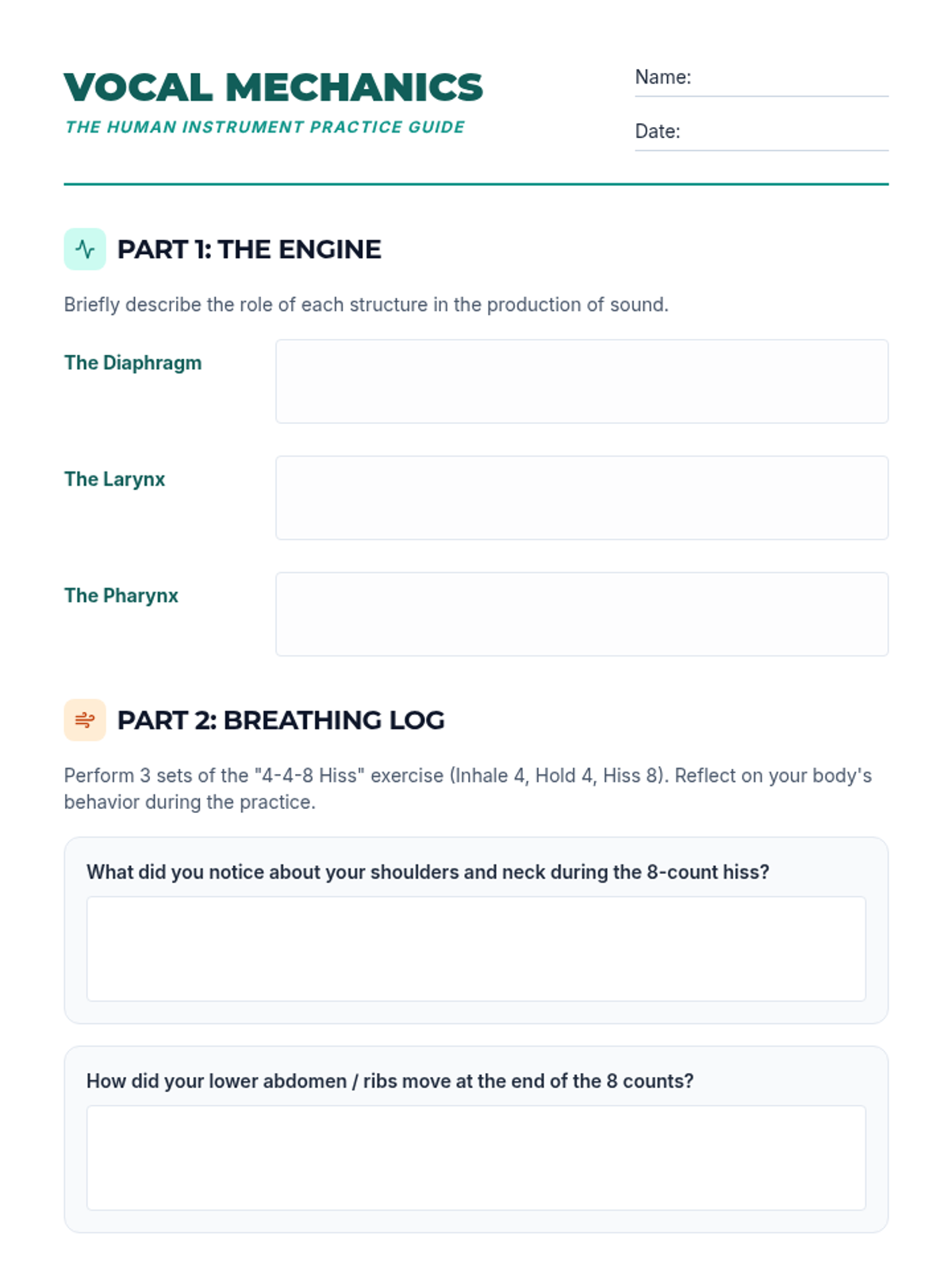
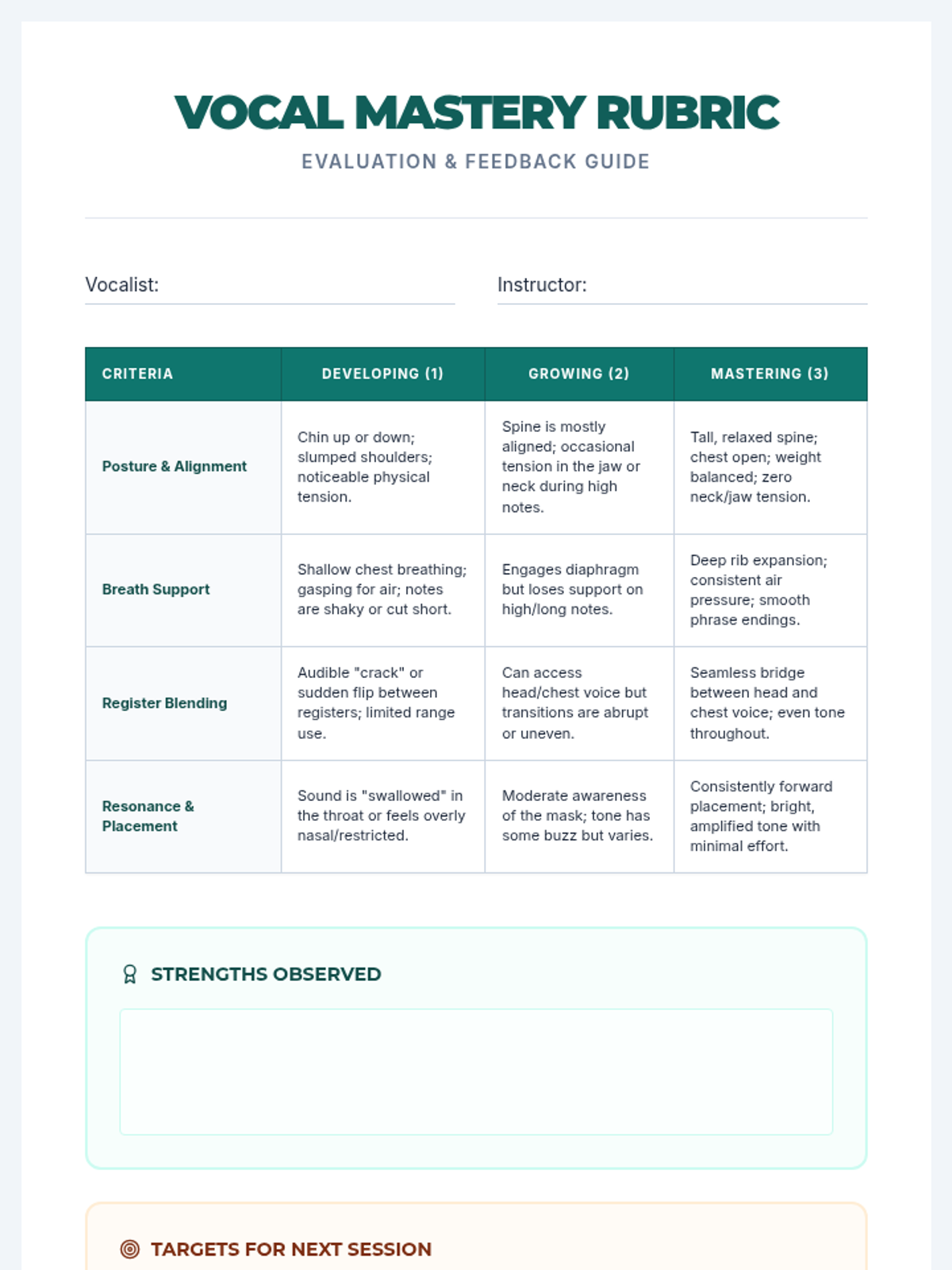
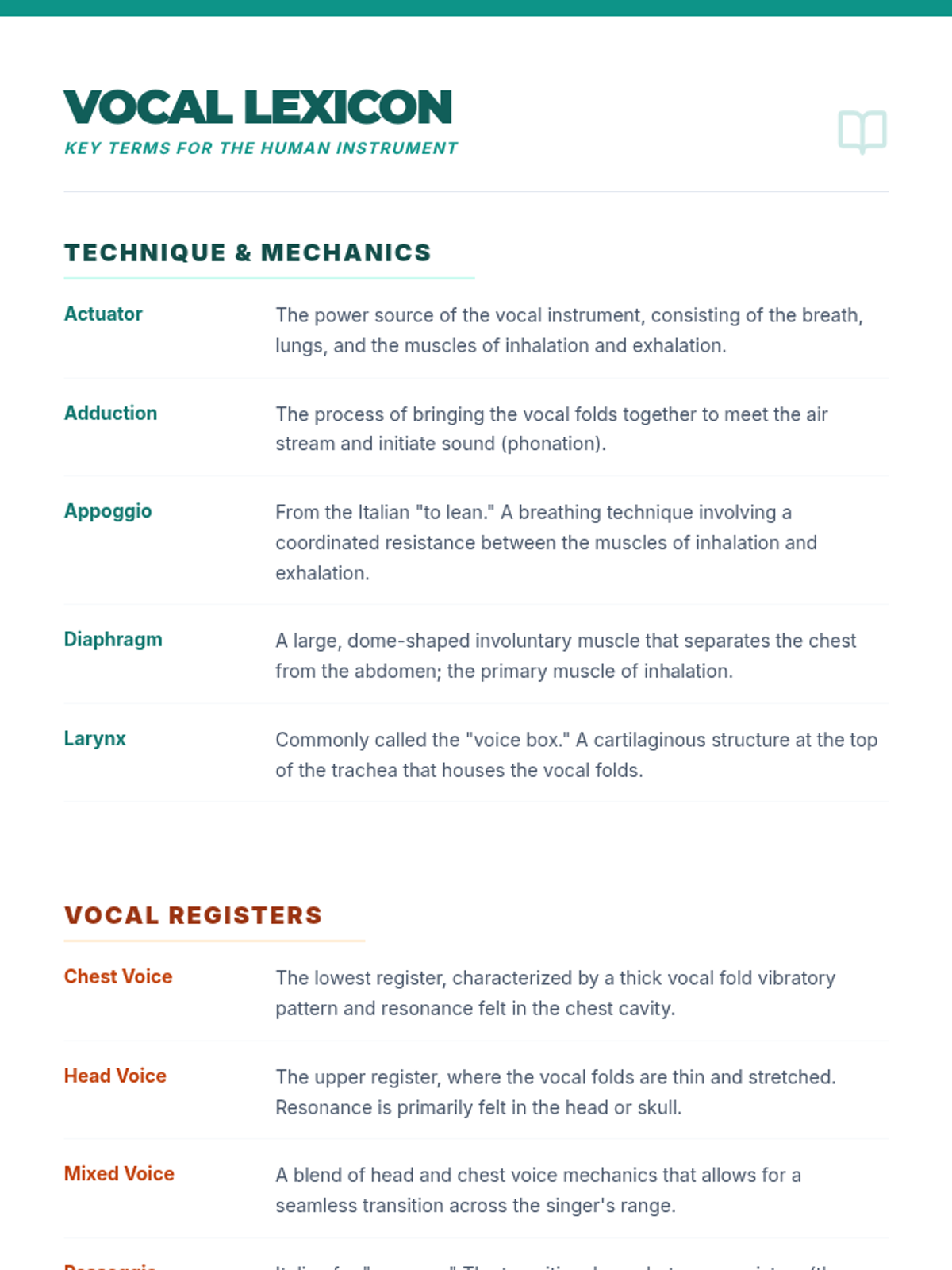
A comprehensive introduction to the physiological and technical aspects of singing, covering vocal anatomy, breath support, vocal registers, and resonance.
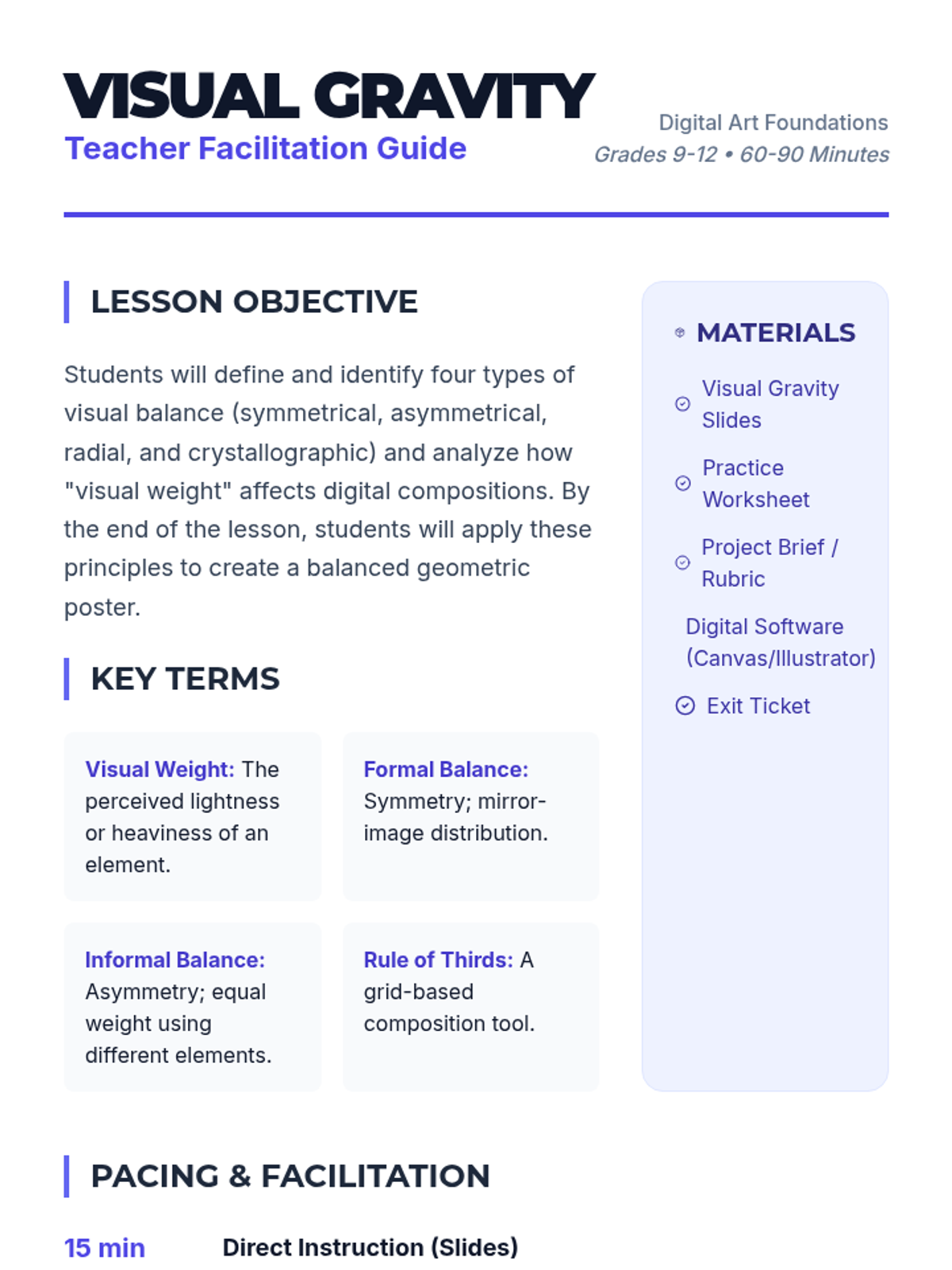
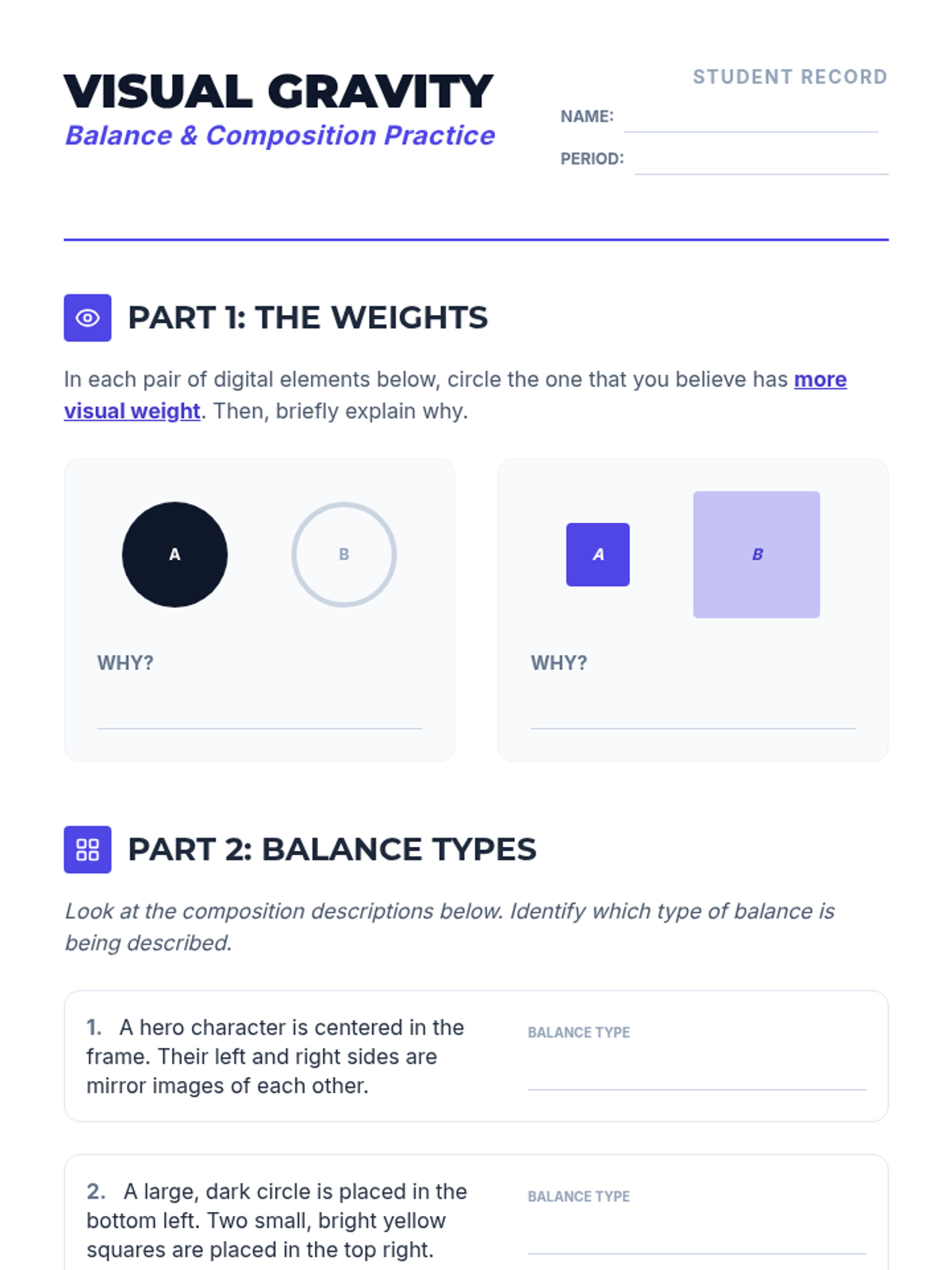
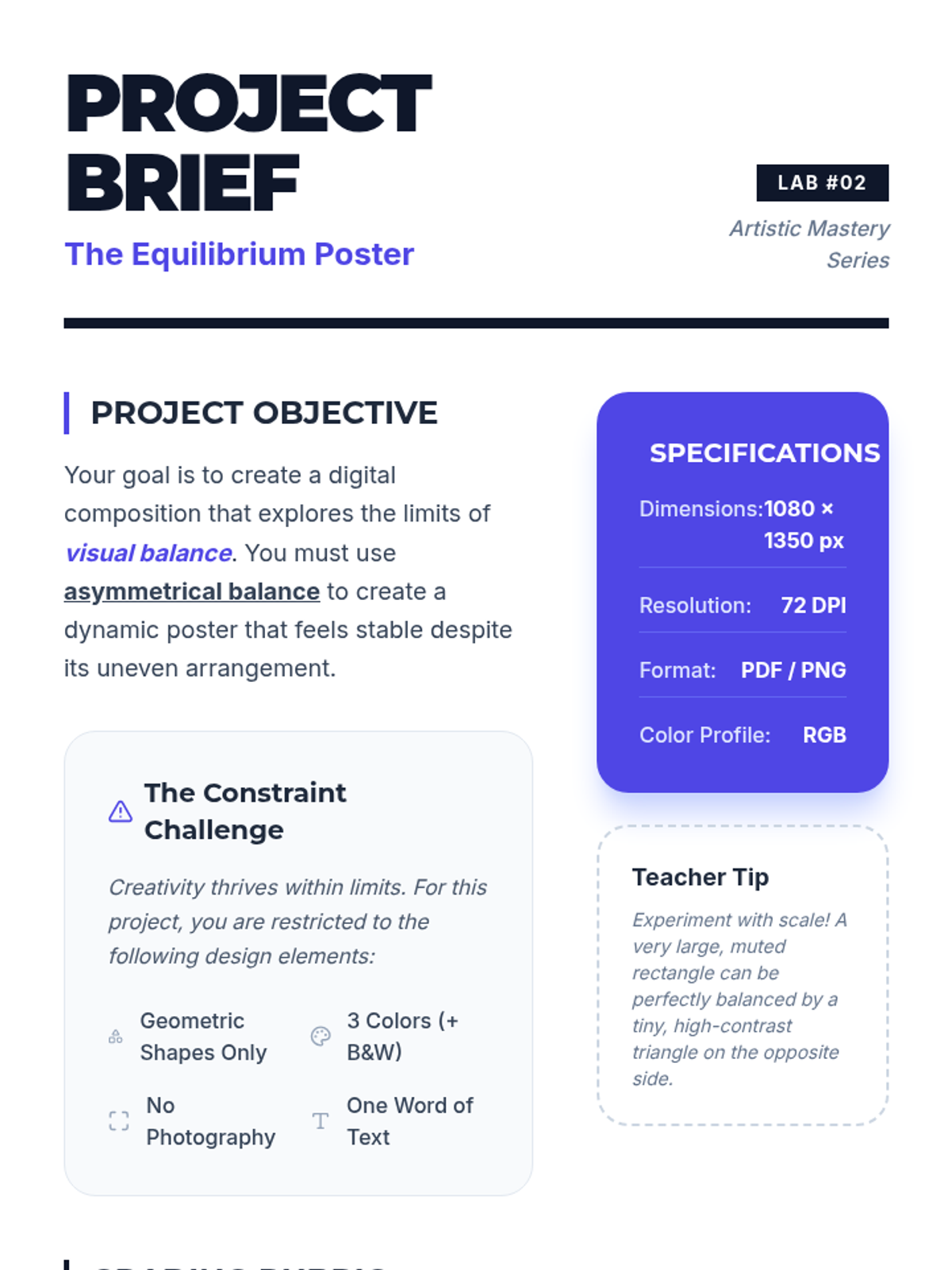
A comprehensive lesson for high school digital art students exploring the principles of visual balance, including symmetrical, asymmetrical, radial, and crystallographic types. Students will analyze visual weight and apply these concepts to digital compositions.
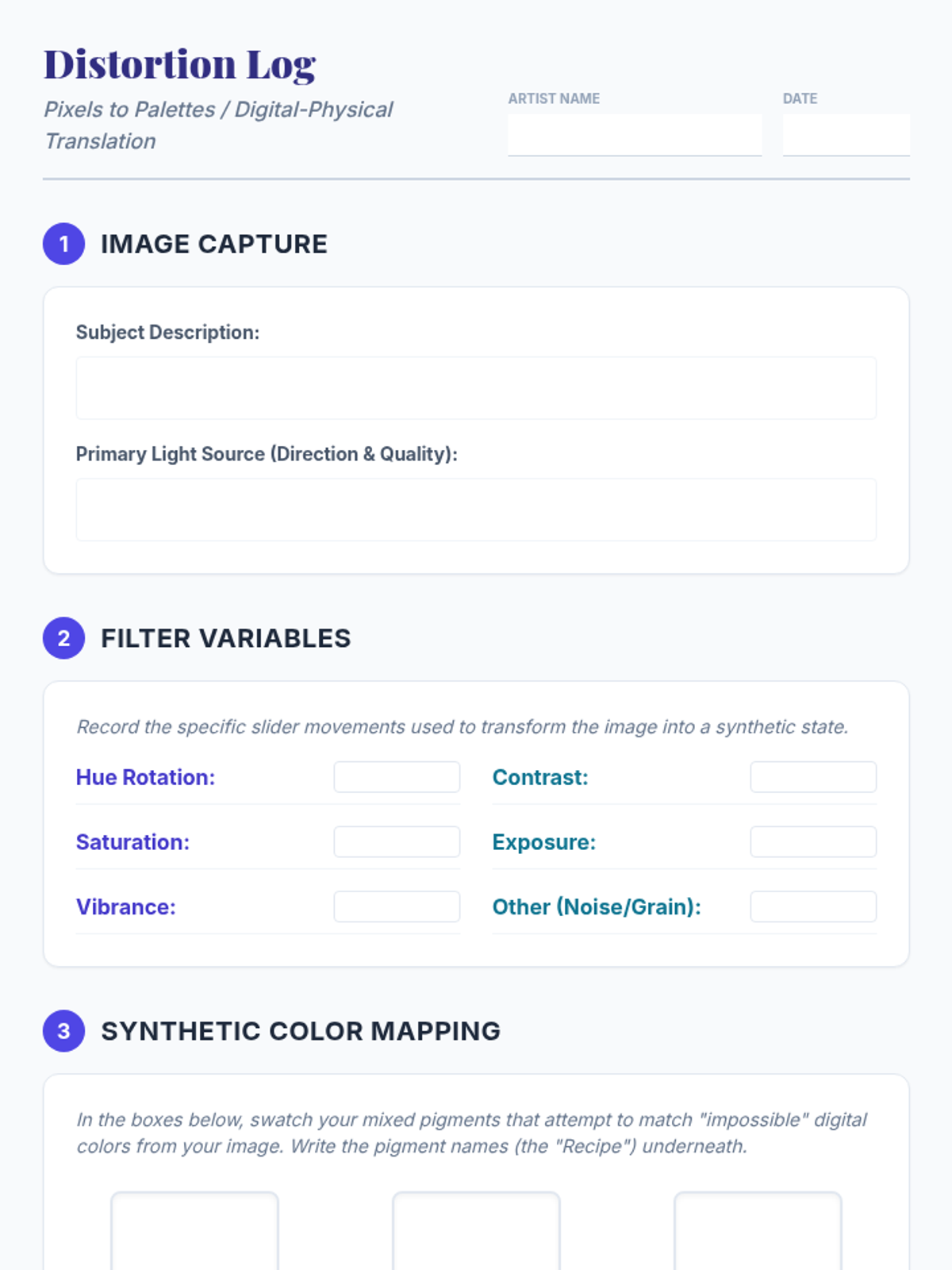
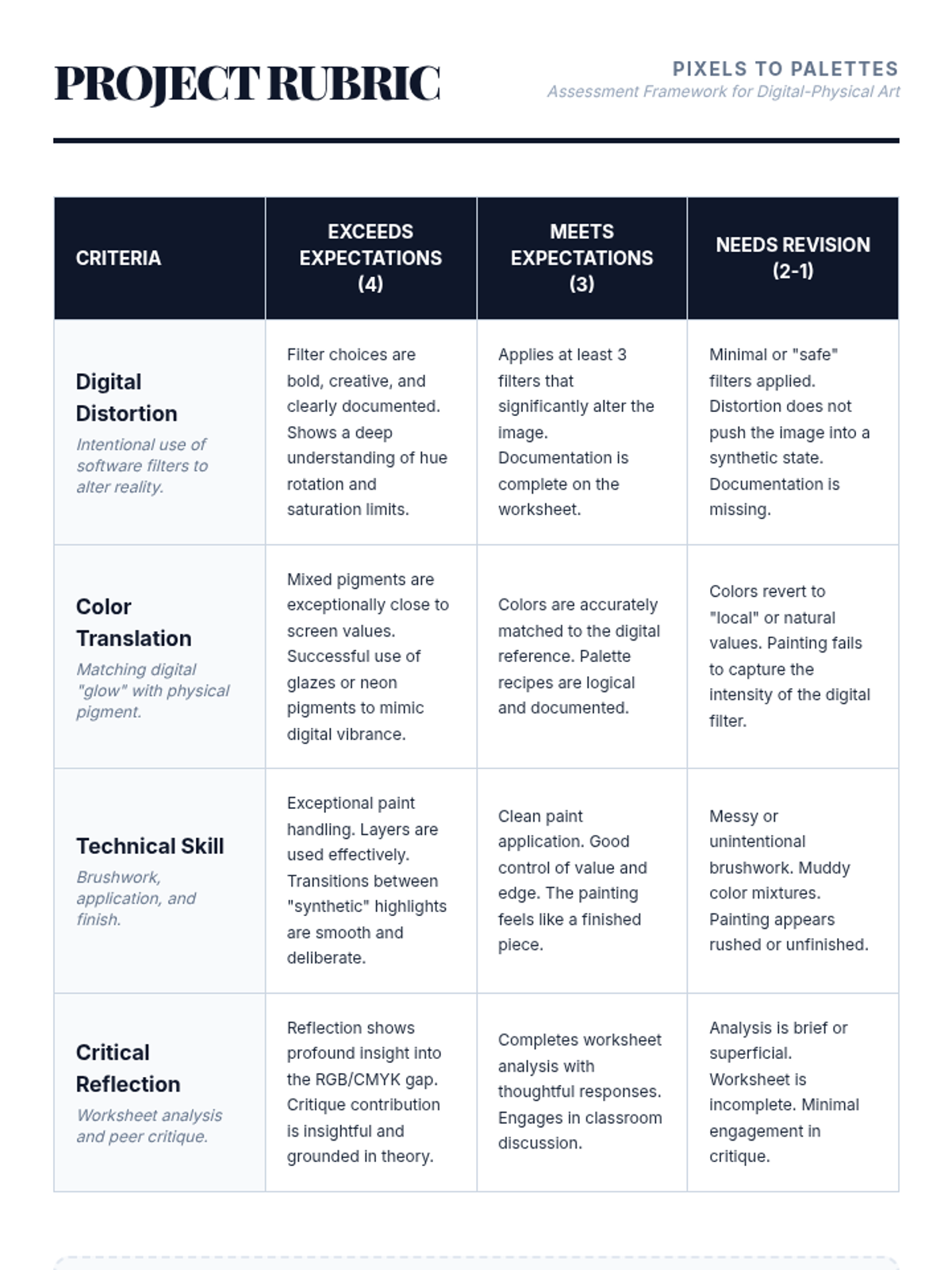
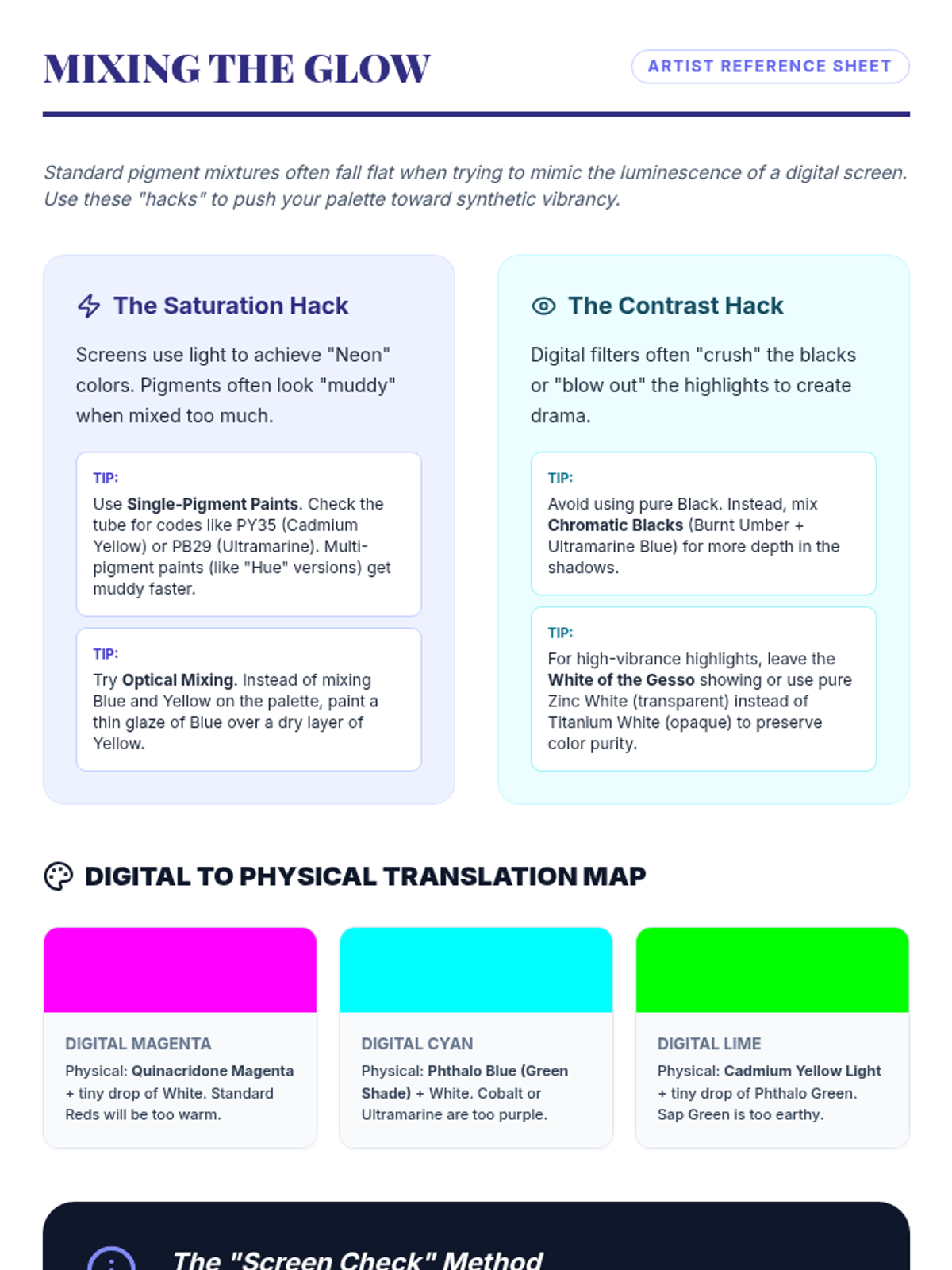
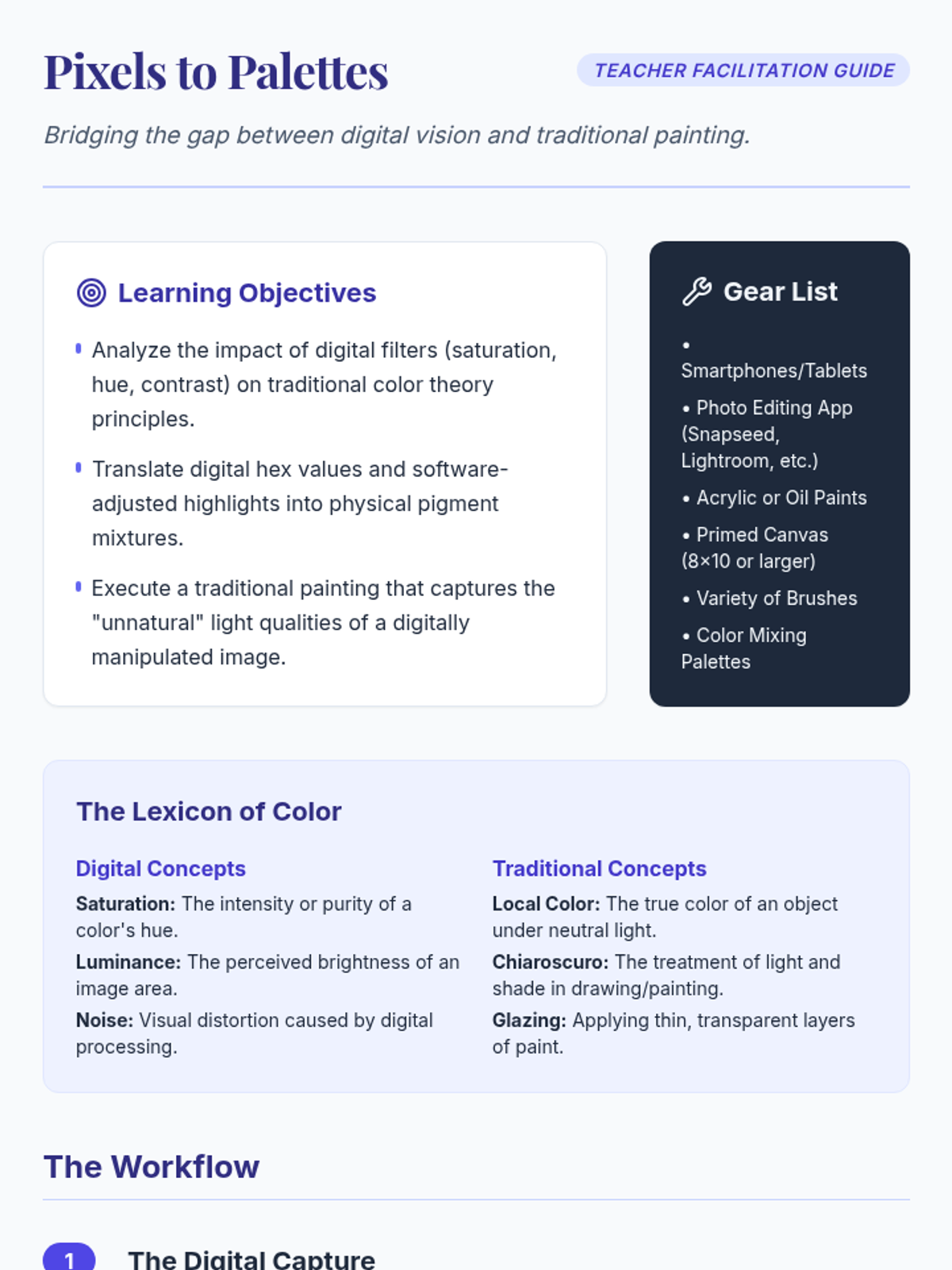
High school and undergraduate students bridge the gap between digital image manipulation and traditional painting by analyzing how software filters alter color theory and recreating these effects on canvas.
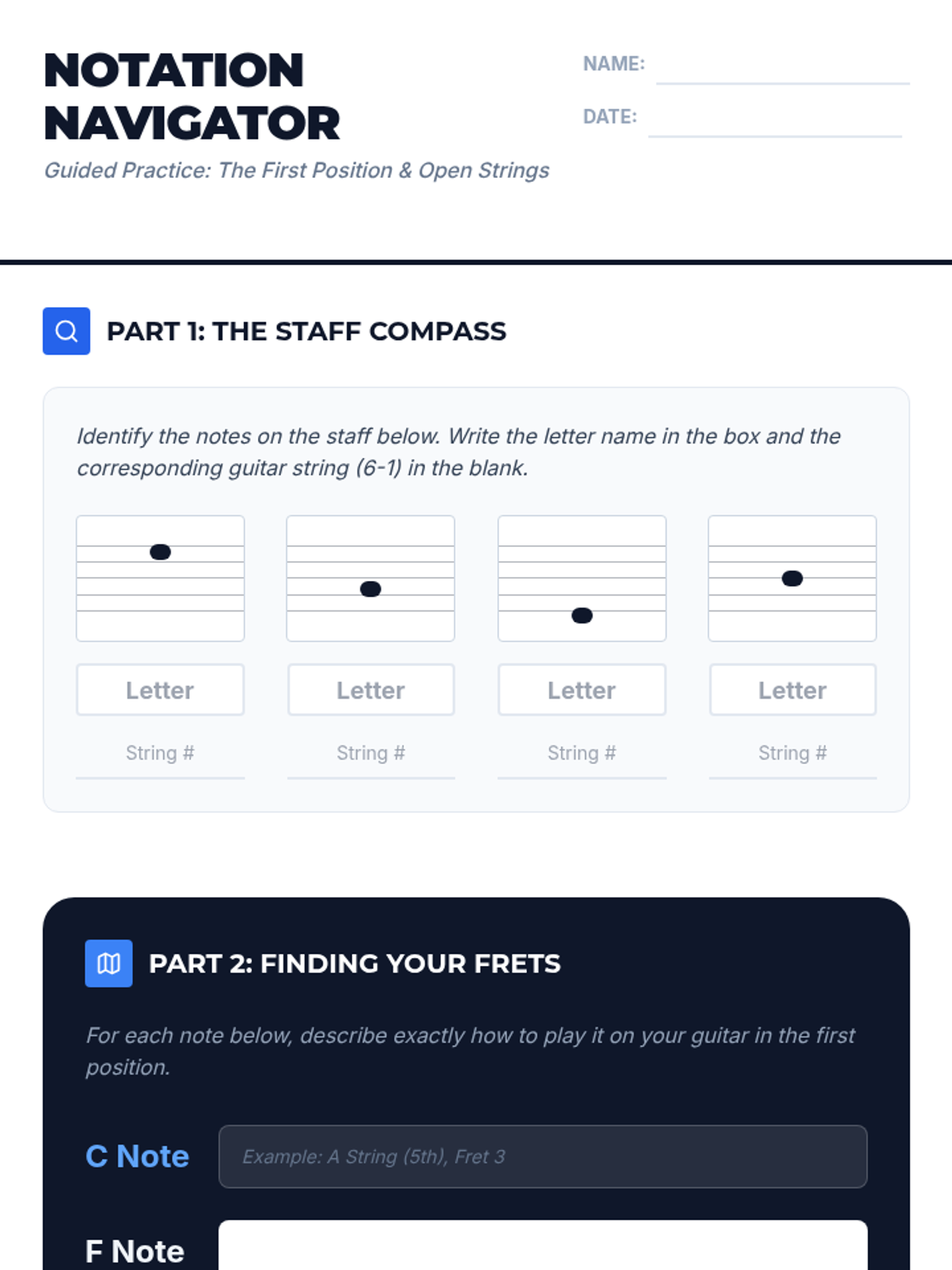
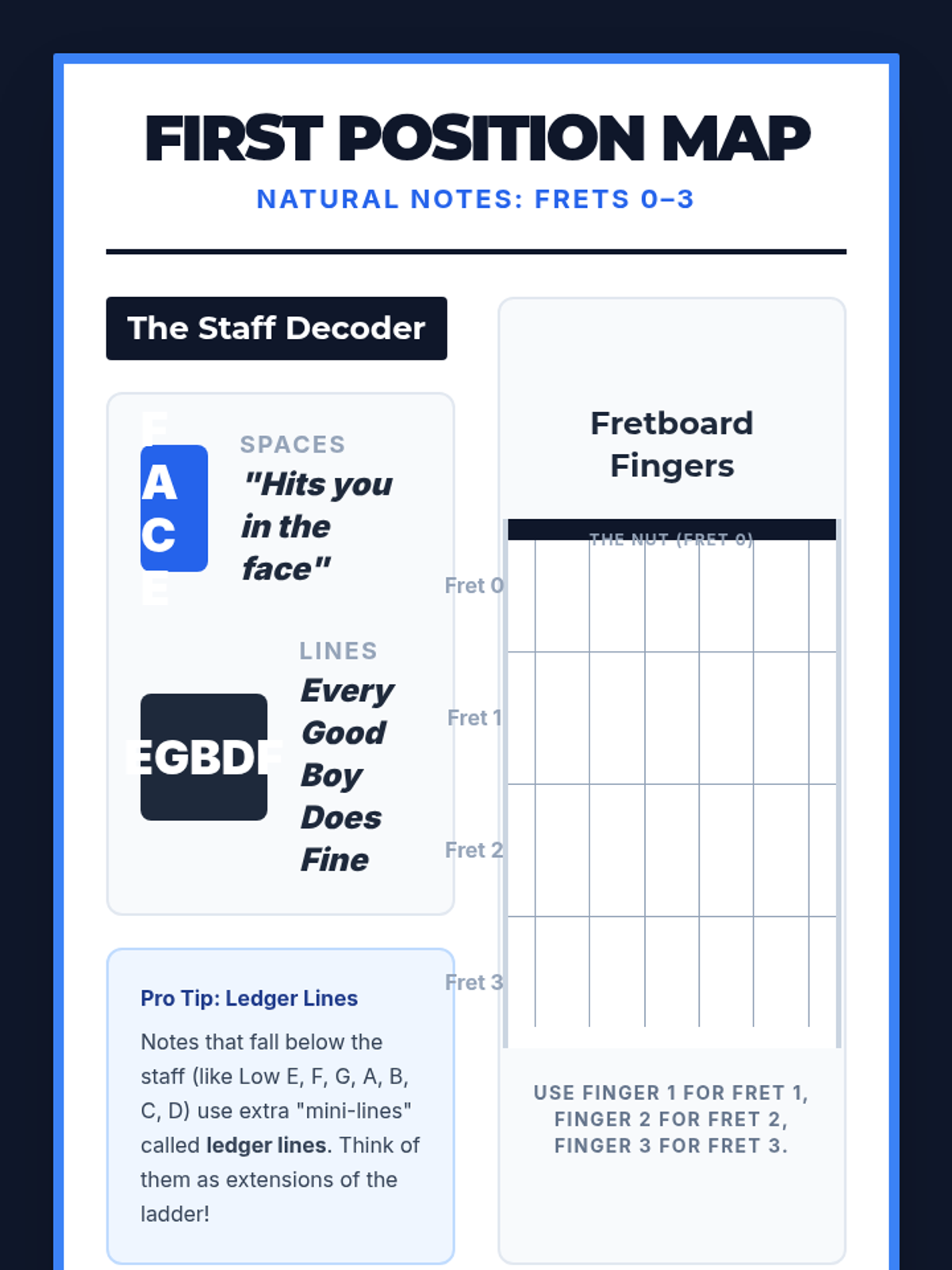
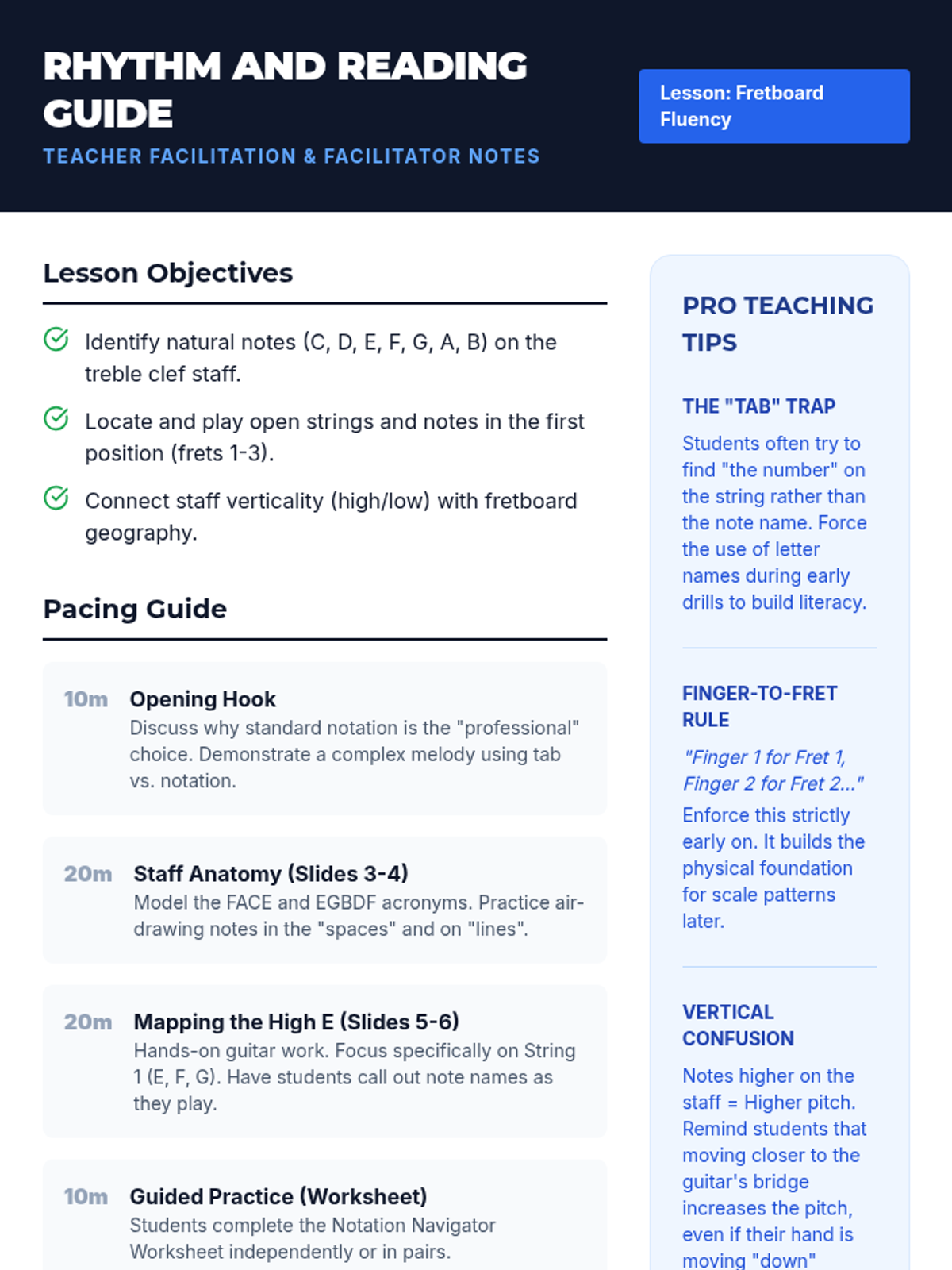
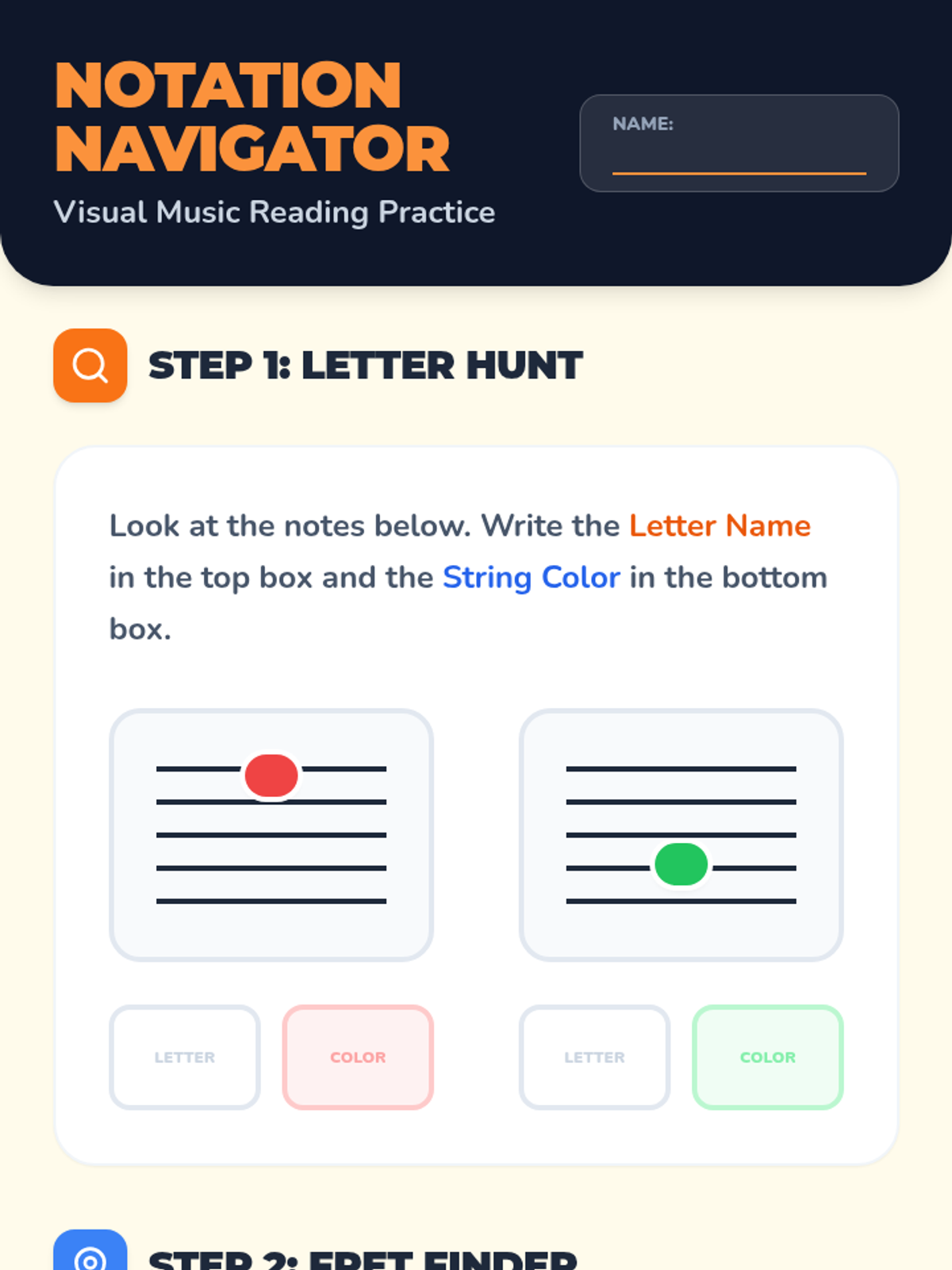
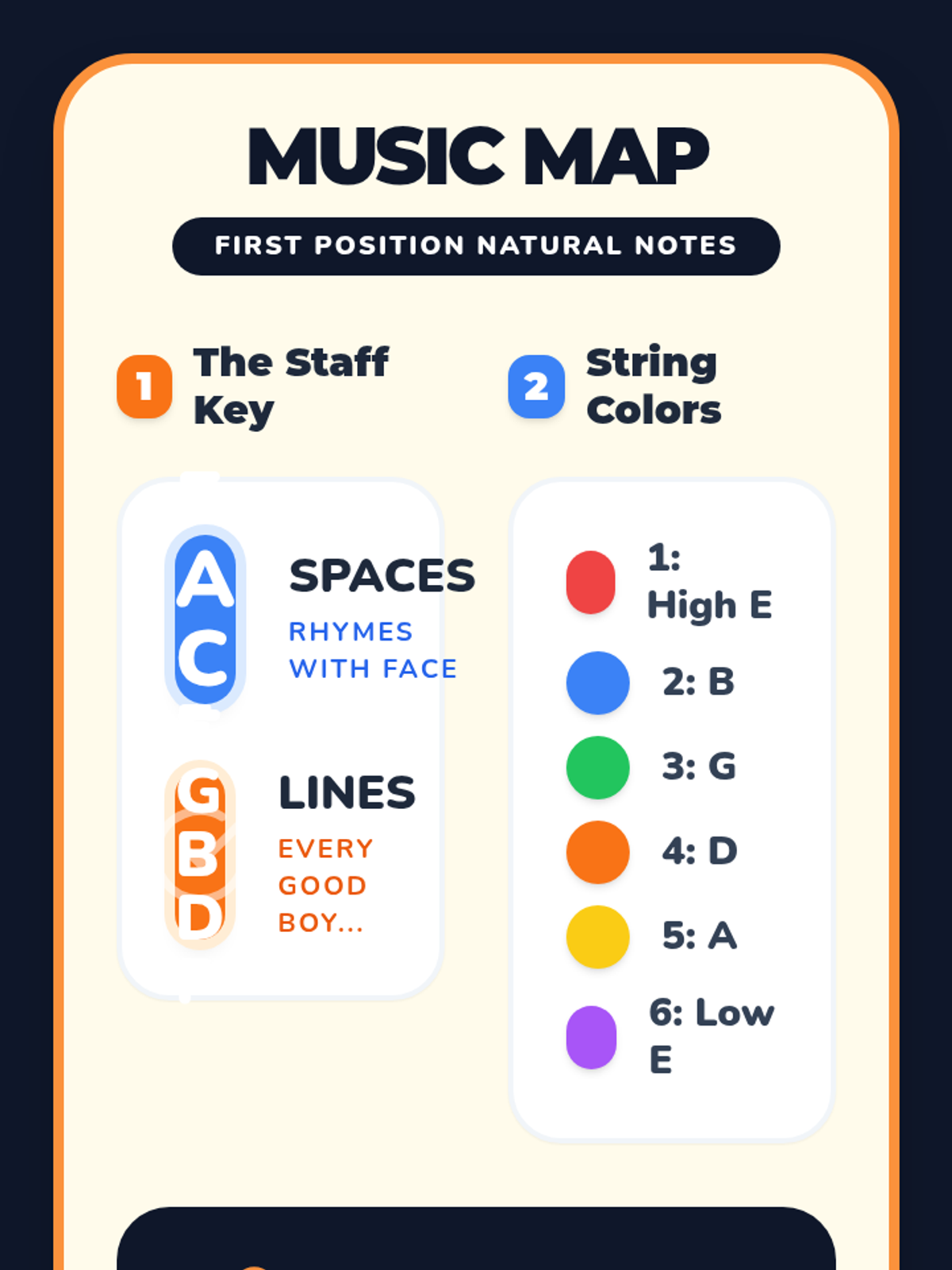
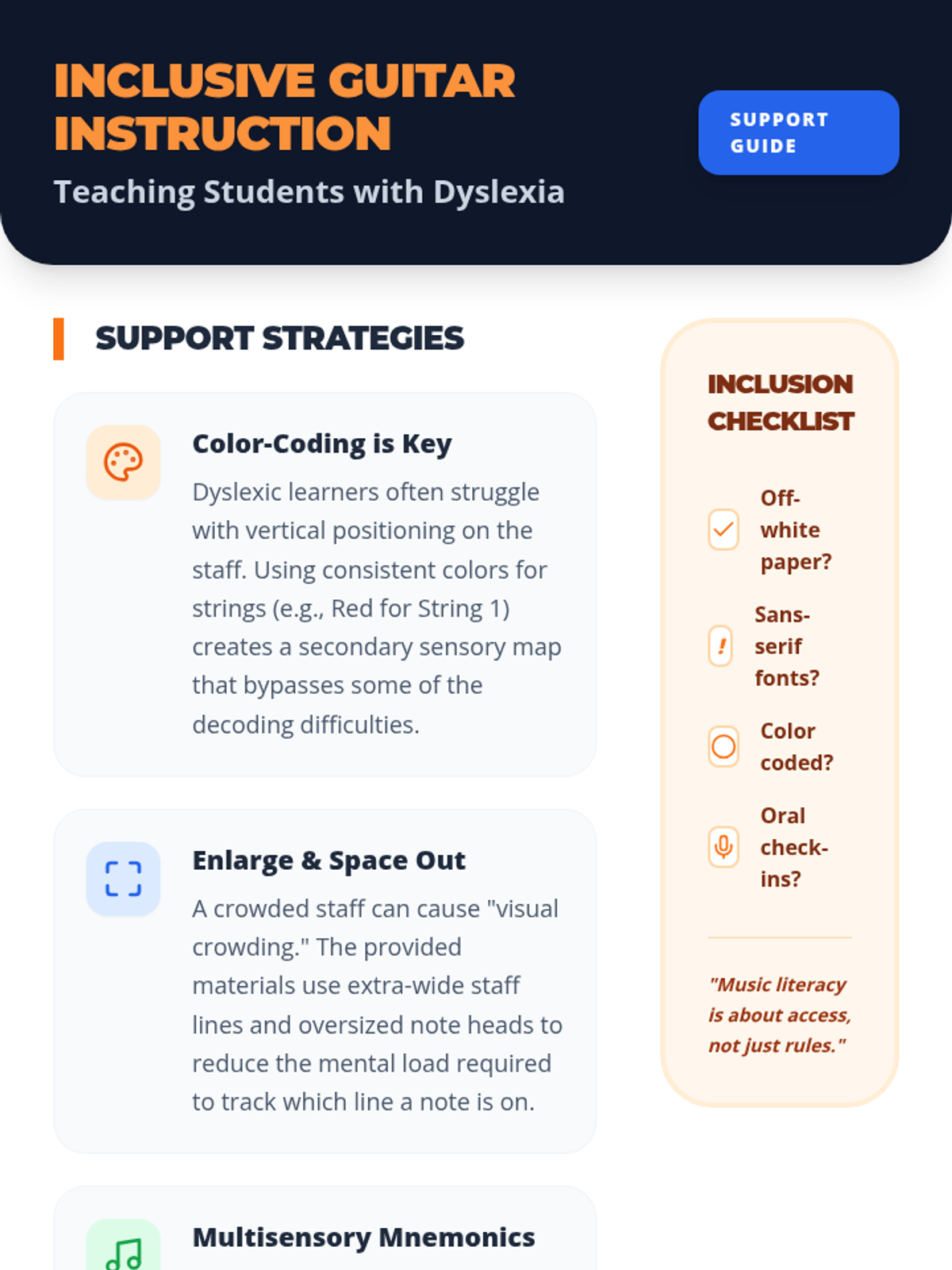
A comprehensive introduction to reading standard musical notation on the guitar, specifically targeting open strings and the first position notes for high school beginners.
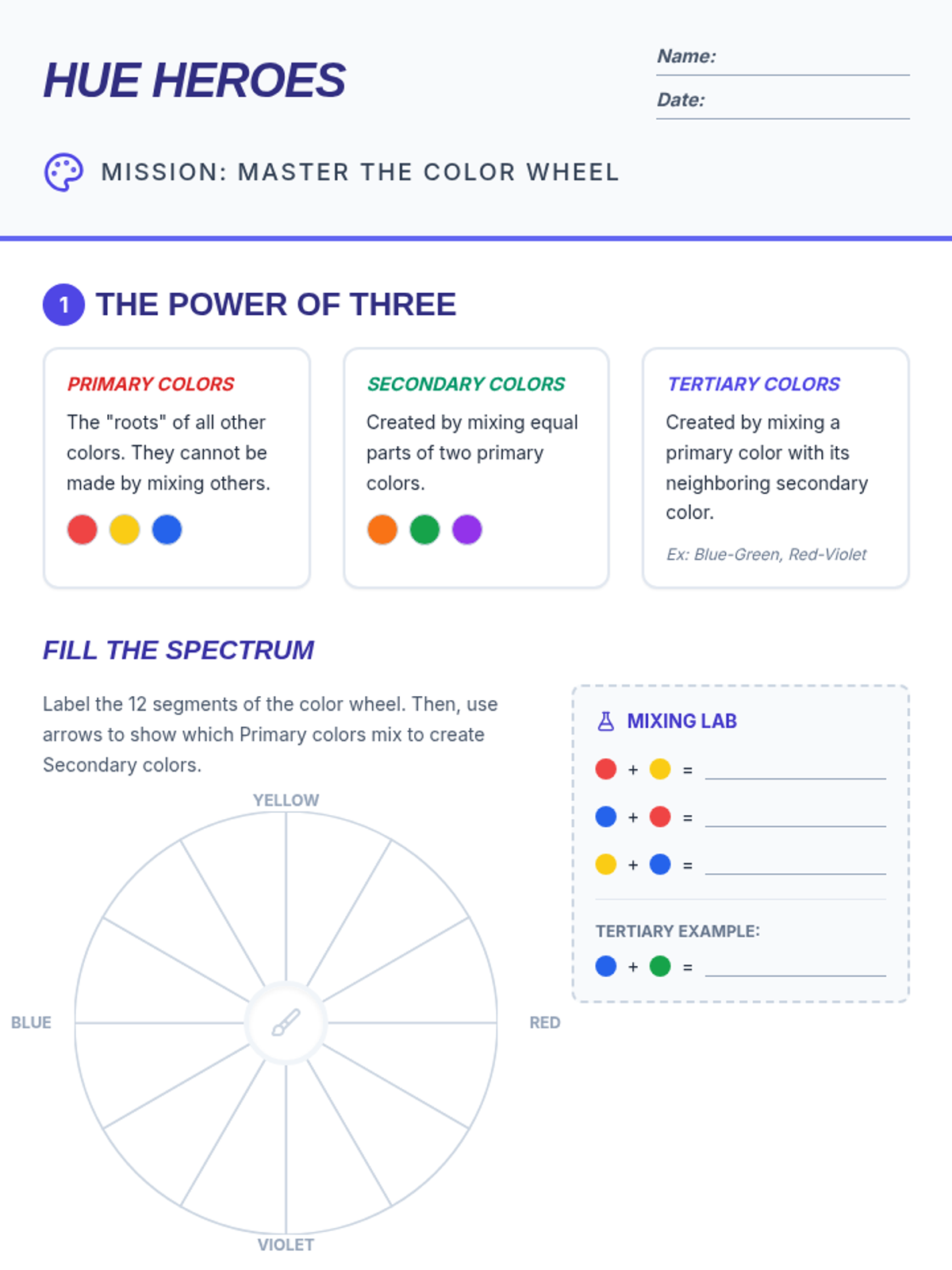
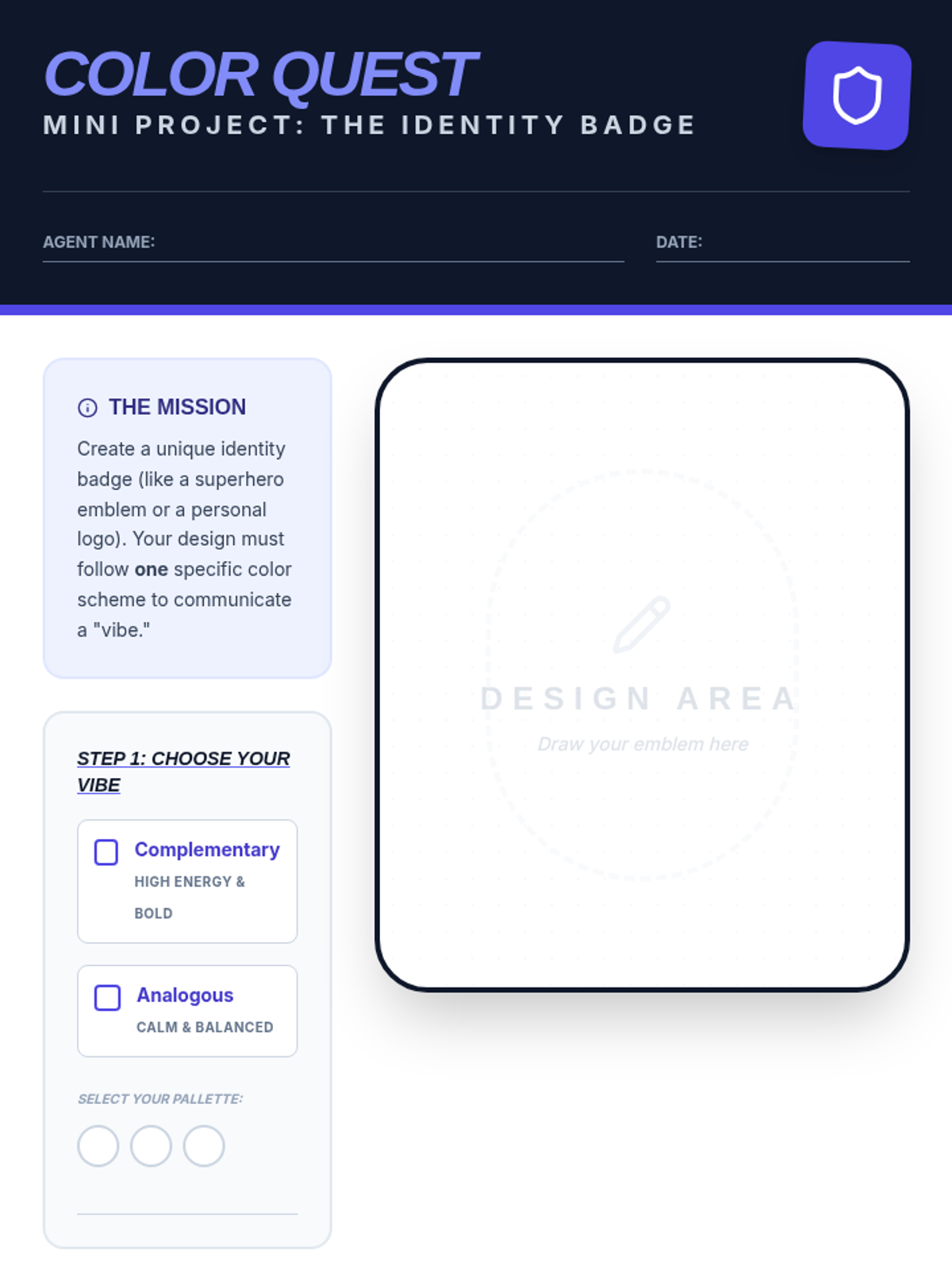
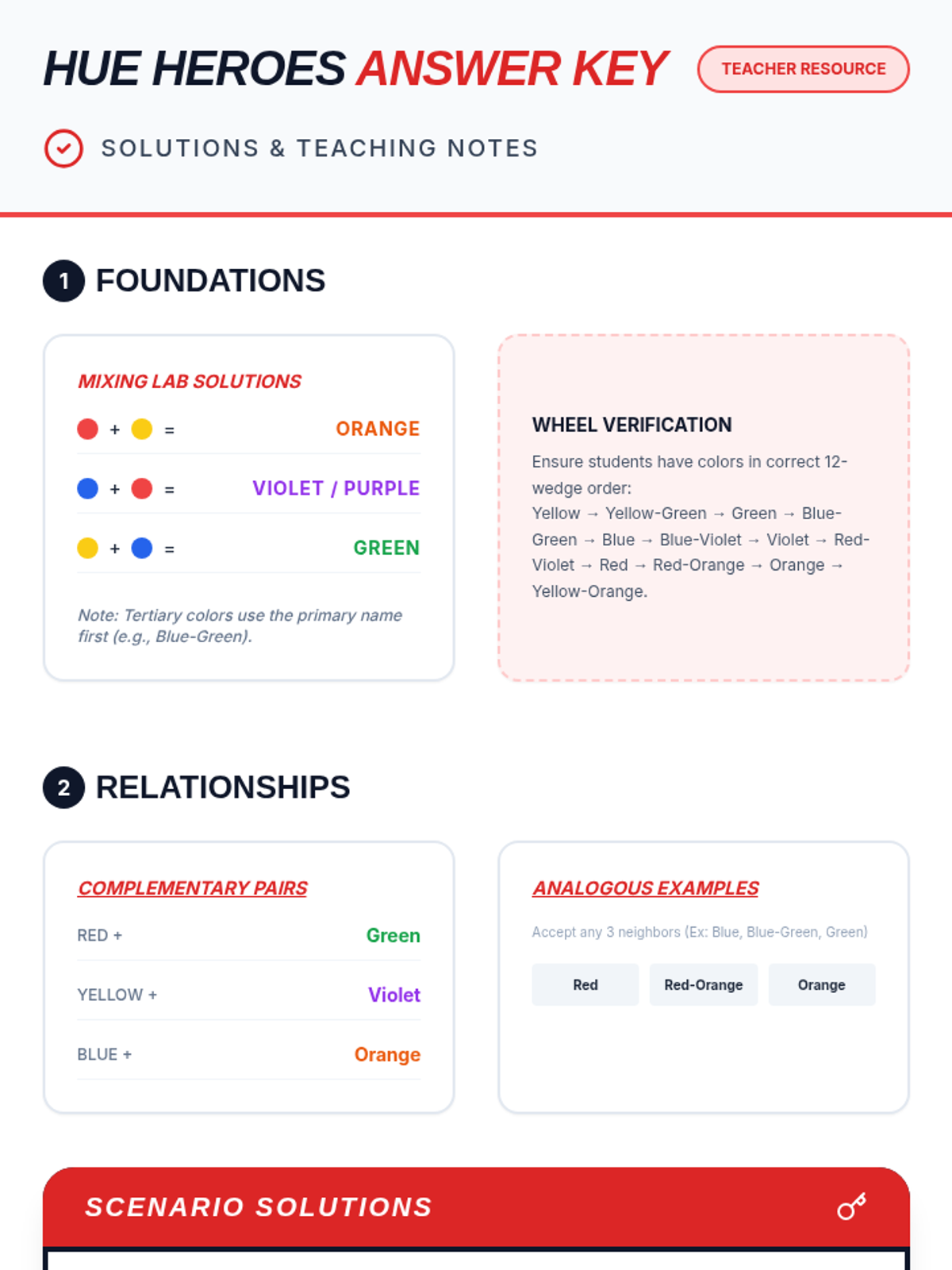
A foundational exploration of color theory for middle schoolers, covering the color wheel, color relationships, and practical application through a creative design project.
The final mission: applying all previous skills to brand-new musical scores. Students learn the "STARS" sight-reading method to analyze and play a piece perfectly on the first try.
Tackling tied notes, dotted rhythms, and basic syncopation. Students learn how to maintain a steady beat while reading complex rhythmic variations.
Learning to read music by the distance between notes (steps vs. leaps) rather than just note names. This lesson builds speed and accuracy for fluent reading.
Navigating the score with repeats, 1st and 2nd endings, and navigation markings like D.C. al Fine and D.S. al Coda. Students build a "roadmap" of the music before playing.