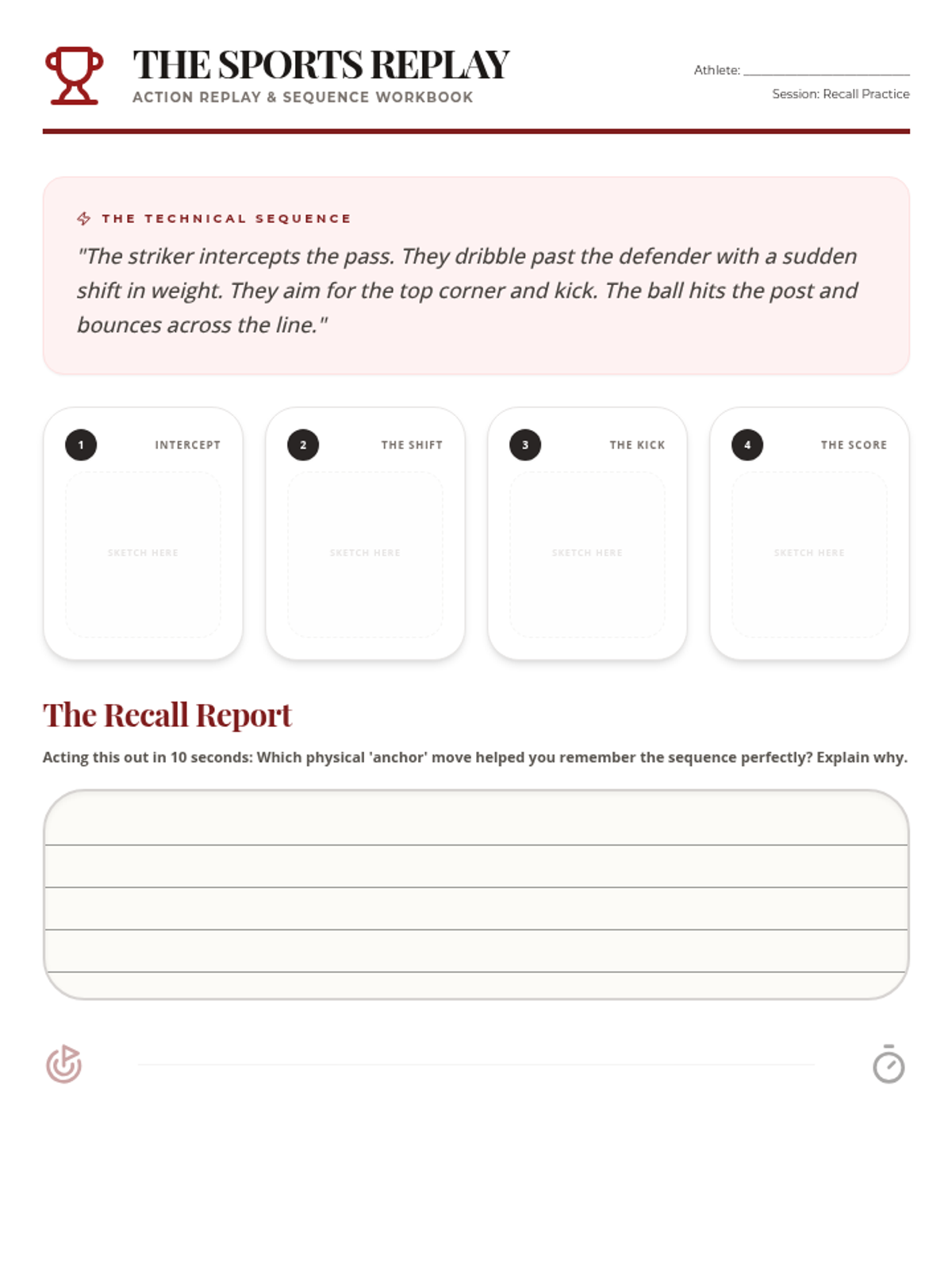
Techniques for brainstorming, collaborative project management, and individual artistic expression. Guides students through the iterative creative process from initial concept to final execution.
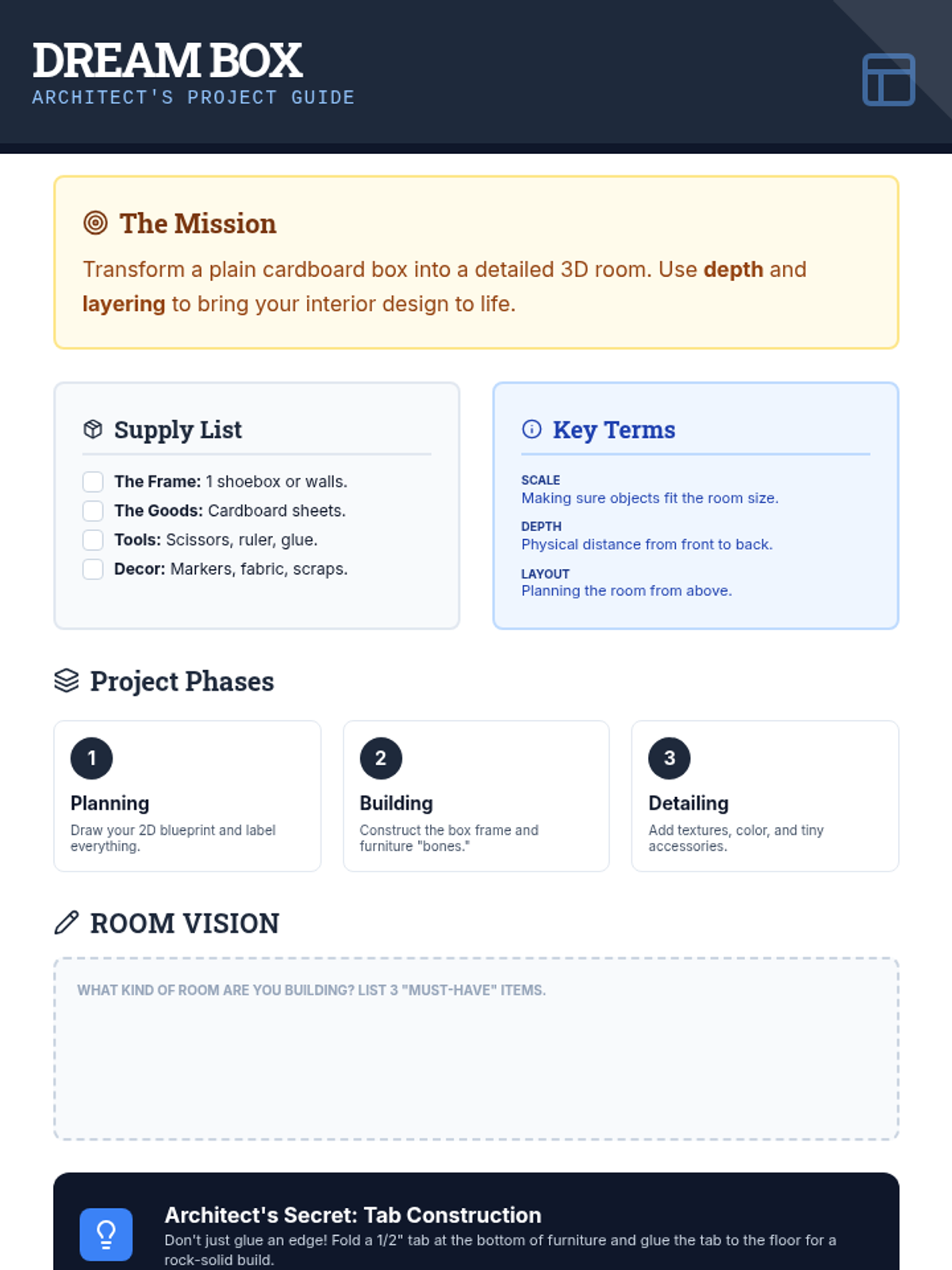
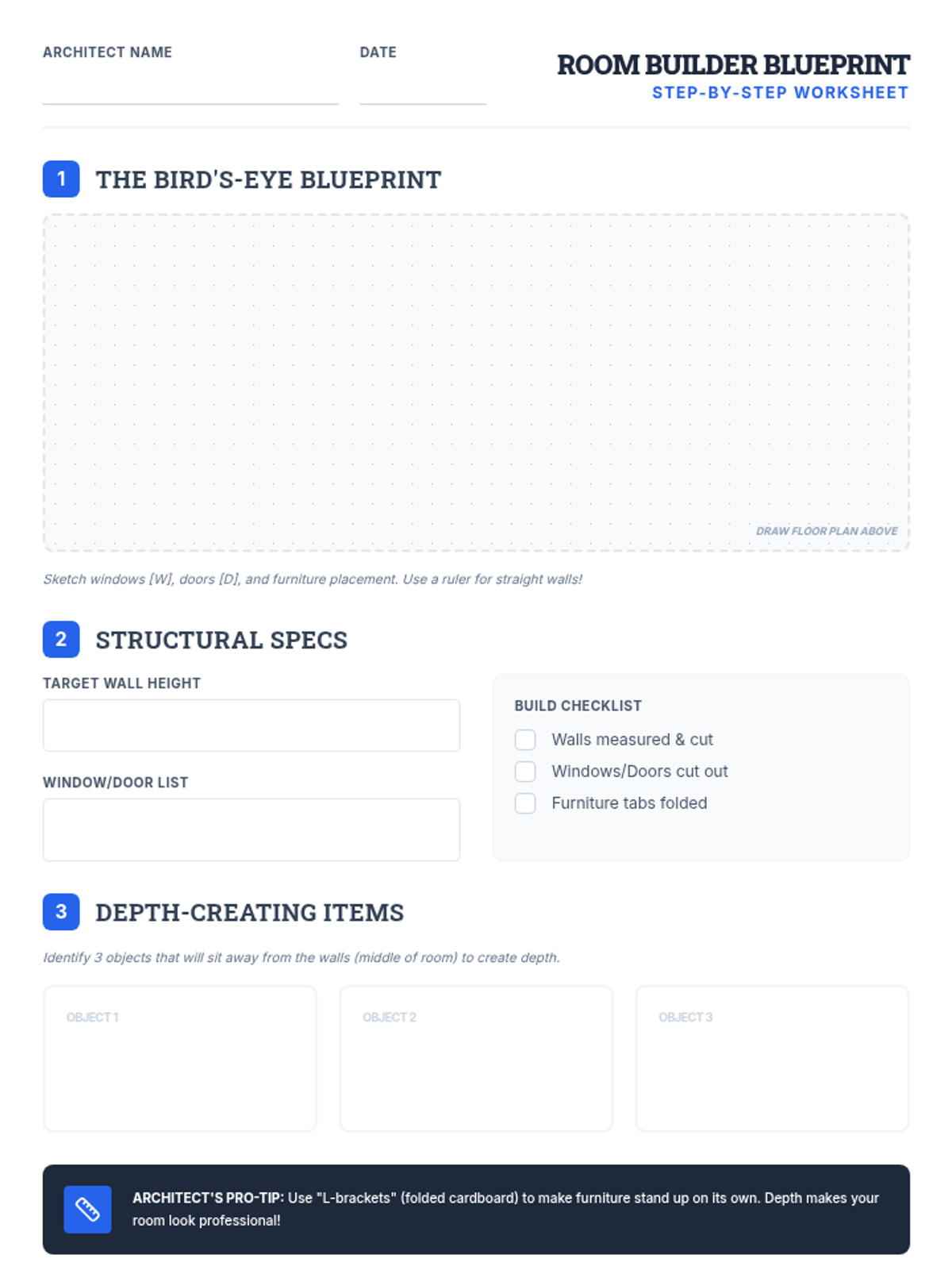
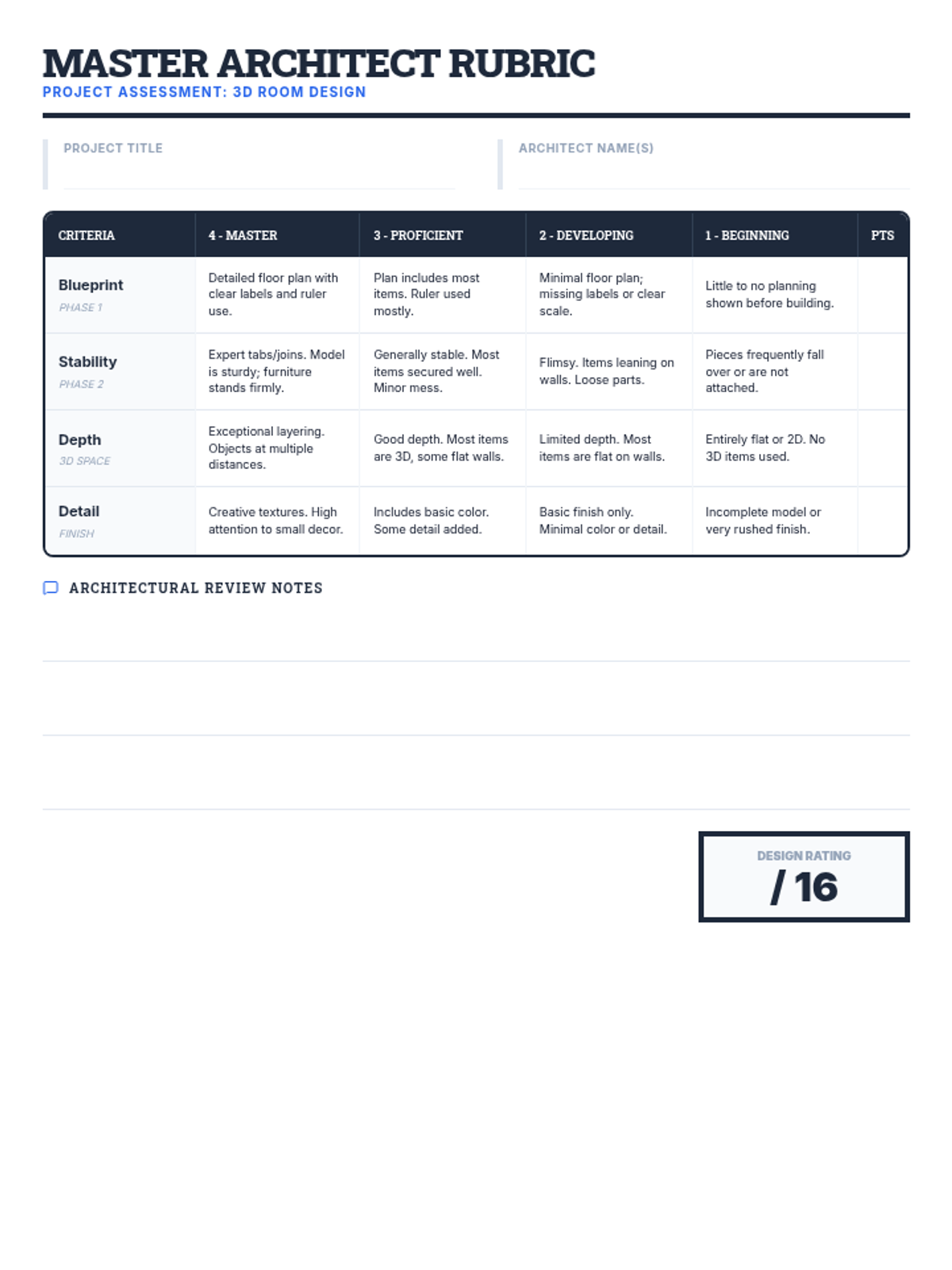
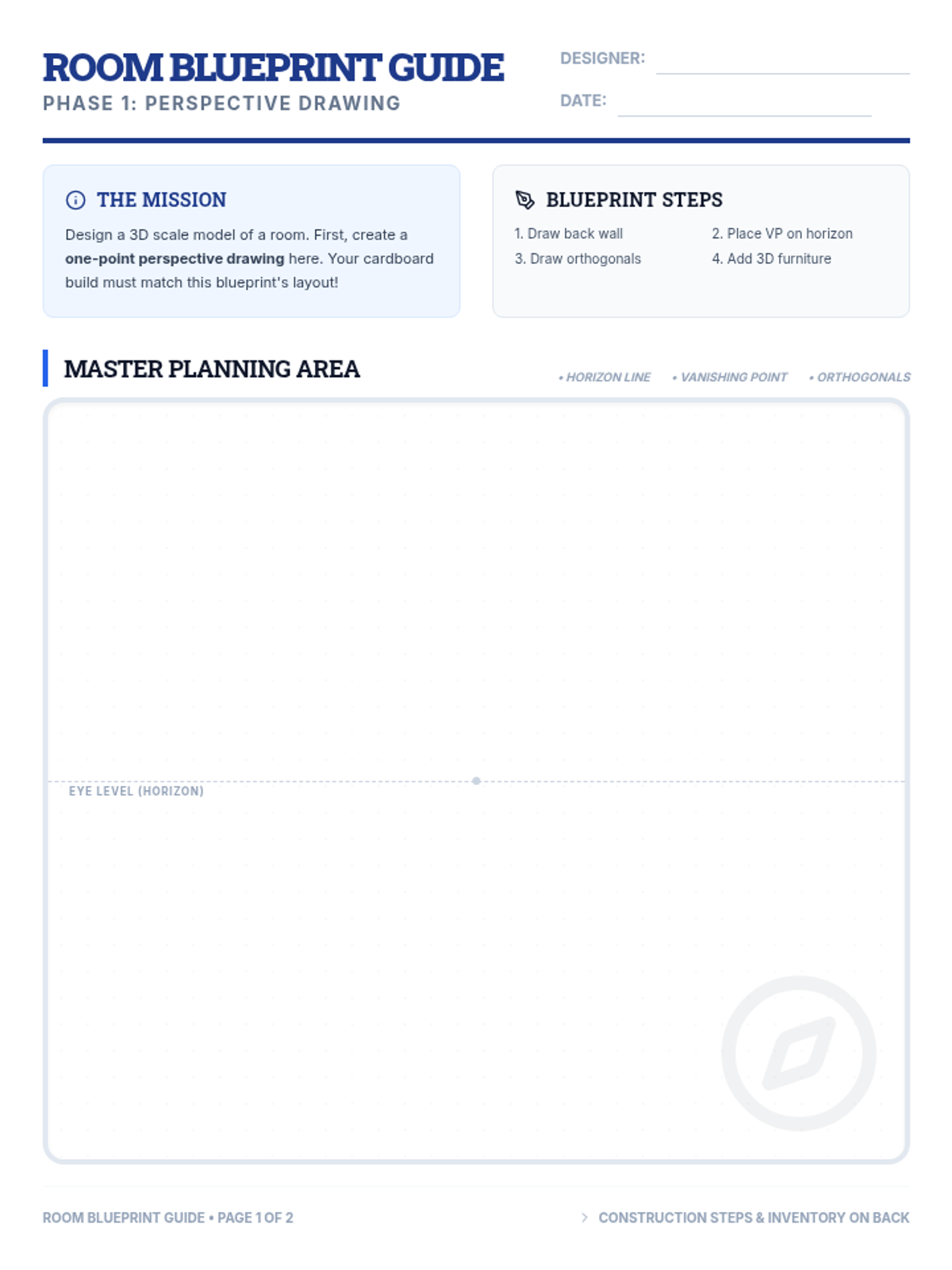
Students learn basic architectural depth and 3D modeling by designing and building a room interior using cardboard. This lesson covers planning, structural construction, and adding detail to create a sense of space.
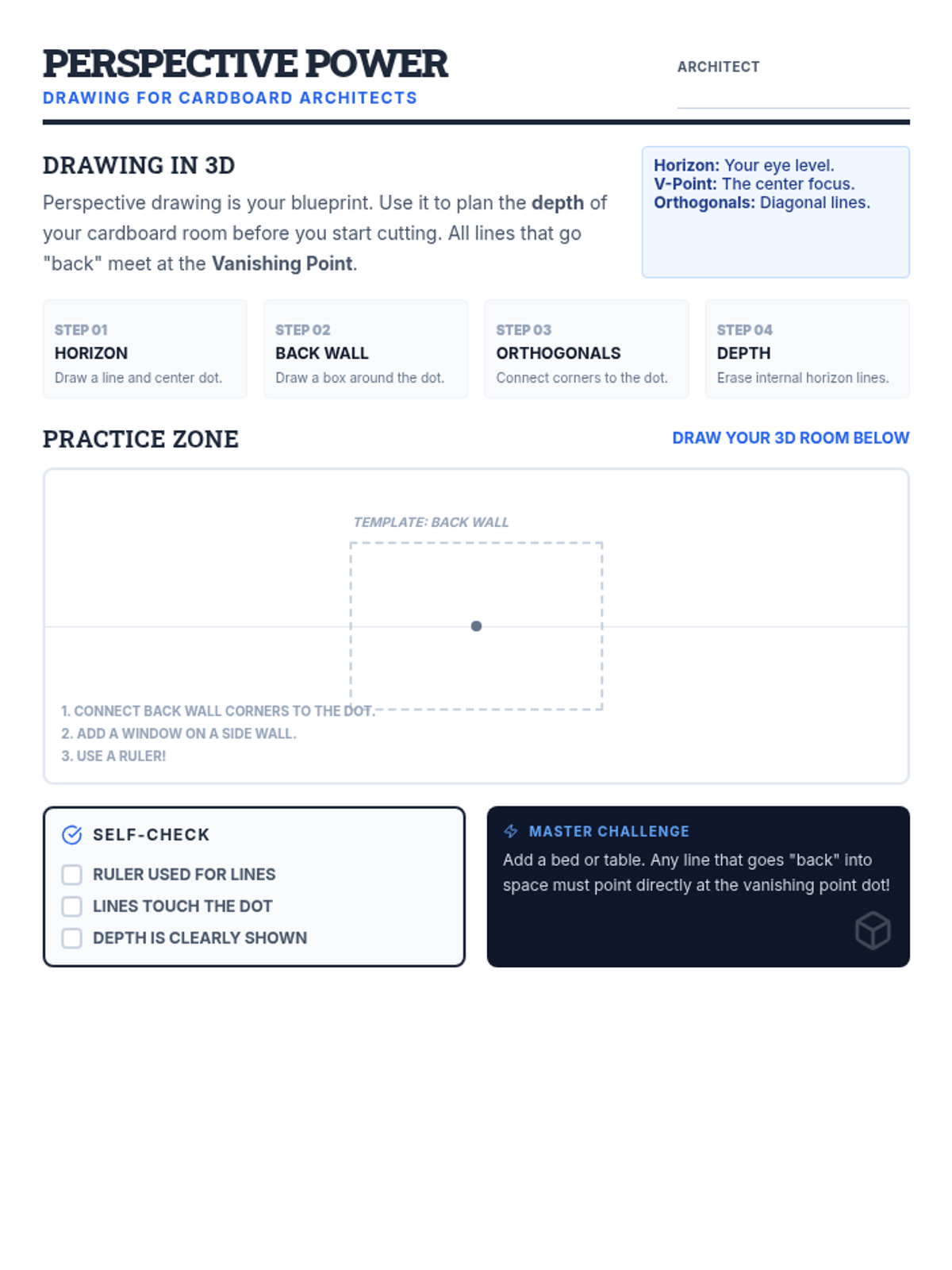
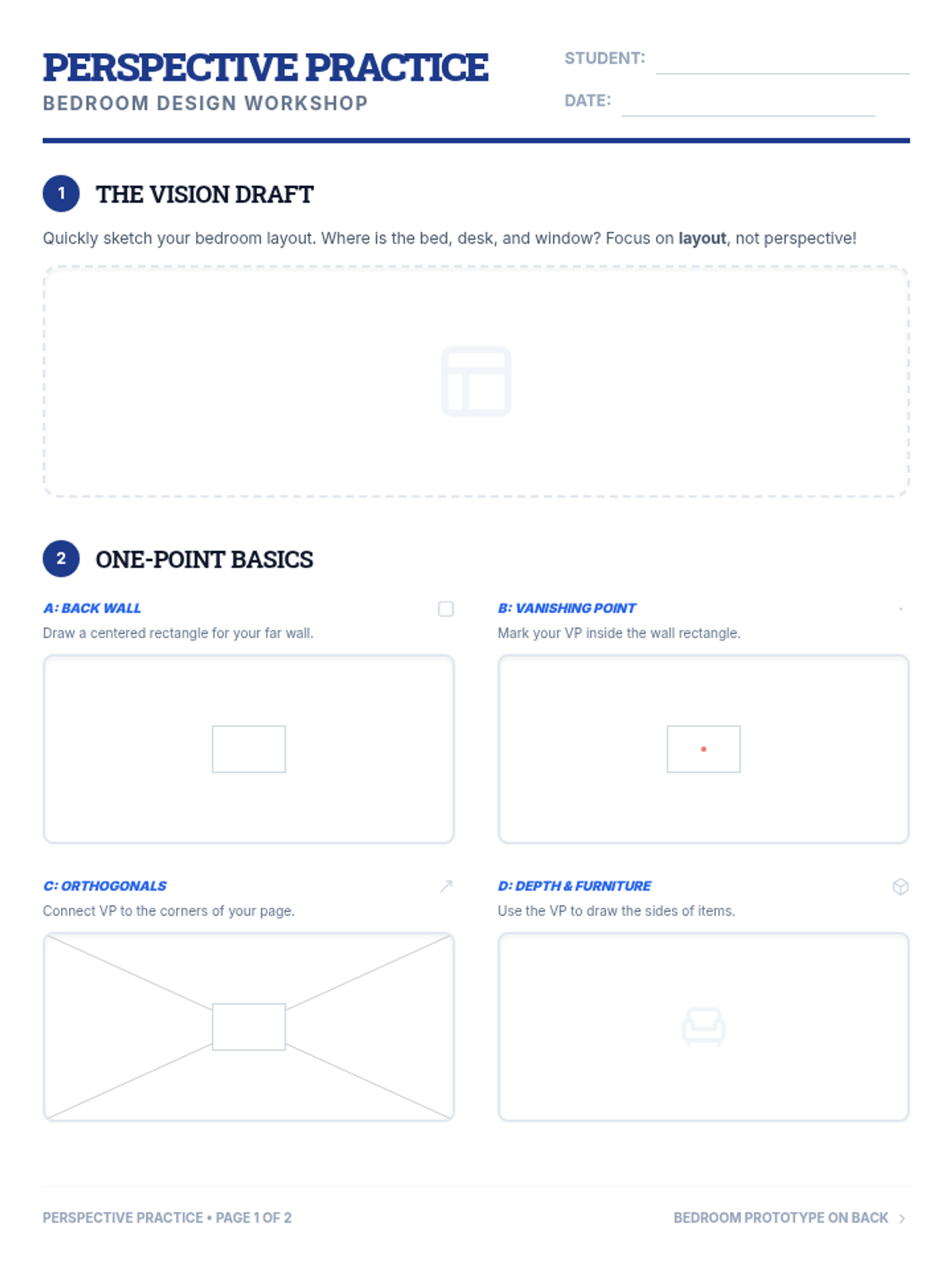
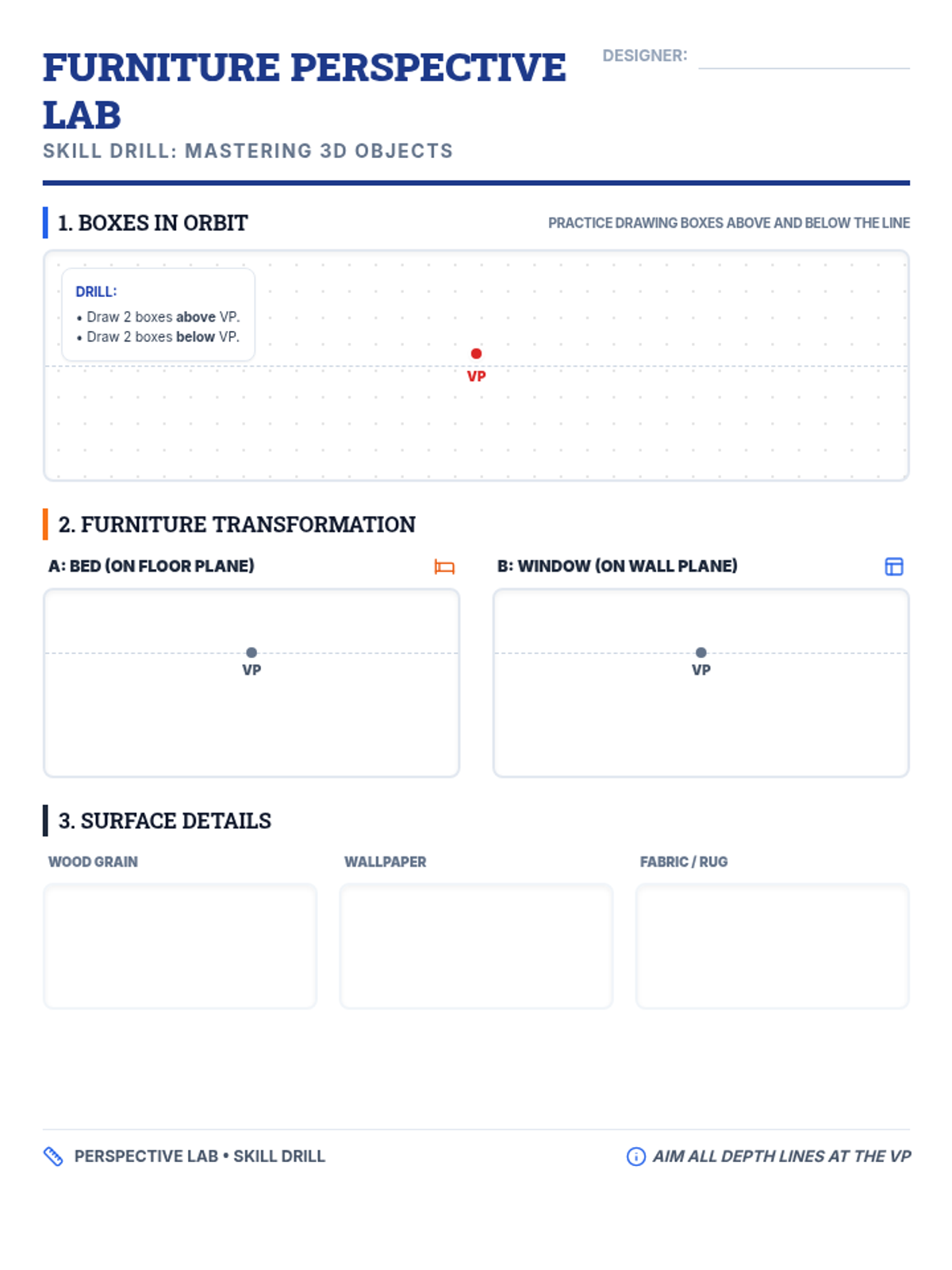
In this lesson, students learn the fundamentals of one-point perspective to plan and design a 3D cardboard room. They transition from 2D architectural blueprints to 3D construction using recycled materials.
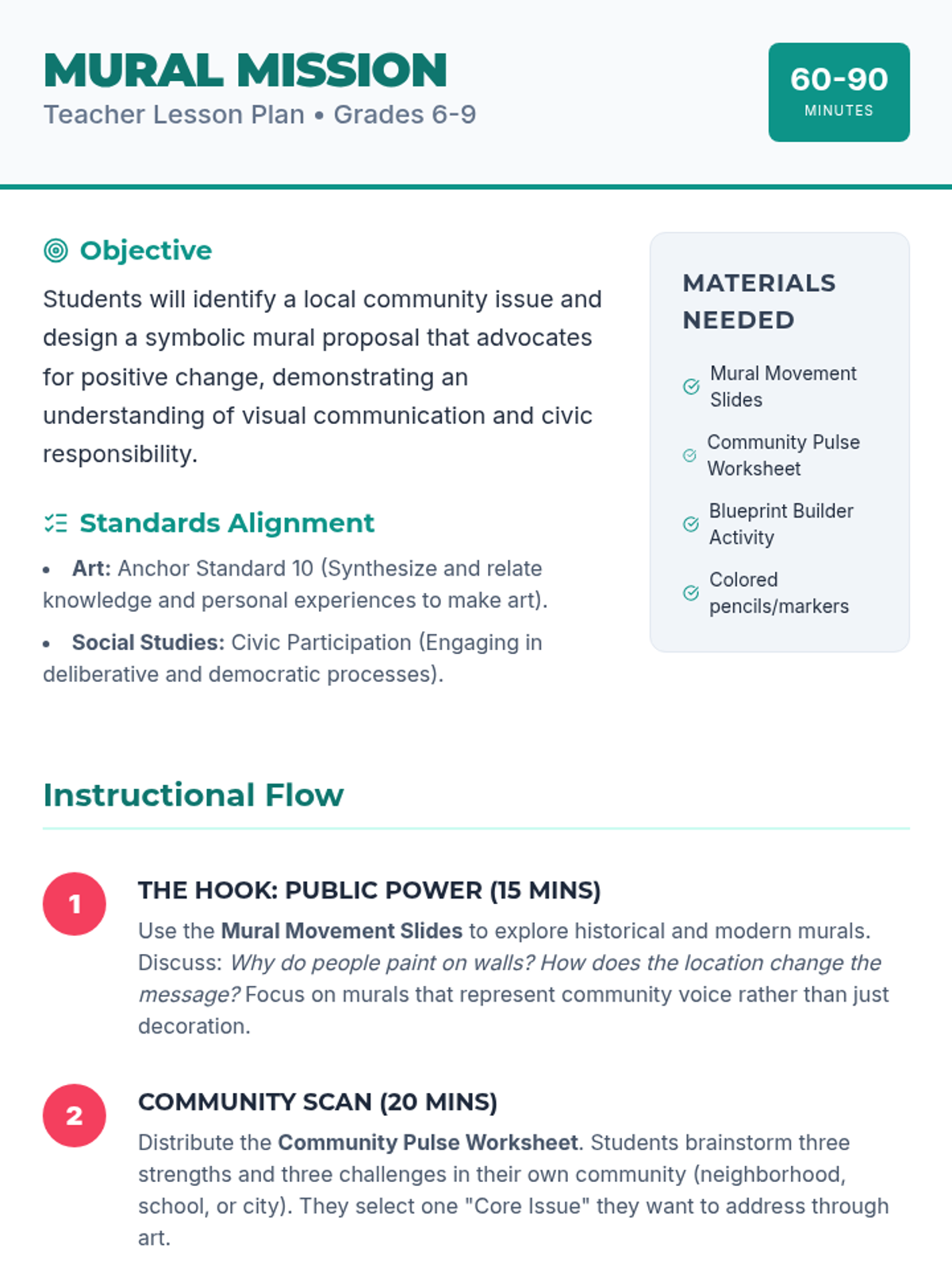
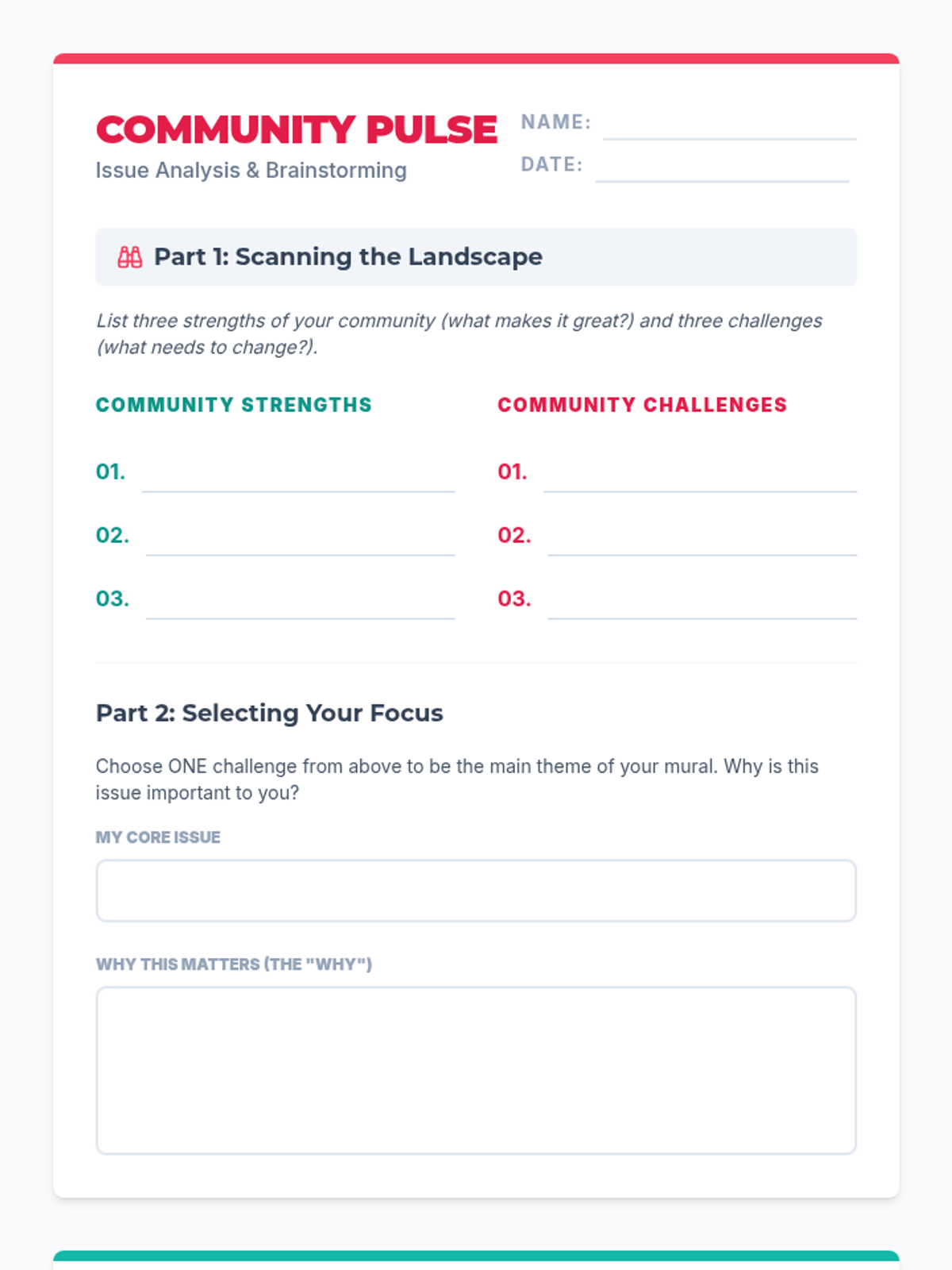
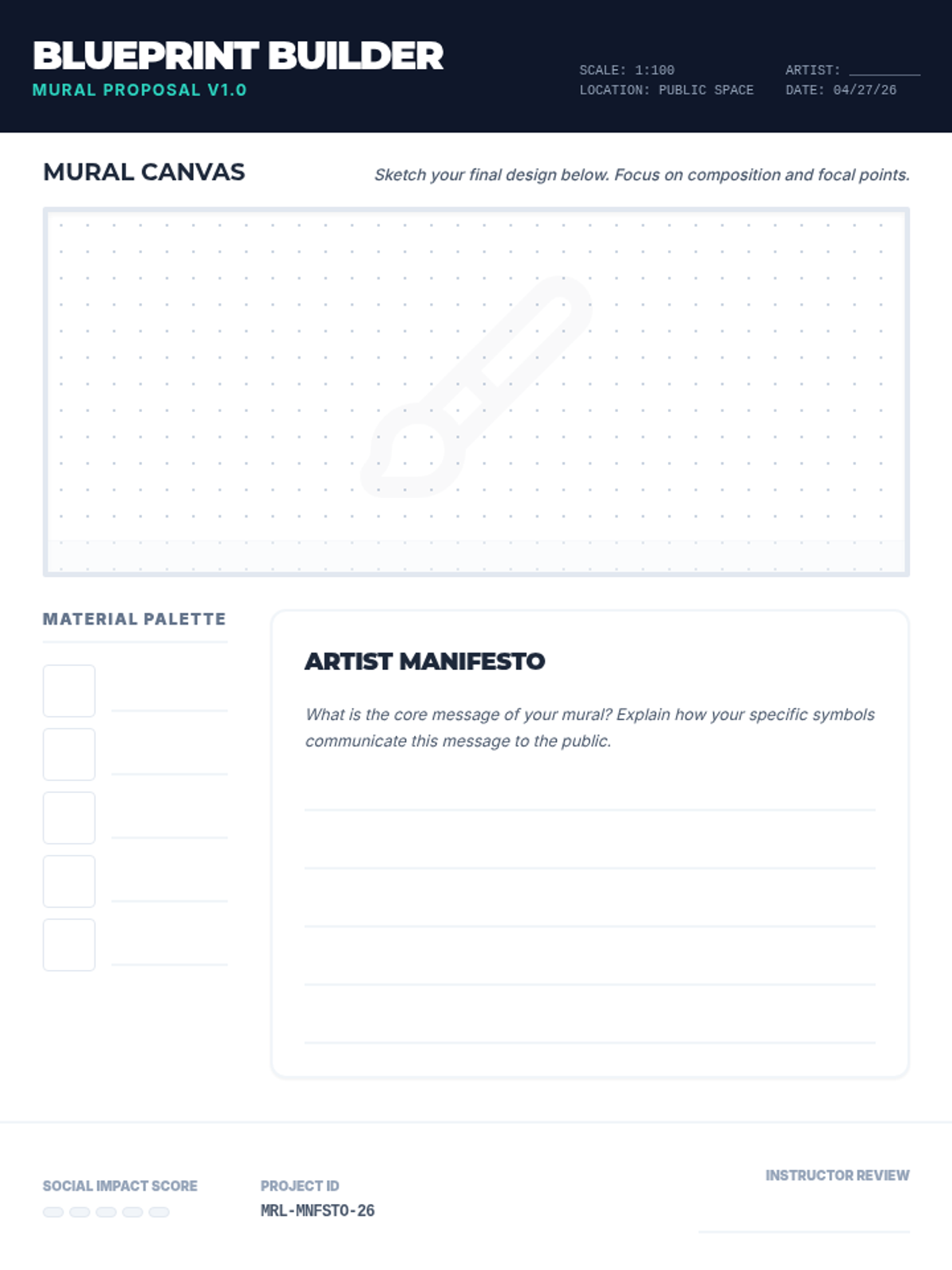
A project-based lesson where students investigate local social issues and translate their findings into a symbolic mural design. This lesson bridges the gap between civic engagement and visual arts through collaborative planning and creative expression.
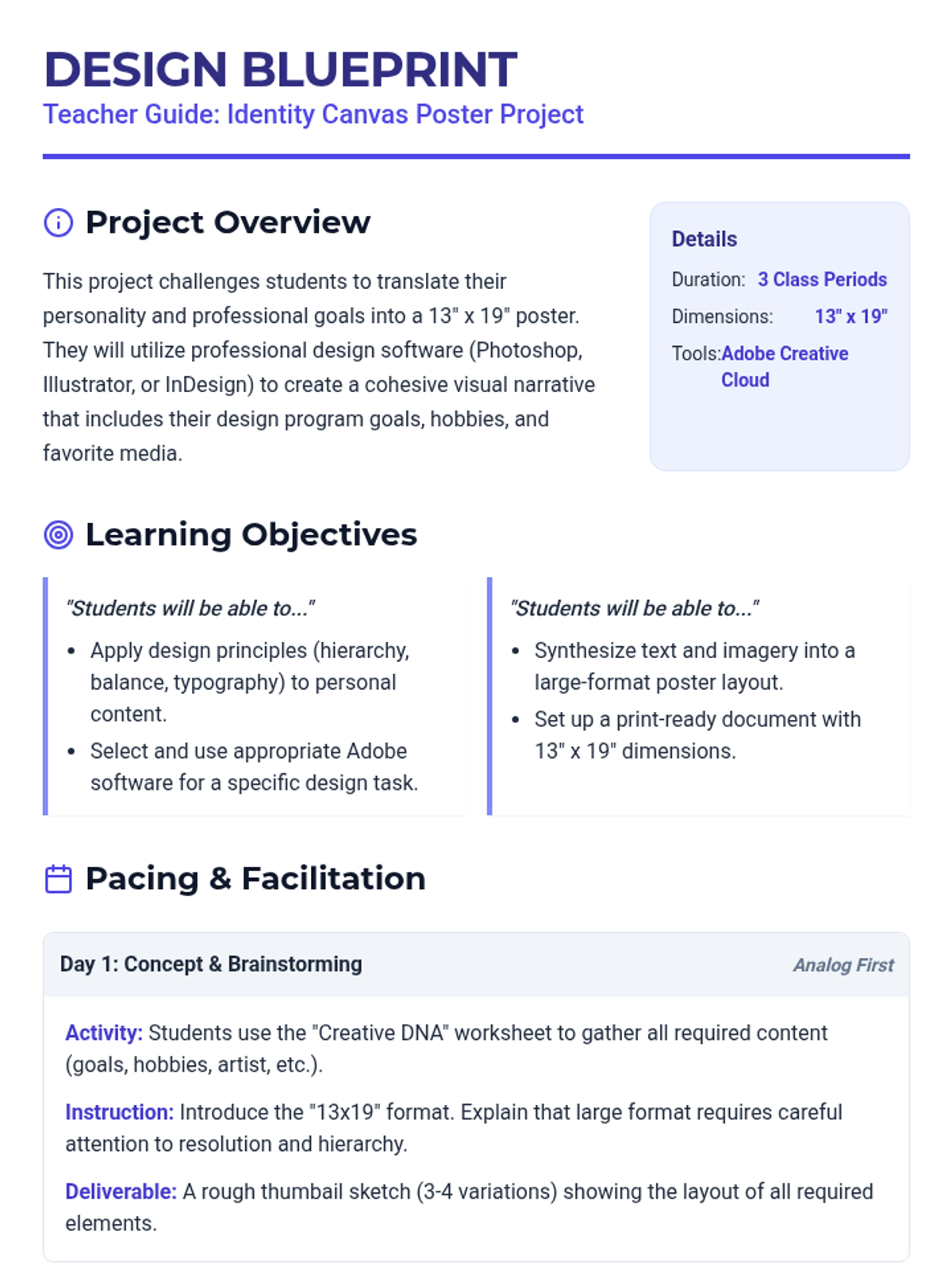
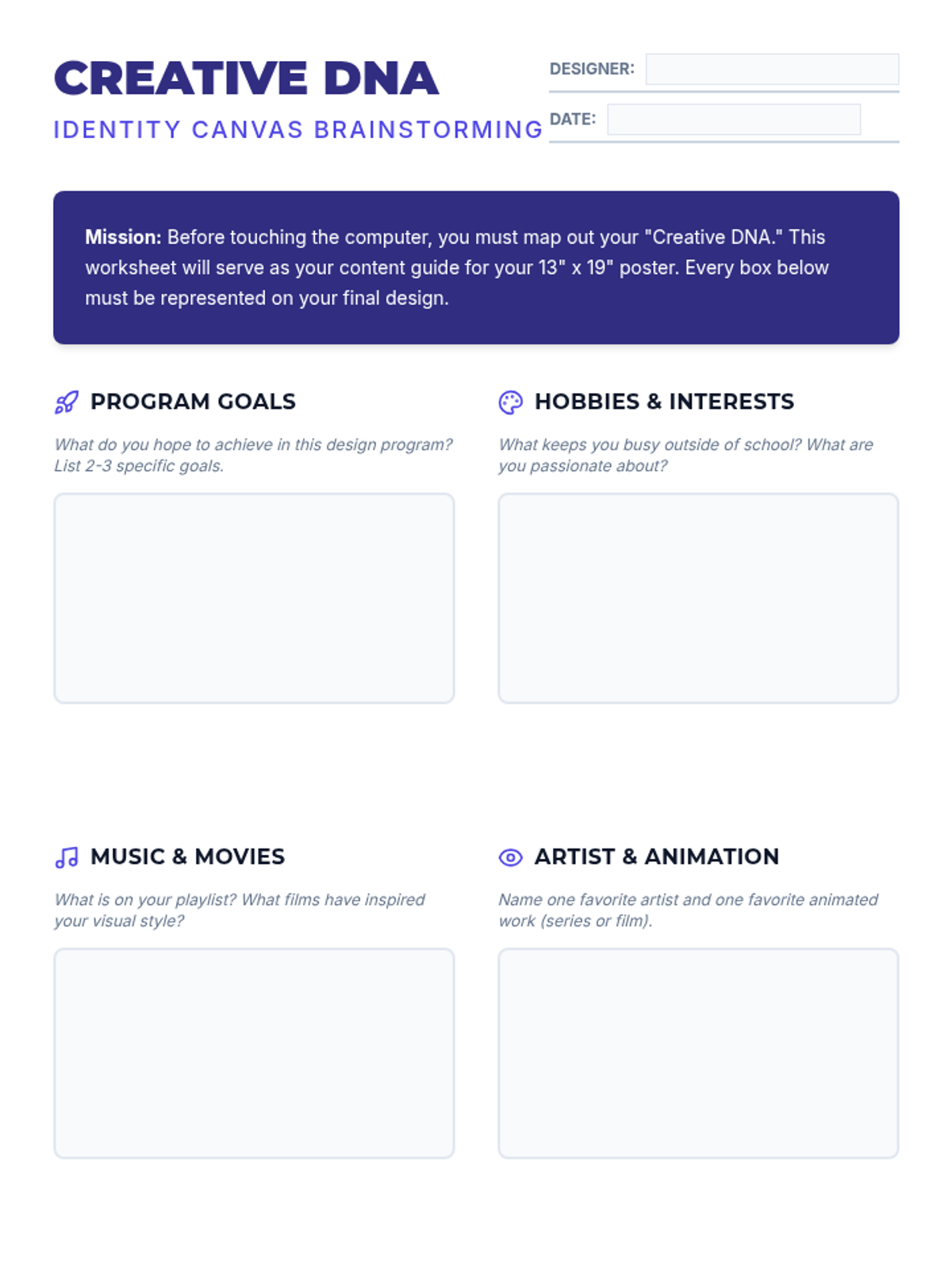
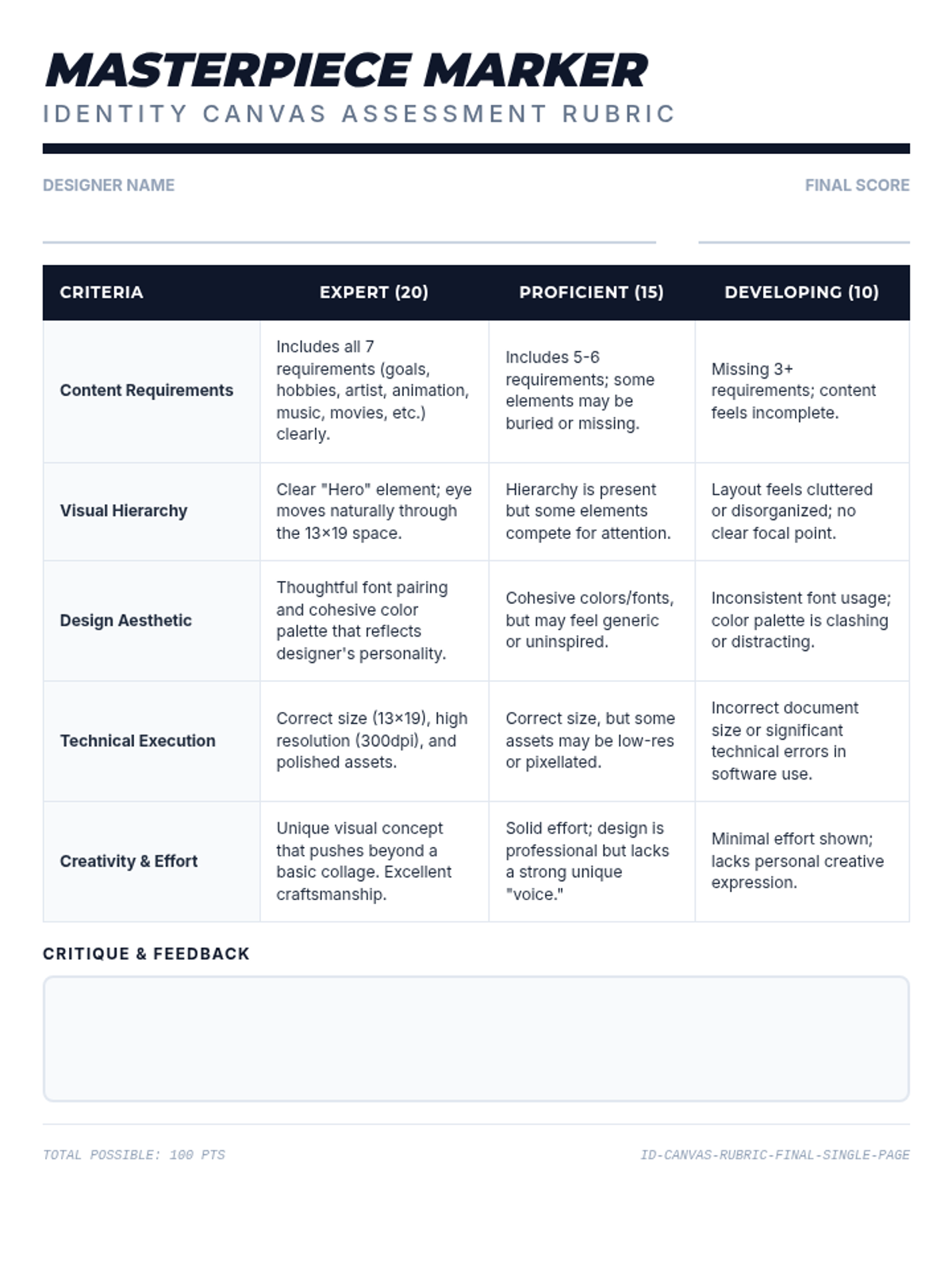
A 3-period design project where students create a 13"x19" 'About Me' poster using Adobe Creative Cloud. Students explore their personal brand through goals, hobbies, and artistic influences.
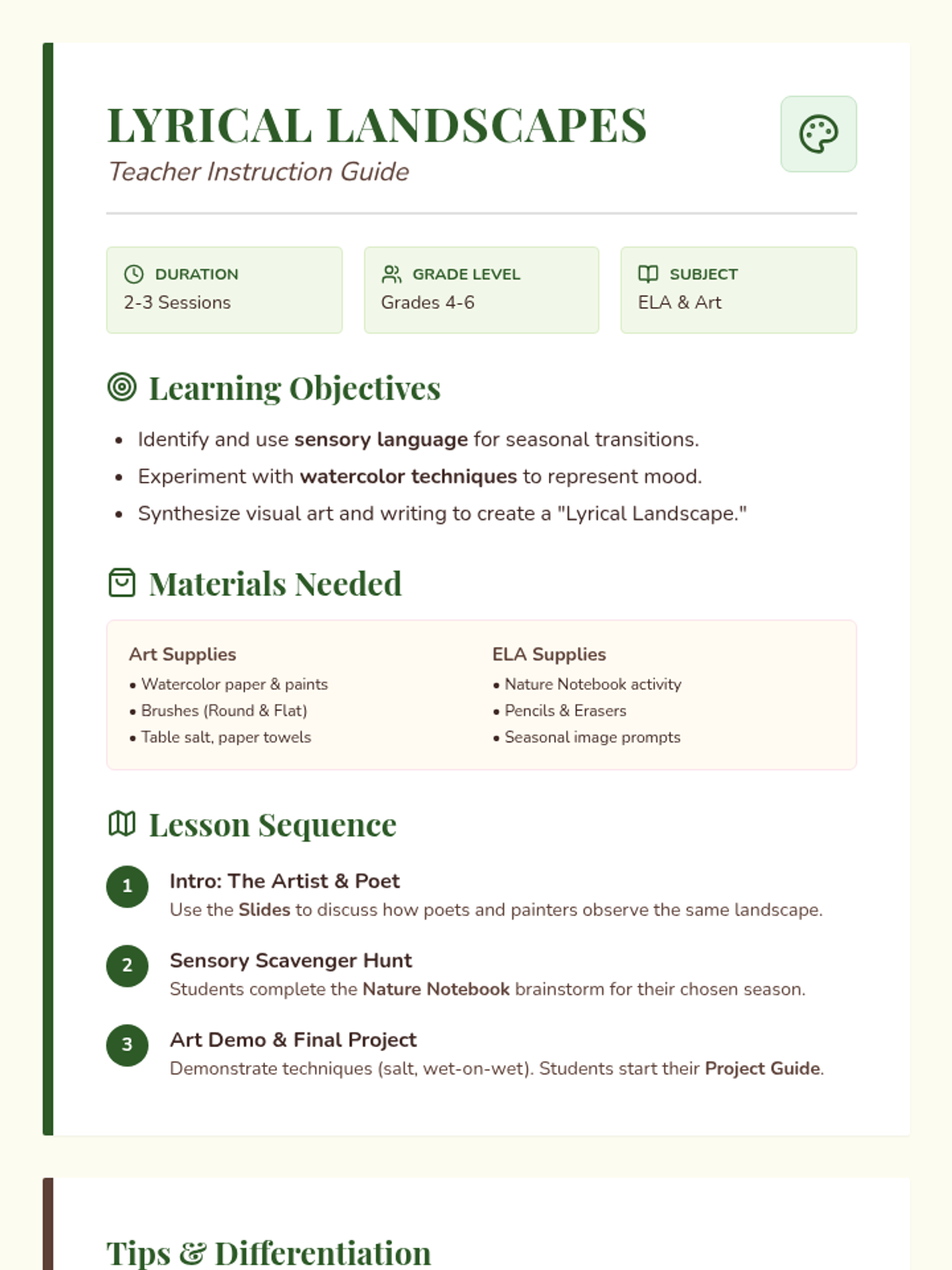
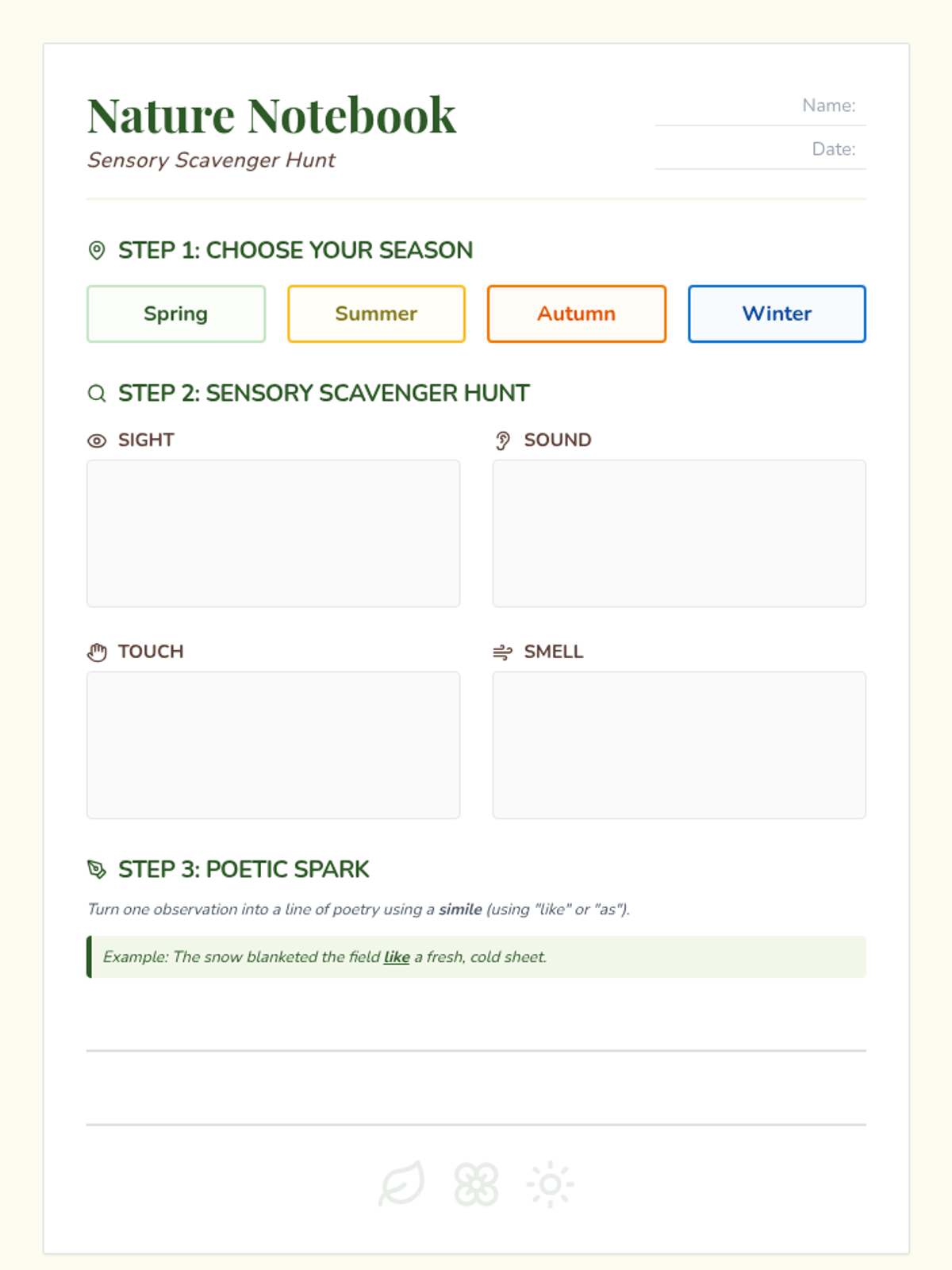
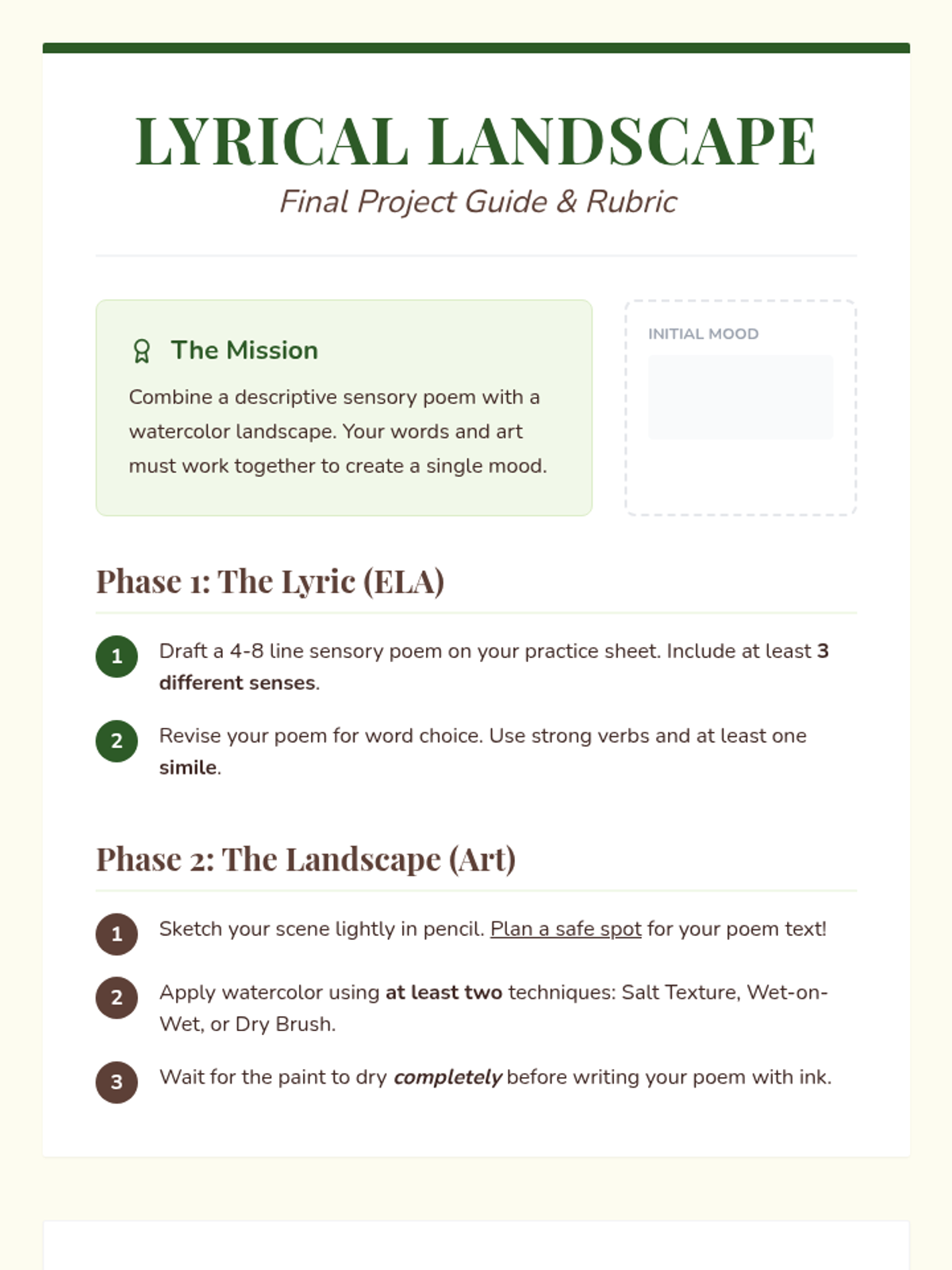
An interdisciplinary ELA and Art lesson where students explore the changing seasons of New England through sensory poetry and watercolor painting techniques. Students will learn to translate sensory observations into descriptive language and visual art.
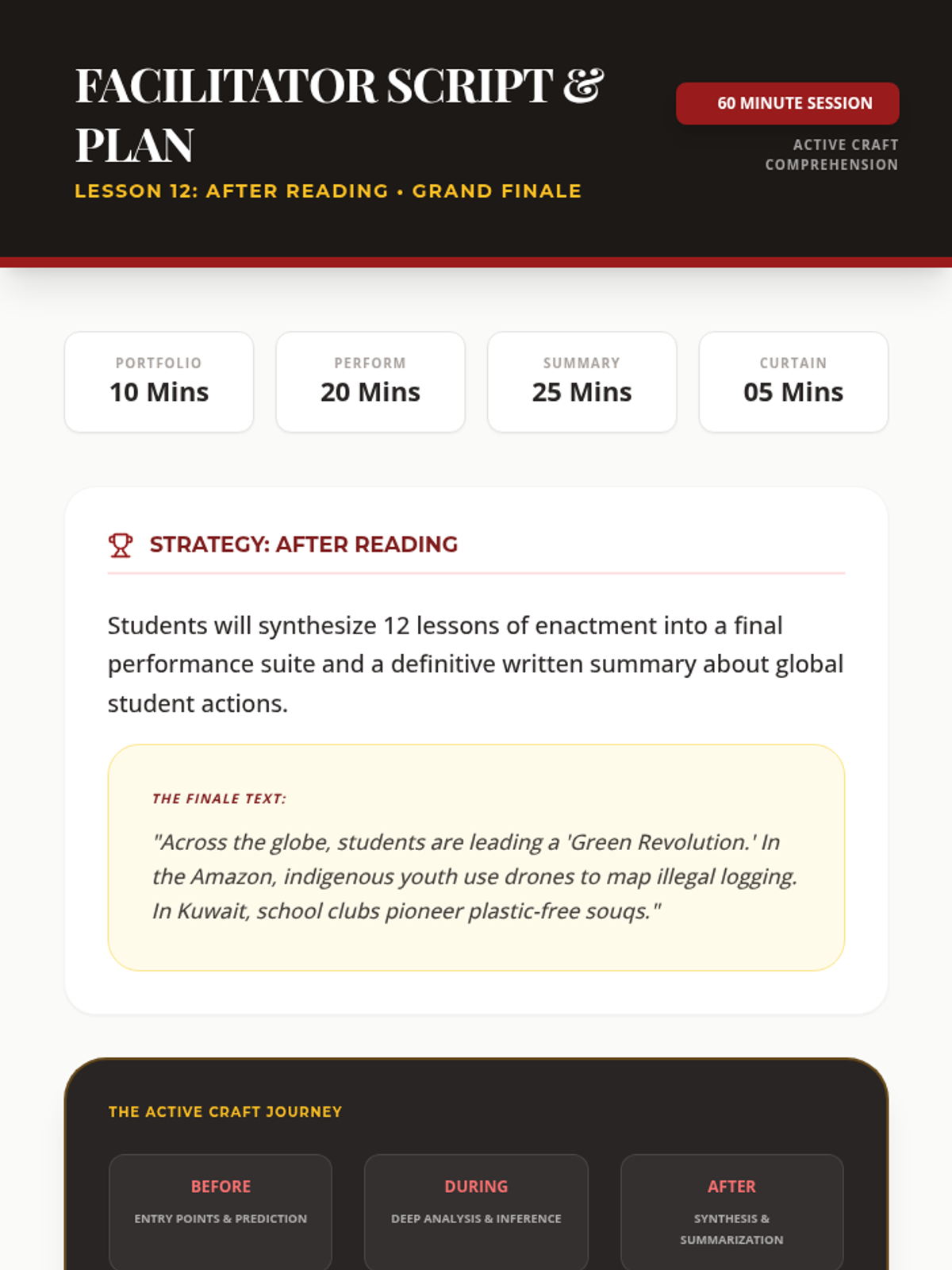
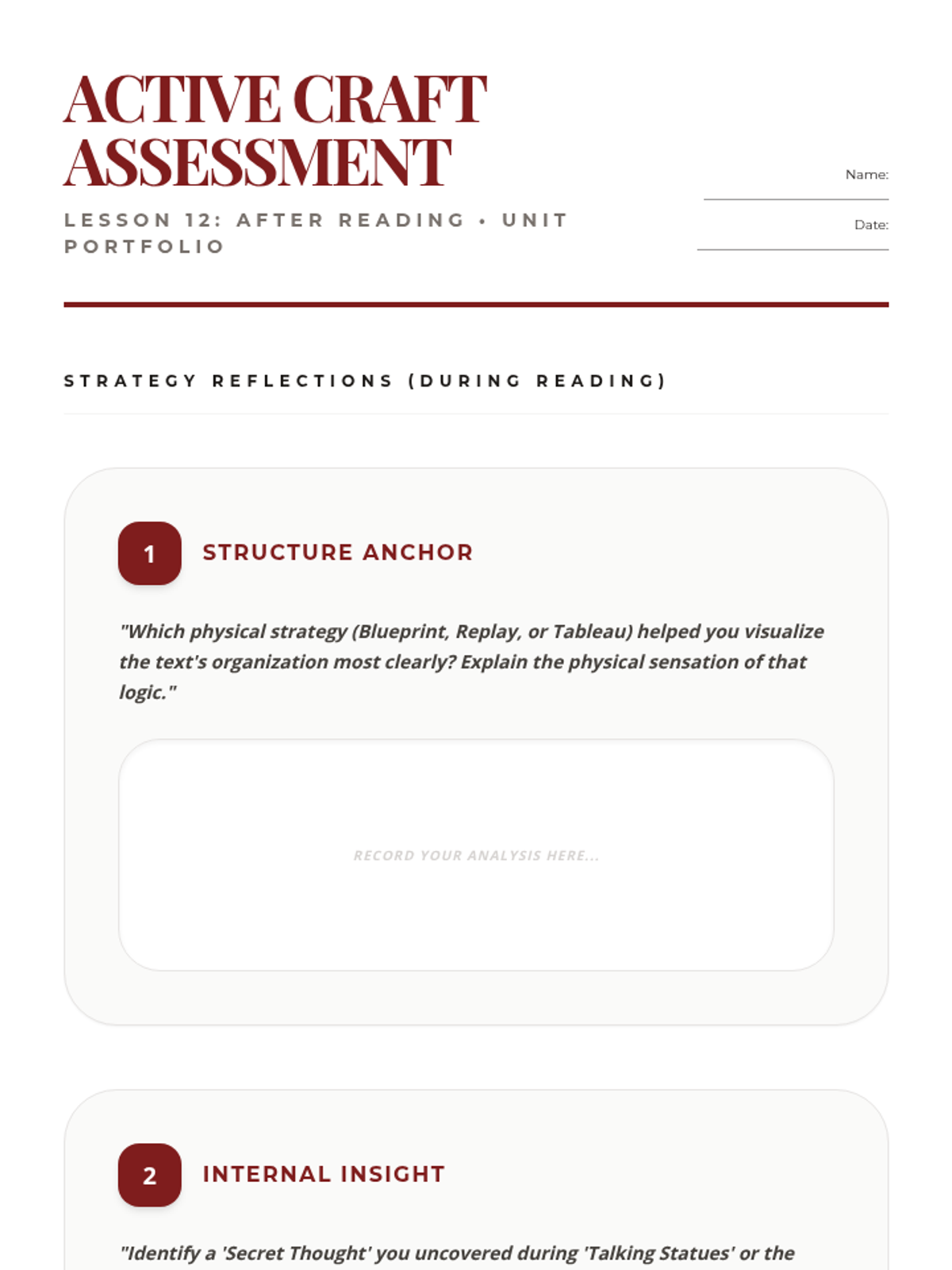
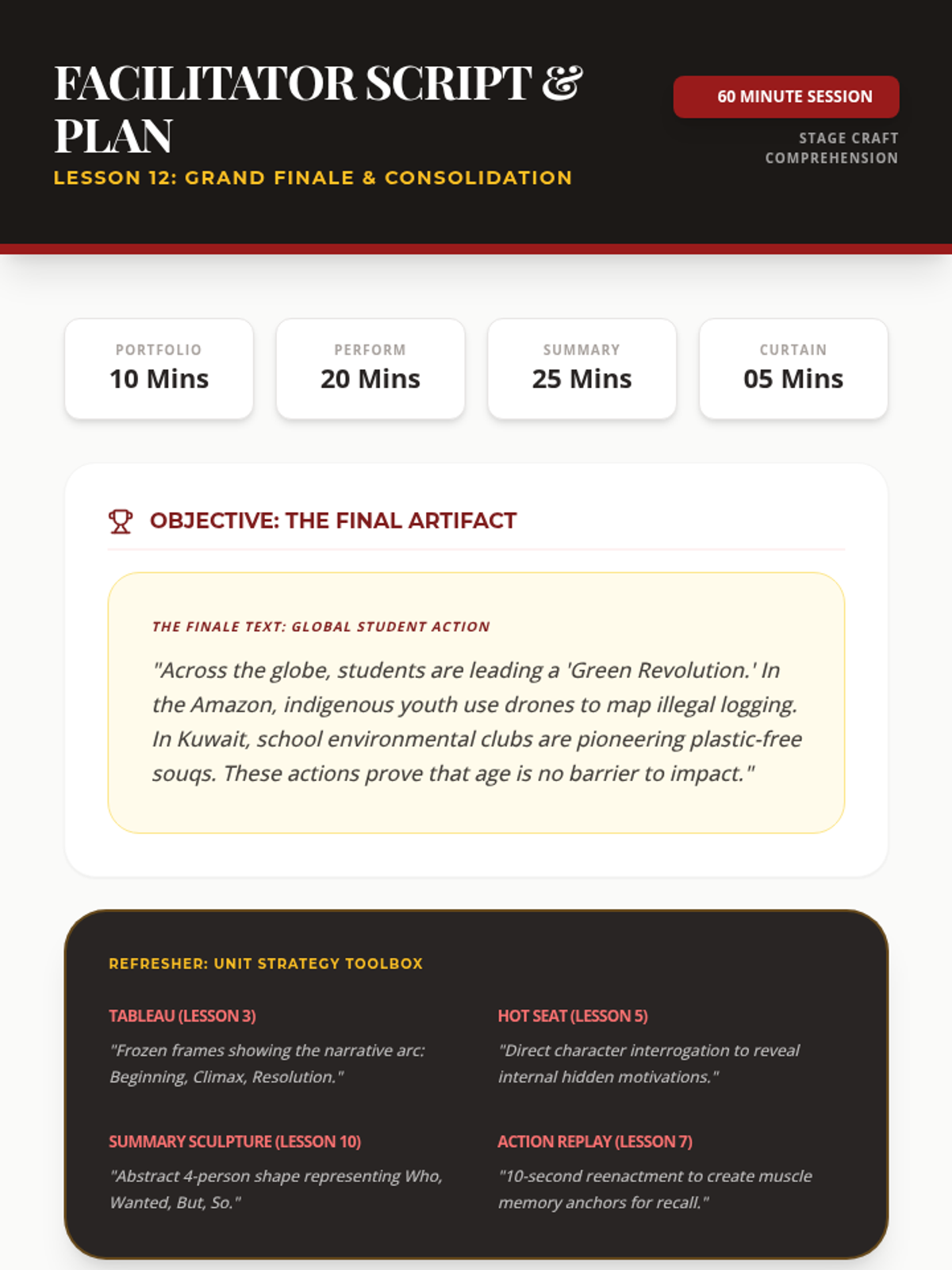
After Reading Strategy: Consolidating skills into a final performance and assessment about students’ actions around the world.
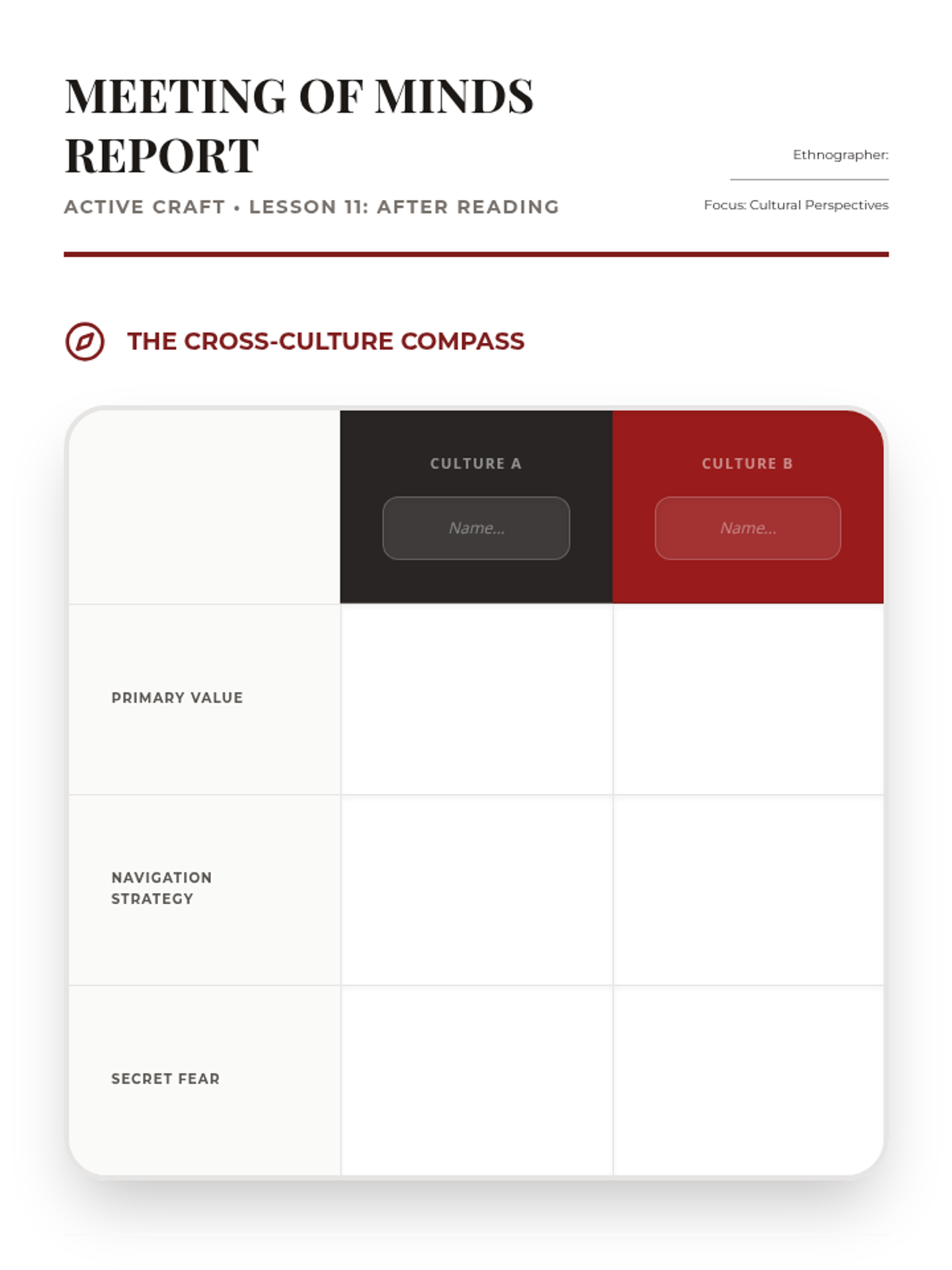
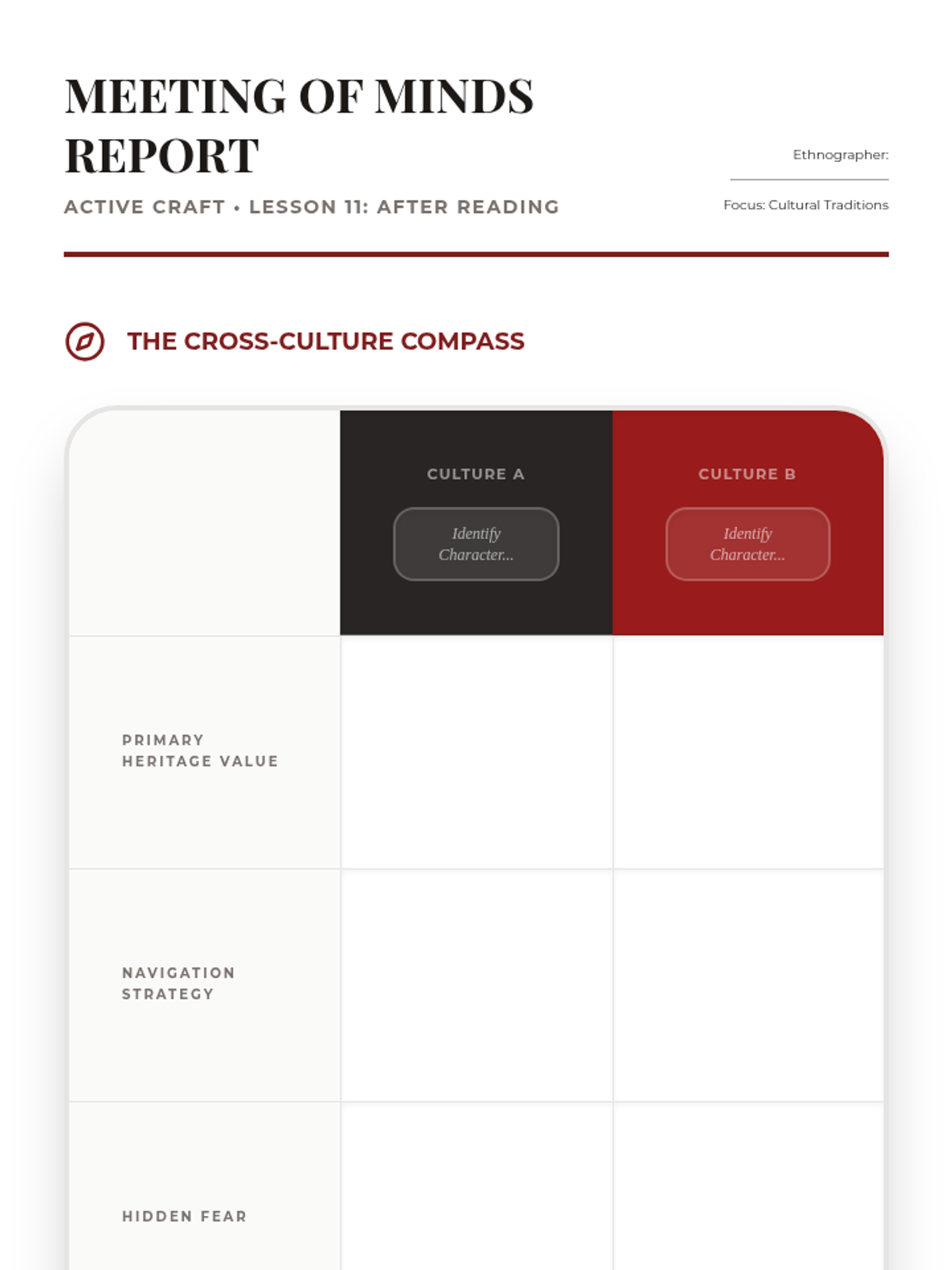
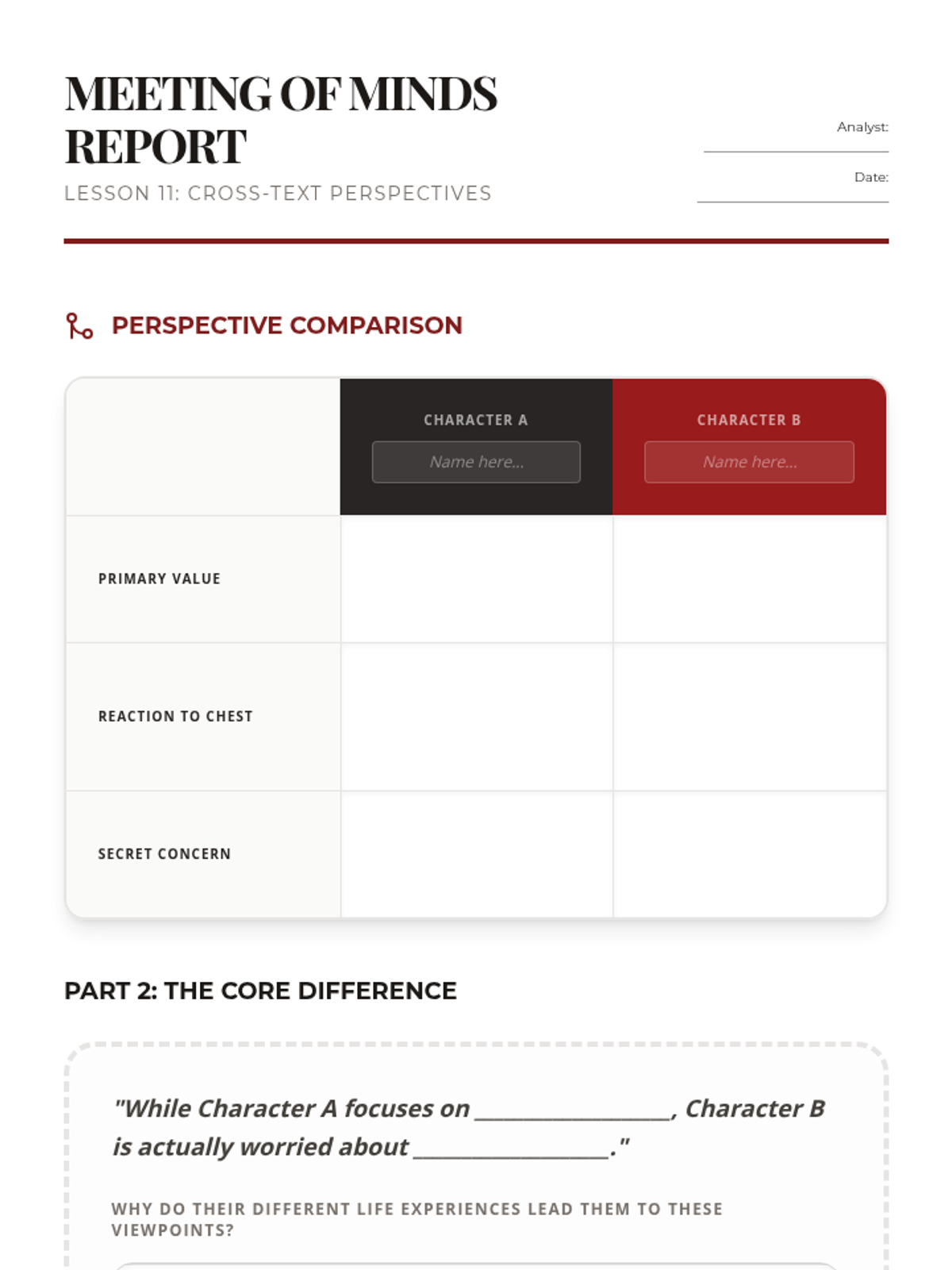
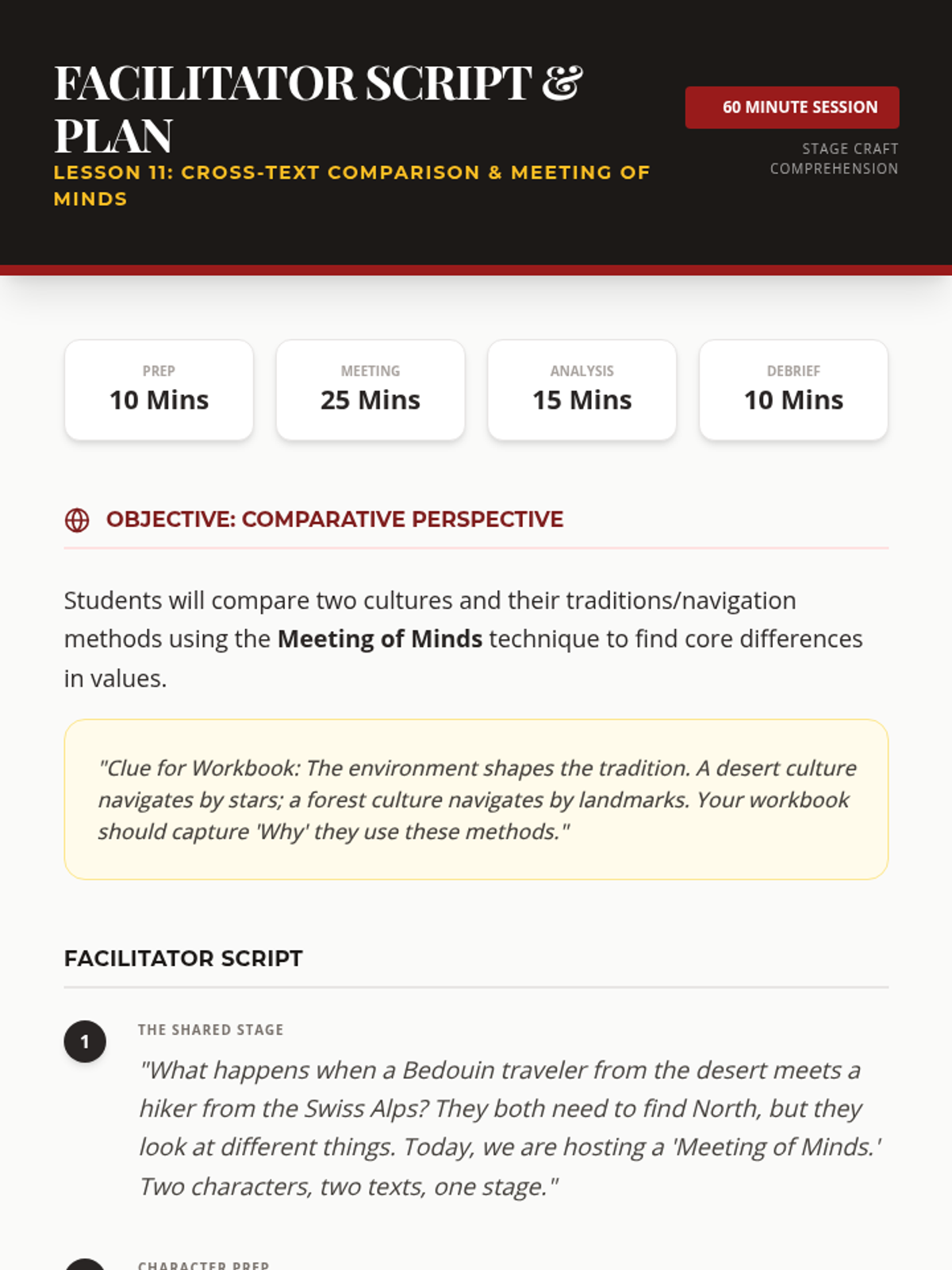
After Reading Strategy: Comparing cultures, traditions, and navigation (directions) using role-play to evaluate perspectives across texts.
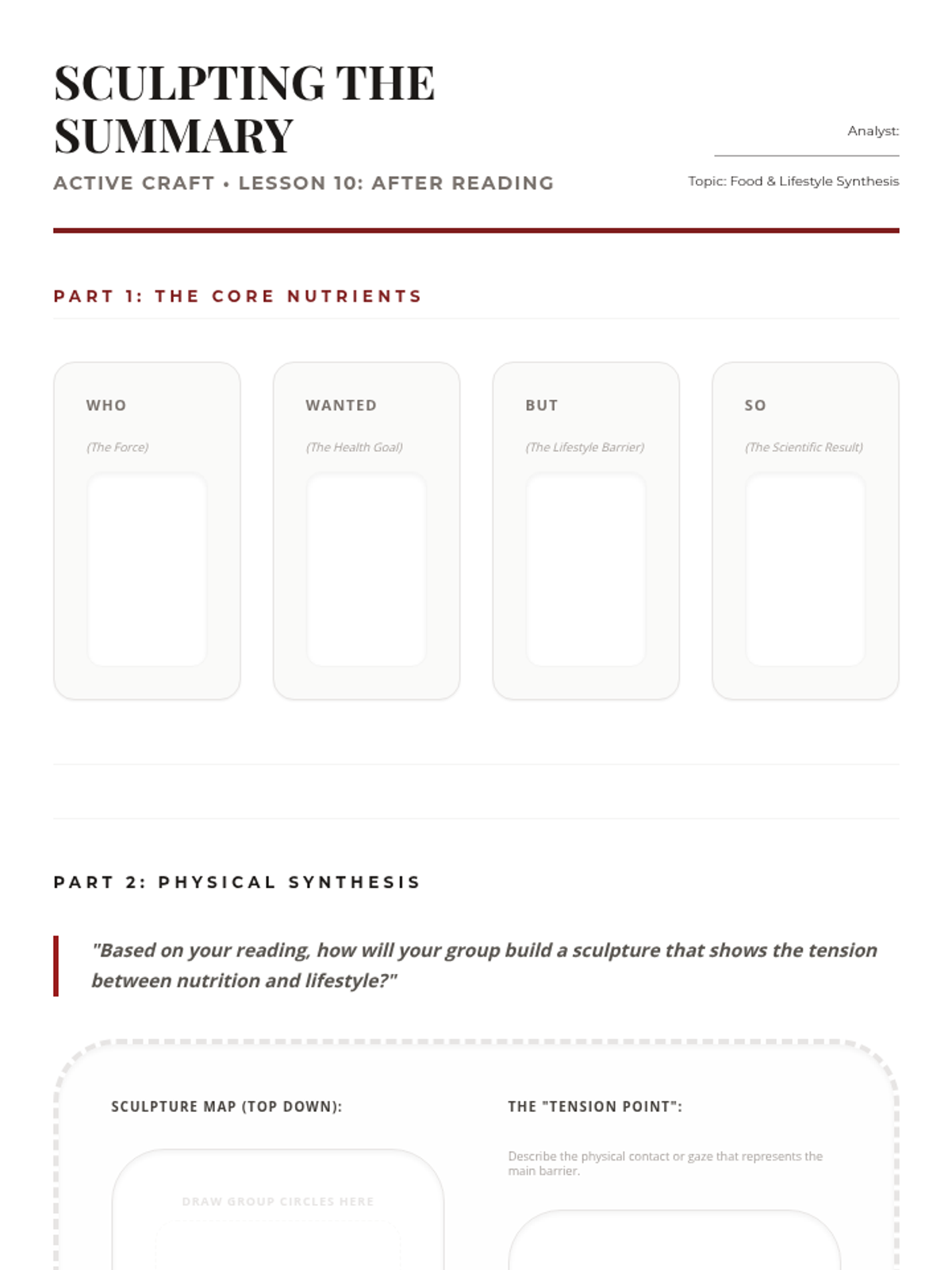
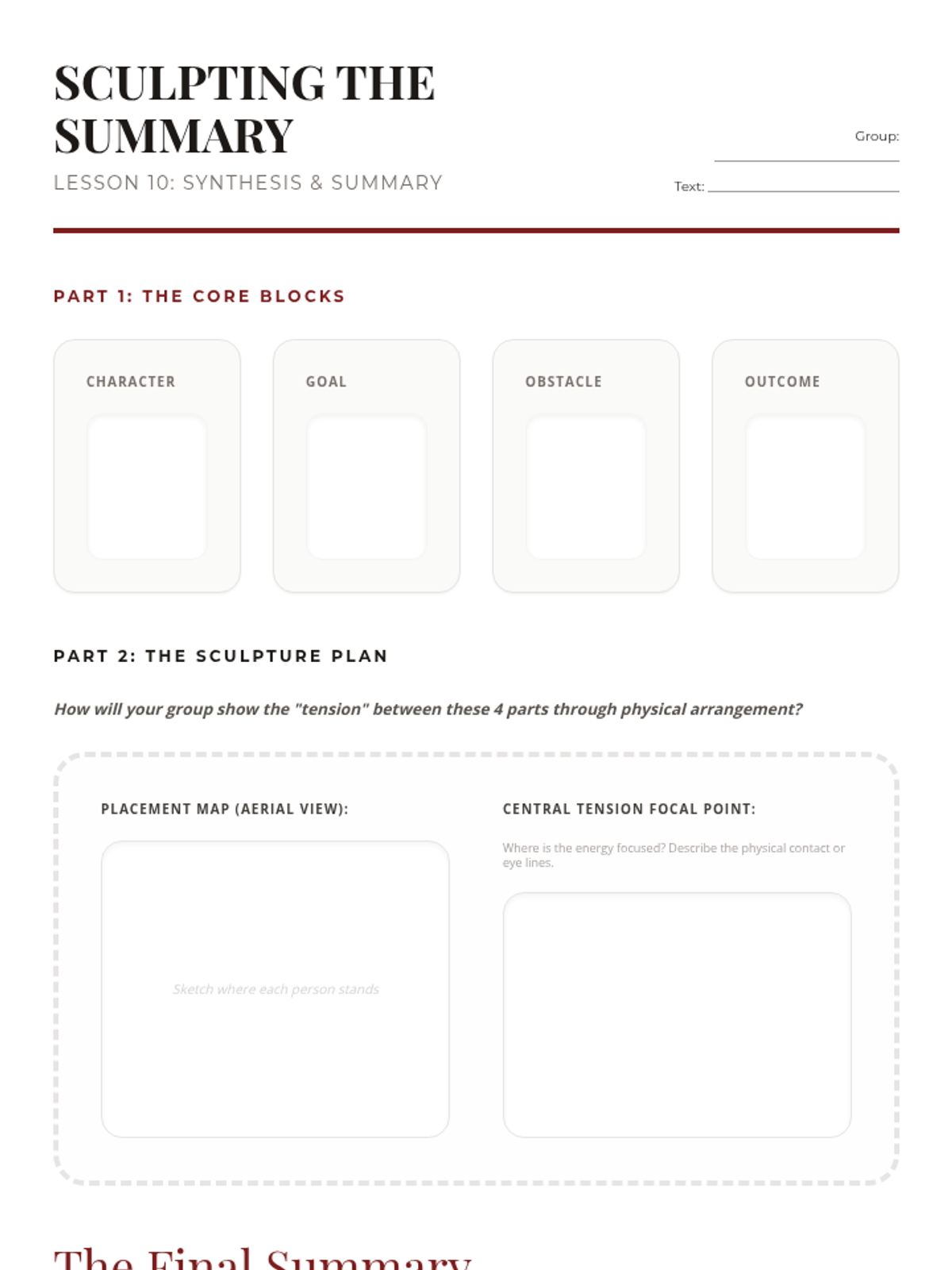
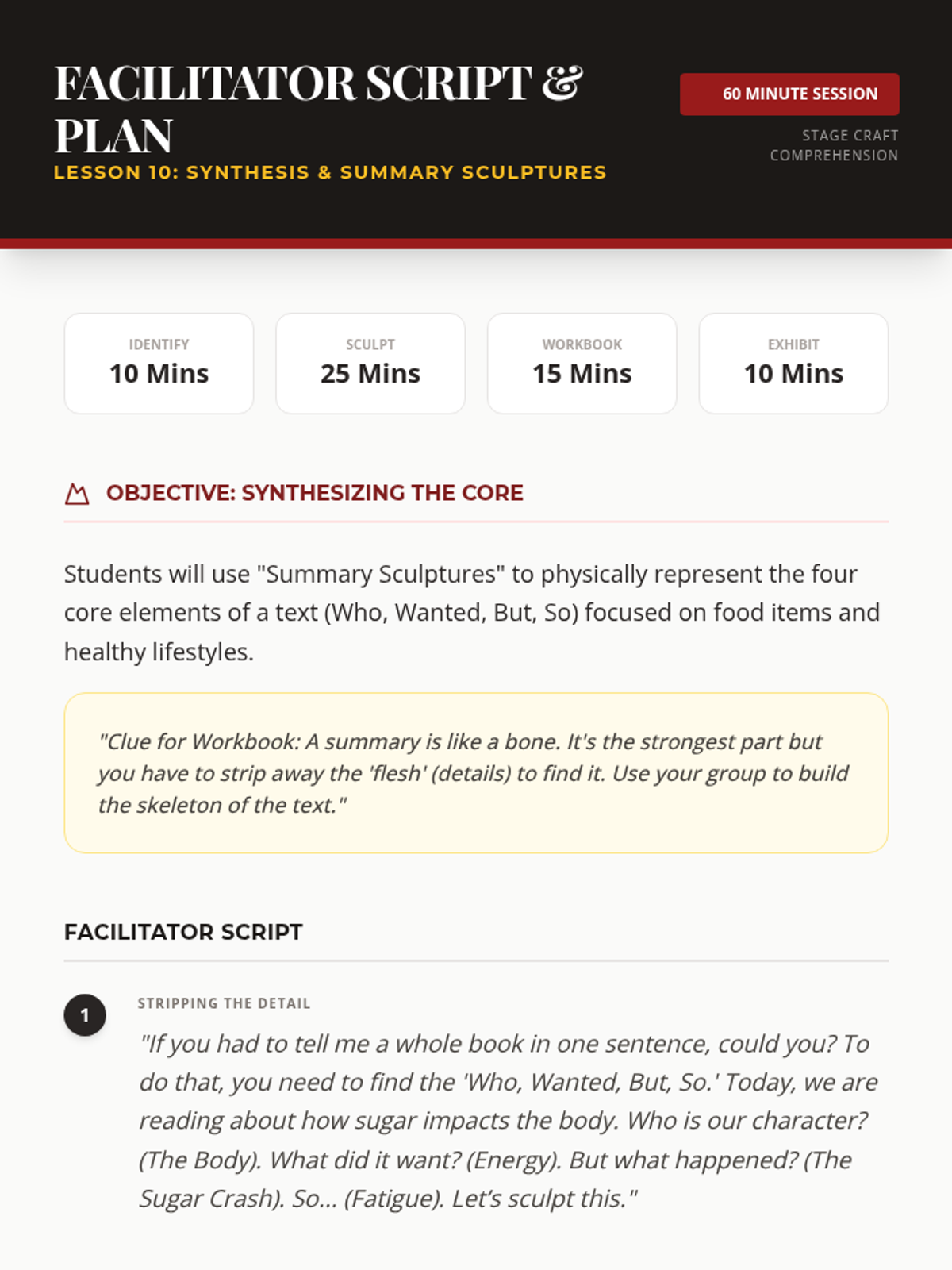
After Reading Strategy: Synthesizing information into 'Summary Sculptures' focused on food items and healthy lifestyles.
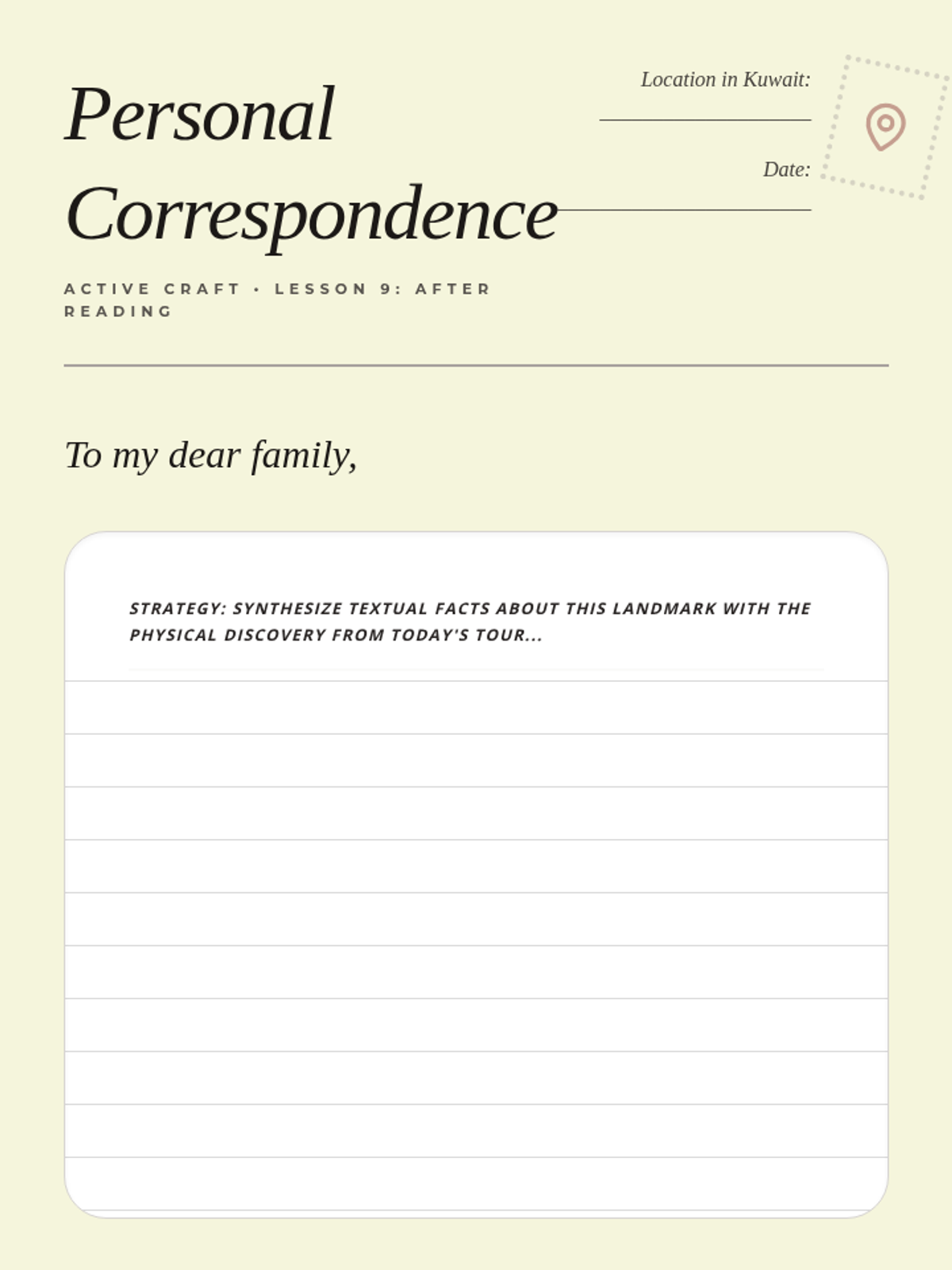
After Reading Strategy: Writing from the perspective of characters visiting cultural and educational places in Kuwait to synthesize meaning.
Before Reading Strategy: Practicing fluency and previewing text through weather forecast 'Radio Dramas' and climate reports.
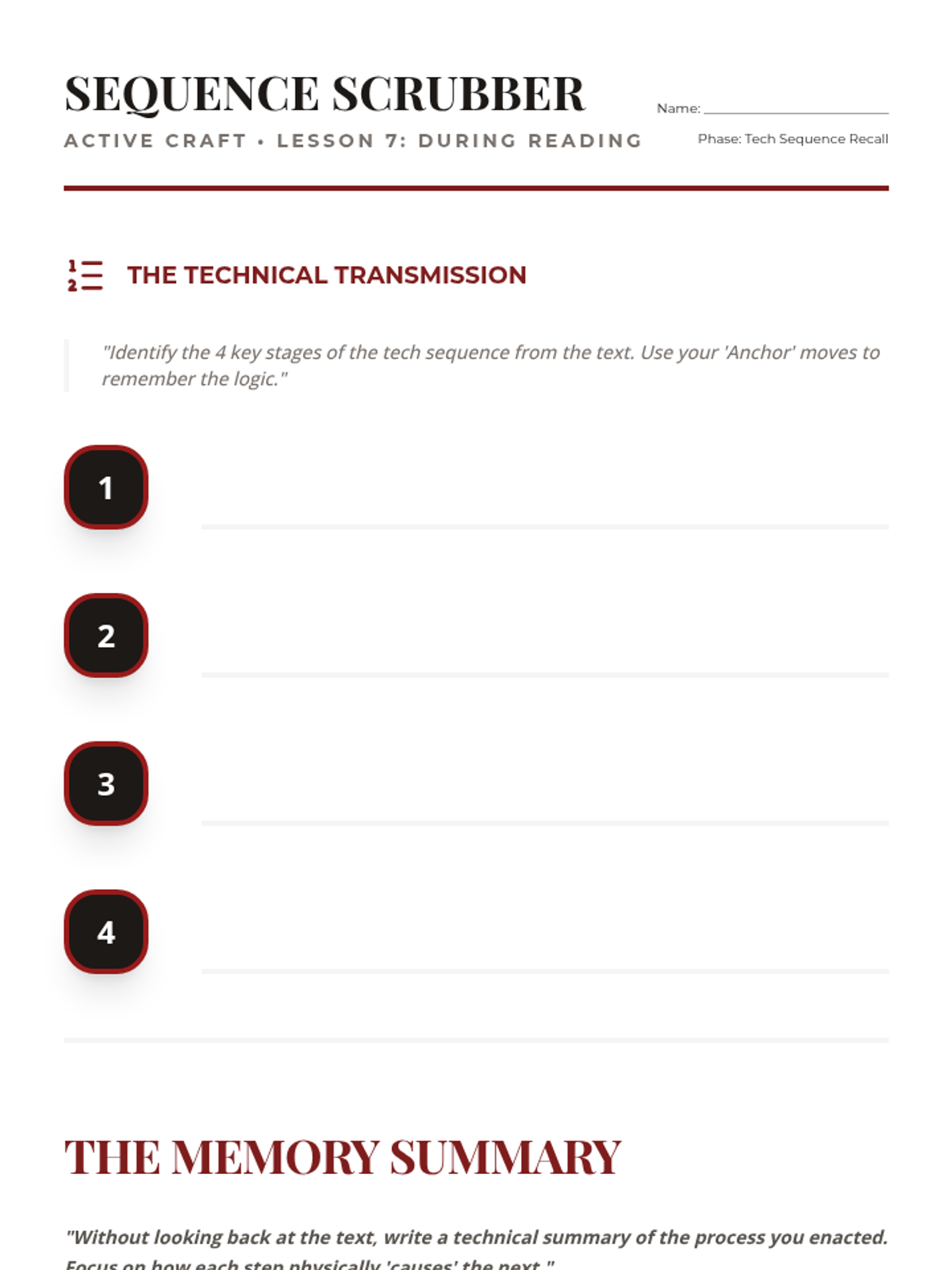
During Reading Strategy: Using reenactment to boost recall of the history of technology and modern hobbies.
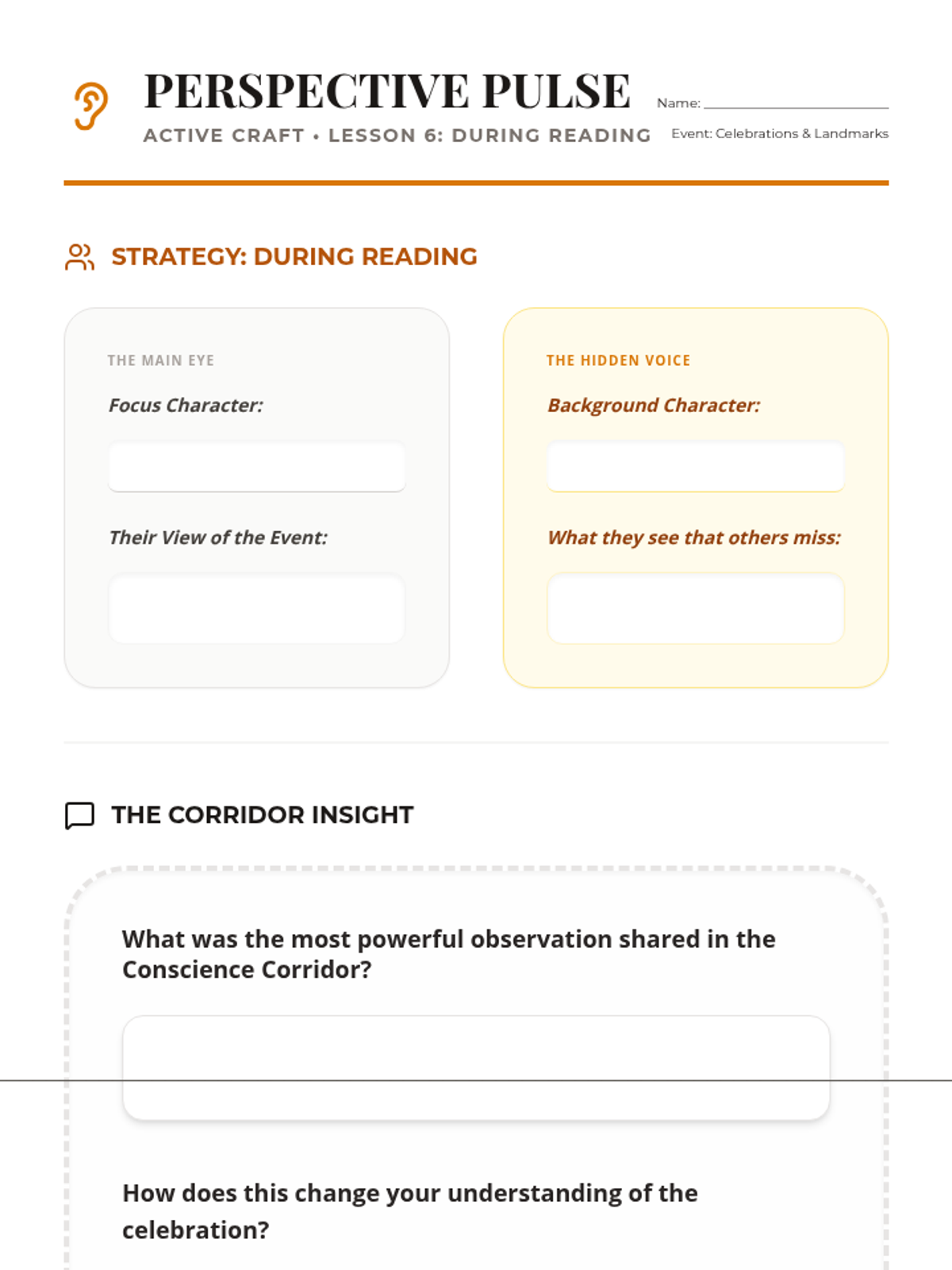
During Reading Strategy: Exploring multiple viewpoints within global celebrations and cultural events.
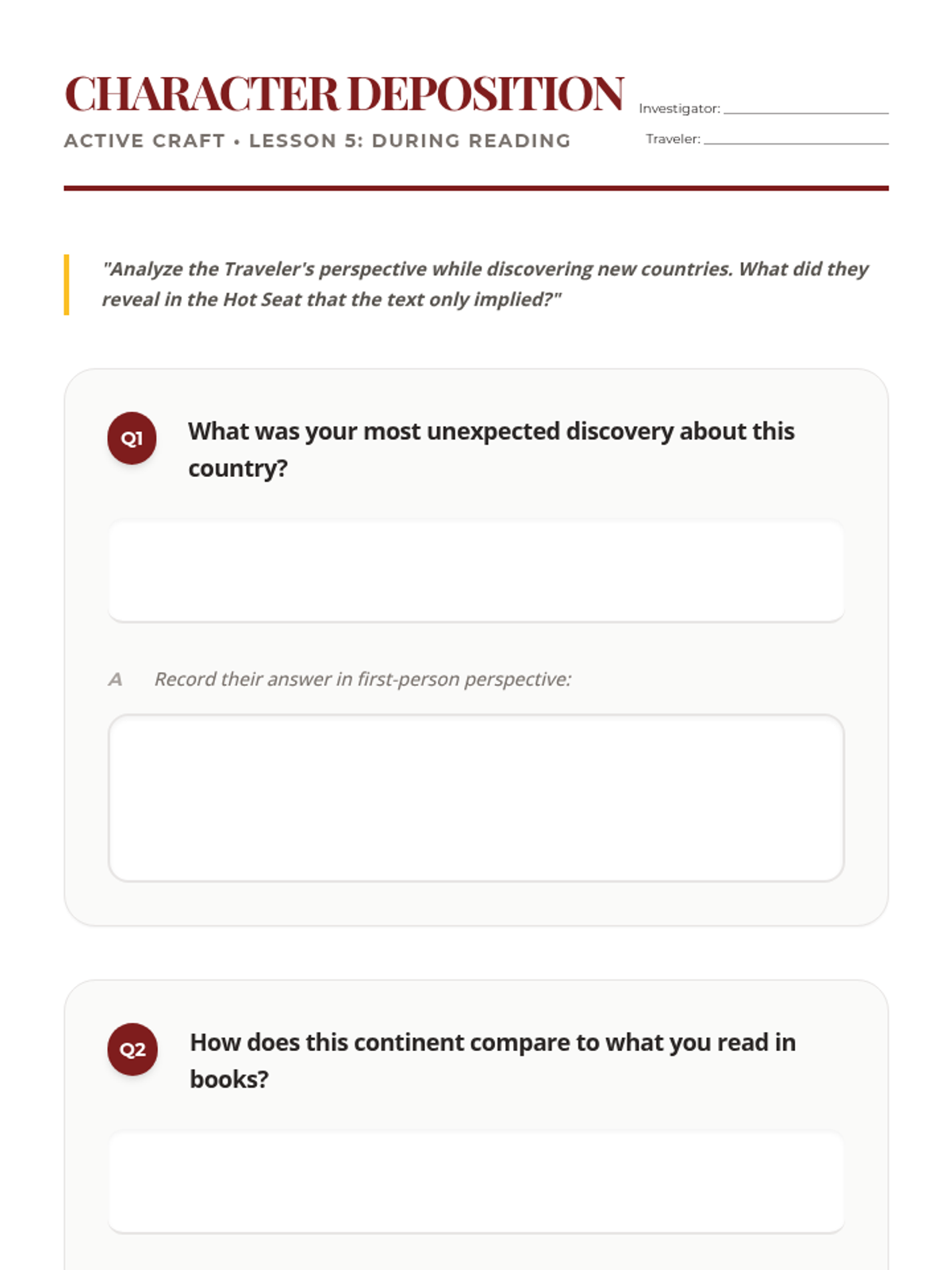
During Reading Strategy: Diving deep into traveler perspectives through the 'Hot Seat' technique while discovering countries.
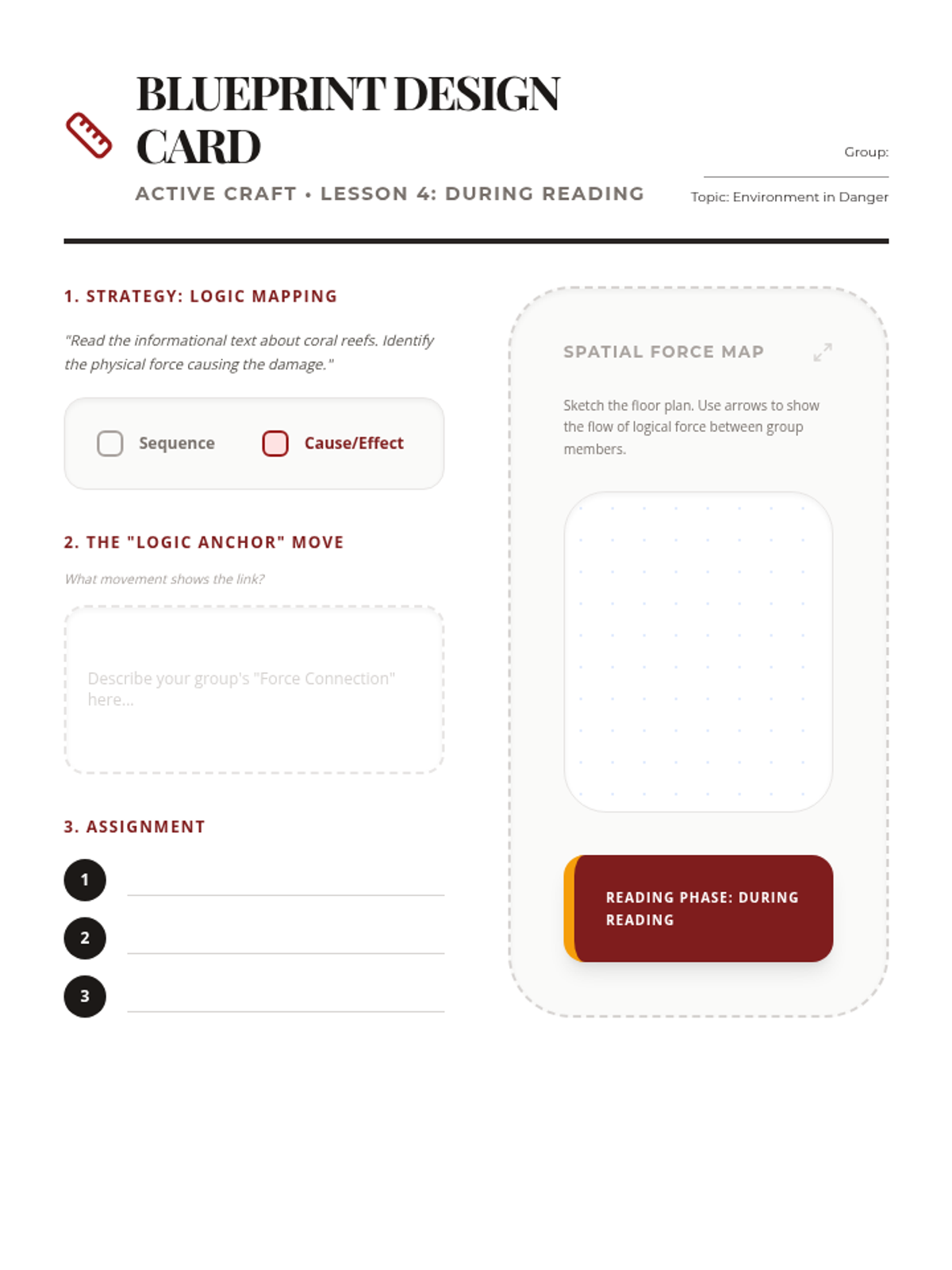
During Reading Strategy: Using physical poses to represent informational text structures like cause/effect focused on environmental danger.
During Reading Strategy: Creating frozen tableaus to represent narrative story arcs centered on the joy of hobbies.
During Reading Strategy: Using 'Talking Statues' to make inferences about healthy habits and scientific facts about health.
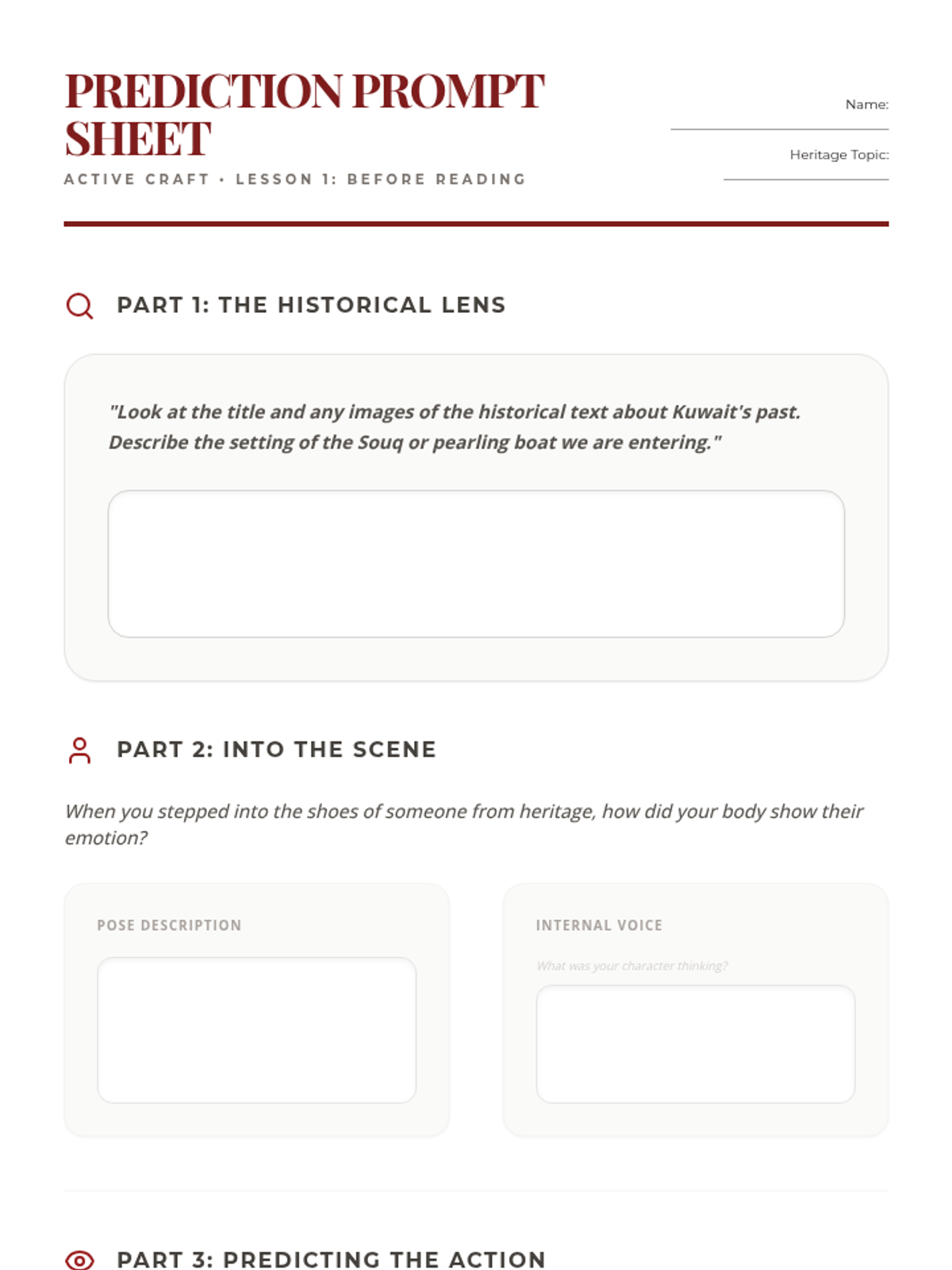
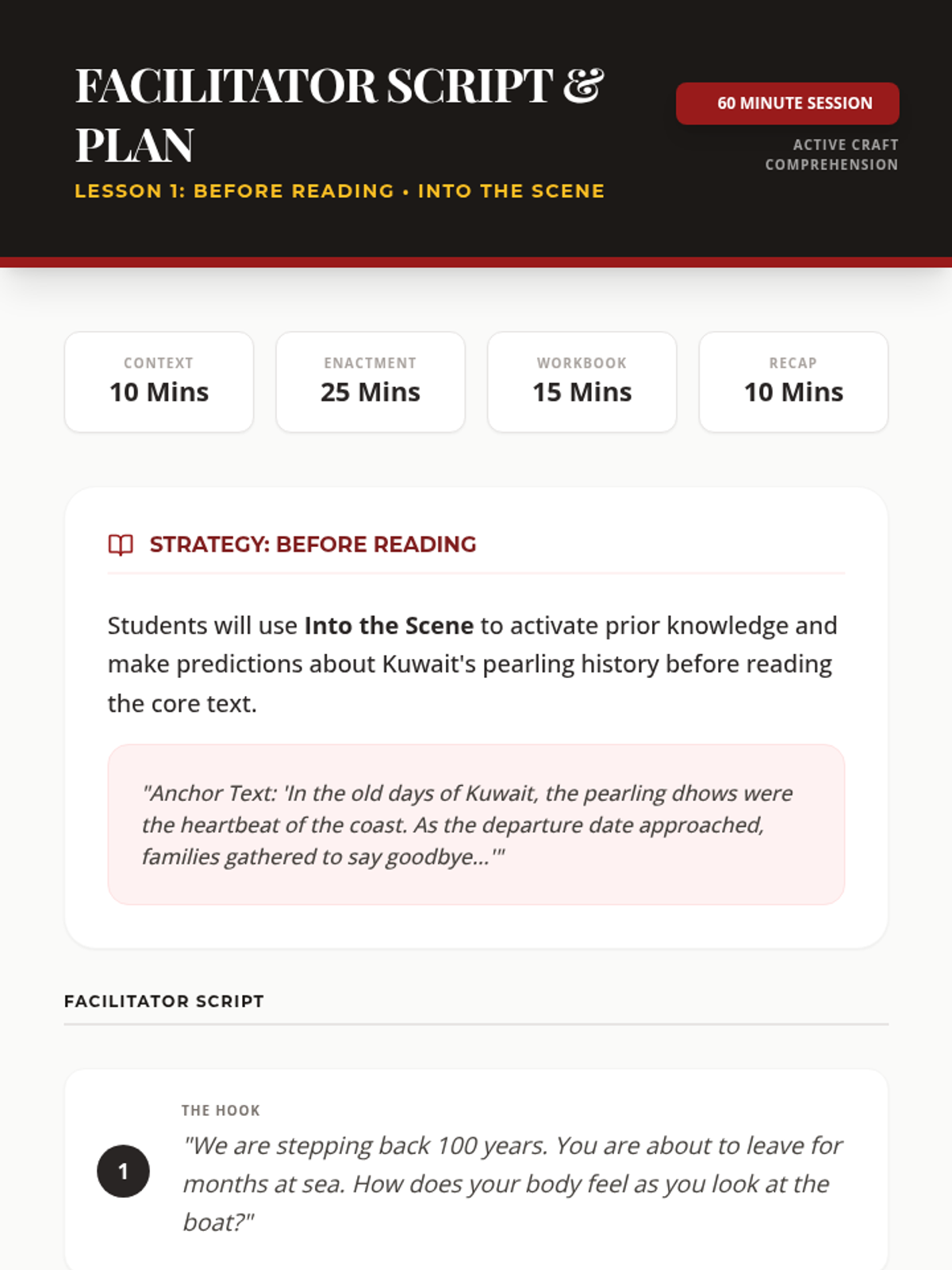
Before Reading Strategy: Introduction to enactment as a tool for prediction and frontloading, focused on Kuwaiti heritage and life in the past.
Consolidating skills into a final performance about students’ actions around the world.
Comparing cultures, traditions, and navigation (directions) using role-play.
Synthesizing information into 'Summary Sculptures' focused on food items and healthy lifestyles.
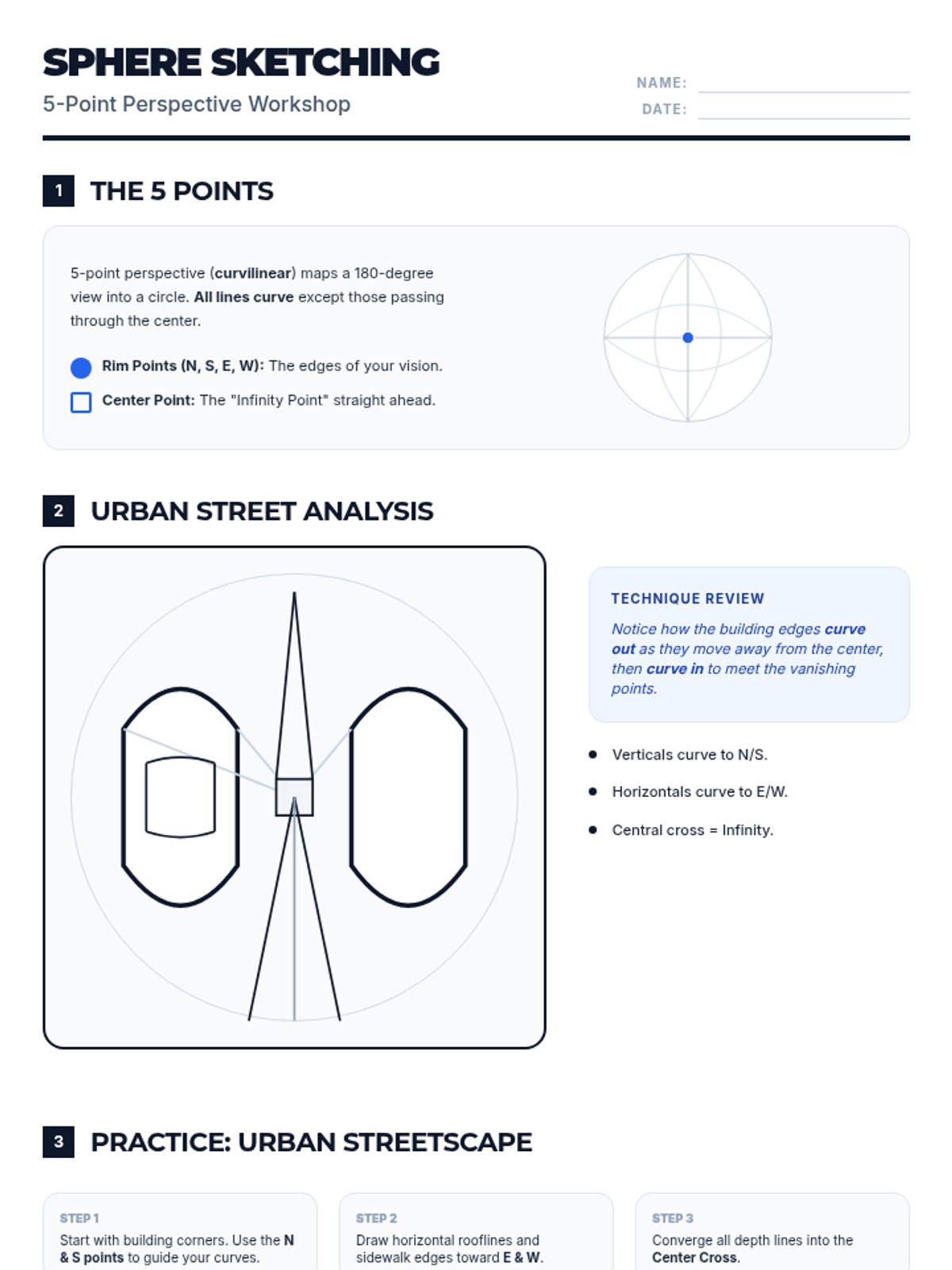
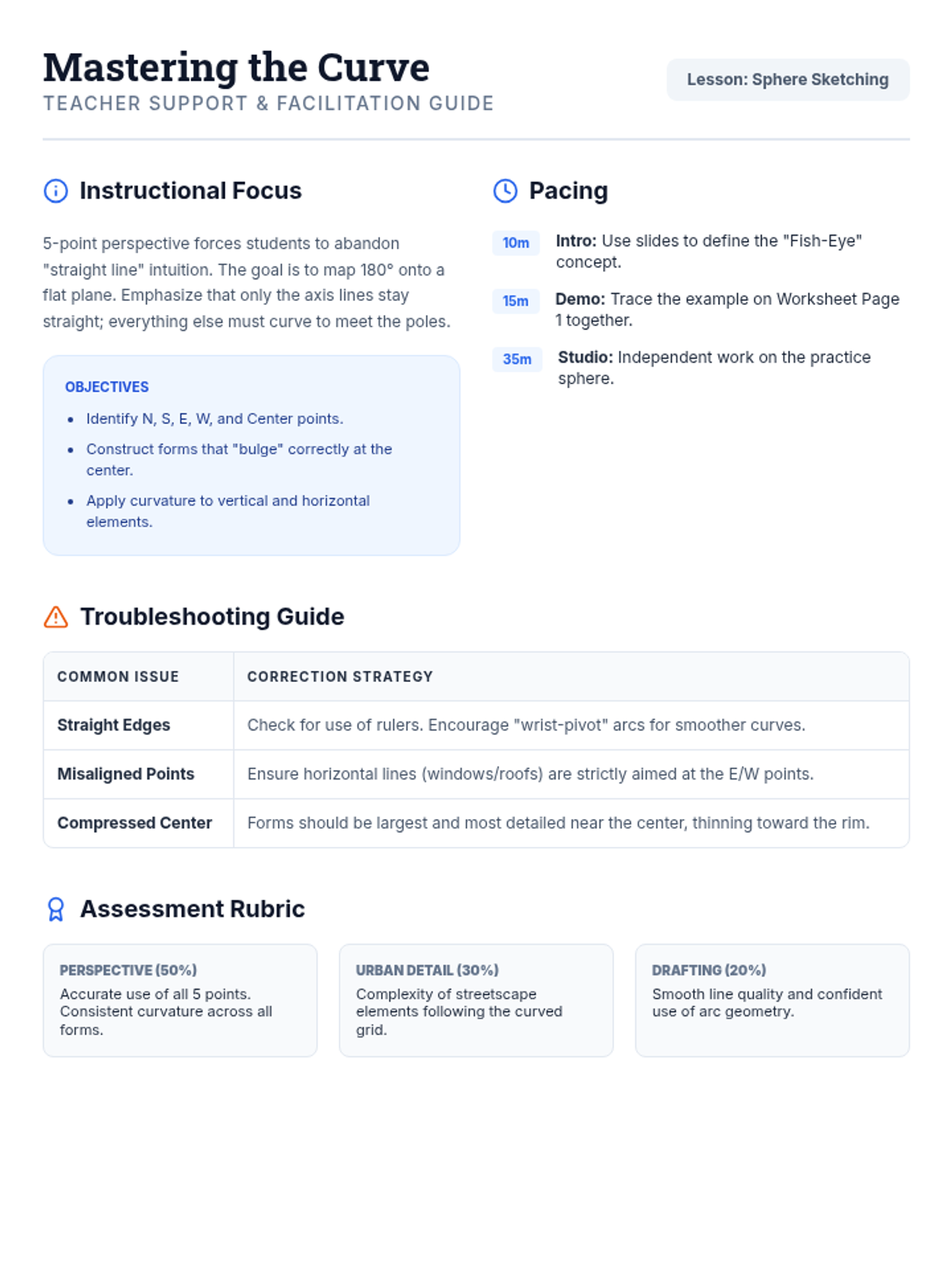
A lesson on mastering 5-point curvilinear perspective, focusing on capturing wide-angle urban environments within a spherical frame. Students will learn to map the world onto a sphere using five vanishing points.
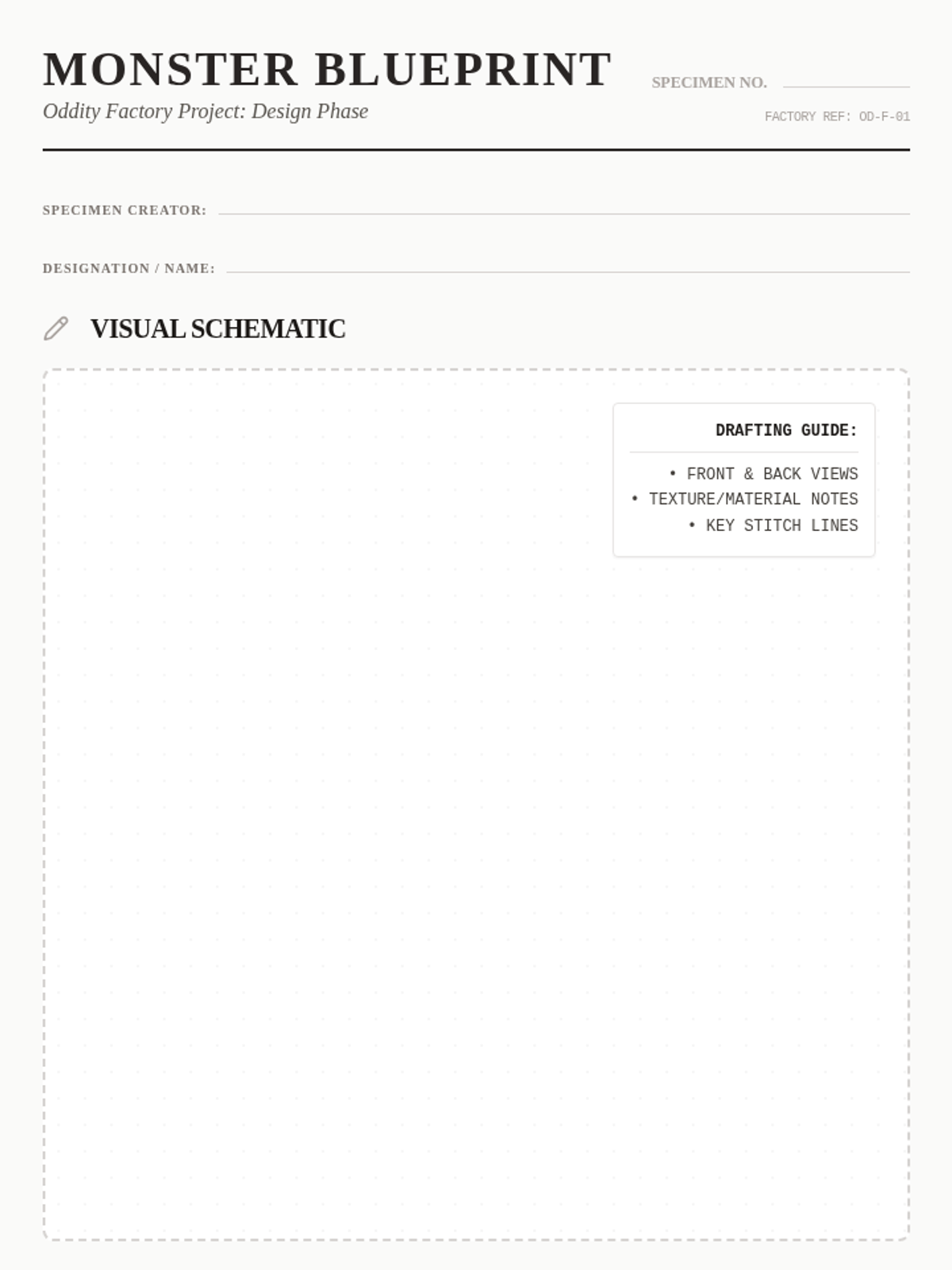
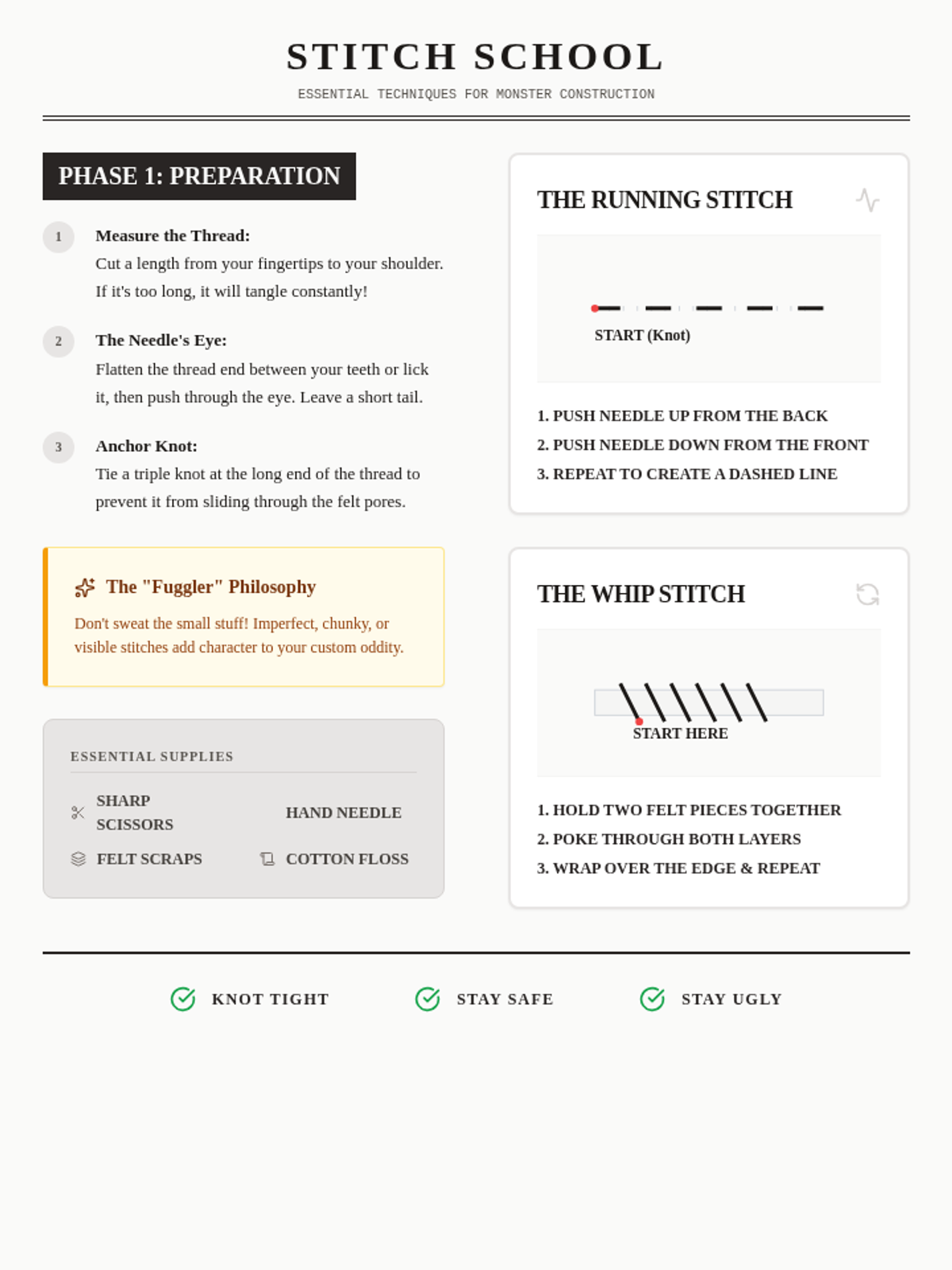
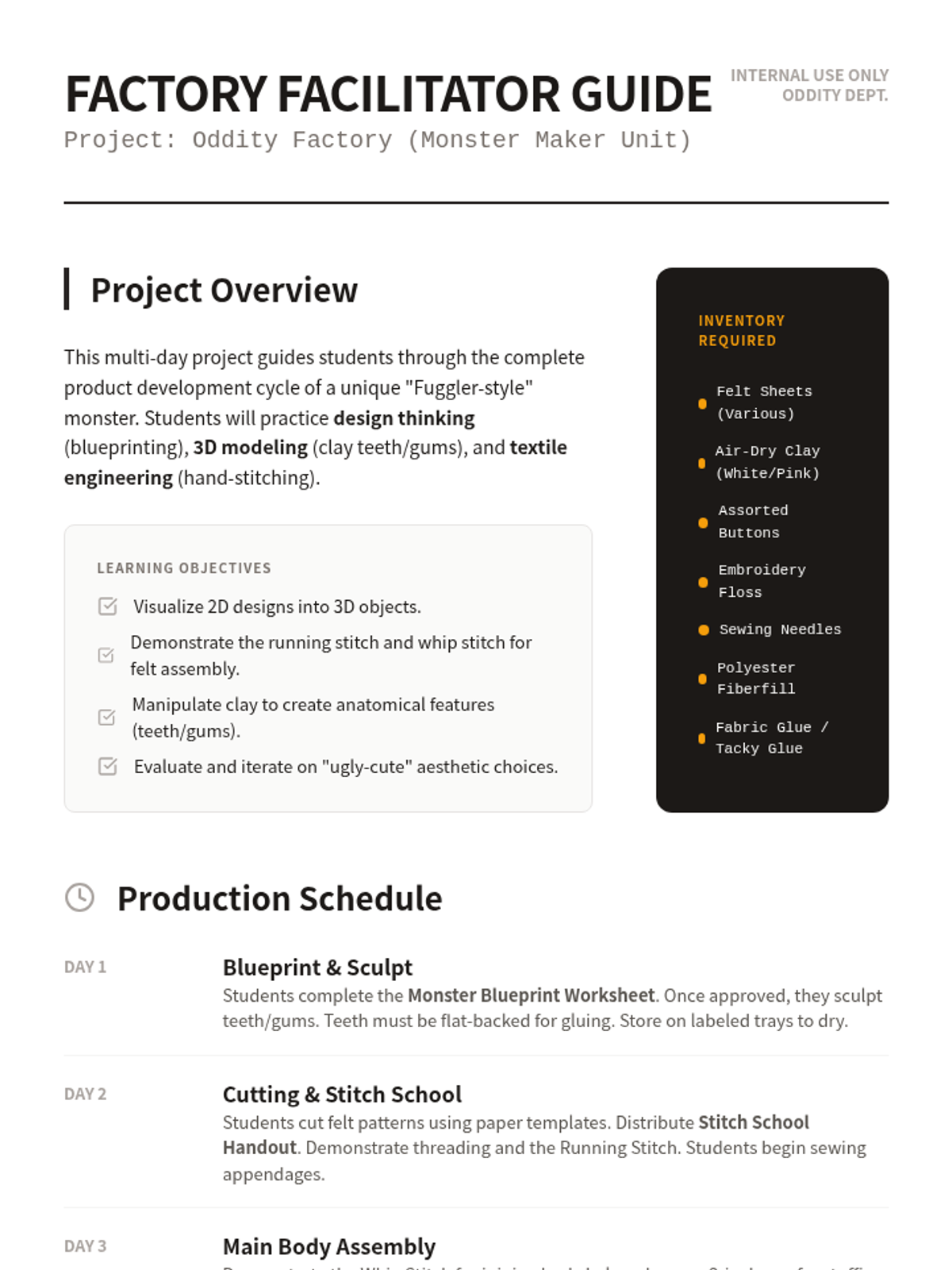
A multi-day creative project where students design and construct their own 'Fuggler-style' monsters using felt, clay, and buttons, focusing on design planning and introductory hand-stitching techniques.
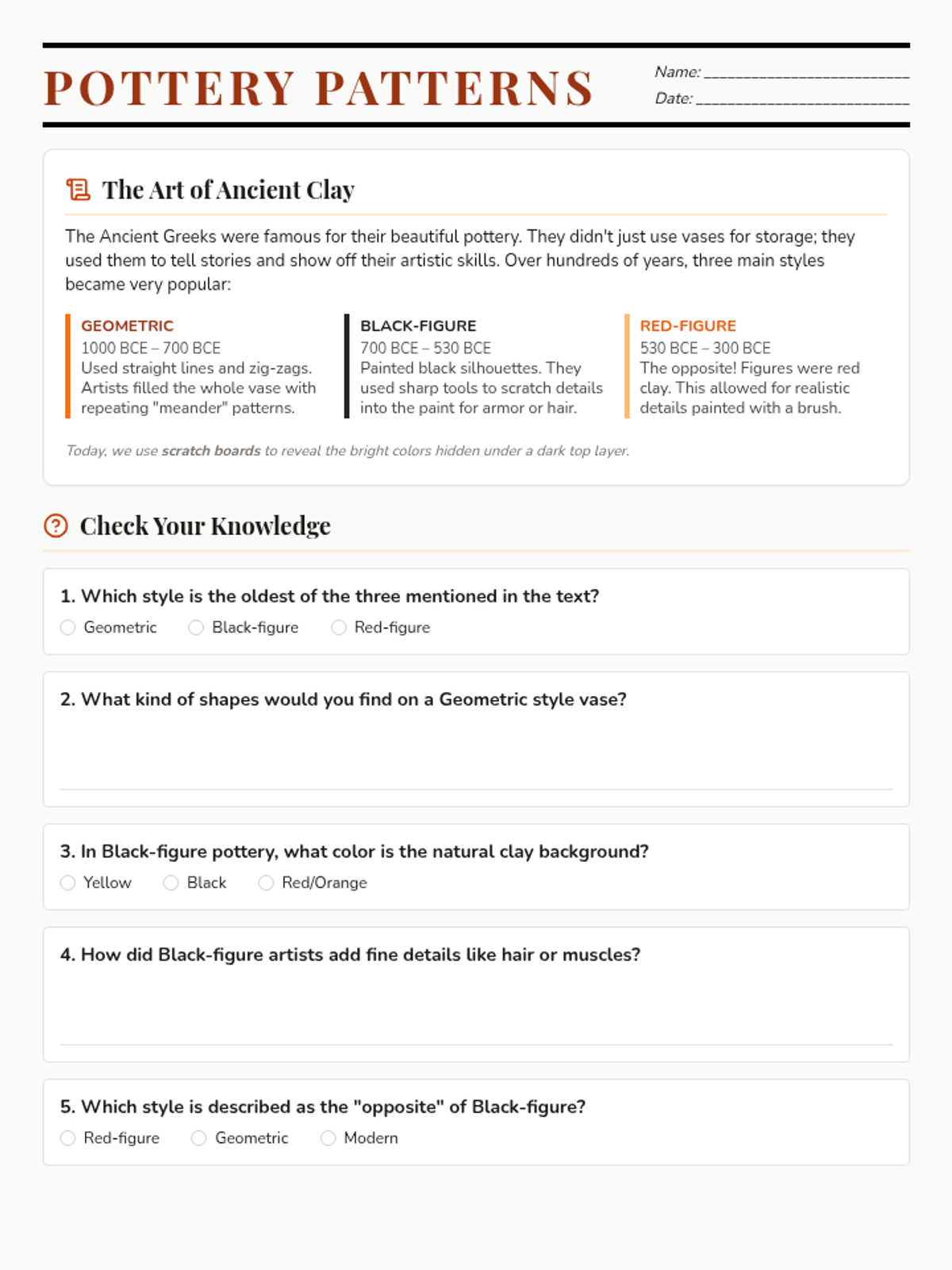
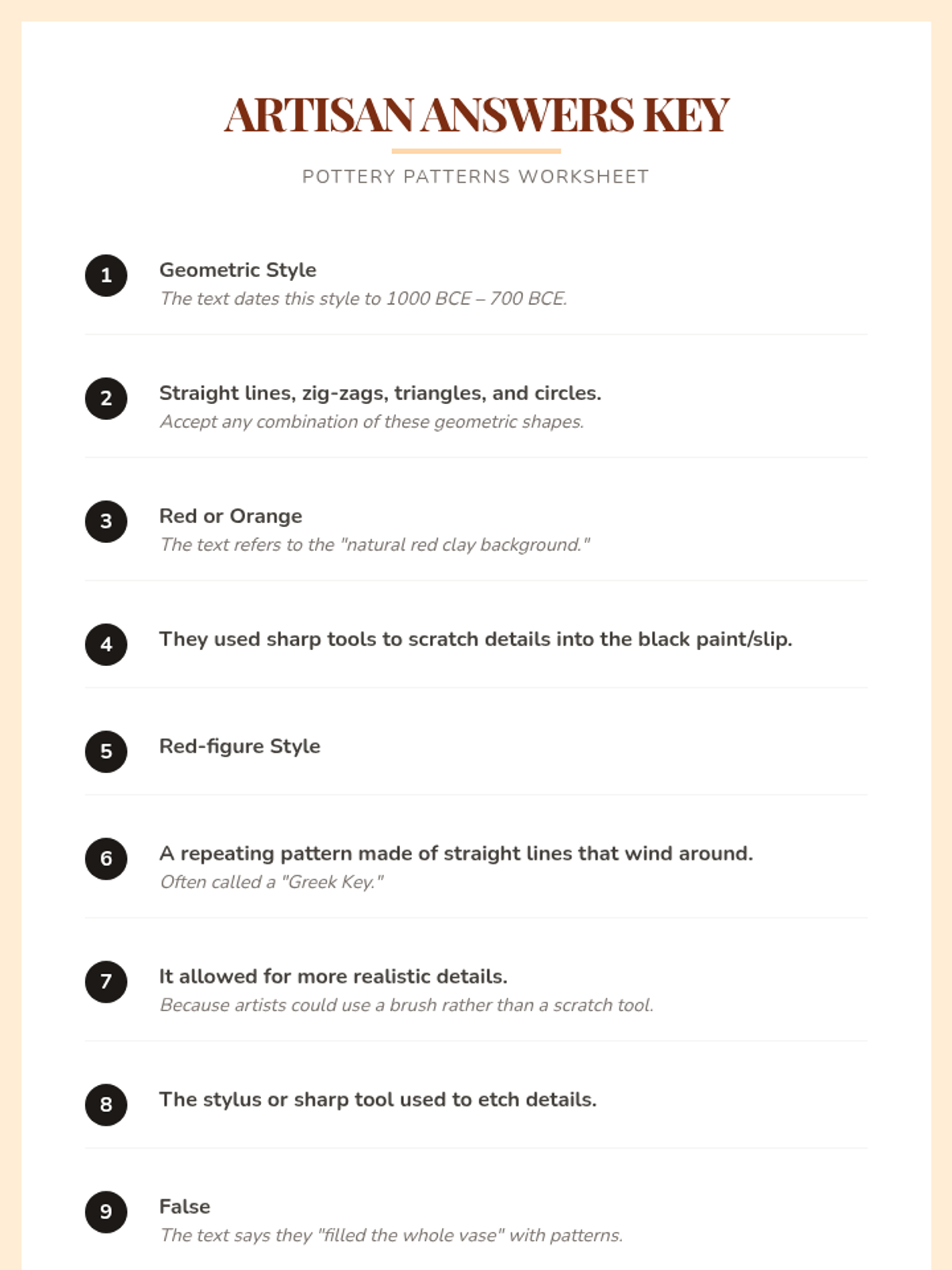
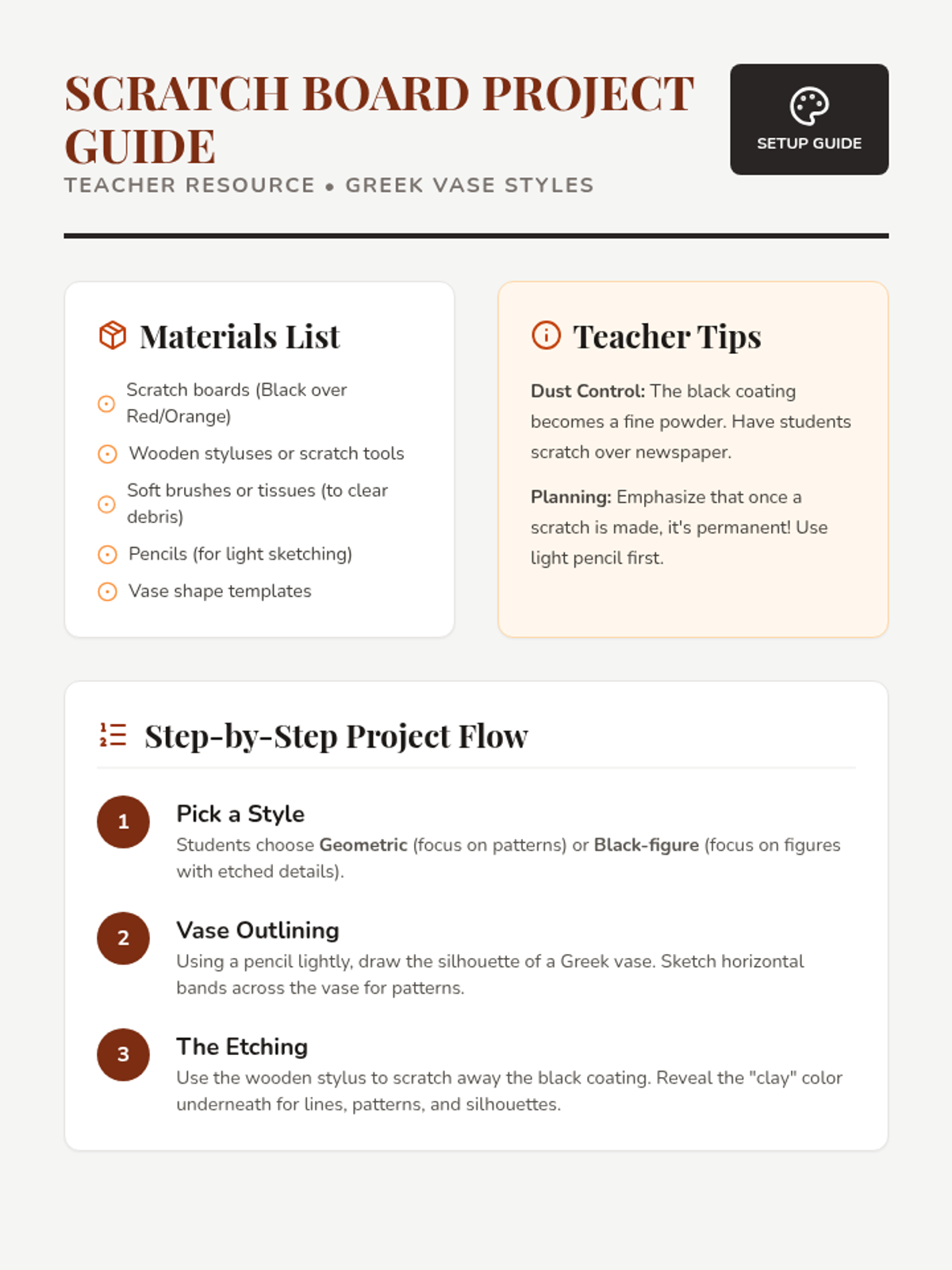
An introduction to the three primary styles of Ancient Greek pottery: Geometric, Black-figure, and Red-figure. Students read about the history and techniques before creating their own scratch board art.
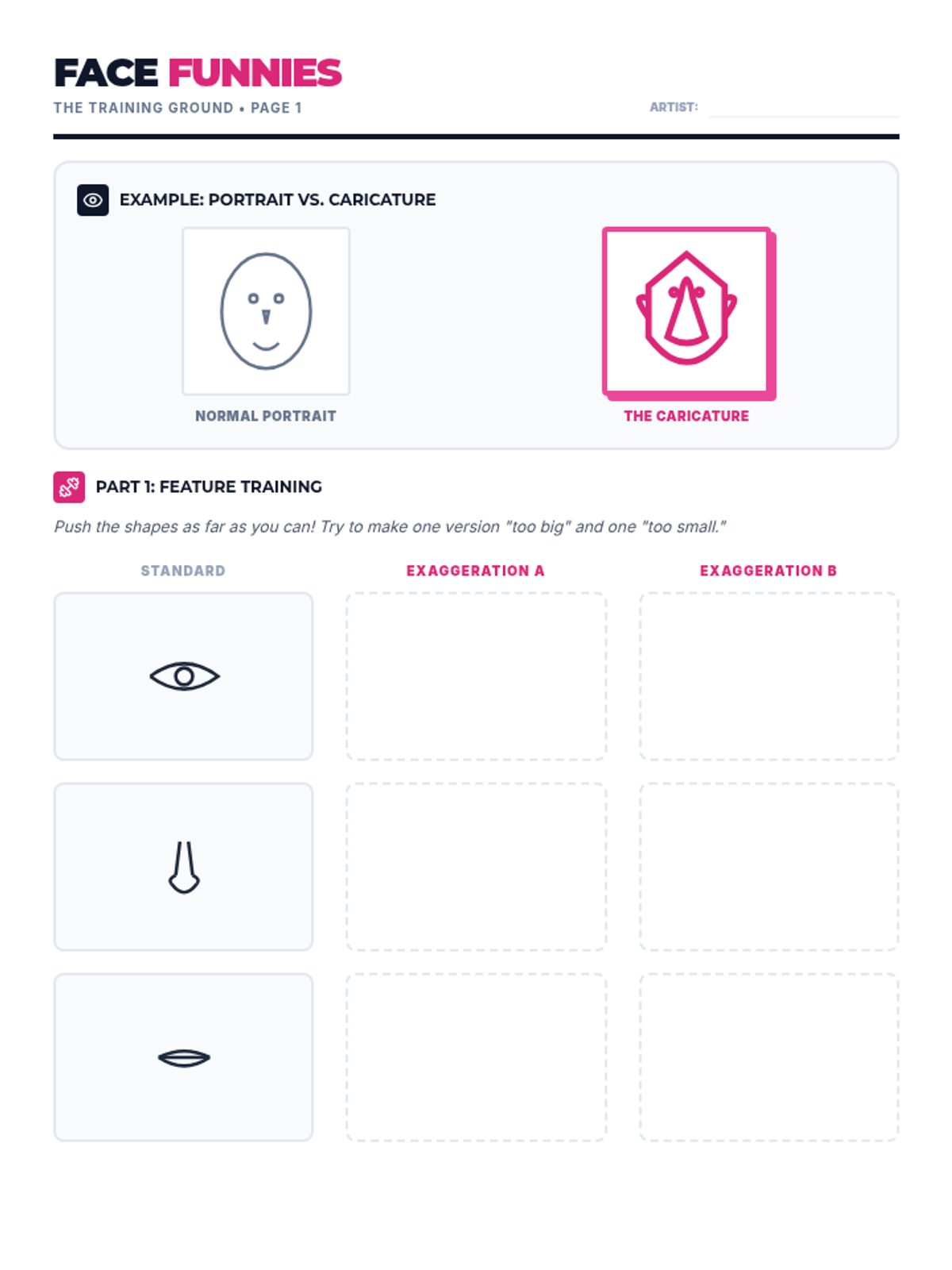
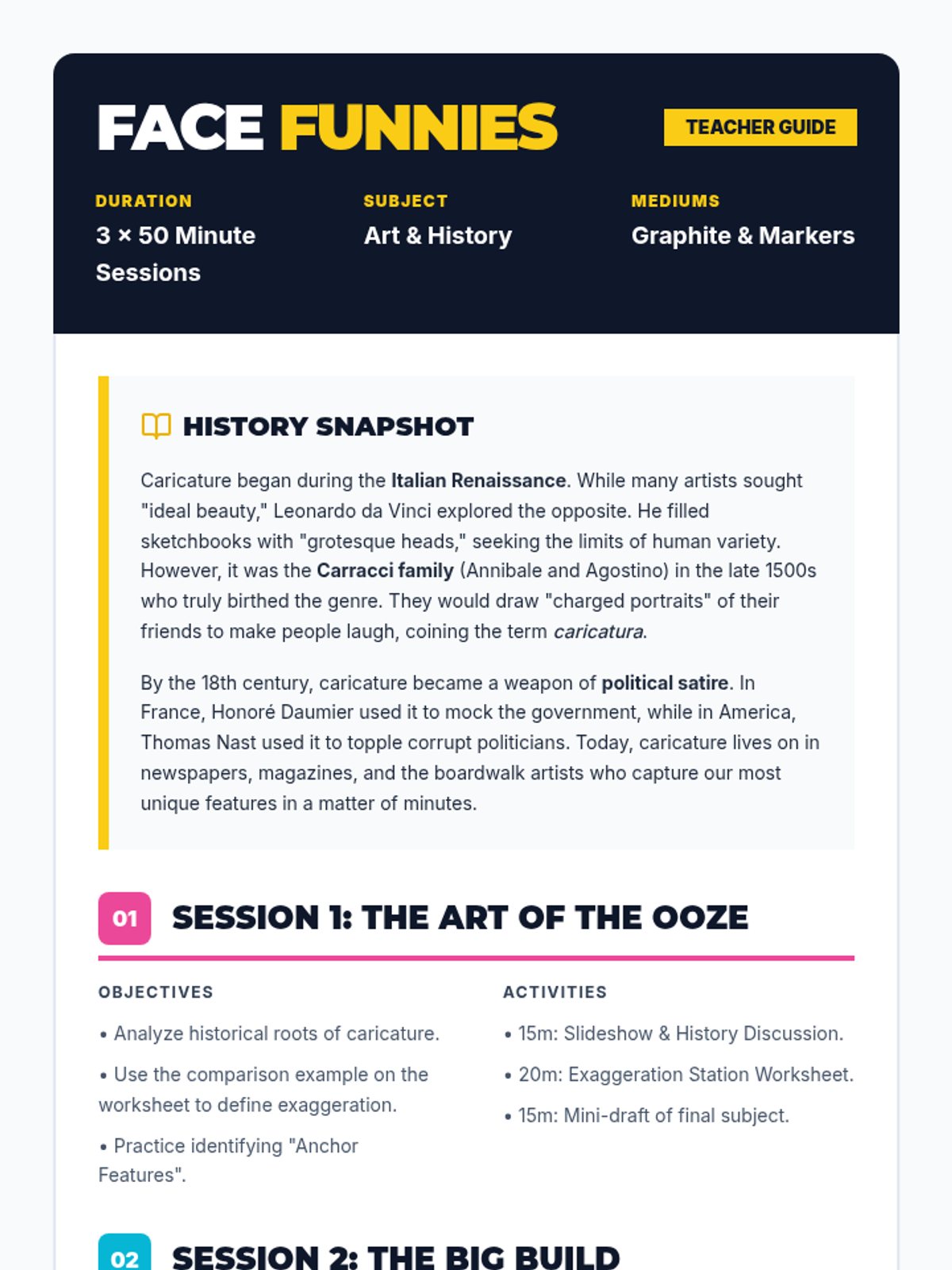
A three-session art lesson exploring the history and technique of caricature drawing, focusing on feature exaggeration and the use of graphite and markers.
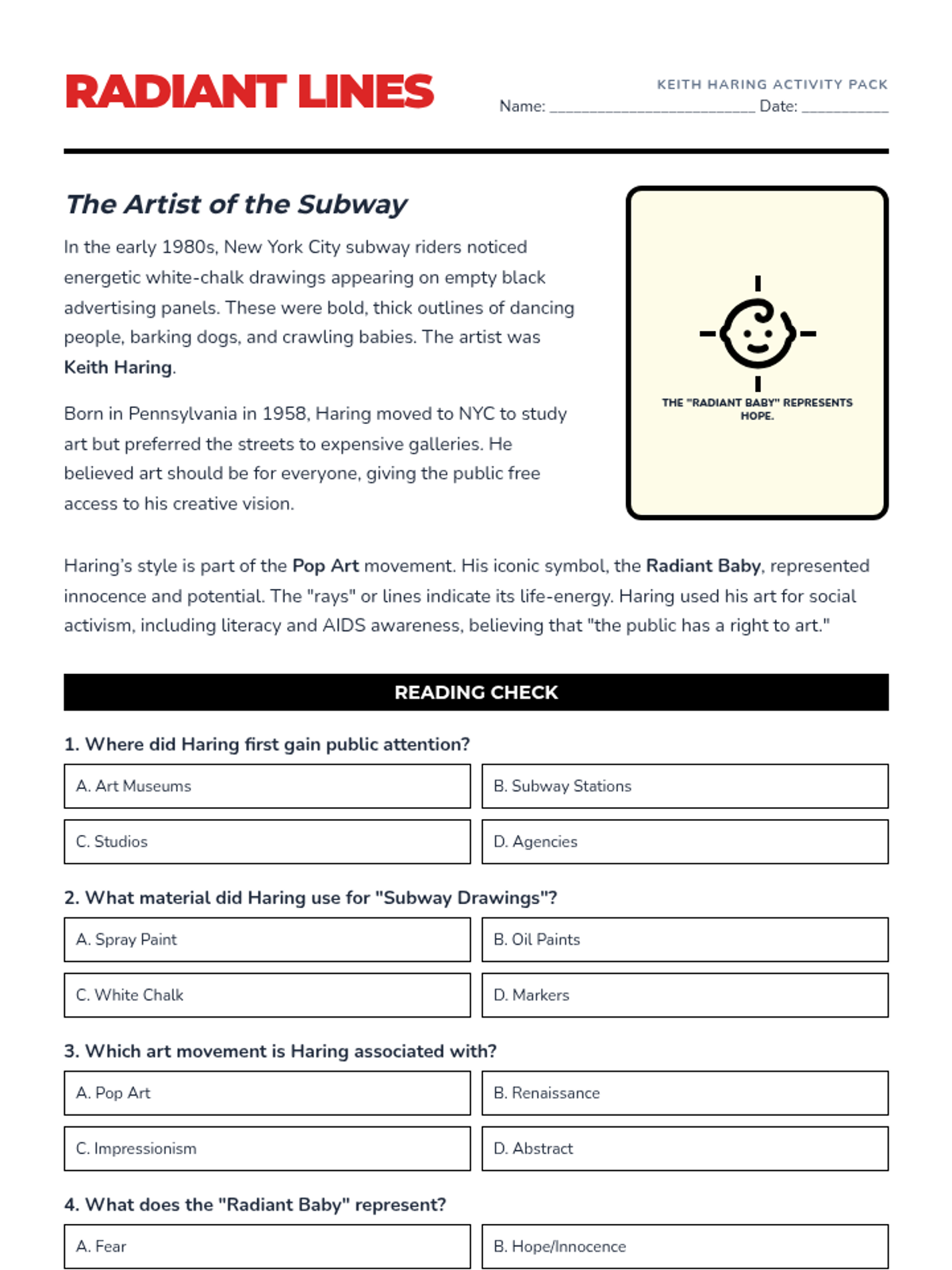
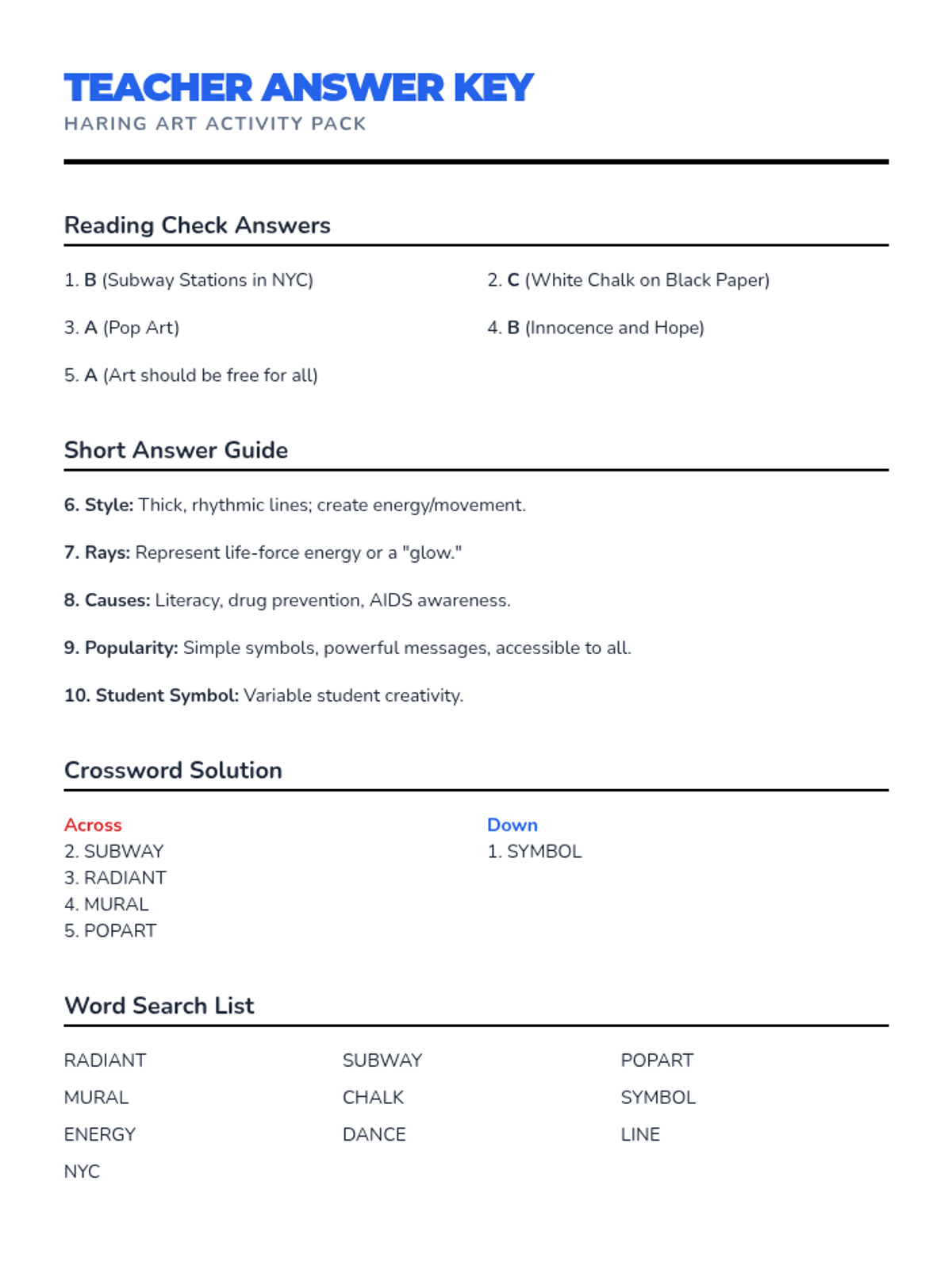
A lesson exploring the life and iconic symbols of Keith Haring, focusing on his 'Radiant Baby' and the impact of Pop Art in public spaces.
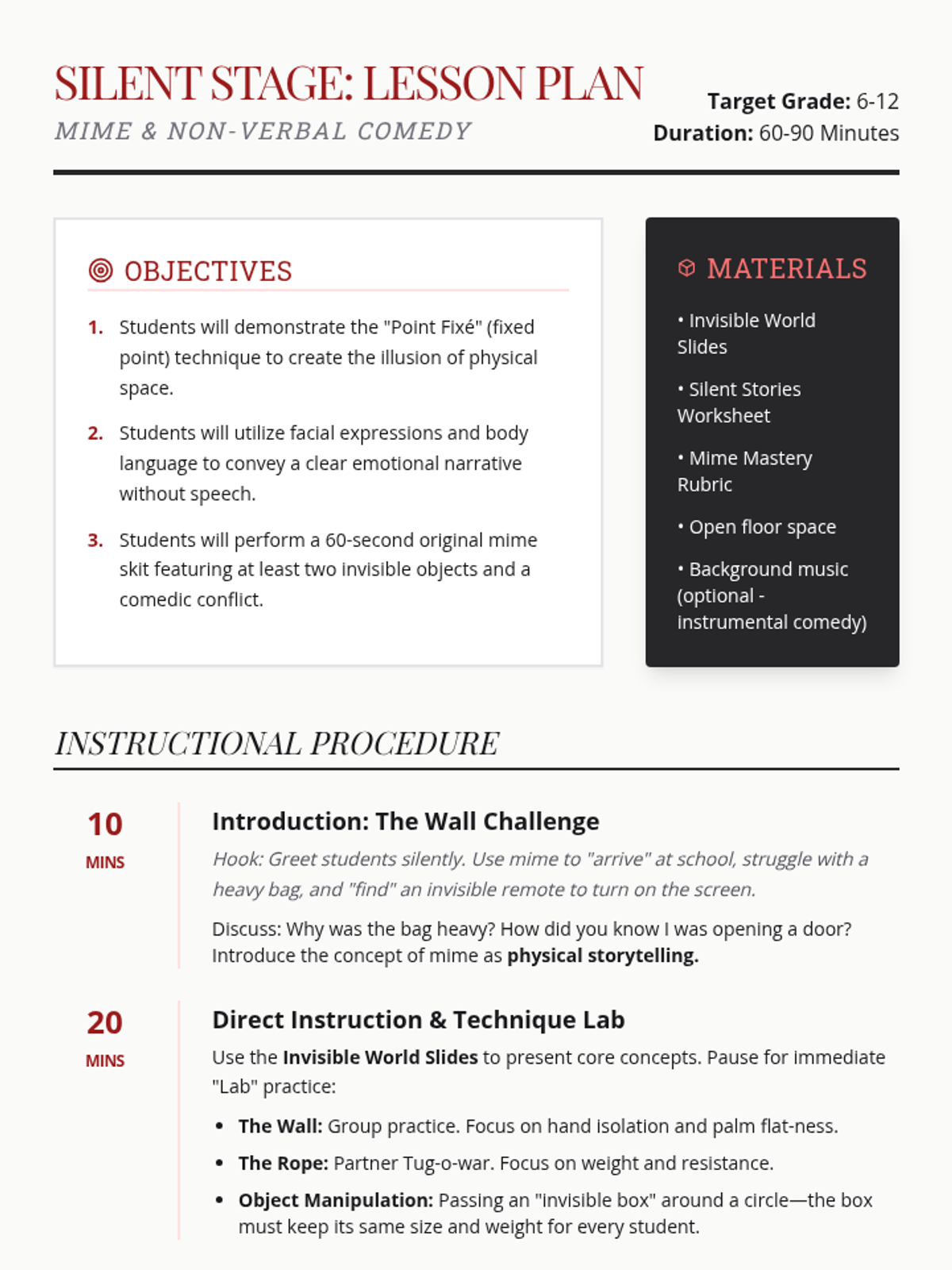
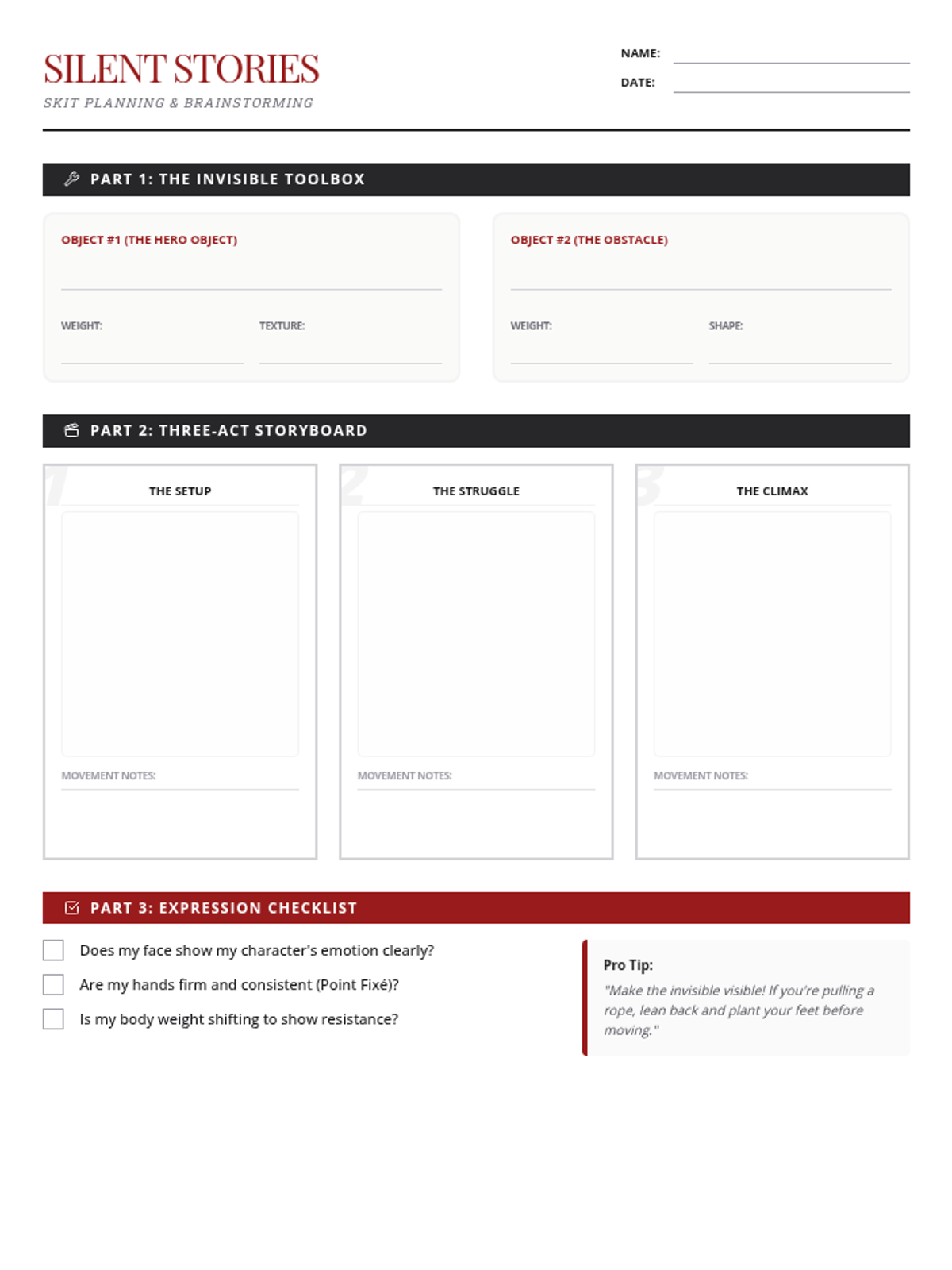
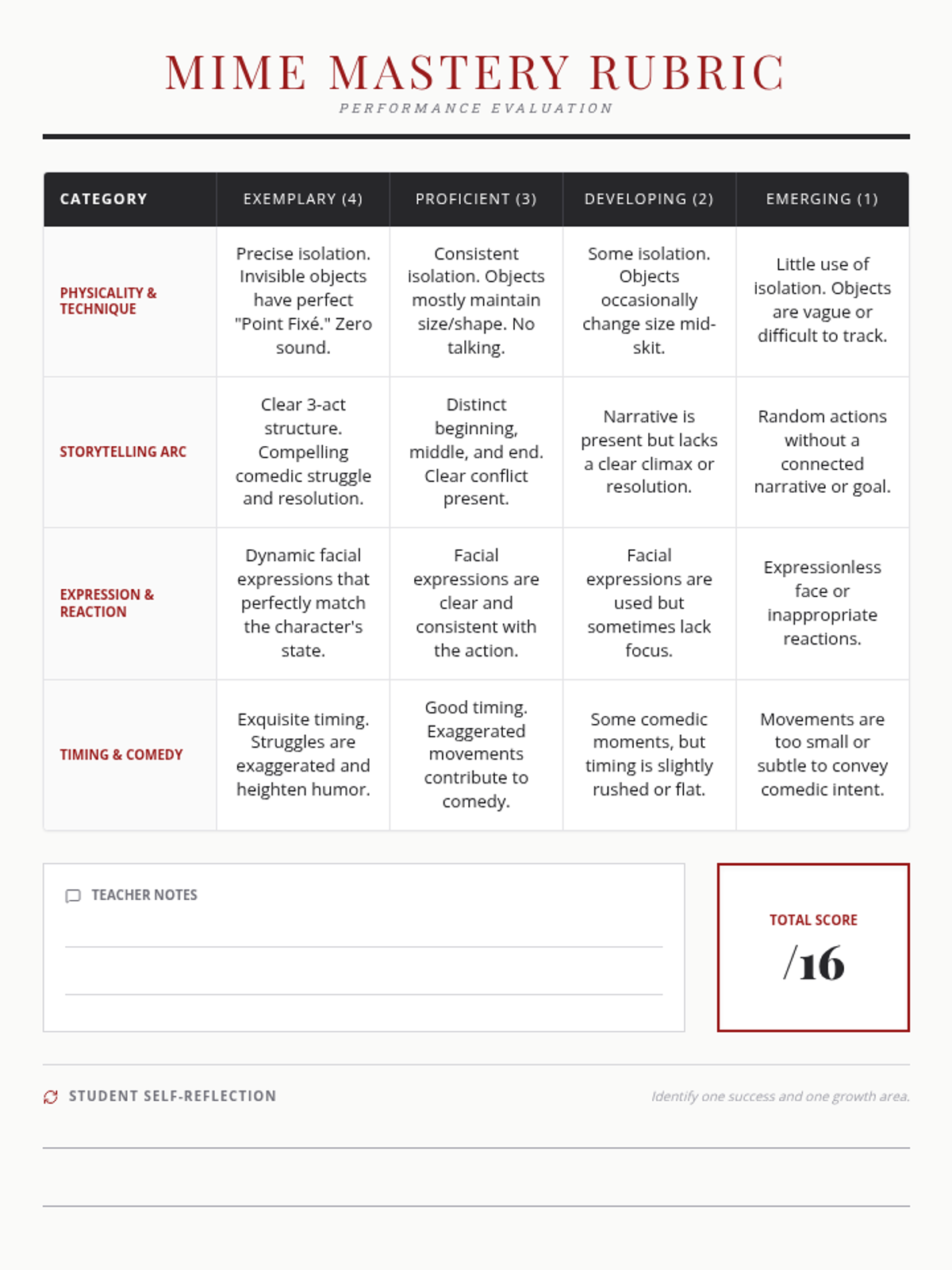
A comprehensive exploration of mime techniques and non-verbal storytelling, where students learn to build invisible worlds through precise movement and comedic timing.
A mini-lesson introducing students to the world of stock photography by transforming everyday school environments into marketable, high-quality visual assets. Students learn about composition, lighting, and technical skills like depth of field through the lens of commercial utility.
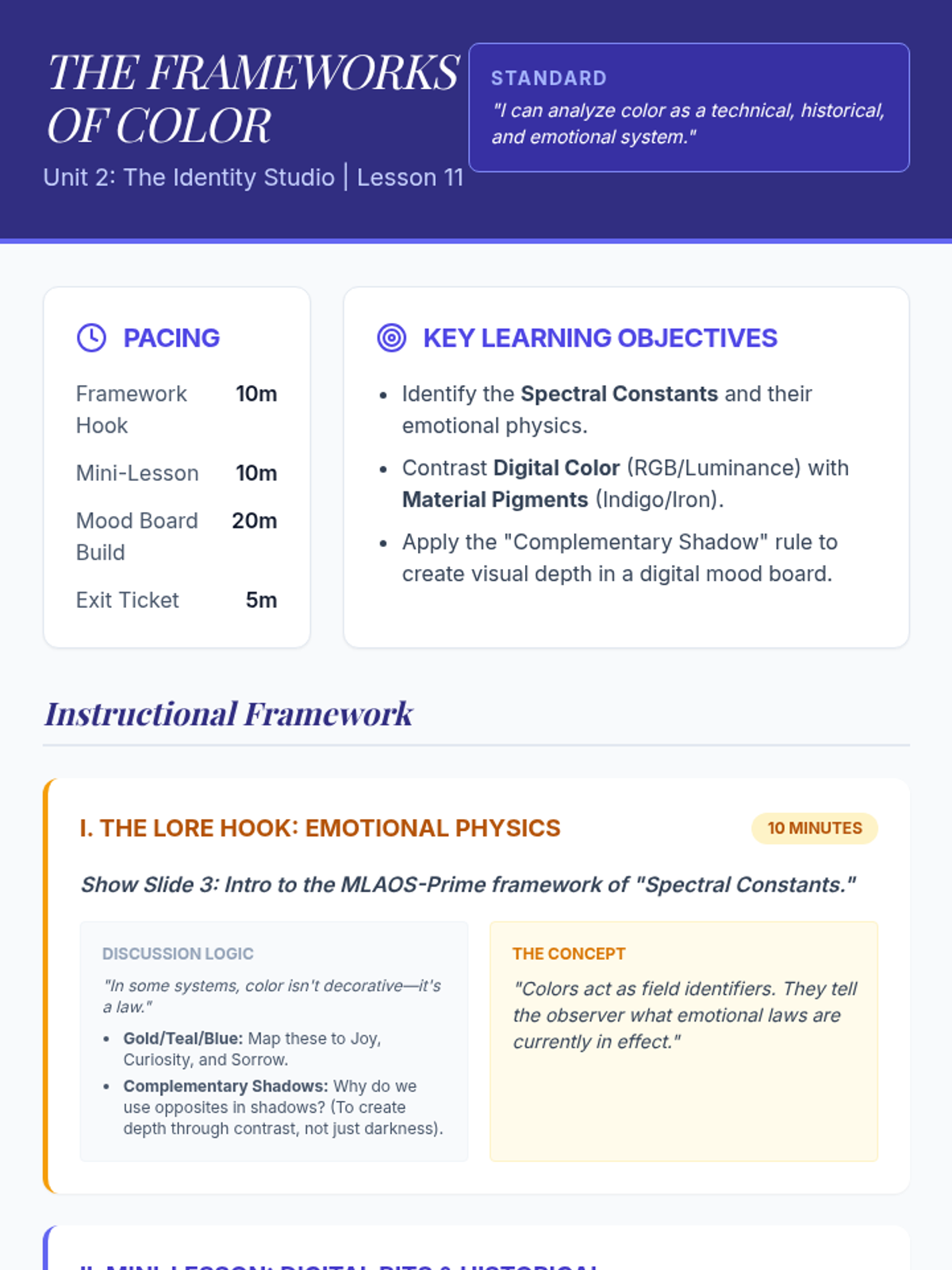
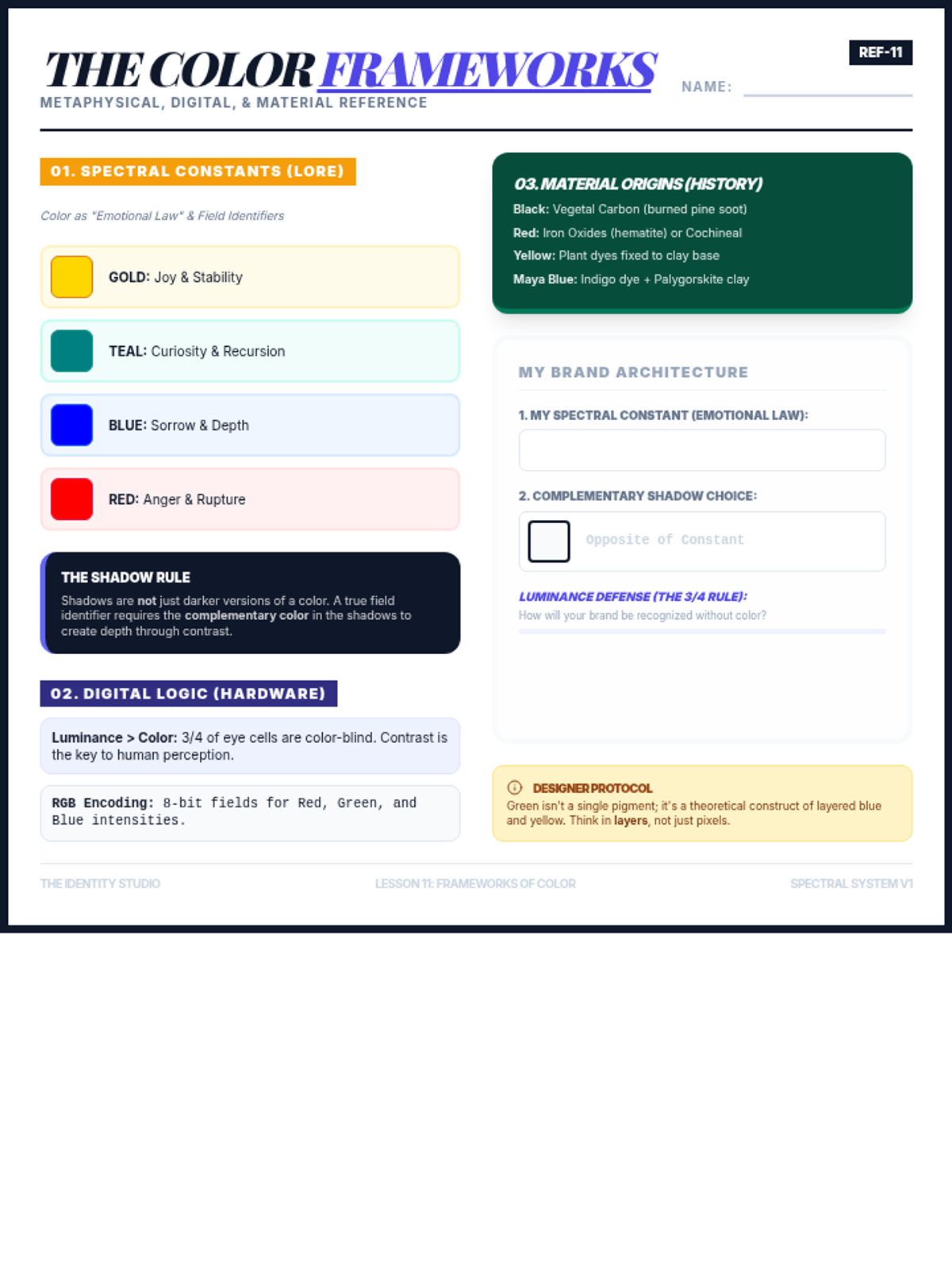
This lesson introduces students to the emotional impact of color in branding, the basics of color theory in marketing, and the technical use of Hex Codes in digital design. Students apply these concepts by creating a brand mood board in Canva.
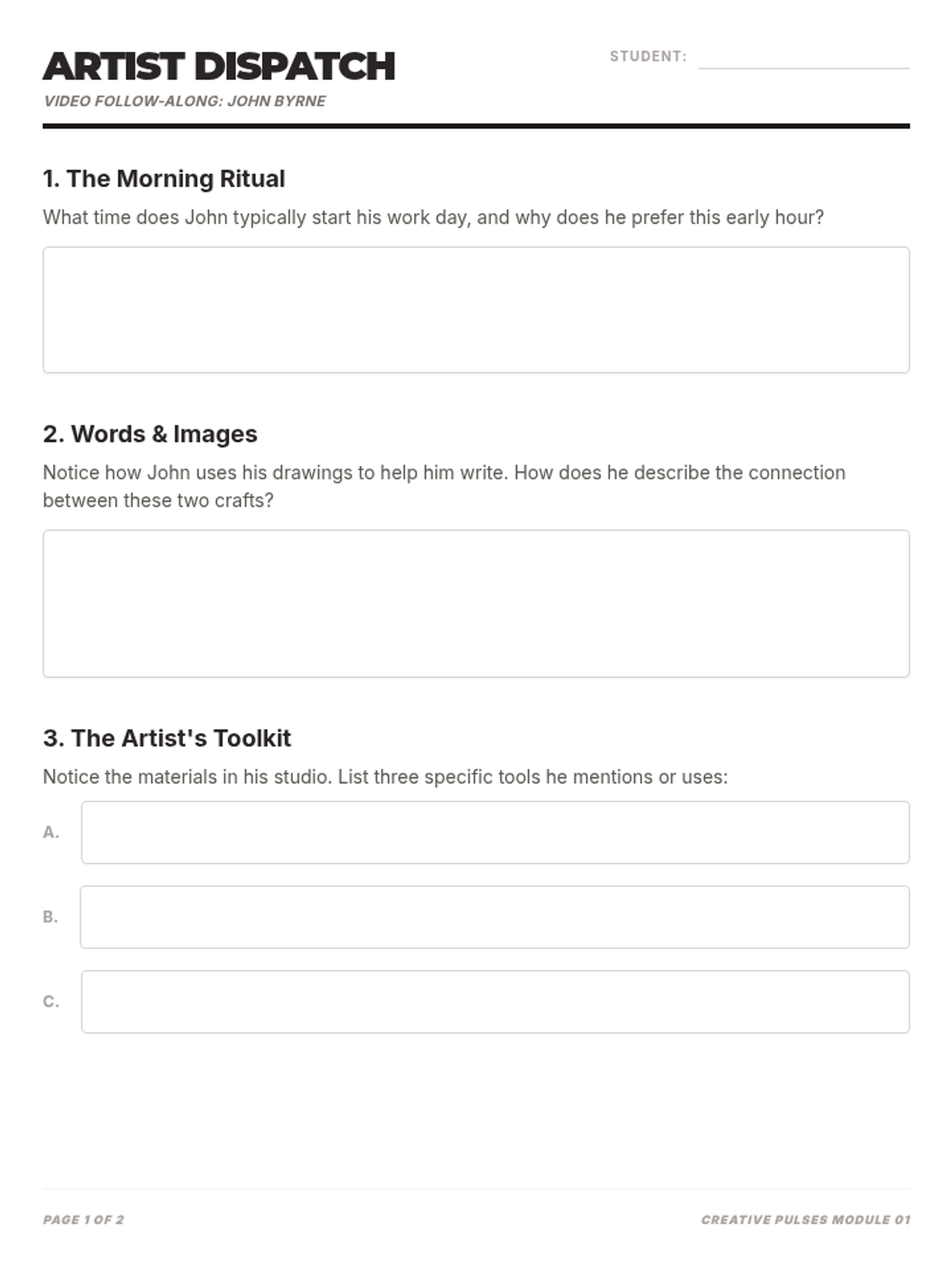
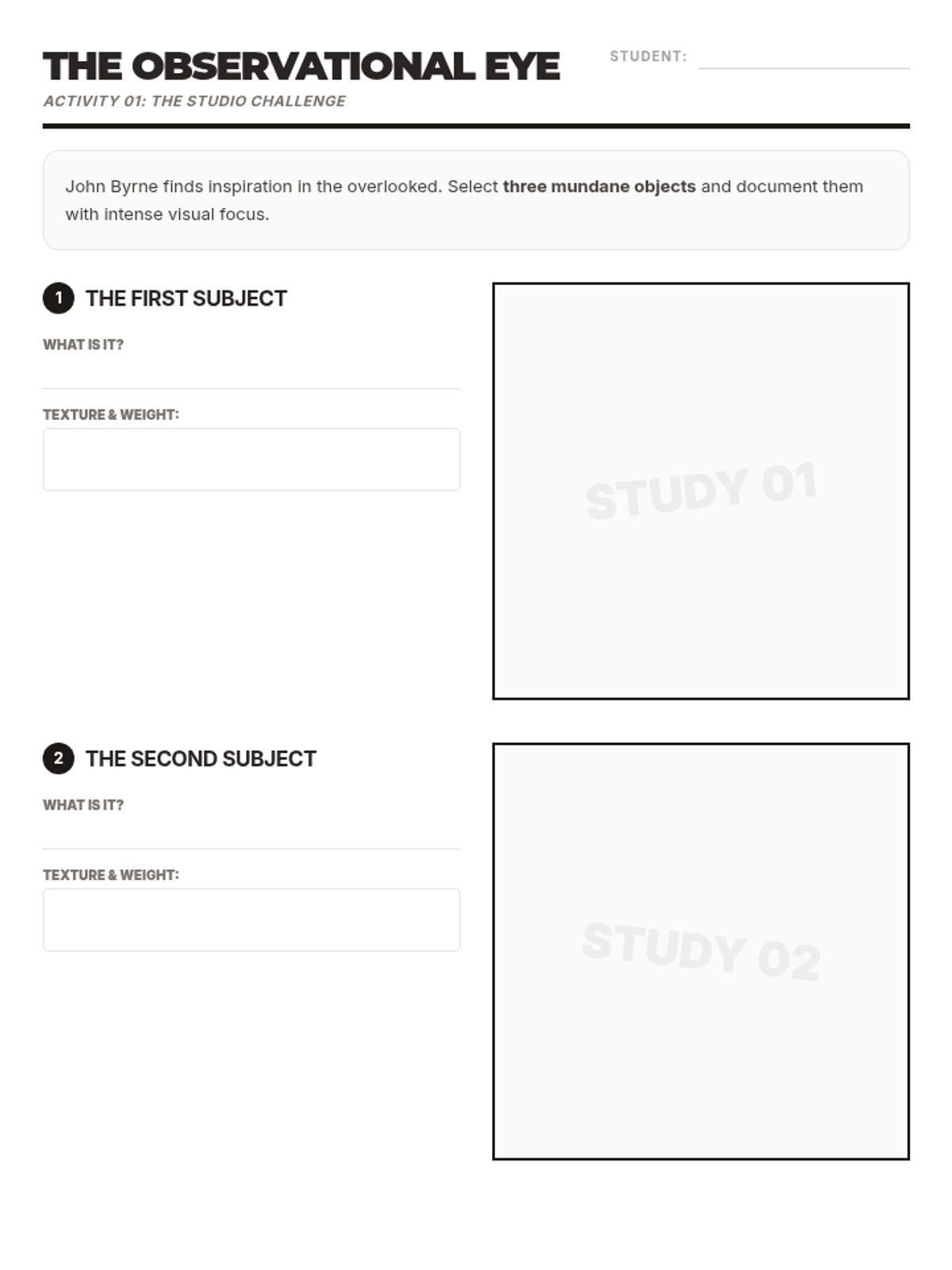
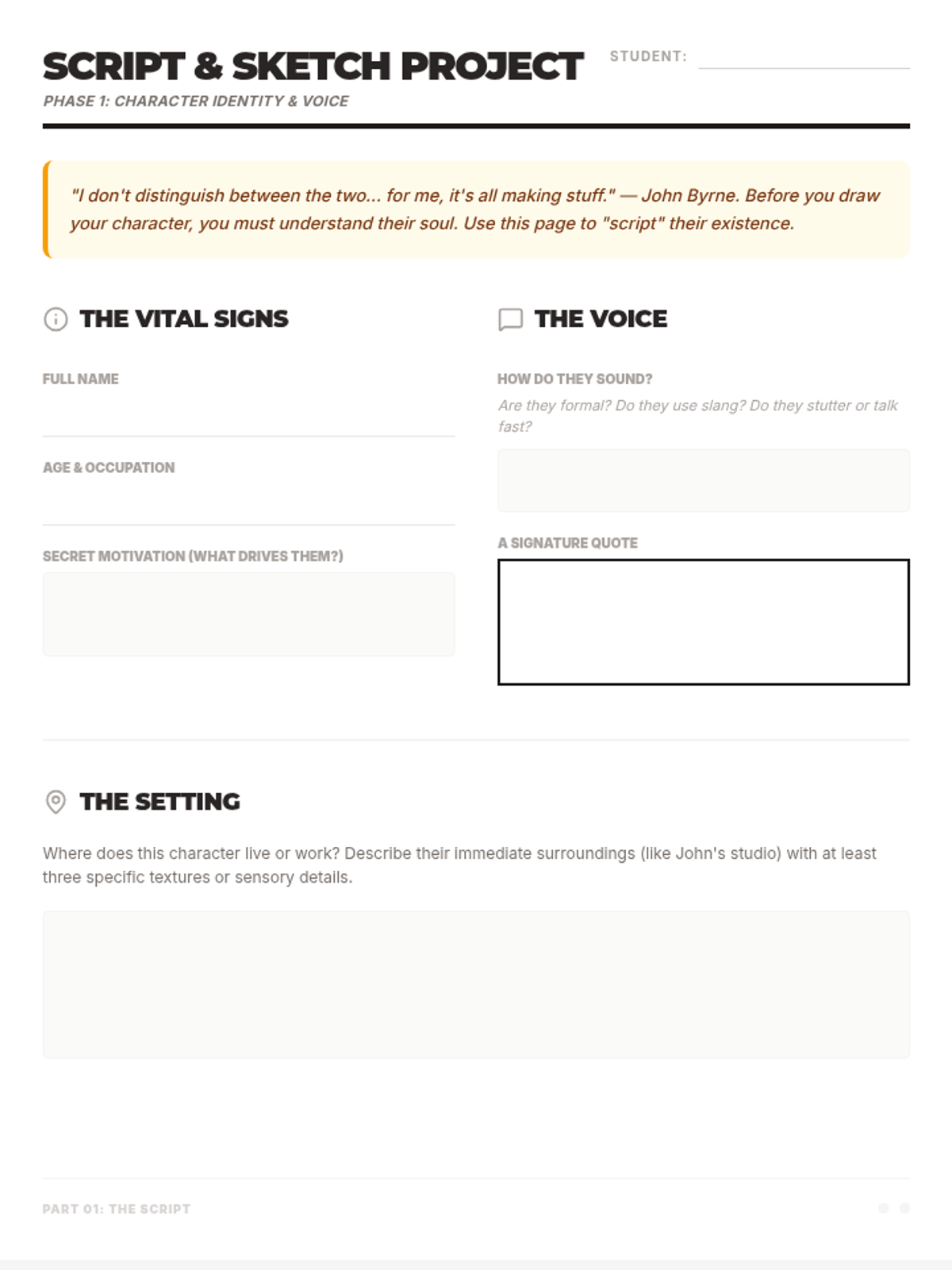
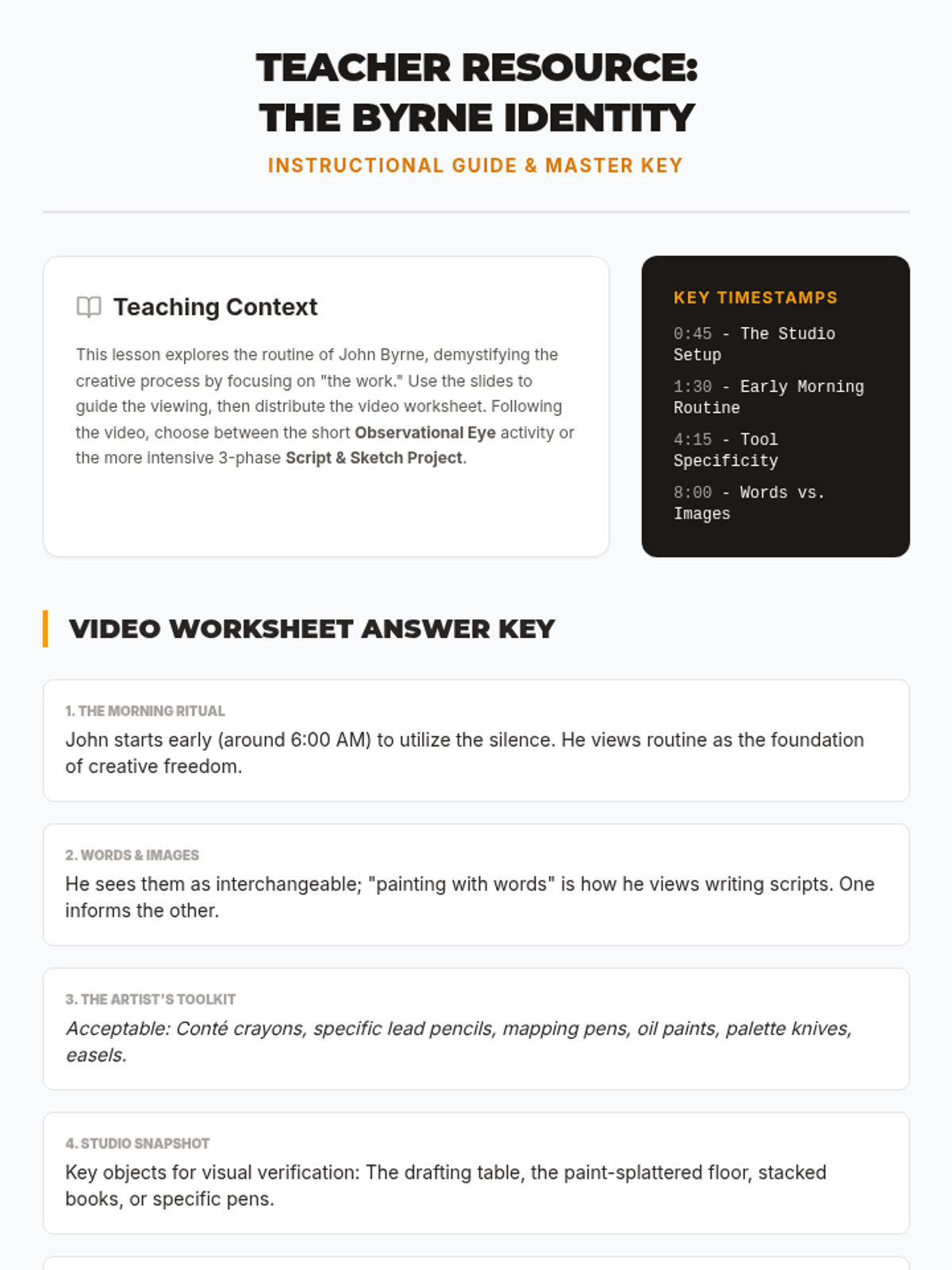
An in-depth look at John Byrne's daily life as a painter and playwright, focusing on his studio habits, materials, and the intersection of visual art and storytelling.
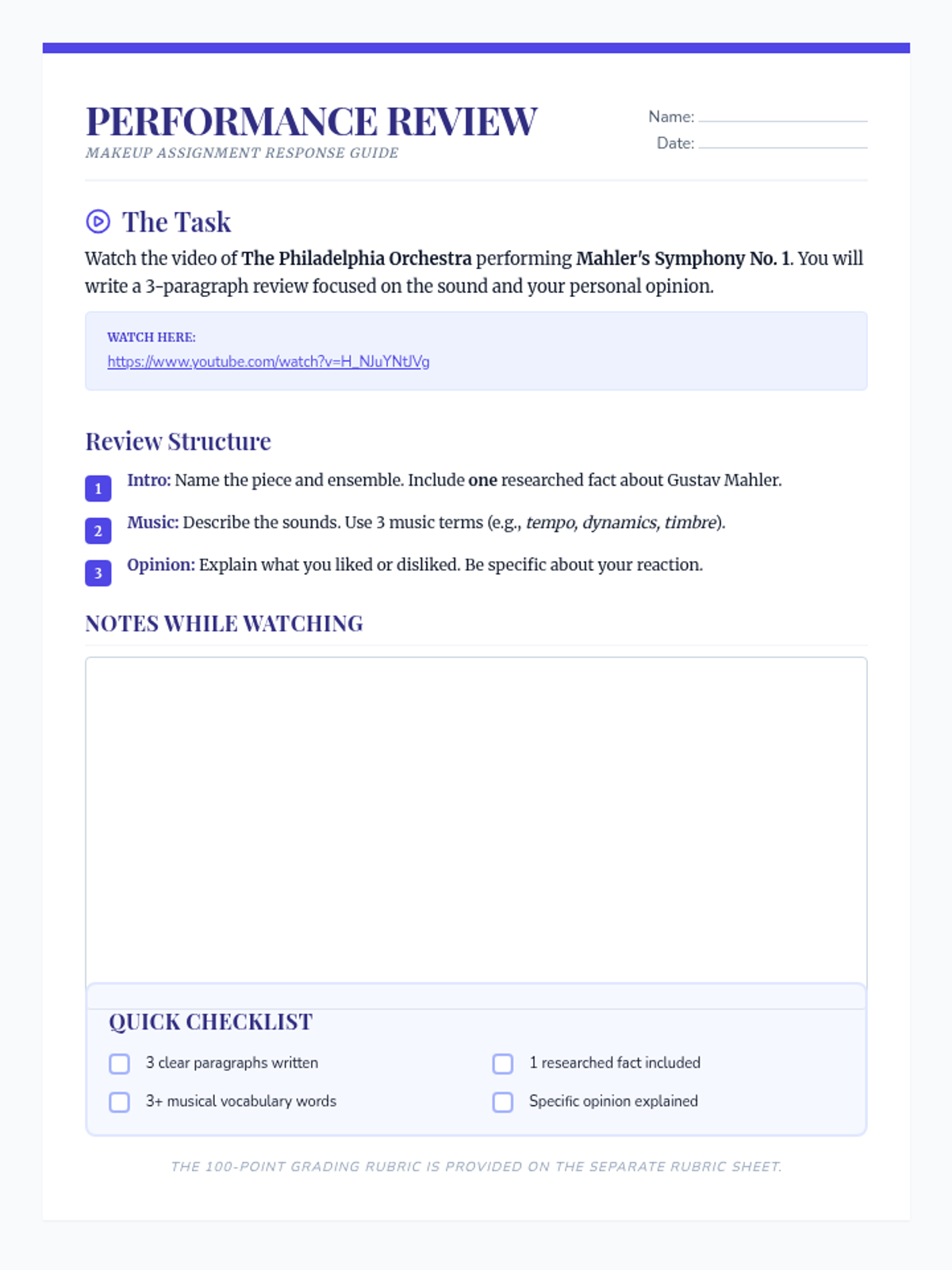
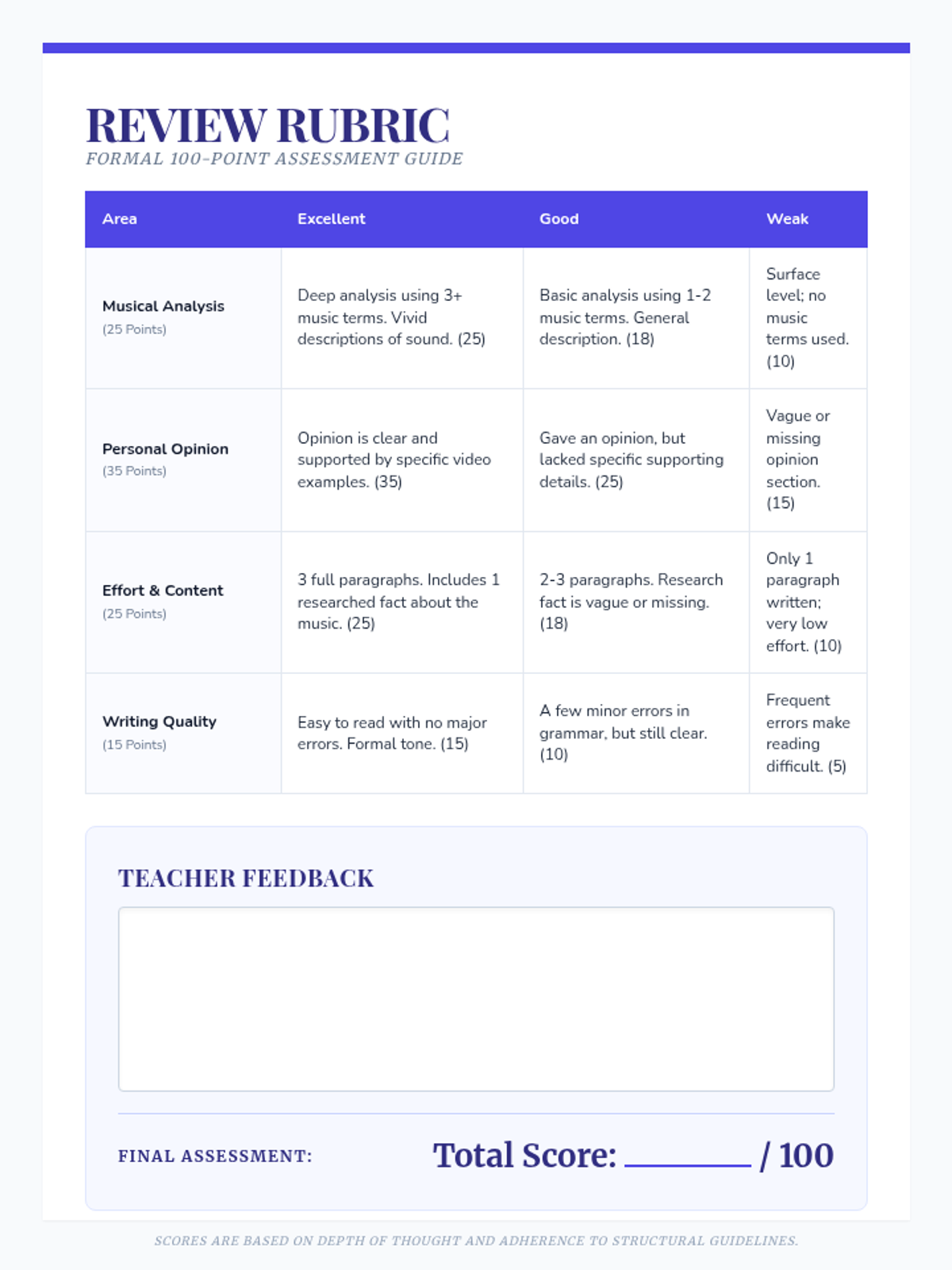
A comprehensive make-up assignment for students who missed a performance, requiring a detailed 5-paragraph review of a world-class orchestral concert with research and personal critique.
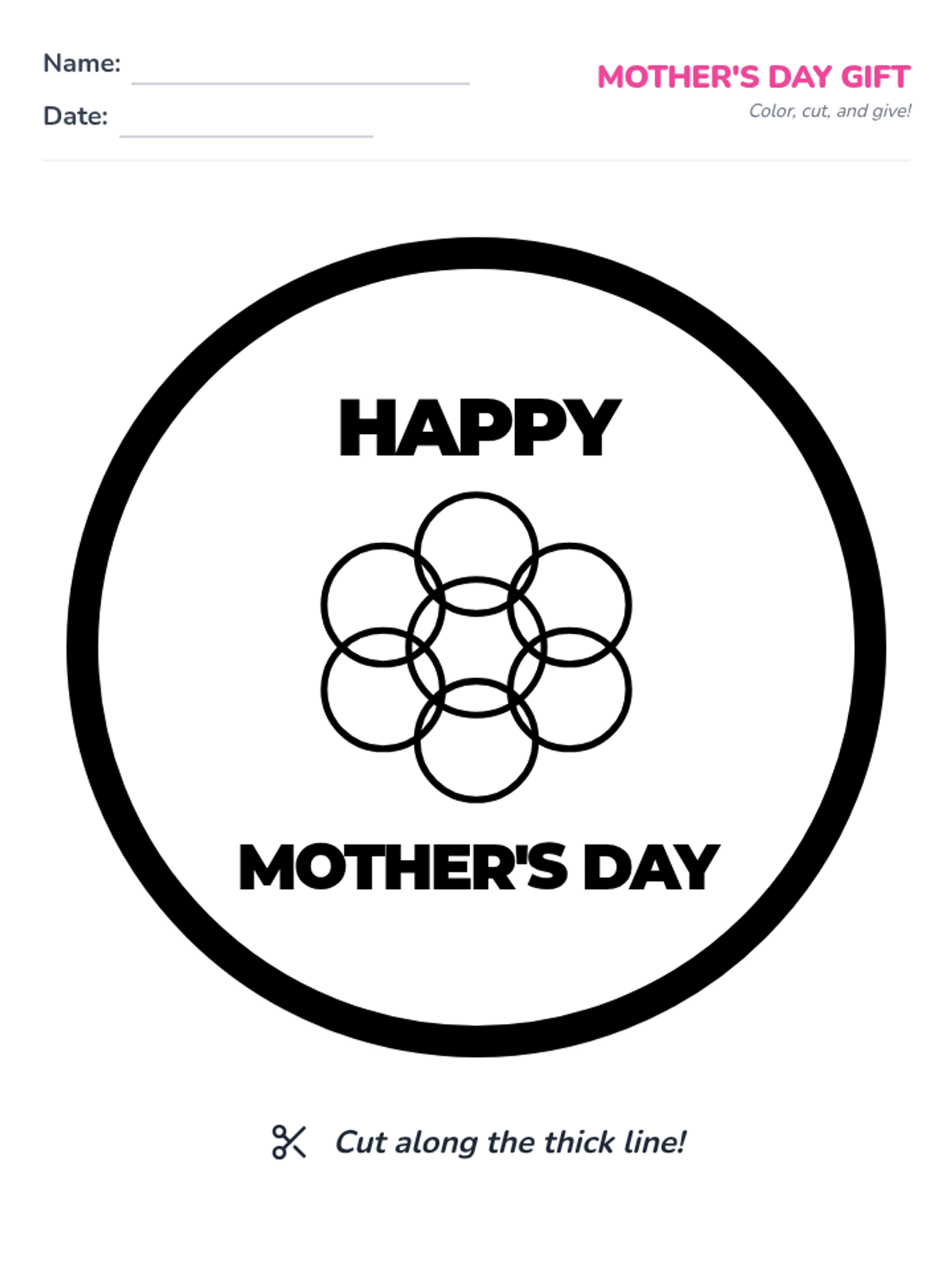
A creative lesson for preschoolers to celebrate Mother's Day by coloring and preparing a special floral gift.
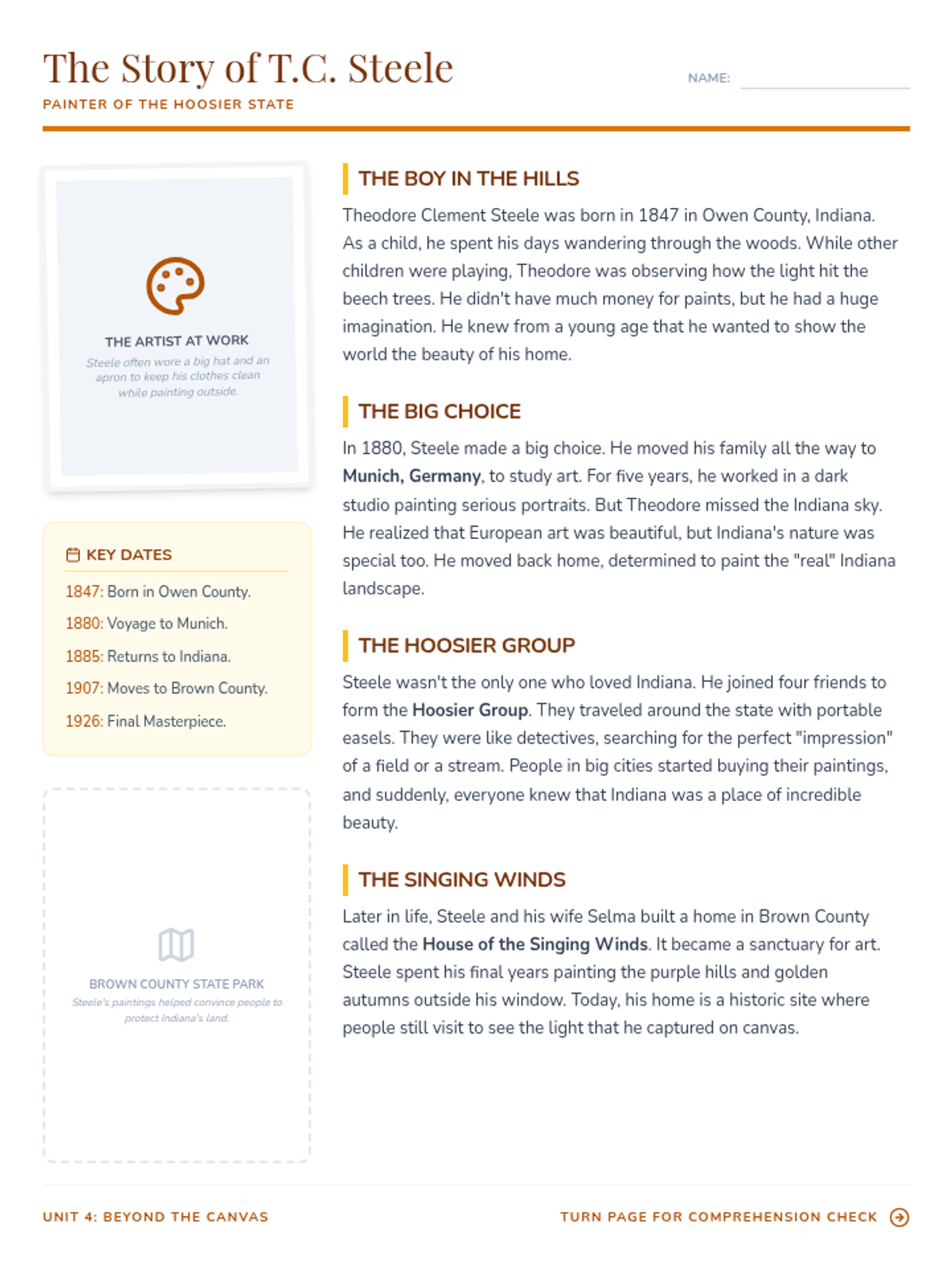
A deep dive into the life of T.C. Steele, from his childhood in Owen County to his legacy as Indiana's most famous painter, featuring a reading passage and comprehension check.
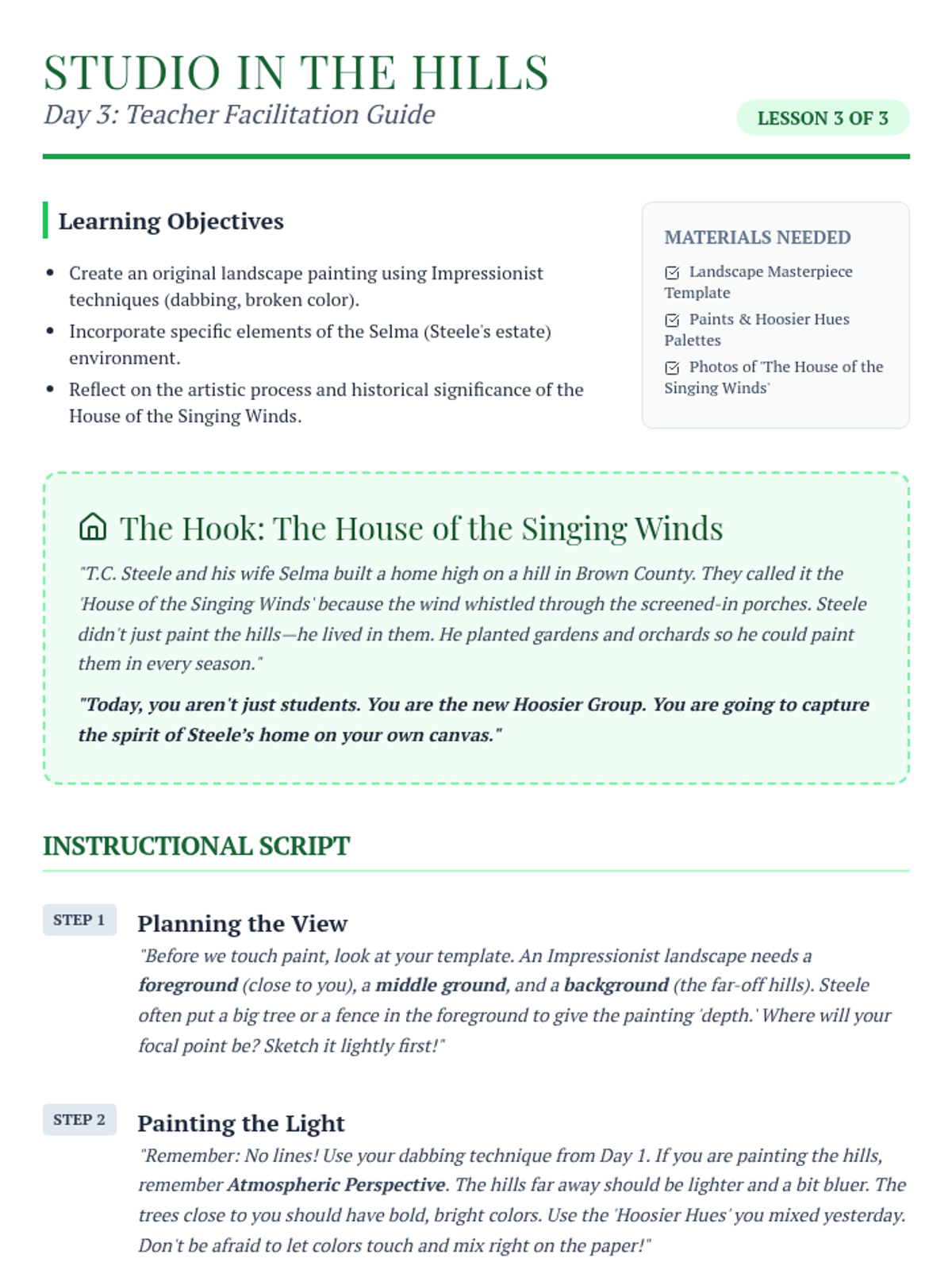
Students apply Impressionist techniques to create their own Indiana landscape inspired by the House of the Singing Winds.
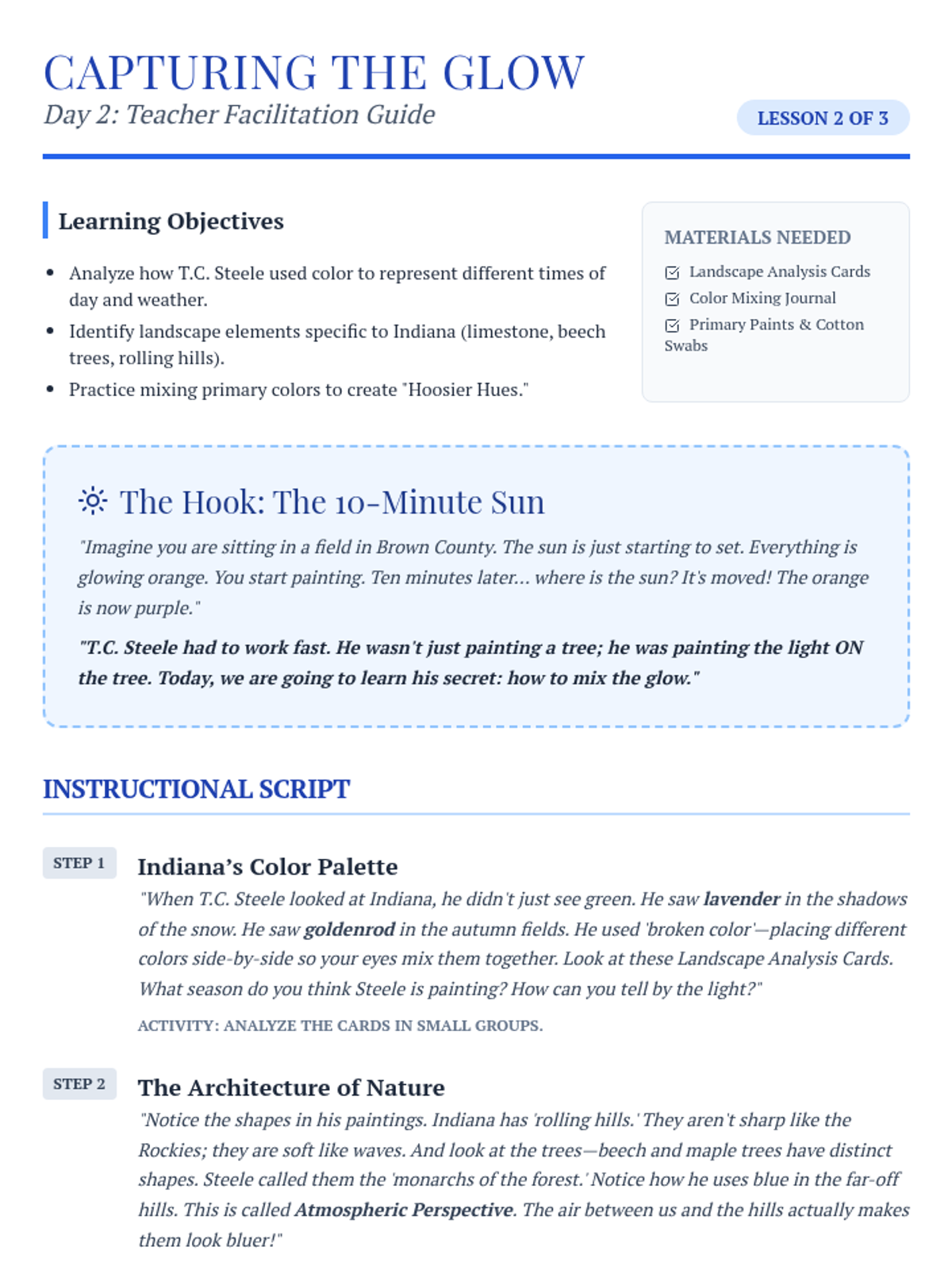
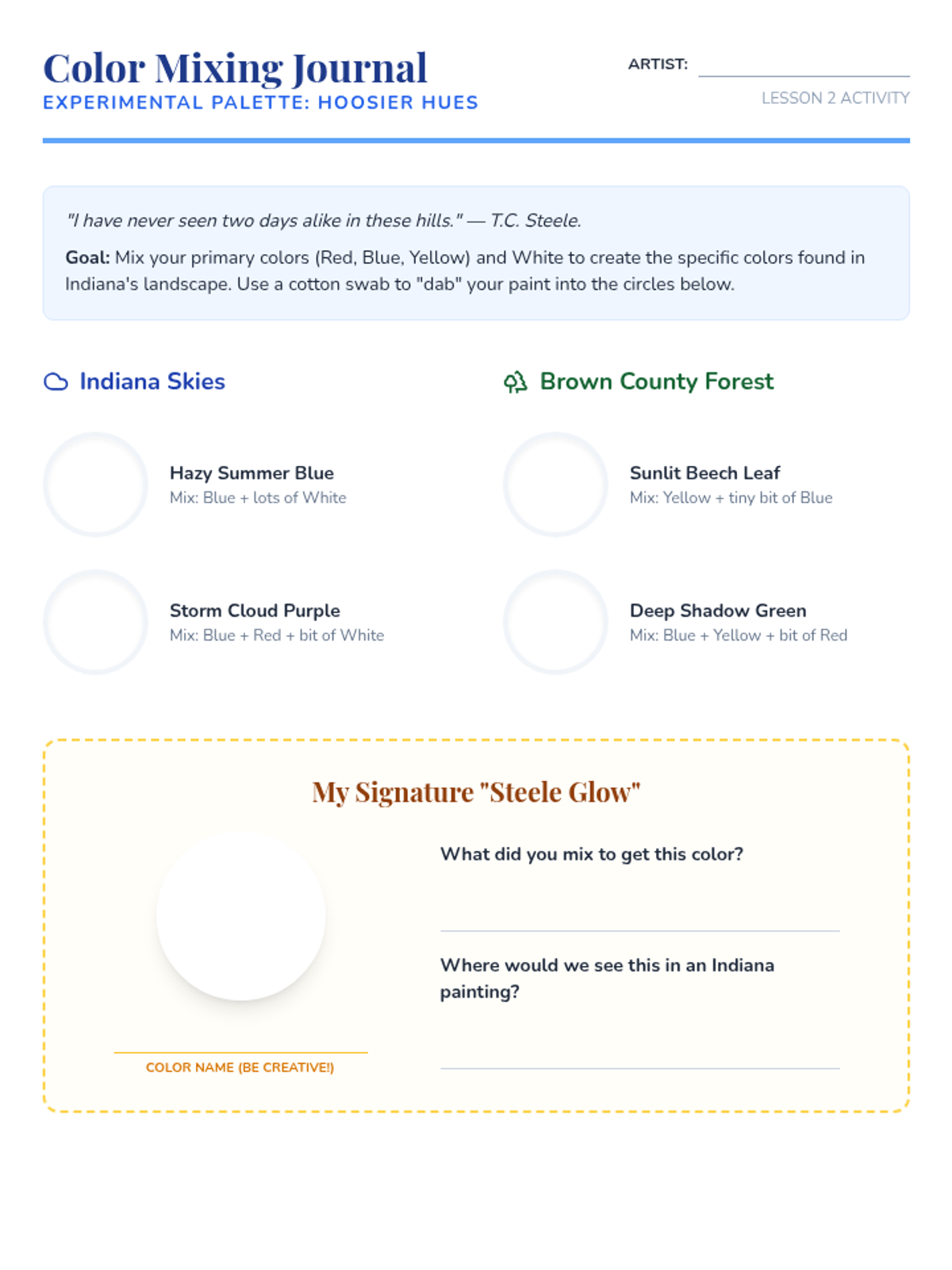
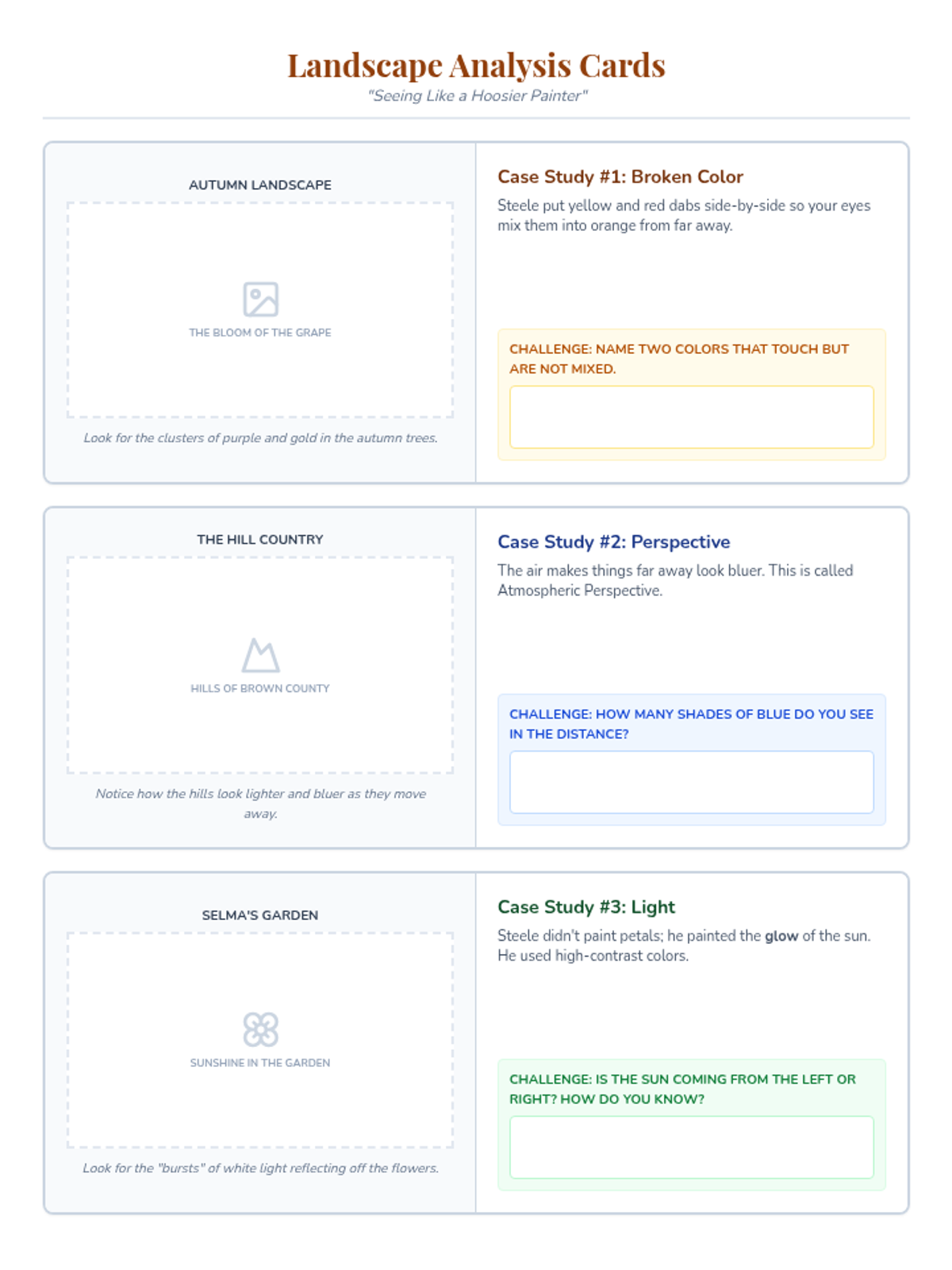
A deep dive into how T.C. Steele captured the changing light and seasons of Brown County through color and brushwork.
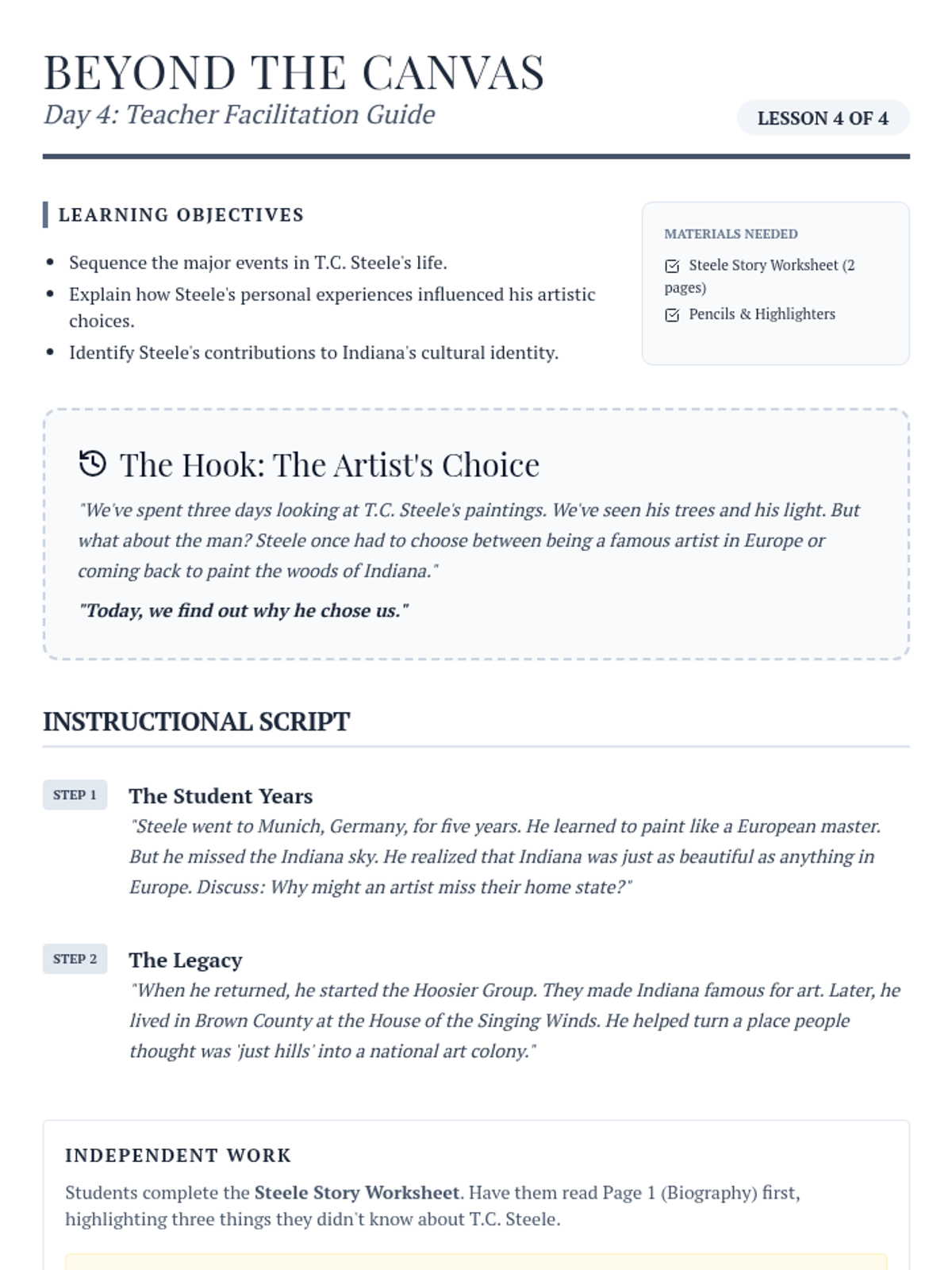
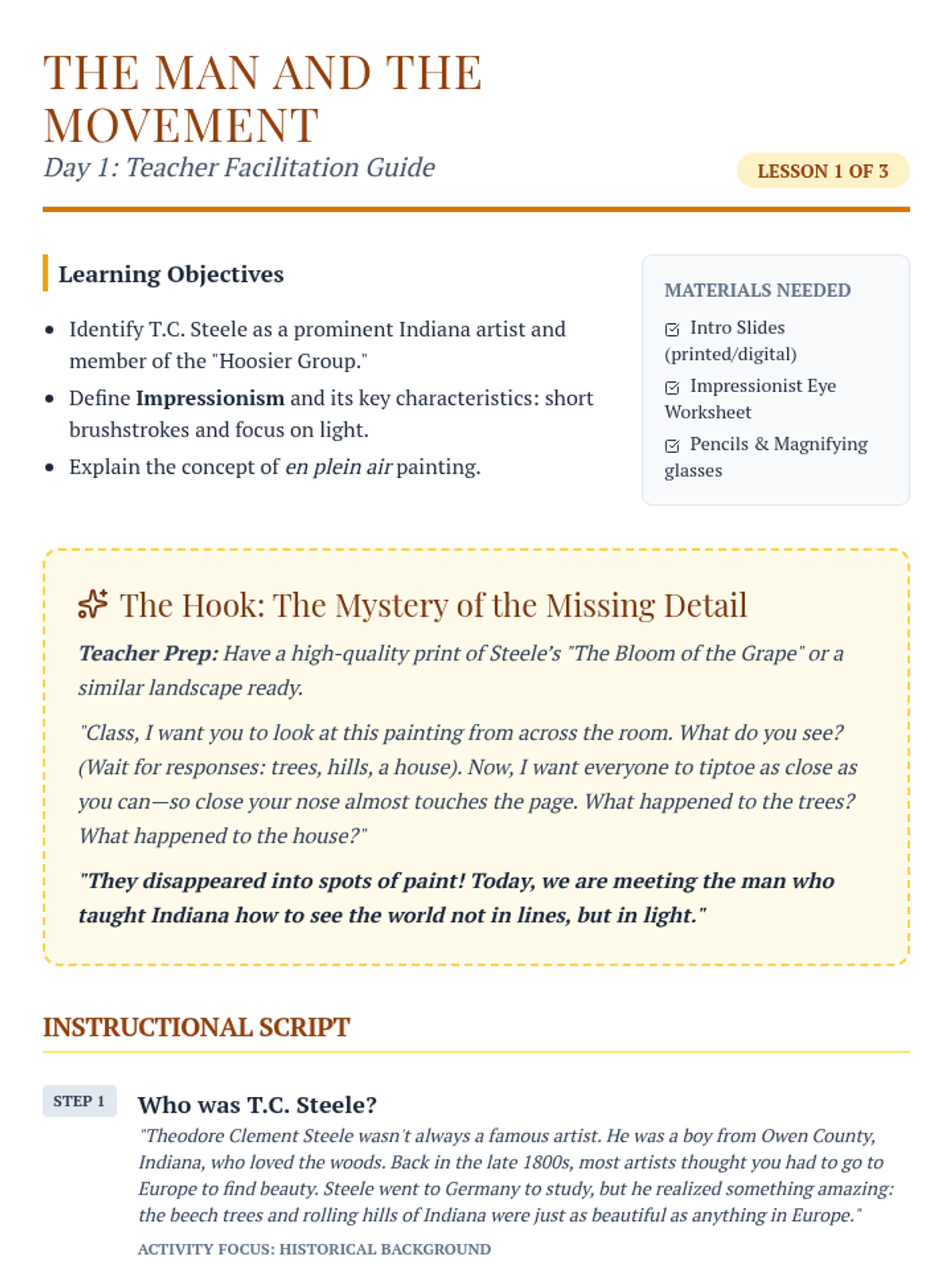
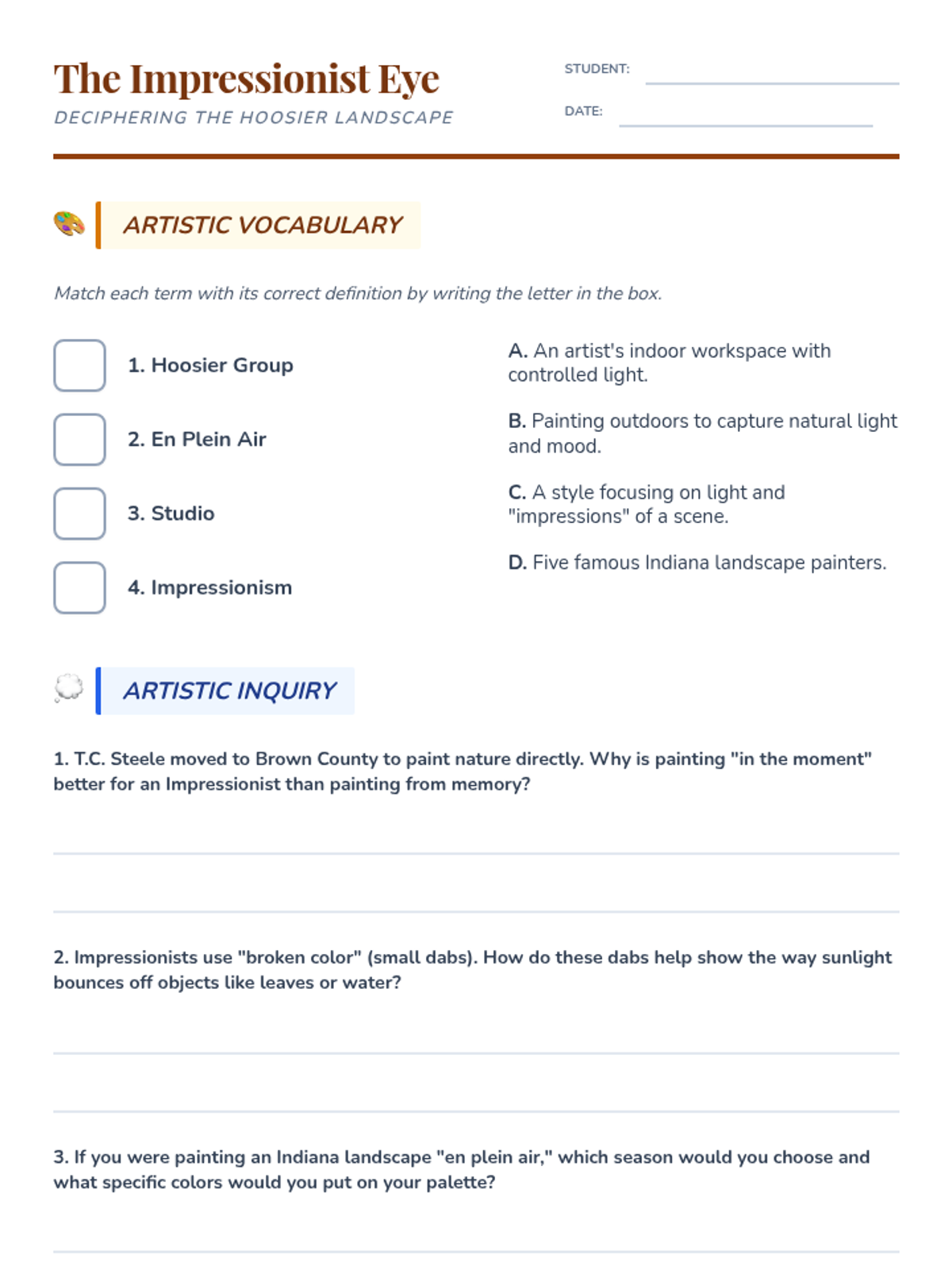
An introduction to T.C. Steele, the Hoosier Group, and the basics of Impressionism, including the 'en plein air' technique.
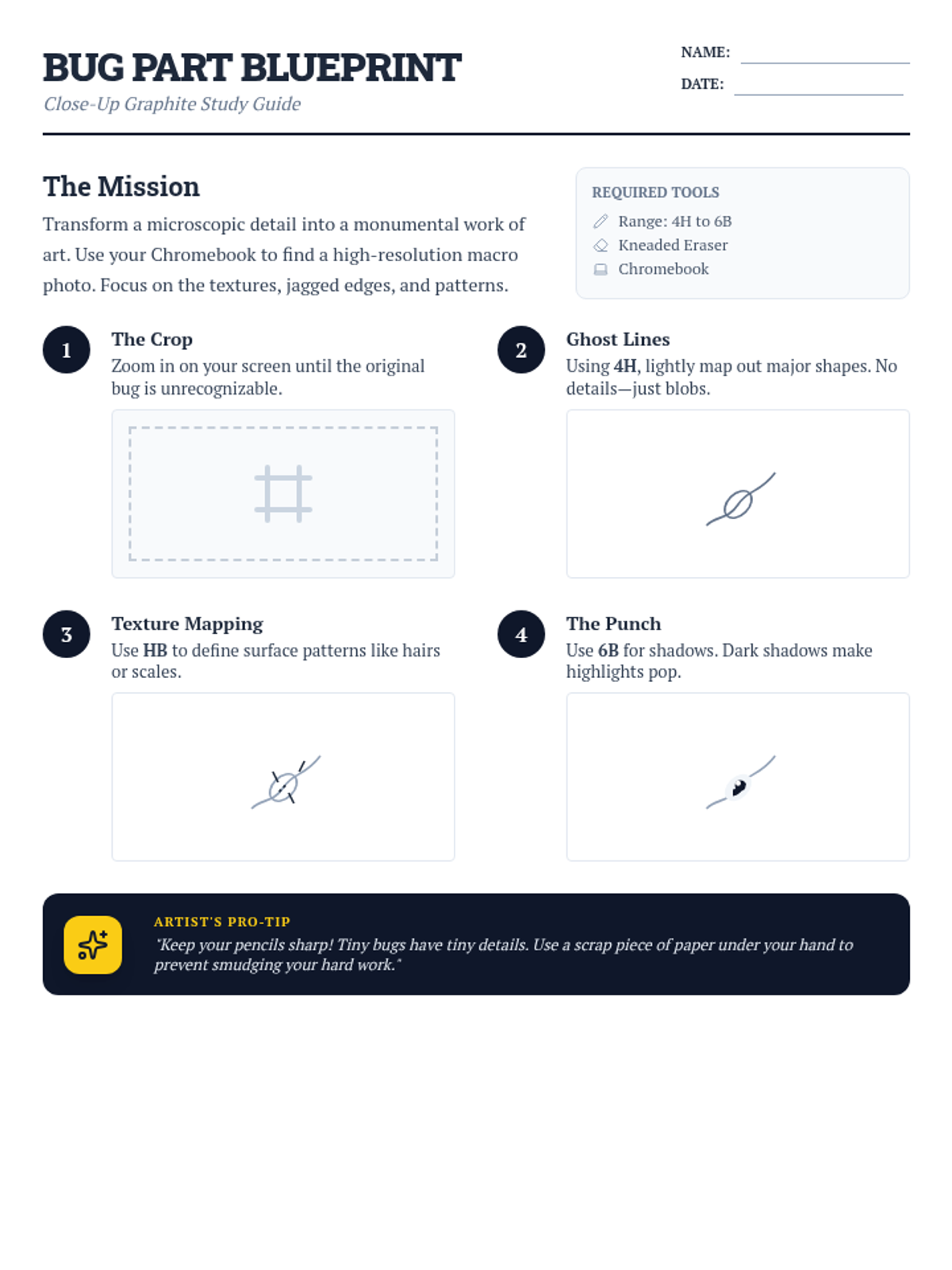
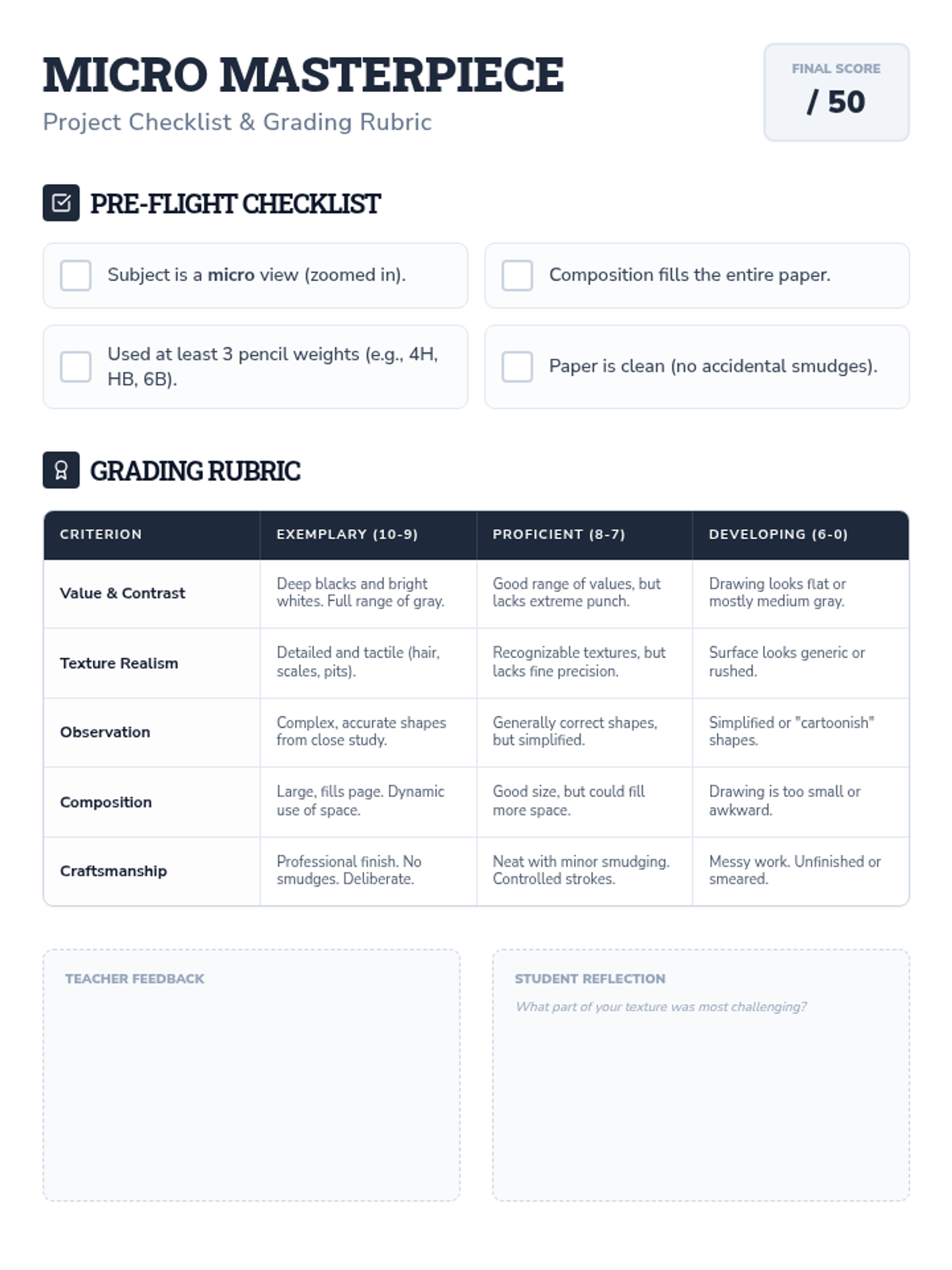
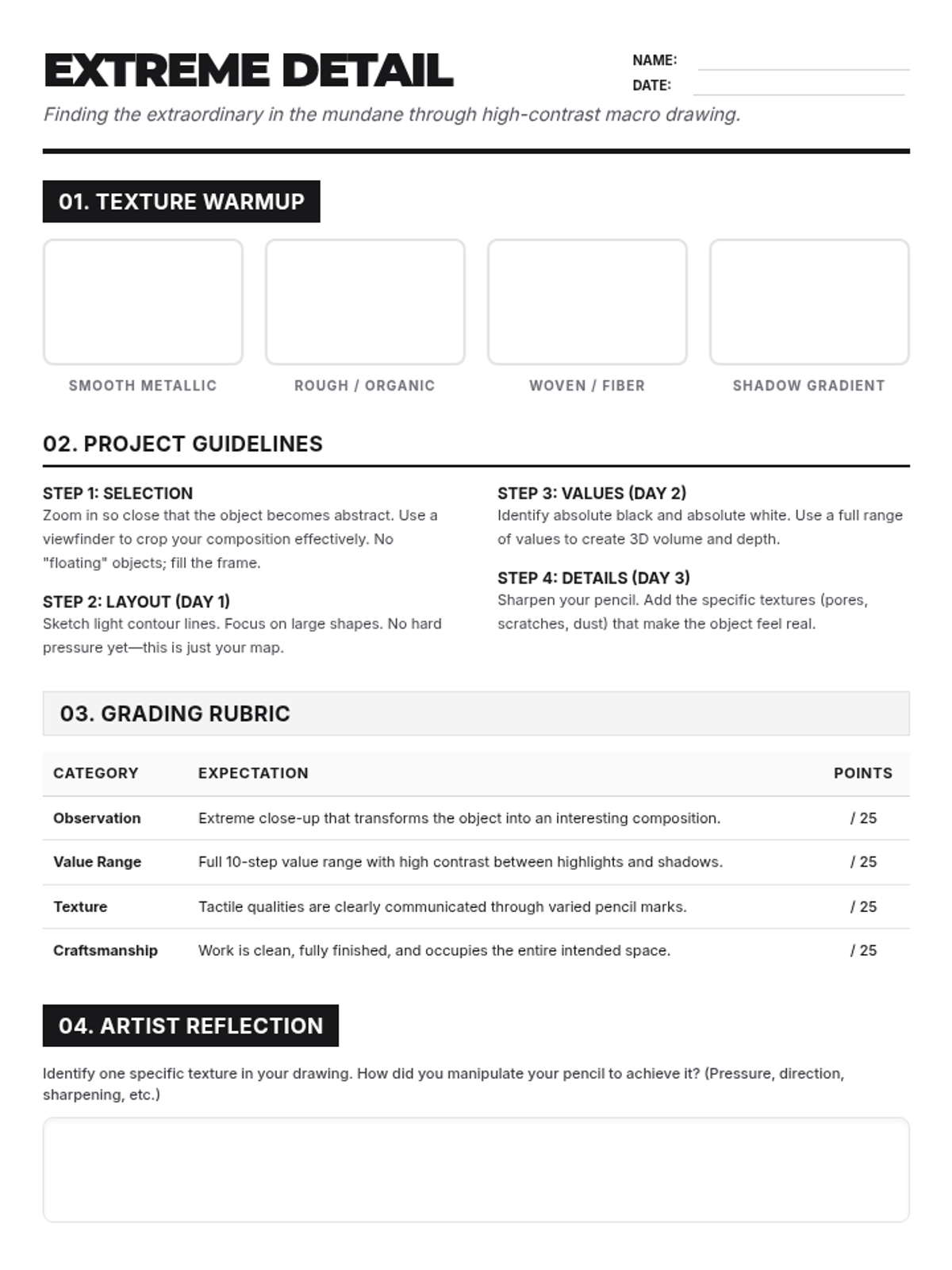
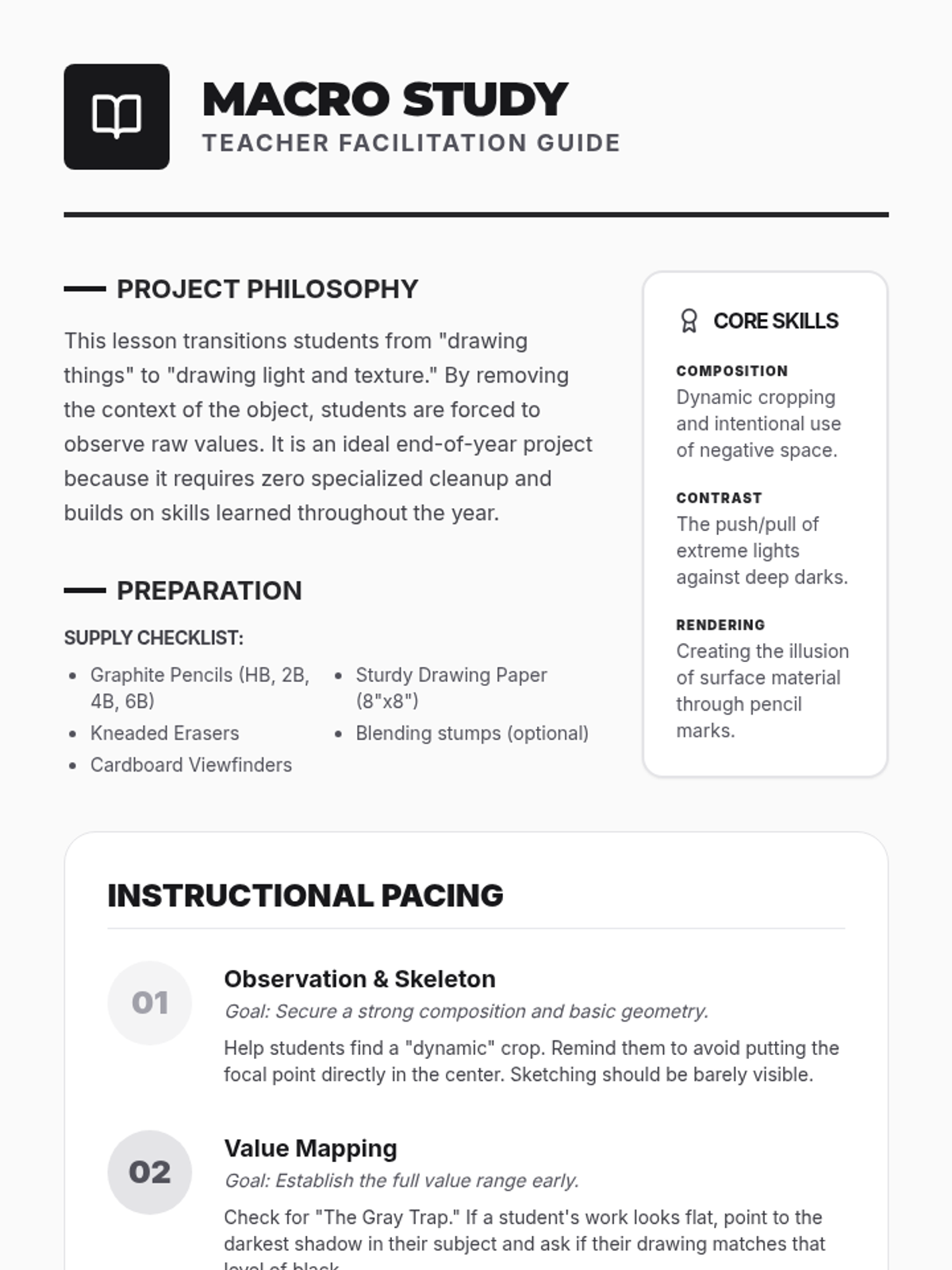
A short, high-impact art project where students use graphite pencils to create ultra-detailed, macro-style drawings of insect parts, focusing on texture and value.
A high school art lesson focusing on extreme close-up pencil drawings to explore texture, value, and composition with minimal supplies.
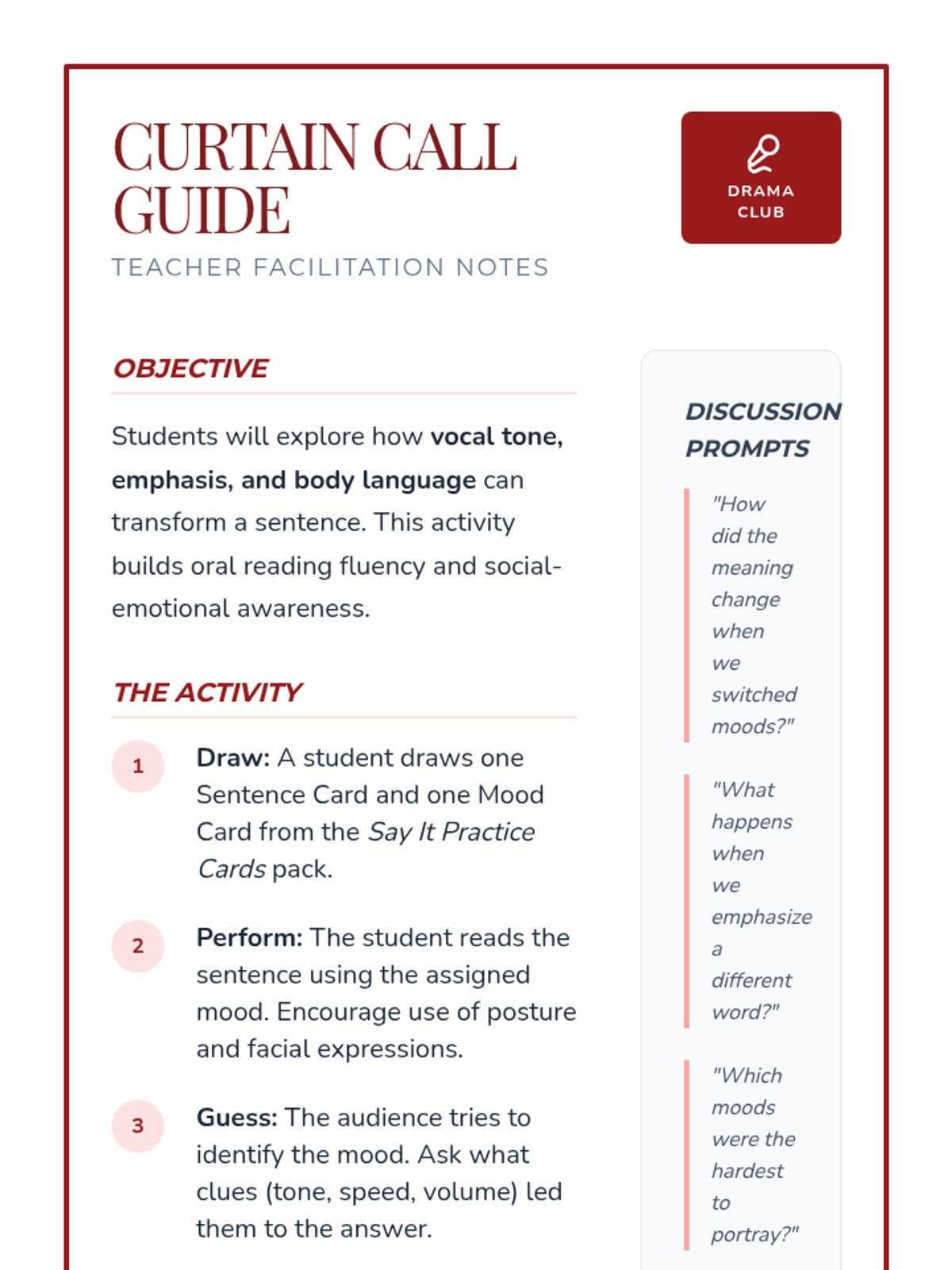
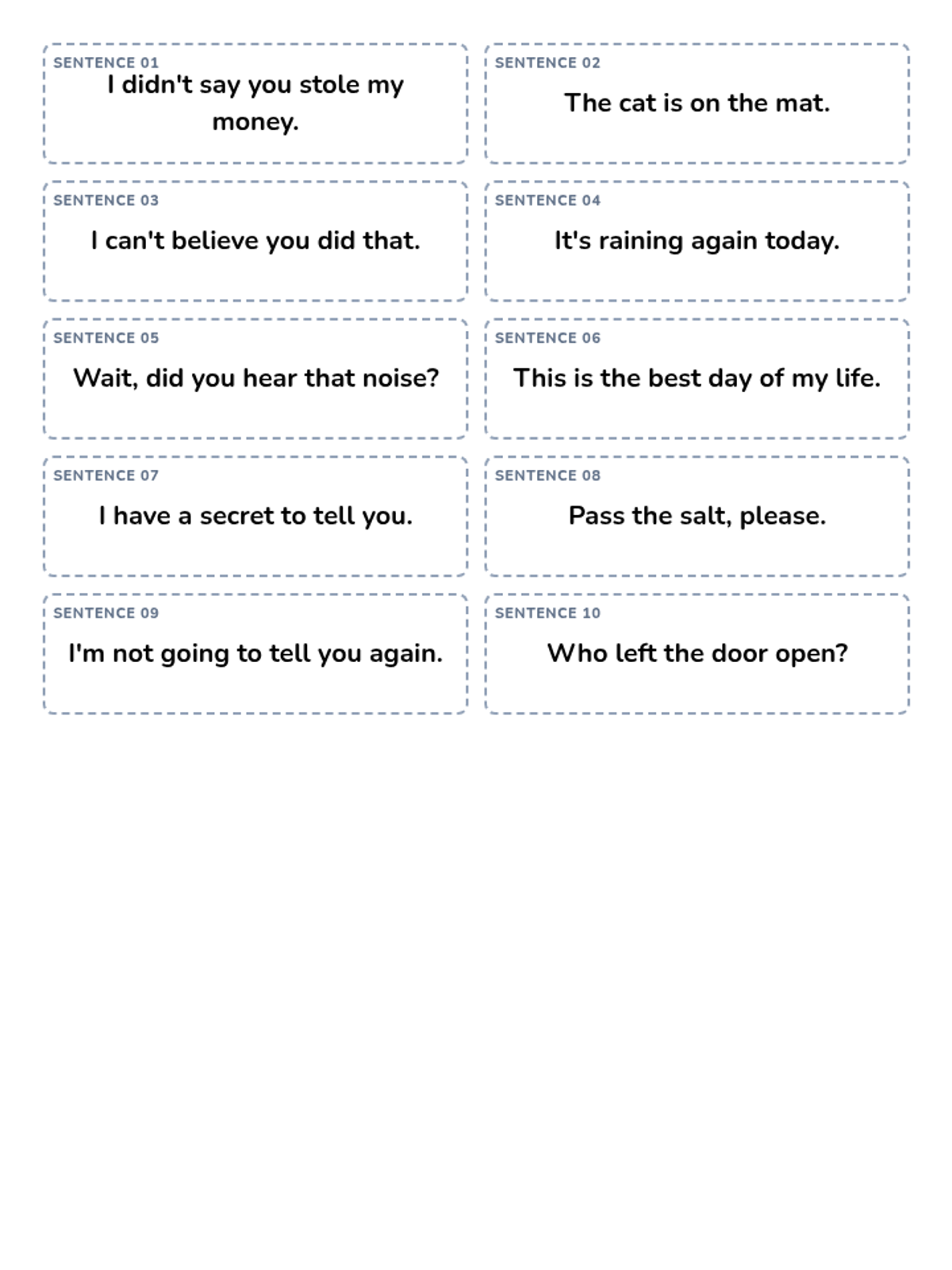
A high-energy drama and literacy lesson focused on prosody, tone, and vocal expression. Students practice reading the same sentence in various moods to discover how delivery changes meaning.
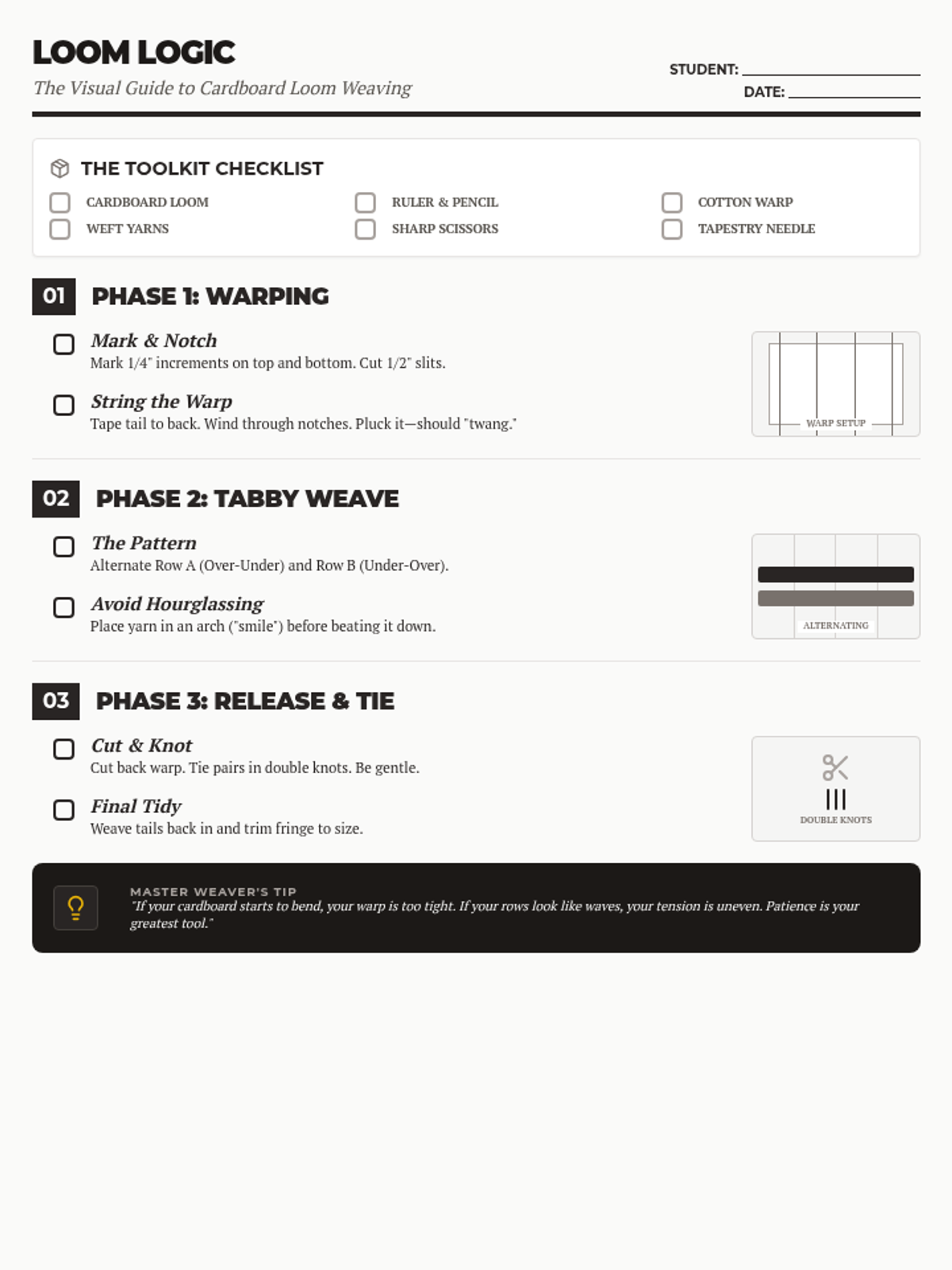
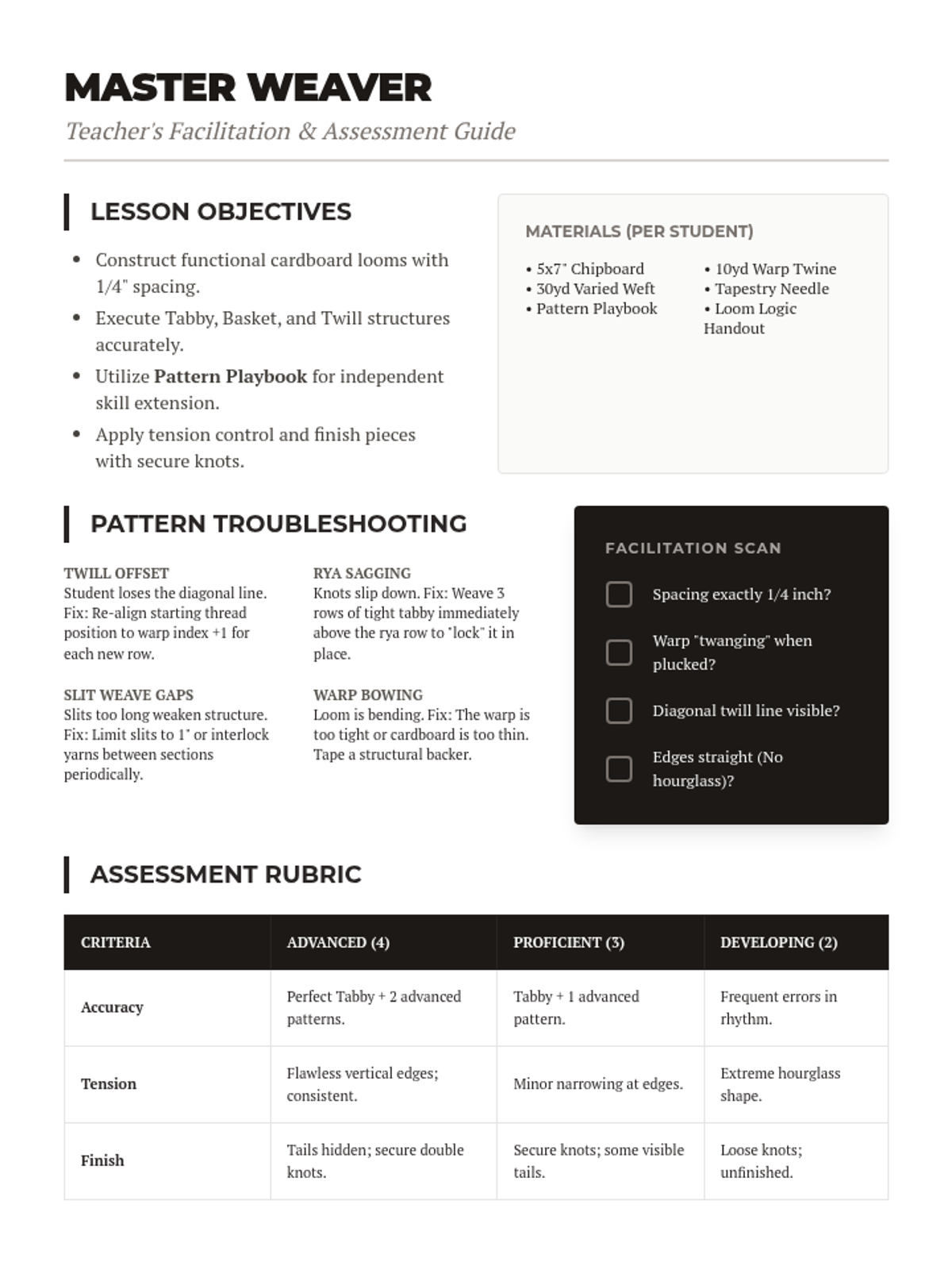
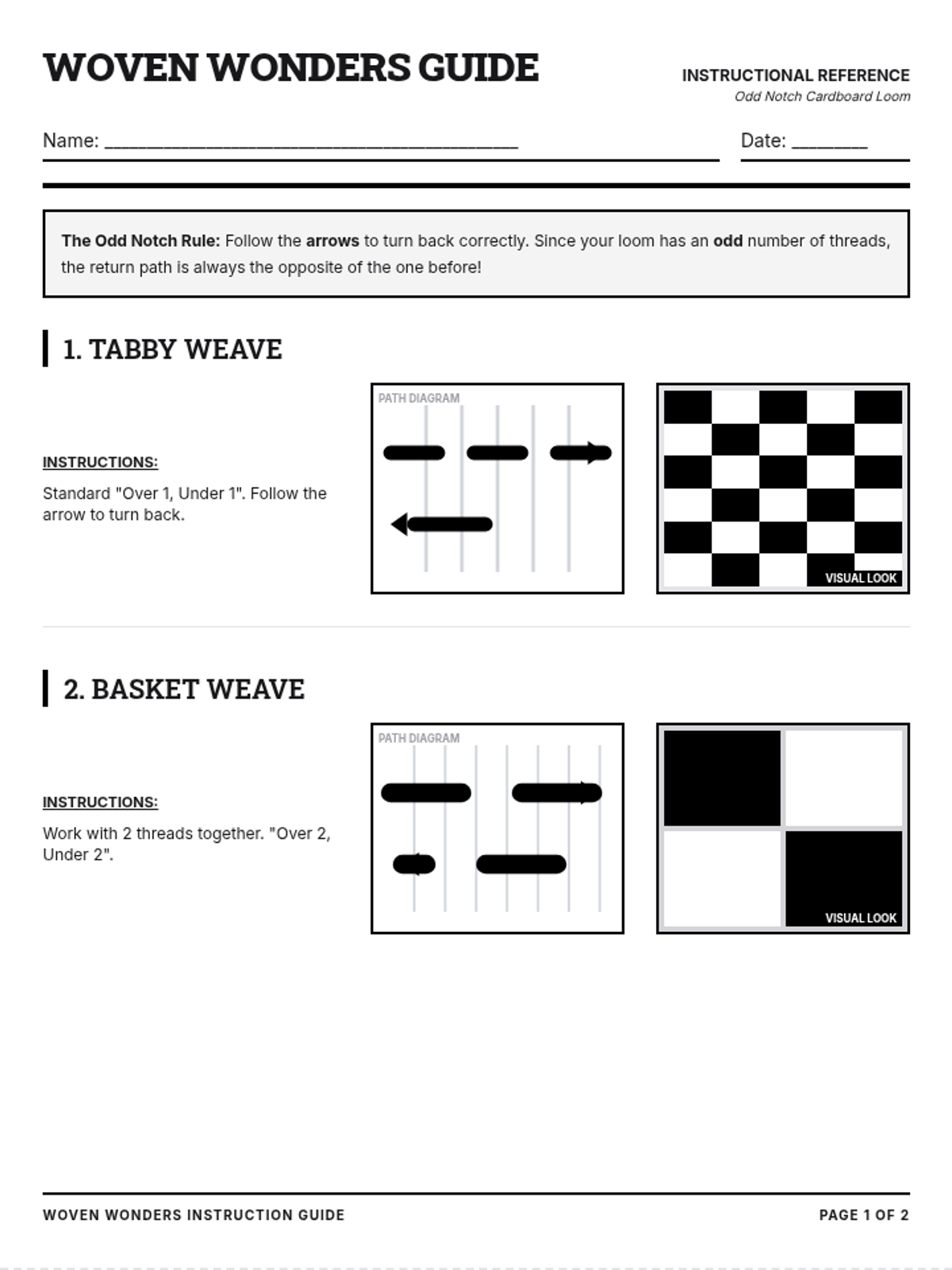
A hands-on introduction to textile arts through cardboard loom weaving, focusing on the foundational tabby weave technique. students will learn to warp their looms, execute consistent over-under patterns, and properly finish their pieces.
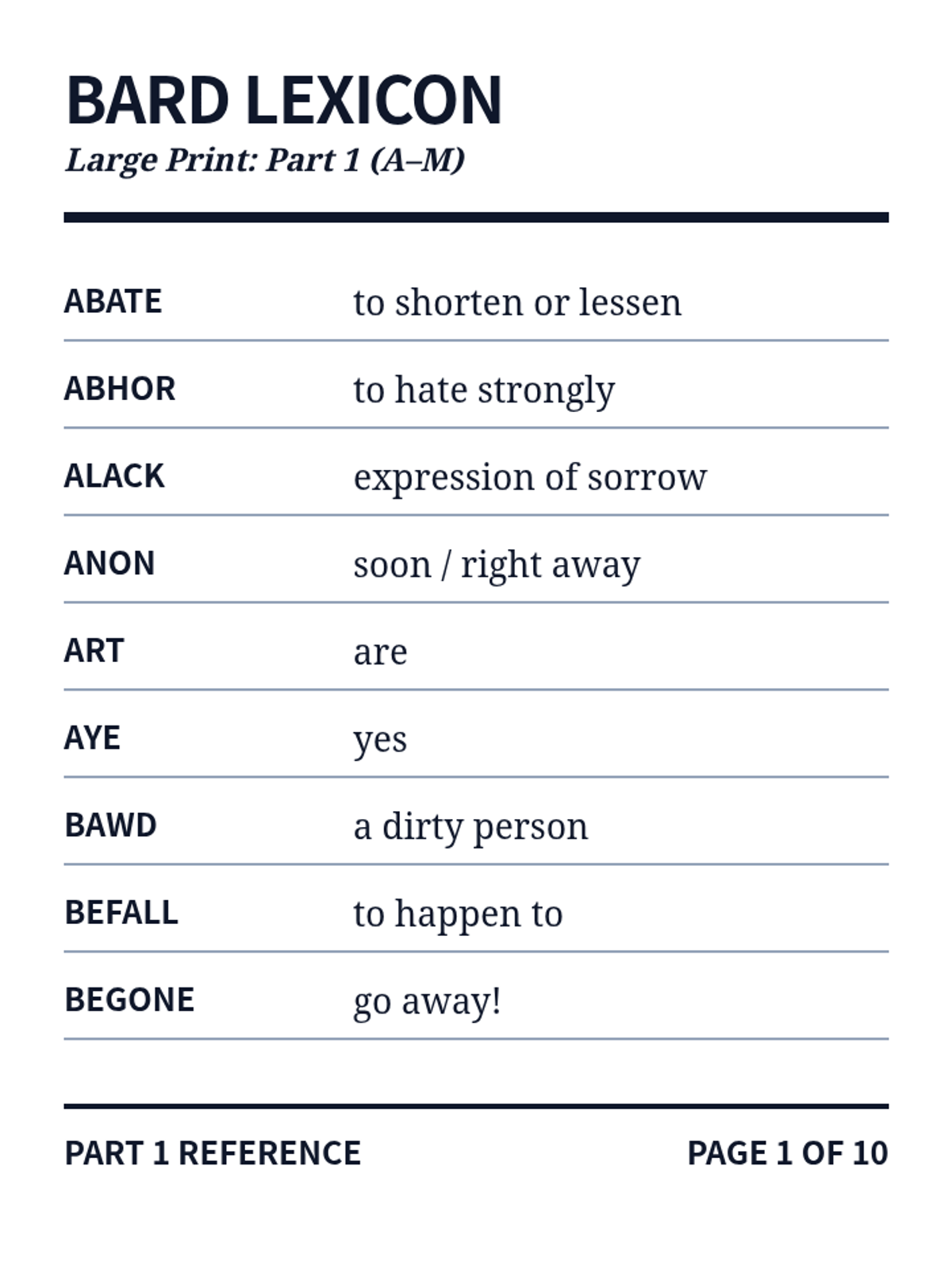
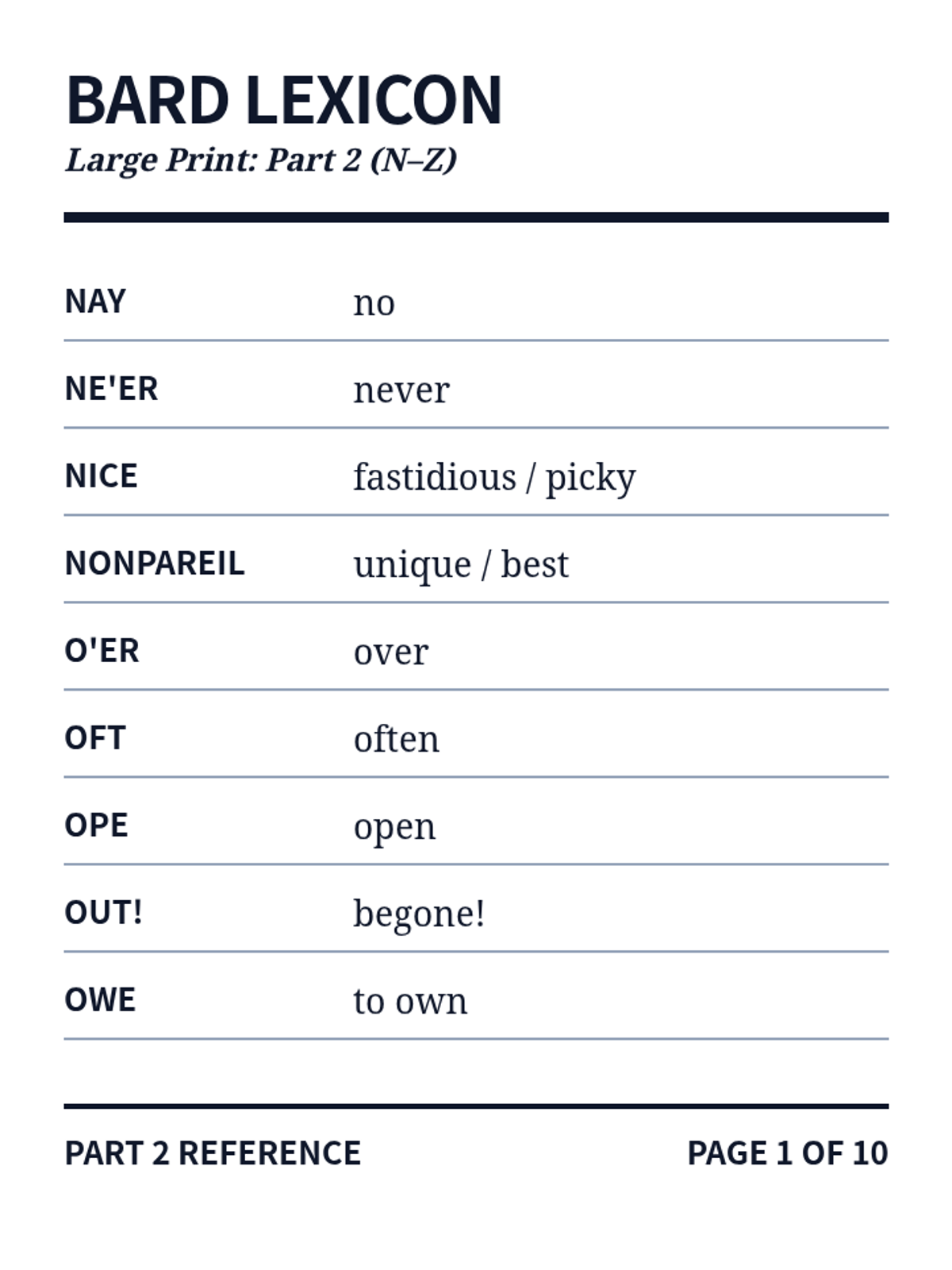
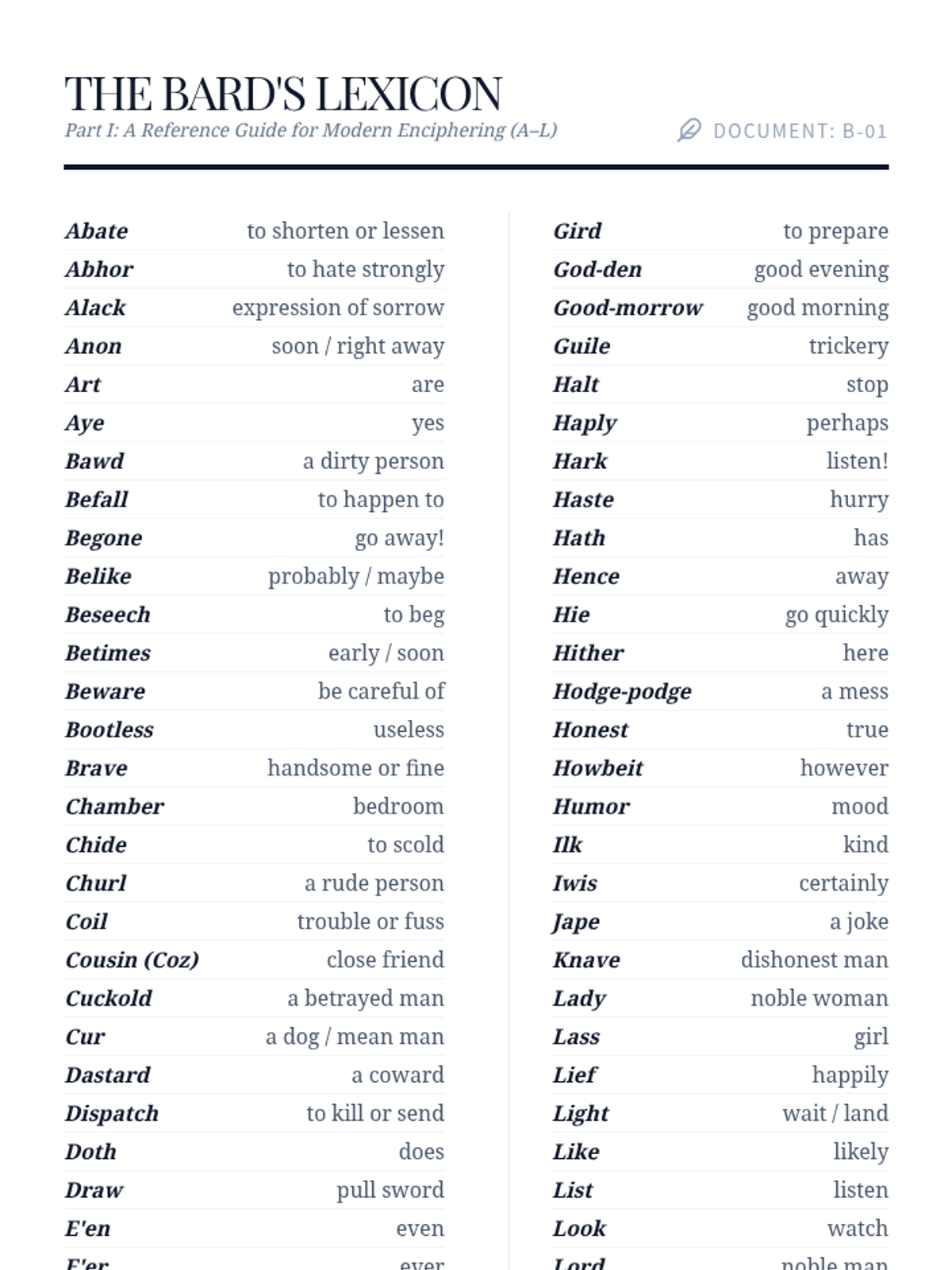
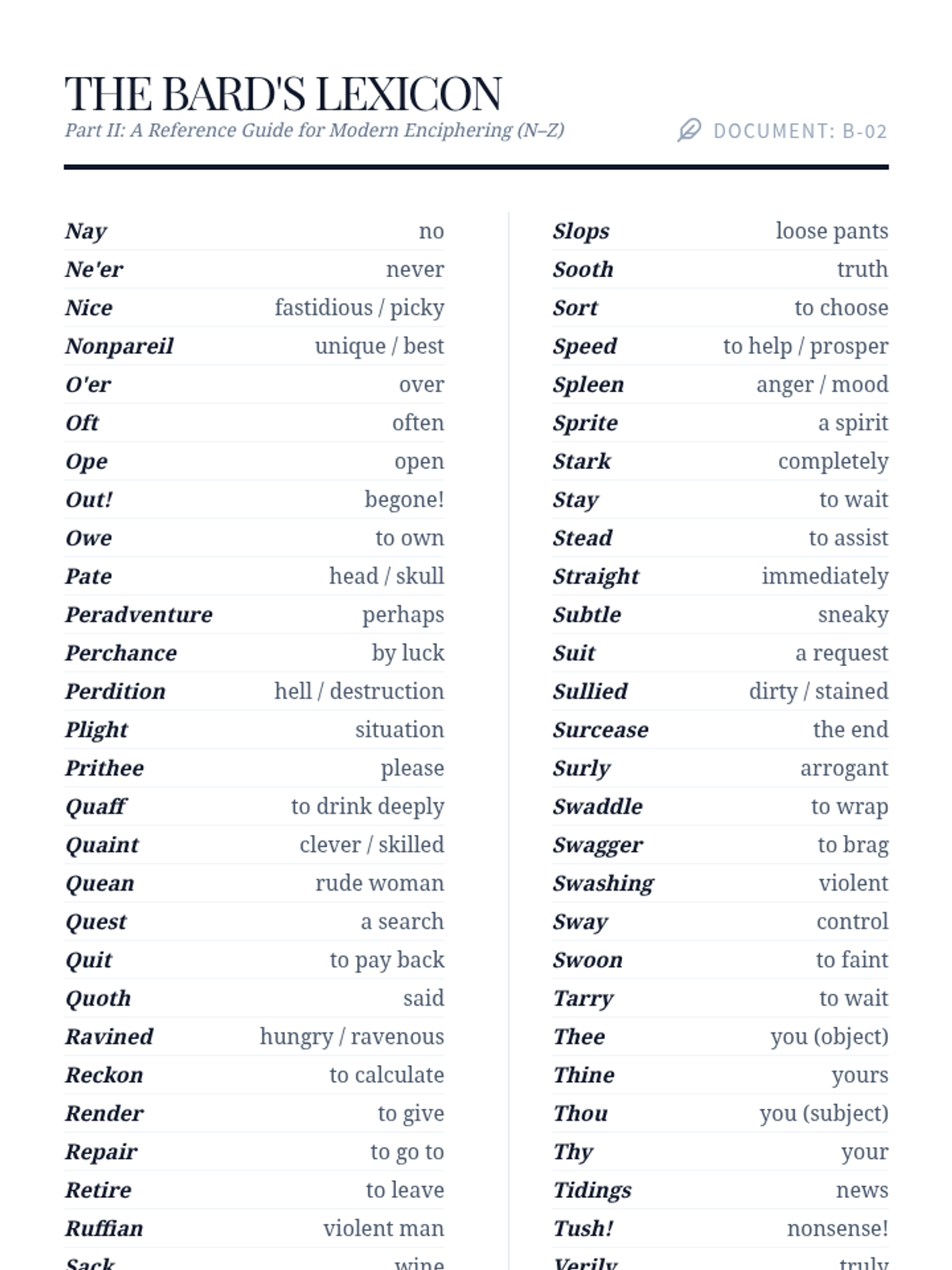
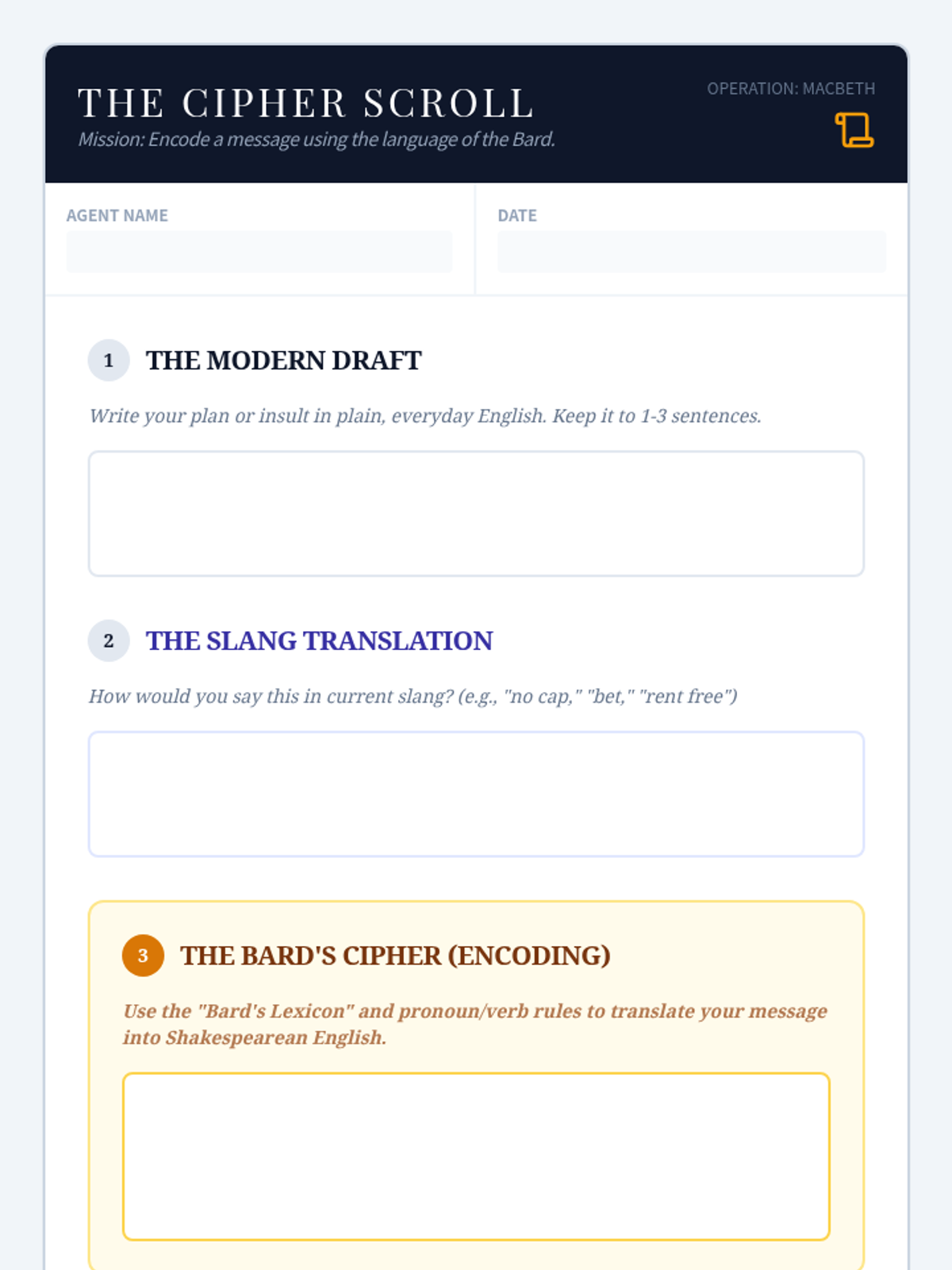
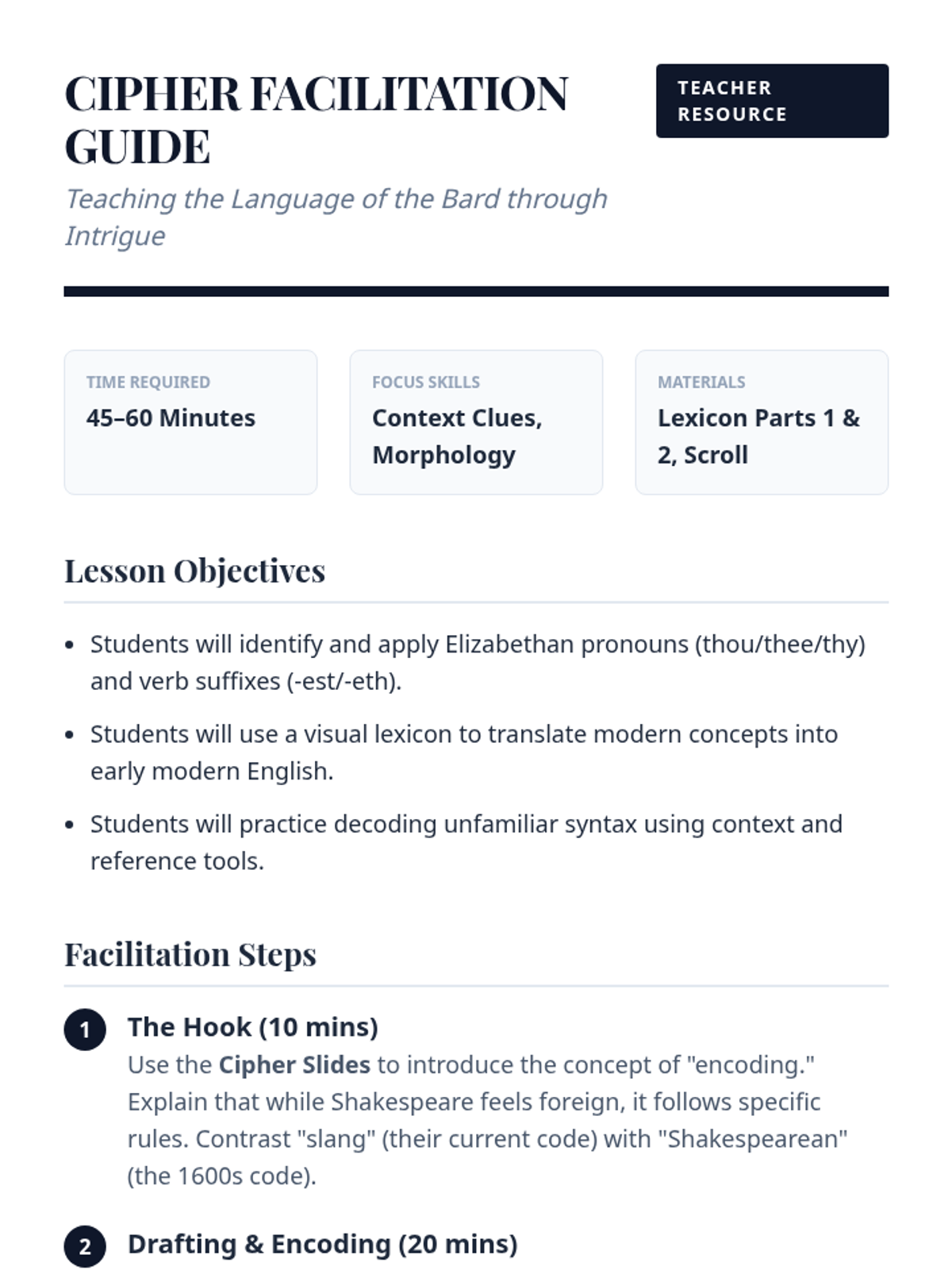
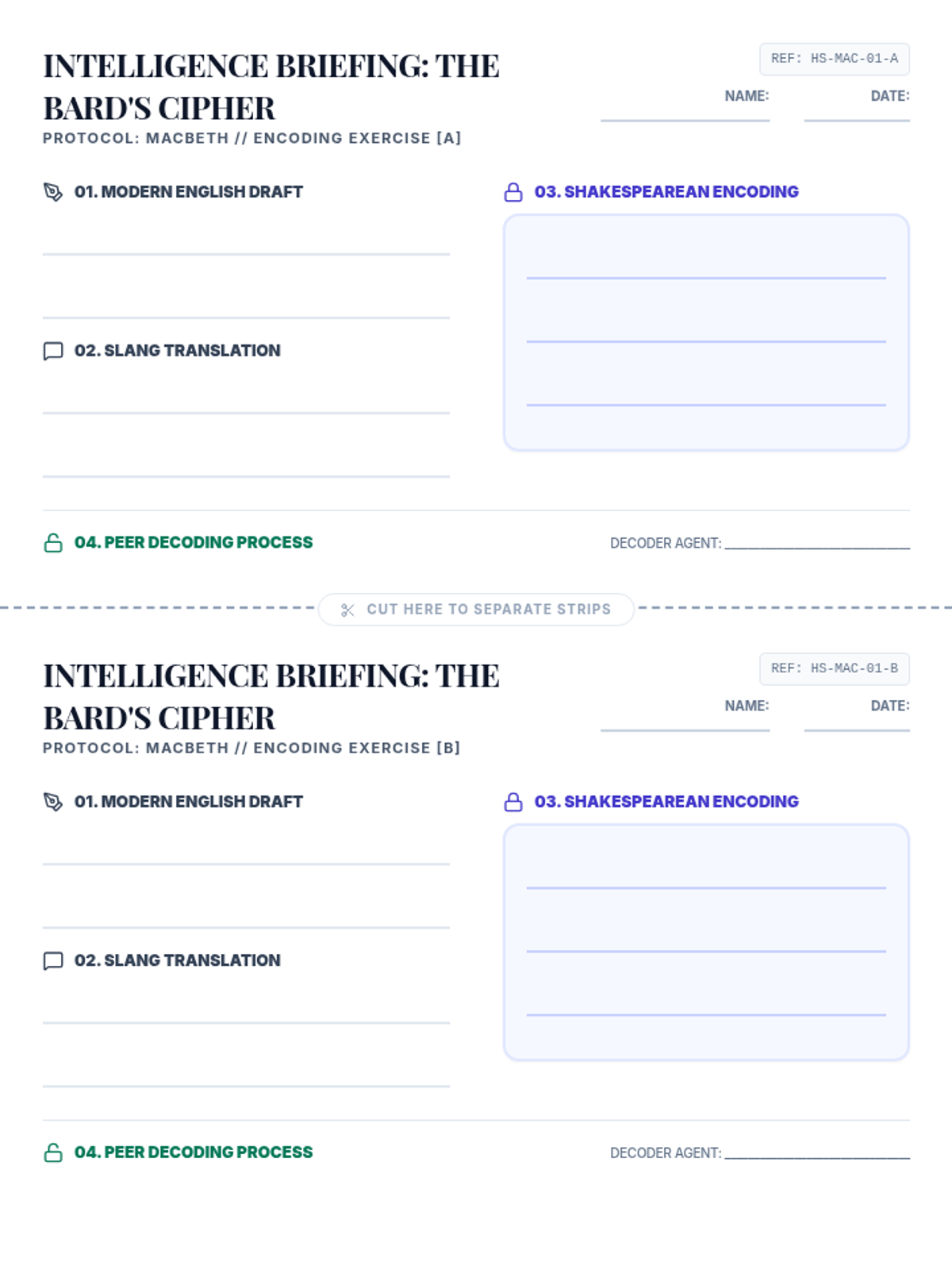
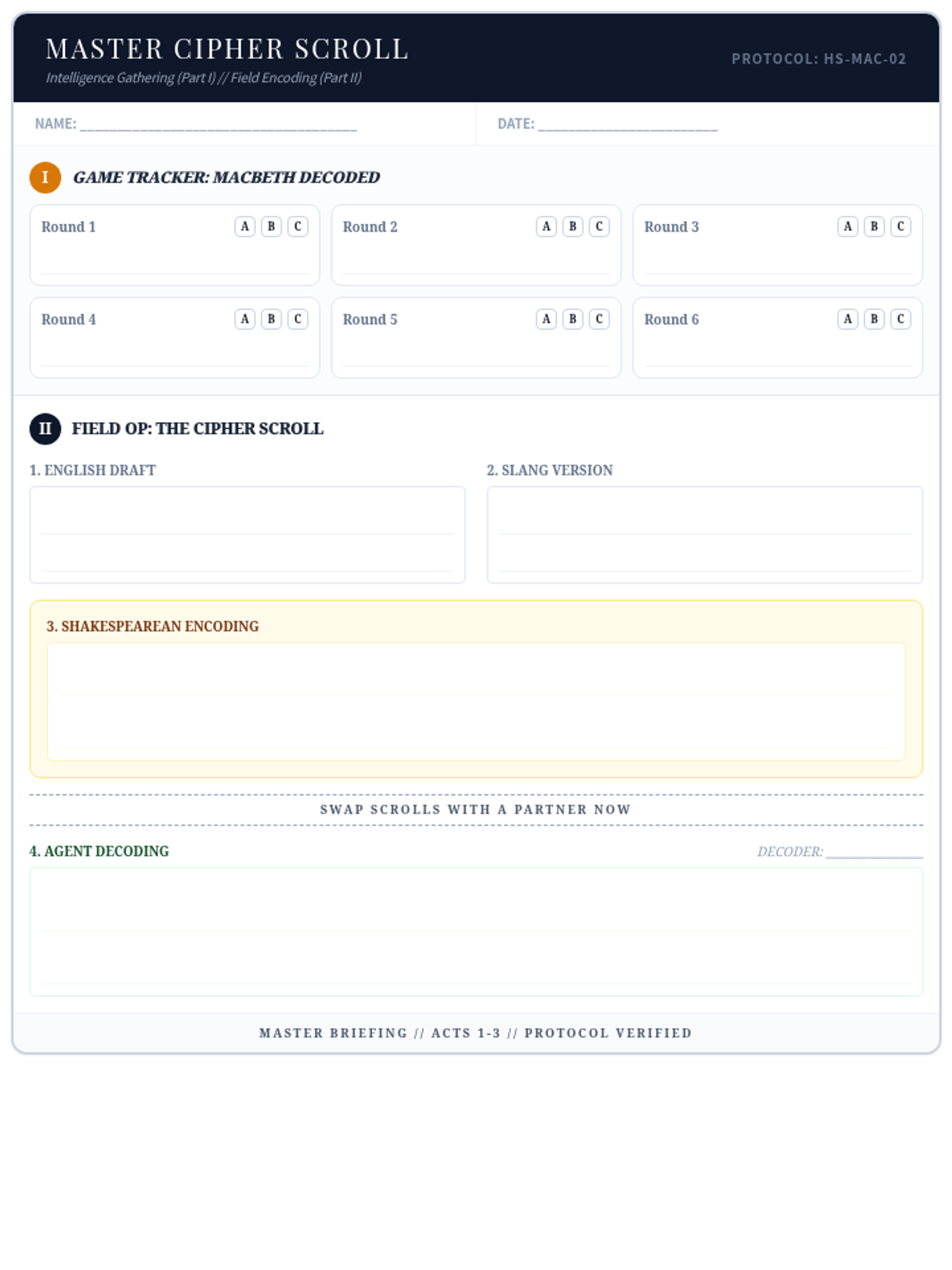
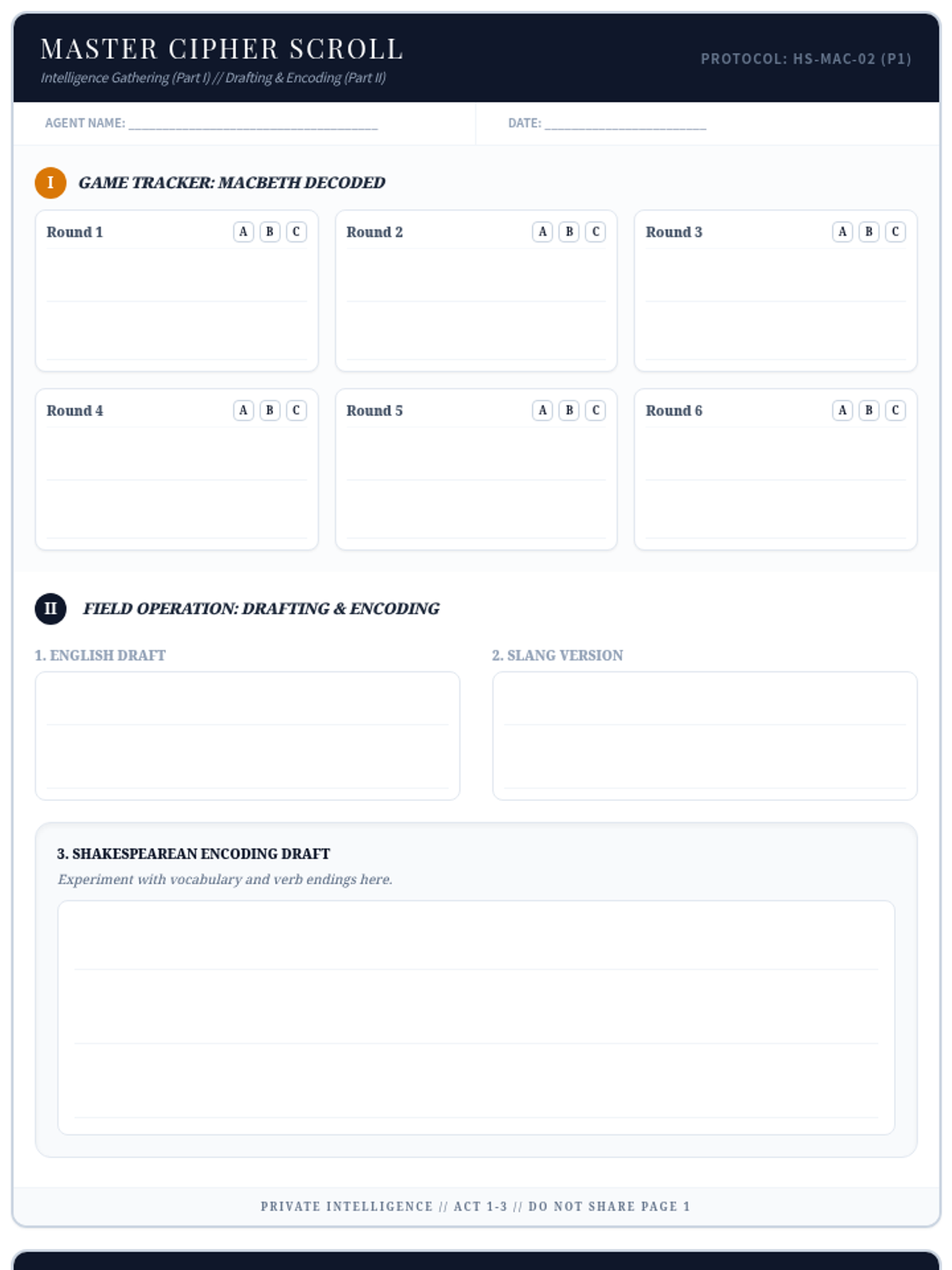
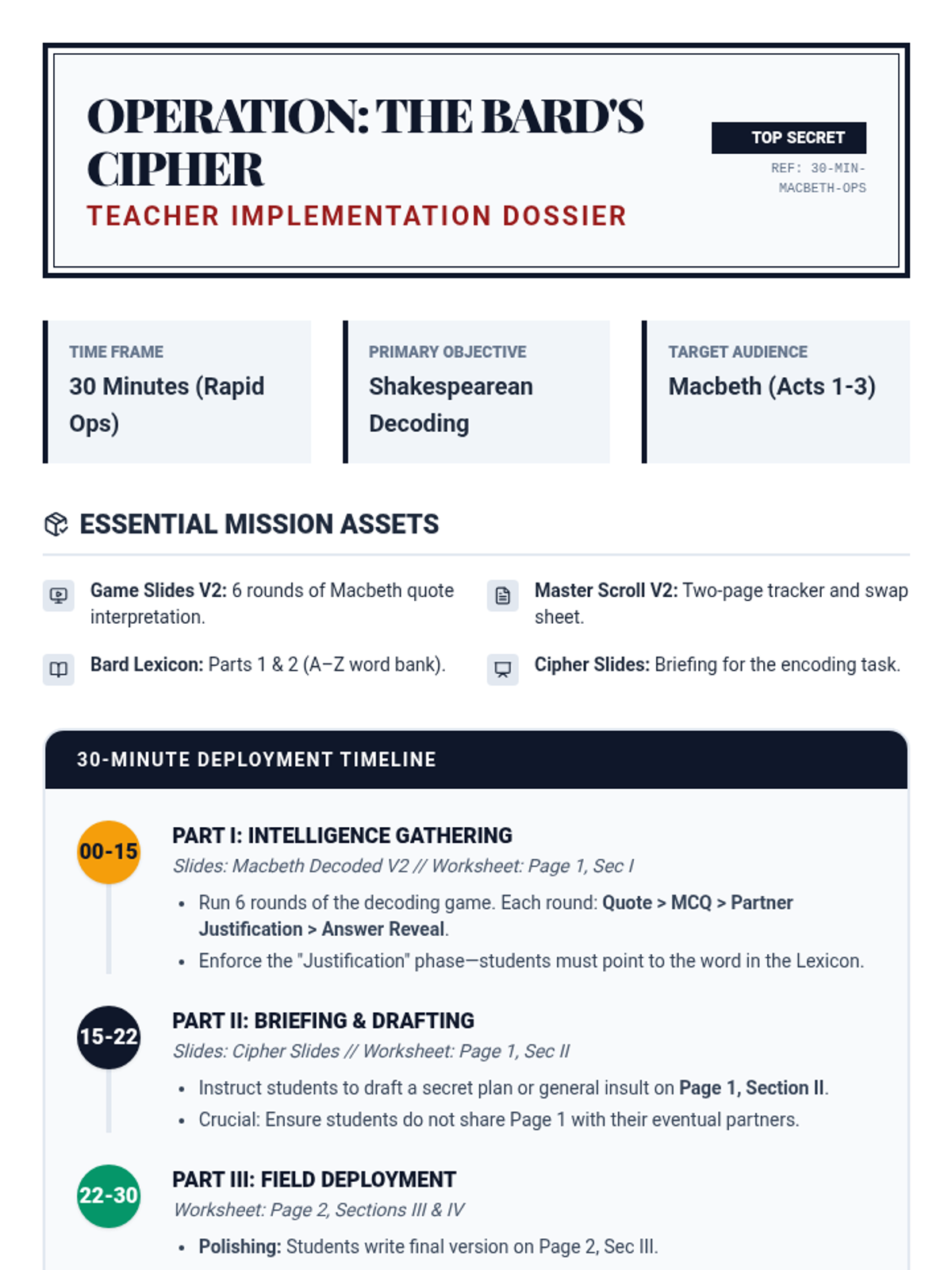
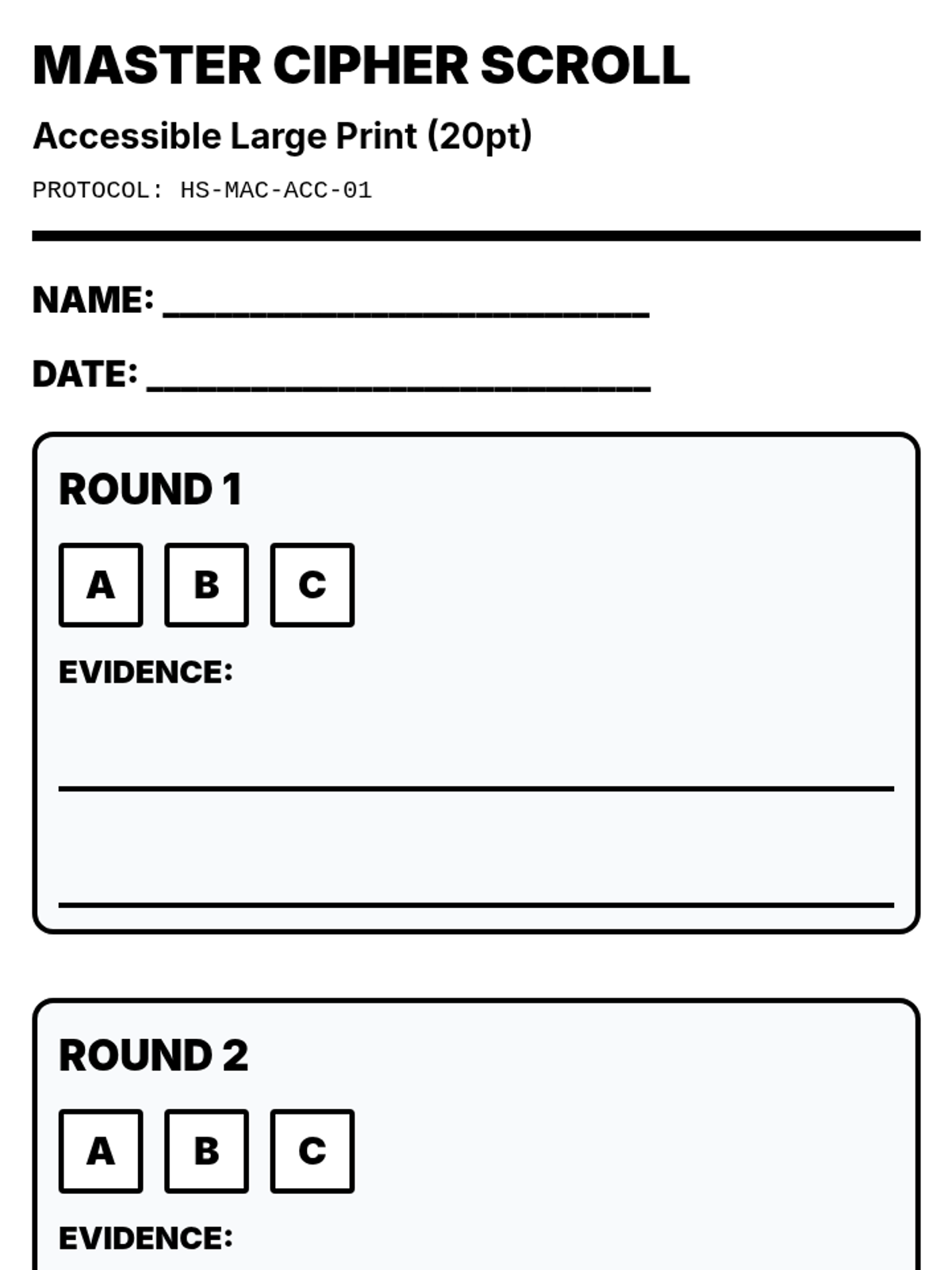
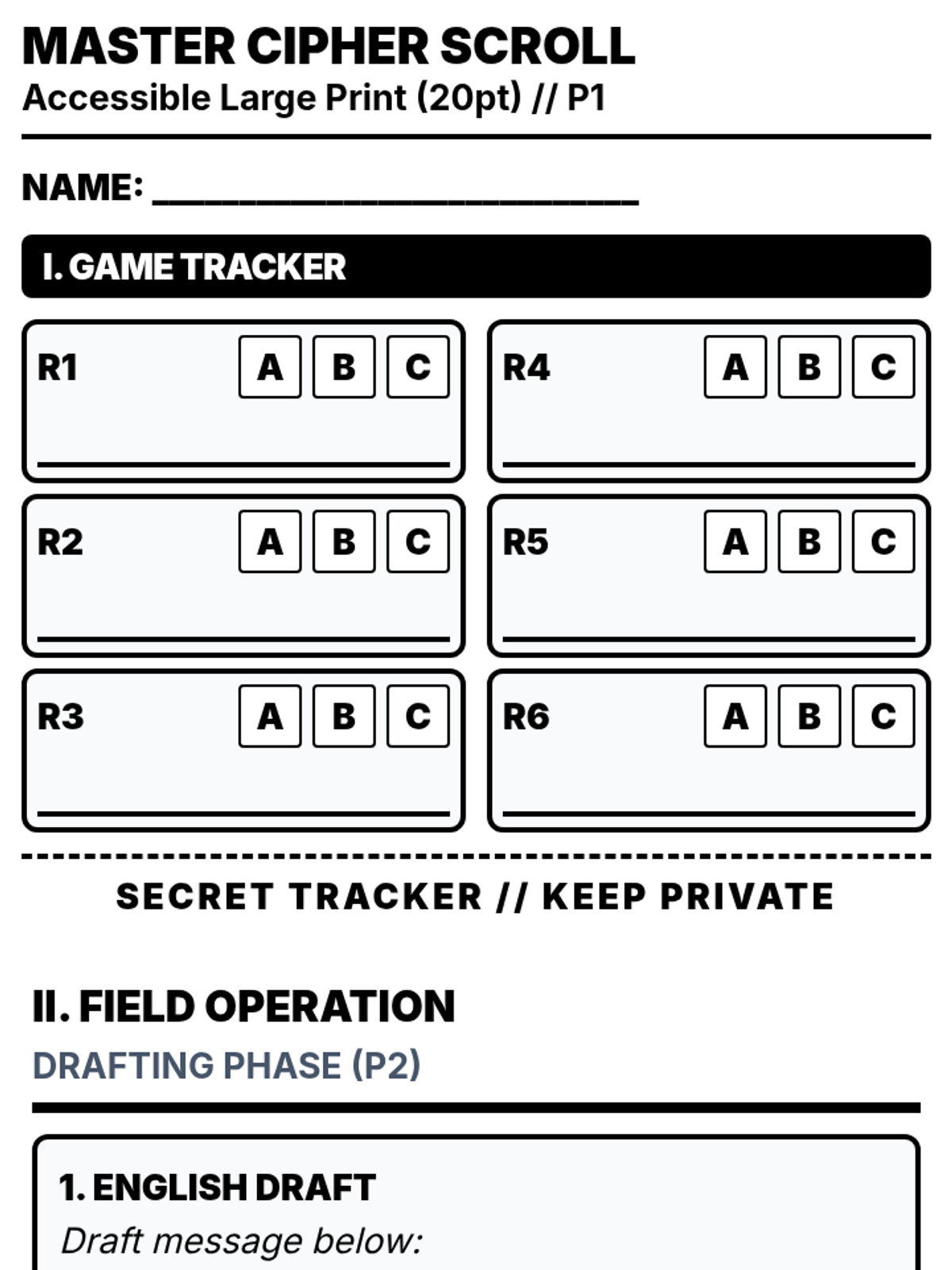
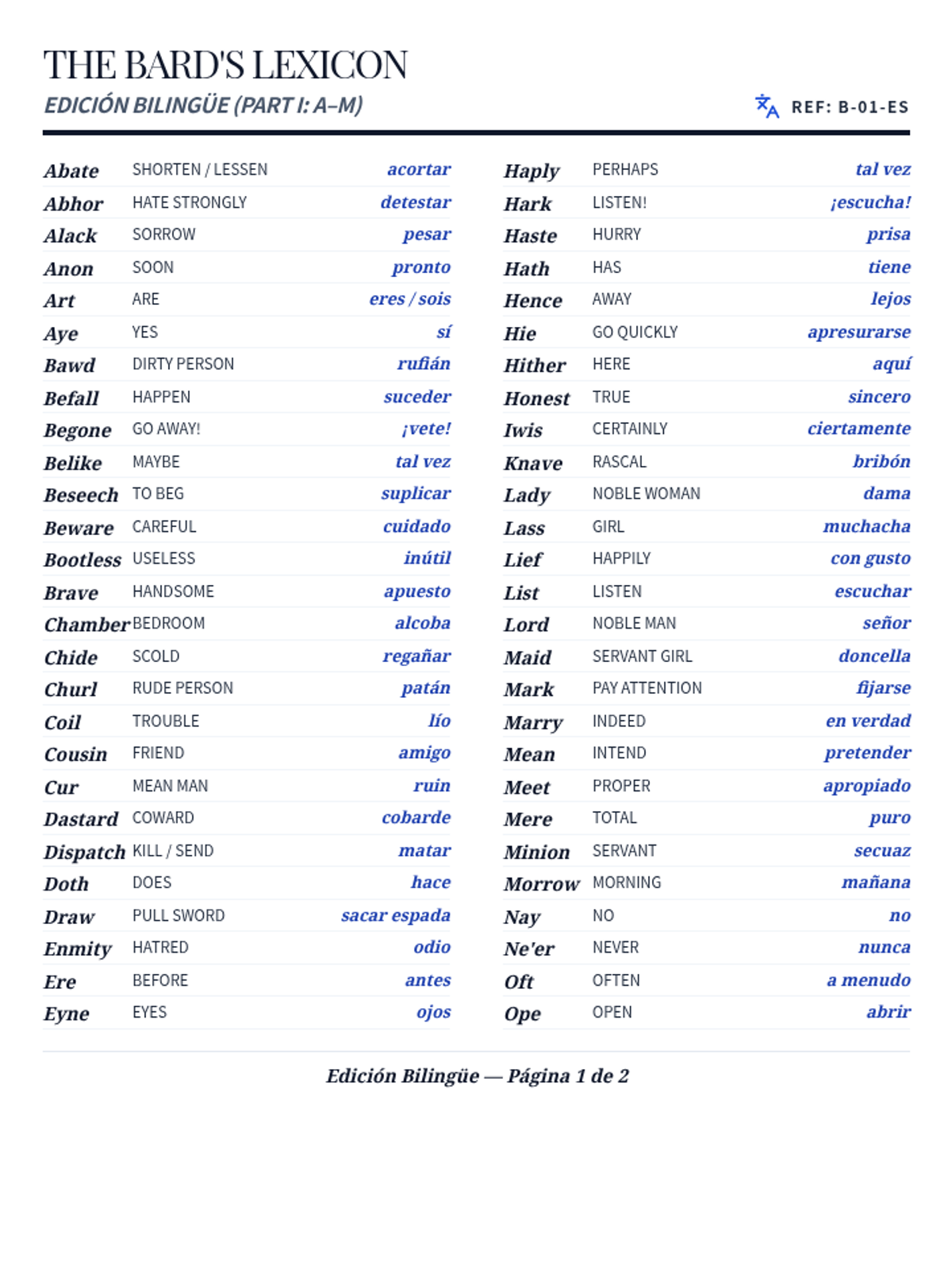
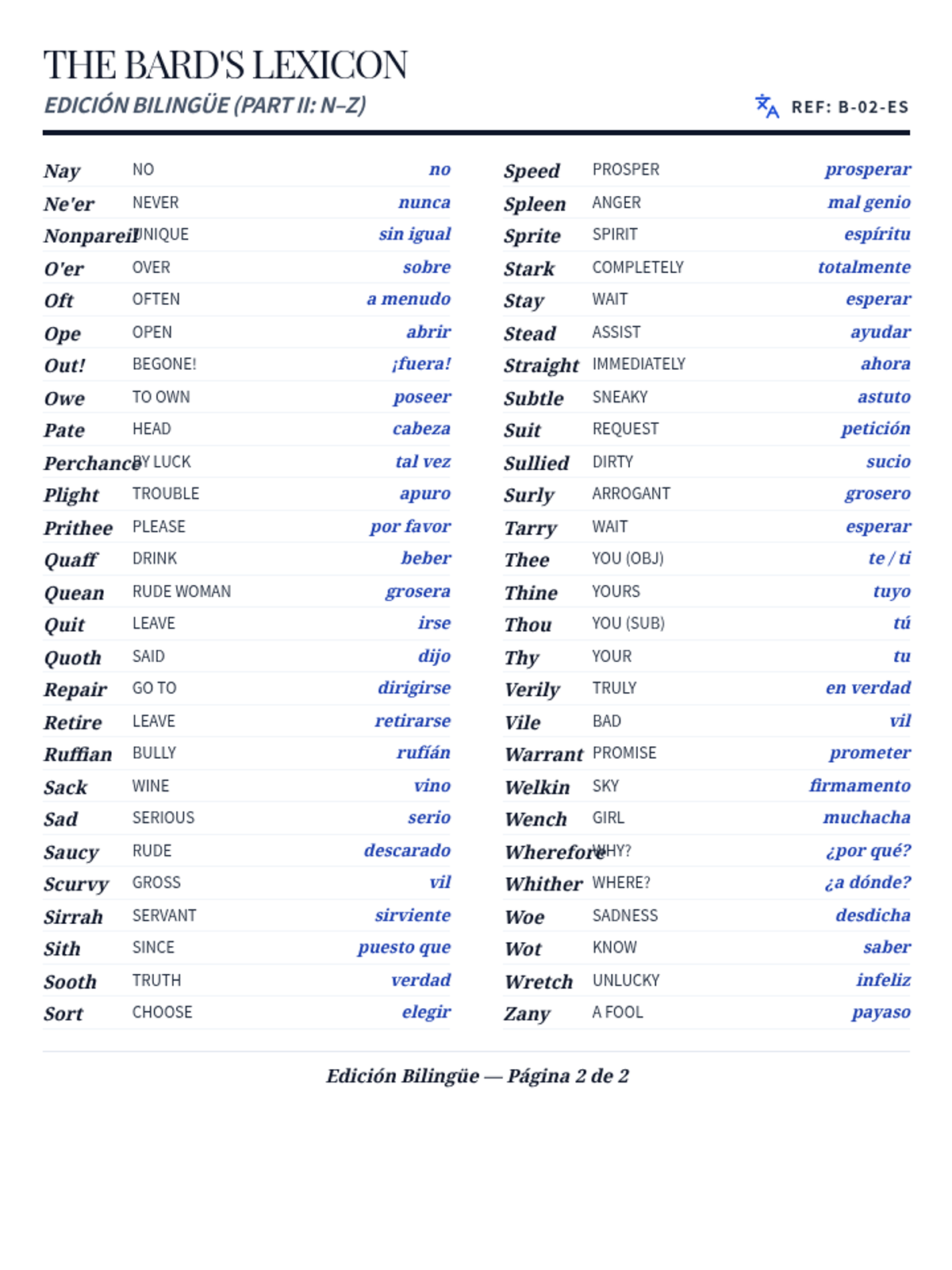
A hands-on activity where students learn to decode and encode Shakespearean language by writing secret messages or insults, then swapping them with peers to translate.
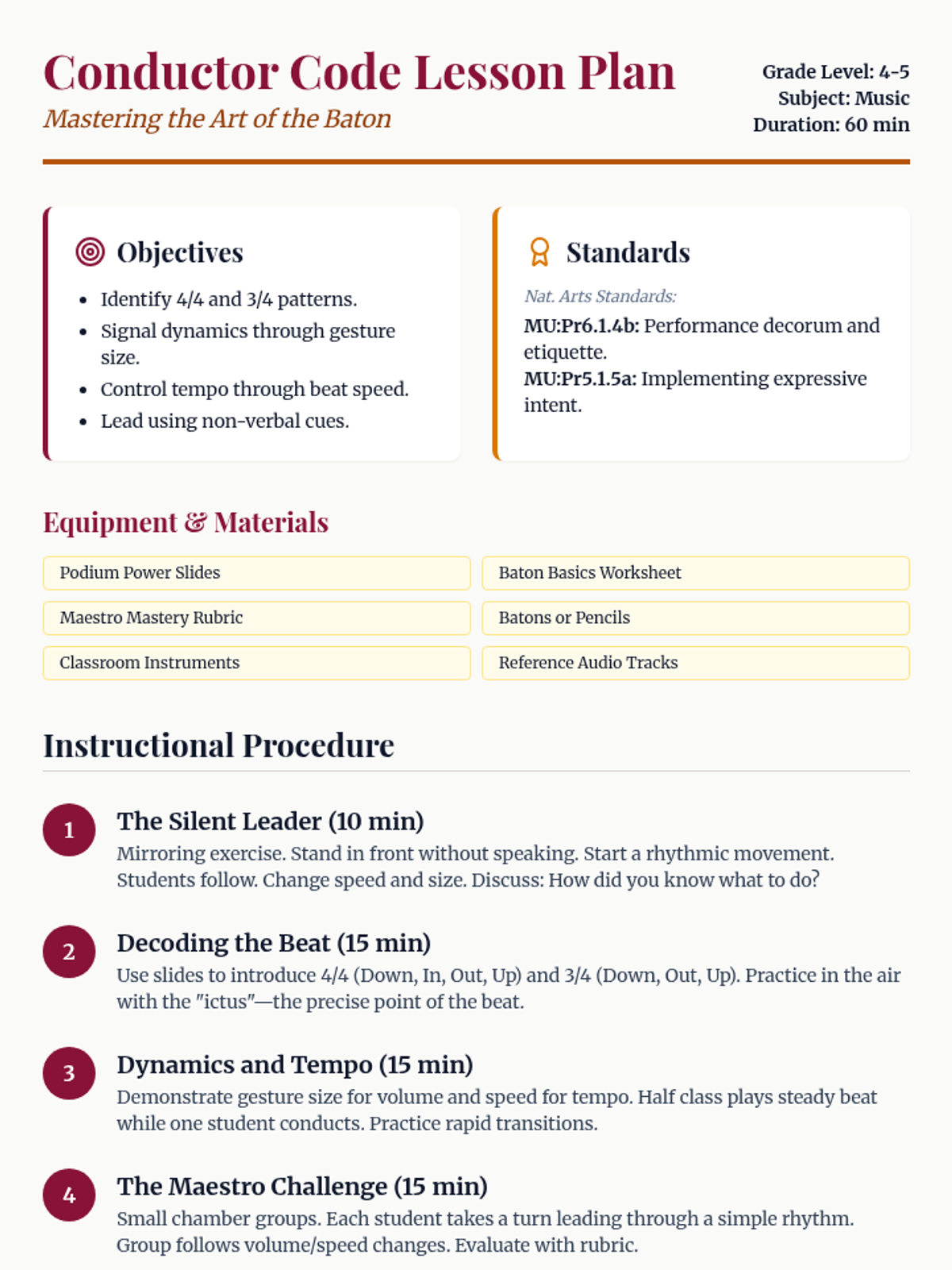
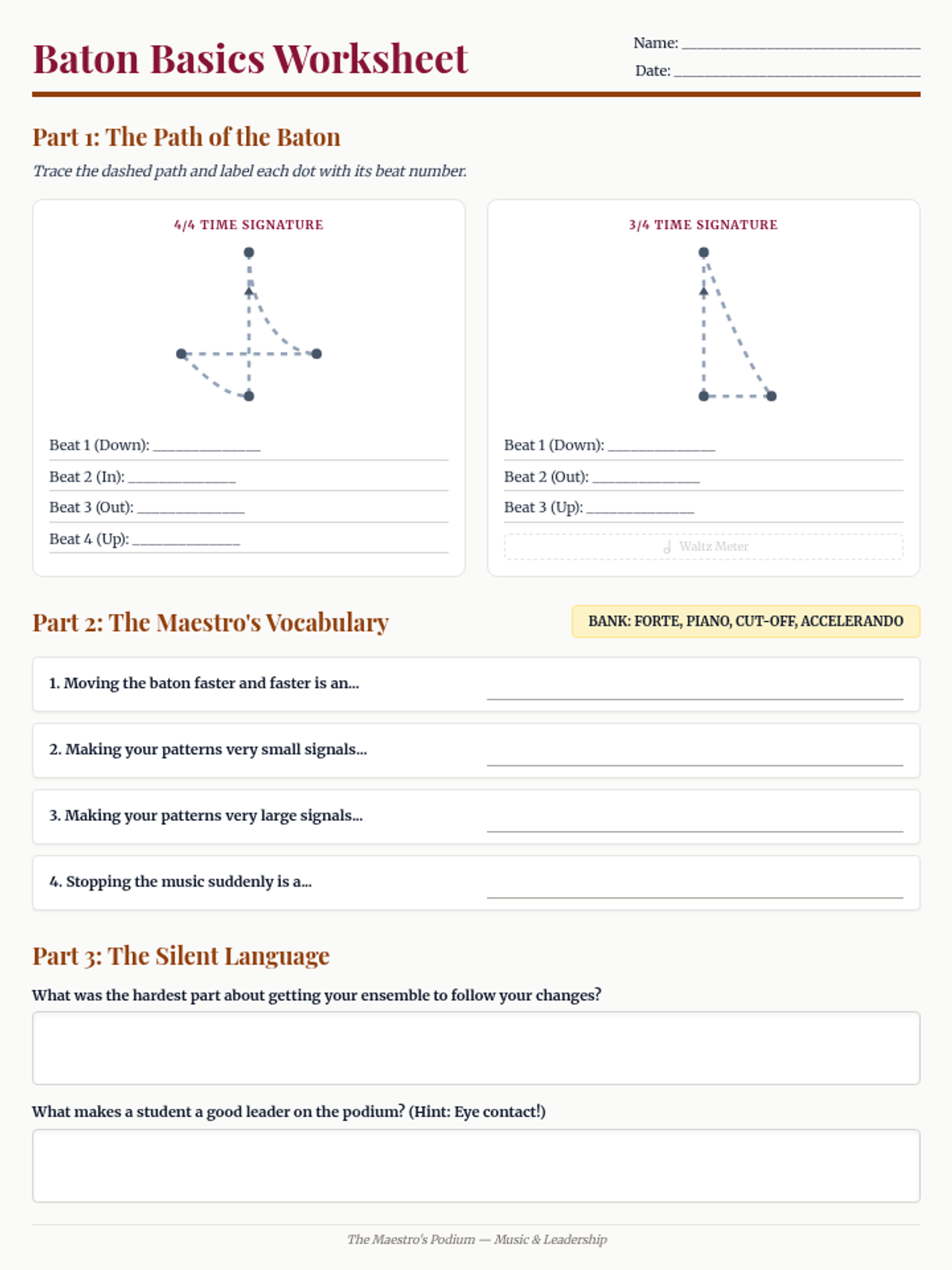
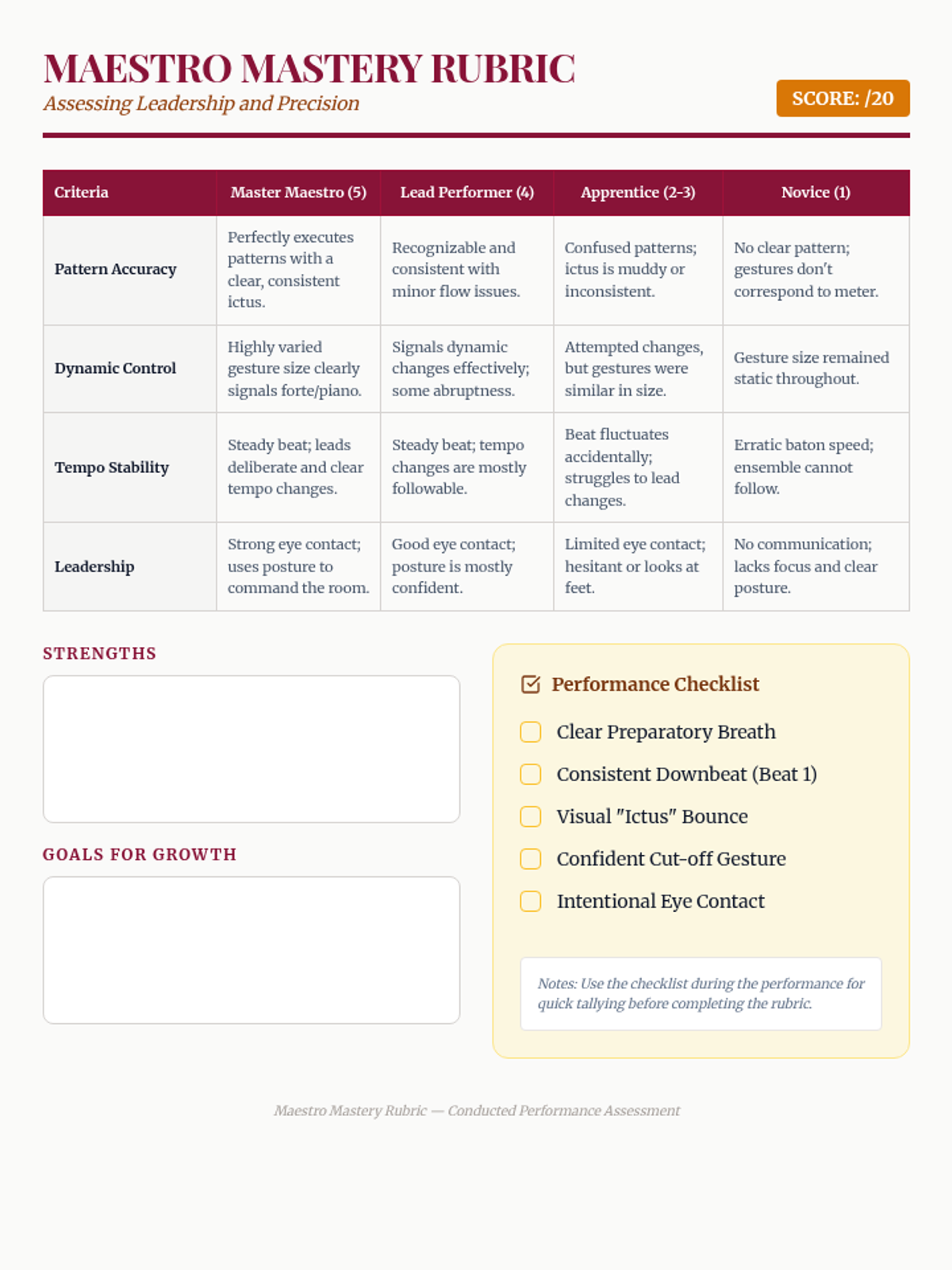
Students explore the art of conducting, learning to lead an ensemble through 4/4 and 3/4 time signatures while controlling dynamics and tempo with physical gestures. This lesson emphasizes leadership, non-verbal communication, and collaborative music-making.
Writing from the perspective of characters visiting cultural and educational places in Kuwait.
Practicing fluency through weather forecast 'Radio Dramas' and climate reports.
Using reenactment to boost recall of the history of technology and modern hobbies.
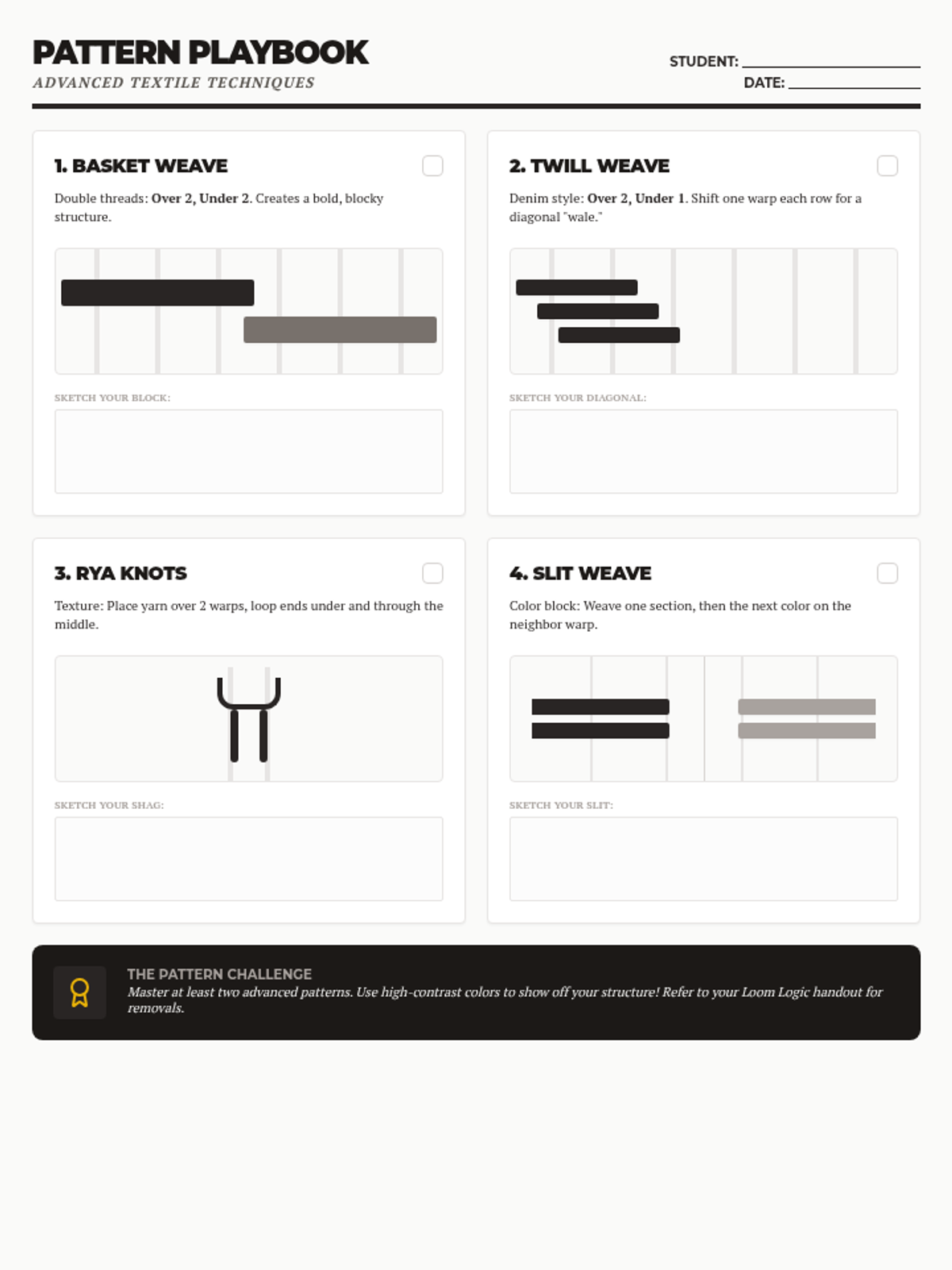
A hands-on guide to mastering four essential weaving techniques on a cardboard notch loom, featuring step-by-step instructions and visual patterns.
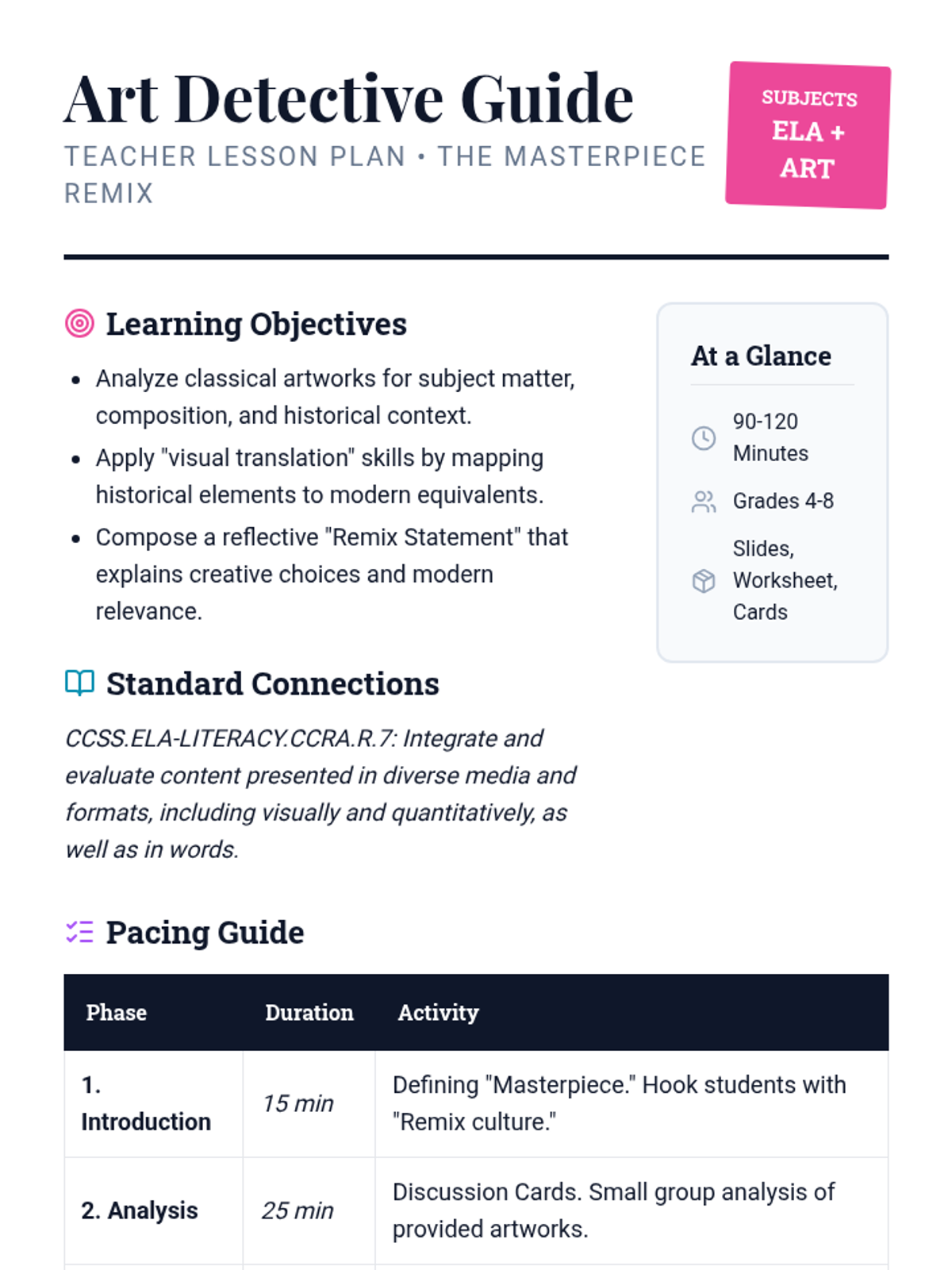
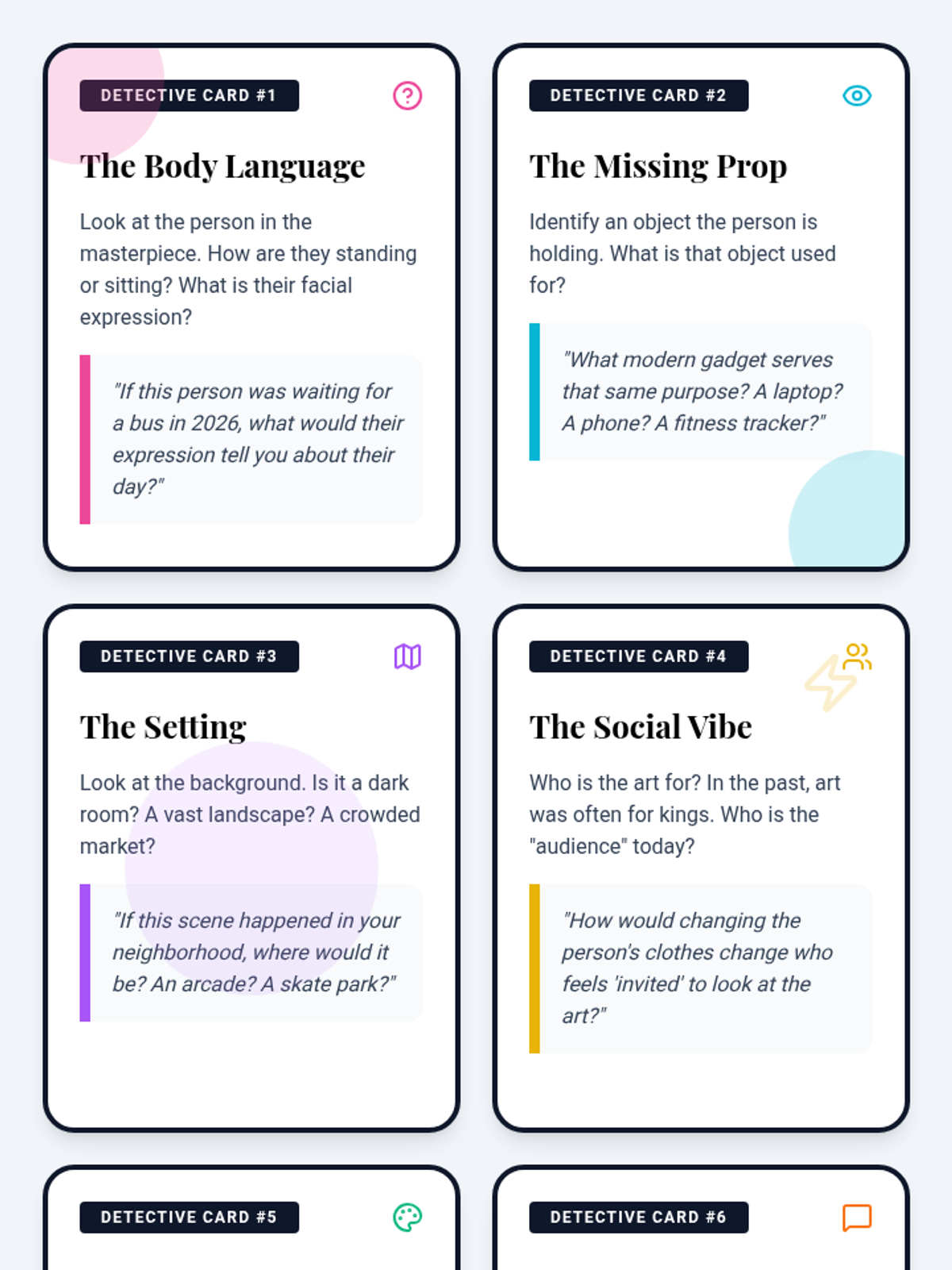
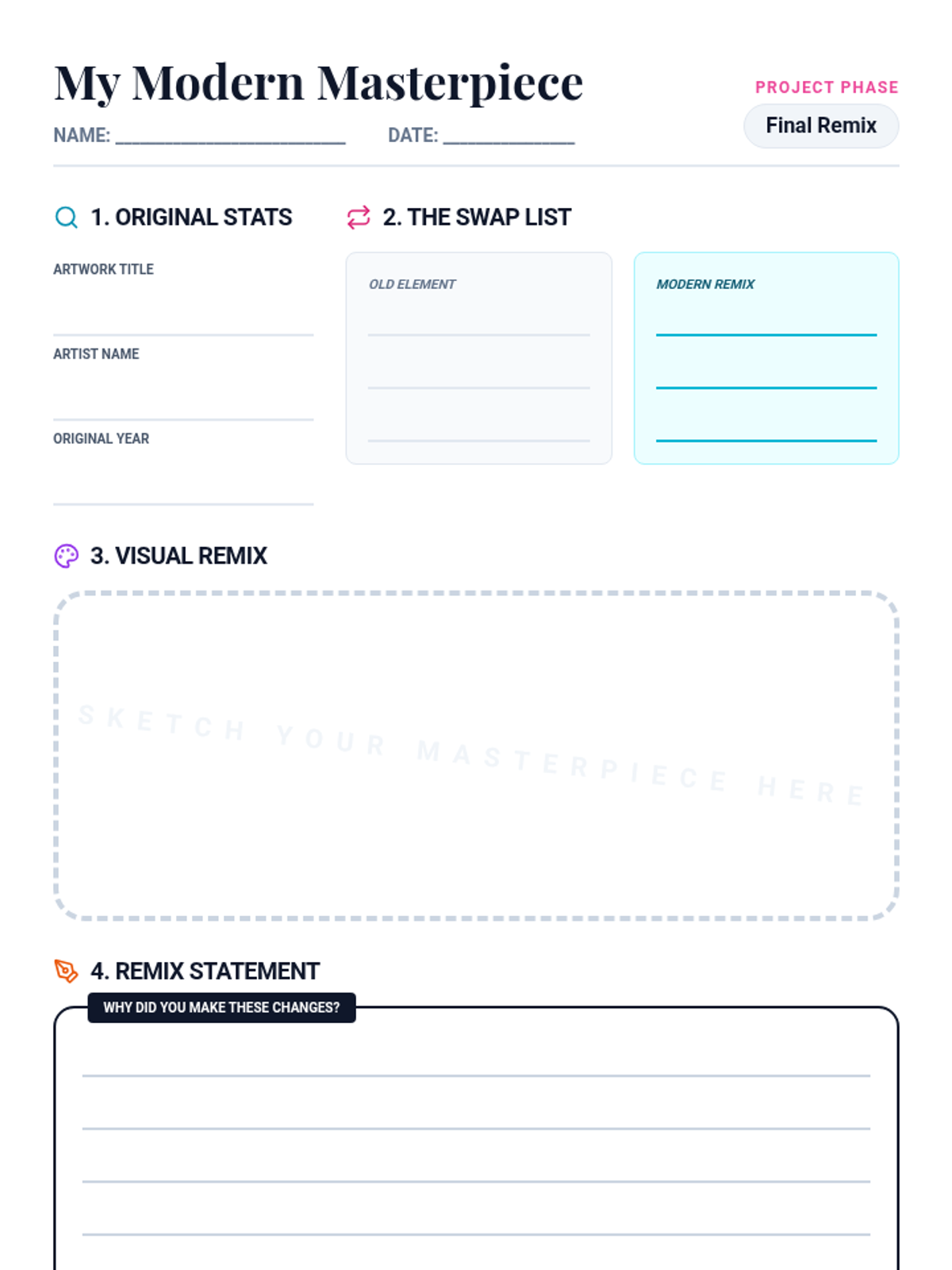
A creative ELA and arts lesson where students analyze classical paintings and reimagine them using modern themes and media to build visual literacy.
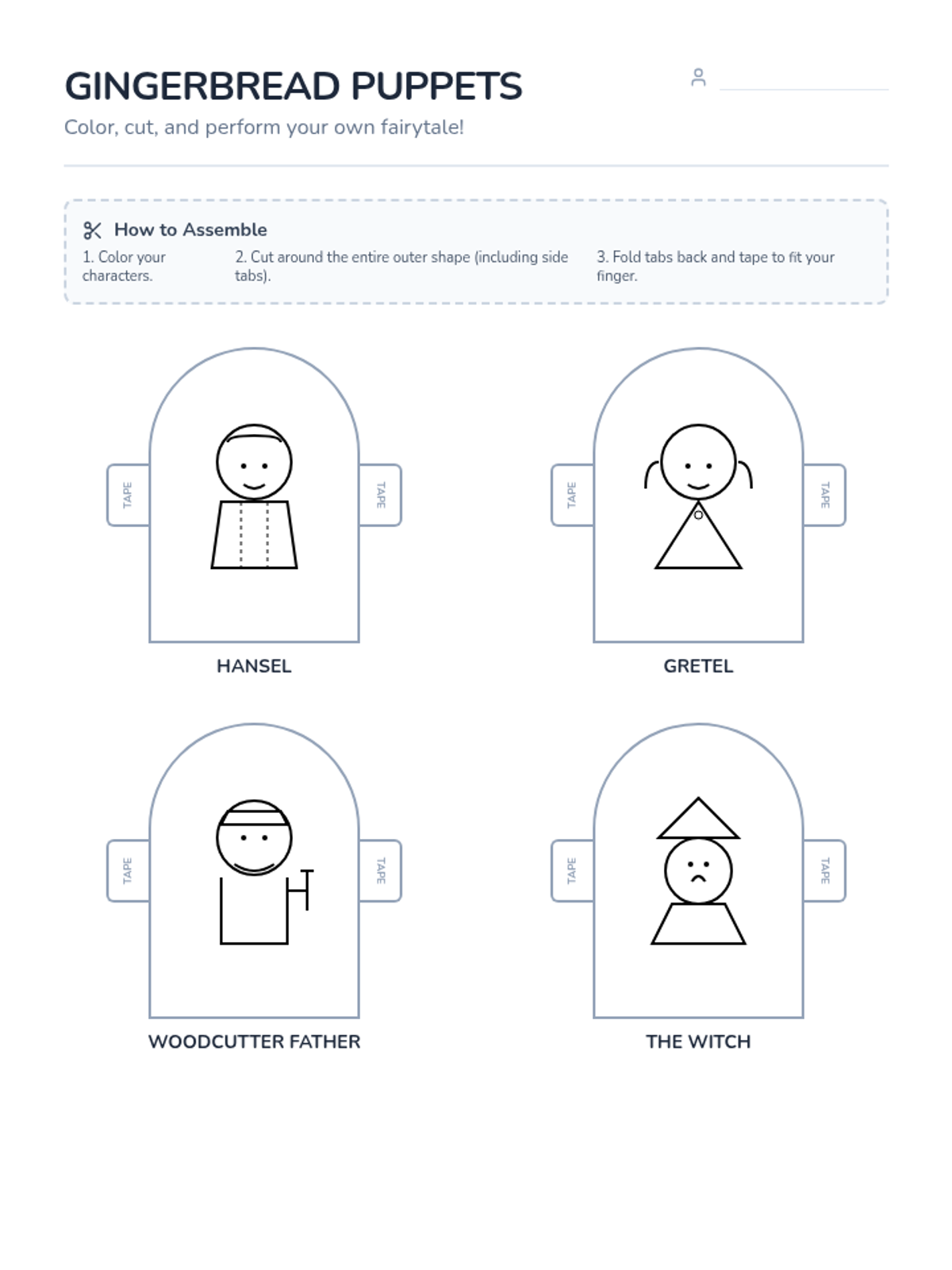
A creative lesson focused on oral storytelling and character analysis through the classic tale of Hansel and Gretel using DIY finger puppets.