Historical evolution of performance, technical stagecraft, and core acting techniques. Develops playwriting skills and fosters imaginative expression through script development and production management.
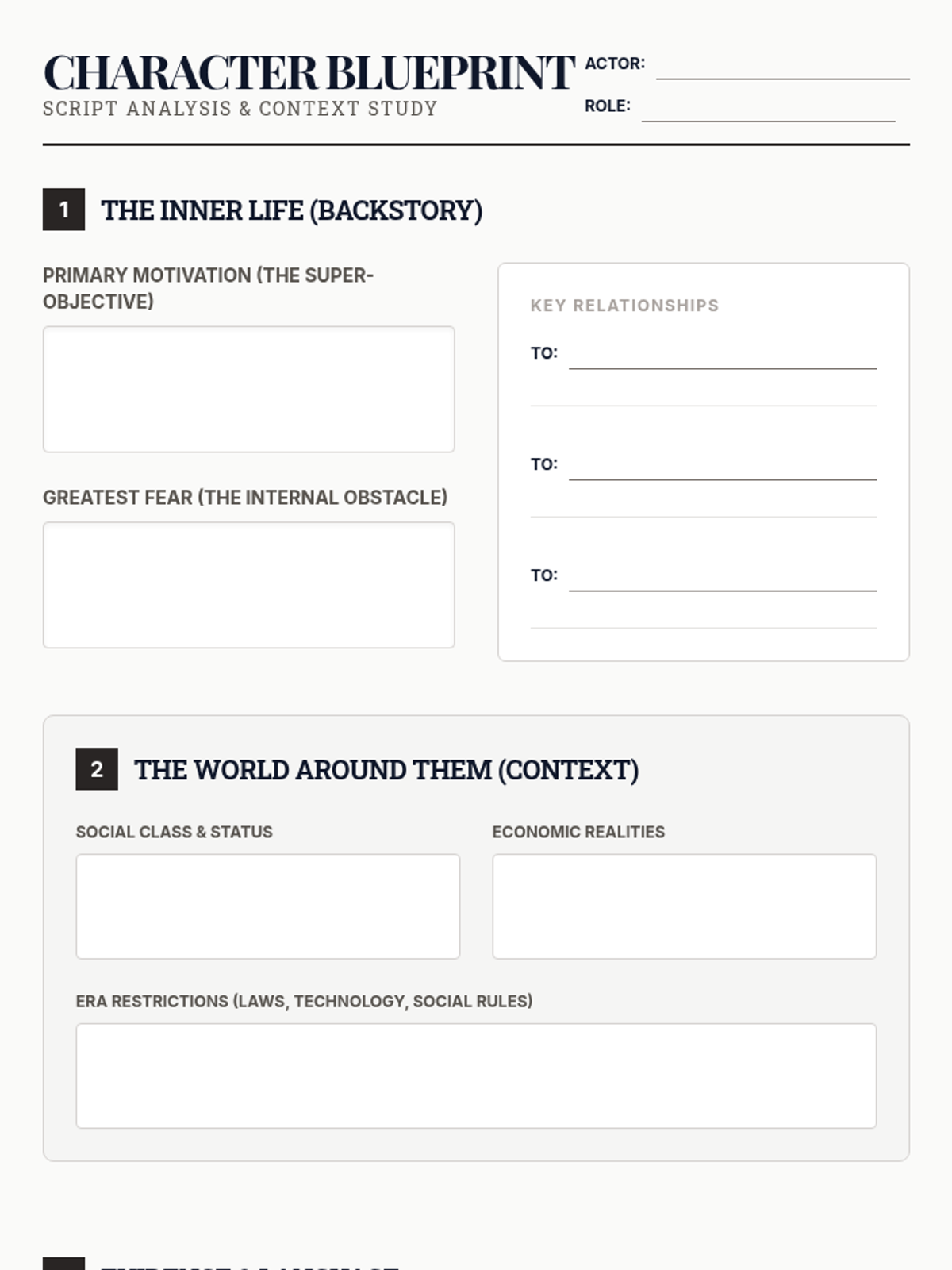
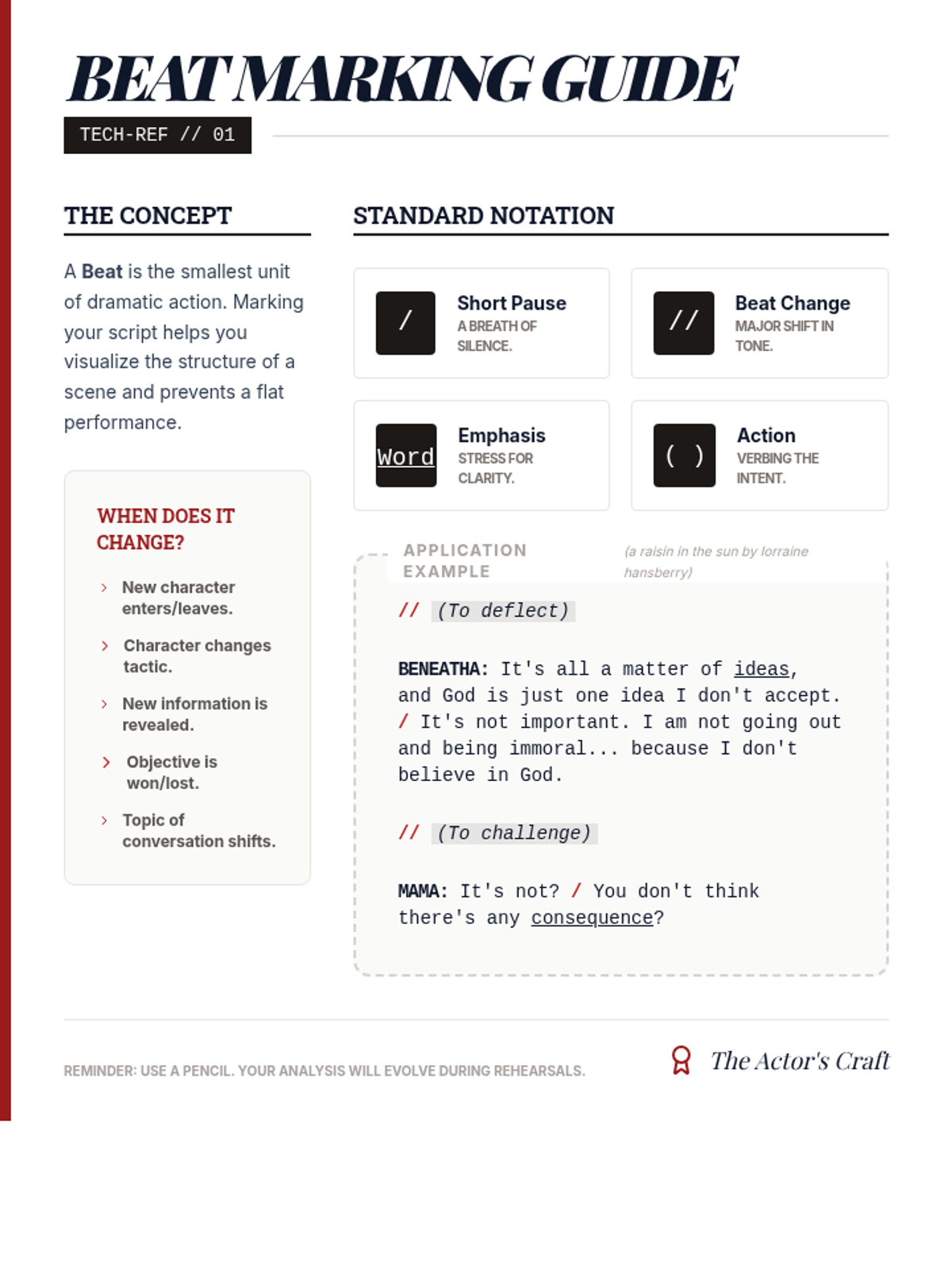
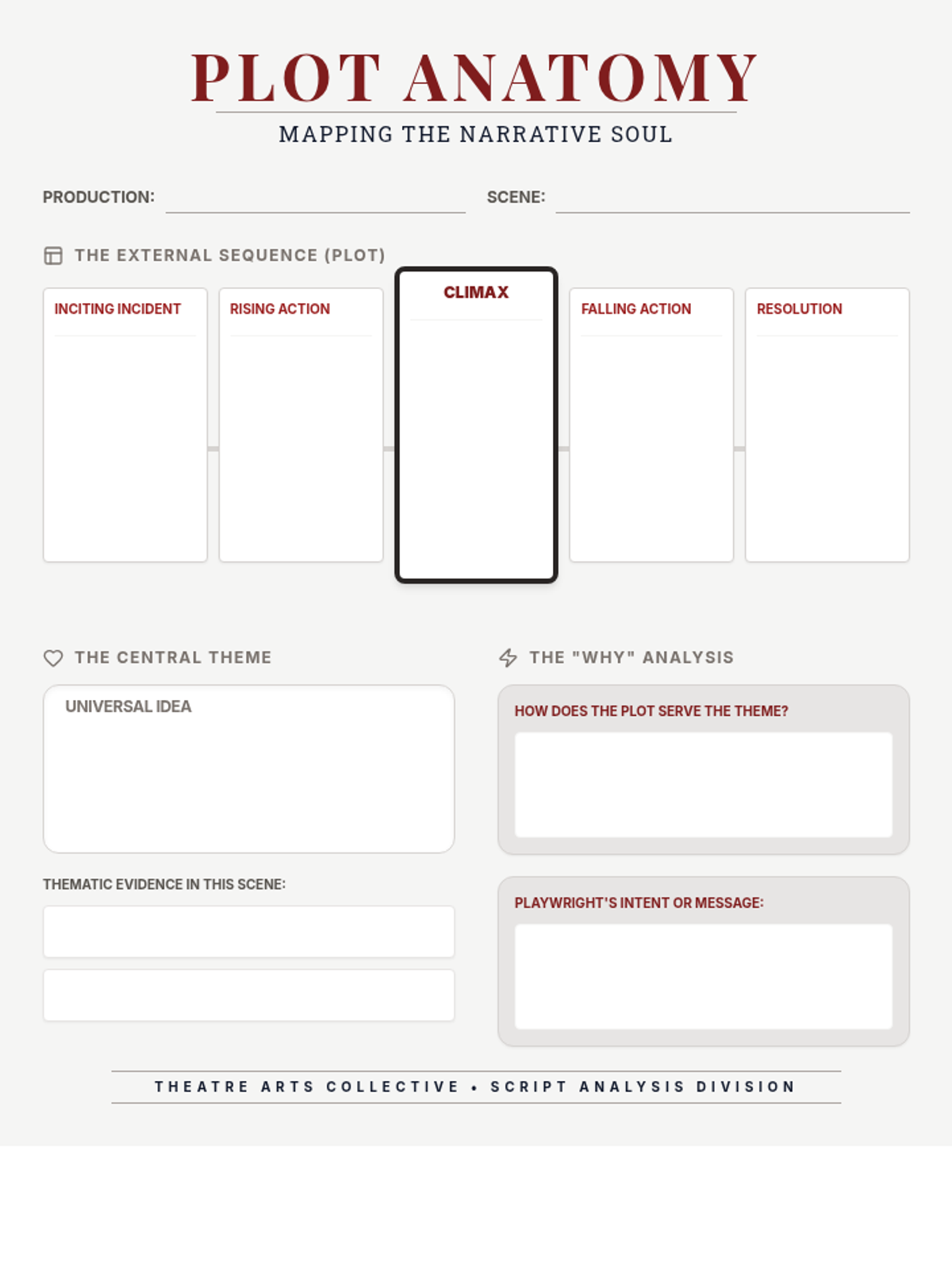
A comprehensive dive into the 'table work' phase of theatrical production, focusing on character depth, historical context, and technical script analysis. Students will move from initial reading to deep interpretation.
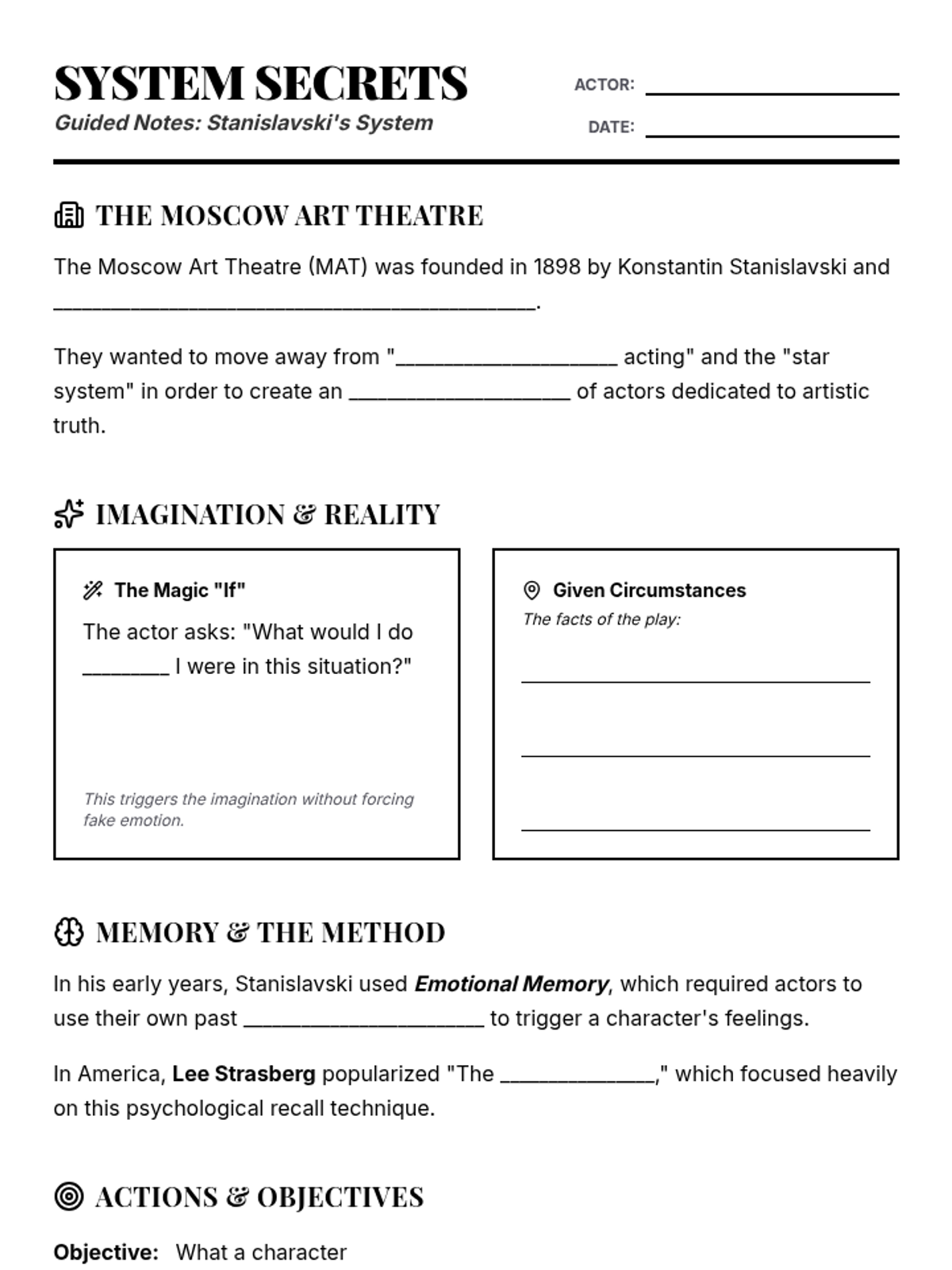
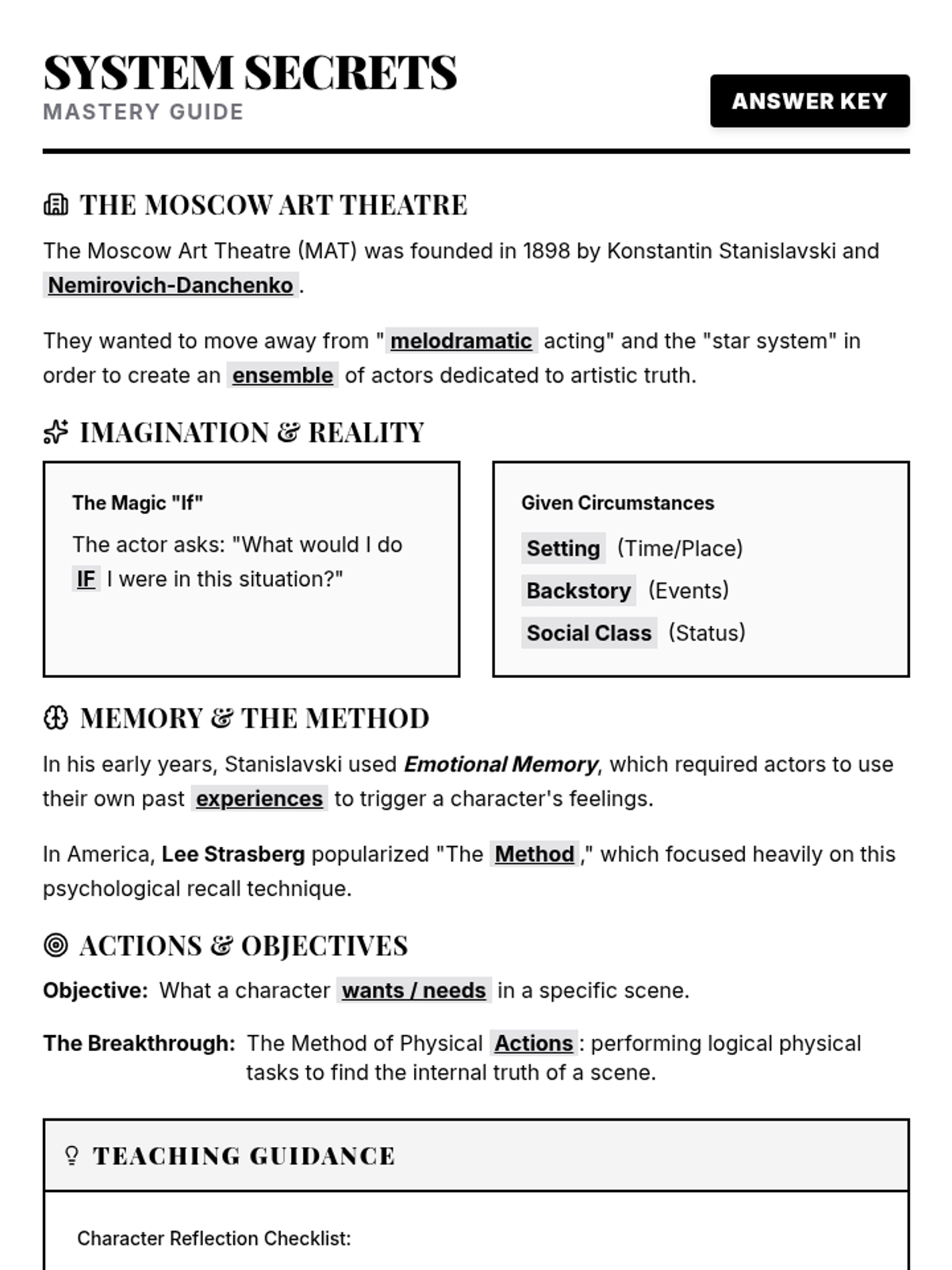
A deep dive into Konstantin Stanislavski's revolutionary approach to realistic acting, covering the Moscow Art Theatre, the Magic If, and the shift from Emotional Memory to Physical Actions.
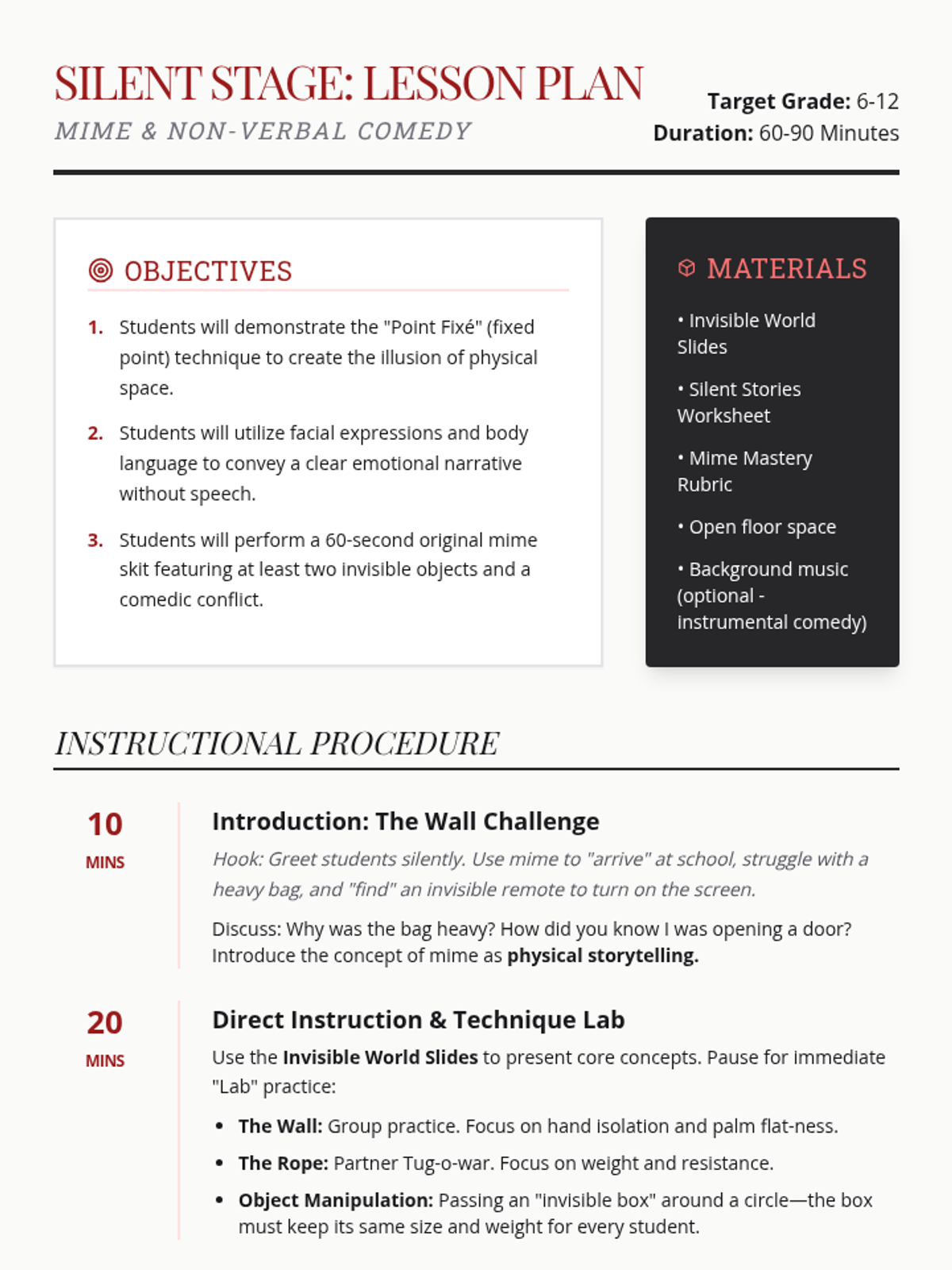
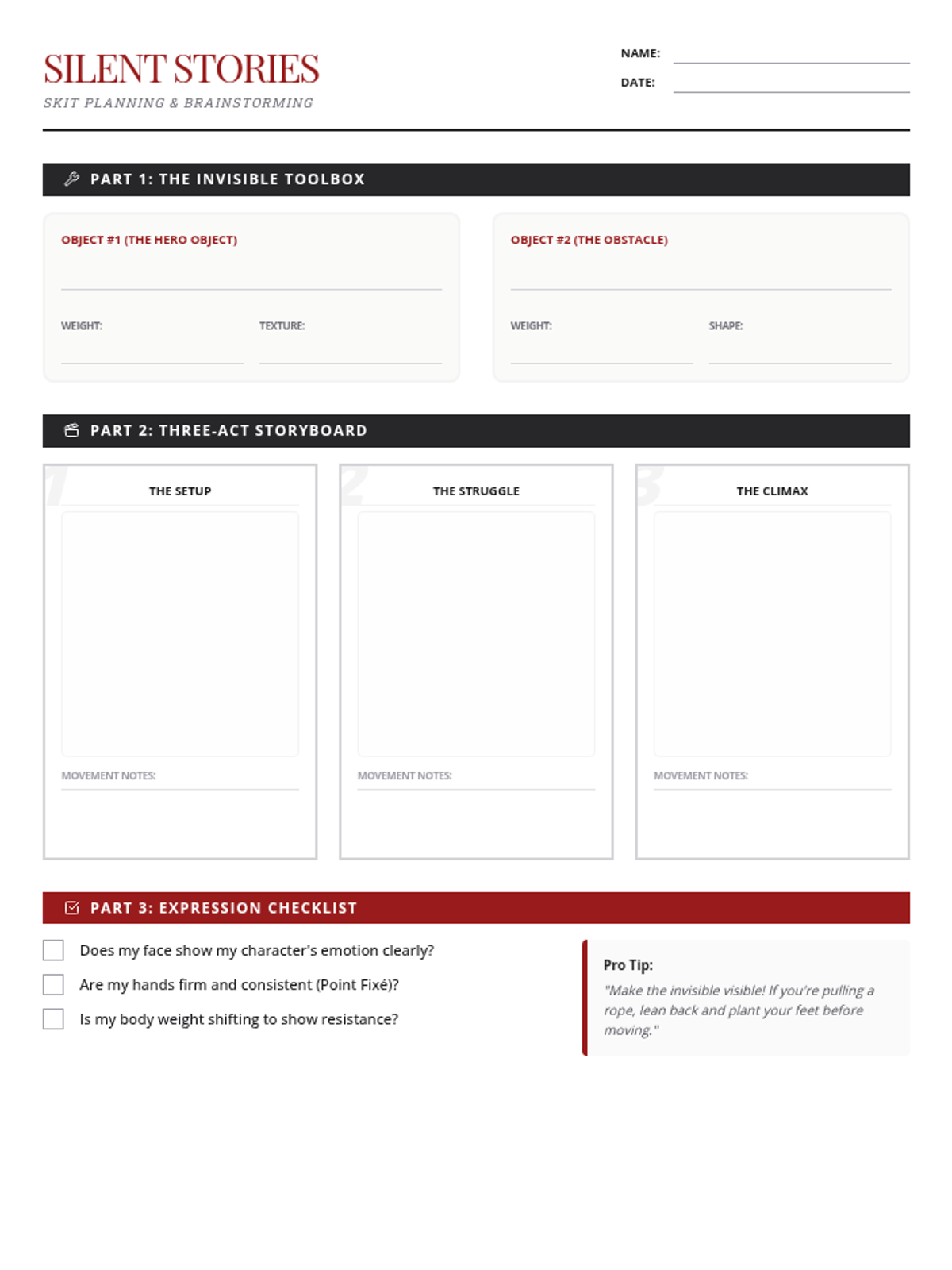
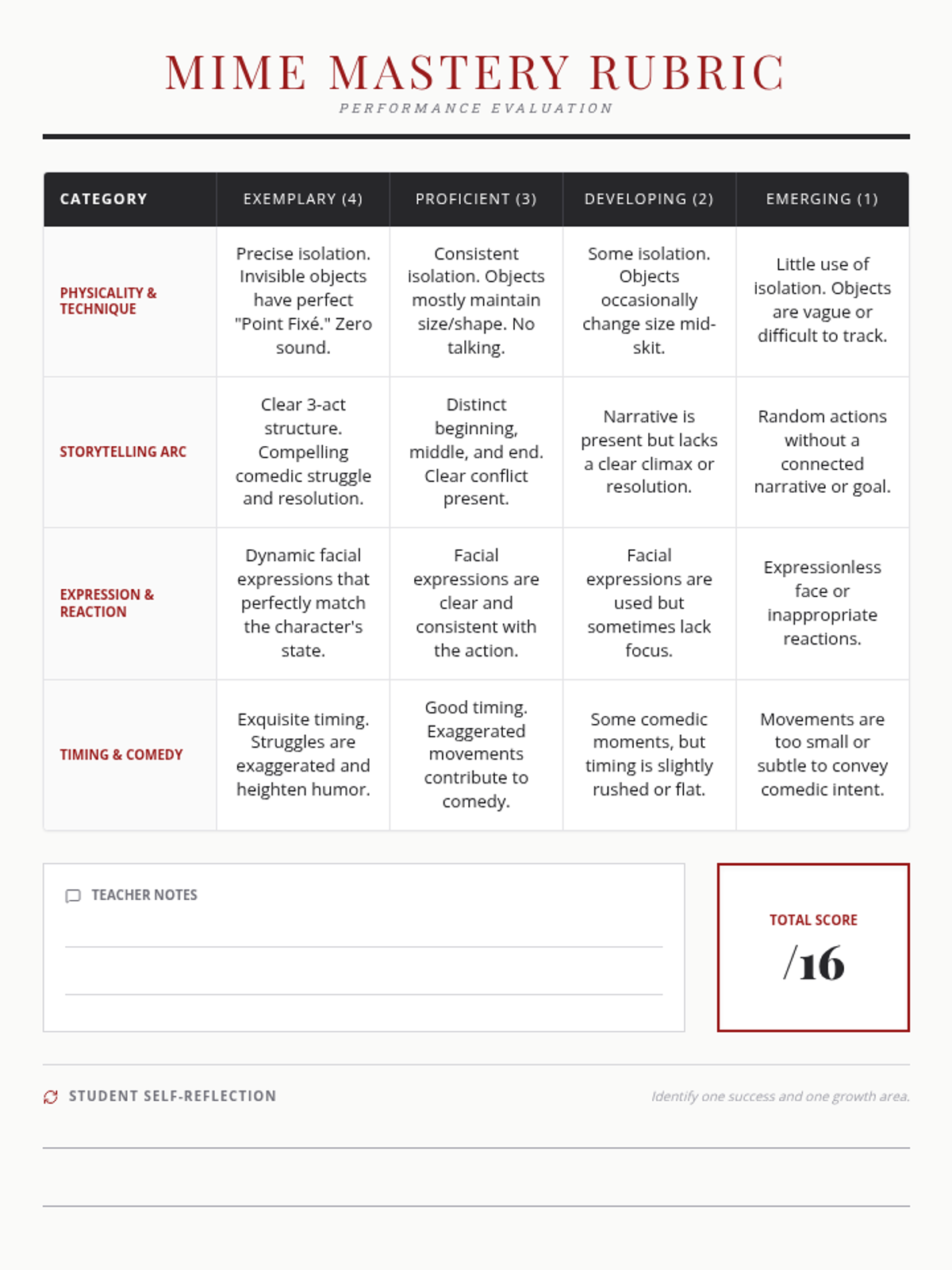
A comprehensive exploration of mime techniques and non-verbal storytelling, where students learn to build invisible worlds through precise movement and comedic timing.
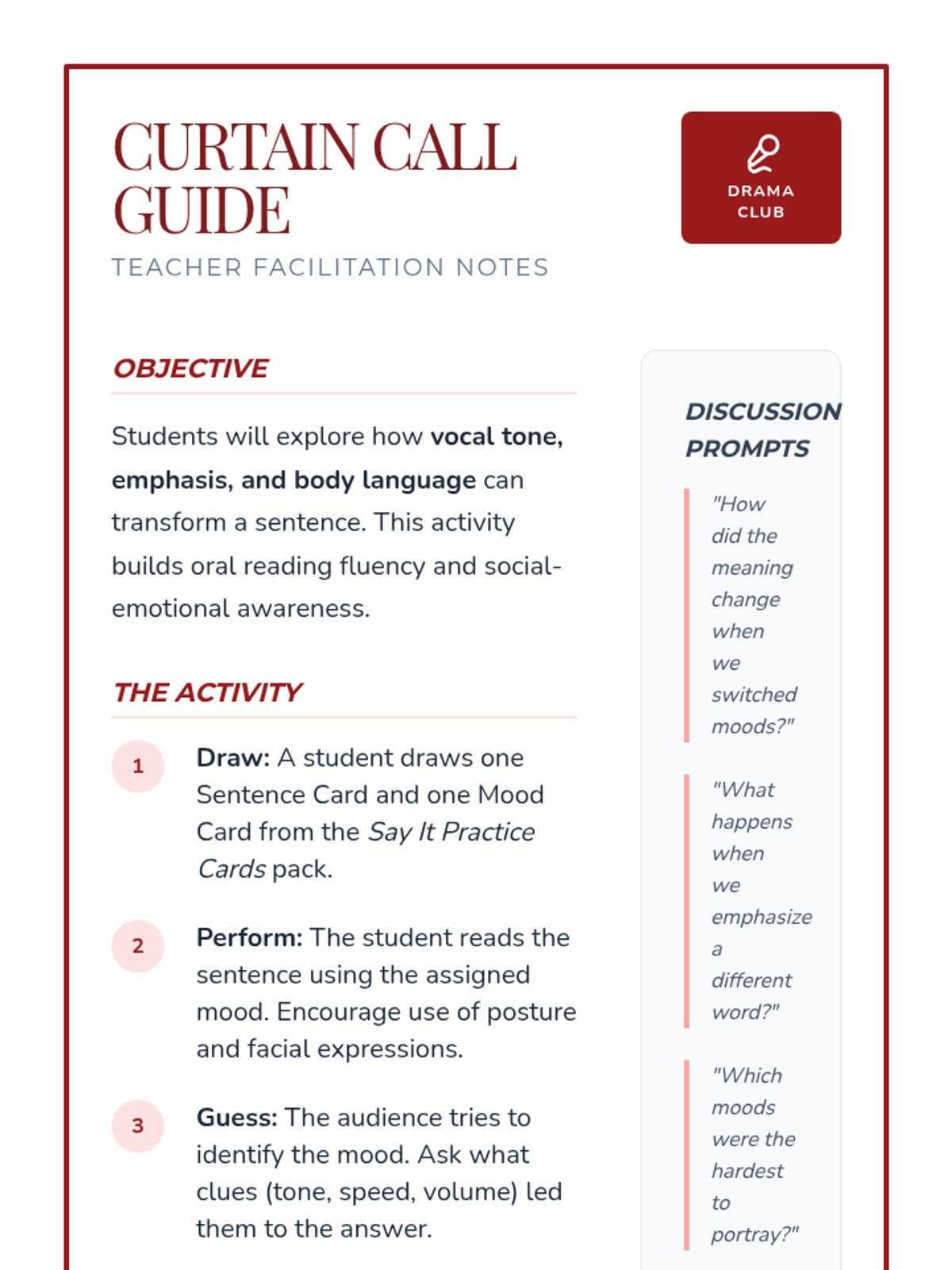
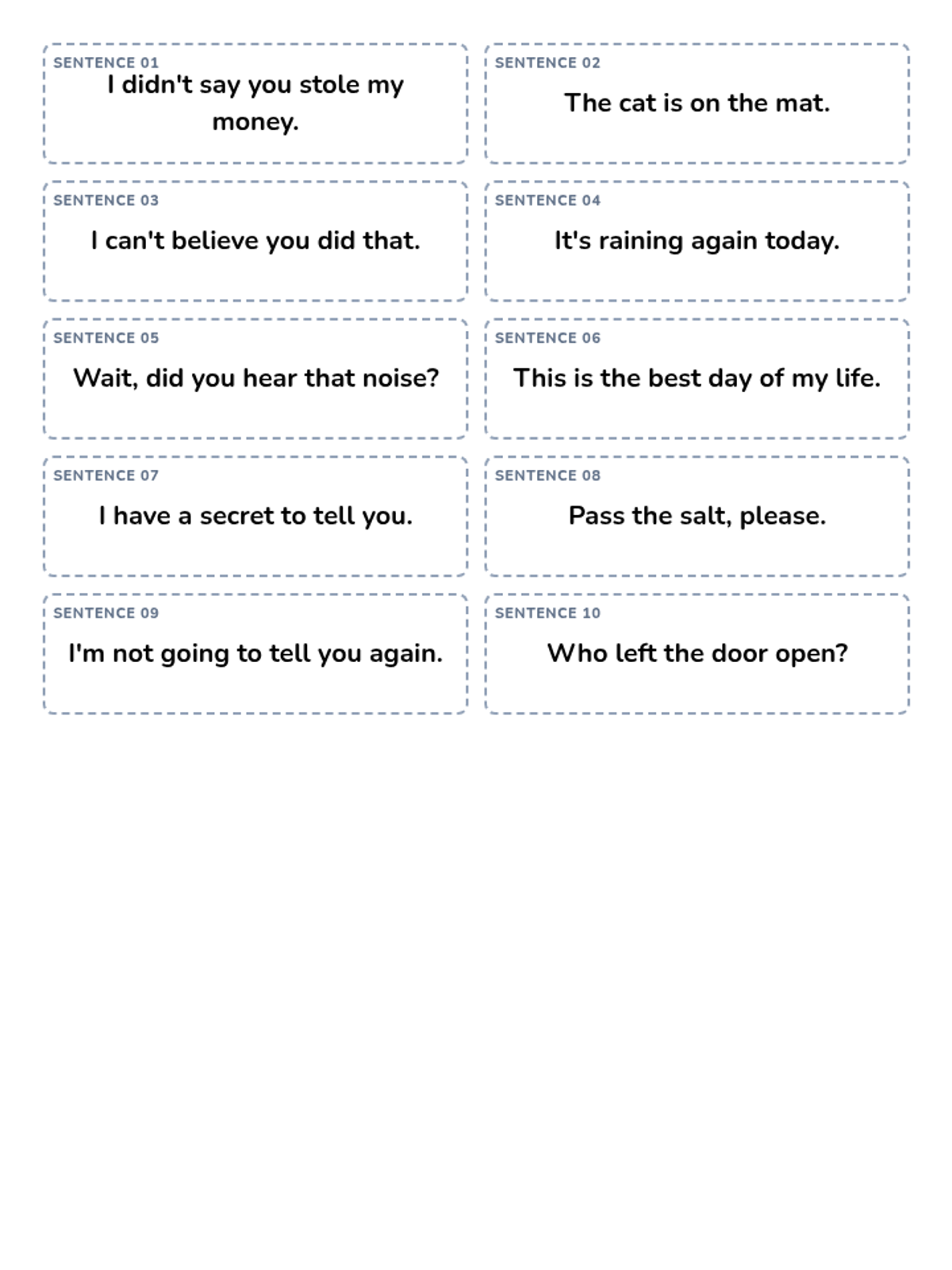
A high-energy drama and literacy lesson focused on prosody, tone, and vocal expression. Students practice reading the same sentence in various moods to discover how delivery changes meaning.
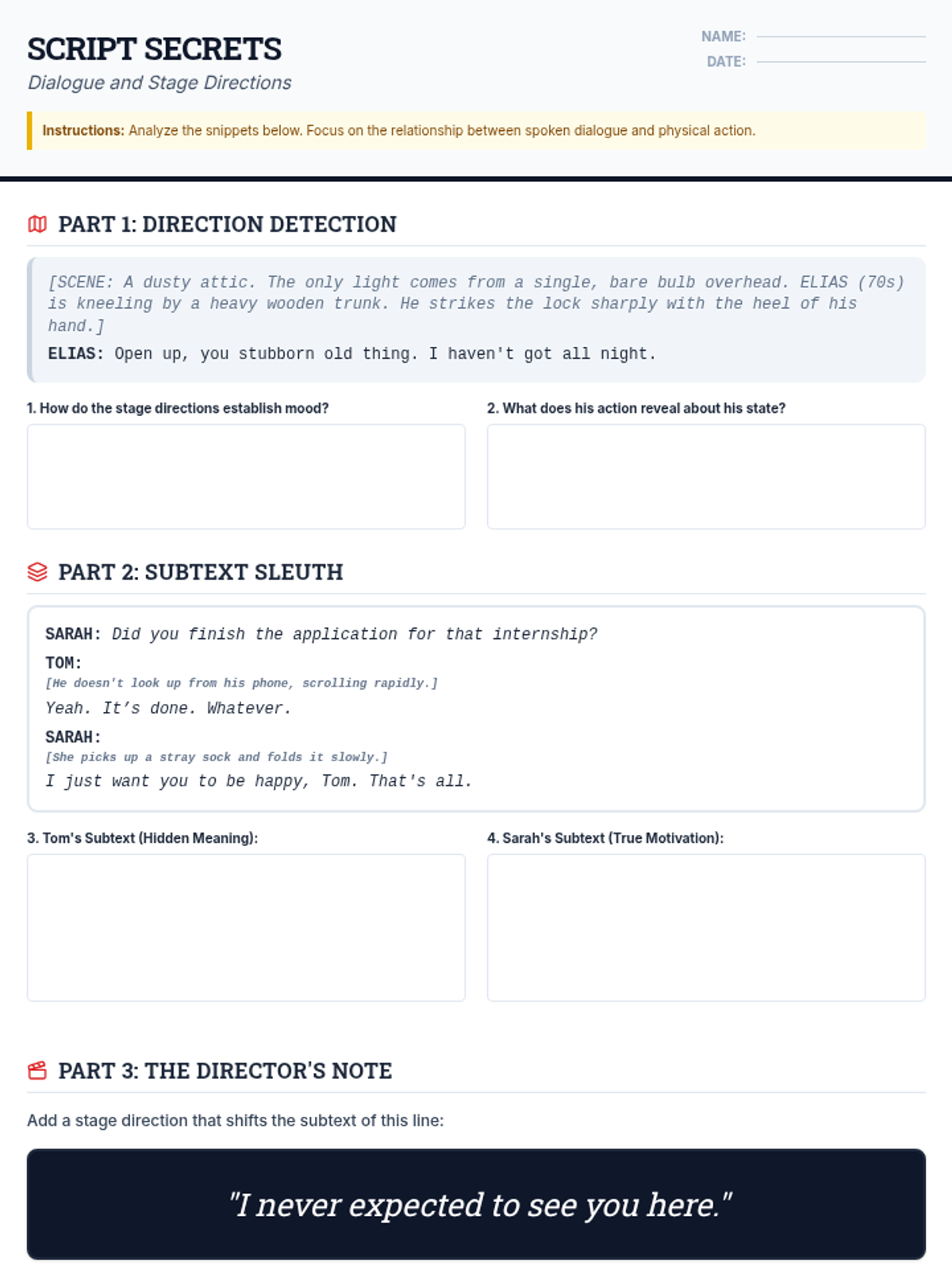
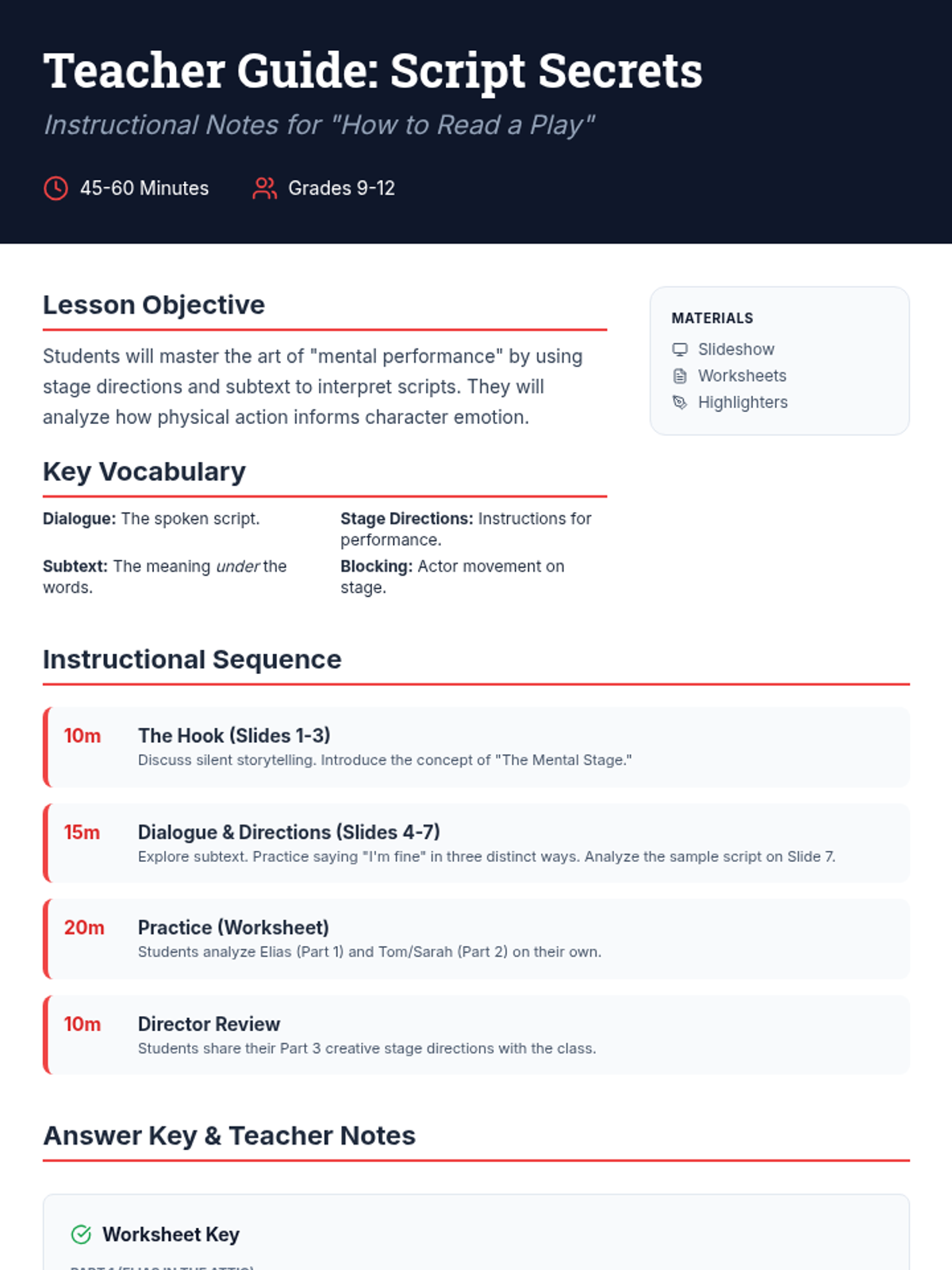
A lesson designed for high school students to master the unique skills required to read and interpret dramatic scripts, with a focus on dialogue and stage directions.
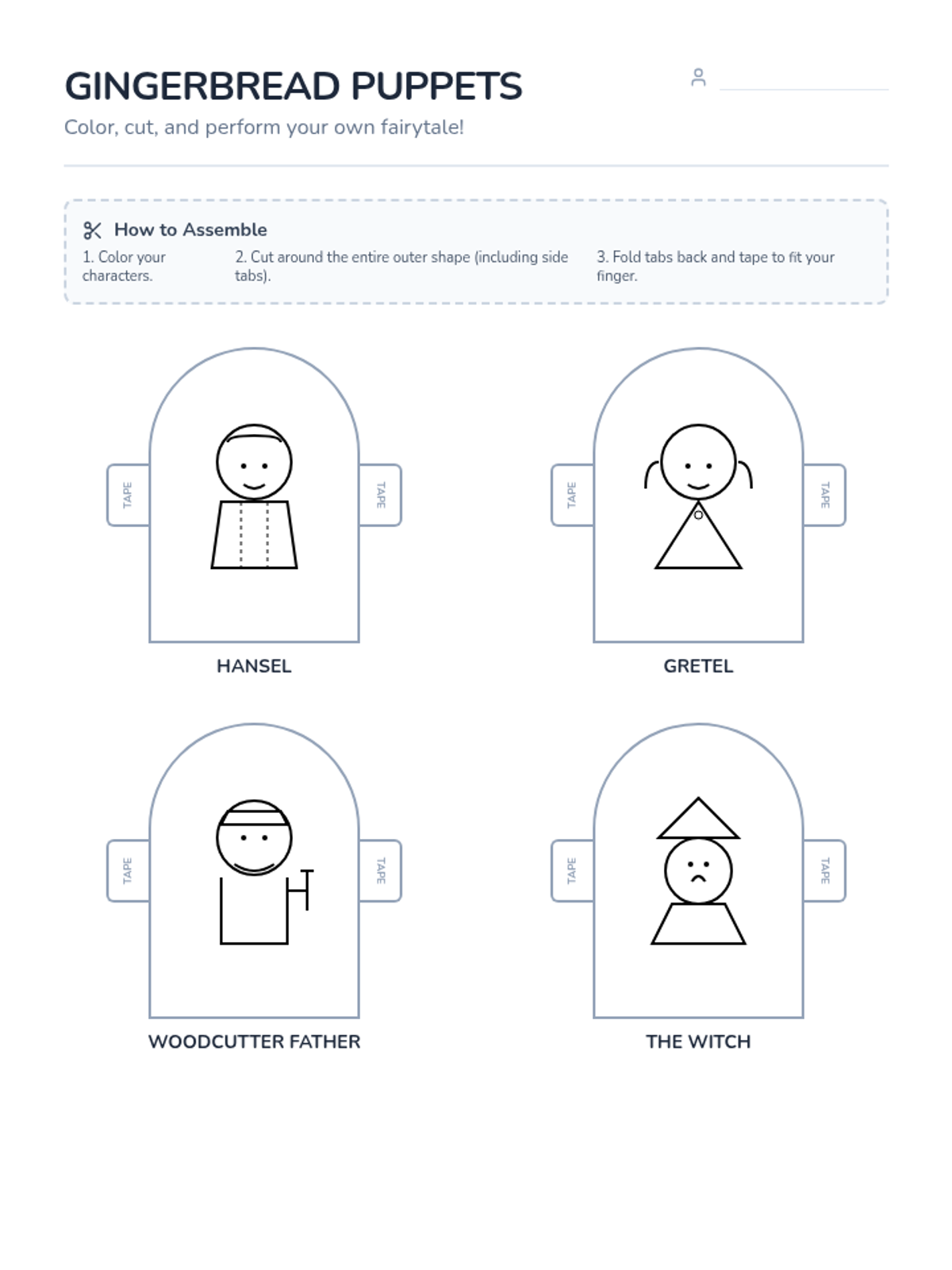
A creative lesson focused on oral storytelling and character analysis through the classic tale of Hansel and Gretel using DIY finger puppets.
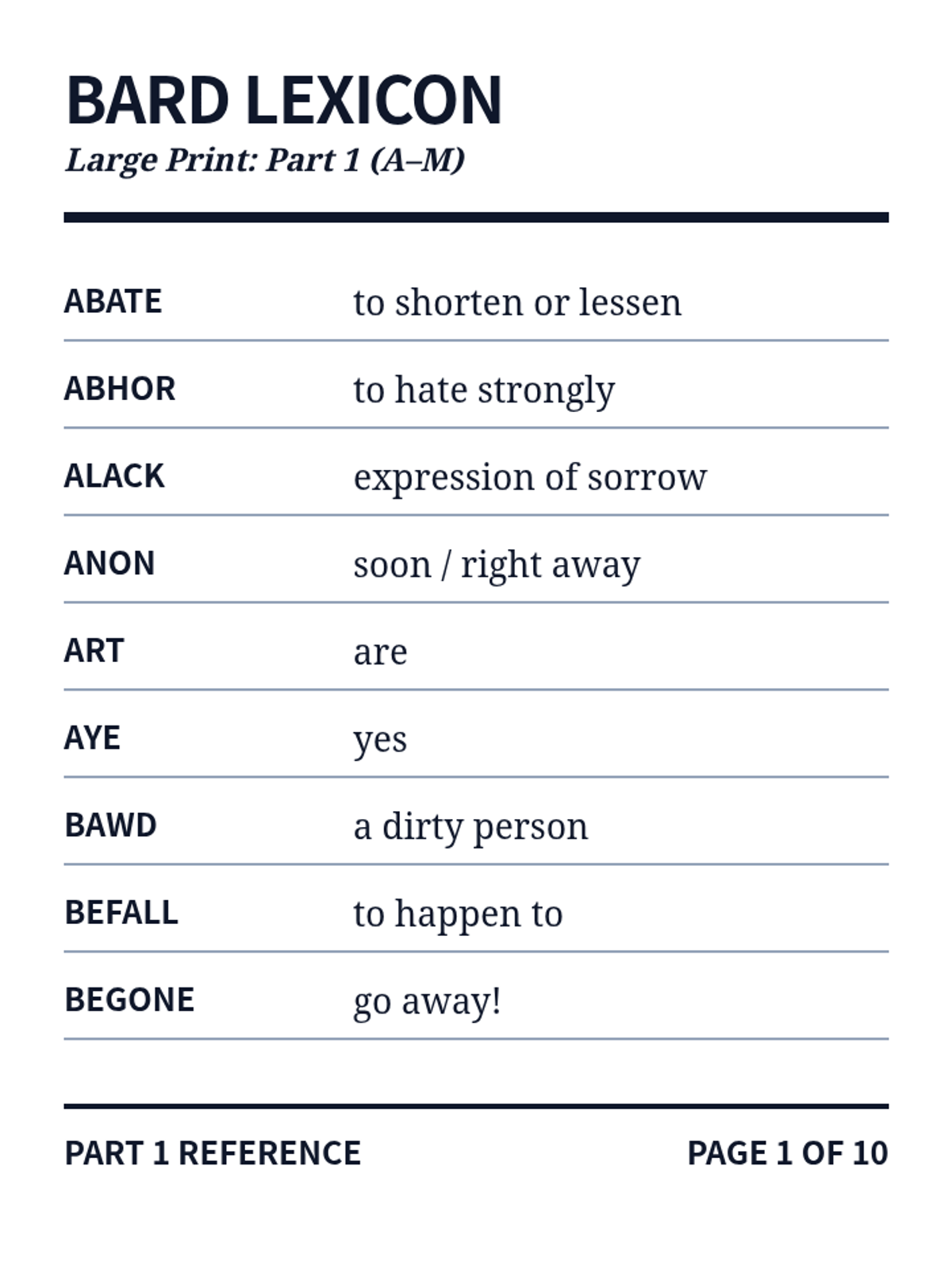
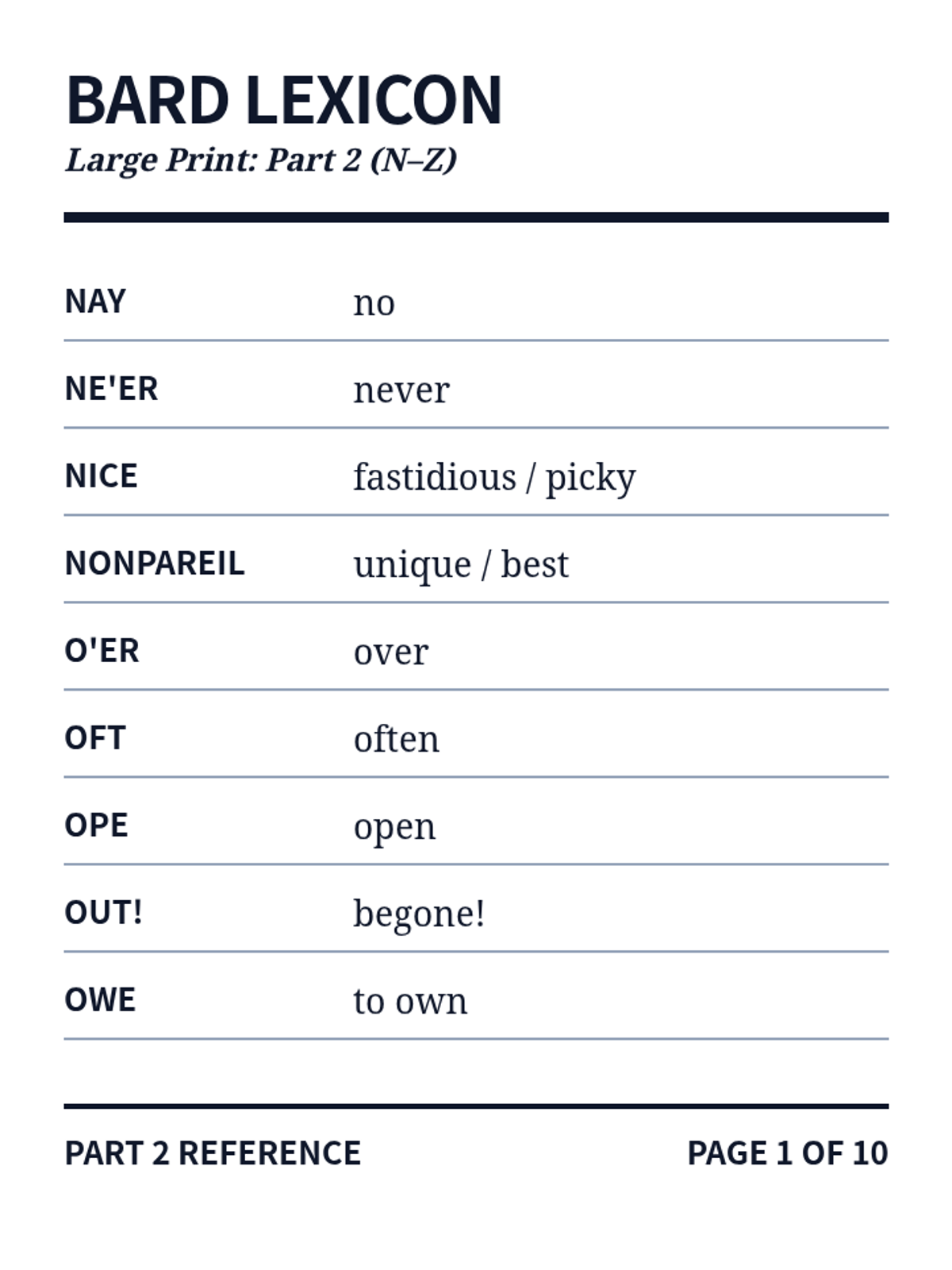
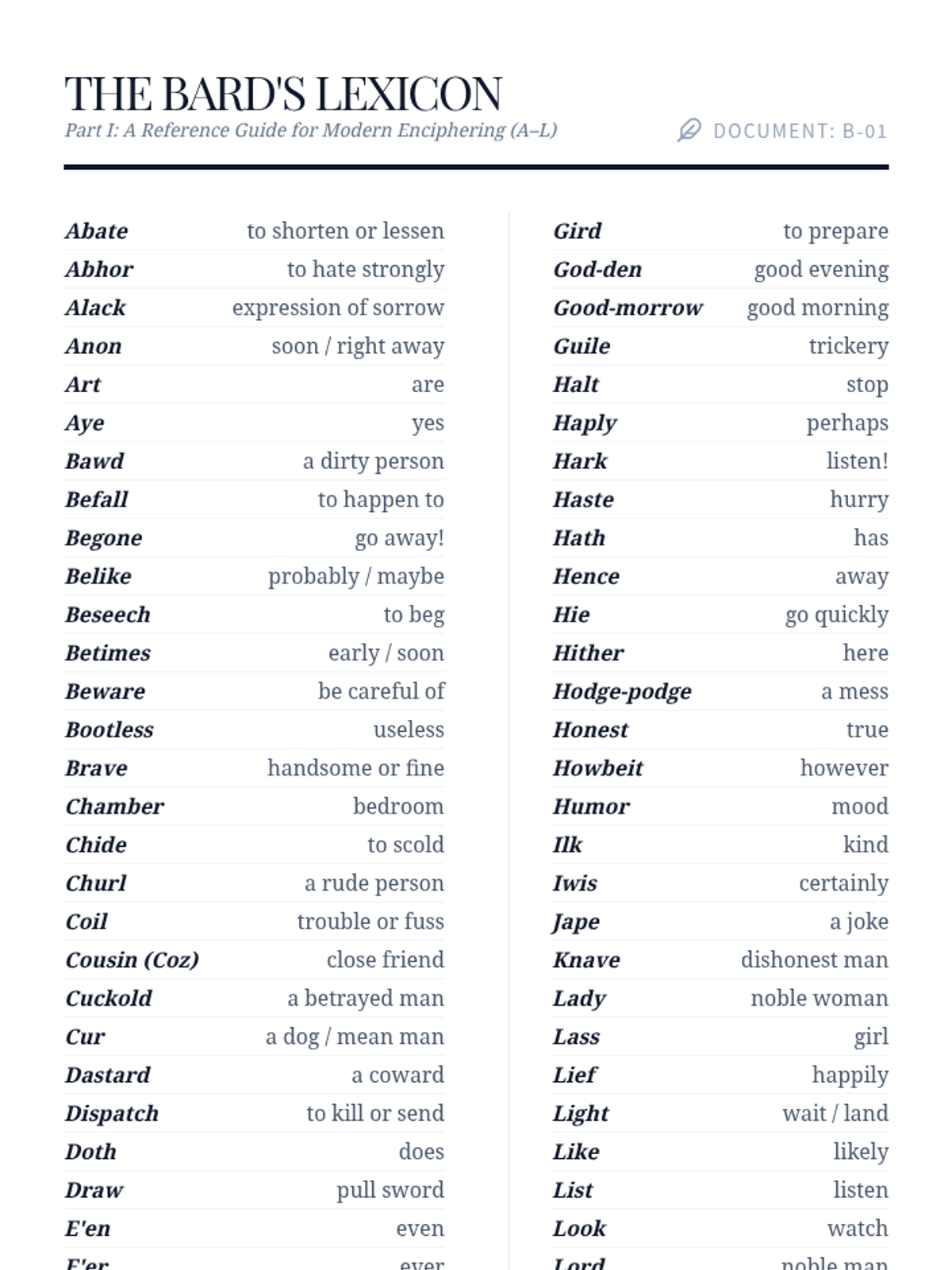
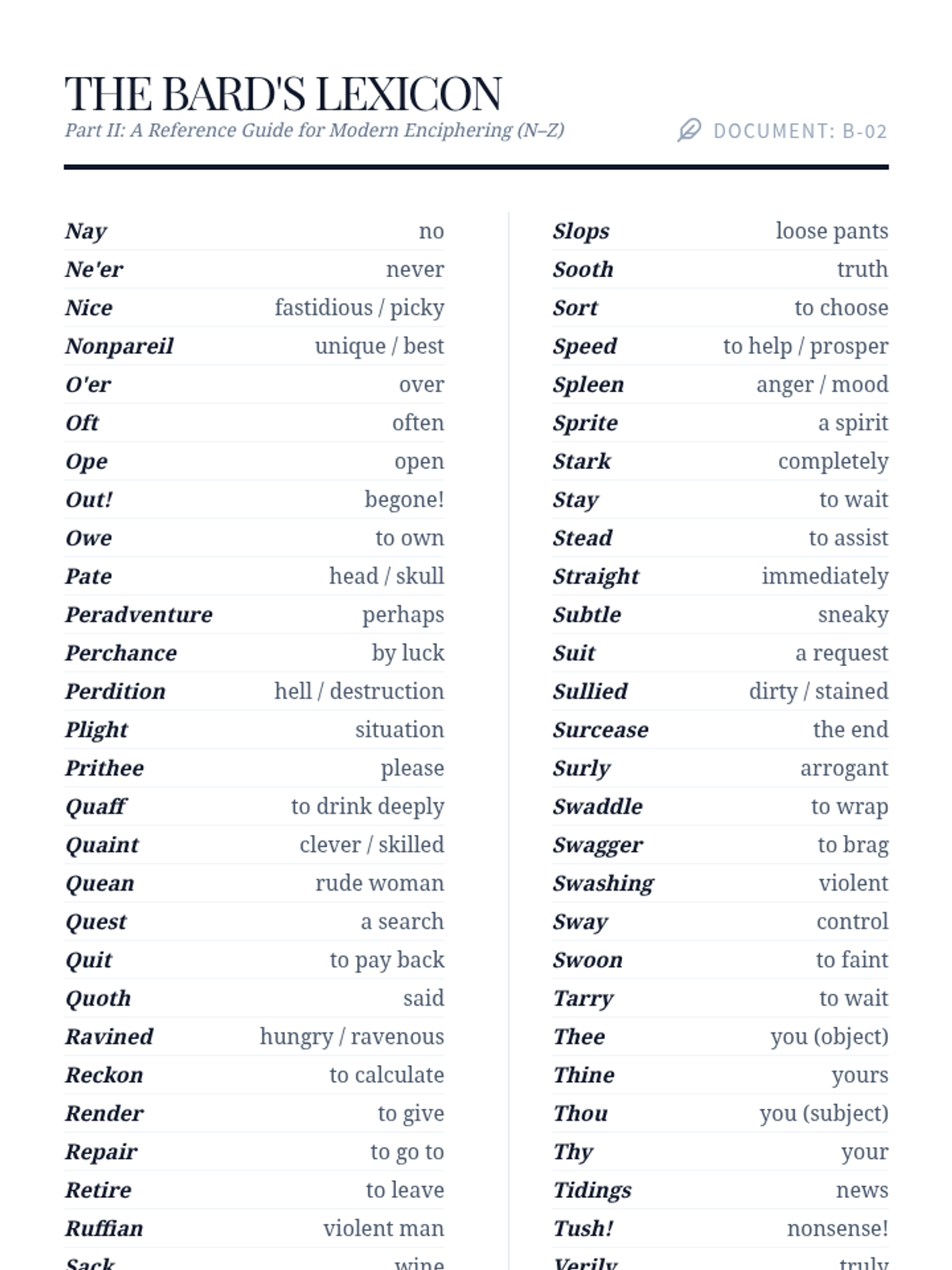
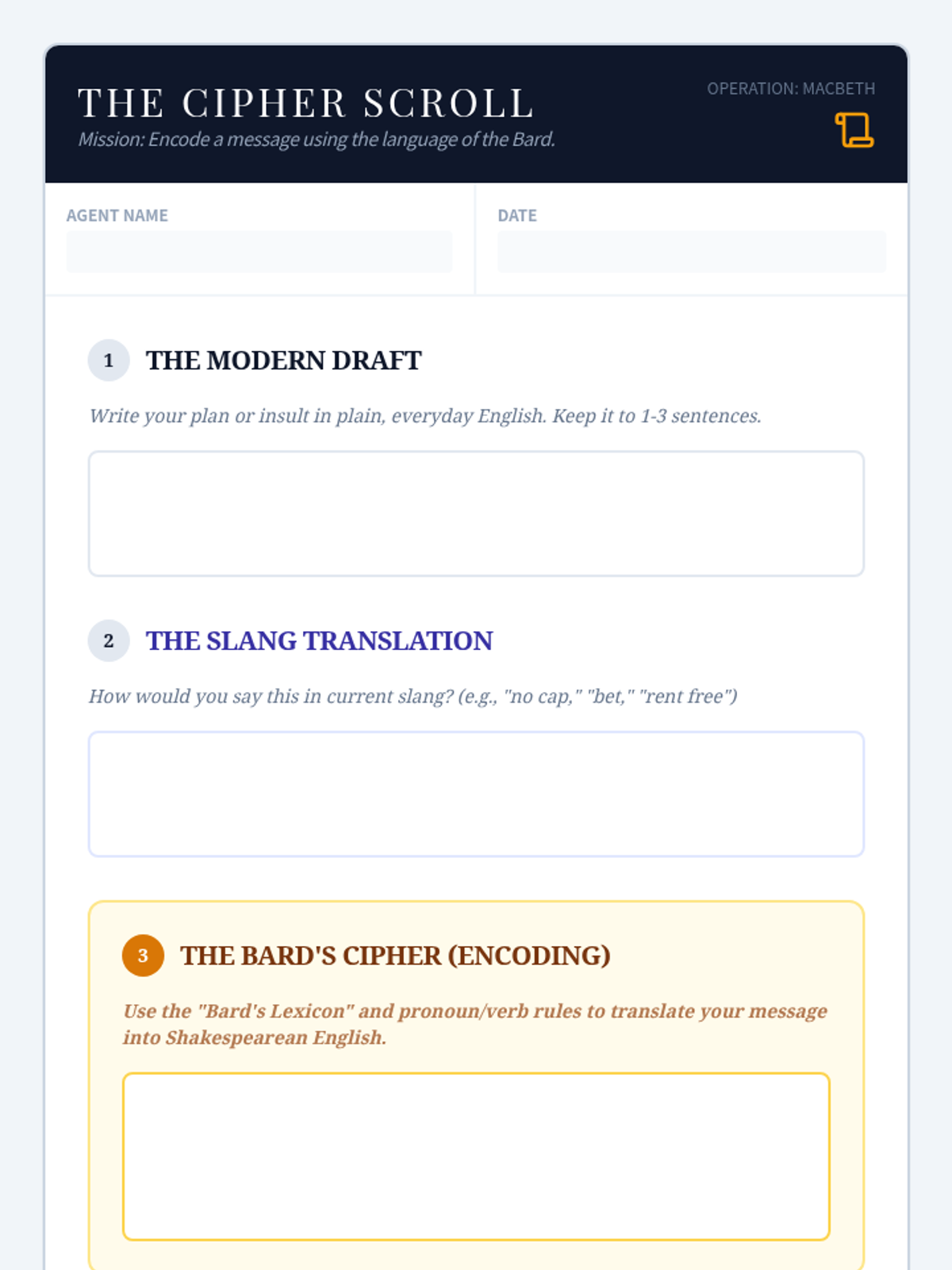
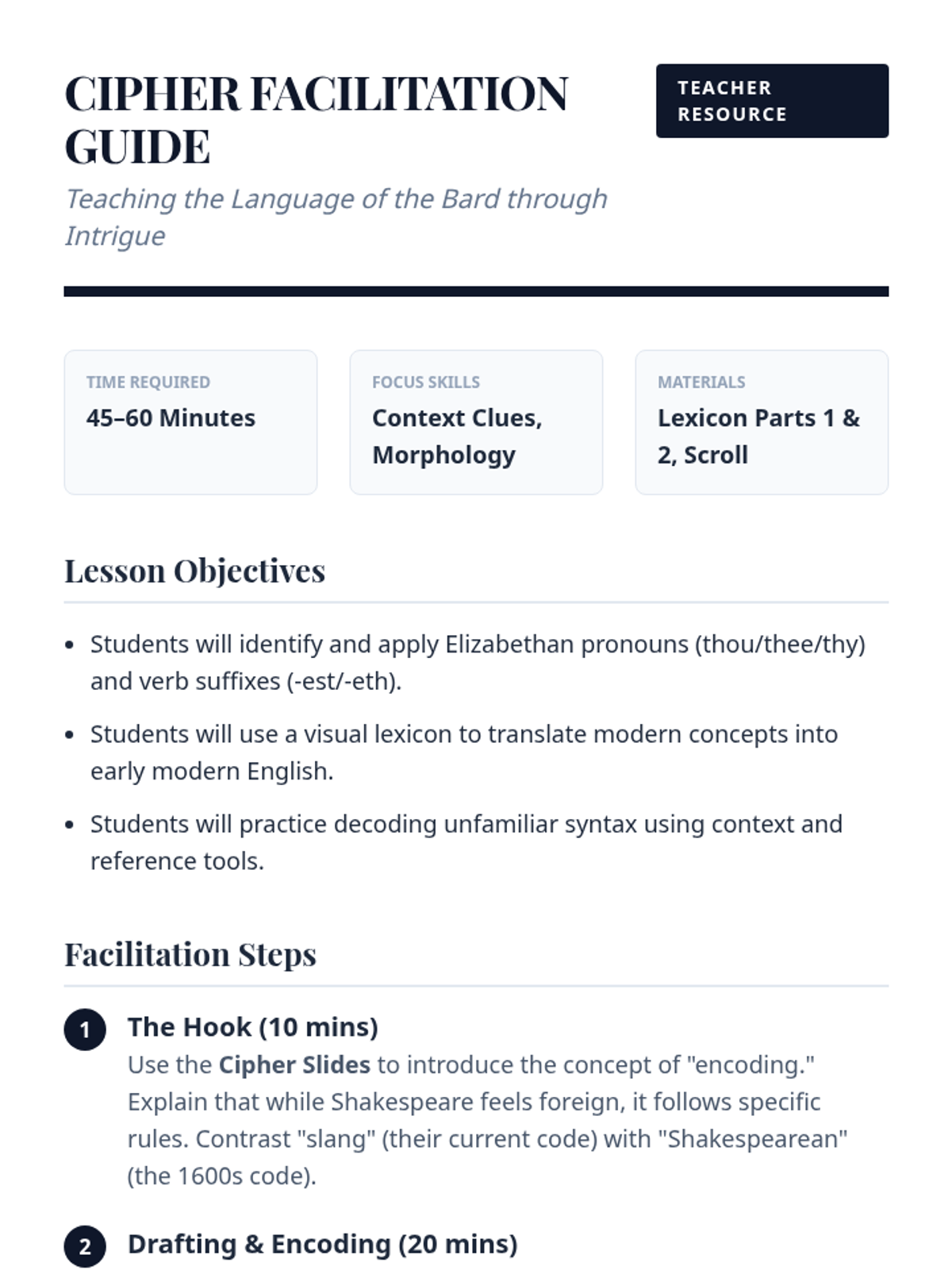
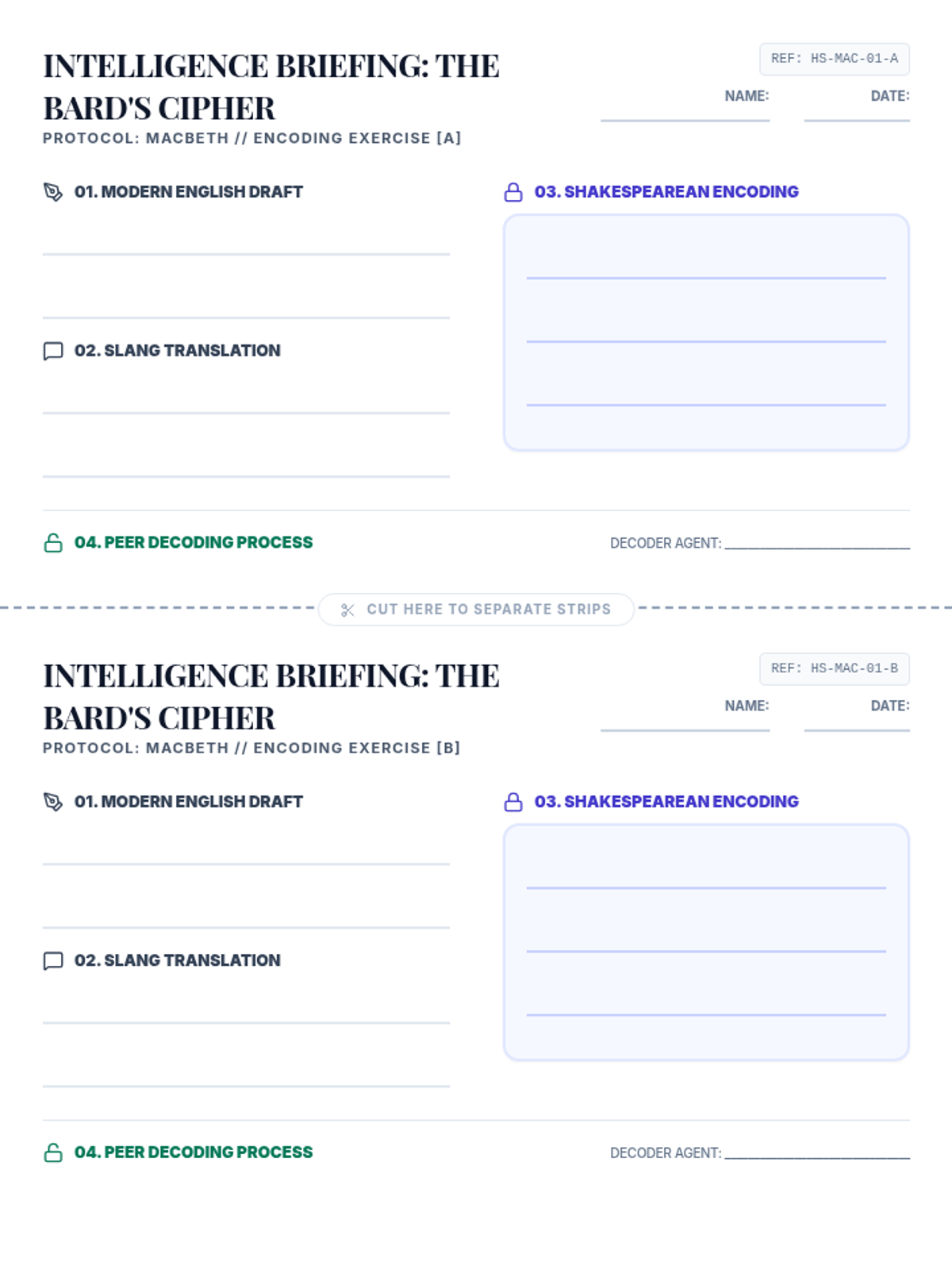
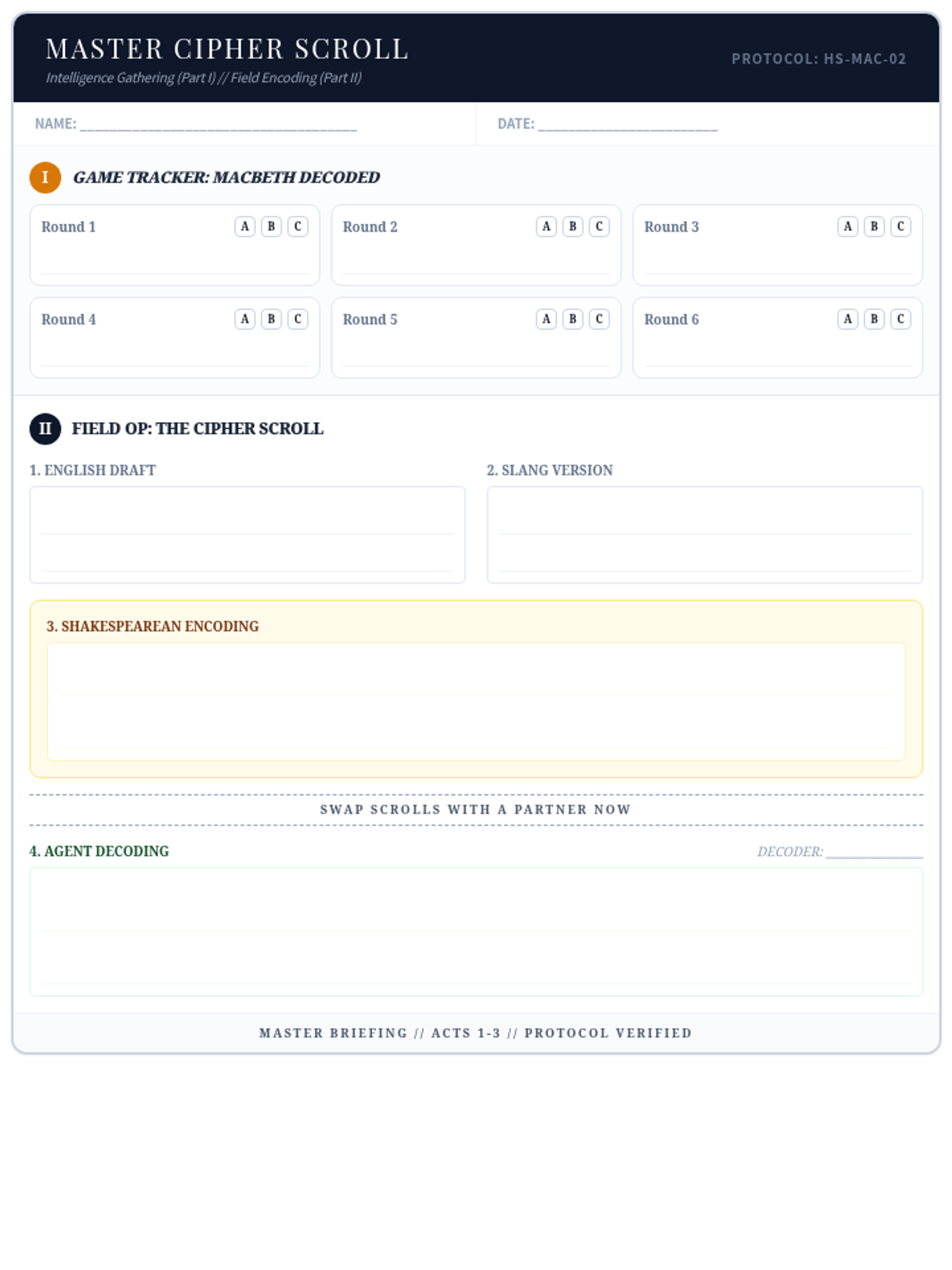
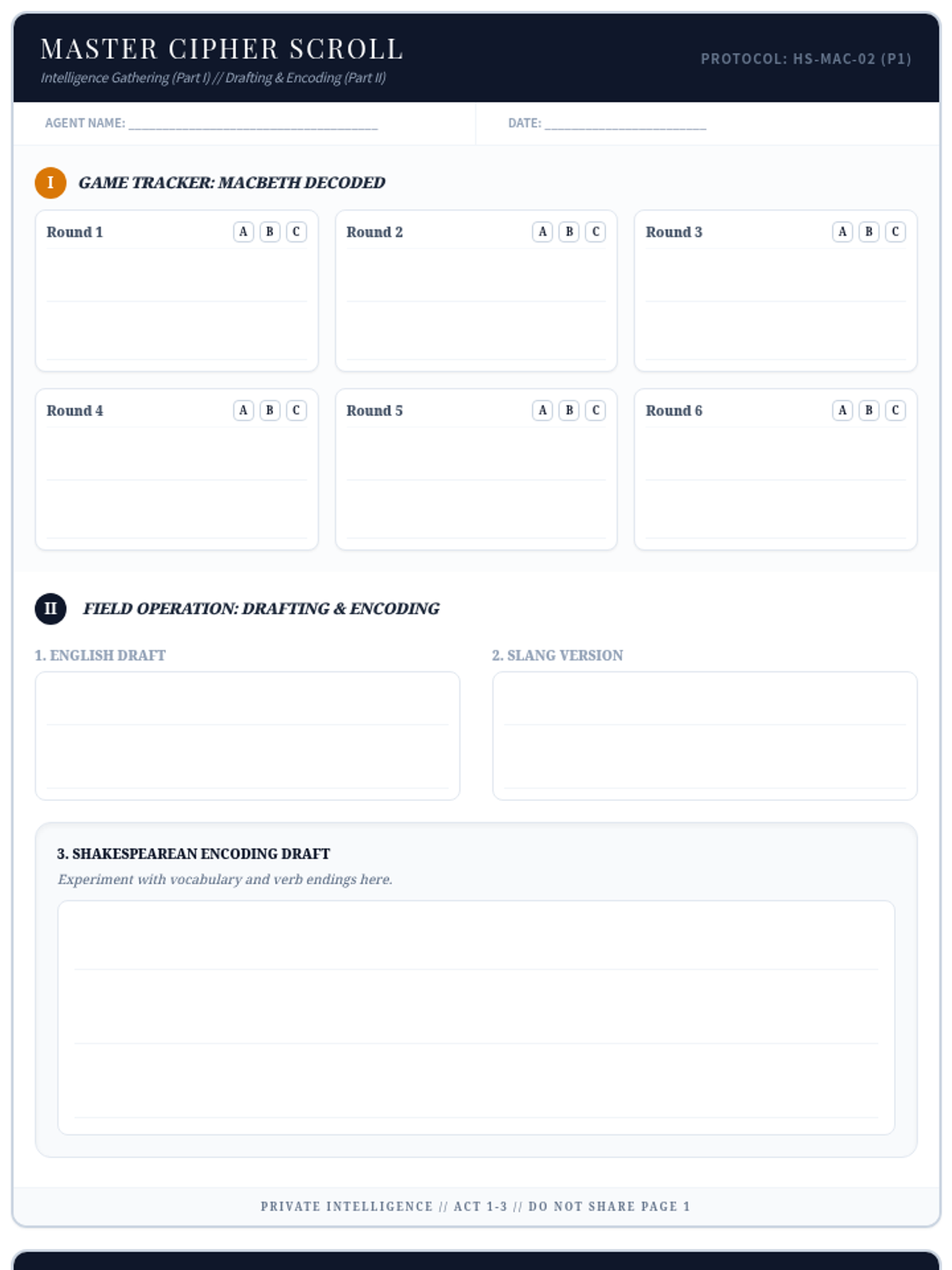
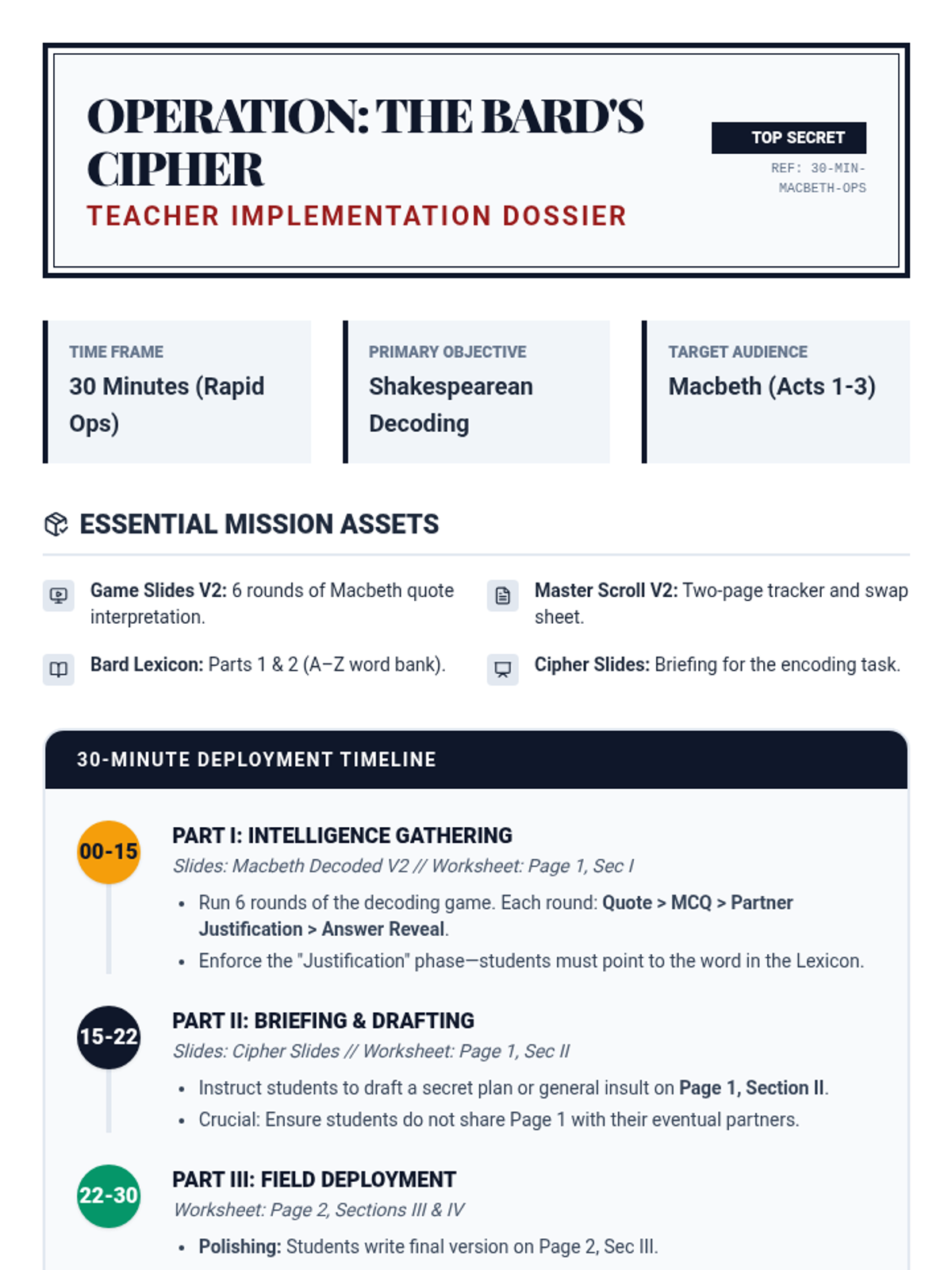
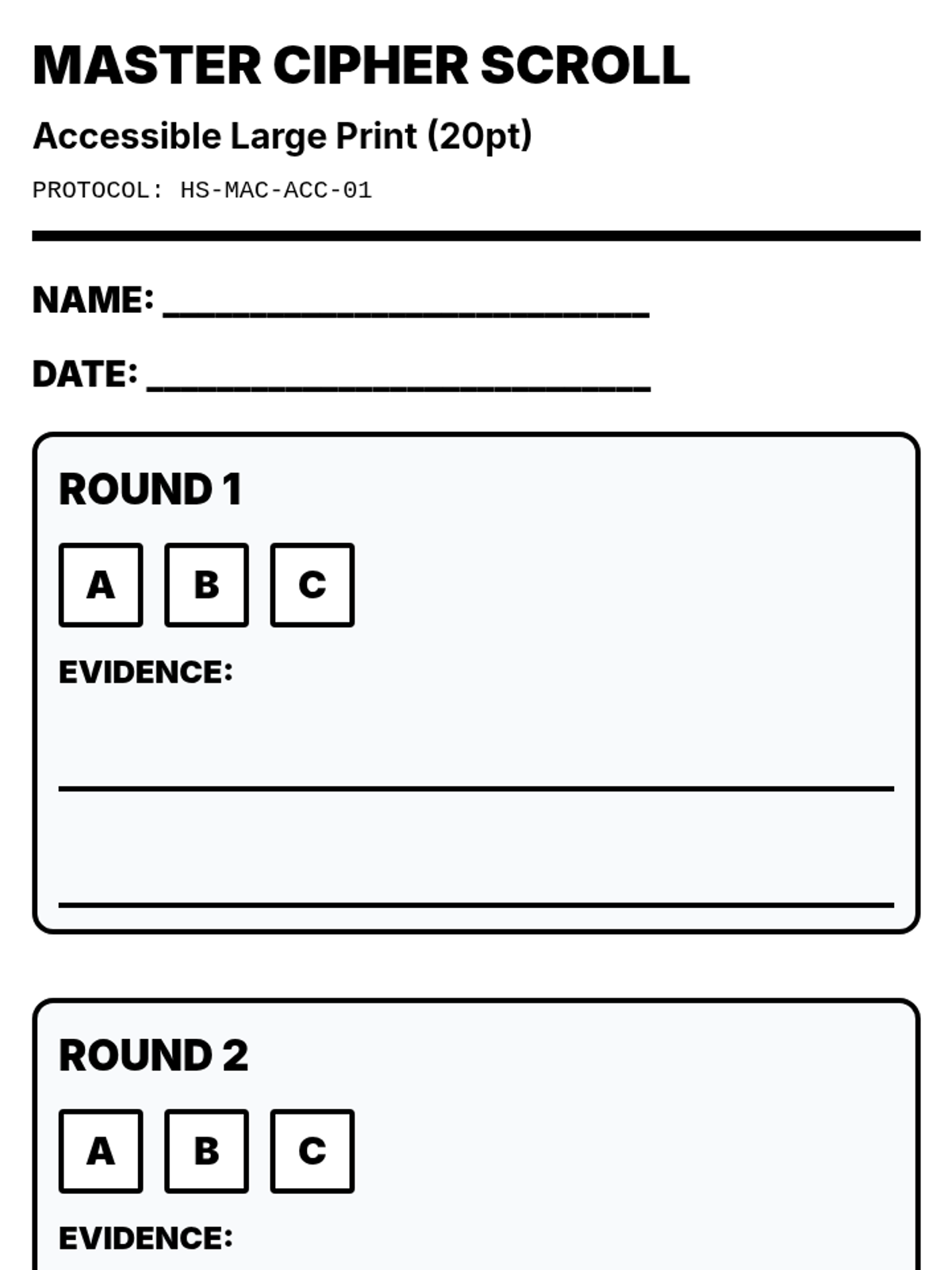
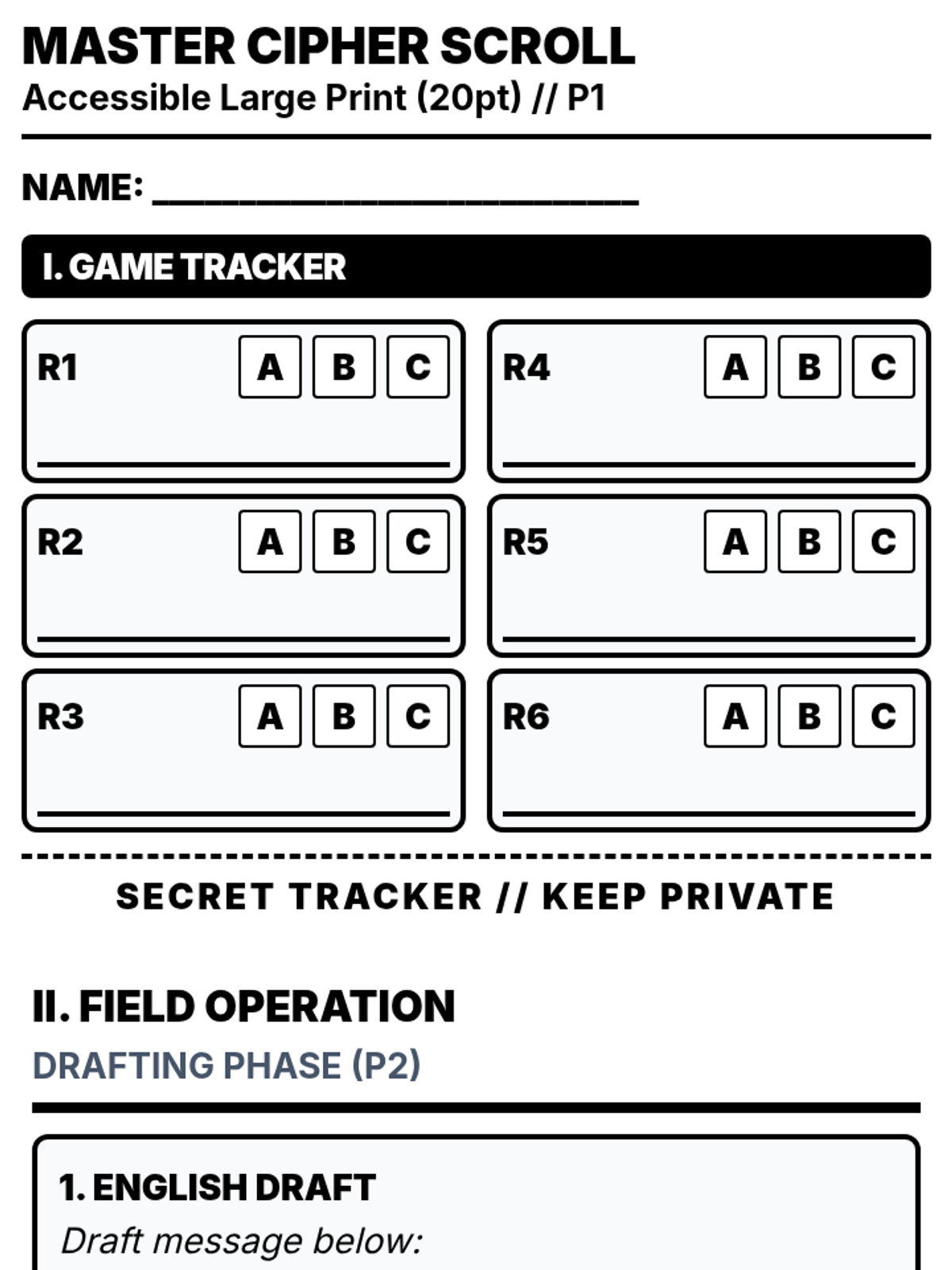
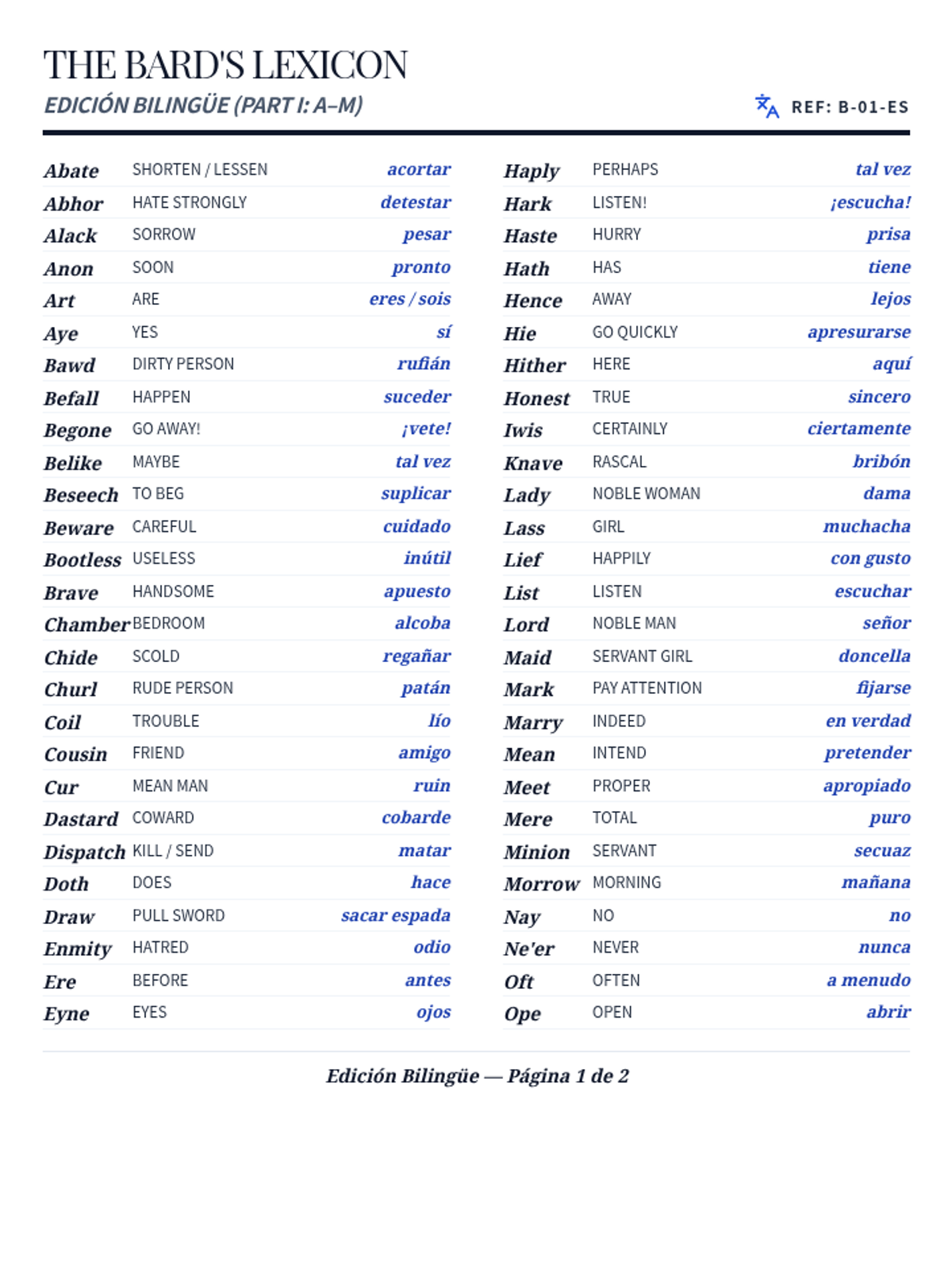
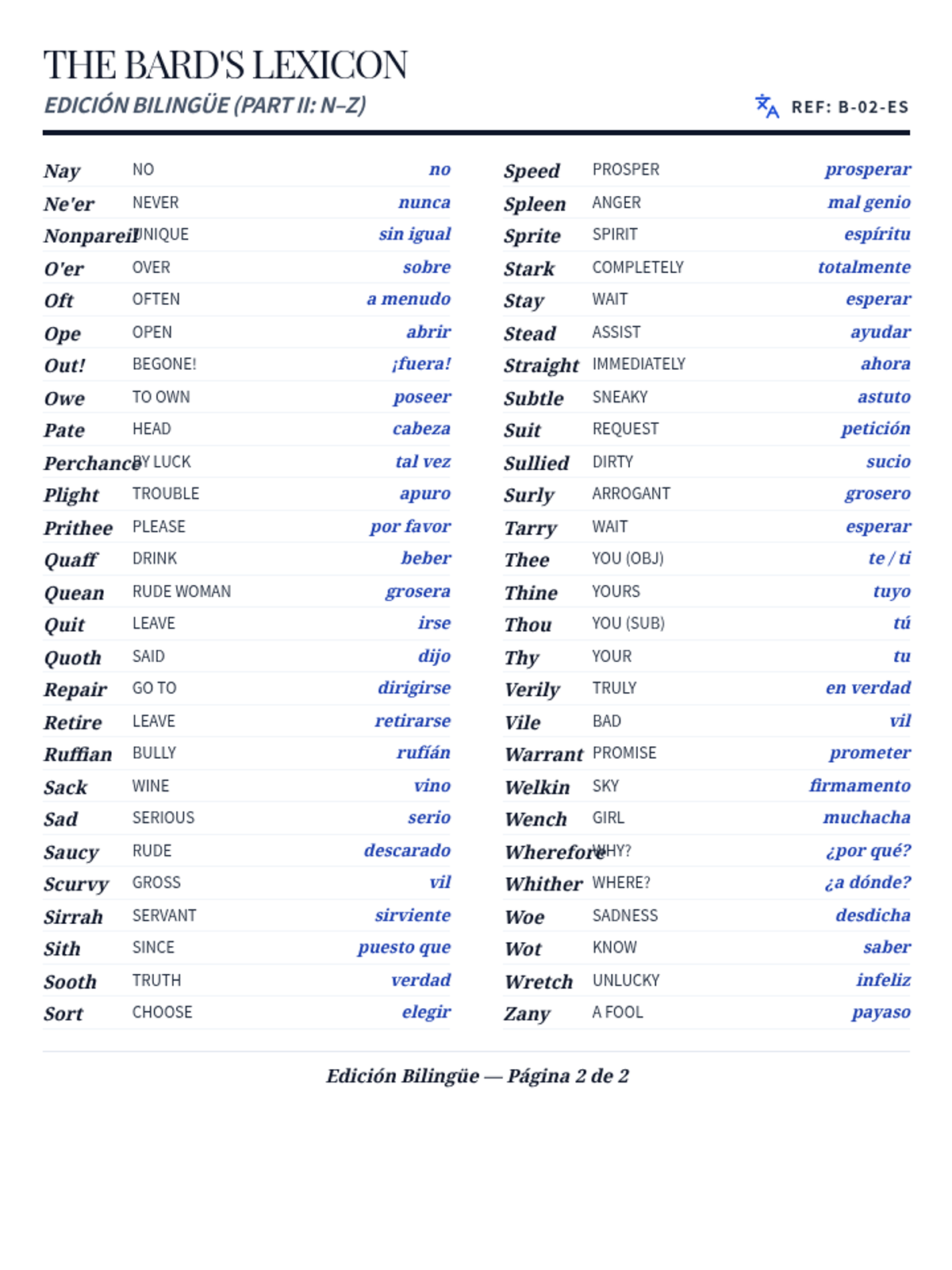
A hands-on activity where students learn to decode and encode Shakespearean language by writing secret messages or insults, then swapping them with peers to translate.
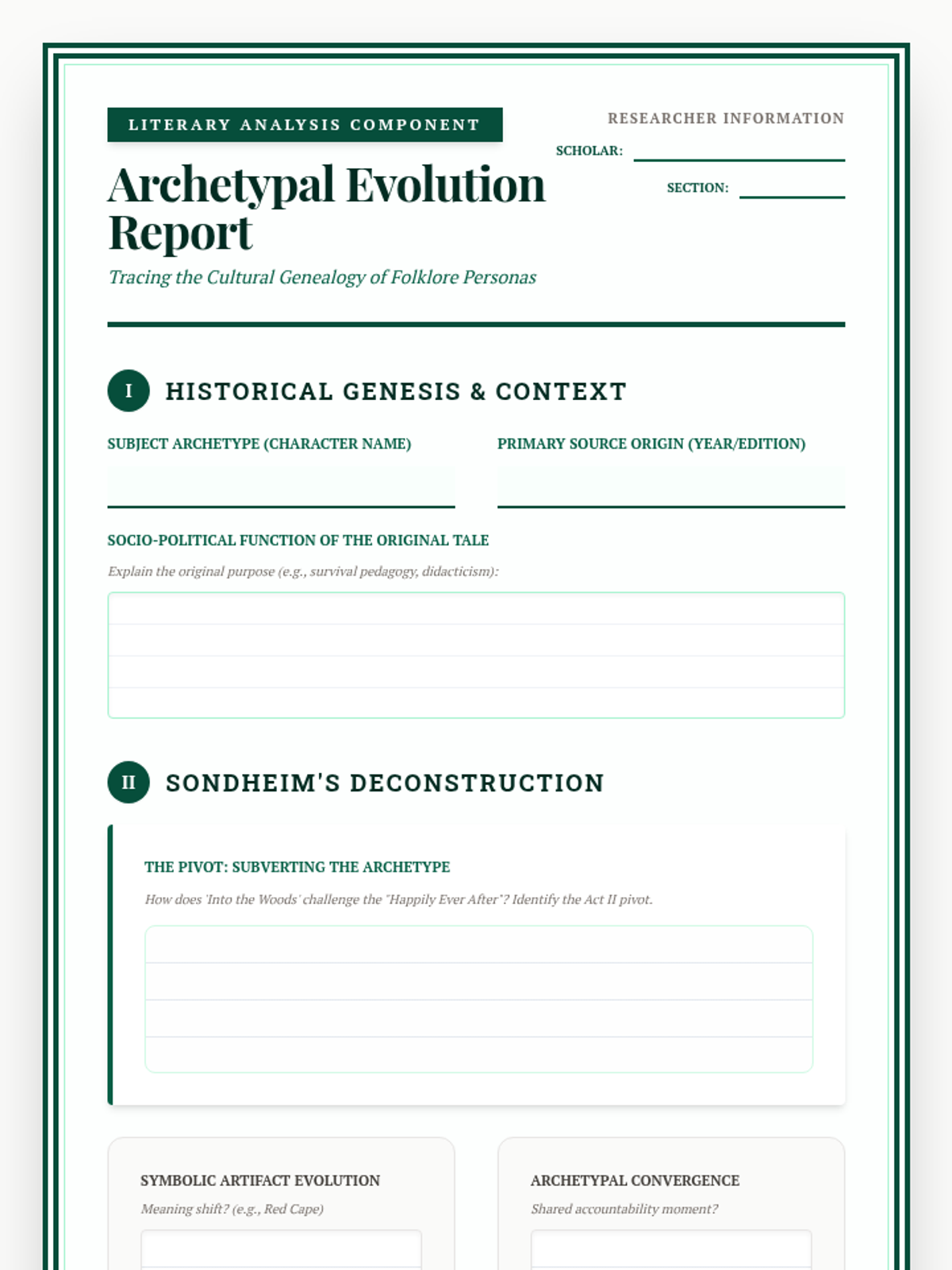
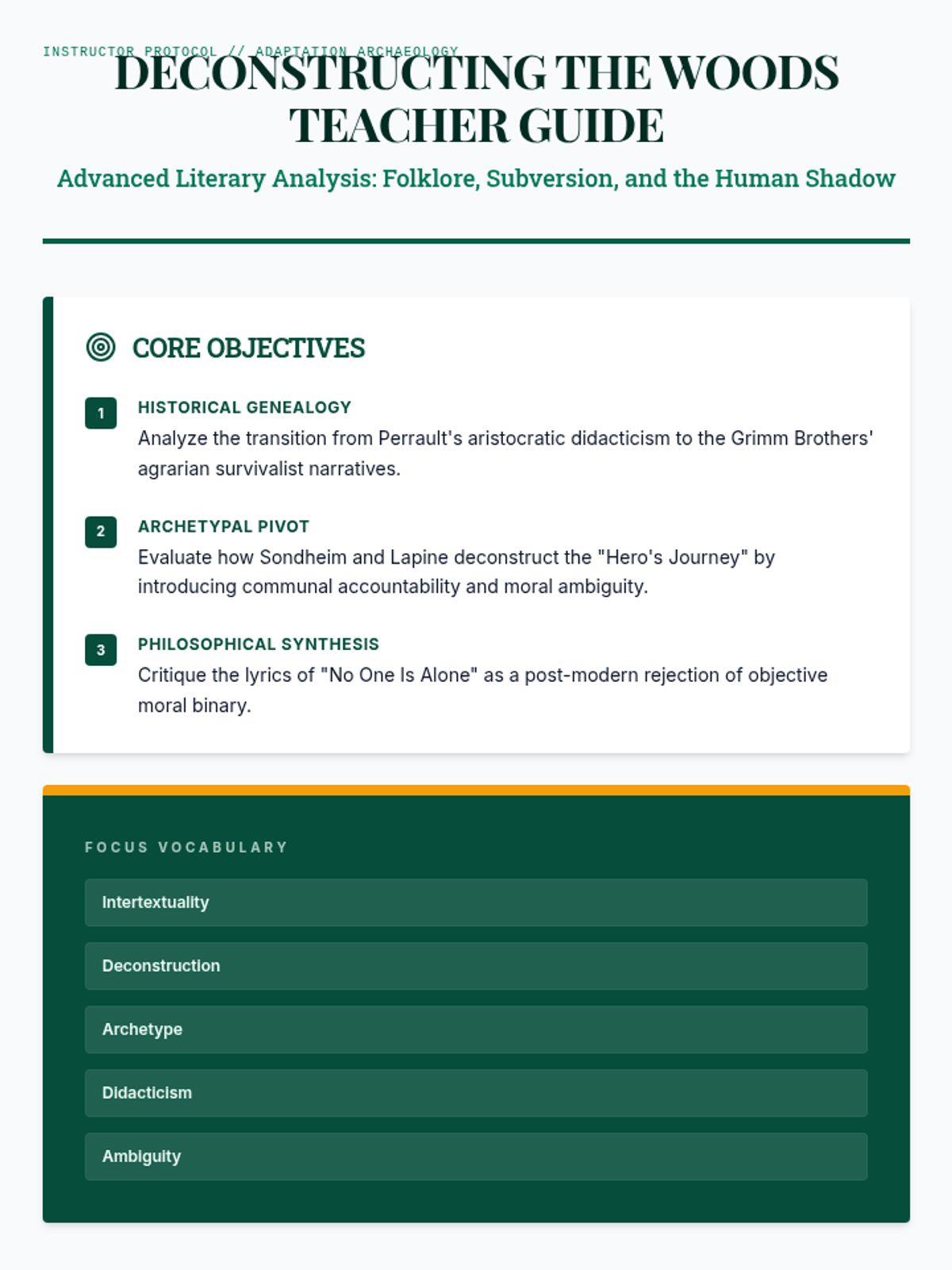
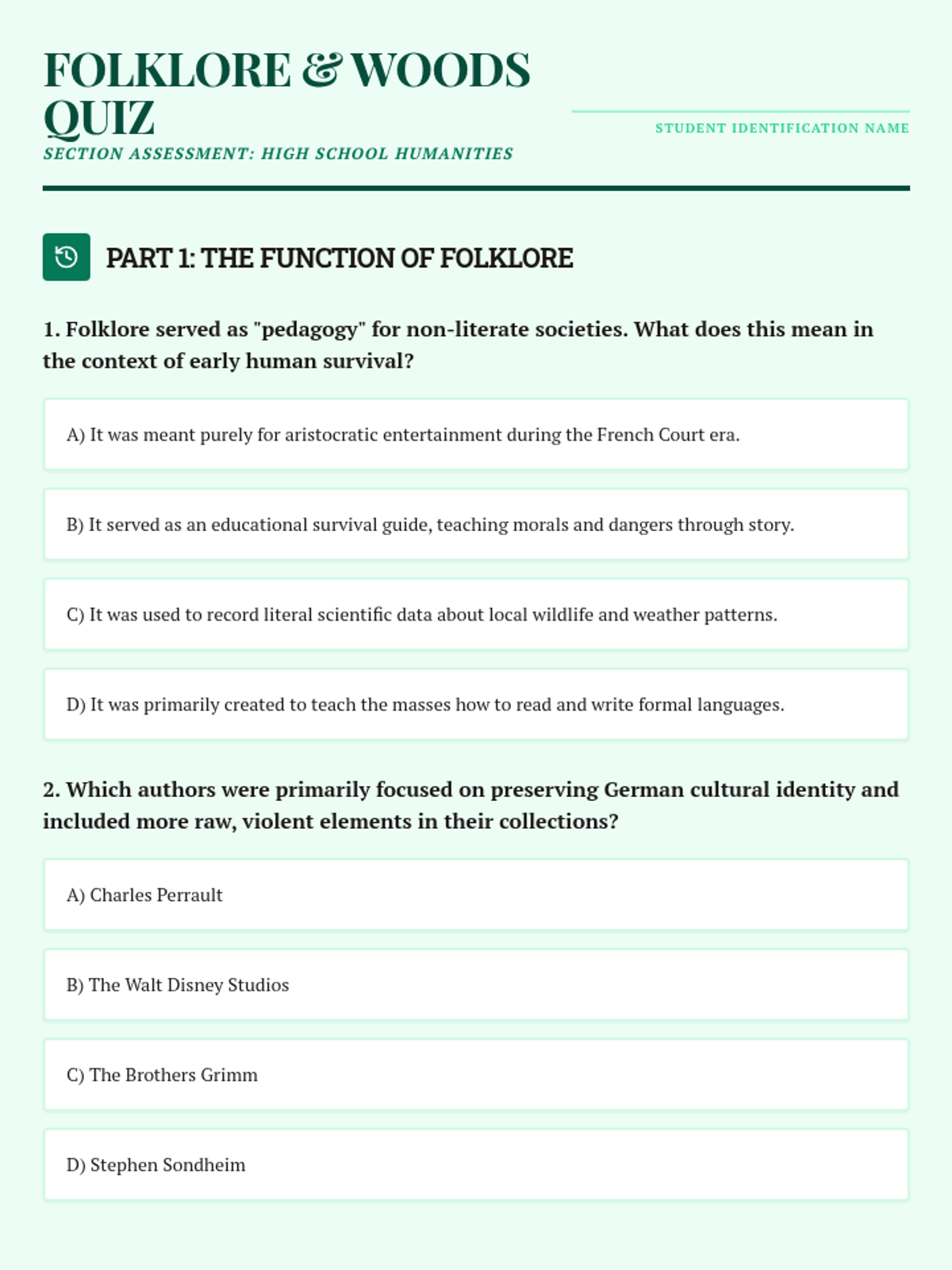
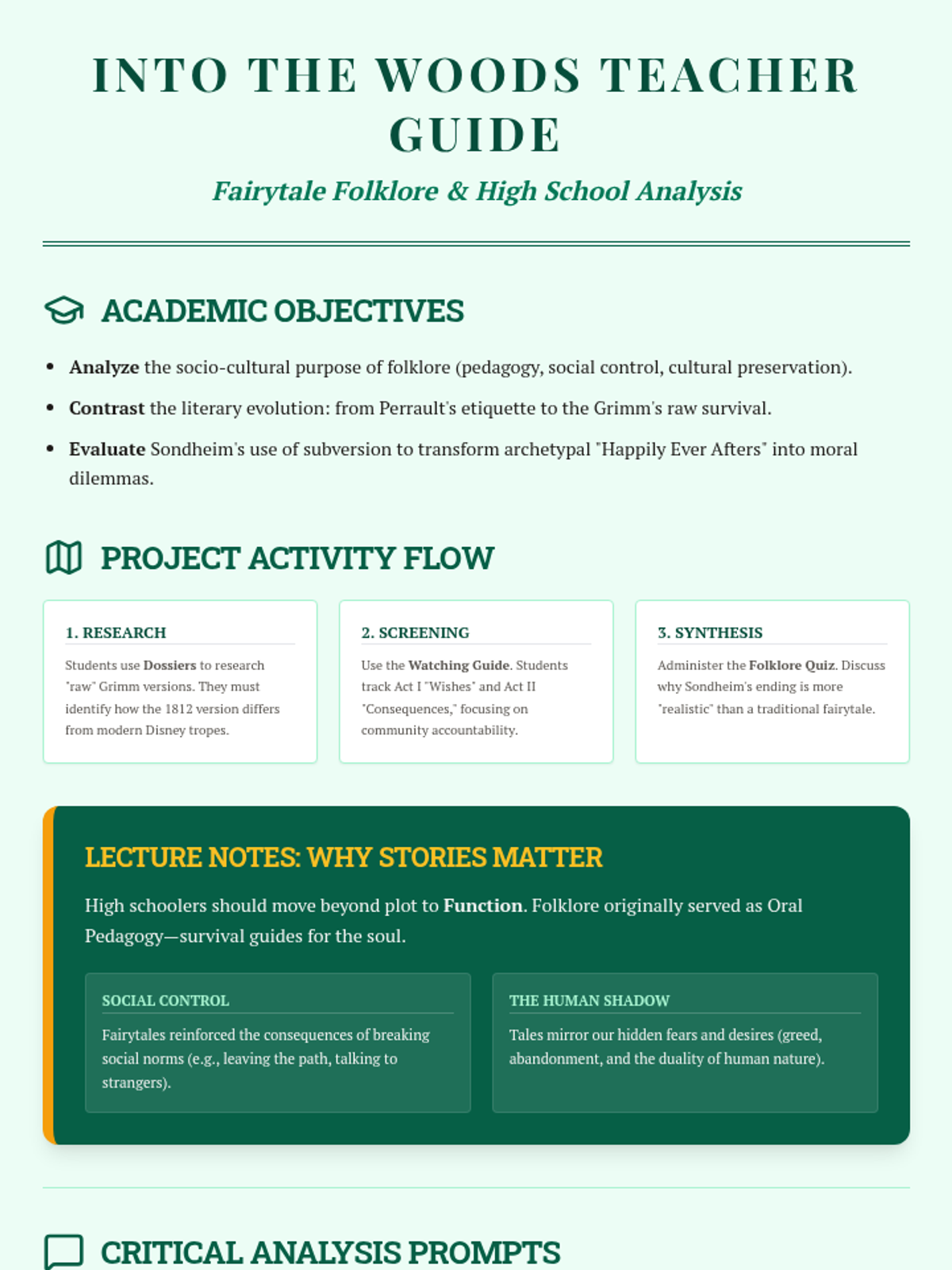
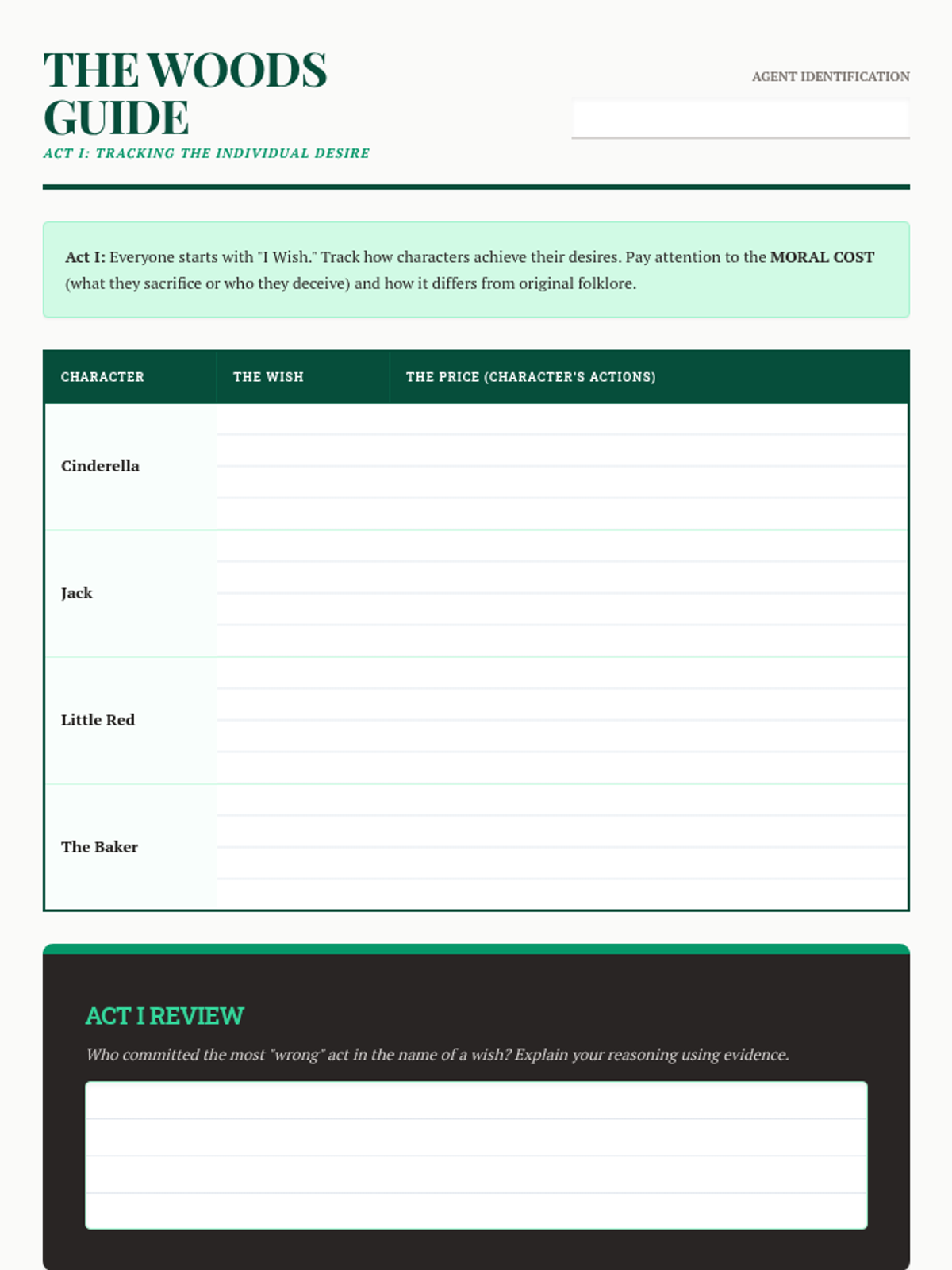
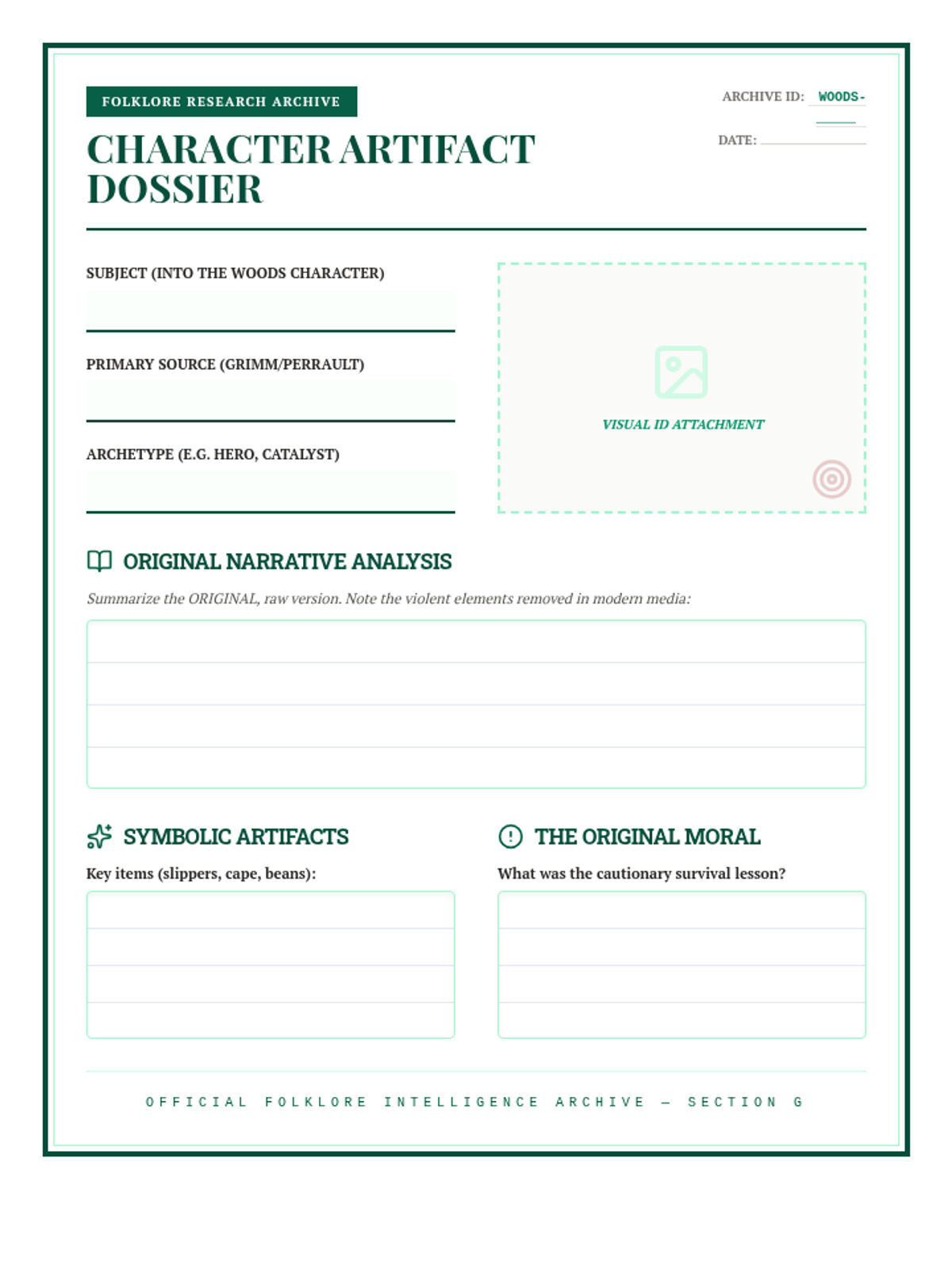
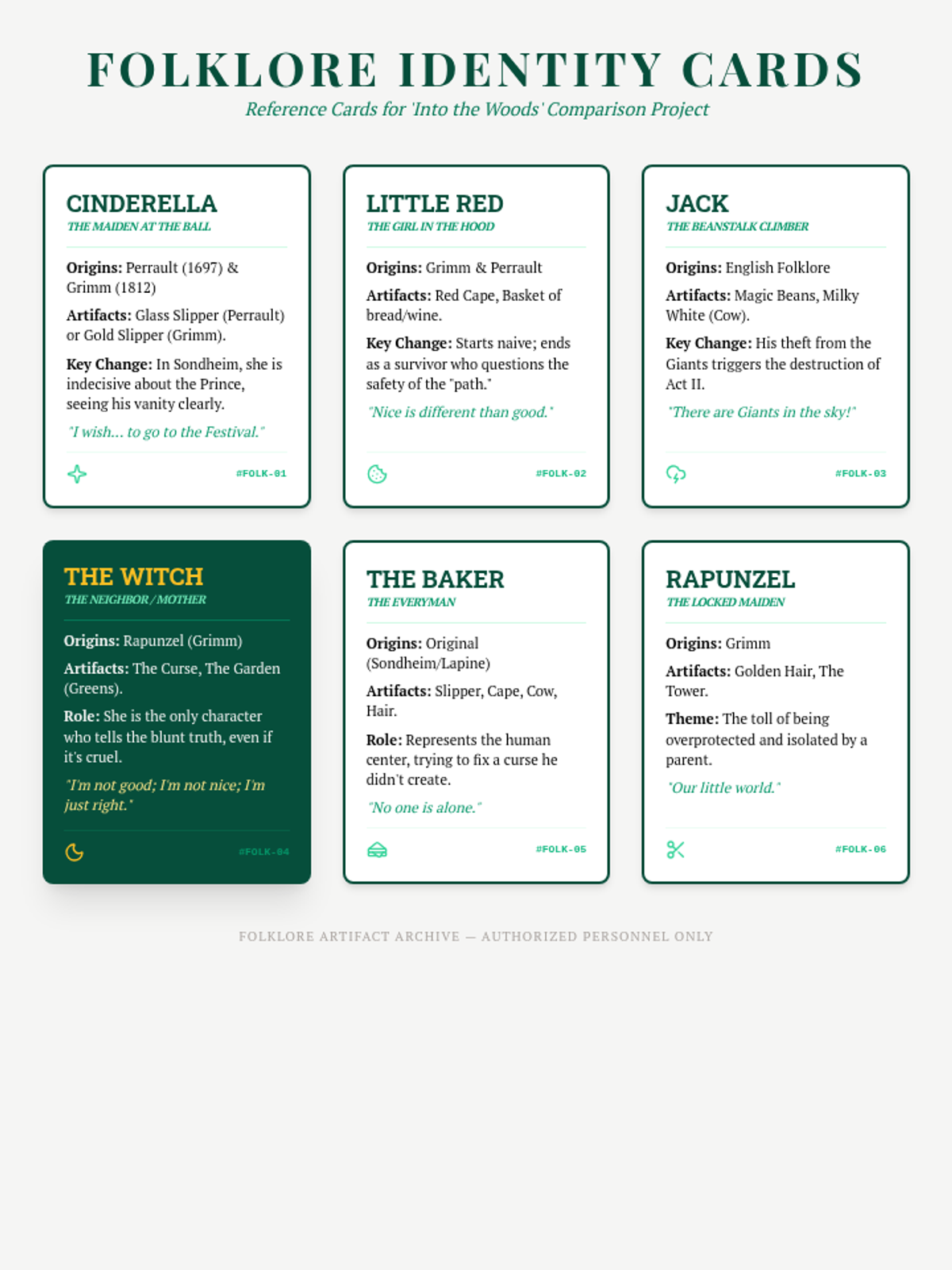
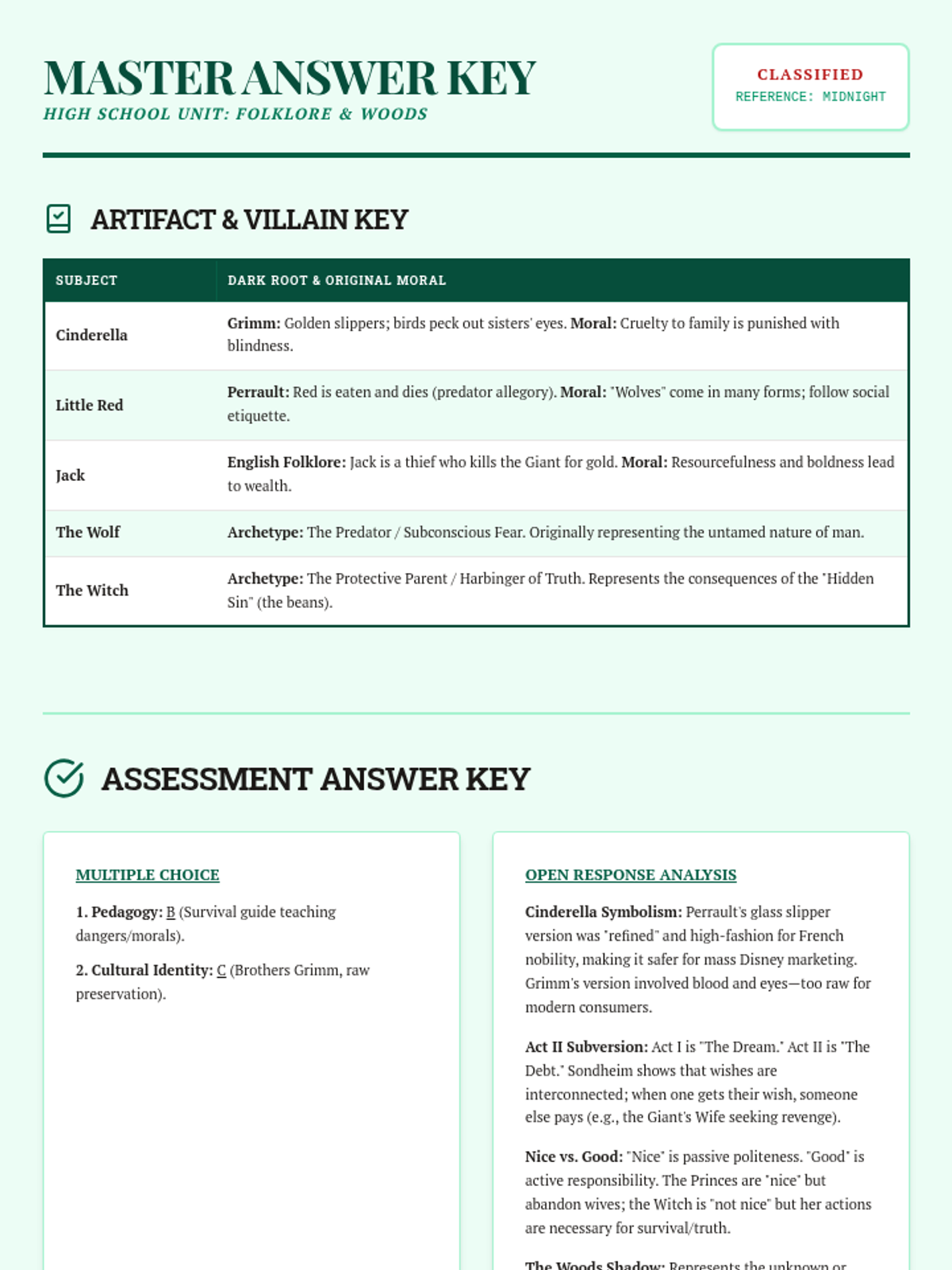
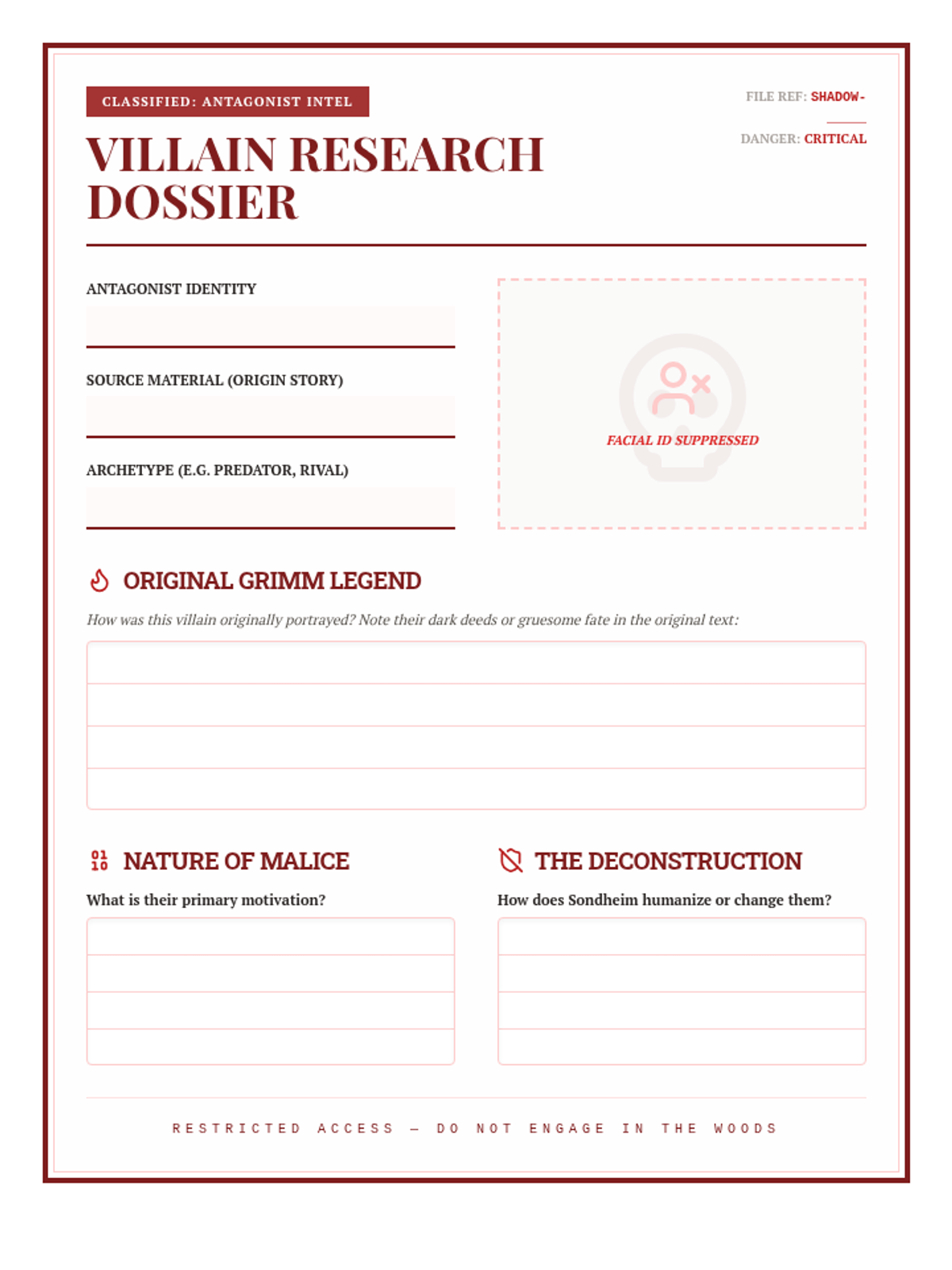
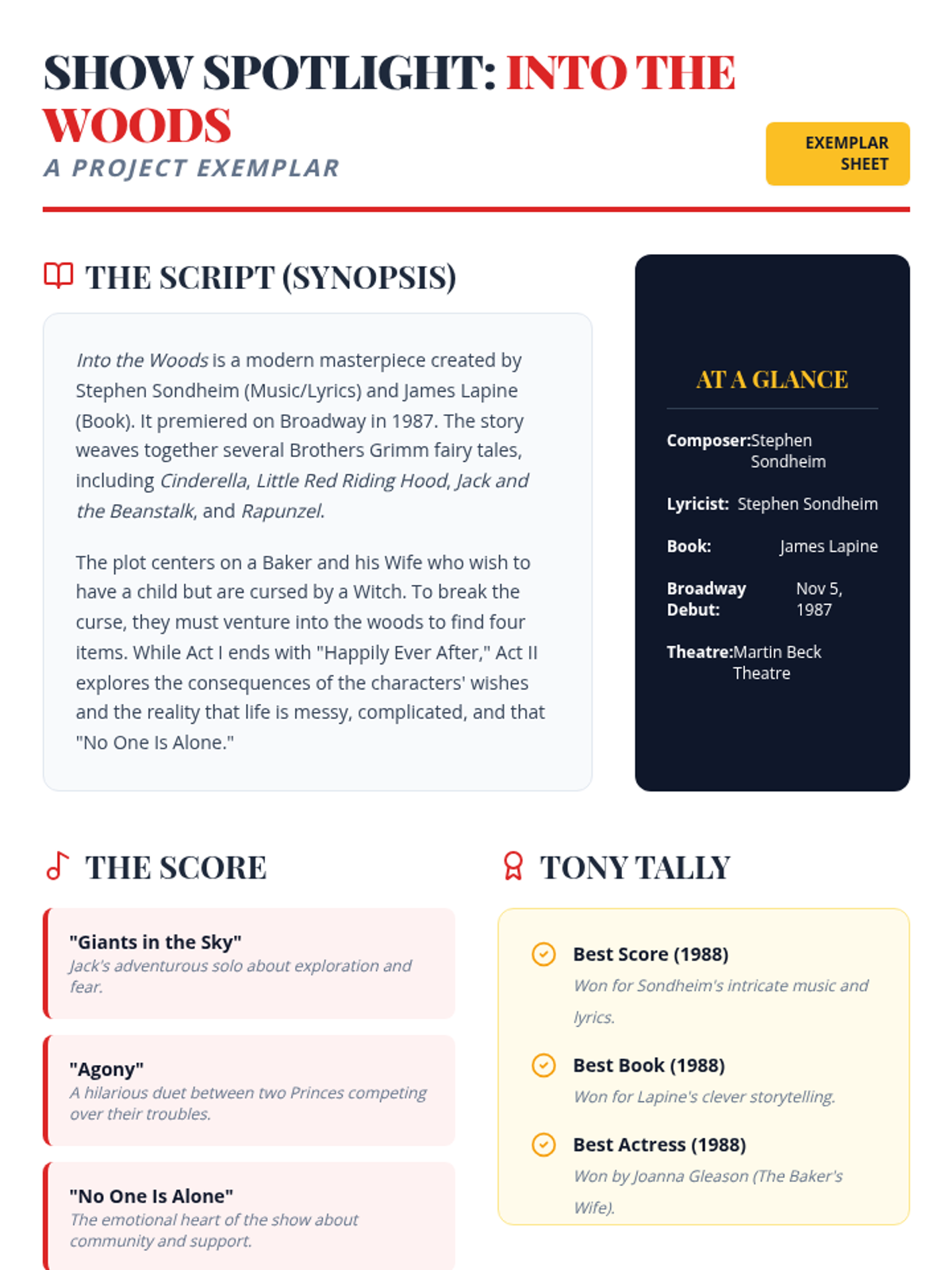
An advanced analysis of fairytale folklore that explores the socio-cultural evolution of classic tales and analyzes their deconstruction in Stephen Sondheim's 'Into the Woods'. Students evaluate themes of communal accountability and the moral ambiguity of 'Happily Ever After'.
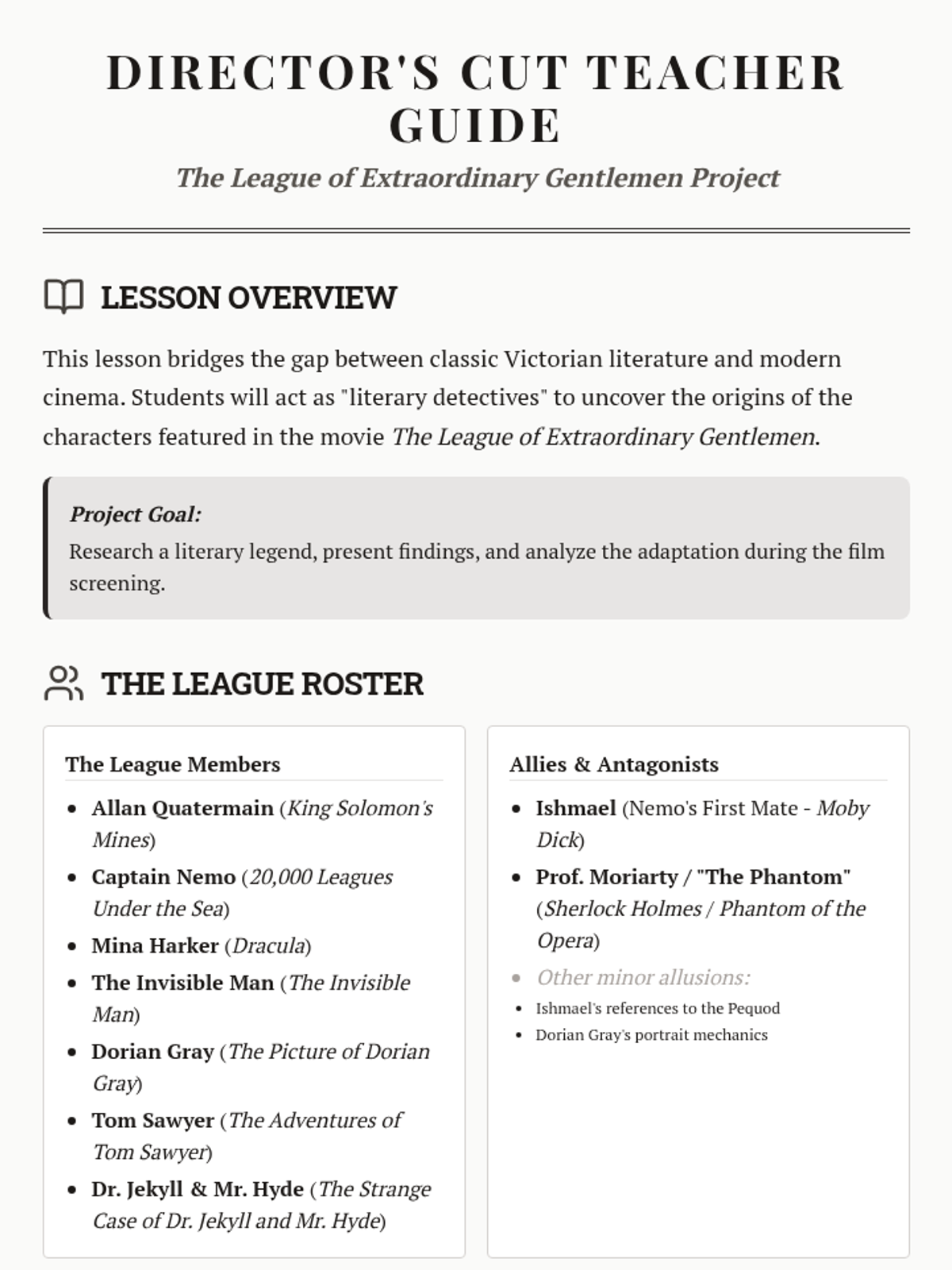
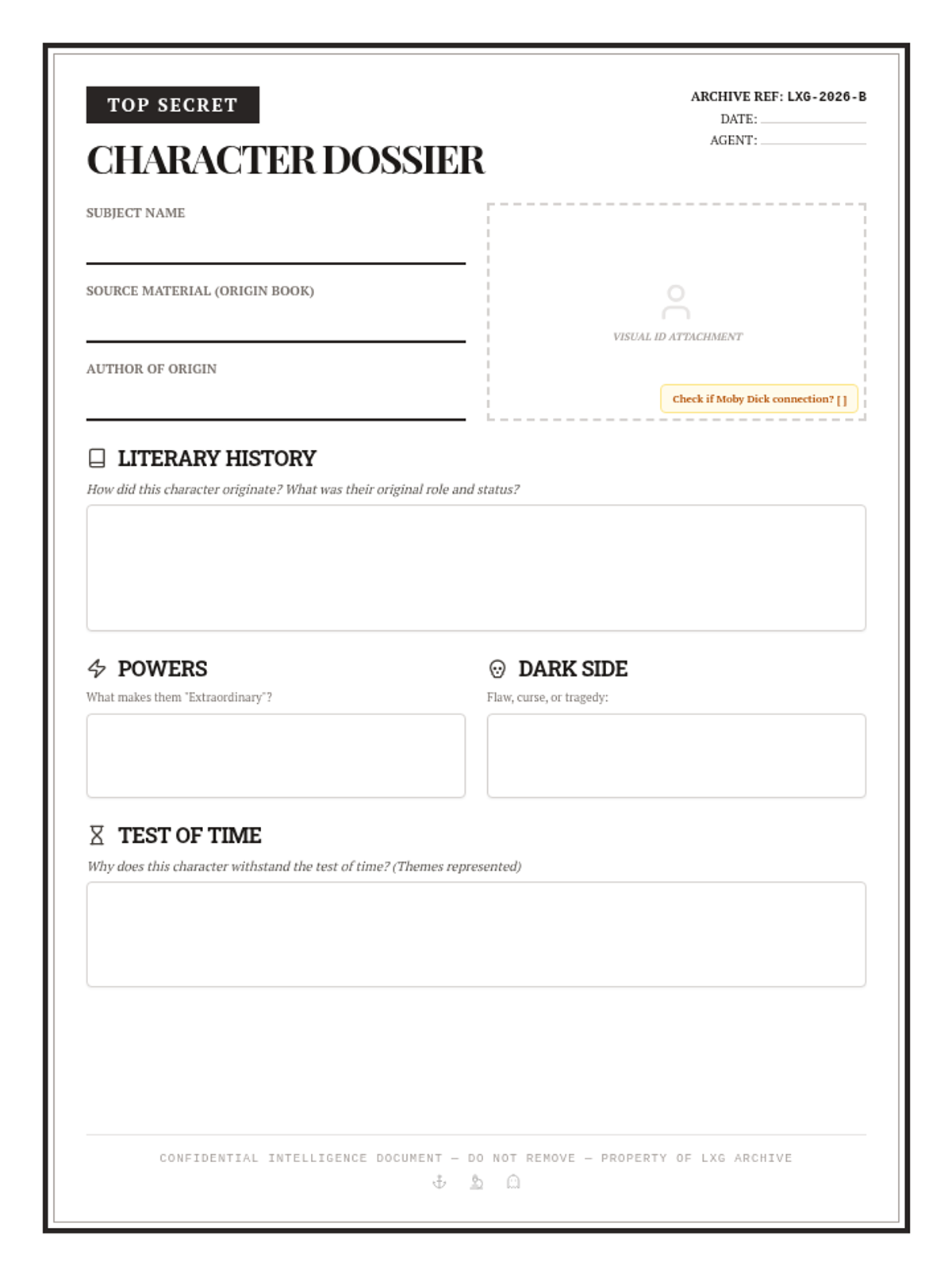
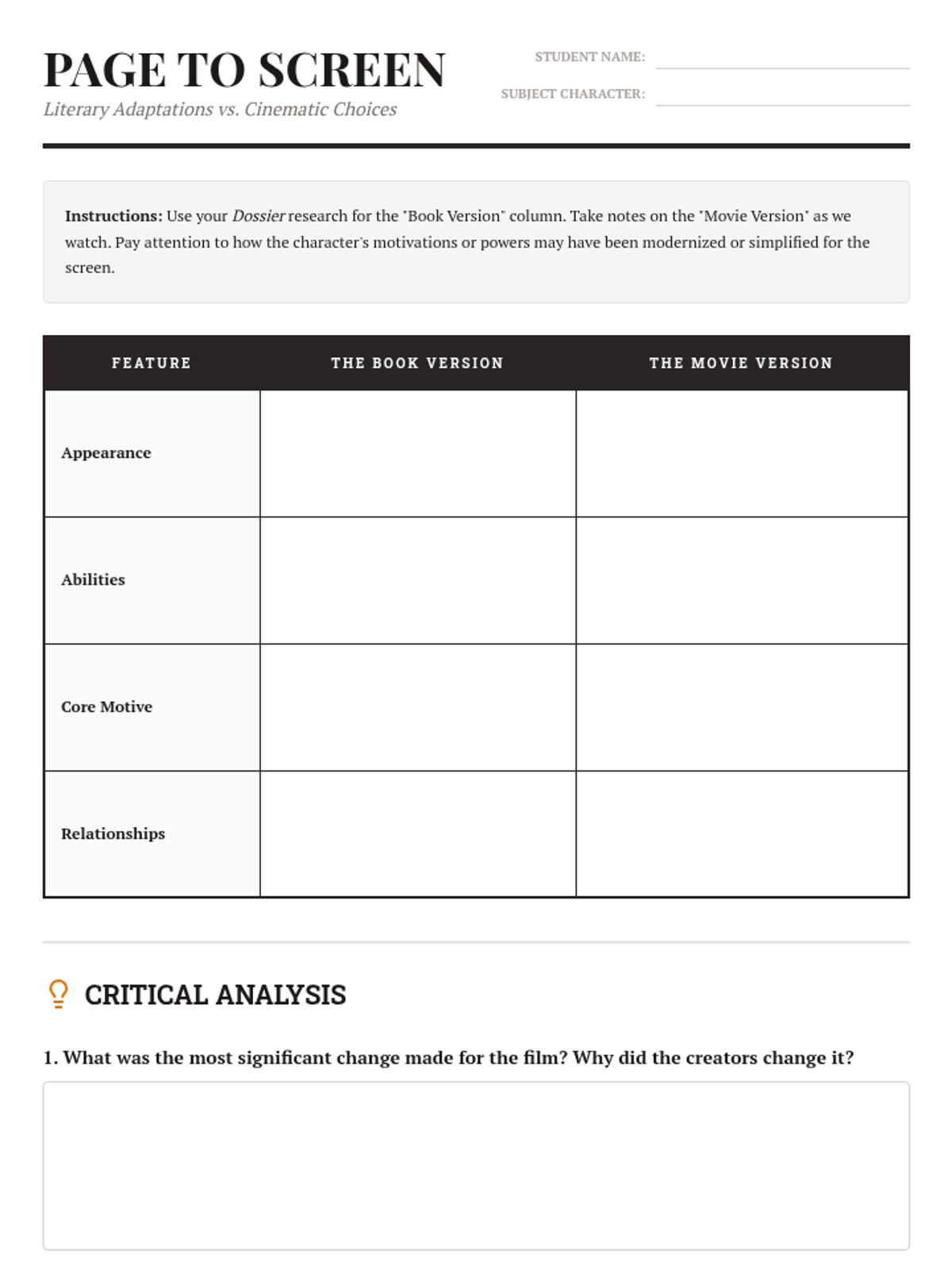
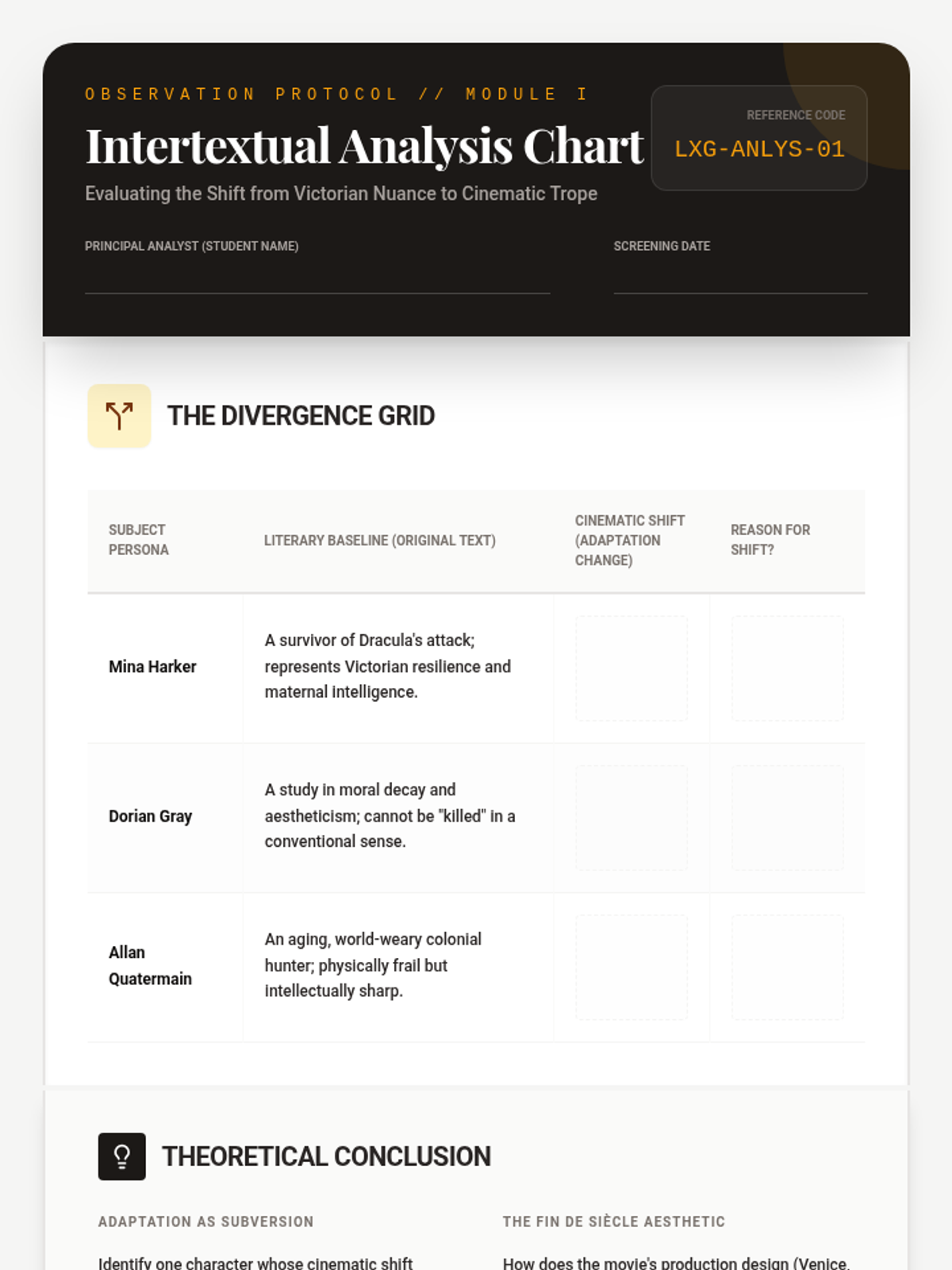
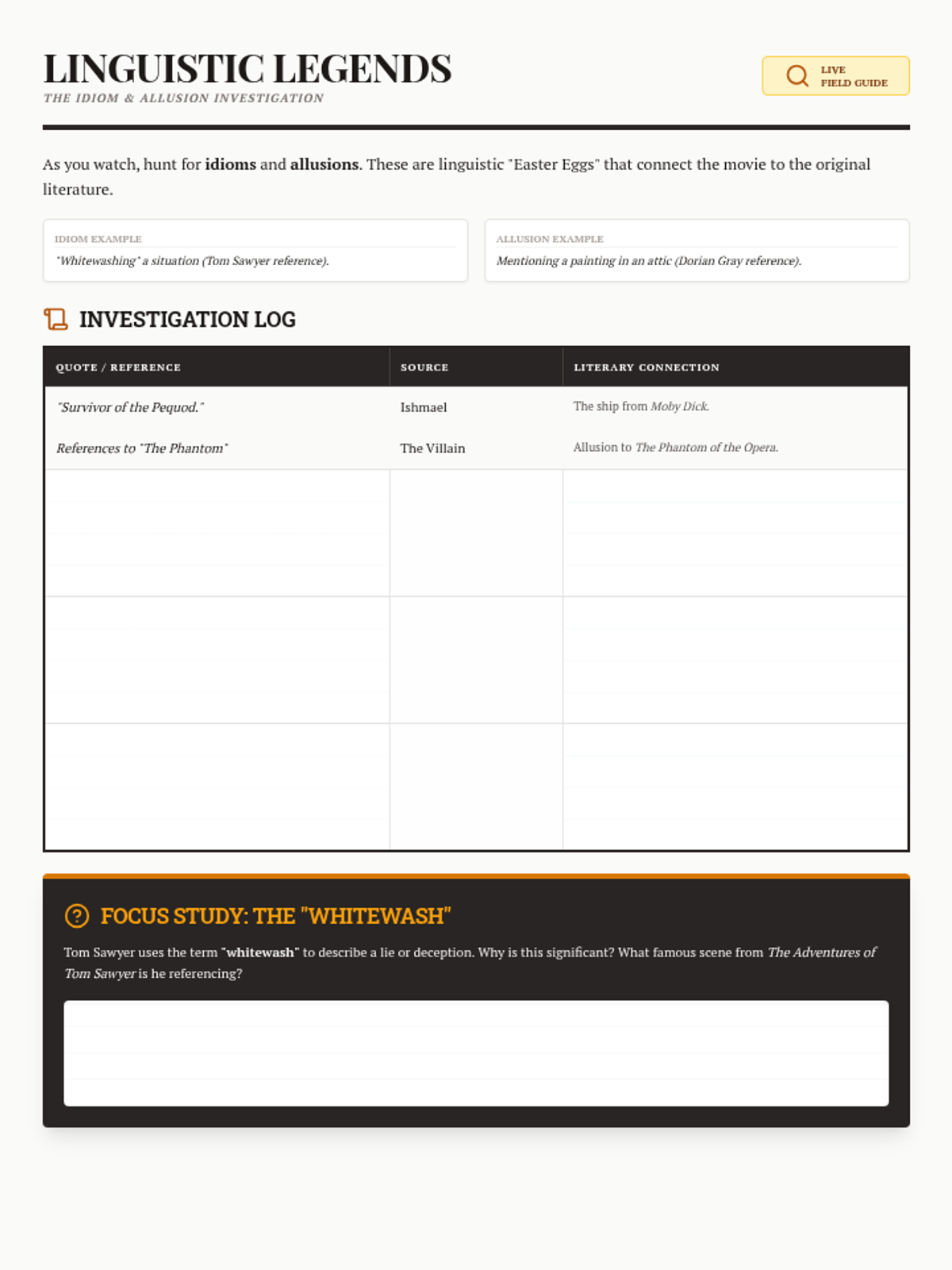
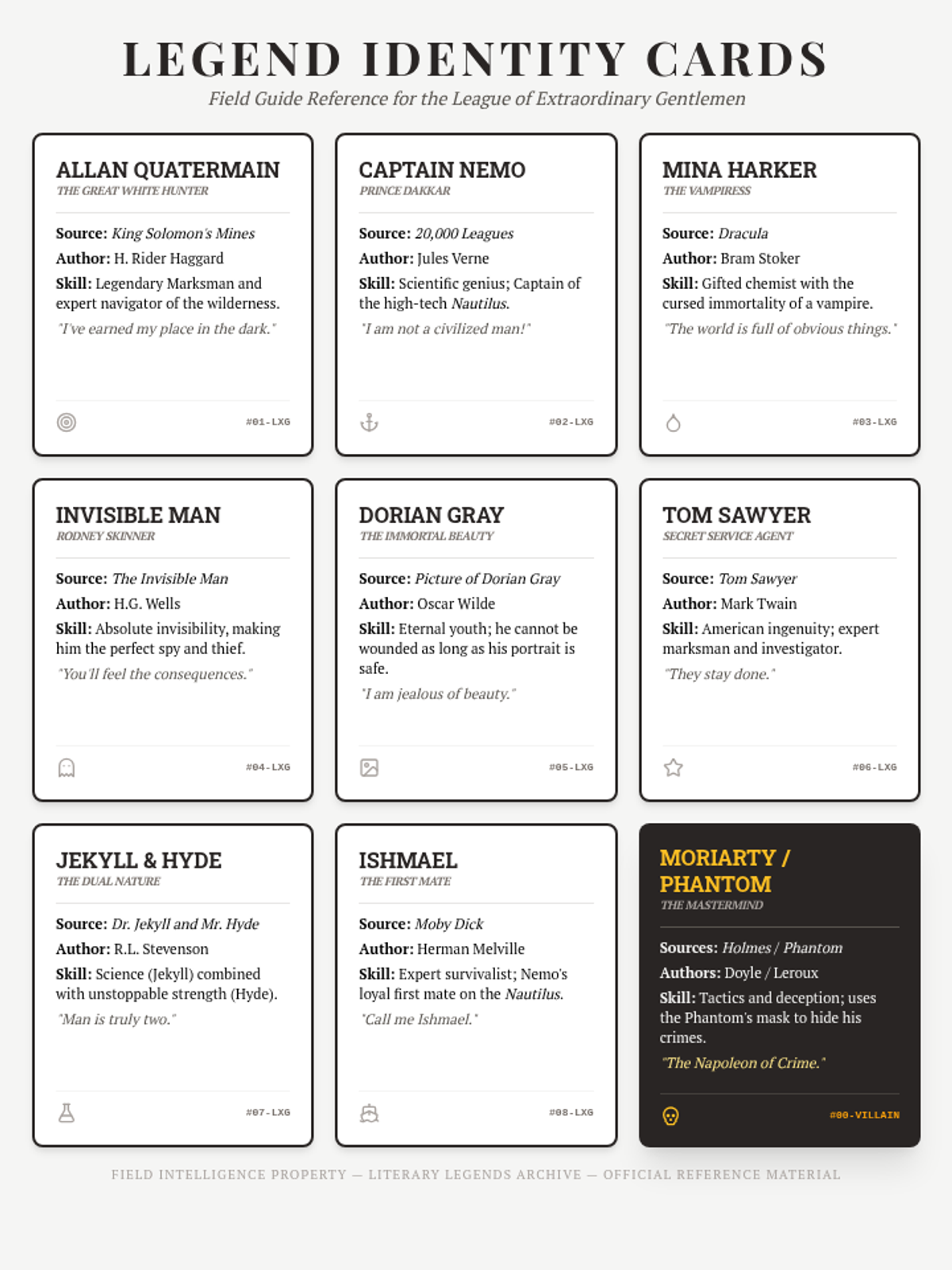
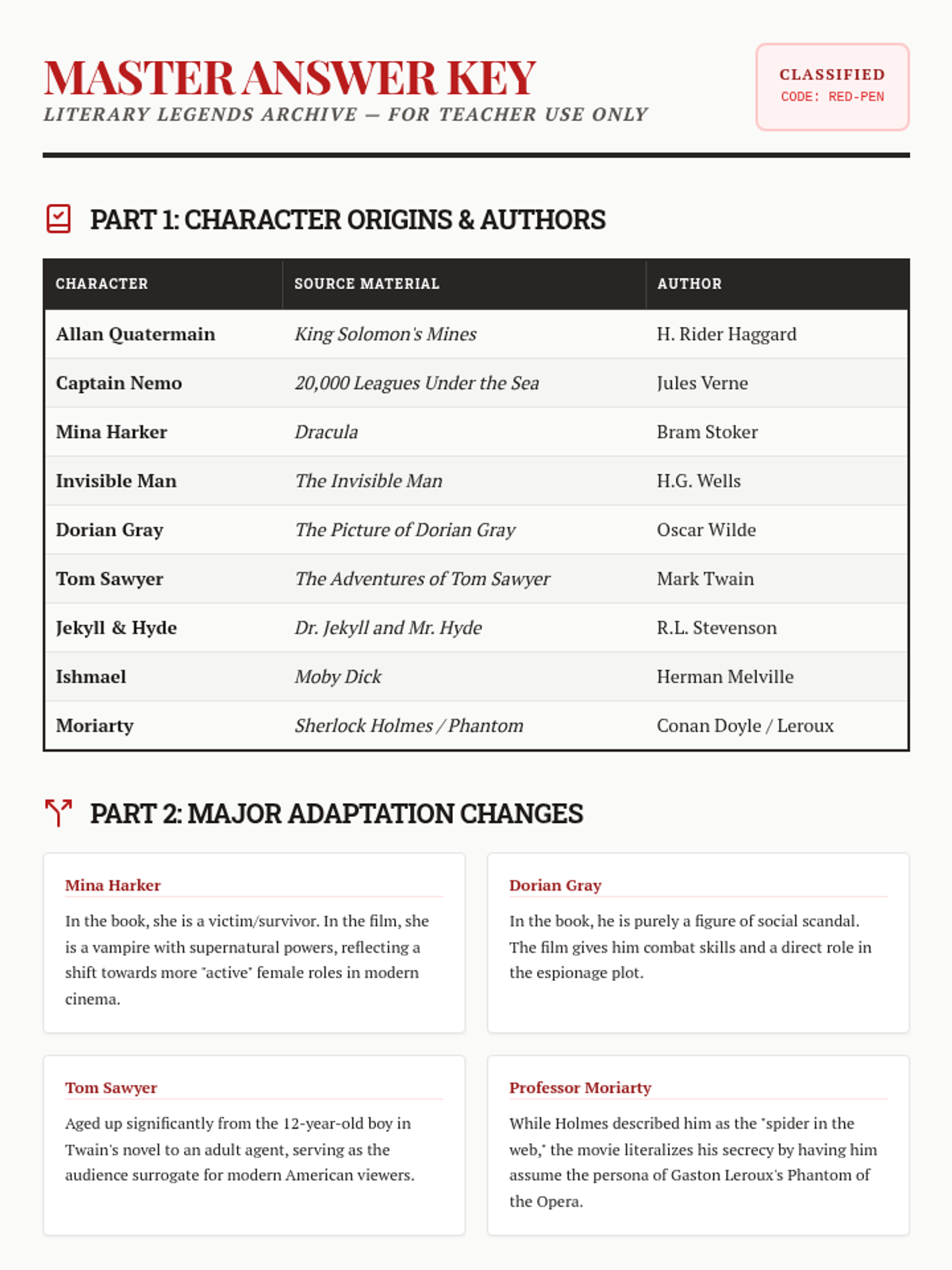
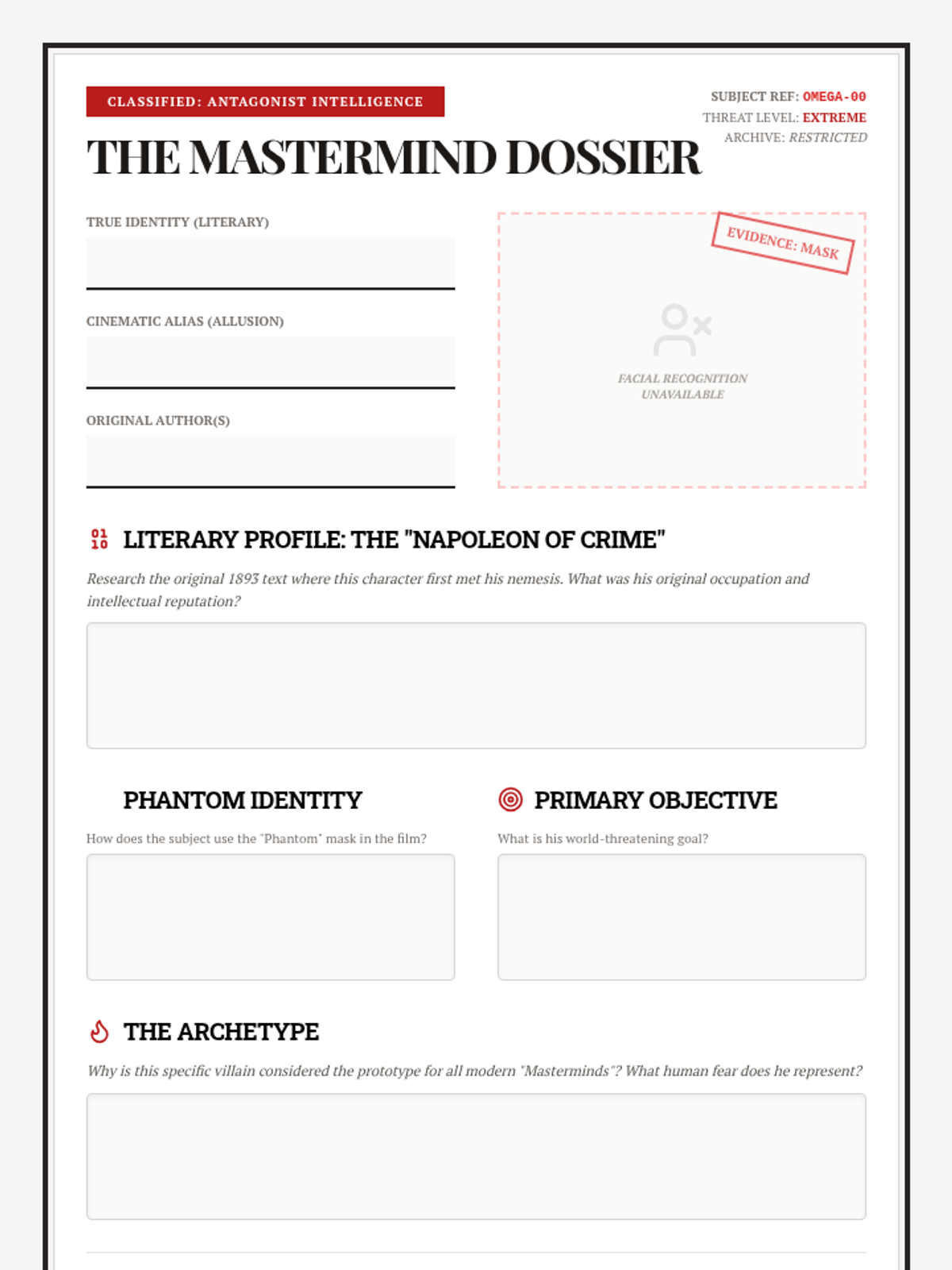
A rigorous exploration of fin-de-siècle literature and post-modern intertextuality. Students analyze the literary origins of Victorian icons in 'The League of Extraordinary Gentlemen' and evaluate the socio-cultural shifts in their cinematic adaptation.
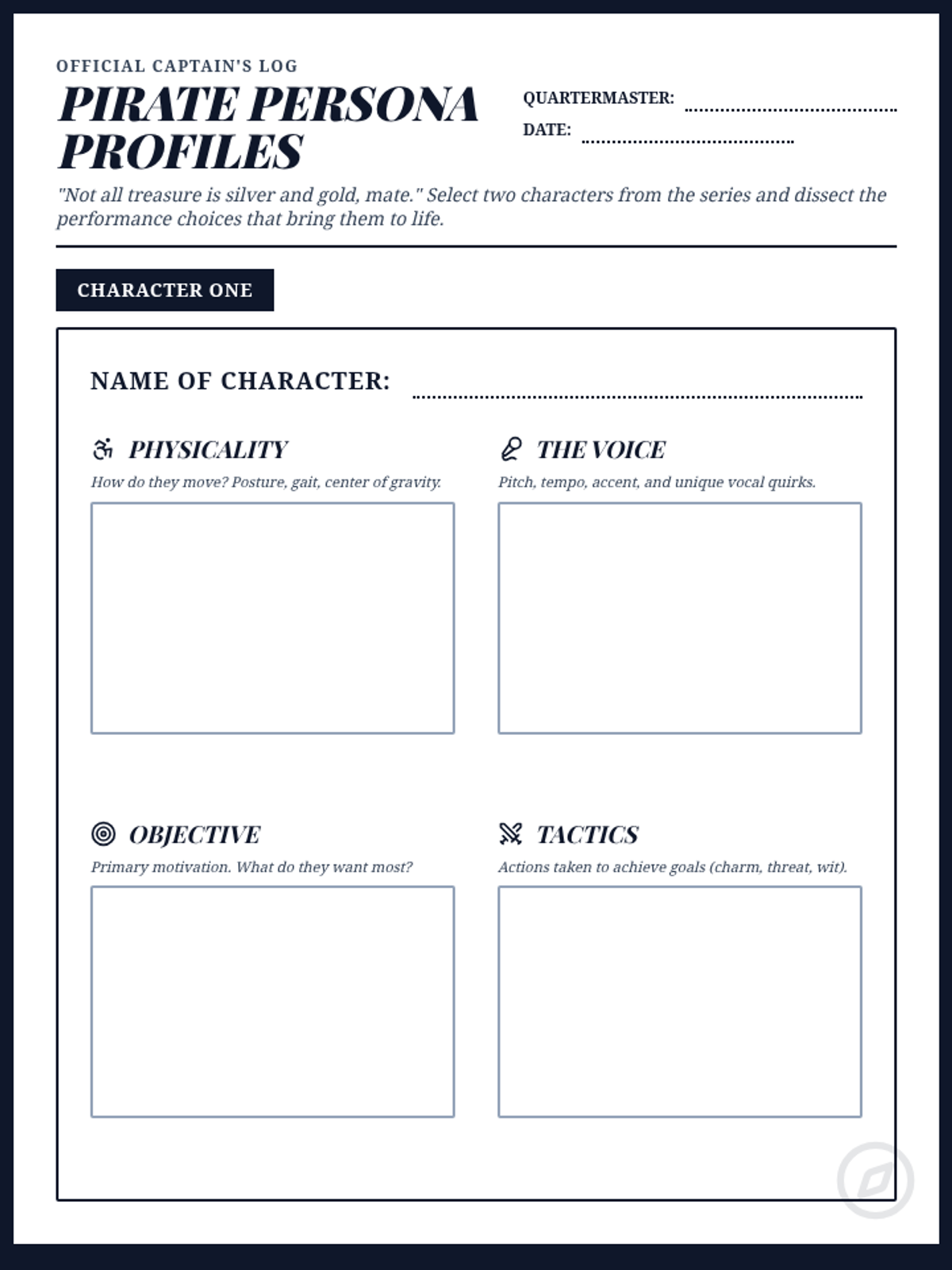
A lesson focused on analyzing the performance choices and narrative motivations of characters in the Pirates of the Caribbean series. Students explore how physicality, voice, and tactics define iconic cinematic figures.
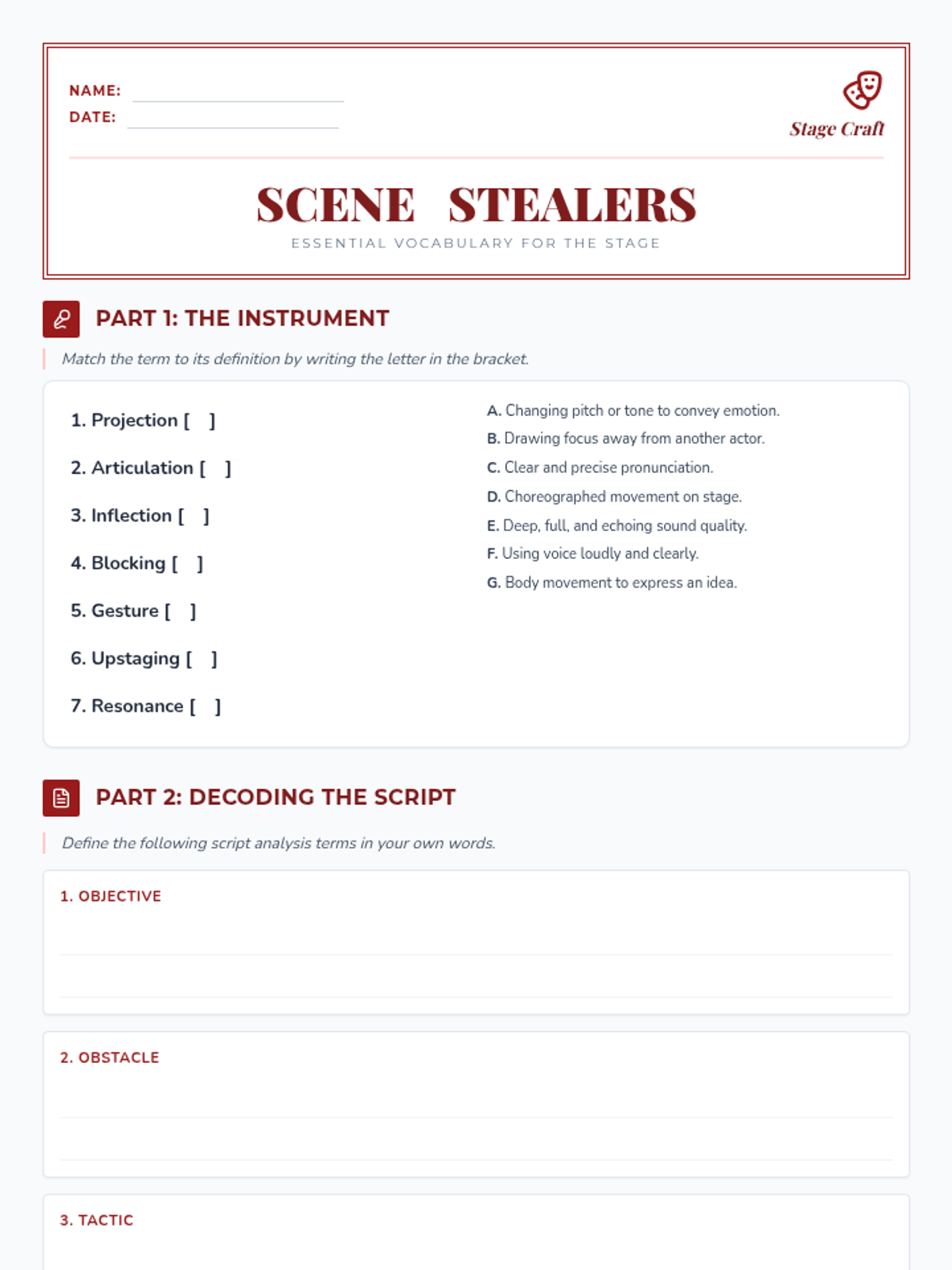
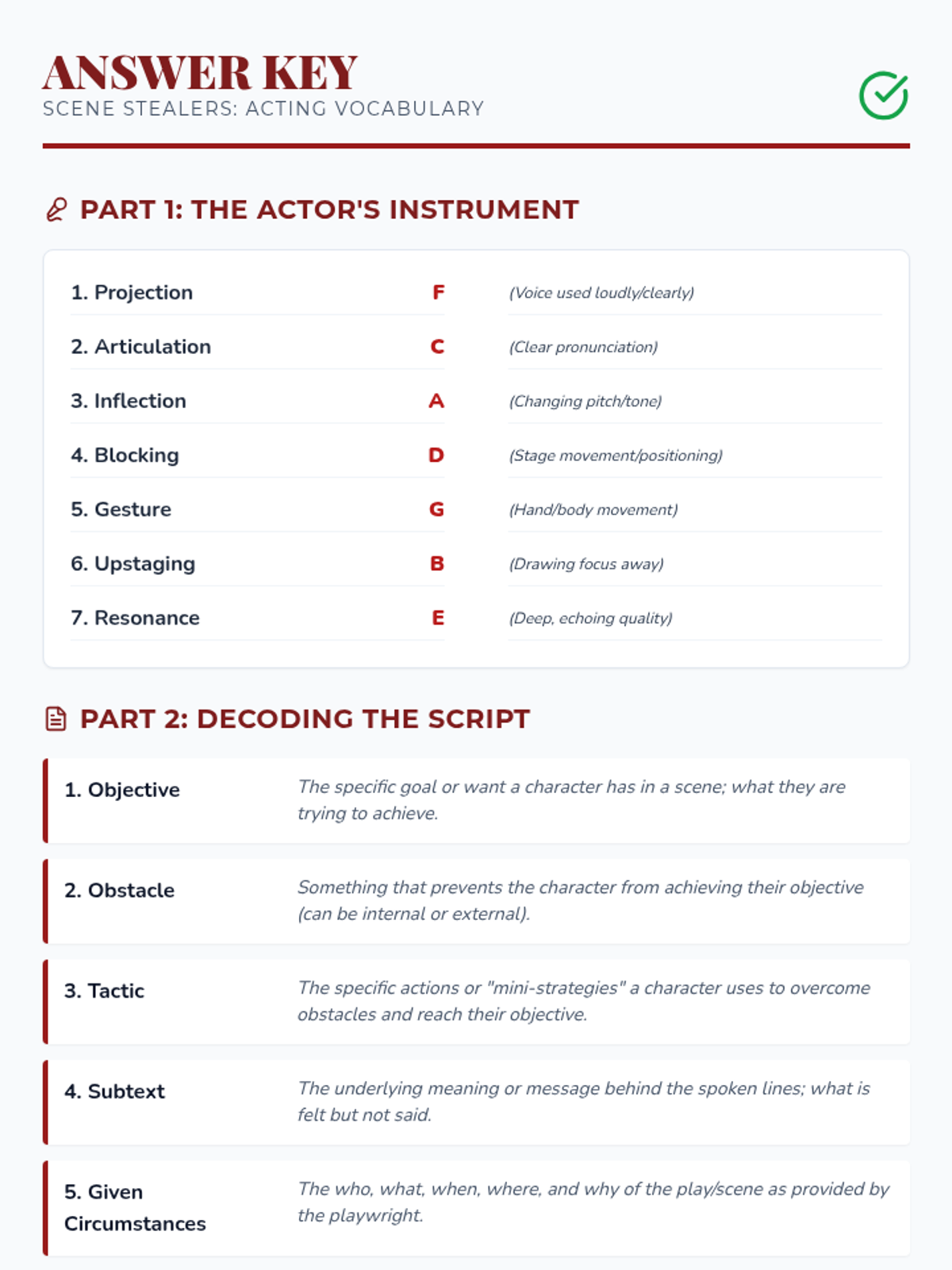
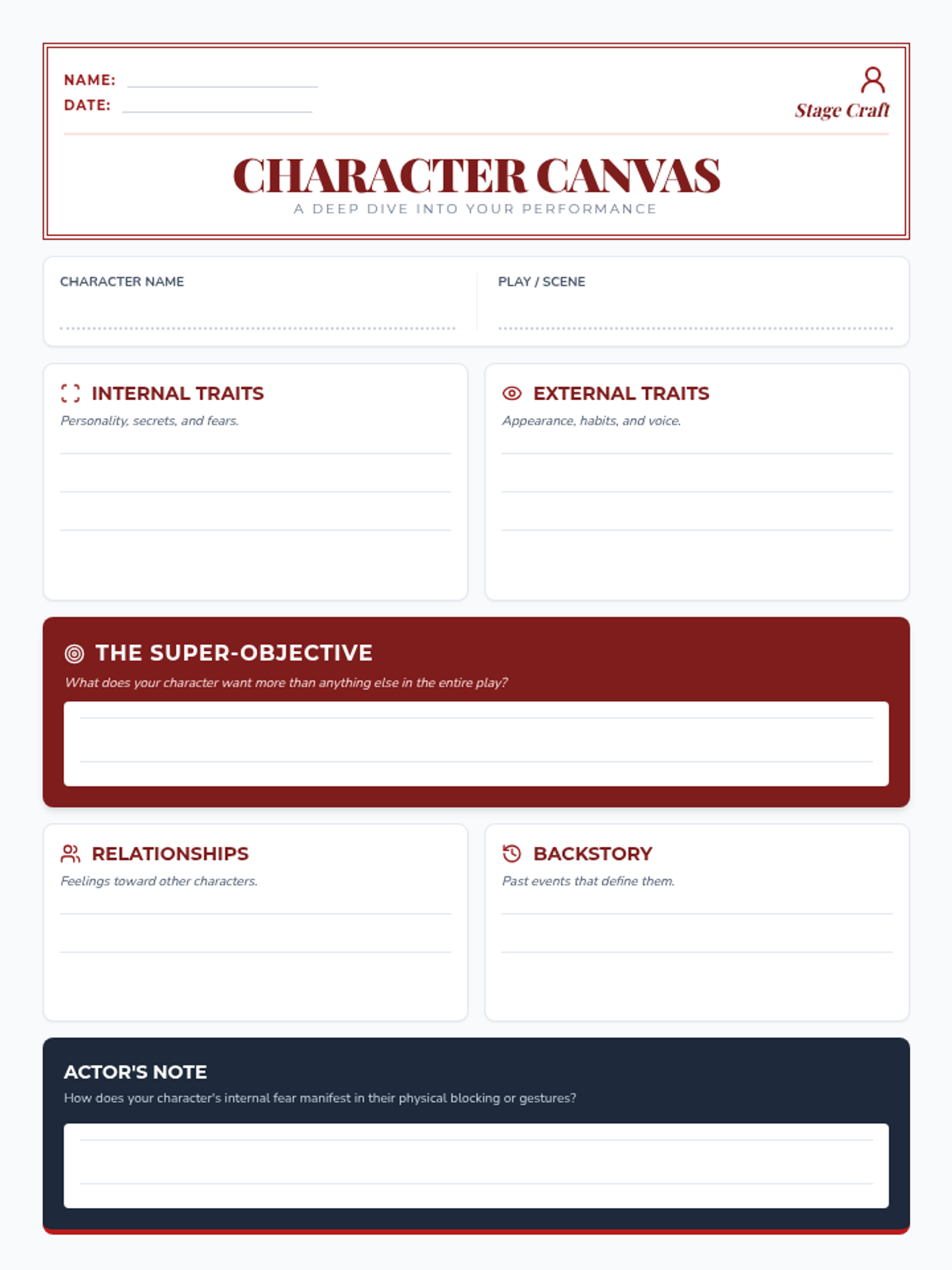
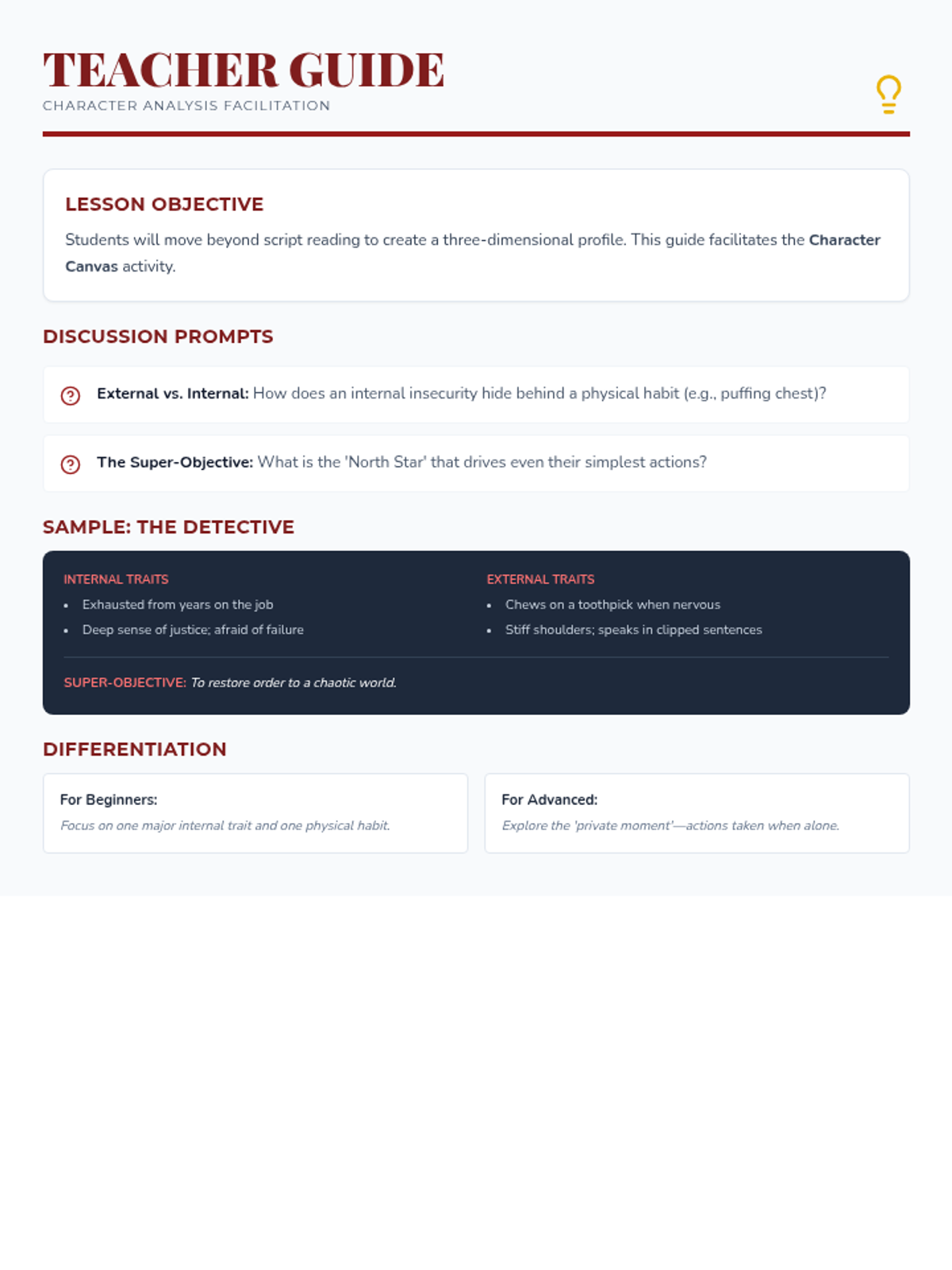
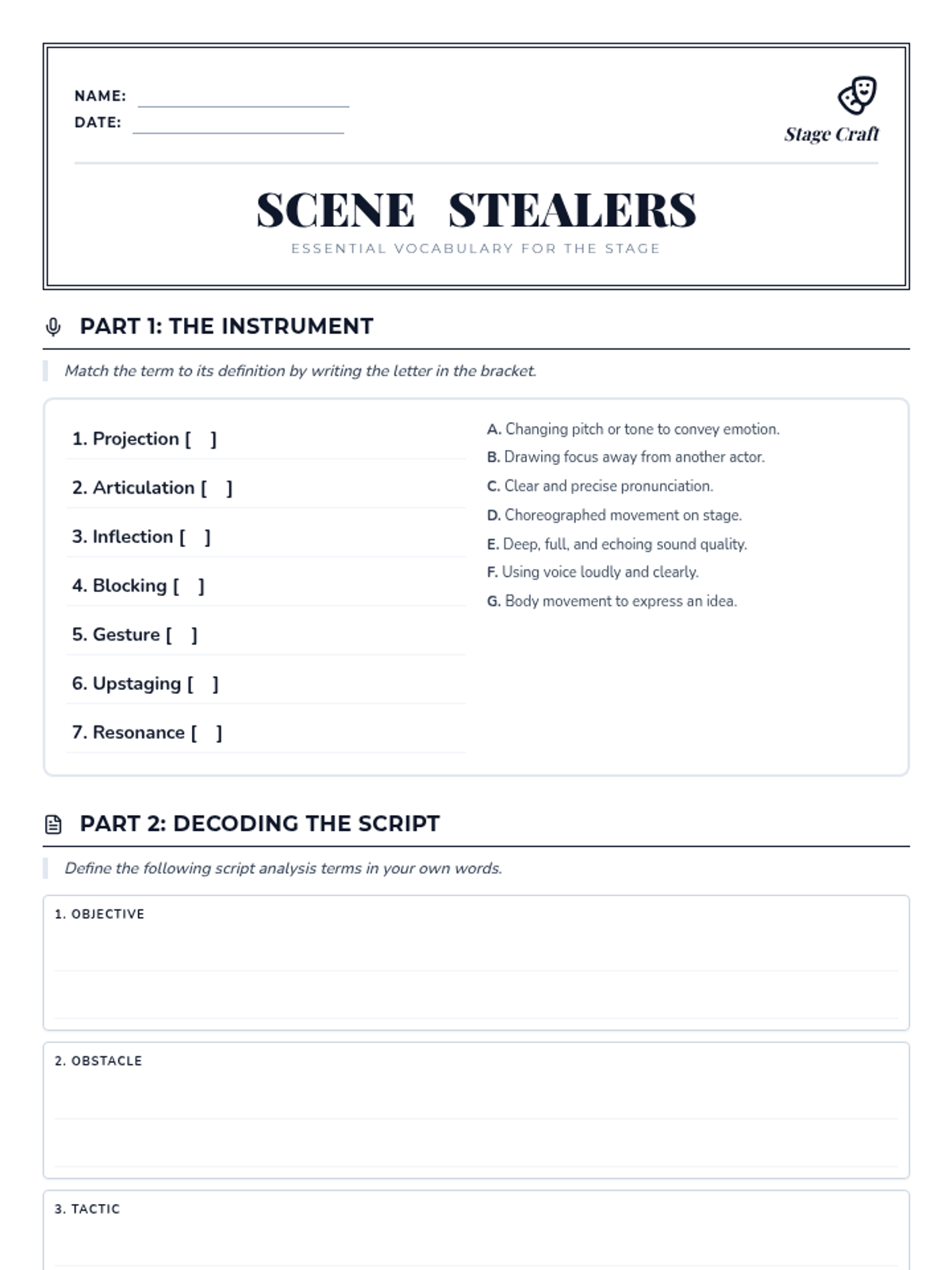
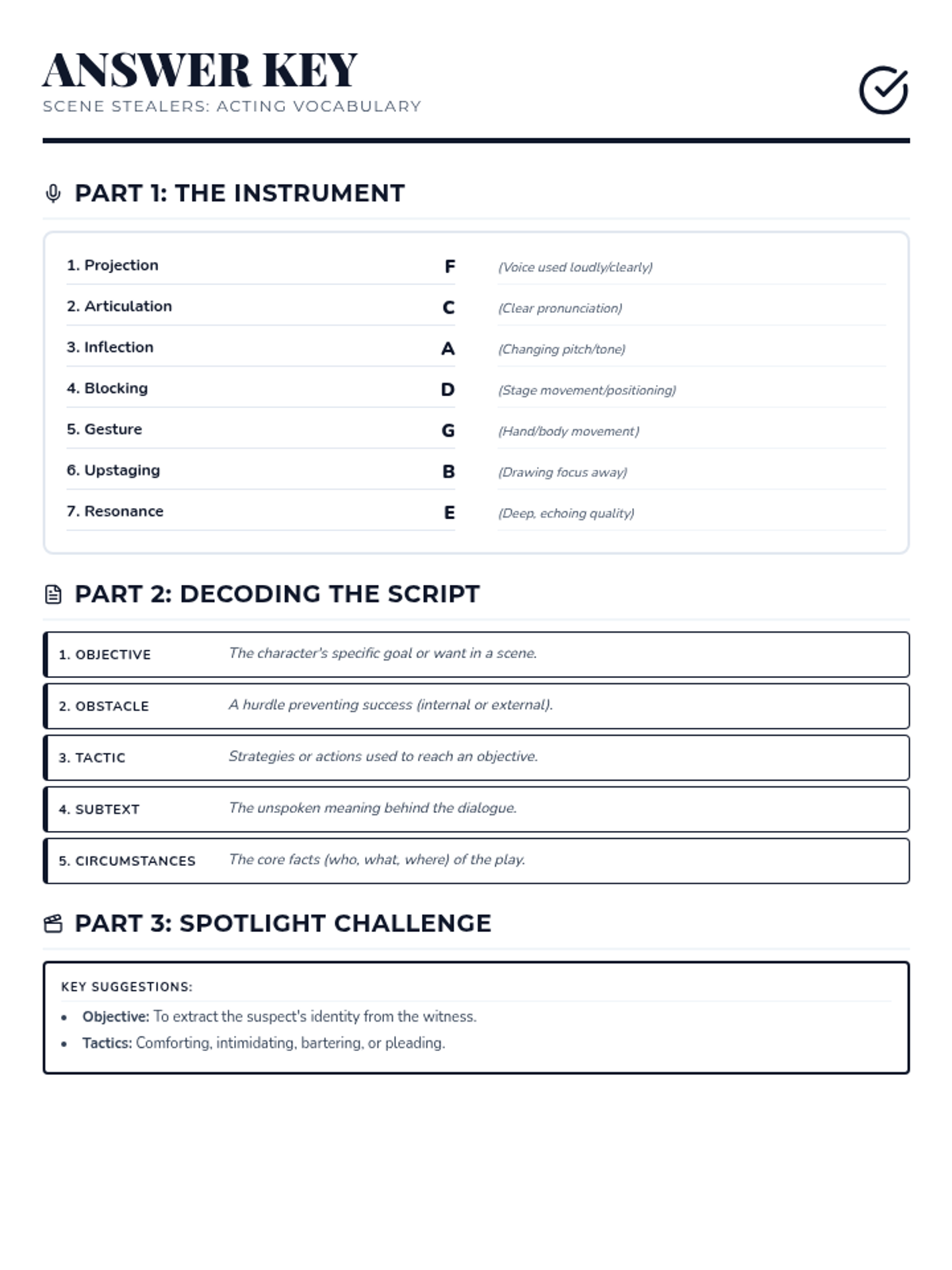
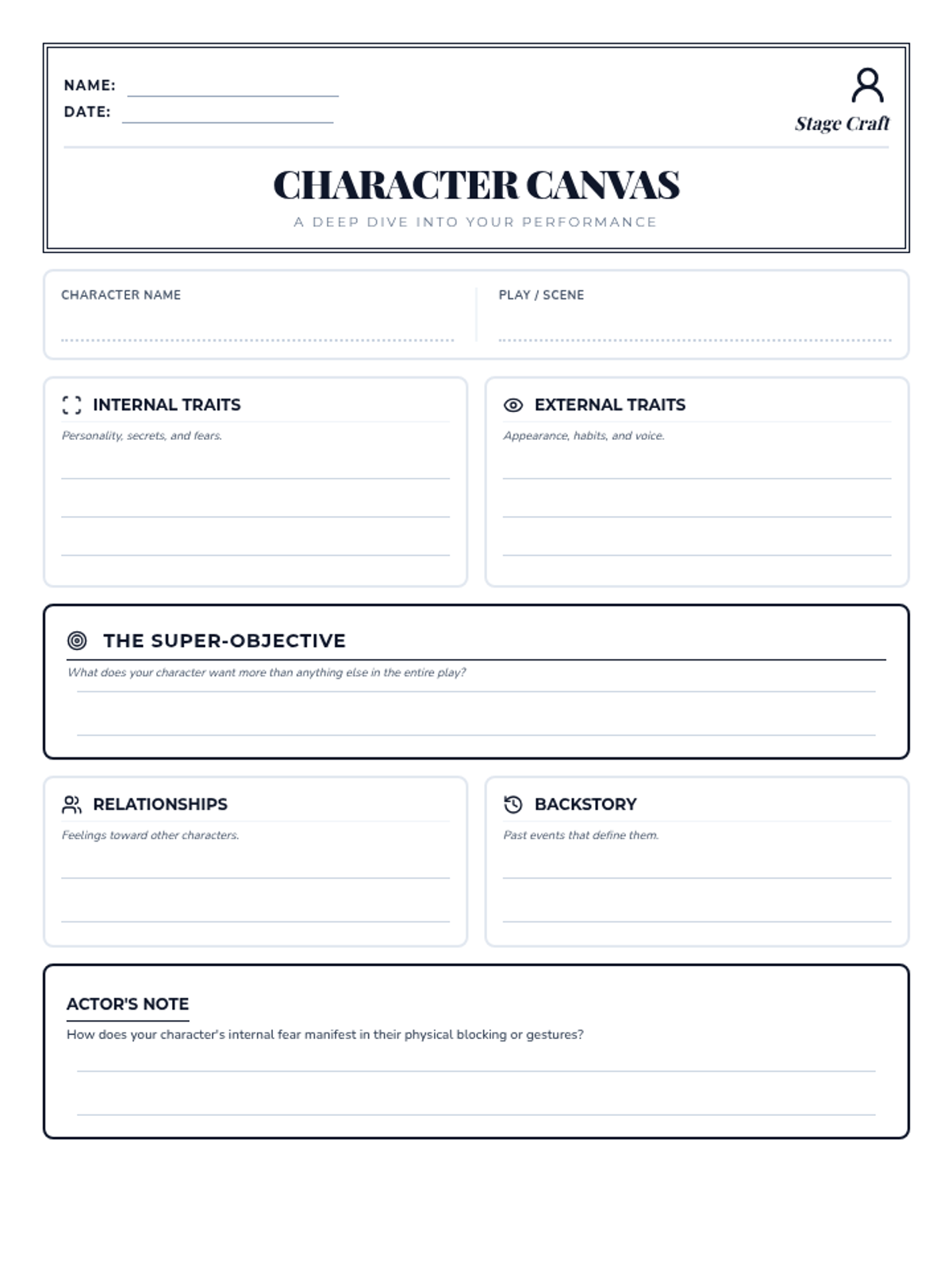
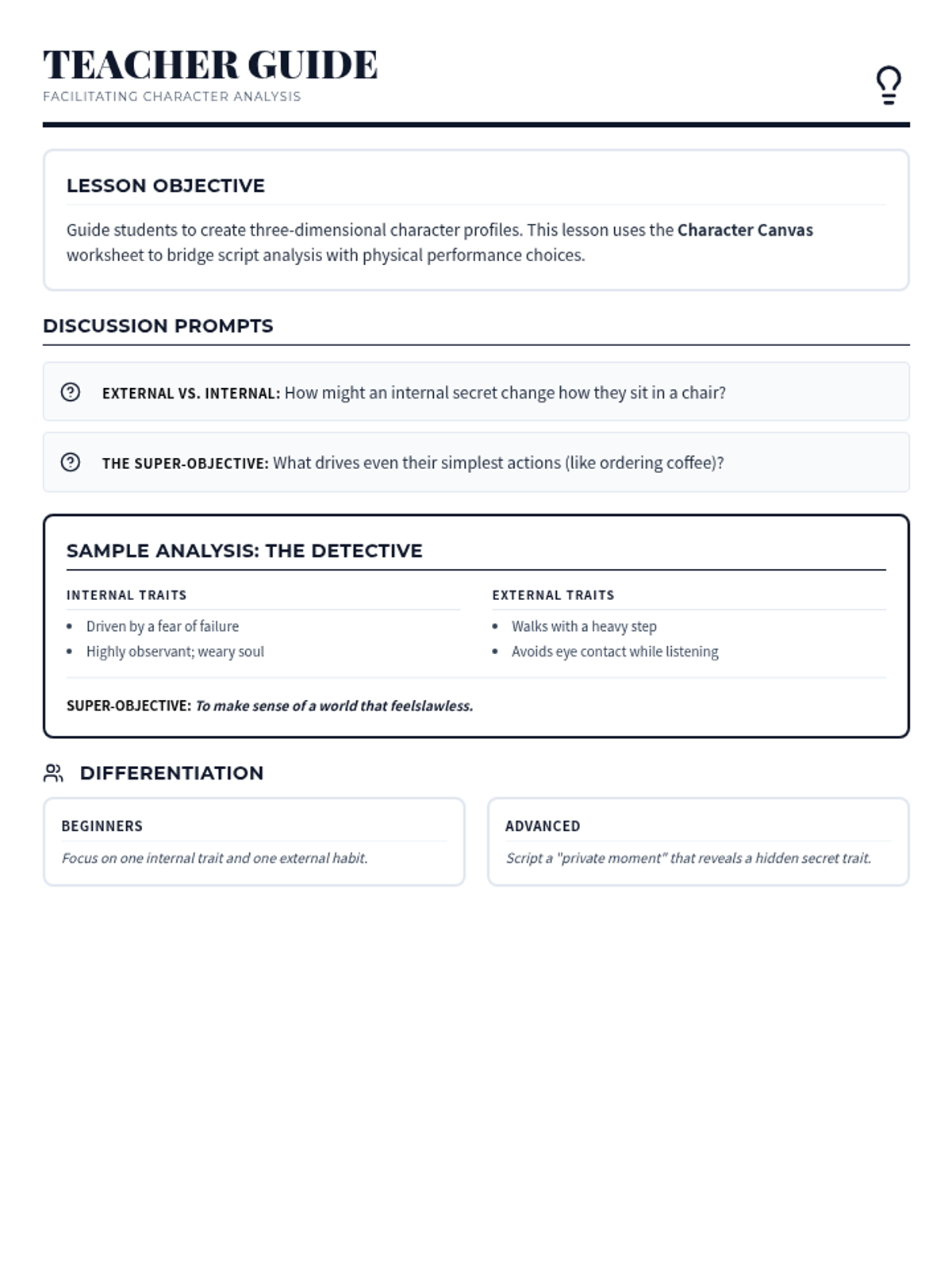
A foundational lesson on theater terminology focusing on how actors use their voice, body, and script analysis to create compelling characters.
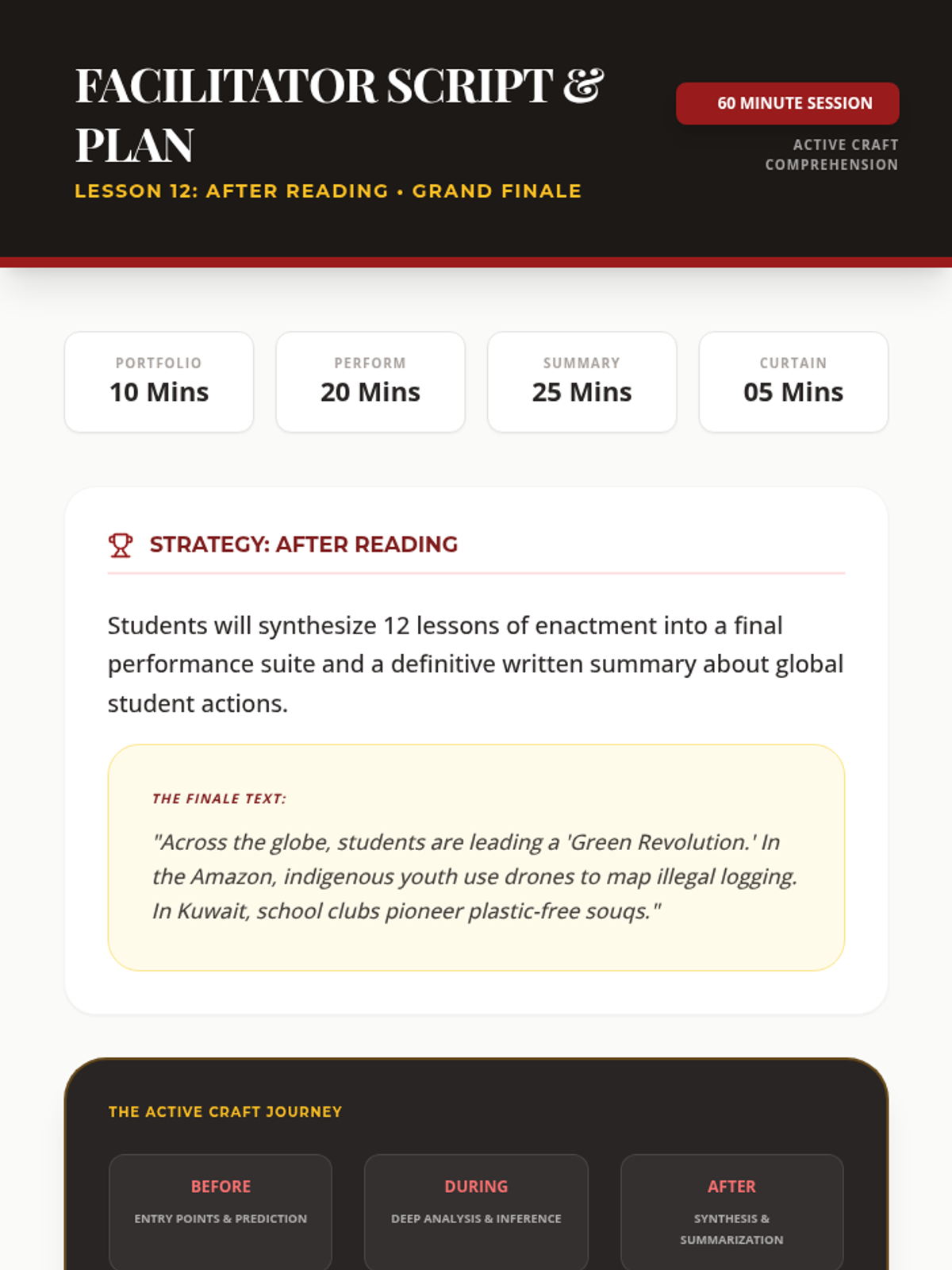
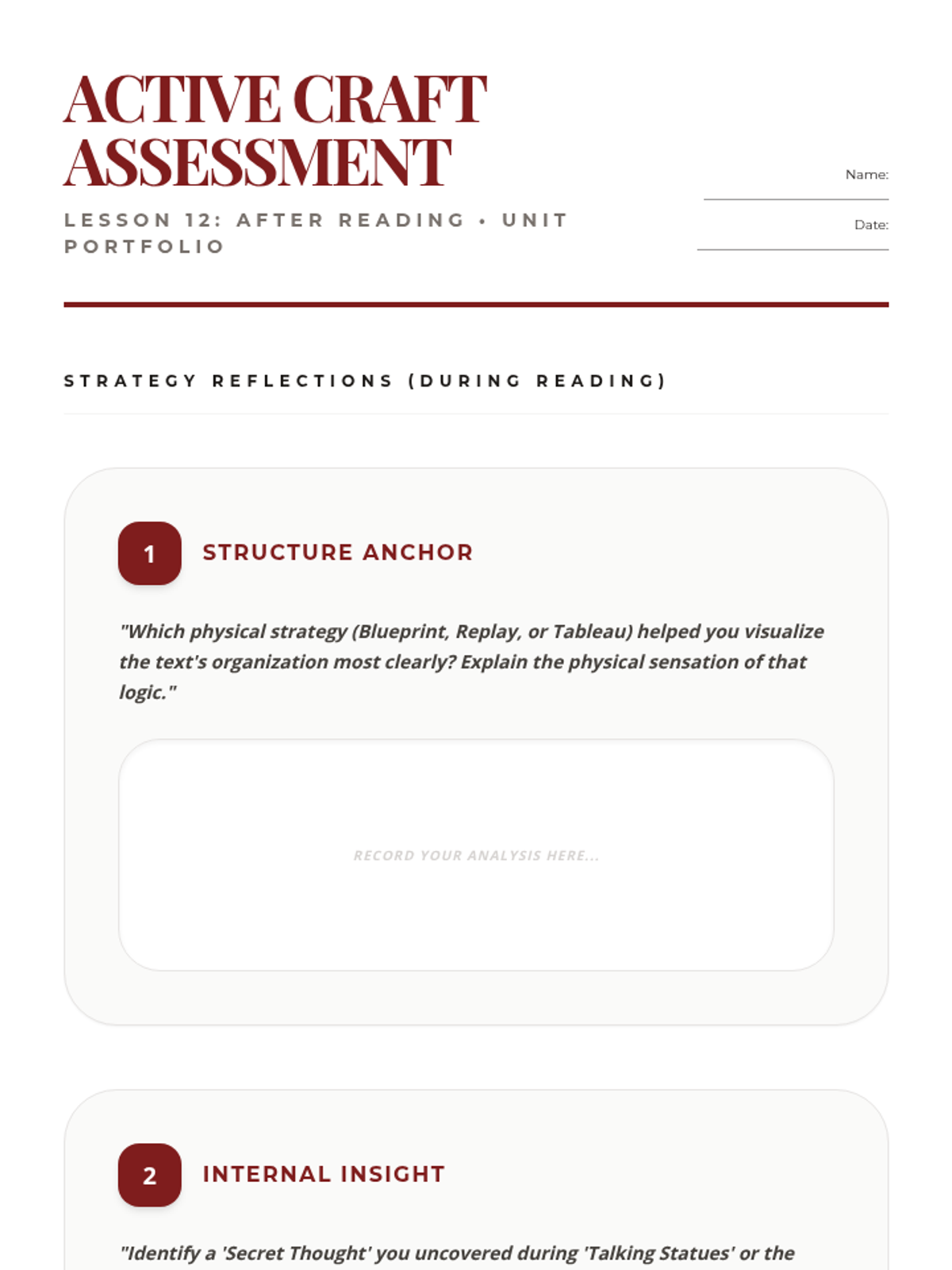
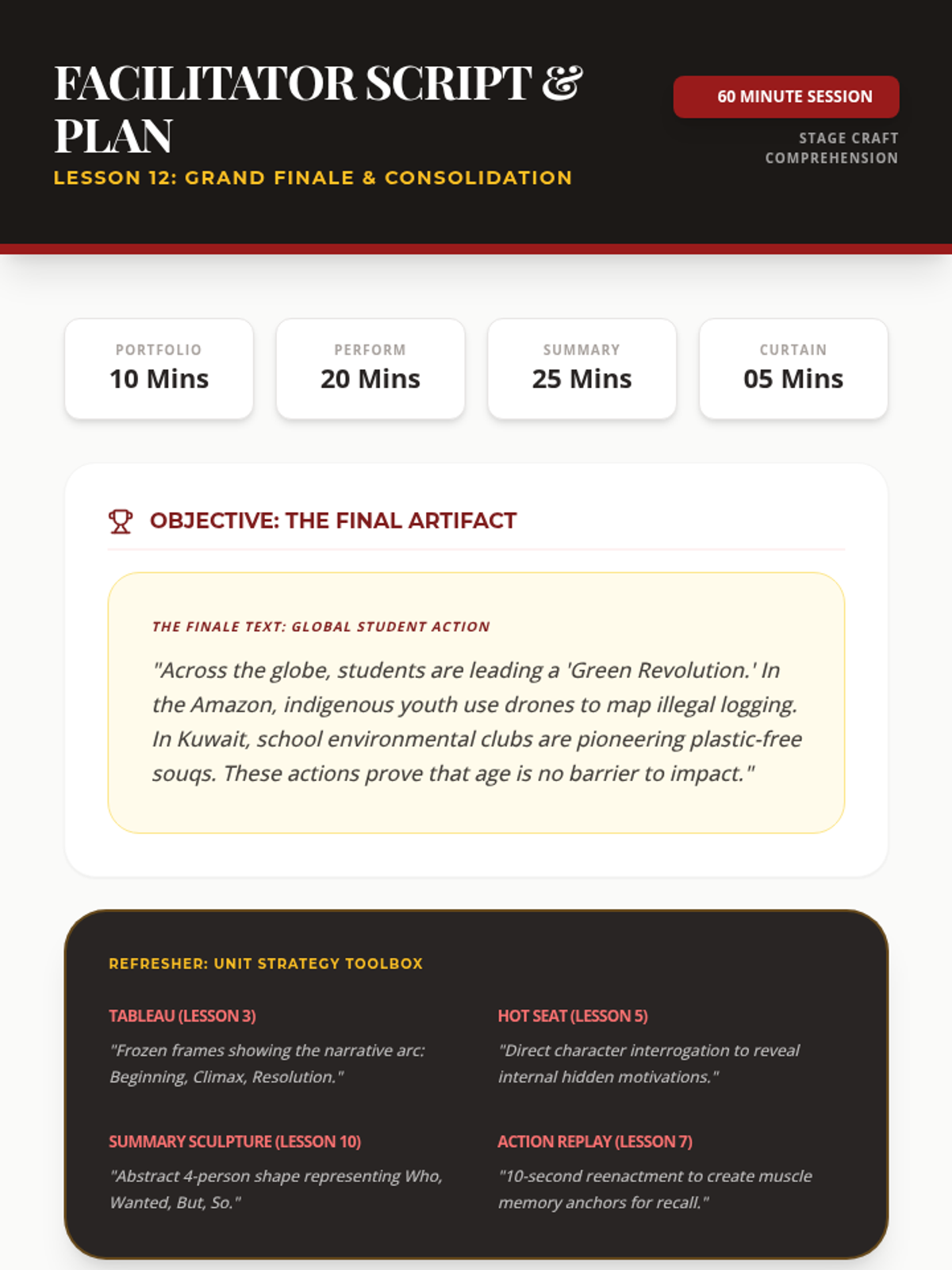
After Reading Strategy: Consolidating skills into a final performance and assessment about students’ actions around the world.
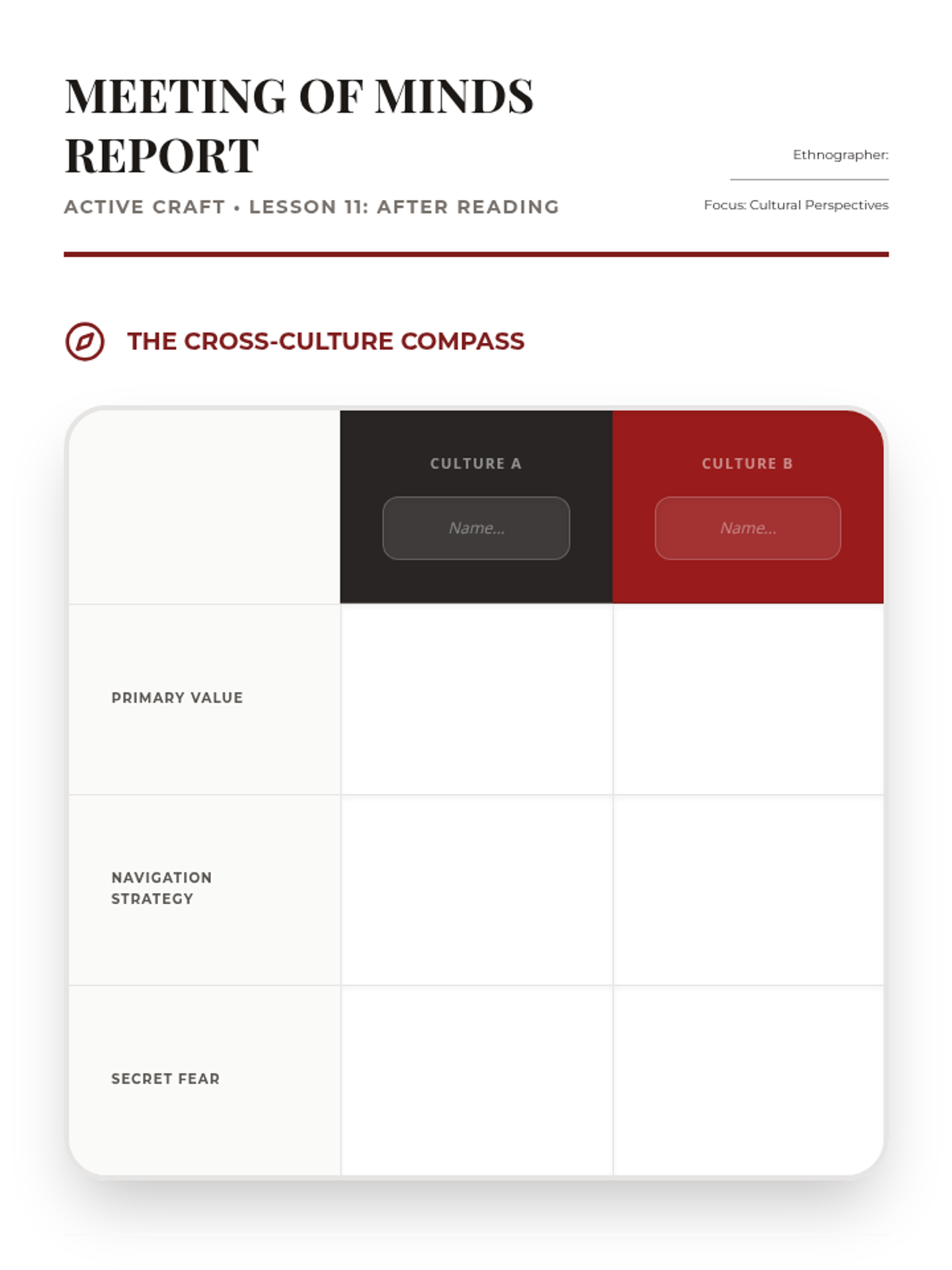
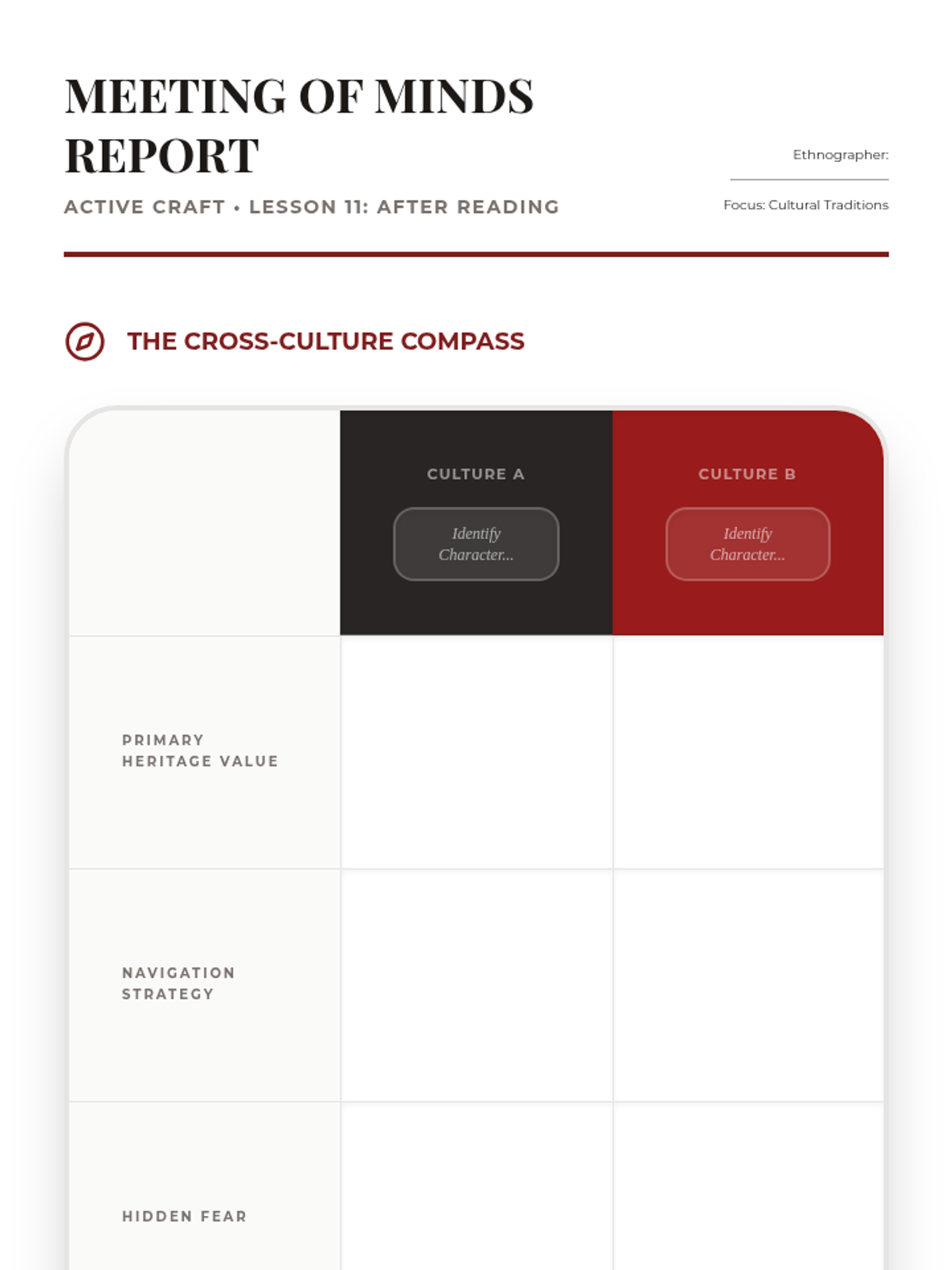
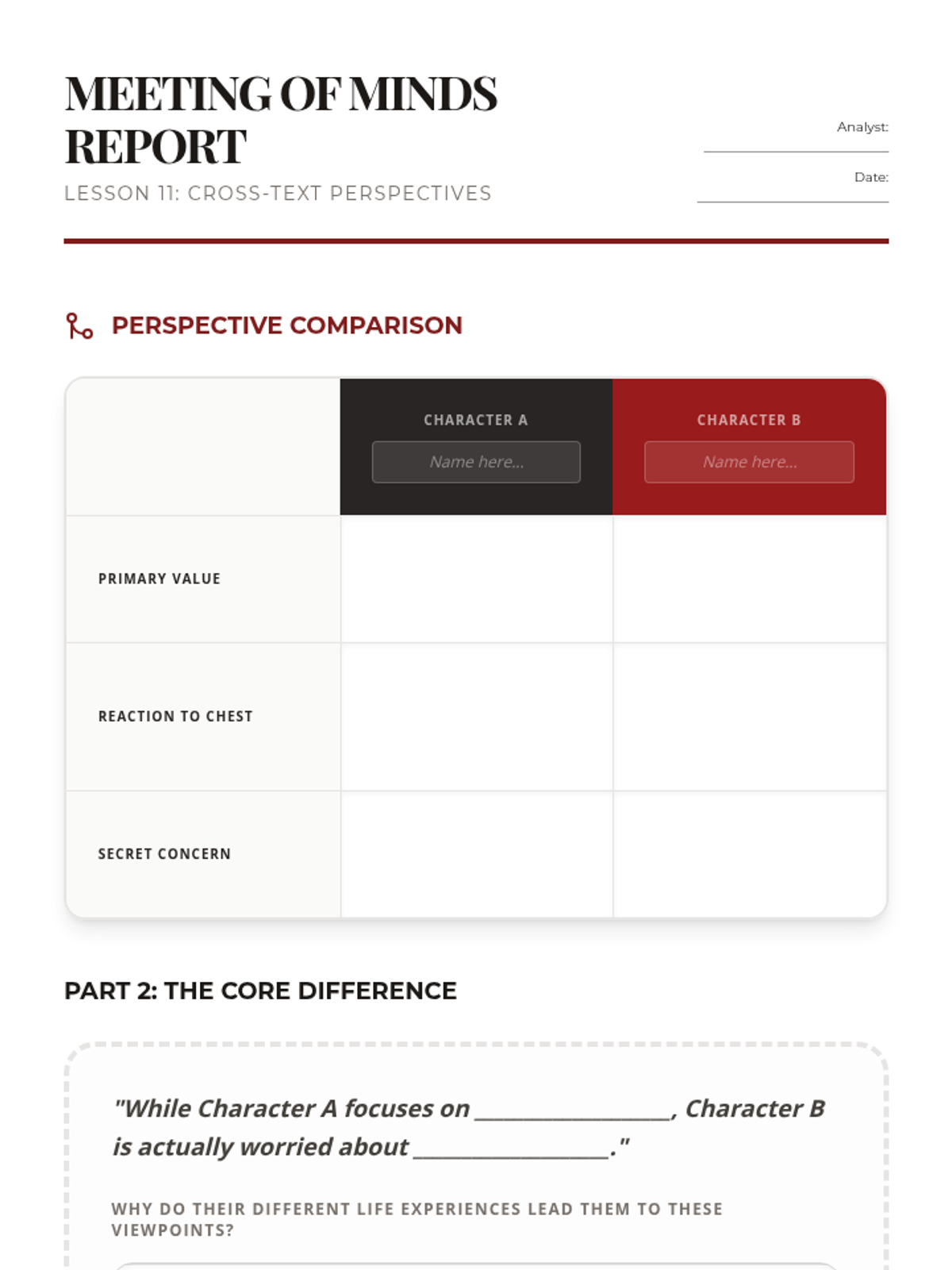
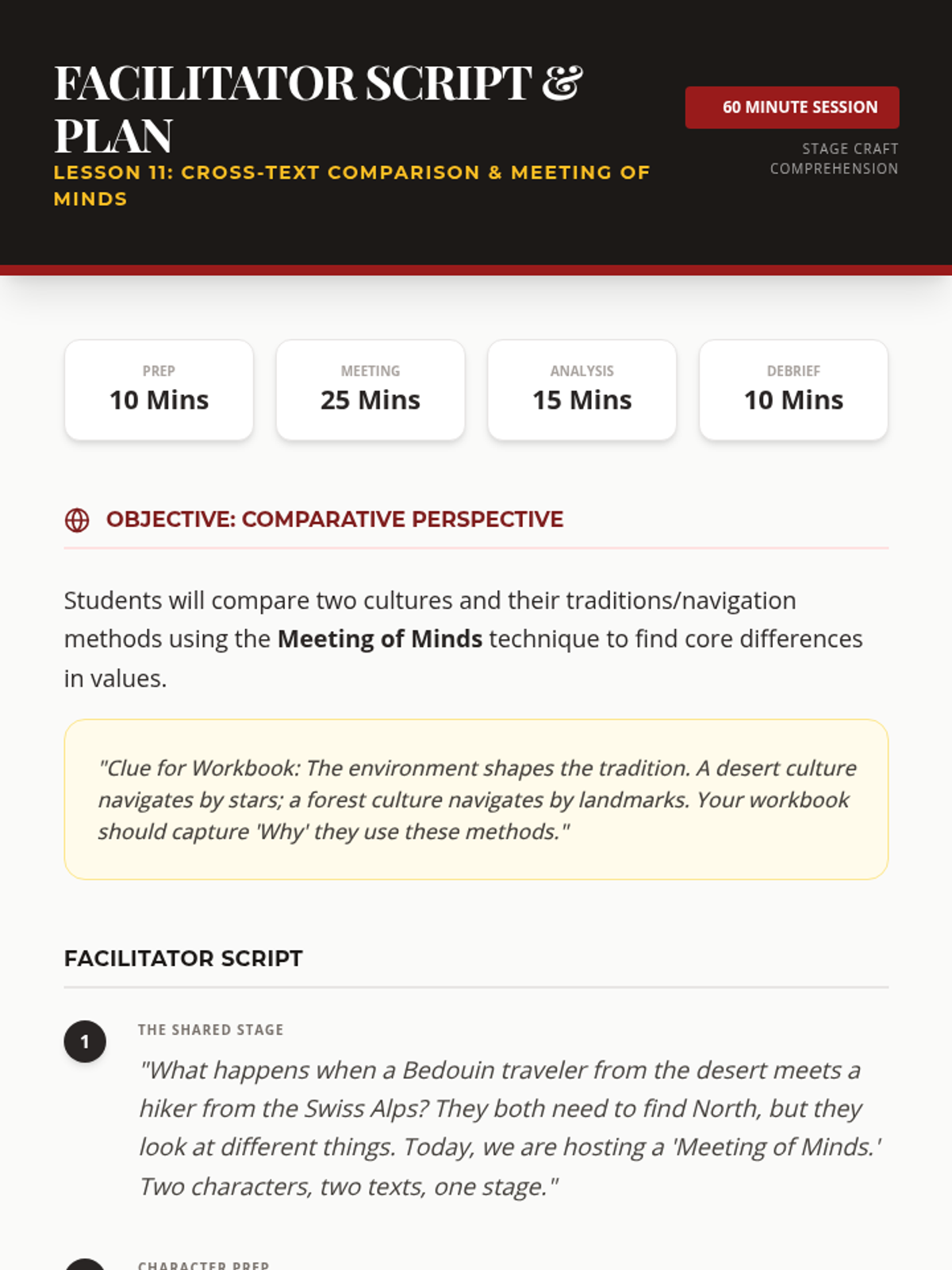
After Reading Strategy: Comparing cultures, traditions, and navigation (directions) using role-play to evaluate perspectives across texts.
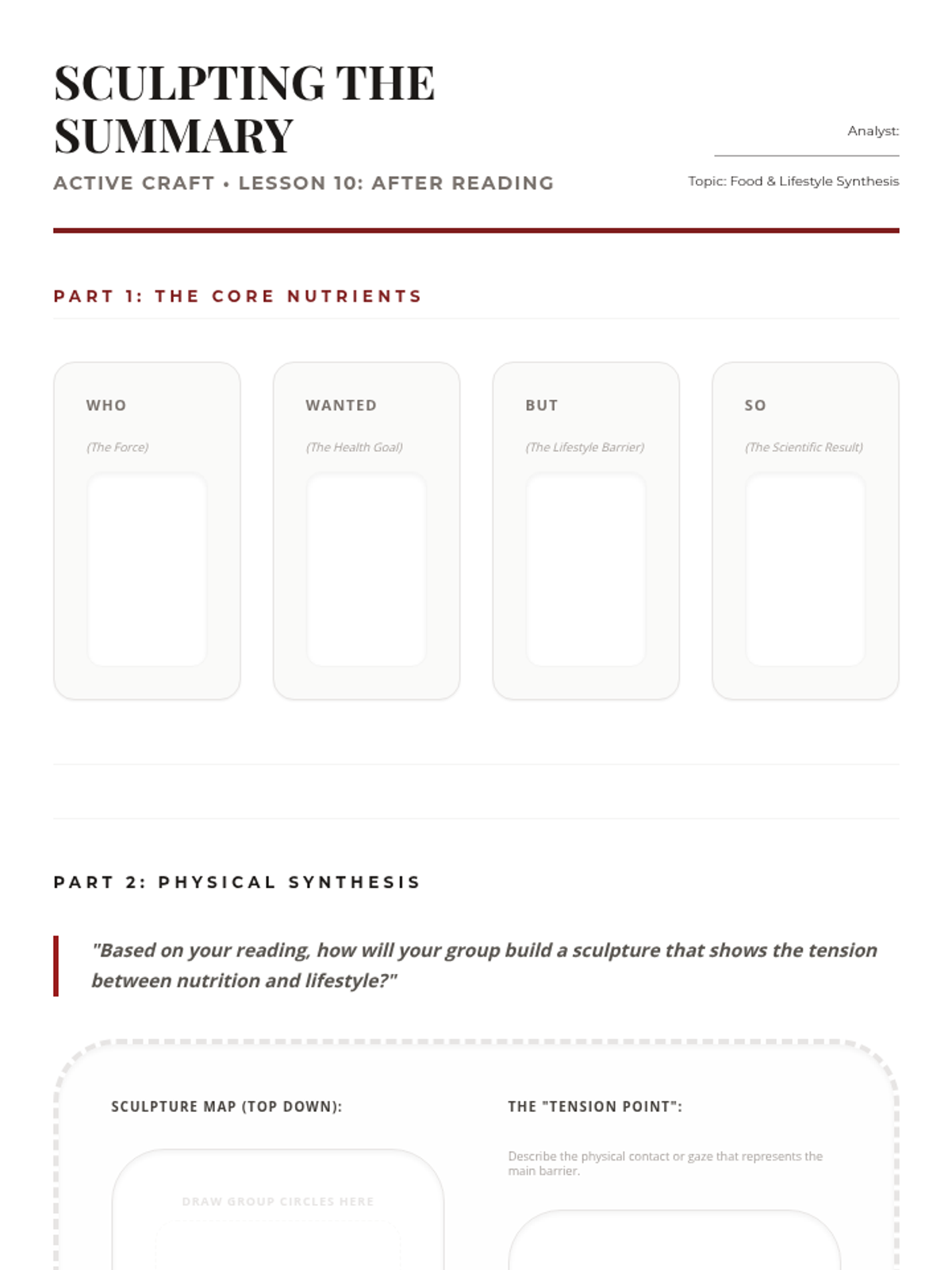
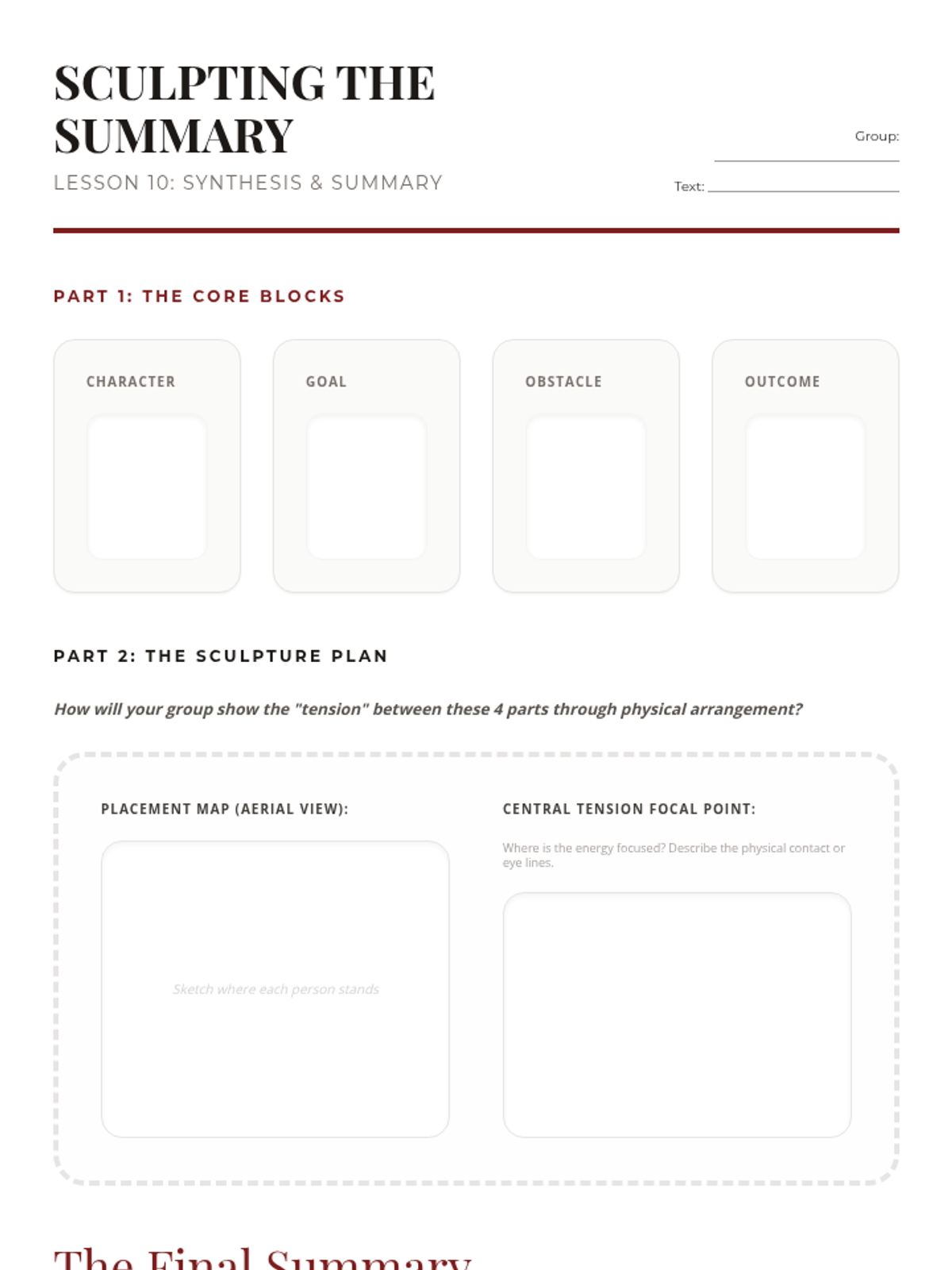
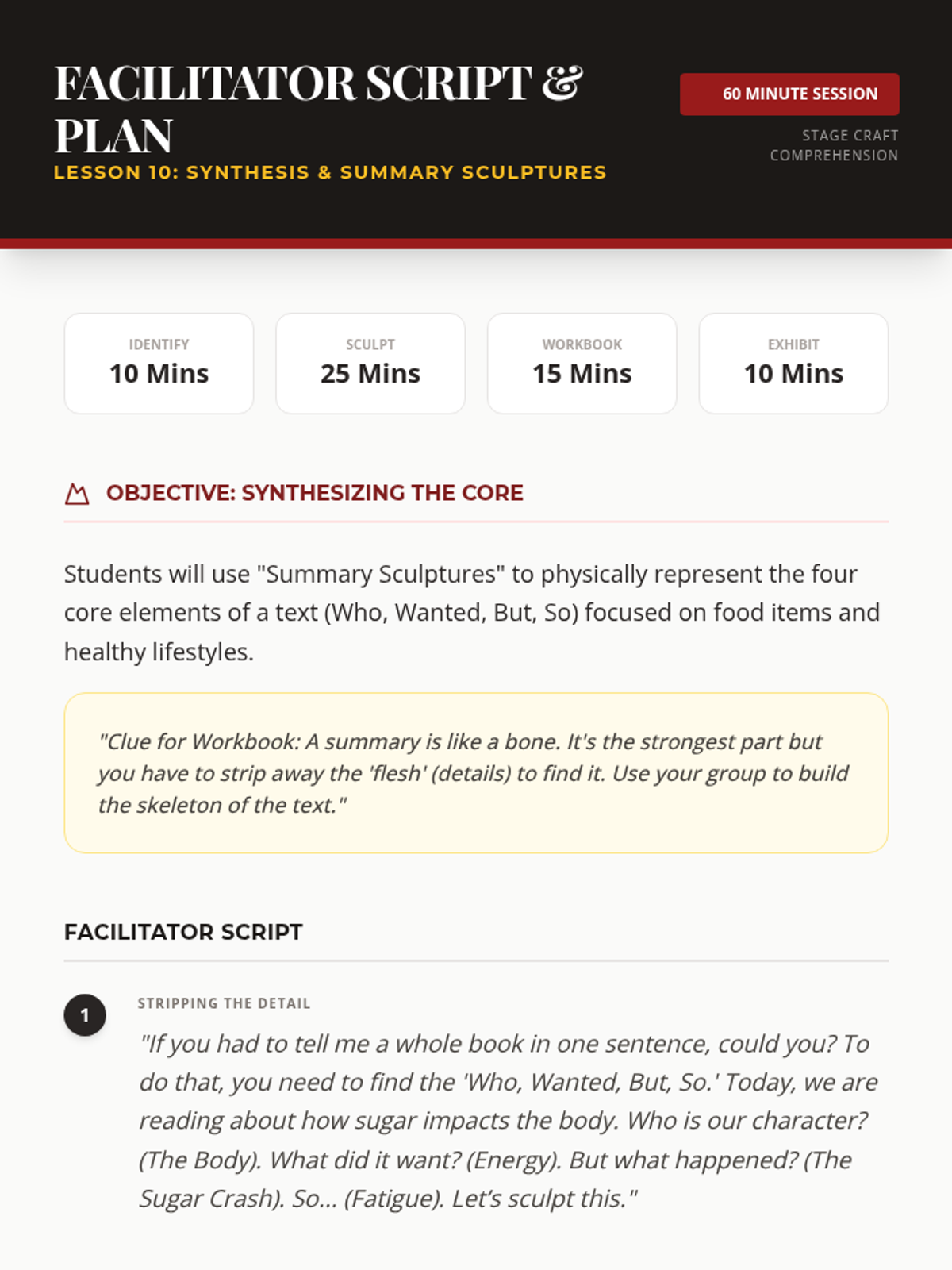
After Reading Strategy: Synthesizing information into 'Summary Sculptures' focused on food items and healthy lifestyles.
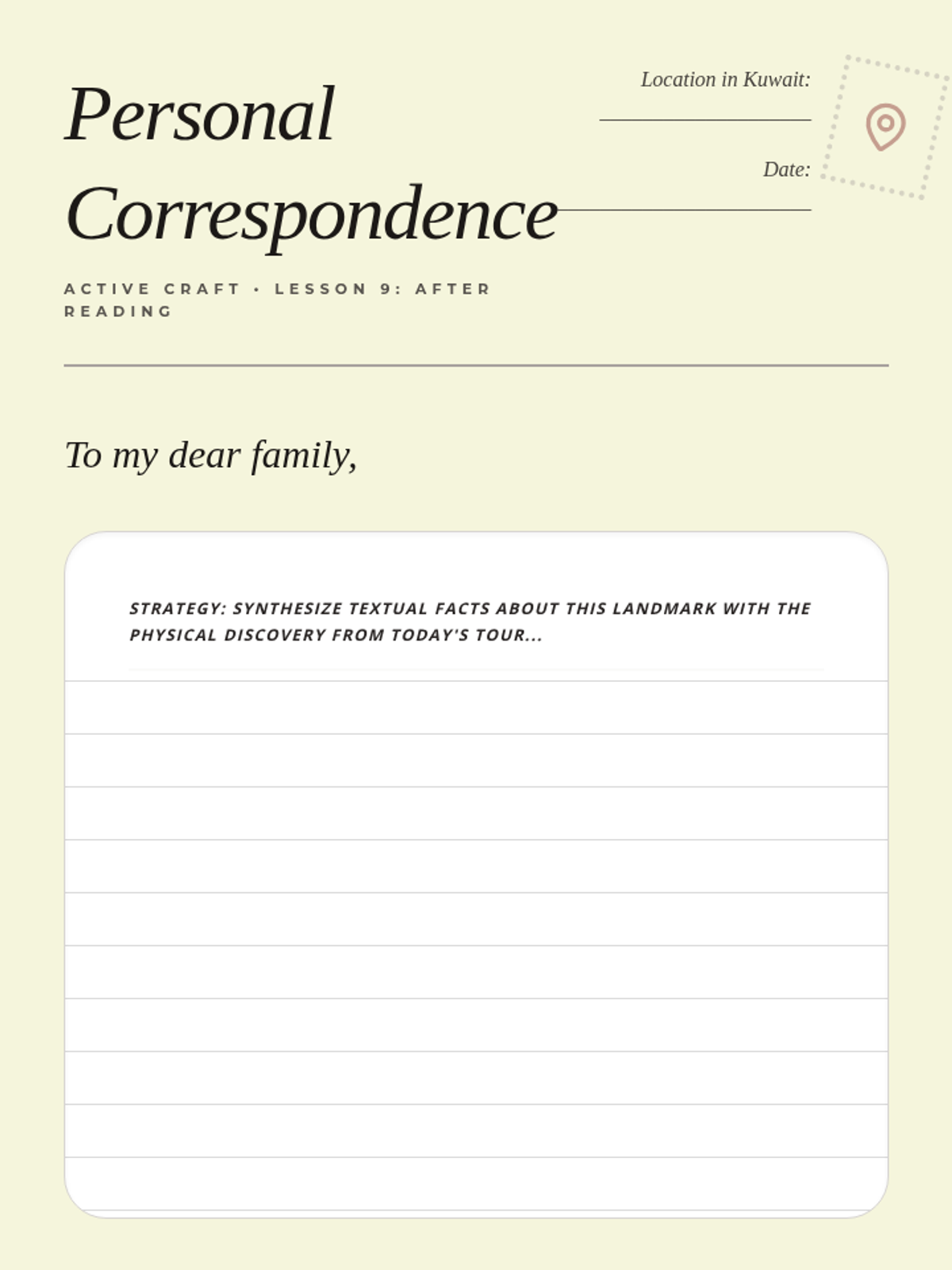
After Reading Strategy: Writing from the perspective of characters visiting cultural and educational places in Kuwait to synthesize meaning.
Before Reading Strategy: Practicing fluency and previewing text through weather forecast 'Radio Dramas' and climate reports.
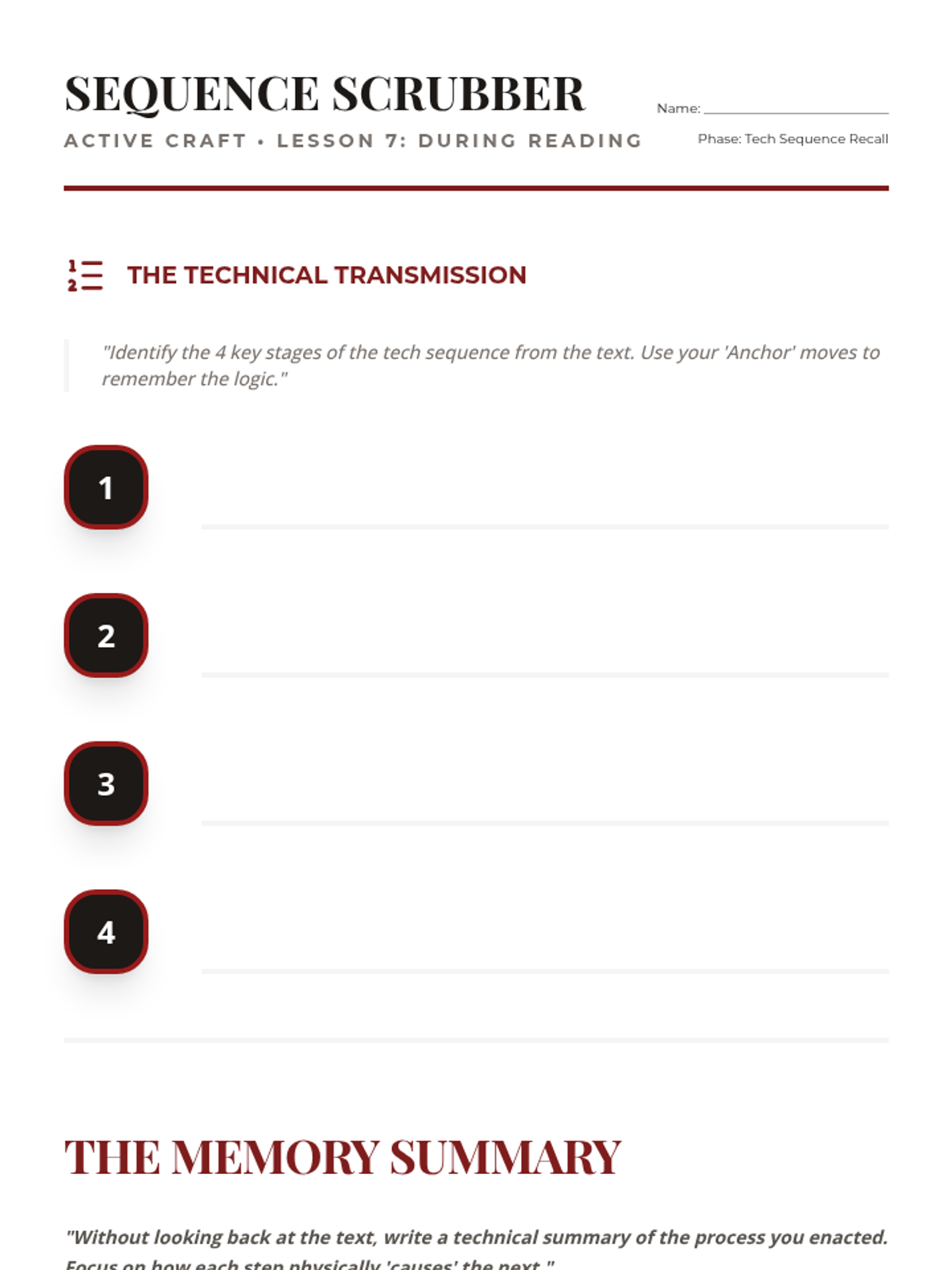
During Reading Strategy: Using reenactment to boost recall of the history of technology and modern hobbies.
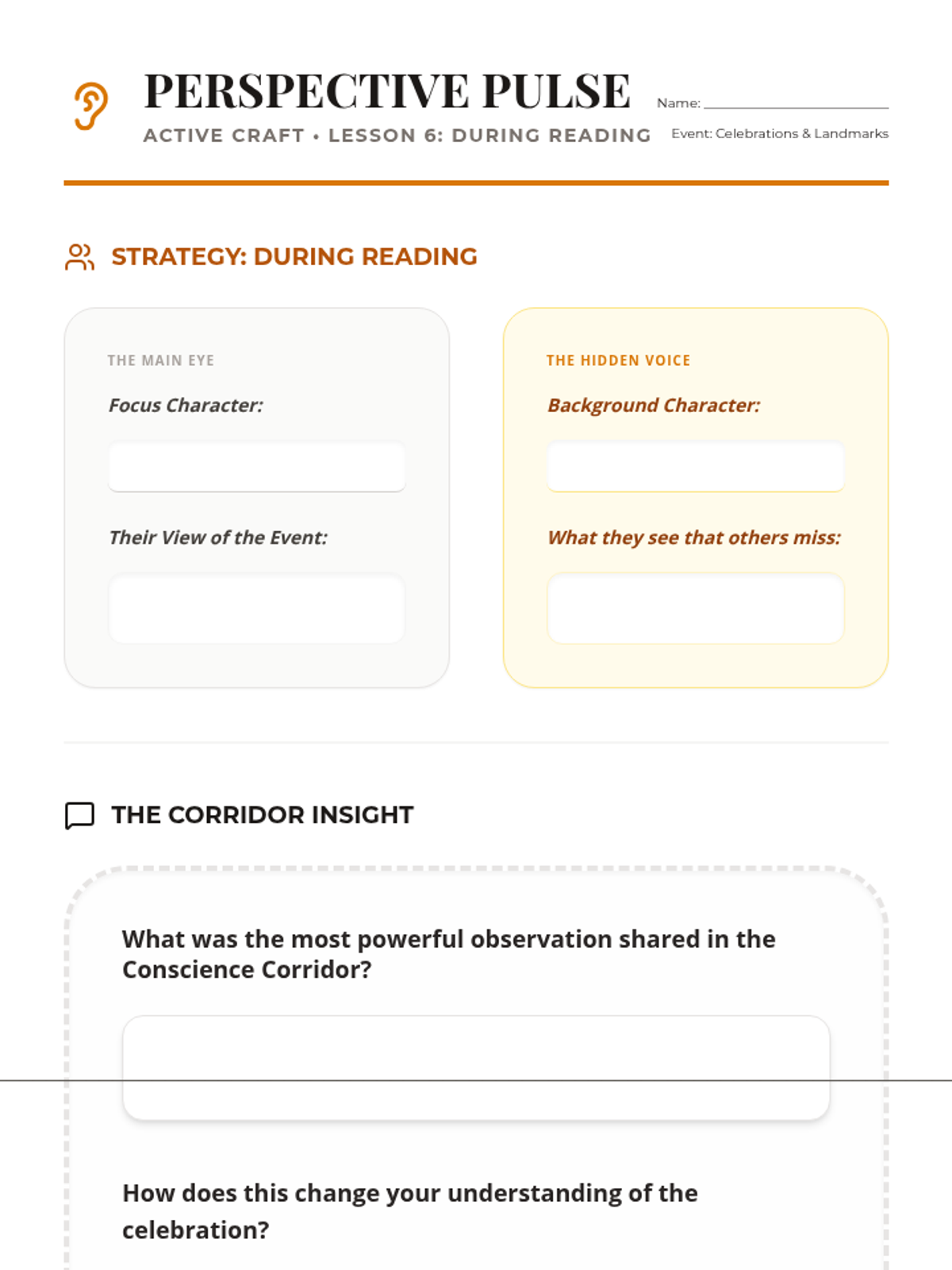
During Reading Strategy: Exploring multiple viewpoints within global celebrations and cultural events.
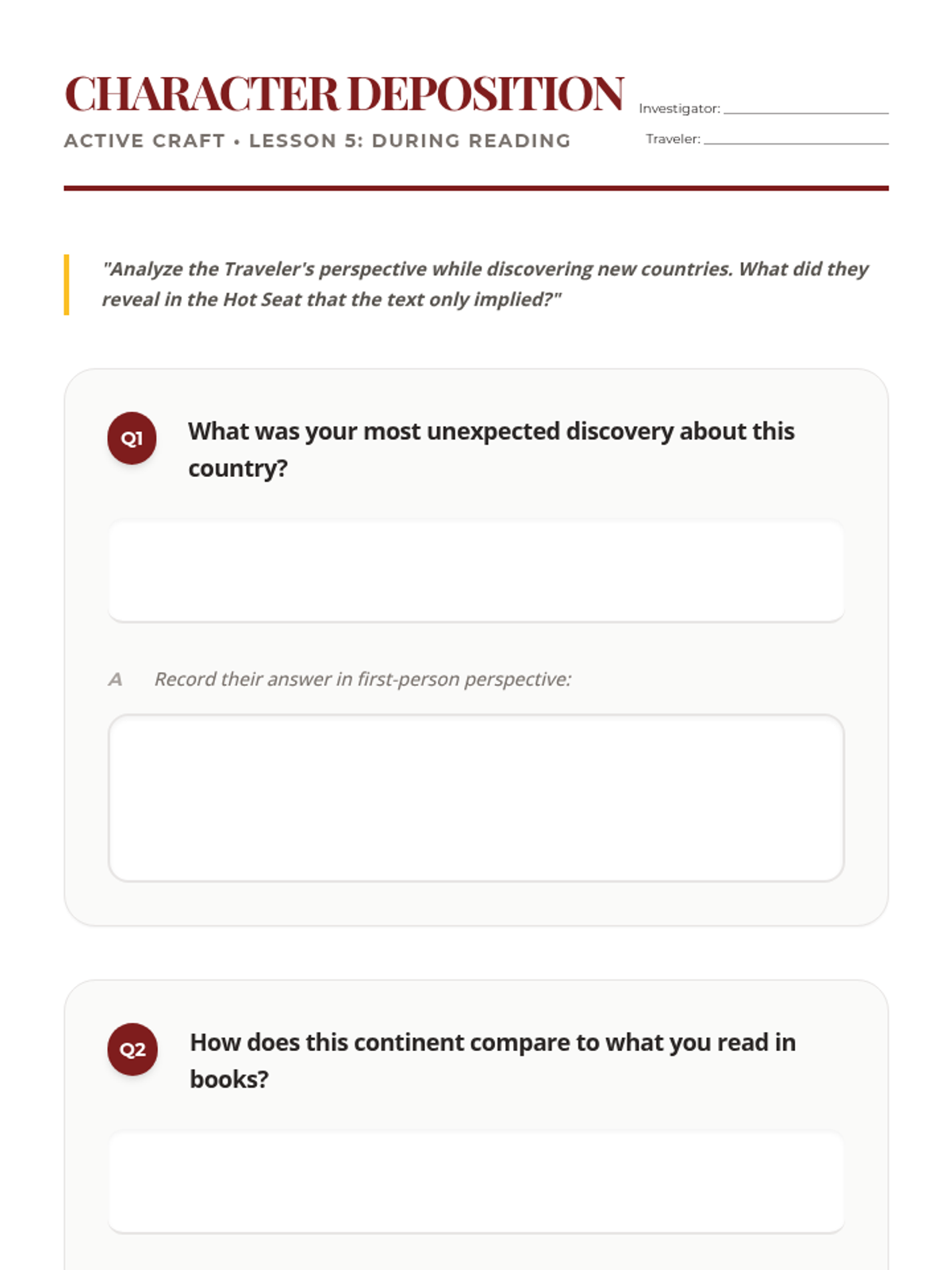
During Reading Strategy: Diving deep into traveler perspectives through the 'Hot Seat' technique while discovering countries.
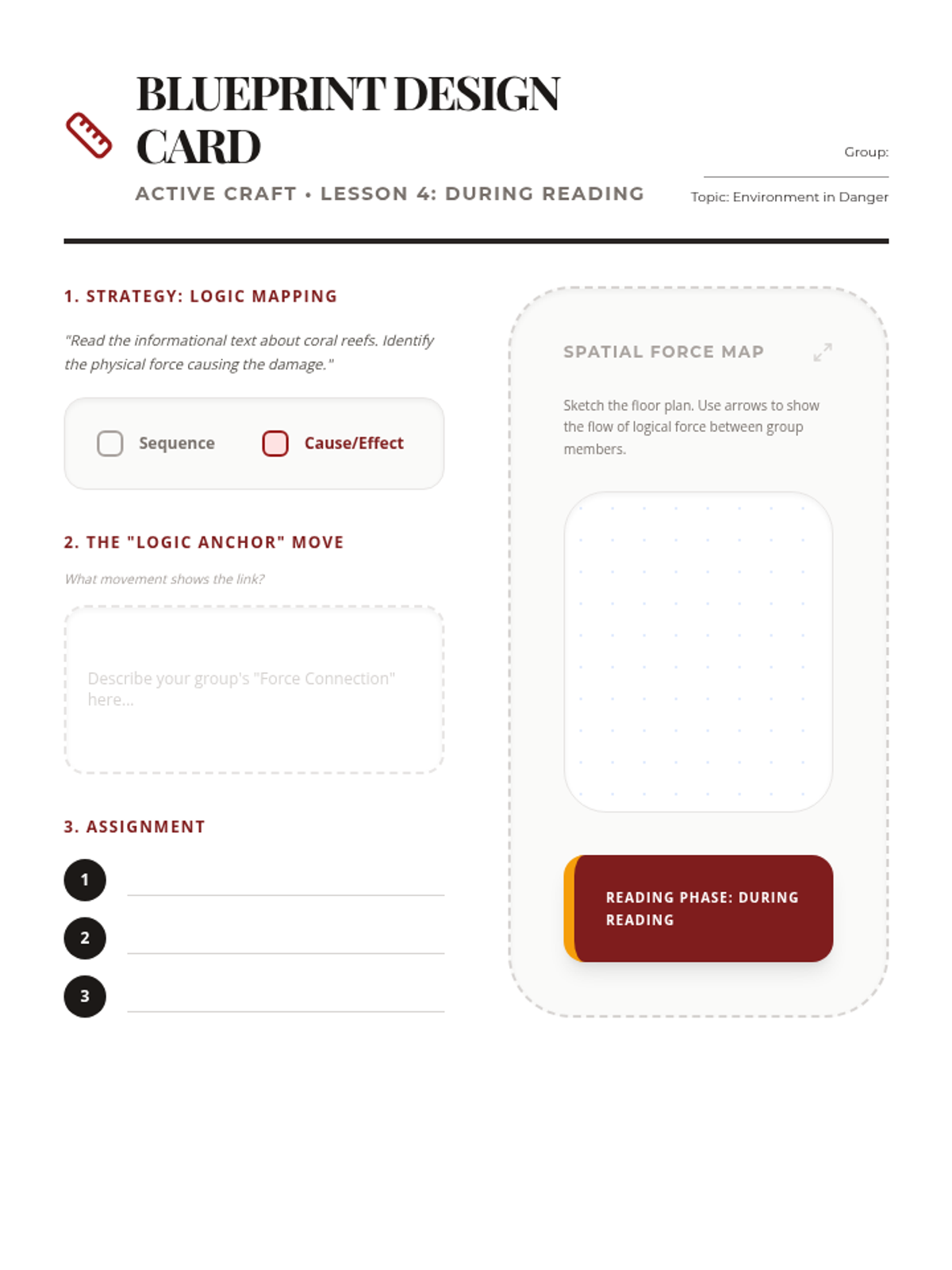
During Reading Strategy: Using physical poses to represent informational text structures like cause/effect focused on environmental danger.
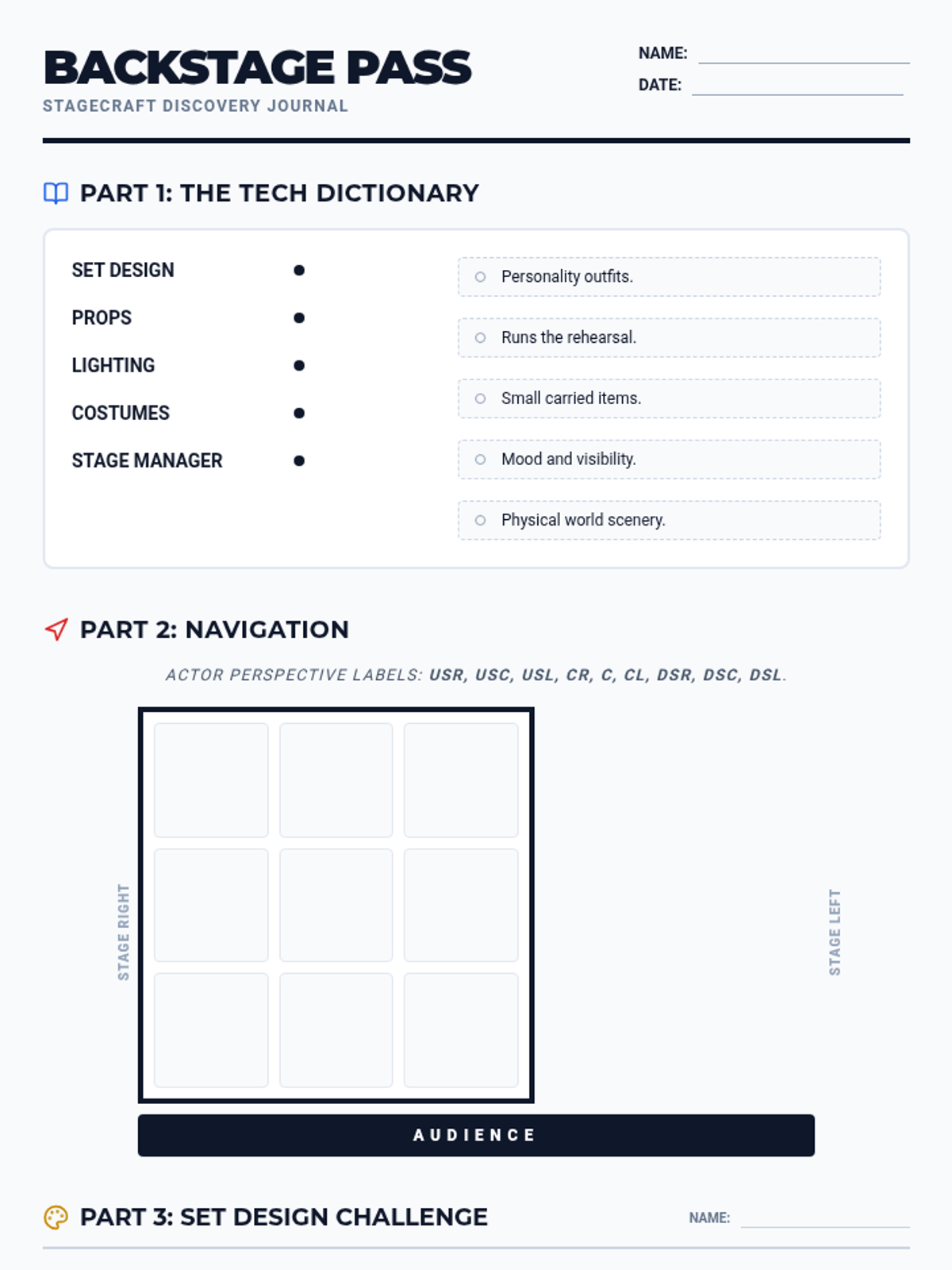
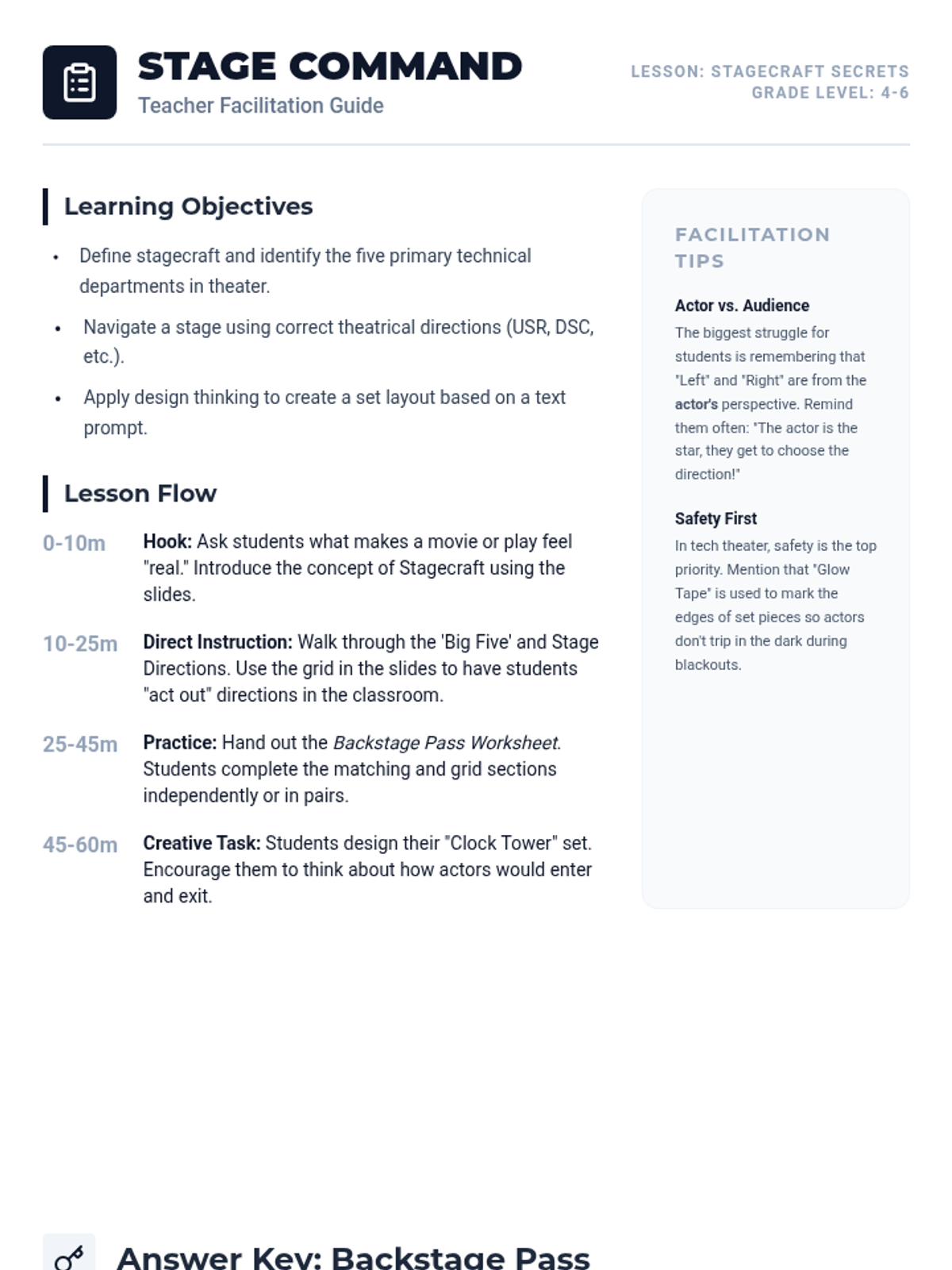
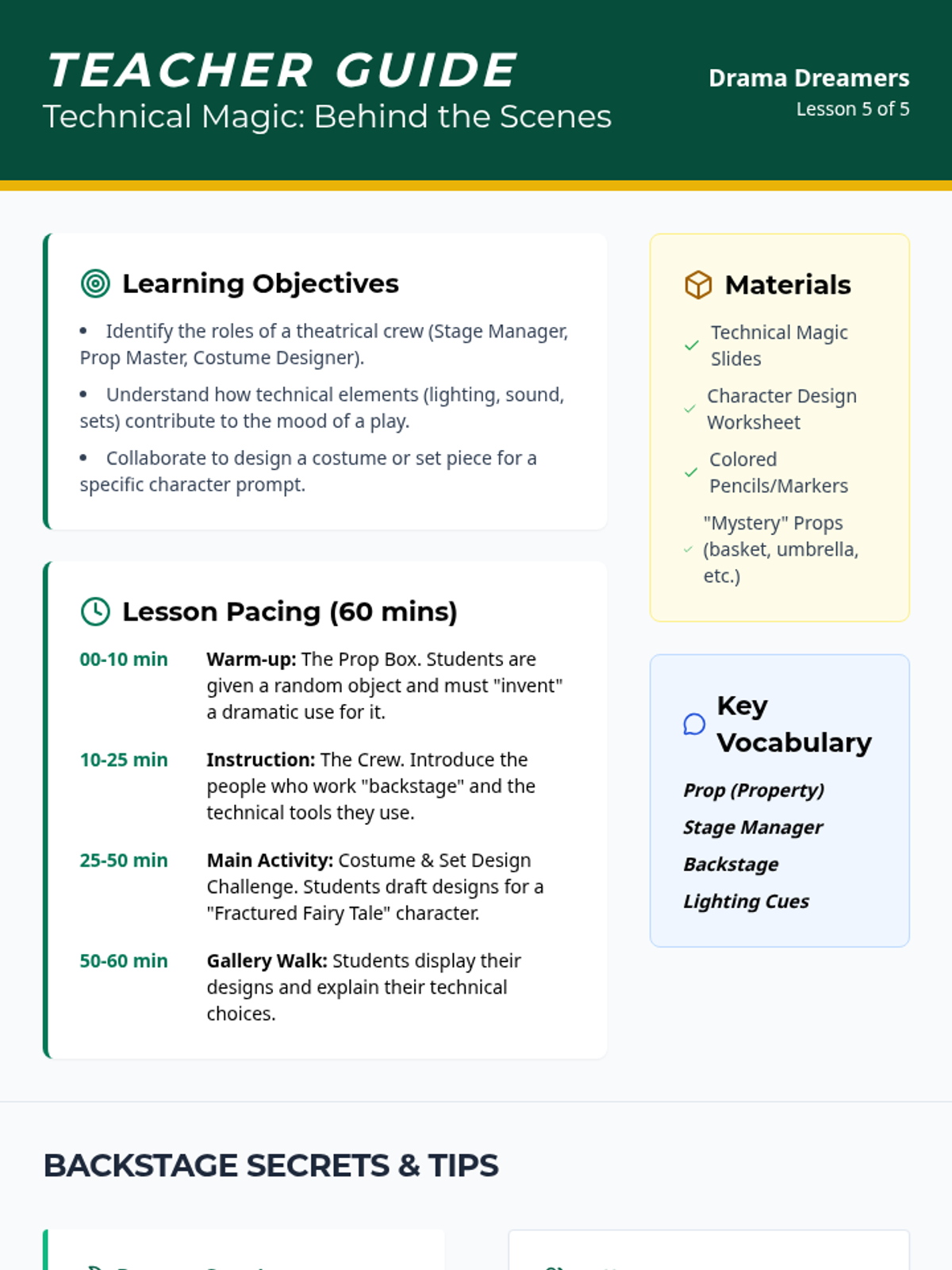
An introductory lesson into the world of stagecraft, covering the 'Big Five' areas of technical theater, stage directions, and the roles of the tech crew. Students will learn how magic is made behind the scenes through visual slides and a hands-on set design challenge.
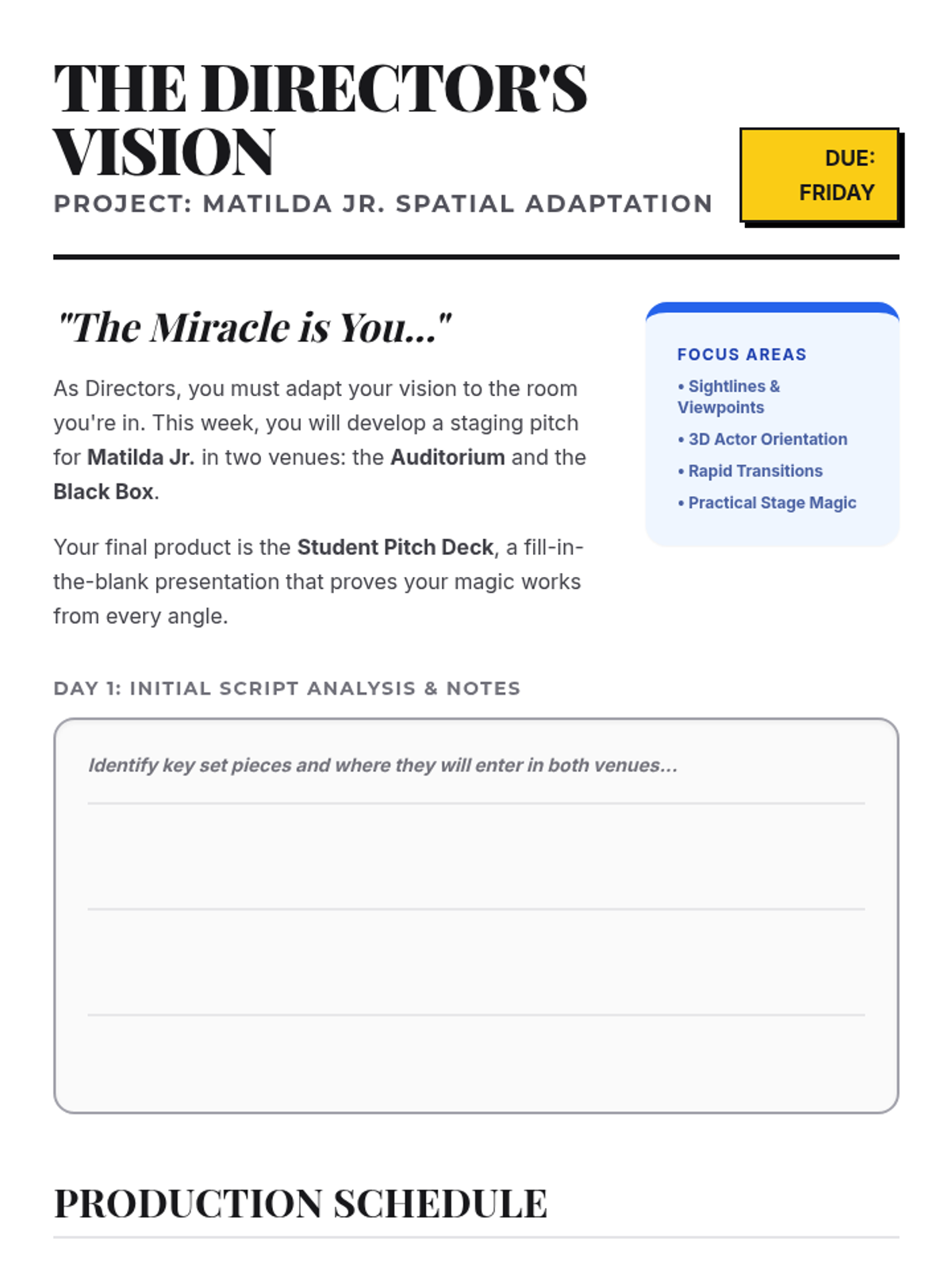
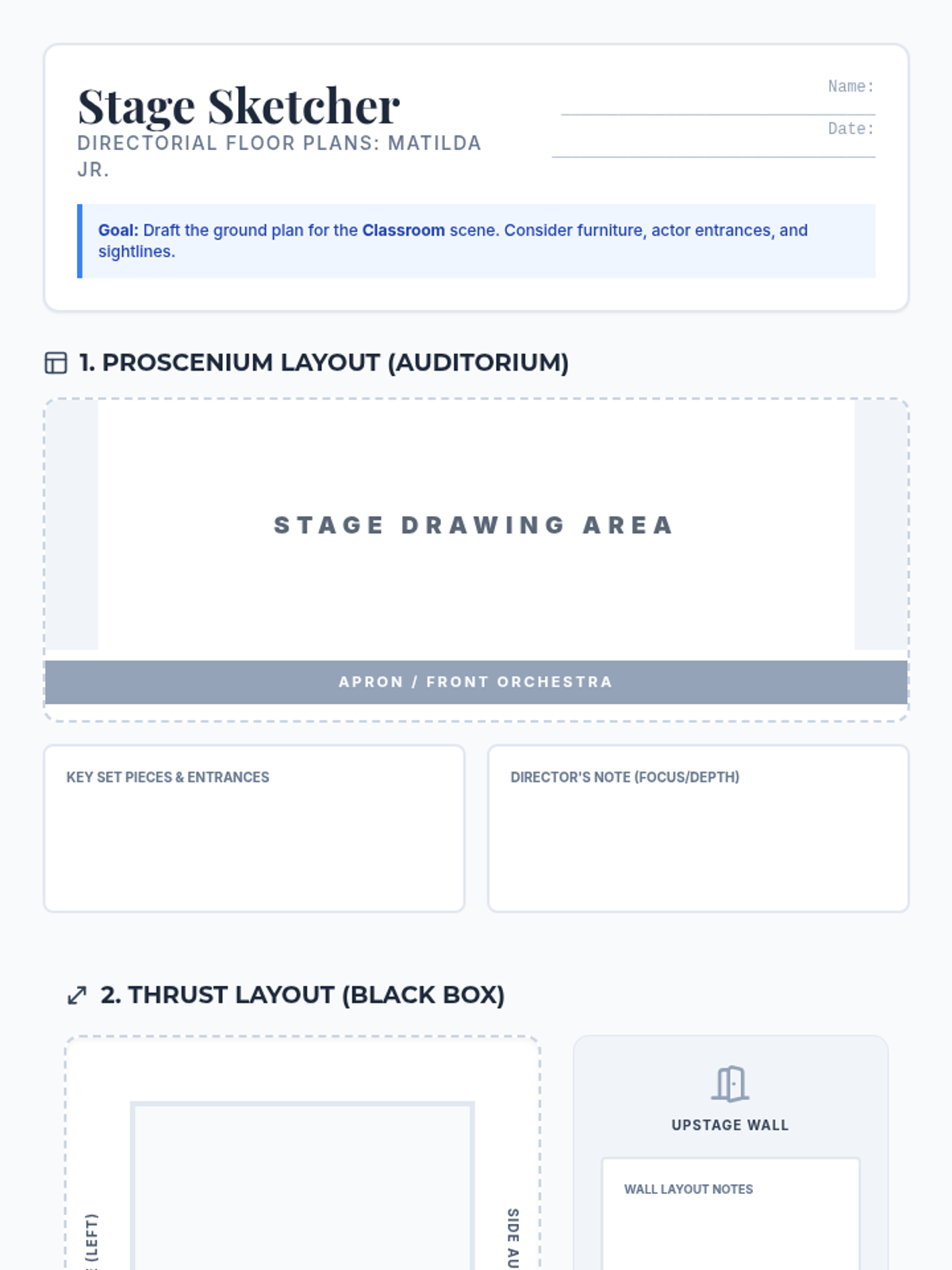
A week-long challenge where students act as directors to solve the spatial constraints of Matilda Jr. across multiple stage configurations, culminating in a professional pitch.
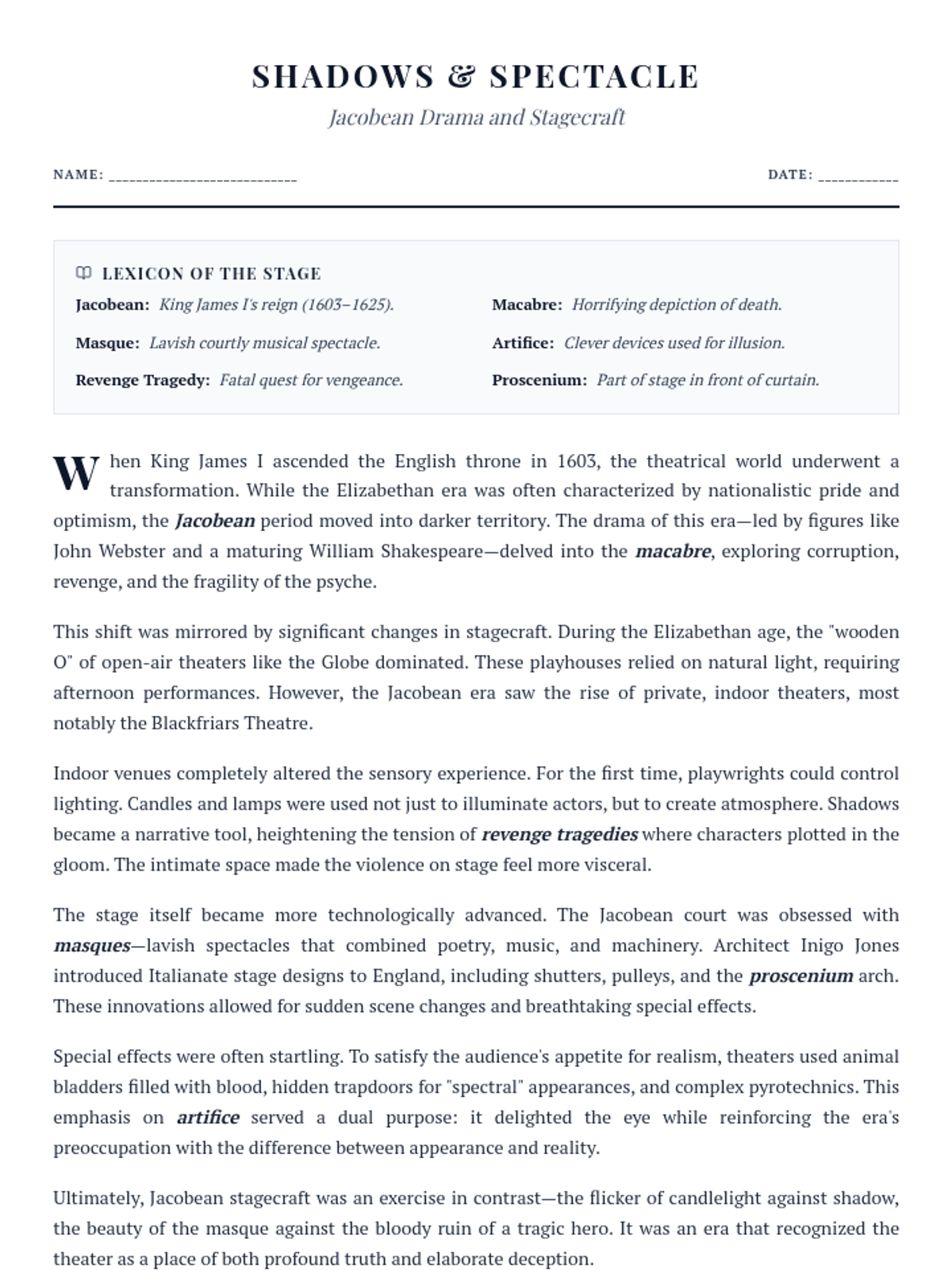
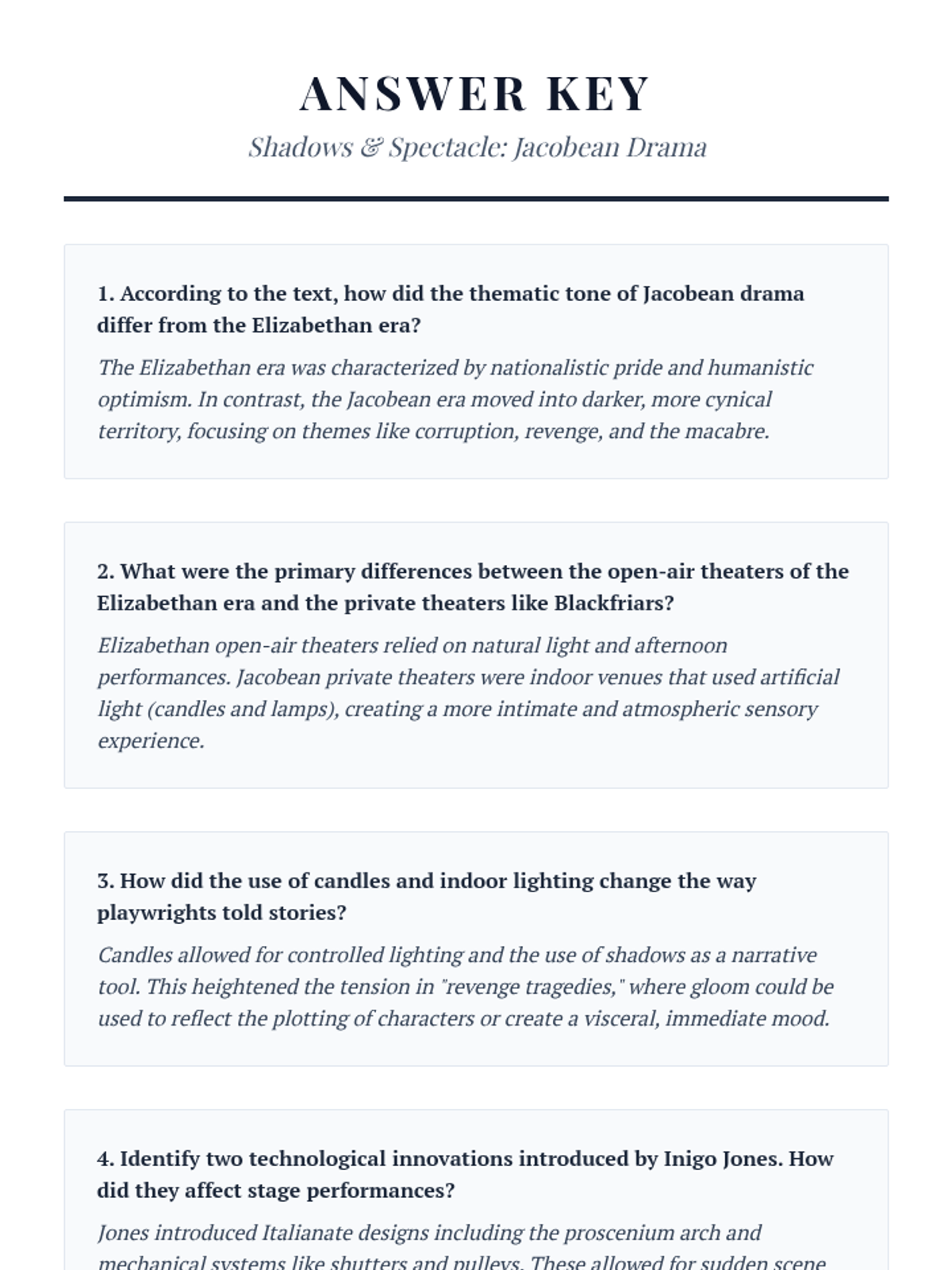
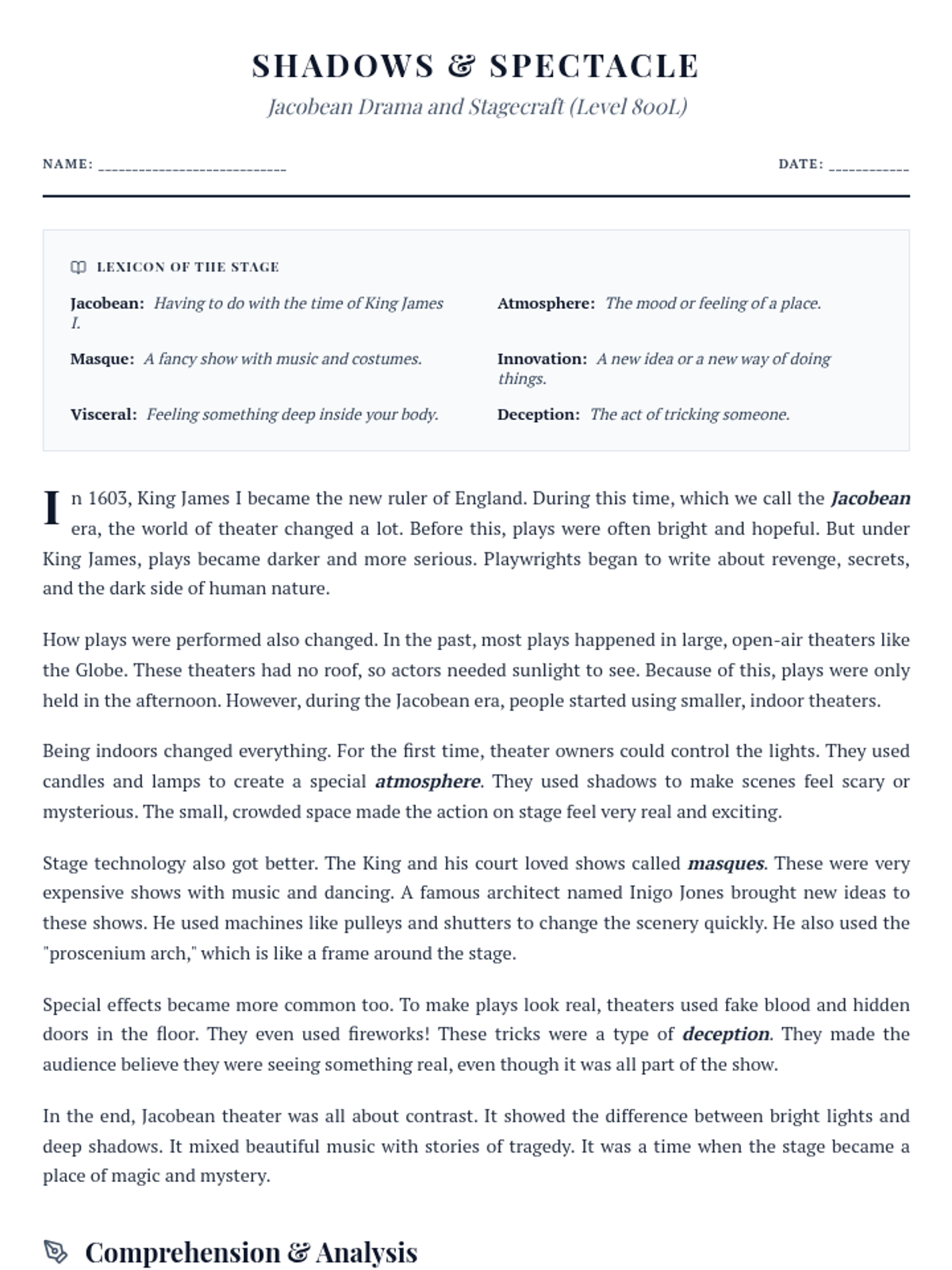
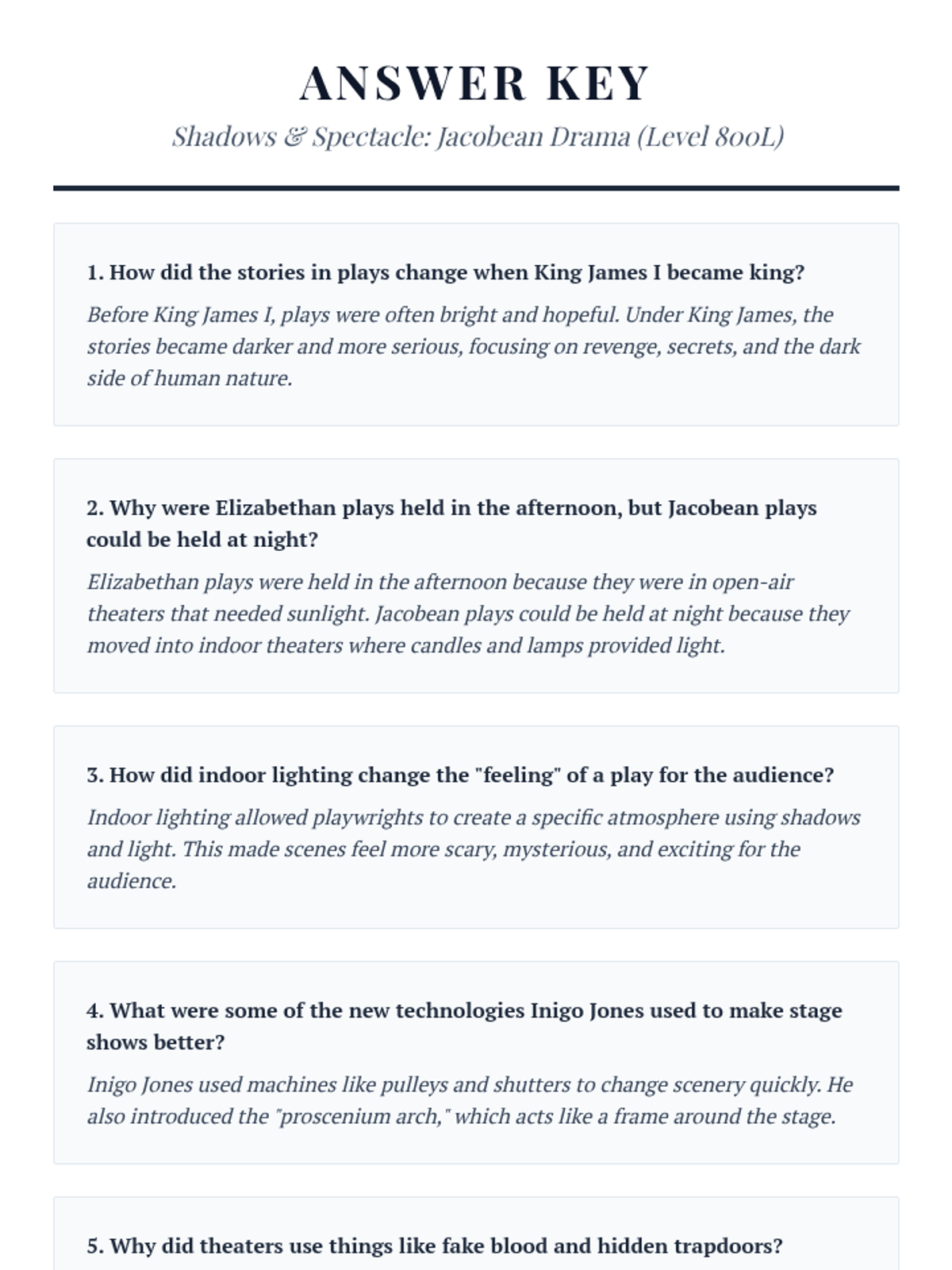
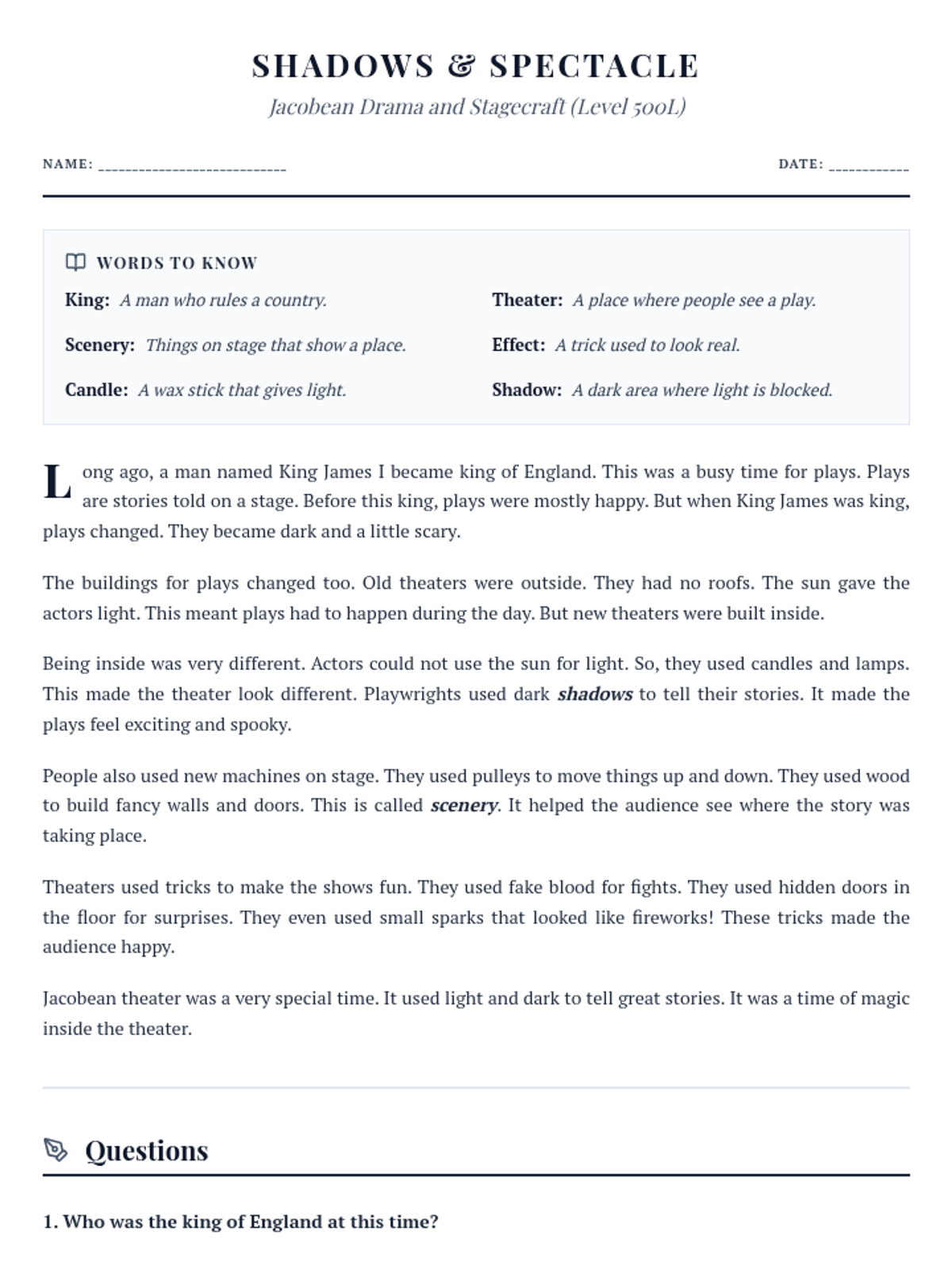
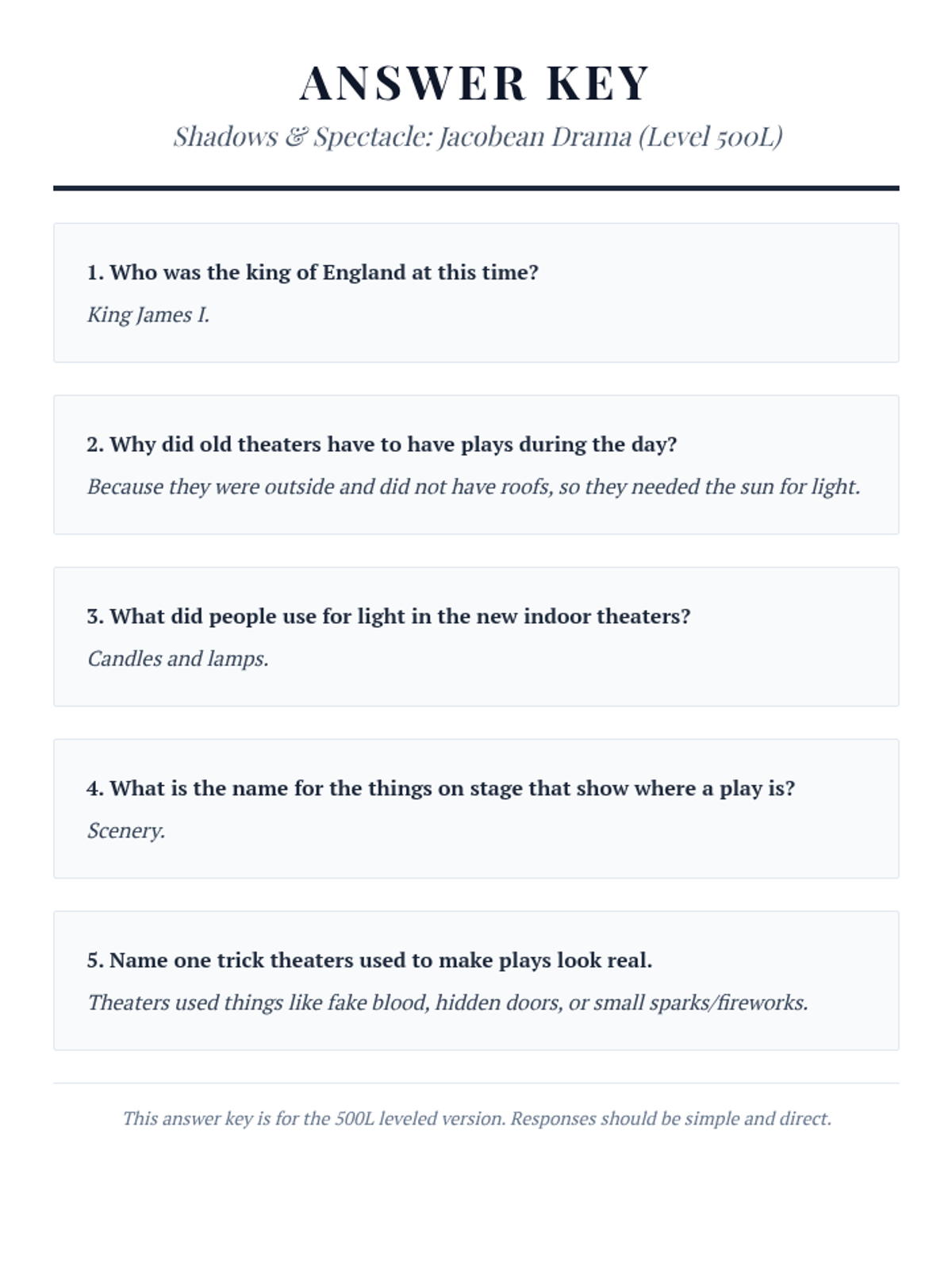
A lesson exploring the evolution of English theater during the reign of King James I, focusing on stagecraft, darker themes, and the transition to indoor performance spaces.
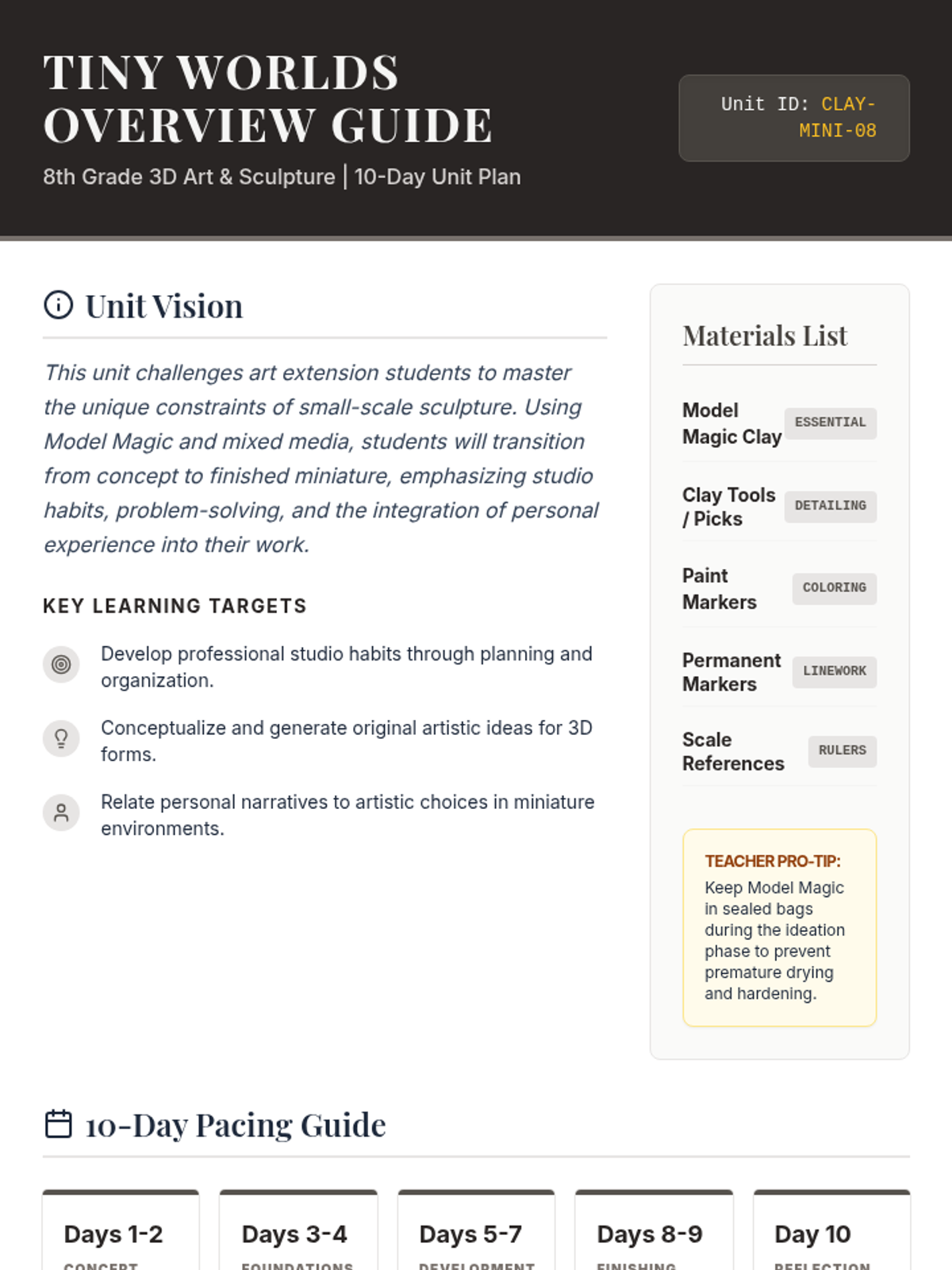
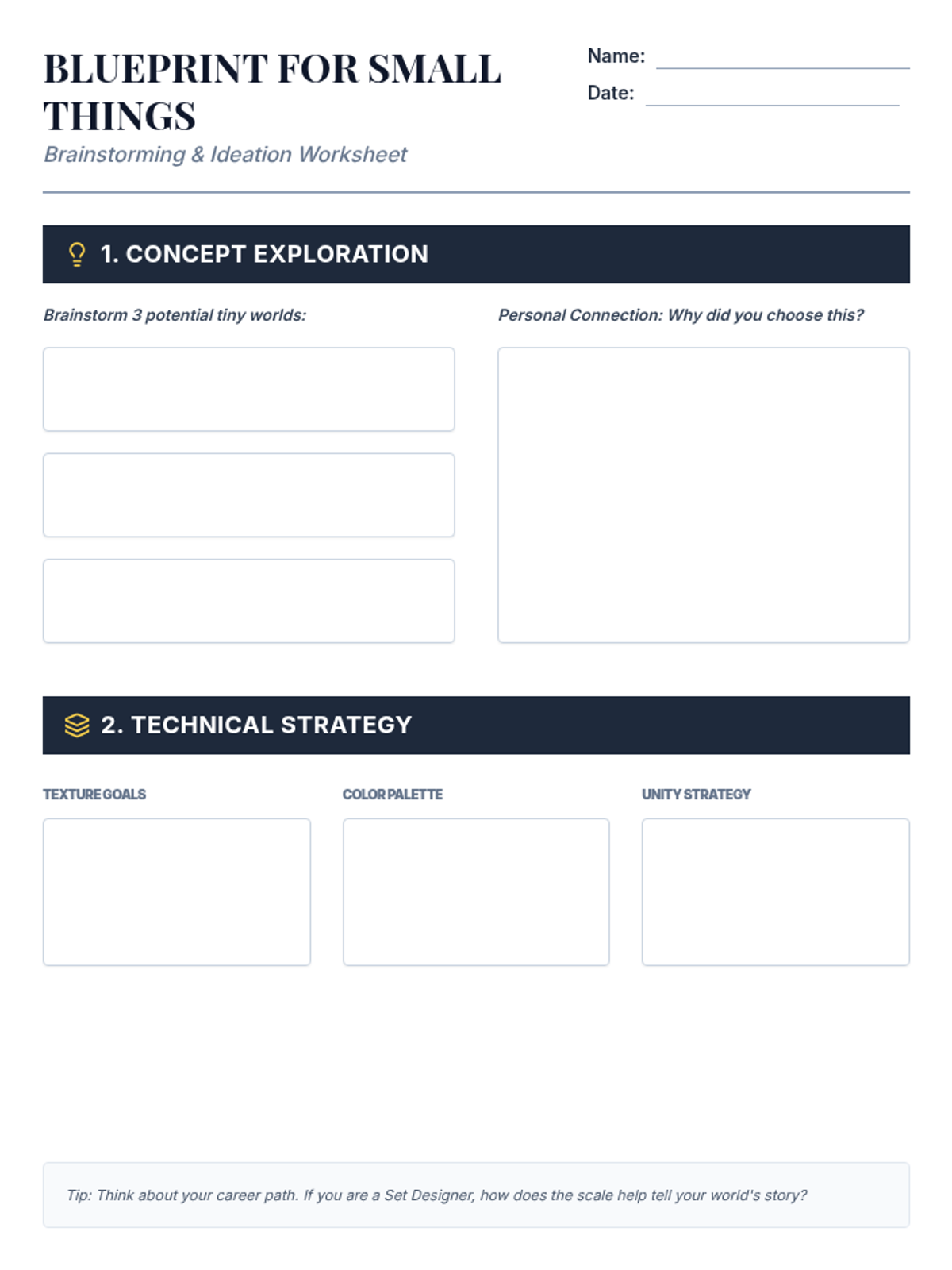
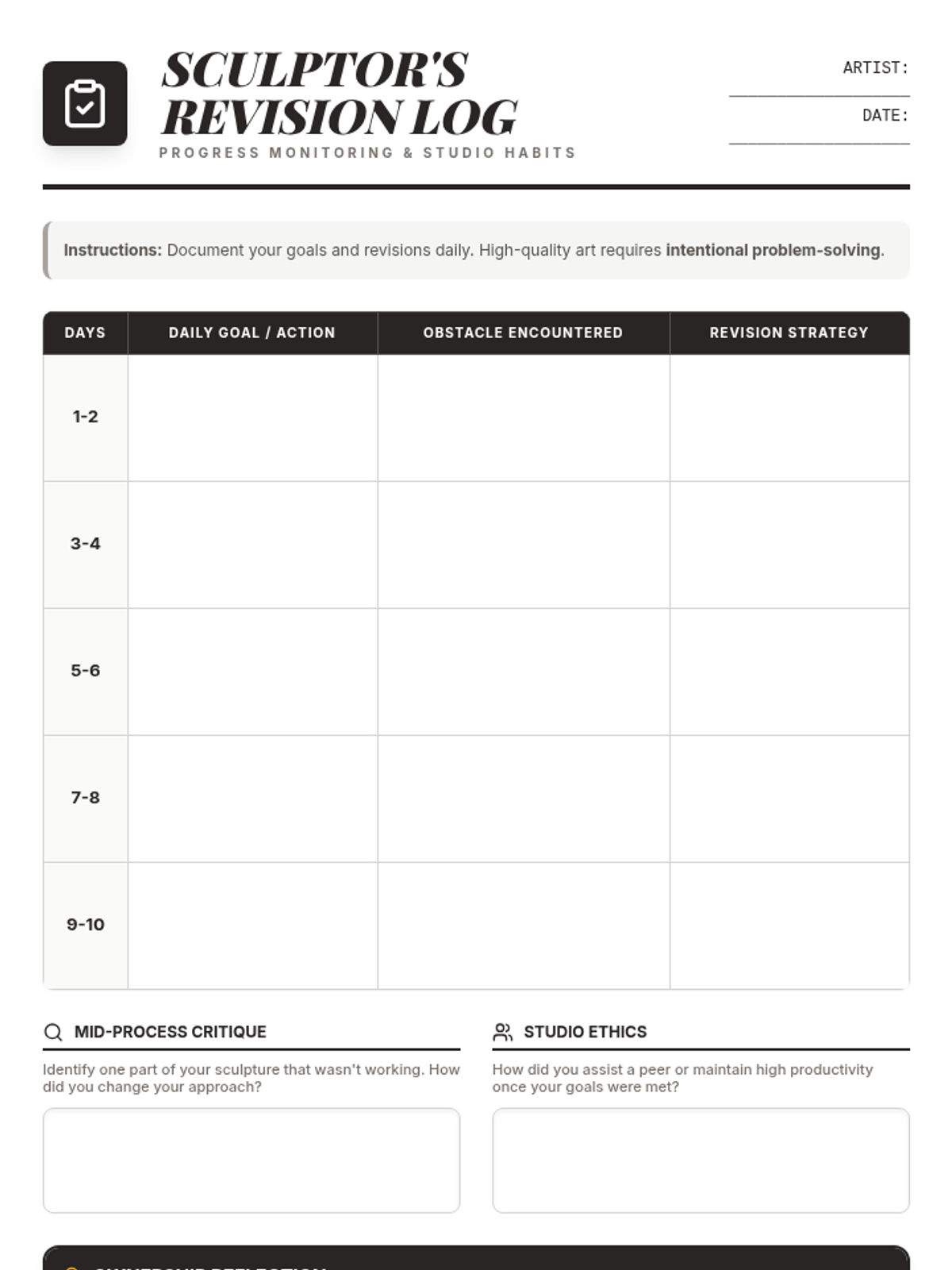
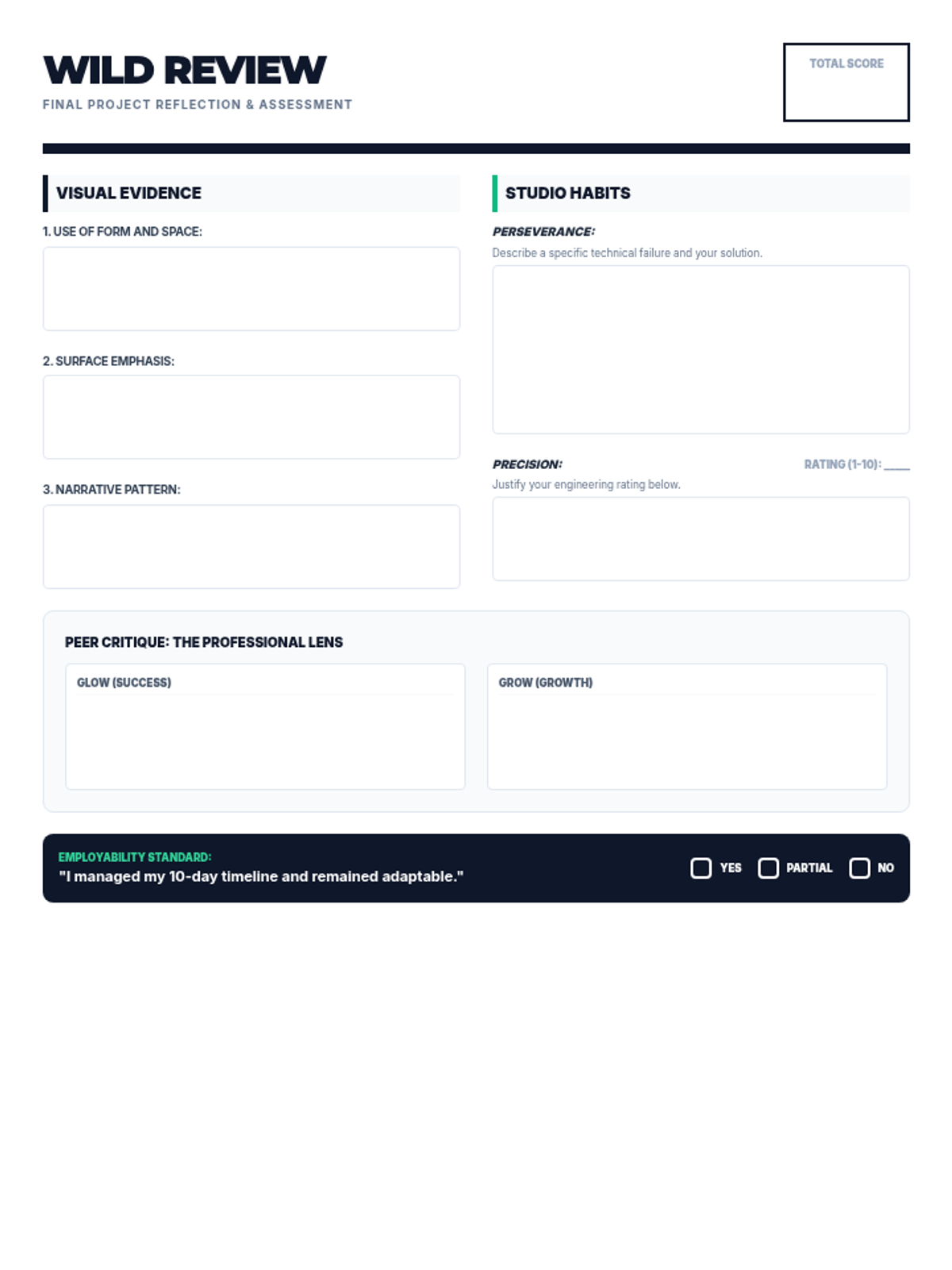
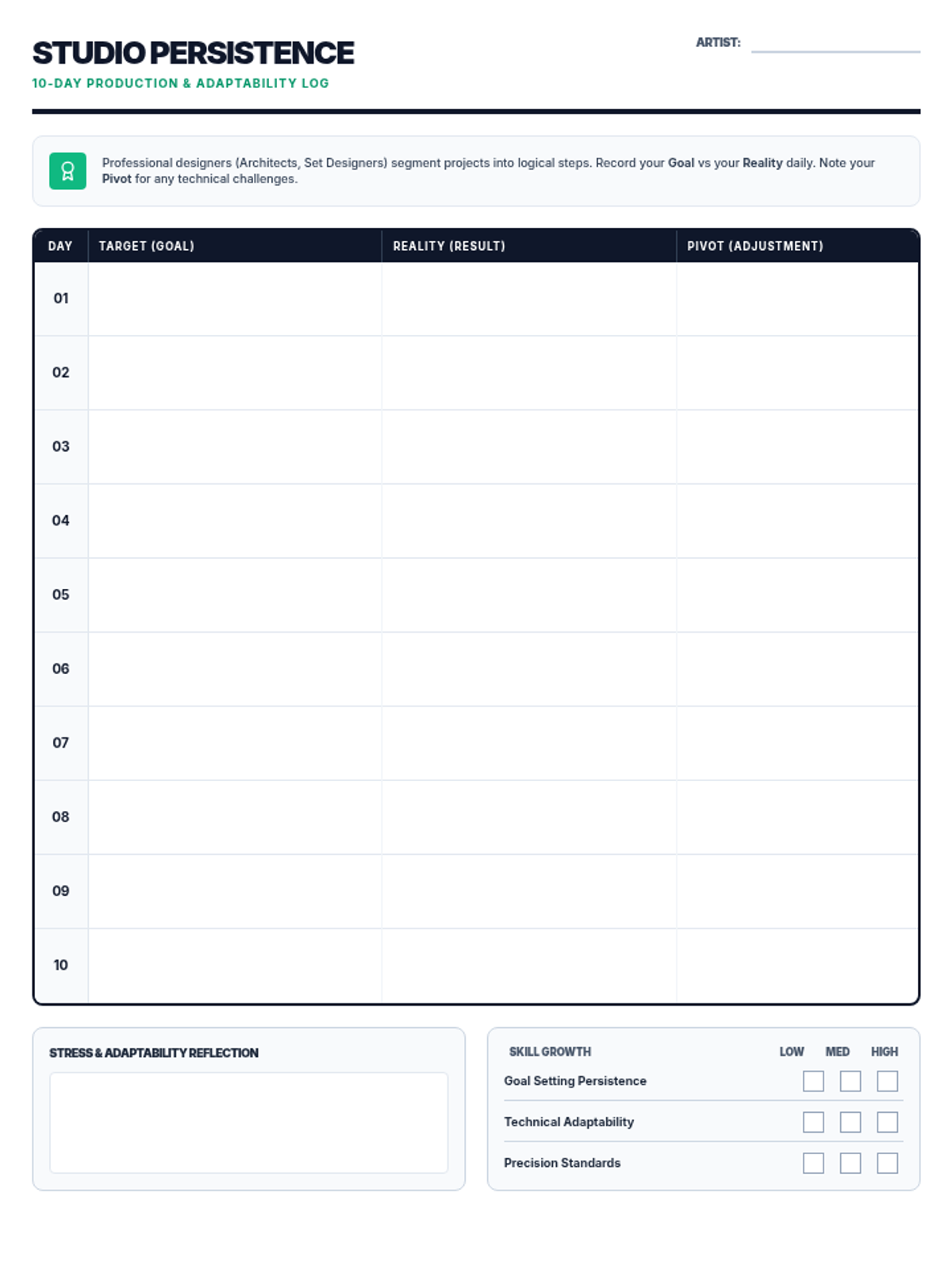
A comprehensive 10-day unit focused on conceptualizing and creating 3D clay miniatures using Model Magic. Students explore career paths like set design and pottery while developing studio habits and problem-solving skills through iterative sculpting and self-analysis.
Applying color, texture, and detail using acrylics and paint markers, followed by a final project reflection.
Building the 3D form using advanced folding, scoring, and attachment techniques while practicing studio habits and perseverance.
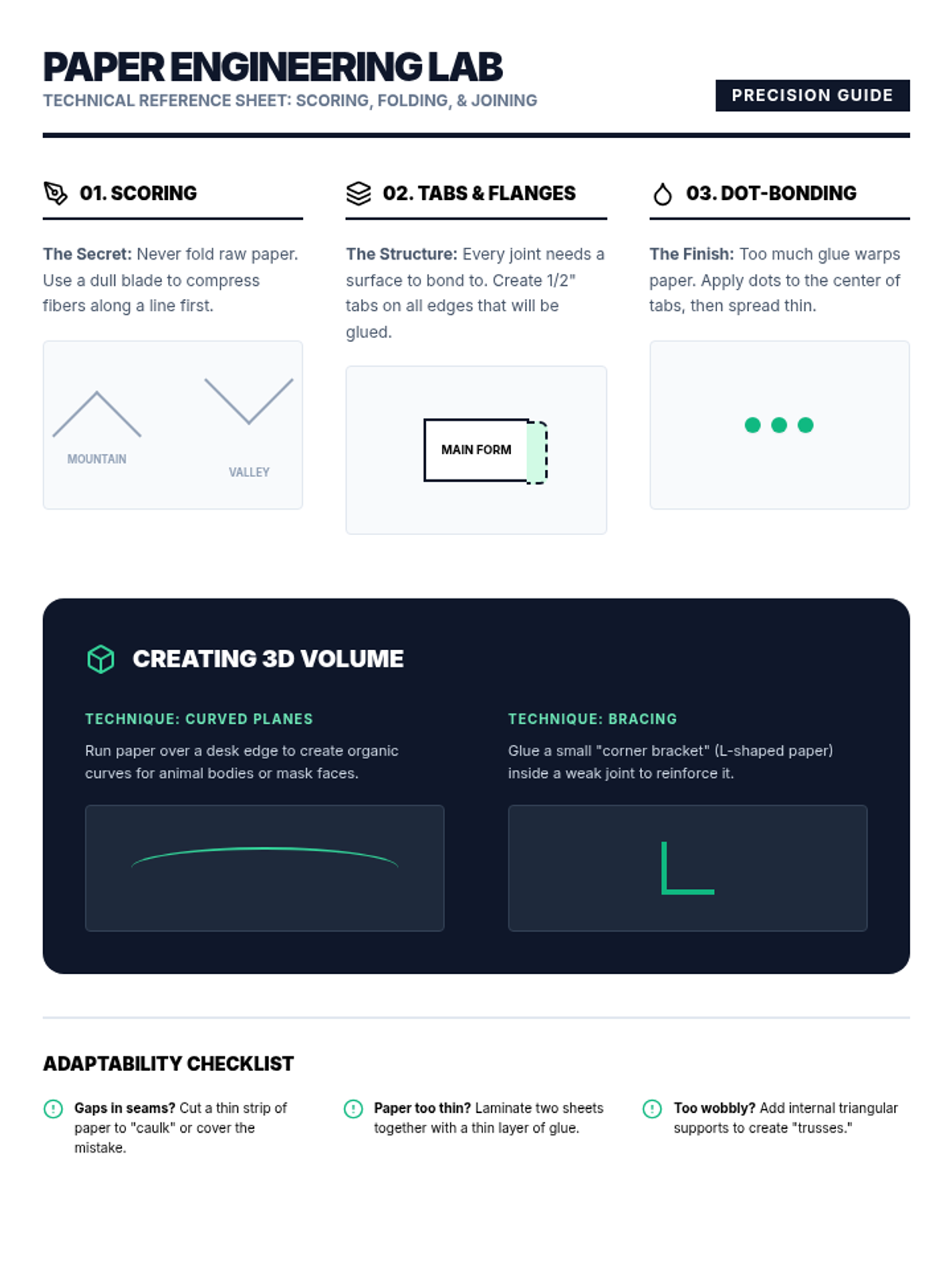
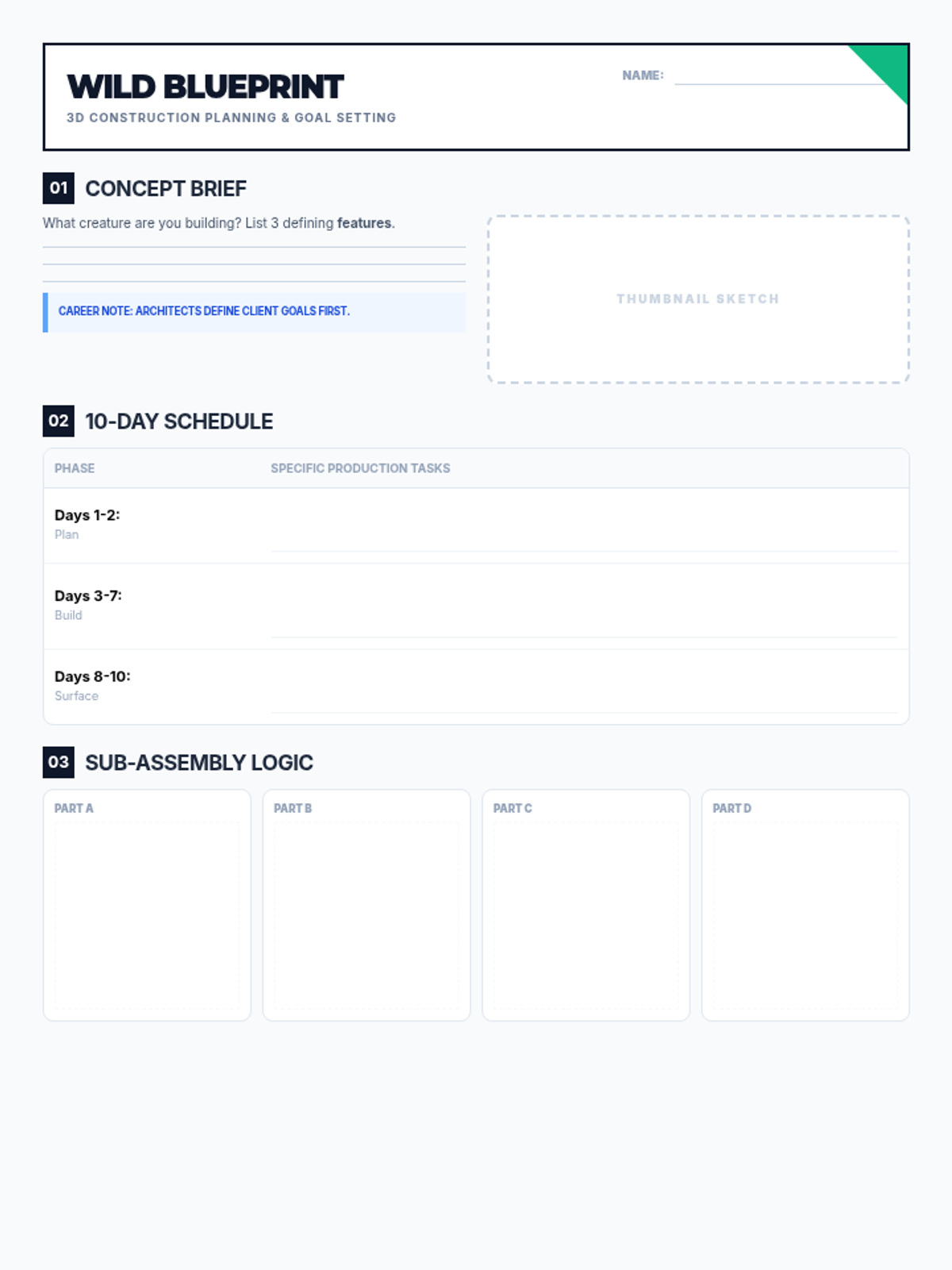
Introduction to paper engineering techniques, career applications, and project planning for 3D paper animal or mask construction.
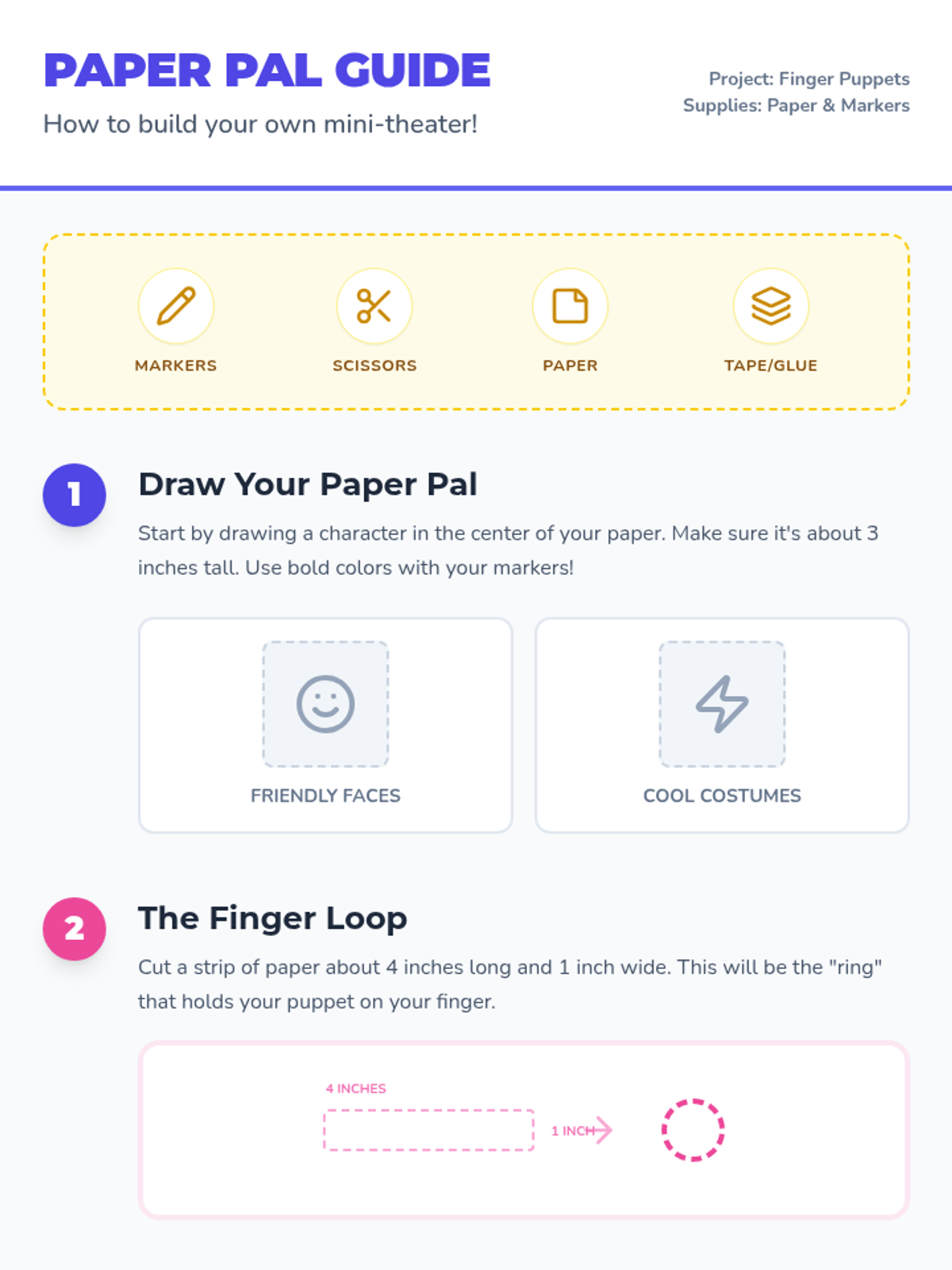
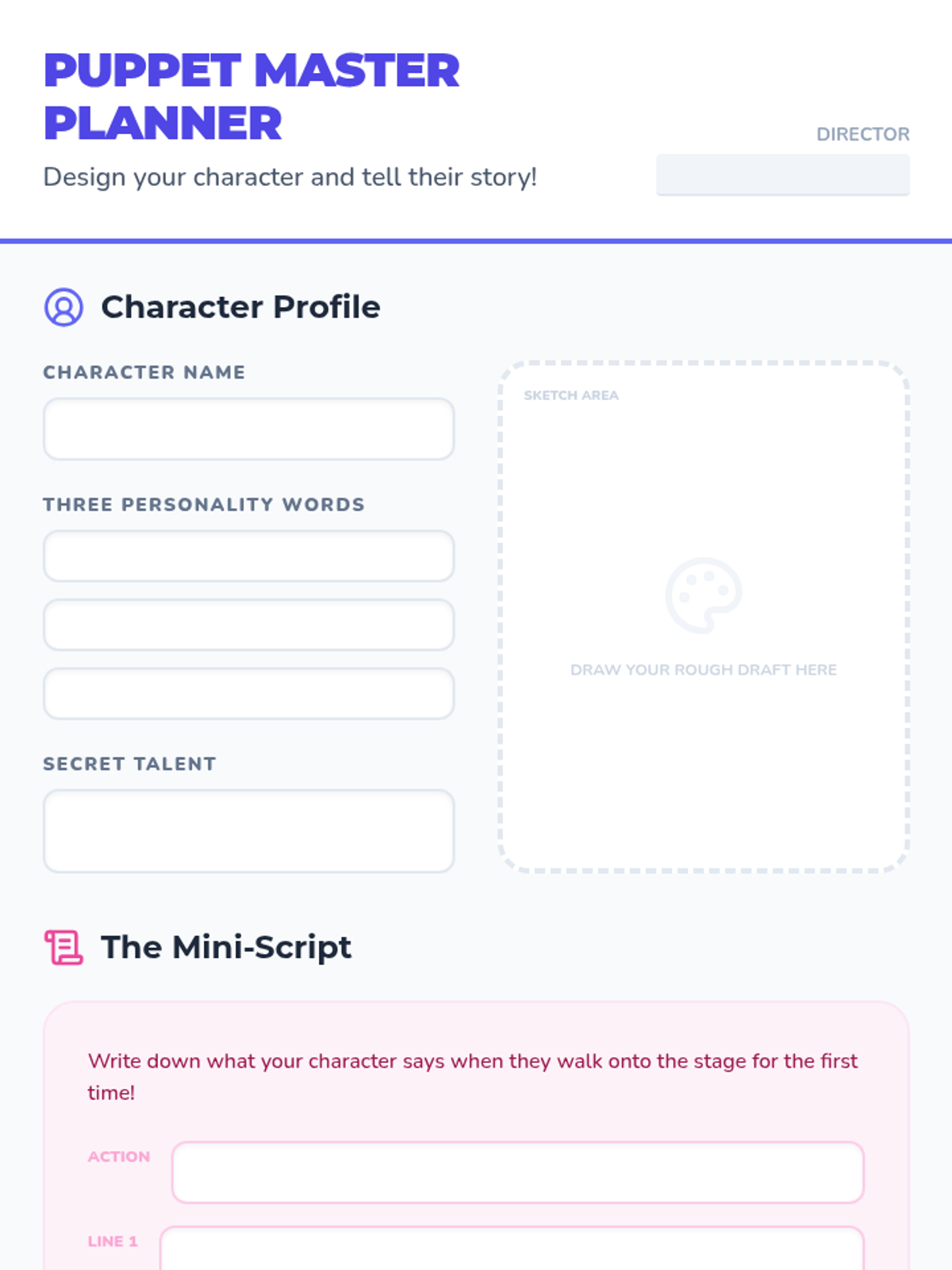
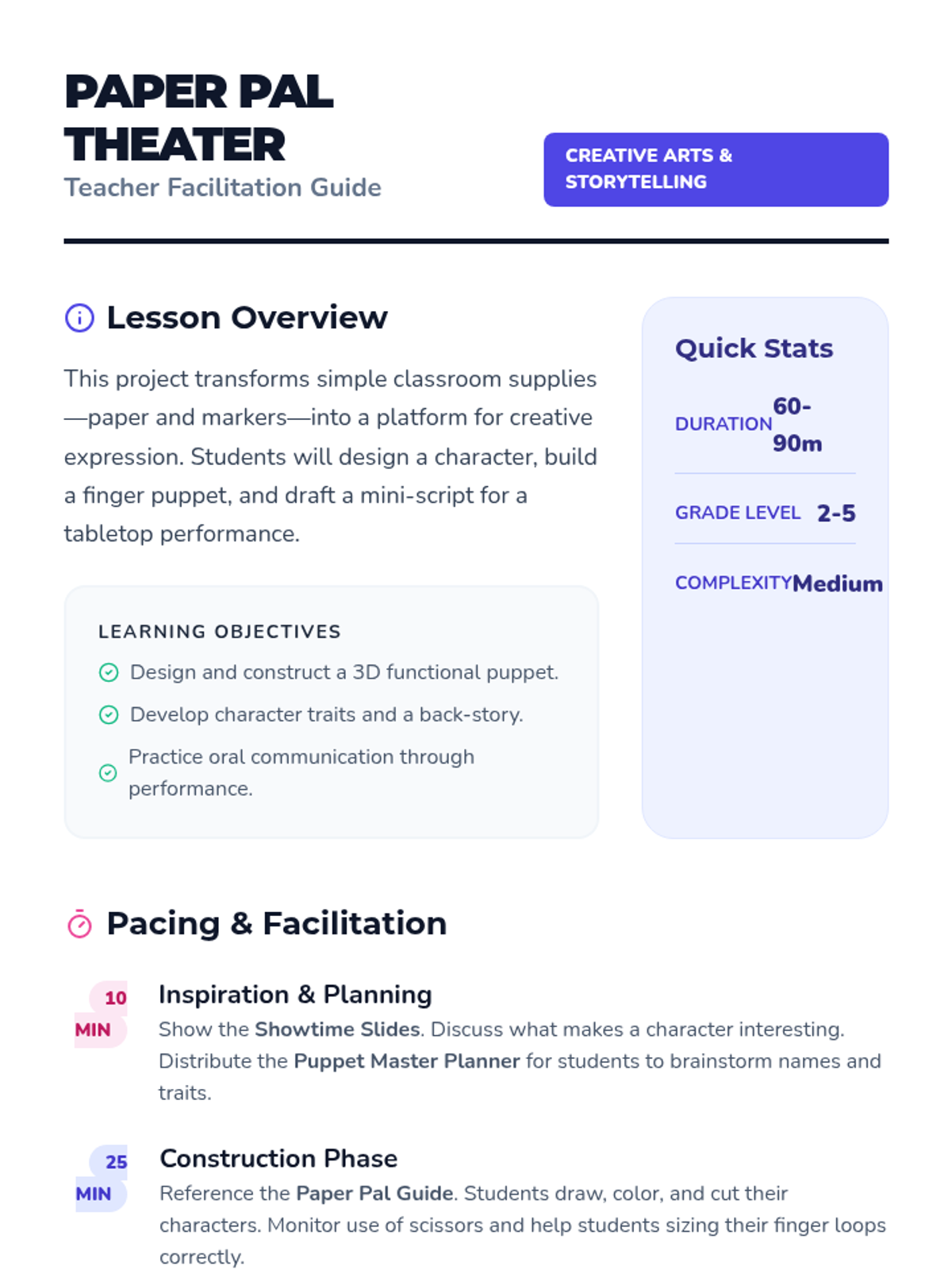
Students design and build their own paper finger puppets and a tabletop stage using markers and paper. This project combines visual arts with storytelling and performance.
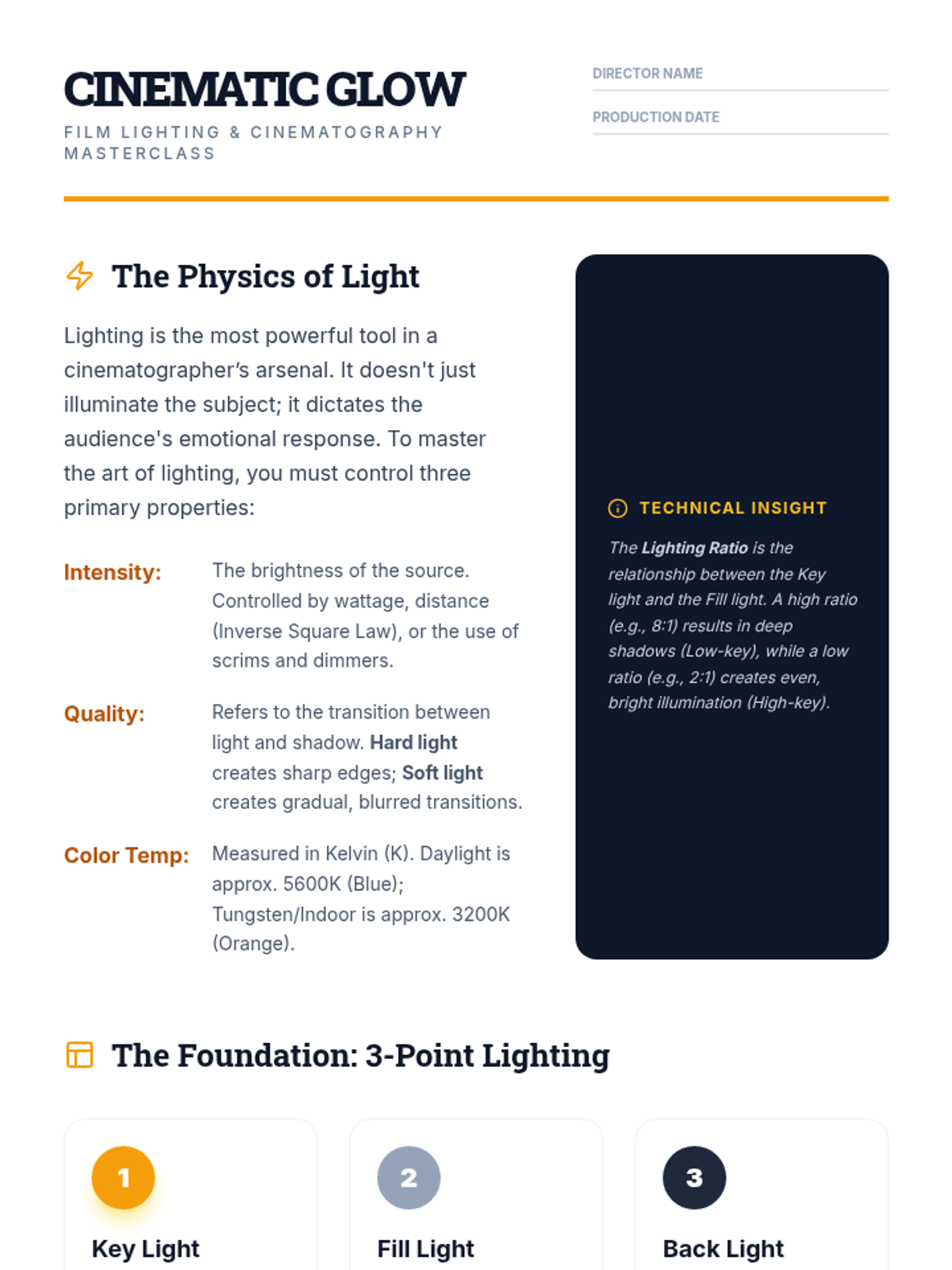
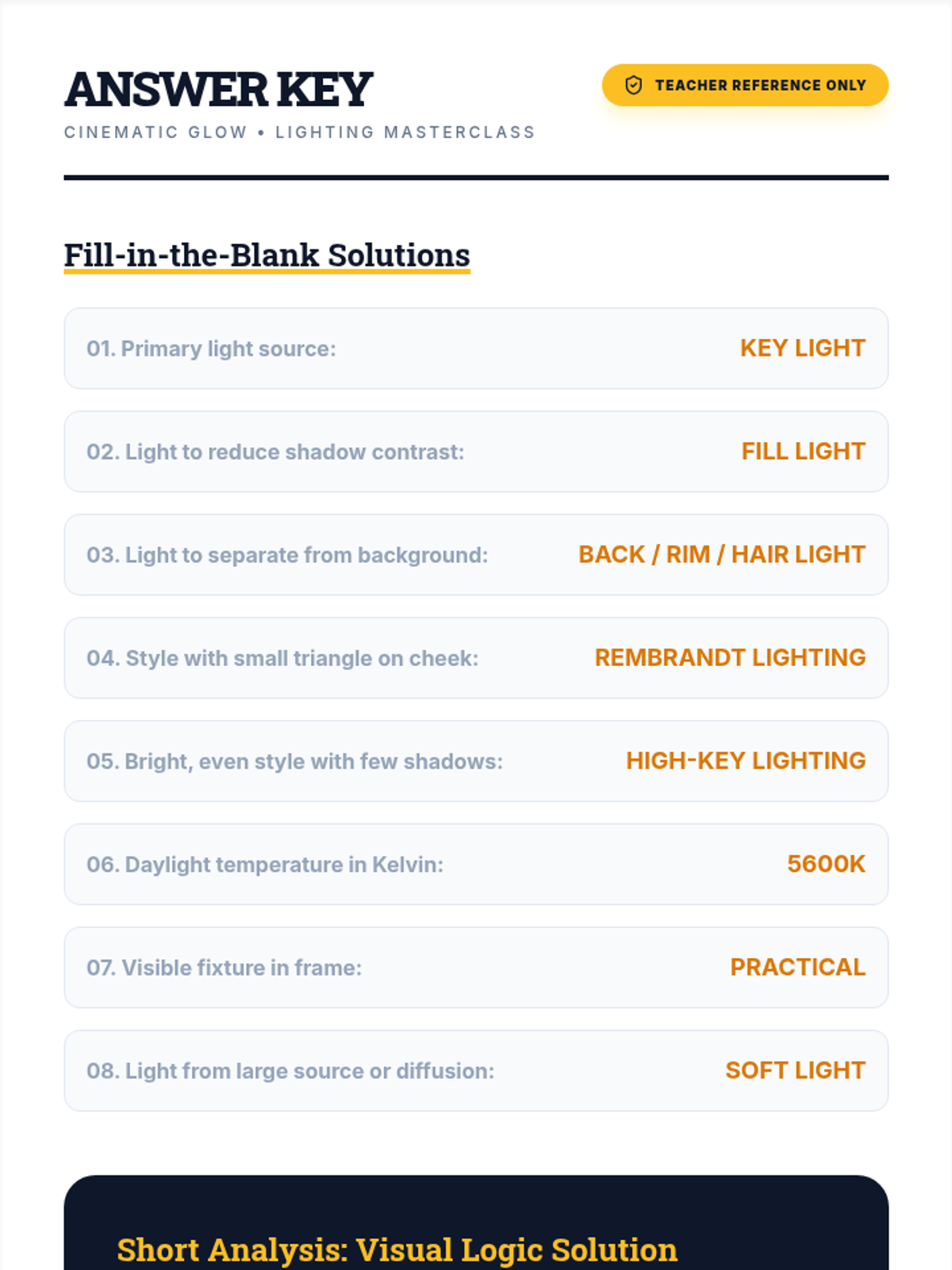
A deep dive into cinematic lighting, from the physics of light and 3-point setups to professional styles like Rembrandt and Butterfly lighting, including a hands-on assessment.
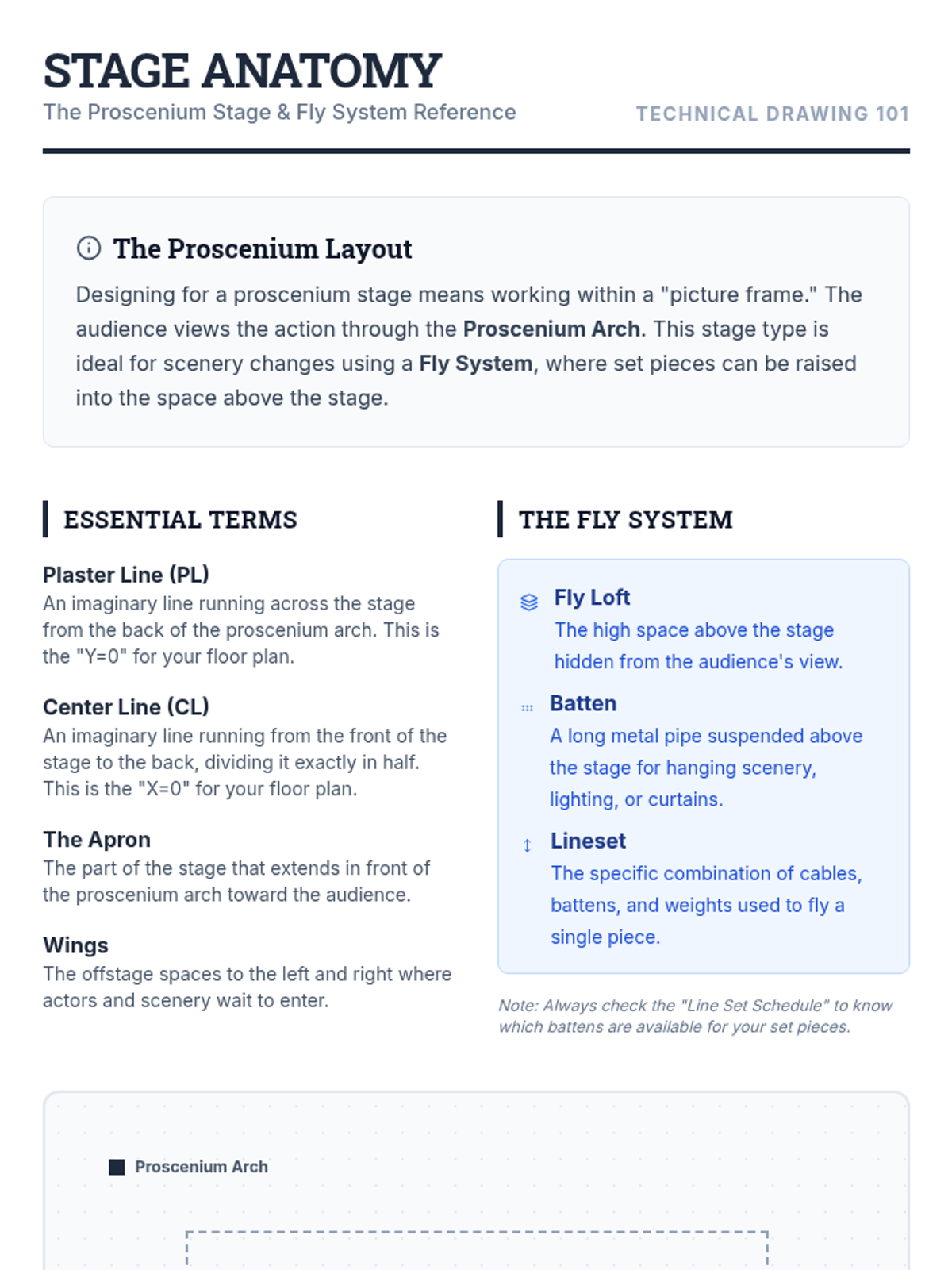
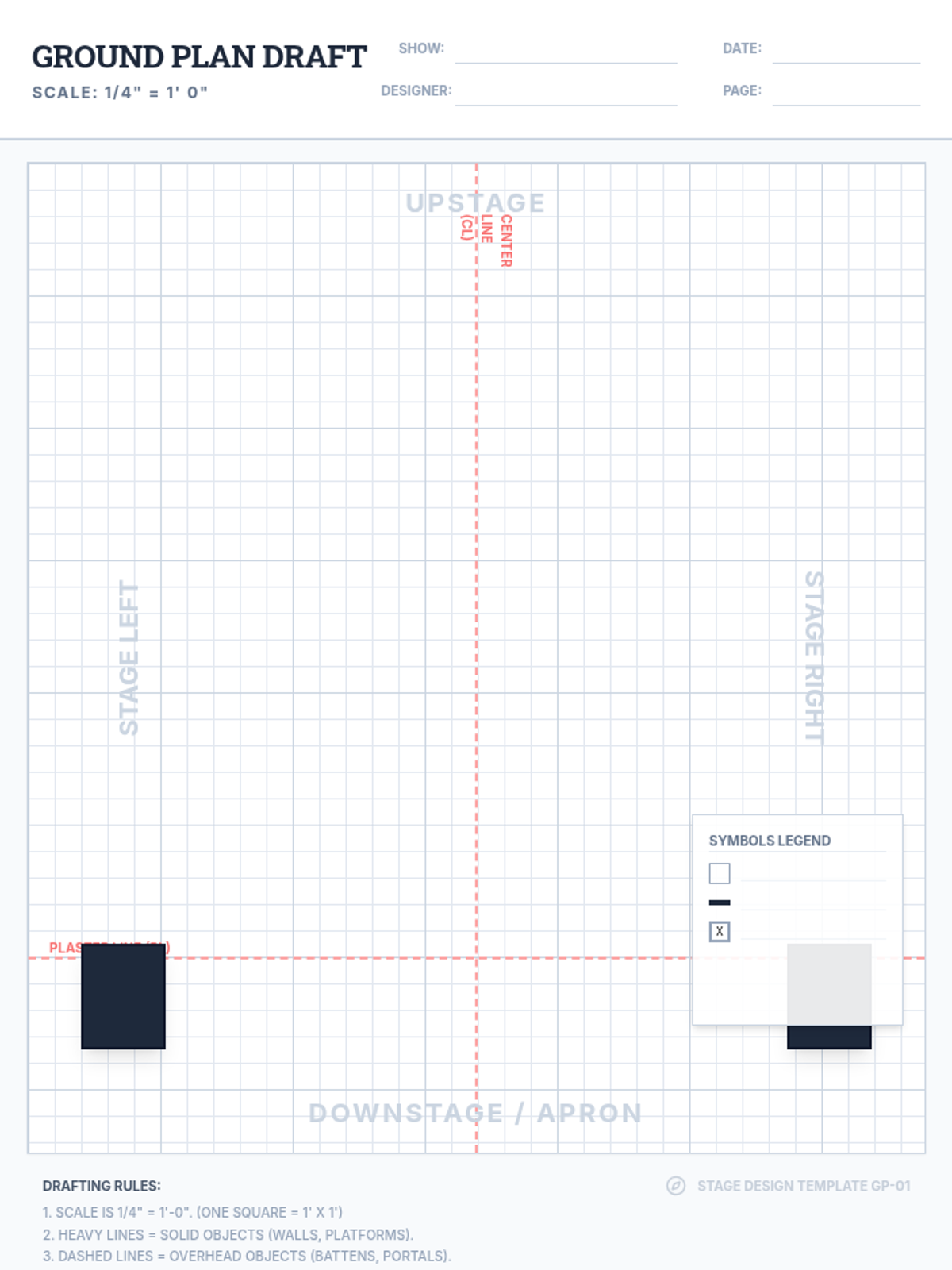
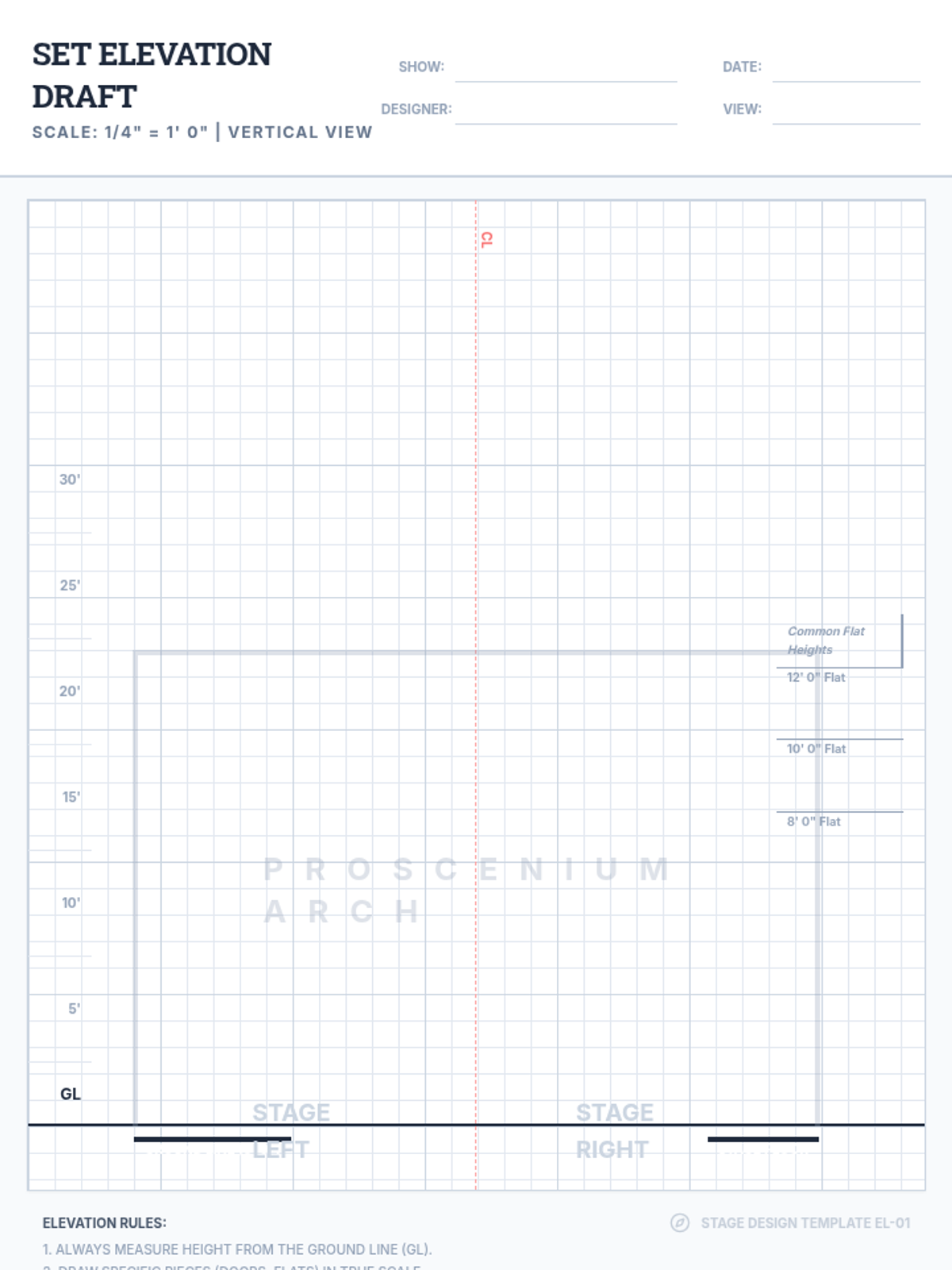
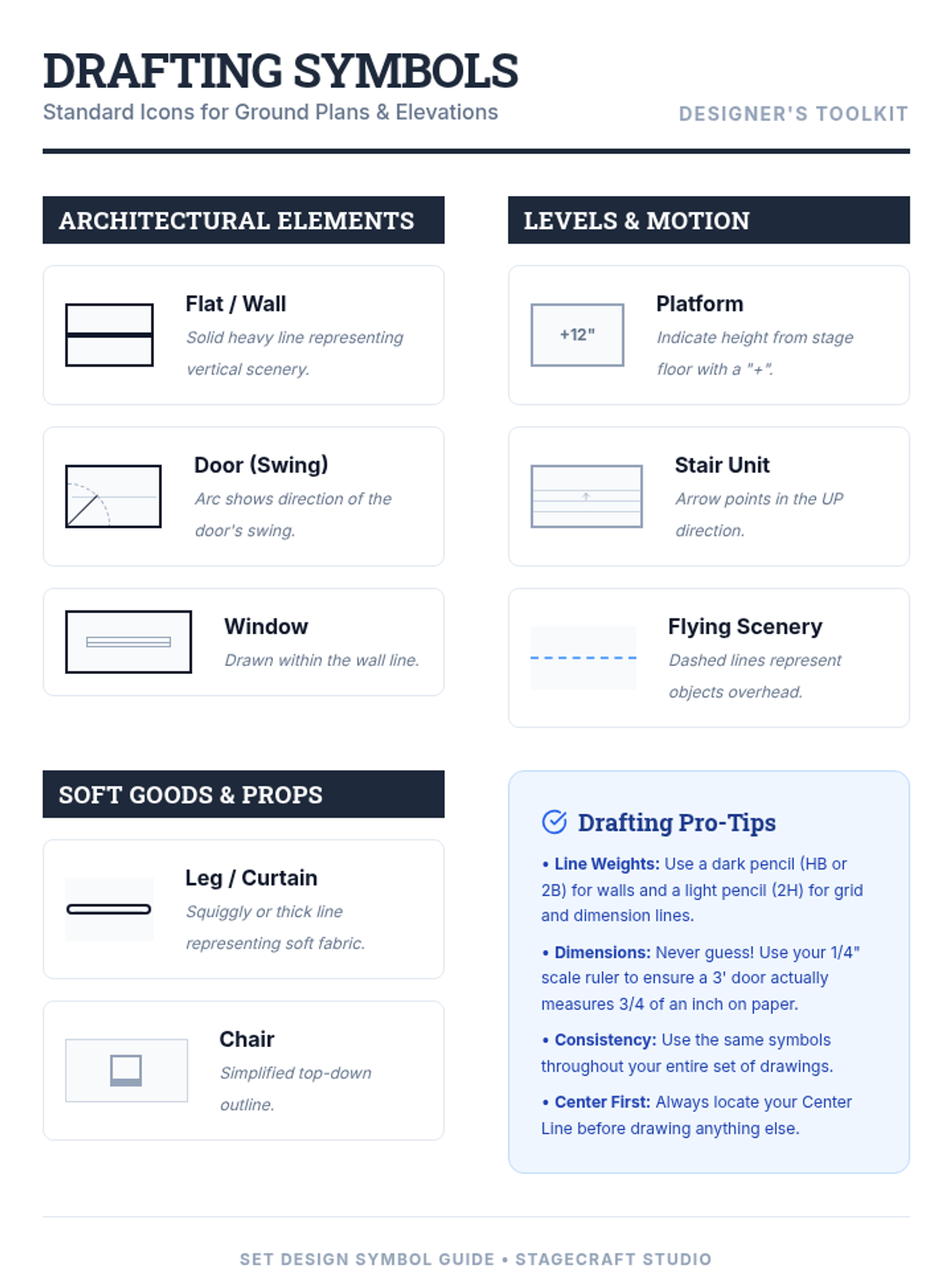
A comprehensive set of technical drawing templates and reference guides for theatrical set design. This lesson focuses on the proscenium stage and fly system, providing students with the professional tools needed to create ground plans and elevations.
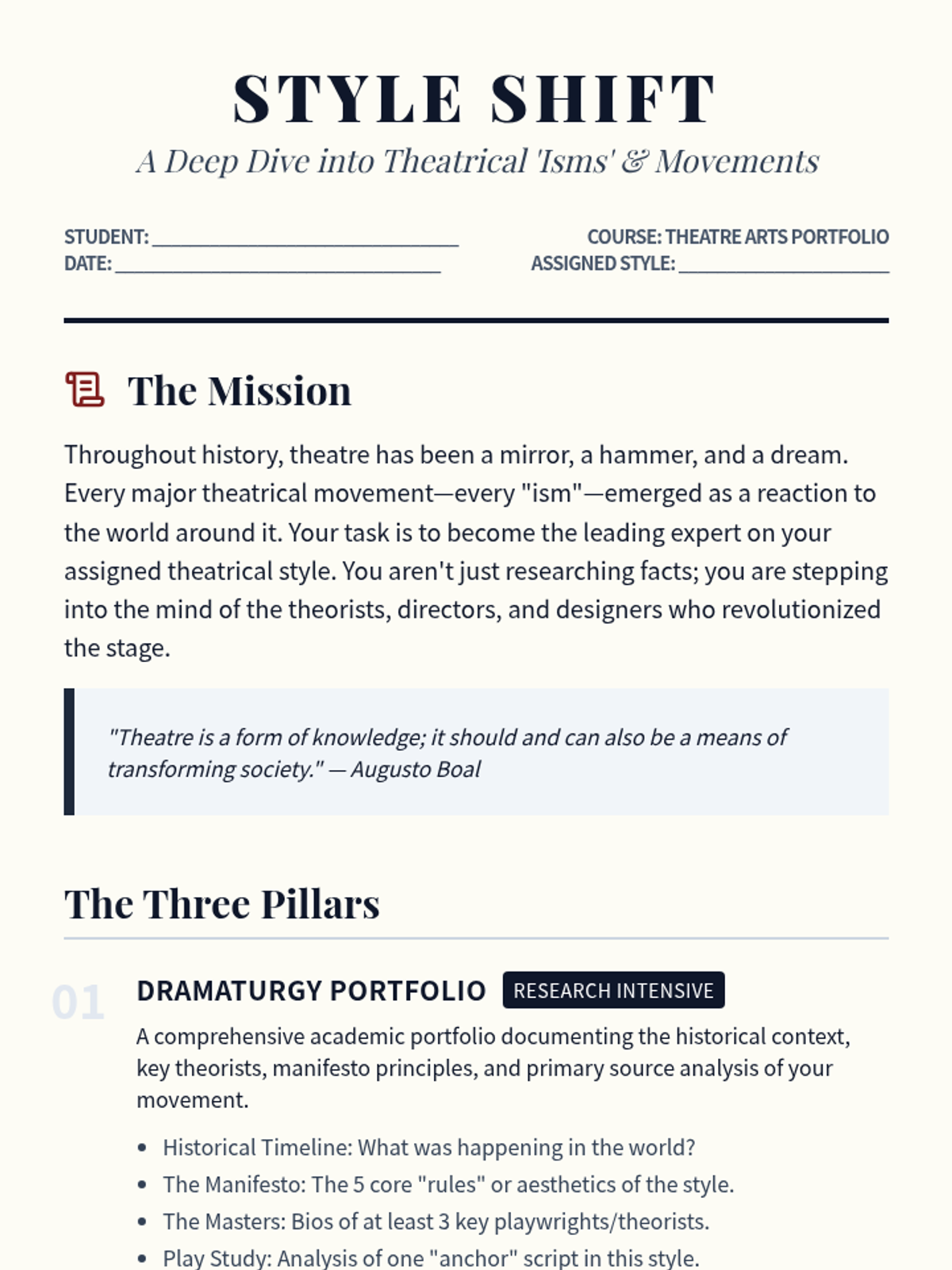
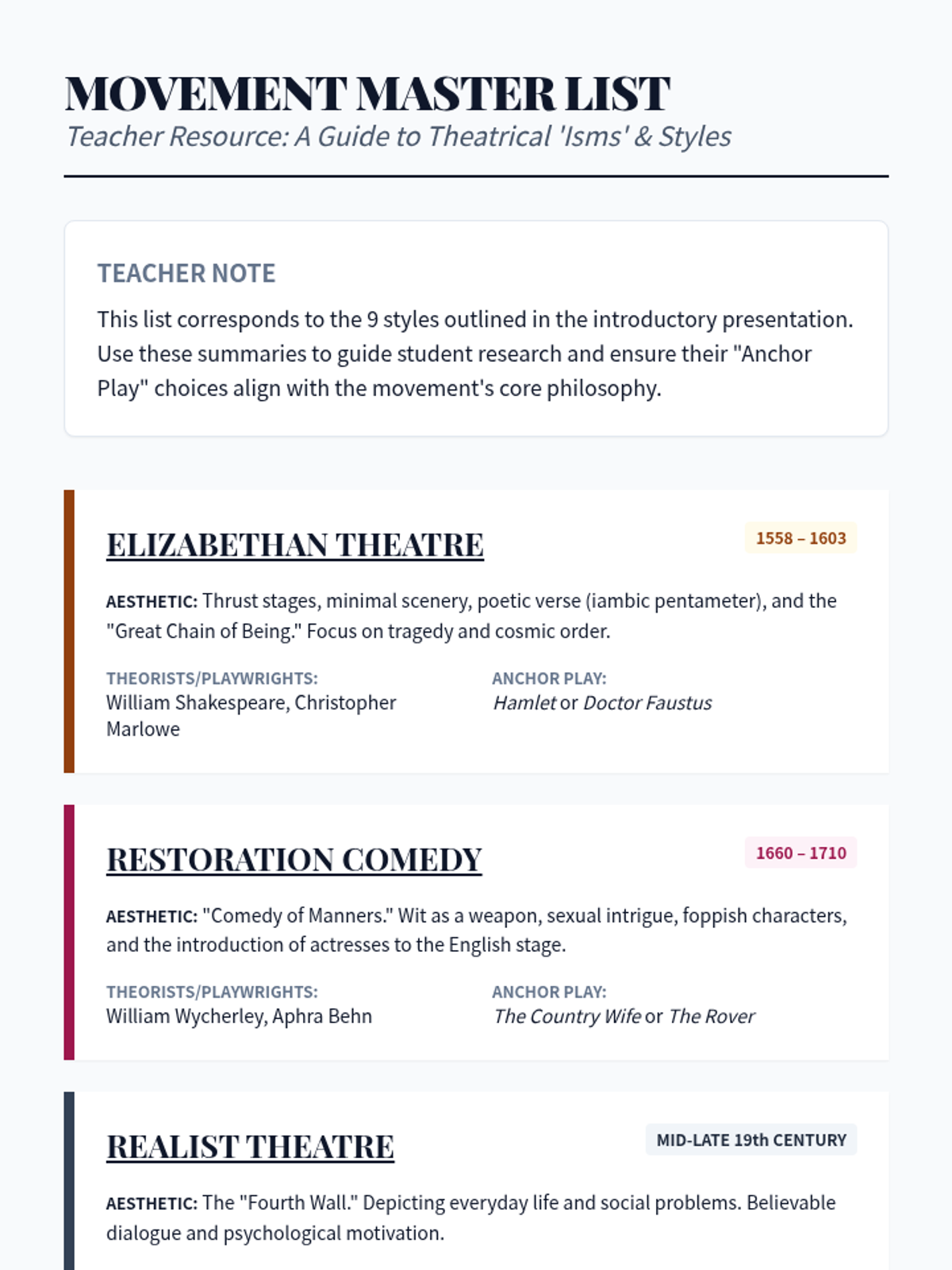
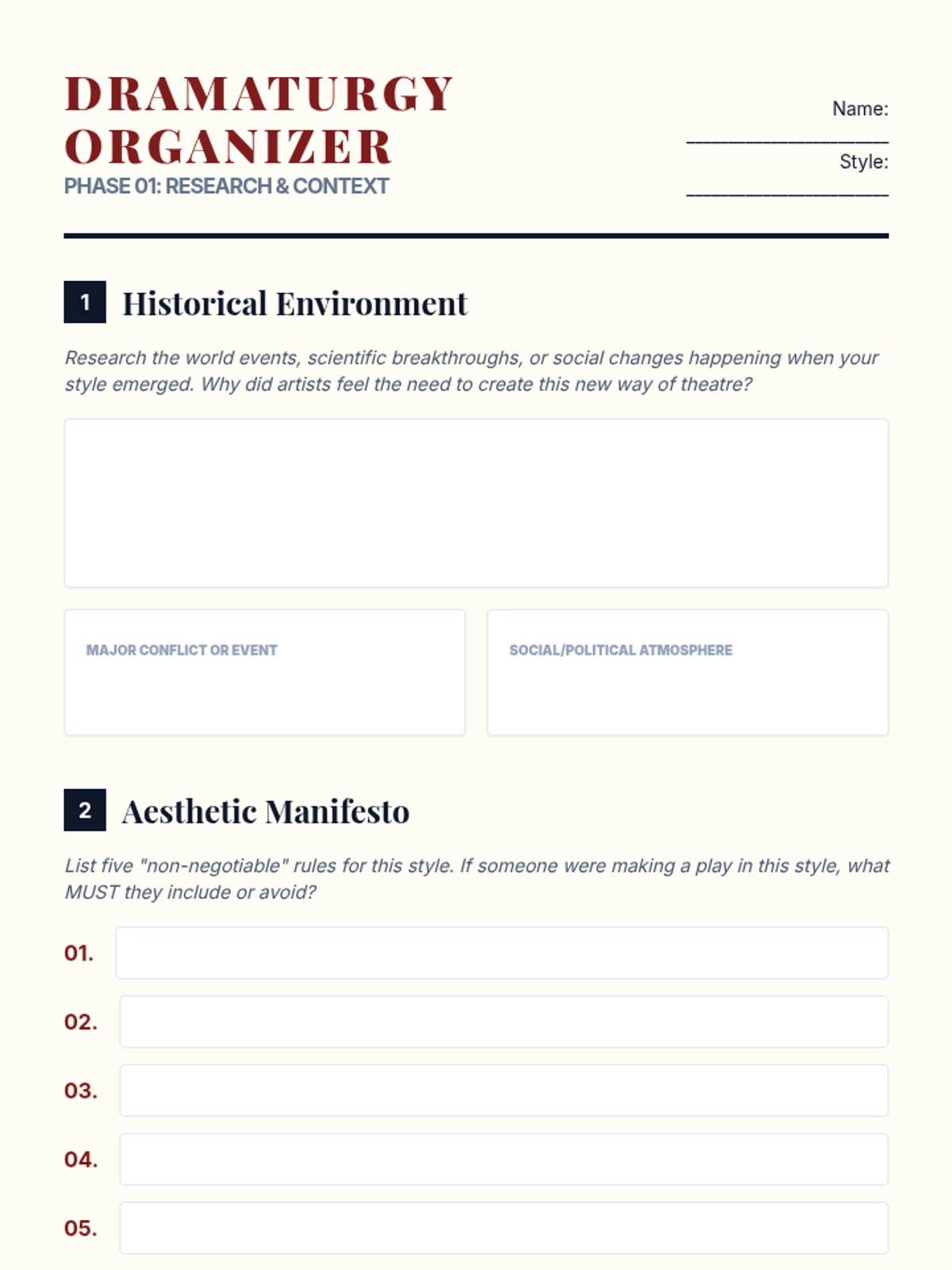
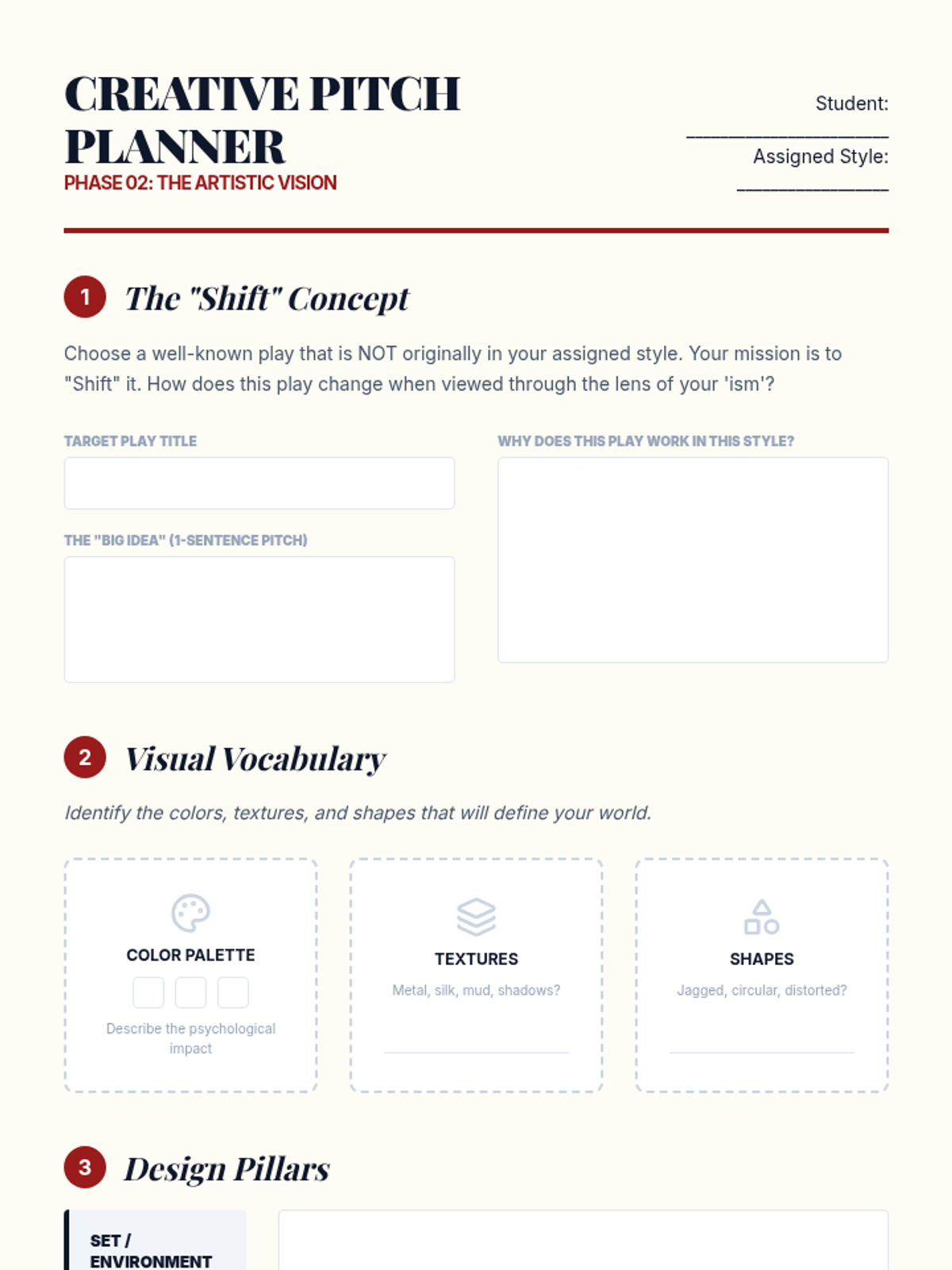
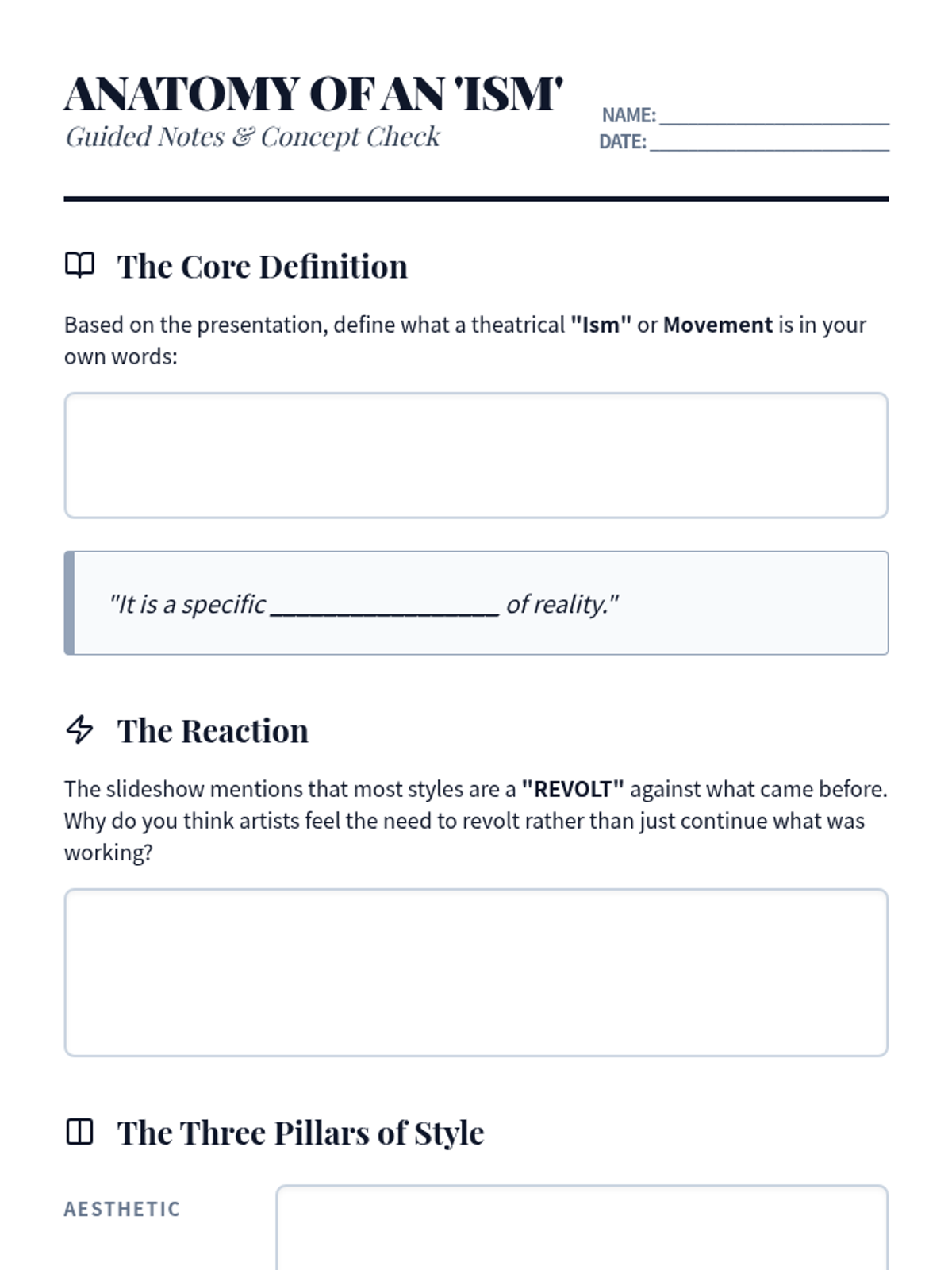
A comprehensive culminating research project where students explore a specific theatre style or 'ism'. Students produce a research-heavy Dramaturgy Portfolio, a Creative Design Pitch Deck, and a final Presentation with a visual aid.
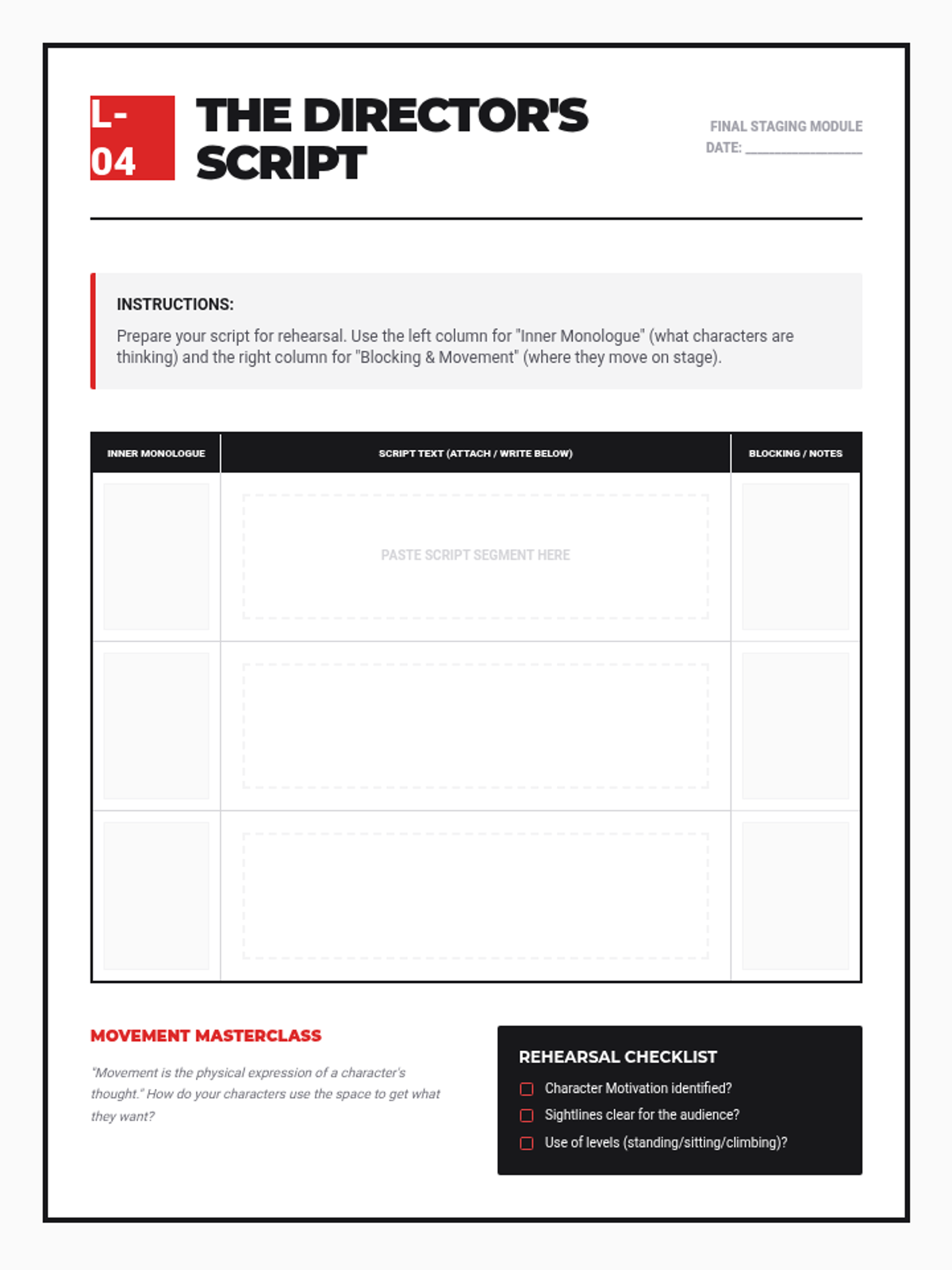
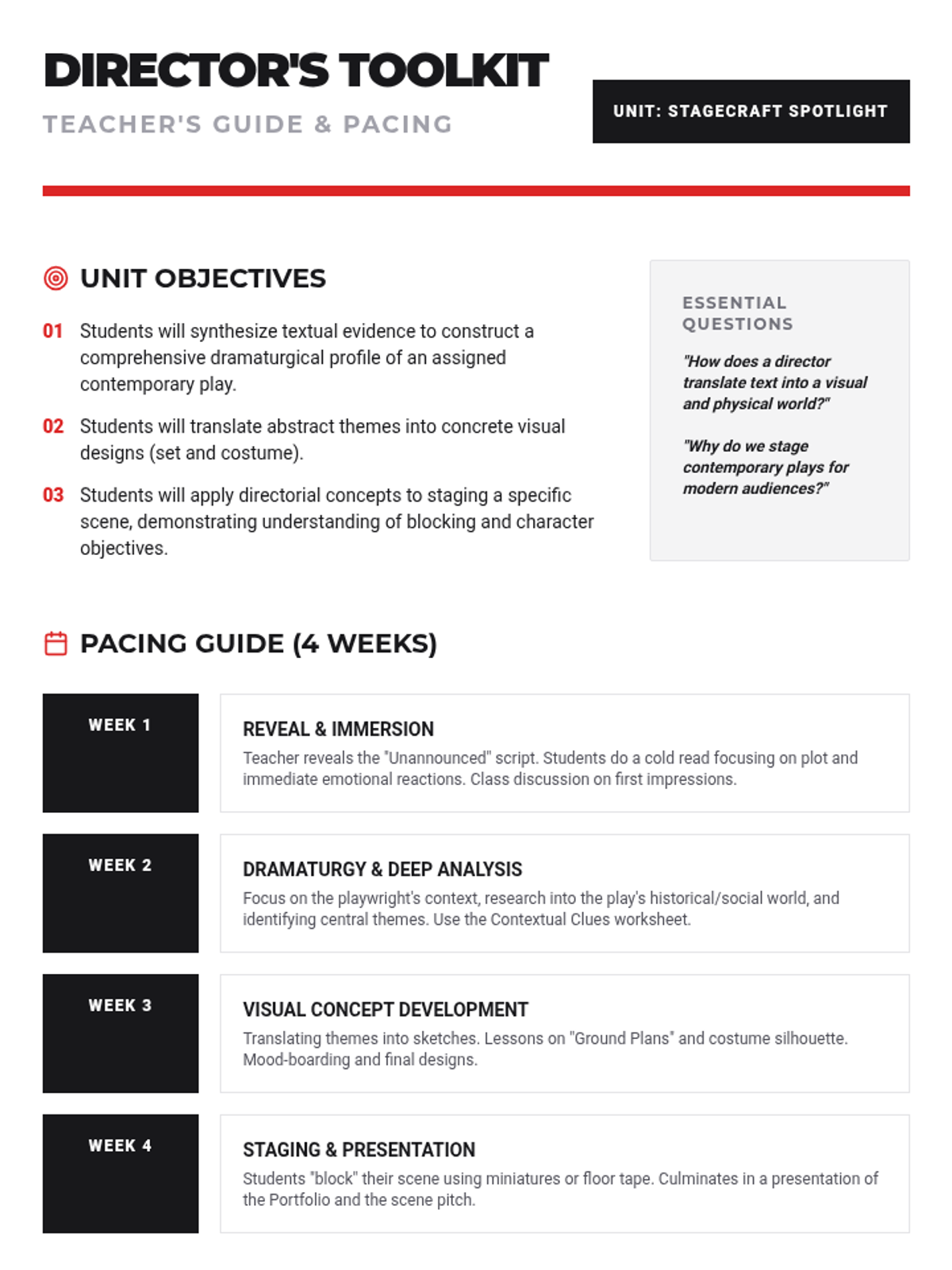
The culminating phase where students stage a scene and compile their final production portfolio.
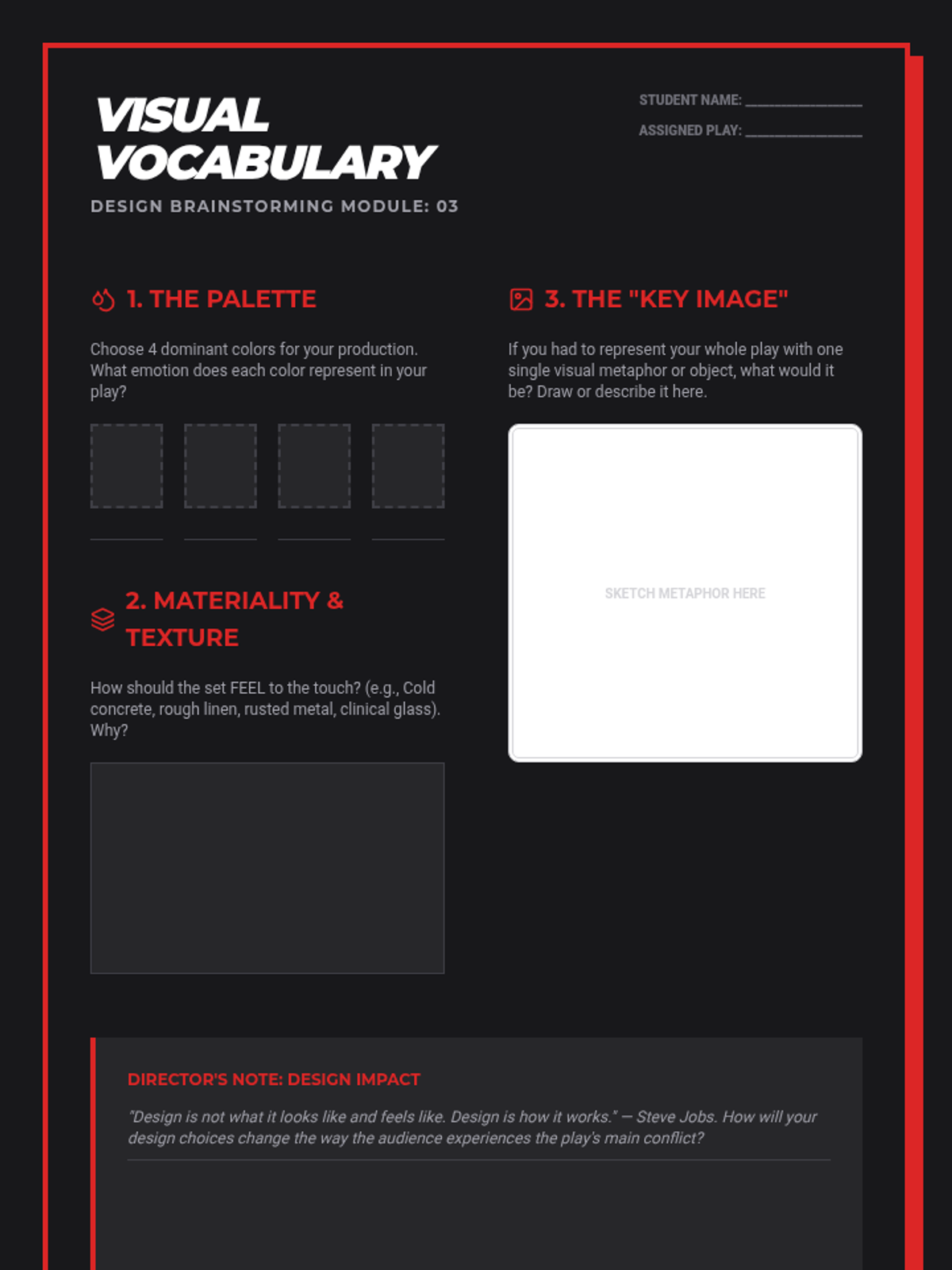
Students transition from analysis to design, creating set blueprints and costume concepts.
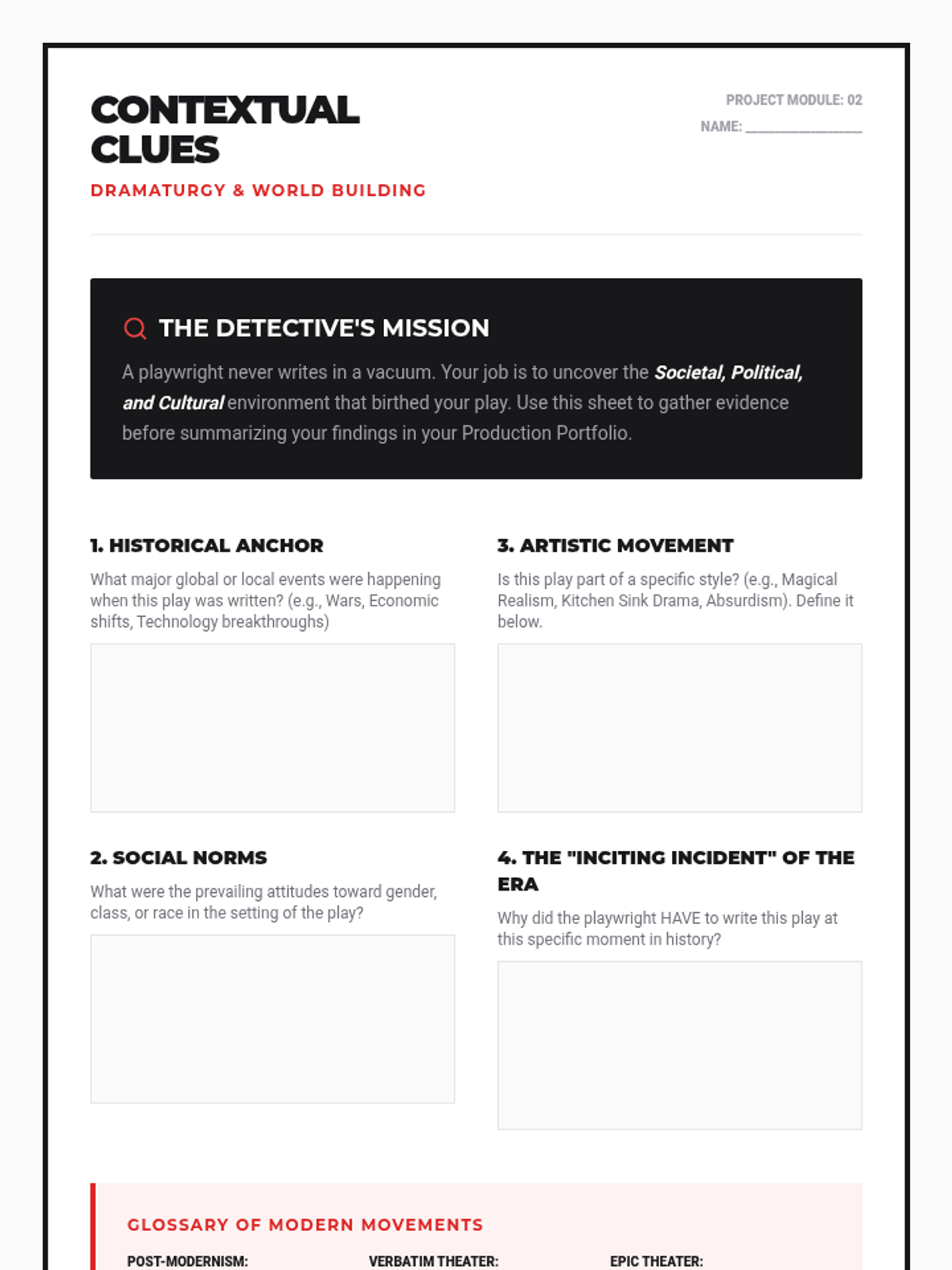
Focuses on the playwright's context and the deeper thematic structures of the chosen contemporary drama.
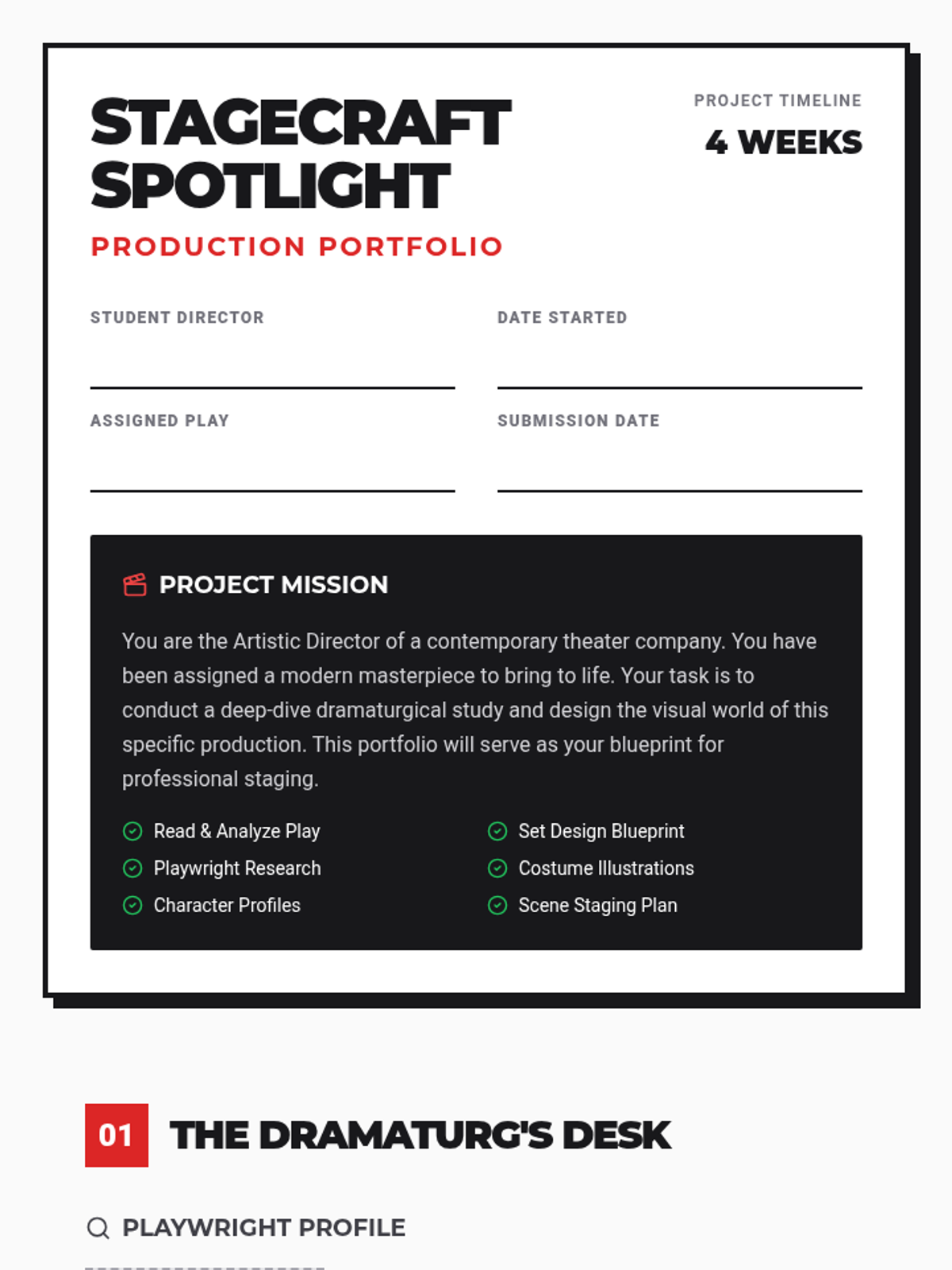
Students select a contemporary play and begin their analytical journey through character and theme exploration.
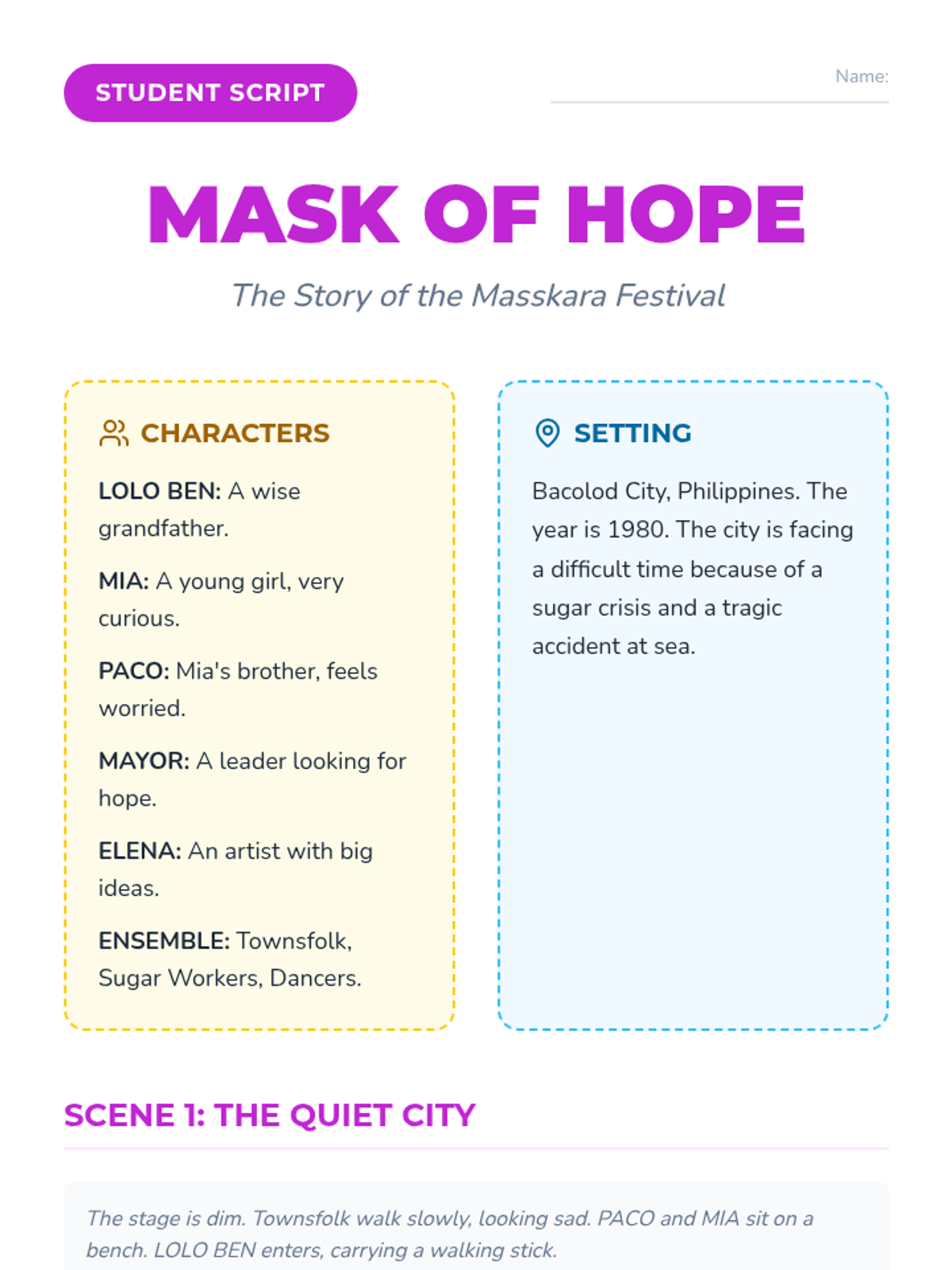
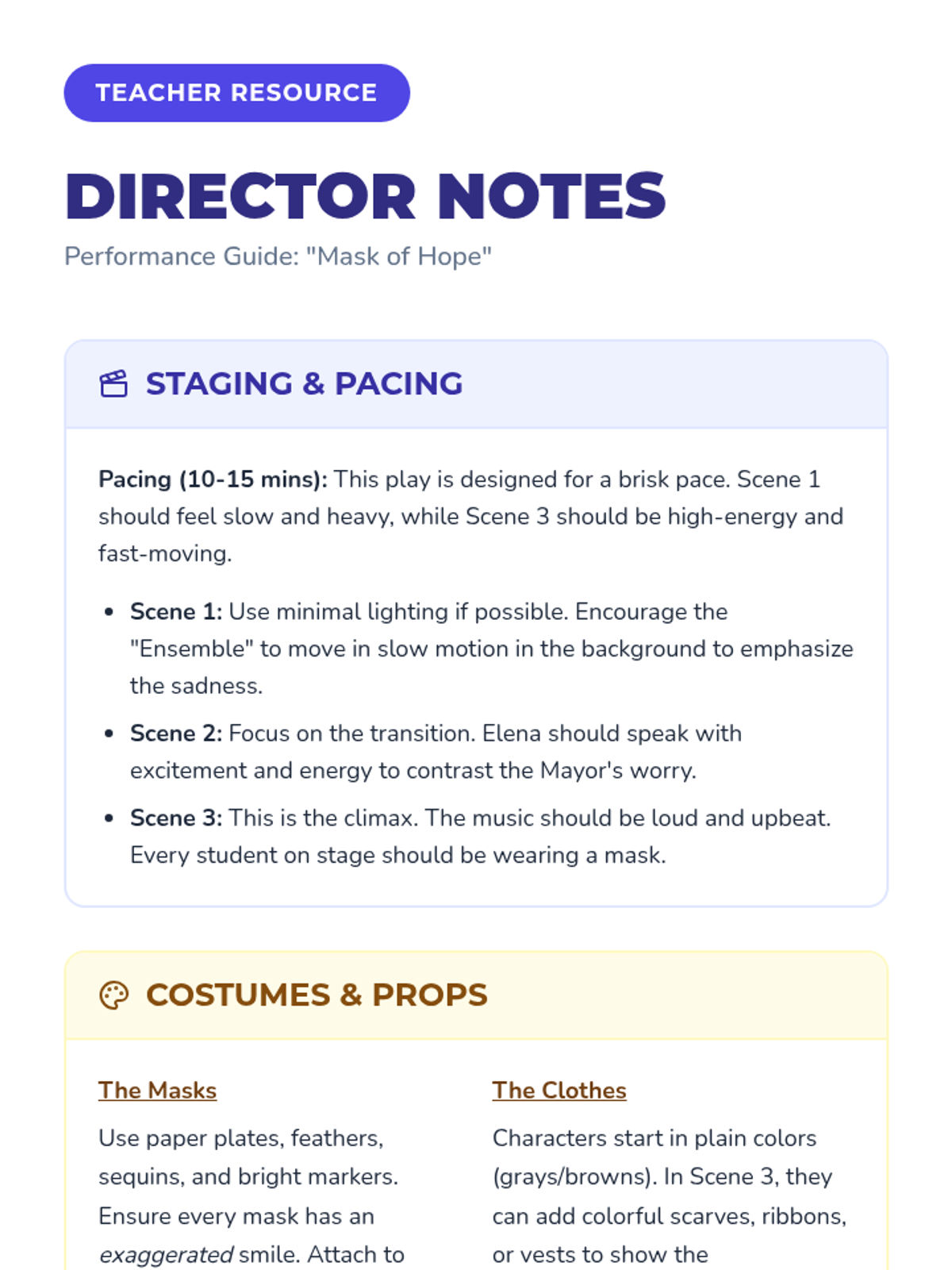
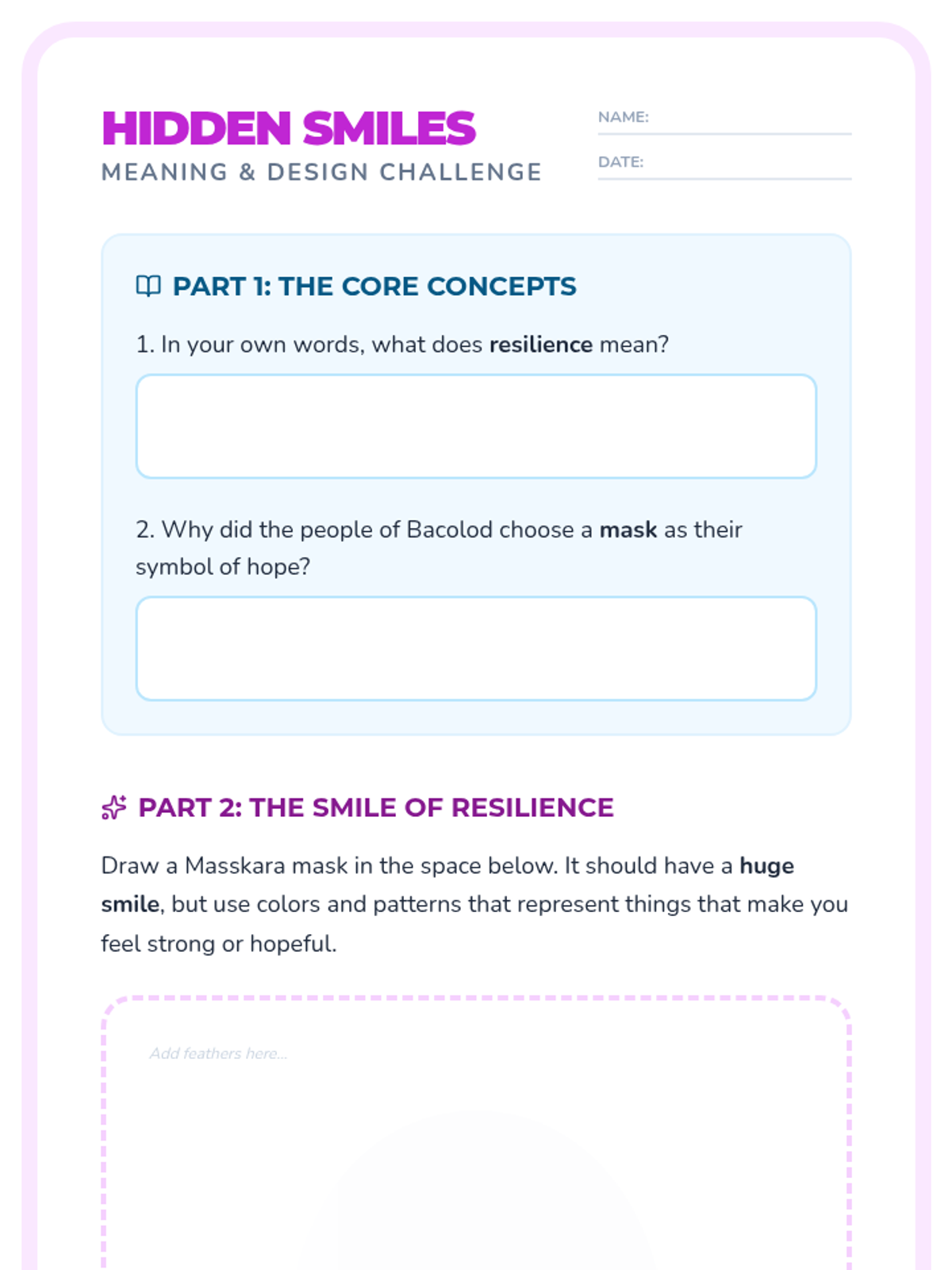
This lesson introduces students to the Masskara Festival of Bacolod City, focusing on its origins as a festival of resilience and hope. Students will perform a 10-15 minute play that dramatizes the historical context and the 'City of Smiles' spirit.
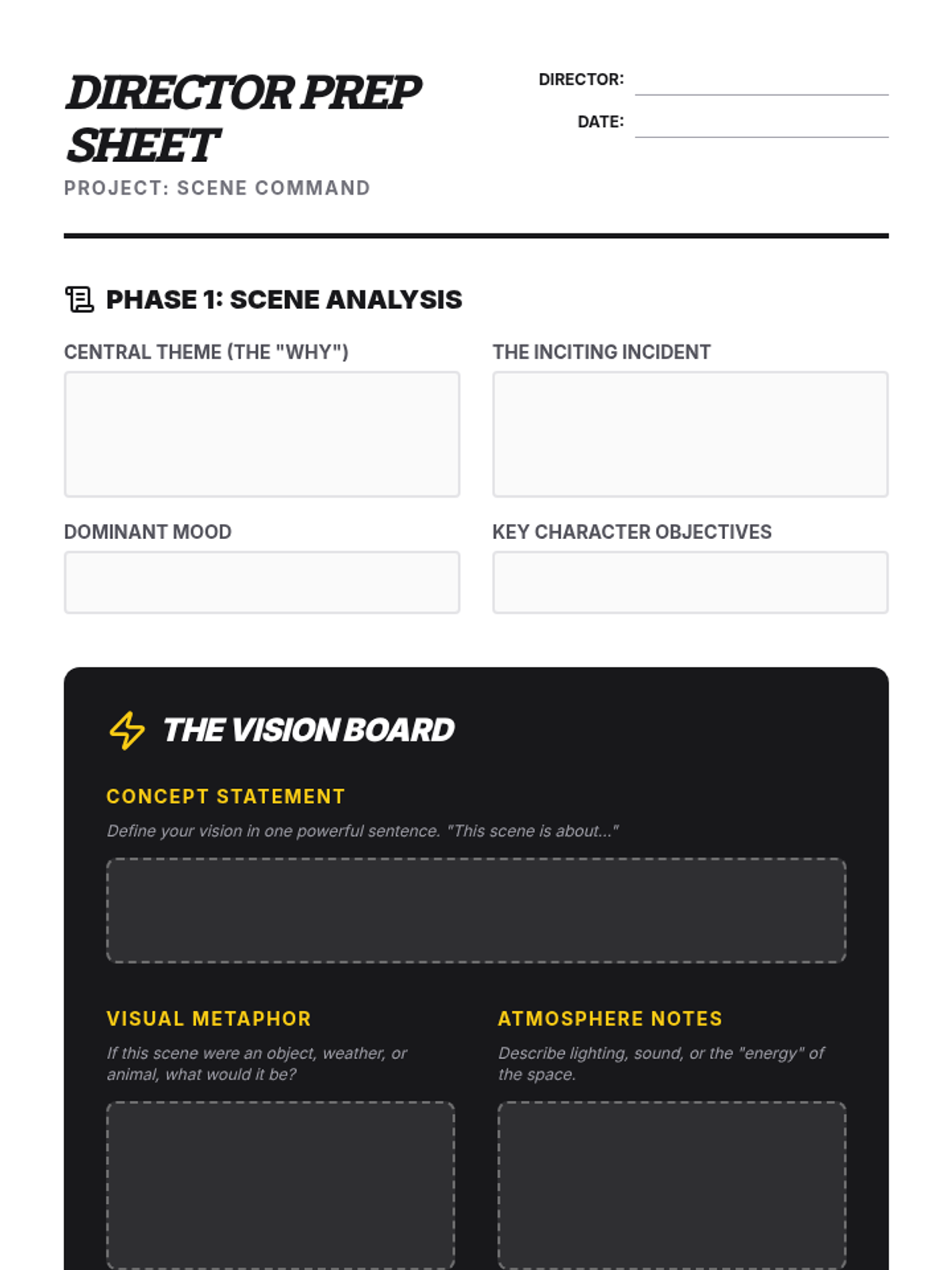
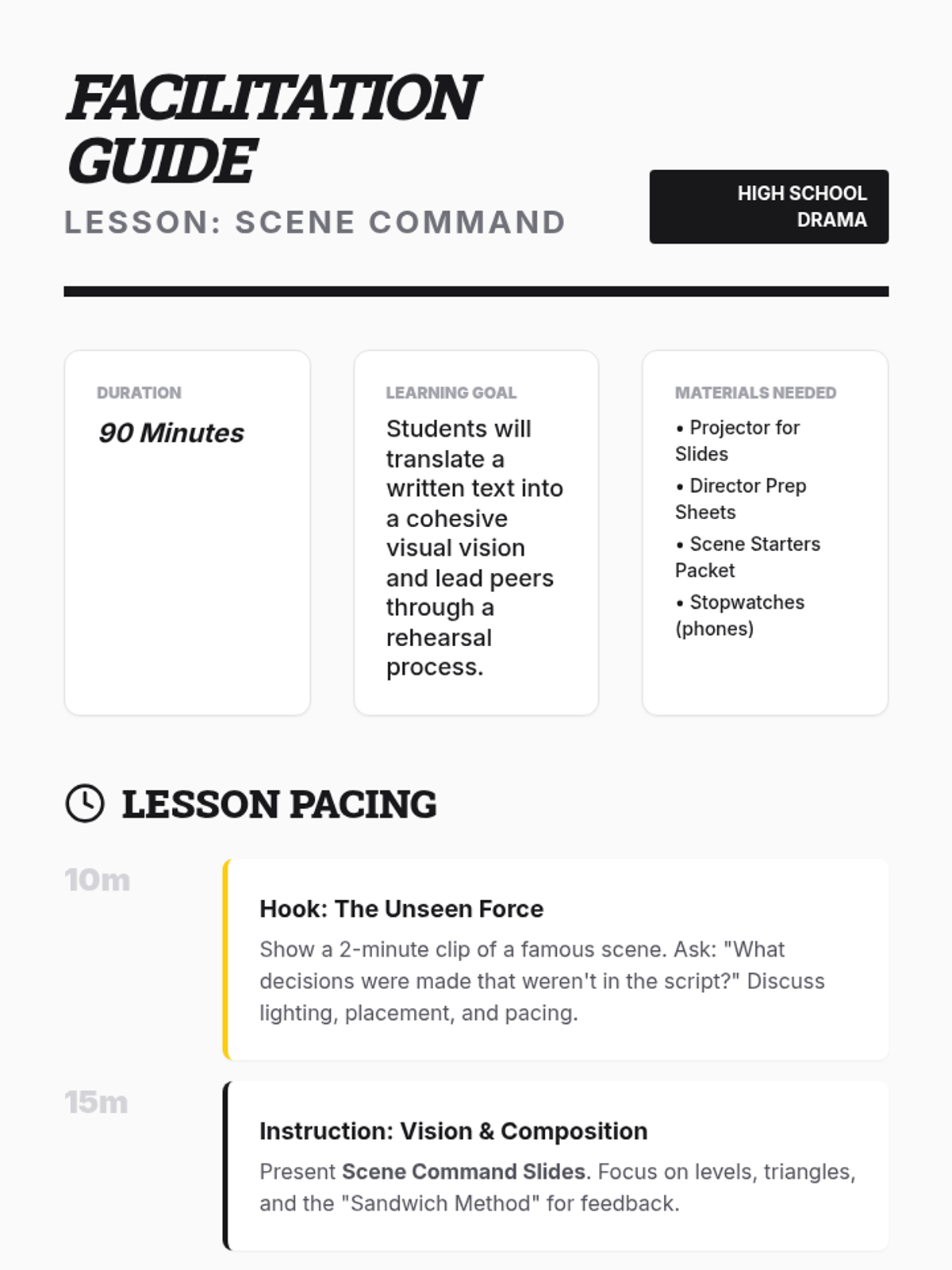
A high school lesson focused on the art of stage direction, specifically teaching students how to develop a creative vision and effectively direct their peers in short scenes.
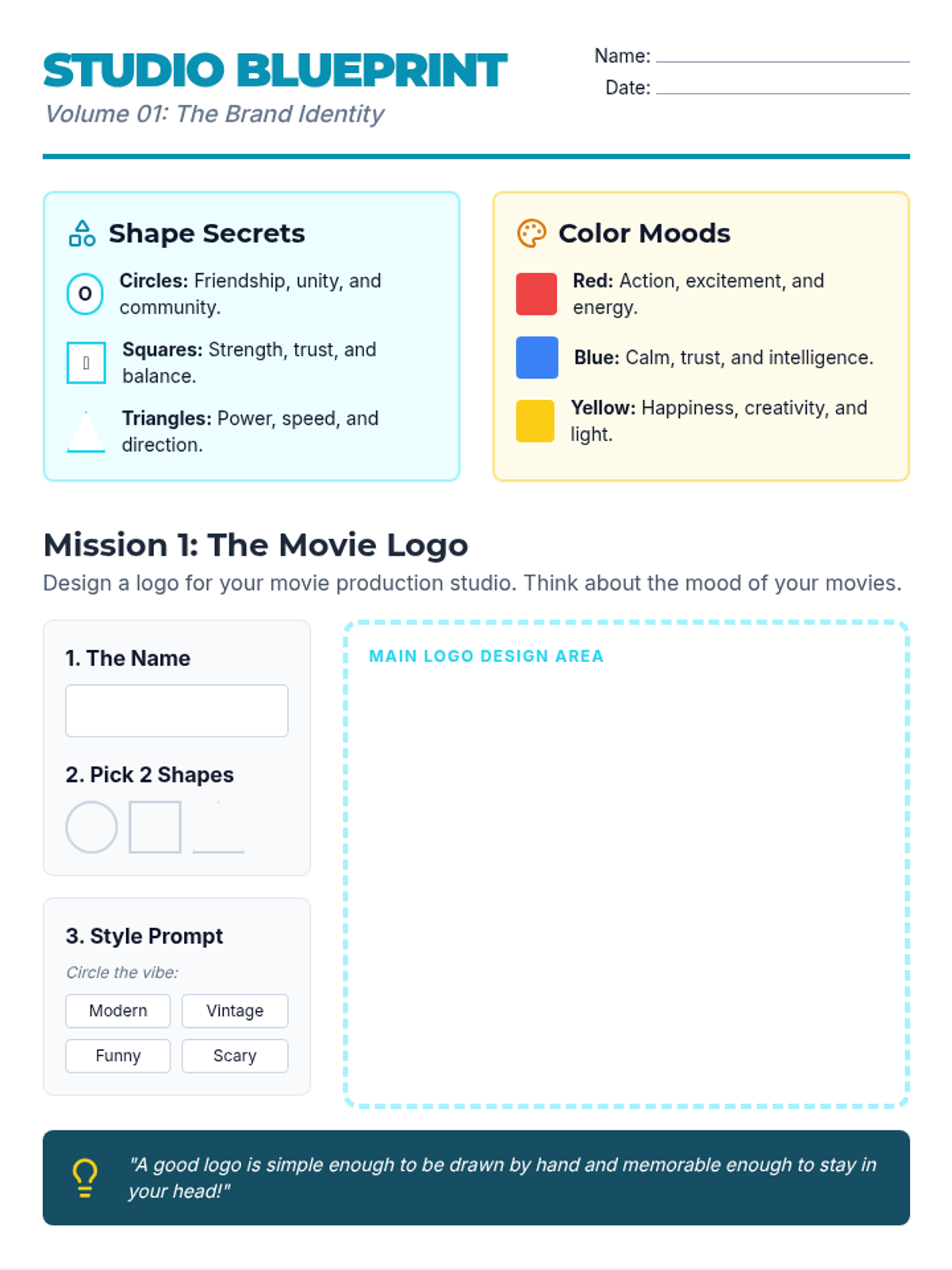
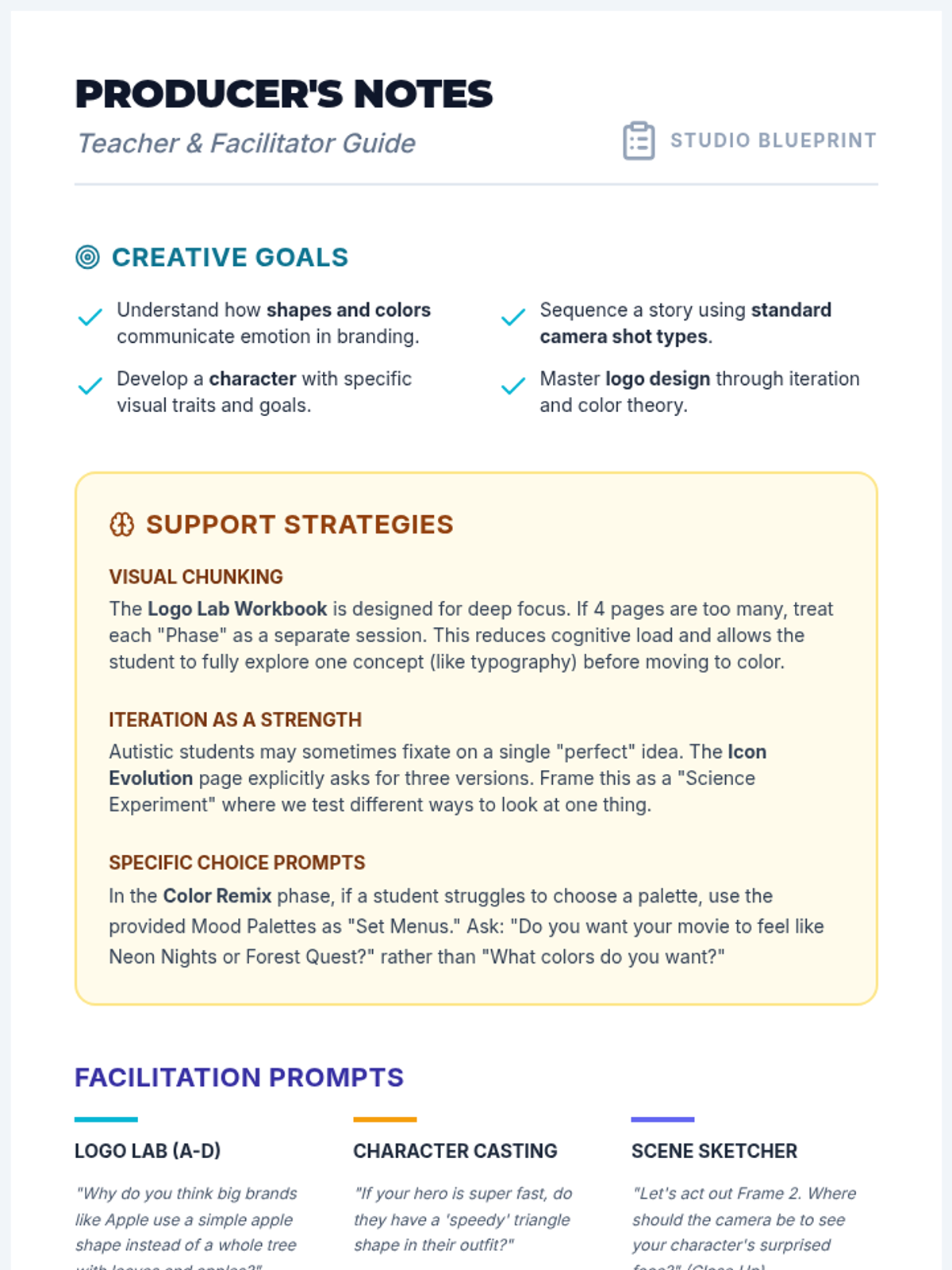
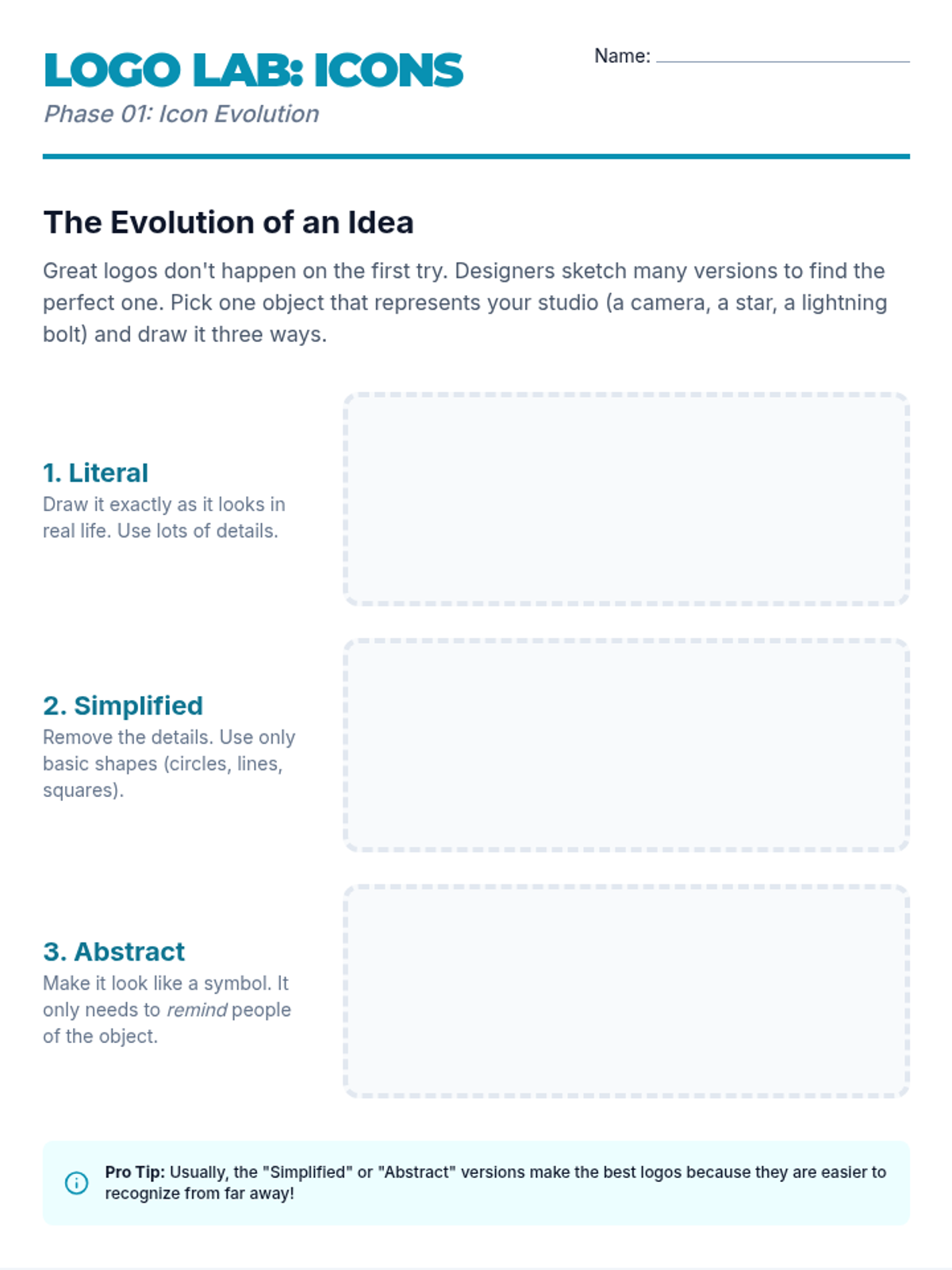
A creative, structured guide for students to explore the intersection of graphic design and filmmaking, focusing on branding, character design, and visual storytelling.
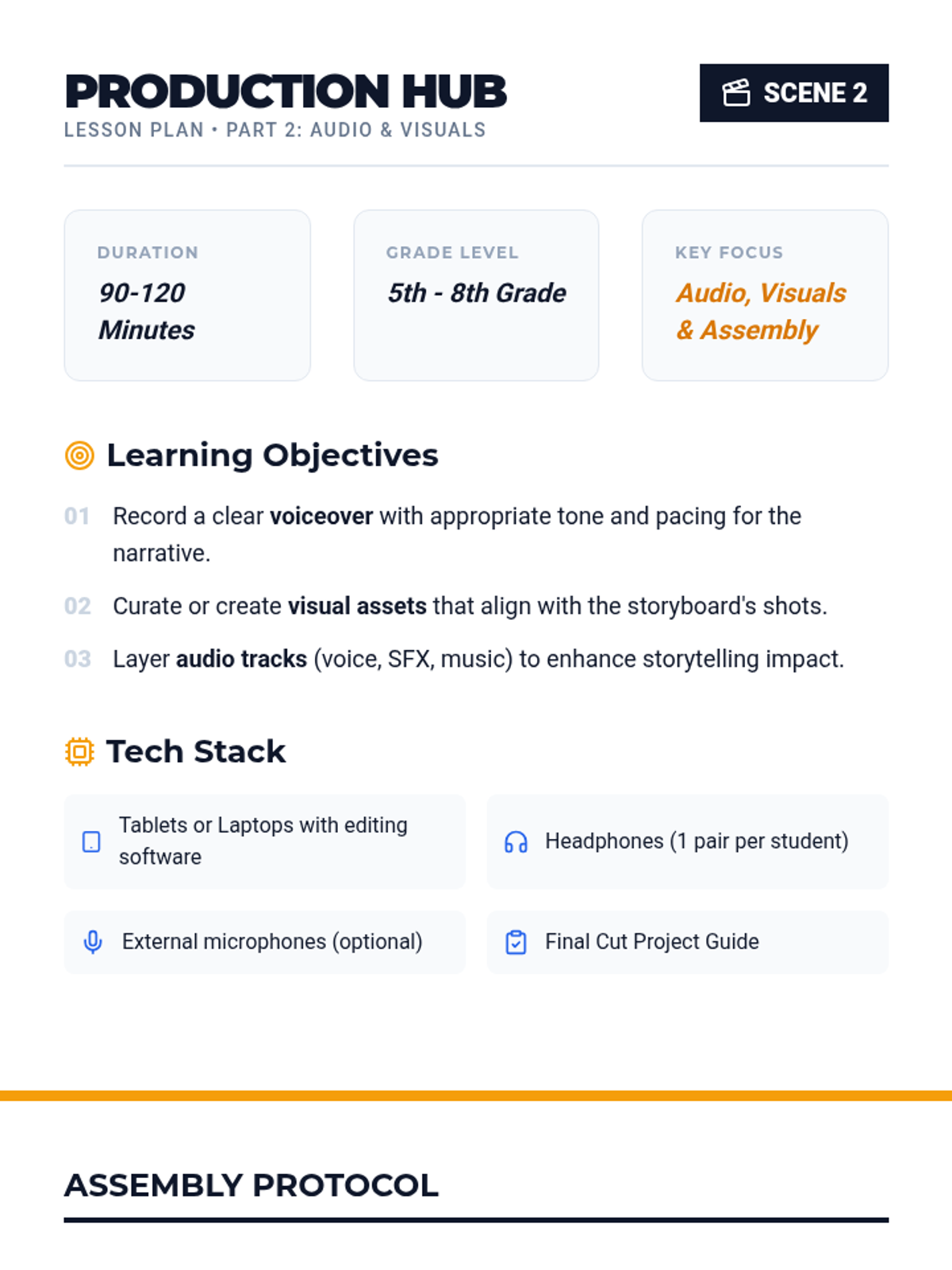
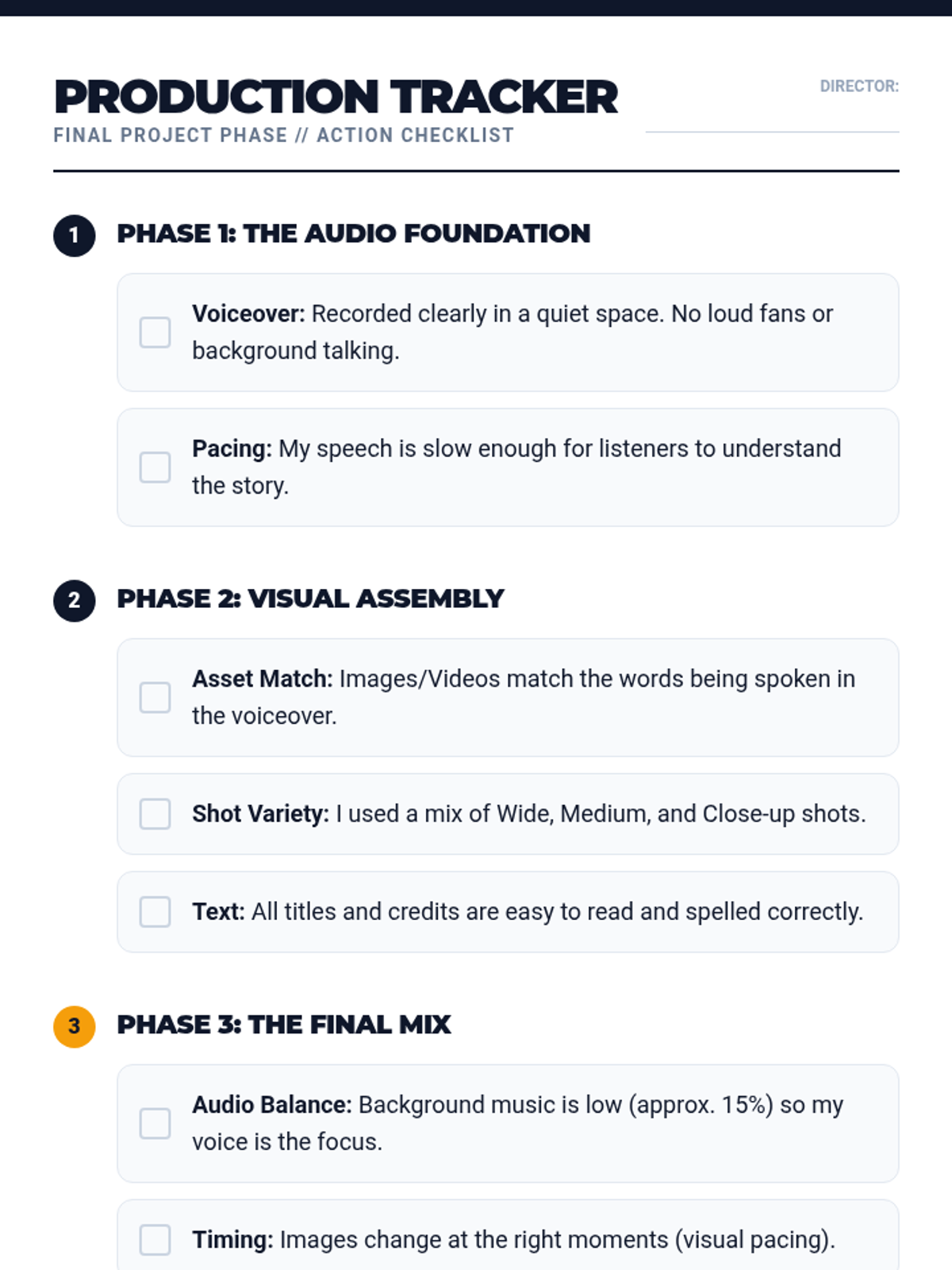
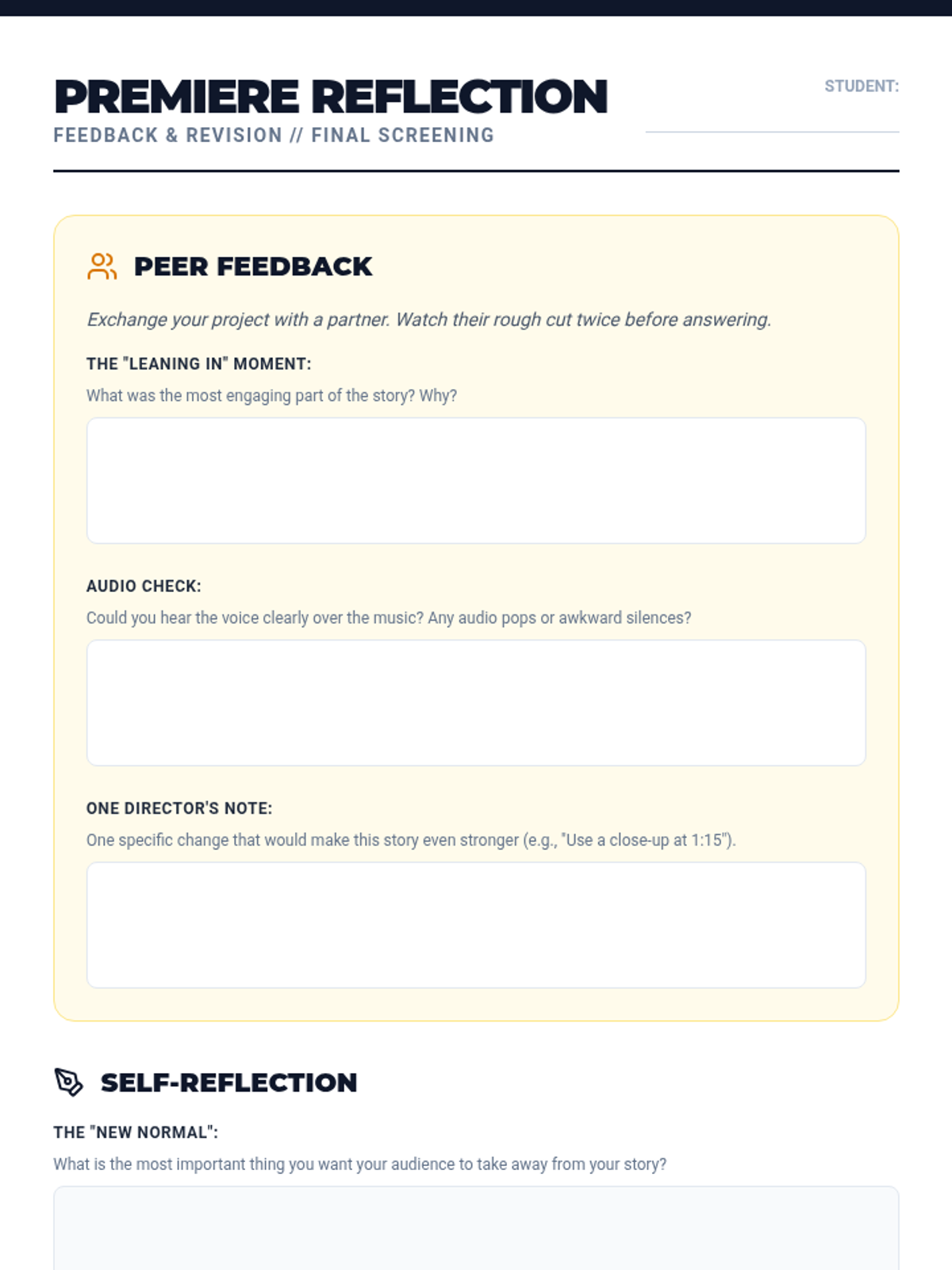
Students explore the power of audio and visuals, culminating in the creation and assembly of their digital story.
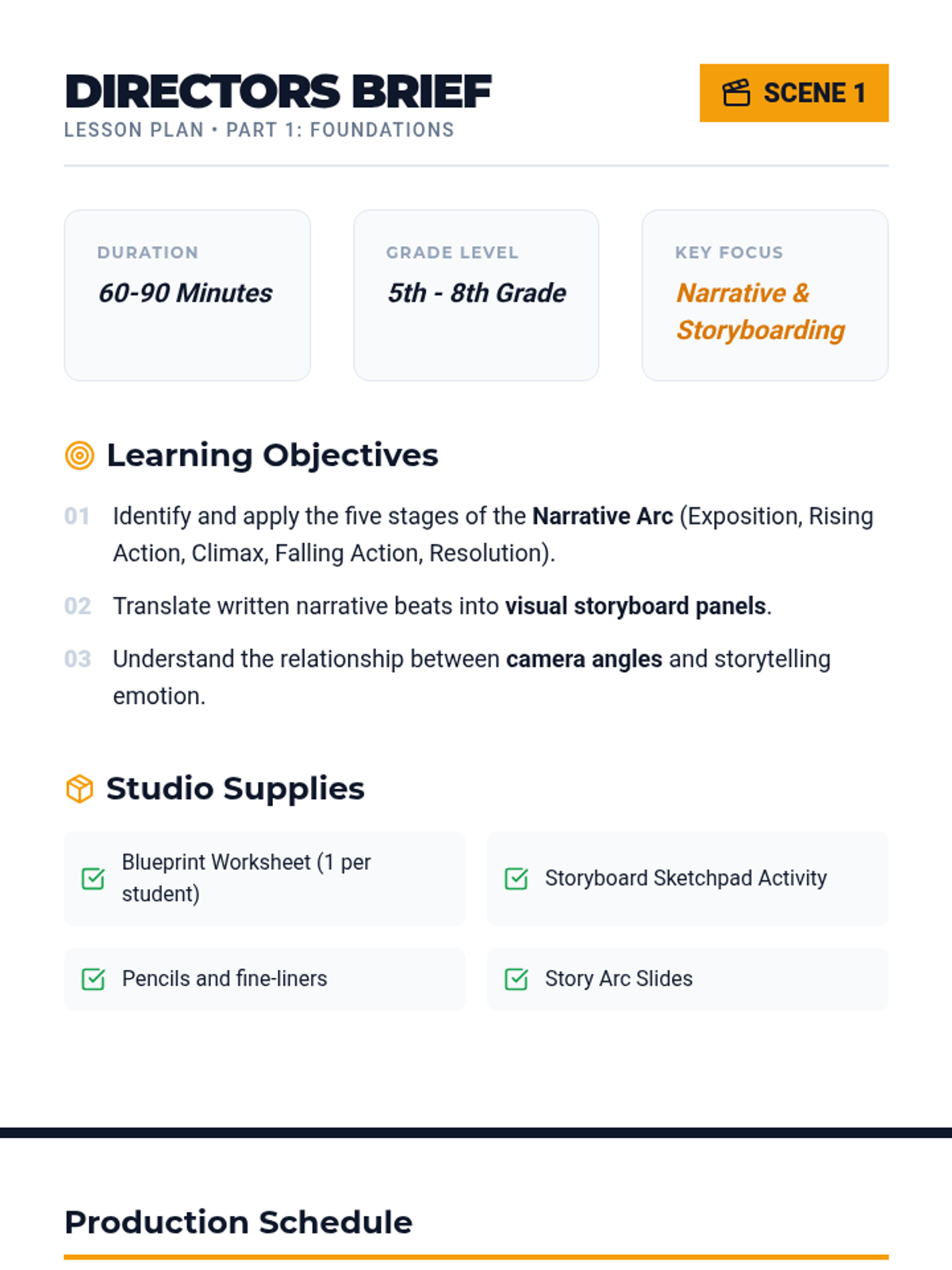
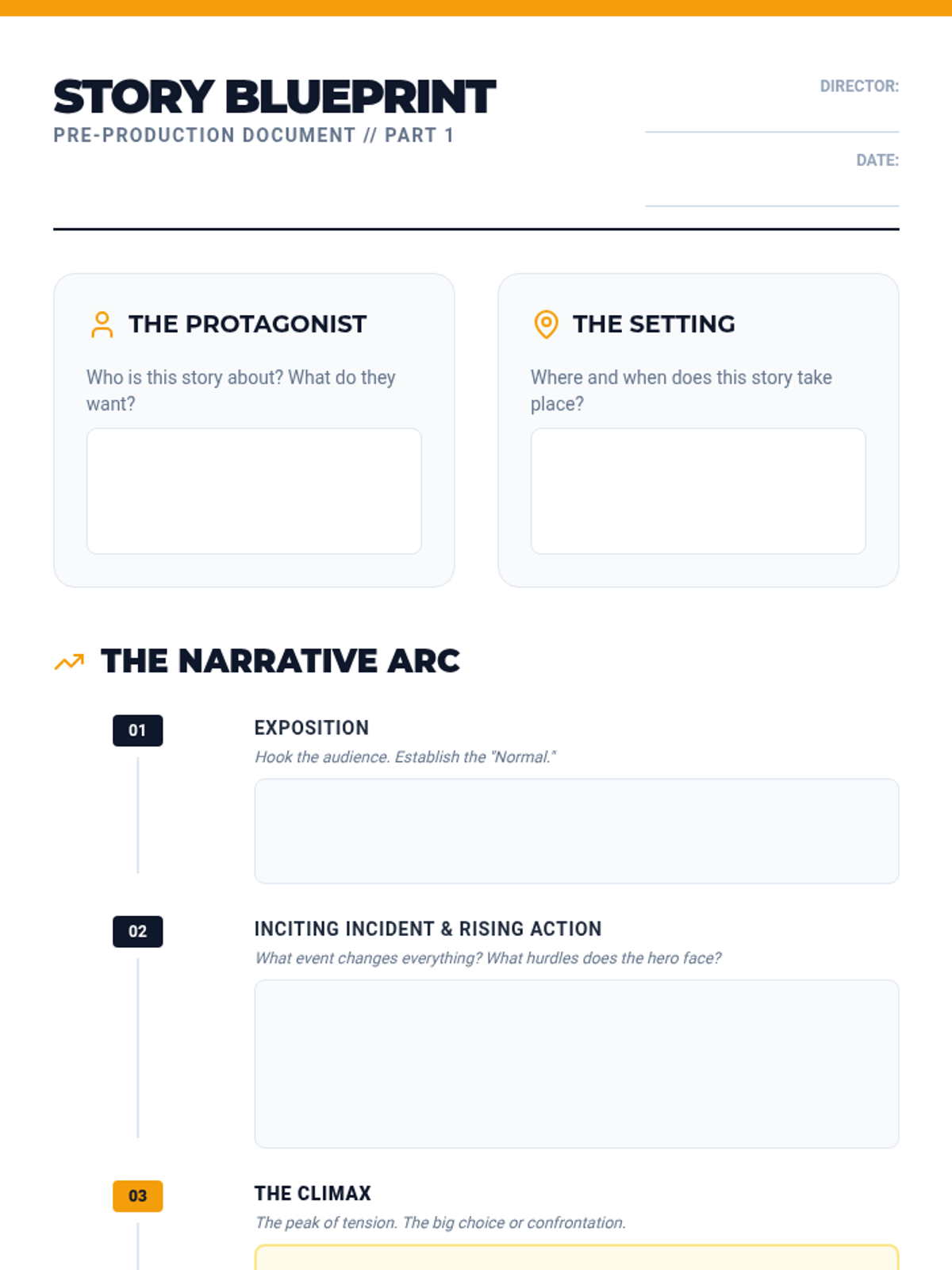
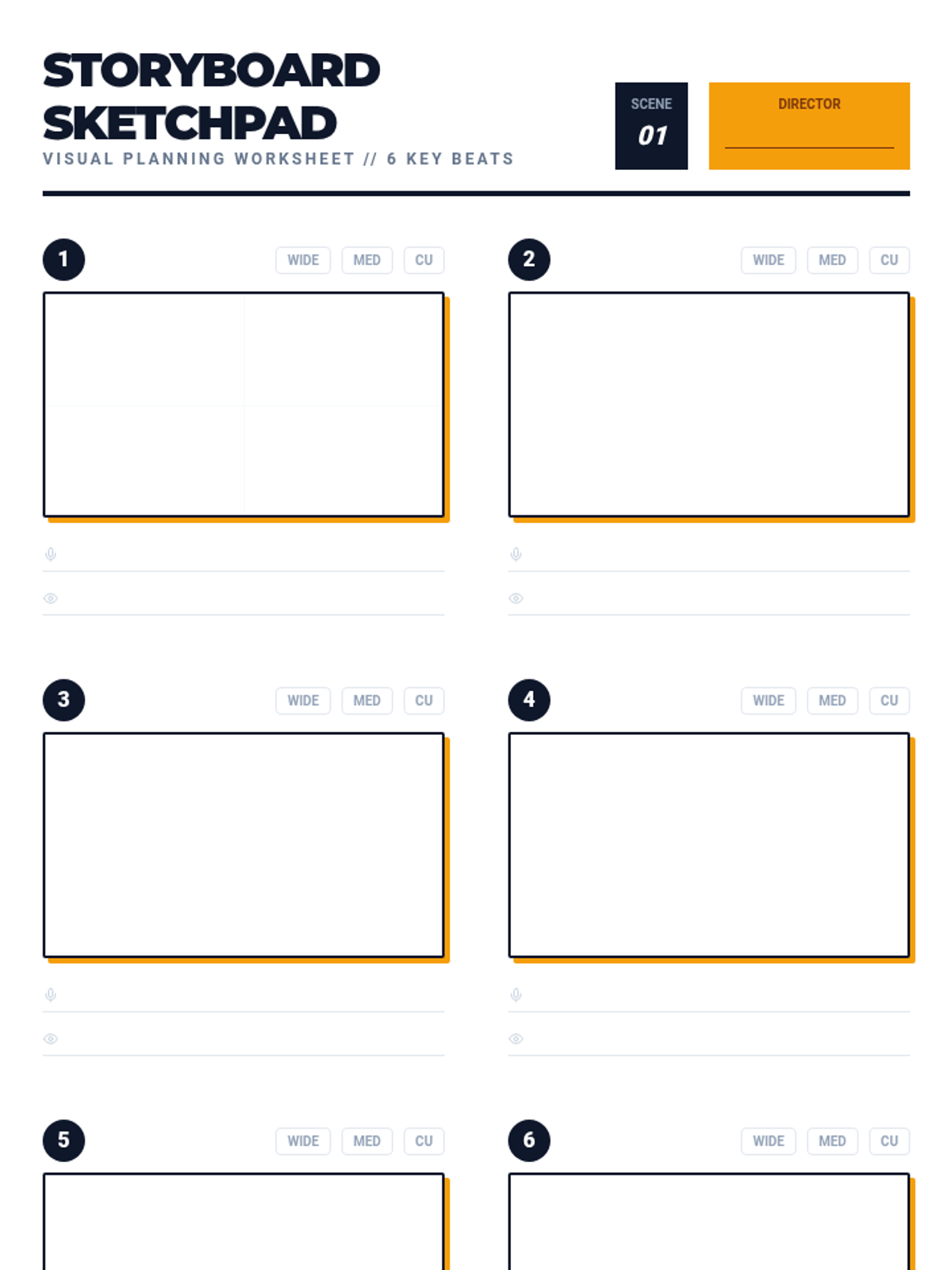
Students learn the core principles of narrative structure and translate their ideas into visual storyboards.
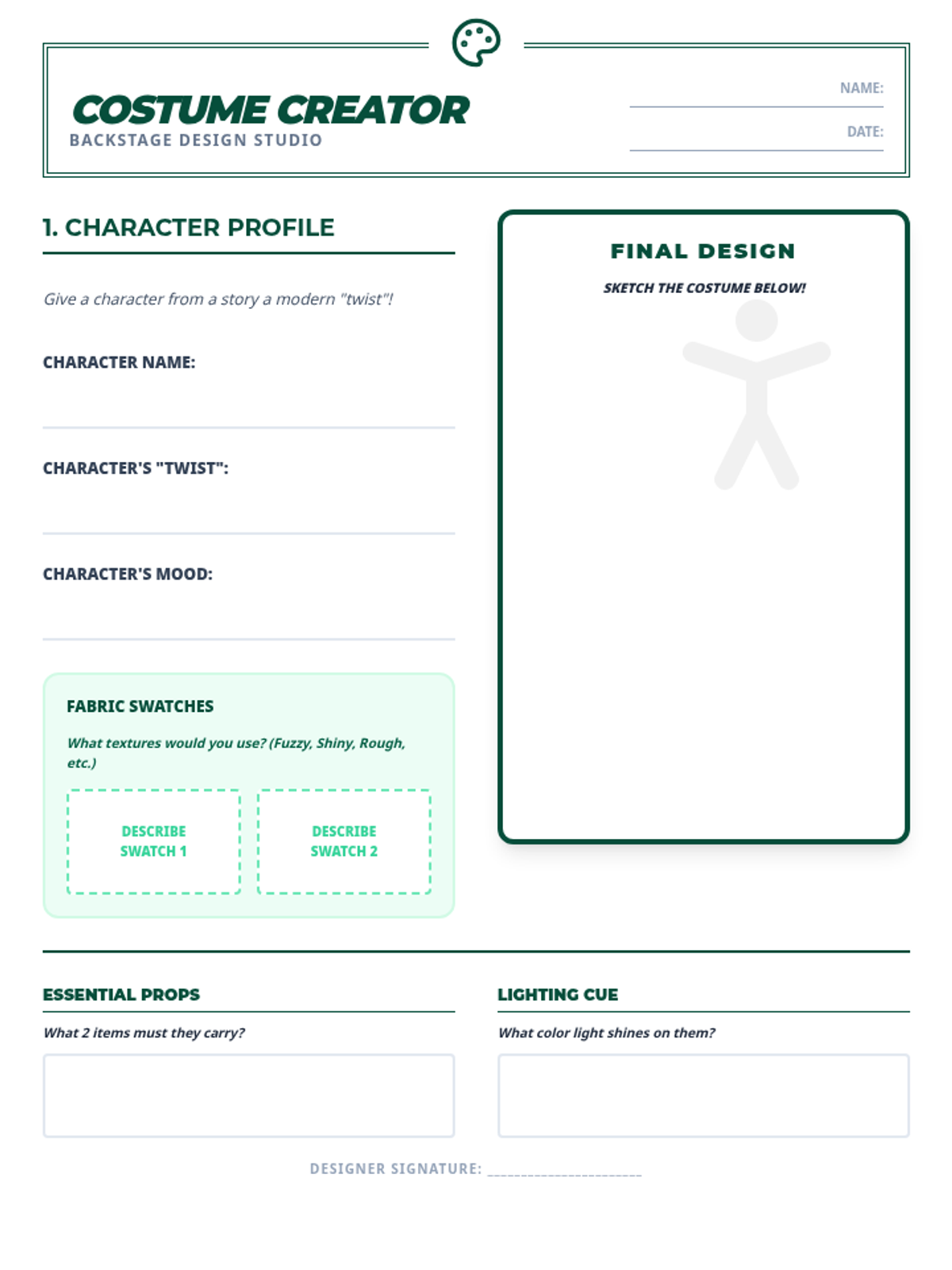
An exploration of the "Behind the Scenes" heroes, from costume designers to stage managers, and the technical magic that brings a play to life.
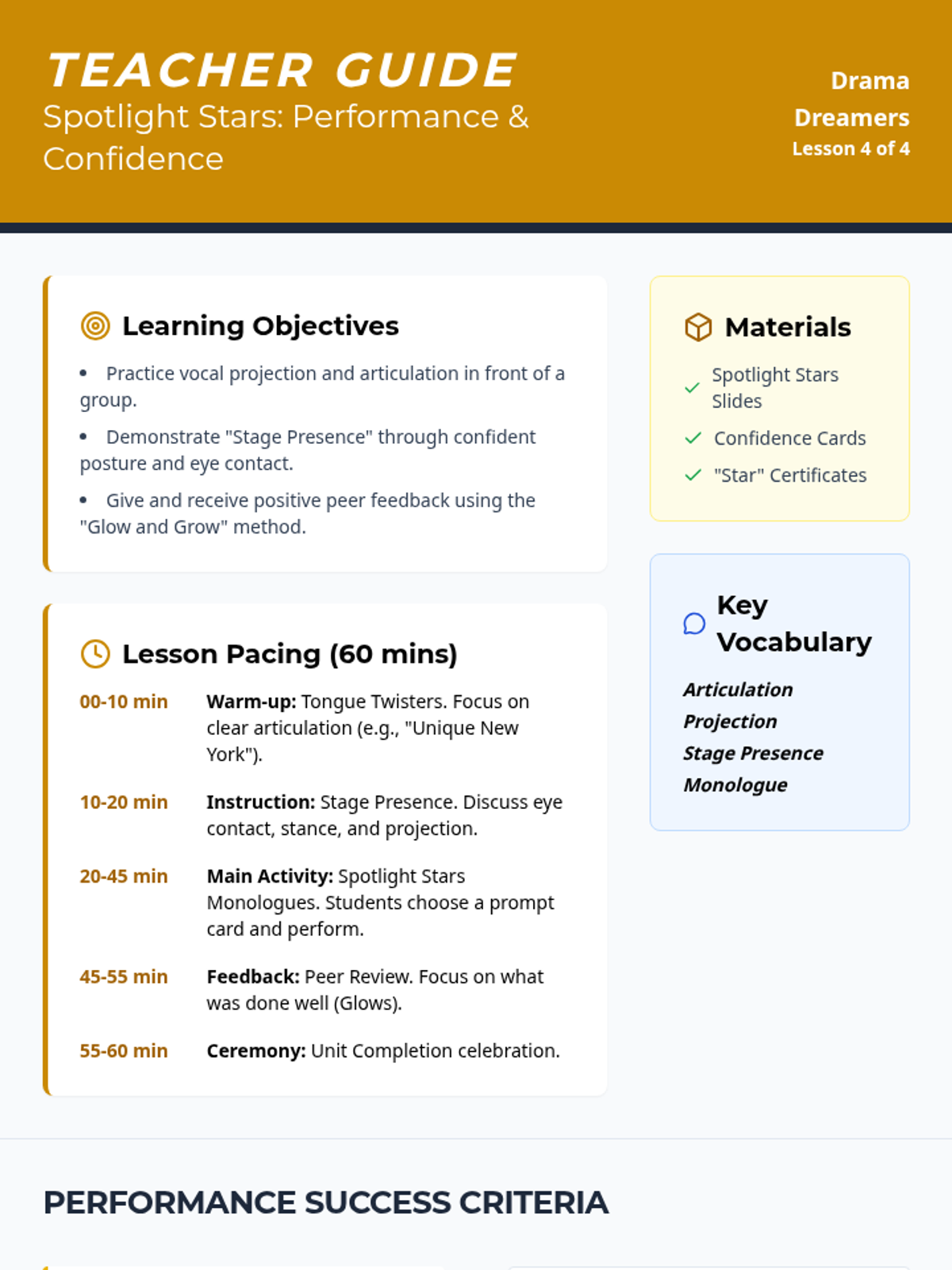
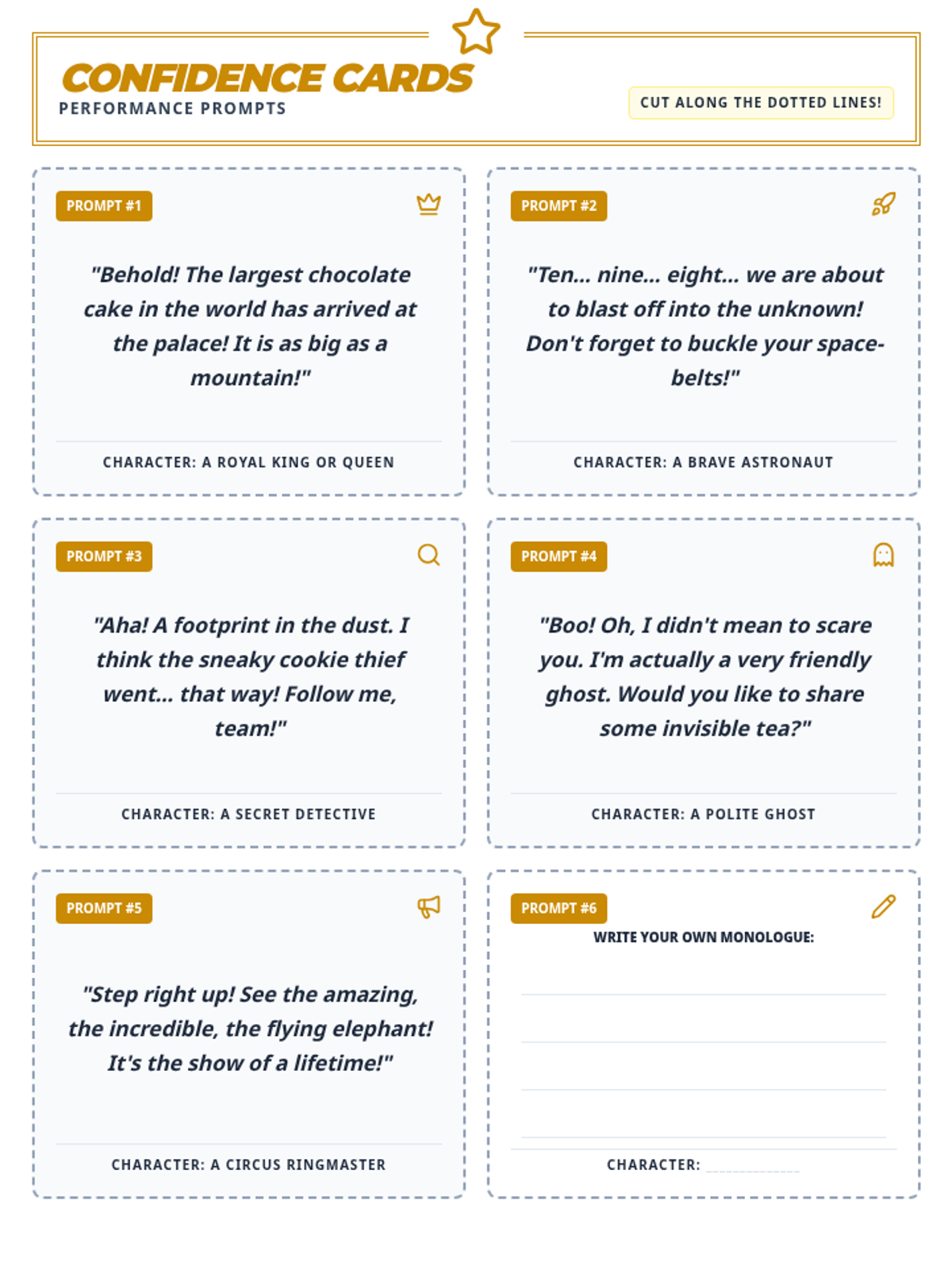
Focusing on presence and projection, students practice short speeches and monologues to build performance confidence.
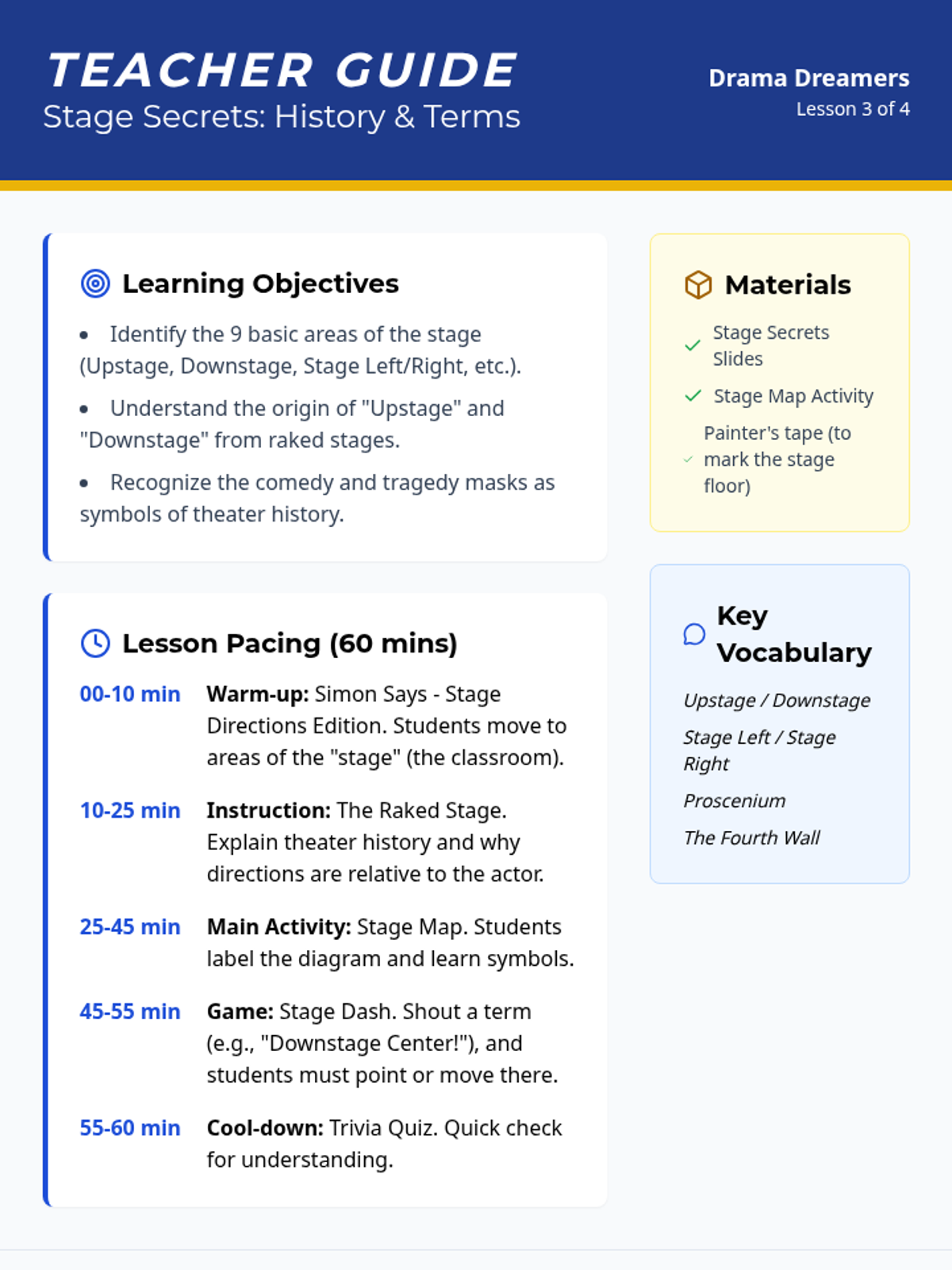
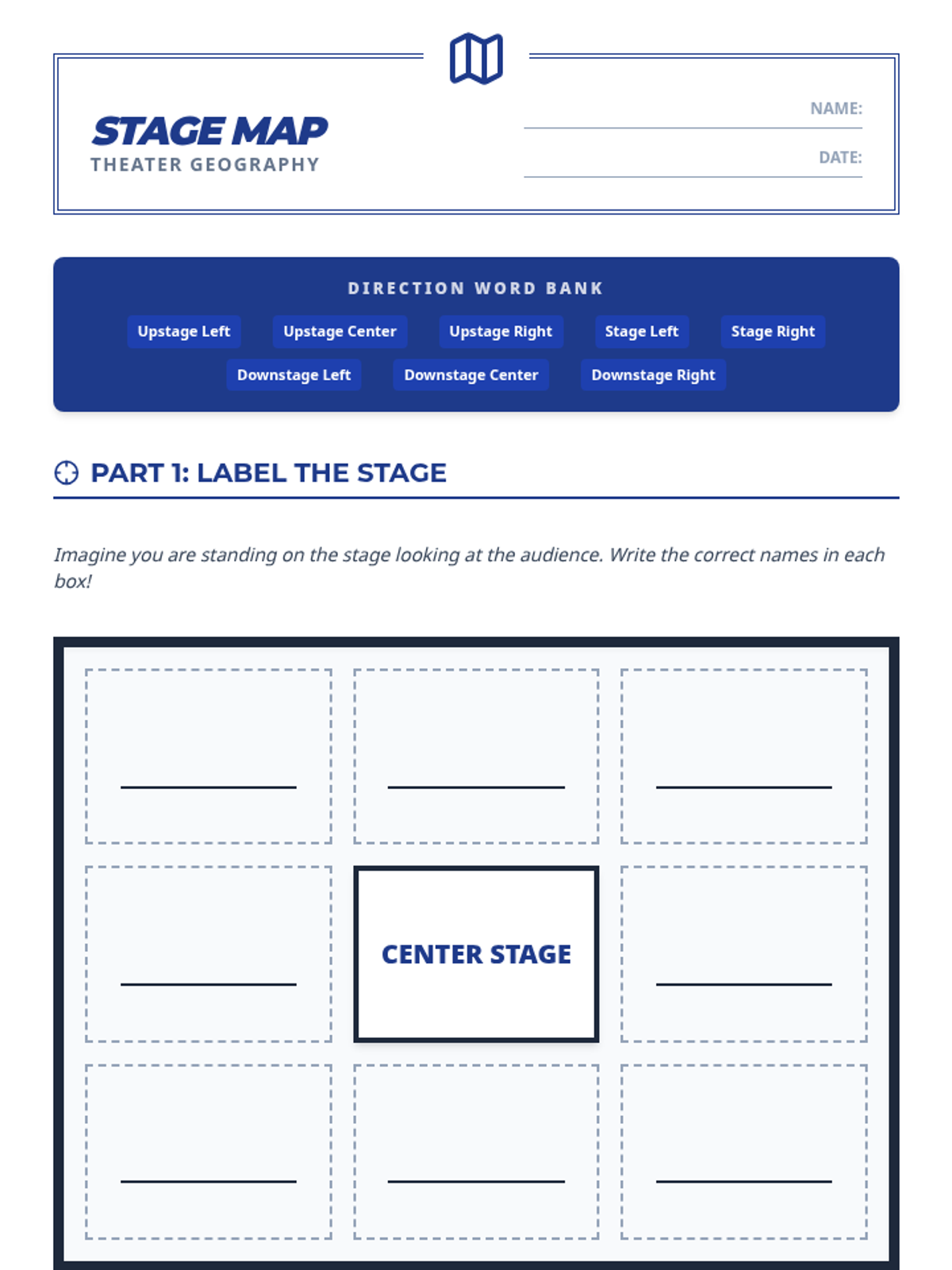
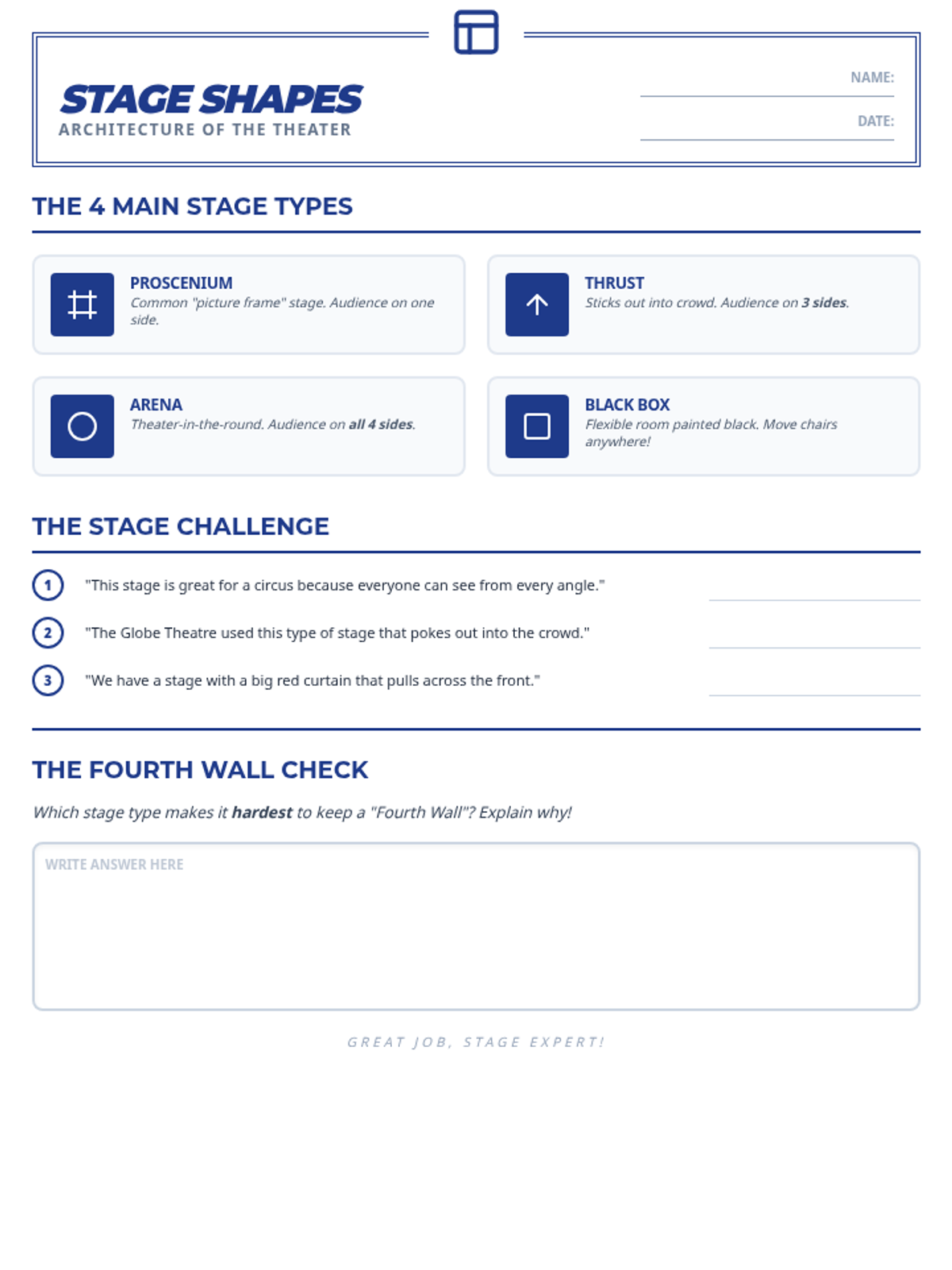
A journey through theater history and the technical language of the stage, from Ancient Greece to modern stage directions.
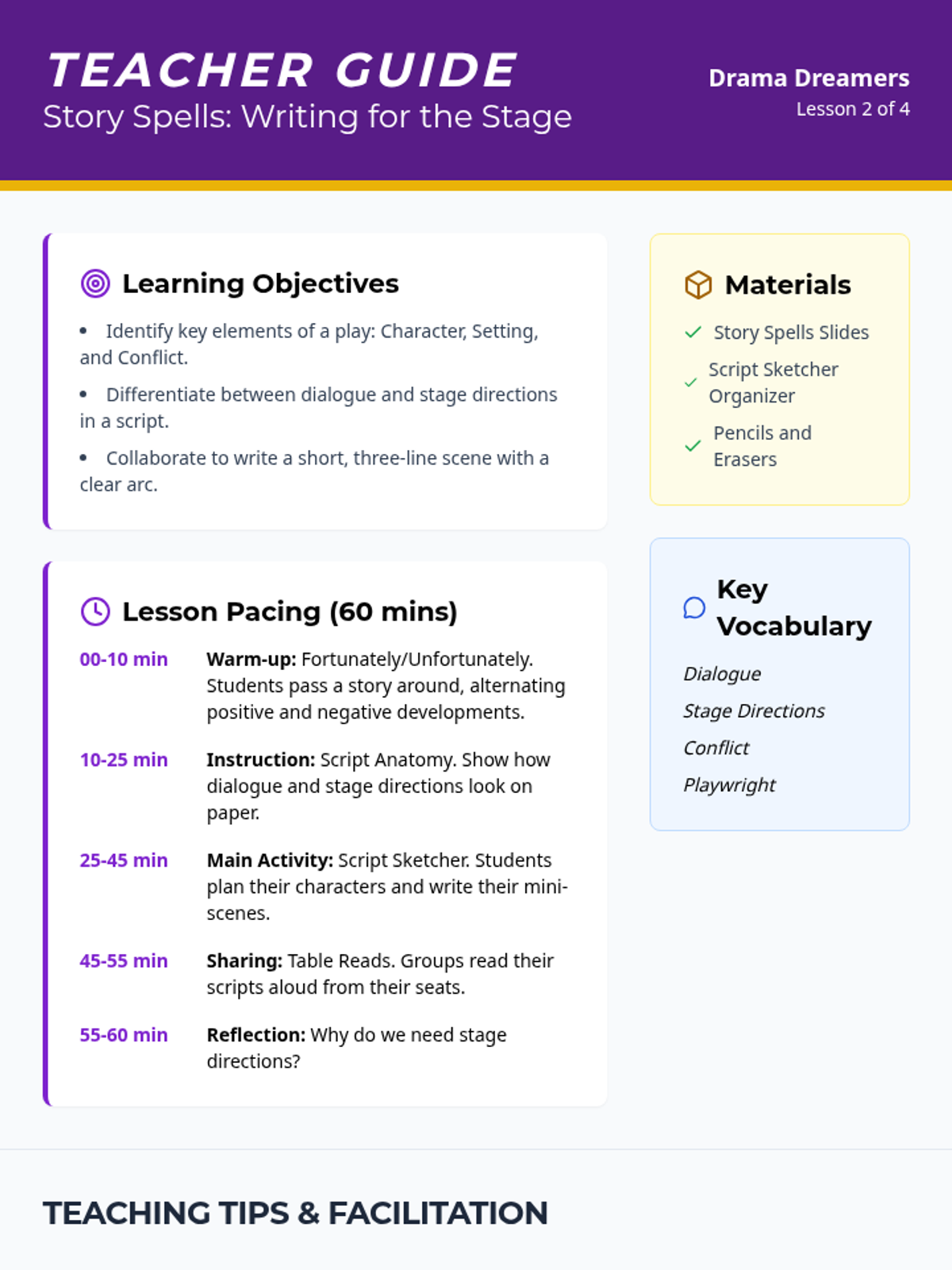
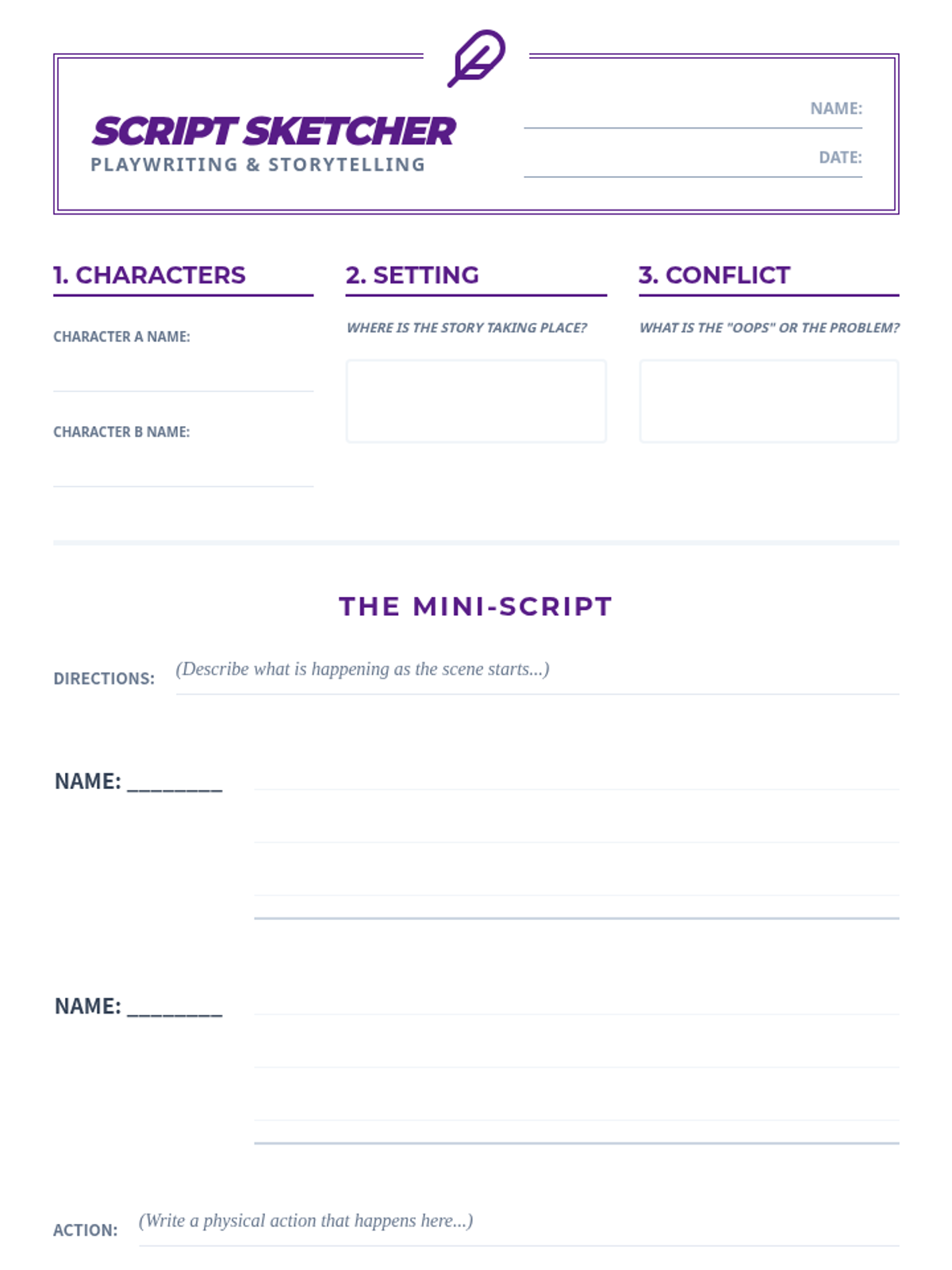
An introduction to the structure of plays, including characters, settings, and dialogue, where students draft their own short scenes.
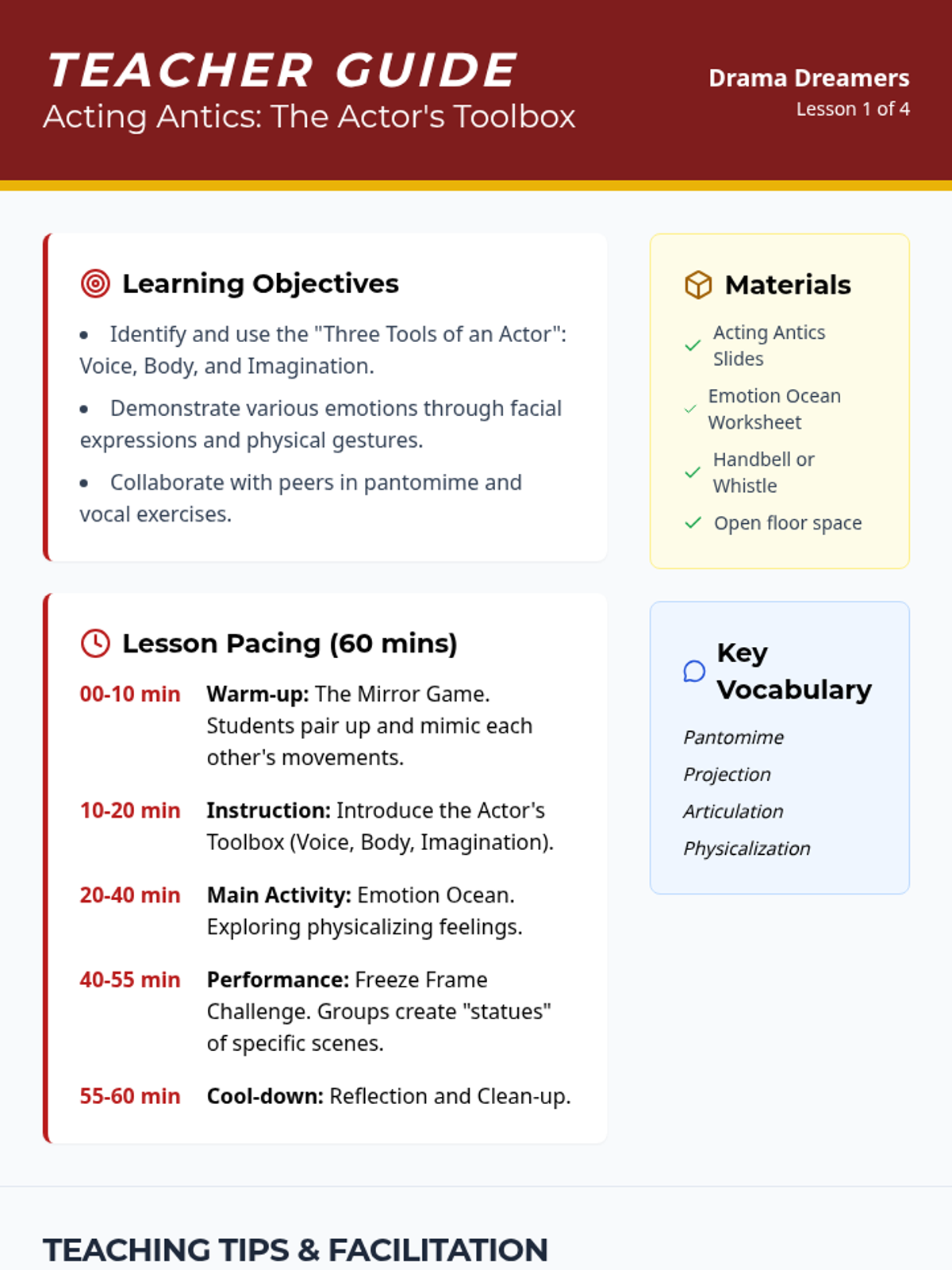
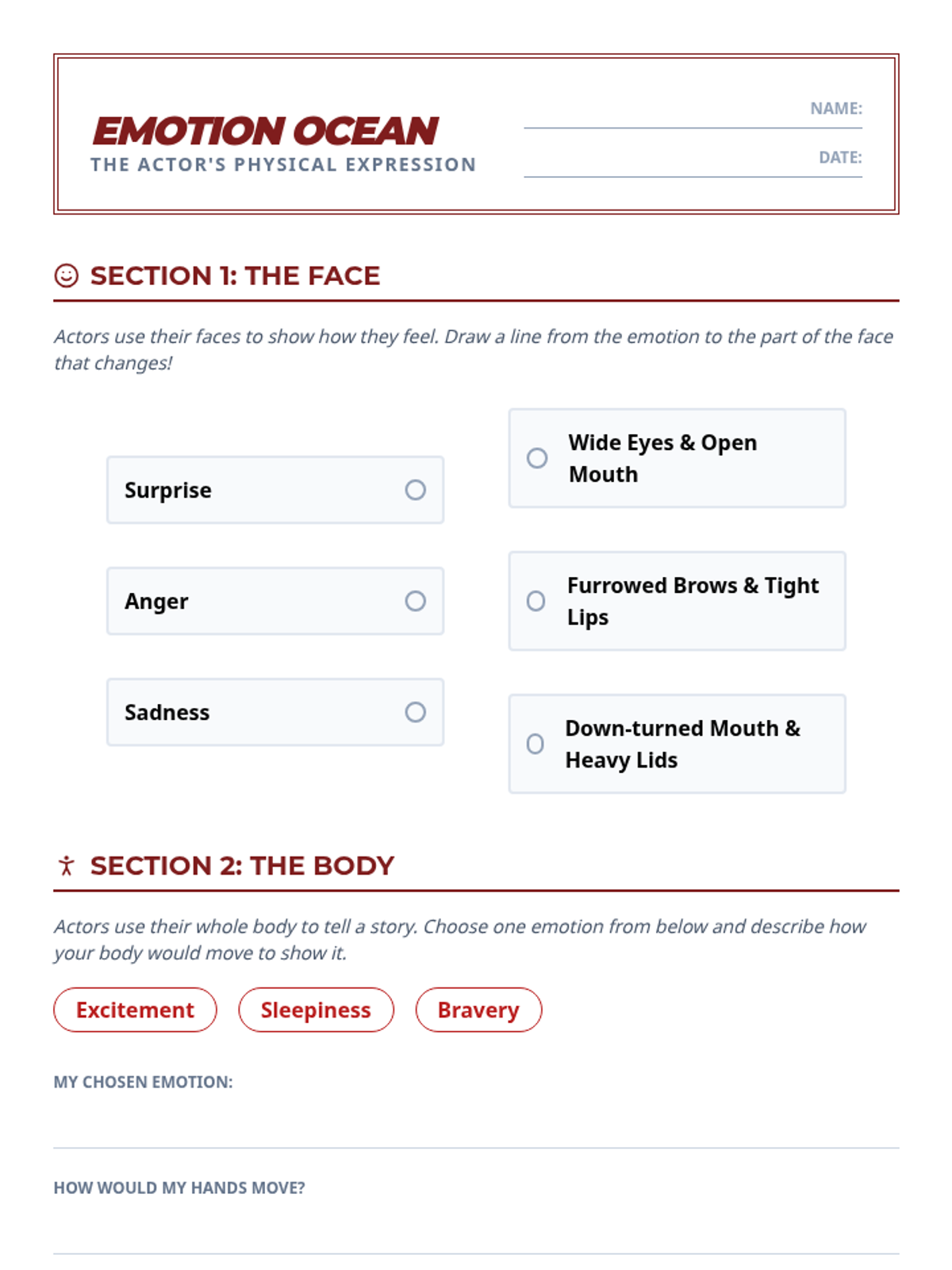
Students explore the core tools of an actor: voice, body, and imagination through games and expressive exercises.
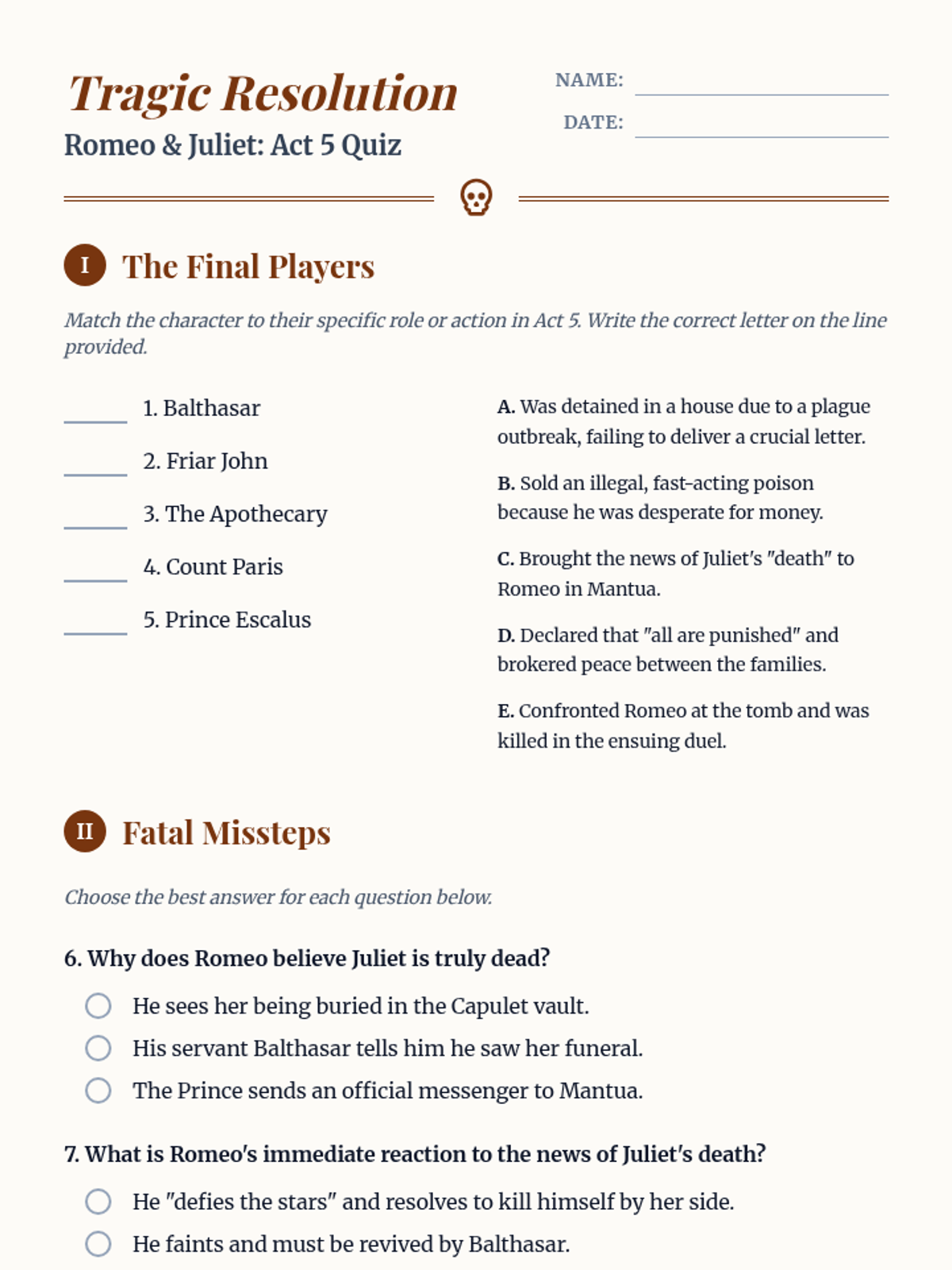
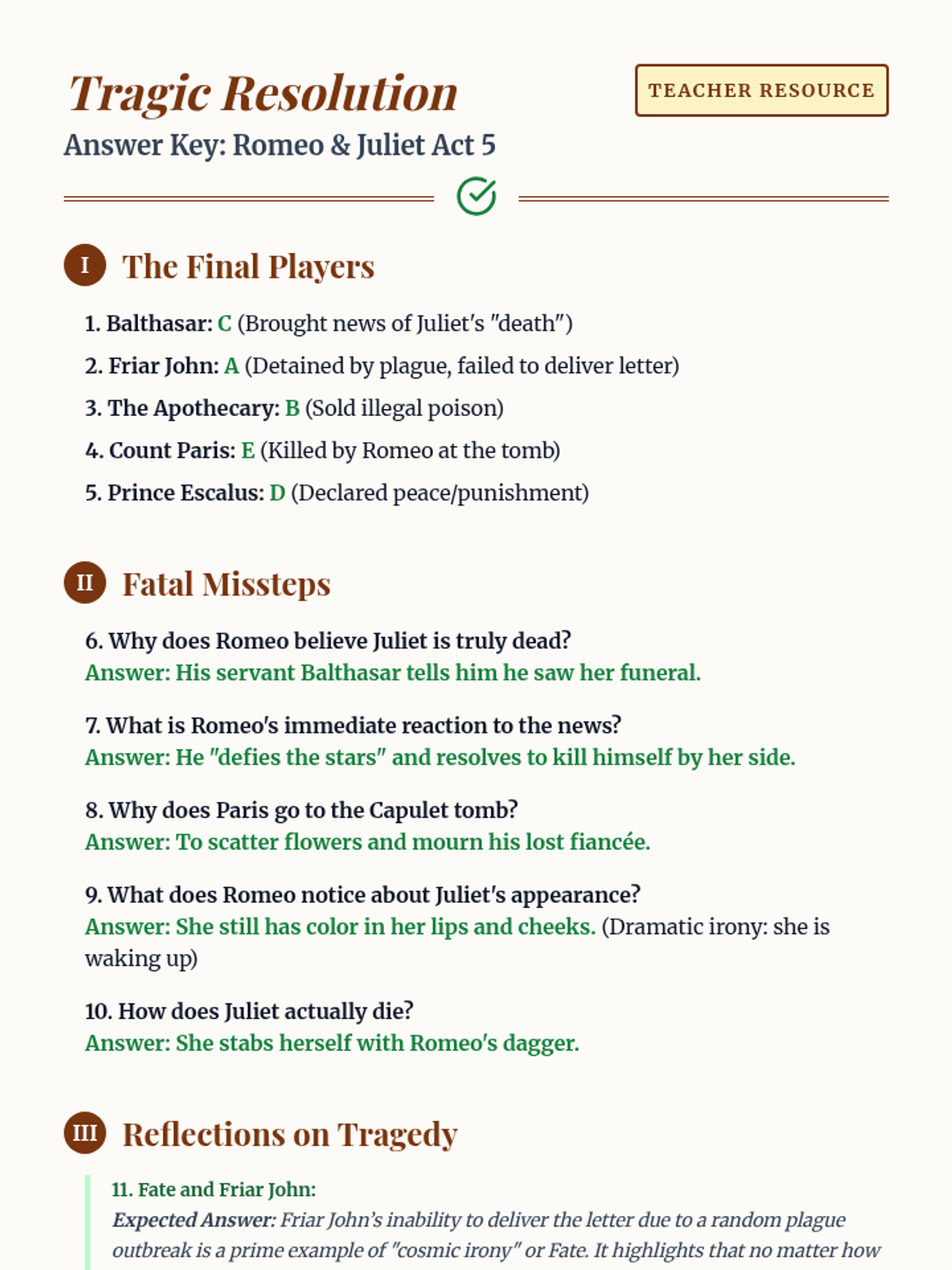
A comprehensive assessment for Act 5 of Shakespeare's Romeo and Juliet, focusing on the resolution of the plot, the role of fate, and the ultimate tragedy in the Capulet tomb.
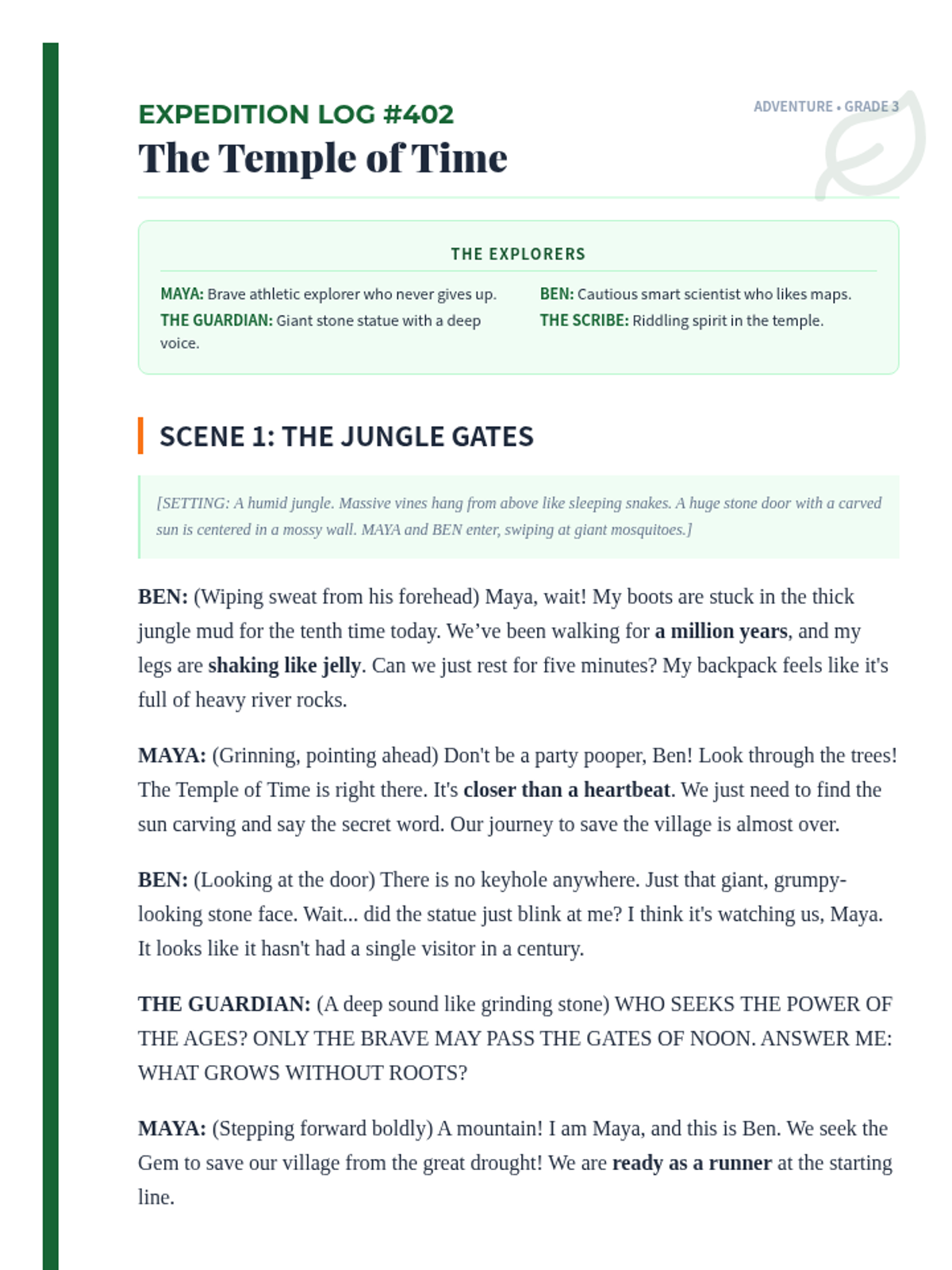
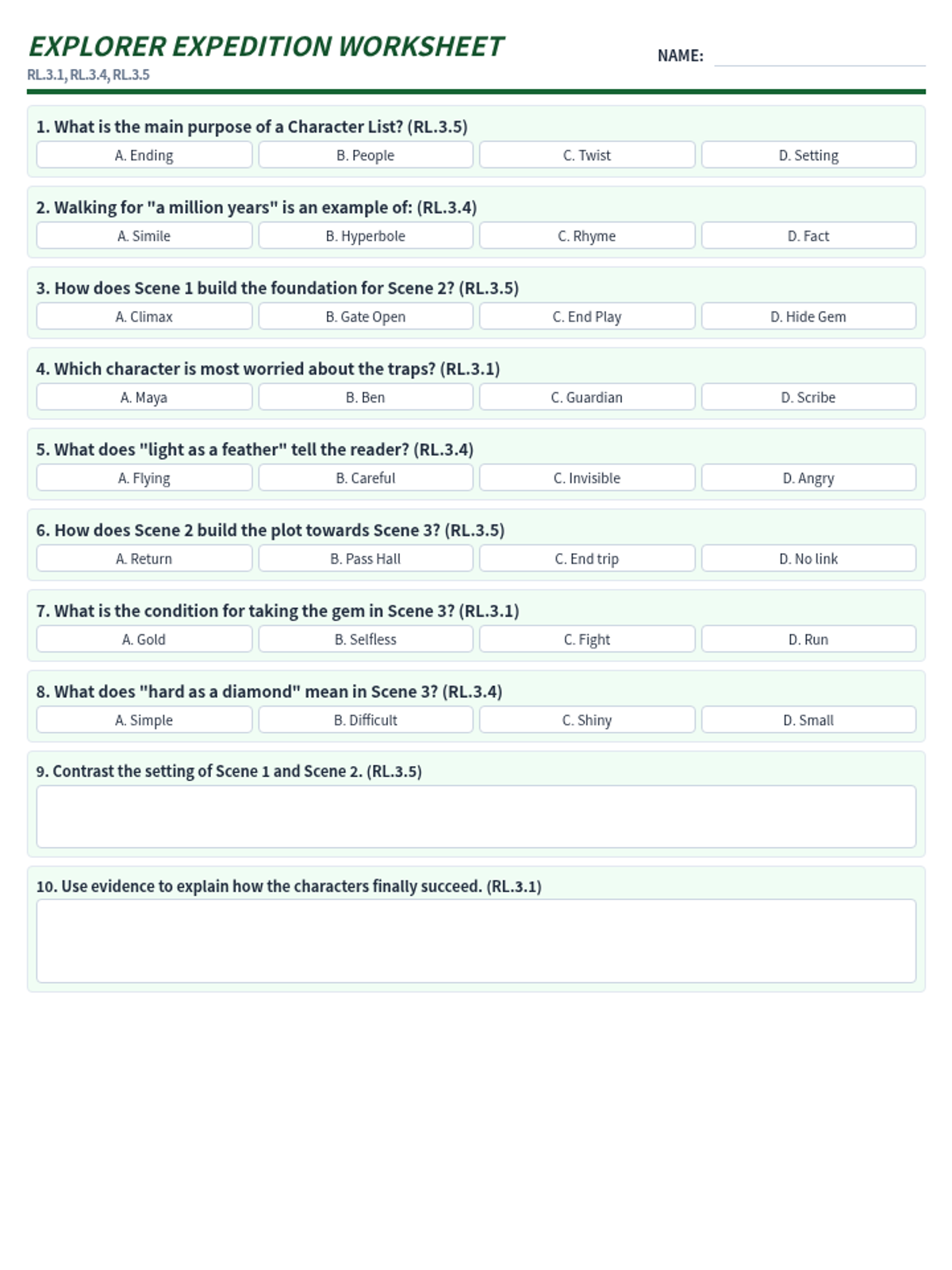
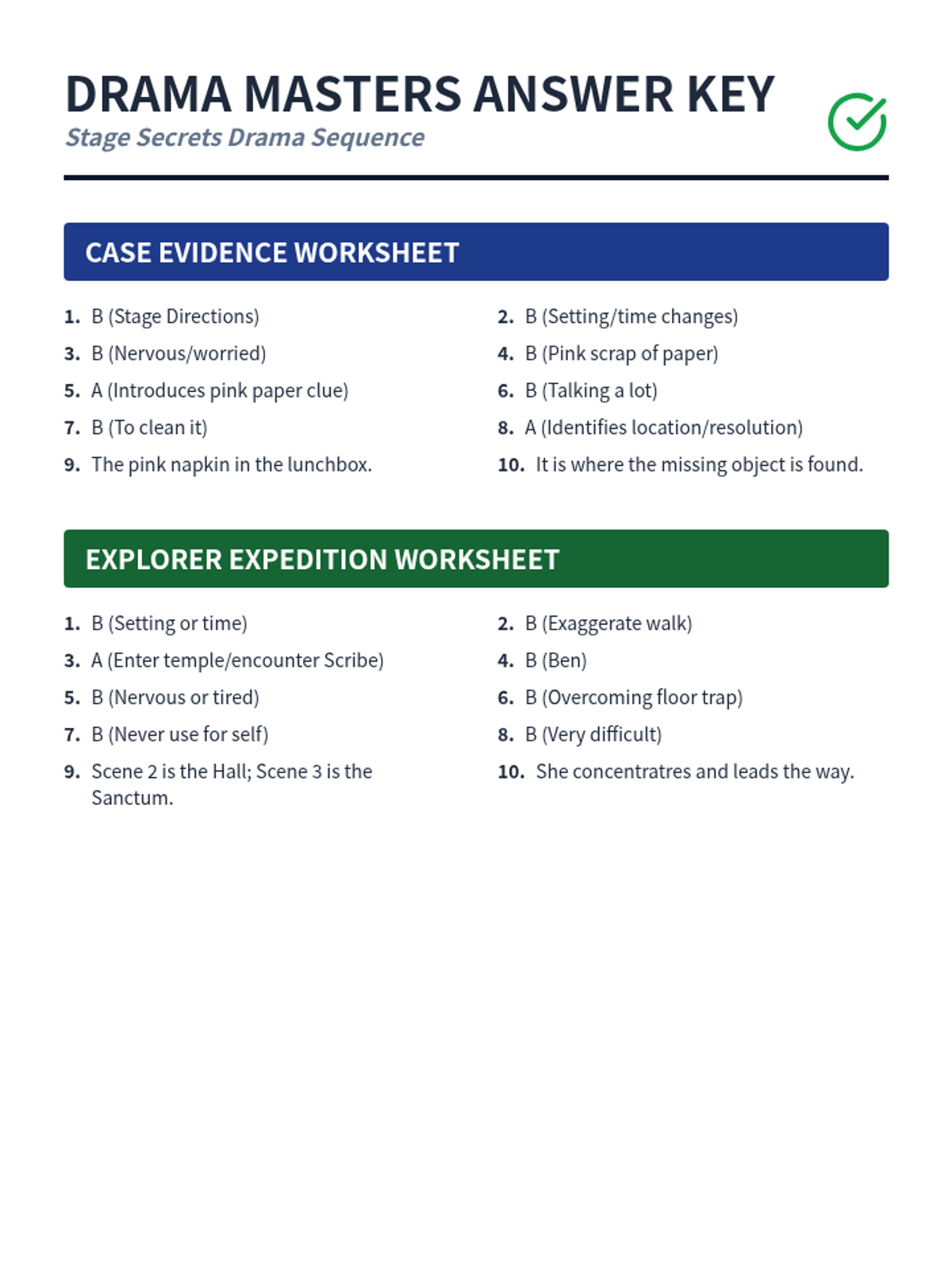
An independent practice lesson where students read an adventure play and apply their skills in analyzing drama elements, vocabulary, and textual evidence.
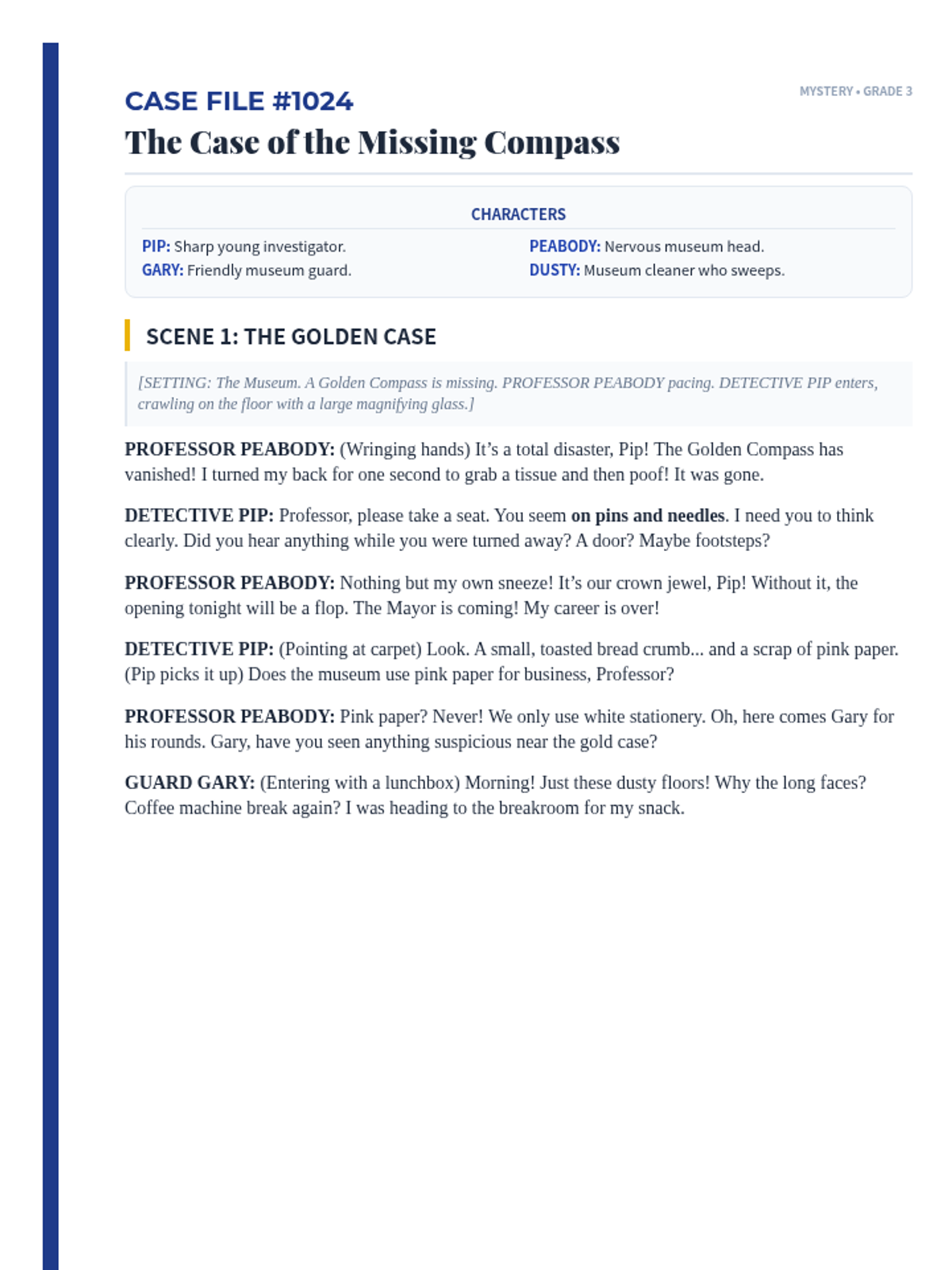
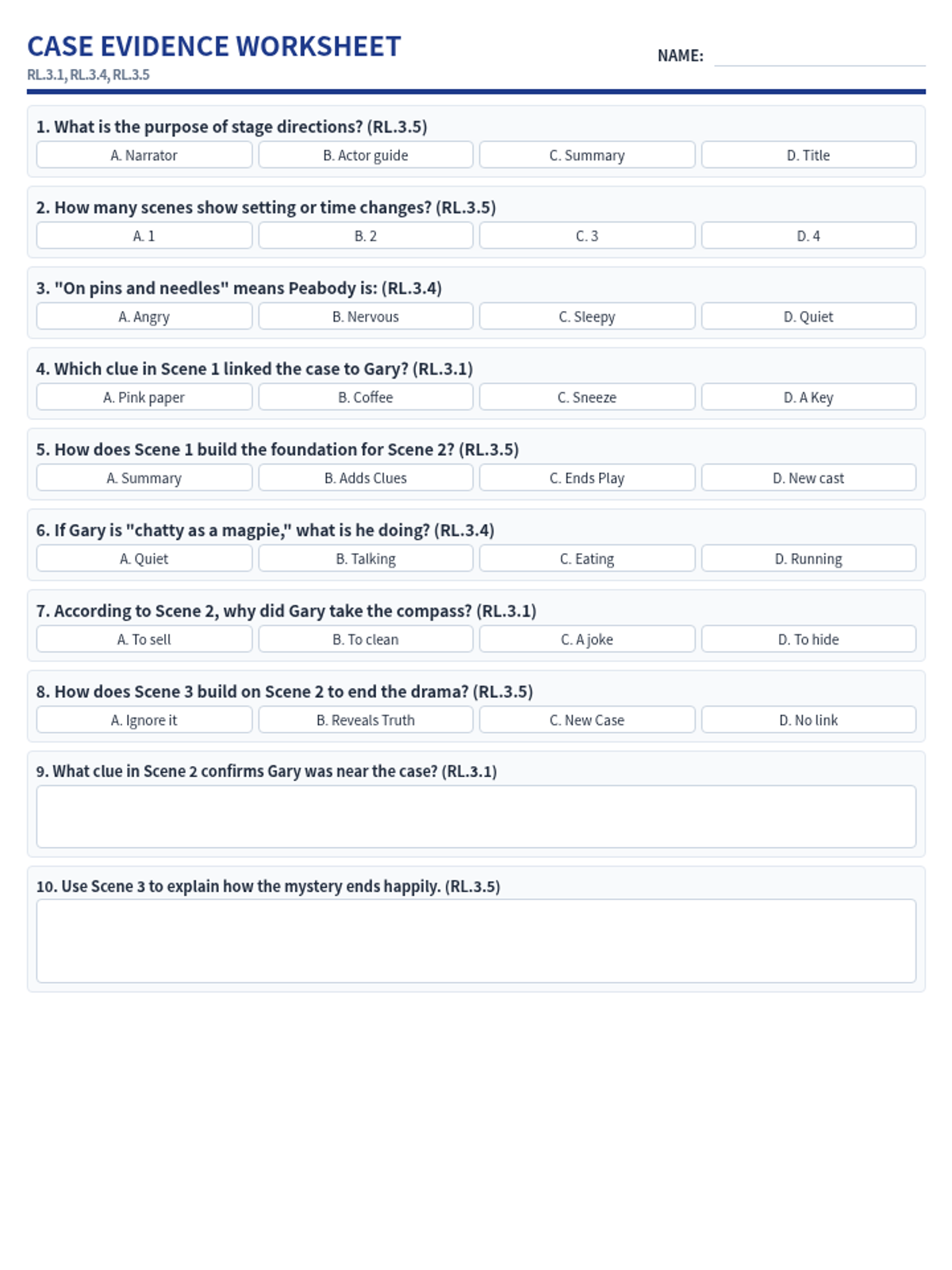
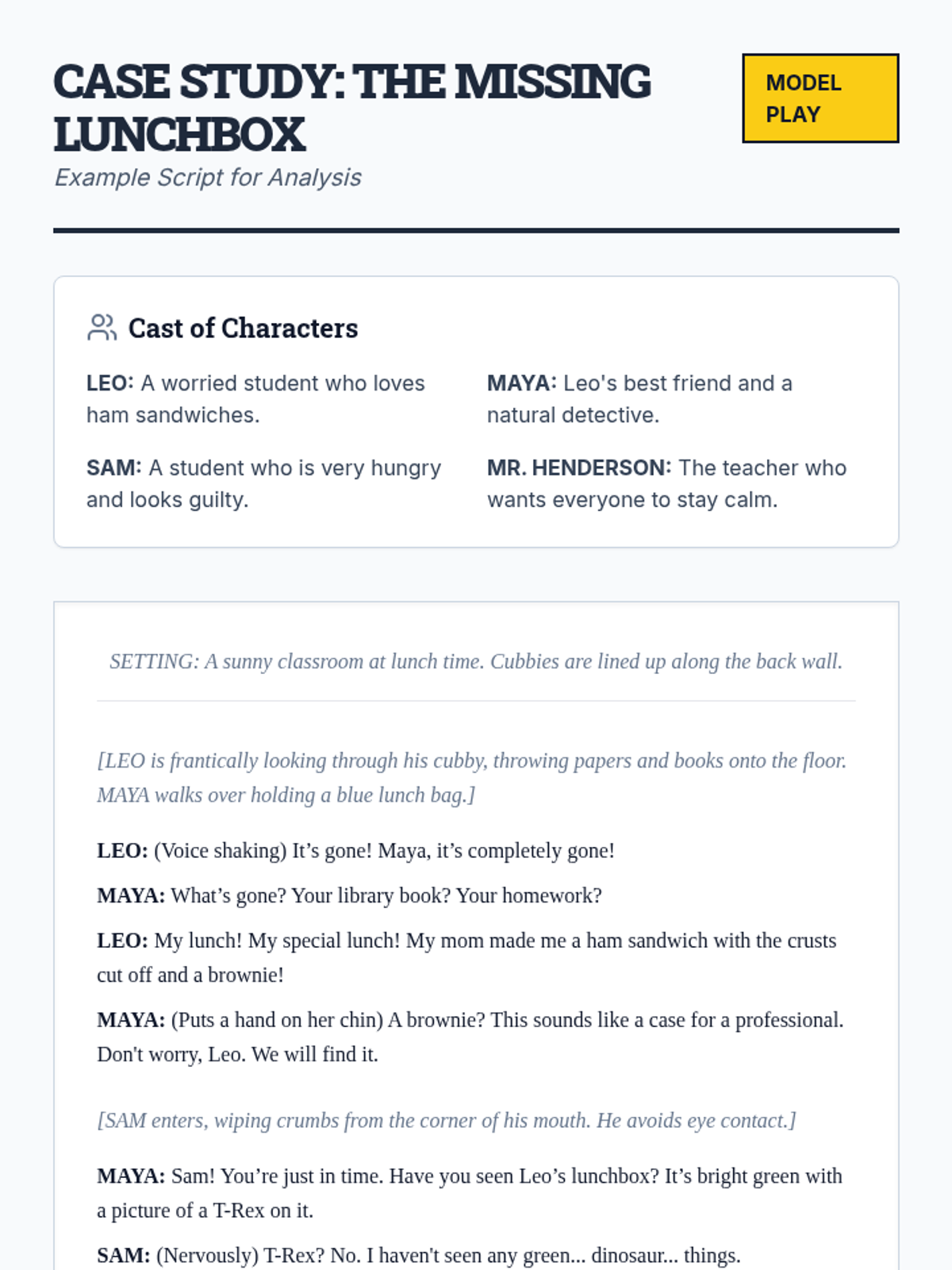
A guided lesson featuring a mystery play where the teacher models how to analyze drama structures, use text evidence, and determine word meanings before students practice with guided support.
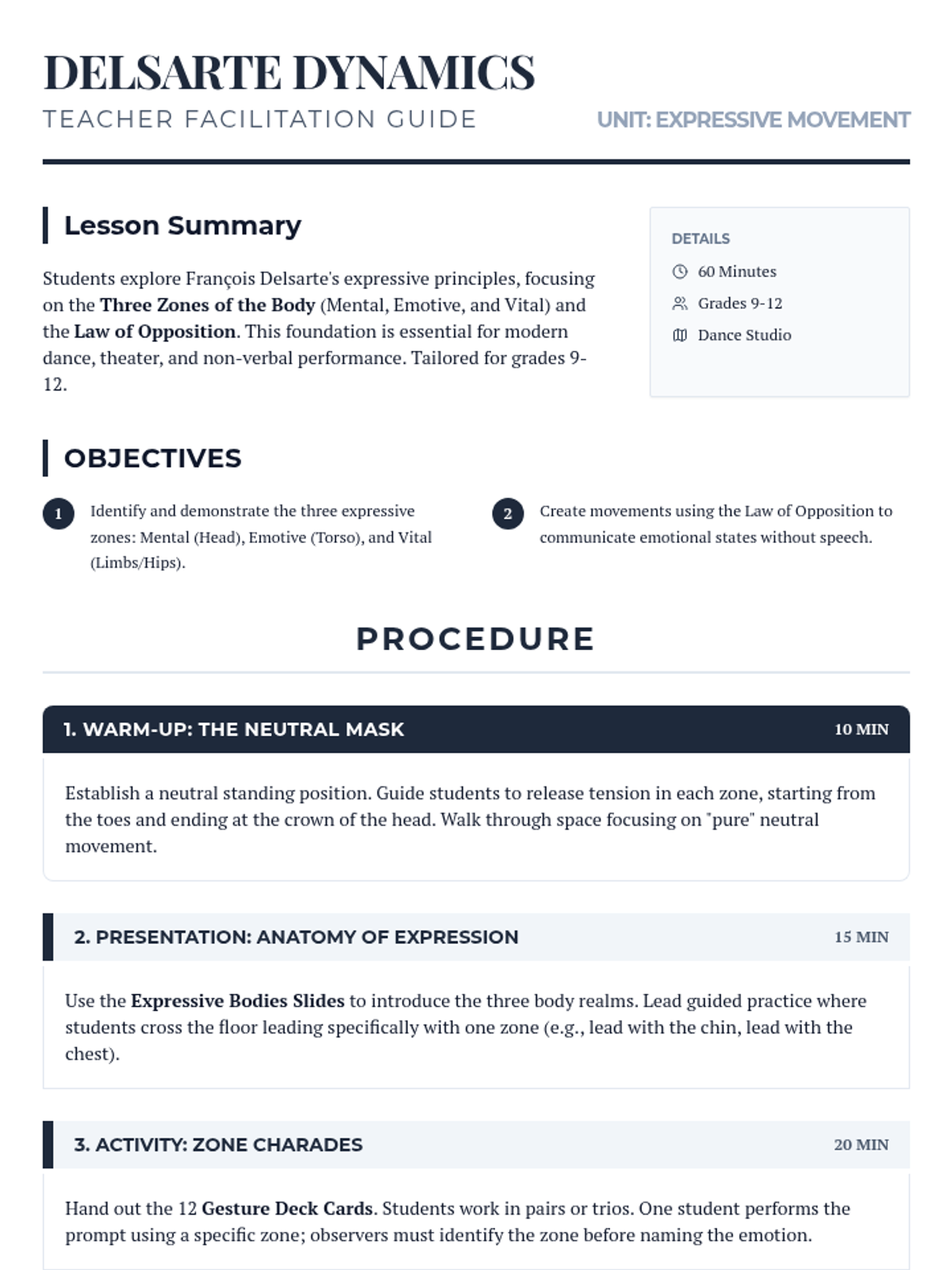
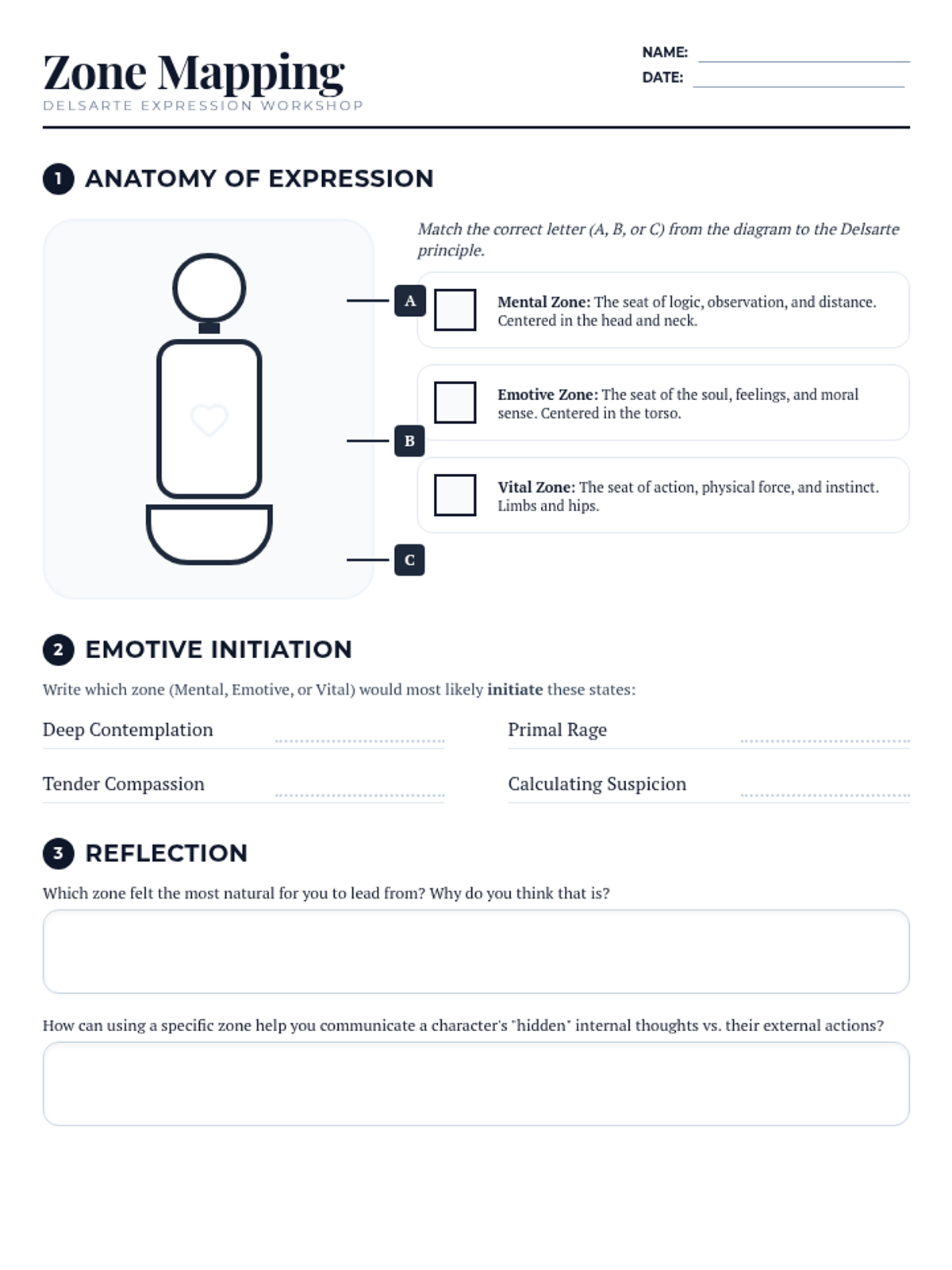
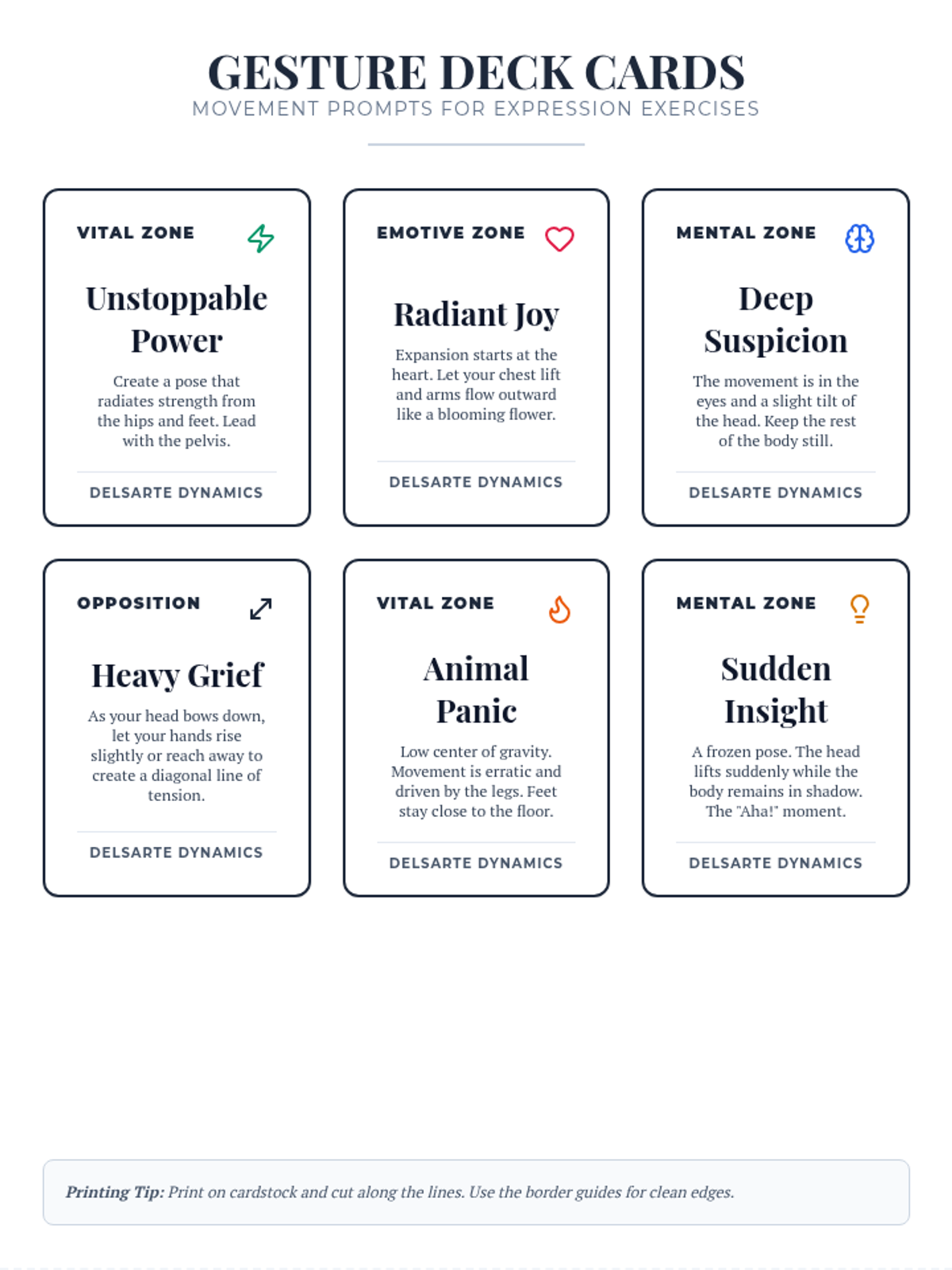
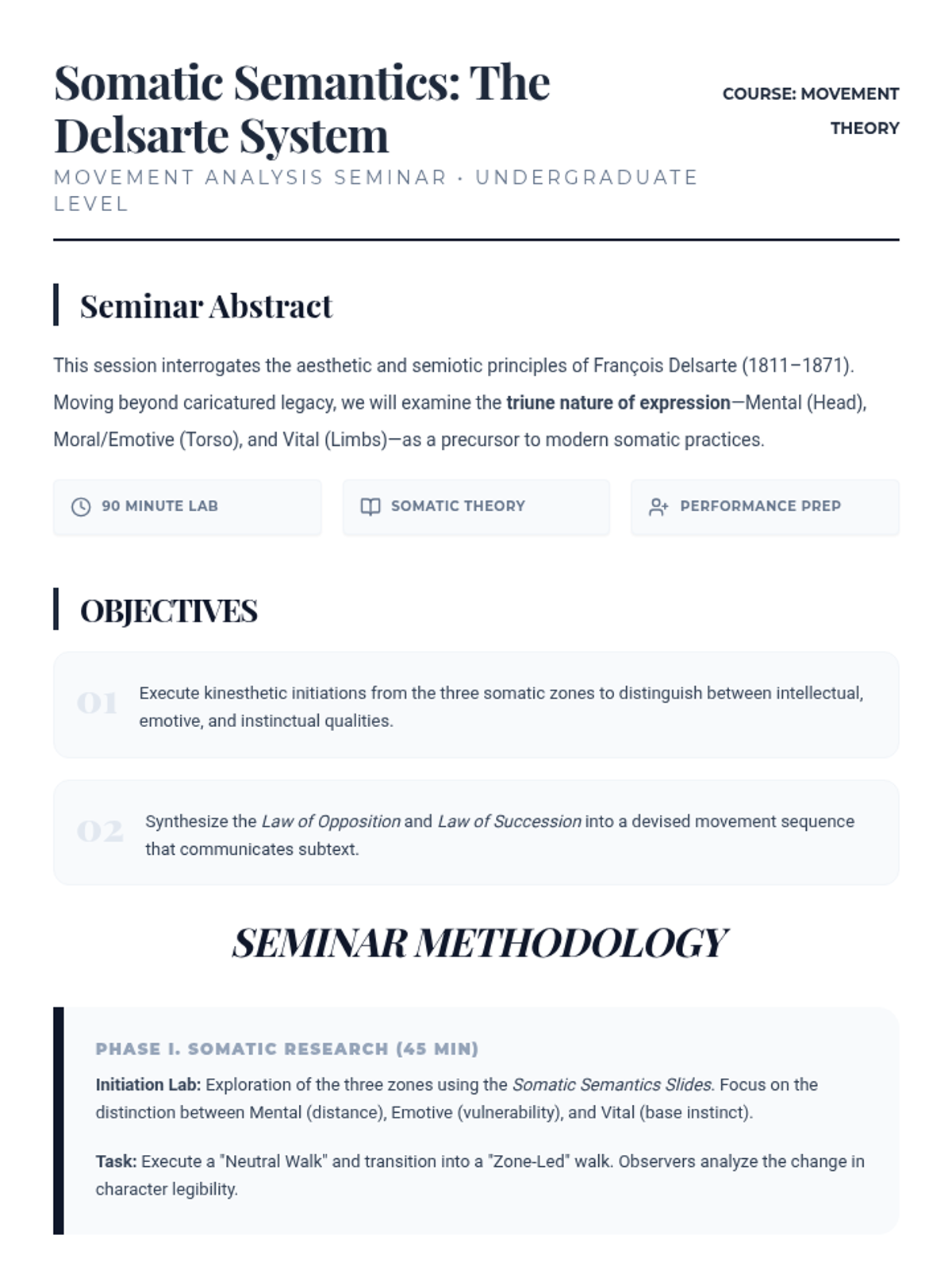
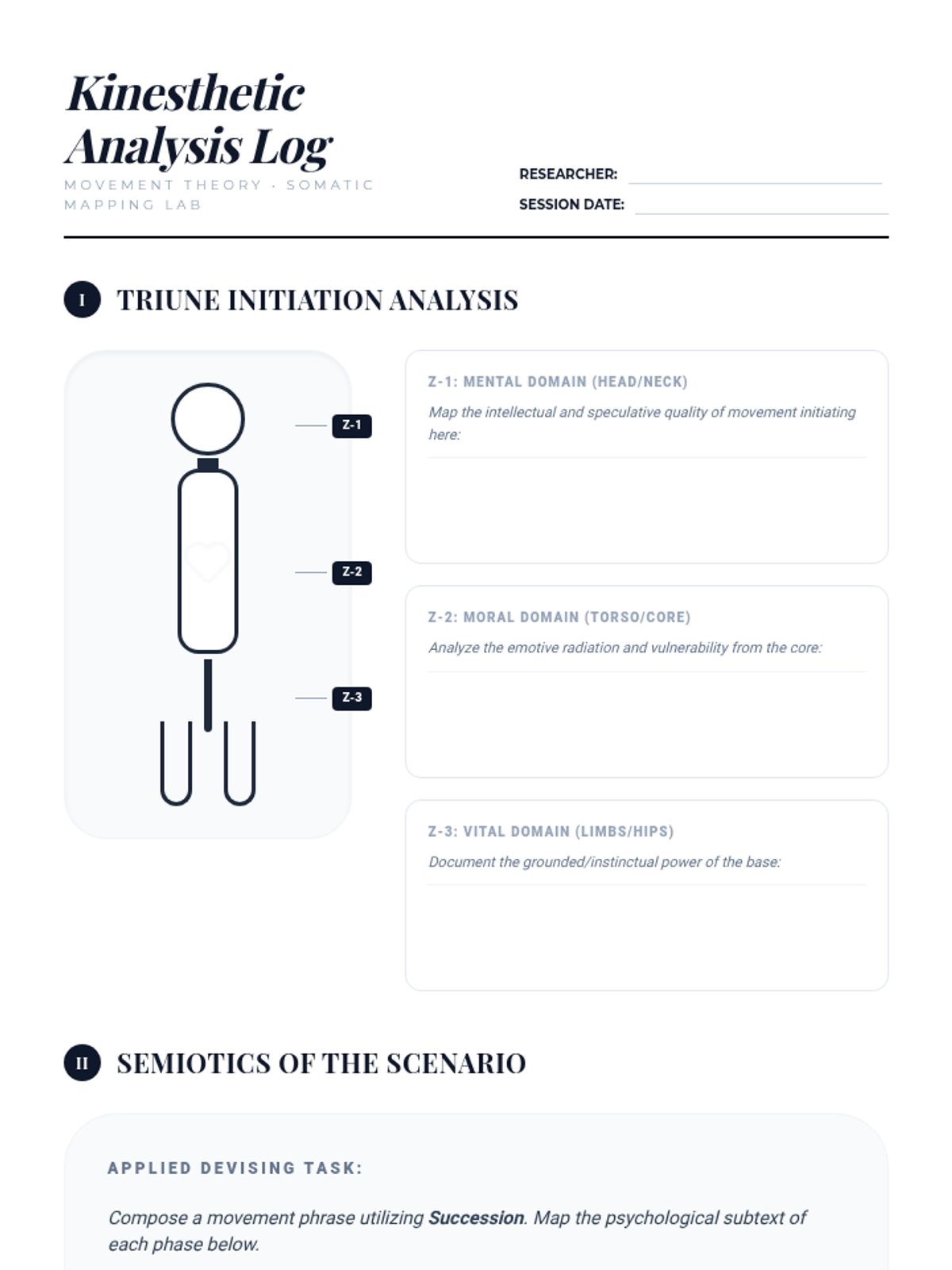
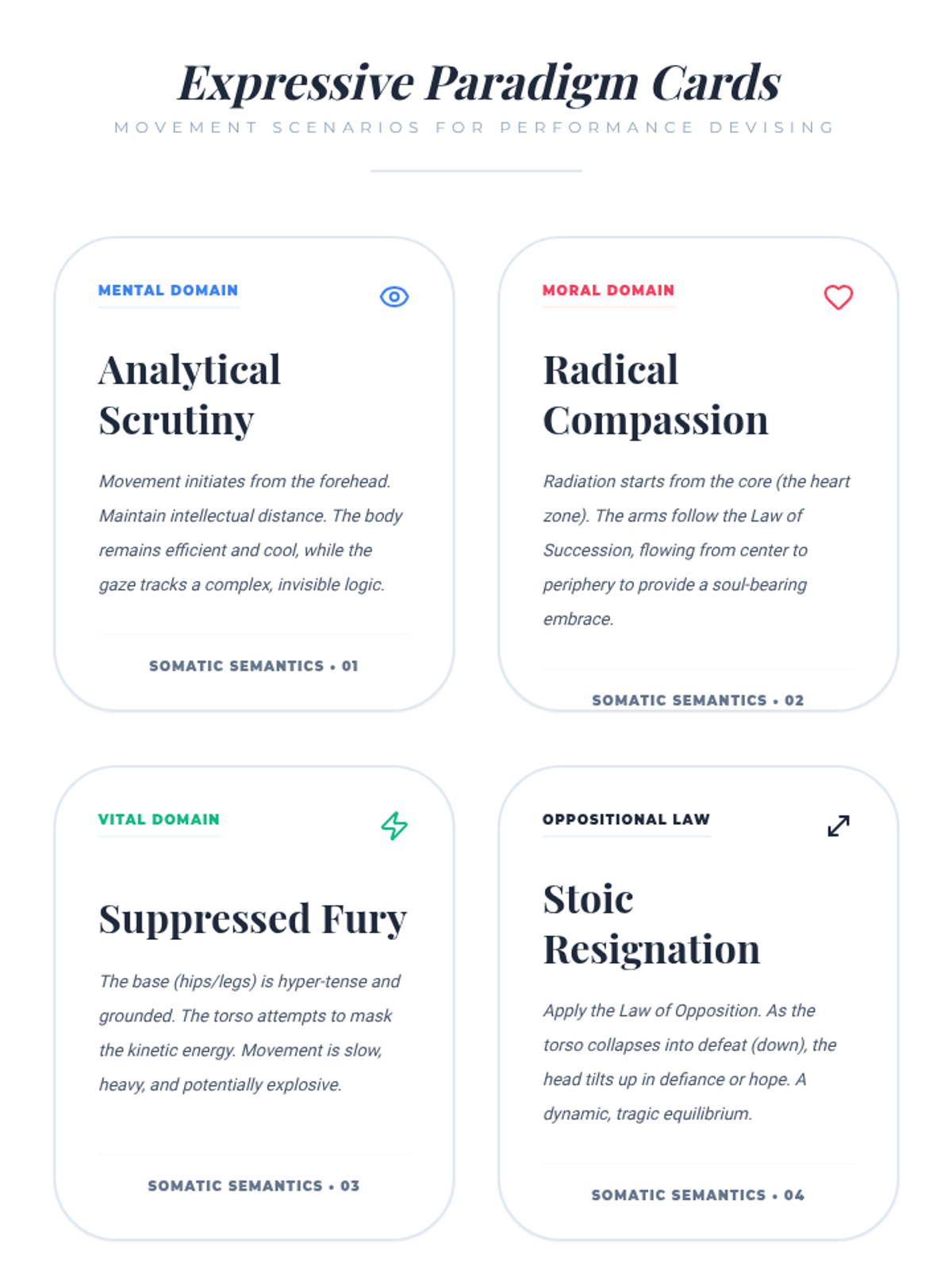
An advanced pedagogical exploration of François Delsarte's applied semiotics for undergraduate performance students. The lesson analyzes the triune nature of expression (Mental, Moral/Emotive, Vital) and its influence on modern somatic practices.
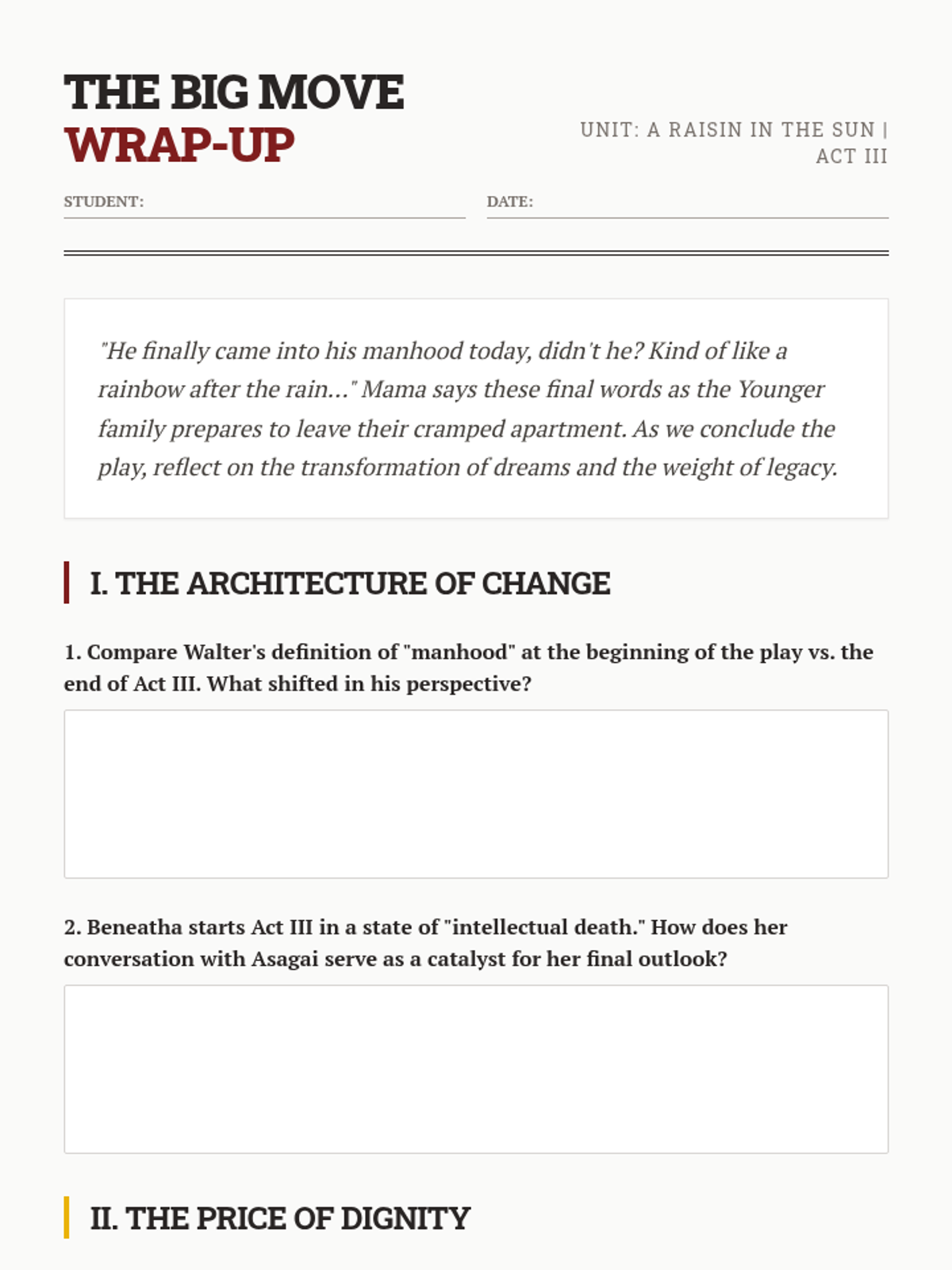
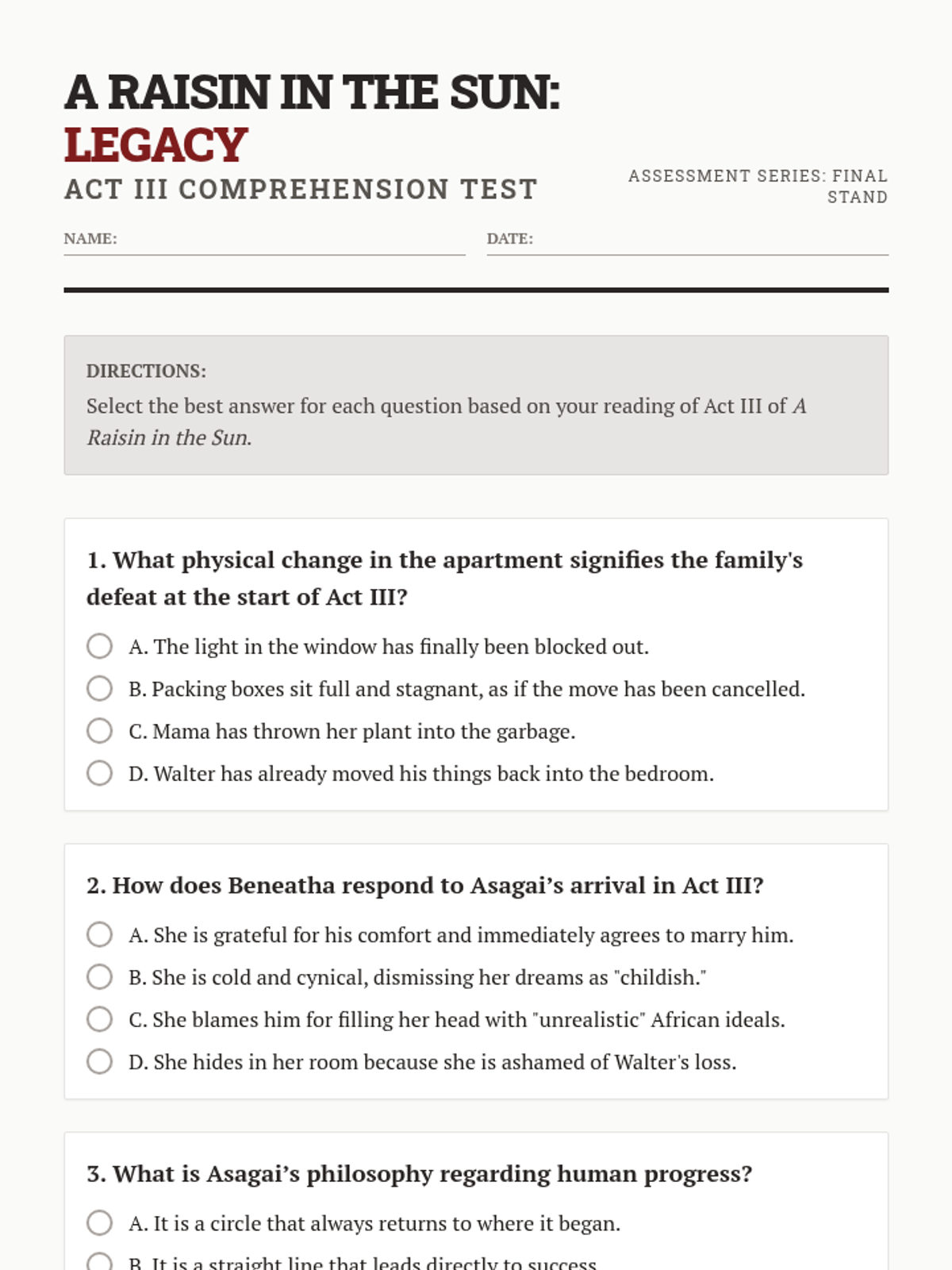
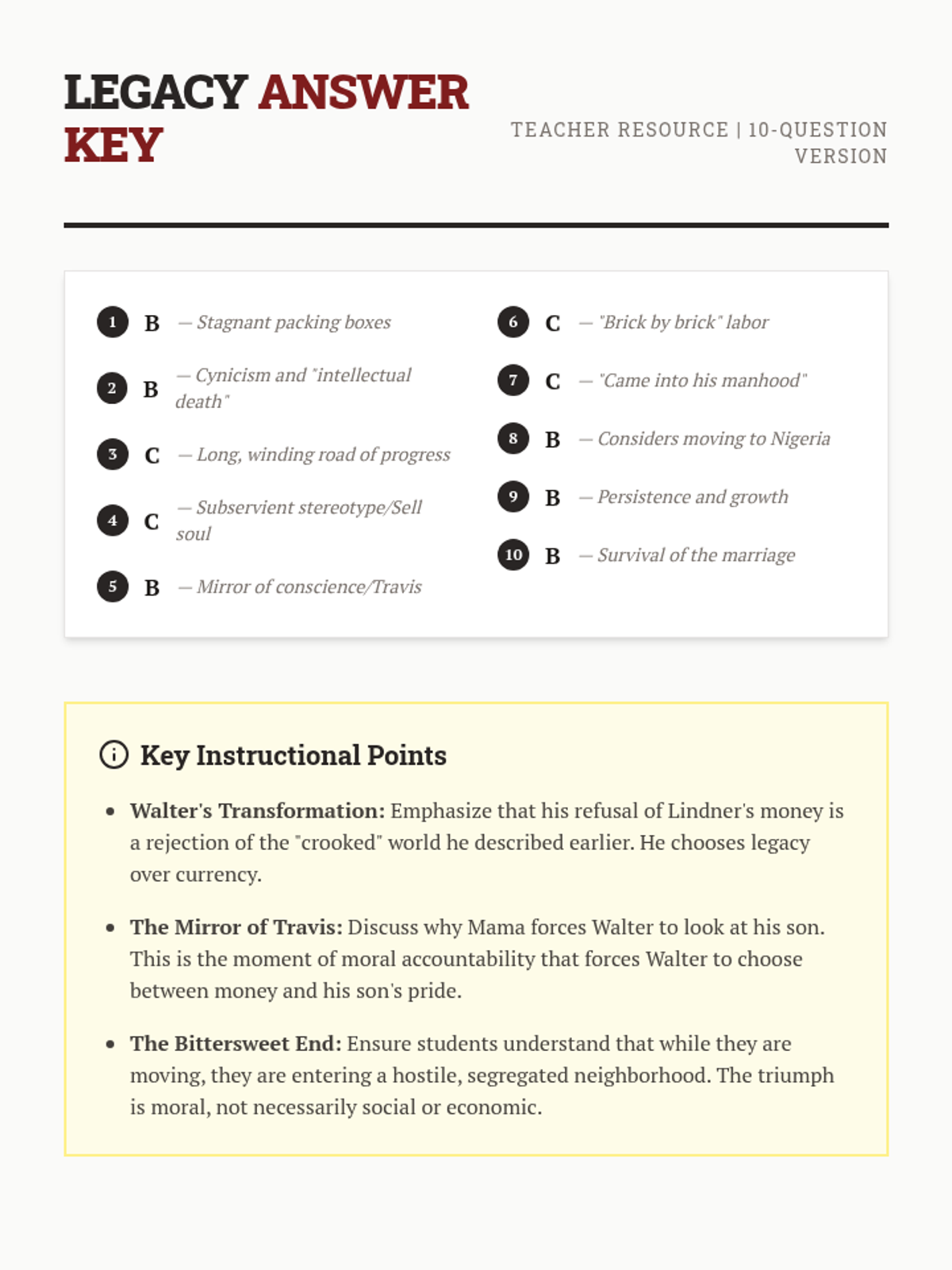
A comprehensive lesson covering the climax and resolution of 'A Raisin in the Sun', featuring instructional slides, a discussion-based wrap-up worksheet, and a comprehension assessment.
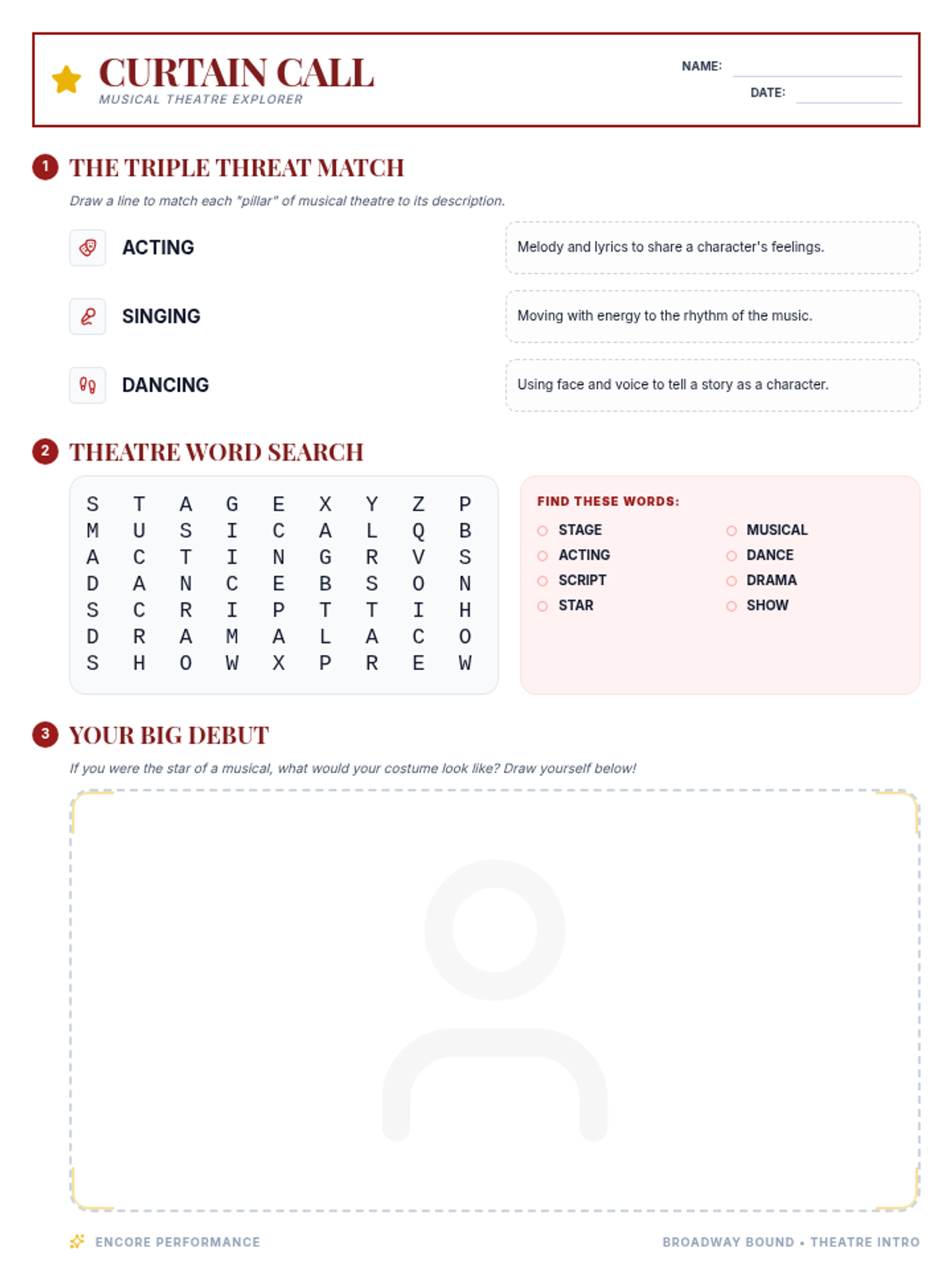
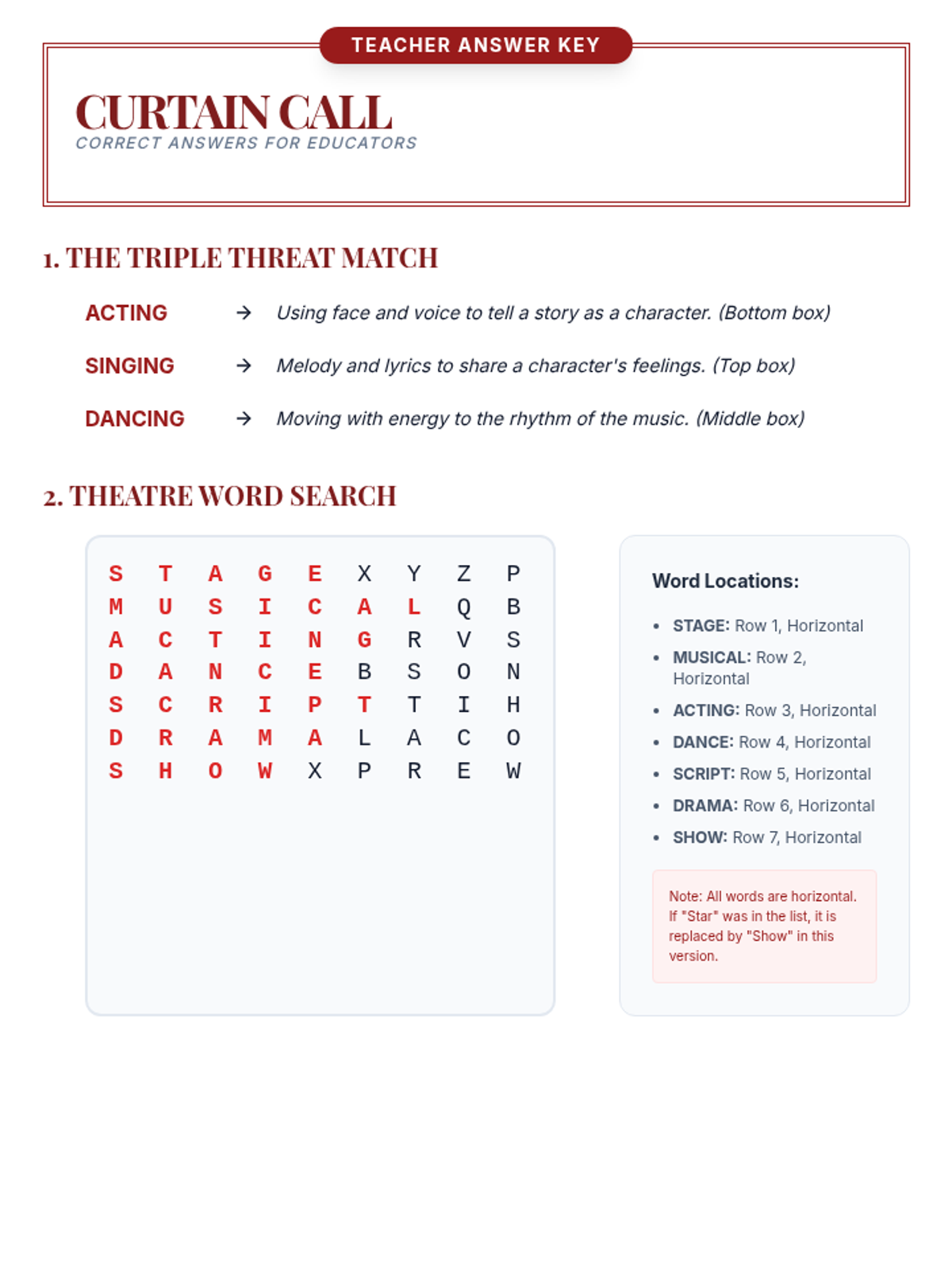
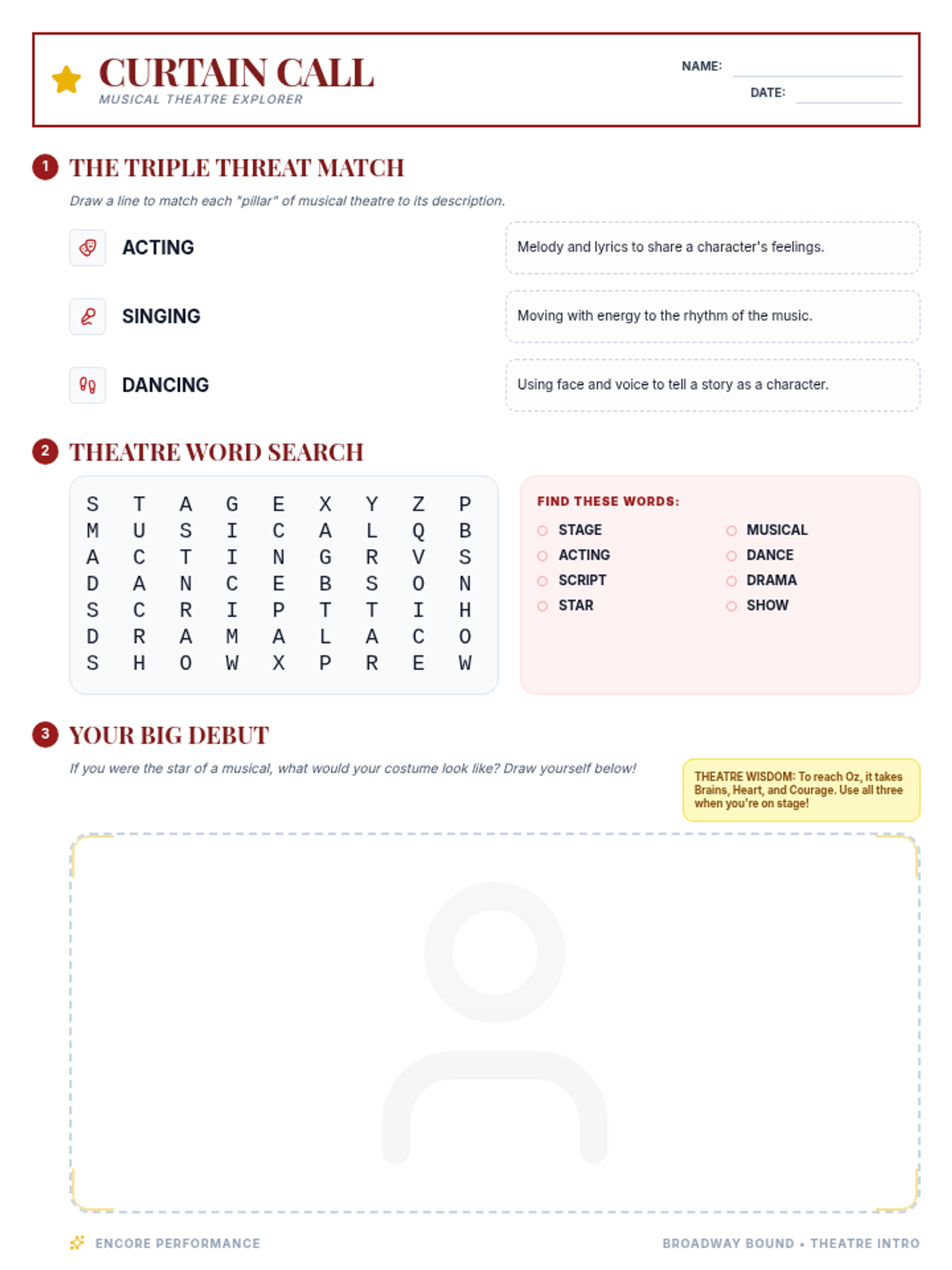
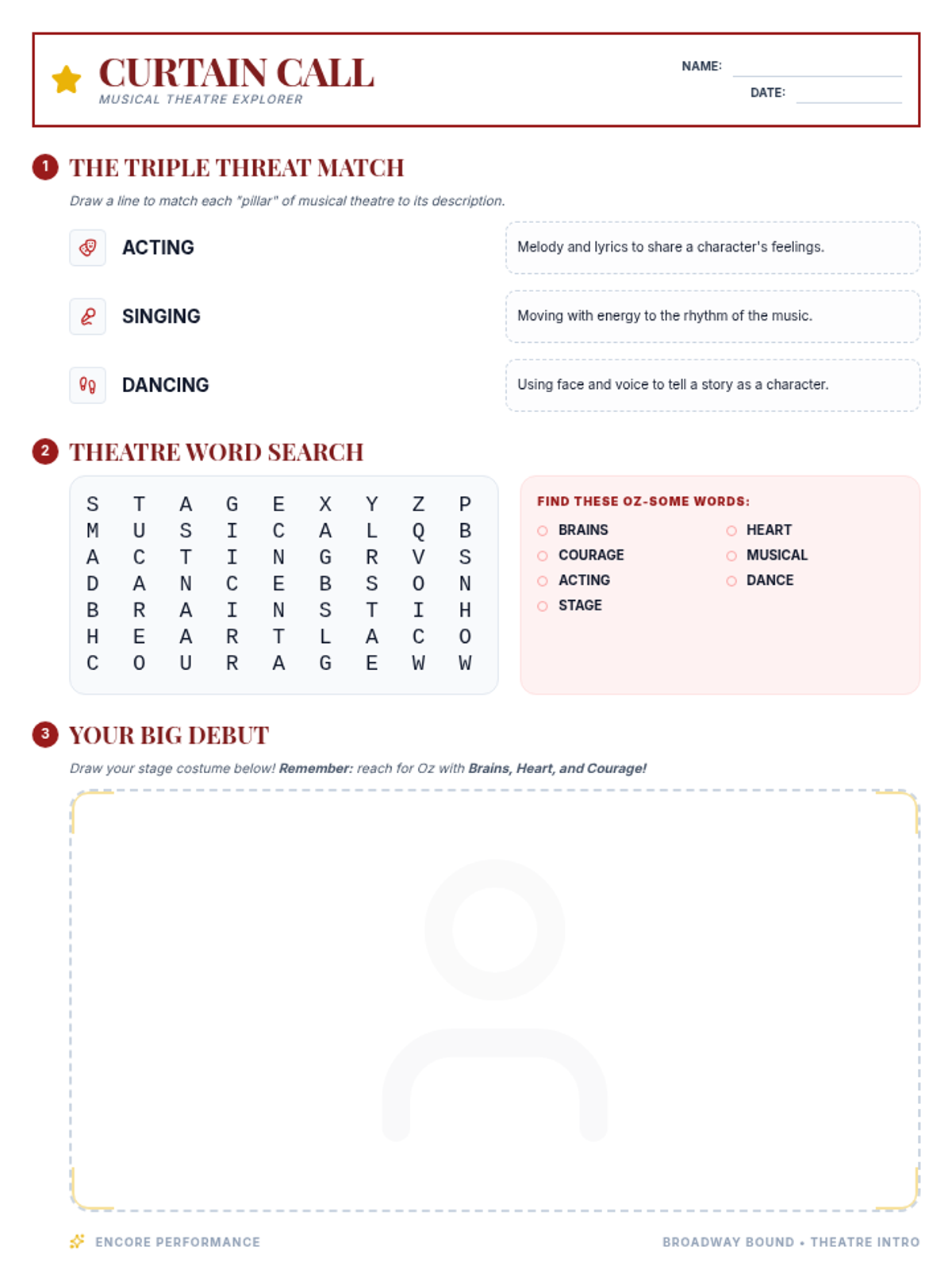
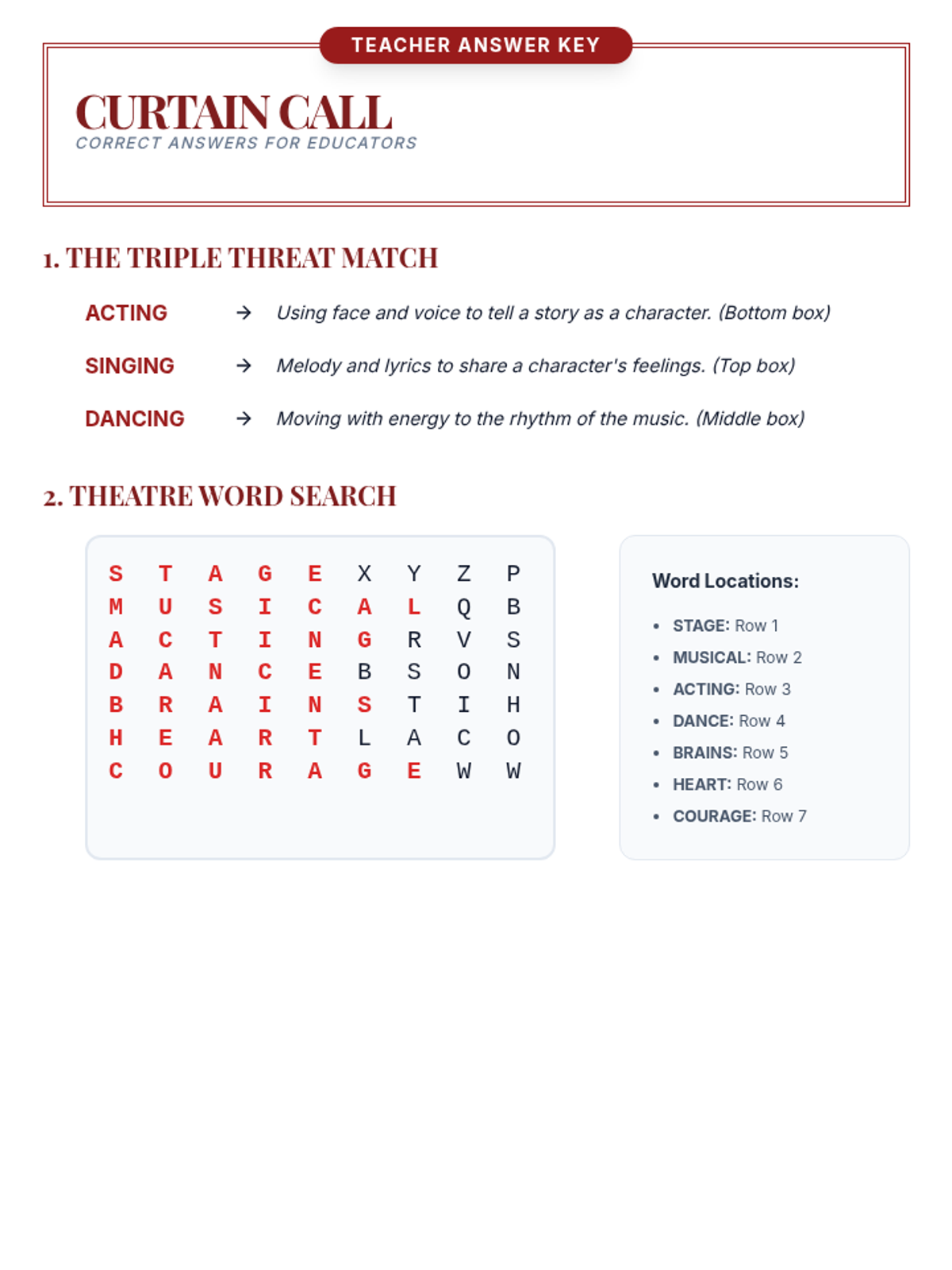
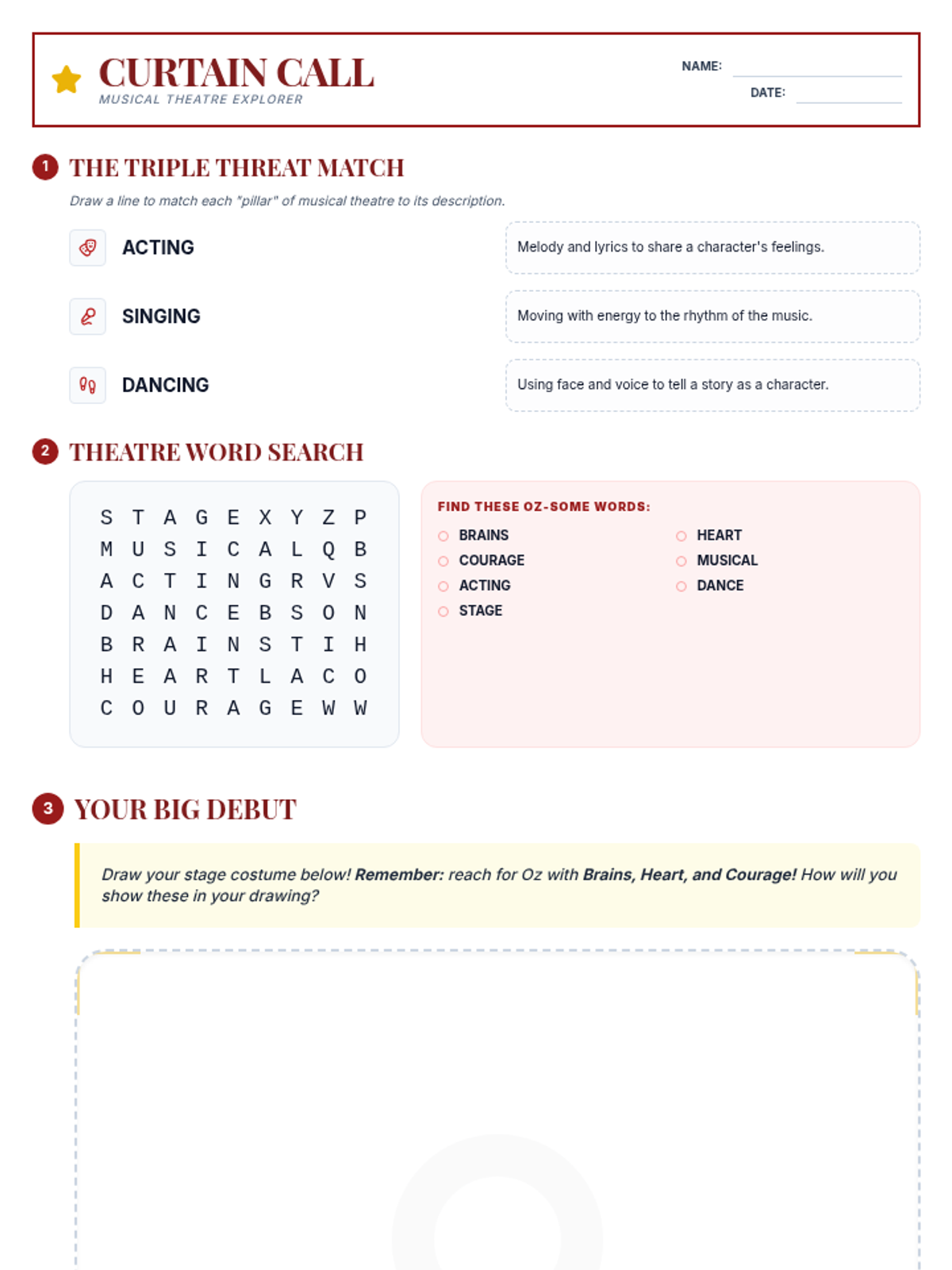
An introductory lesson to the world of musical theatre for 3rd graders, focusing on the 'Three Pillars': acting, singing, and dancing. Students will explore how these elements combine to tell stories on stage.
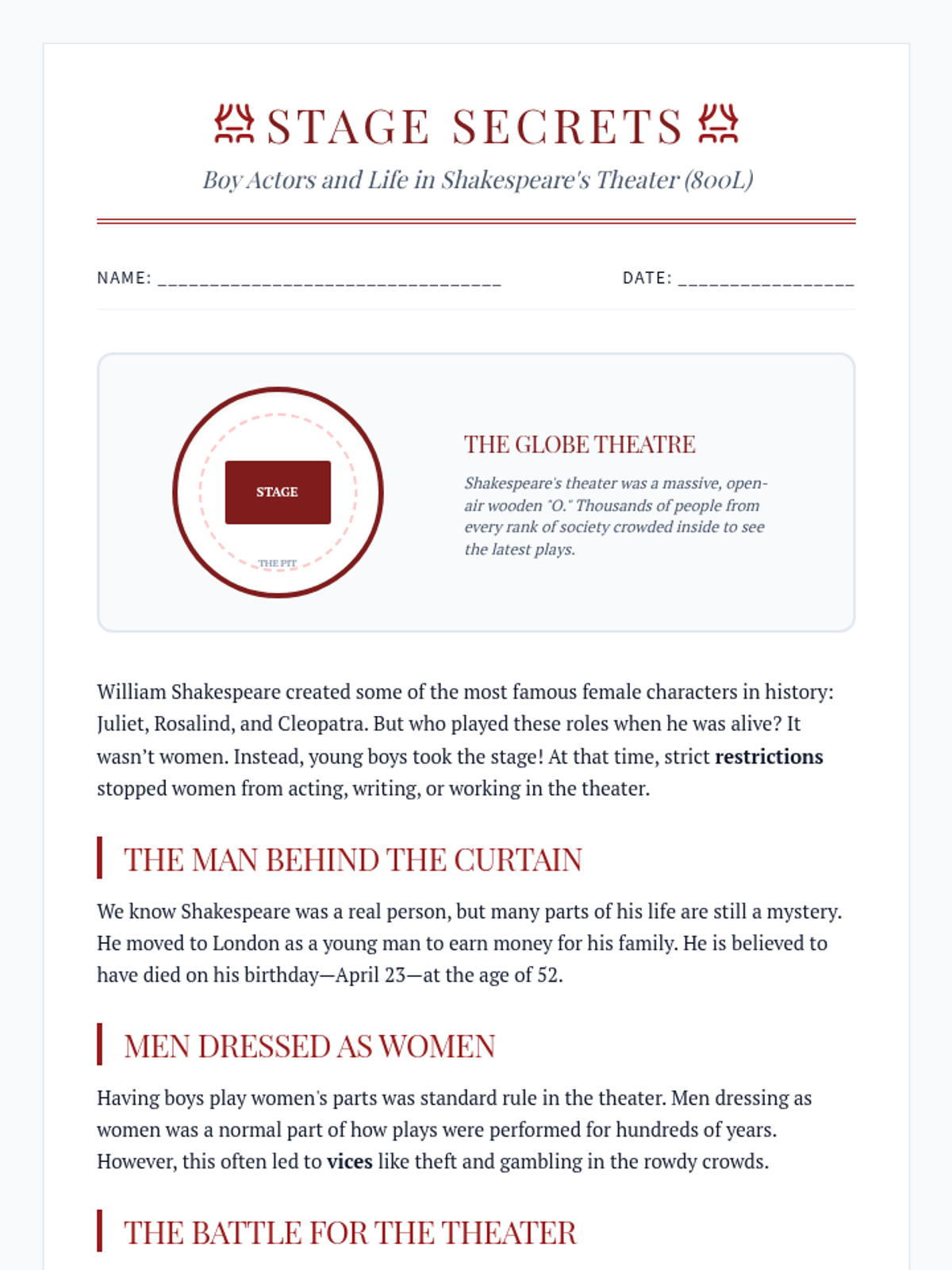
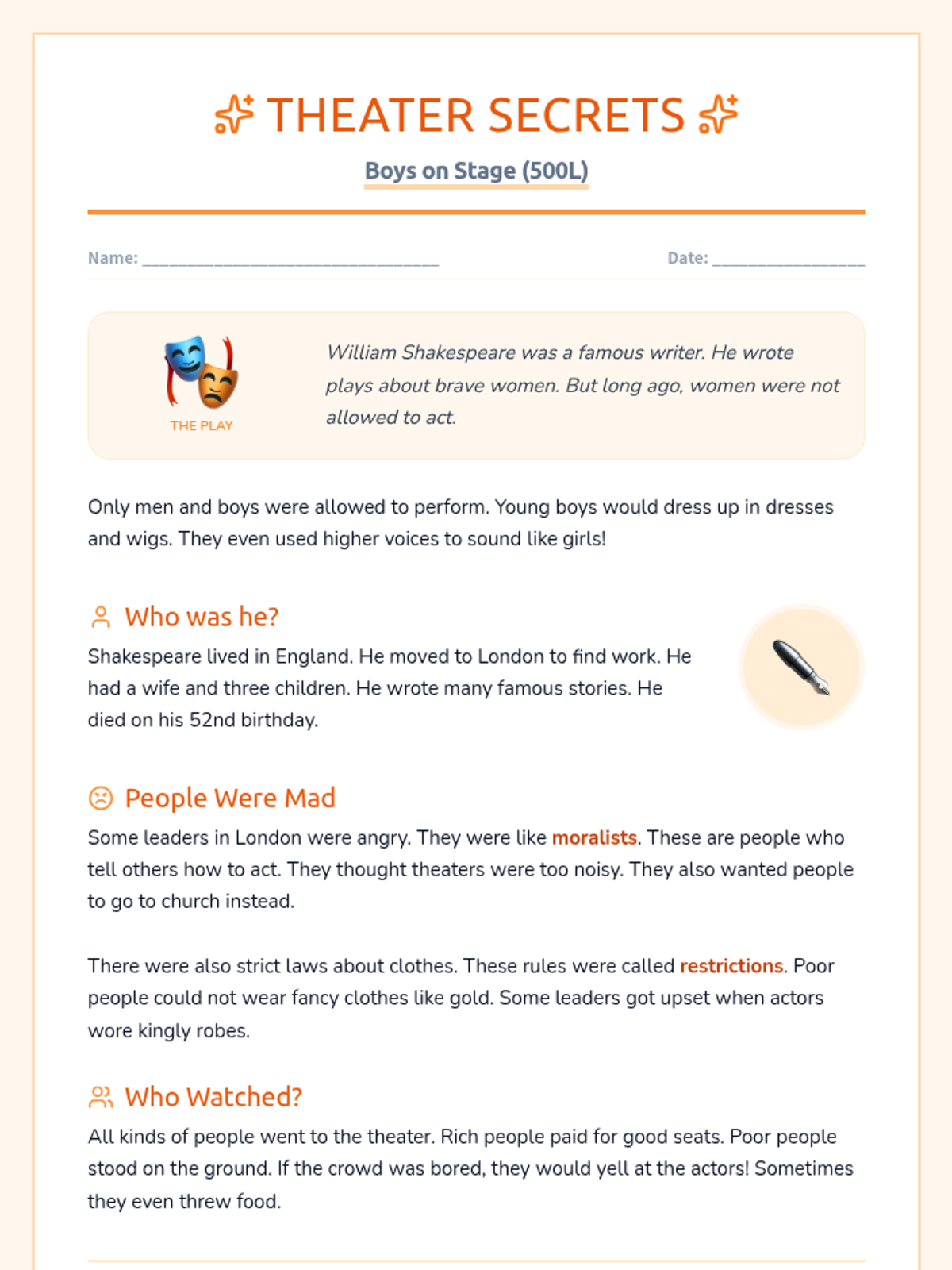
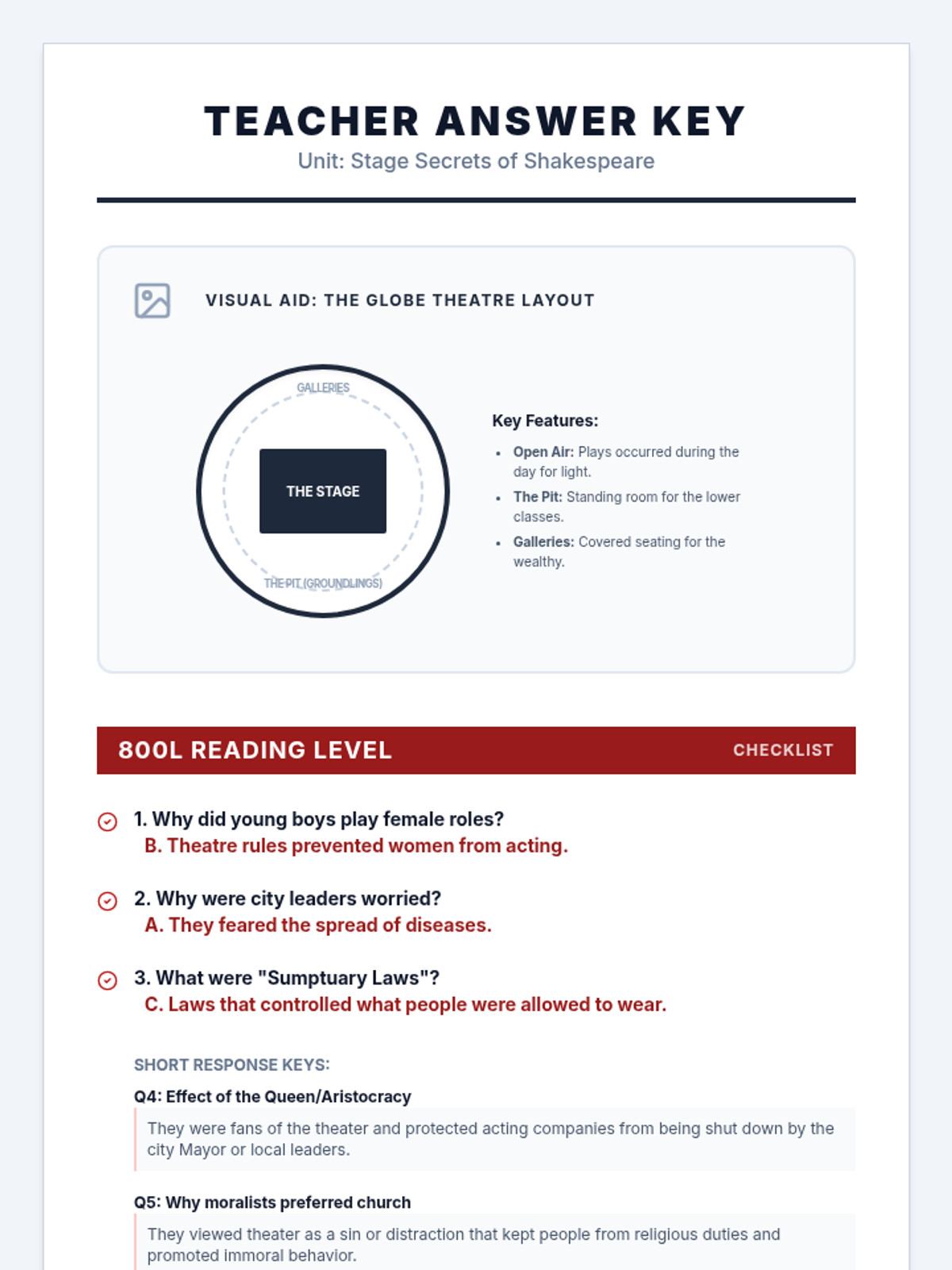
A comparison of Shakespearean theater practices, focusing on the historical context of boy actors and social reactions to the stage across different reading levels.
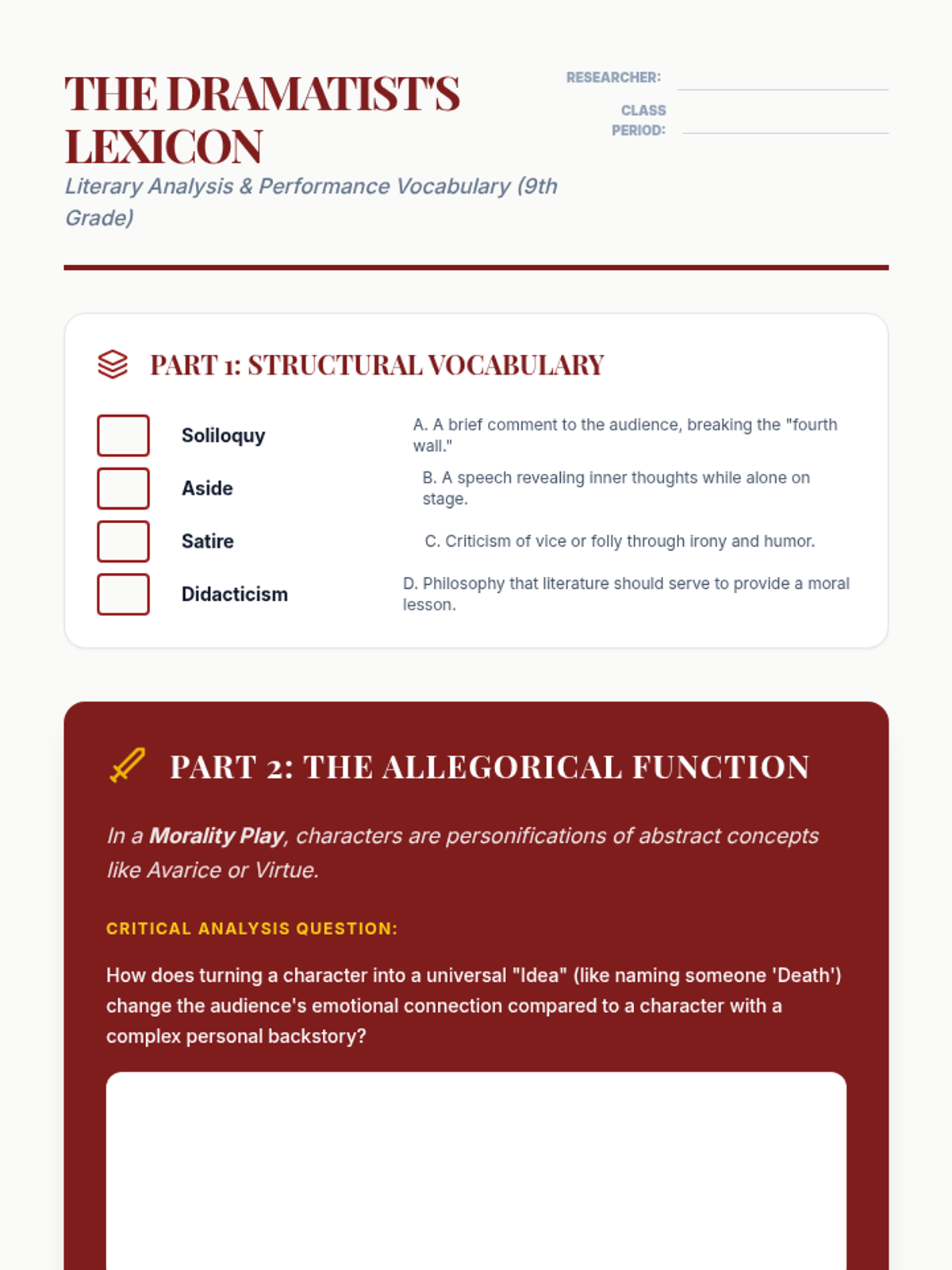
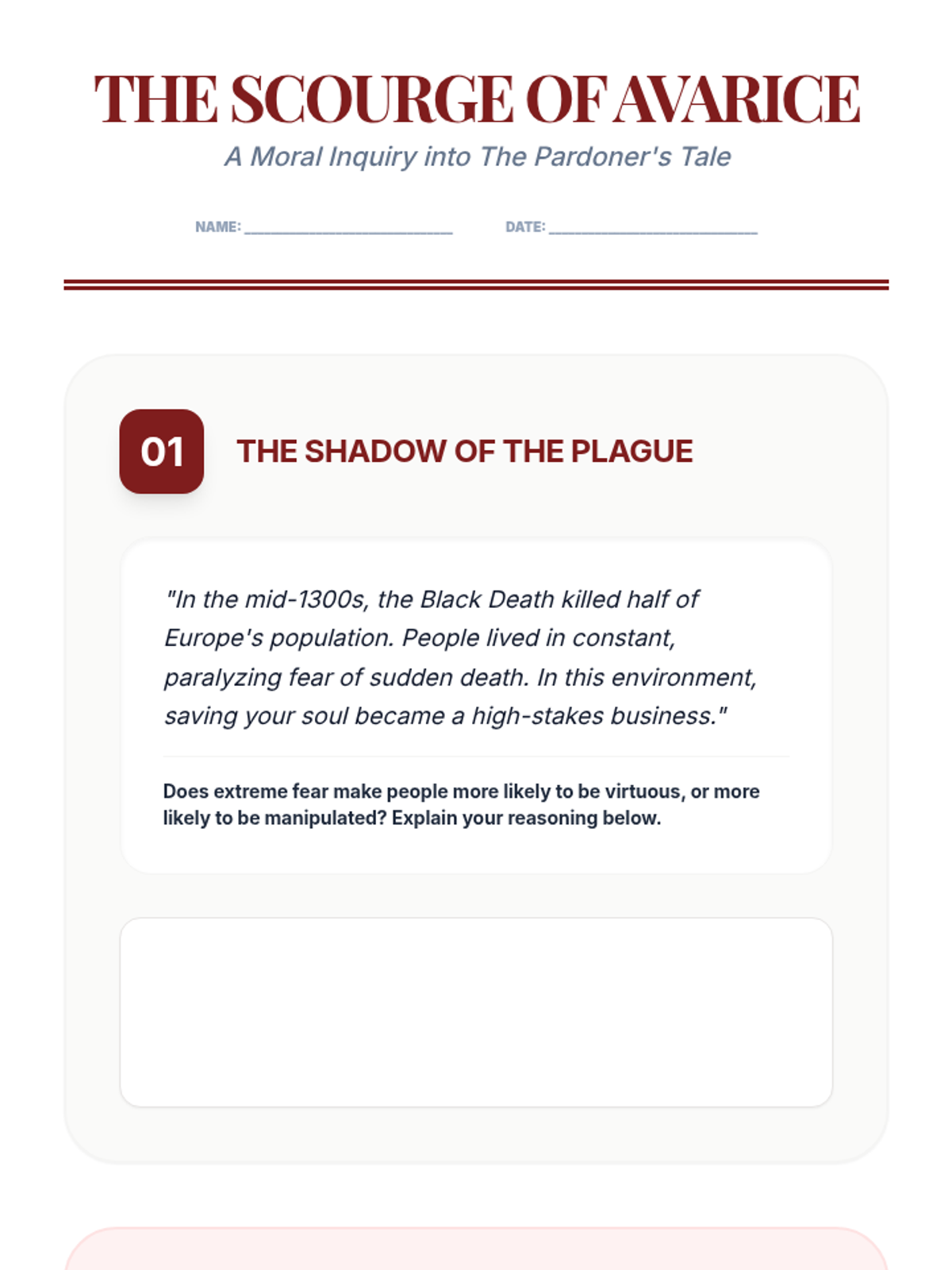
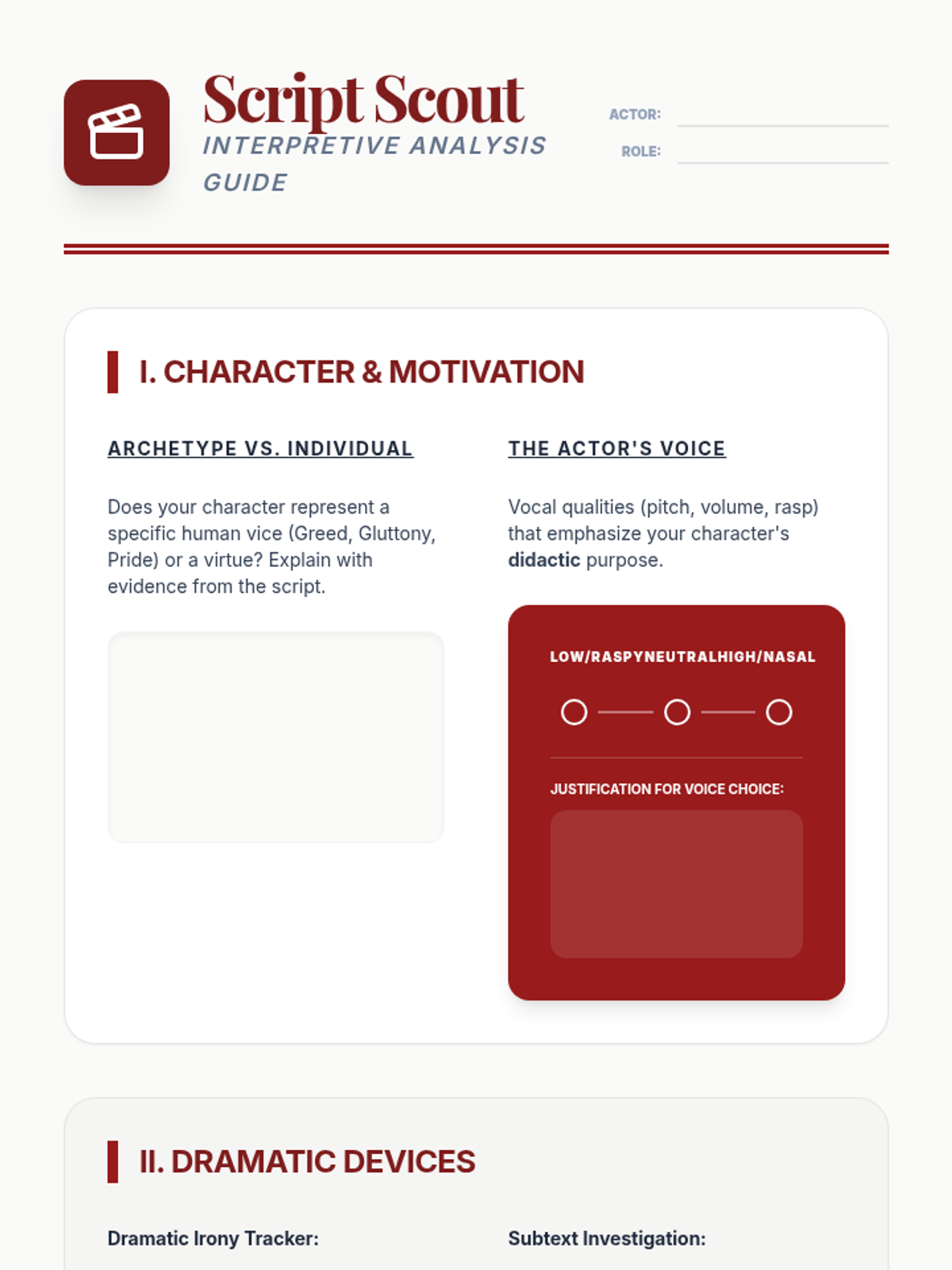
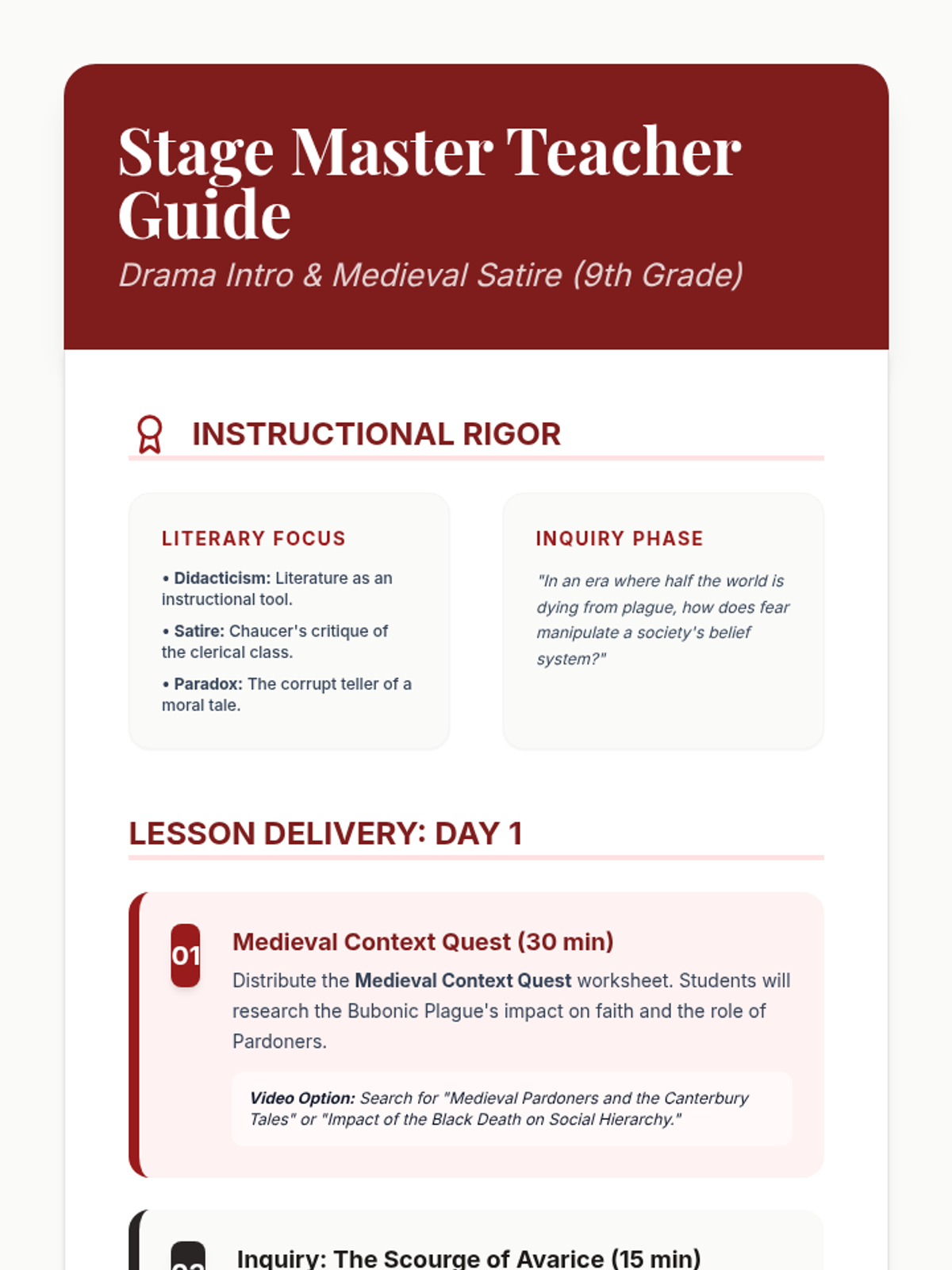
An introductory lesson on the fundamentals of drama and theater history, specifically designed to bridge the gap between narrative text and performance using The Pardoner's Tale as a primary example. Students explore the mechanics of a script, the history of morality plays, and the core elements of Reader's Theater.
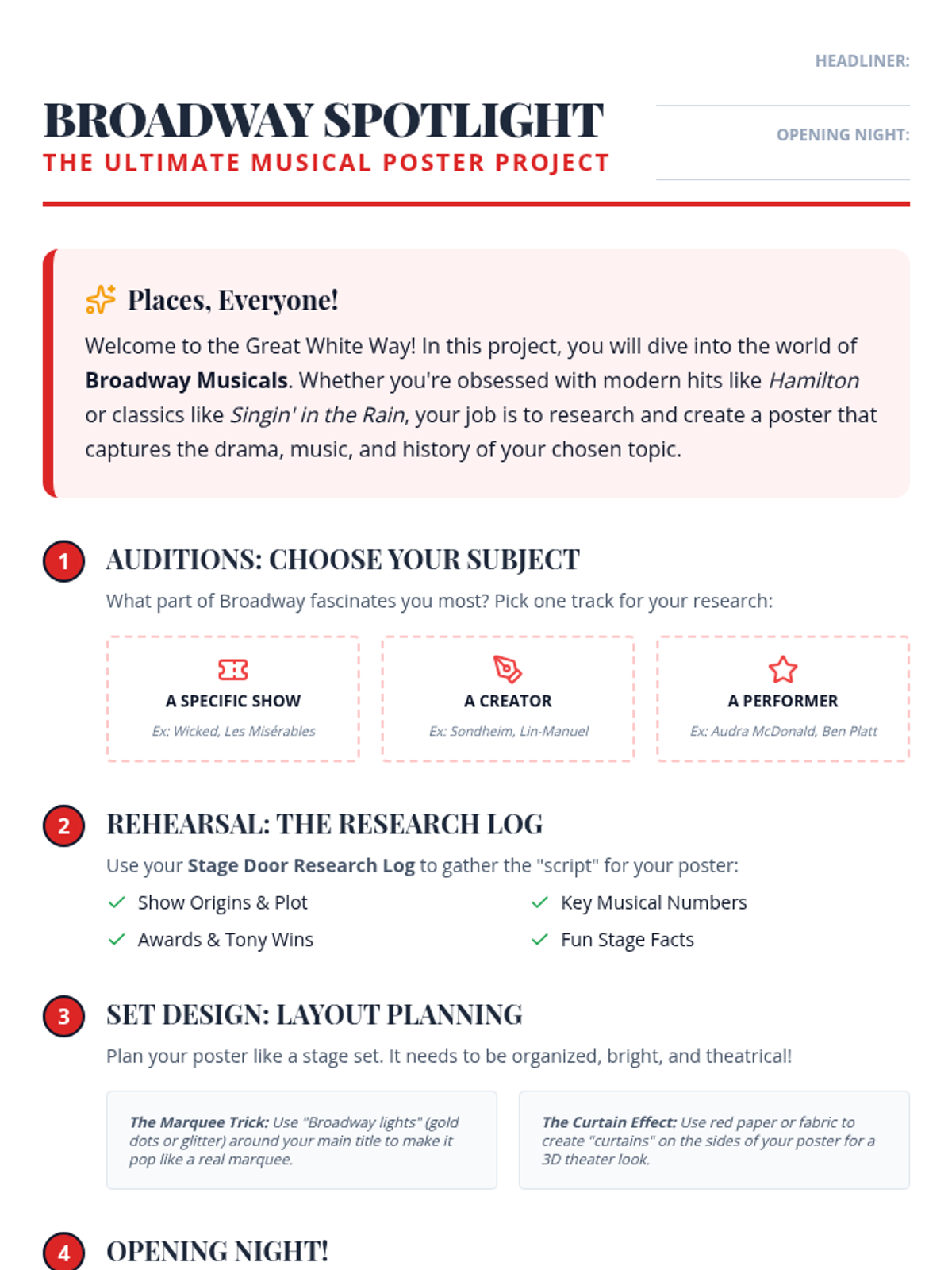
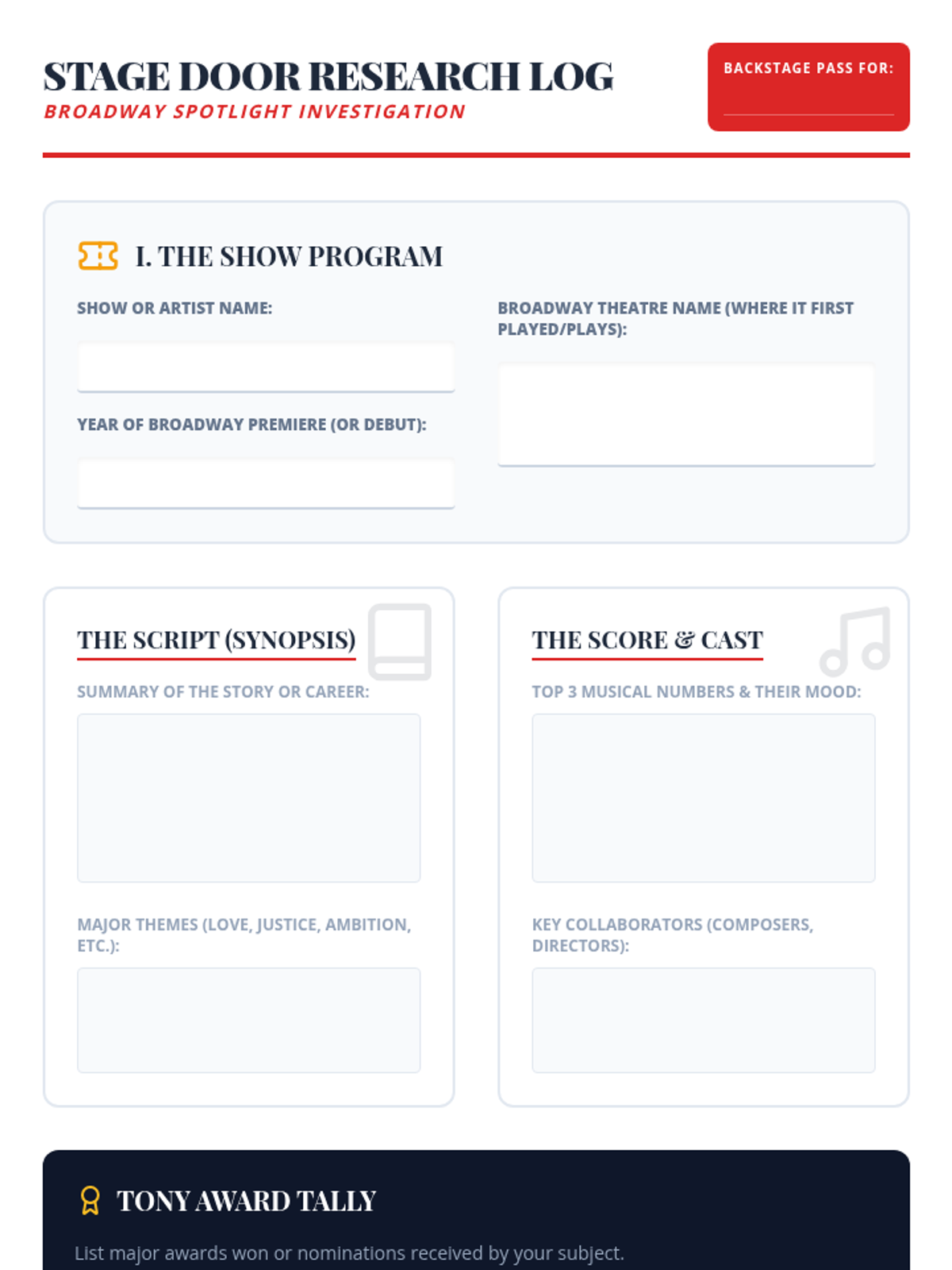
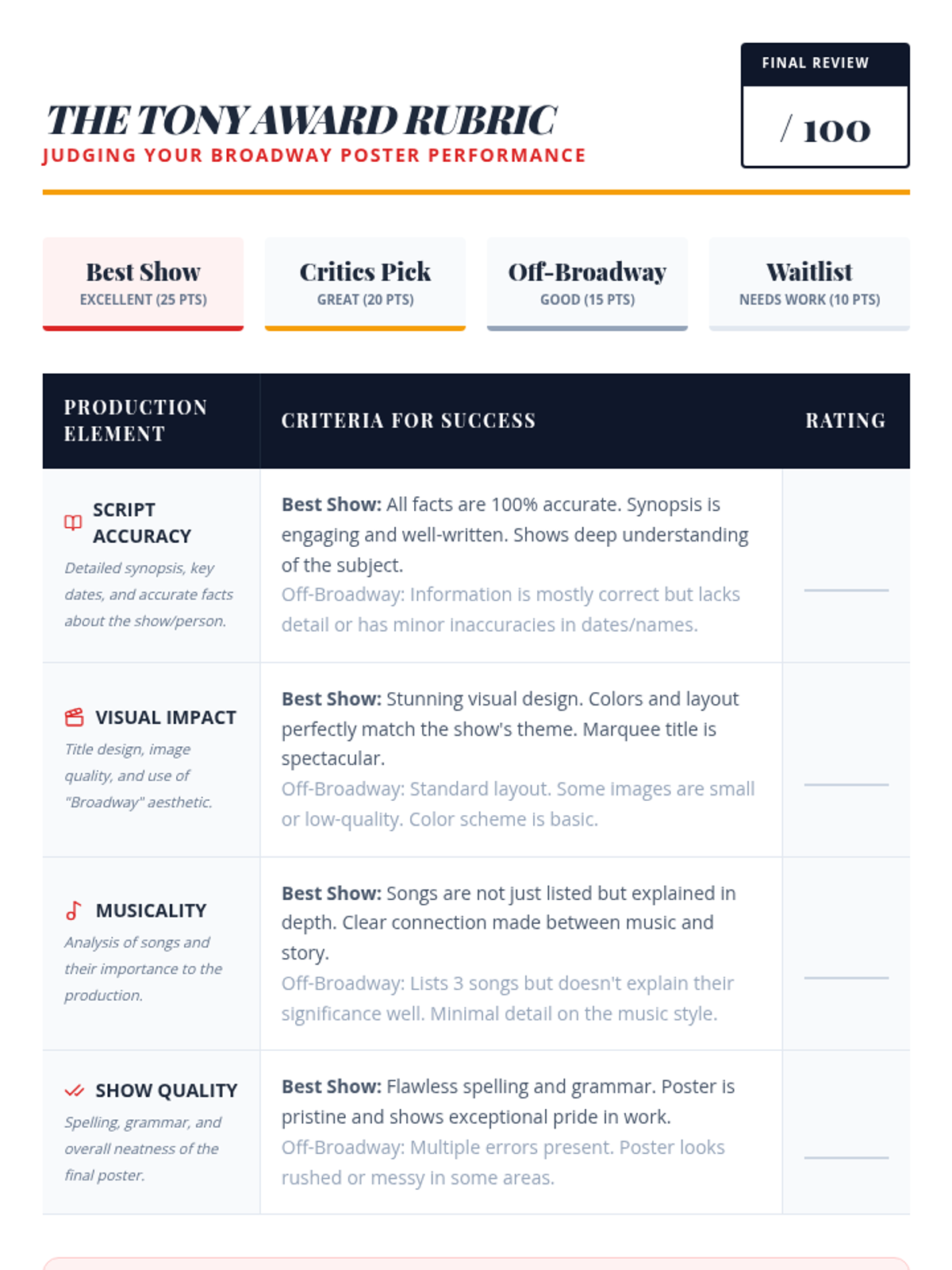
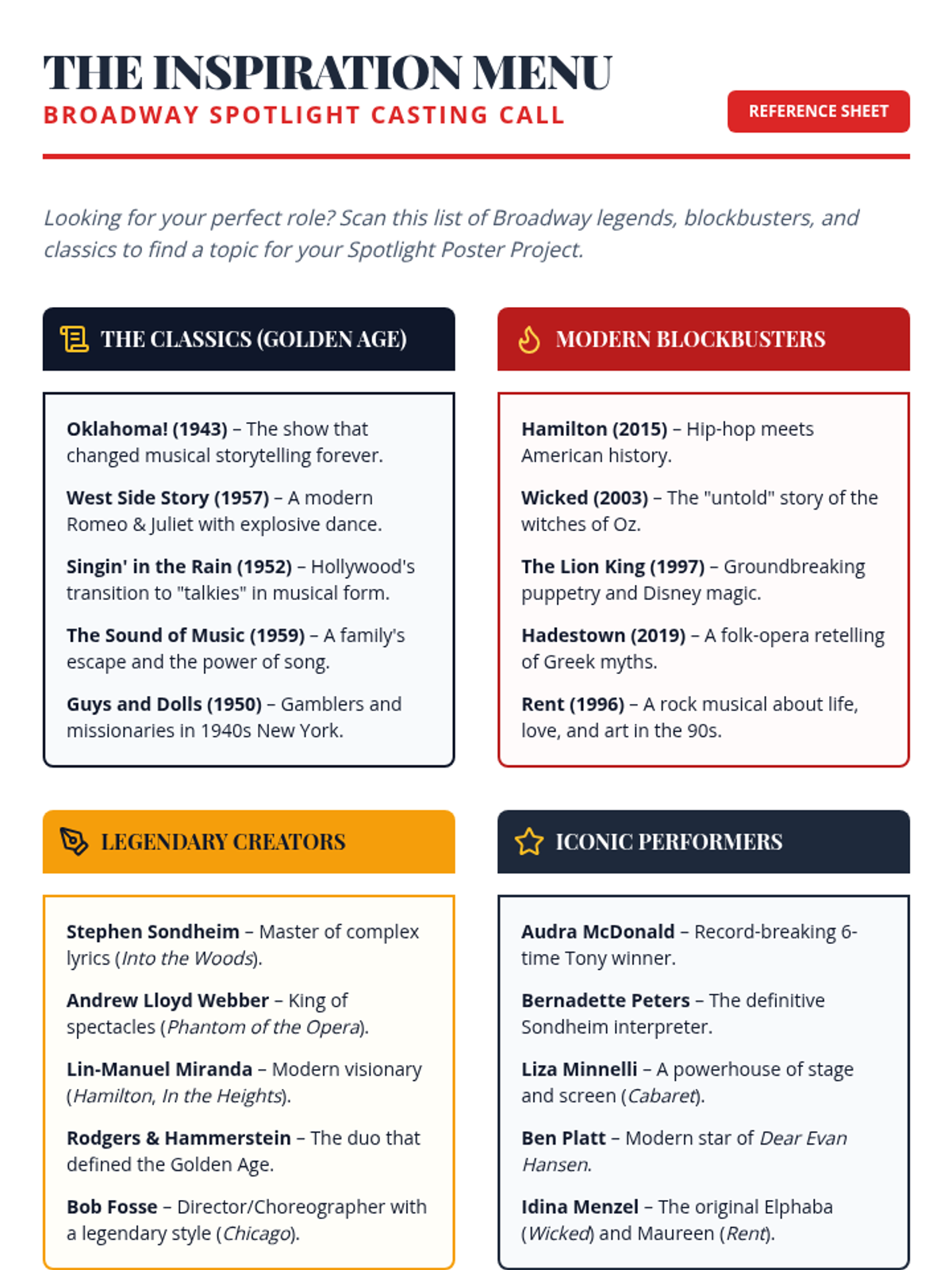
A creative project where students research and present the magic of Broadway. Students can choose a specific musical, a legendary composer, or a famous performer to showcase on an informational poster.
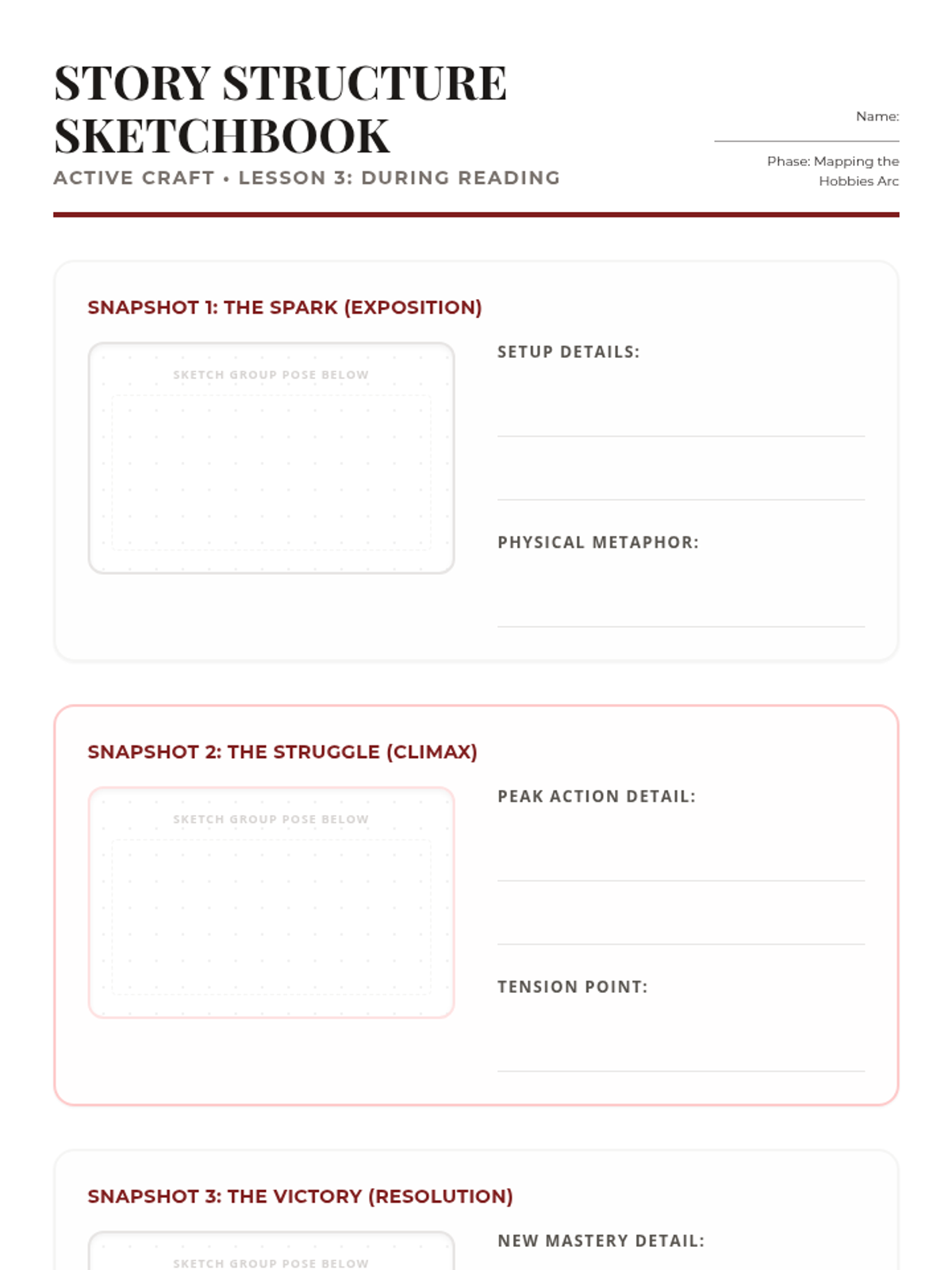
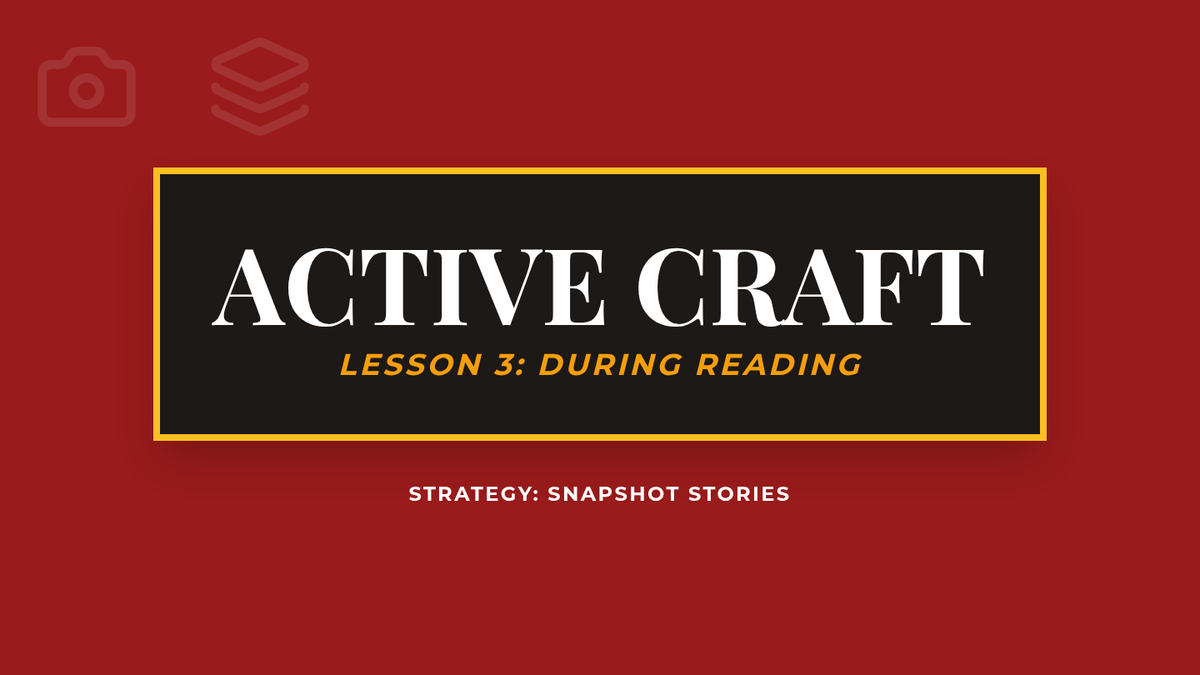
During Reading Strategy: Creating frozen tableaus to represent narrative story arcs centered on the joy of hobbies.
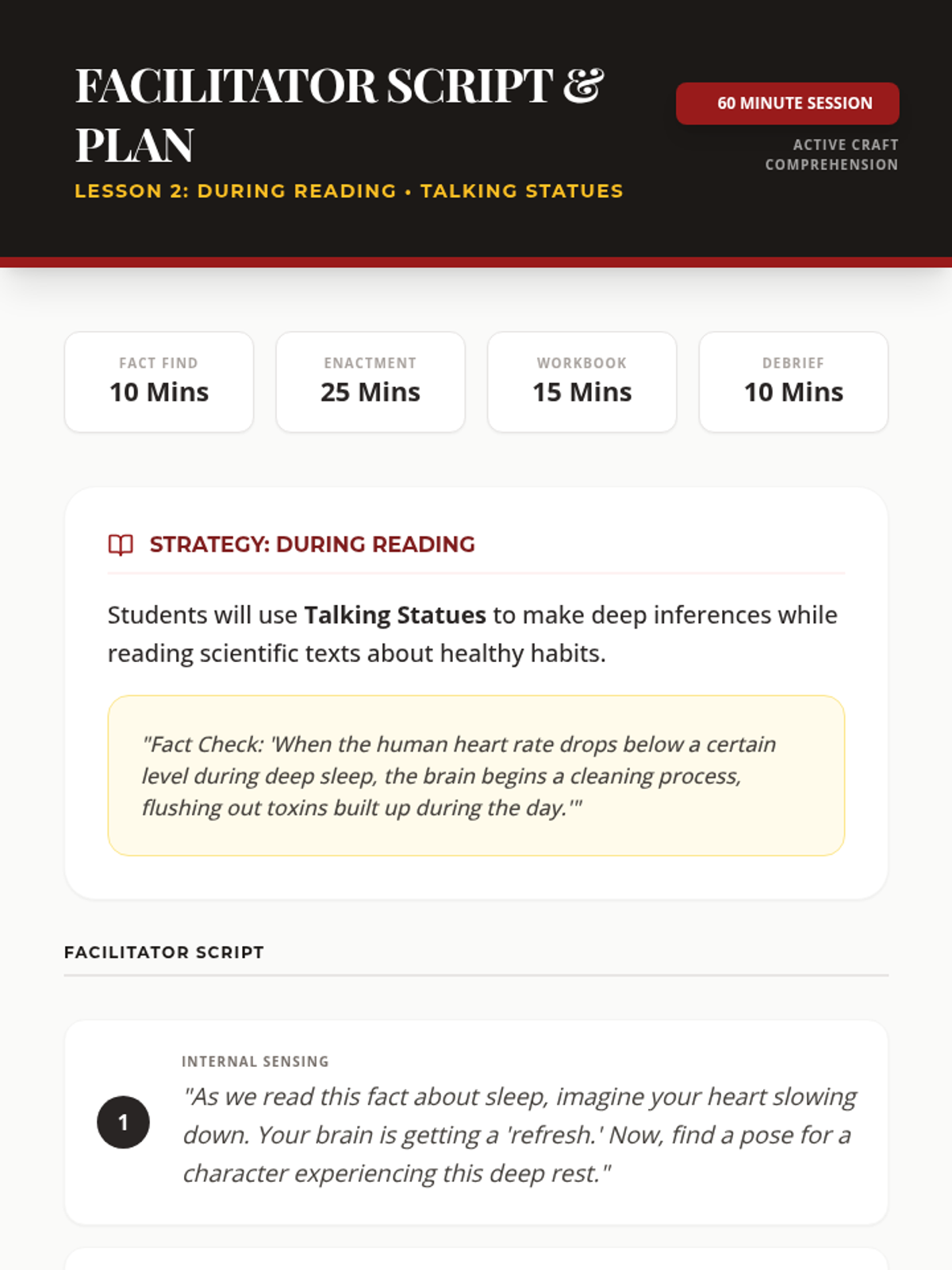
During Reading Strategy: Using 'Talking Statues' to make inferences about healthy habits and scientific facts about health.
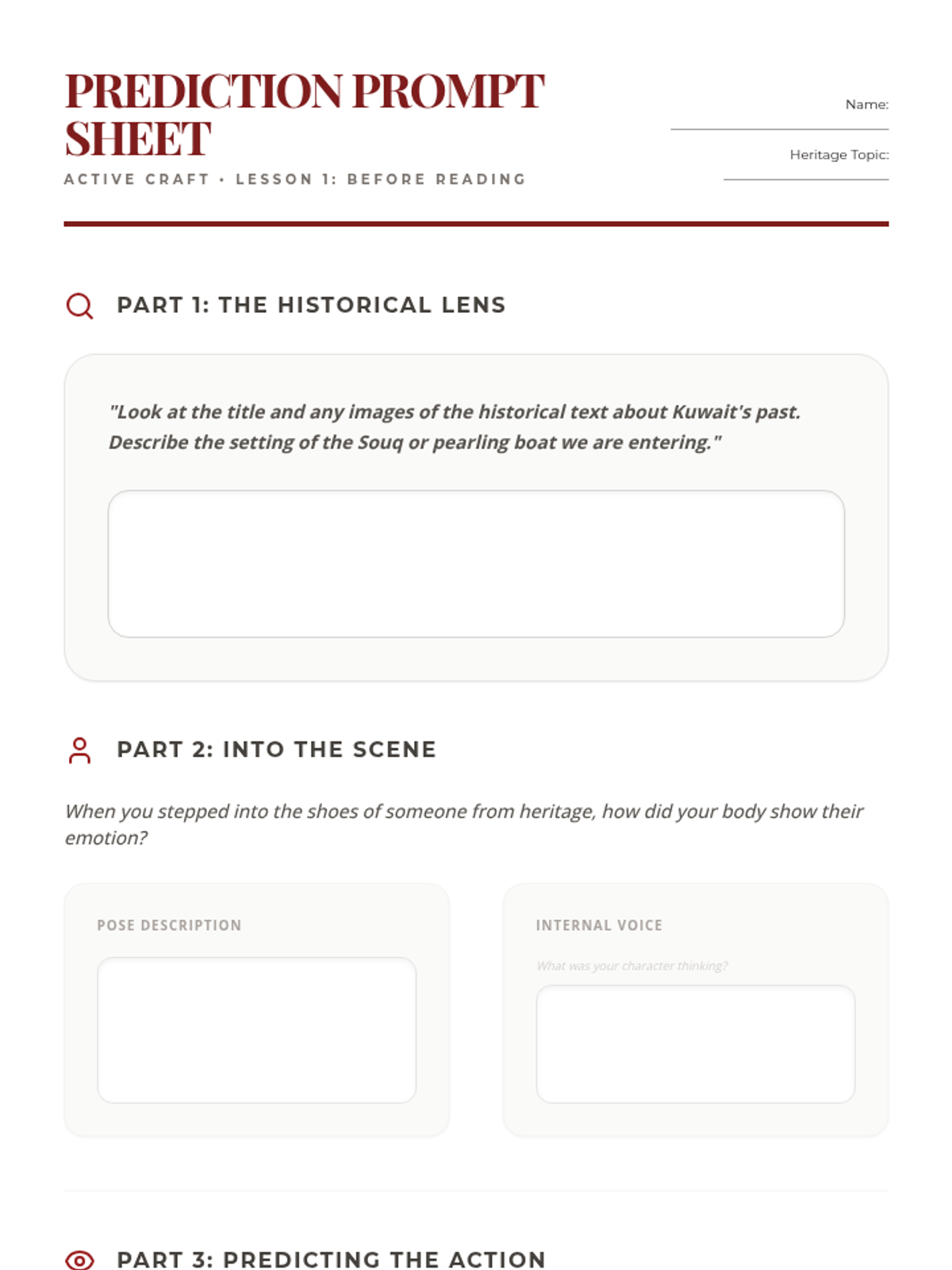
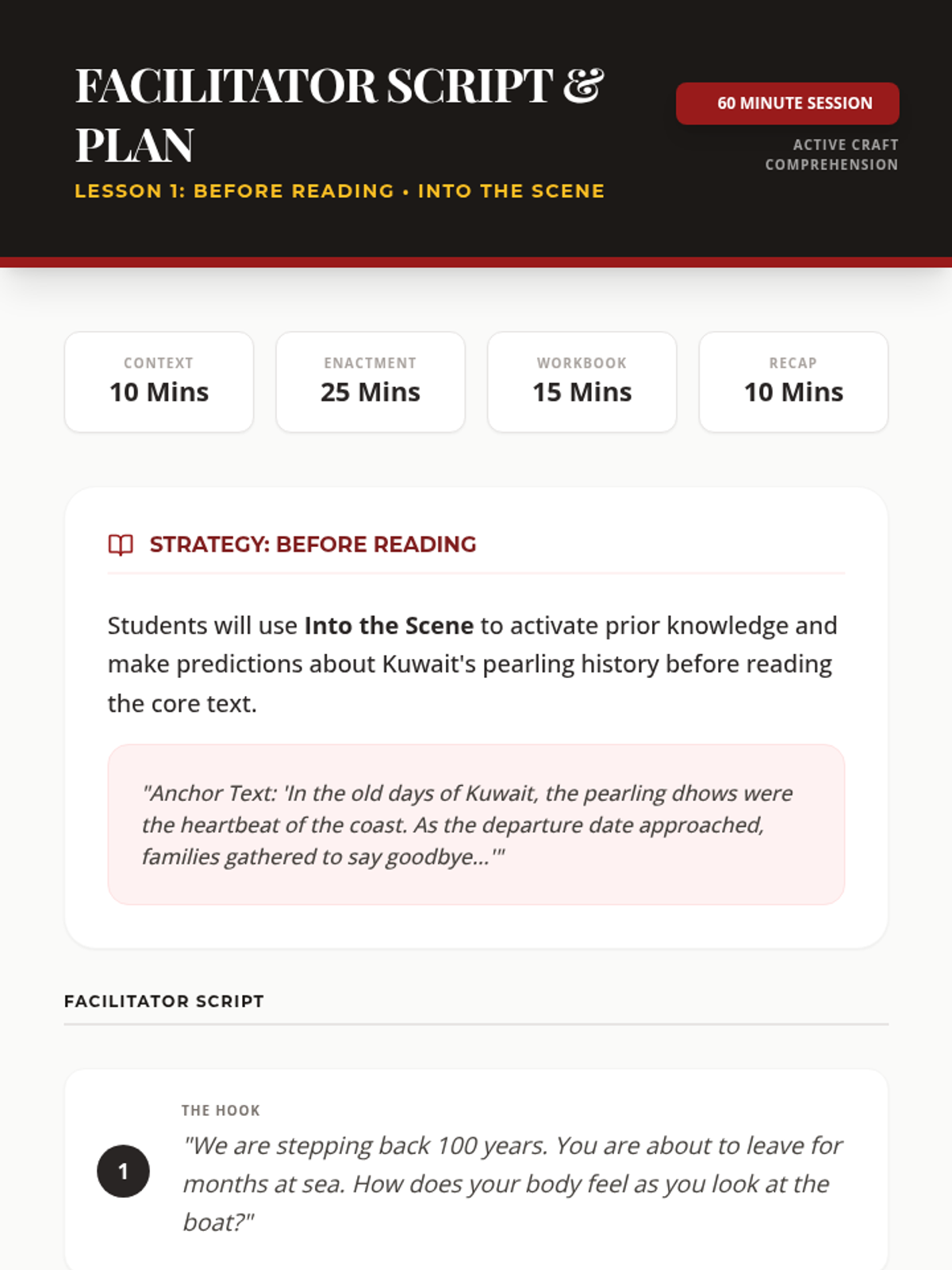
Before Reading Strategy: Introduction to enactment as a tool for prediction and frontloading, focused on Kuwaiti heritage and life in the past.
Consolidating skills into a final performance about students’ actions around the world.
Comparing cultures, traditions, and navigation (directions) using role-play.
Synthesizing information into 'Summary Sculptures' focused on food items and healthy lifestyles.
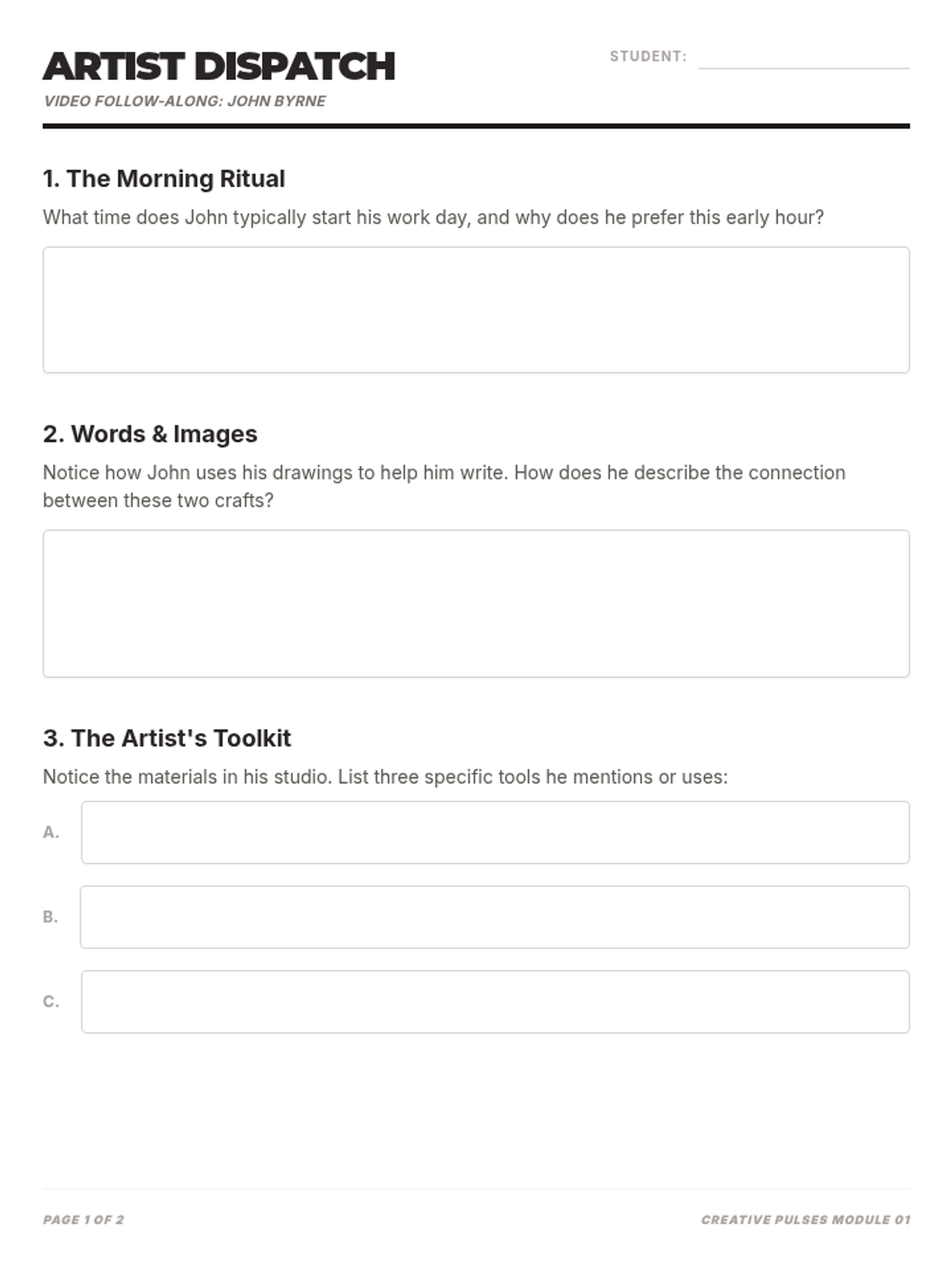
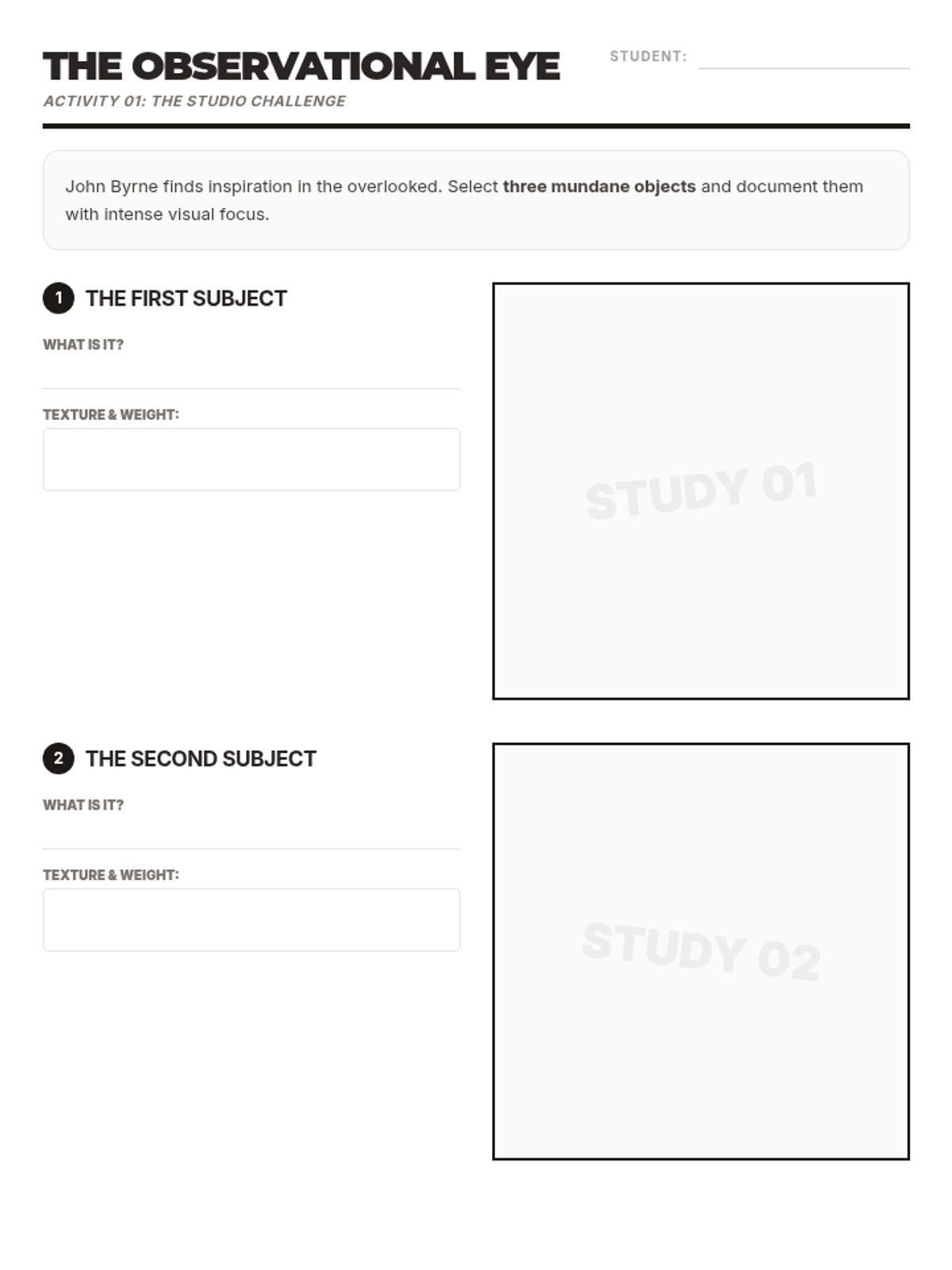
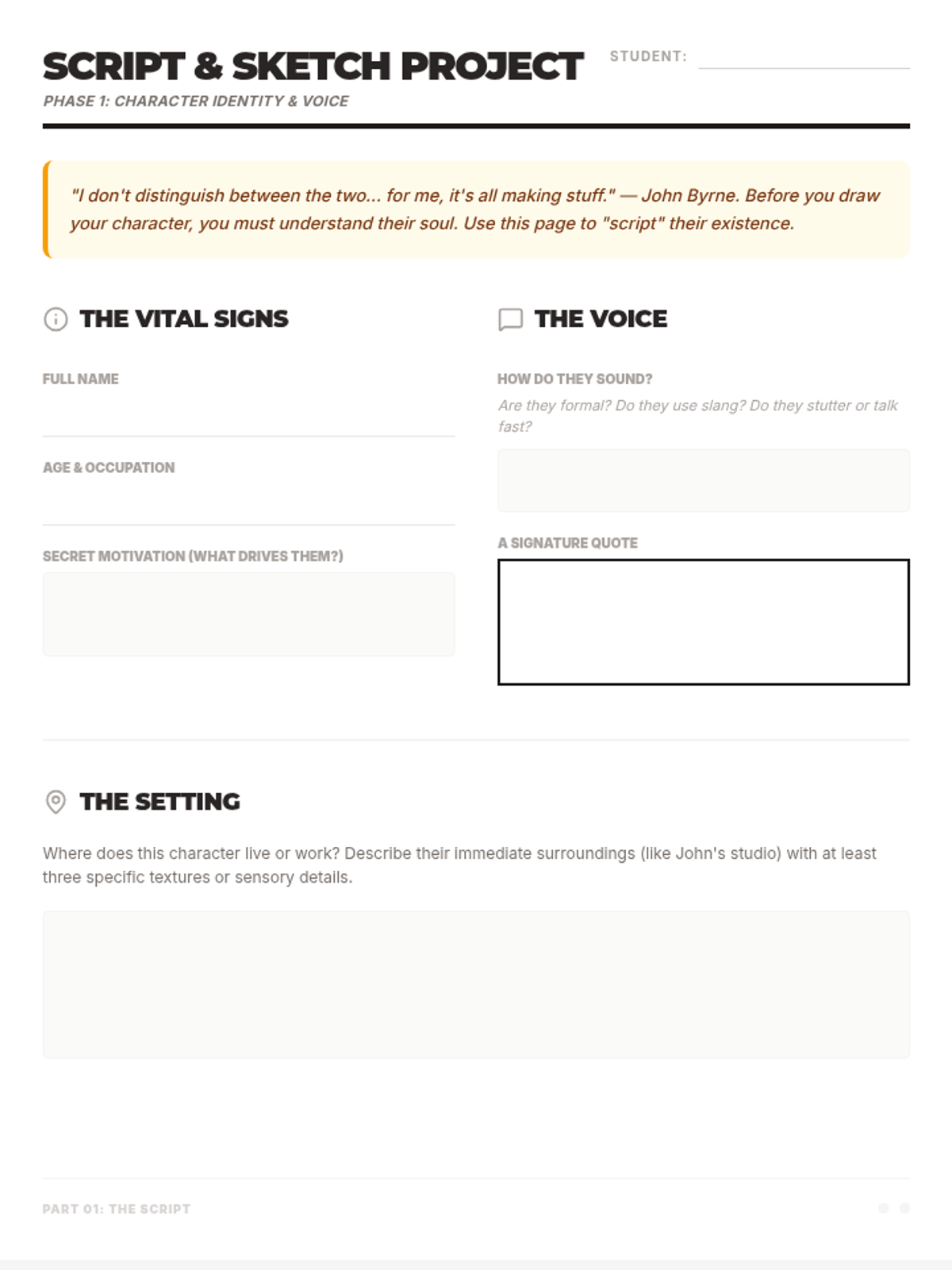
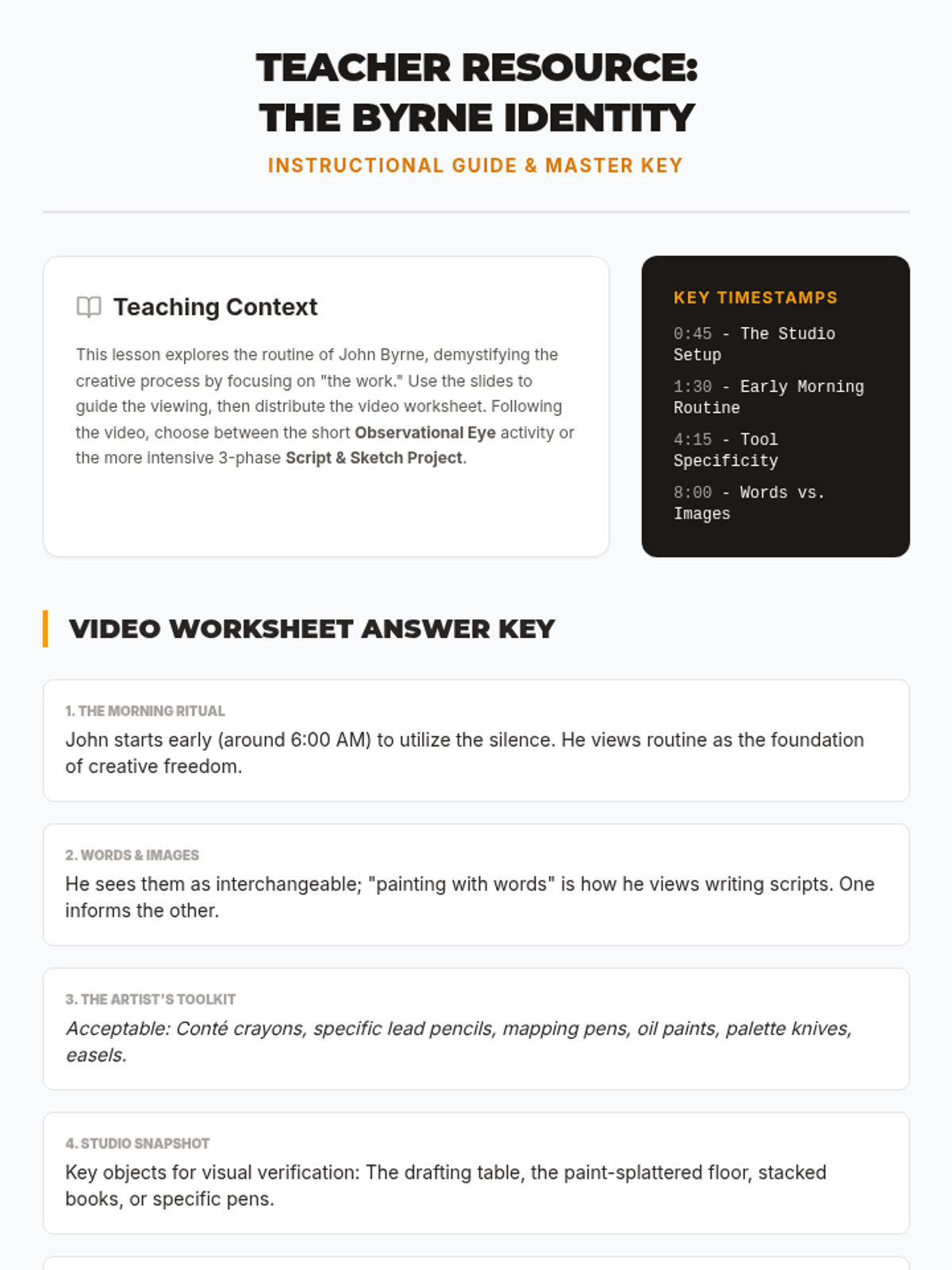
An in-depth look at John Byrne's daily life as a painter and playwright, focusing on his studio habits, materials, and the intersection of visual art and storytelling.
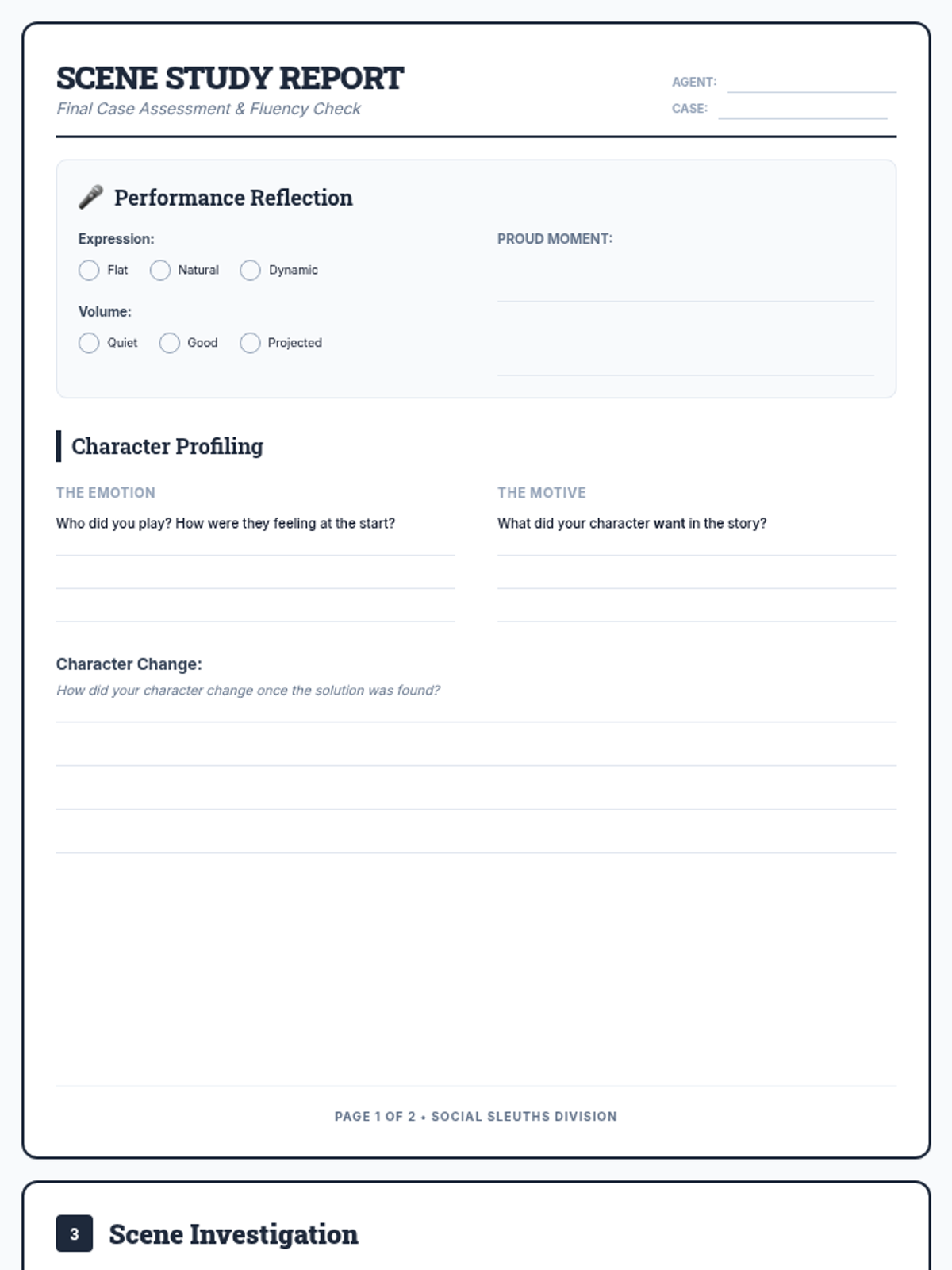
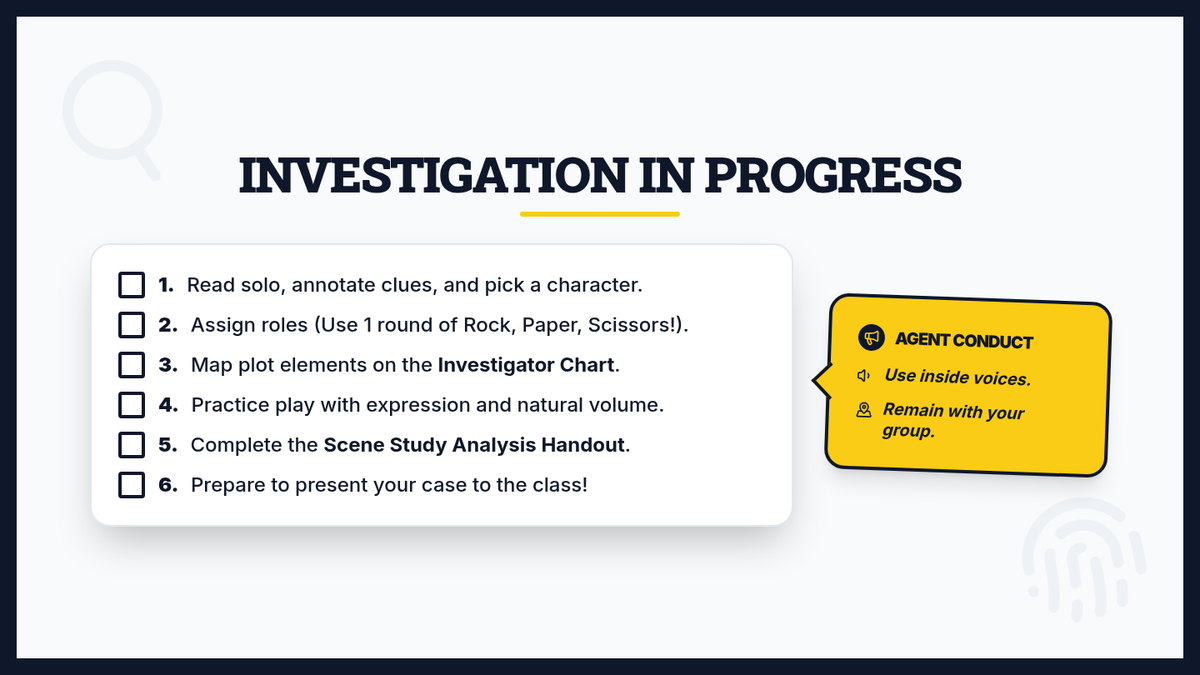
Students work in small groups to rehearse and perform mystery plays, analyzing their specific plot structures and reflecting on social-emotional themes.
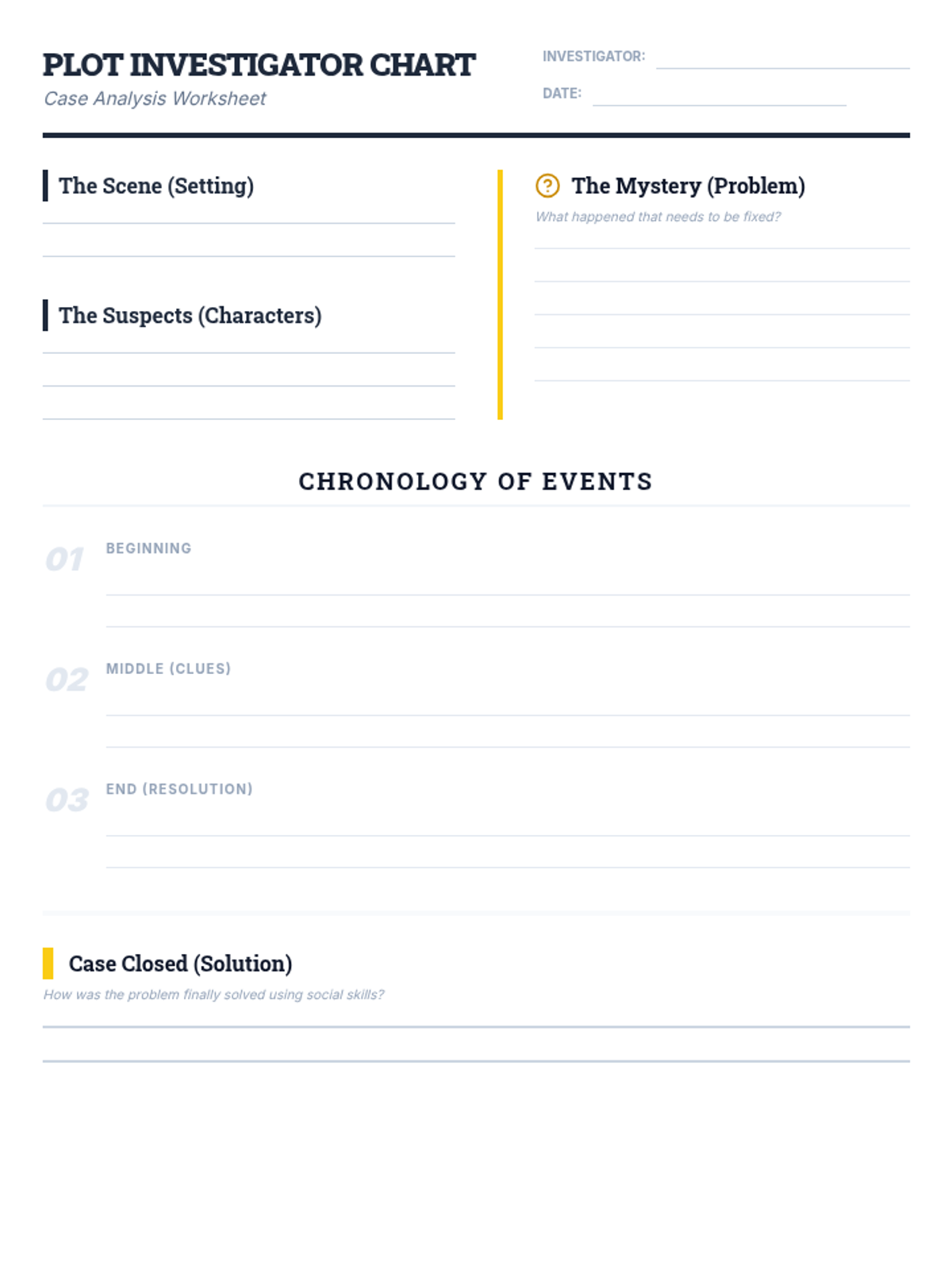
Students learn the fundamental components of a play script and use a model play to identify setting, characters, and plot structure.
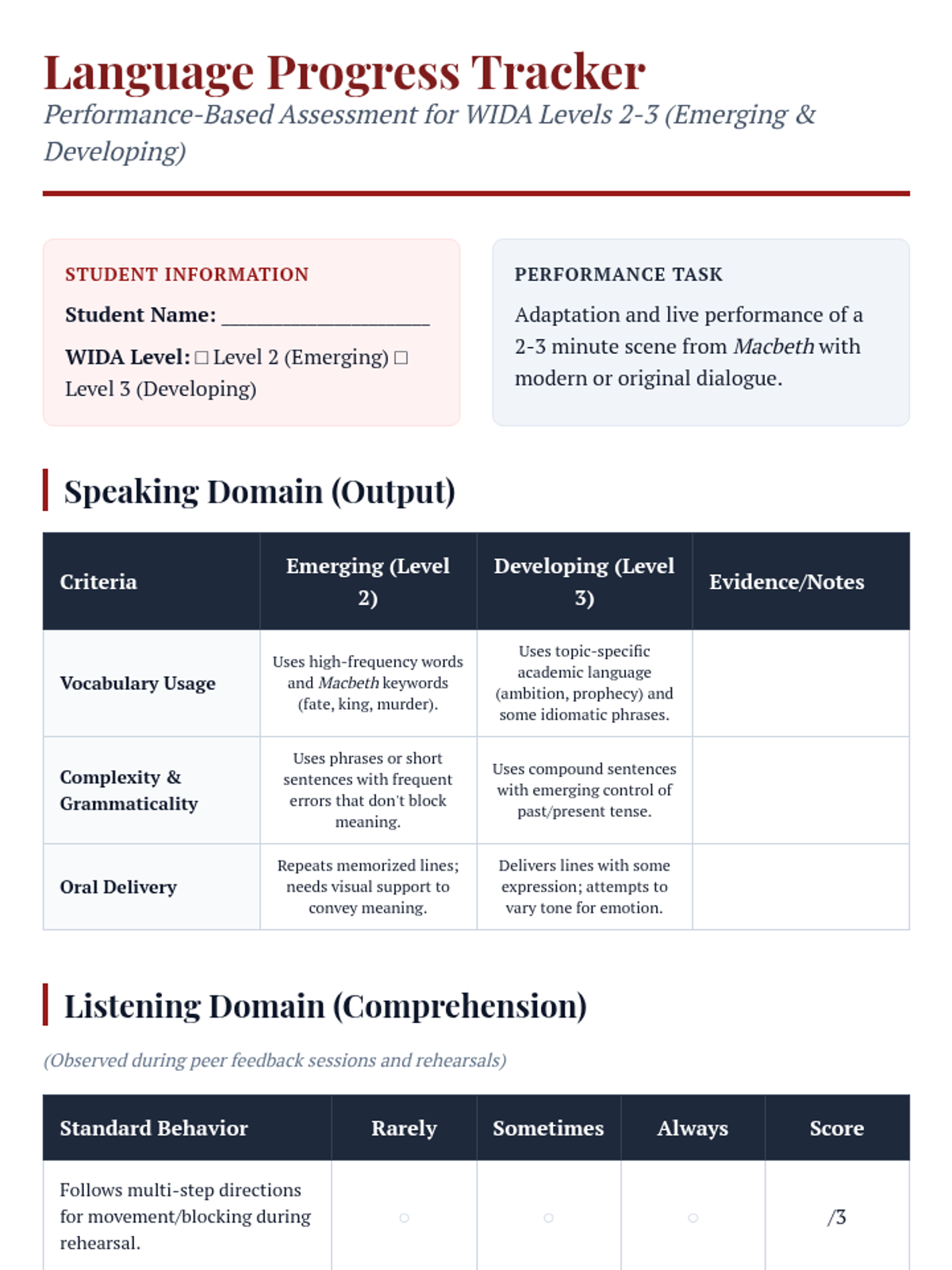
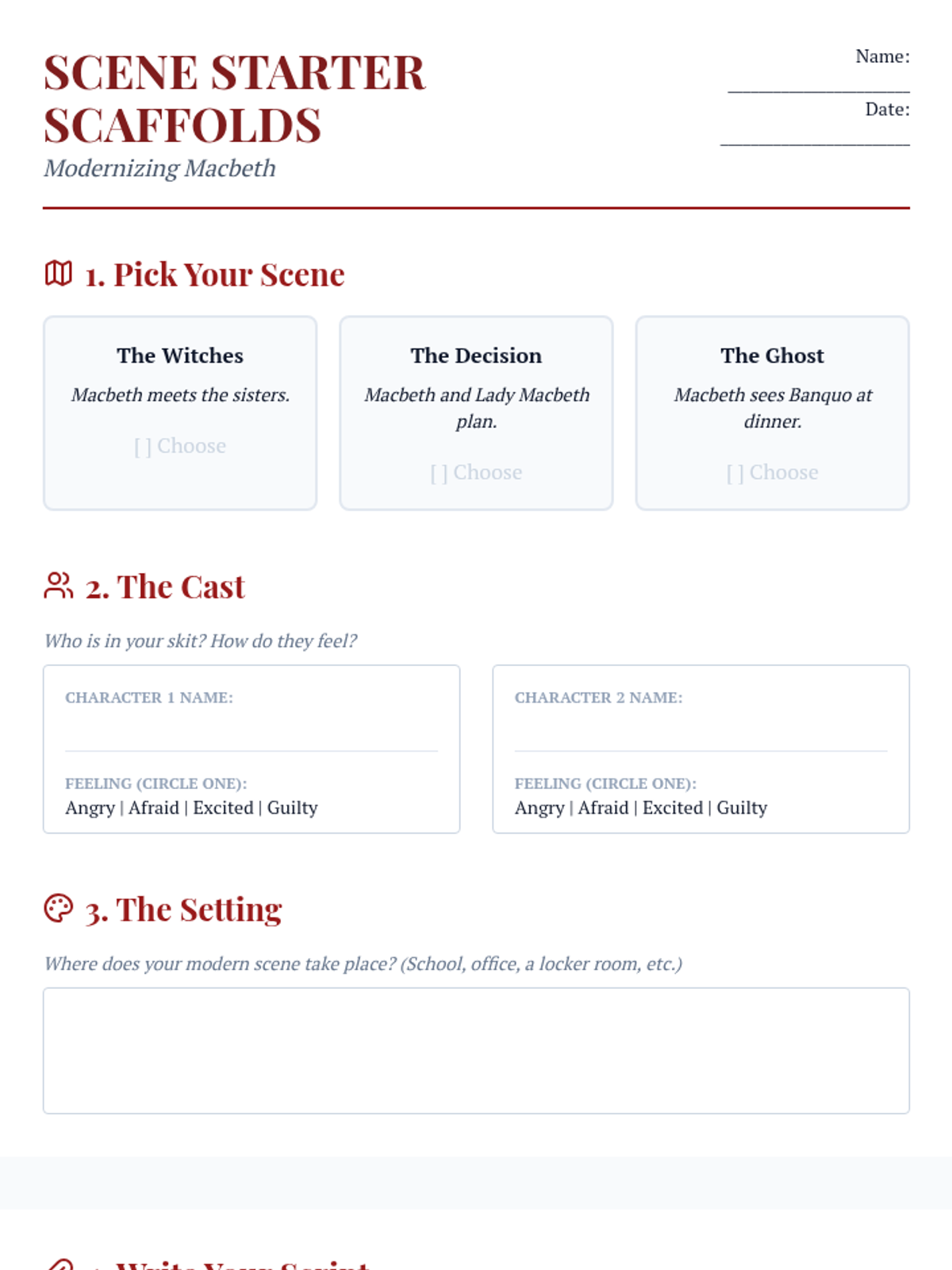
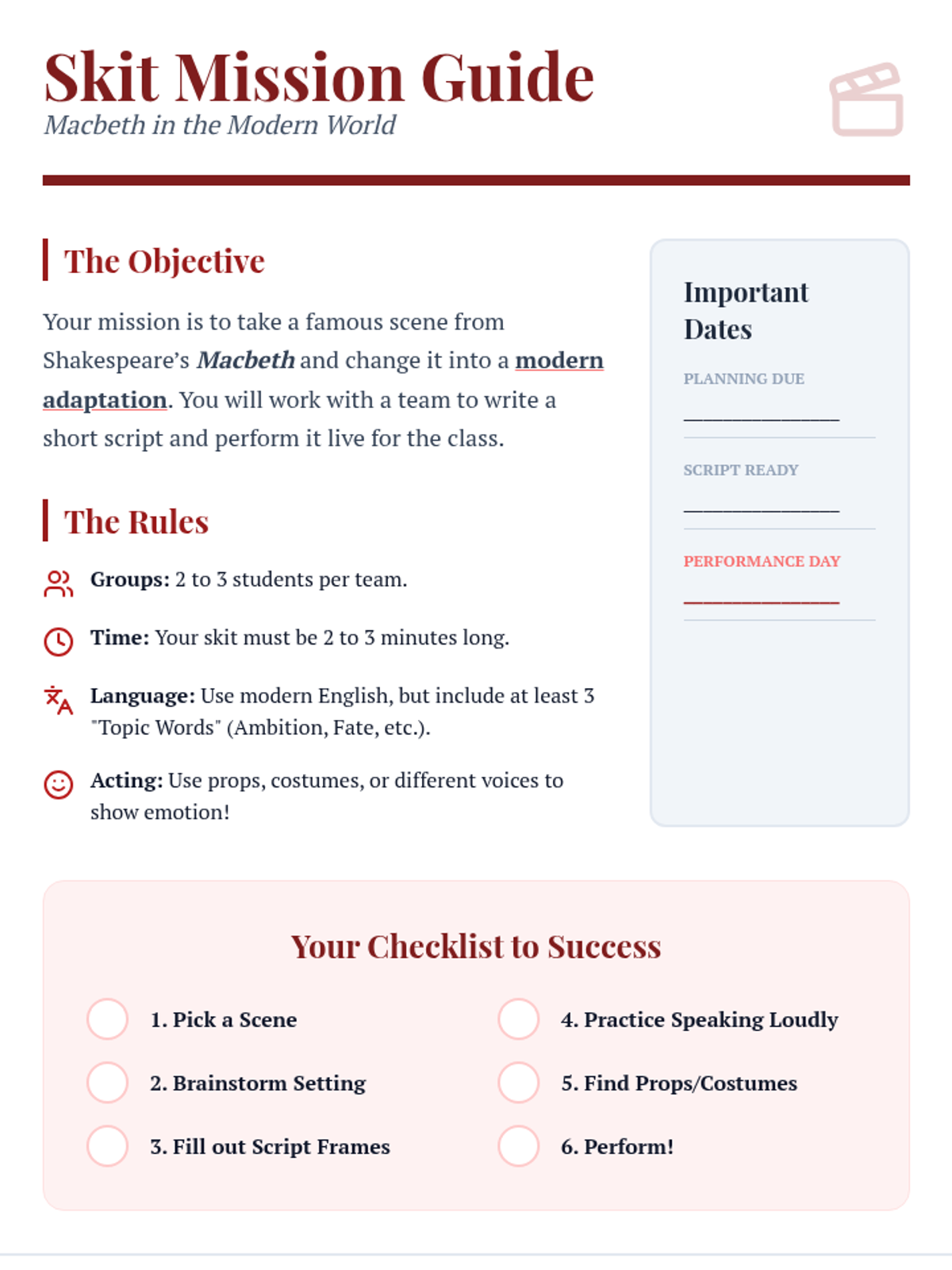
A performance-based task where students adapt and perform scenes from Macbeth. It includes specific scaffolds and assessment tools designed for WIDA Level 2-3 ELLs to demonstrate growth in speaking and listening.
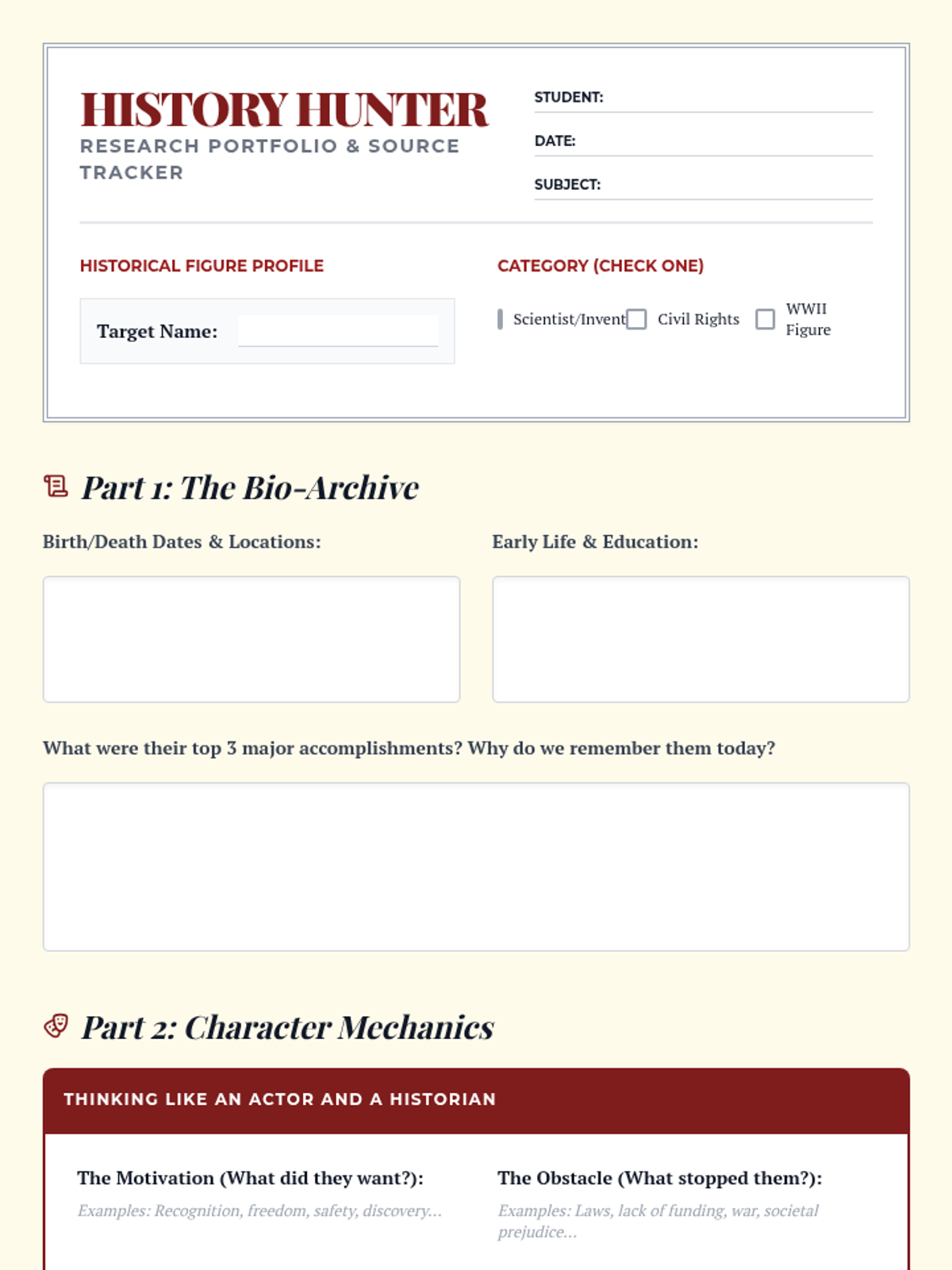
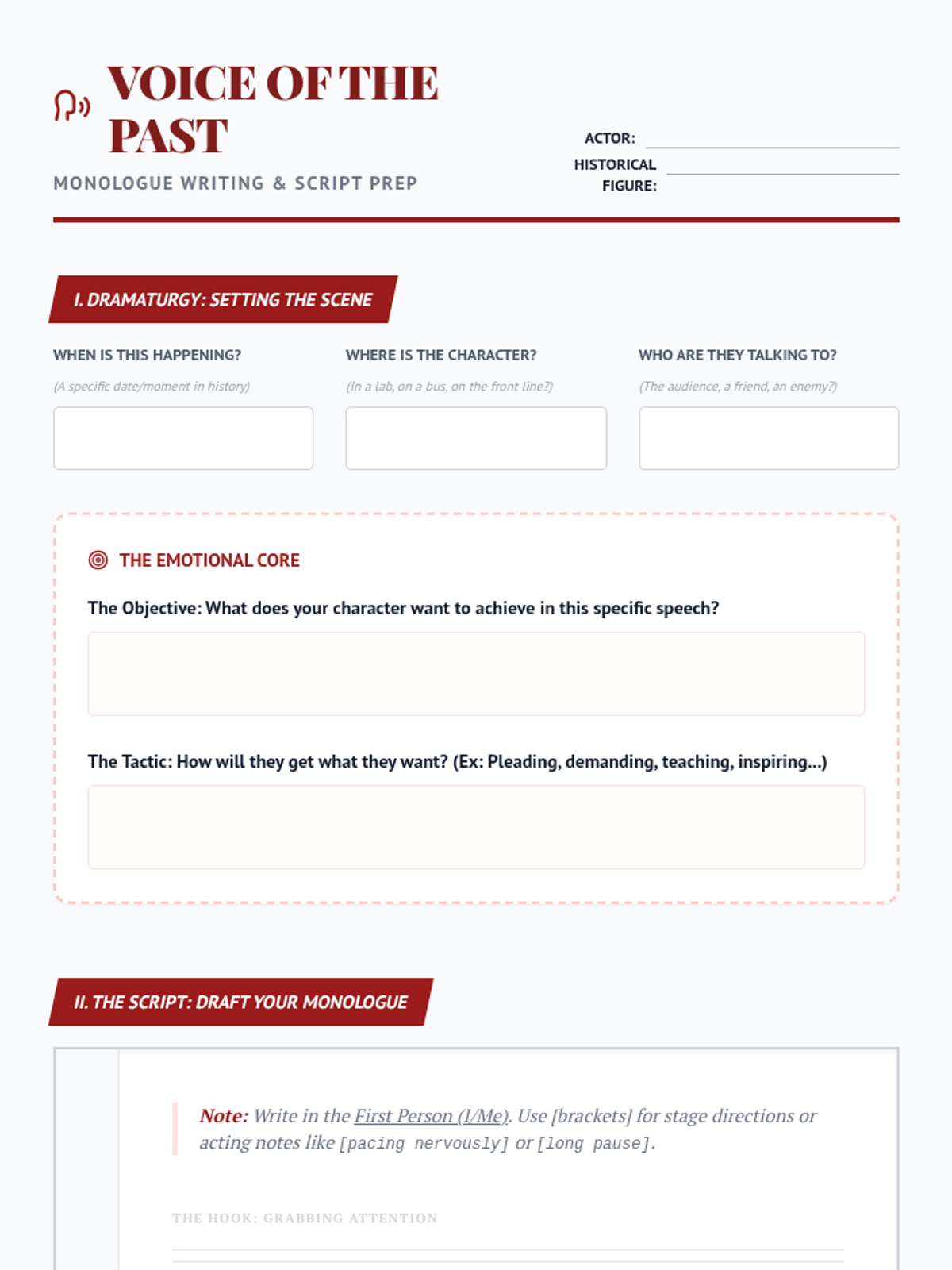
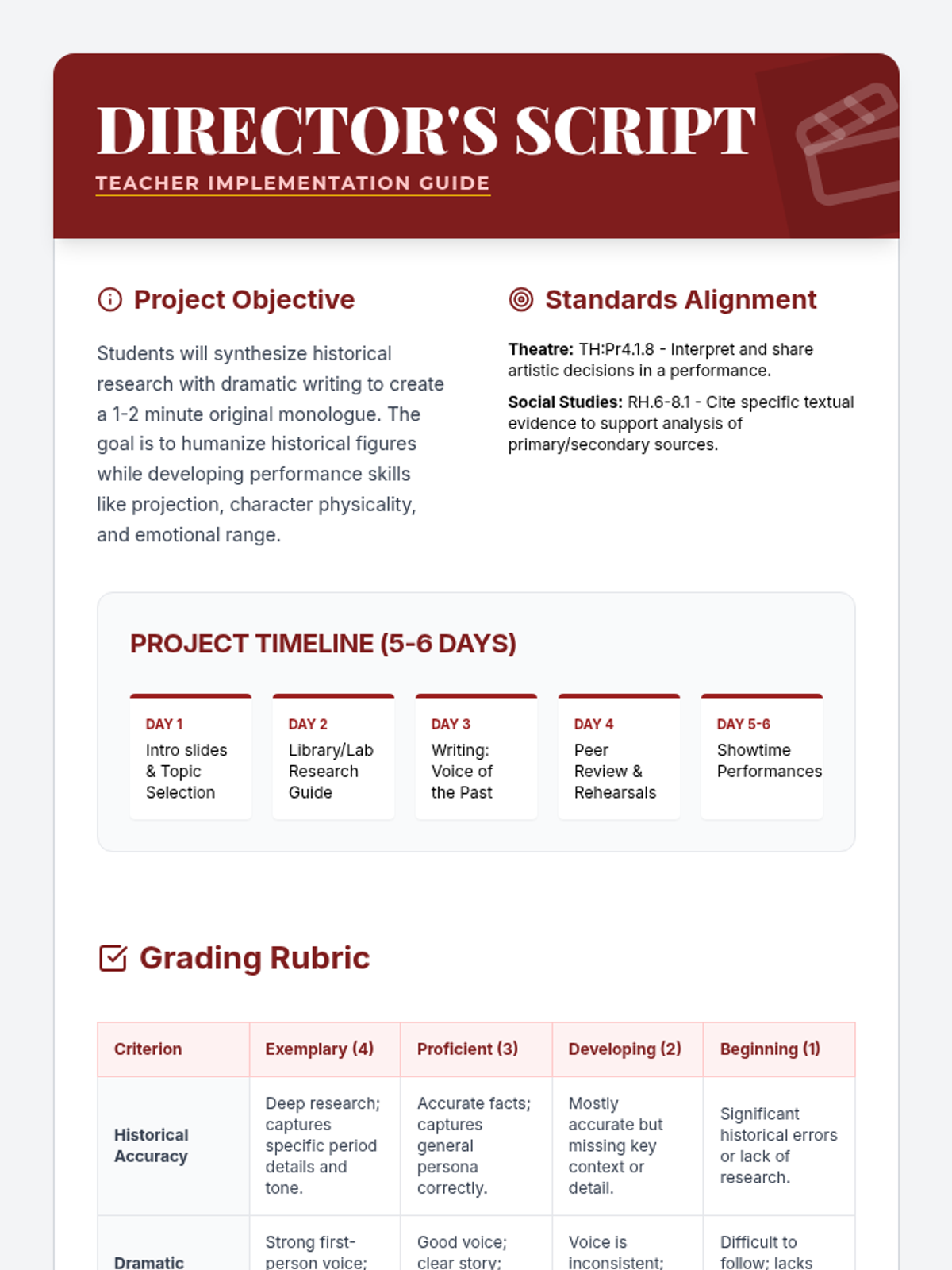
A cross-curricular project where students research a significant historical figure from the fields of science, civil rights, or WWII and transform their findings into a compelling 1-2 minute theatrical monologue. Students develop both historical inquiry skills and dramatic performance techniques.
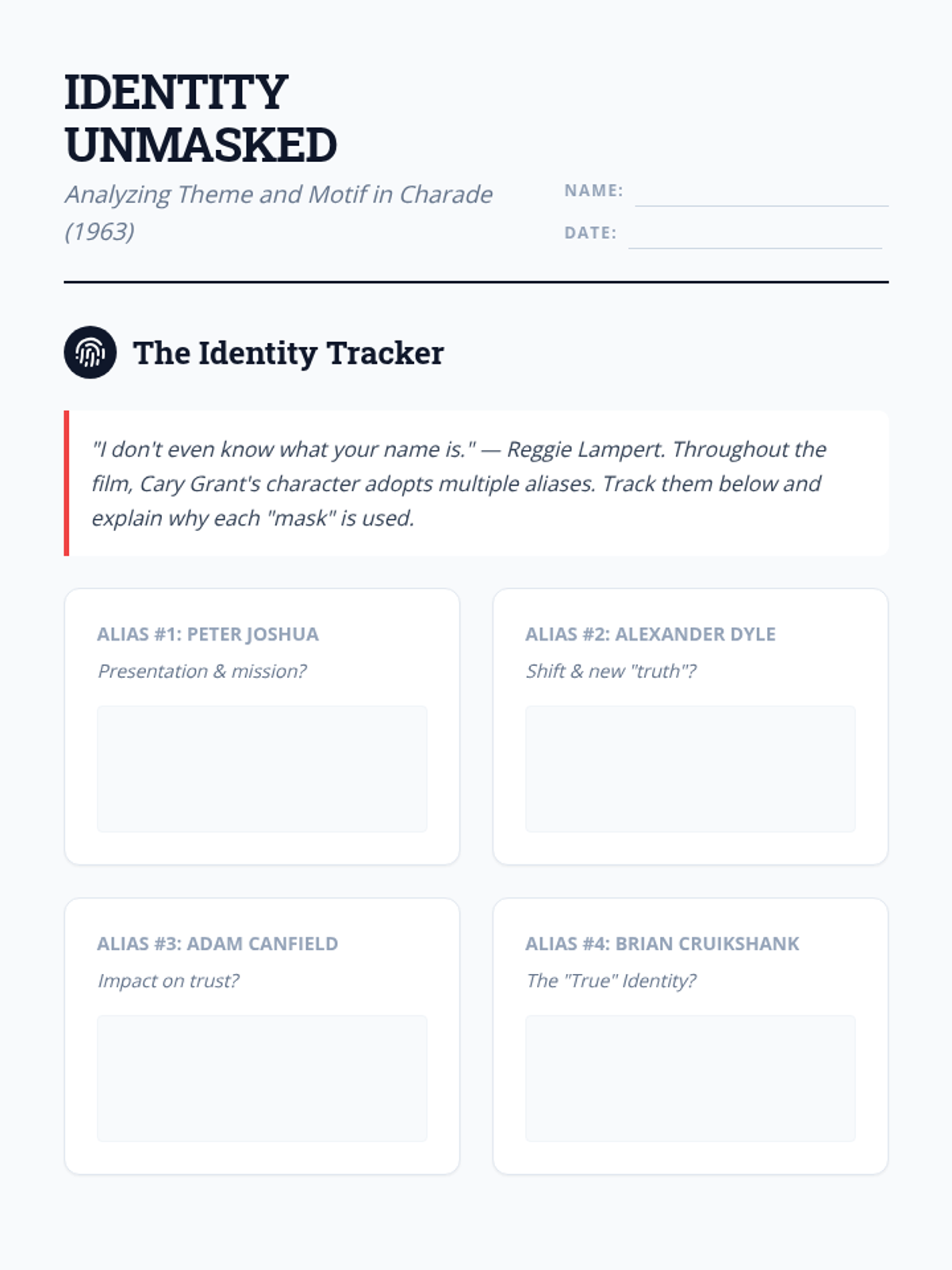
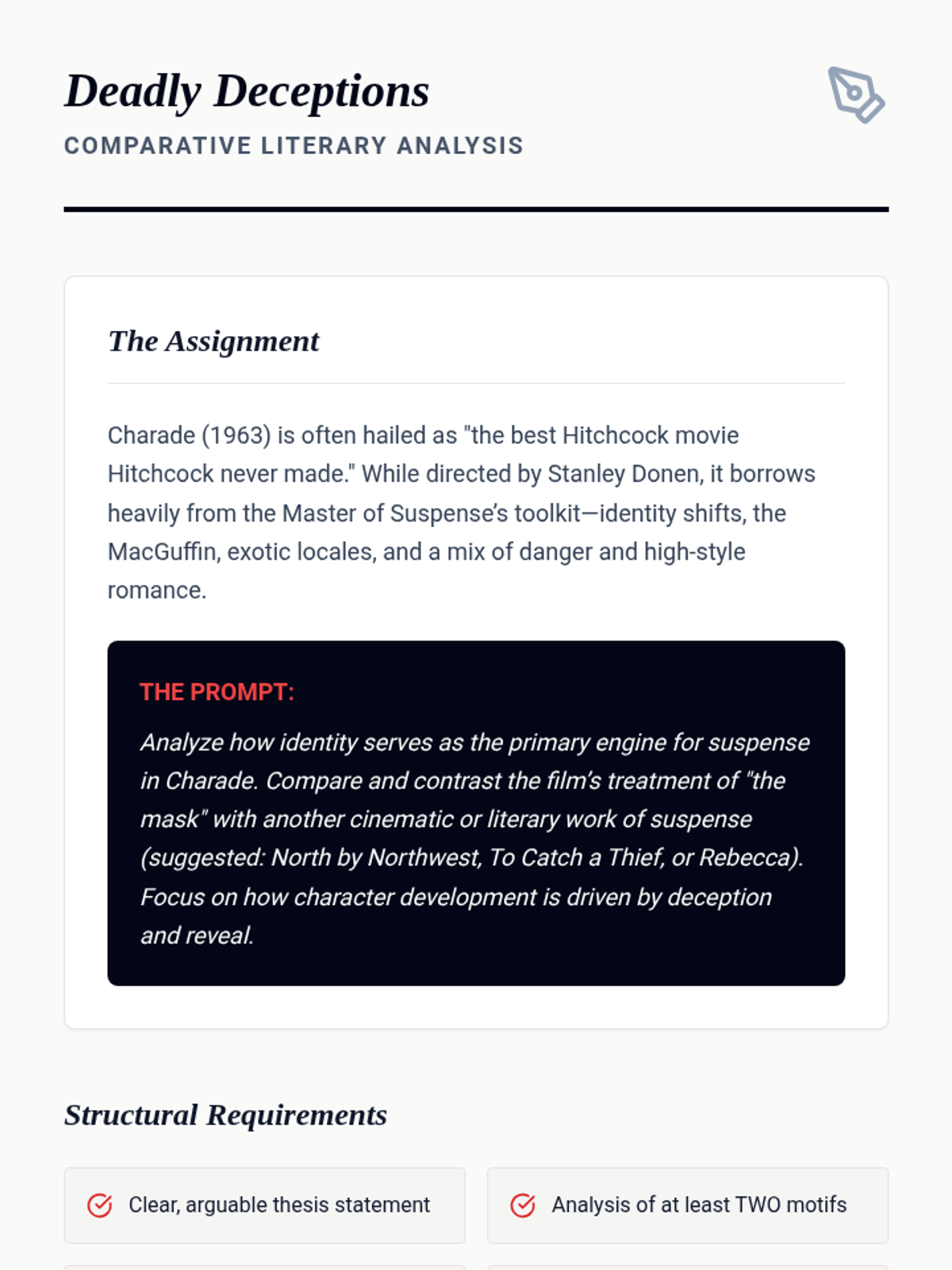
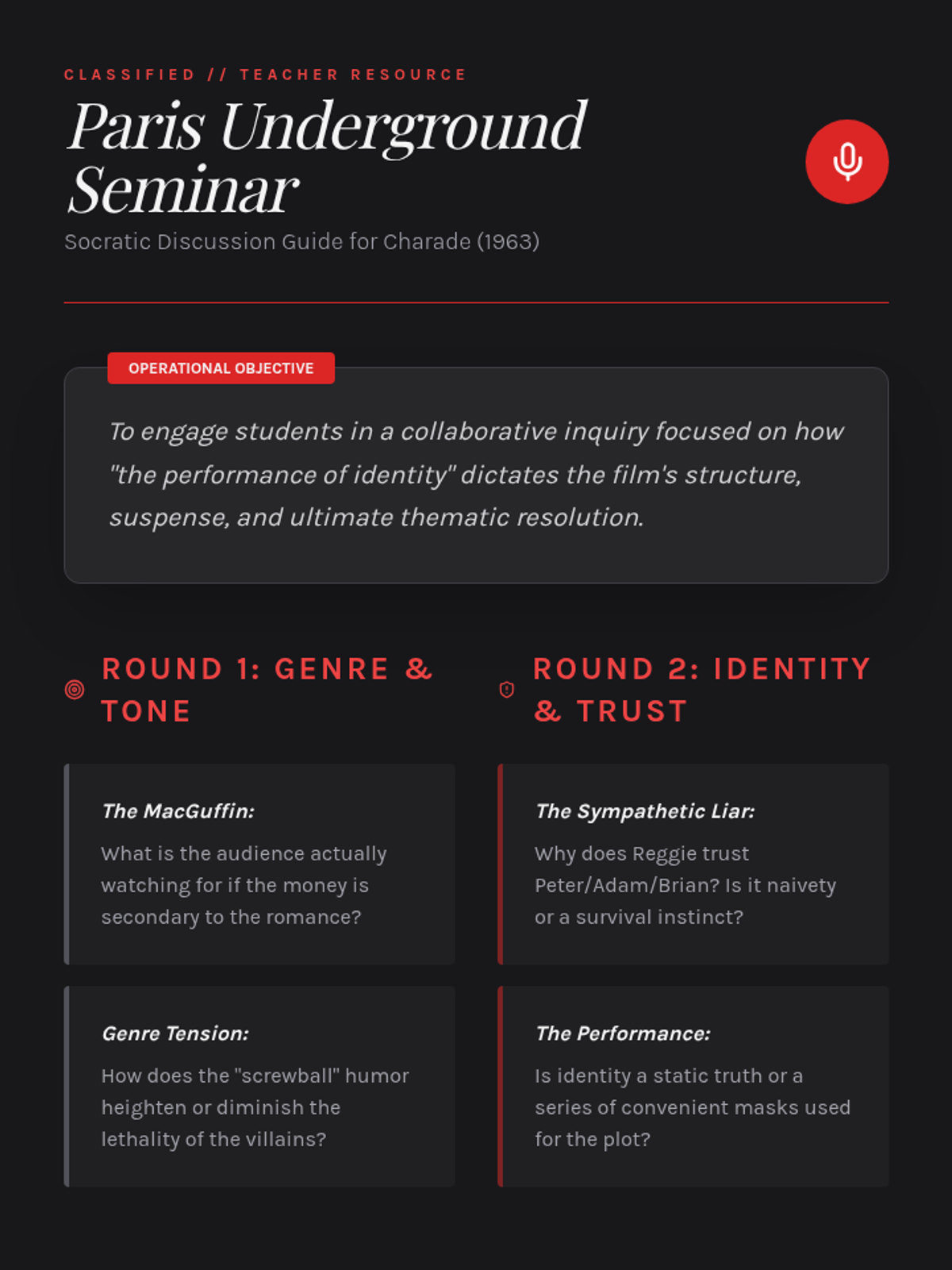
A deep dive into the 1963 film Charade, exploring its unique blend of romantic comedy and suspense, the fluidity of identity, and the use of visual metaphors. Students analyze genre conventions, irony, and symbolism through a cinematic lens.