Focusing on 'The Very Hungry Caterpillar,' this lesson teaches students about the life cycle of a butterfly through the lens of Eric Carle's signature tissue paper collage technique.
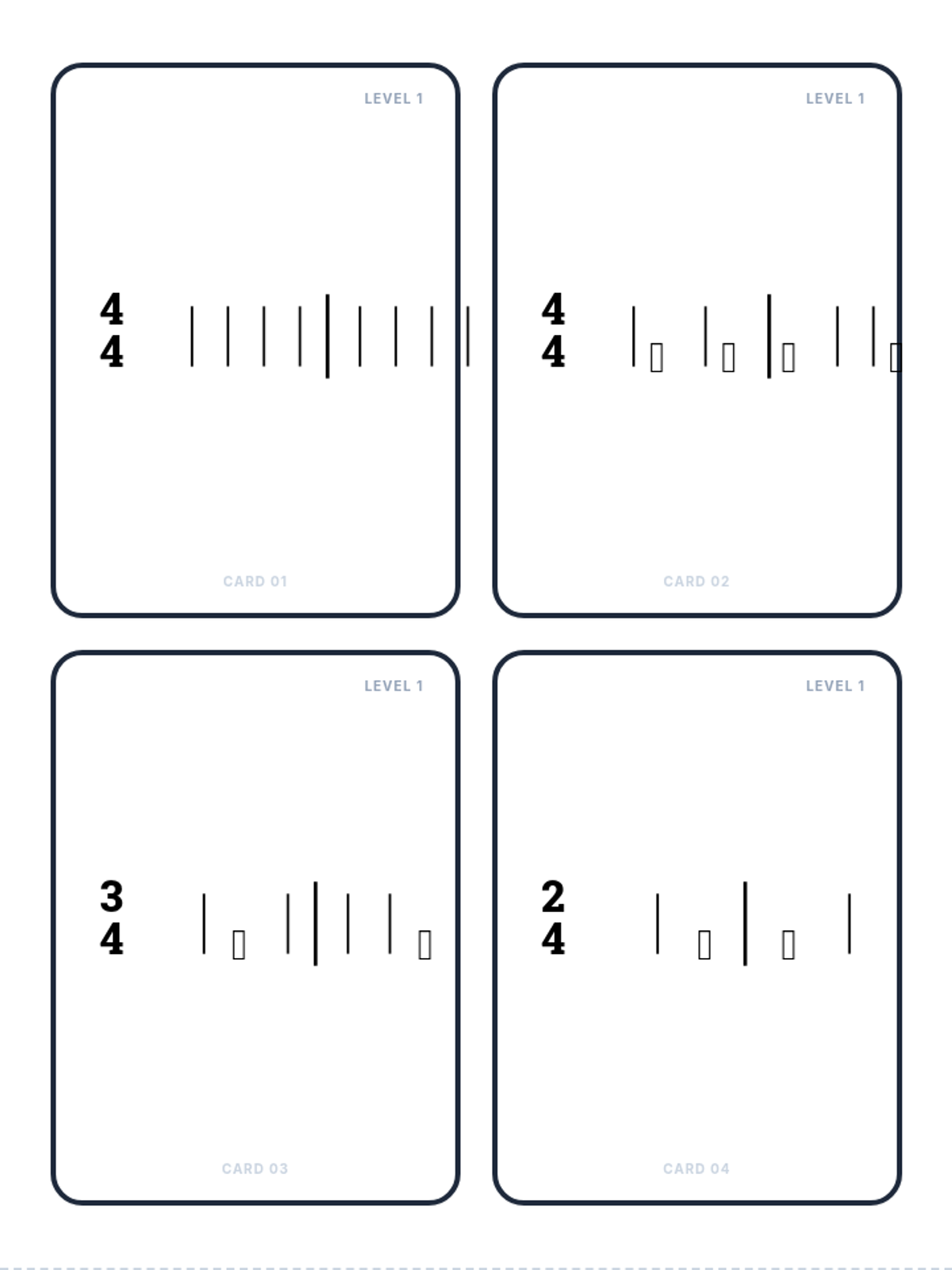
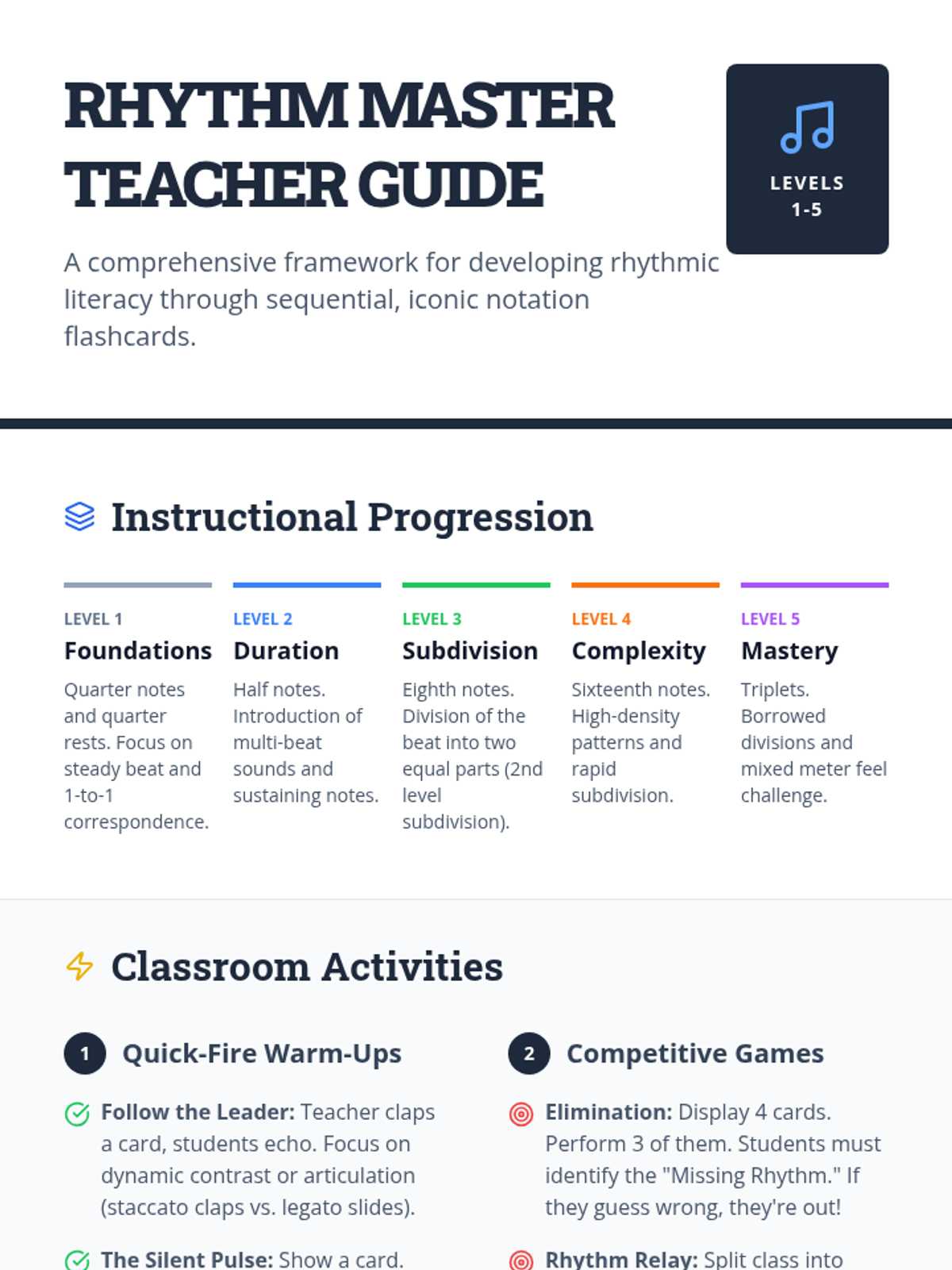
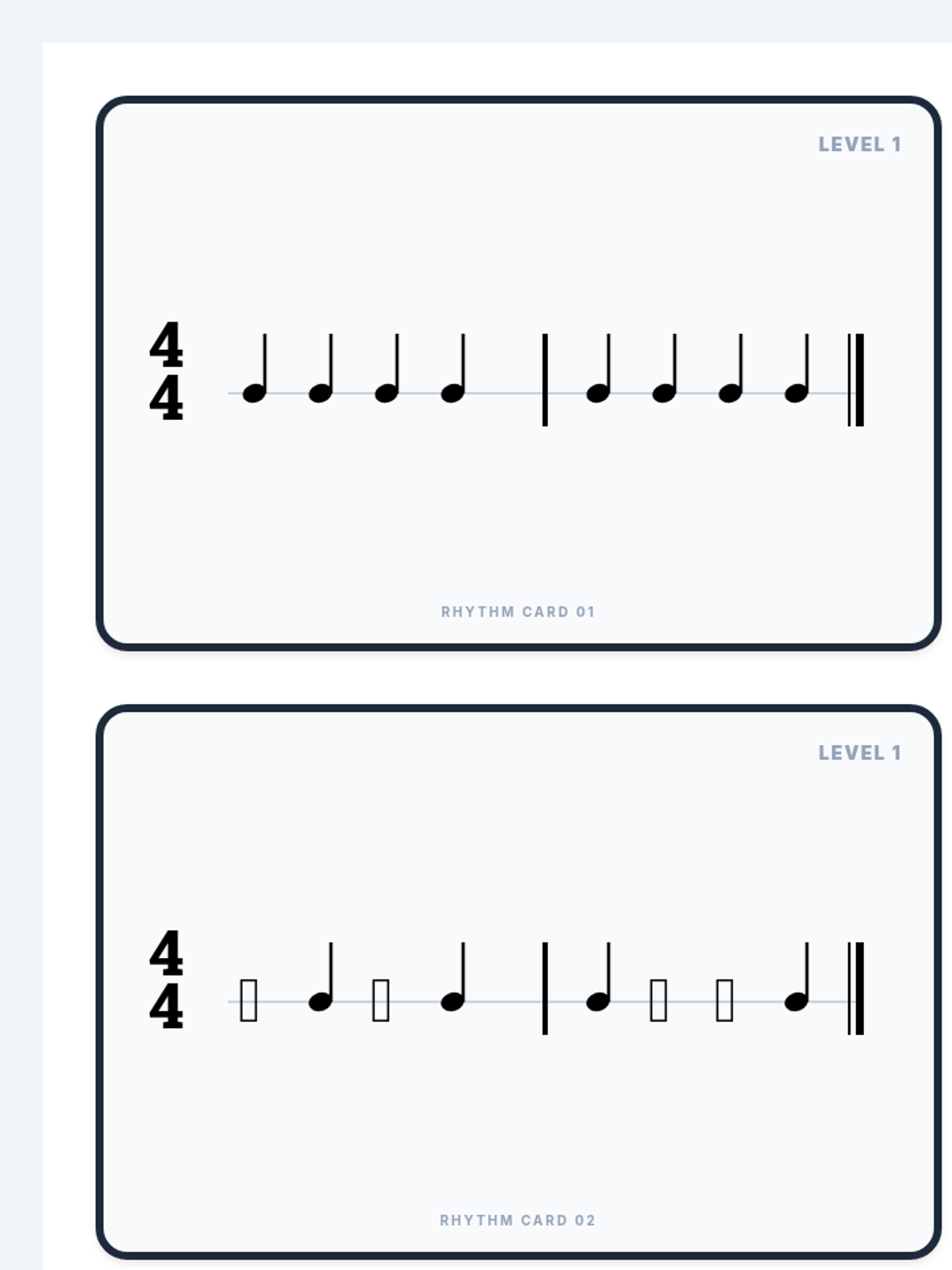
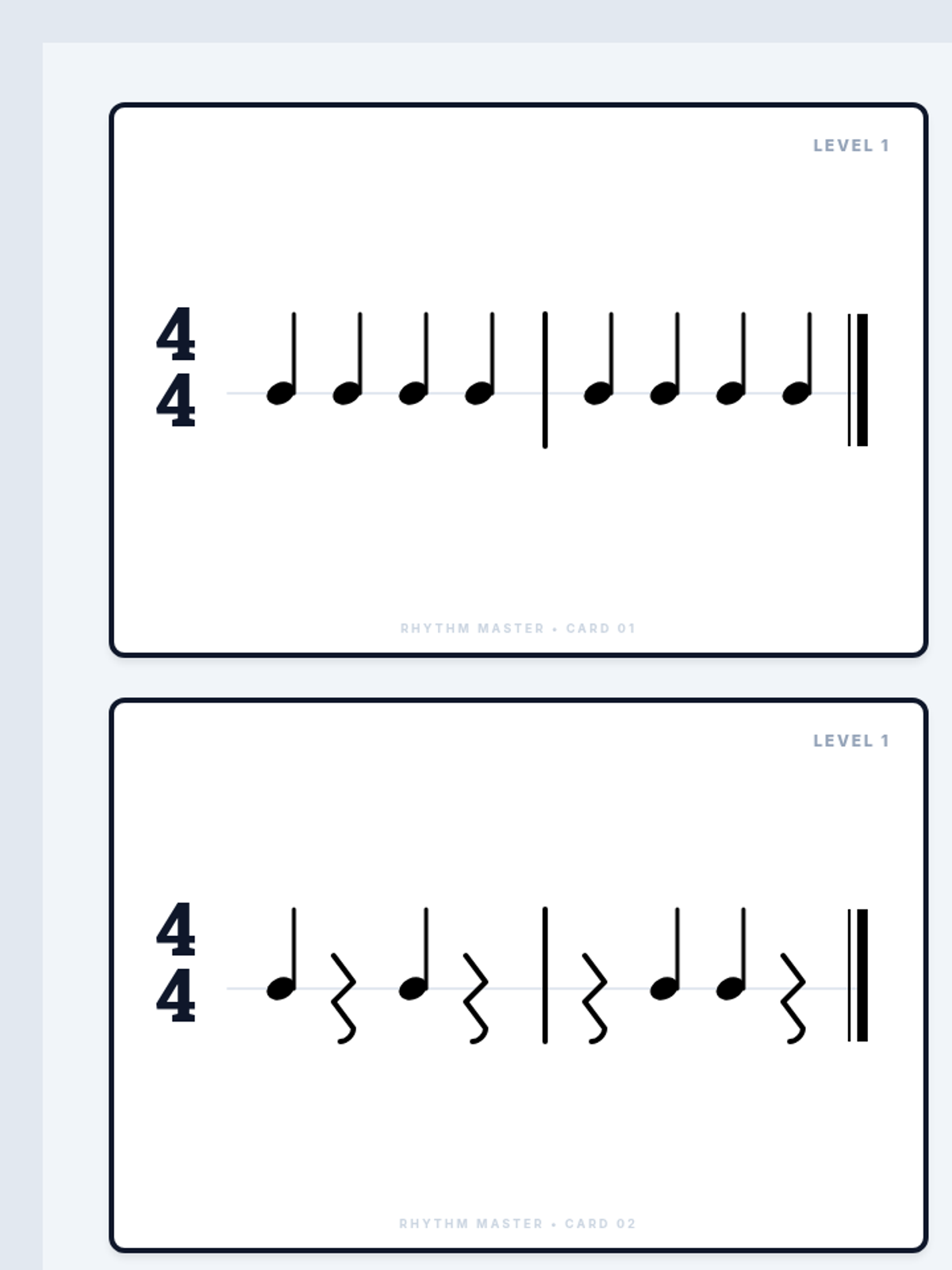
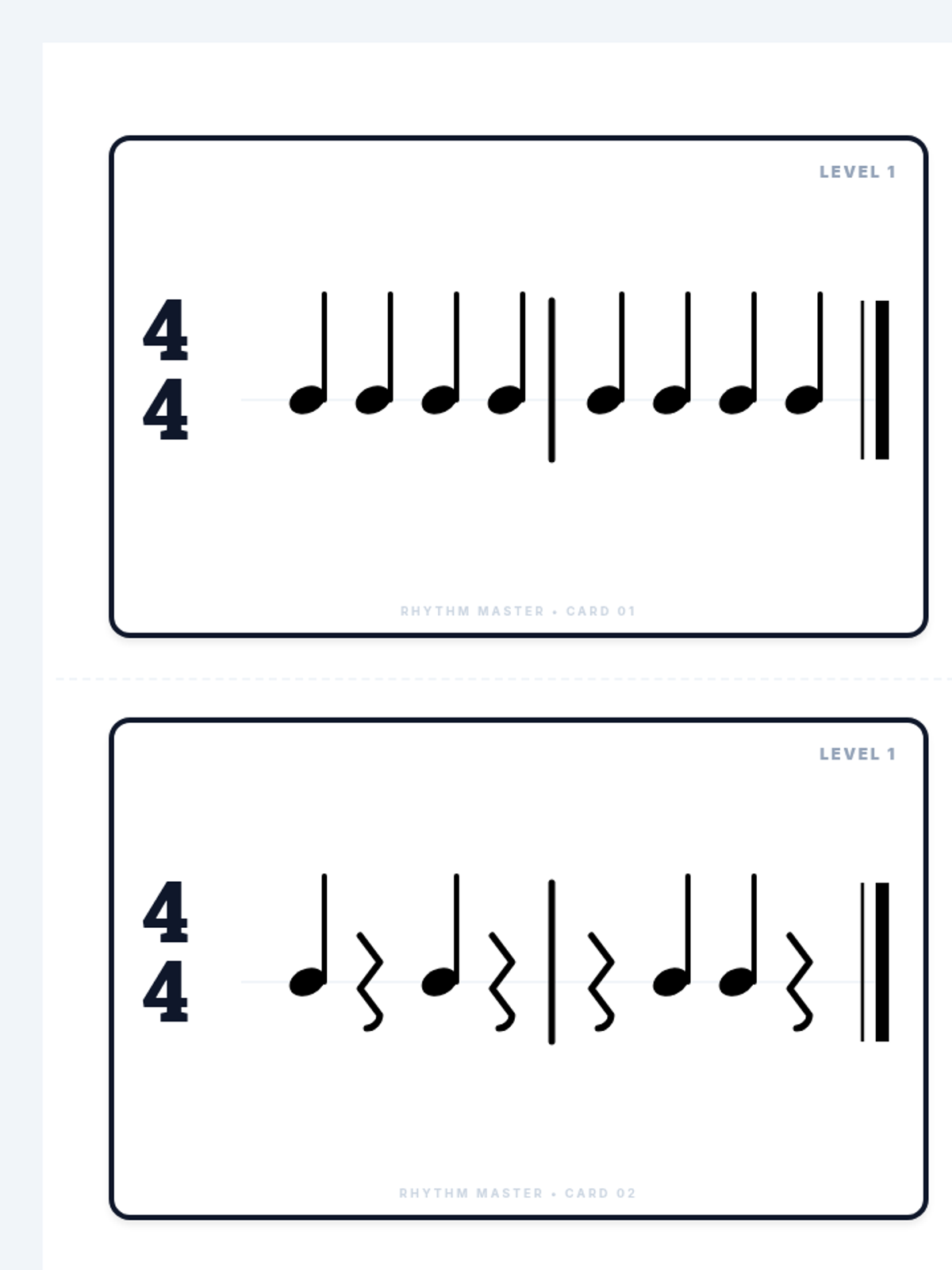
A series of rhythm reading flashcards and a teacher's guide covering basic to advanced rhythmic patterns. Activities progress from quarter notes and rests to complex sixteenth notes and triplets across multiple time signatures.
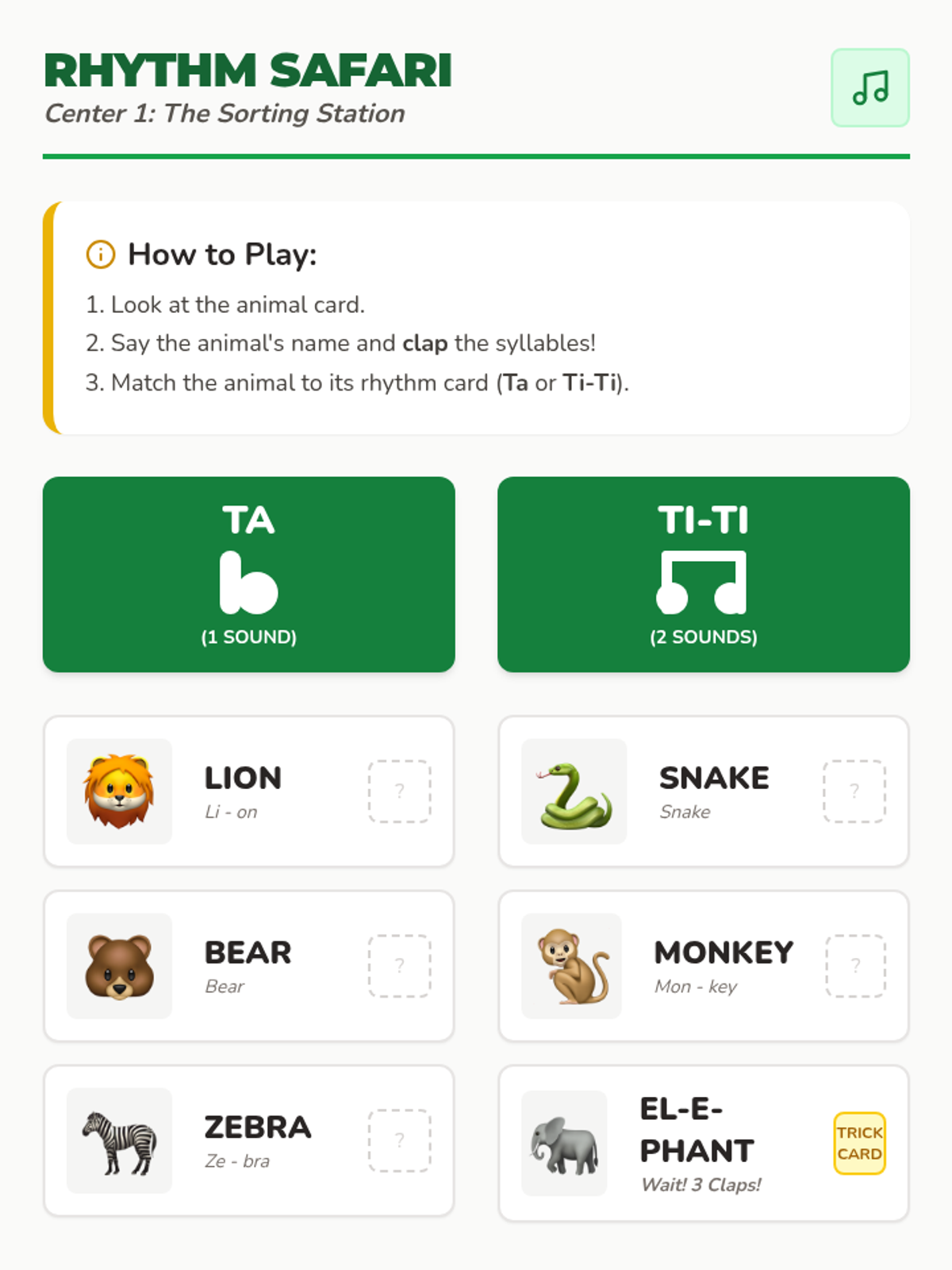
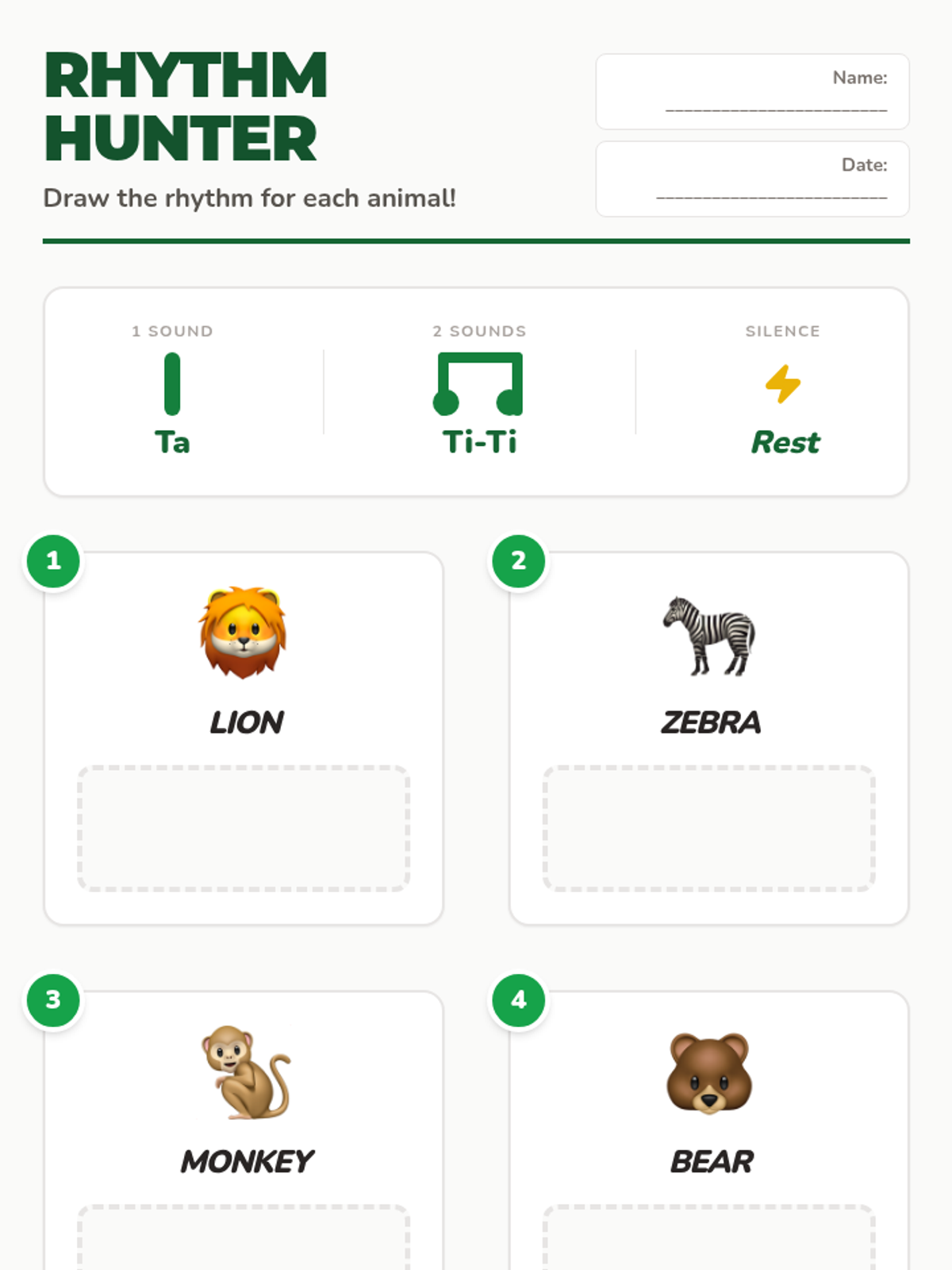
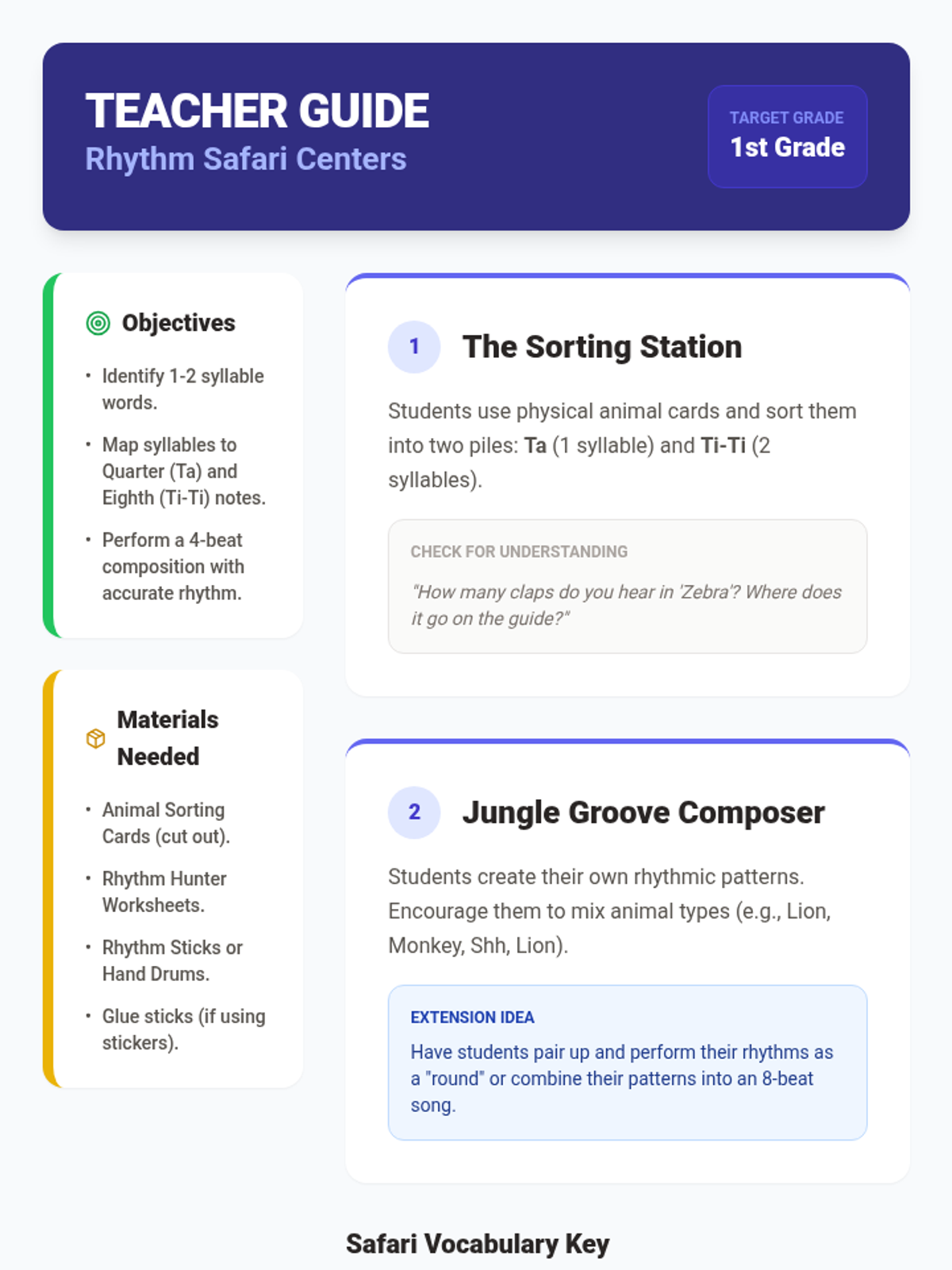
A series of music center activities for first graders to connect word syllables to rhythmic notation (Ta and Ti-Ti) through a zoo animal theme. Students will sort animal names by rhythm and create their own rhythmic patterns.
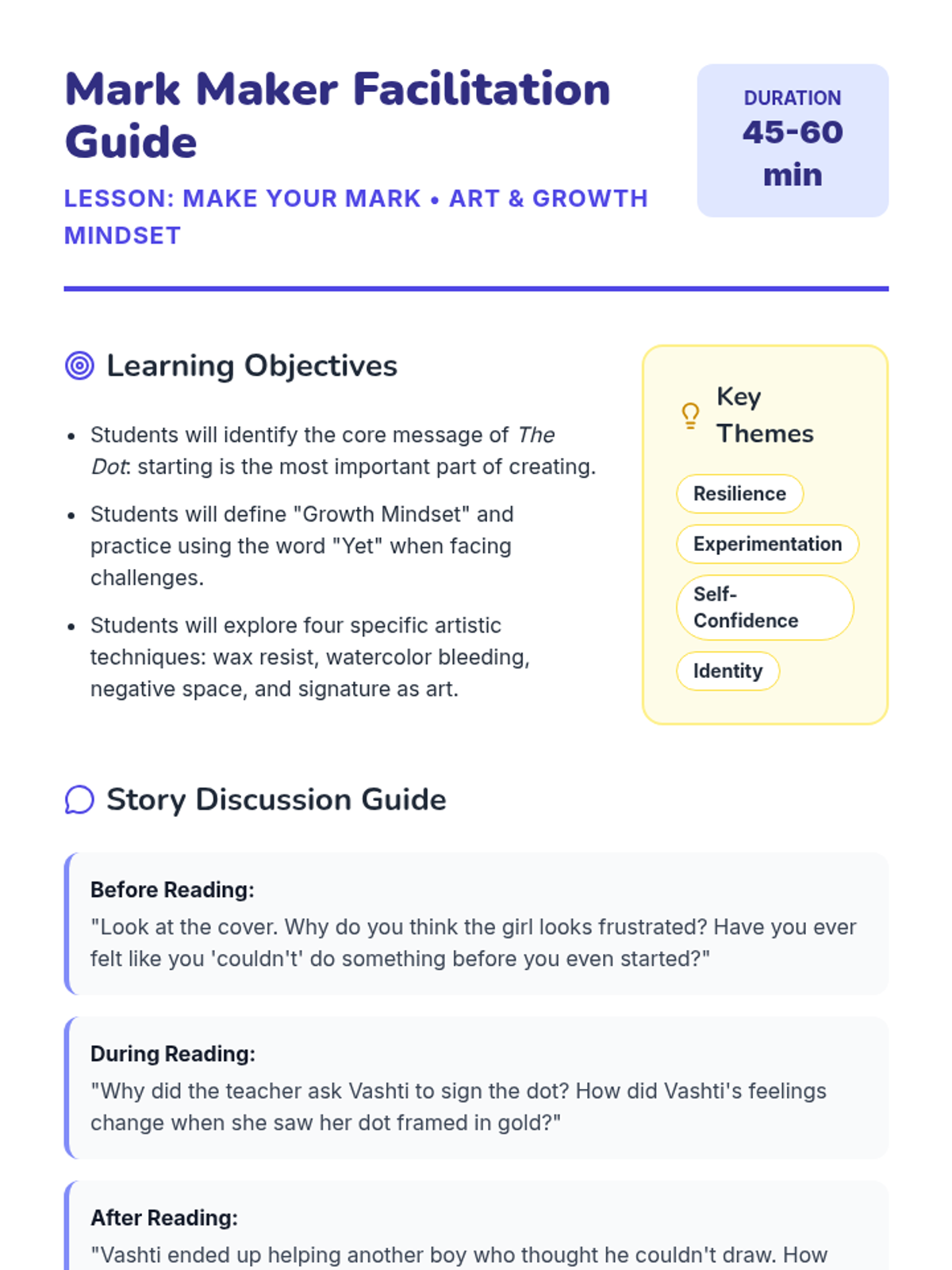
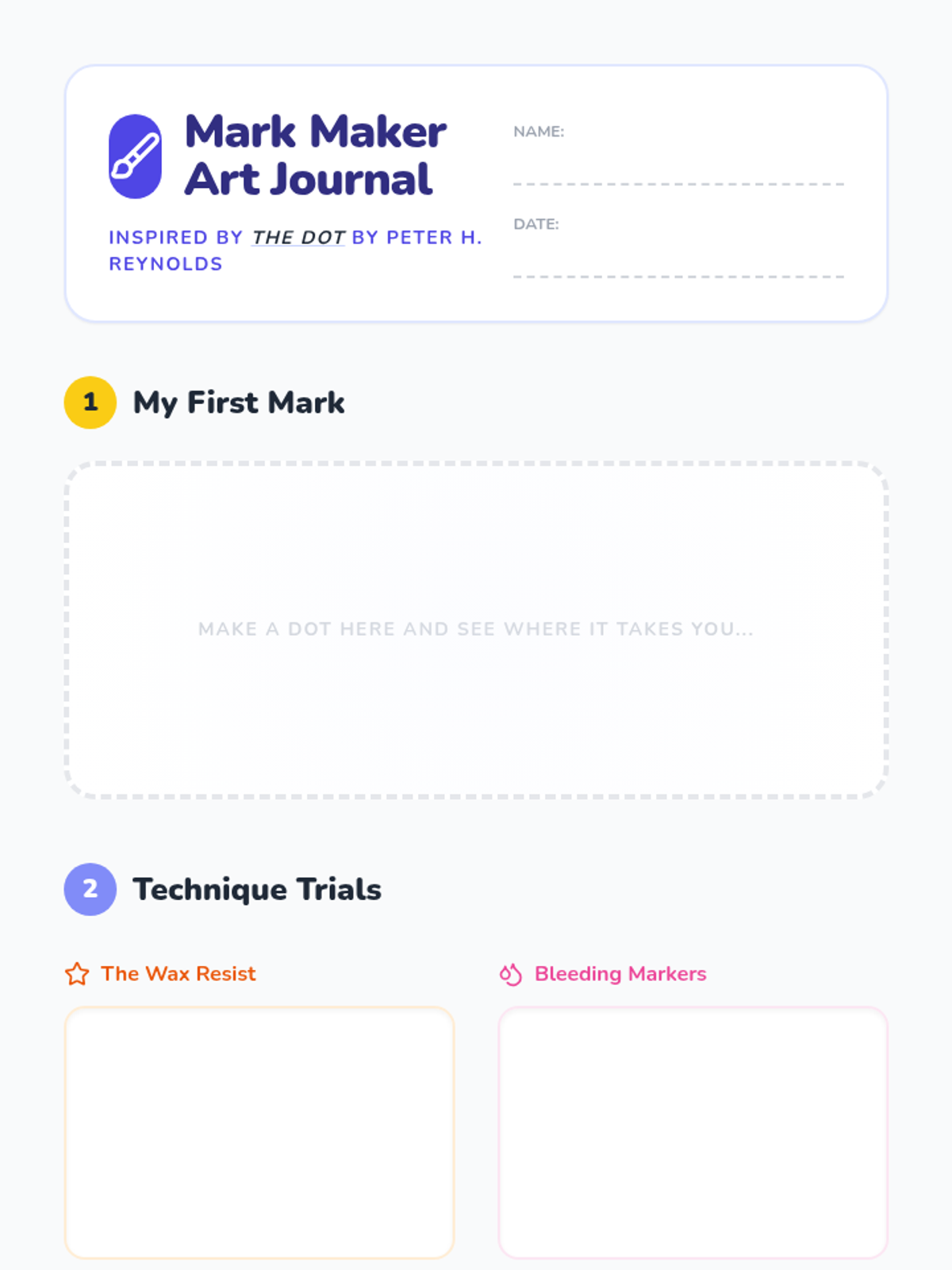
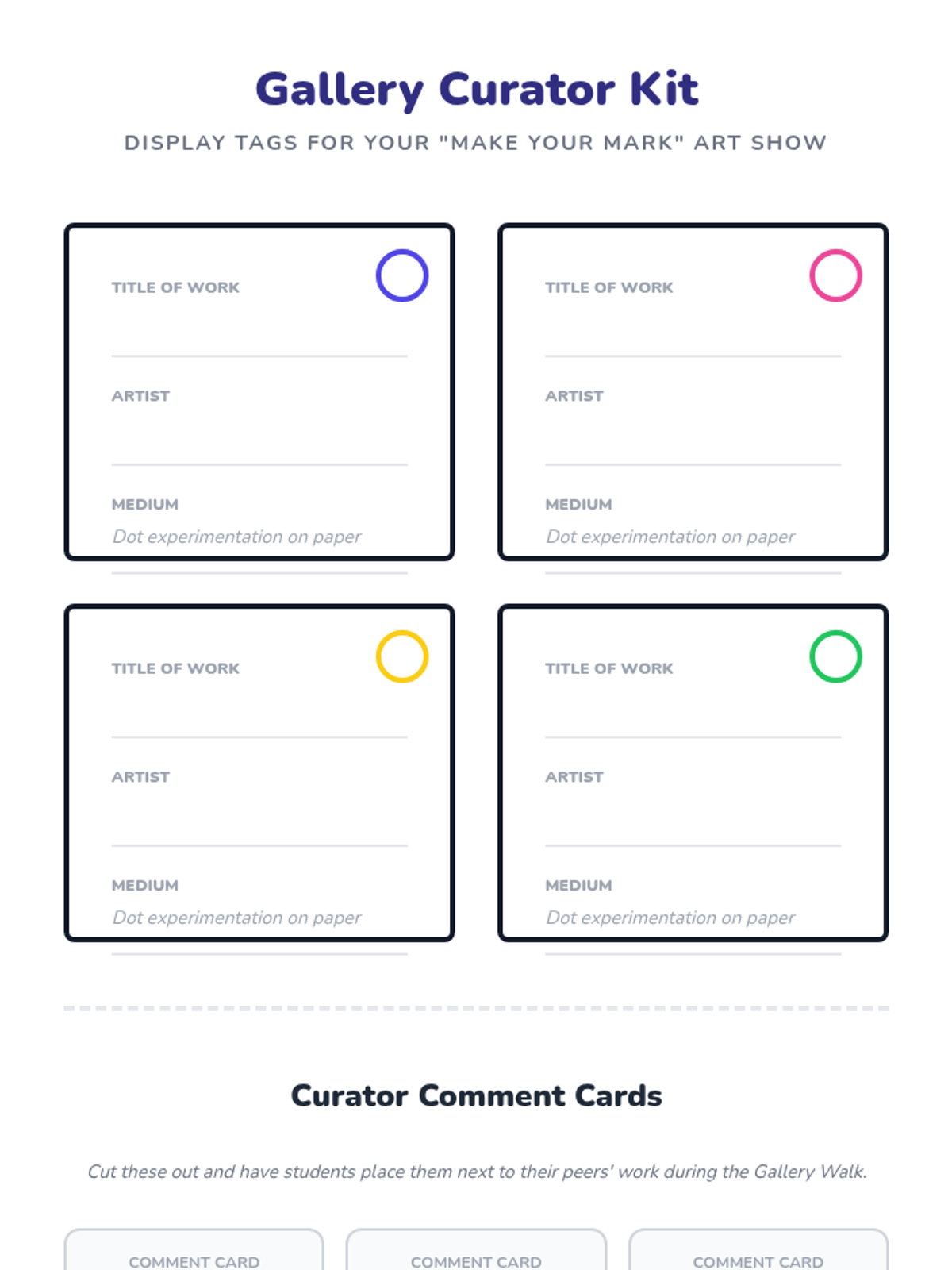
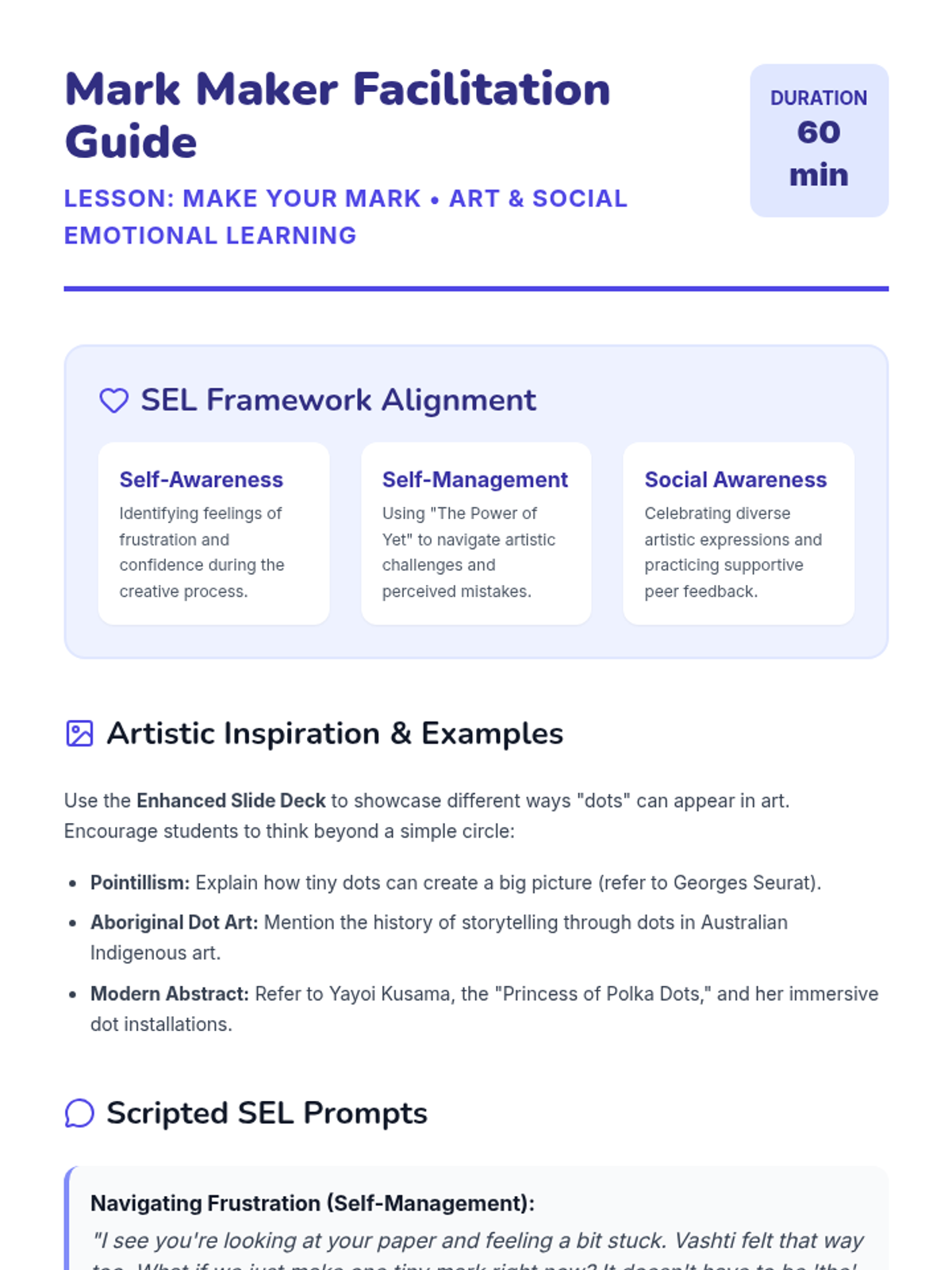
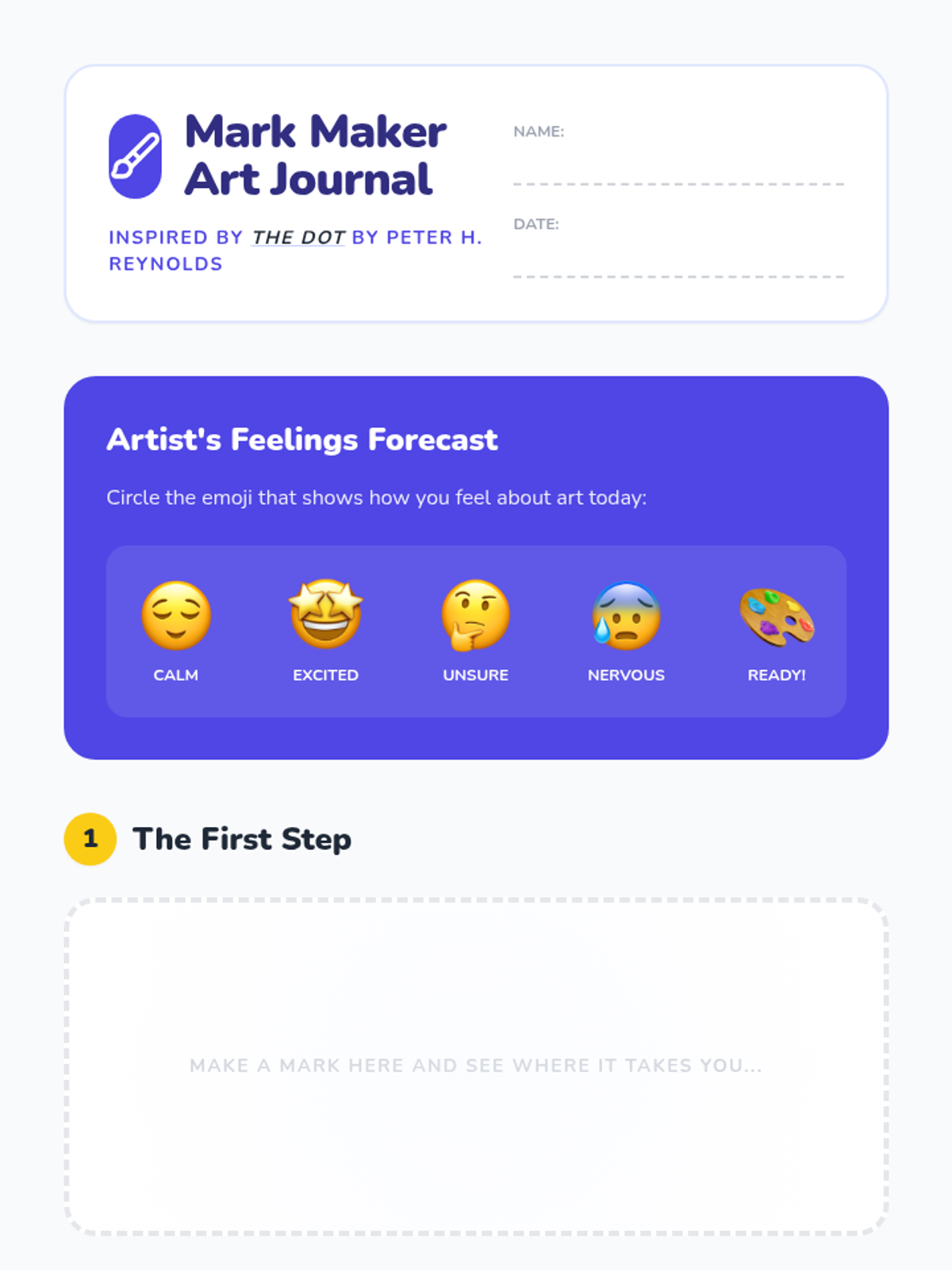
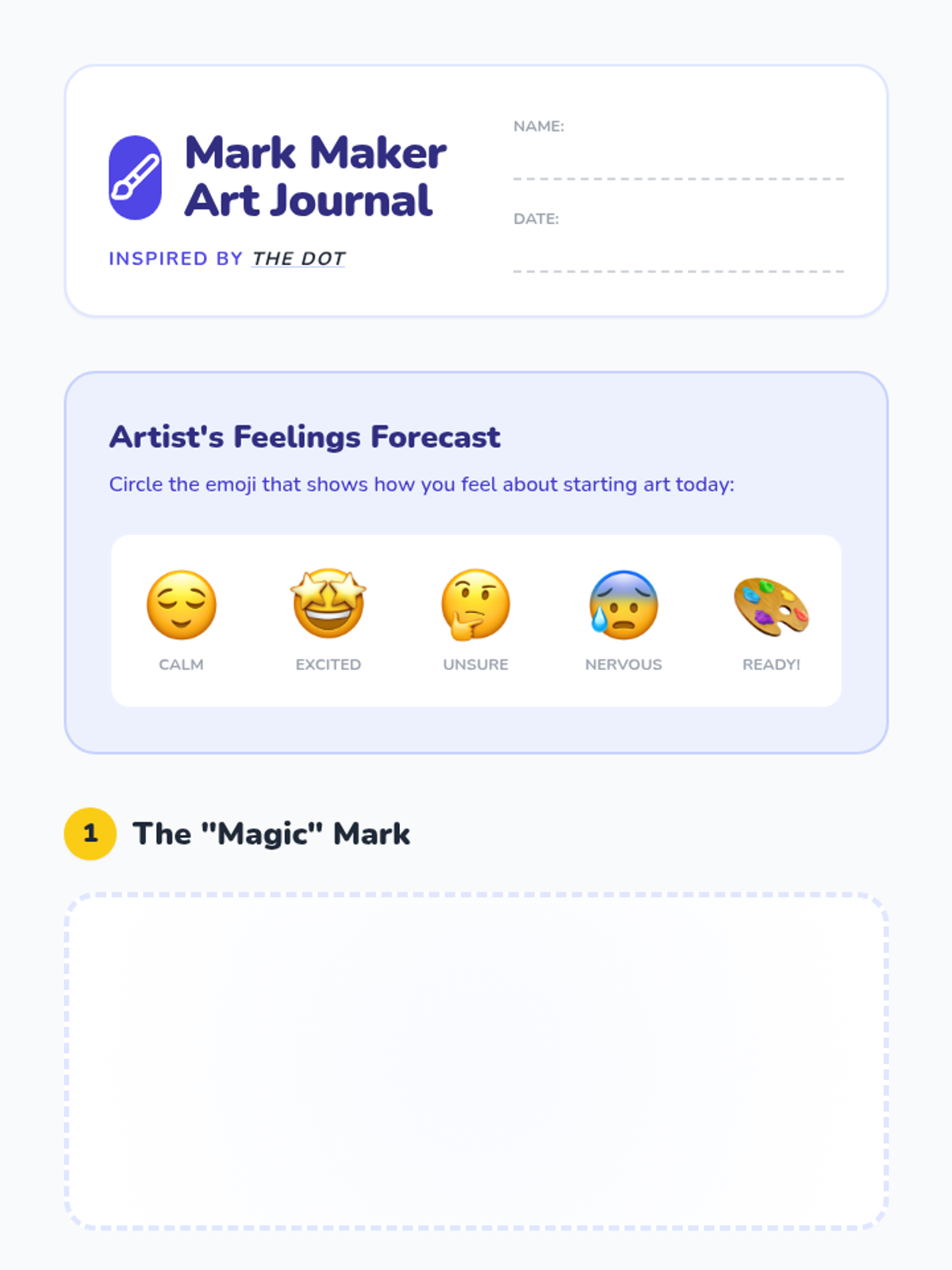
A creative art lesson inspired by 'The Dot' by Peter H. Reynolds, focusing on growth mindset and artistic experimentation. Students will learn that 'making your mark' starts with just one small step.
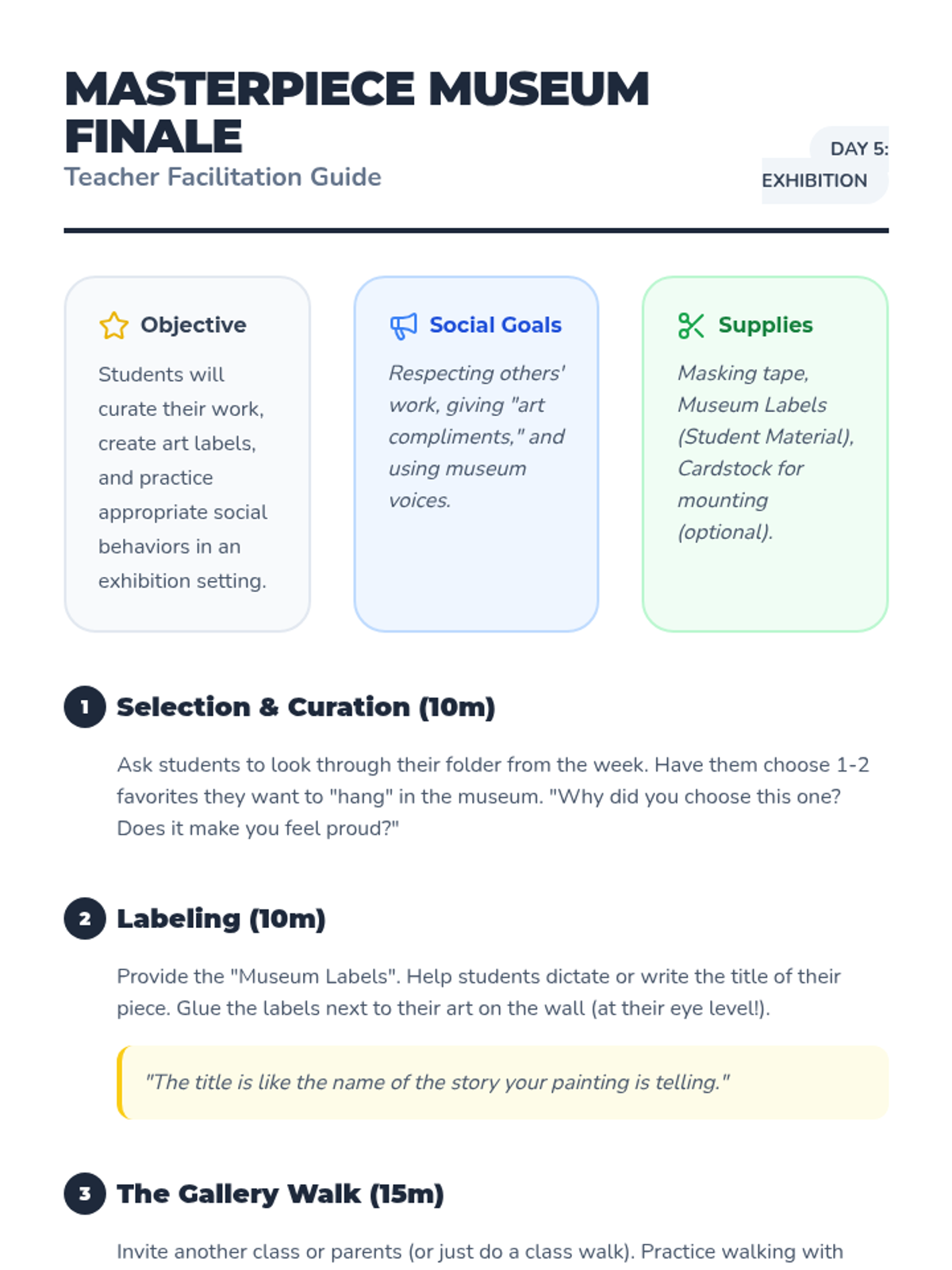
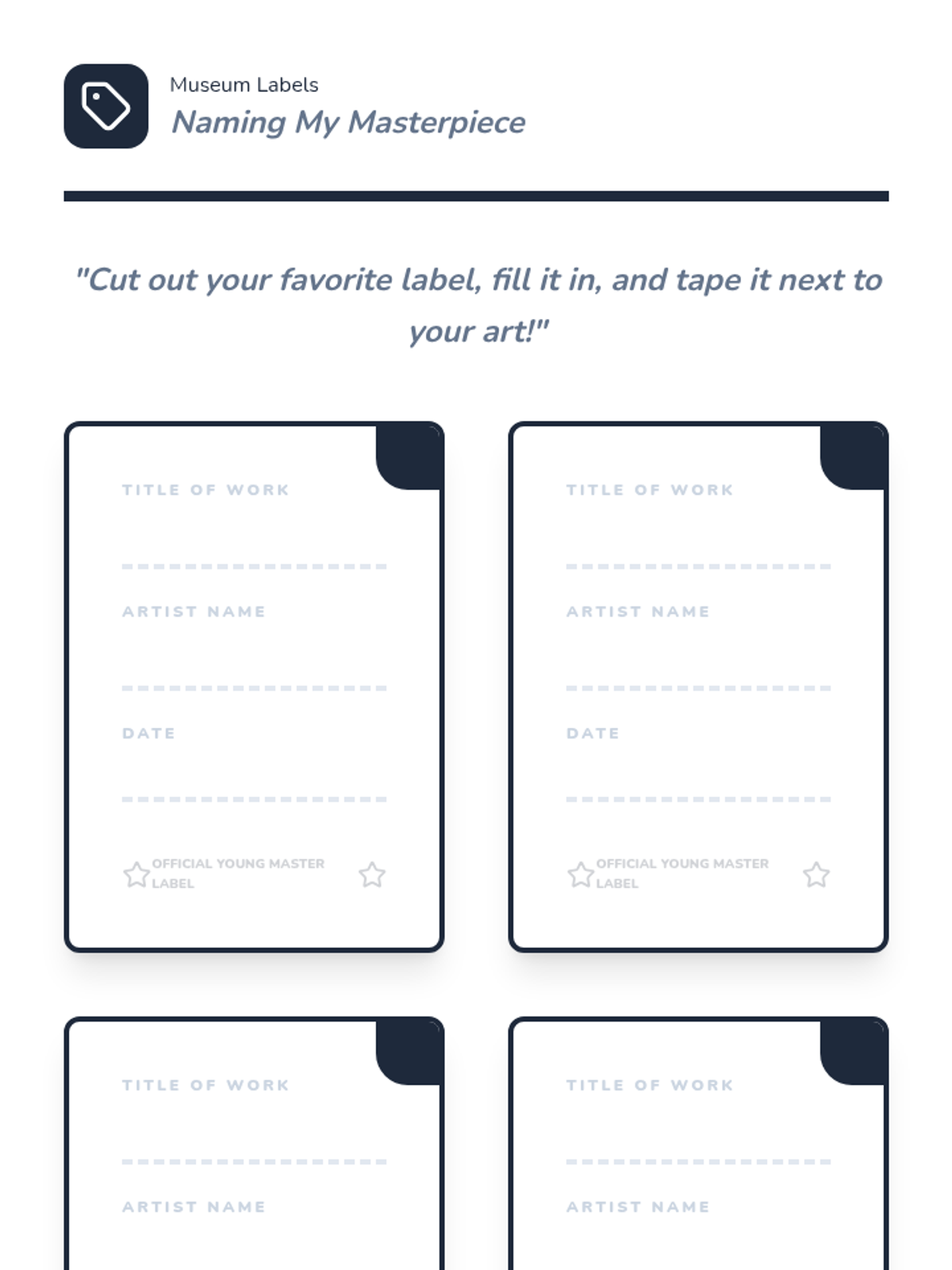
Learning about art galleries and preparing a final class exhibition of the week's creations.
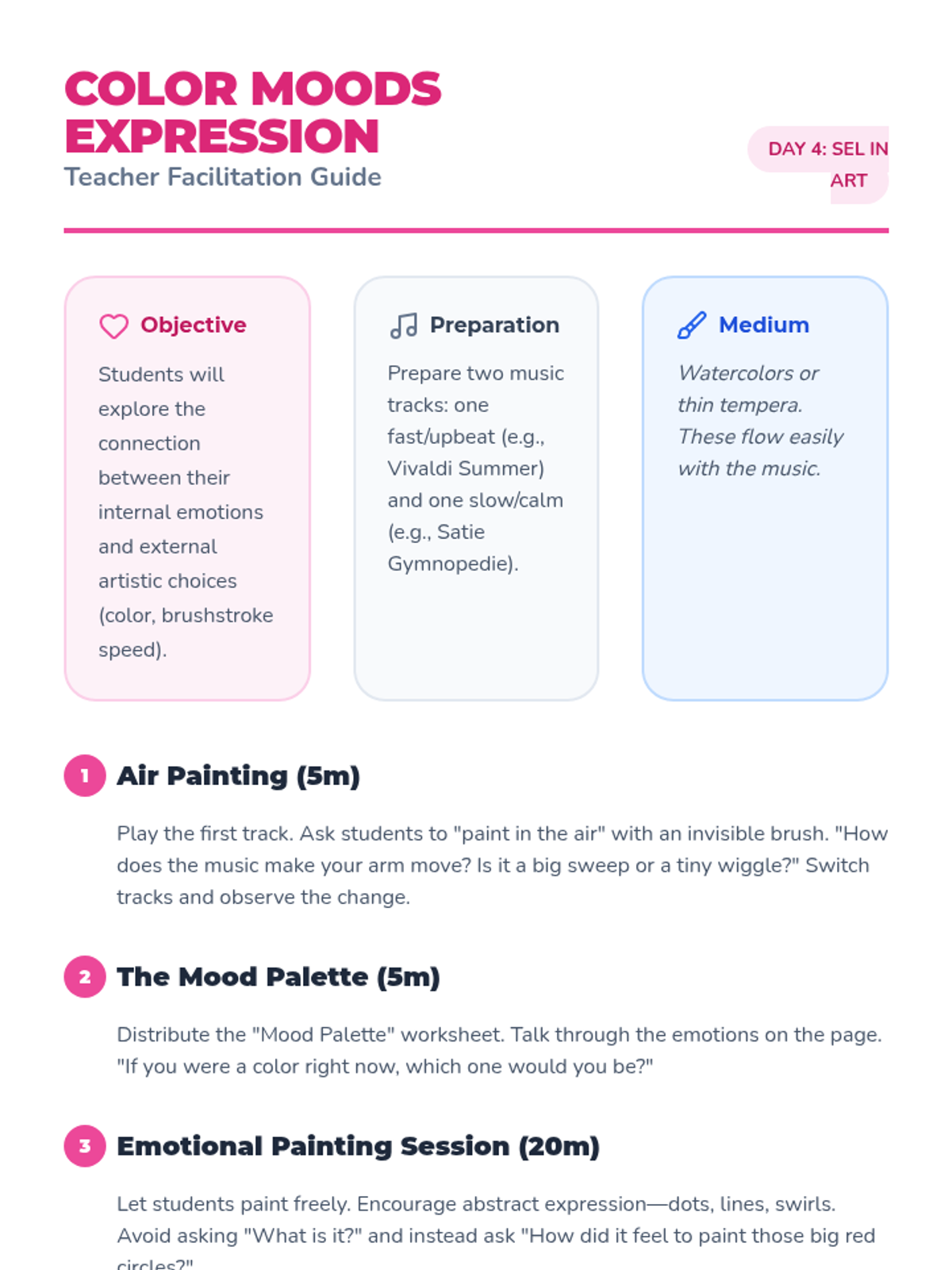
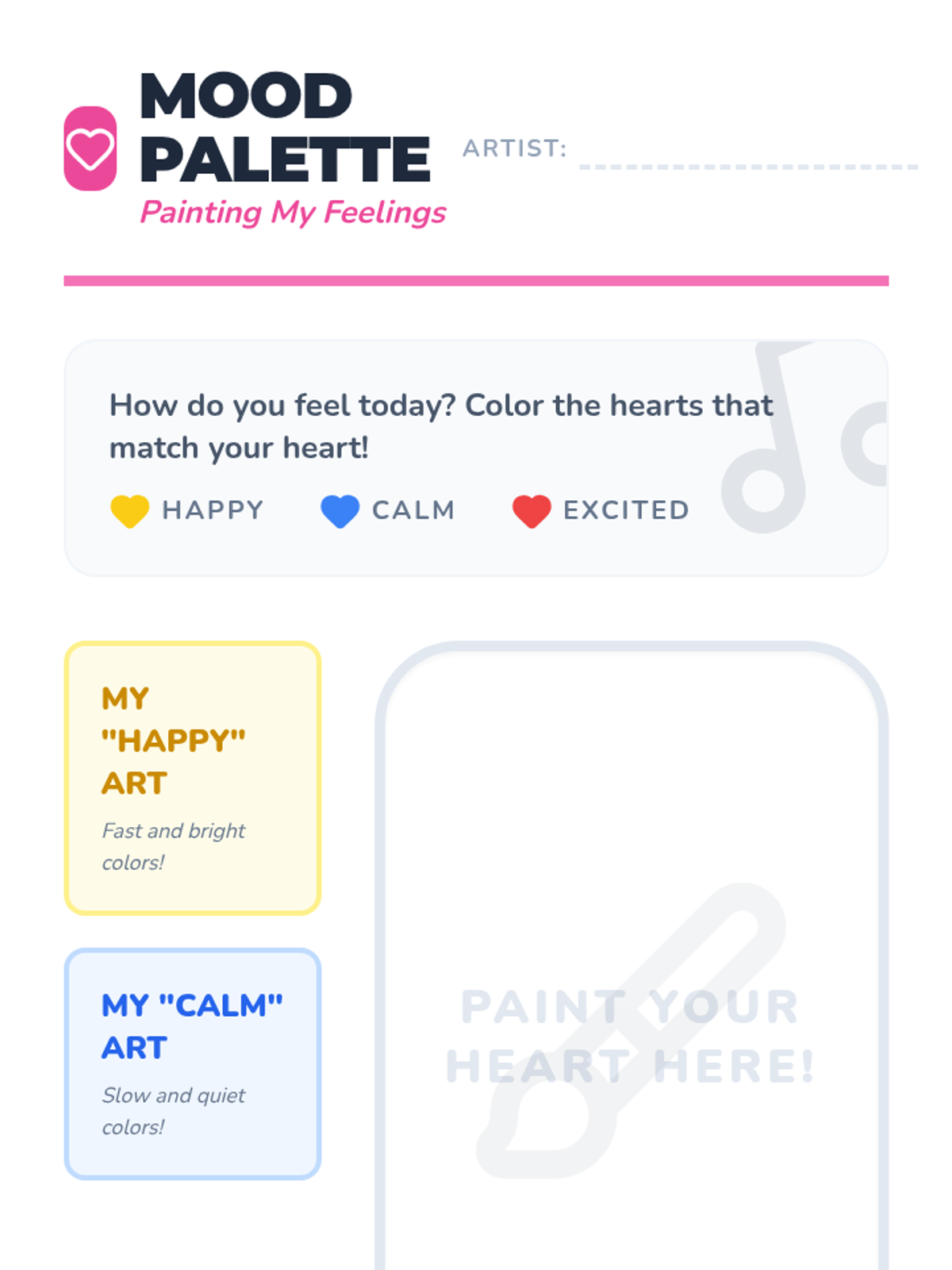
Connecting colors to feelings and exploring how brushstrokes can express different moods.
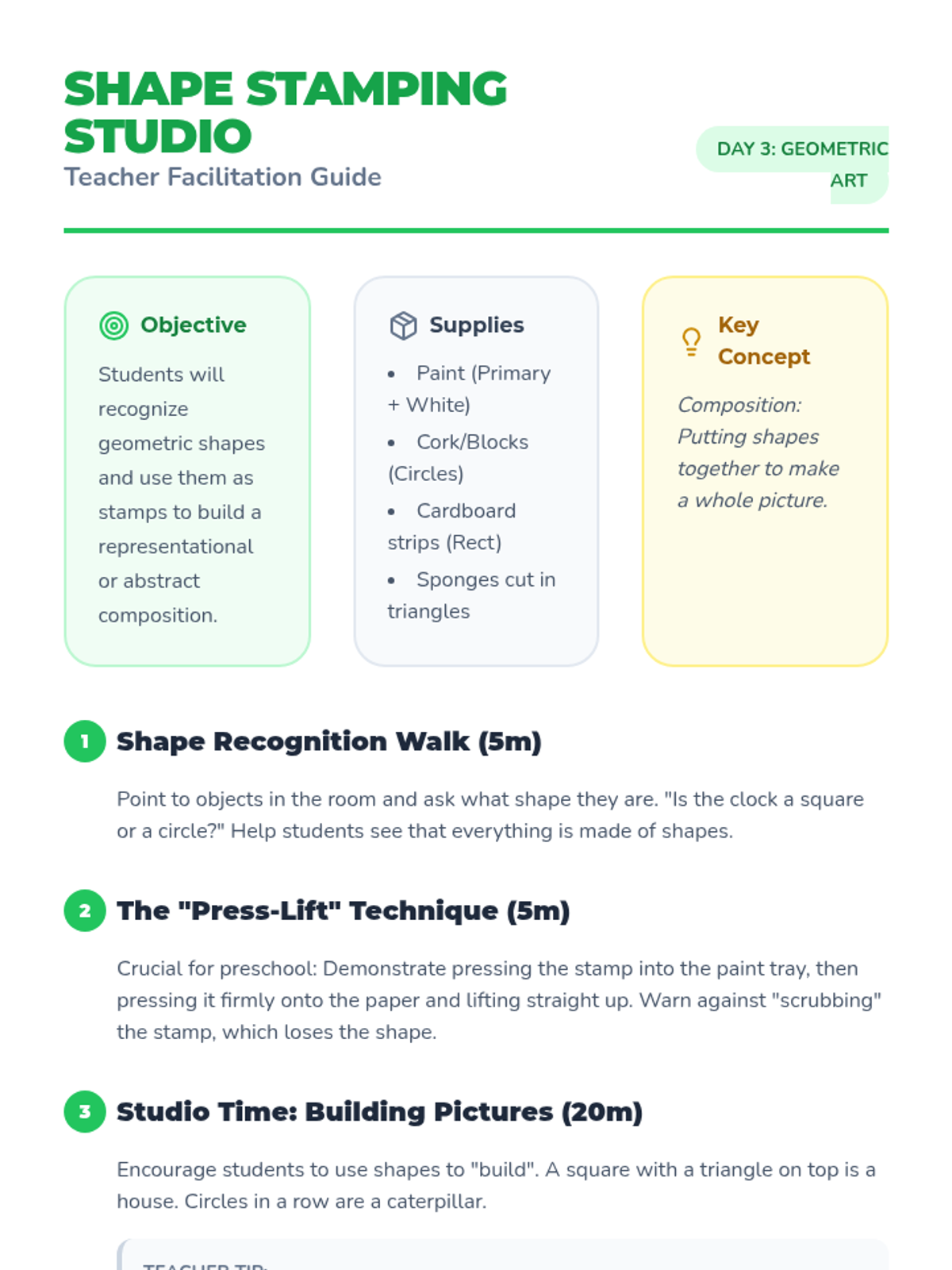
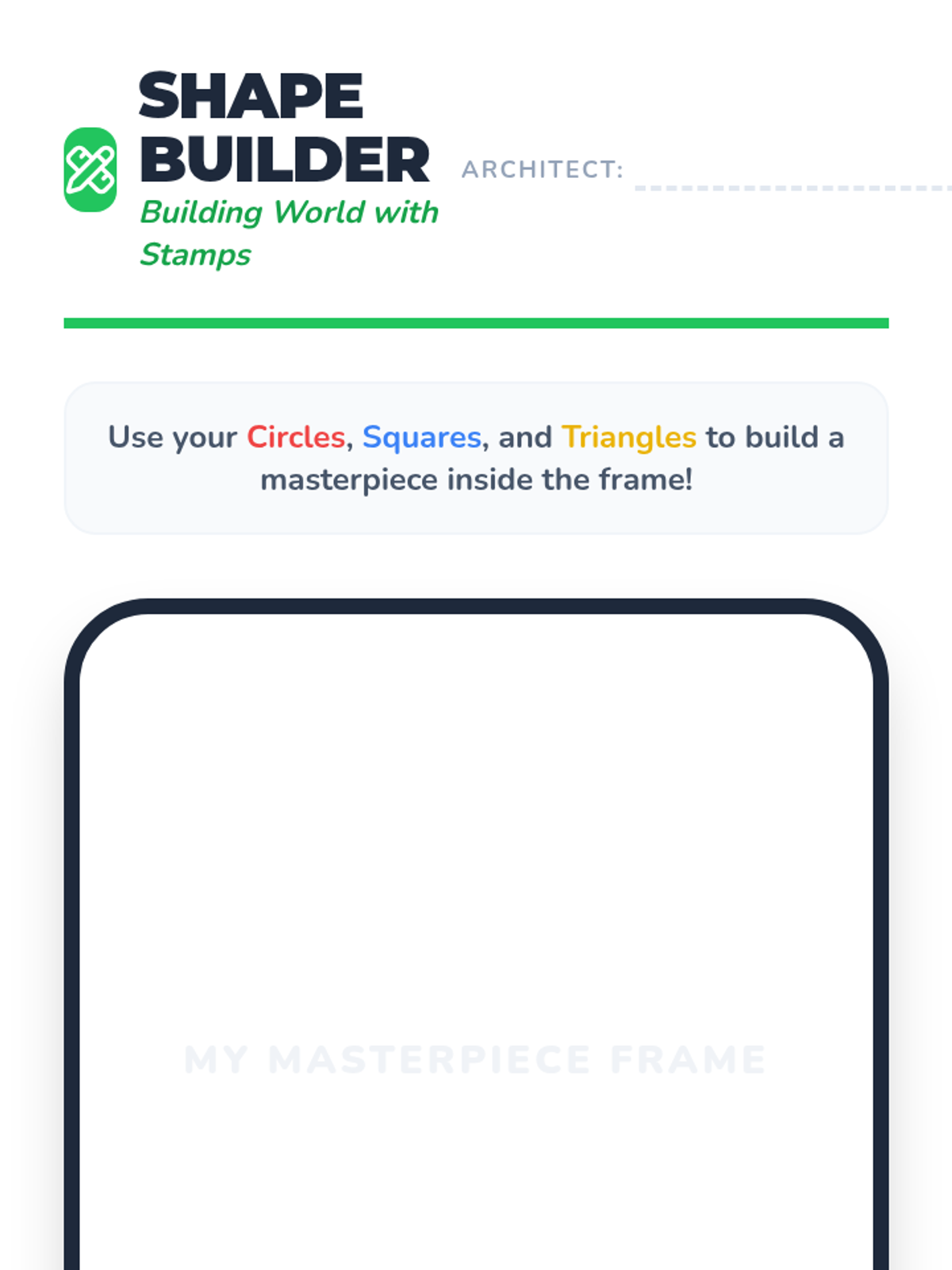
Using geometric shapes and stamping techniques to create structured art compositions.
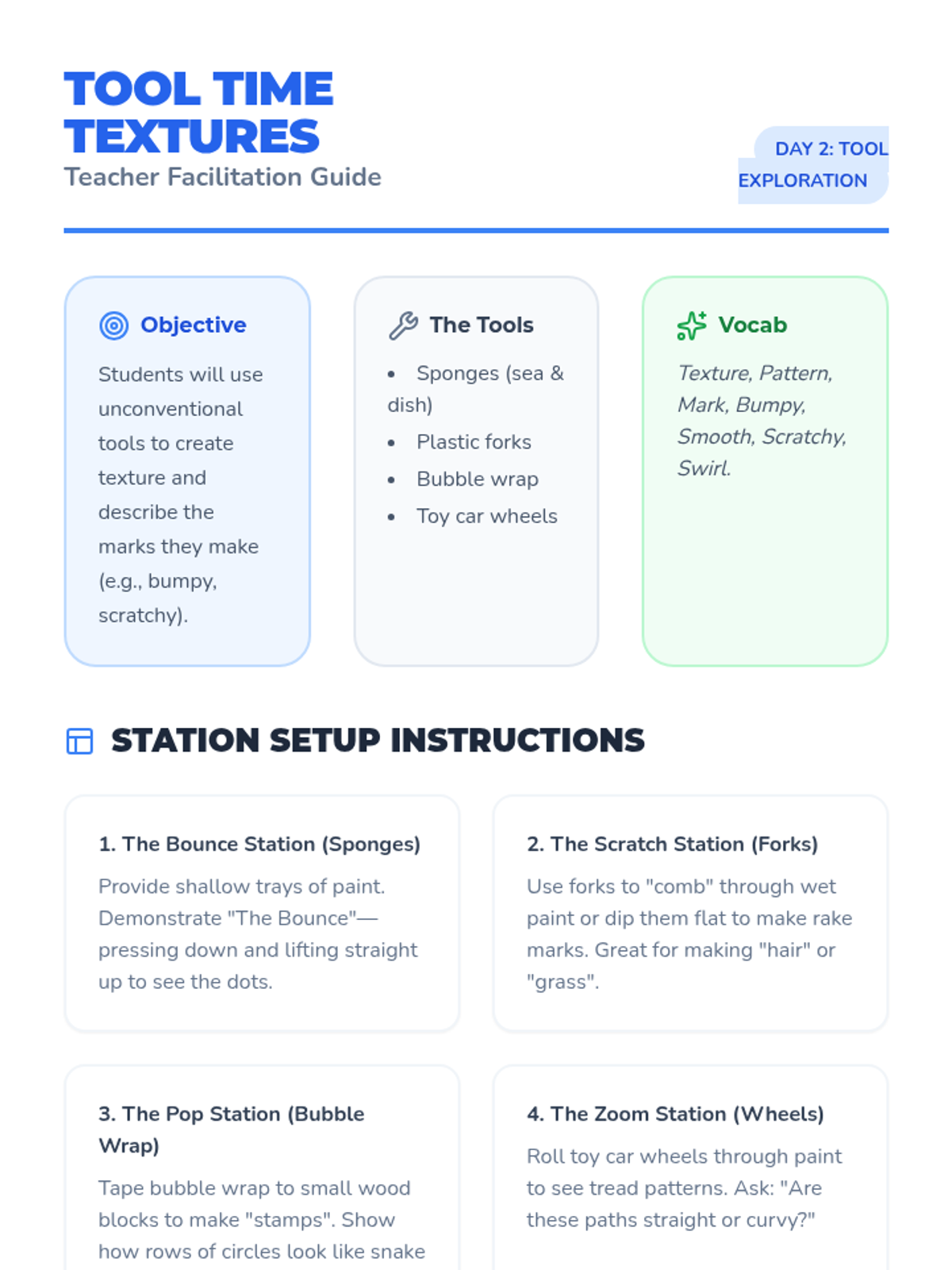
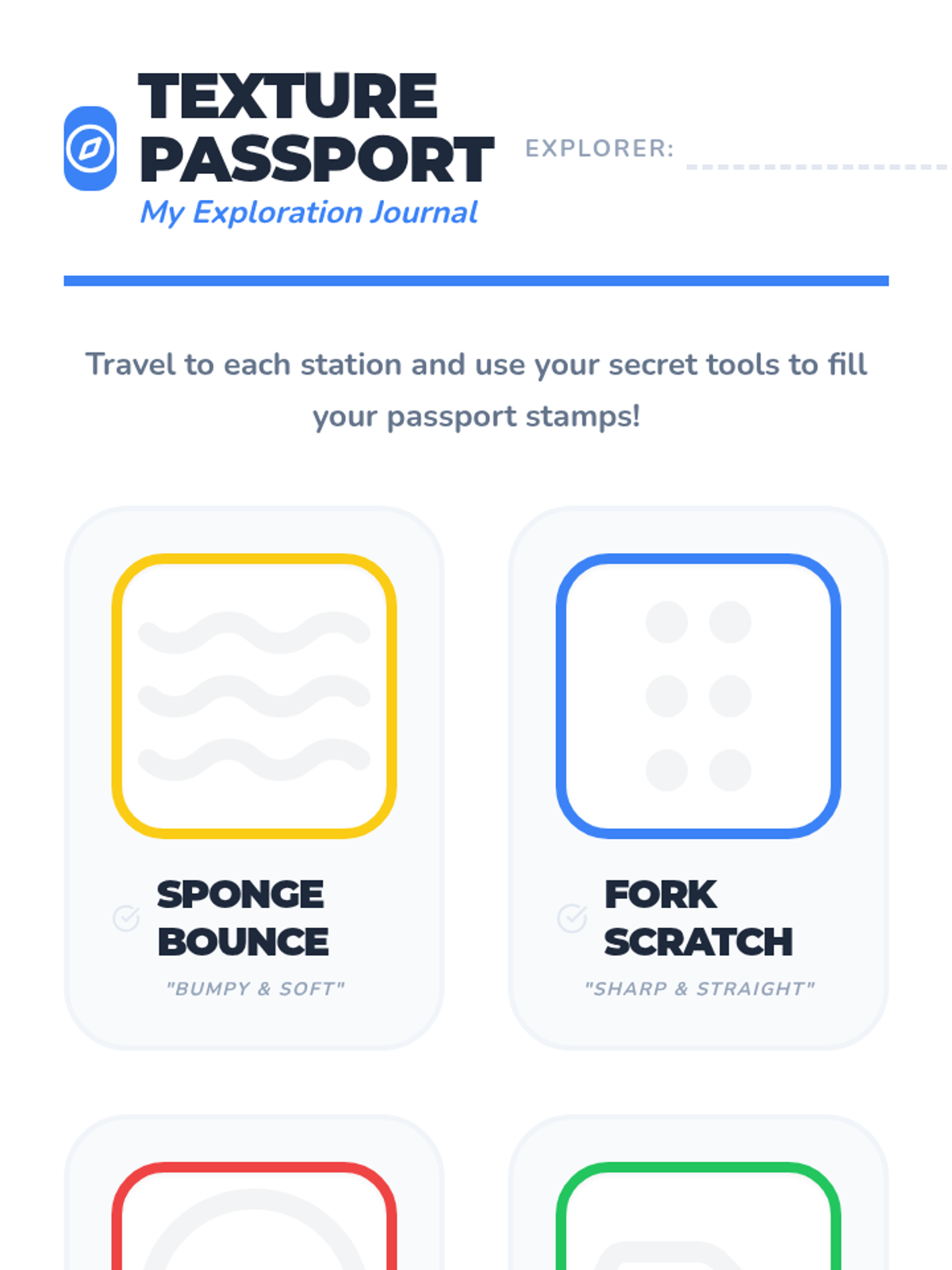
Exploring painting with unconventional tools like sponges, forks, and bubble wrap to create varied textures.
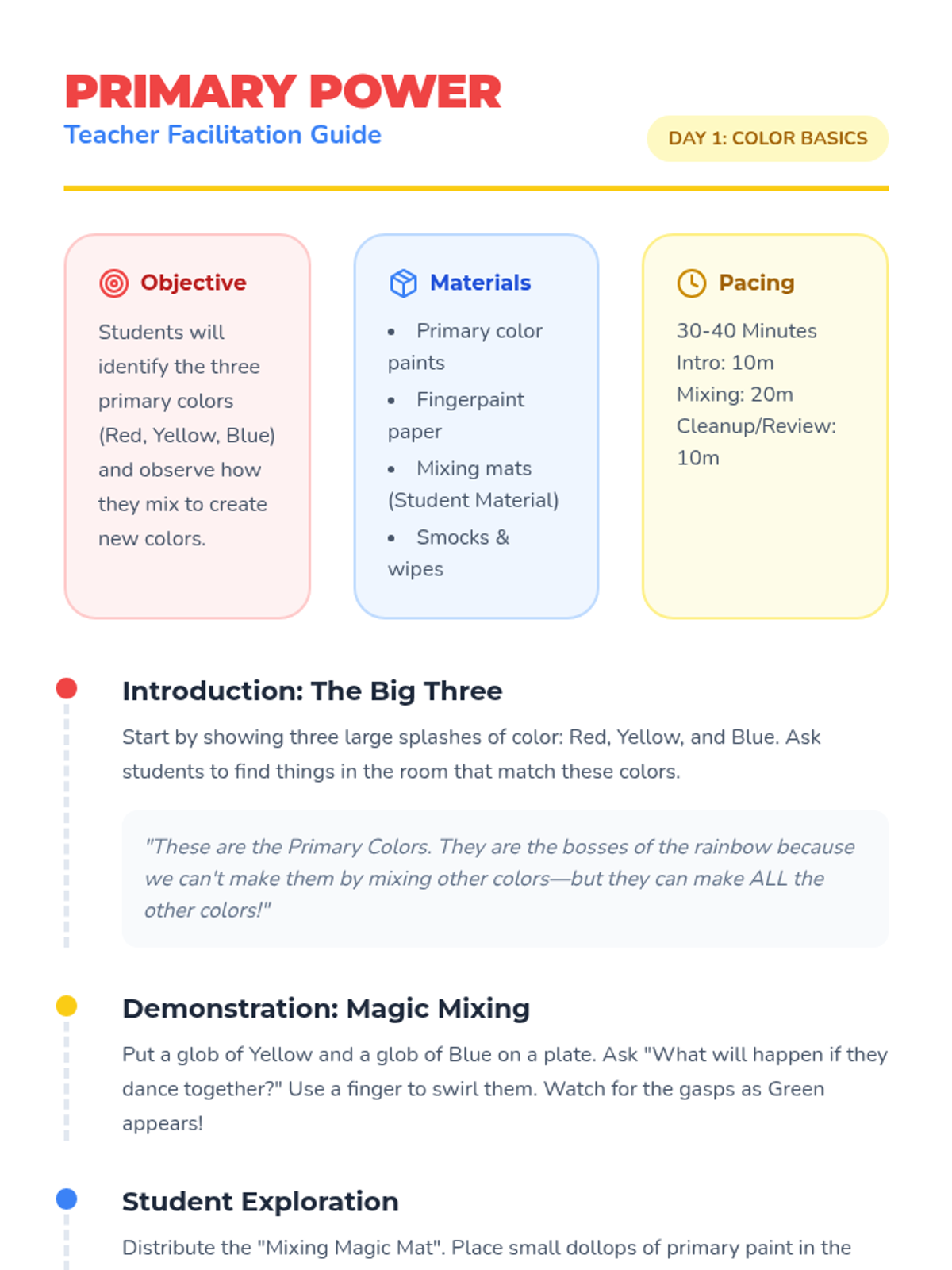
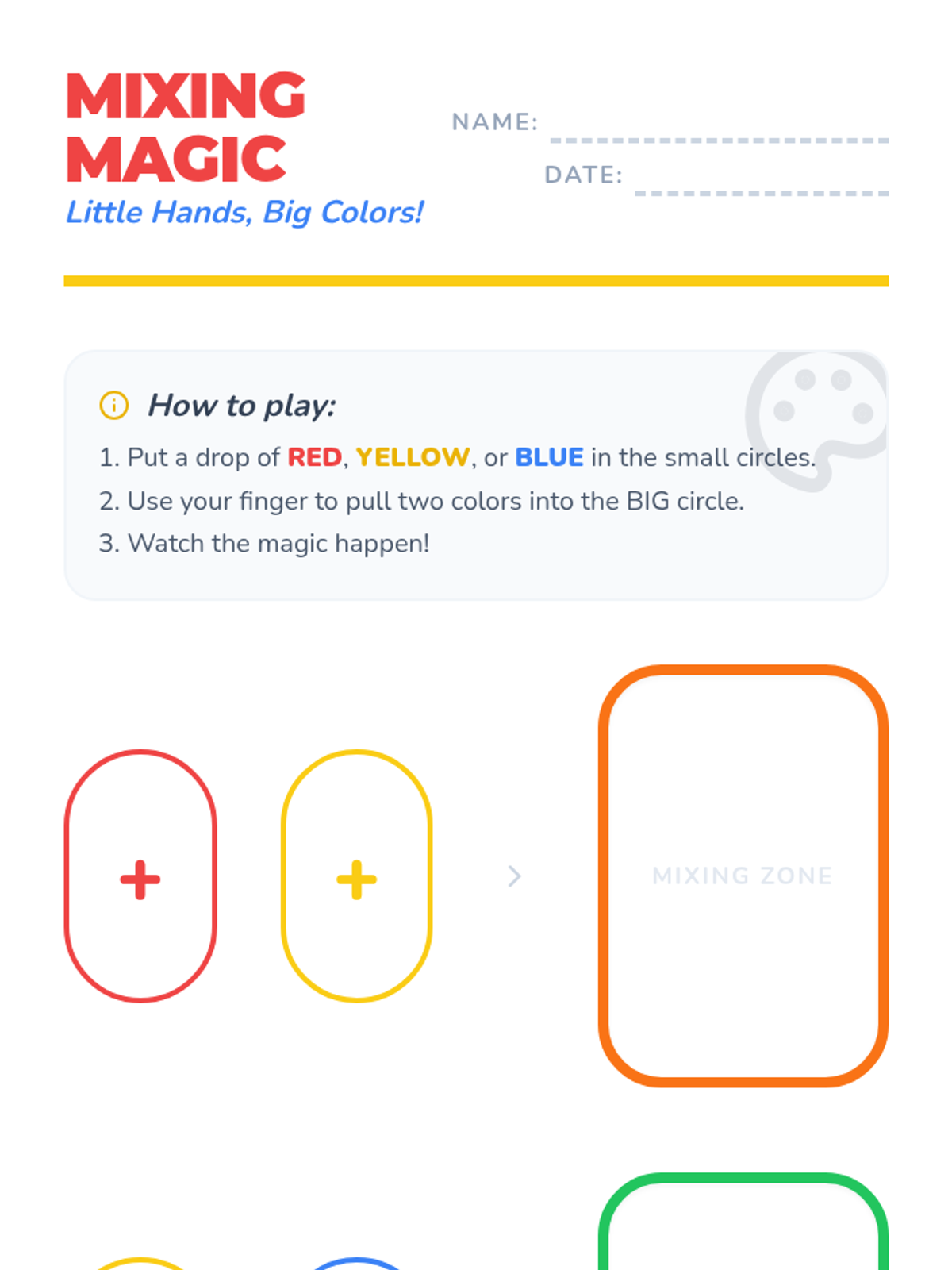
Introducing the building blocks of all colors: Red, Yellow, and Blue through hands-on mixing exploration.
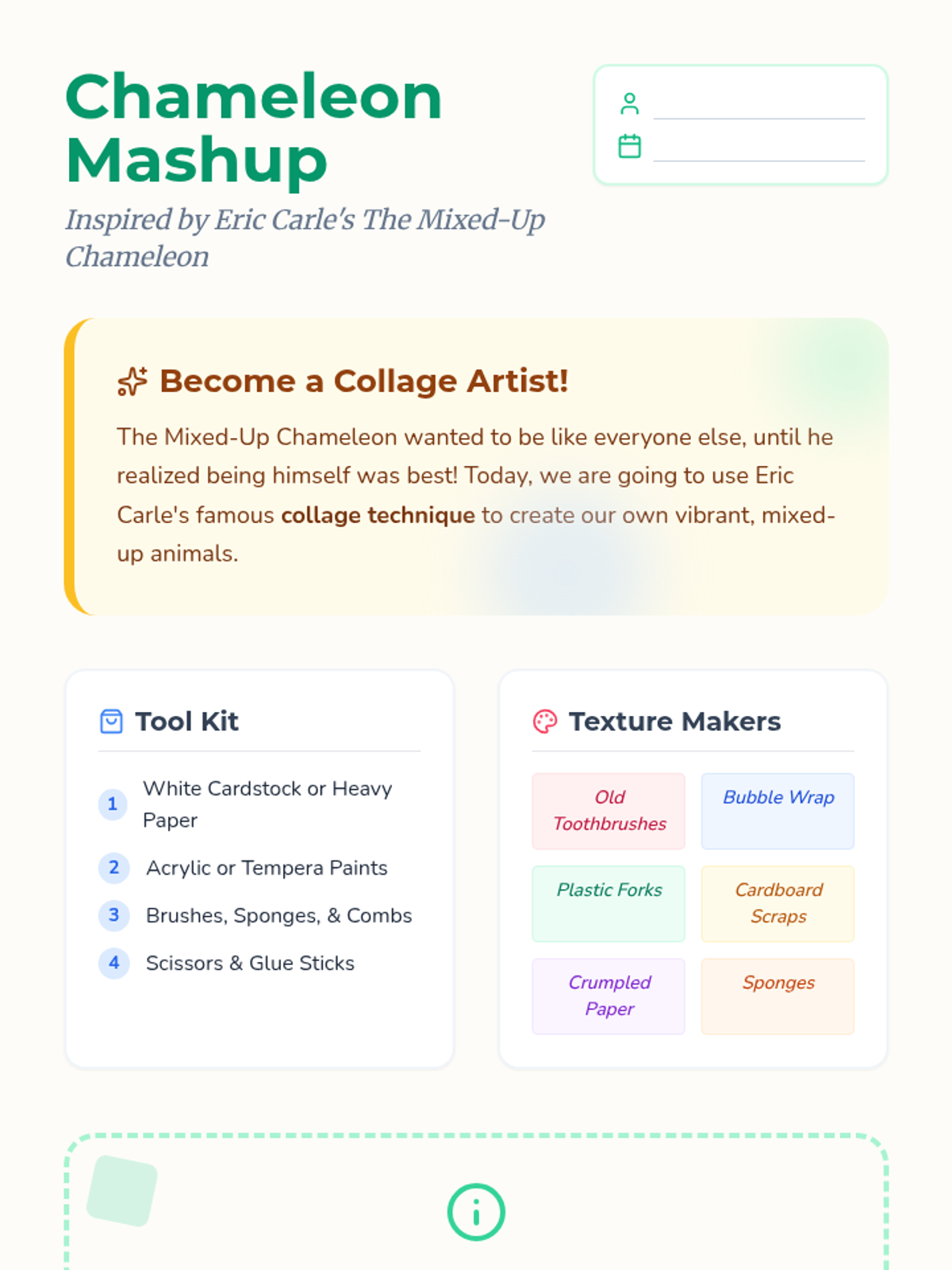
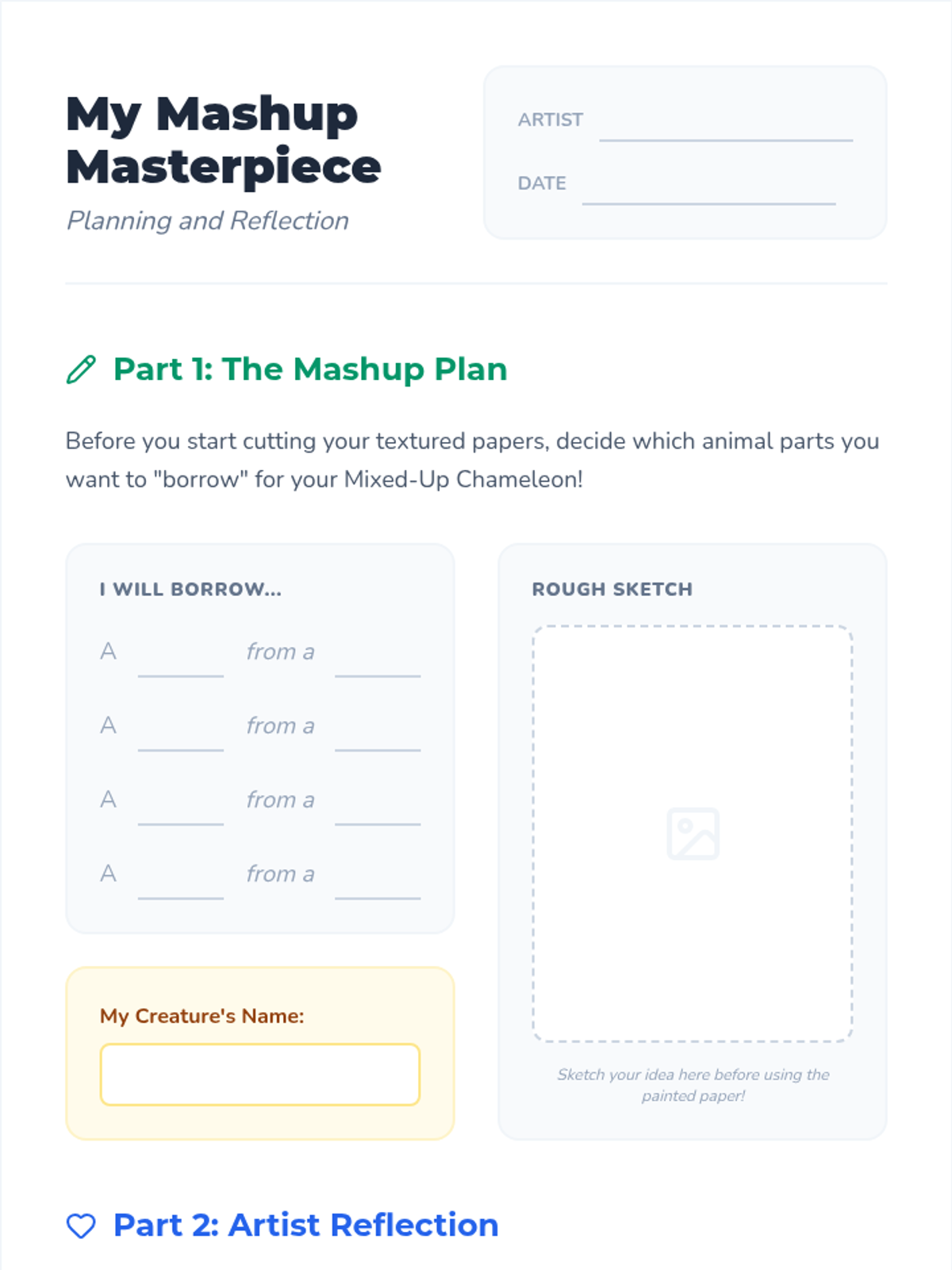
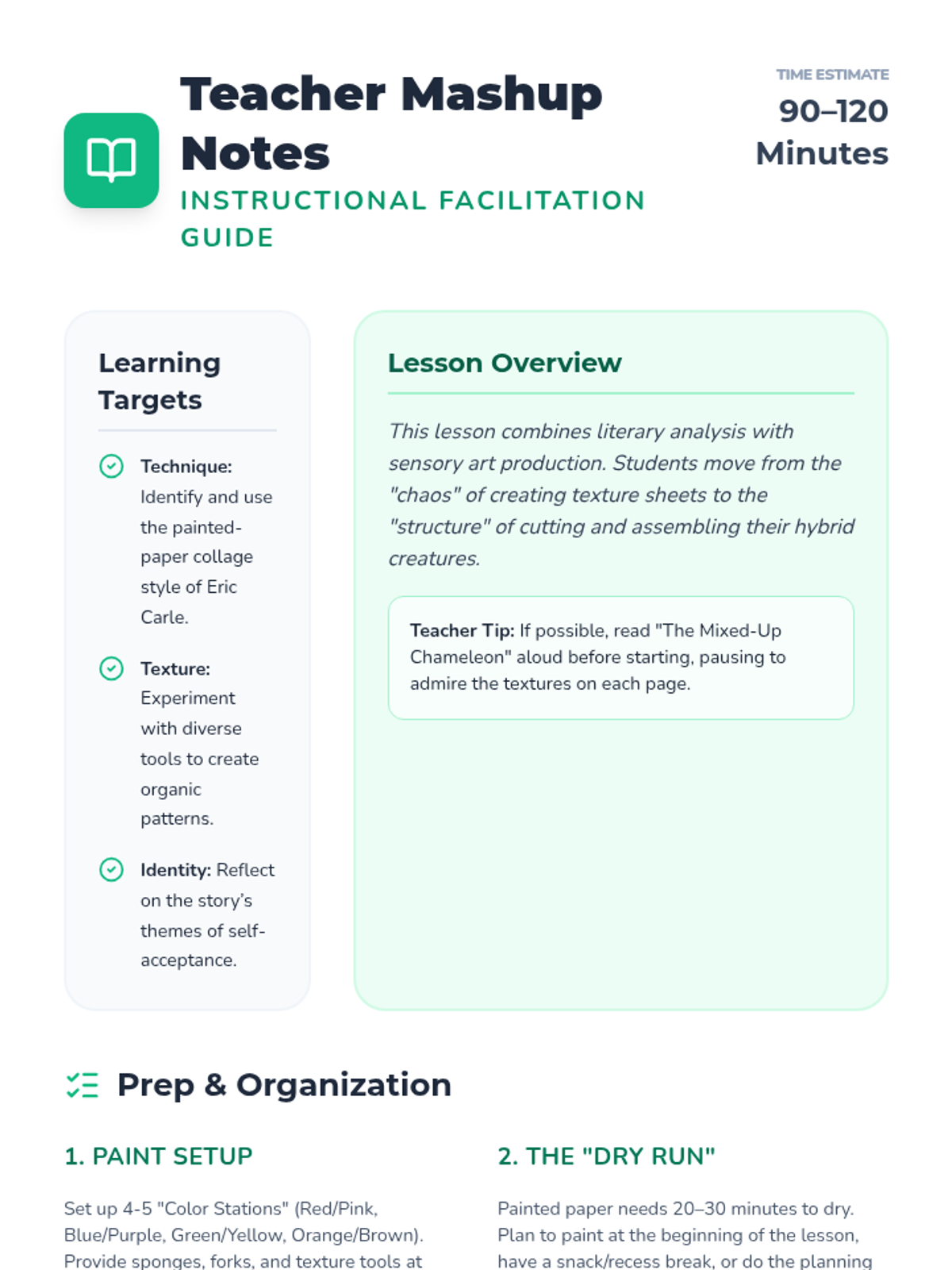
A creative art lesson where students explore identity and diversity by creating their own mixed-up animals inspired by Eric Carle's colorful collage style. Students will learn the 'painted paper' technique to create vibrant textures.
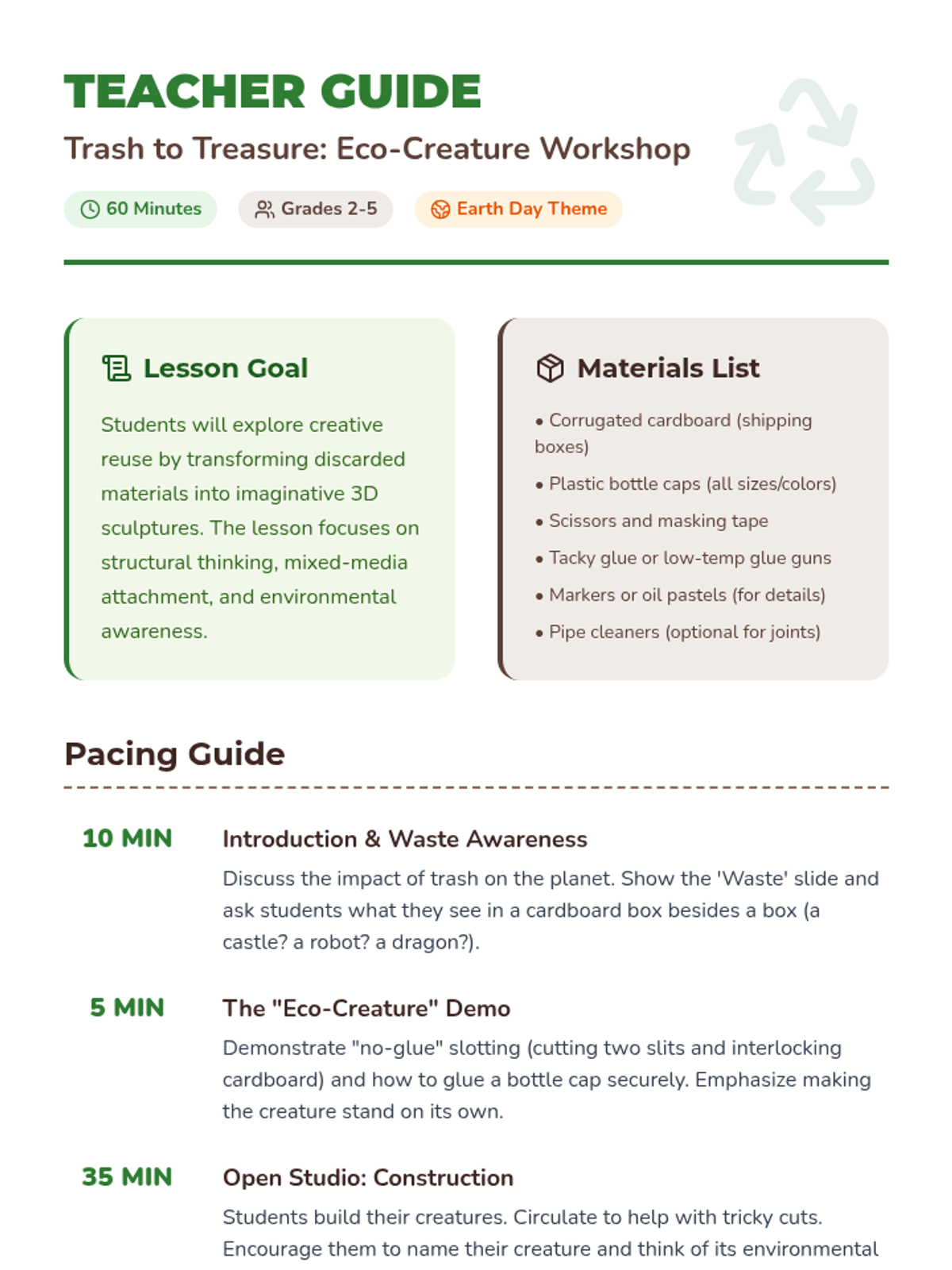
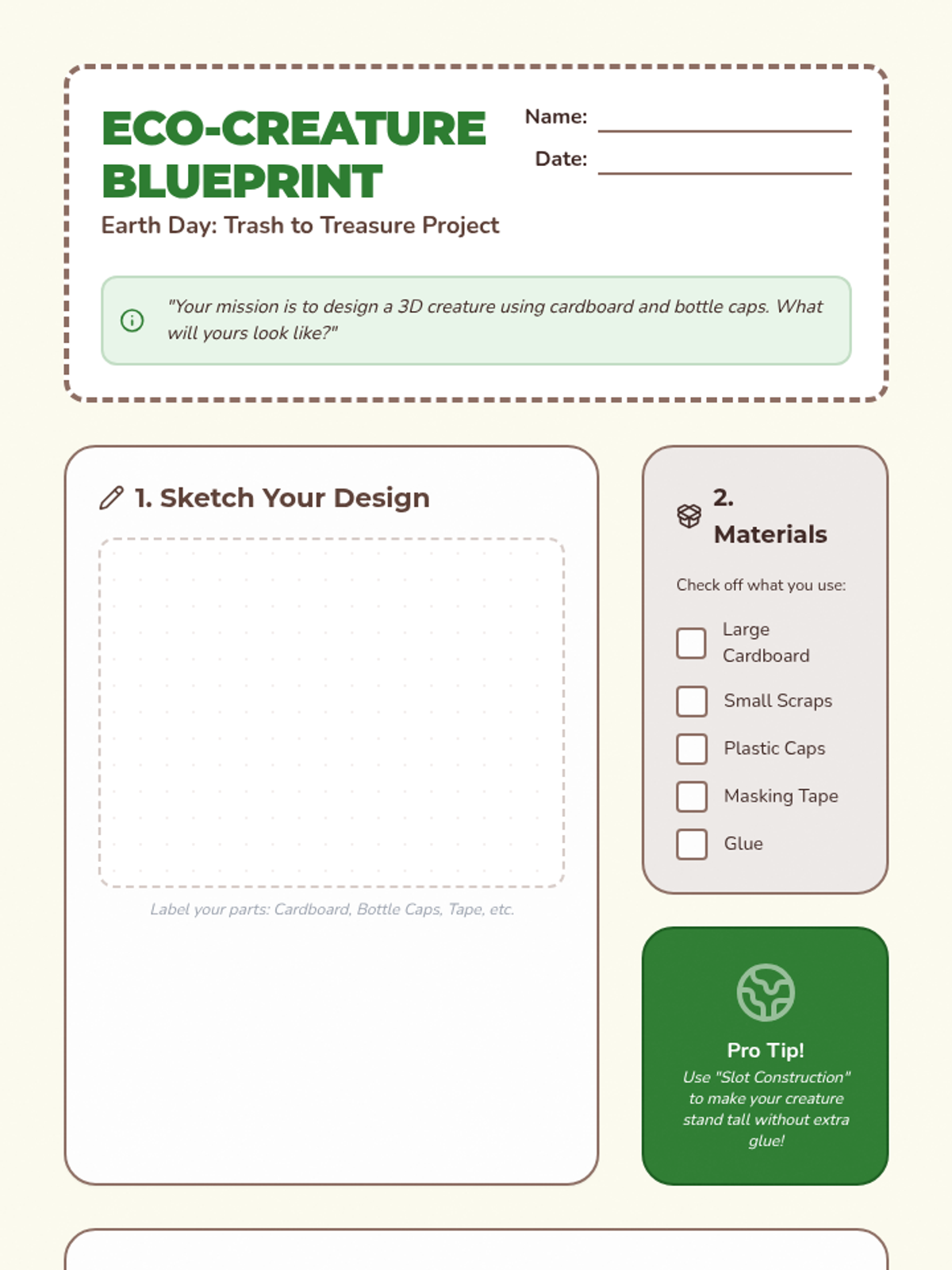
In this 60-minute art lesson, students transform everyday waste—cardboard and bottle caps—into imaginative 'Eco-Creatures,' learning about the importance of recycling and creative reuse for Earth Day.
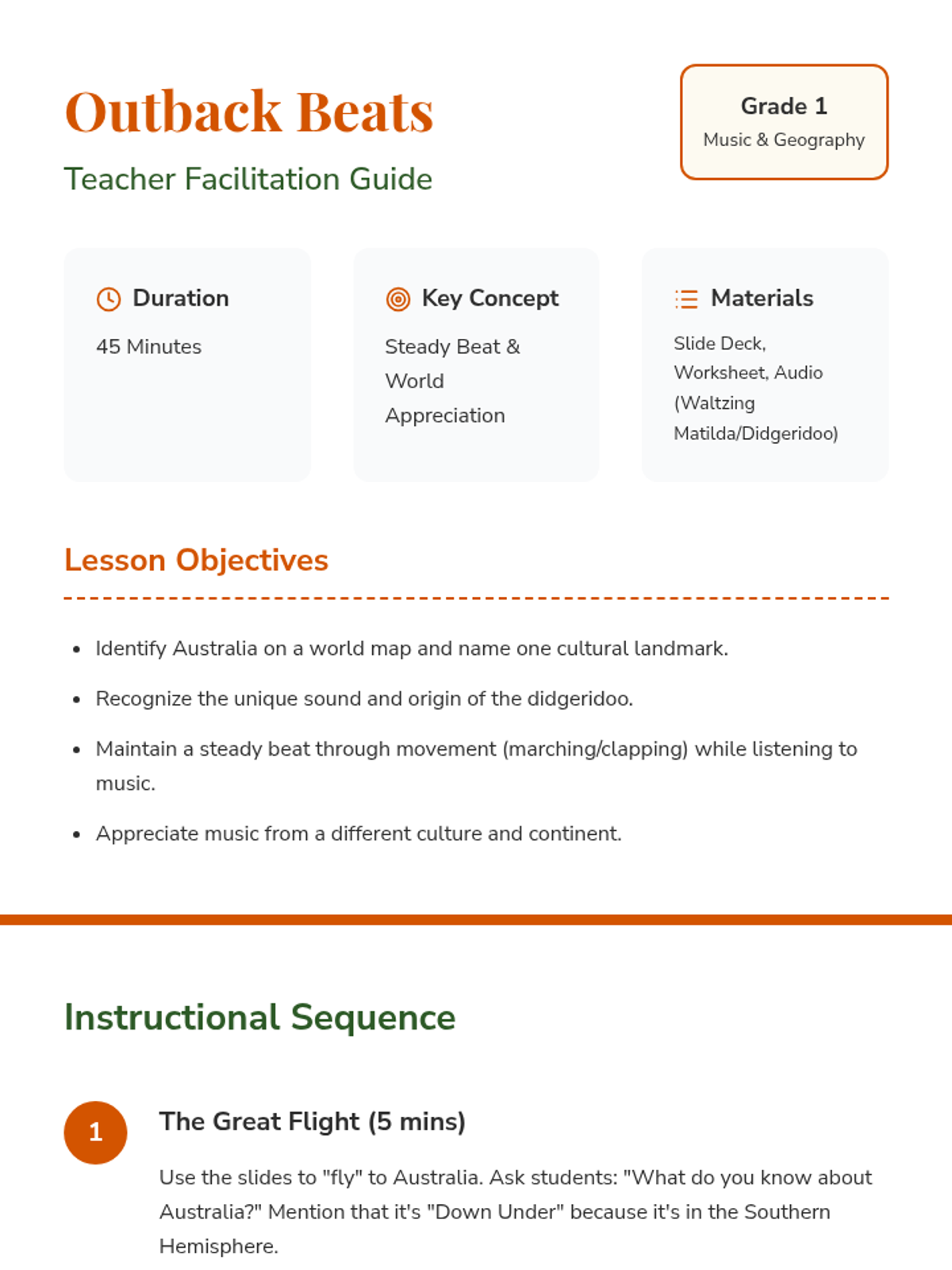
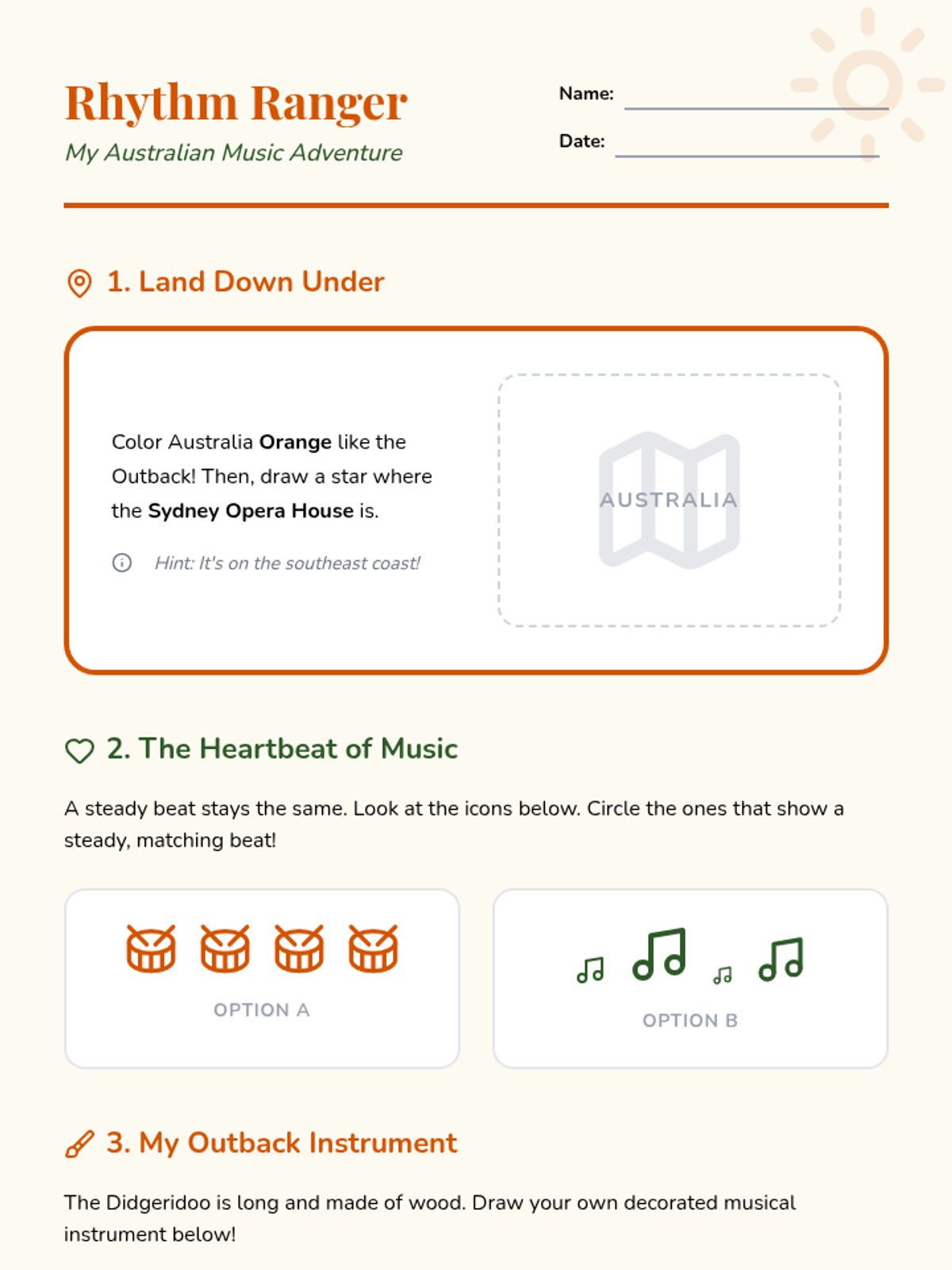
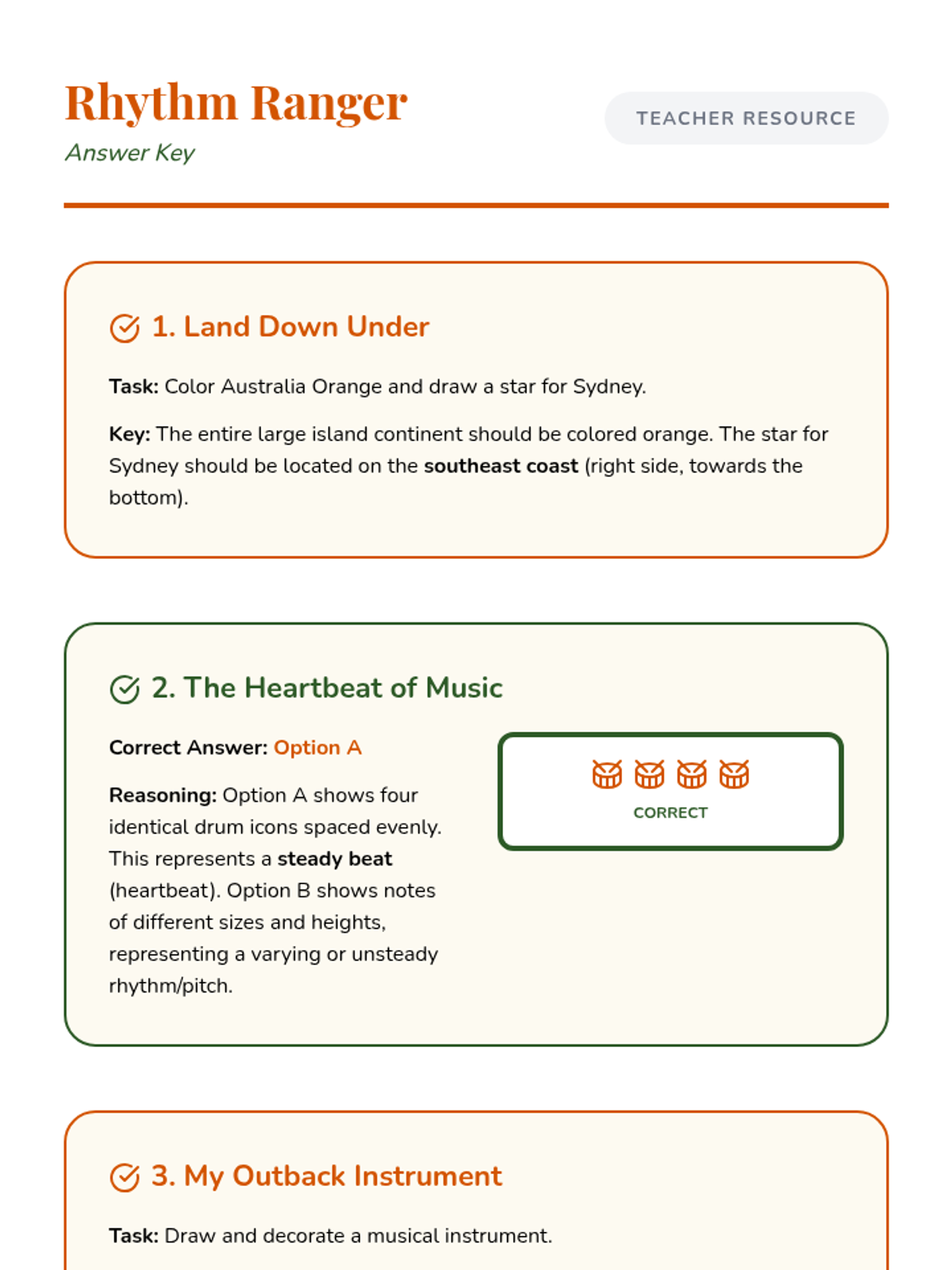
A first-grade introduction to Australian music and culture, focusing on the didgeridoo, the folk classic 'Waltzing Matilda', and maintaining a steady beat through movement and listening.
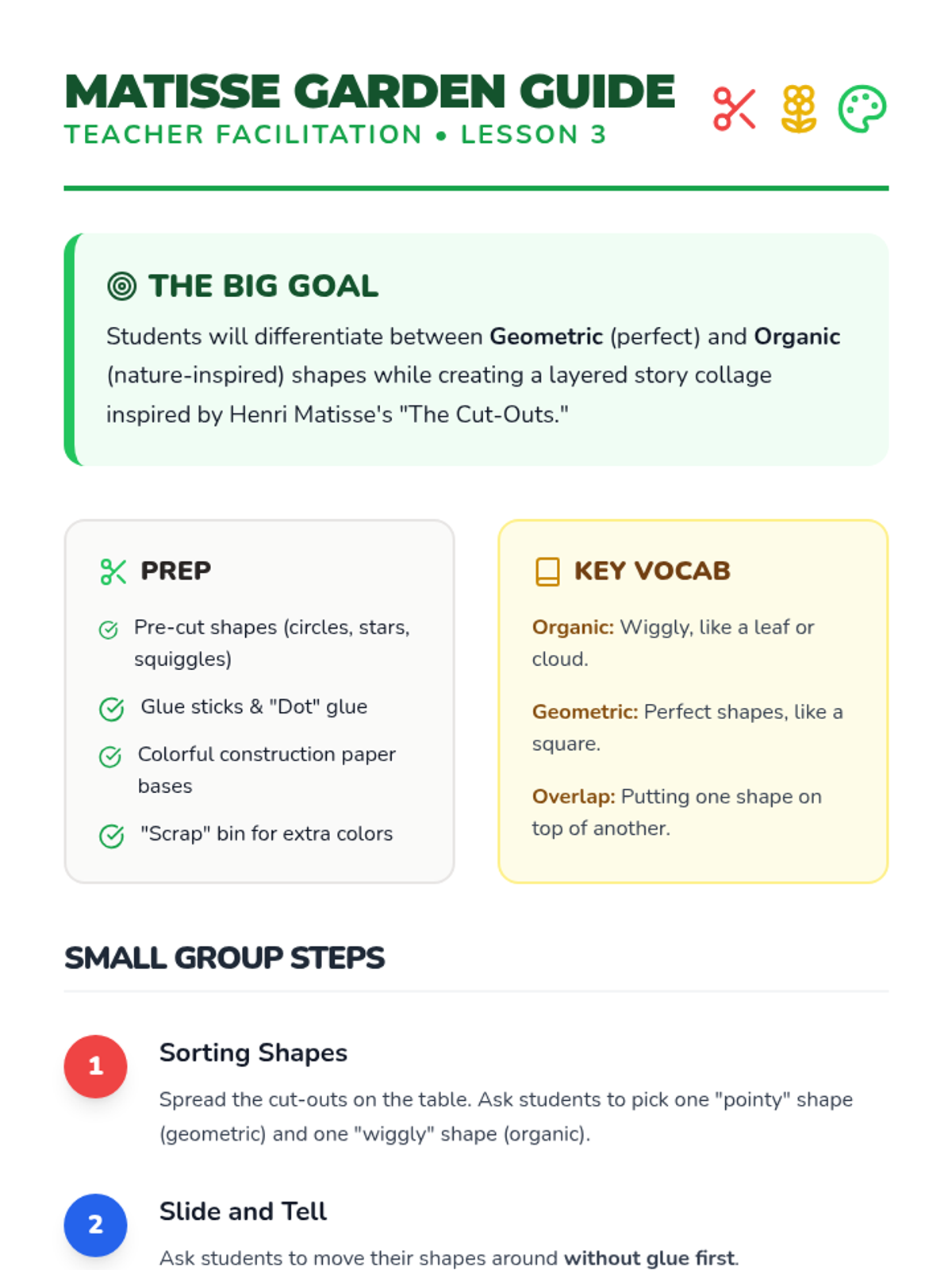
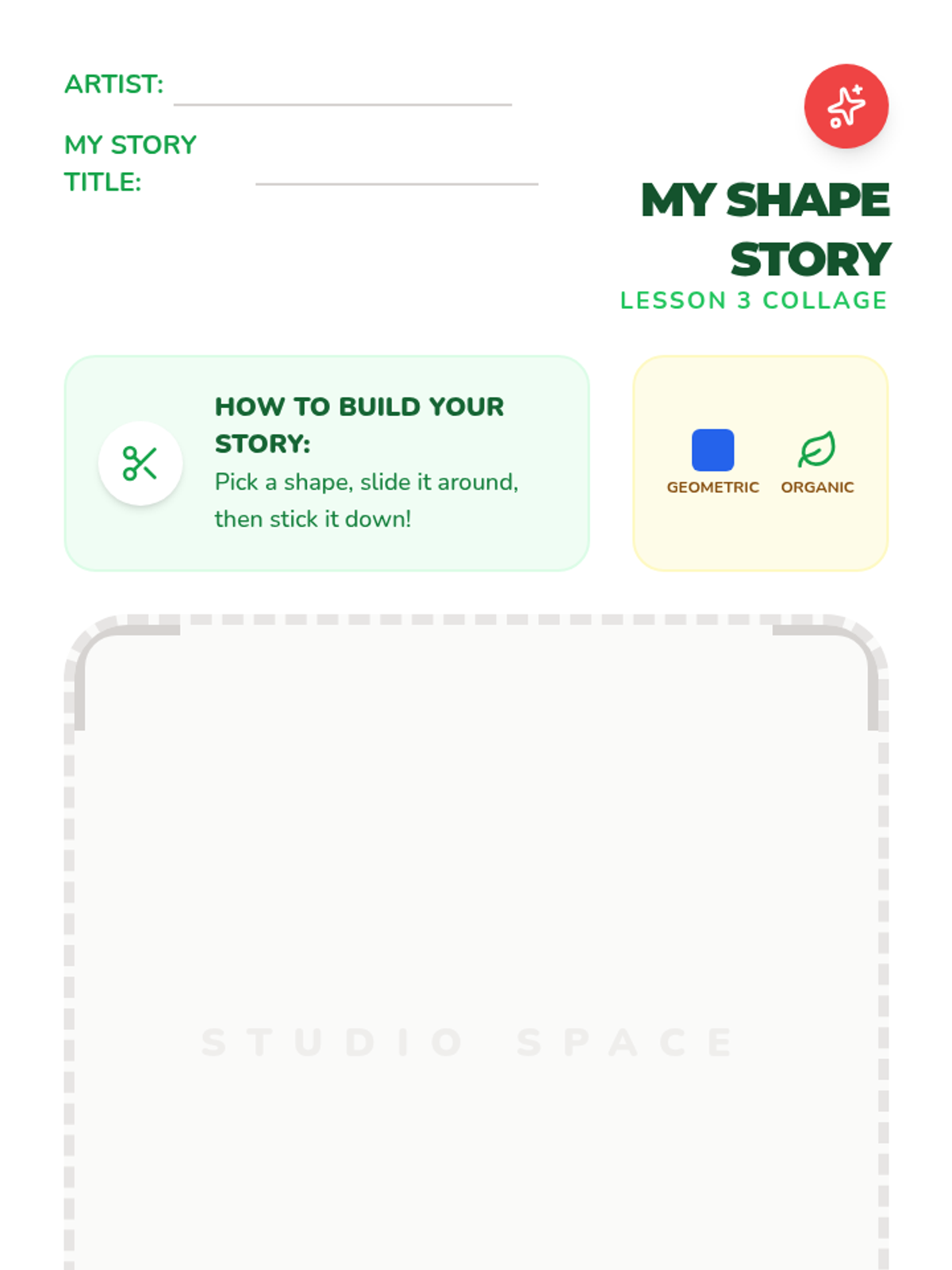
Students create vibrant collages using geometric and organic shapes, taking inspiration from Henri Matisse's famous 'cut-outs' to tell visual stories.
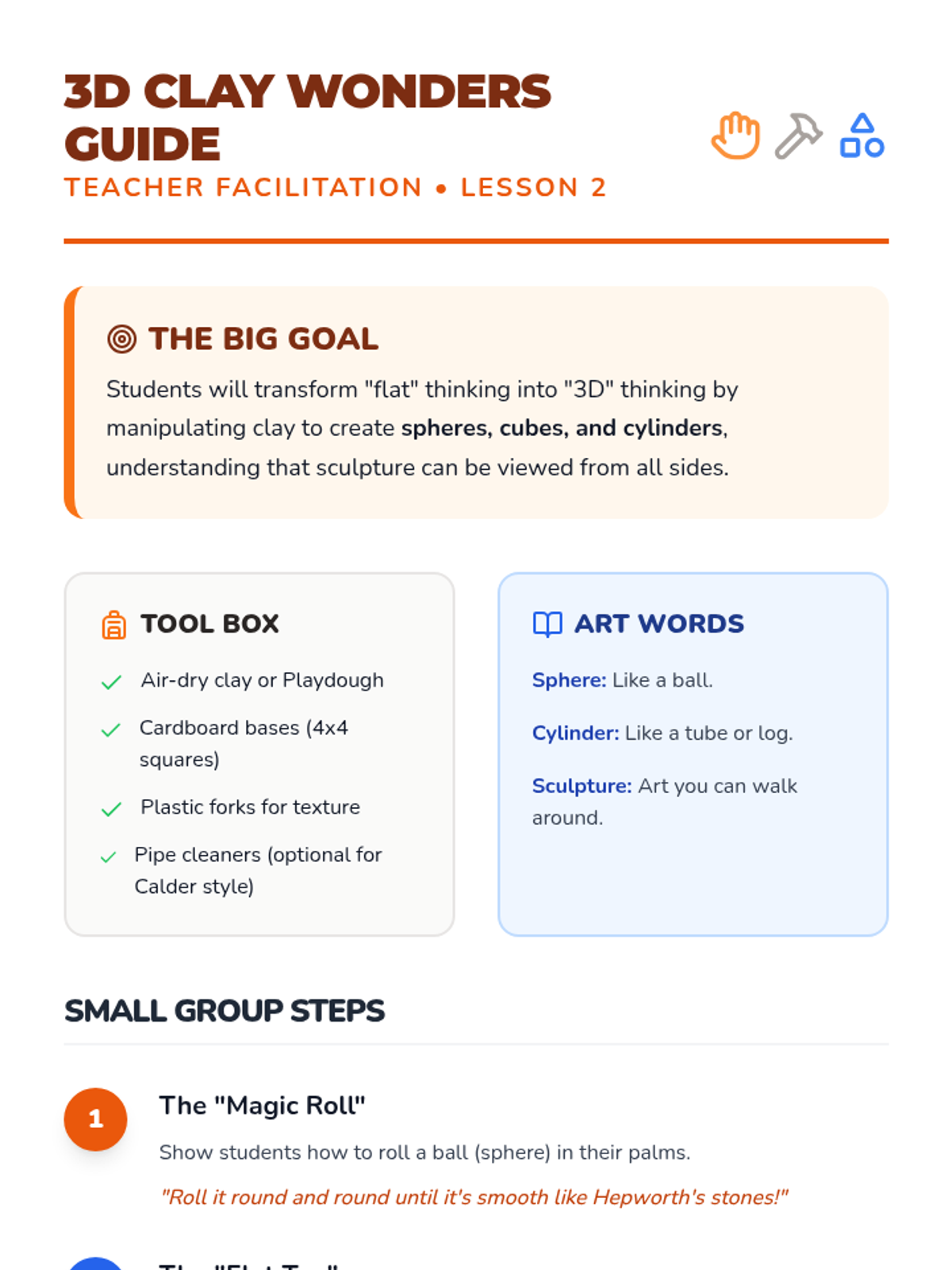
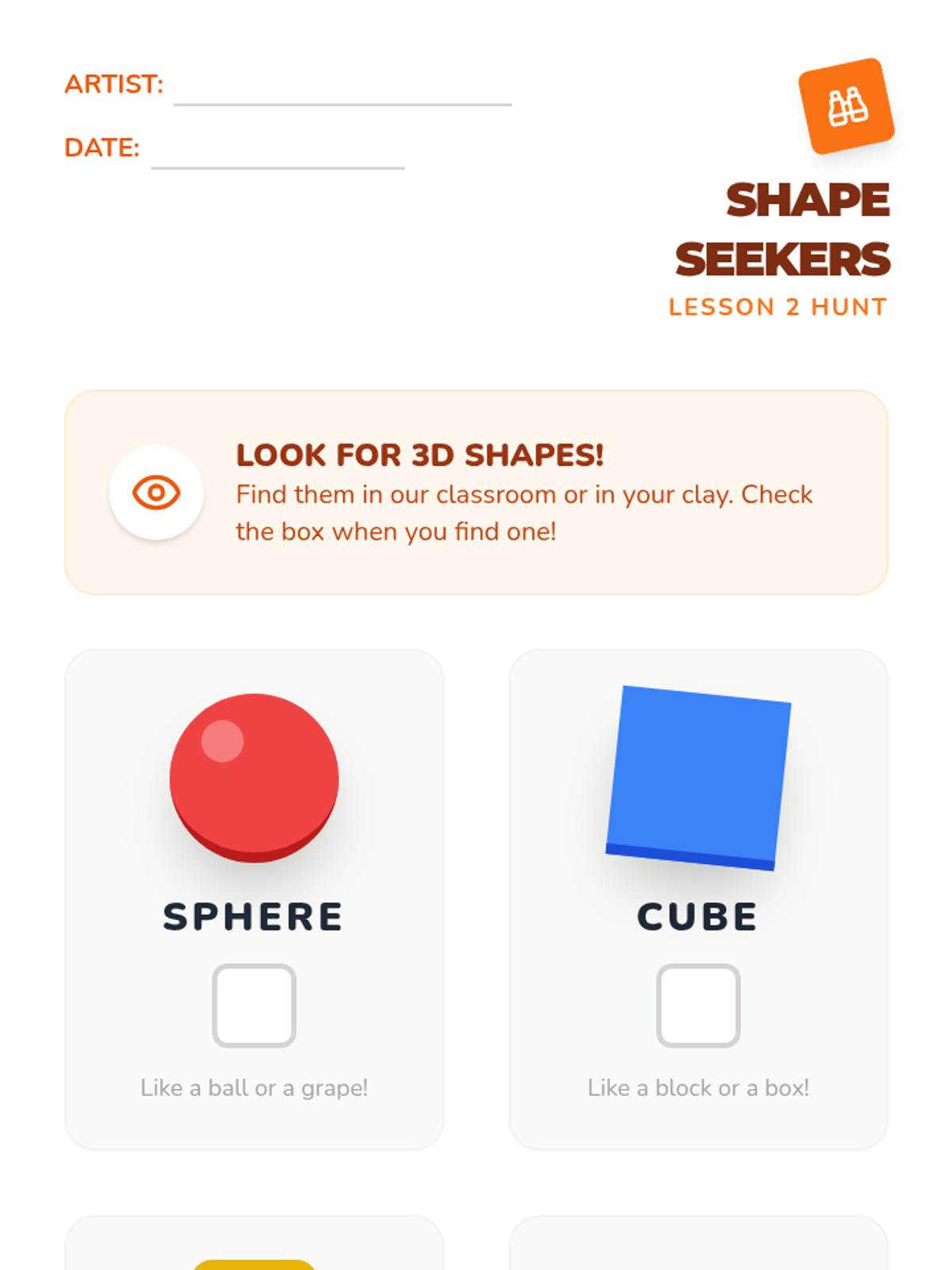
Students transform 2D shapes into 3D forms using clay and secondary materials, inspired by the abstract sculptures of Barbara Hepworth and Alexander Calder.
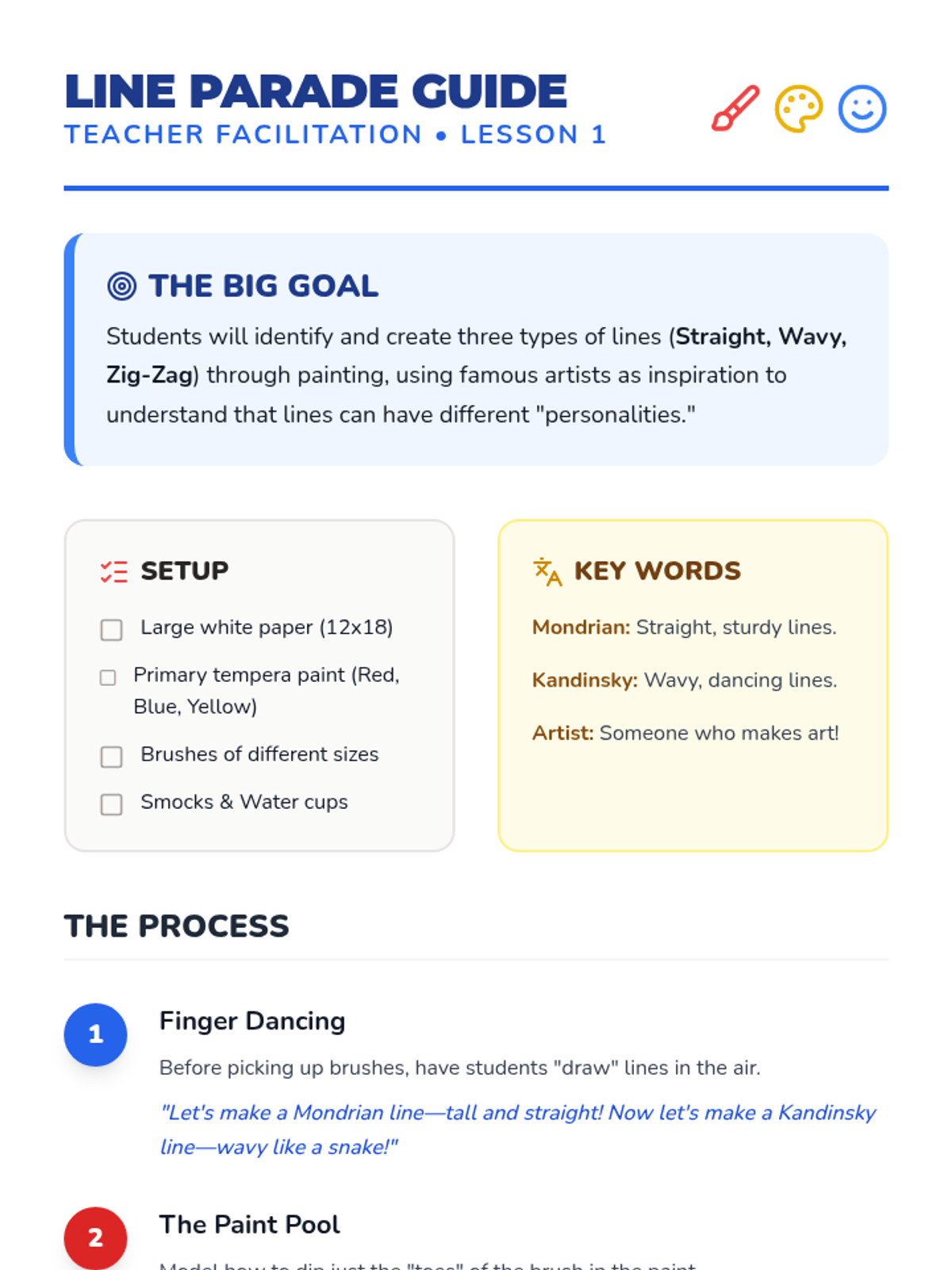
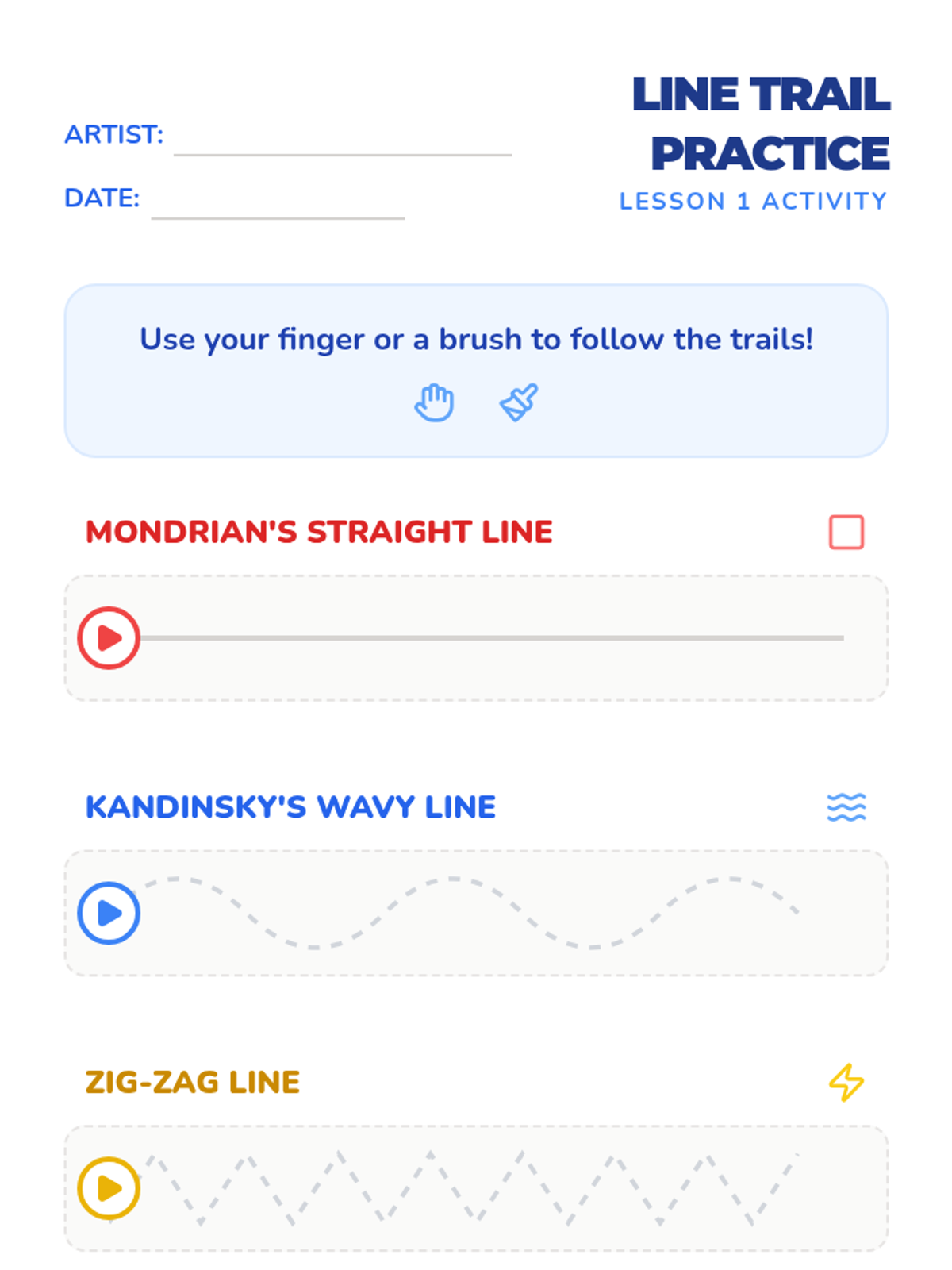
Students explore different types of lines (straight, wavy, zig-zag) using paint, inspired by the bold compositions of Piet Mondrian and Wassily Kandinsky.