Introduces the foundational elements of riding, including mounting, correct posture, steering, and mastering the walk and trot gaits.
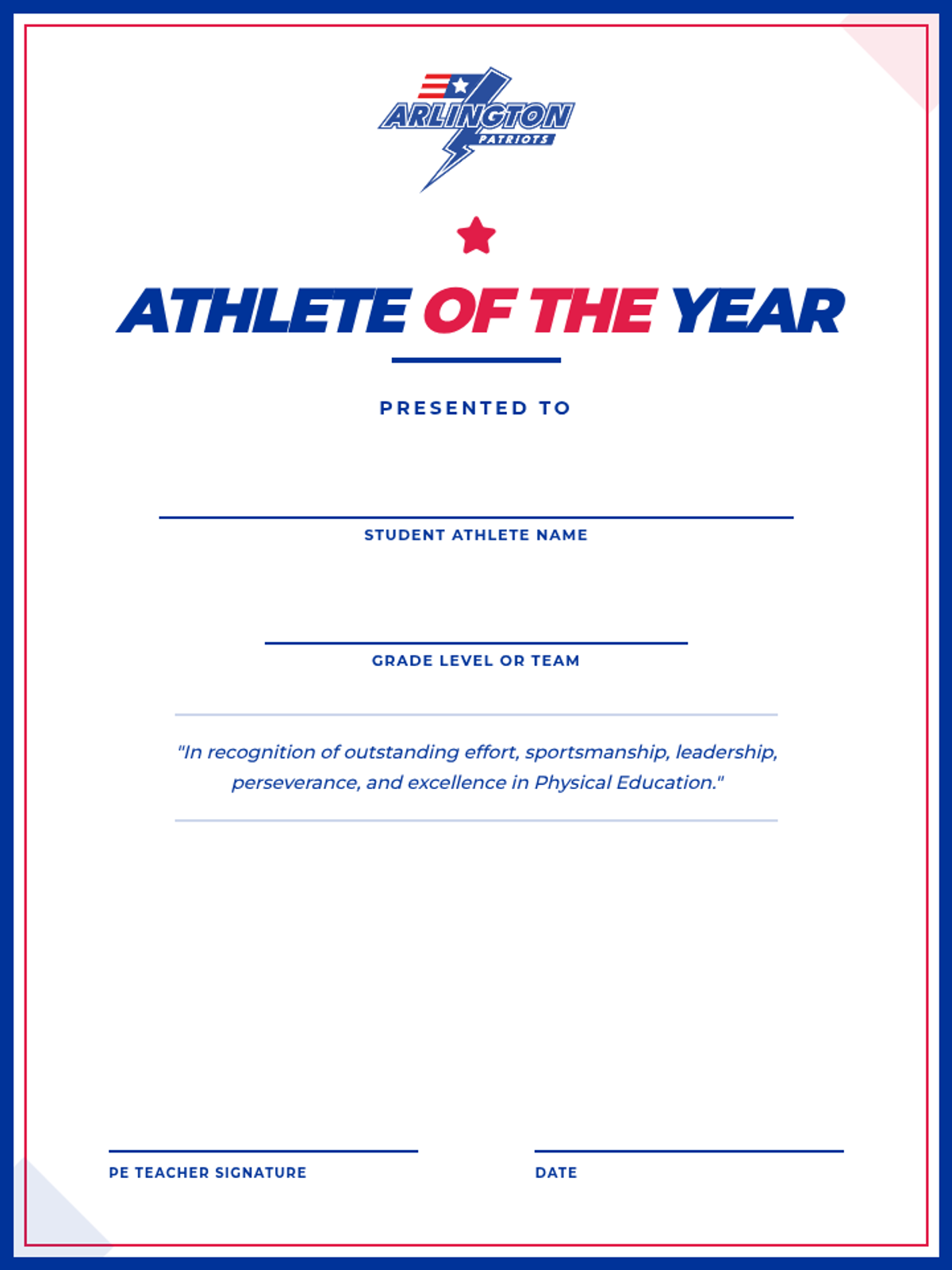
A collection of professional athletic certificates for Arlington primary school physical education, featuring high-contrast school colors and modern layouts.
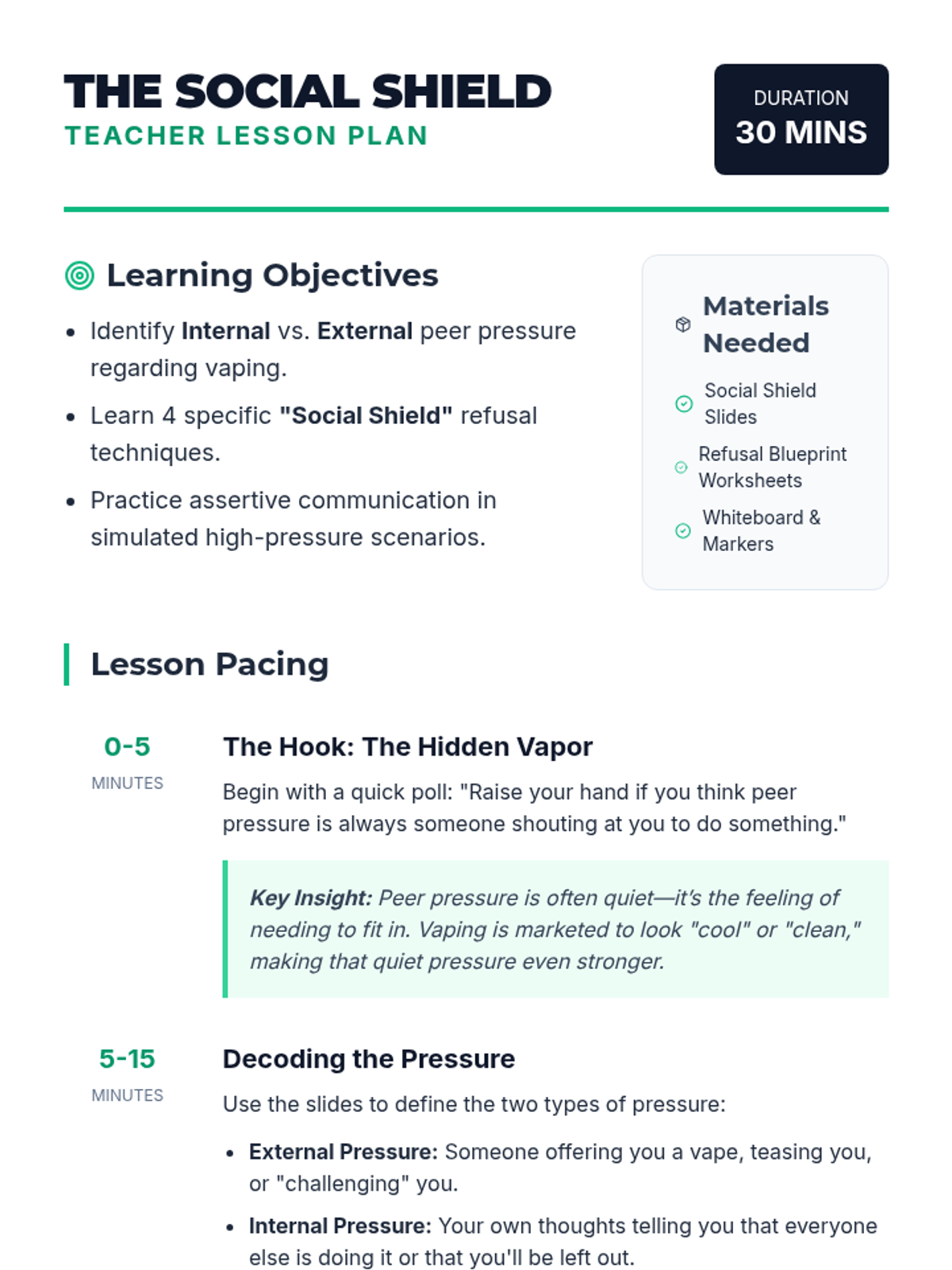
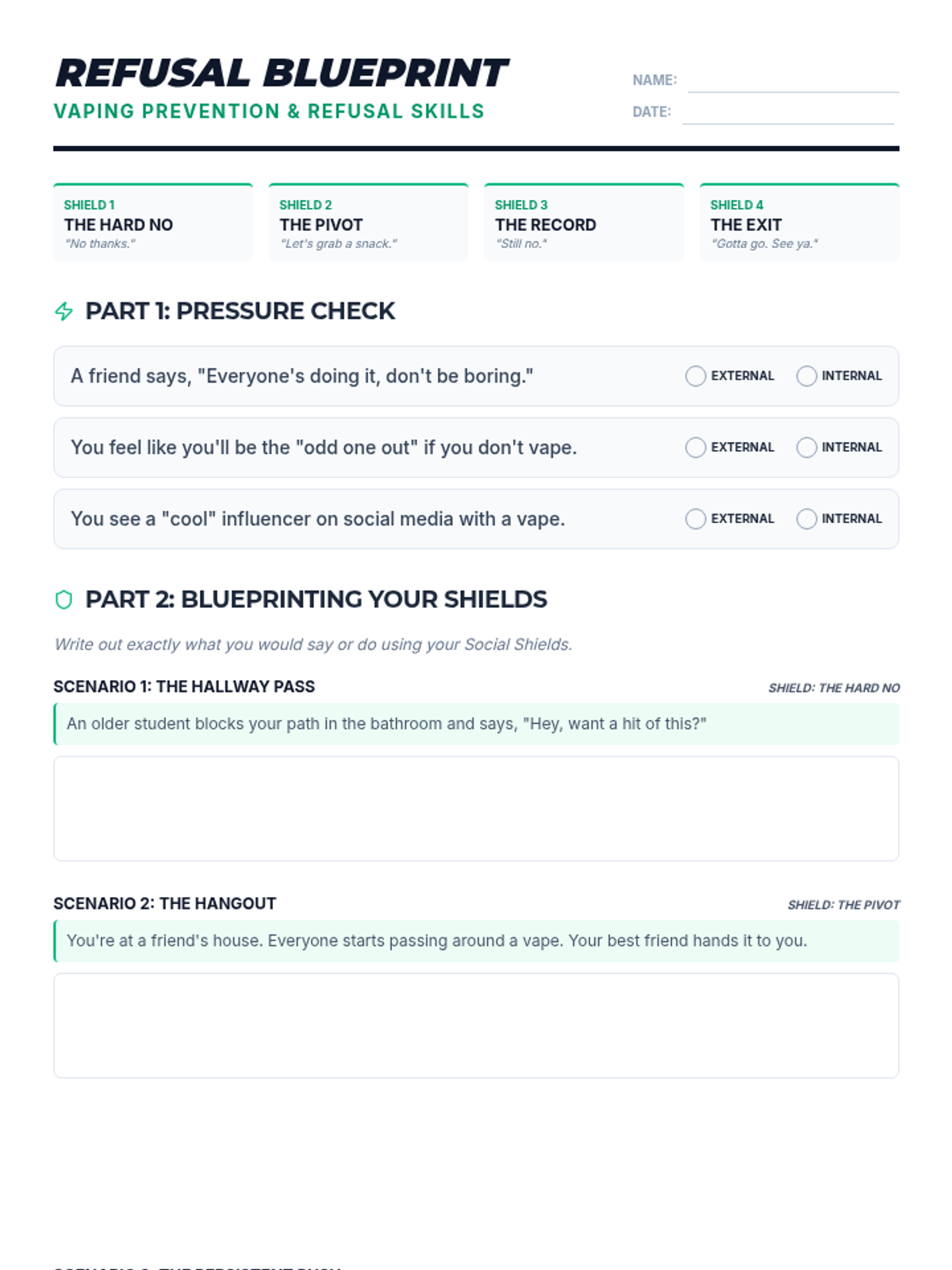
A 30-minute lesson focused on empowering students with refusal skills to navigate peer pressure regarding vaping. Students will learn to identify different types of pressure and practice specific 'Social Shield' techniques to stay drug-free.
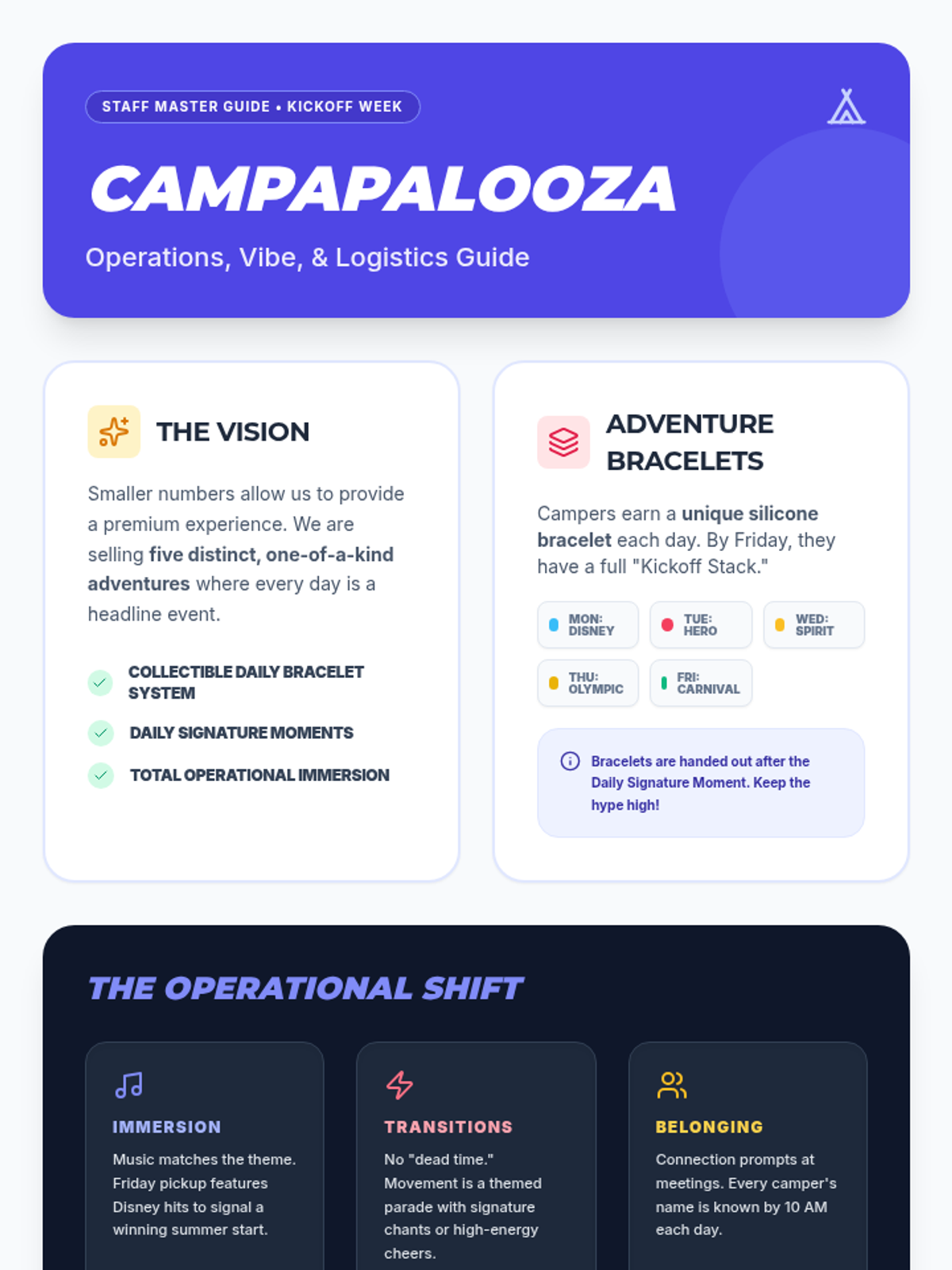
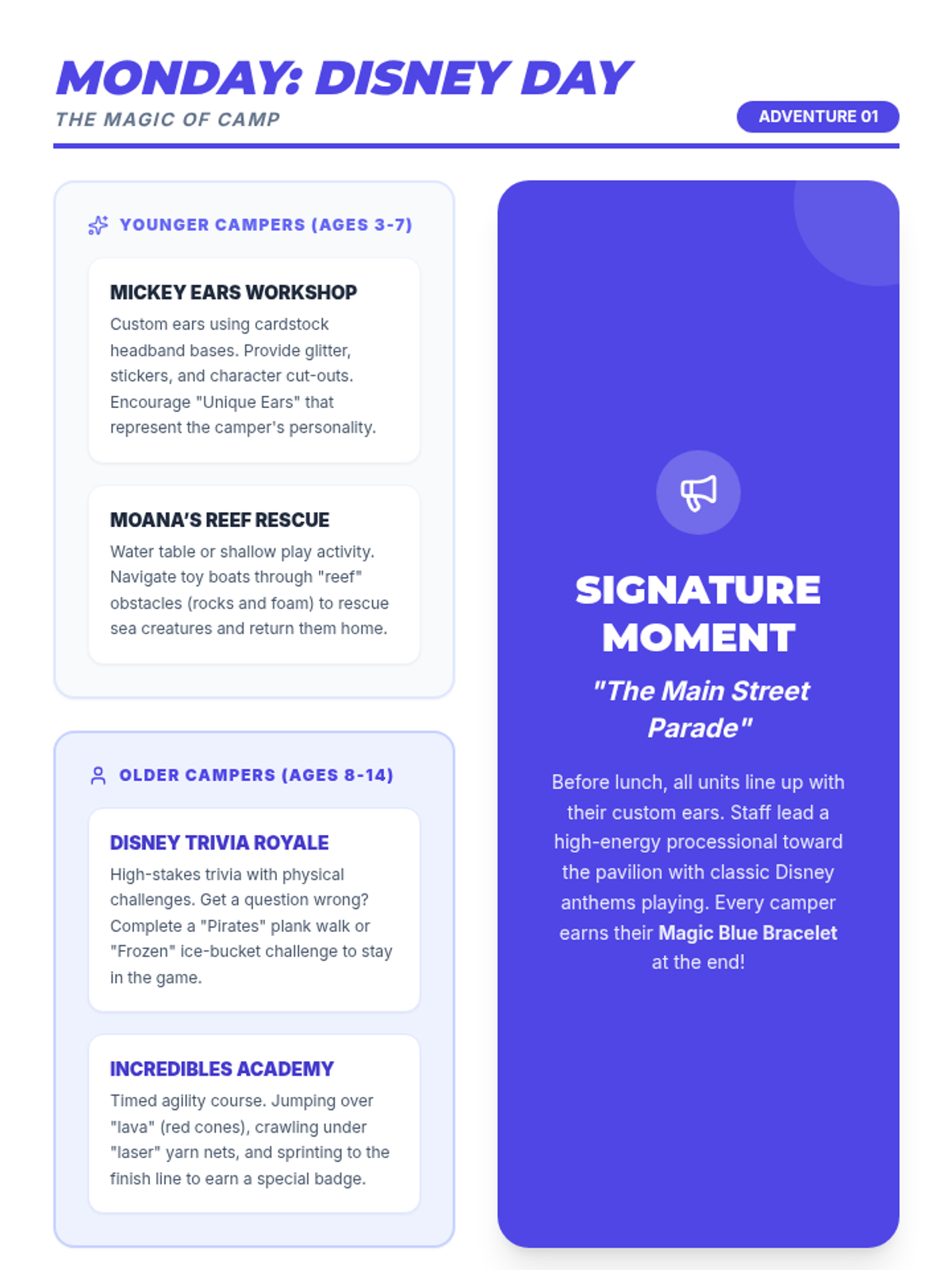
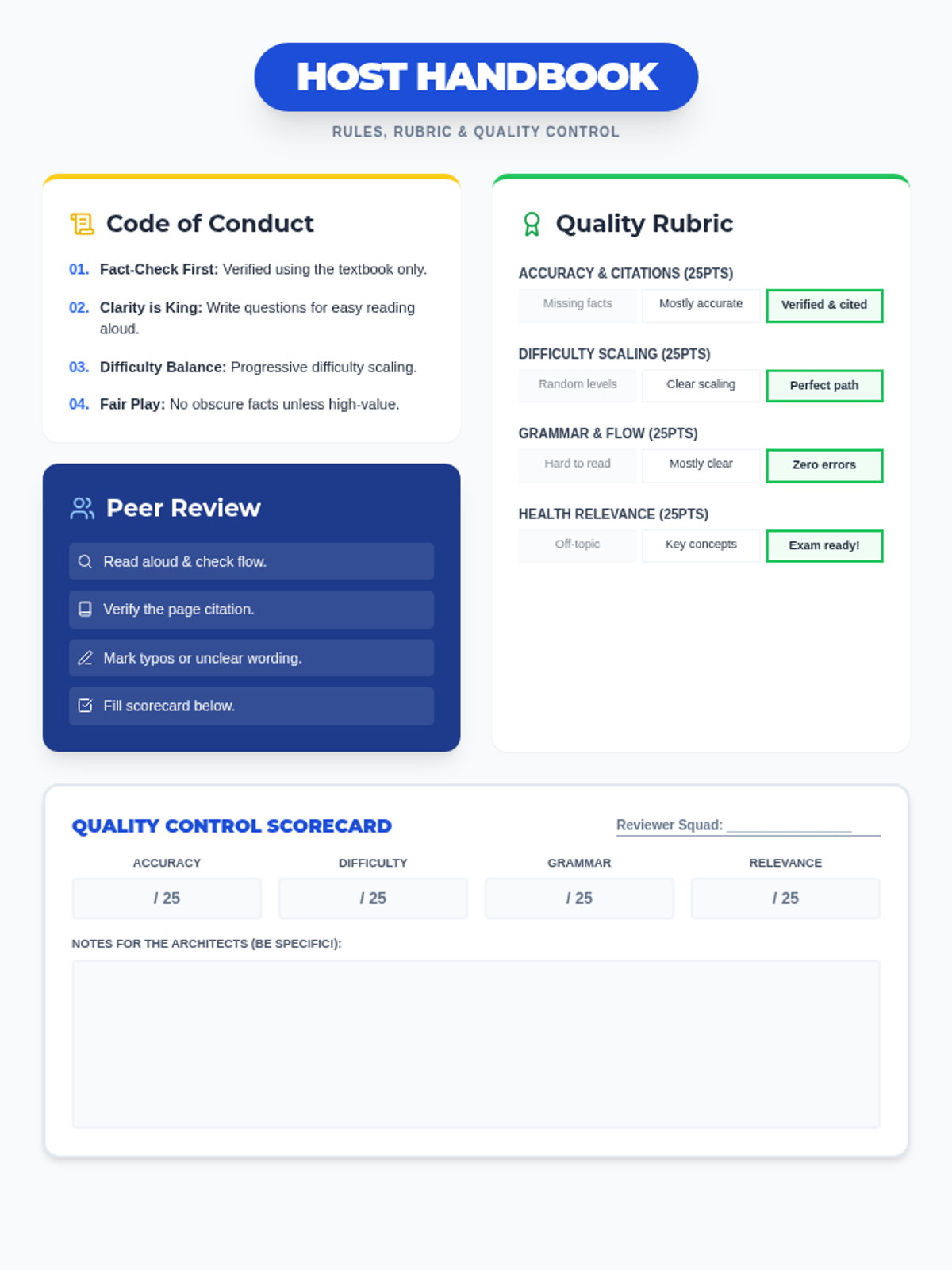
A high-energy kickoff week guide for camp staff, featuring a 'one-of-a-kind adventure' theme with daily themed activities and operational strategies to maximize camper engagement and belonging.
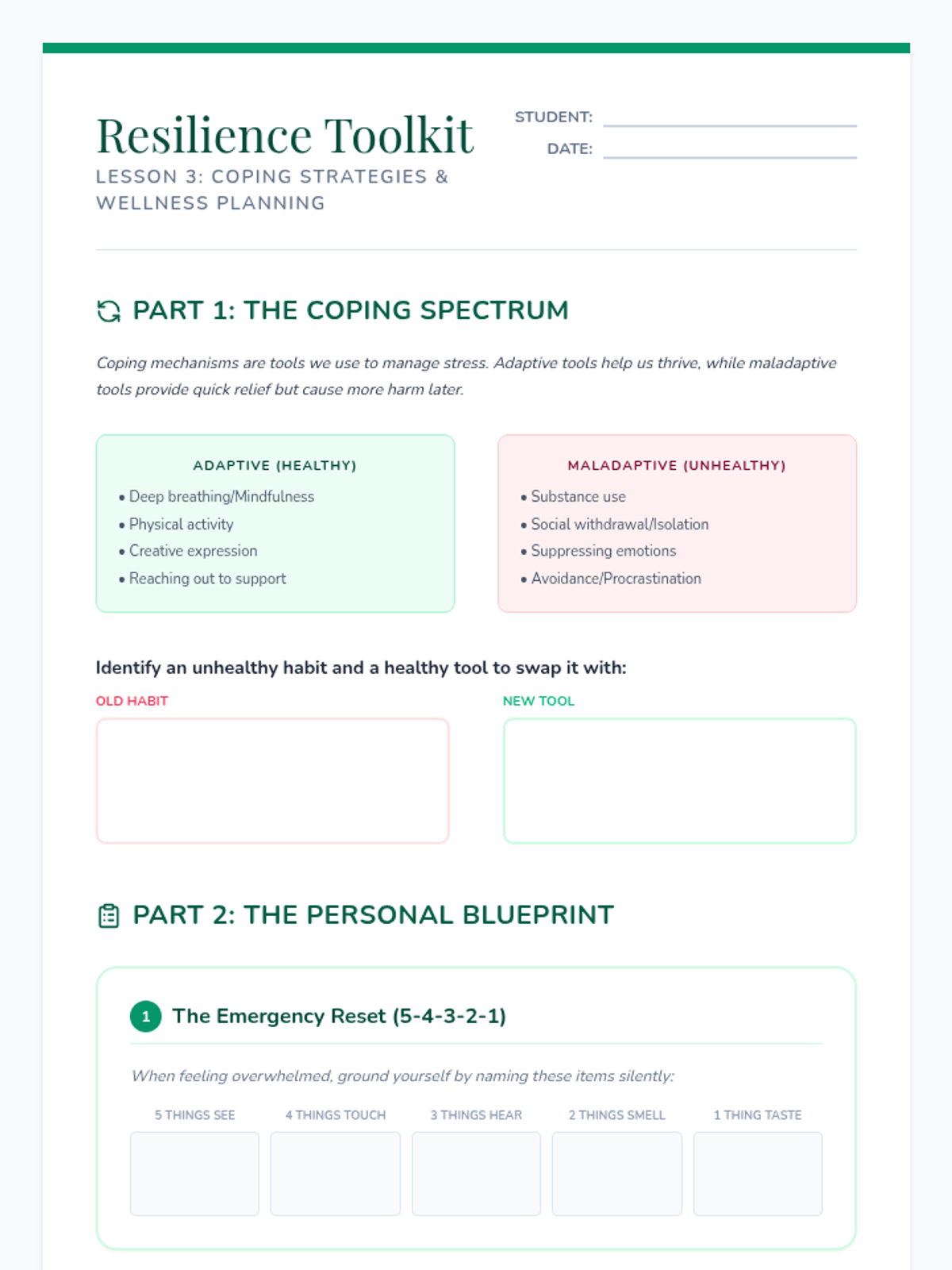
Focuses on developing healthy coping mechanisms, building emotional resilience, and creating personalized wellness plans for long-term mental health.
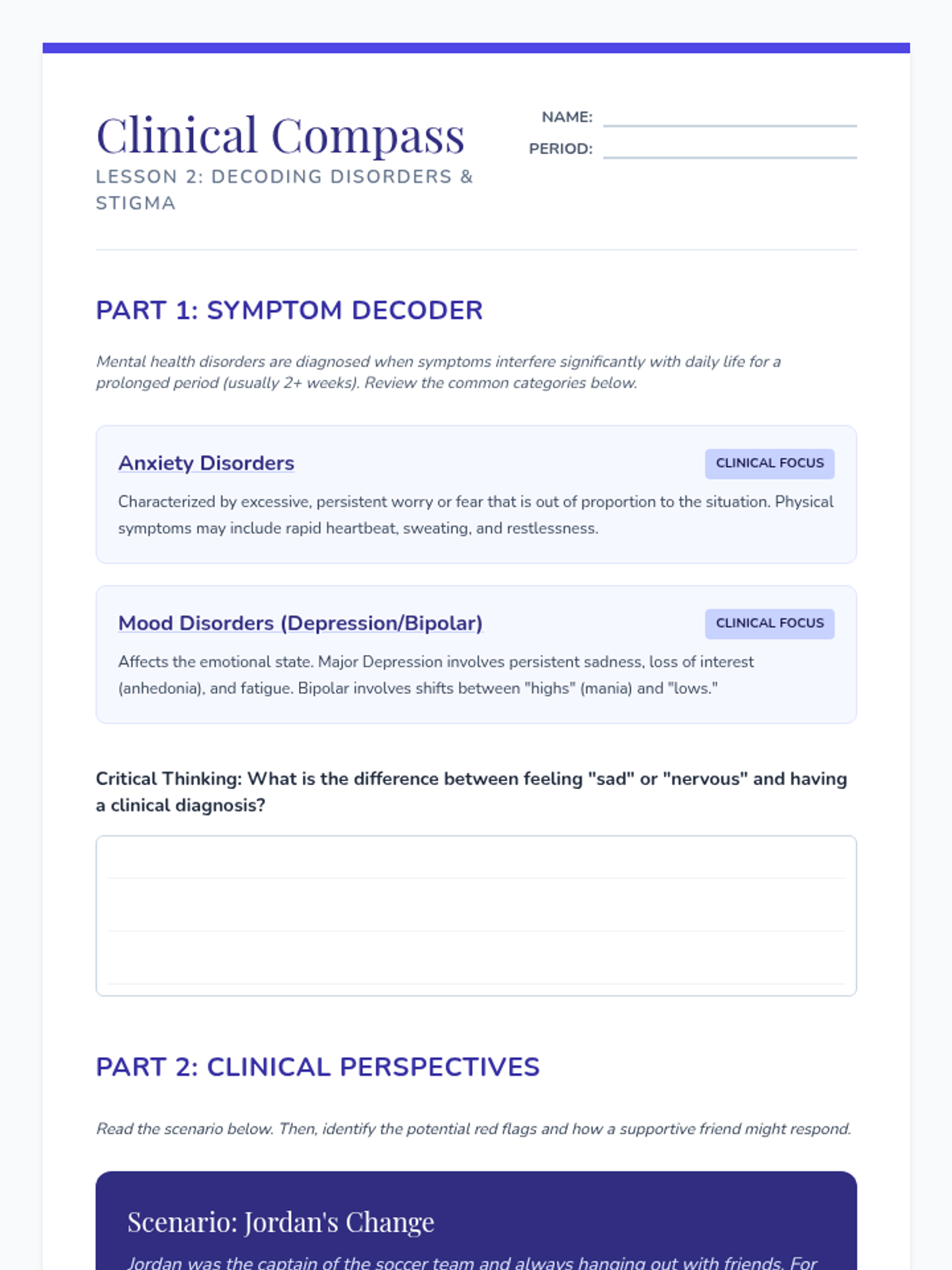
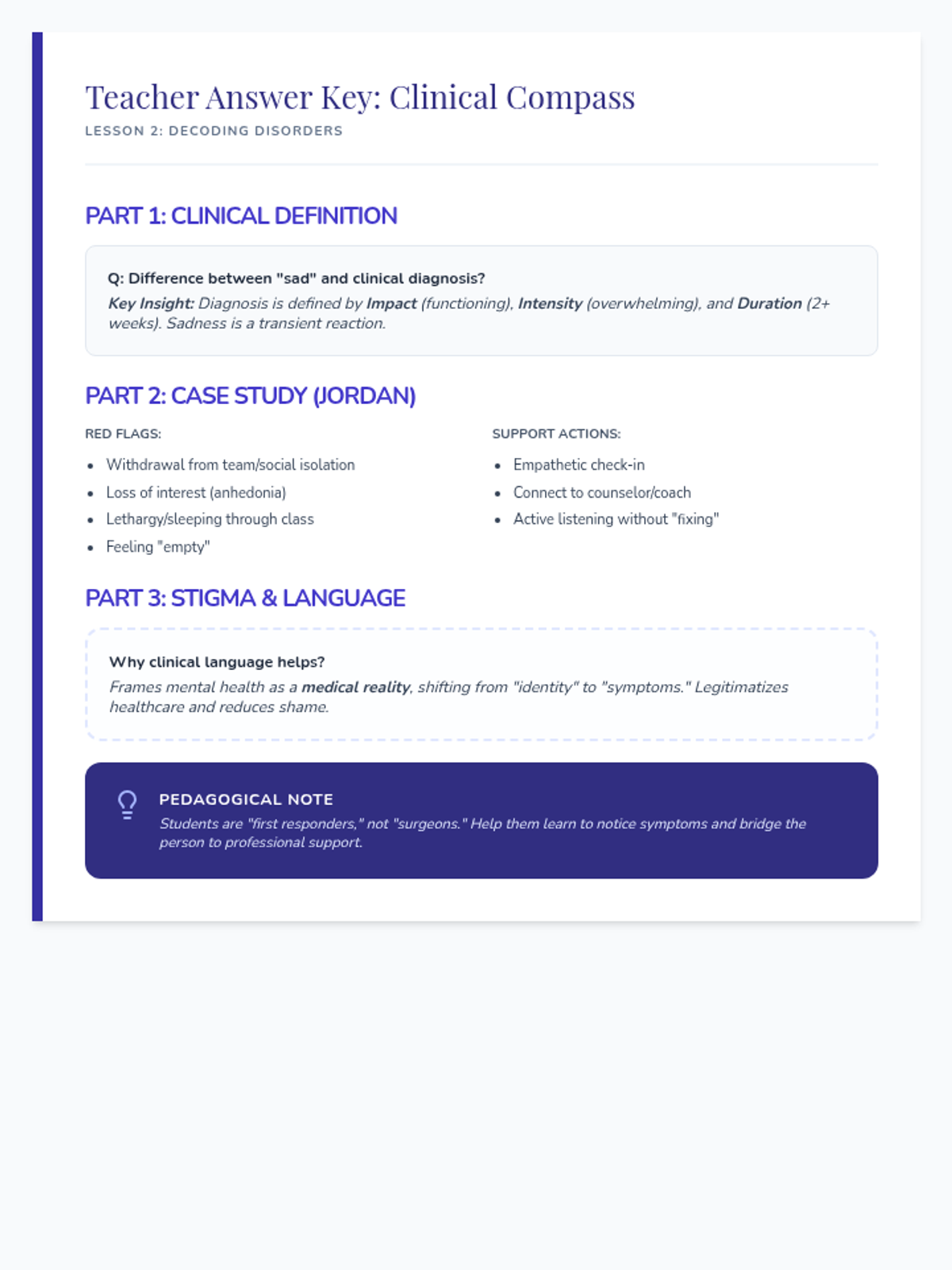
Provides a clinical overview of common mental health disorders, focusing on diagnostic criteria, symptom recognition, and destigmatizing mental illness.
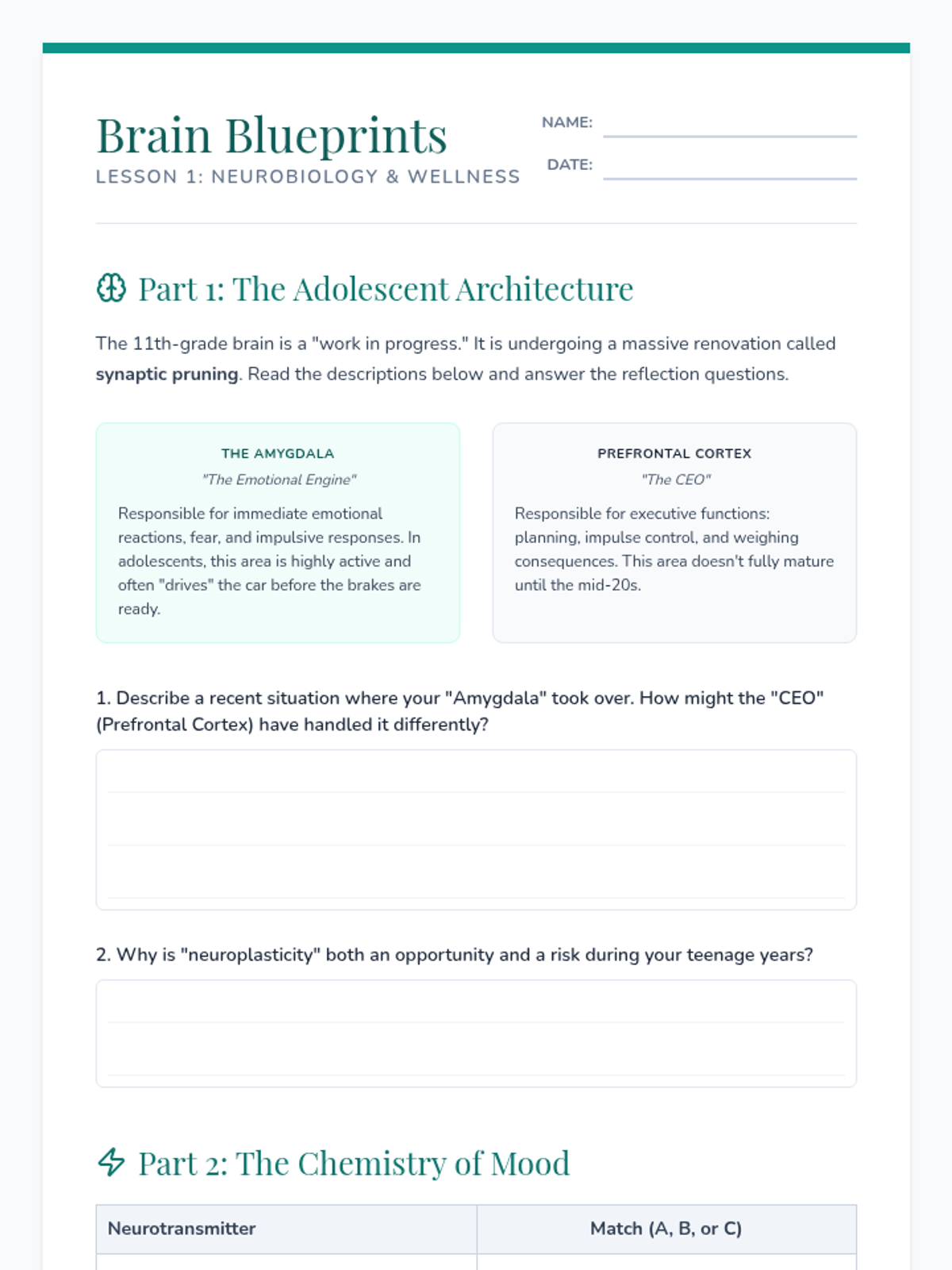
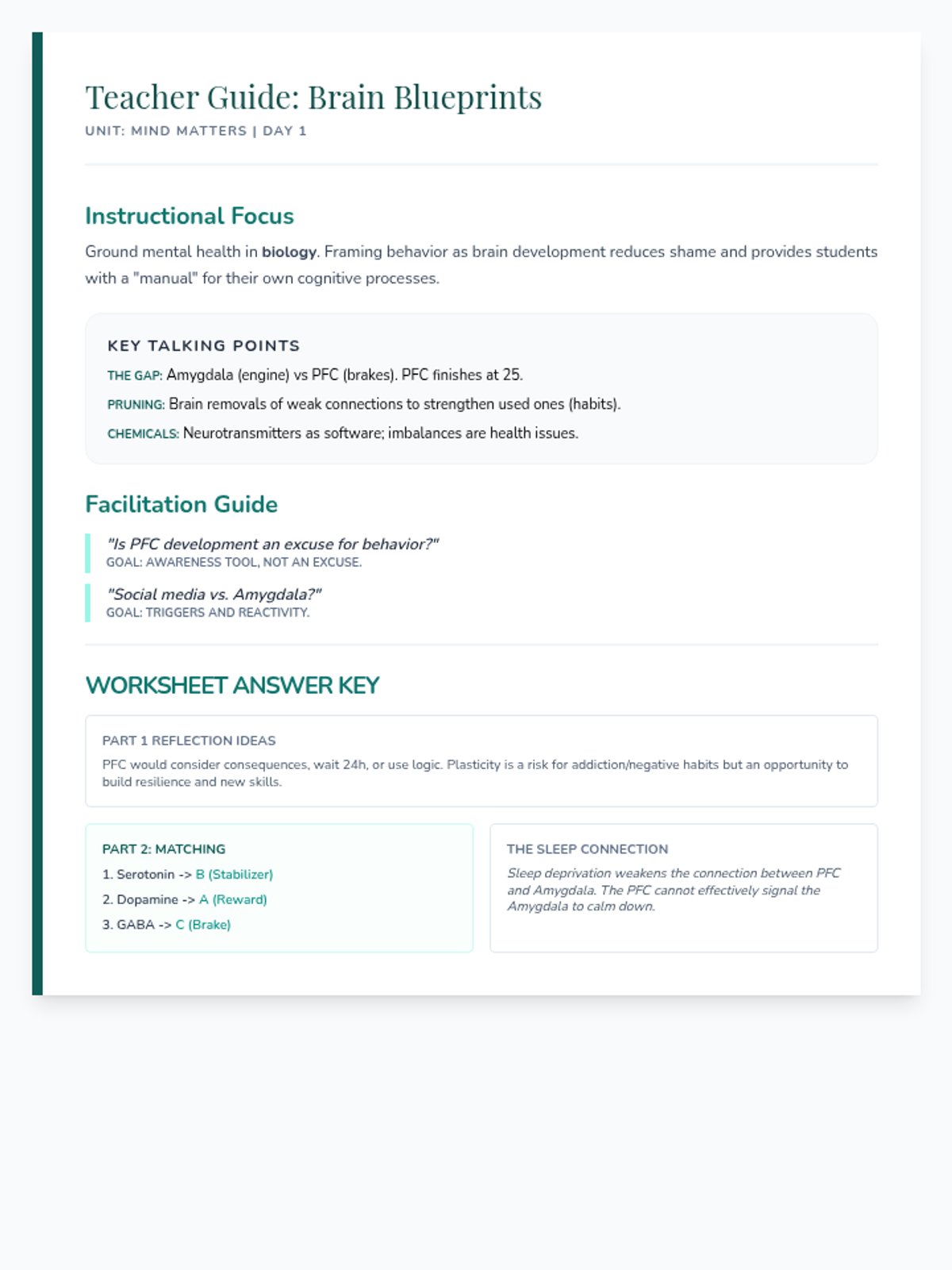
Explores the neurobiology of the adolescent brain, focusing on the development of the prefrontal cortex and the role of neuroplasticity in mental wellness.
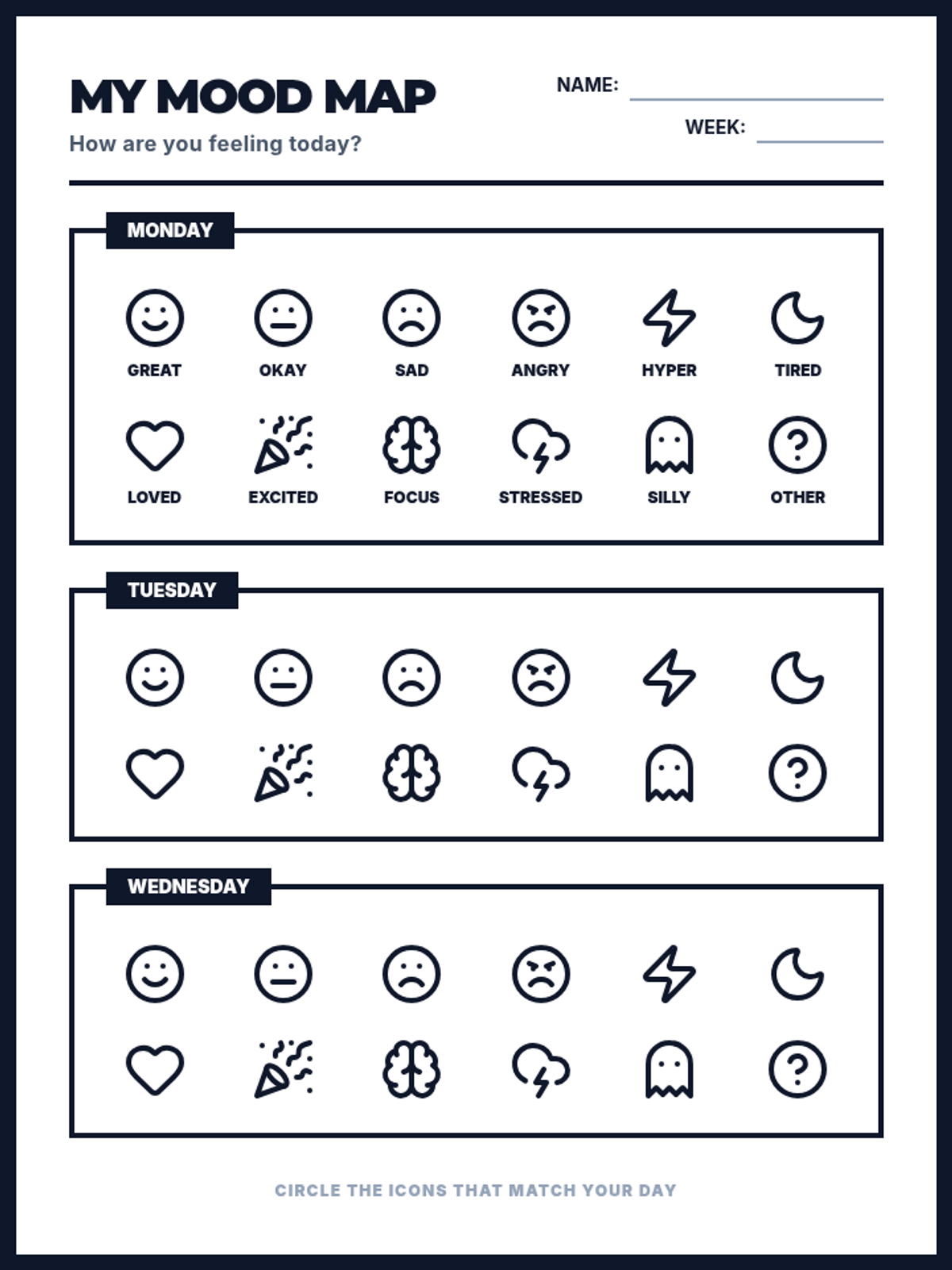
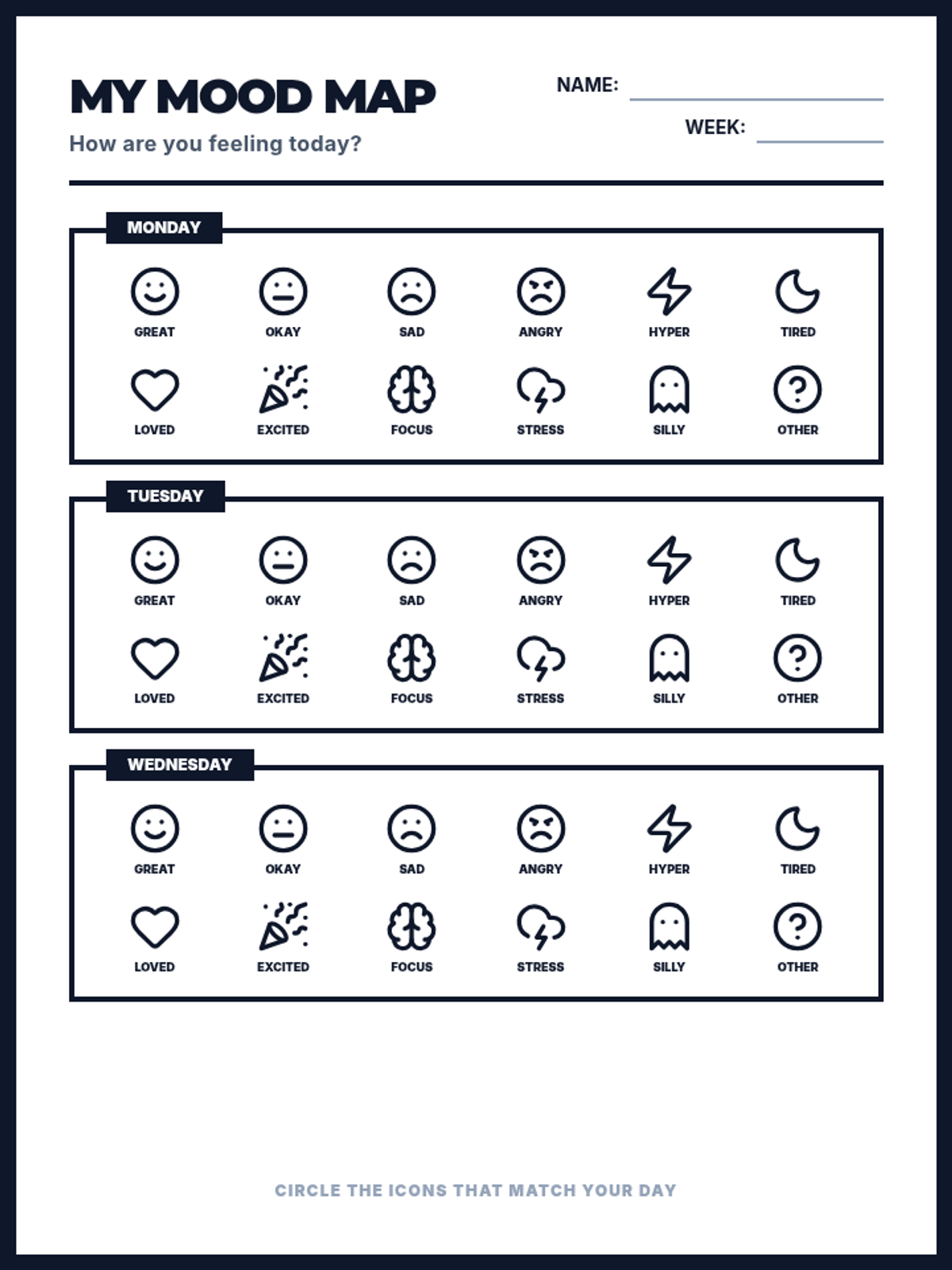
A comprehensive 7-page weekly health and wellness tracking packet designed to help students monitor their mood, nutrition, sleep, and personal hygiene habits.
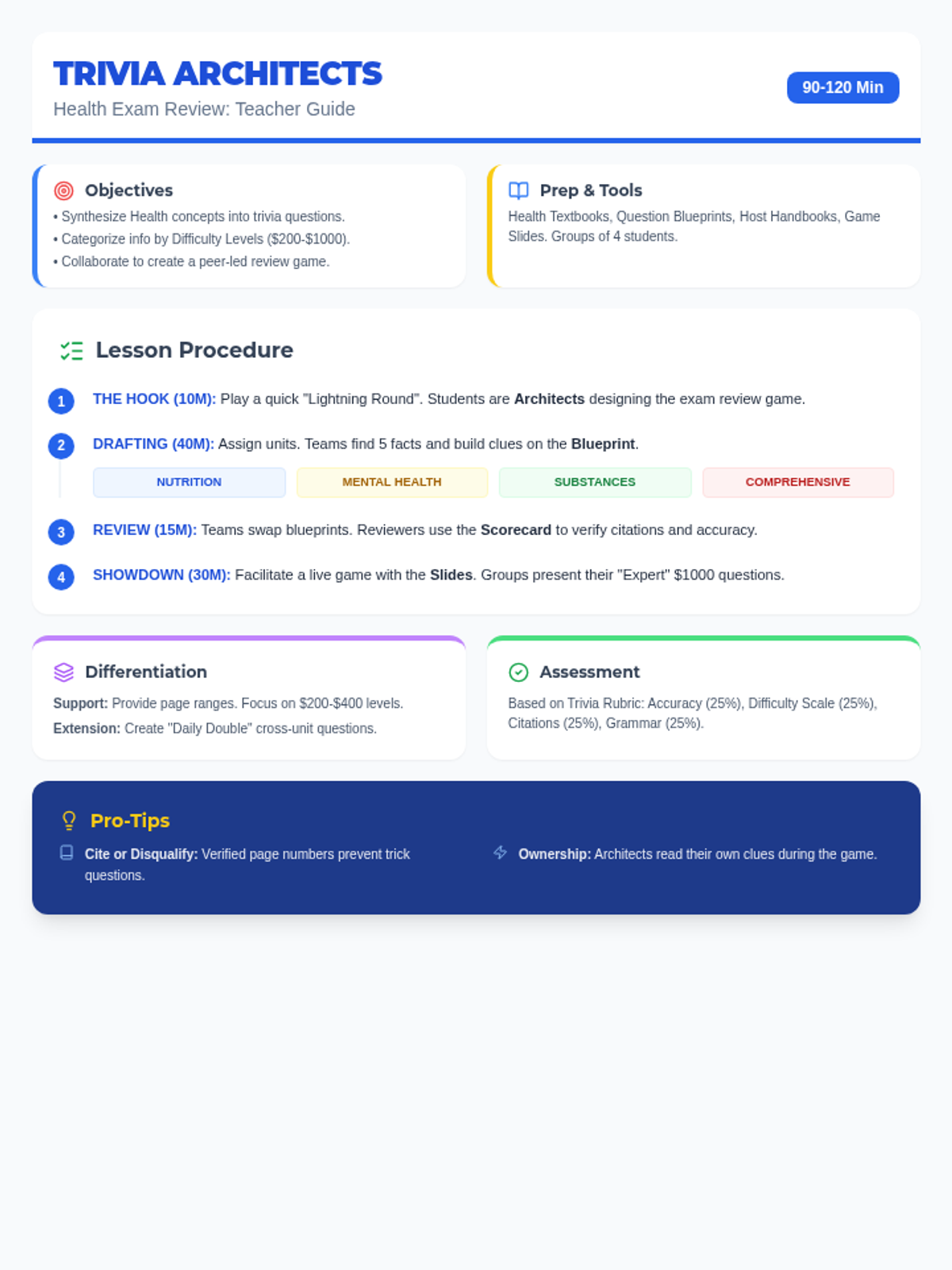
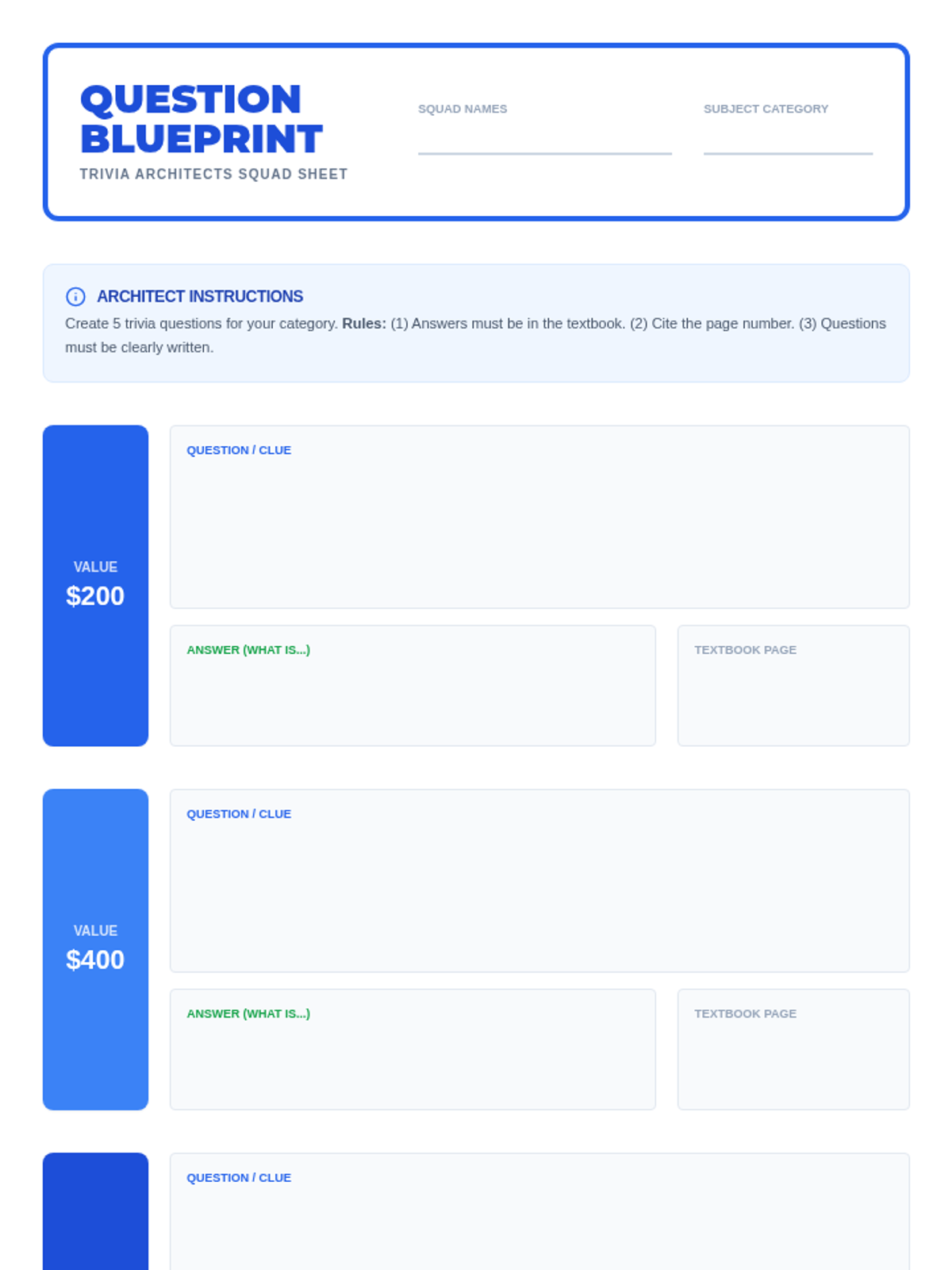
A collaborative lesson where students transform their health textbook chapters into a Jeopardy-style review game to prepare for final exams.
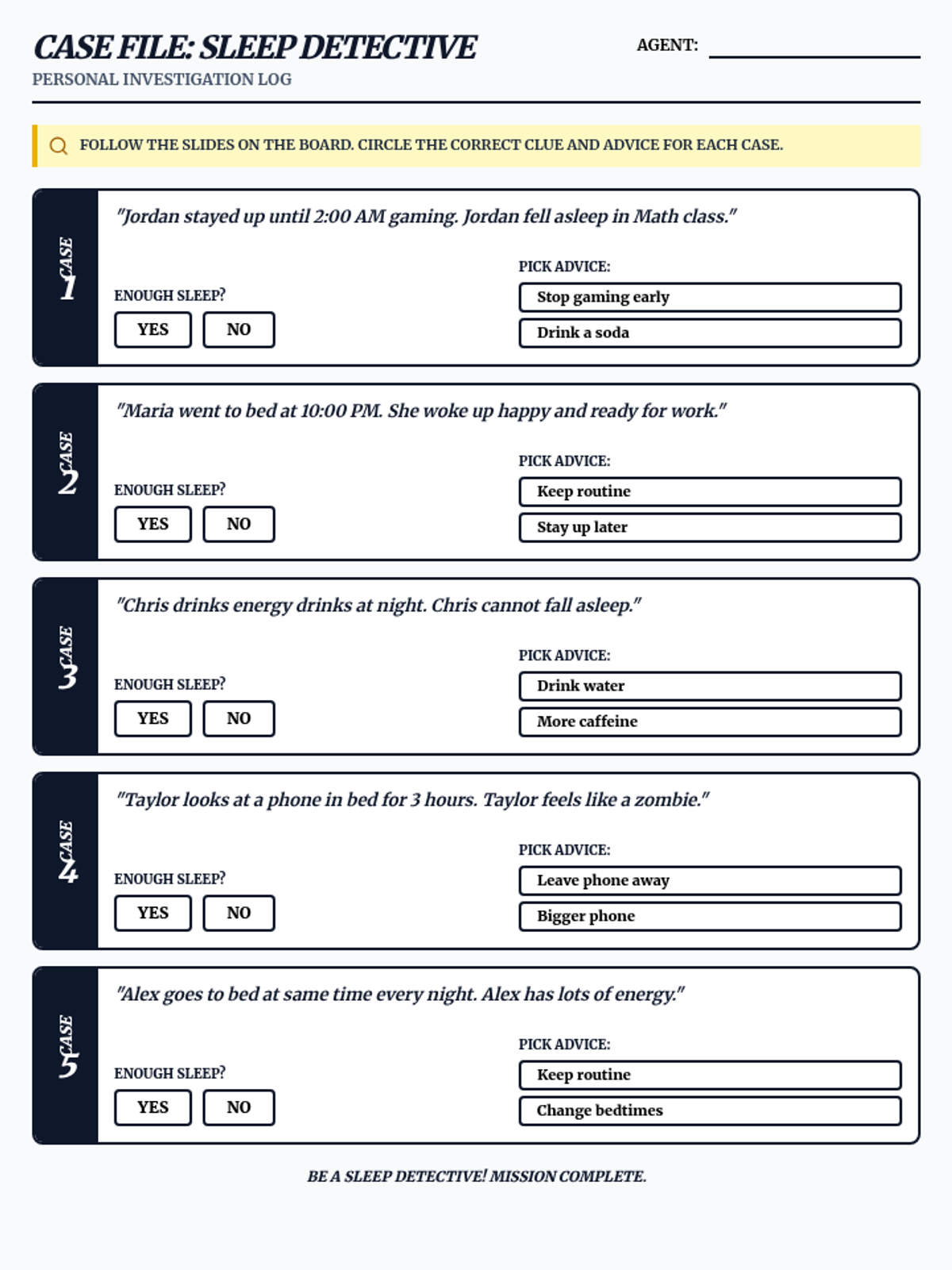
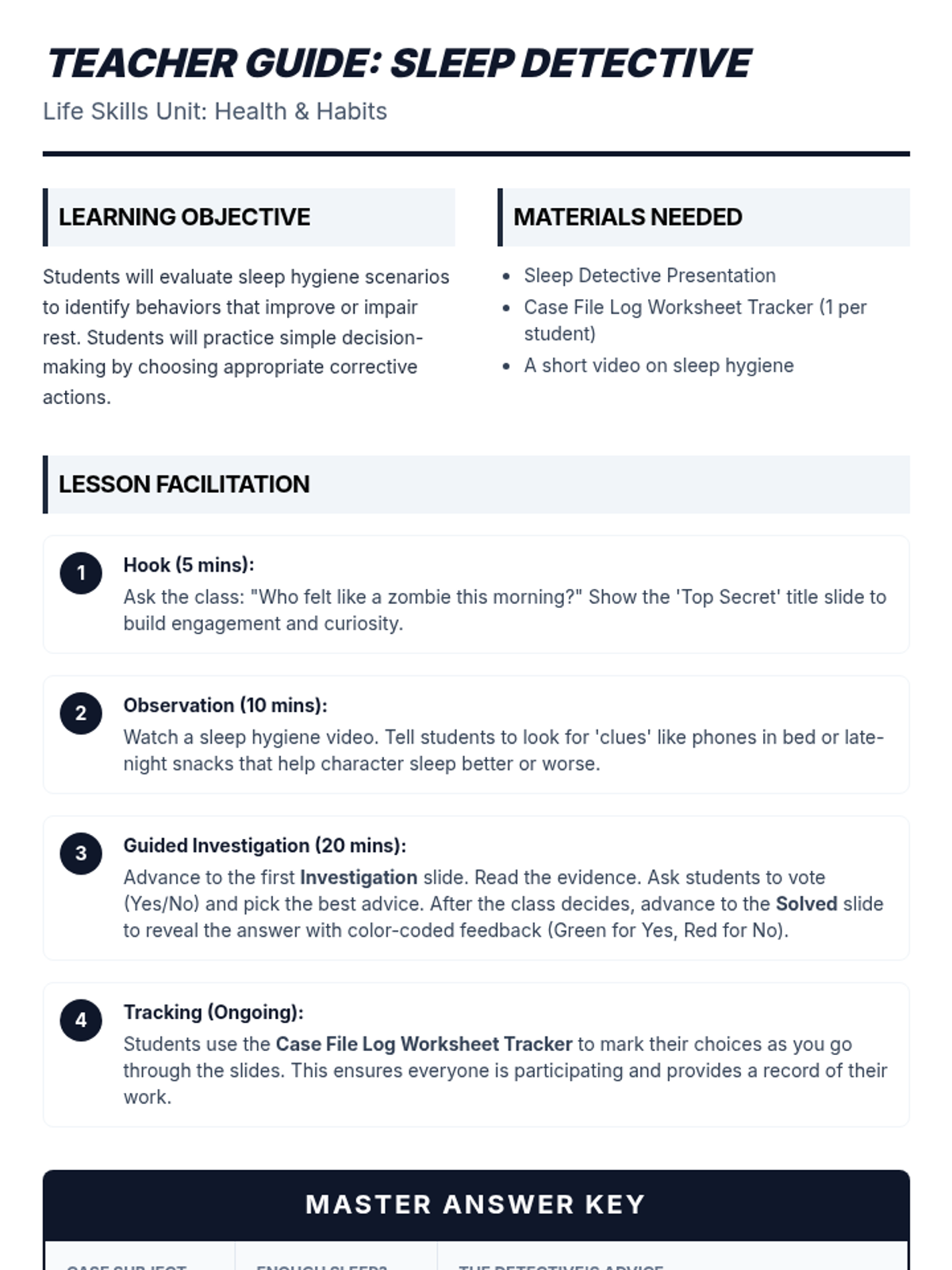
A life skills lesson where students become 'Sleep Detectives' to analyze habits and identify healthy sleep patterns using visual scenarios and simple decision-making.
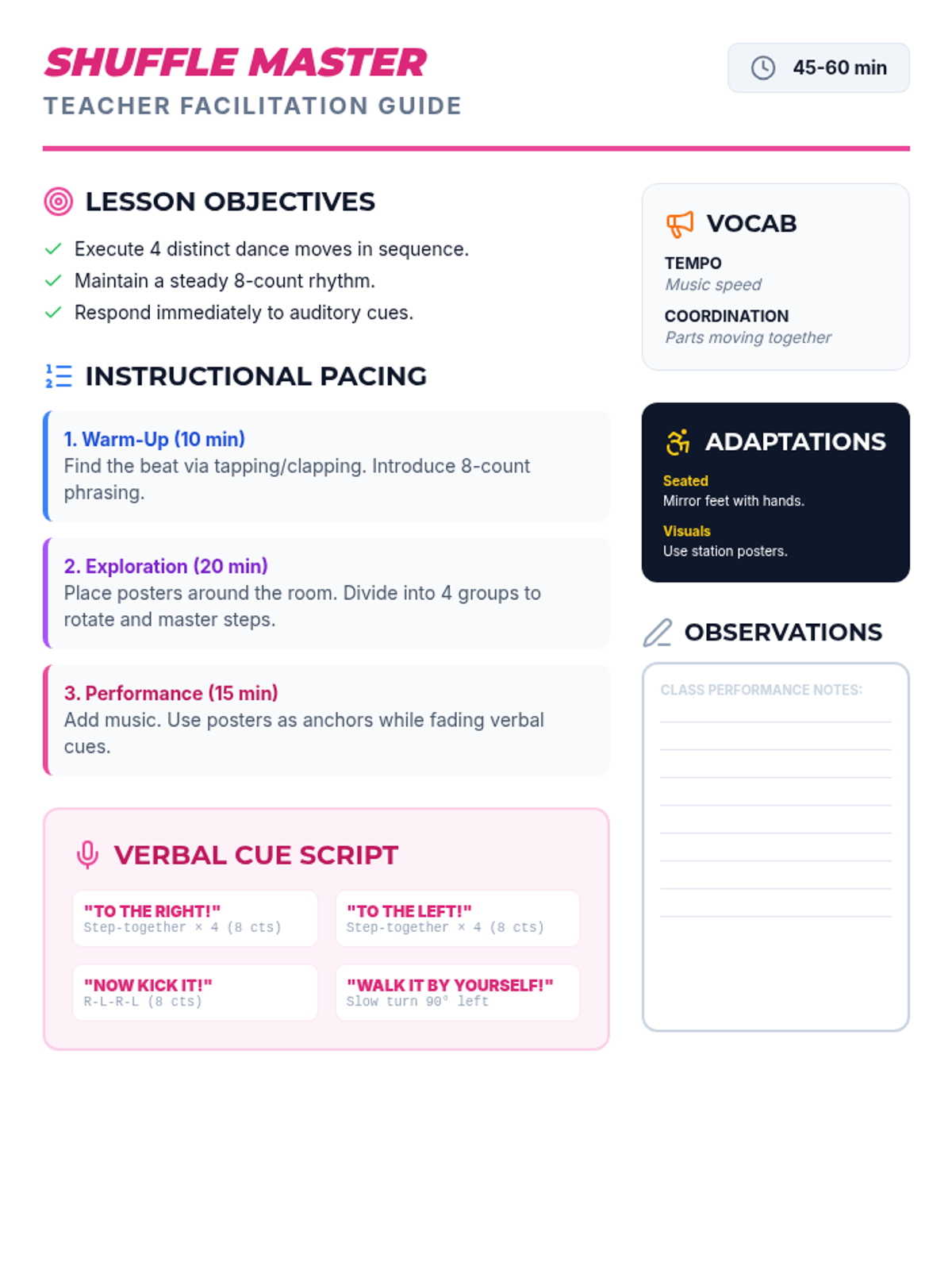
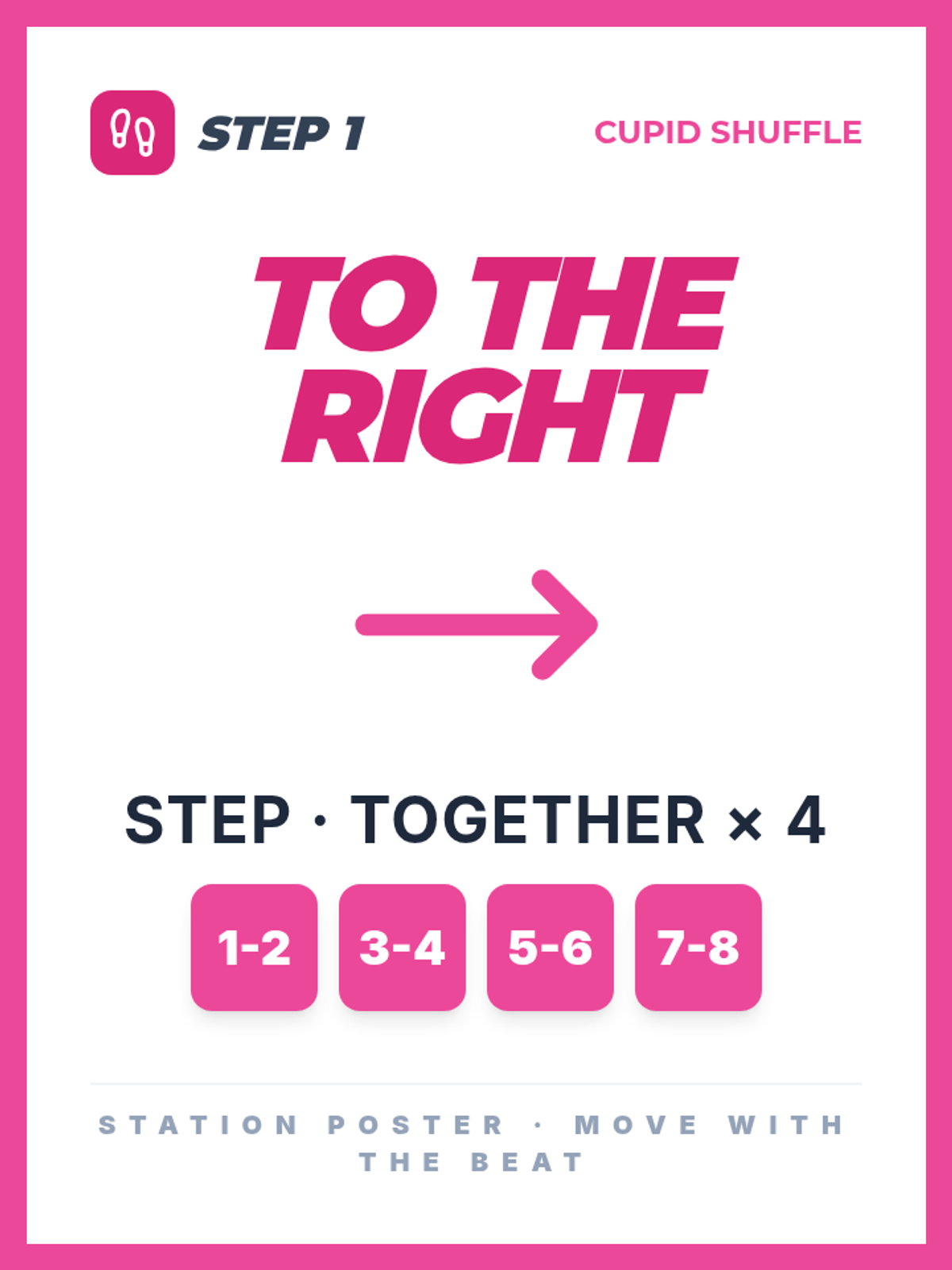
A high-energy lesson focused on mastering the Cupid Shuffle while developing rhythm recognition, coordination, and the ability to follow multi-step auditory instructions.
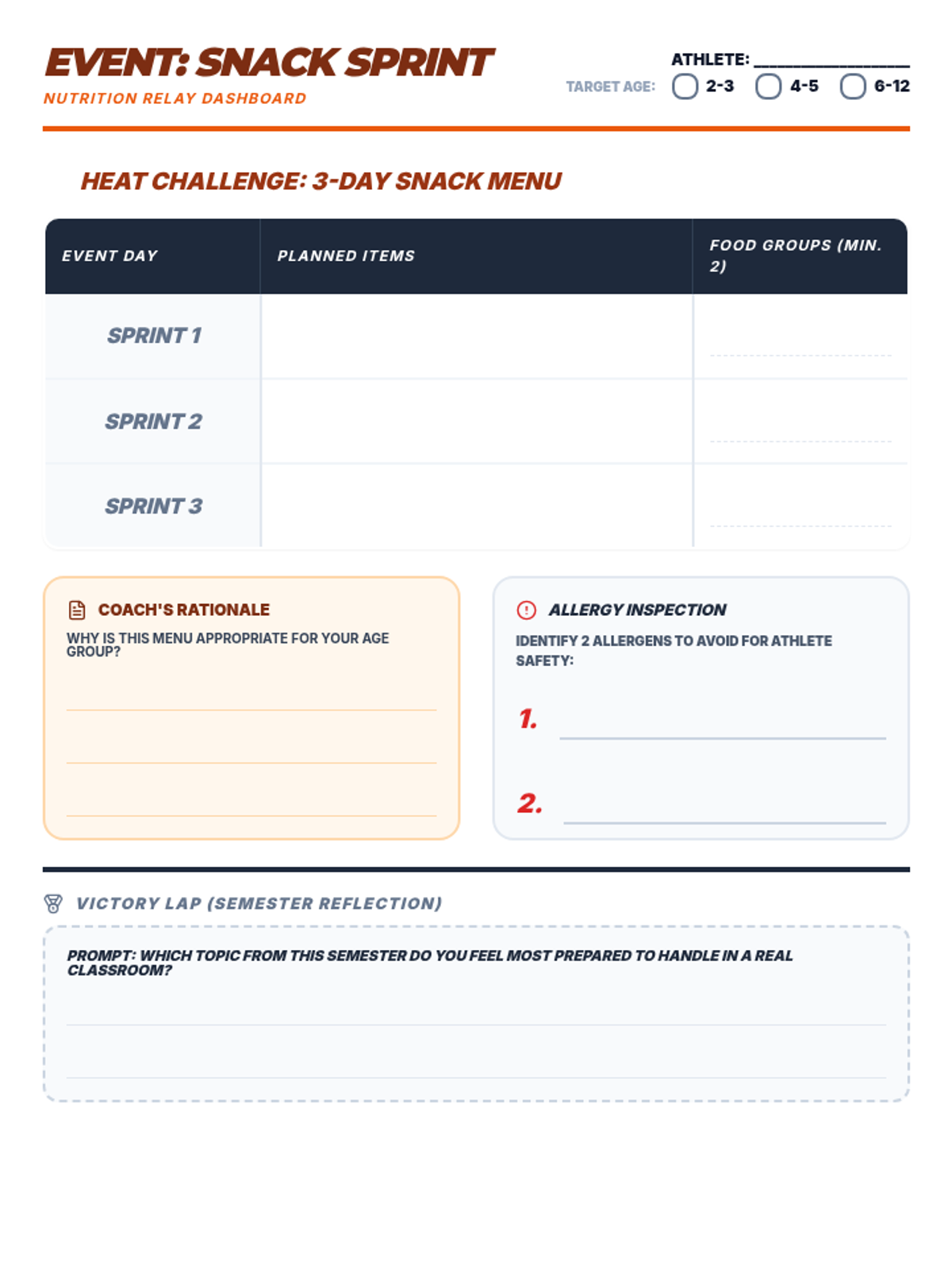
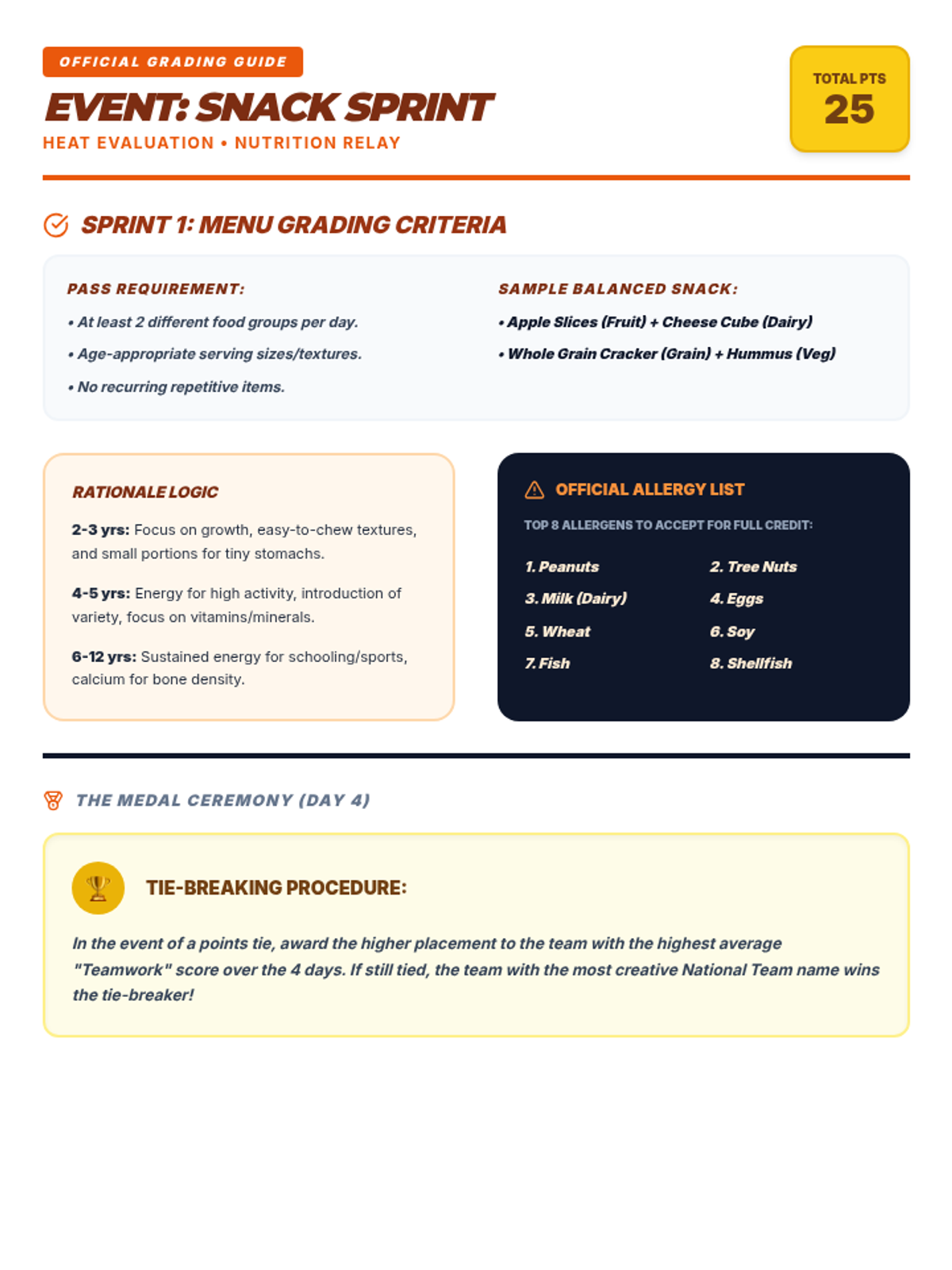
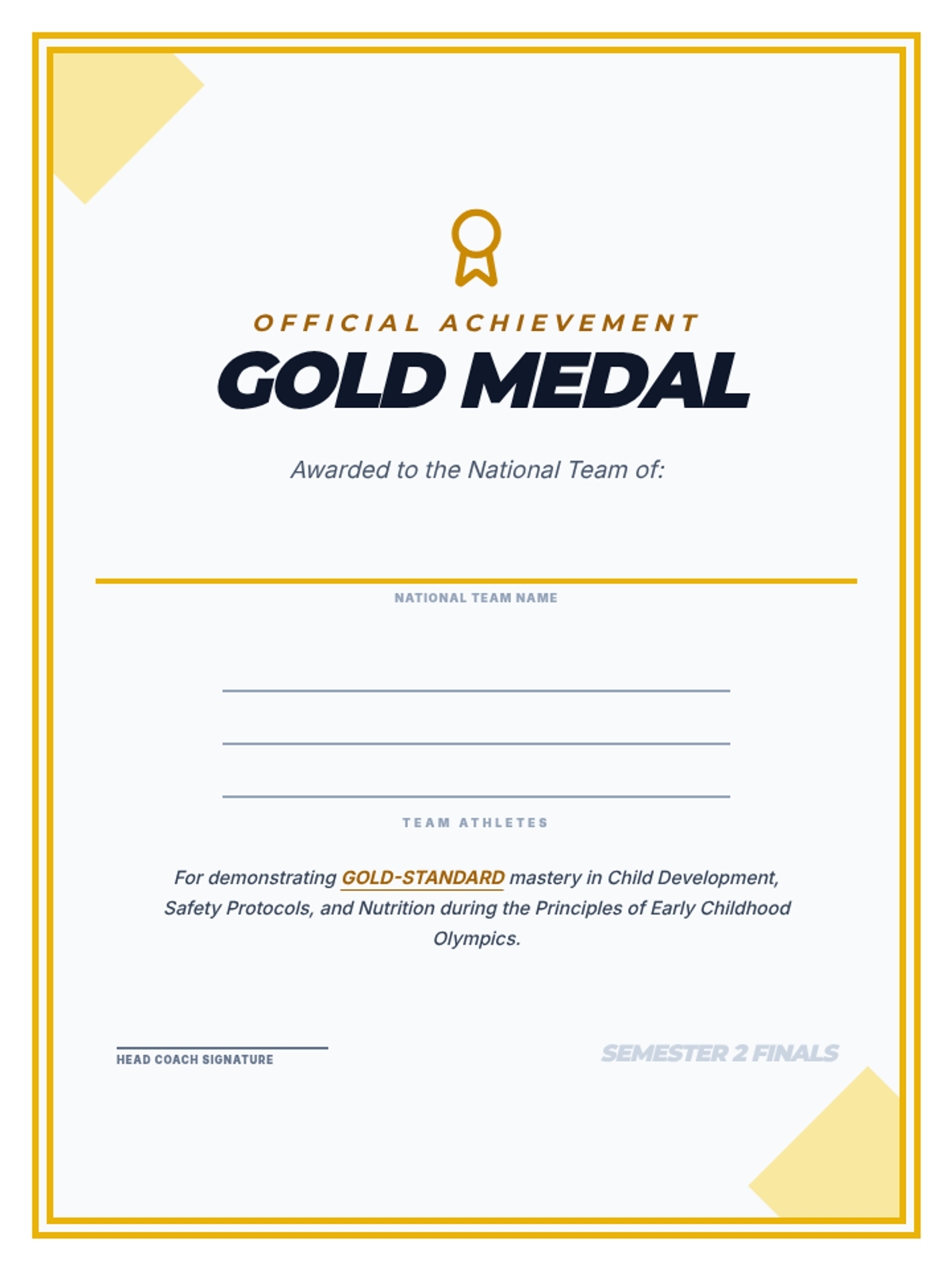
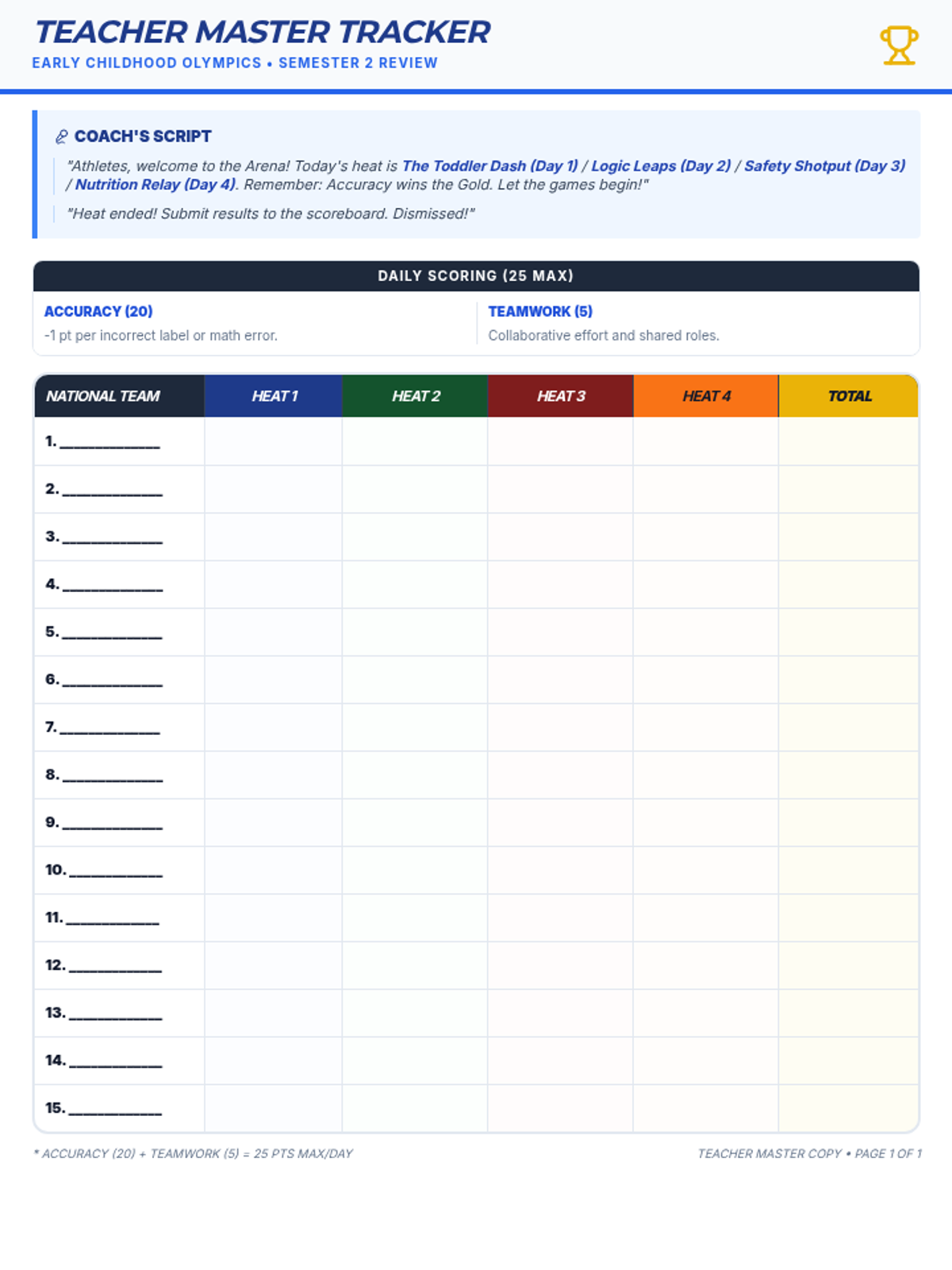
The final day covers nutrition and meal planning, followed by the grand tallying of points and the medal ceremony to conclude the semester.
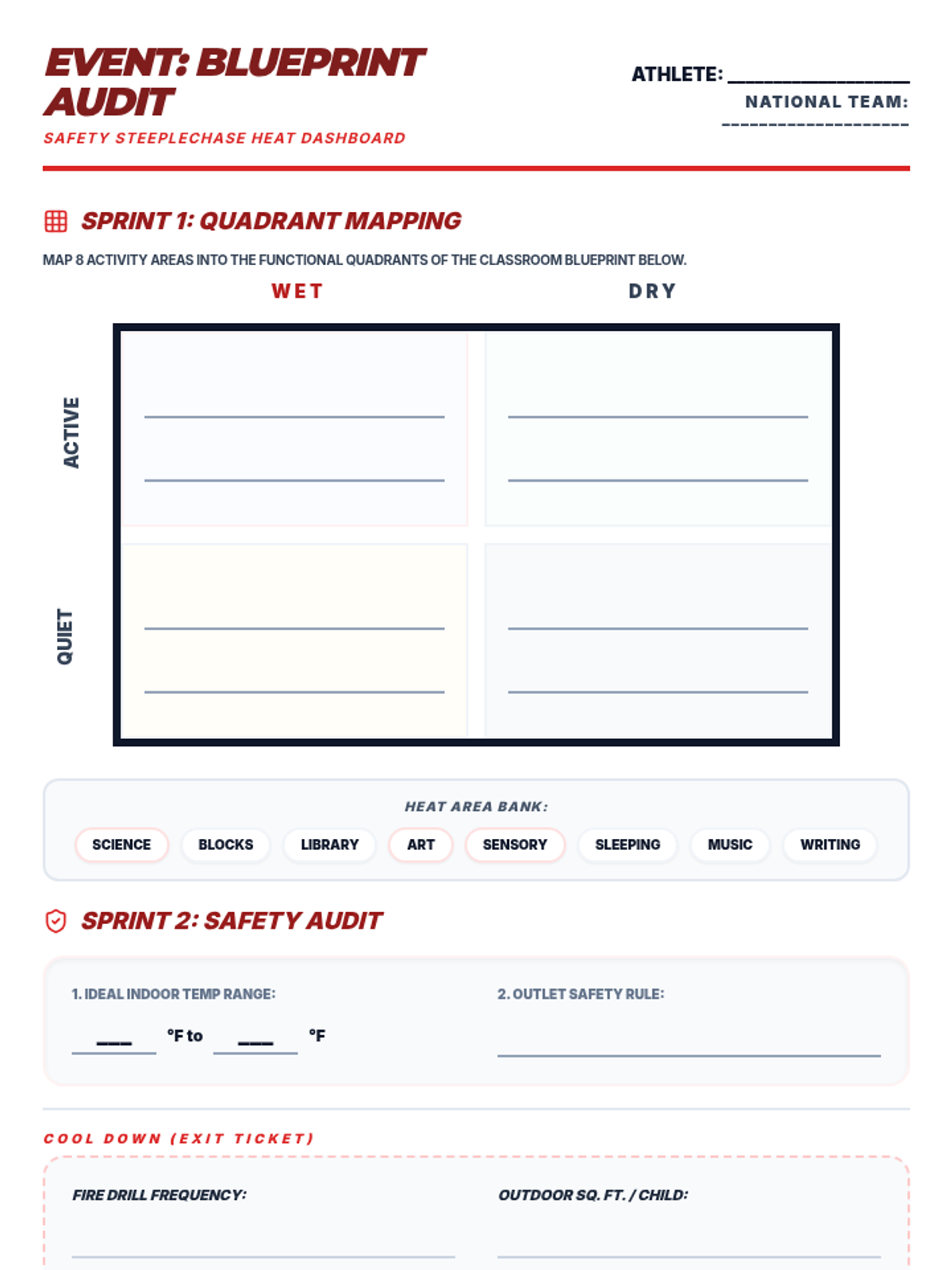
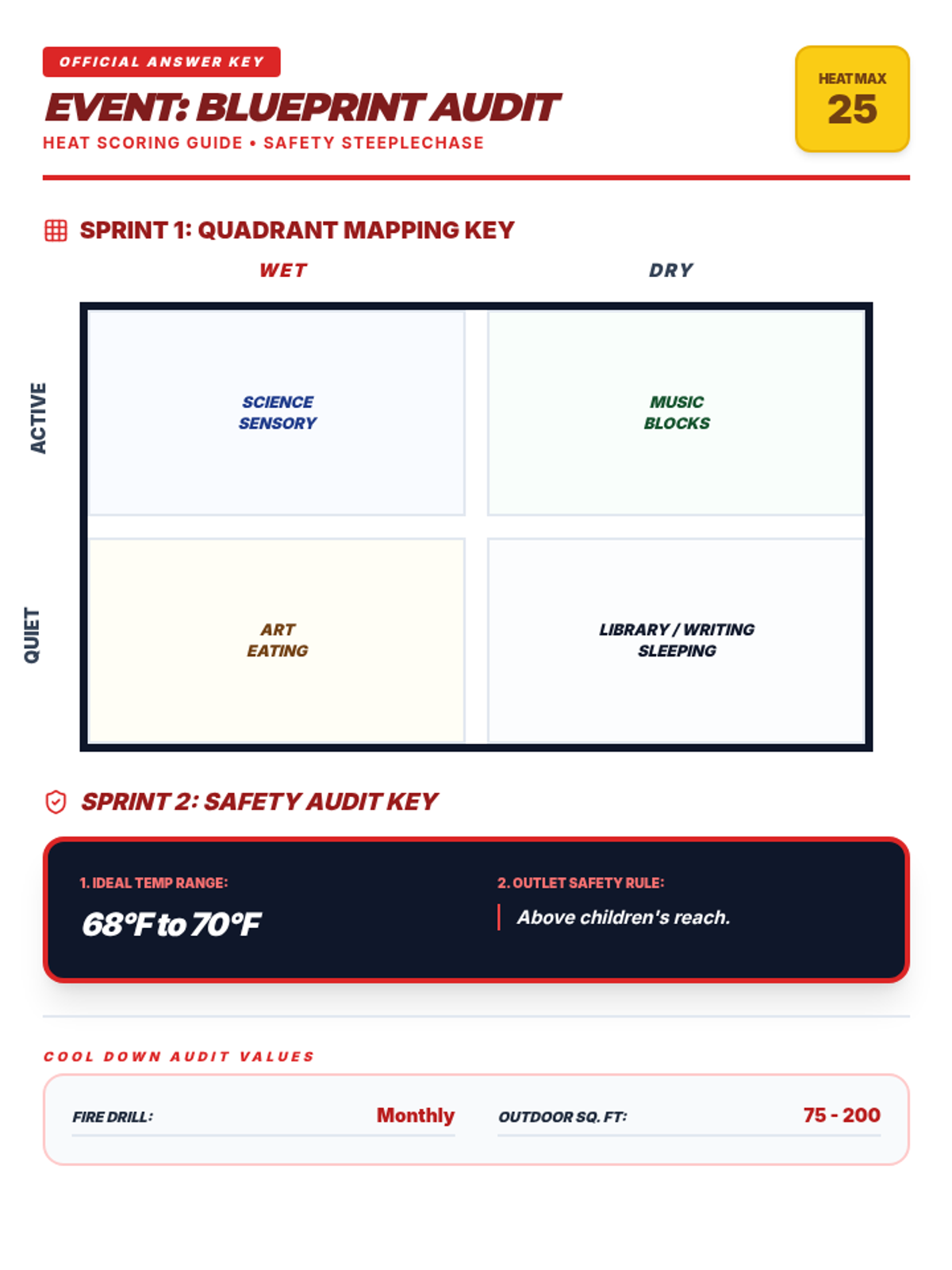
Day 3 focuses on environmental preparation and safety promotion, requiring students to apply knowledge of classroom layout and safety regulations to score points.
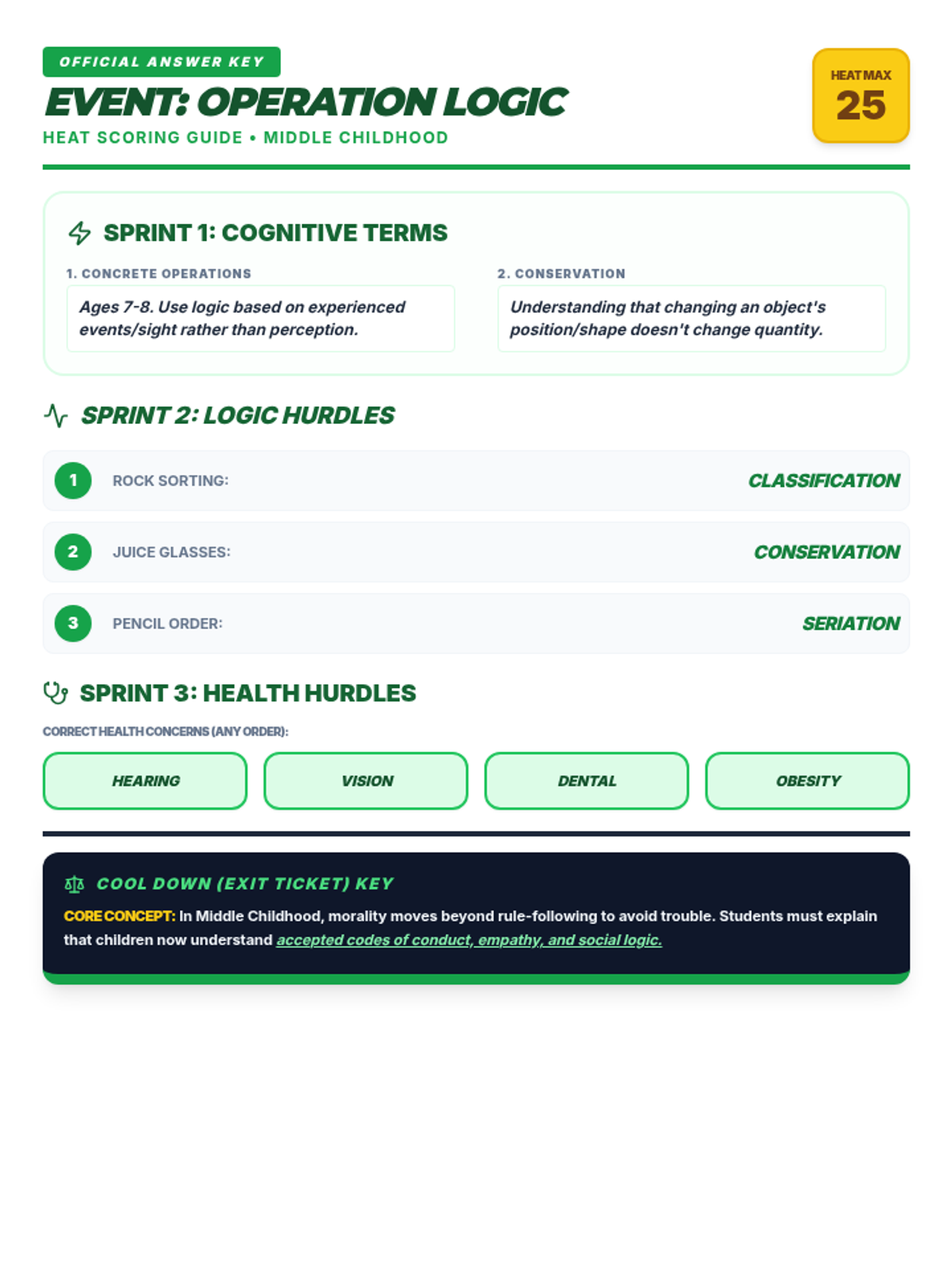
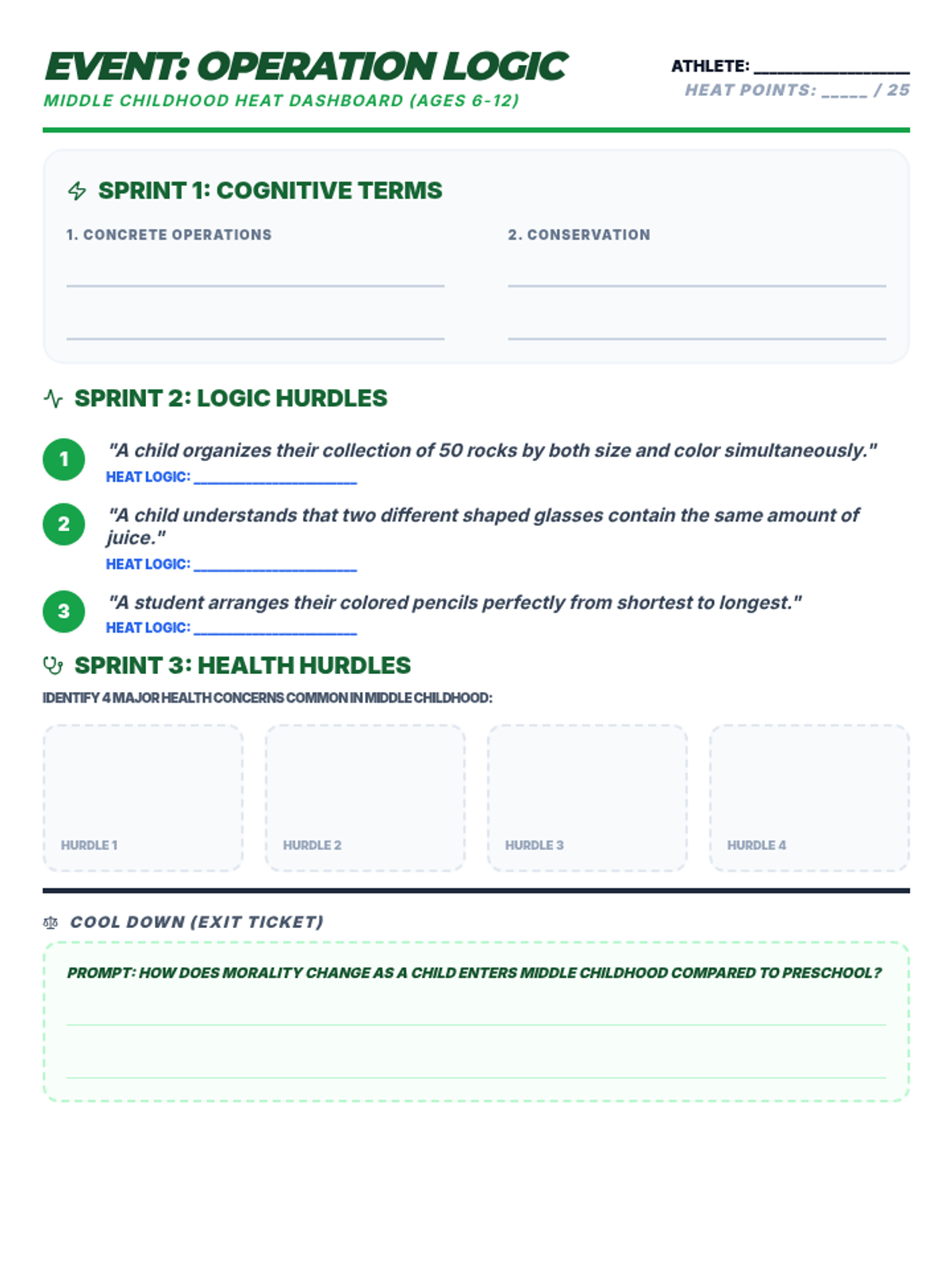
Day 2 explores middle childhood (ages 6-12), focusing on logical thinking, moral development, and the complexities of school-age social relationships.
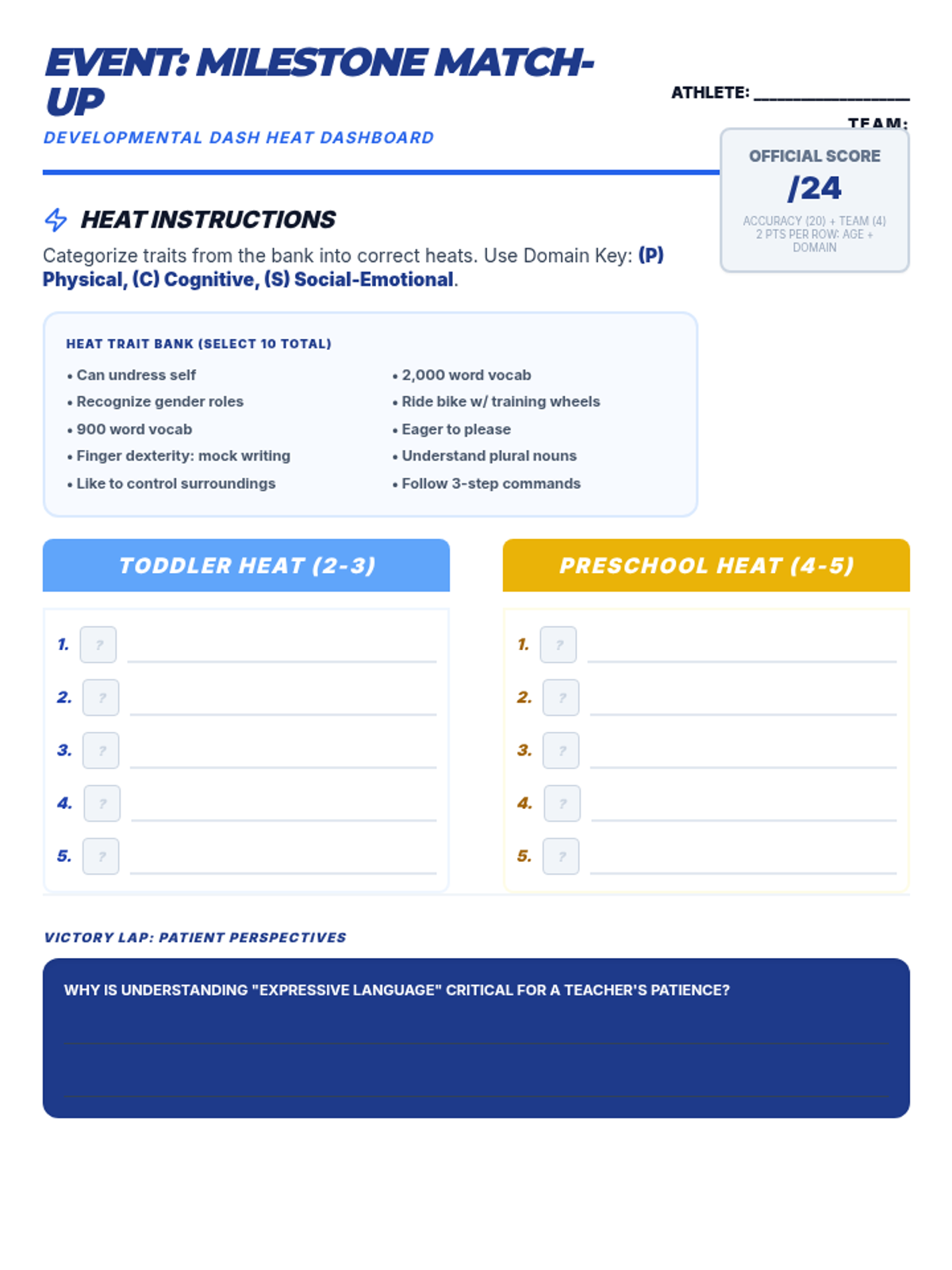
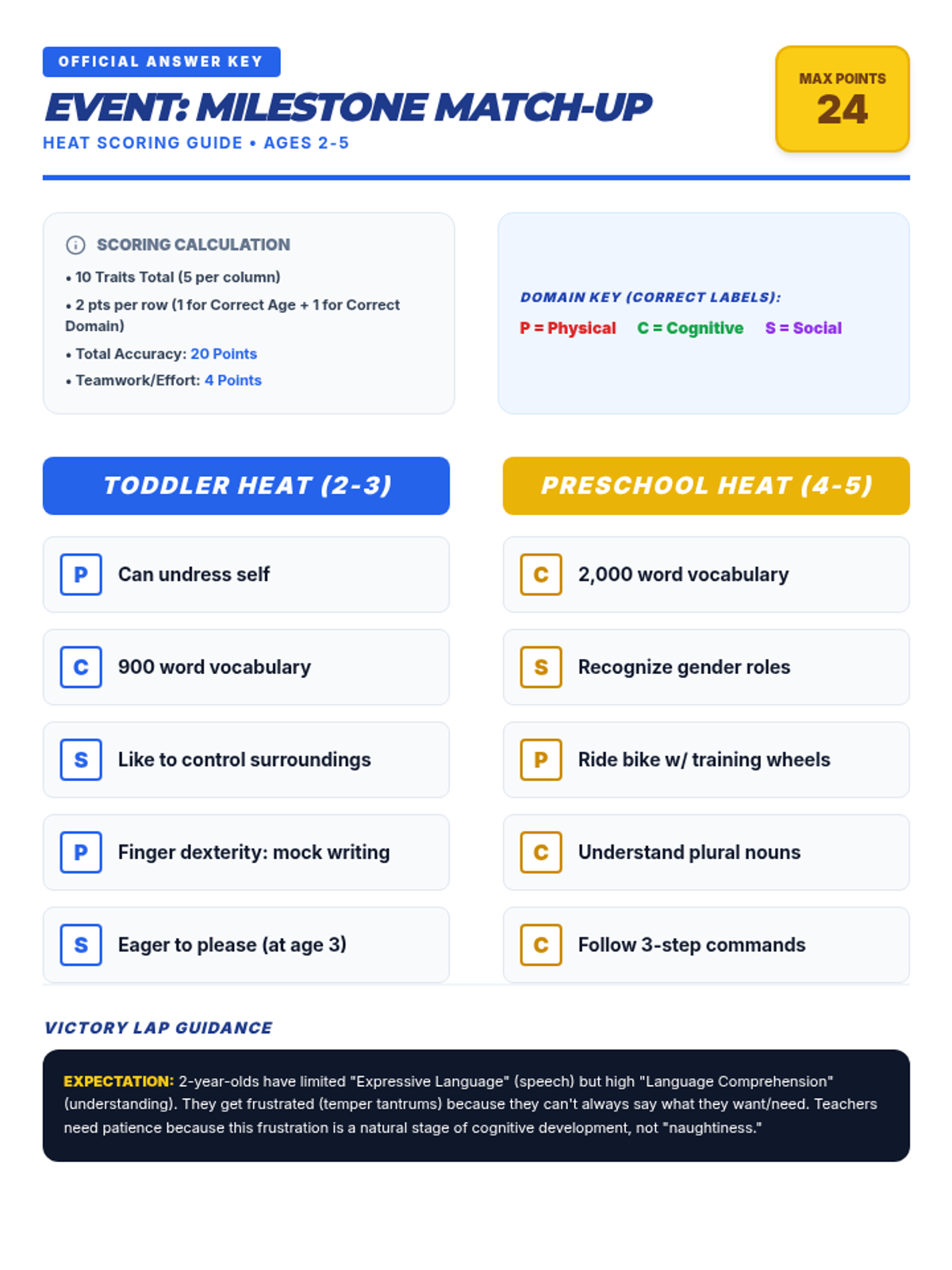
Day 1 of the Olympics focuses on the rapid development of children aged two through five, challenging students to accurately categorize physical, cognitive, and social milestones.