A lesson focused on using the present progressive tense to describe actions happening in the moment, themed around capturing live action with a camera.

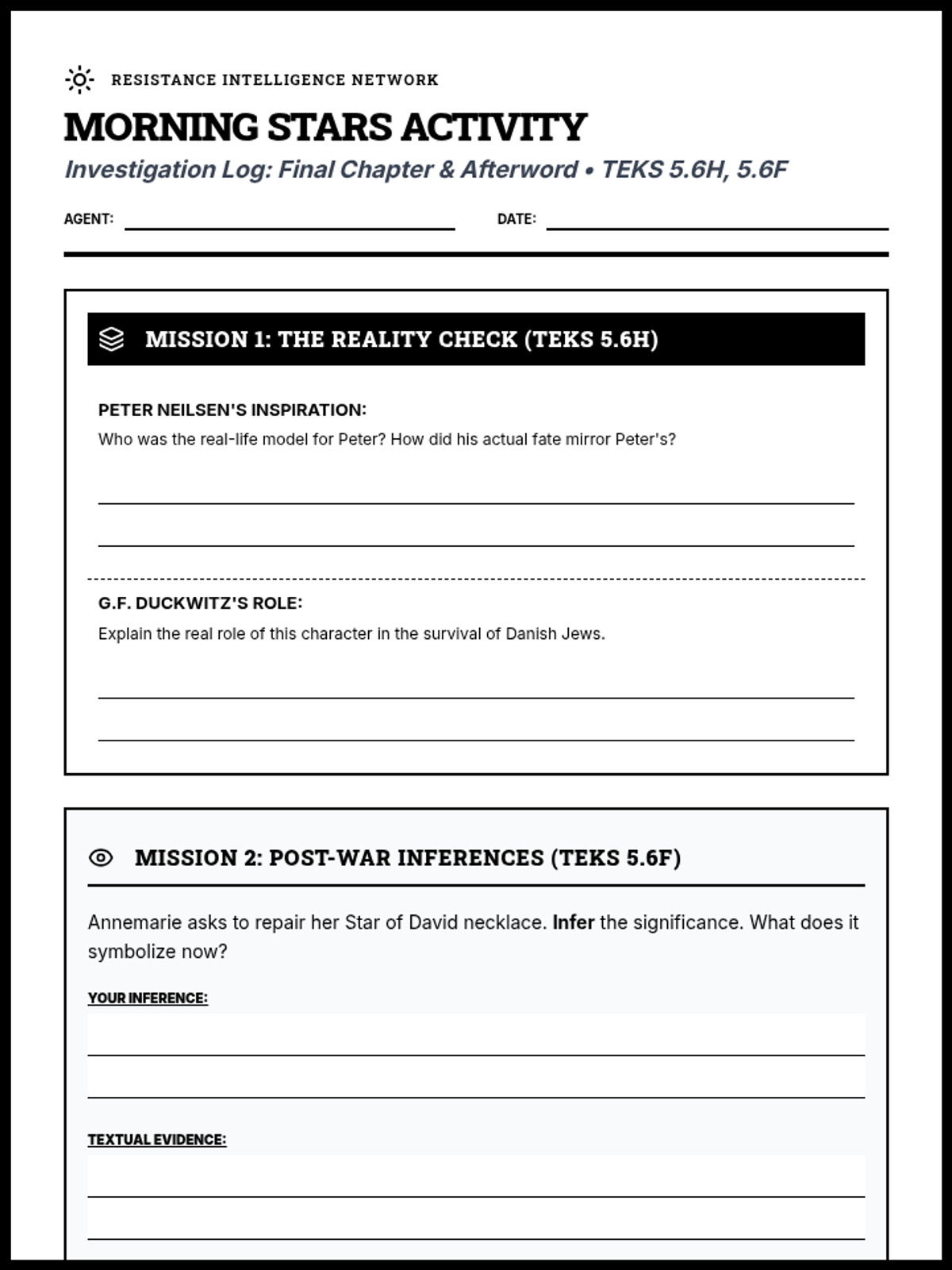
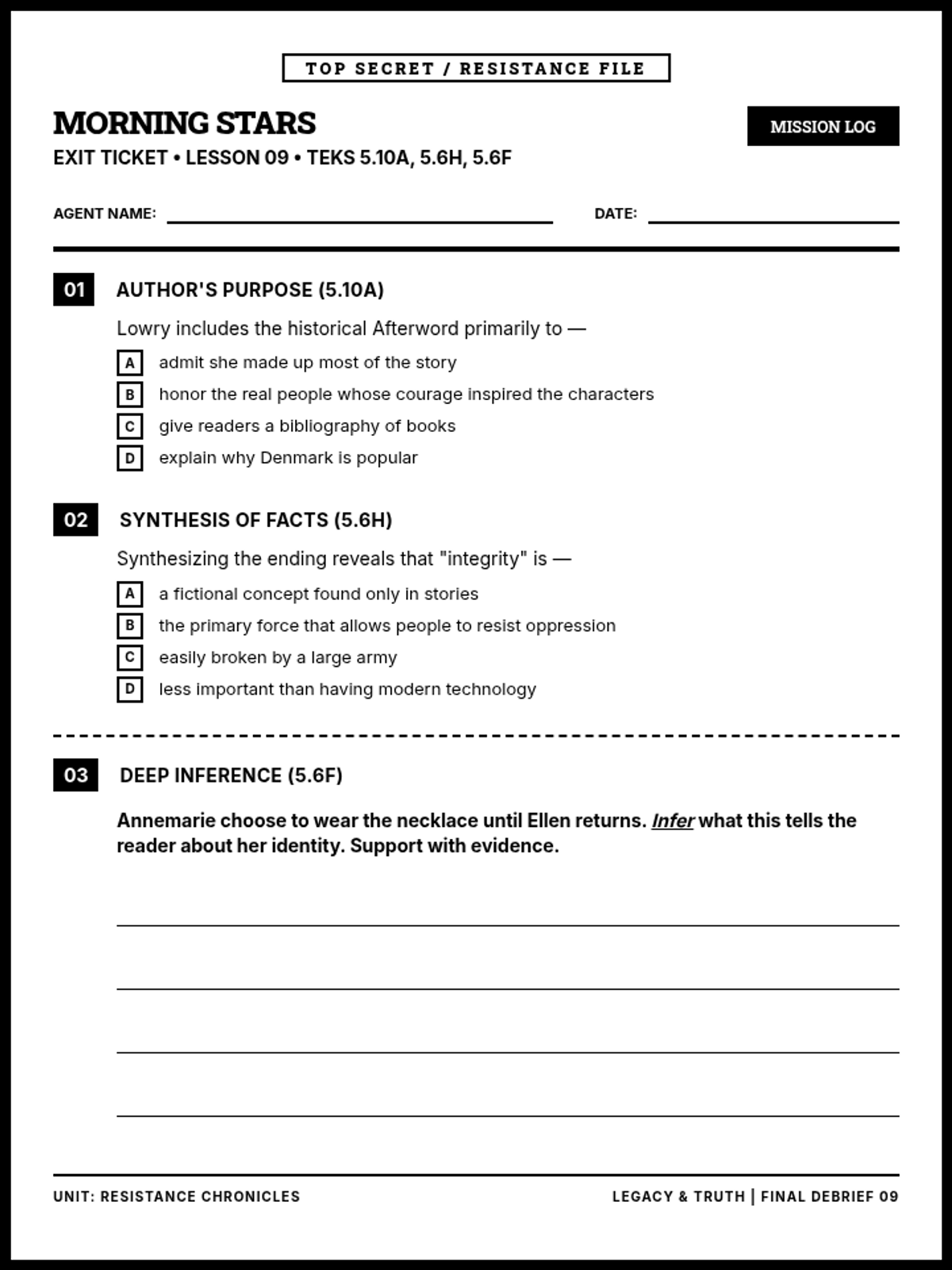
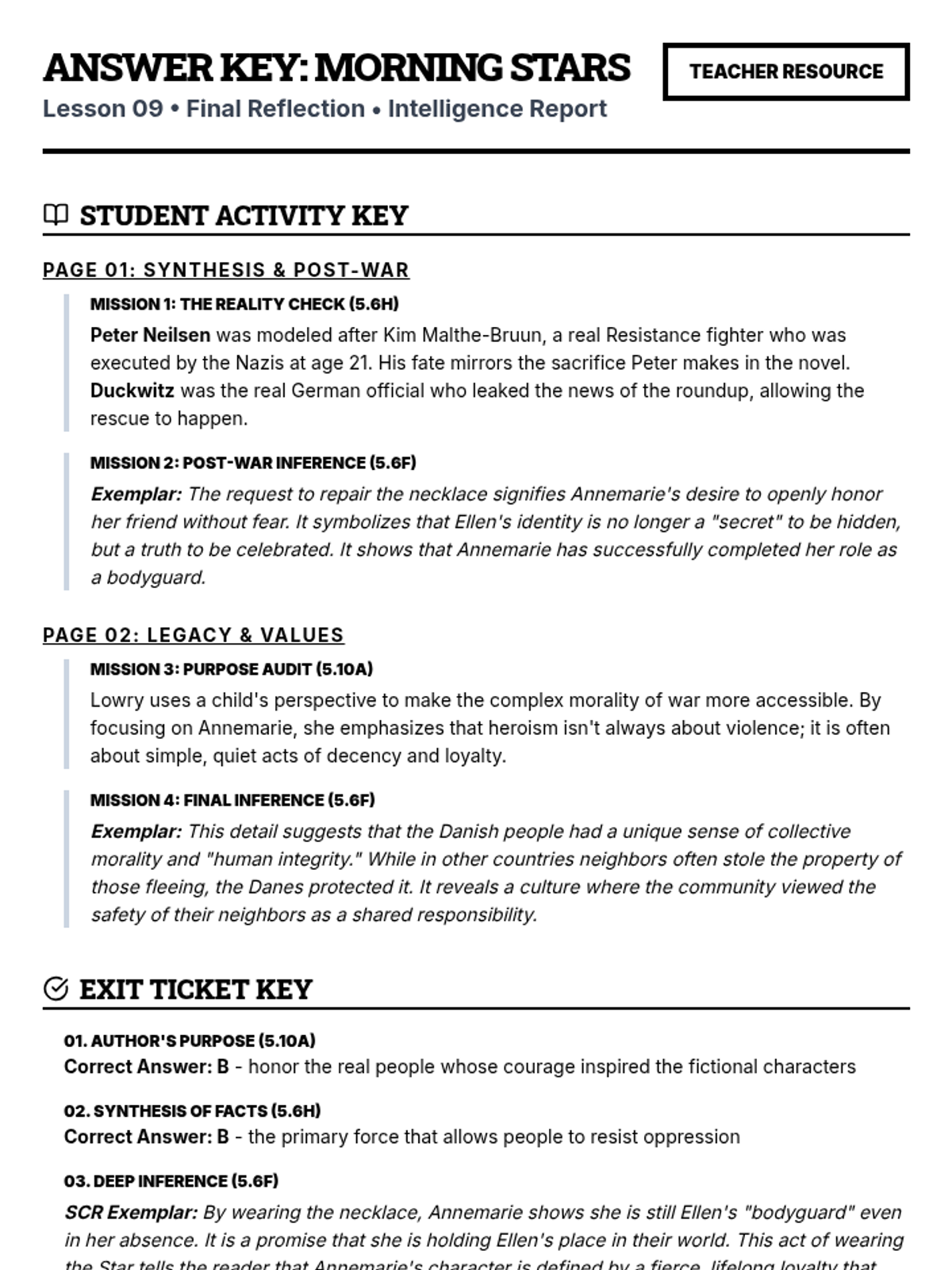
Students explore the final chapter and afterword, synthesizing the novel's resolution with historical facts to infer the author's legacy and final purpose (TEKS 5.10A, 5.6F).
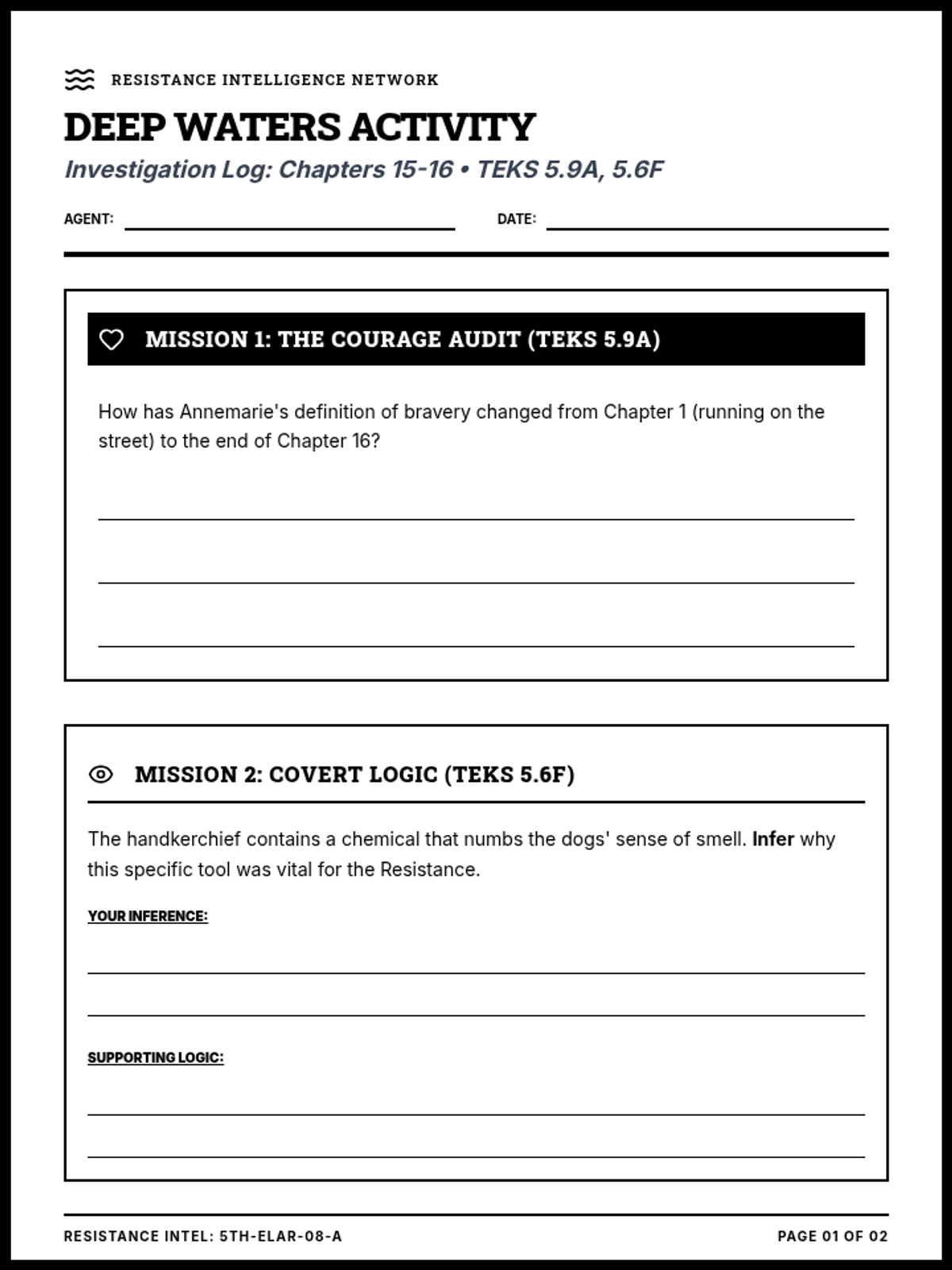
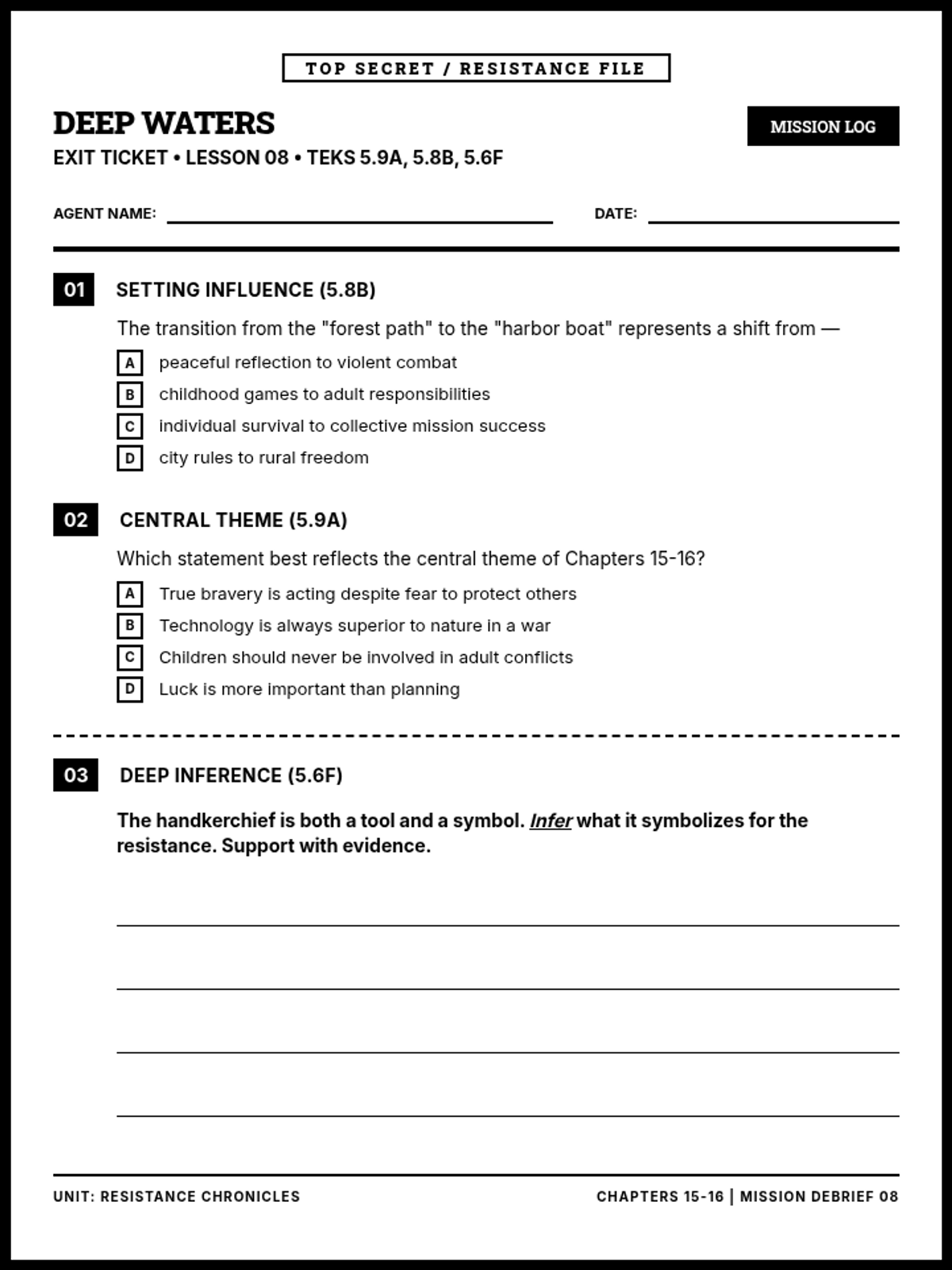
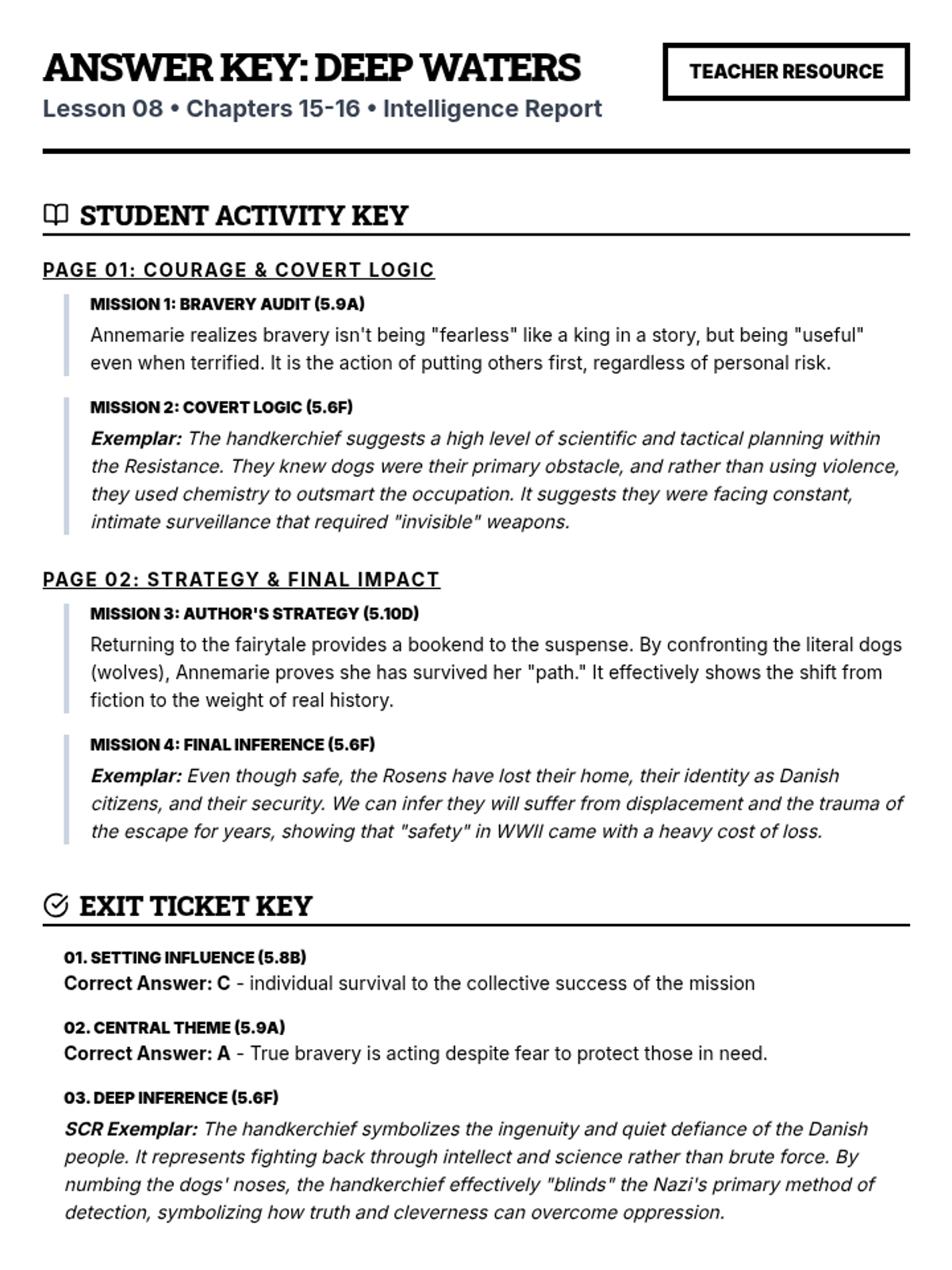
Covering Chapters 15-16, students evaluate the resolution of the escape and the true power of the 'handkerchief,' making inferences about the theme of bravery (TEKS 5.9A, 5.6F).
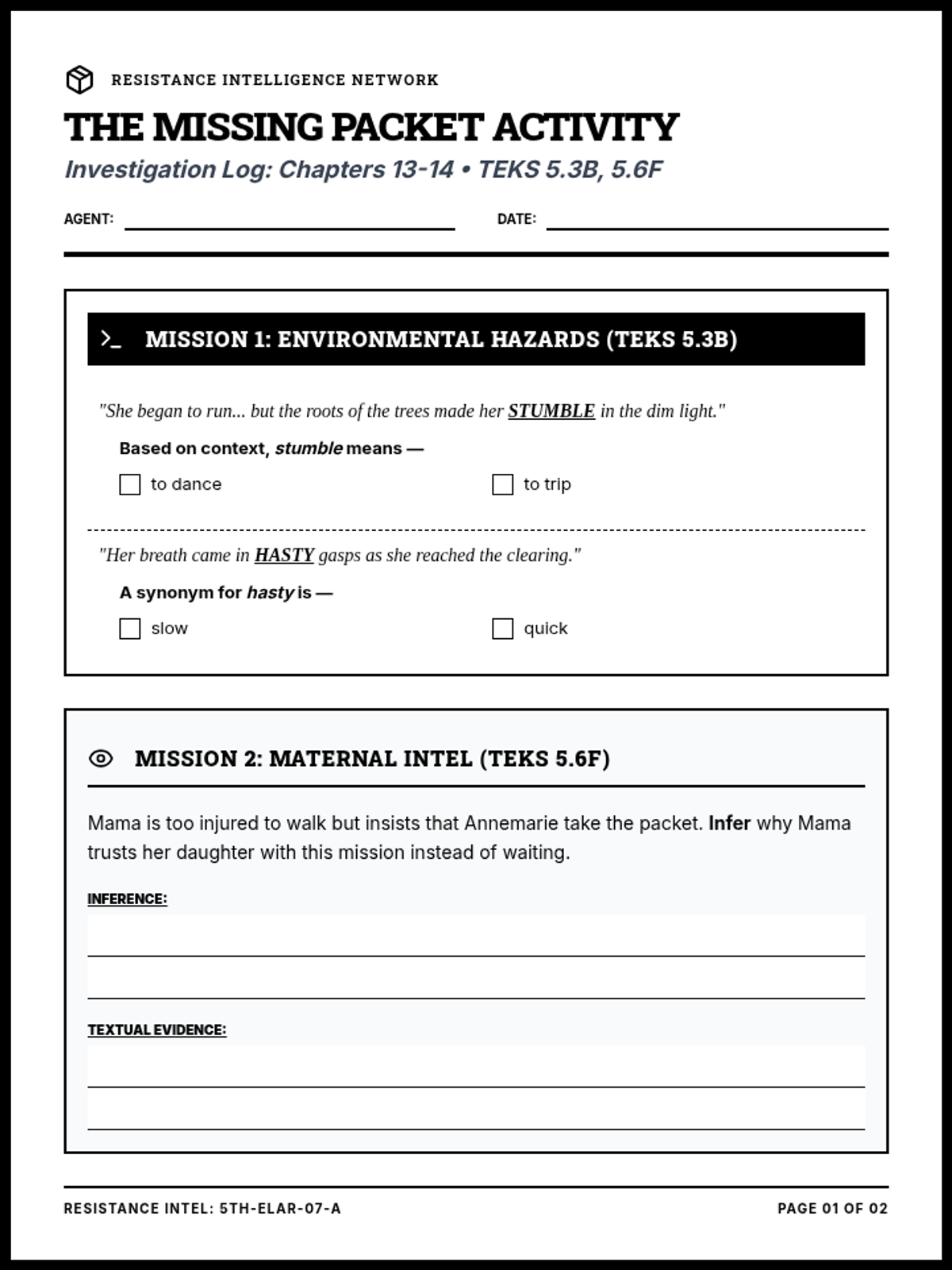
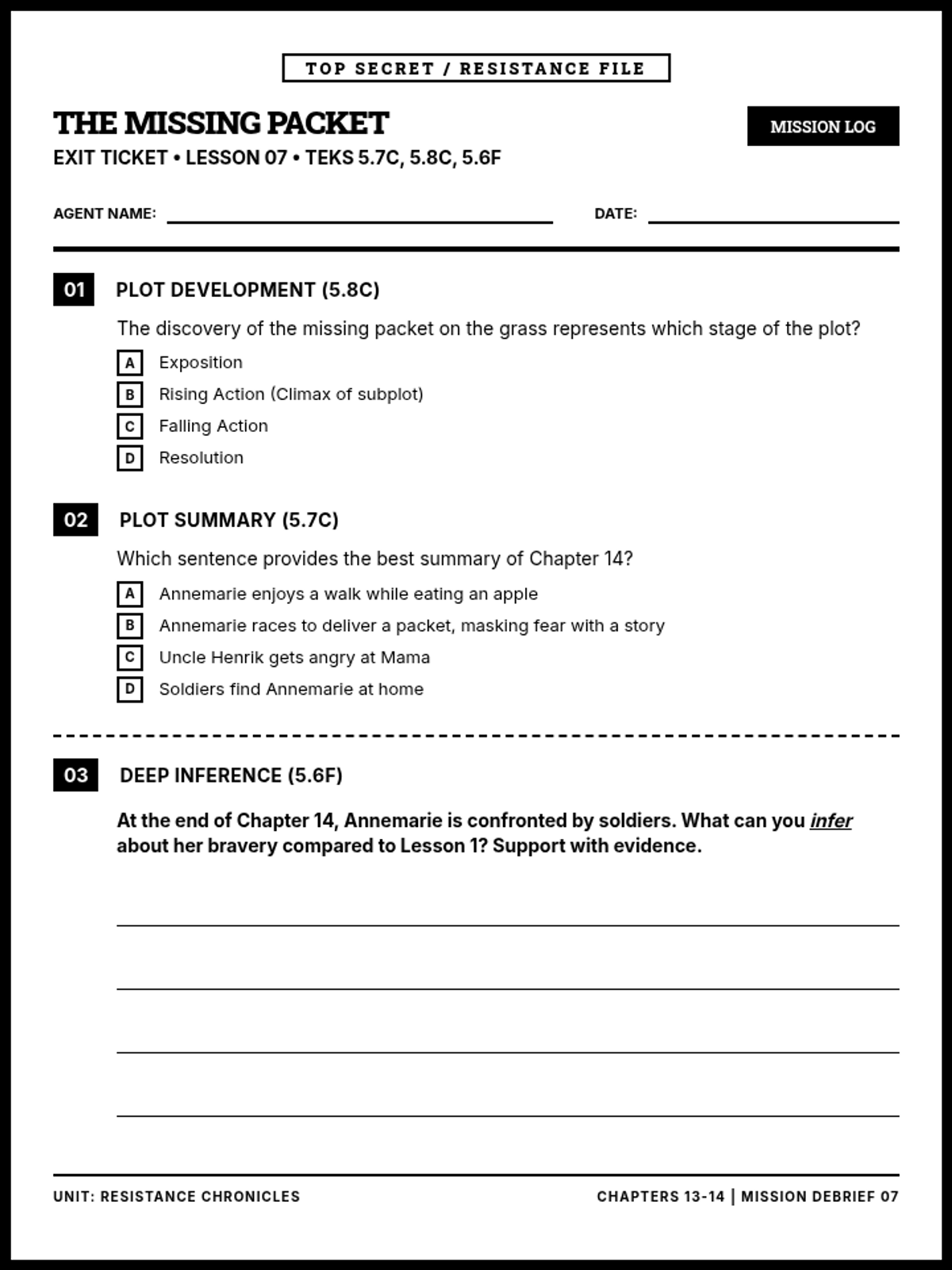
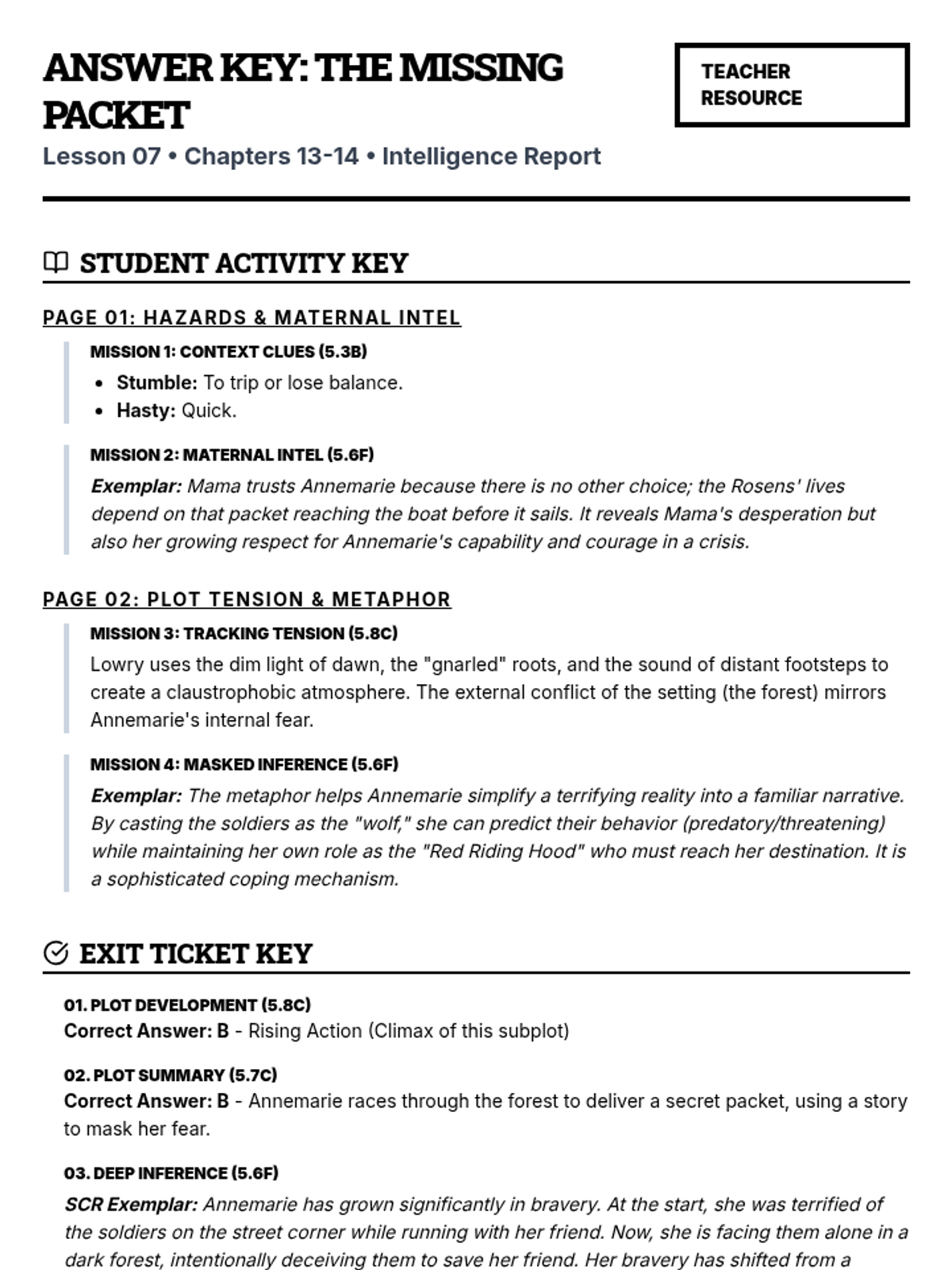
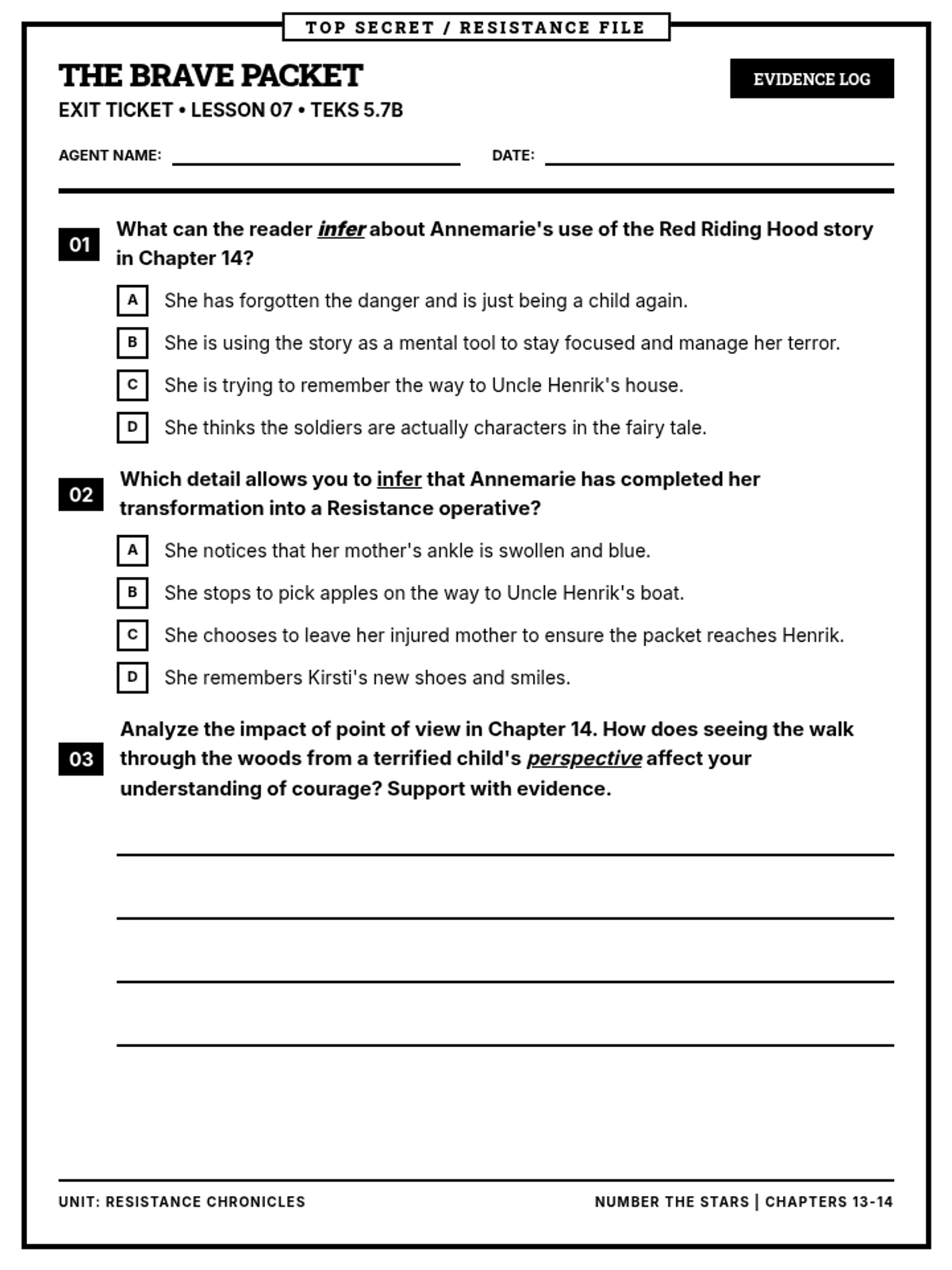
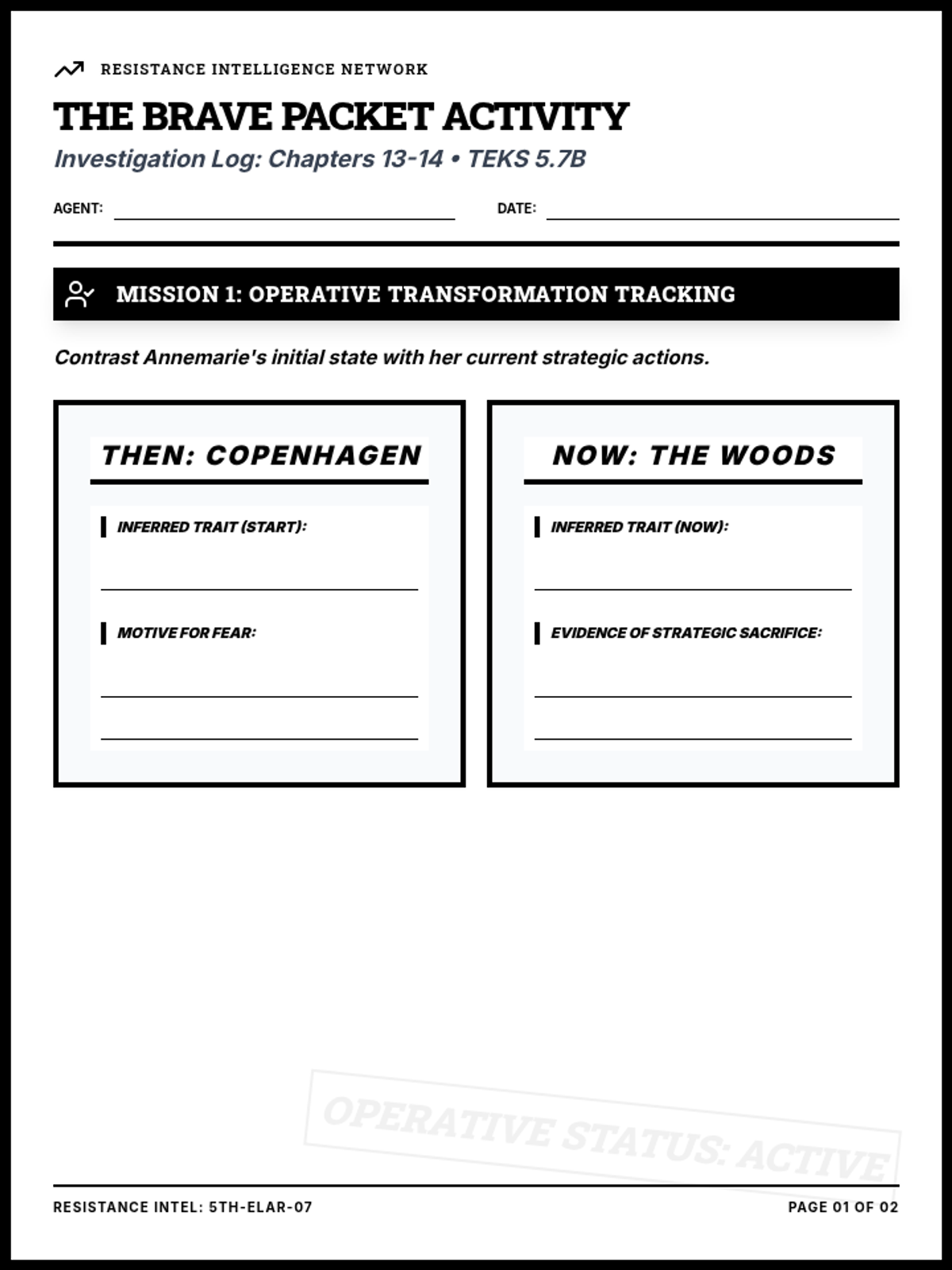
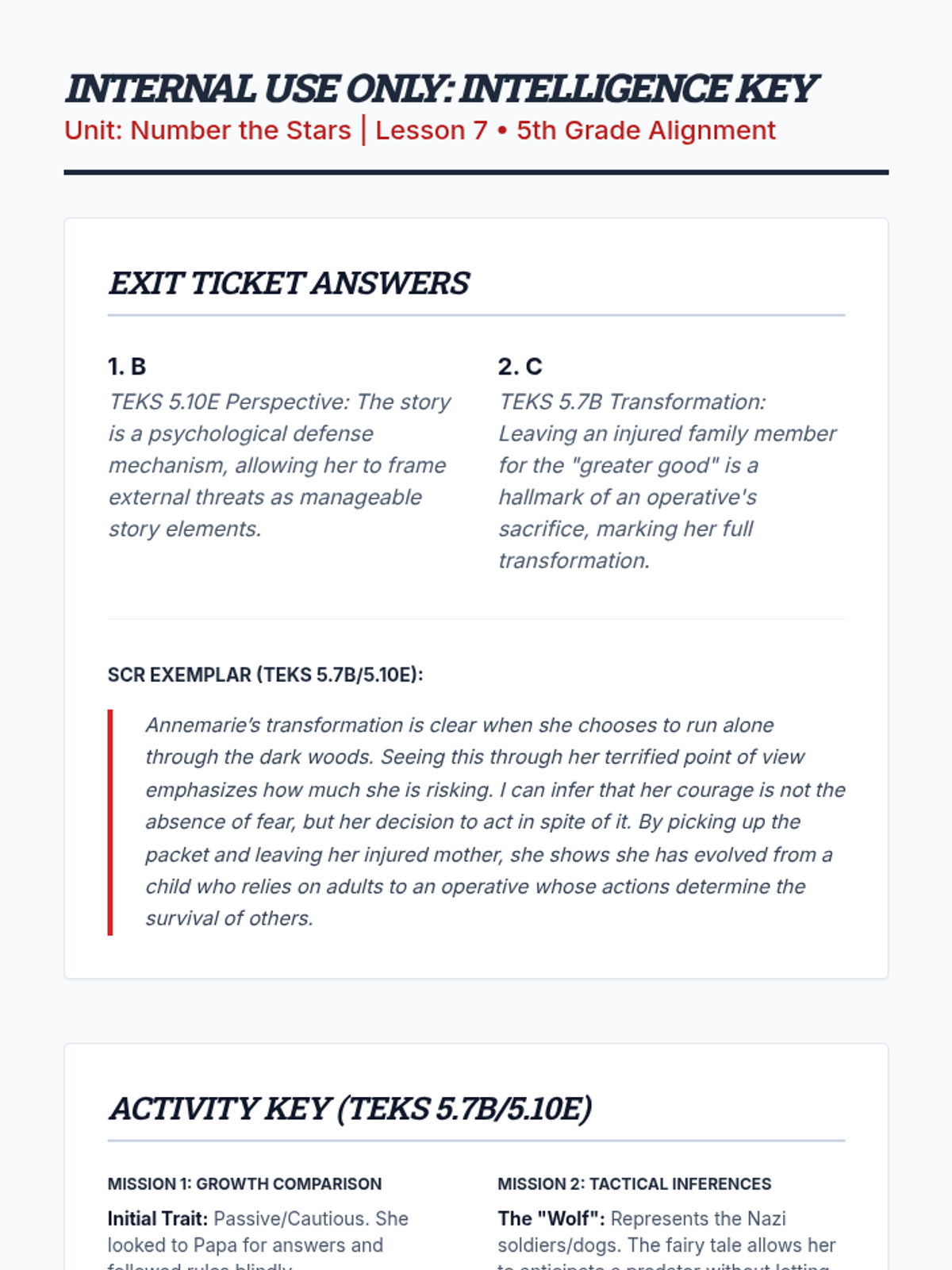
Students analyze the turning point in Chapters 13-14 as Annemarie must deliver the forgotten packet, making inferences about her courage and the risks of the forest path (TEKS 5.8C, 5.6F).
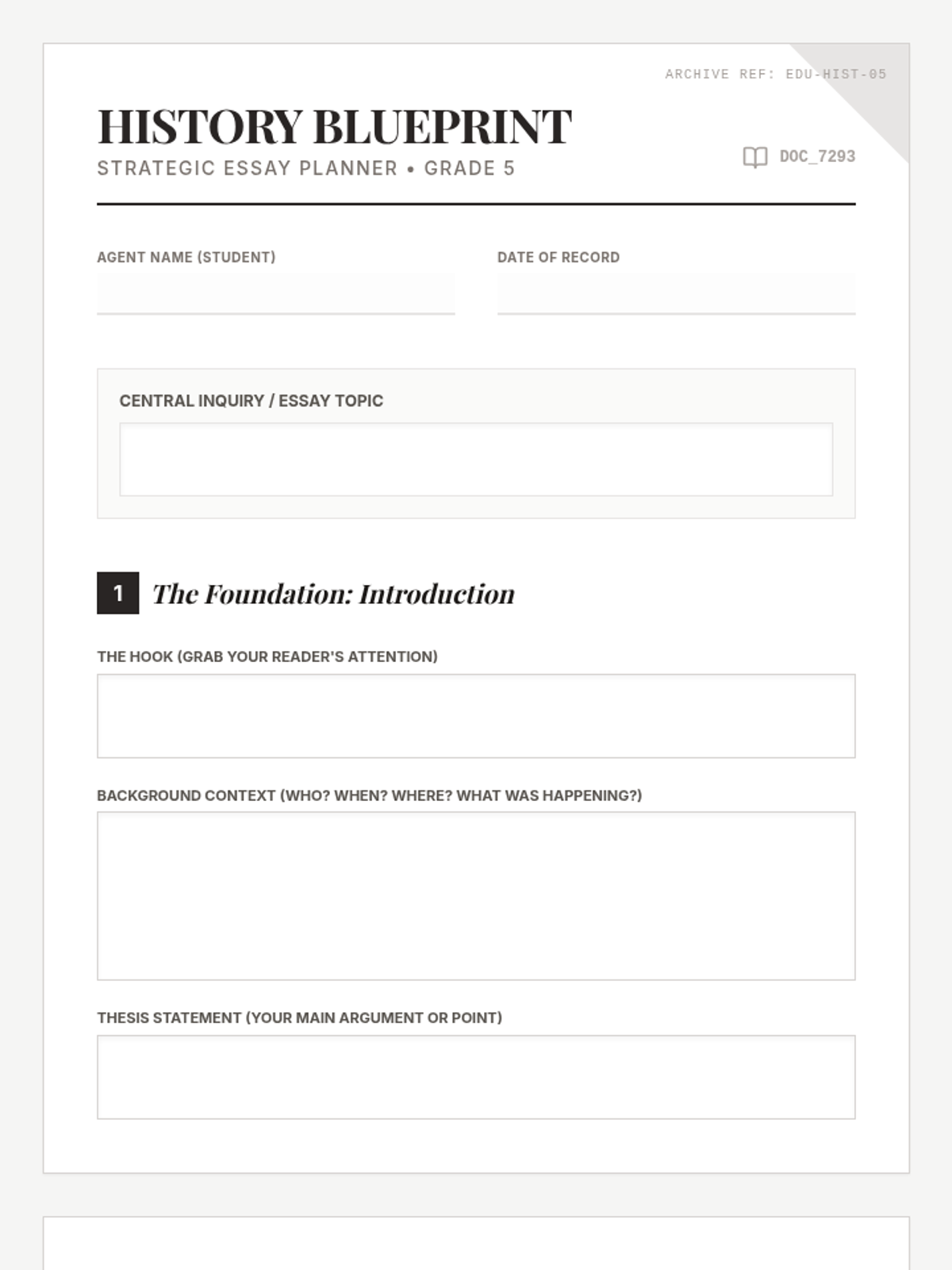
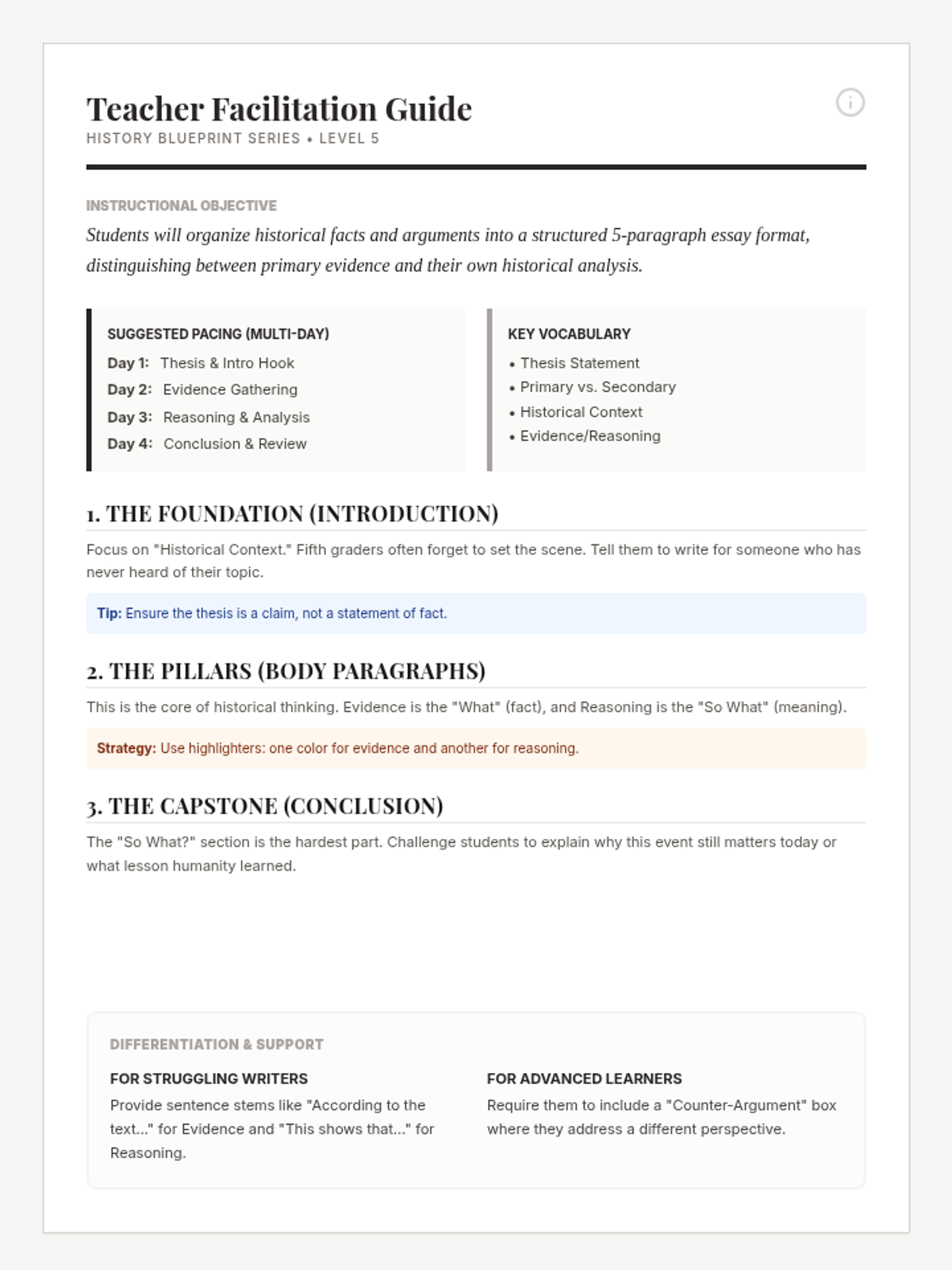
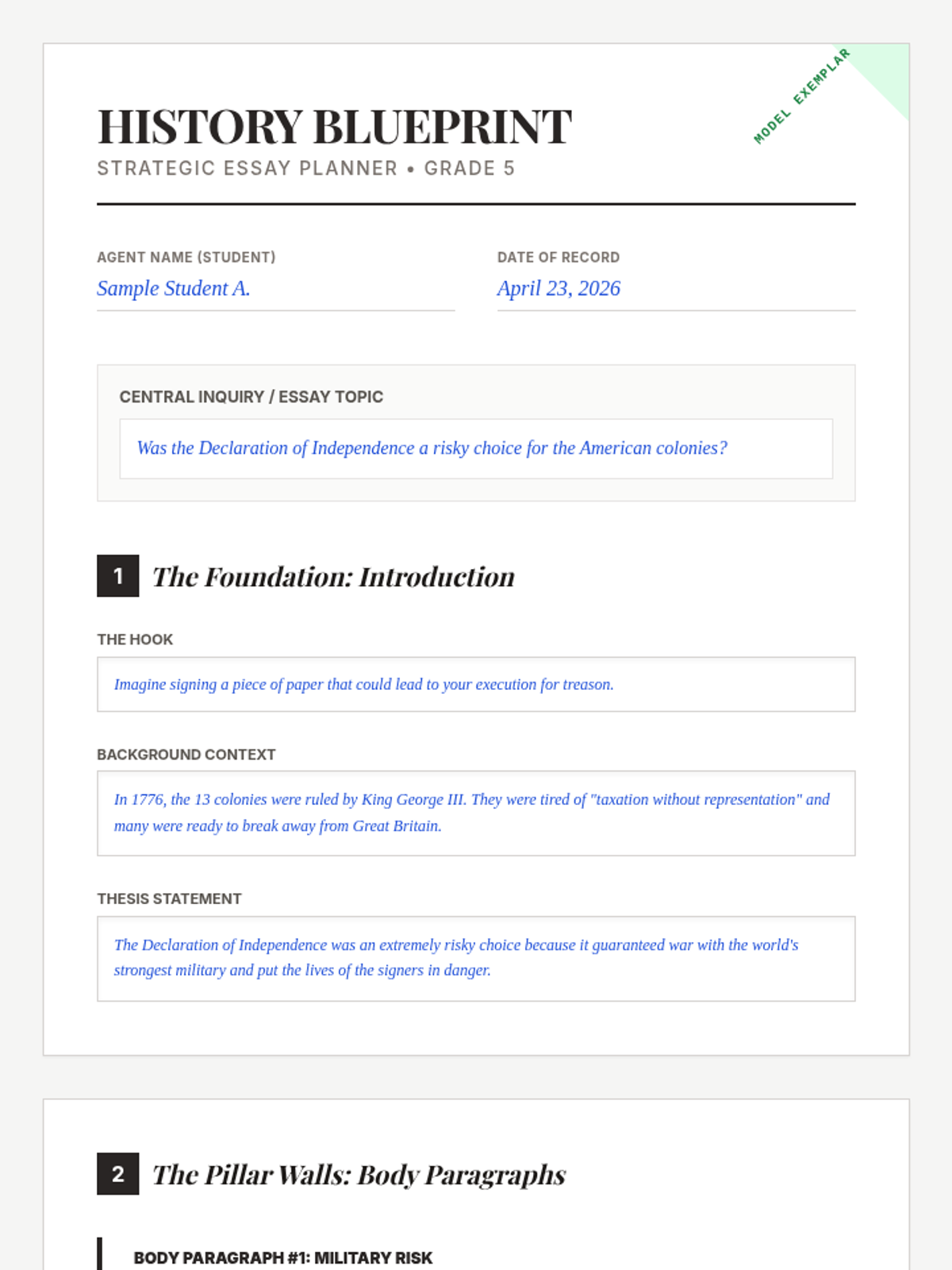
A comprehensive guide and graphic organizer to help 5th-grade students structure their historical essays with clear evidence and logical flow.
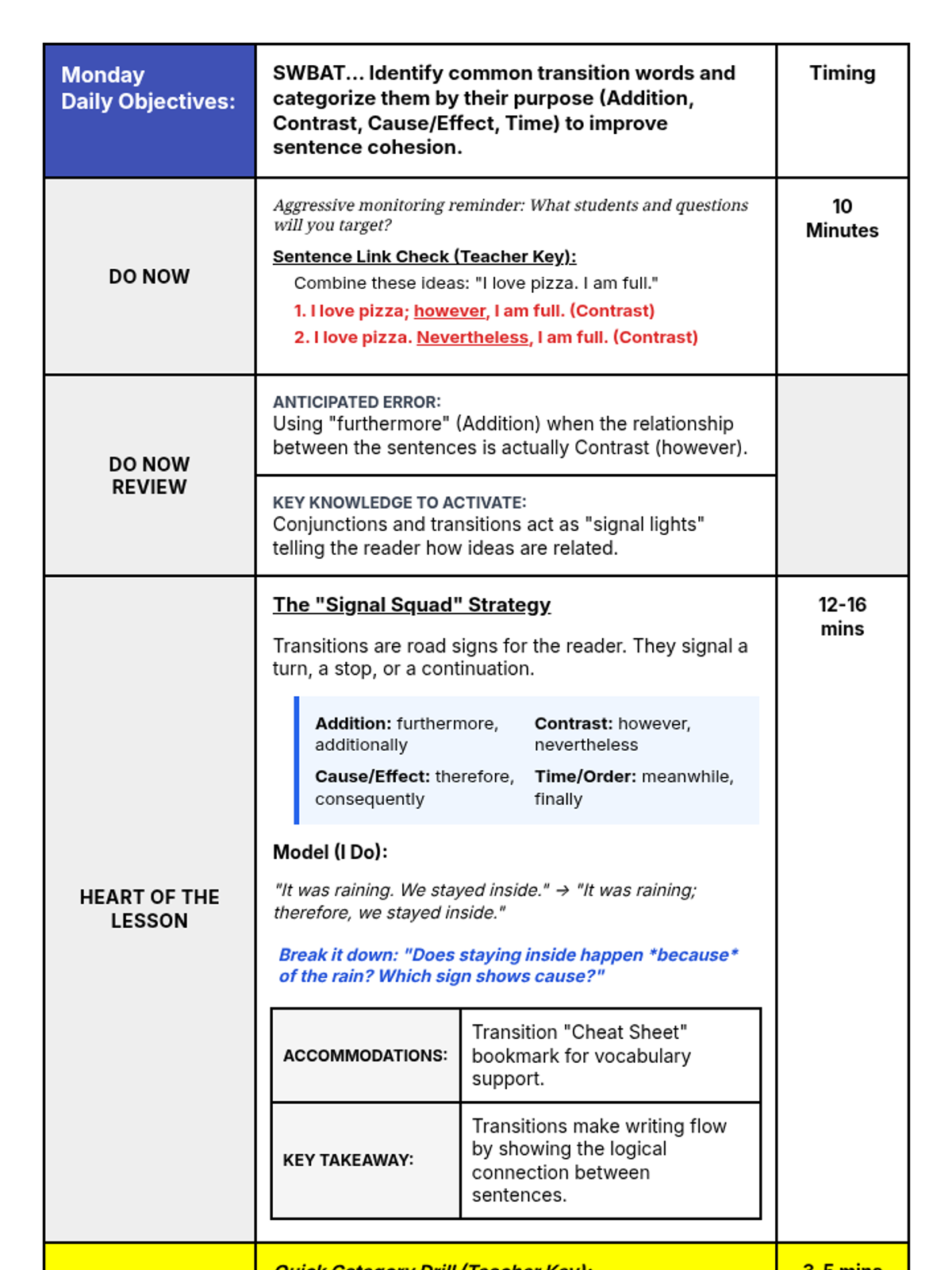
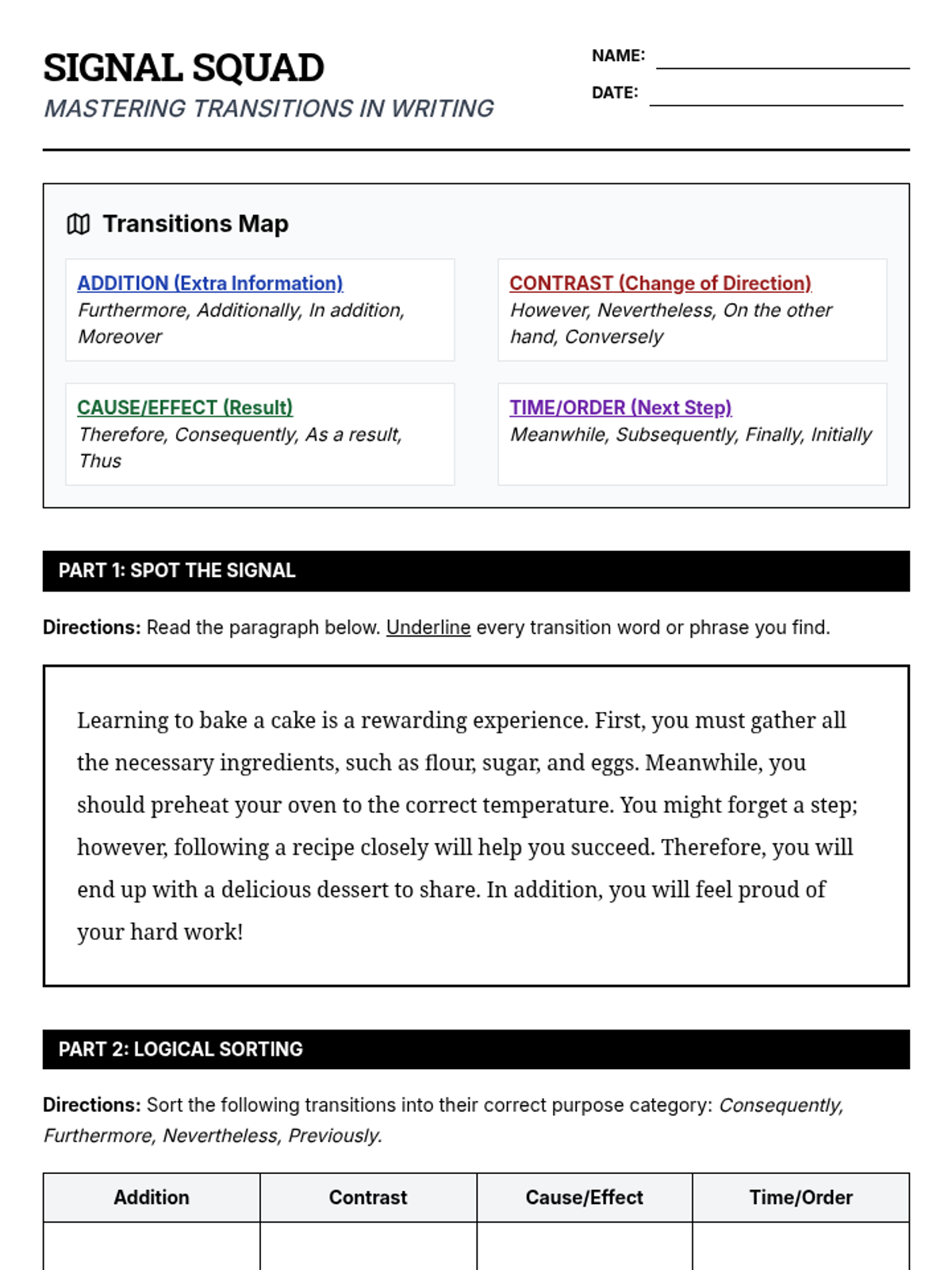
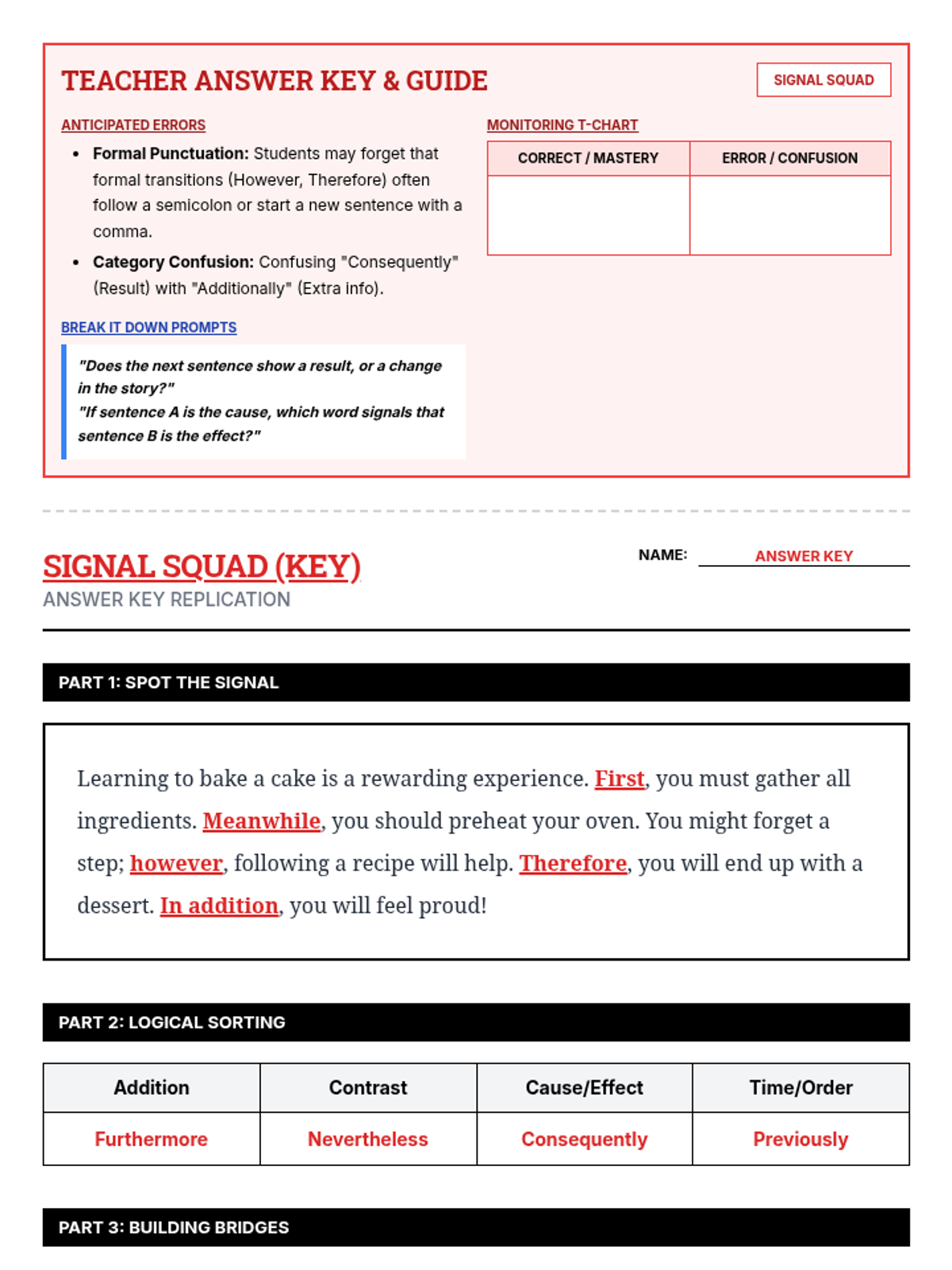
A lesson on identifying and using common transition words to create cohesion in writing. Students will categorize transitions by purpose (Addition, Contrast, Cause/Effect, Time) and use them to link ideas.
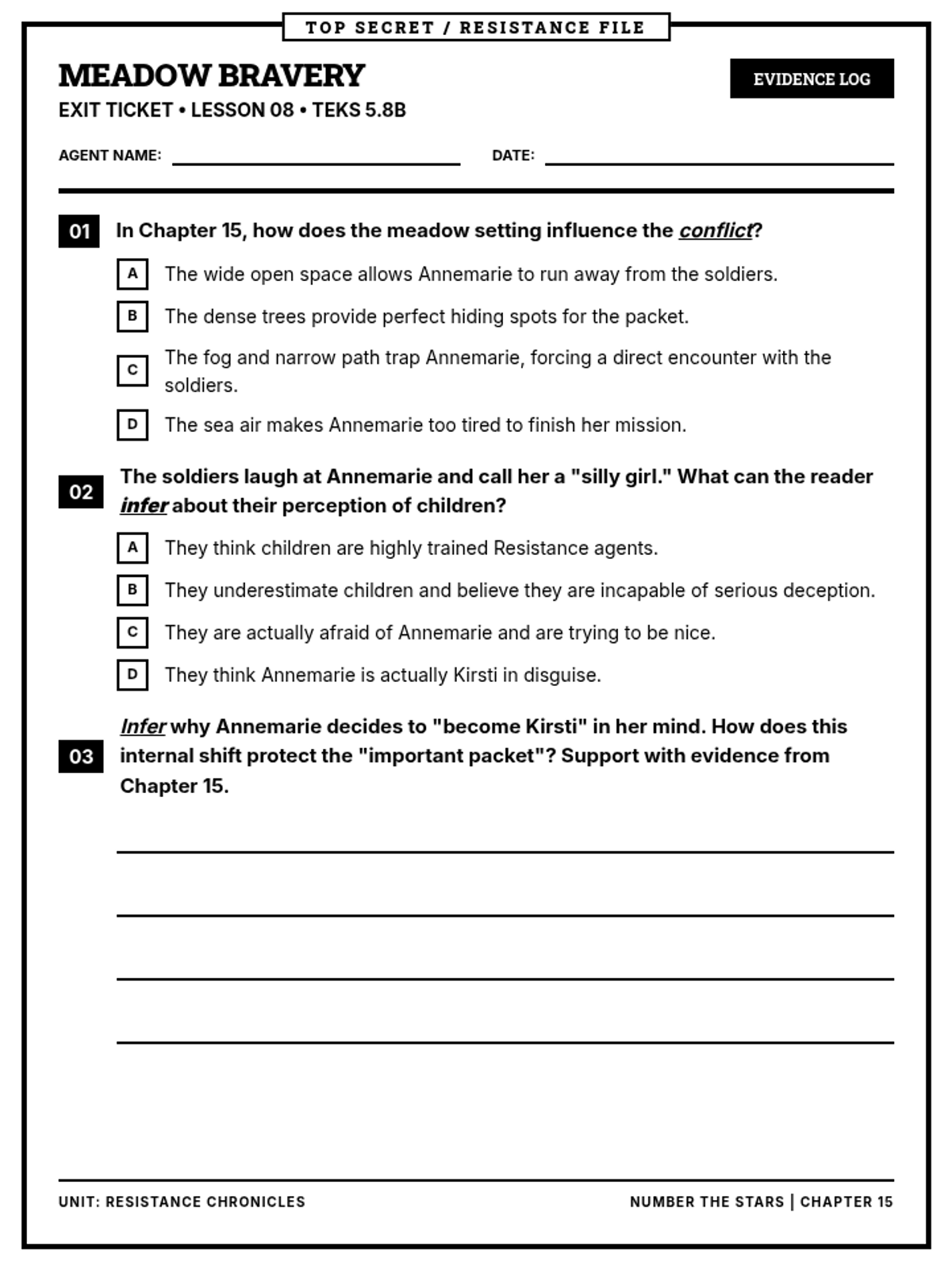
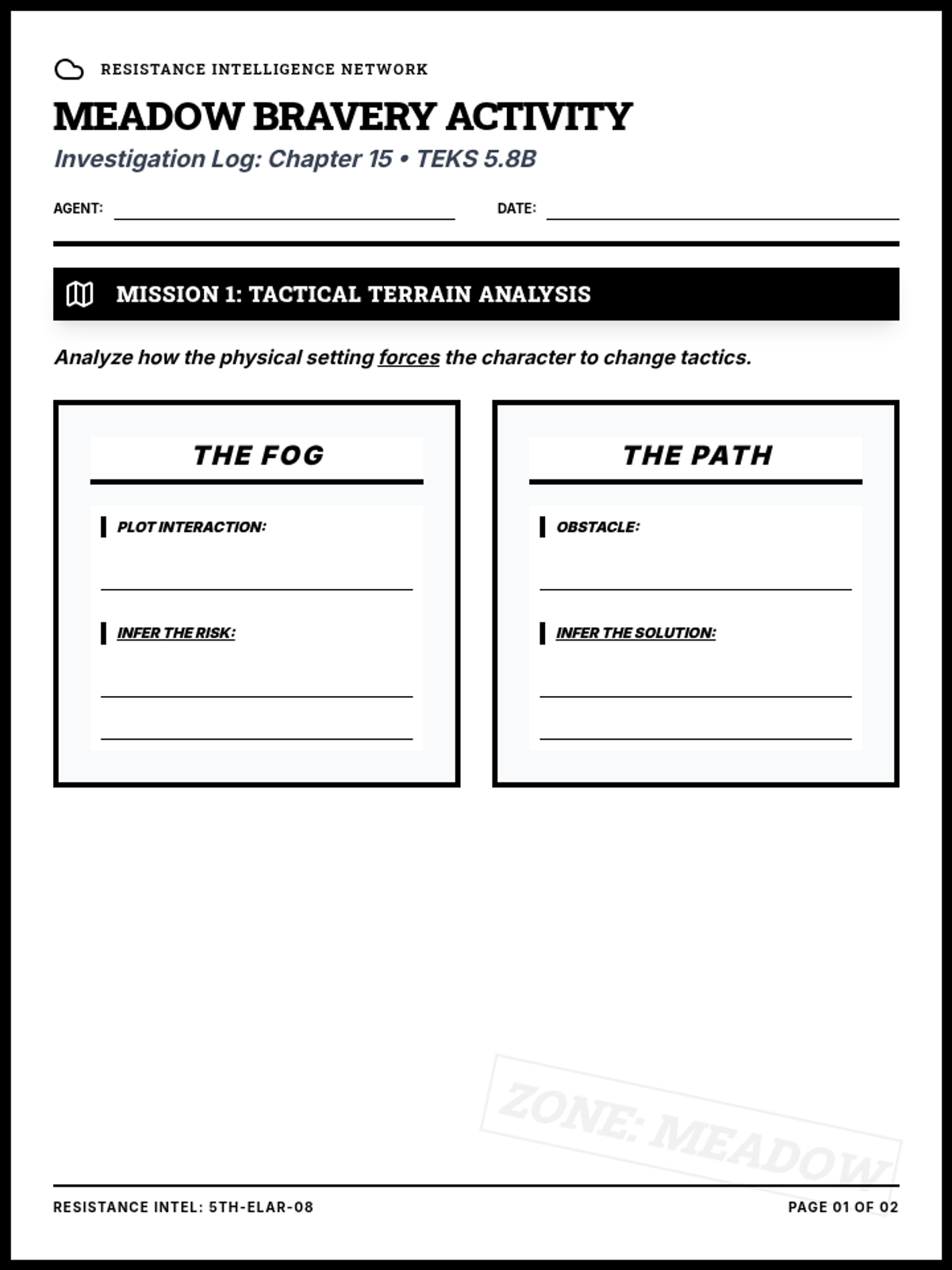
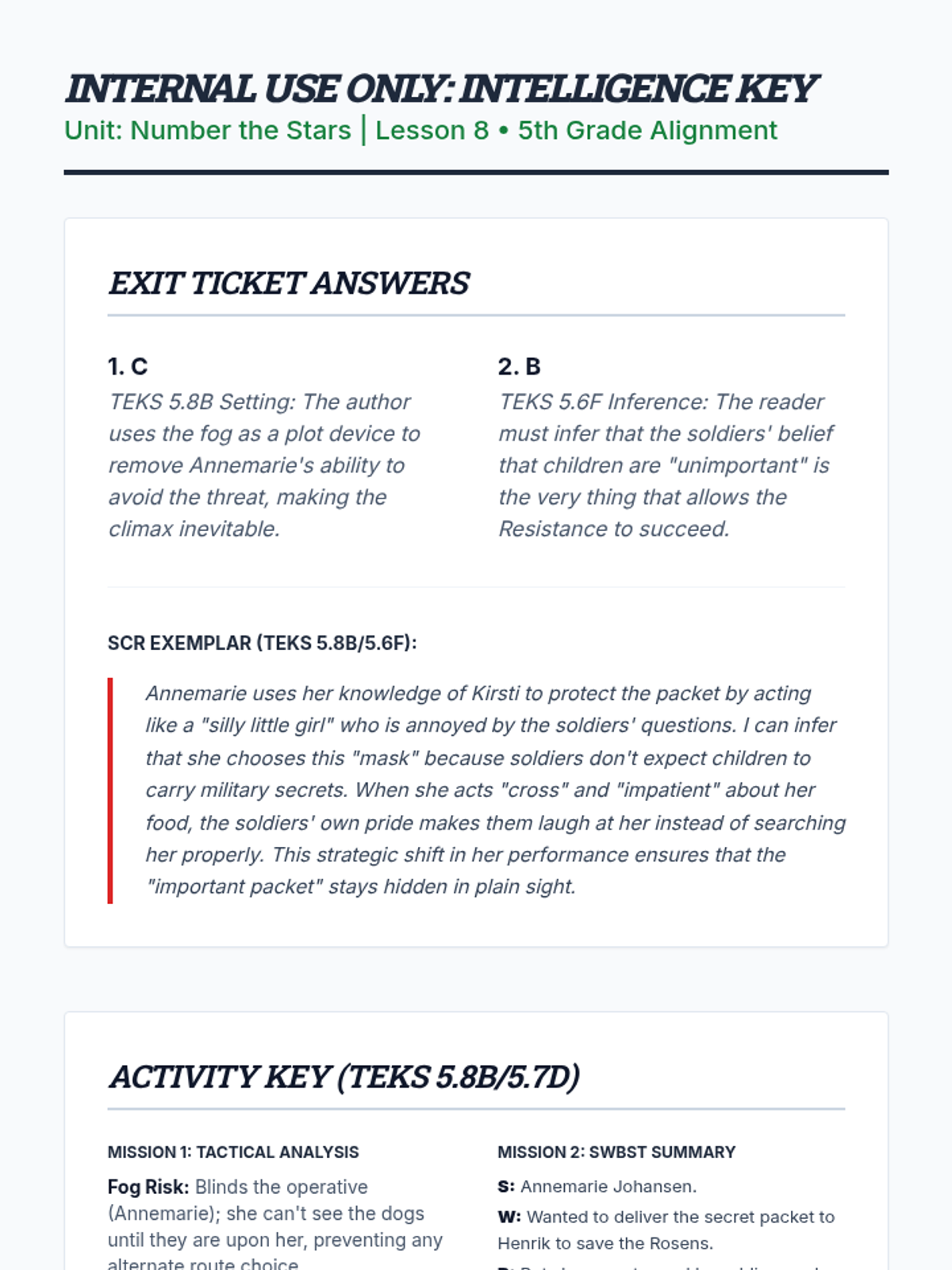
Students examine the setting's impact on the plot and synthesize details from Annemarie's encounter with the soldiers in the woods.
Students analyze character growth and the impact of point of view as Annemarie takes on a dangerous mission in chapters 13 and 14.
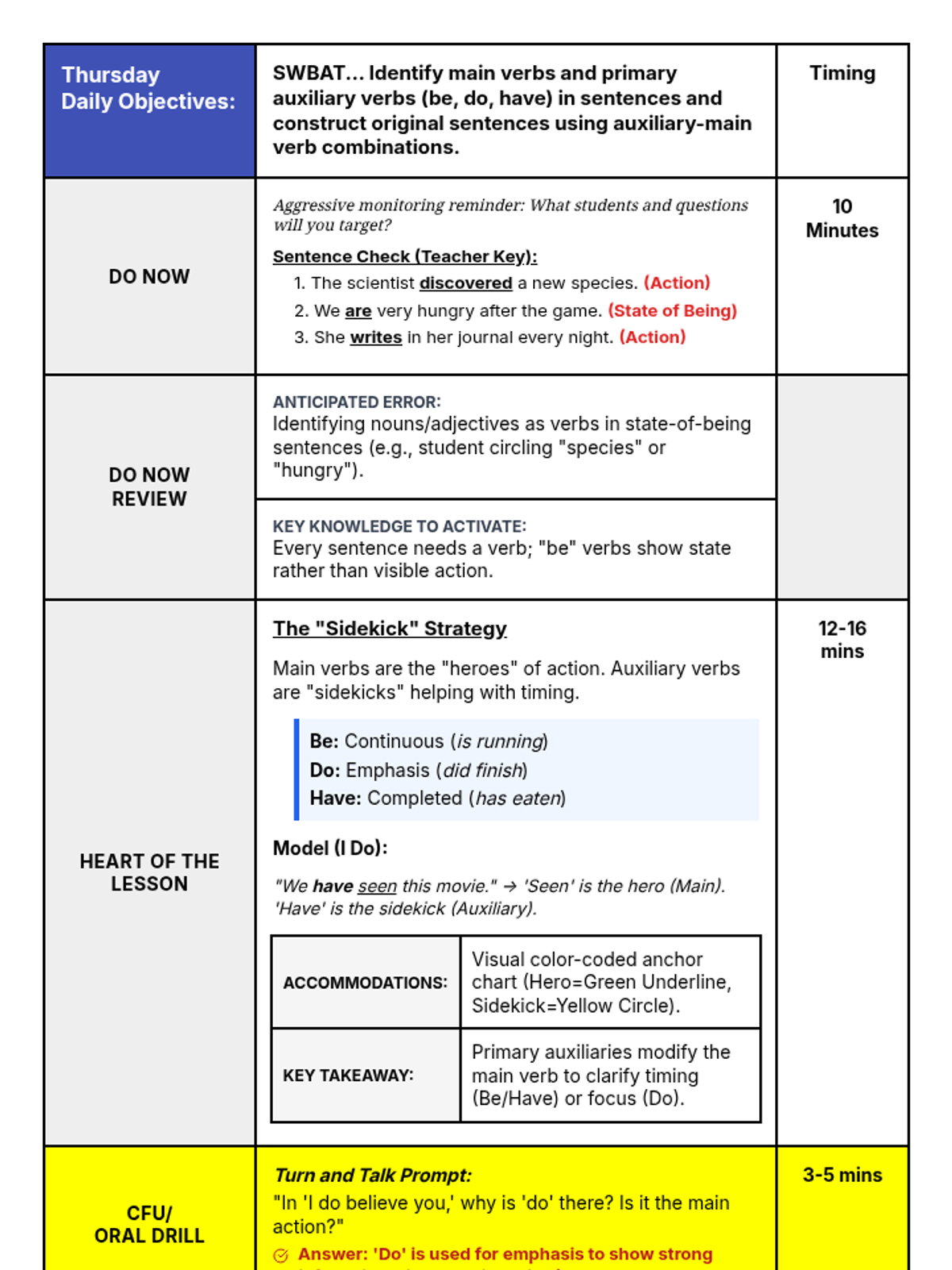
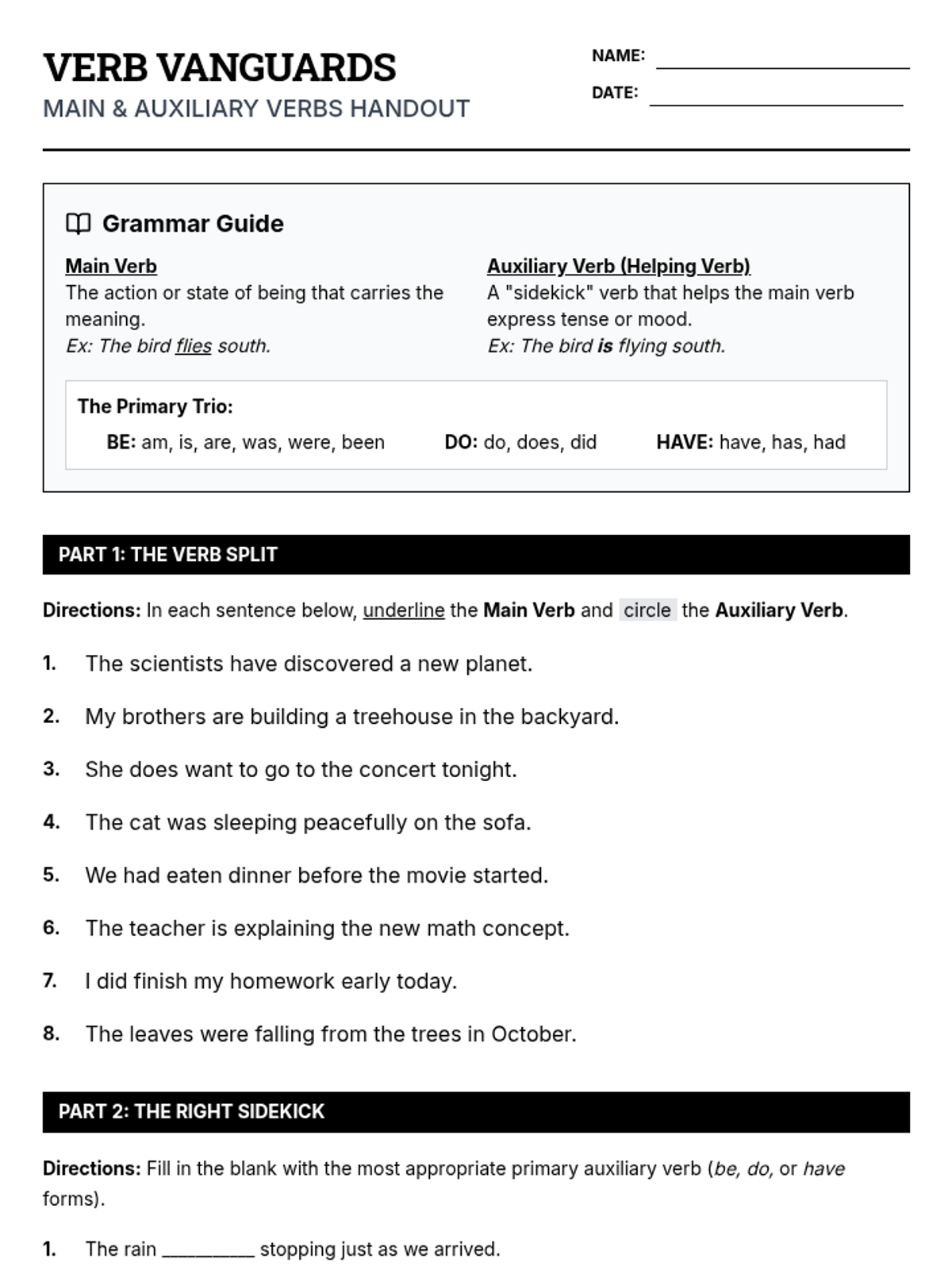
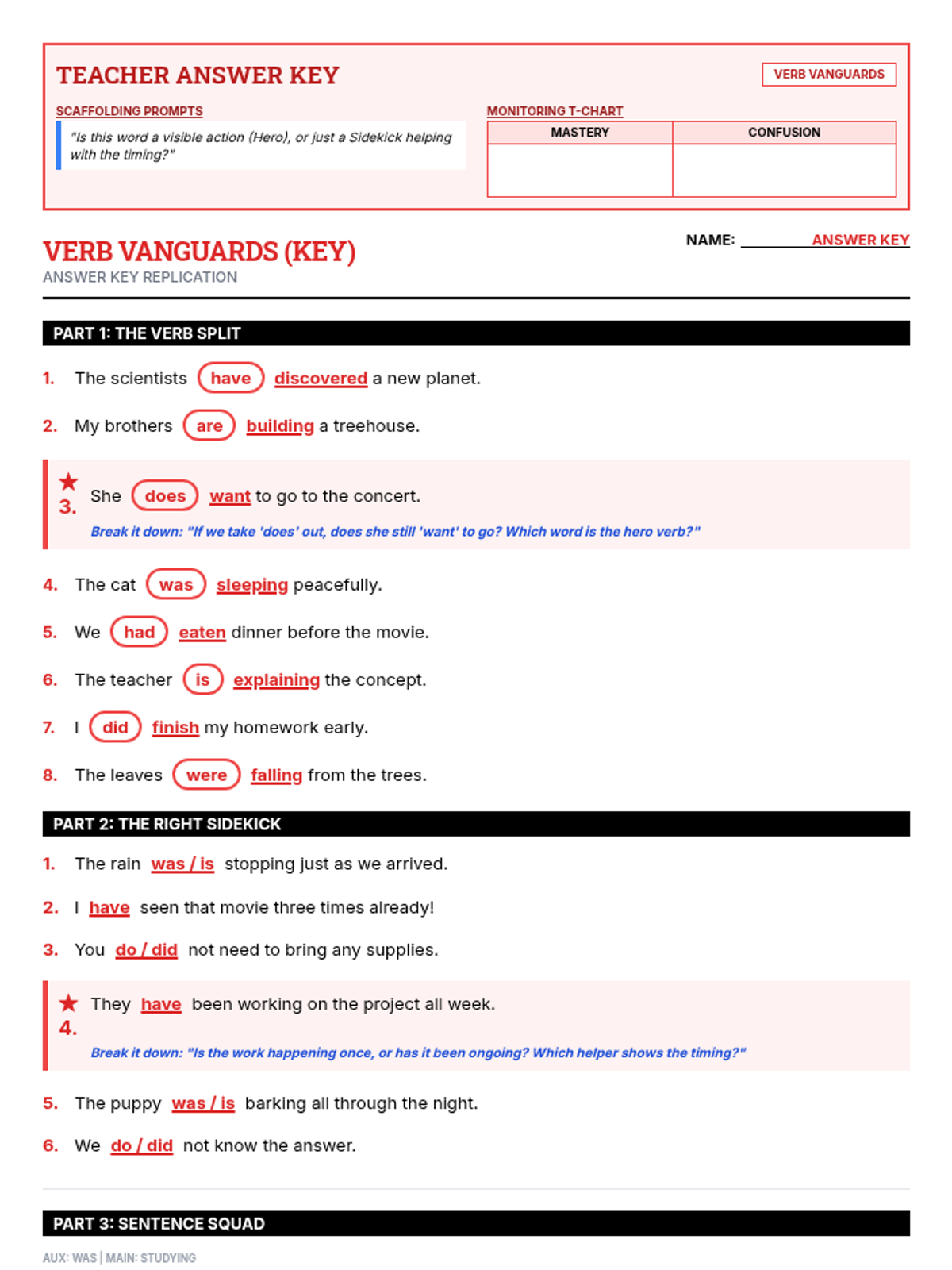
A comprehensive lesson on identifying and using main verbs and primary auxiliary verbs (be, do, have) in sentences. Includes a structured lesson plan, a practice handout, and a detailed answer key with monitoring tools.
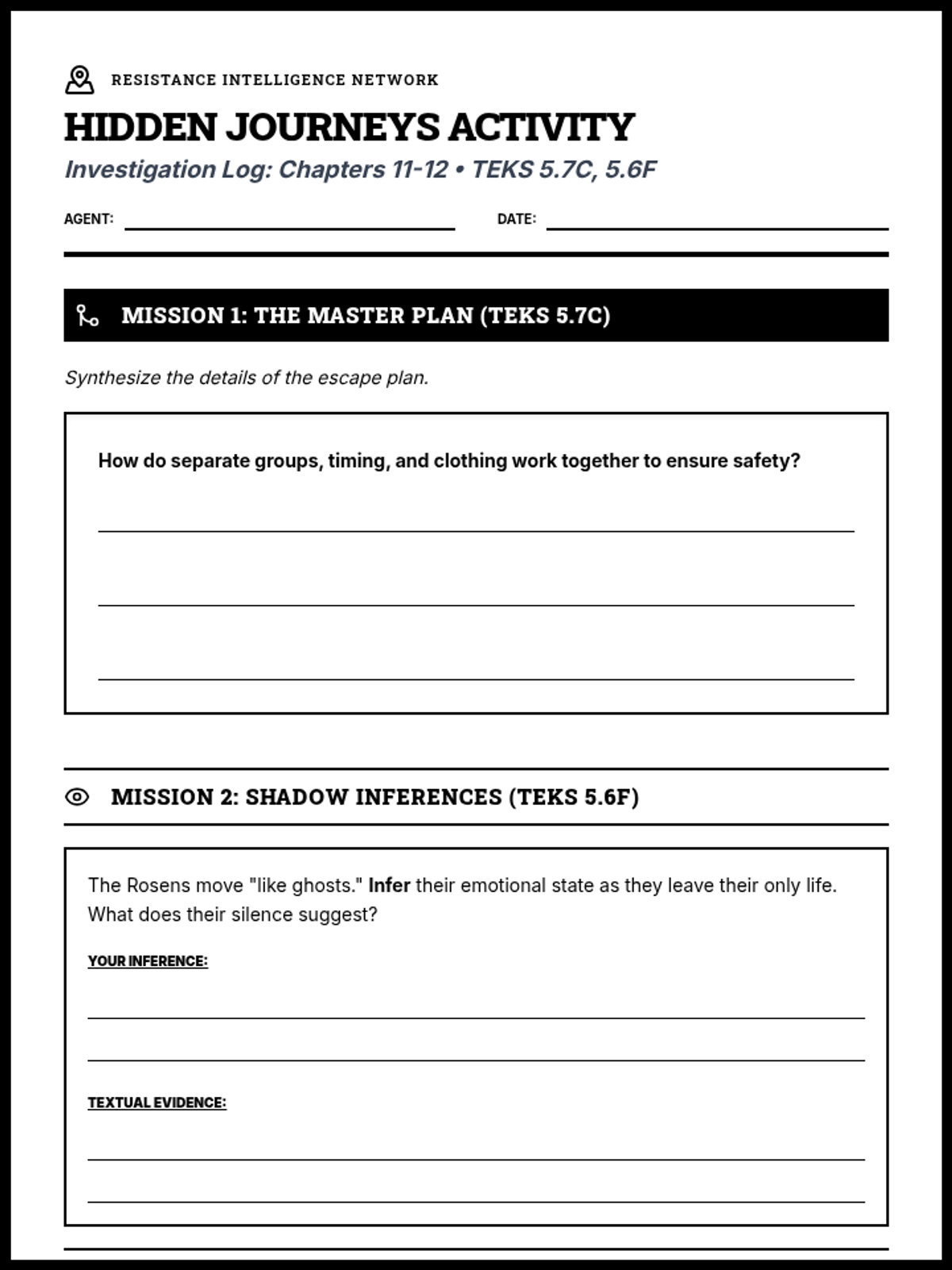
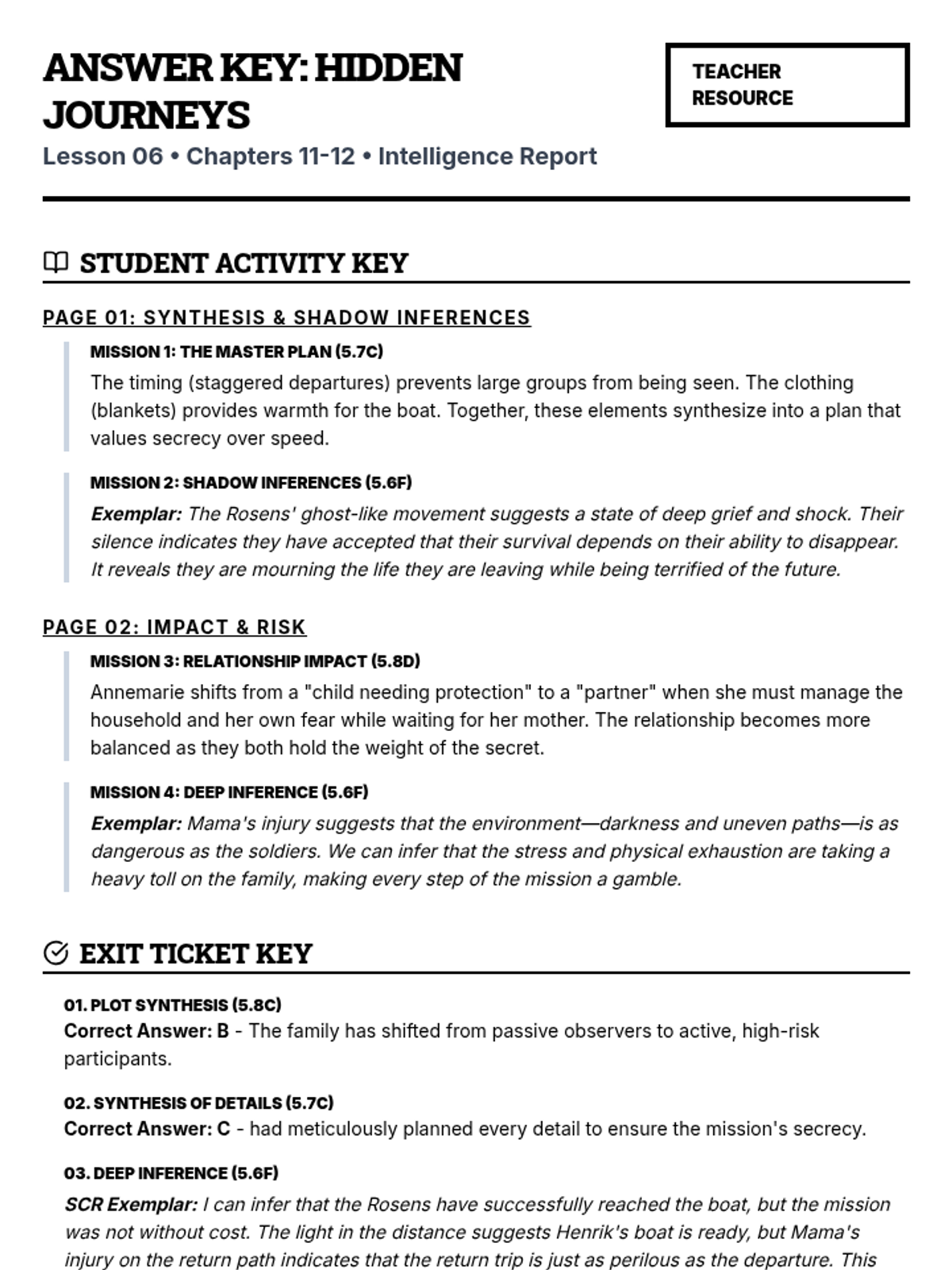
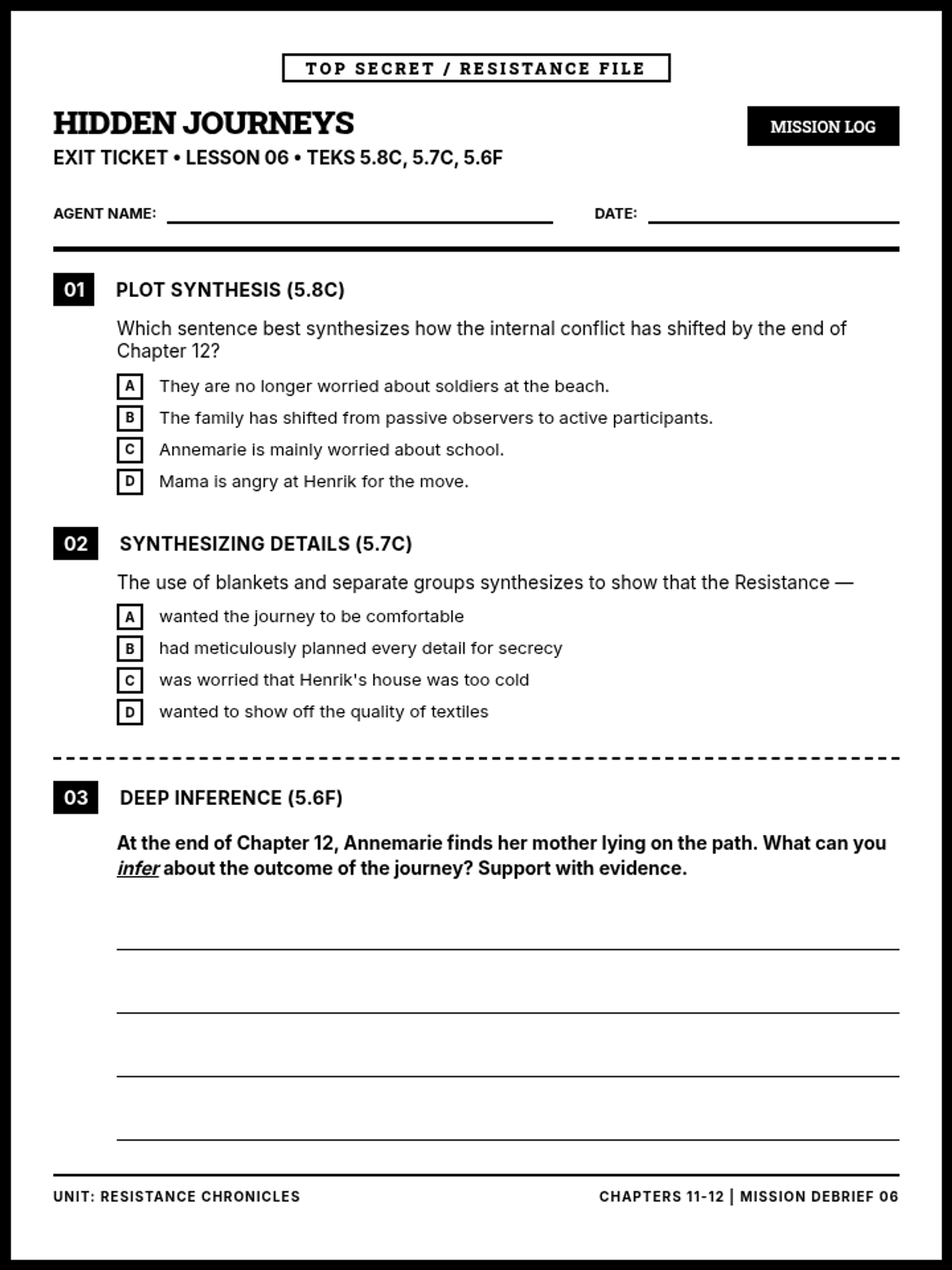
Focusing on chapters 11 and 12, students analyze plot elements and infer the hidden risks of the escape to the boat, synthesizing information to summarize the plan's complexity (TEKS 5.8C, 5.6F).
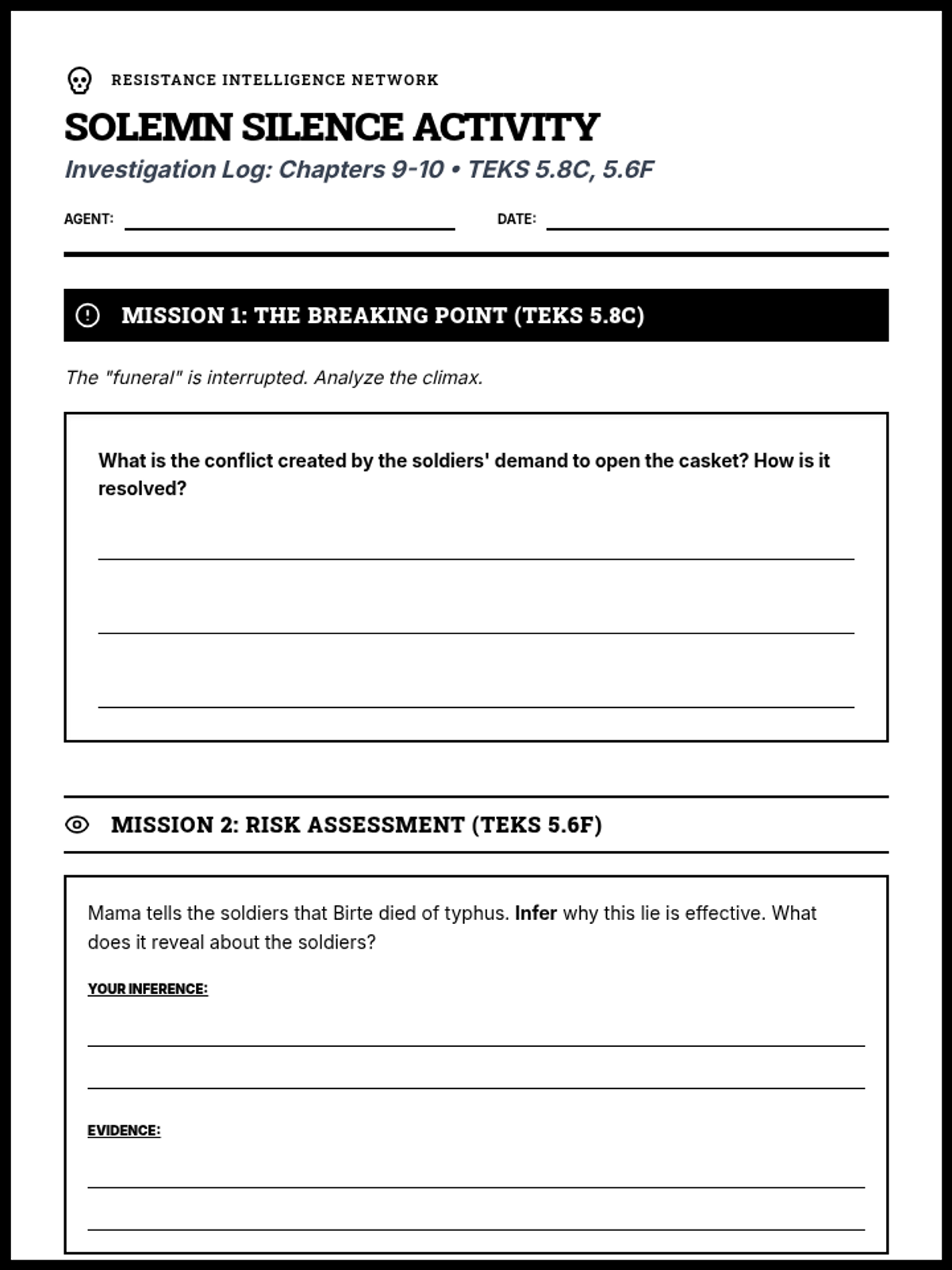
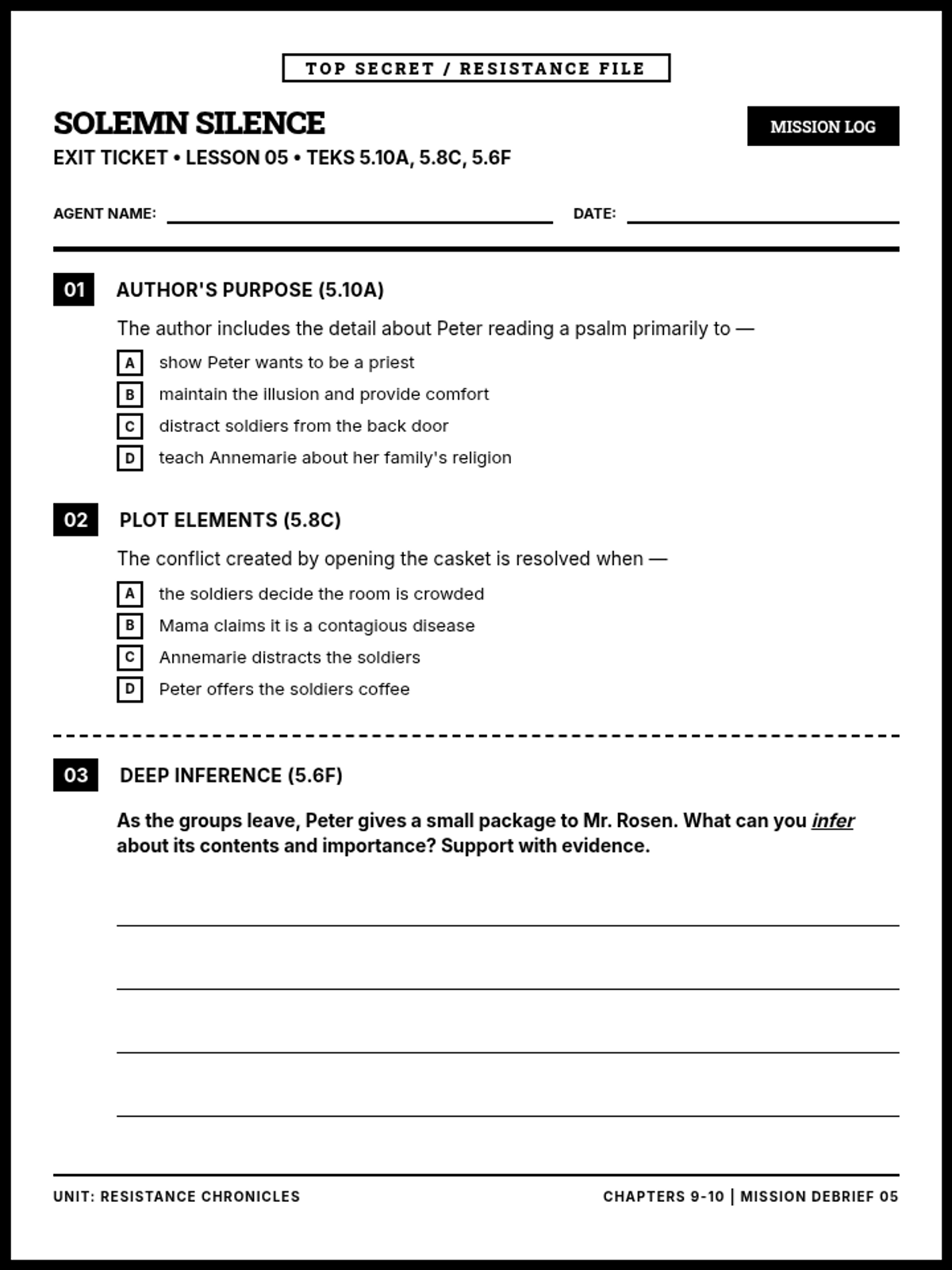
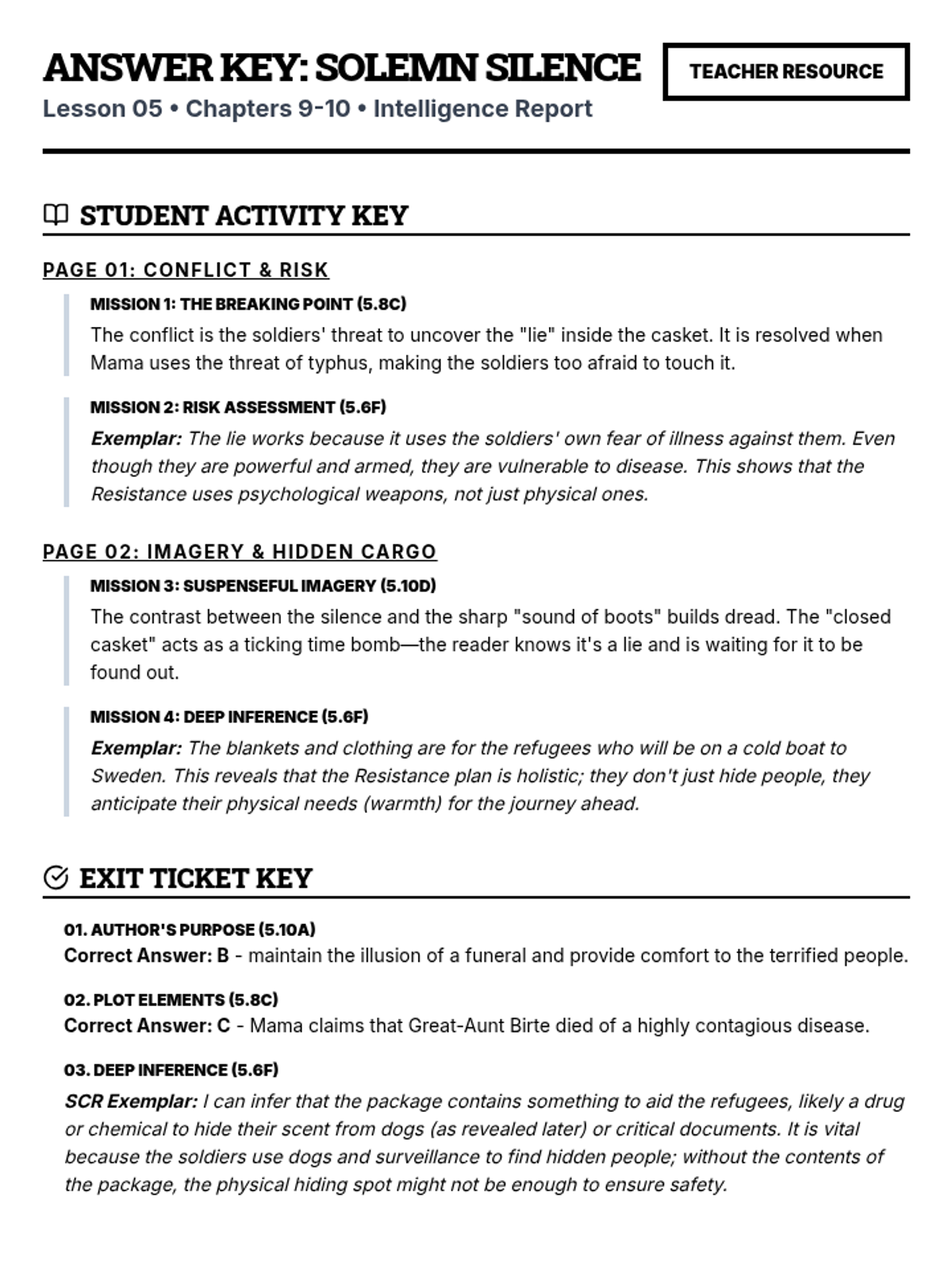
Students evaluate plot details and suspense techniques used in chapters 9 and 10, inferring the underlying risks and motivations during the fake funeral of 'Great-Aunt Birte' (TEKS 5.10D, 5.6F).
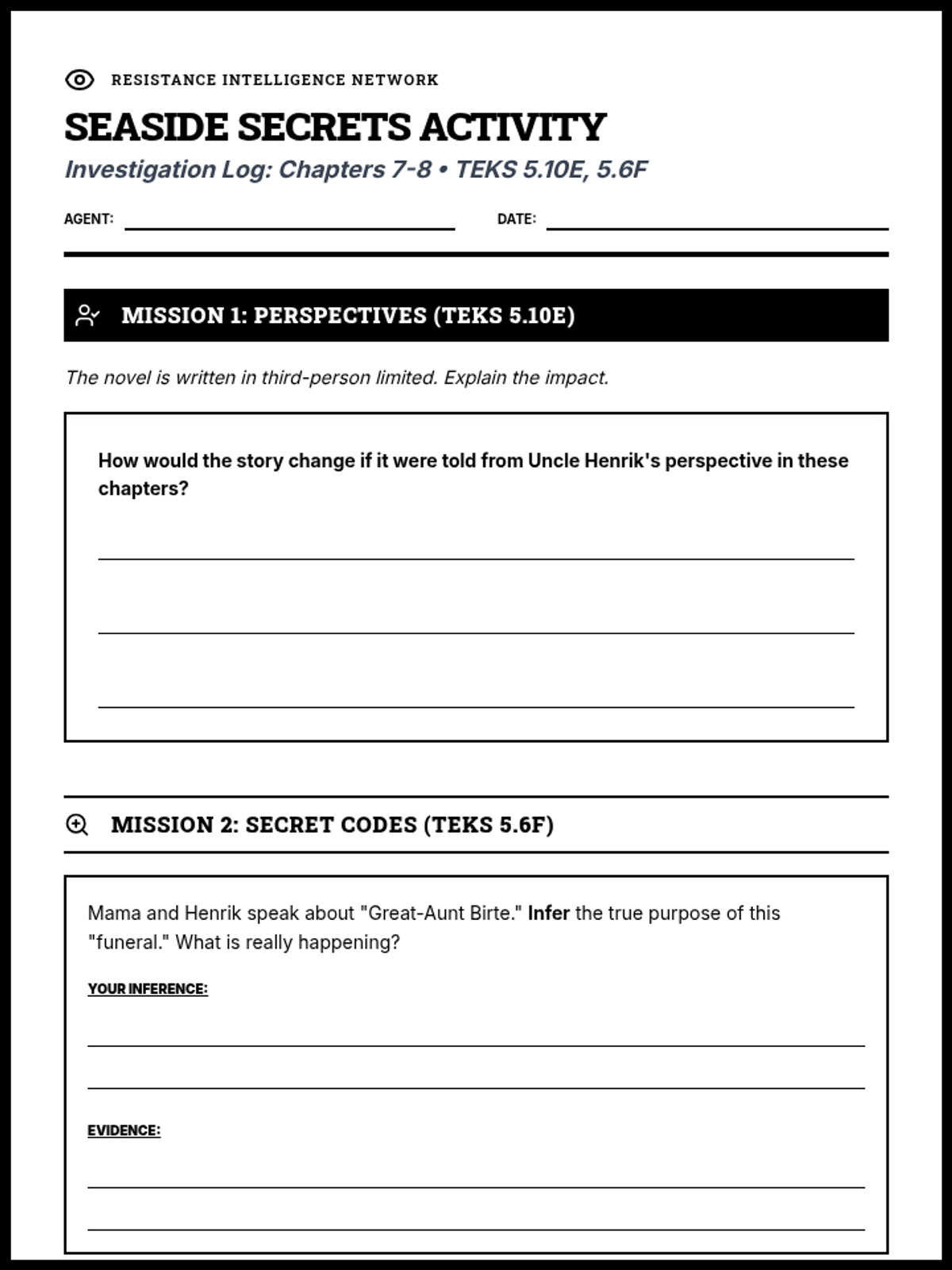
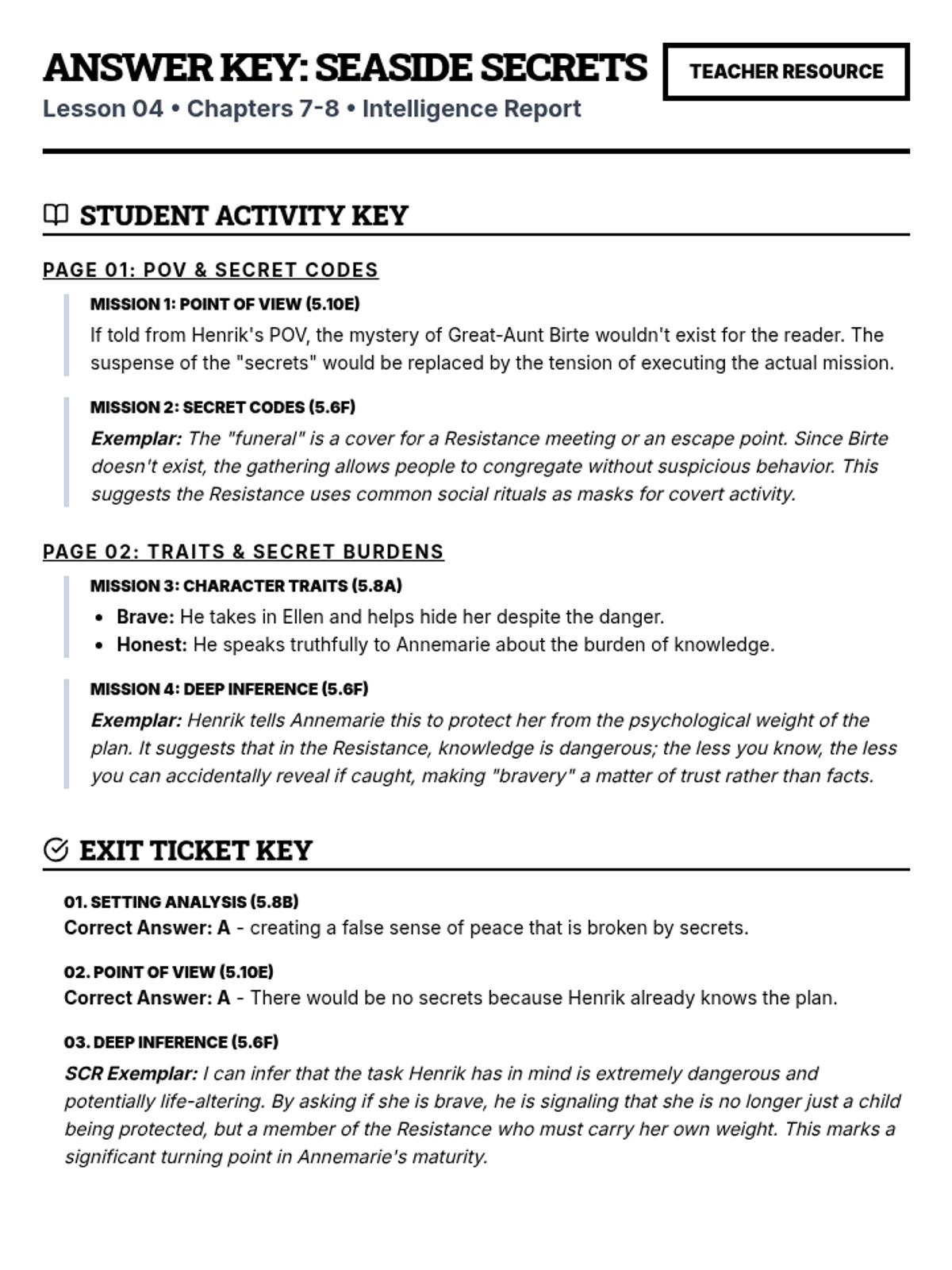
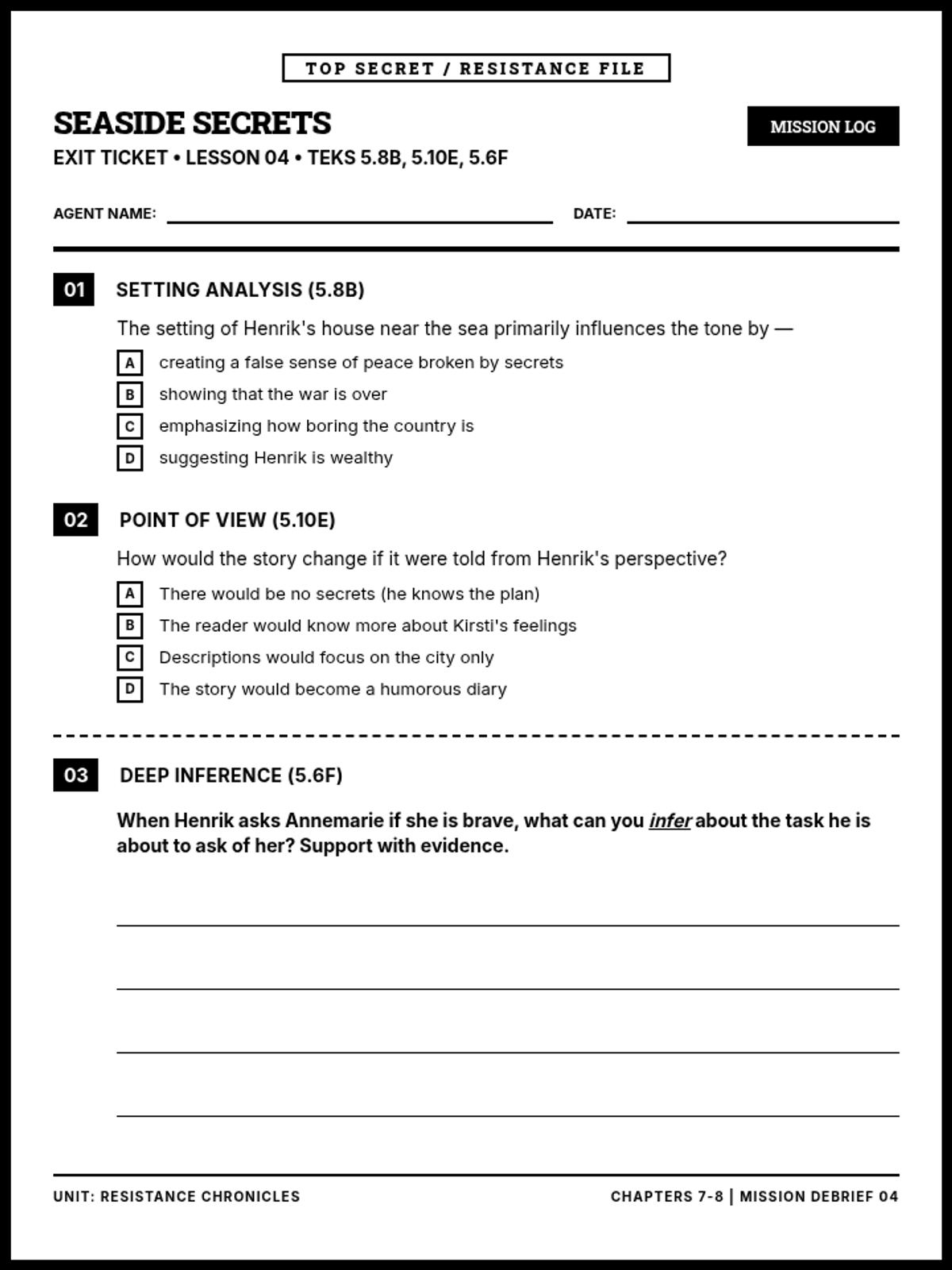
Students investigate point of view and make deeper inferences about Uncle Henrik's motives and the true purpose of the move to the coast in chapters 7 and 8 (TEKS 5.10E, 5.6F).
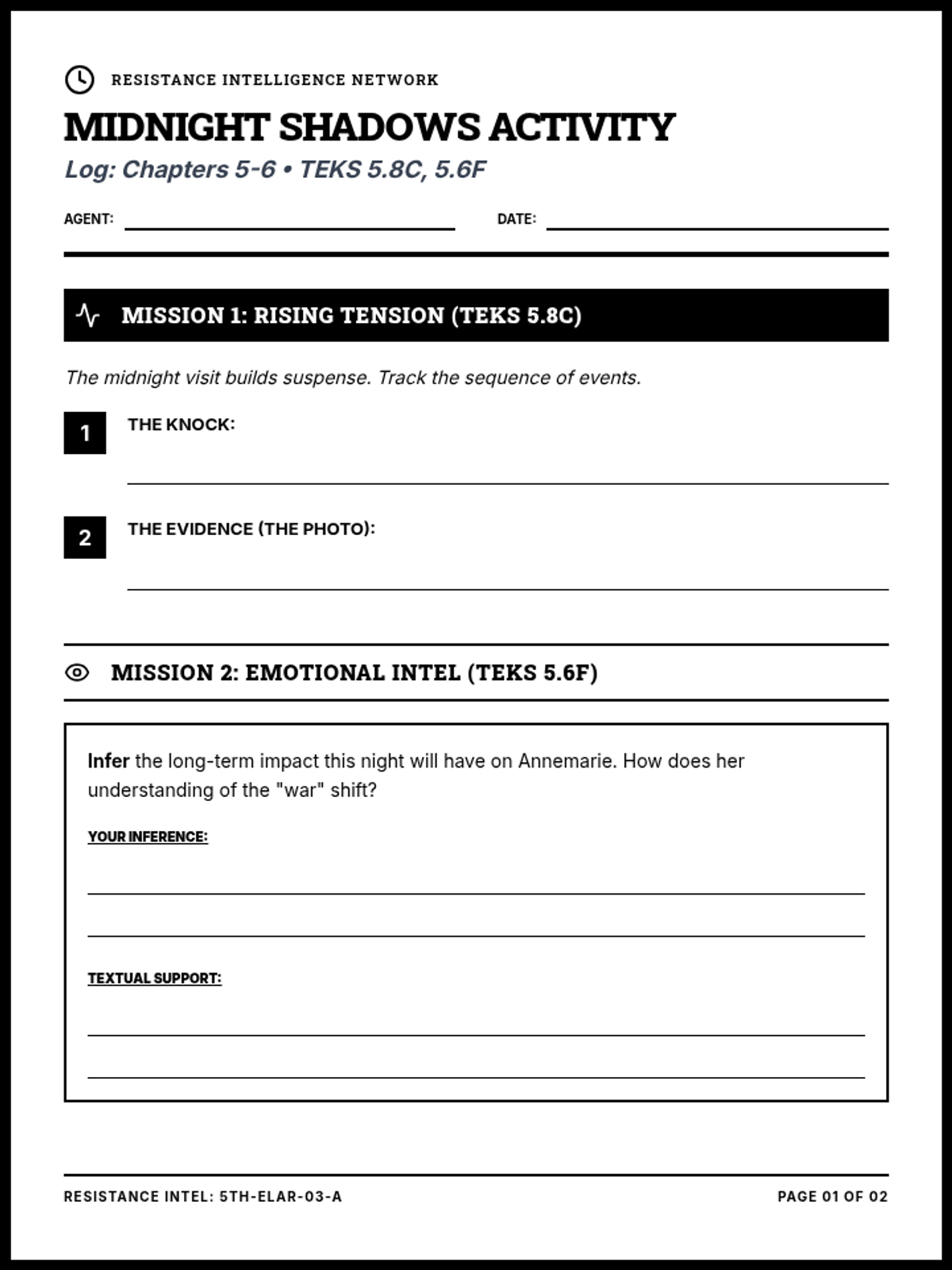
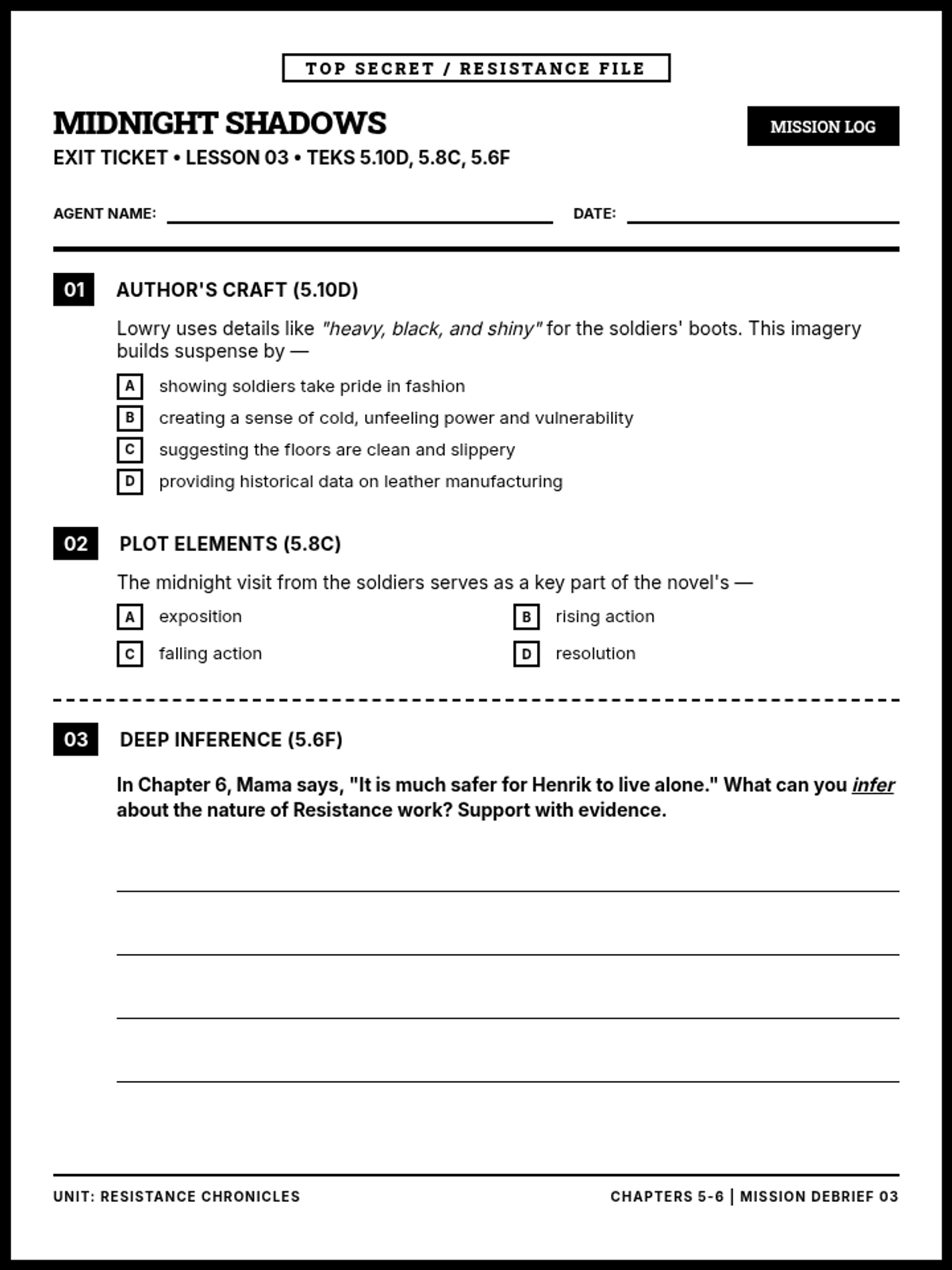
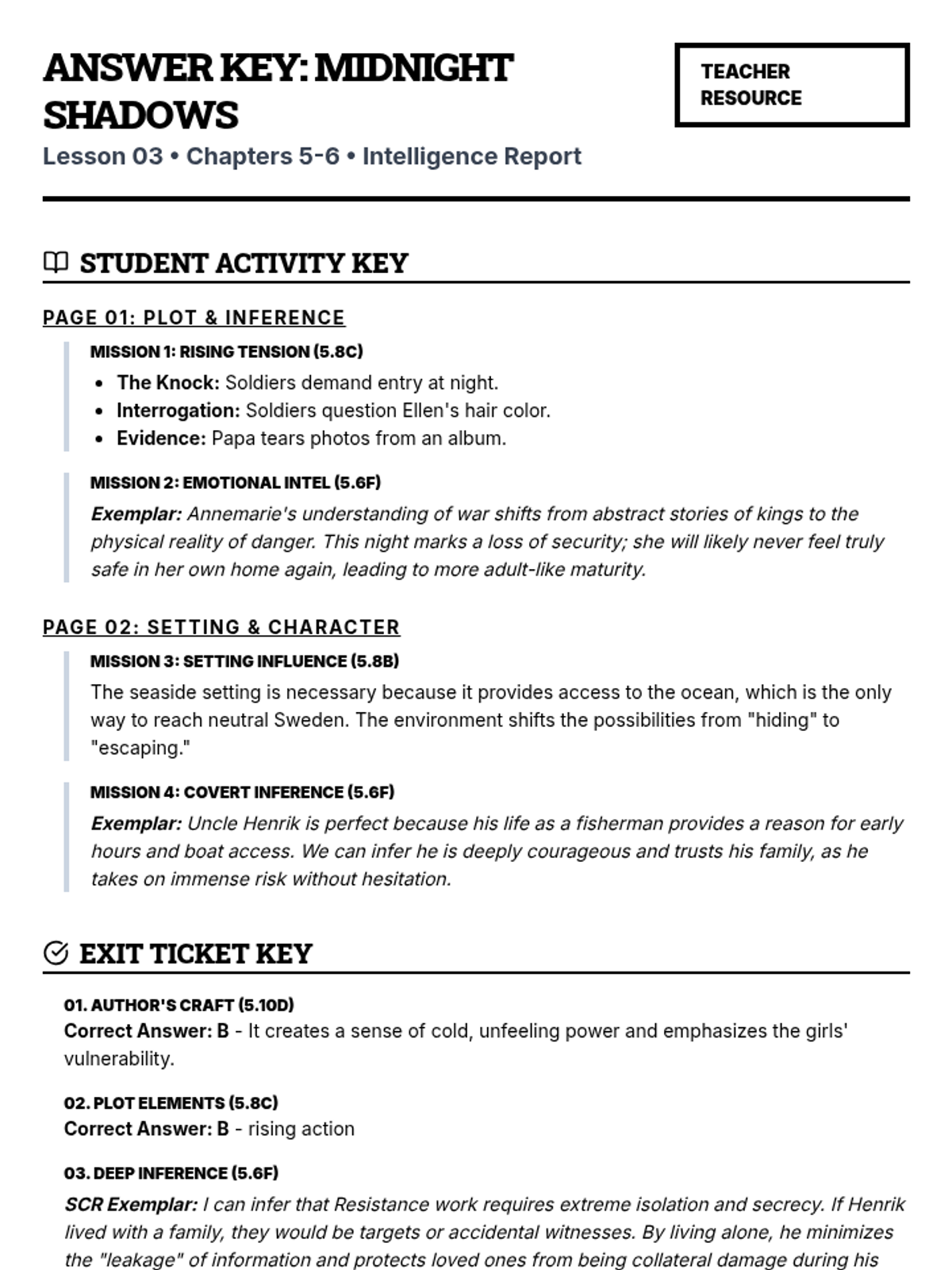
Focusing on chapters 5 and 6, students track plot development and practice inferring the stakes and emotions during the high-tension midnight visit from soldiers (TEKS 5.8C, 5.6F).
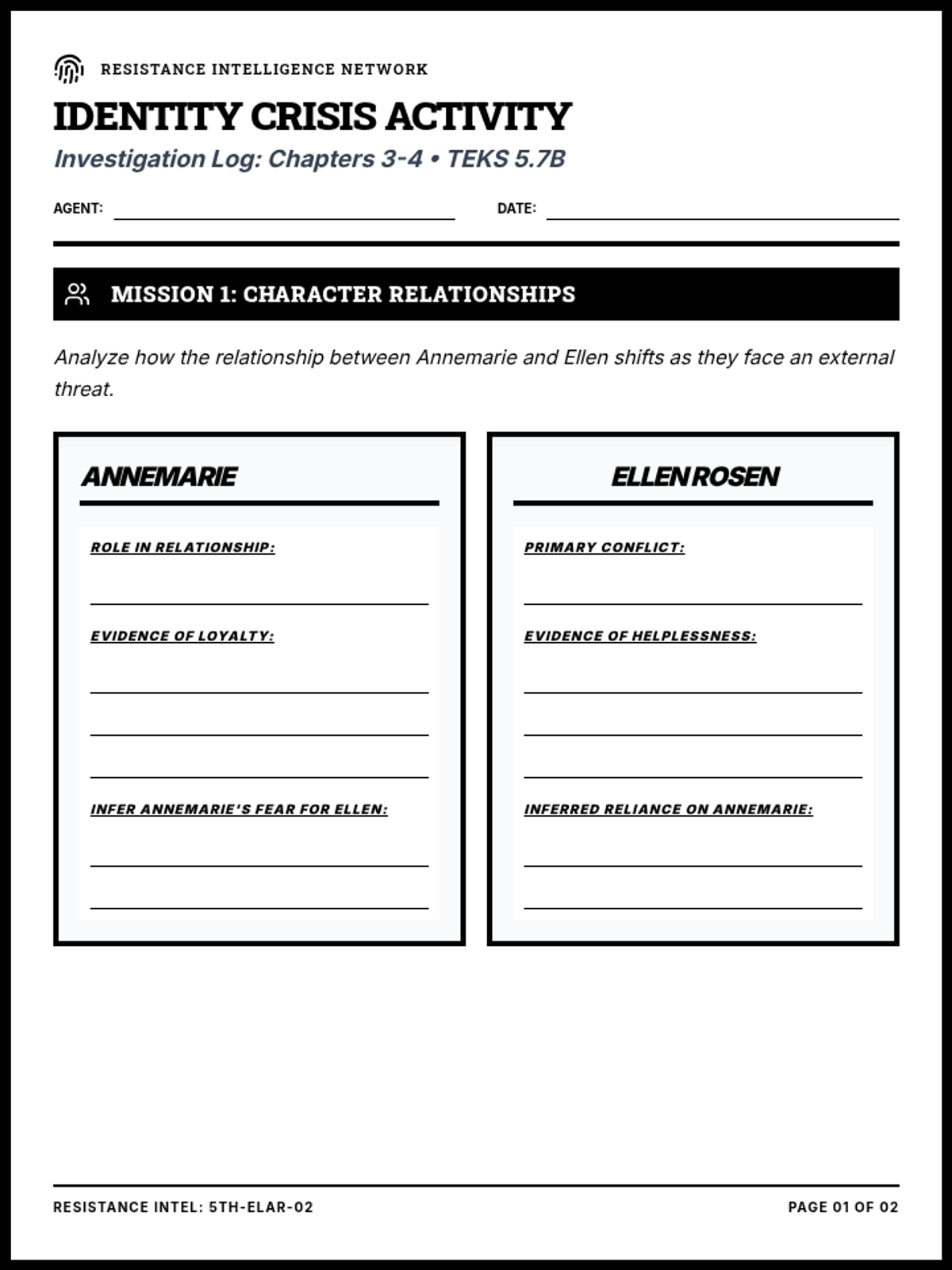
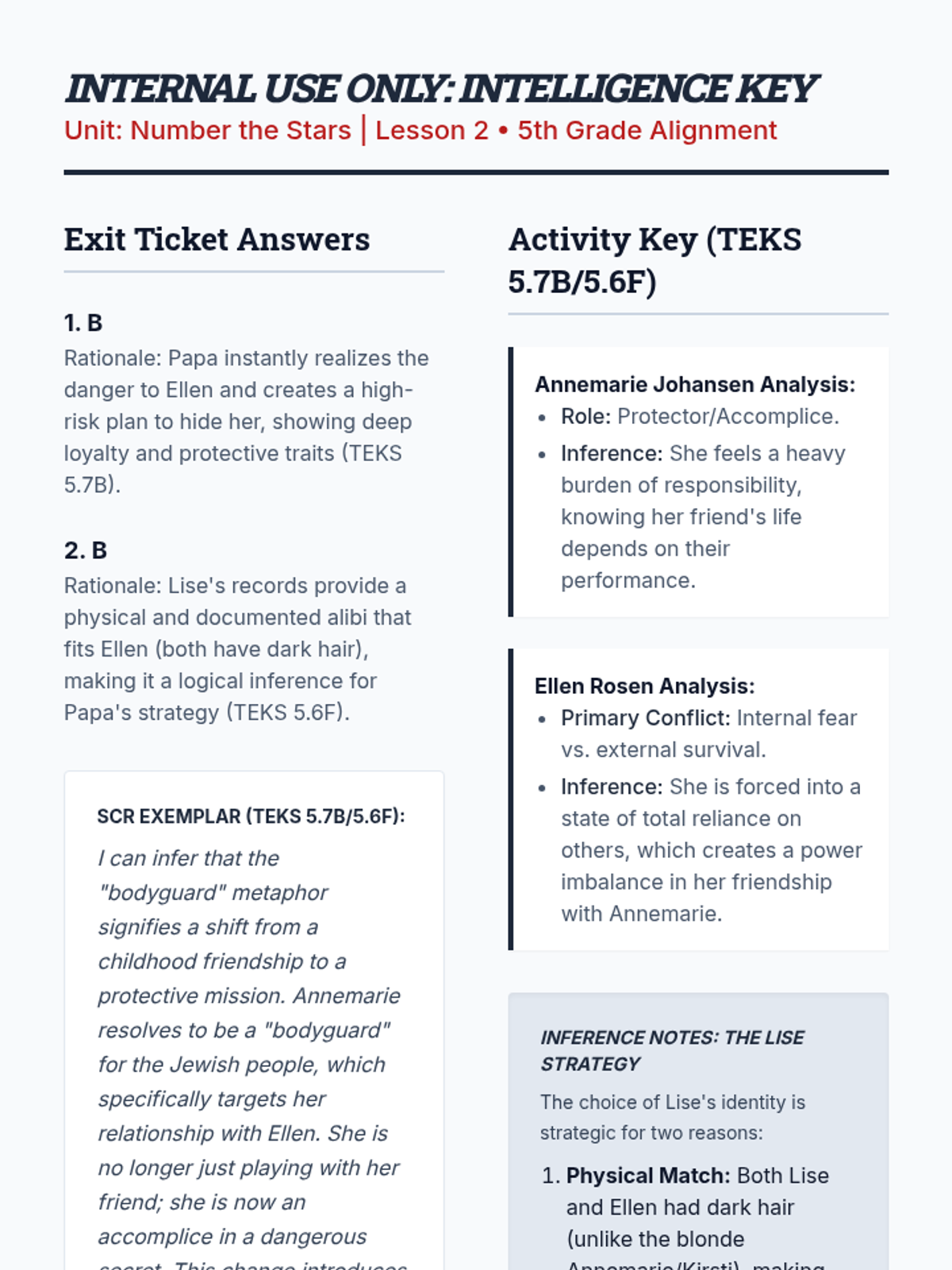
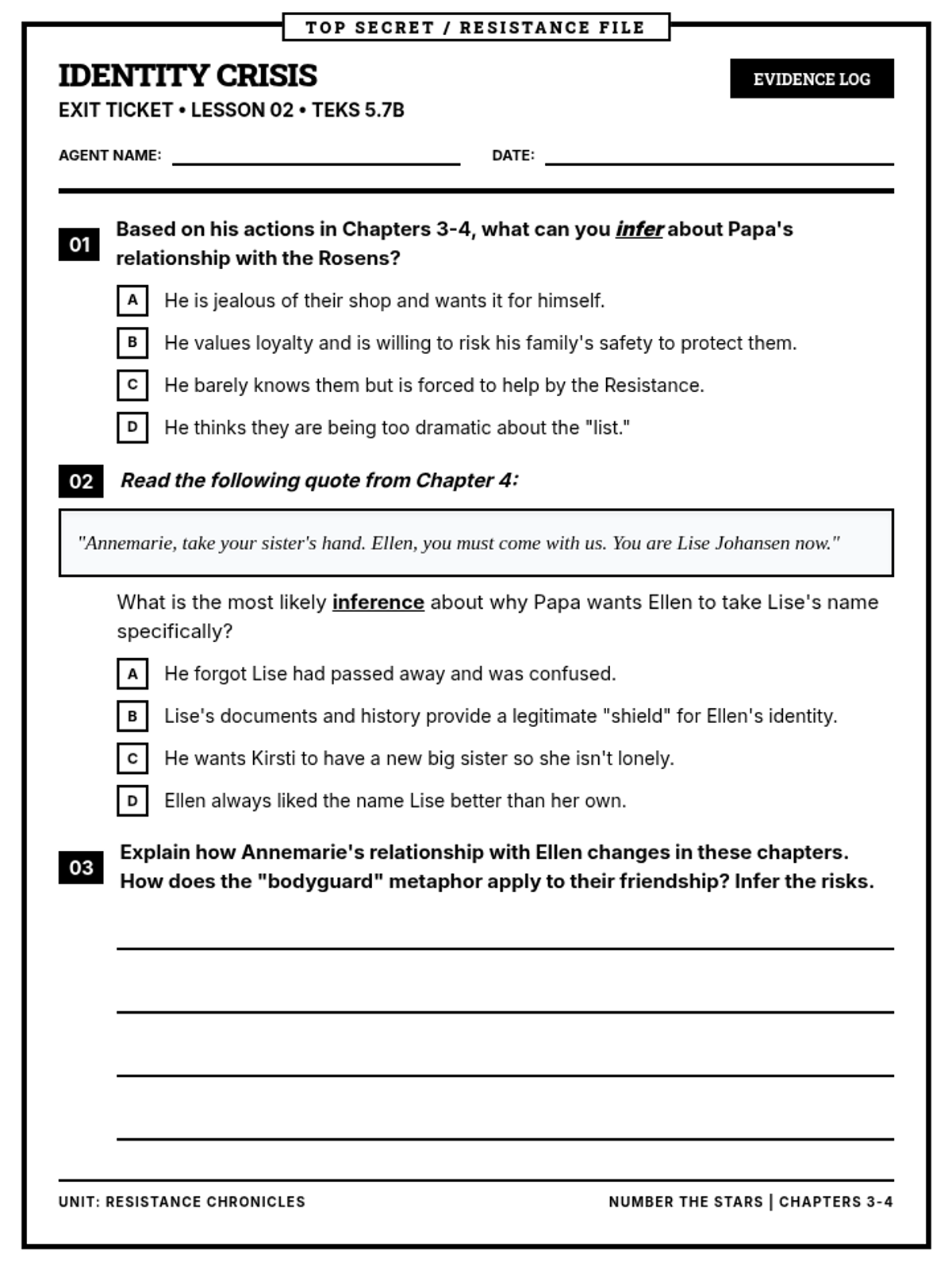
Students analyze character relationships and make deep inferences about the changing atmosphere in Copenhagen as the Nazi occupation intensifies, focusing on subtle textual clues (TEKS 5.7B, 5.6F).
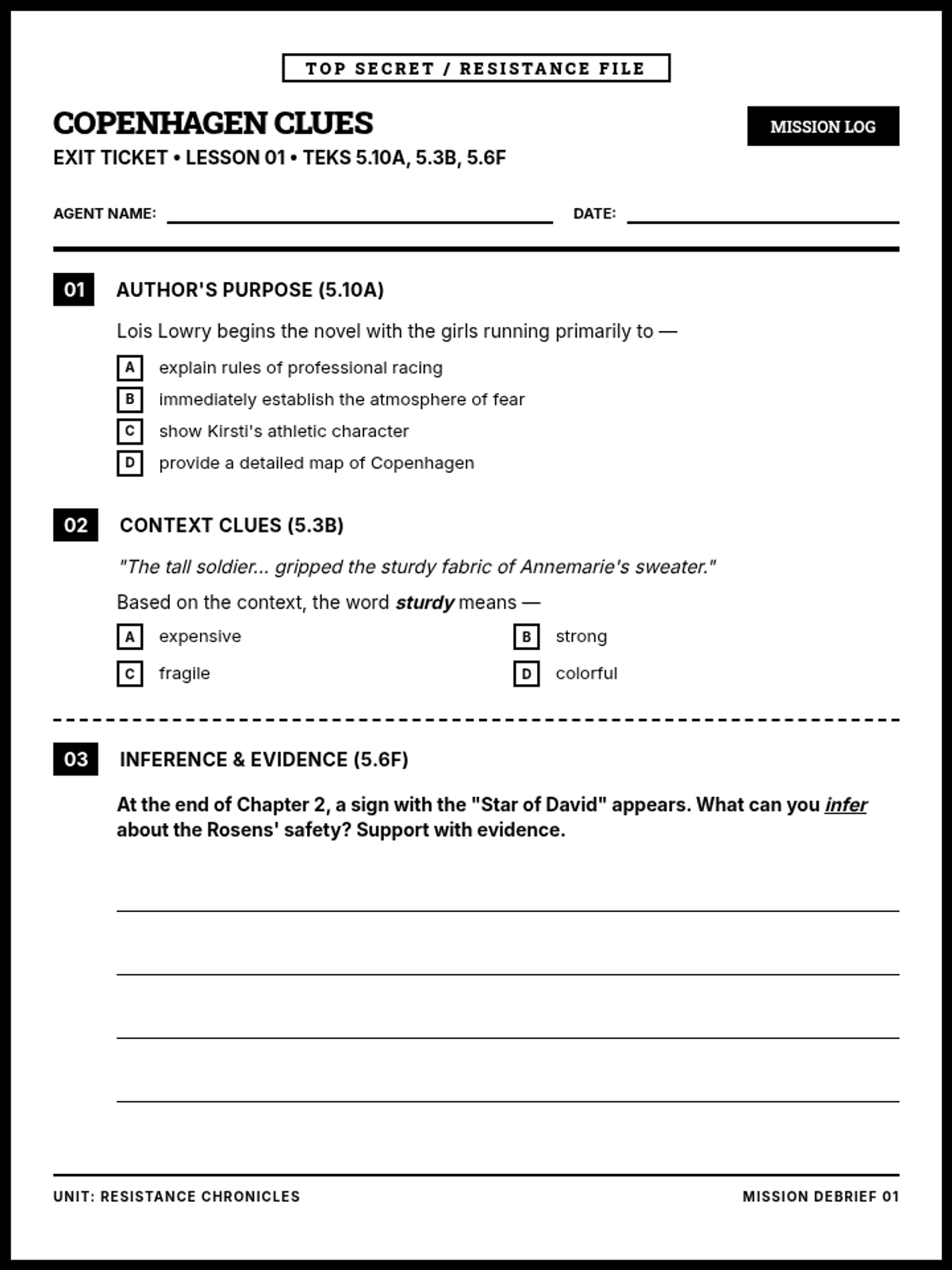
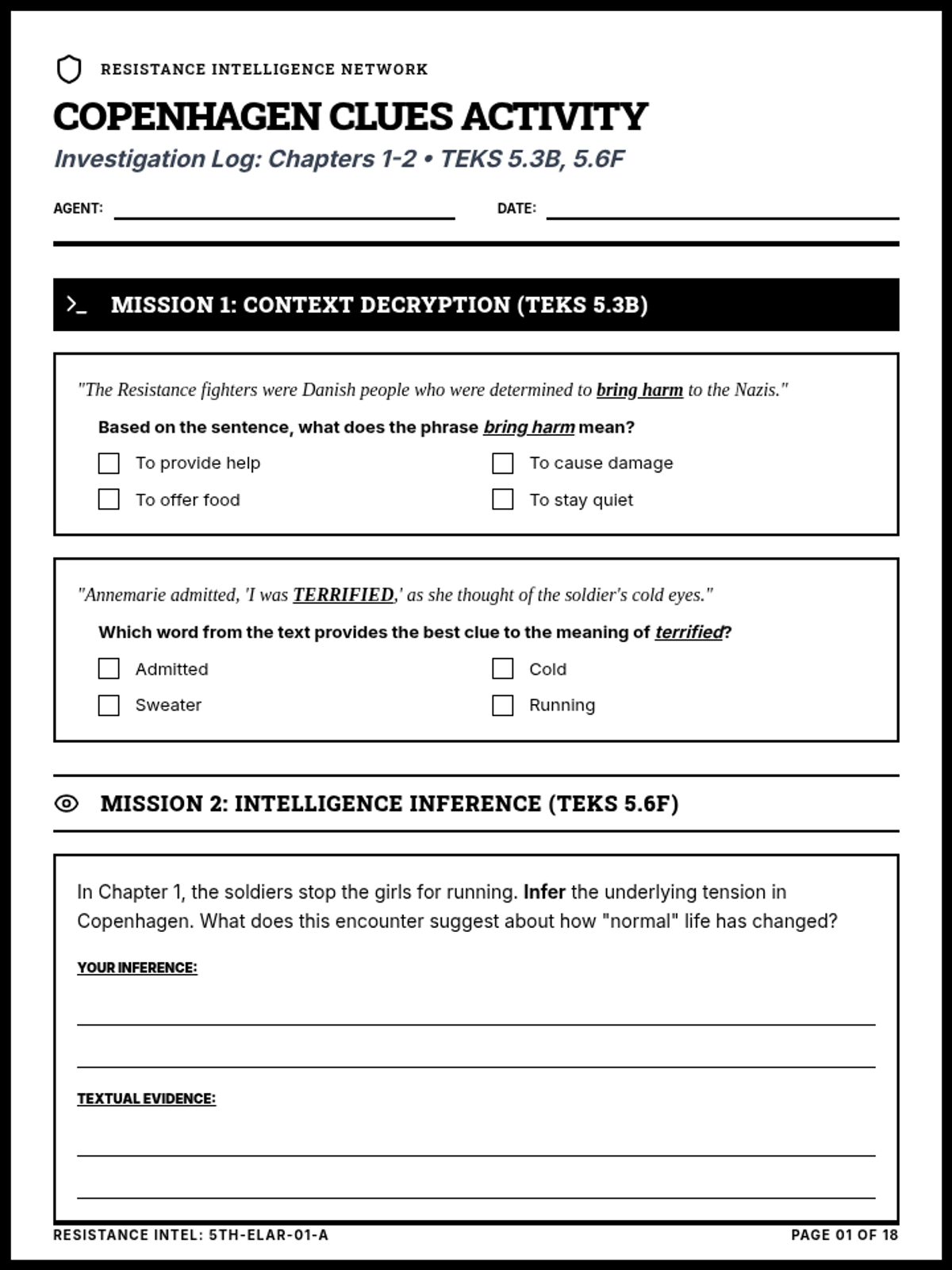
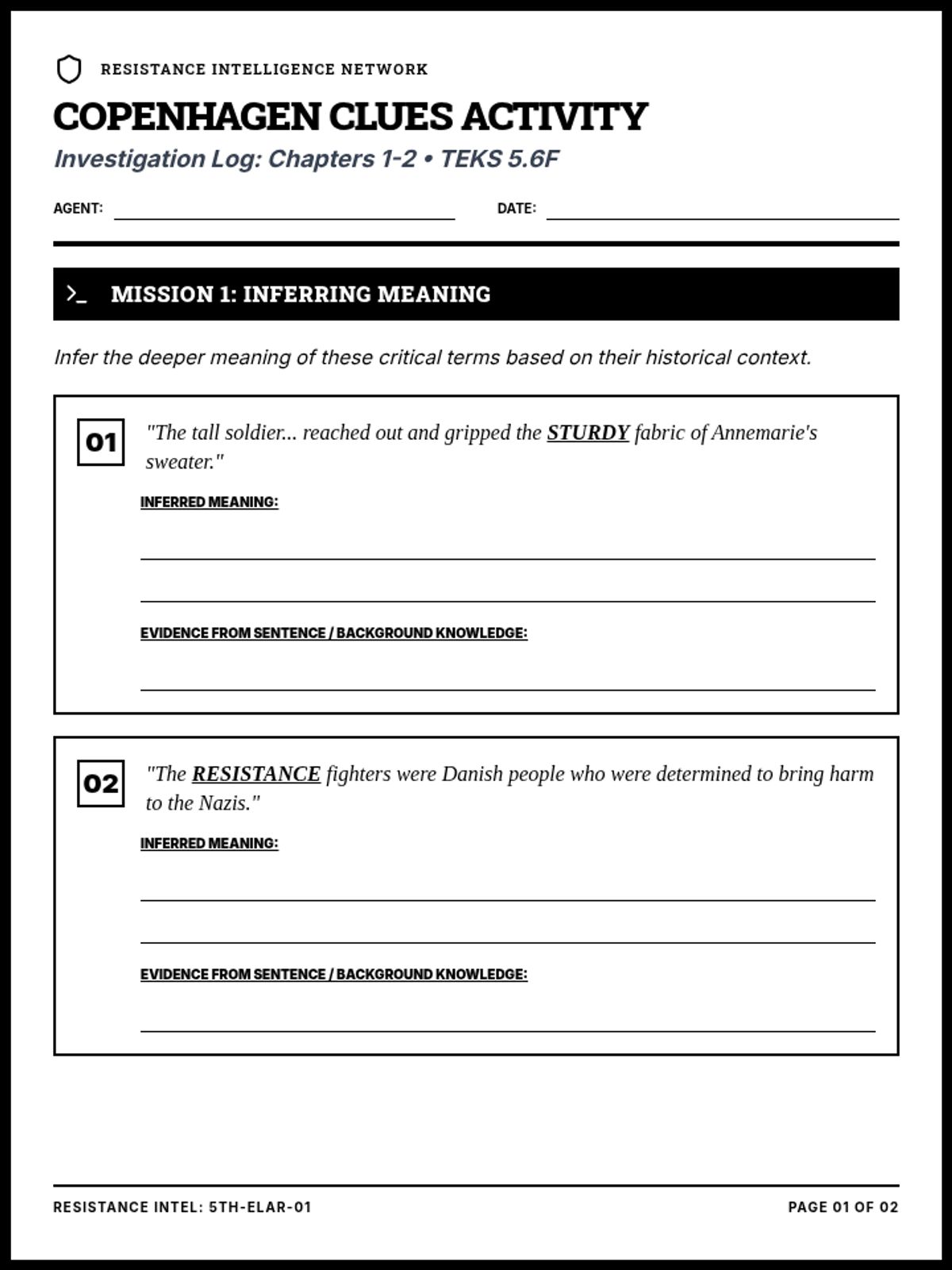
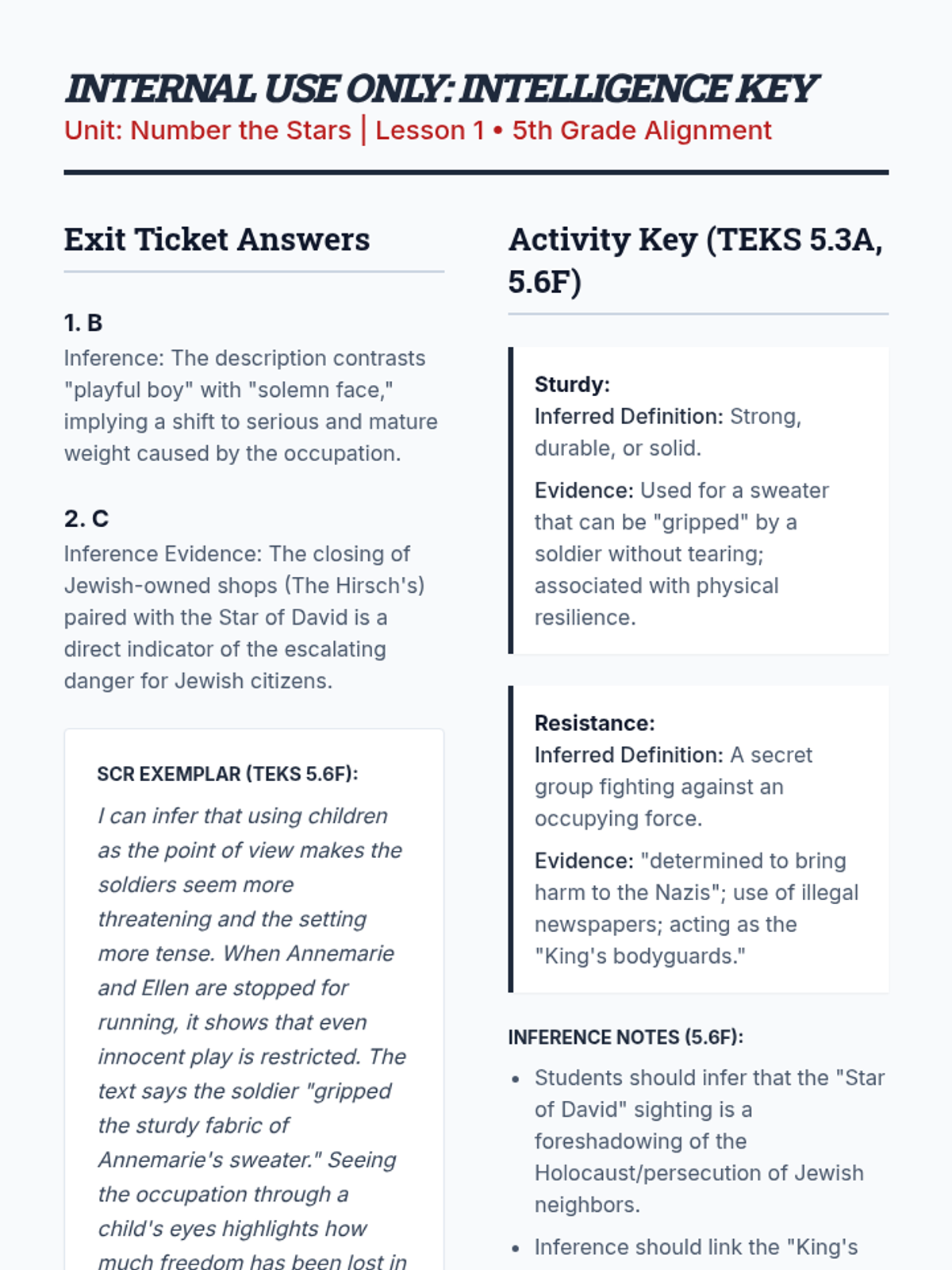
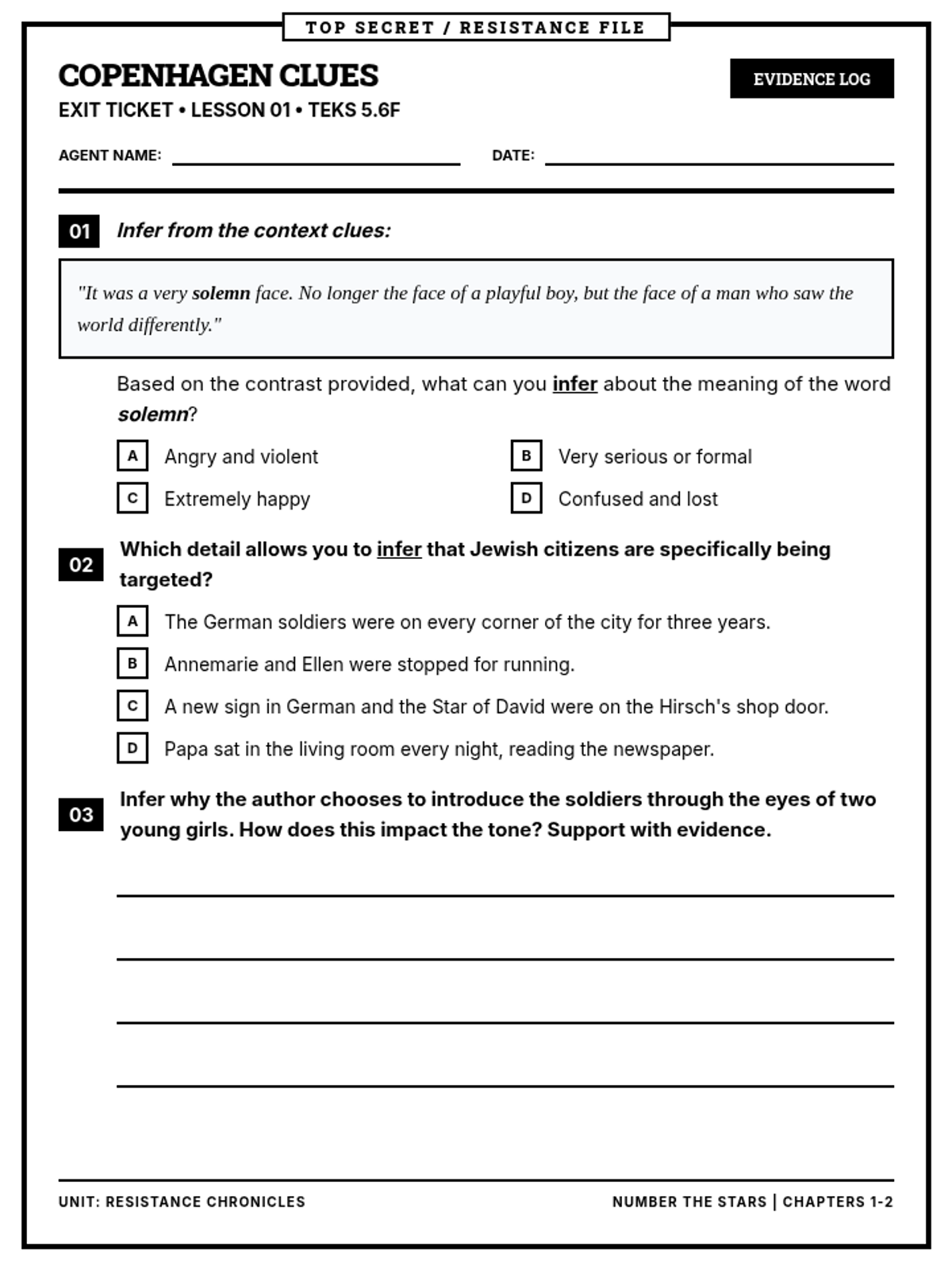
Students explore the opening chapters of Number the Stars, using context clues to infer details about the historical setting and making evidence-based predictions about the Johansen family's future (TEKS 5.6F).
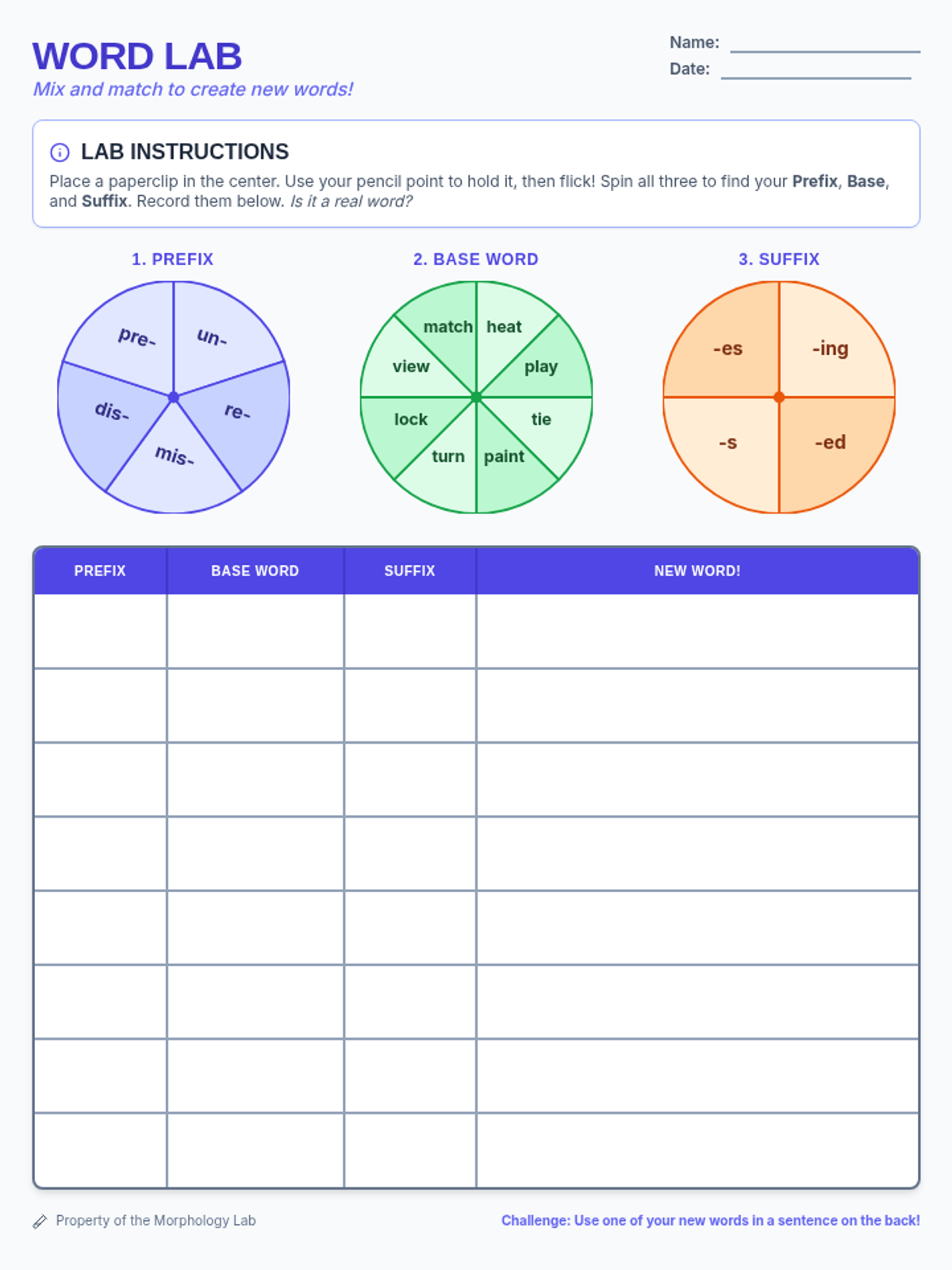
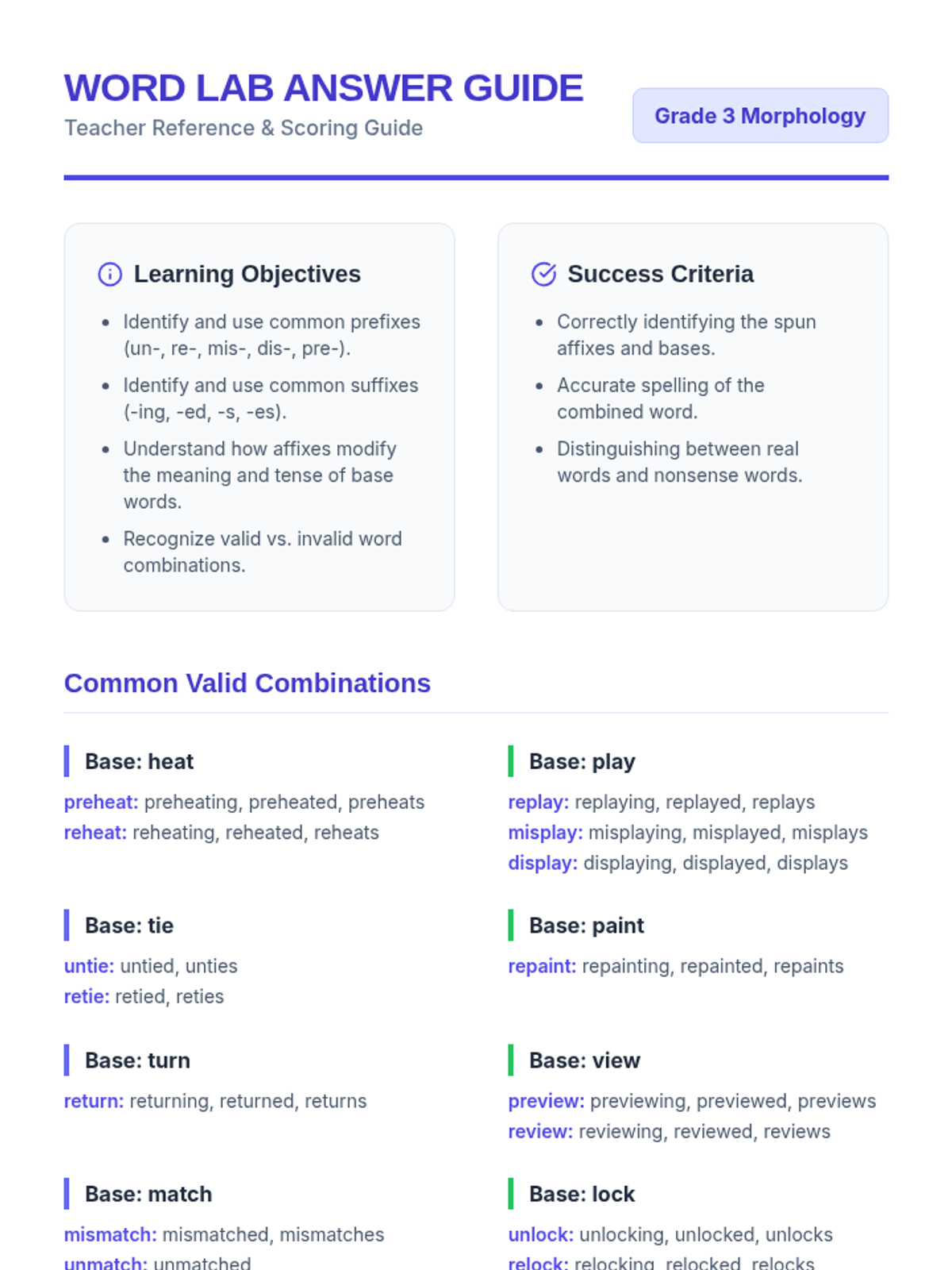
A fun, hands-on lesson for 3rd graders to explore morphology by spinning and combining prefixes, bases, and suffixes. Students learn how affixes change the meaning and tense of base words.
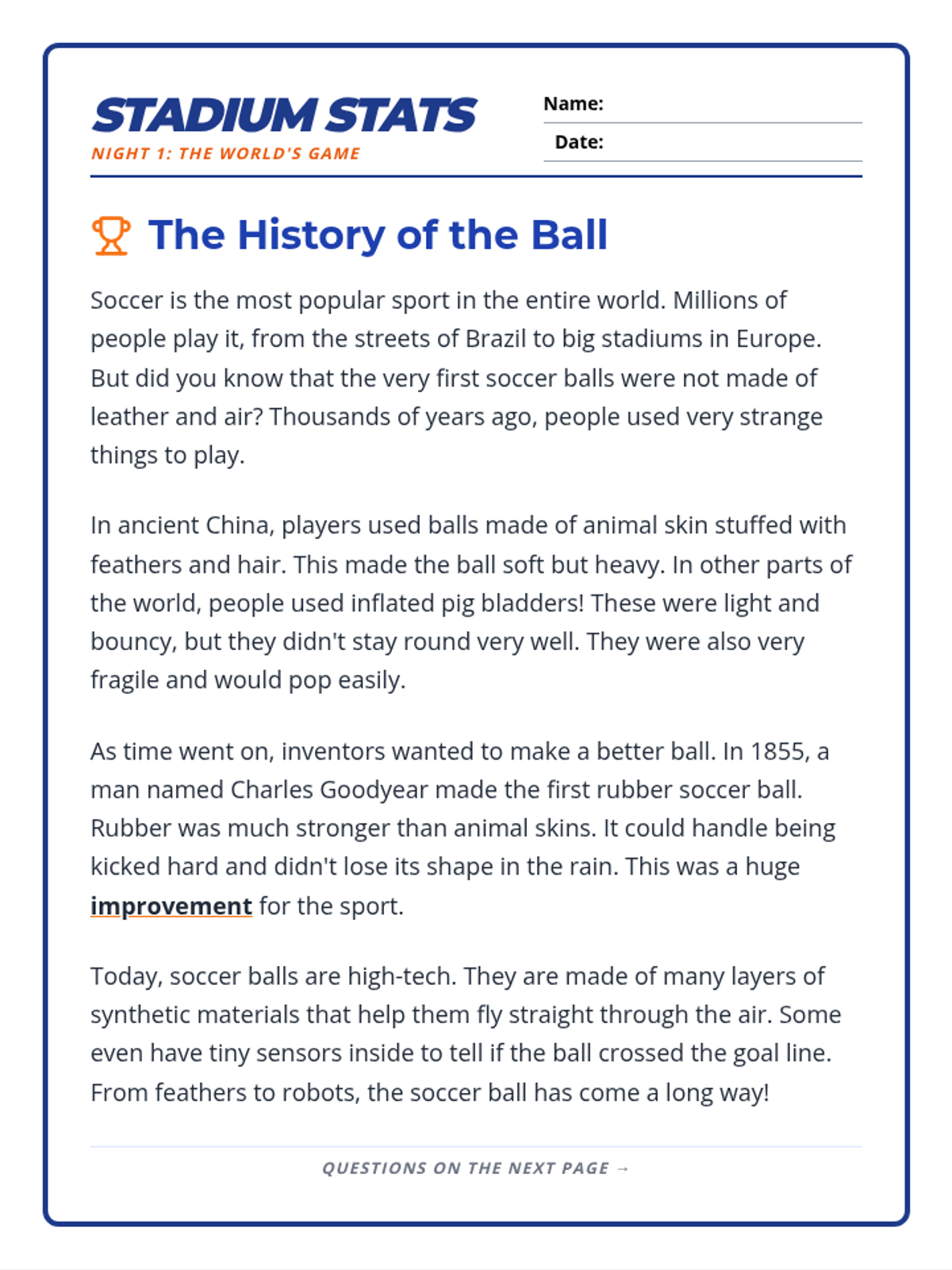
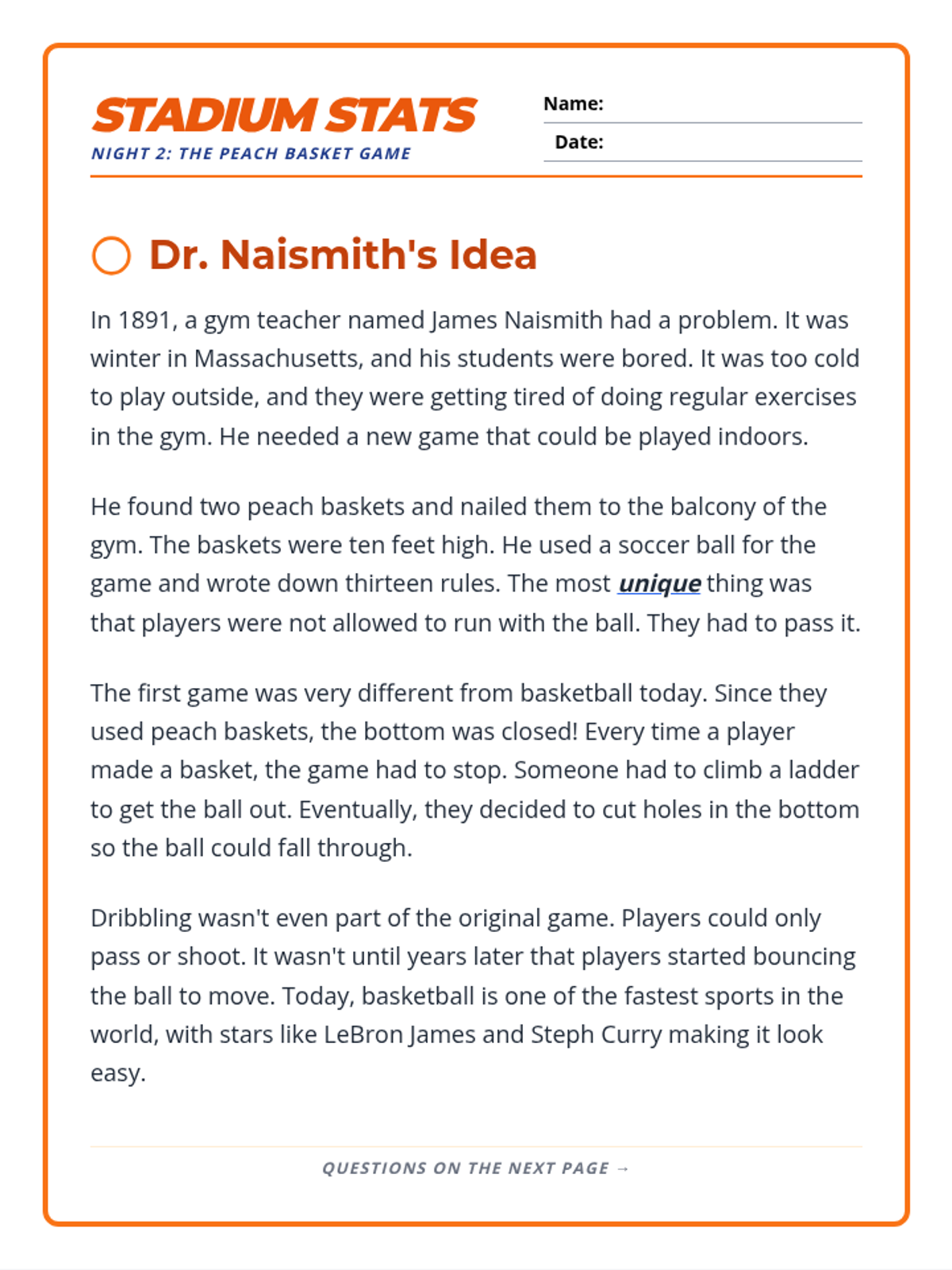
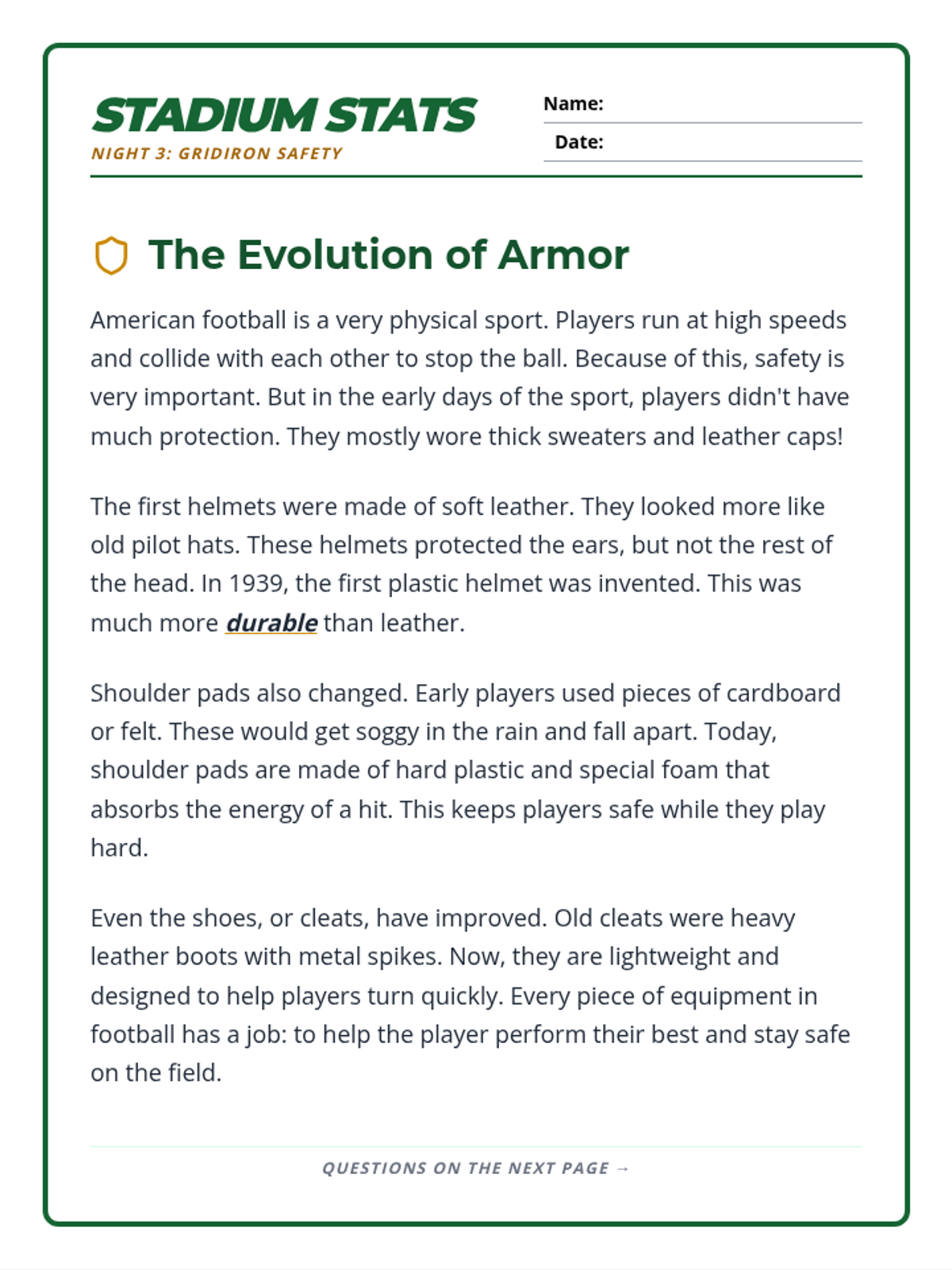
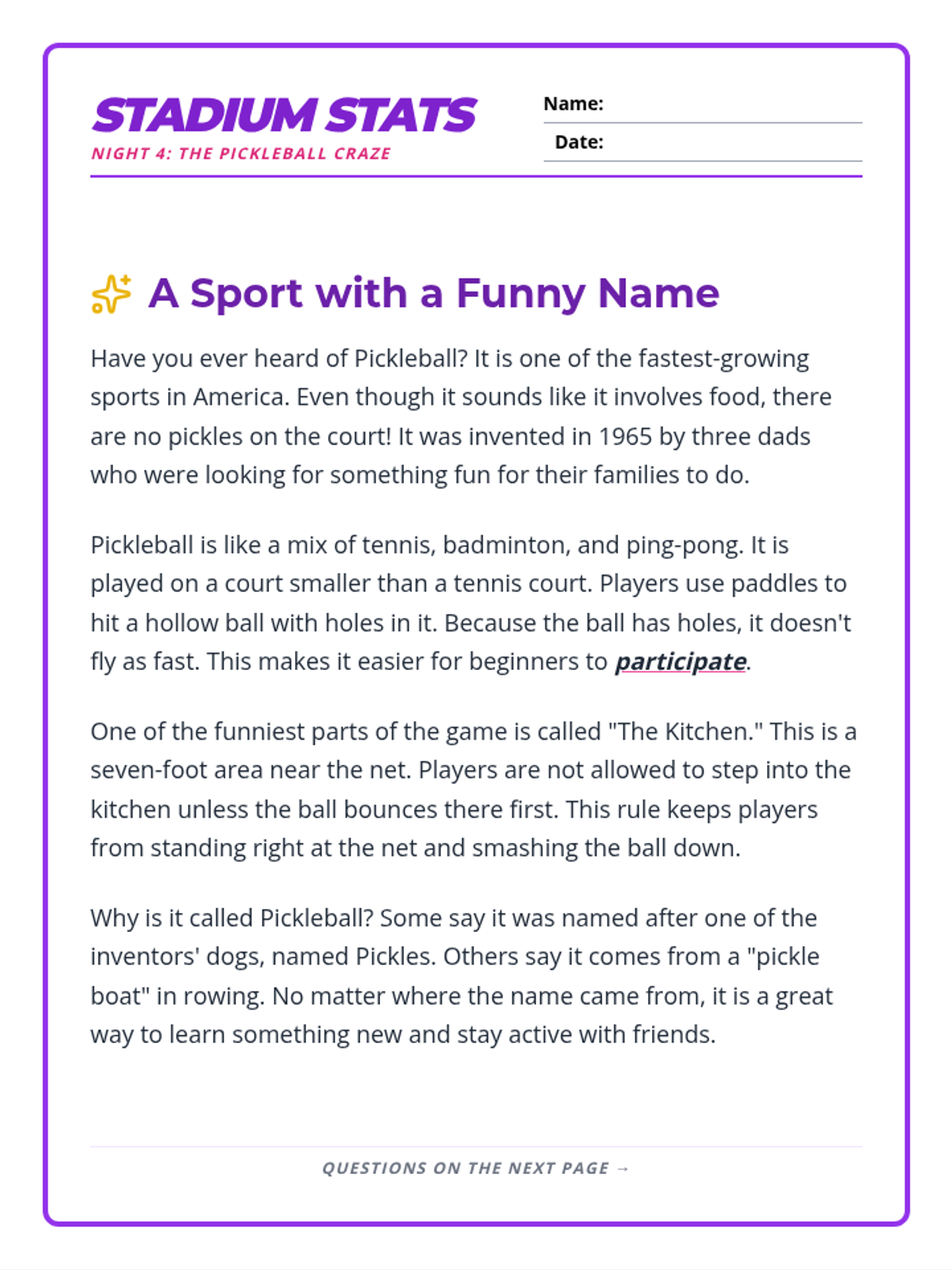
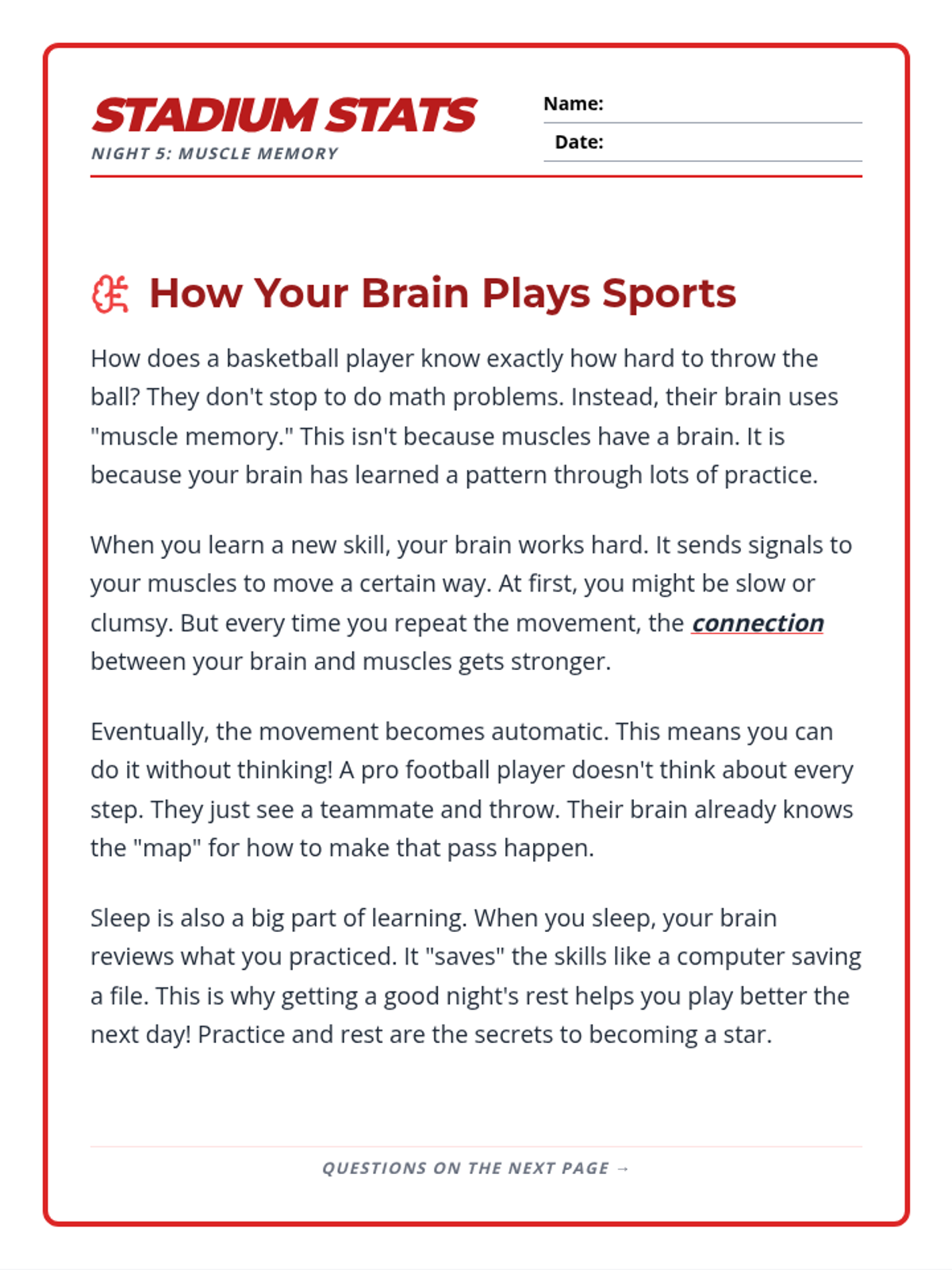
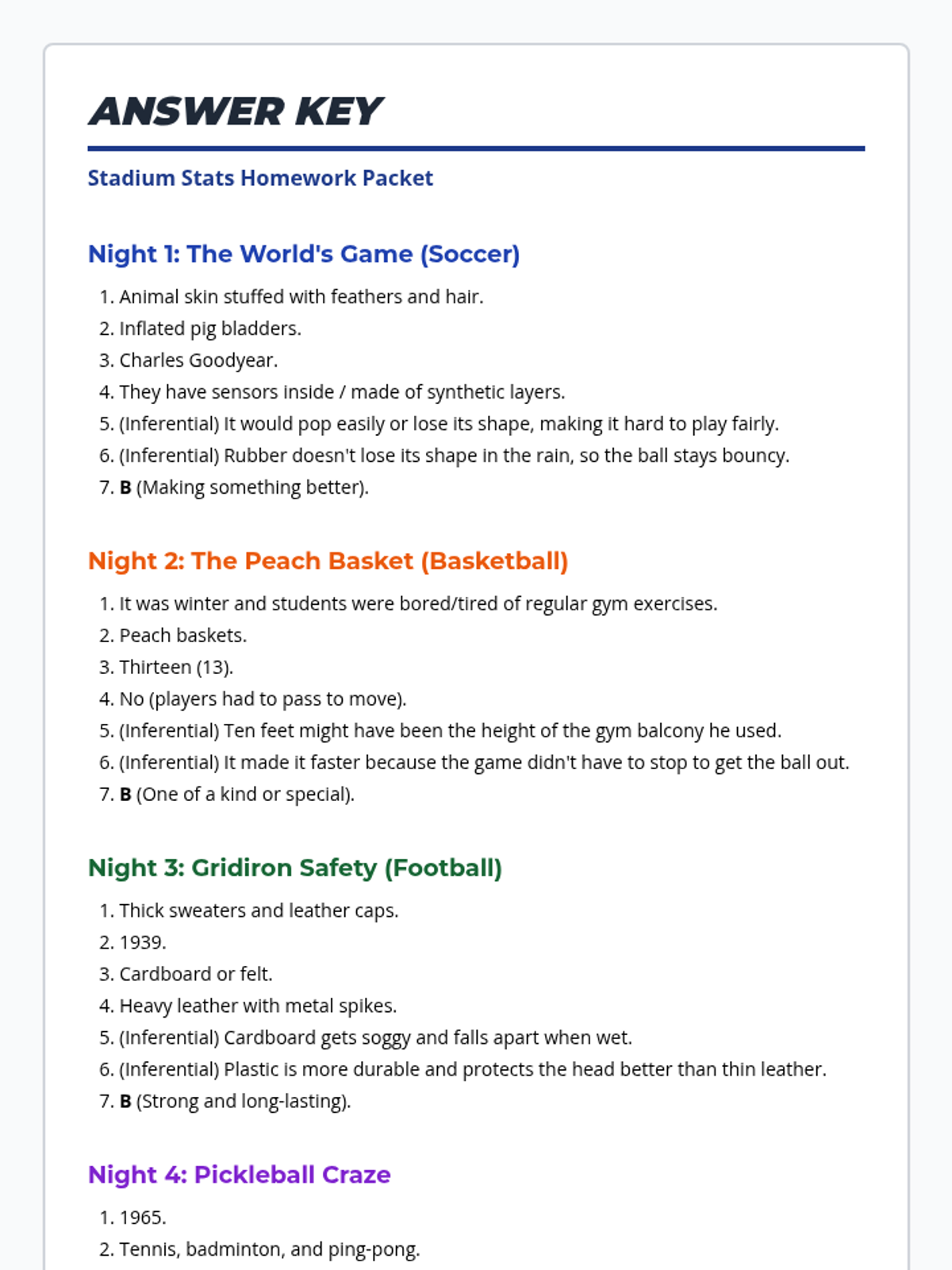
A 5-day independent reading homework packet designed for 4th-grade reluctant readers, focusing on high-interest sports and vocabulary building. Each night features a 4-paragraph passage with literal, inferential, and vocabulary comprehension questions.
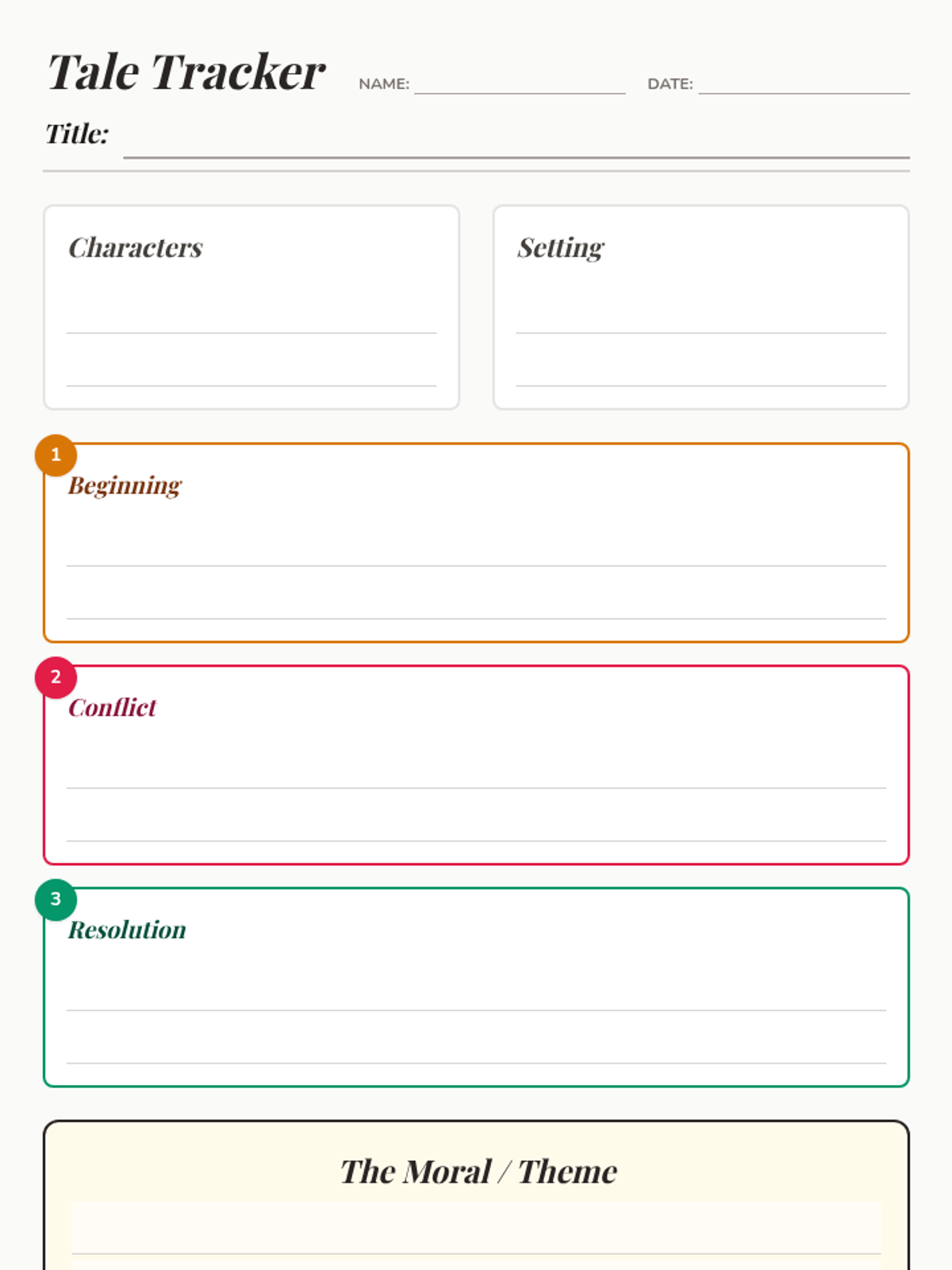
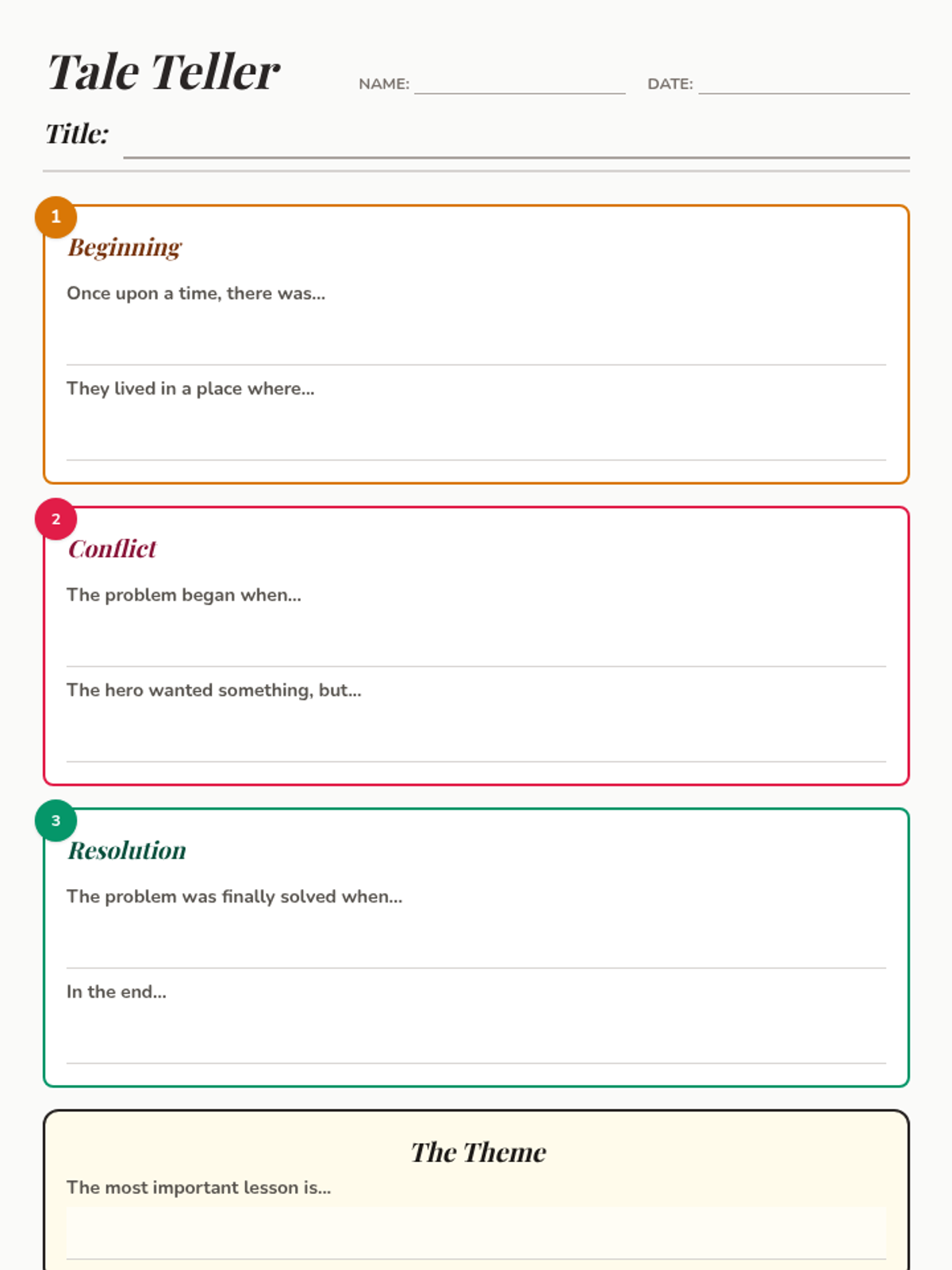
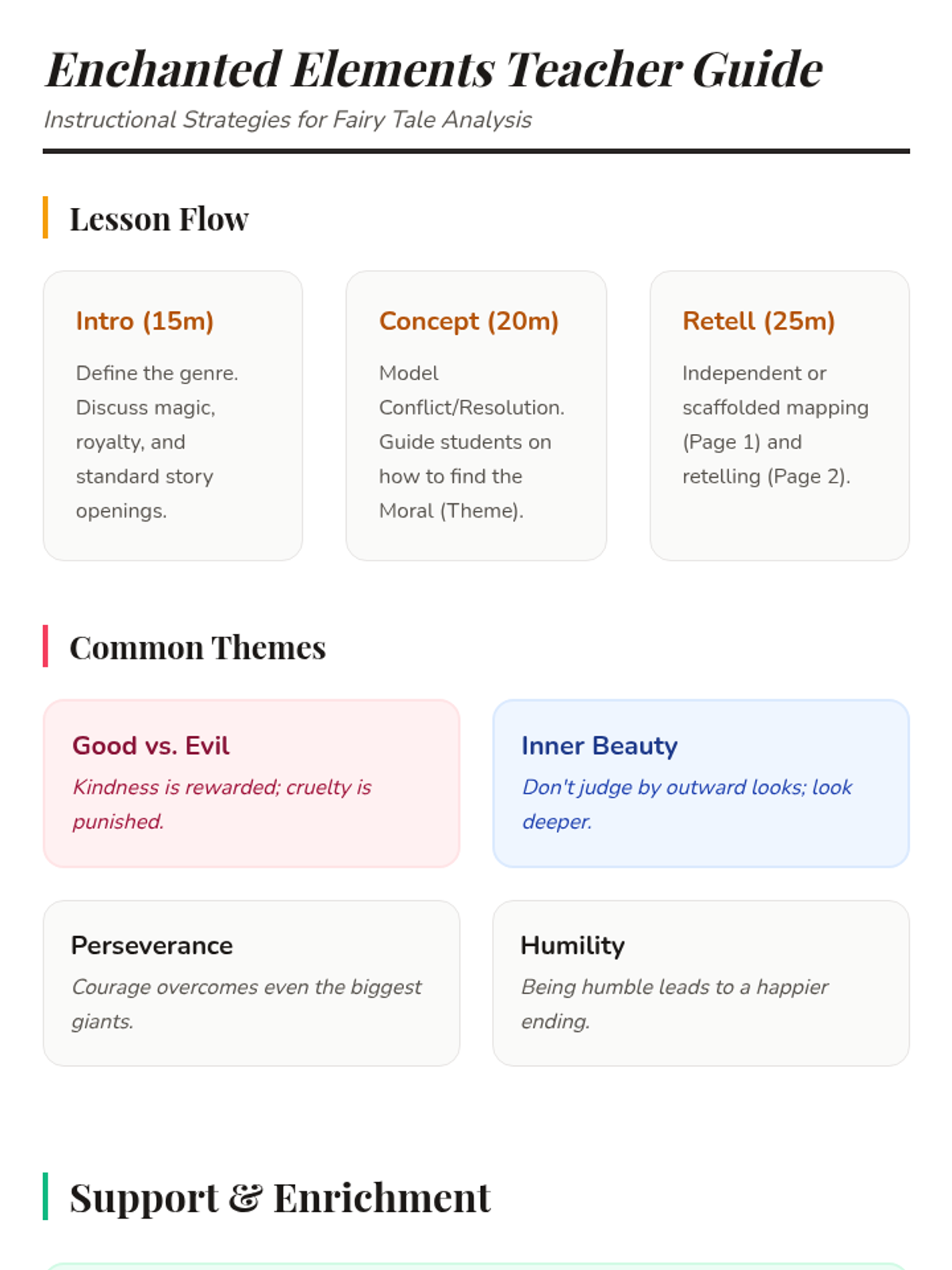
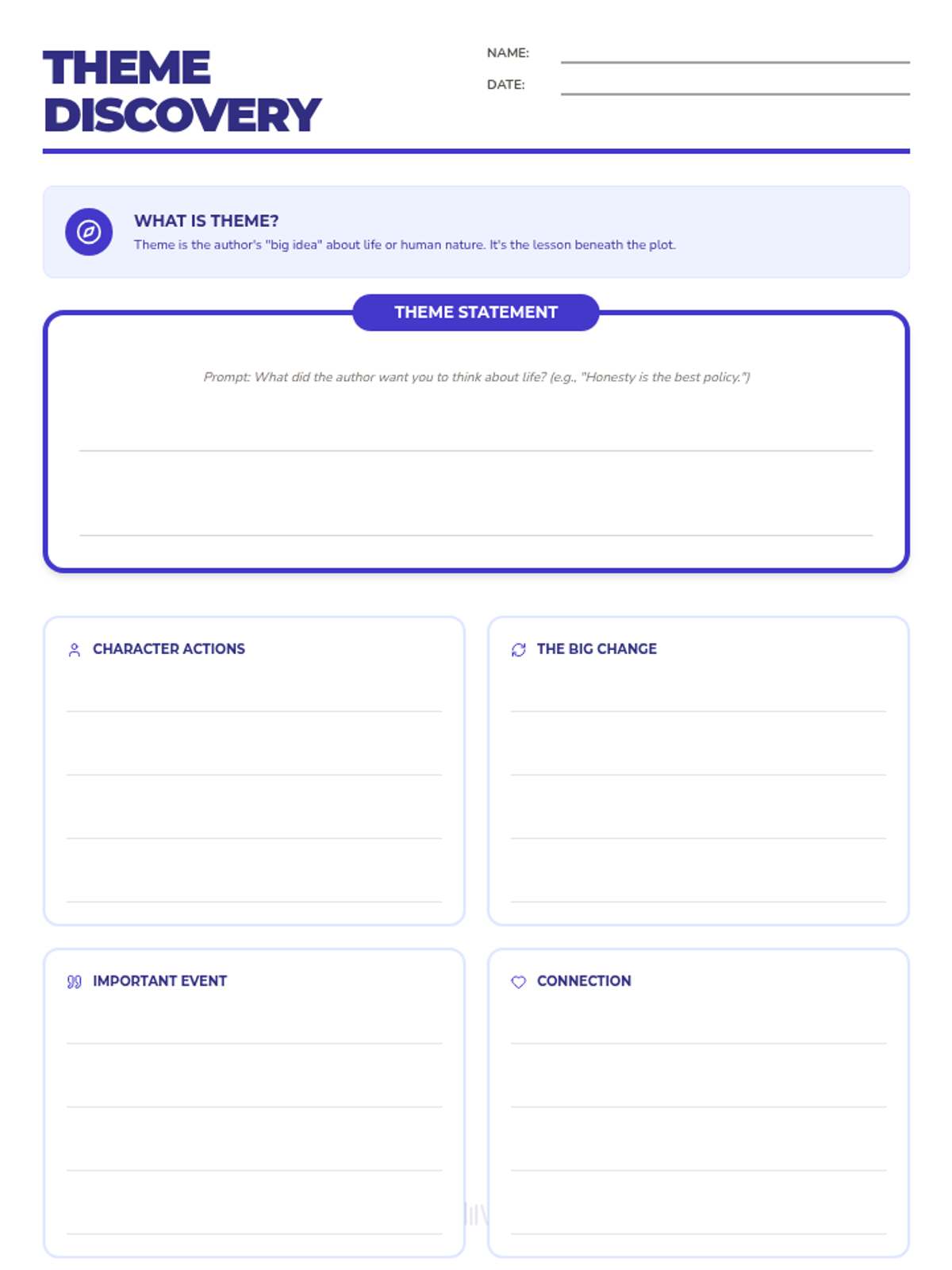
A lesson designed to help students analyze and sequence fairy tales, focusing on identifying the conflict, resolution, and underlying theme through structured graphic organizers.
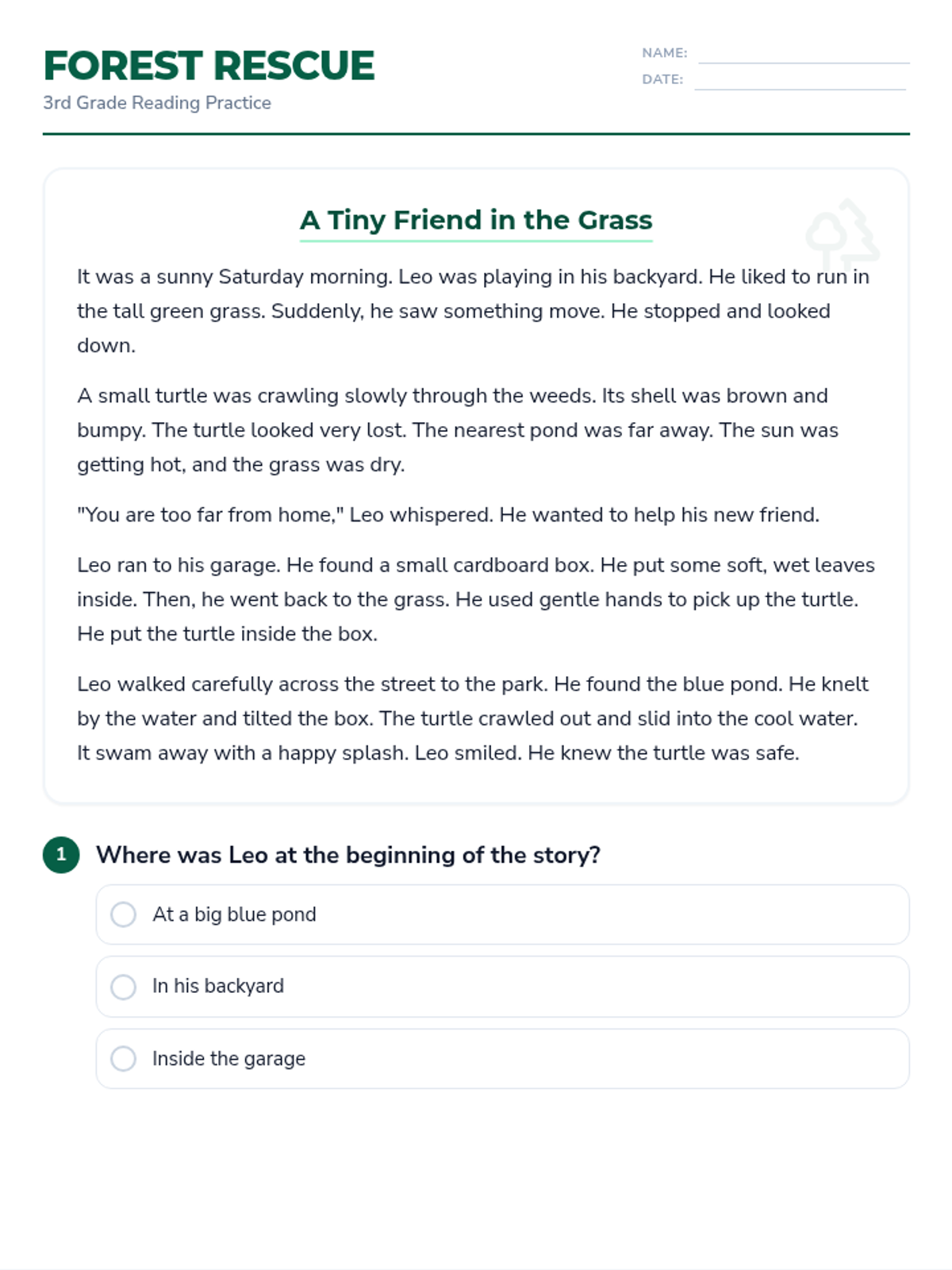
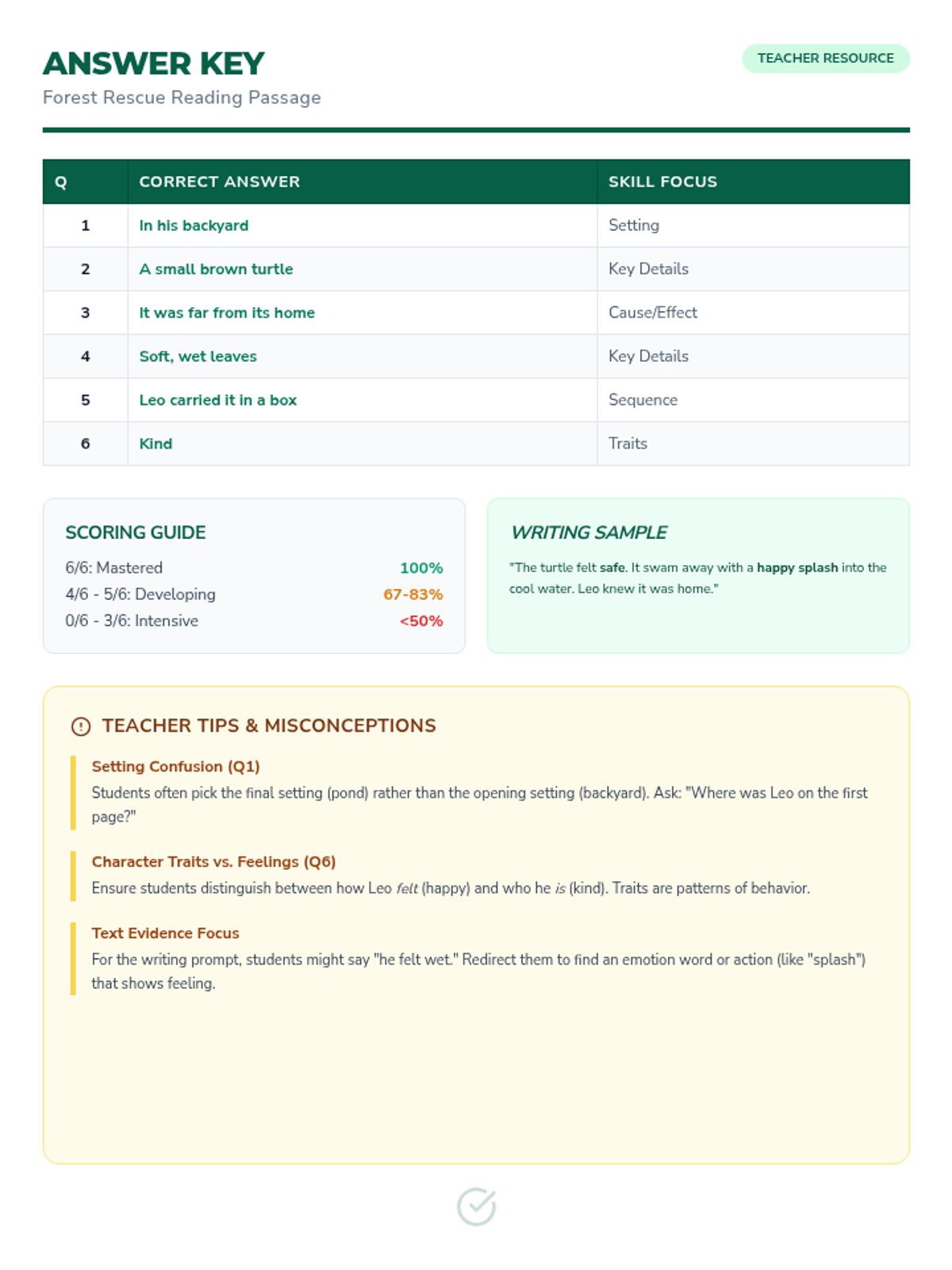
A reading comprehension lesson focused on a fictional narrative about a boy helping a turtle. Designed for 3rd-grade EOG preparation with simplified vocabulary and 3-option multiple choice questions.
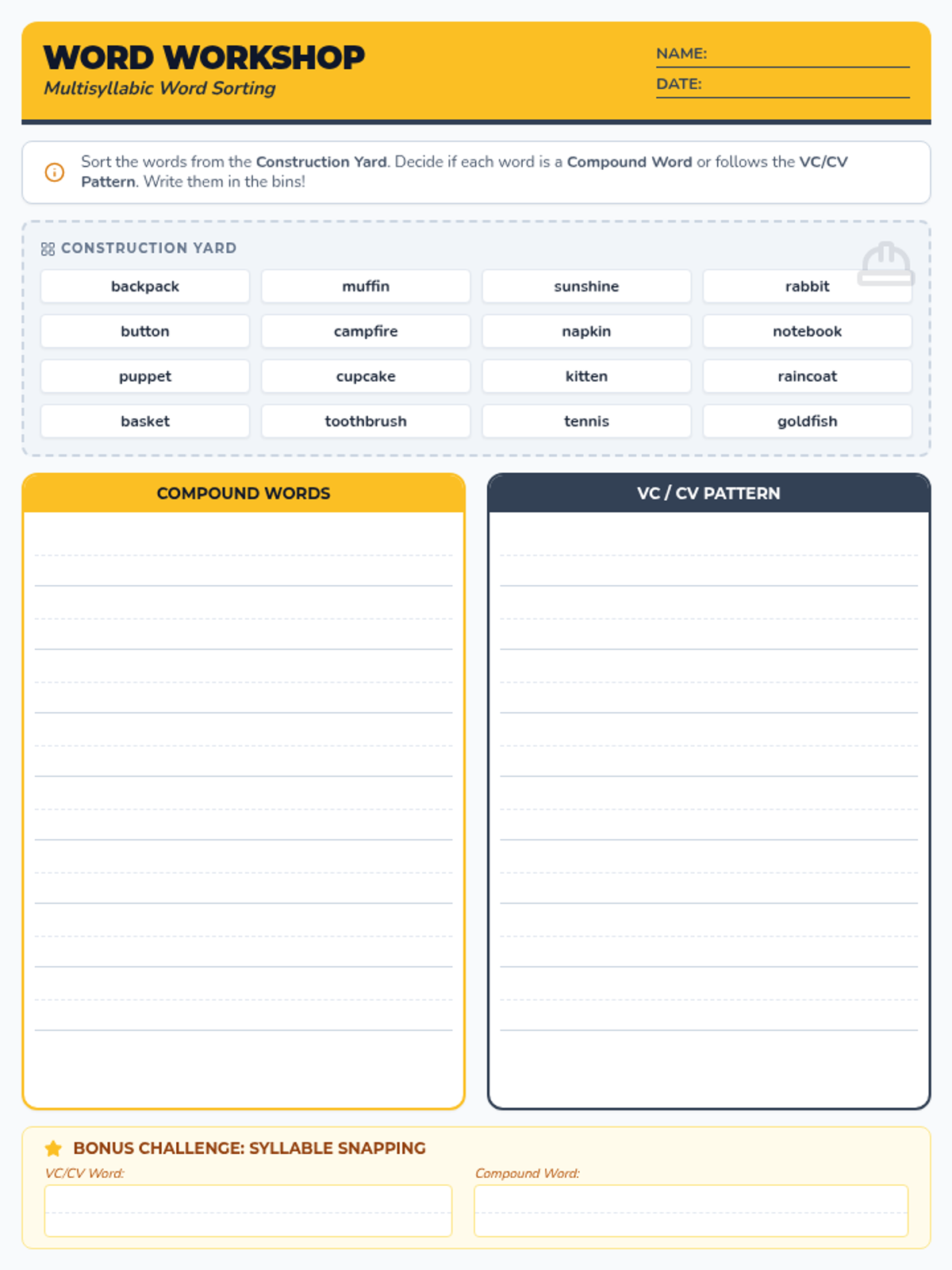
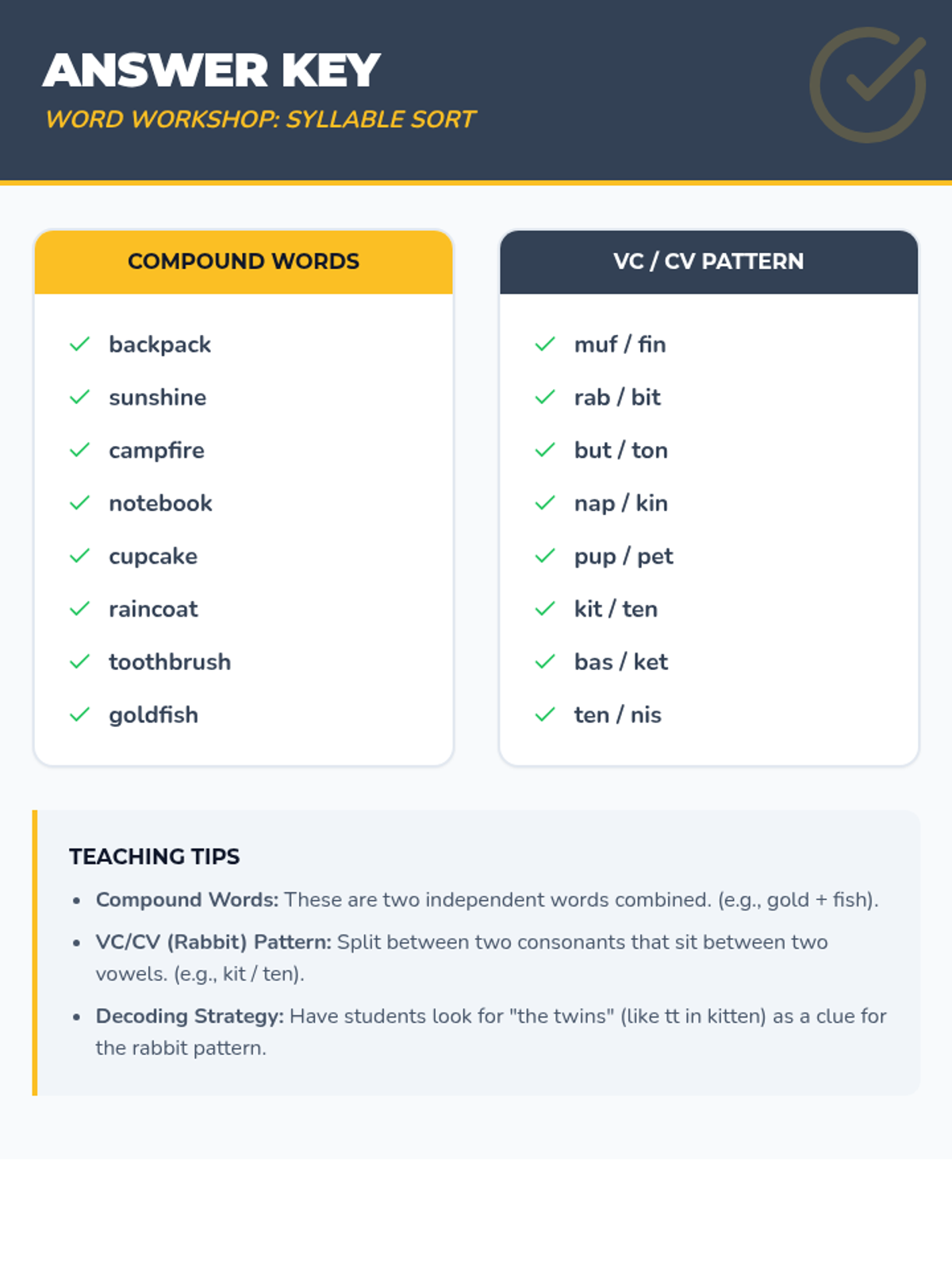
A hands-on lesson focusing on identifying and categorizing multisyllabic words using Compound and VC/CV (Rabbit) patterns. Students will practice decoding and sorting words to build phonemic awareness.
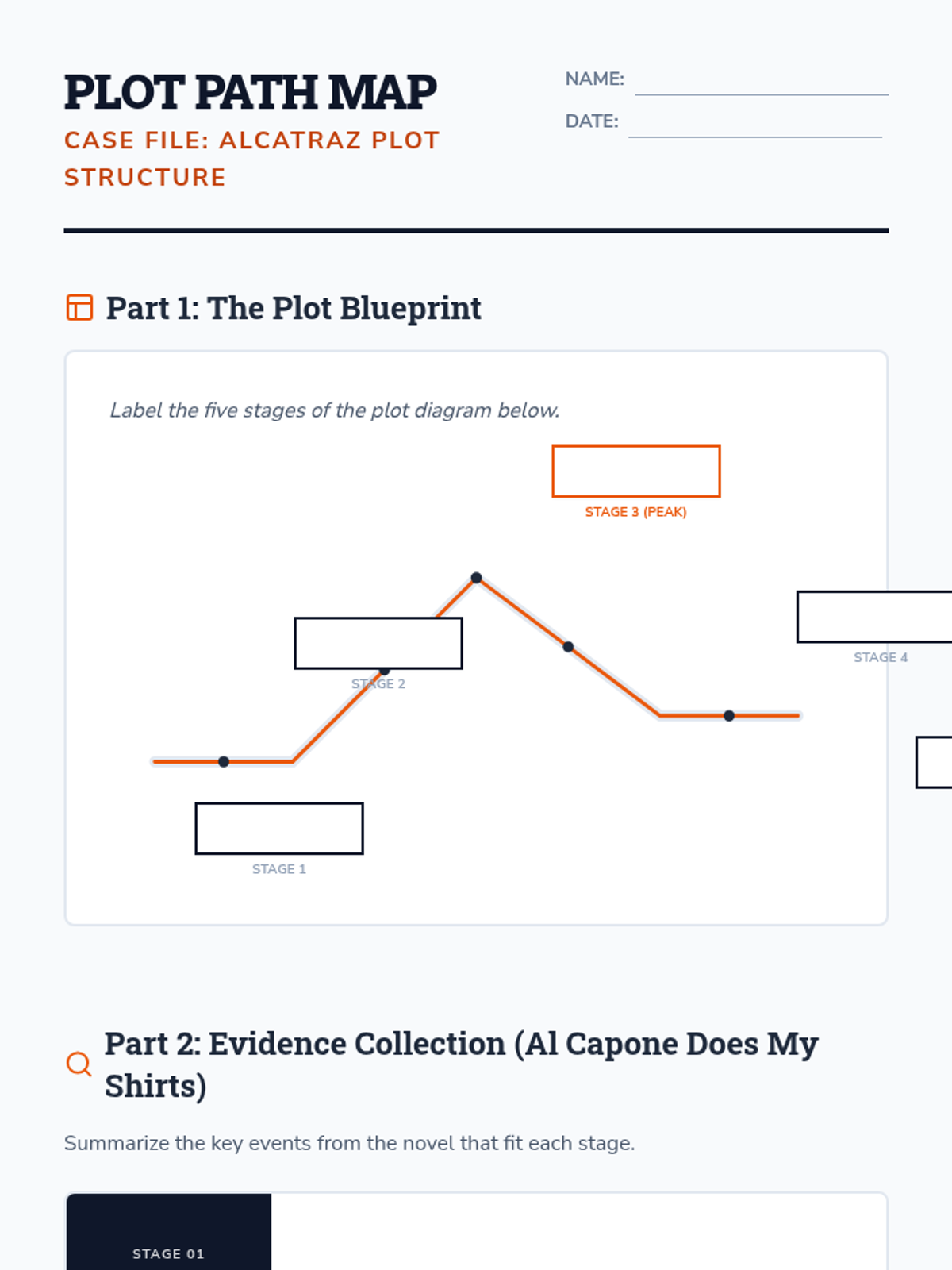
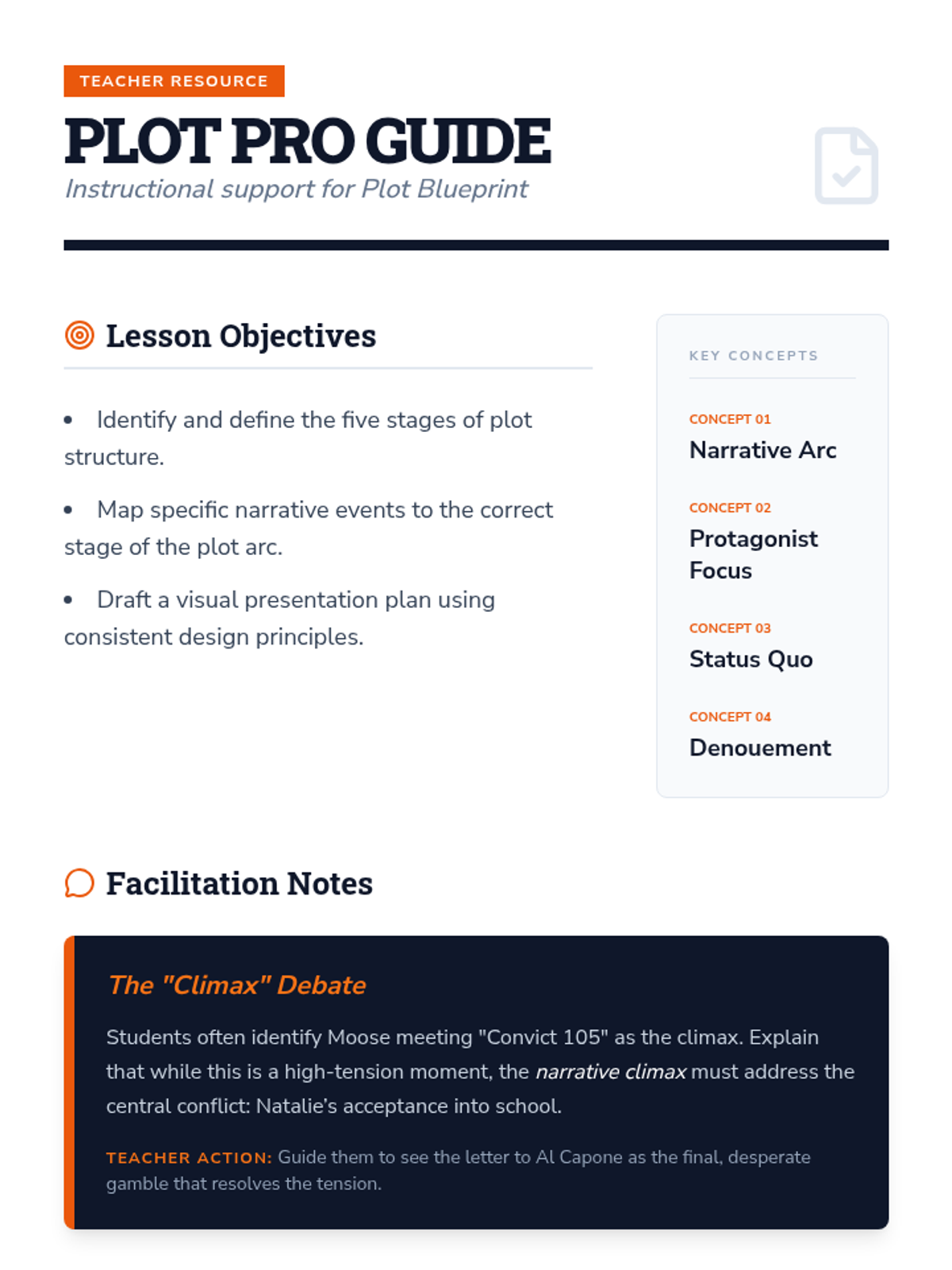
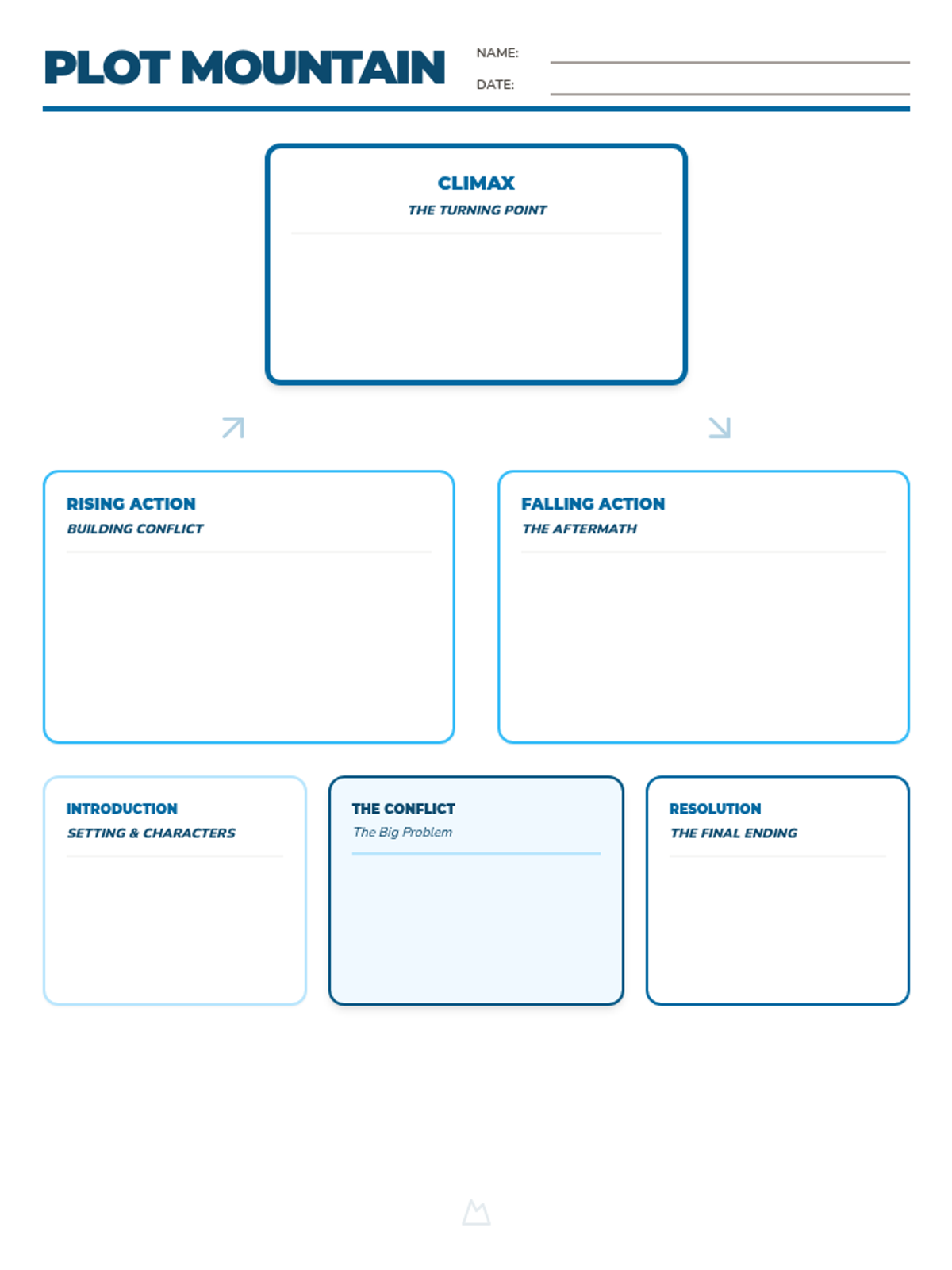
A lesson focusing on identifying and analyzing the five stages of plot structure using the novel Al Capone Does My Shirts as a primary example. Students explore the arc of Moose Flanagan's journey on Alcatraz.
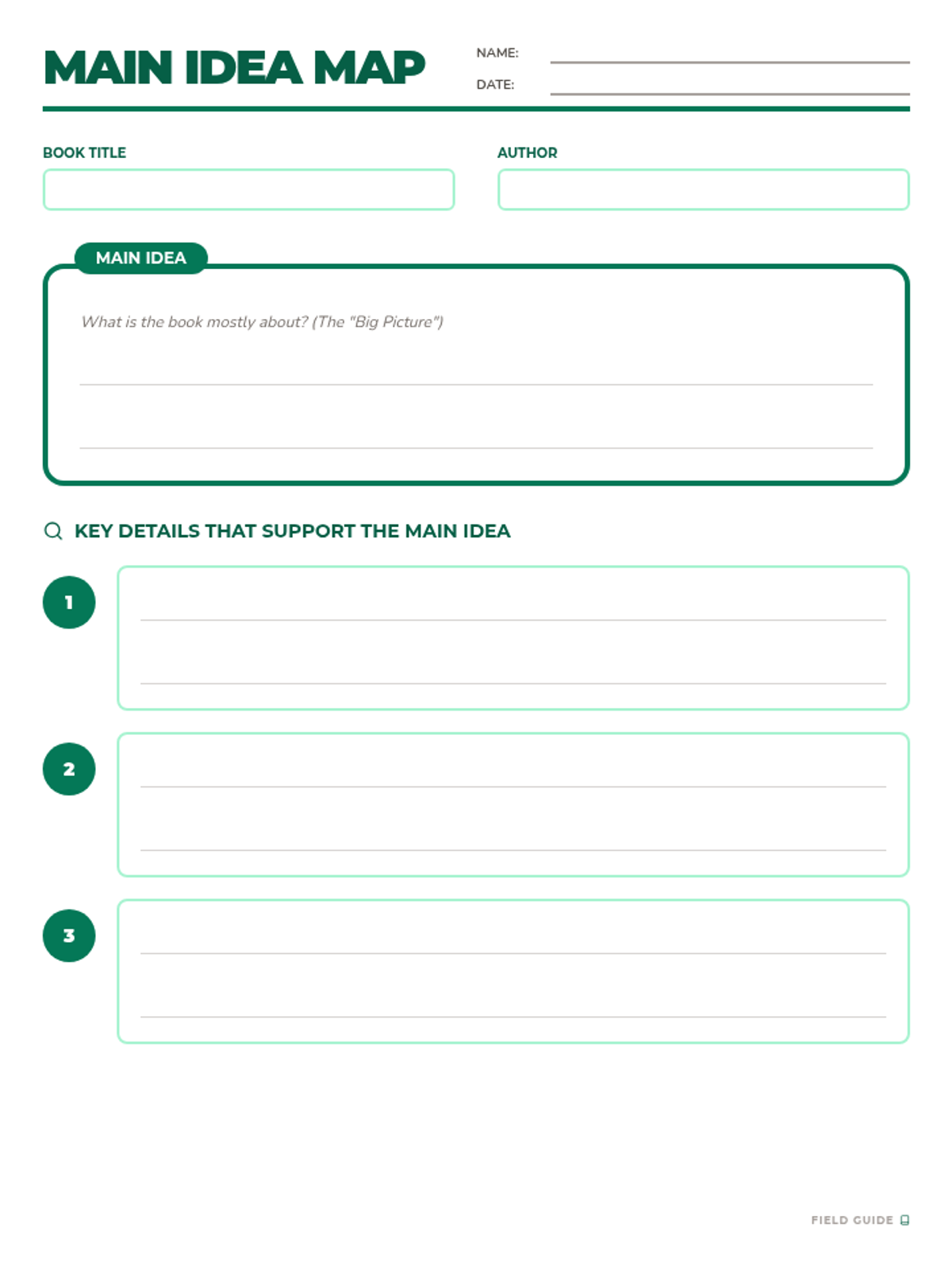
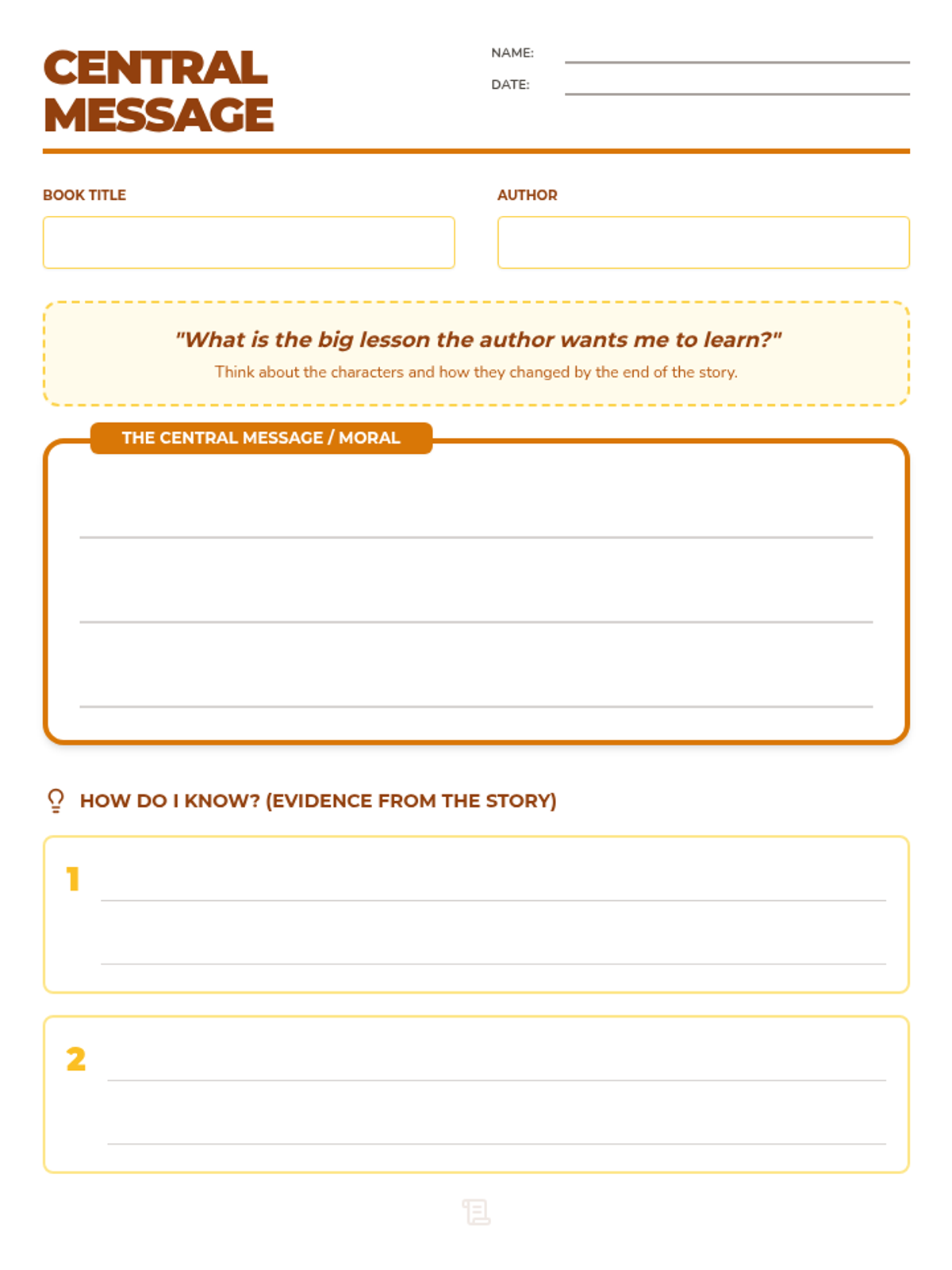
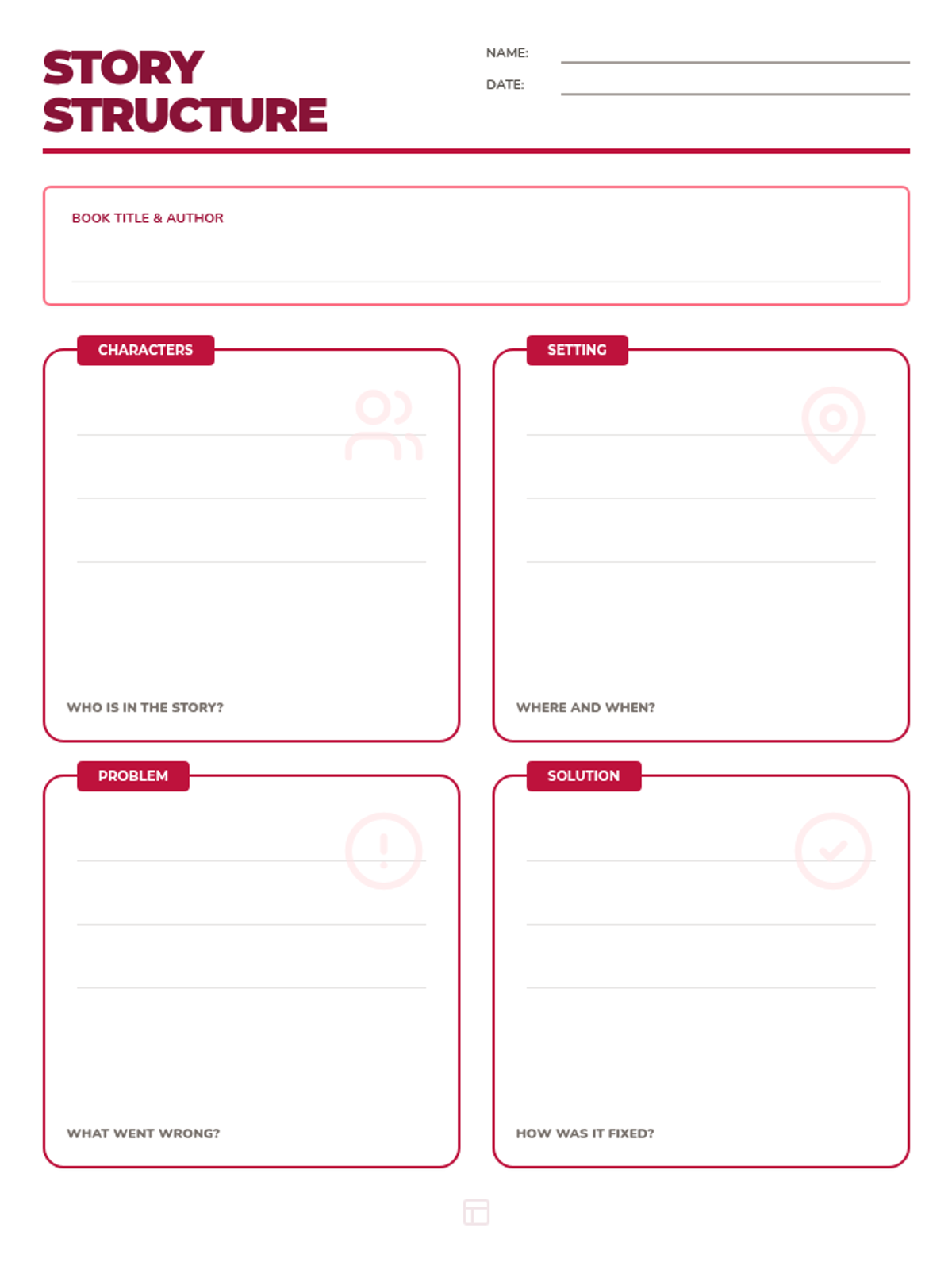
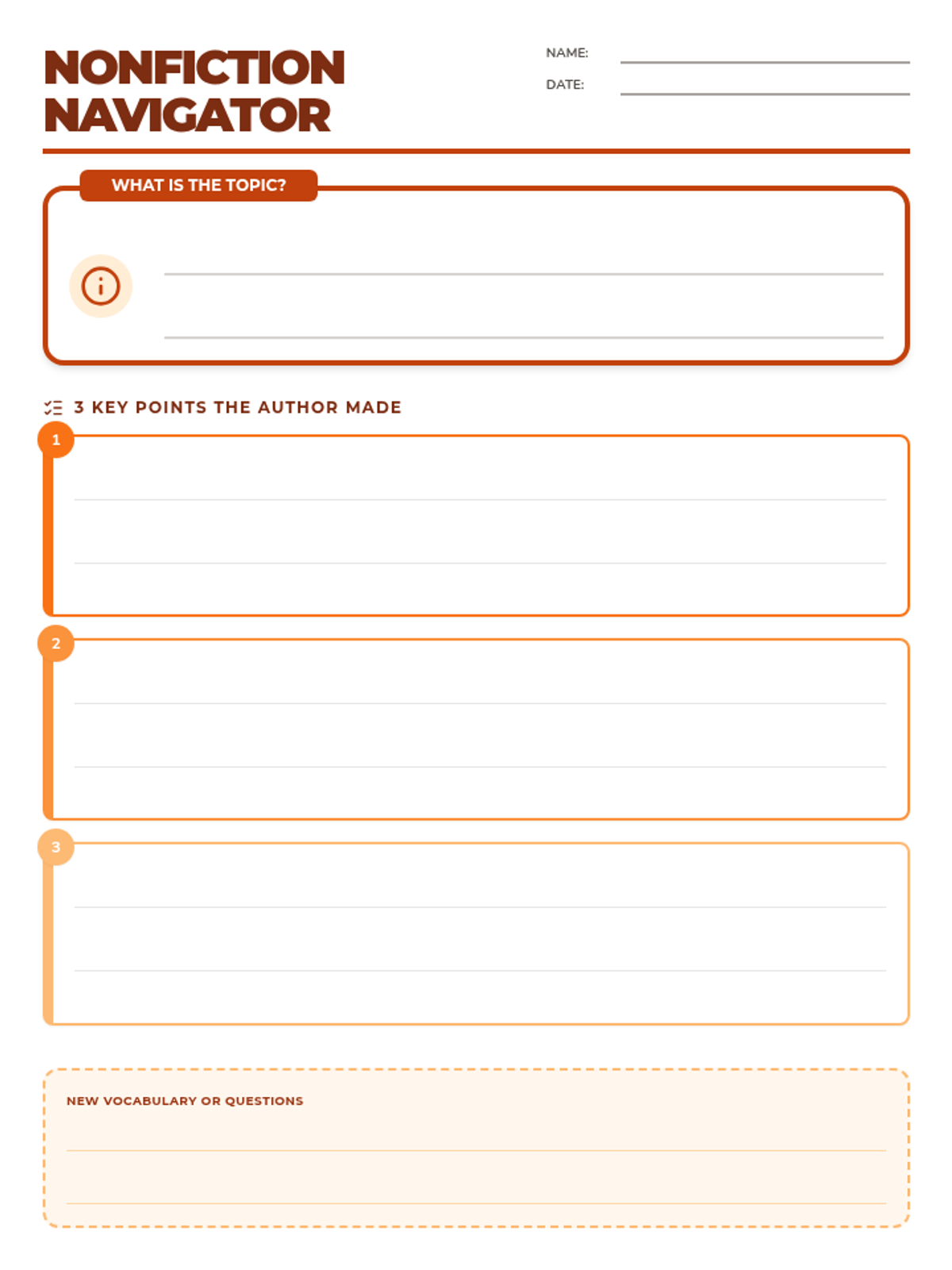
A collection of versatile graphic organizers designed to help students analyze fiction and nonfiction picture books. Each organizer focuses on a specific reading skill, providing a structured framework for student response.
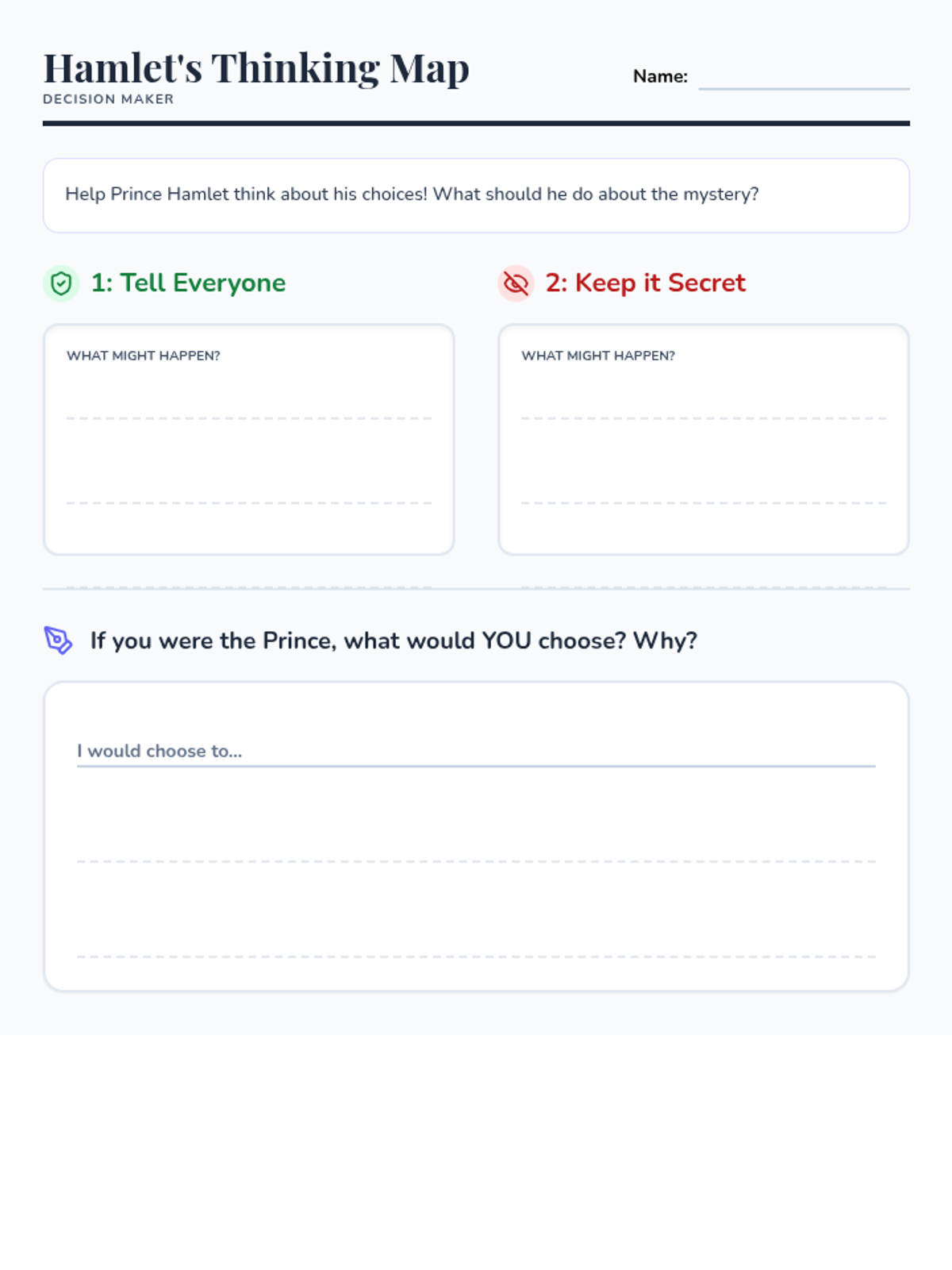
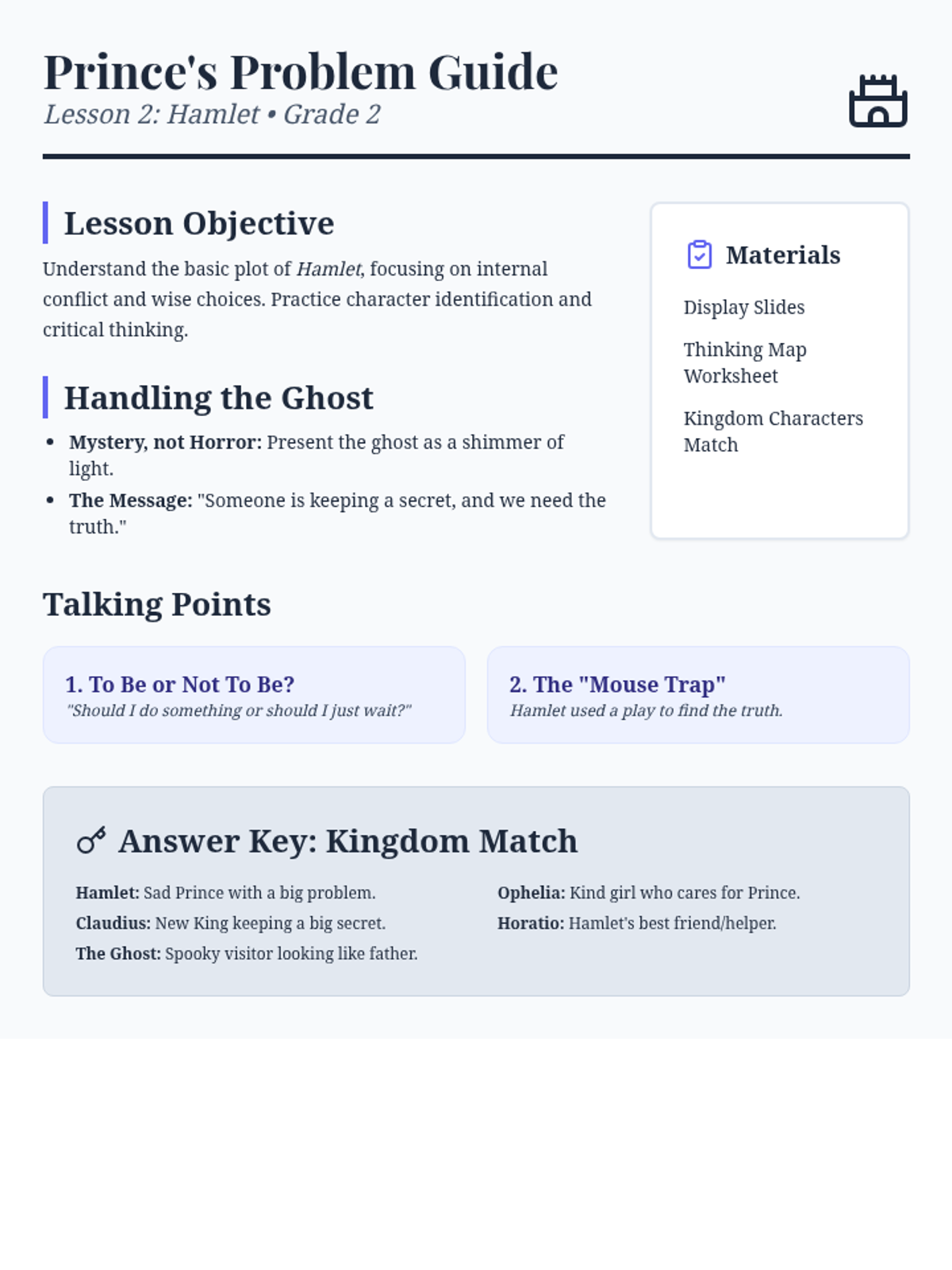
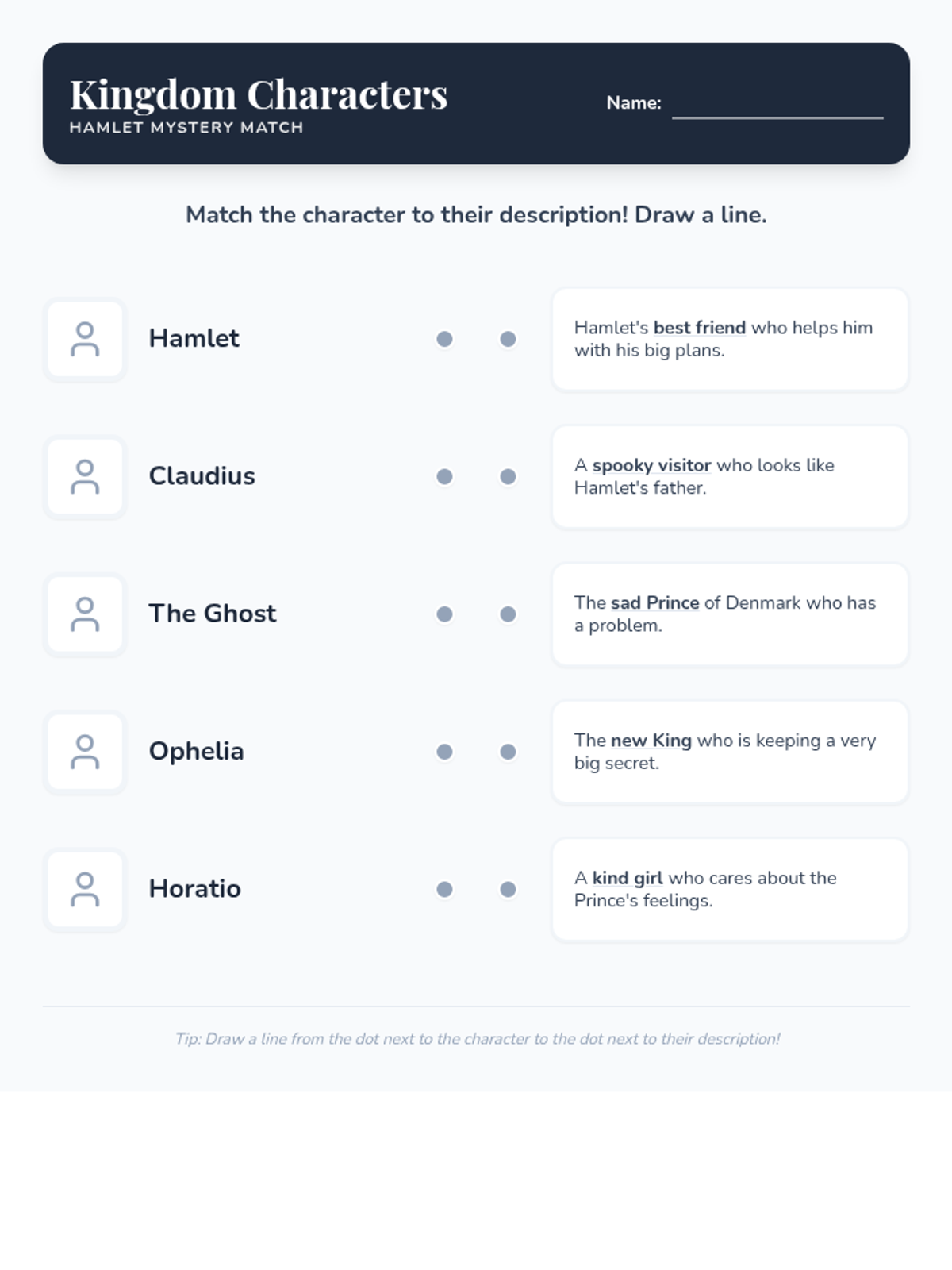
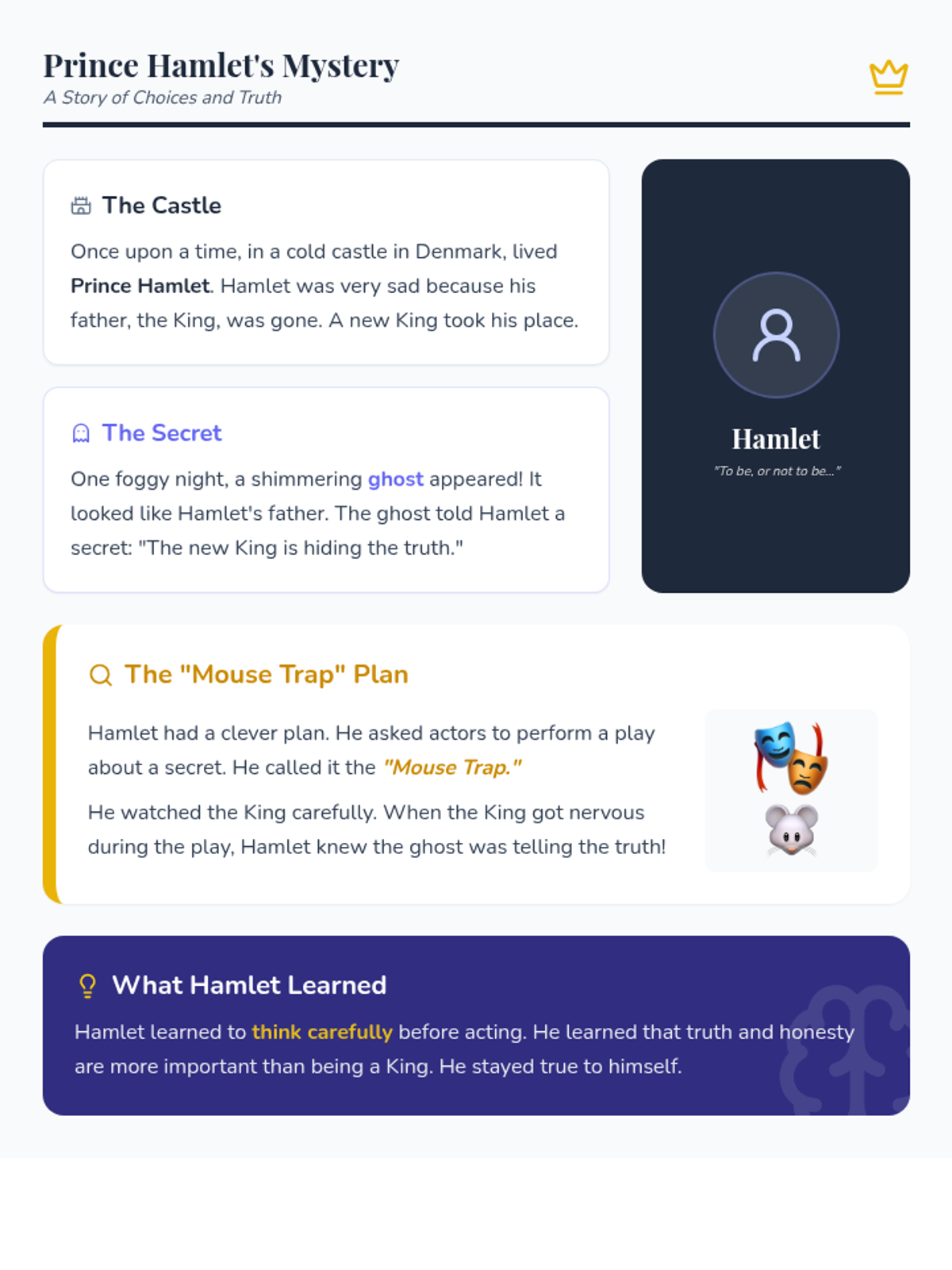
A simplified introduction to the story of Prince Hamlet, focusing on themes of family, mystery, and making difficult choices, adapted for a 2nd grade audience.
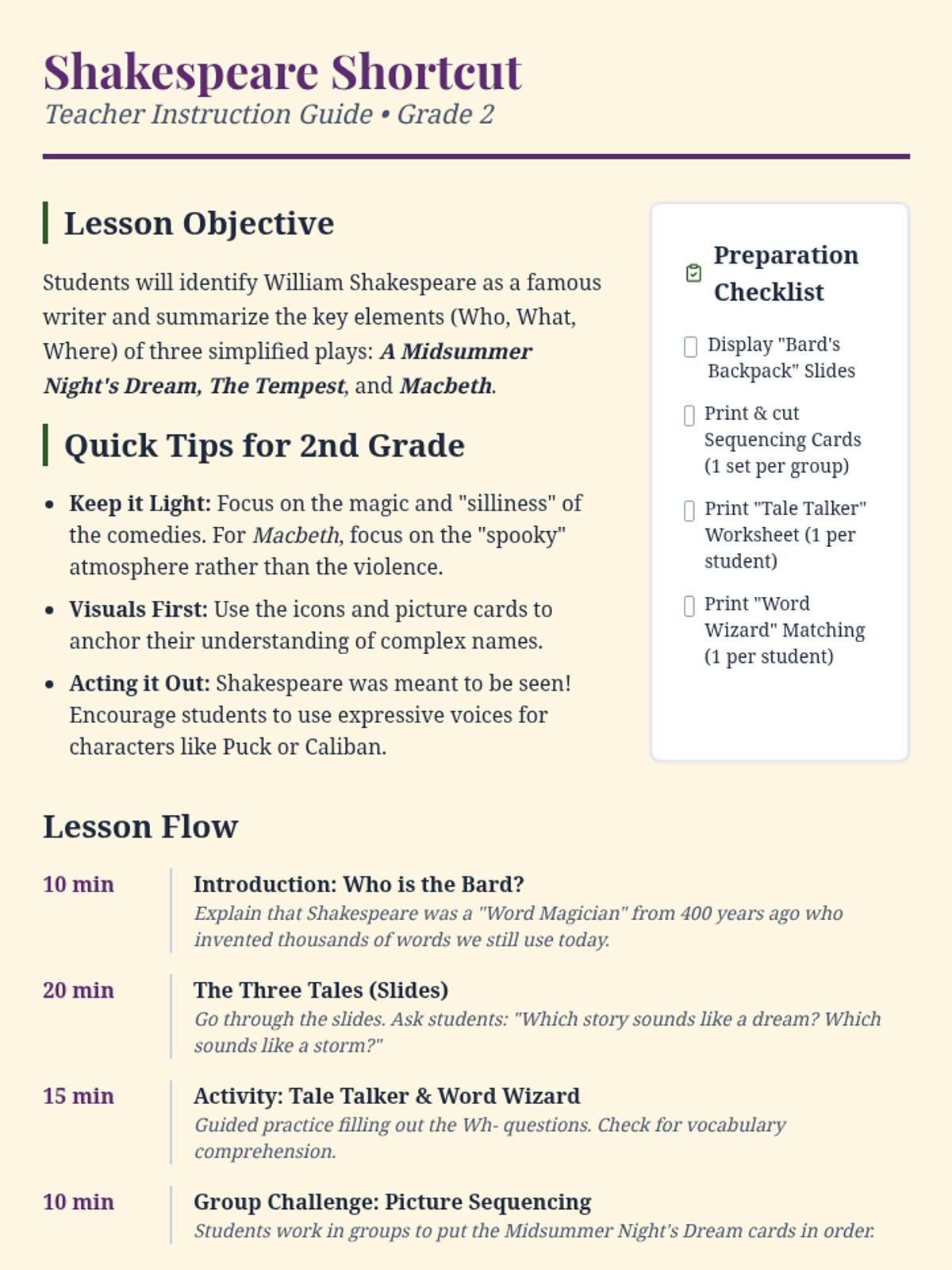
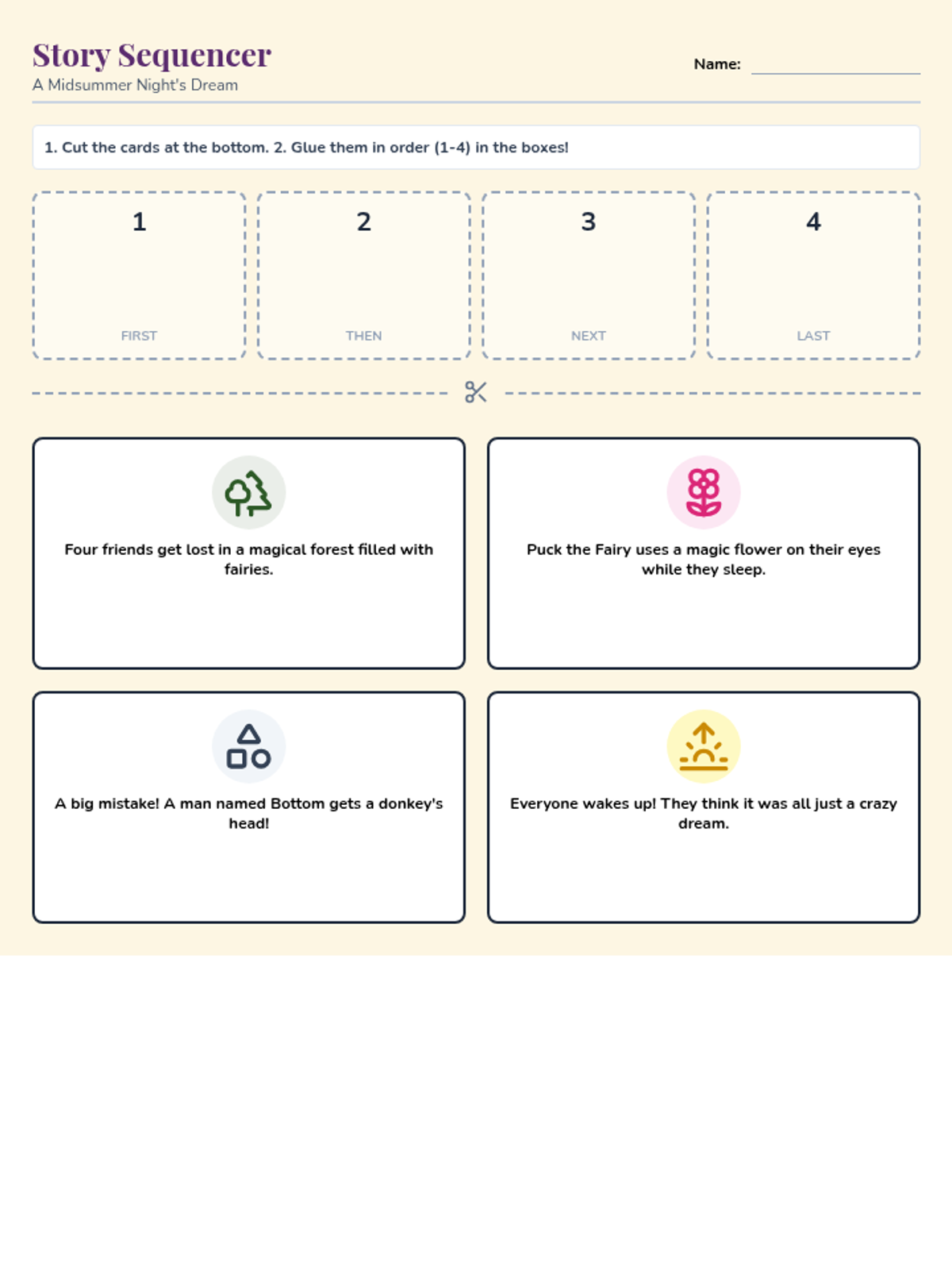
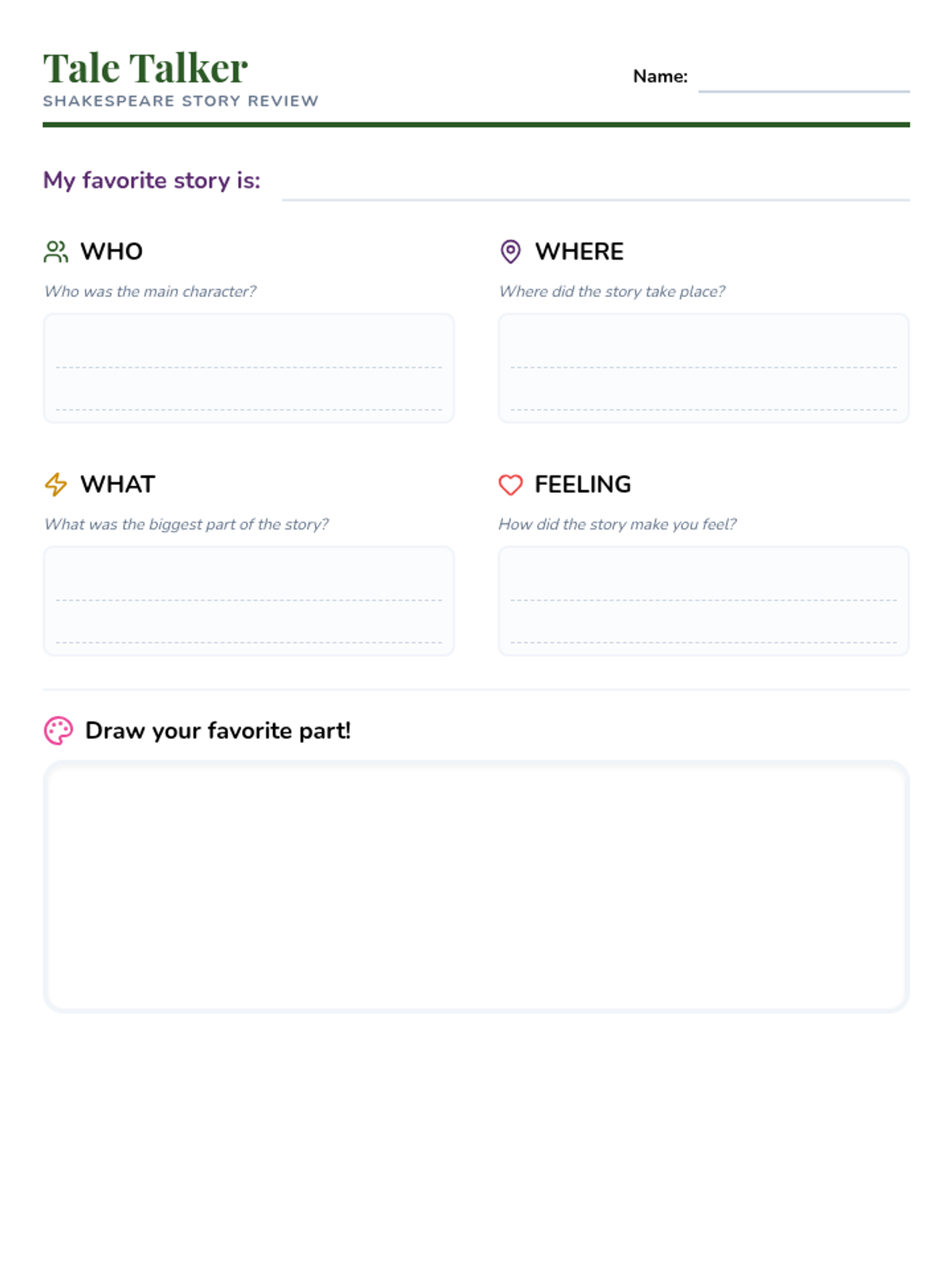
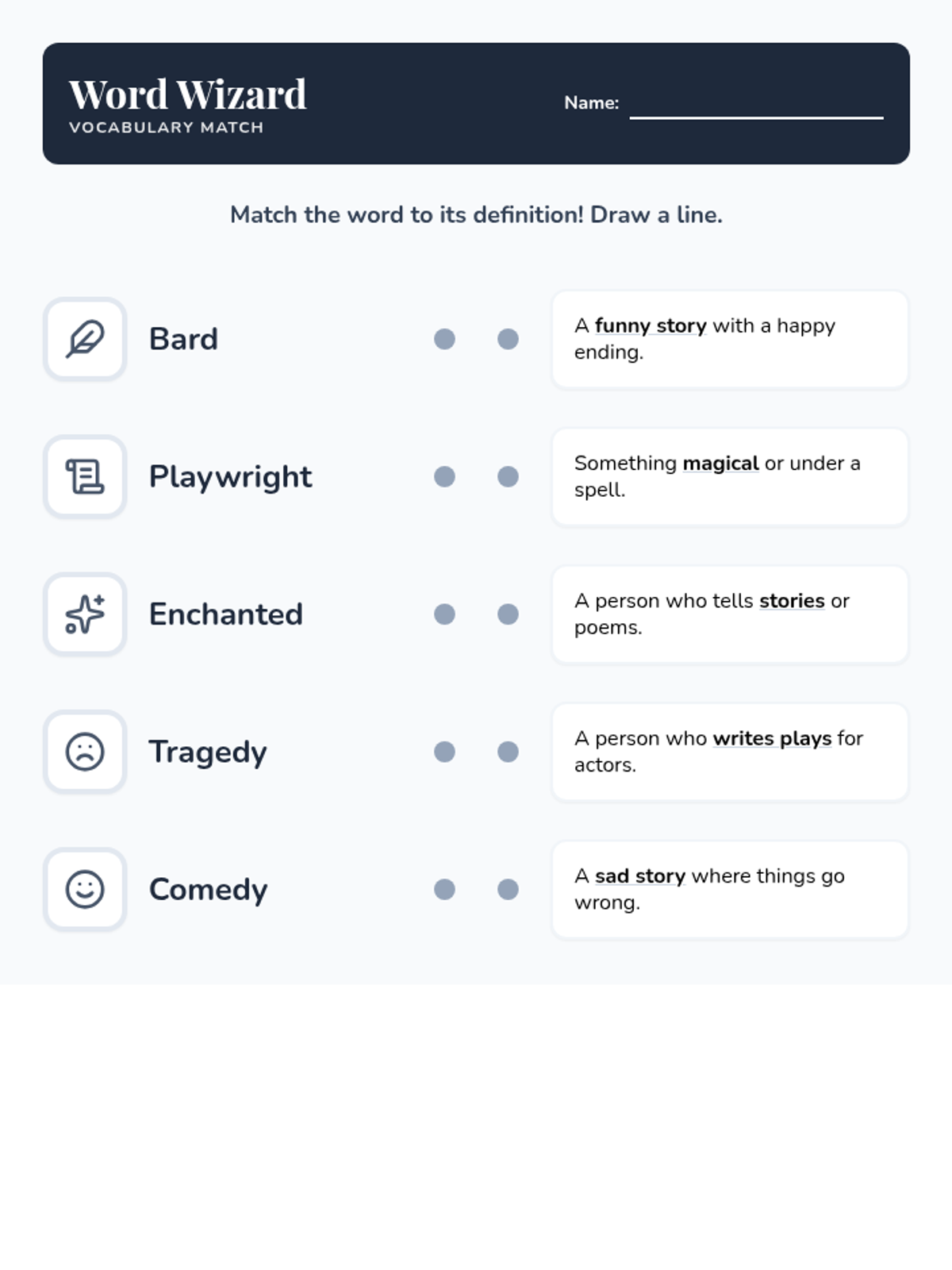
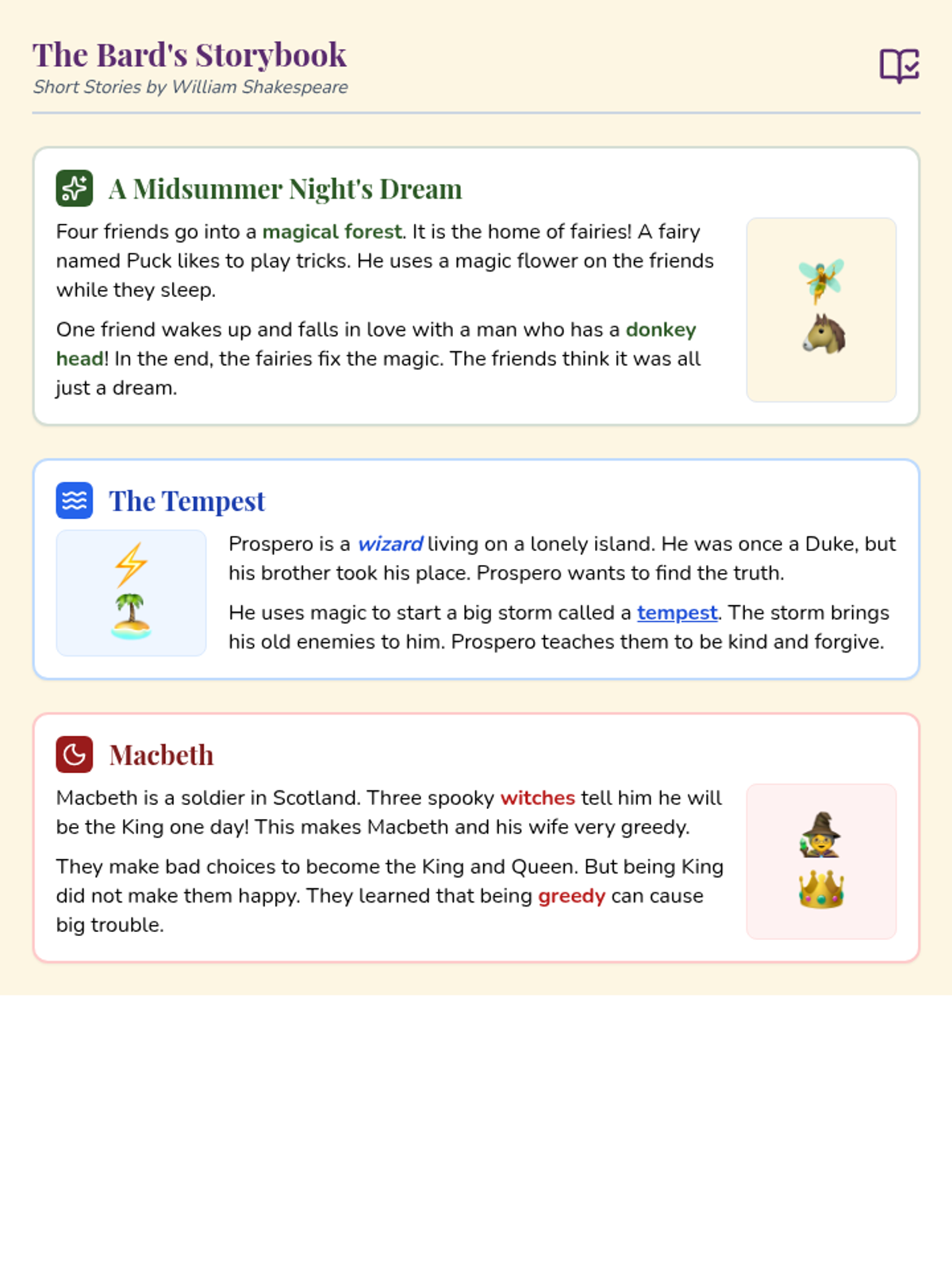
An introductory lesson exploring who William Shakespeare was and diving into three of his famous tales: A Midsummer Night's Dream, The Tempest, and Macbeth, adapted for young learners.
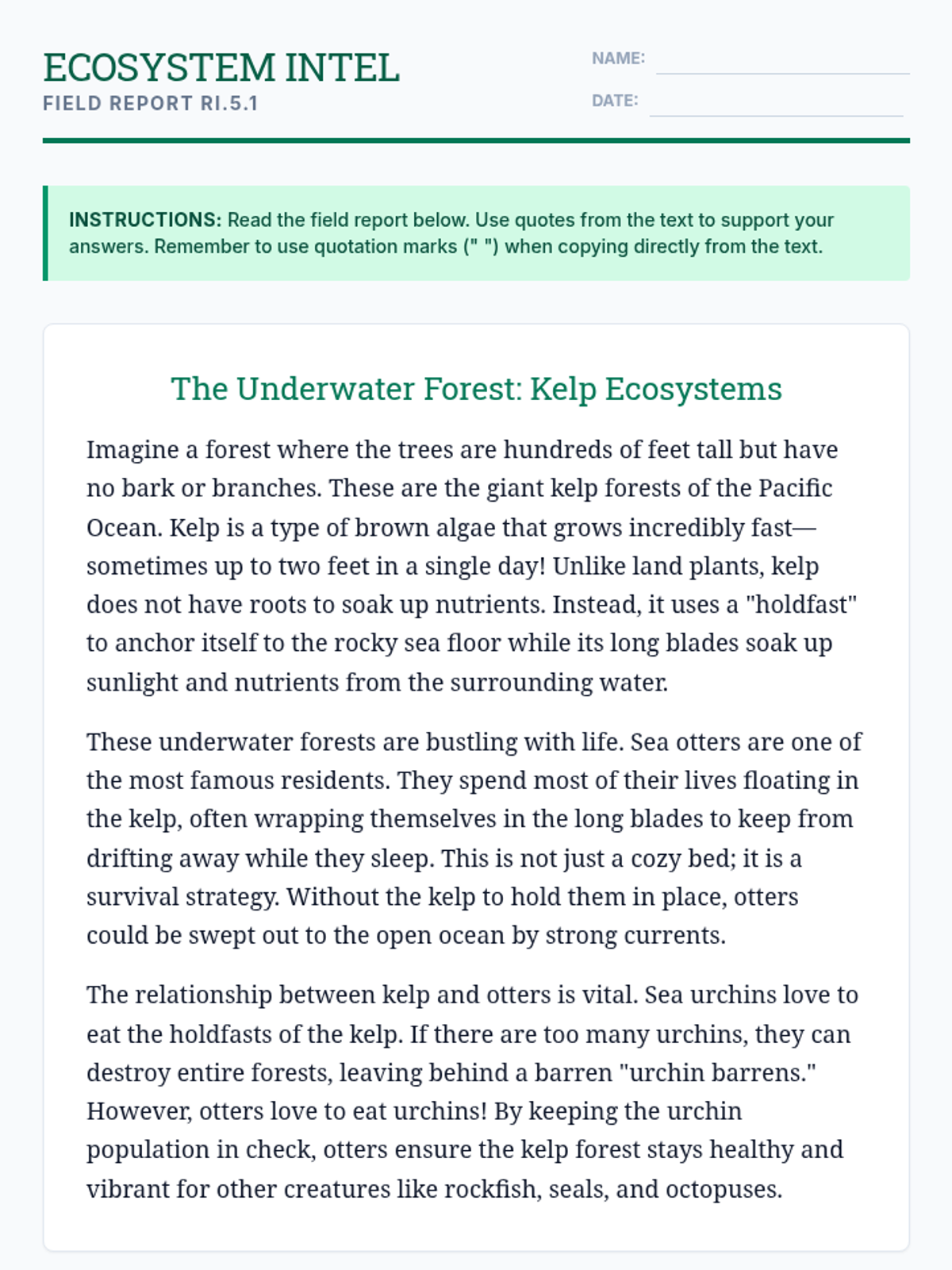
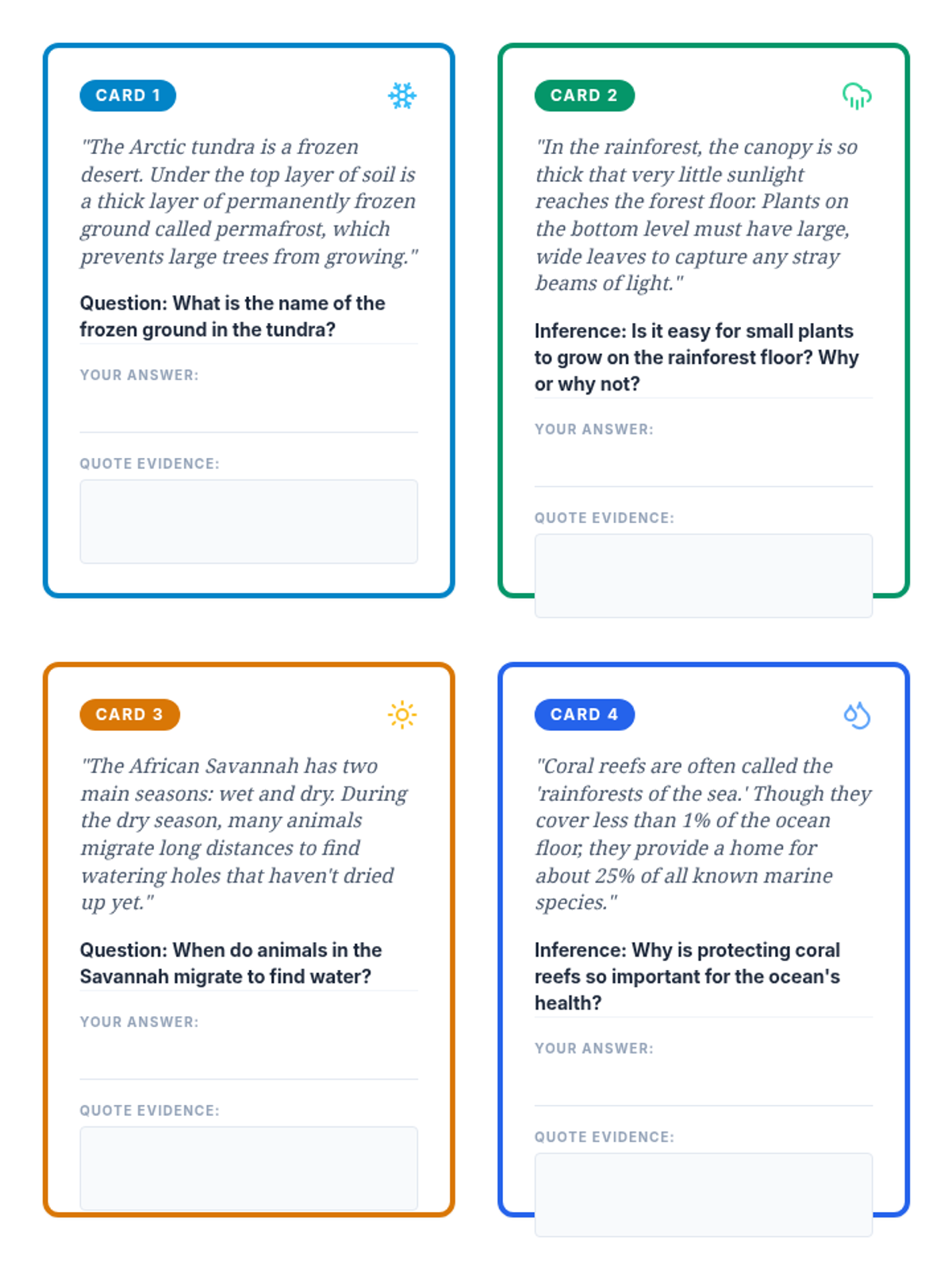
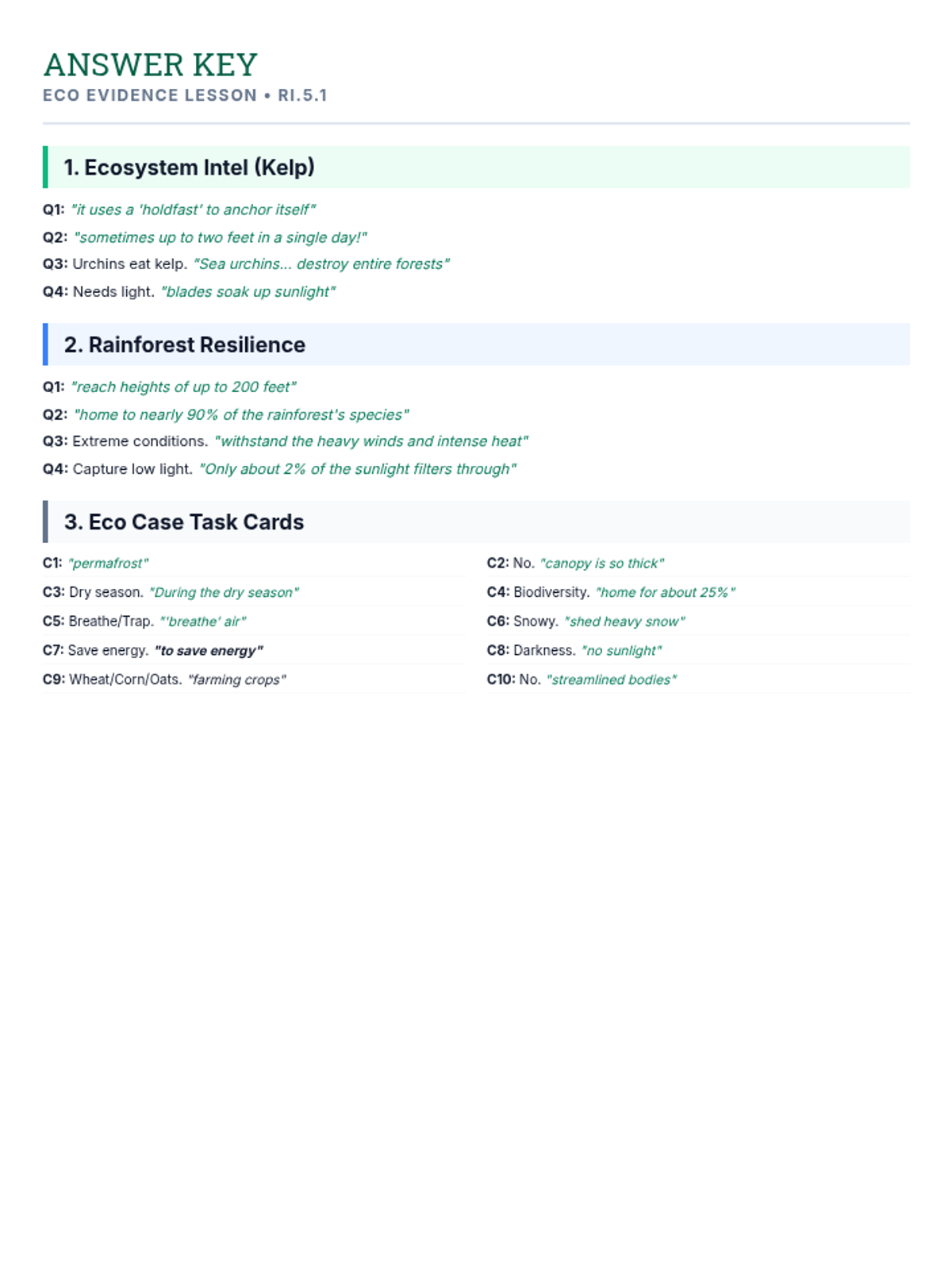
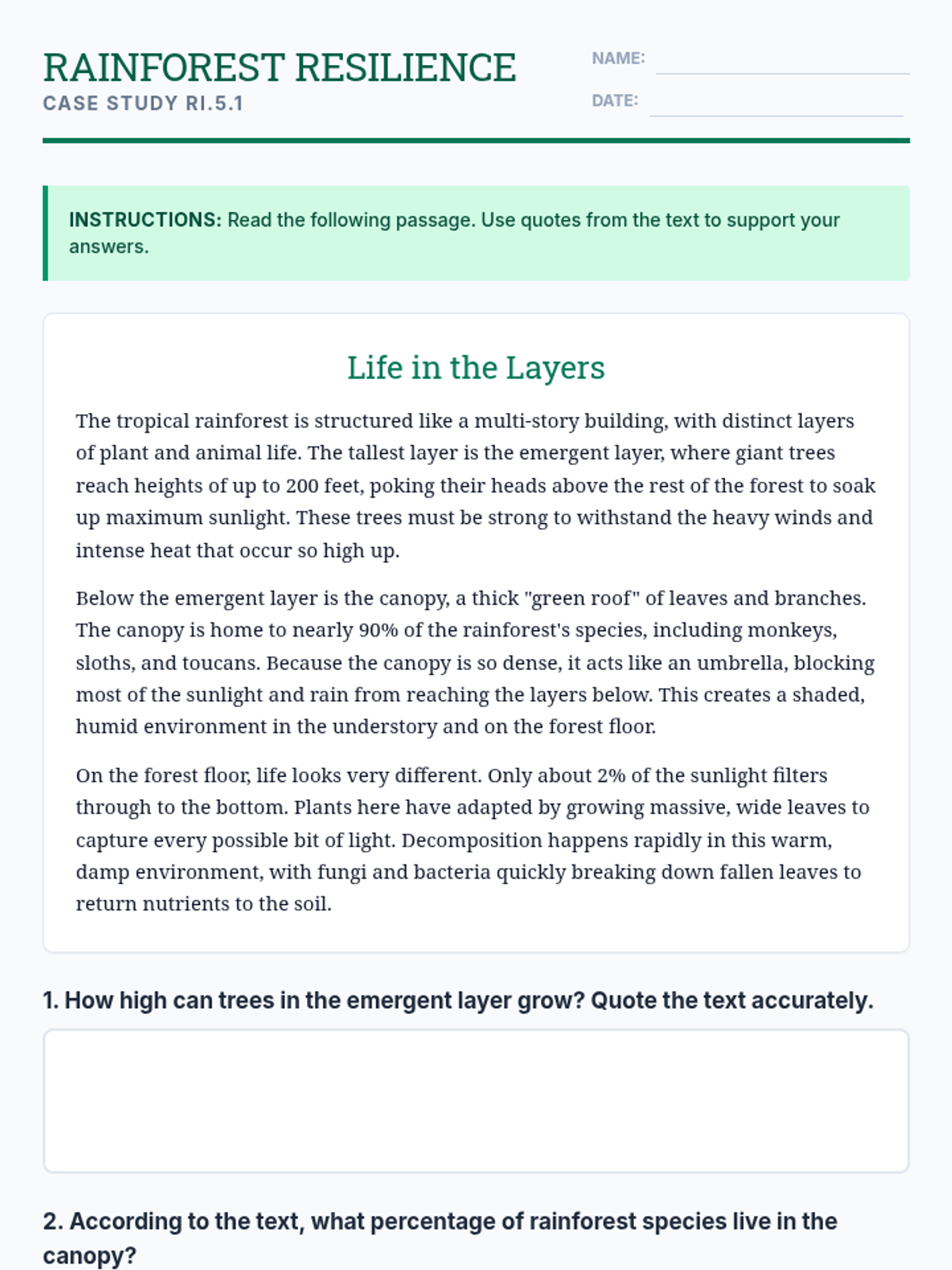
Students learn to quote accurately from texts about ecosystems to support explicit explanations and logical inferences. This lesson combines direct instruction with hands-on text analysis using ecosystem-themed passages.
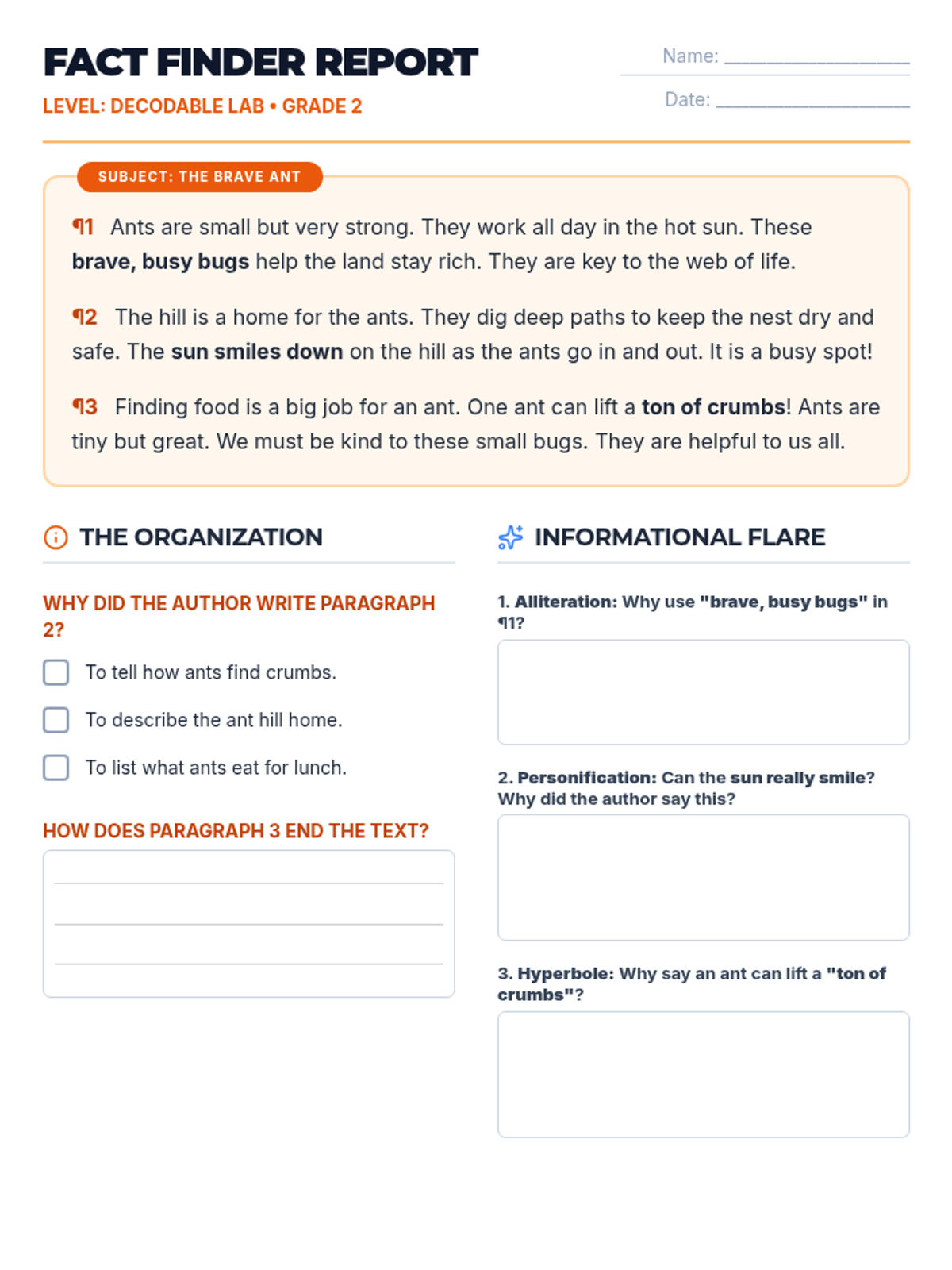
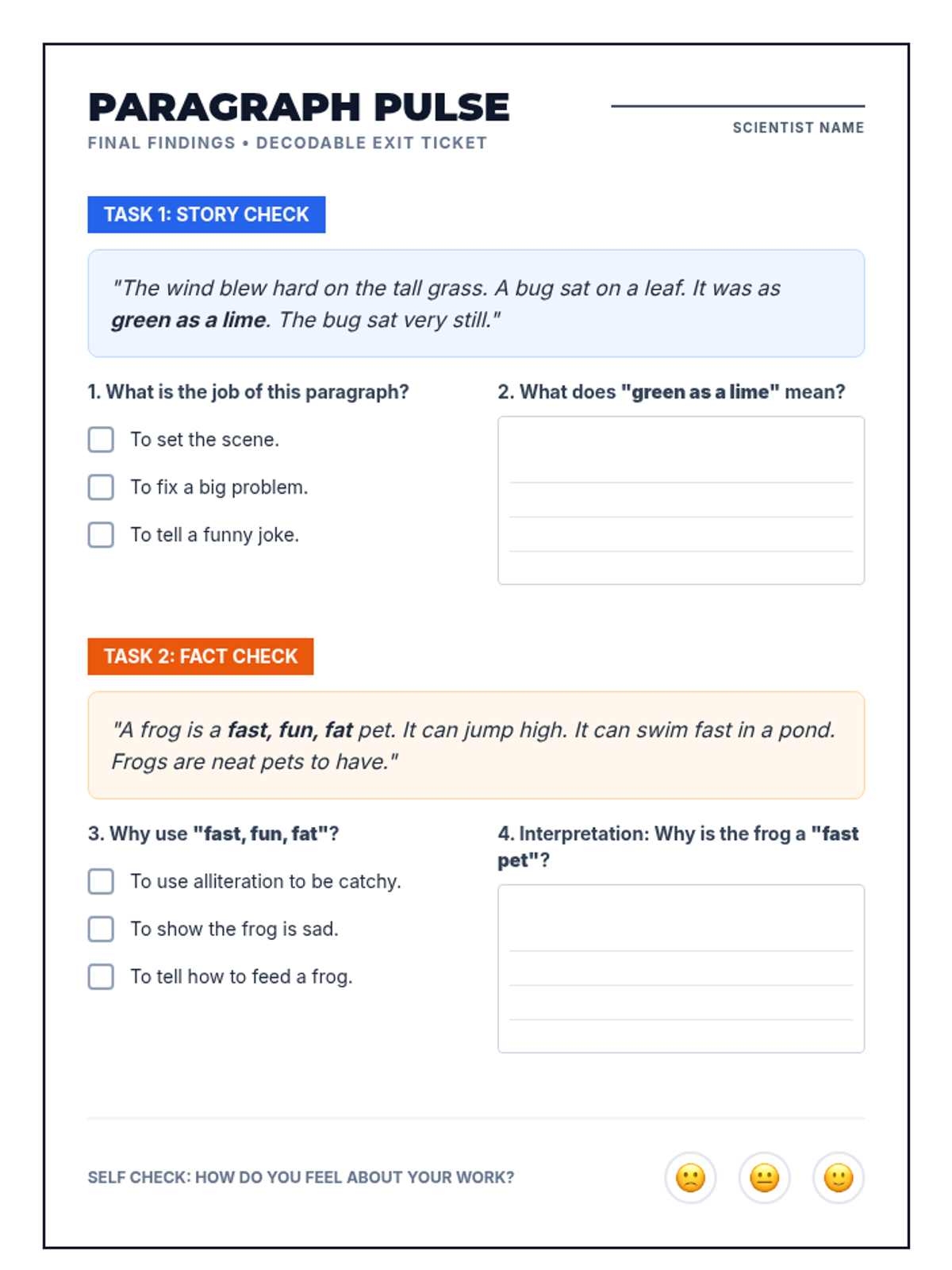
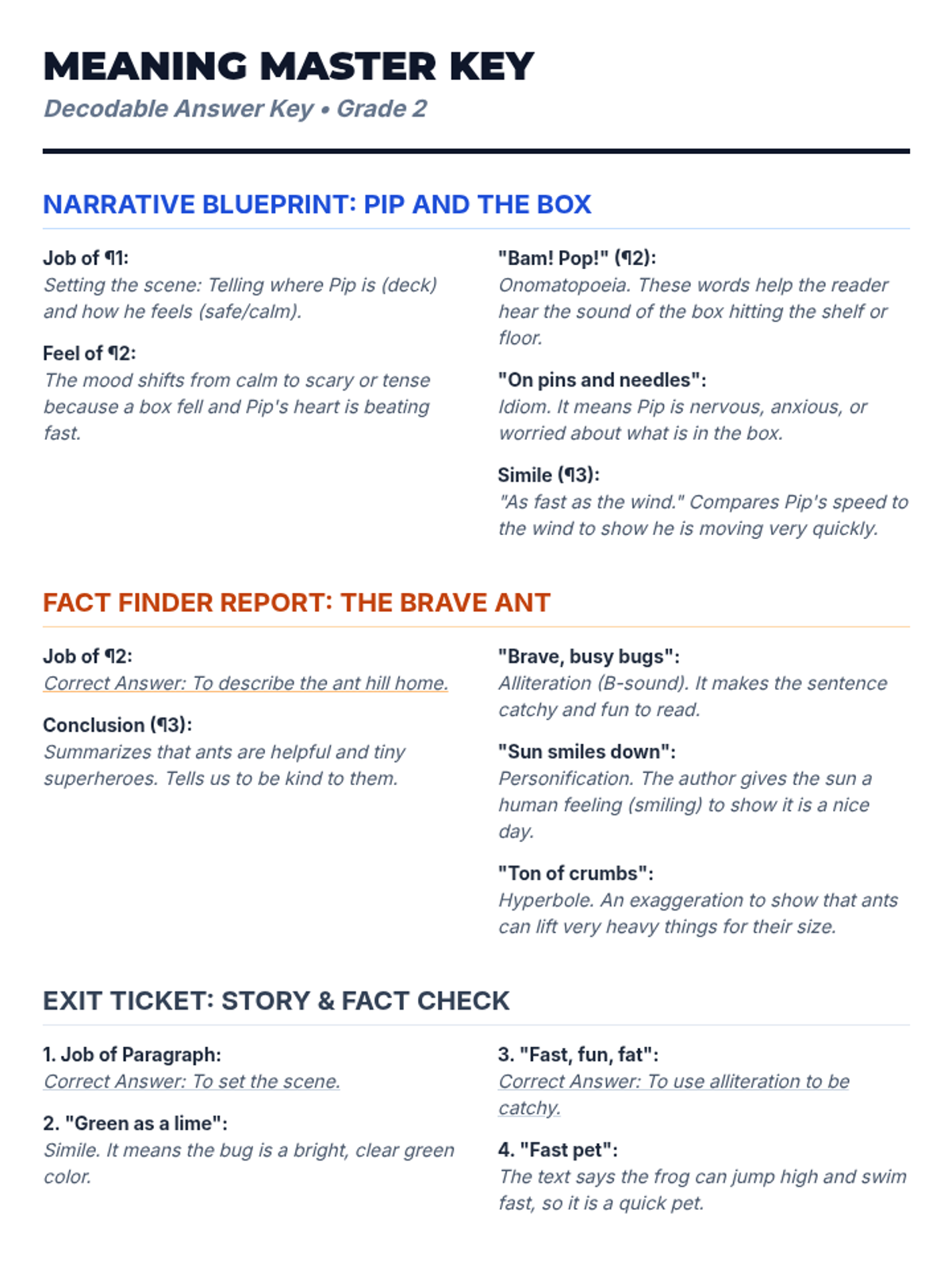
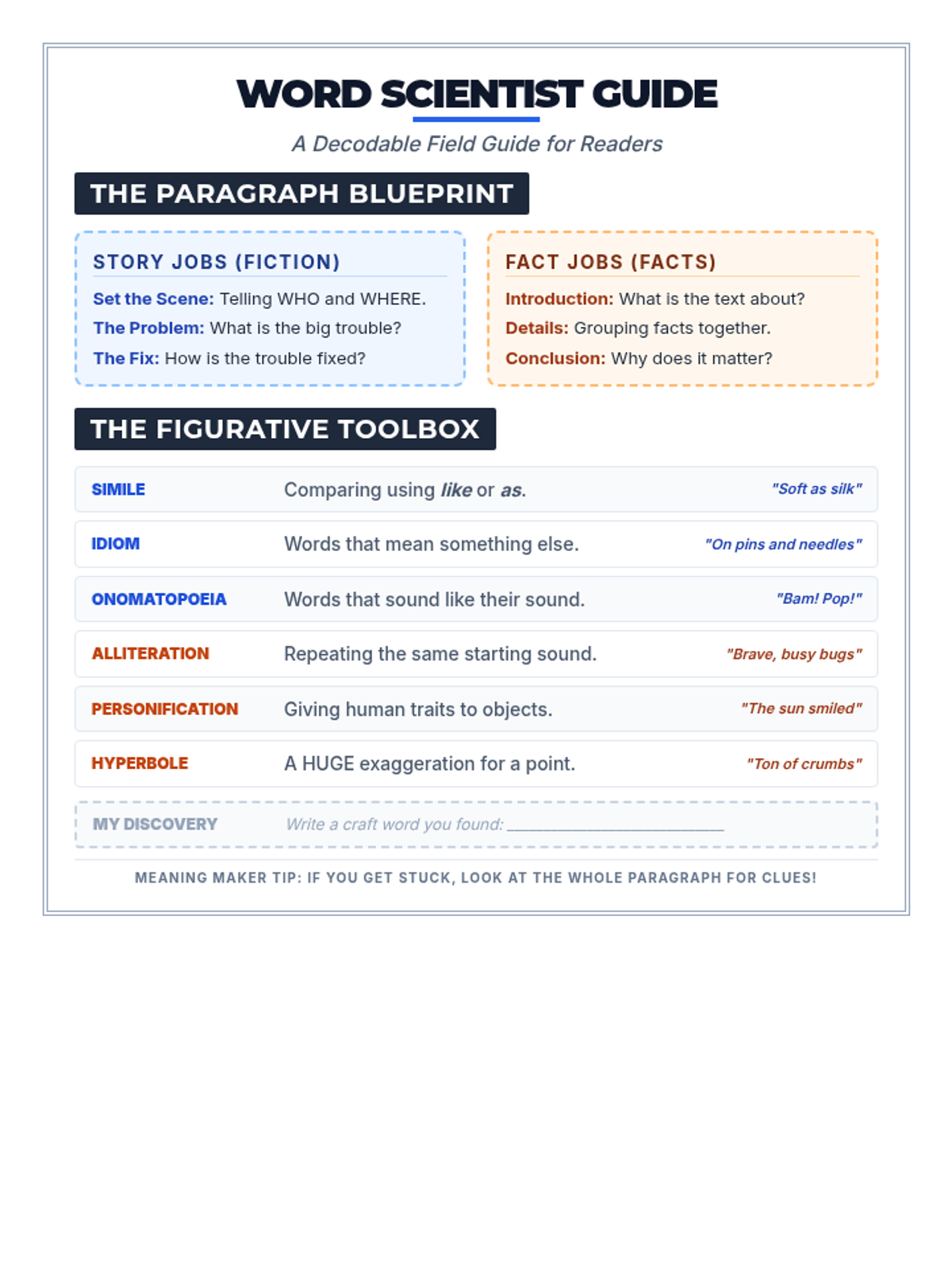
Focused on informational texts, this lesson explores how paragraphs organize facts and how alliteration, personification, and hyperbole can make non-fiction more engaging.
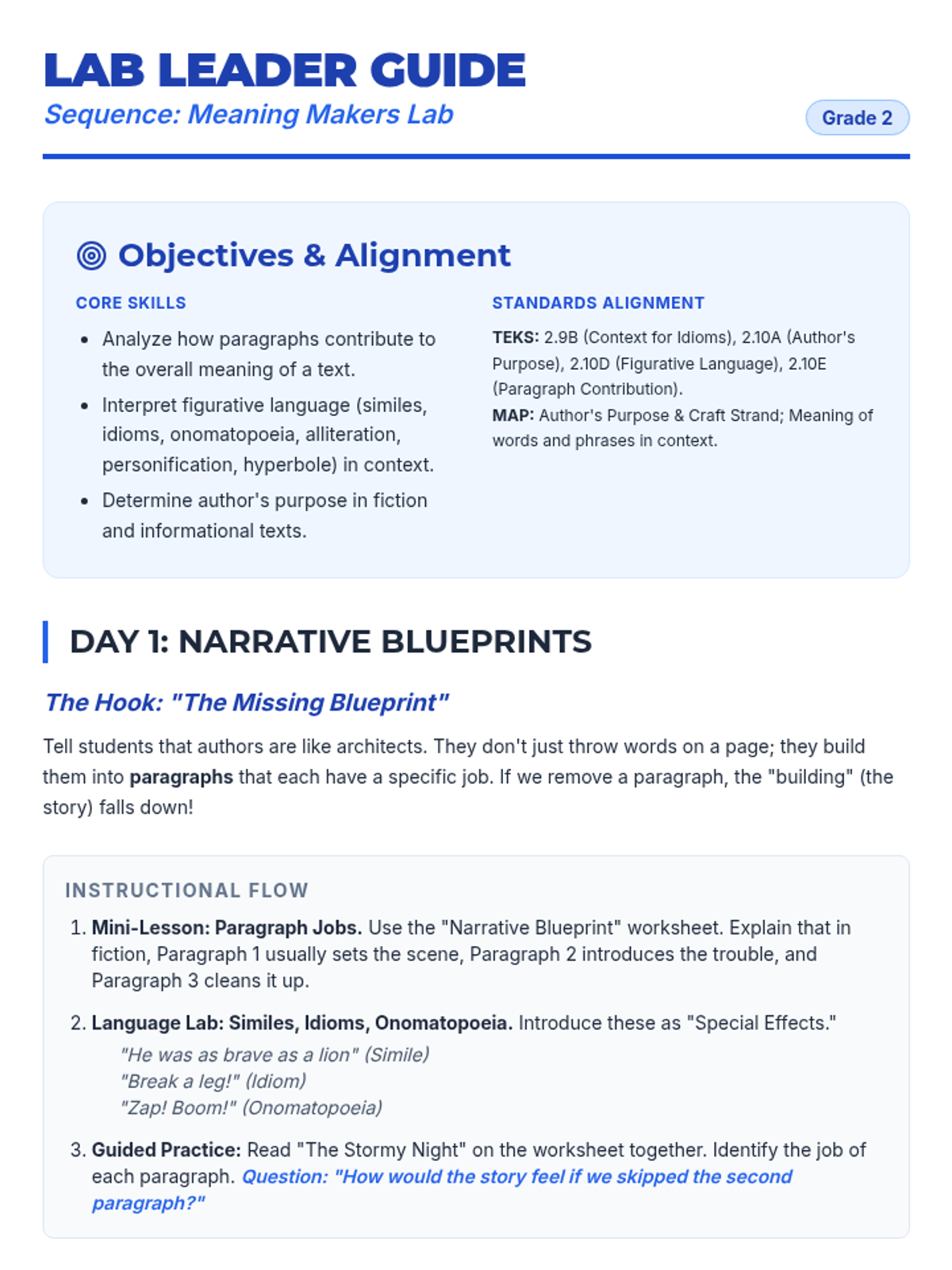
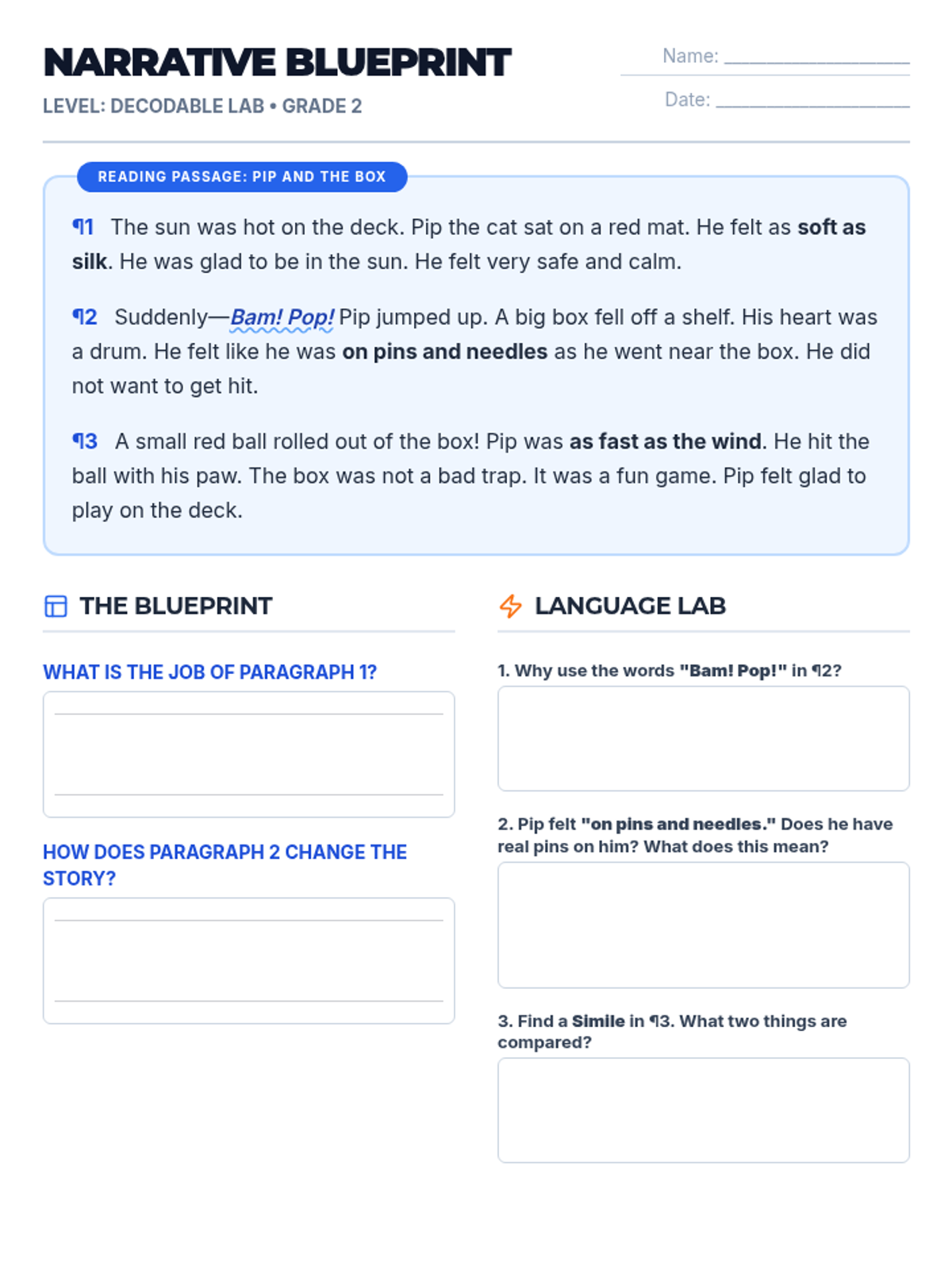
Focused on narrative texts, this lesson teaches students how paragraphs build a story's sequence and how similes, idioms, and onomatopoeia create vivid mental images.
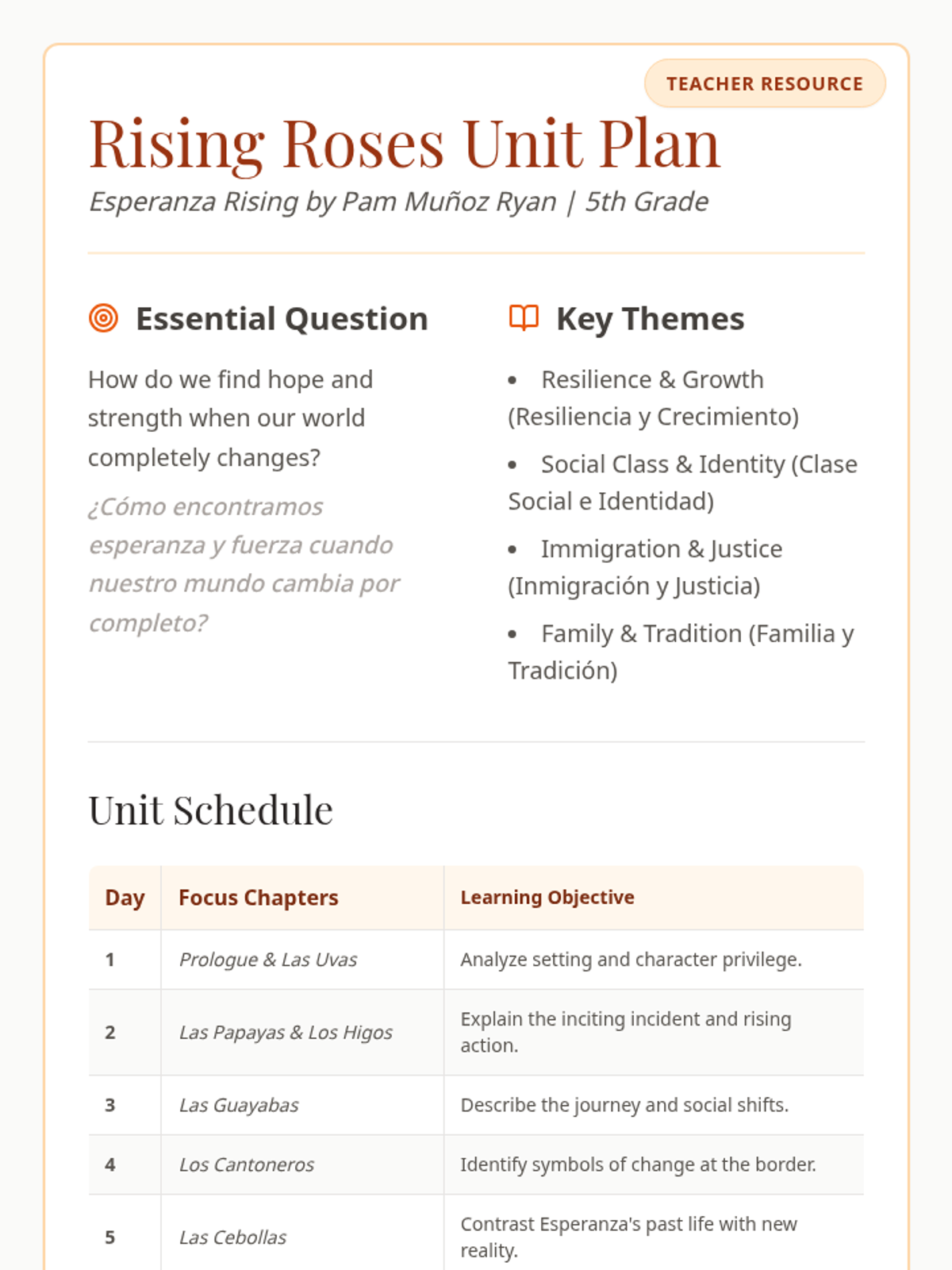
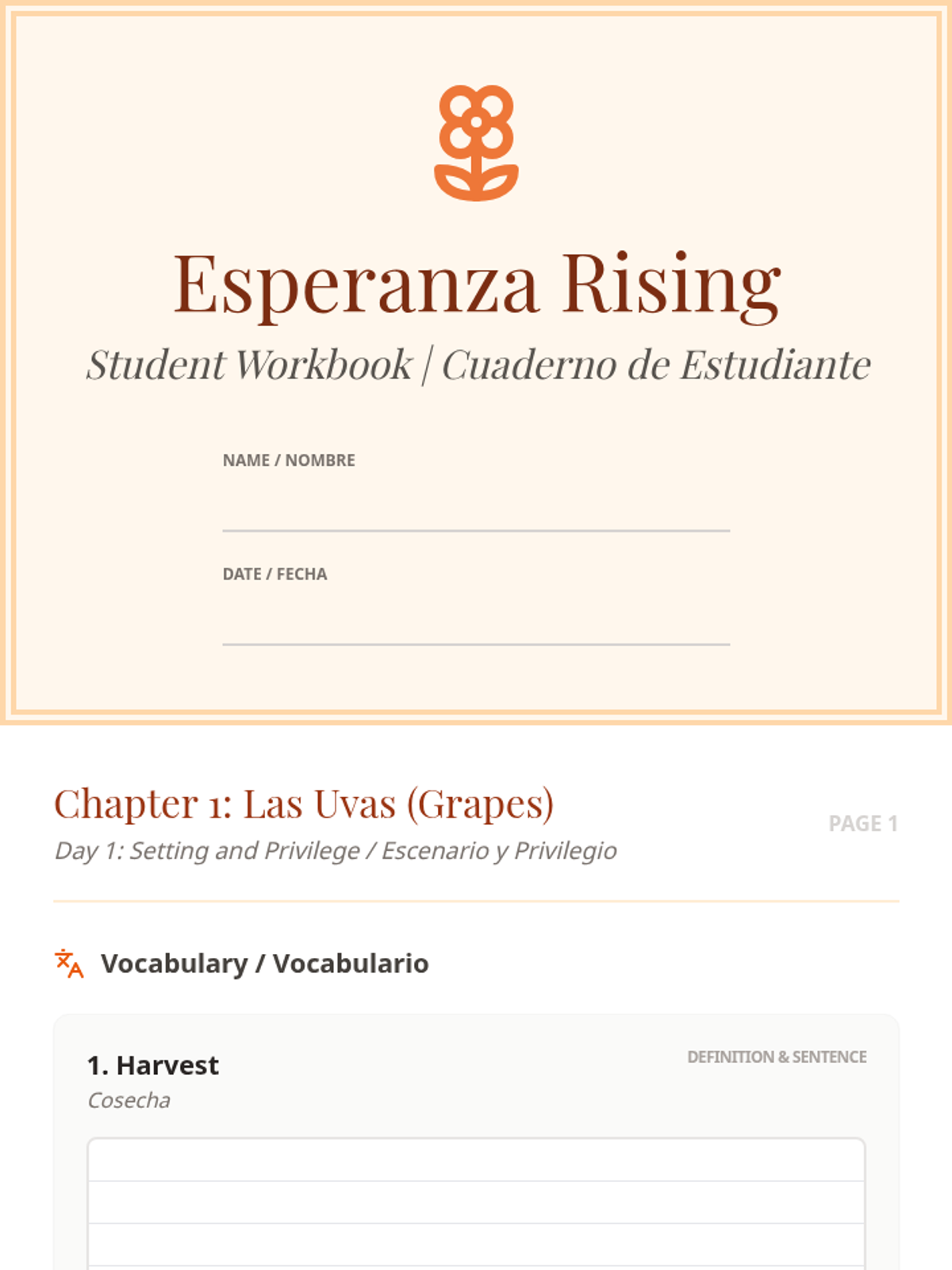
The climax of the novel involving labor strikes, the threat of deportation, and Esperanza's final transformation.
Developing resilience as Esperanza learns to manage the household while Mama struggles with Valley Fever.
Arrival at the labor camp and Esperanza's first experiences with hard manual labor and the reality of poverty.
The secret escape from Mexico and the difficult journey to California by train, highlighting the change in social status.
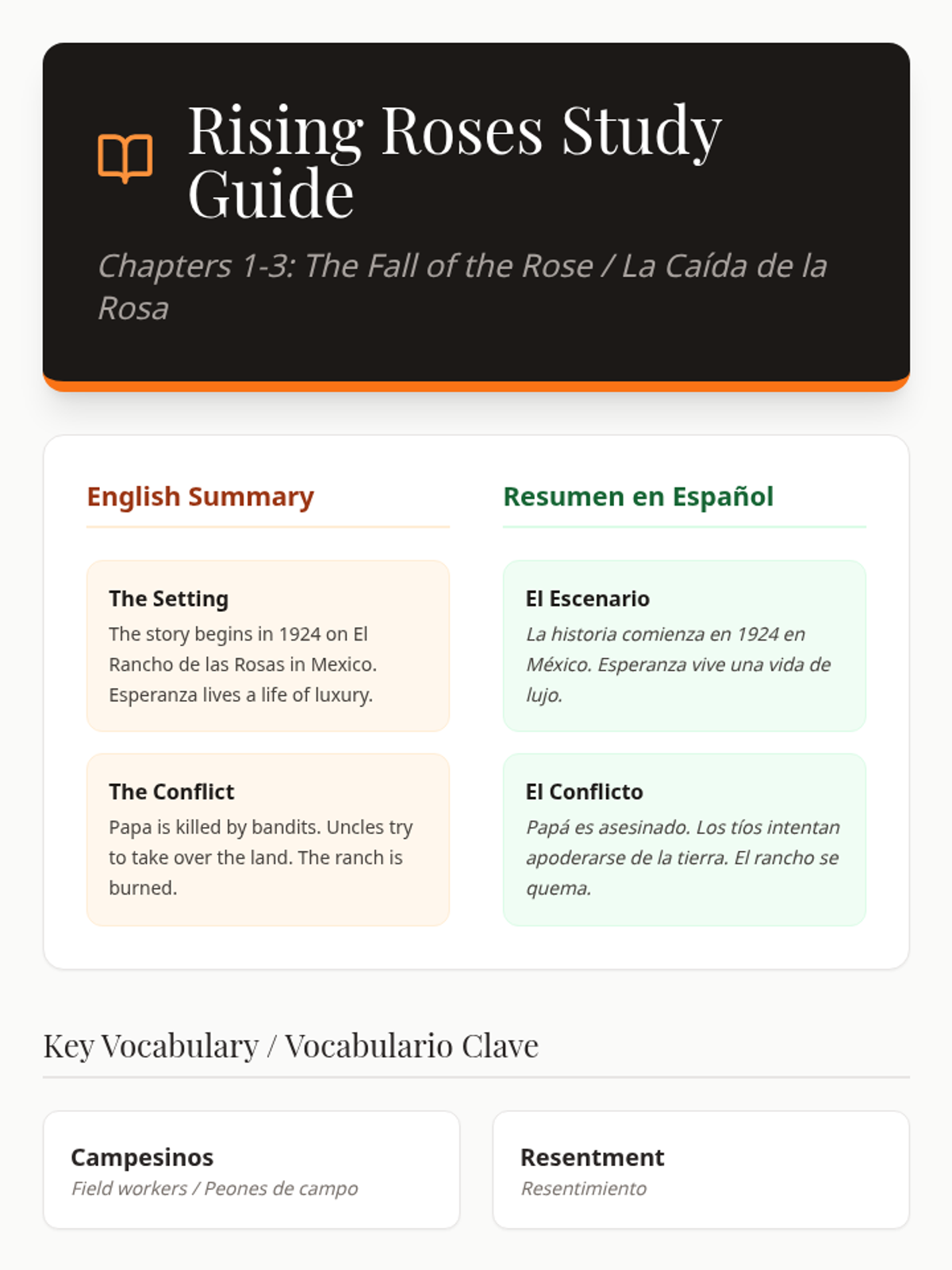
Exploring the sudden shift in Esperanza's life following the death of her father and the burning of El Rancho de las Rosas.
Introduction to the novel, setting the stage in Aguascalientes, Mexico, and exploring Esperanza's privileged life before the tragedy.
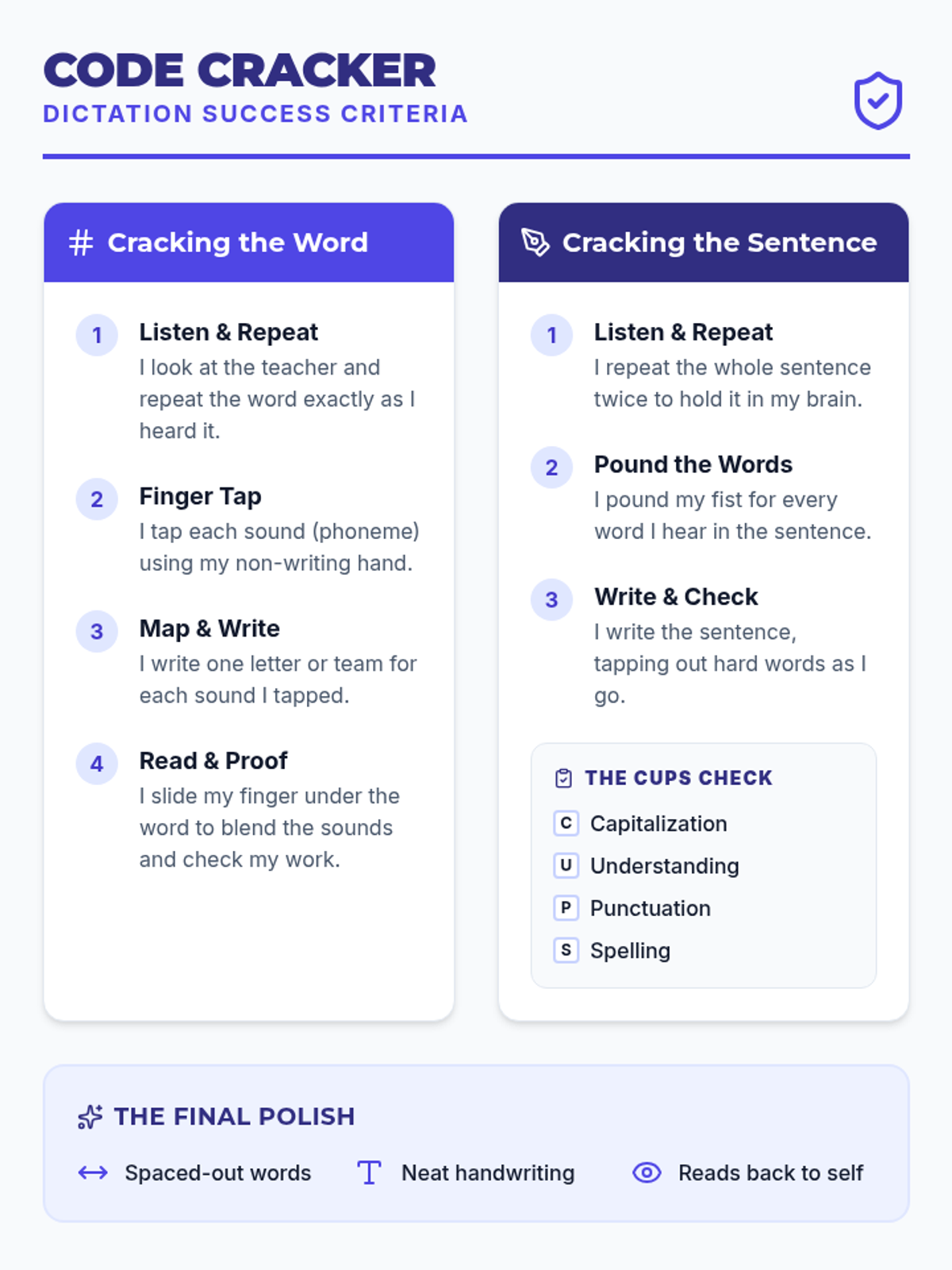
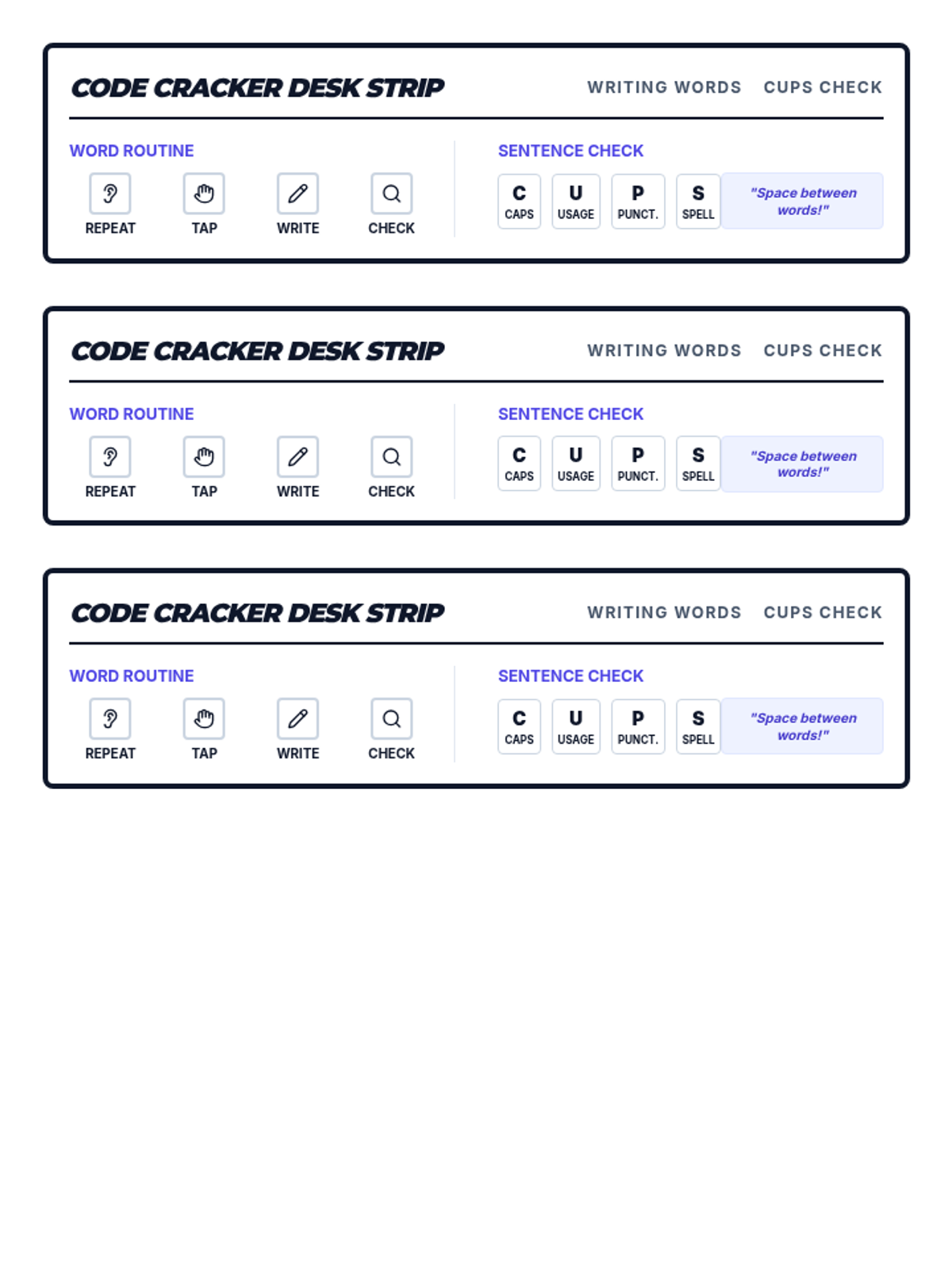
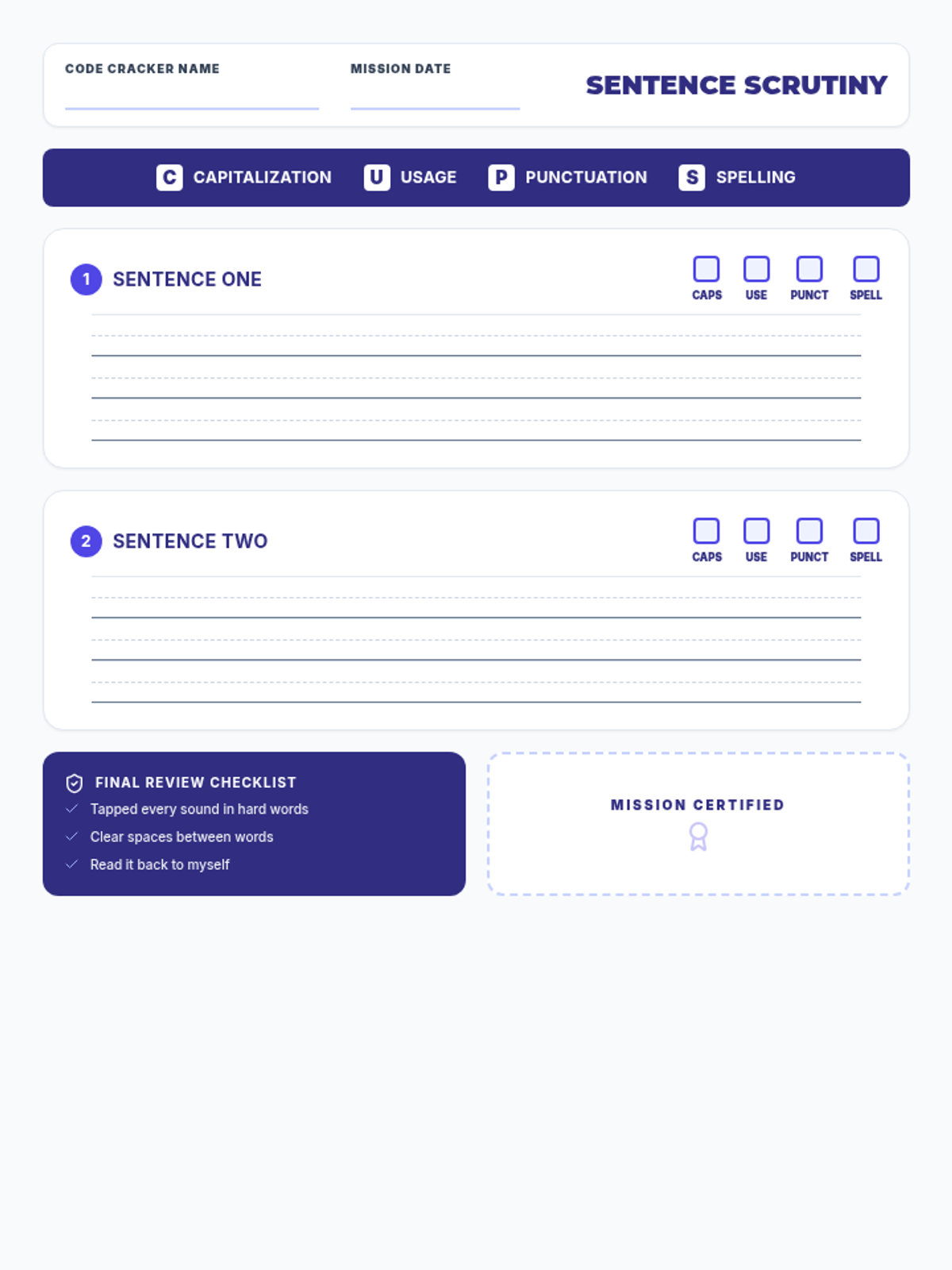
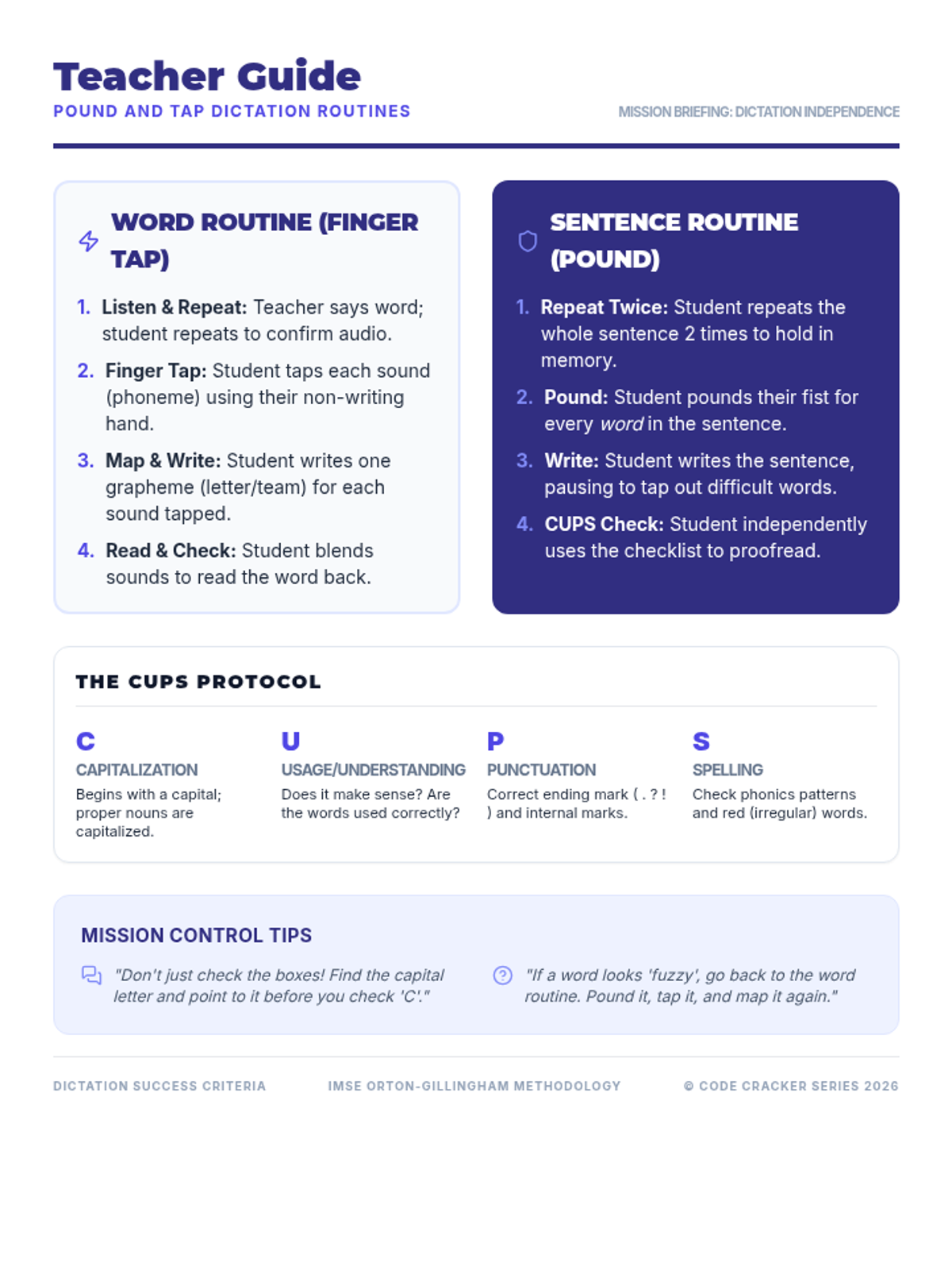
A toolkit of success criteria and structured practice materials for IMSE Orton-Gillingham dictation routines, focusing on word mapping and sentence conventions.
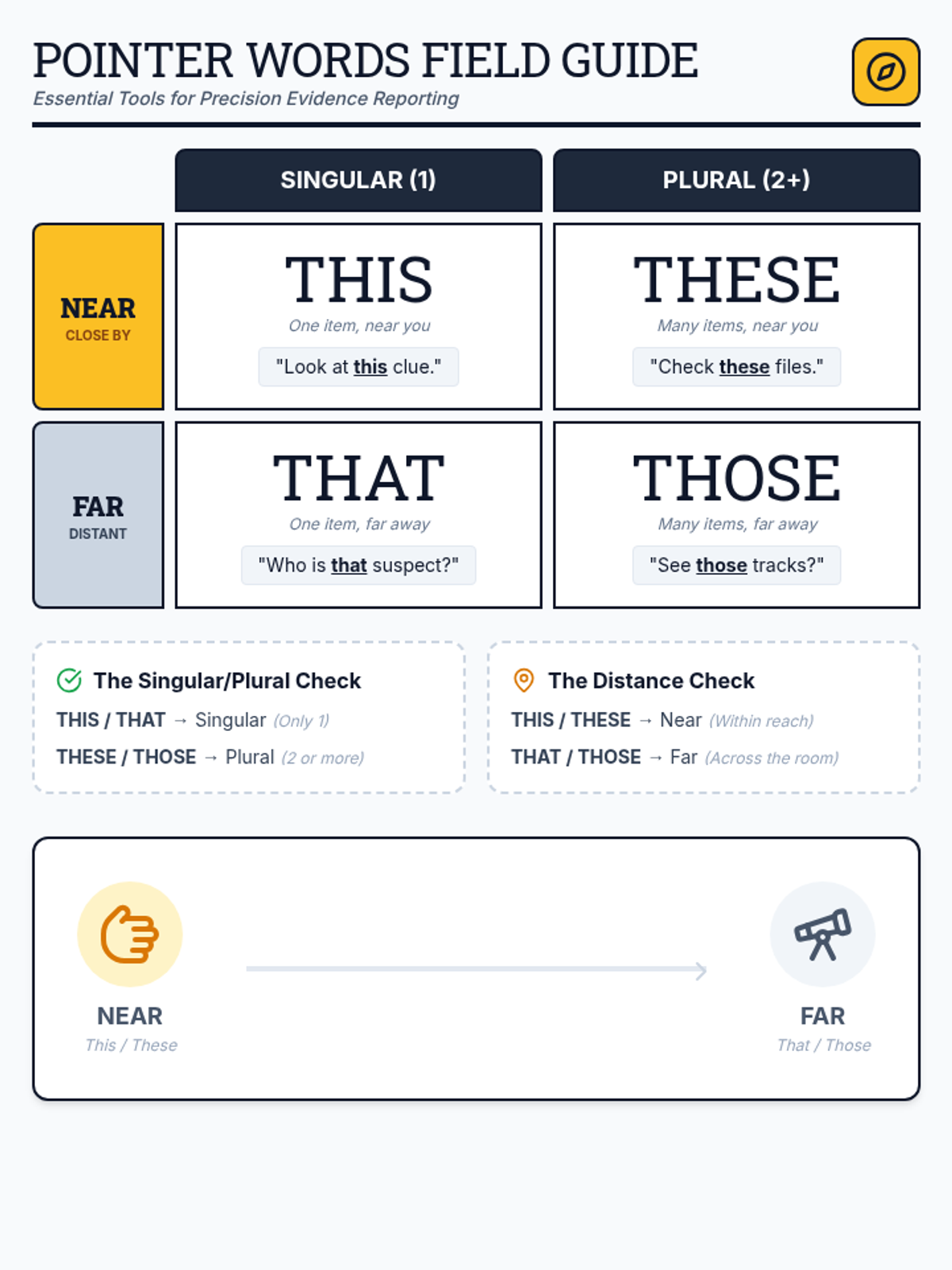
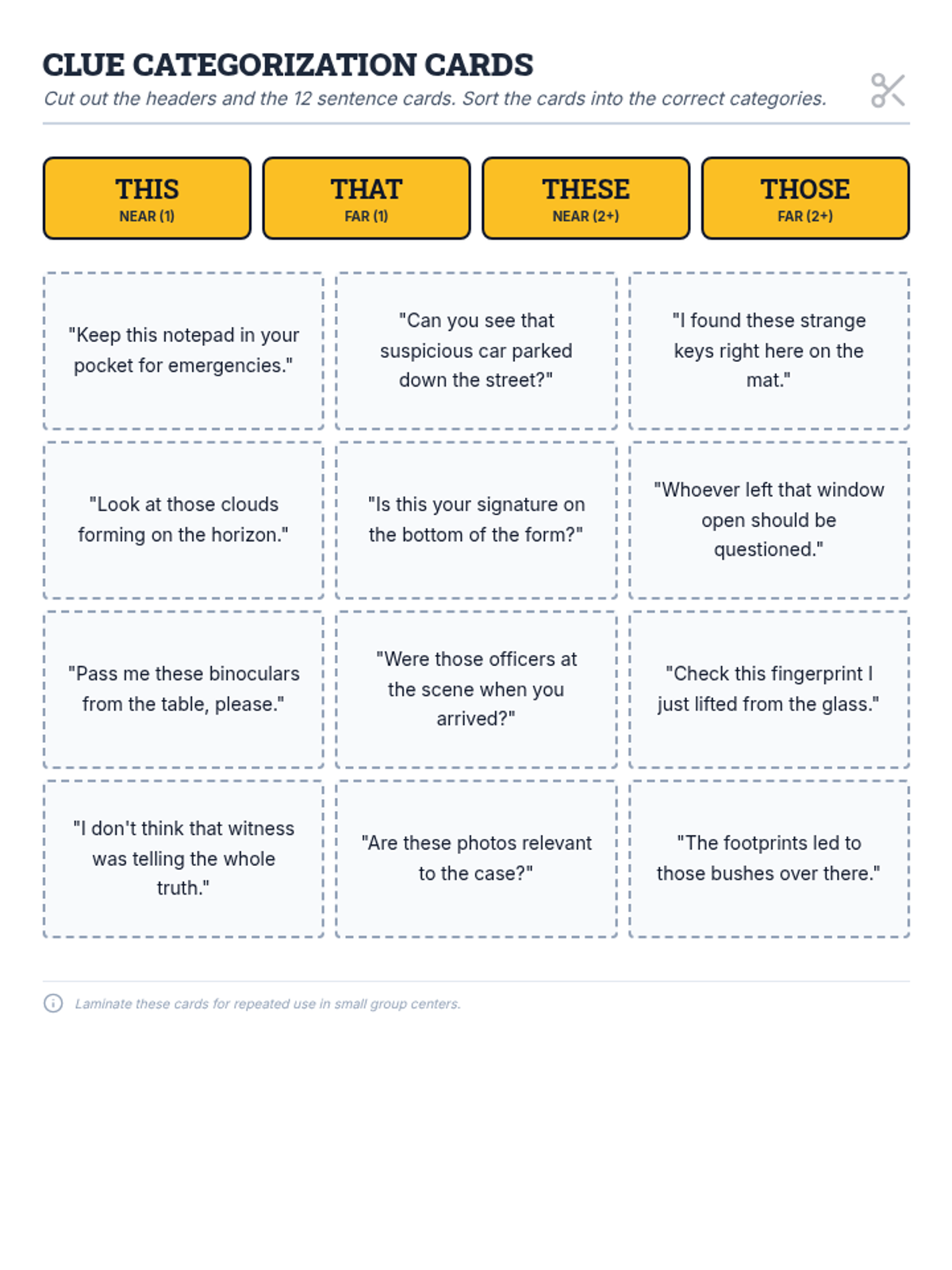
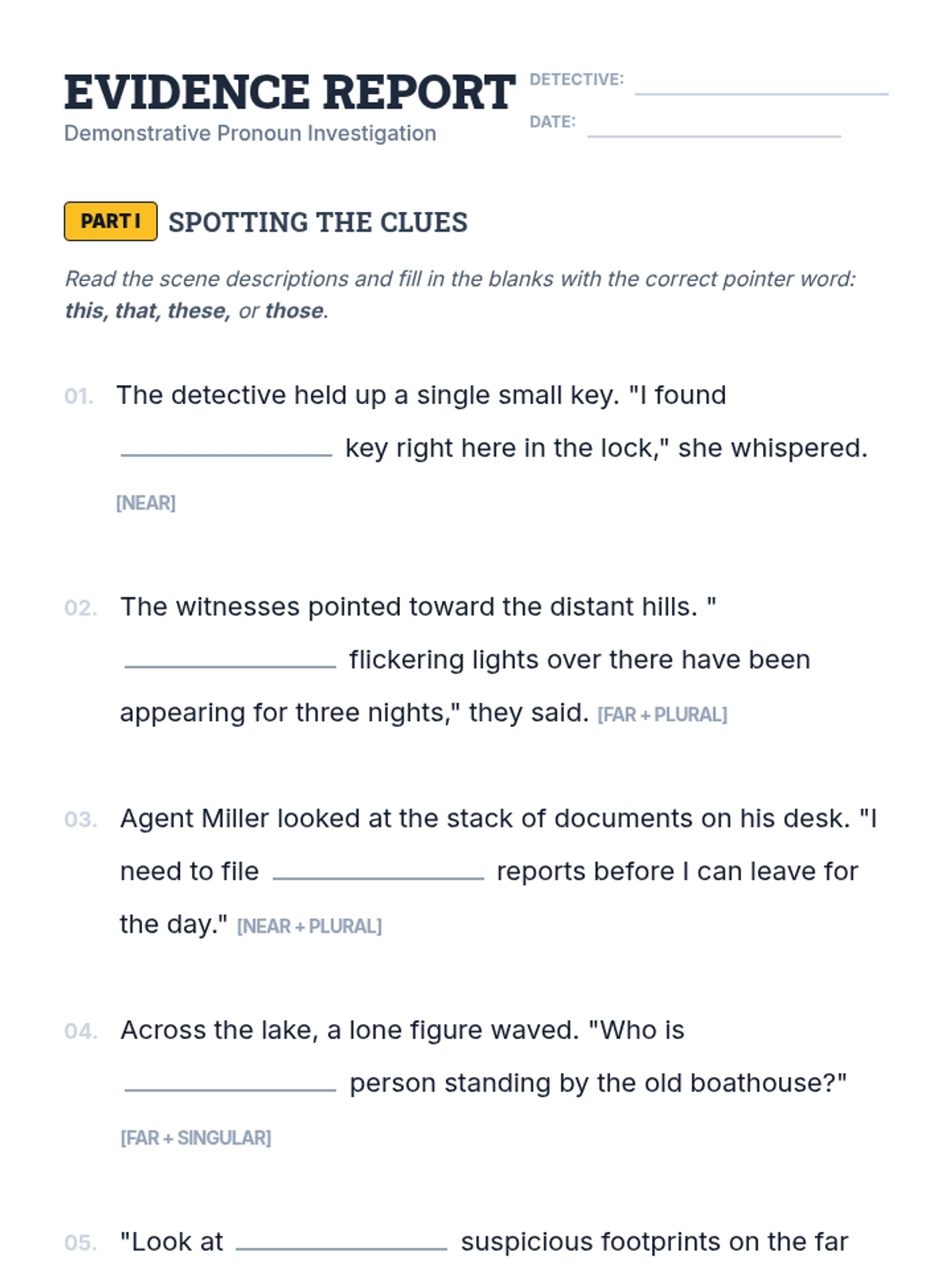
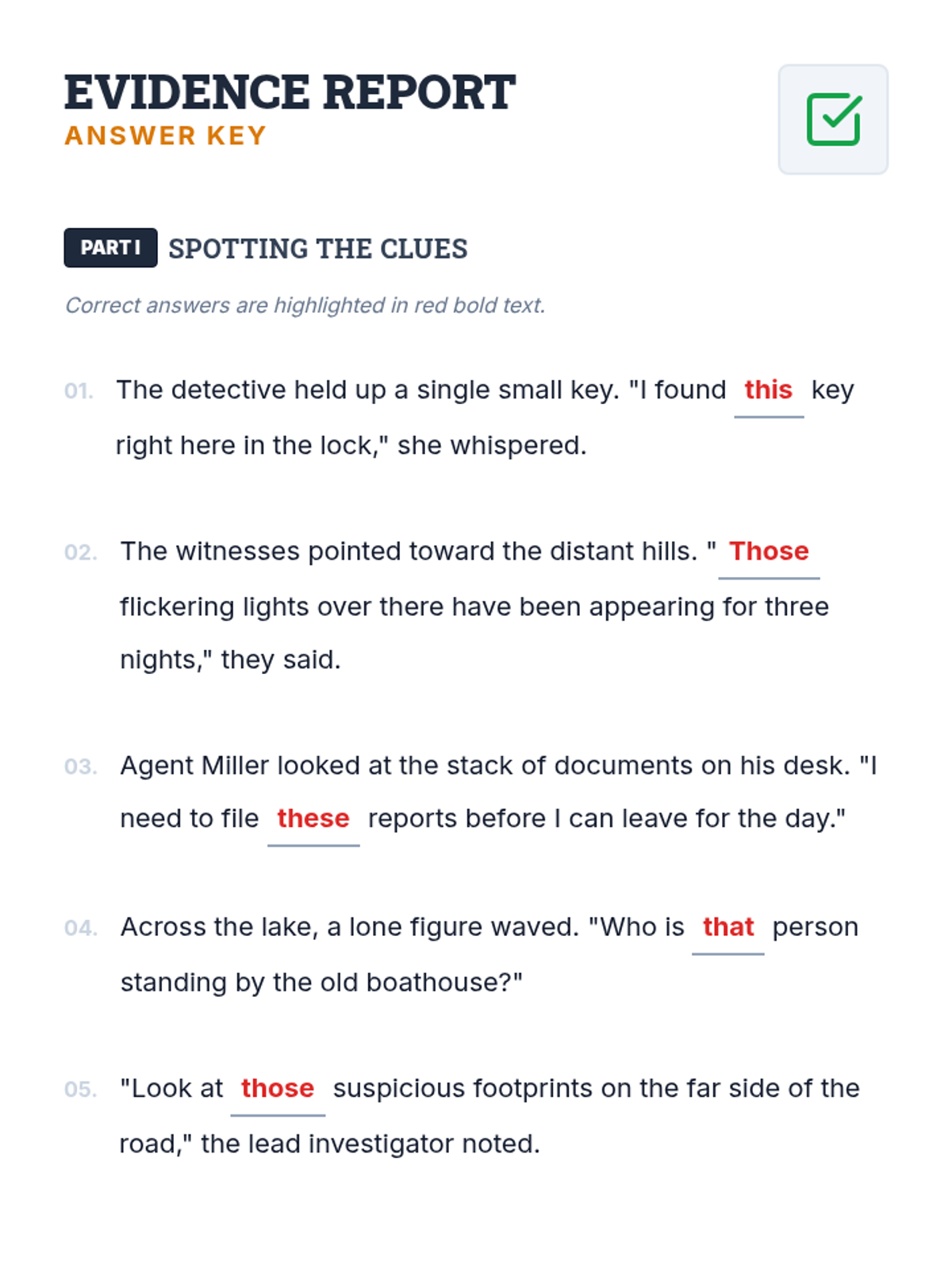
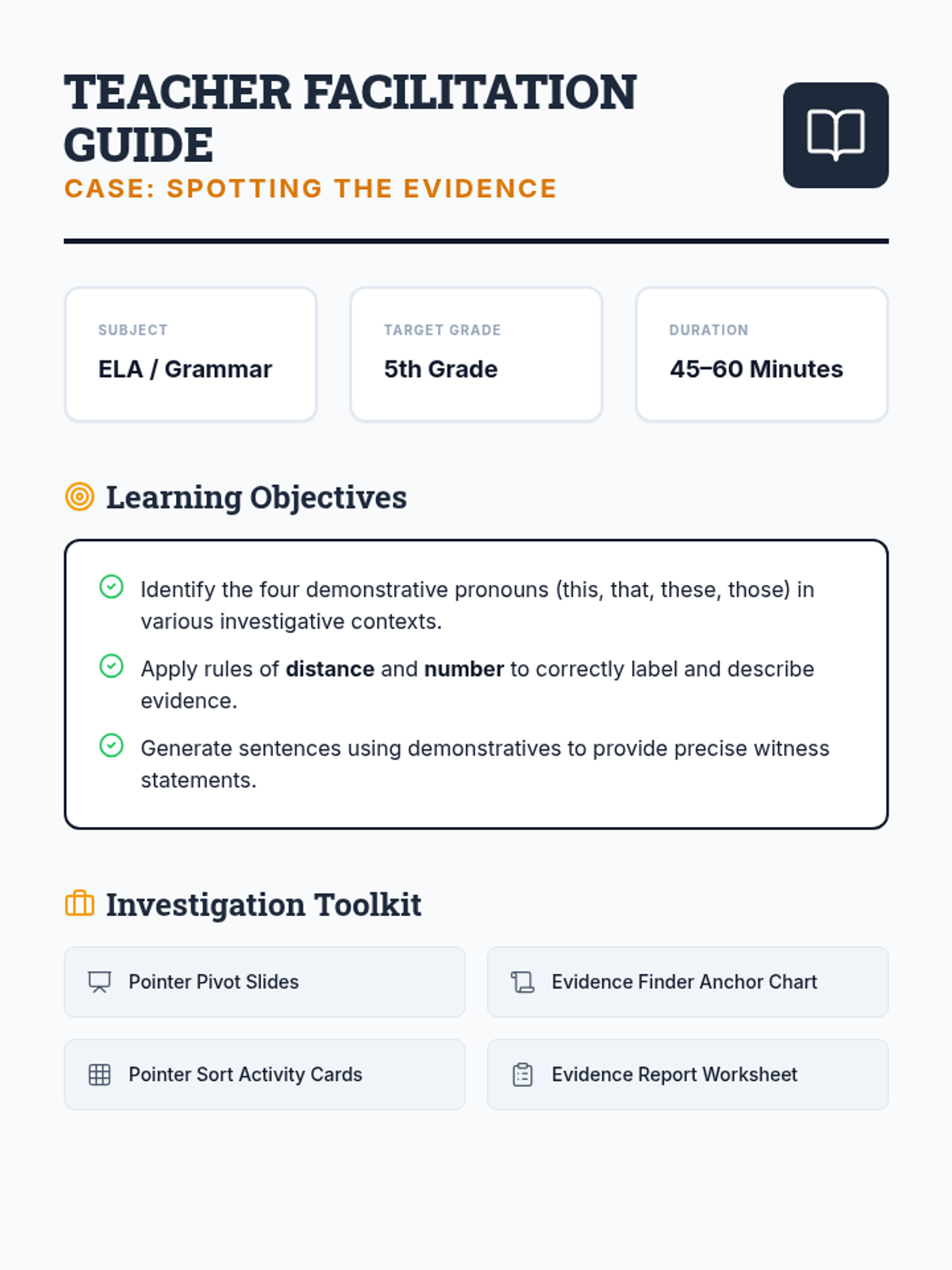
A comprehensive lesson on demonstrative pronouns and adjectives (this, that, these, those), focusing on distance and number through a detective-themed investigation.
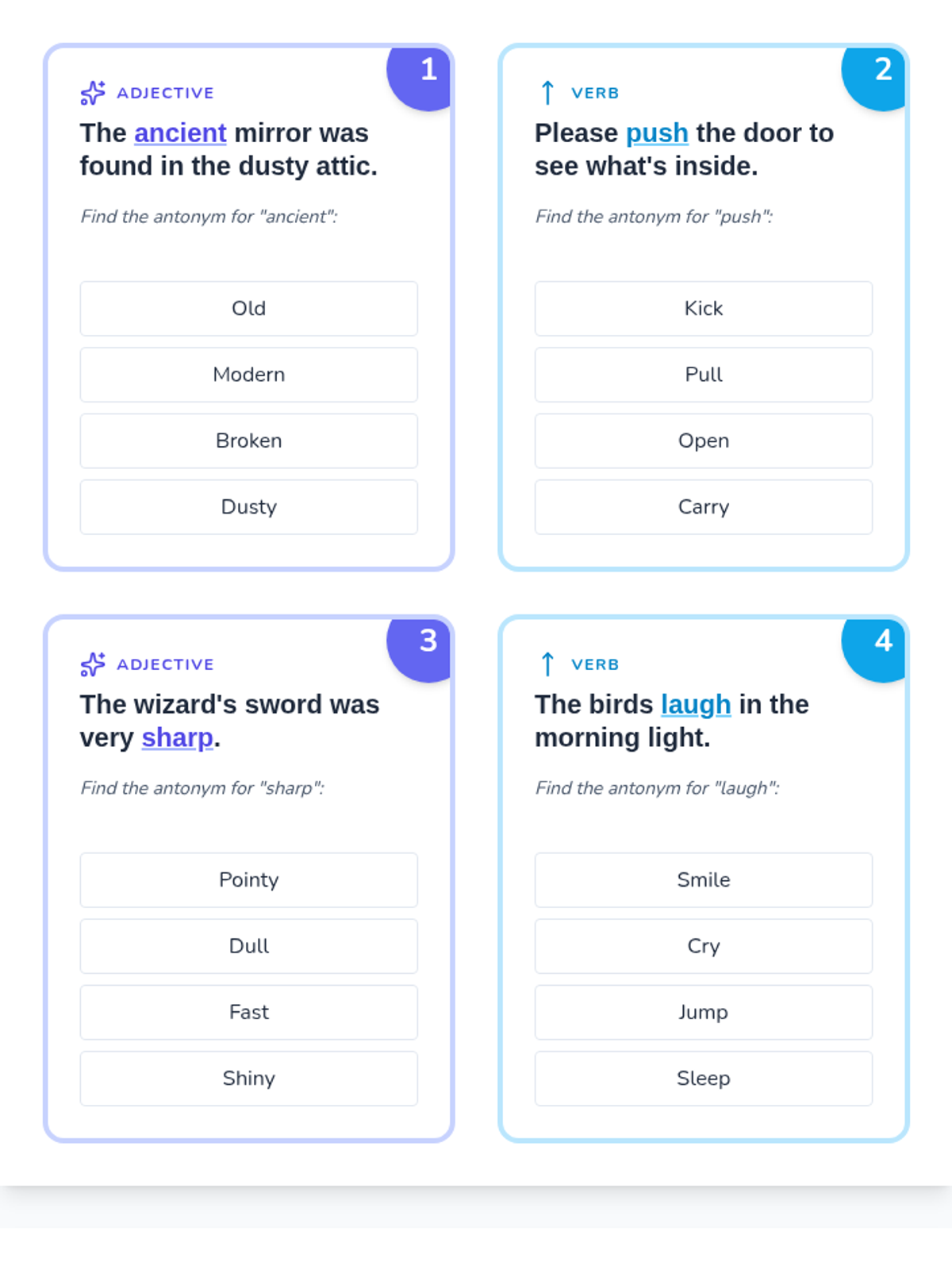
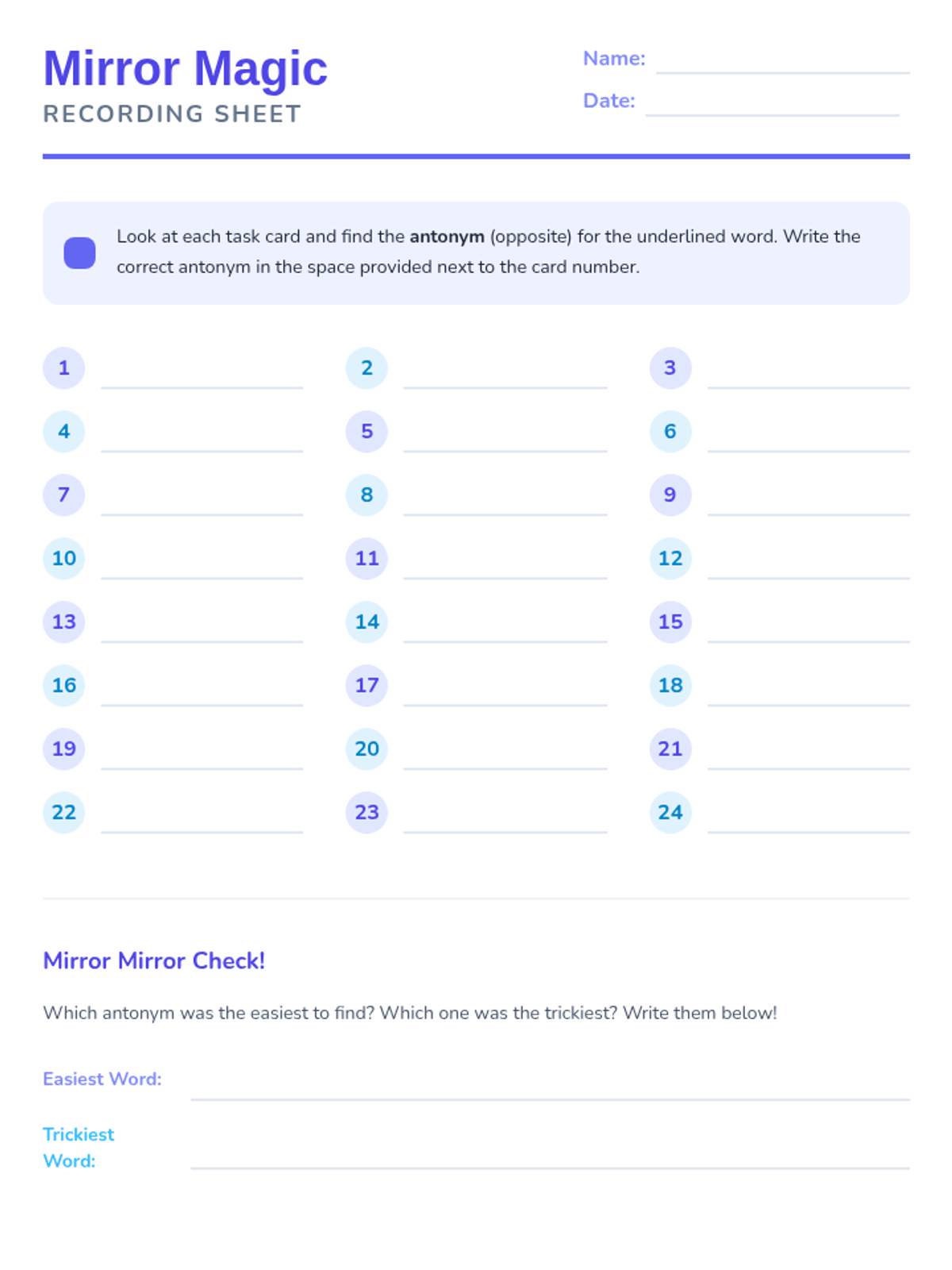
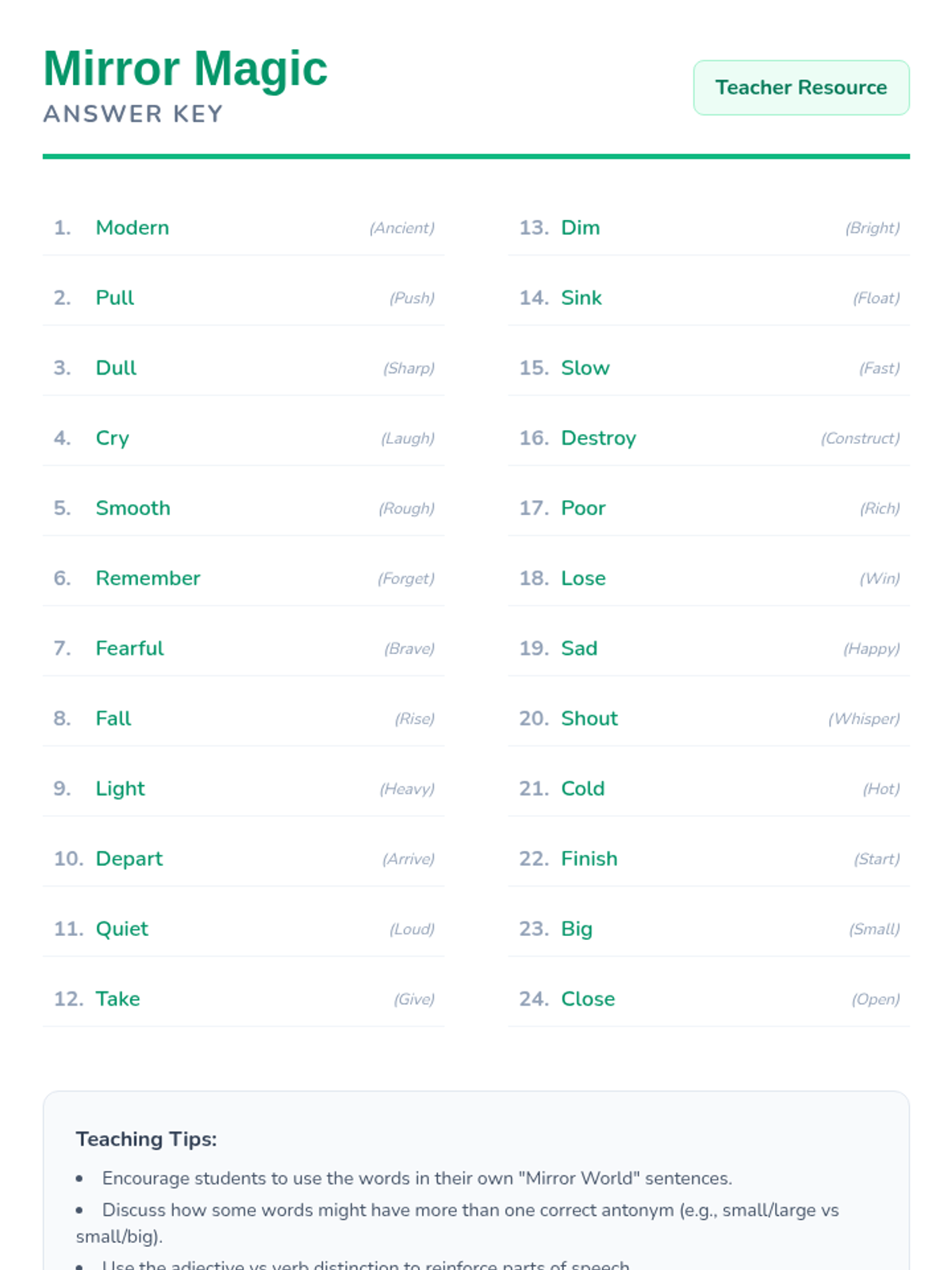
A set of engaging antonym task cards focusing on adjectives and verbs to help 3rd-grade students master word opposites through a magical mirror theme.
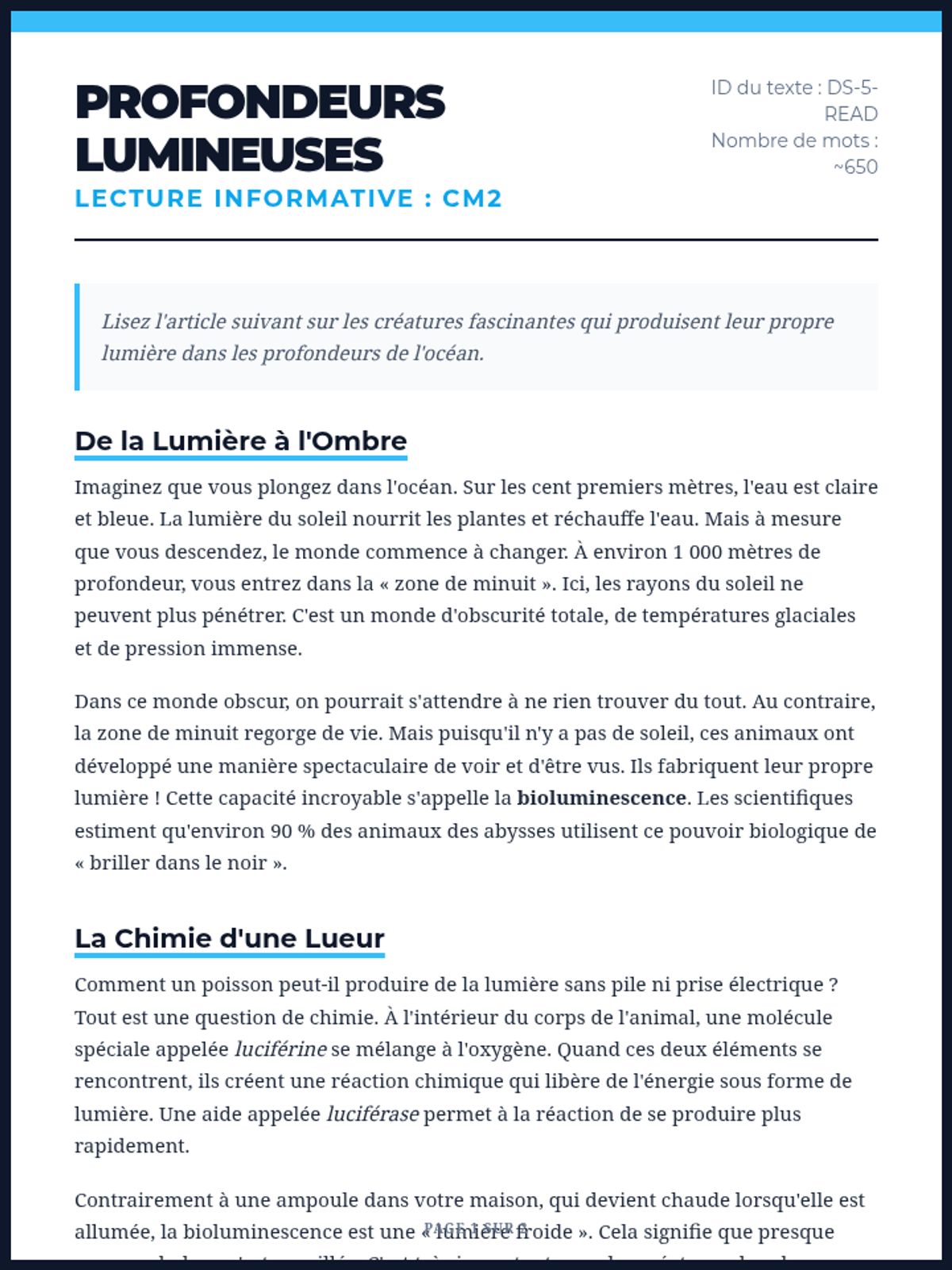
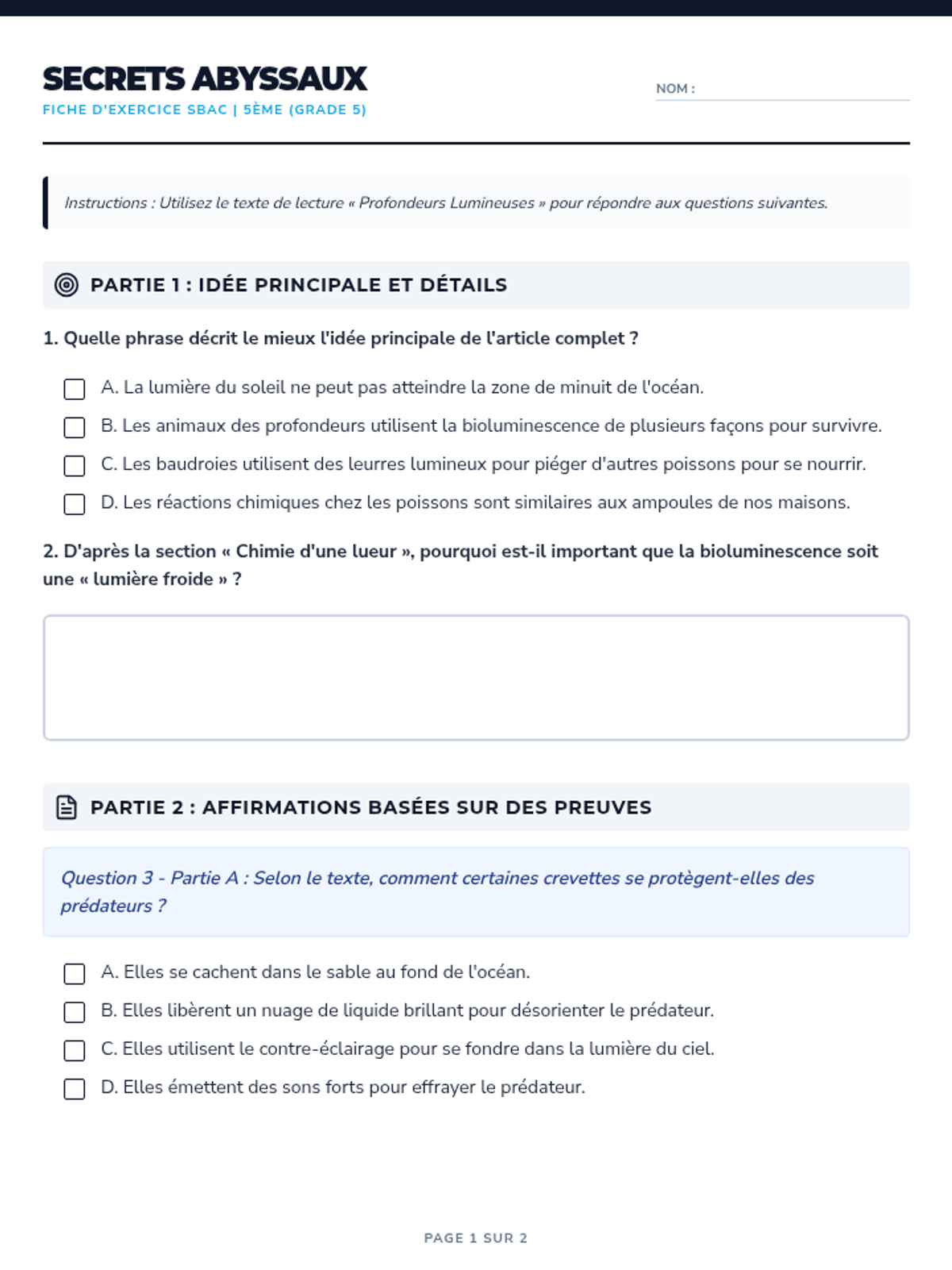
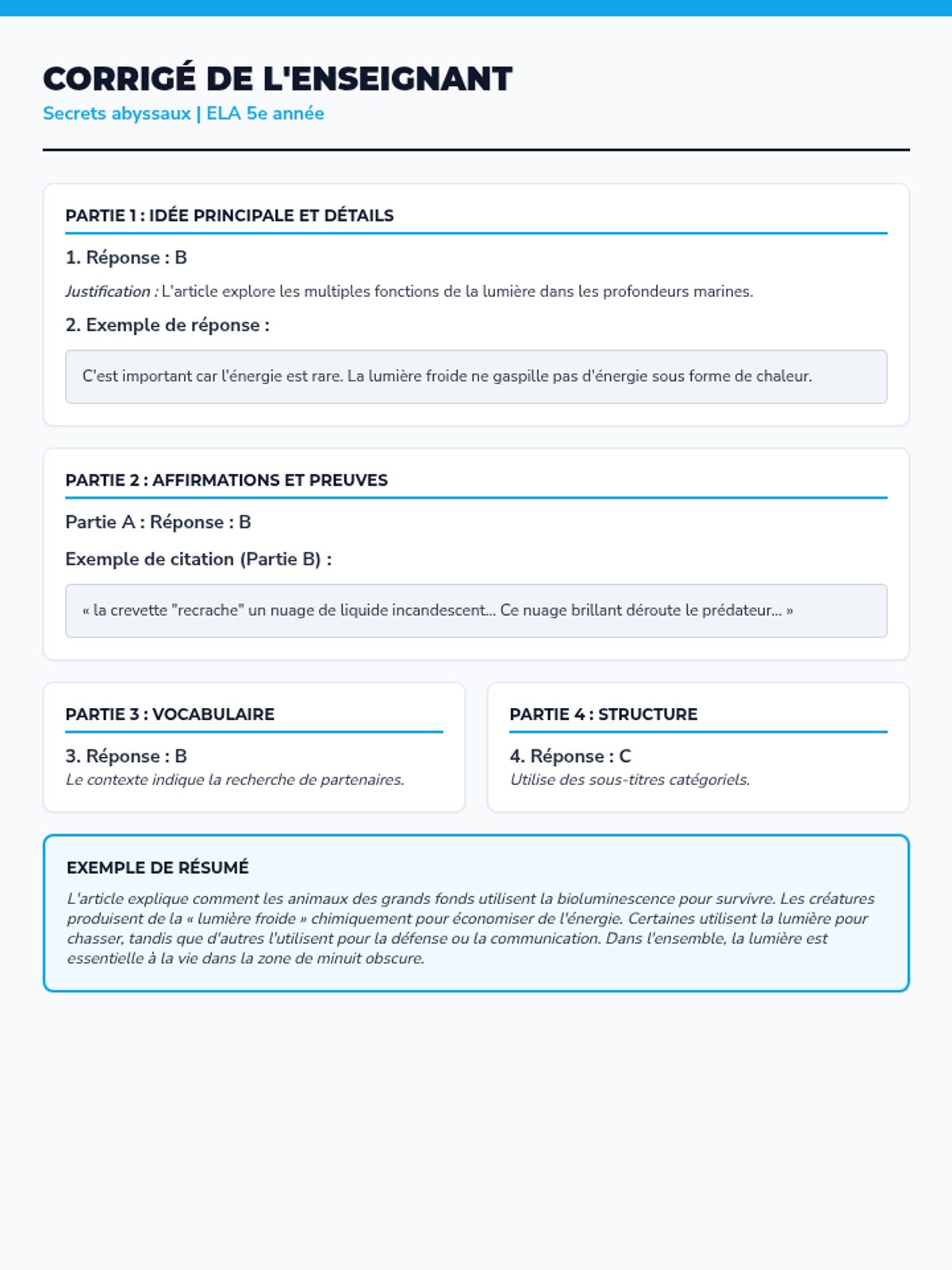
A 5th grade ELA lesson focusing on Reading Informational Text through the lens of deep-sea bioluminescence, covering main idea, evidence-based claims, vocabulary, and text structure.
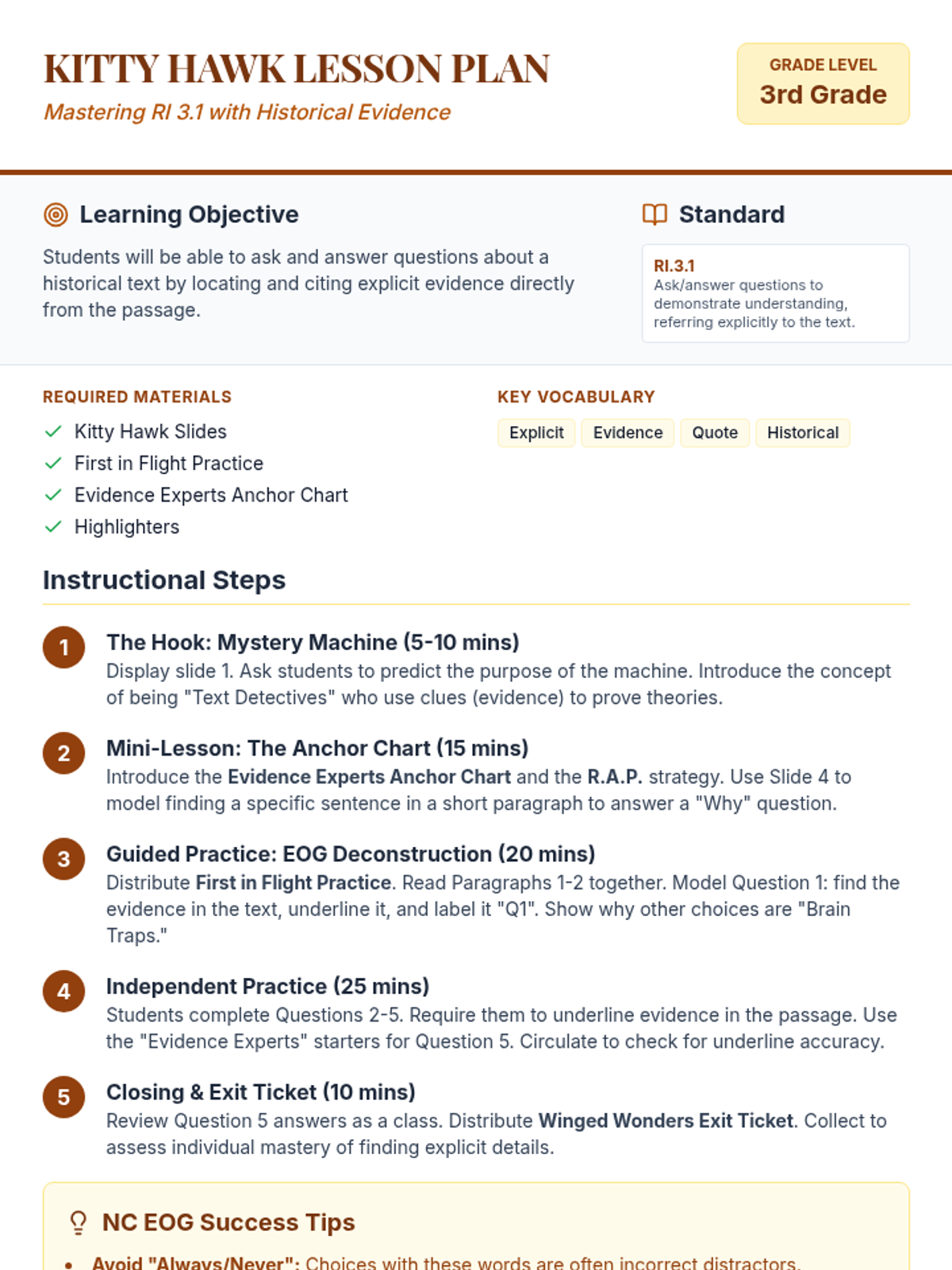
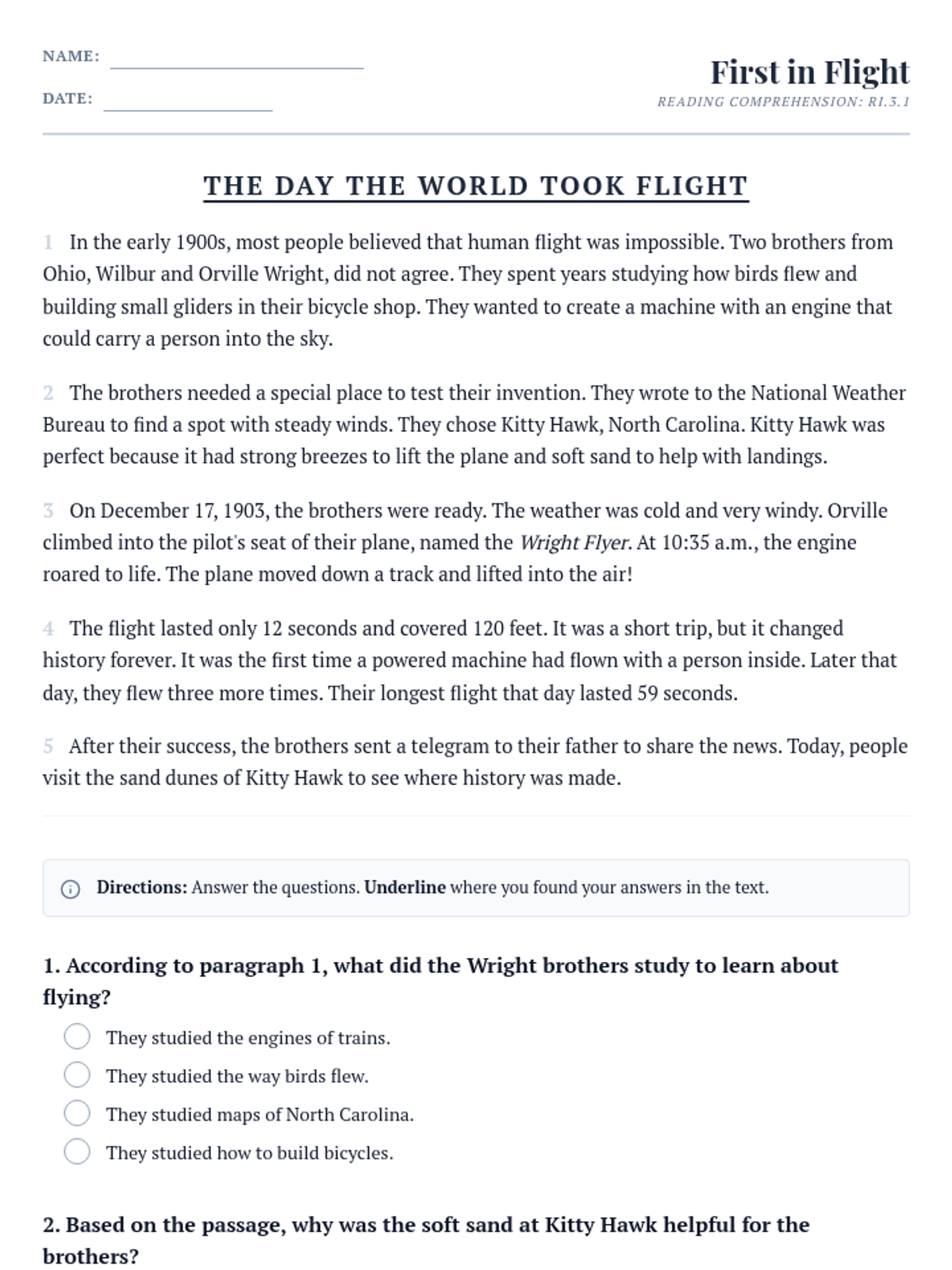
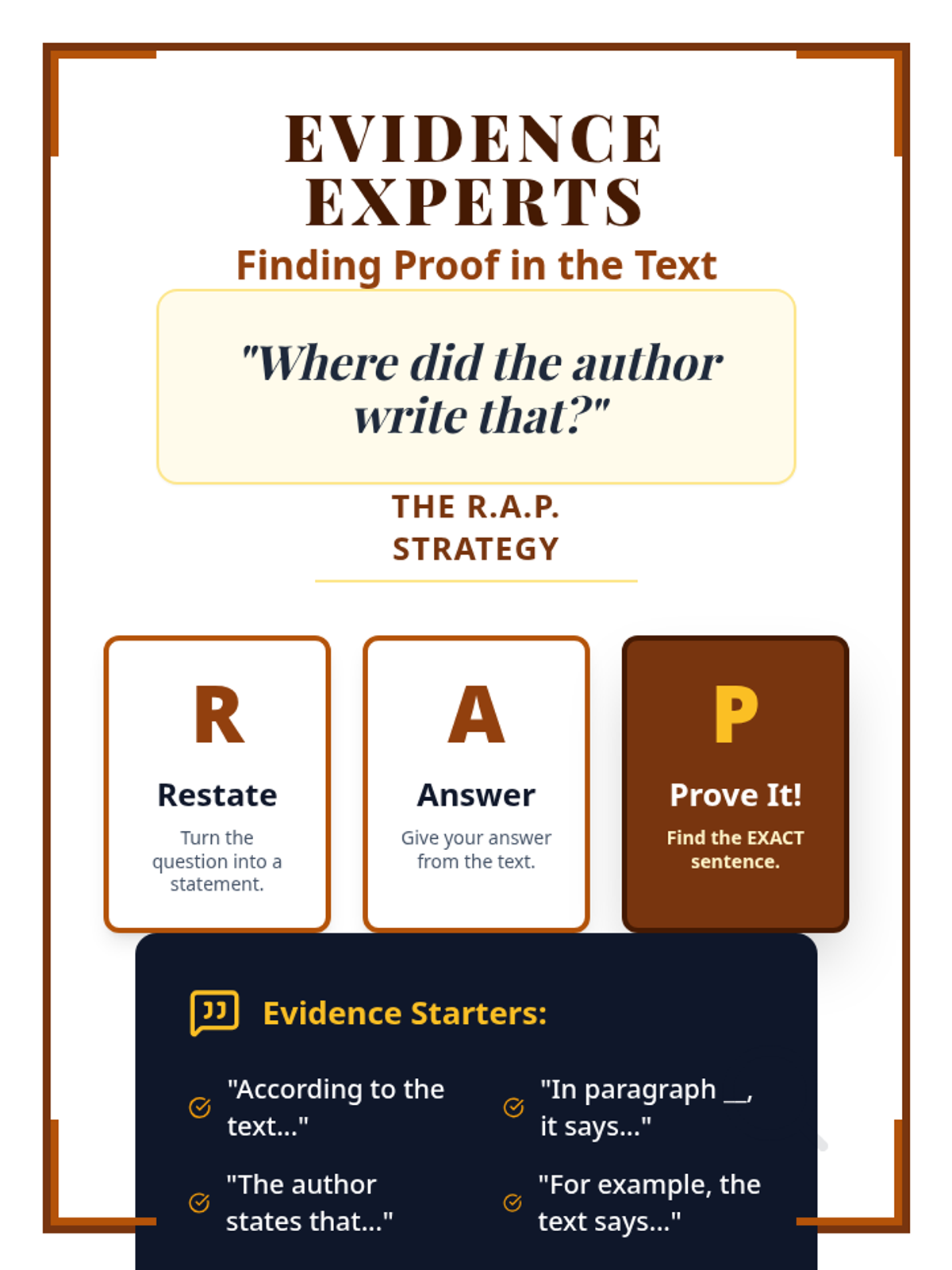
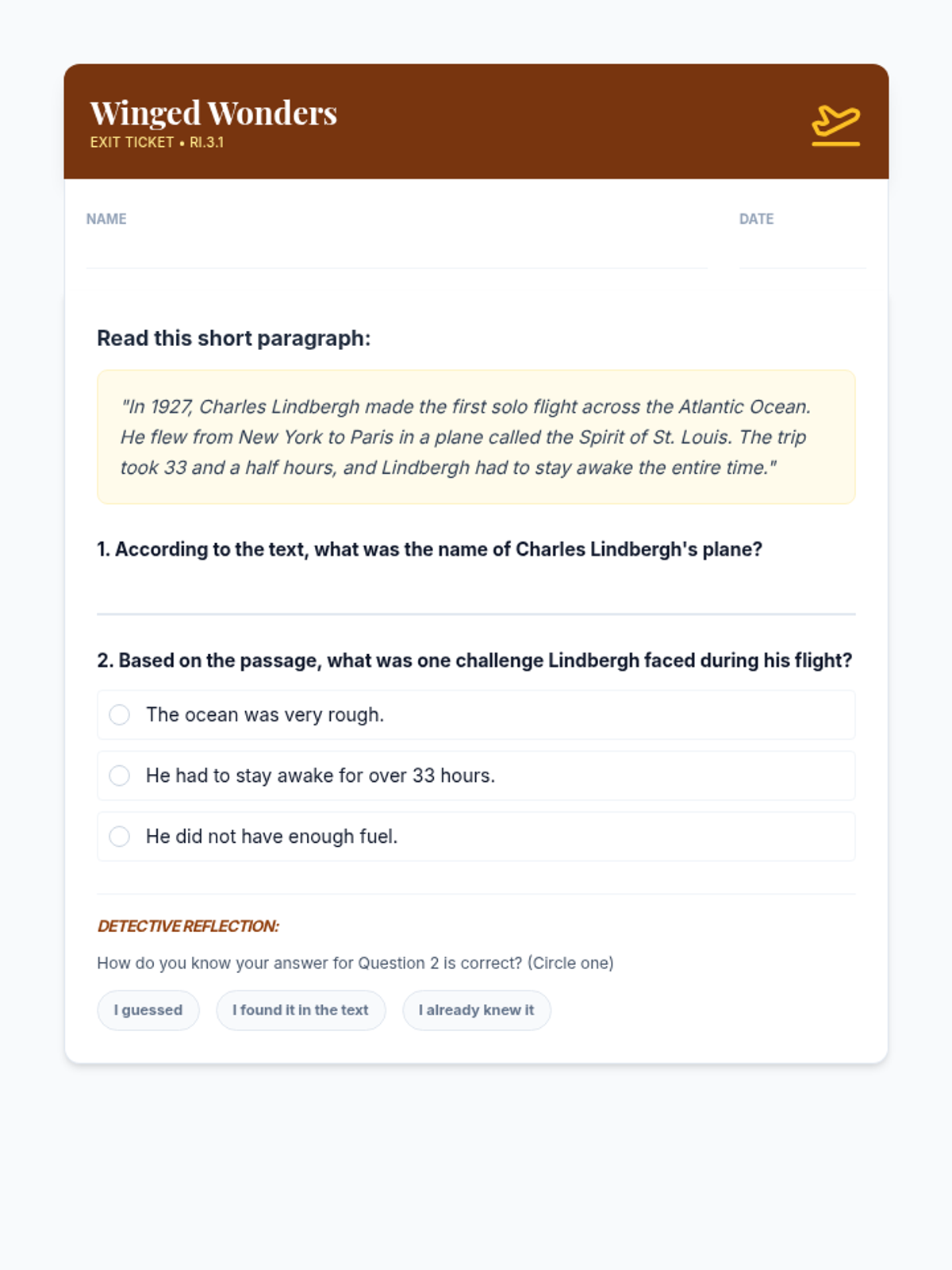
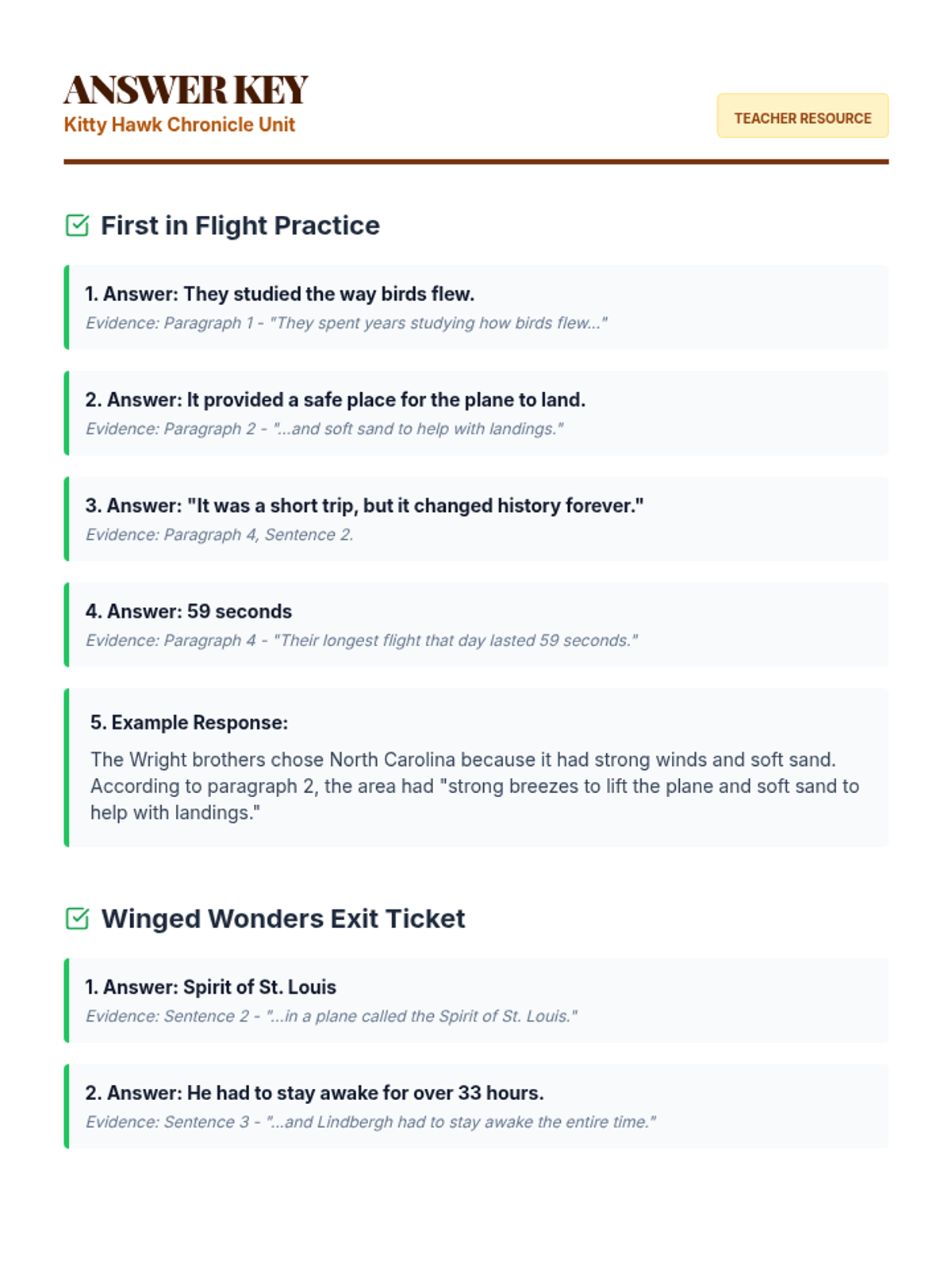
A lesson focused on RI 3.1 (Ask and Answer Questions) using a historical passage about the Wright Brothers' first flight in Kitty Hawk, North Carolina. Students will learn to find and cite explicit text evidence to support their answers in an EOG-style format.