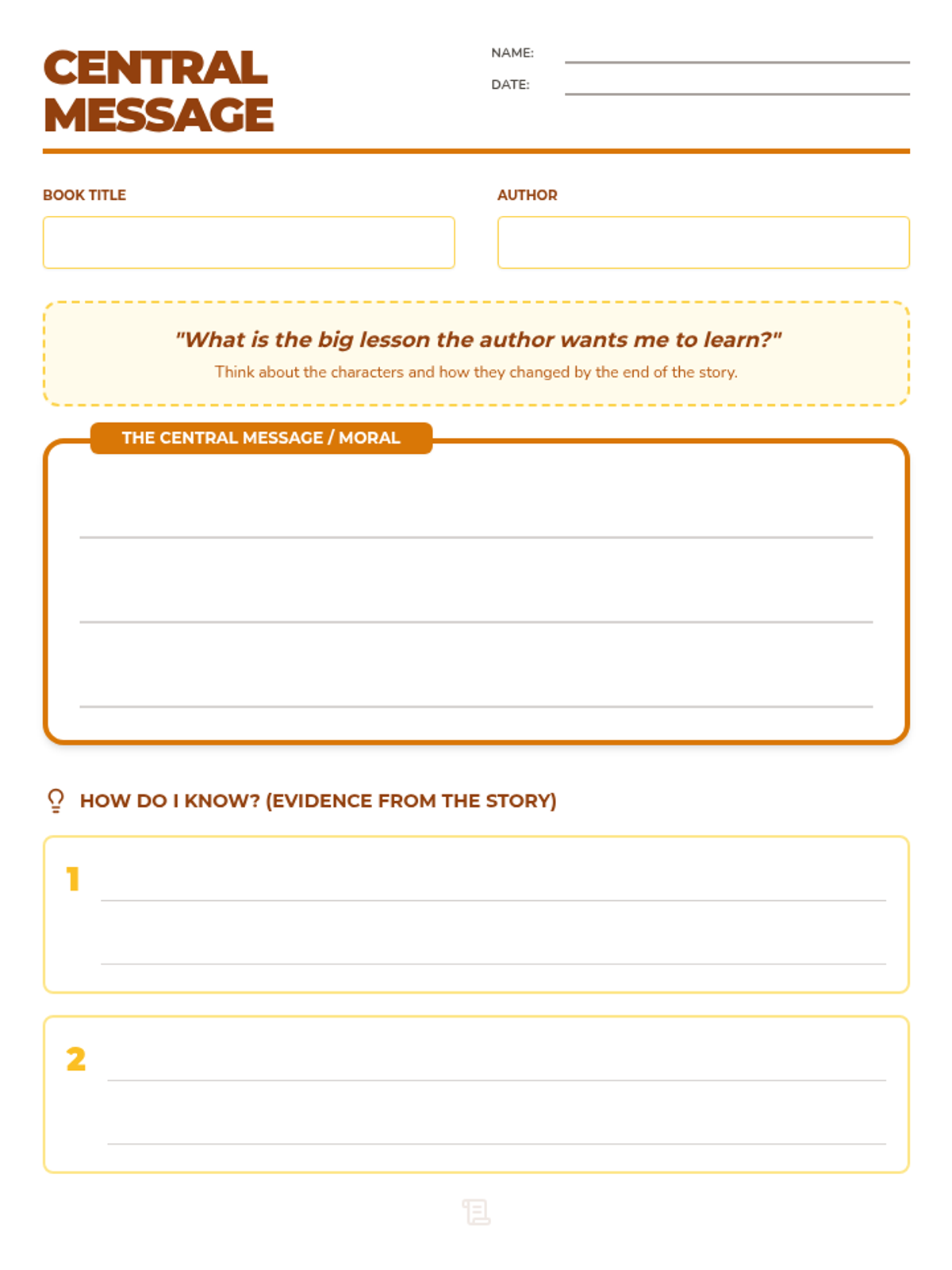
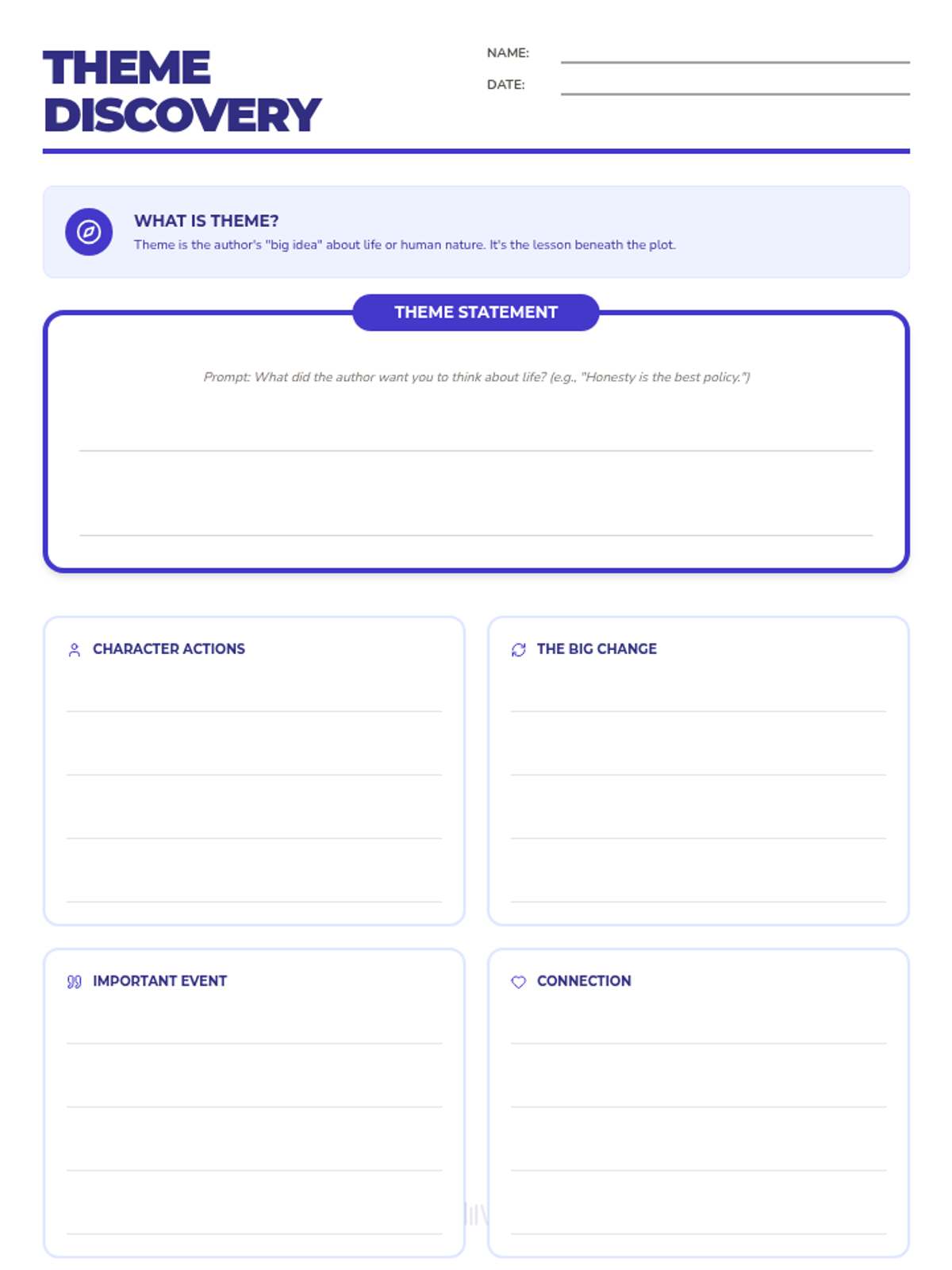
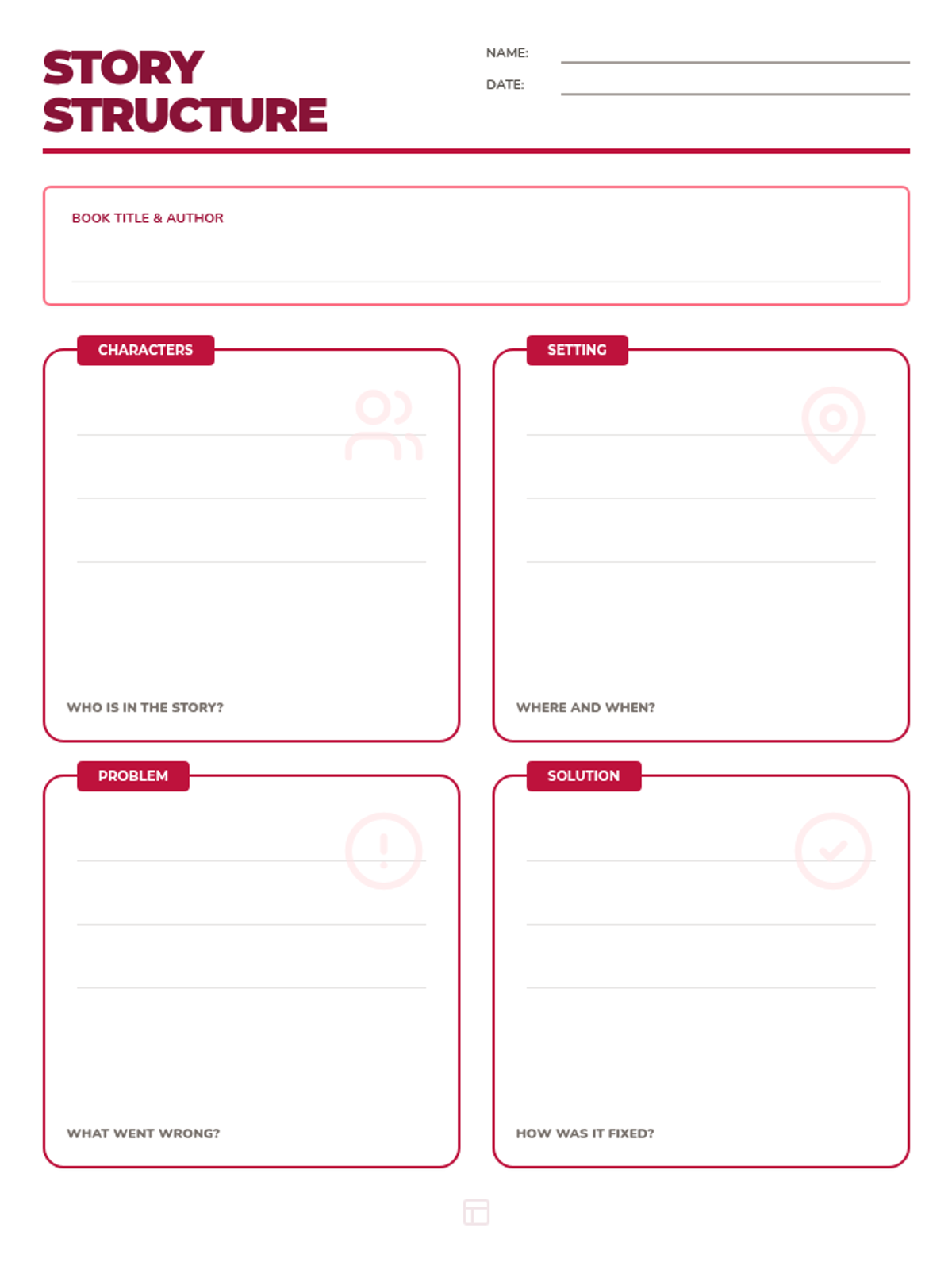
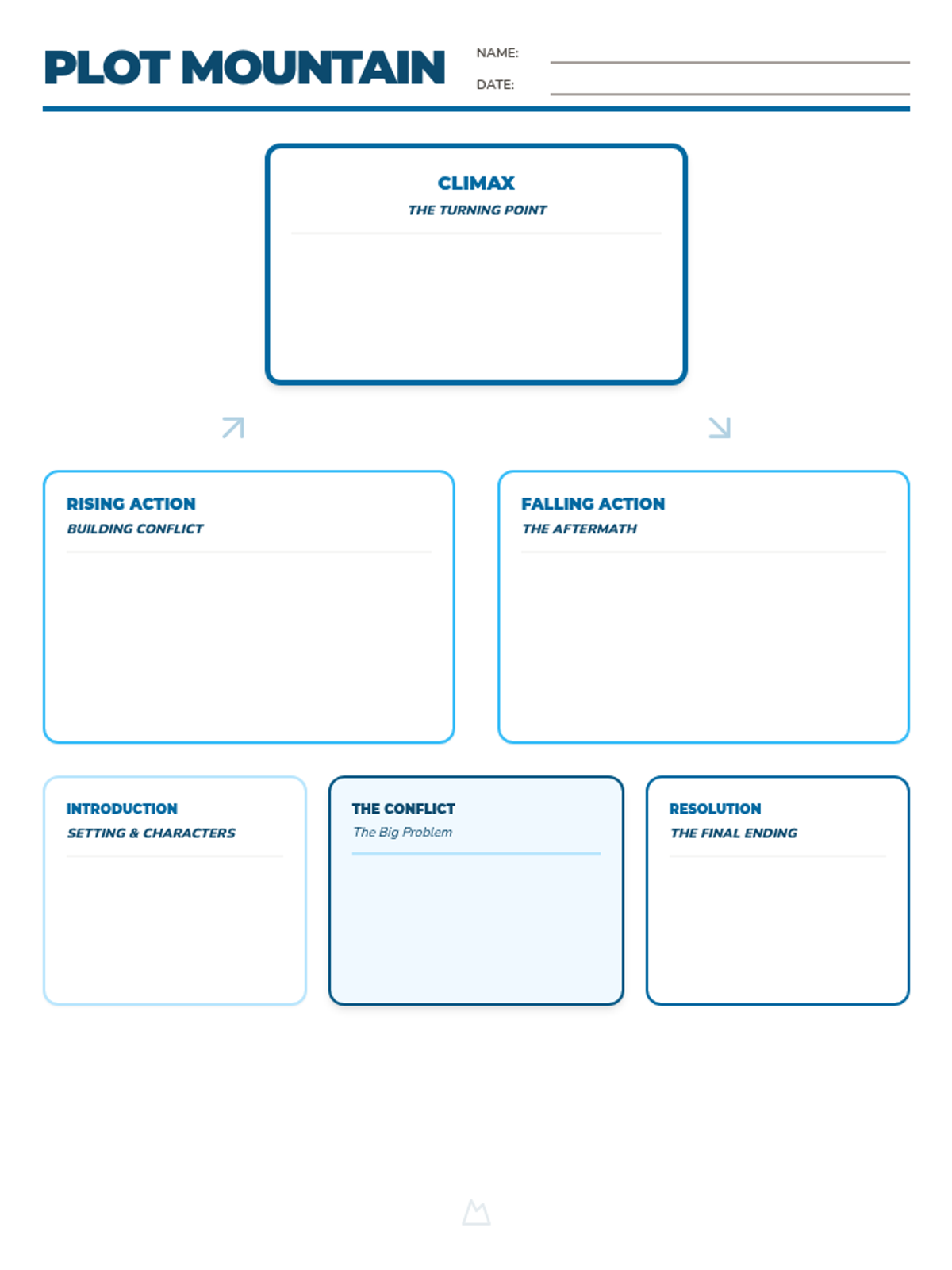
A lesson designed to help students analyze and sequence fairy tales, focusing on identifying the conflict, resolution, and underlying theme through structured graphic organizers.
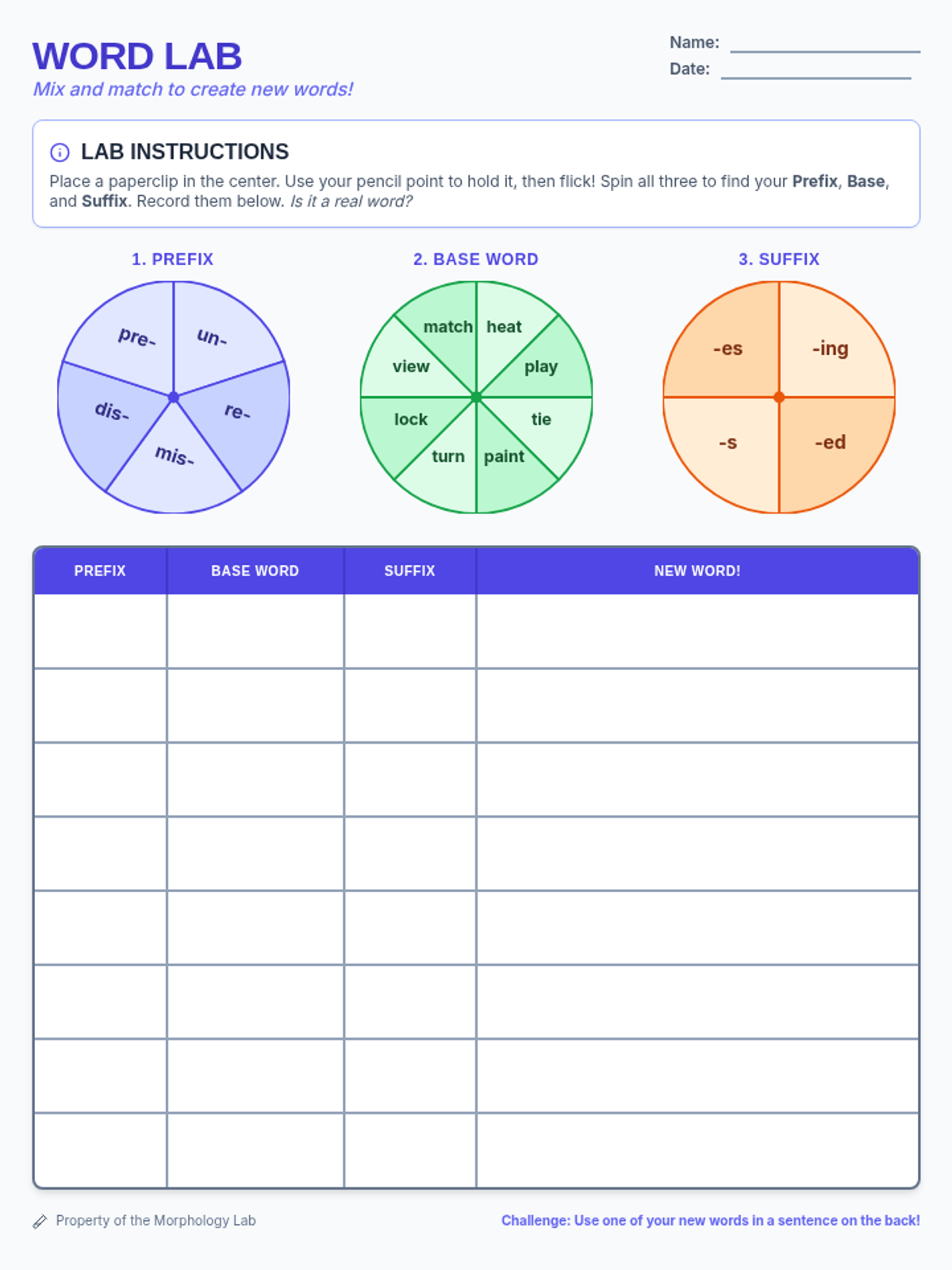
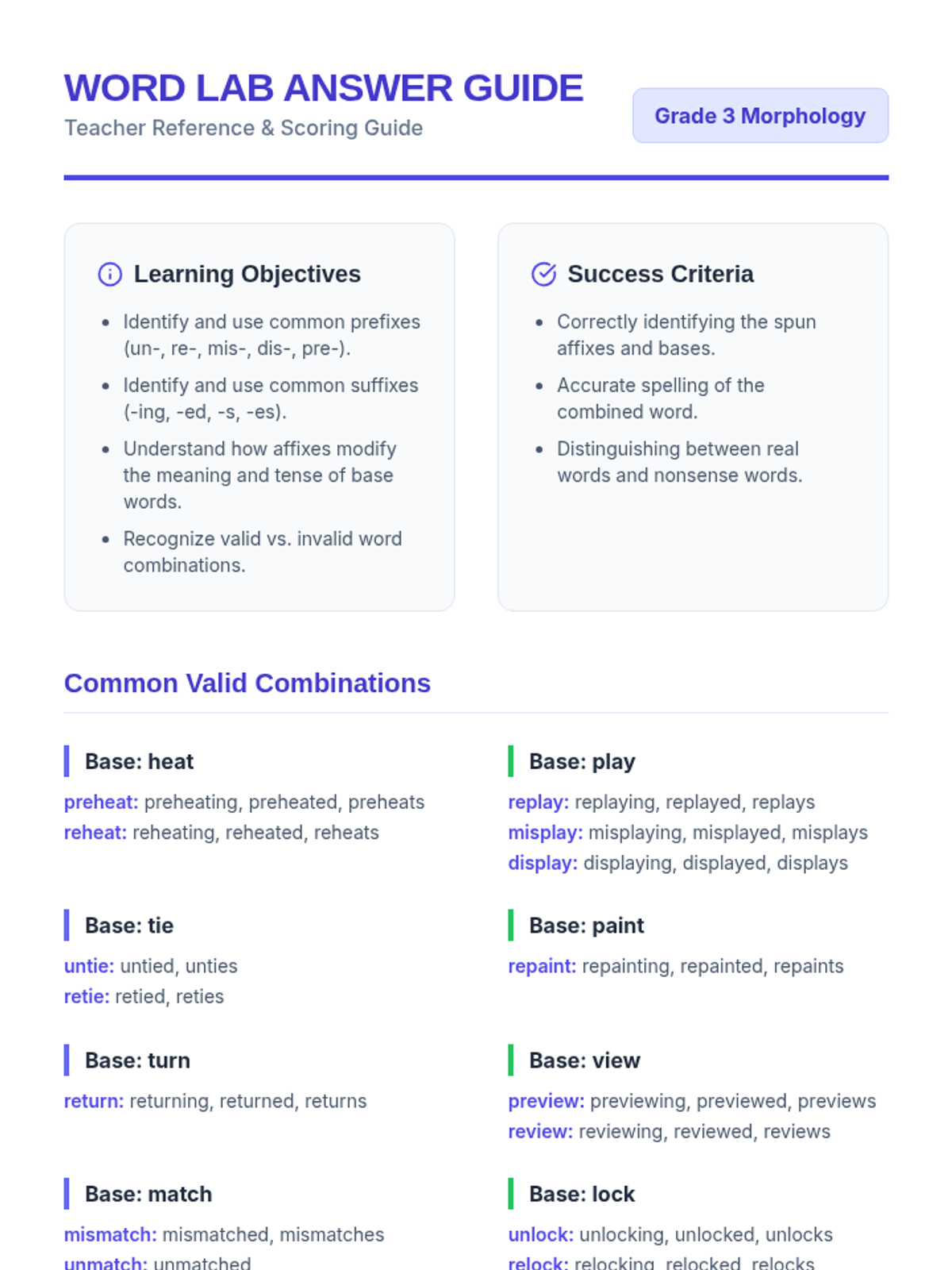
A fun, hands-on lesson for 3rd graders to explore morphology by spinning and combining prefixes, bases, and suffixes. Students learn how affixes change the meaning and tense of base words.
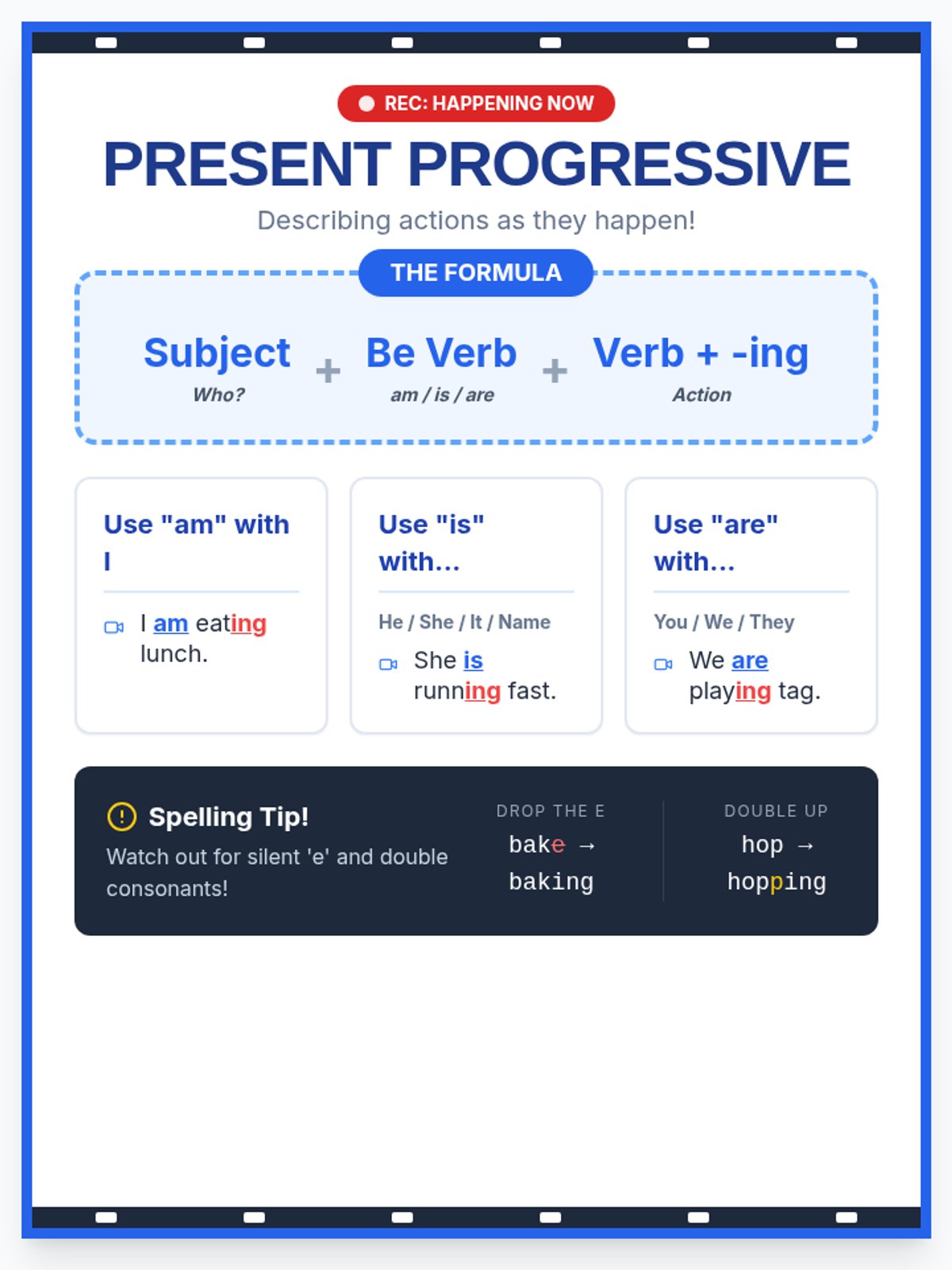
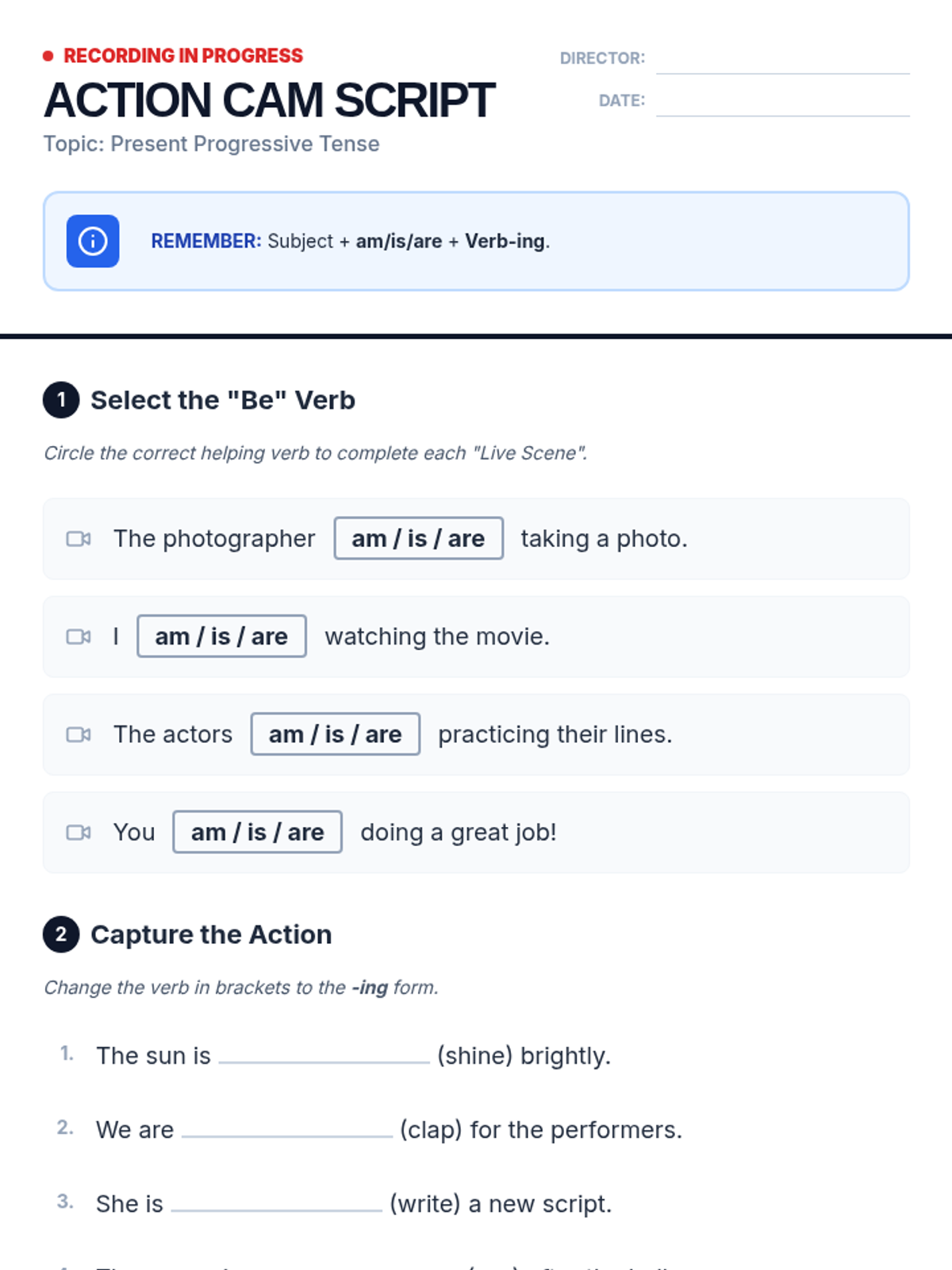
A lesson focused on using the present progressive tense to describe actions happening in the moment, themed around capturing live action with a camera.
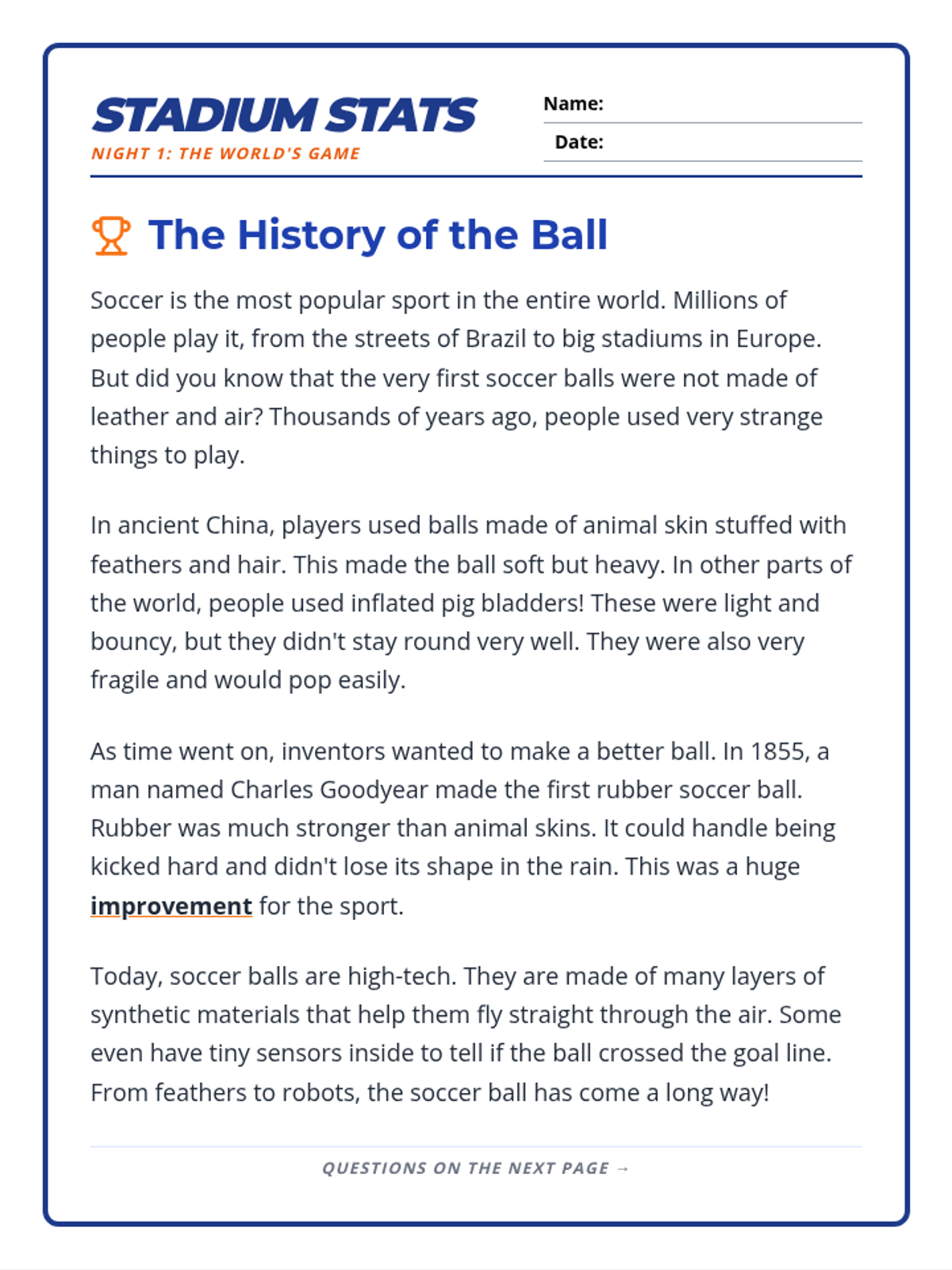
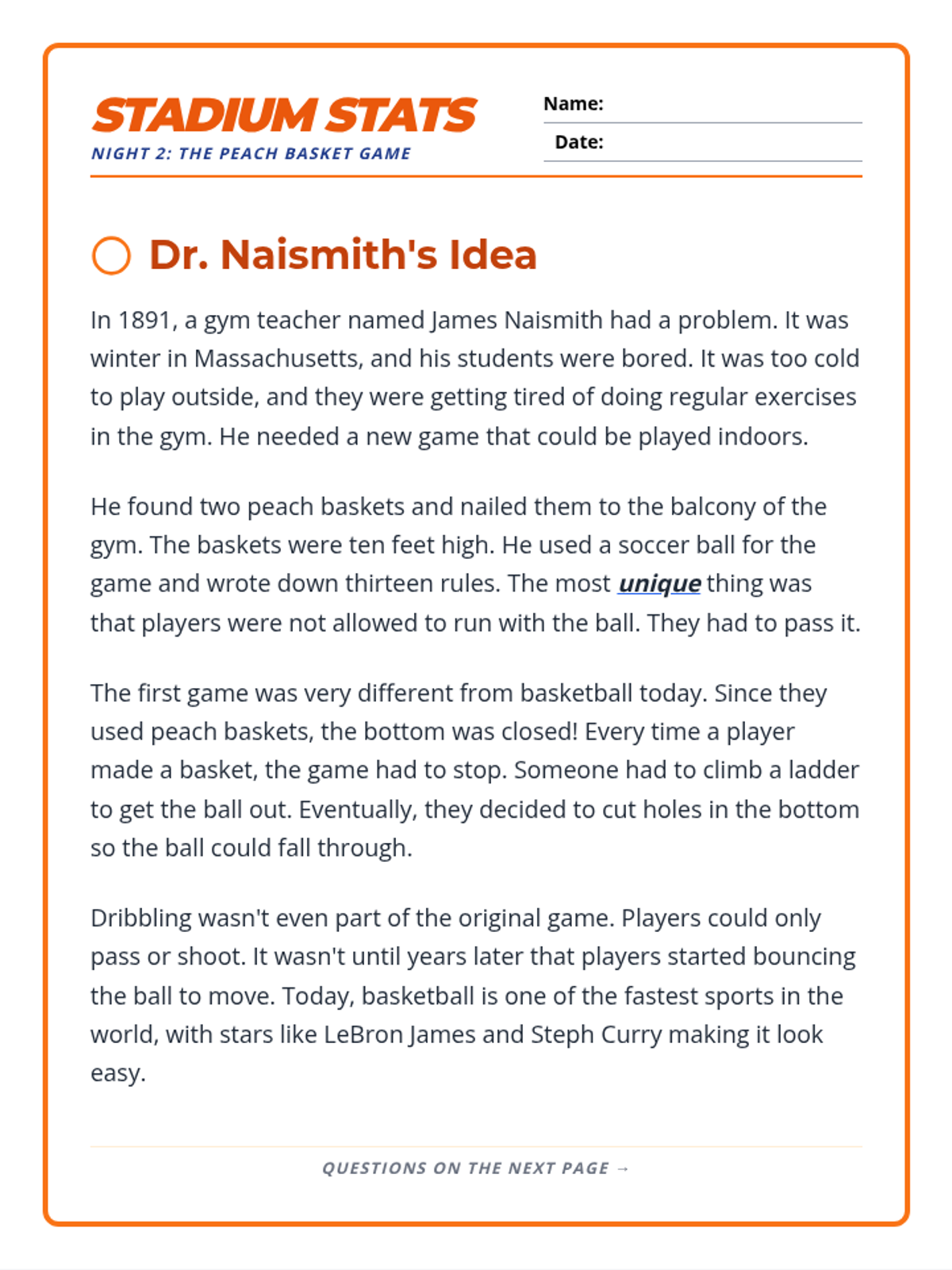
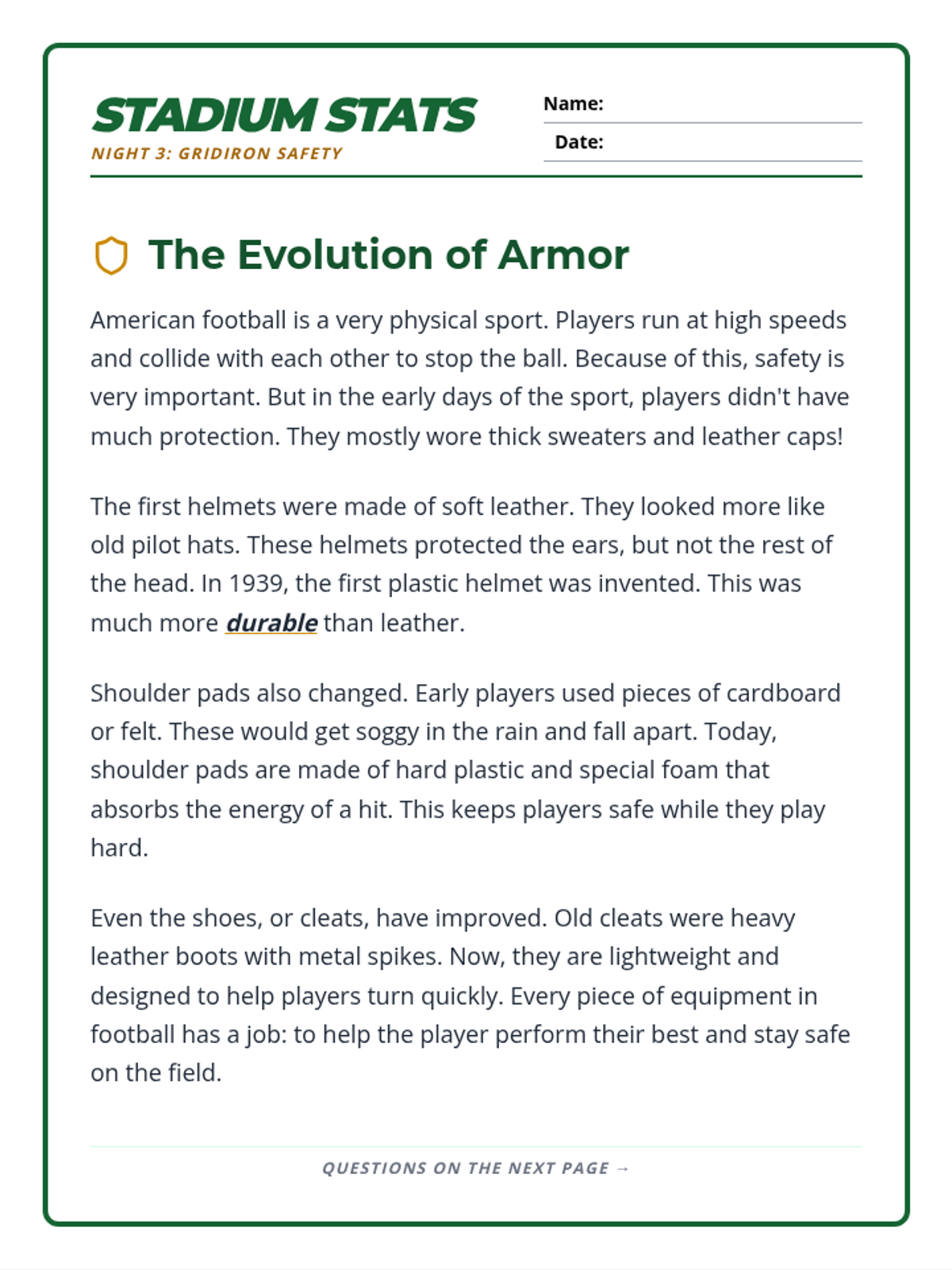
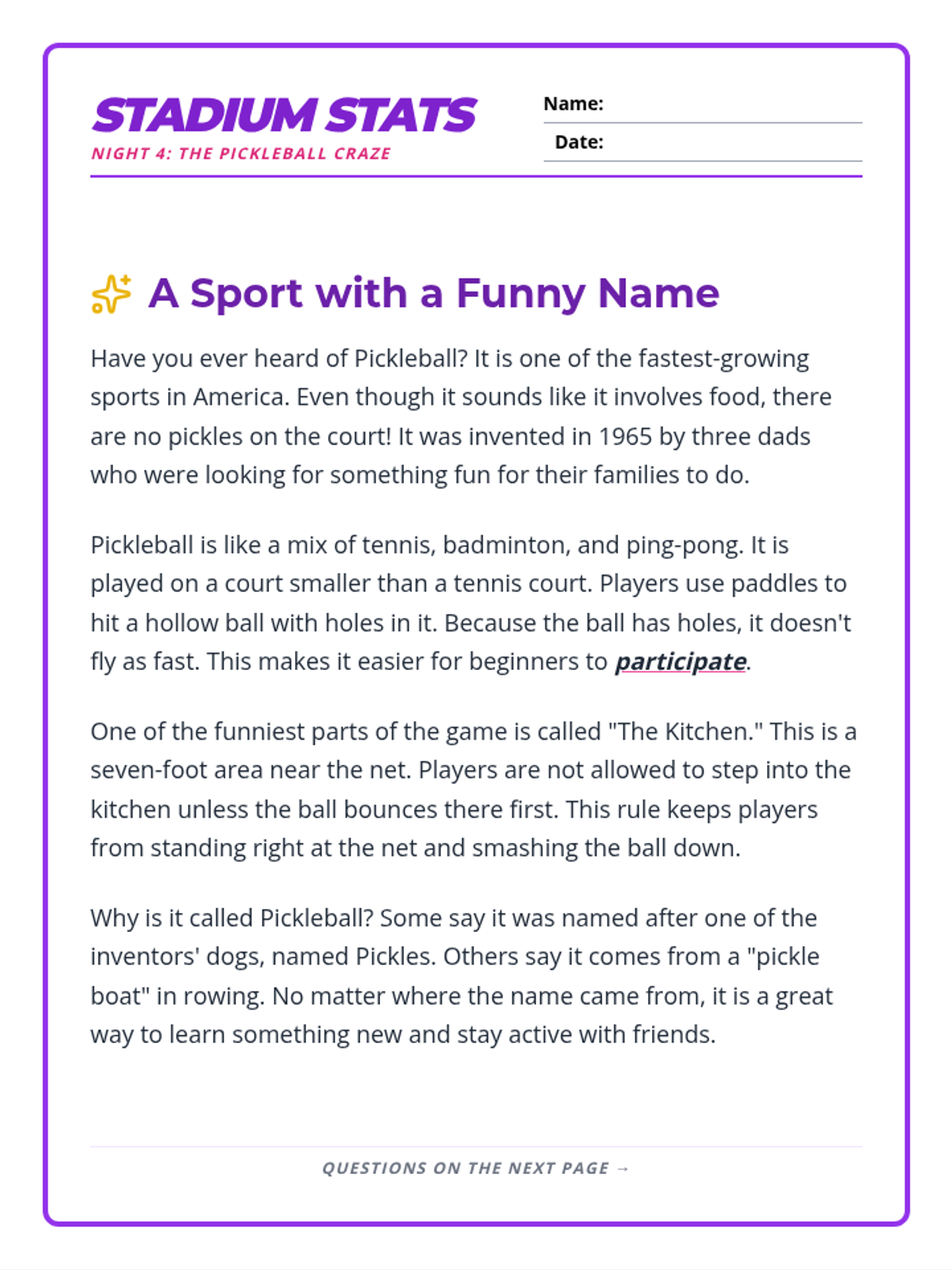
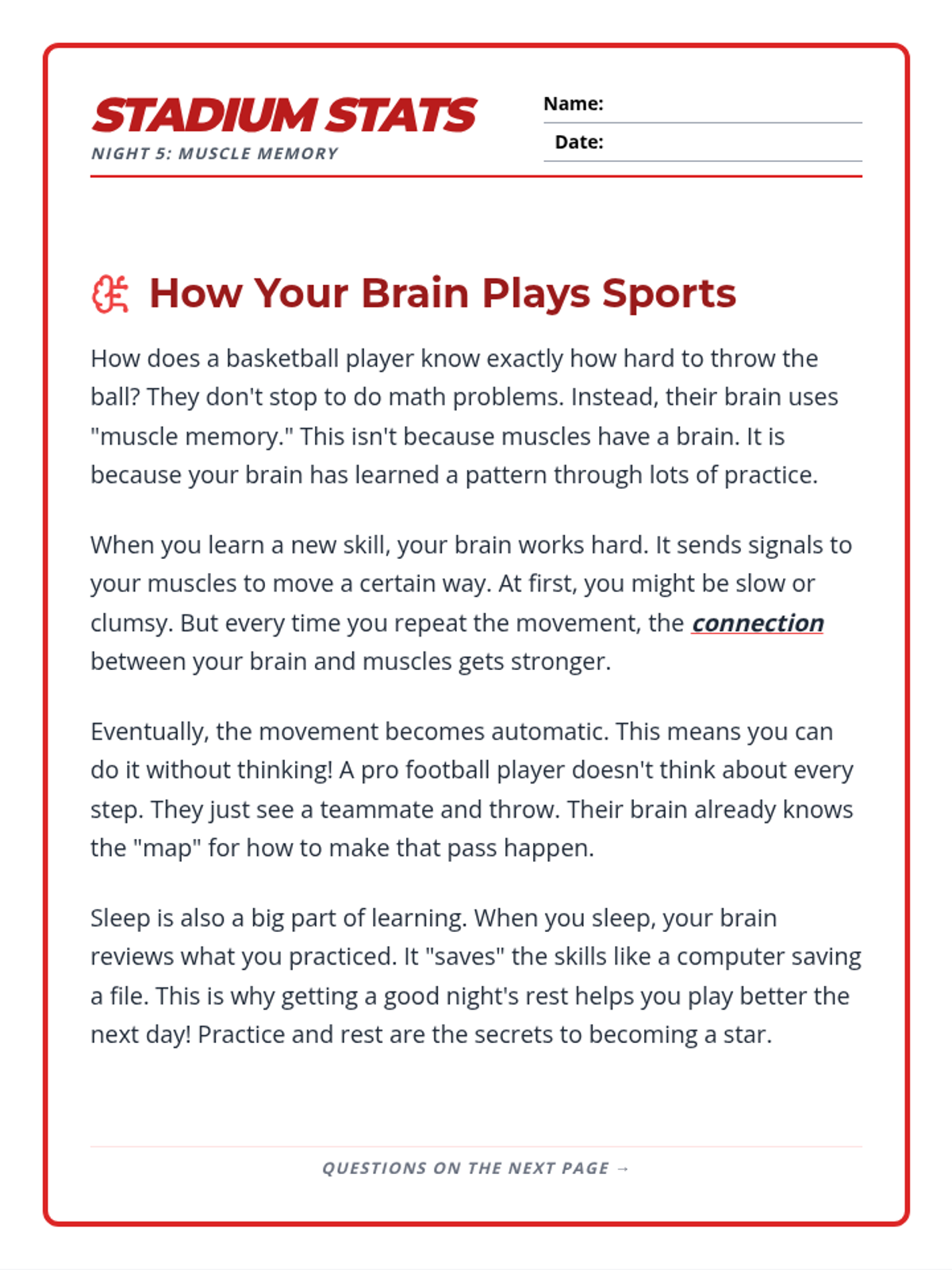
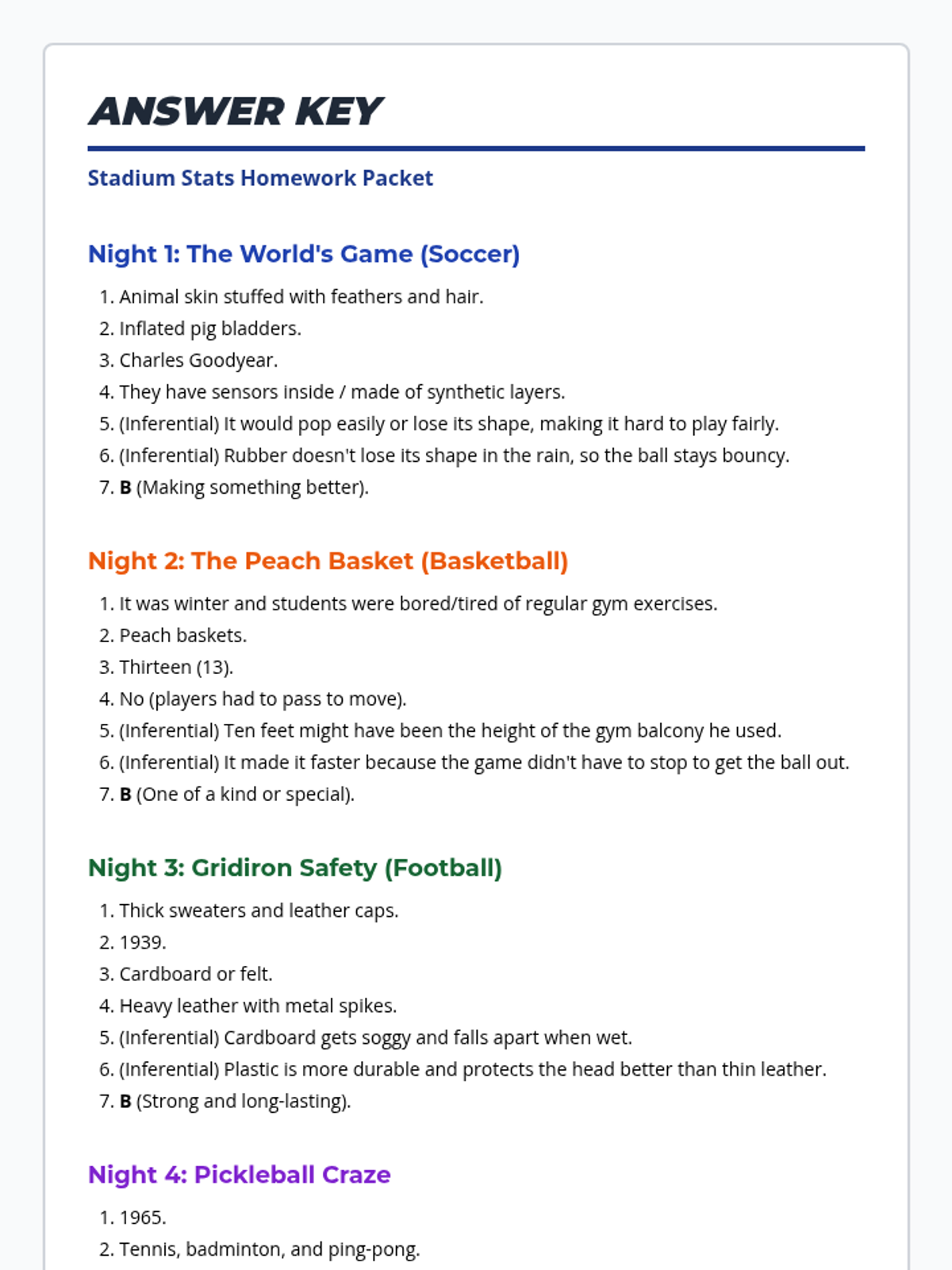
A 5-day independent reading homework packet designed for 4th-grade reluctant readers, focusing on high-interest sports and vocabulary building. Each night features a 4-paragraph passage with literal, inferential, and vocabulary comprehension questions.
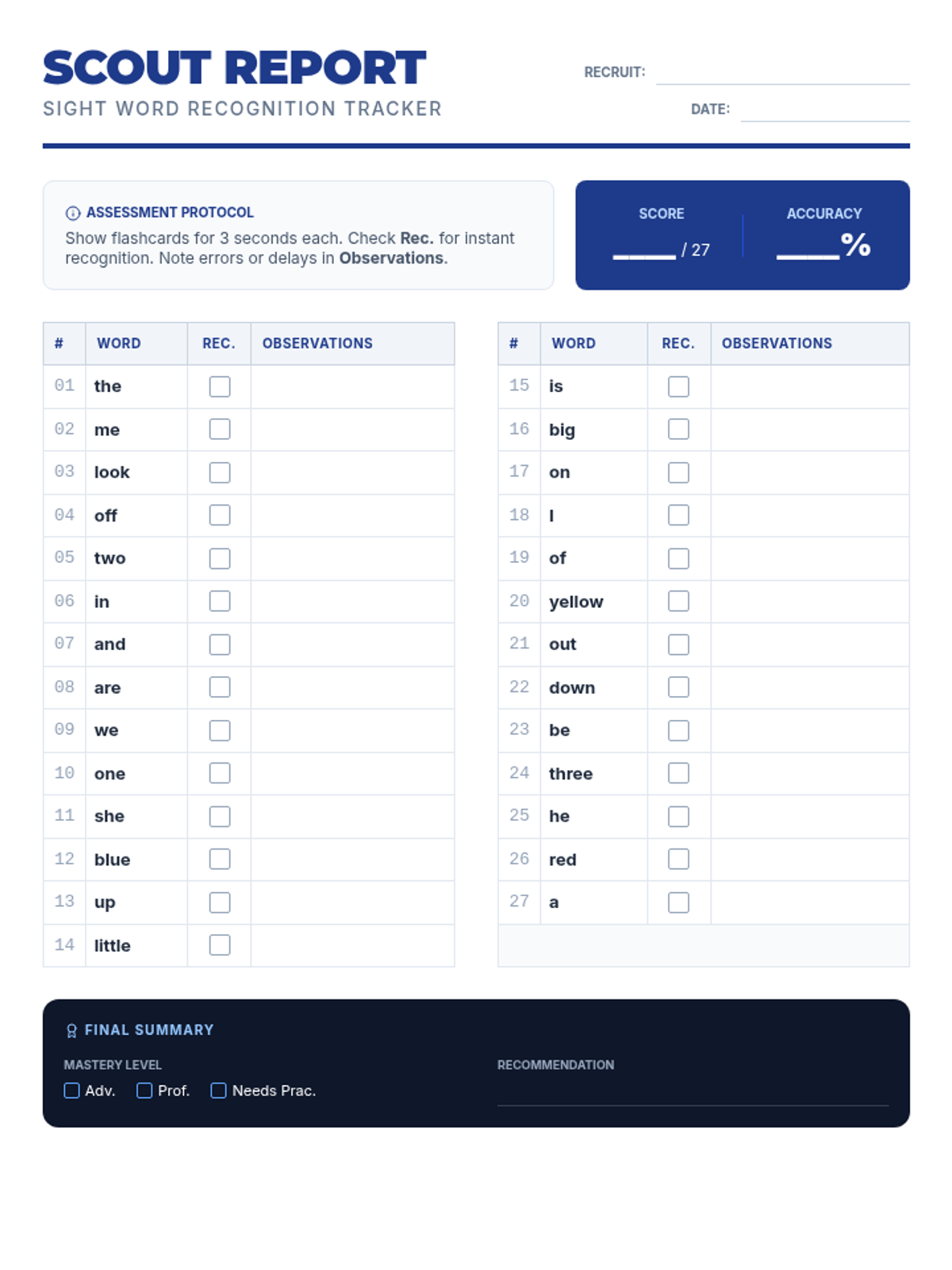
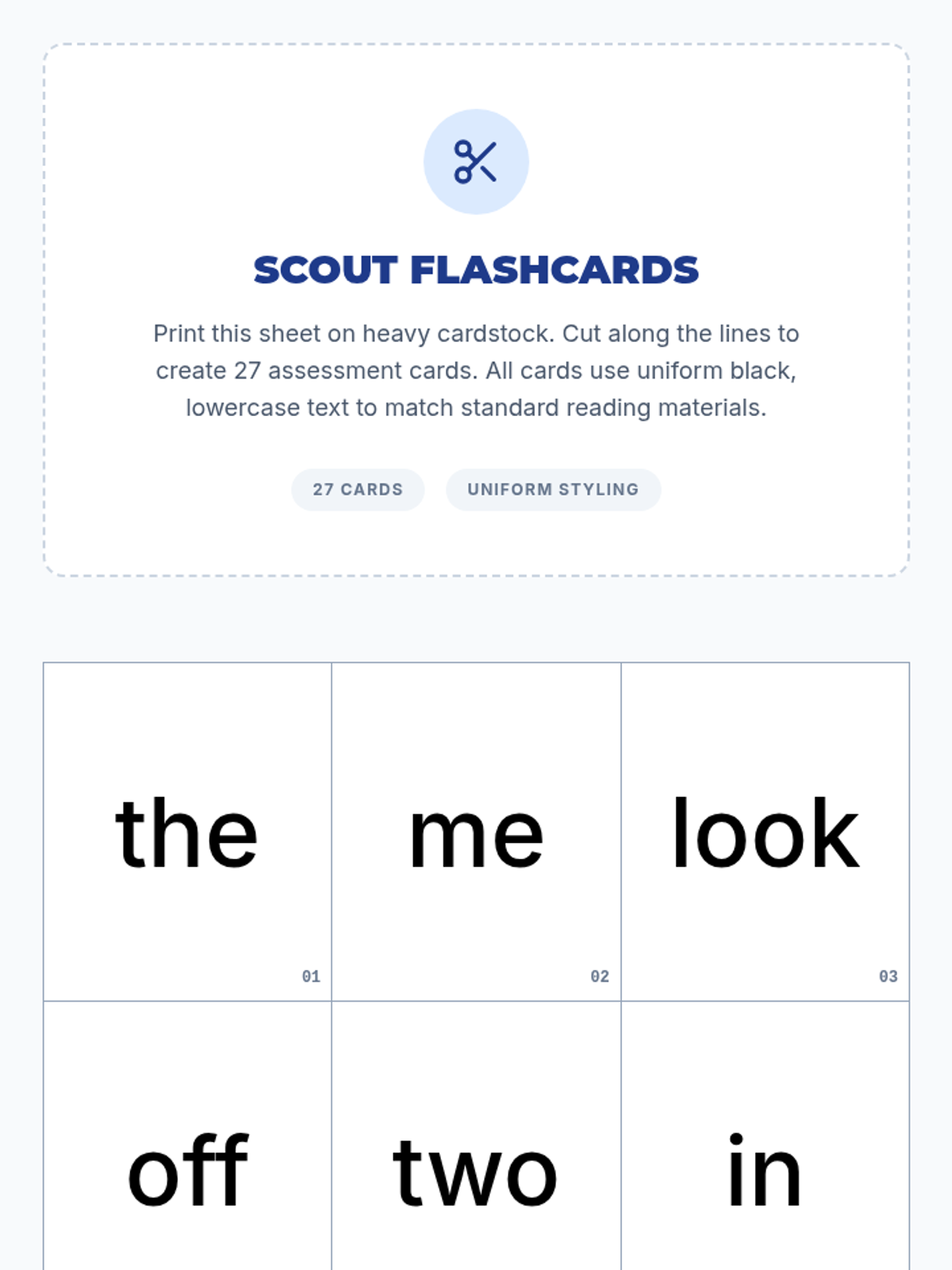
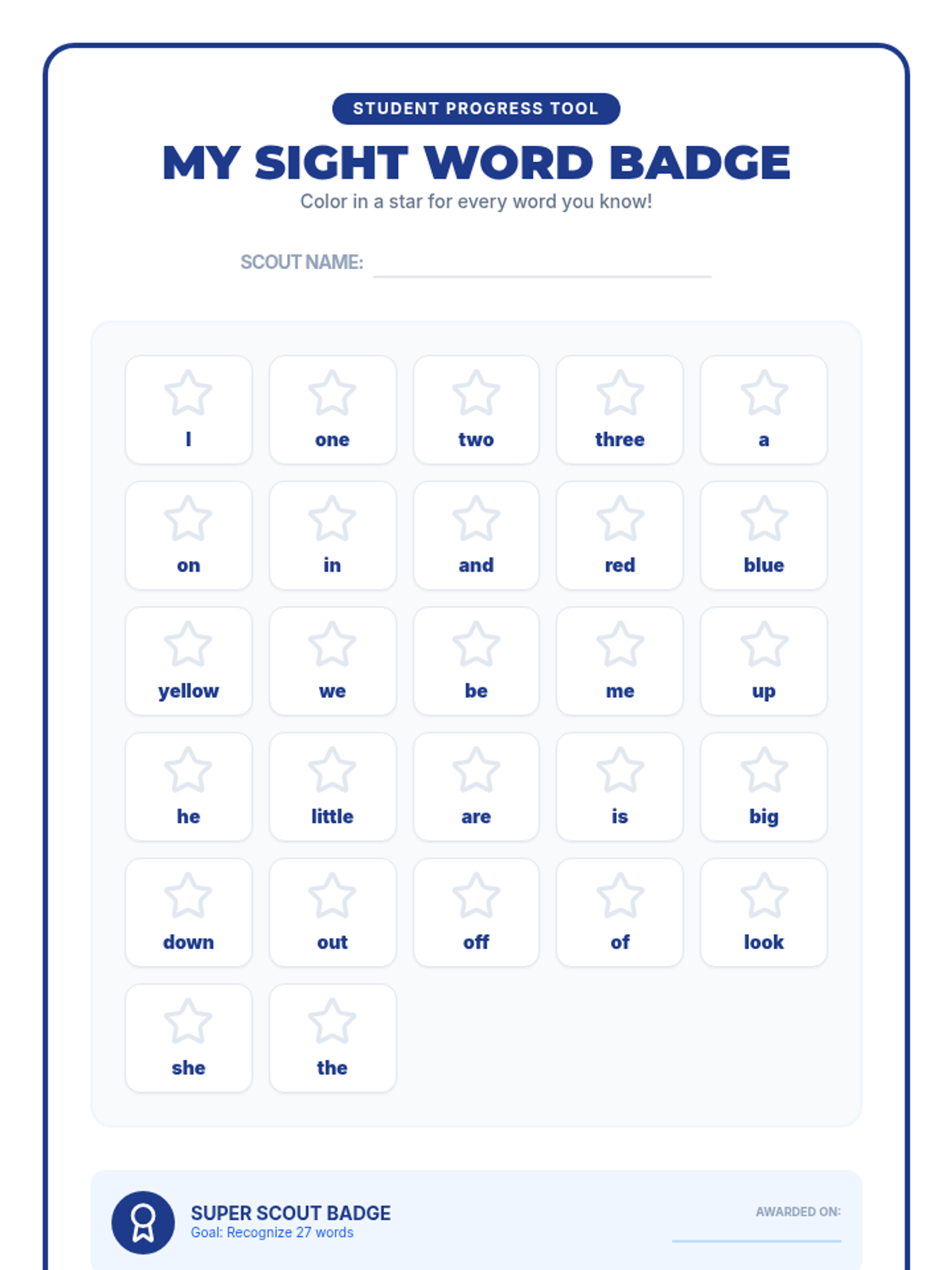
A comprehensive assessment tool for tracking student mastery of 27 essential sight words through recognition tasks.
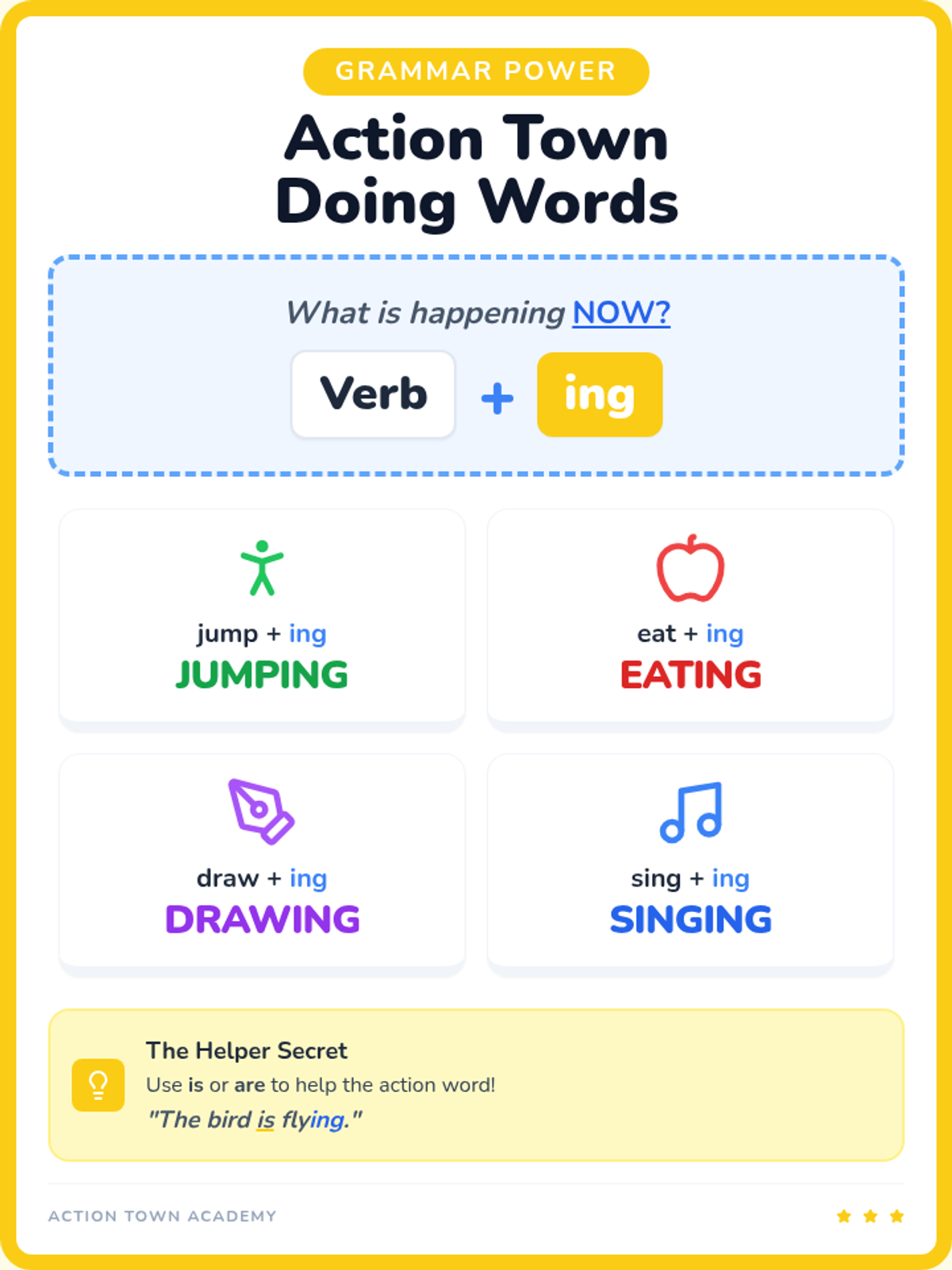
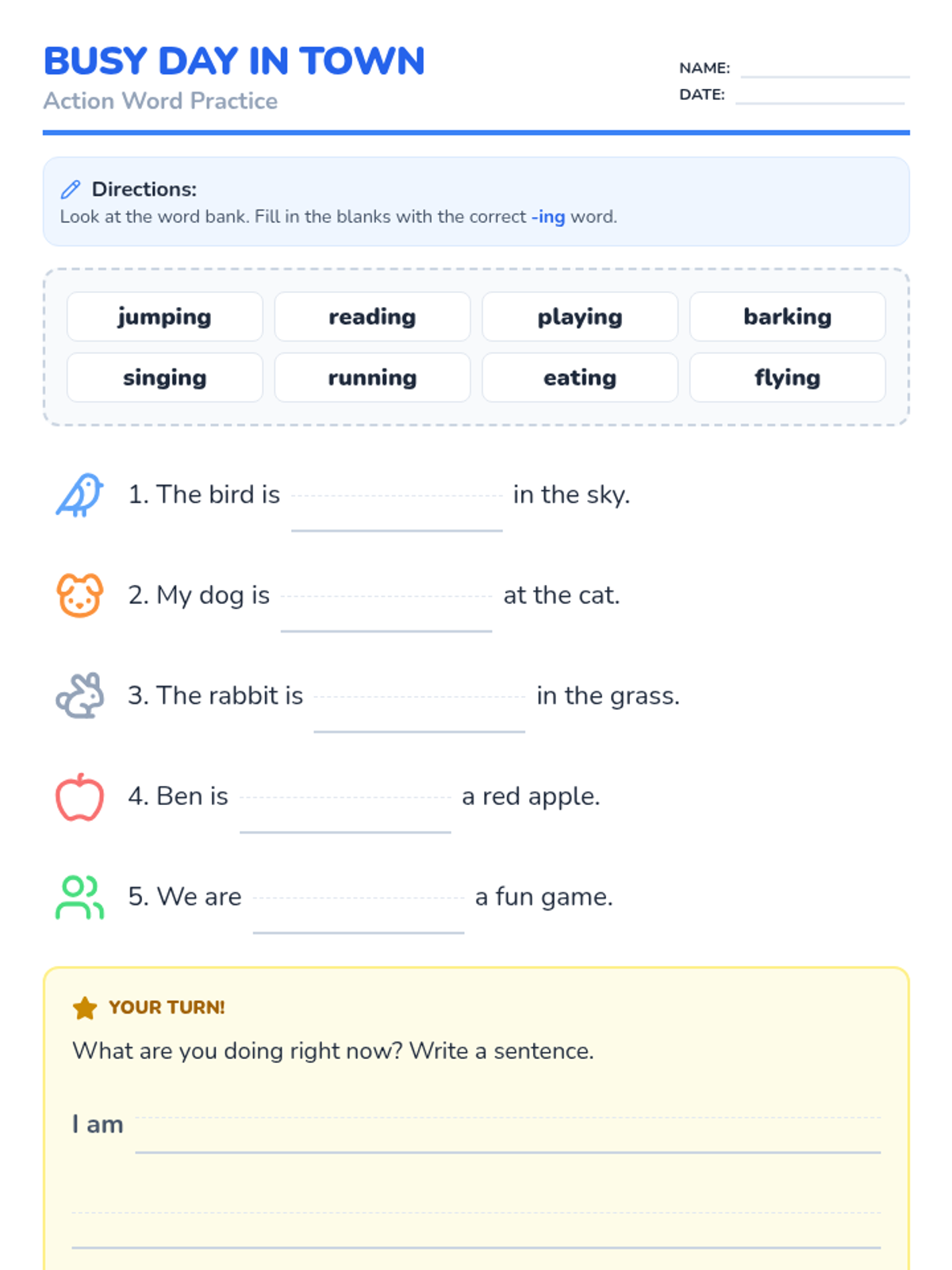
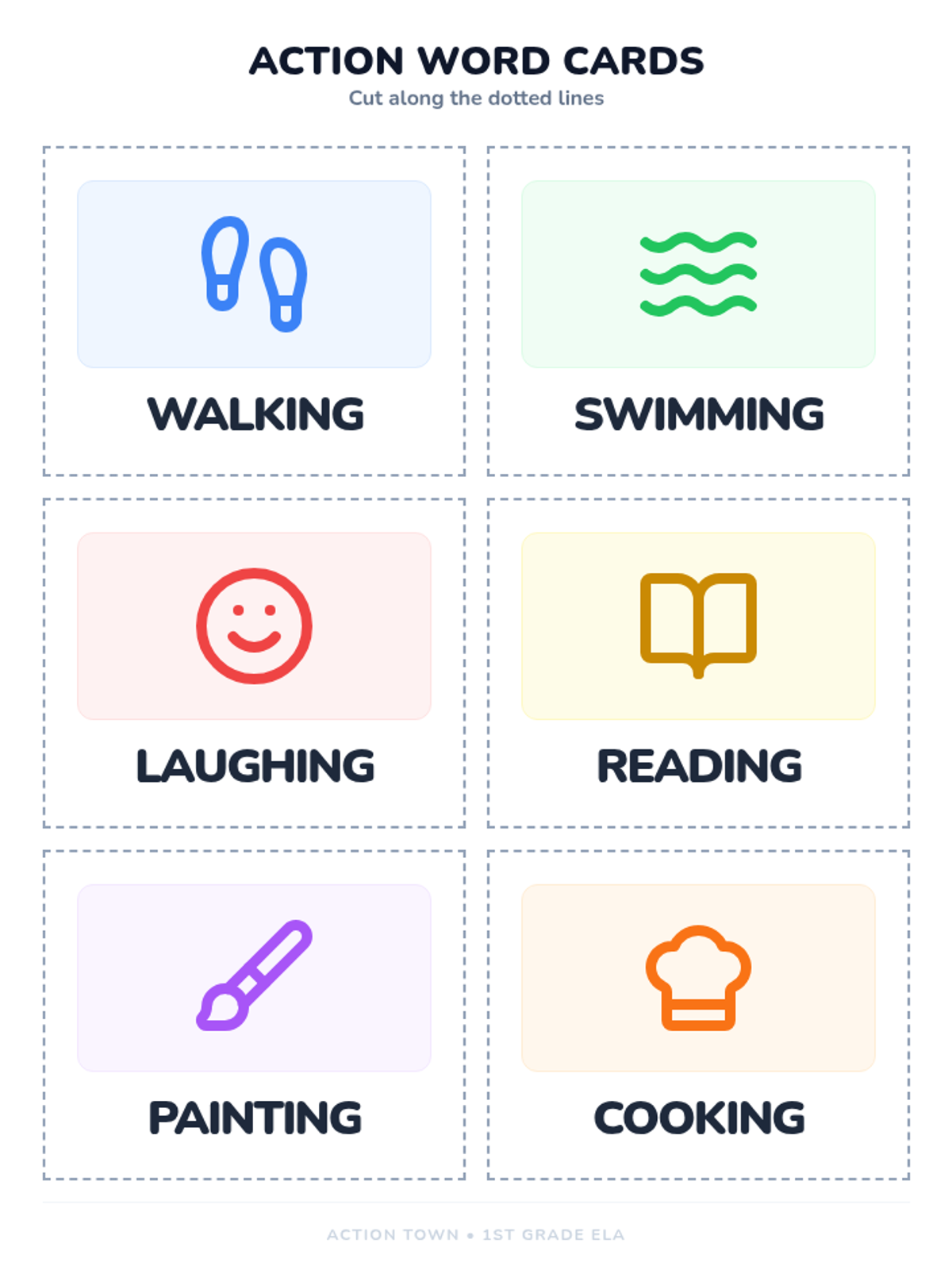
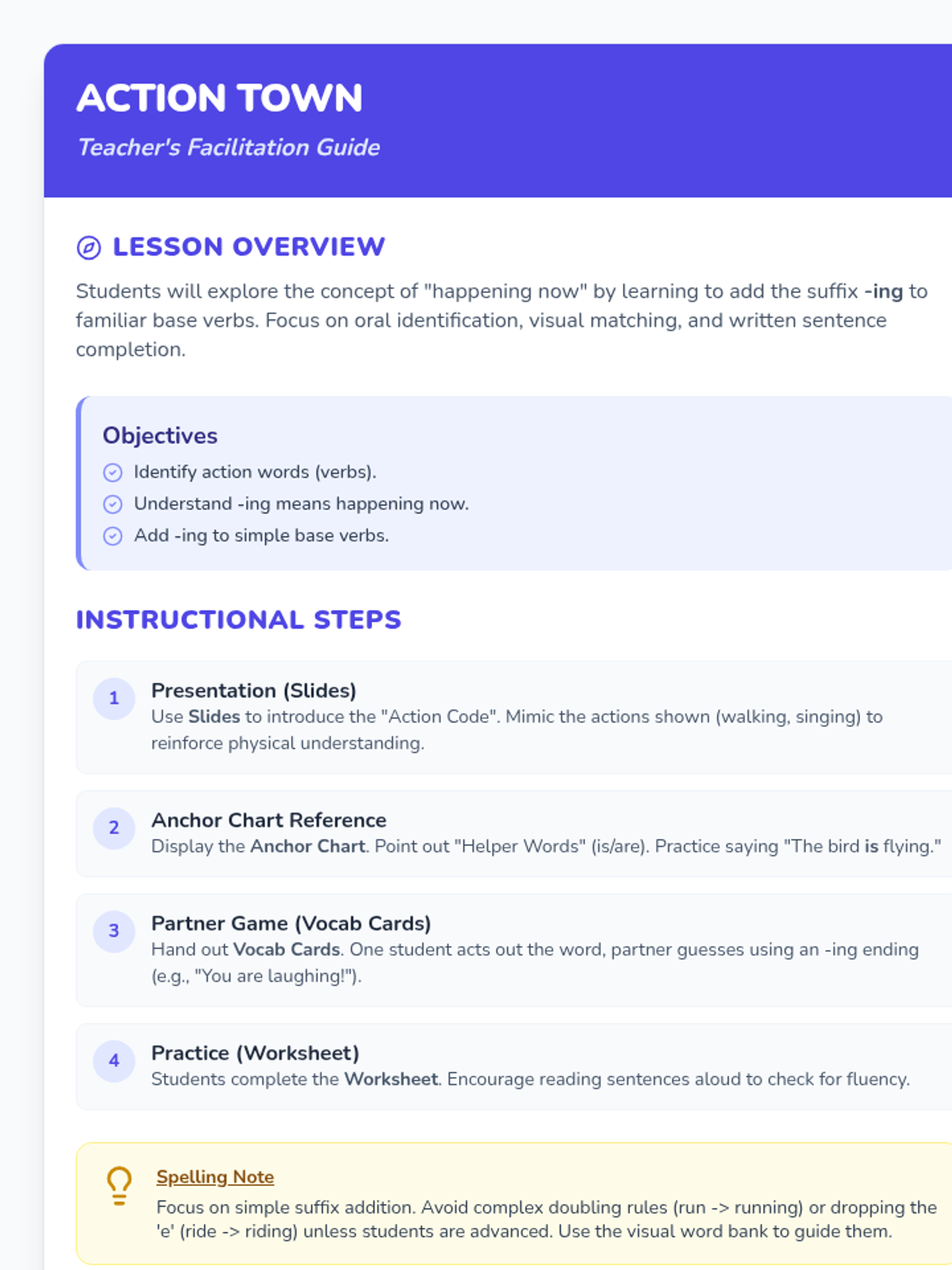
A lively introduction to using '-ing' endings to describe actions happening now, featuring engaging visuals and hands-on practice for 1st graders.
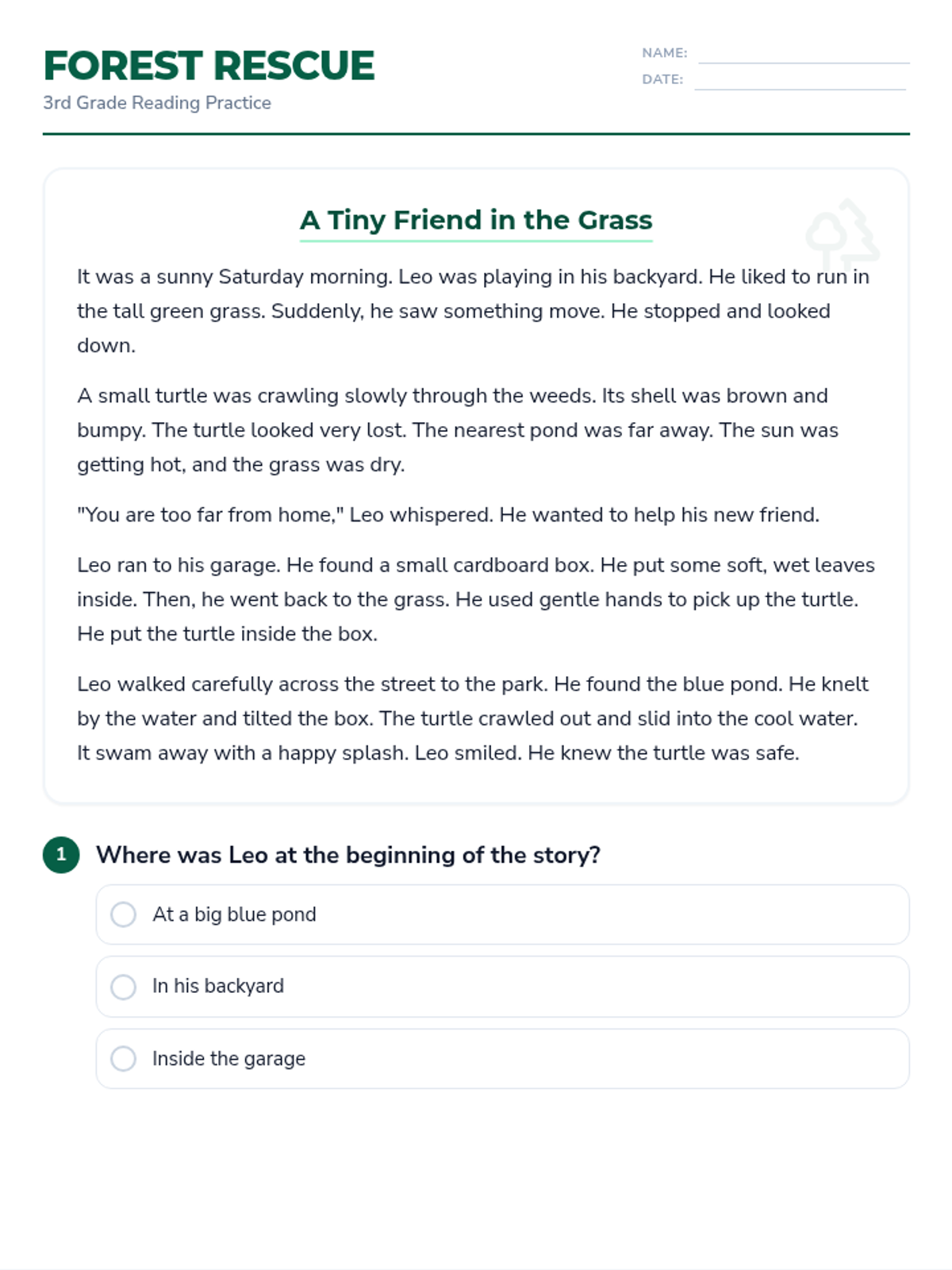
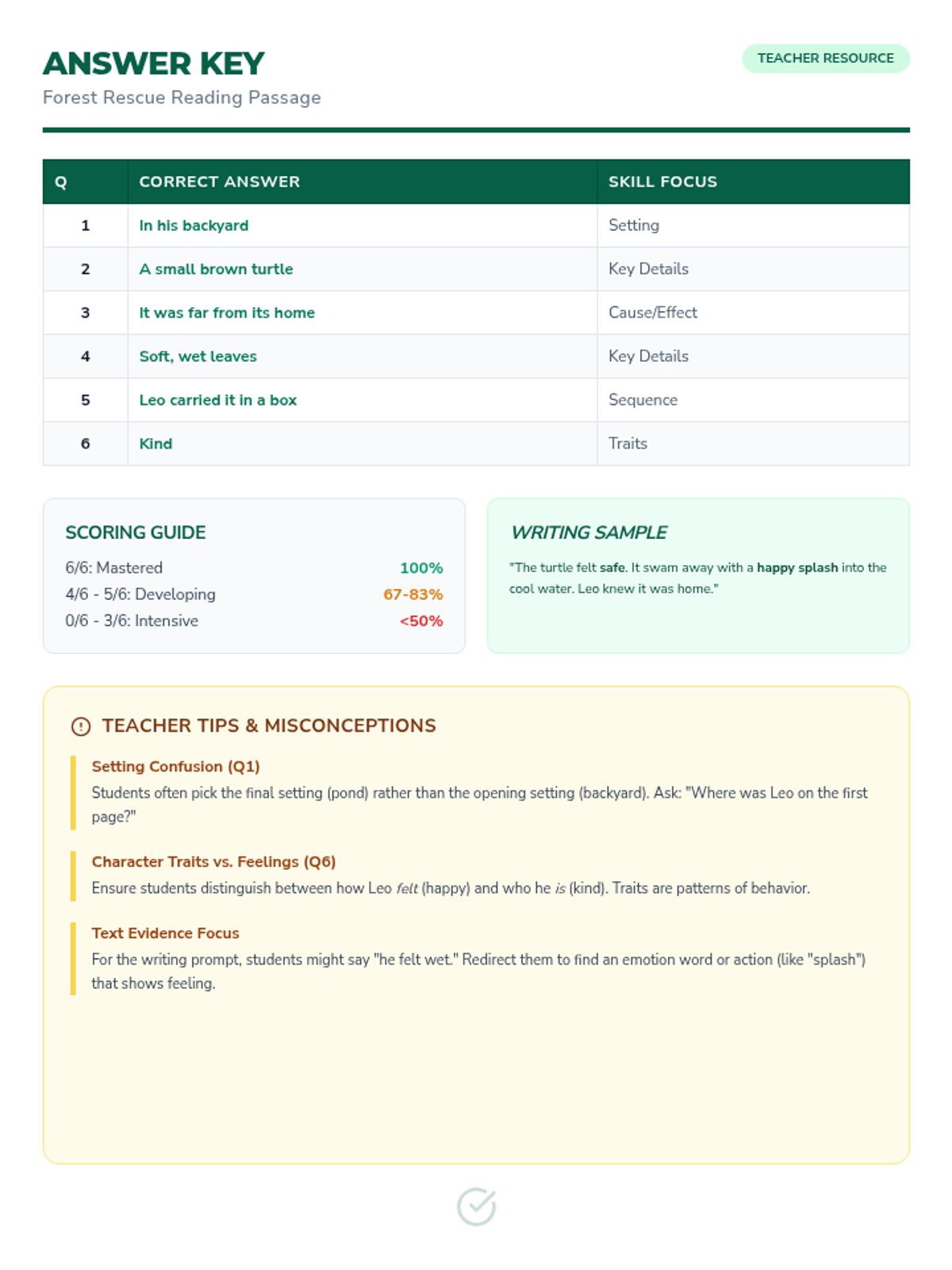
A reading comprehension lesson focused on a fictional narrative about a boy helping a turtle. Designed for 3rd-grade EOG preparation with simplified vocabulary and 3-option multiple choice questions.
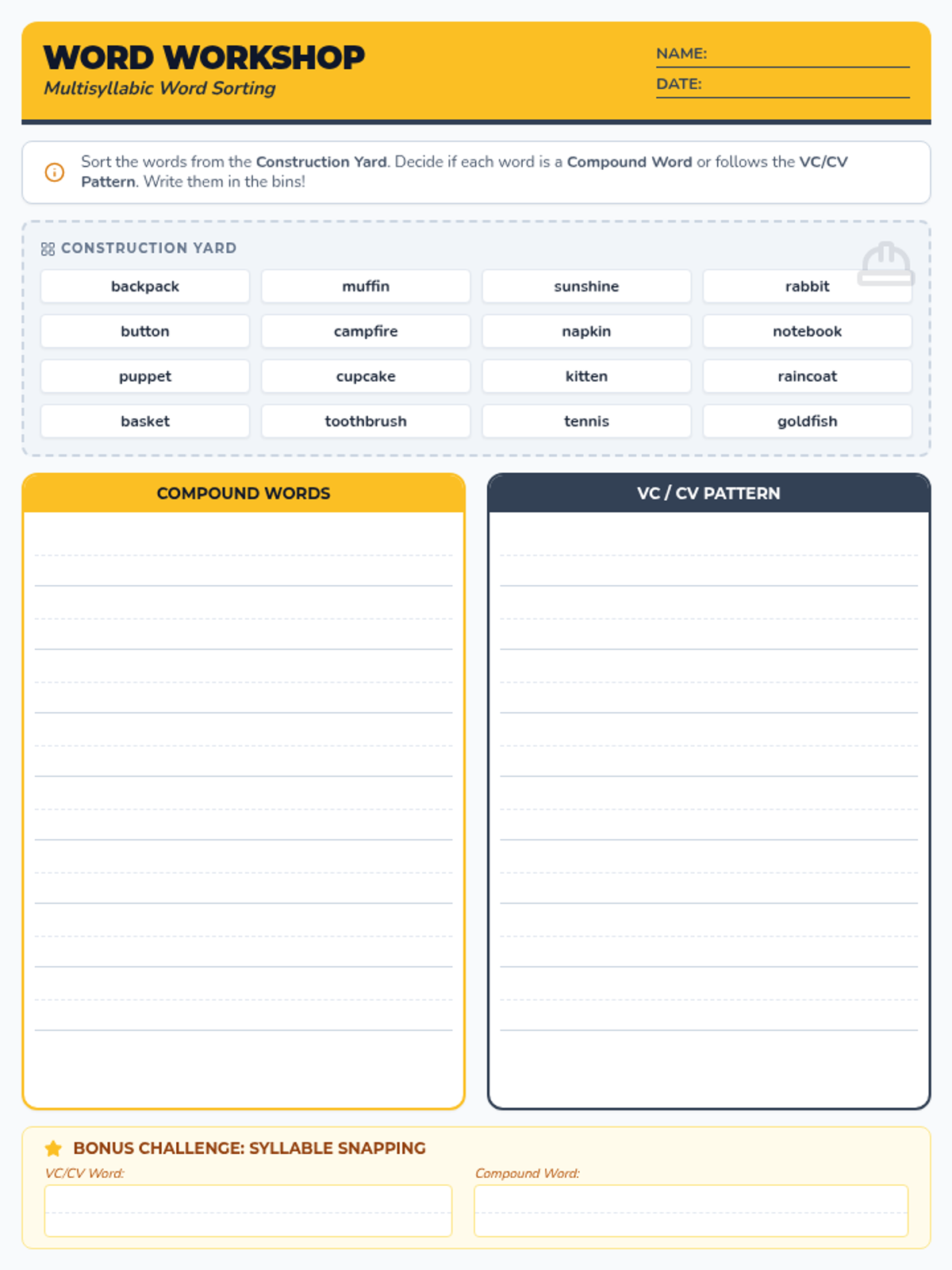
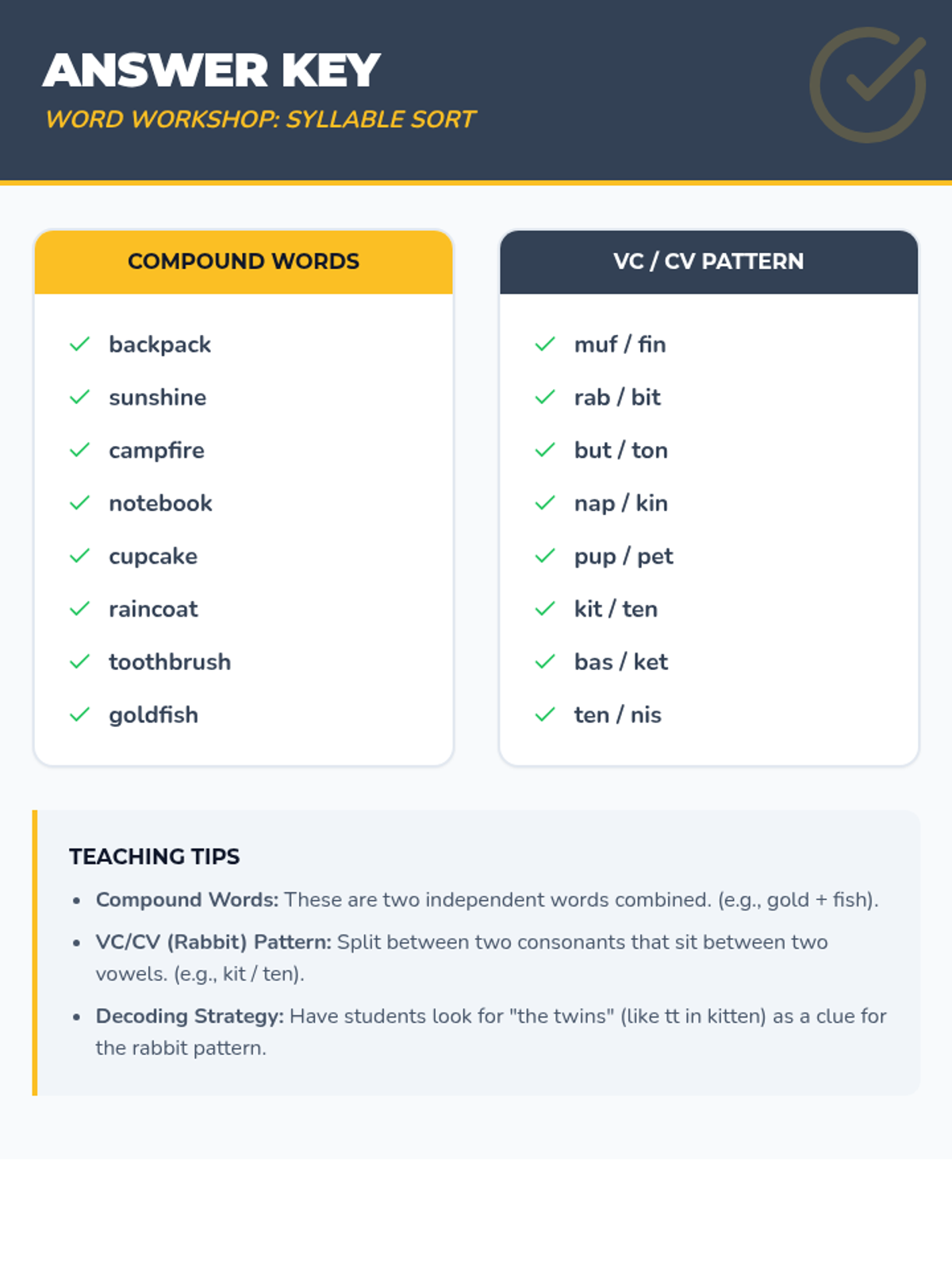
A hands-on lesson focusing on identifying and categorizing multisyllabic words using Compound and VC/CV (Rabbit) patterns. Students will practice decoding and sorting words to build phonemic awareness.
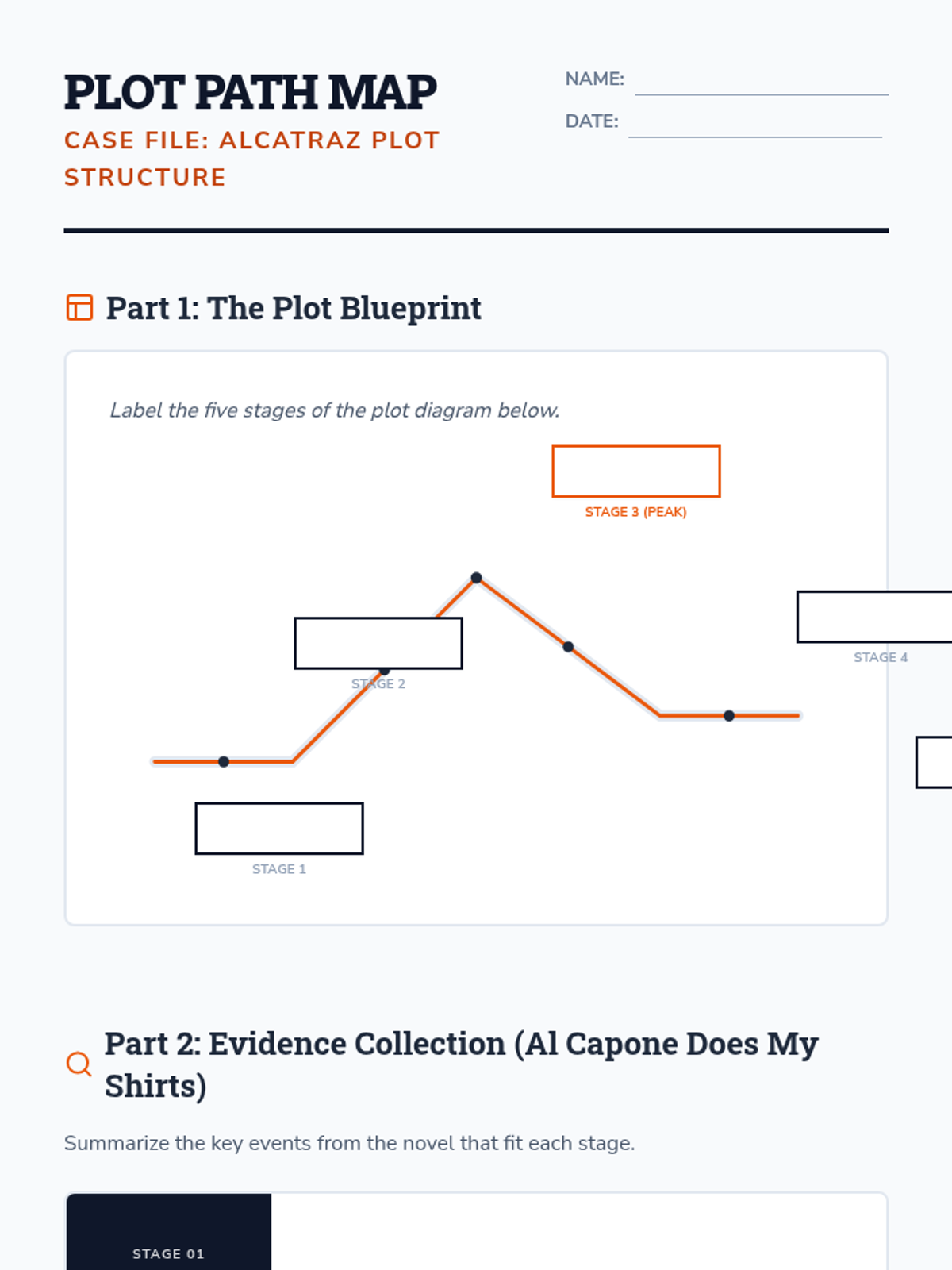
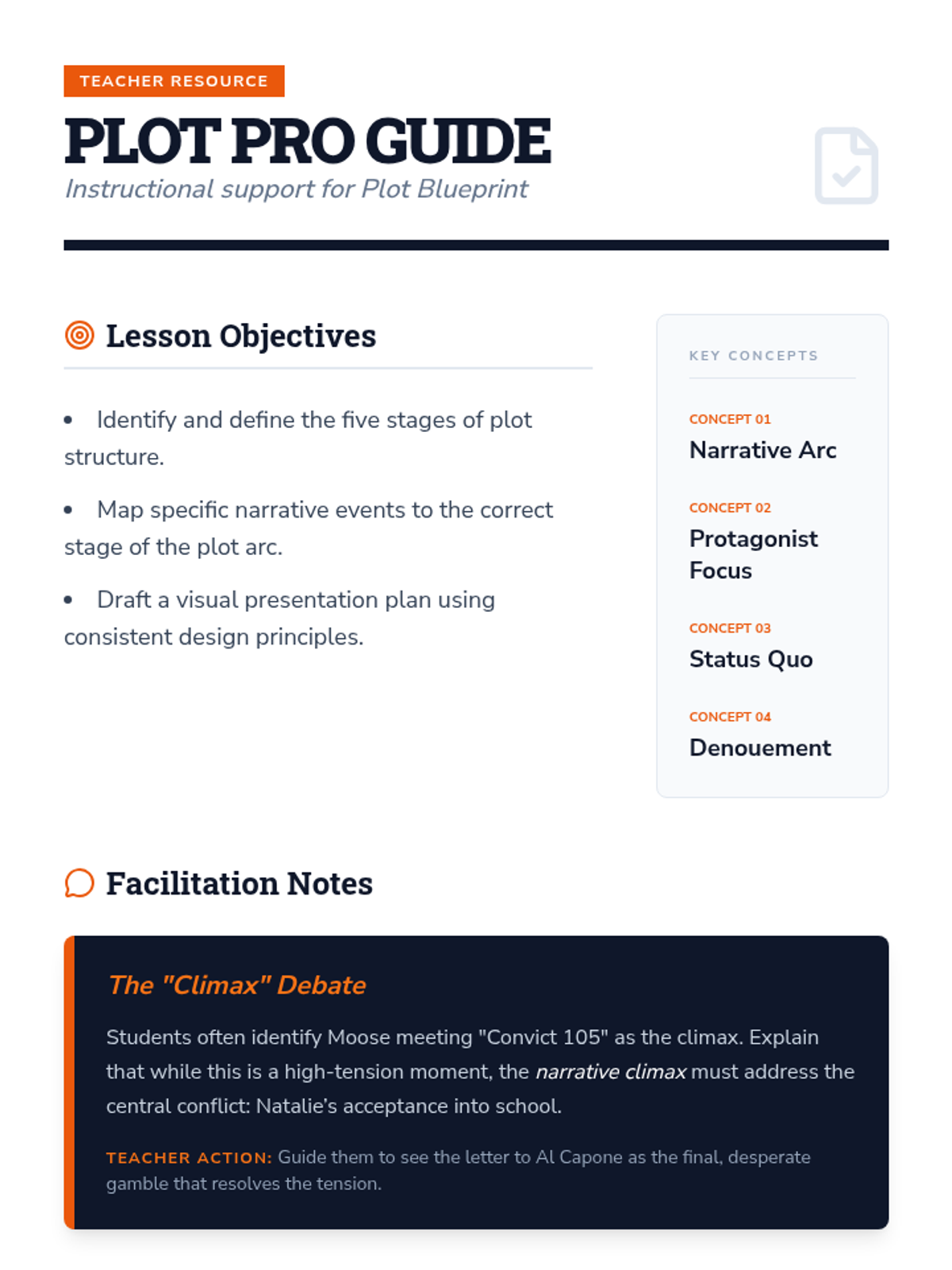
A lesson focusing on identifying and analyzing the five stages of plot structure using the novel Al Capone Does My Shirts as a primary example. Students explore the arc of Moose Flanagan's journey on Alcatraz.
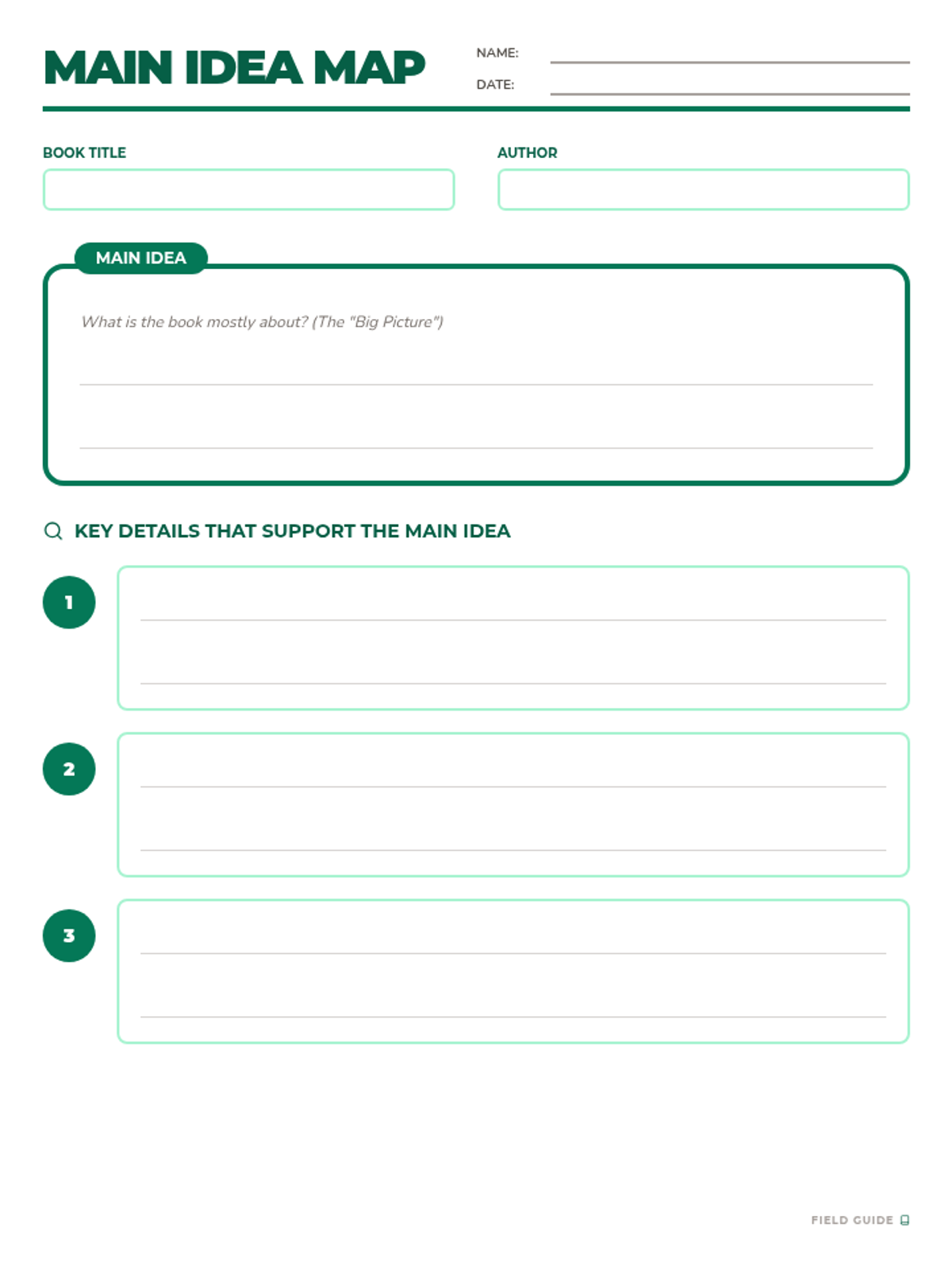
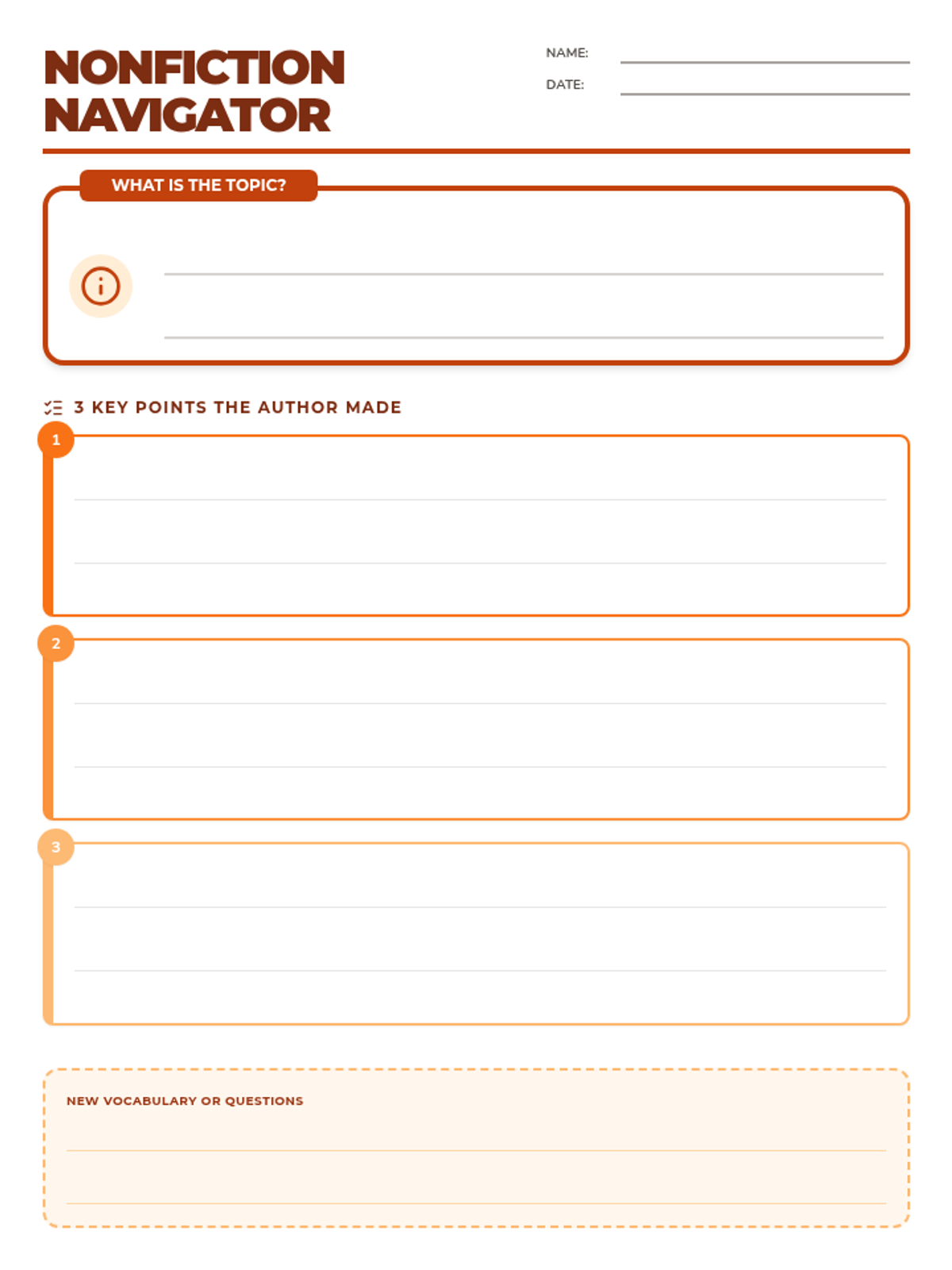
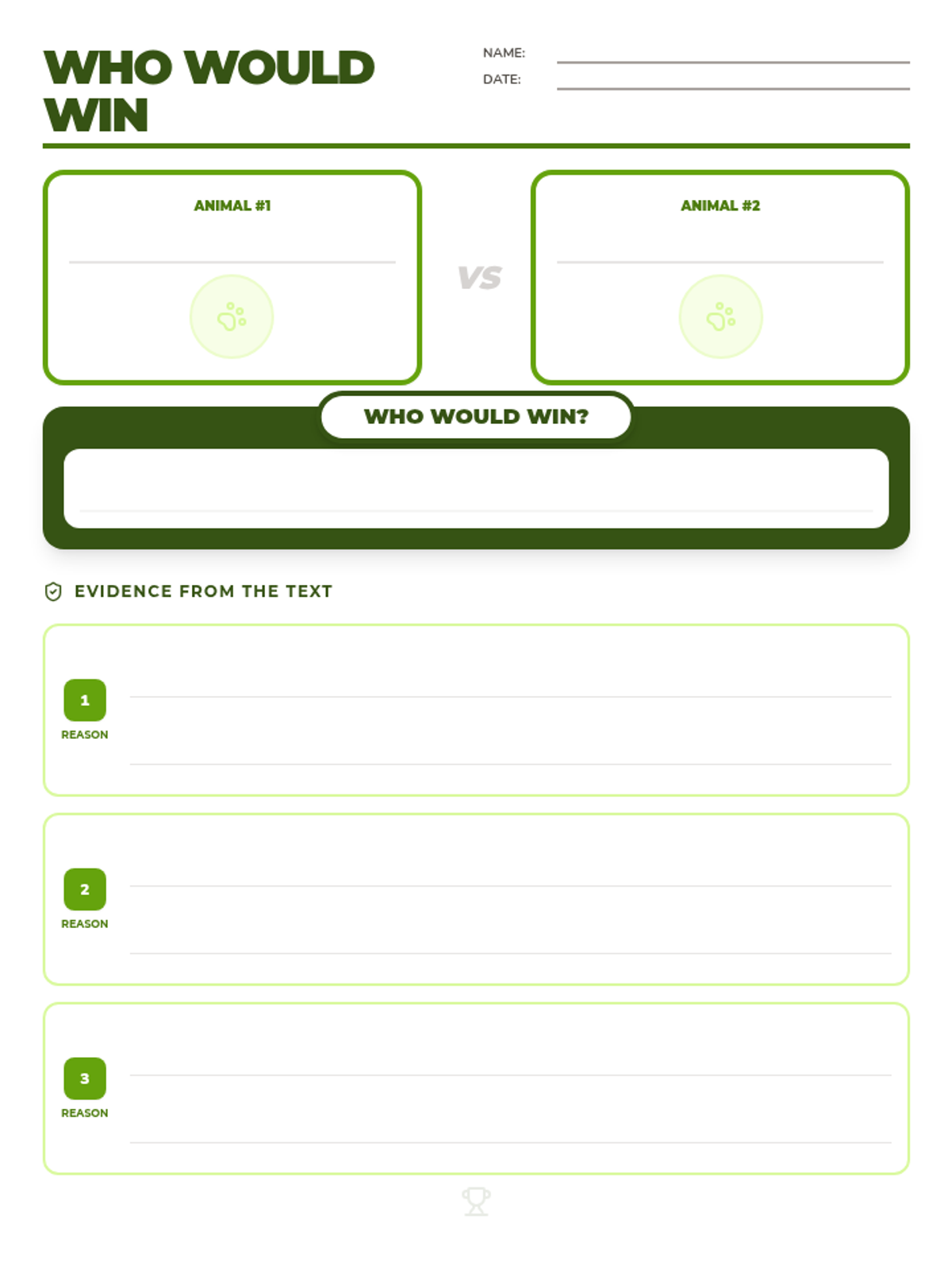
A collection of versatile graphic organizers designed to help students analyze fiction and nonfiction picture books. Each organizer focuses on a specific reading skill, providing a structured framework for student response.
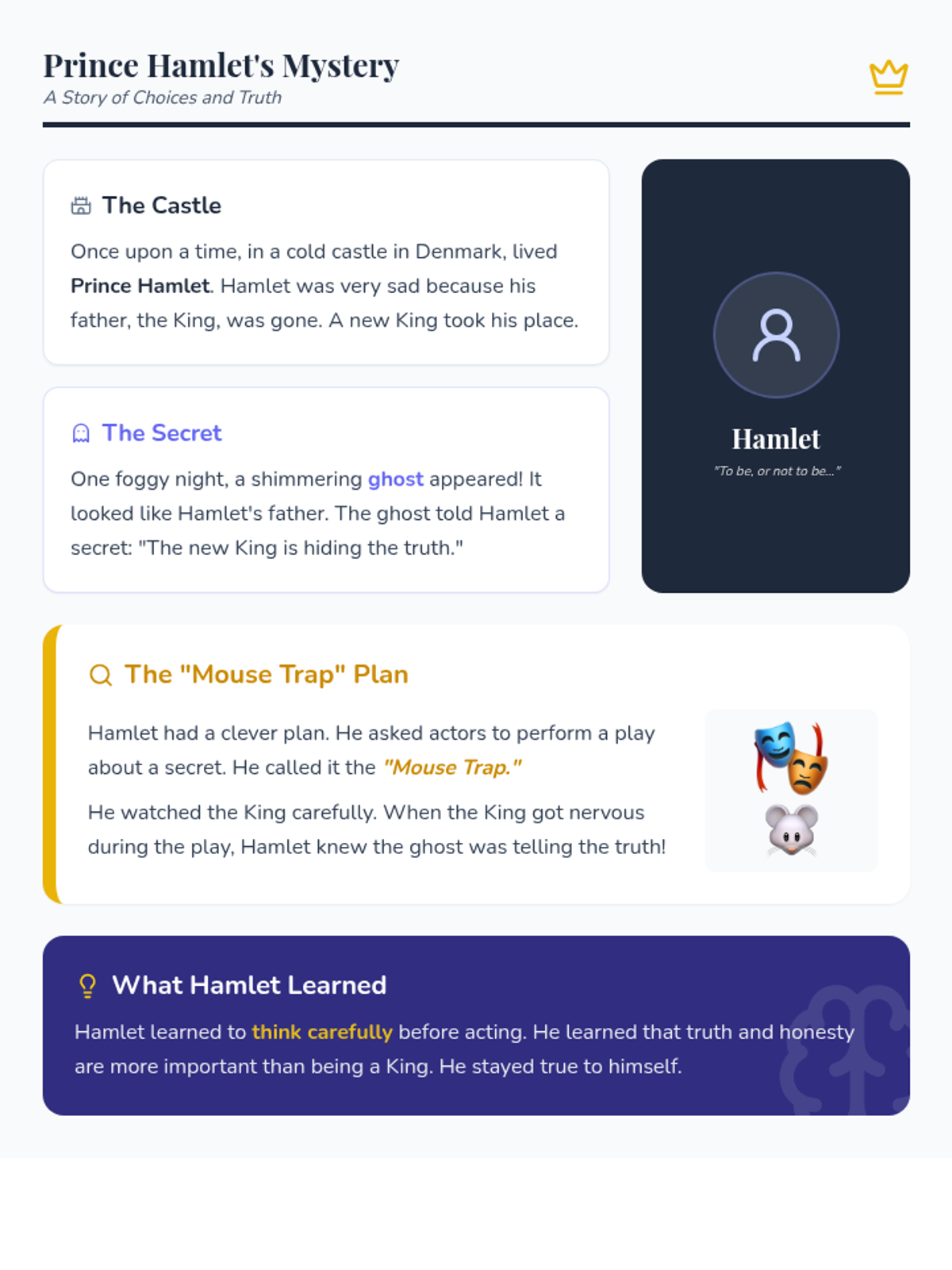
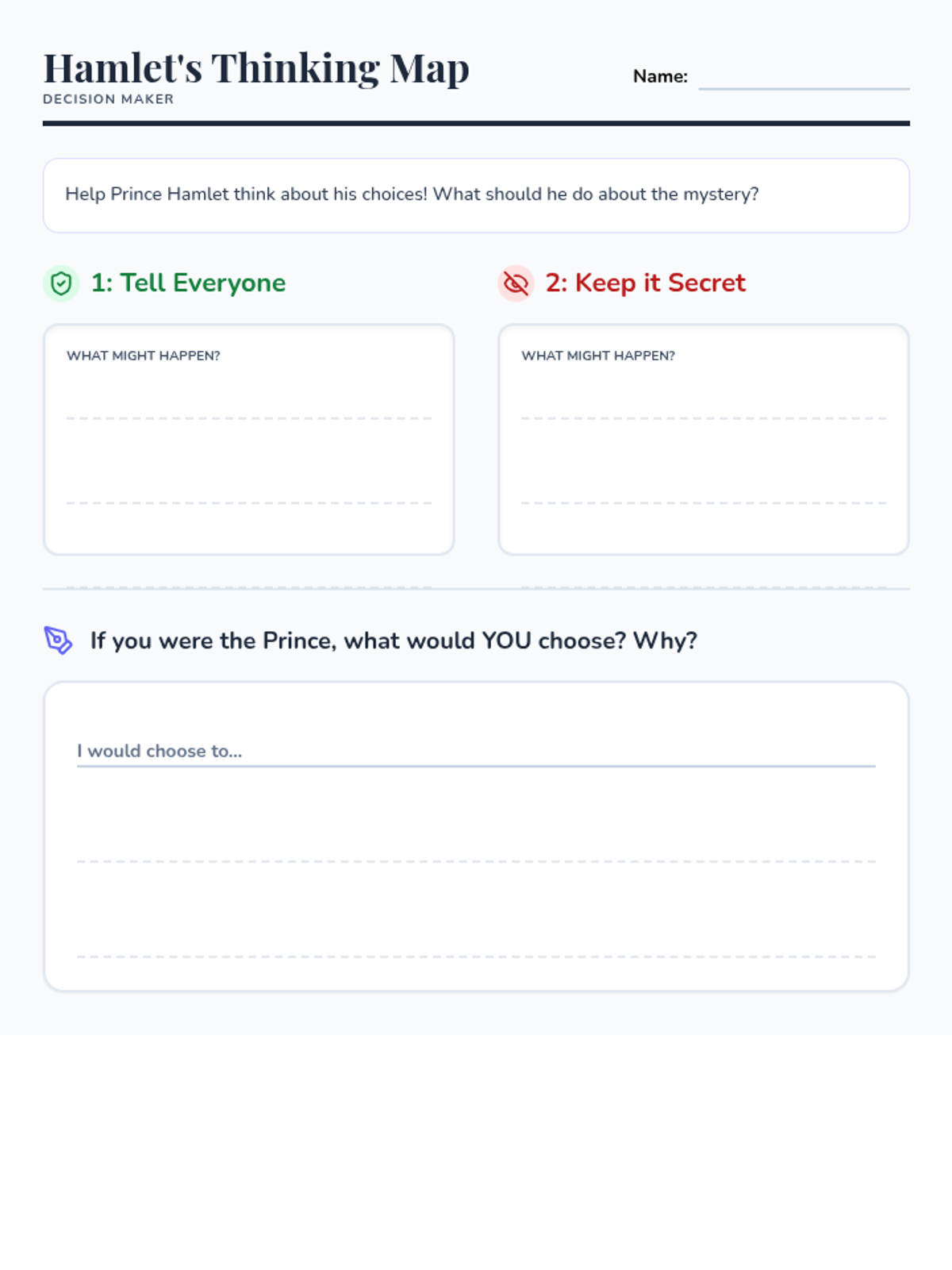
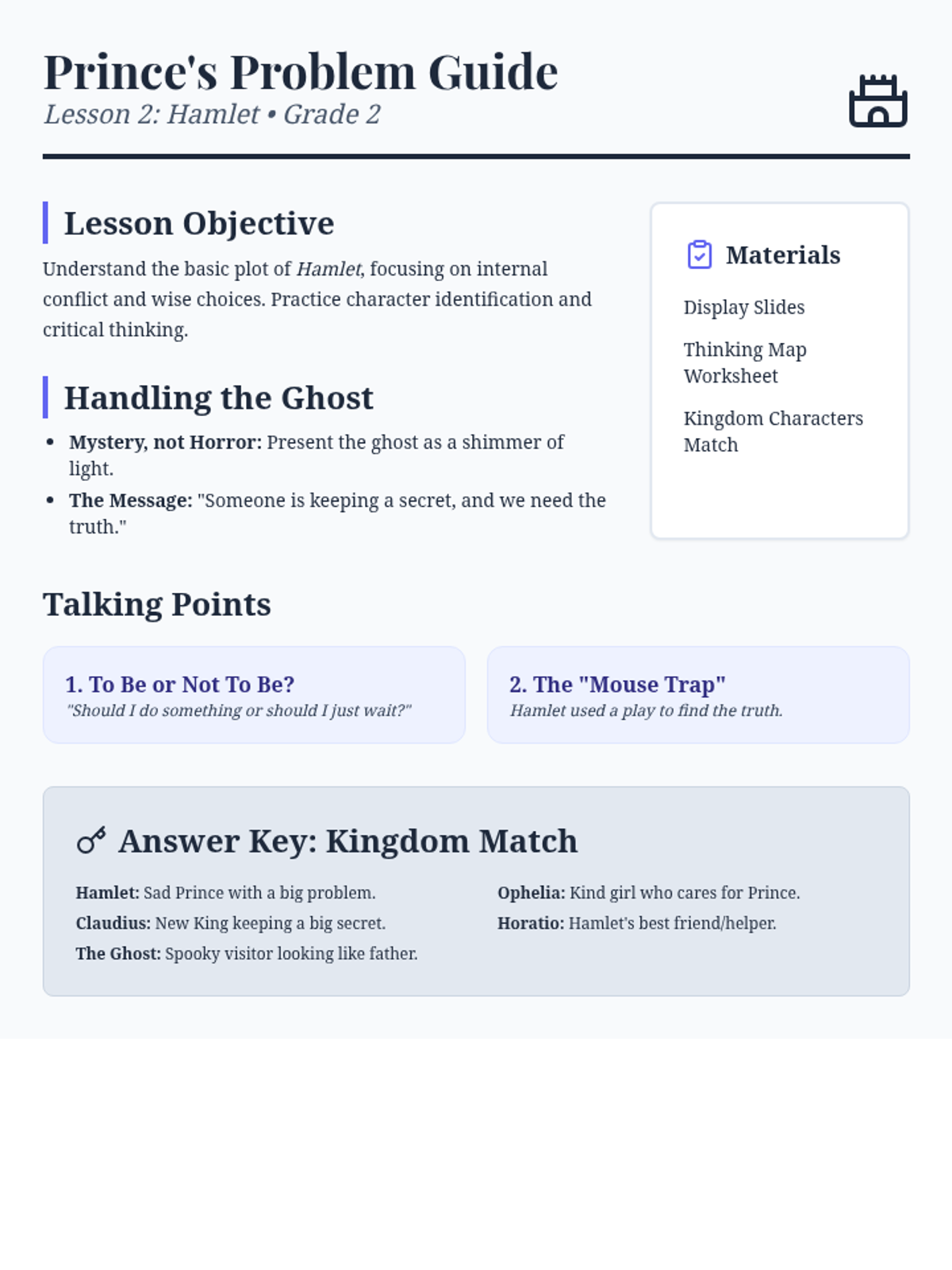
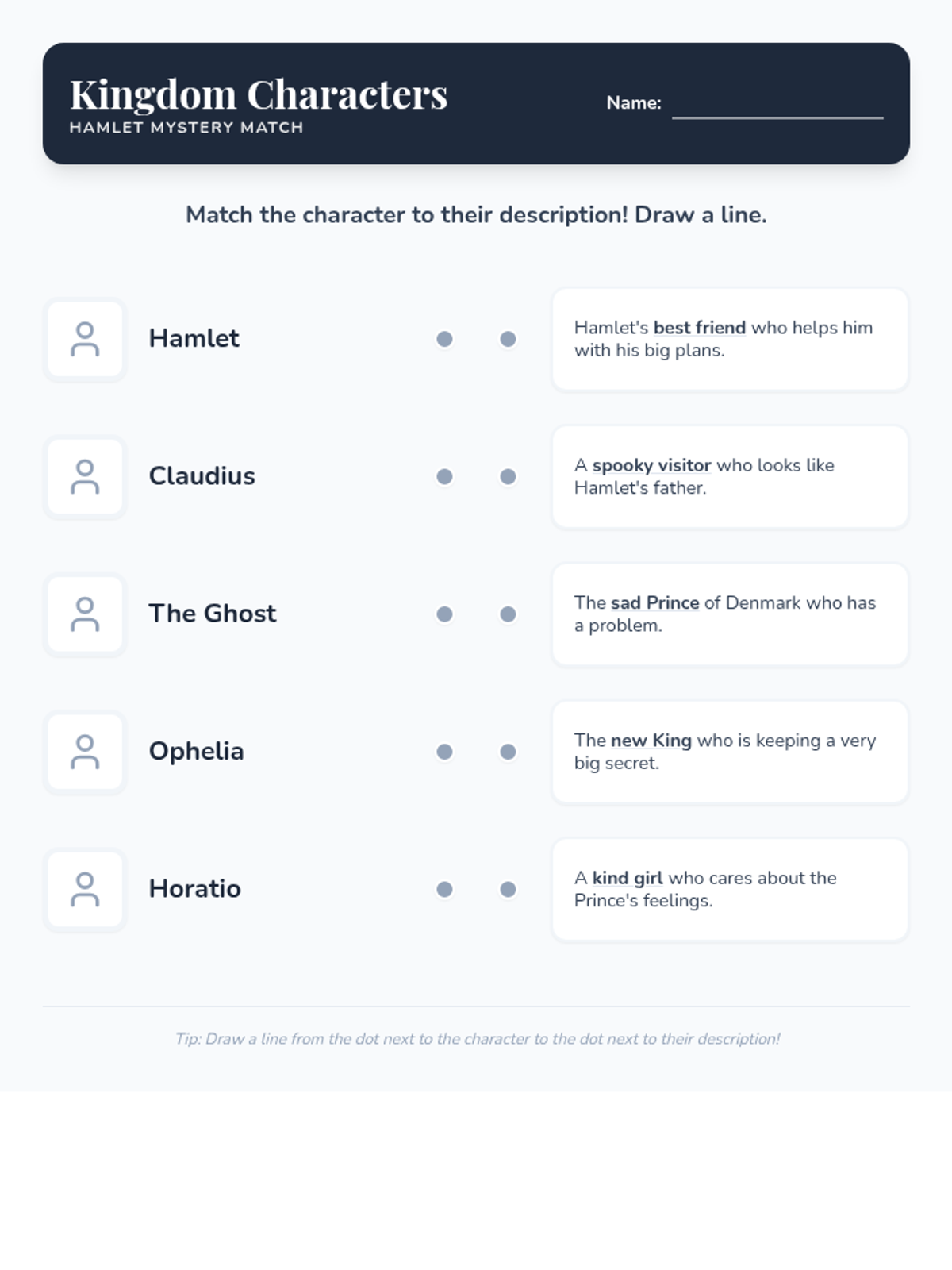
A simplified introduction to the story of Prince Hamlet, focusing on themes of family, mystery, and making difficult choices, adapted for a 2nd grade audience.
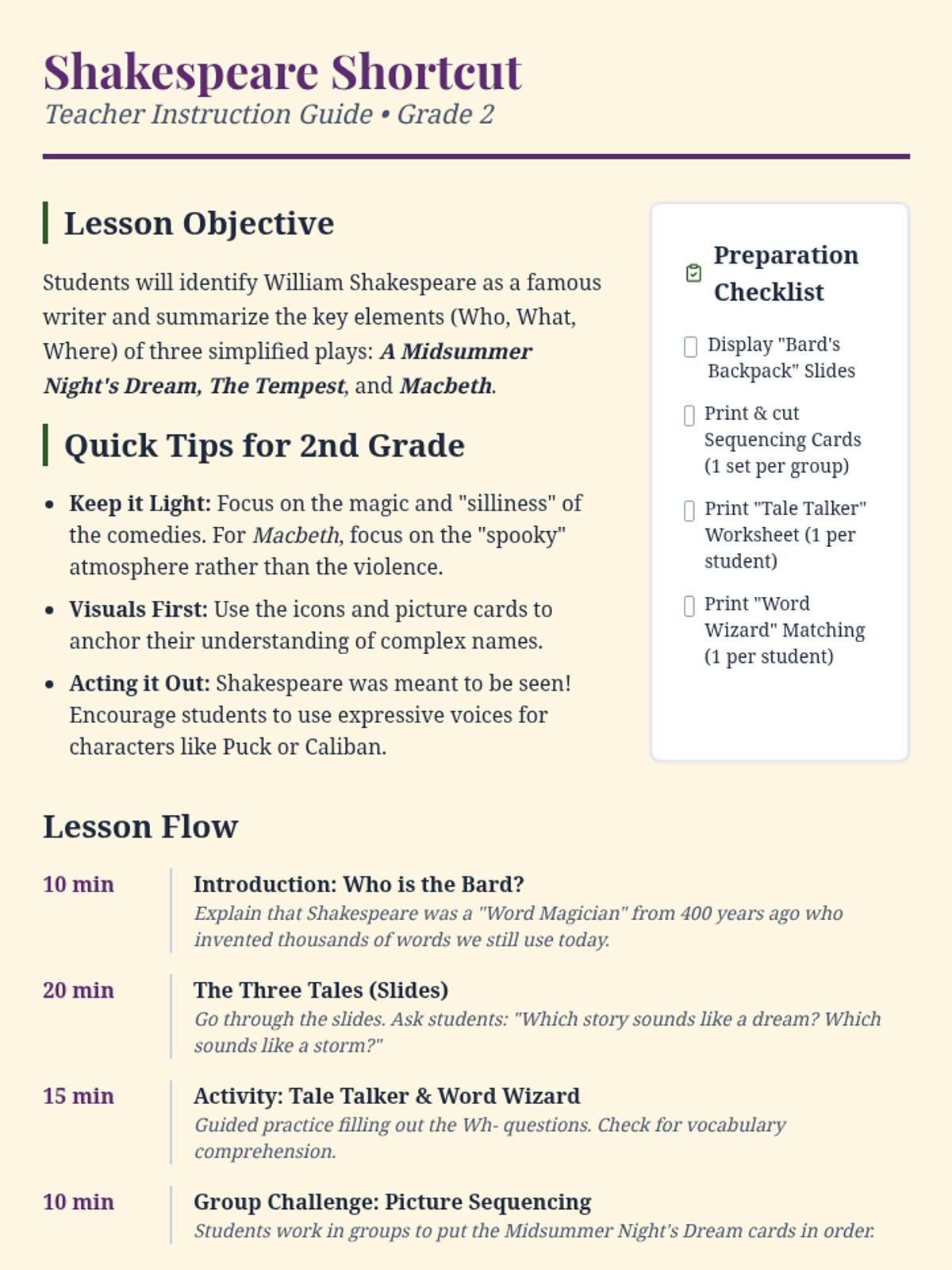
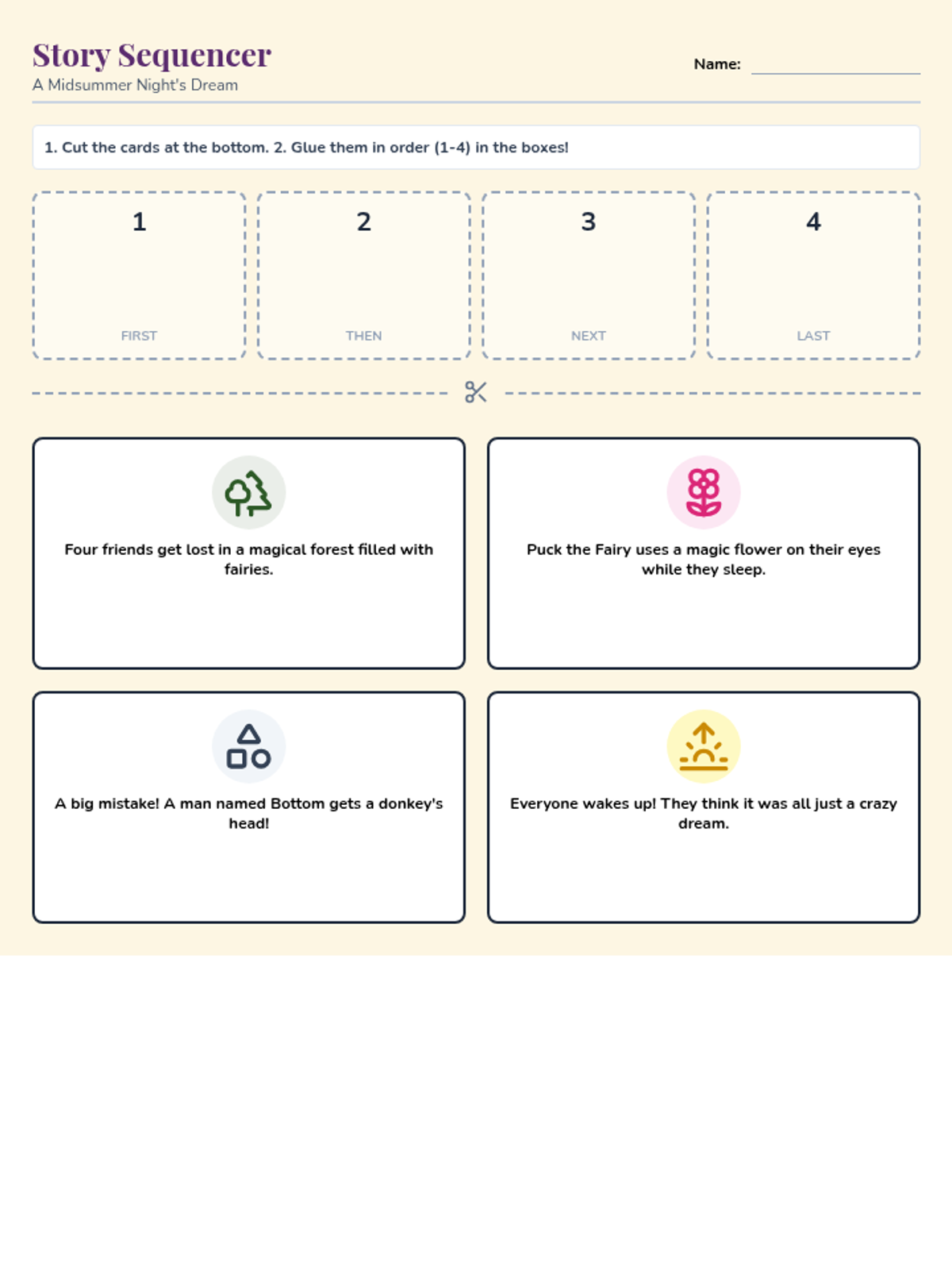
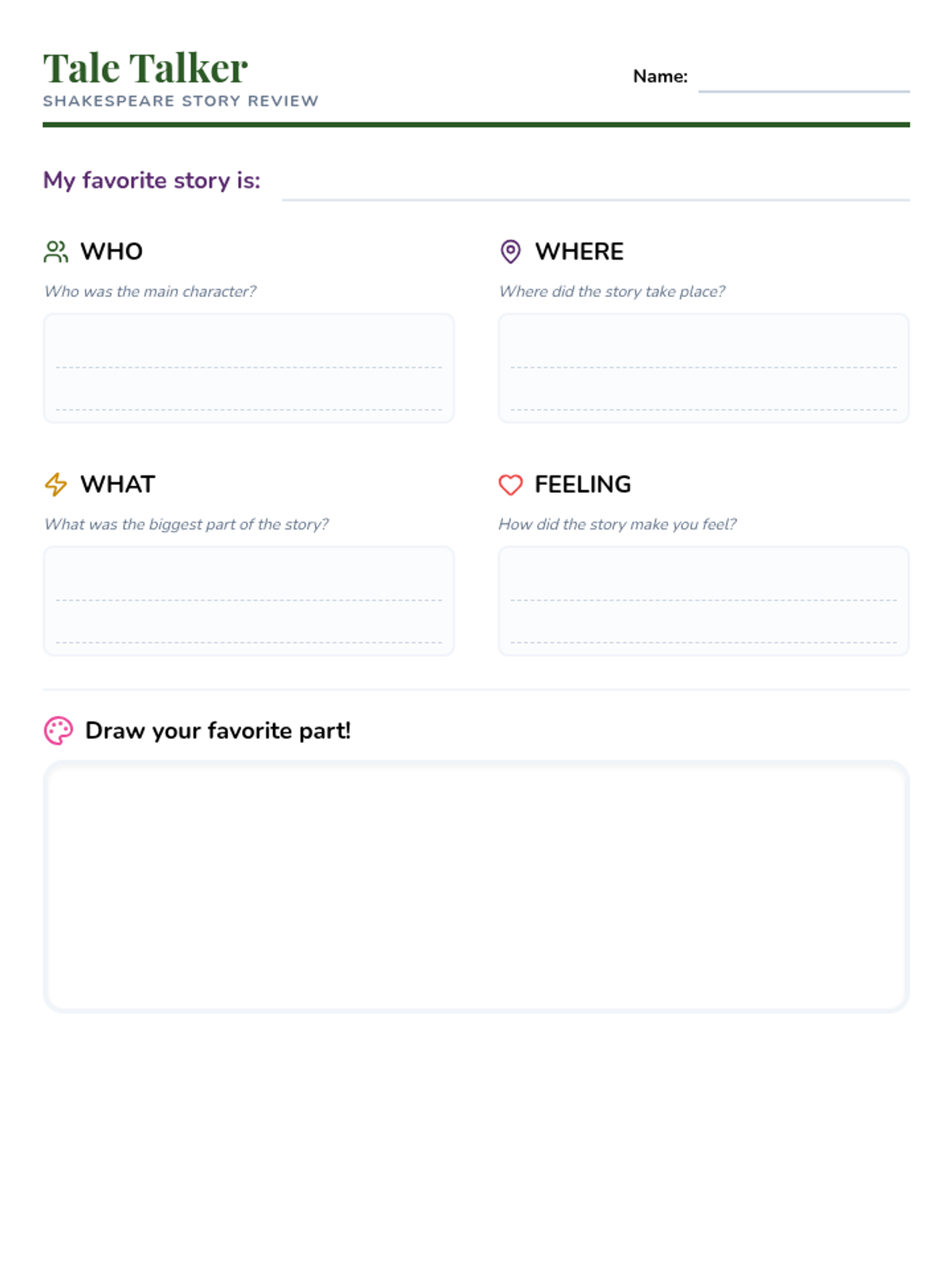
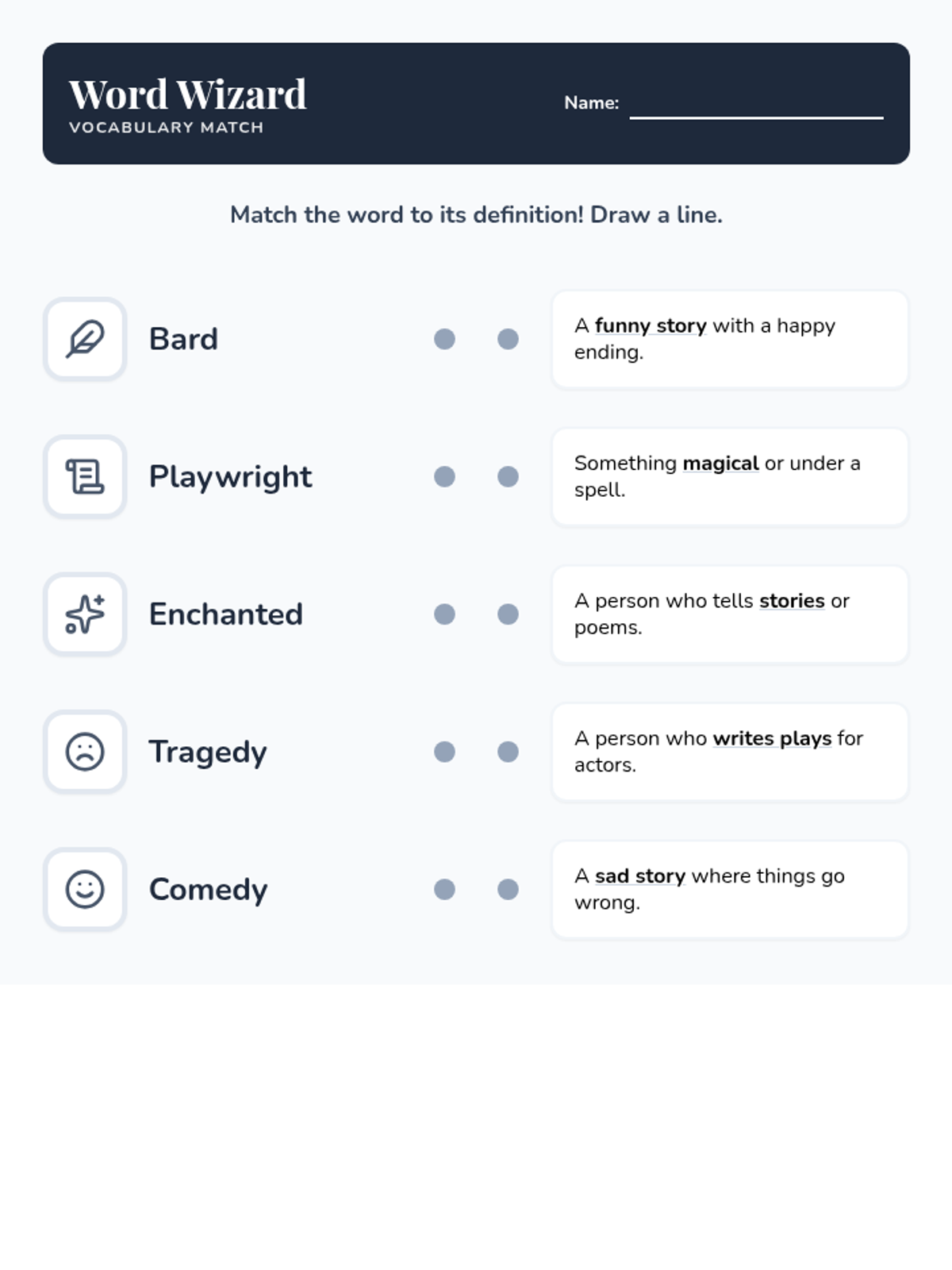
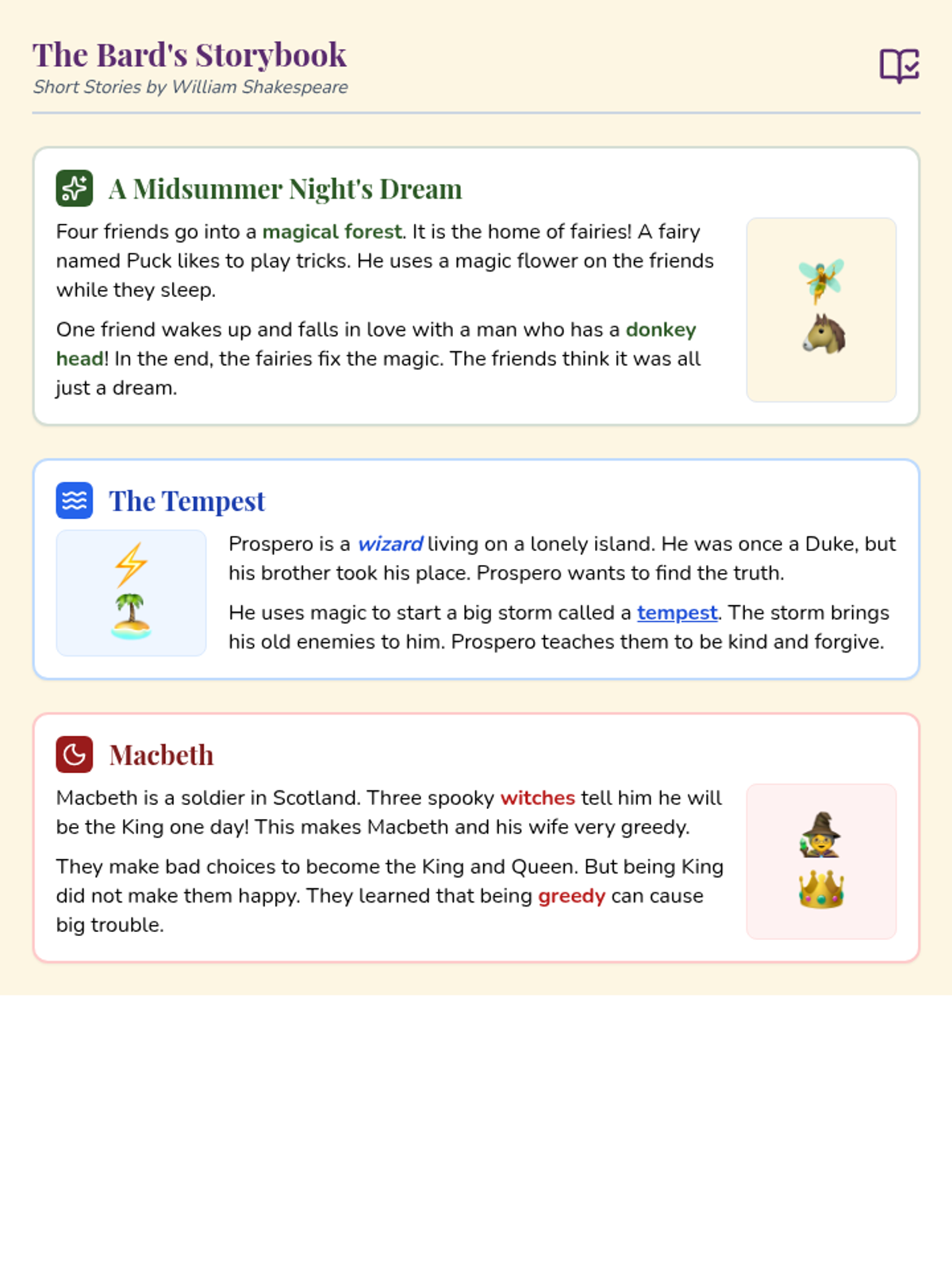
An introductory lesson exploring who William Shakespeare was and diving into three of his famous tales: A Midsummer Night's Dream, The Tempest, and Macbeth, adapted for young learners.
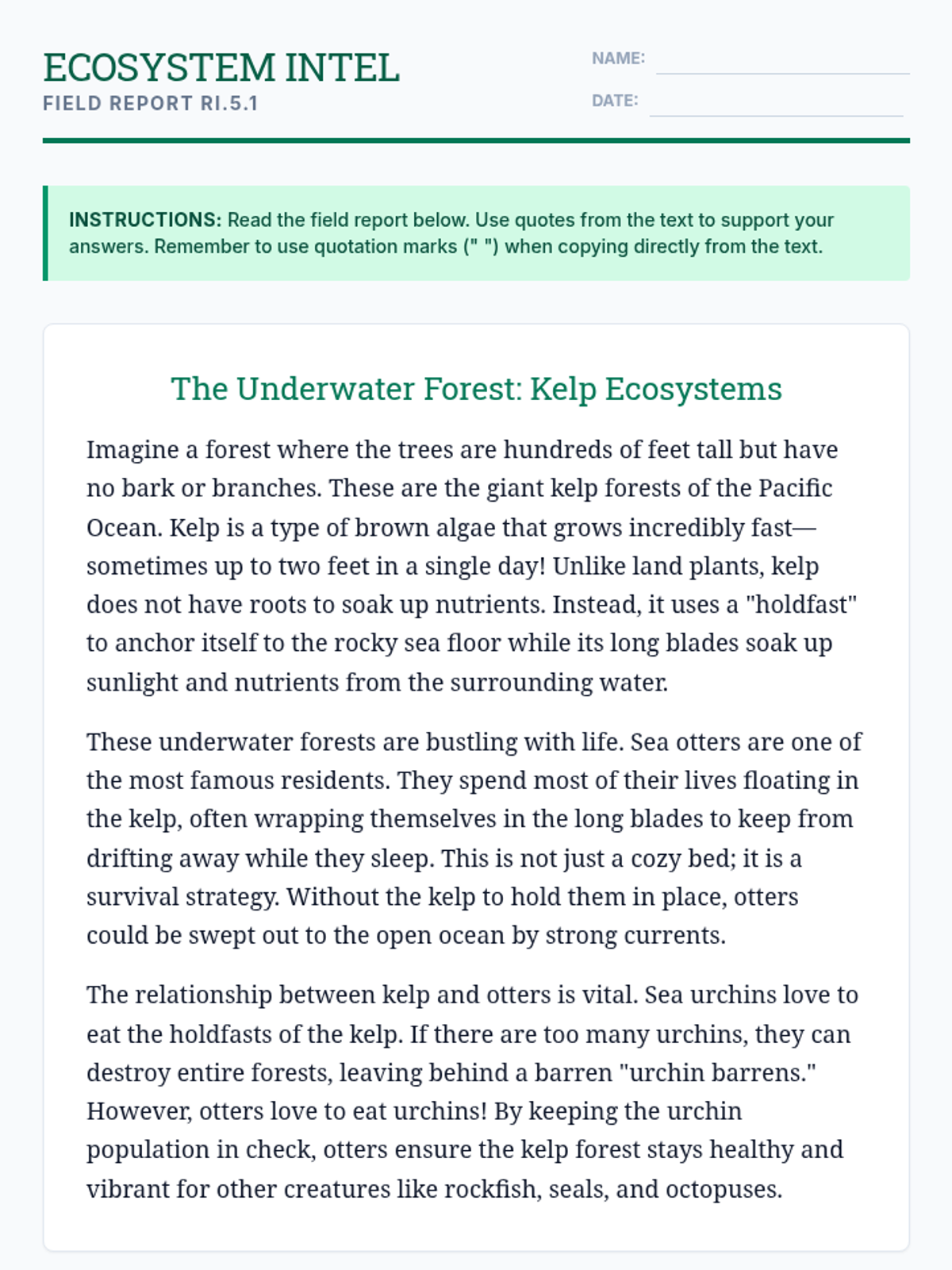
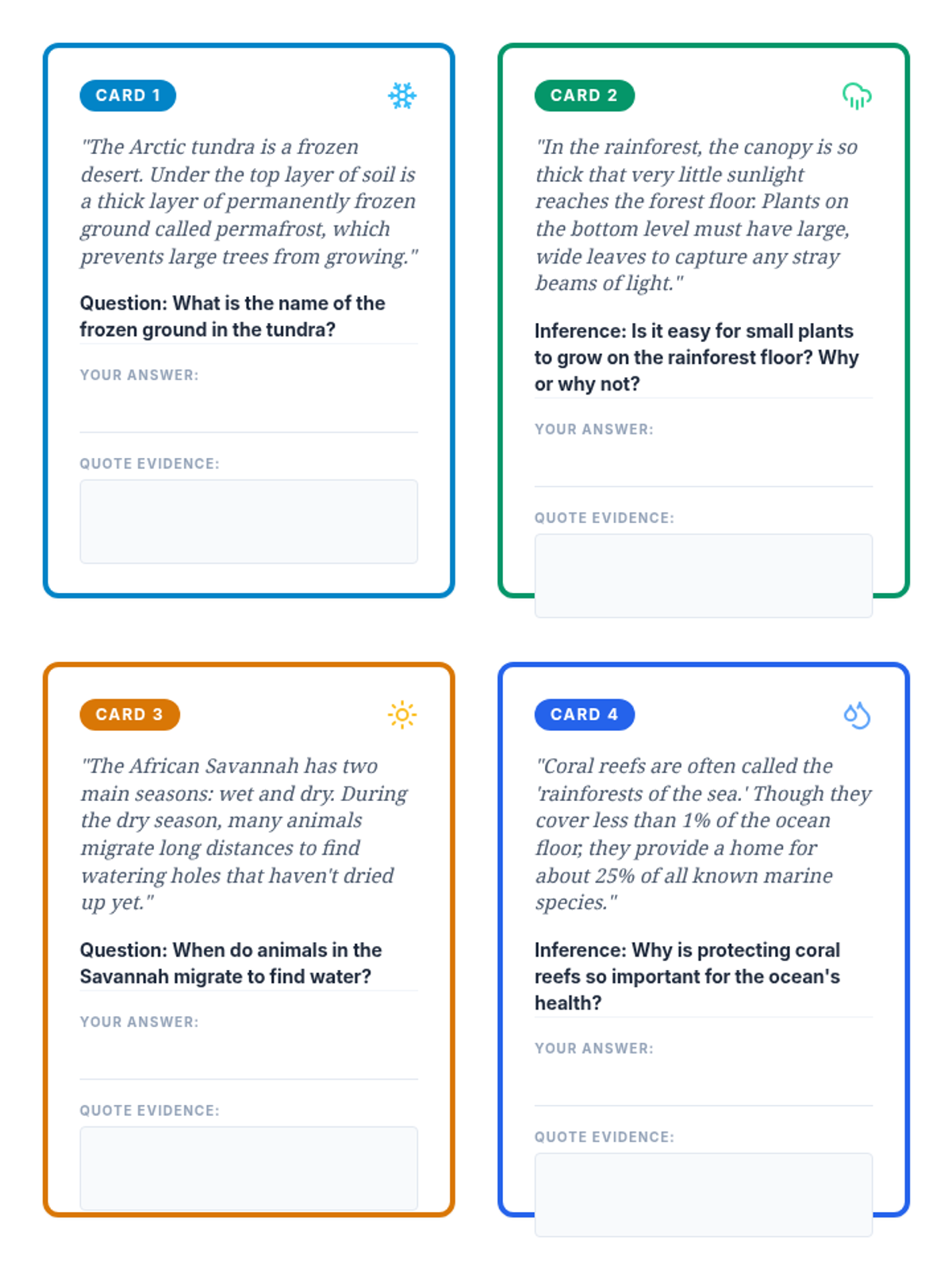
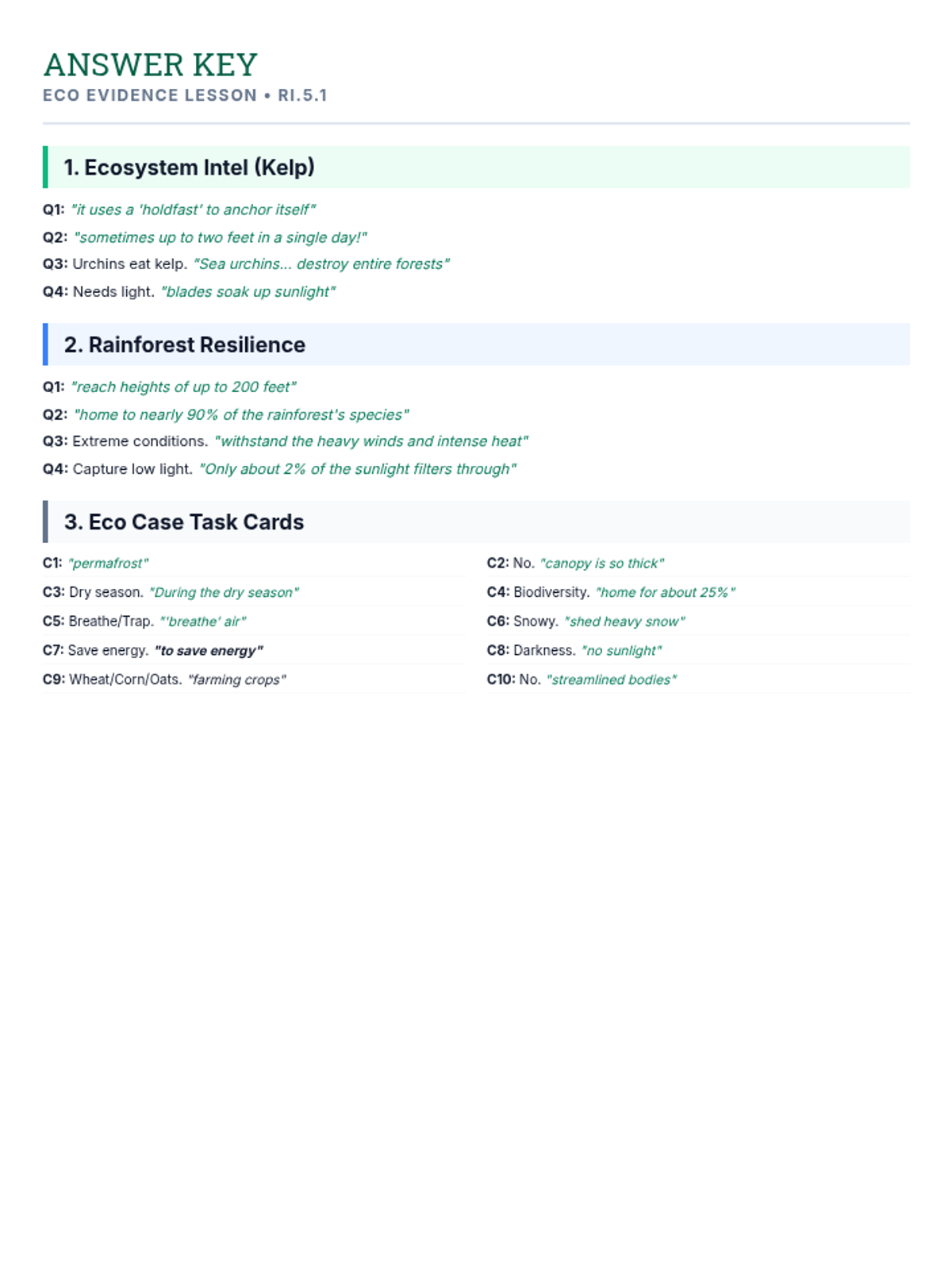
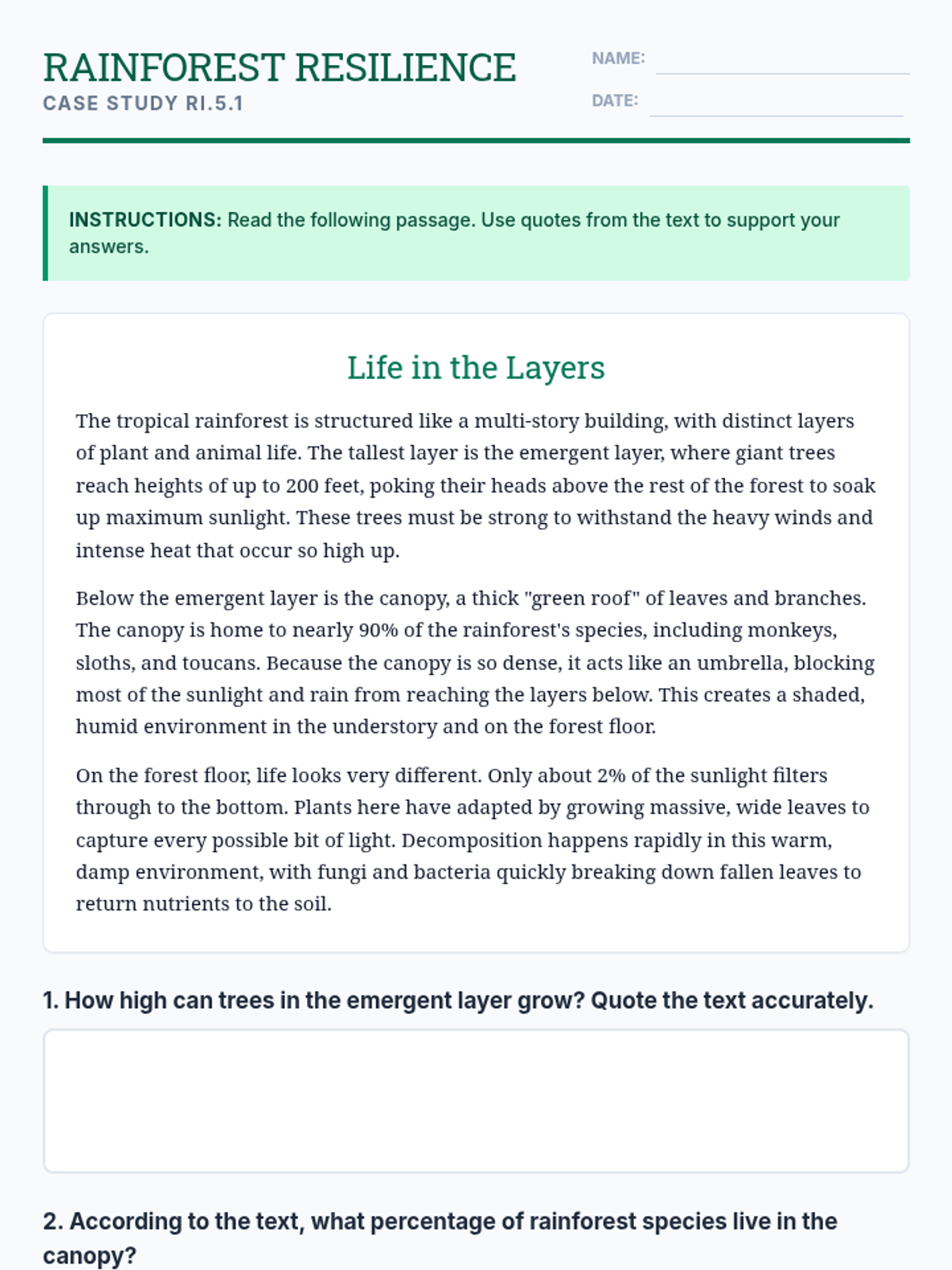
Students learn to quote accurately from texts about ecosystems to support explicit explanations and logical inferences. This lesson combines direct instruction with hands-on text analysis using ecosystem-themed passages.
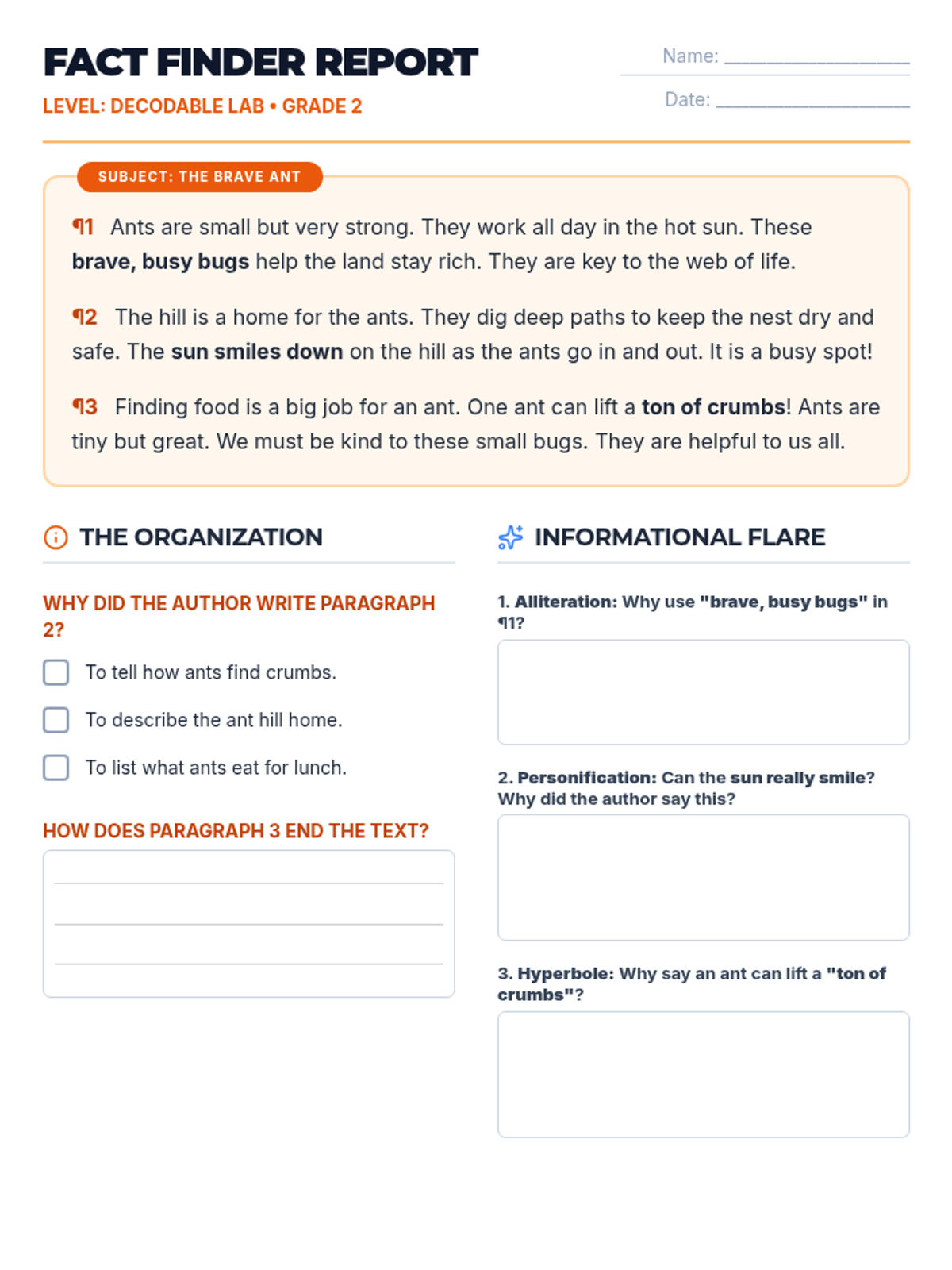
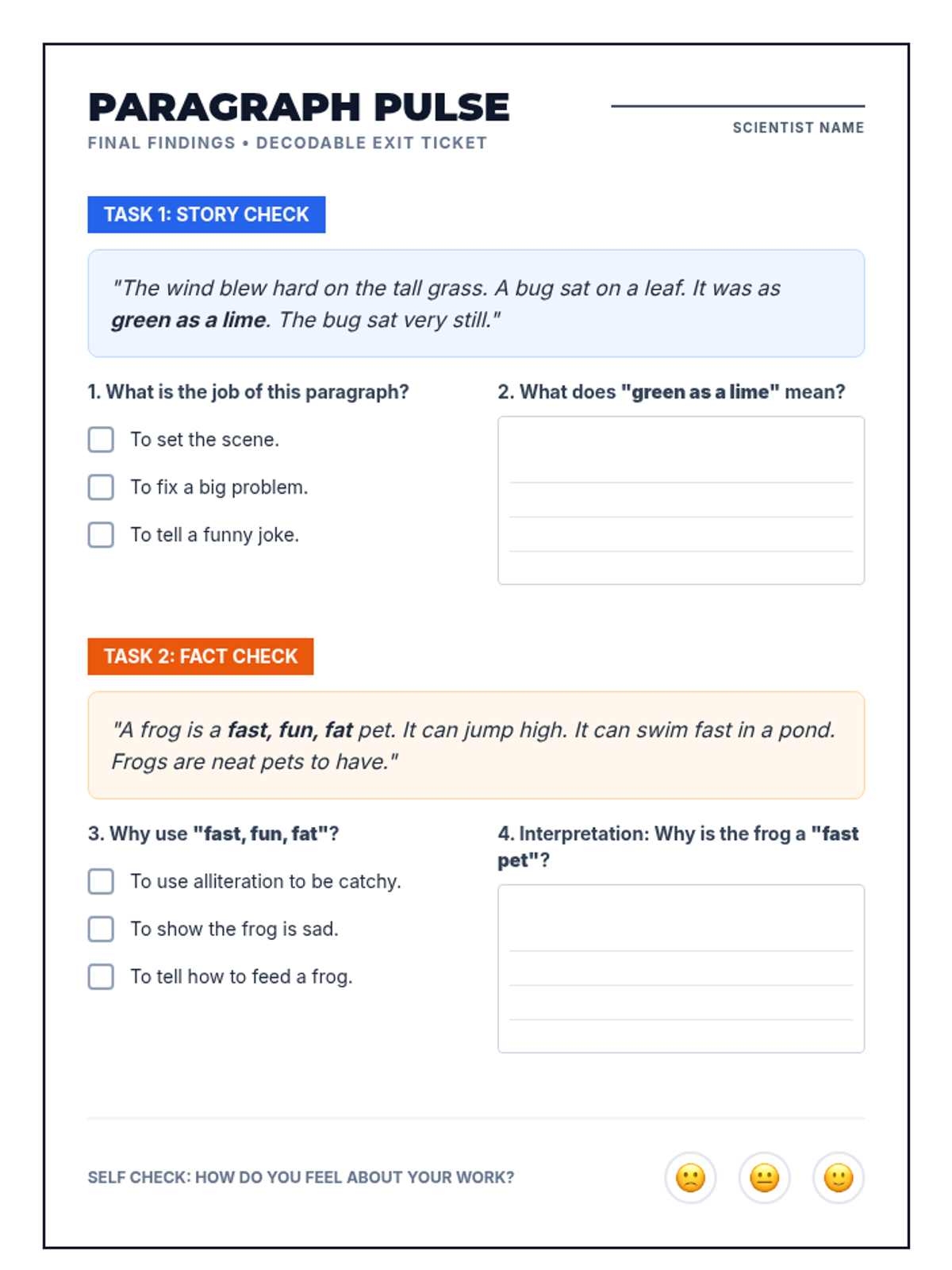
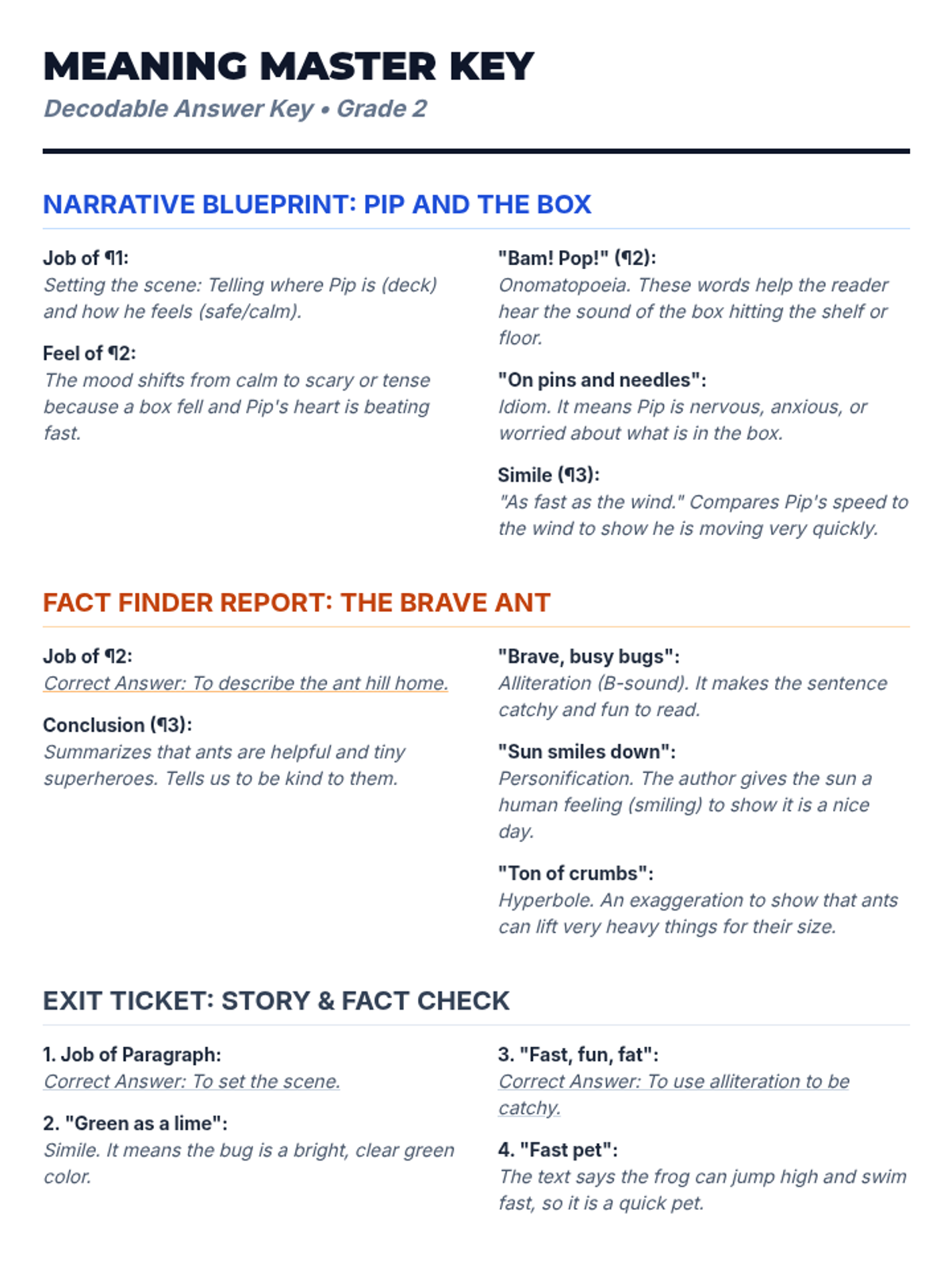
Focused on informational texts, this lesson explores how paragraphs organize facts and how alliteration, personification, and hyperbole can make non-fiction more engaging.