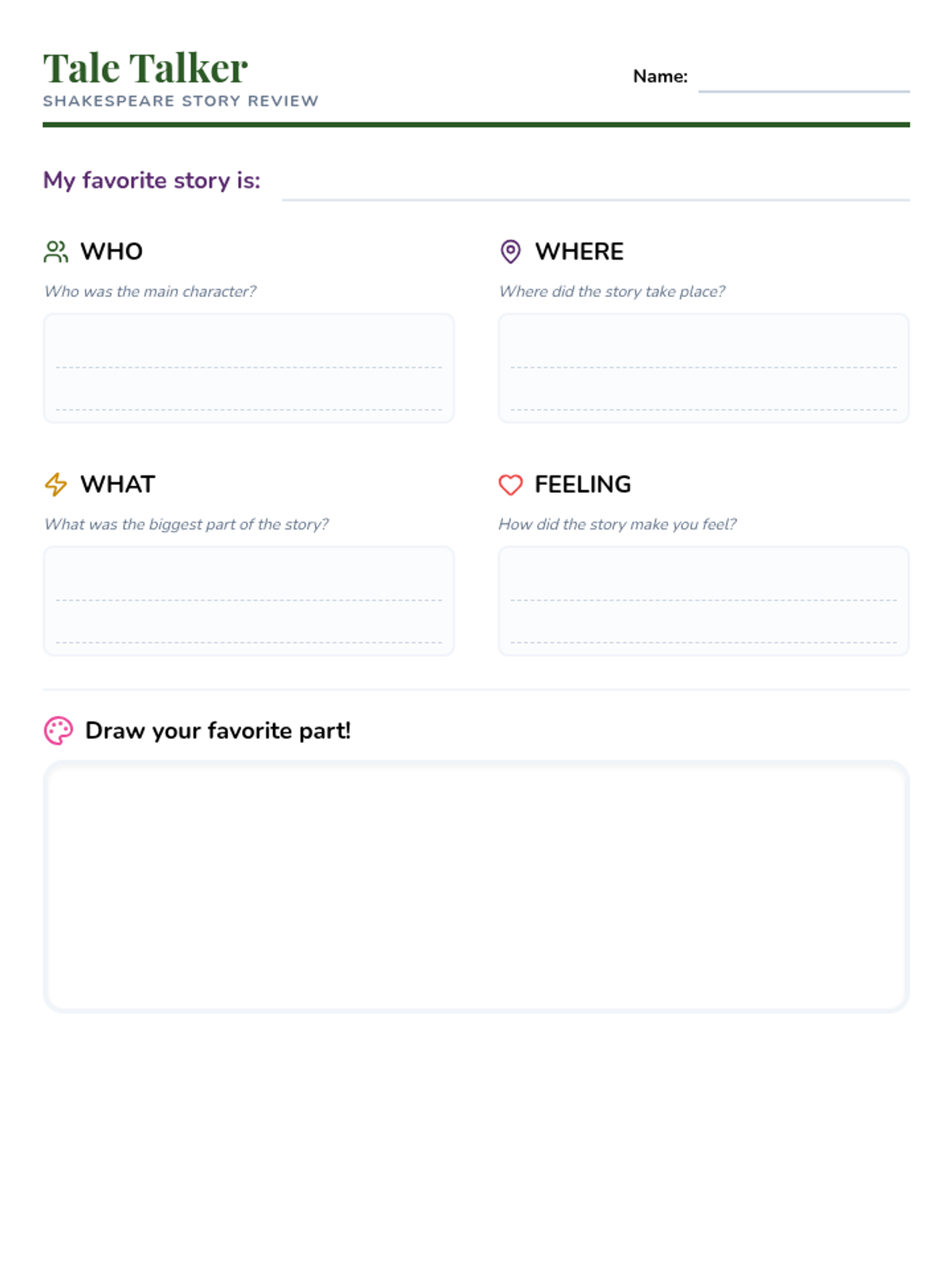
A collection of versatile graphic organizers designed to help students analyze fiction and nonfiction picture books. Each organizer focuses on a specific reading skill, providing a structured framework for student response.
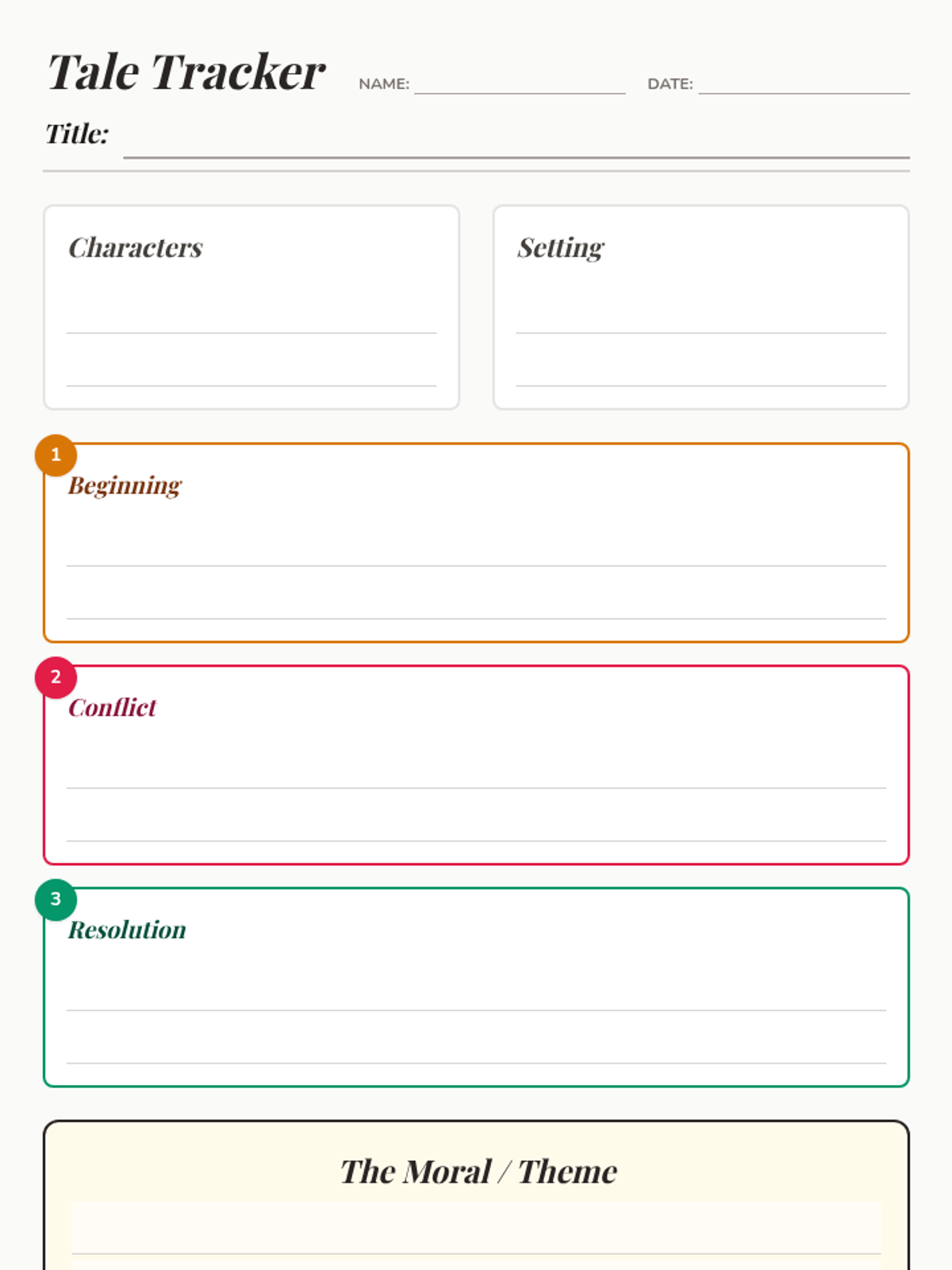
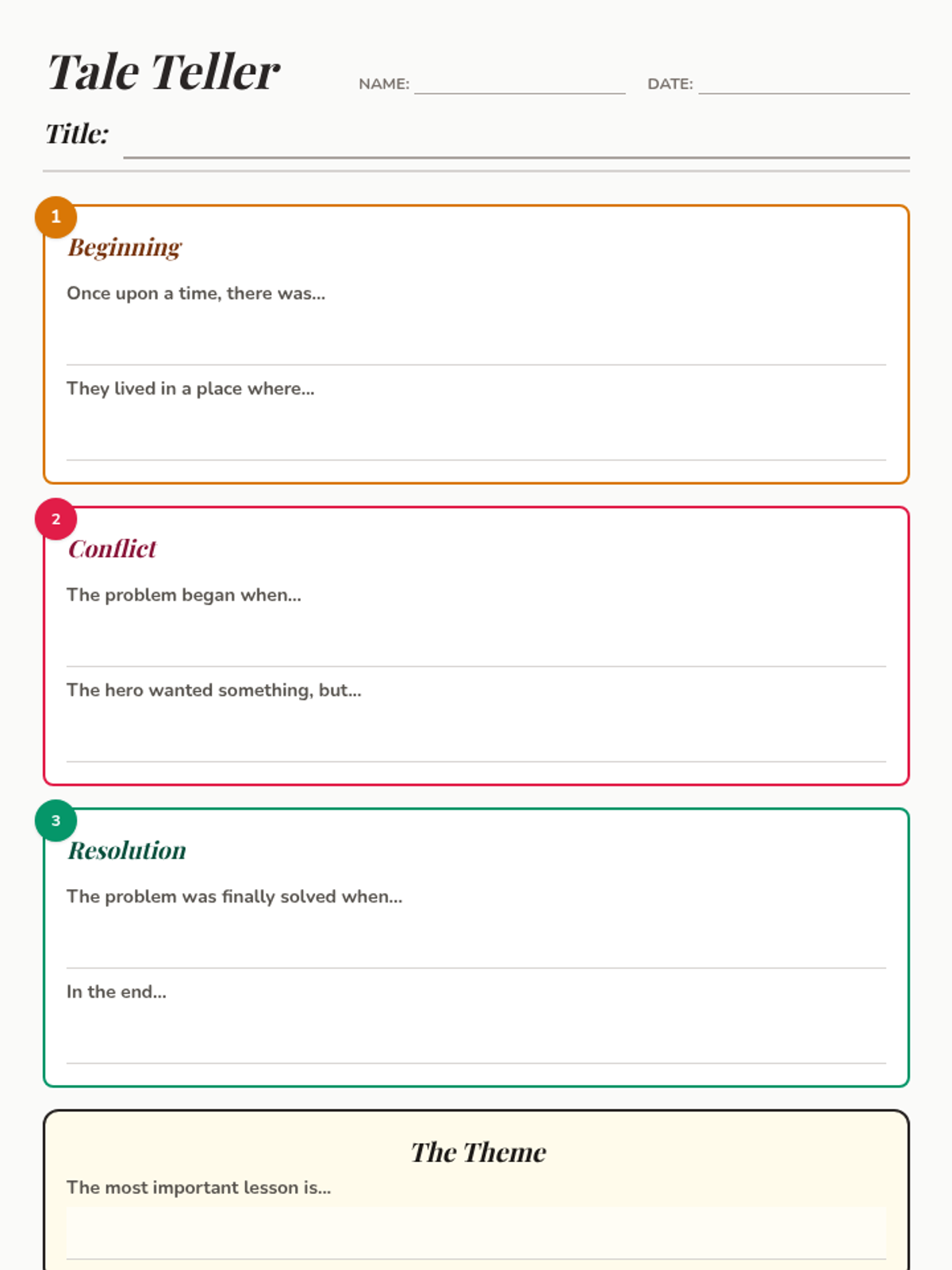
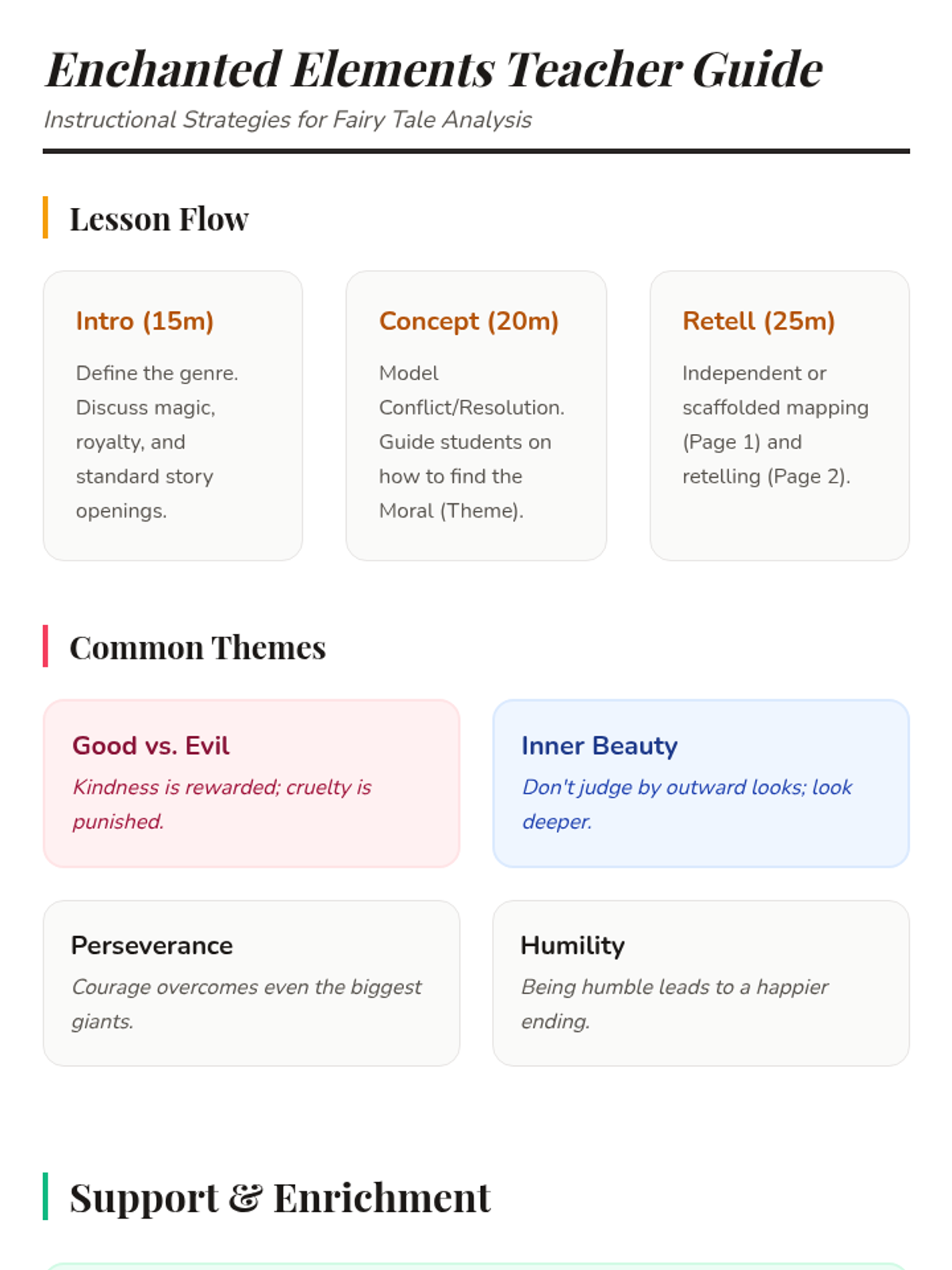
A lesson designed to help students analyze and sequence fairy tales, focusing on identifying the conflict, resolution, and underlying theme through structured graphic organizers.
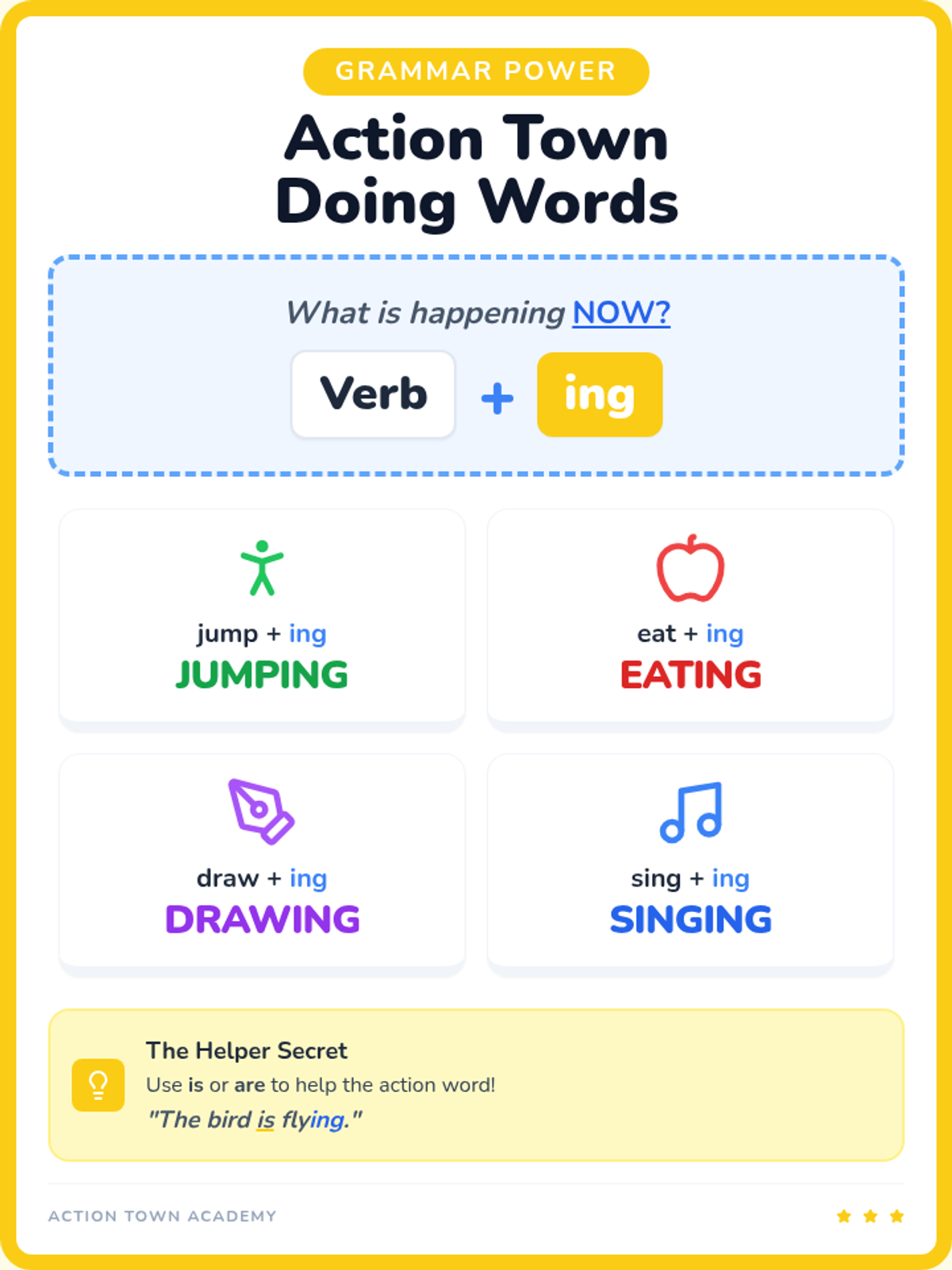
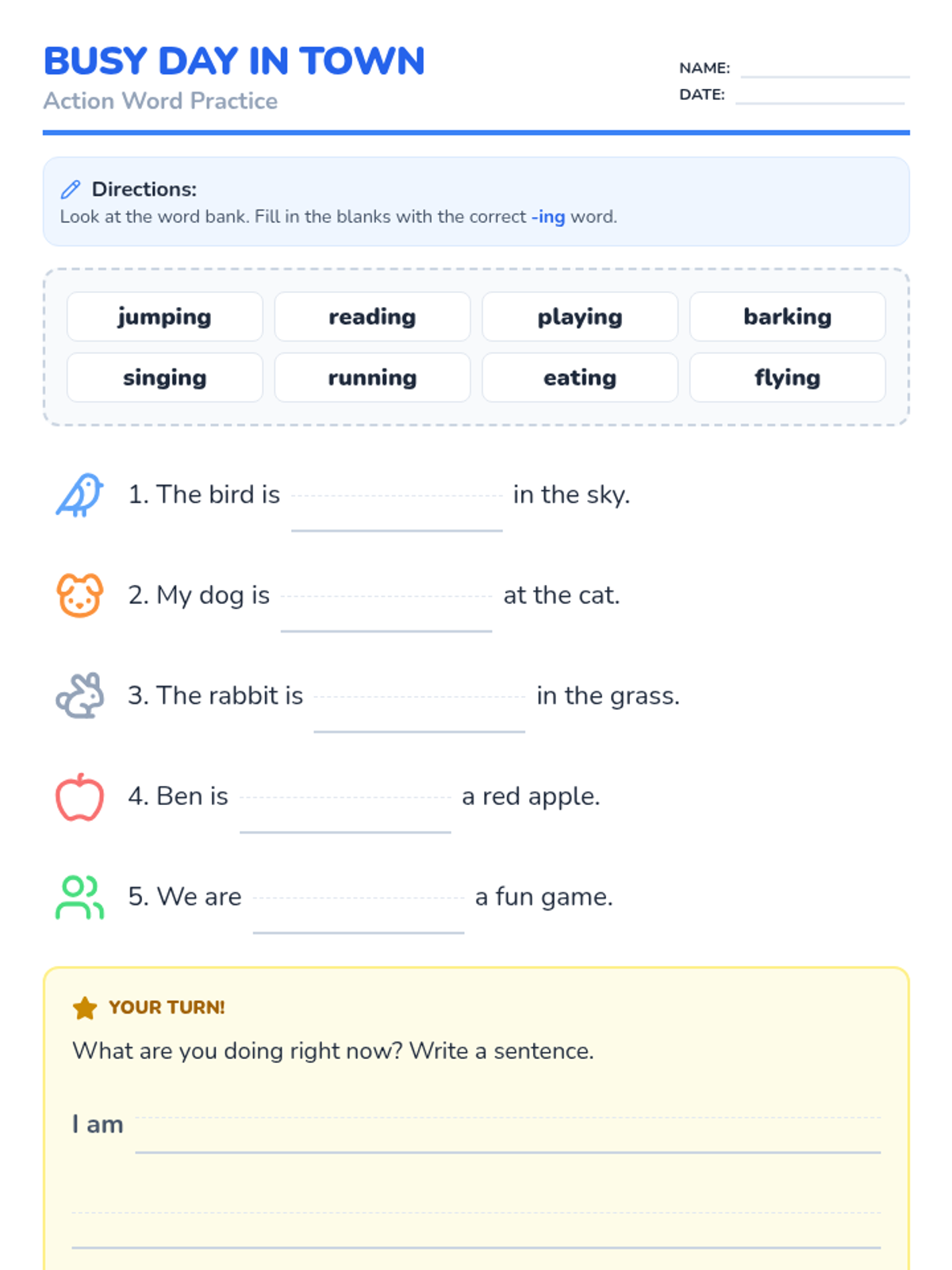
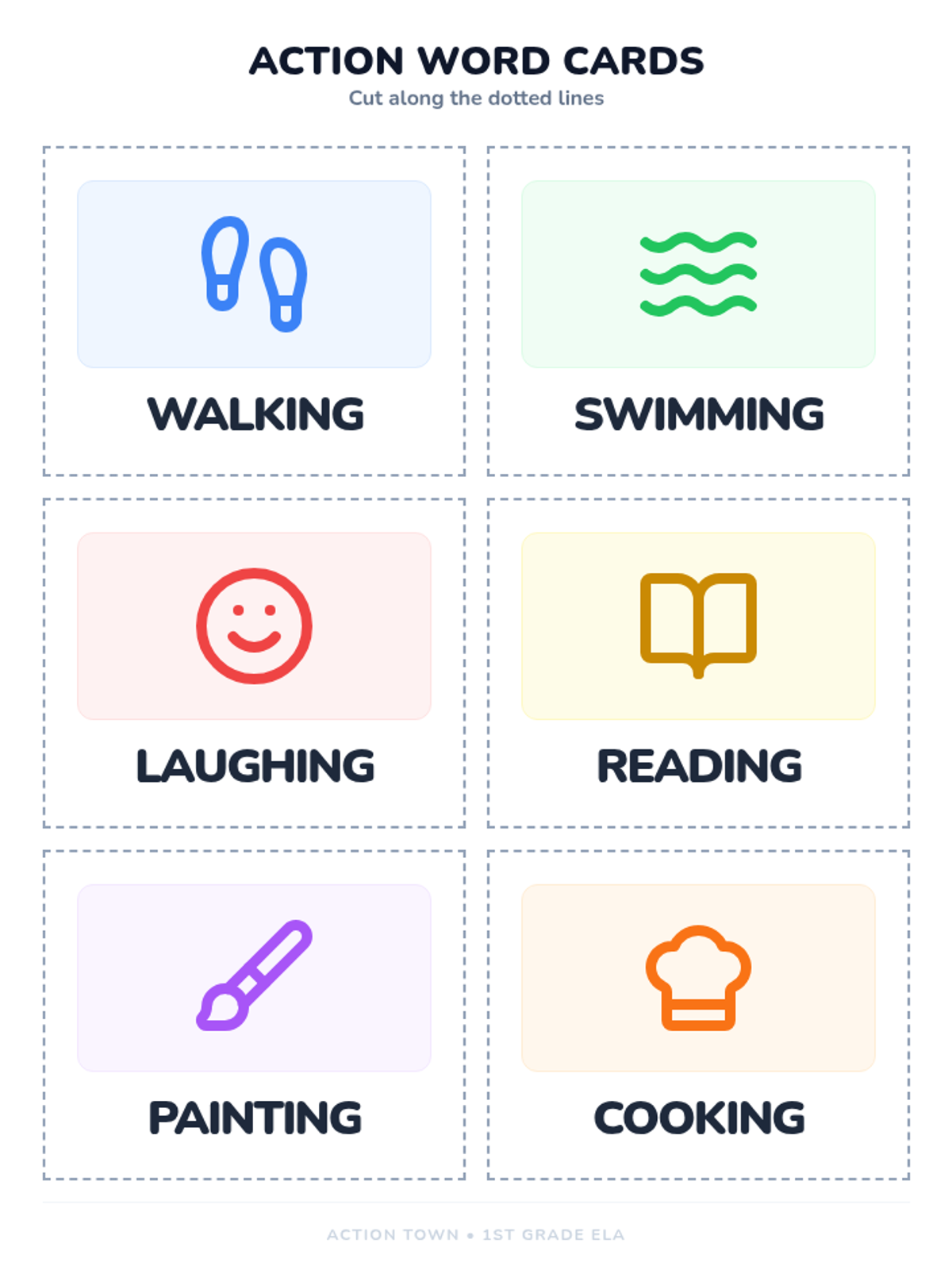
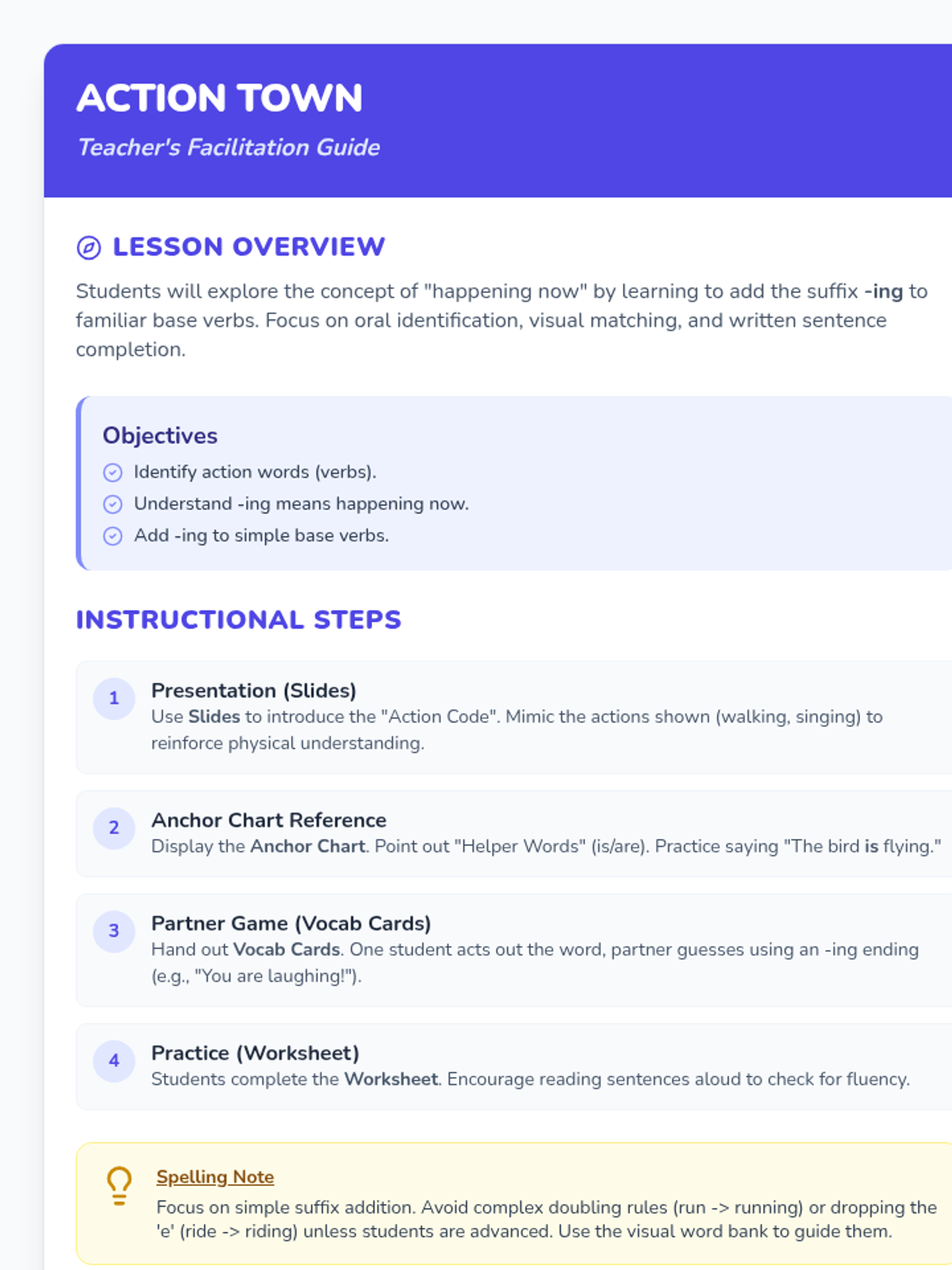
A lively introduction to using '-ing' endings to describe actions happening now, featuring engaging visuals and hands-on practice for 1st graders.
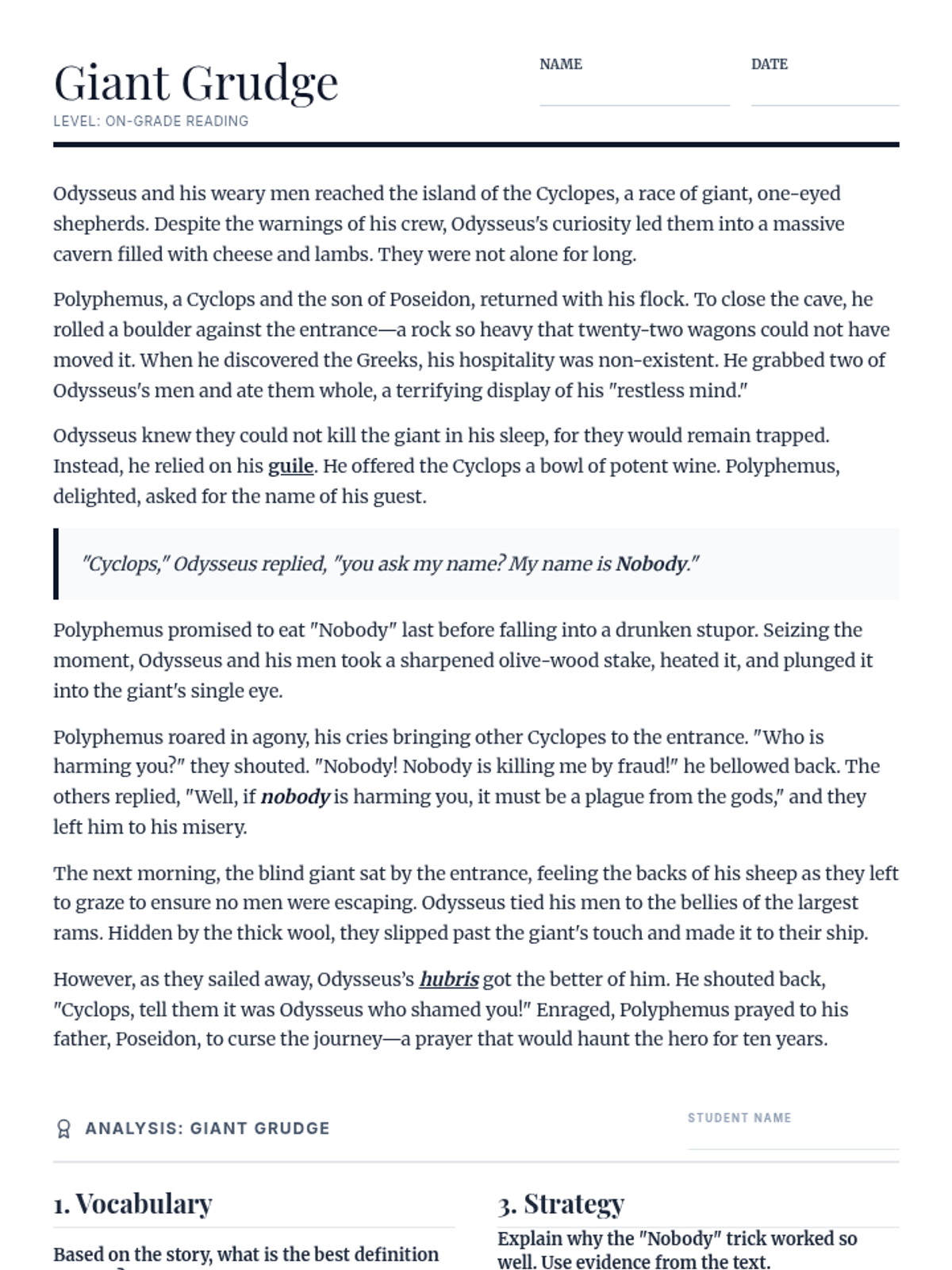
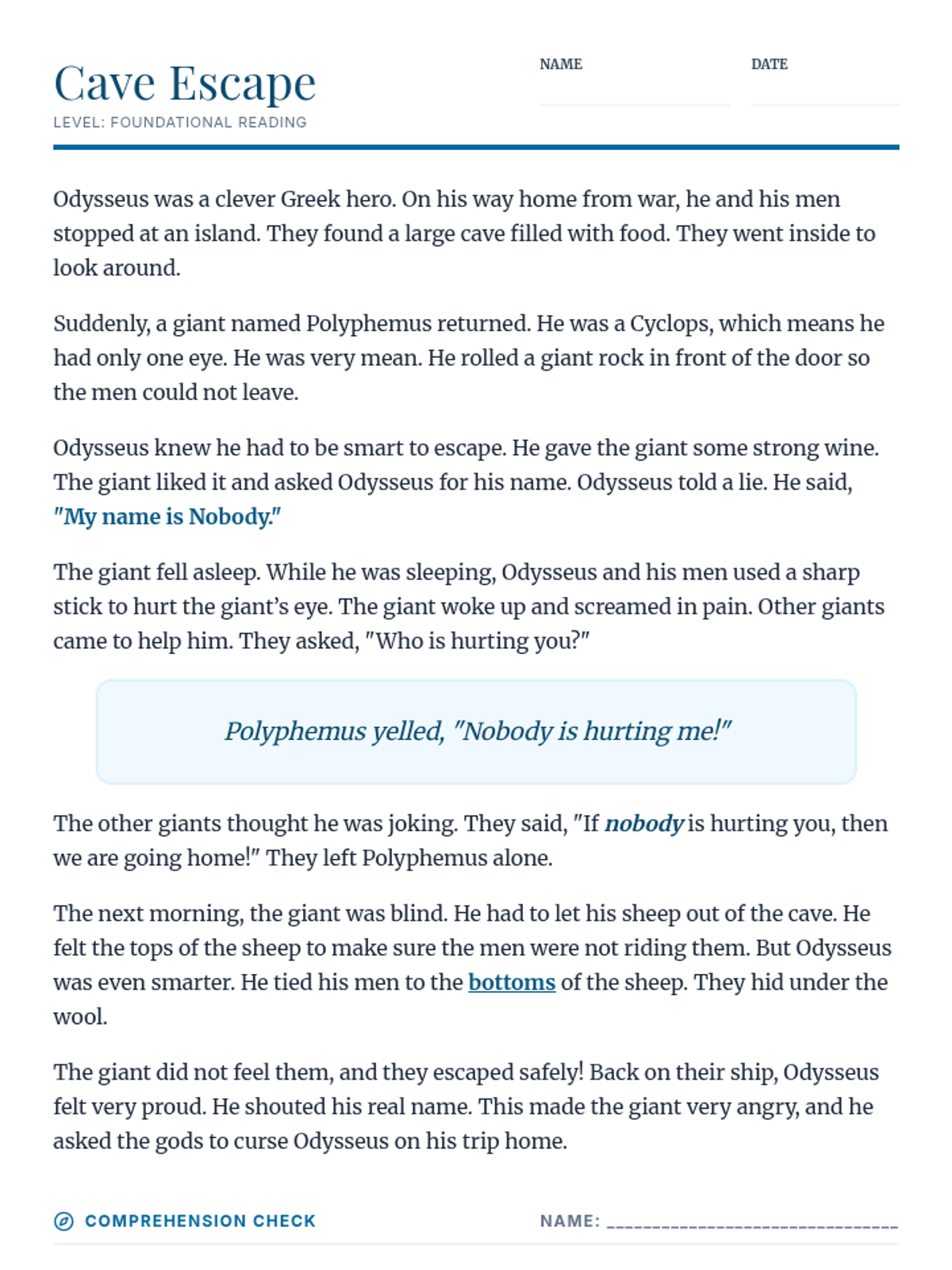
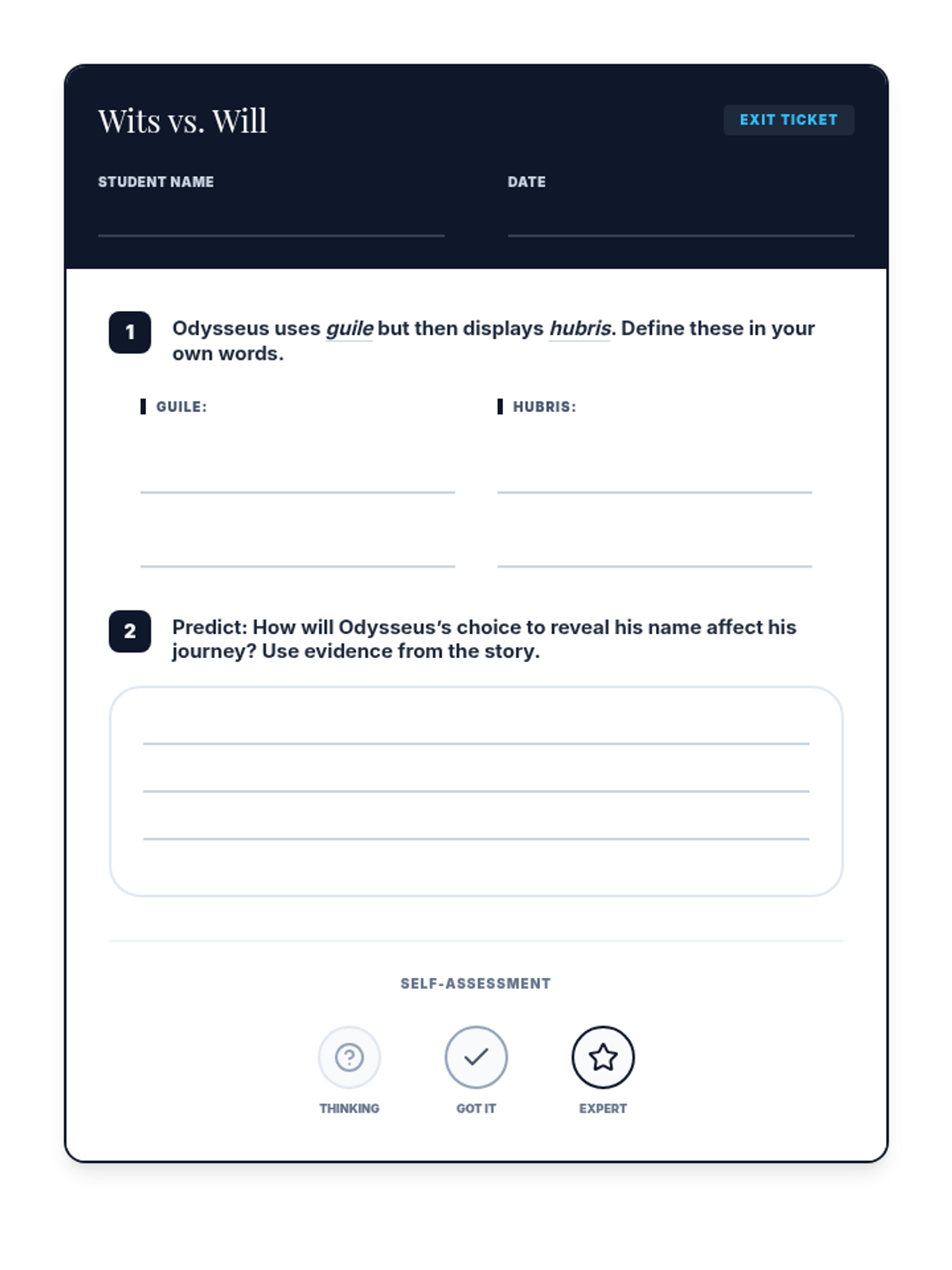
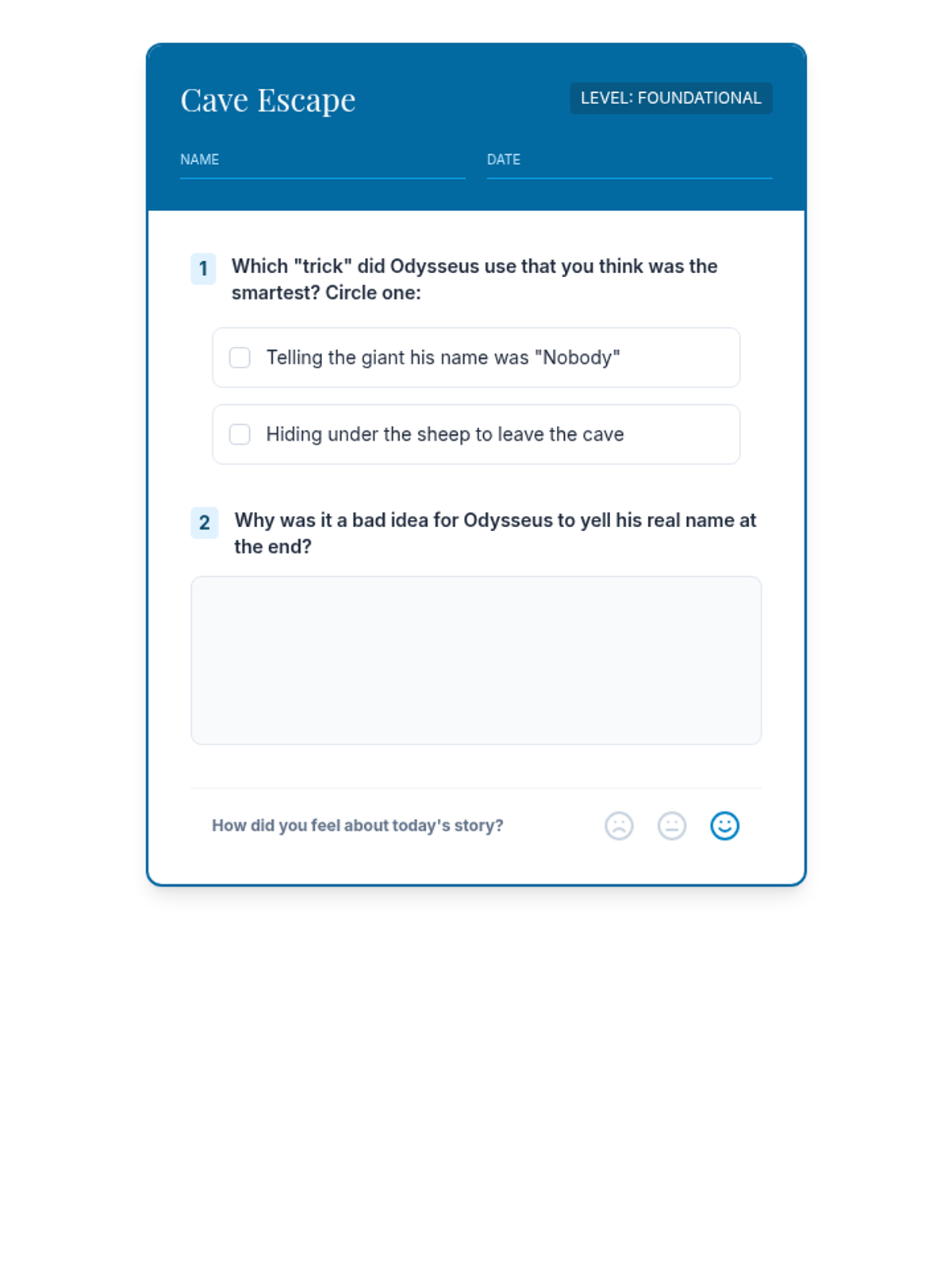
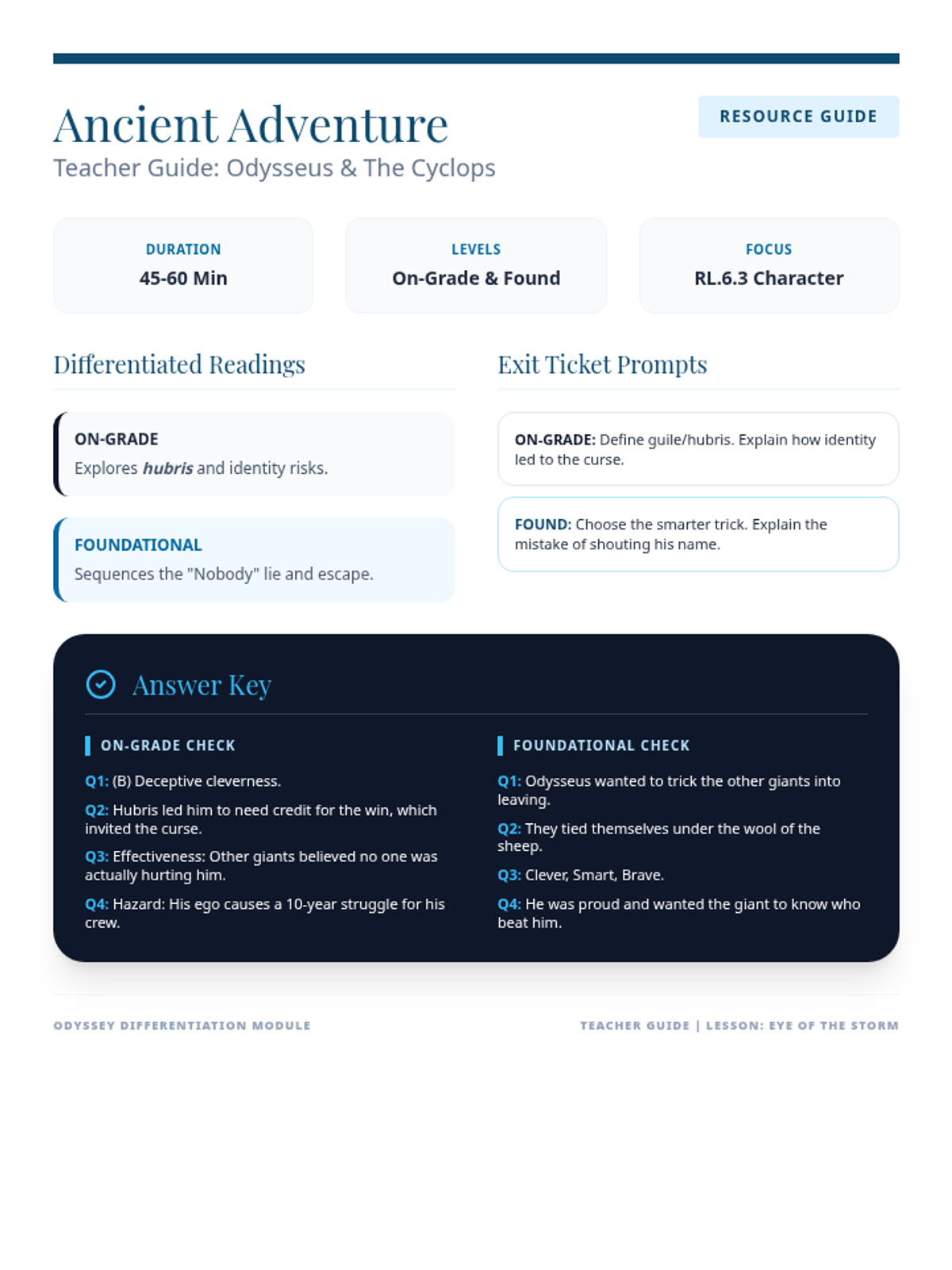
A lesson exploring the encounter between Odysseus and Polyphemus, focusing on character traits and cleverness through differentiated readings and assessments.
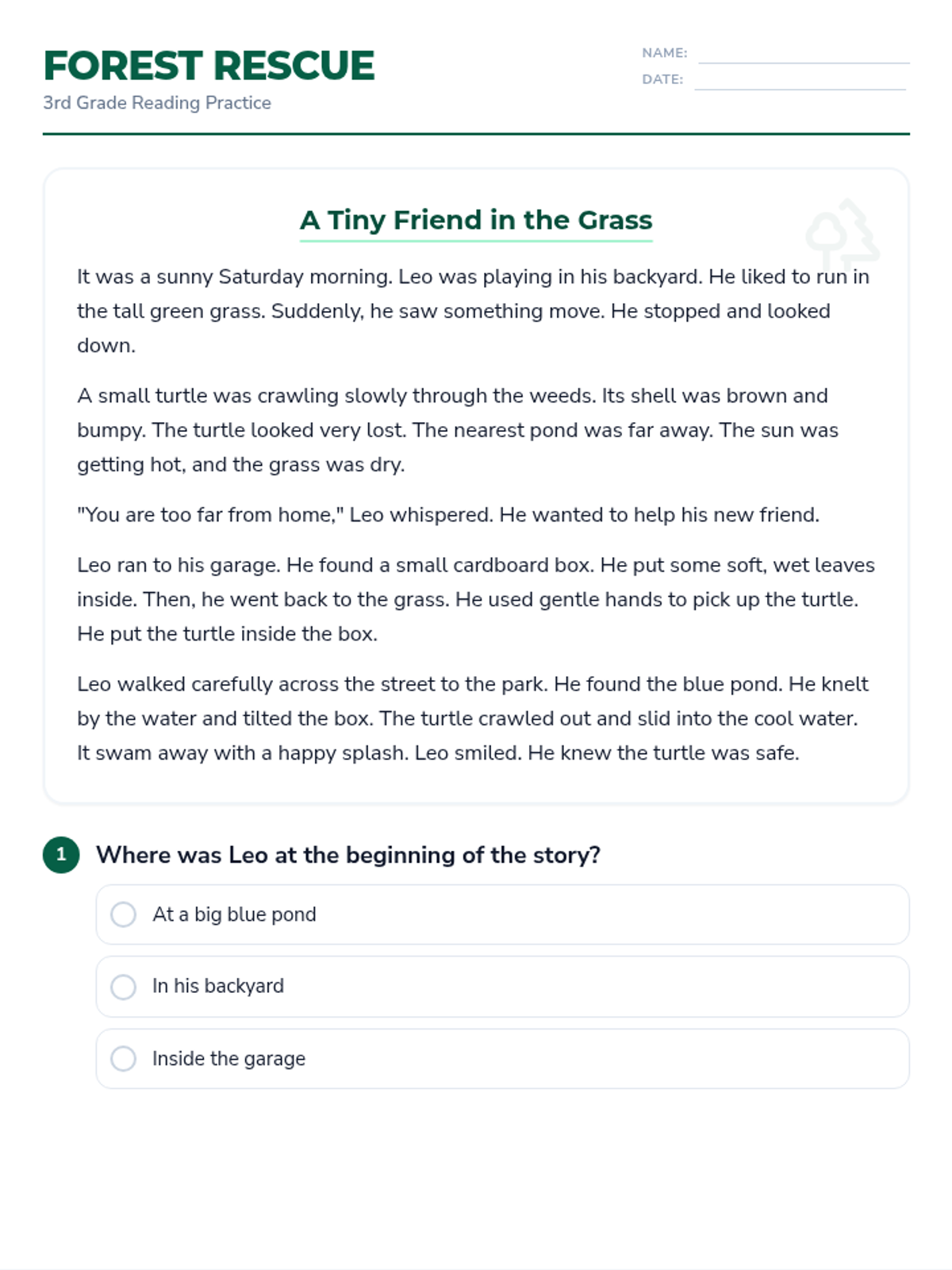
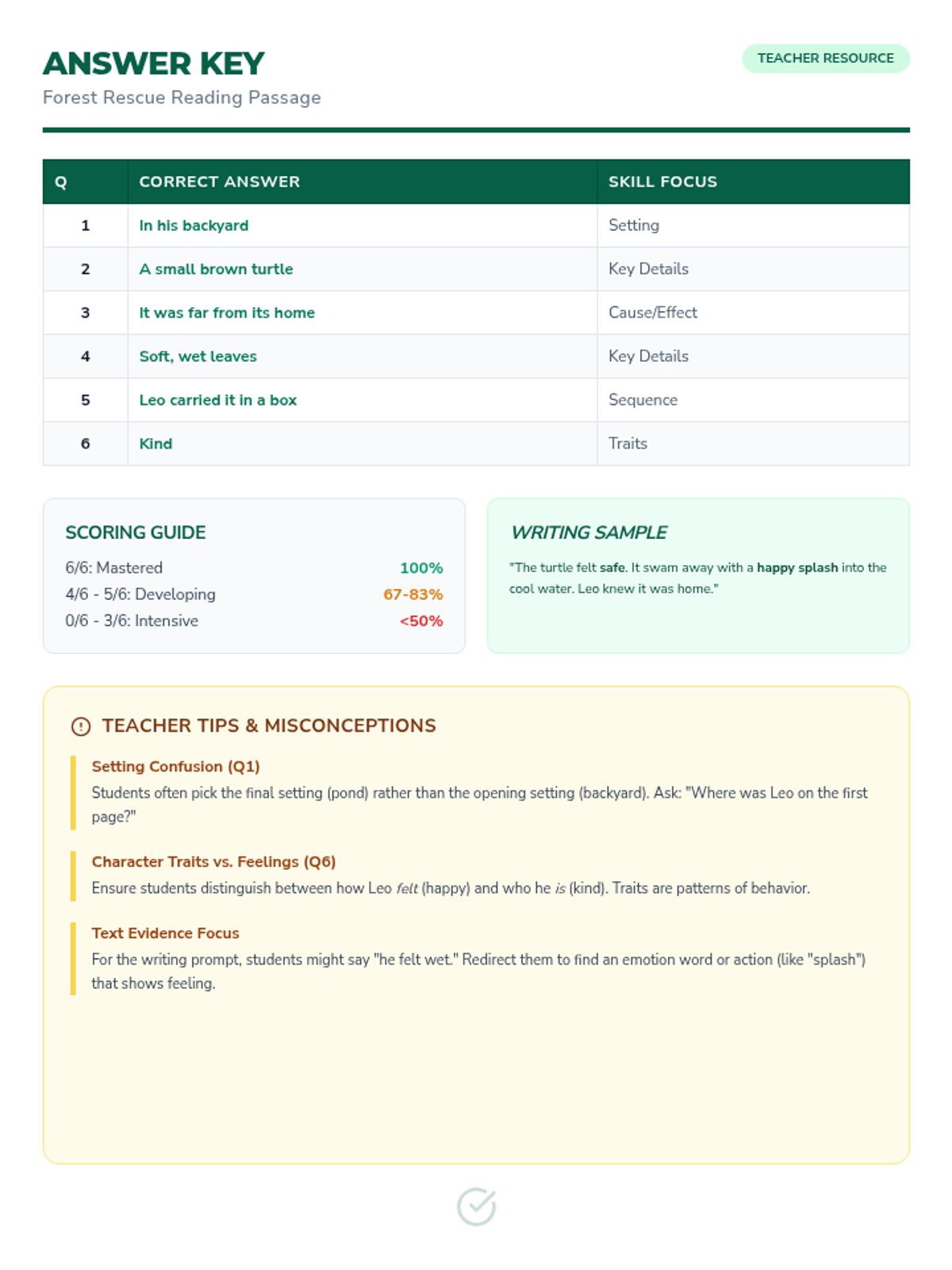
A reading comprehension lesson focused on a fictional narrative about a boy helping a turtle. Designed for 3rd-grade EOG preparation with simplified vocabulary and 3-option multiple choice questions.
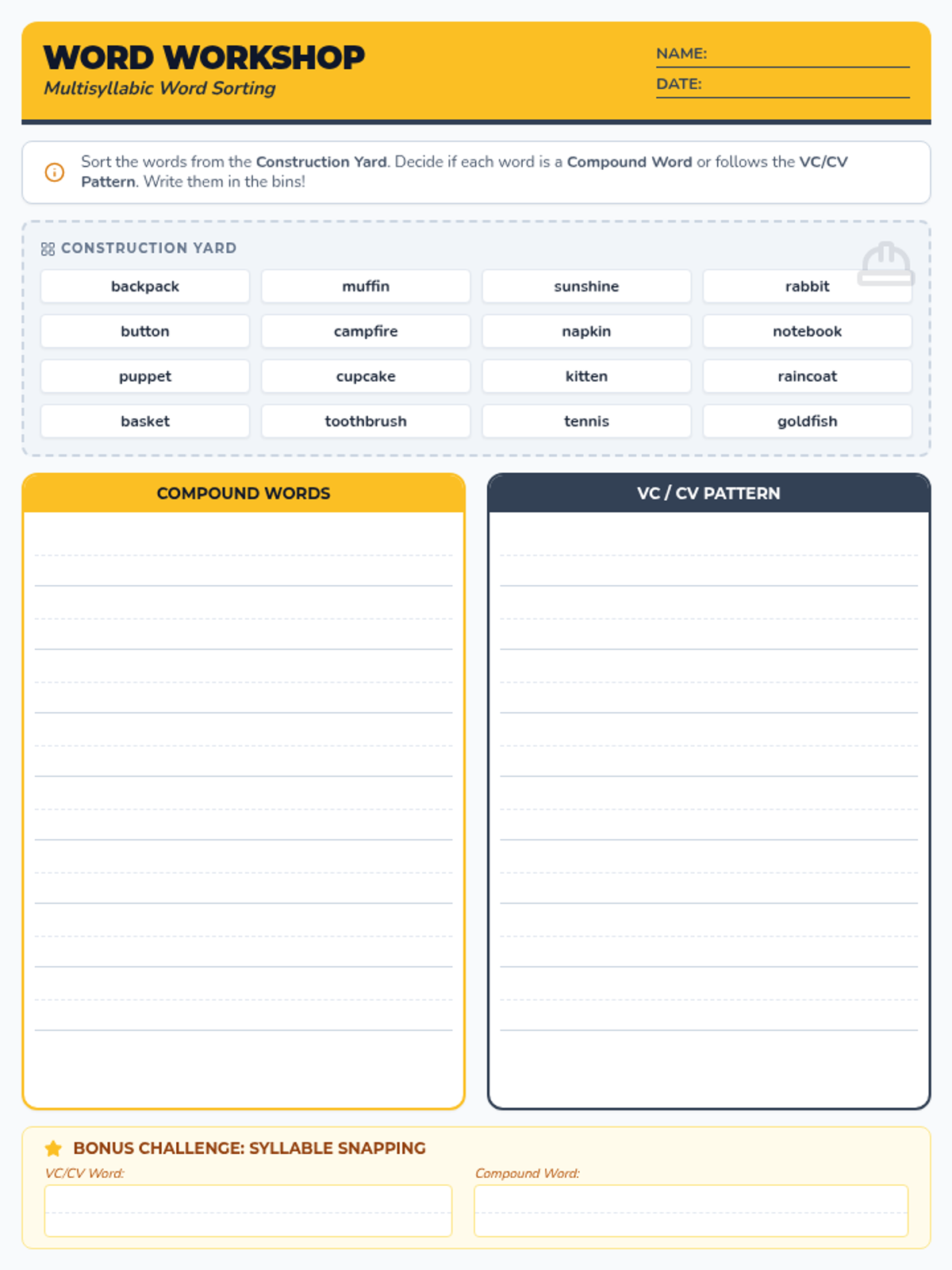
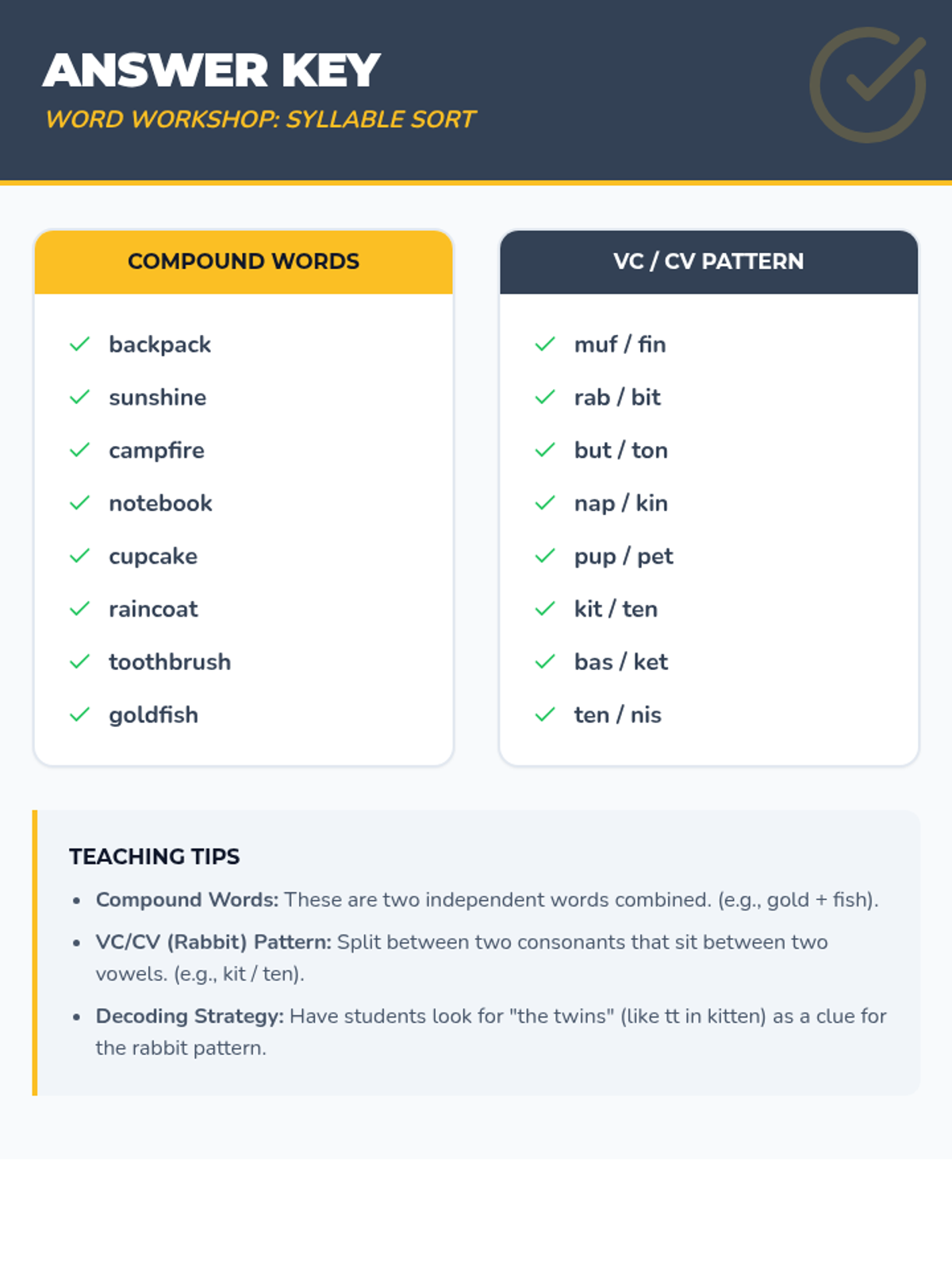
A hands-on lesson focusing on identifying and categorizing multisyllabic words using Compound and VC/CV (Rabbit) patterns. Students will practice decoding and sorting words to build phonemic awareness.
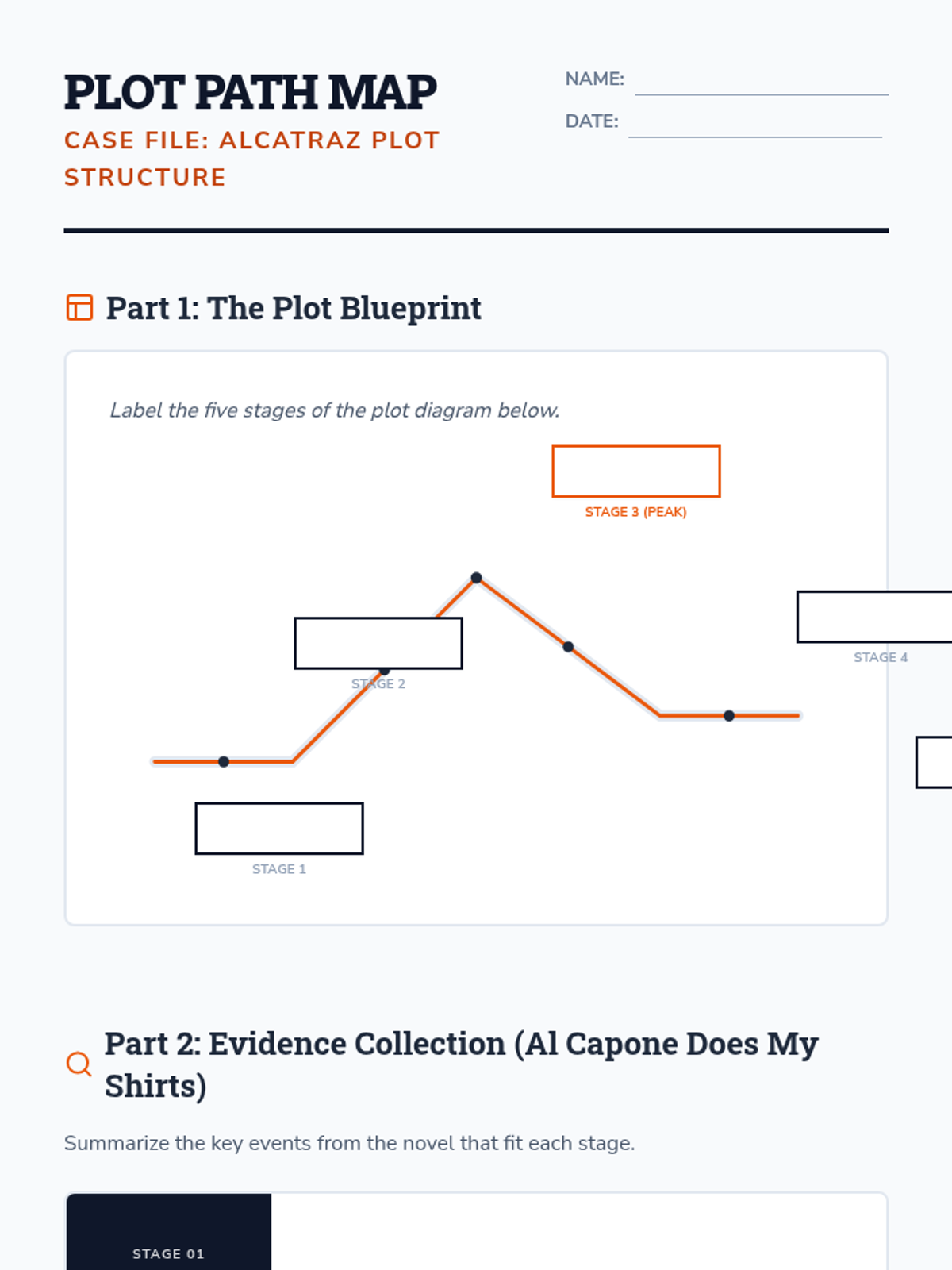
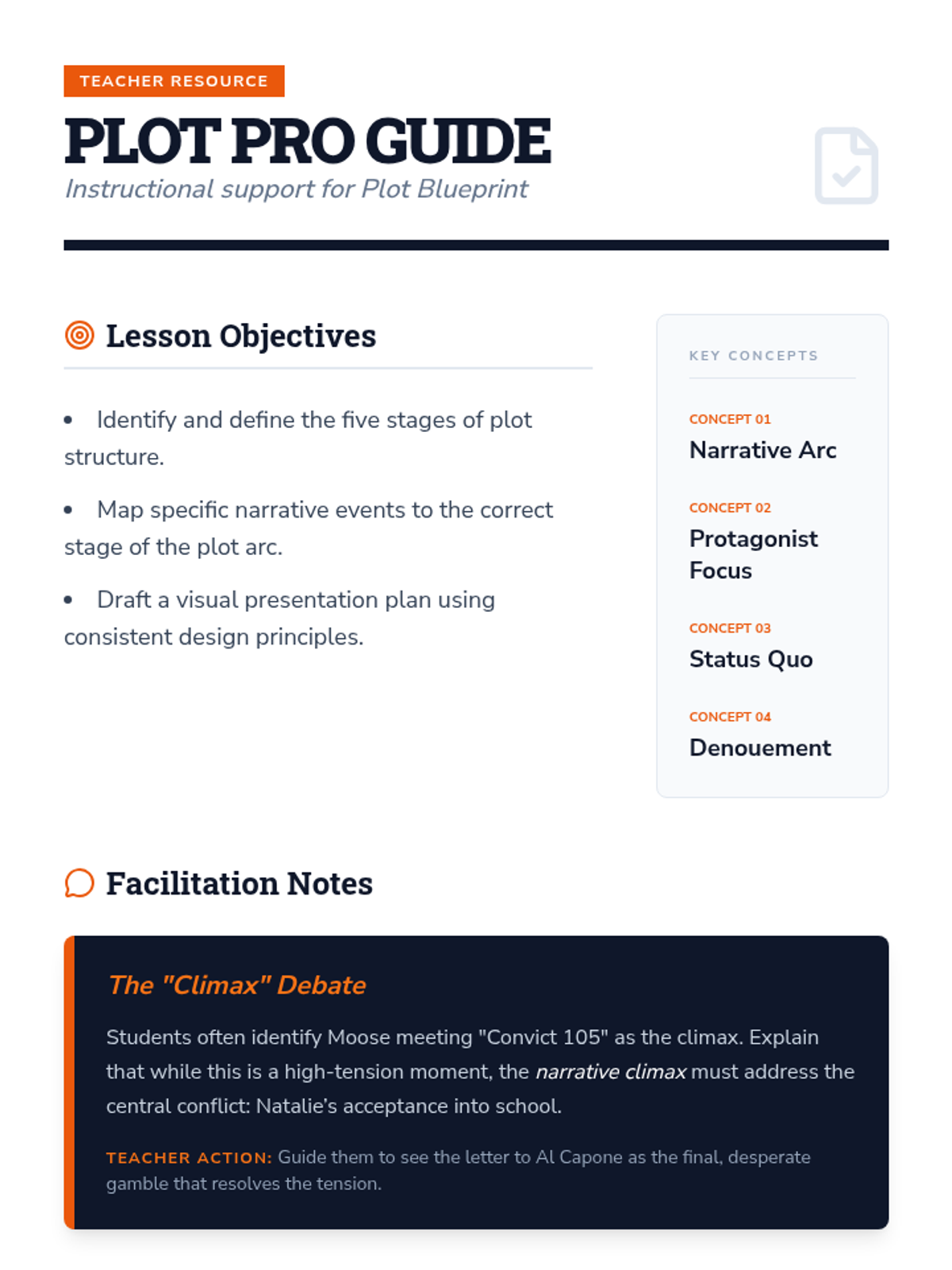
A lesson focusing on identifying and analyzing the five stages of plot structure using the novel Al Capone Does My Shirts as a primary example. Students explore the arc of Moose Flanagan's journey on Alcatraz.
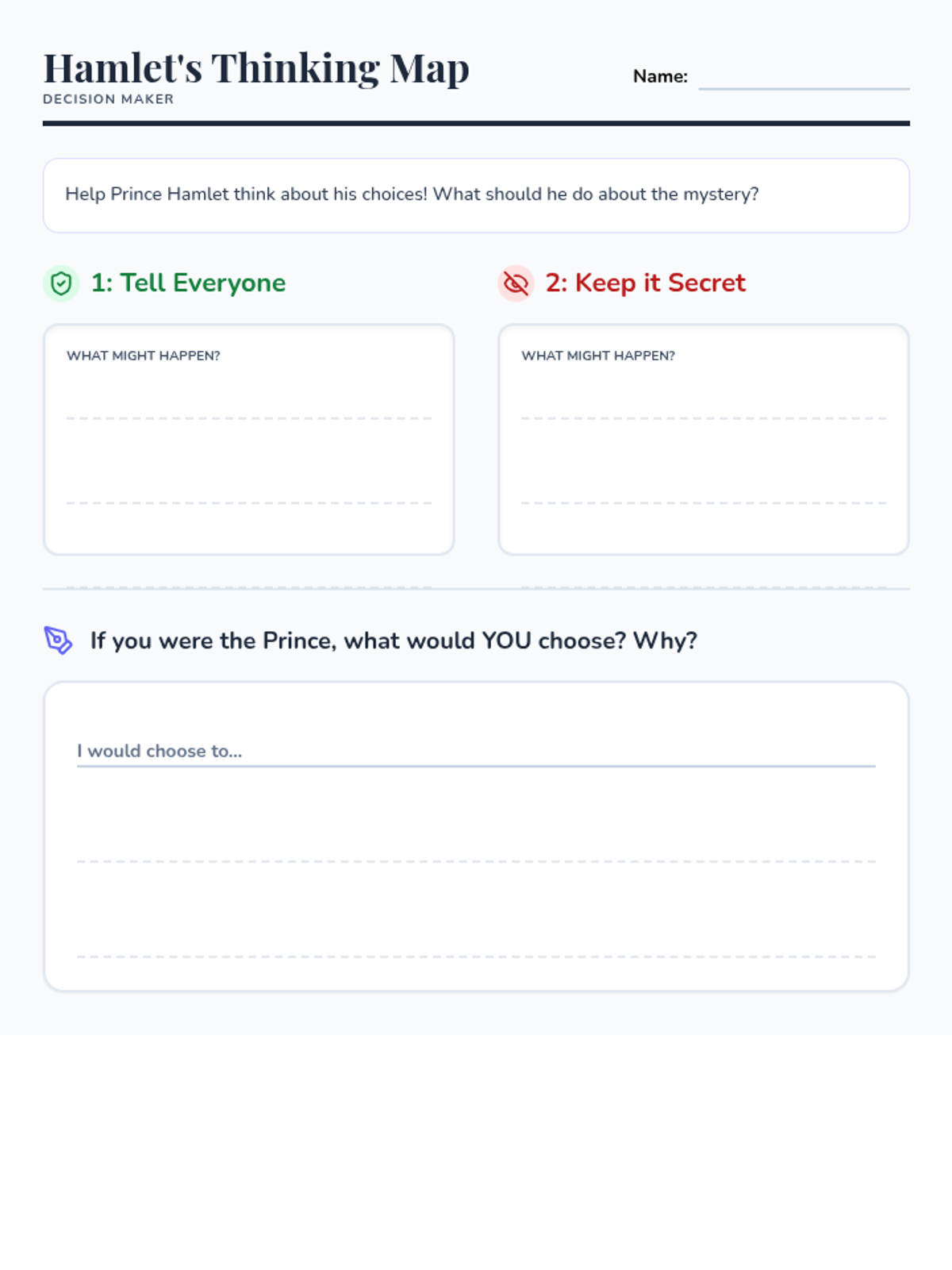
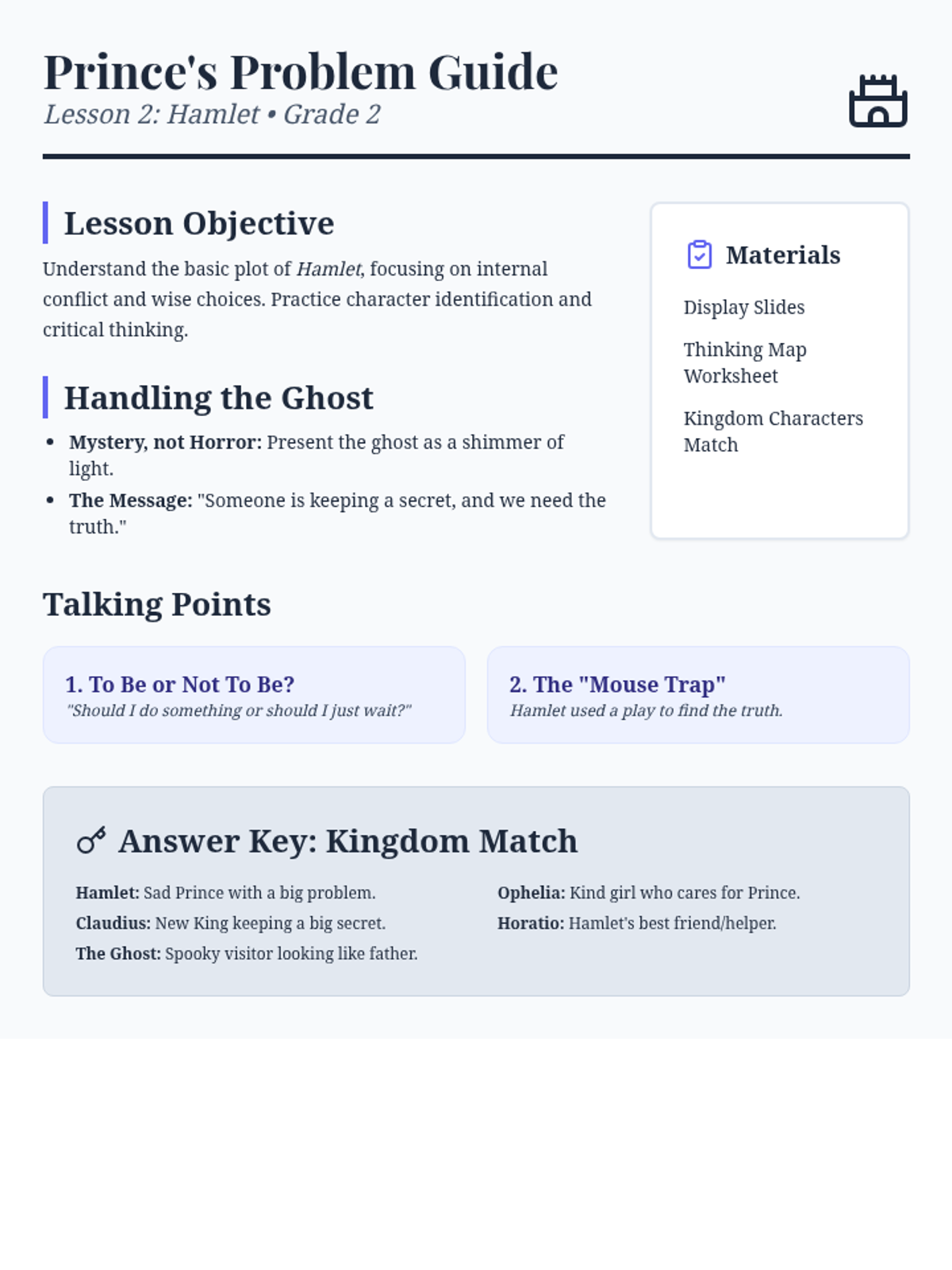
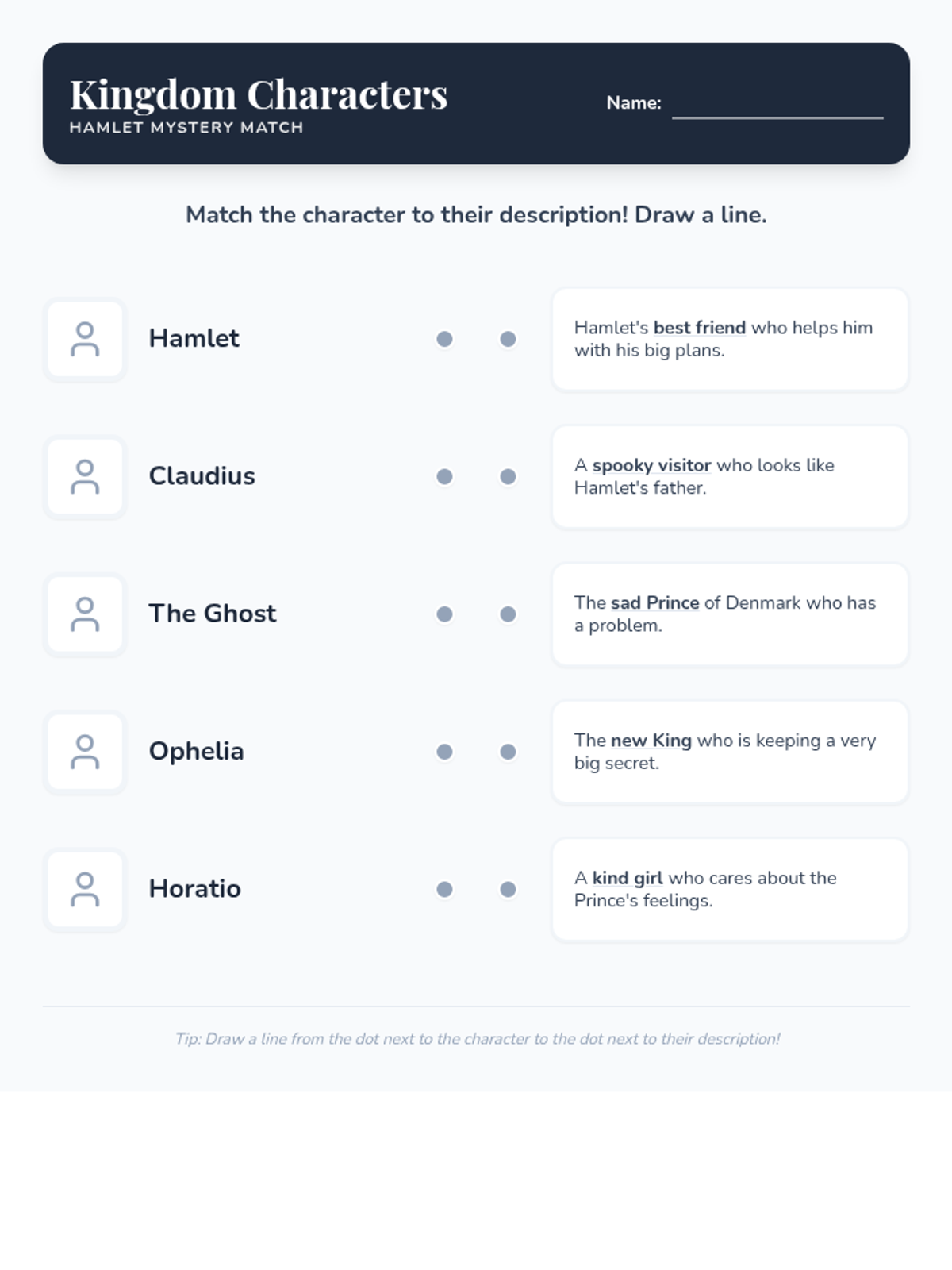
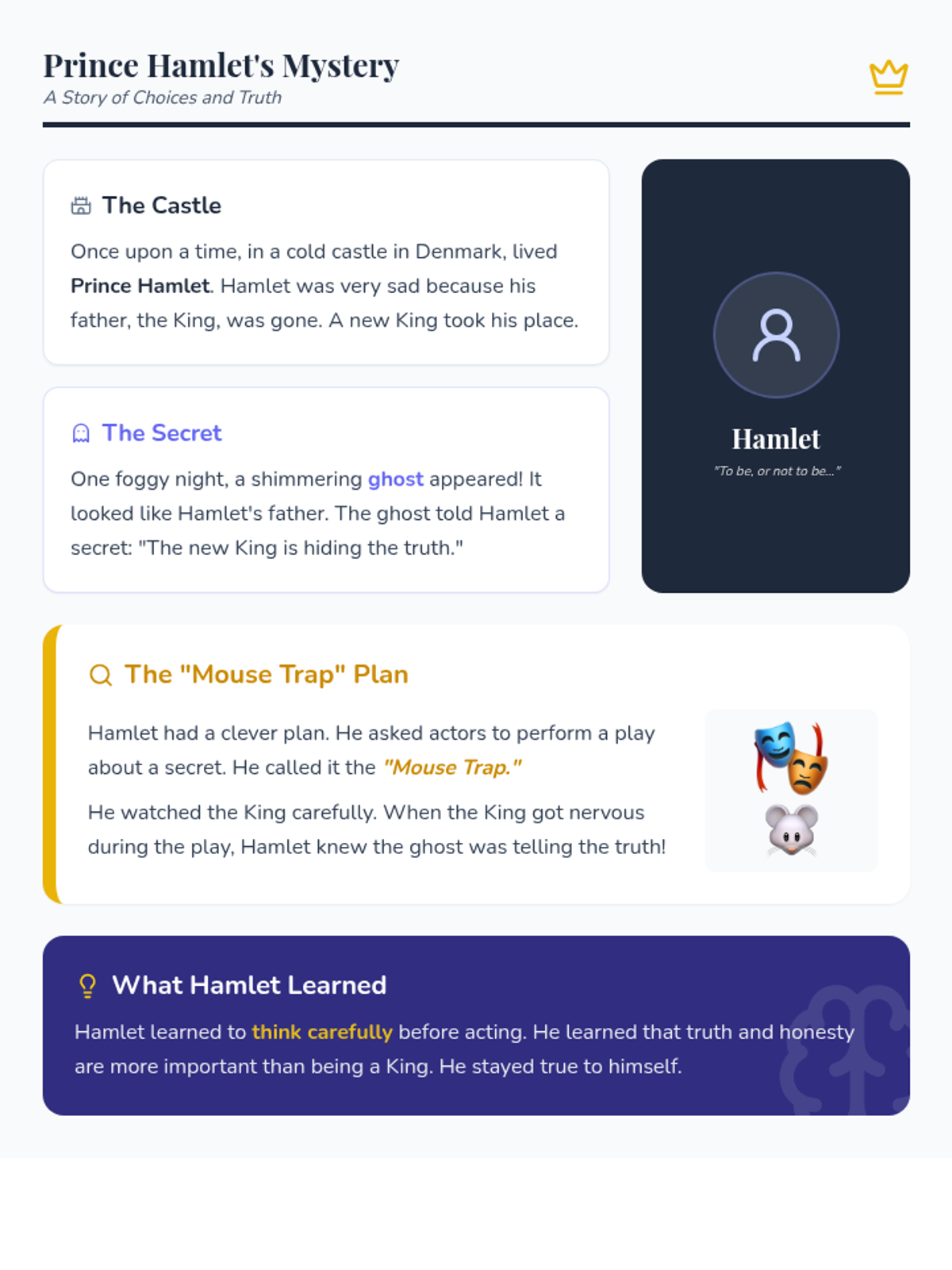
A simplified introduction to the story of Prince Hamlet, focusing on themes of family, mystery, and making difficult choices, adapted for a 2nd grade audience.
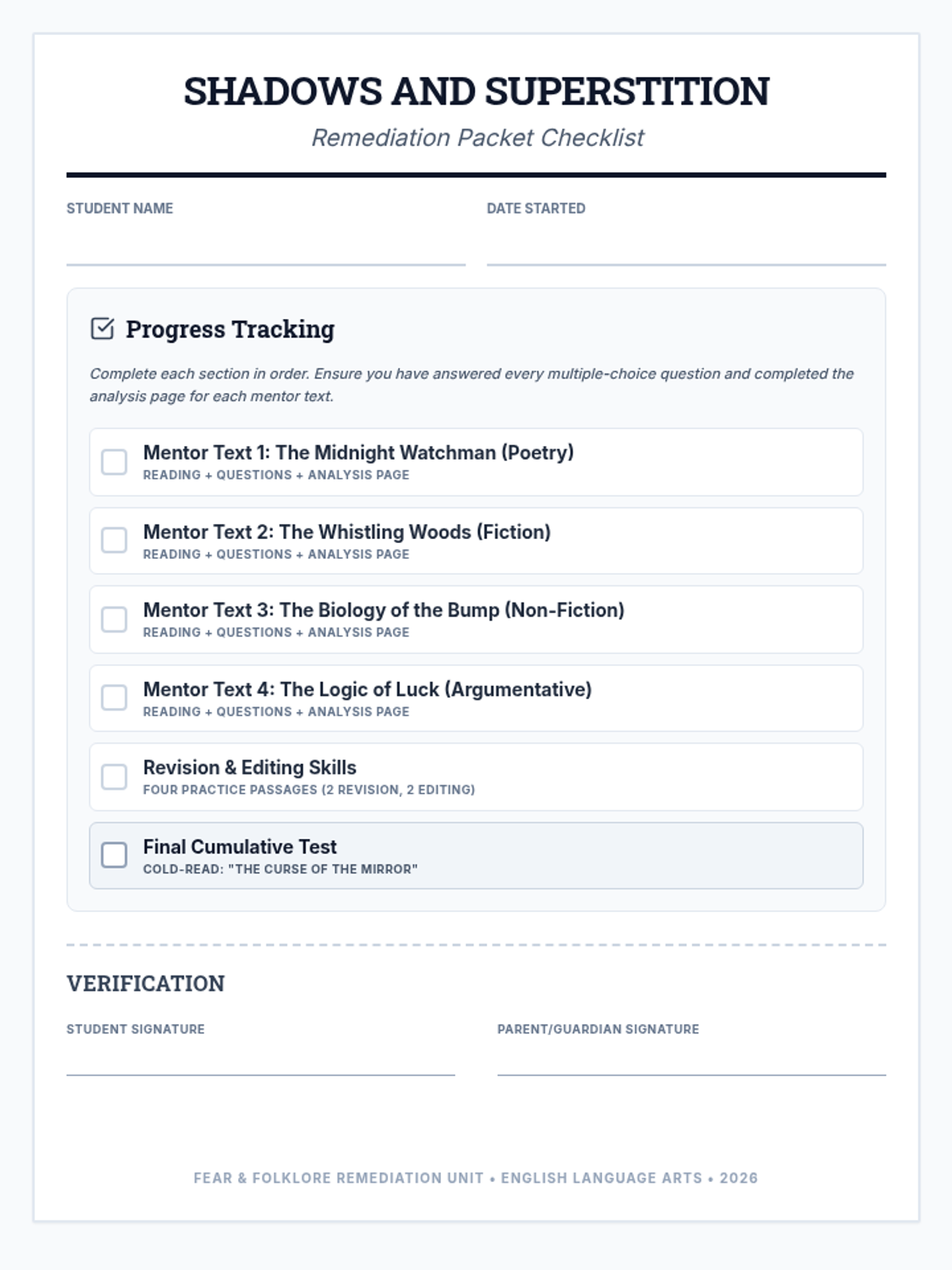
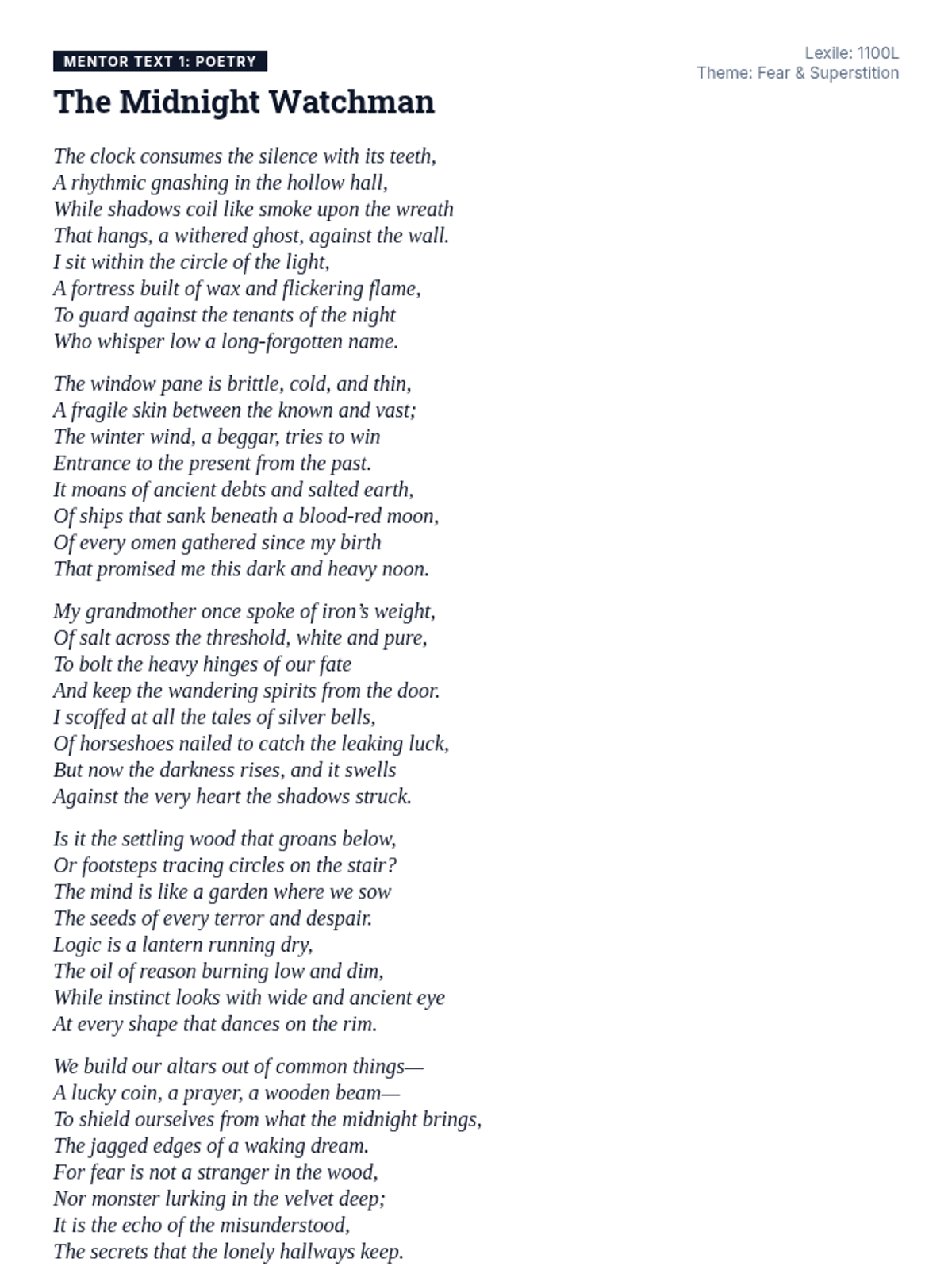
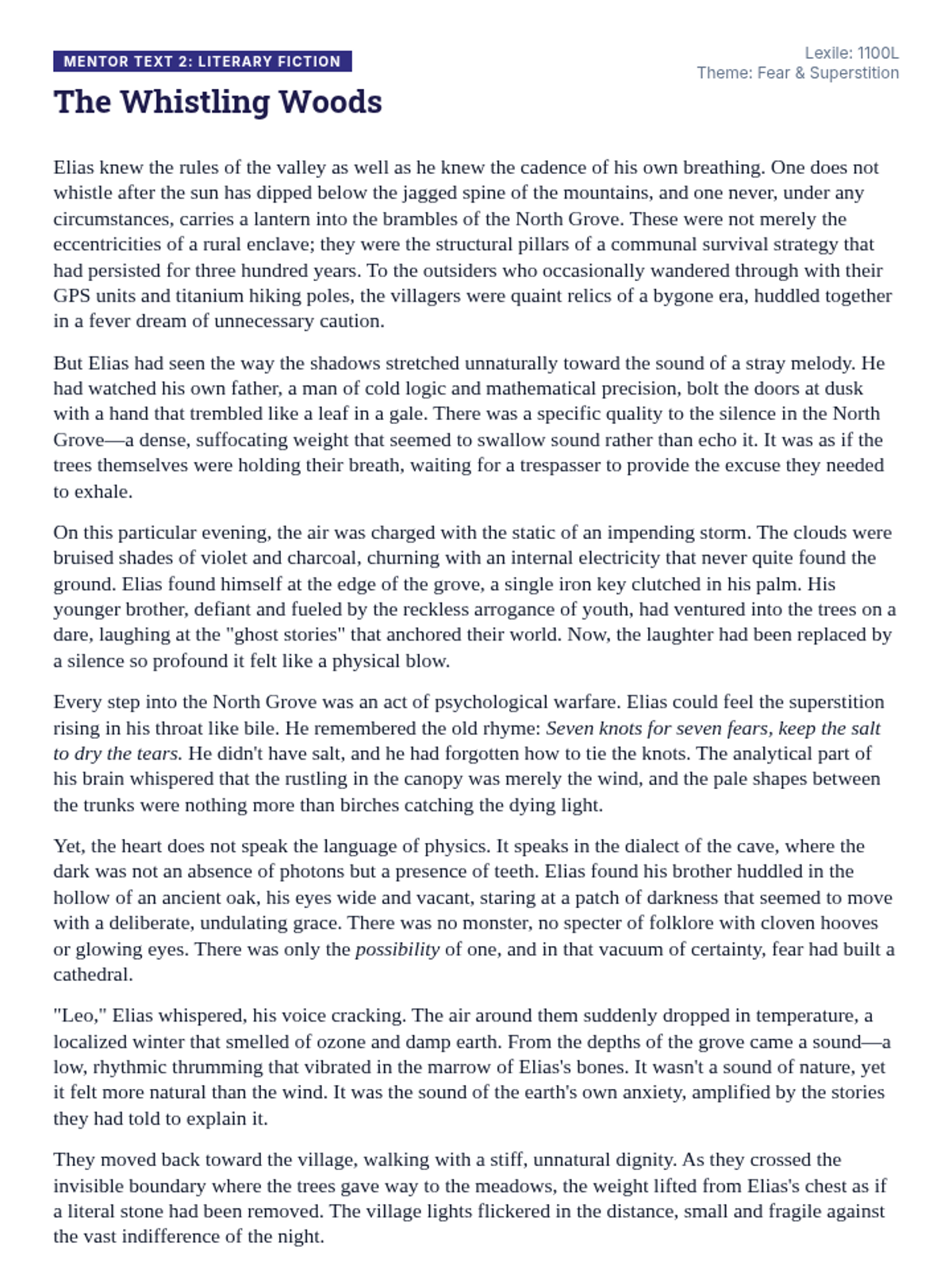
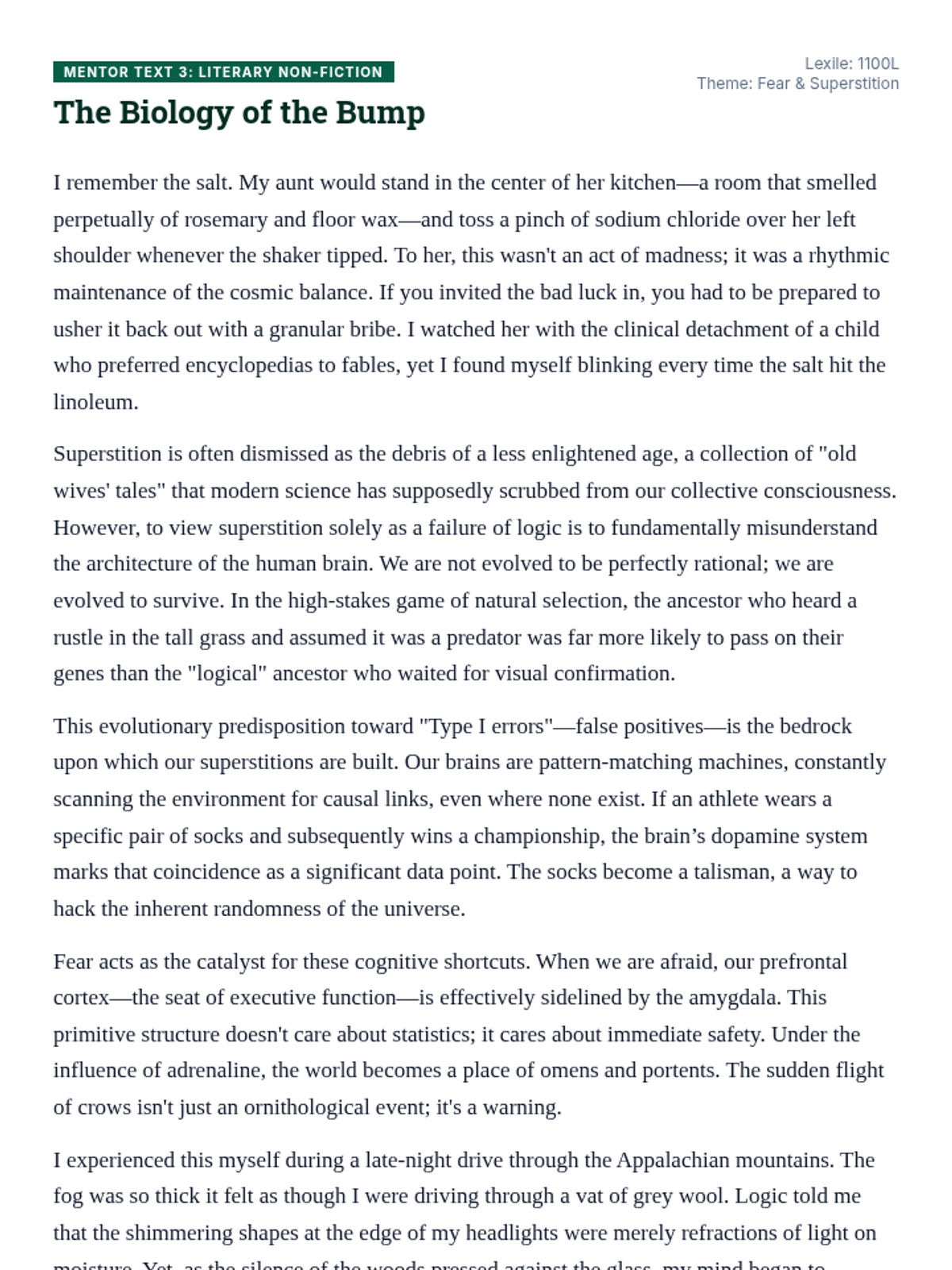
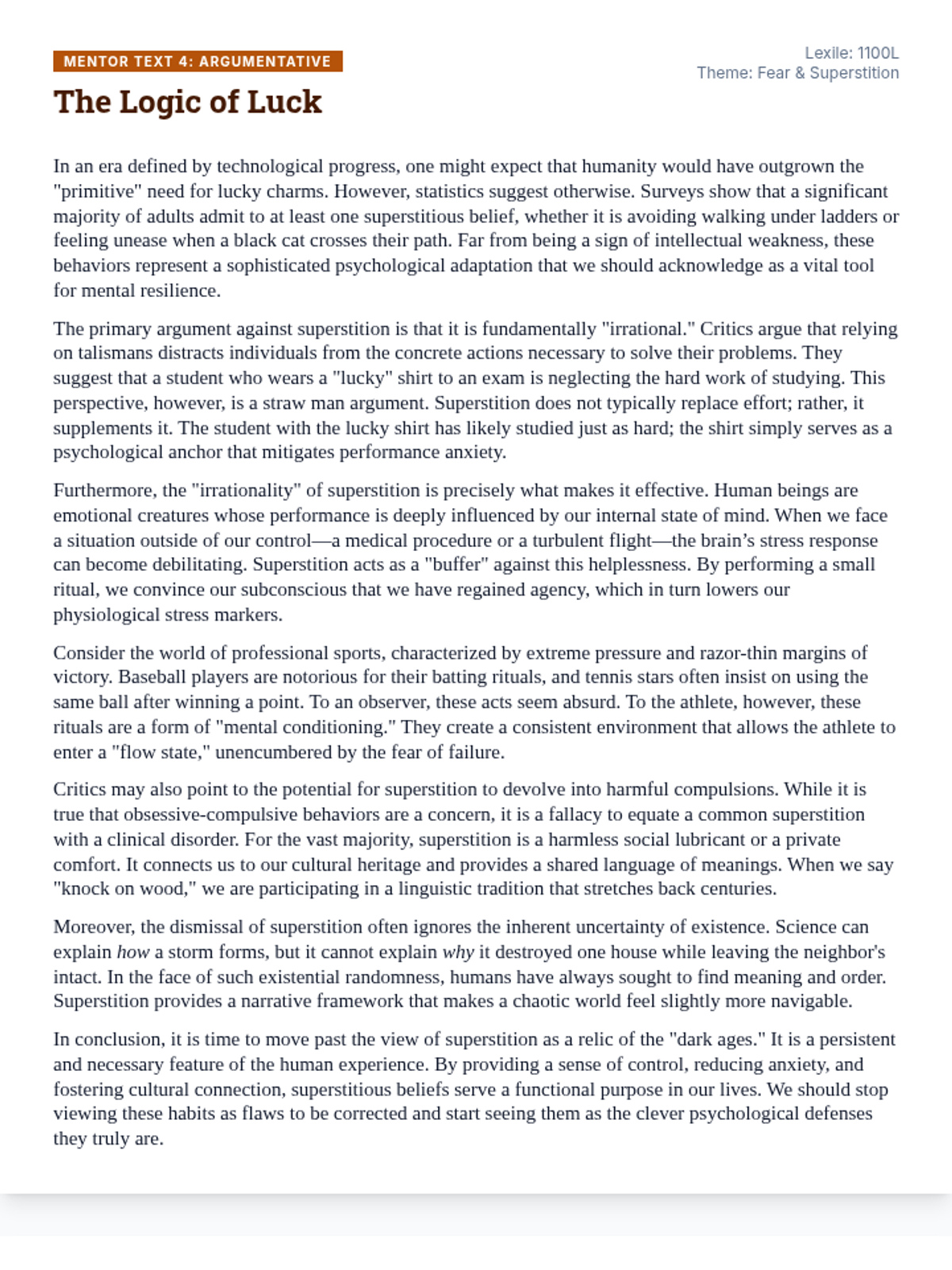
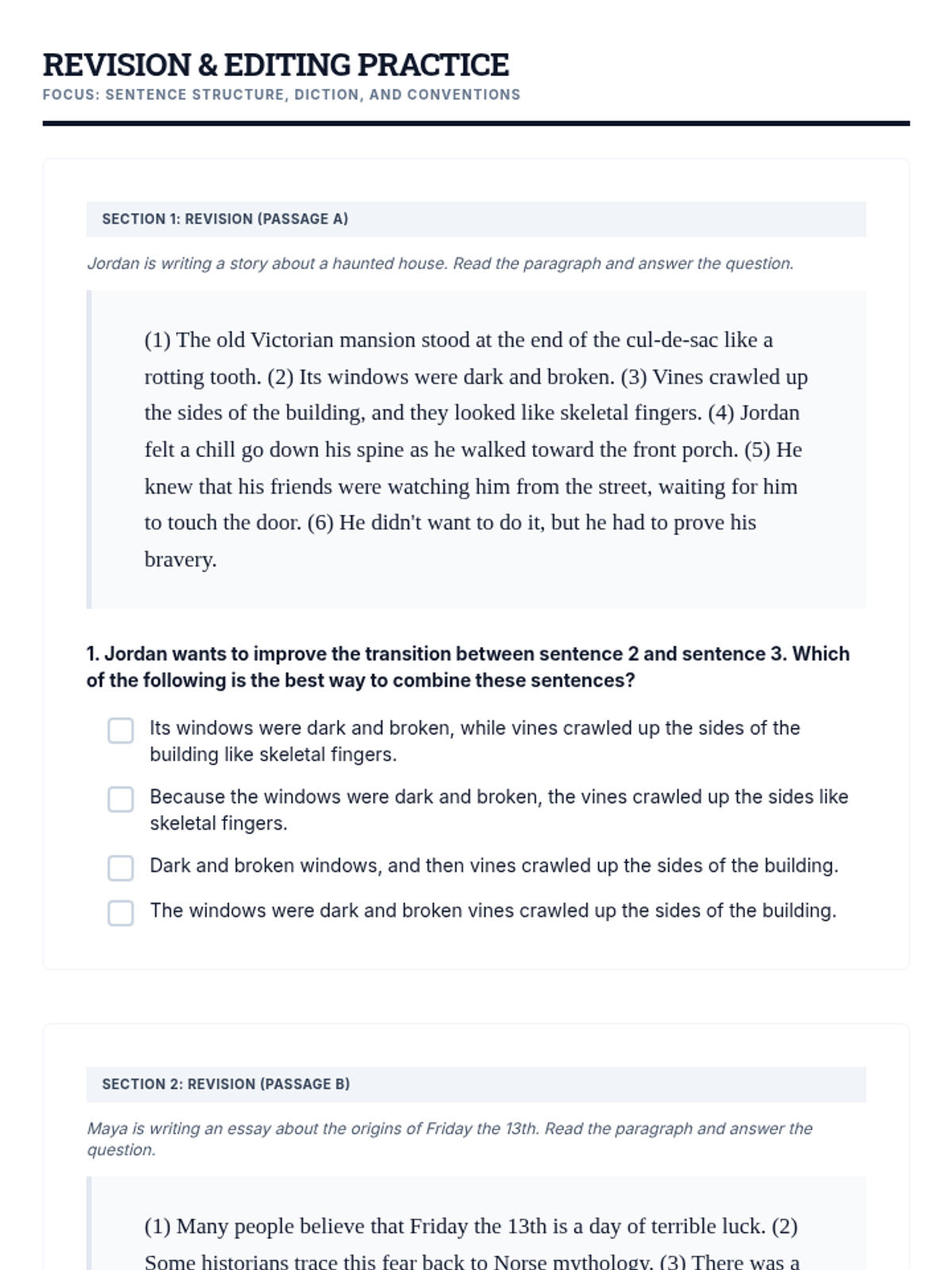
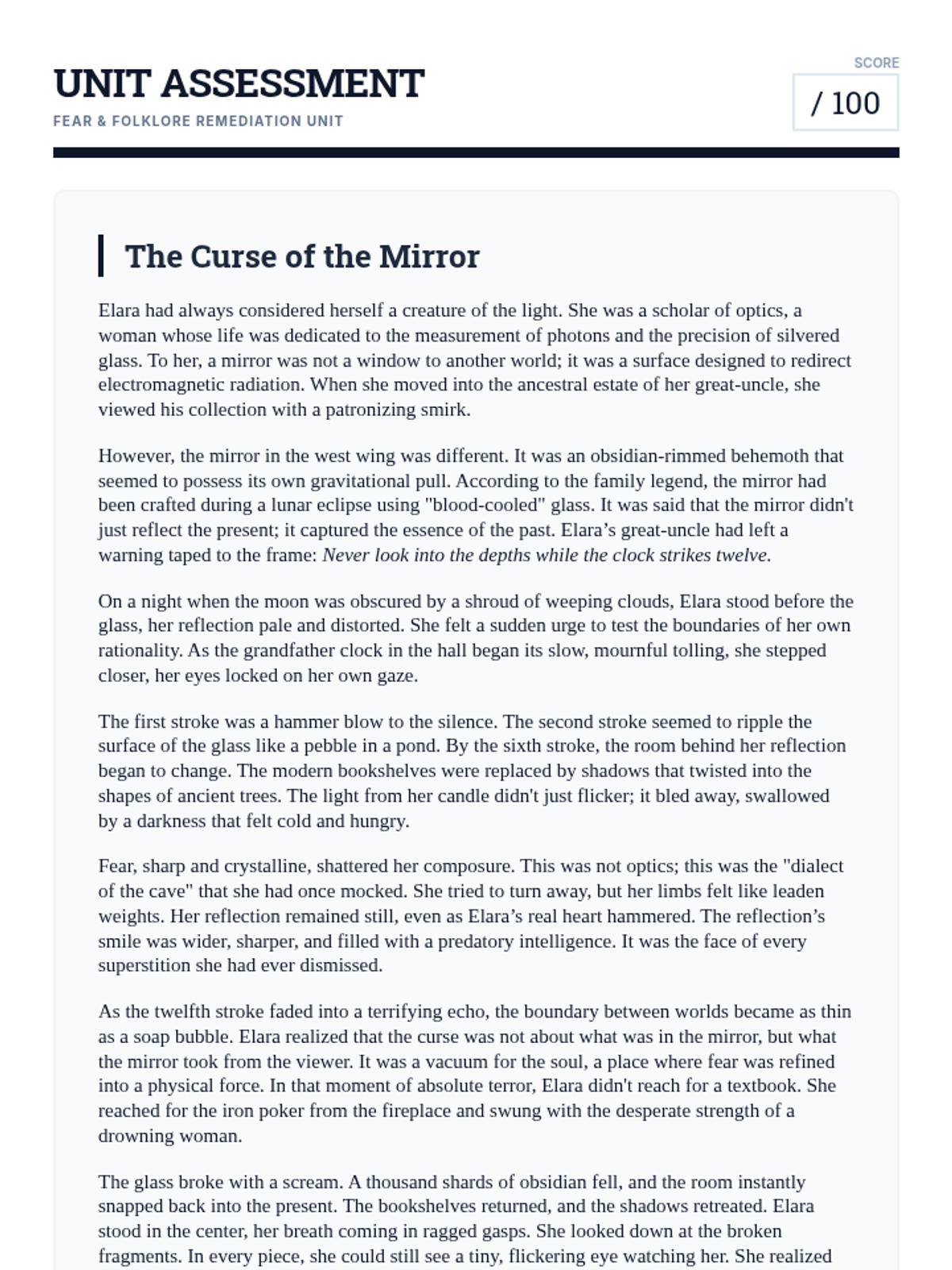
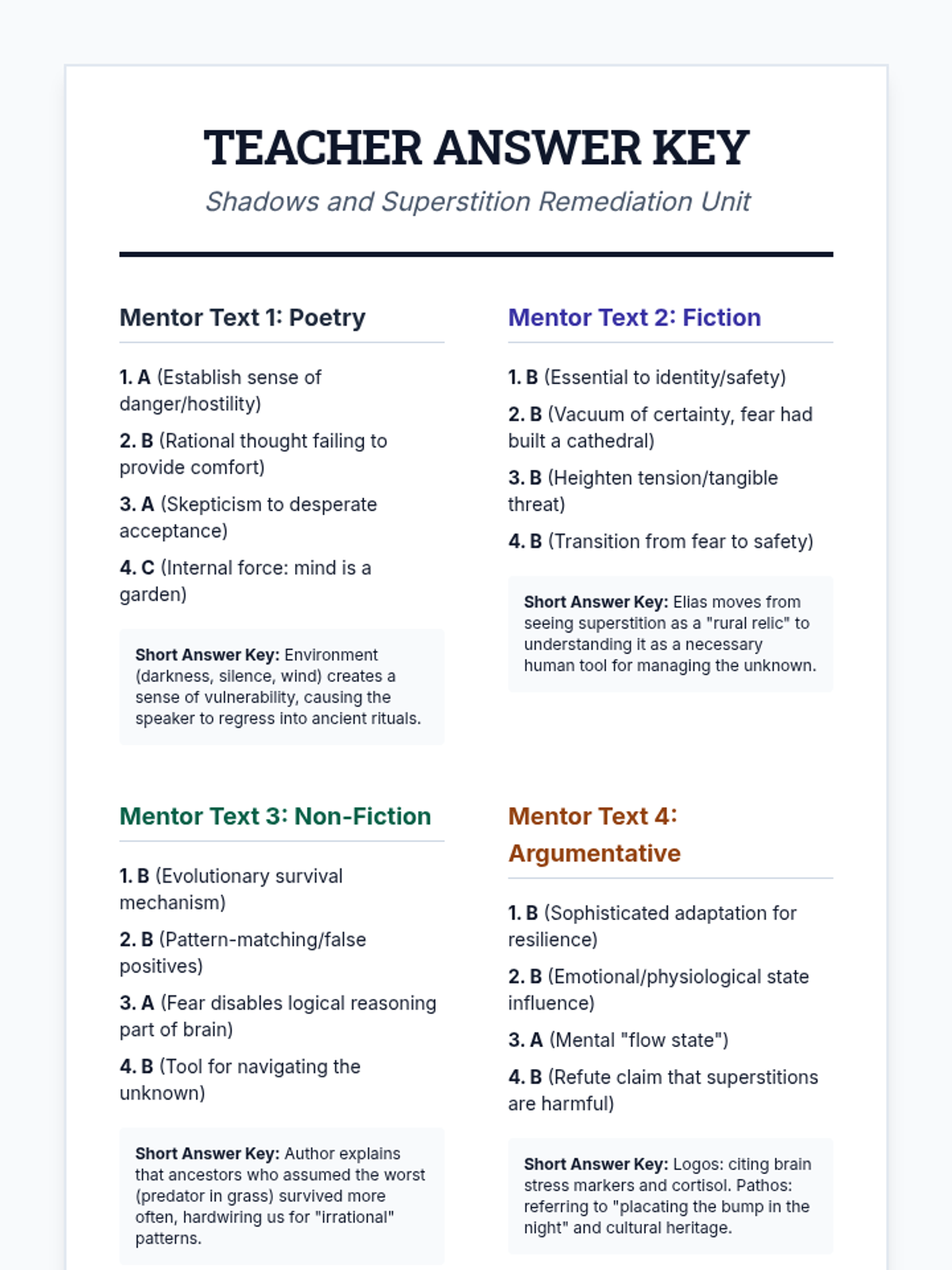
This lesson provides intensive remediation on core literacy skills using high-interest texts centered on fear and superstition. It includes mentor texts in four genres, revision and editing practice, and a final cold-read assessment.
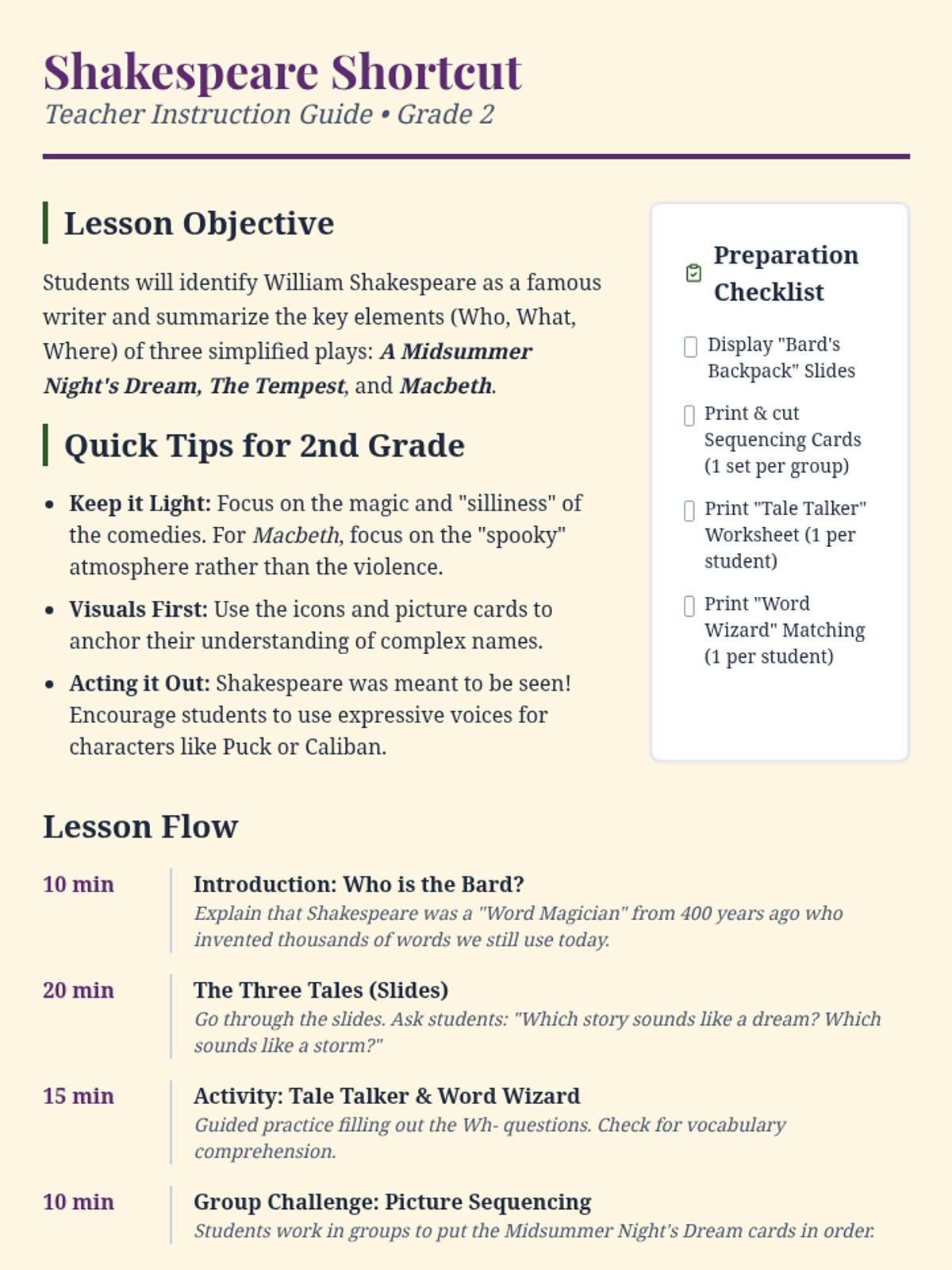
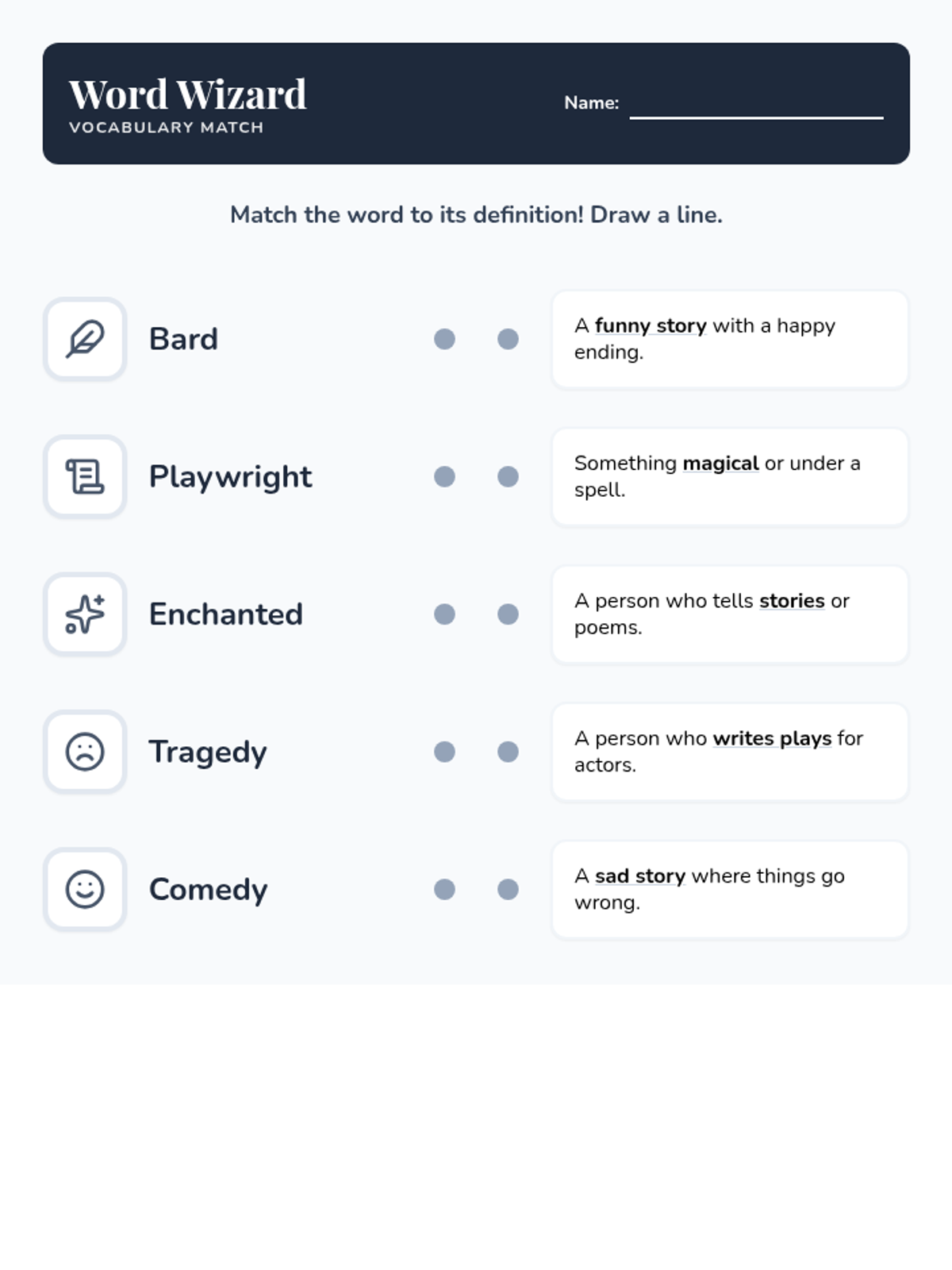
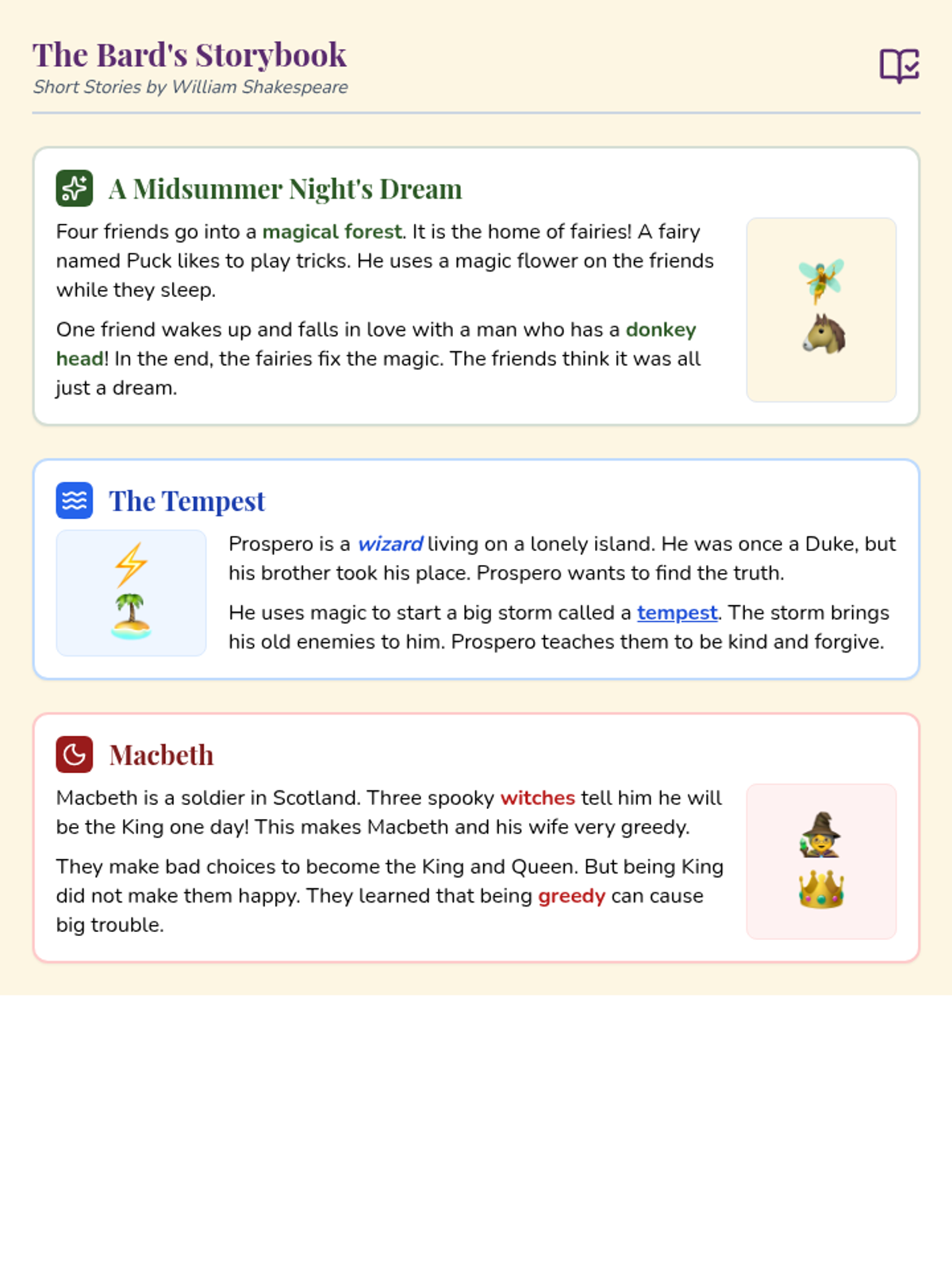
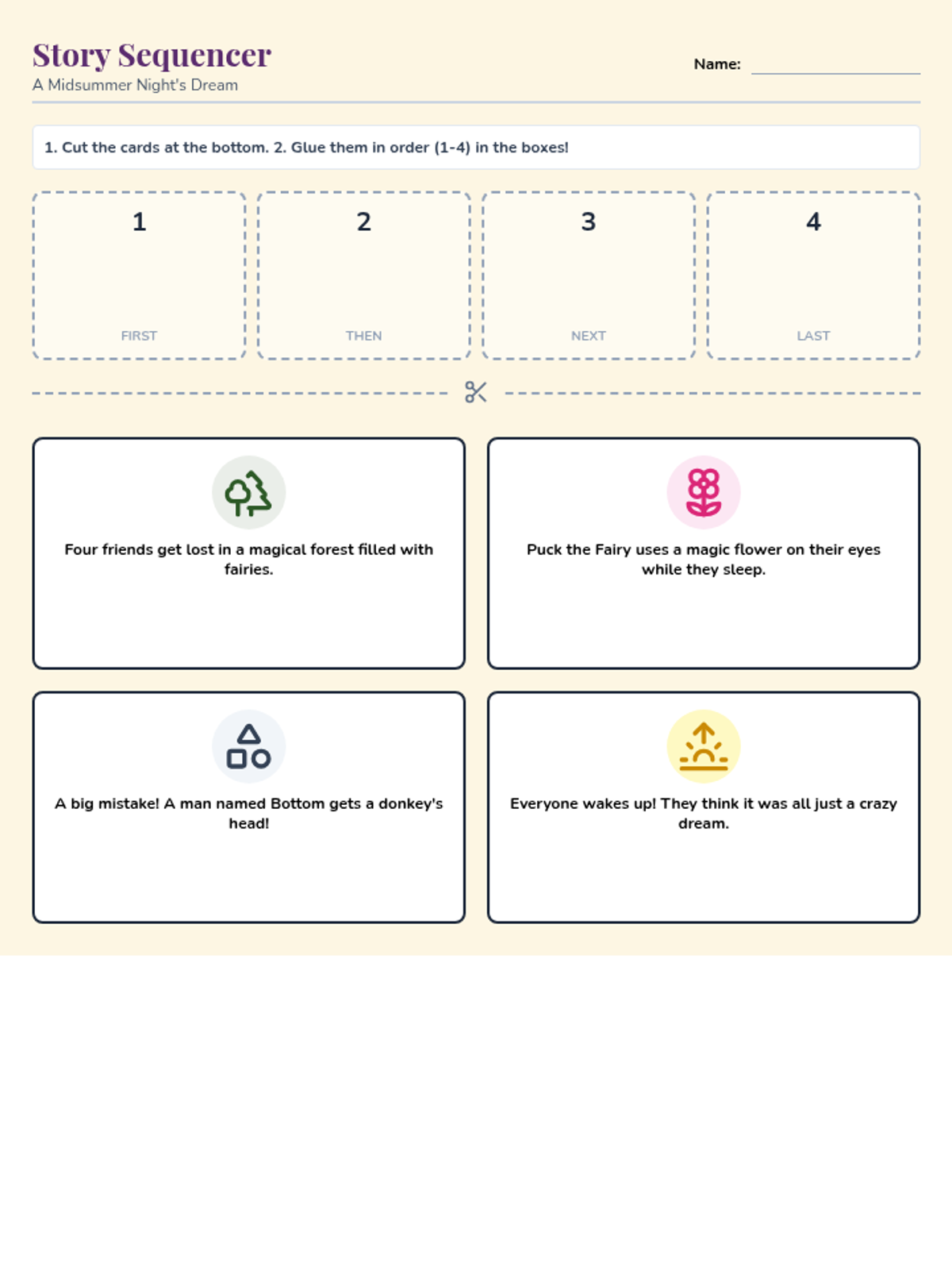
An introductory lesson exploring who William Shakespeare was and diving into three of his famous tales: A Midsummer Night's Dream, The Tempest, and Macbeth, adapted for young learners.