A fun, hands-on lesson for 3rd graders to explore morphology by spinning and combining prefixes, bases, and suffixes. Students learn how affixes change the meaning and tense of base words.
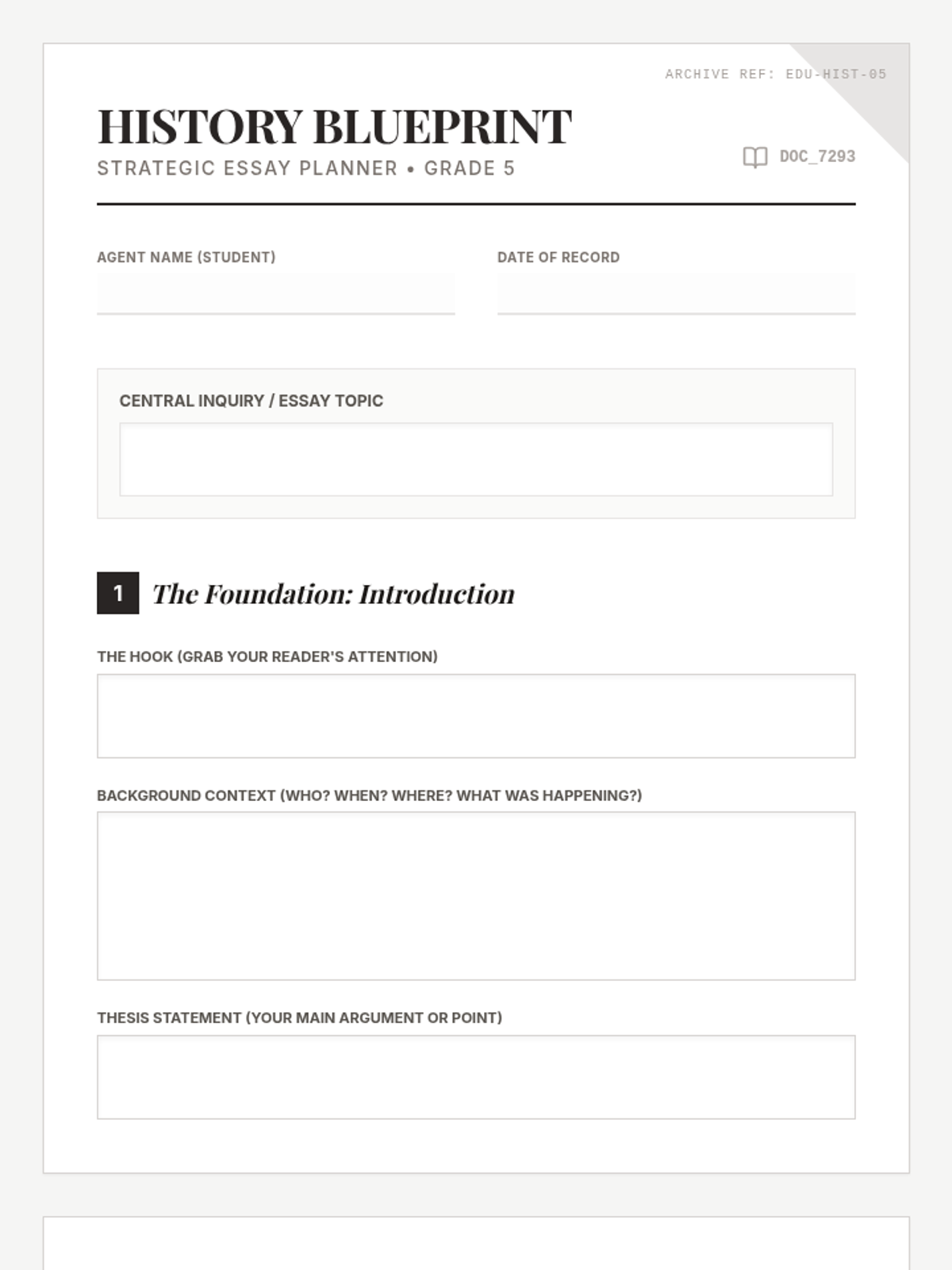
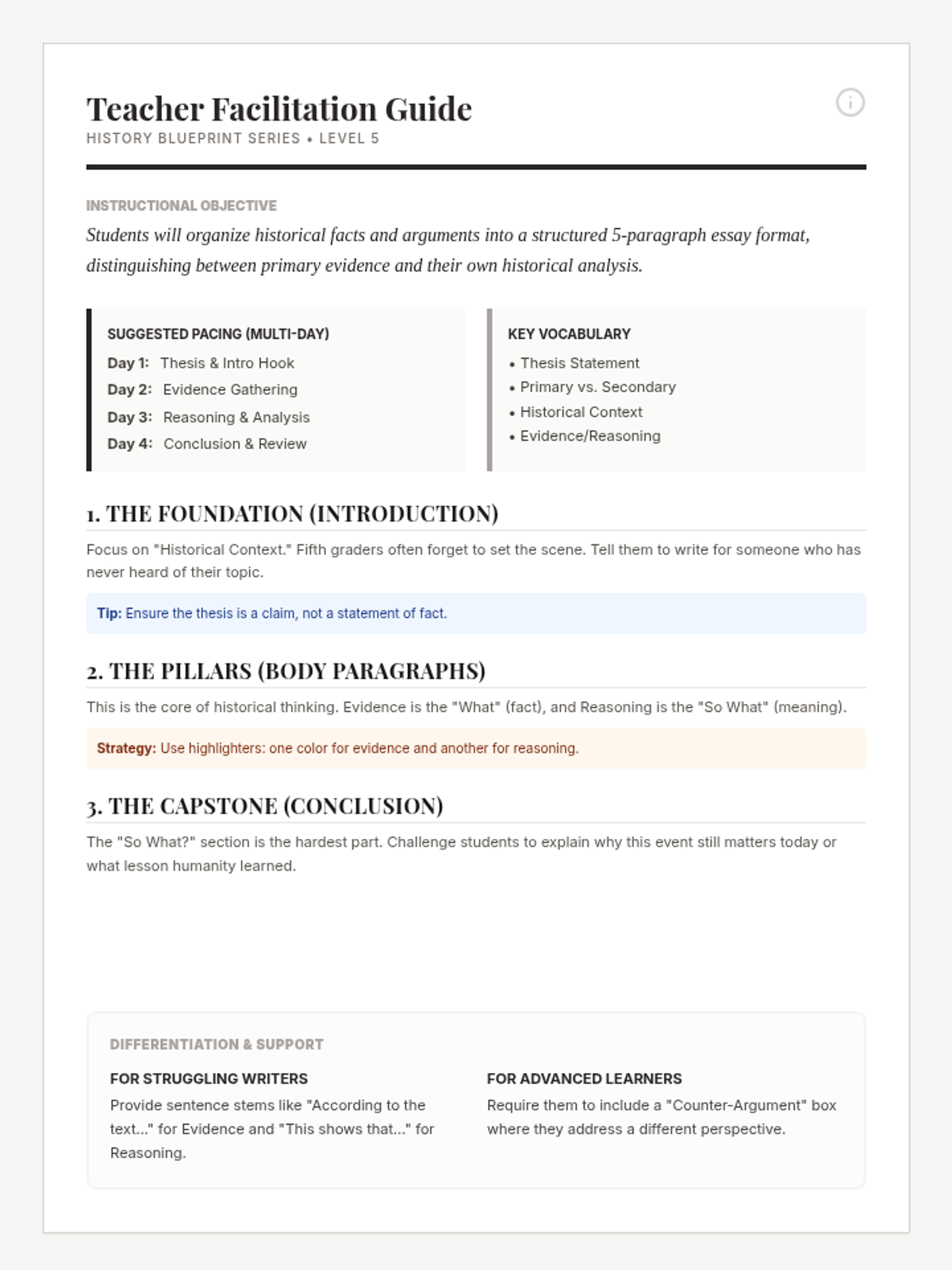
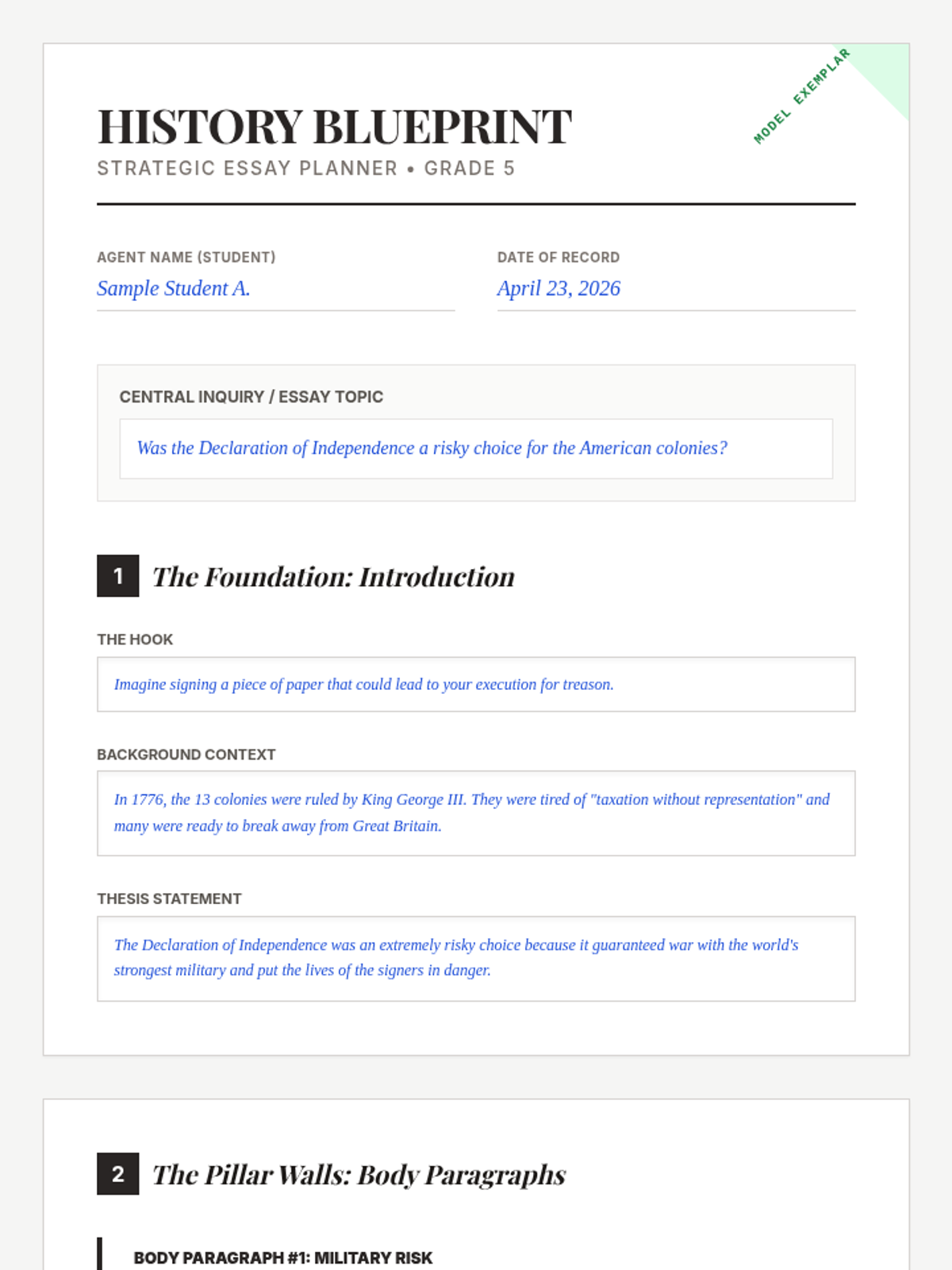
A comprehensive guide and graphic organizer to help 5th-grade students structure their historical essays with clear evidence and logical flow.
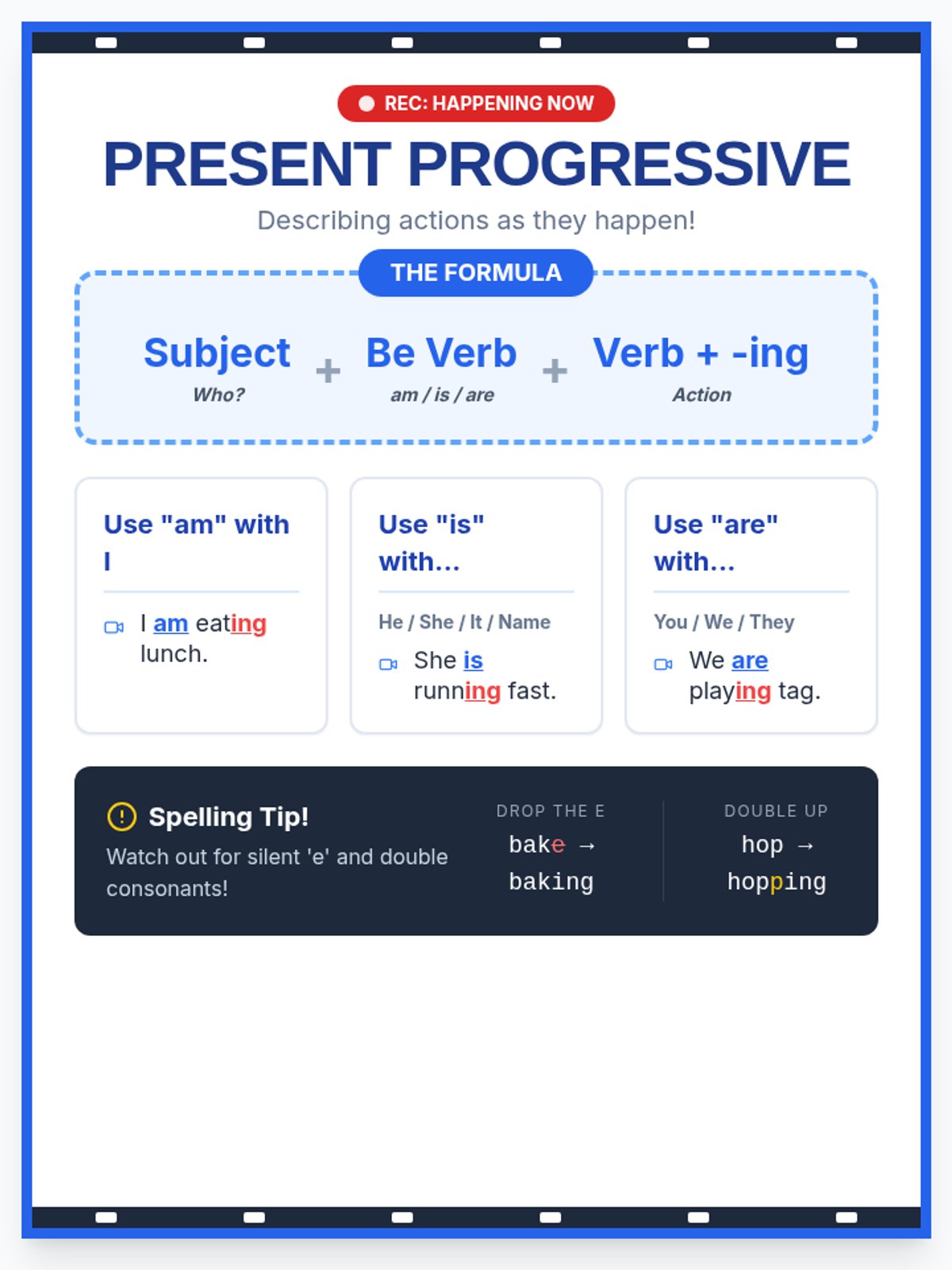
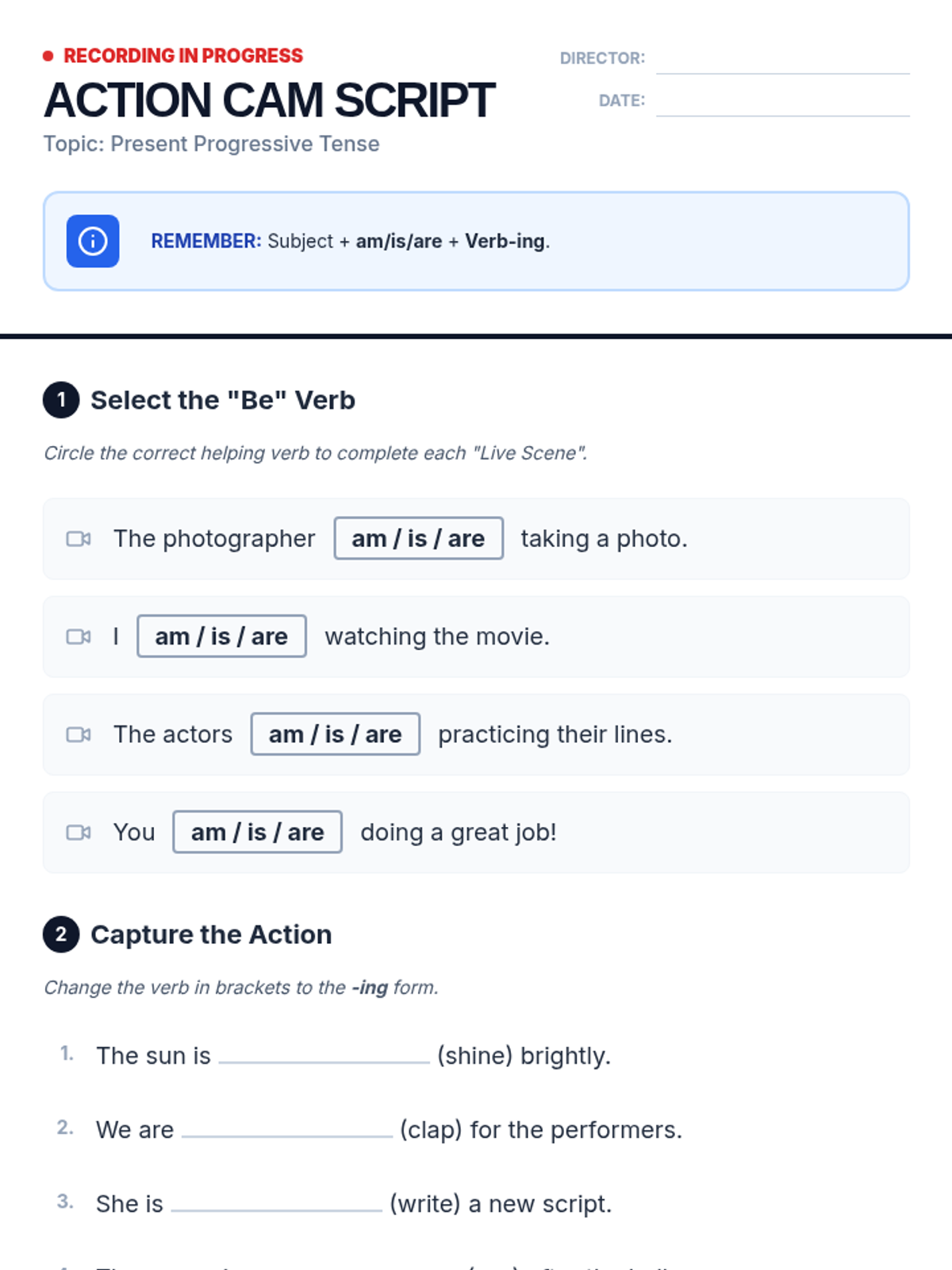
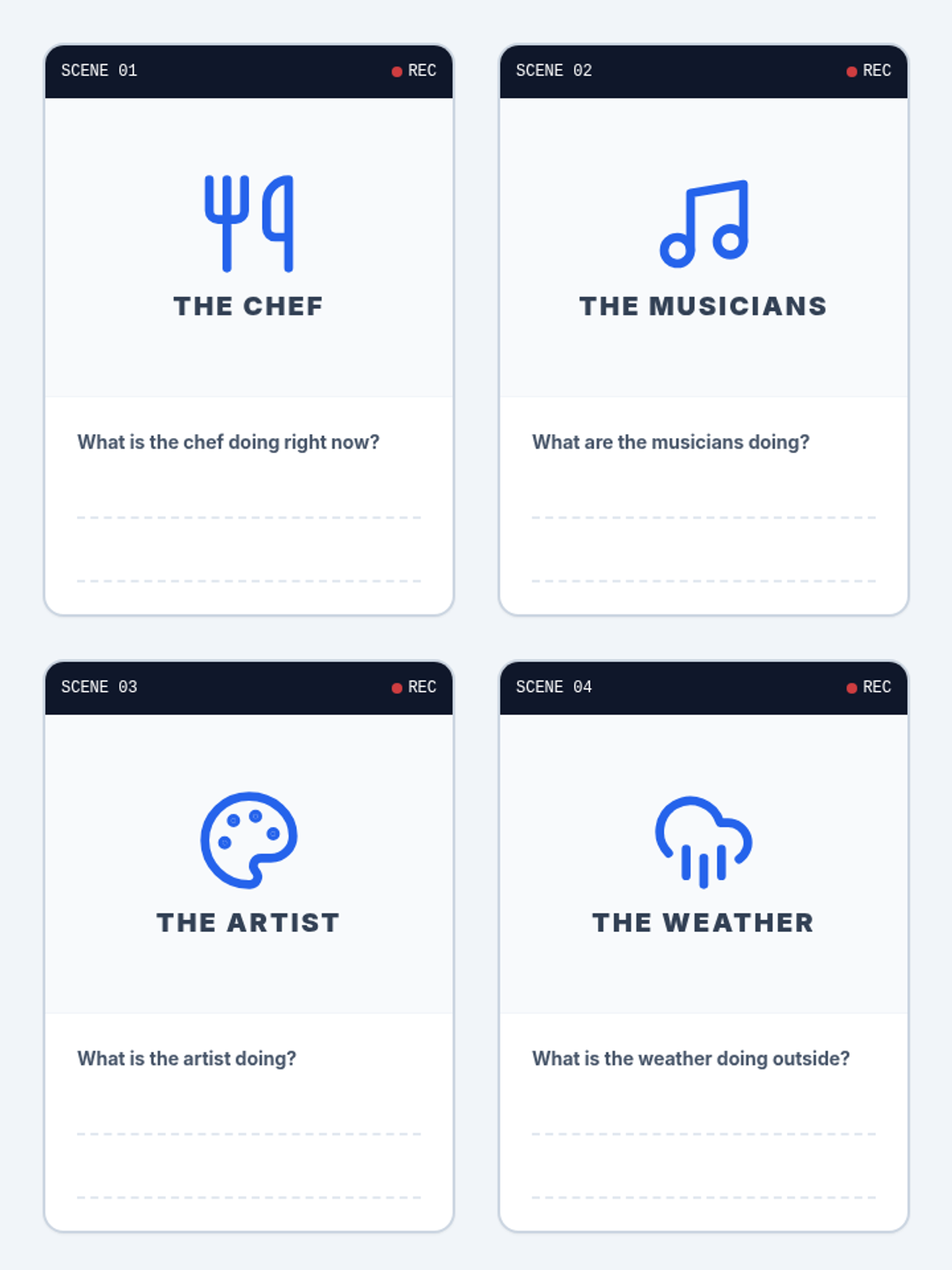
A lesson focused on using the present progressive tense to describe actions happening in the moment, themed around capturing live action with a camera.
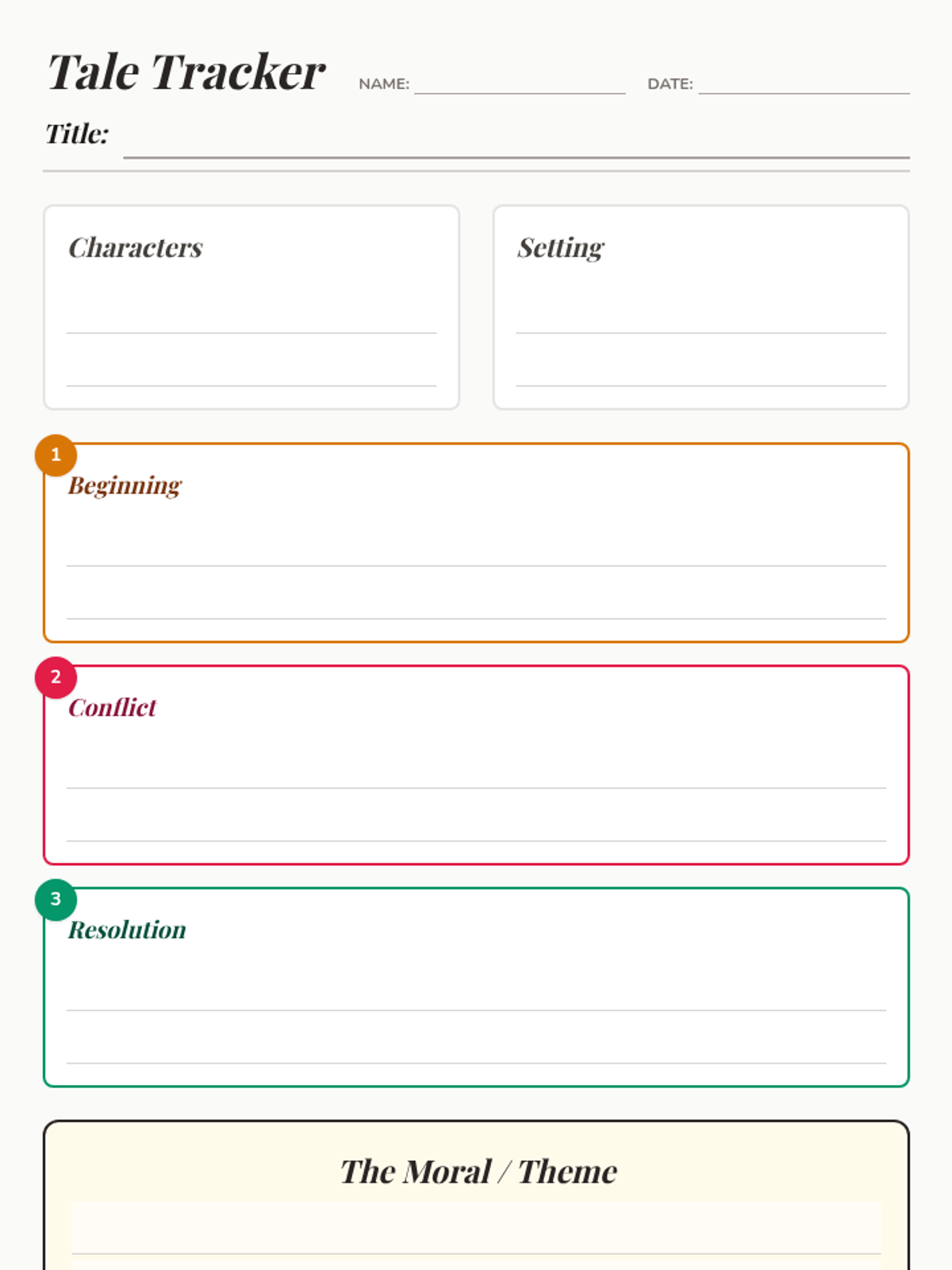
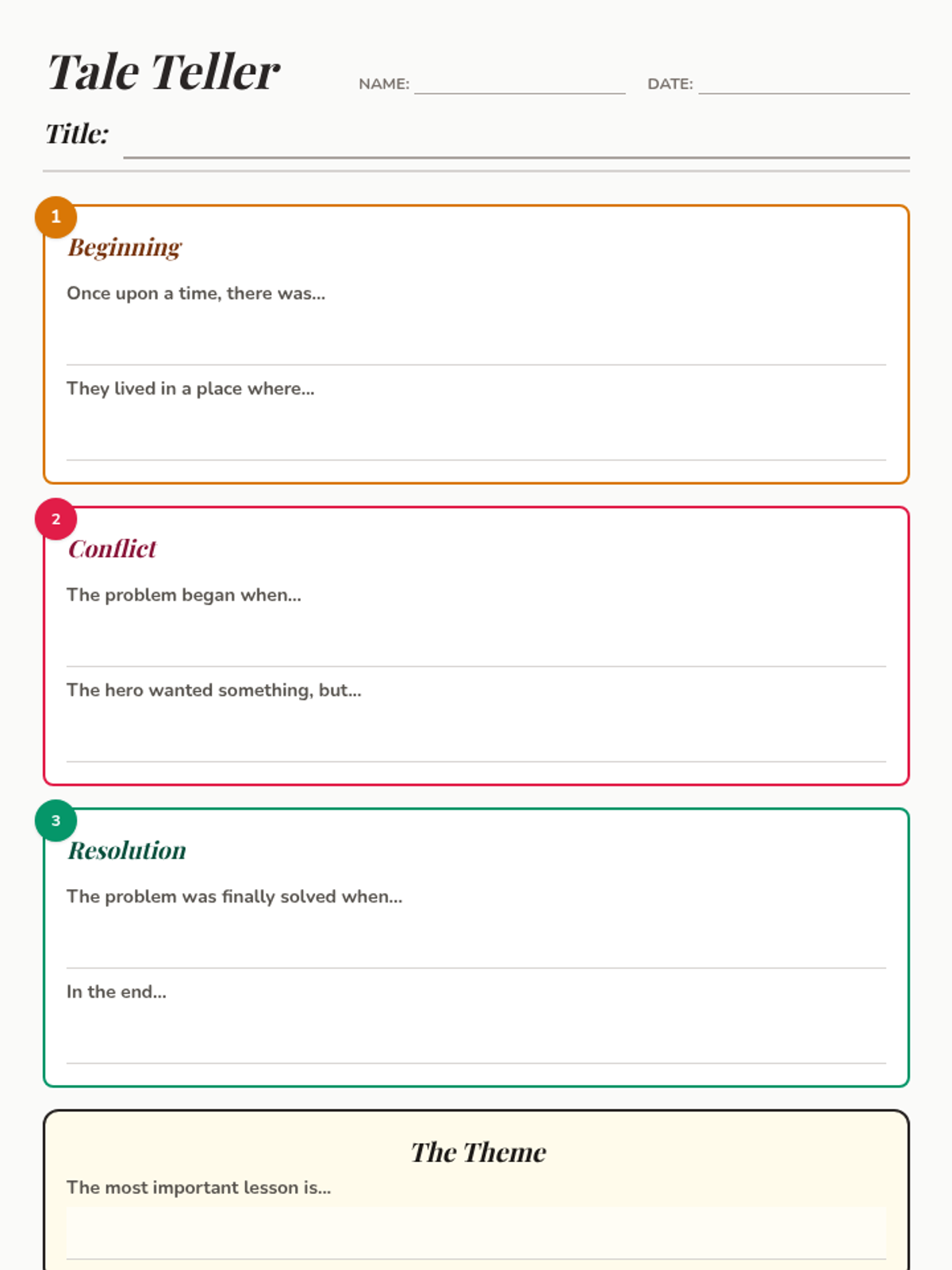
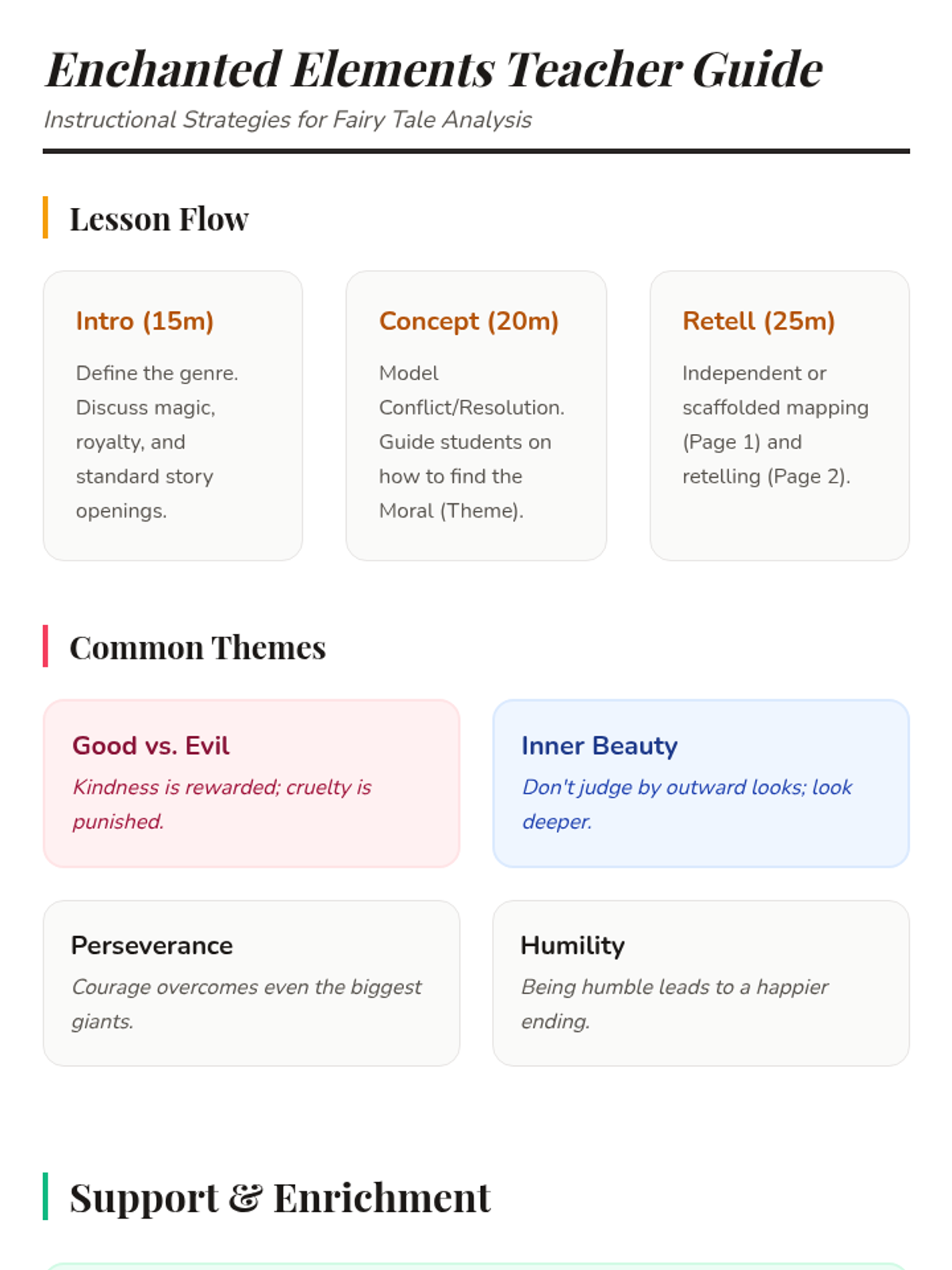
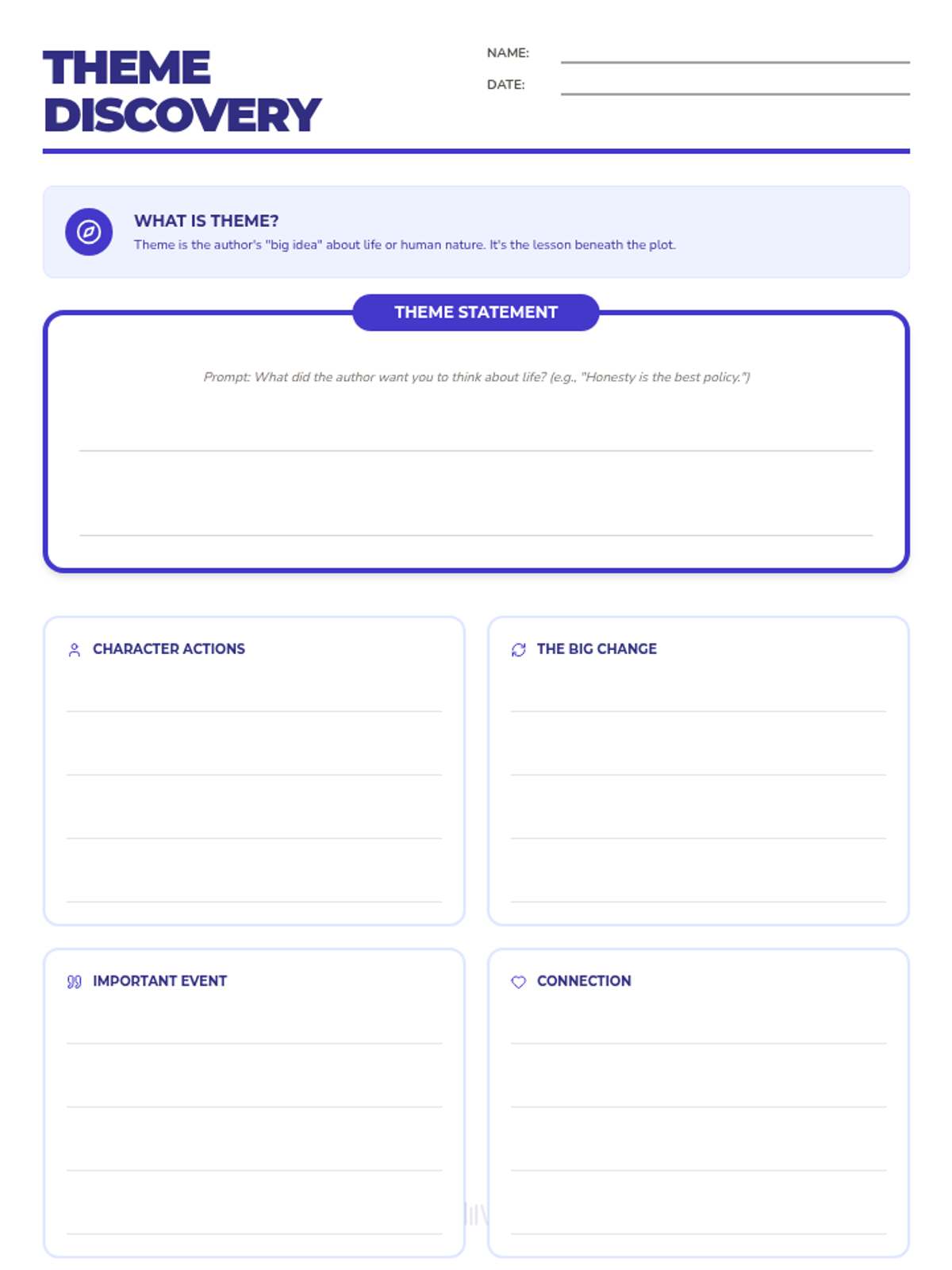
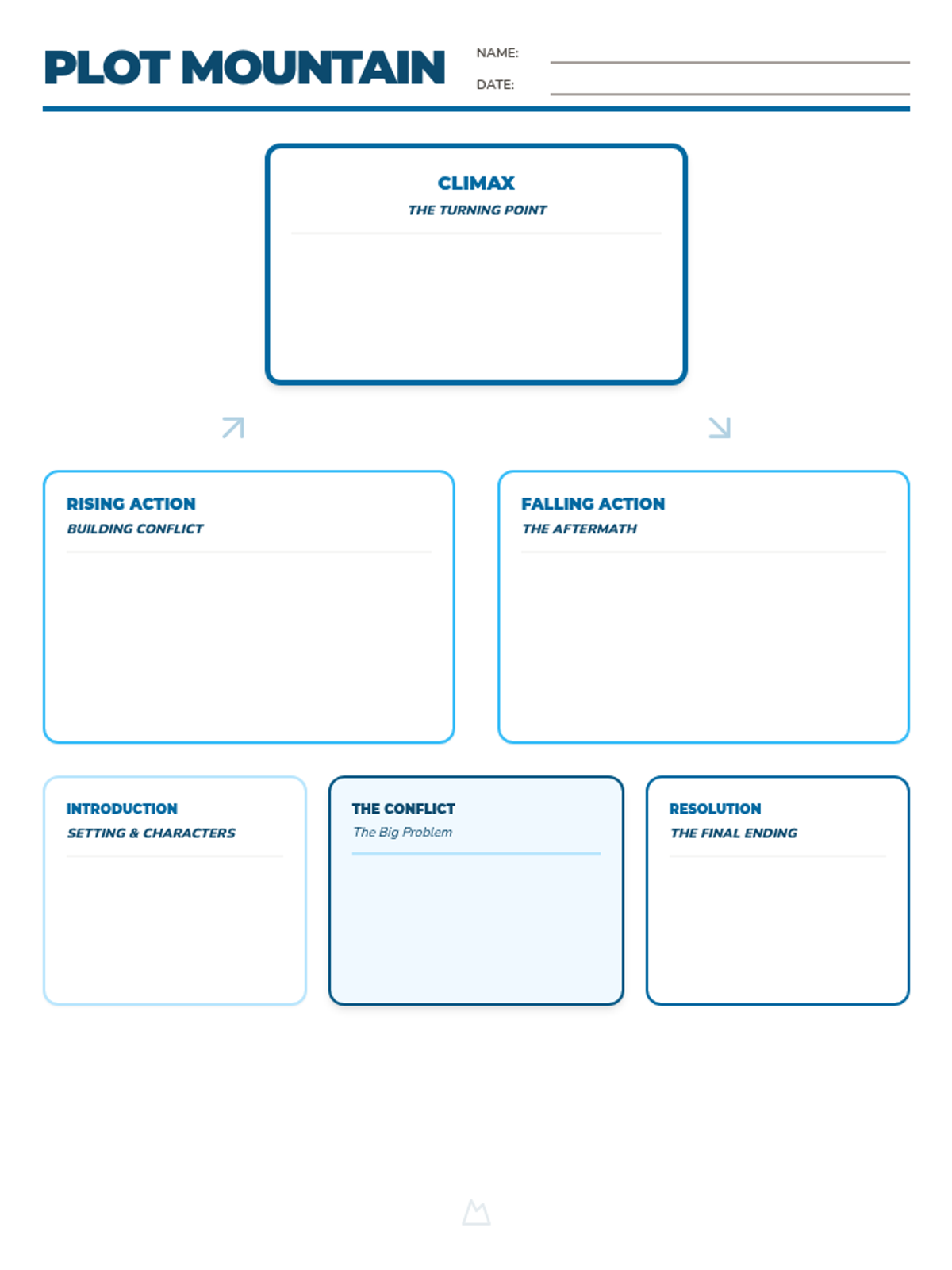
A lesson designed to help students analyze and sequence fairy tales, focusing on identifying the conflict, resolution, and underlying theme through structured graphic organizers.
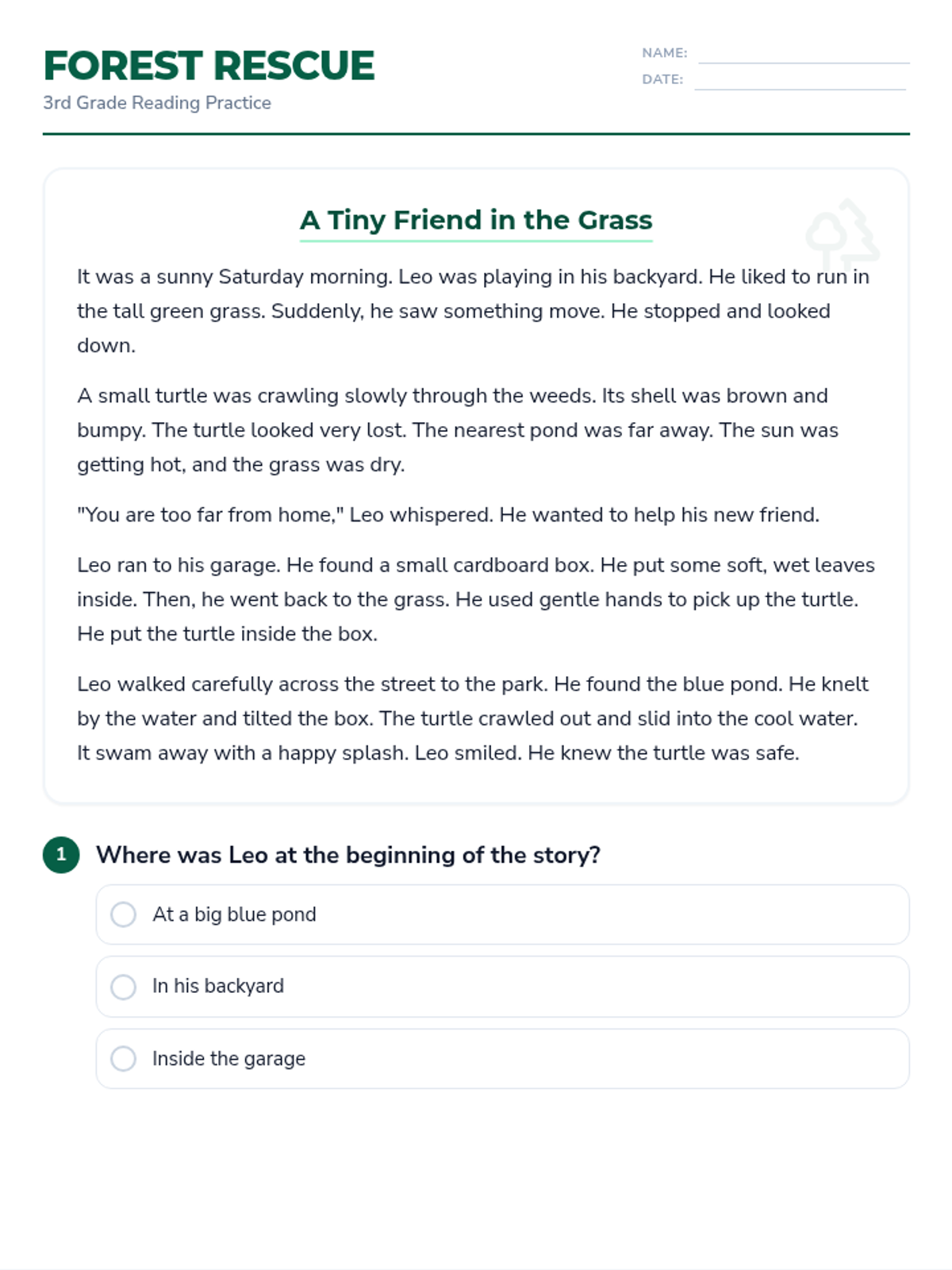
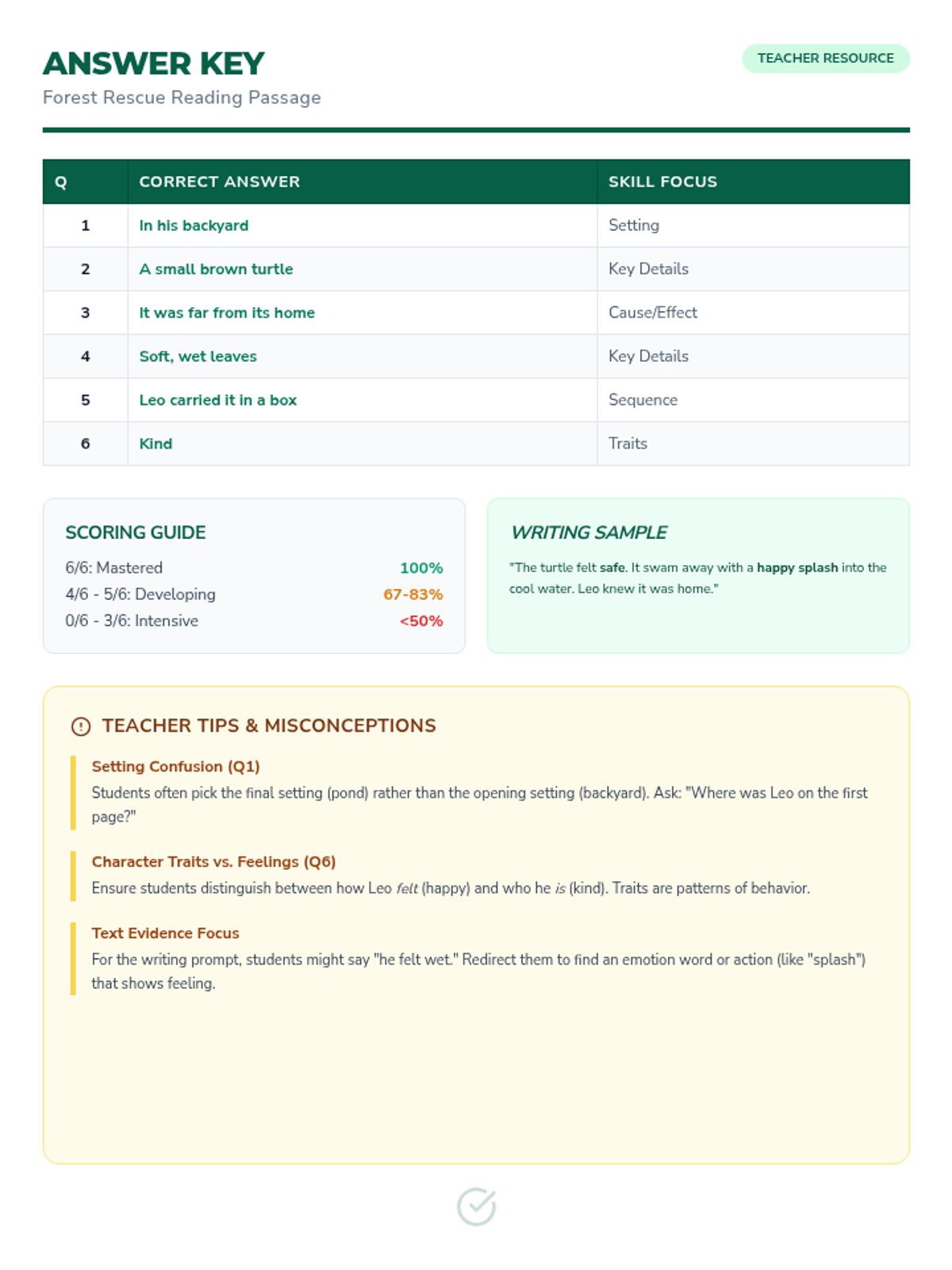
A reading comprehension lesson focused on a fictional narrative about a boy helping a turtle. Designed for 3rd-grade EOG preparation with simplified vocabulary and 3-option multiple choice questions.
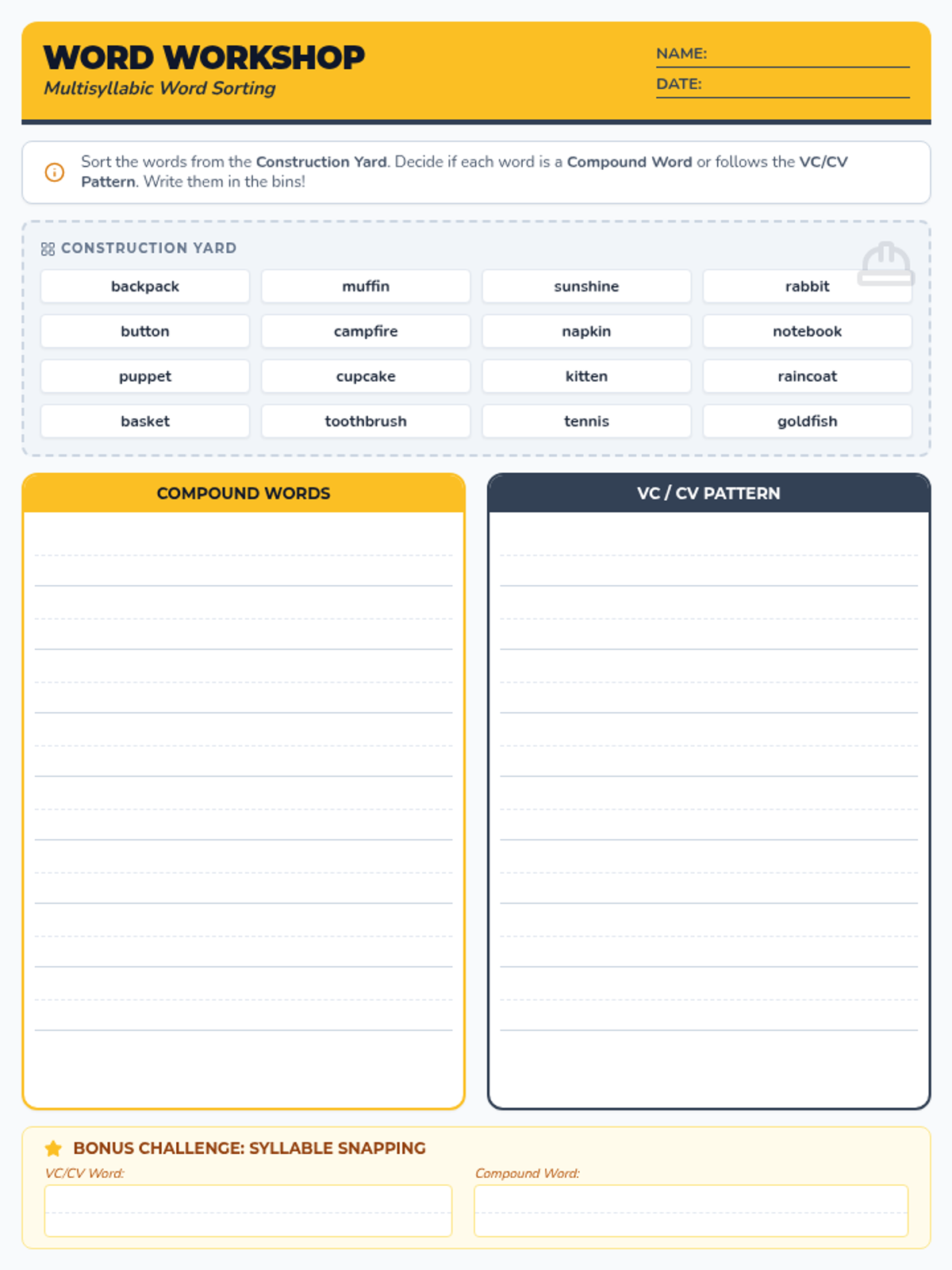
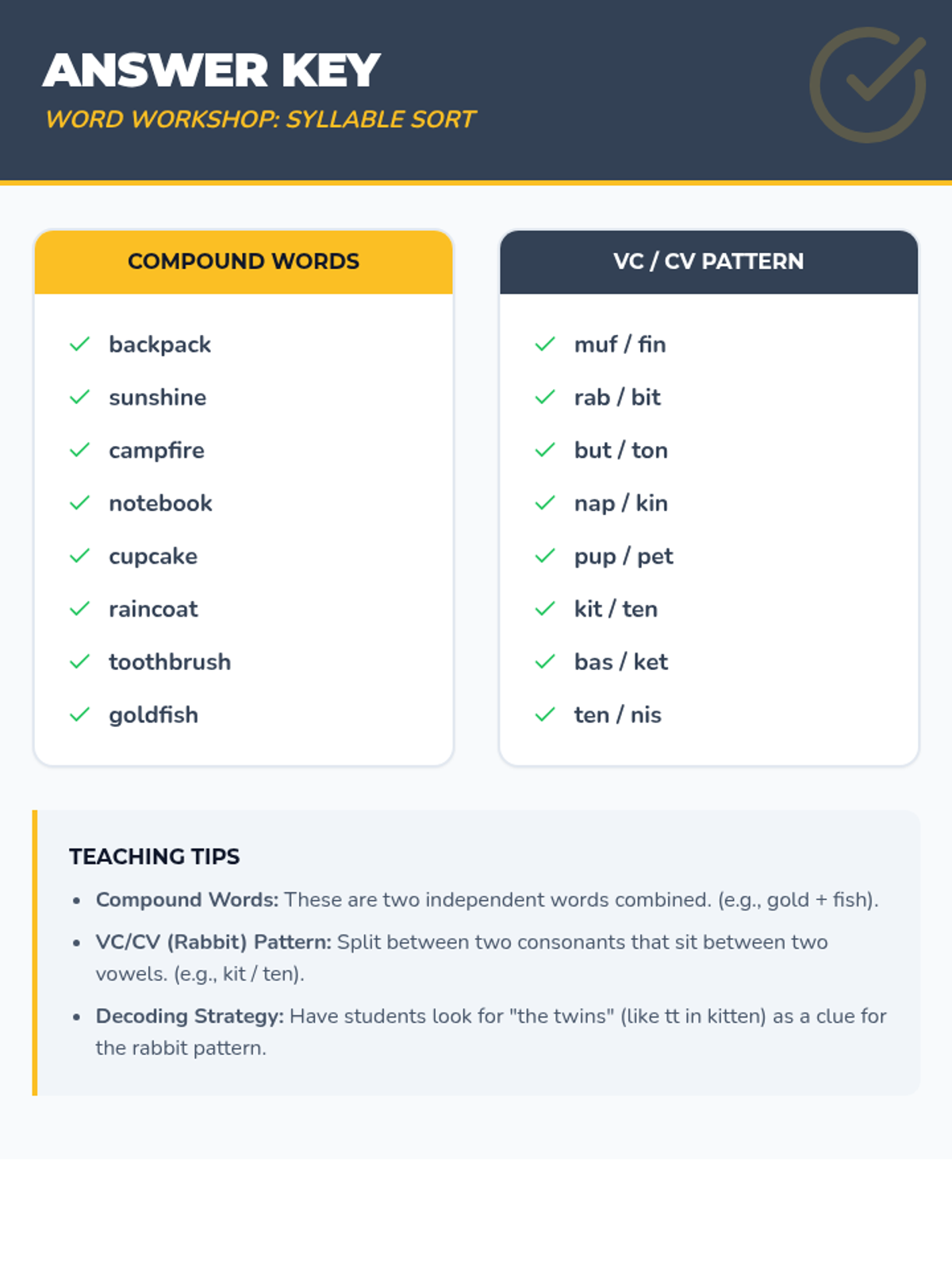
A hands-on lesson focusing on identifying and categorizing multisyllabic words using Compound and VC/CV (Rabbit) patterns. Students will practice decoding and sorting words to build phonemic awareness.
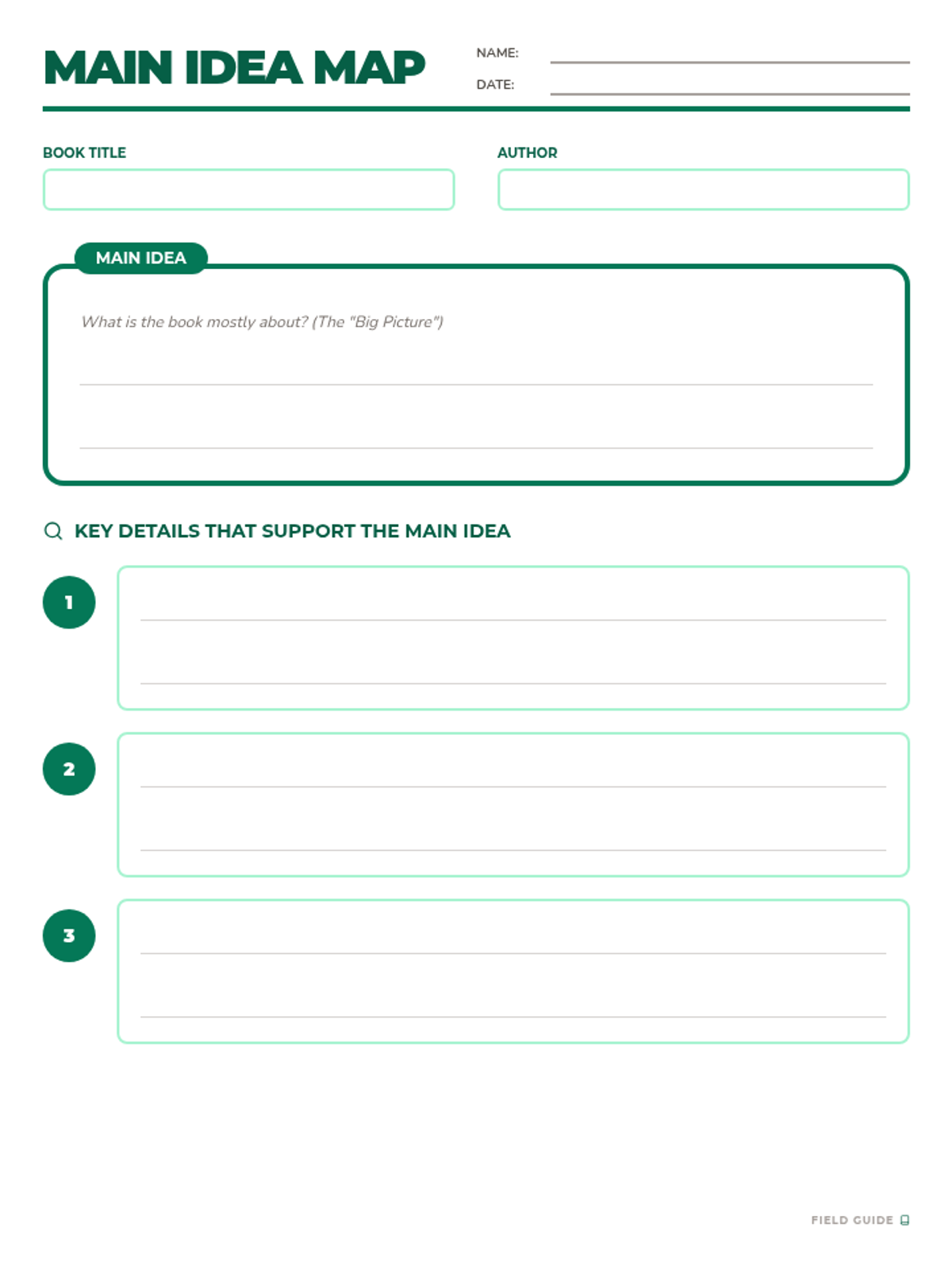
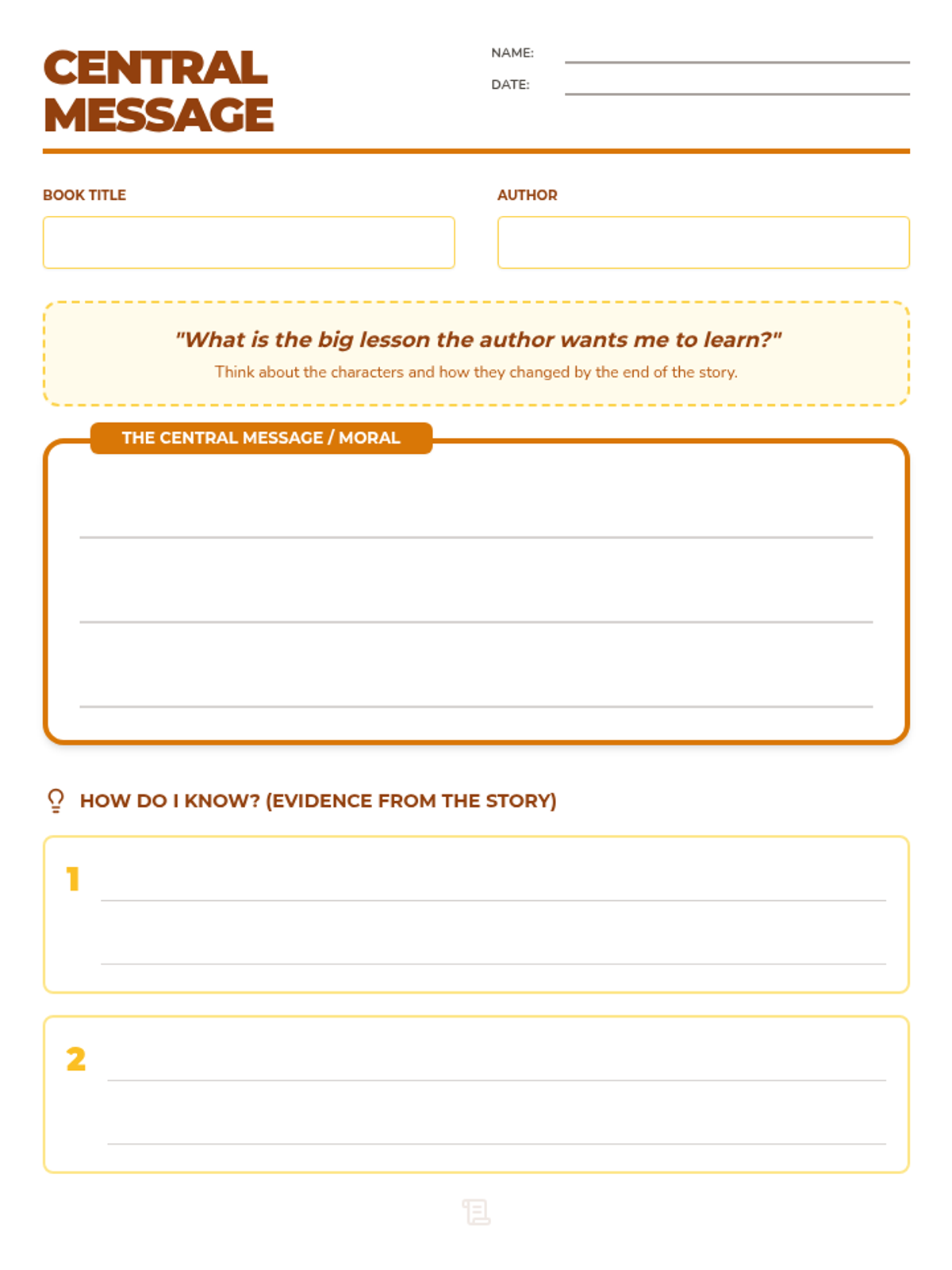
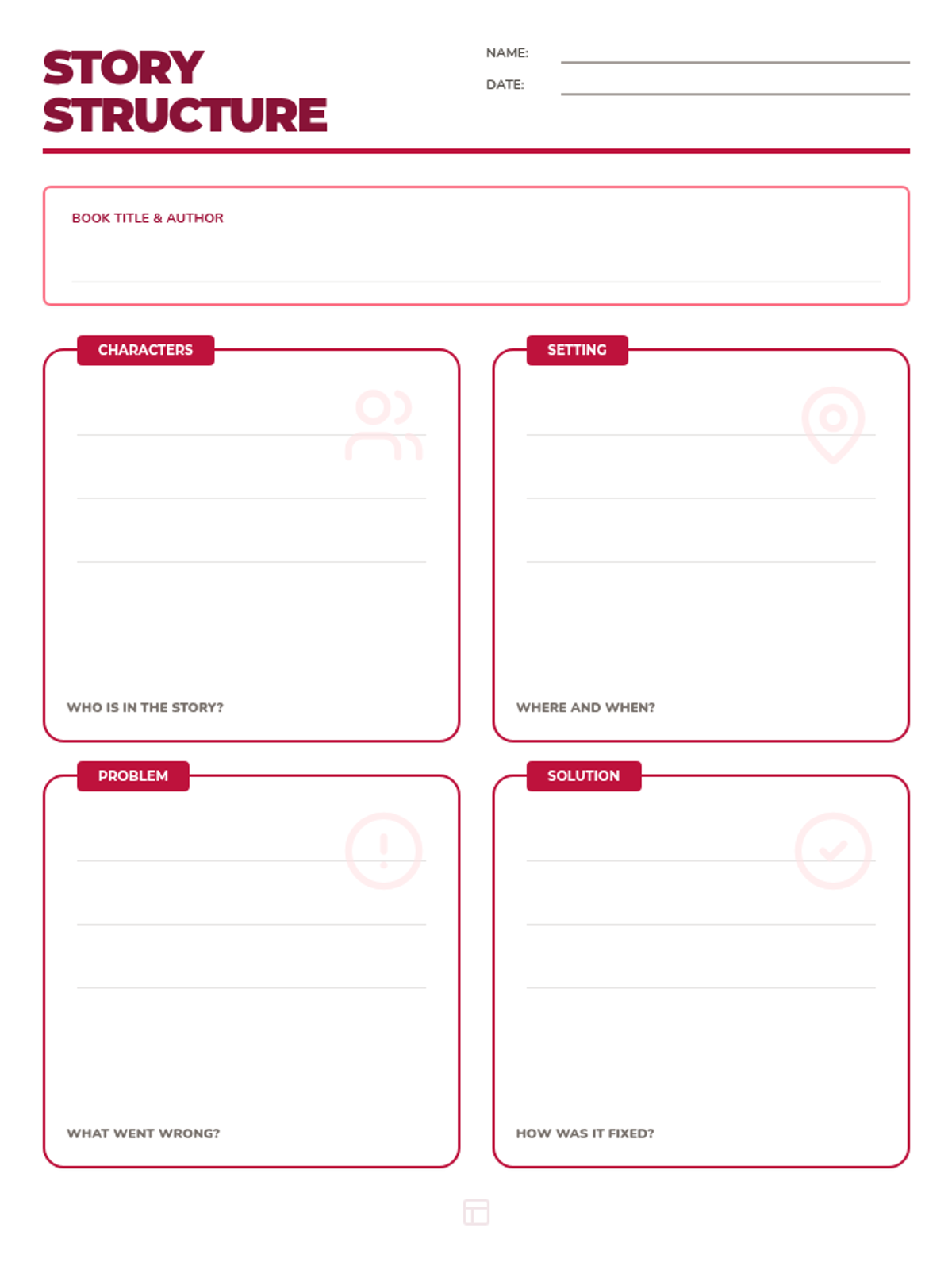
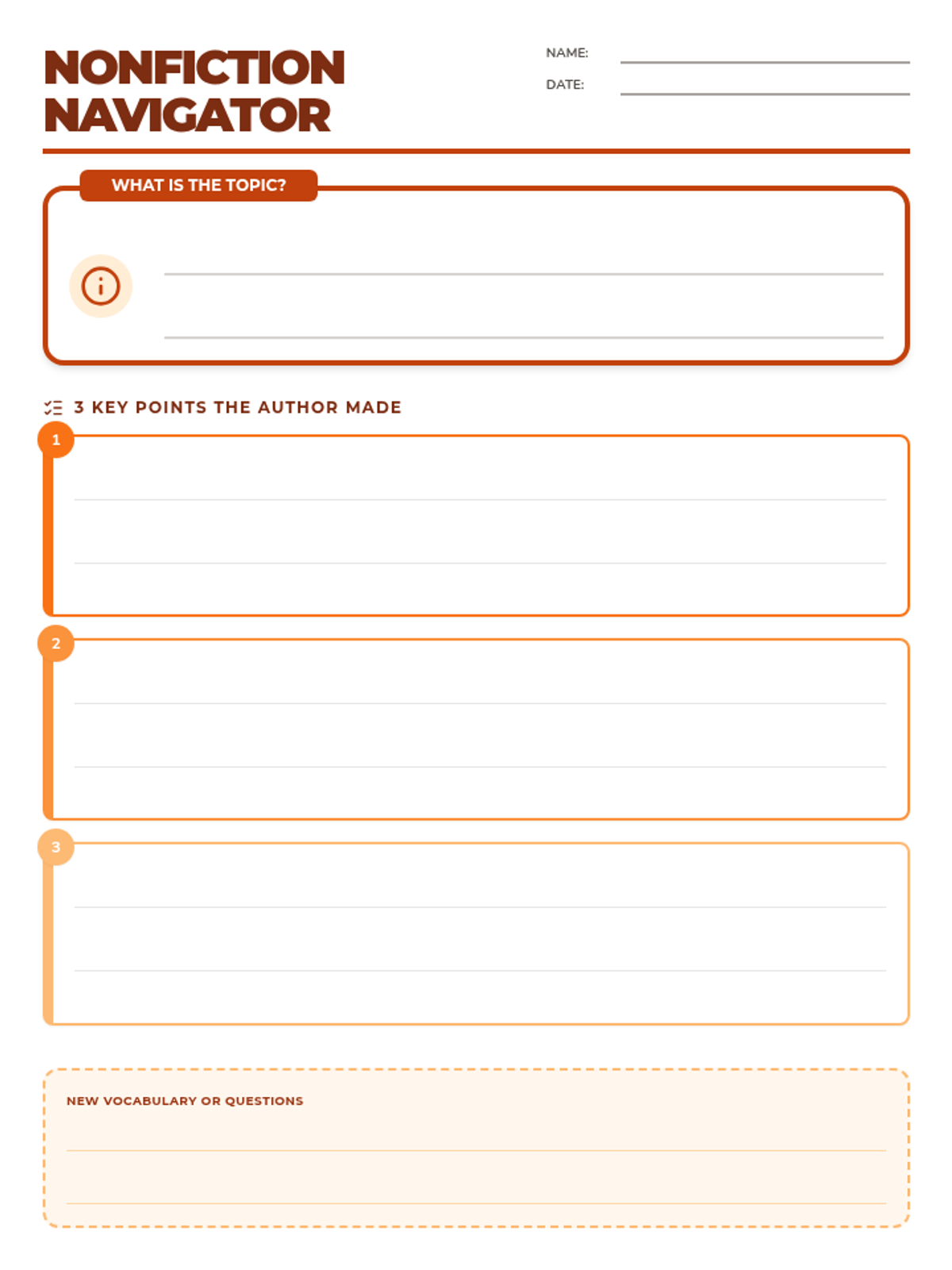
A collection of versatile graphic organizers designed to help students analyze fiction and nonfiction picture books. Each organizer focuses on a specific reading skill, providing a structured framework for student response.
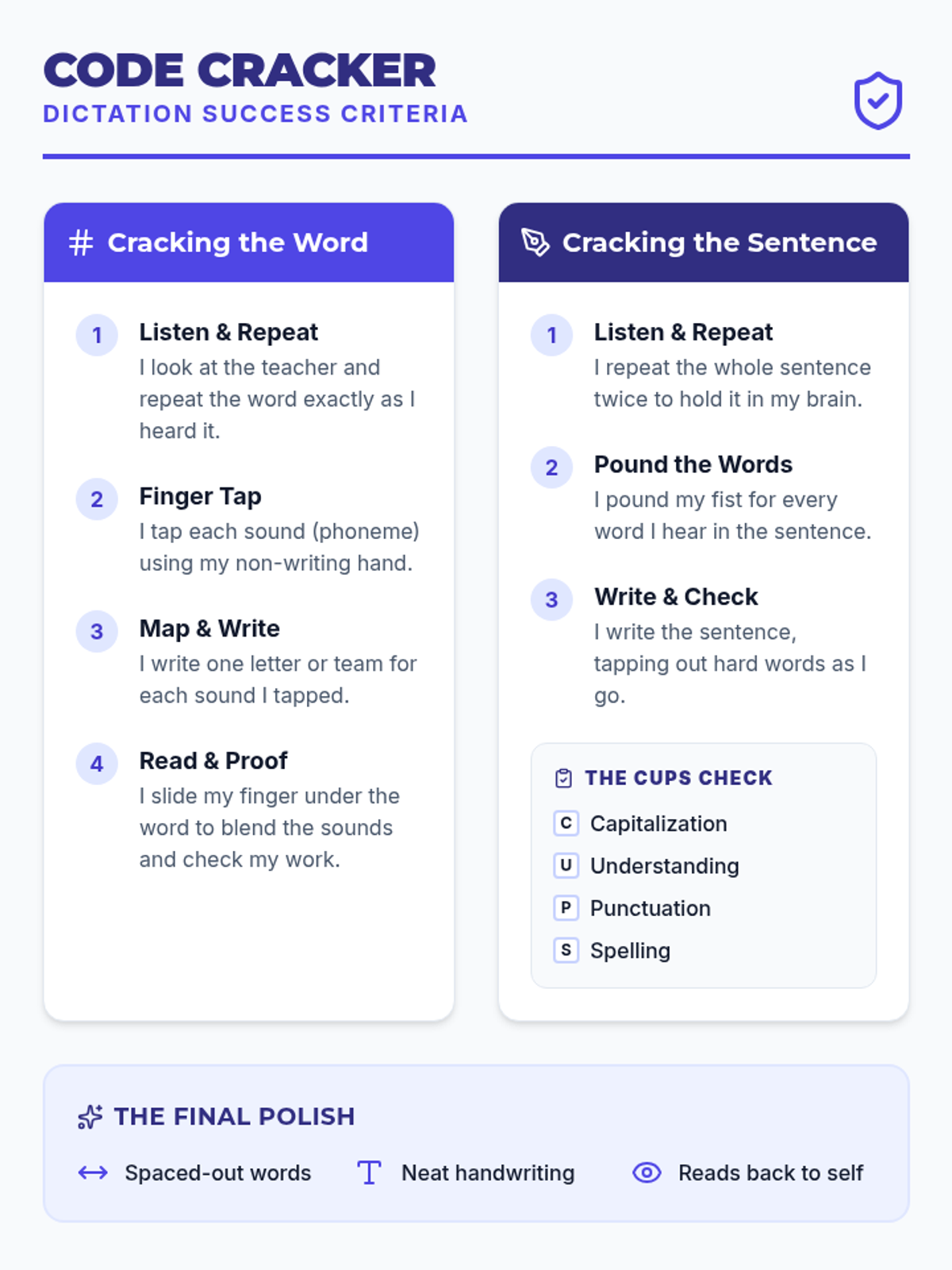
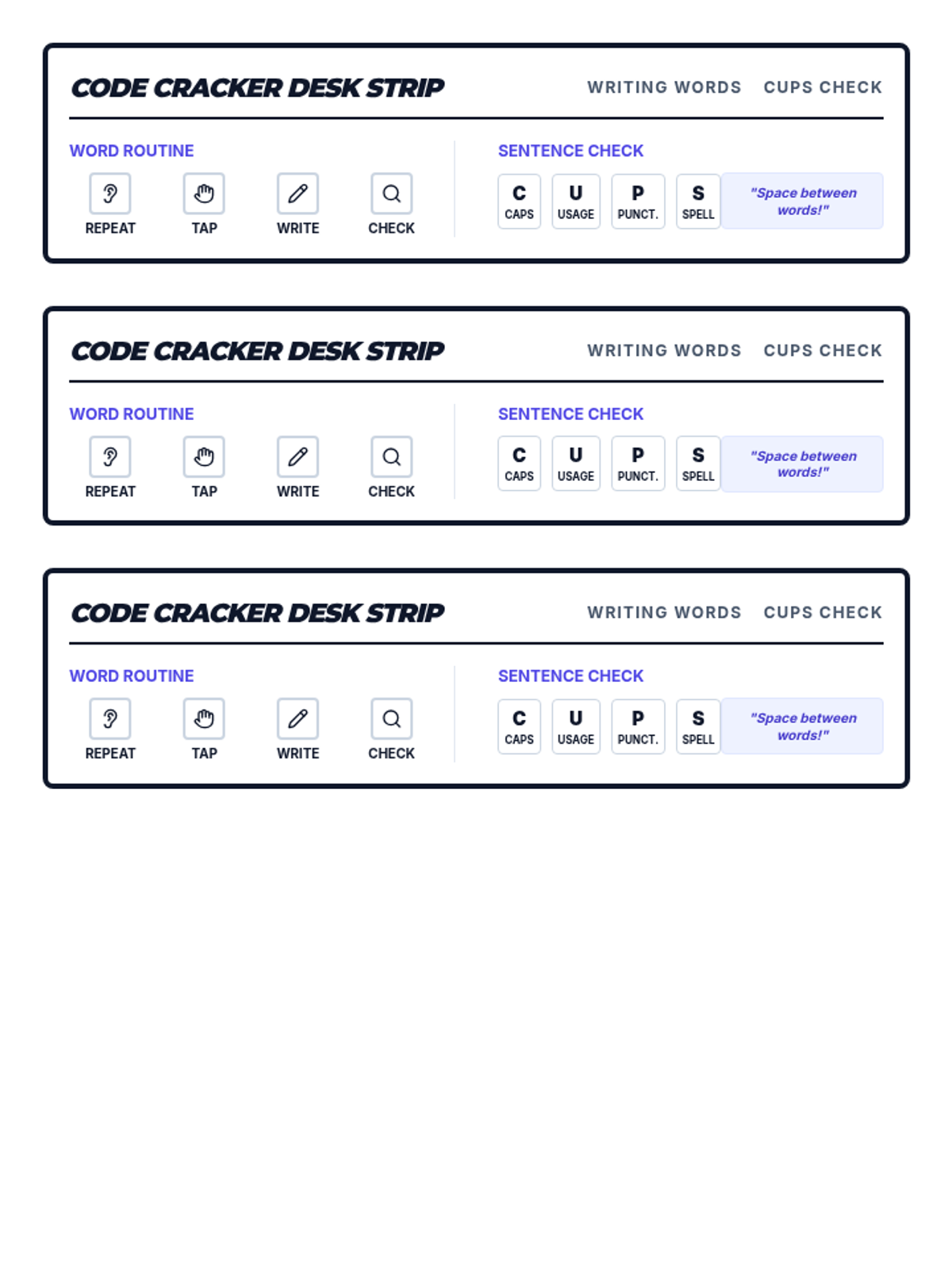
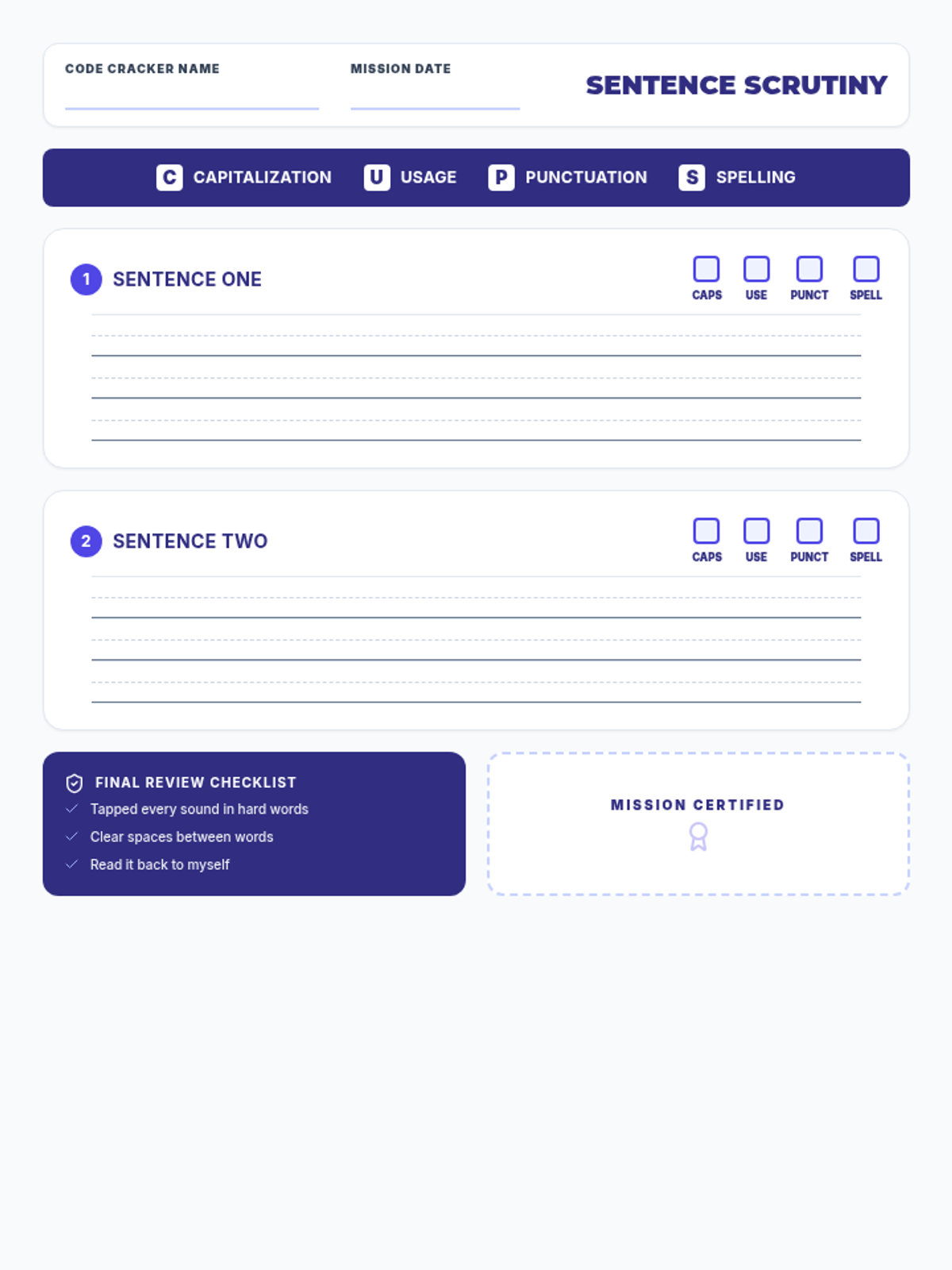
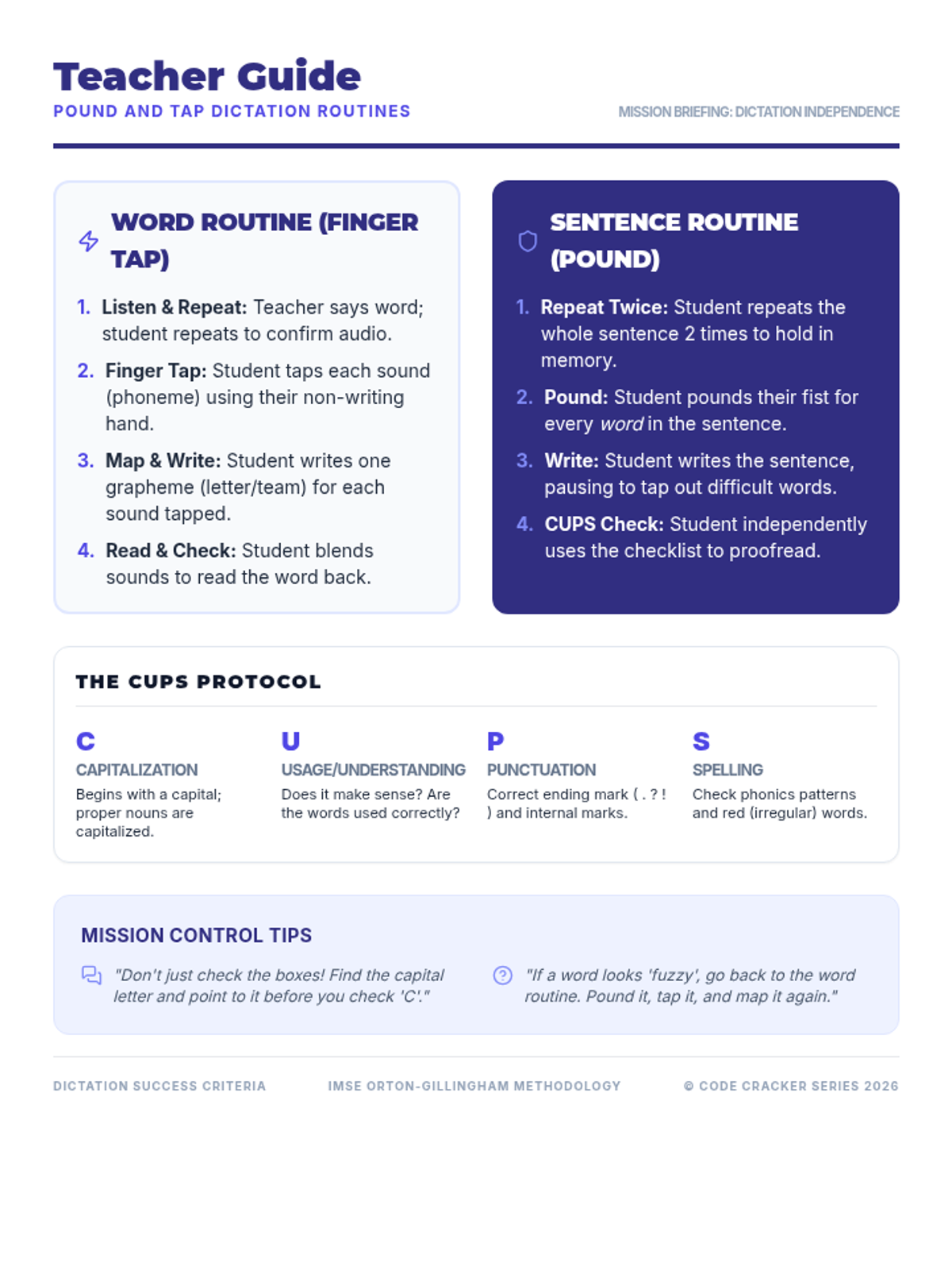
A toolkit of success criteria and structured practice materials for IMSE Orton-Gillingham dictation routines, focusing on word mapping and sentence conventions.
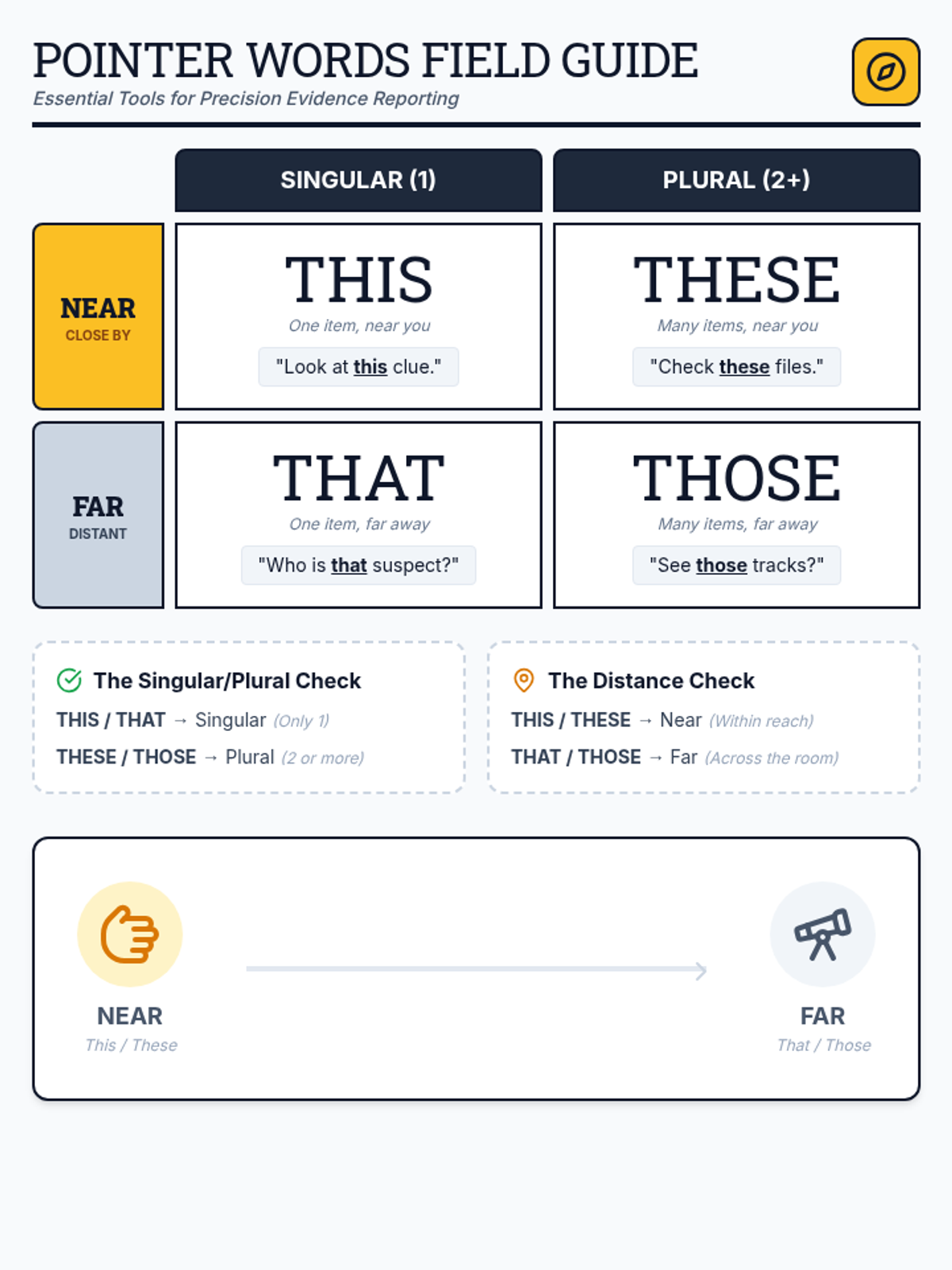
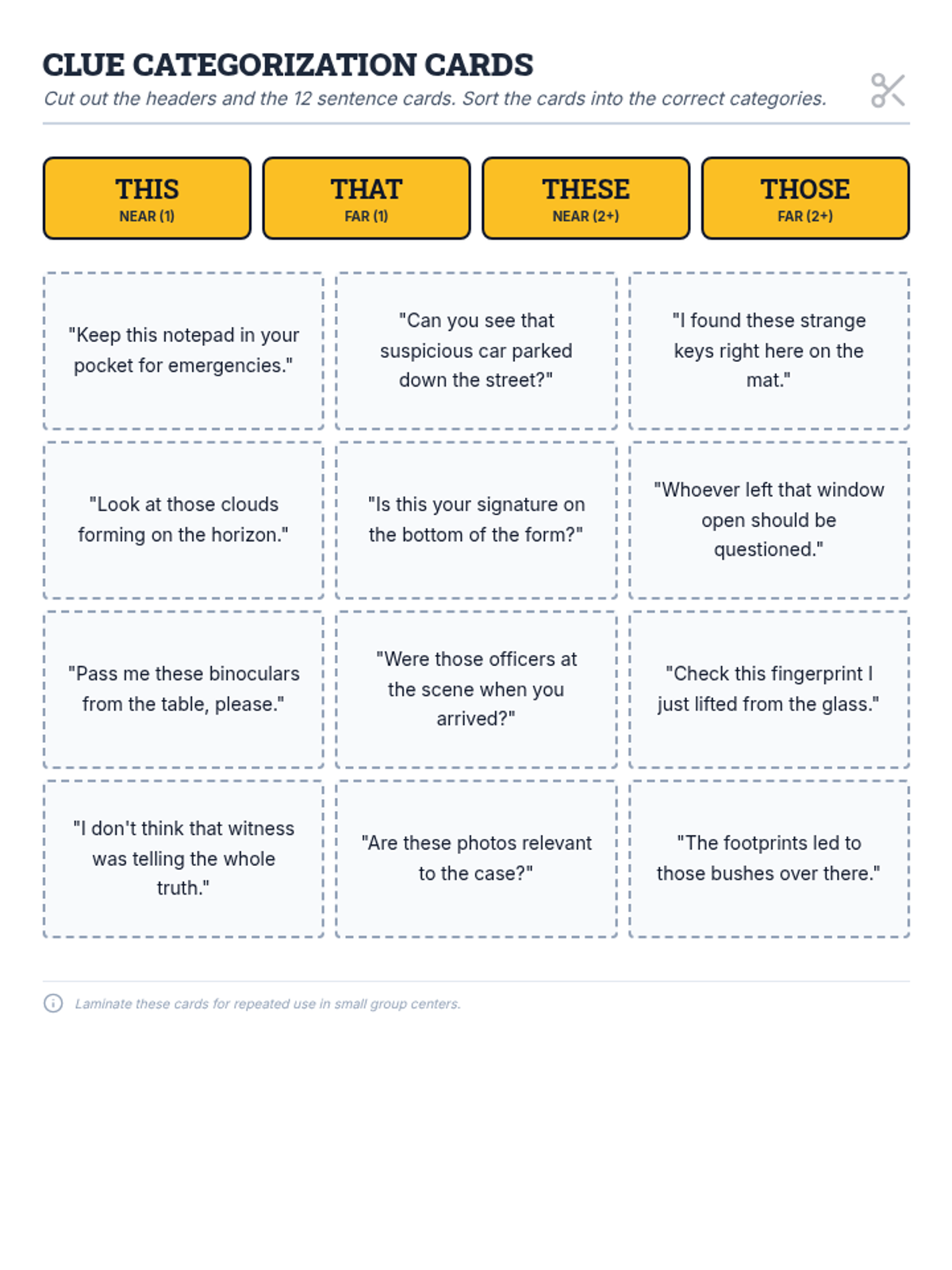
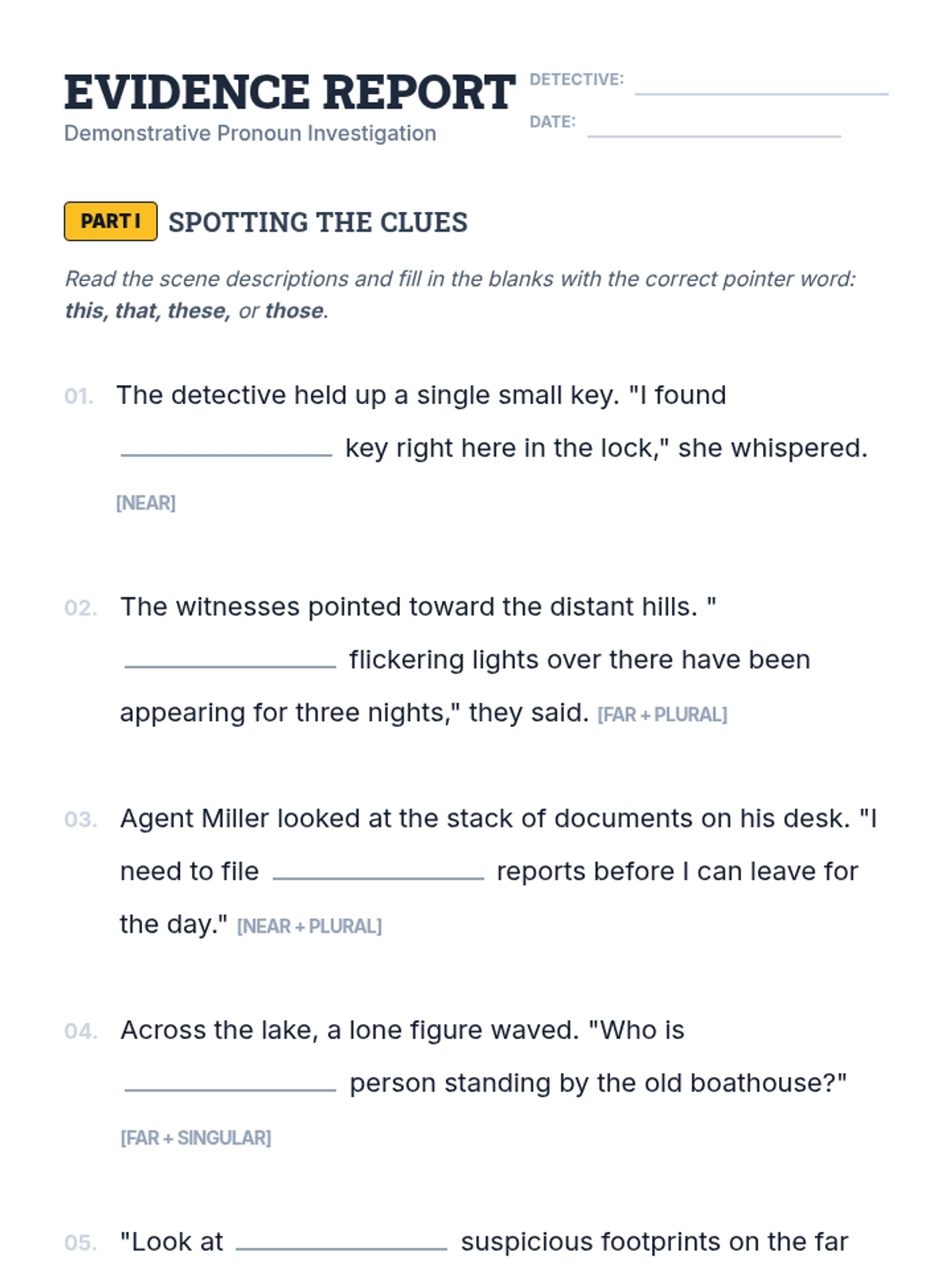
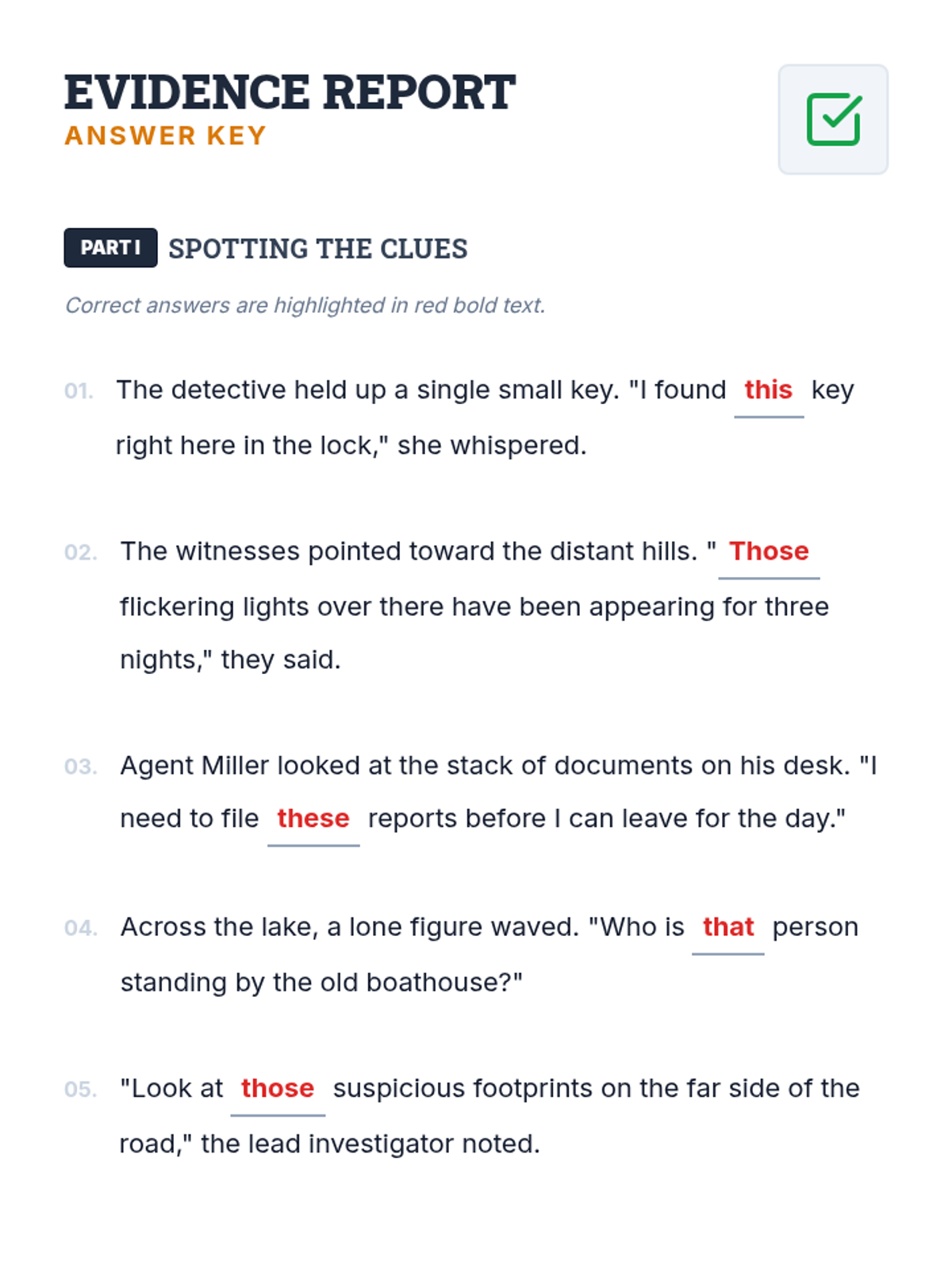
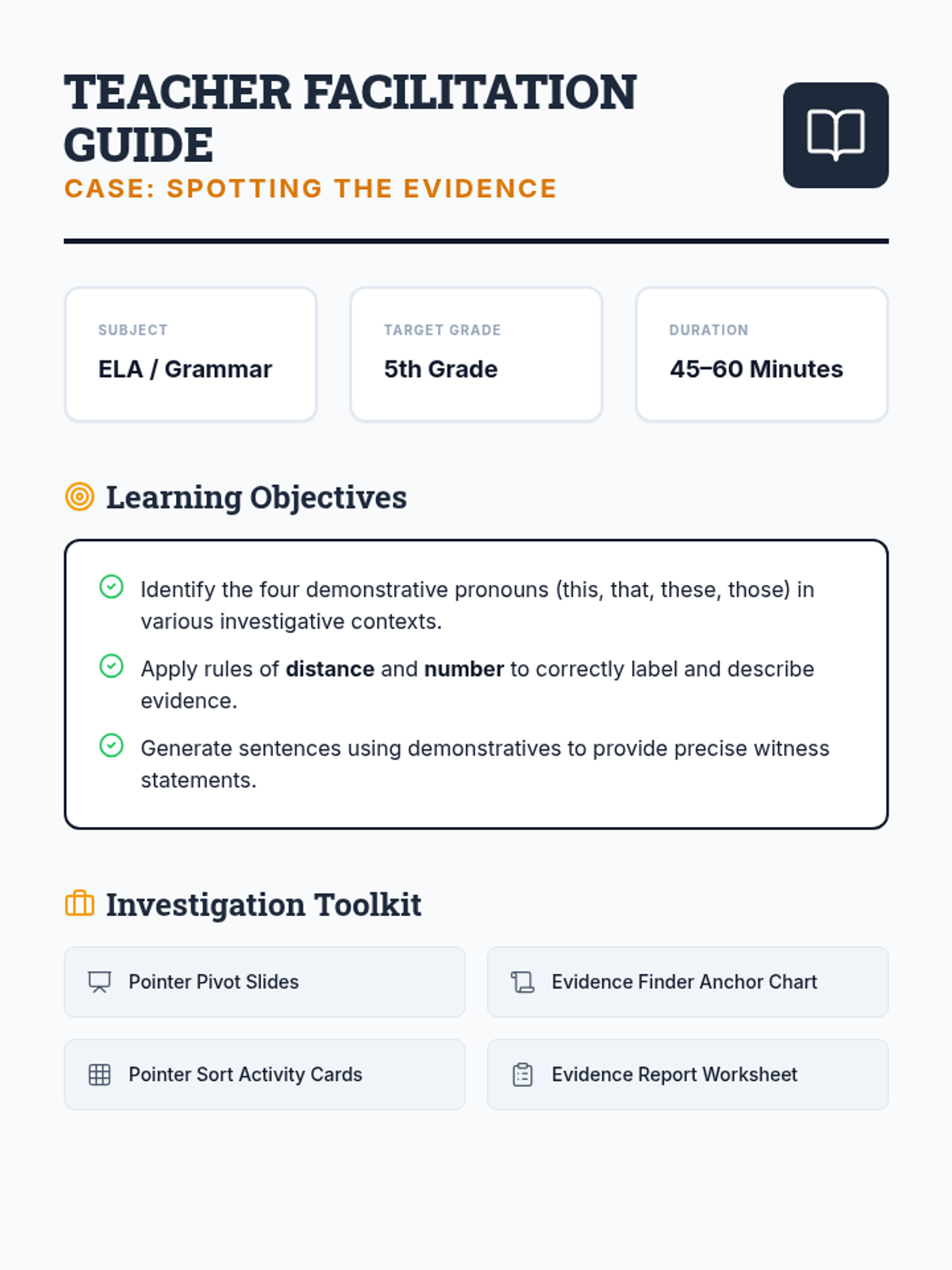
A comprehensive lesson on demonstrative pronouns and adjectives (this, that, these, those), focusing on distance and number through a detective-themed investigation.
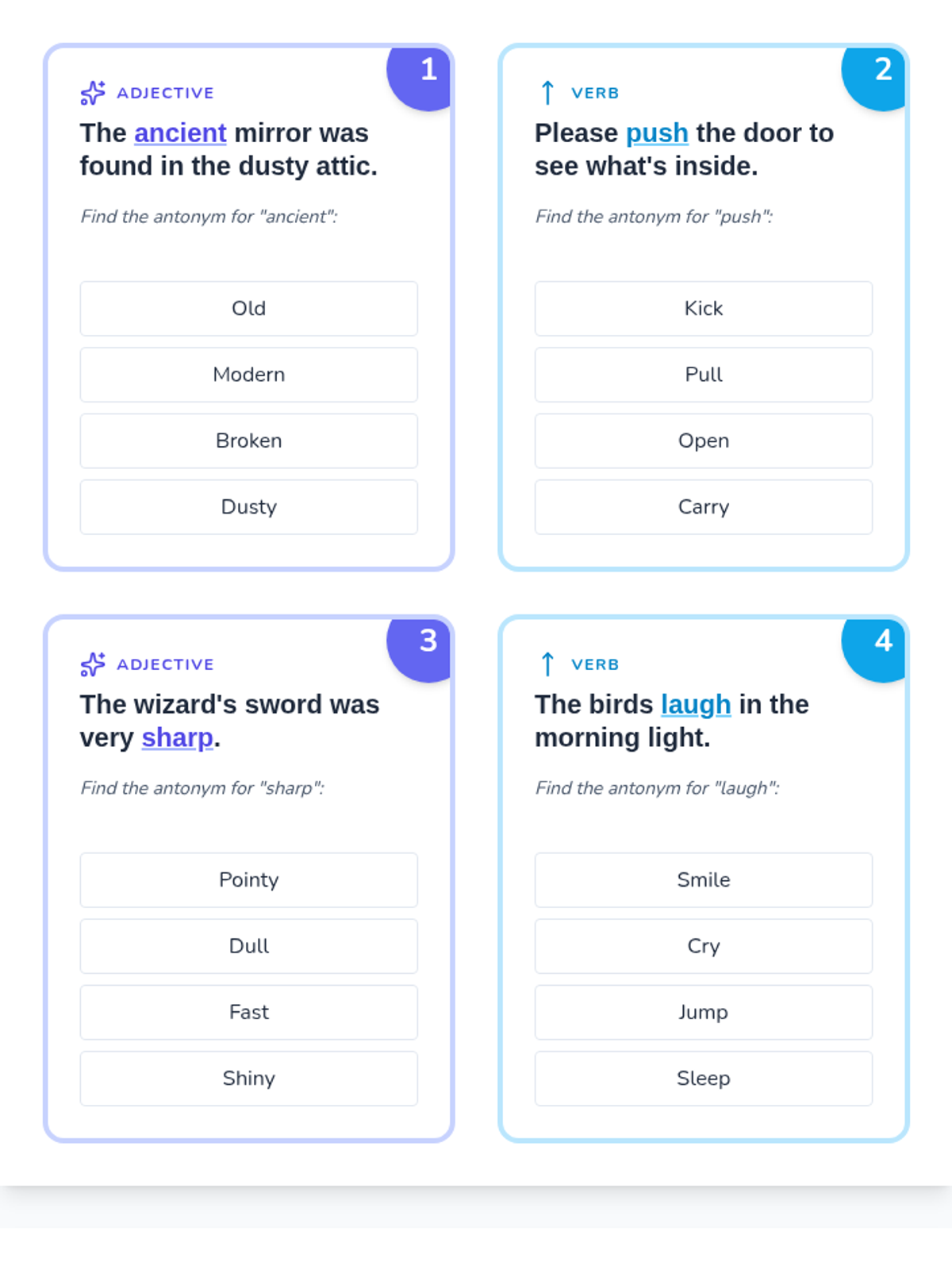
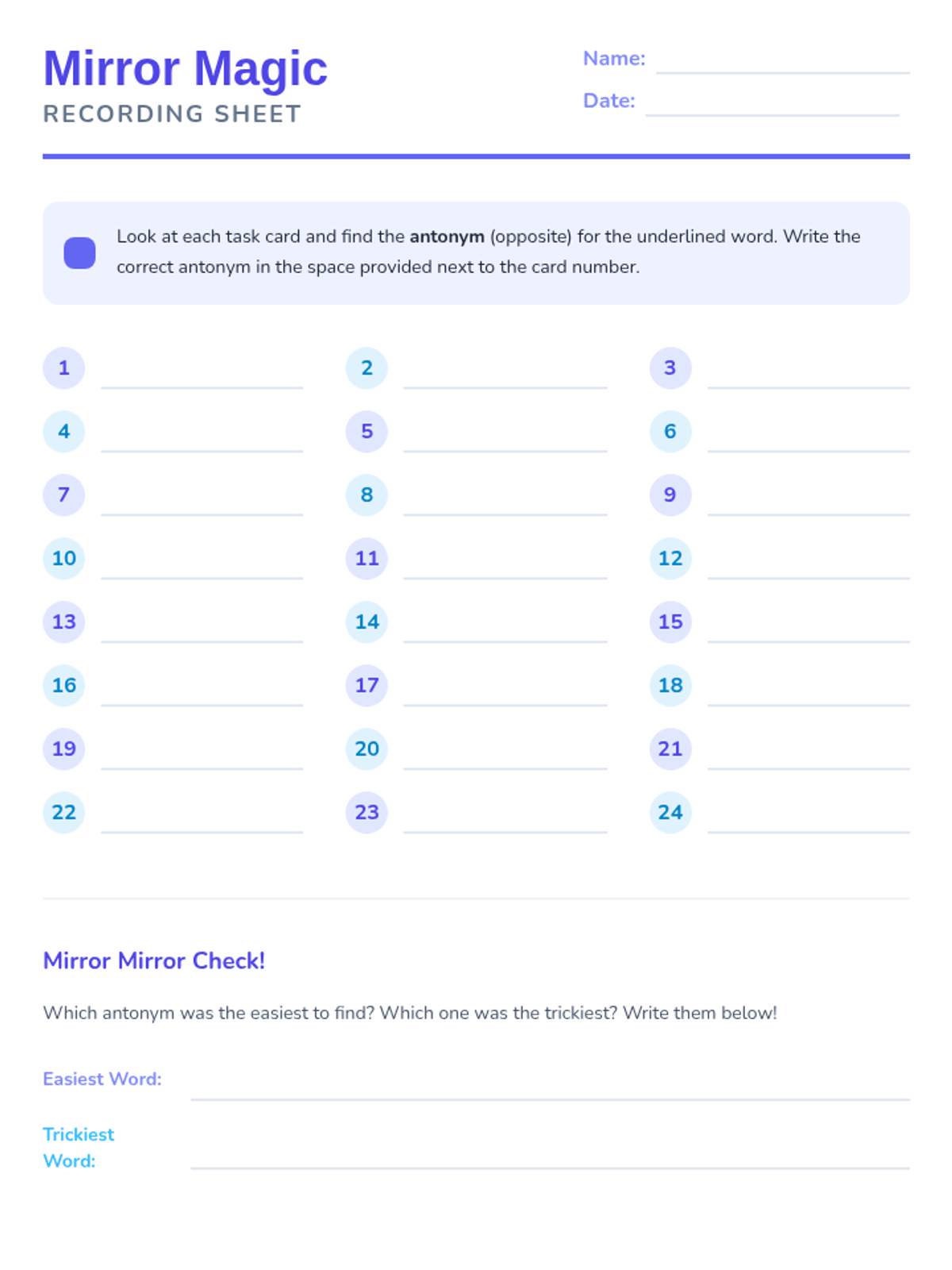
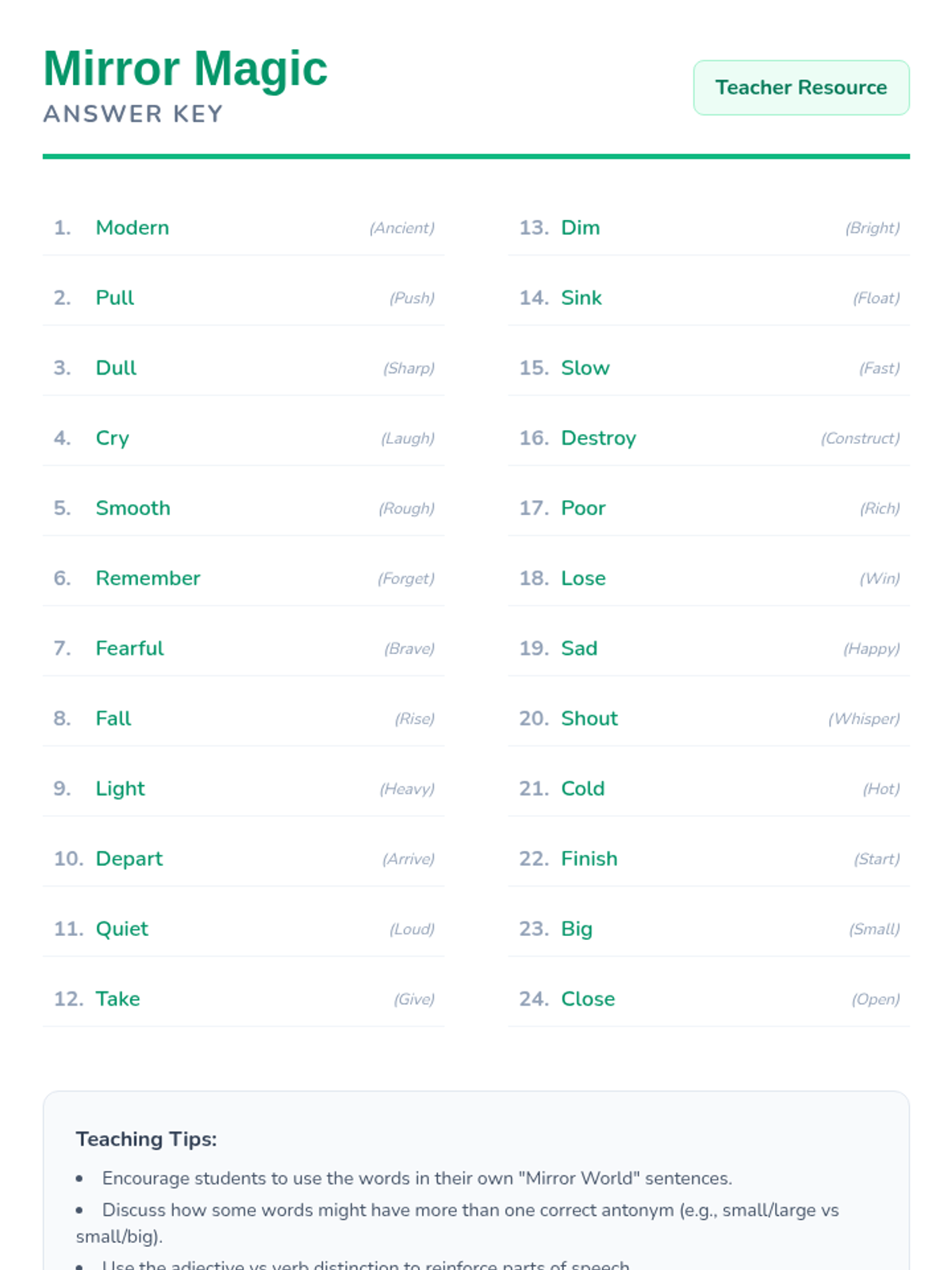
A set of engaging antonym task cards focusing on adjectives and verbs to help 3rd-grade students master word opposites through a magical mirror theme.
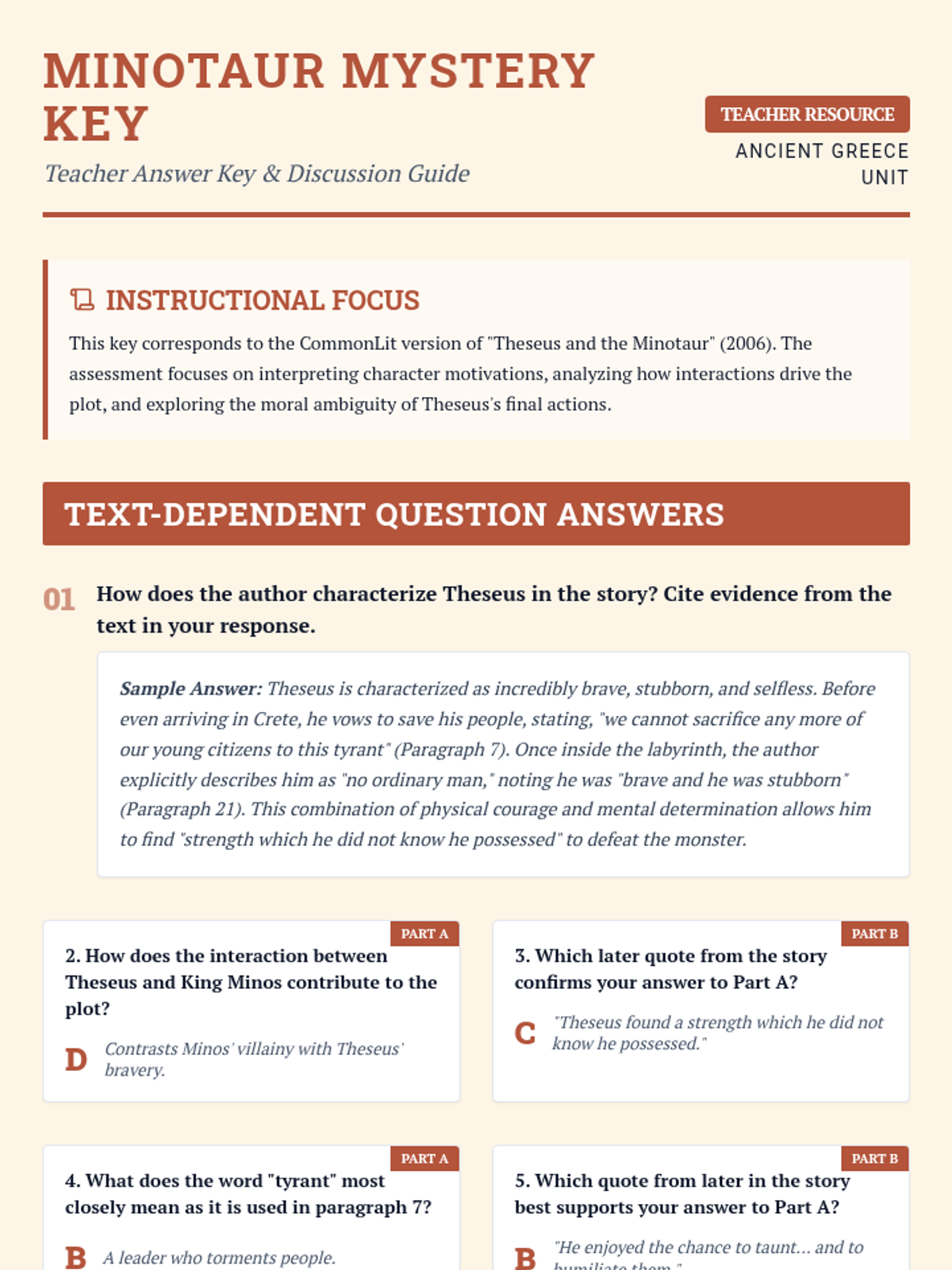
A deep dive into the classic Greek myth of Theseus and the Minotaur, focusing on characterization, plot structure, and the complex nature of heroism.
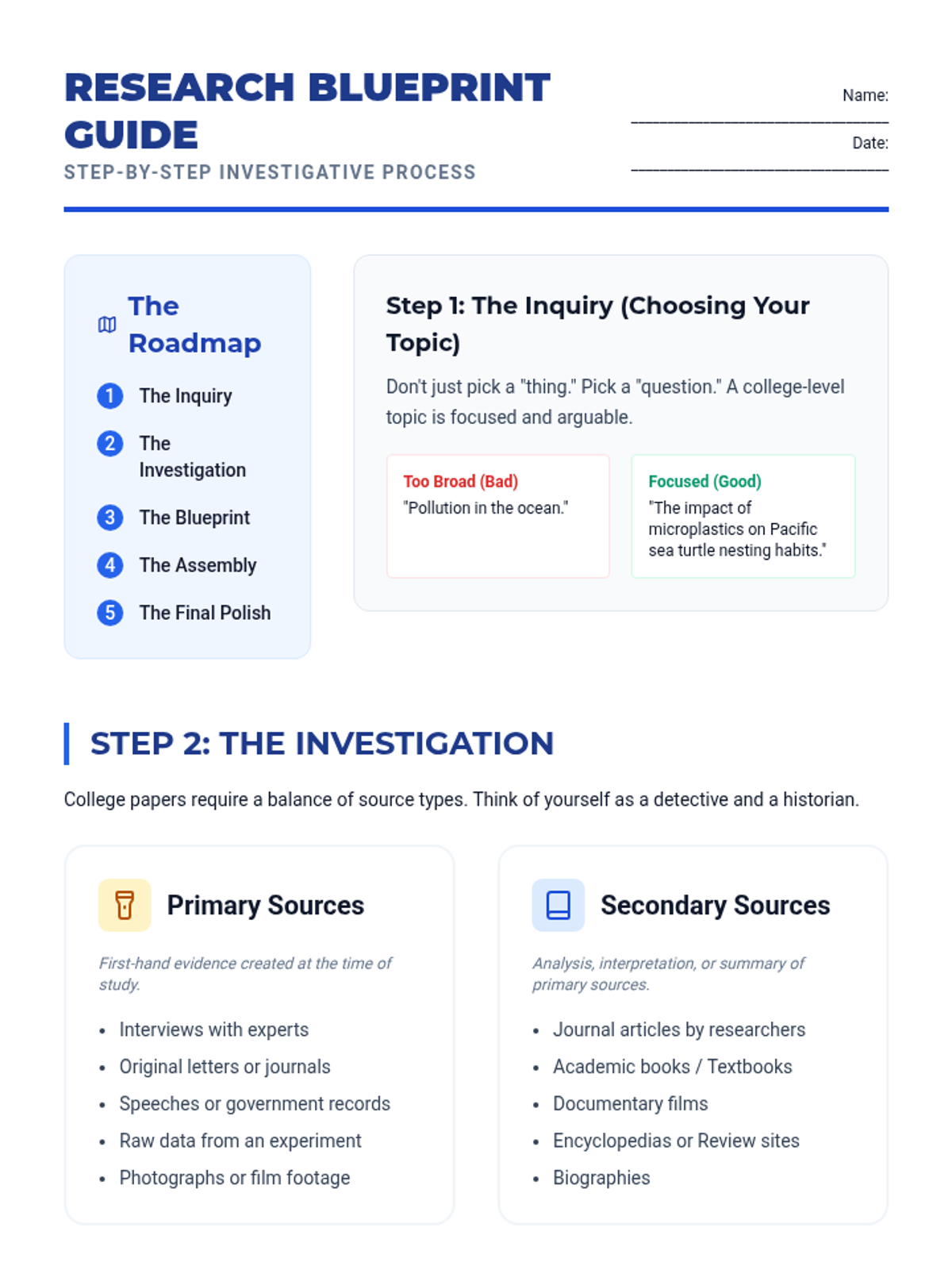
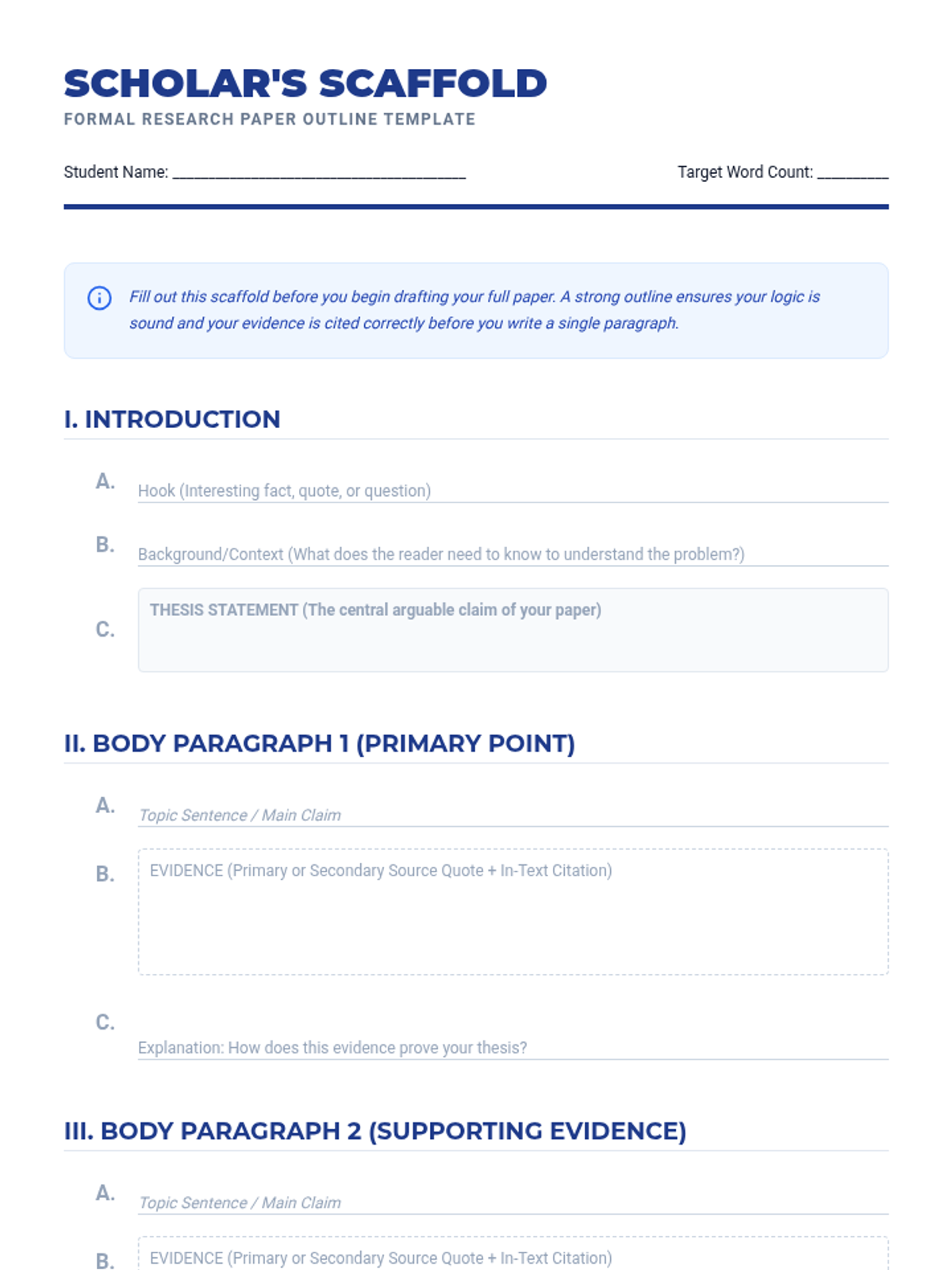
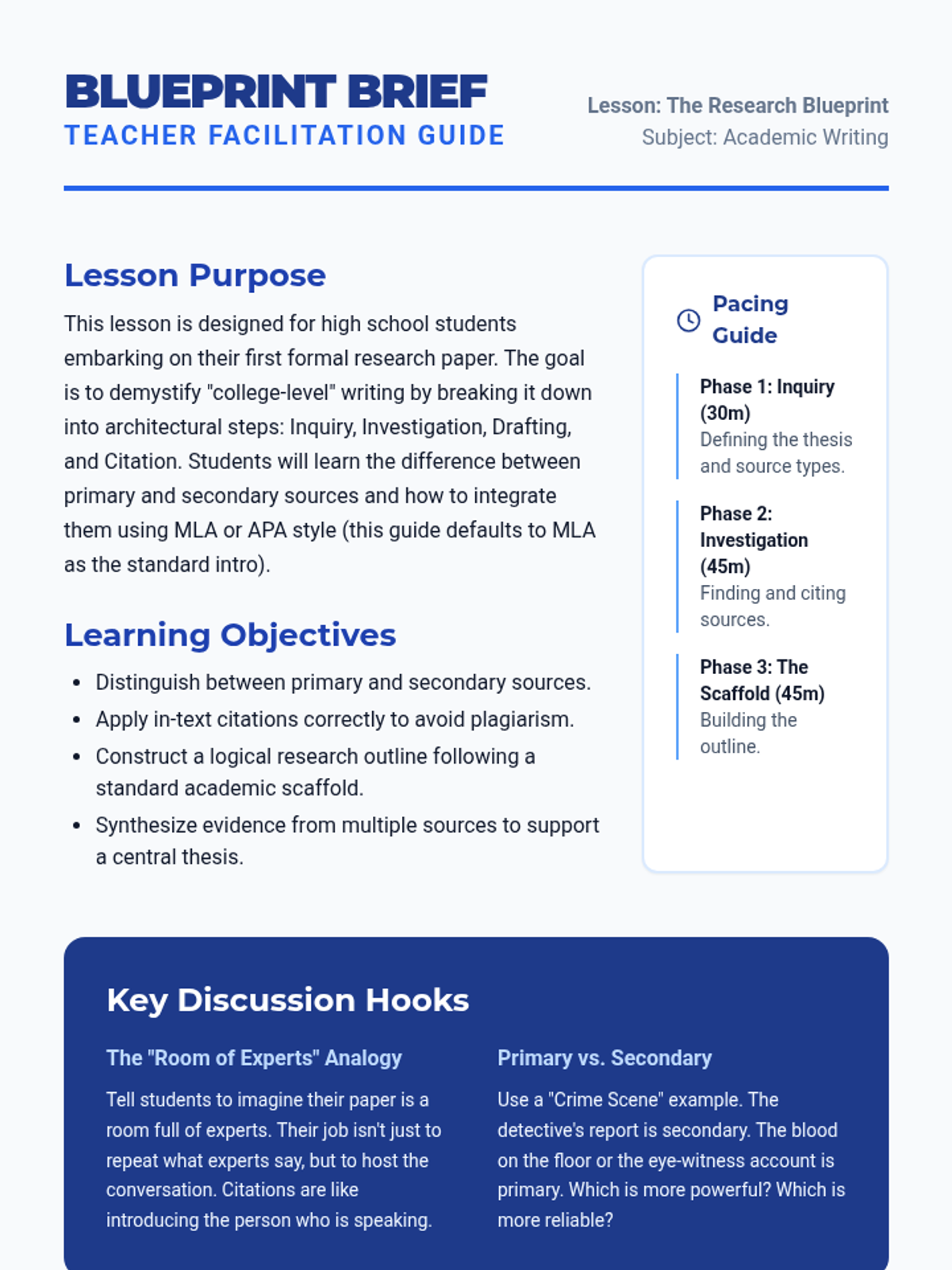
A foundational lesson designed to guide high school students through the complex process of writing their first academic research paper. It covers source evaluation, citation mechanics, and structural outlining with a focus on transitioning toward college-level standards.
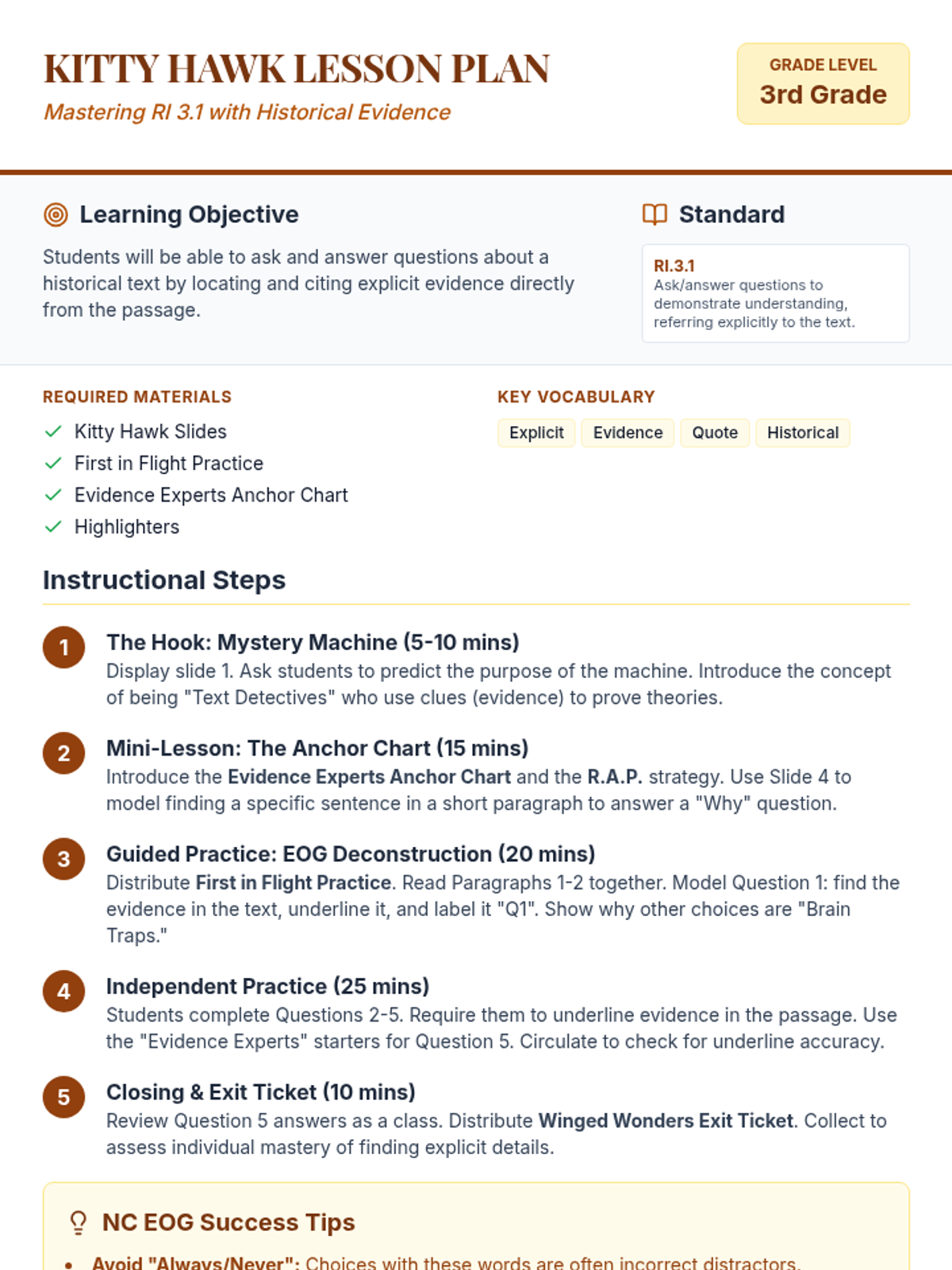
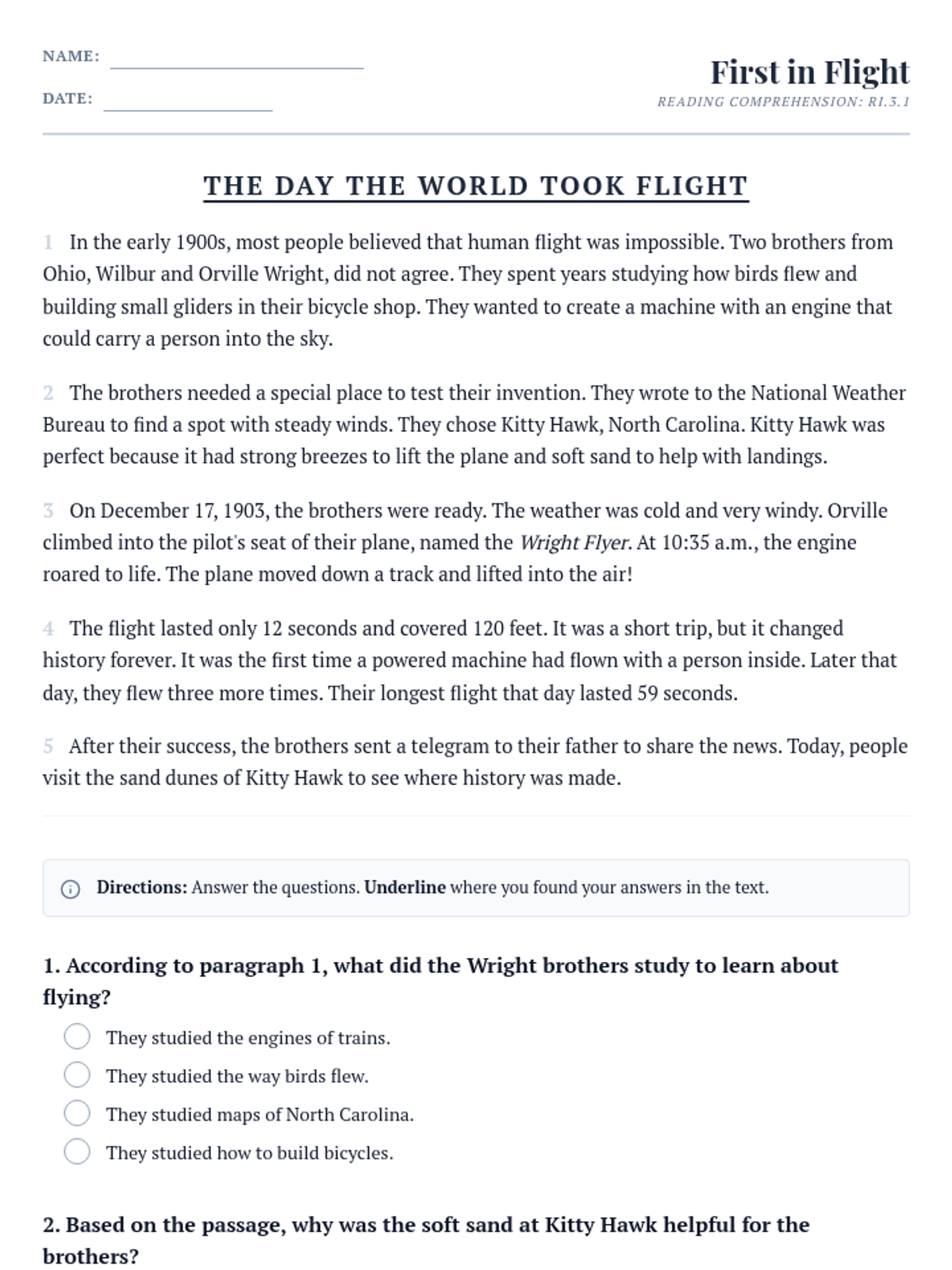
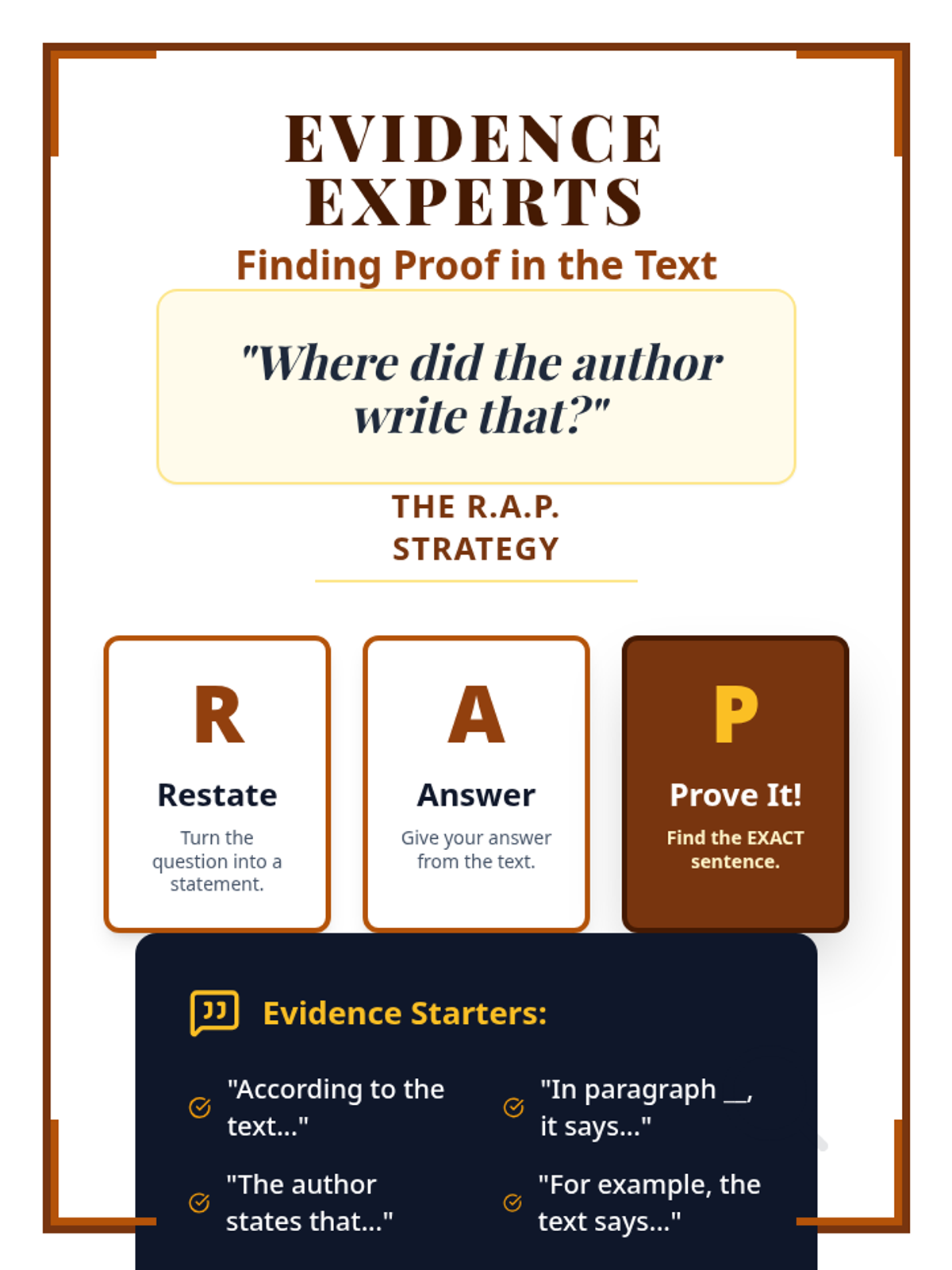
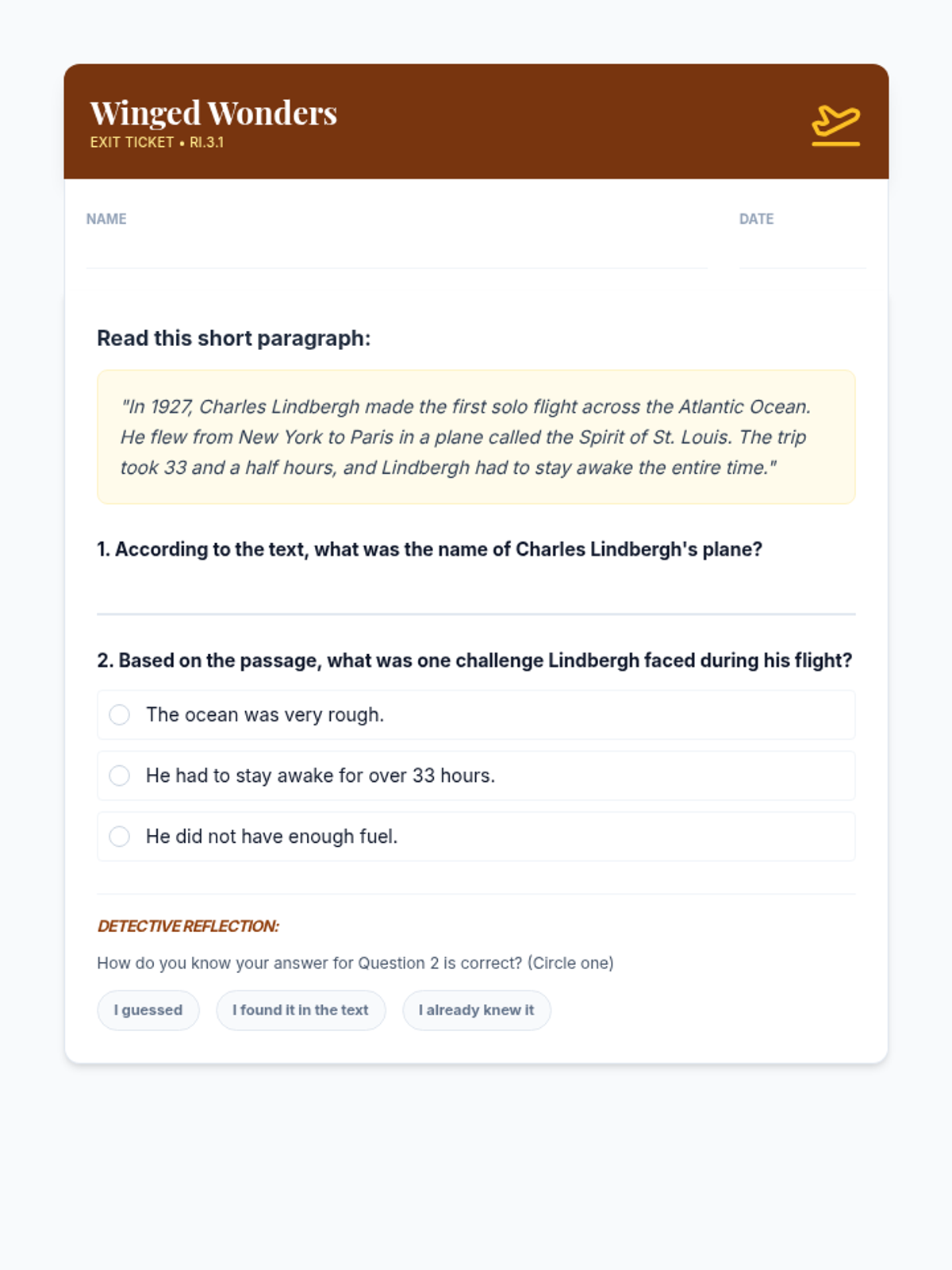
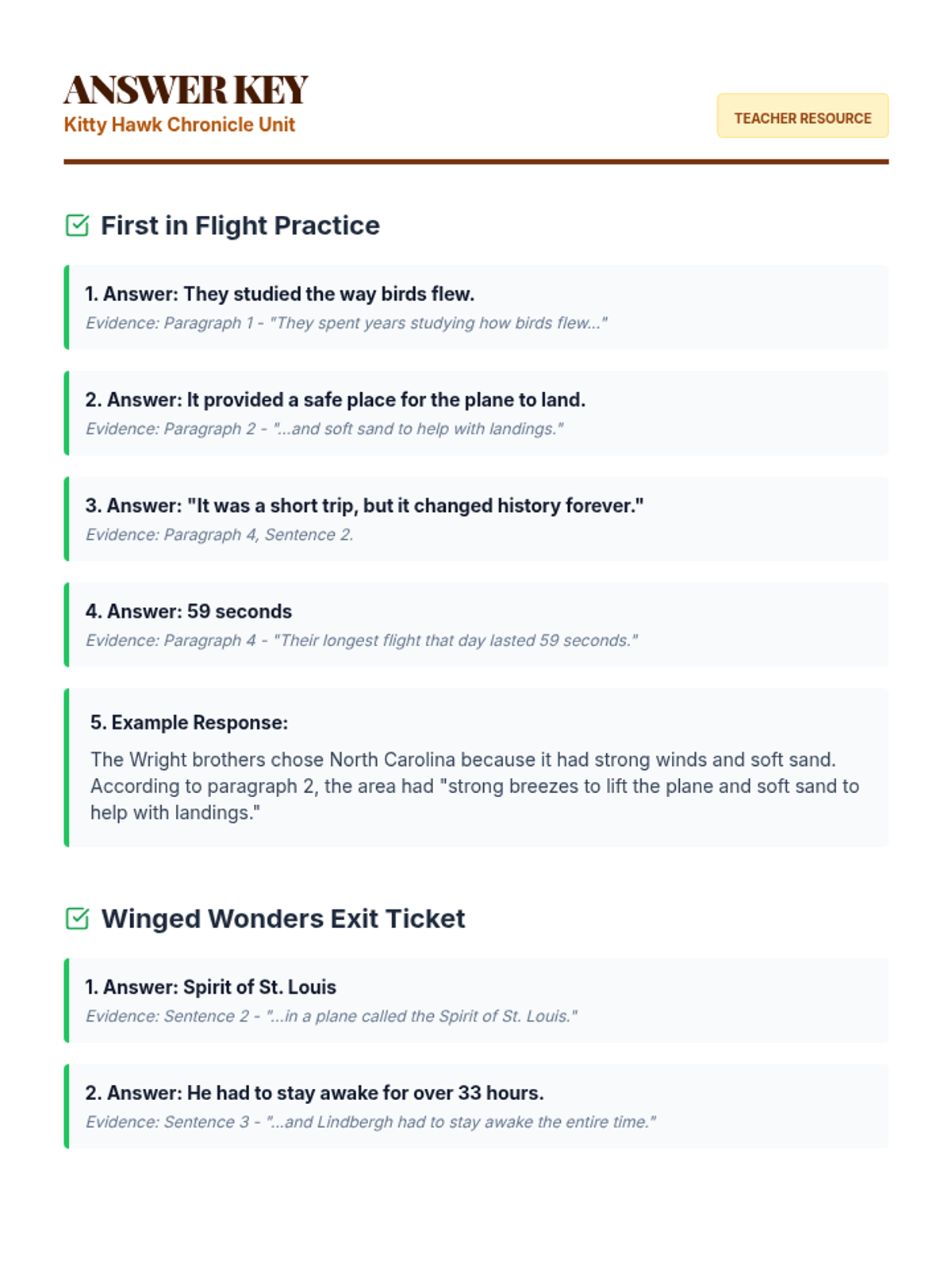
A lesson focused on RI 3.1 (Ask and Answer Questions) using a historical passage about the Wright Brothers' first flight in Kitty Hawk, North Carolina. Students will learn to find and cite explicit text evidence to support their answers in an EOG-style format.
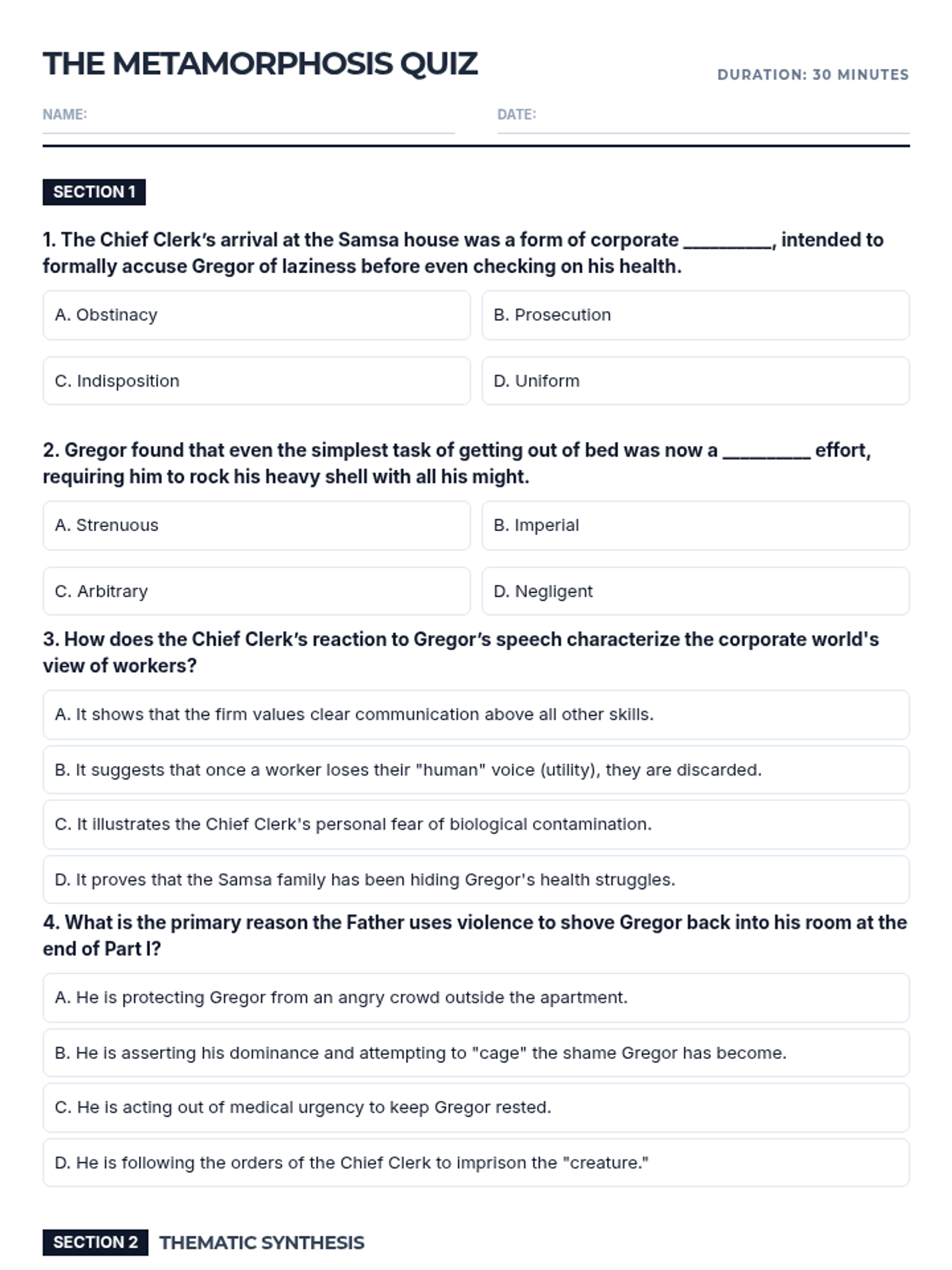
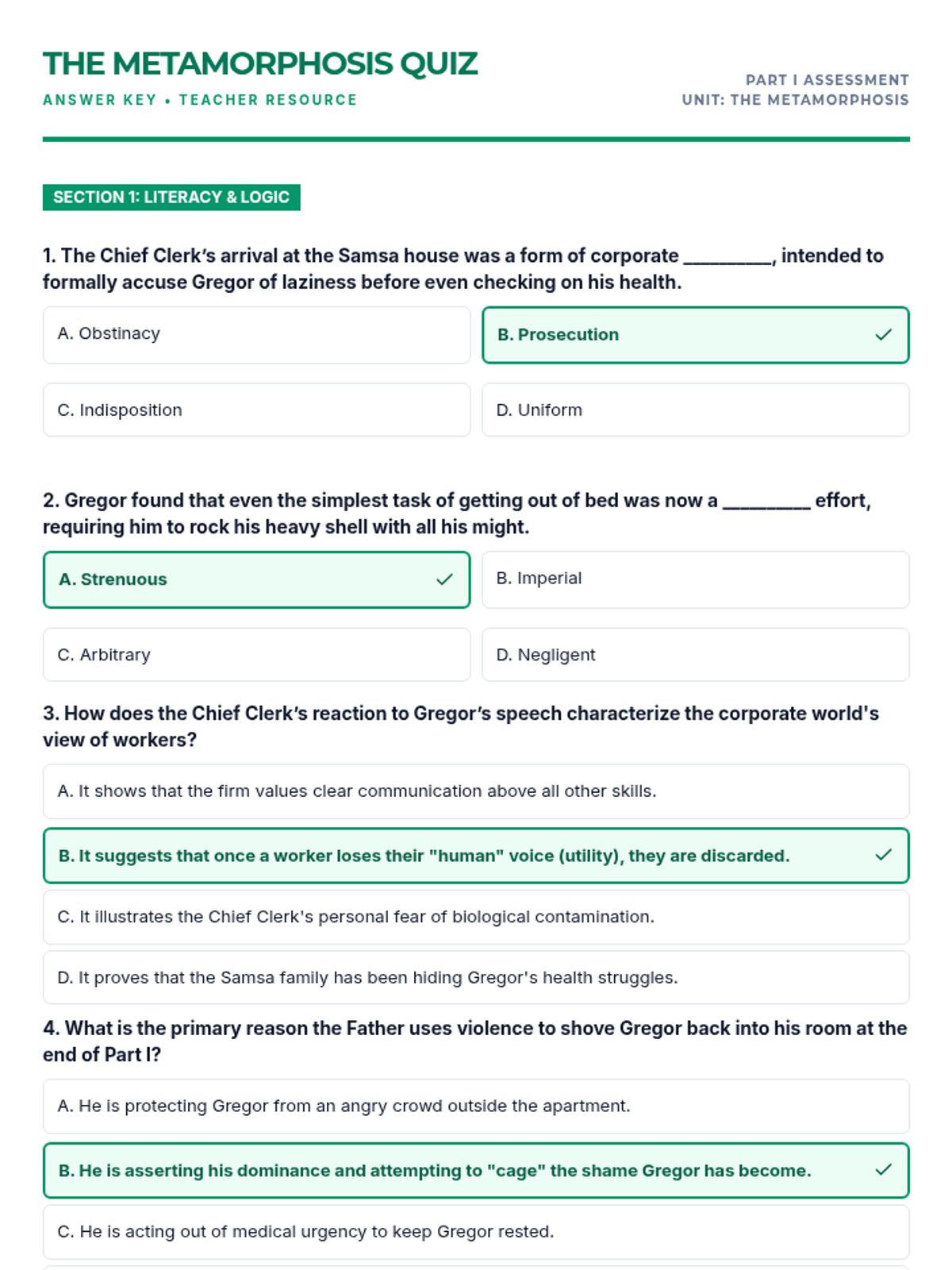
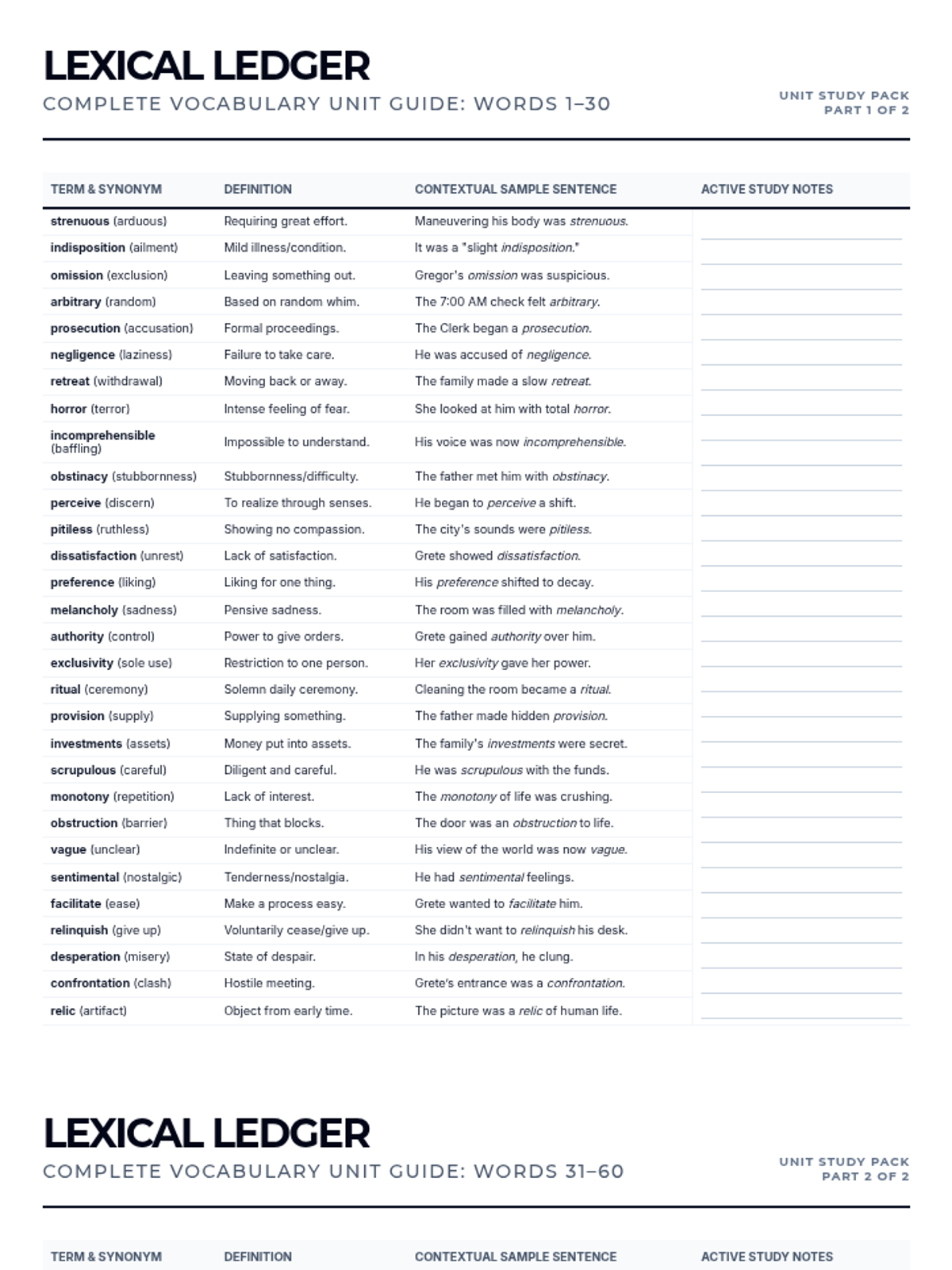
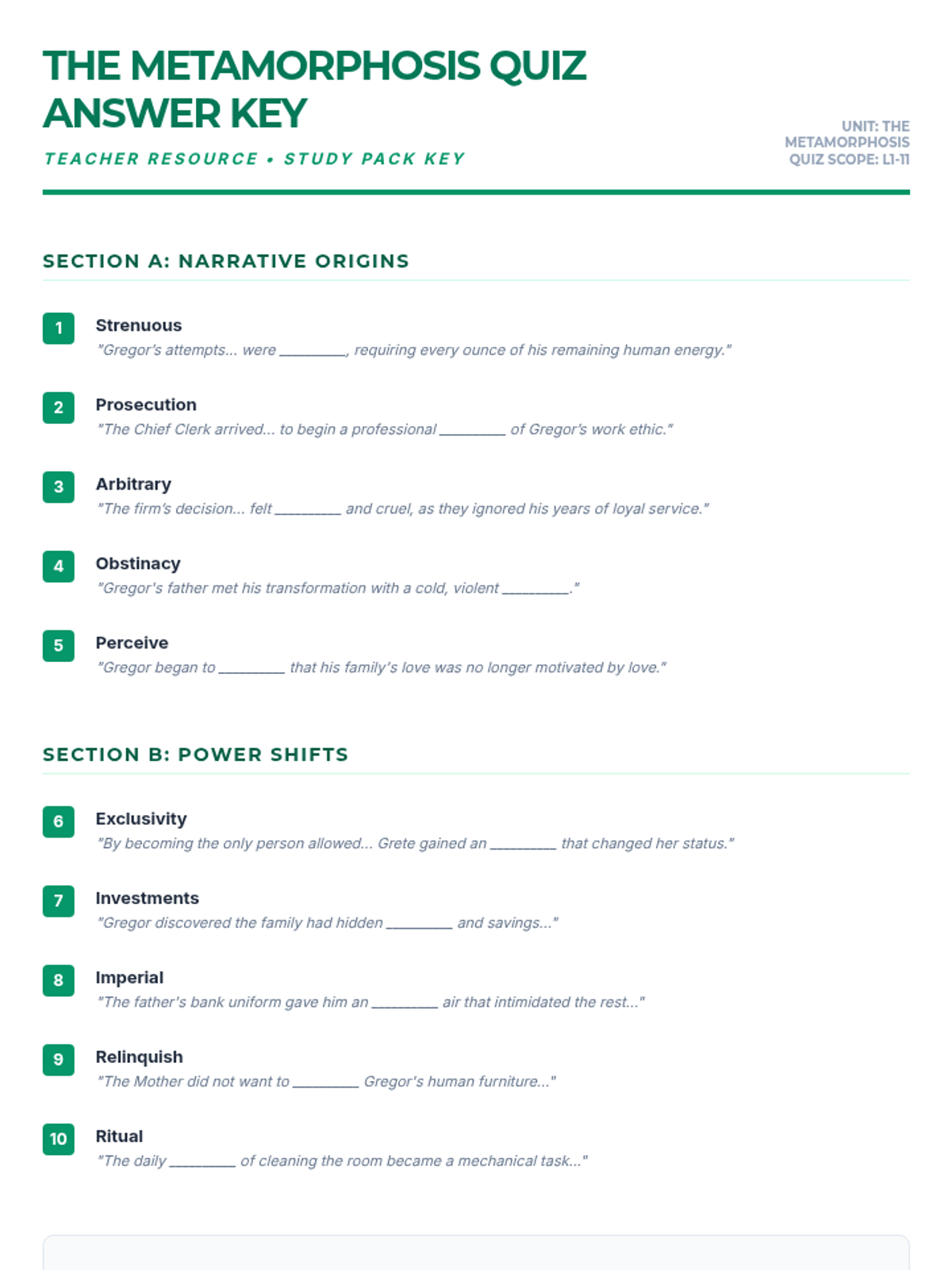
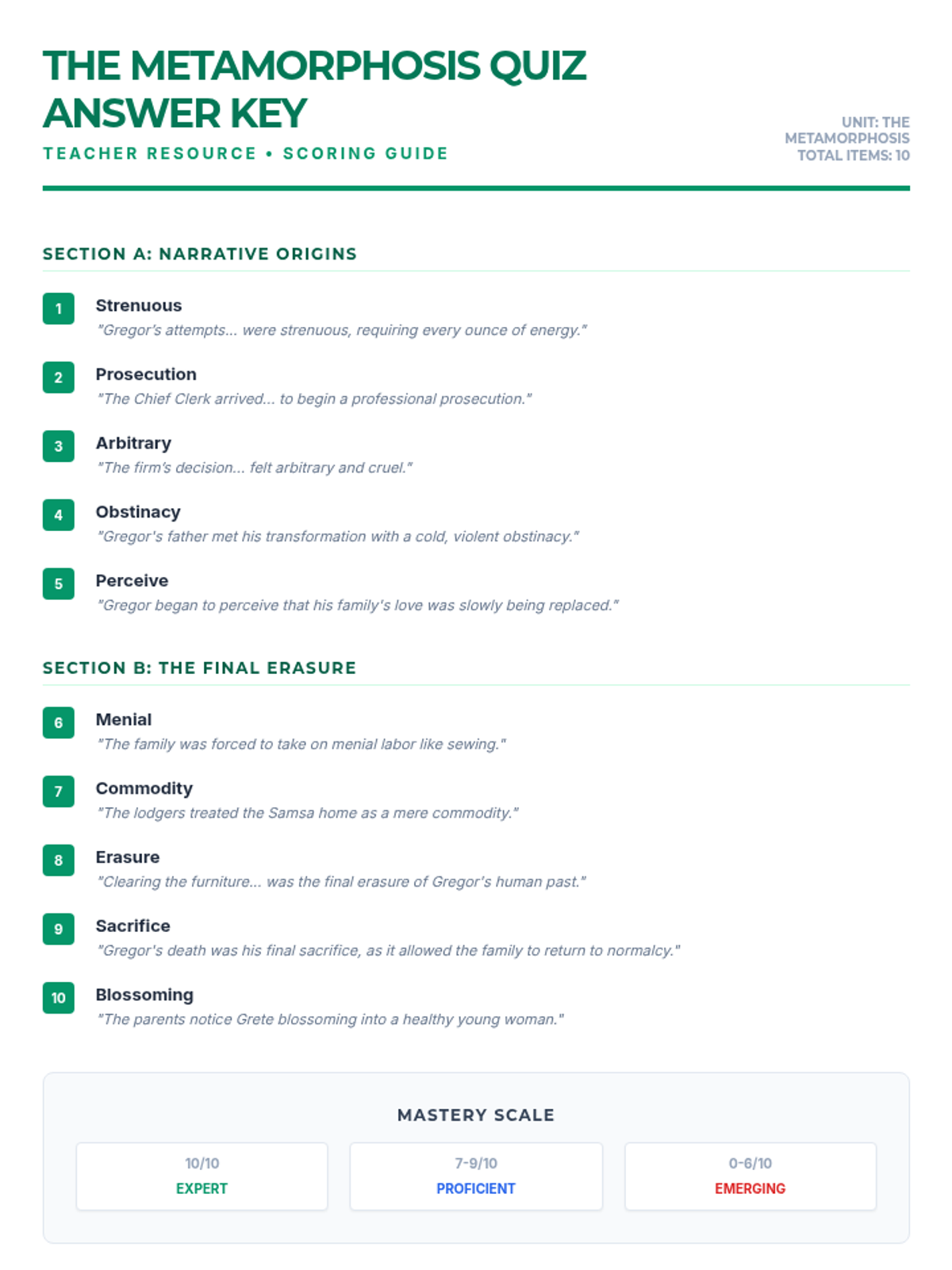
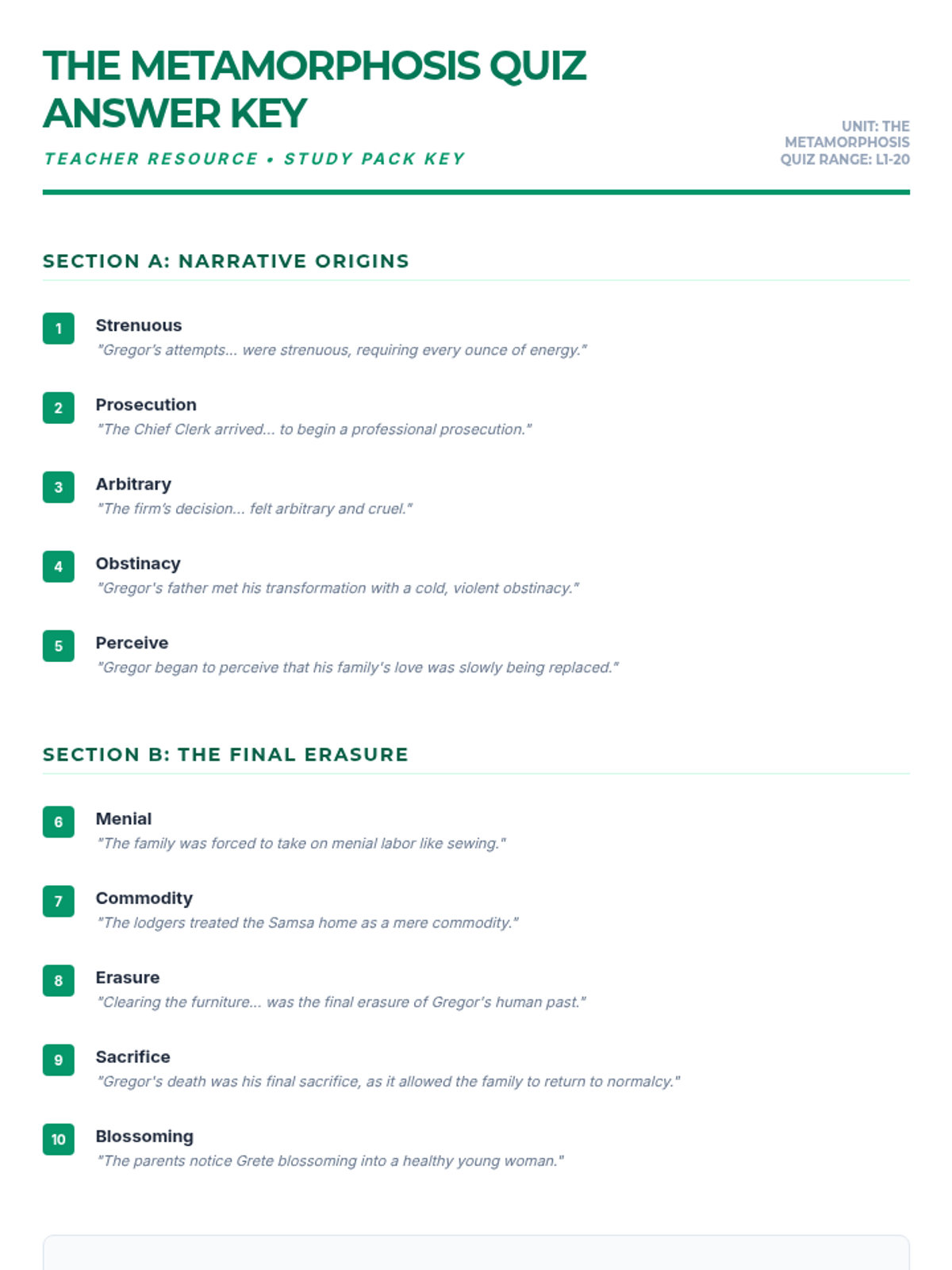
A summative assessment for the first third of the novel. Evaluates student mastery of vocabulary from Lessons 1-11, character motivation, and the central theme of corporate alienation through a mix of multiple choice, short answer, and a rigorous RACE response.
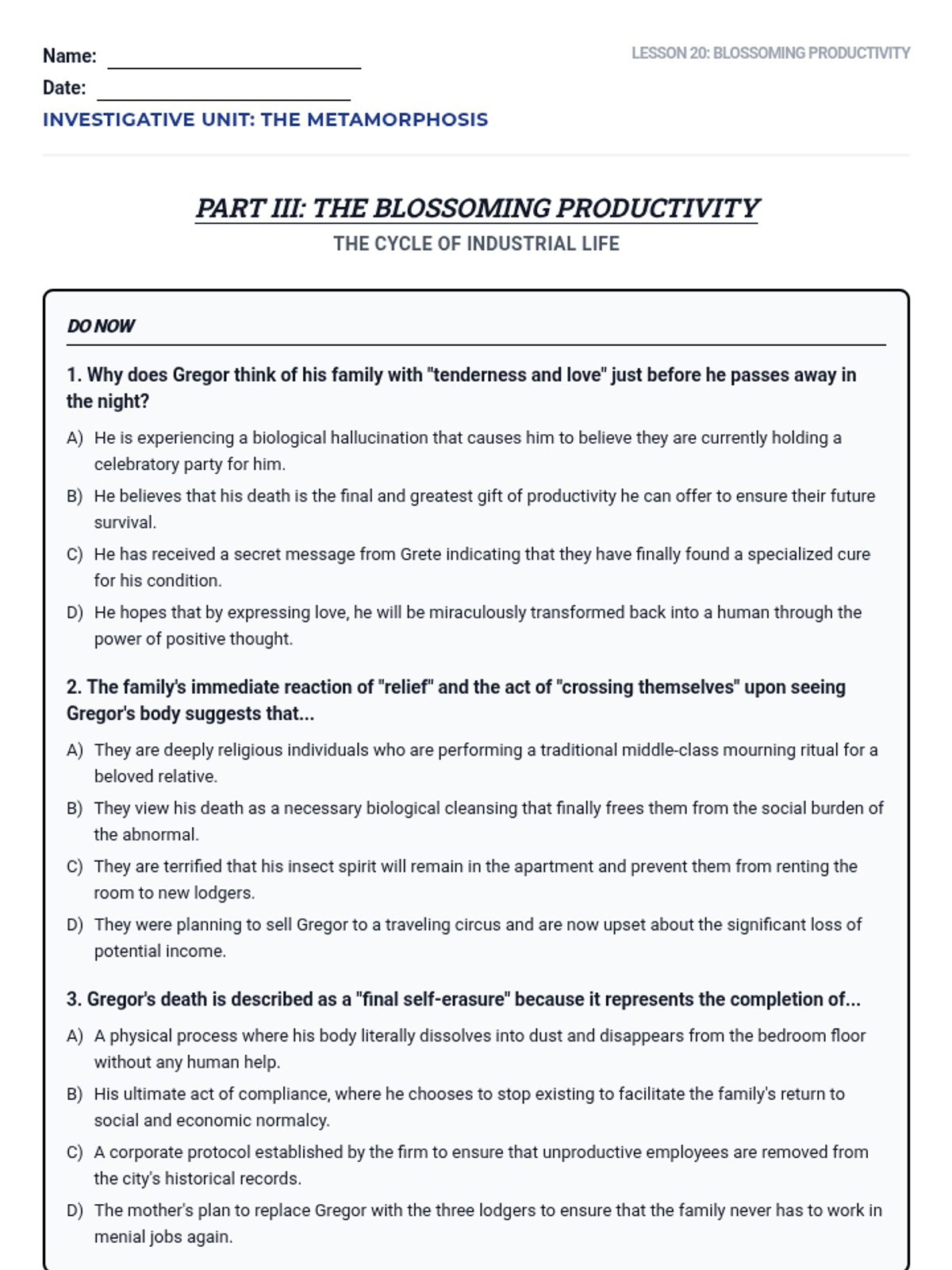
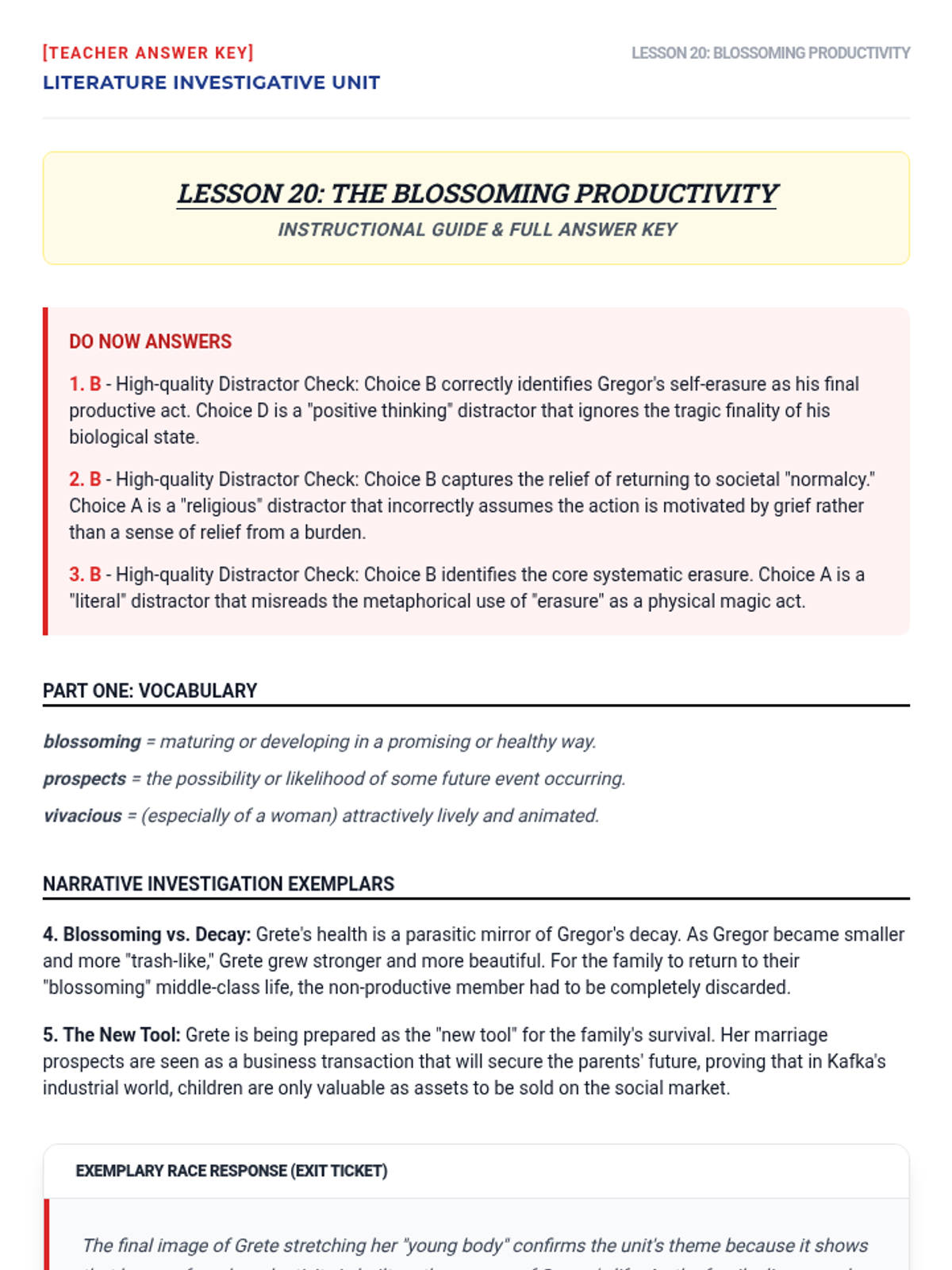
The family's recovery and the transition to a new source of productivity (Grete). Synthesis of the unit's themes.
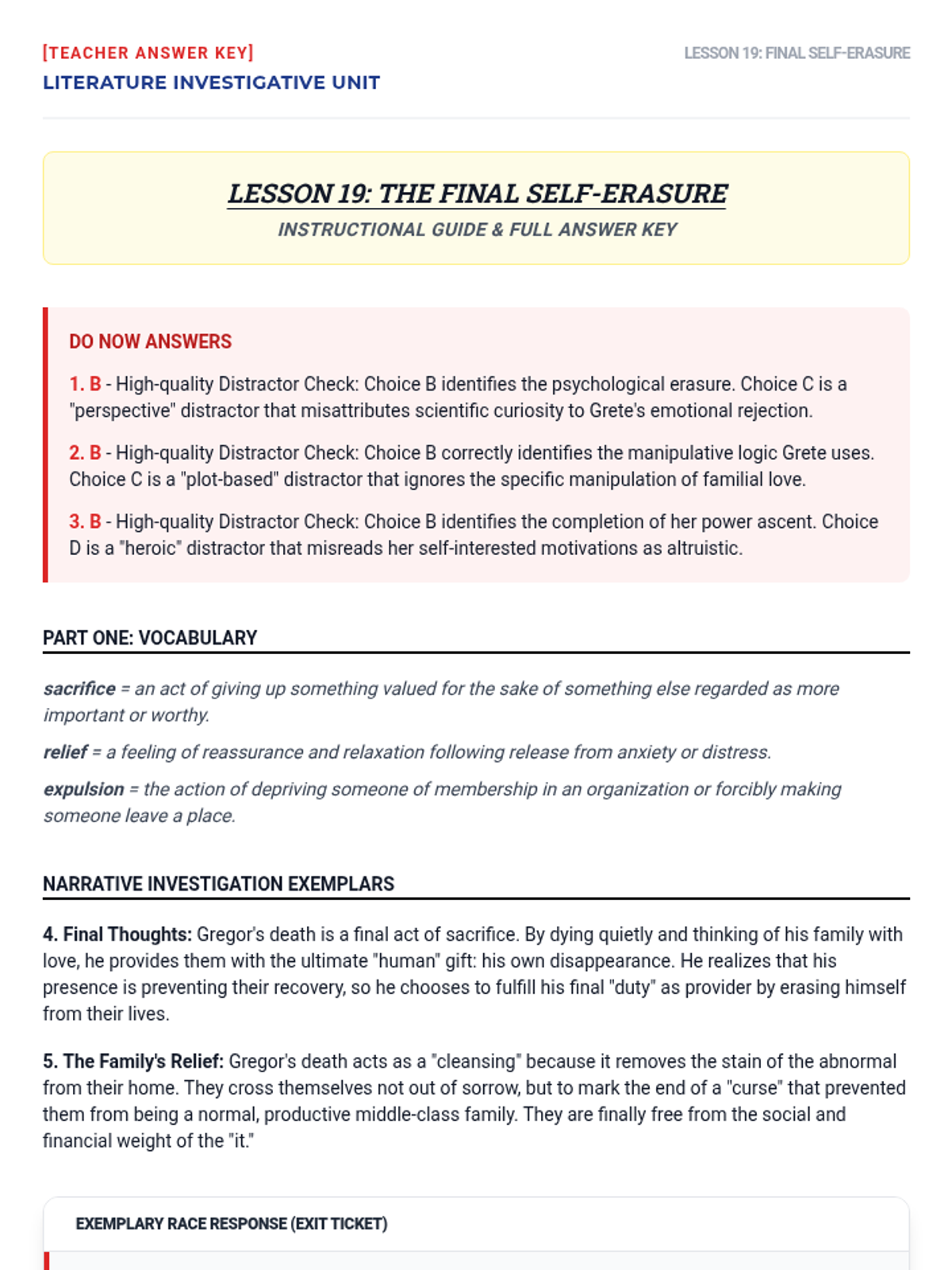
Gregor's death and self-sacrifice. Analysis of the relief of the family and the 'cleansing' of the home.
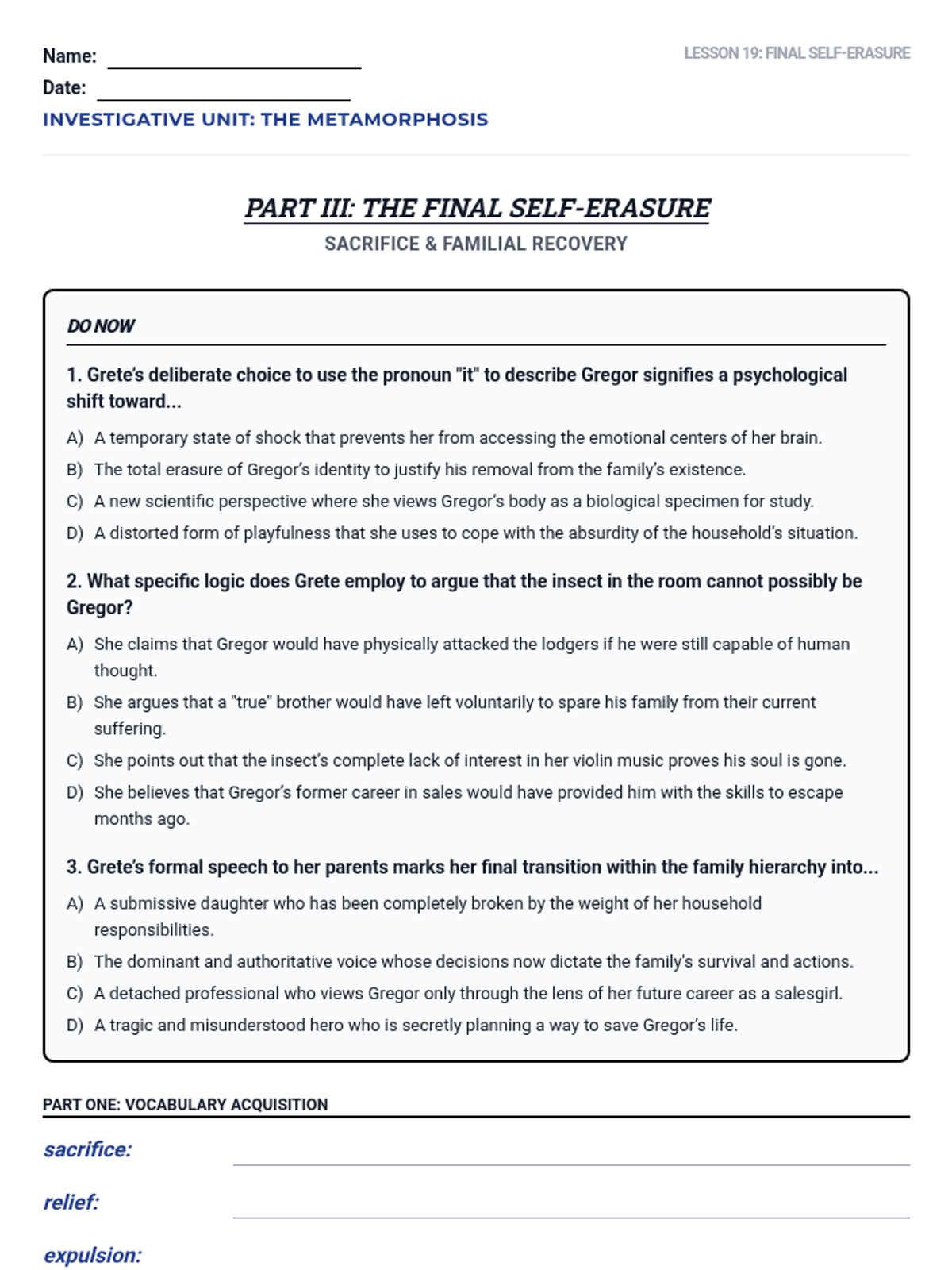
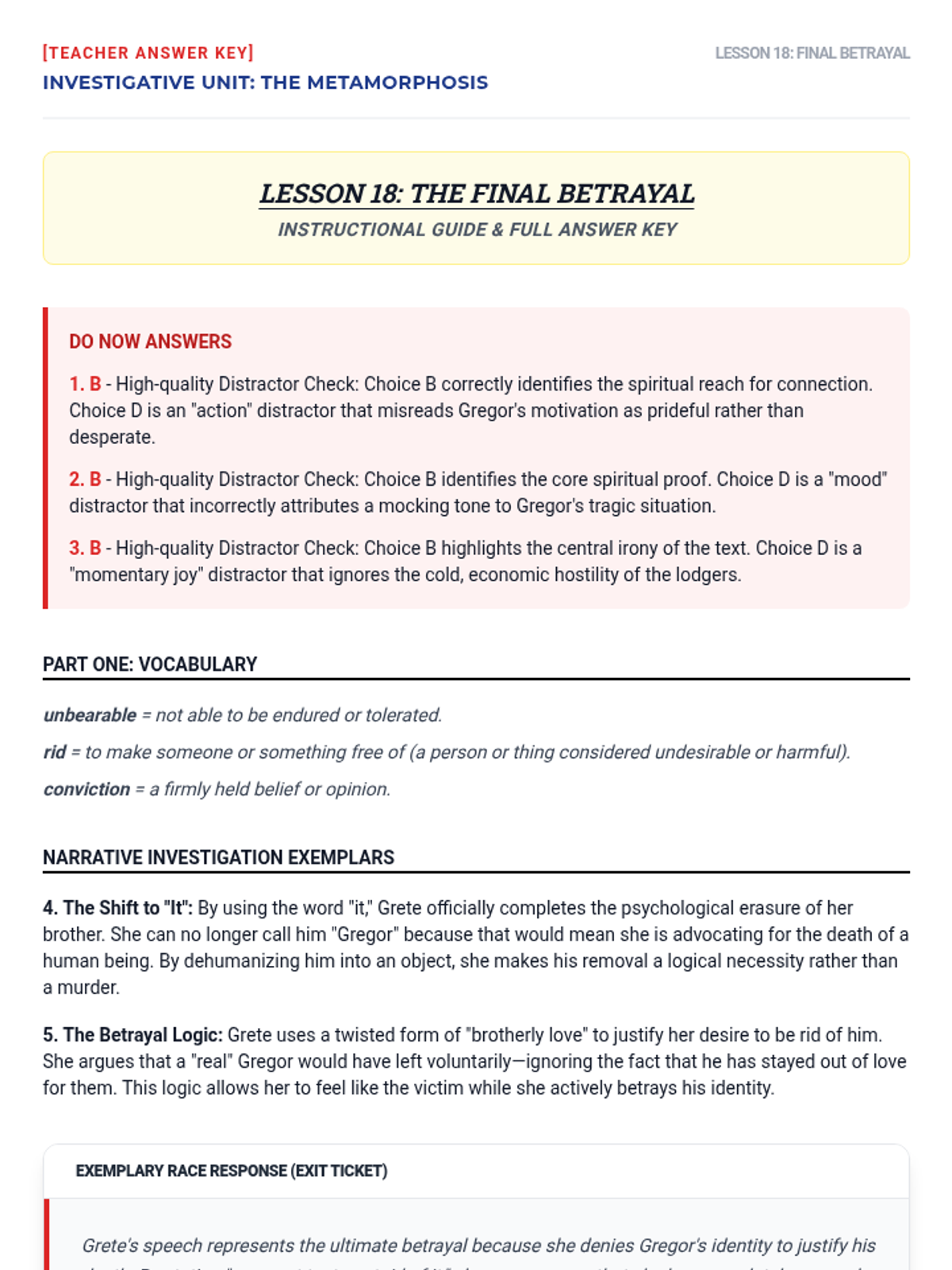
Grete's formal rejection of Gregor's identity. Analysis of the shift from sibling love to the necessity of his removal.
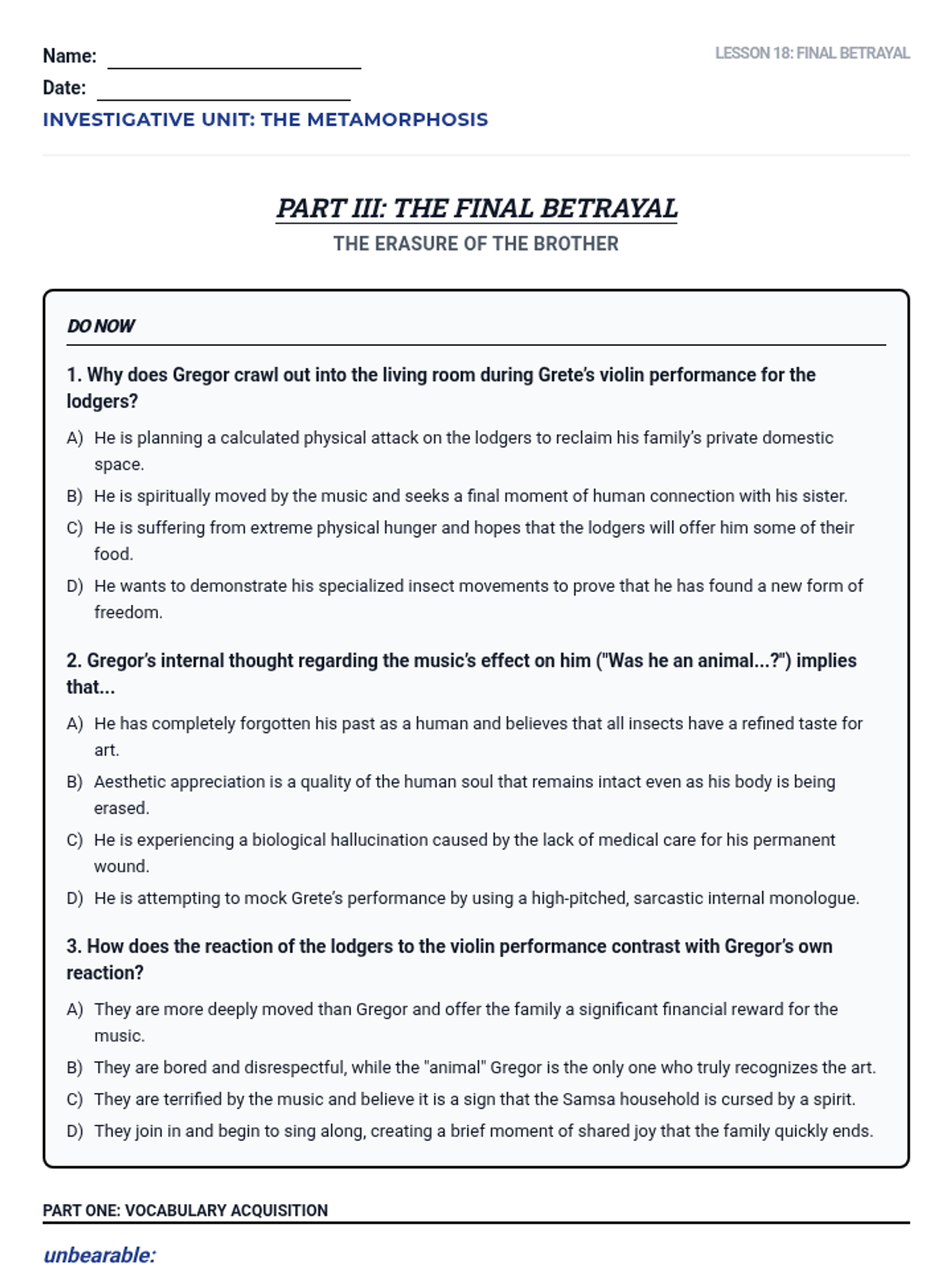
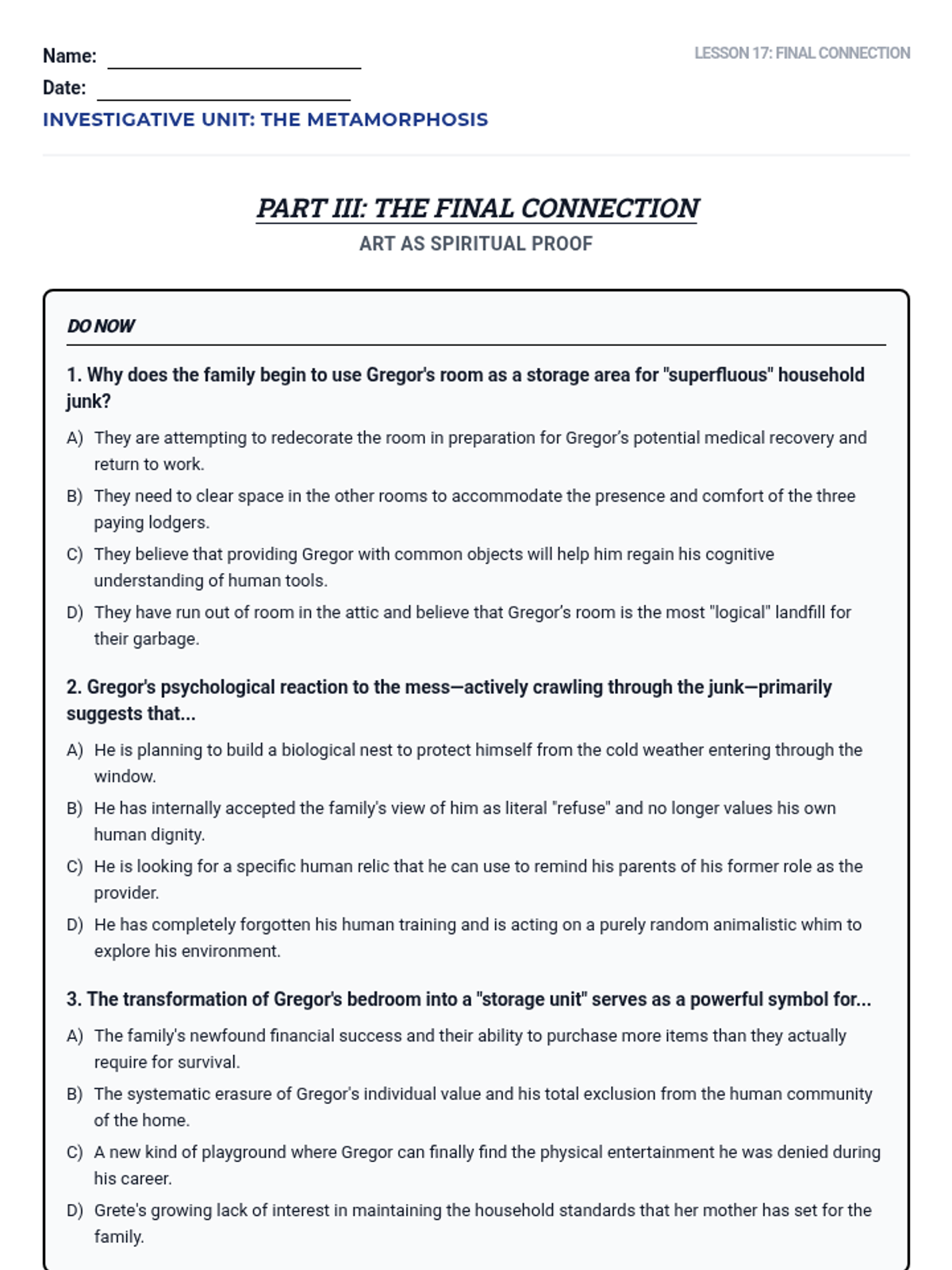
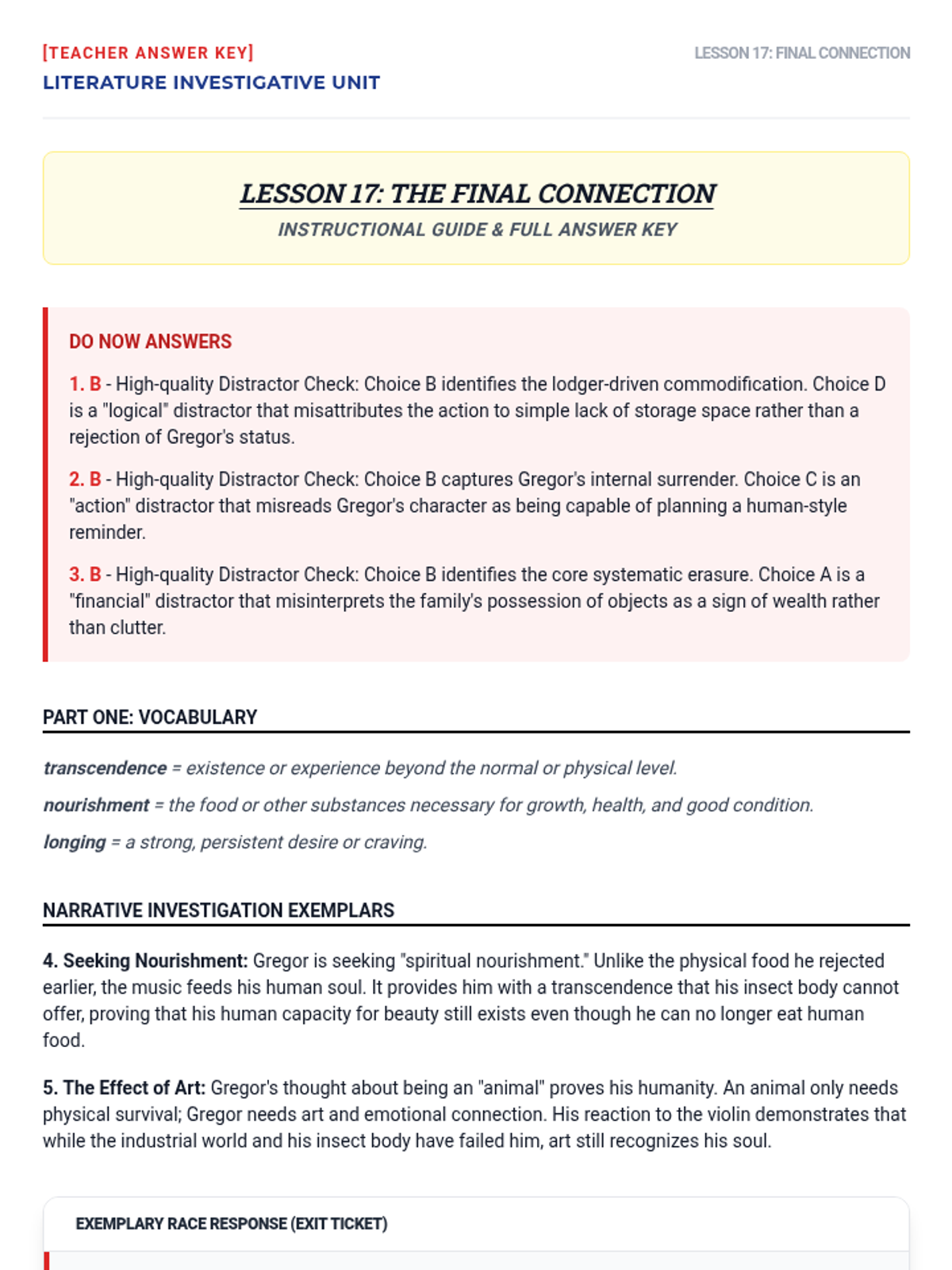
Gregor's reaction to Grete's violin performance. Themes of art, human connection, and the final reach for his human spirit.