Students analyze the fundamental unit of analysis in behaviorism: the Antecedent, Behavior, and Consequence (ABC). Through case studies, they practice identifying environmental triggers and resulting consequences.
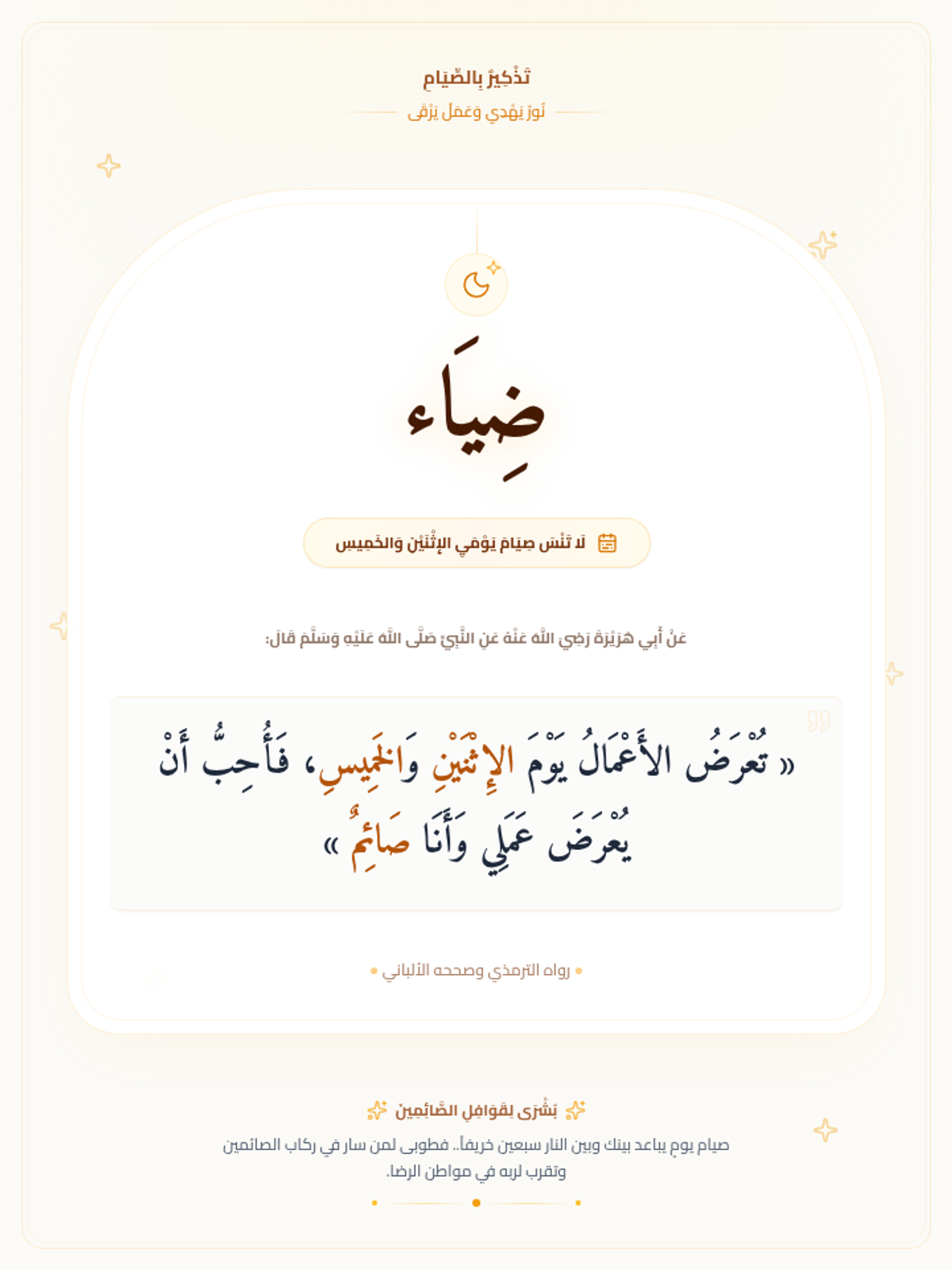
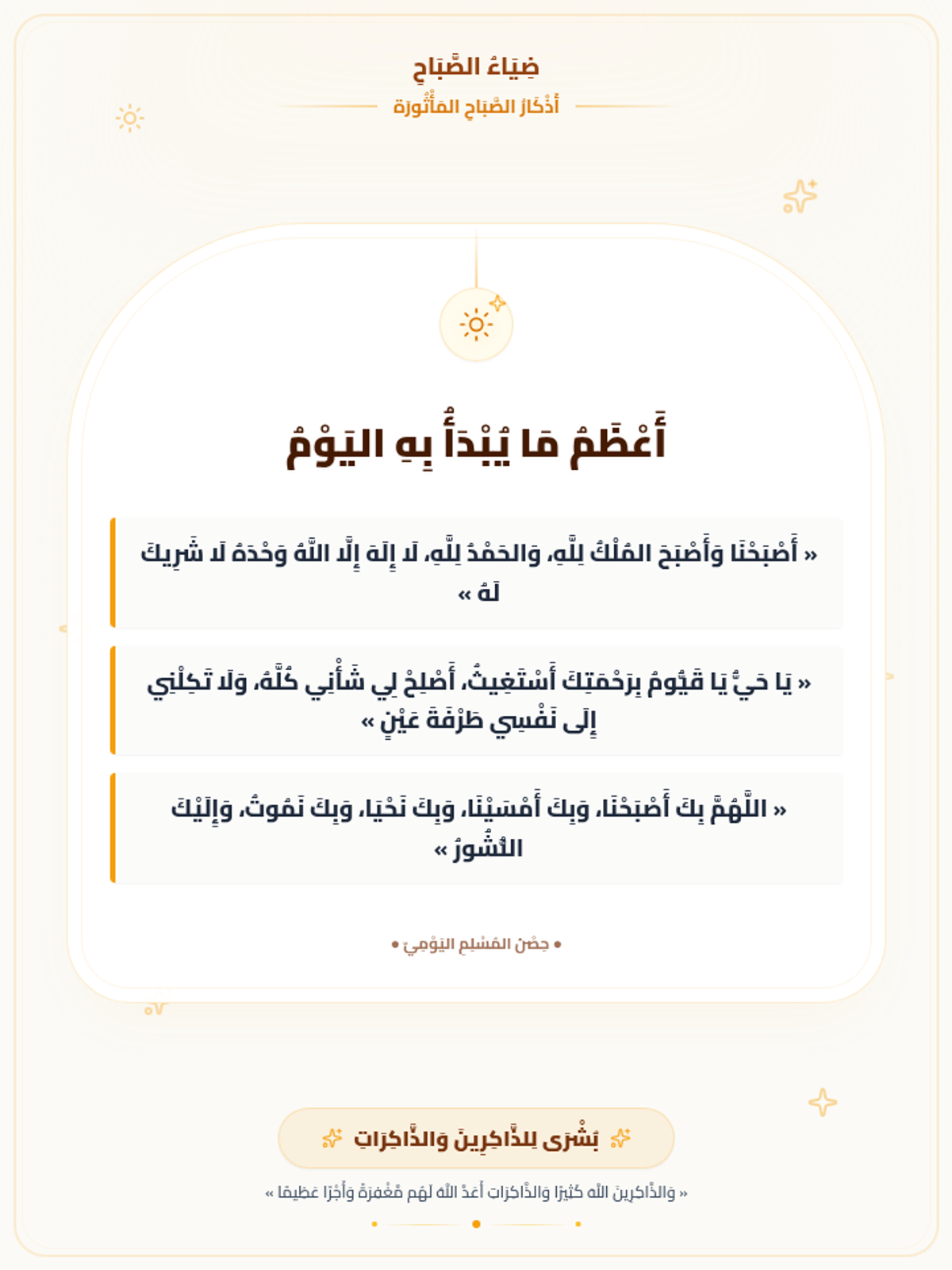
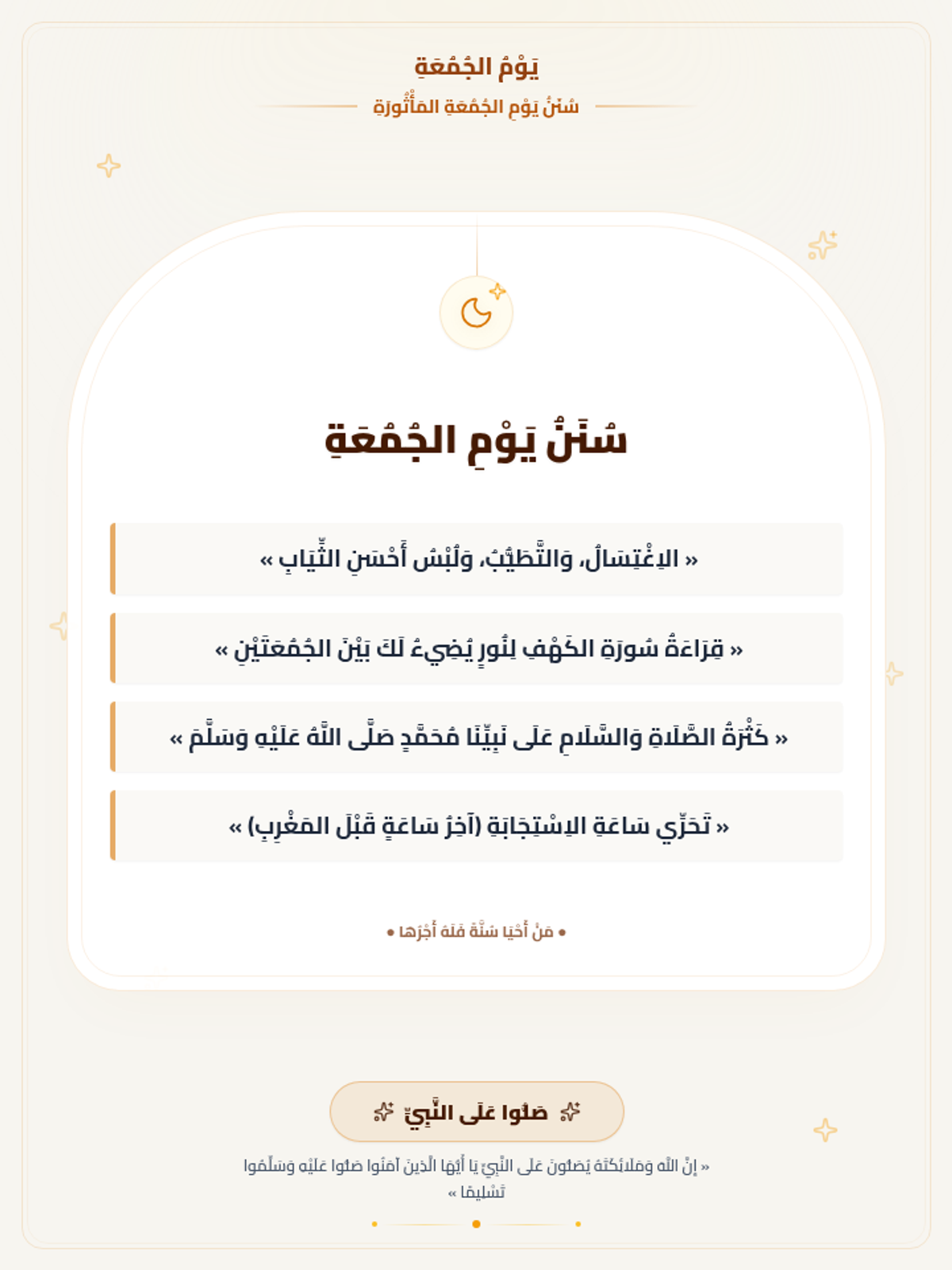
A premium, cohesive collection of beautifully designed spiritual and religious reminders for daily, weekly, and seasonal practices, featuring high-contrast connected Arabic typography, elegant arches, and glowing celestial themes.
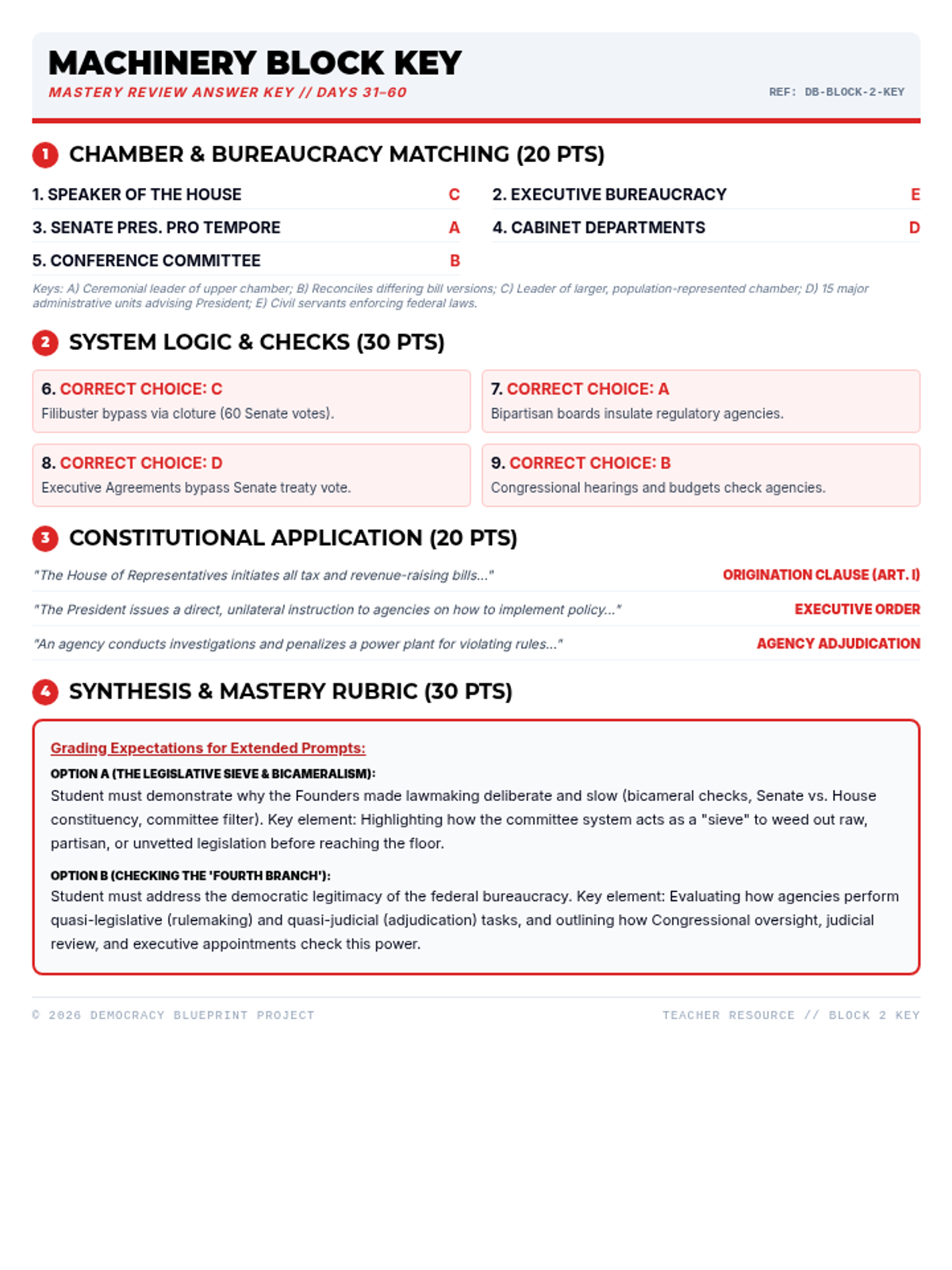
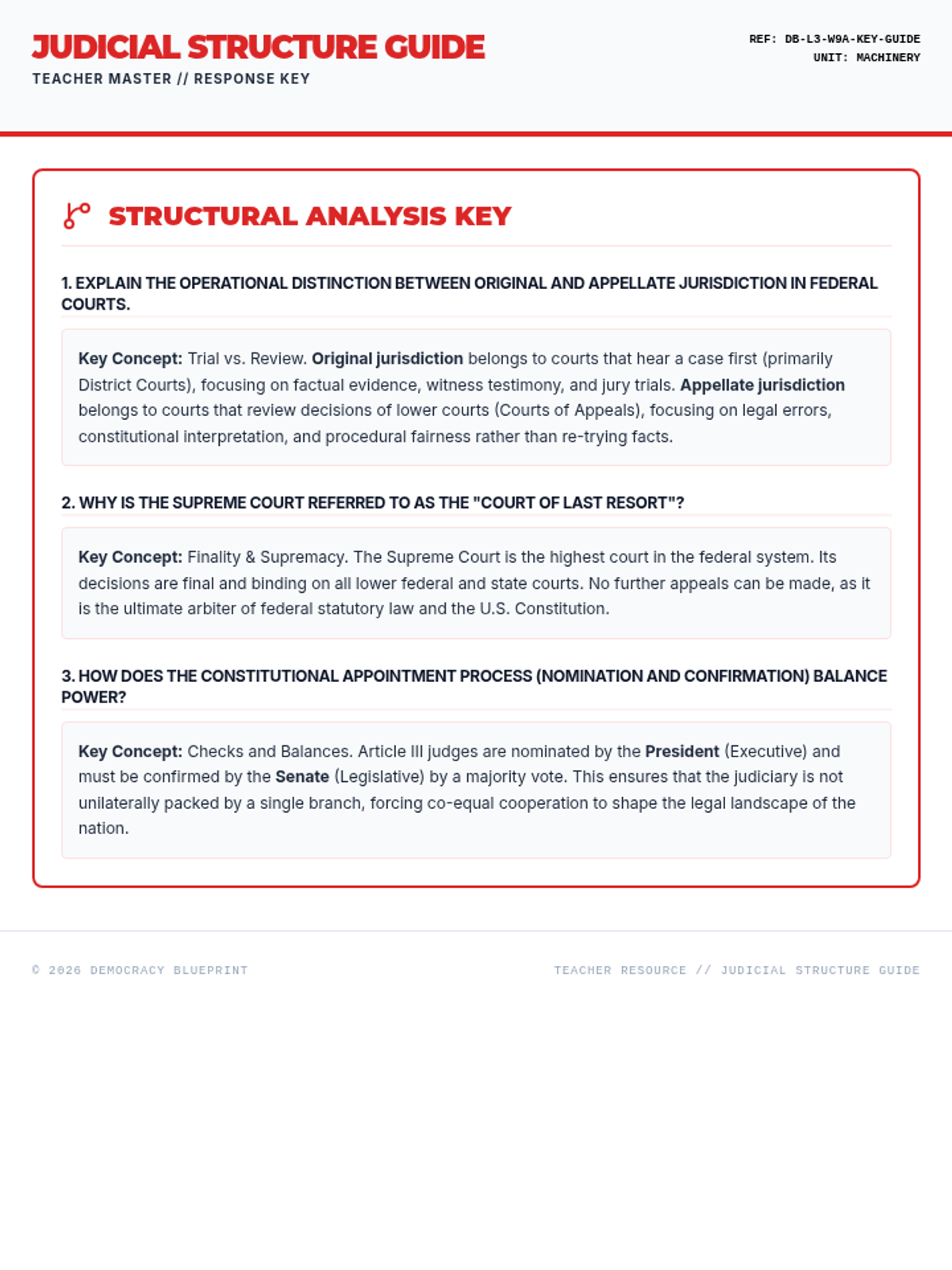
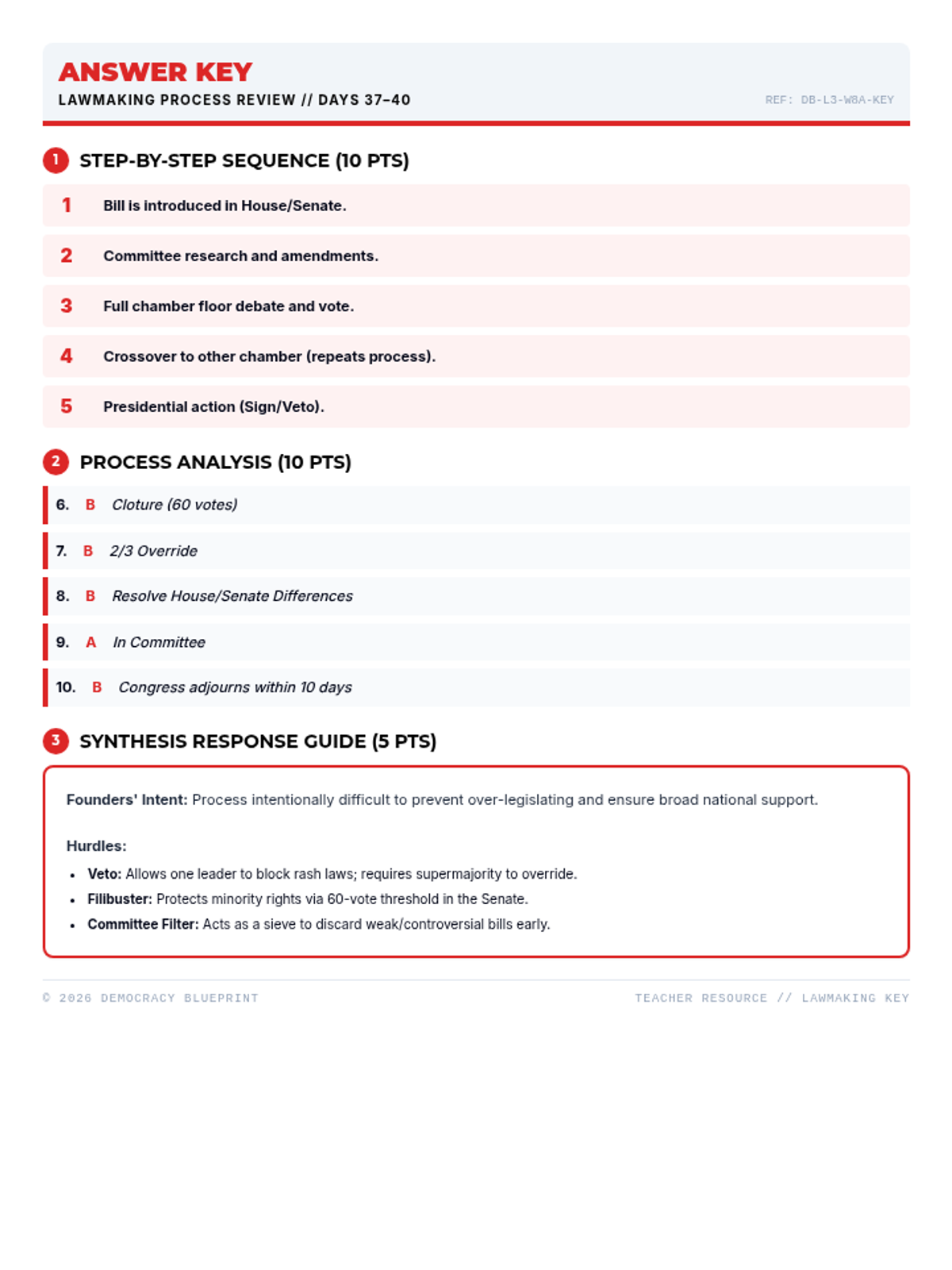
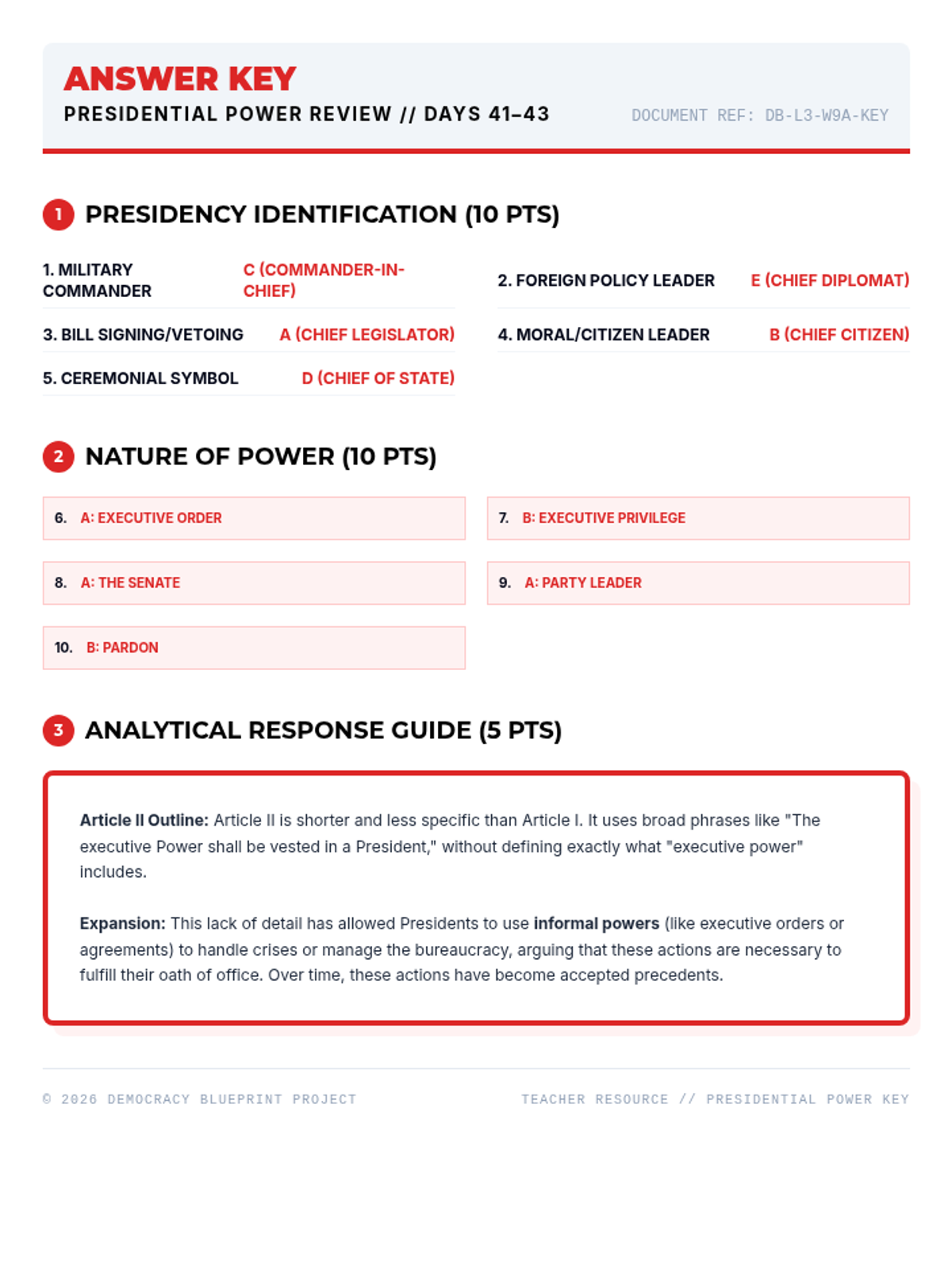
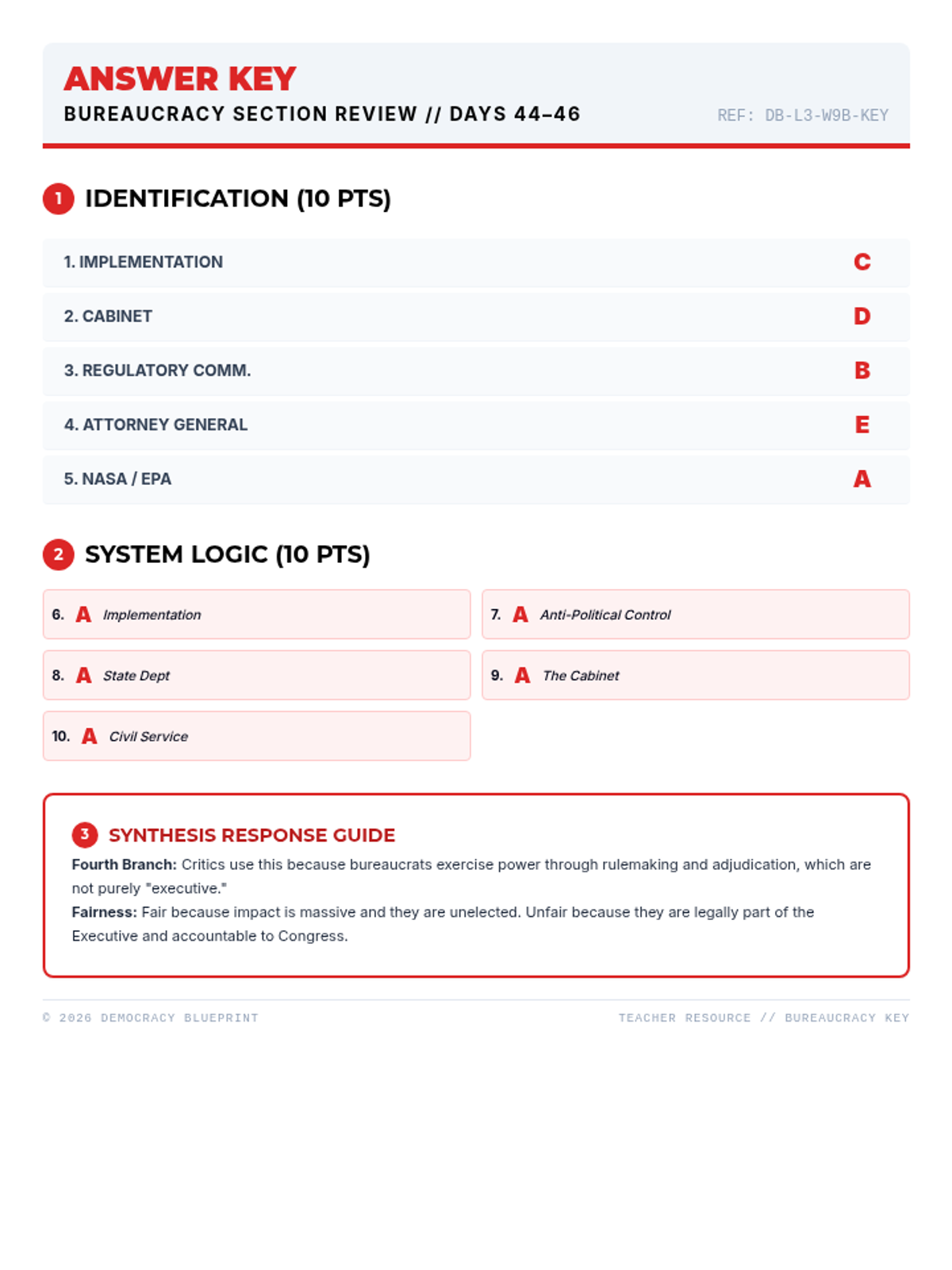
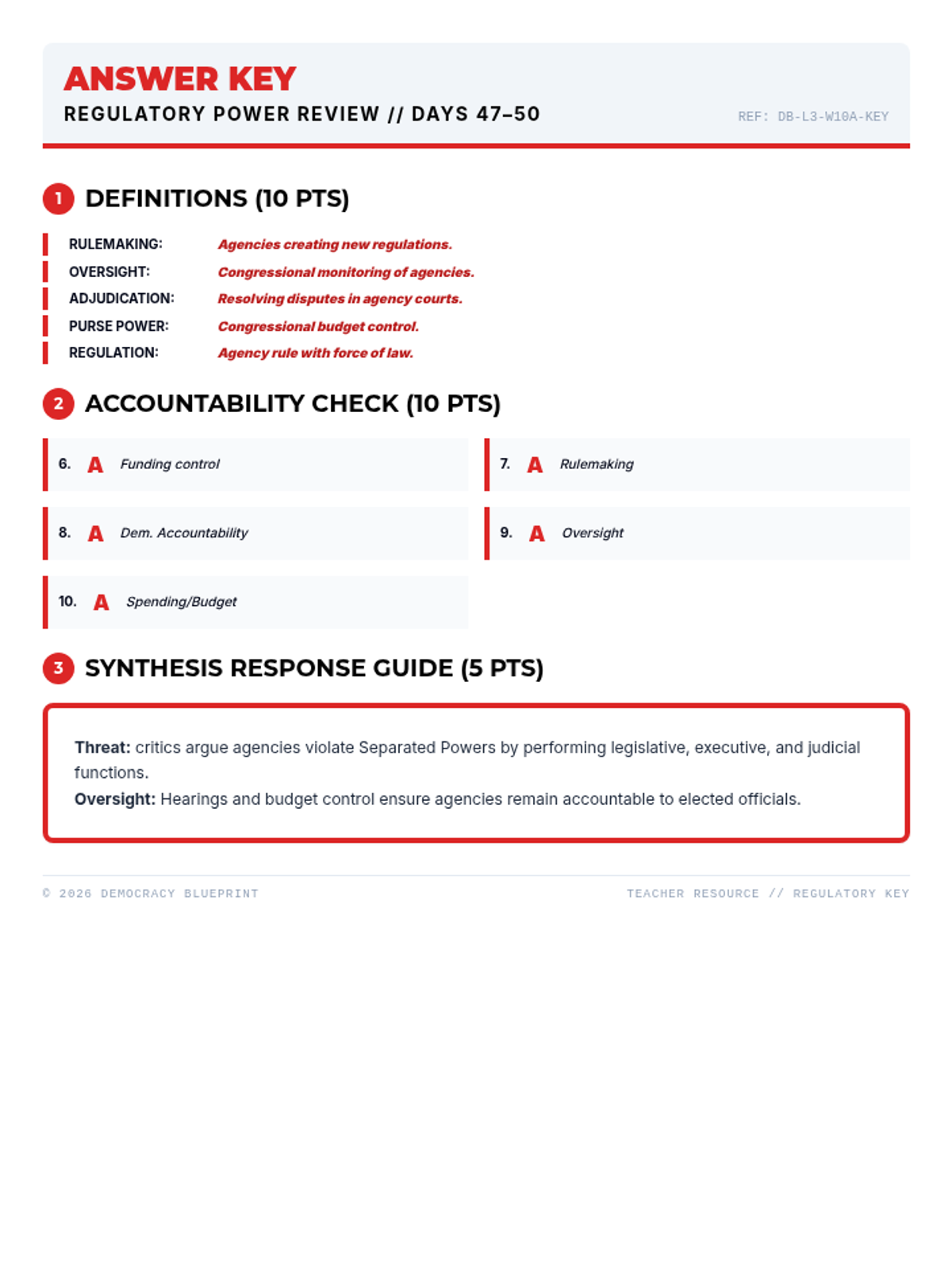
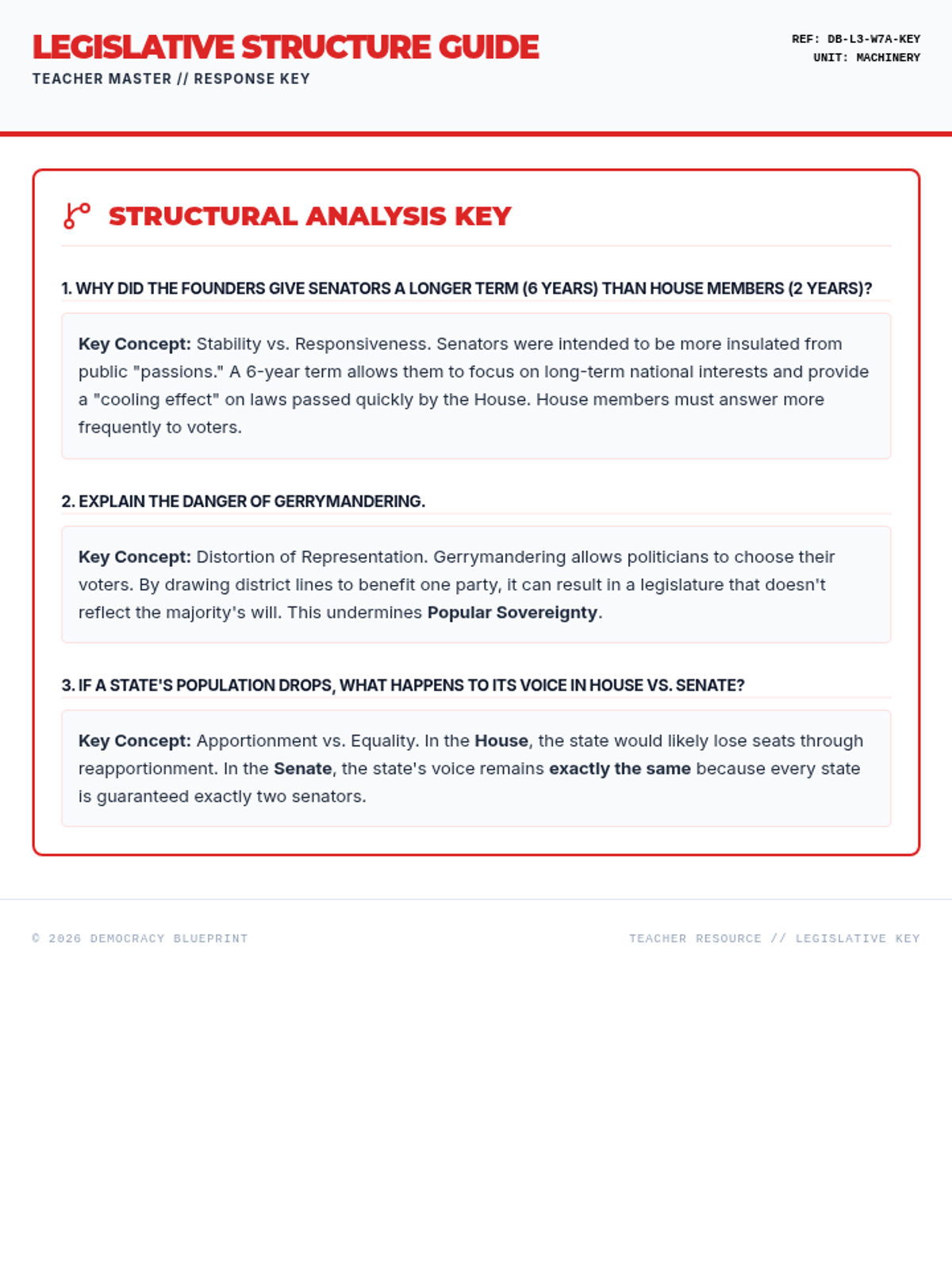
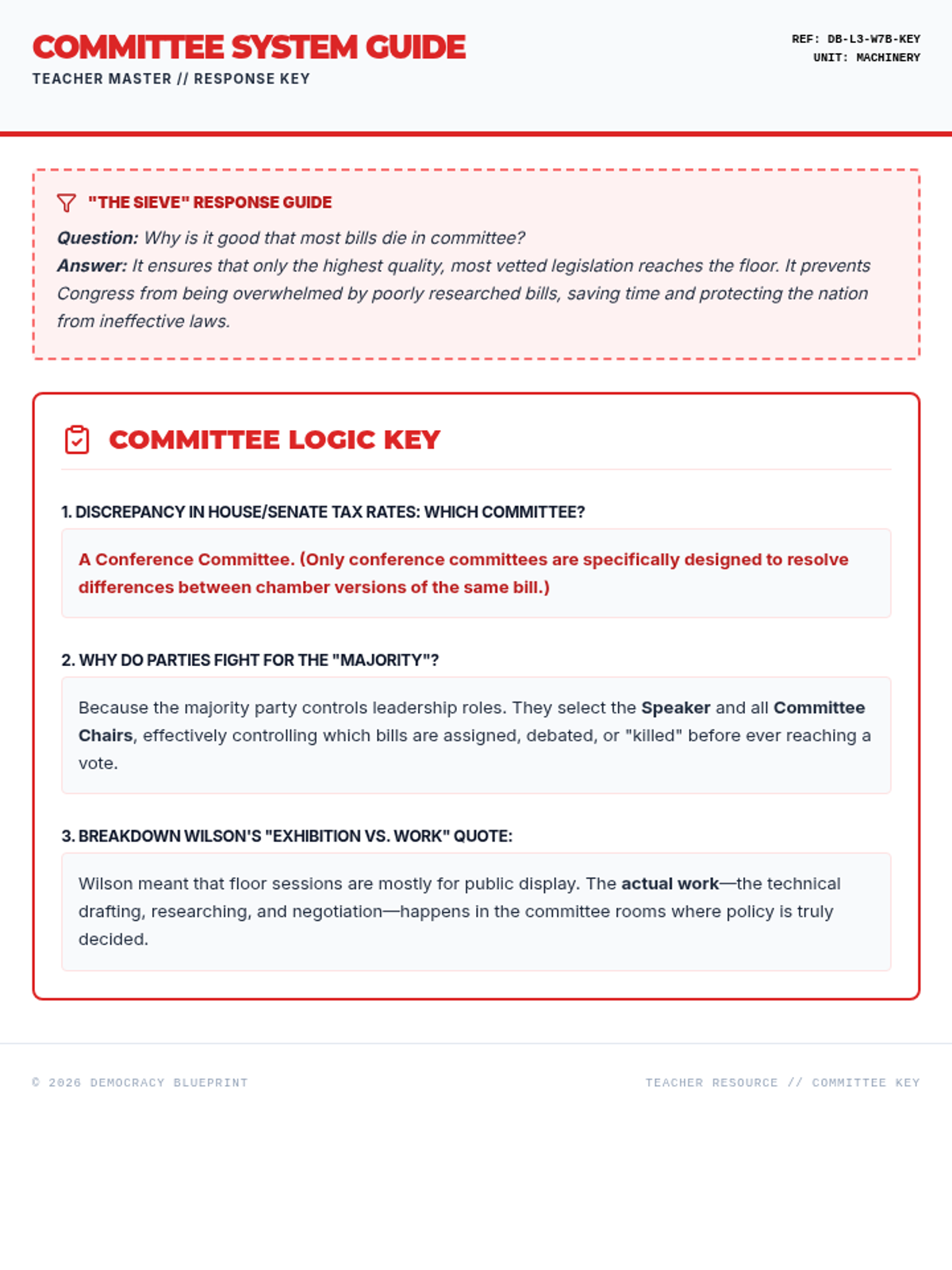
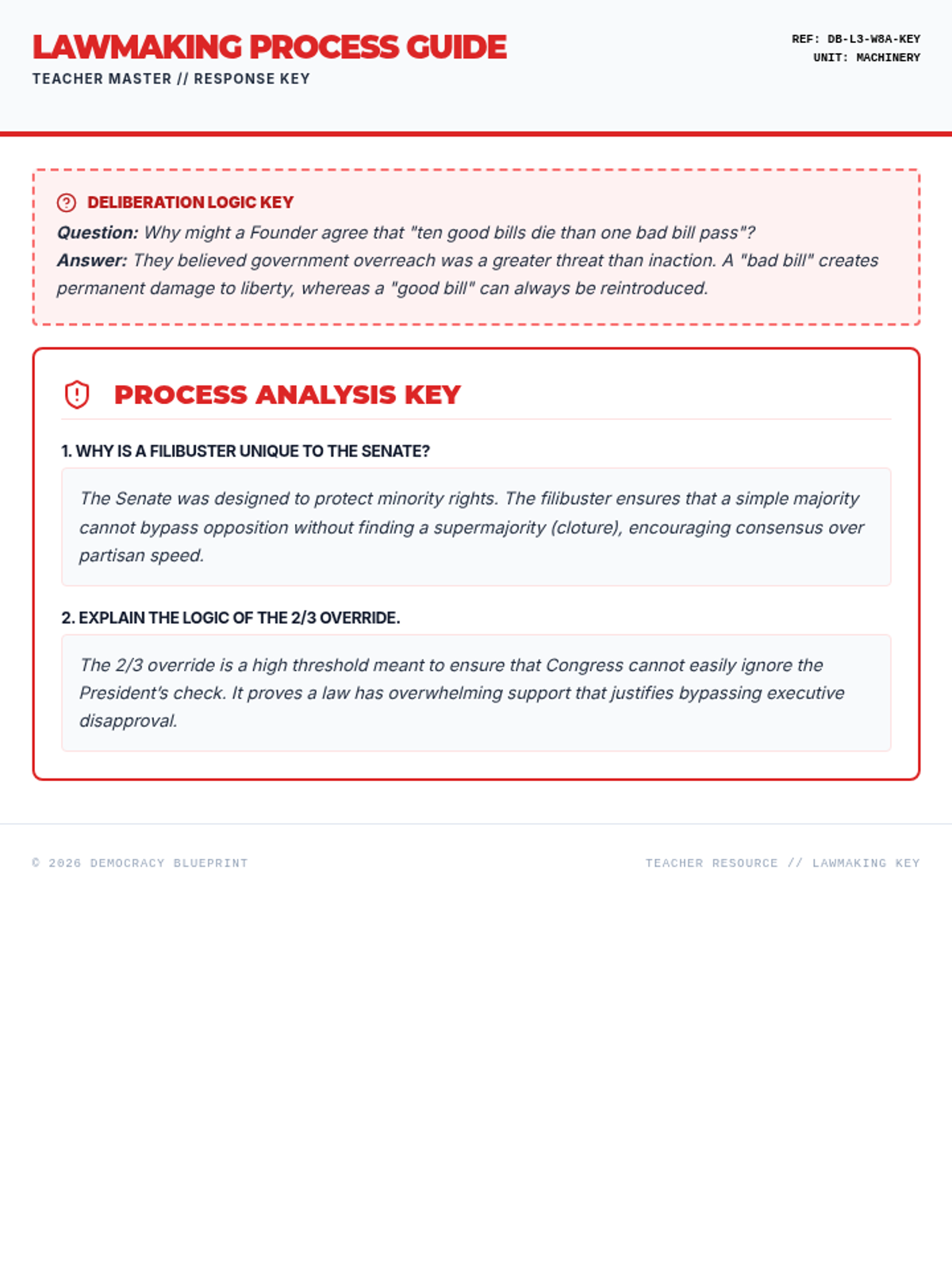
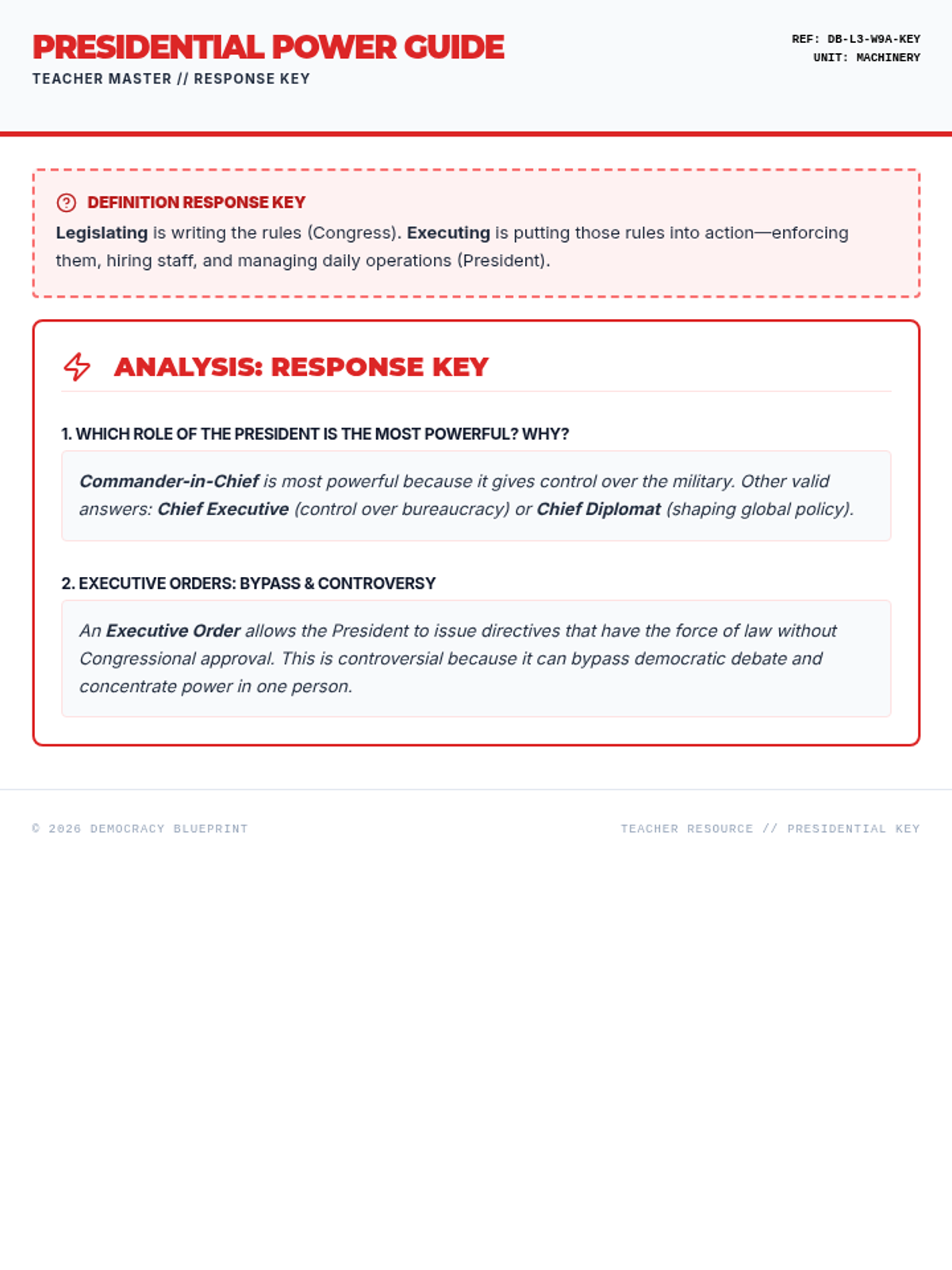
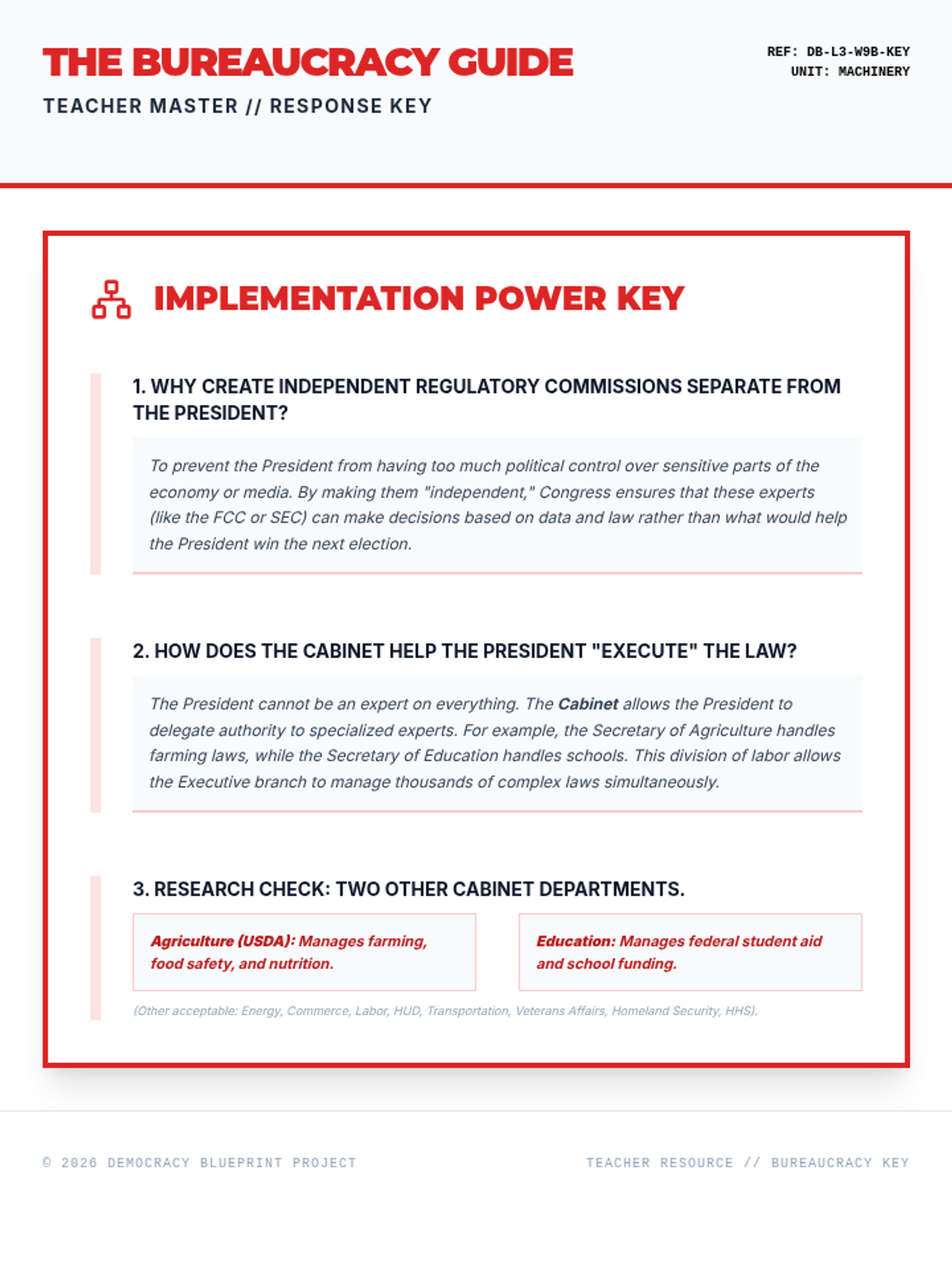
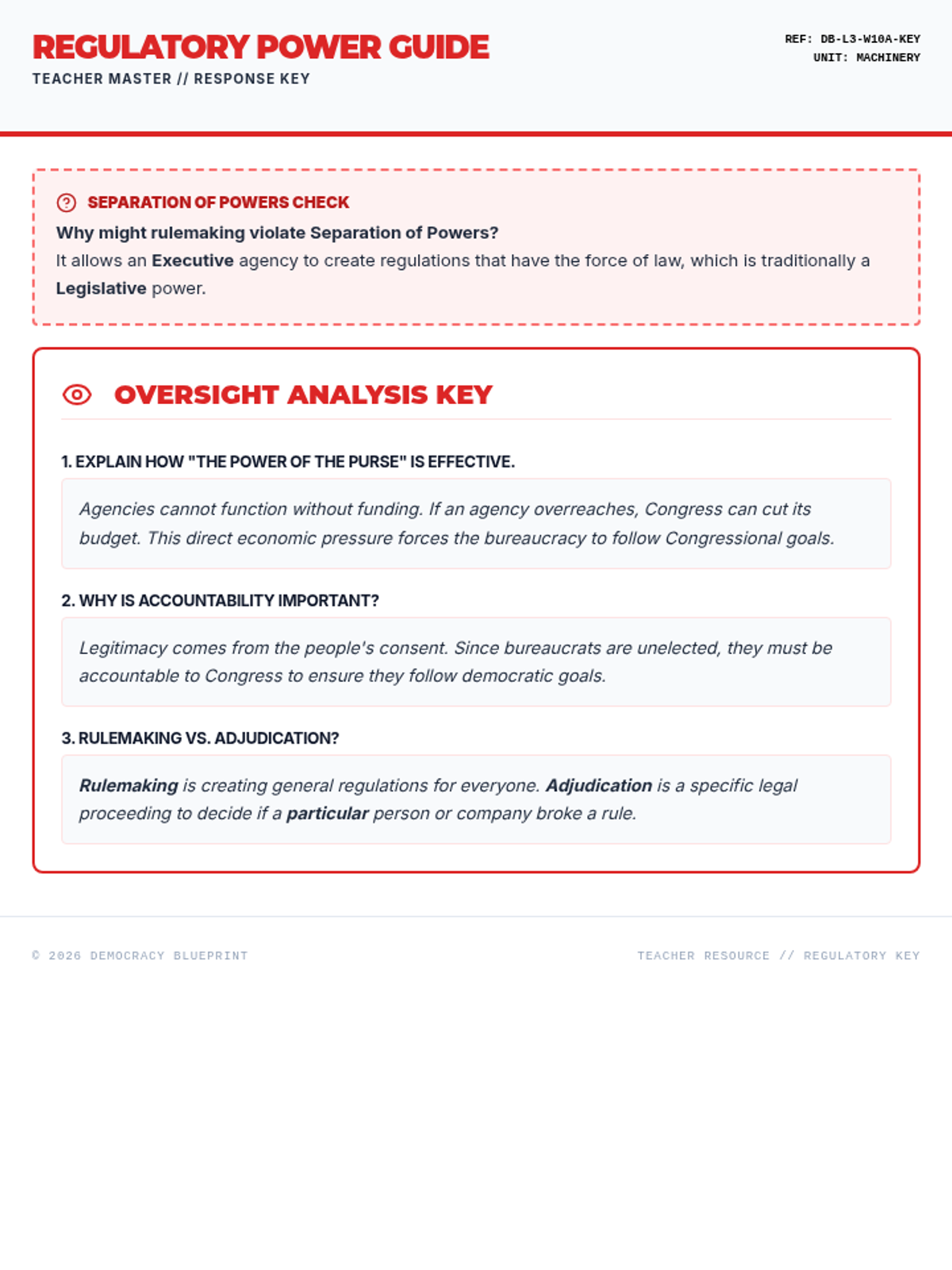
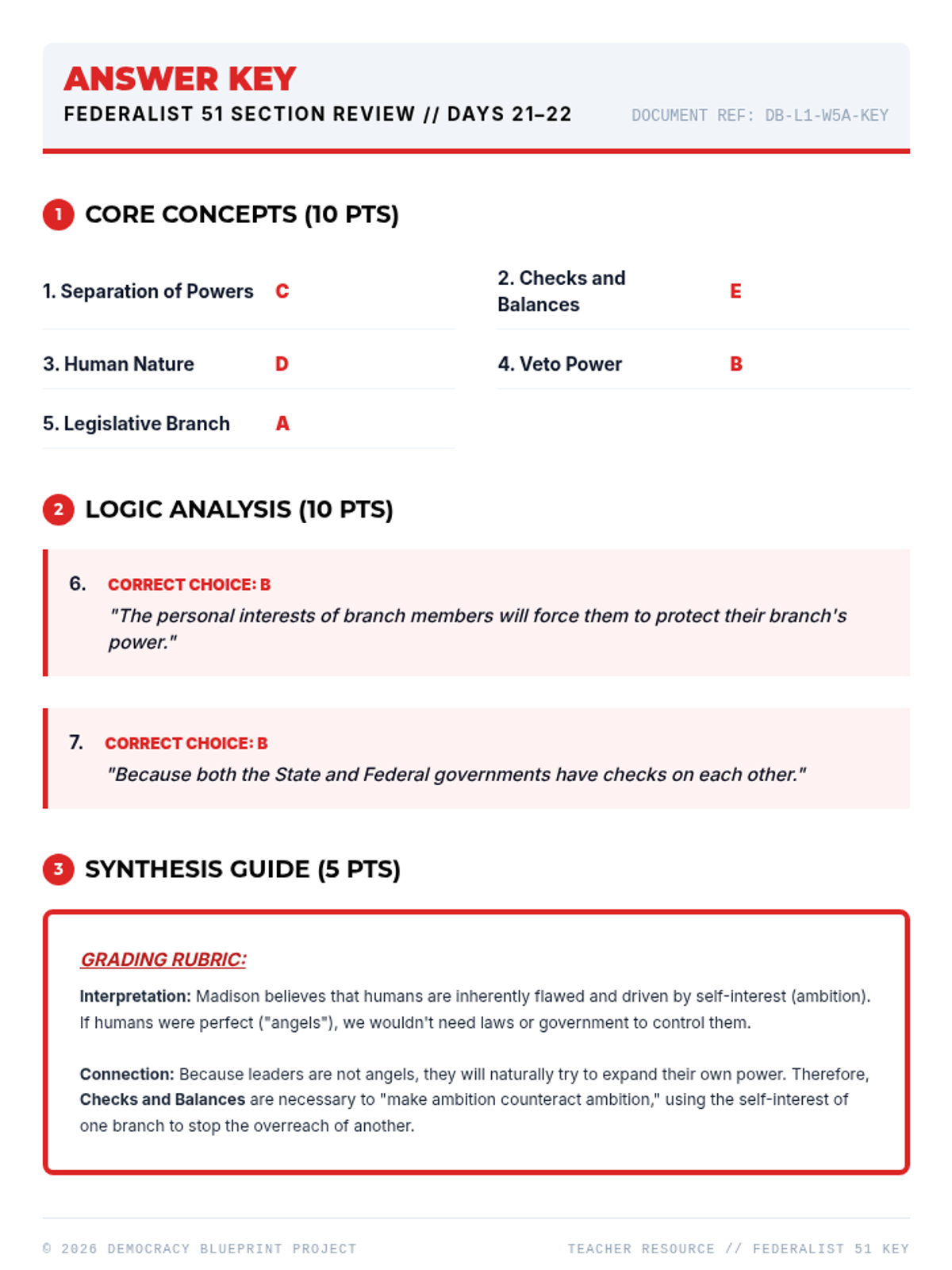
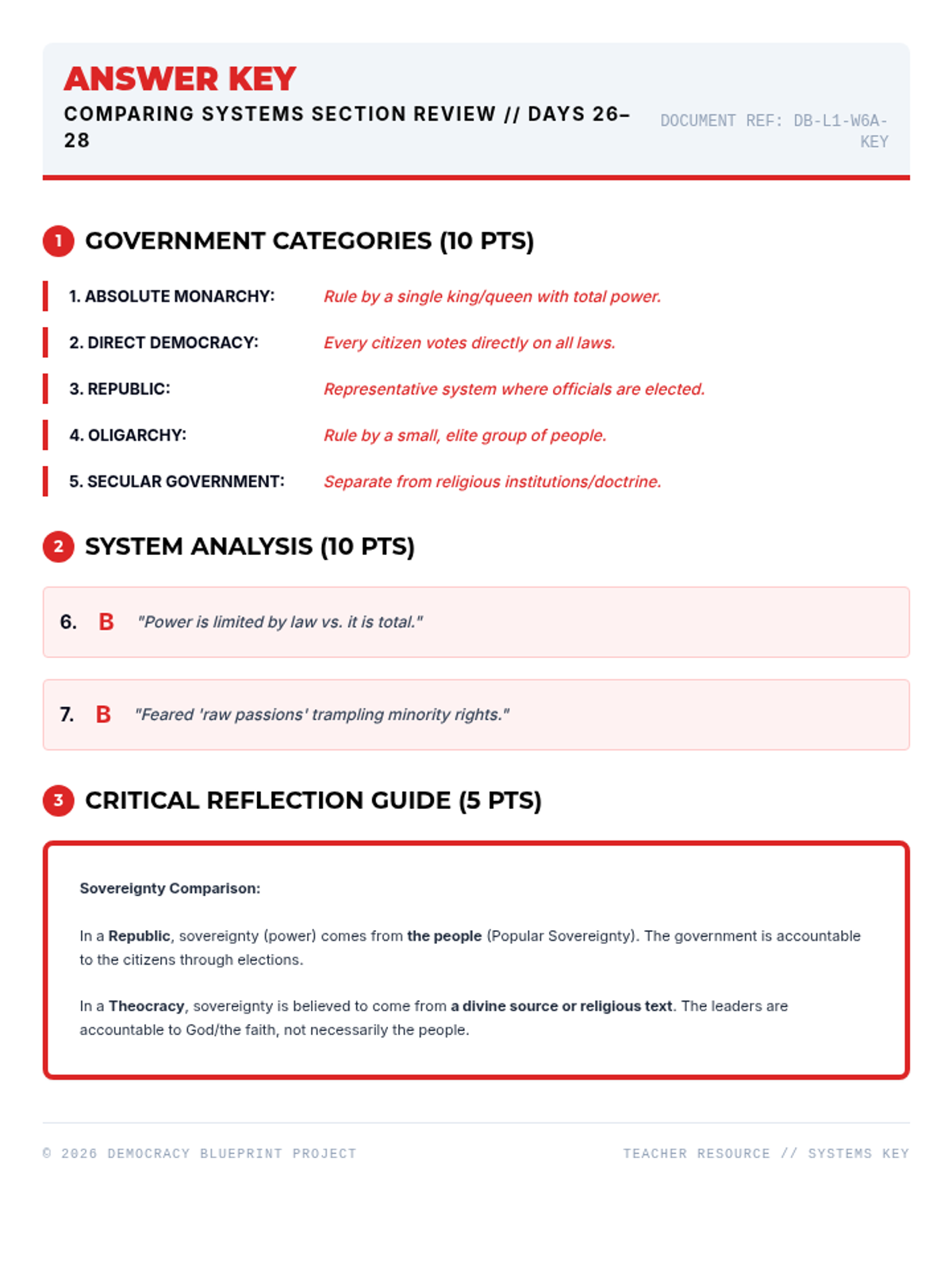
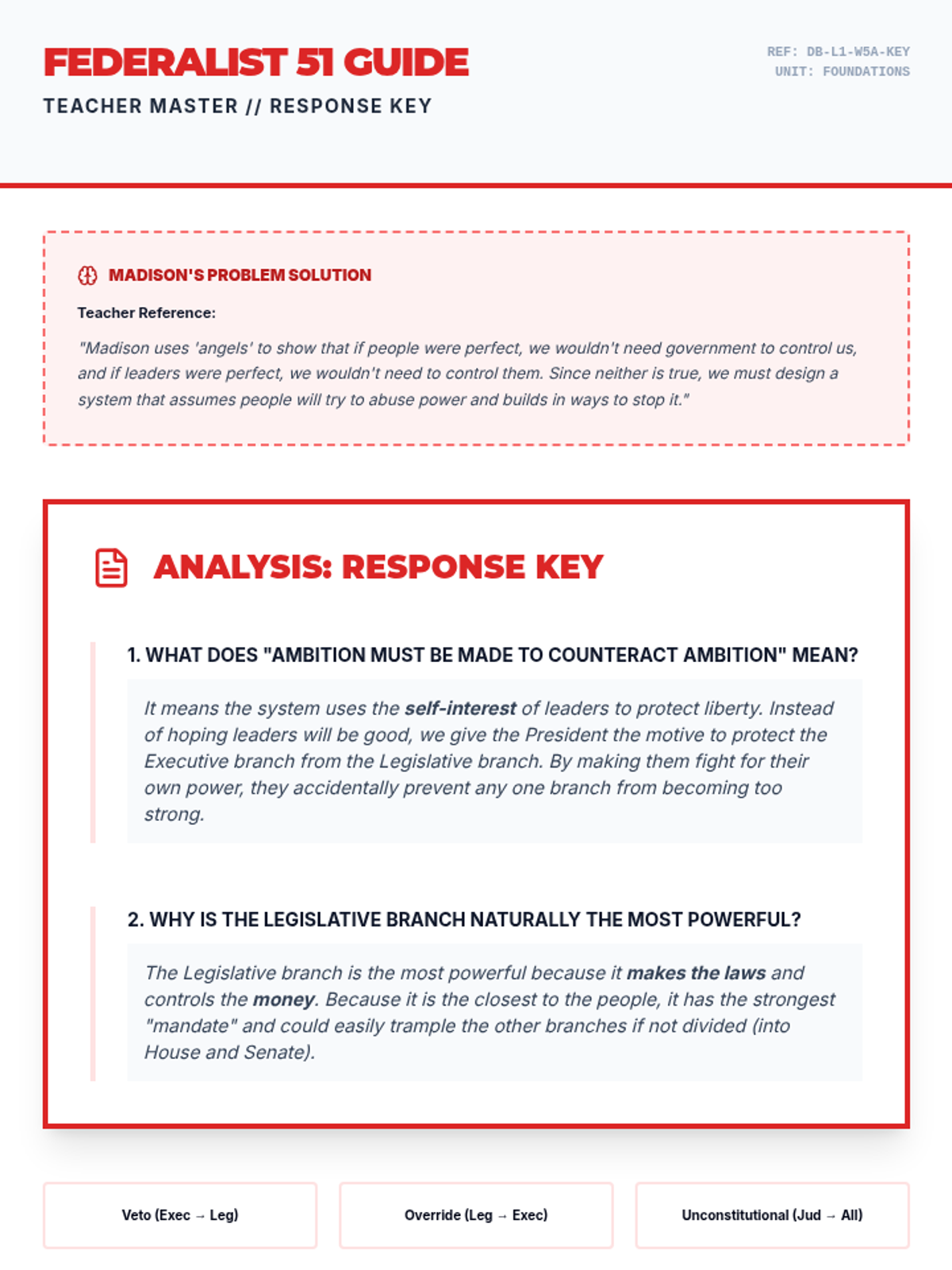
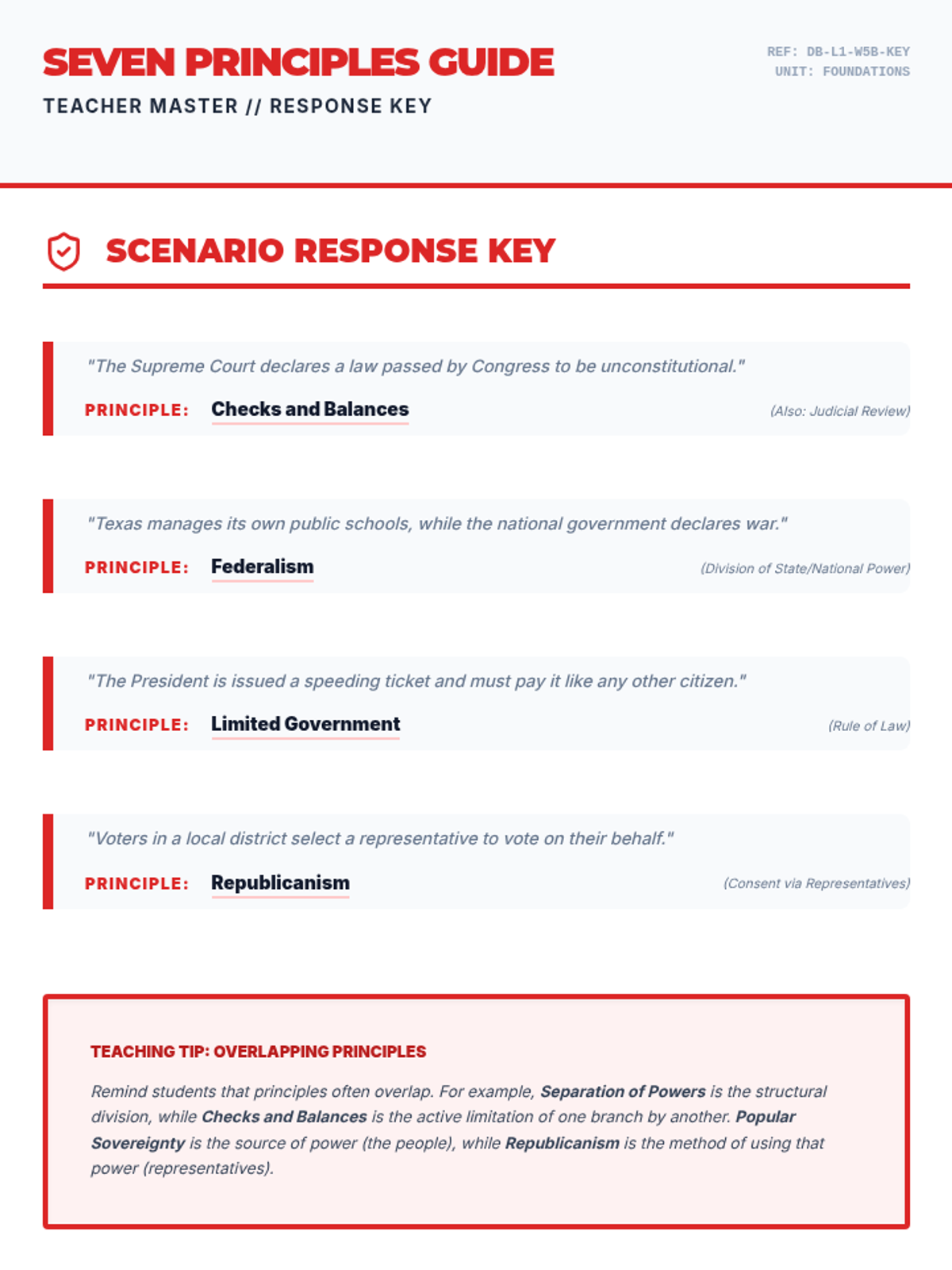
Detailed examination of the three branches of government, the bureaucracy, and the complex relationship between state and national power.
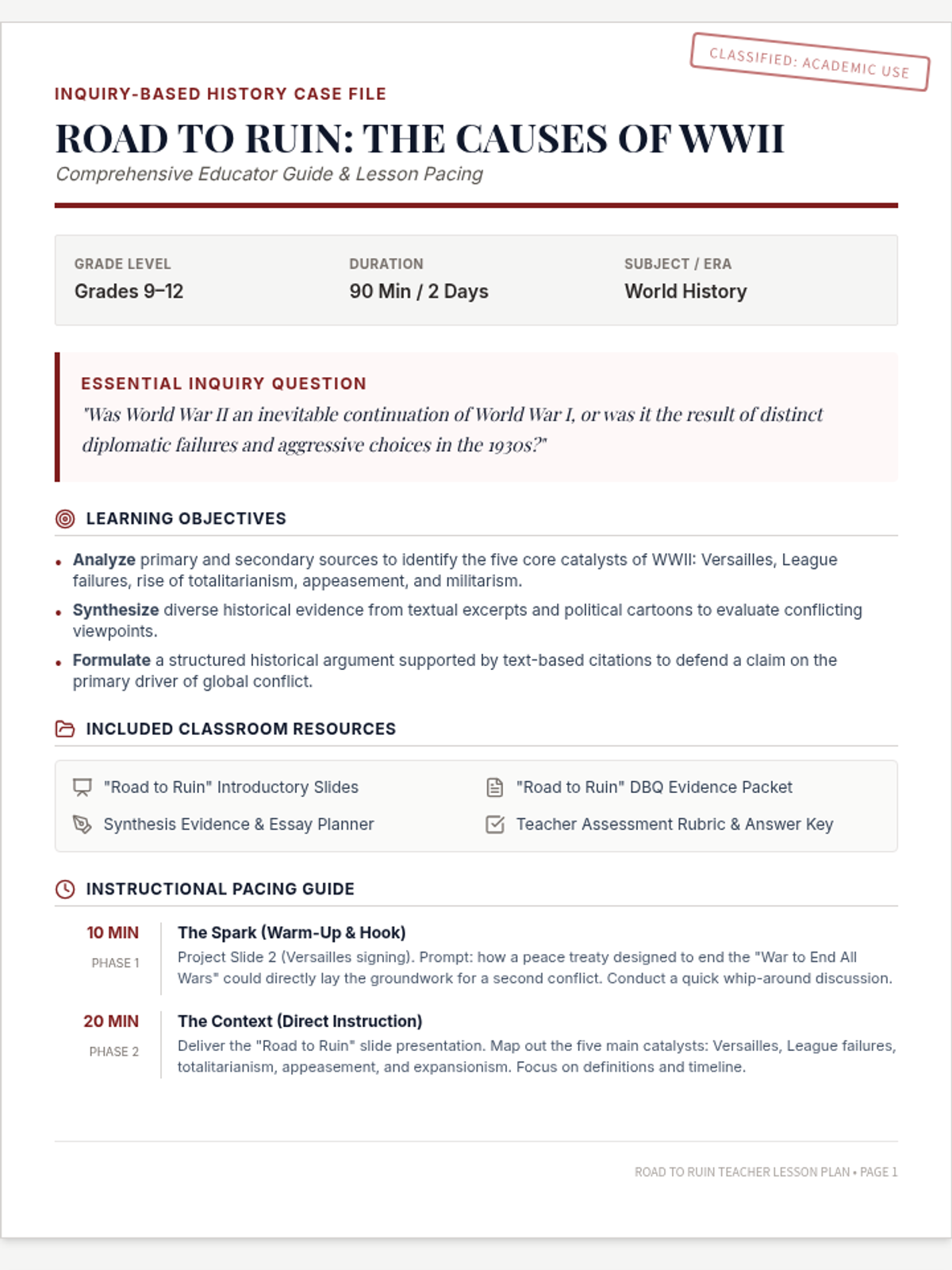
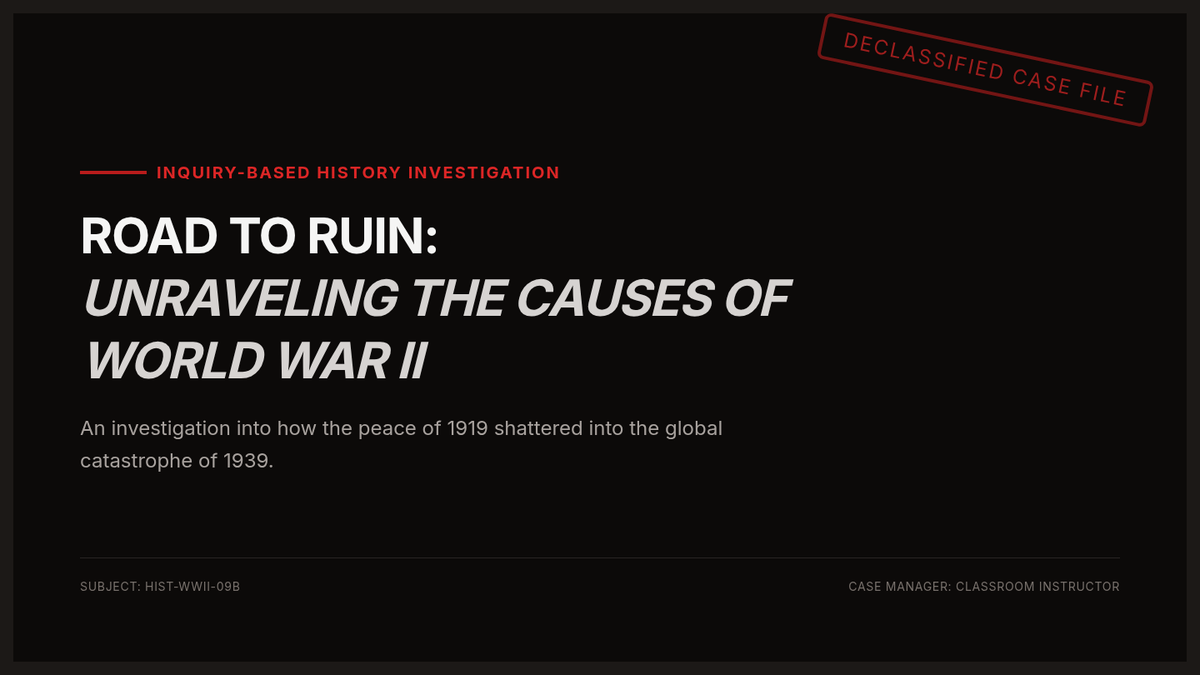
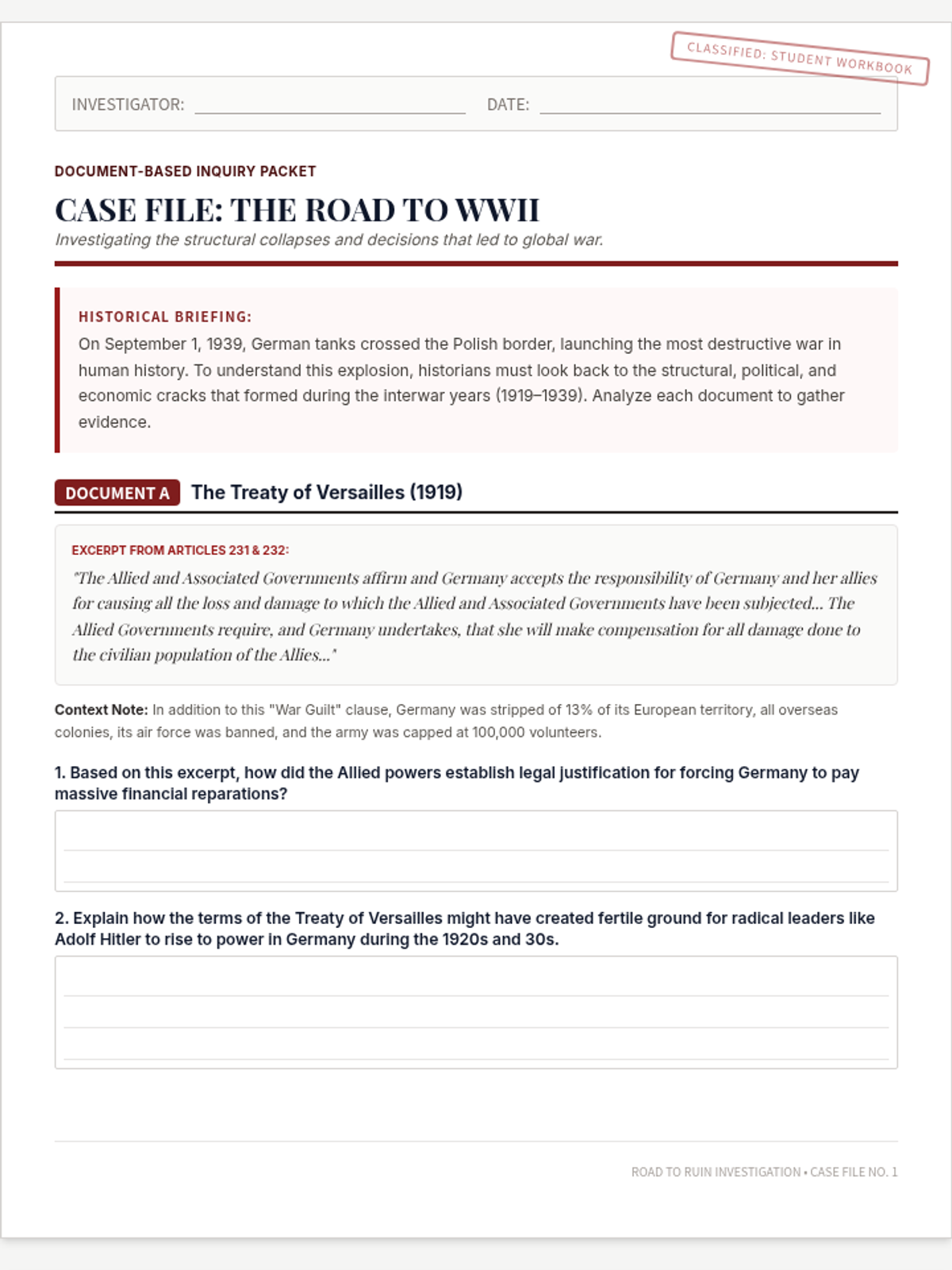
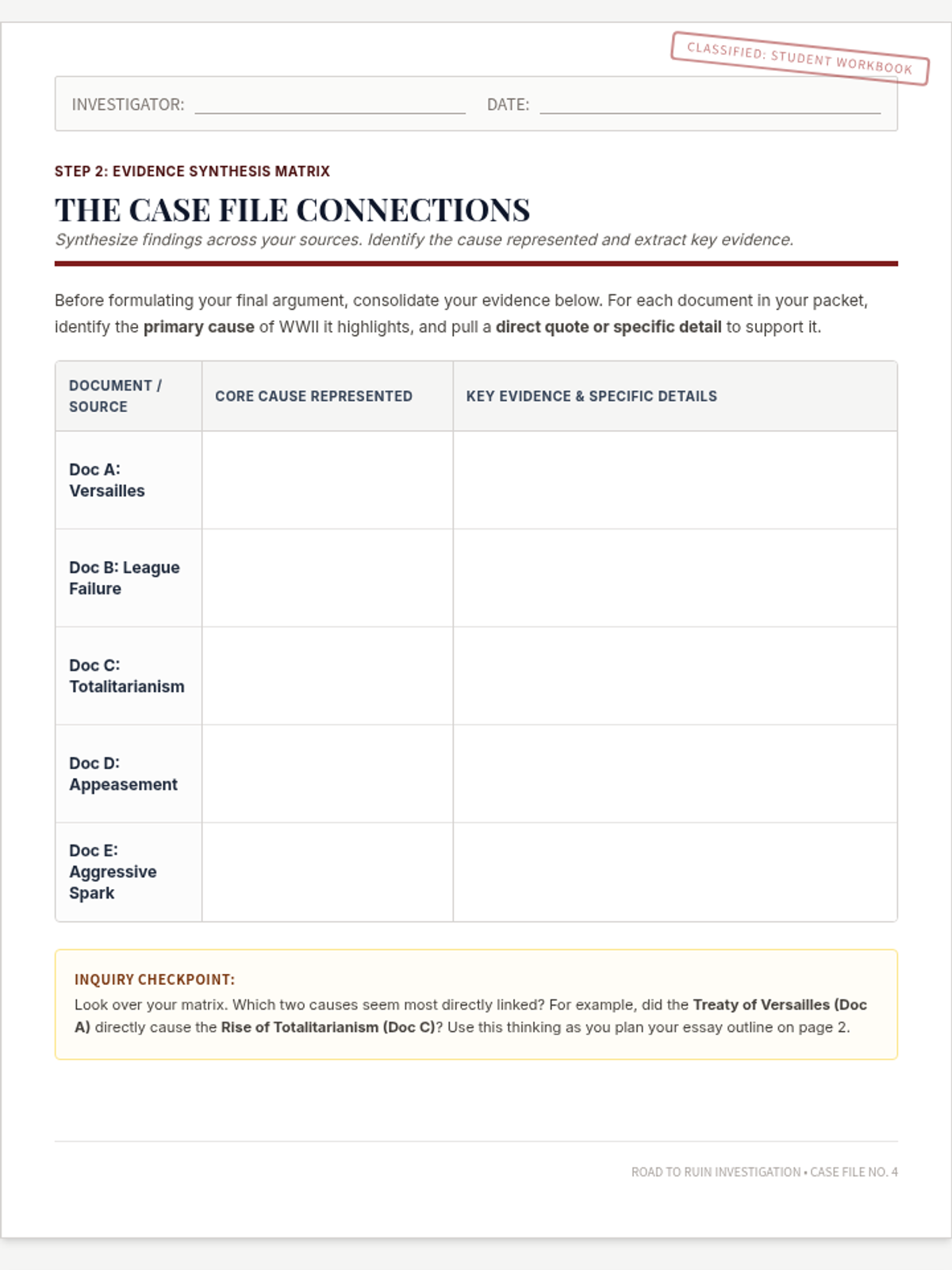
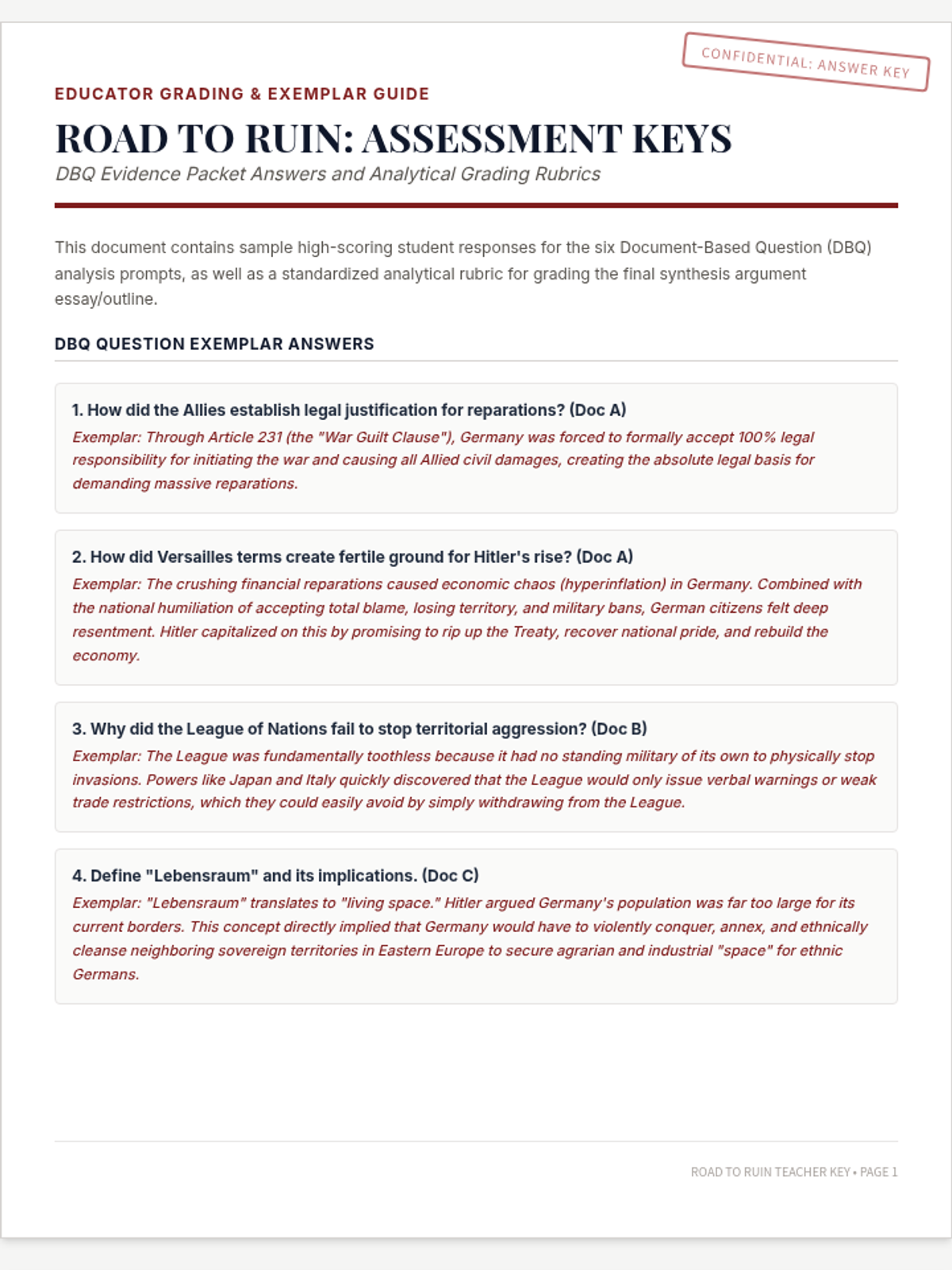
A comprehensive inquiry-based lesson exploring the multi-faceted causes of World War II (Treaty of Versailles, League of Nations failure, rise of fascism, appeasement, and aggressive expansion) through a Document-Based Question (DBQ) case study and synthesis writing activity.
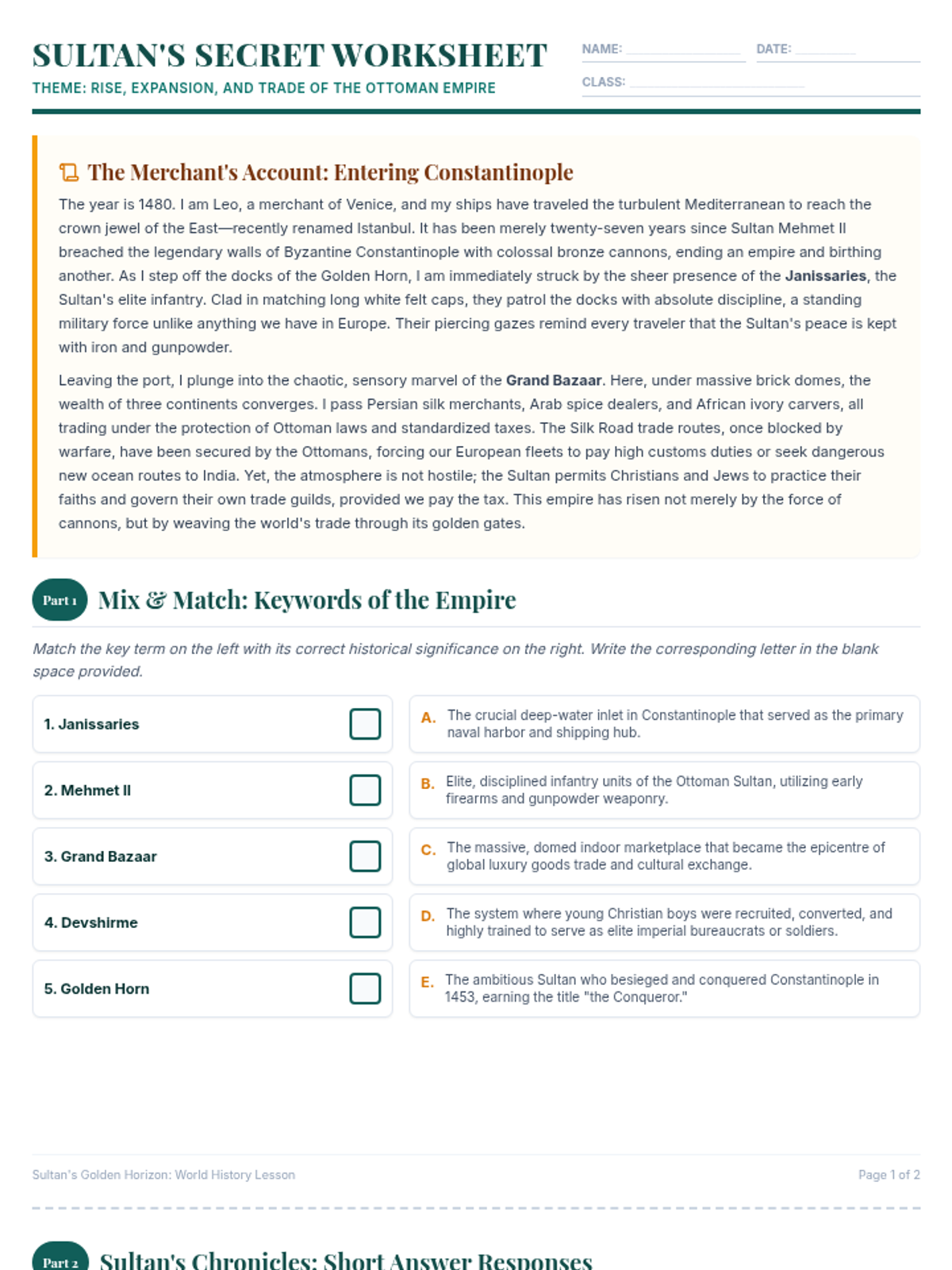
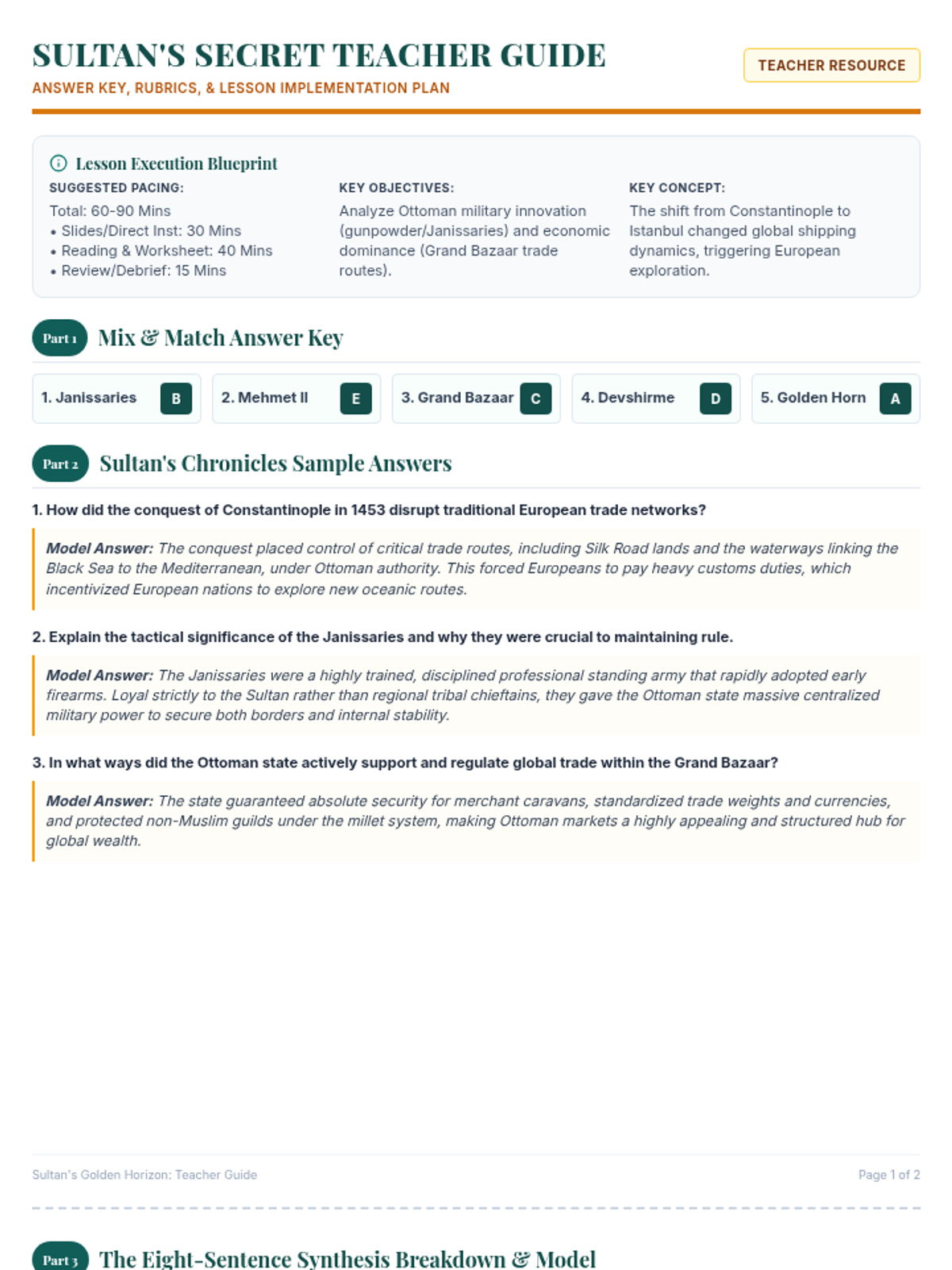
A comprehensive history lesson exploring the rise, military expansion, trade networks, and cultural exchange of the Ottoman Empire through a rich historical story, slide presentations, and structured student synthesis activities.
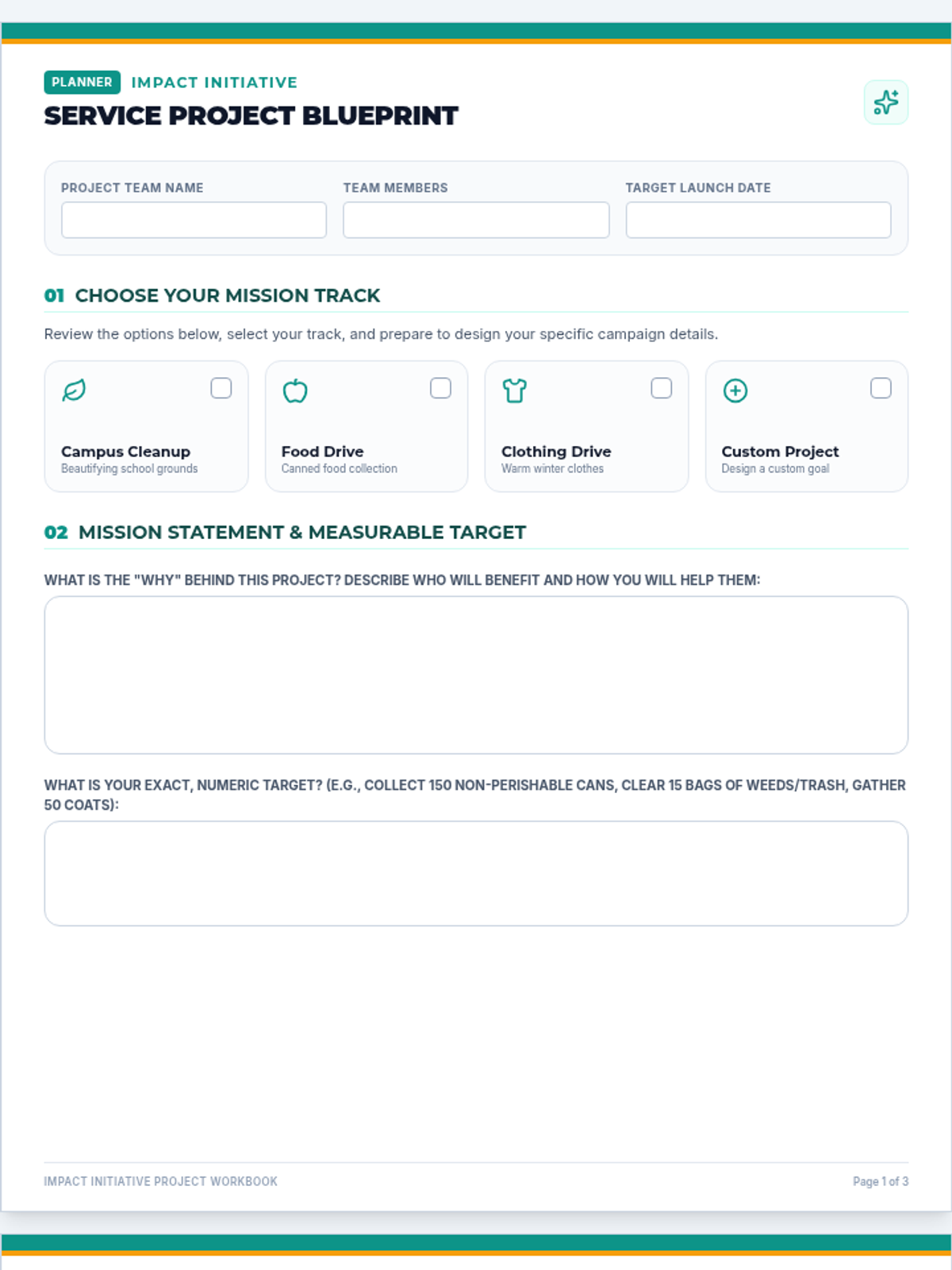
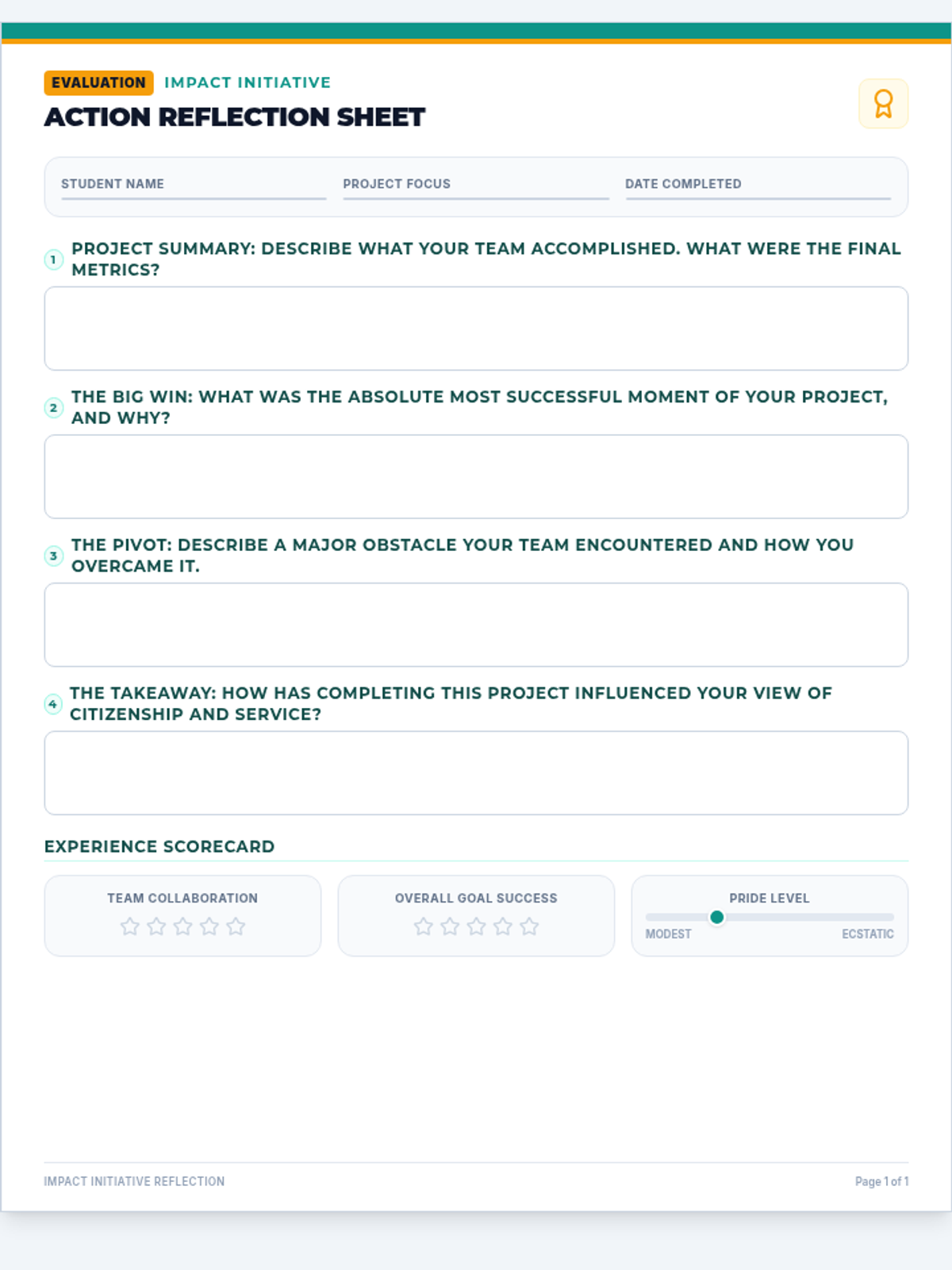
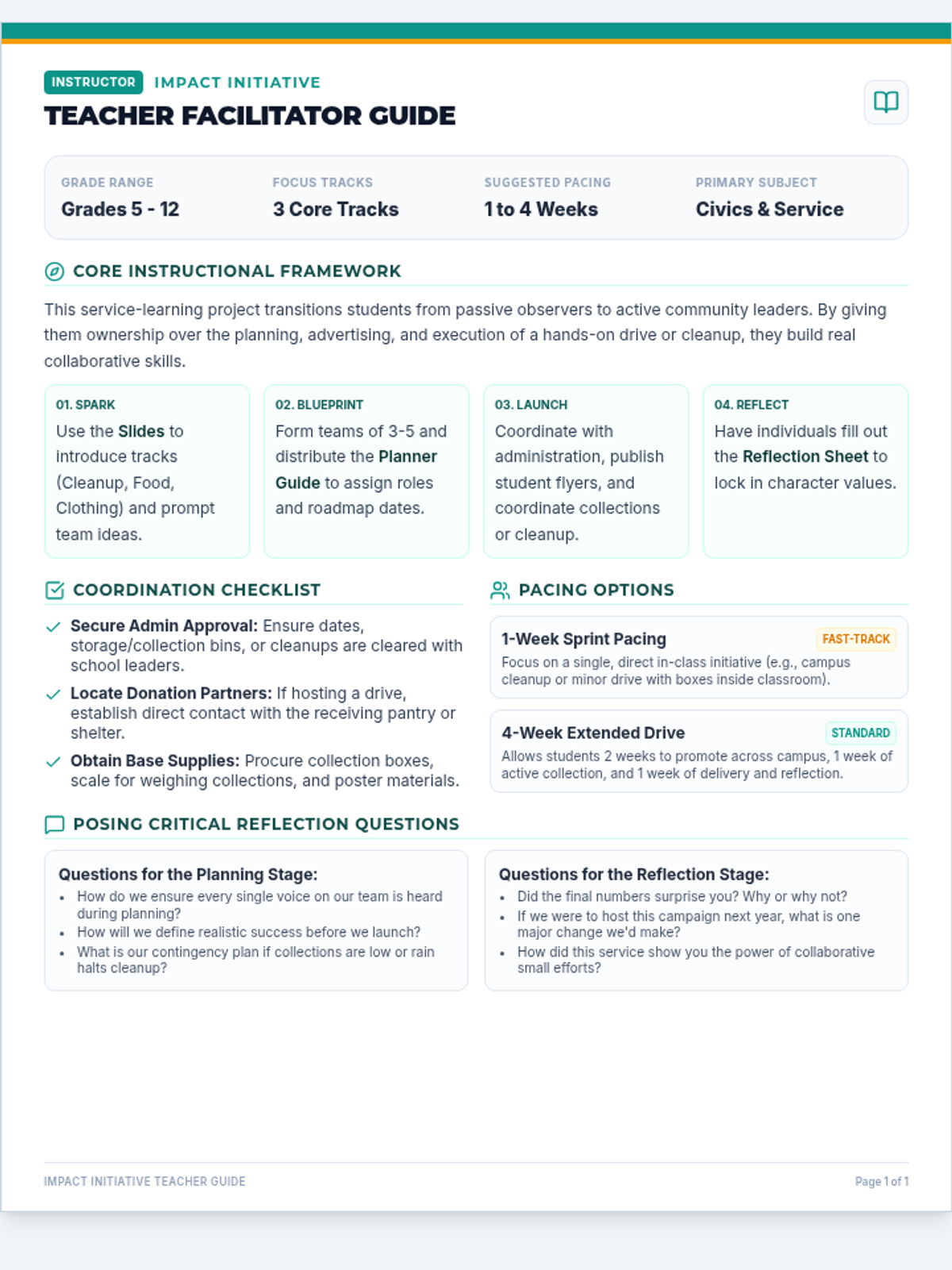
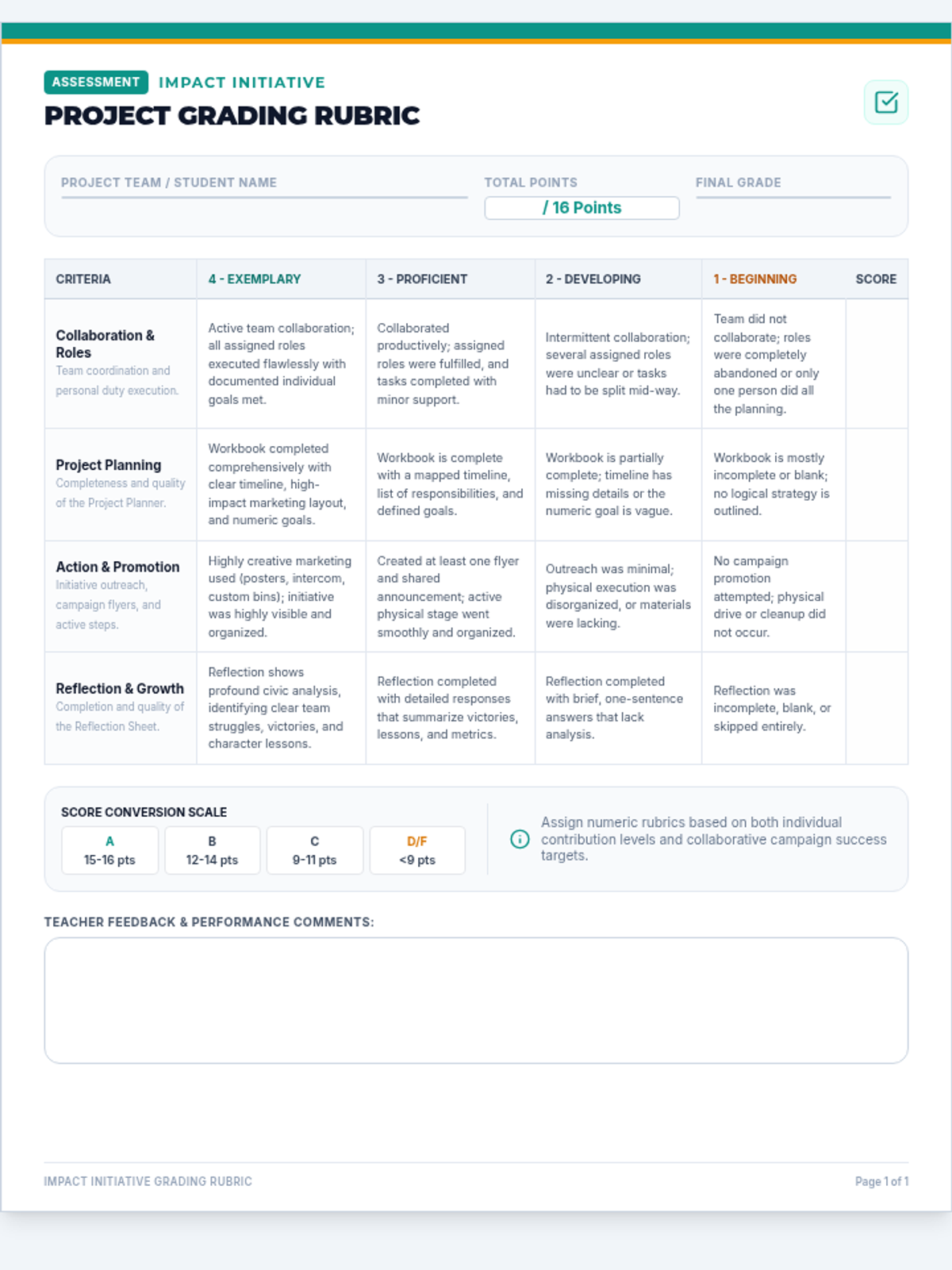
A service-learning lesson where students plan, execute, and reflect on a community service project of their choice (school campus cleanup, food drive, or clothing drive). It includes interactive presentation slides, a step-by-step project planning guide, a simplified reflection worksheet, and a teacher facilitation guide.
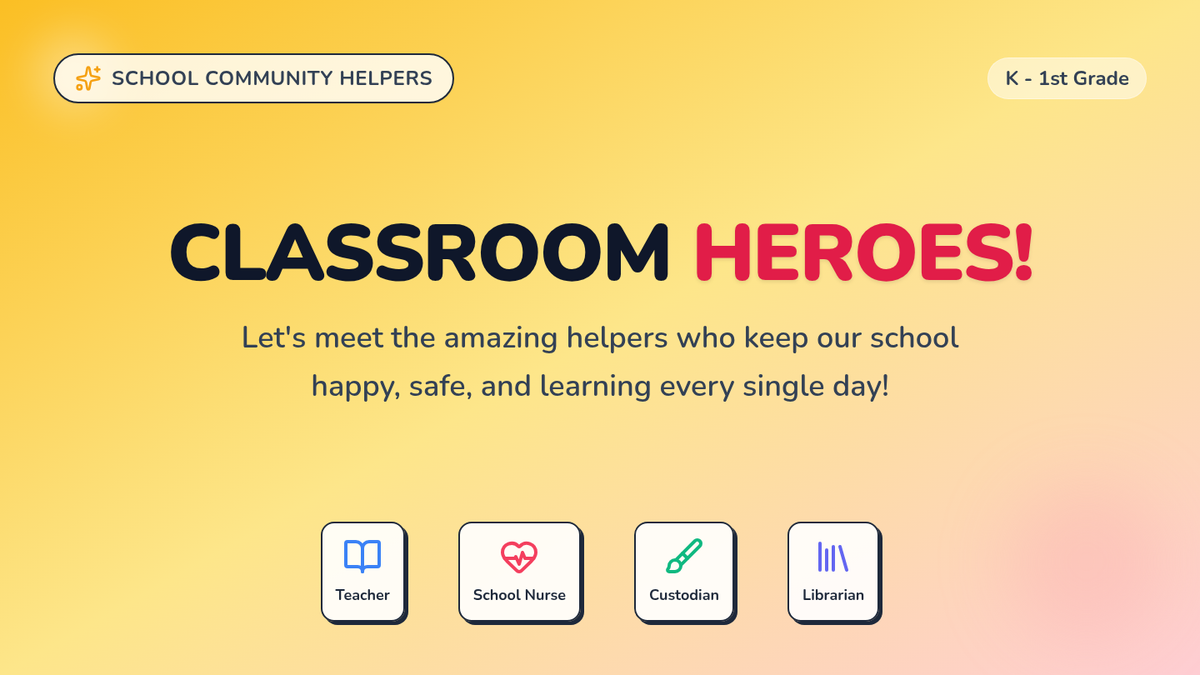
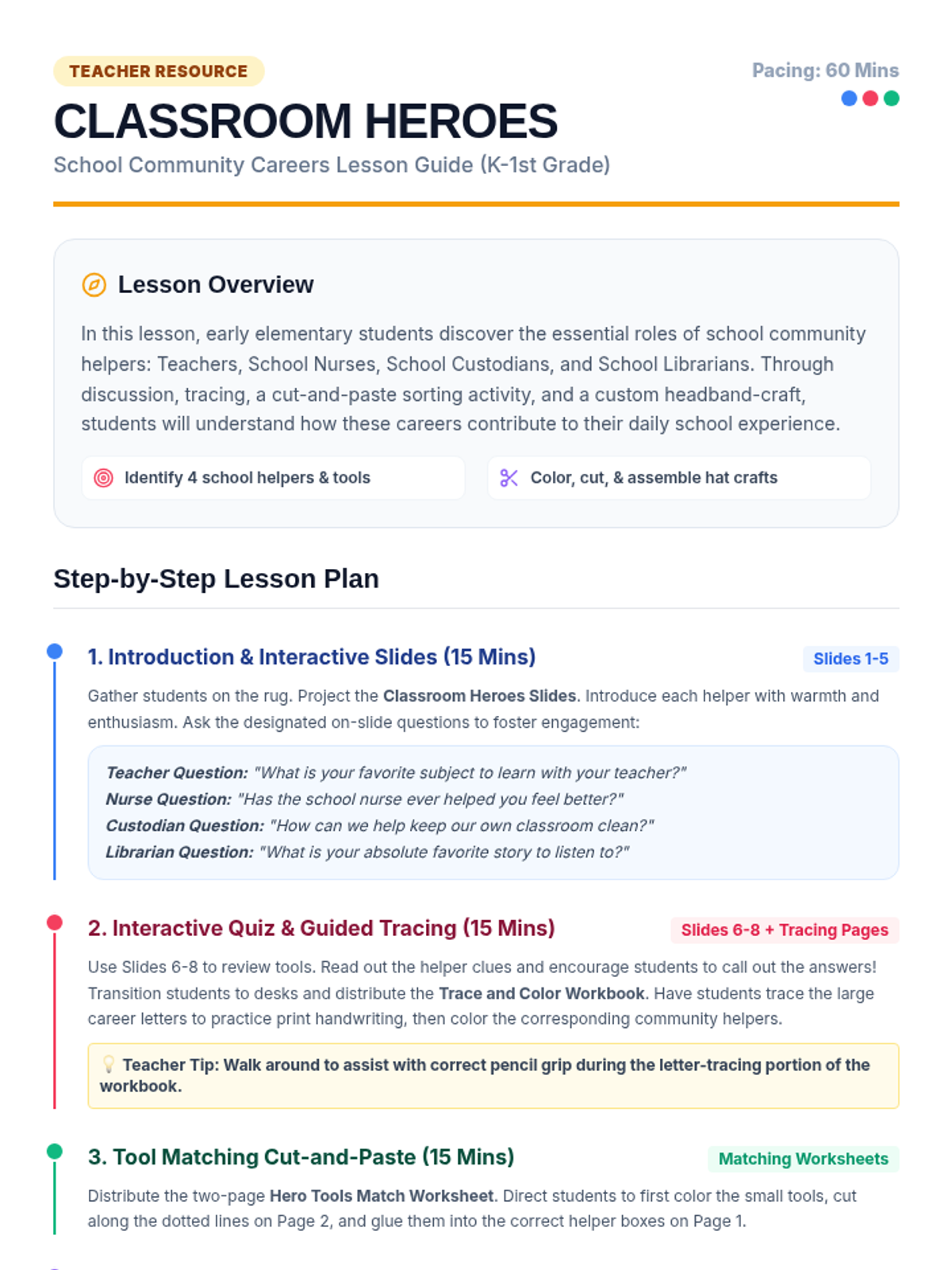
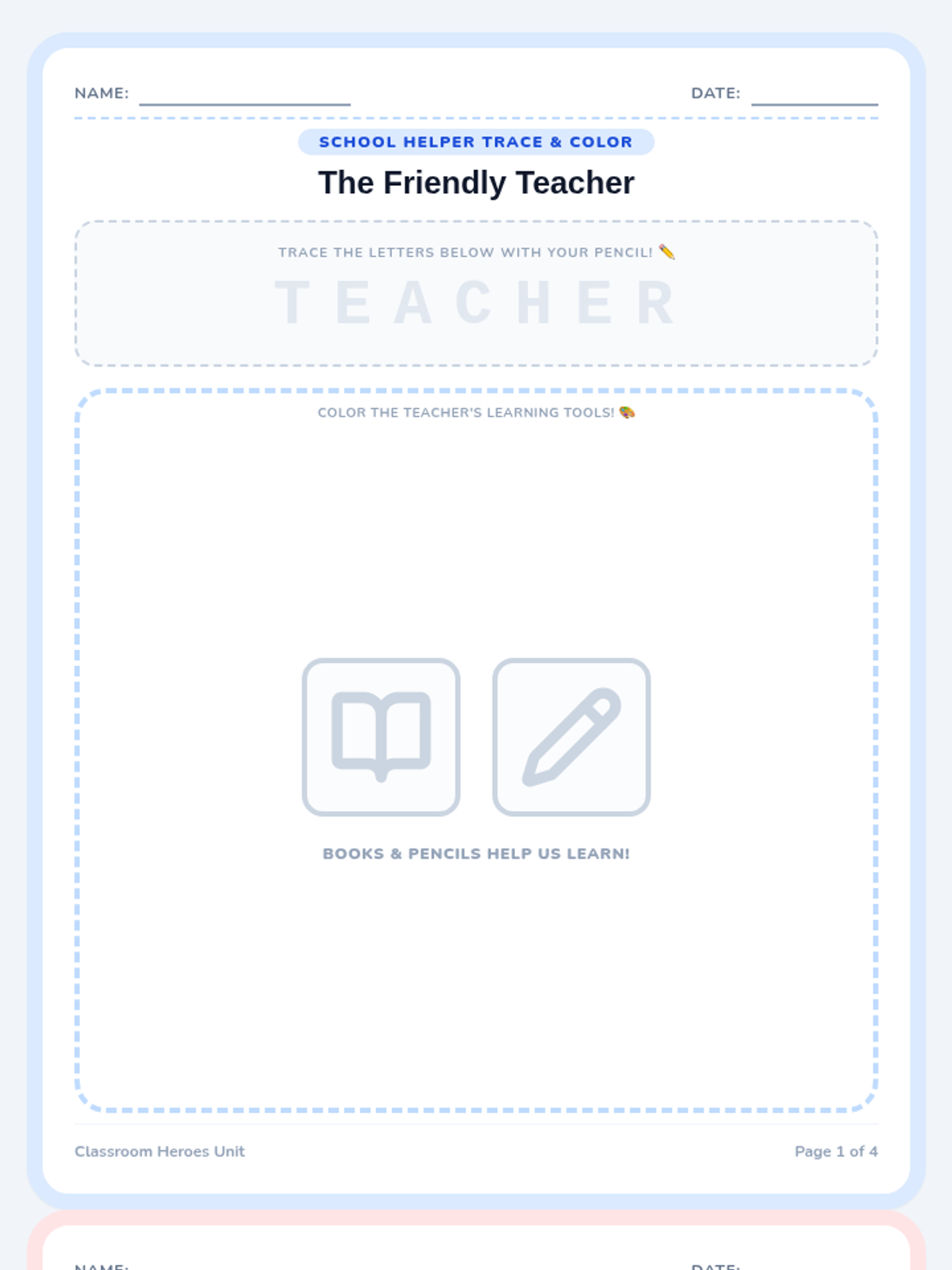
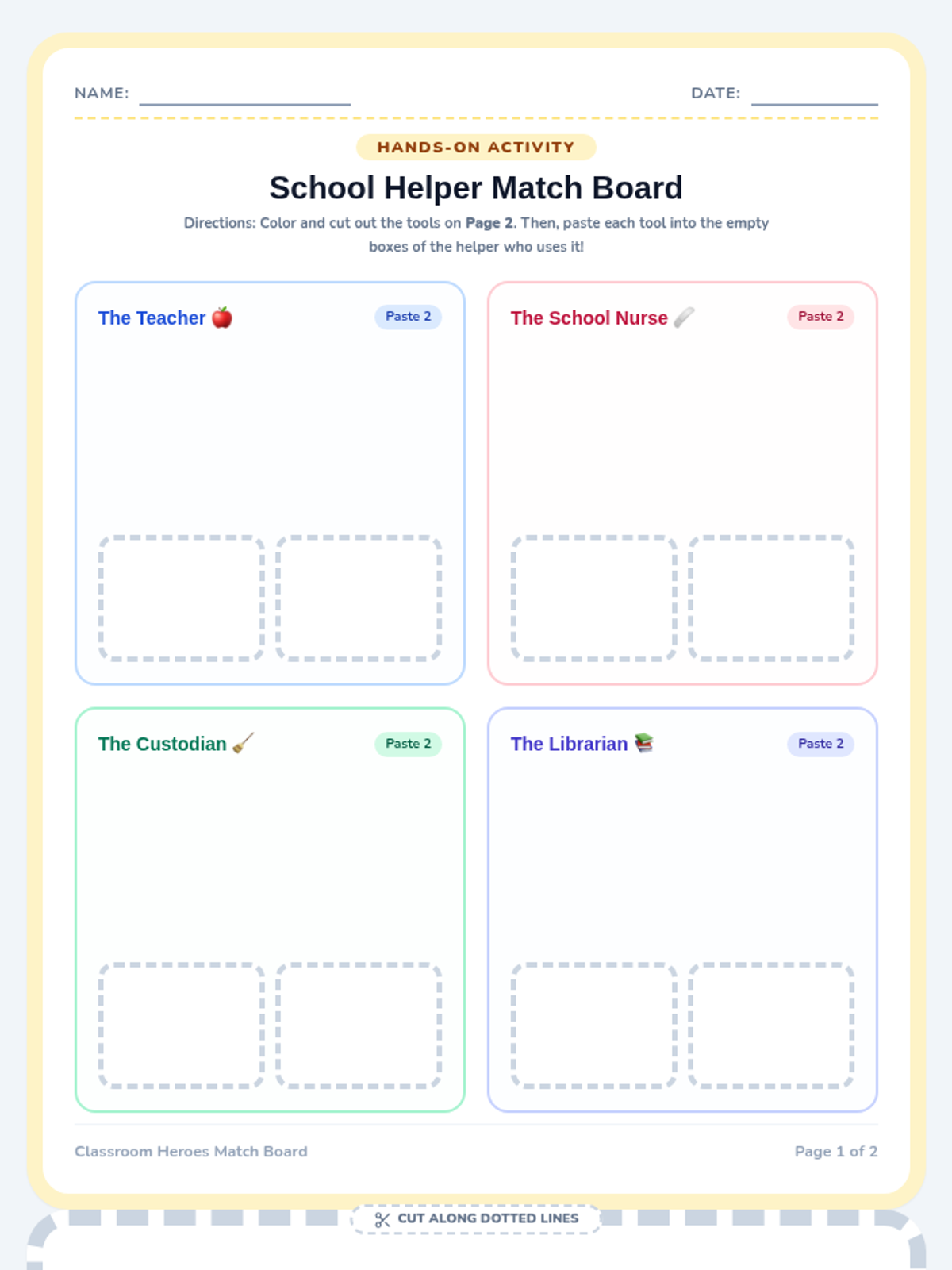
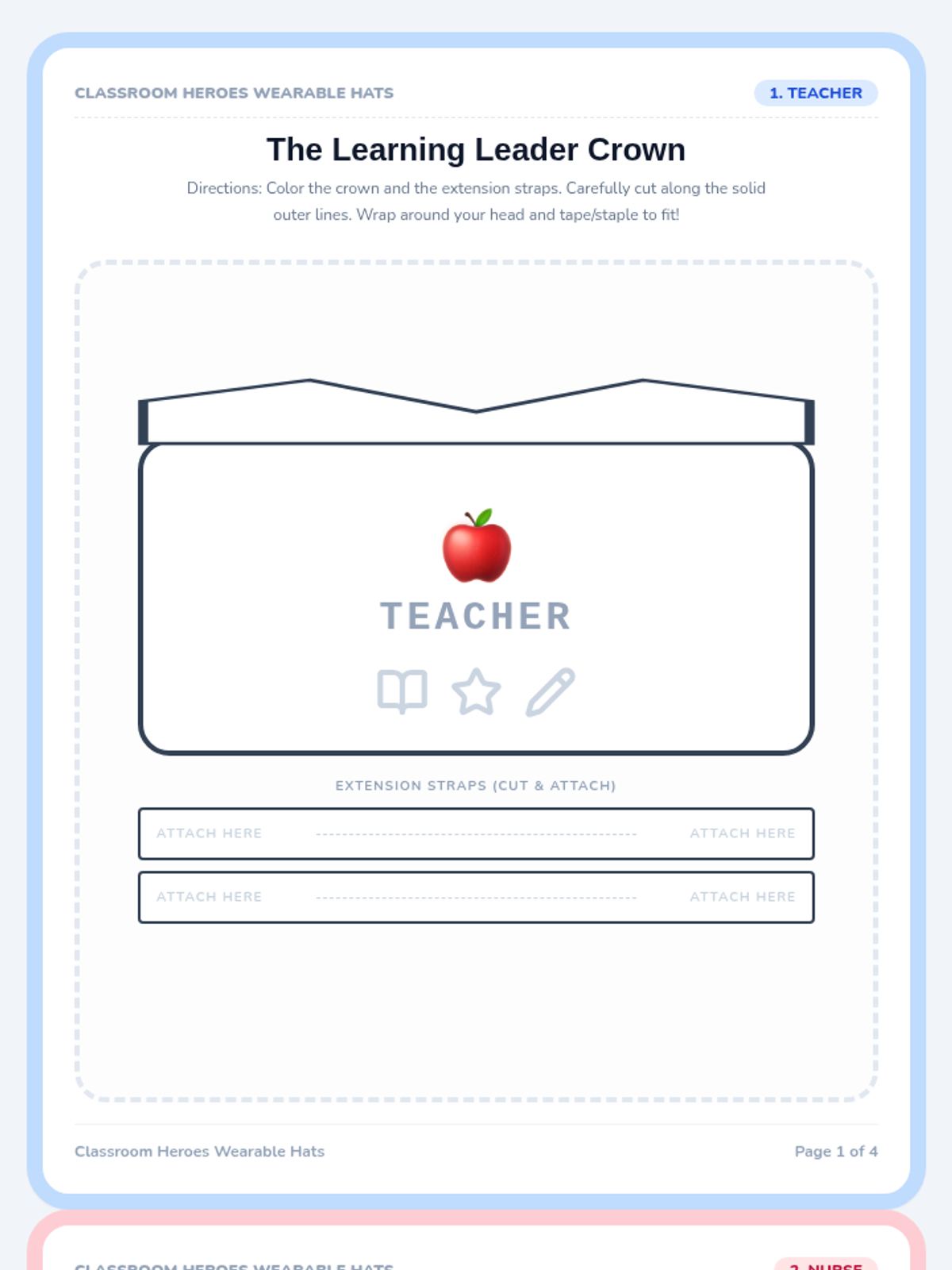
An interactive, hands-on lesson for Kindergarten and 1st-grade students to explore school community careers. This unit features interactive classroom slides, visual tracing and coloring sheets, a cut-and-paste tool-matching activity, and printable career hat crafts.
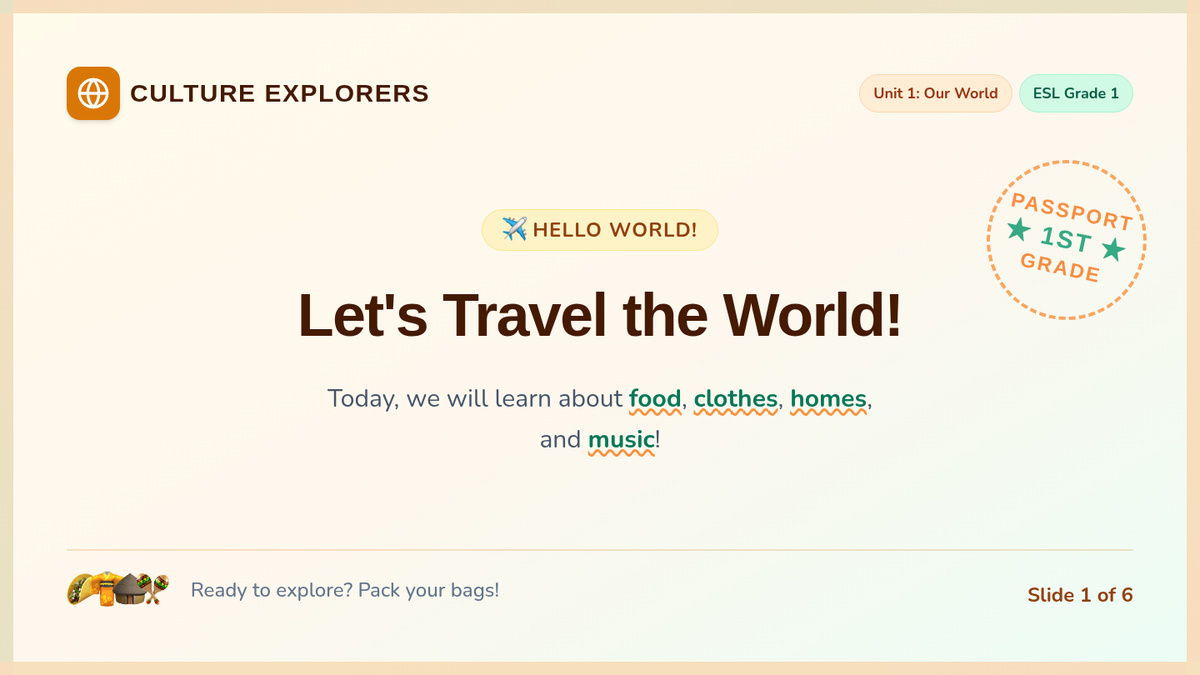
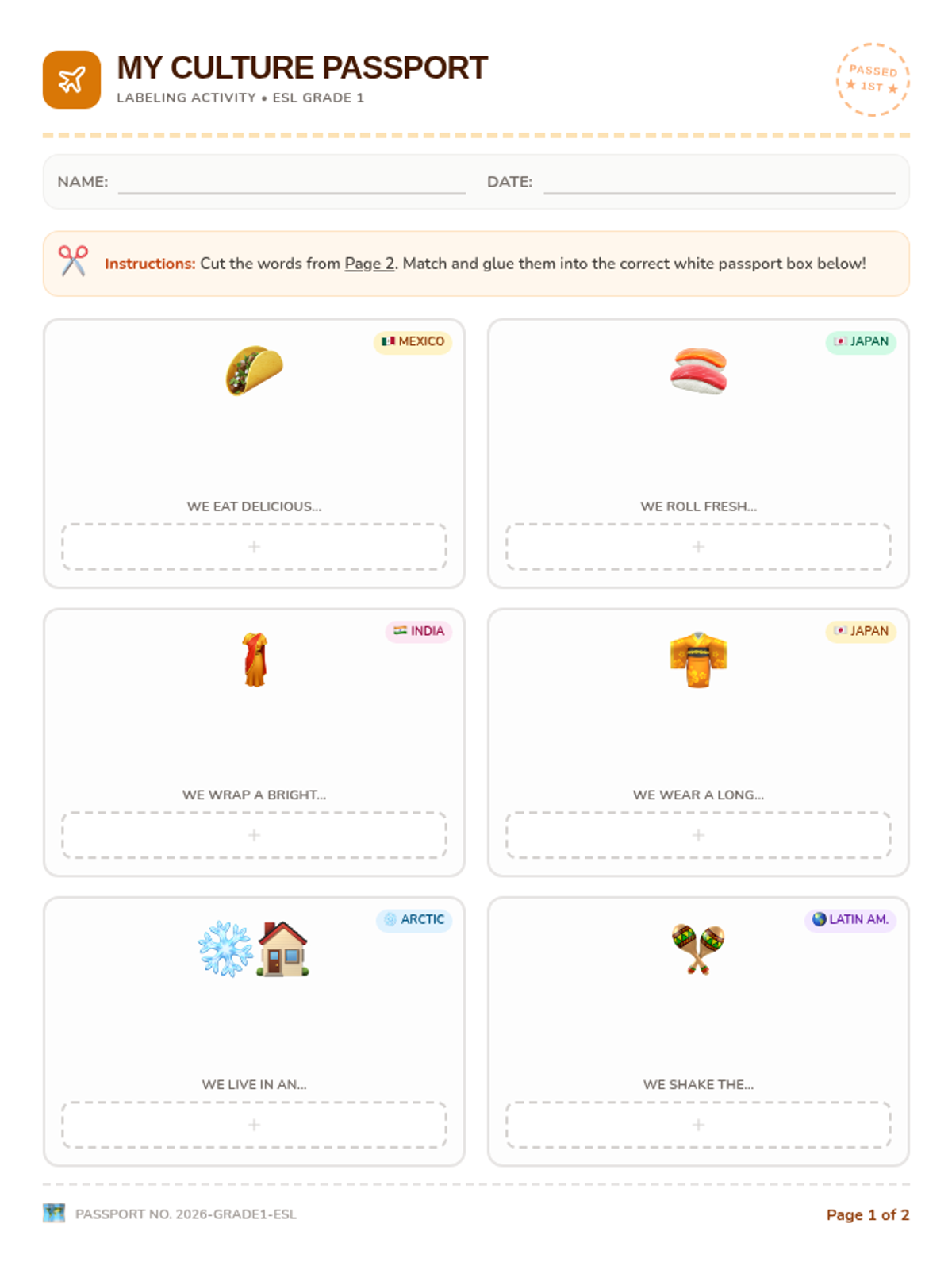
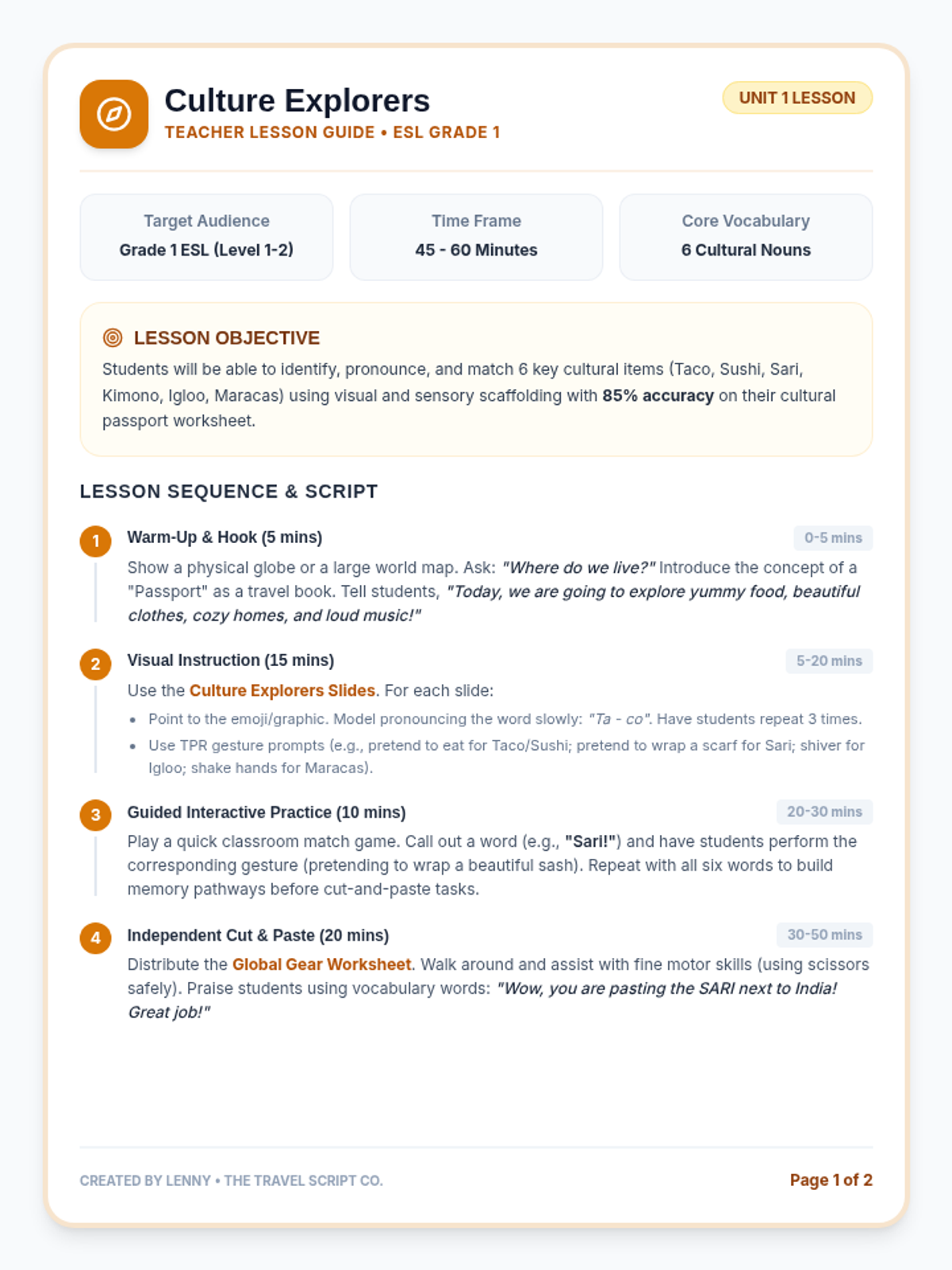
A comprehensive lesson package designed for 1st-grade ESL students to learn global vocabulary (food, clothing, shelter, music) through engaging slides, a hands-on cut-and-paste worksheet, and a supportive teacher facilitation guide.
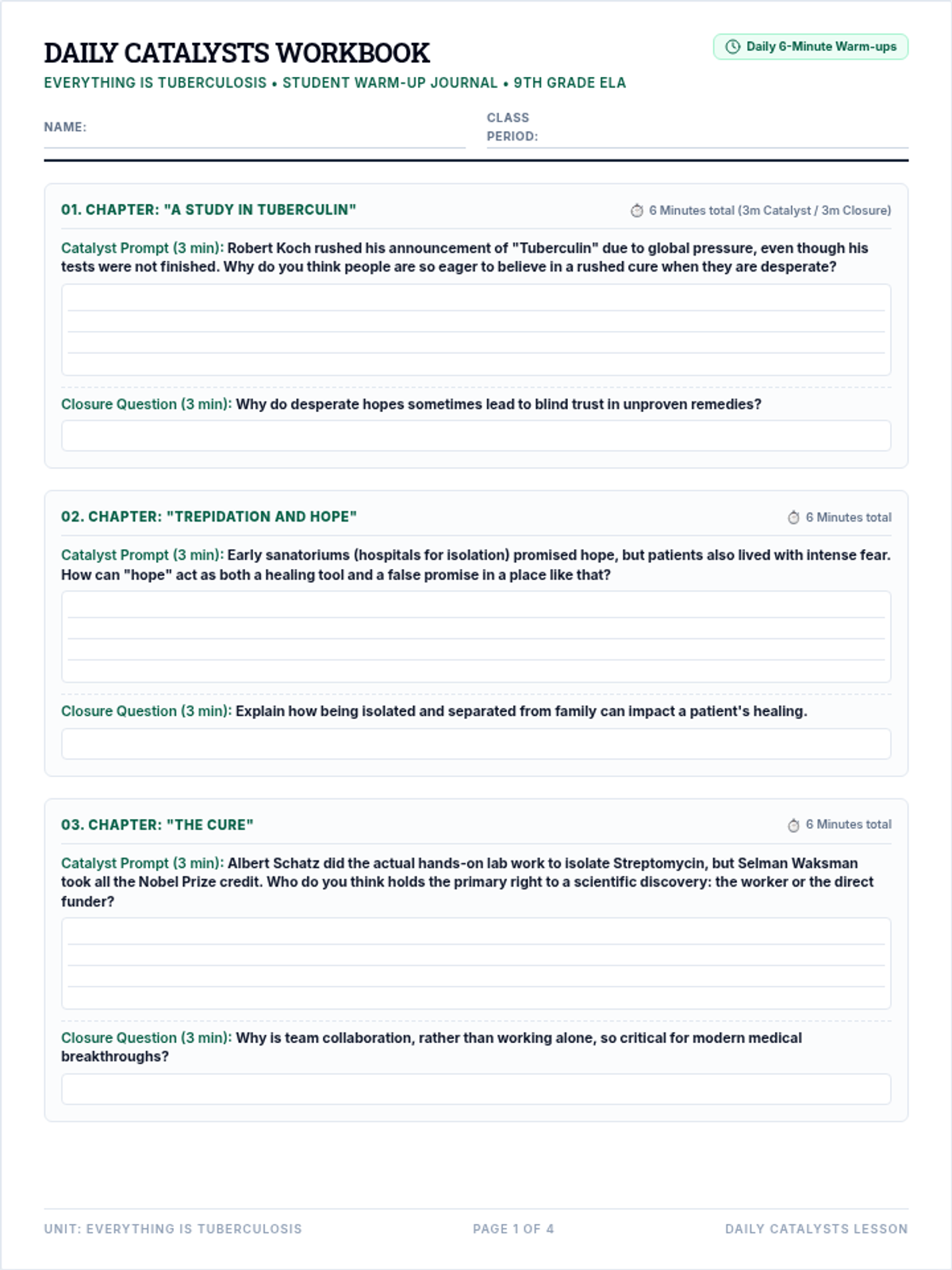
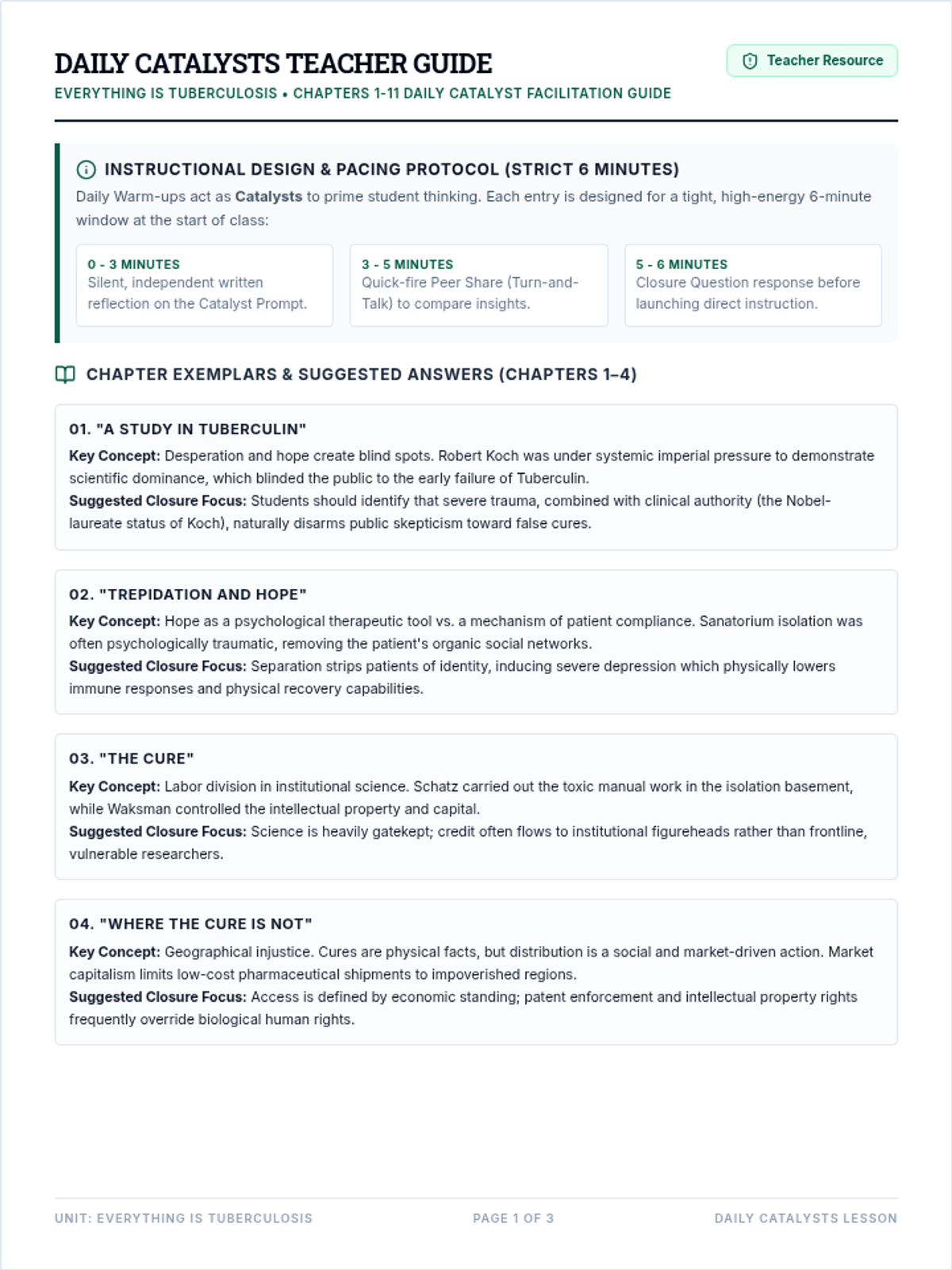
A comprehensive set of 6-minute daily warm-ups and corresponding closure questions spanning 11 crucial chapters of John Green's 'Everything is Tuberculosis'.
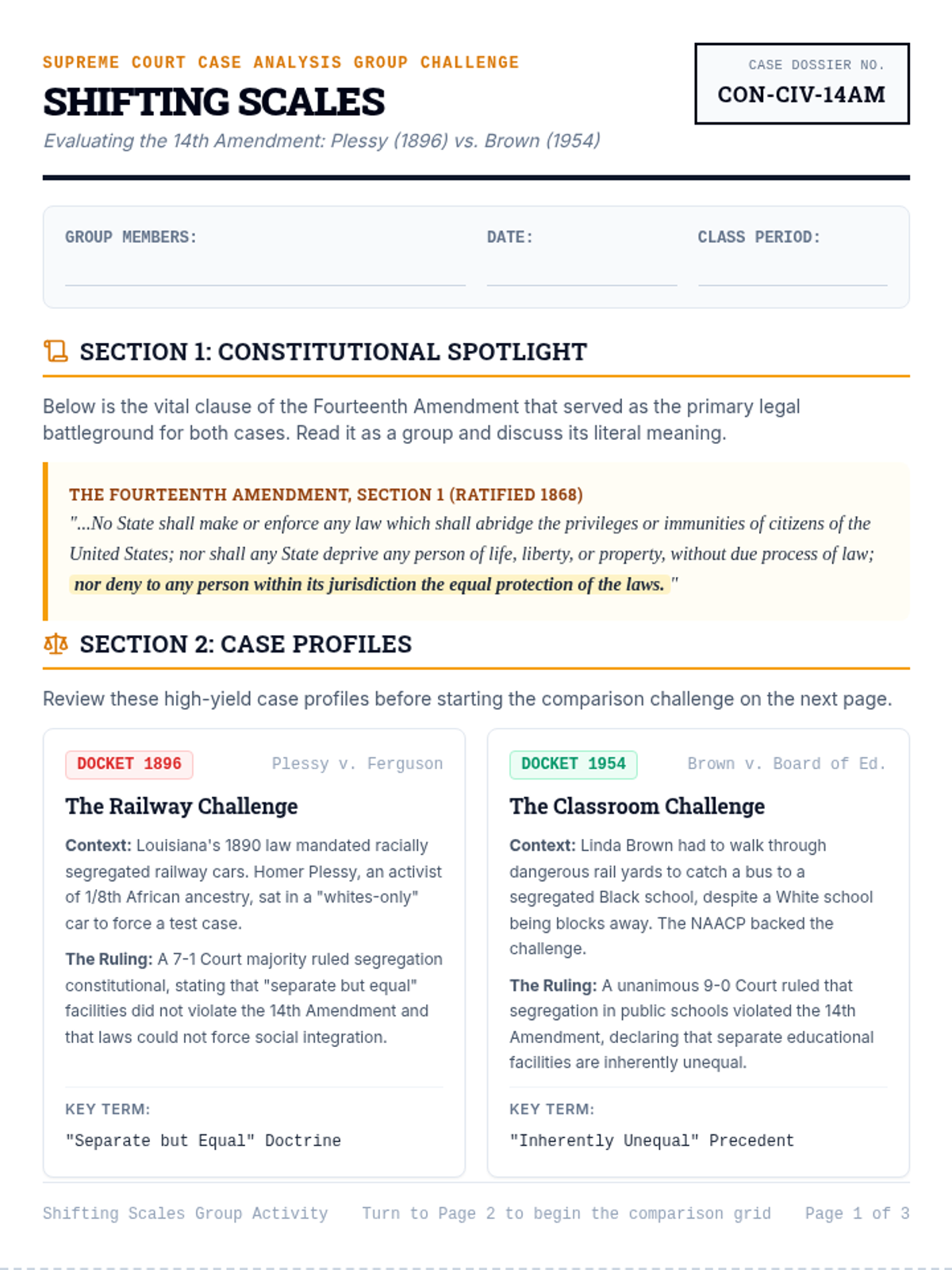
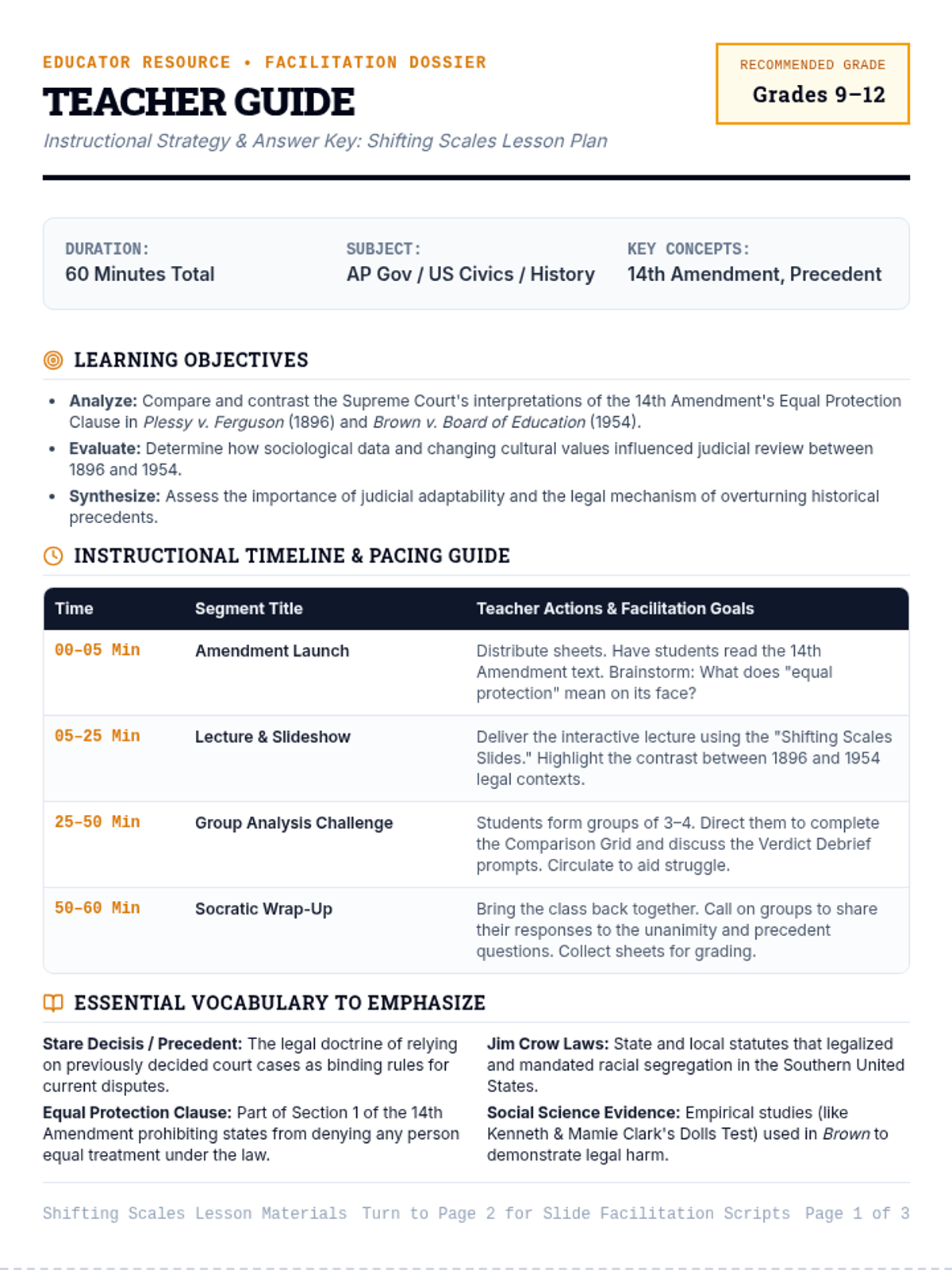
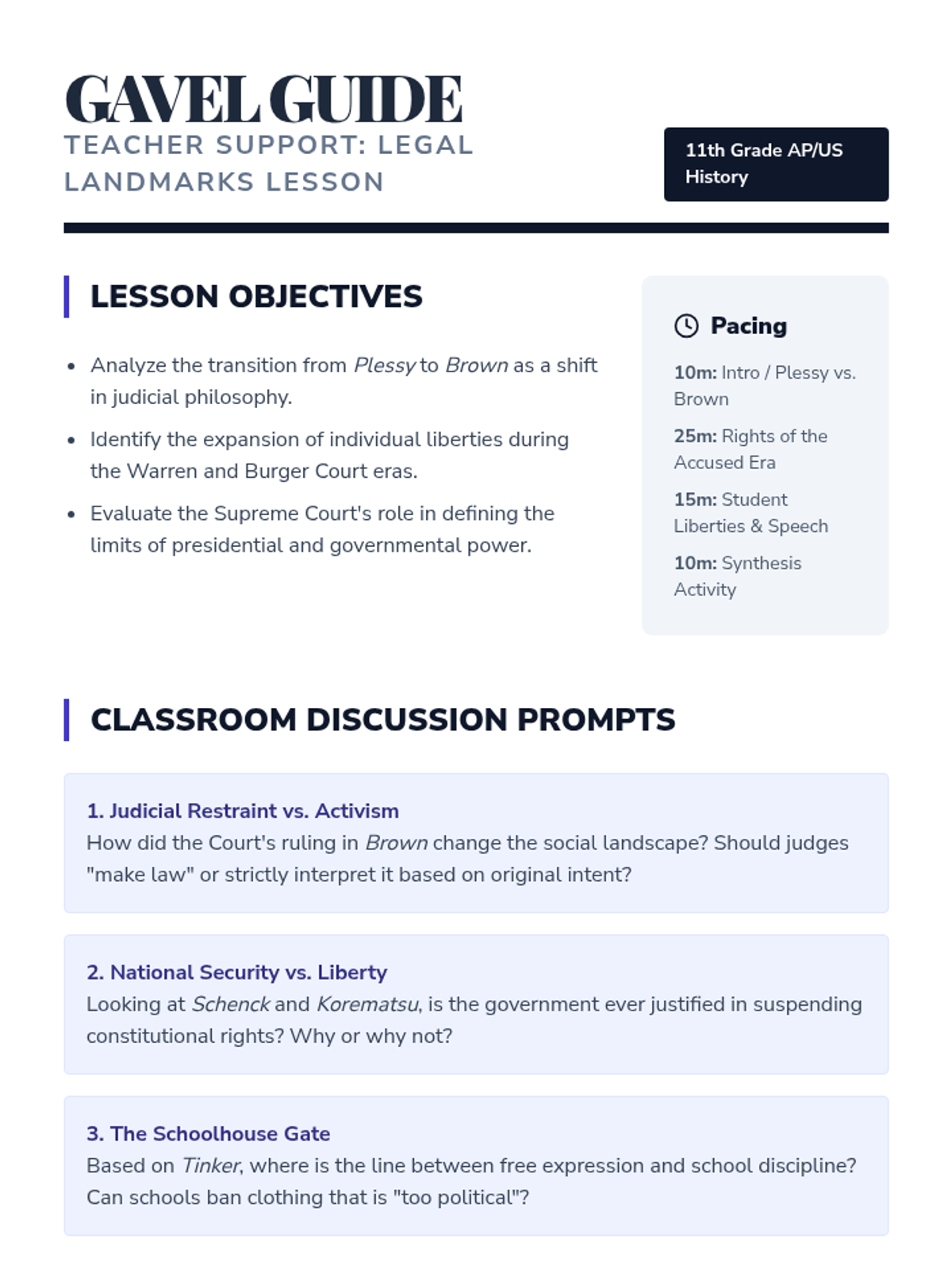
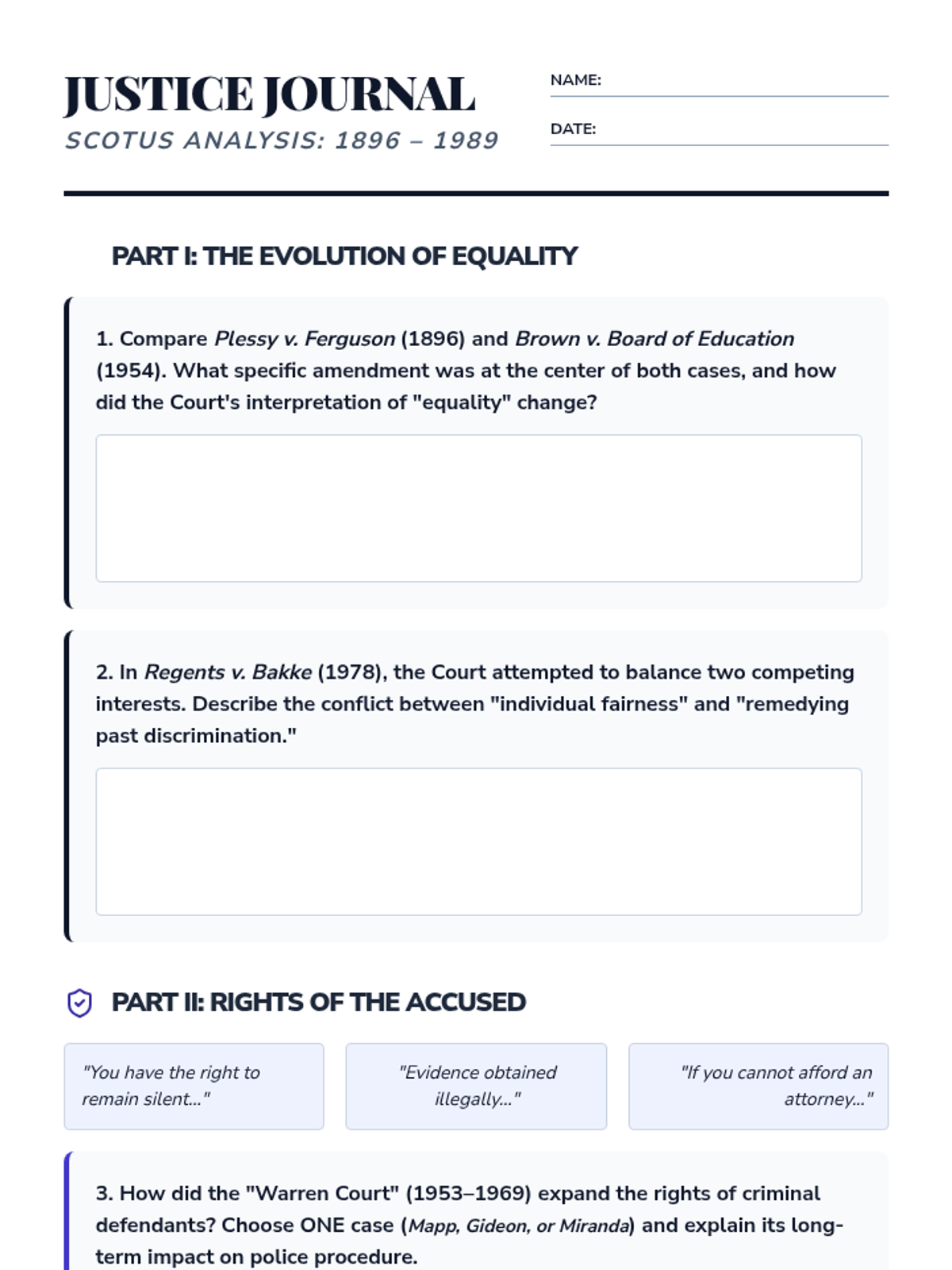
A comprehensive history and civics lesson analyzing how the Supreme Court's interpretation of the 14th Amendment evolved from Plessy v. Ferguson to Brown v. Board of Education.
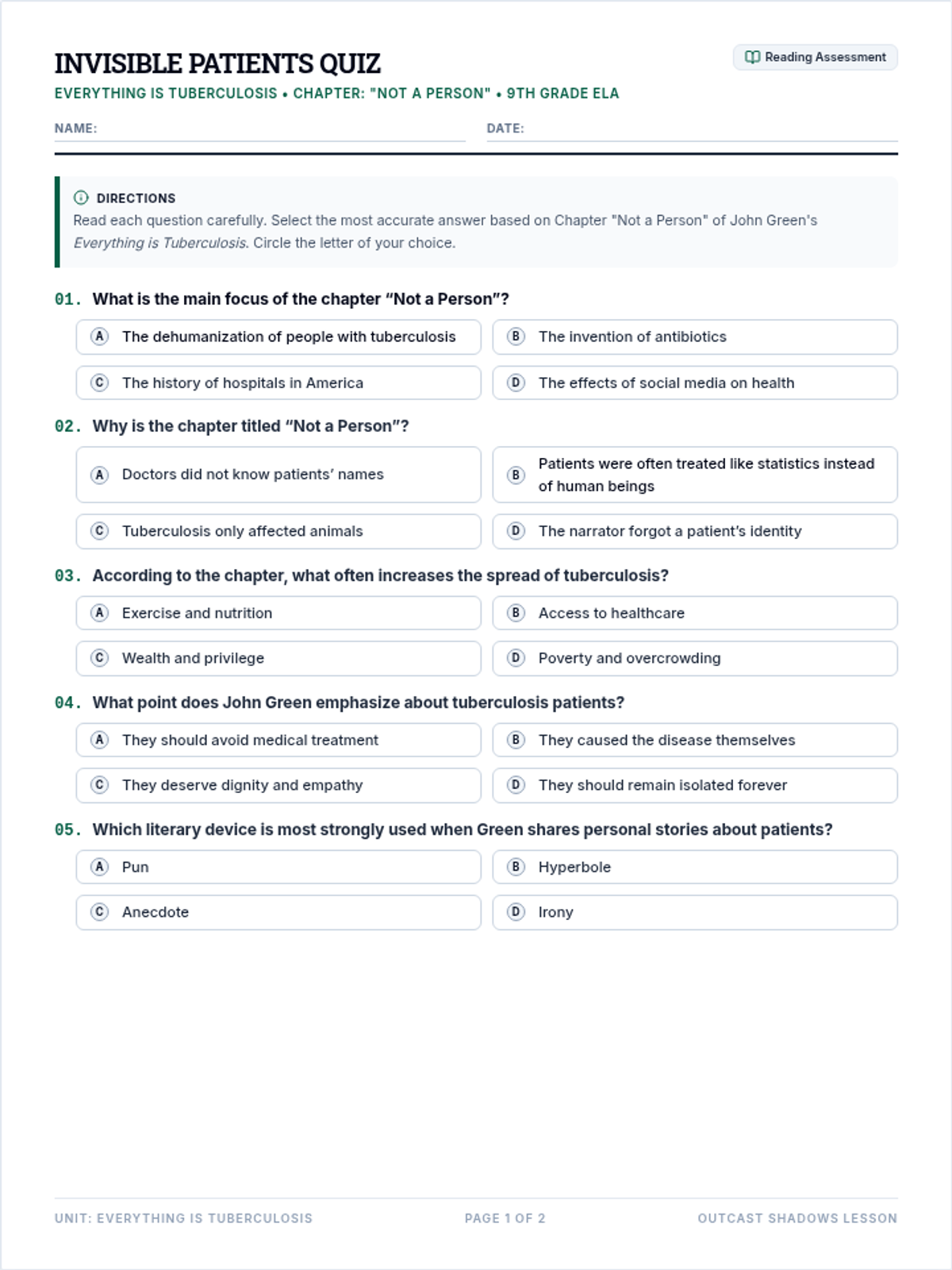
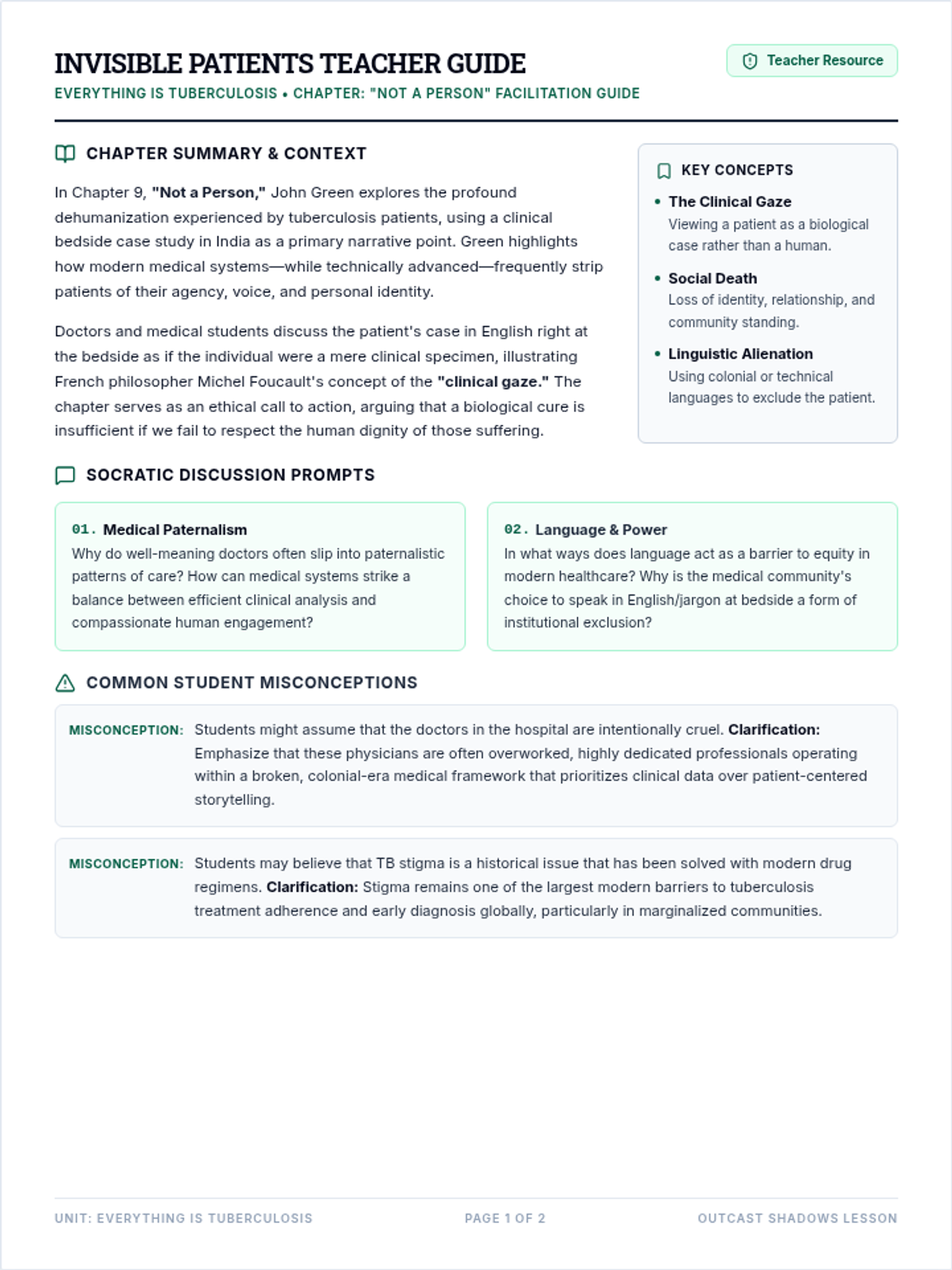
A comprehensive lesson exploring Chapter 9 ('Not a Person') of John Green's 'Everything is Tuberculosis', focusing on medical dehumanization, social stigma, and the historical and modern experiences of TB patients.
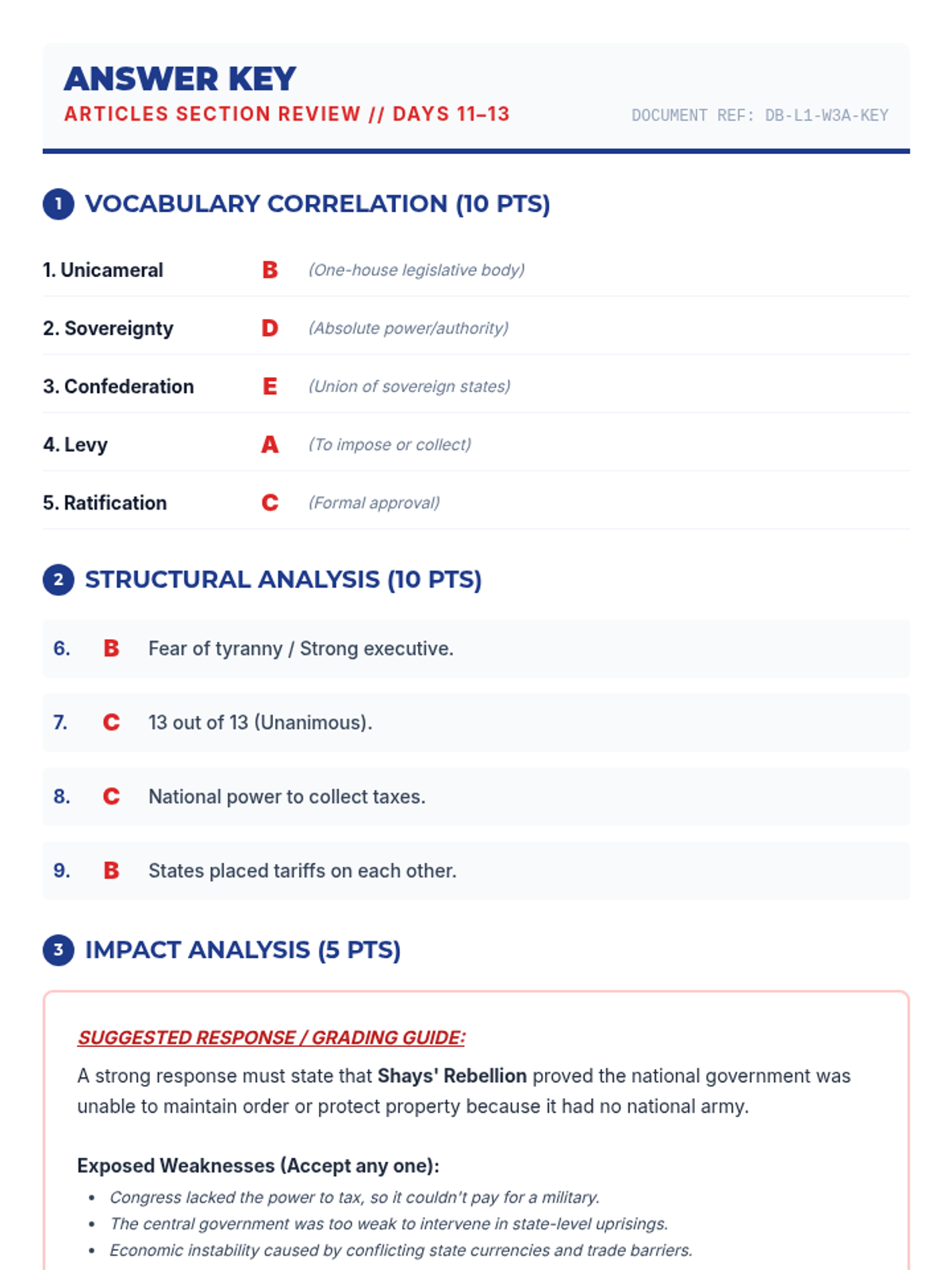
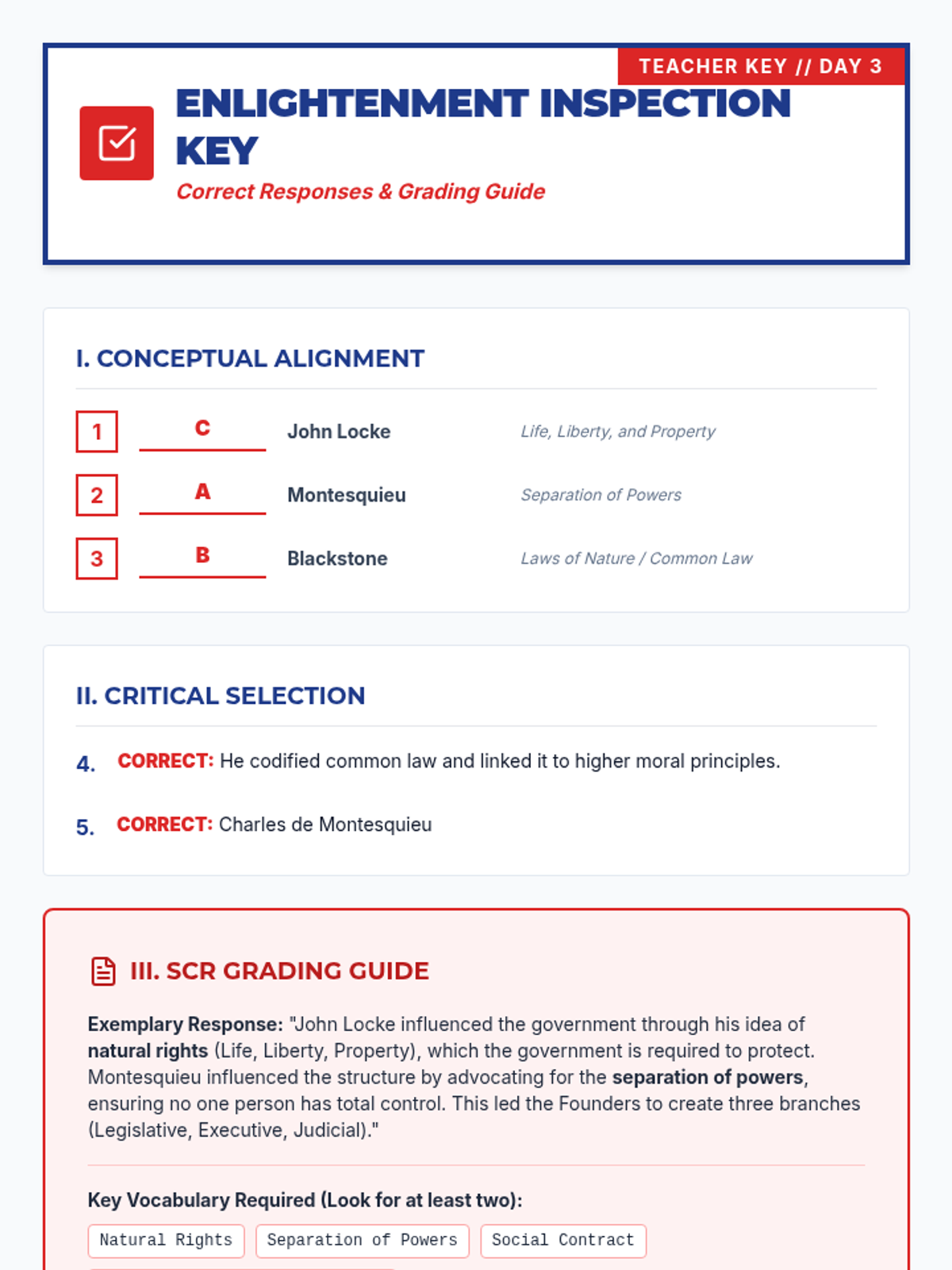
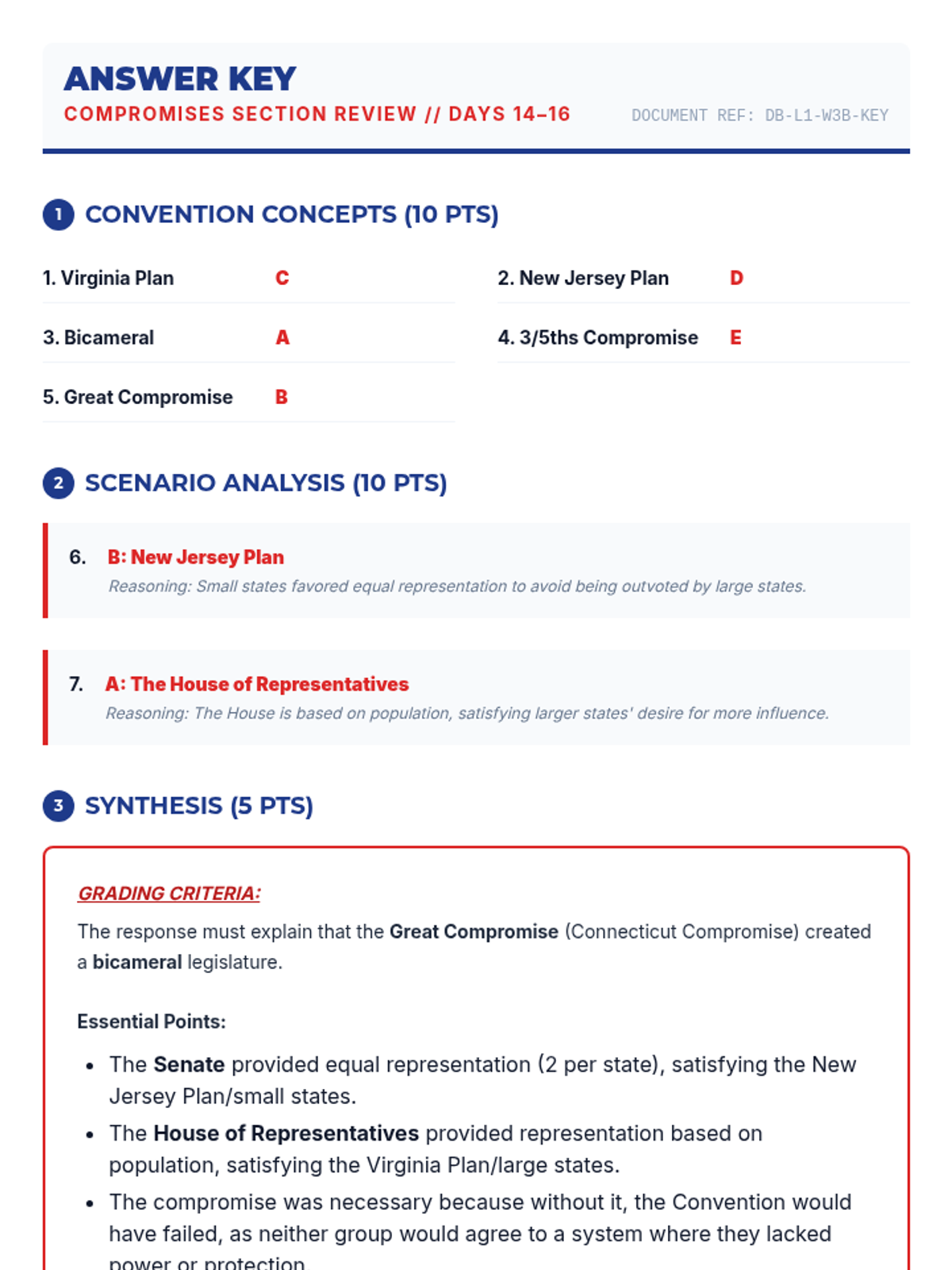
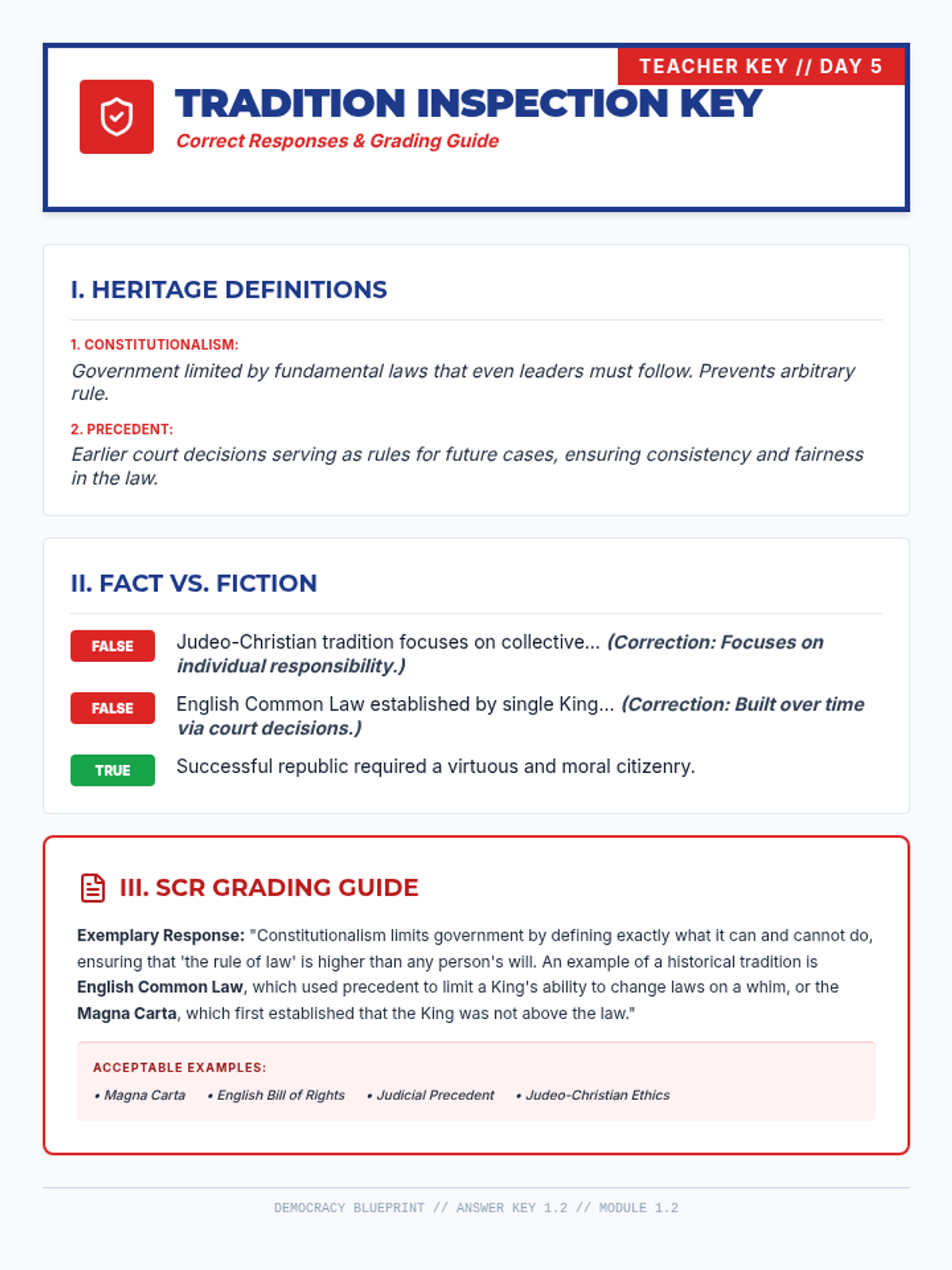
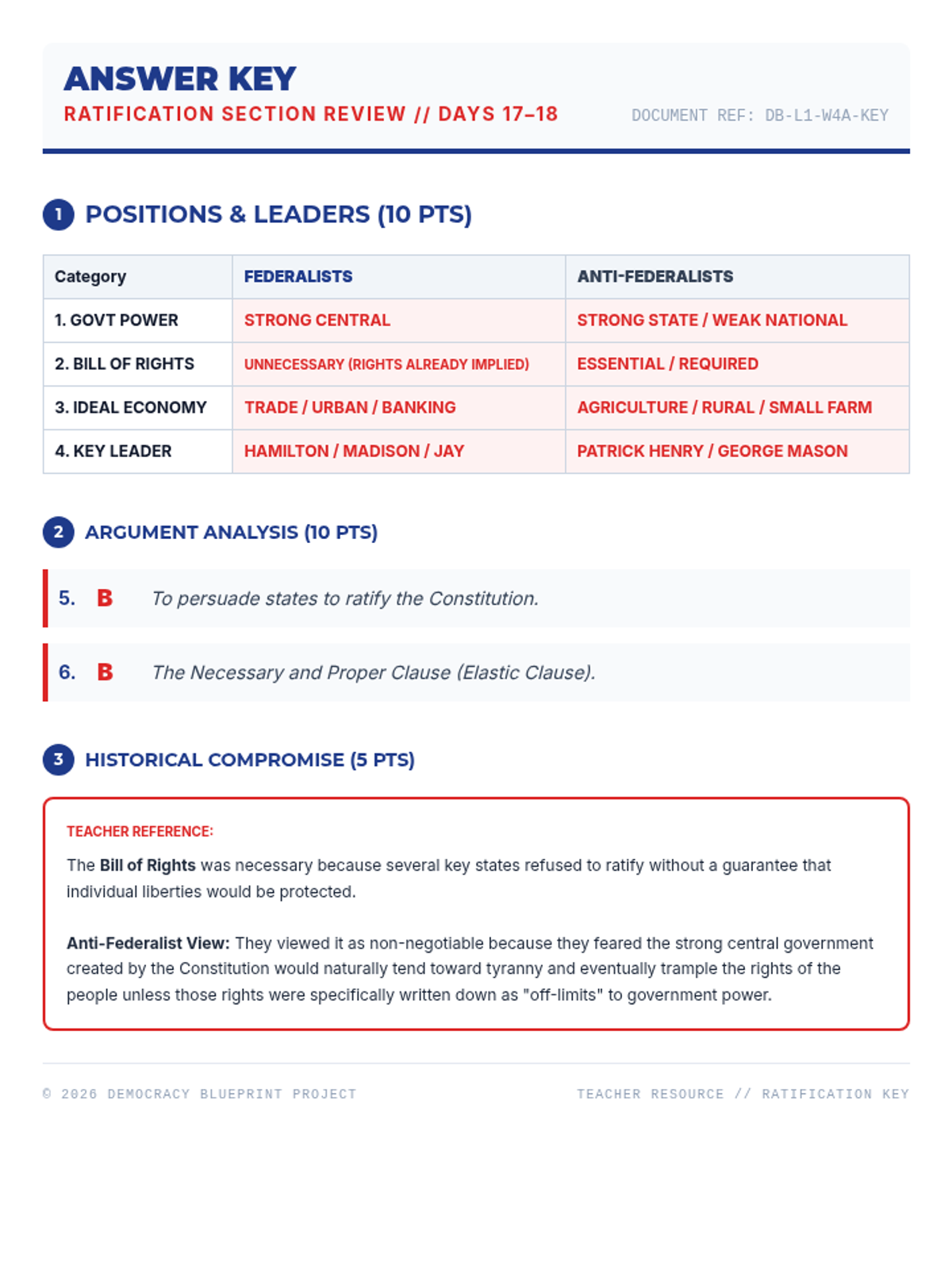
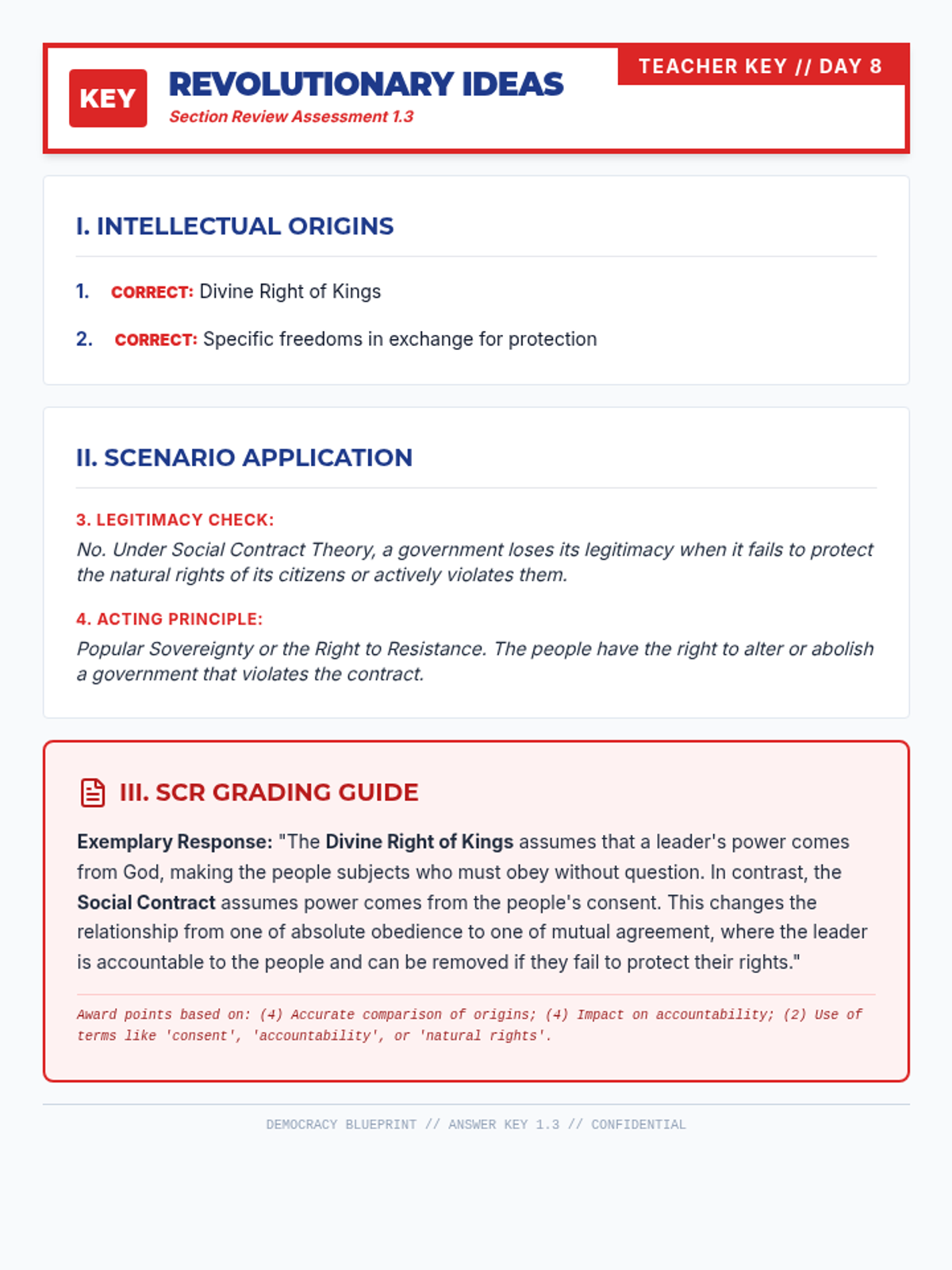
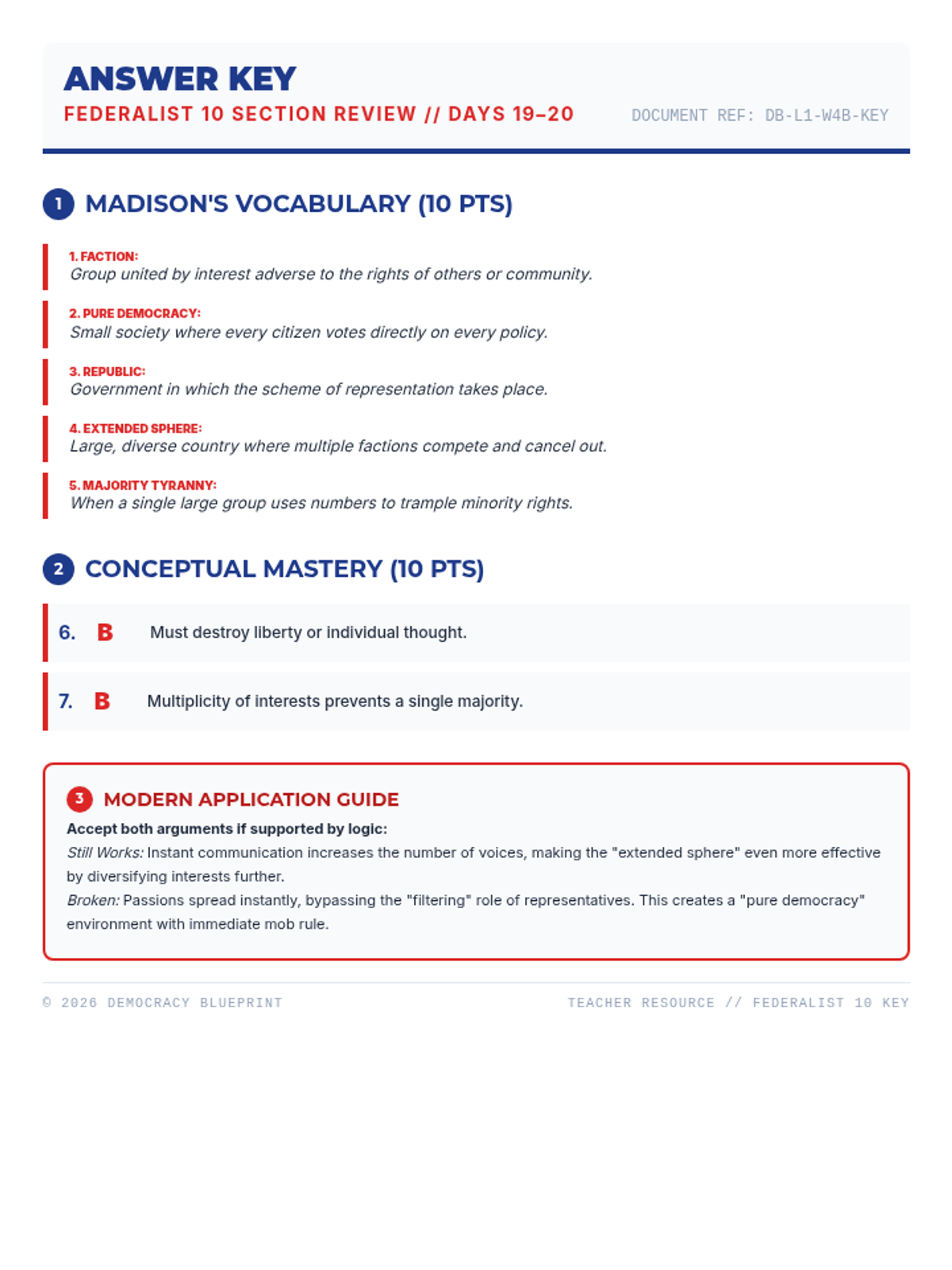
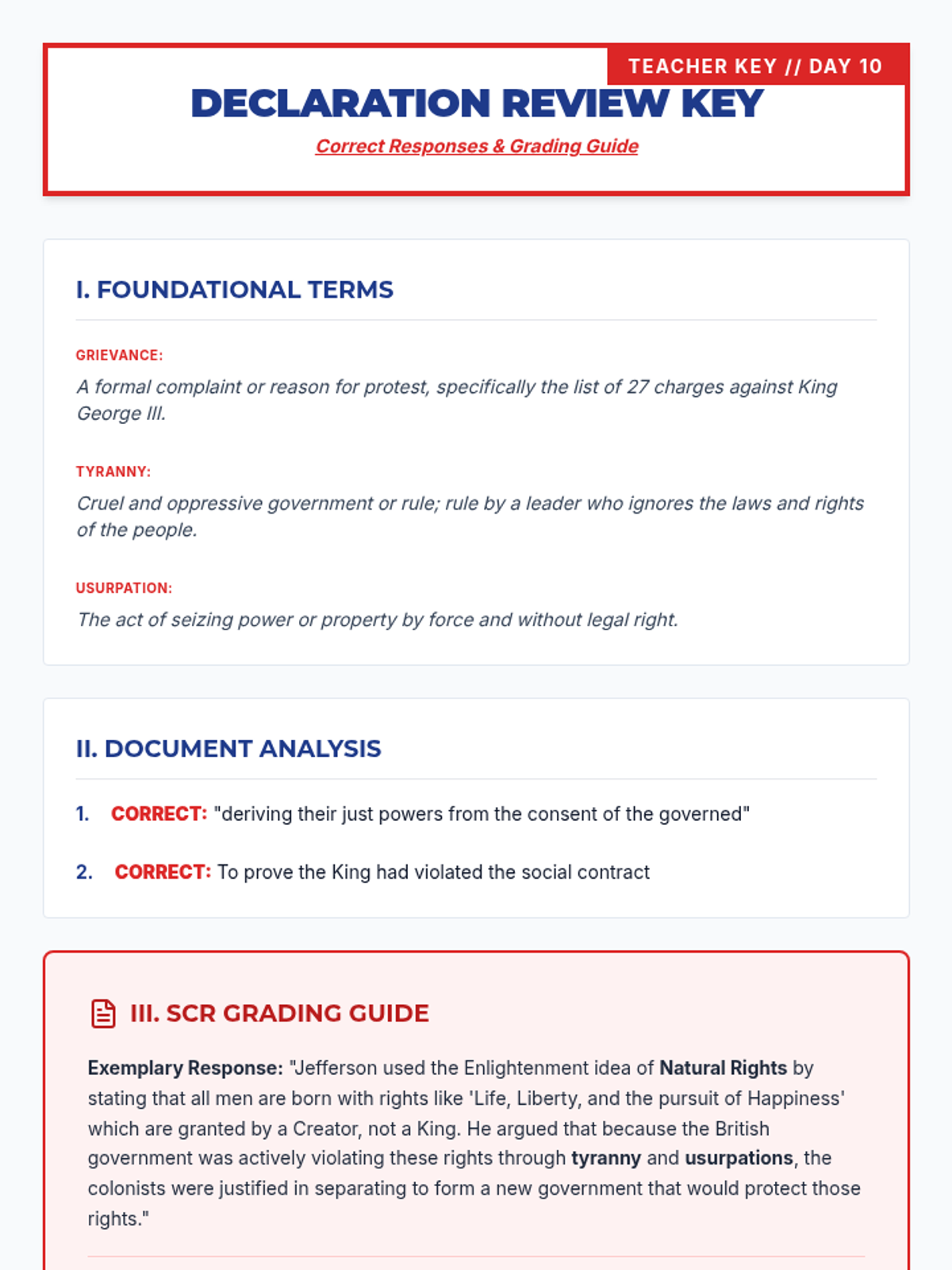
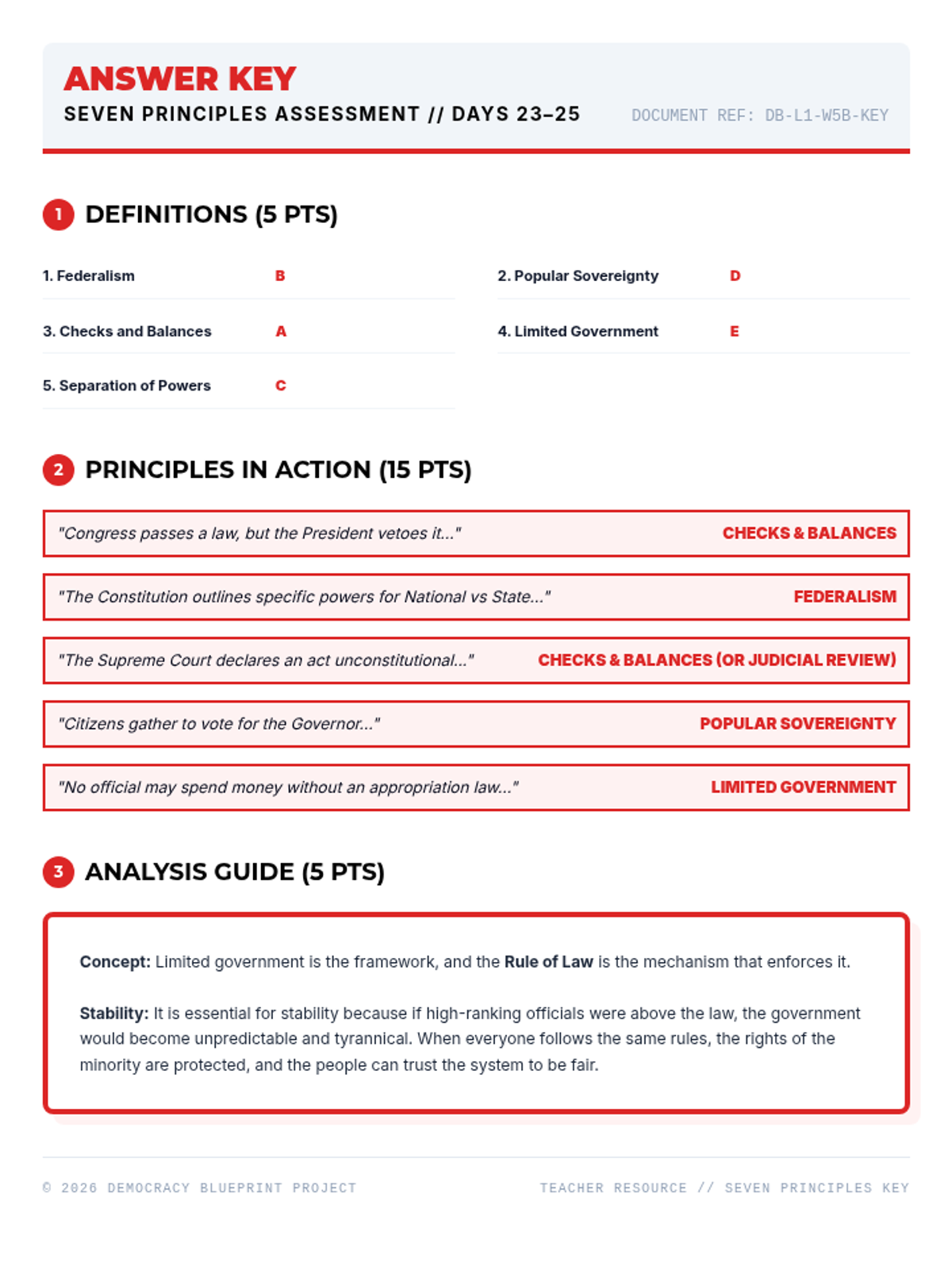
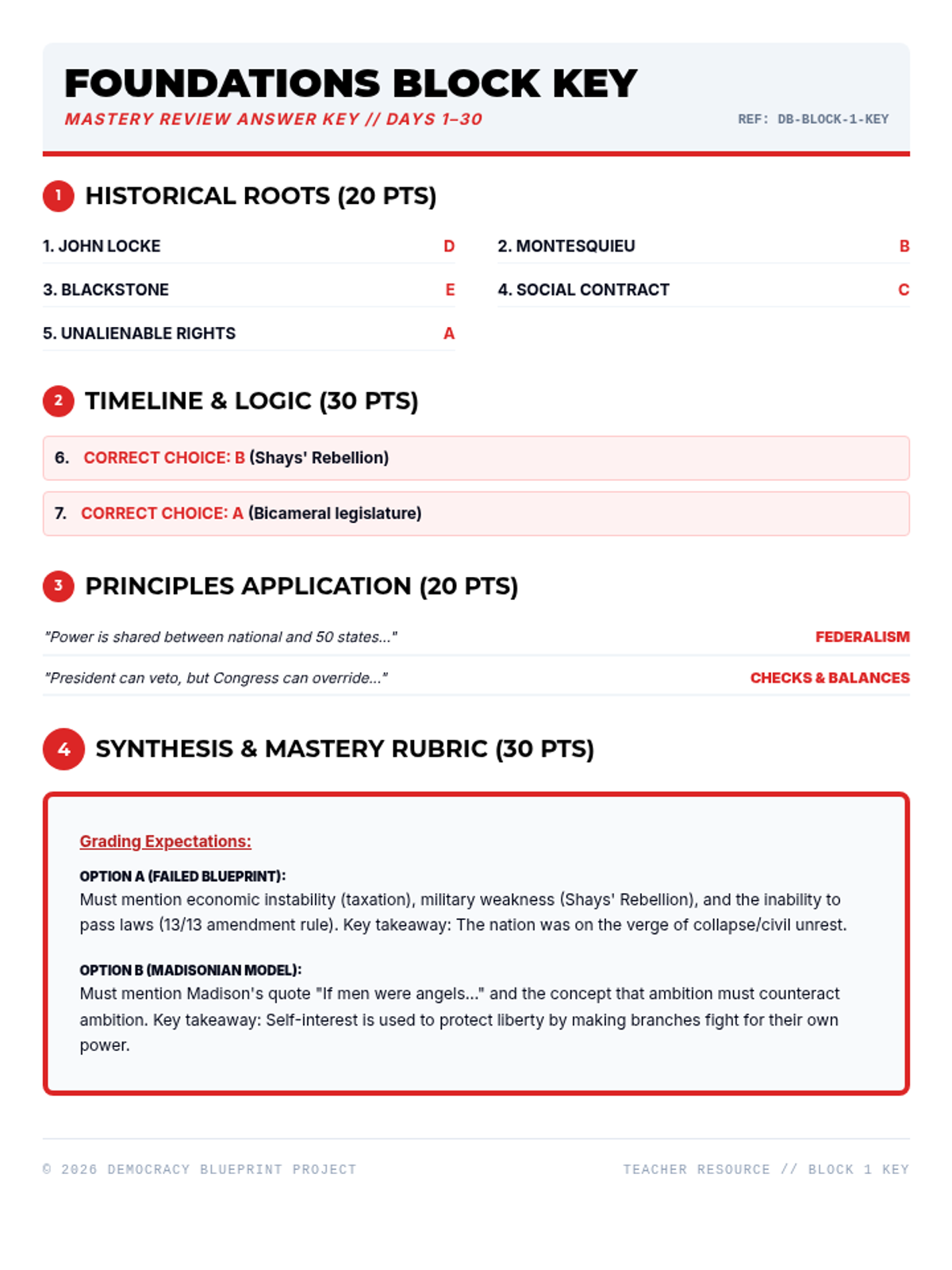
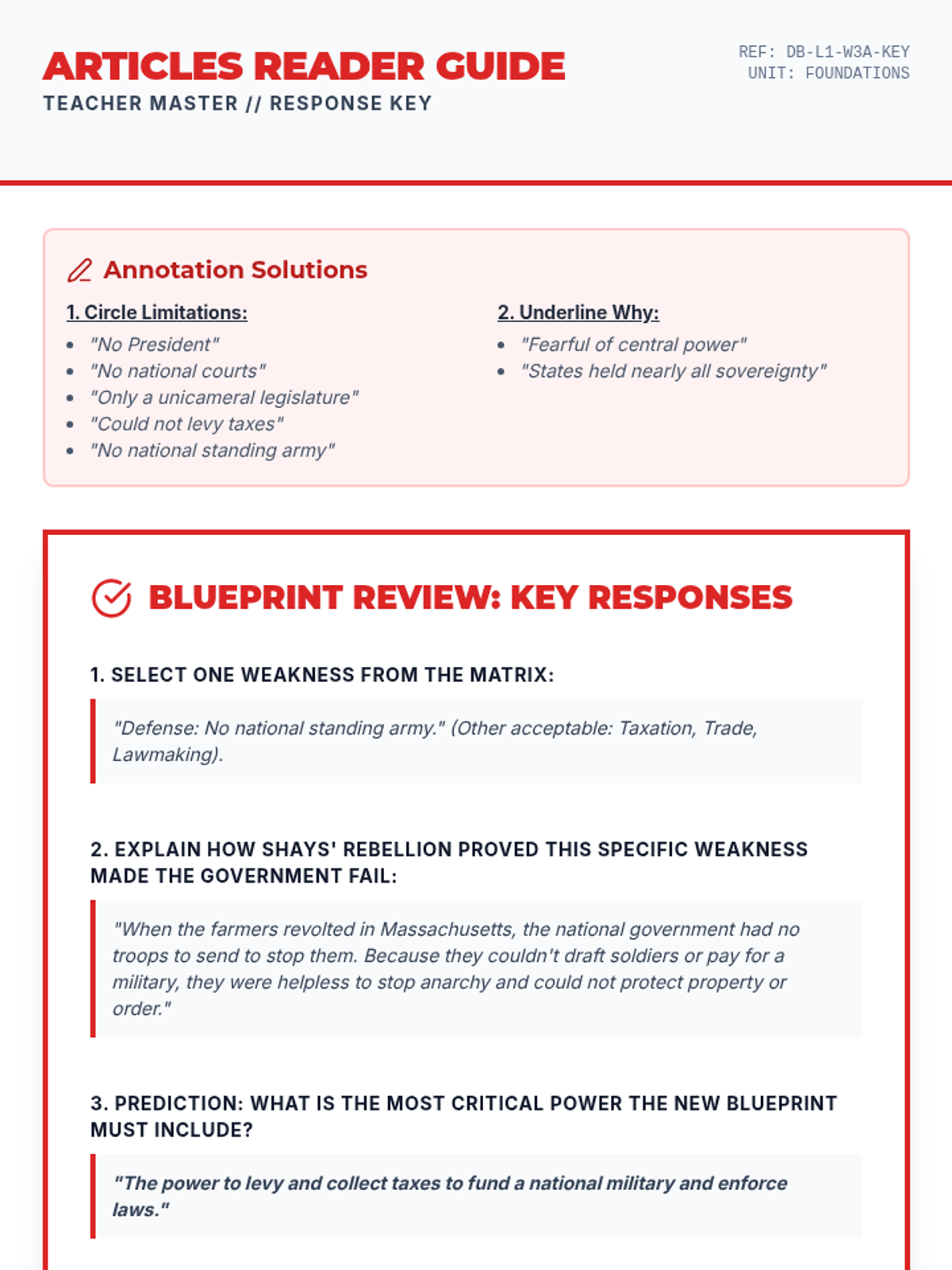
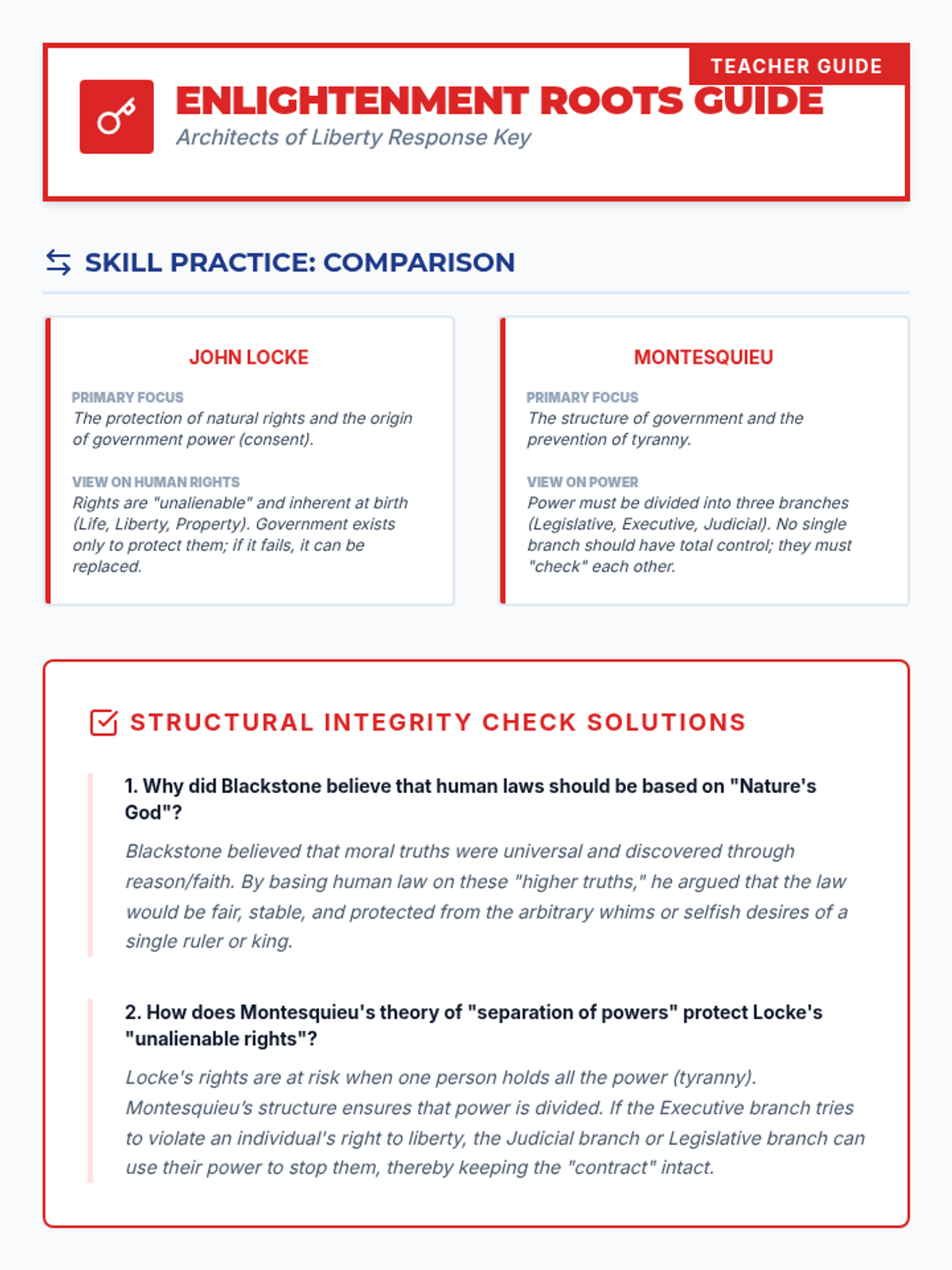
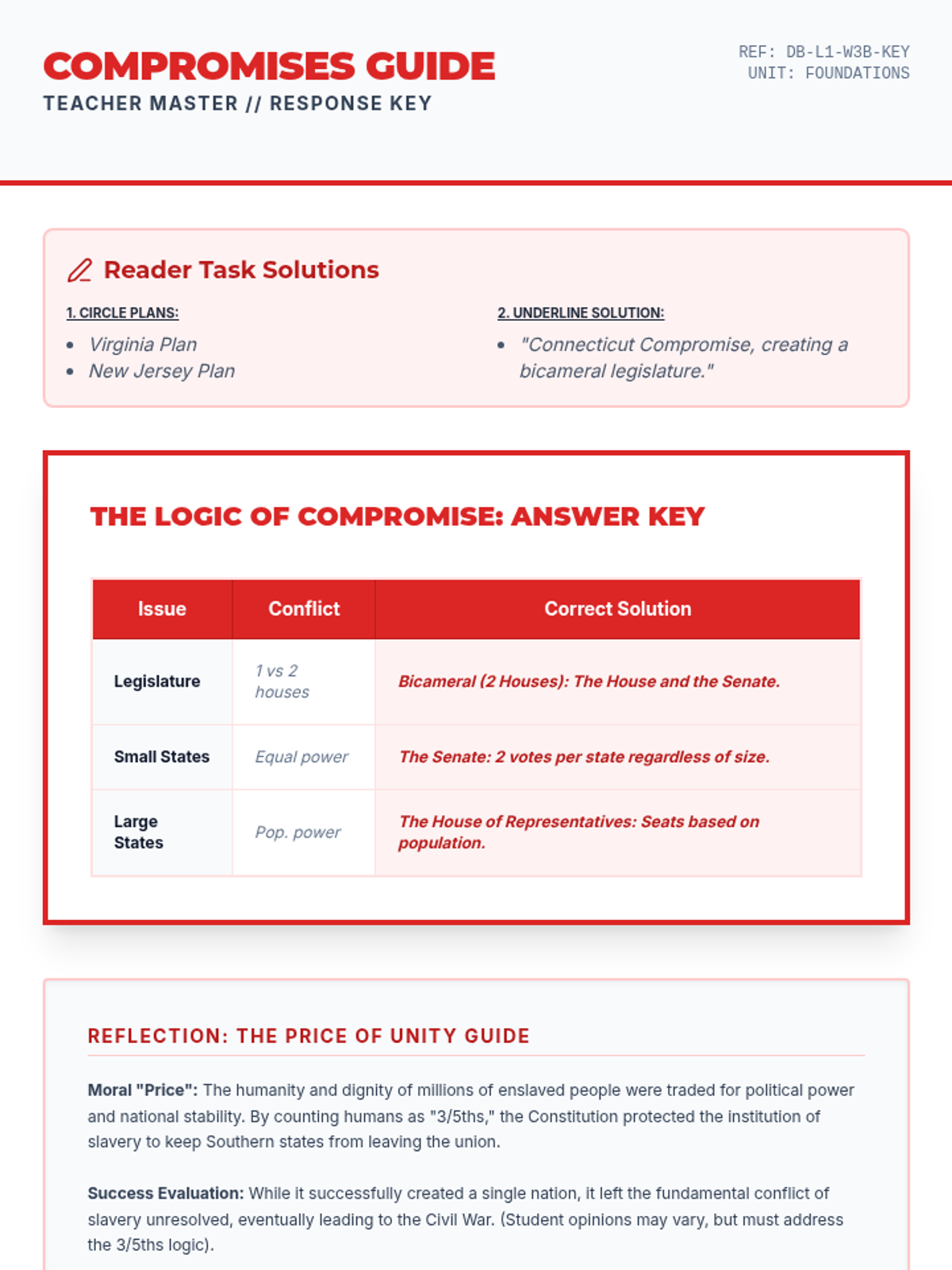
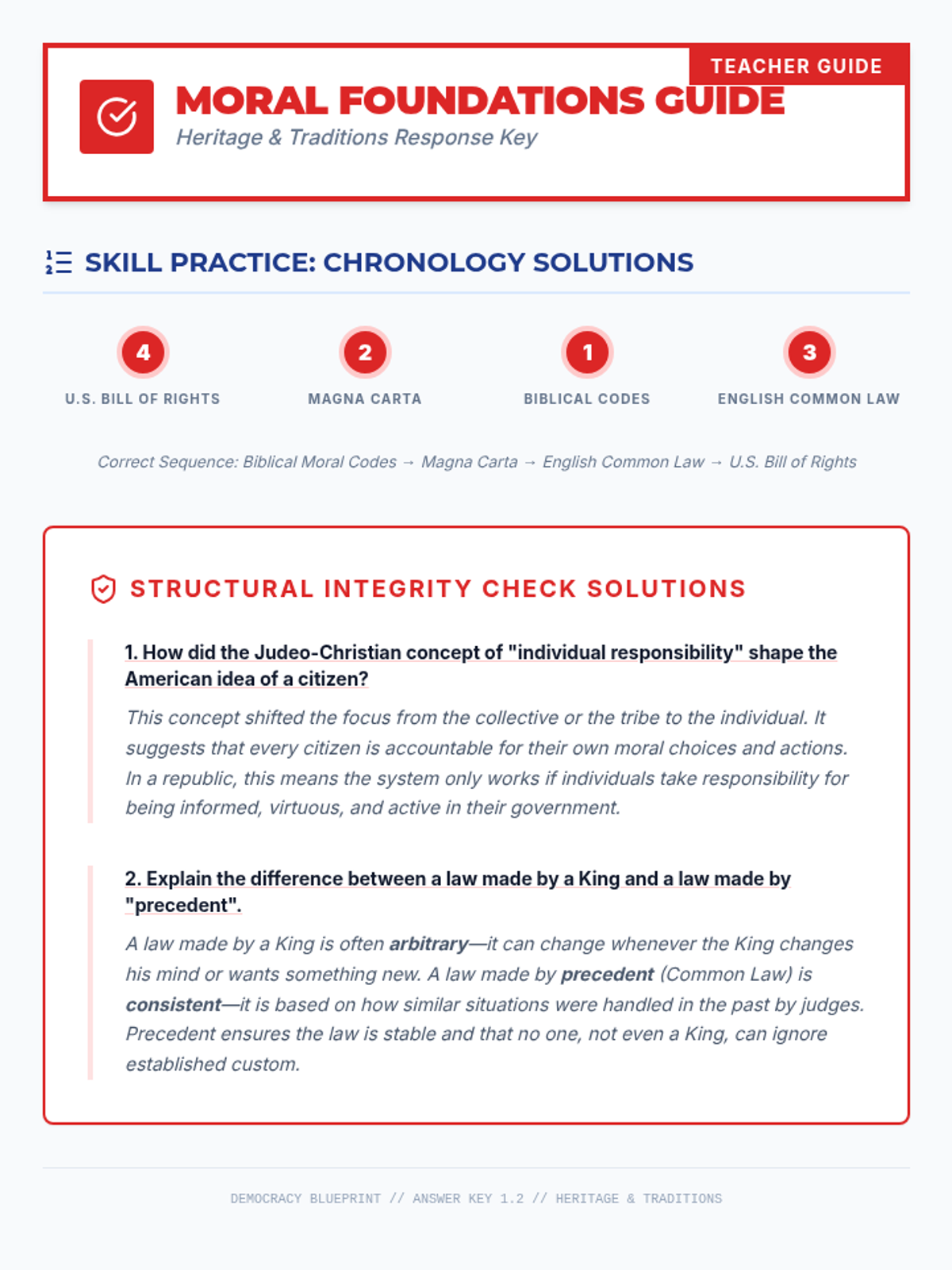
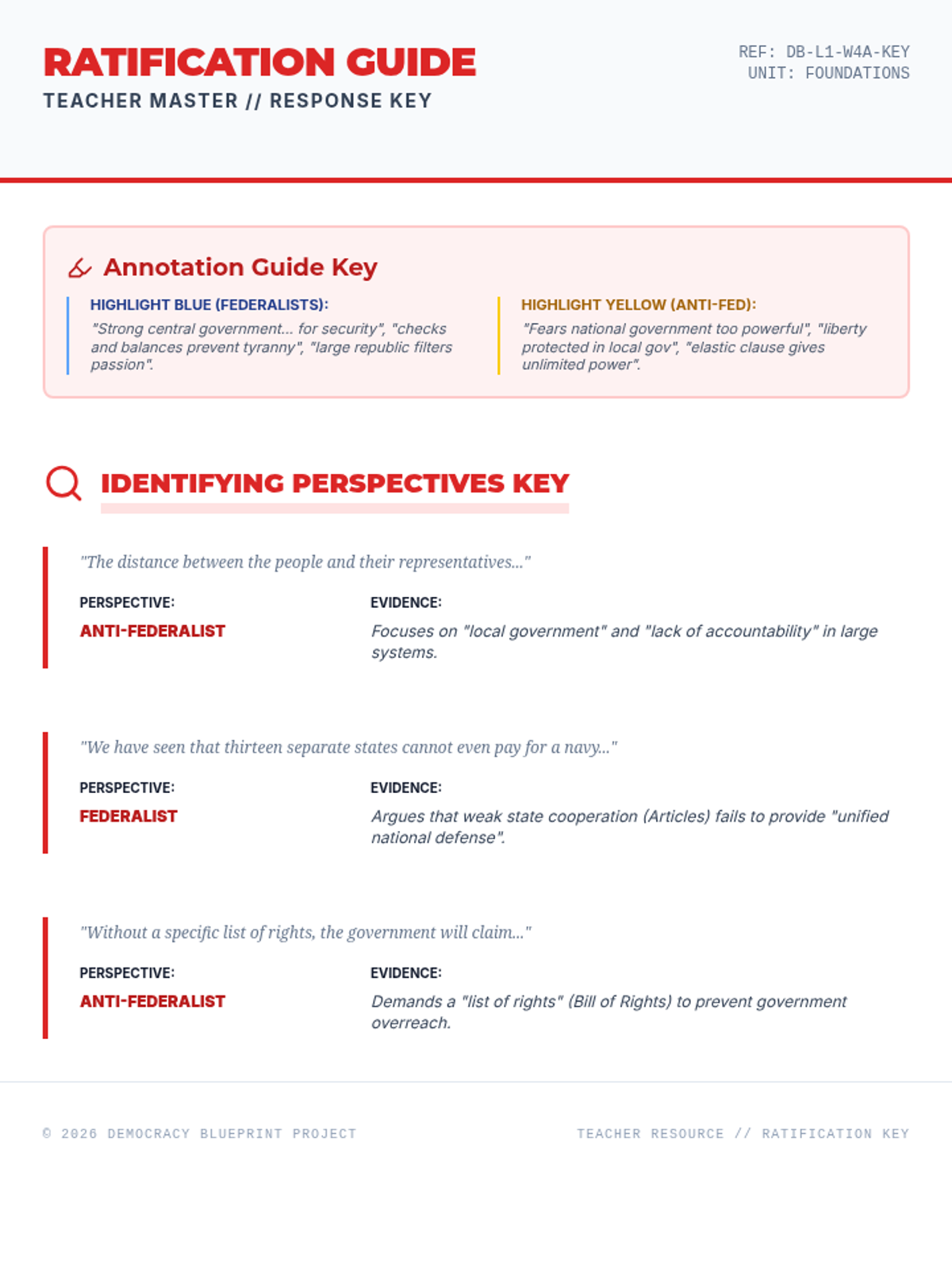
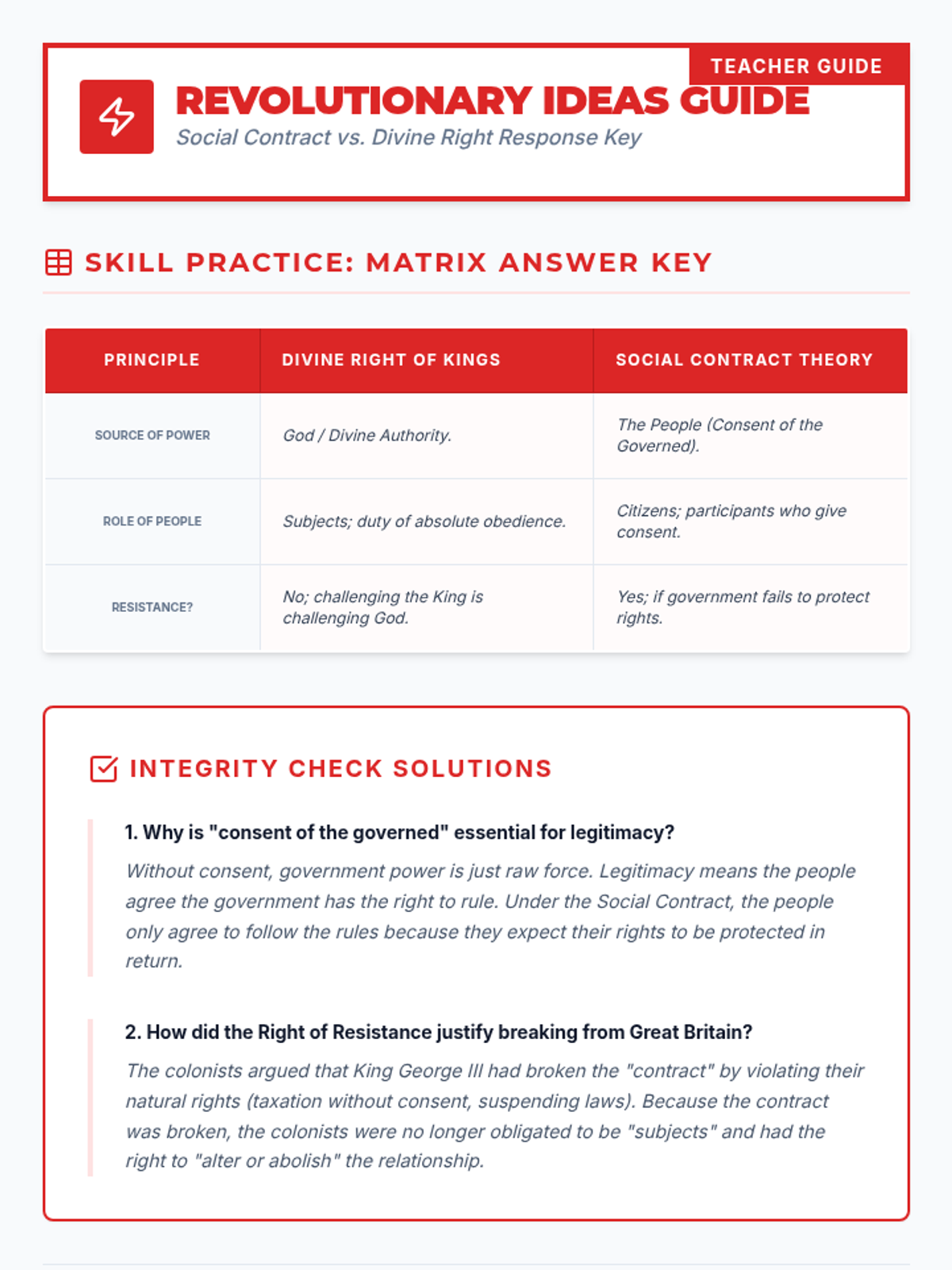
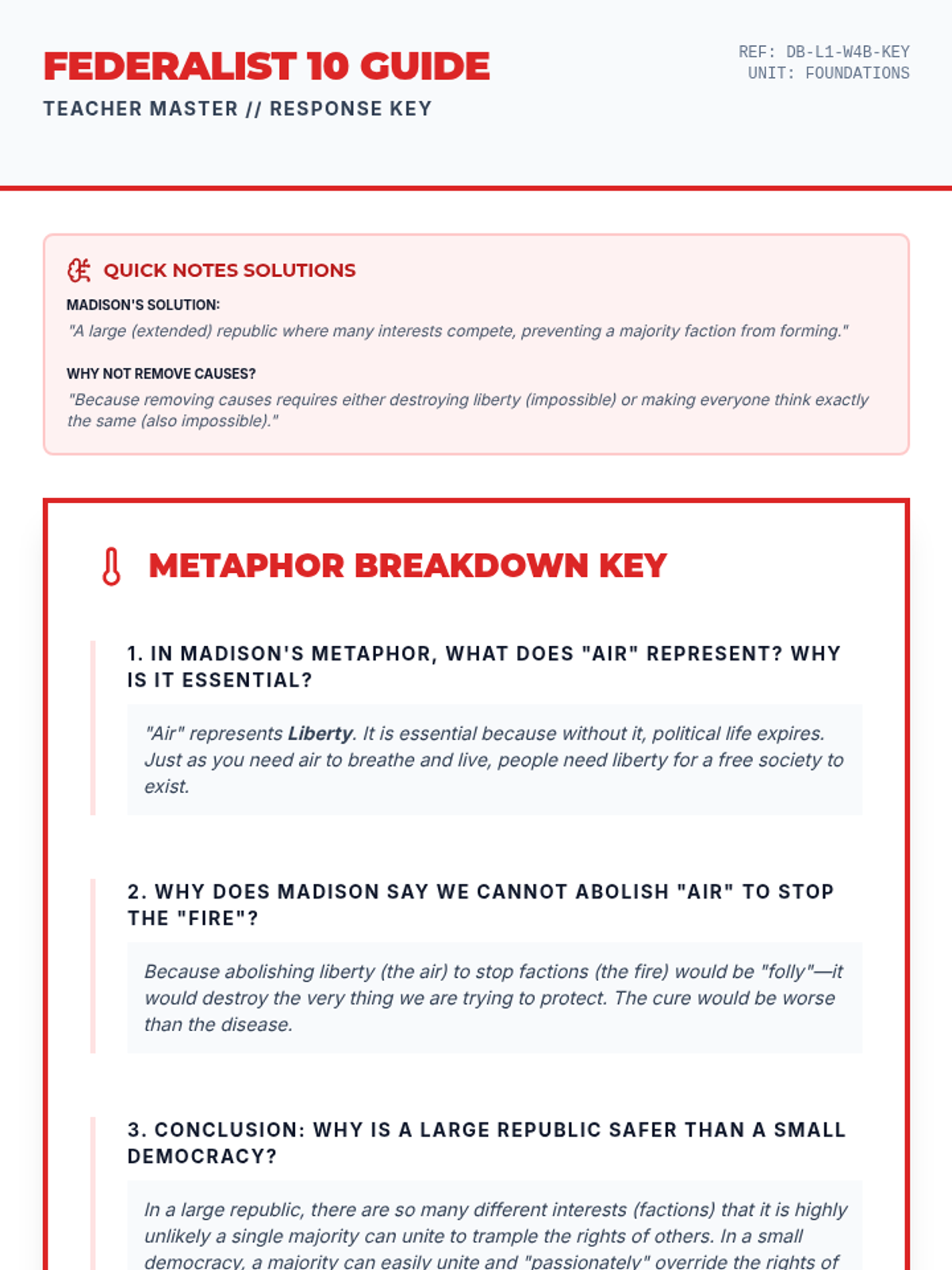
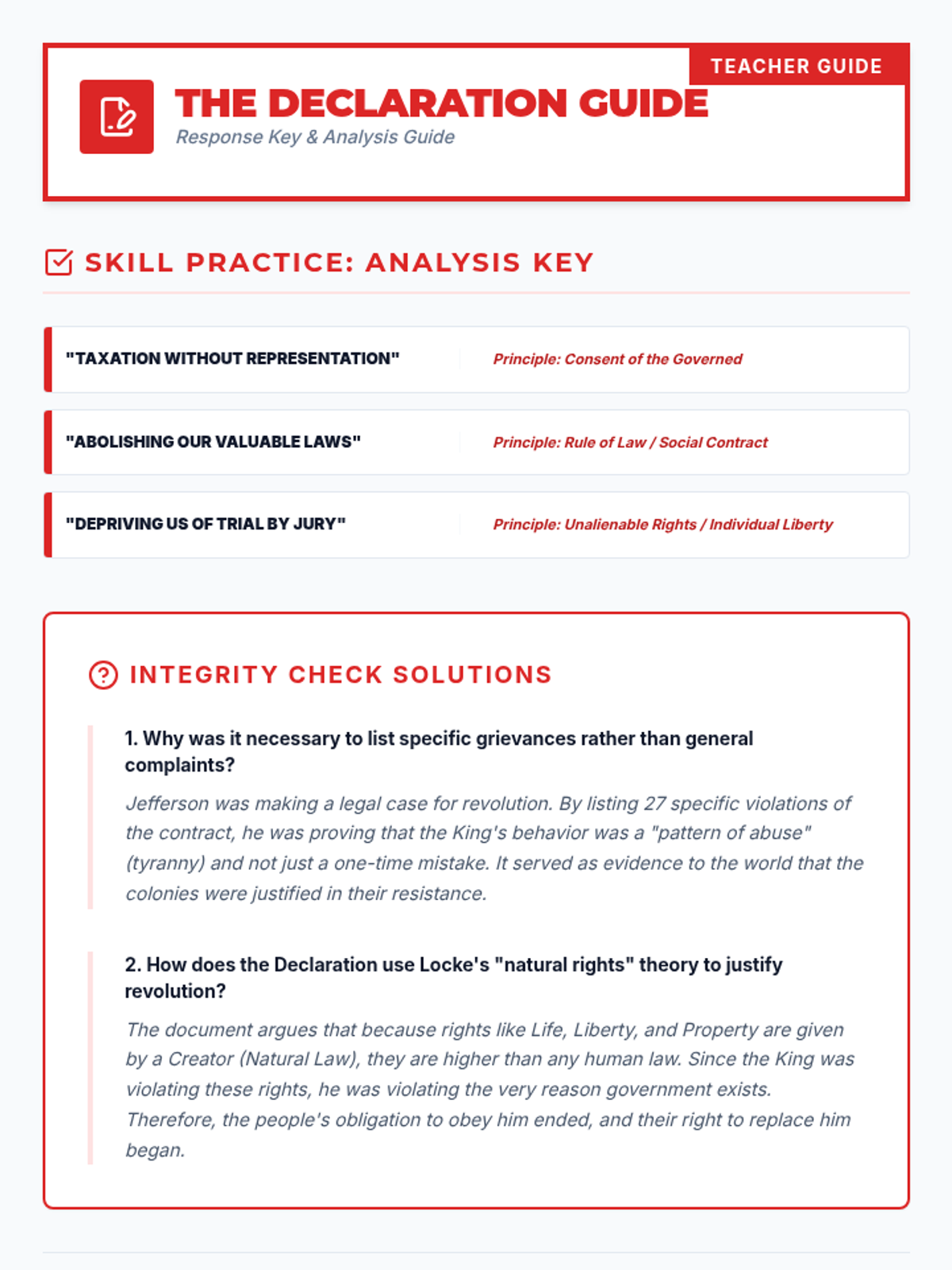
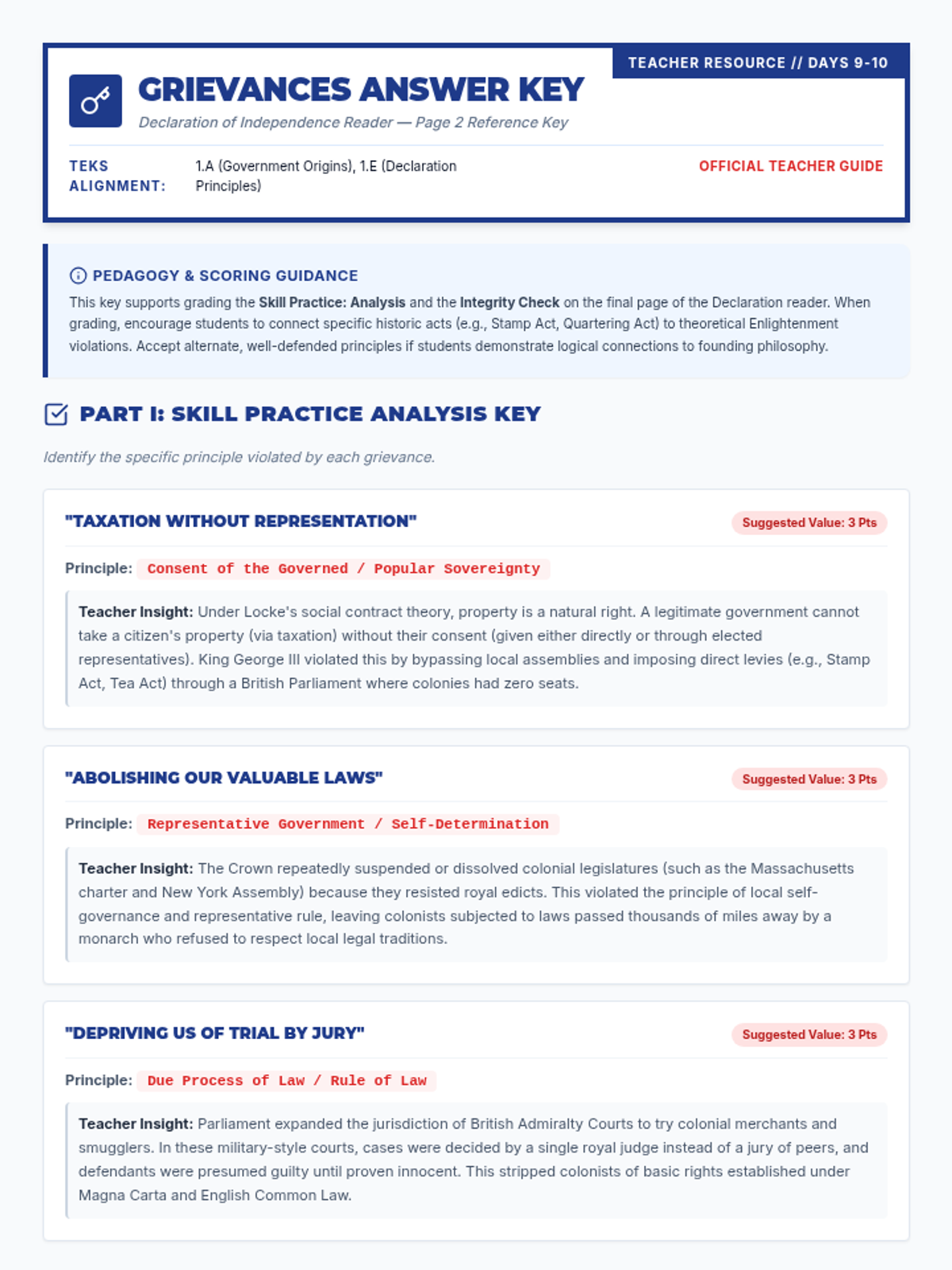
Explores the philosophical, historical, and intellectual origins of the American government and the principles established in the founding documents.
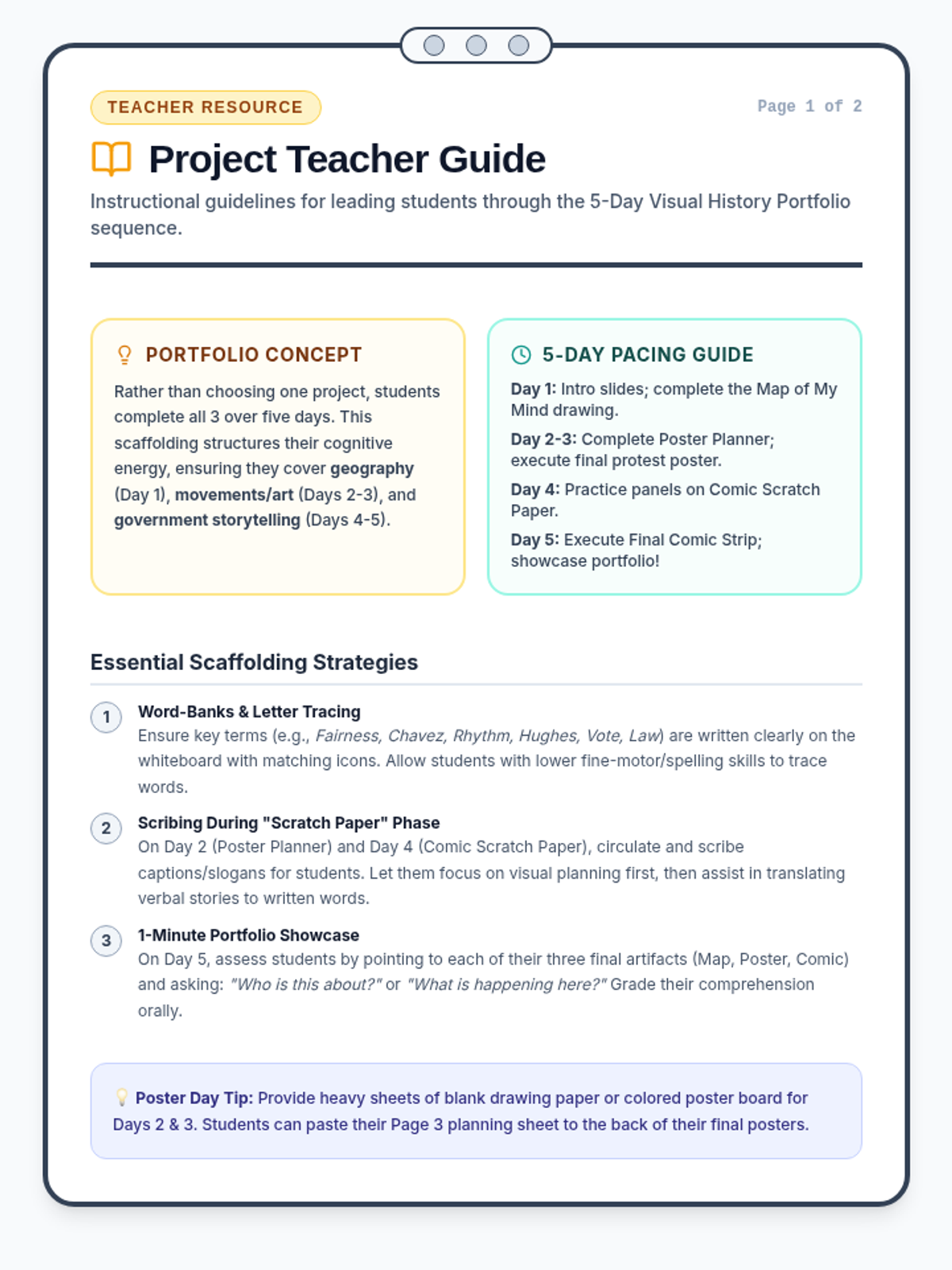
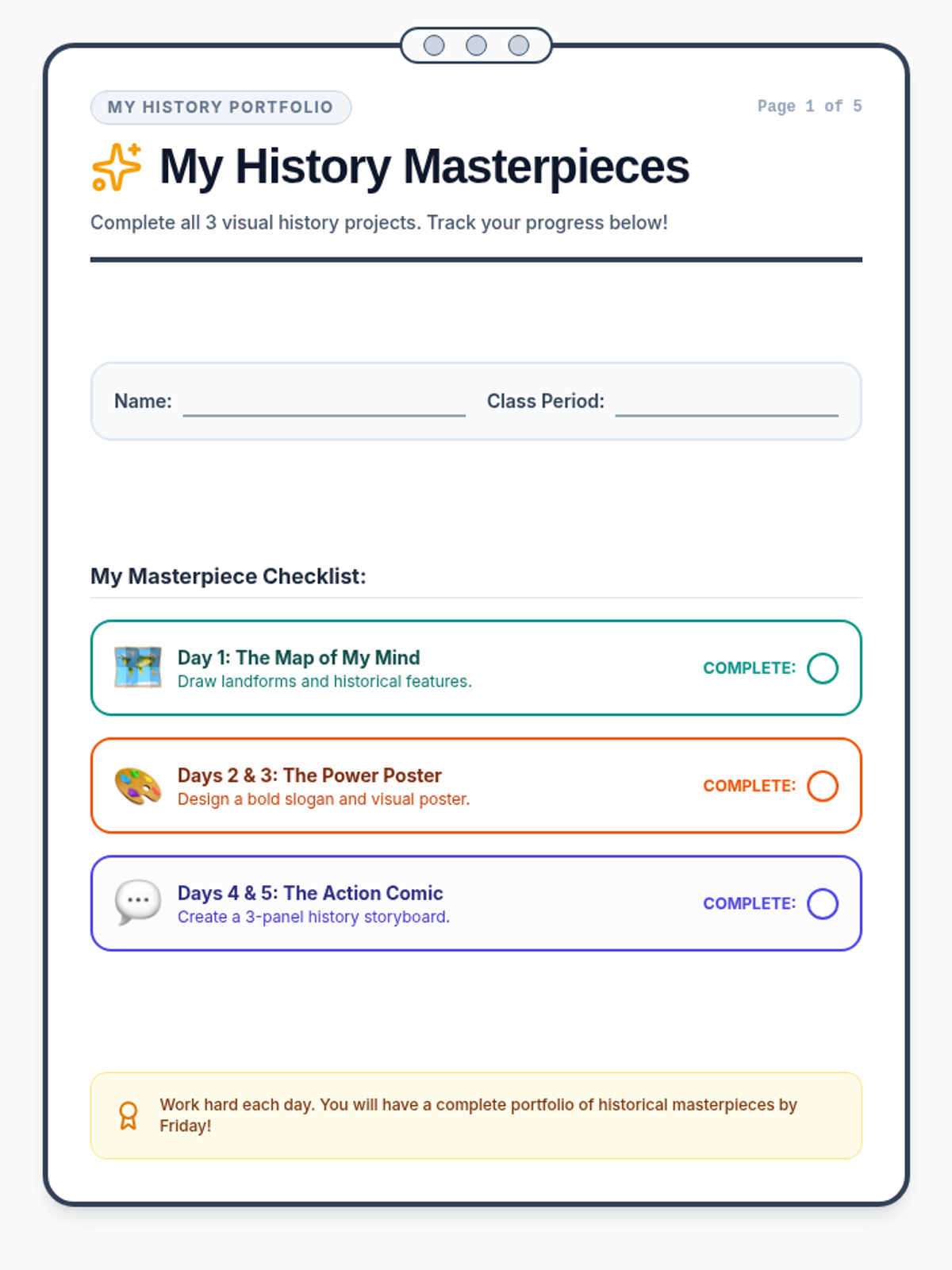
A scaffolded final project lesson where students express their historical knowledge of geography, the Farmers' Movement, government, or the Harlem Renaissance through three visual project pathways: a mind map, a protest poster, or a storyboard comic.
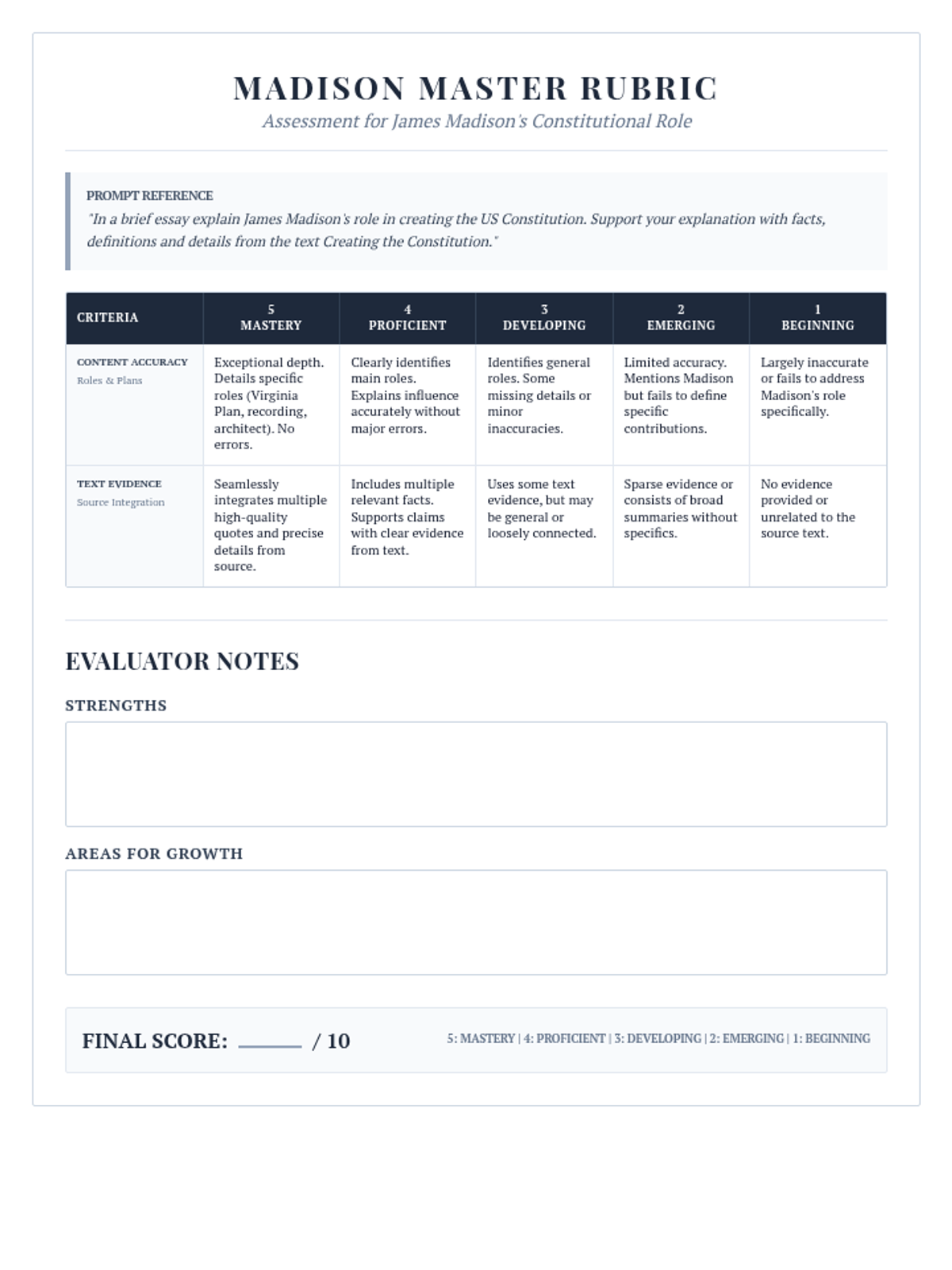
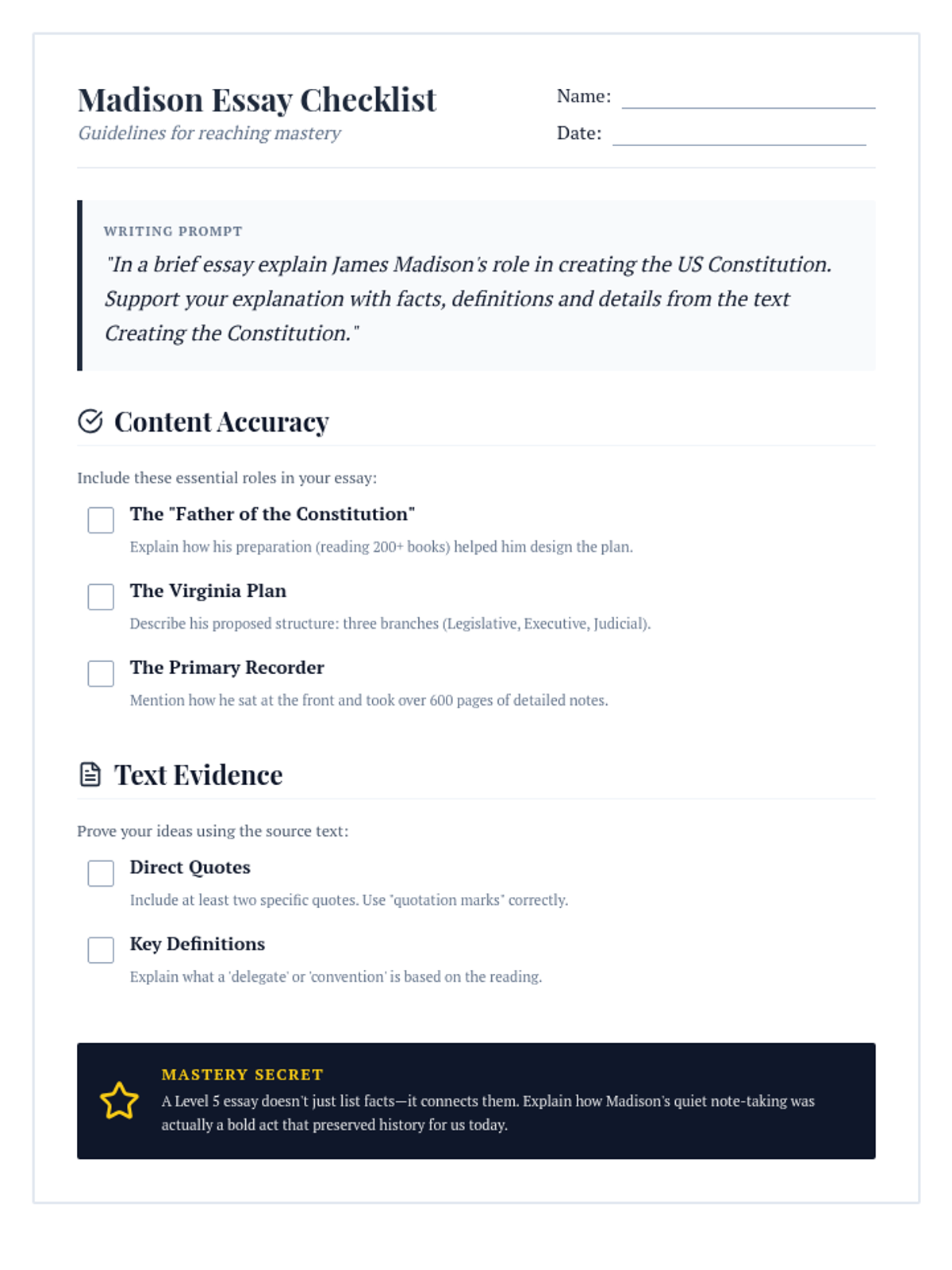
A lesson focused on James Madison's pivotal role in the Constitutional Convention, assessing students' ability to synthesize historical texts into clear, evidenced-based essays.
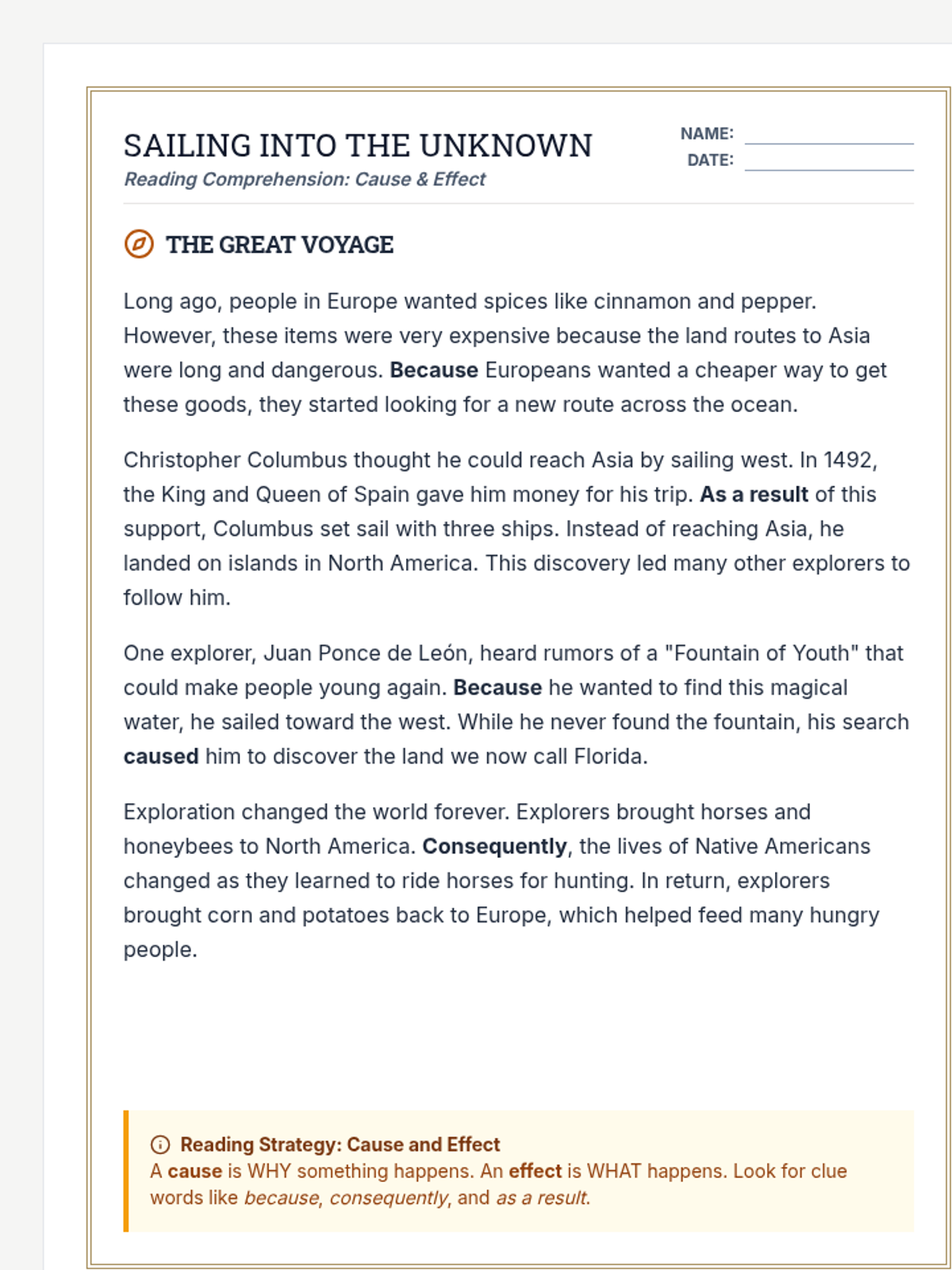
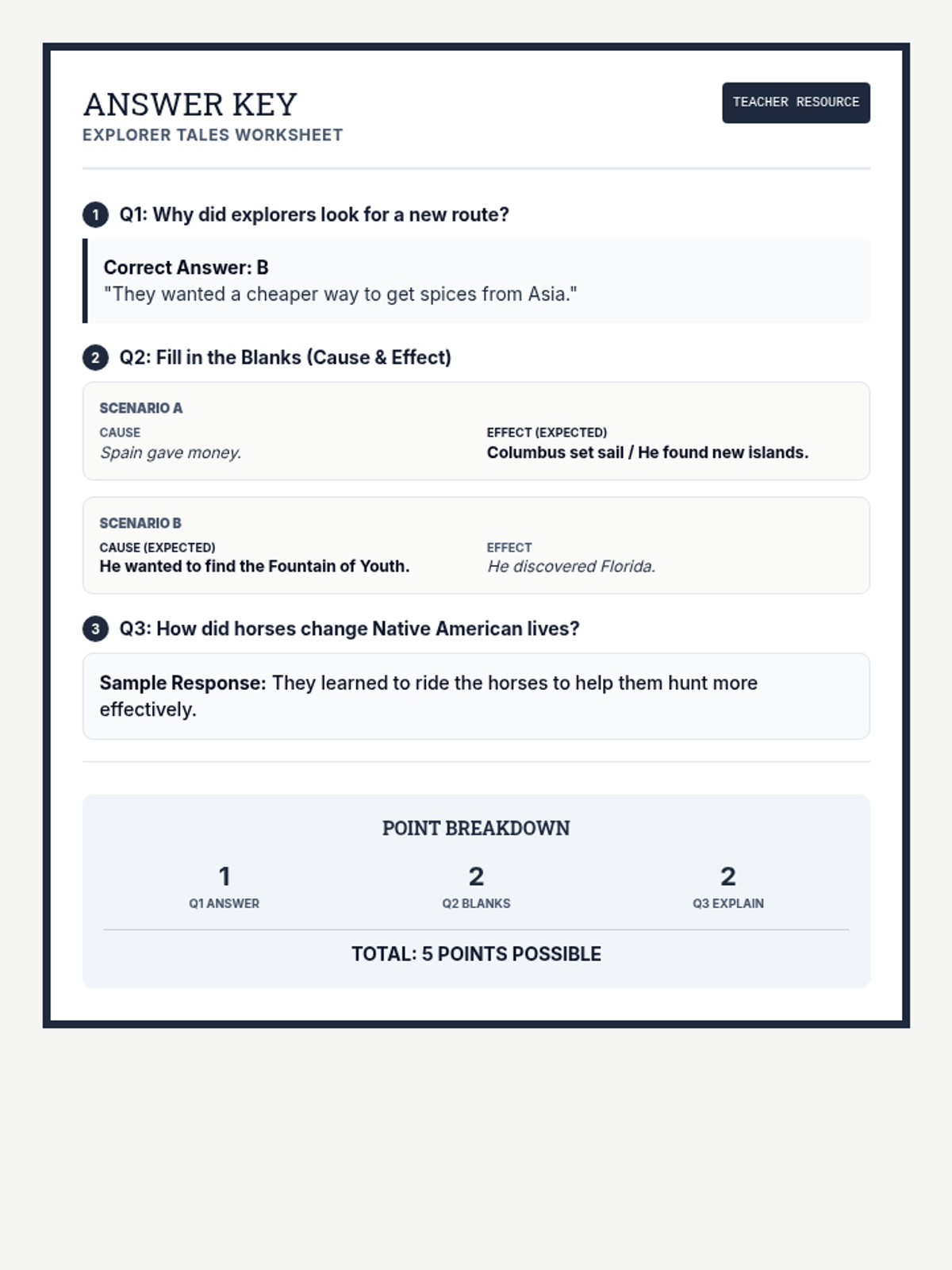
A lesson focused on European explorers of North America, specifically designed for third-grade students to practice identifying cause and effect relationships within informational texts.
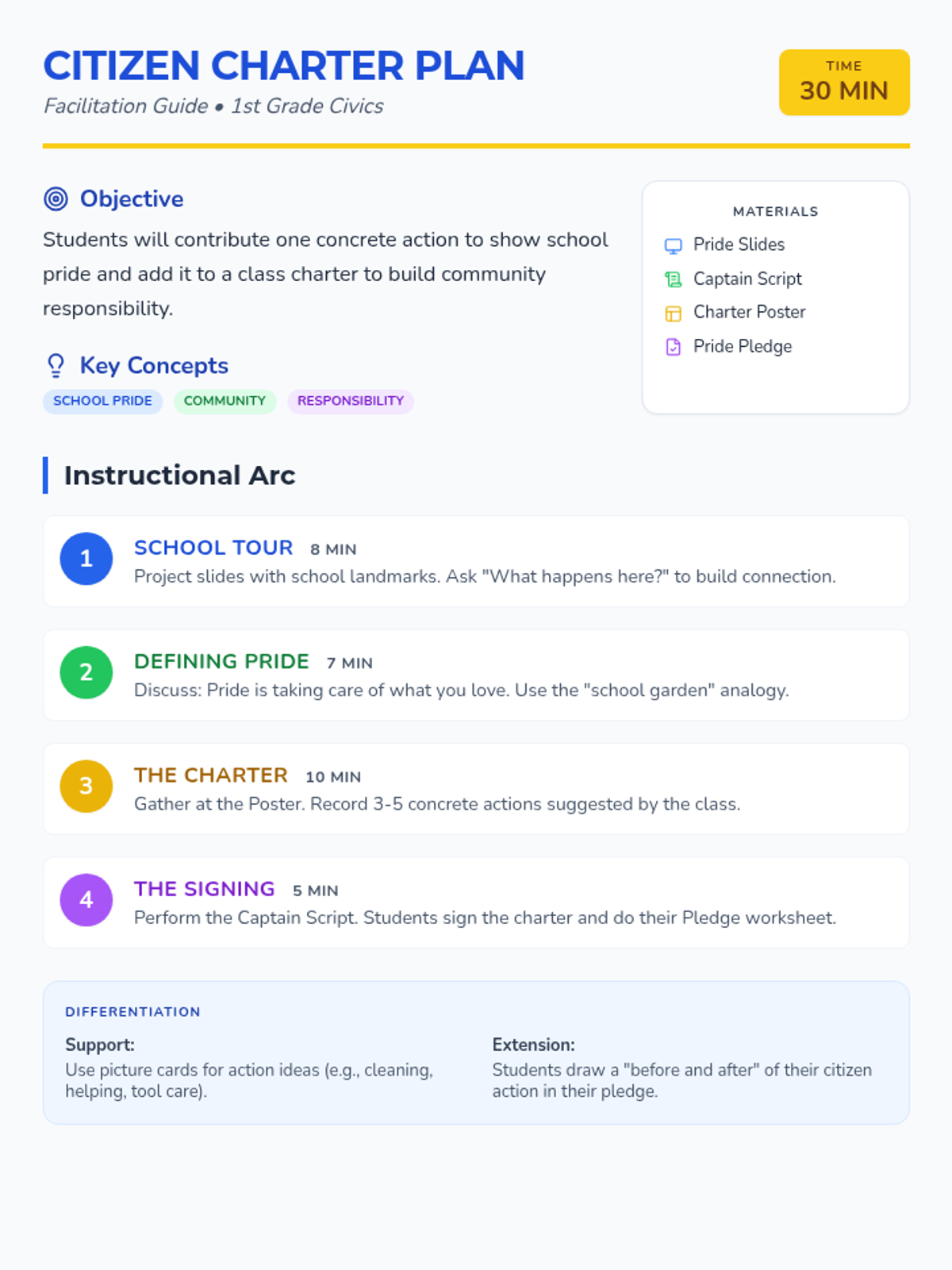
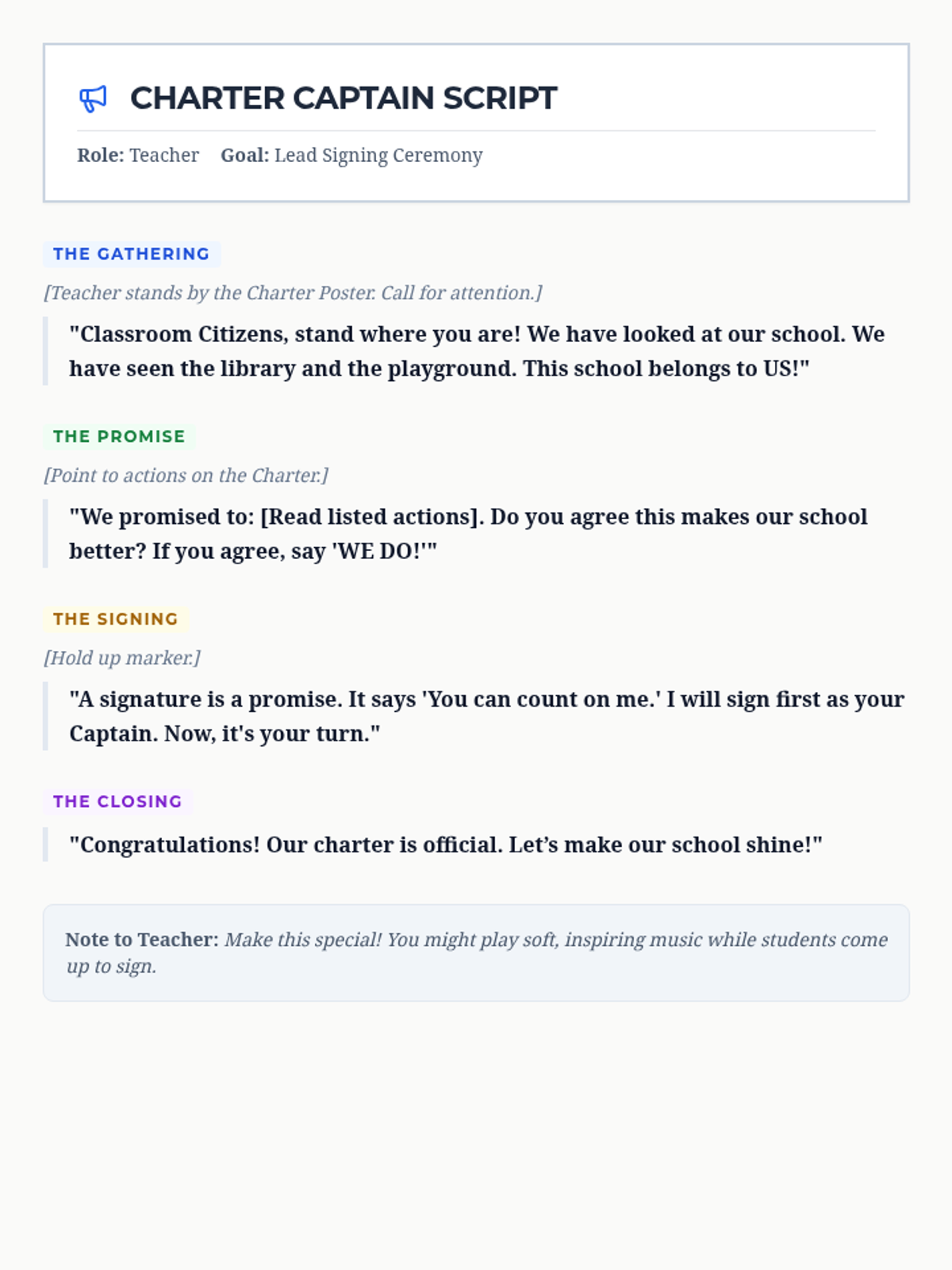
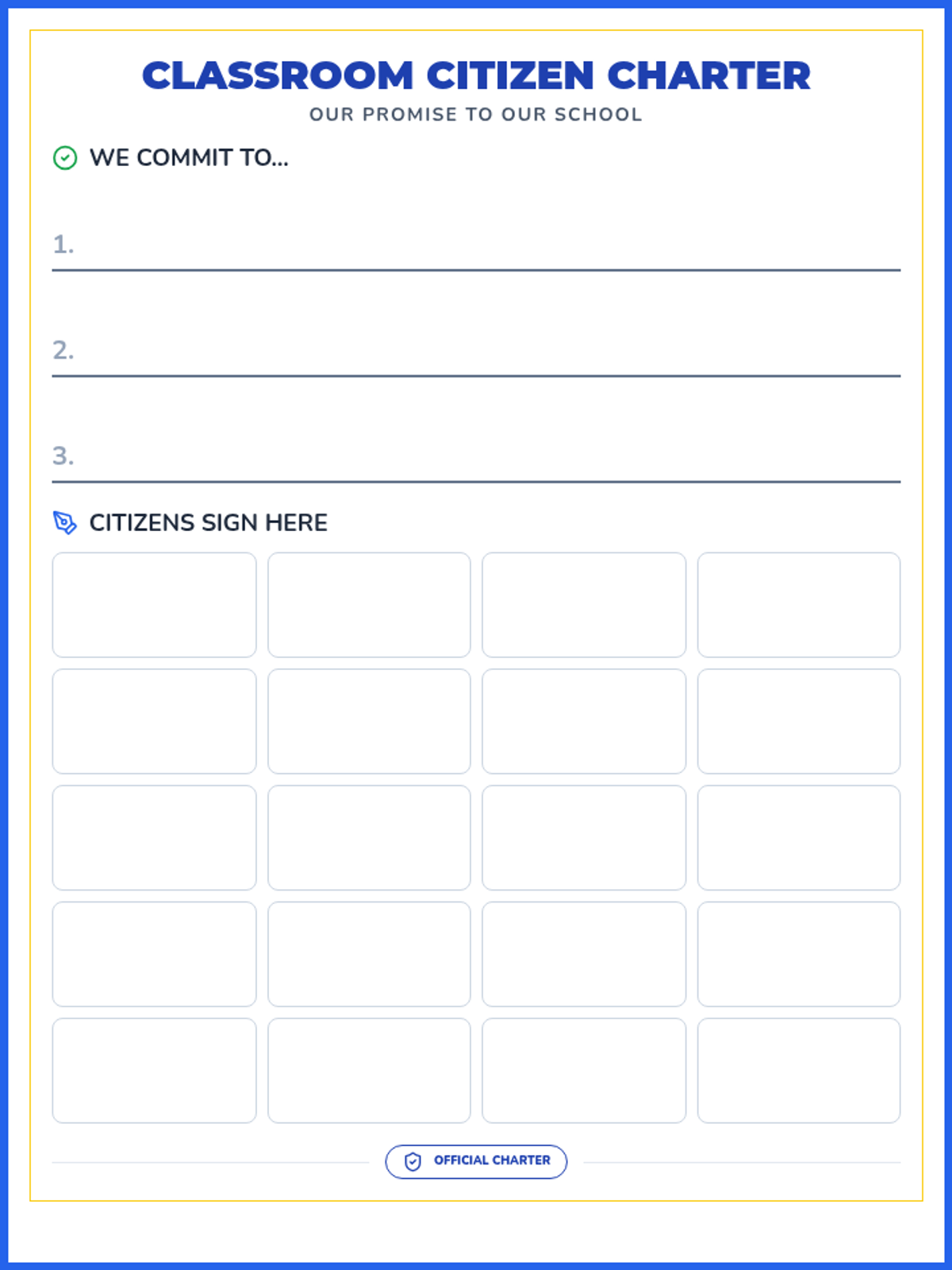
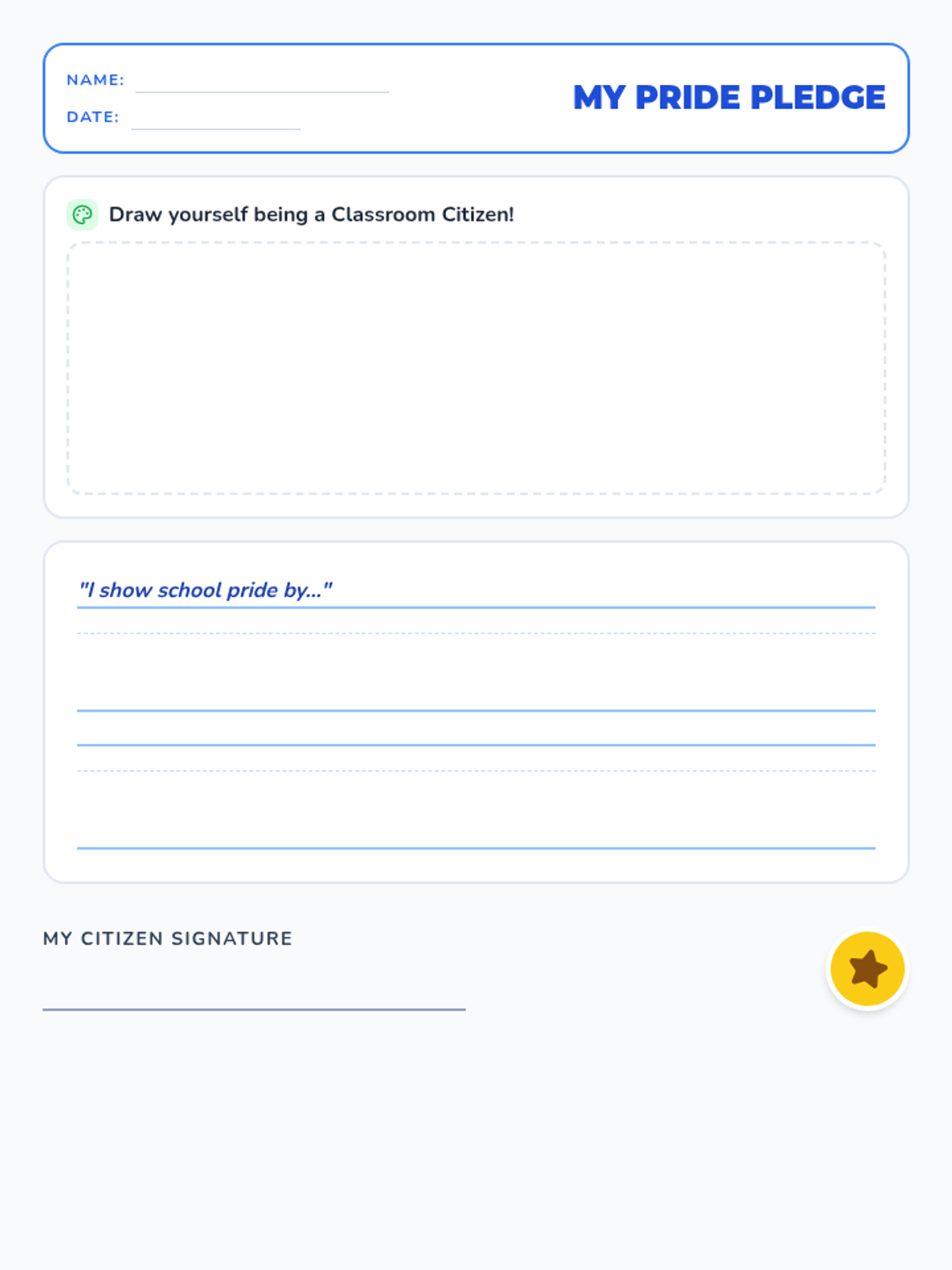
A 30-minute civics lesson for 1st graders focused on school pride and community responsibility. Students explore their school identity and commit to a concrete action for their Class Charter.
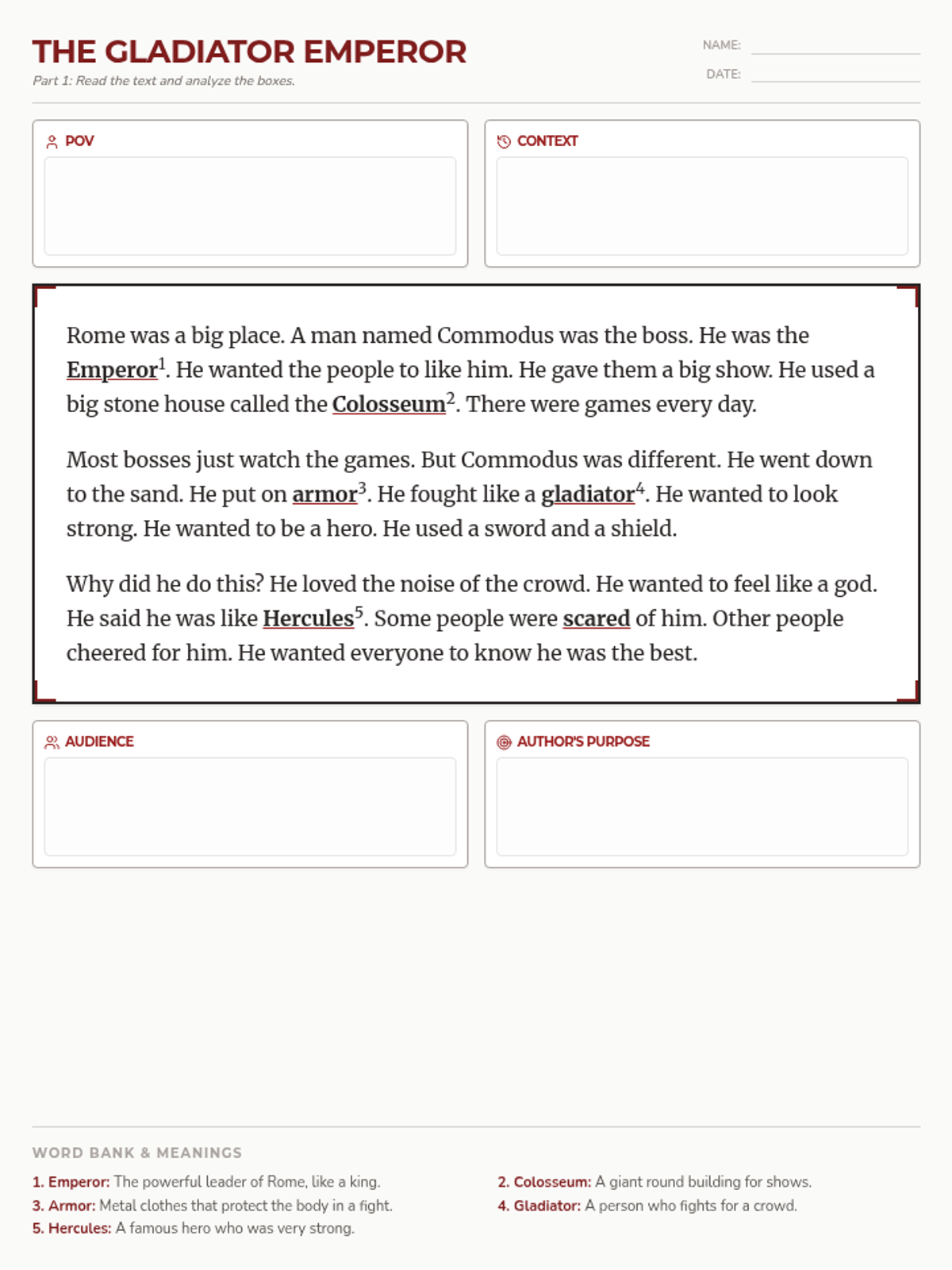
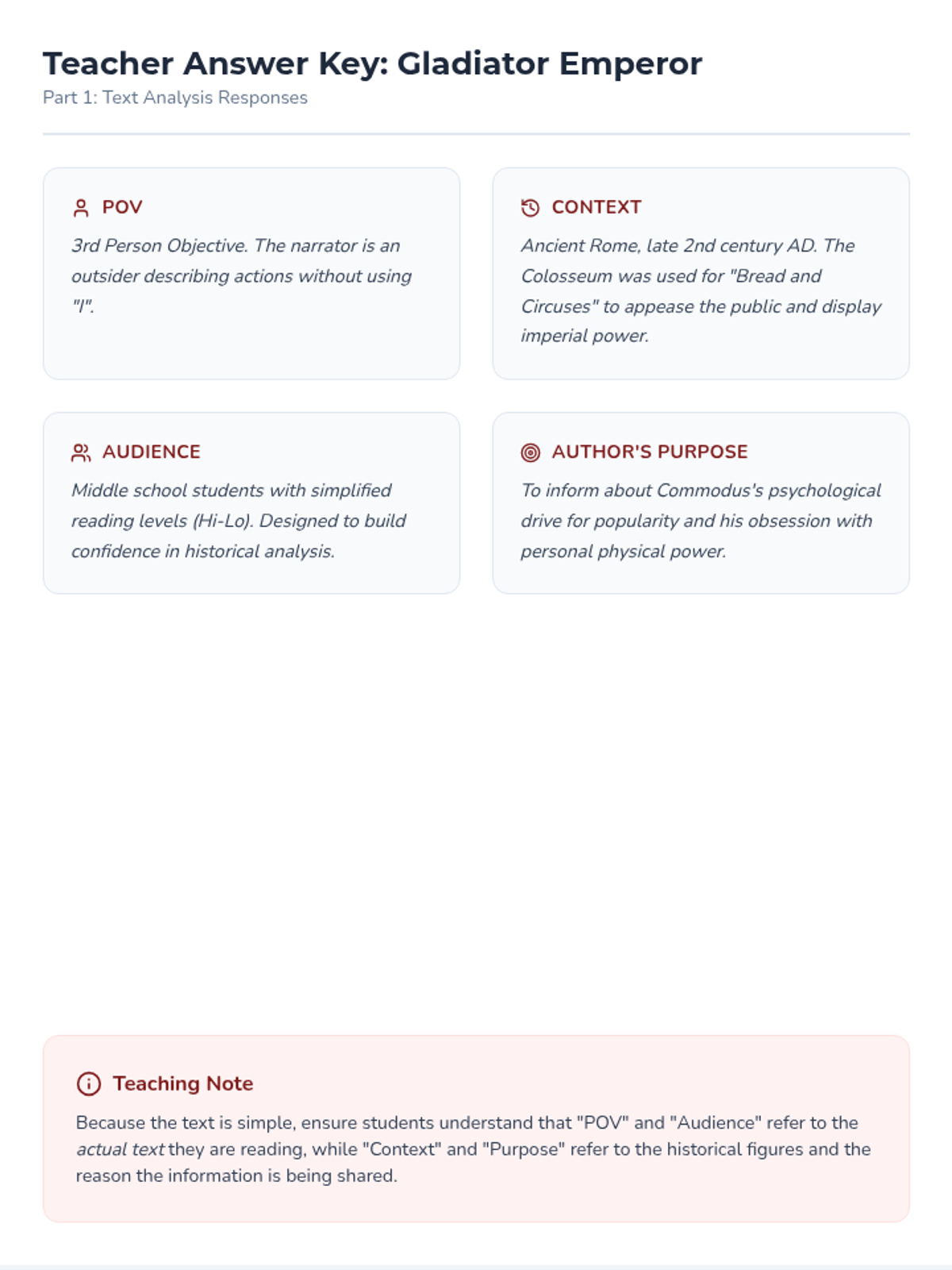
A lesson exploring the political and personal motivations of Emperor Commodus in the Roman Colosseum, designed for middle school students with differentiated reading levels.
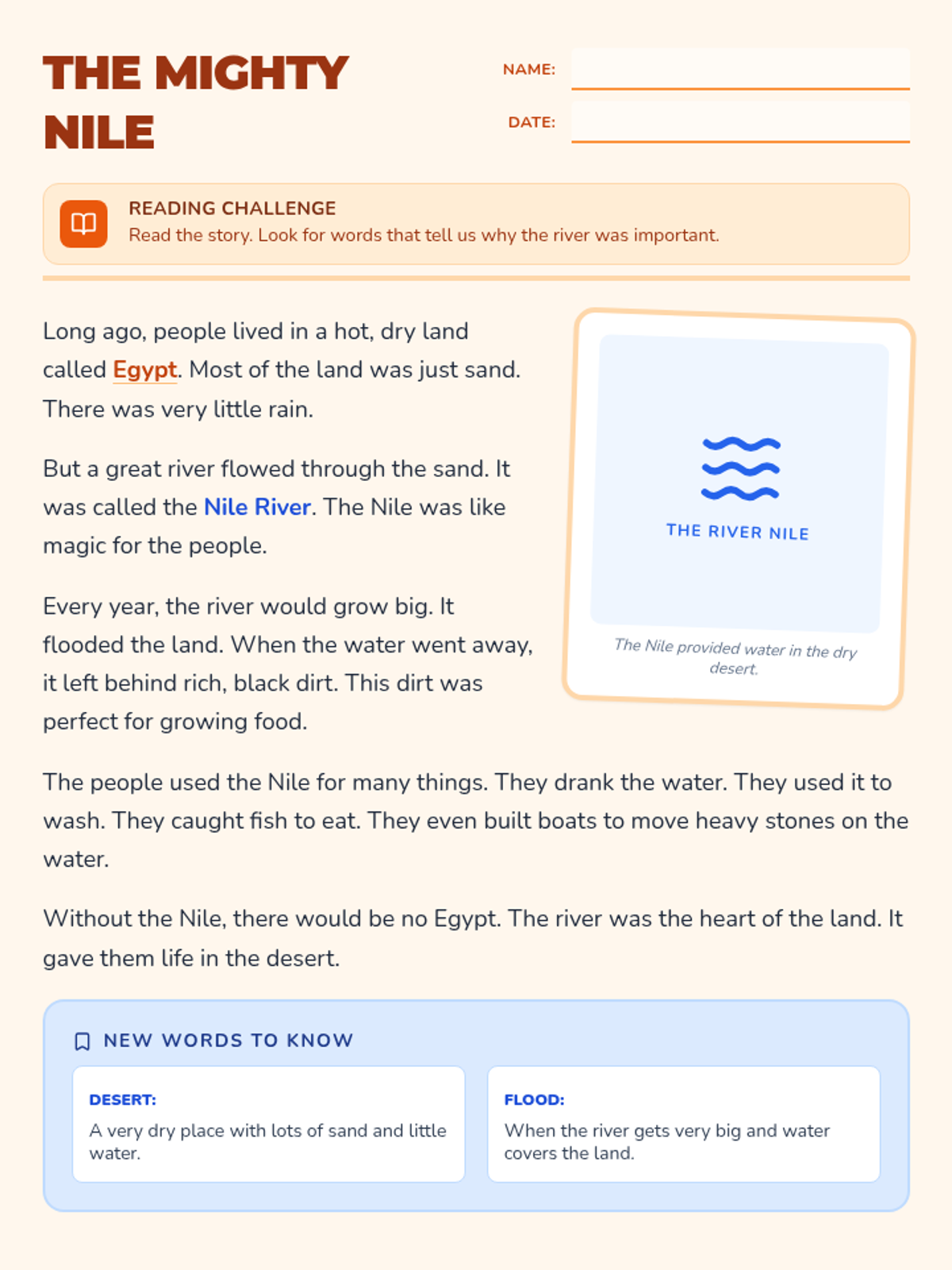
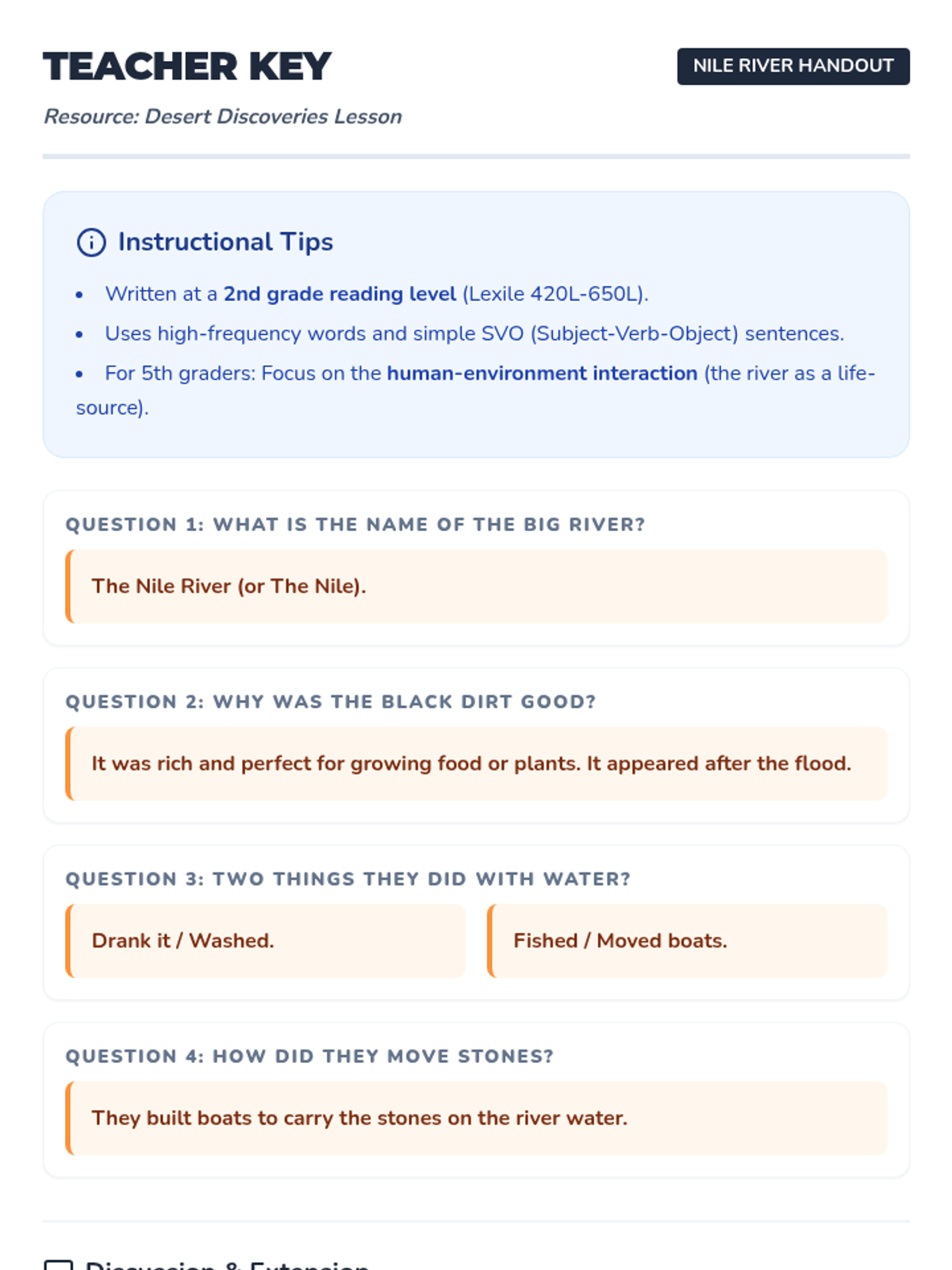
An introductory lesson on Ancient Egypt tailored for students reading at a 2nd-grade level, focusing on the importance of the Nile River for survival and civilization.
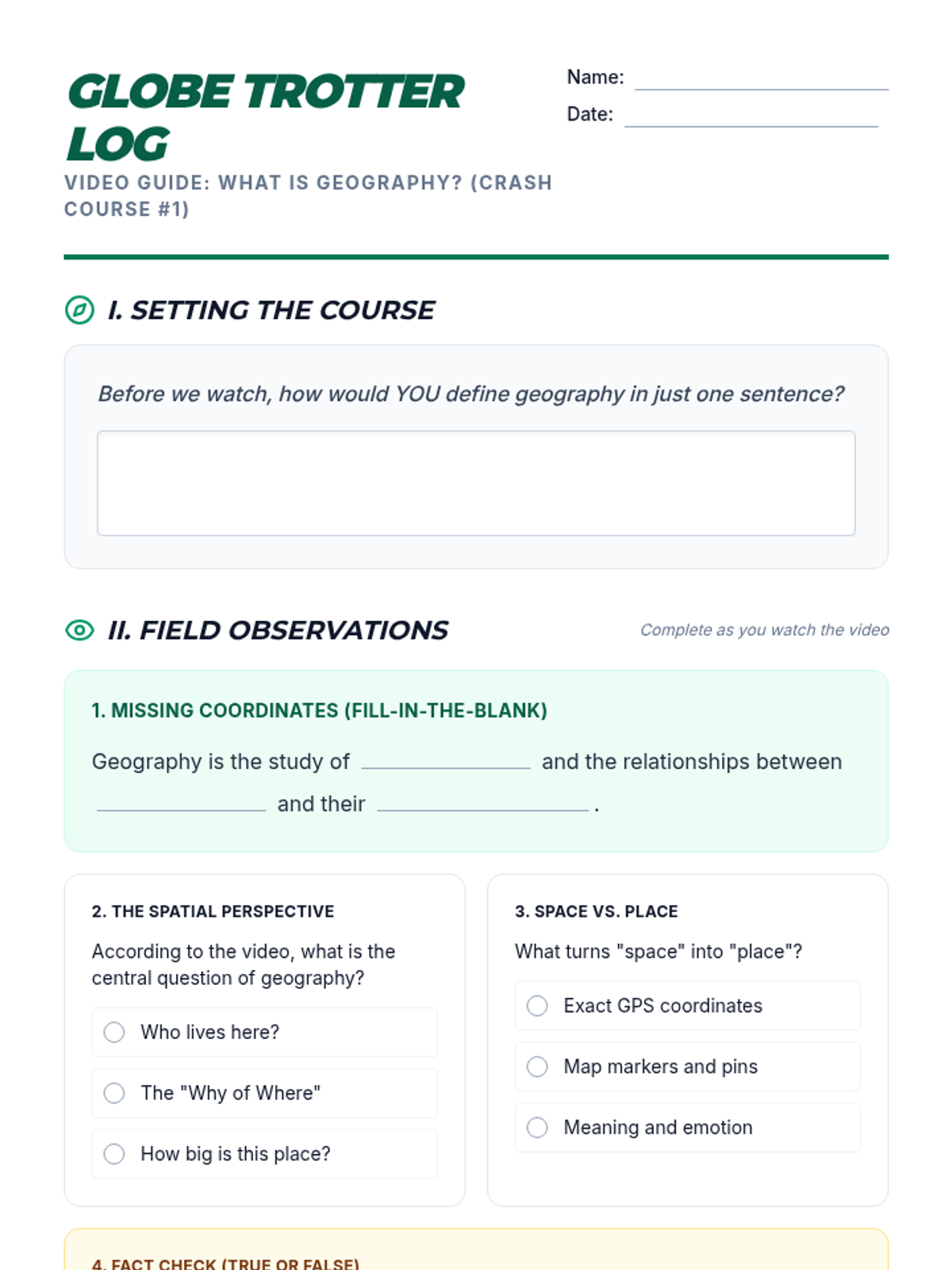
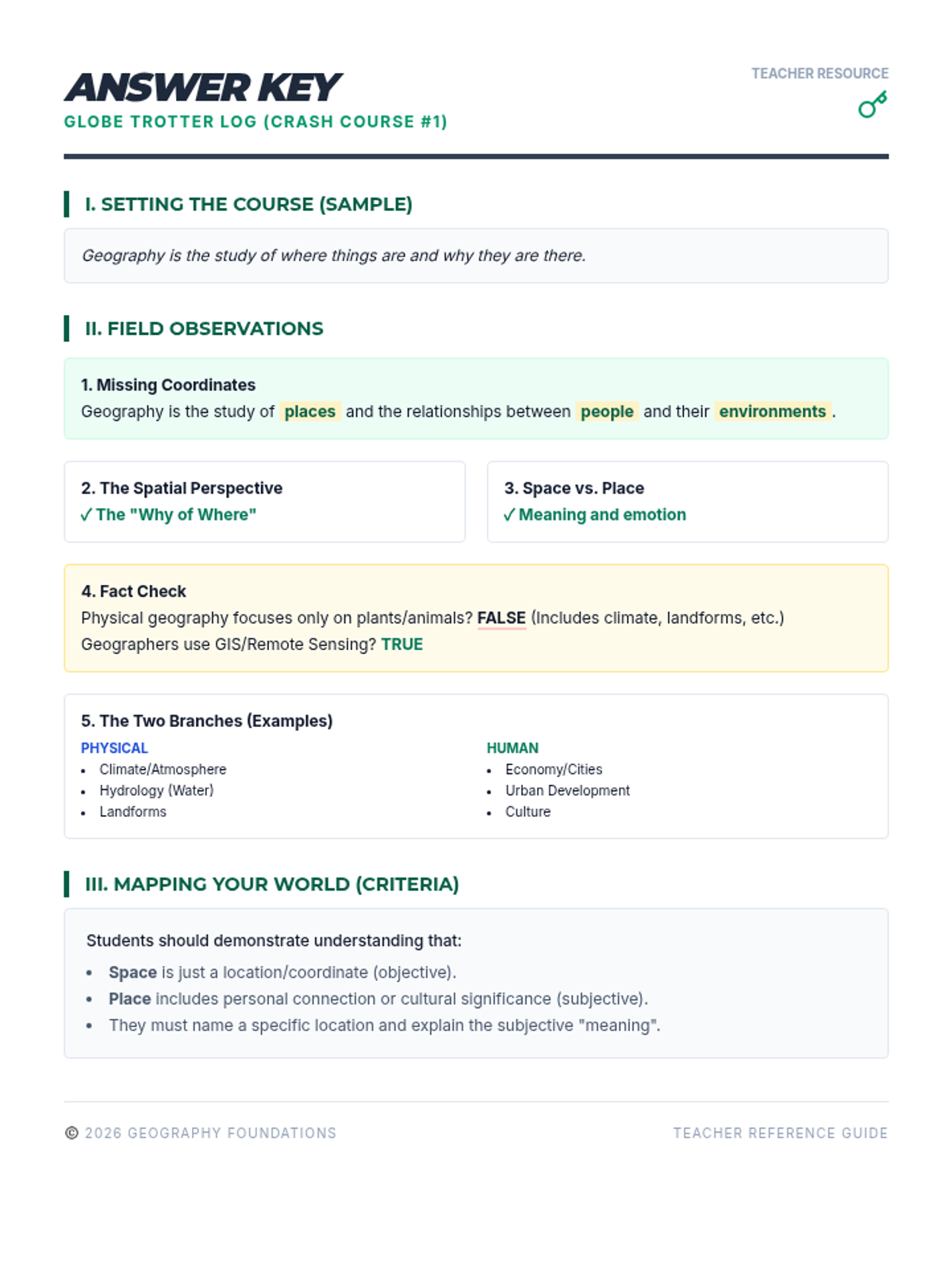
An introductory lesson exploring the core concepts of geography, including the spatial perspective, the difference between physical and human geography, and the fundamental 'why of where' based on Crash Course Geography #1.
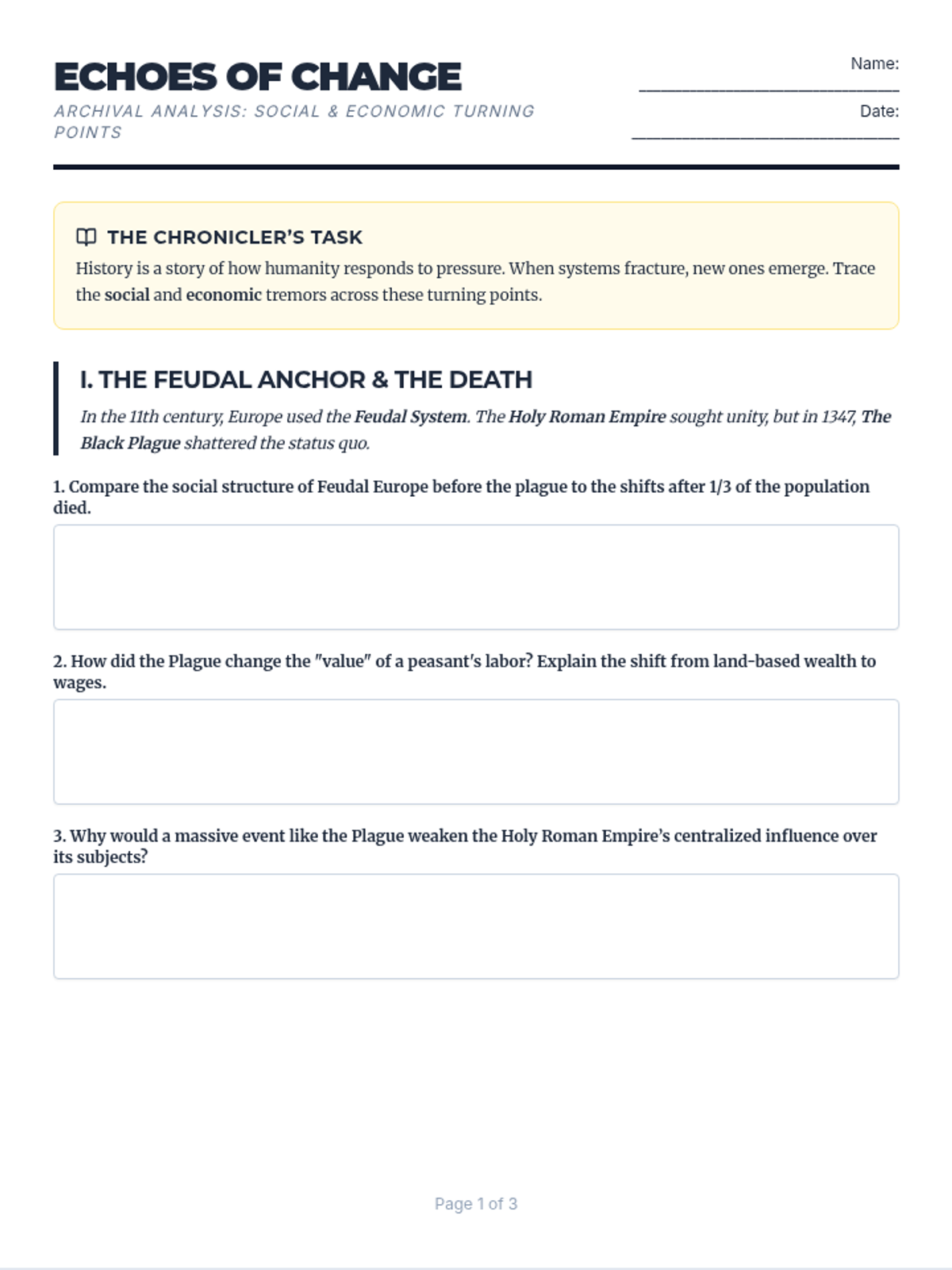
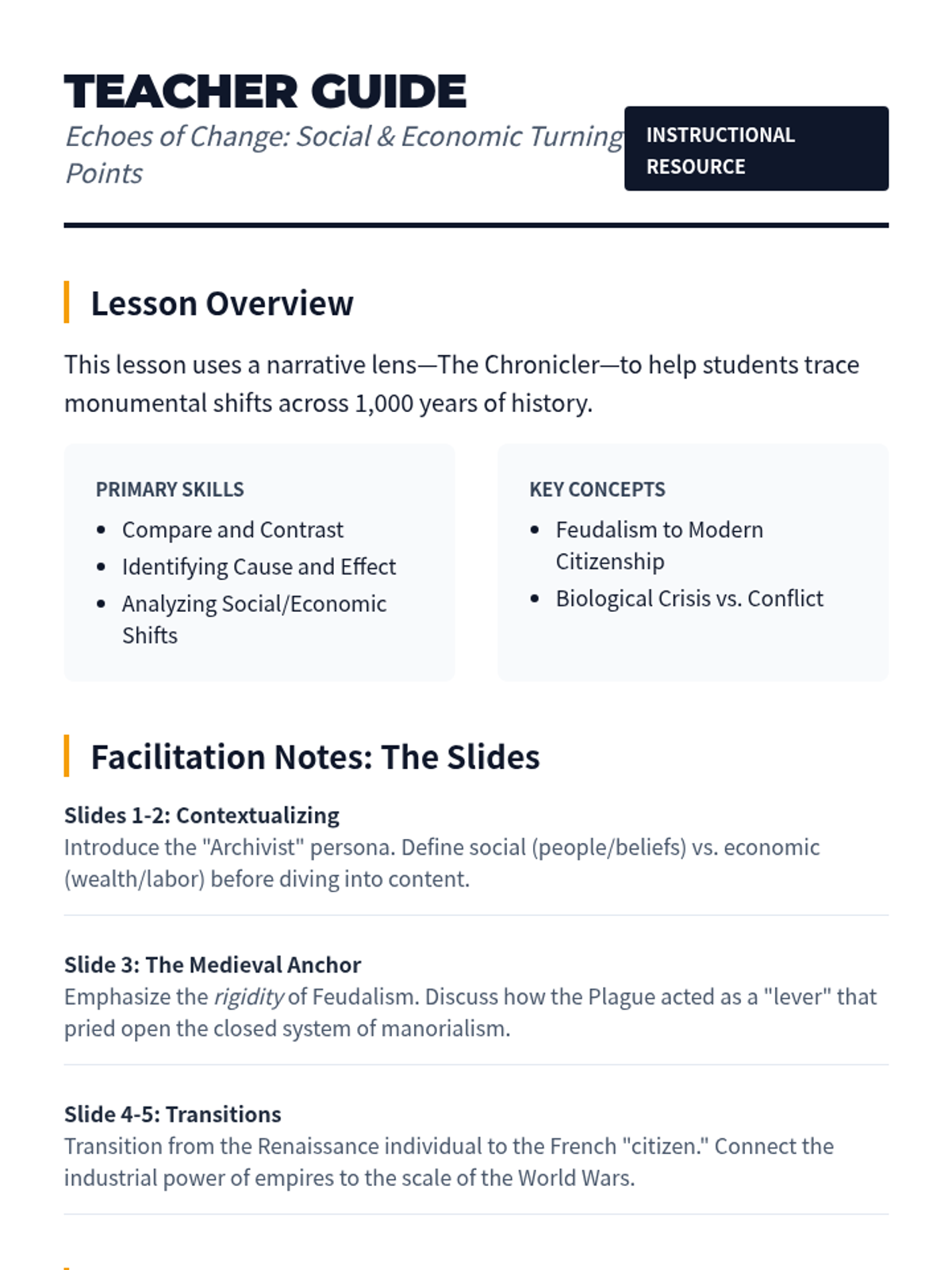
A comprehensive exploration of world-shaping historical events from the Middle Ages to the 20th century, focusing on the social and economic shifts that defined humanity's path. Students will use a narrative framework to analyze and compare the impact of plagues, empires, and revolutions.
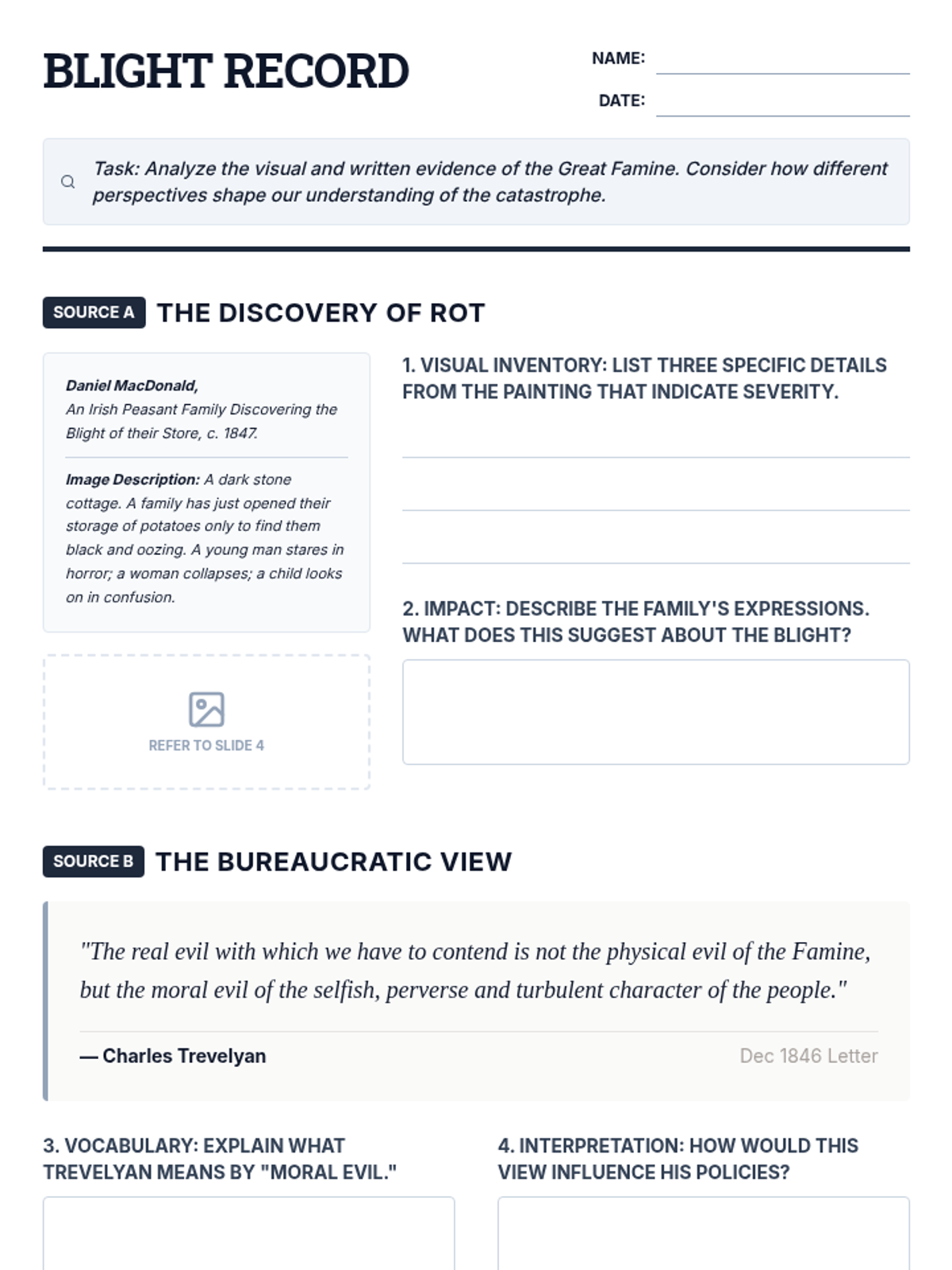
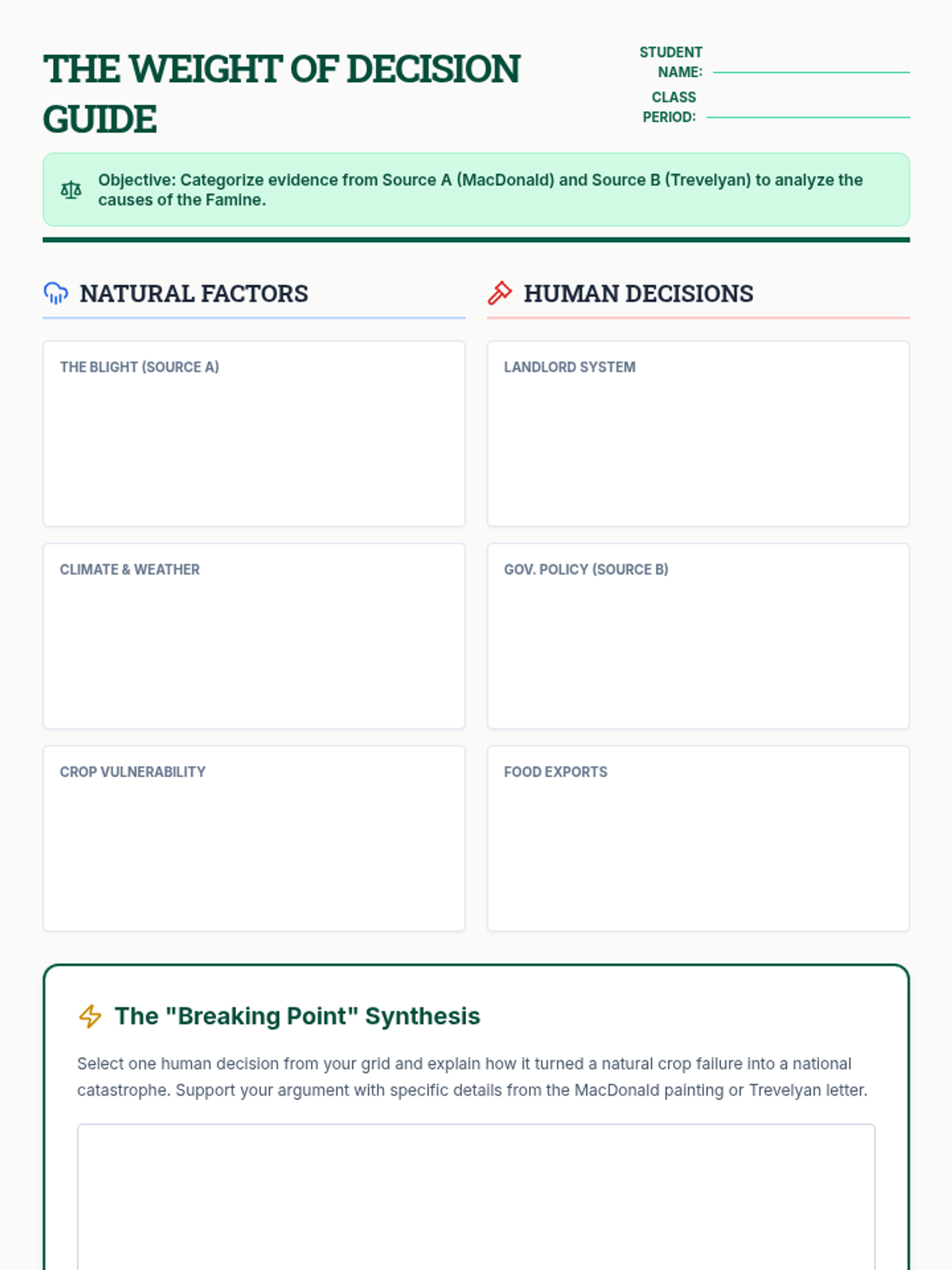
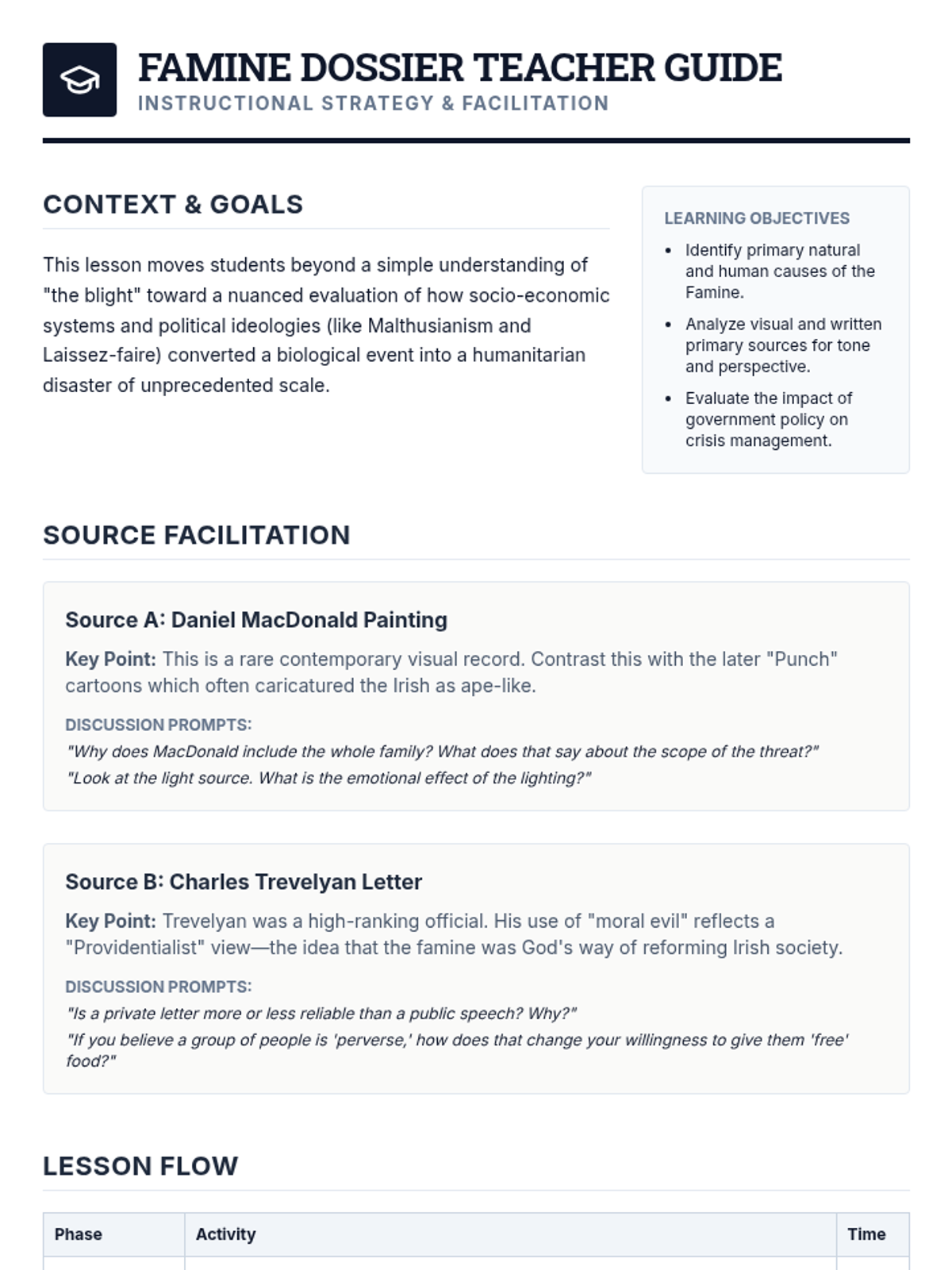
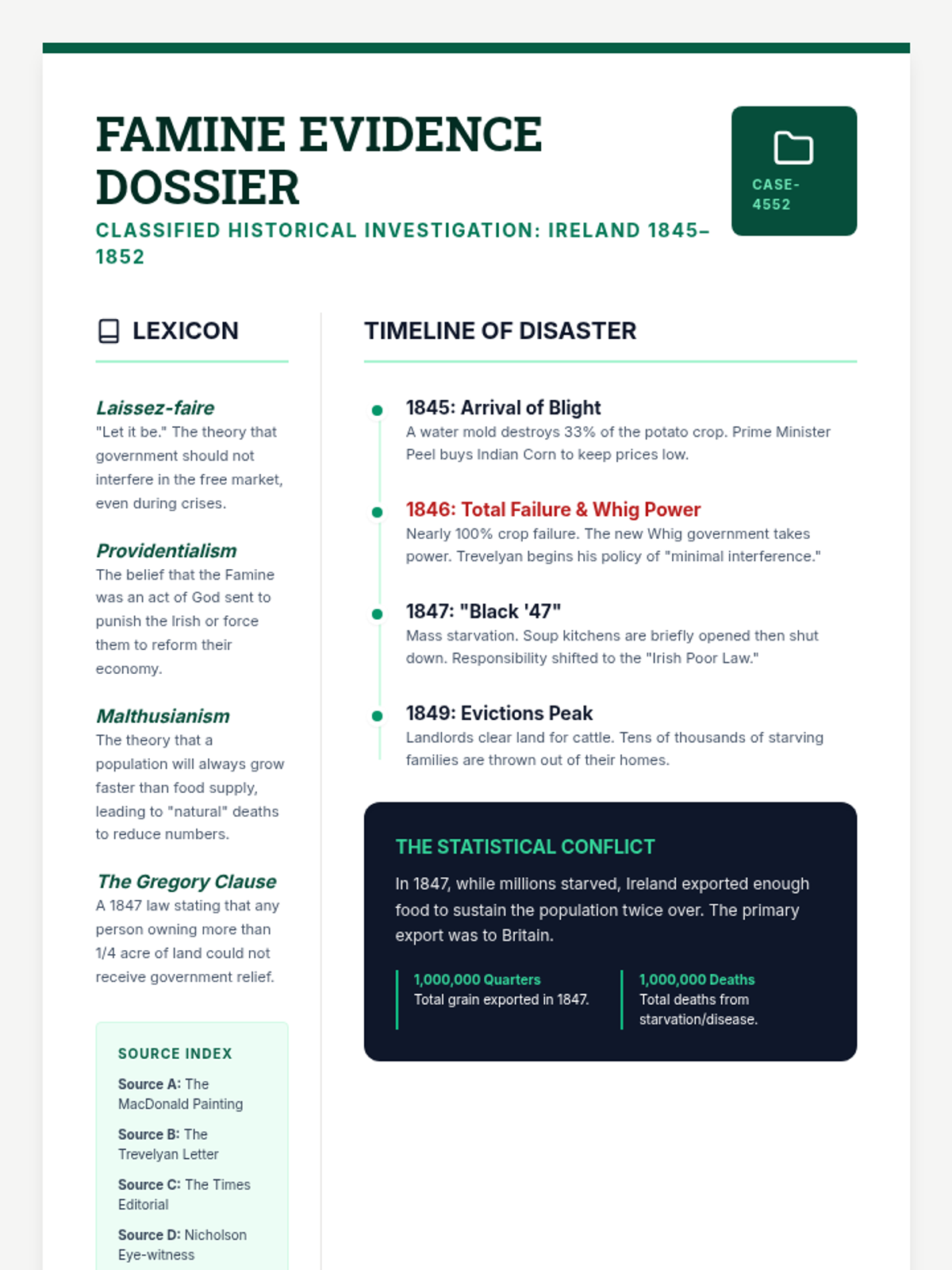
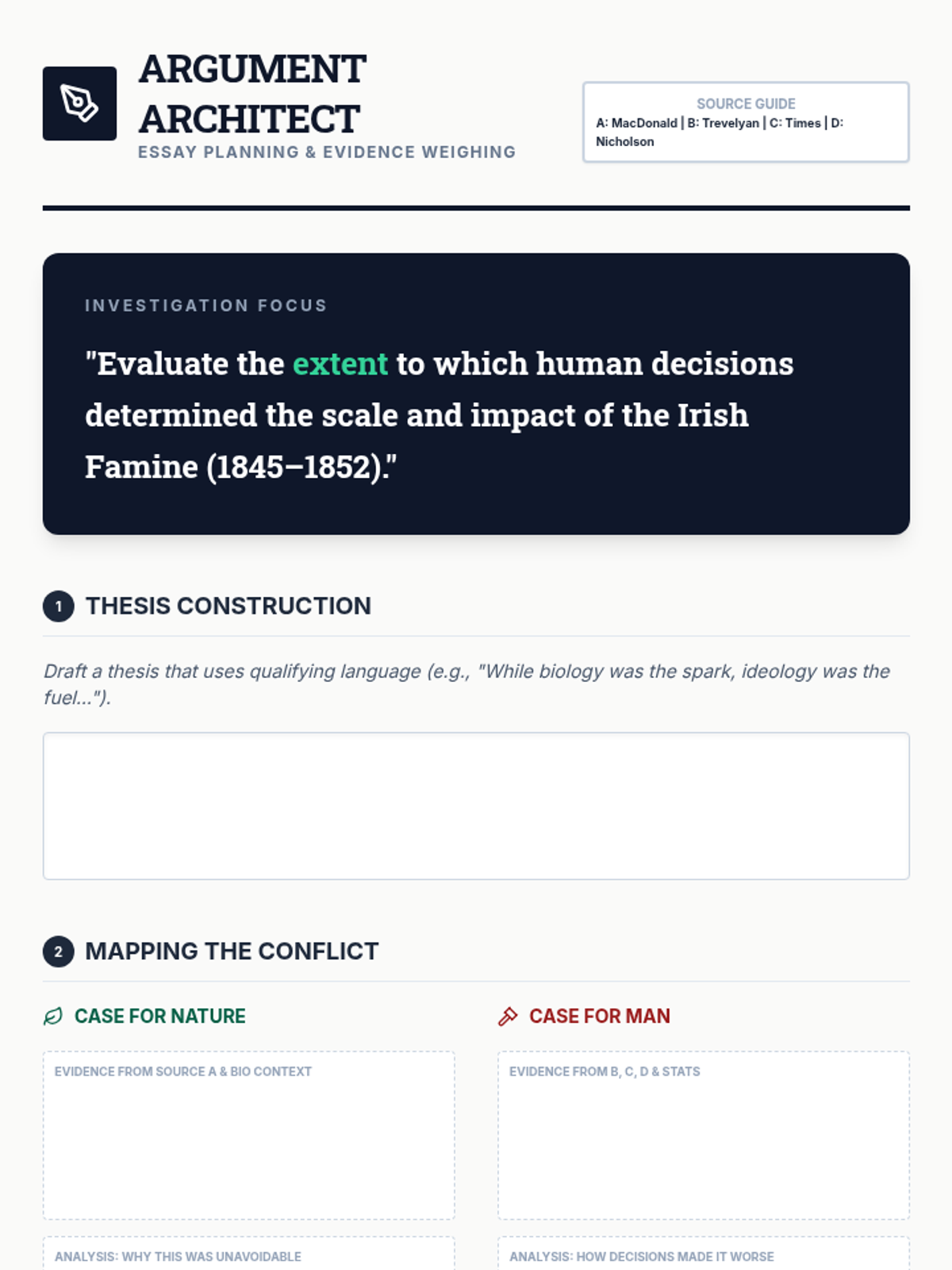
A comprehensive investigation into the Great Irish Famine, examining the intersection of biological catastrophe and political decision-making. Students analyze primary sources to evaluate the relative weight of natural and human factors in the tragedy.
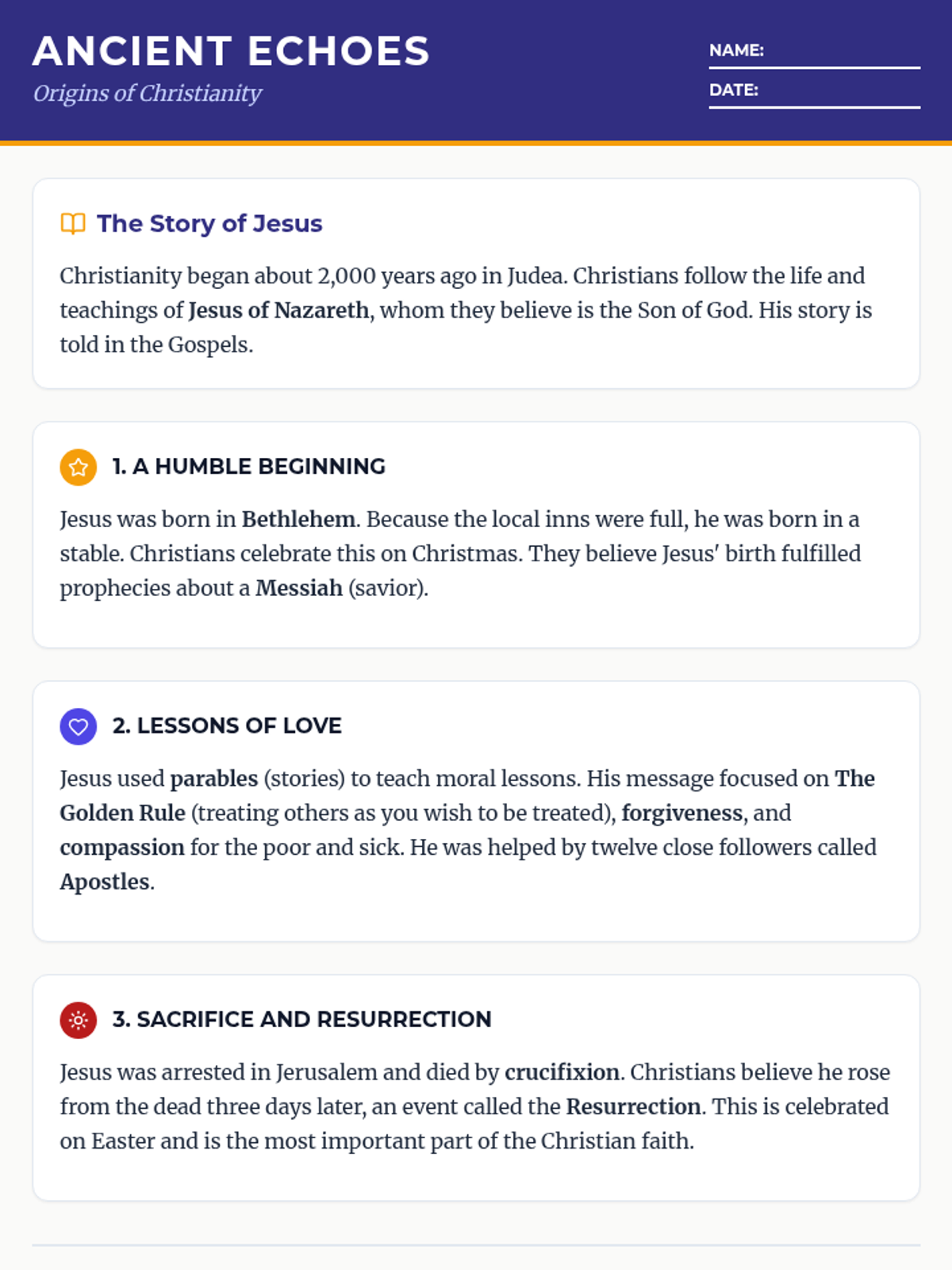
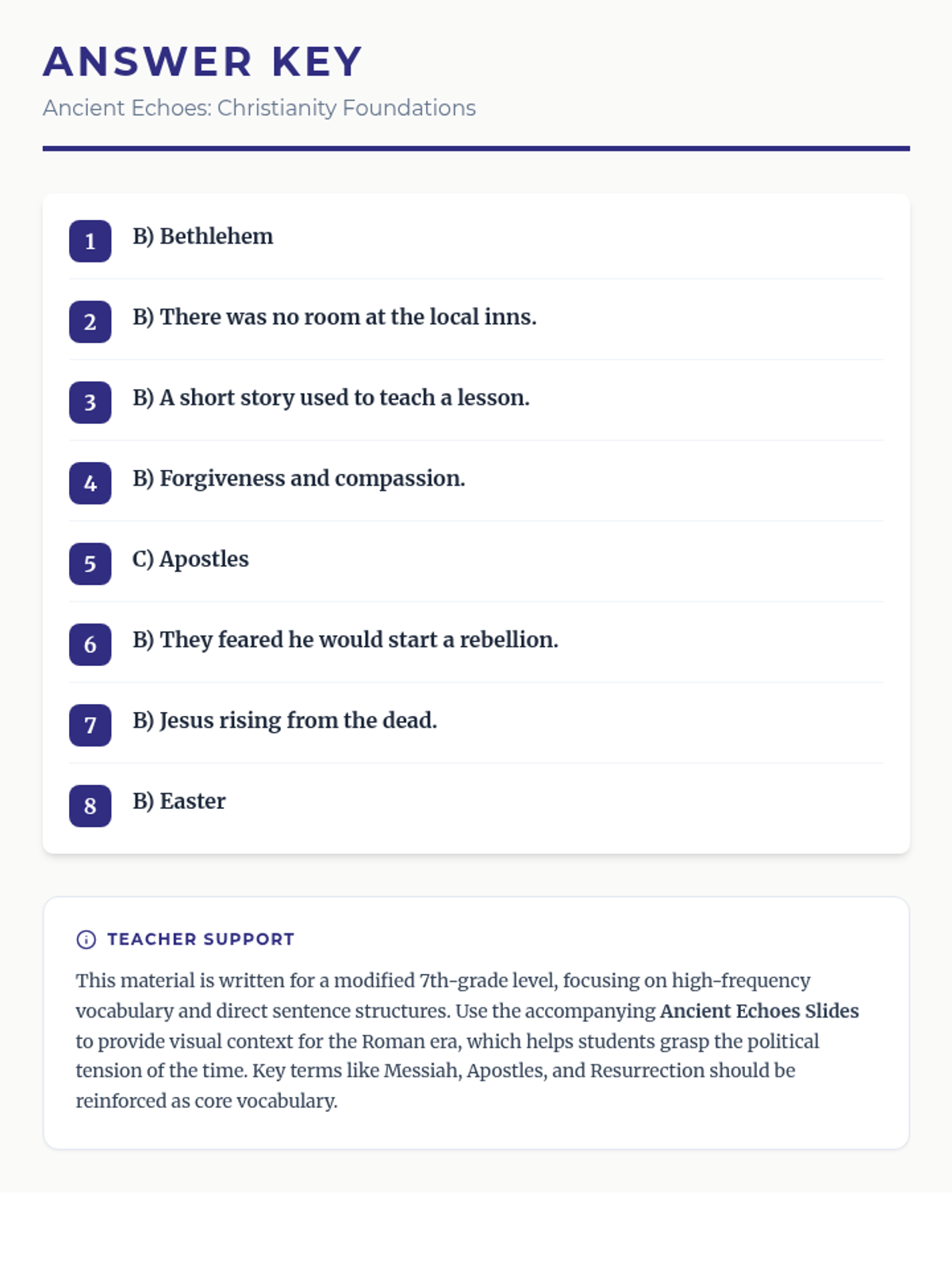
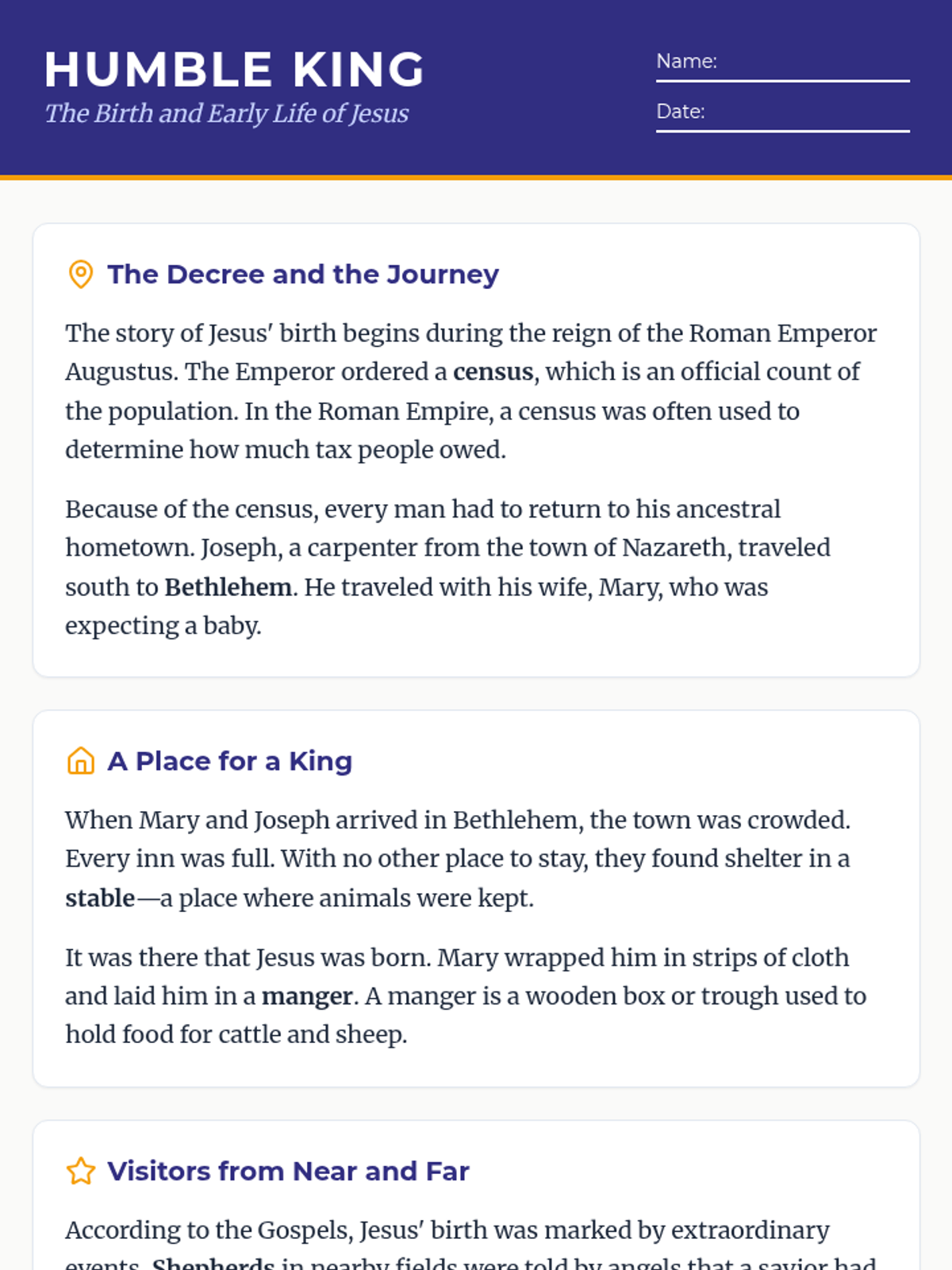
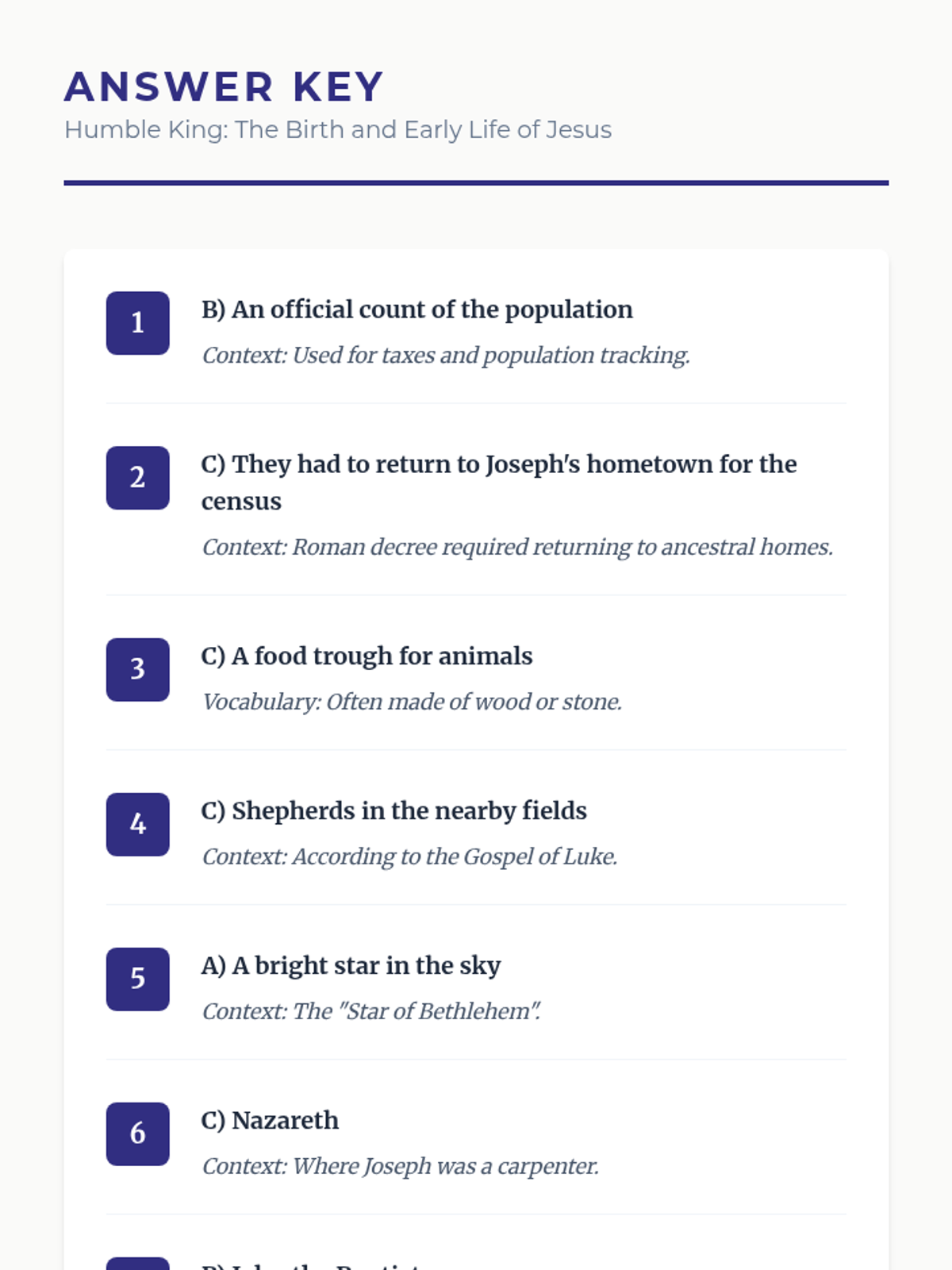
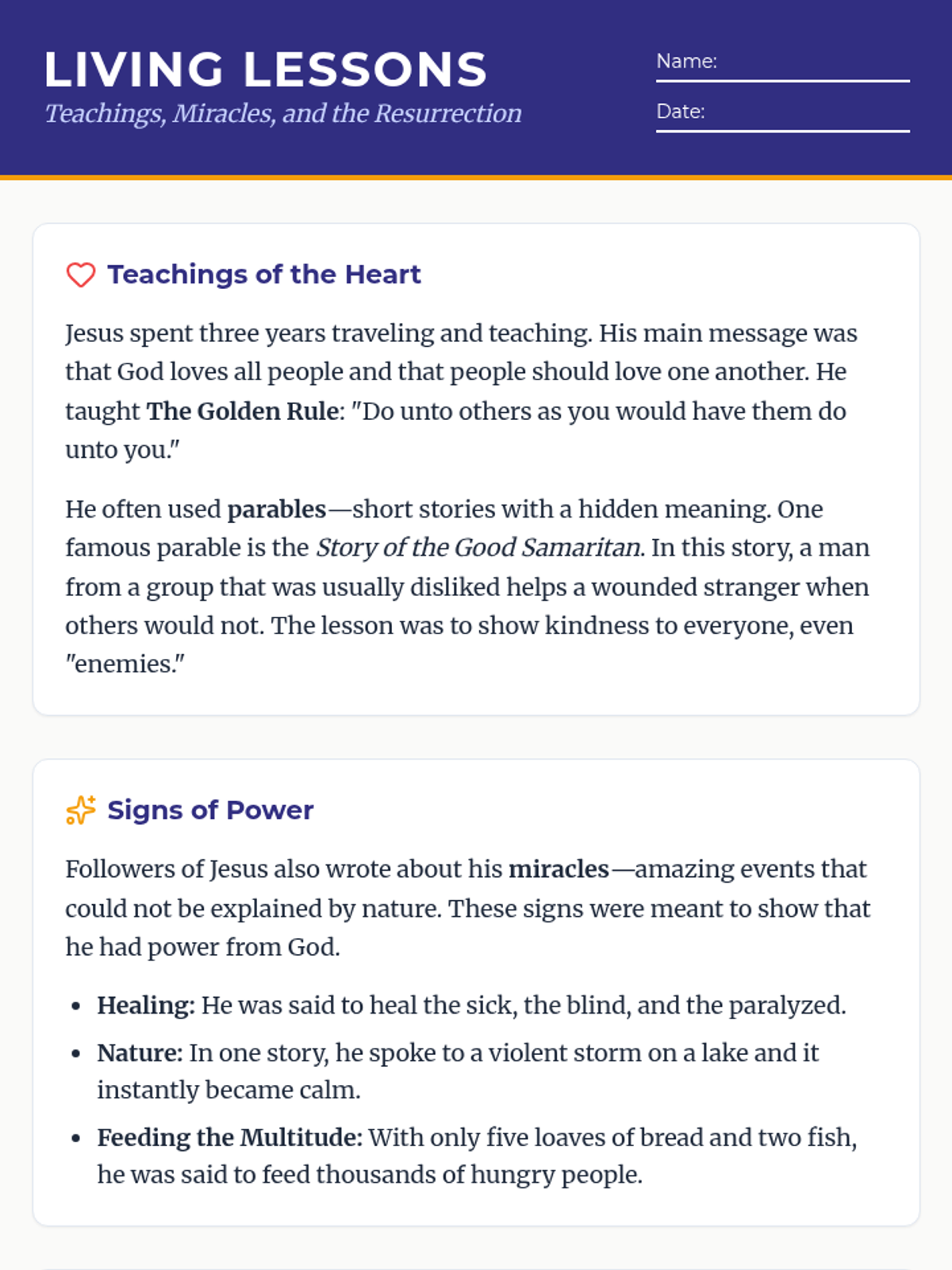
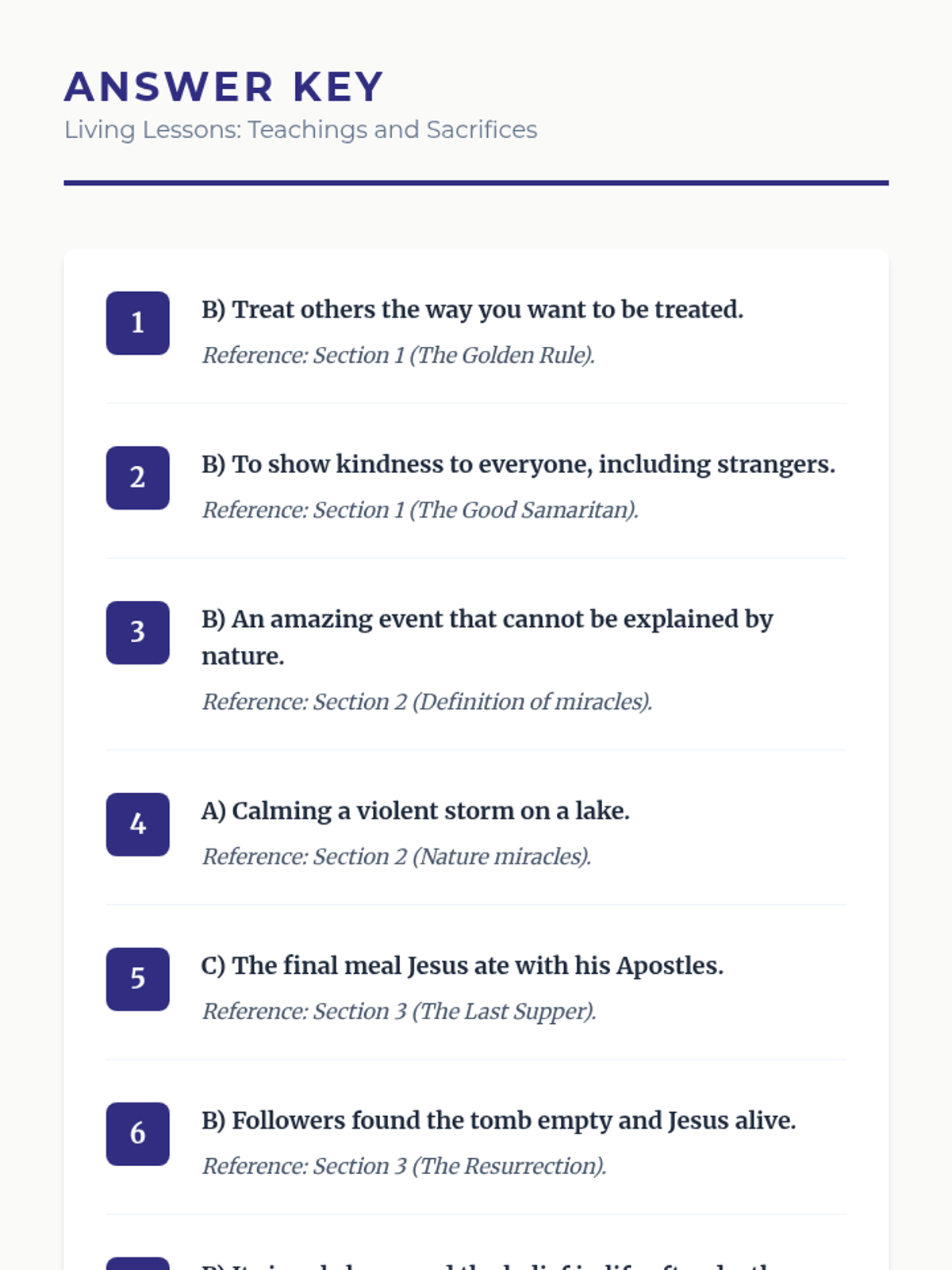
A lesson exploring the foundational narratives of Christianity, focusing on the life and teachings of Jesus of Nazareth at a modified 7th-grade reading level.
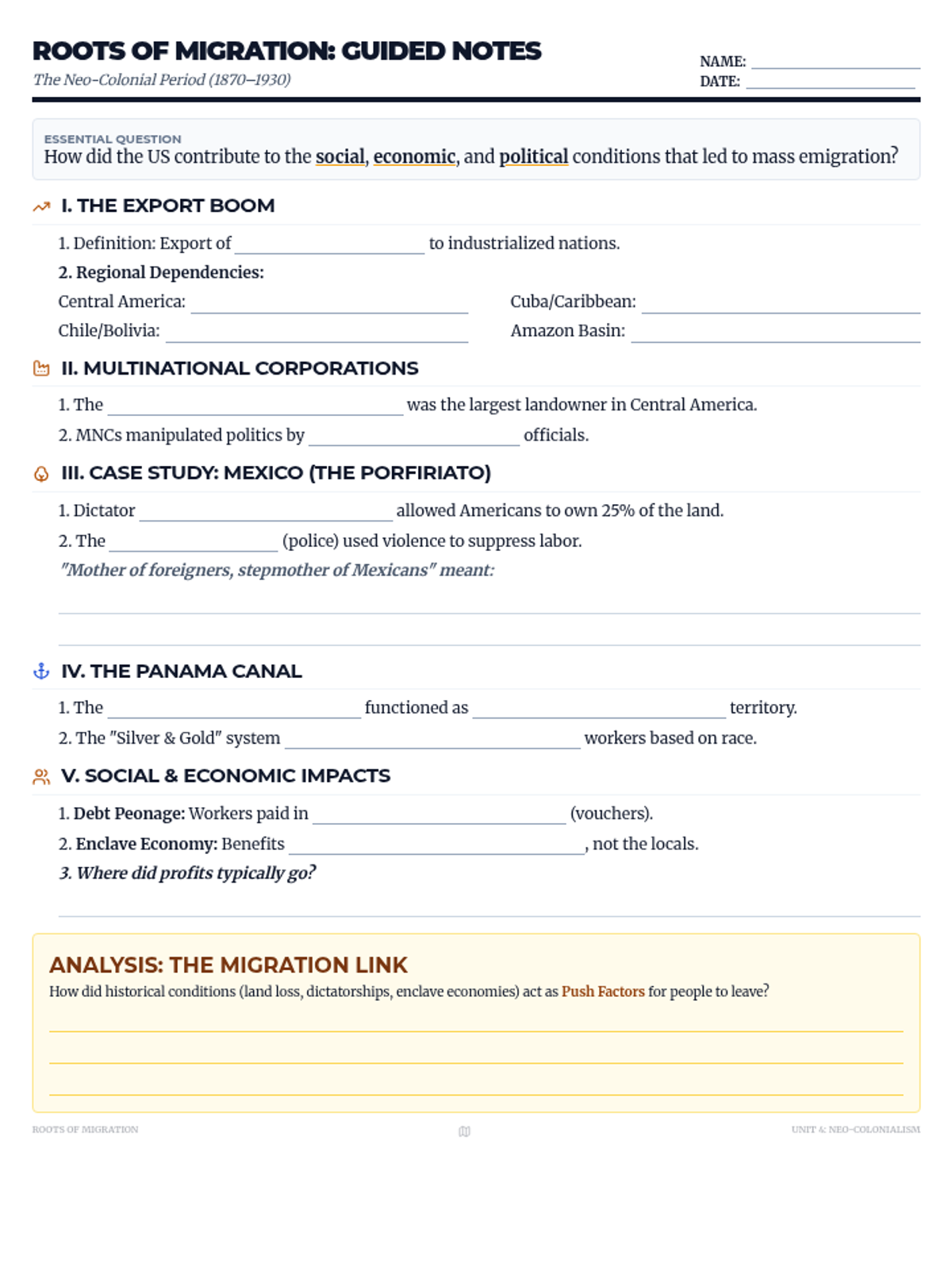
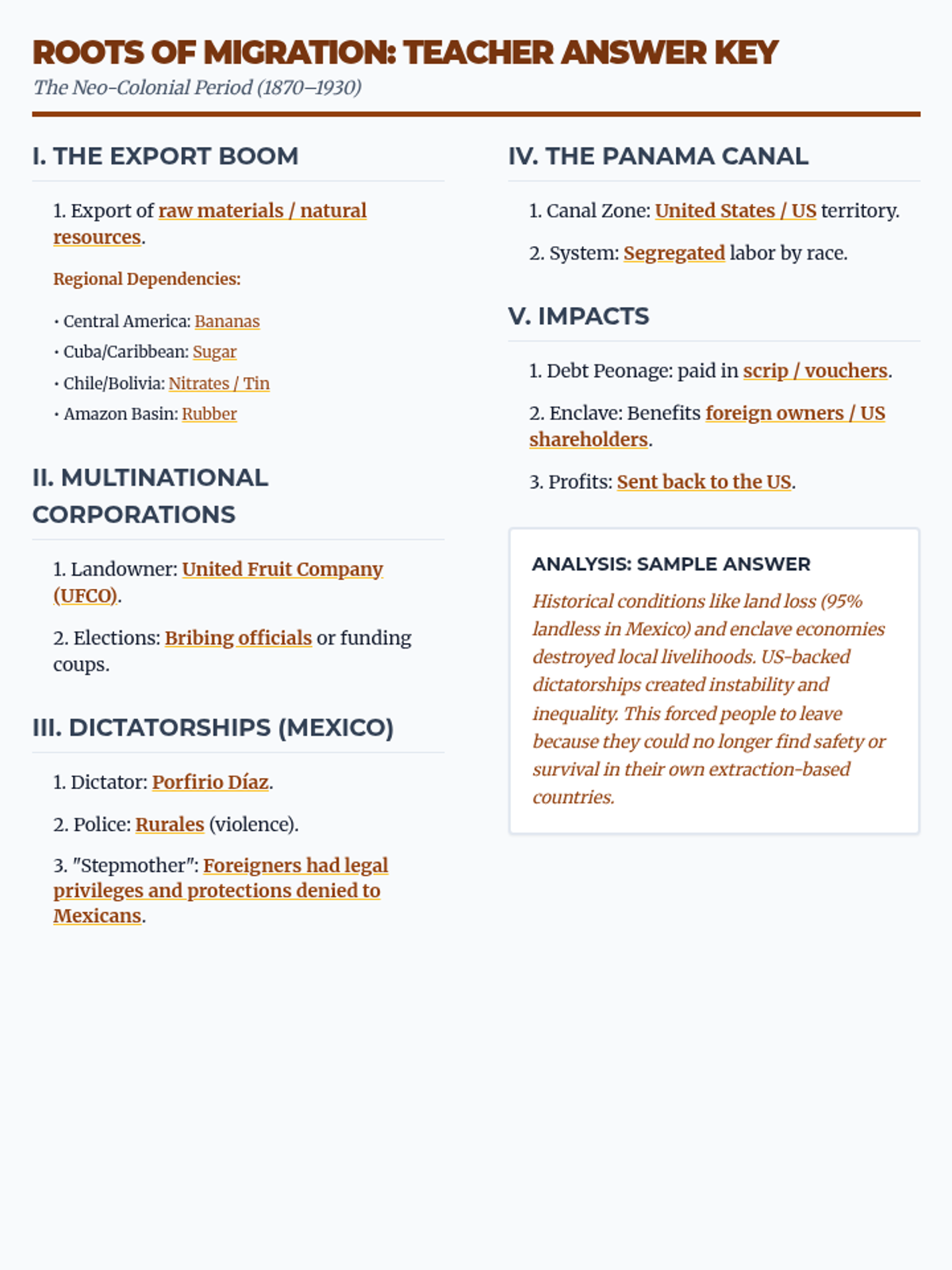
A lesson exploring the neo-Colonial Period in Latin America (1870-1930), focusing on how US economic and political influence via multinational corporations created the conditions for long-term migration patterns.
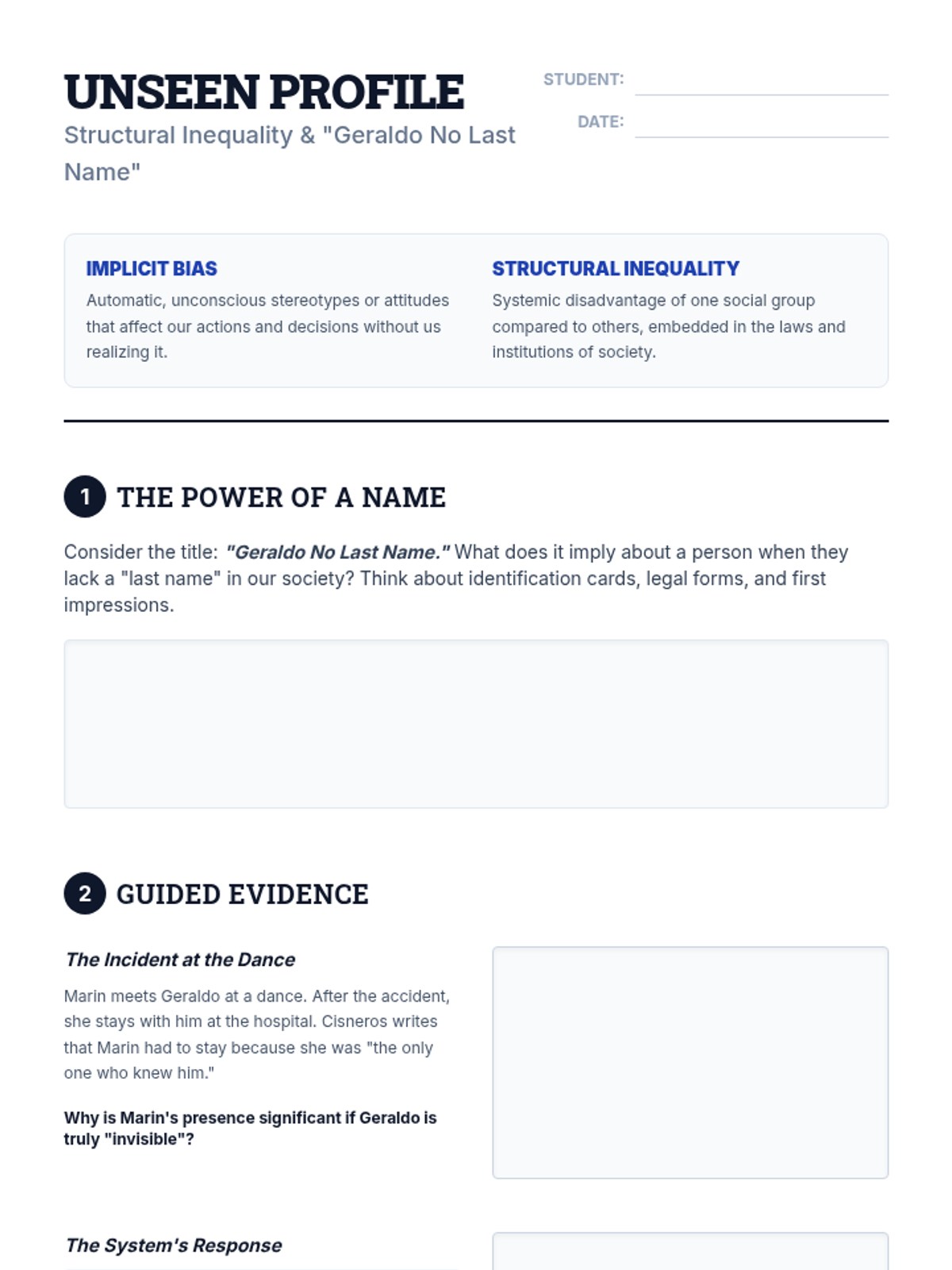
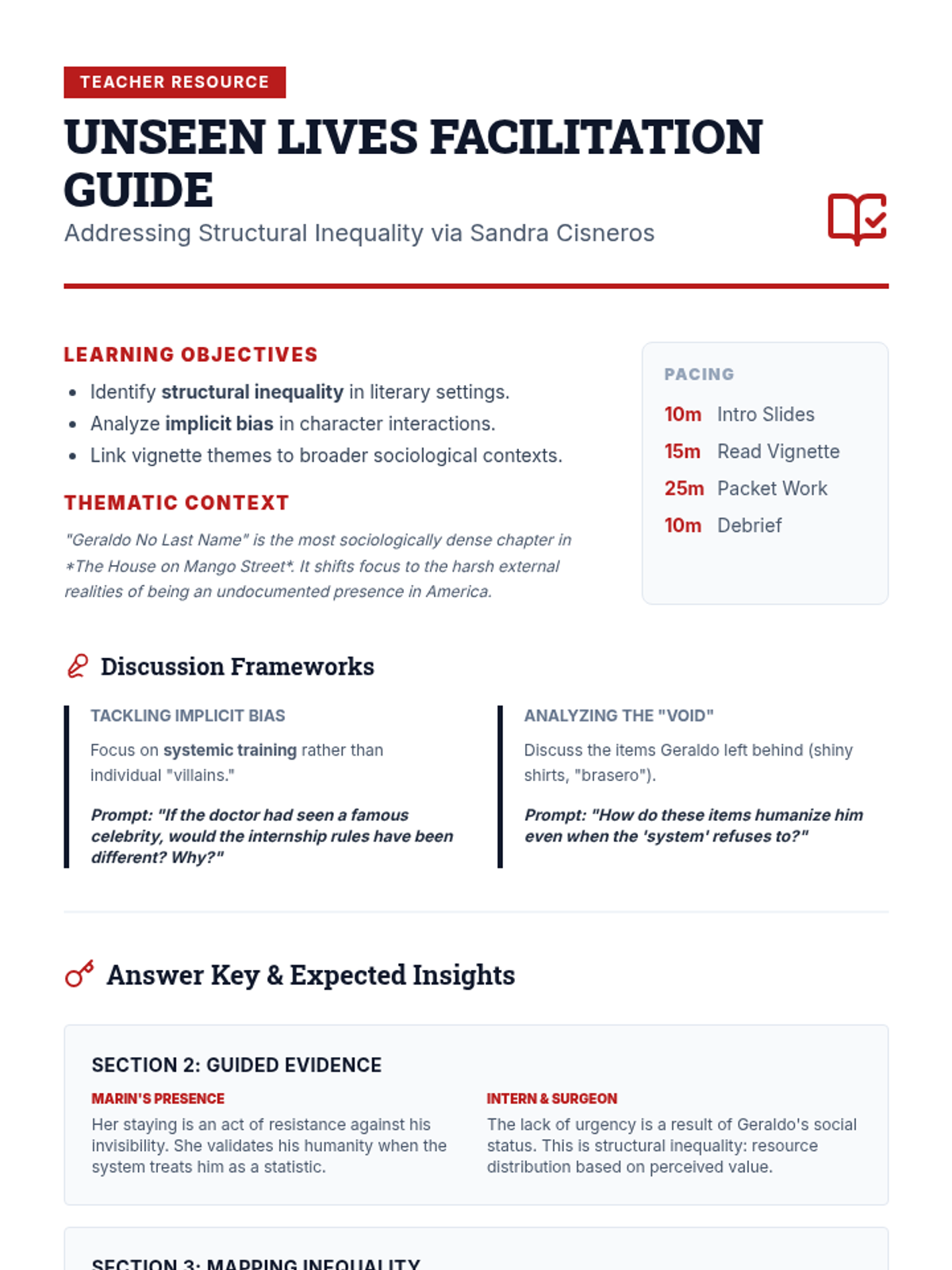
A deep dive into Sandra Cisneros's 'Geraldo No Last Name,' examining how structural inequality and implicit bias render individuals invisible within society. Students will analyze the vignette to understand the systemic forces at play in the characters' lives.
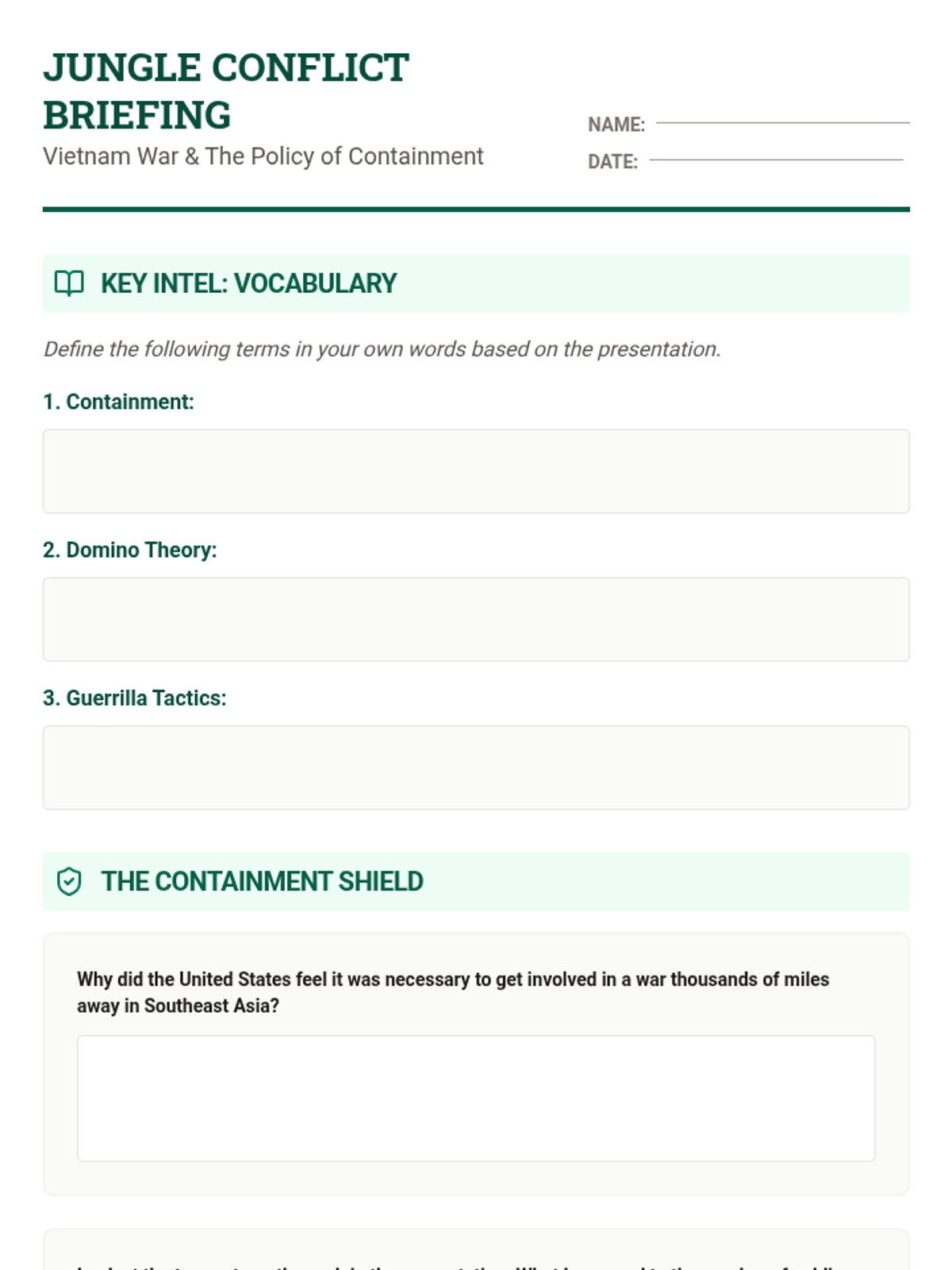
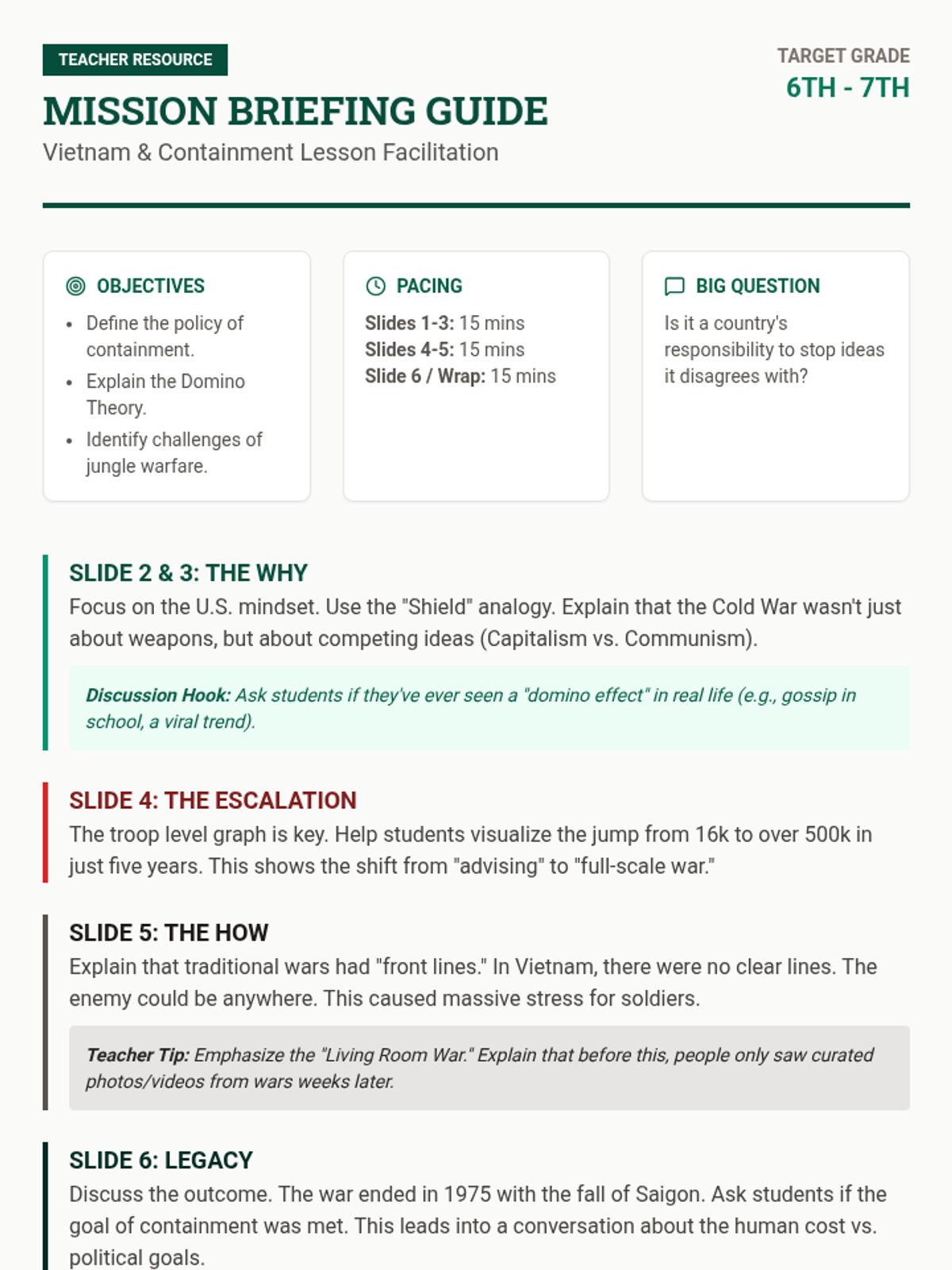
This lesson explores the origins of the Vietnam War through the lens of the US policy of containment and the Domino Theory, designed for middle school students.
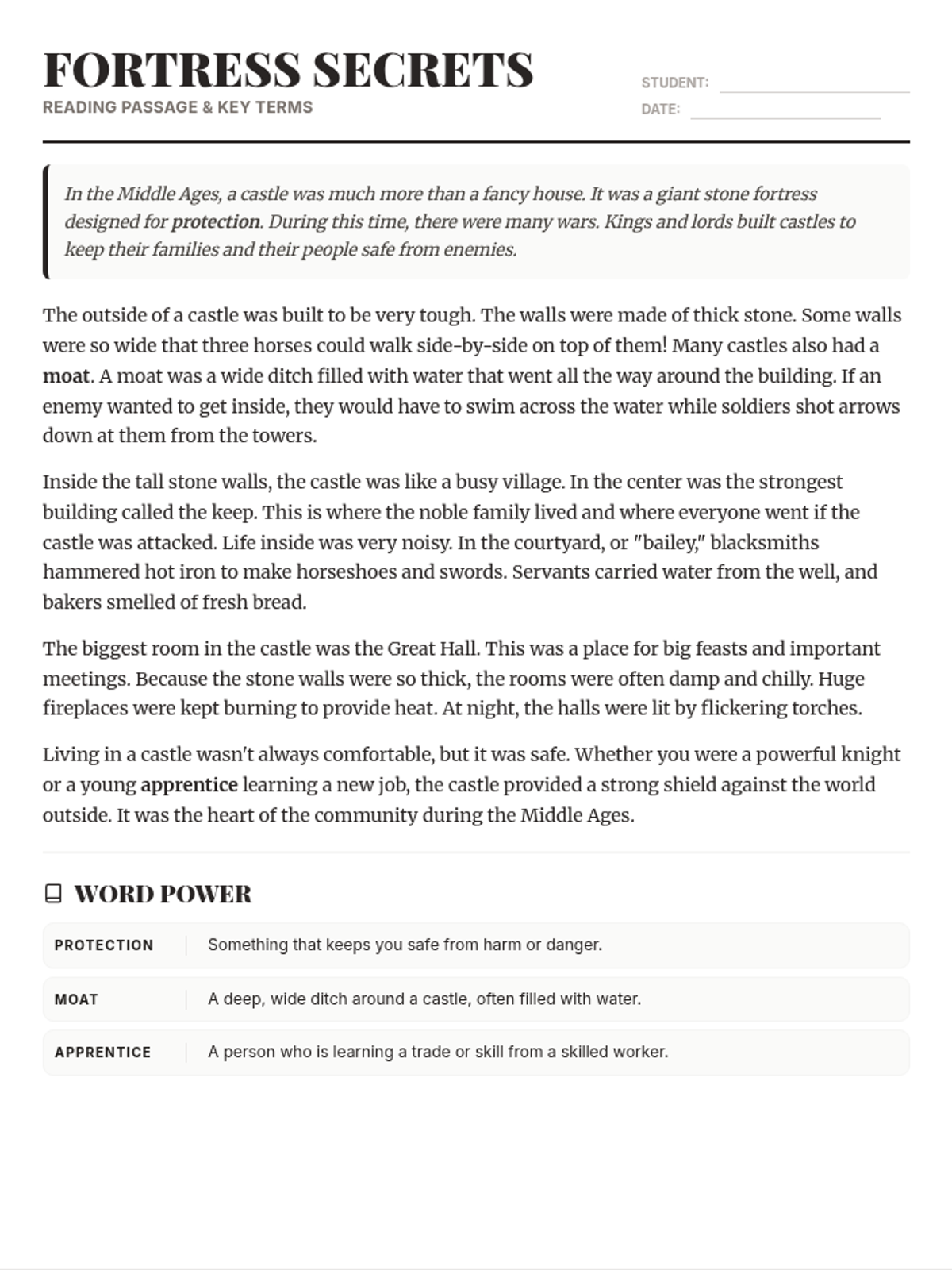
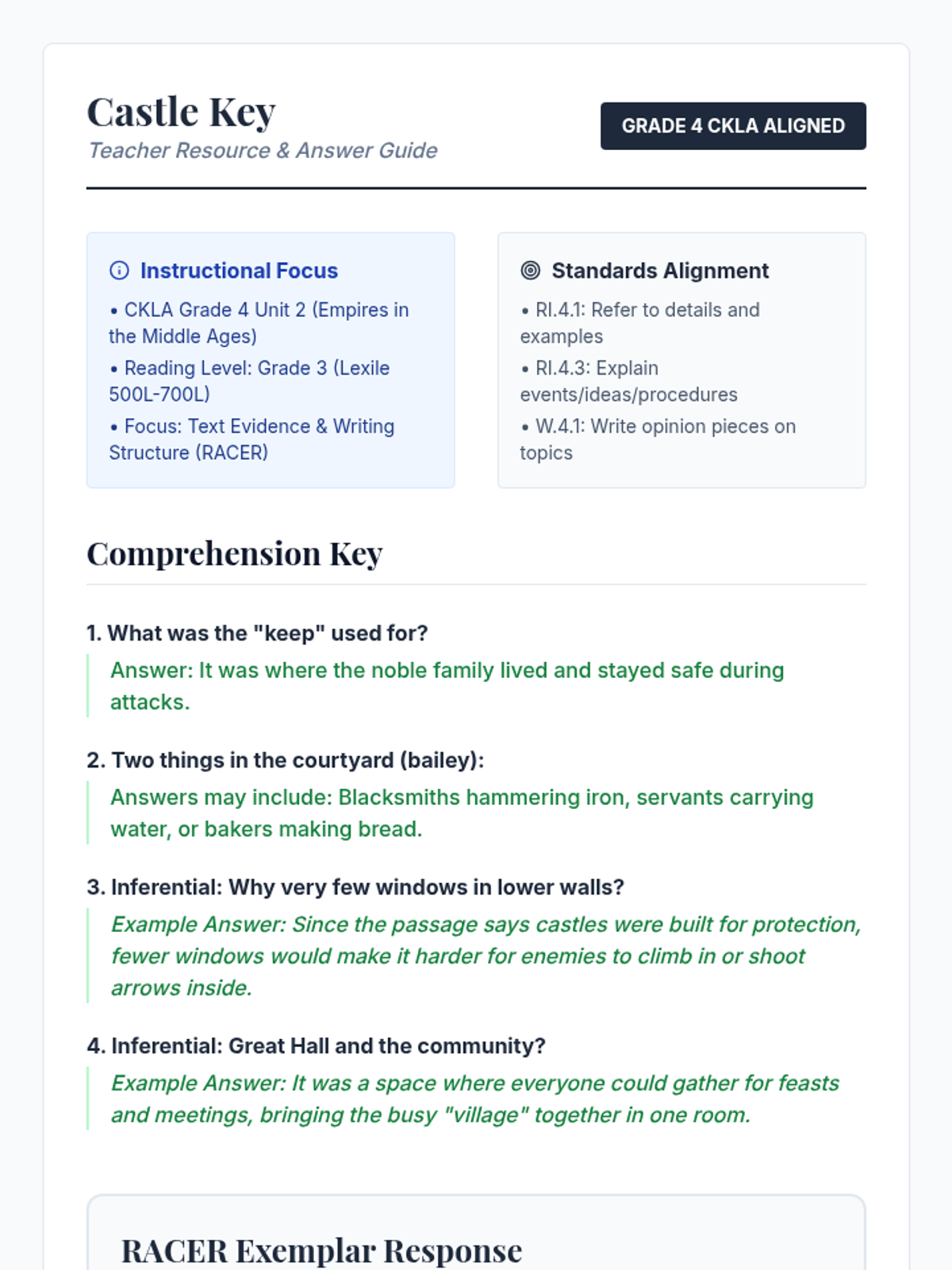
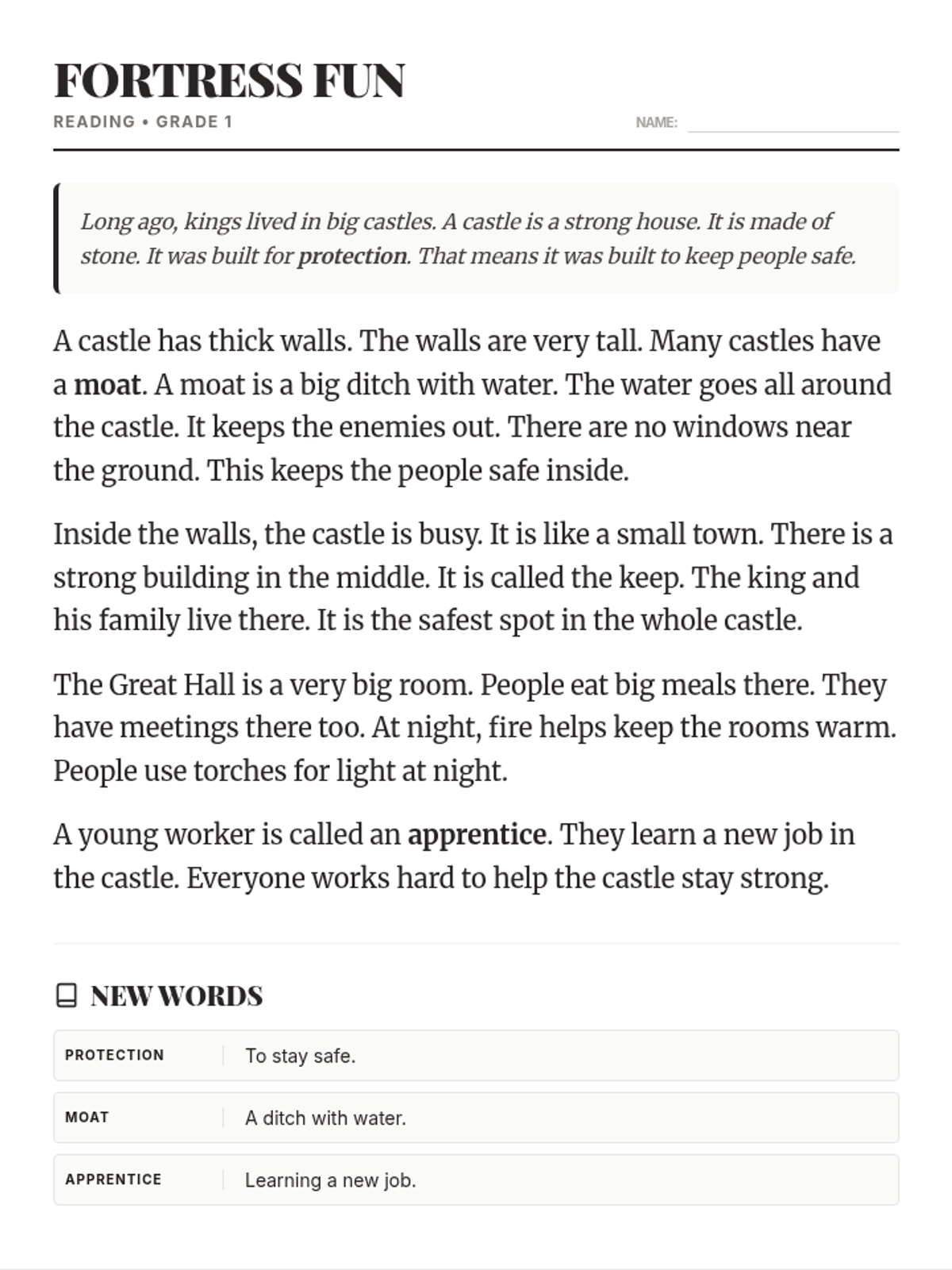
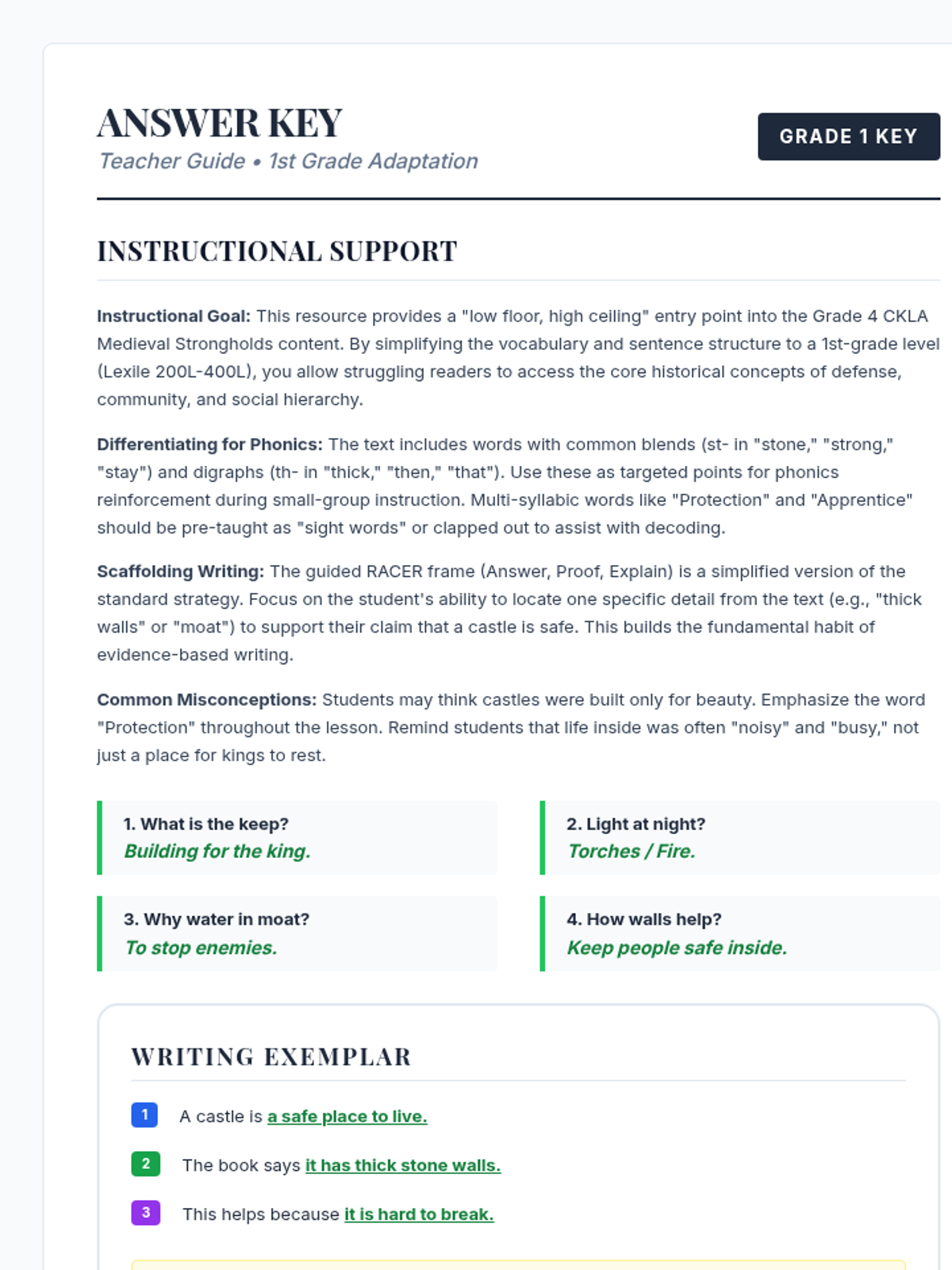
A lesson focusing on life in a medieval castle, featuring a reading passage adapted for Grade 3 reading levels that aligns with Grade 4 CKLA social studies standards. Students will practice vocabulary, answer comprehension questions, and use the RACER strategy for an open response.
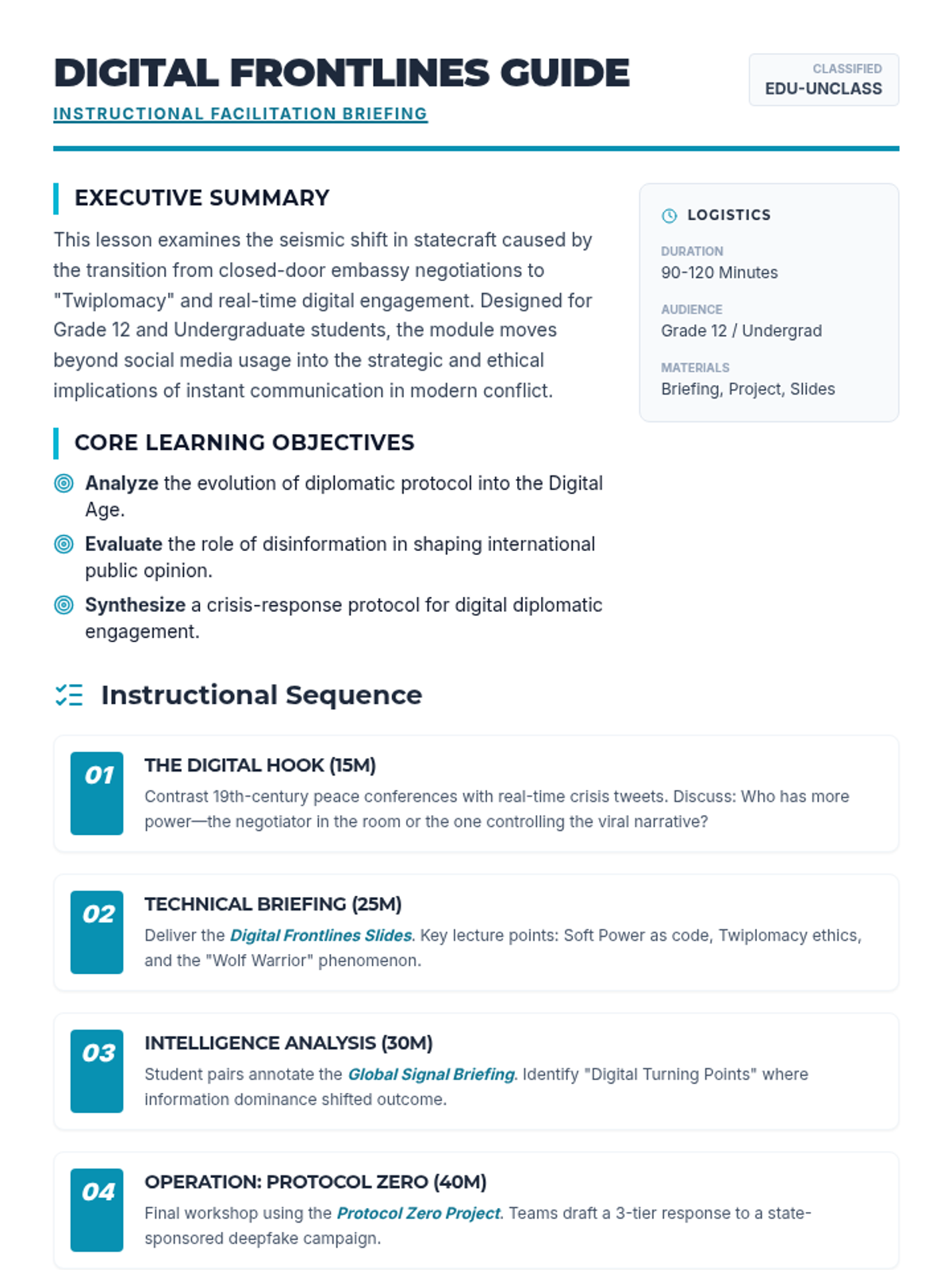
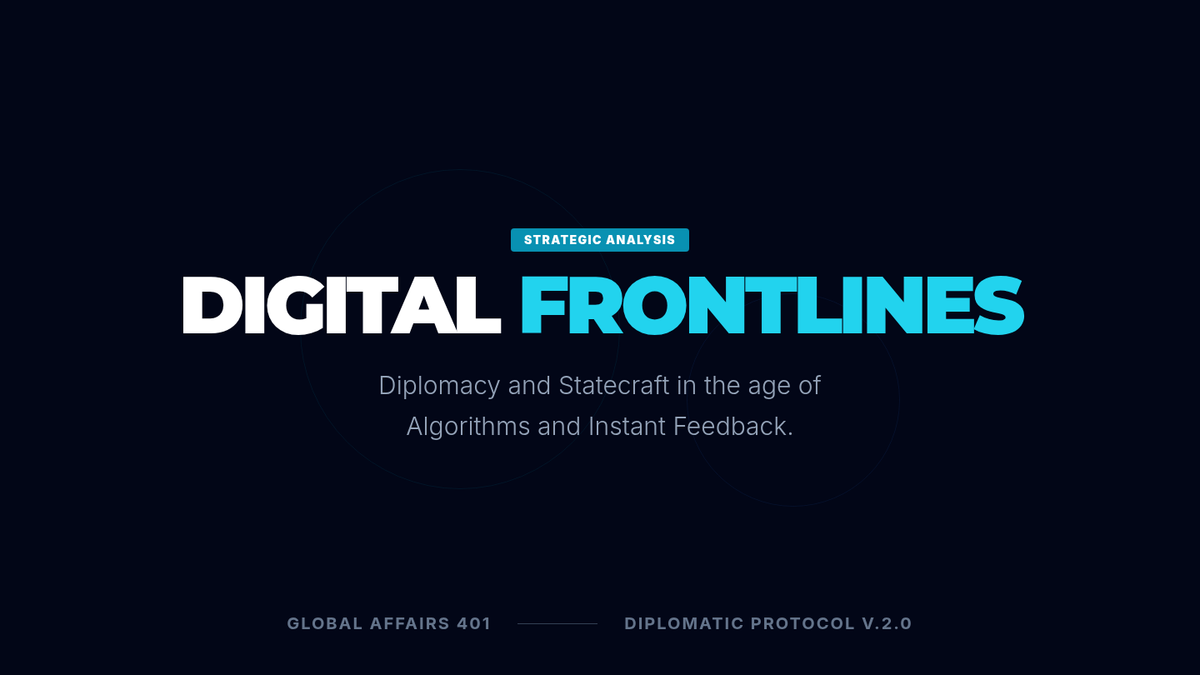
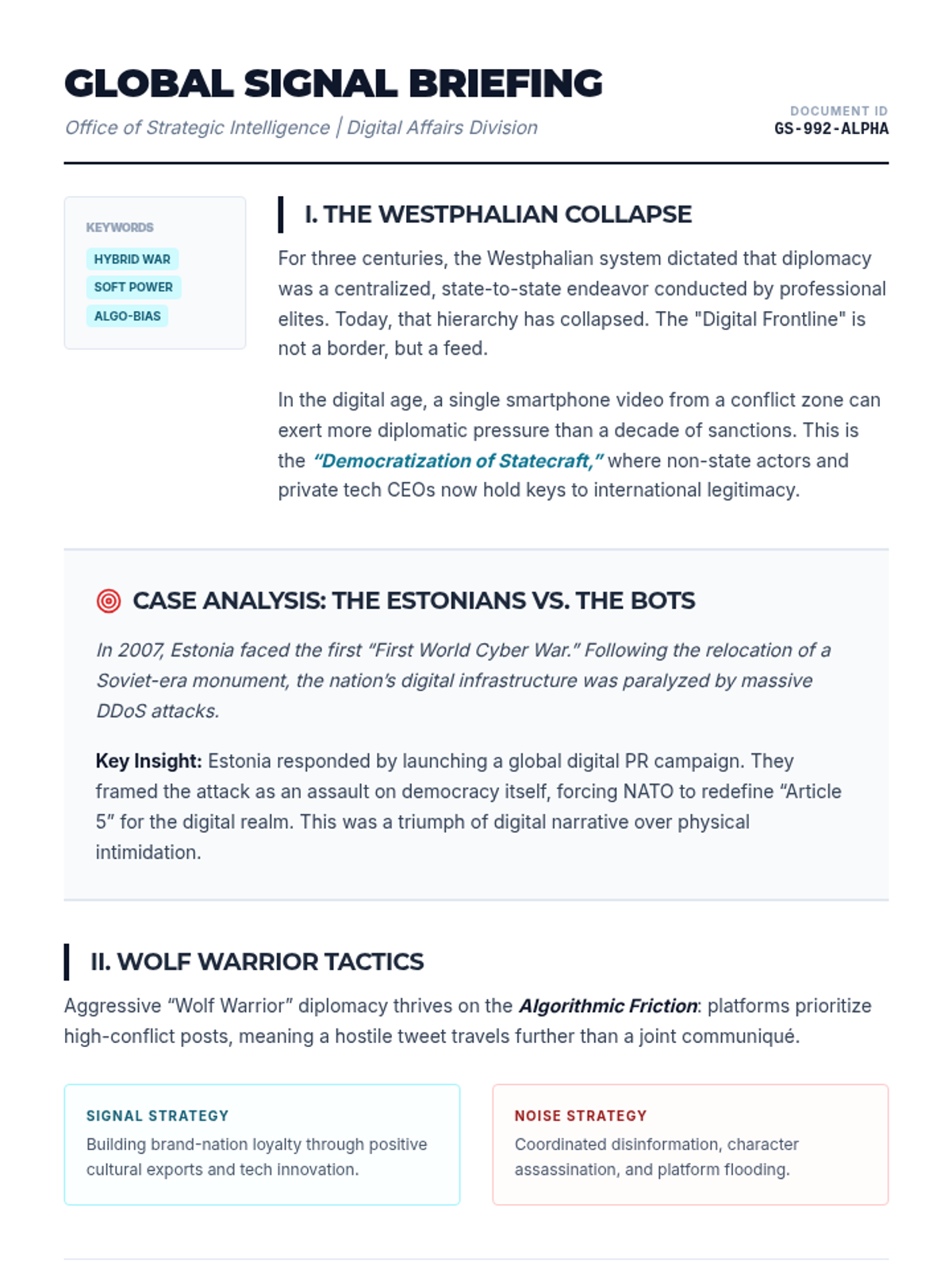
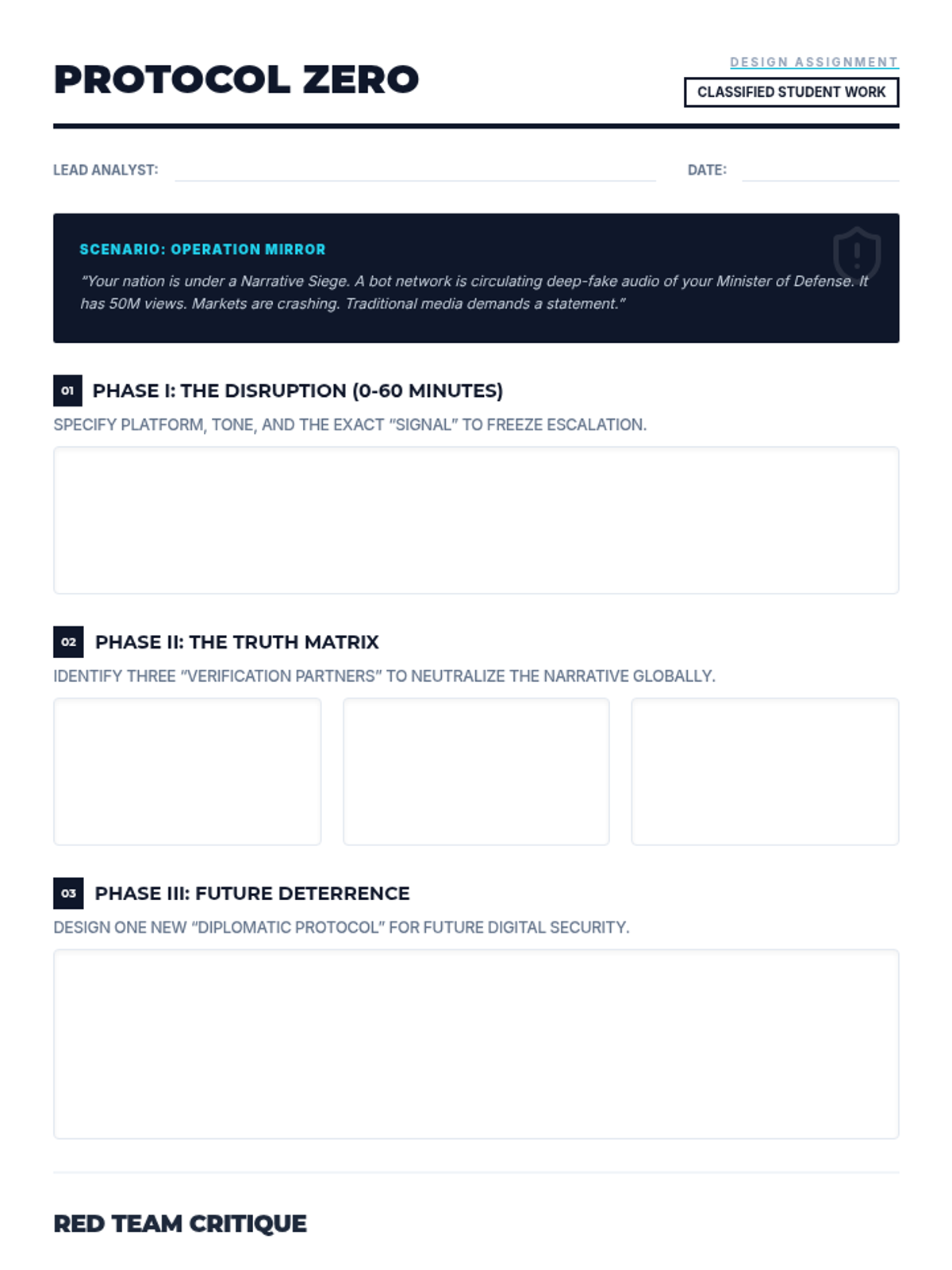
An advanced exploration of how digital platforms and real-time communication redefine international relations, statecraft, and public perception in the 21st century. Students analyze modern case studies and design a new framework for ethical digital engagement.
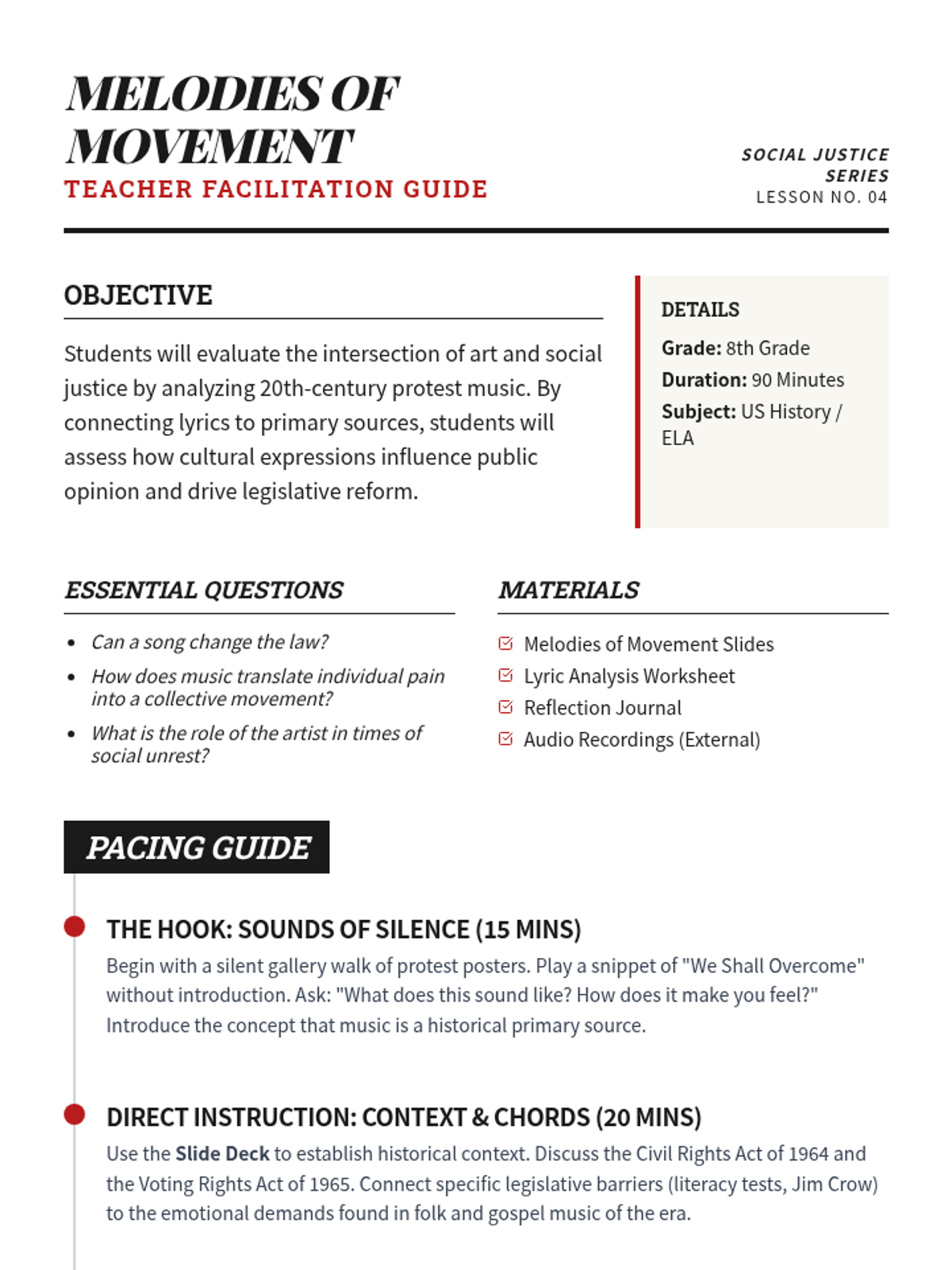
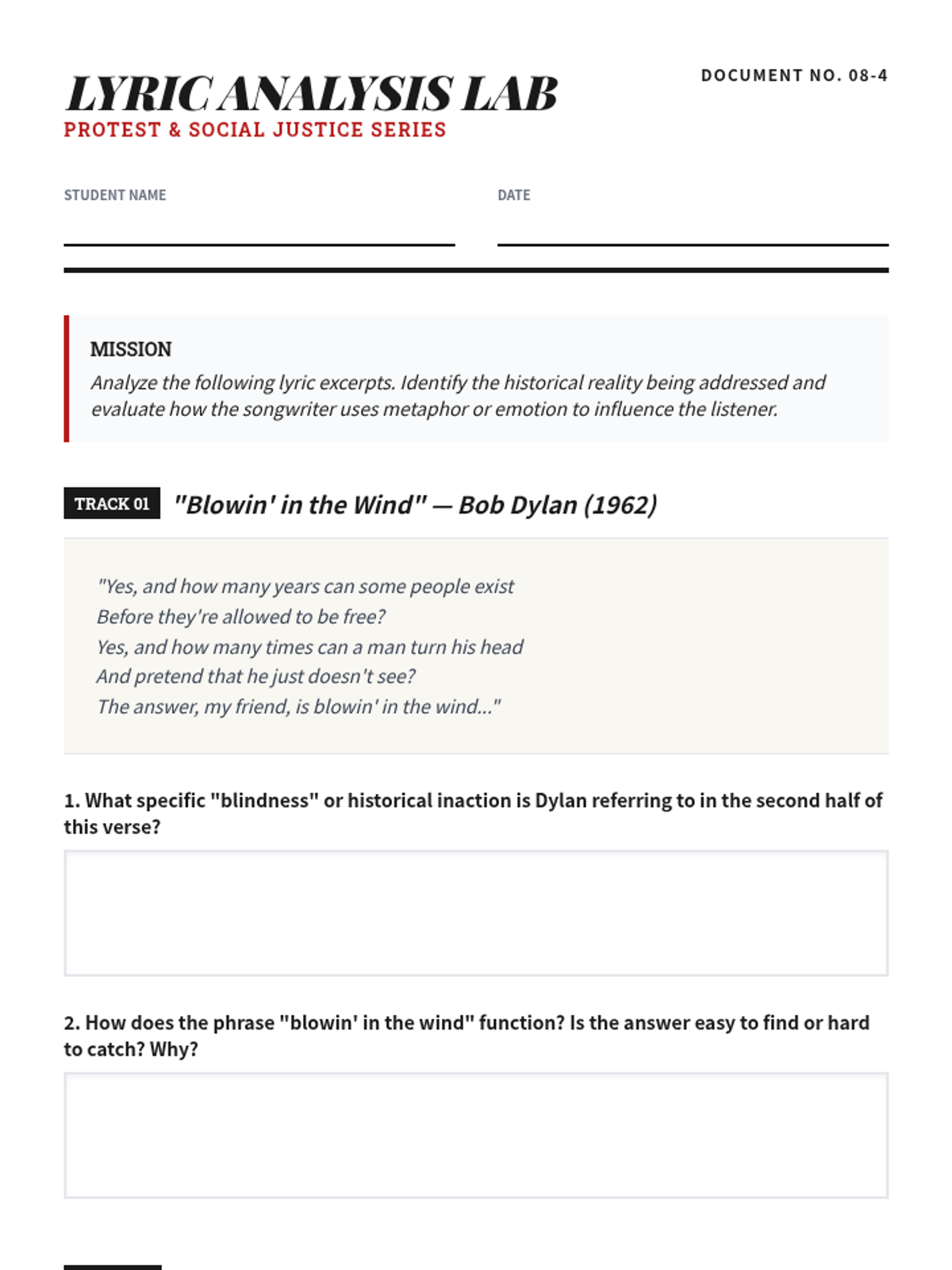
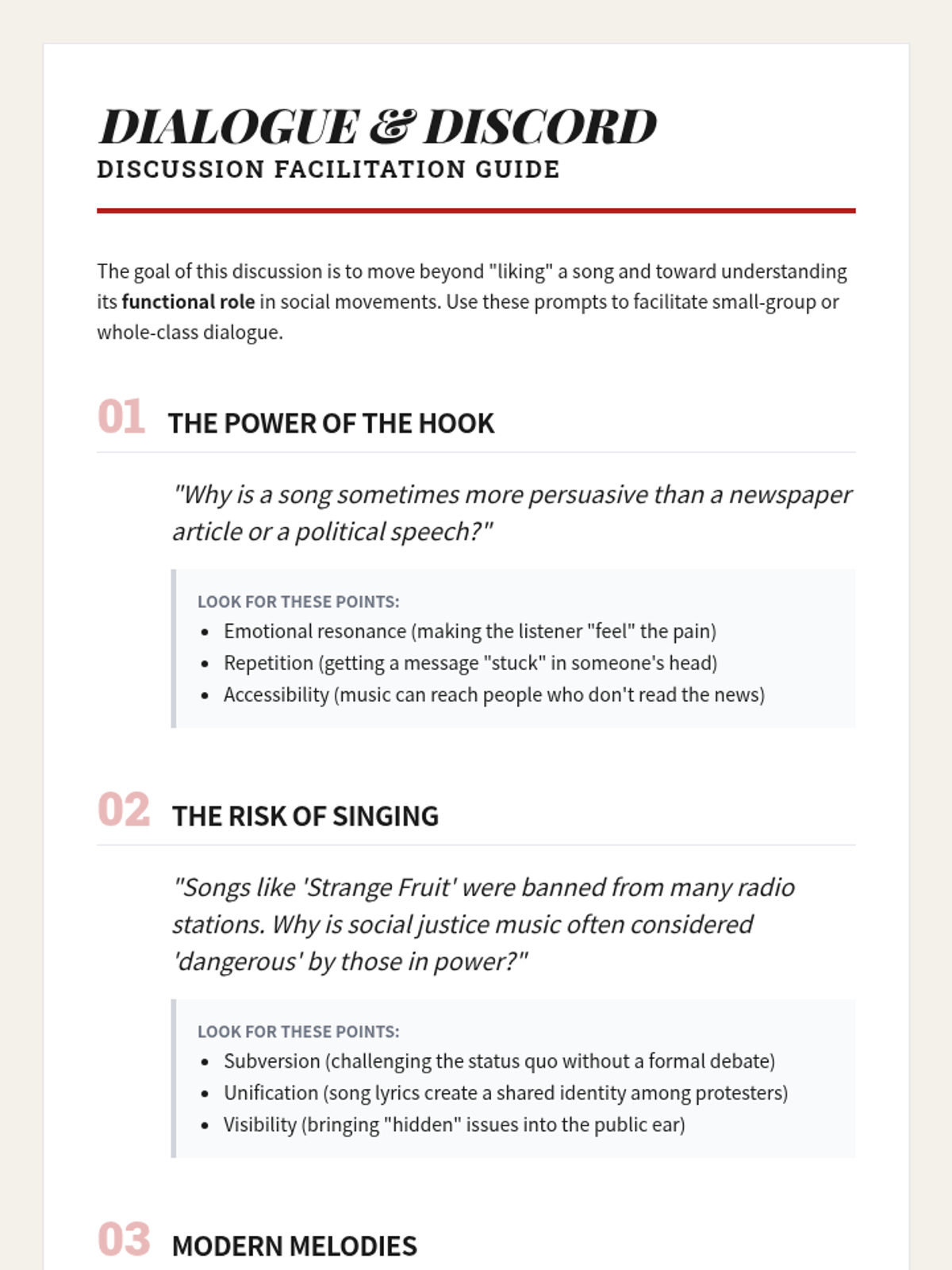
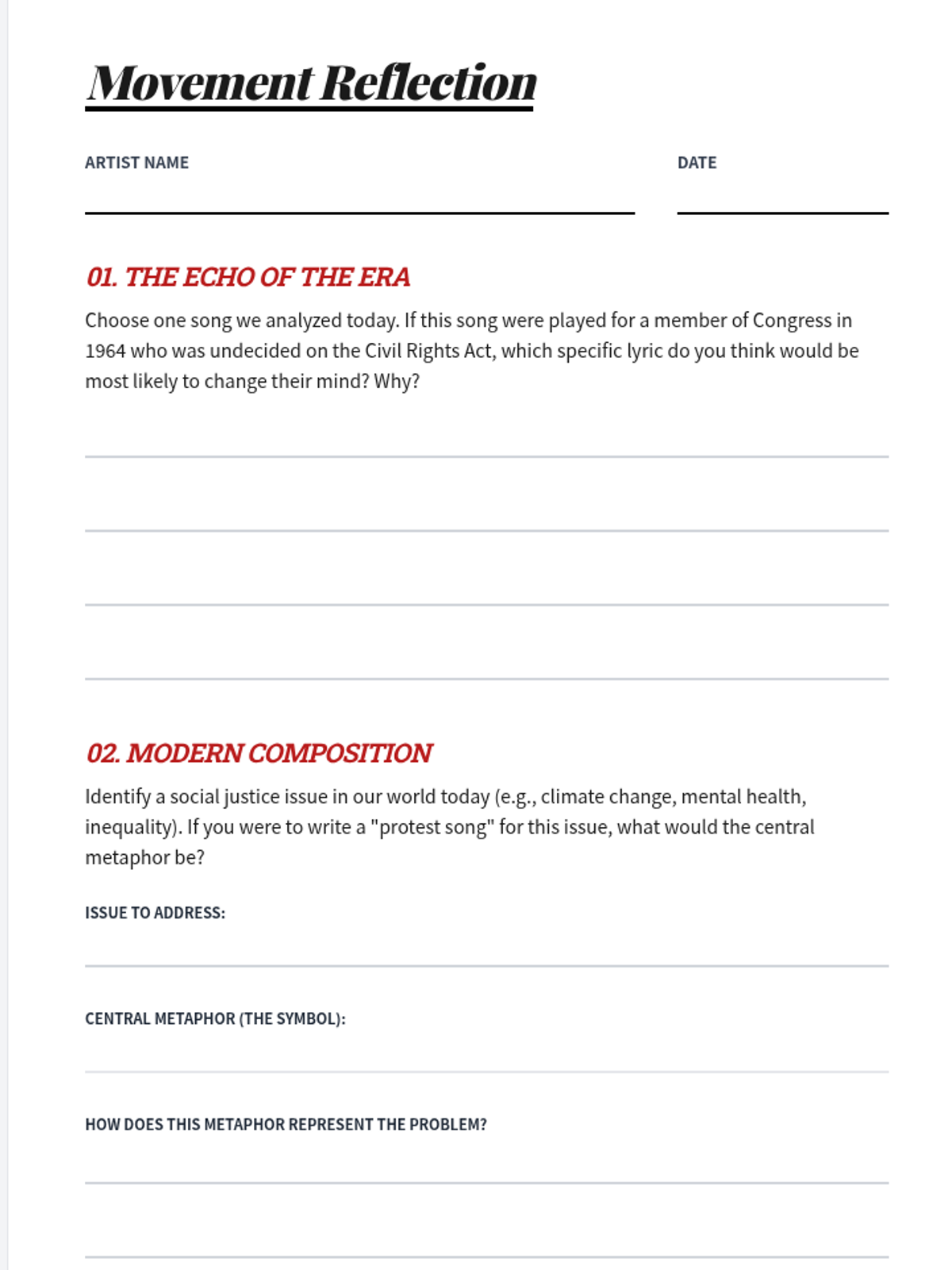
Eighth-grade students analyze protest music from the Civil Rights era to evaluate art's influence on public opinion and legislative change. This lesson connects lyrics with primary sources to understand cultural expressions of social justice.
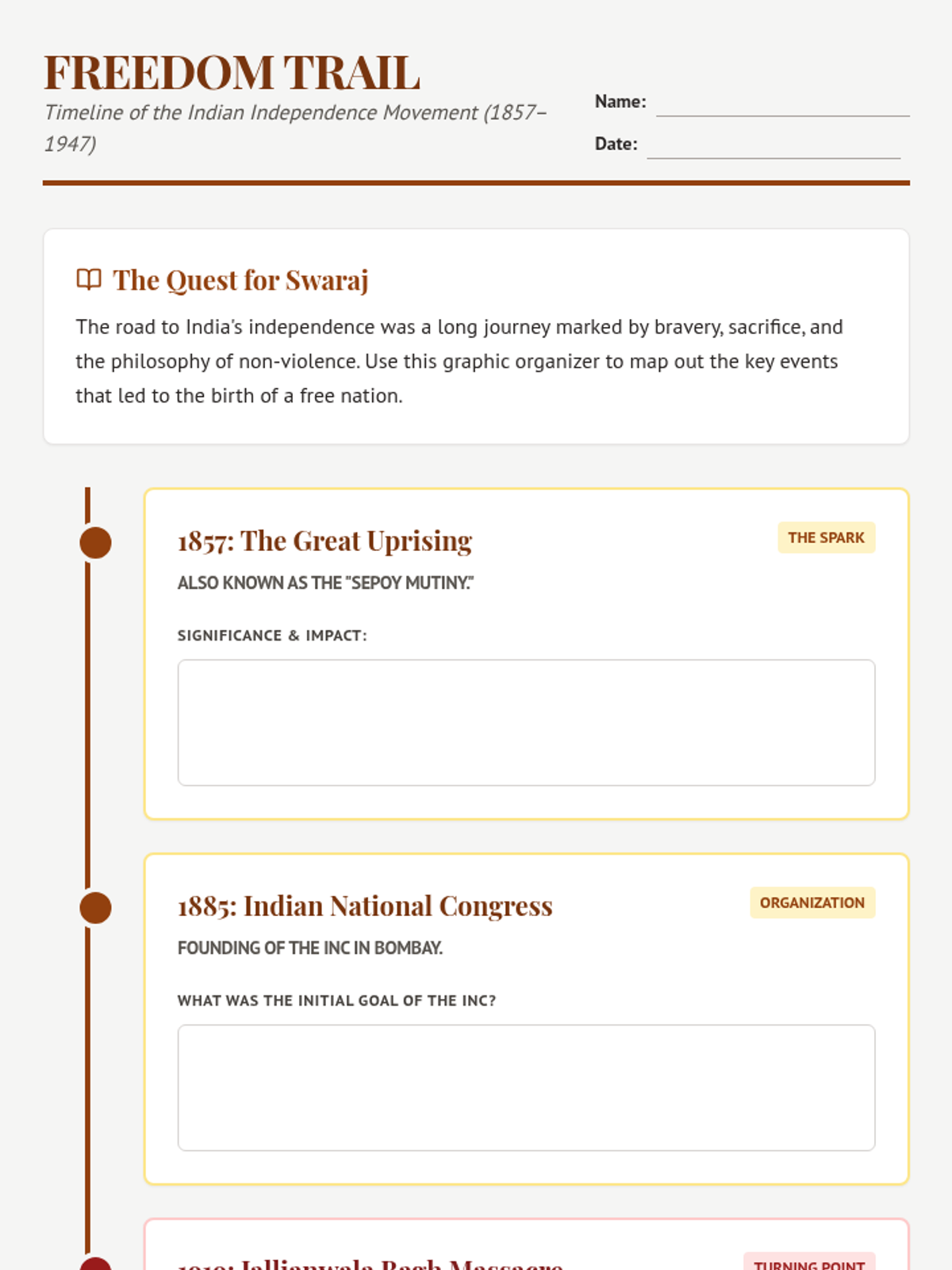
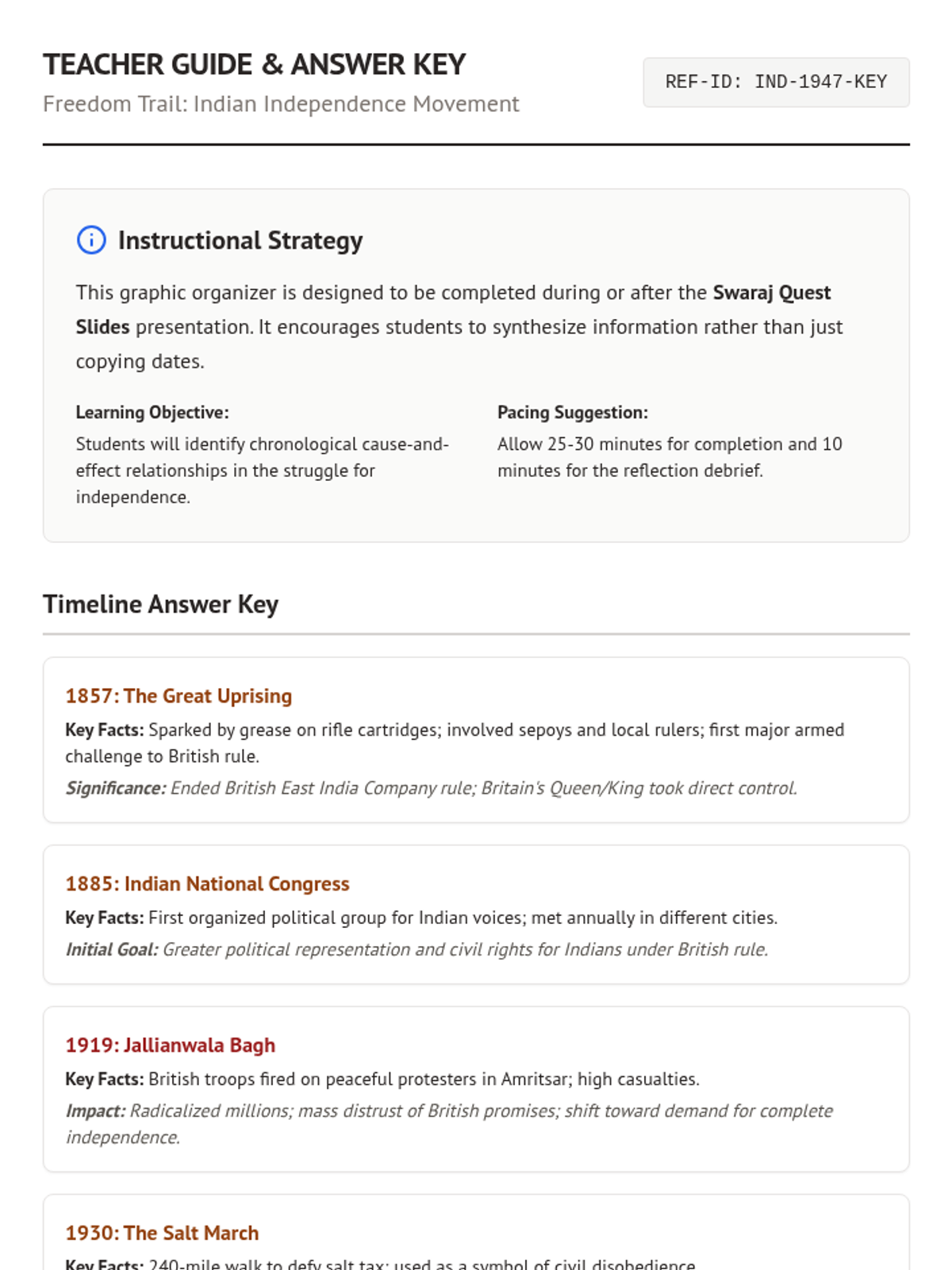
A comprehensive lesson exploring the pivotal moments and key figures of the Indian Independence Movement, from the 1857 uprising to the achievement of Swaraj in 1947.
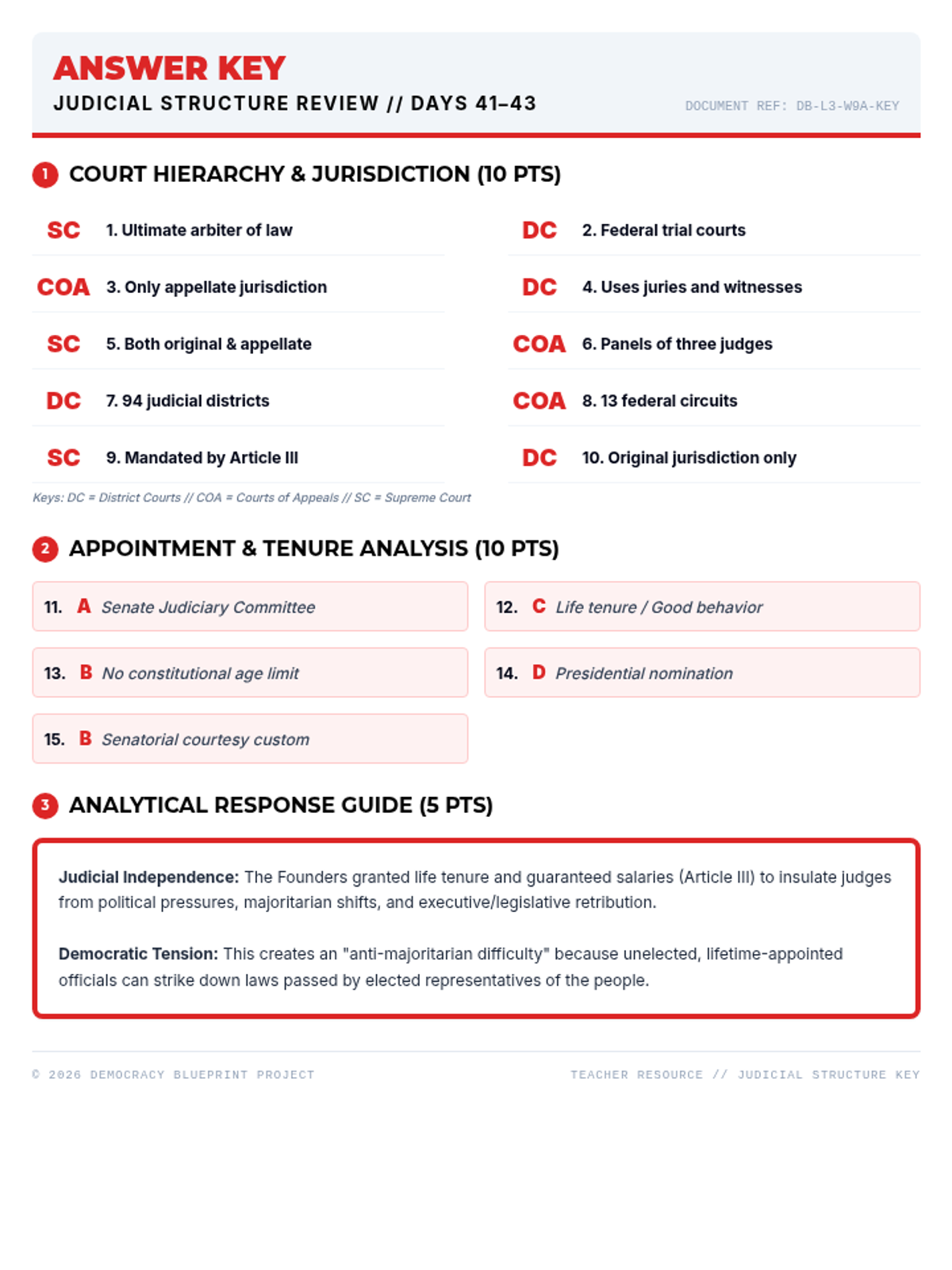
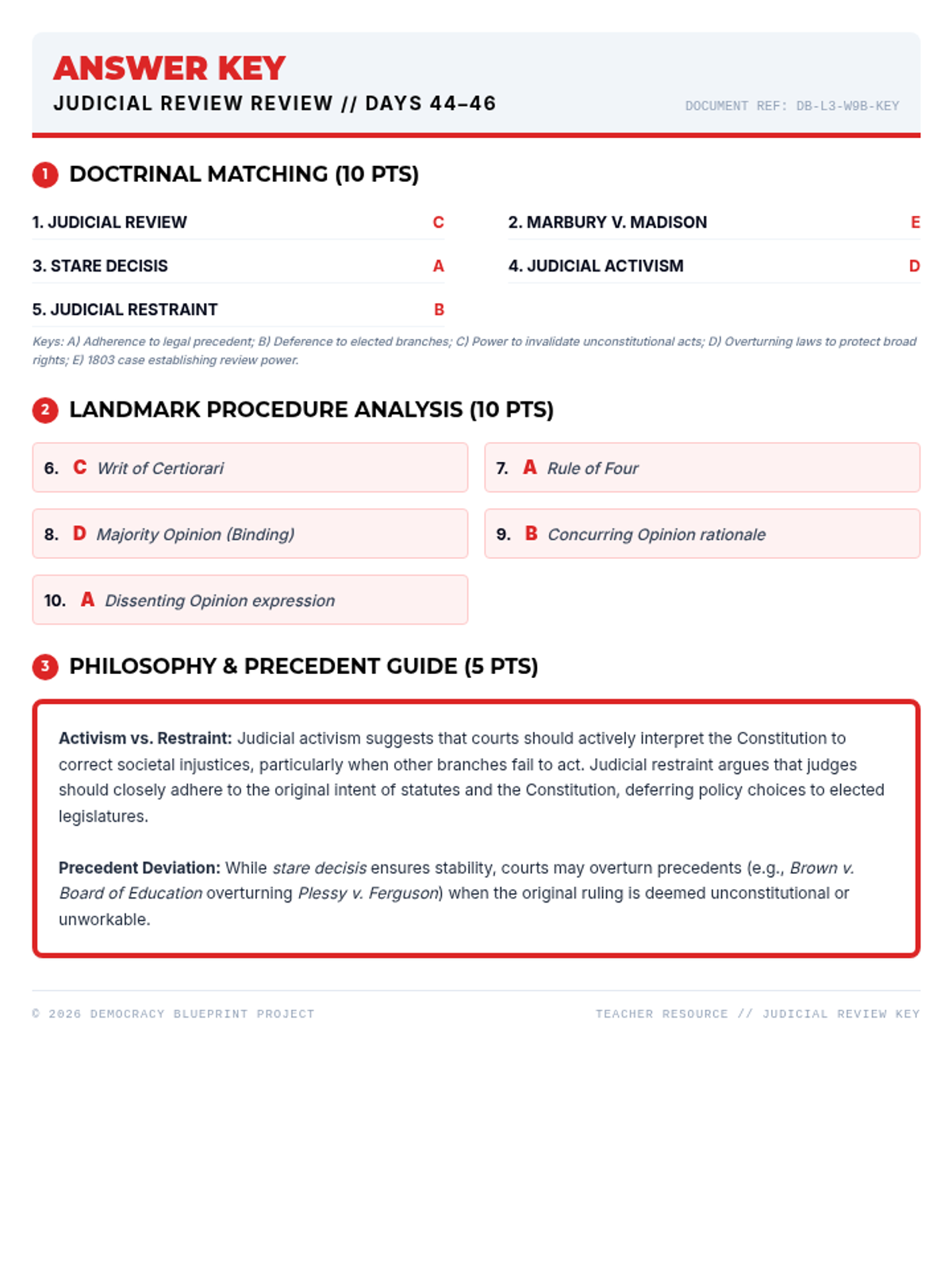
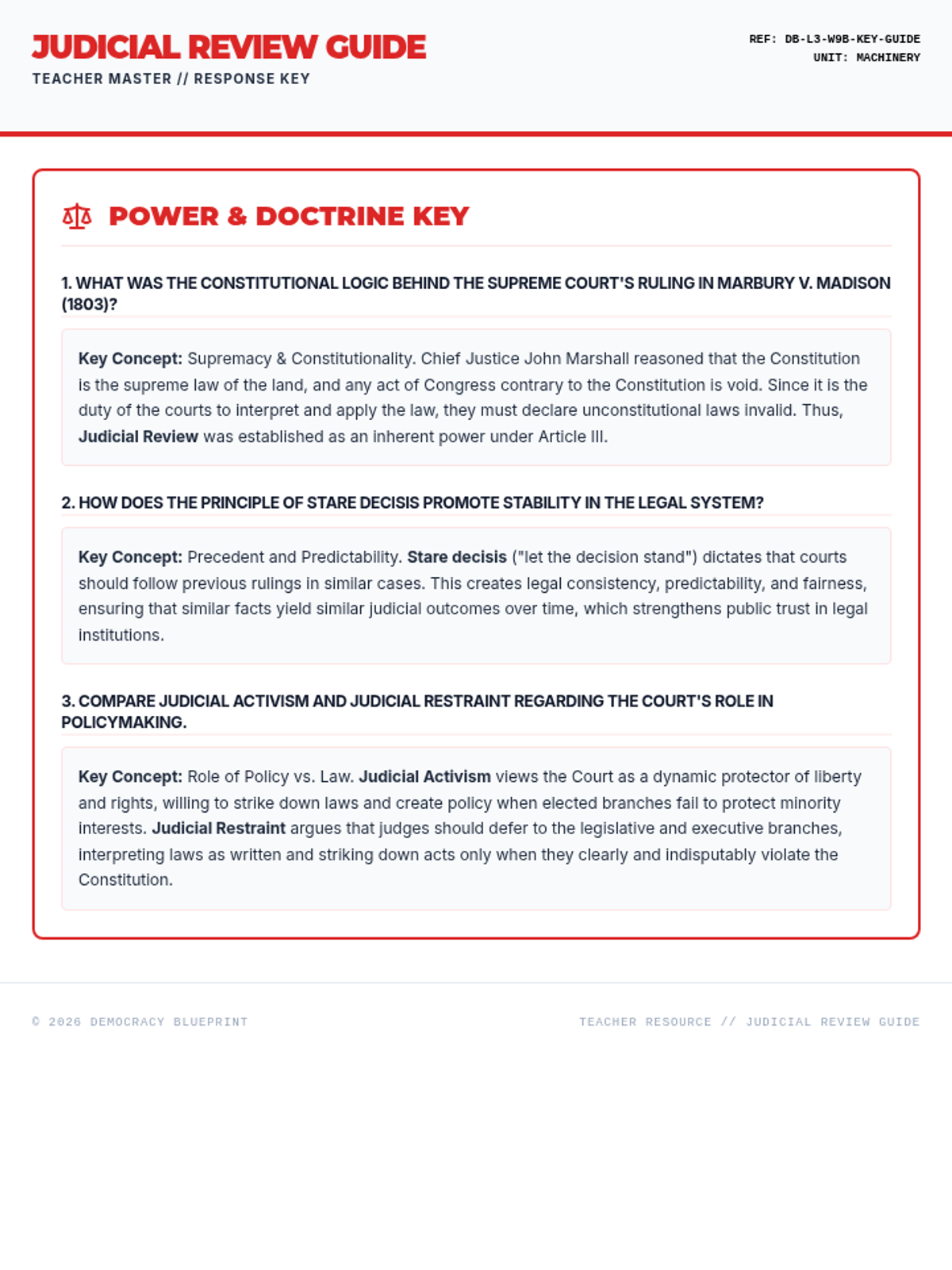
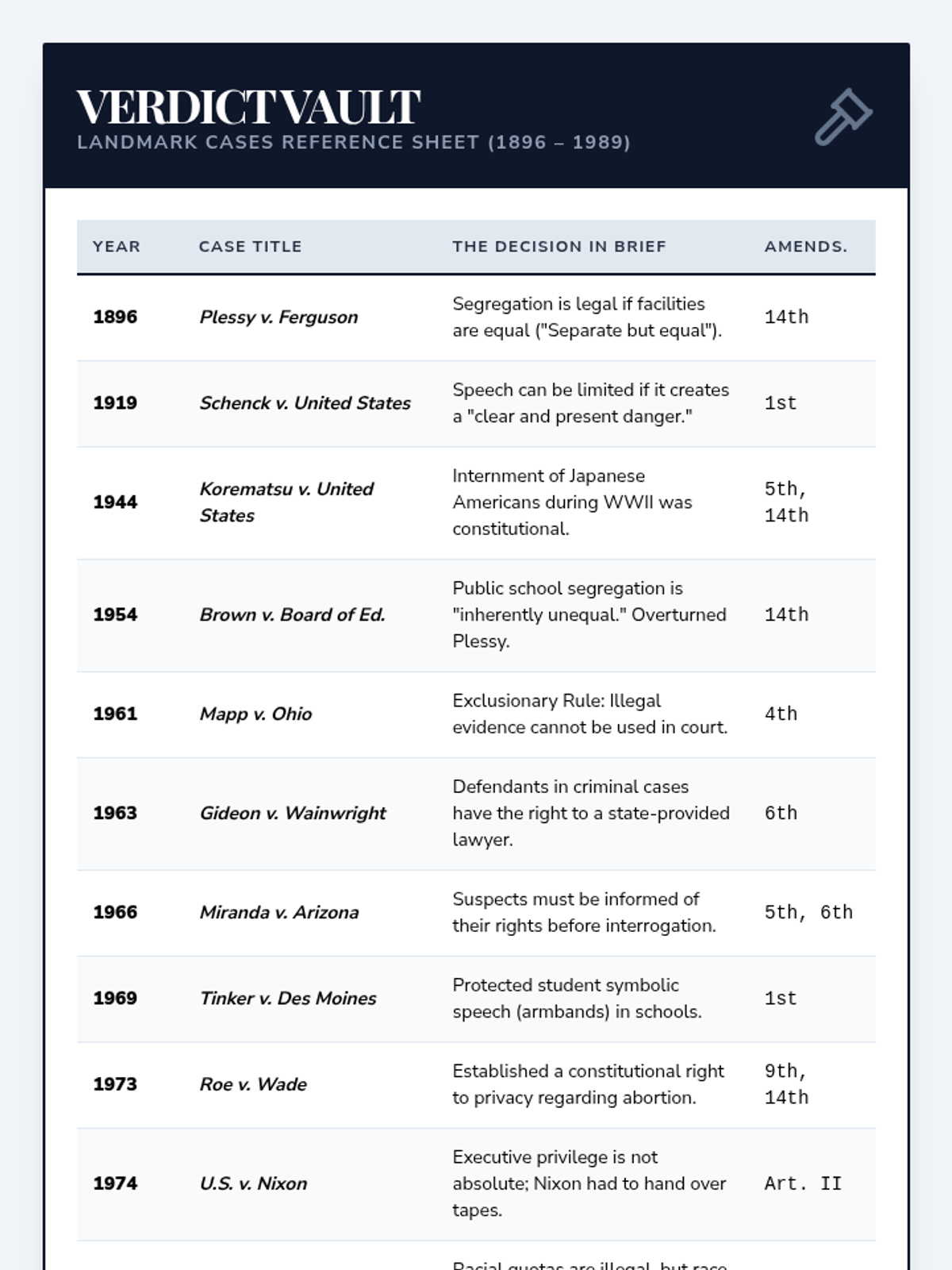
An exploration of pivotal Supreme Court cases from 1896 to 1989, examining how judicial decisions shaped American civil rights, individual liberties, and the balance of power.
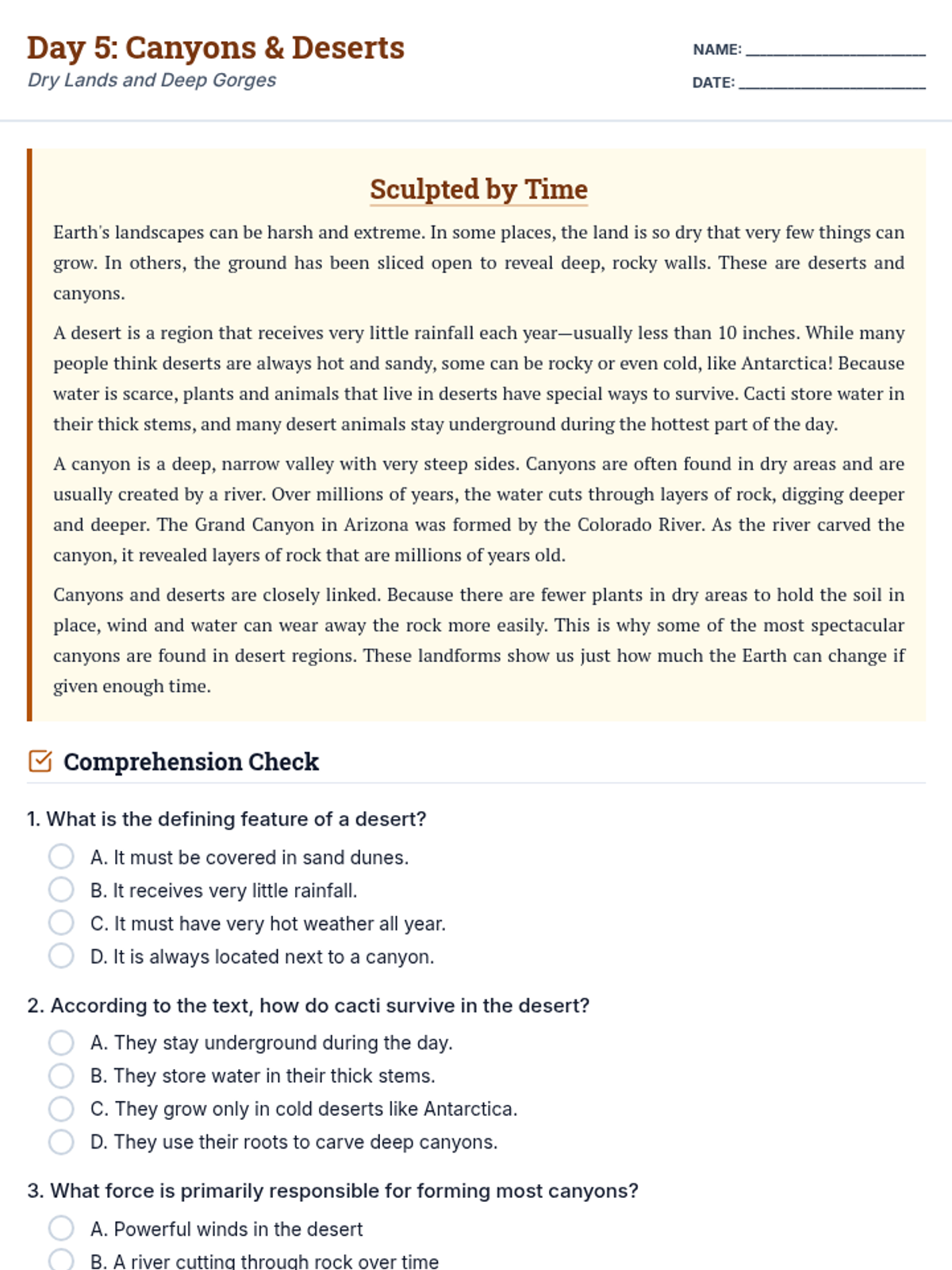
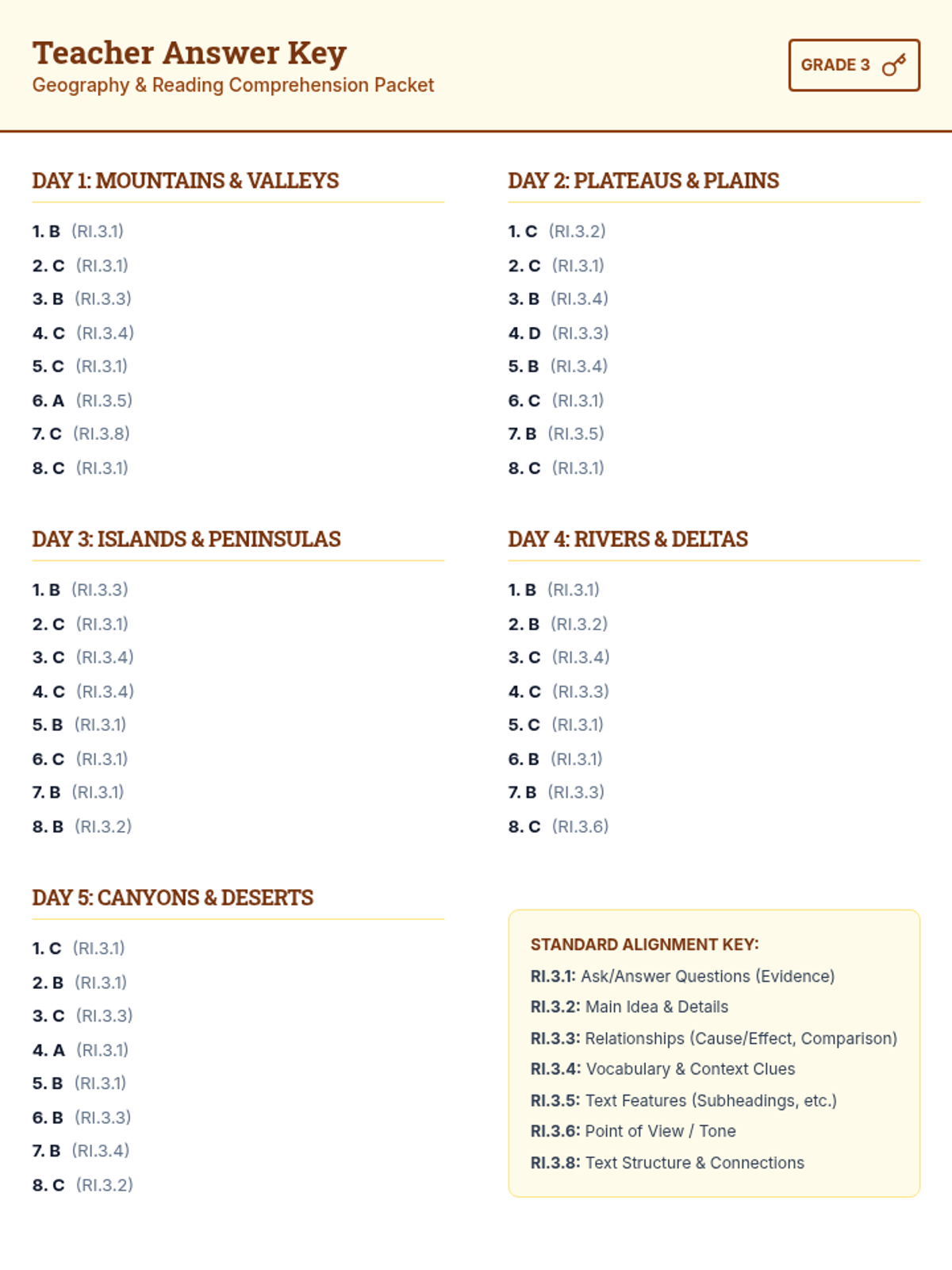
Concludes the week with a study of canyons and deserts, emphasizing inferences and the use of text features to understand extreme environments.
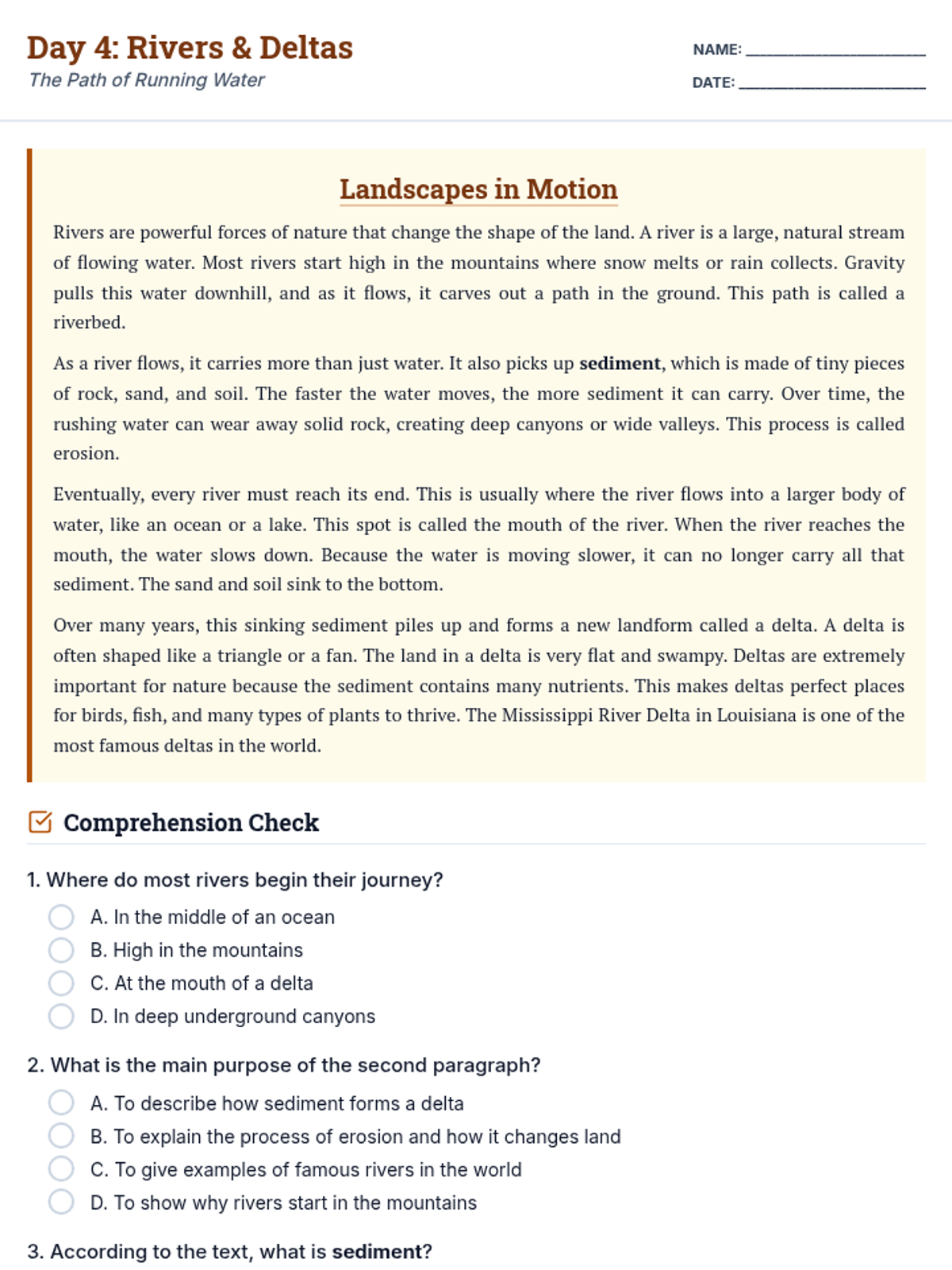
Examines the journey of water through rivers and the formation of deltas, focusing on cause-and-effect relationships within geographic processes.
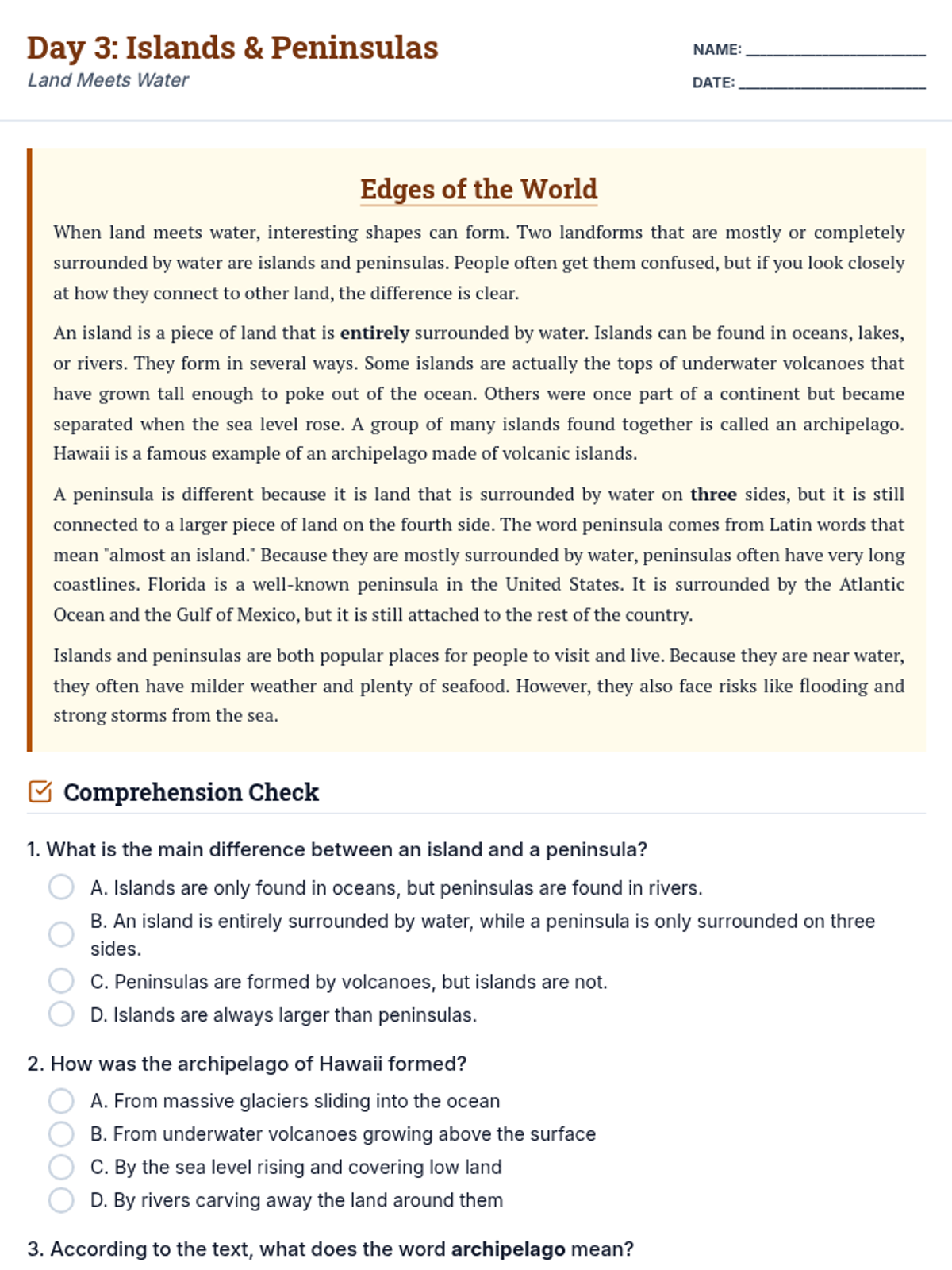
Investigates landforms surrounded by water, specifically islands and peninsulas, with a focus on vocabulary and context clues.
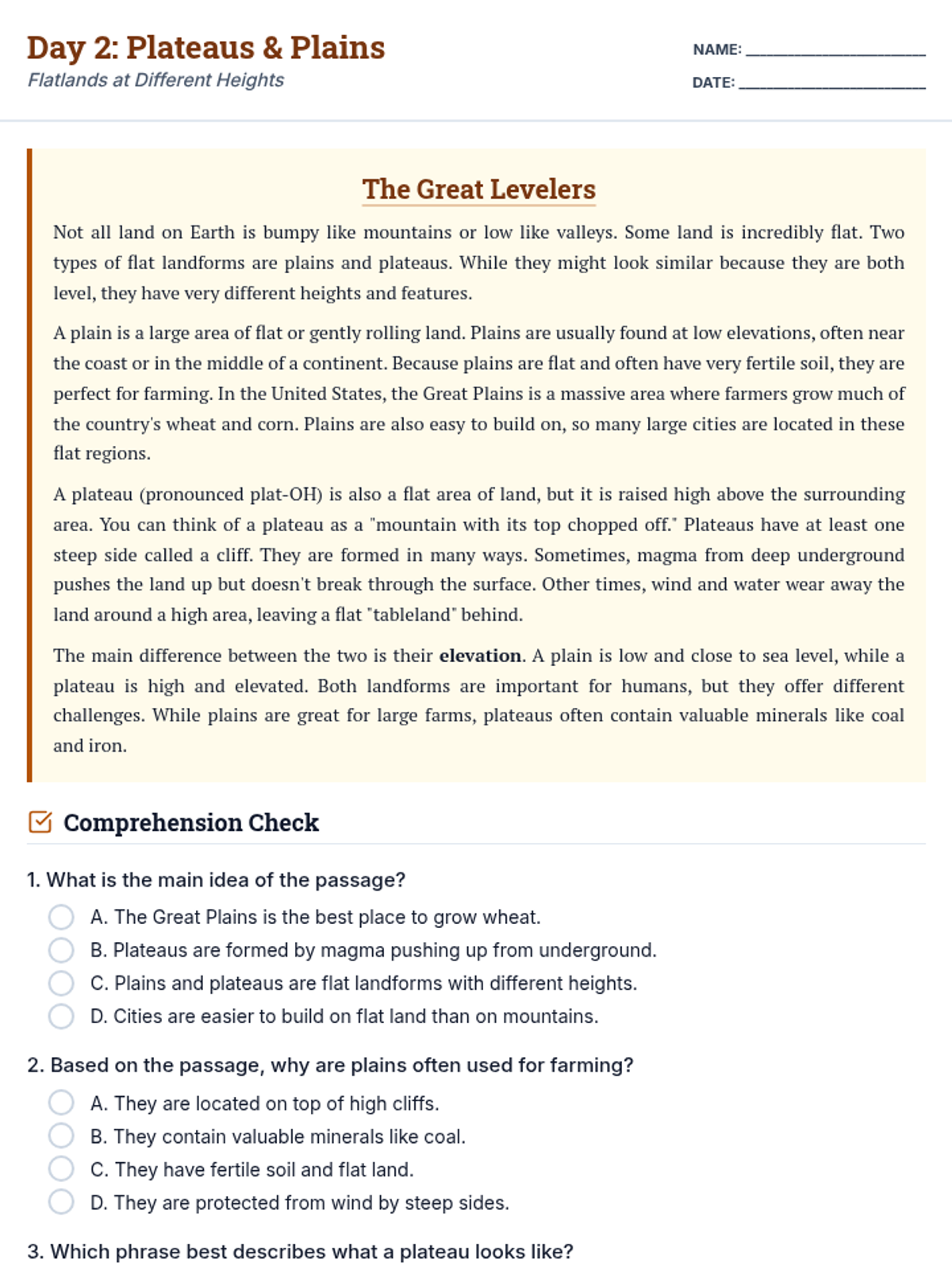
Explores the differences and similarities between plateaus and plains, focusing on comparing text evidence and identifying structural features of geography.
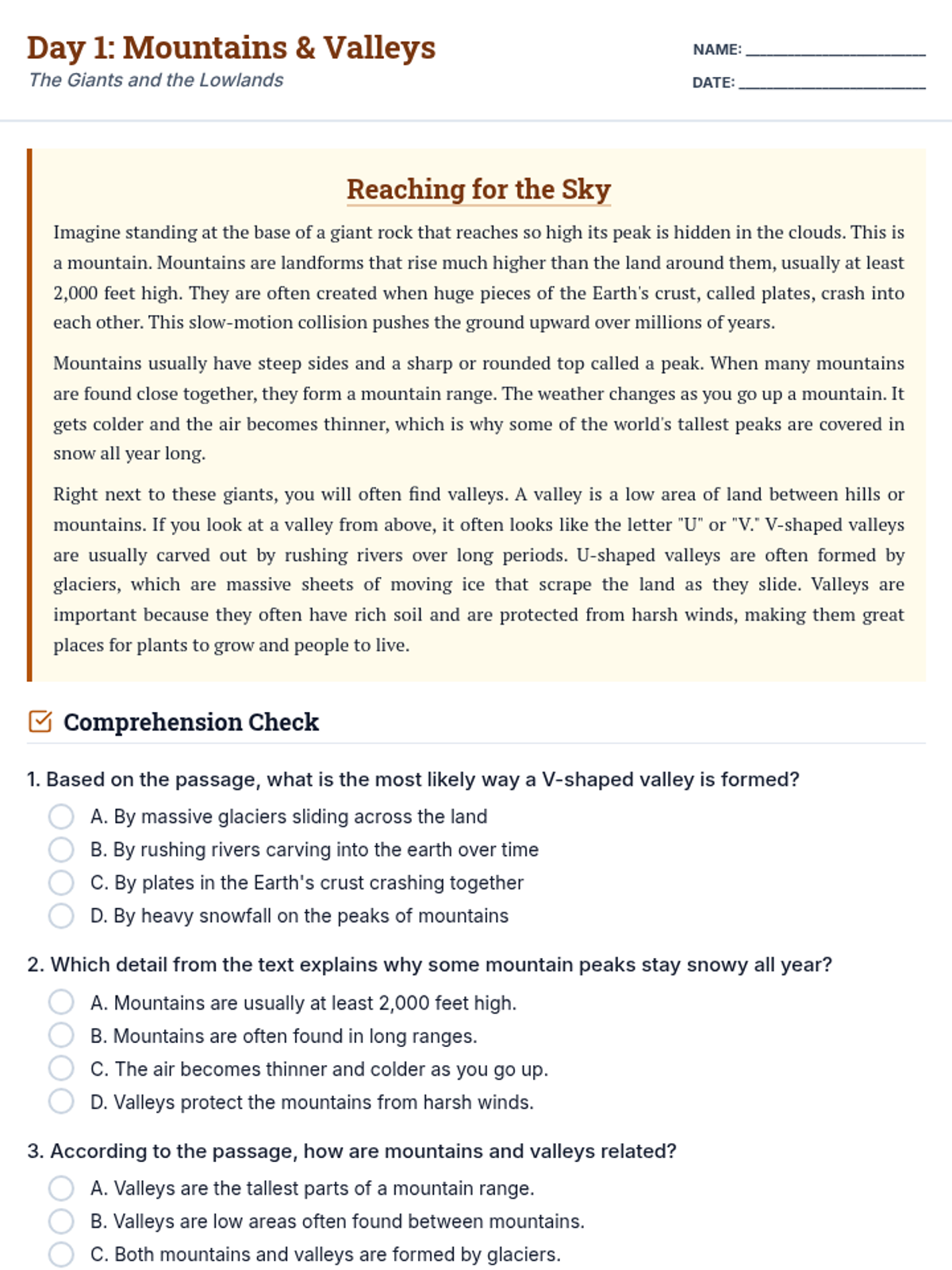
Focuses on the characteristics of mountains and valleys, introducing students to elevation and erosion concepts. Includes the packet cover page, a passage on mountain ranges, and rigorous reading comprehension questions.
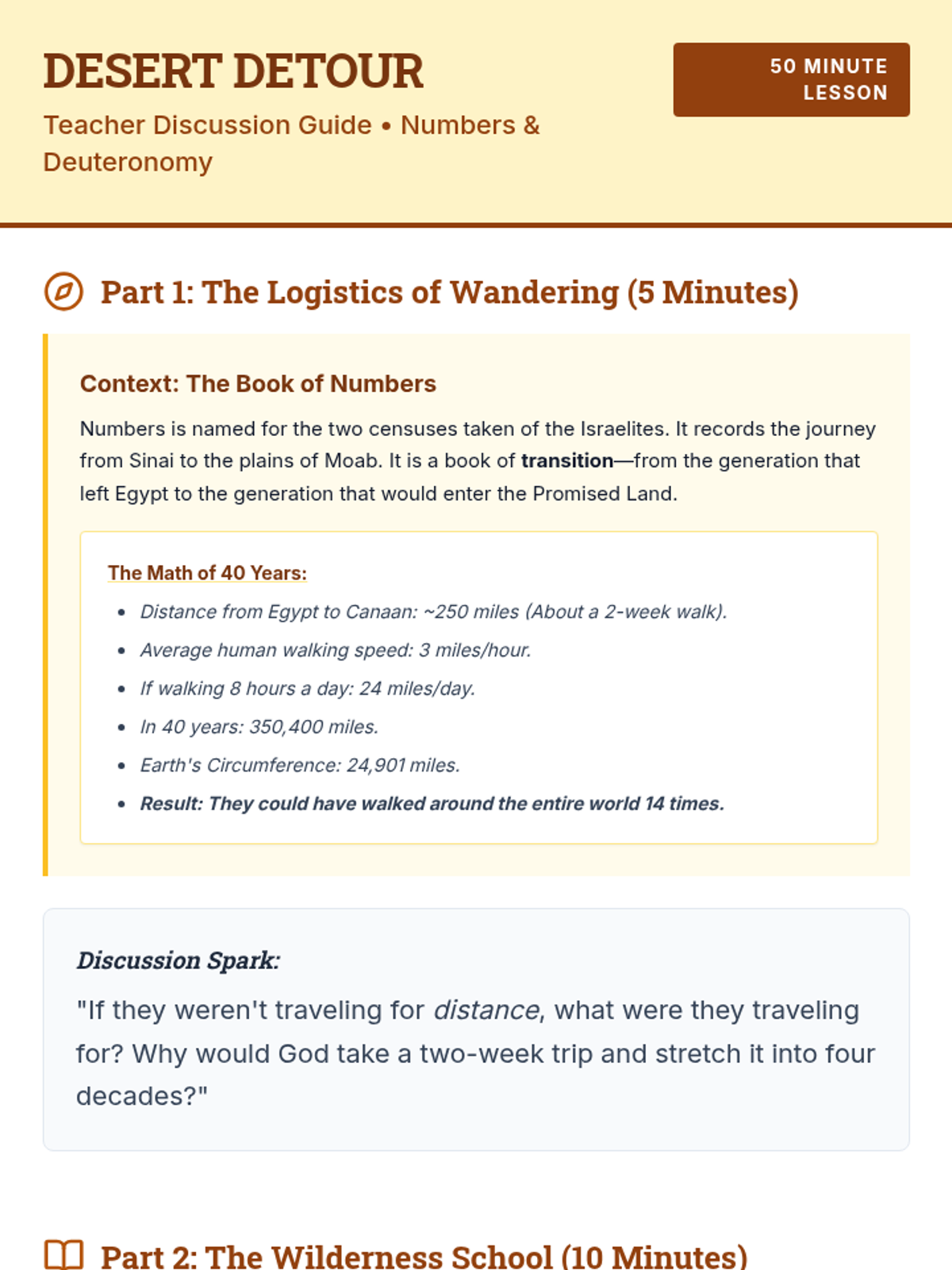
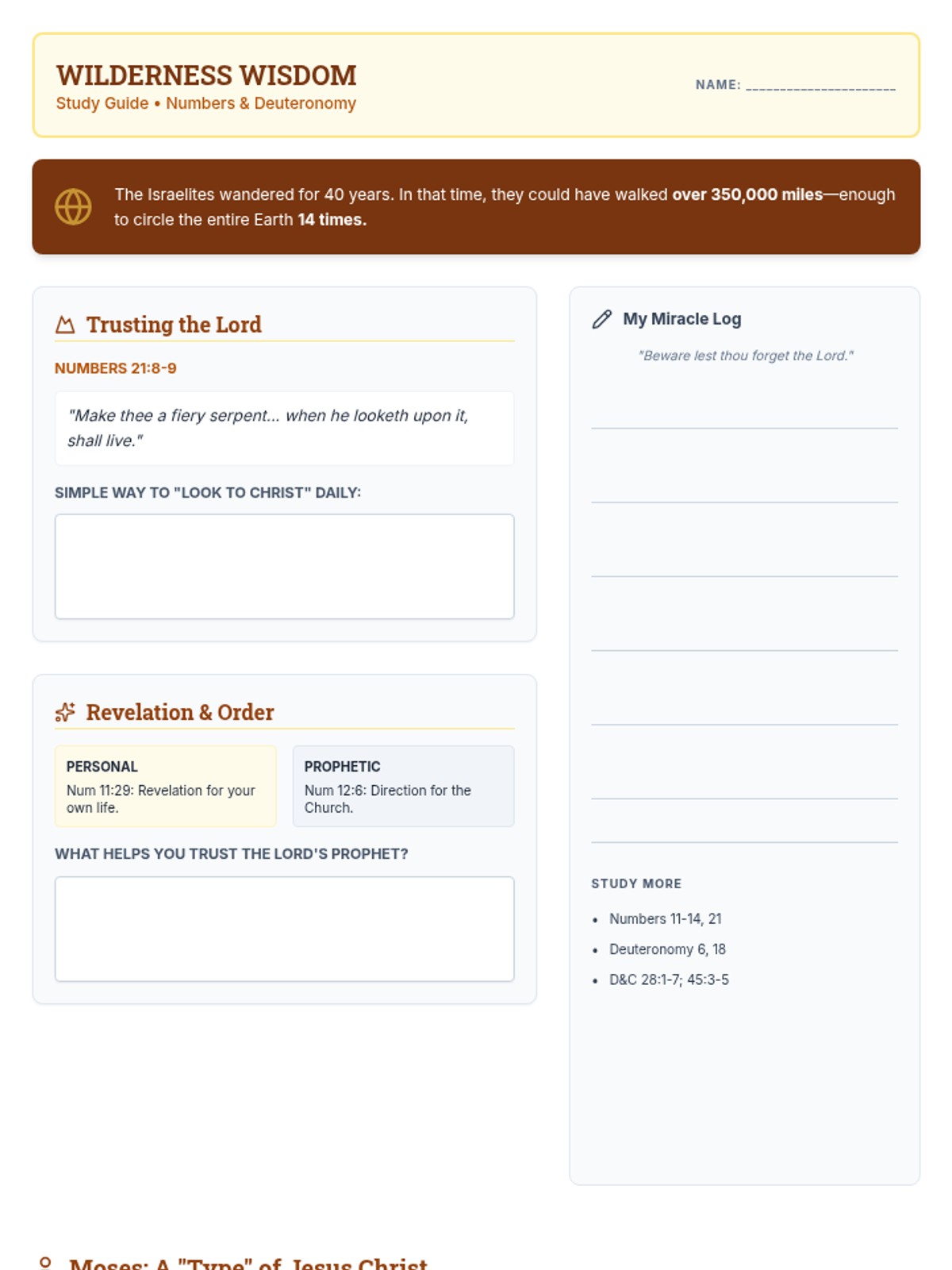
A comprehensive Sunday School lesson for LDS adults focusing on the wanderings in Numbers and the 'second law' in Deuteronomy, emphasizing revelation, Christ-like leadership, and the power of remembering God's miracles.
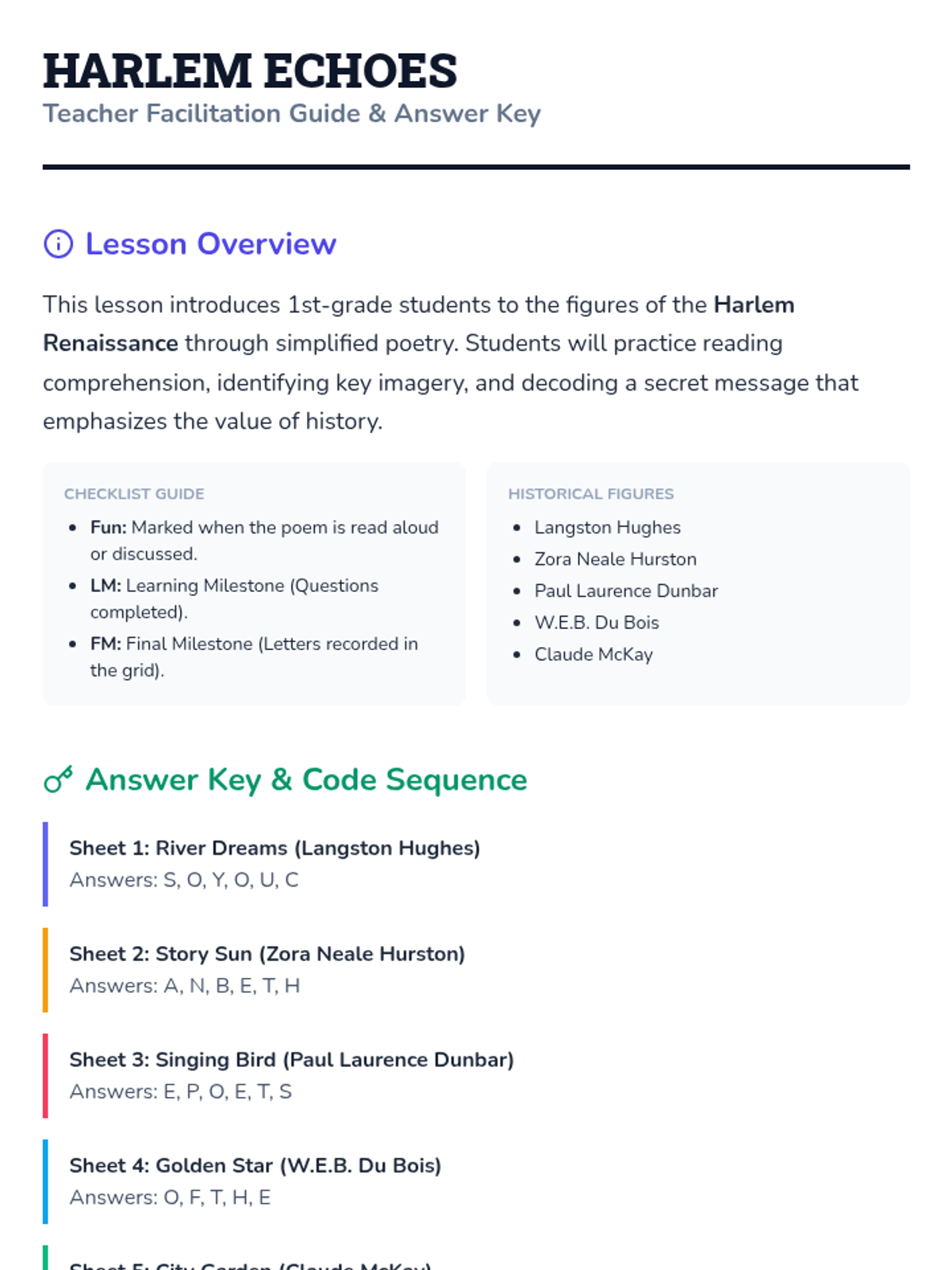
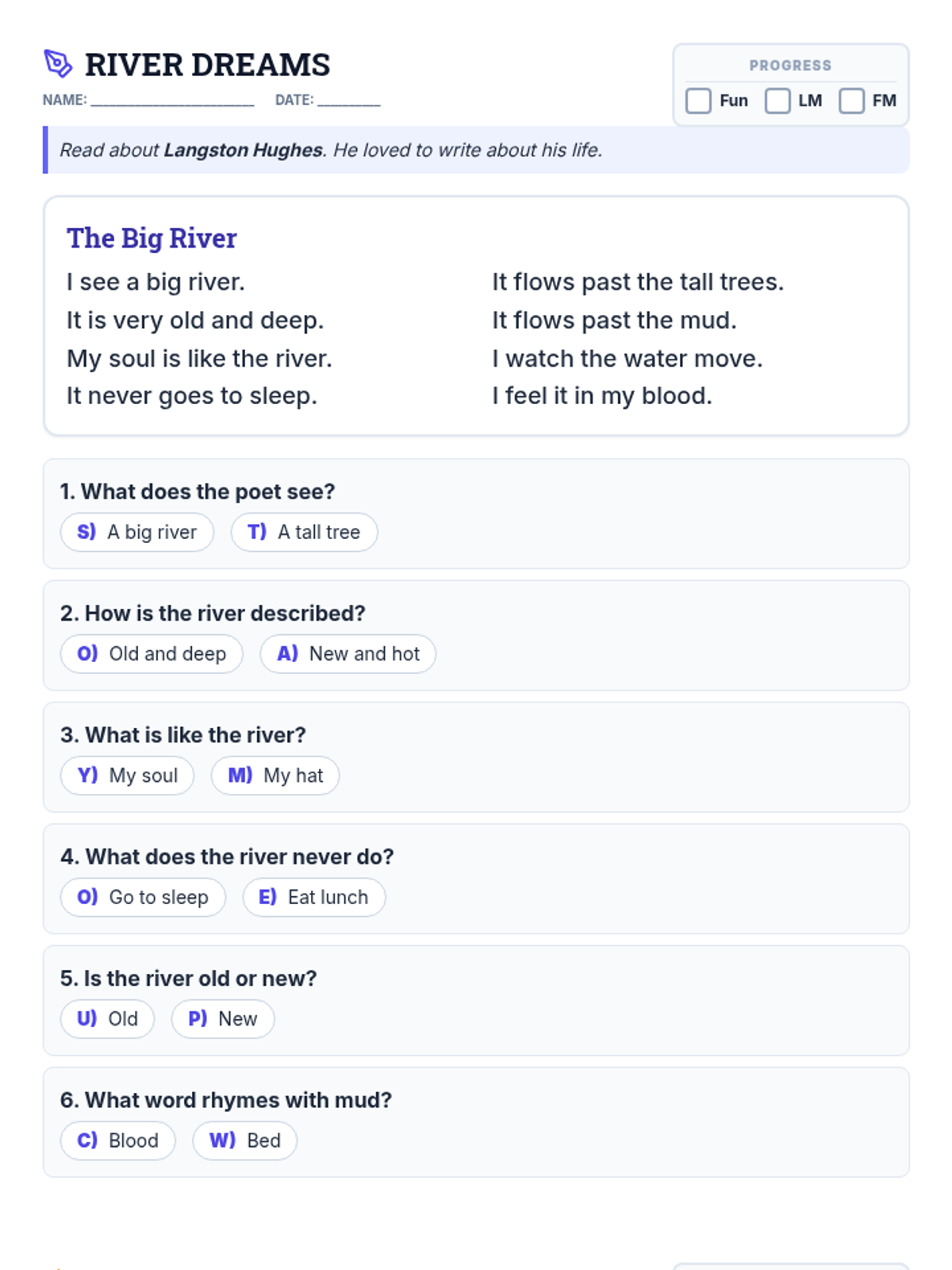
A poetry analysis assignment set at a first-grade reading level focused on key figures of the Harlem Renaissance. Students decode a secret message about the importance of studying history to become future writers.
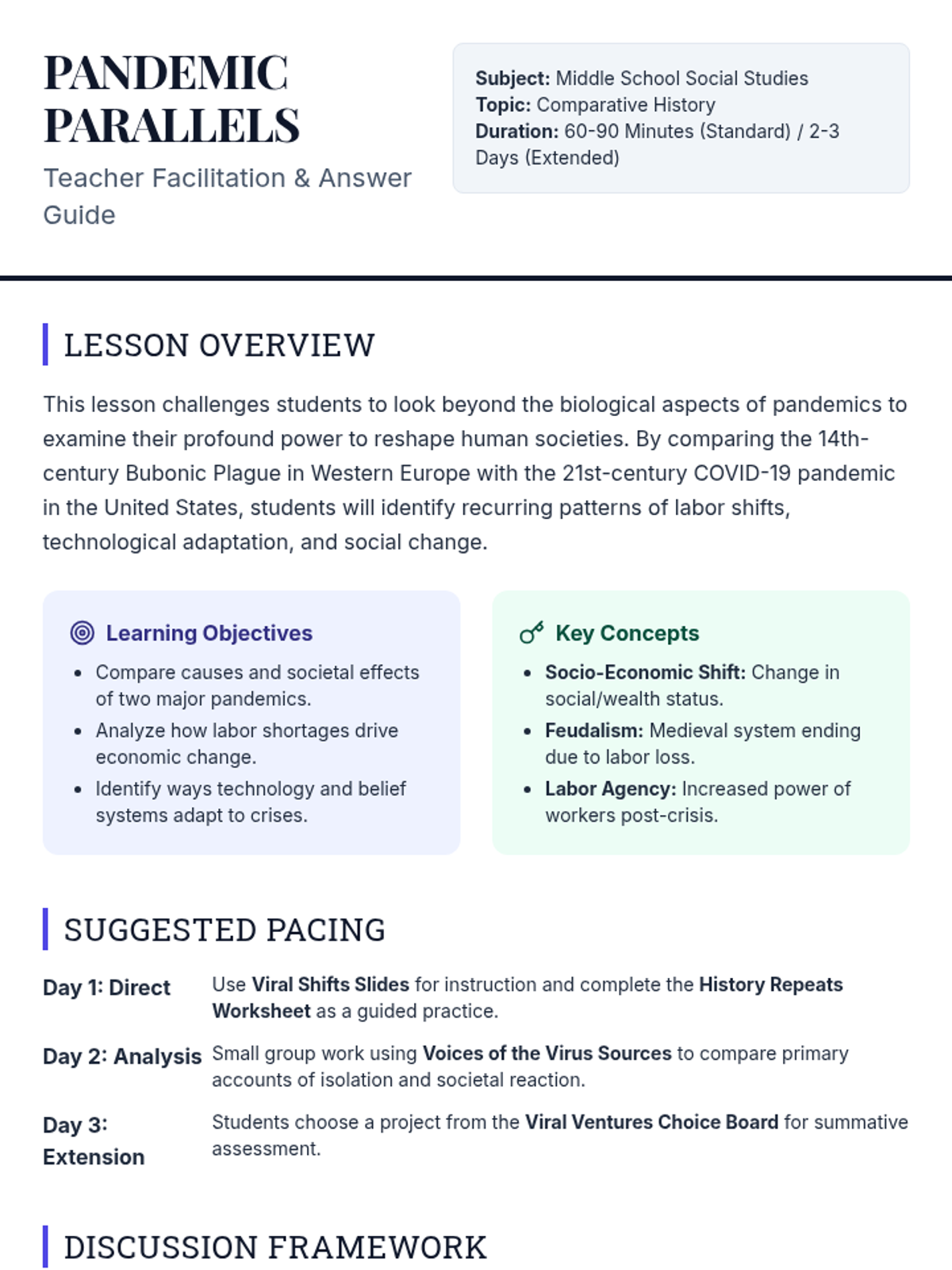
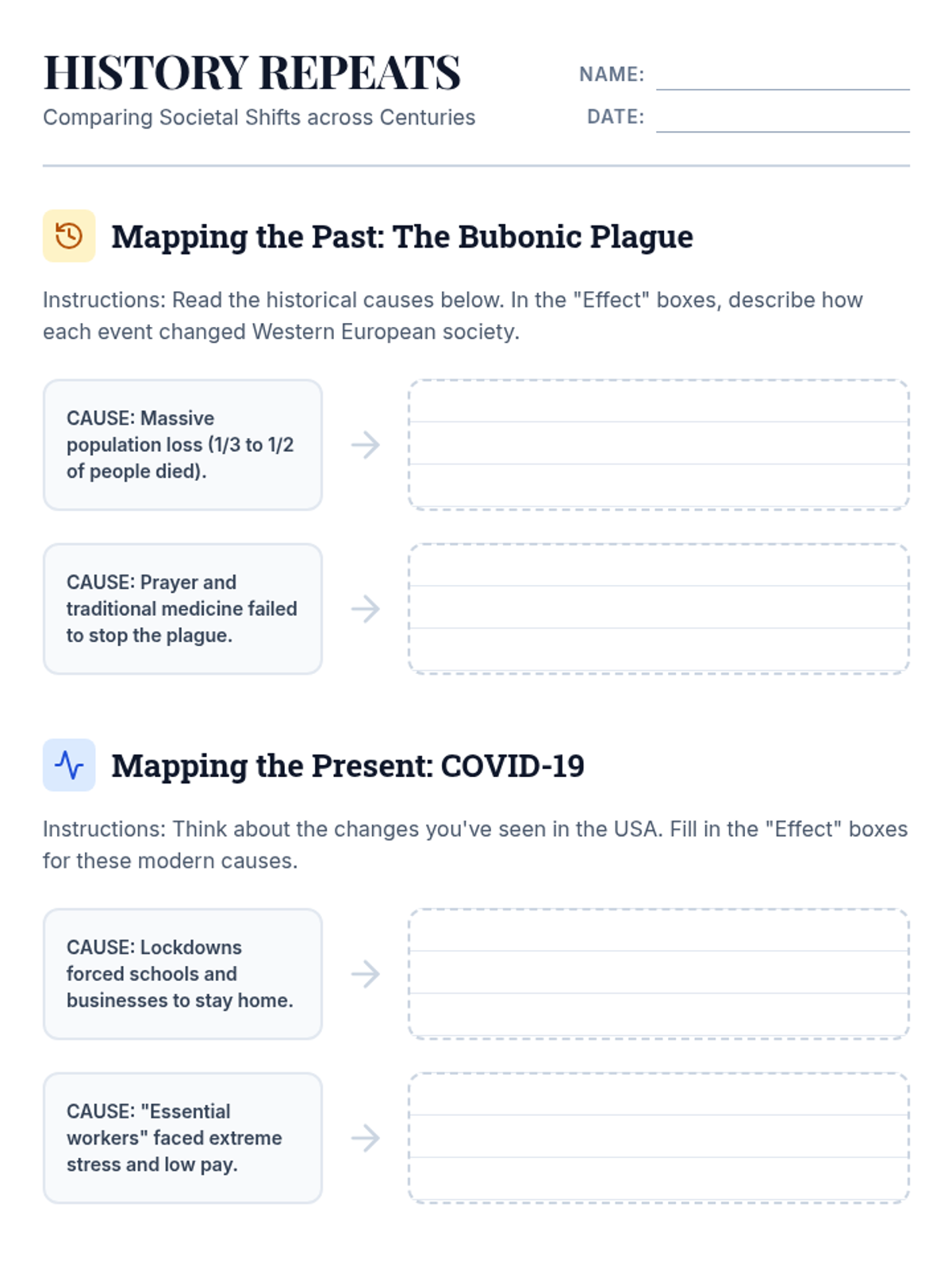
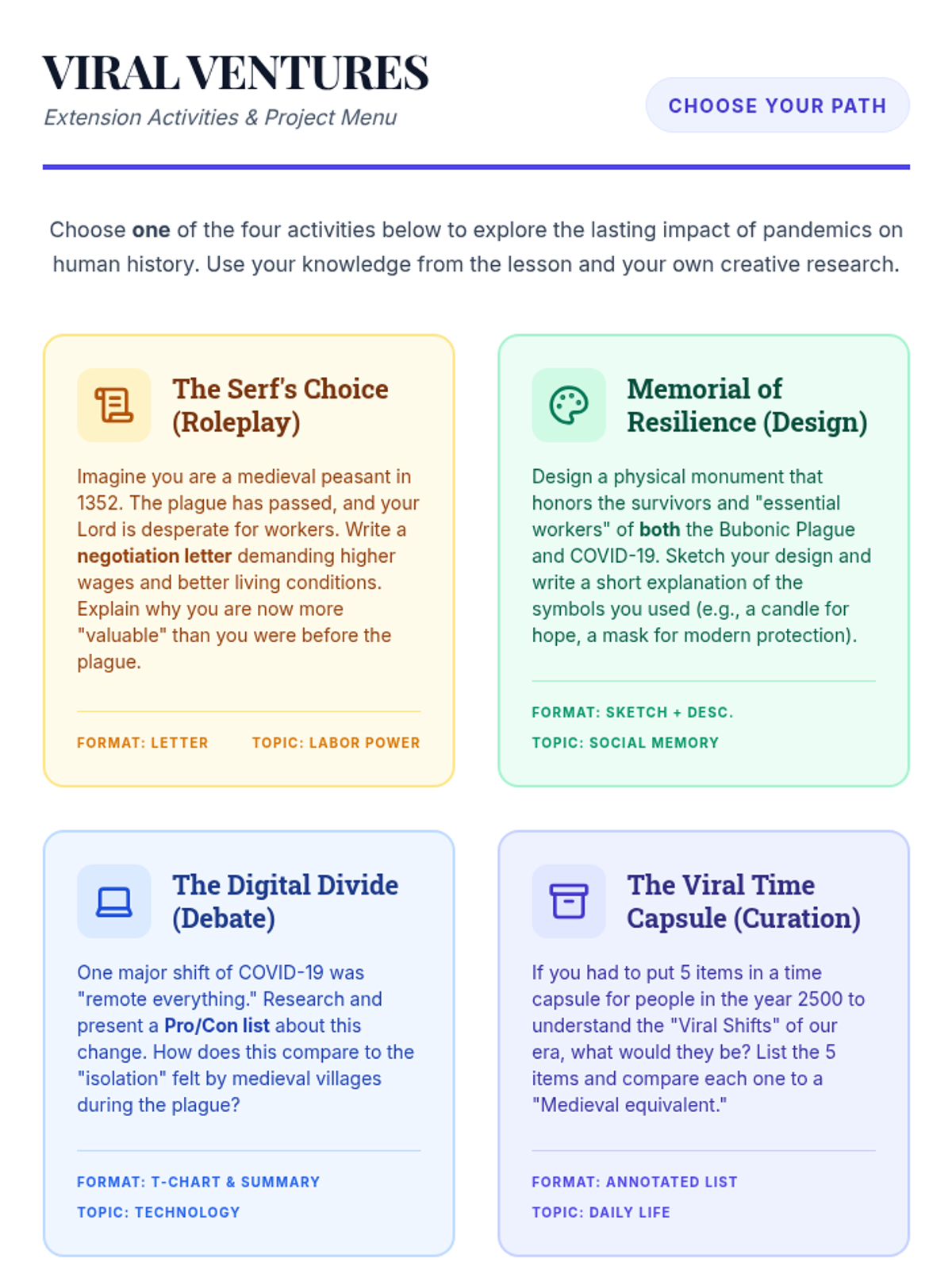
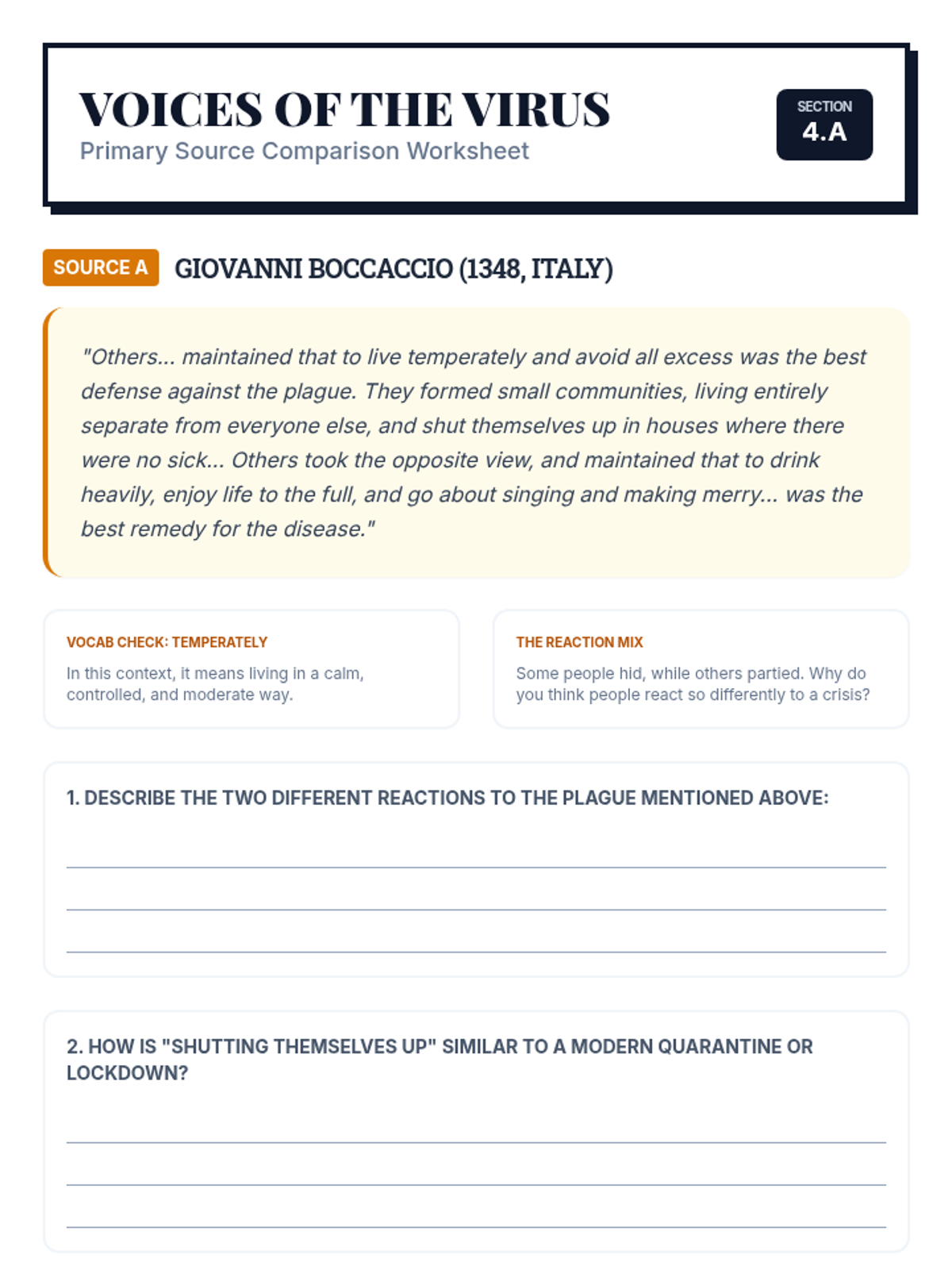
A comparative study of the societal impacts of the Bubonic Plague in Western Europe and the COVID-19 pandemic in the United States, focusing on cause-and-effect relationships in history.
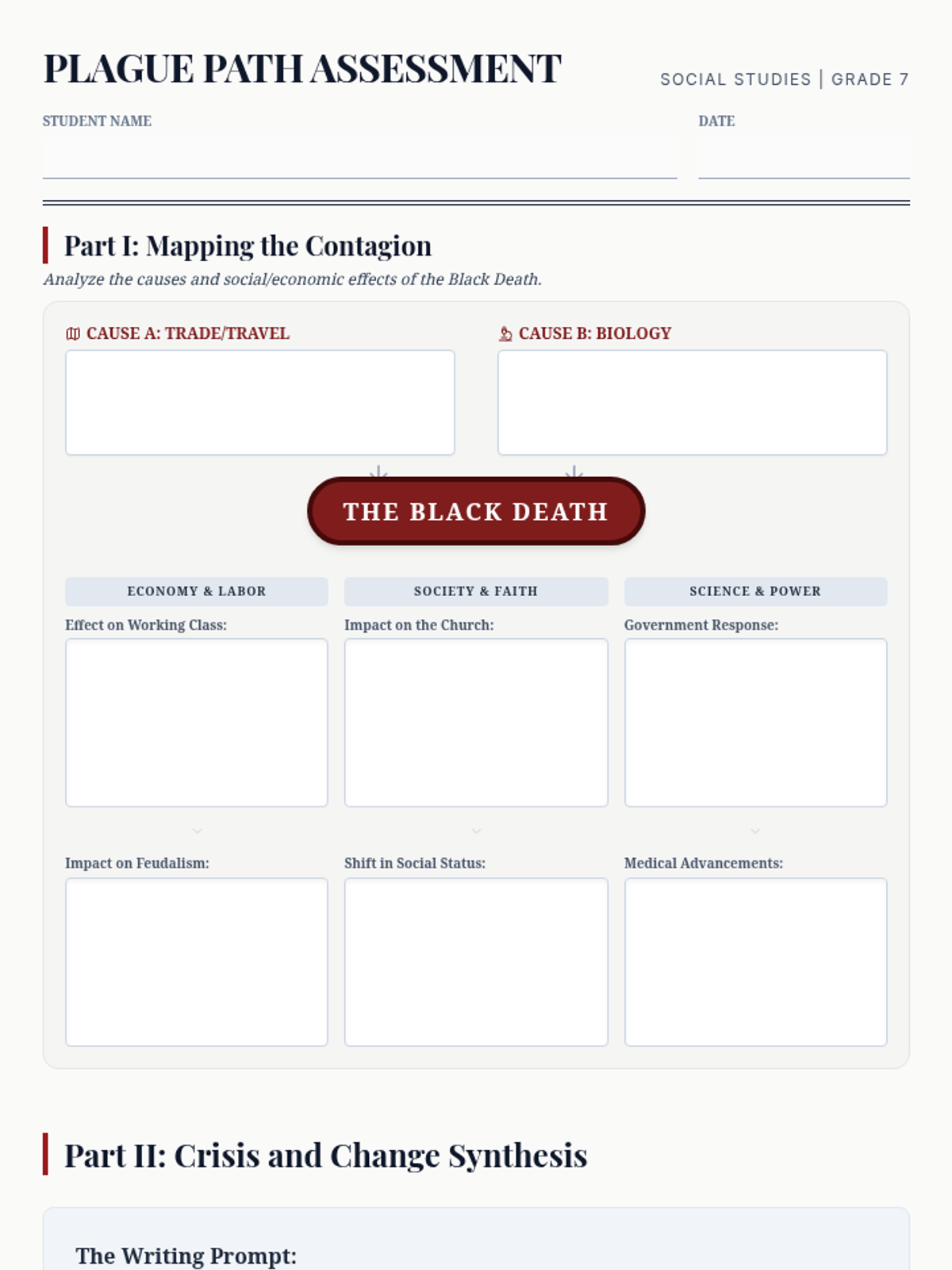
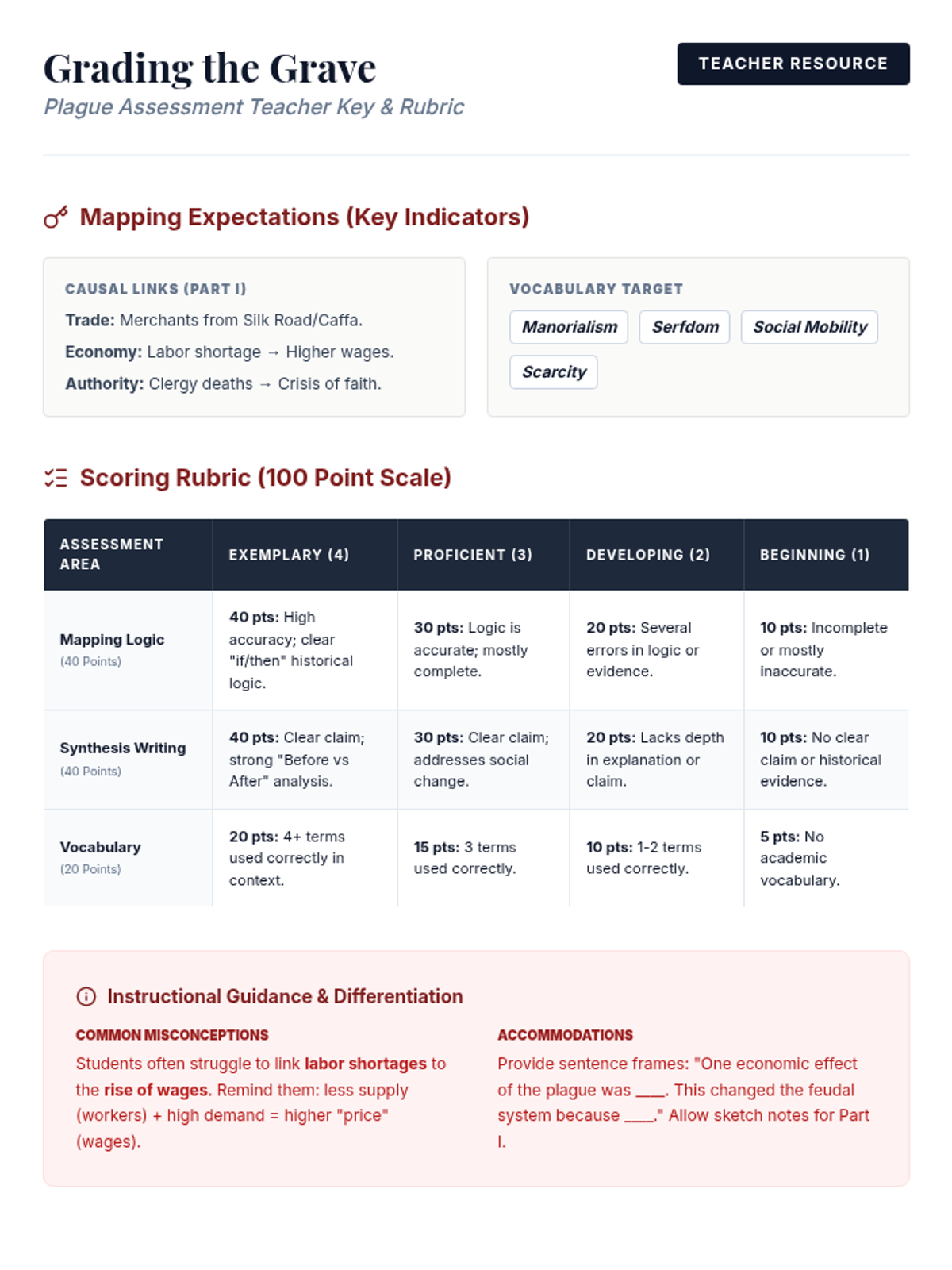
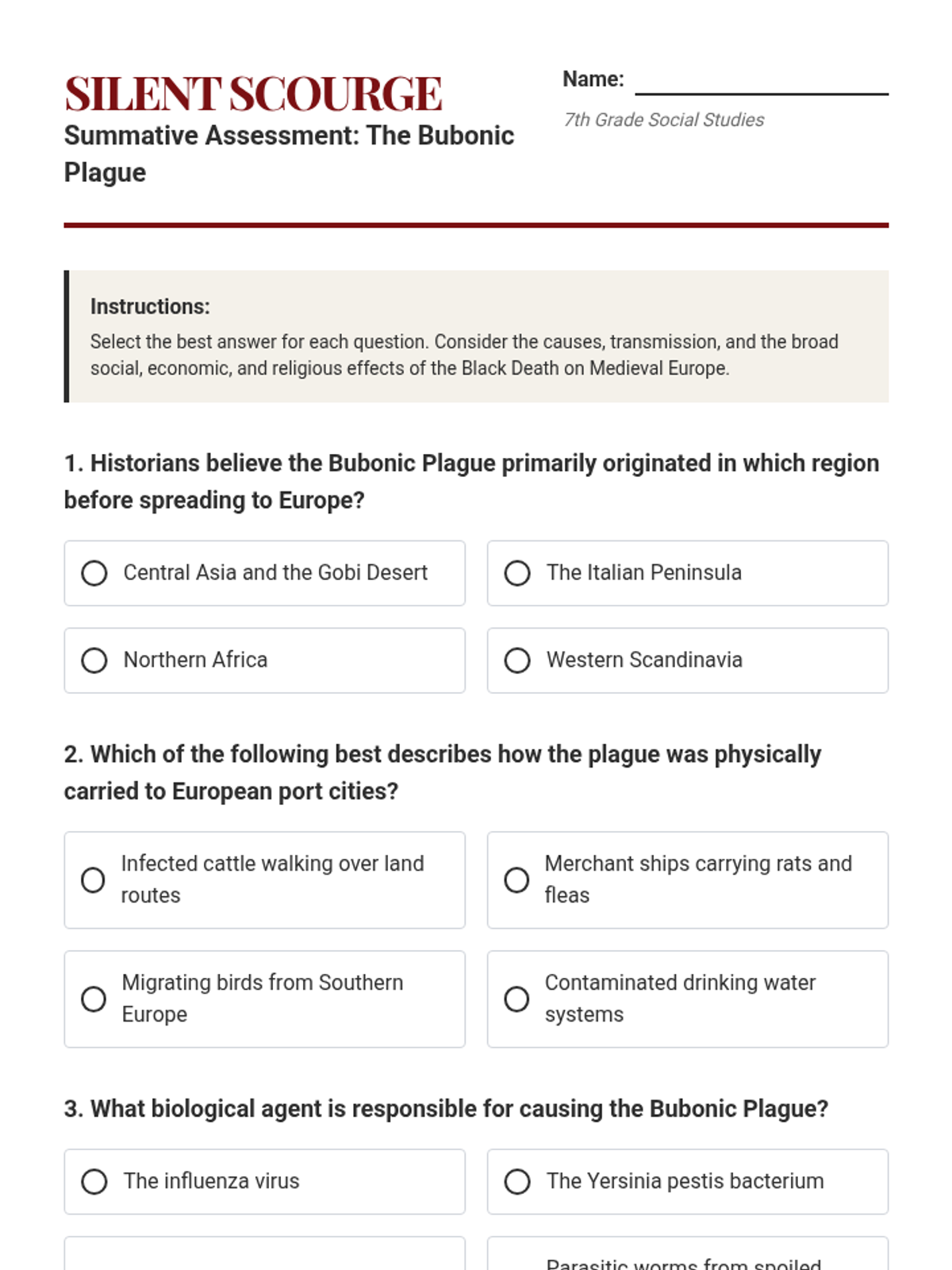
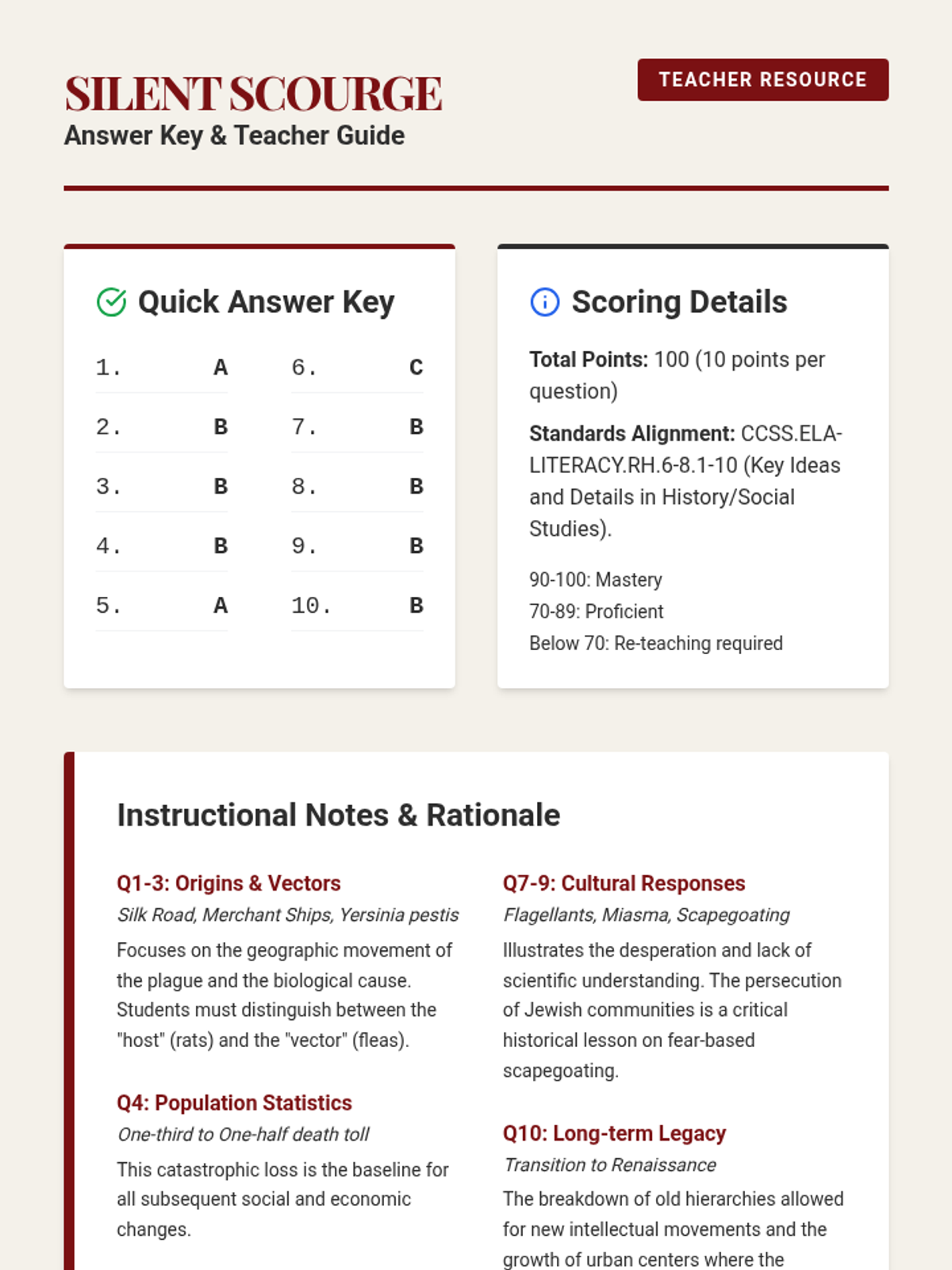
A summative assessment lesson focused on the causal relationships and long-term impacts of the Bubonic Plague on medieval society. Students map the spread and consequences of the pandemic before synthesizing their knowledge in a guided writing prompt.
A comprehensive summative assessment lesson covering the origins, transmission, and multi-faceted impacts of the Bubonic Plague on Medieval society. Includes a review presentation and a formal multiple-choice assessment.
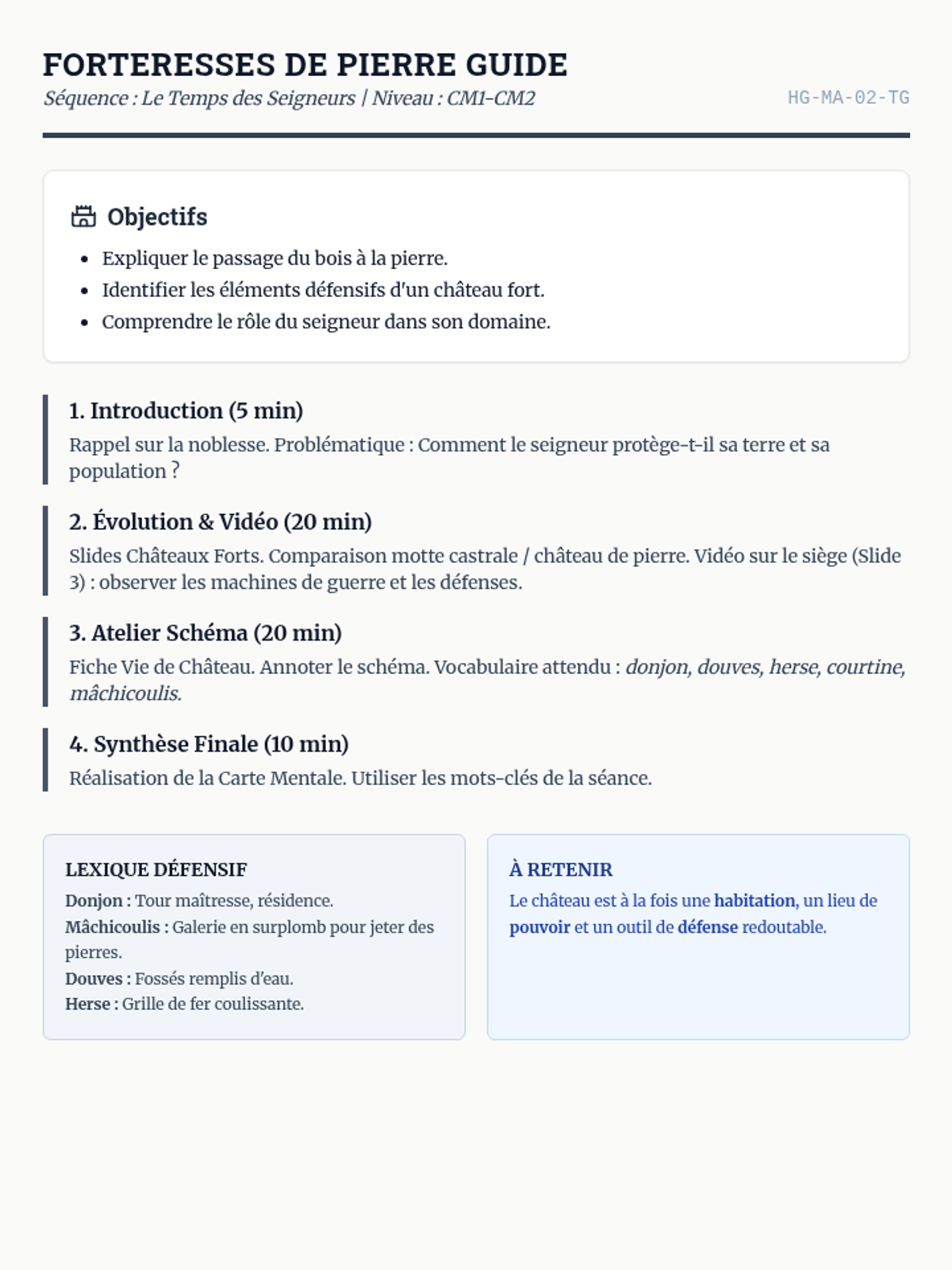
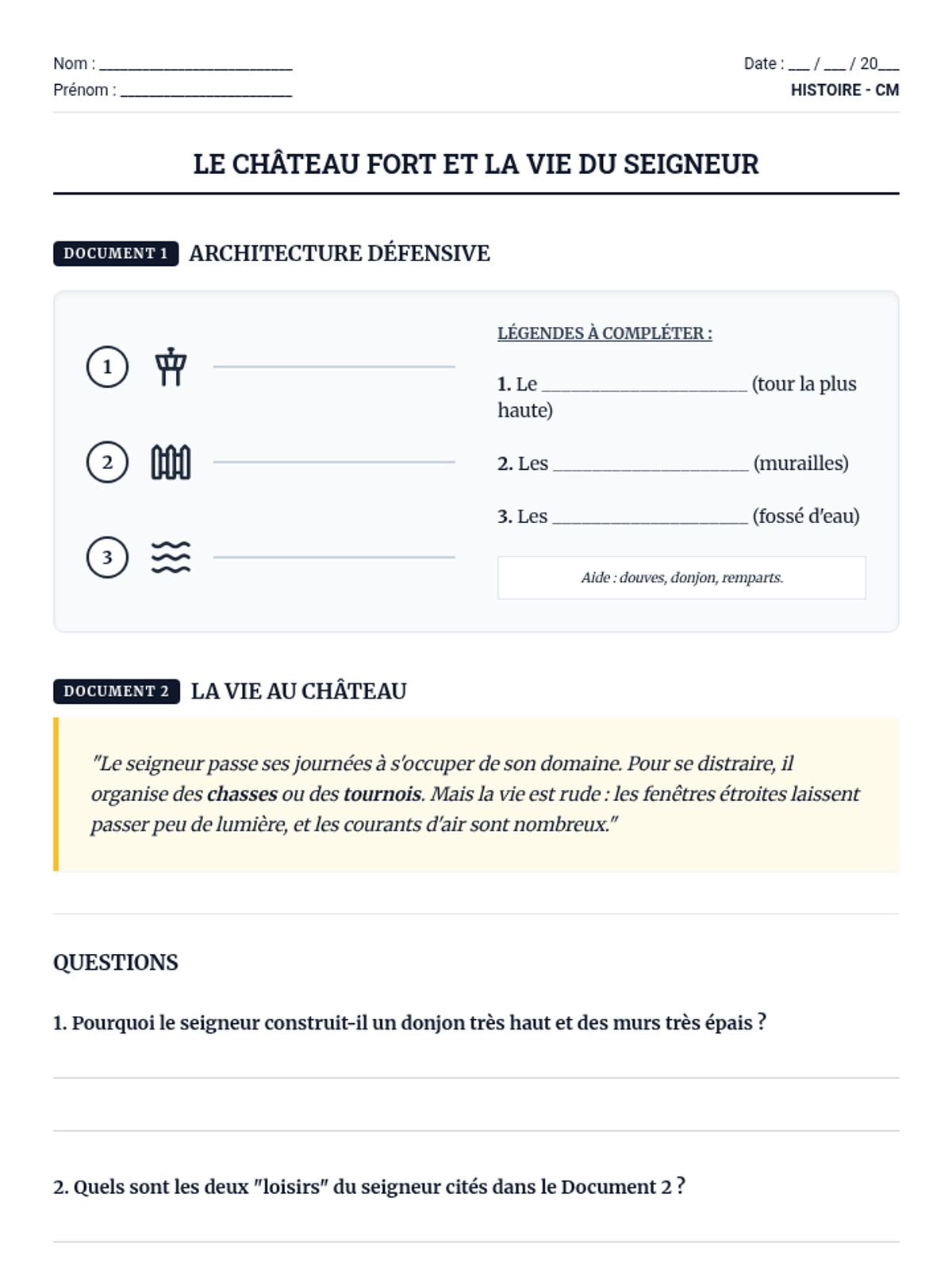
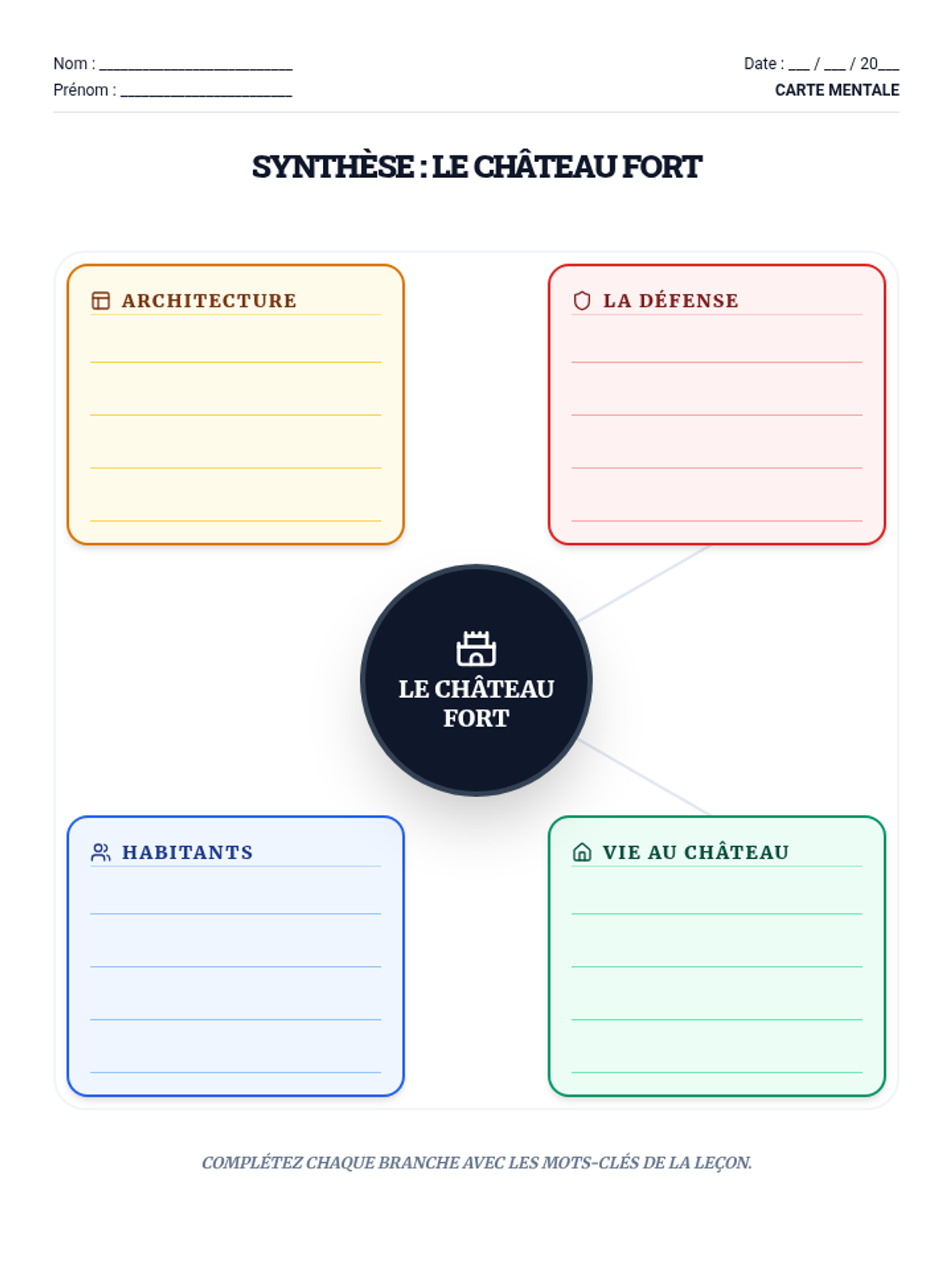
Cette leçon détaille l'évolution, la structure et la fonction des châteaux forts, ainsi que le mode de vie des seigneurs et des chevaliers au sein de ces forteresses.
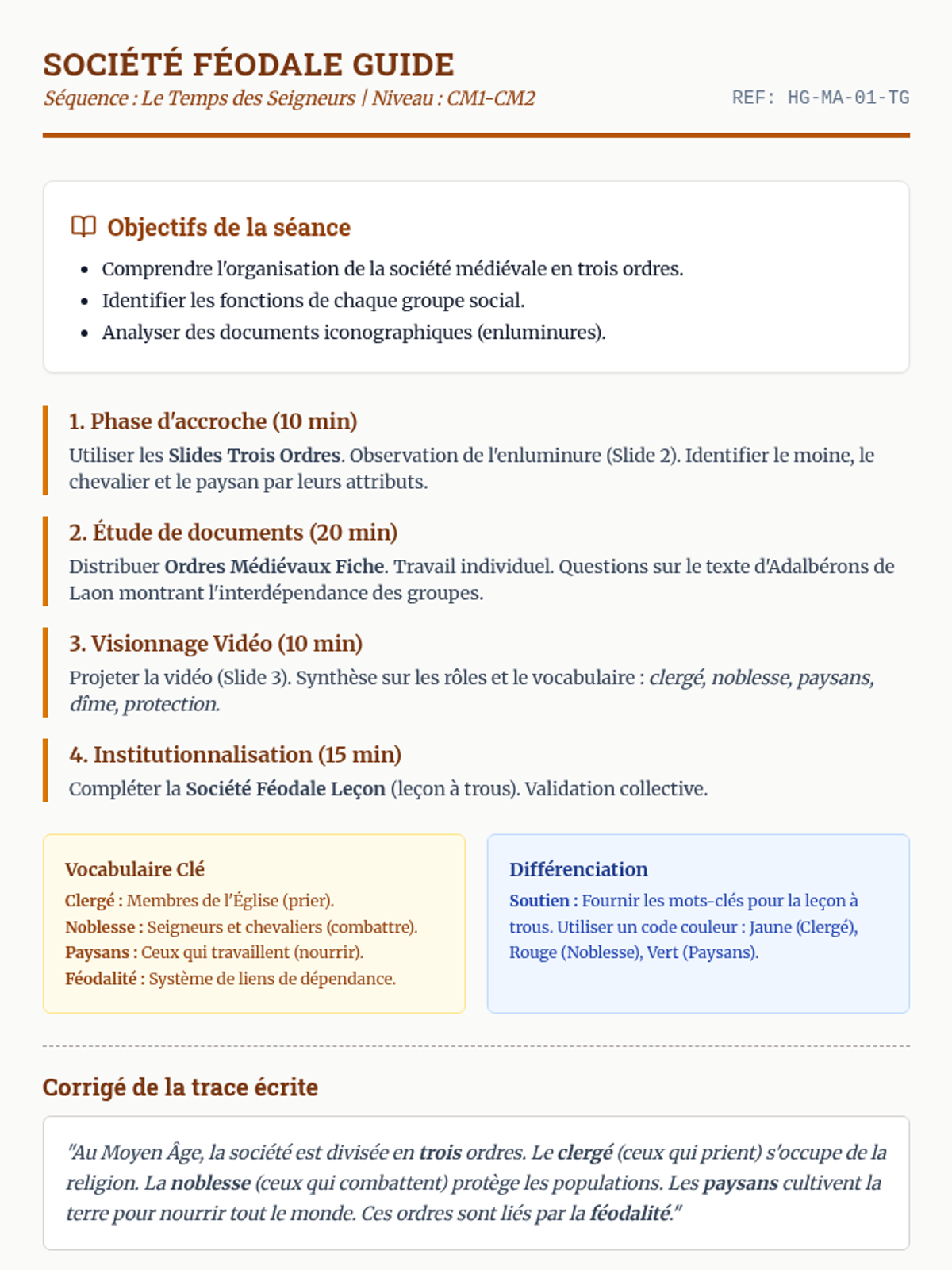
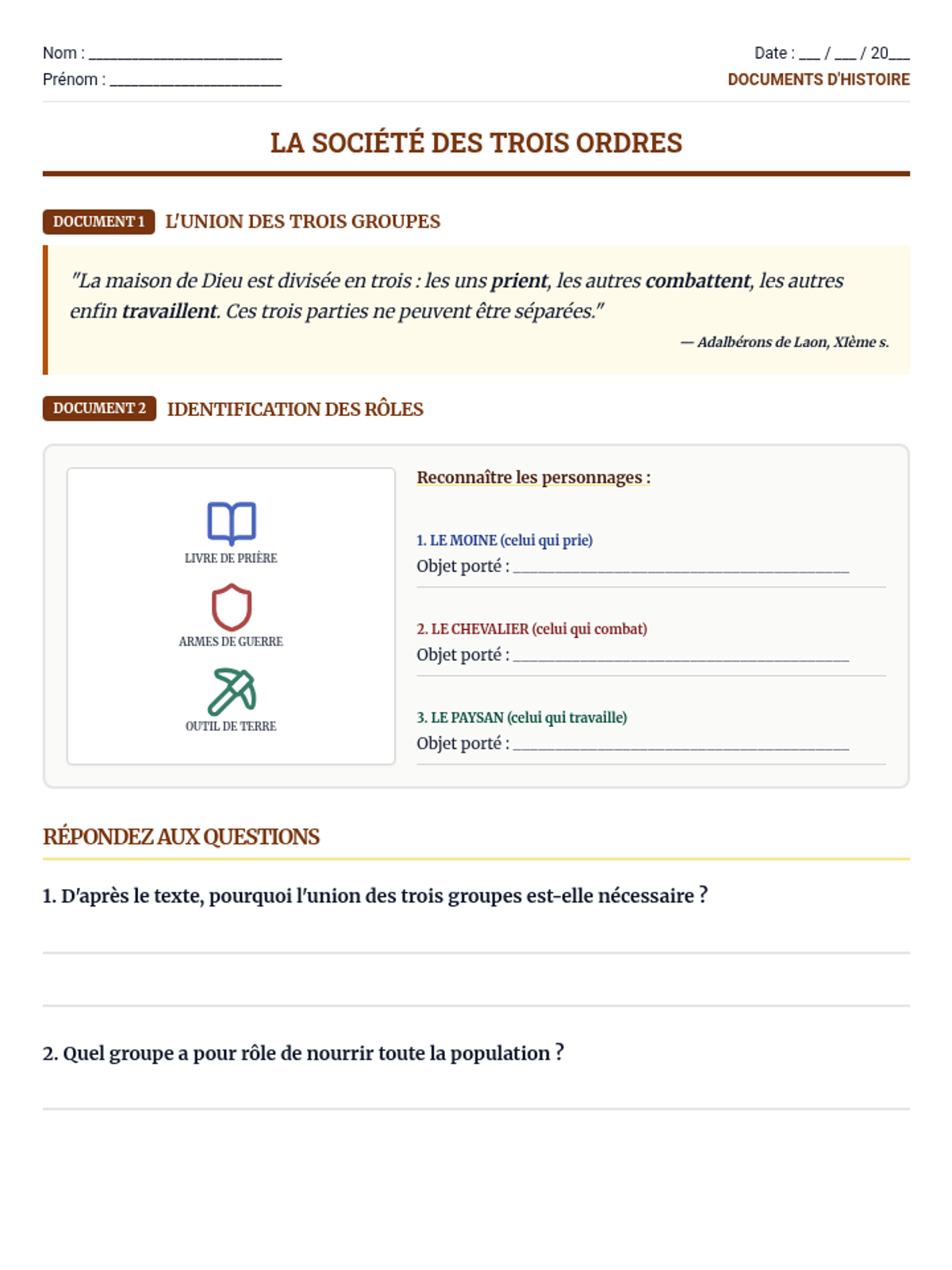
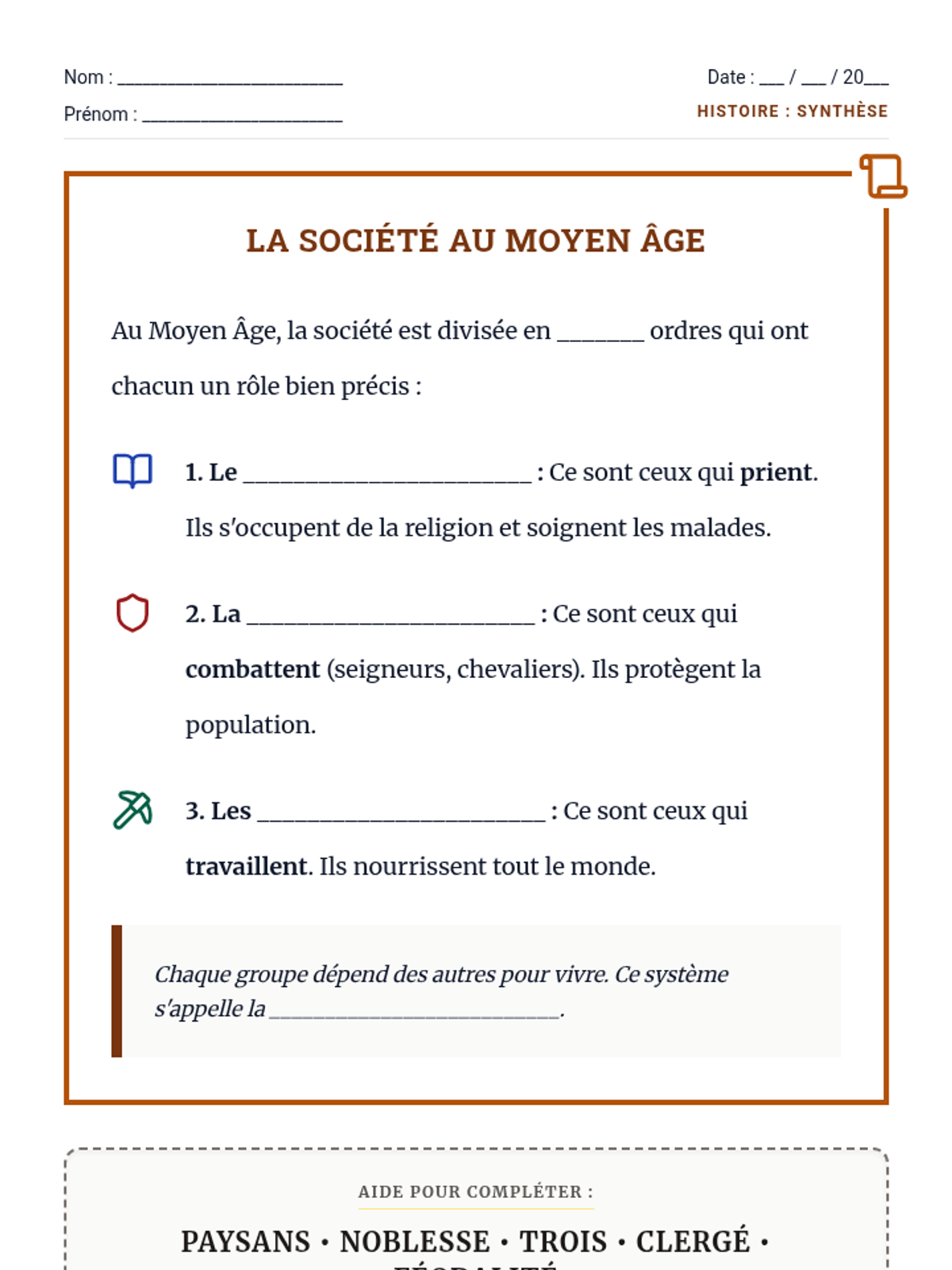
Cette leçon porte sur la division de la société médiévale en trois groupes distincts : le clergé, la noblesse et les paysans, tout en expliquant les liens de dépendance entre eux.
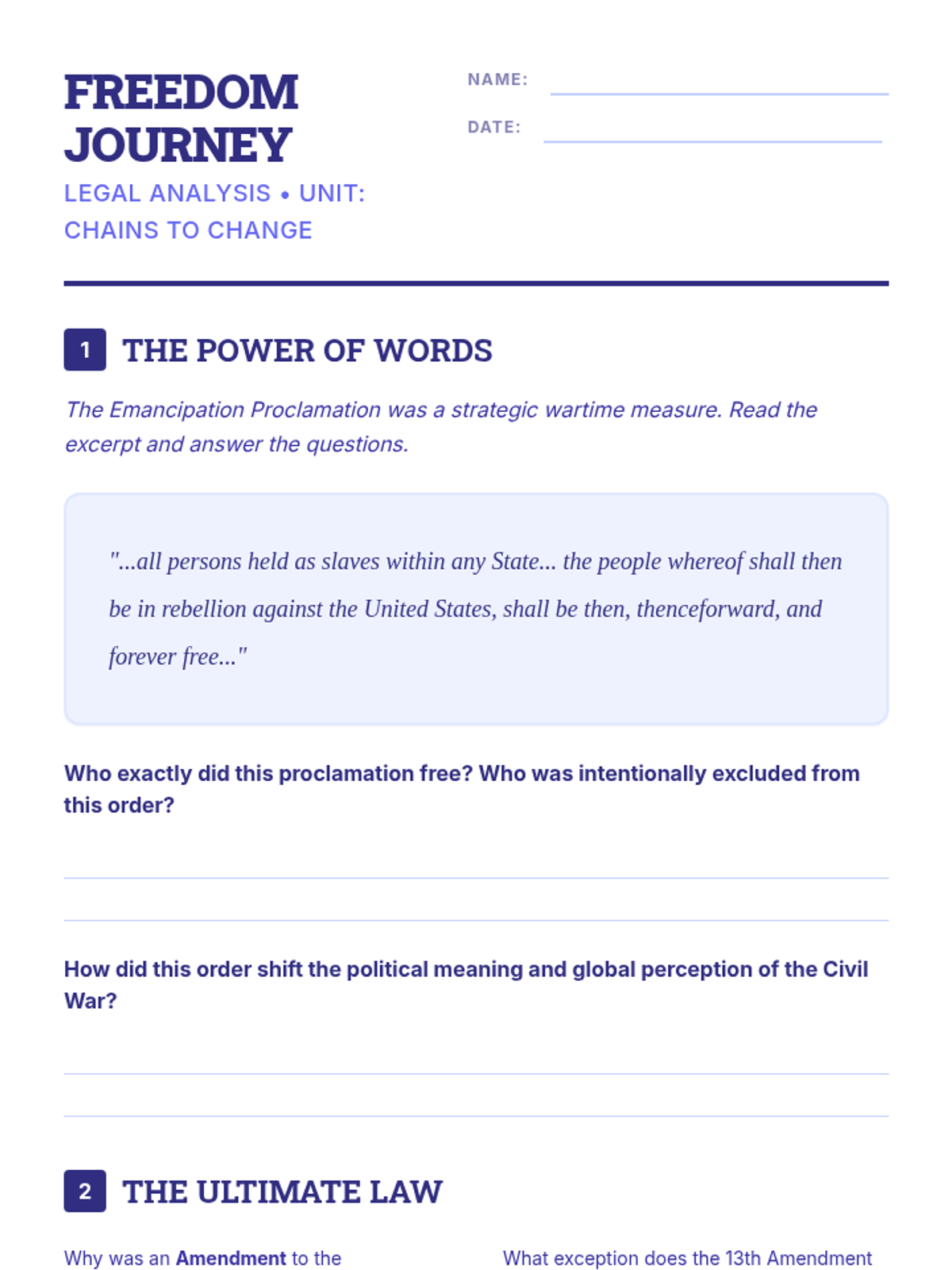
Examine the factors that led to the abolition of slavery and the legal process of emancipation in the Americas.
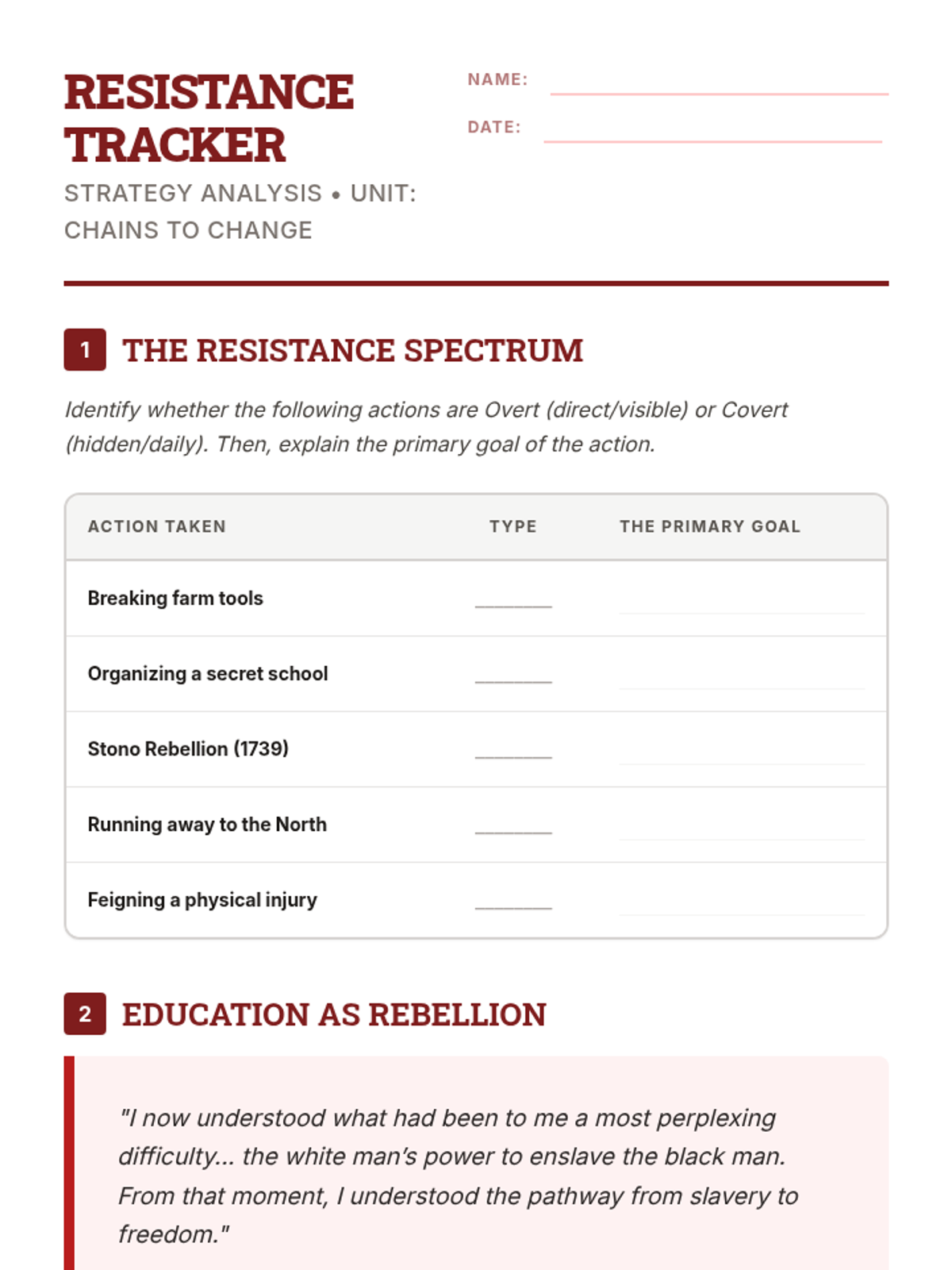
Investigate the various forms of resistance used by enslaved people, from daily acts of defiance to organized rebellions.
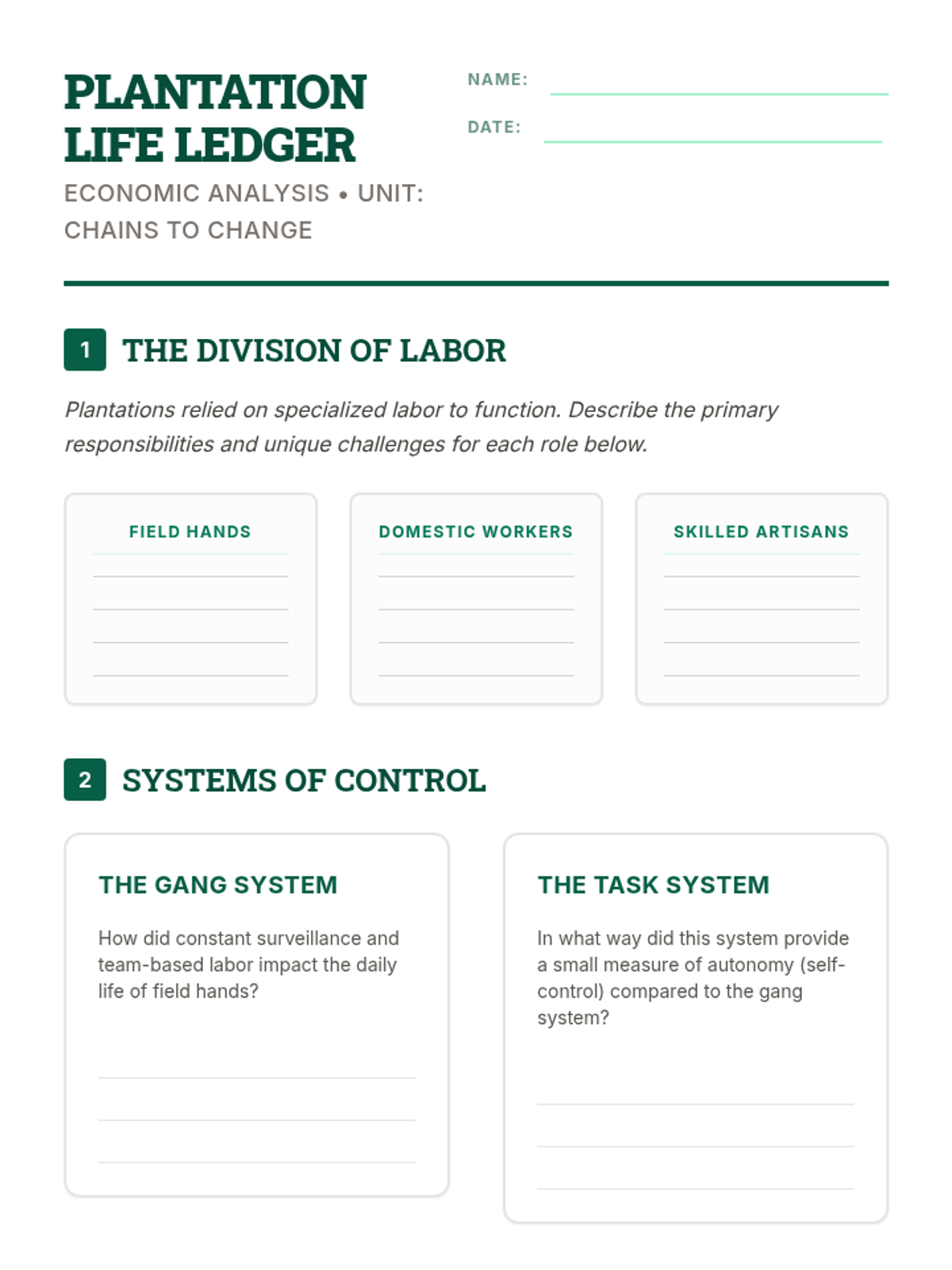
Analyze the economic structure of the plantation system and the daily lives of enslaved people across the Americas.
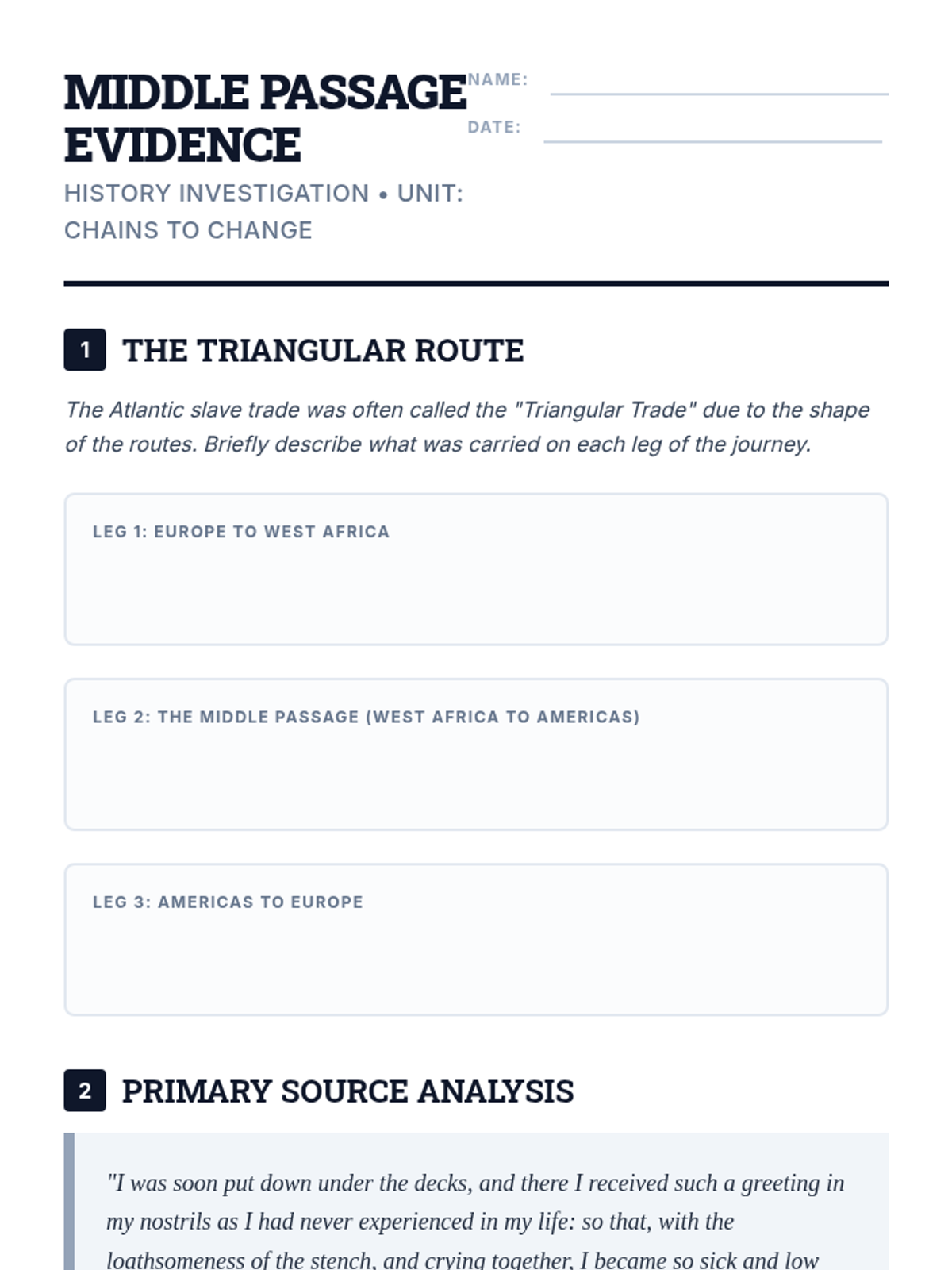
Explore the economic mechanics of the Atlantic slave trade and the harrowing reality of the Middle Passage through primary sources and mapping.