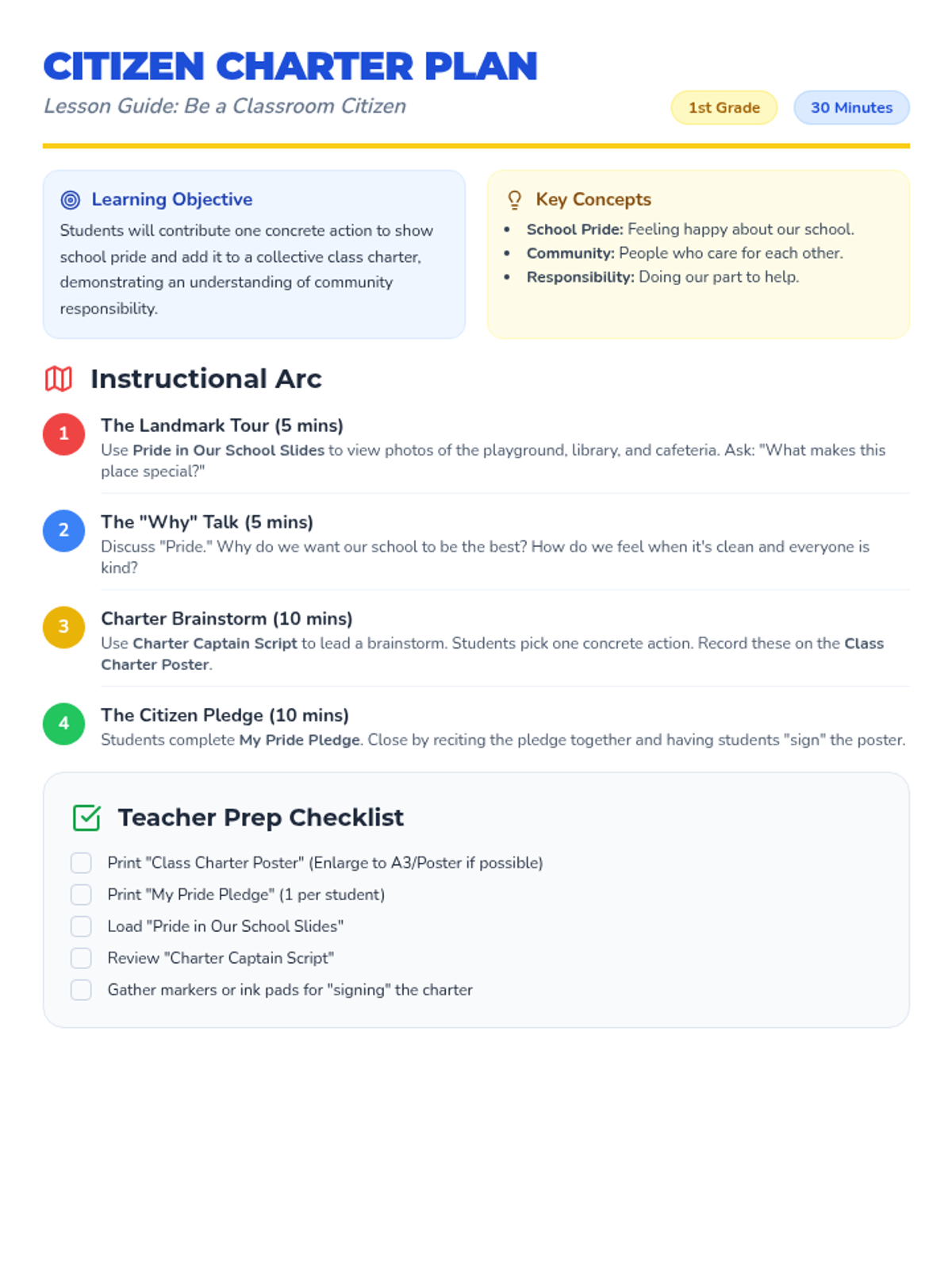
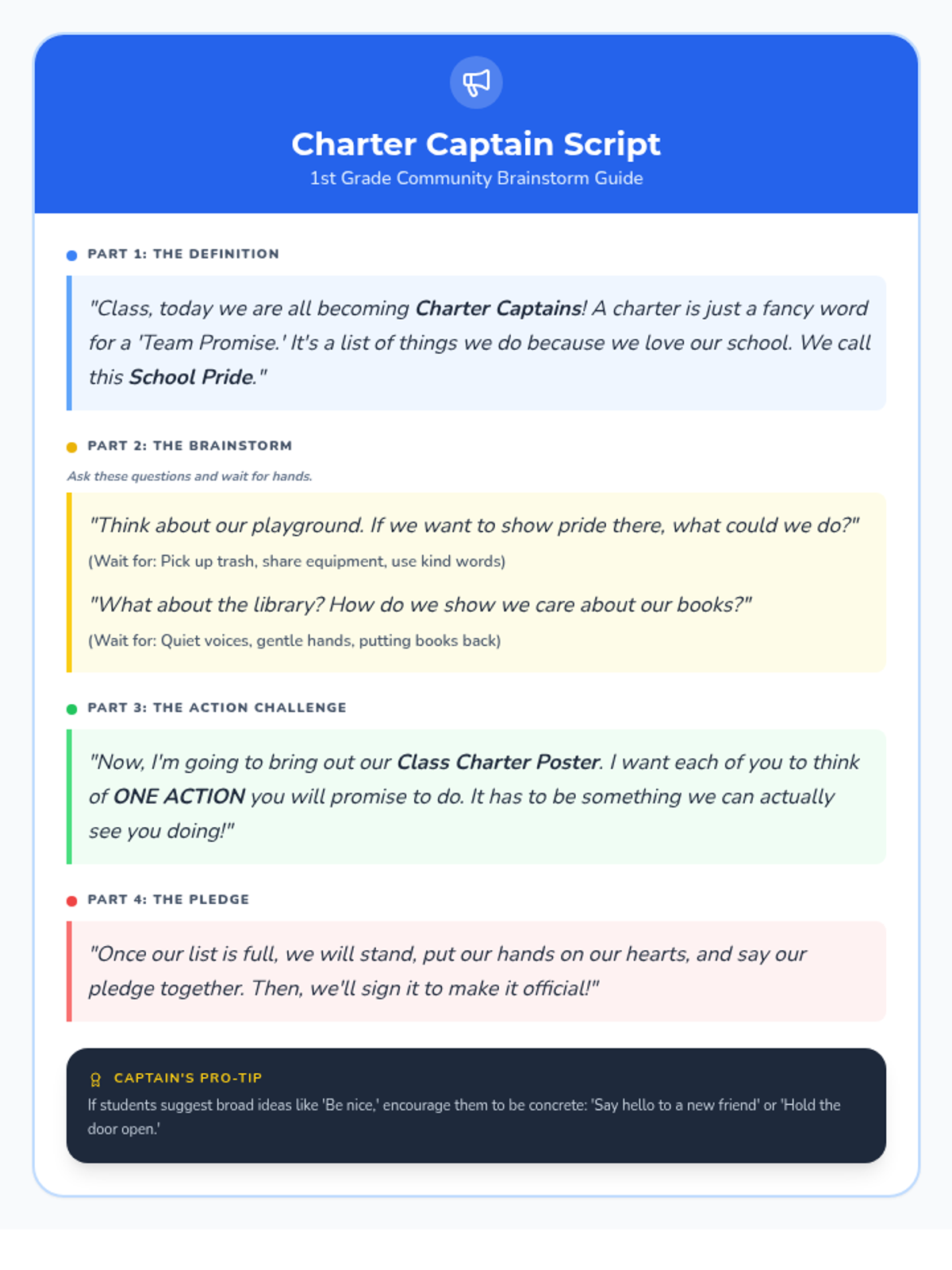
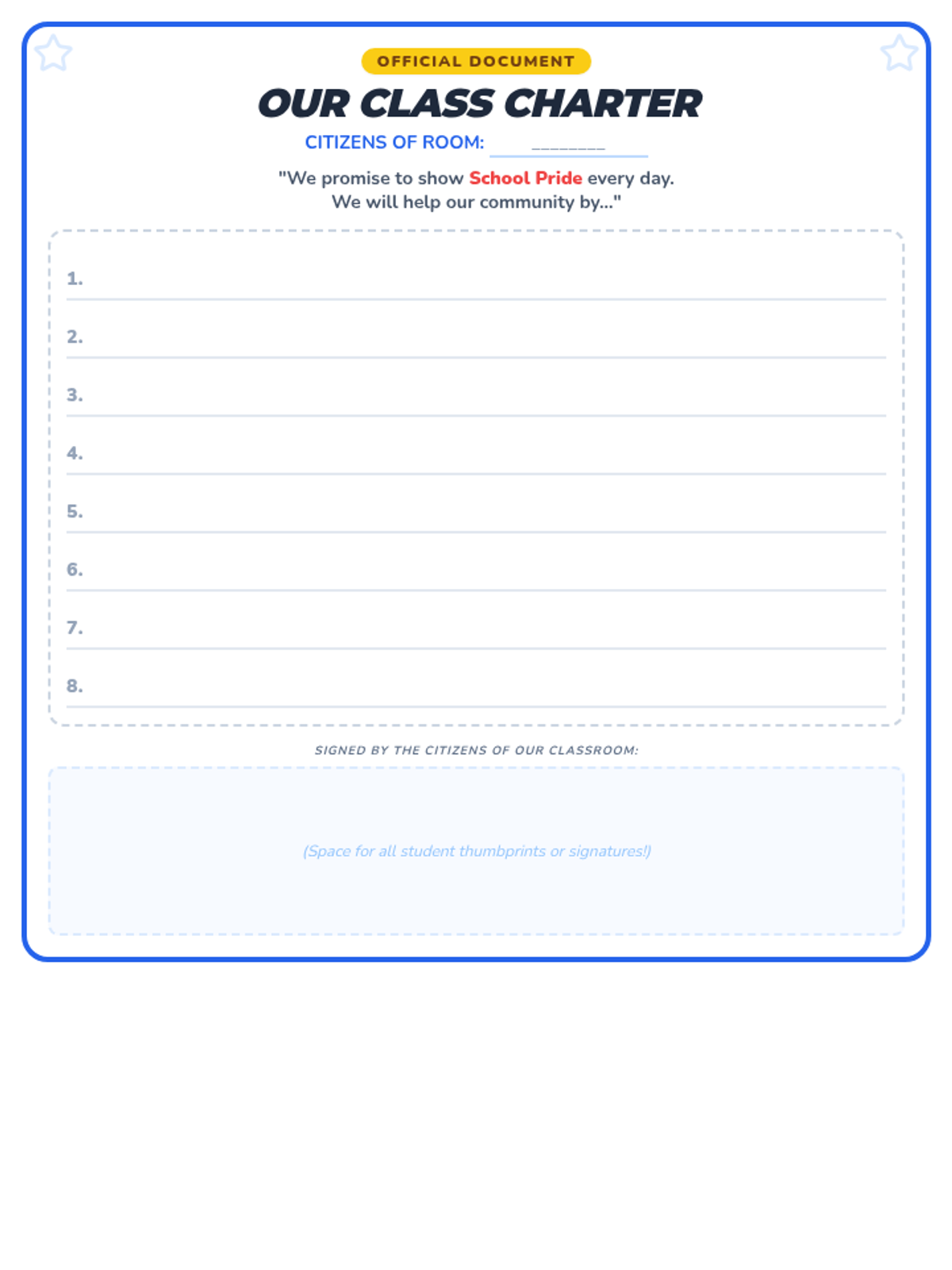
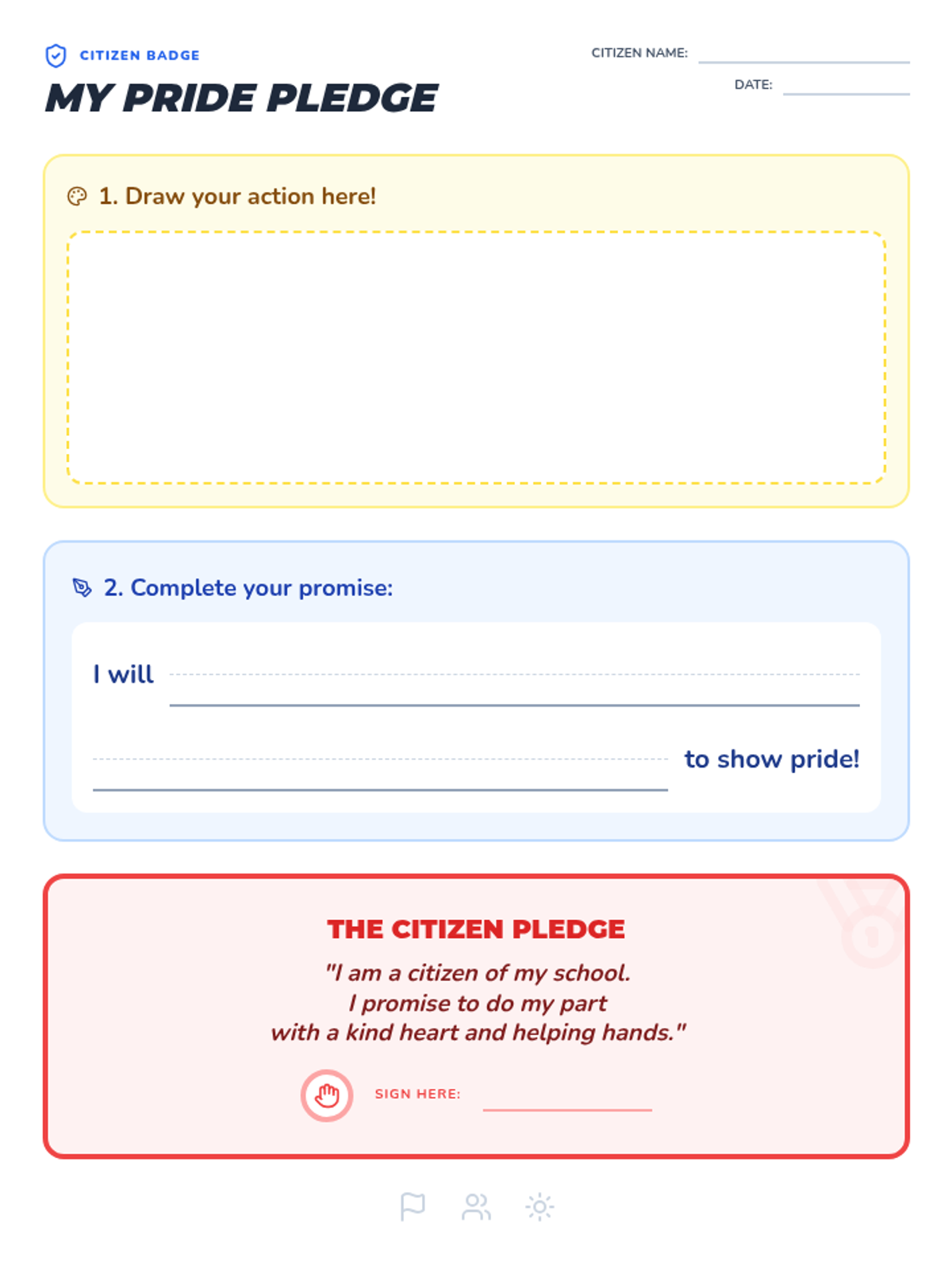
A 30-minute civics lesson for 1st graders focused on school pride and community responsibility. Students explore their school identity and commit to a concrete action for their Class Charter.
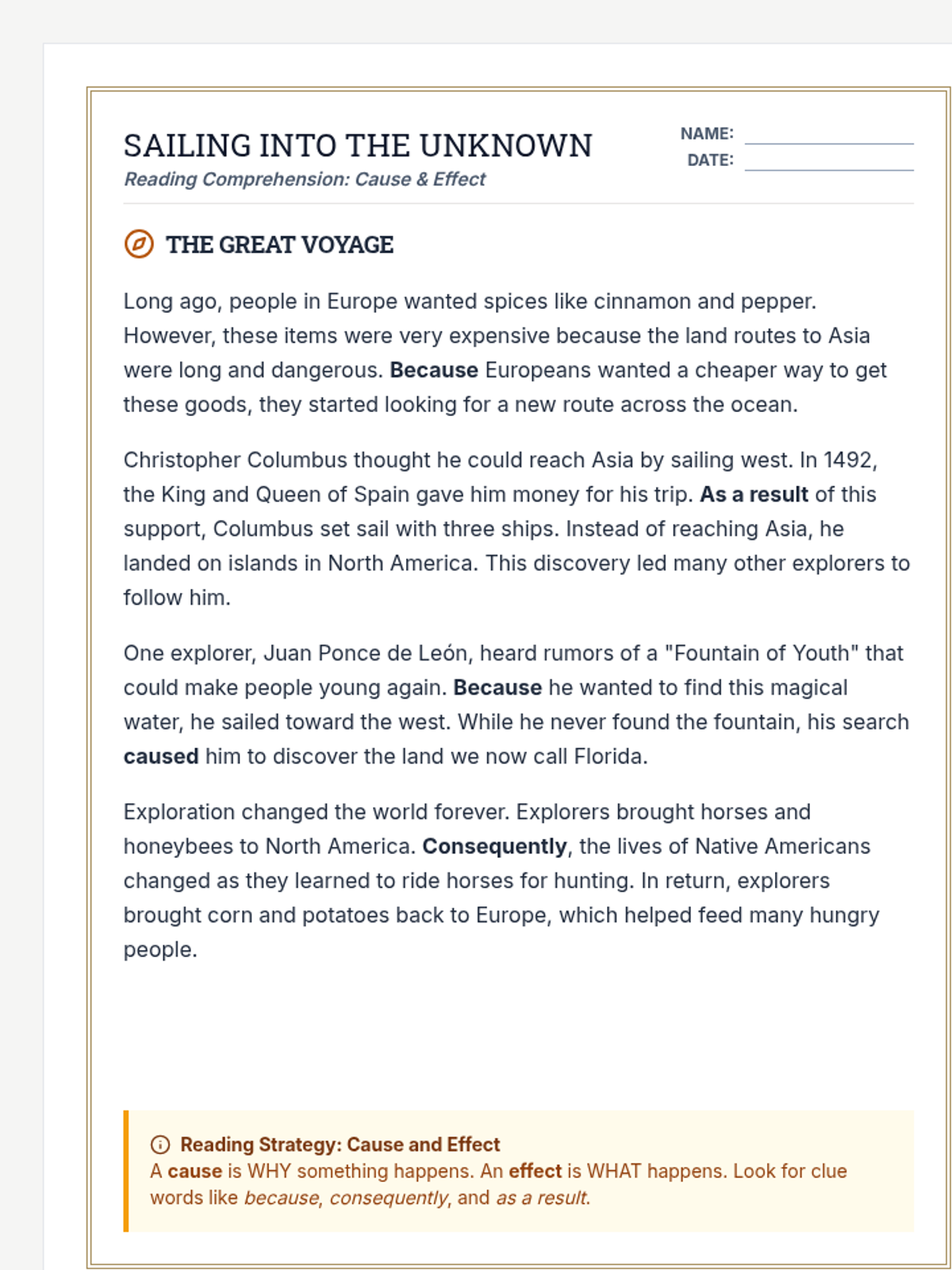
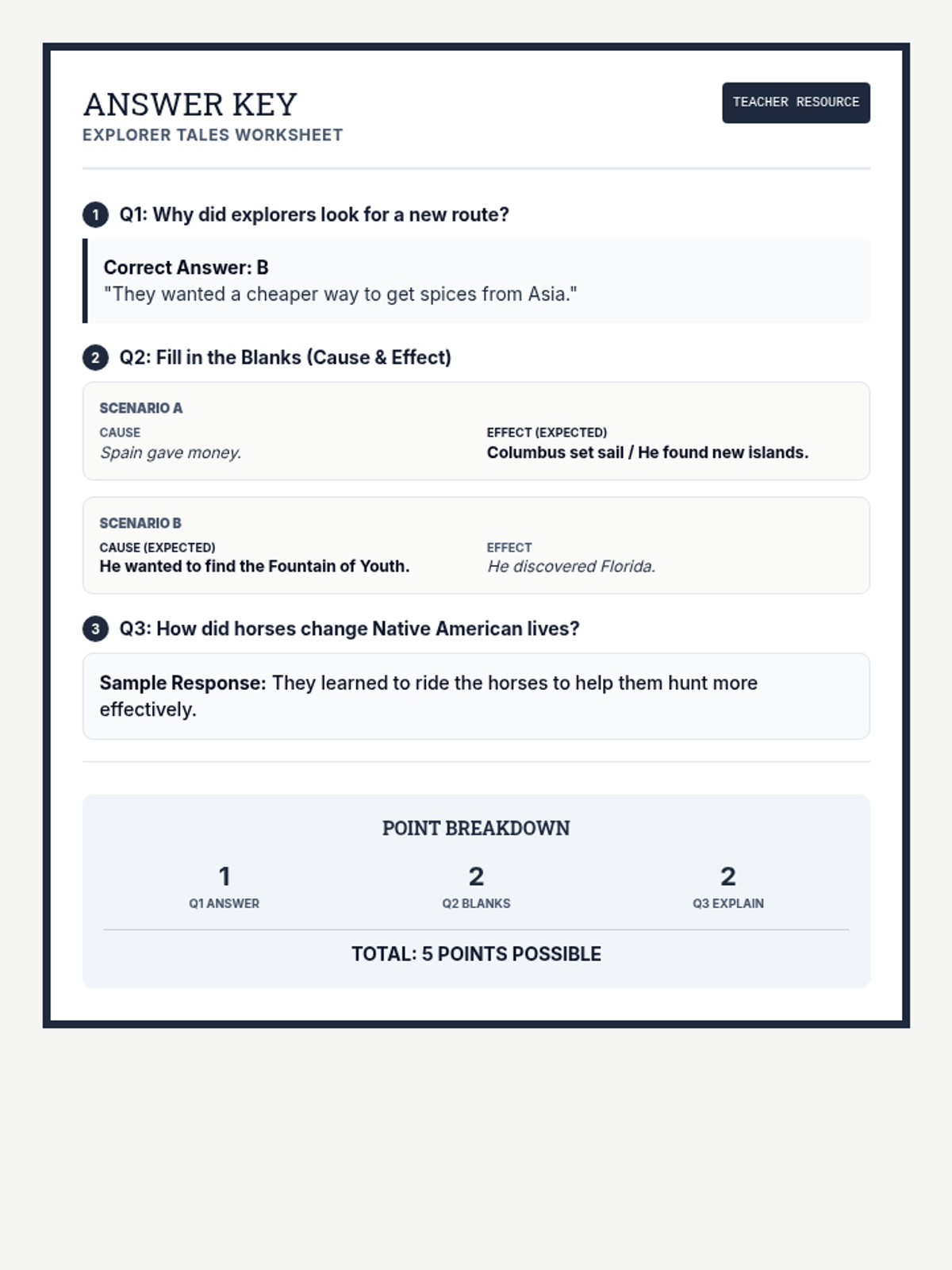
A lesson focused on European explorers of North America, specifically designed for third-grade students to practice identifying cause and effect relationships within informational texts.
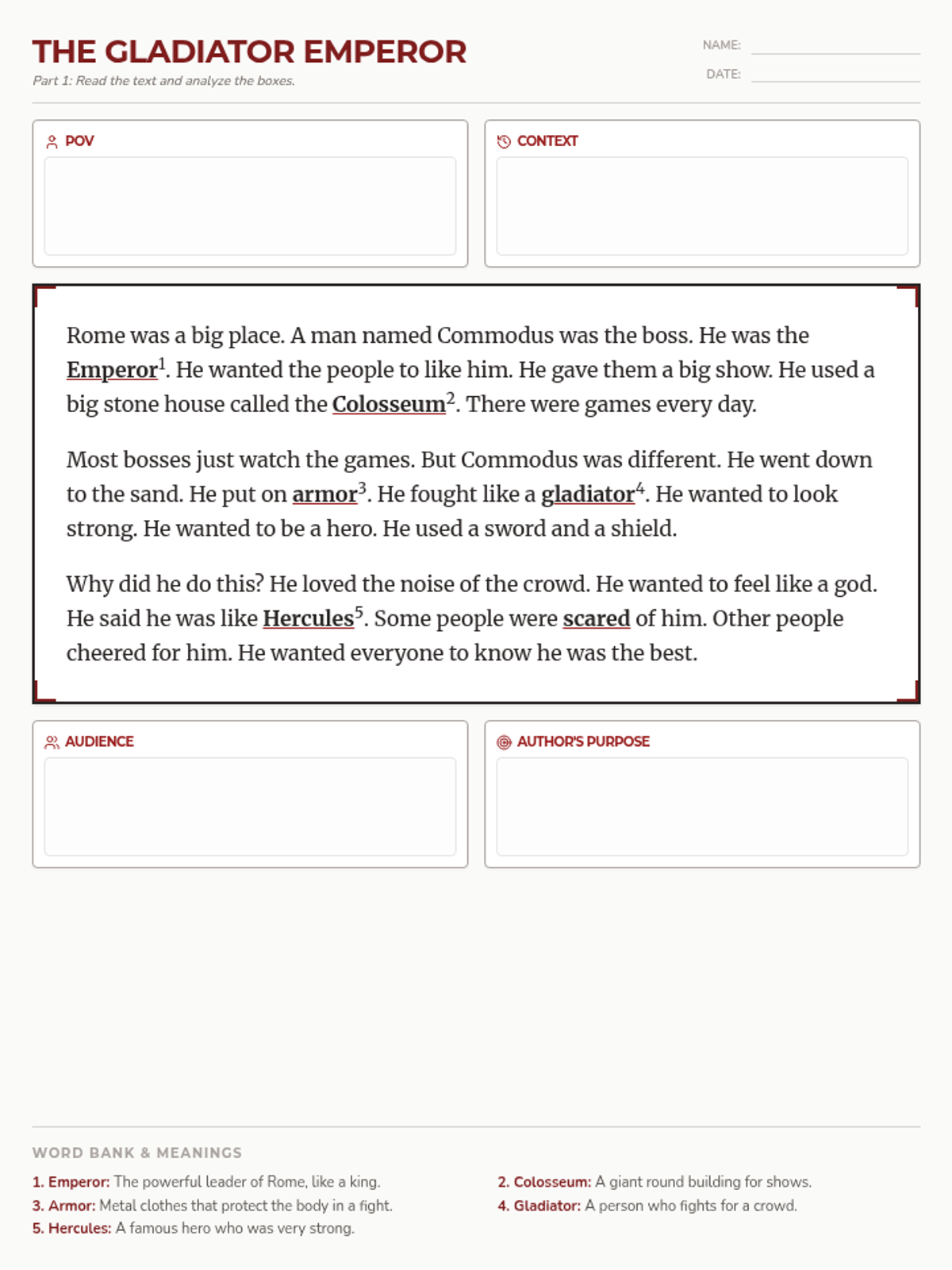
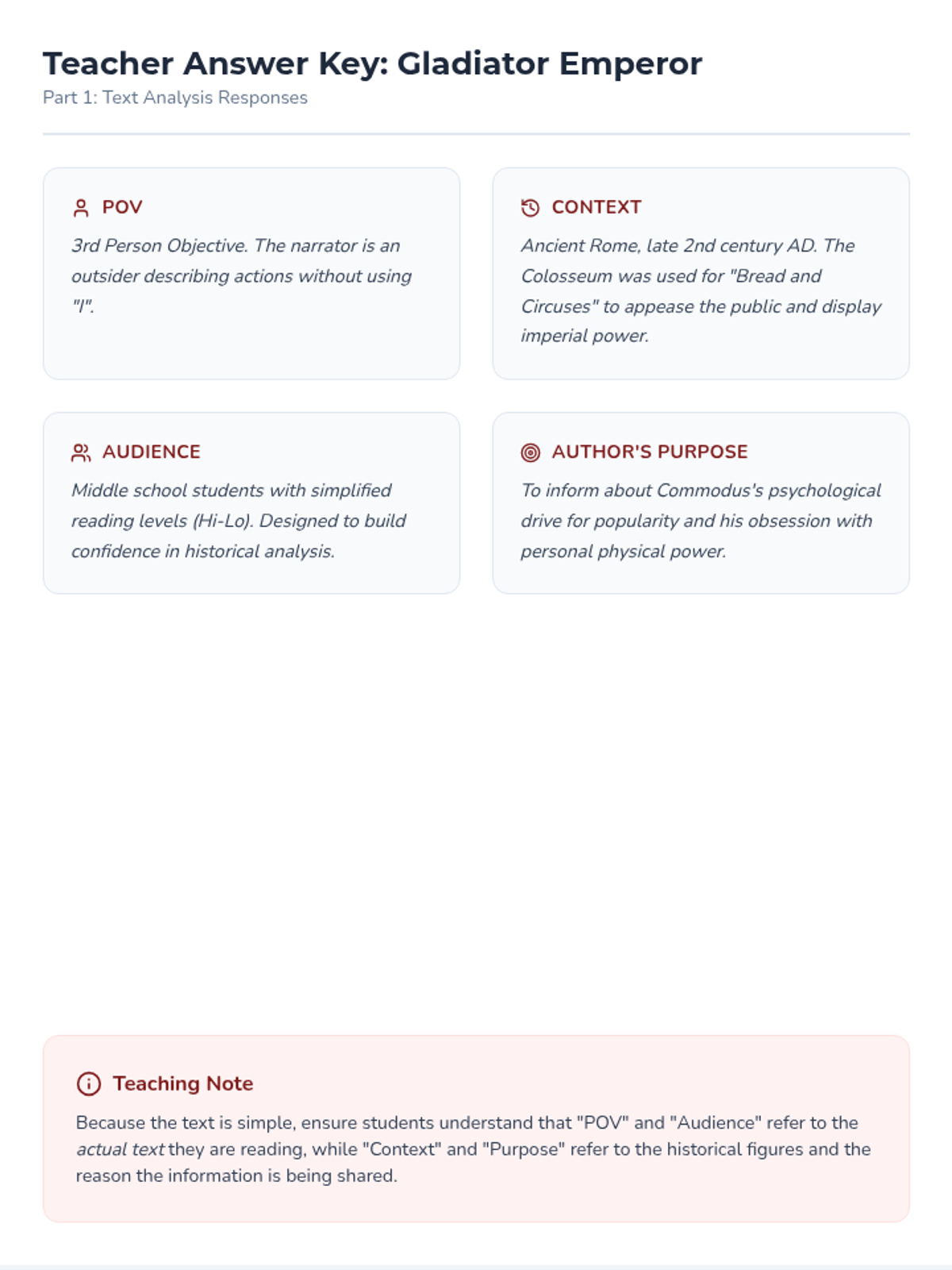
A lesson exploring the political and personal motivations of Emperor Commodus in the Roman Colosseum, designed for middle school students with differentiated reading levels.
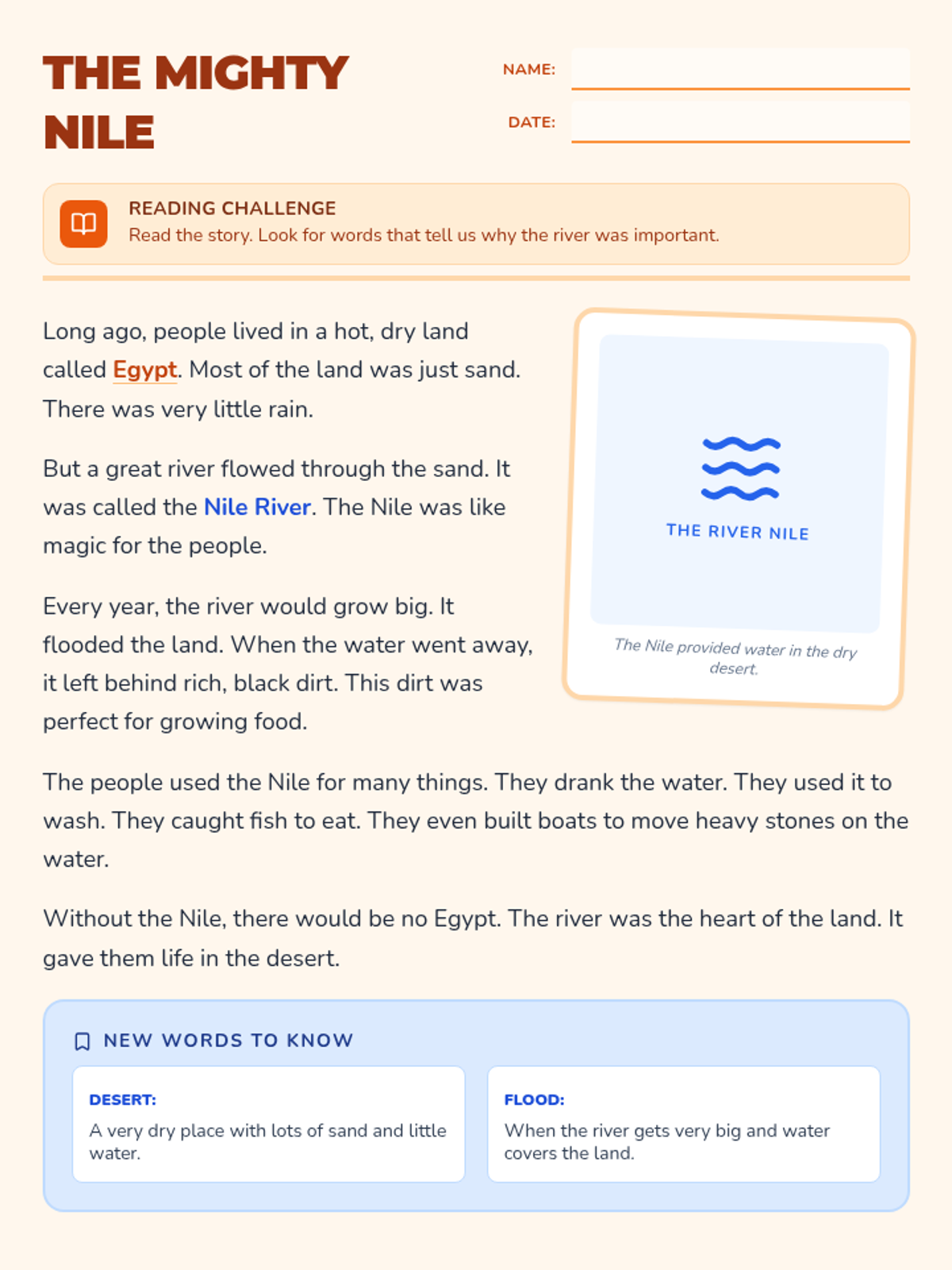
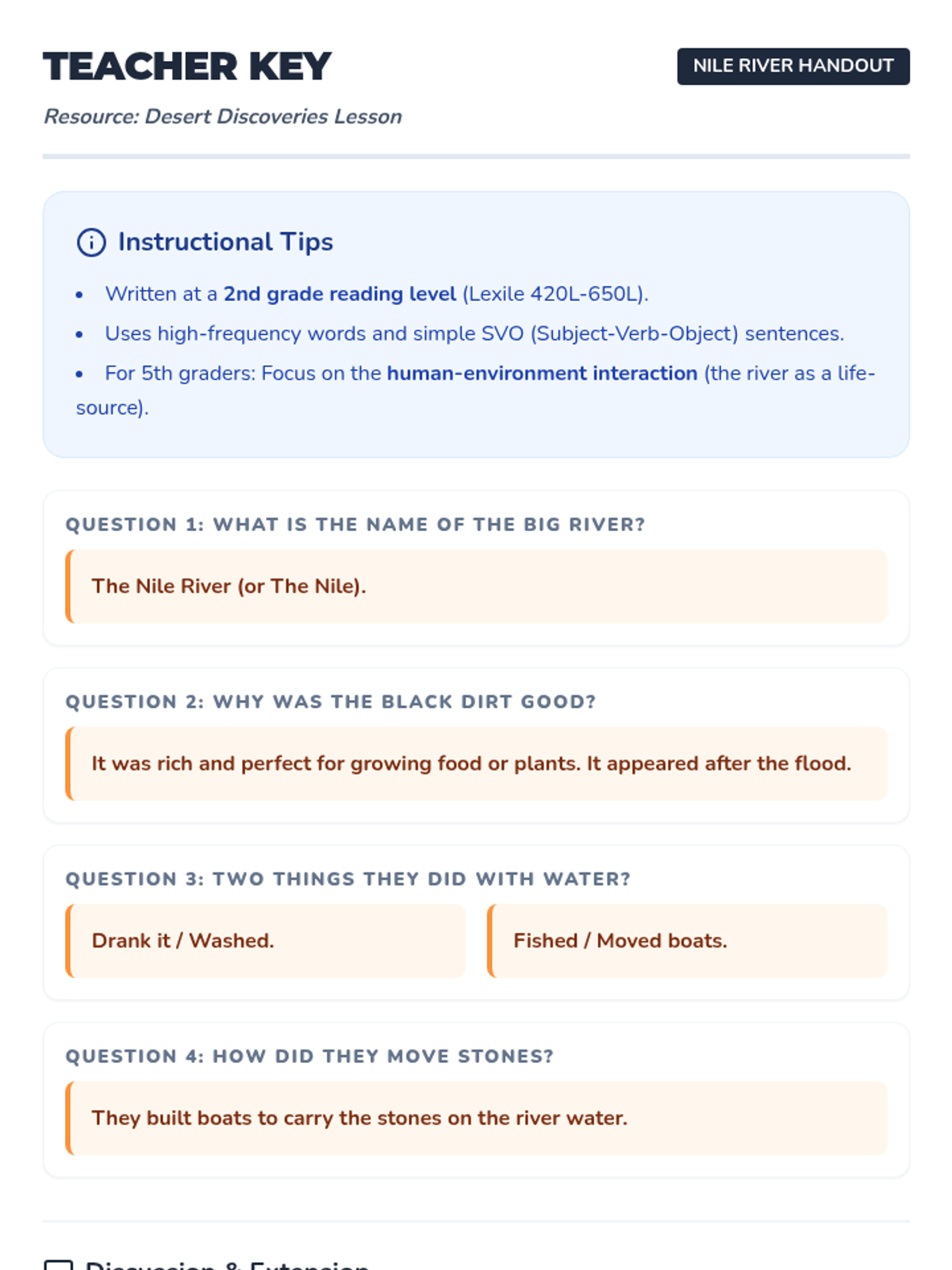
An introductory lesson on Ancient Egypt tailored for students reading at a 2nd-grade level, focusing on the importance of the Nile River for survival and civilization.
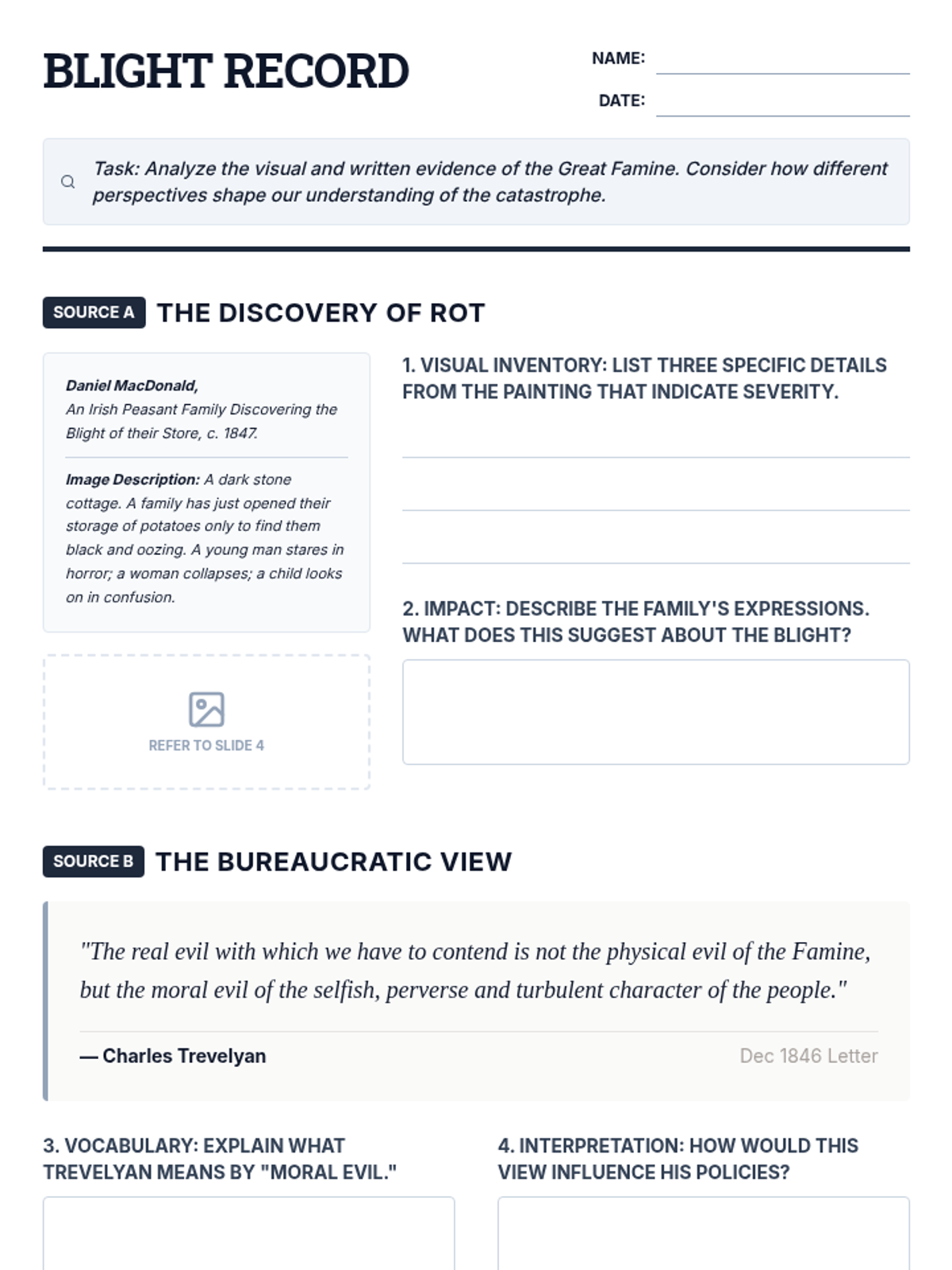
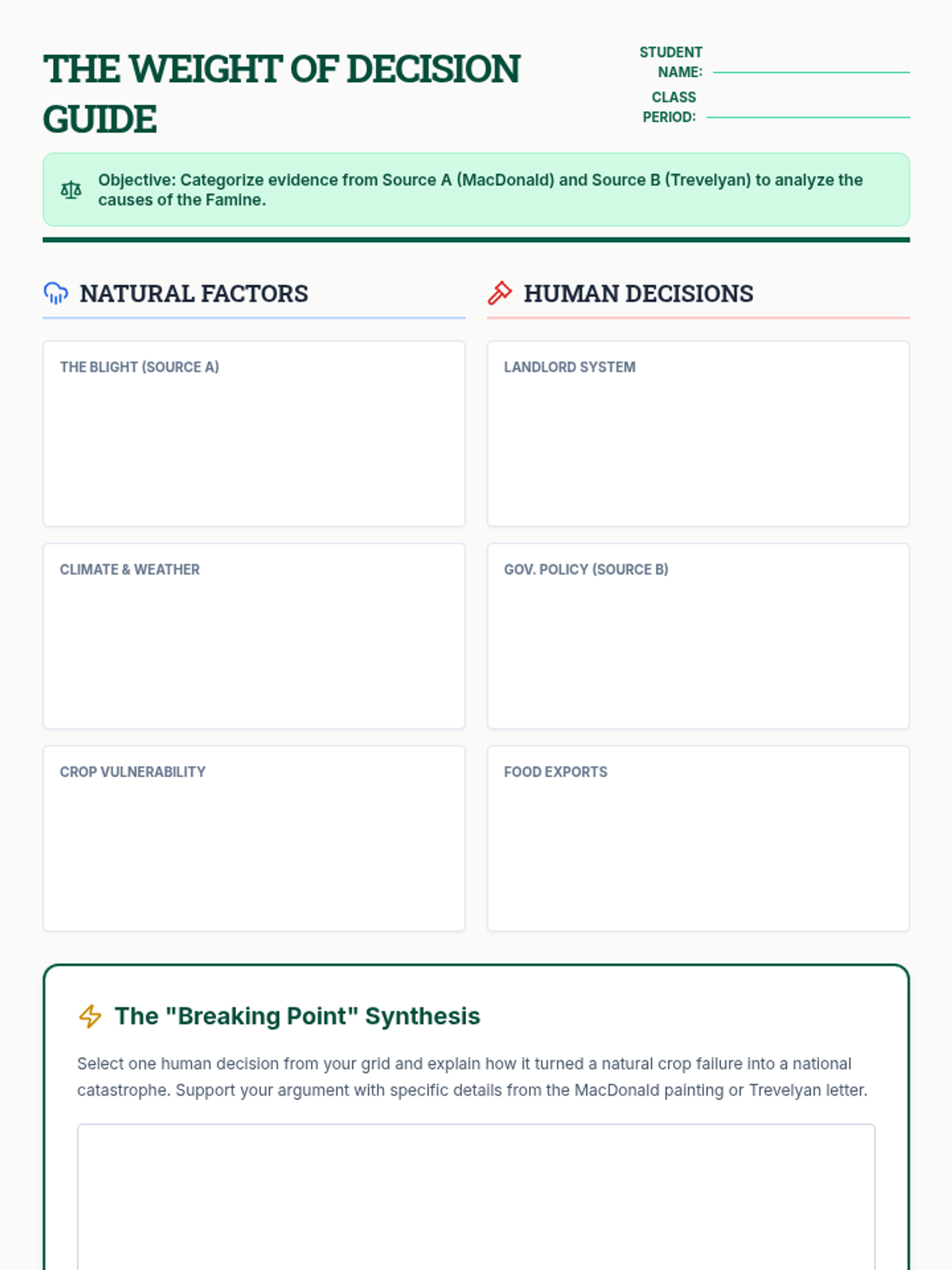
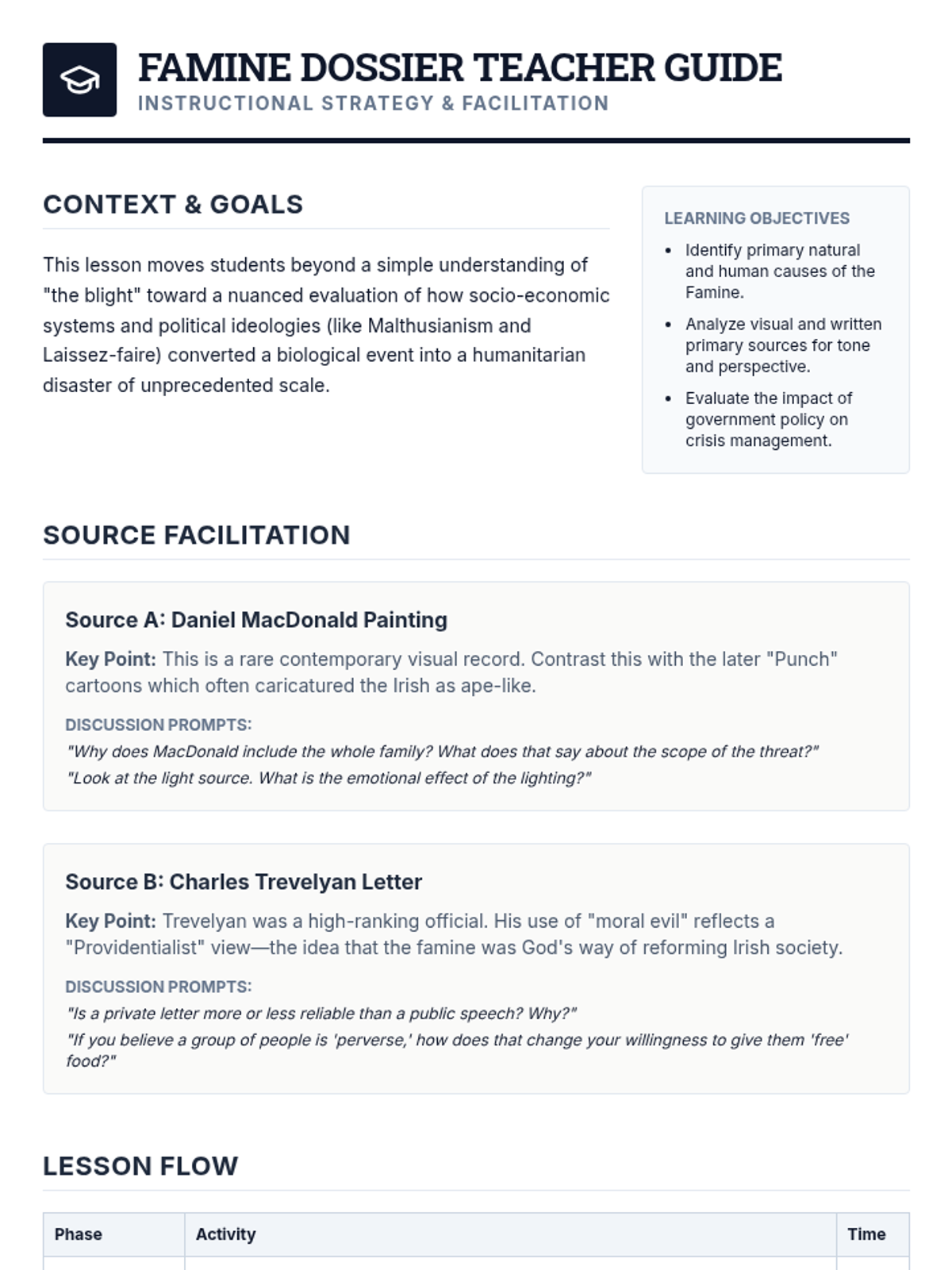
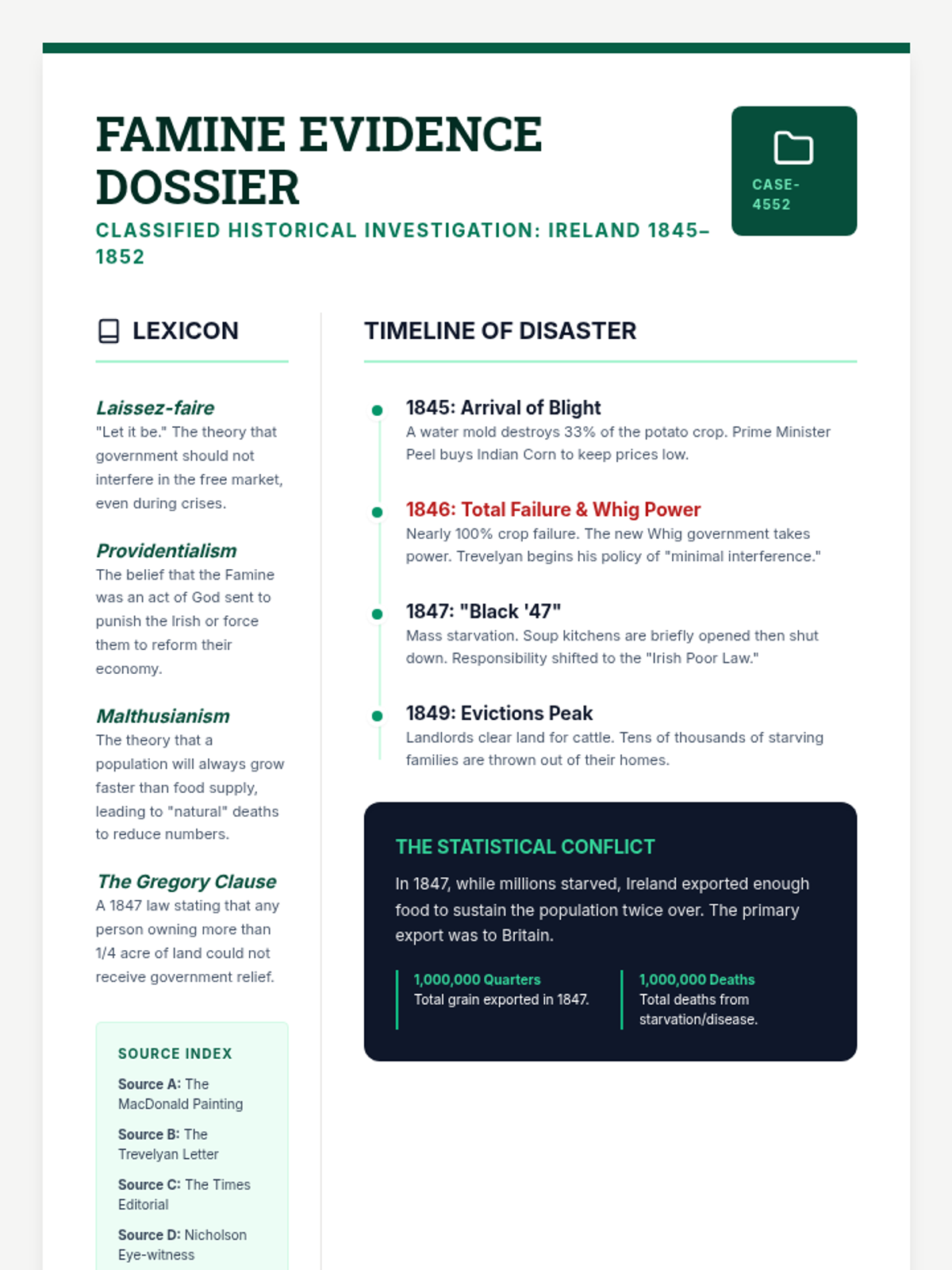
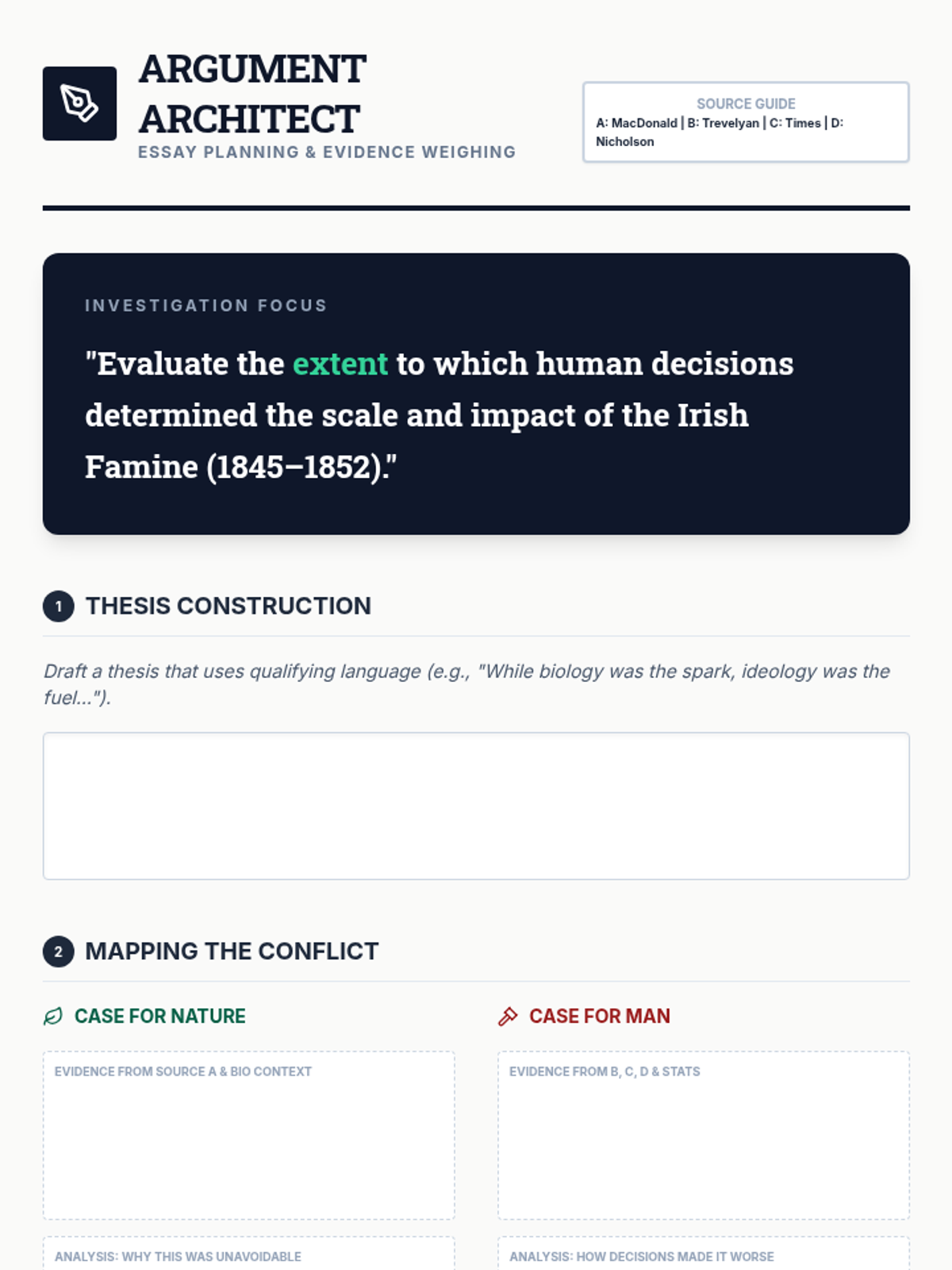
A comprehensive investigation into the Great Irish Famine, examining the intersection of biological catastrophe and political decision-making. Students analyze primary sources to evaluate the relative weight of natural and human factors in the tragedy.
A 30-minute introductory lesson for 1st graders on school pride and community responsibility, culminating in the creation of a shared Class Charter.

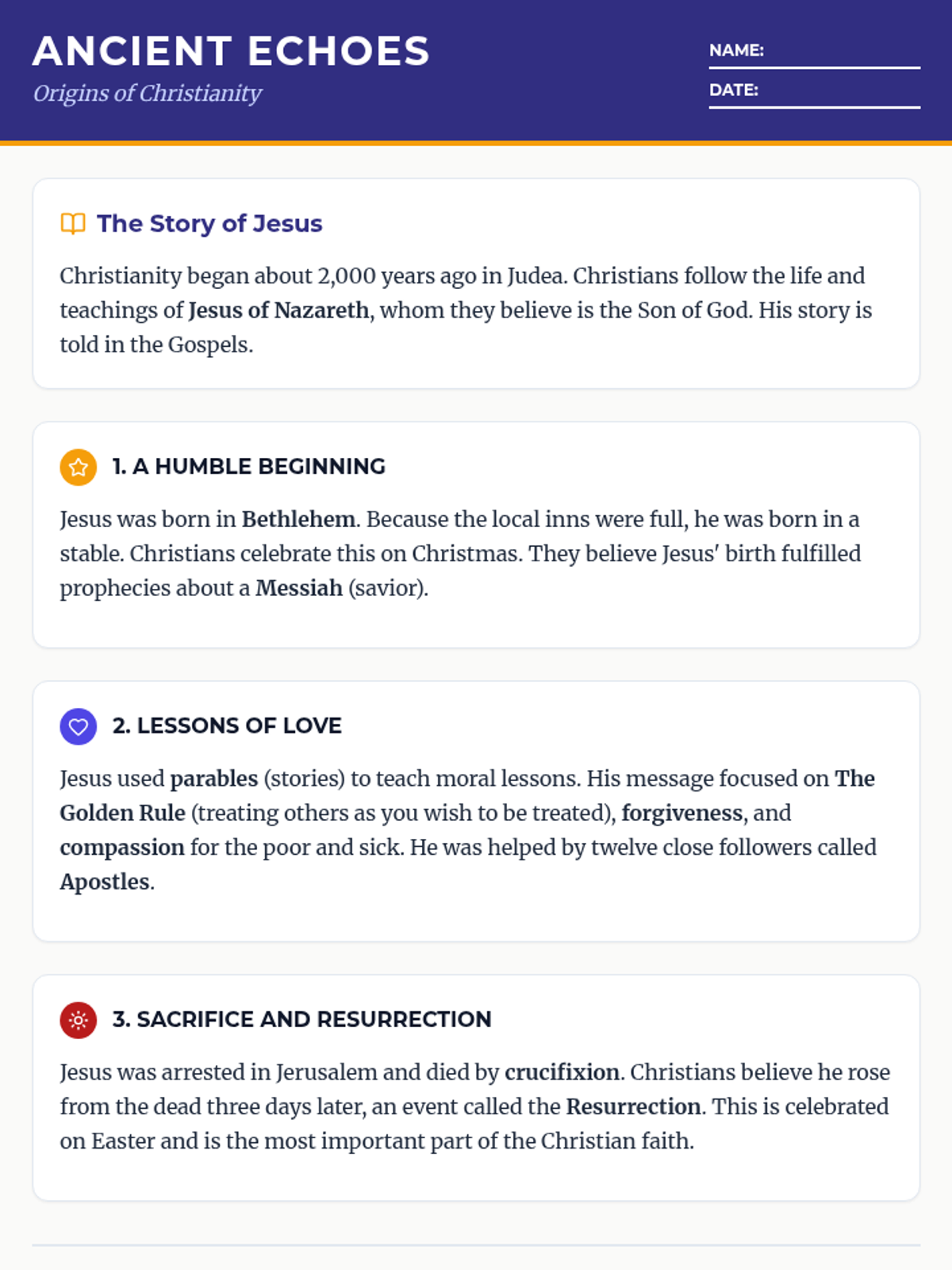
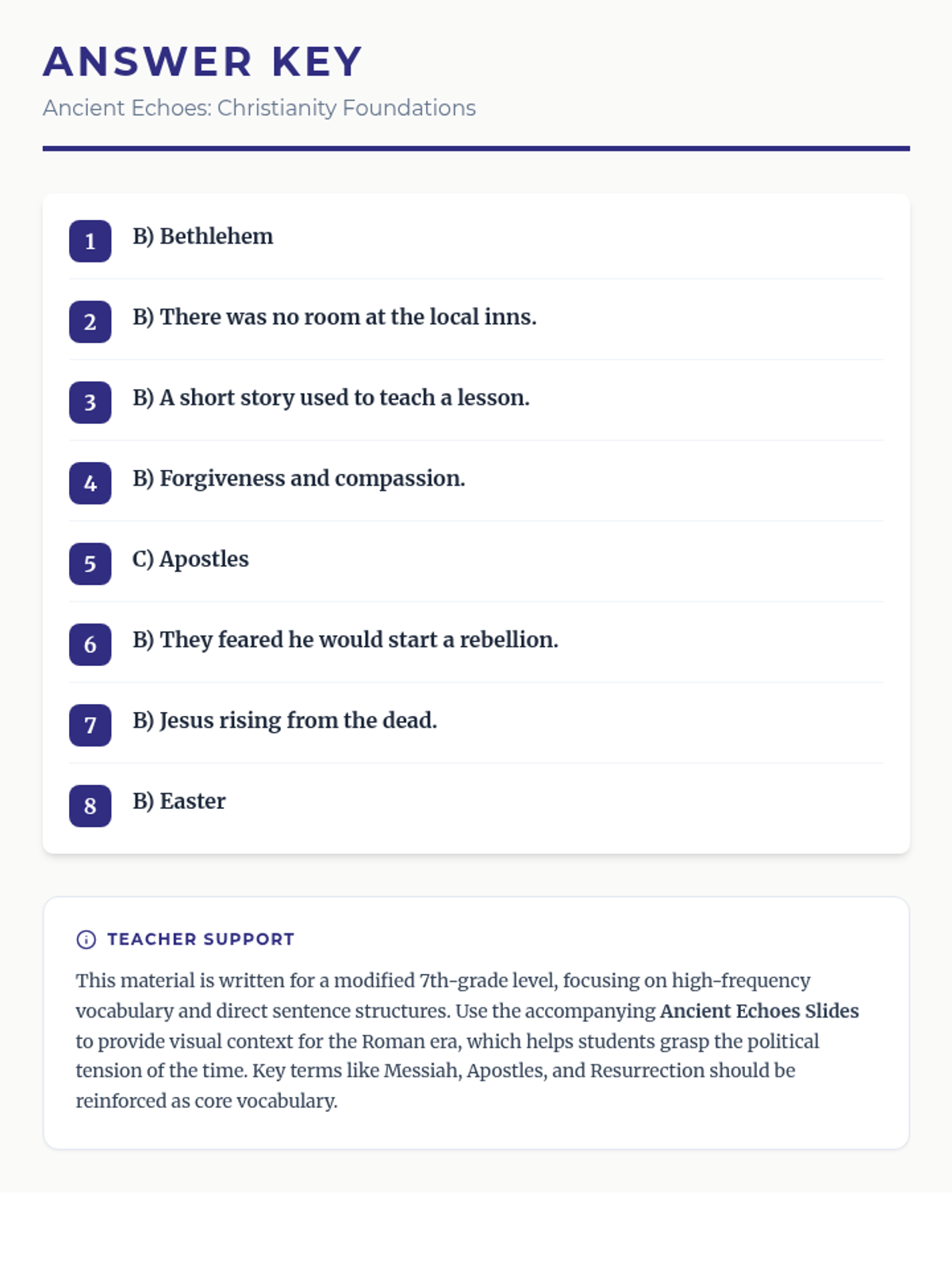
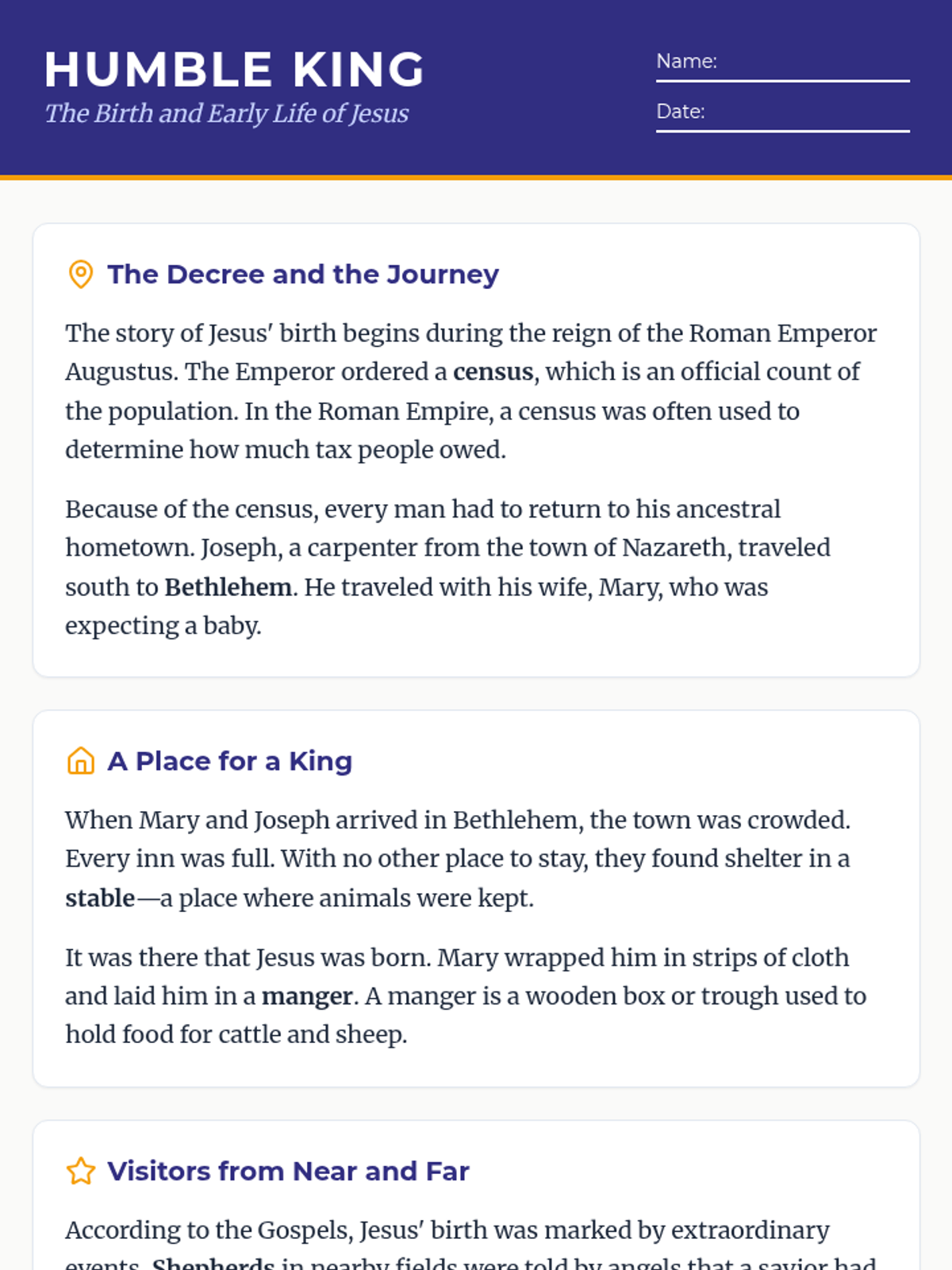
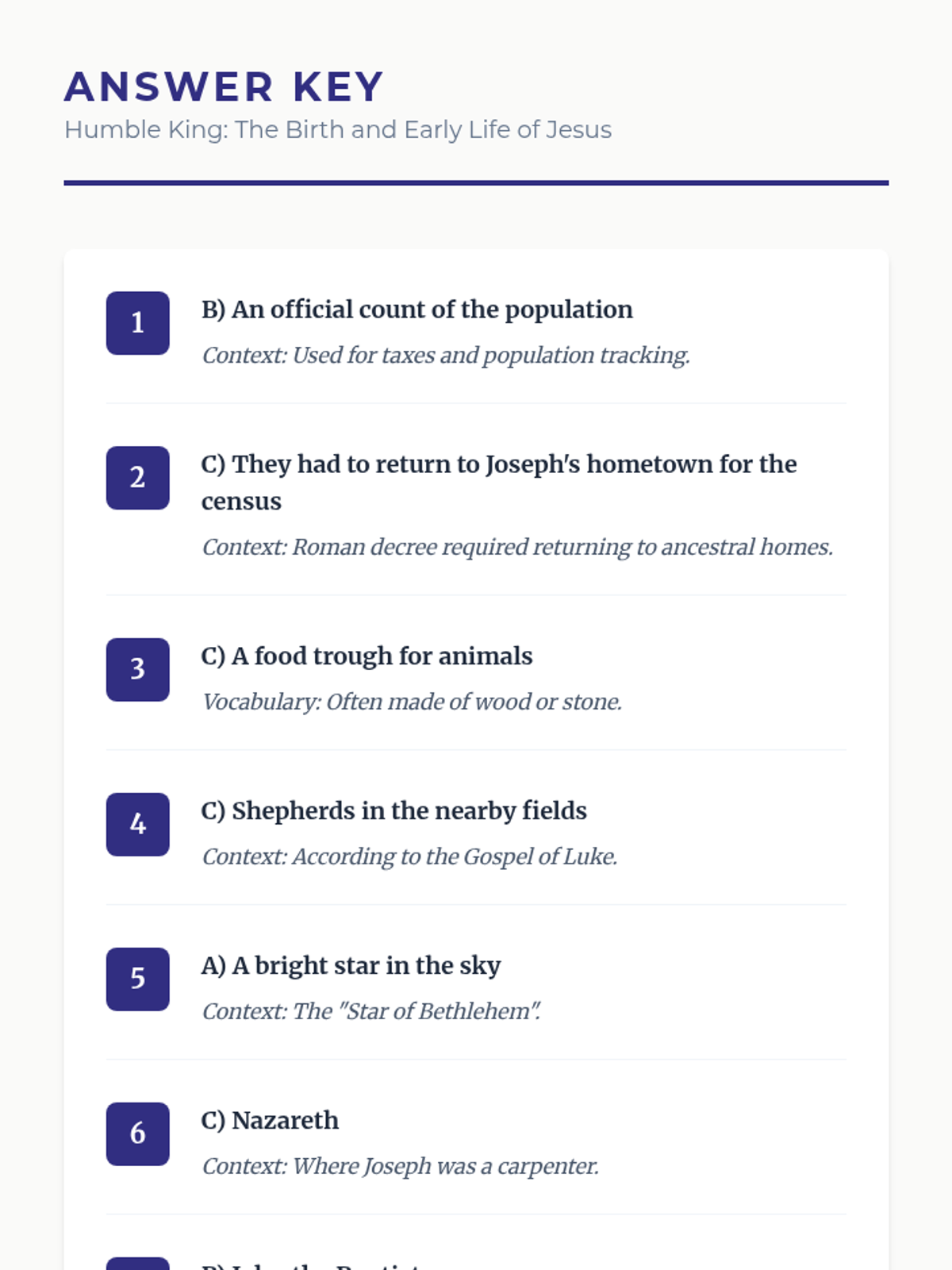
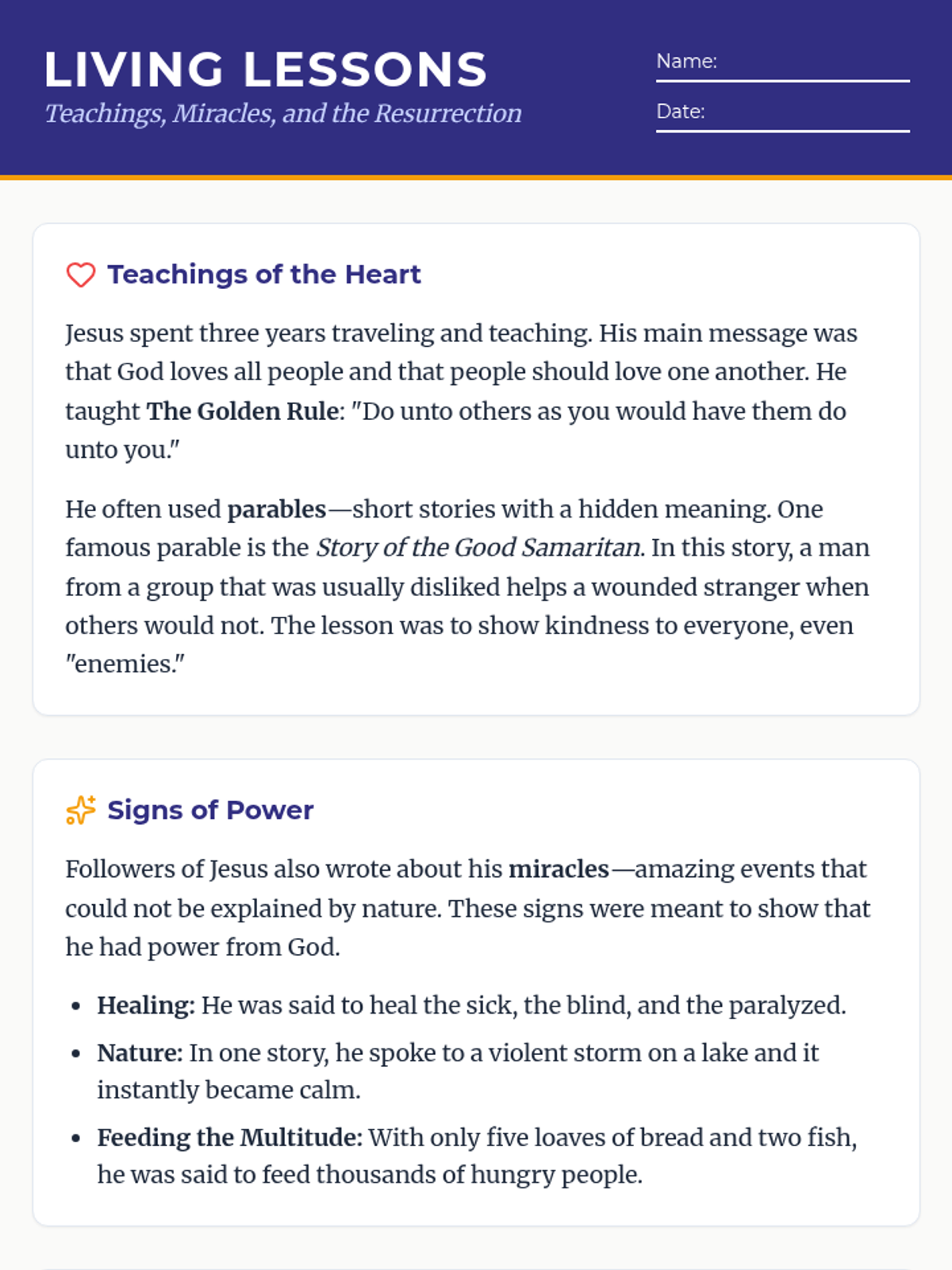
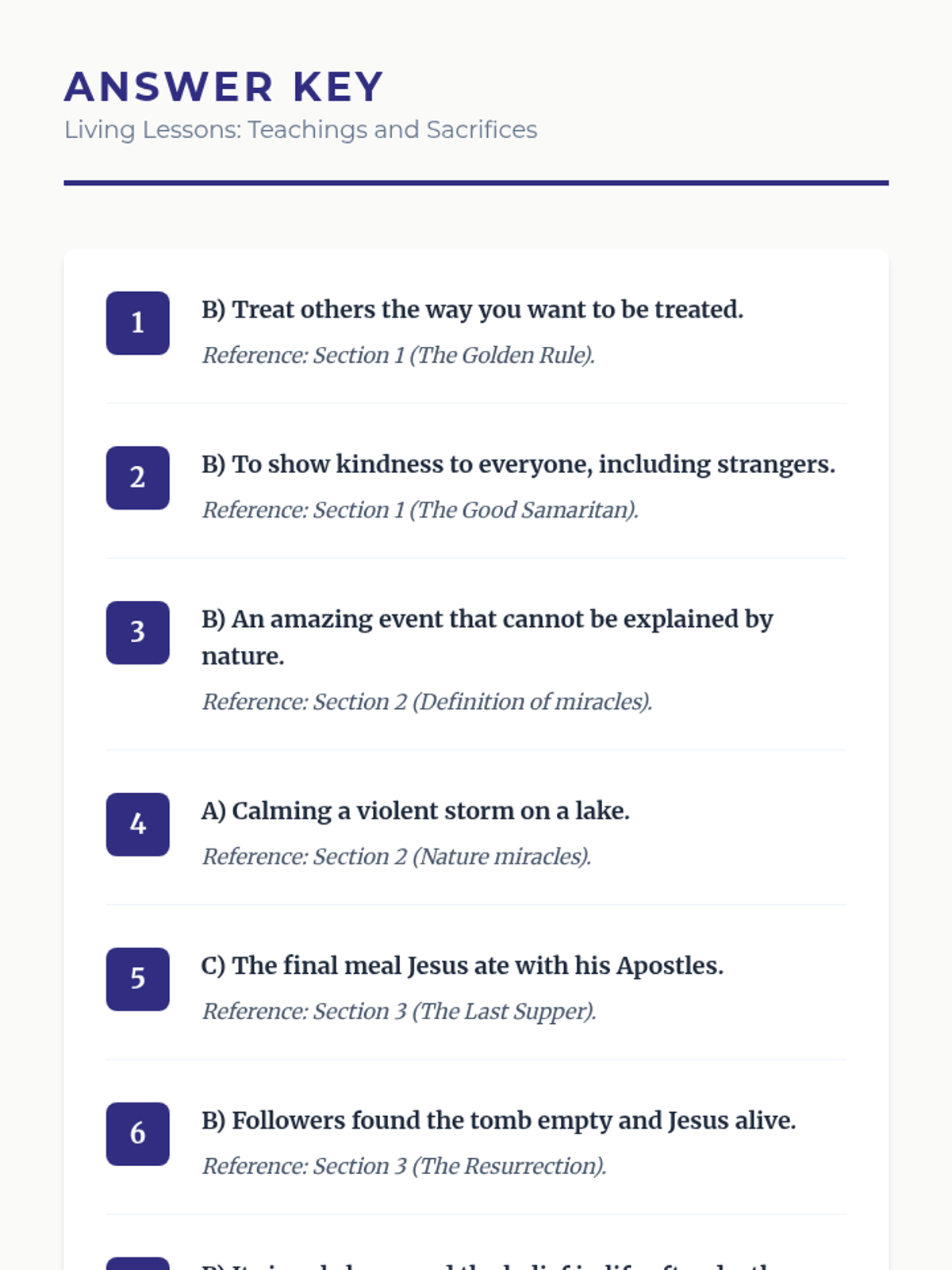
A lesson exploring the foundational narratives of Christianity, focusing on the life and teachings of Jesus of Nazareth at a modified 7th-grade reading level.
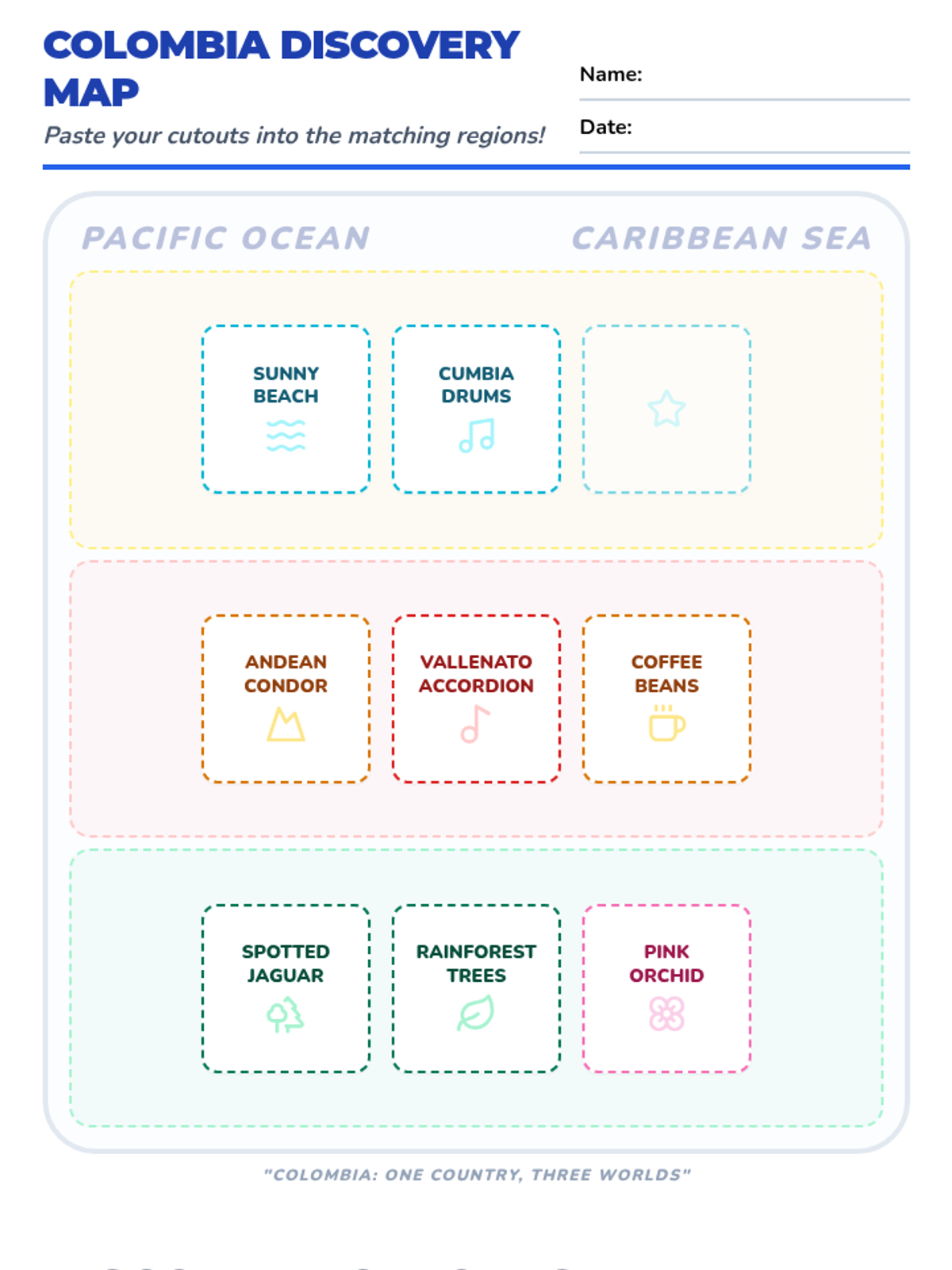
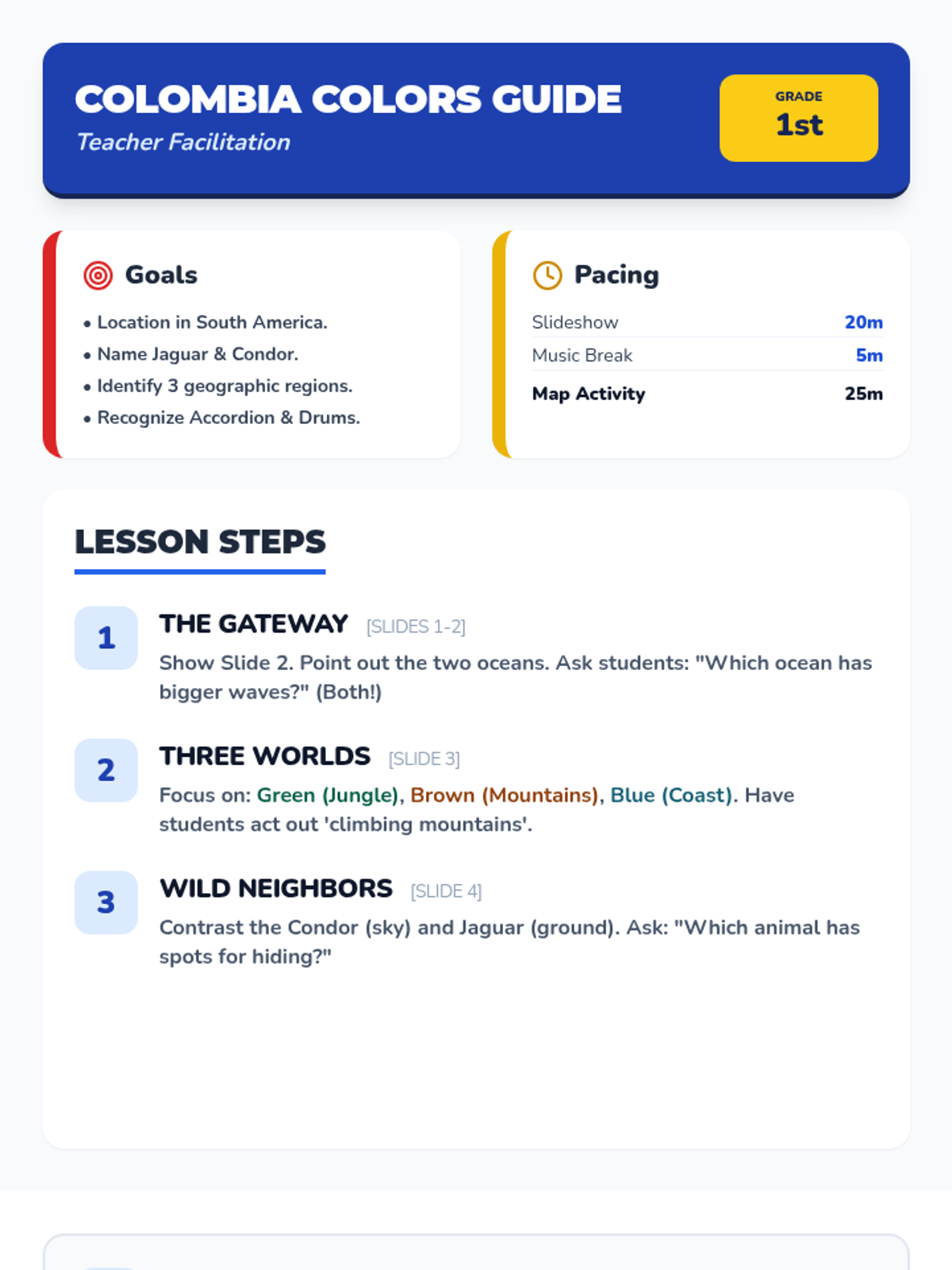
A vibrant introductory lesson for first graders exploring Colombia's diverse geography, unique animals like the jaguar and condor, and the rhythmic world of Vallenato music.
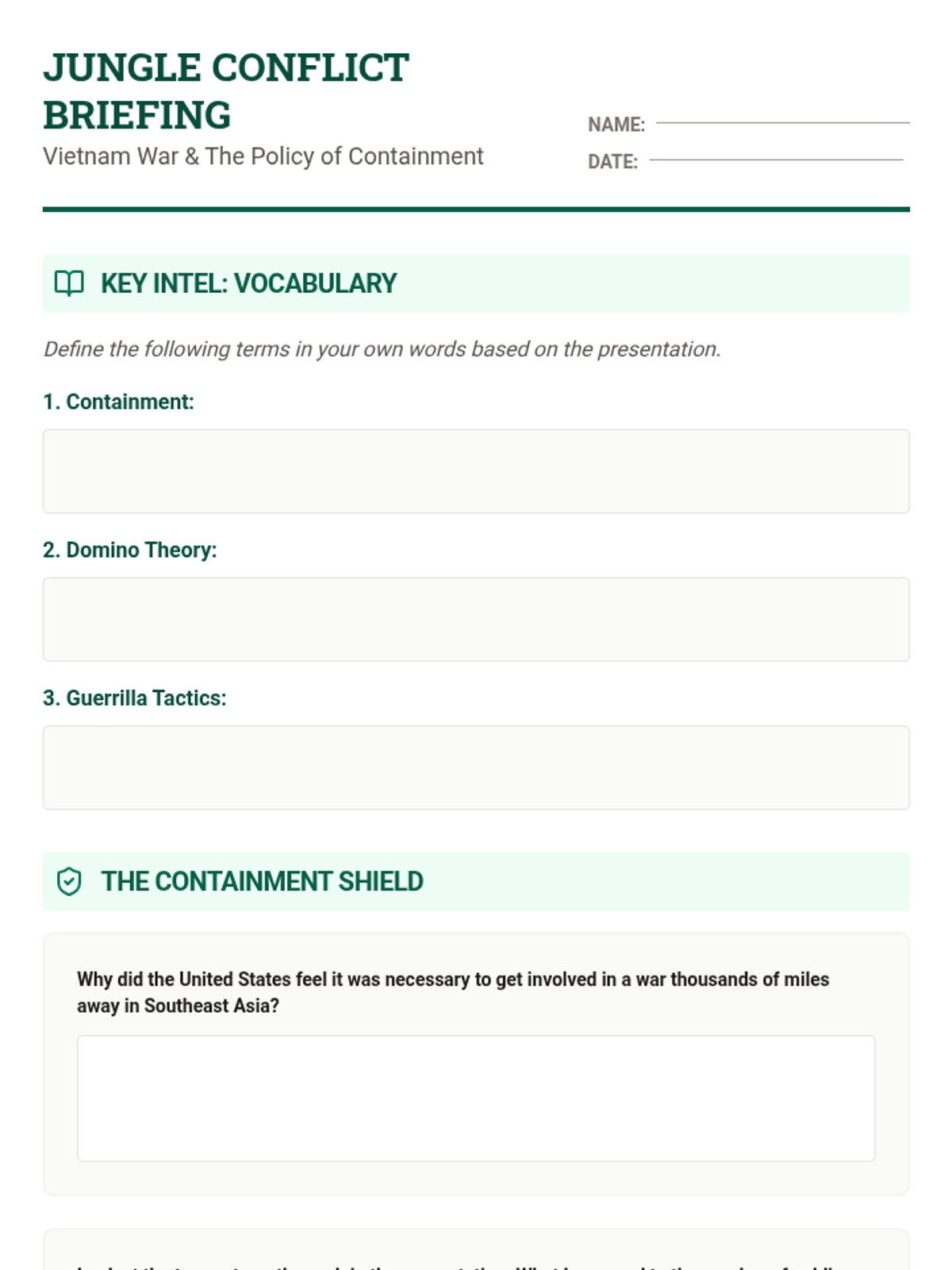
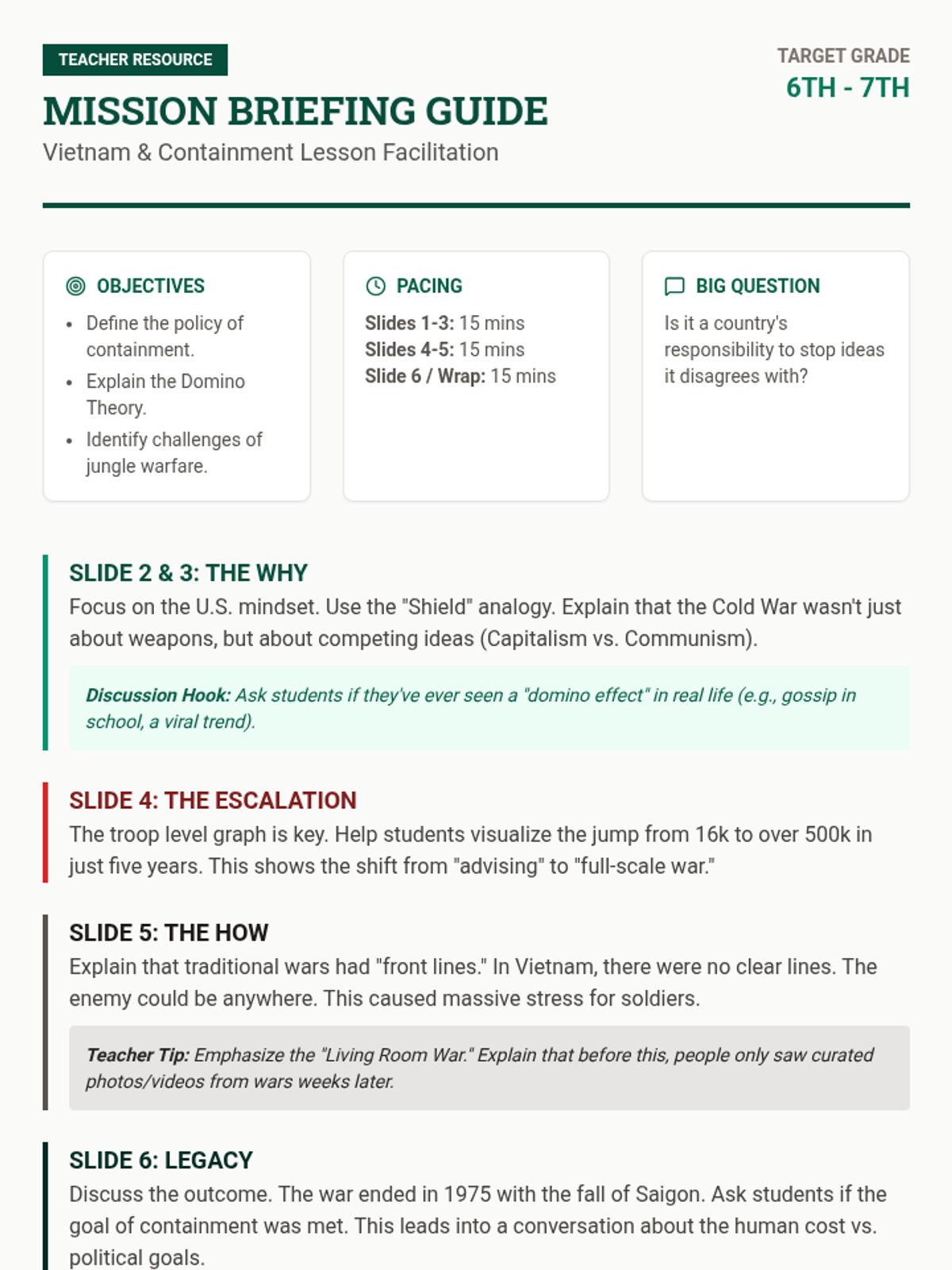
This lesson explores the origins of the Vietnam War through the lens of the US policy of containment and the Domino Theory, designed for middle school students.
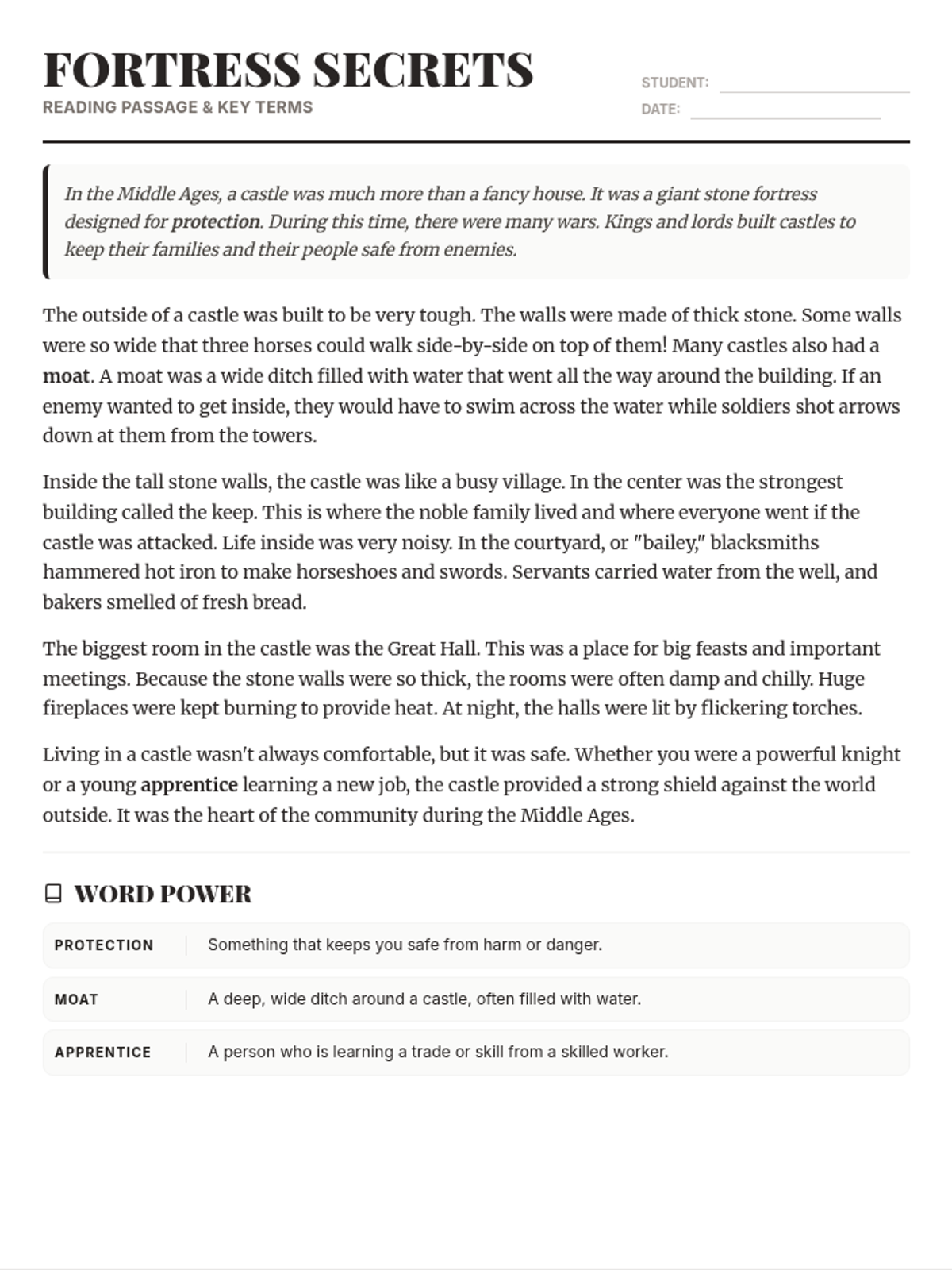
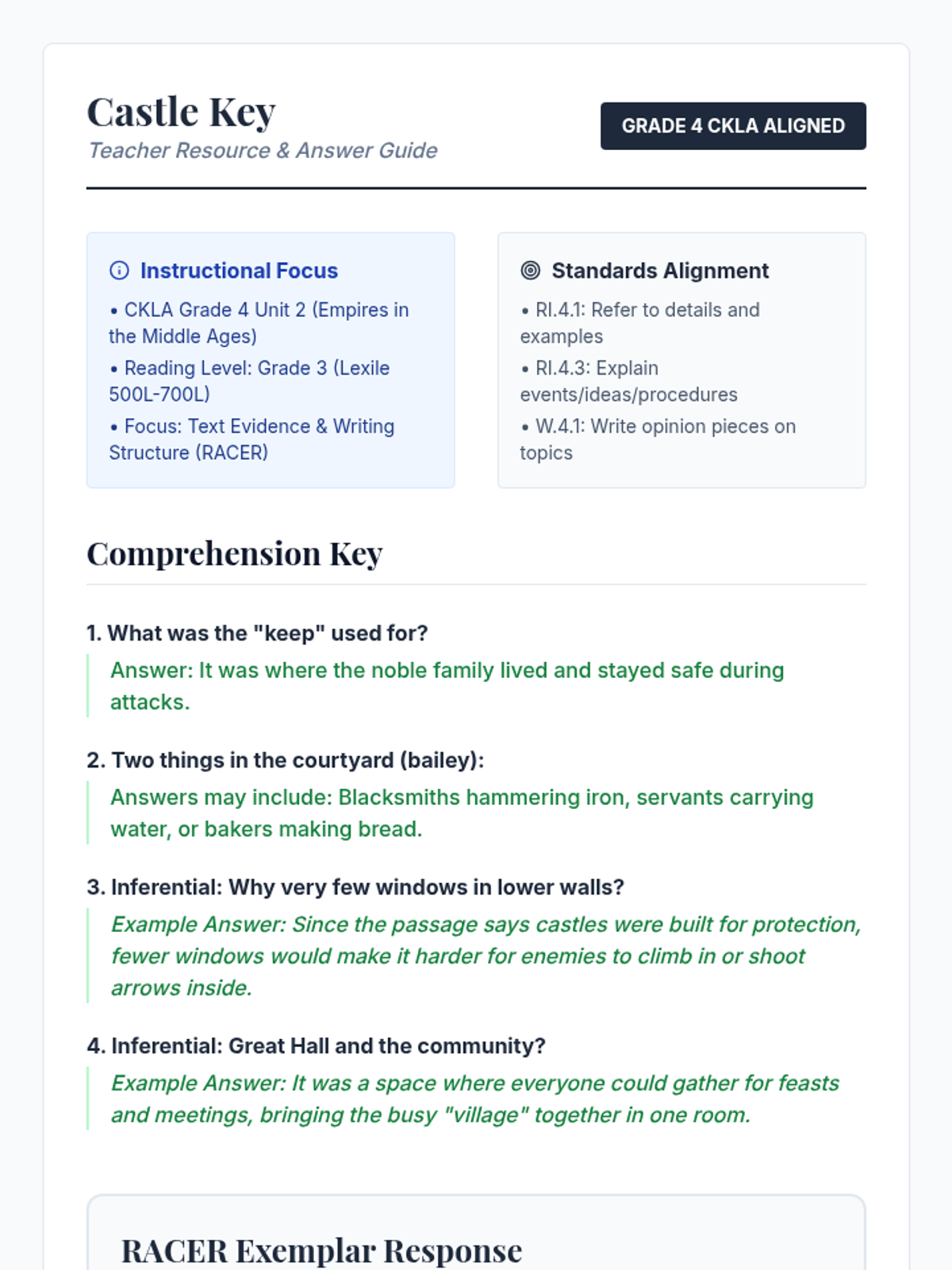
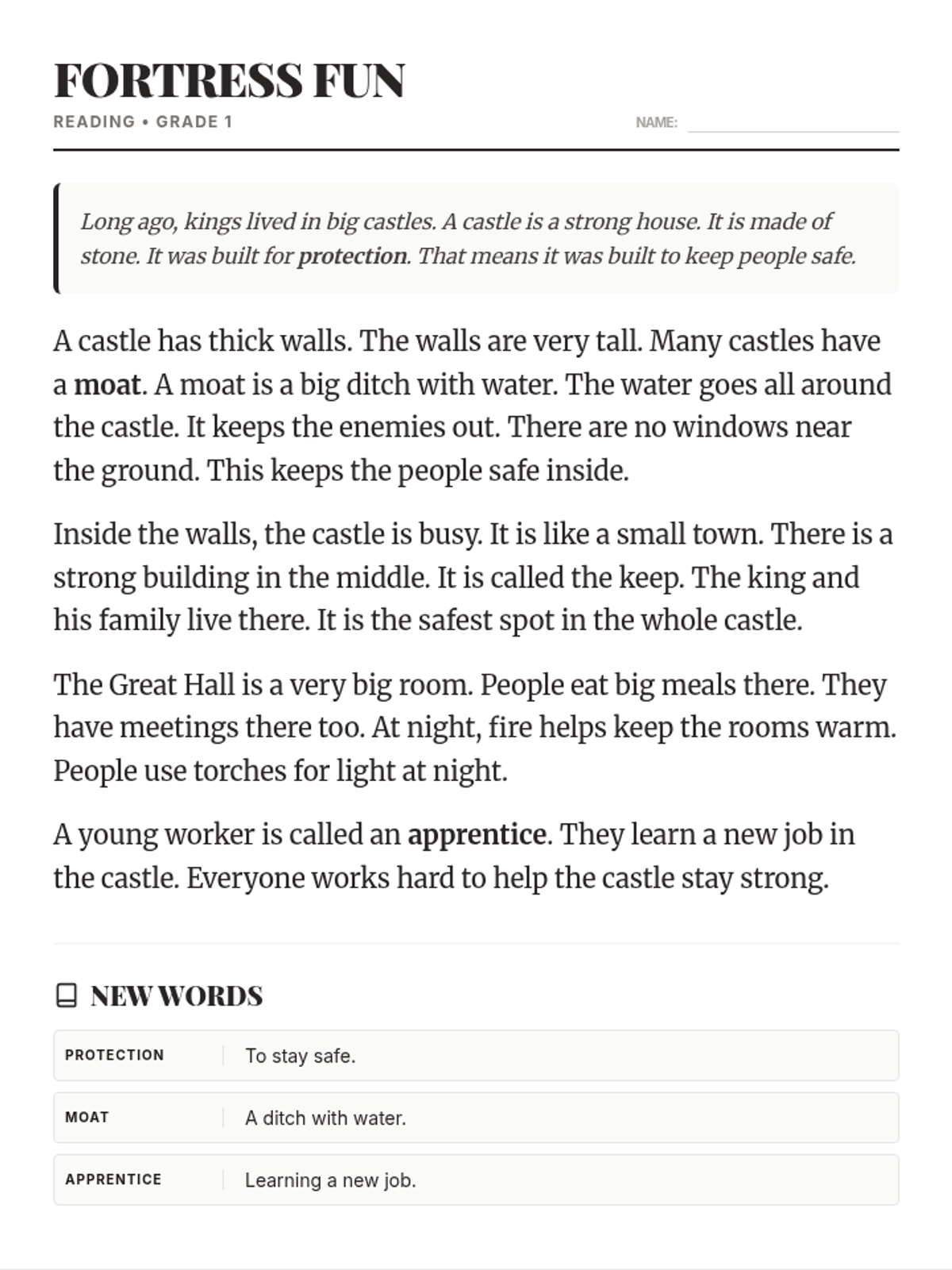
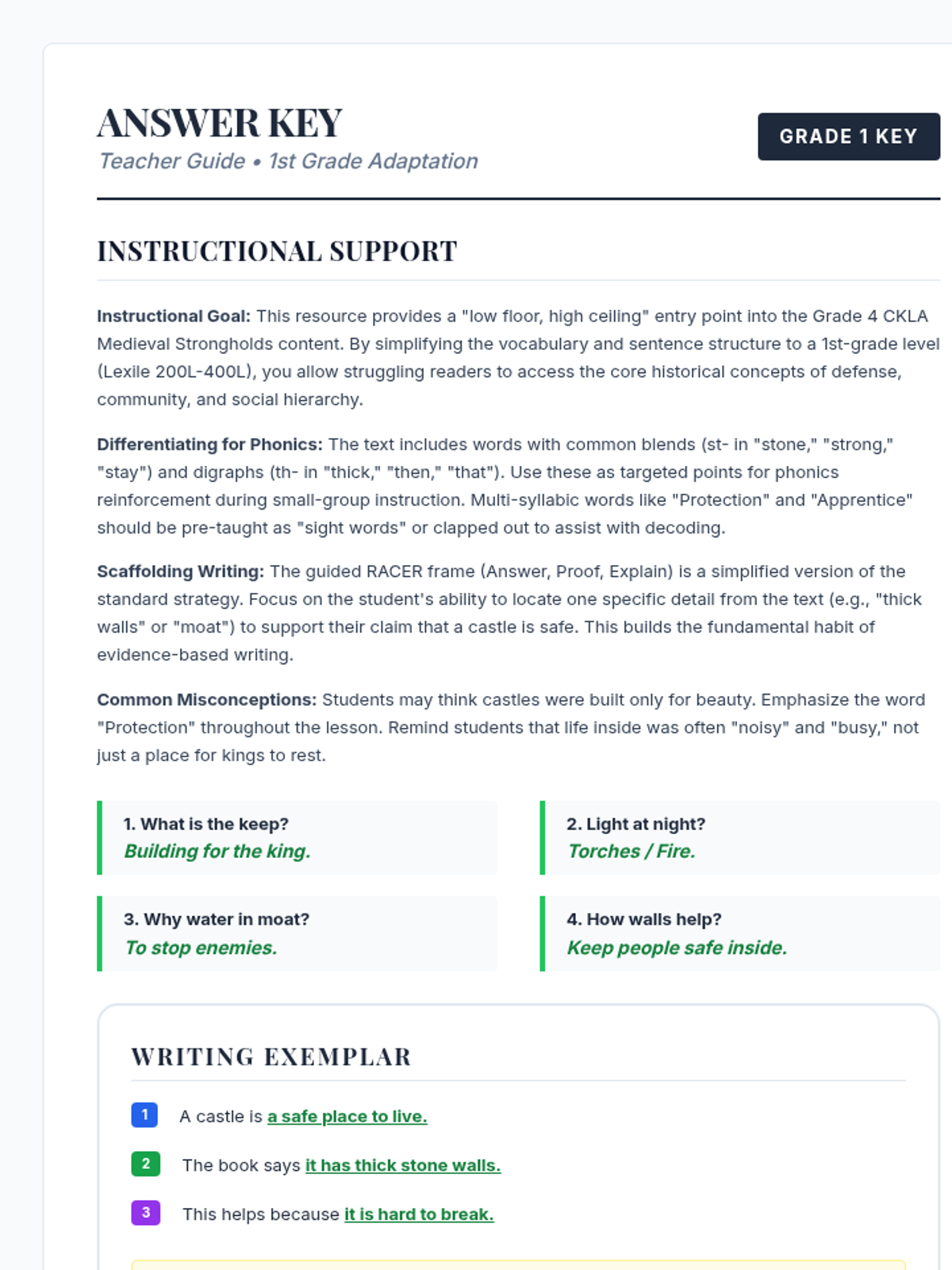
A lesson focusing on life in a medieval castle, featuring a reading passage adapted for Grade 3 reading levels that aligns with Grade 4 CKLA social studies standards. Students will practice vocabulary, answer comprehension questions, and use the RACER strategy for an open response.
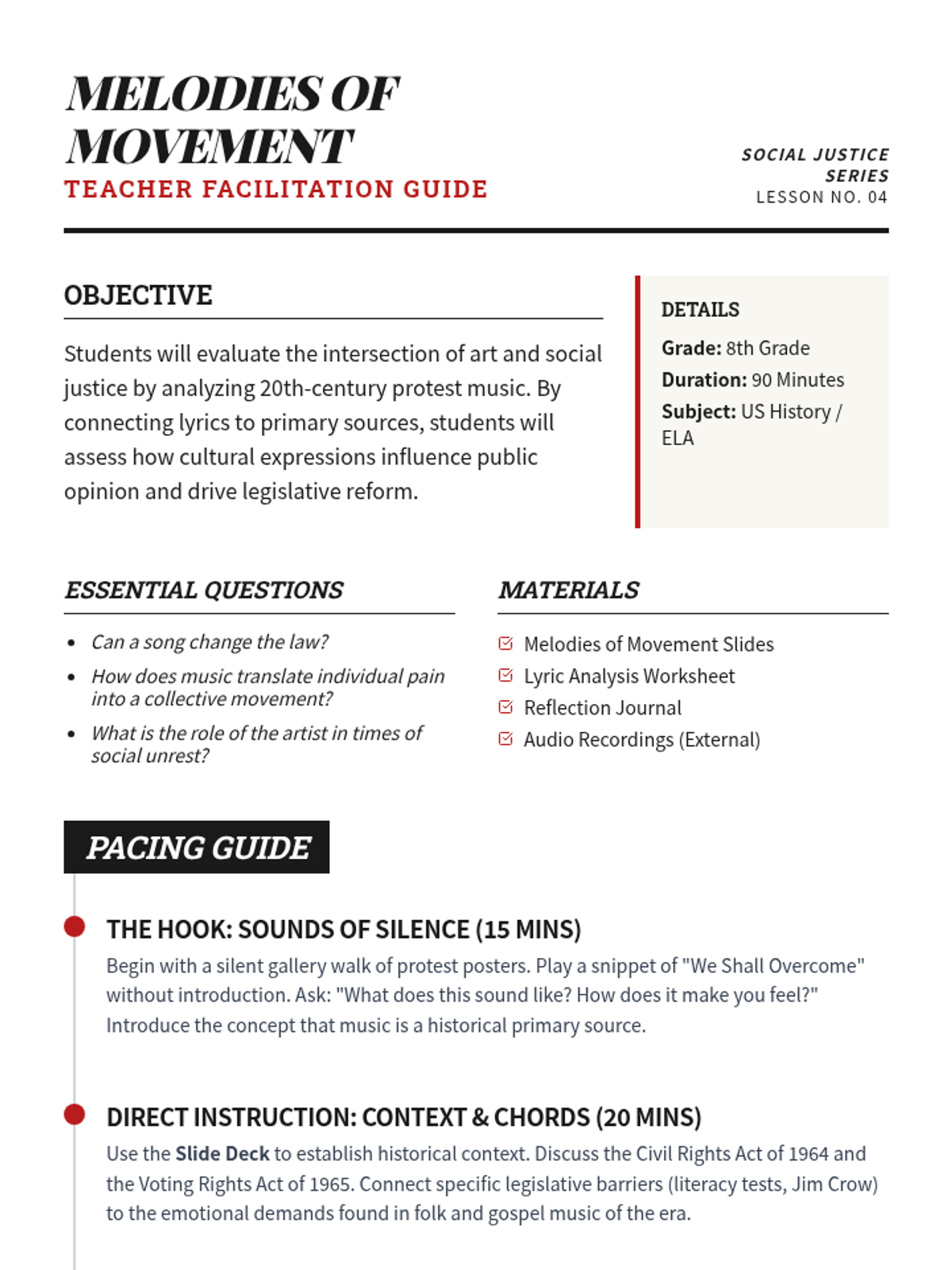
Eighth-grade students analyze protest music from the Civil Rights era to evaluate art's influence on public opinion and legislative change. This lesson connects lyrics with primary sources to understand cultural expressions of social justice.
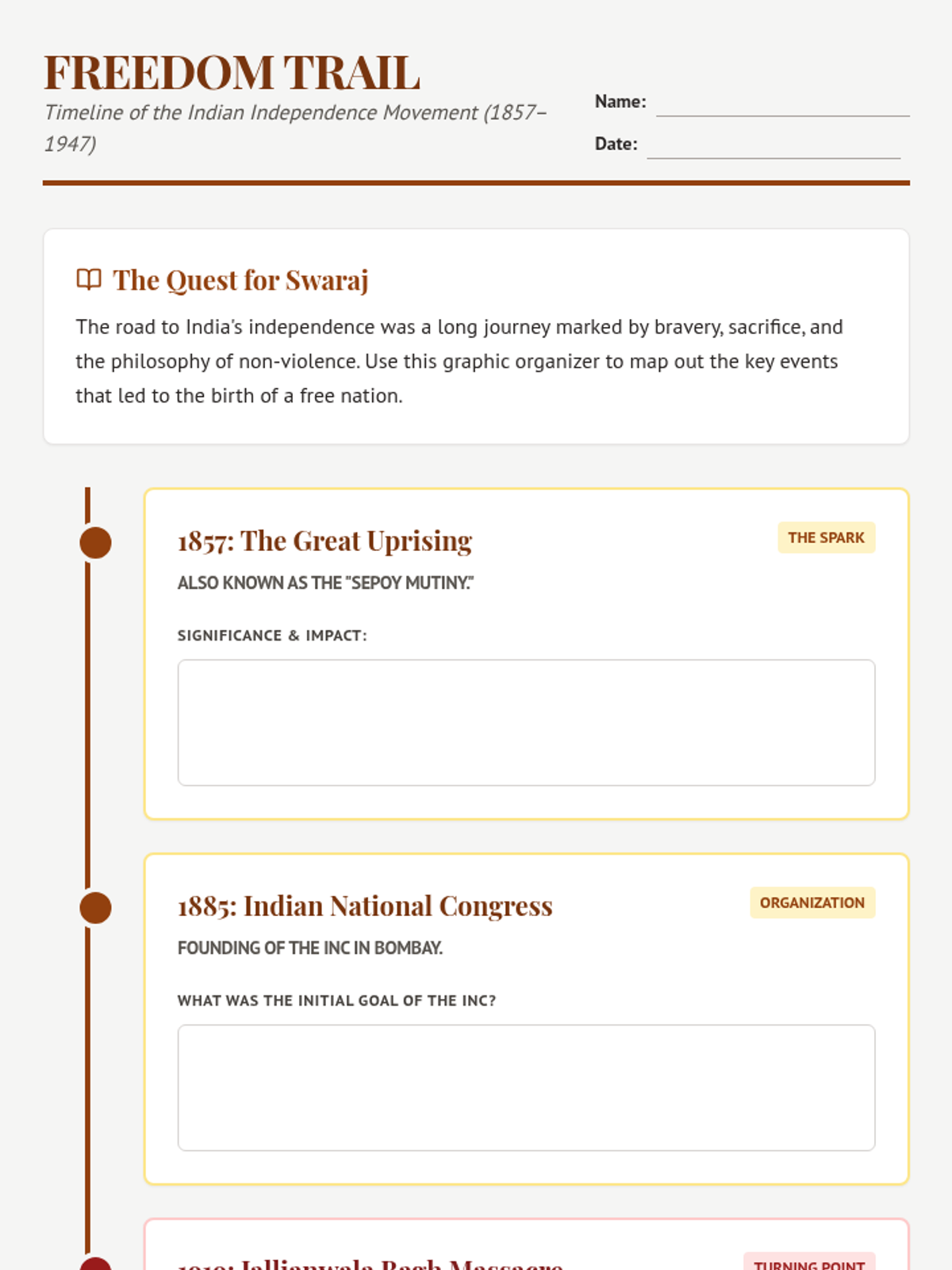
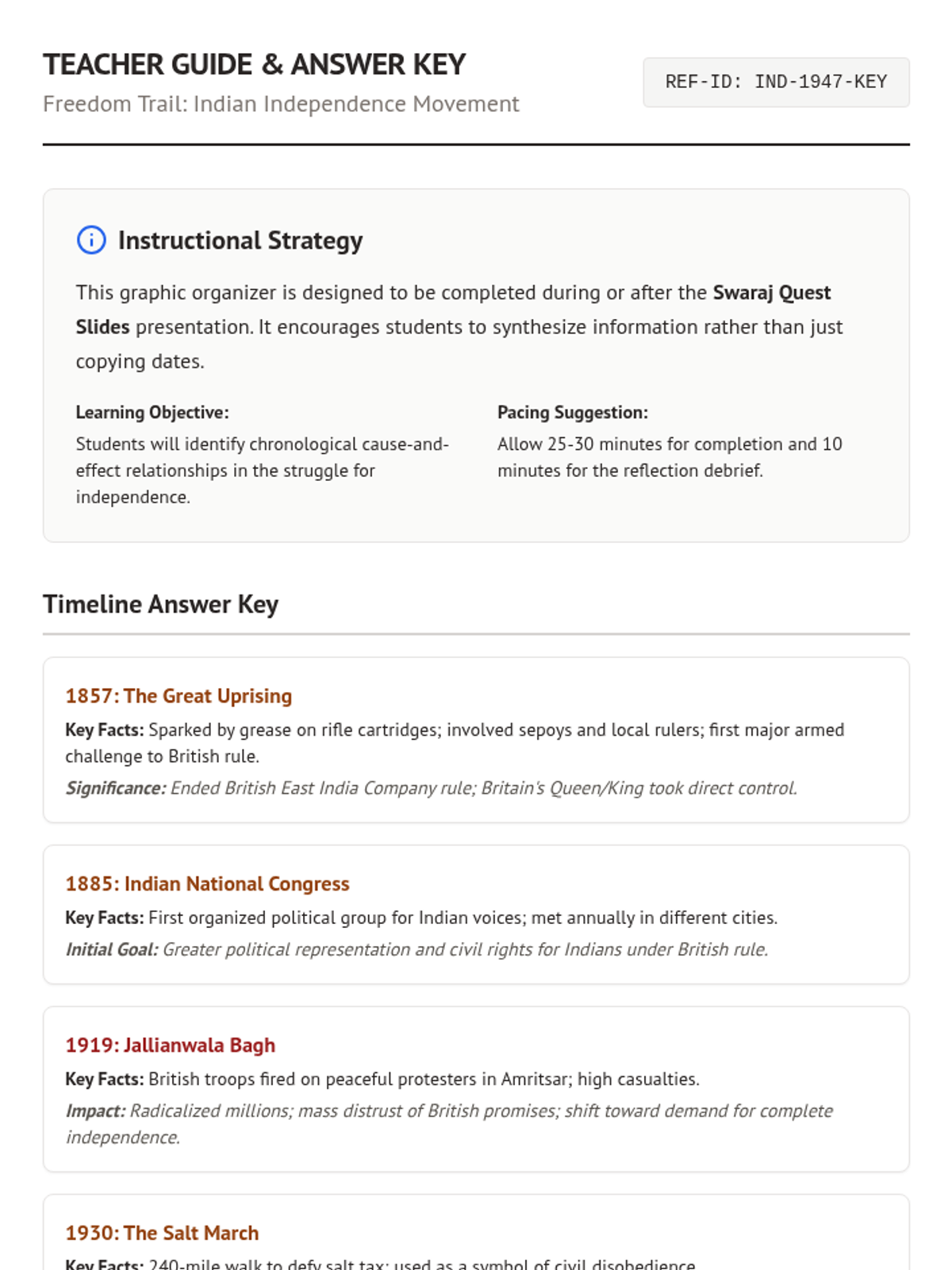
A comprehensive lesson exploring the pivotal moments and key figures of the Indian Independence Movement, from the 1857 uprising to the achievement of Swaraj in 1947.
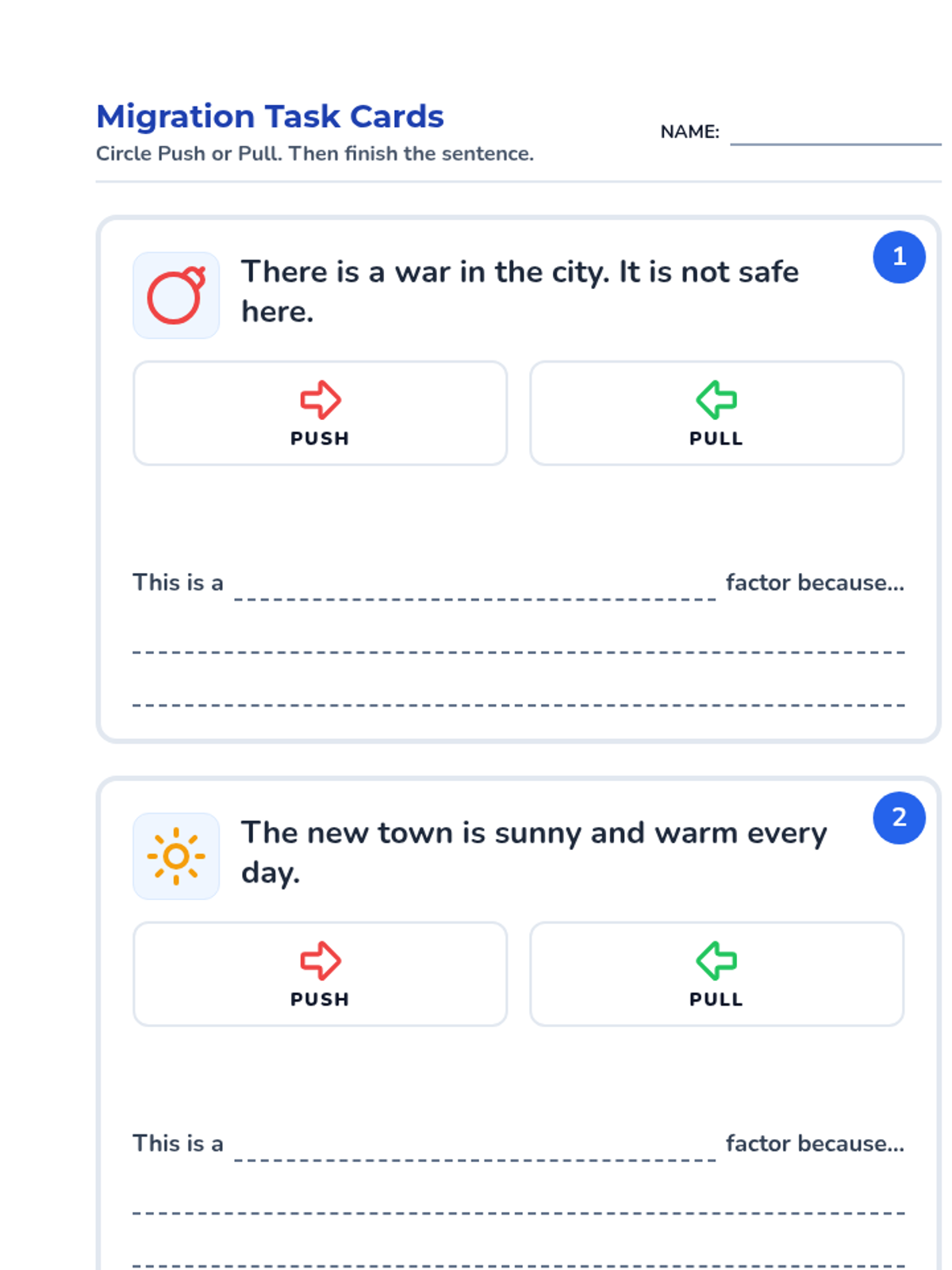
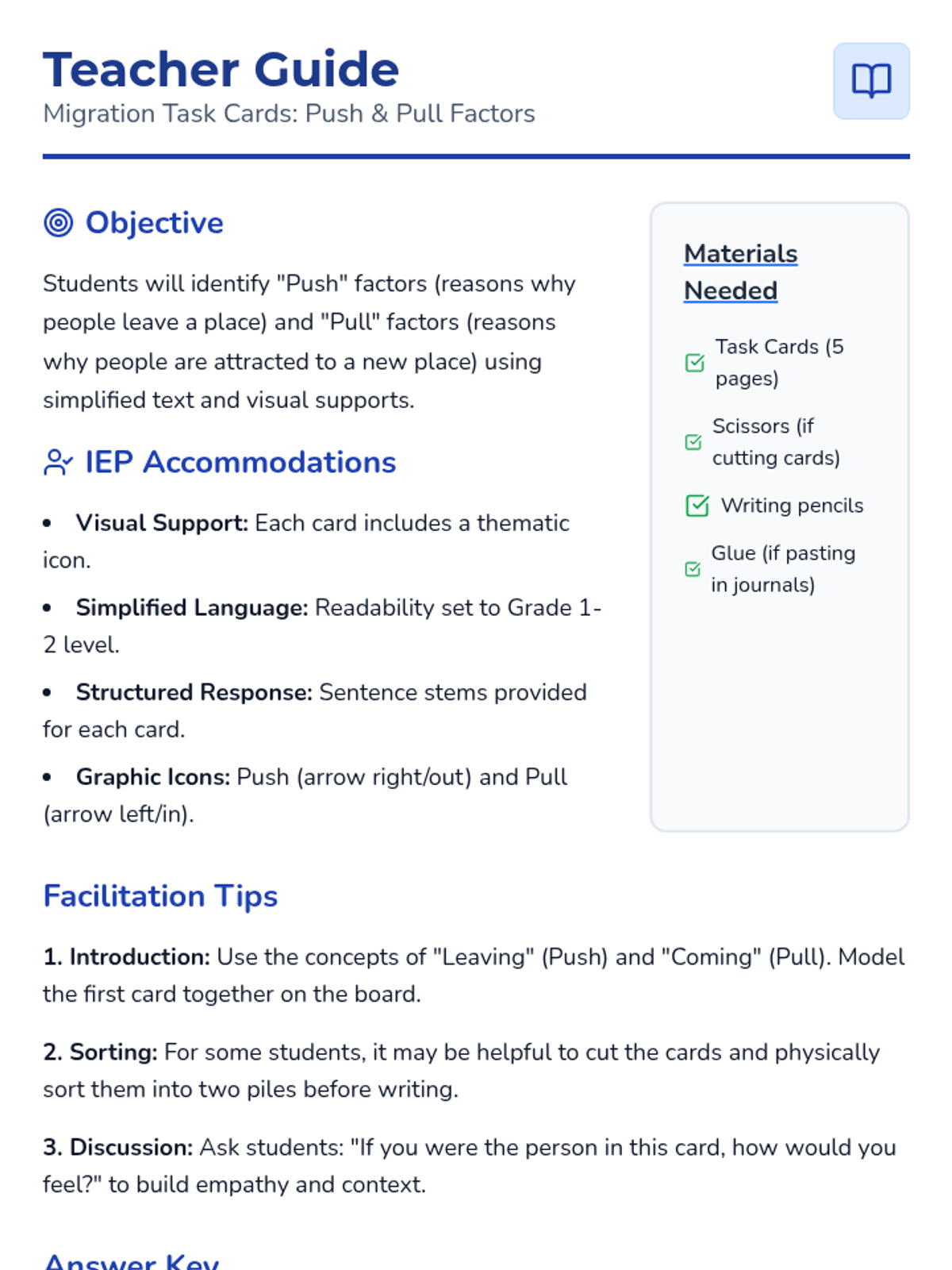
A lesson introducing the concepts of push and pull factors of migration through simplified text, visual icons, and structured response tasks designed for IEP support.
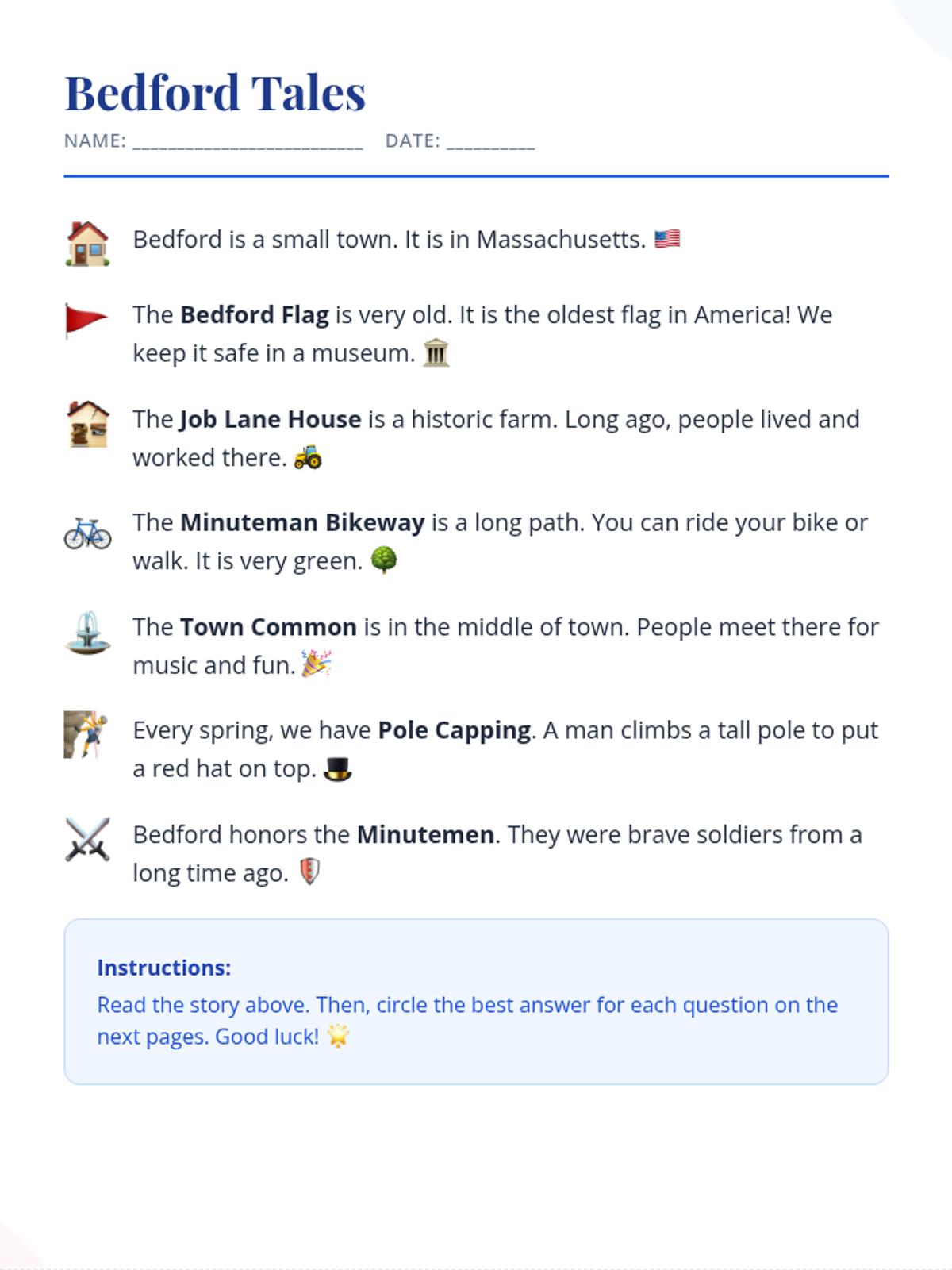
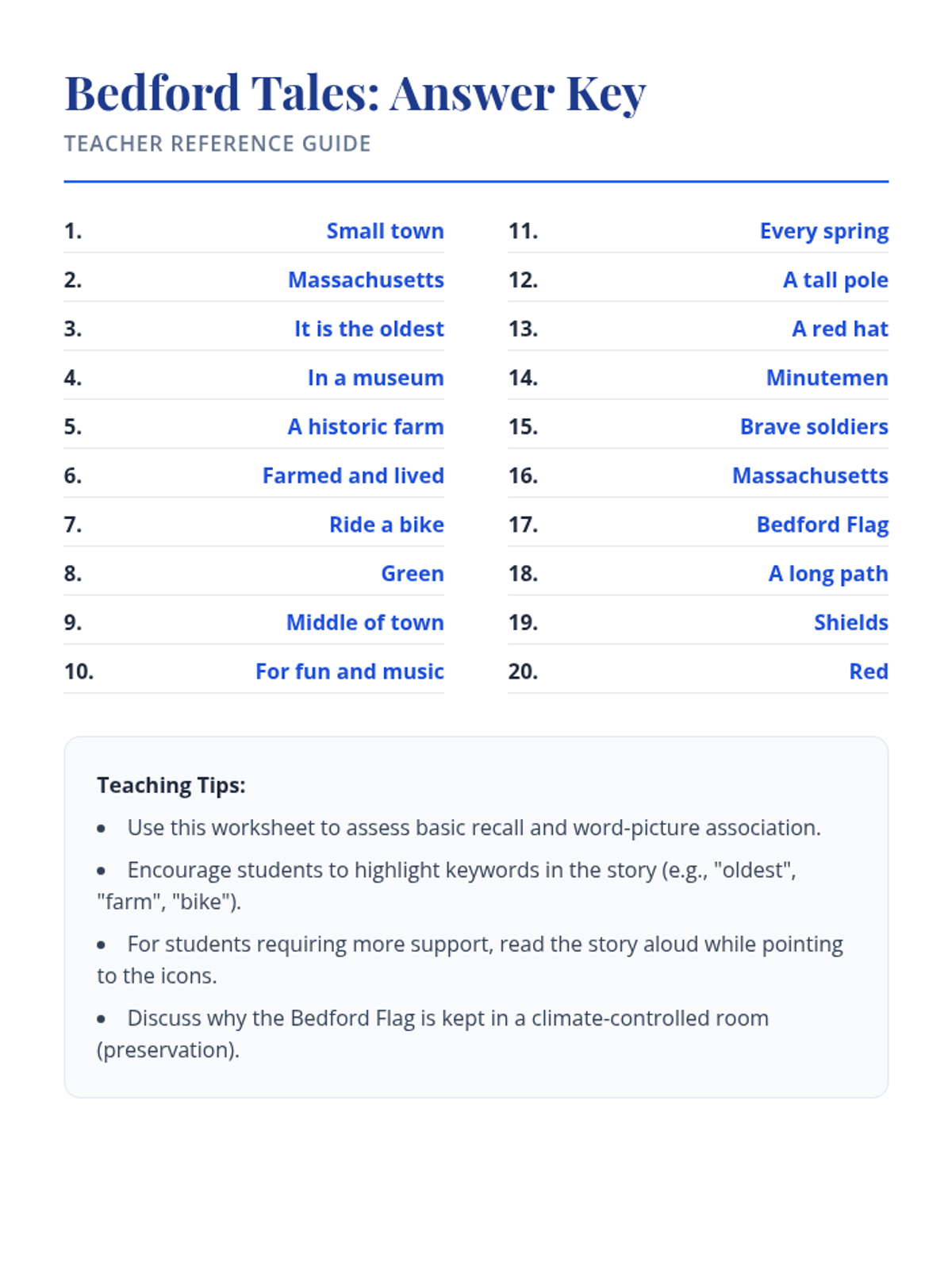
A lesson about the history and landmarks of Bedford, Massachusetts, featuring a simplified story with visual supports and a comprehension assessment.
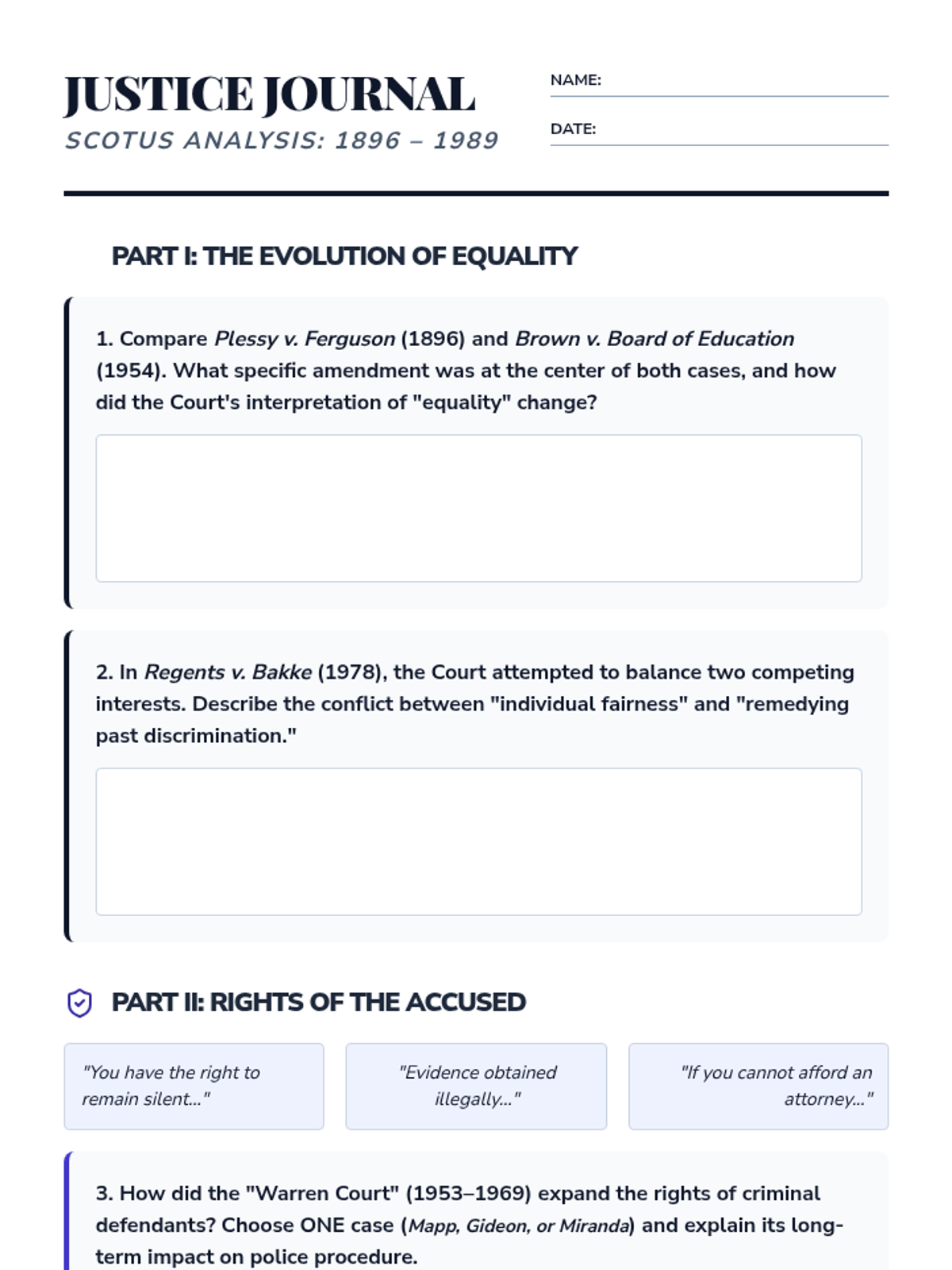
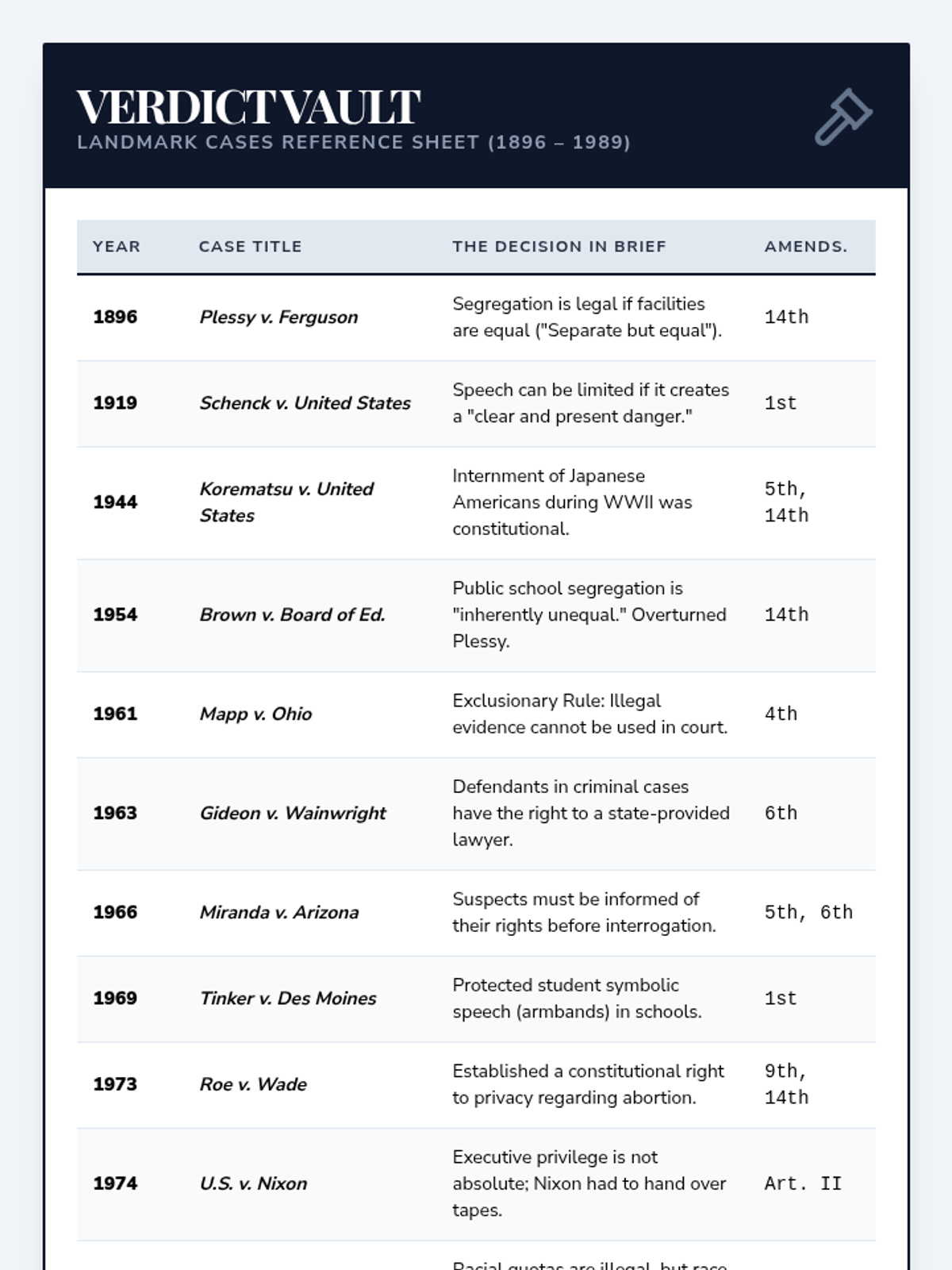
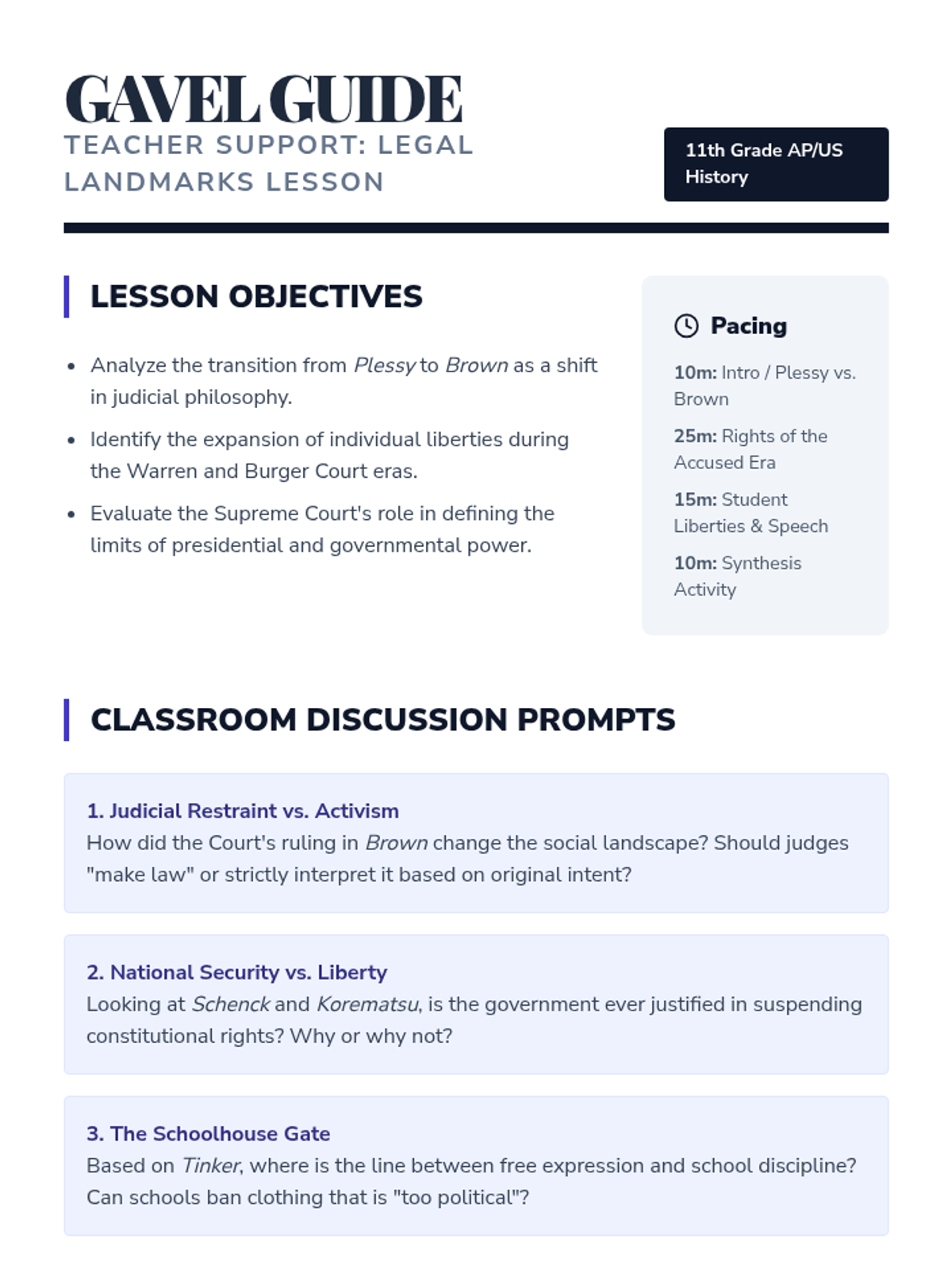
An exploration of pivotal Supreme Court cases from 1896 to 1989, examining how judicial decisions shaped American civil rights, individual liberties, and the balance of power.
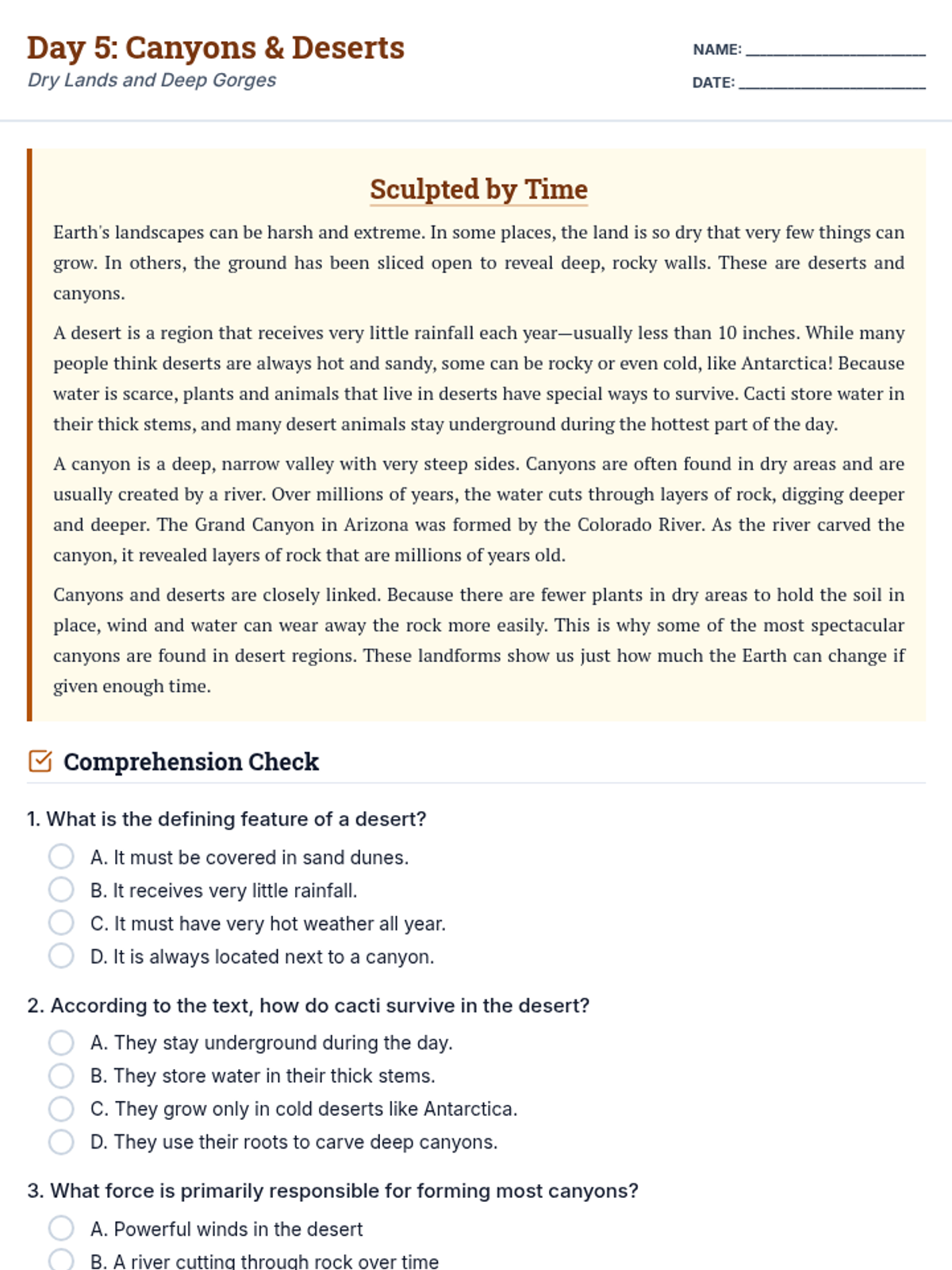
Concludes the week with a study of canyons and deserts, emphasizing inferences and the use of text features to understand extreme environments.
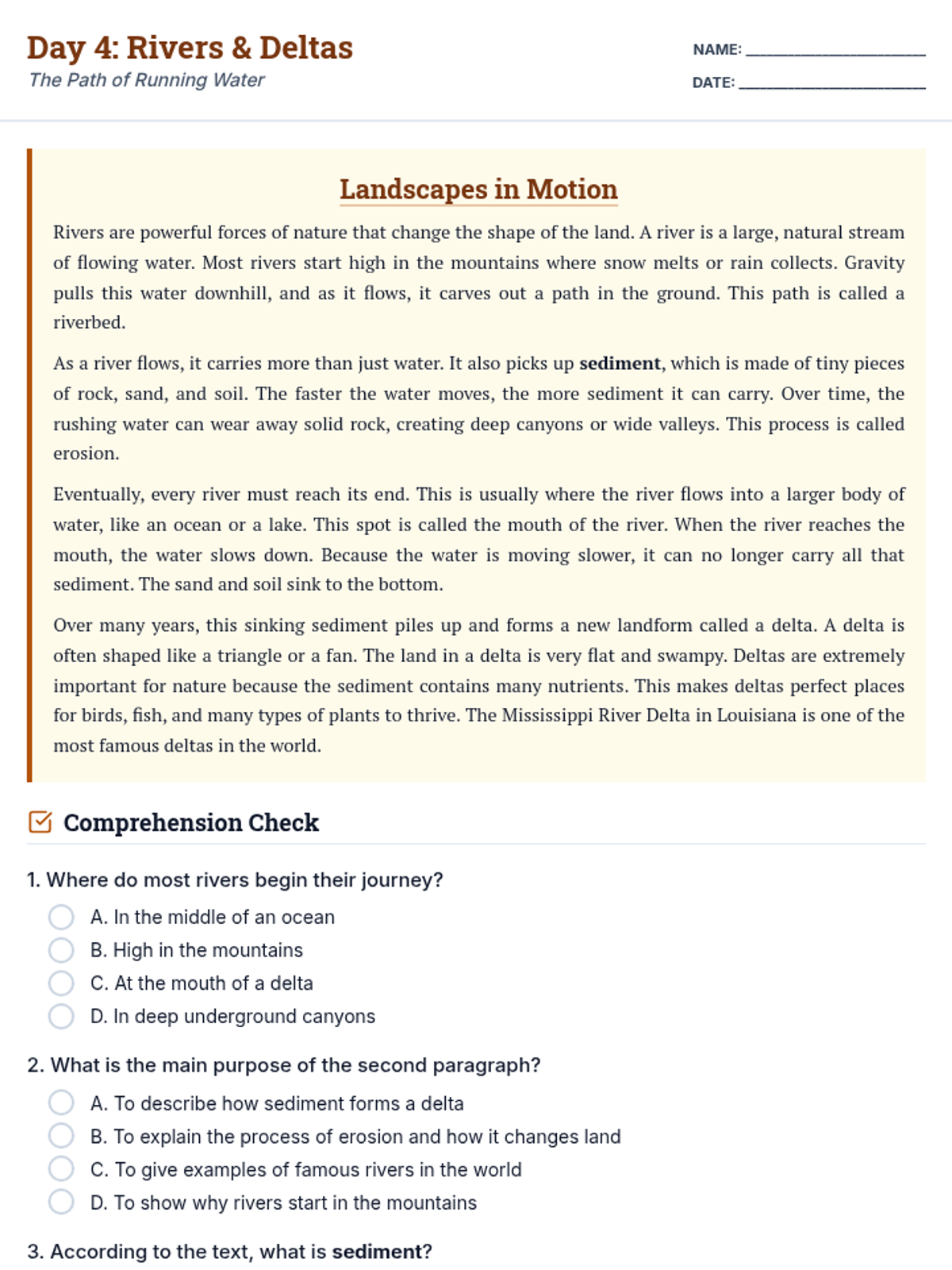
Examines the journey of water through rivers and the formation of deltas, focusing on cause-and-effect relationships within geographic processes.
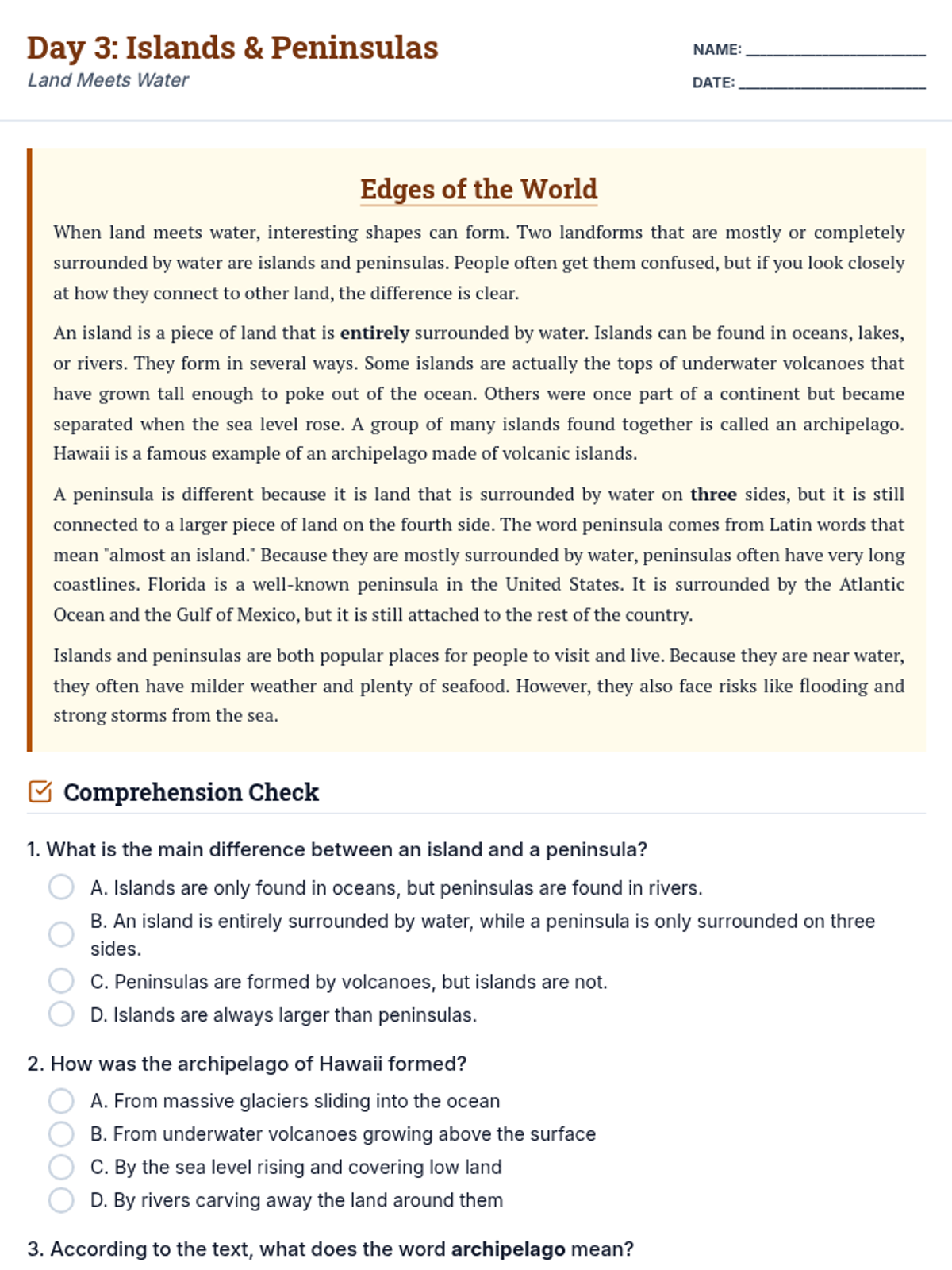
Investigates landforms surrounded by water, specifically islands and peninsulas, with a focus on vocabulary and context clues.
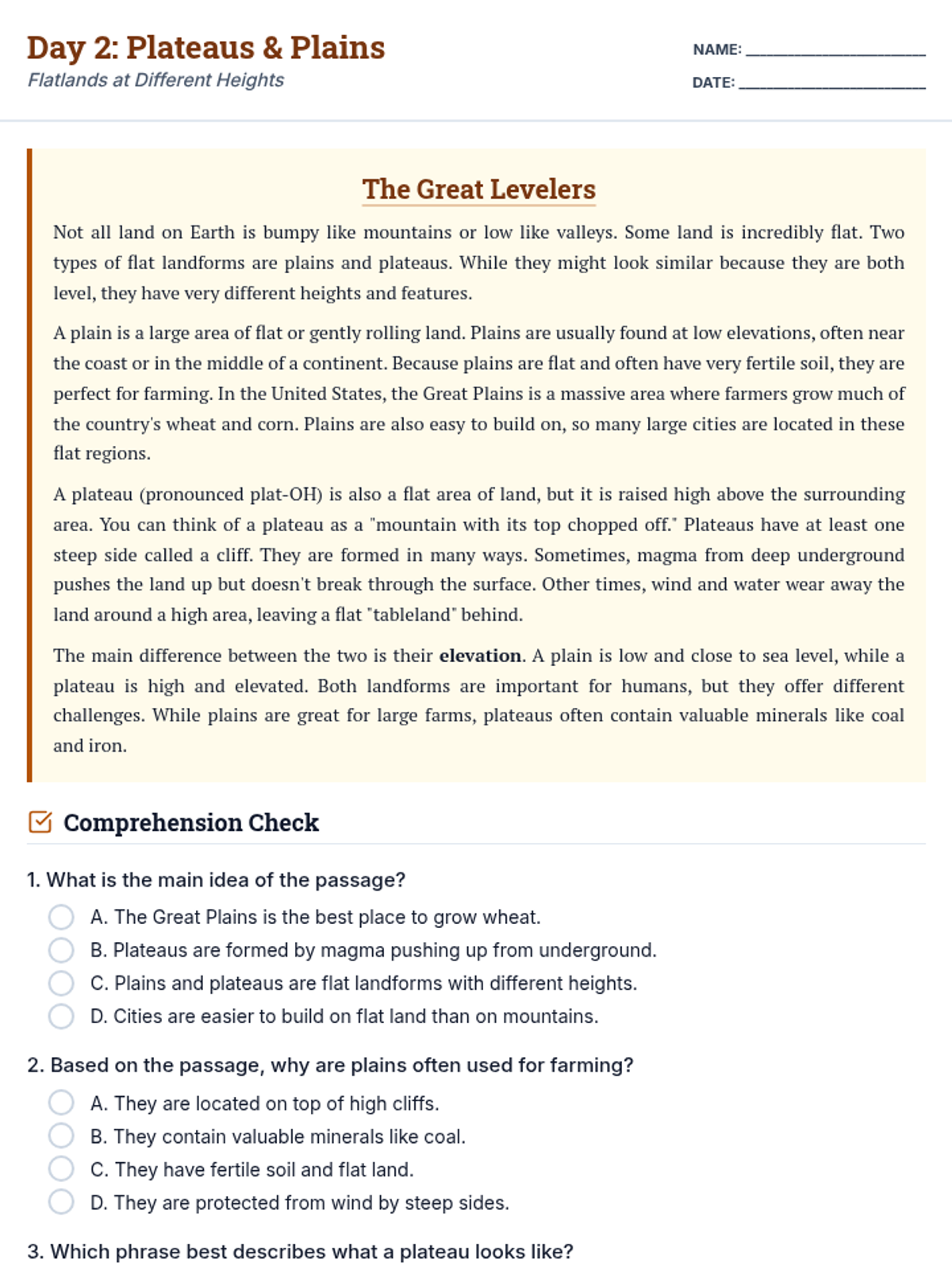
Explores the differences and similarities between plateaus and plains, focusing on comparing text evidence and identifying structural features of geography.
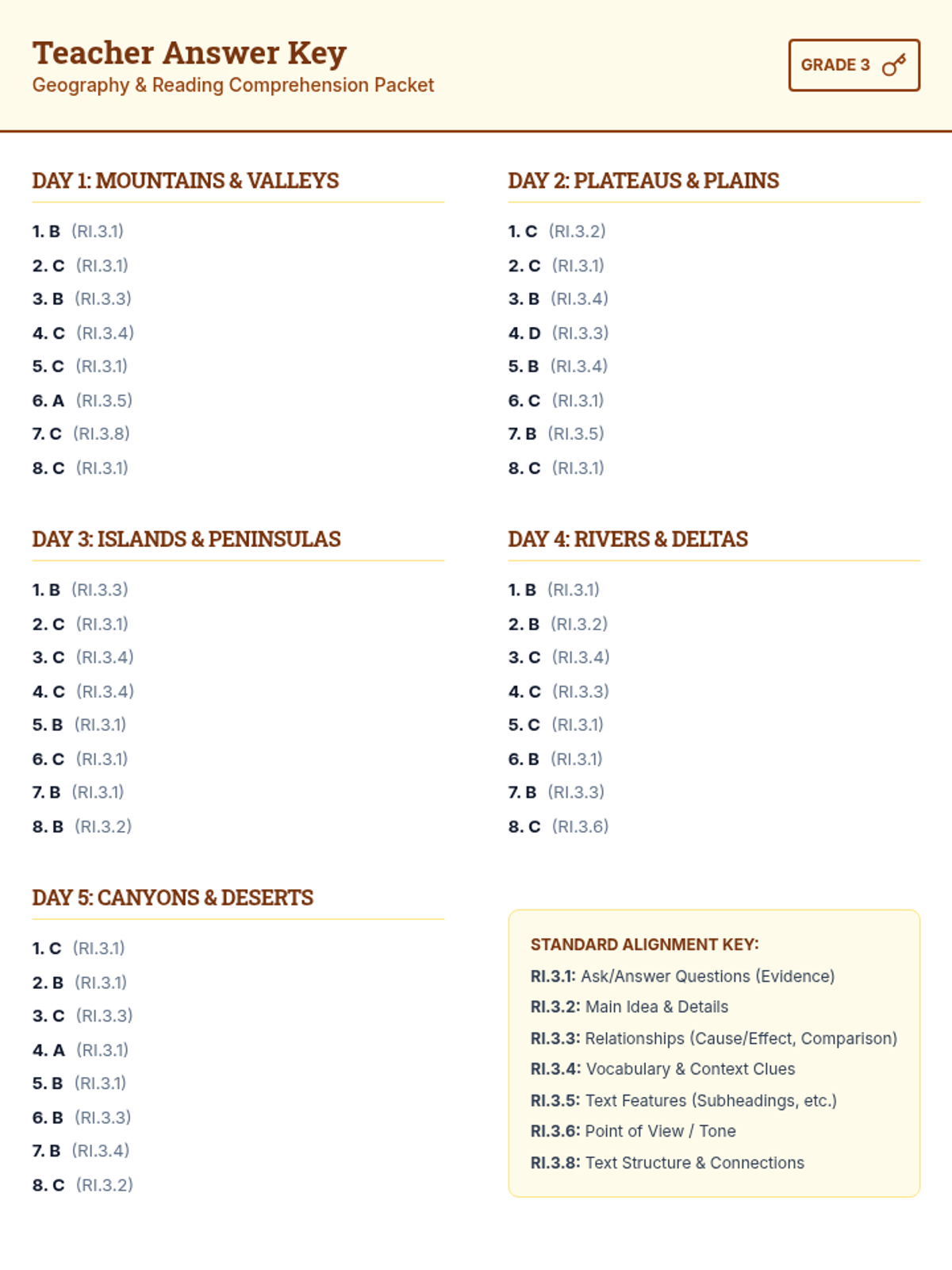
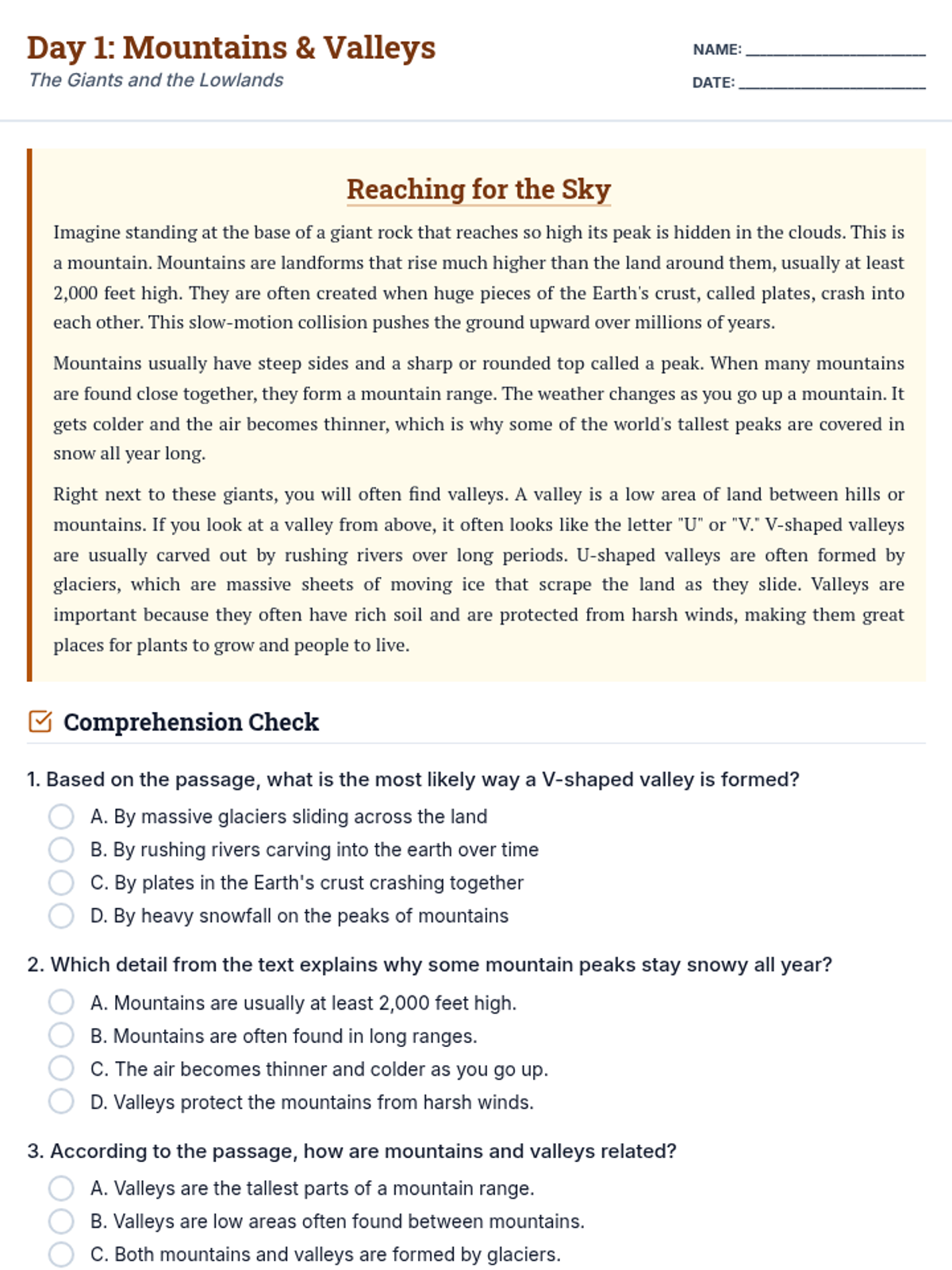
Focuses on the characteristics of mountains and valleys, introducing students to elevation and erosion concepts. Includes the packet cover page, a passage on mountain ranges, and rigorous reading comprehension questions.
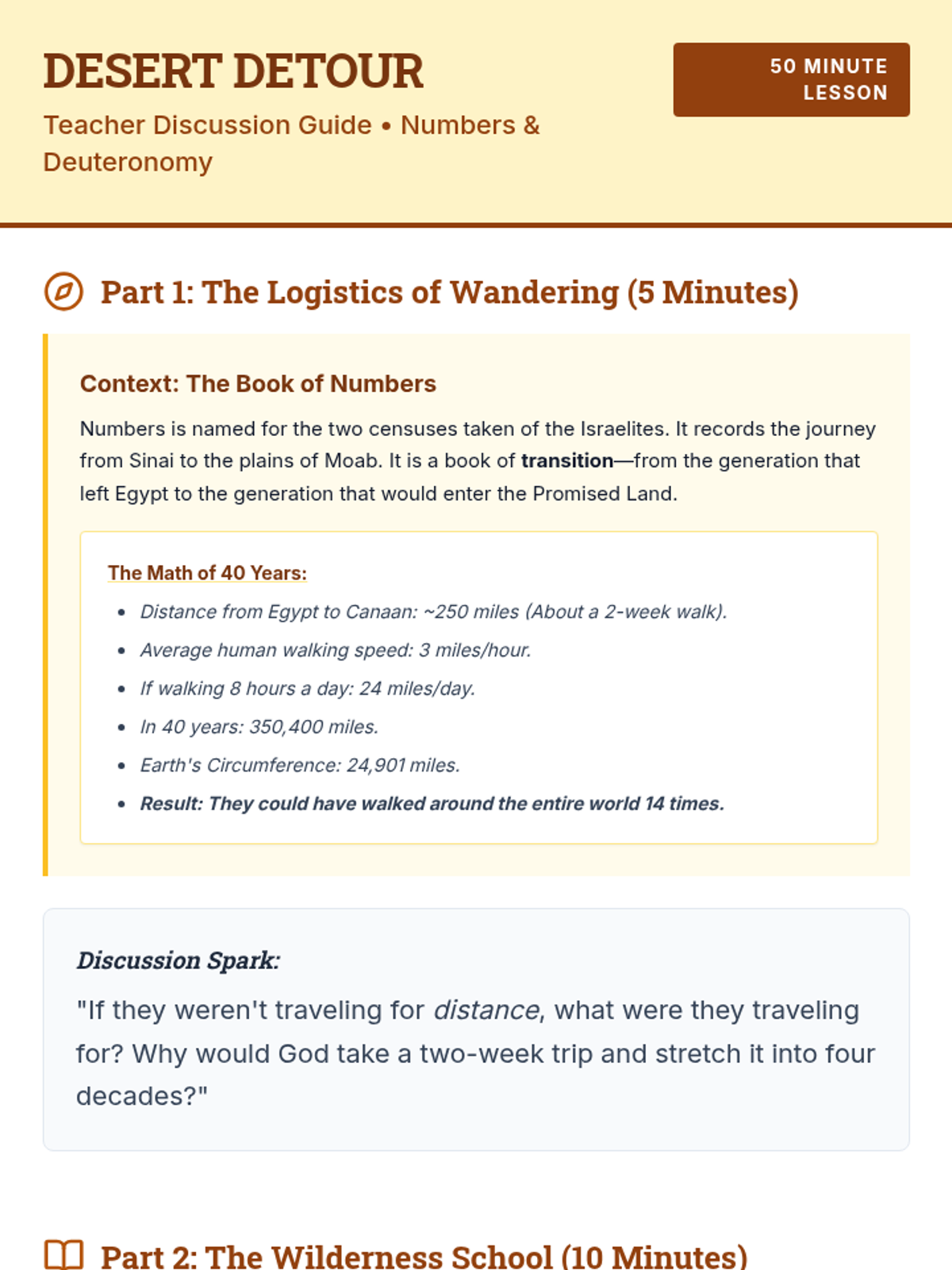
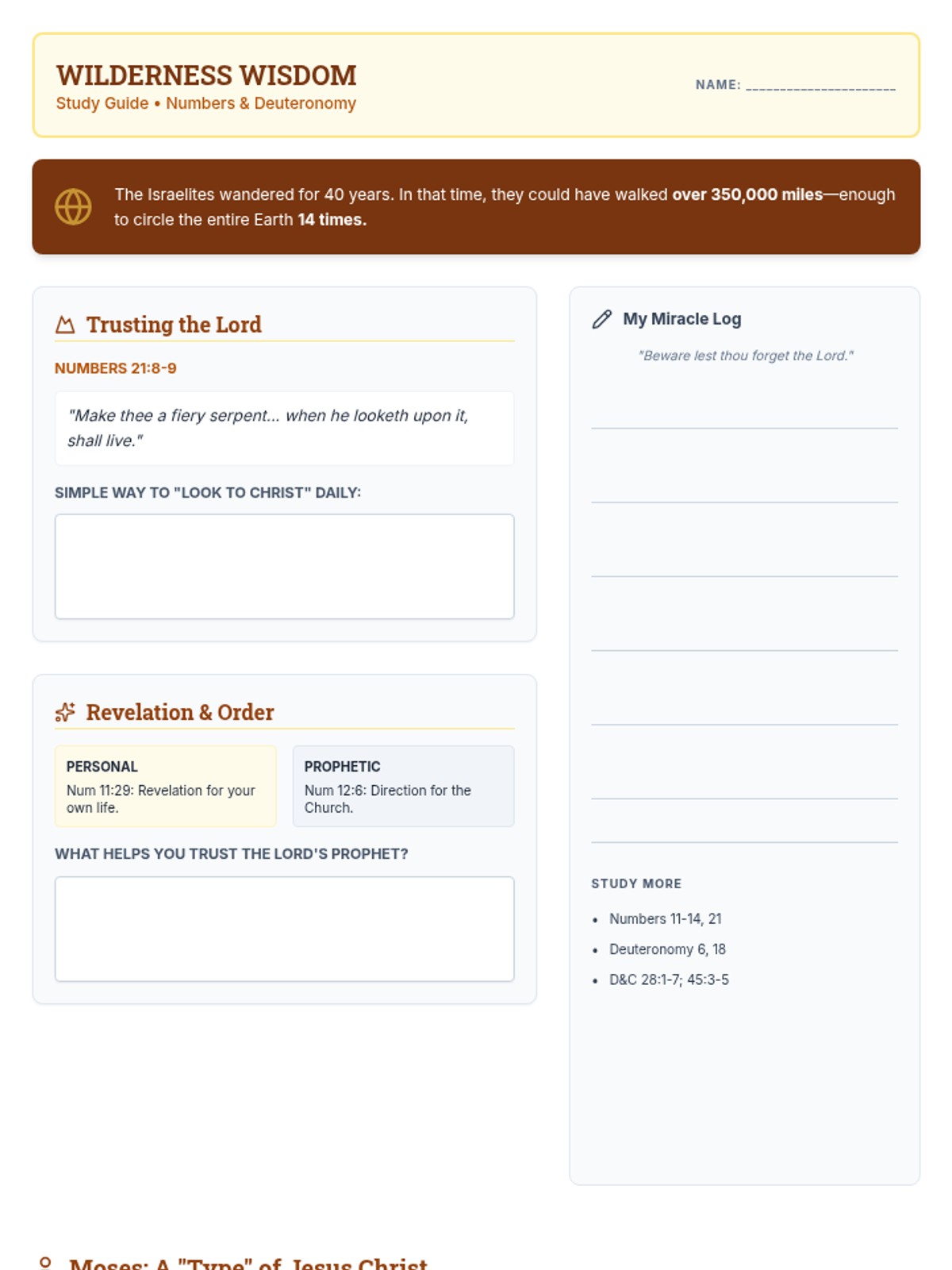
A comprehensive Sunday School lesson for LDS adults focusing on the wanderings in Numbers and the 'second law' in Deuteronomy, emphasizing revelation, Christ-like leadership, and the power of remembering God's miracles.
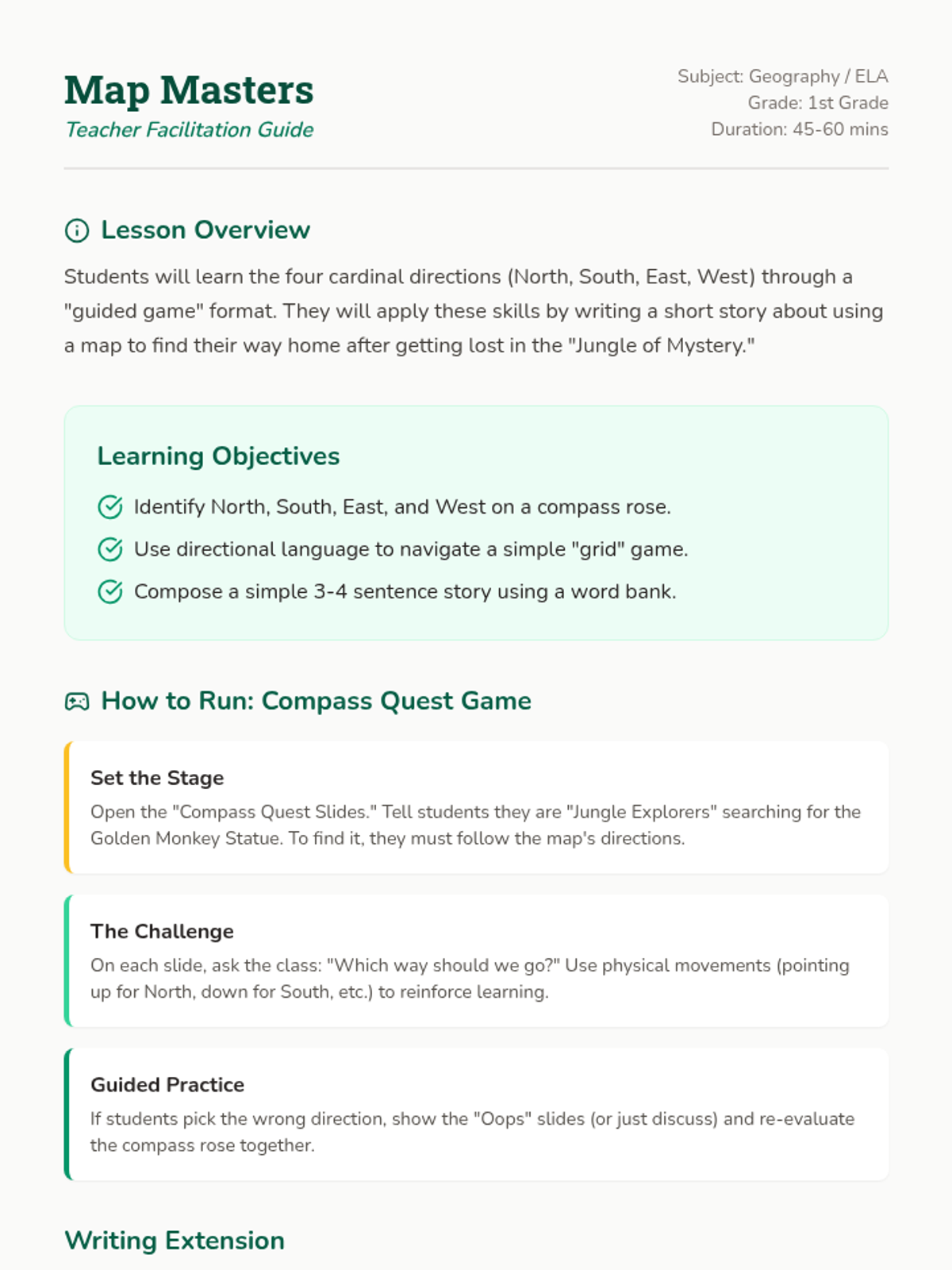
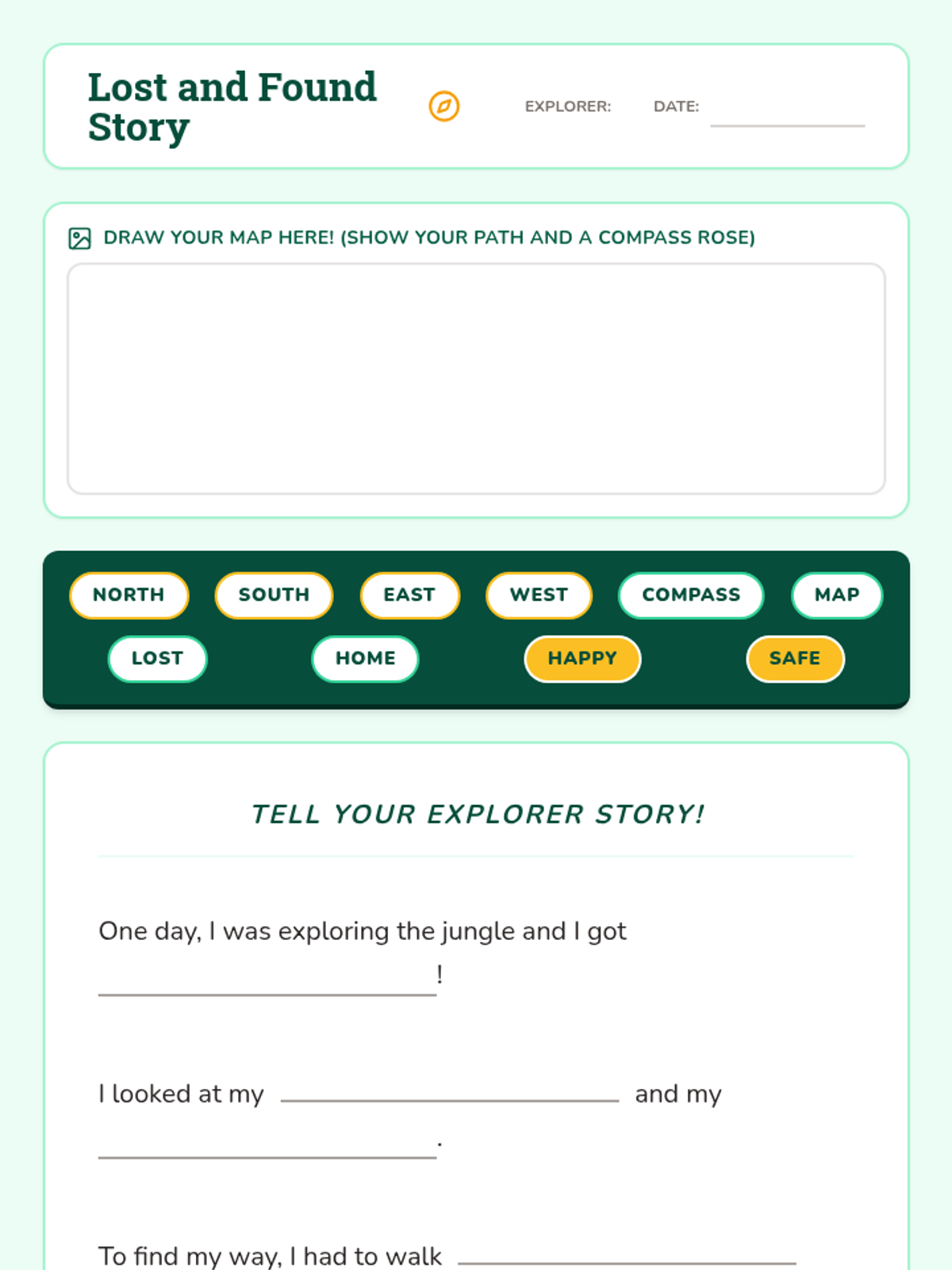
A beginner's guide to cardinal directions (North, South, East, West) featuring a guided exploration game and a creative story-building activity for first graders.
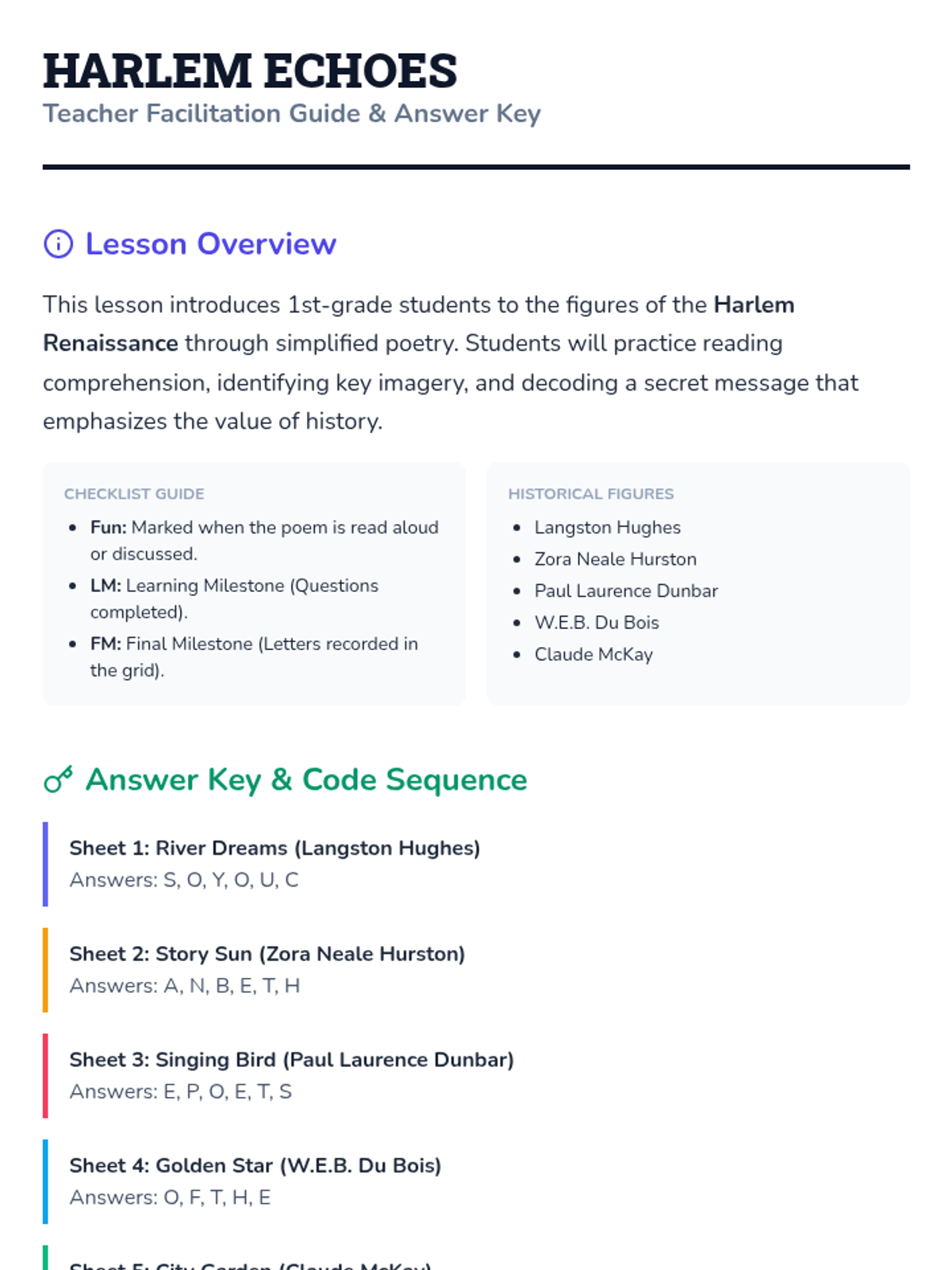
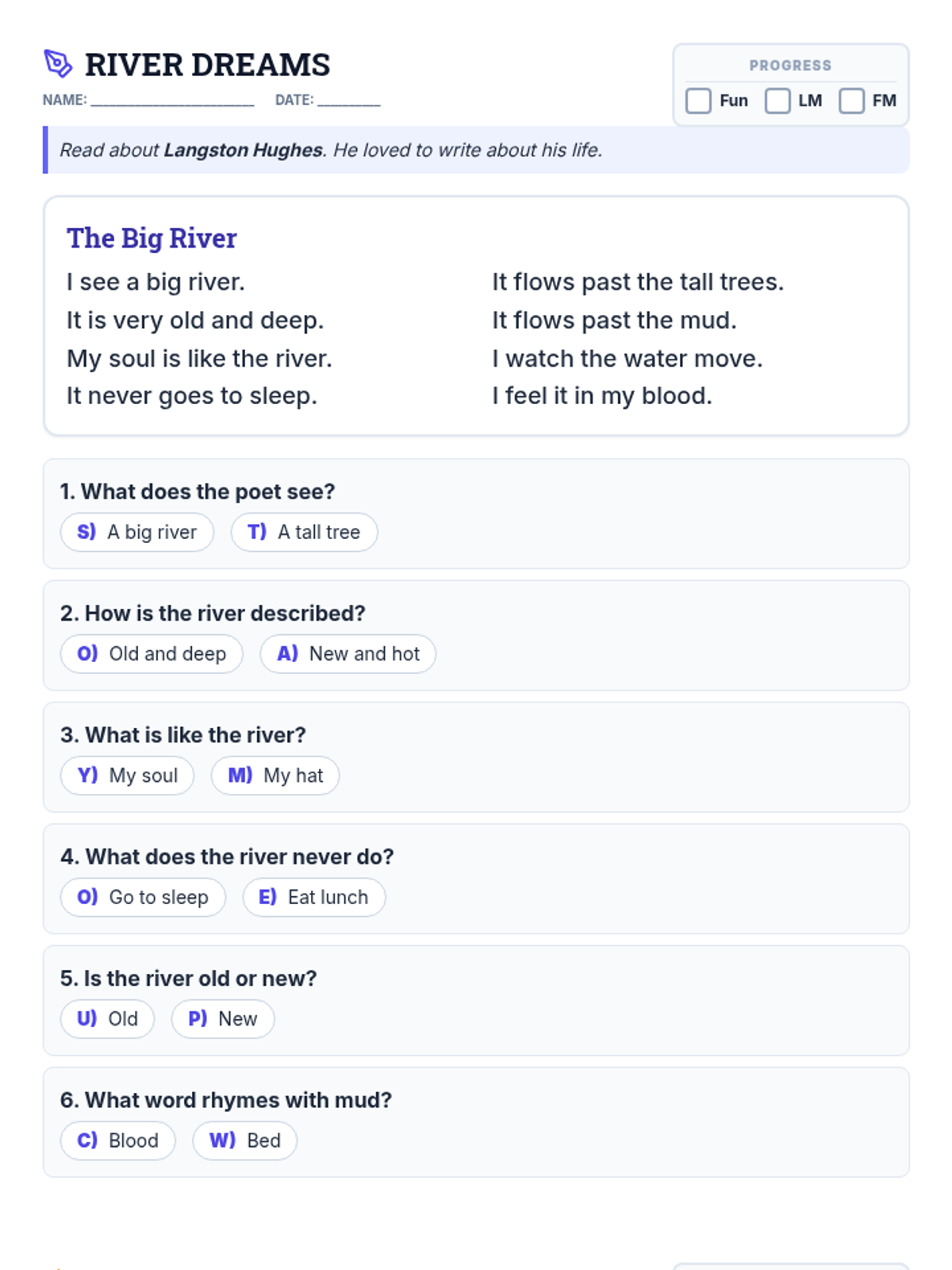
A poetry analysis assignment set at a first-grade reading level focused on key figures of the Harlem Renaissance. Students decode a secret message about the importance of studying history to become future writers.
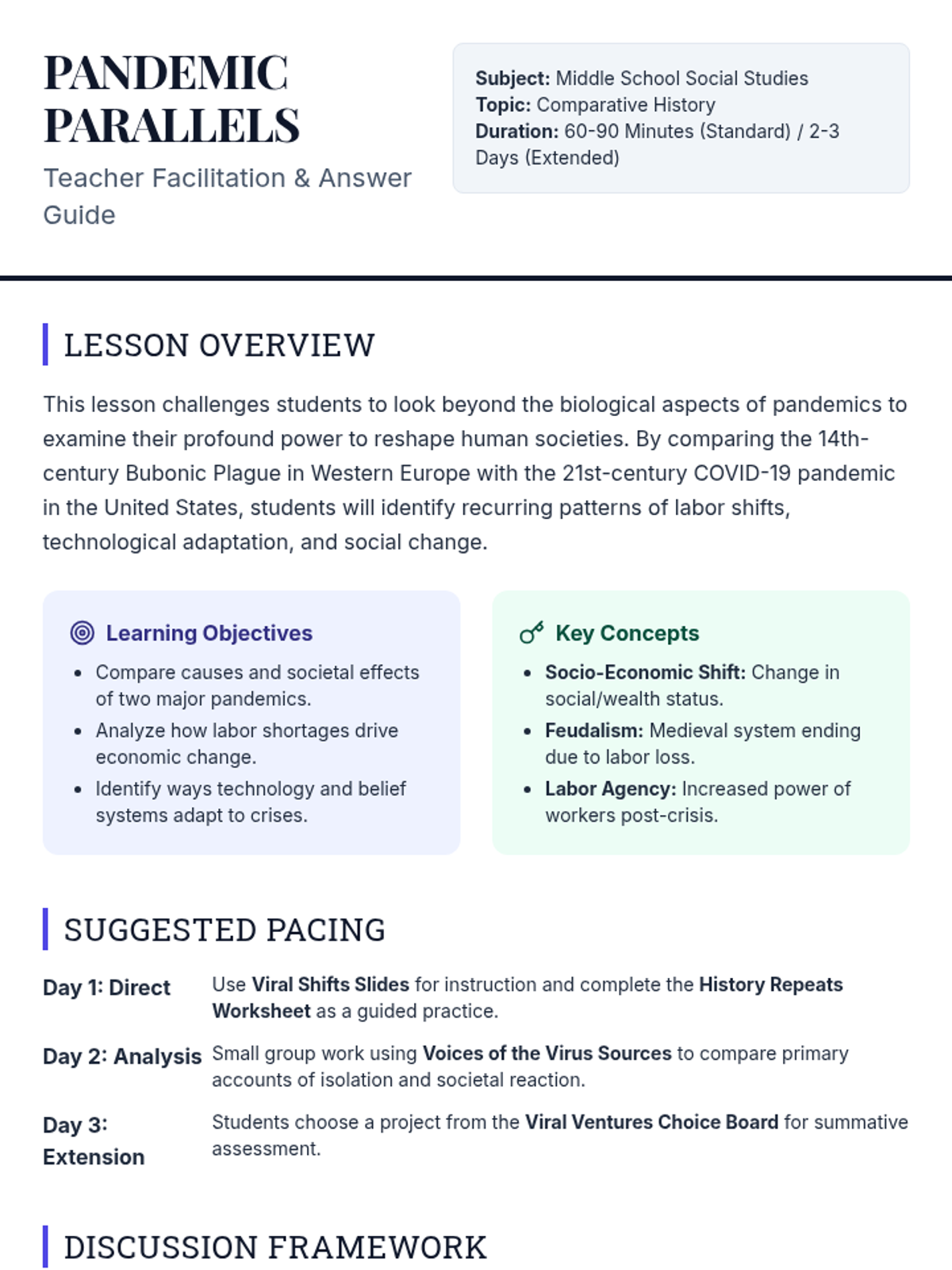
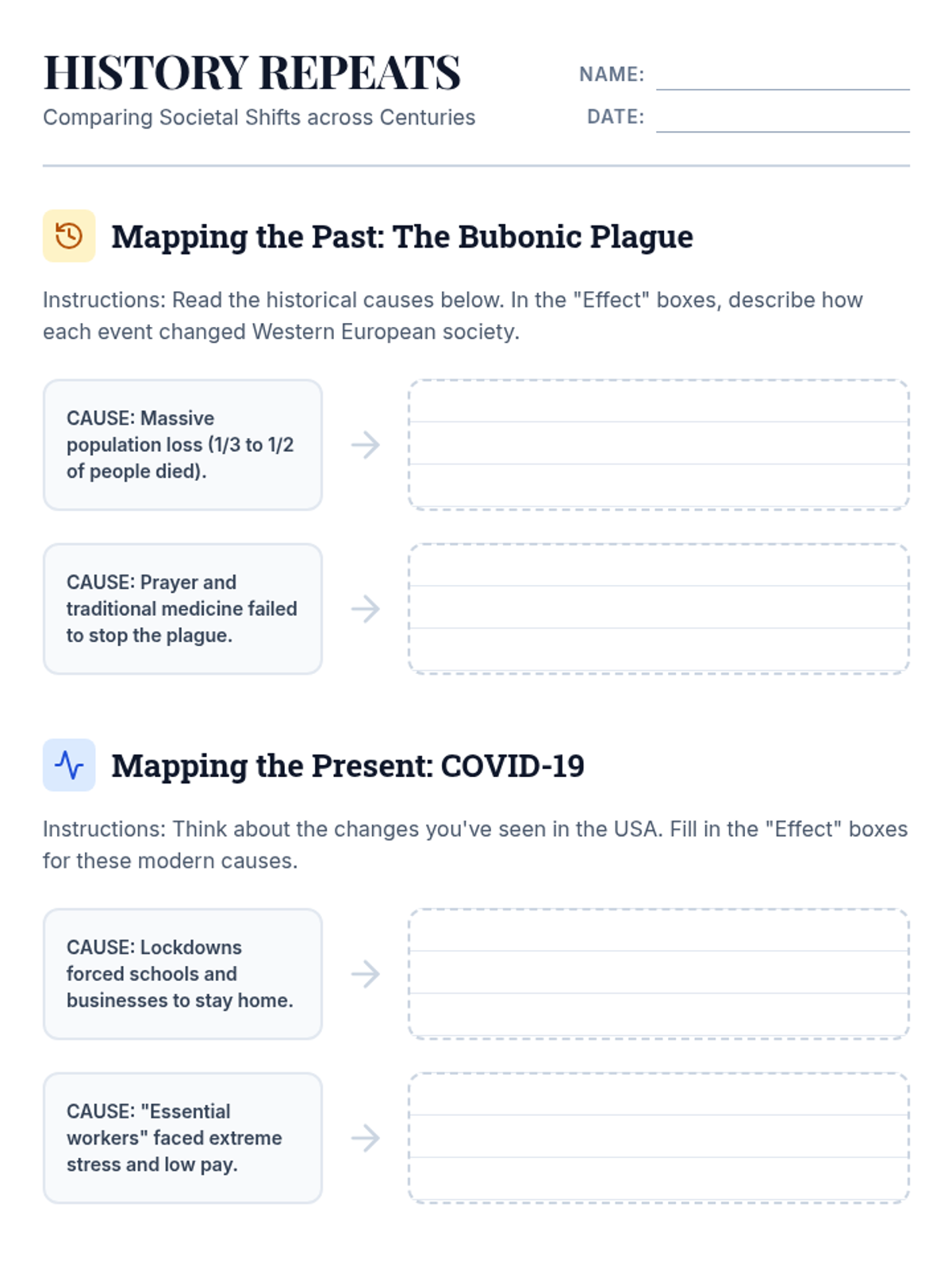
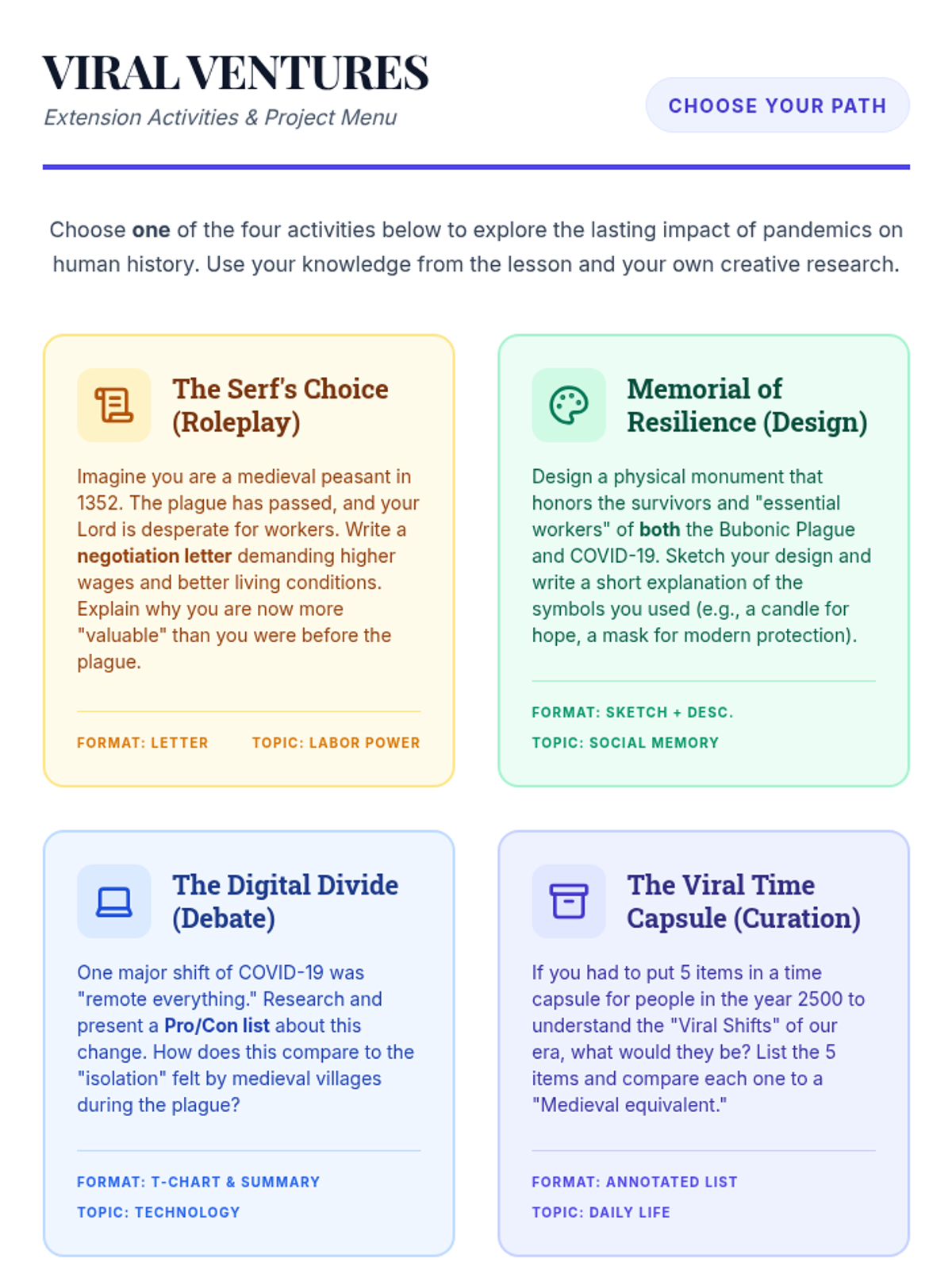
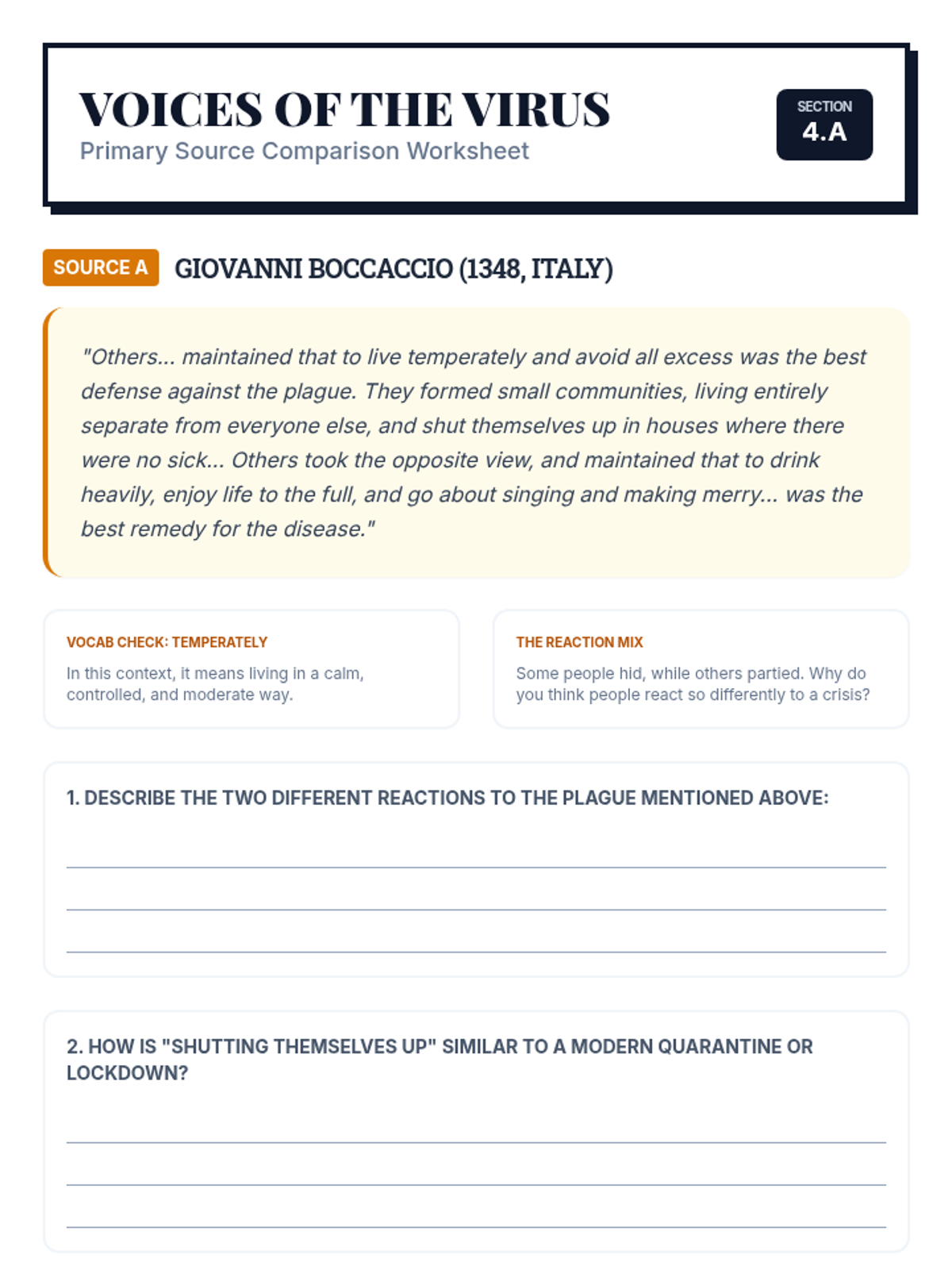
A comparative study of the societal impacts of the Bubonic Plague in Western Europe and the COVID-19 pandemic in the United States, focusing on cause-and-effect relationships in history.
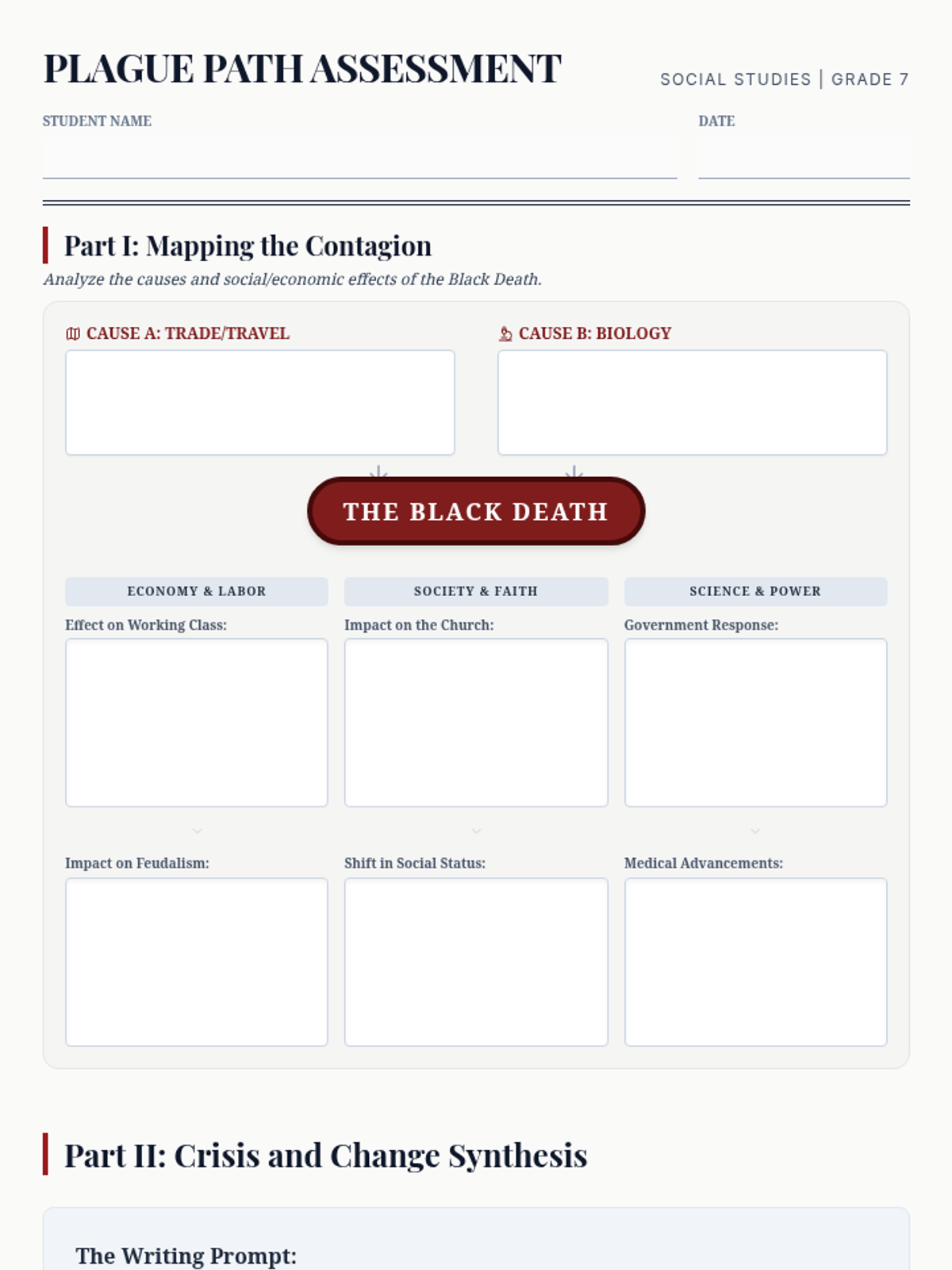
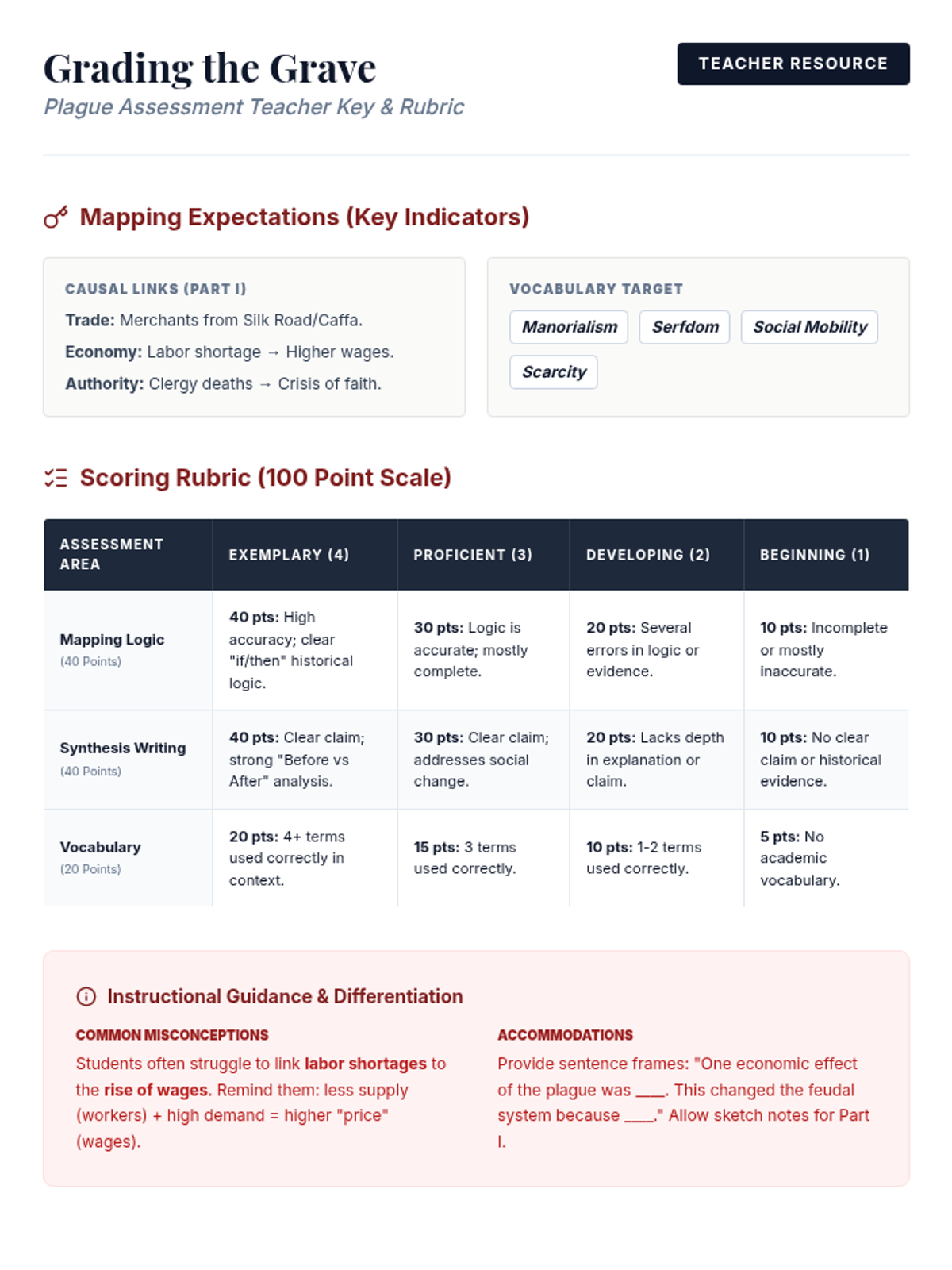
A summative assessment lesson focused on the causal relationships and long-term impacts of the Bubonic Plague on medieval society. Students map the spread and consequences of the pandemic before synthesizing their knowledge in a guided writing prompt.
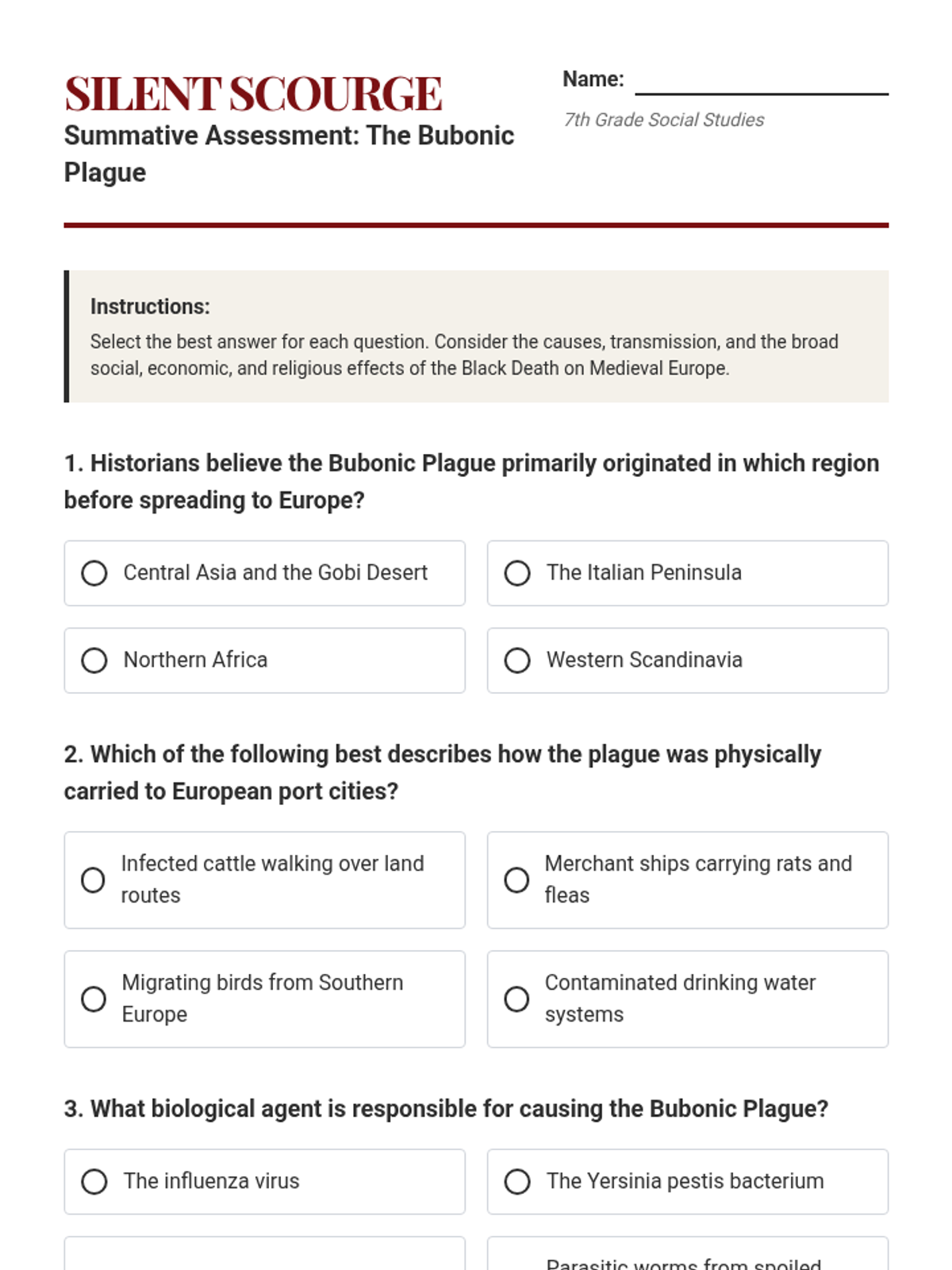
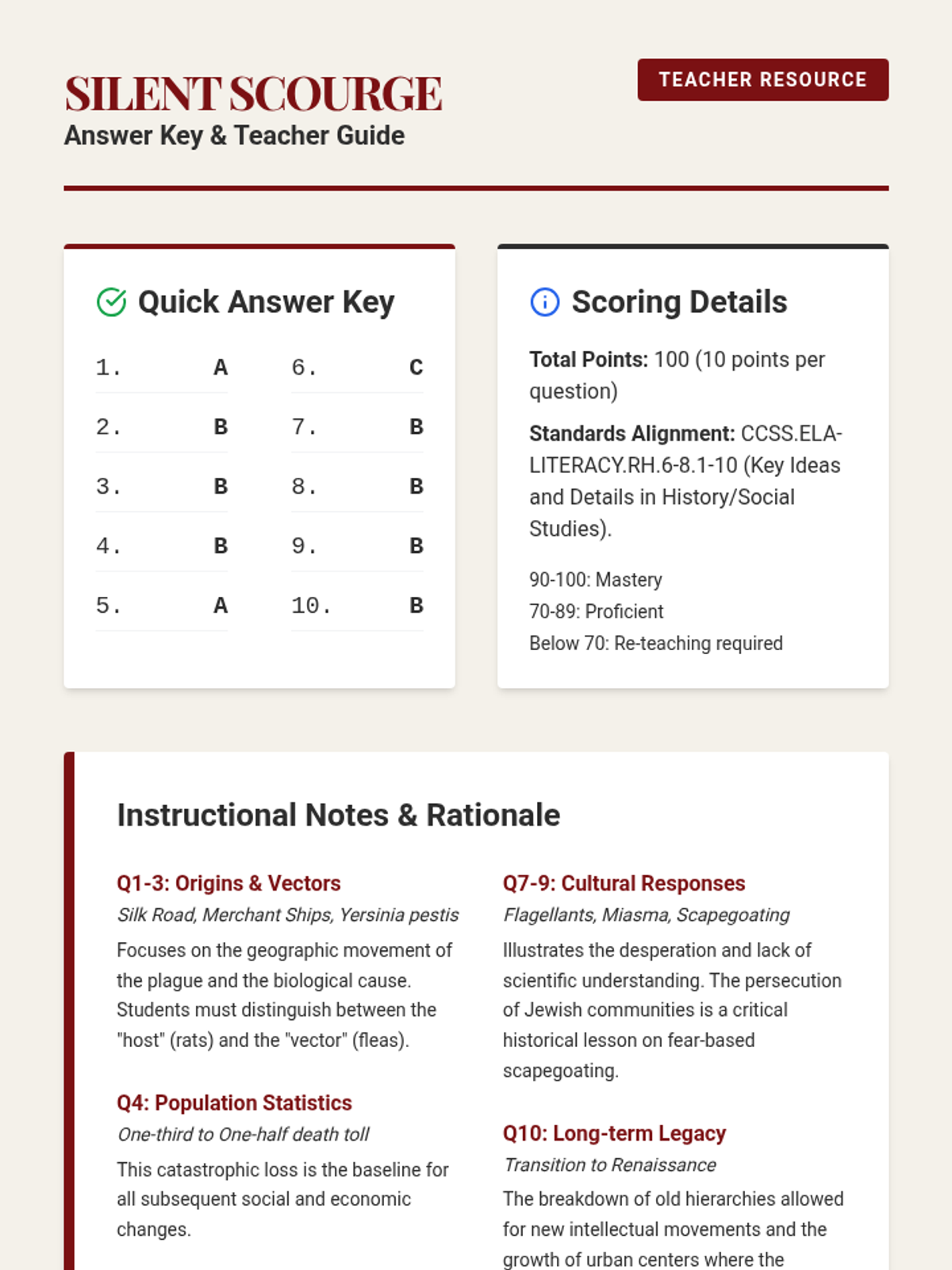
A comprehensive summative assessment lesson covering the origins, transmission, and multi-faceted impacts of the Bubonic Plague on Medieval society. Includes a review presentation and a formal multiple-choice assessment.
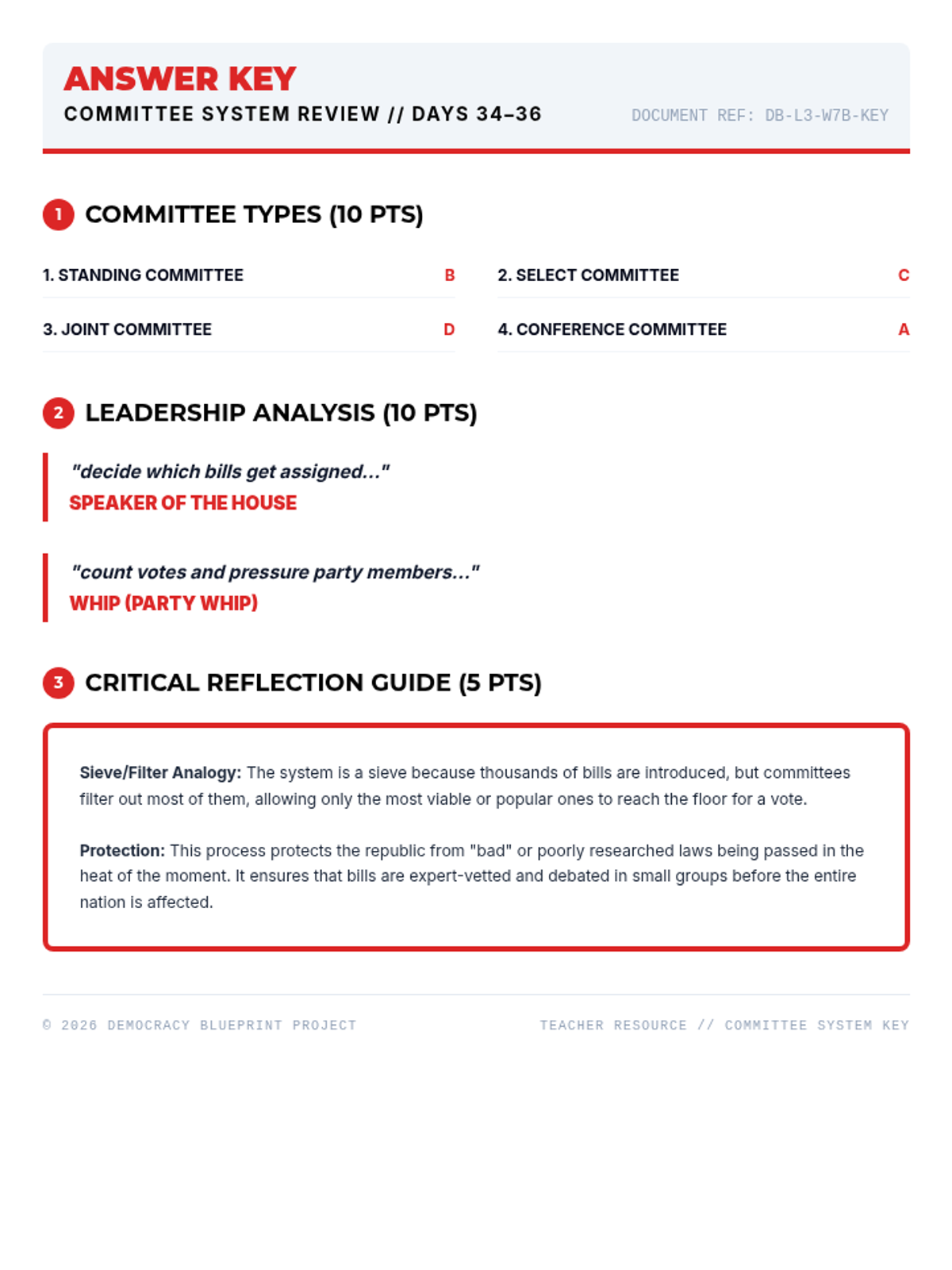
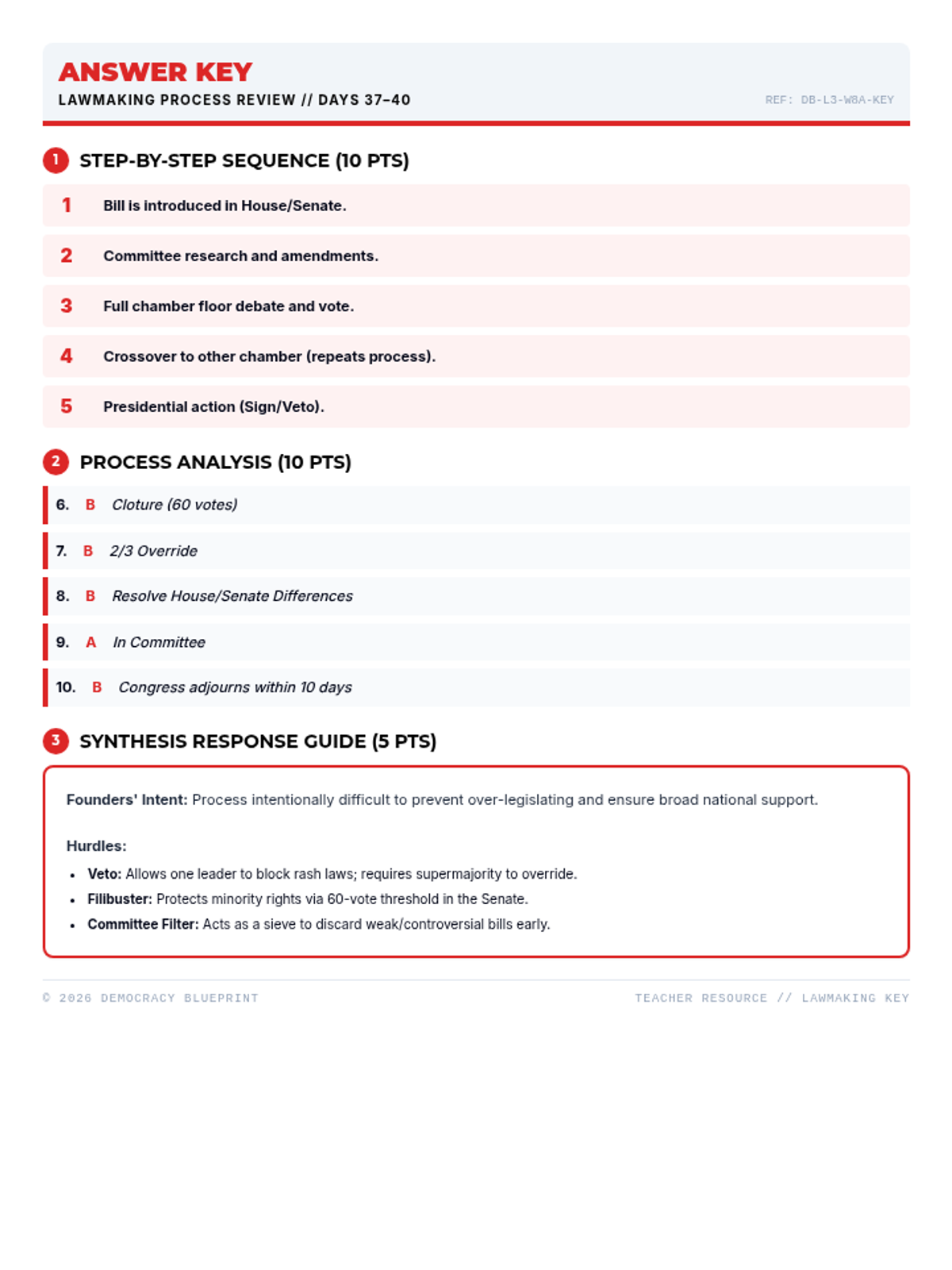
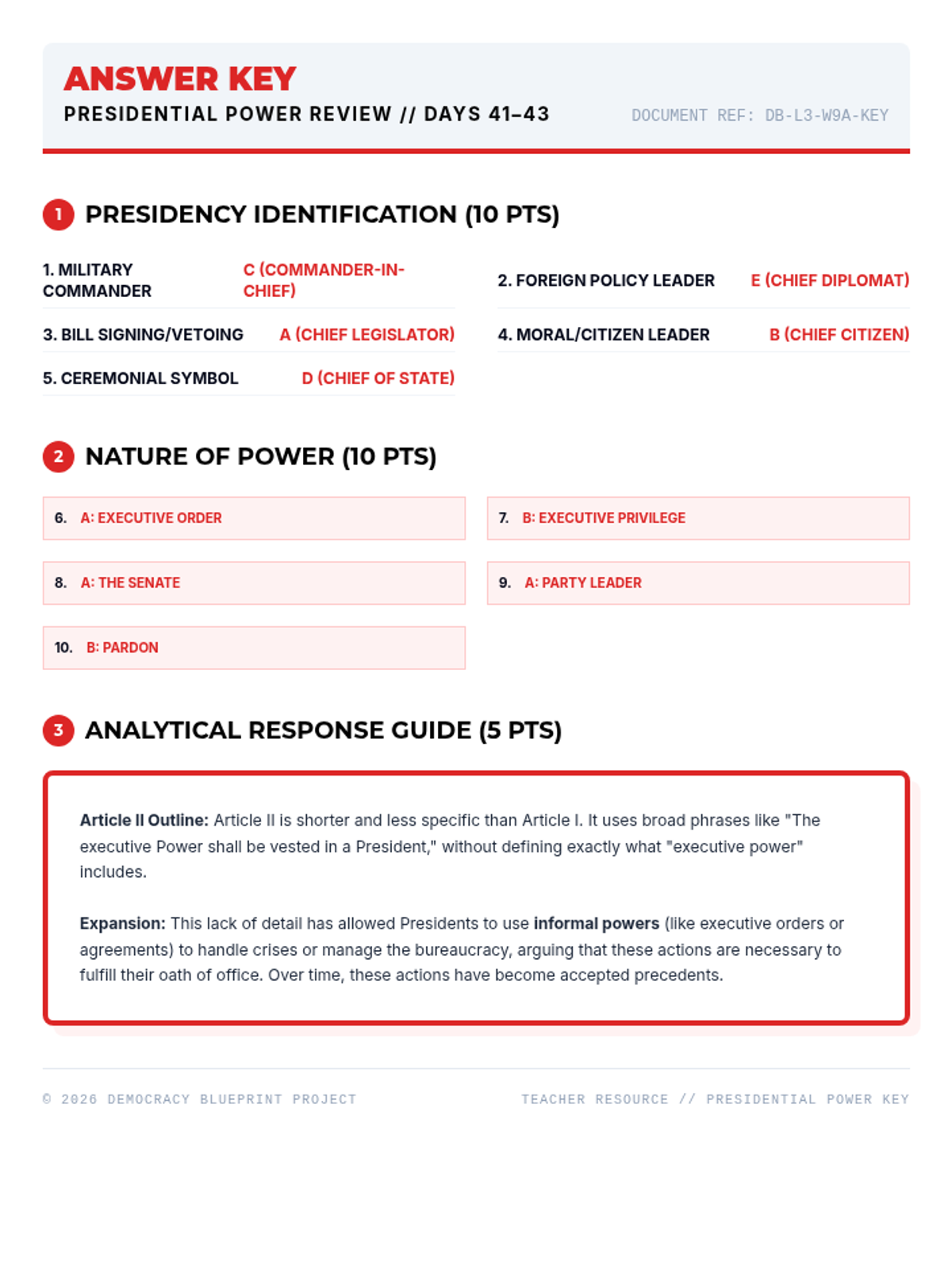
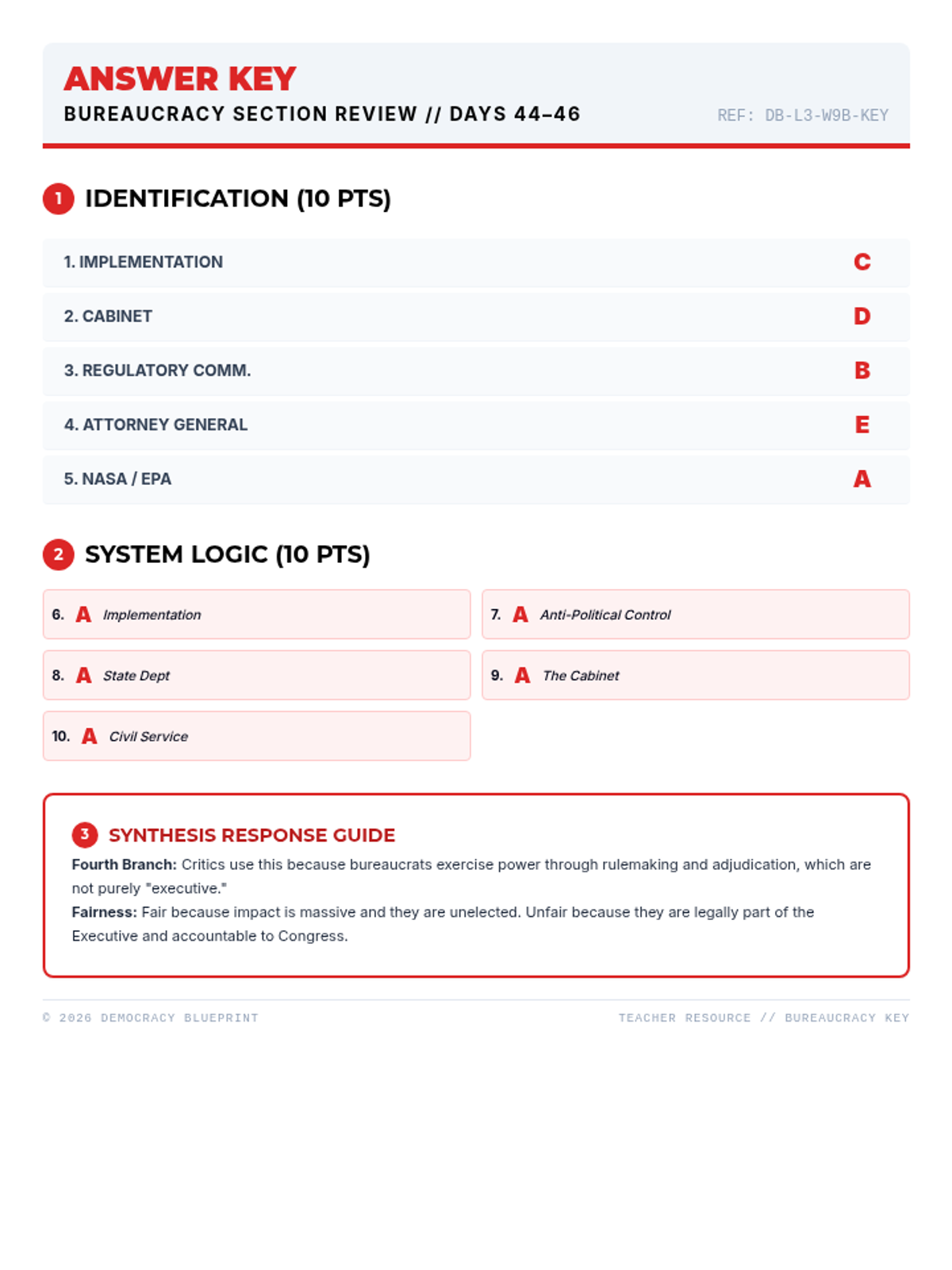
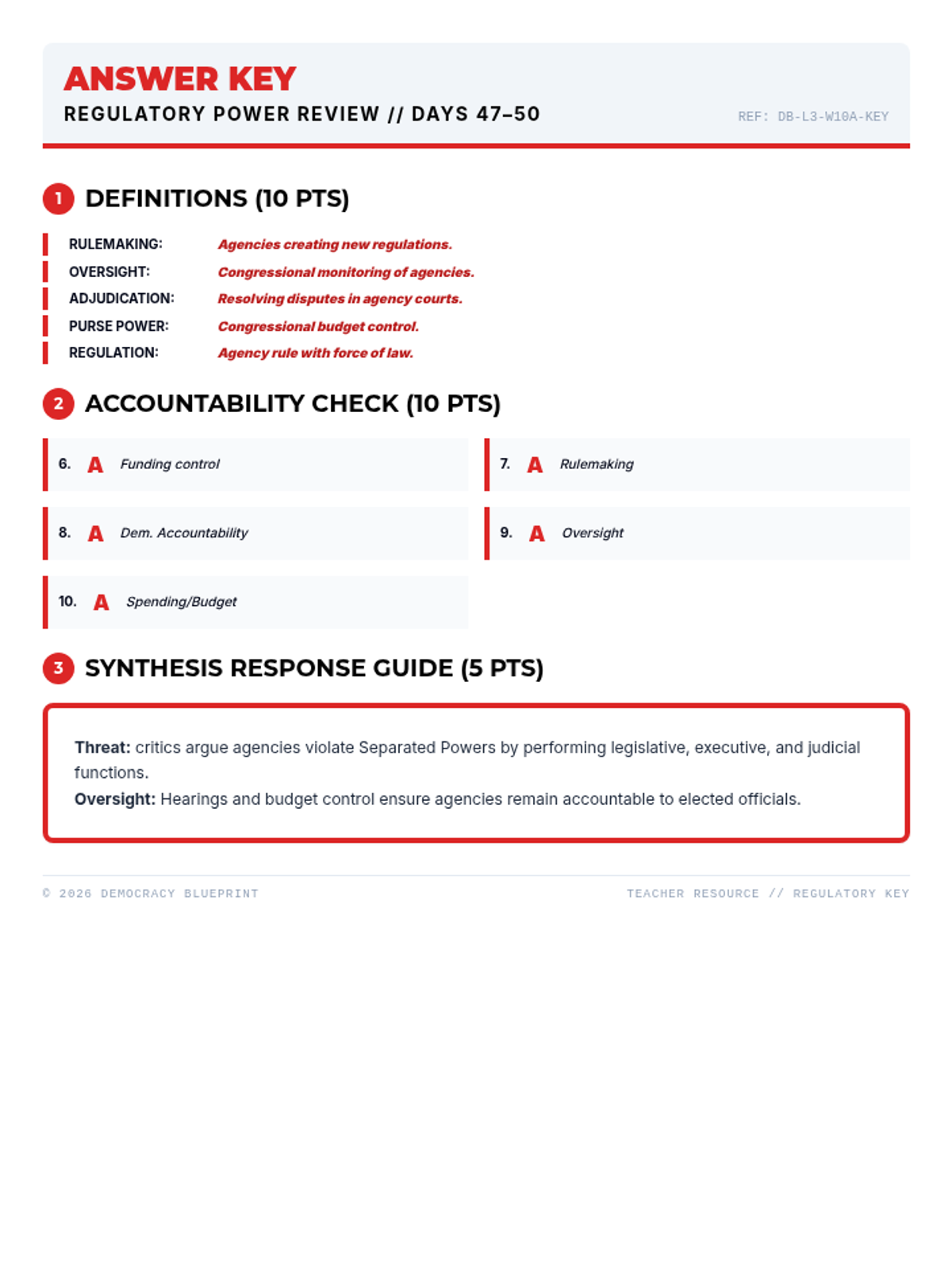
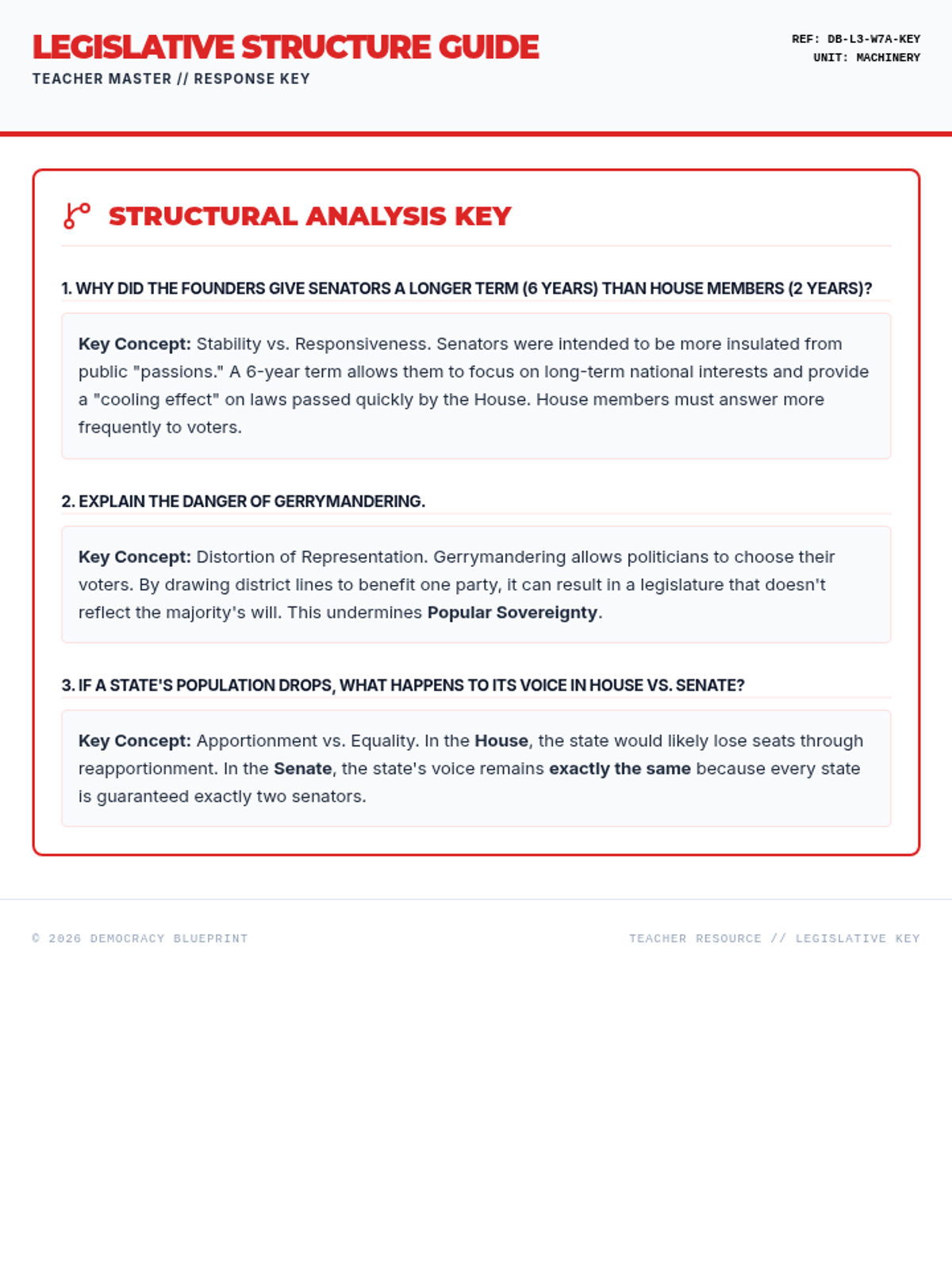
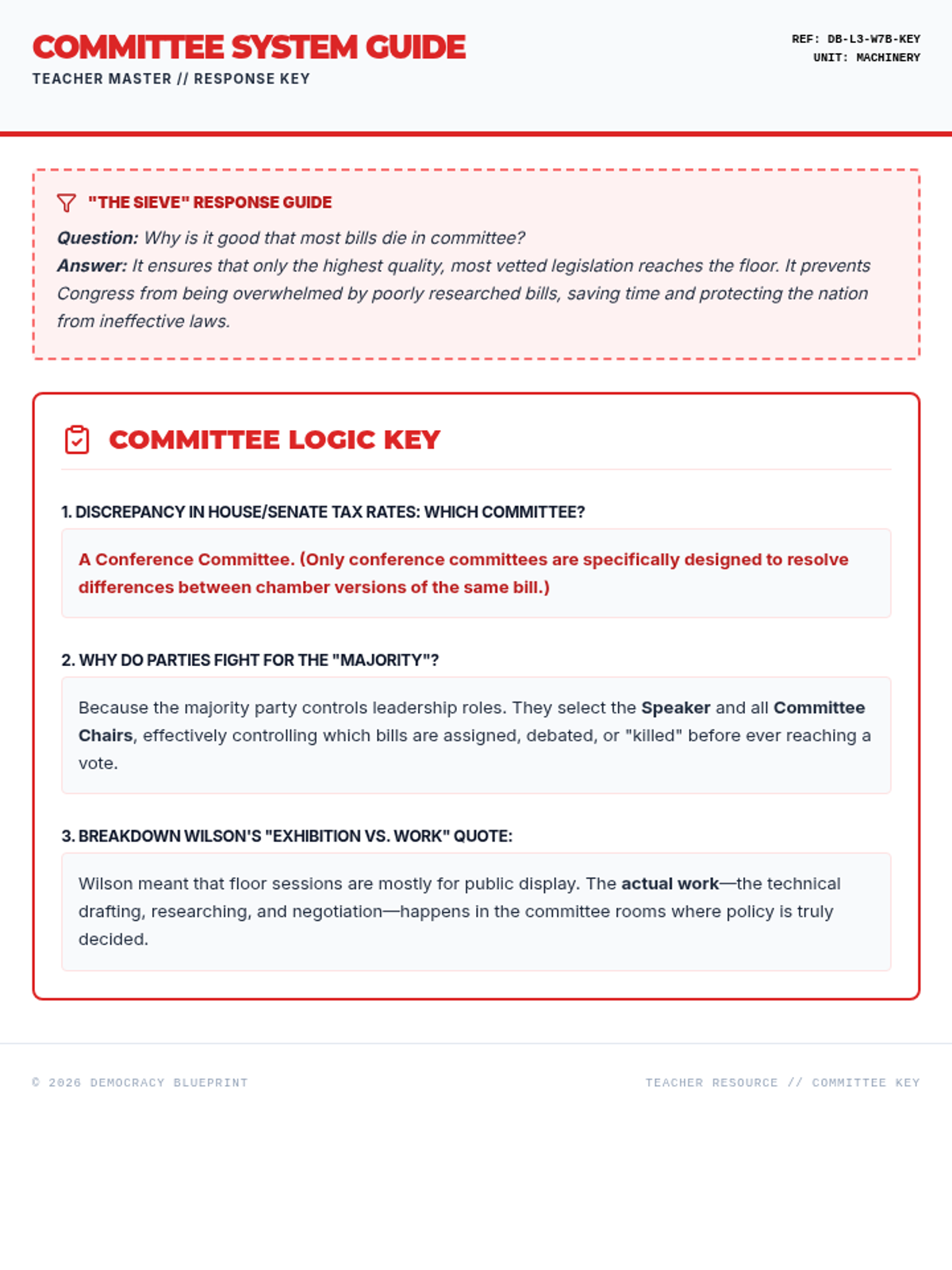
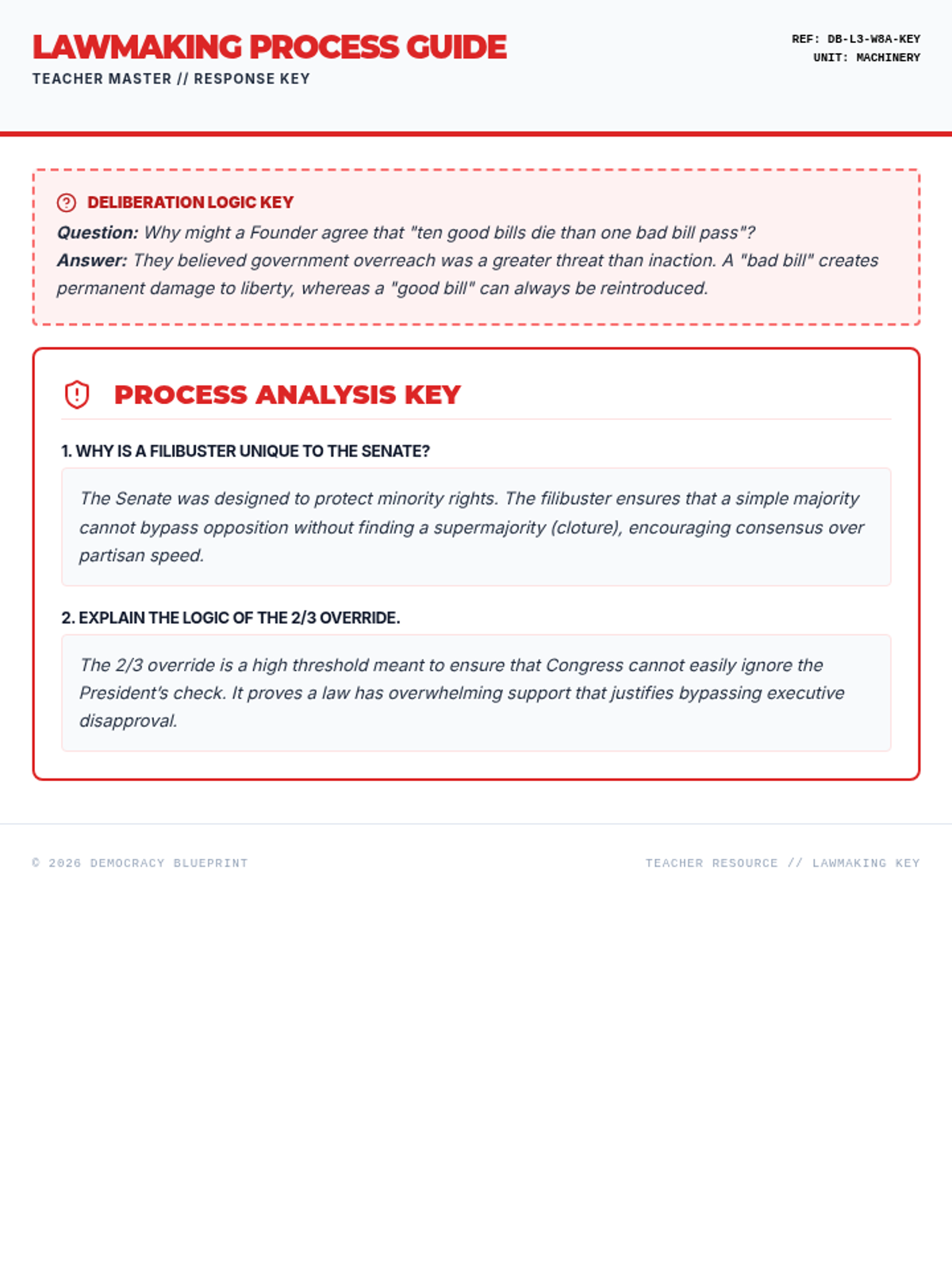
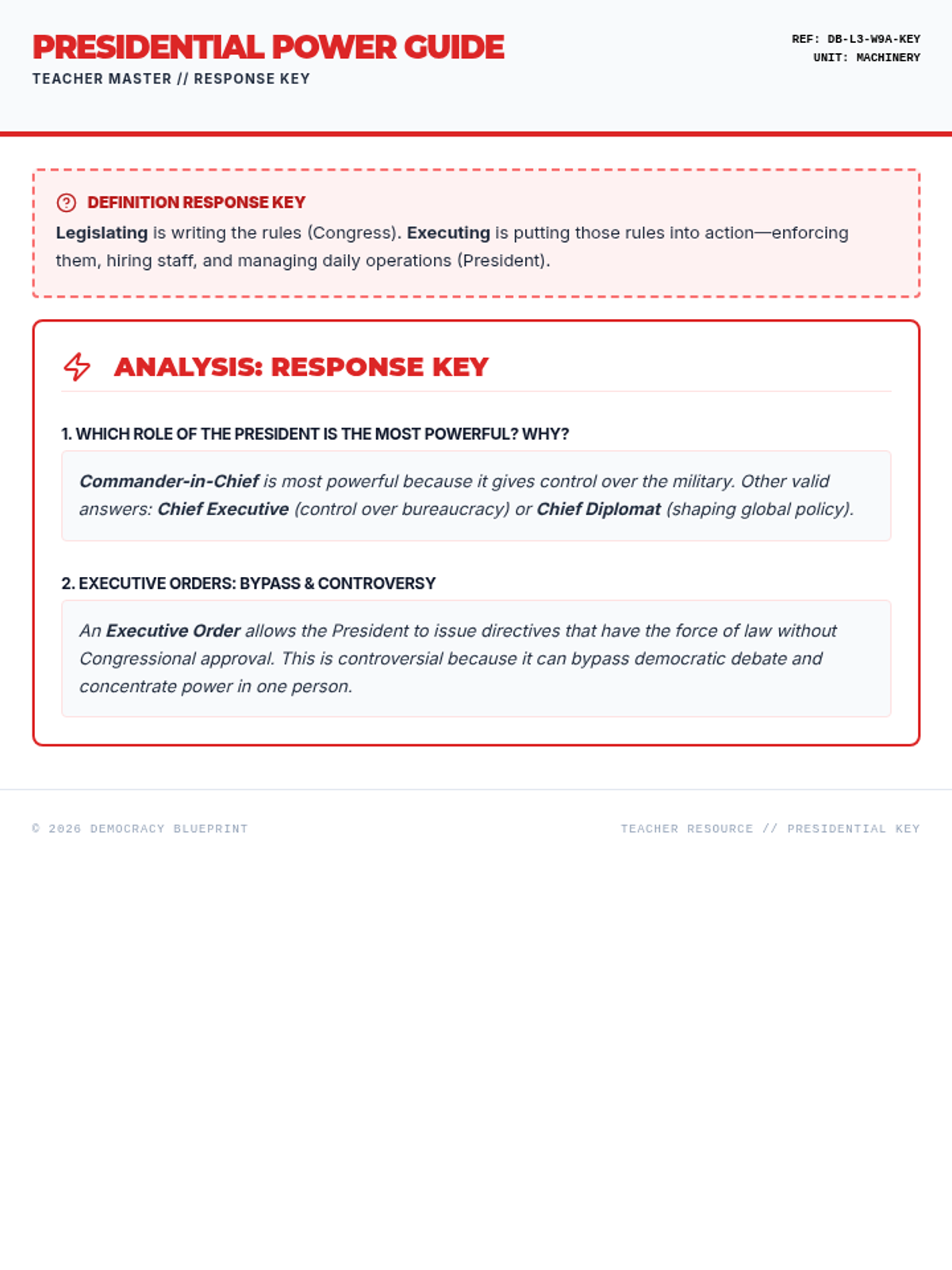
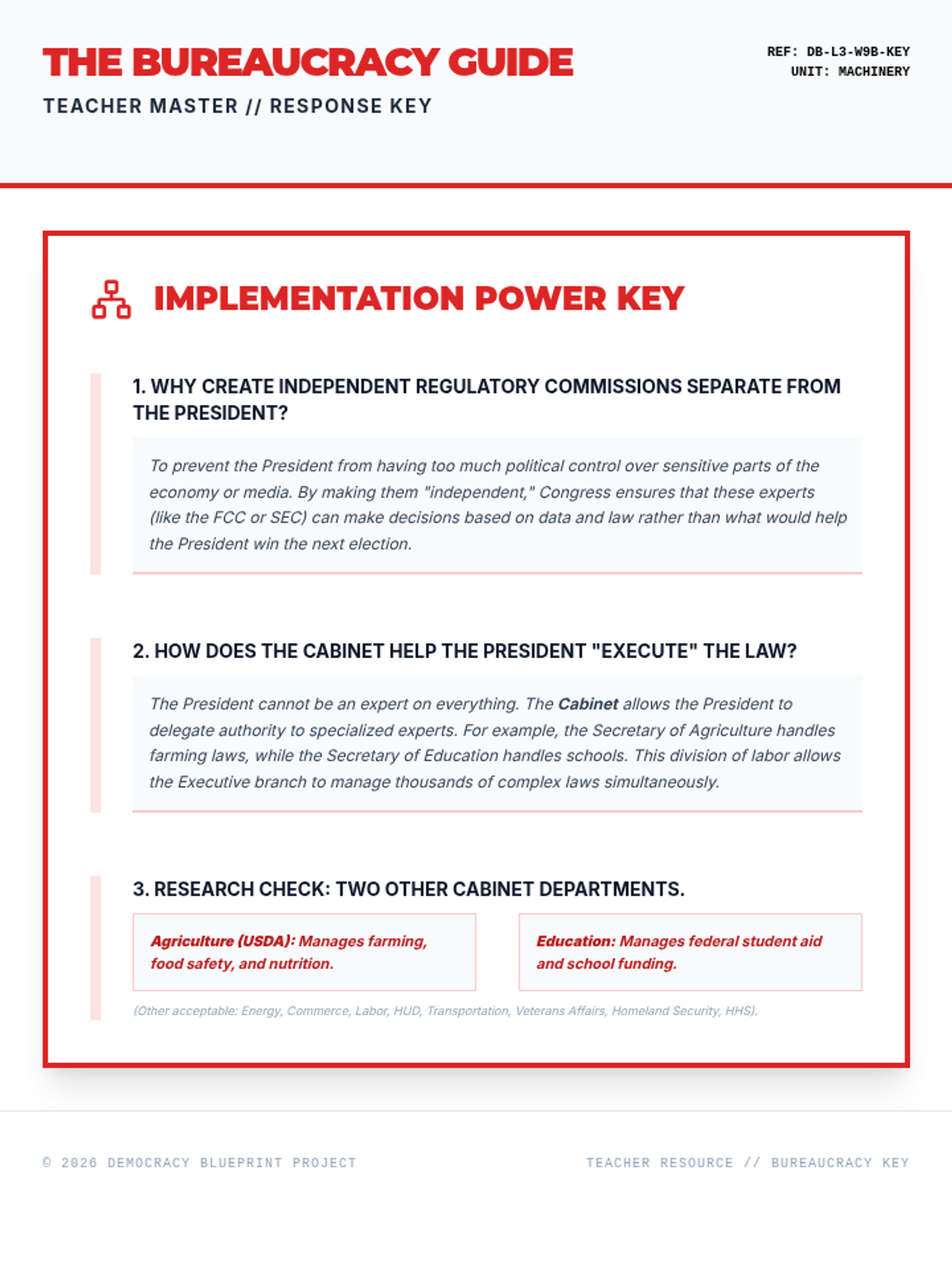
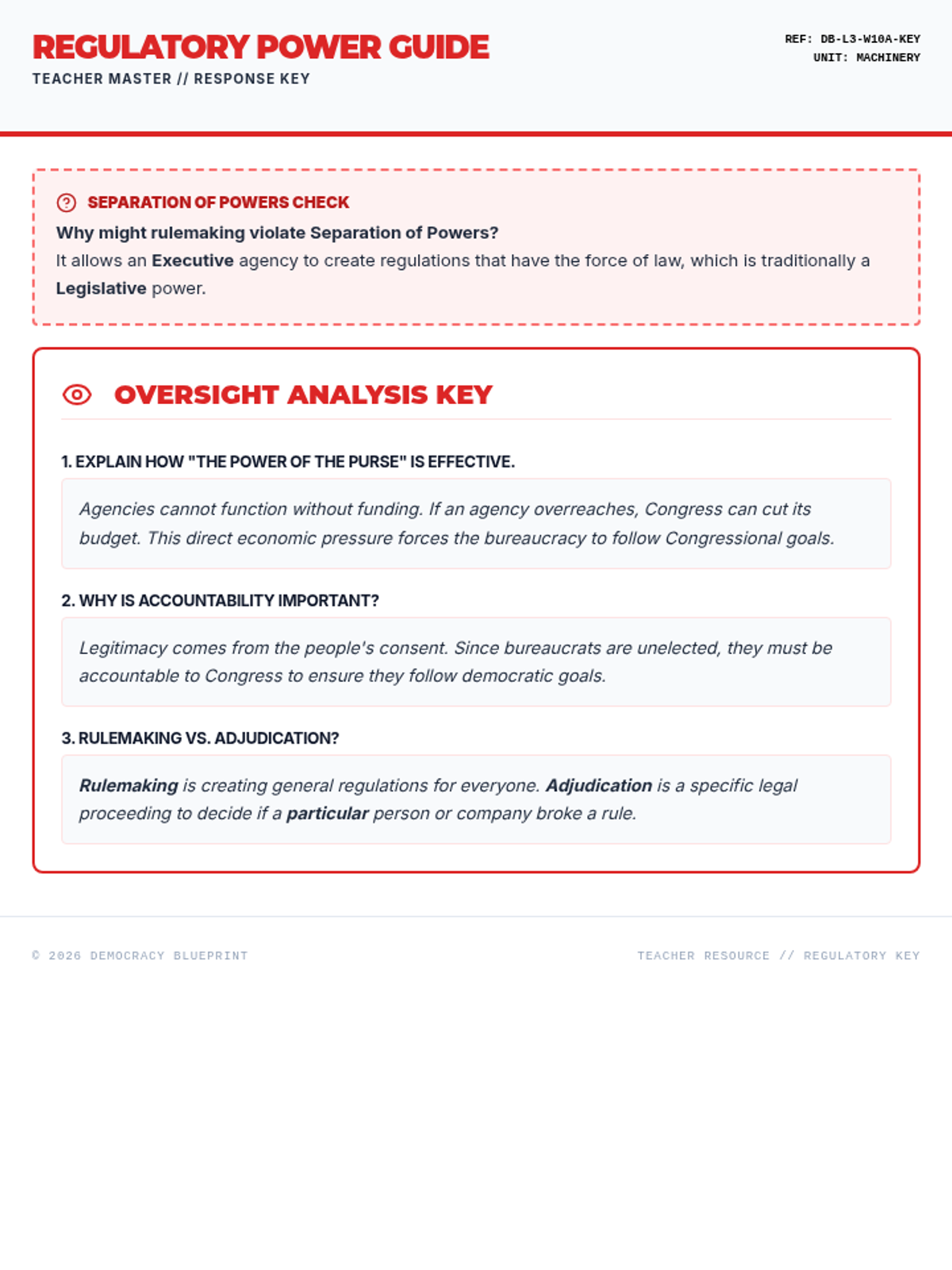
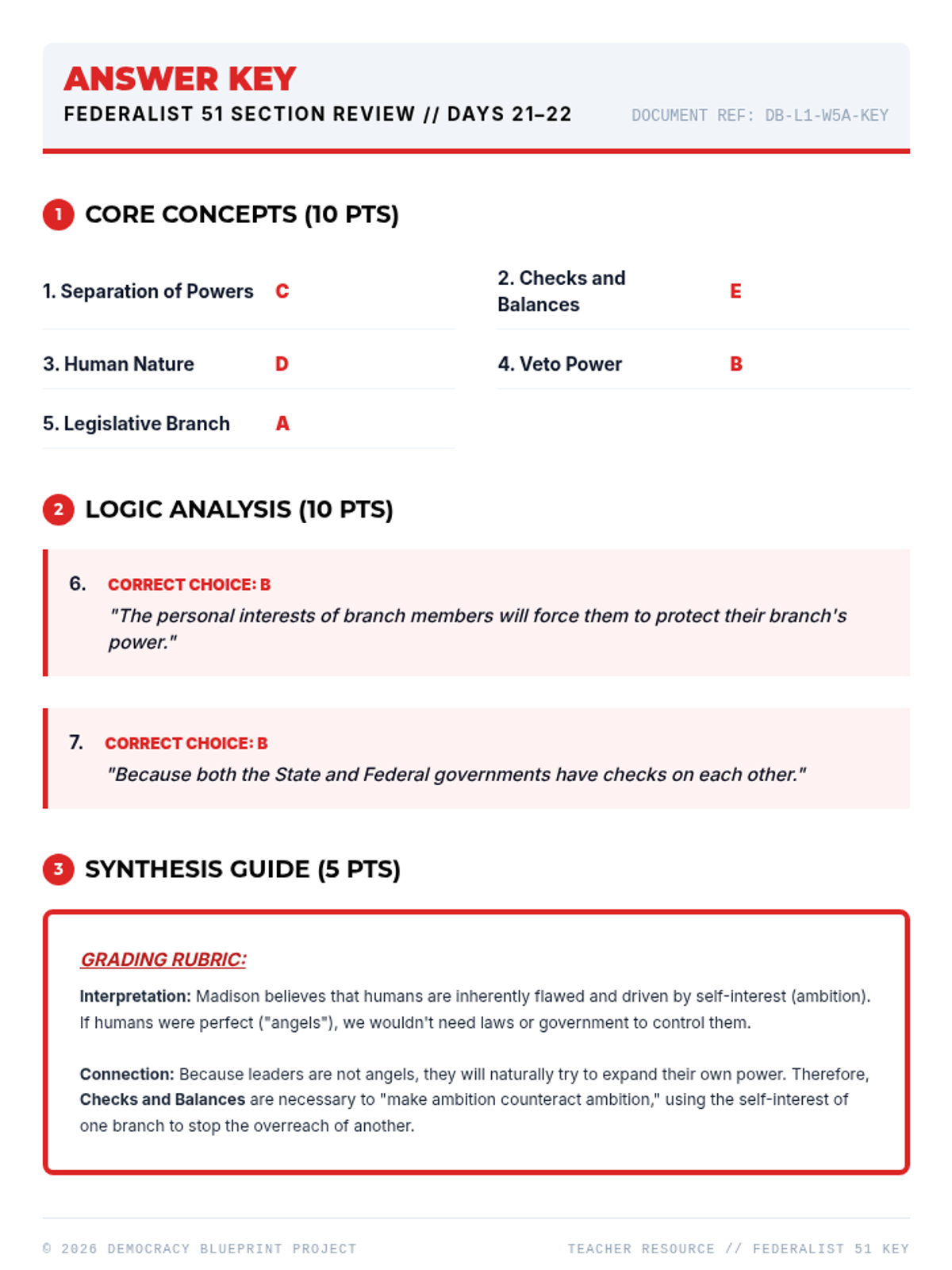
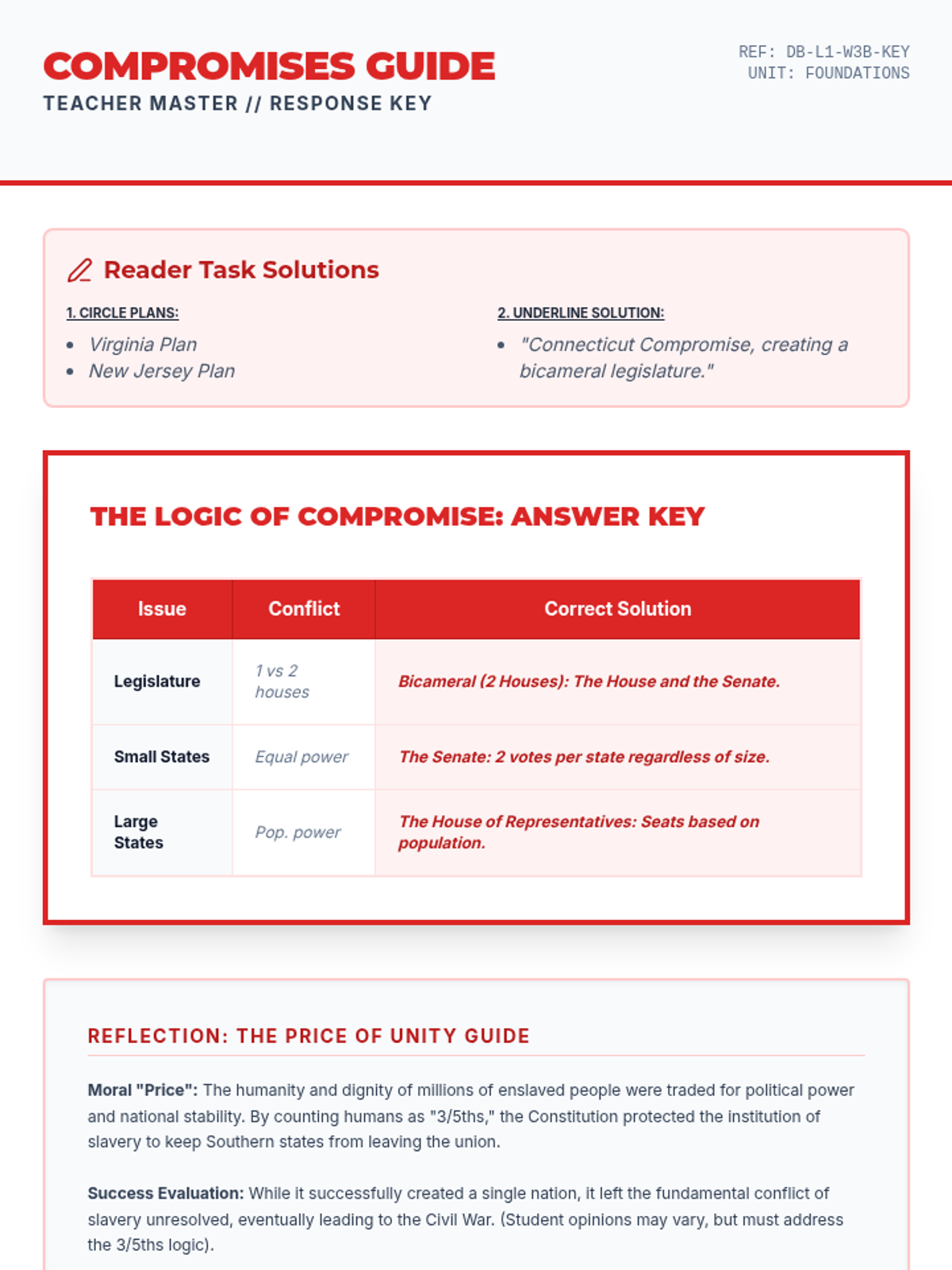
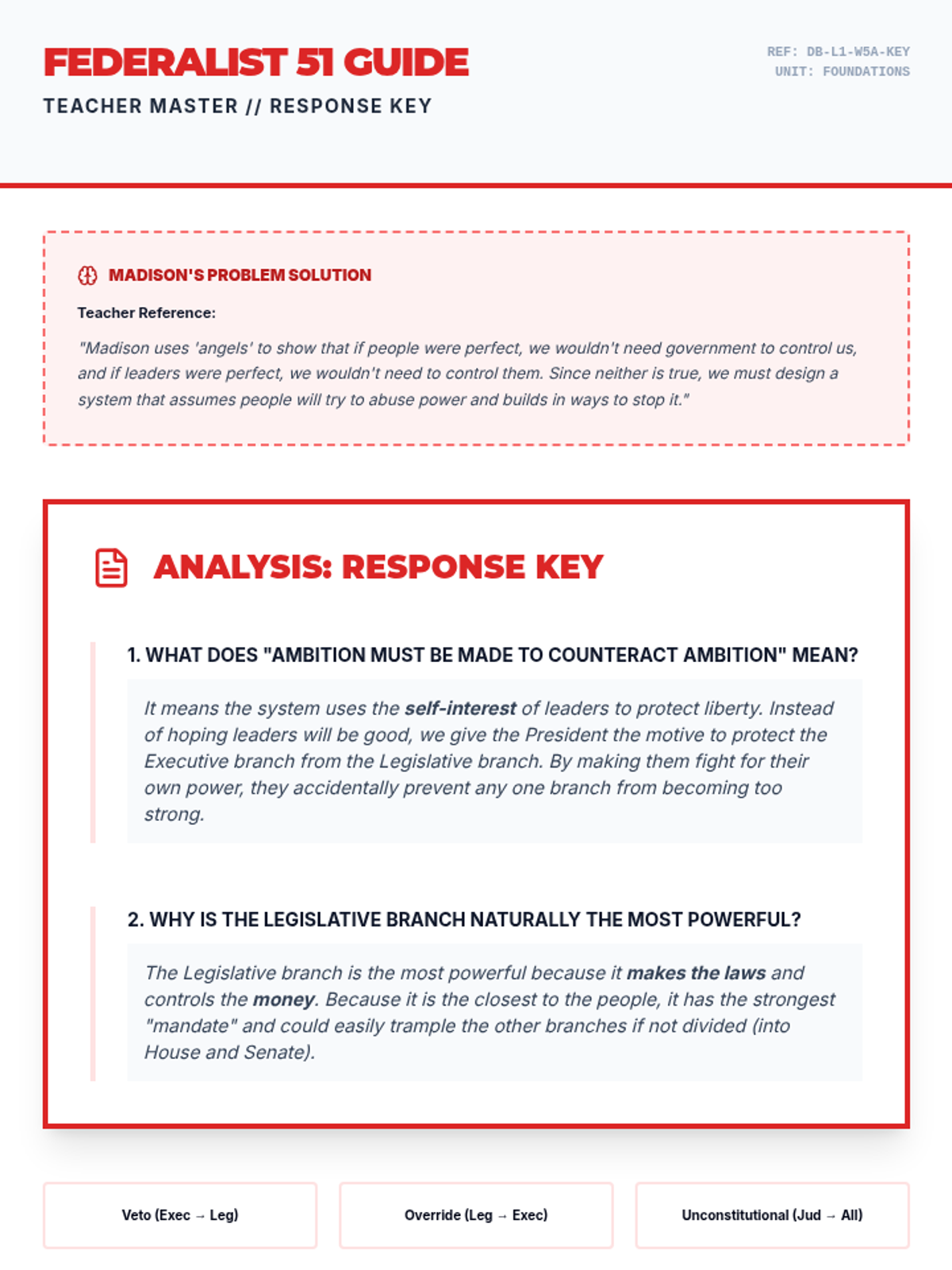
Detailed examination of the three branches of government, the bureaucracy, and the complex relationship between state and national power.
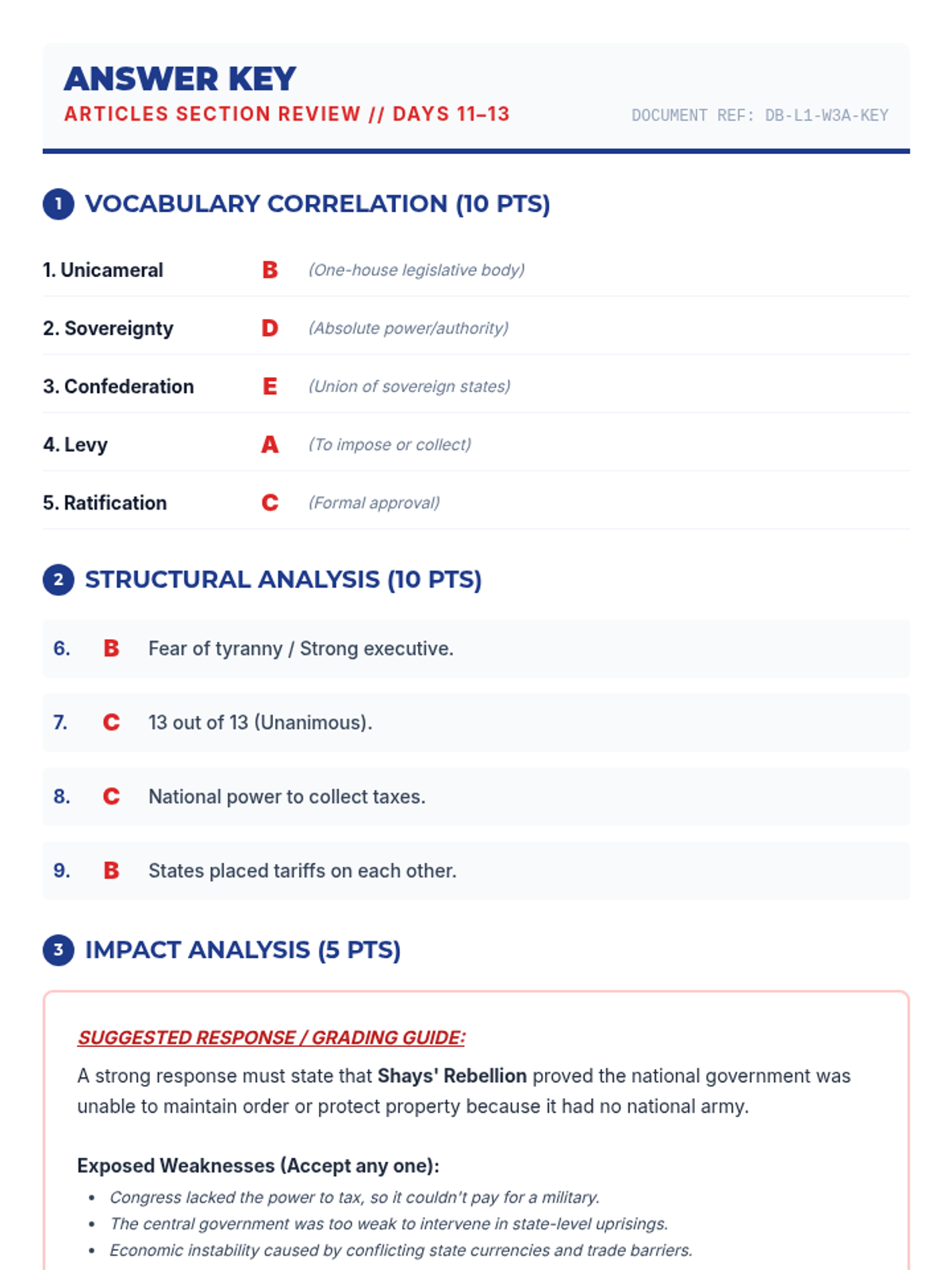
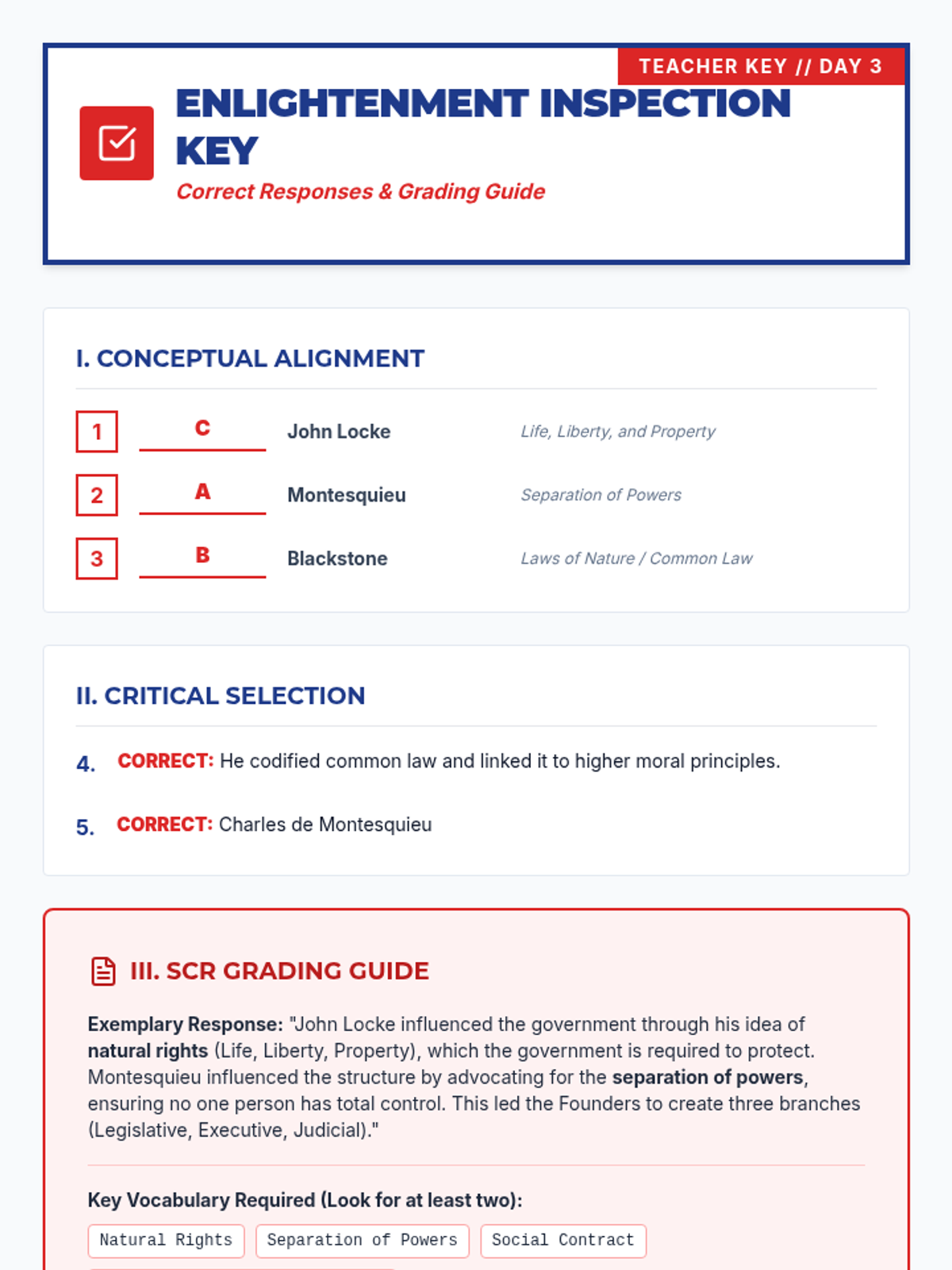
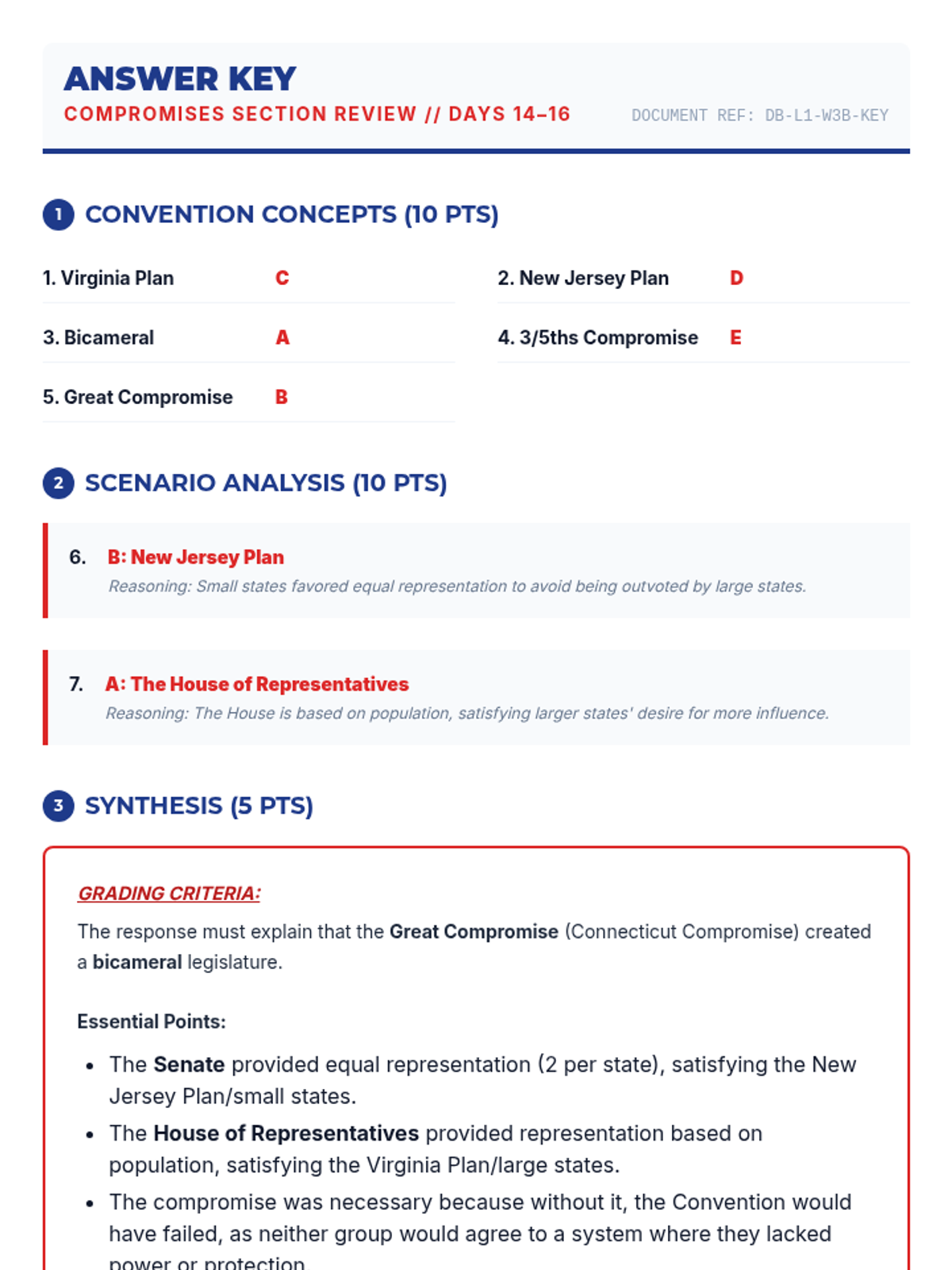
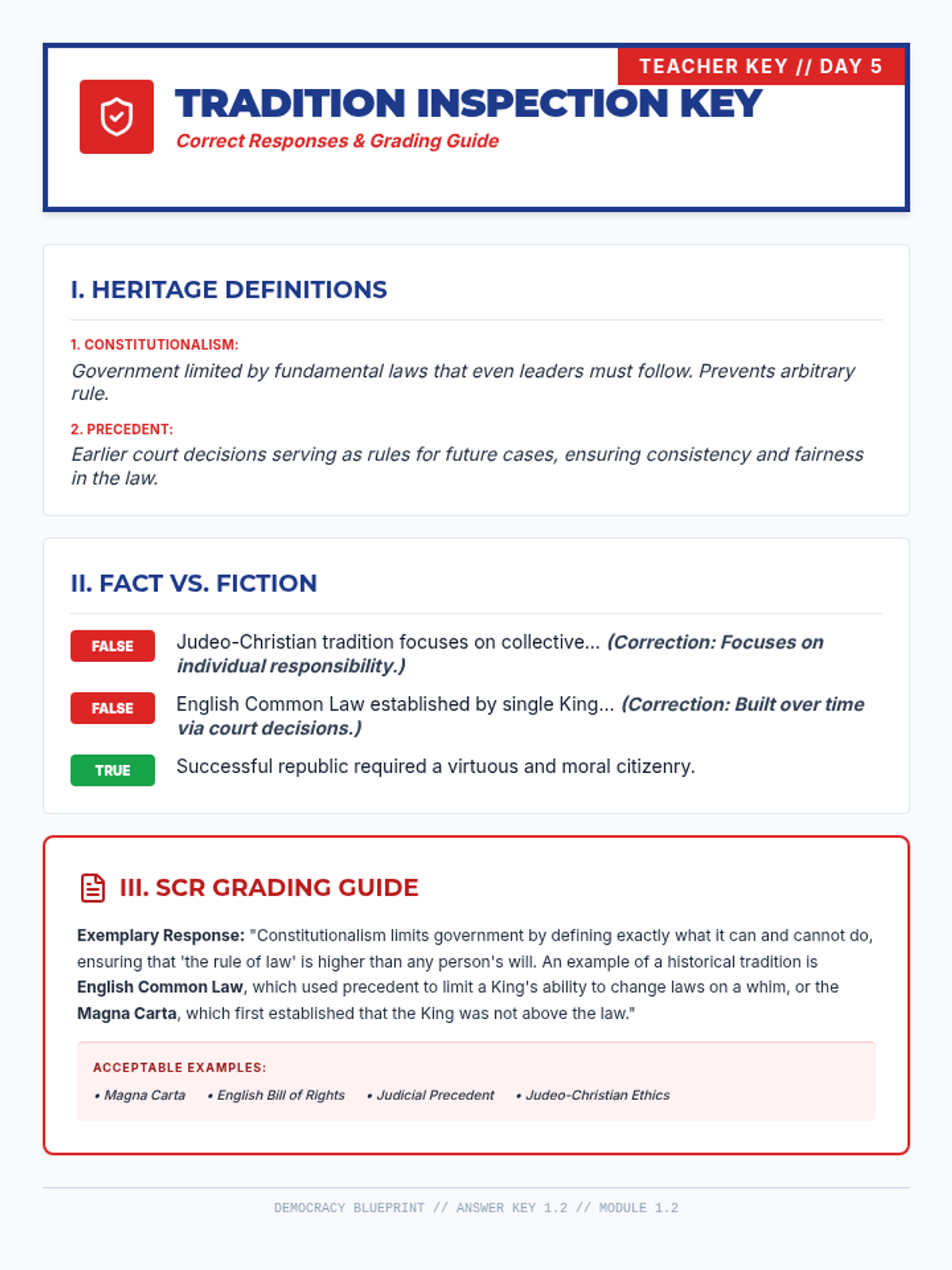
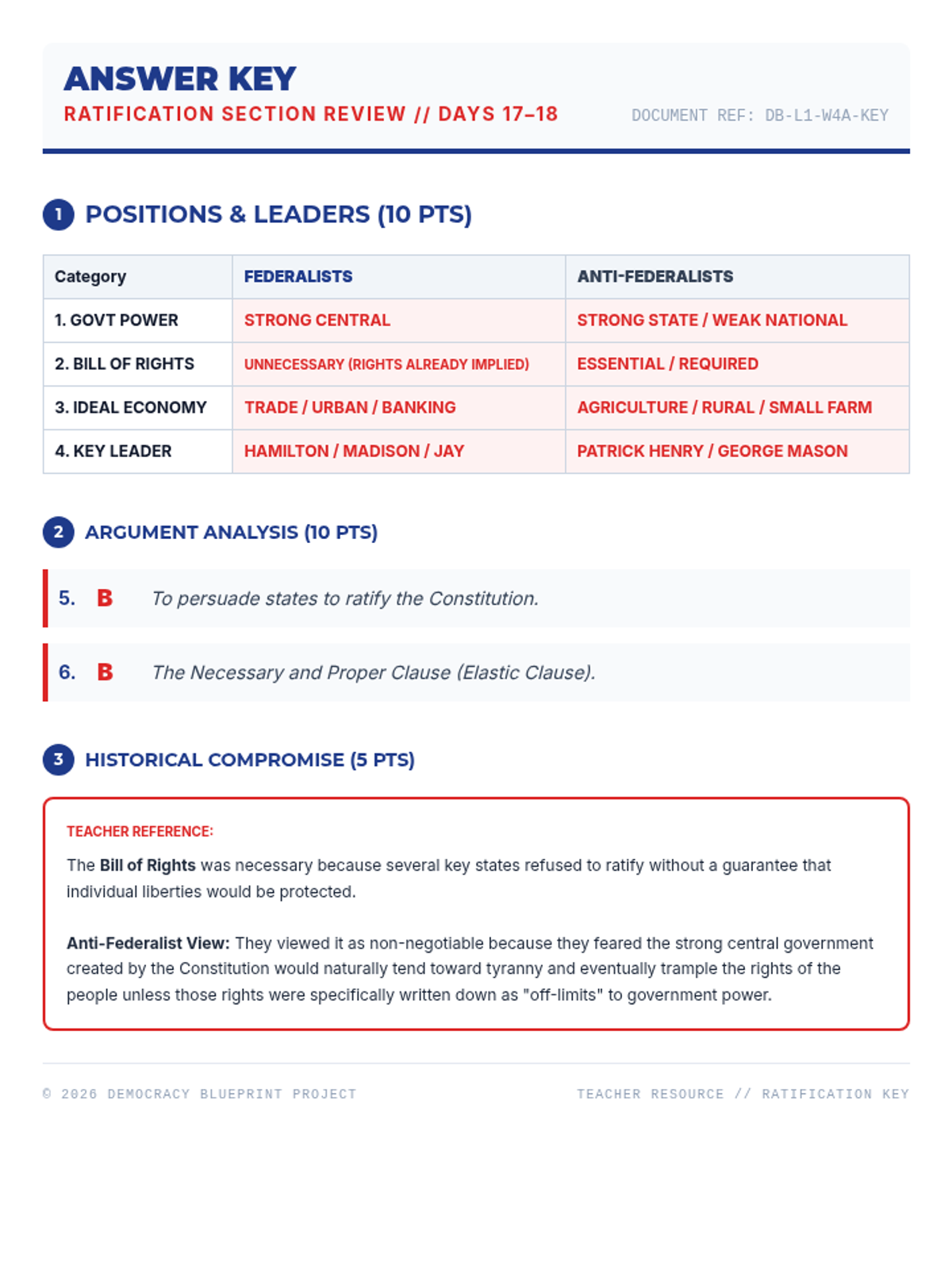
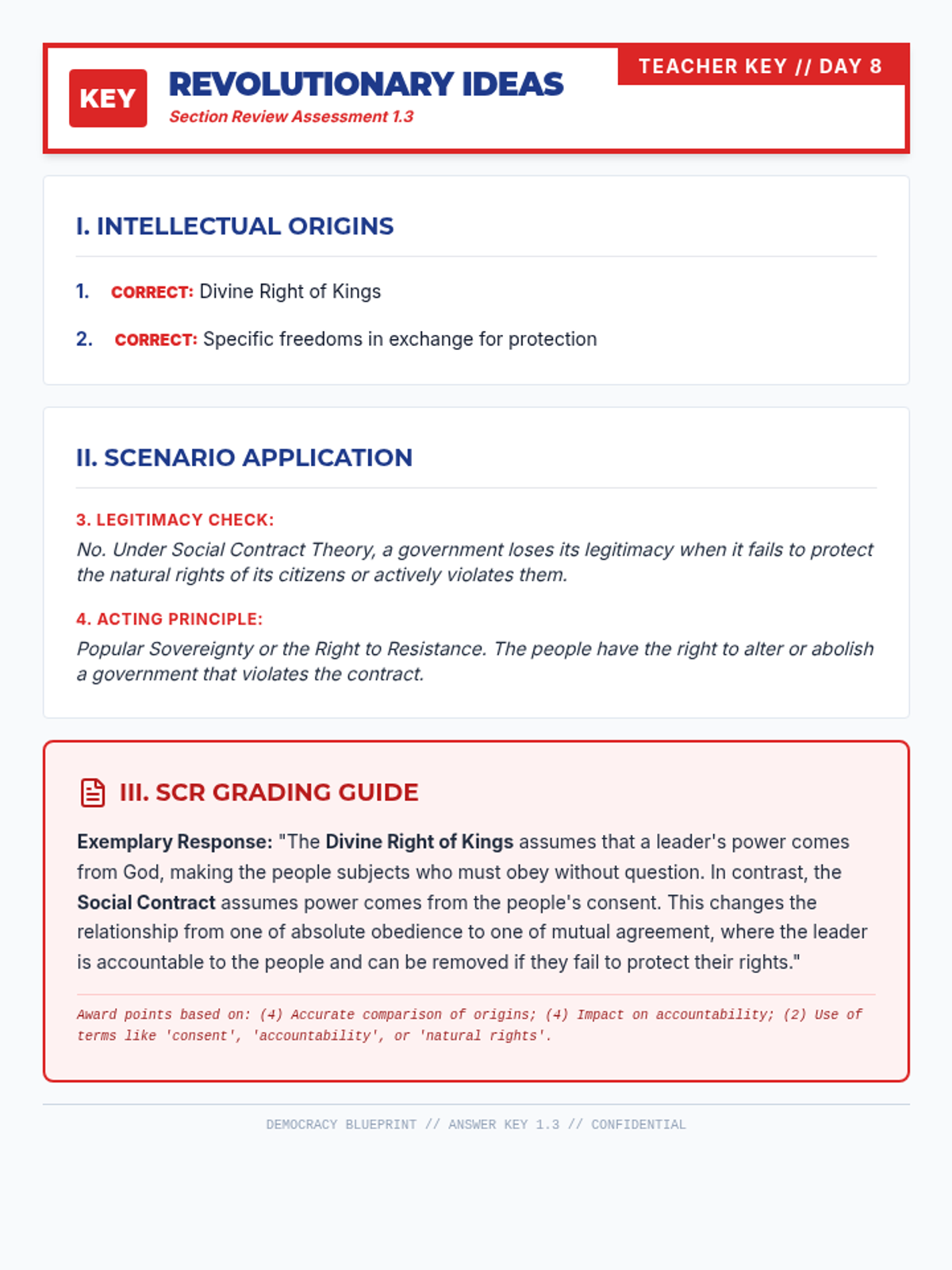
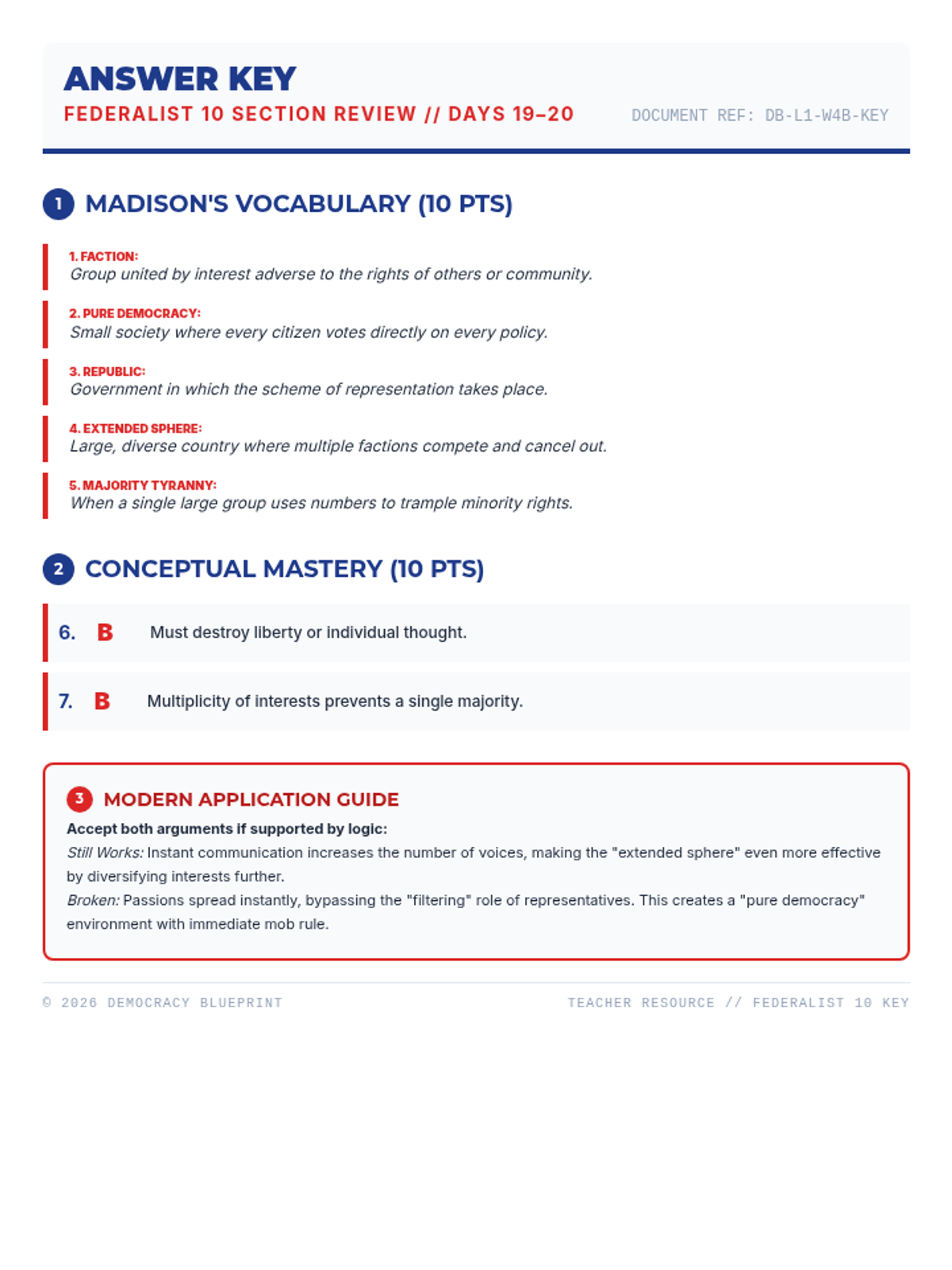
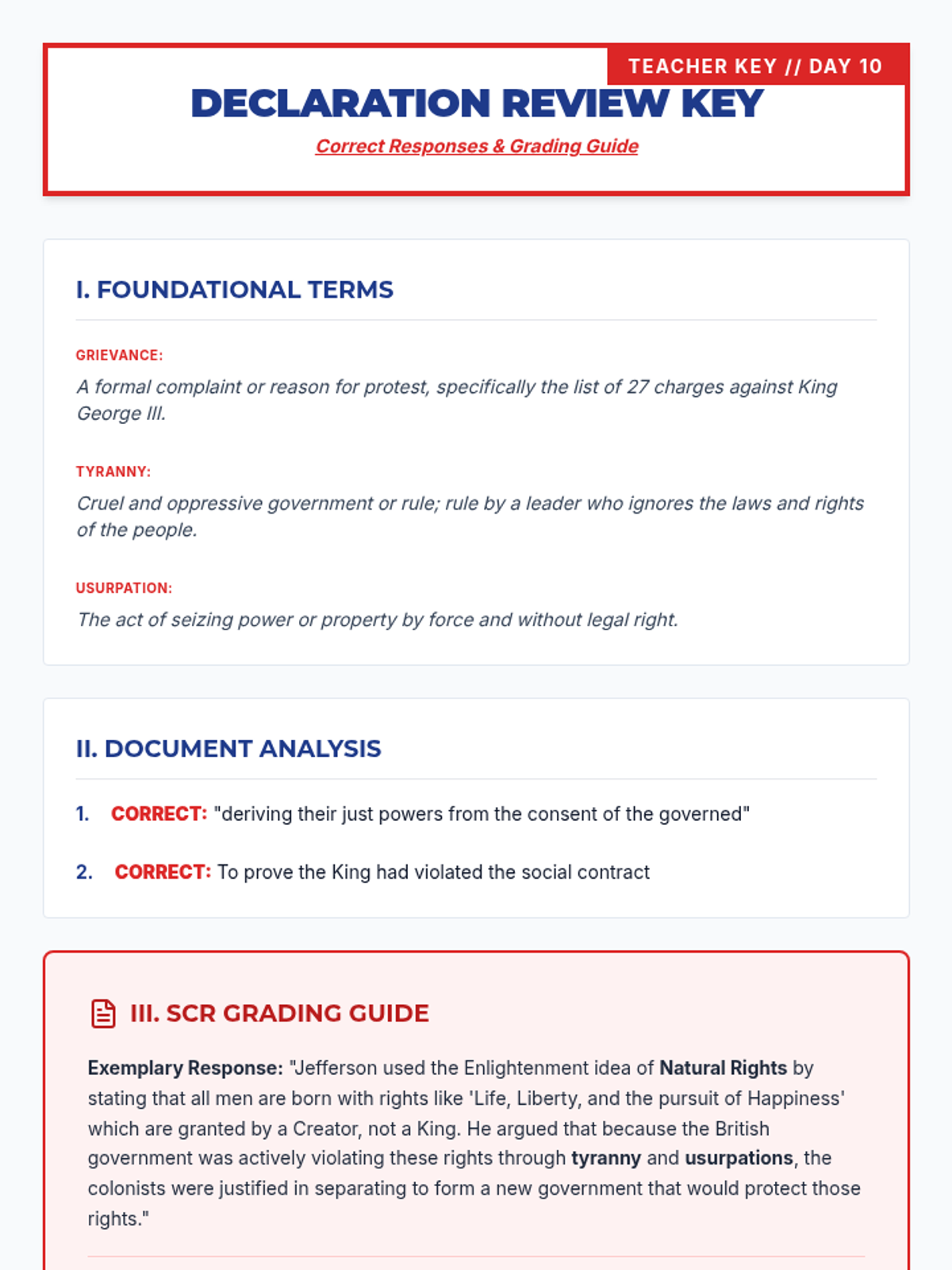
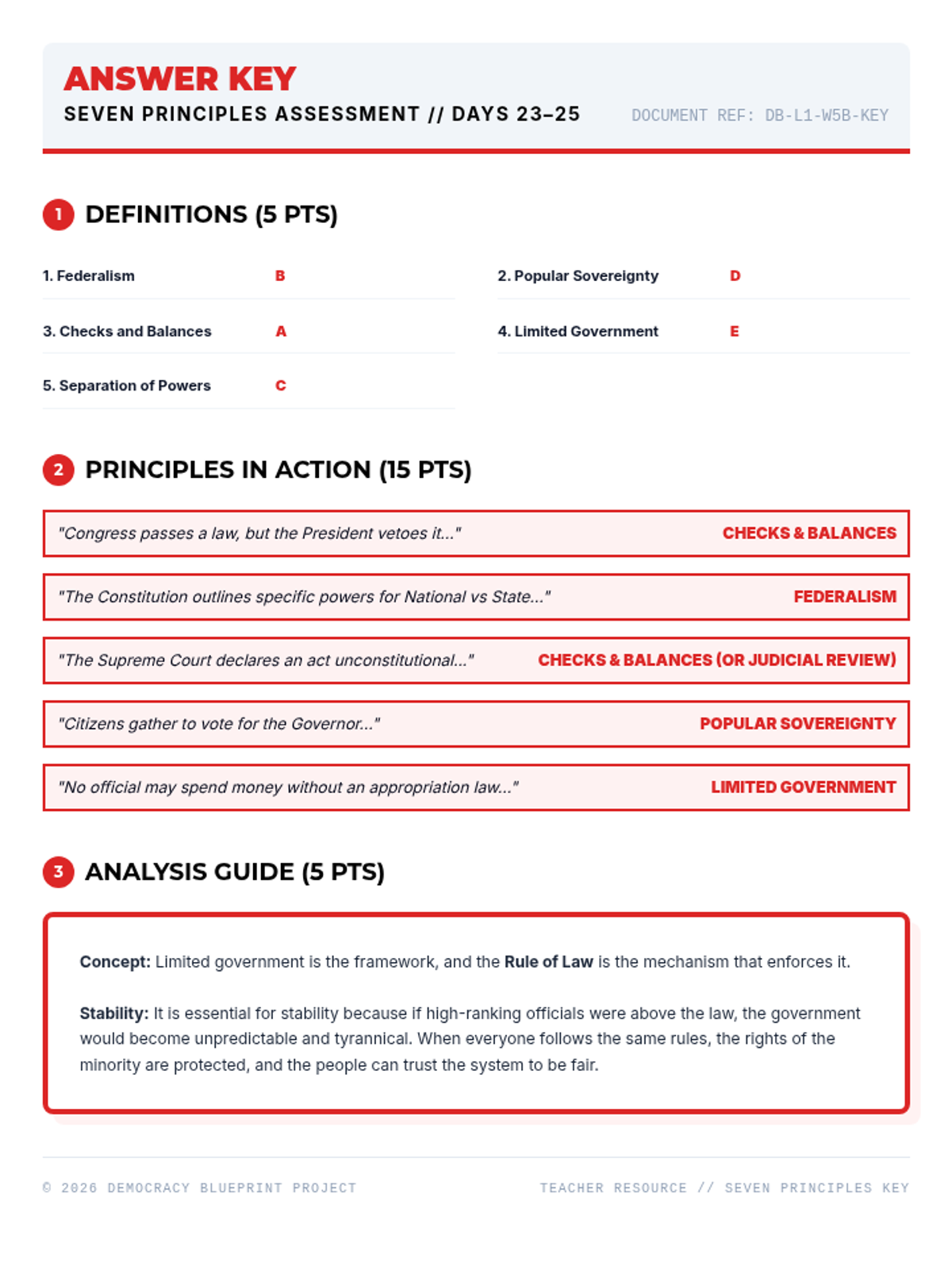
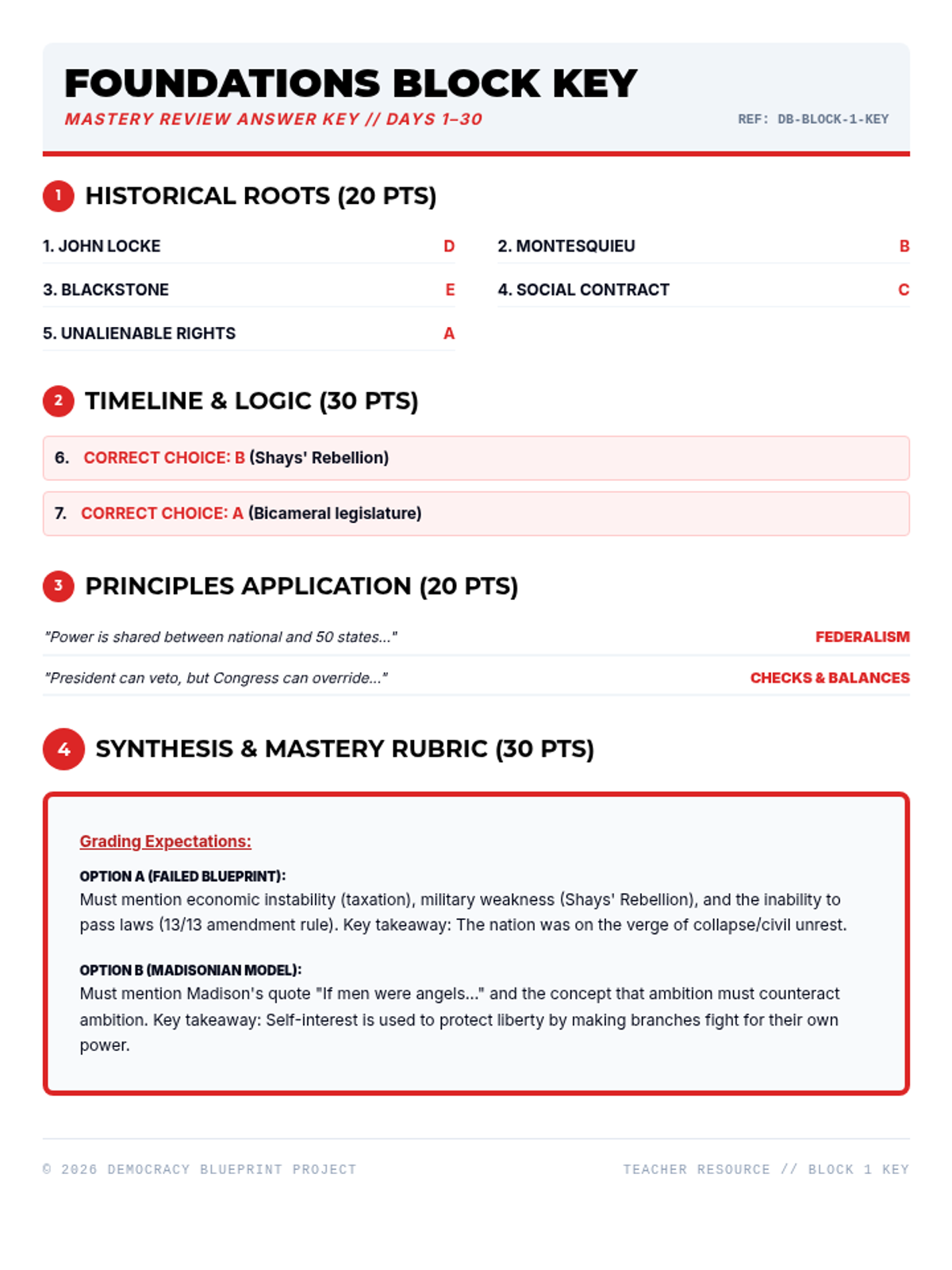
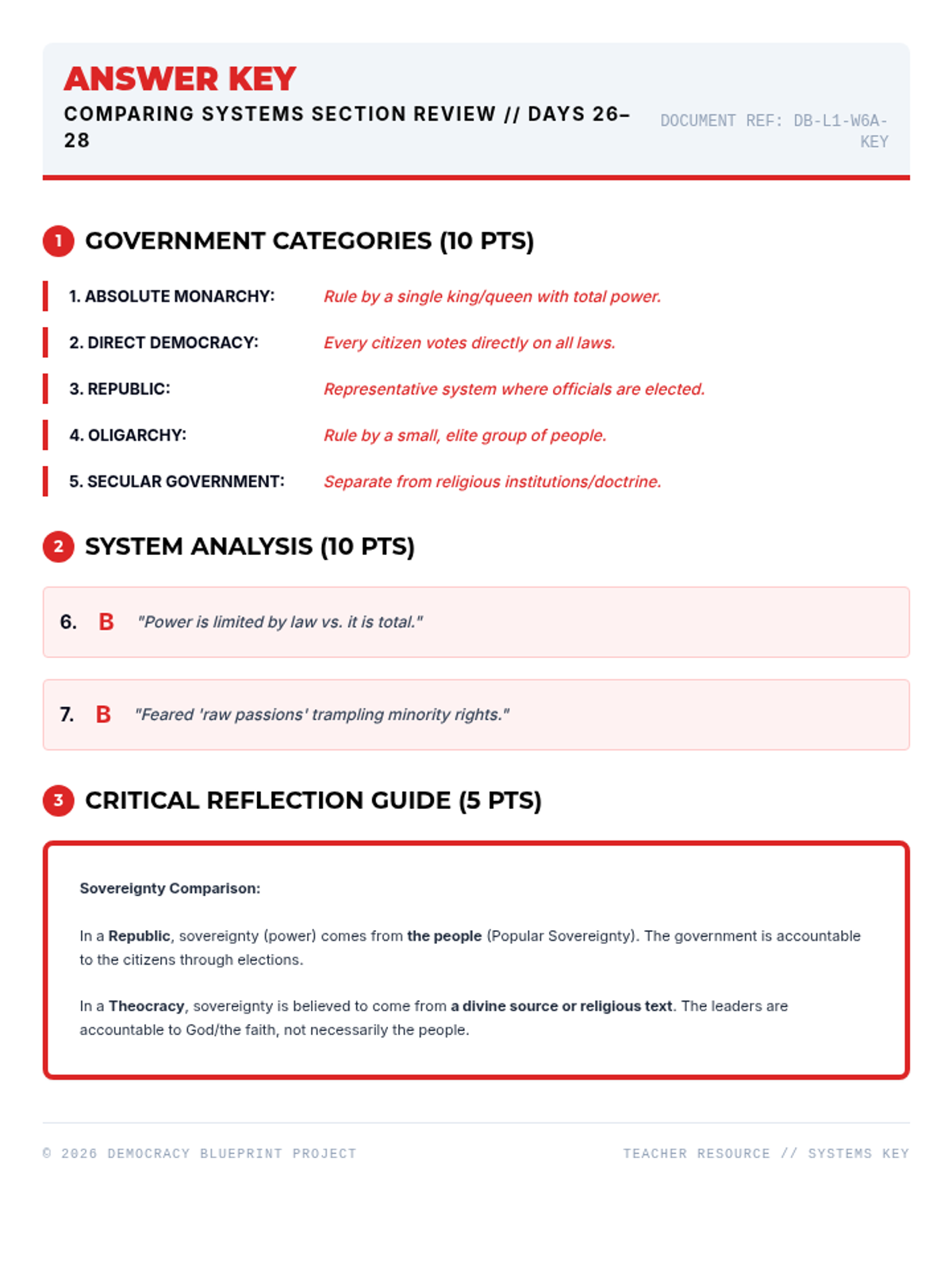
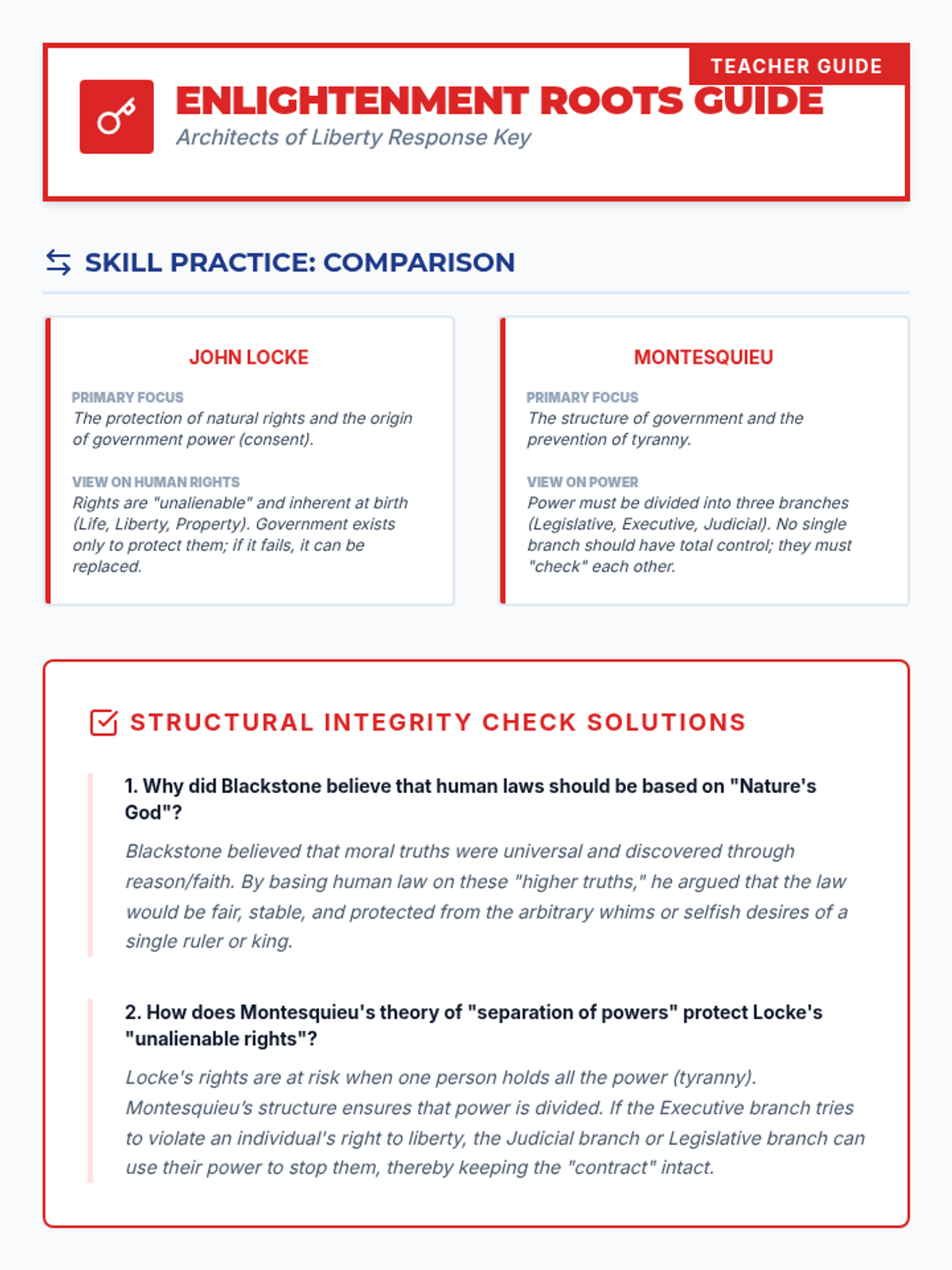
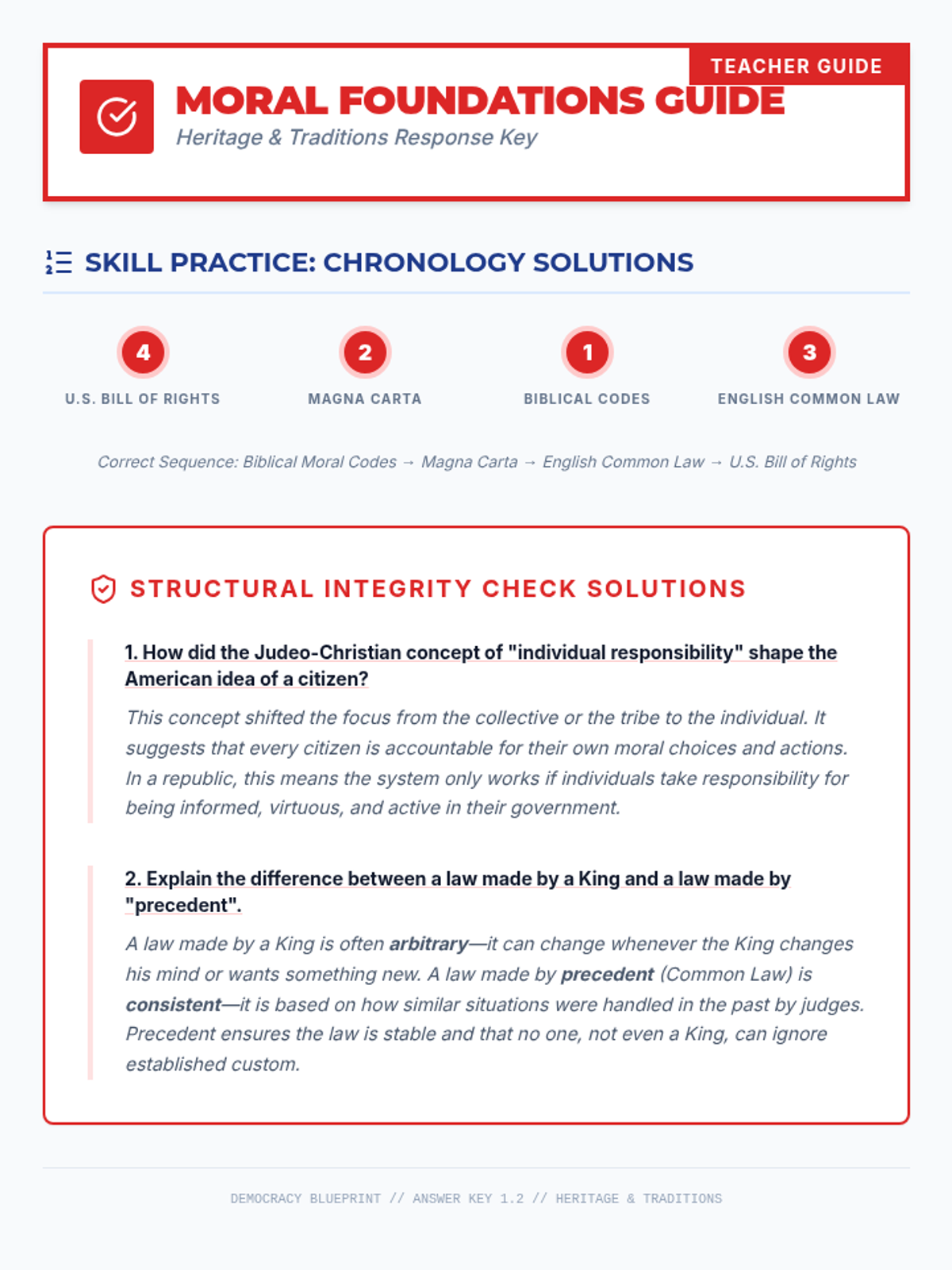
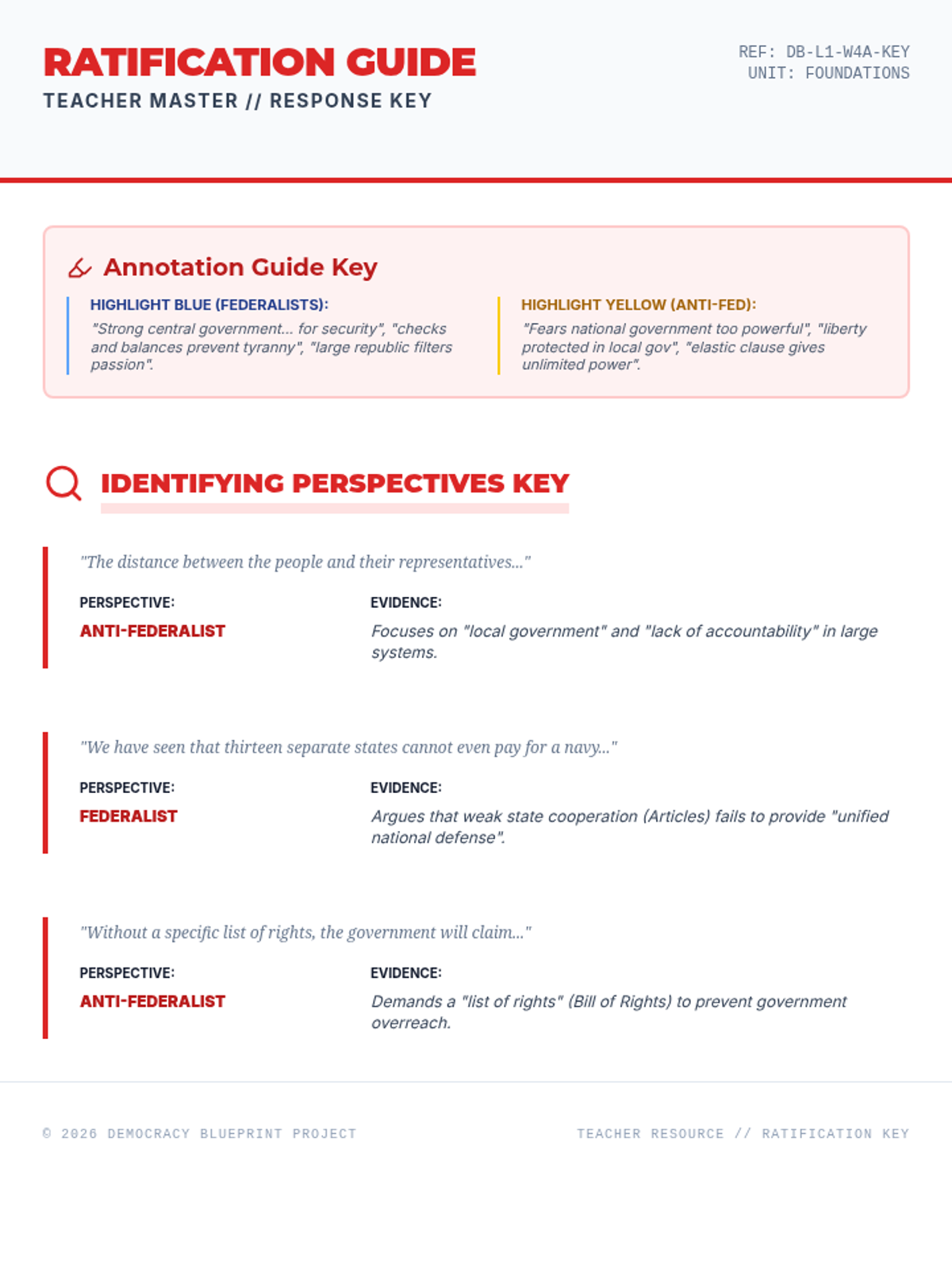
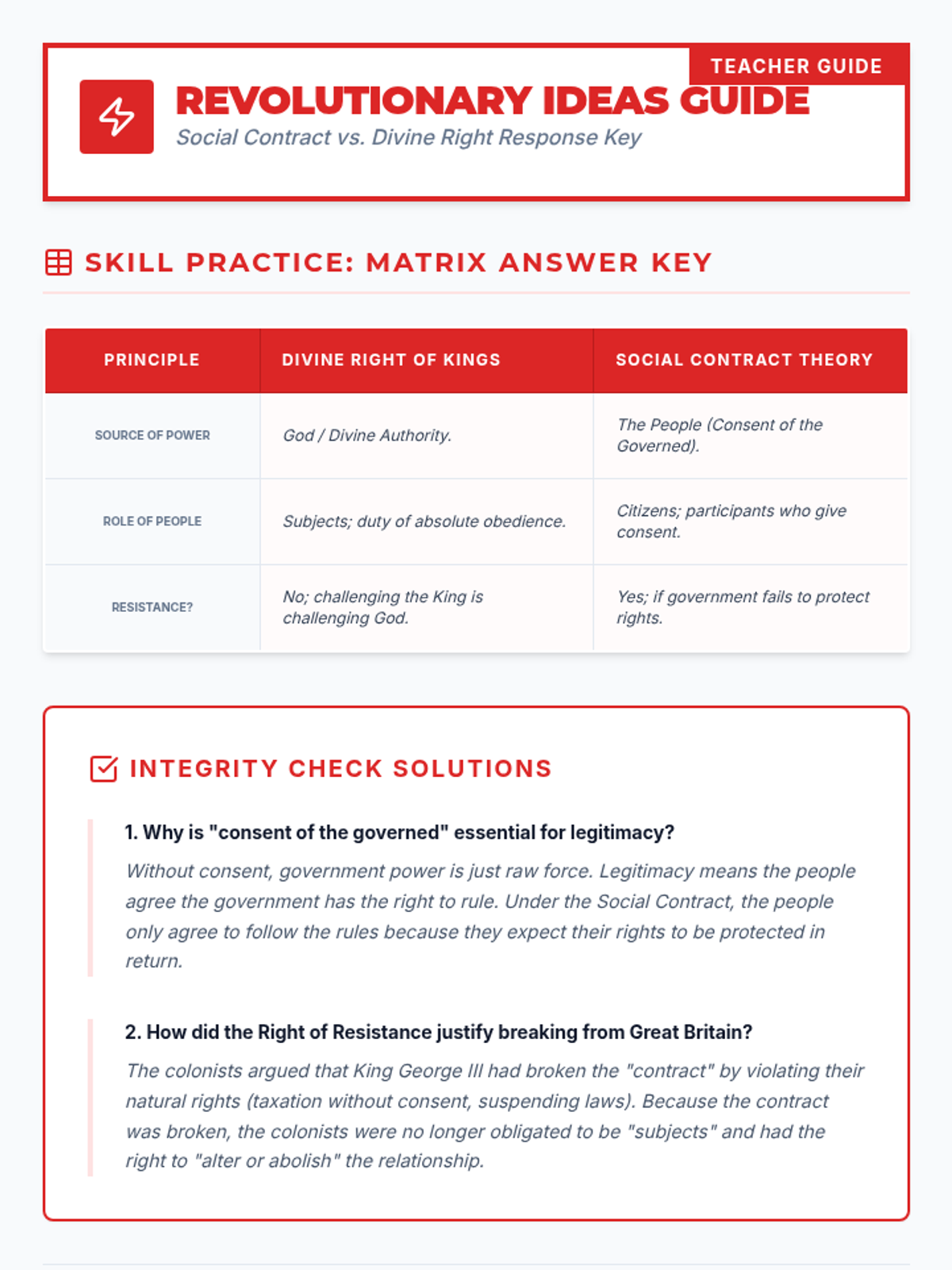
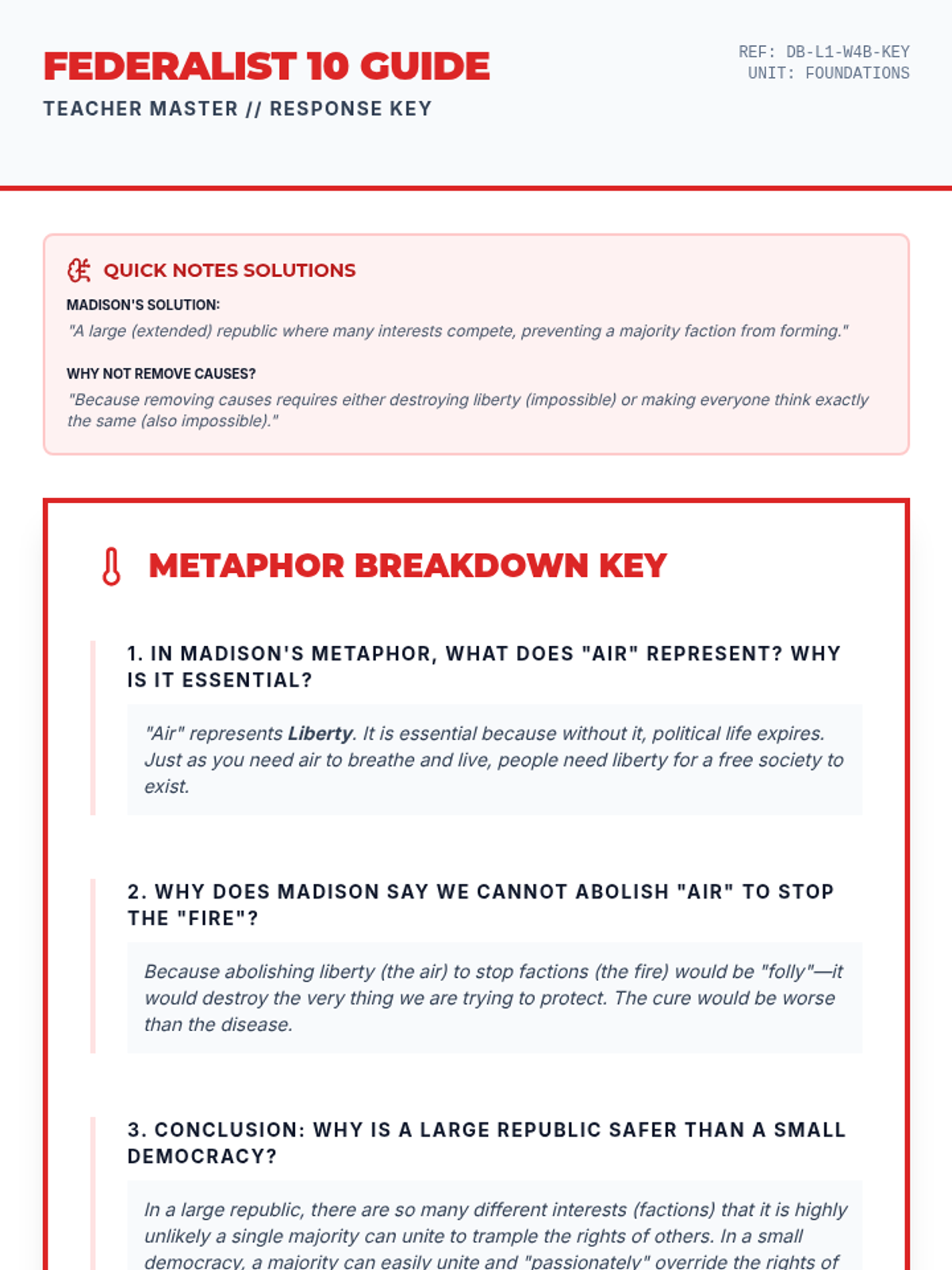
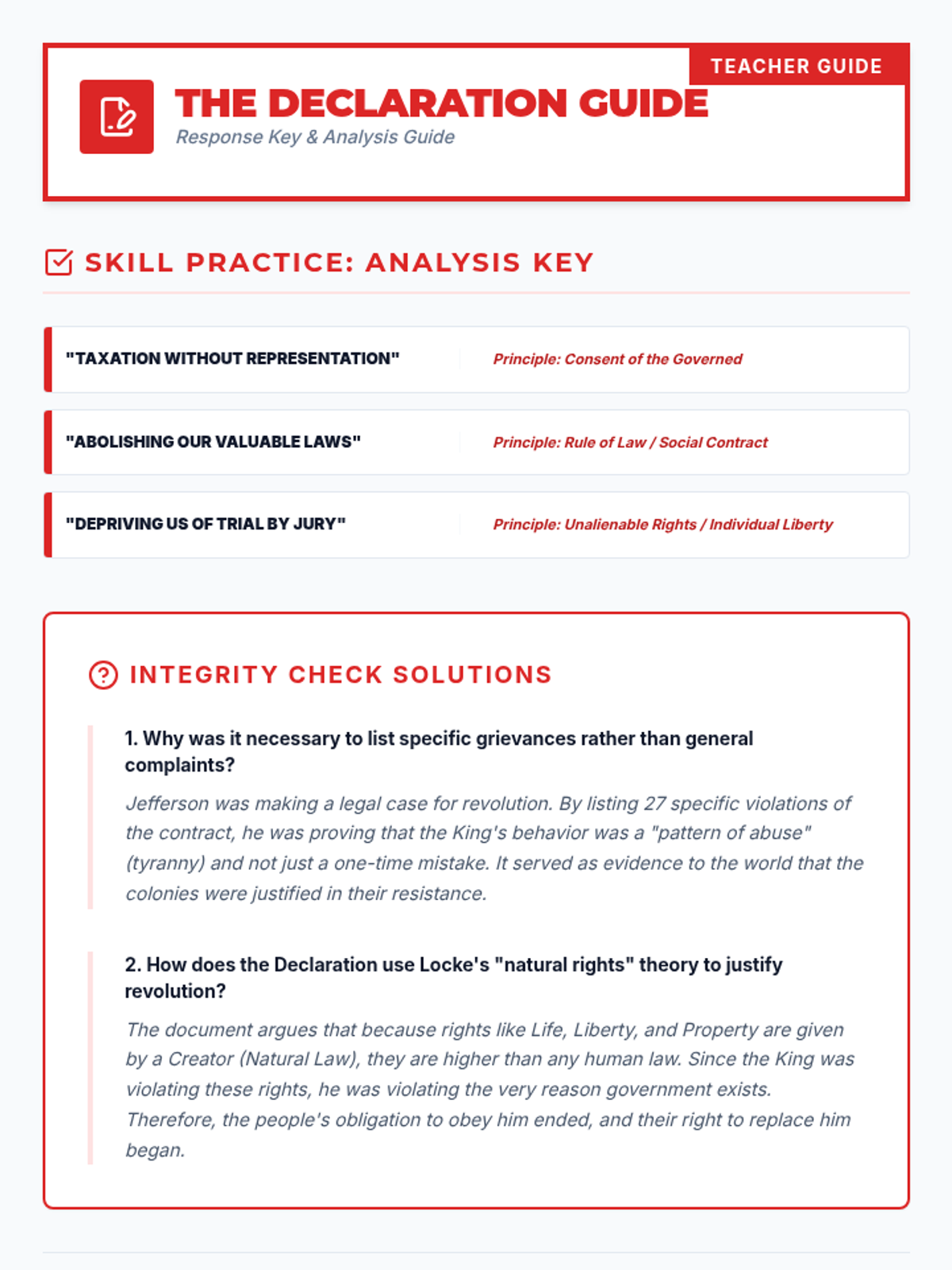
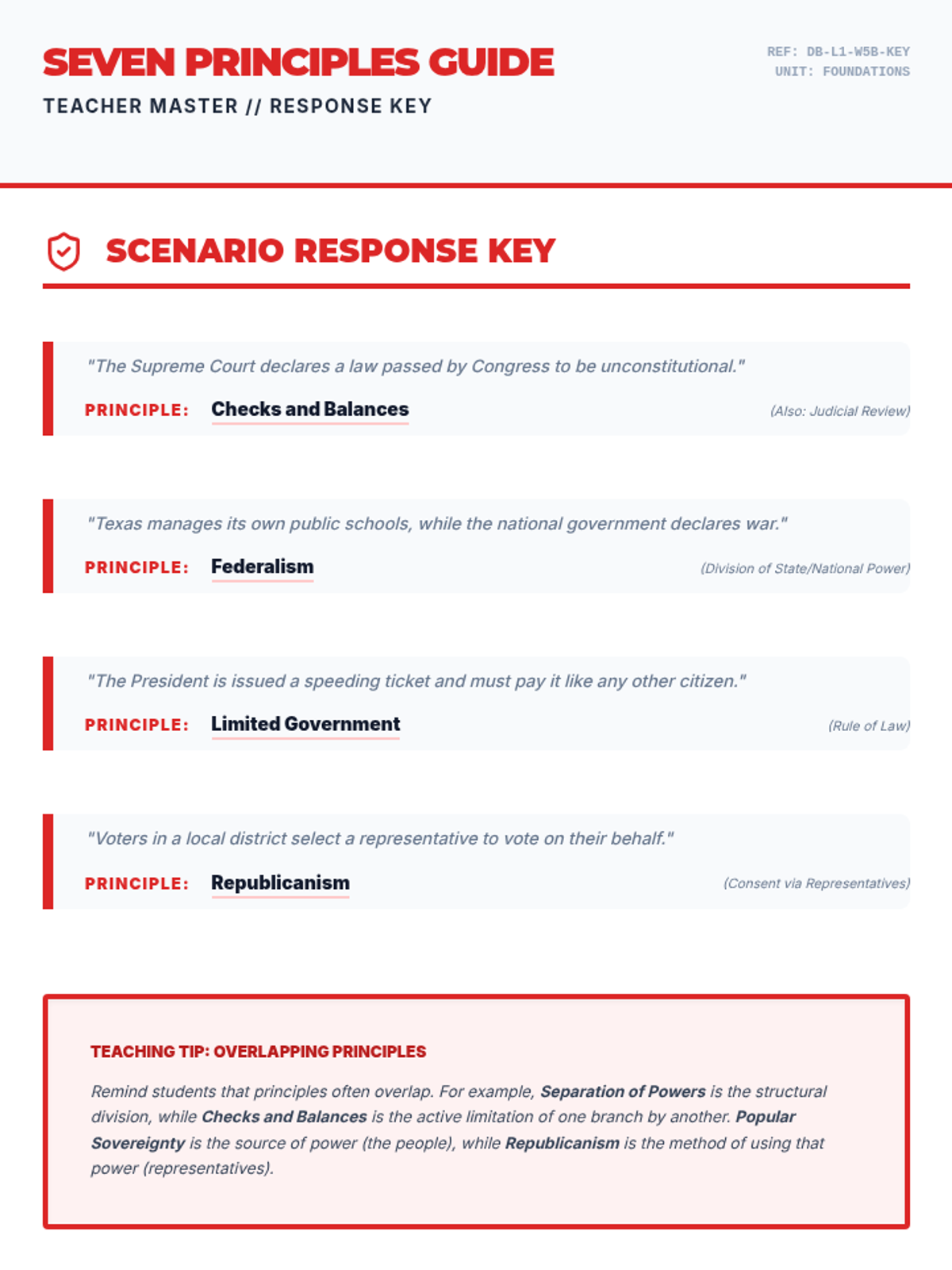
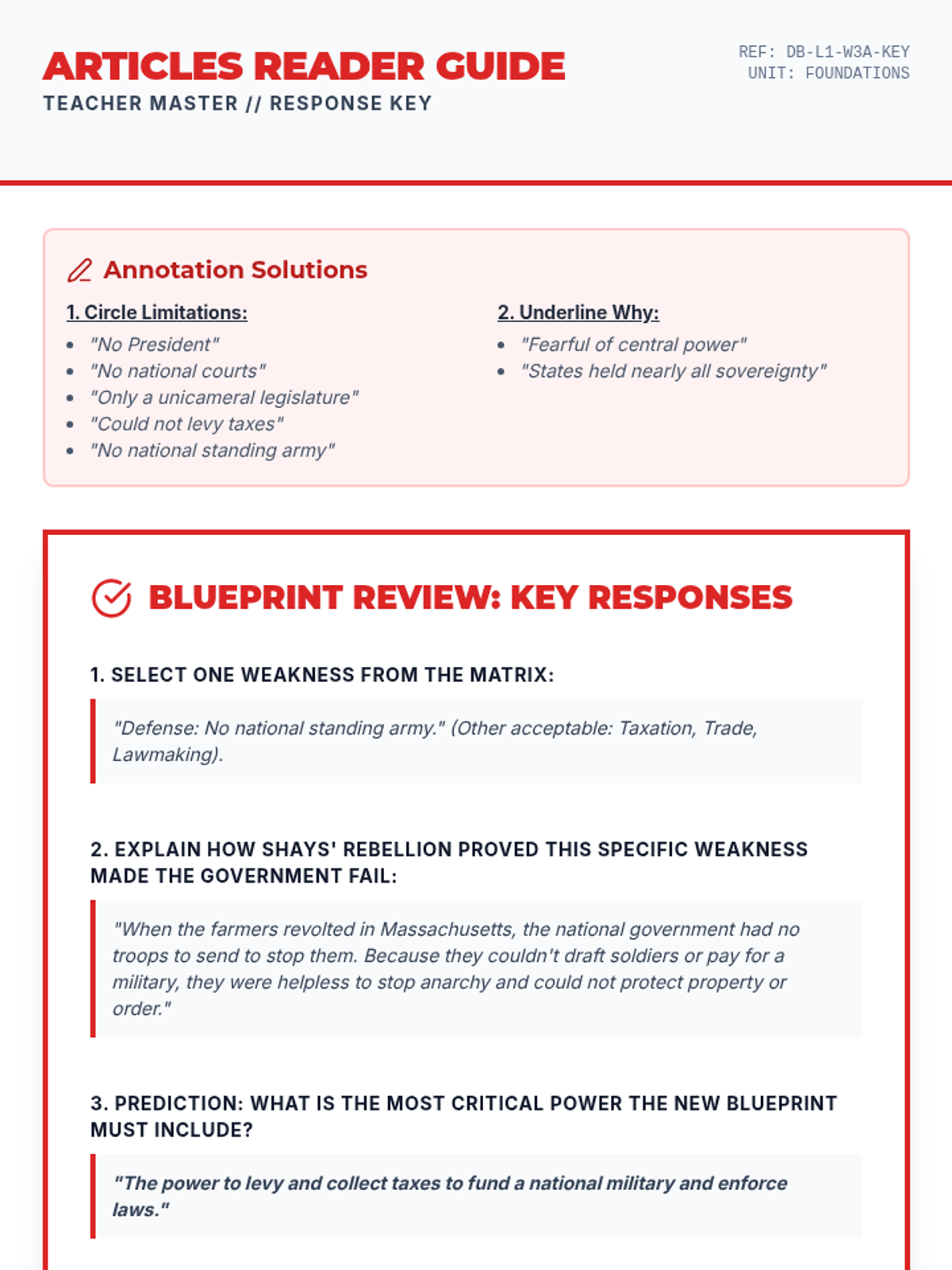
Explores the philosophical, historical, and intellectual origins of the American government and the principles established in the founding documents.
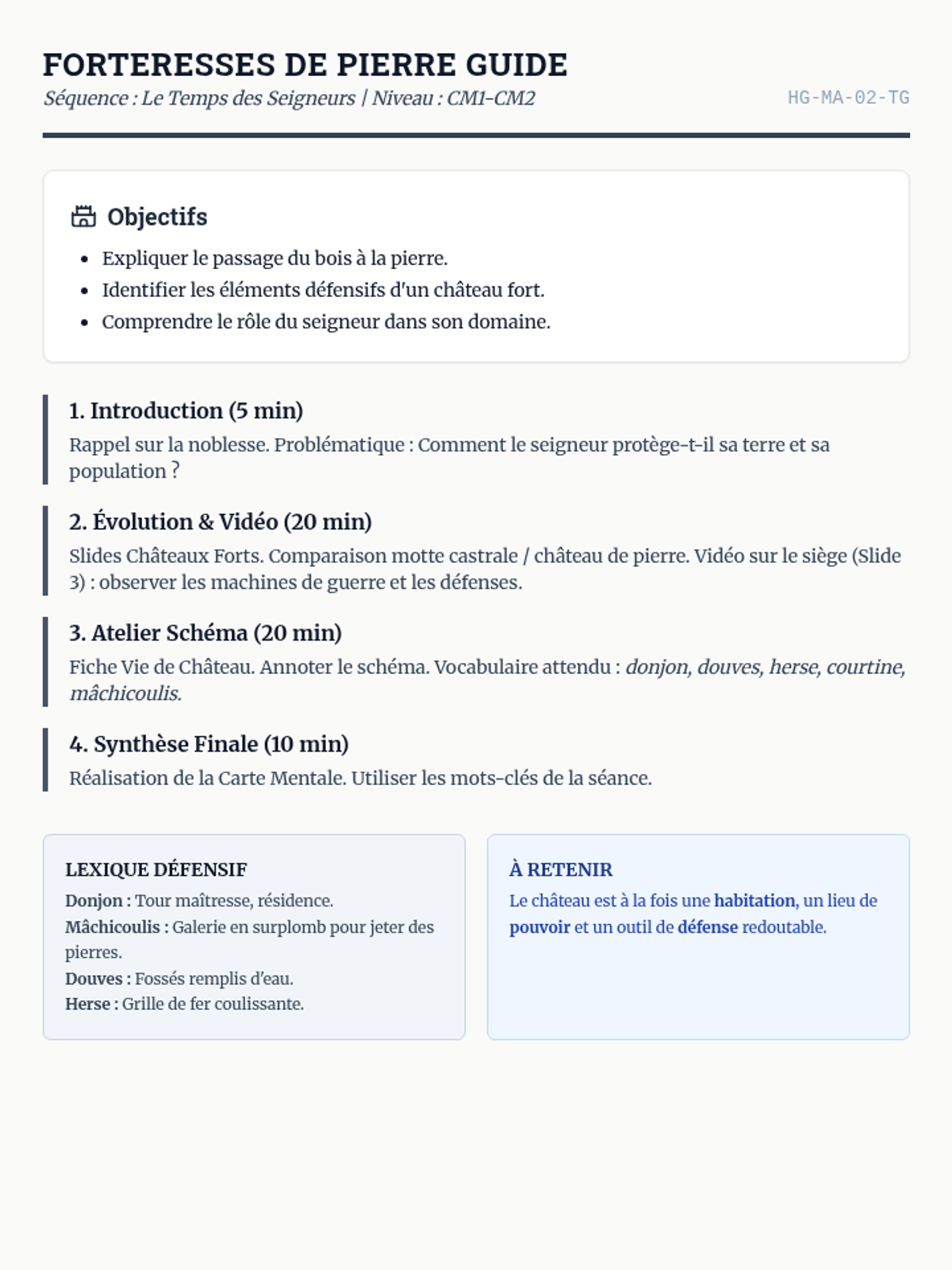
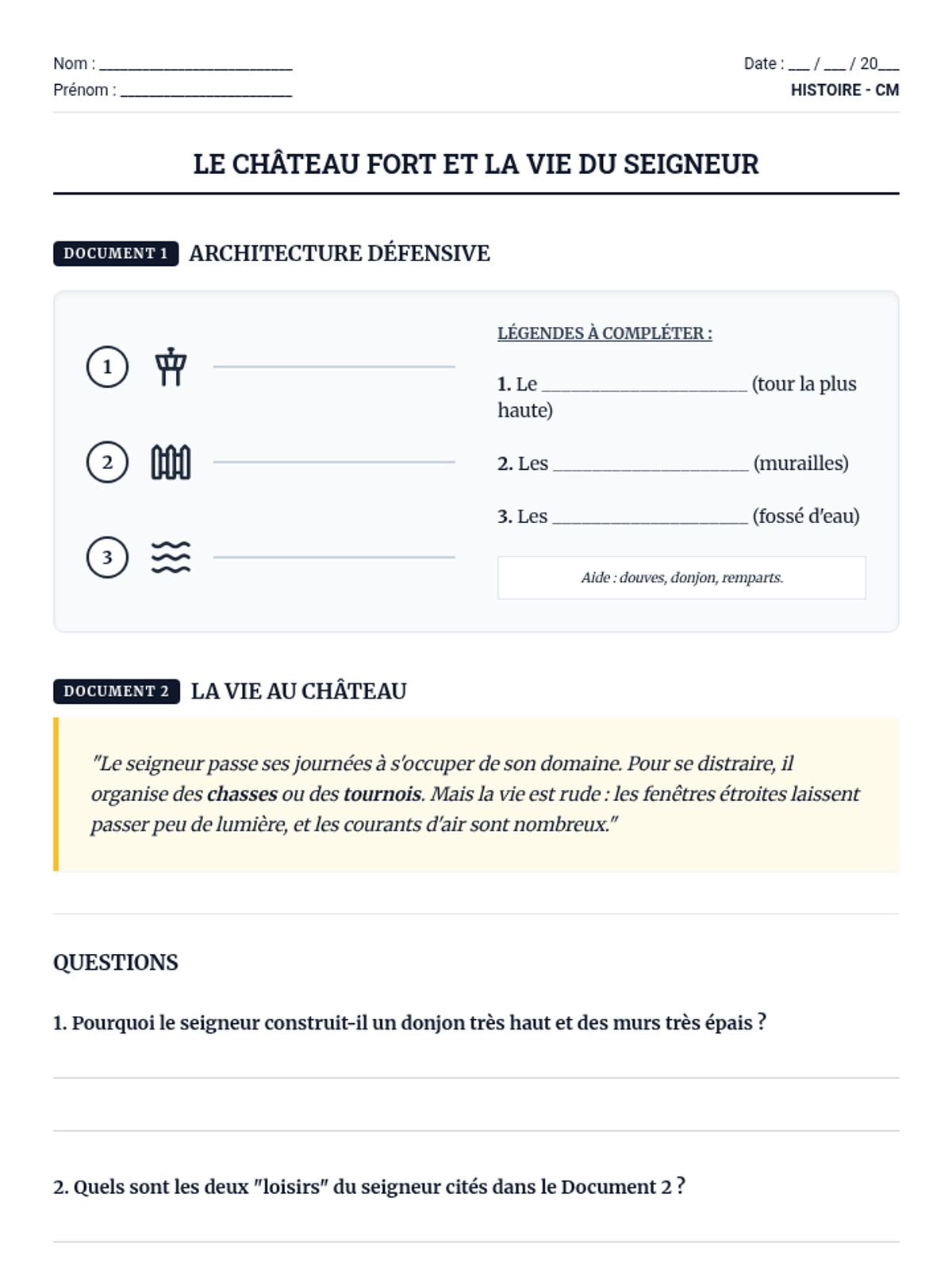
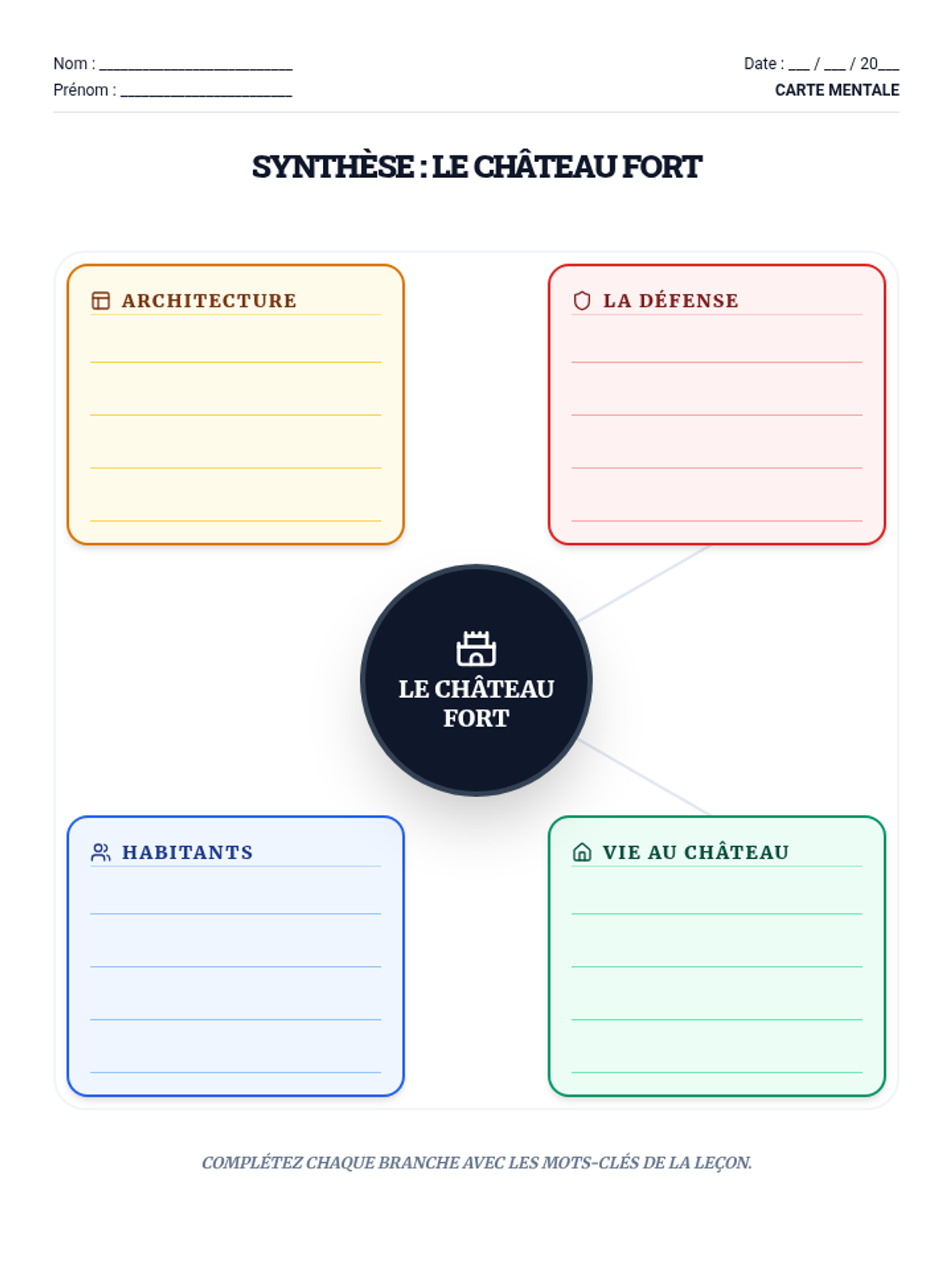
Cette leçon détaille l'évolution, la structure et la fonction des châteaux forts, ainsi que le mode de vie des seigneurs et des chevaliers au sein de ces forteresses.
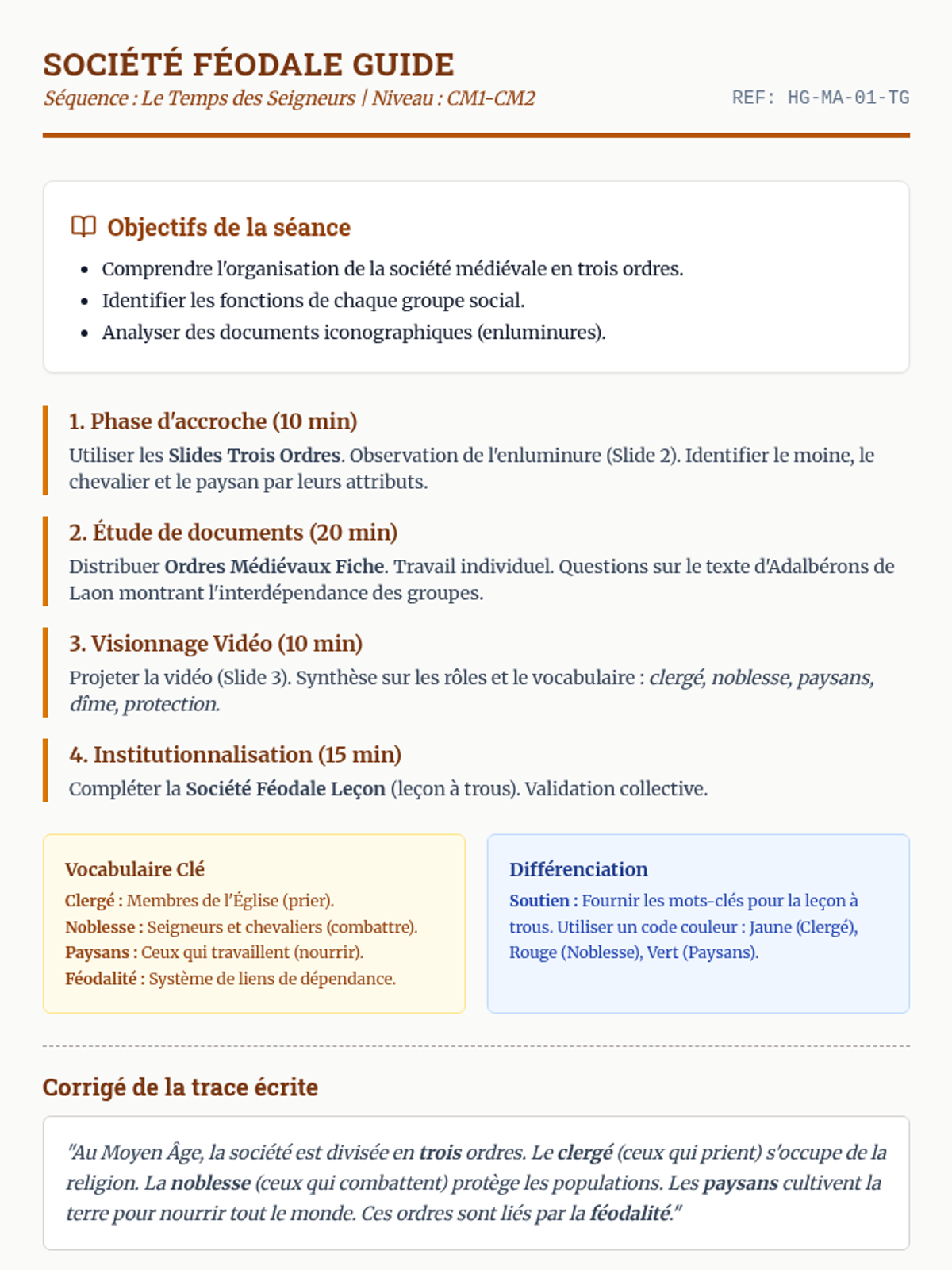
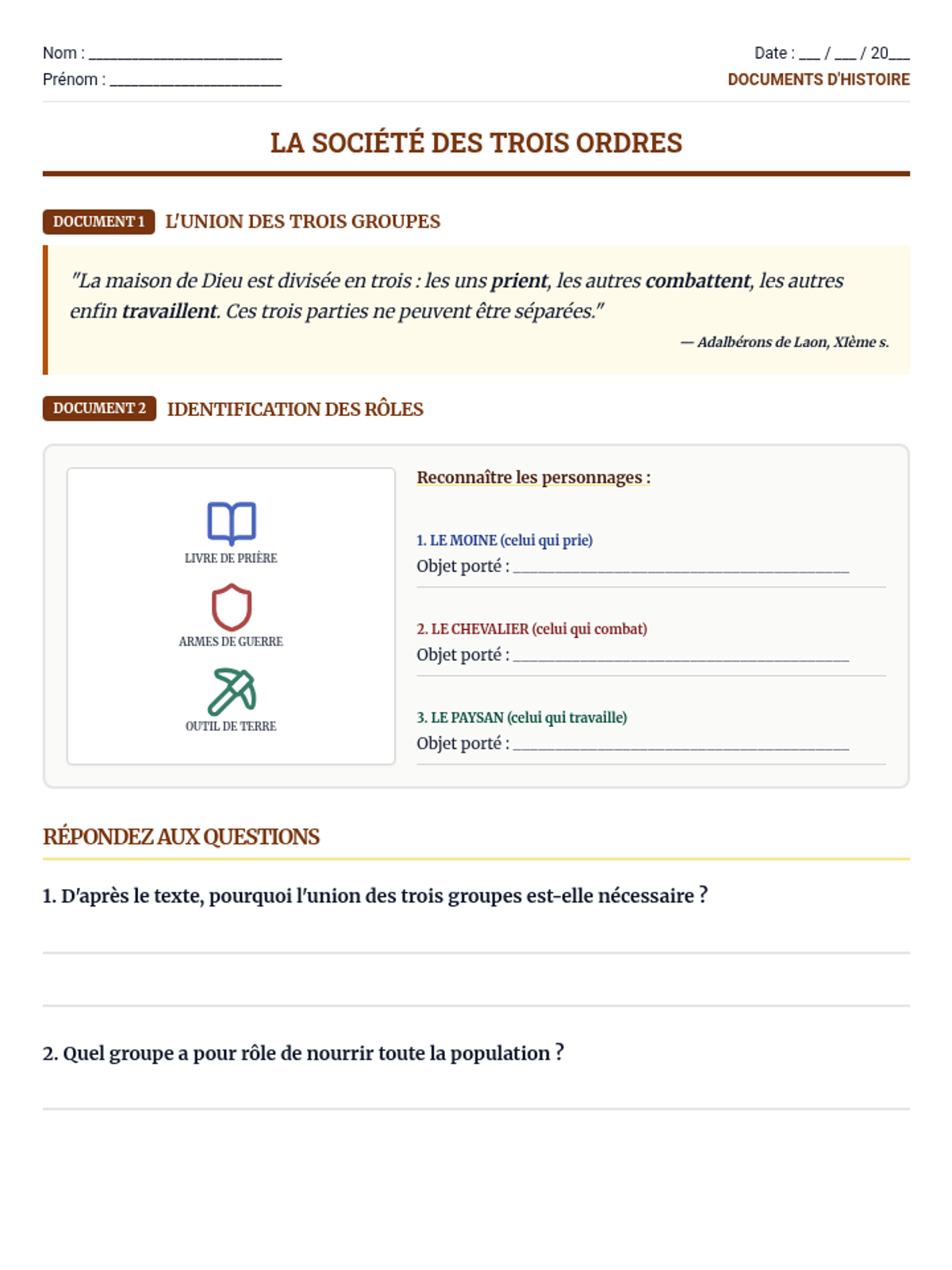
Cette leçon porte sur la division de la société médiévale en trois groupes distincts : le clergé, la noblesse et les paysans, tout en expliquant les liens de dépendance entre eux.
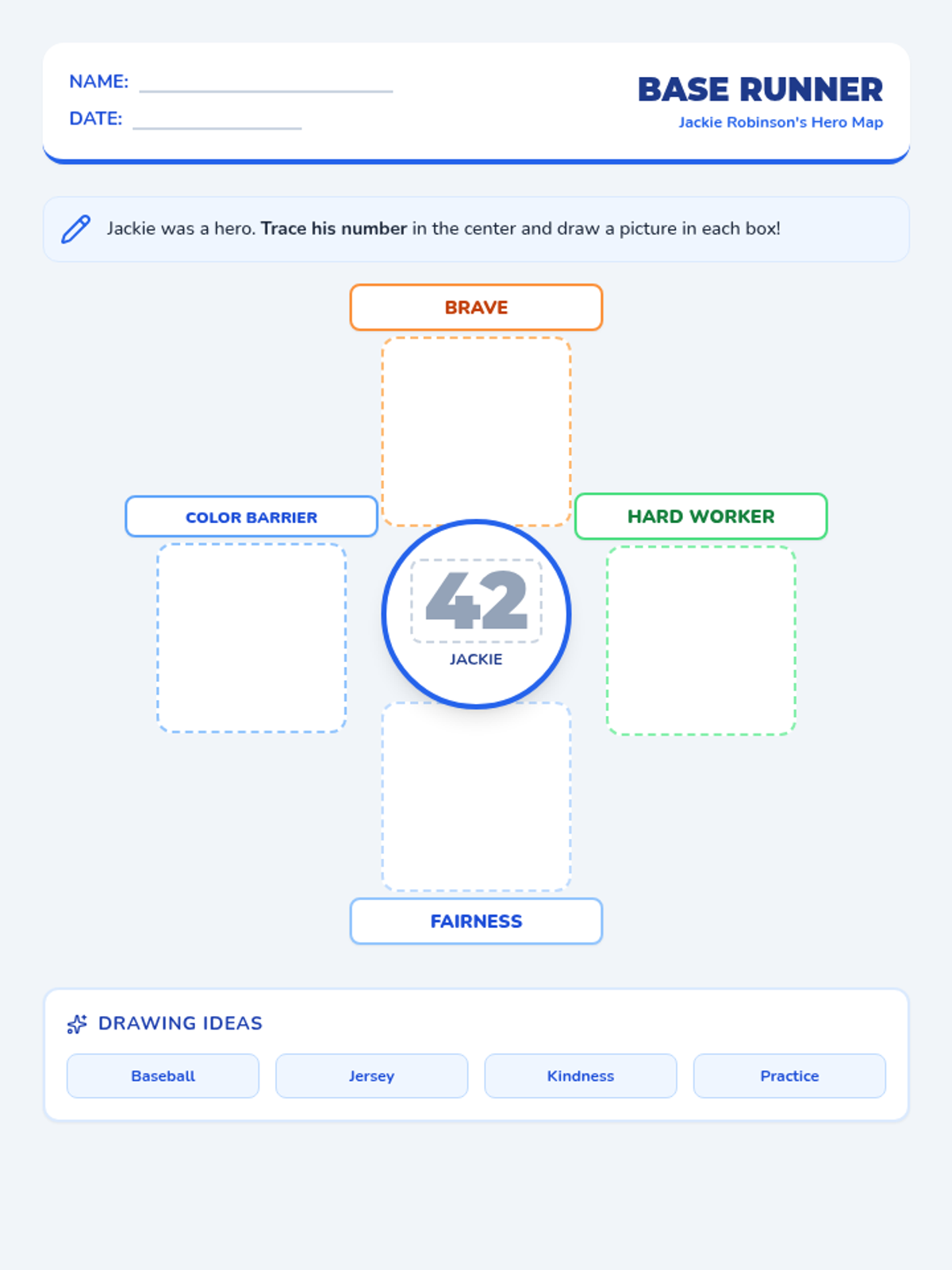
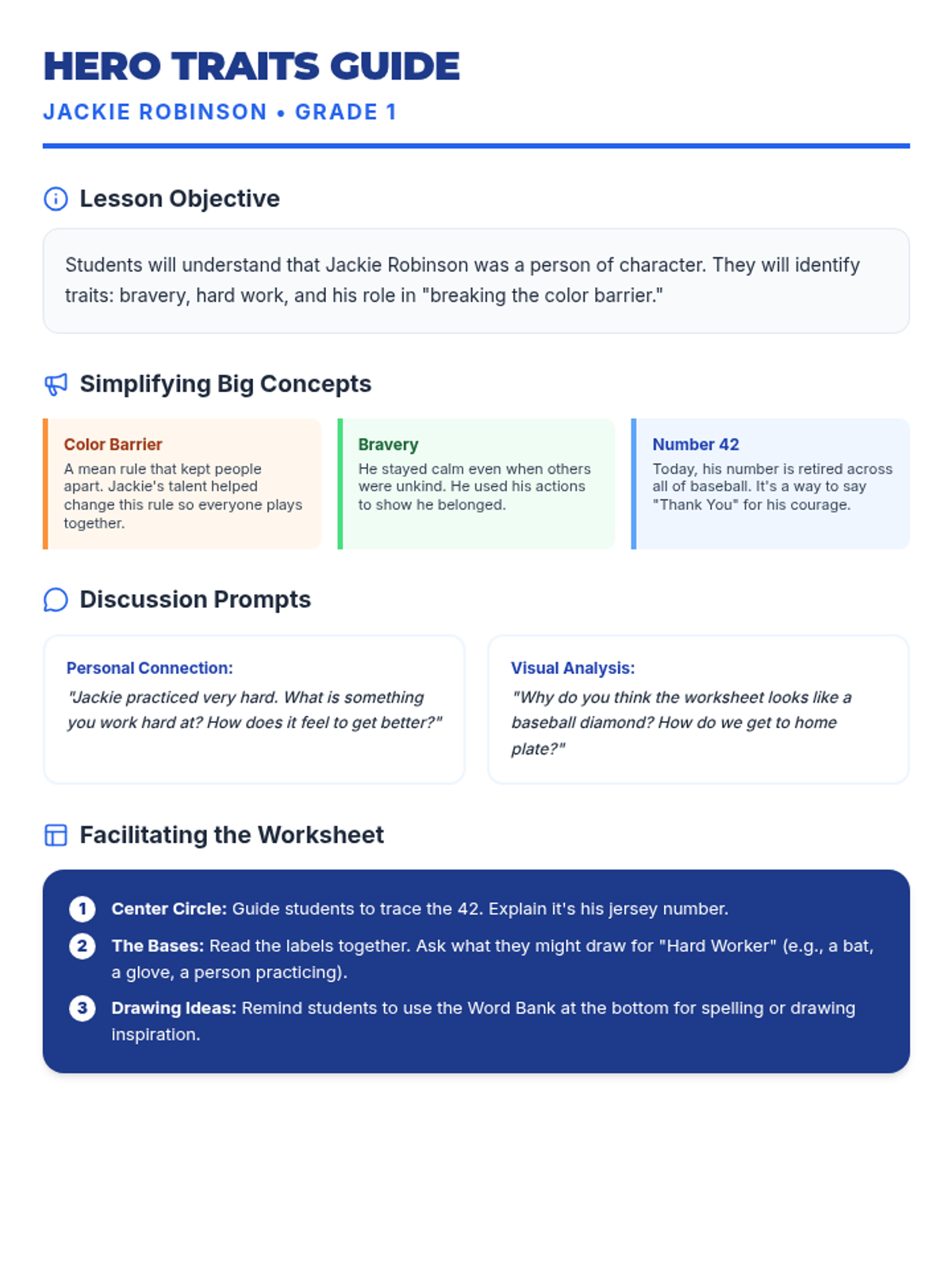
A lesson for first graders about the life and character of Jackie Robinson, focusing on his bravery and hard work in breaking the color barrier in baseball.
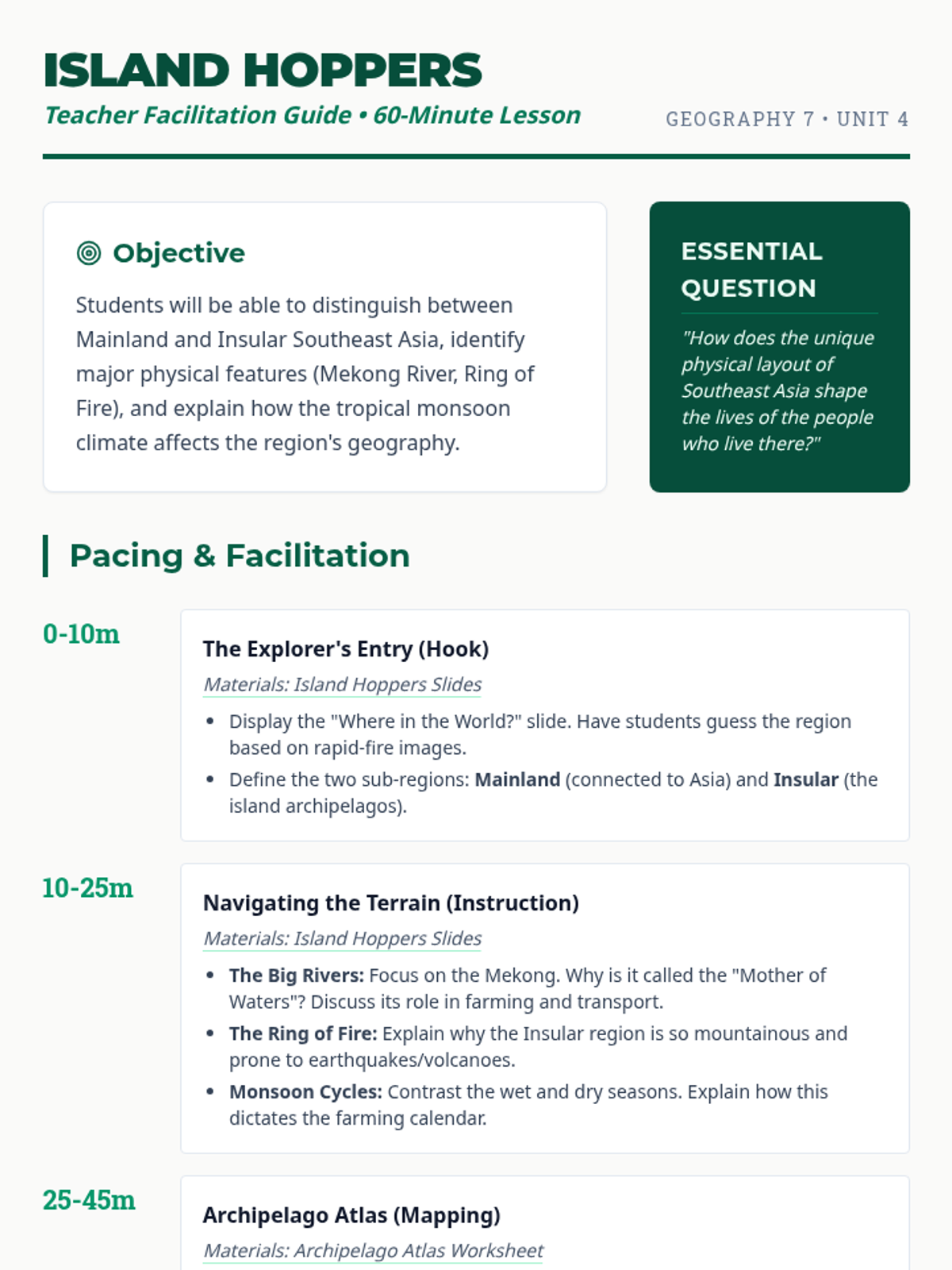
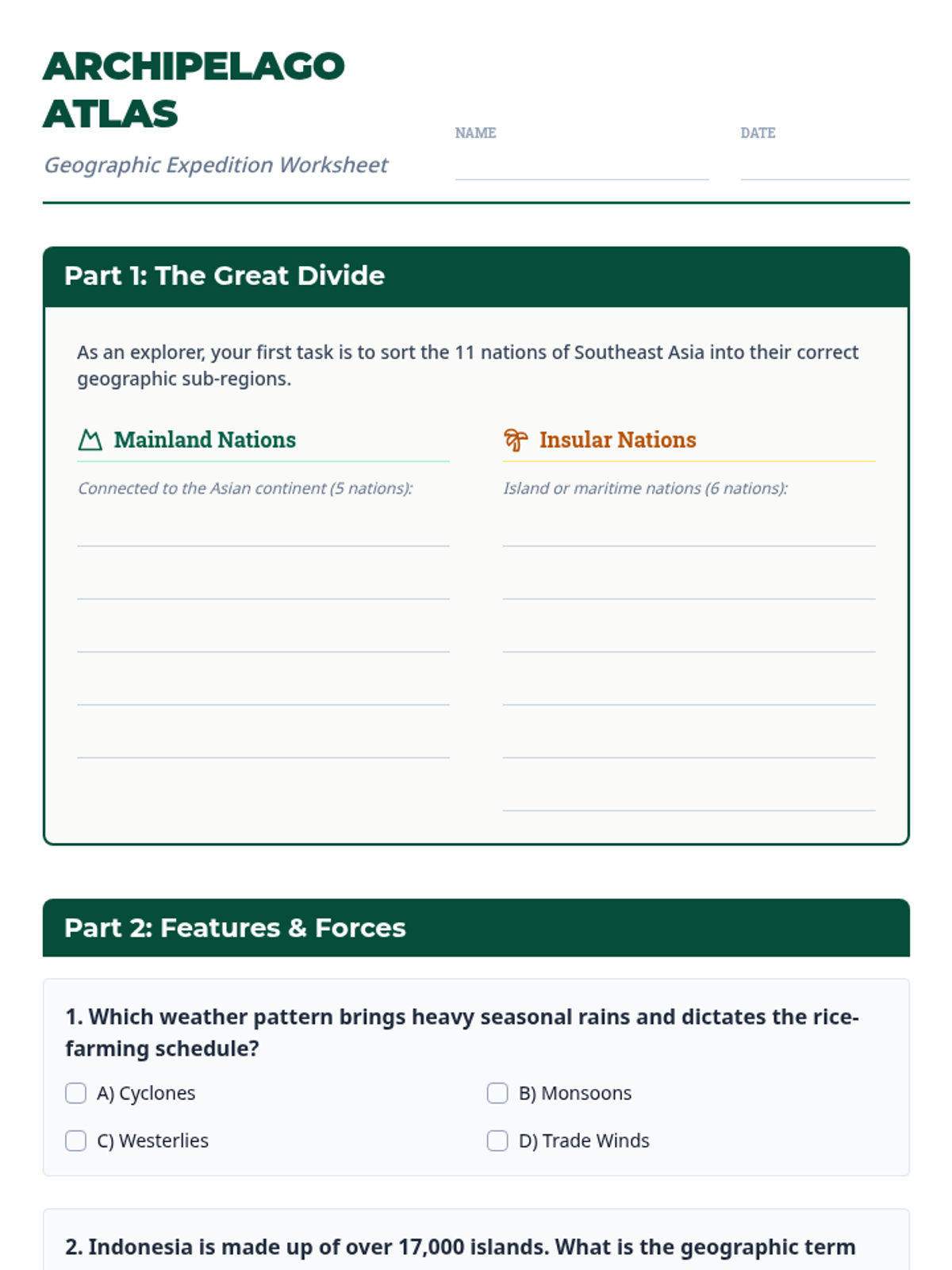
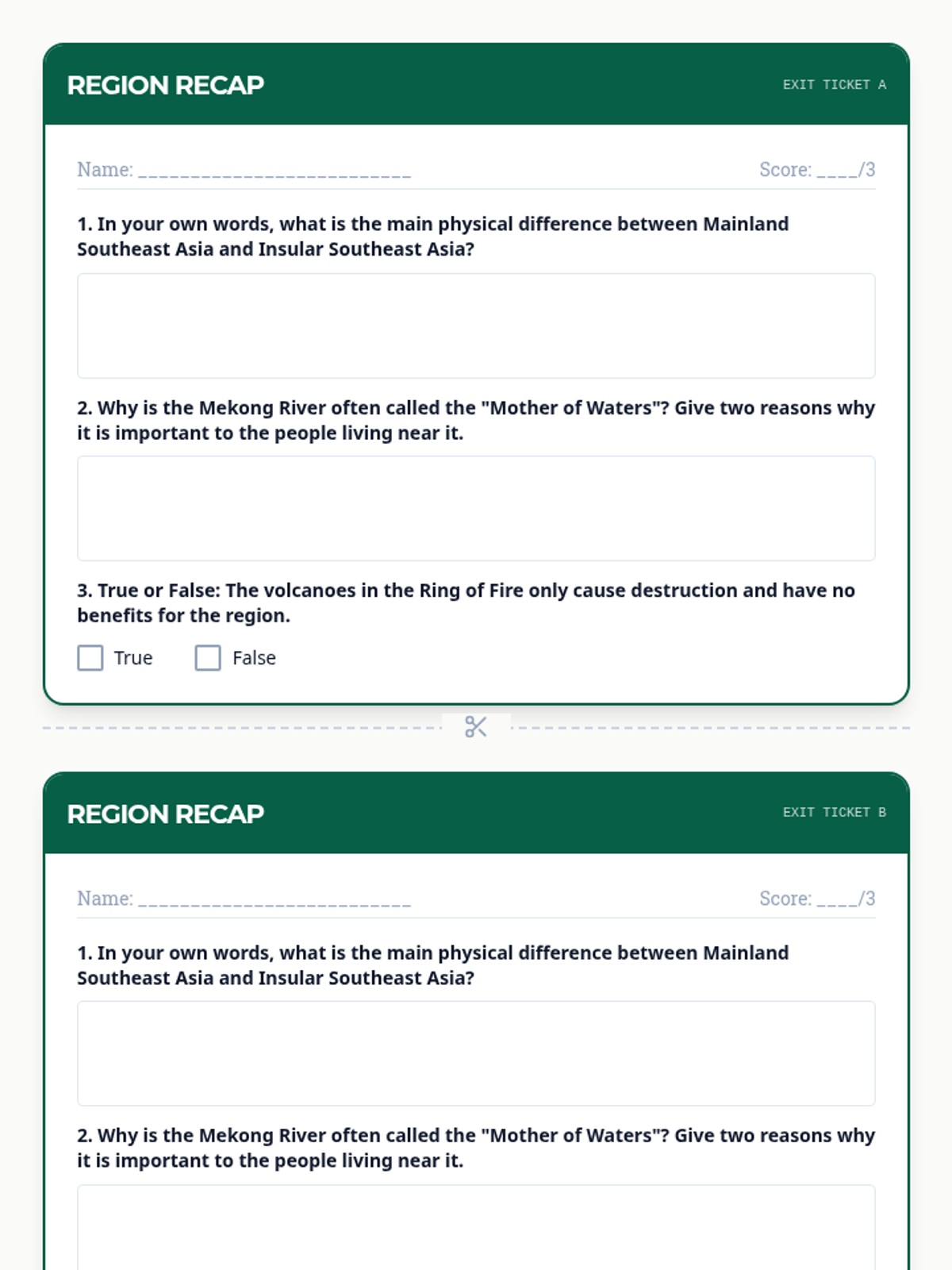
A comprehensive geography lesson for 7th graders exploring the unique physical features, climates, and regions of Mainland and Insular Southeast Asia through the lens of an explorer's journey.
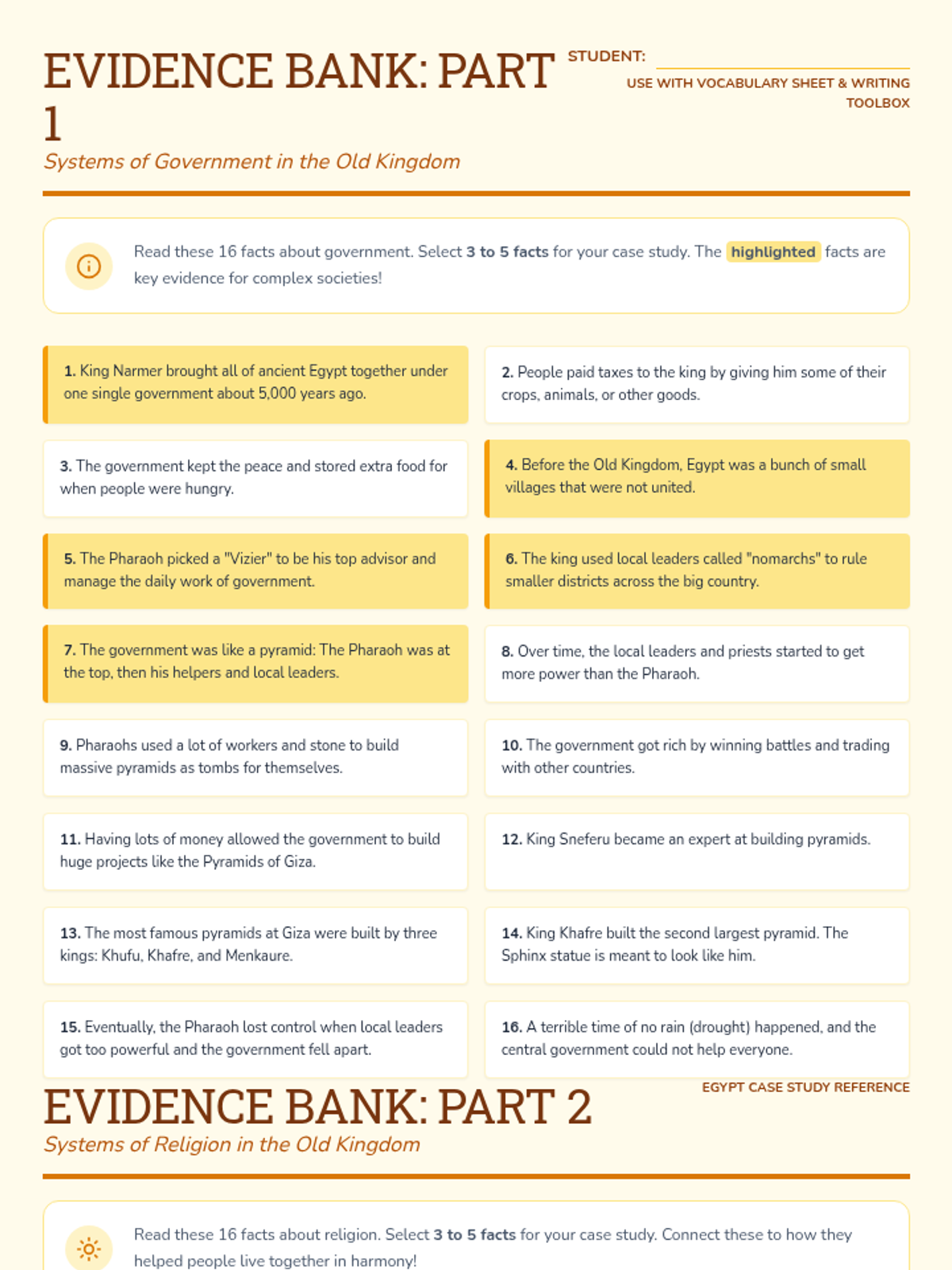
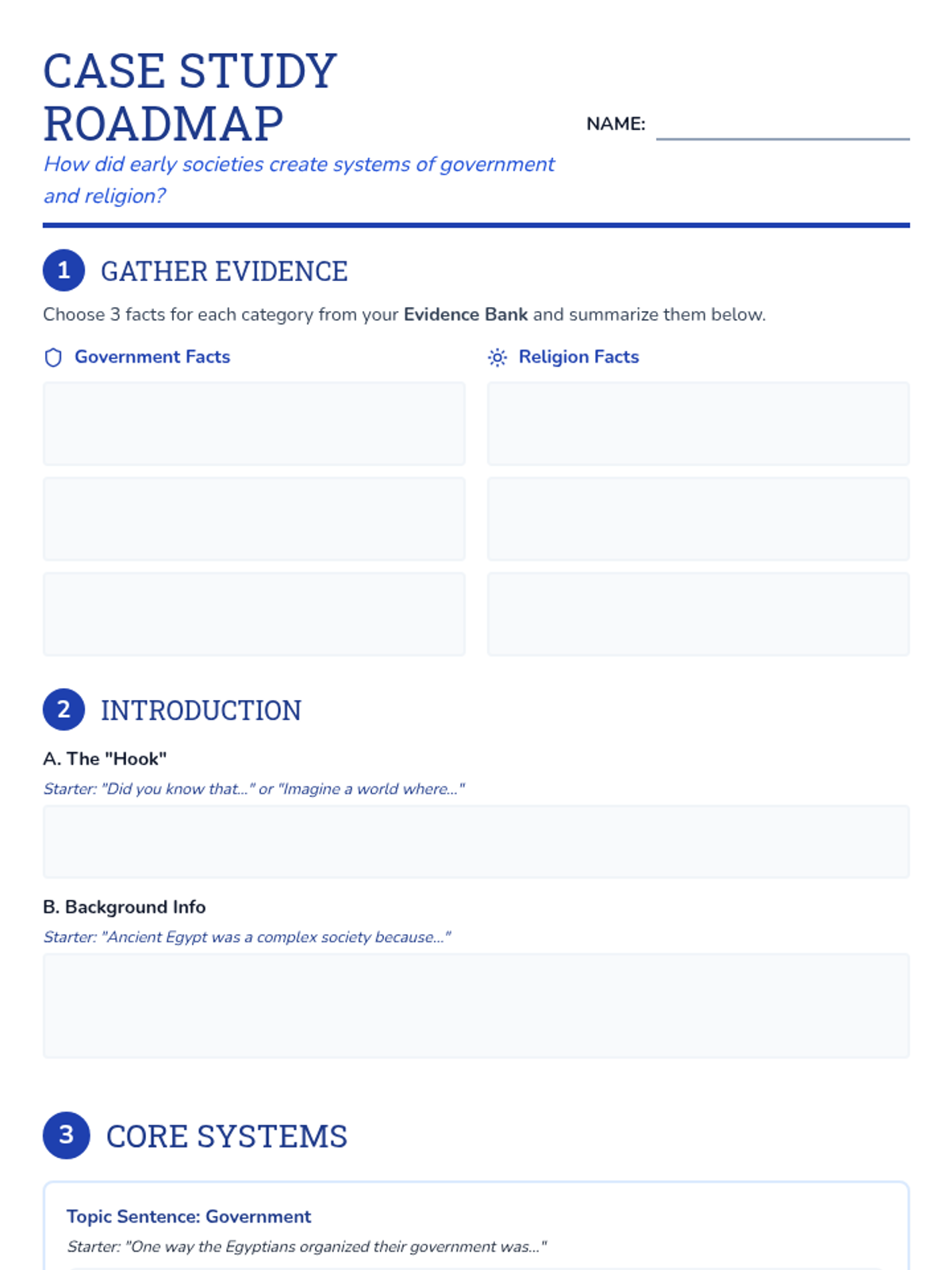
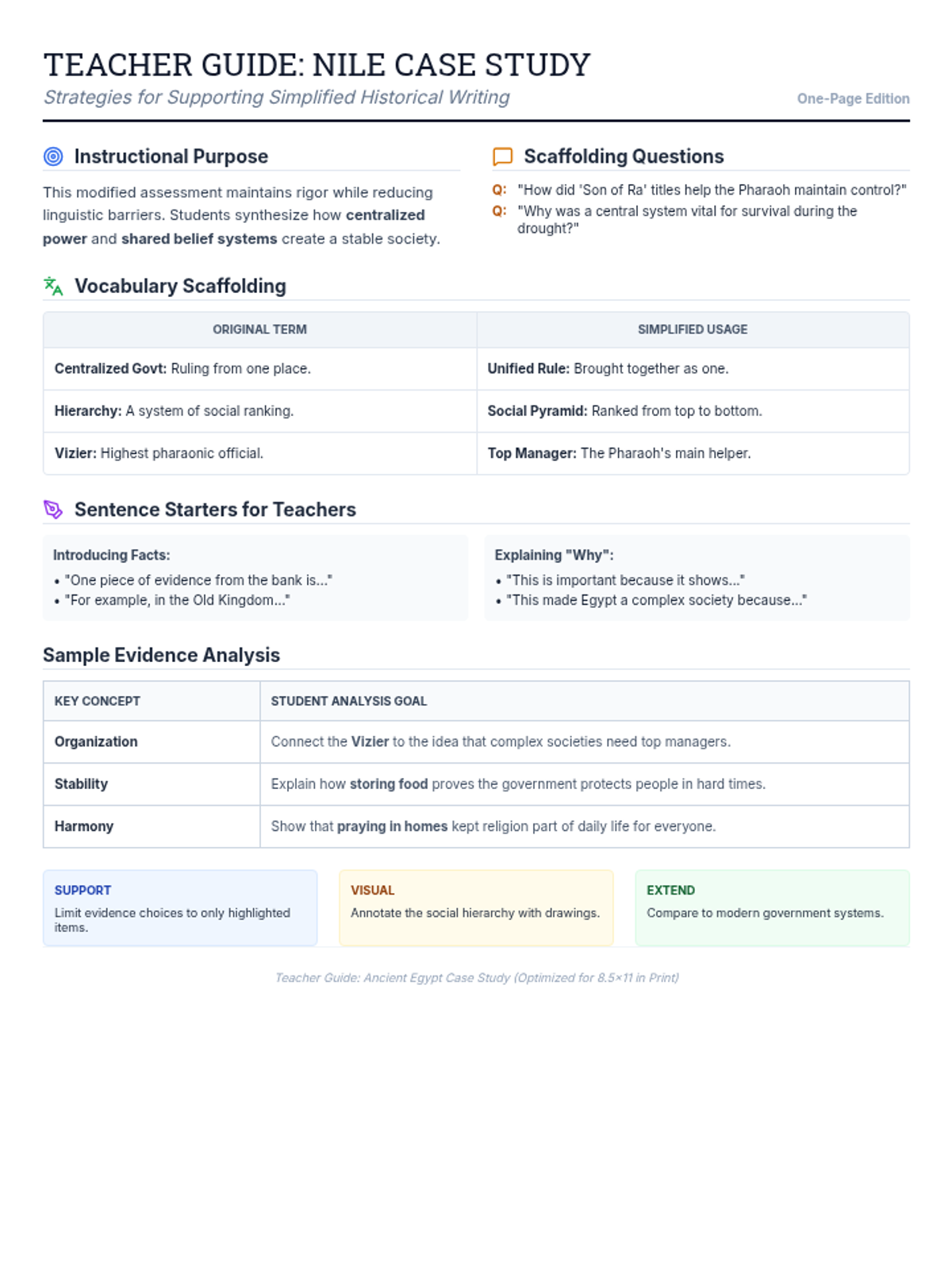
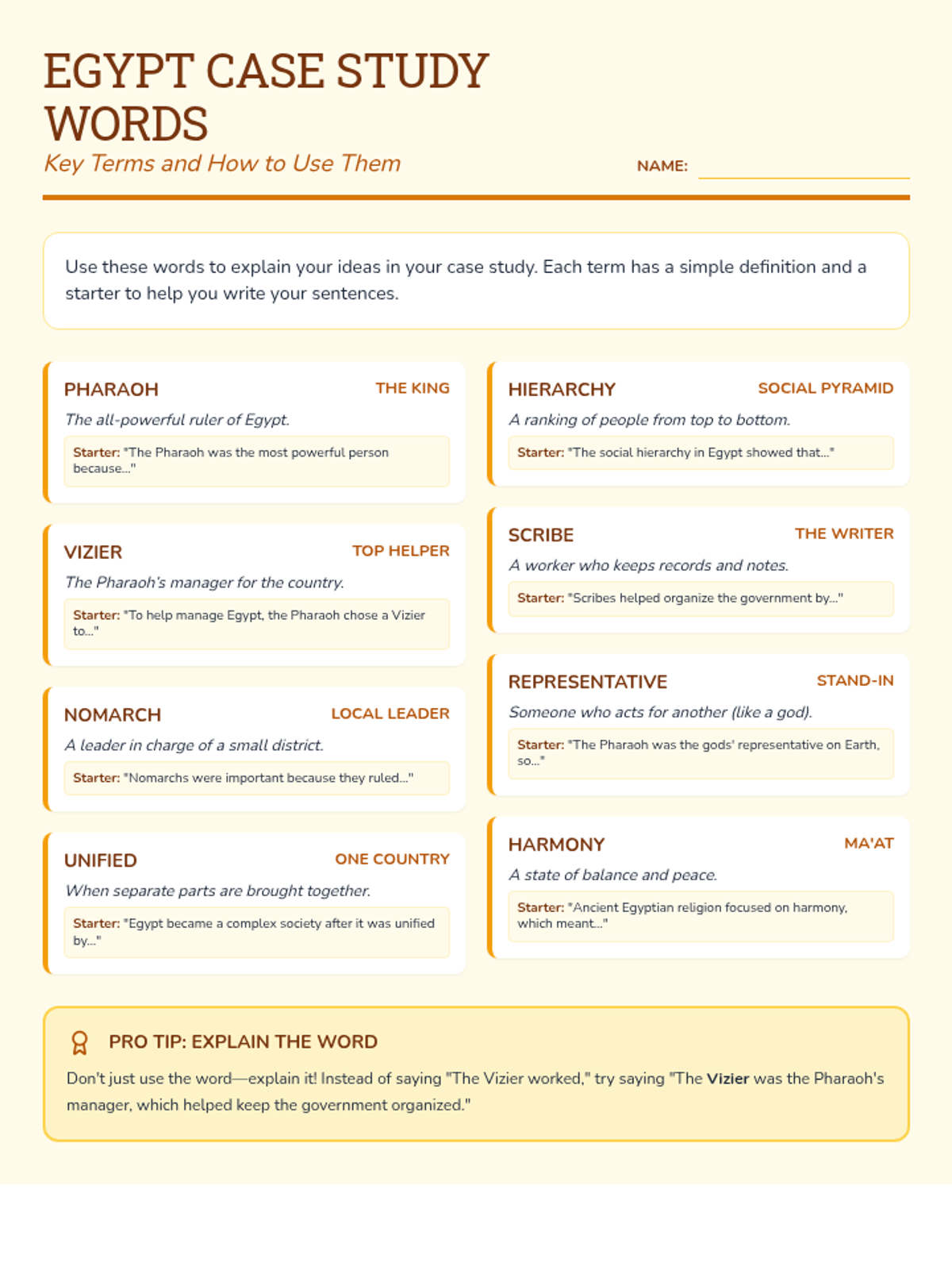
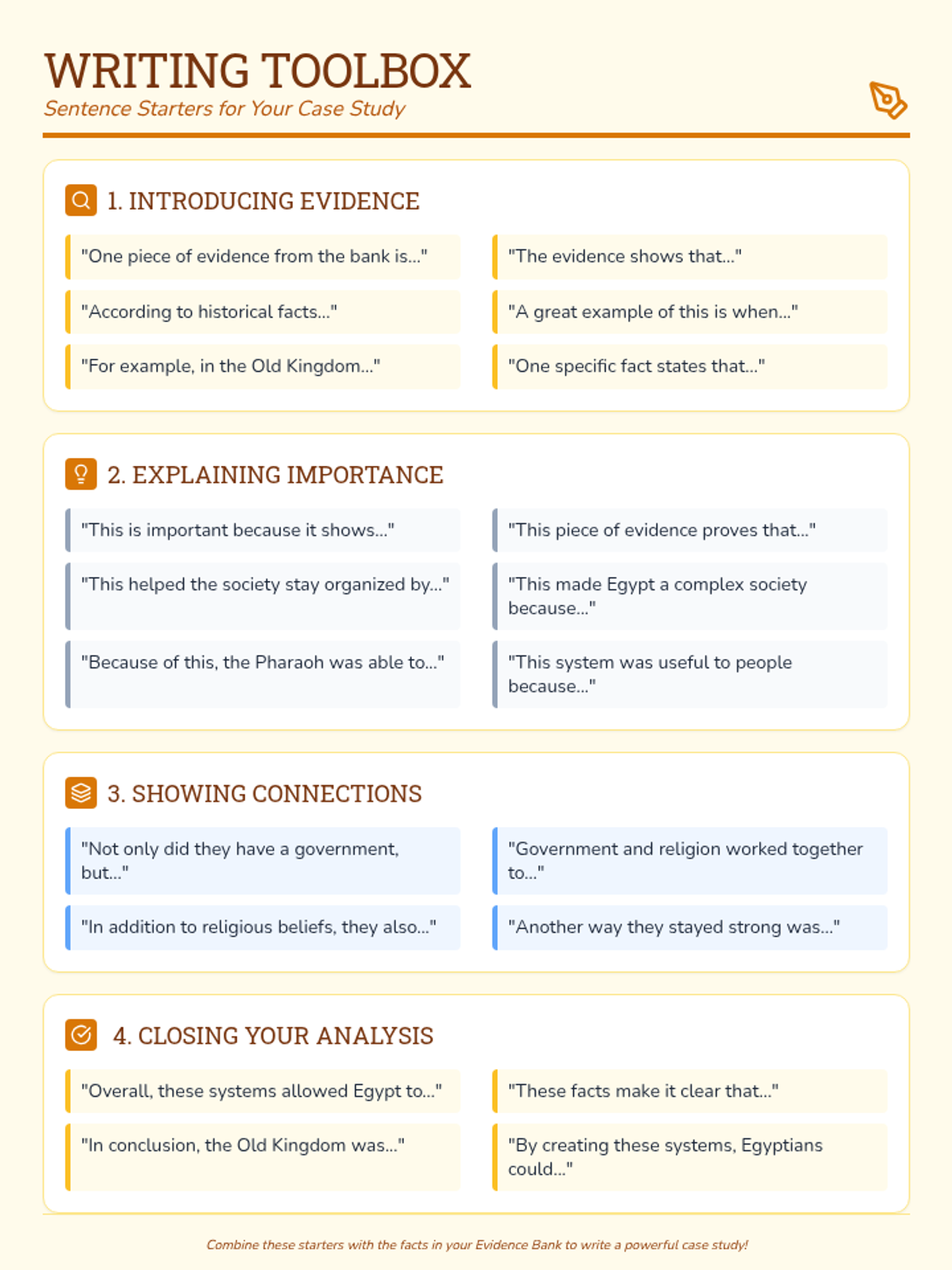
A summative assessment lesson where students use simplified evidence to explain how ancient Egyptians created complex systems of government and religion during the Old Kingdom.
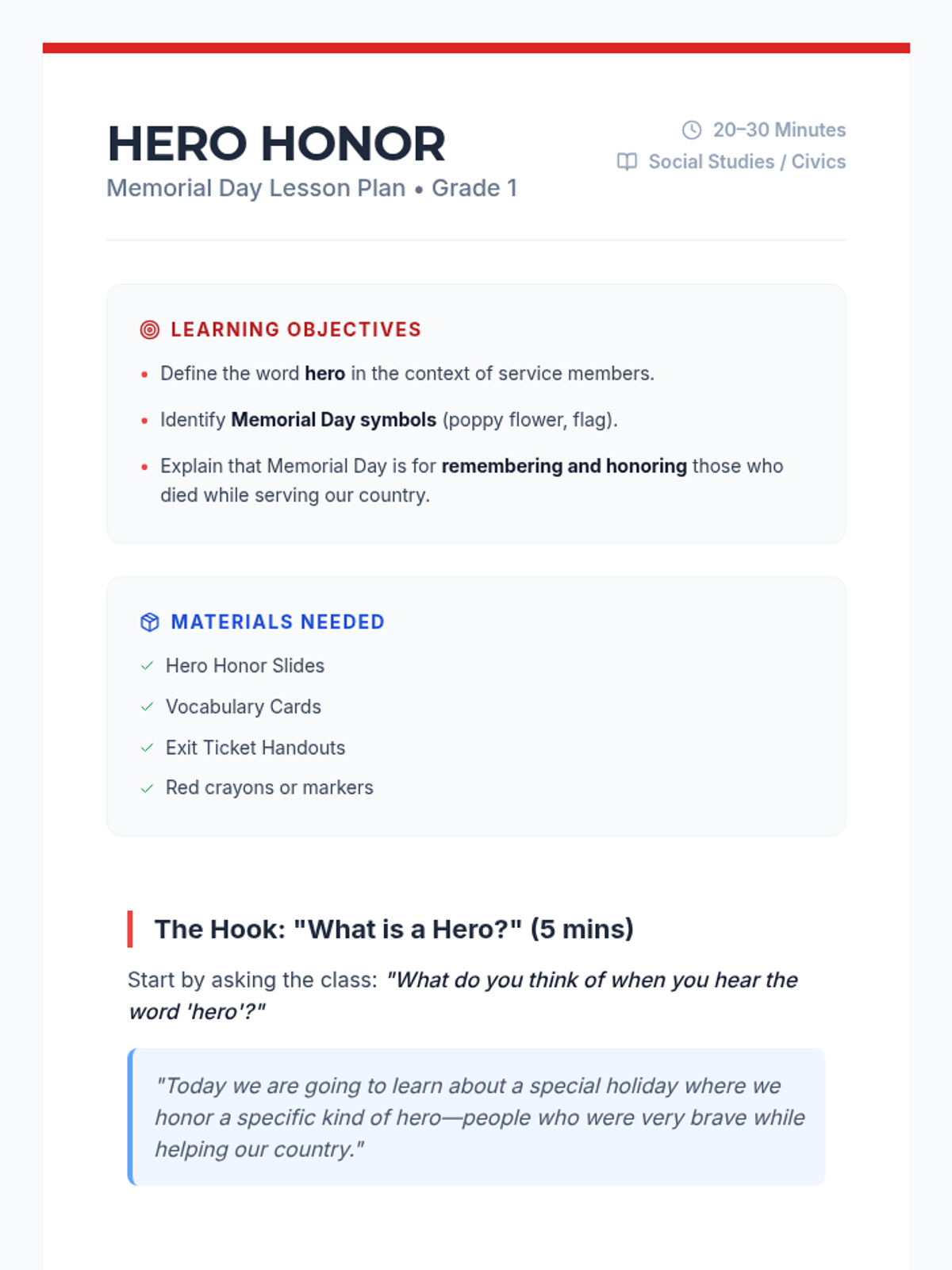
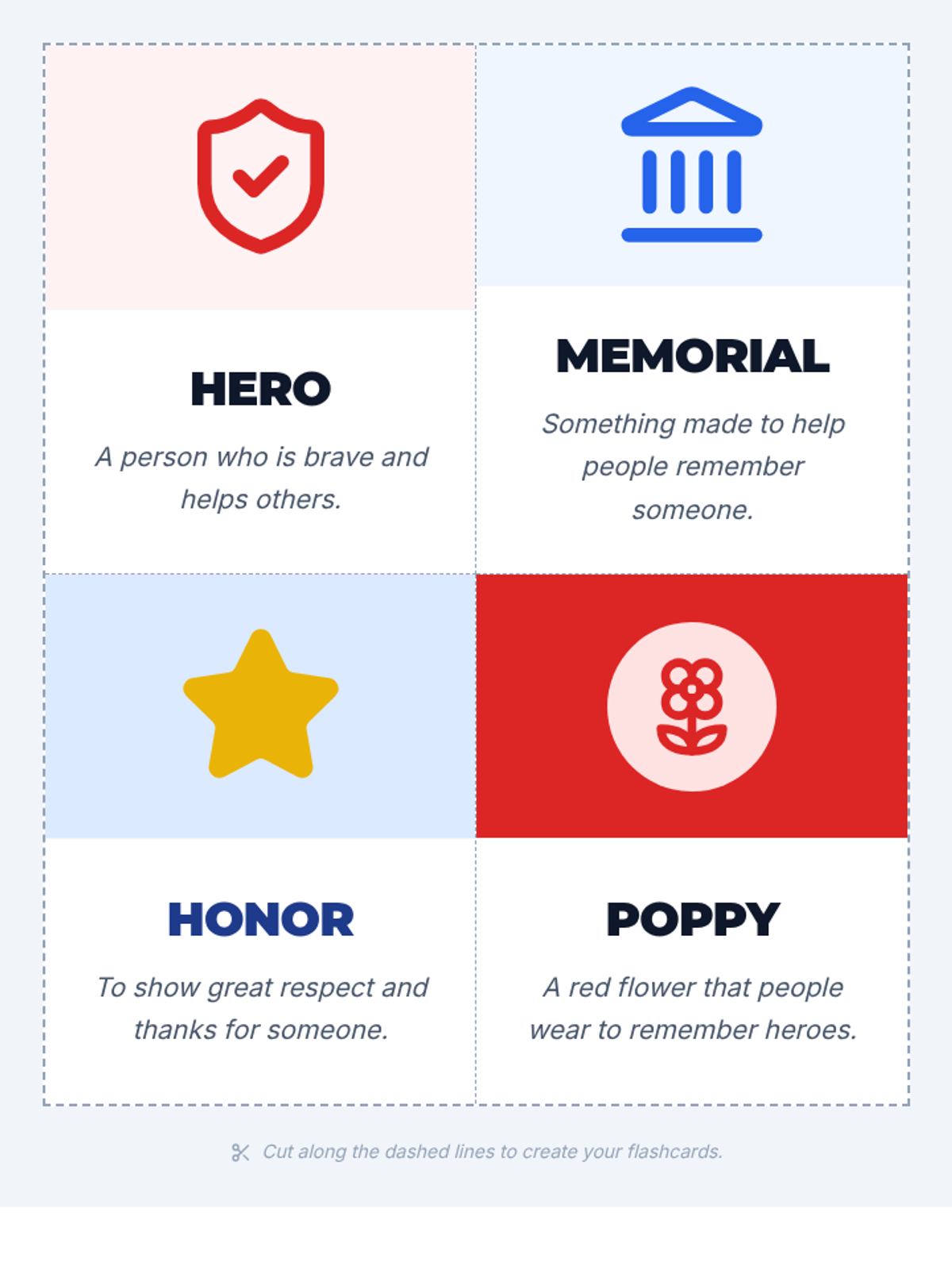
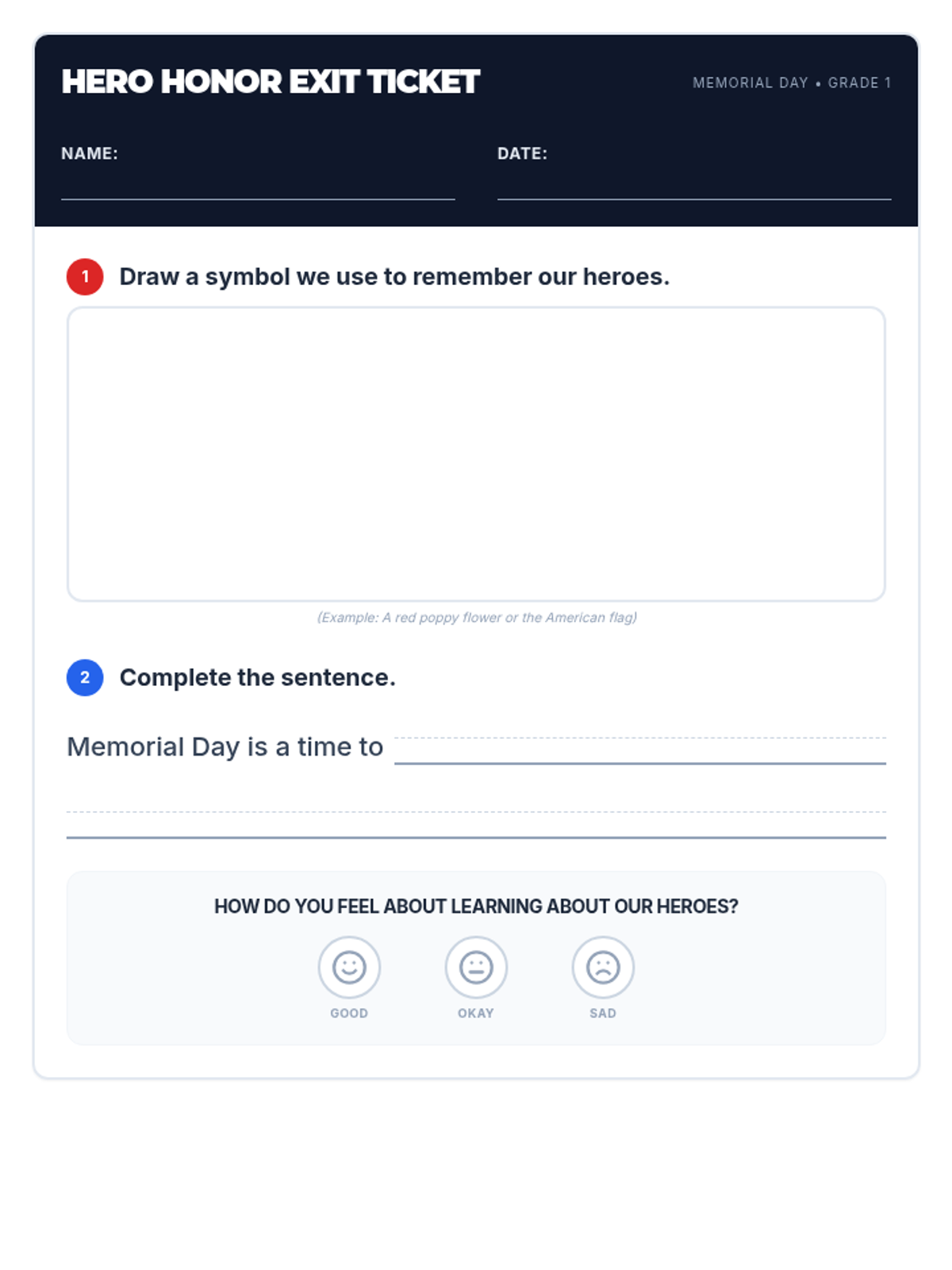
A 20-30 minute introductory lesson for 1st graders to understand the significance of Memorial Day, the concept of a hero, and key national symbols of remembrance.
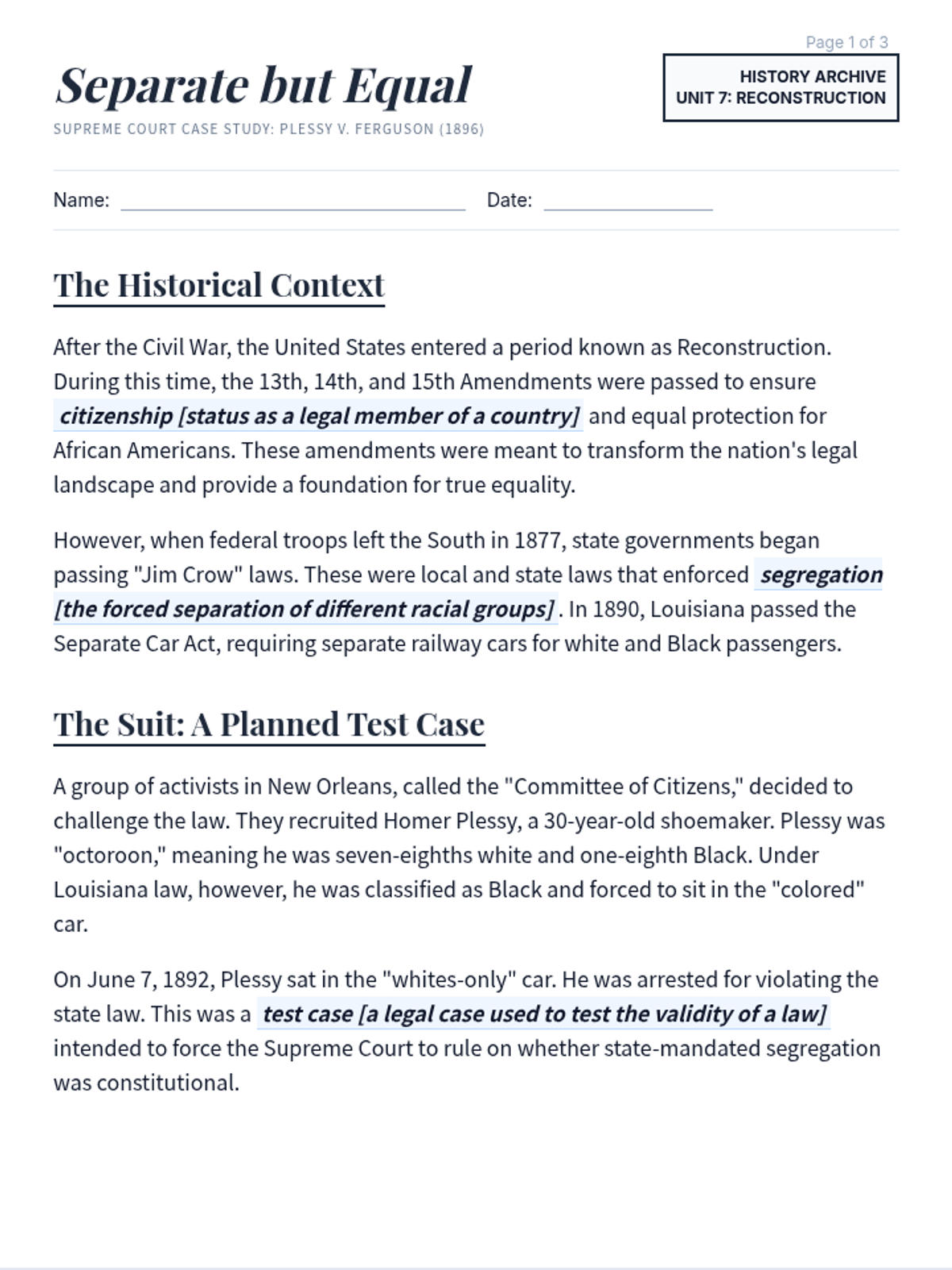
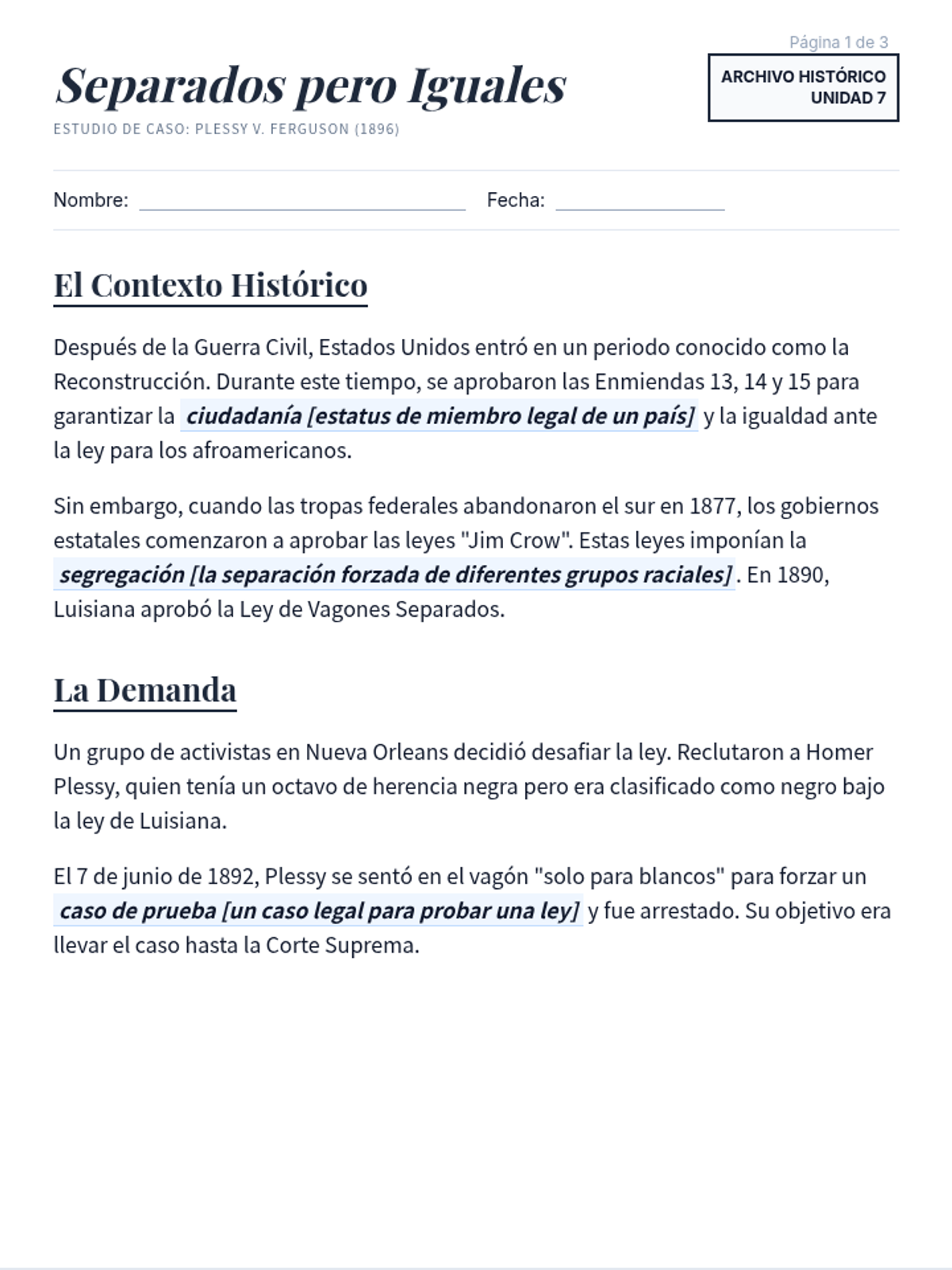
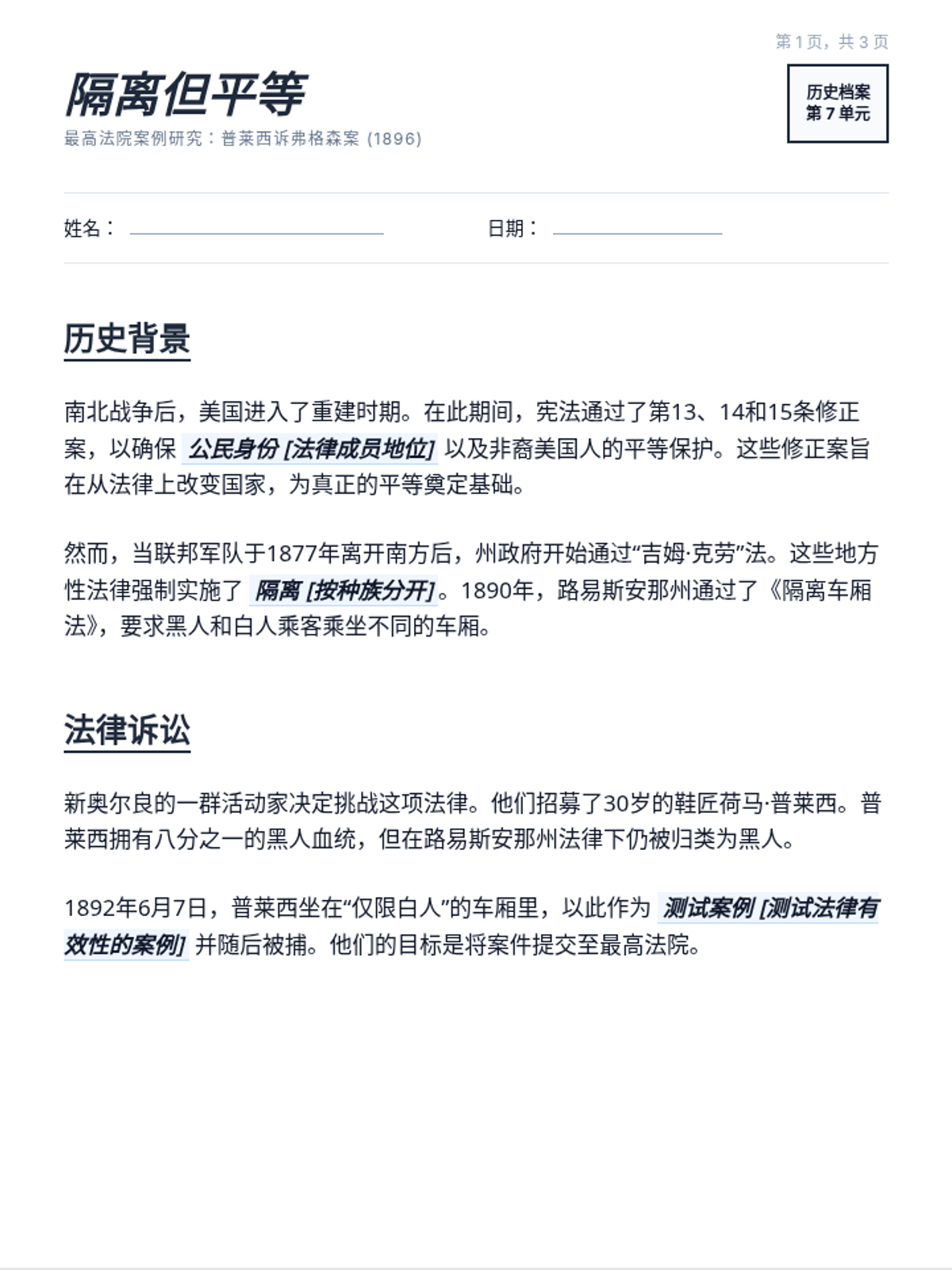
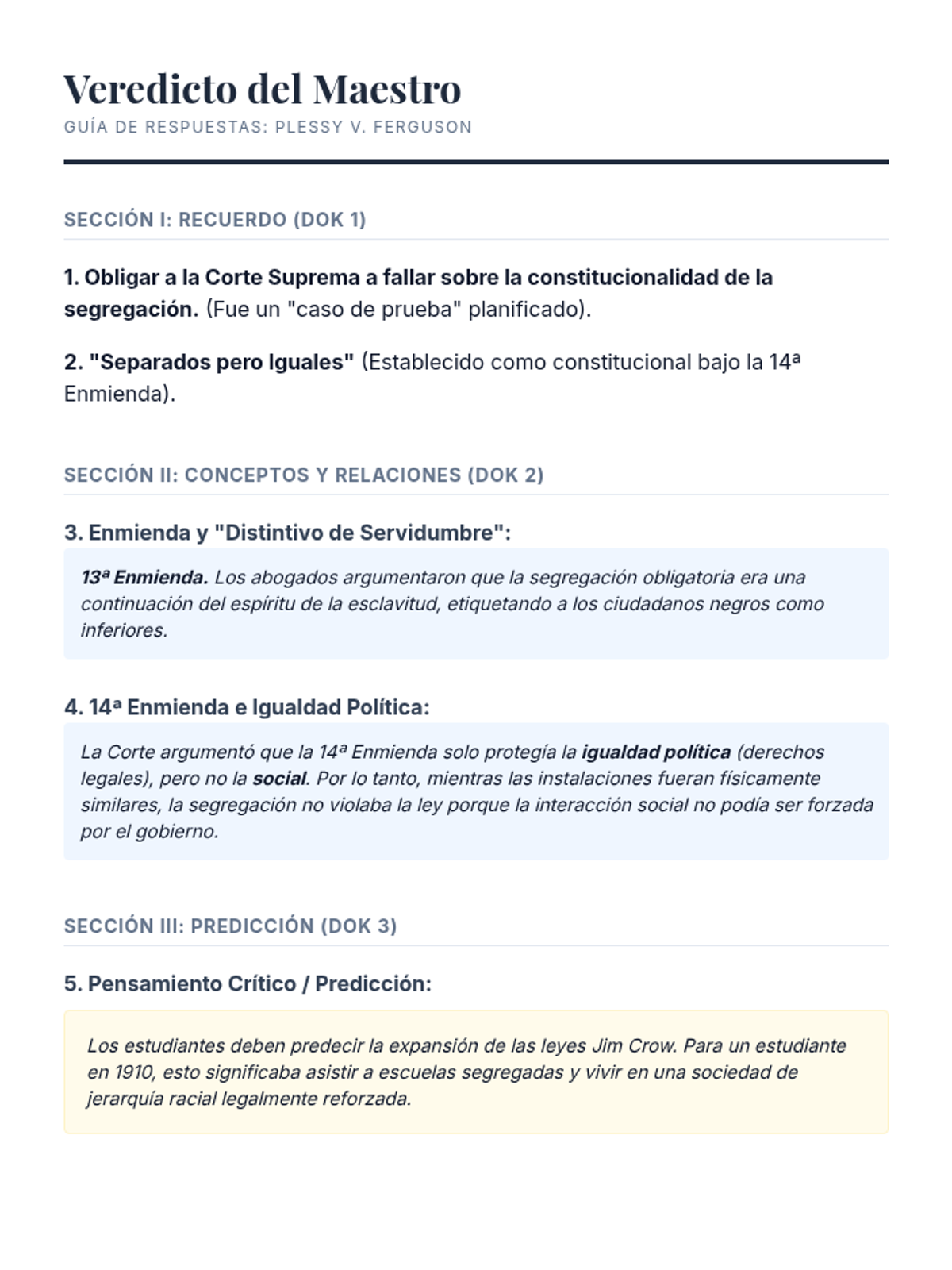
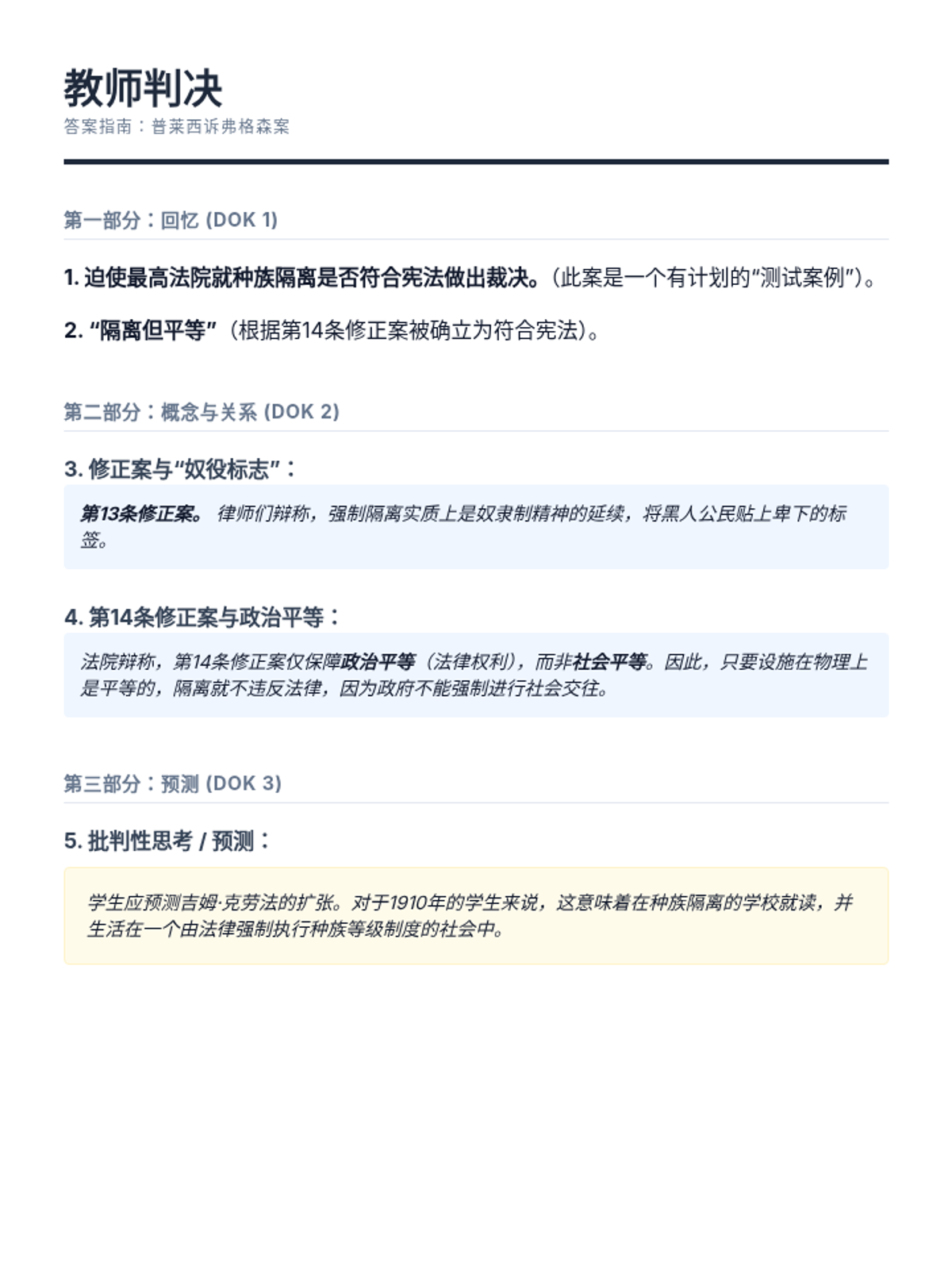
A deep dive into the landmark Plessy v. Ferguson case, exploring the legal arguments, the "separate but equal" doctrine, and Justice Harlan's famous dissent. Students will analyze the long-term impact of this ruling on American society.
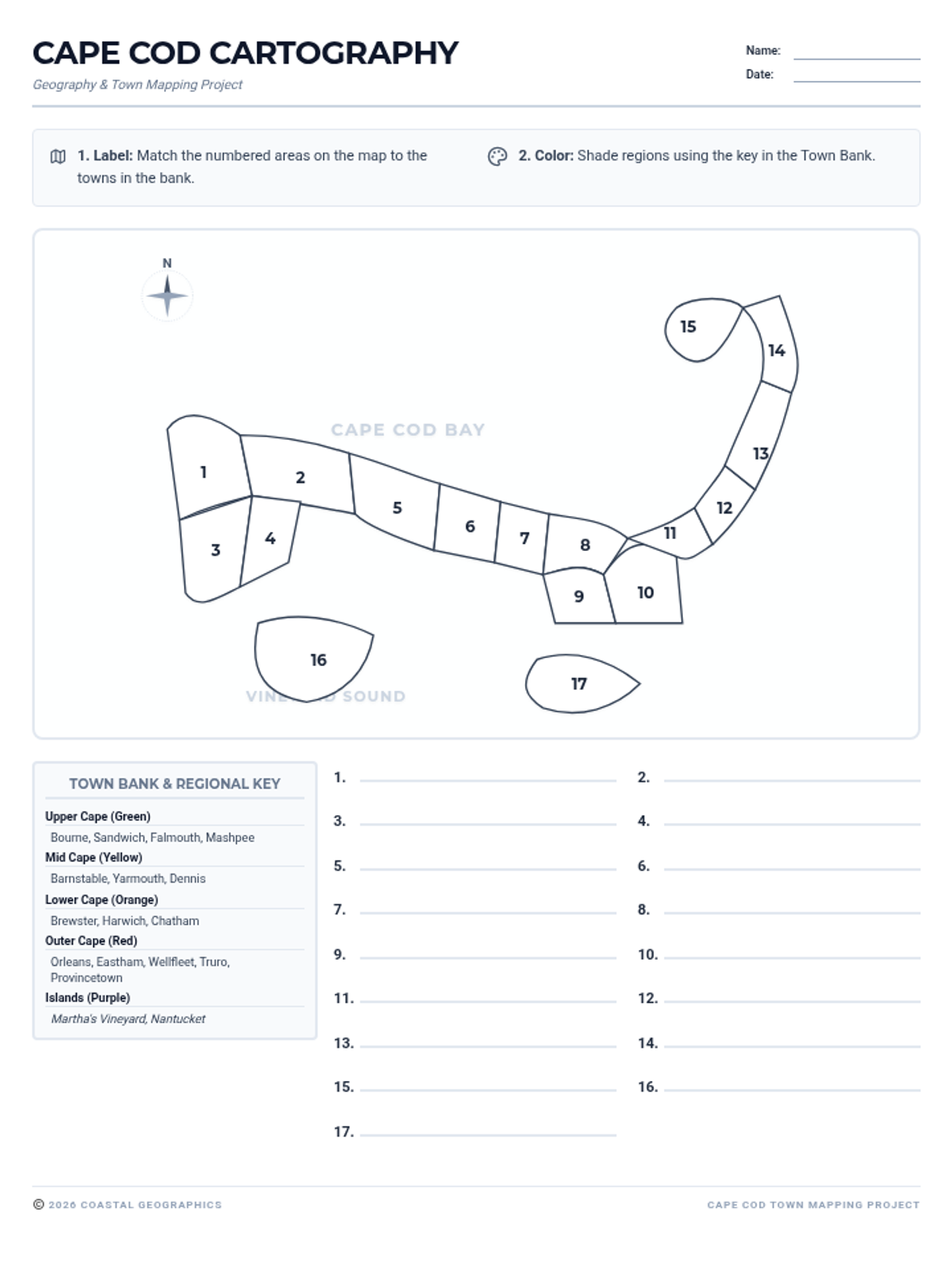
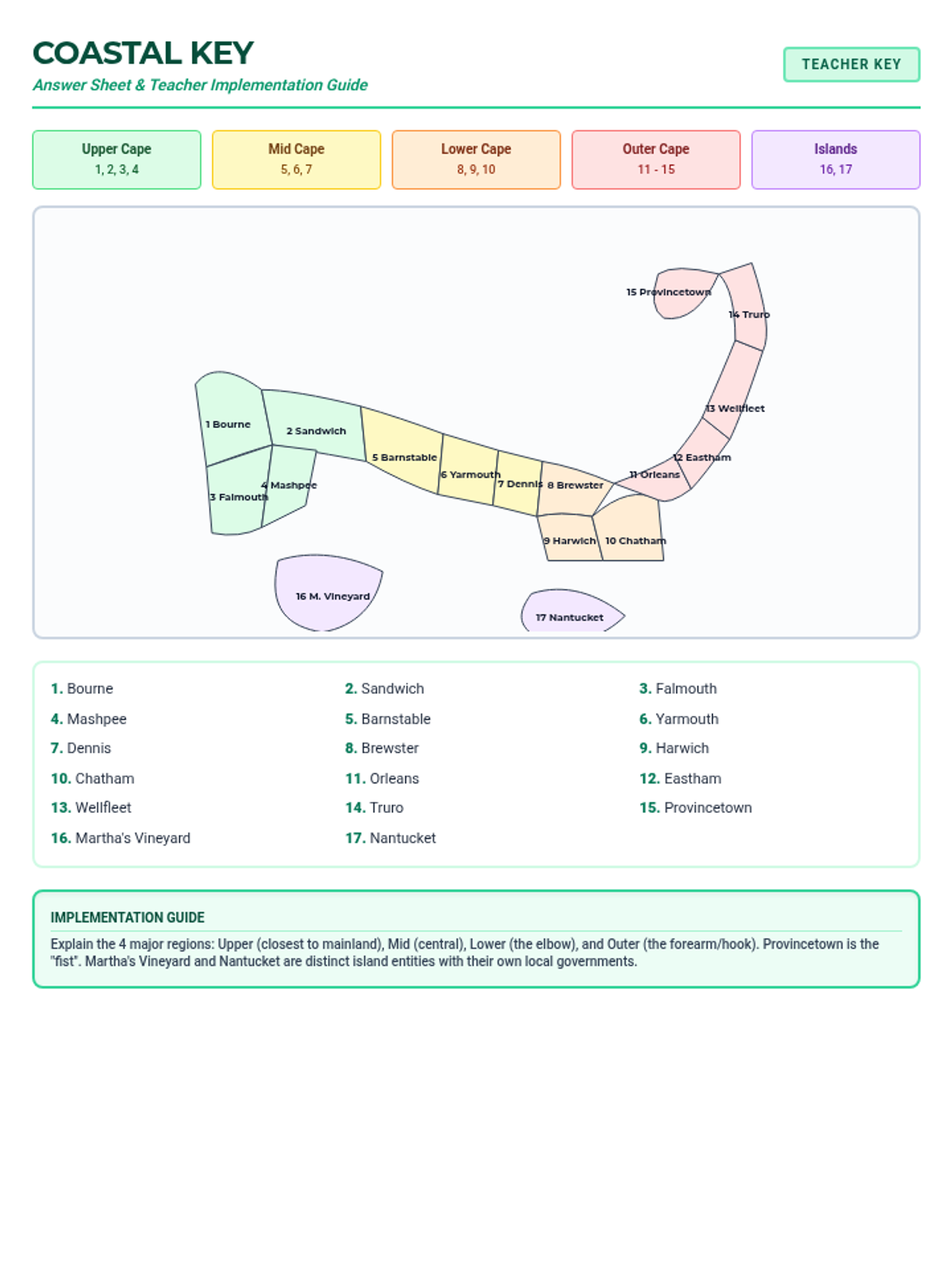
A lesson focused on the unique geography of Cape Cod and the Islands, including town identification and regional categorization.