A foundational Mandarin Chinese sequence for 1st graders focusing on the four tones and basic greetings through physical movement, music, and role-play. Students transition from auditory recognition to active interpersonal communication.
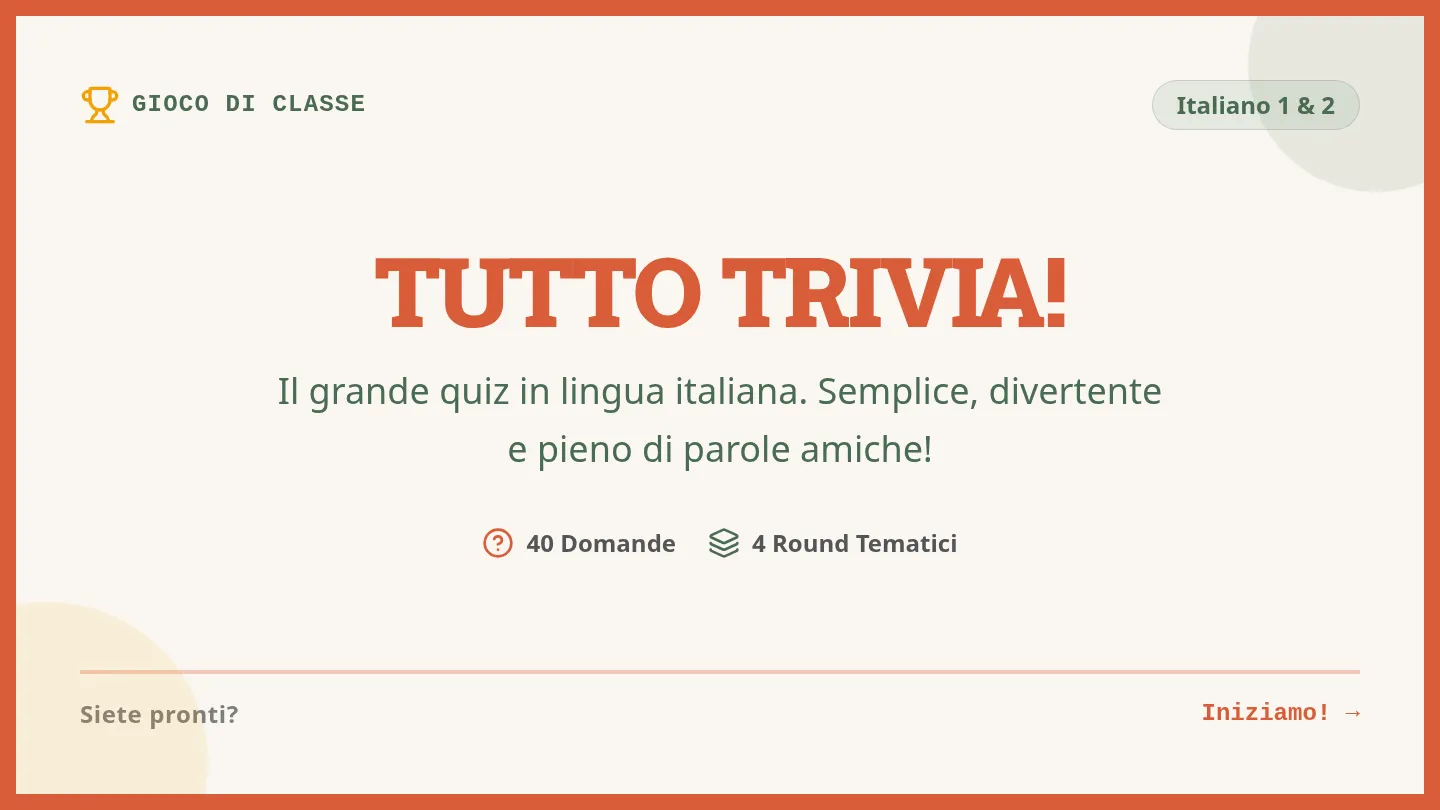
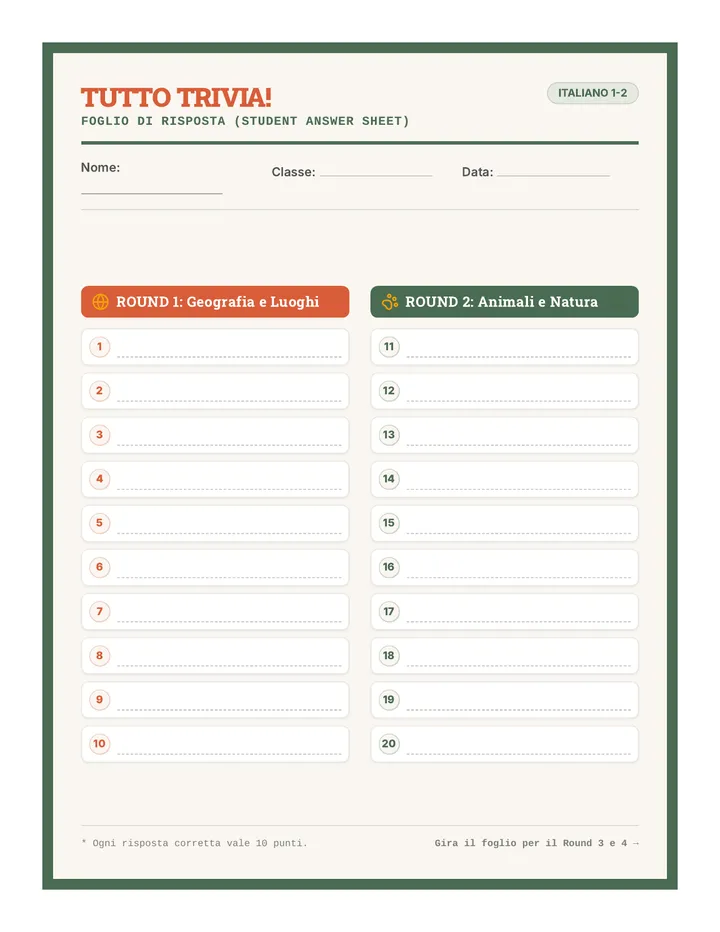
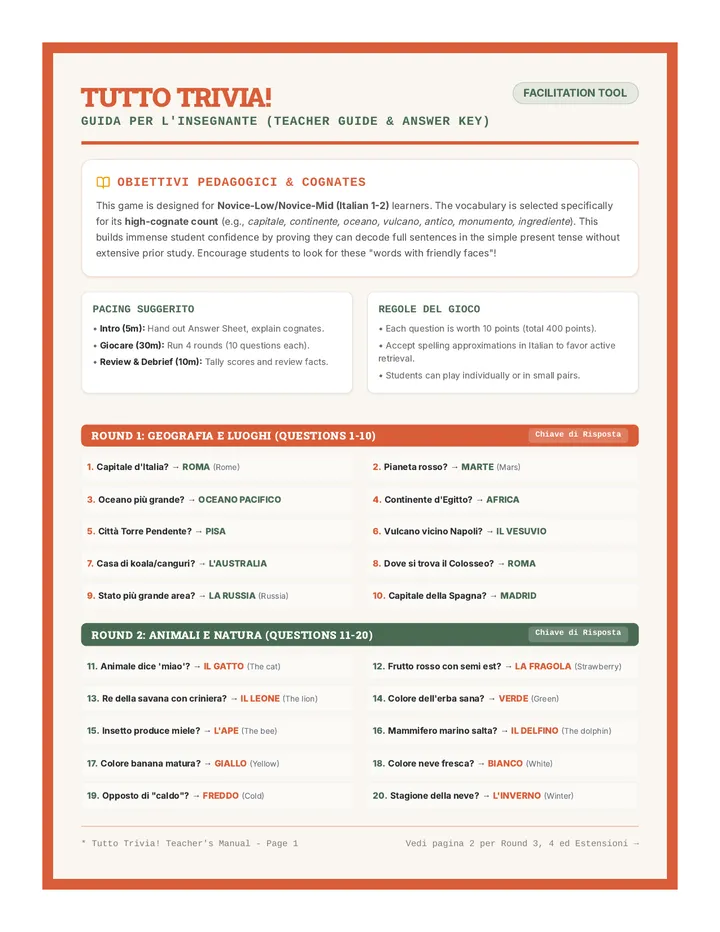
A high-engagement trivia module designed for novice Italian students (Italian 1-2) to practice vocabulary, comprehension, and general knowledge using highly cognate-rich questions and simple present tense. The unit features interactive slides, a student recording sheet, and a teacher facilitation guide.
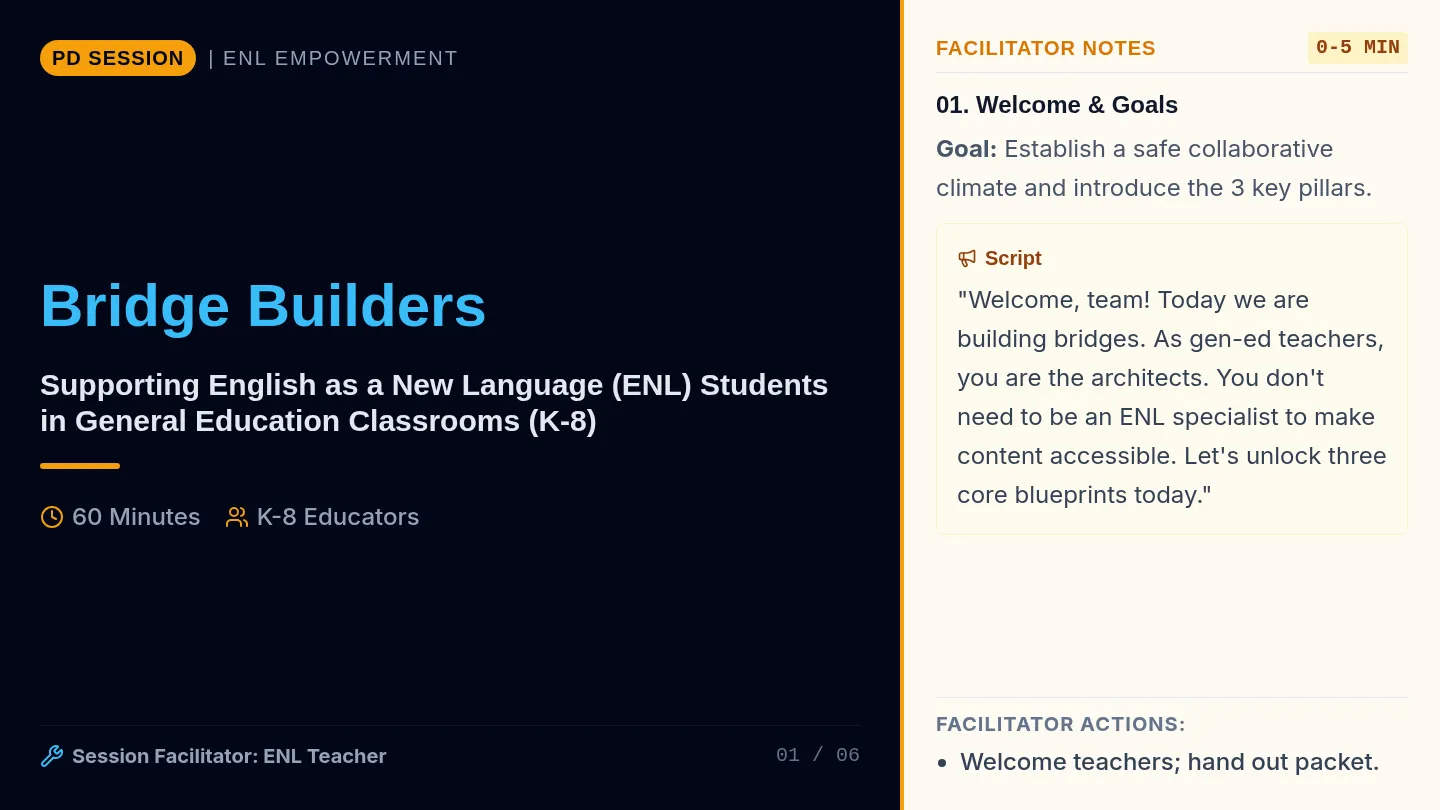
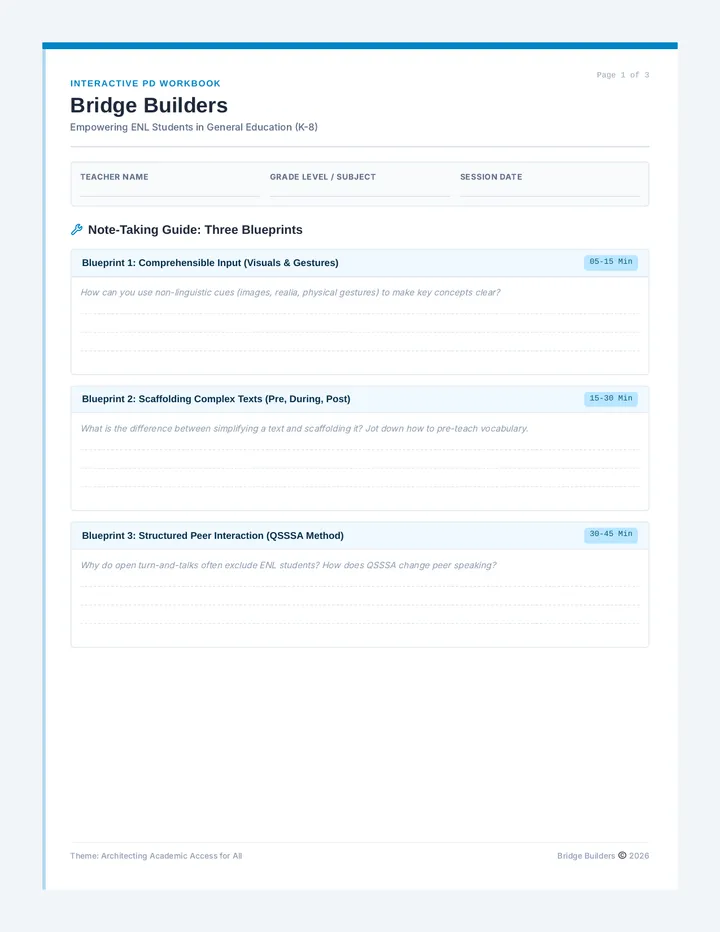
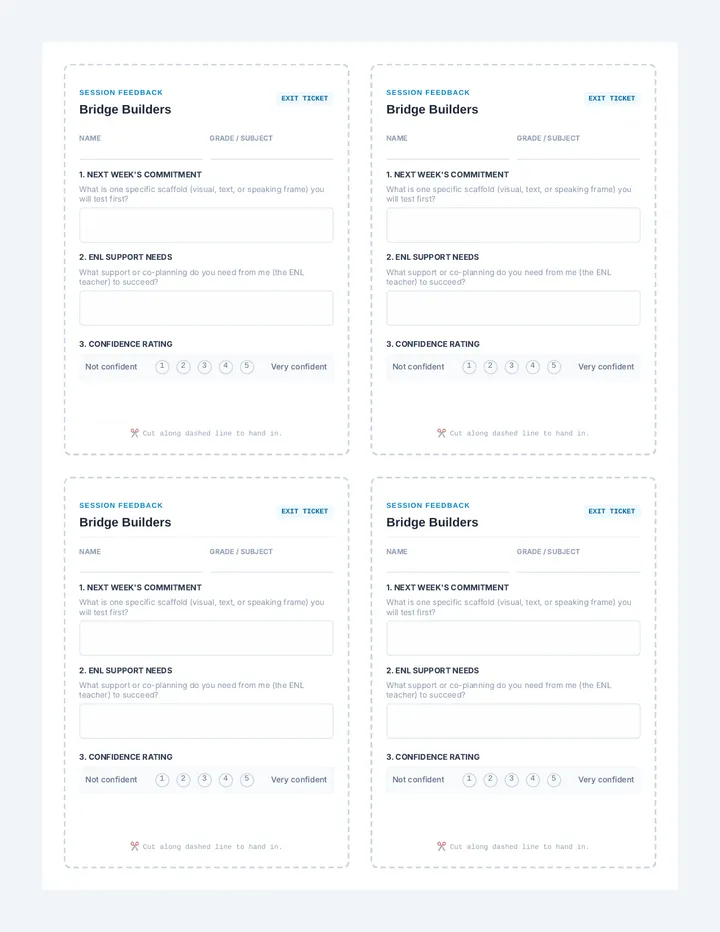
A professional development program designed to empower general education teachers (K-8) to support English as a New Language (ENL) students using evidence-based language acquisition strategies.
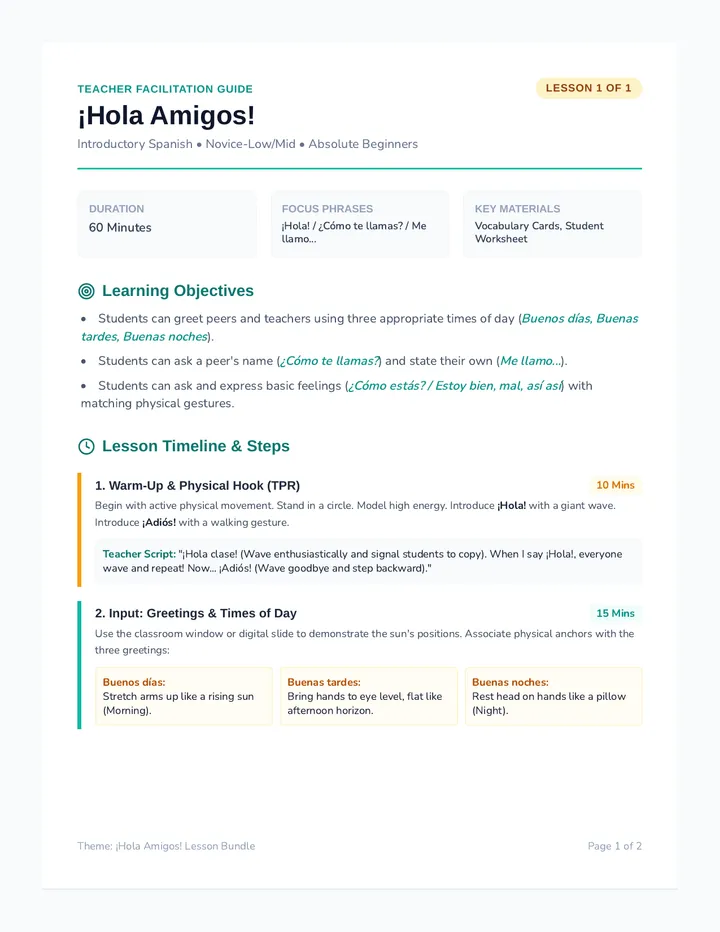
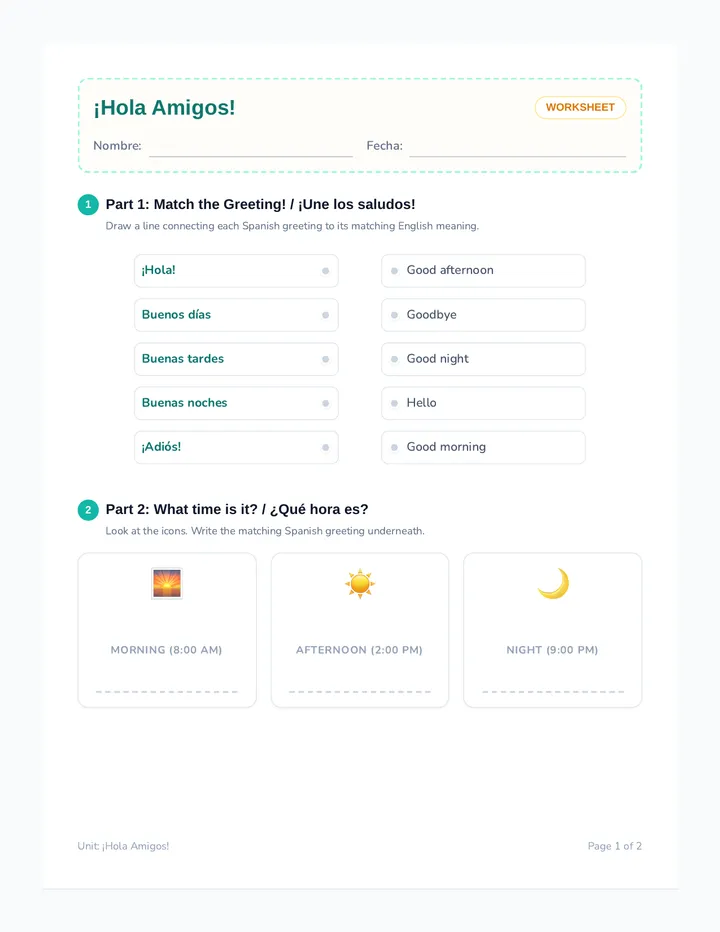
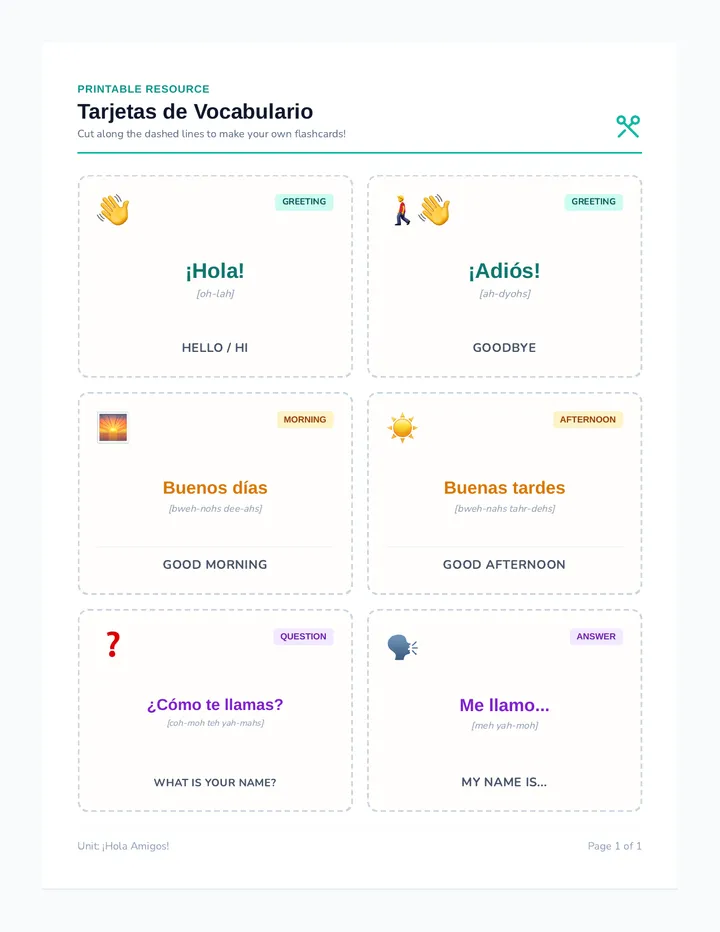
An introductory Spanish curriculum sequence for absolute novice-low beginners, teaching foundational communicative skills like greetings, introductions, numbers, and basic classroom requests.
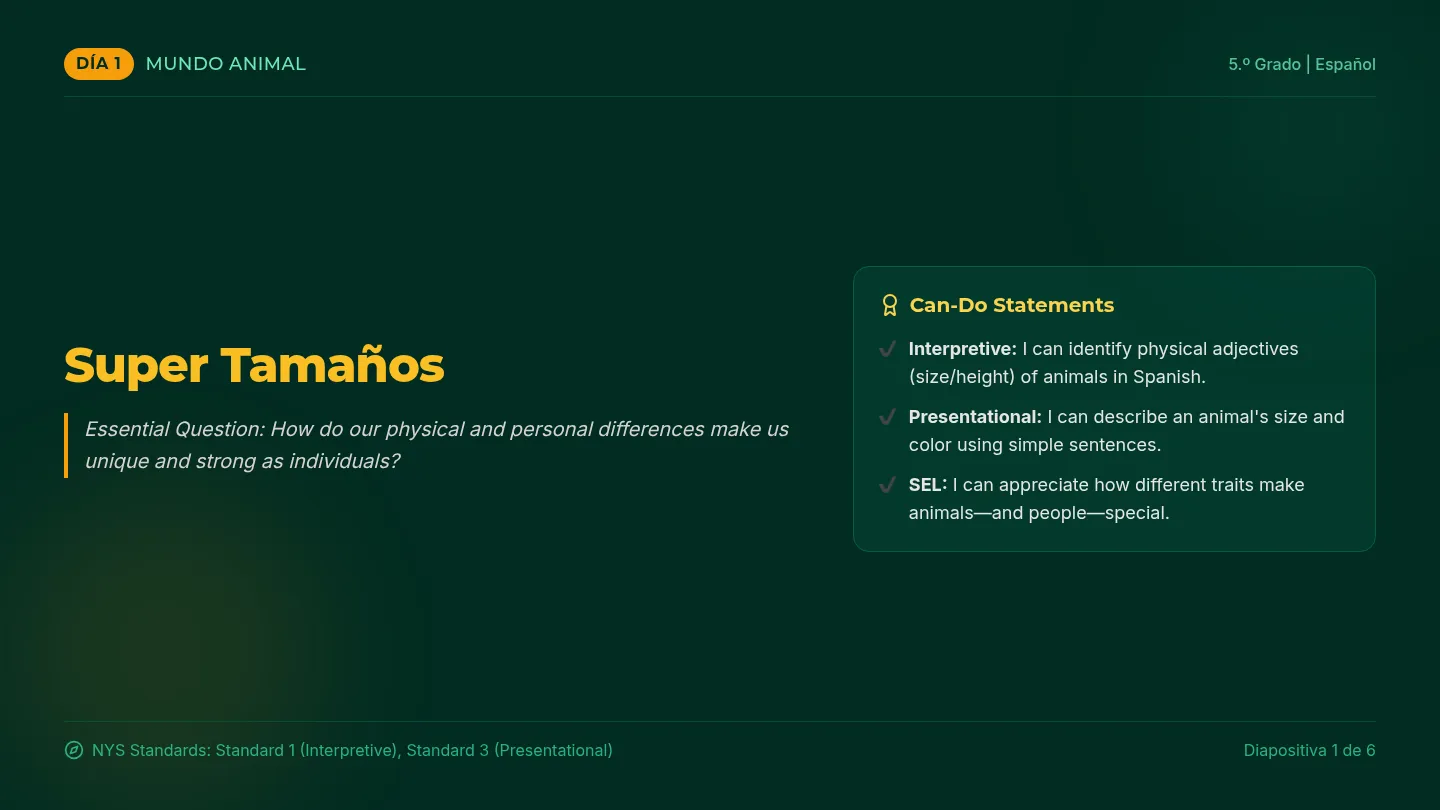
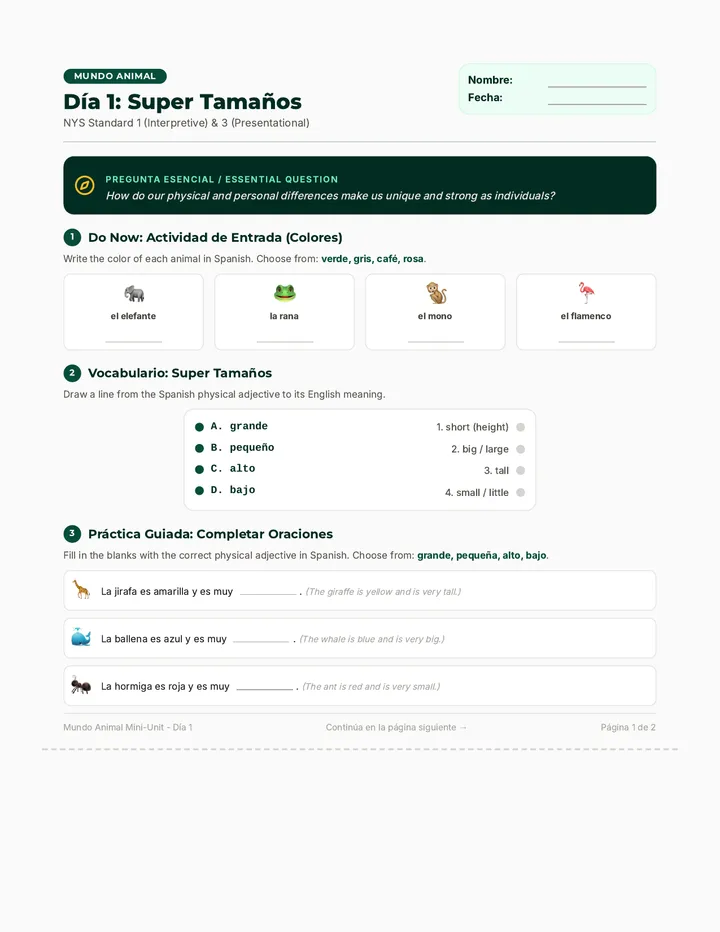
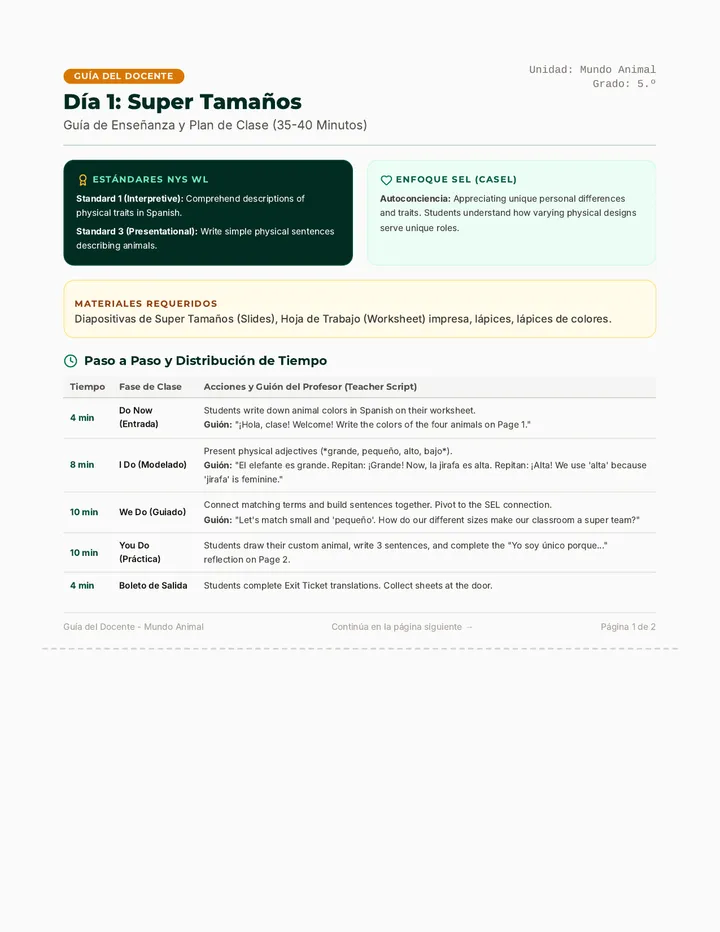
A 3-day Spanish mini-unit for 5th grade that integrates animal vocabulary, physical adjectives, and social-emotional learning (SEL). Alignment with NYS World Language Standards and CASEL competencies is woven through interactive 'I Do, We Do, You Do' structures.
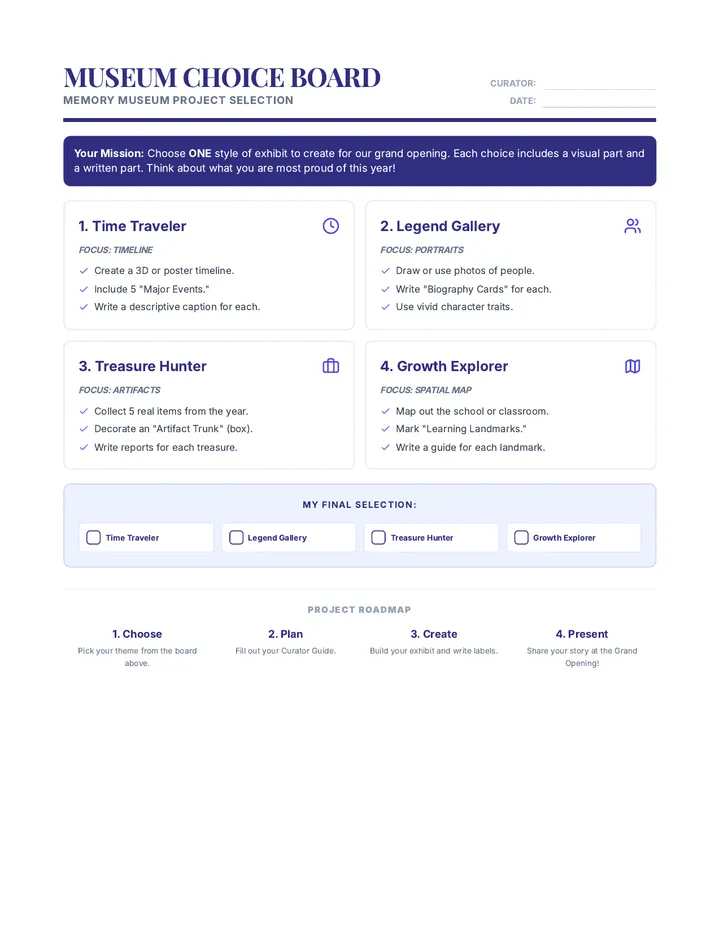
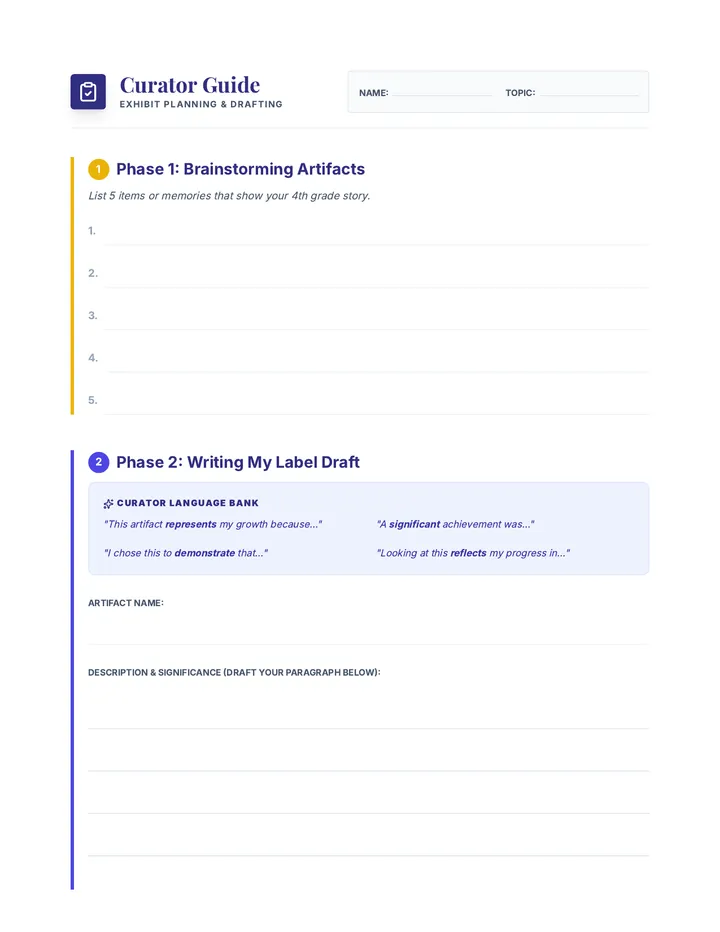
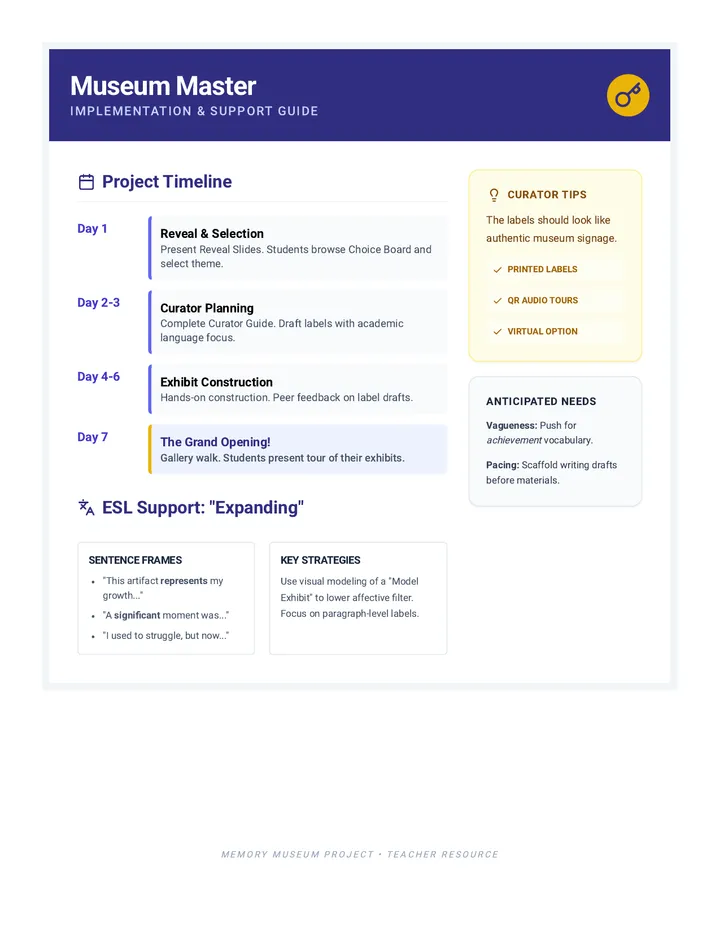
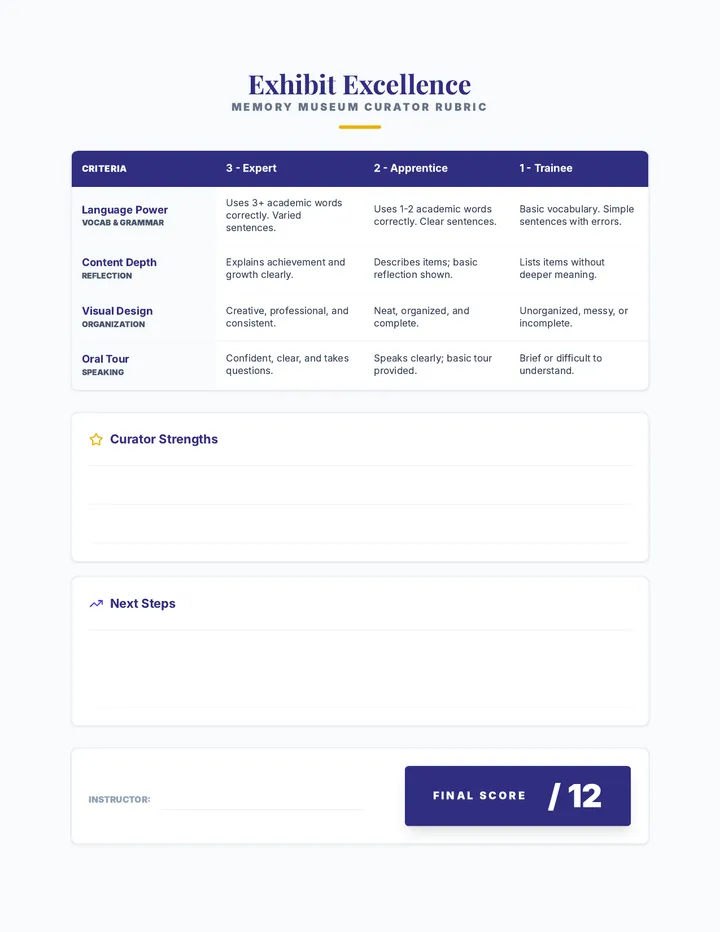
An end-of-year ESL project where students act as curators to create a 'Memory Museum' exhibit showcasing their academic growth and personal highlights from the 4th-grade year.
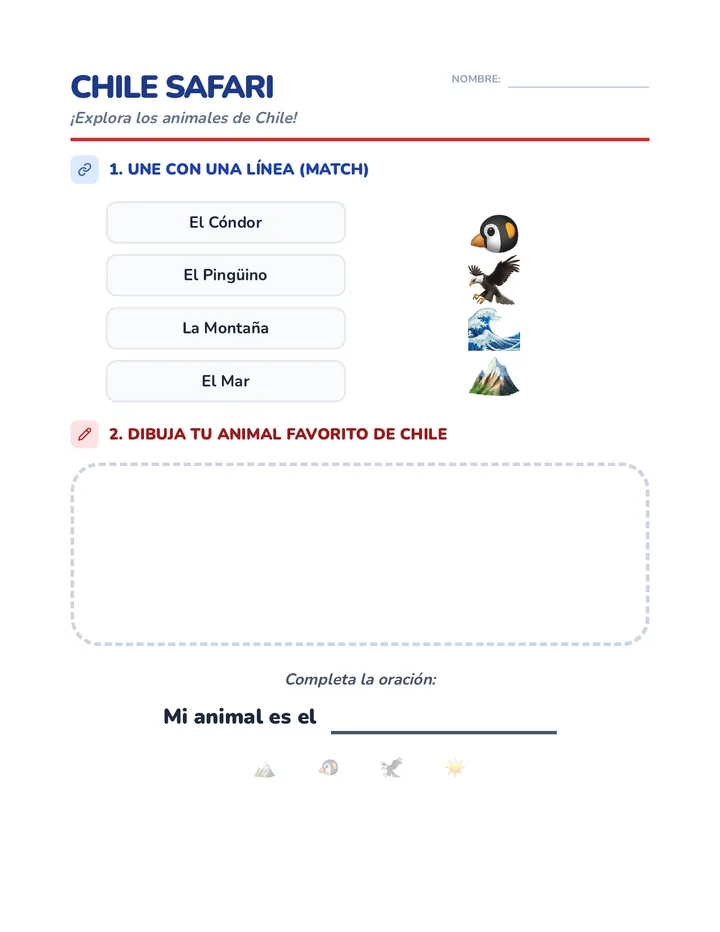
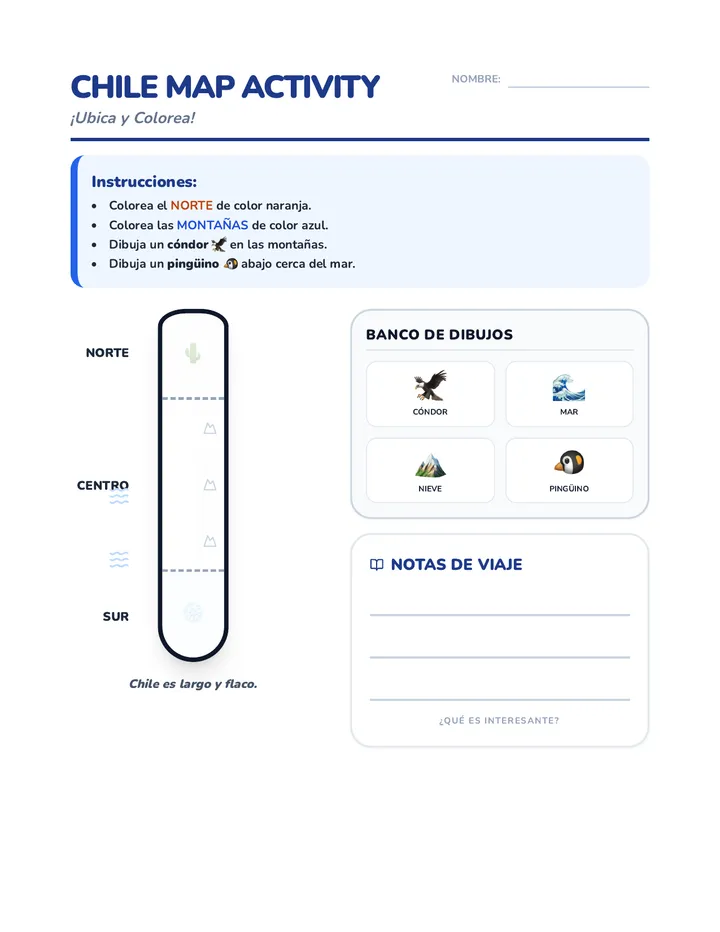
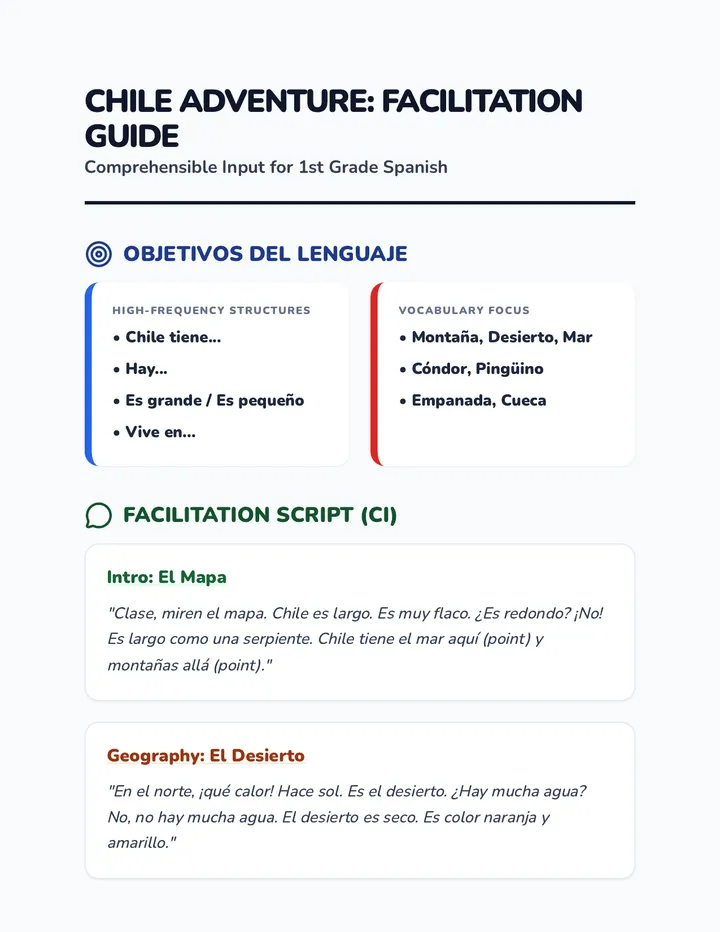
A series of lessons exploring different countries and cultures around the world through high-frequency vocabulary and comprehensible input strategies.
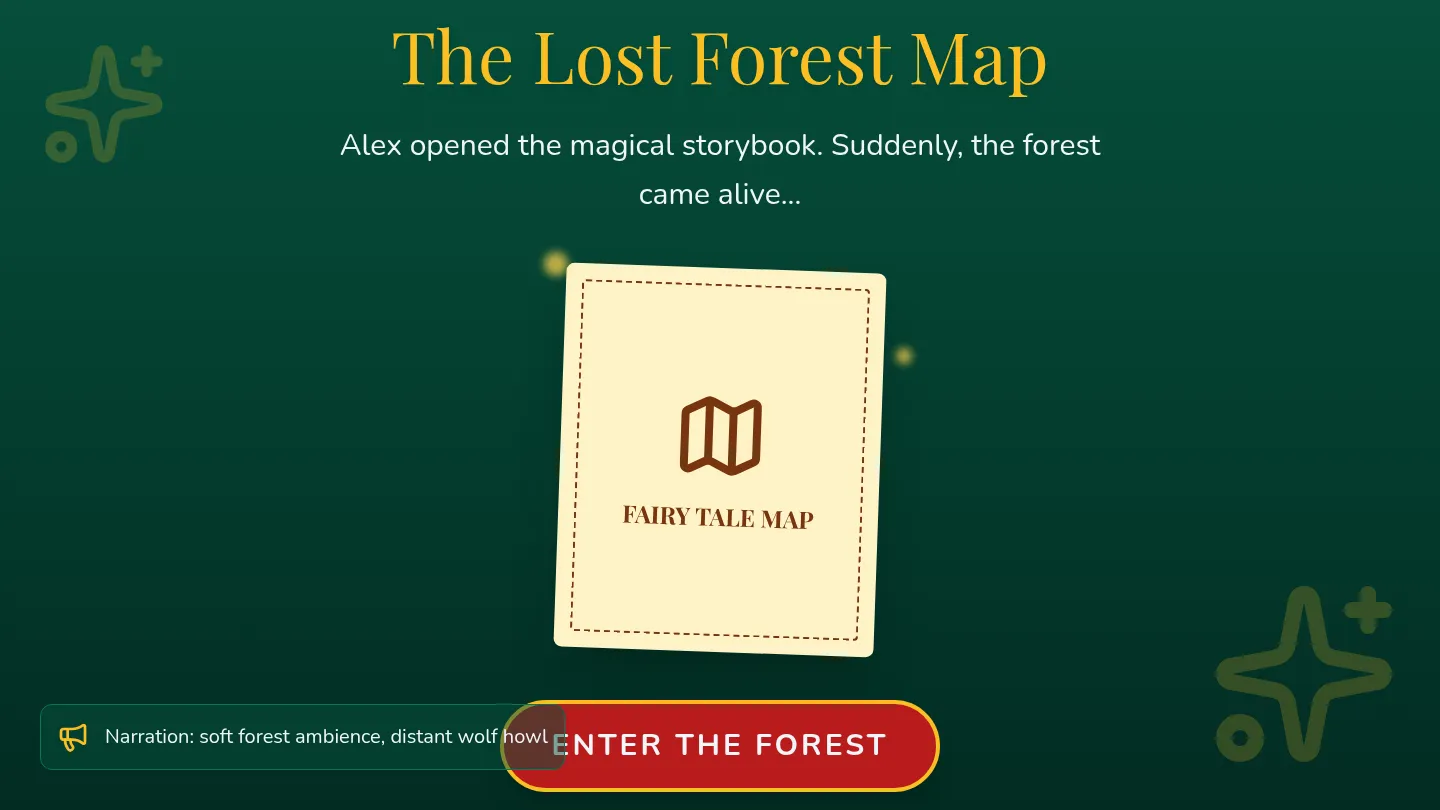
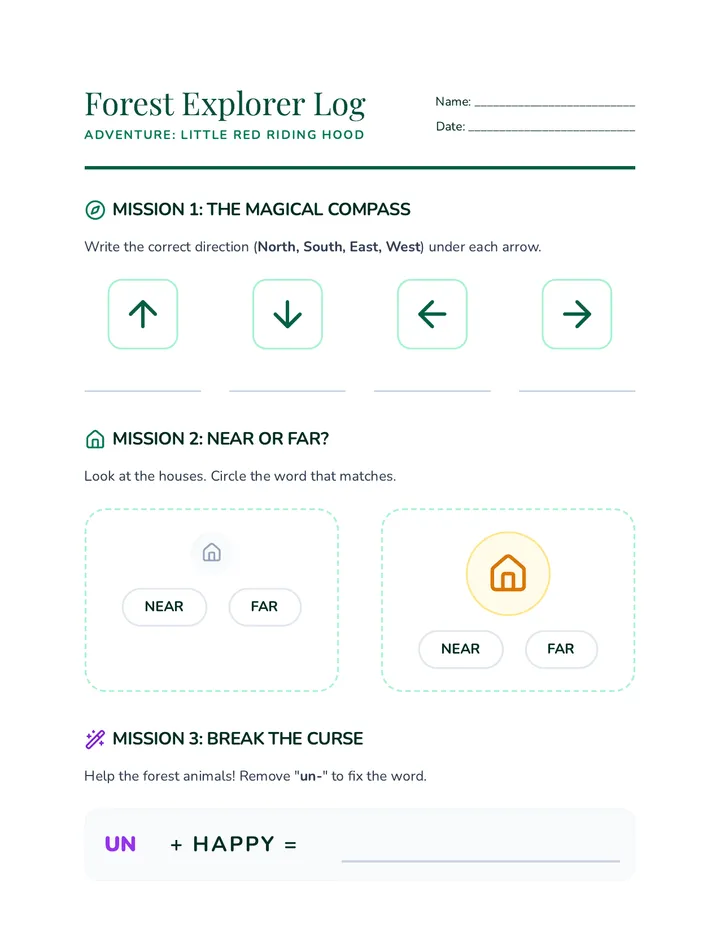
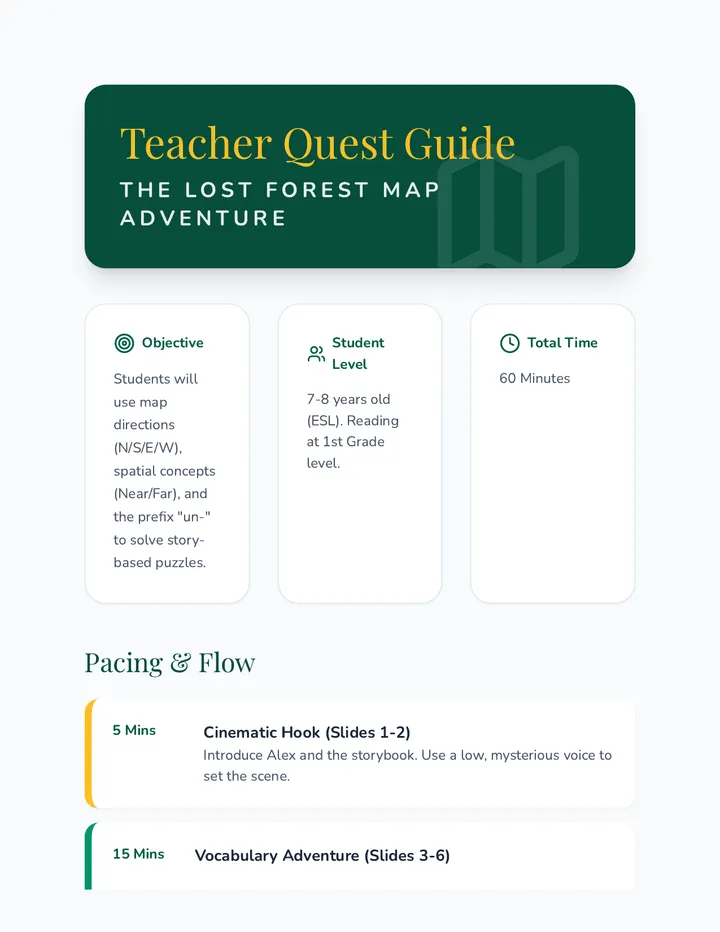
An interactive ESL adventure for a first-grade reader, following Alex as he helps Little Red Riding Hood navigate a magical forest using directions, map skills, and prefix word-play.
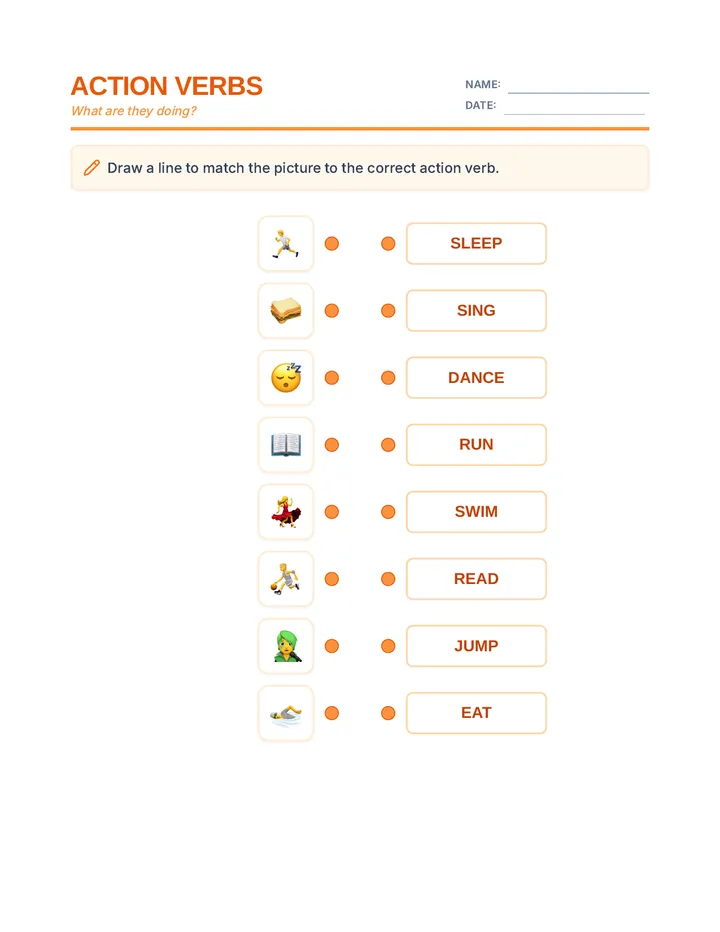
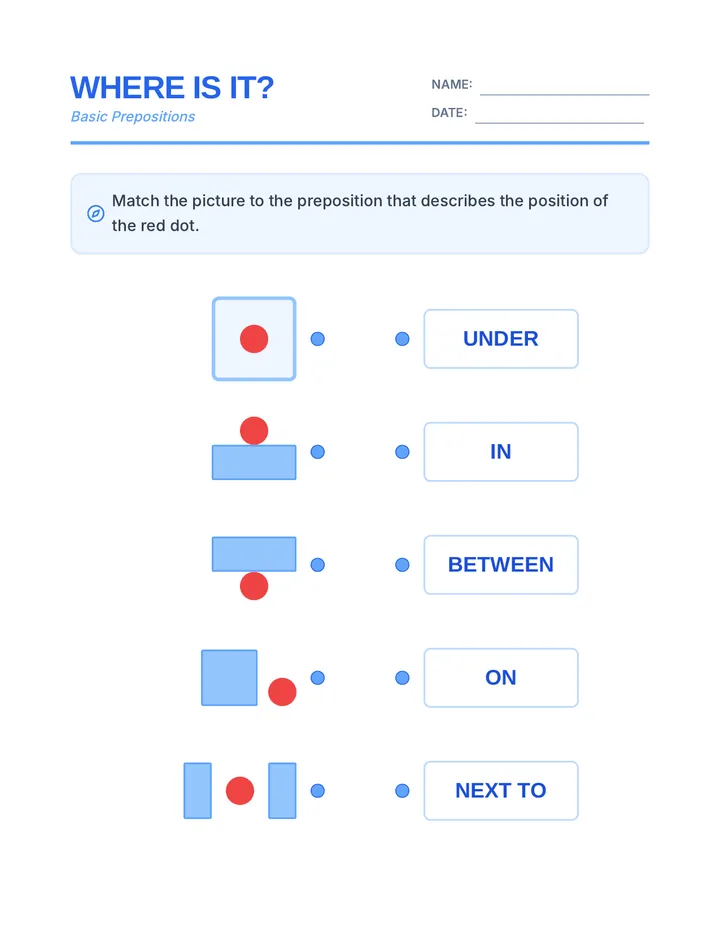
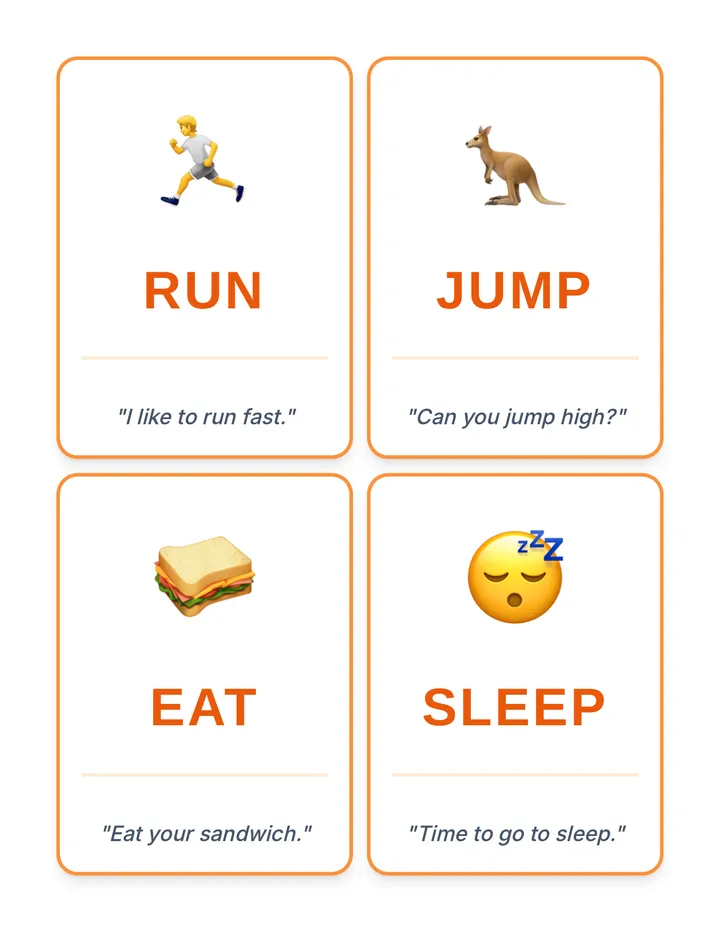
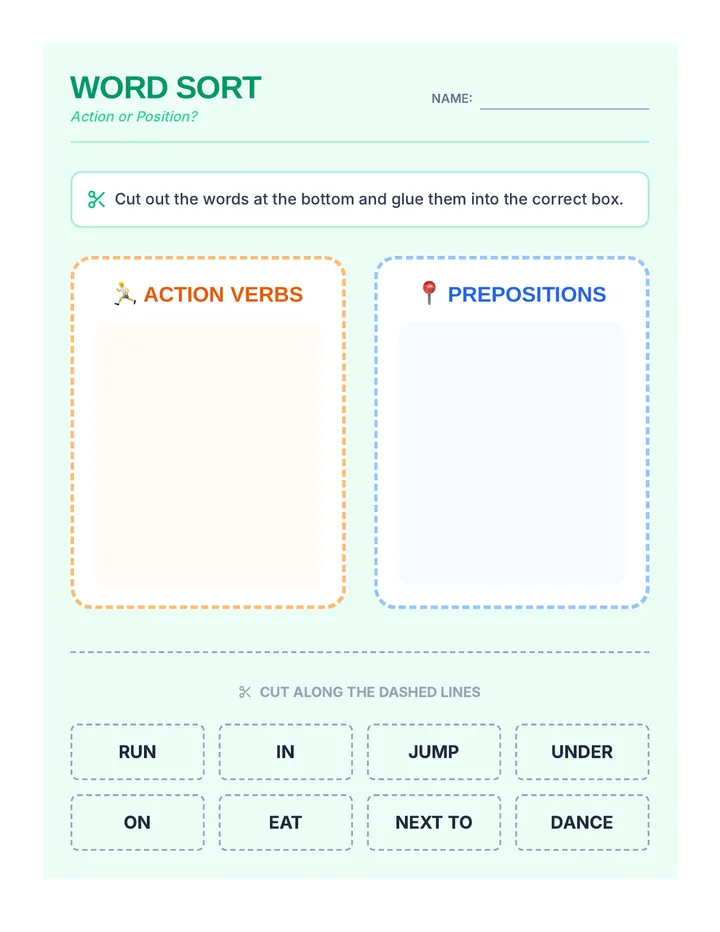
A vocabulary-focused unit designed to help English language learners master action verbs and basic prepositions through visual association and hands-on sorting.
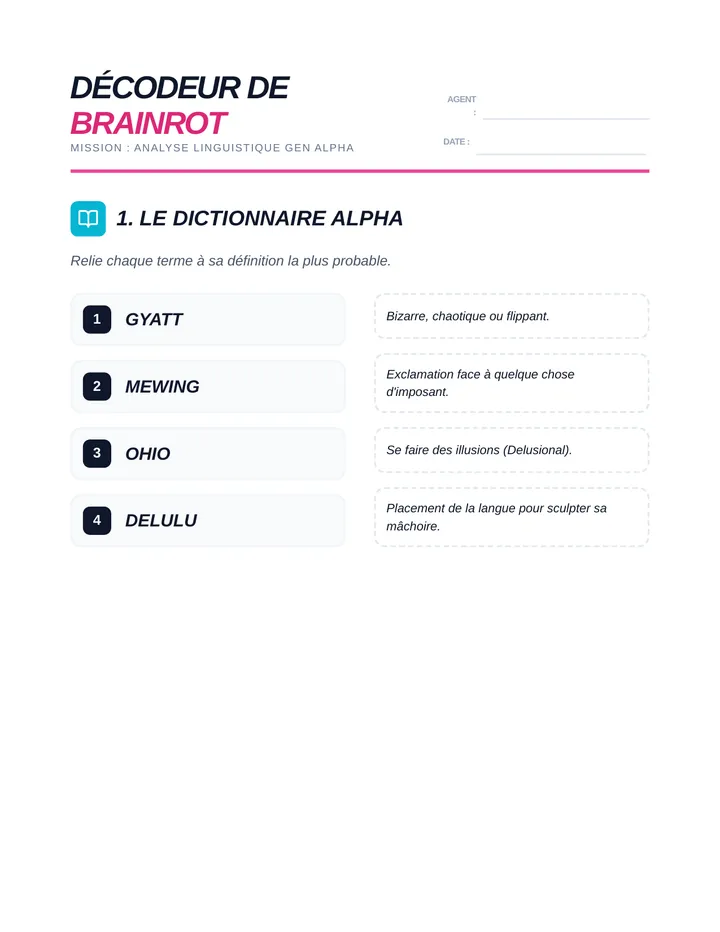
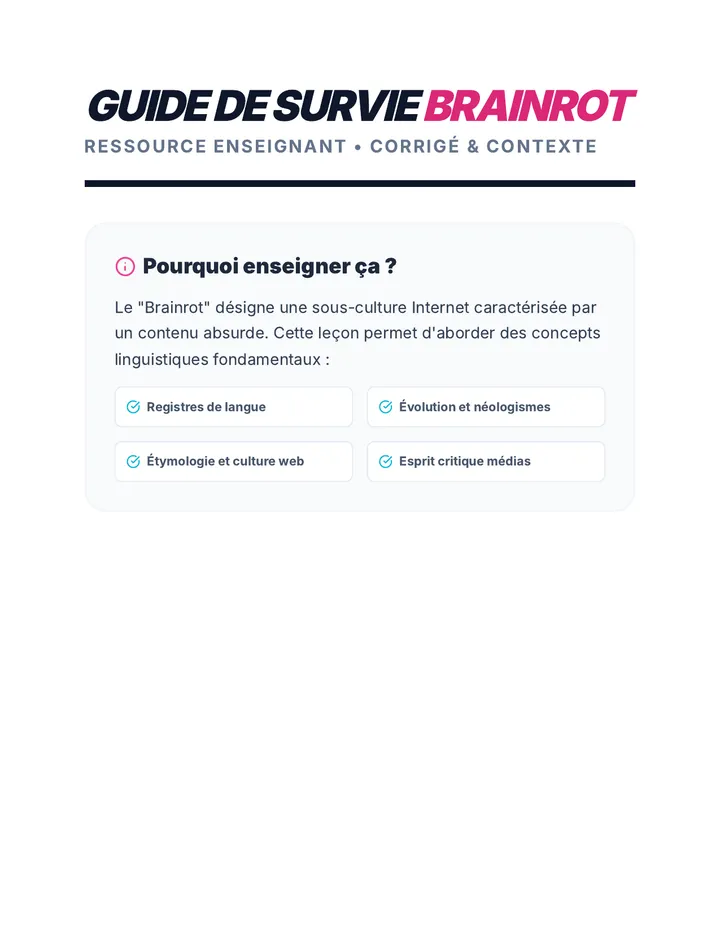
Une exploration ludique et critique du langage de la Génération Alpha, analysant l'évolution du slang Internet et son impact sur la communication moderne.
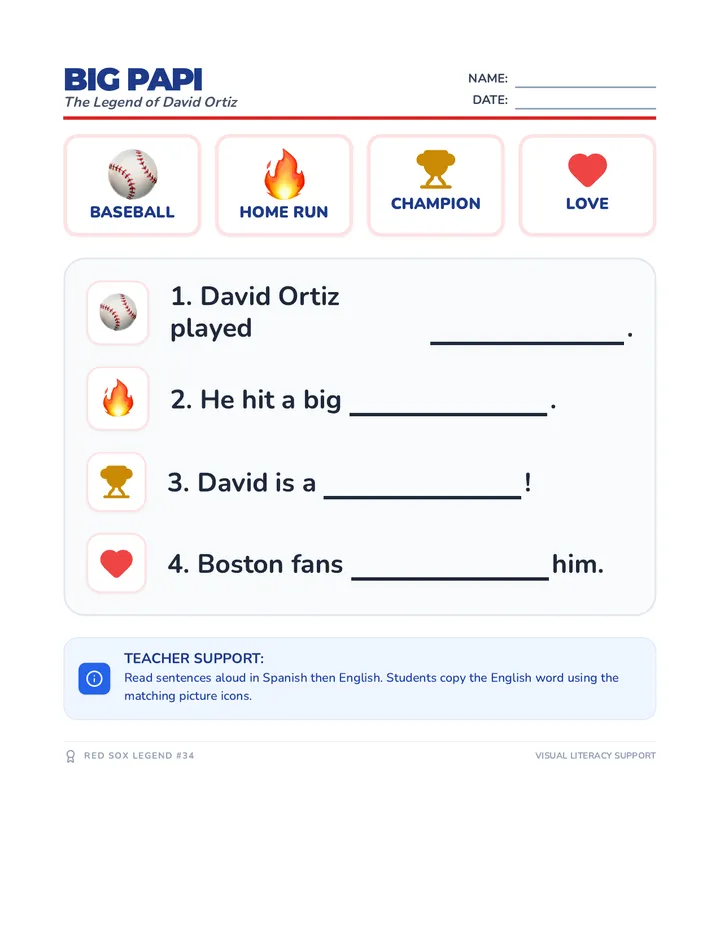
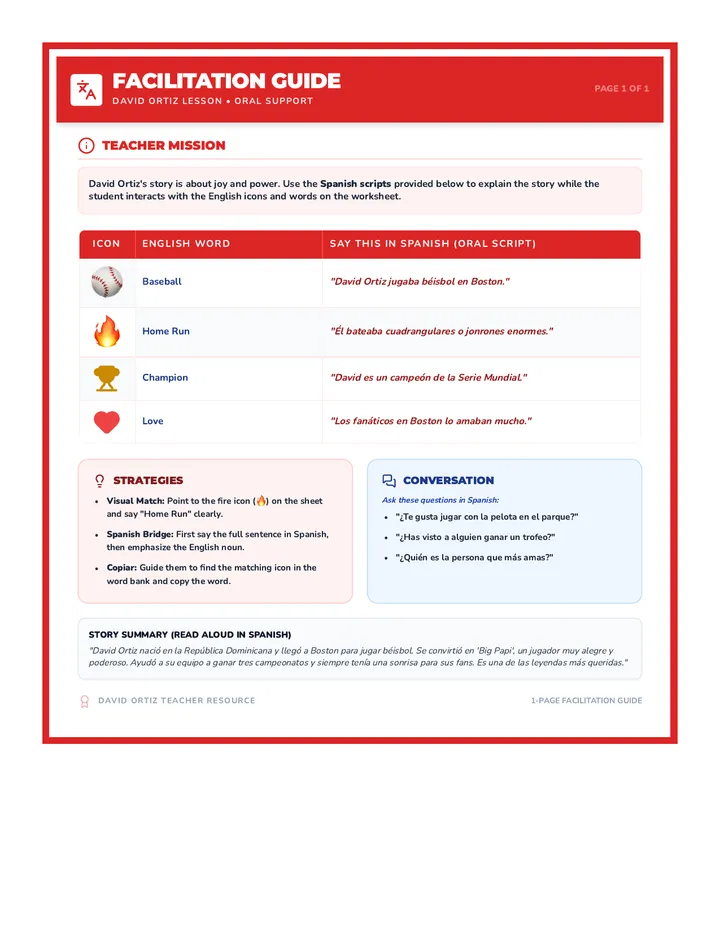
A series of lessons focused on baseball legends, designed for students with limited literacy and English language learners.
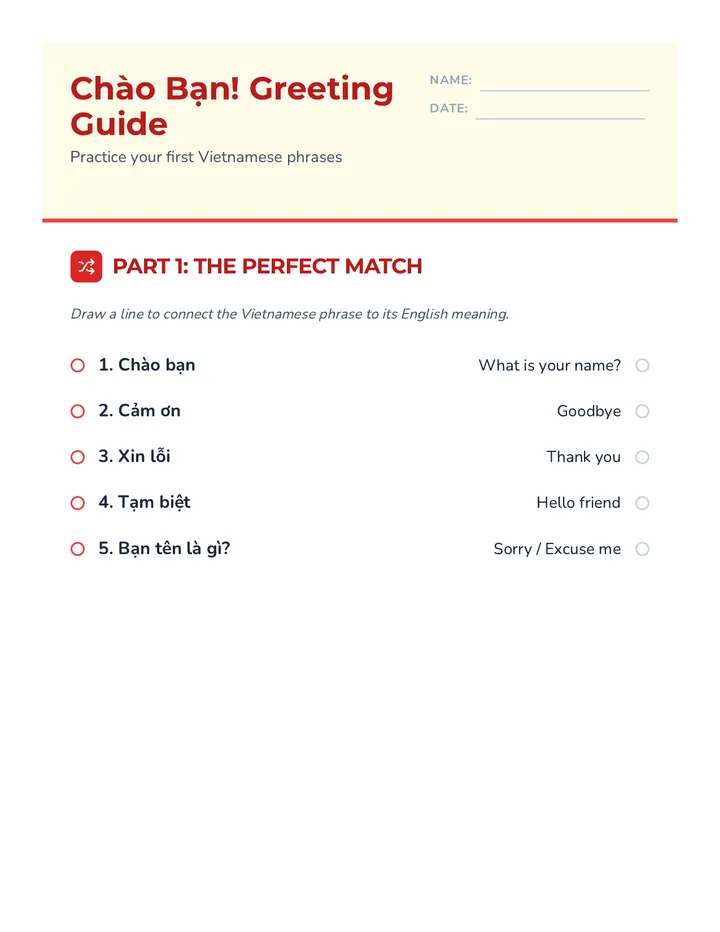
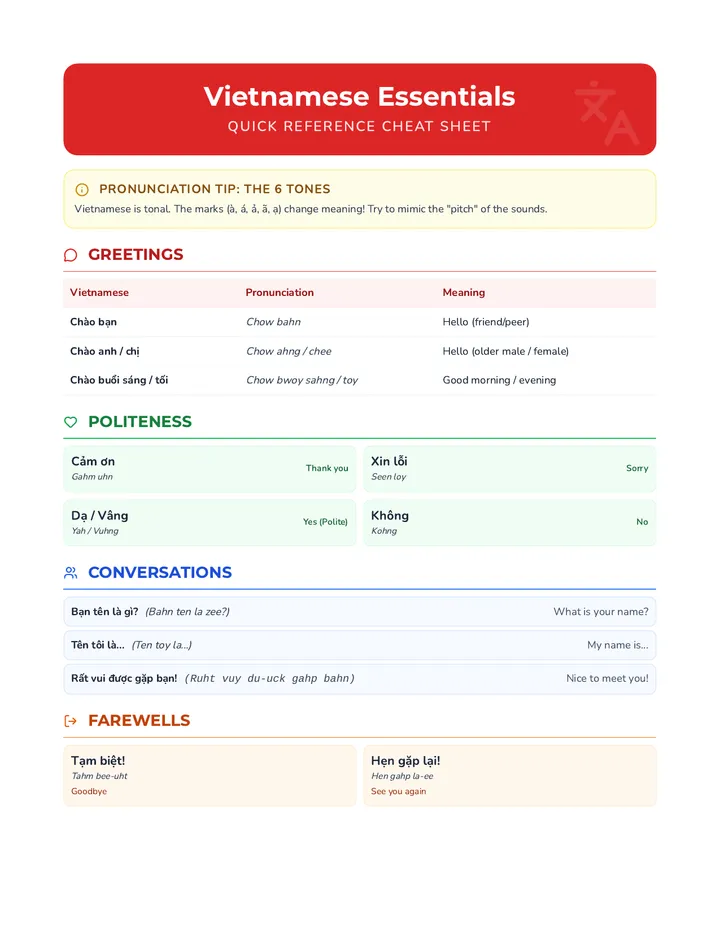
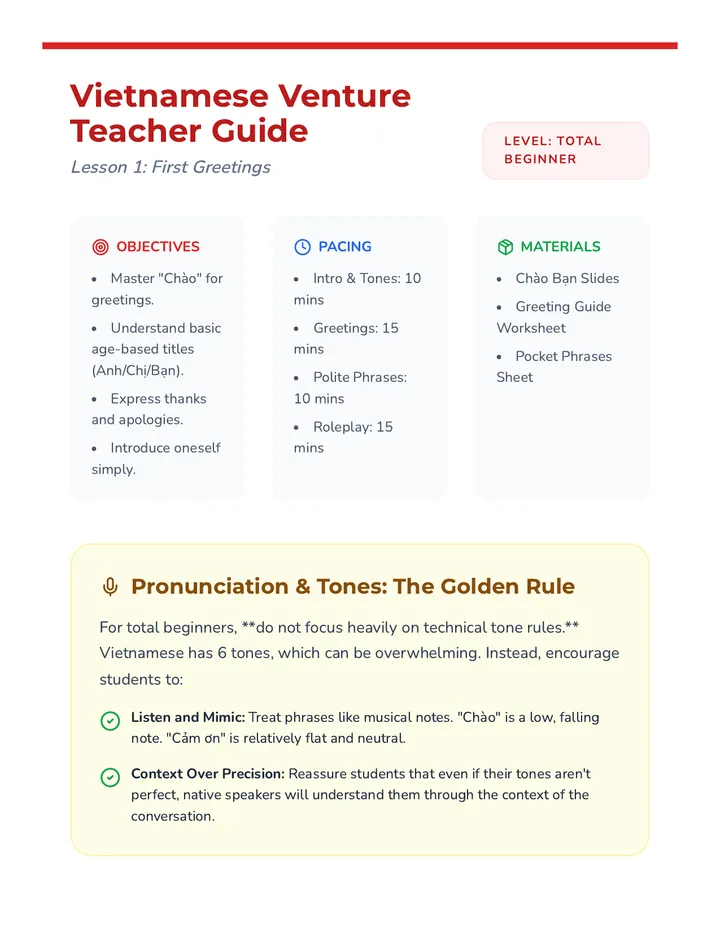
A foundational sequence designed to introduce total beginners to the Vietnamese language, focusing on essential communication and cultural nuances.
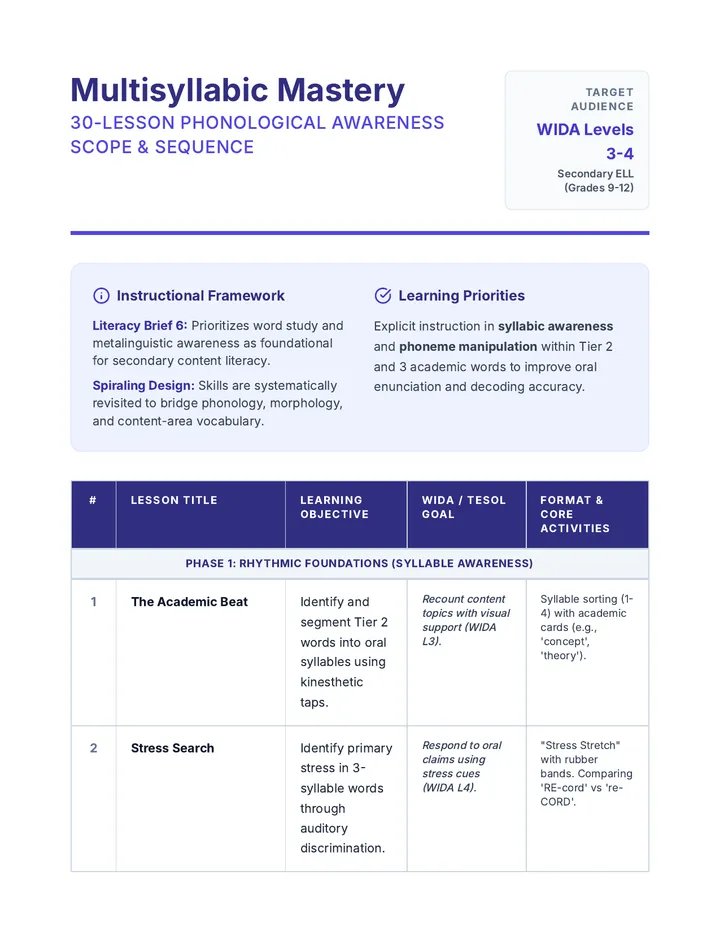
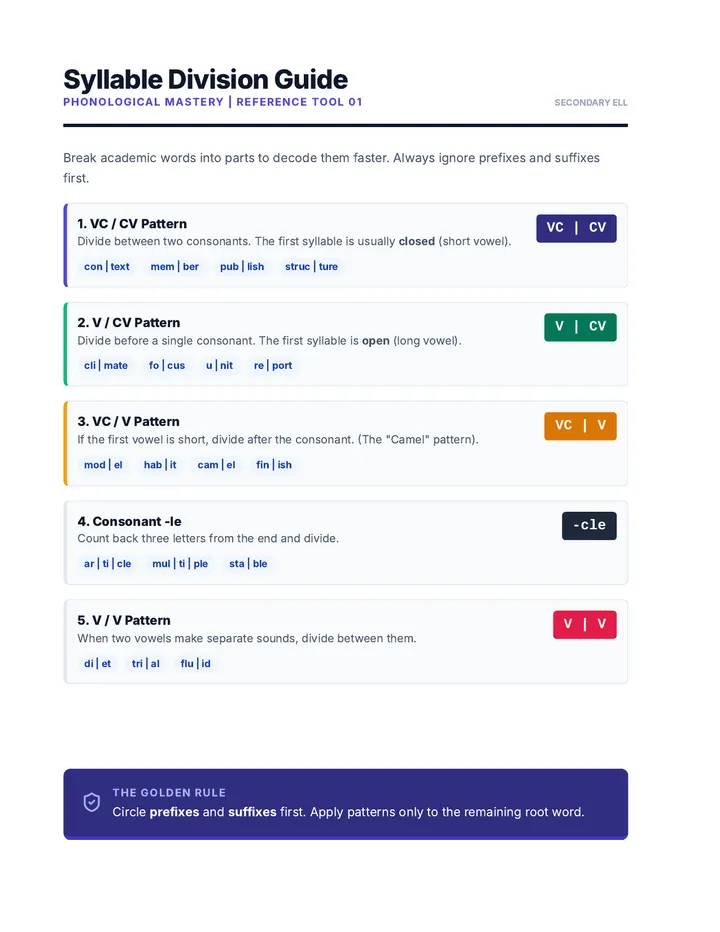
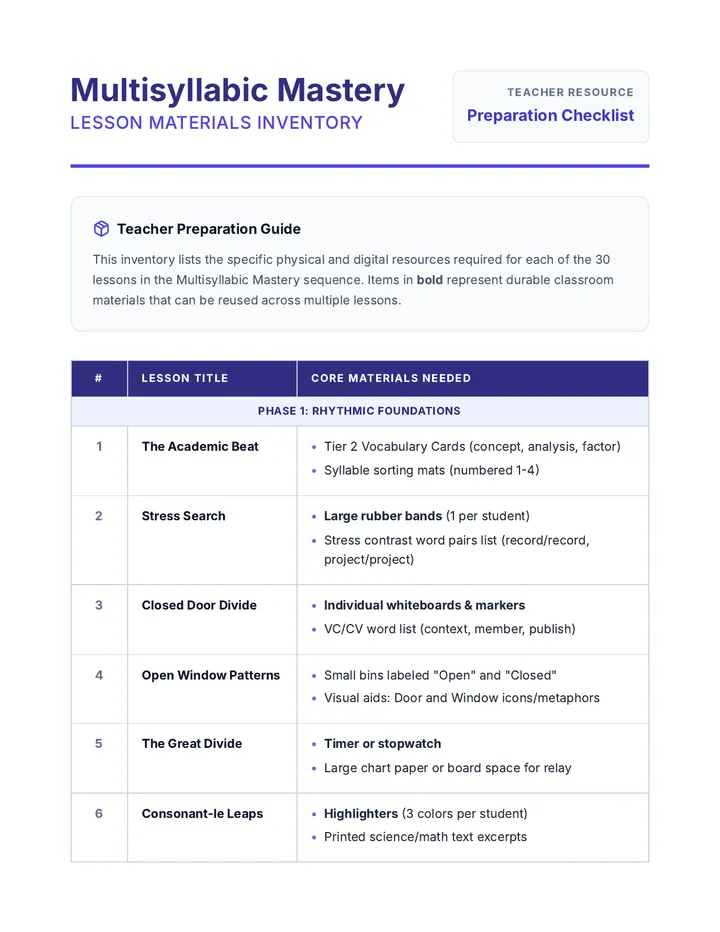
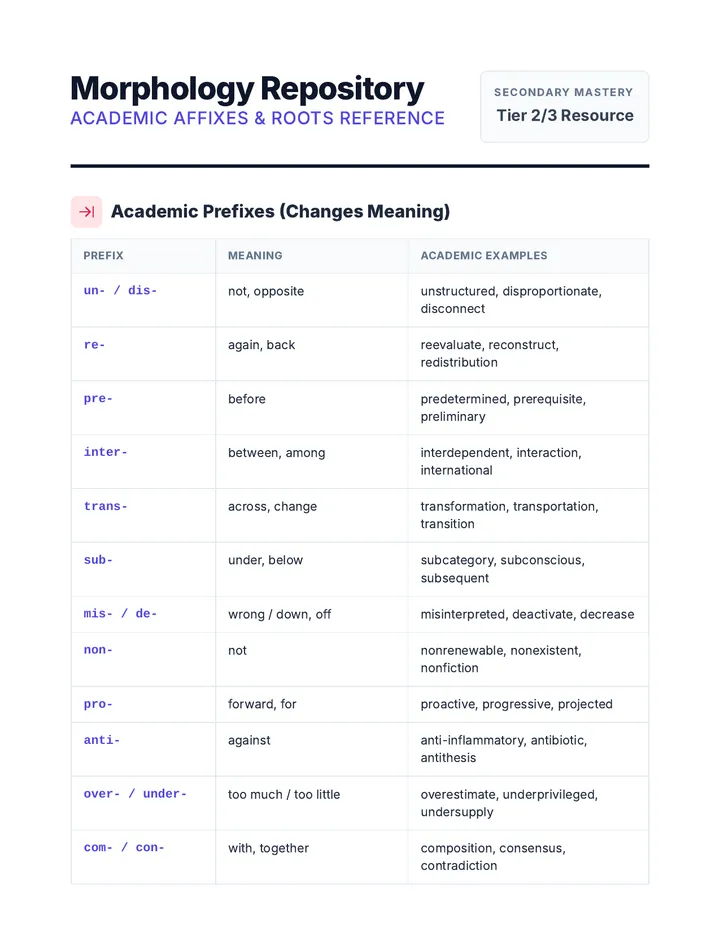
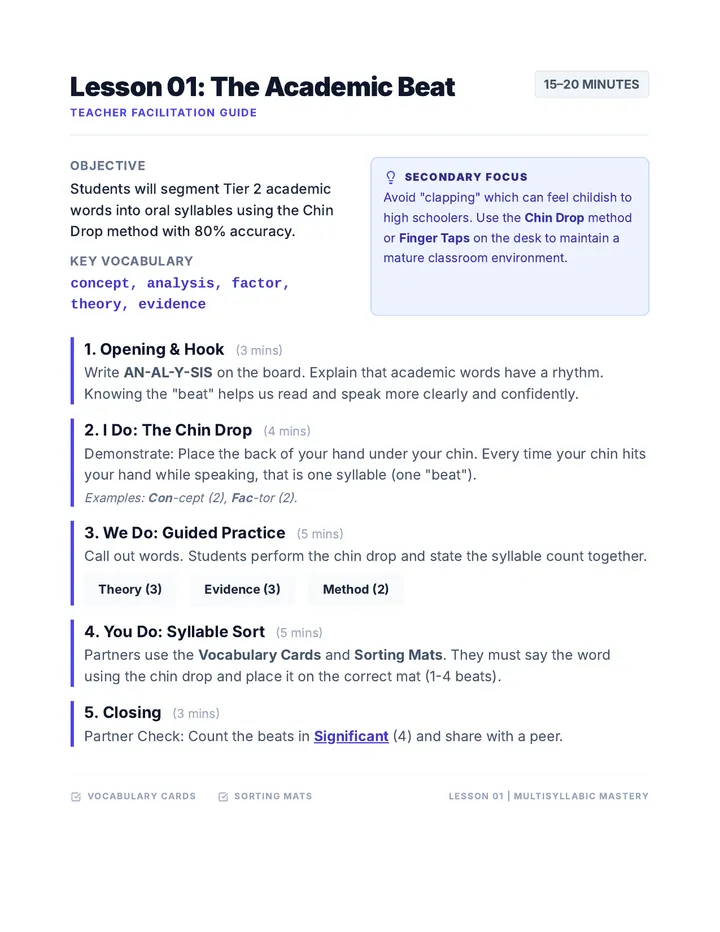
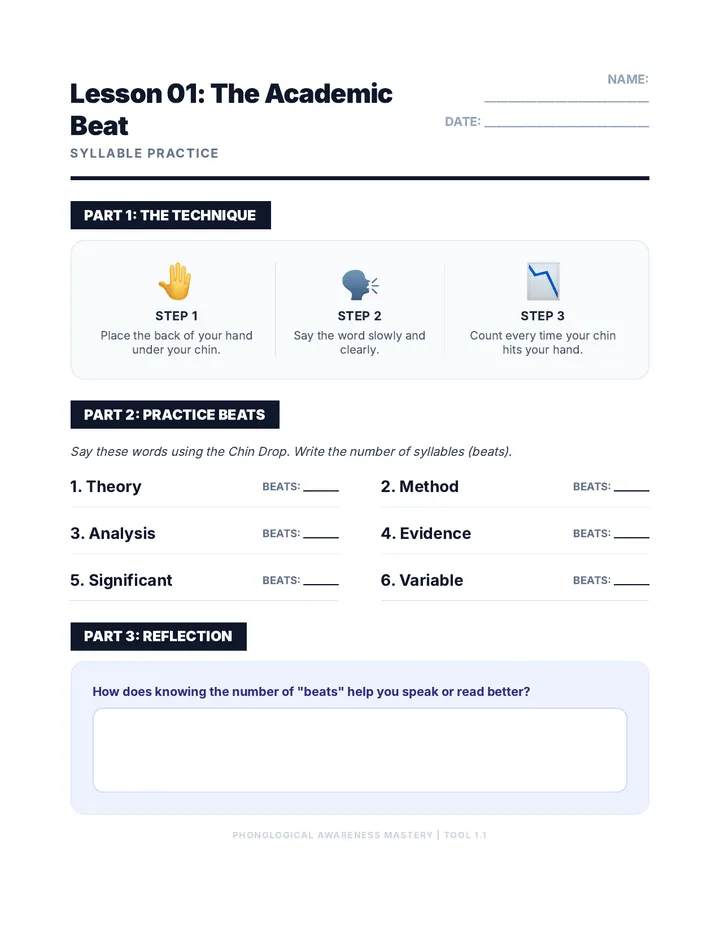
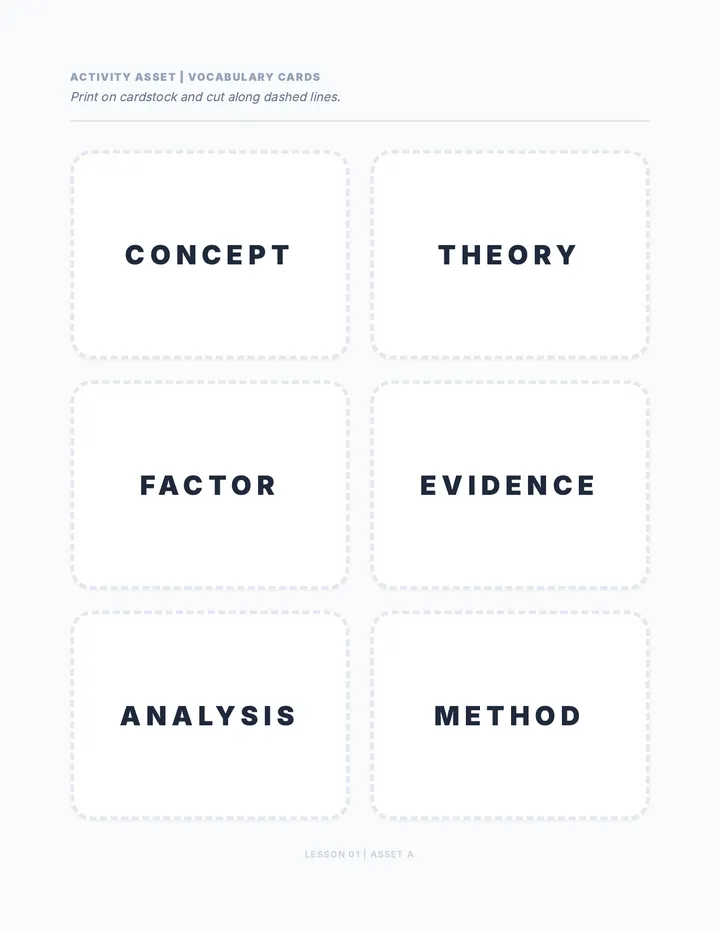
A comprehensive program for teaching phonological awareness to secondary ELLs, focusing on multisyllabic academic vocabulary and phoneme manipulation.
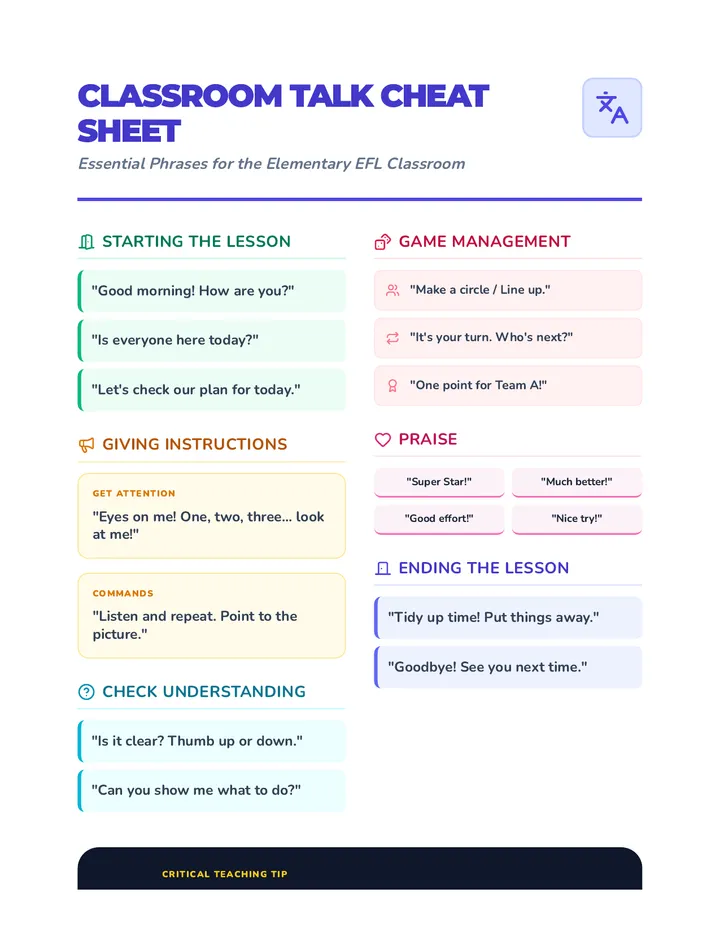
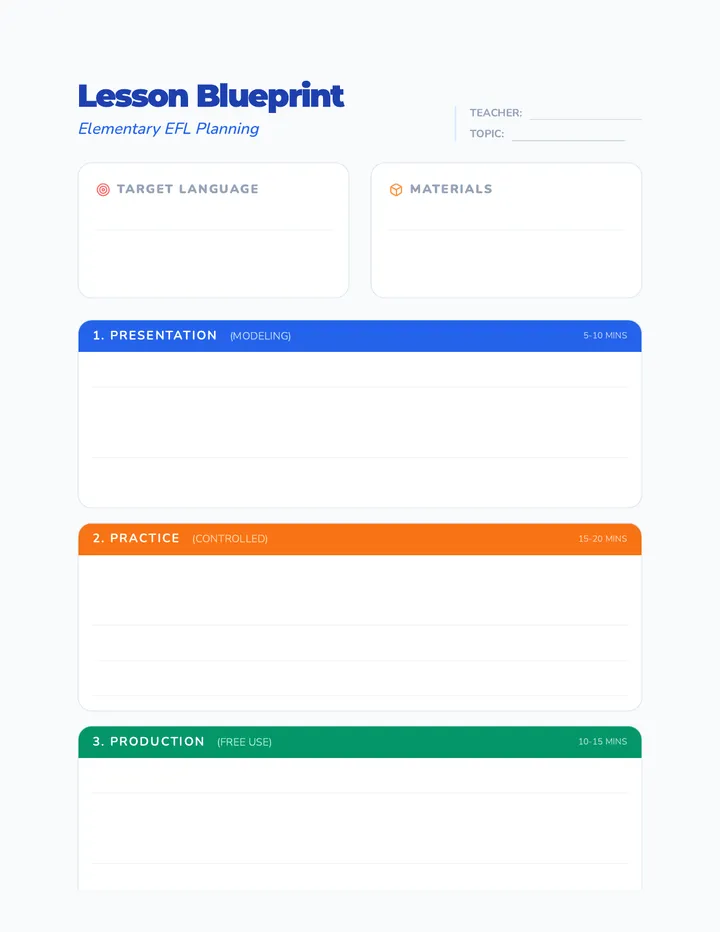
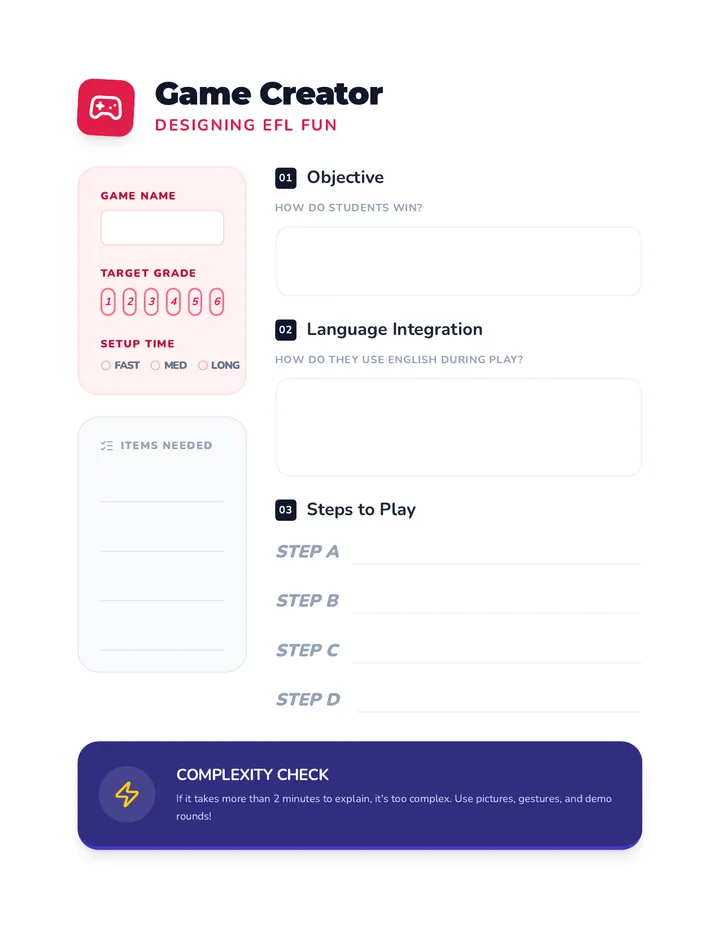
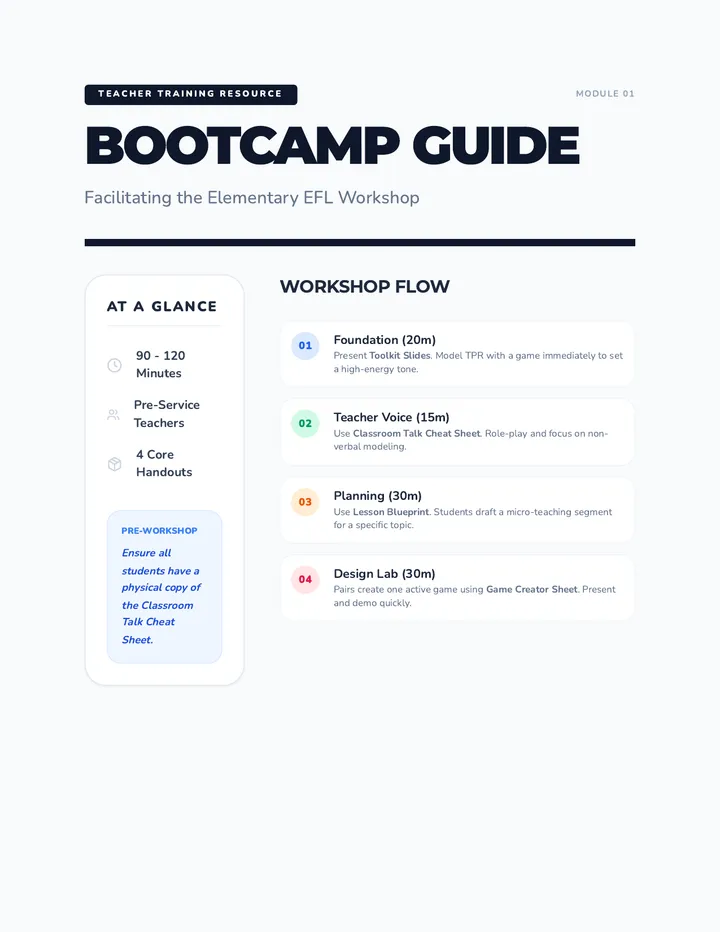
A training sequence designed to equip pre-service elementary school teachers with the foundational skills and practical tools needed to teach English as a Foreign Language (EFL).
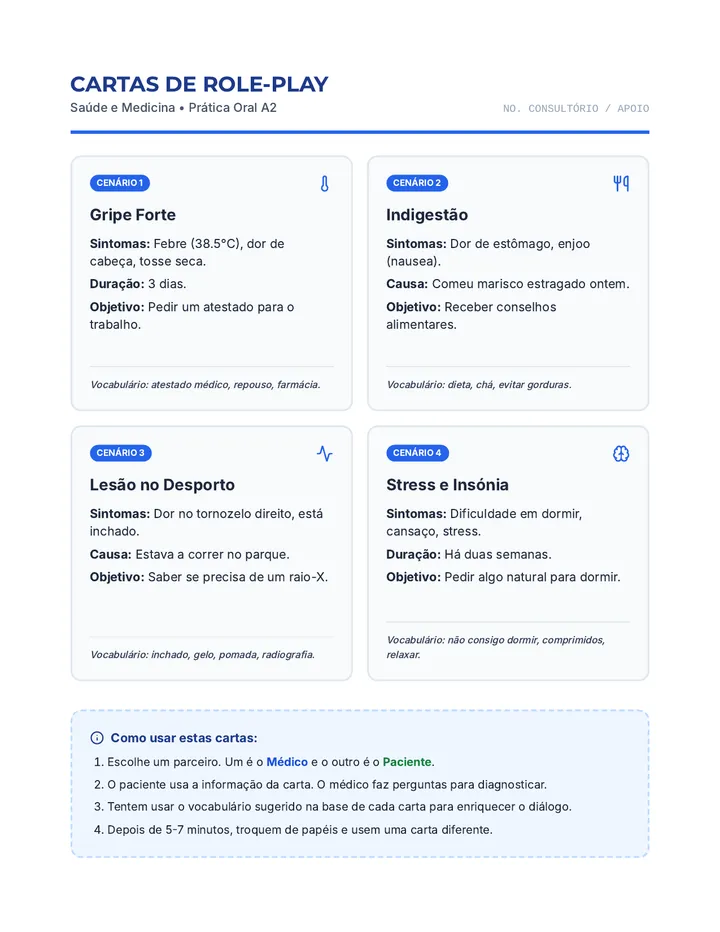
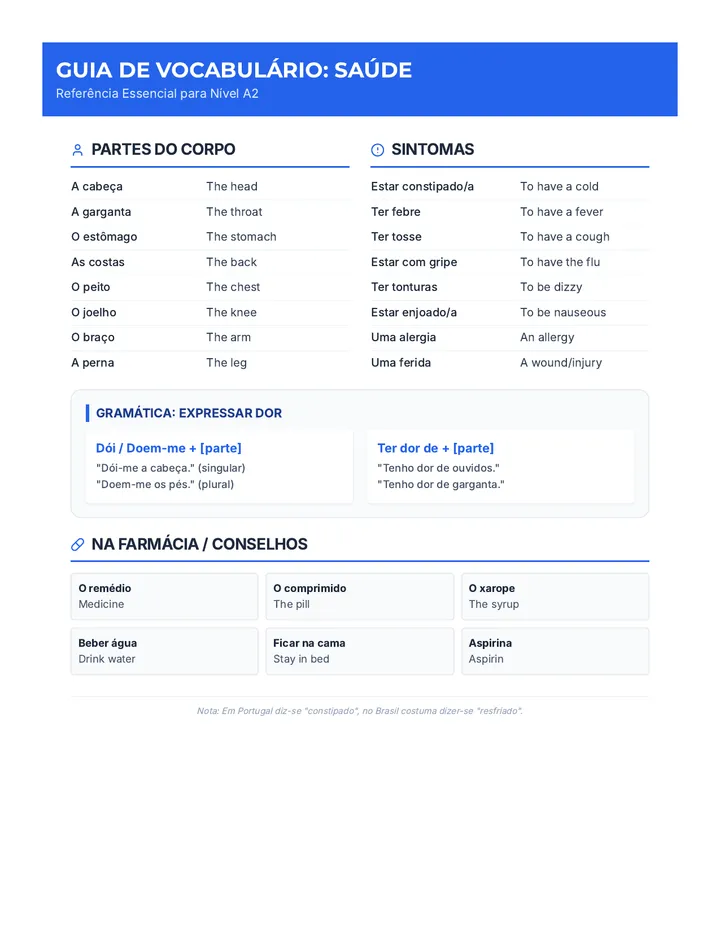
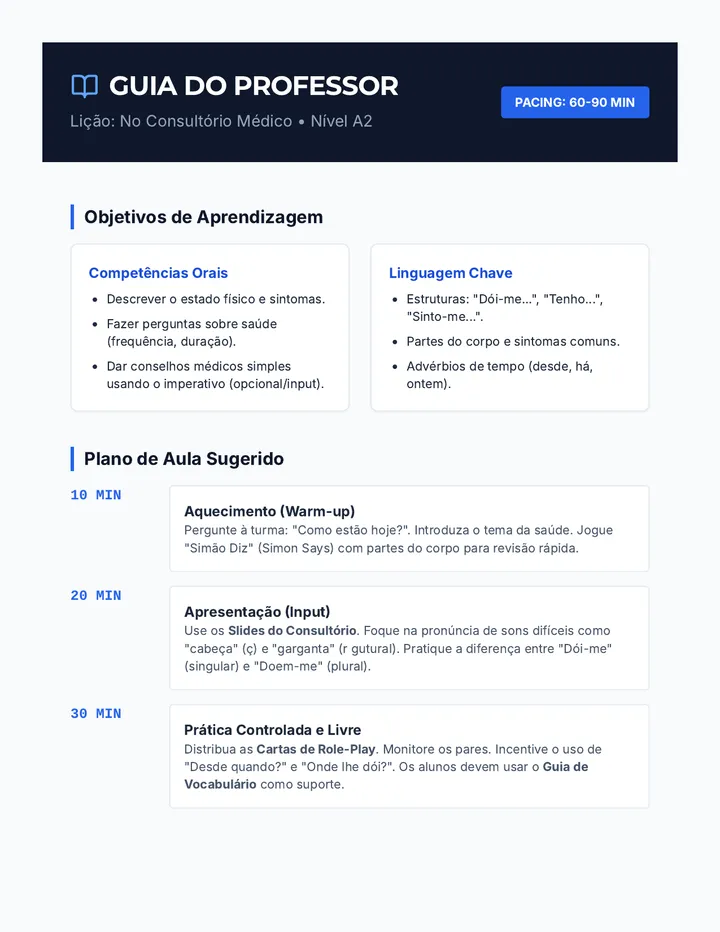
A language learning sequence focused on practical conversation in Portuguese for A2 level students, specifically targeting healthcare interactions.
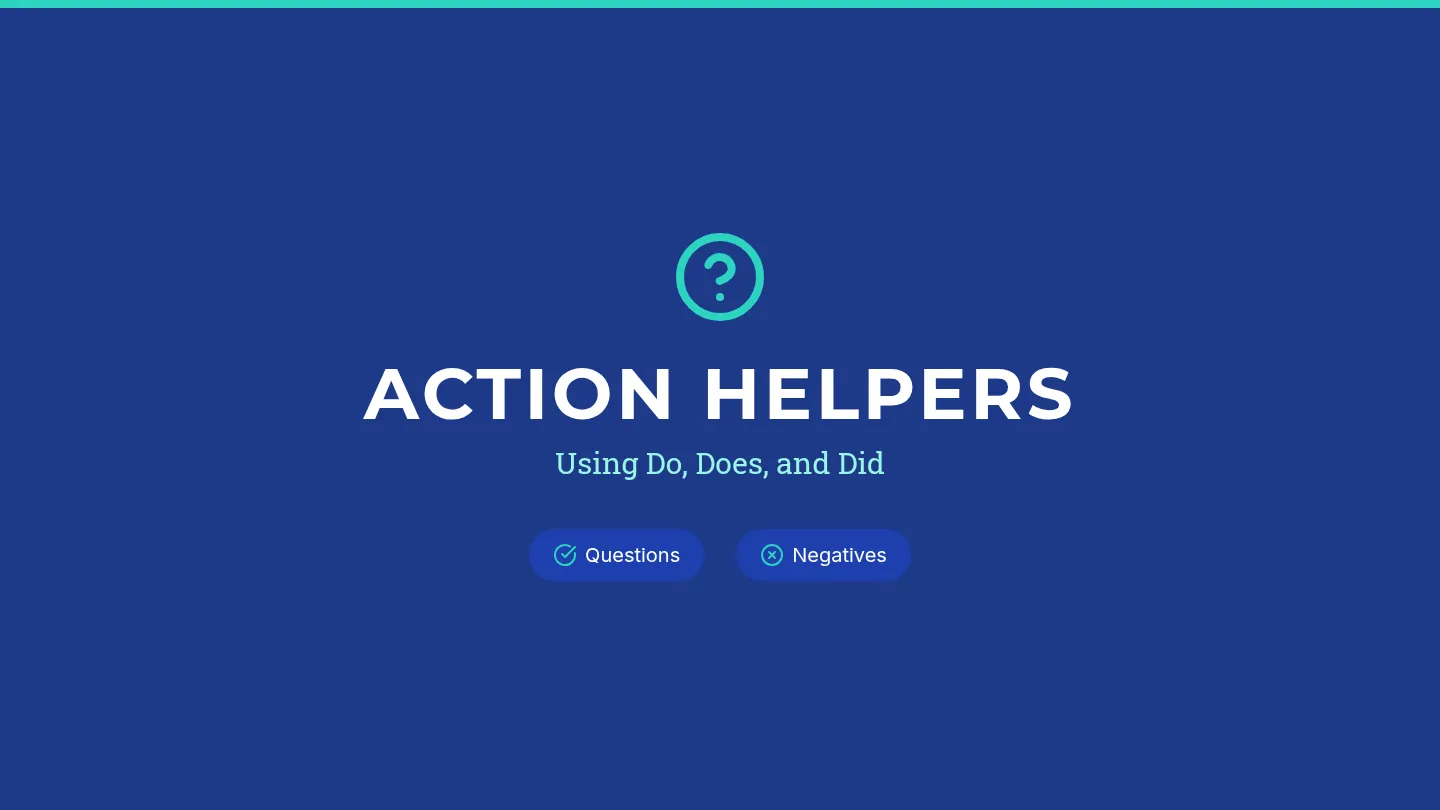
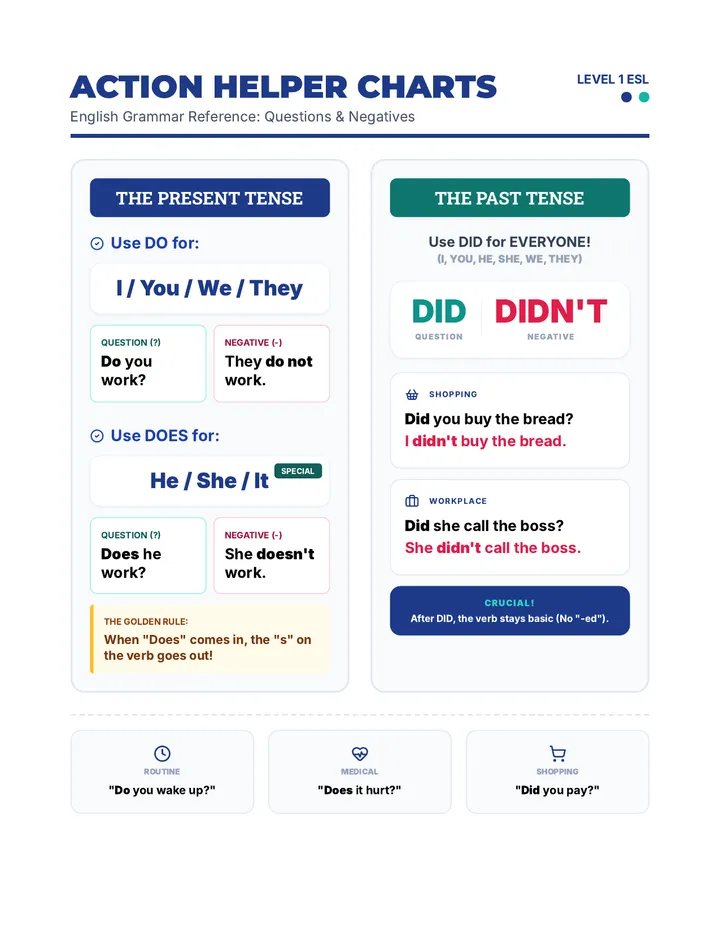
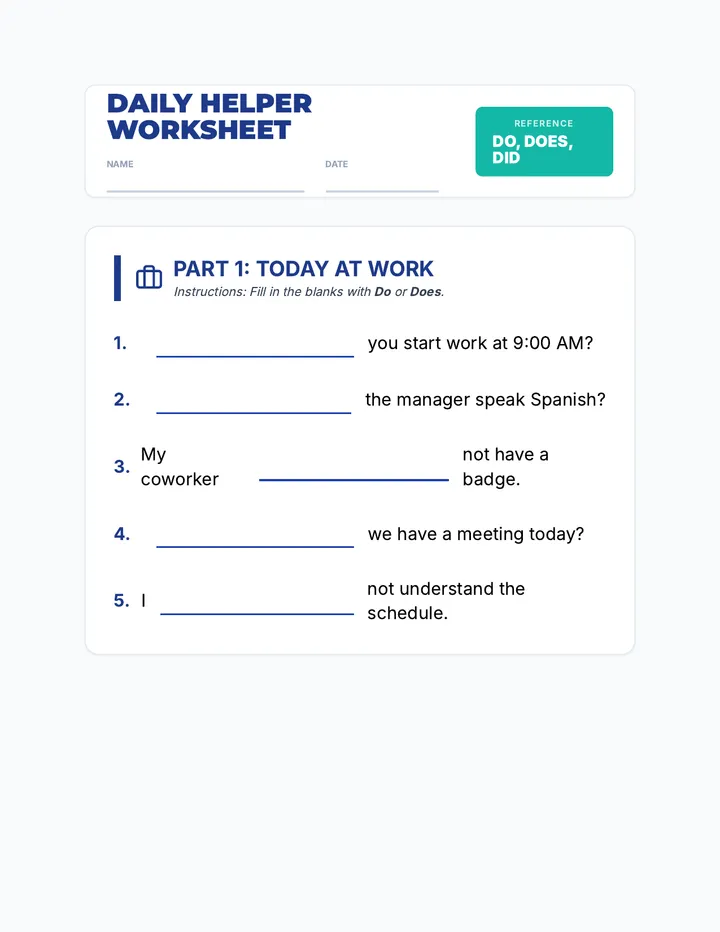
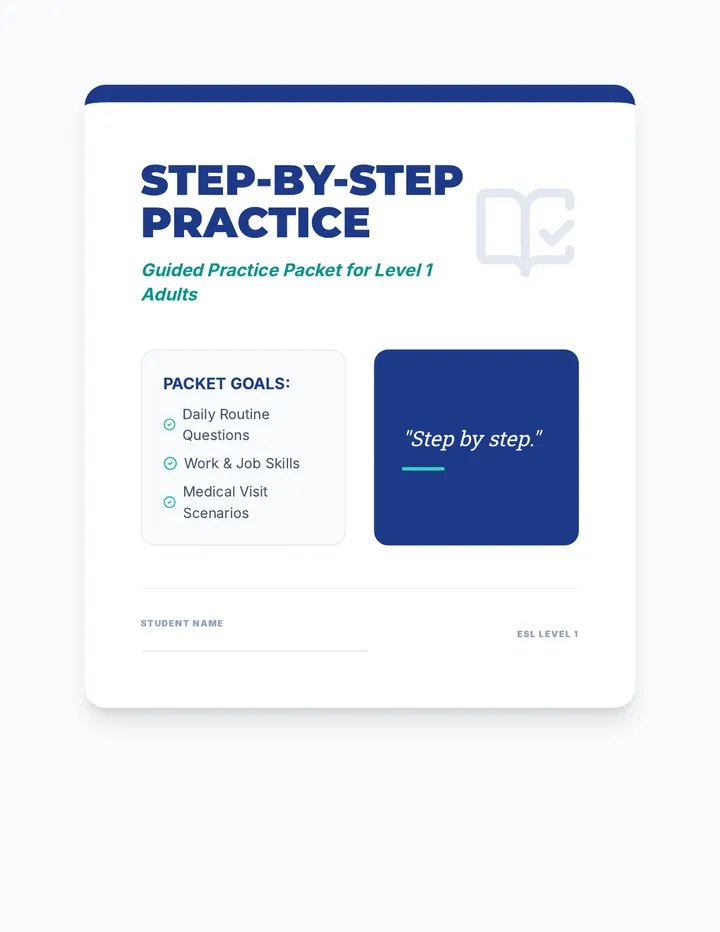
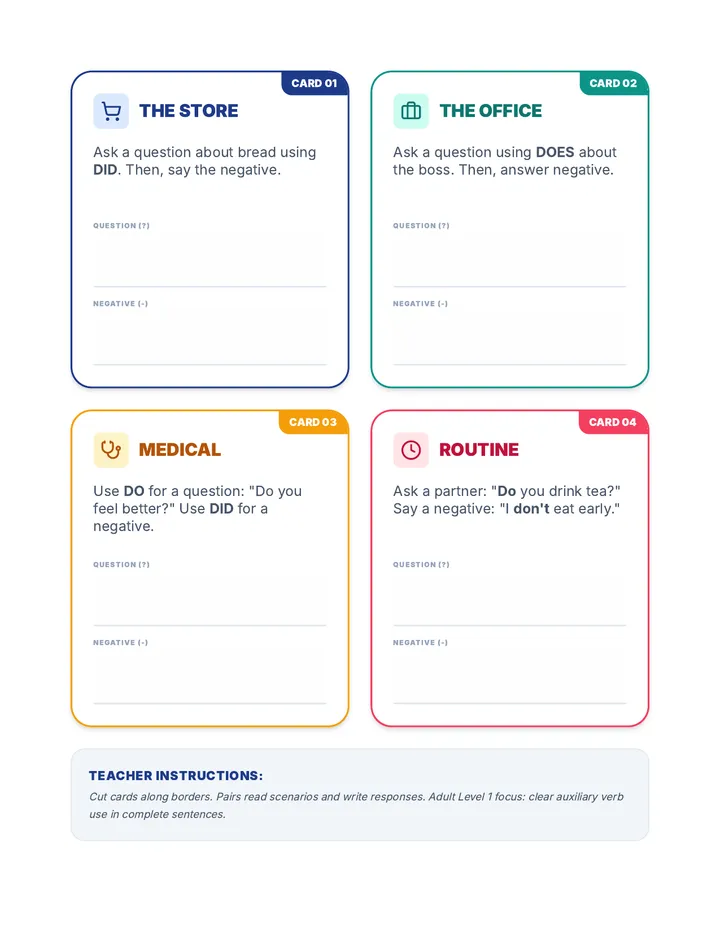
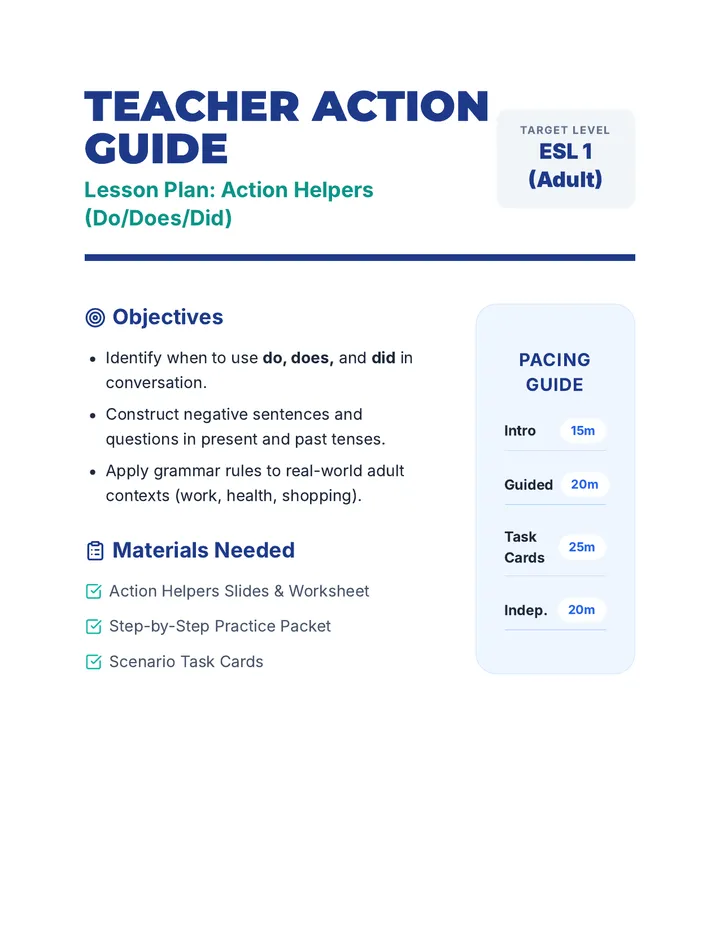
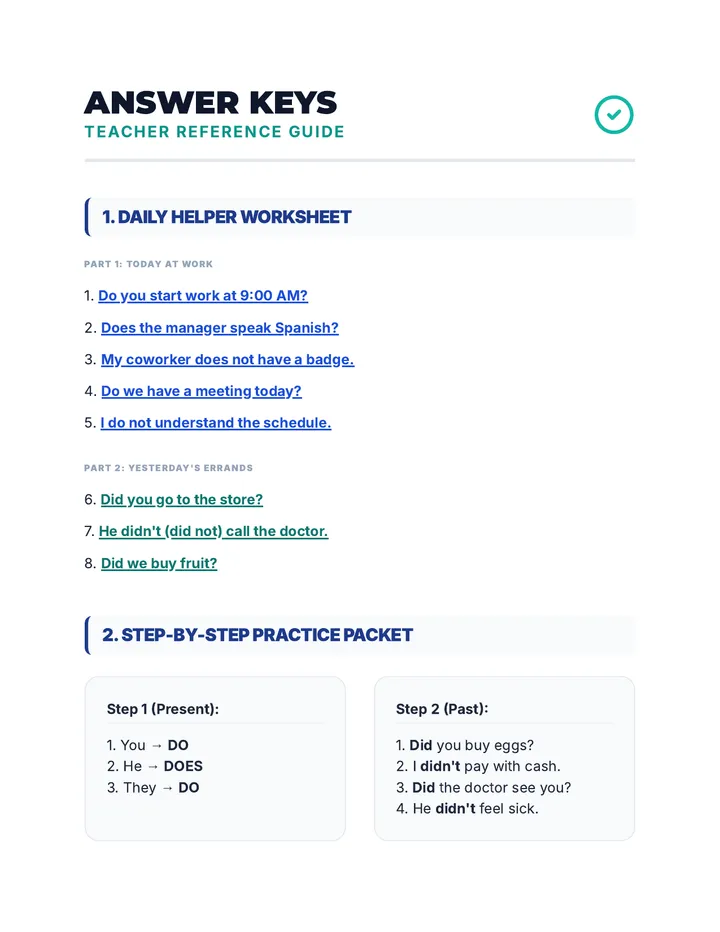
A beginner English sequence for adults focusing on essential auxiliary verbs in daily contexts like work, health, and shopping.
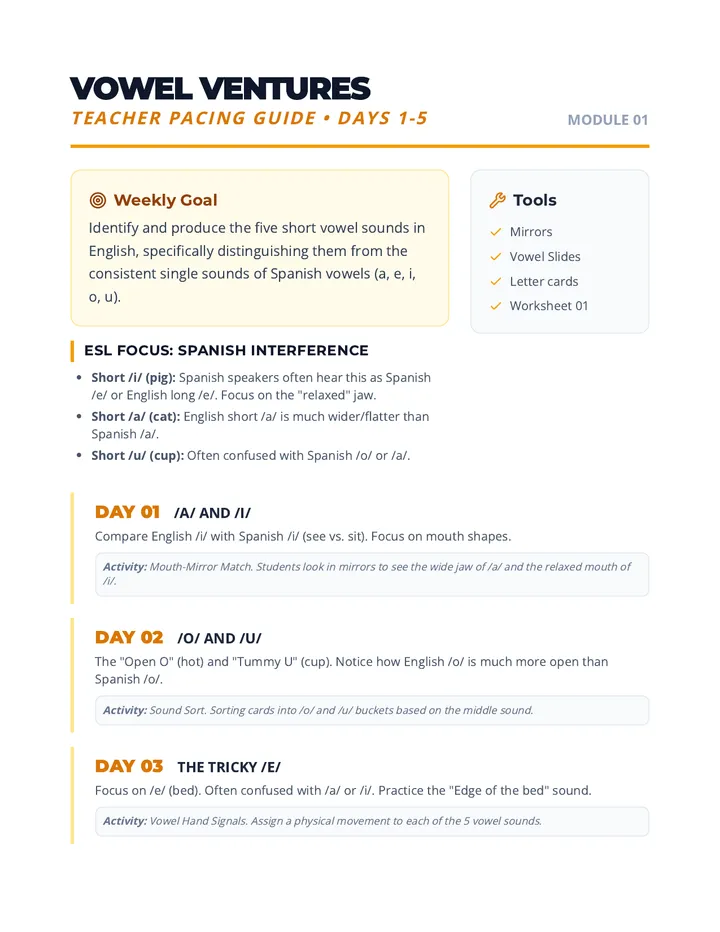
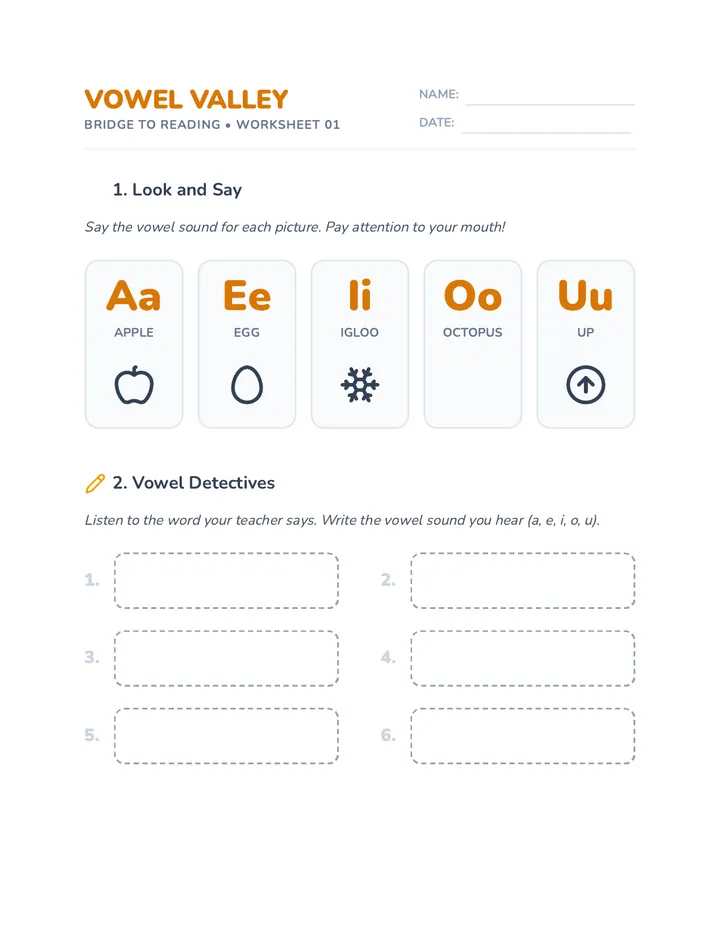
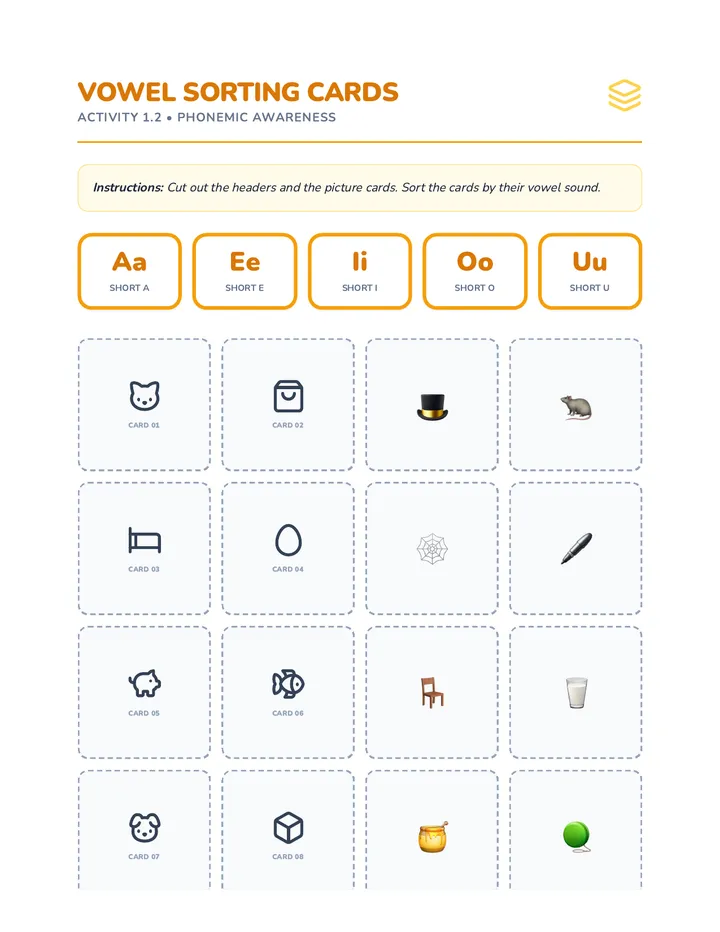
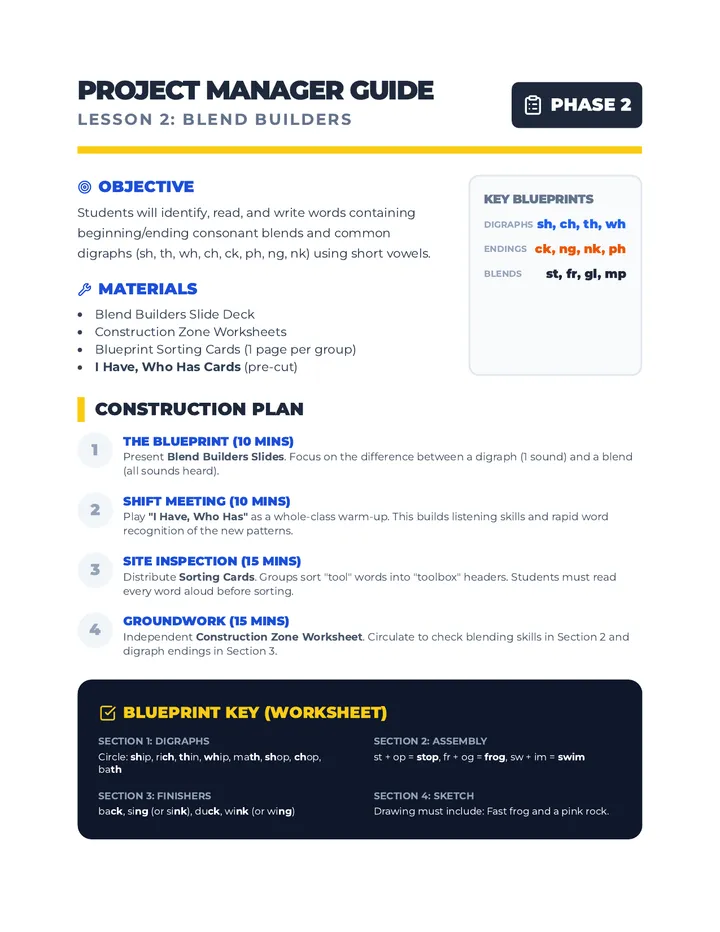
A comprehensive 30-day literacy program designed for Spanish-speaking English Learners, focusing on vowels, CVC blending, rhyming, and multisyllabic word decoding. The curriculum uses a 'construction' theme to build reading skills from the ground up, with specific support for ESL phonetic challenges.
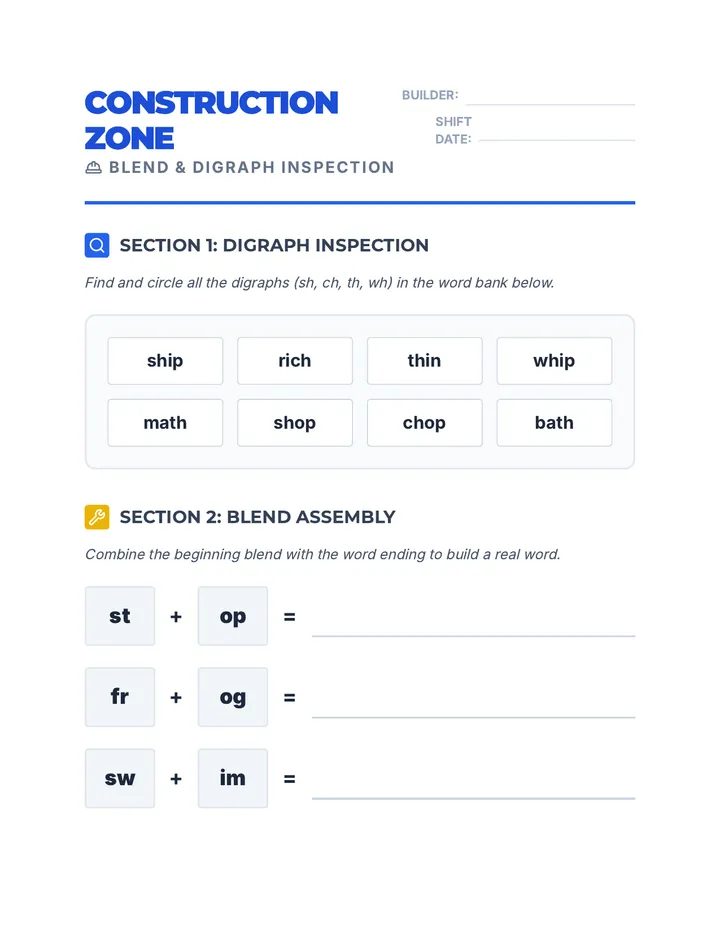
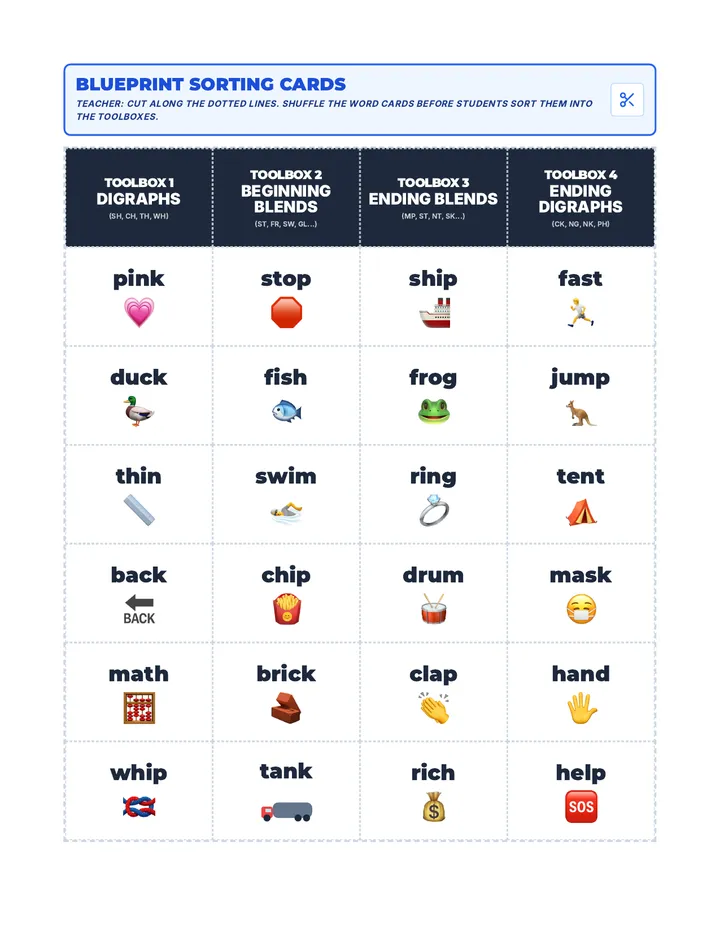
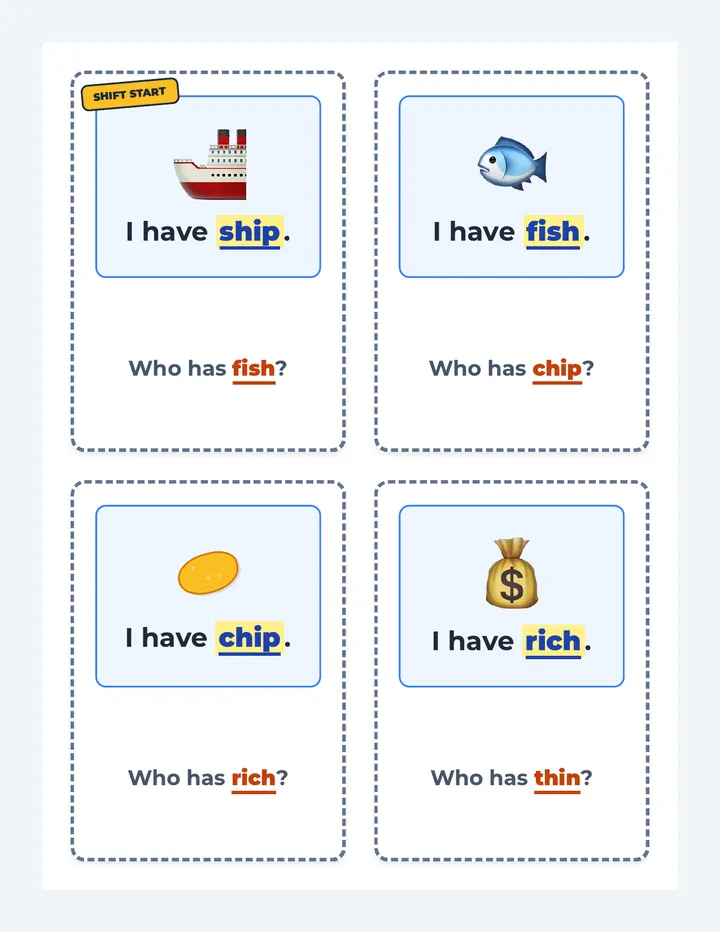
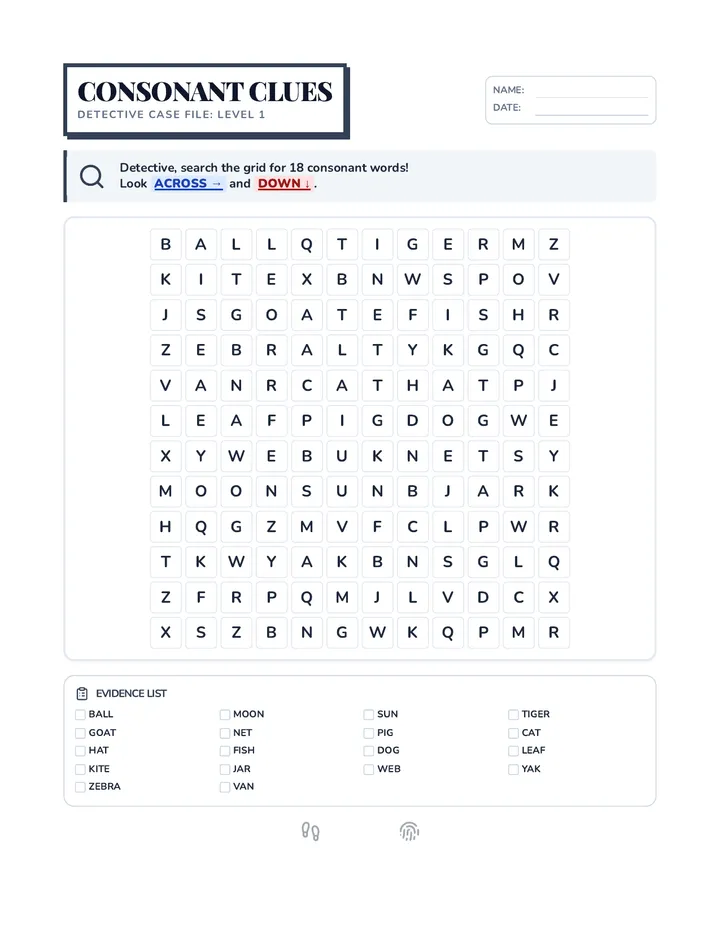
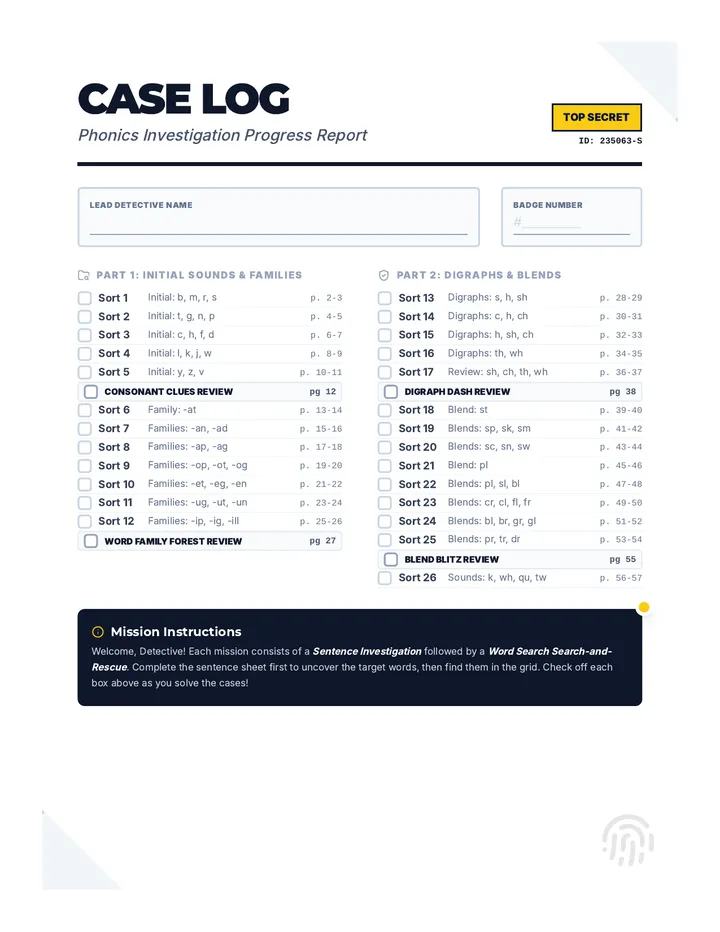
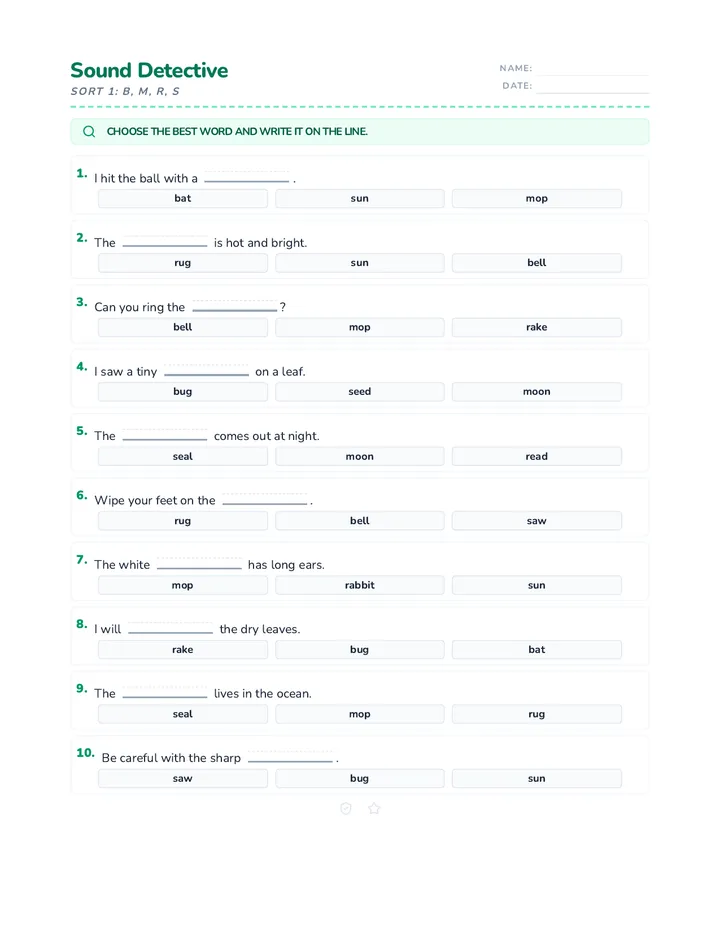
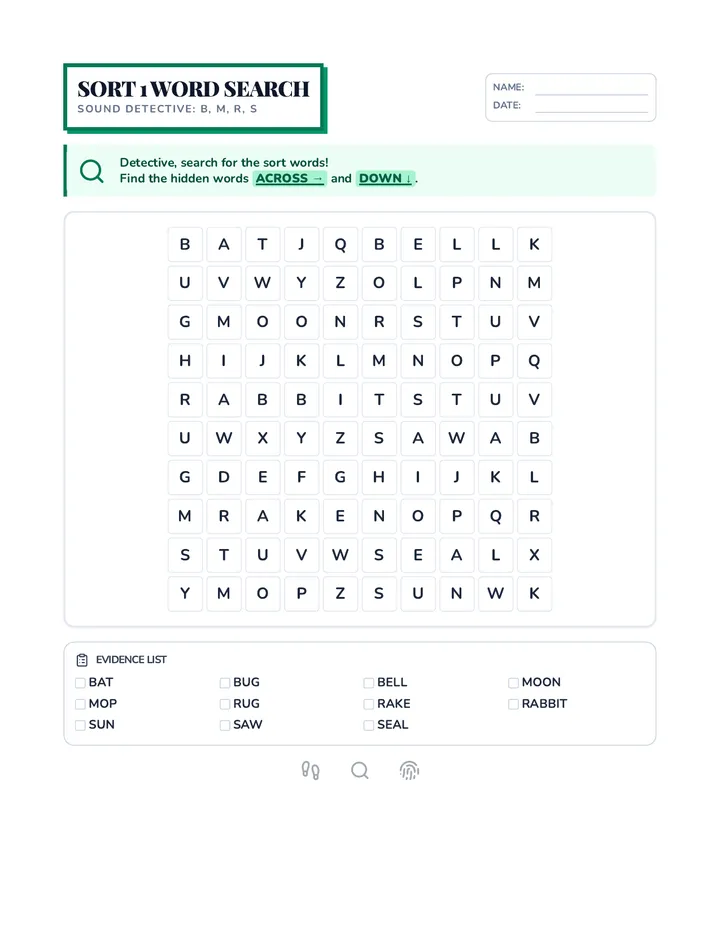
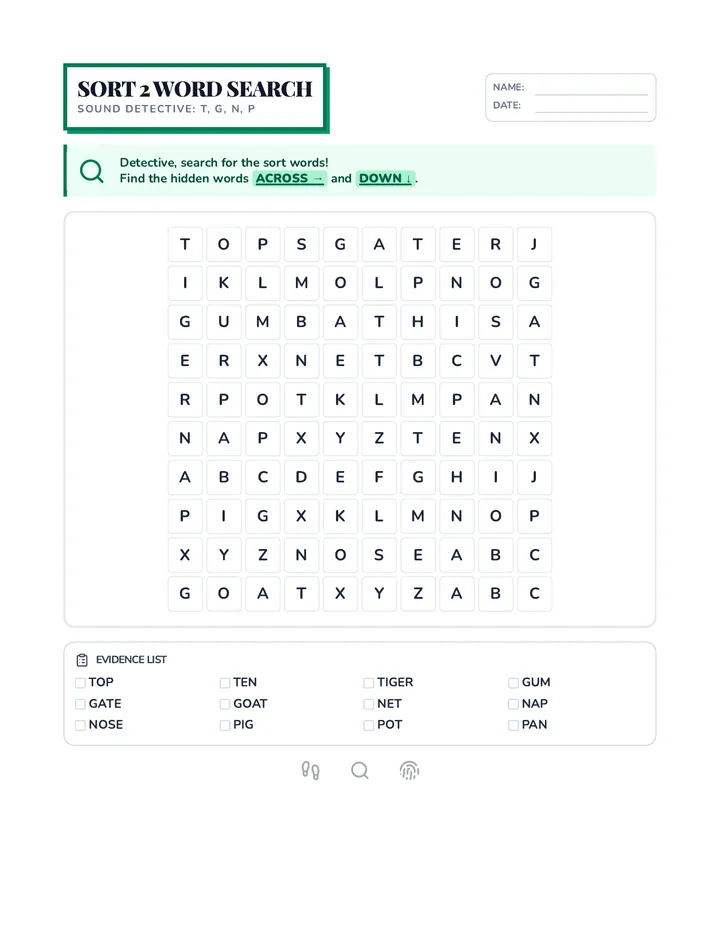
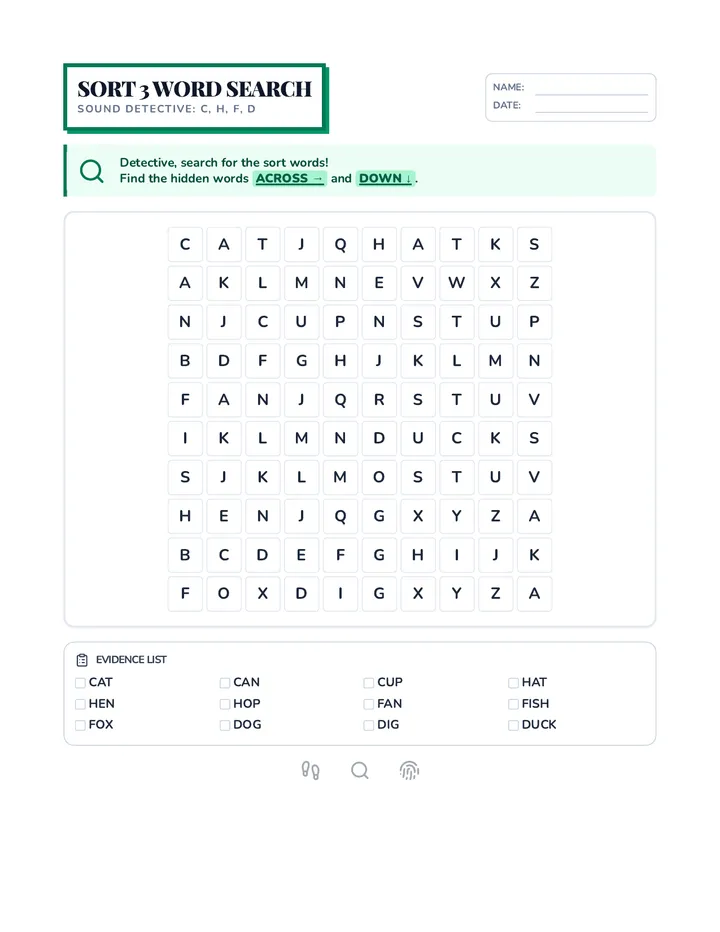
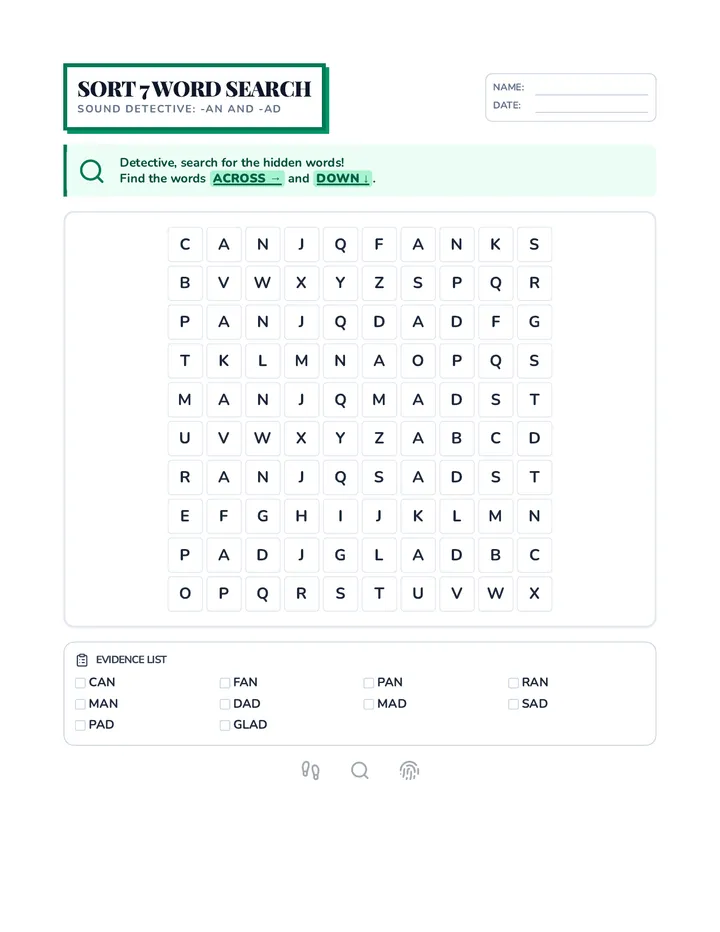
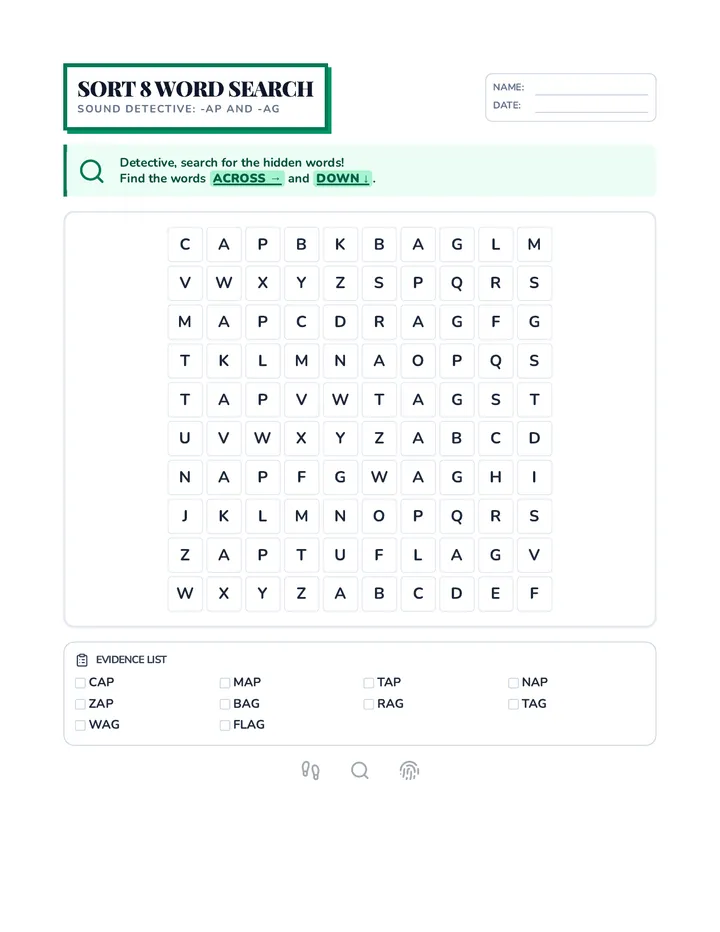
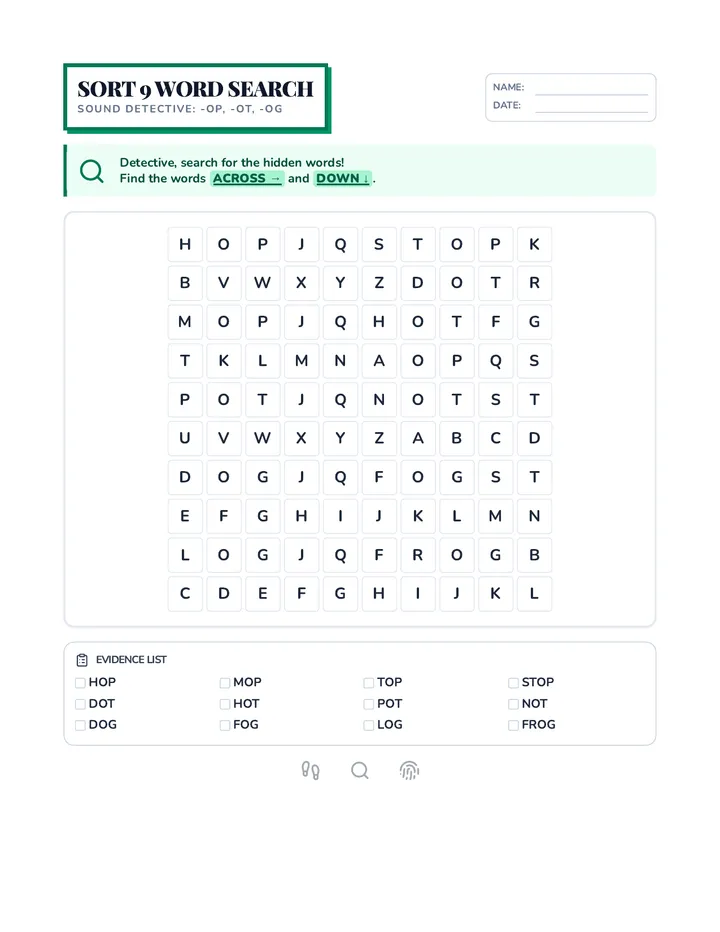
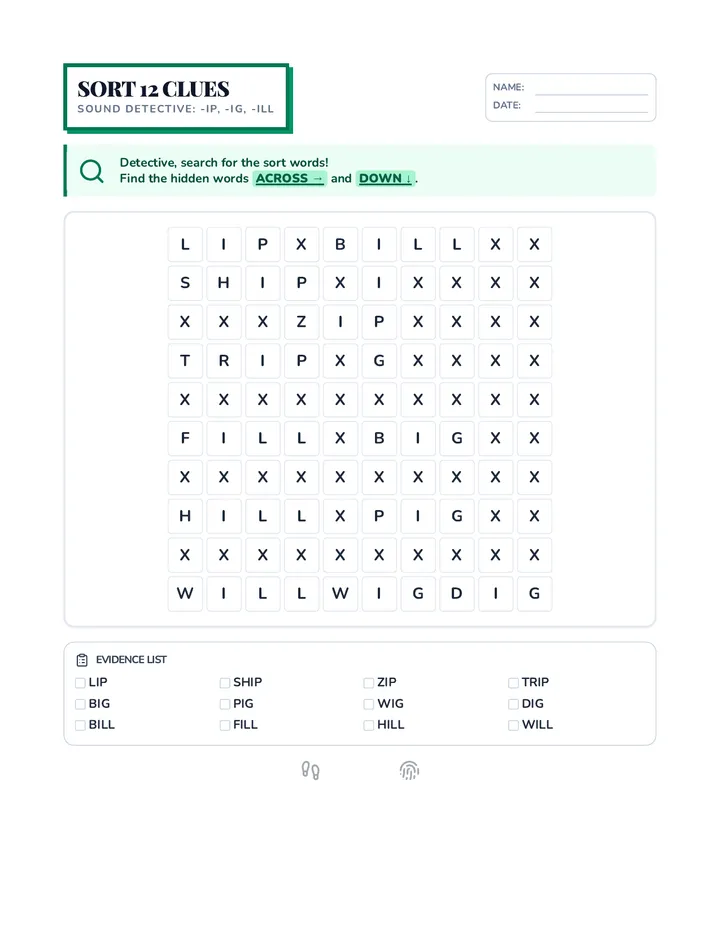
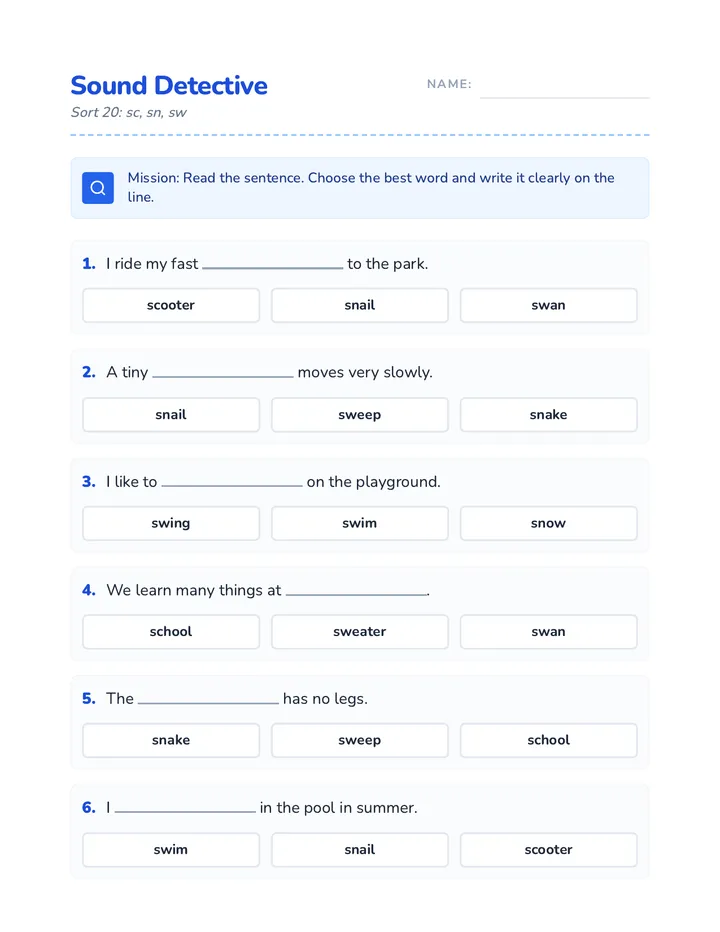
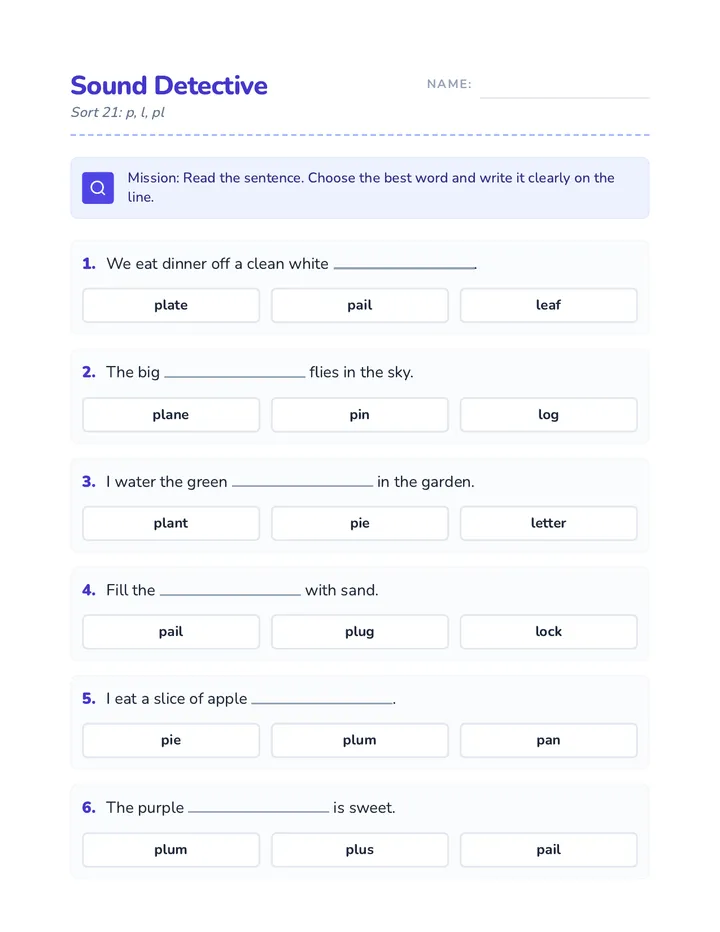
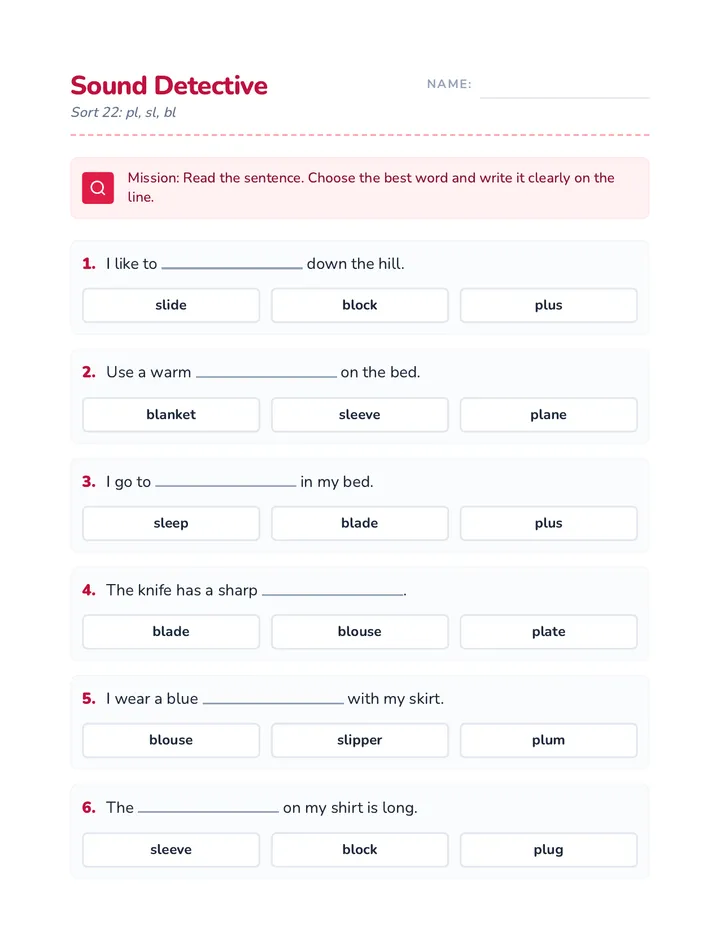
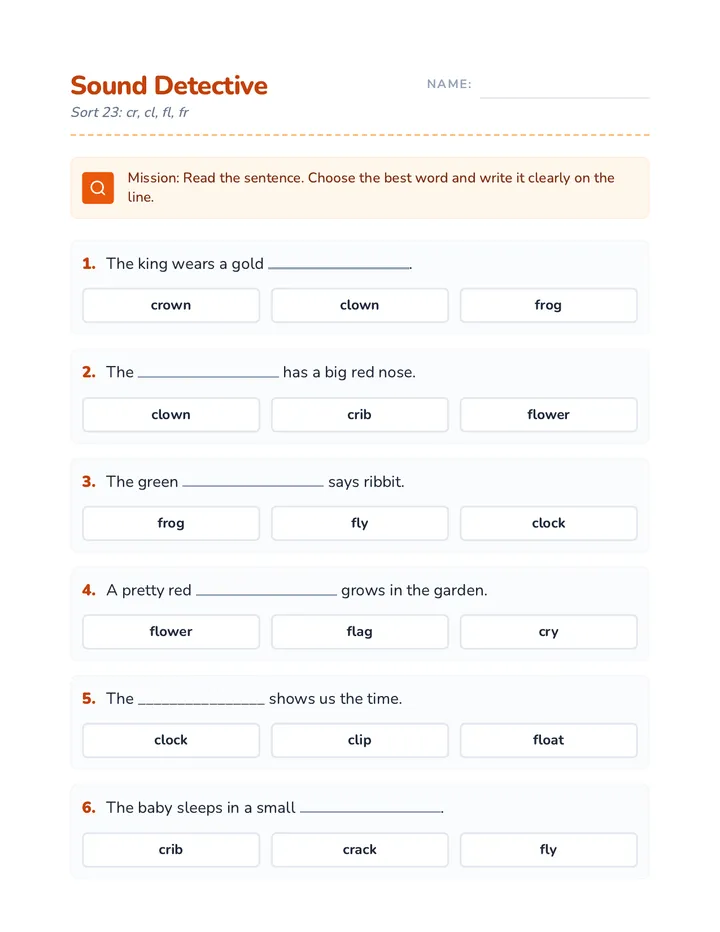
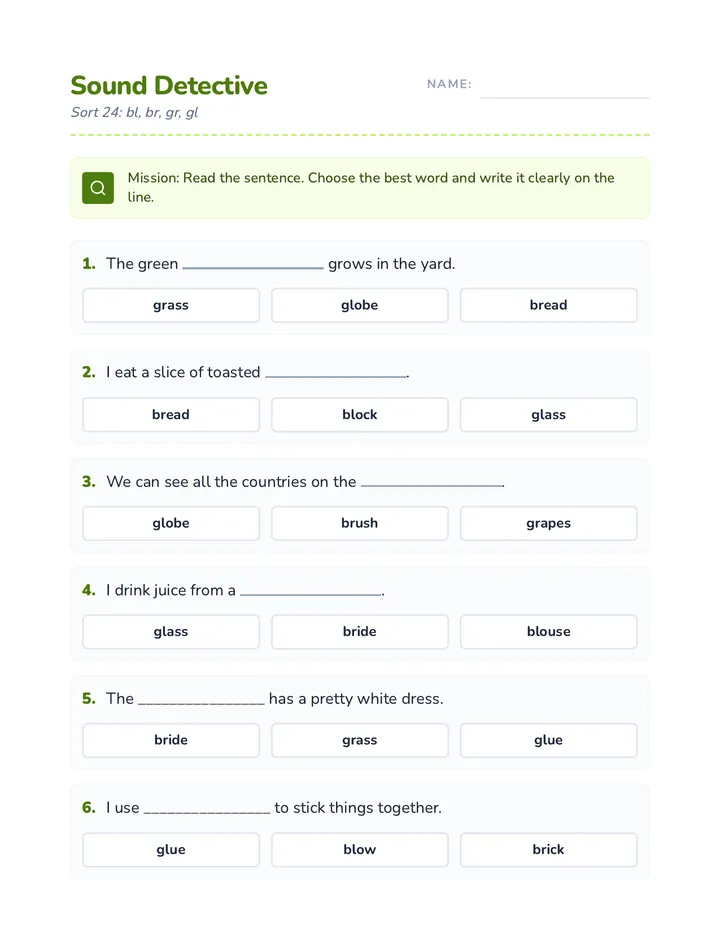
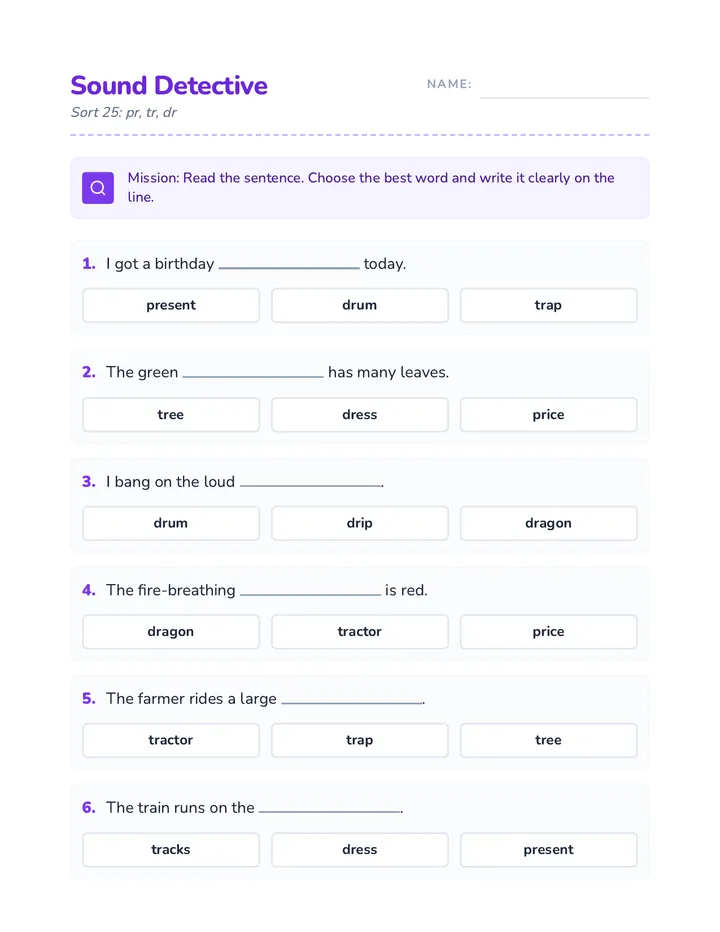
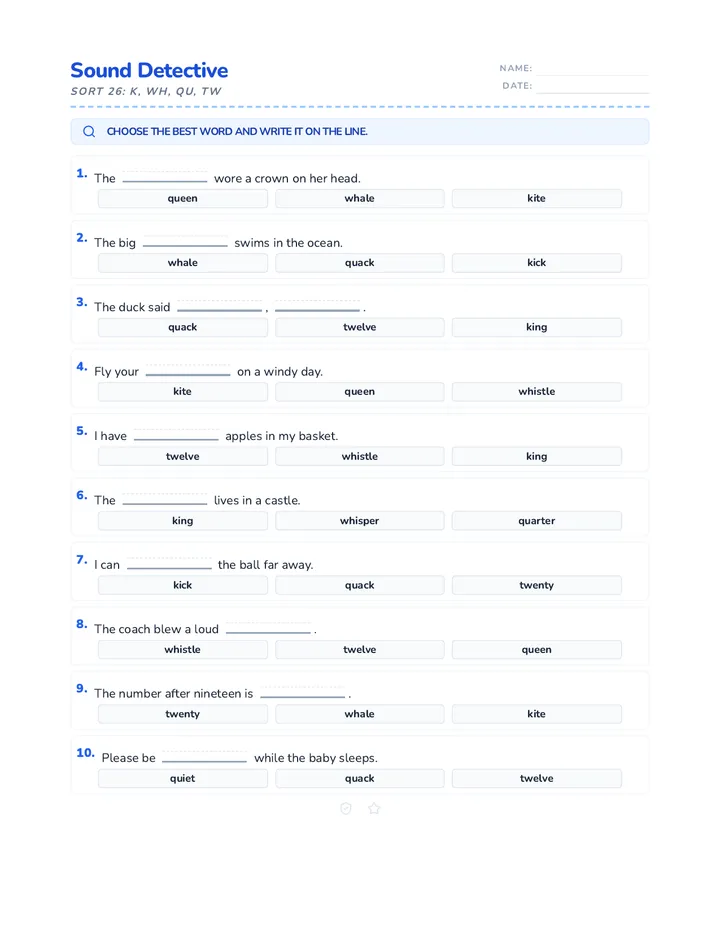
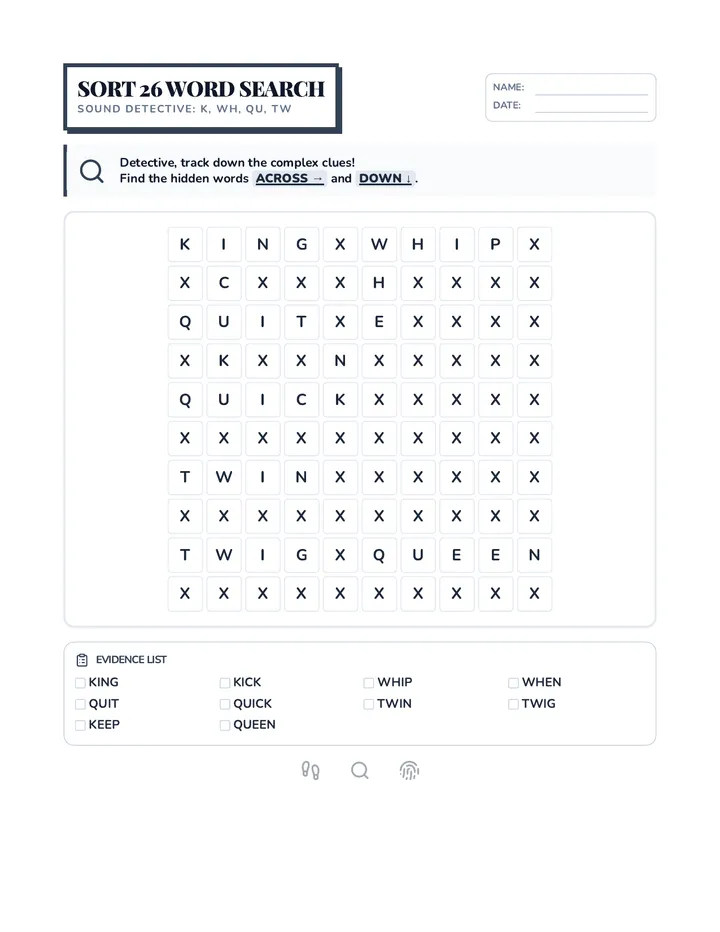
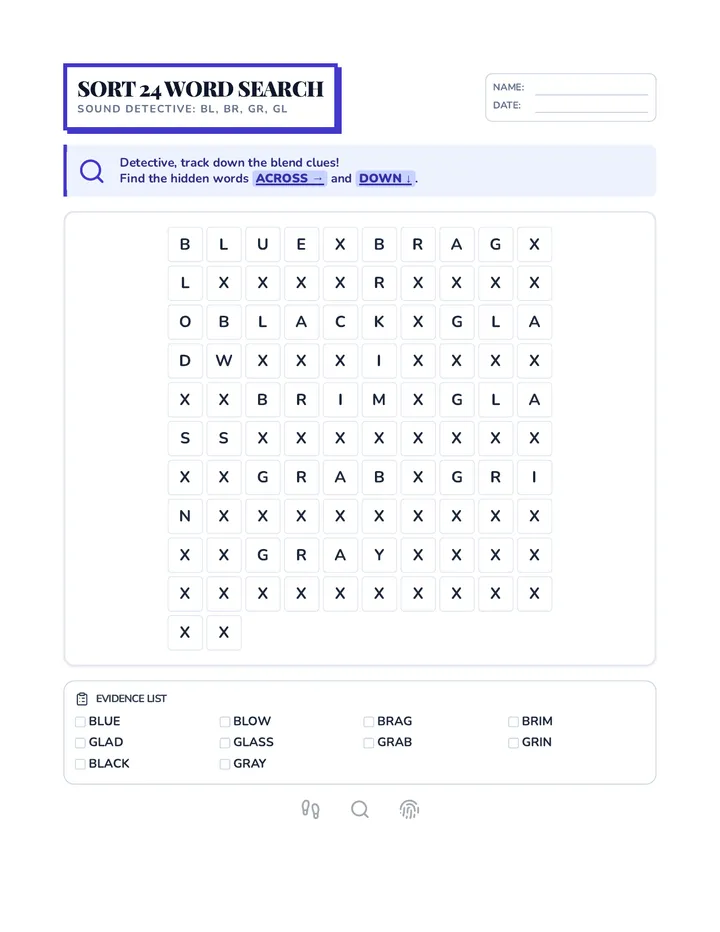
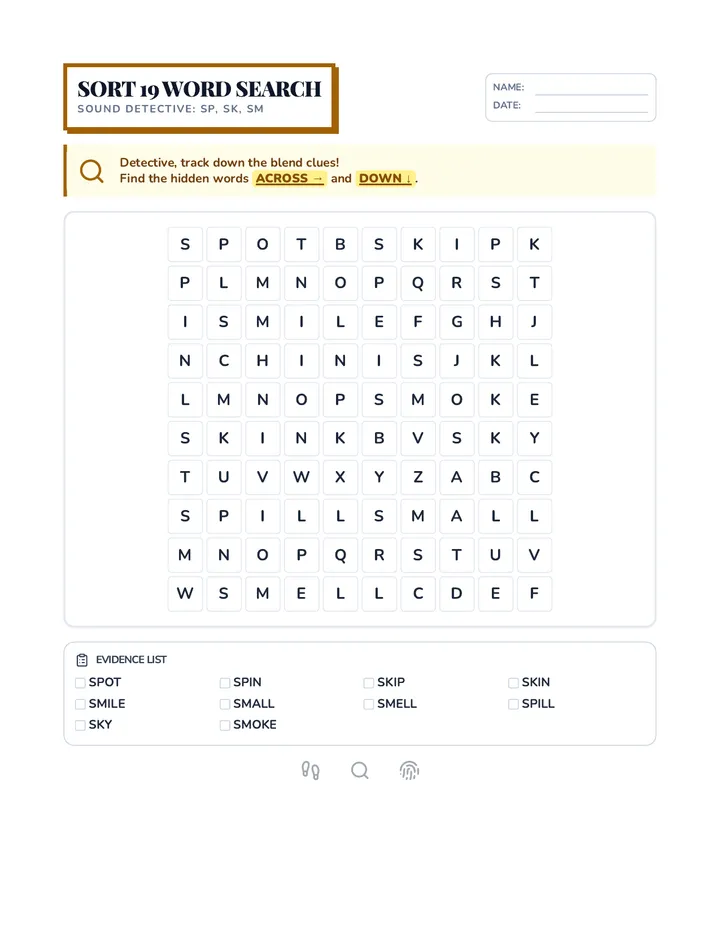
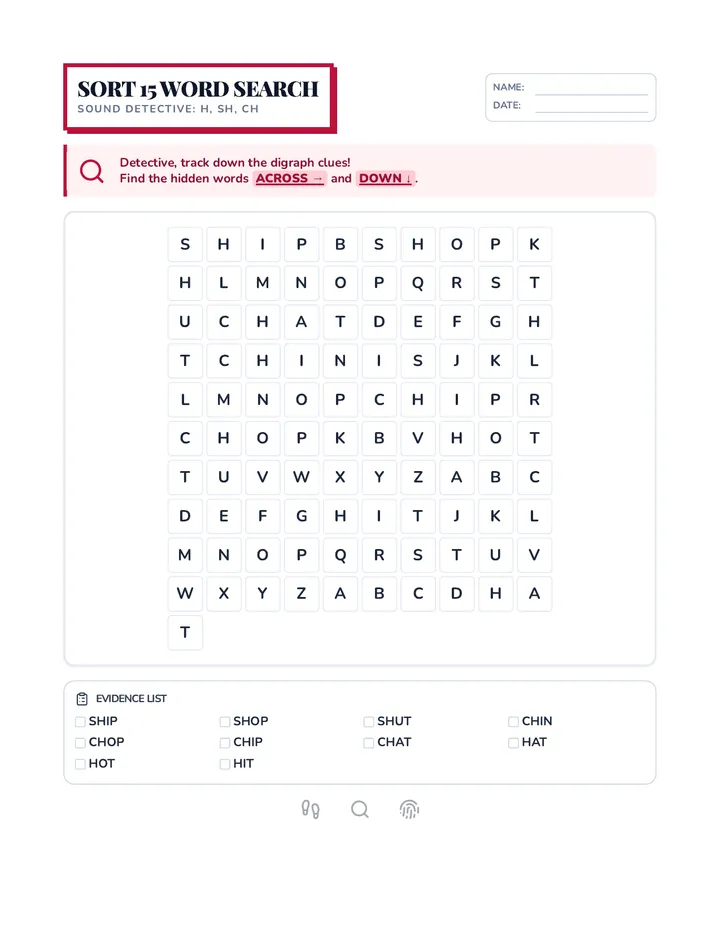
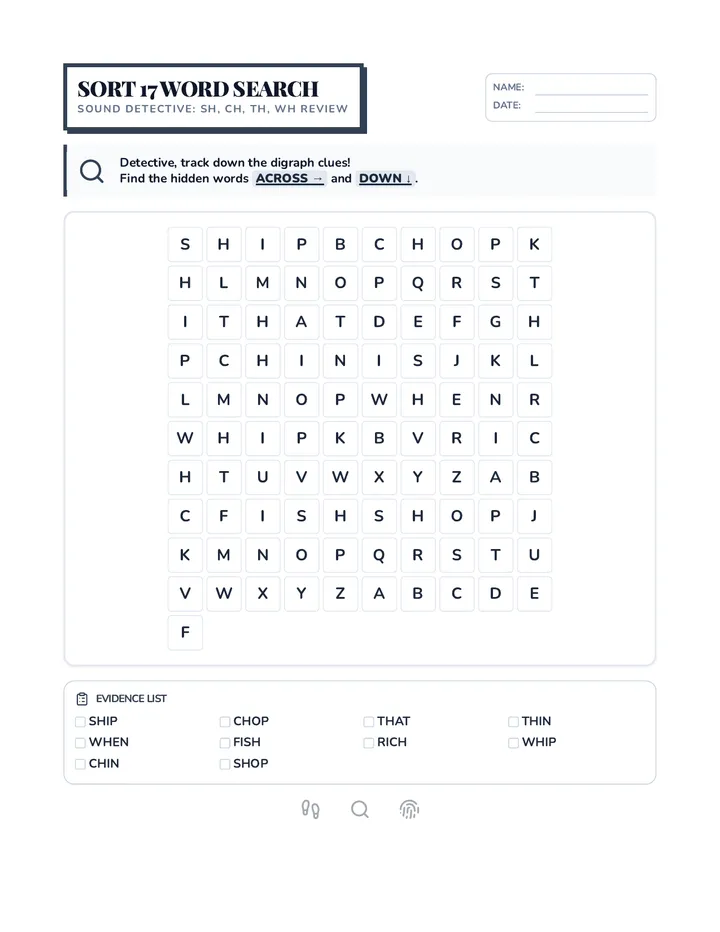
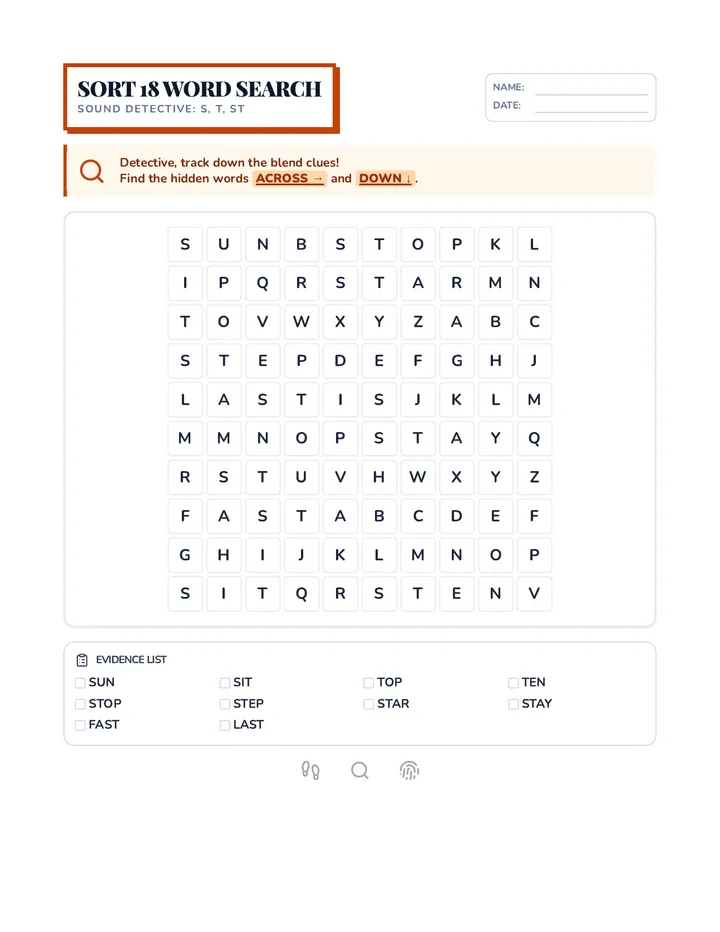
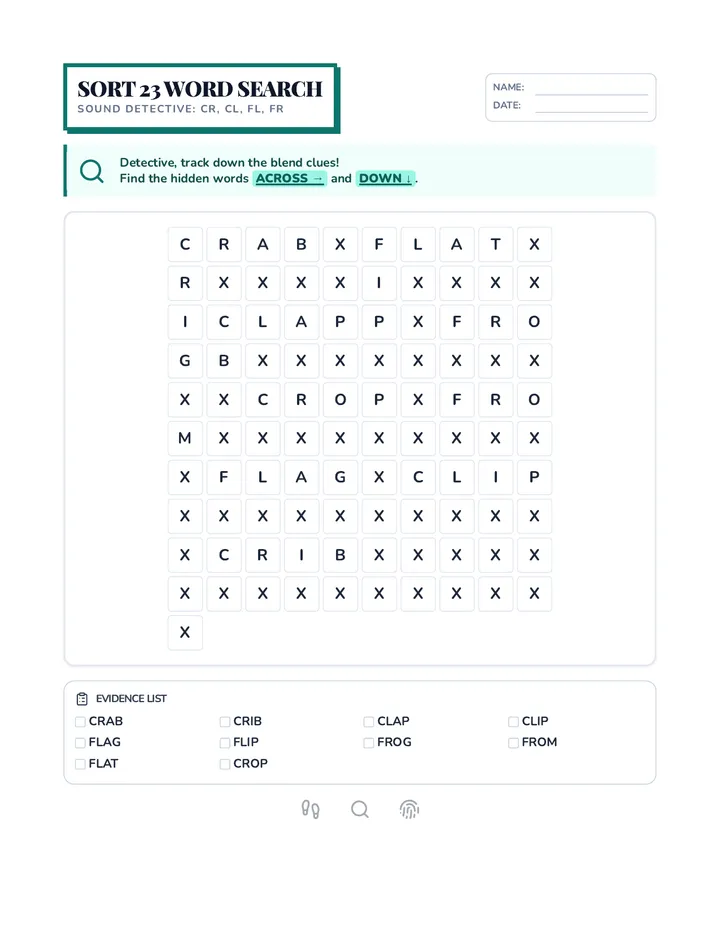
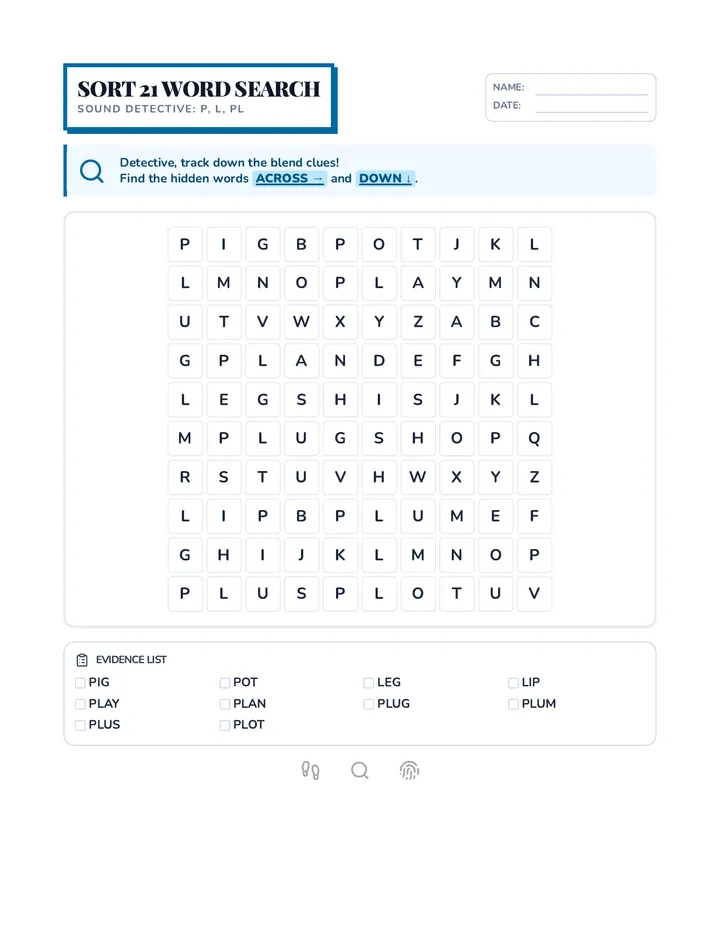
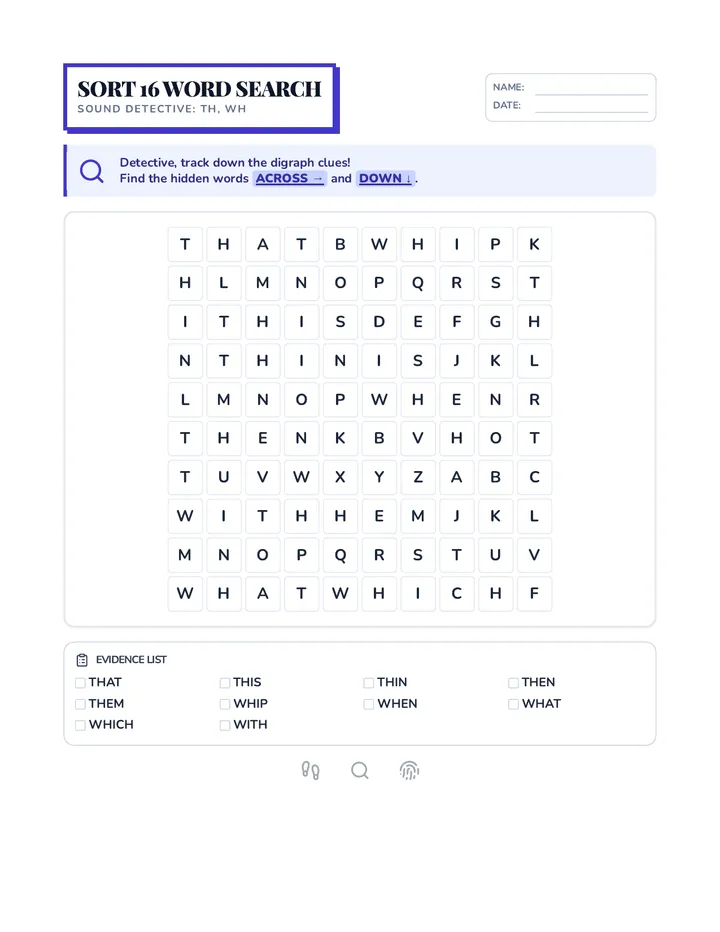
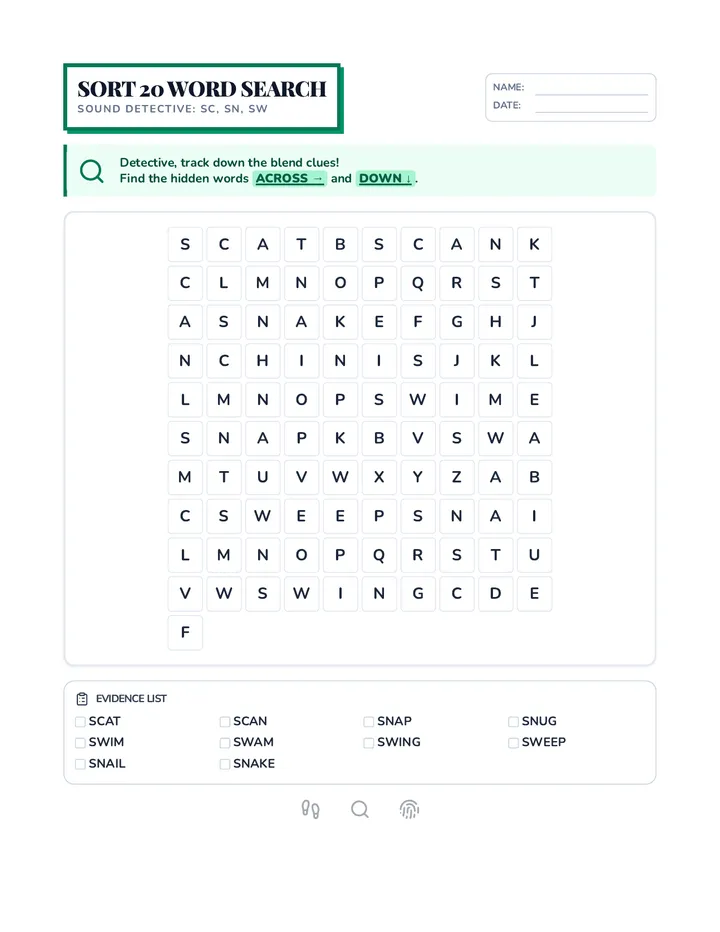
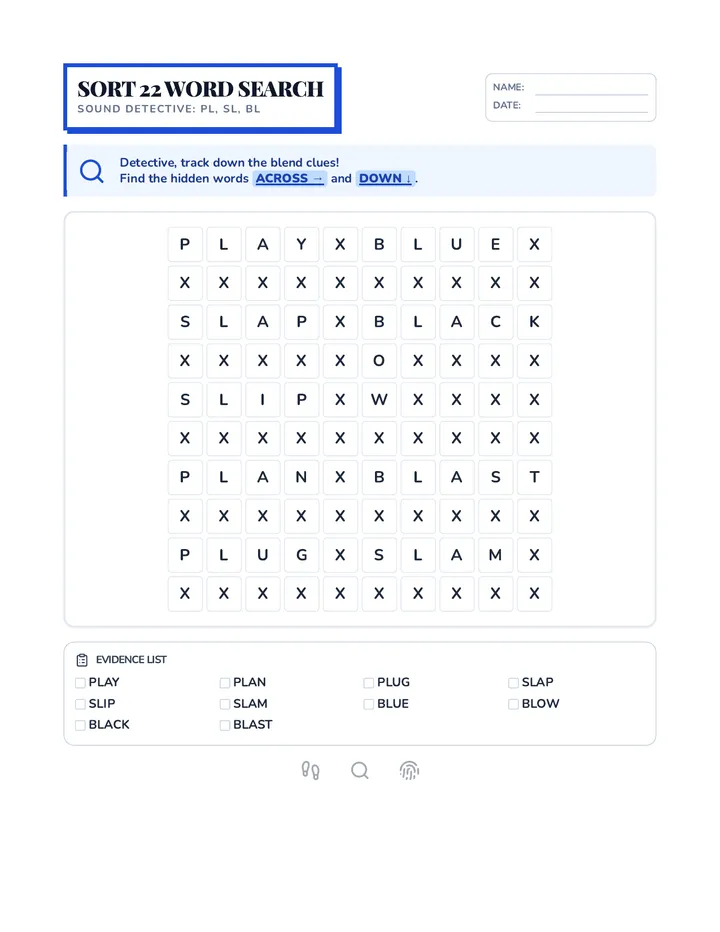
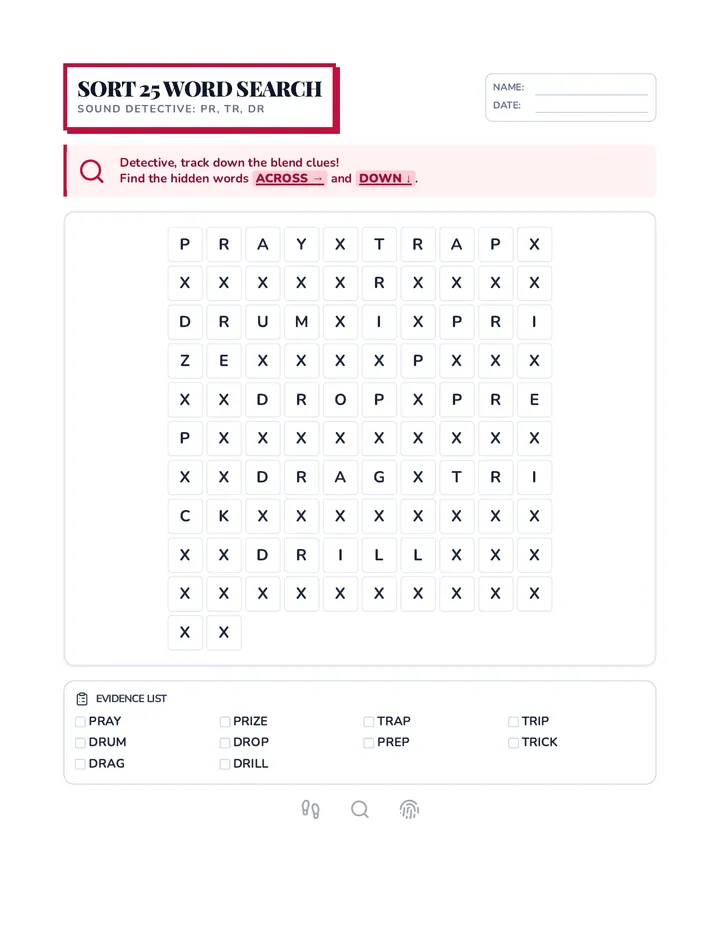
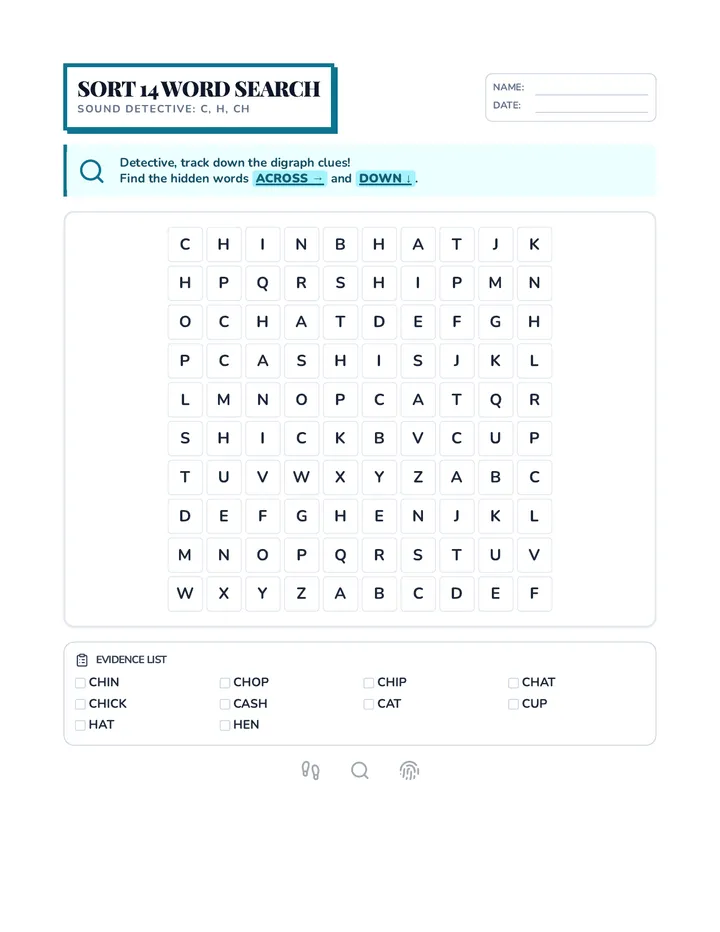
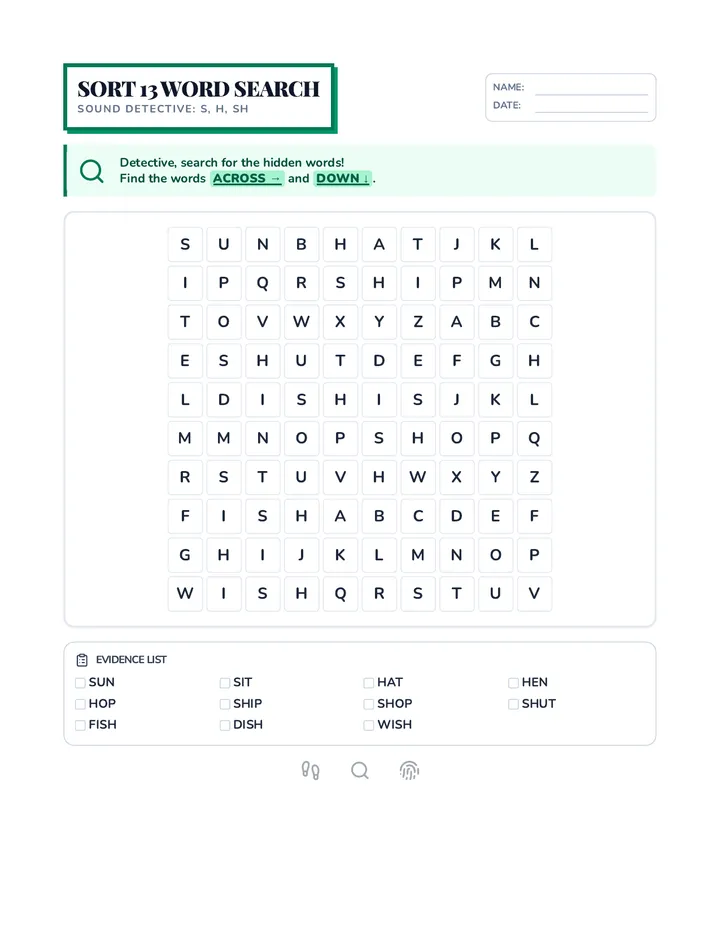
A comprehensive phonics sequence that takes students from basic CVC words to complex consonant blends and digraphs through interactive workshop-themed activities and games.
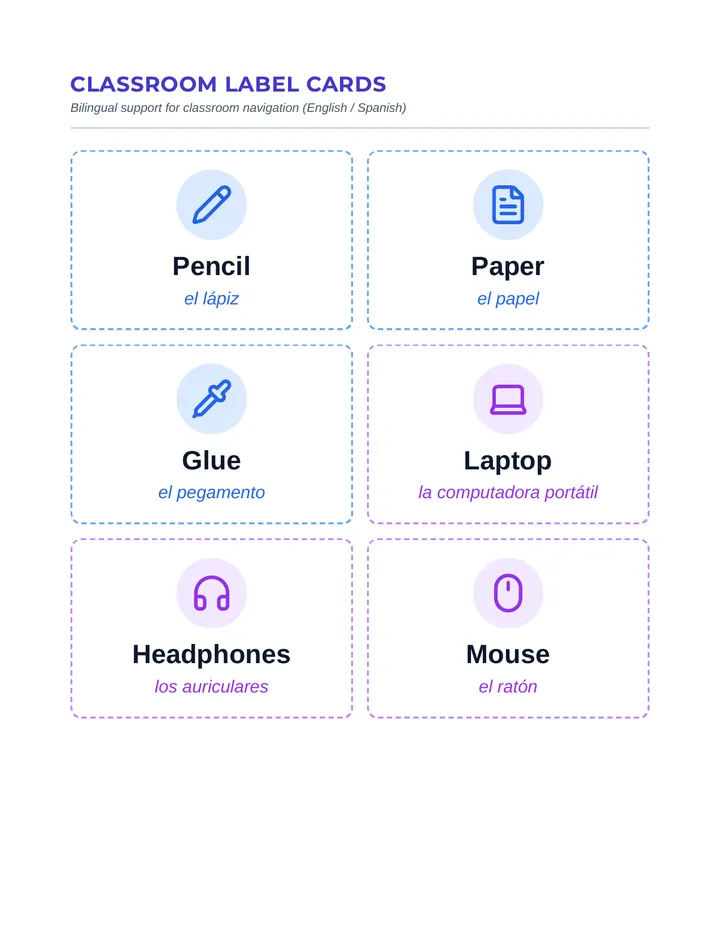
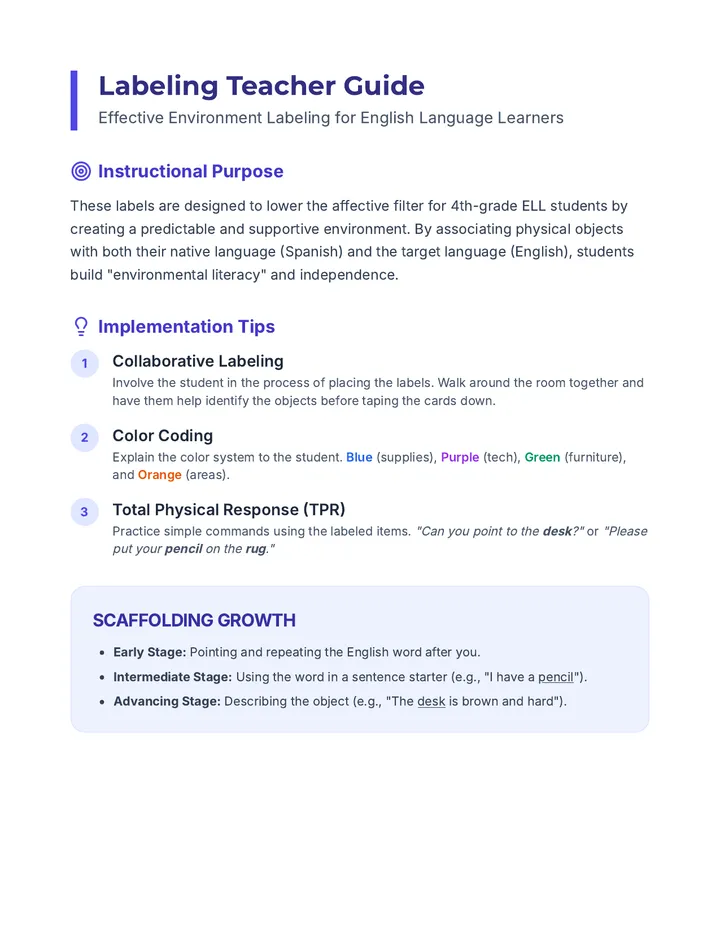
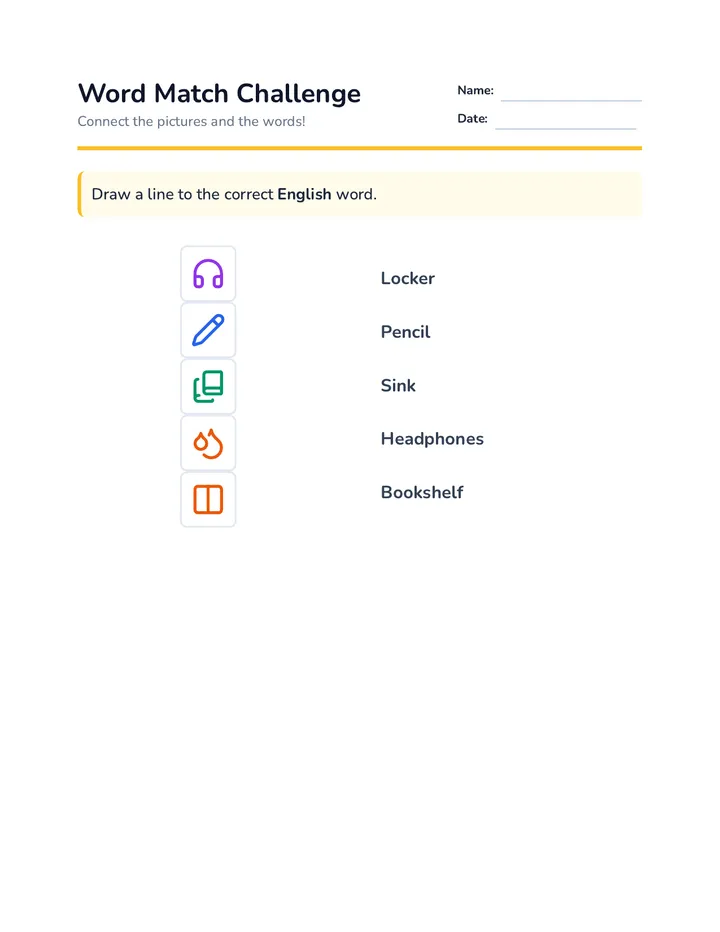
A series of resources designed to help English Language Learners navigate and identify common classroom objects and areas through visual labeling and bilingual support.
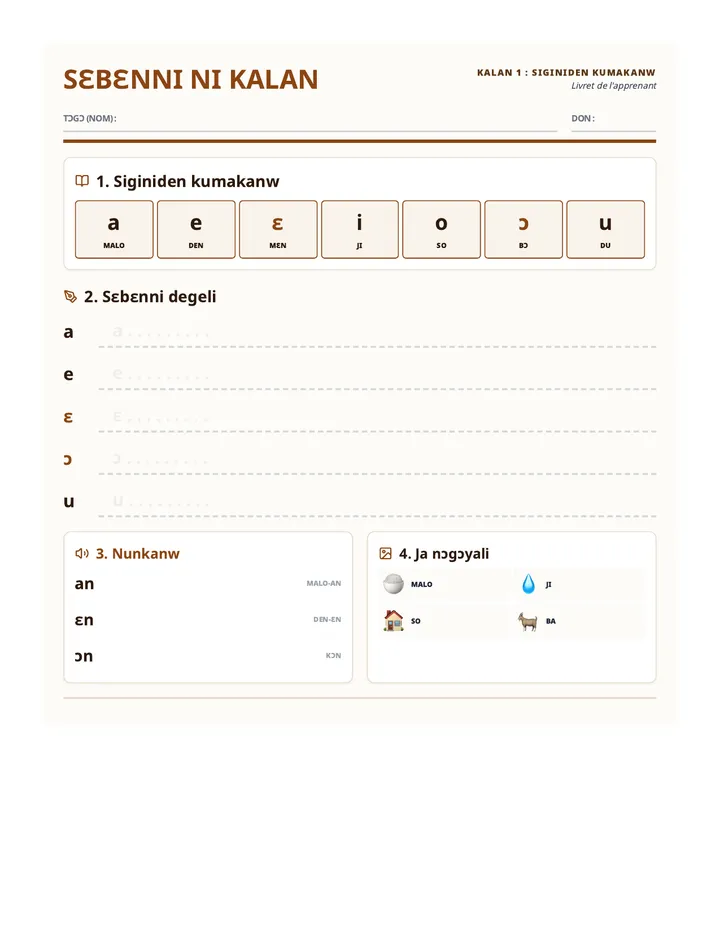
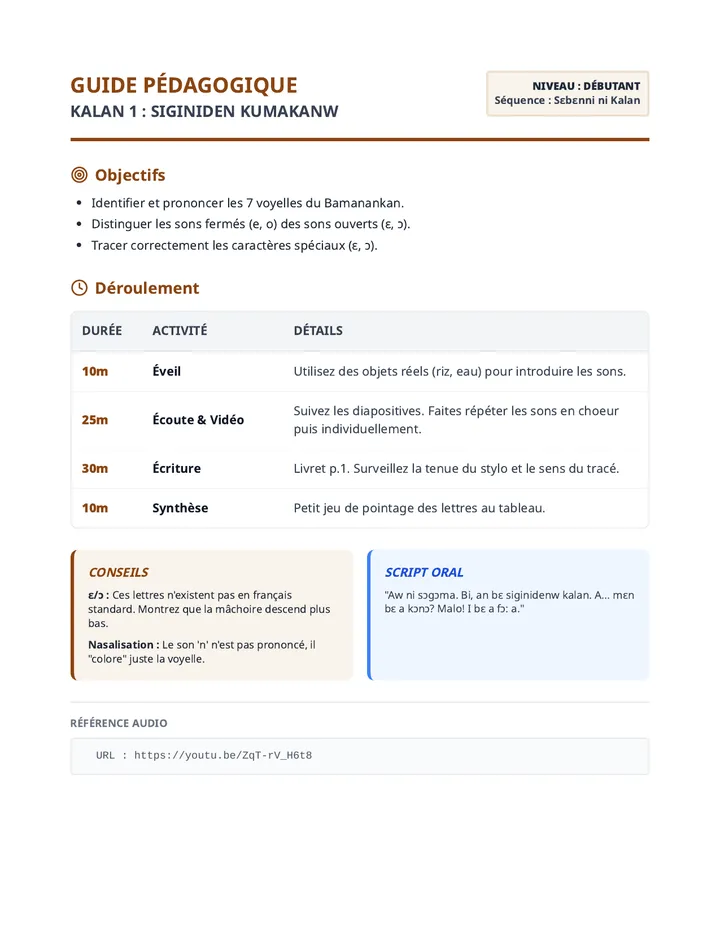
Une séquence d'alphabétisation complète en Bamanankan pour débutants, intégrant l'apprentissage des voyelles, des consonnes et des salutations de base à travers un livret imprimable et des supports visuels.
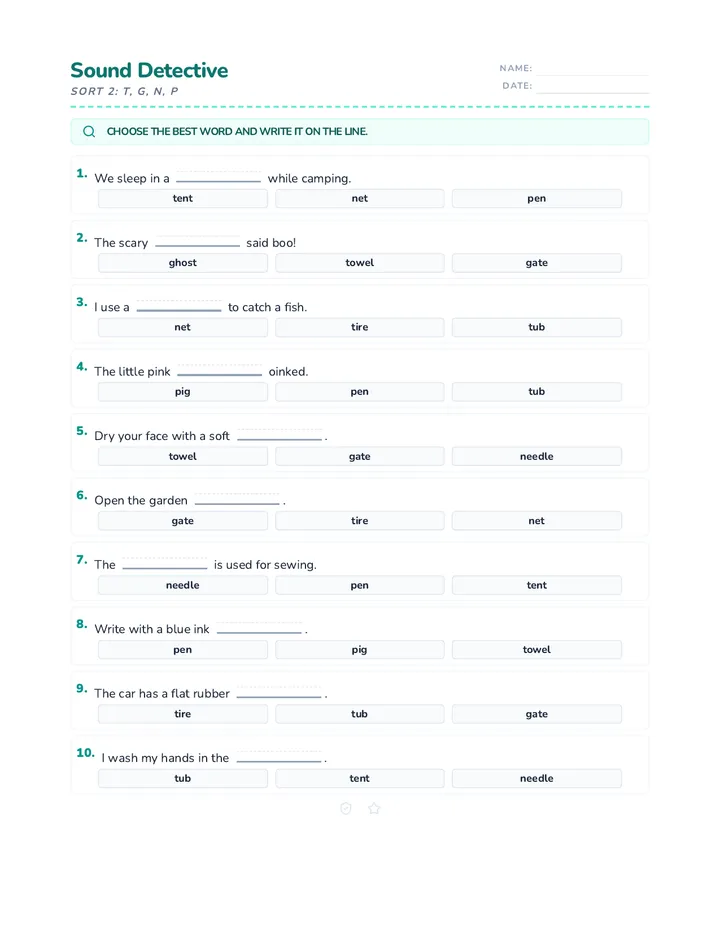
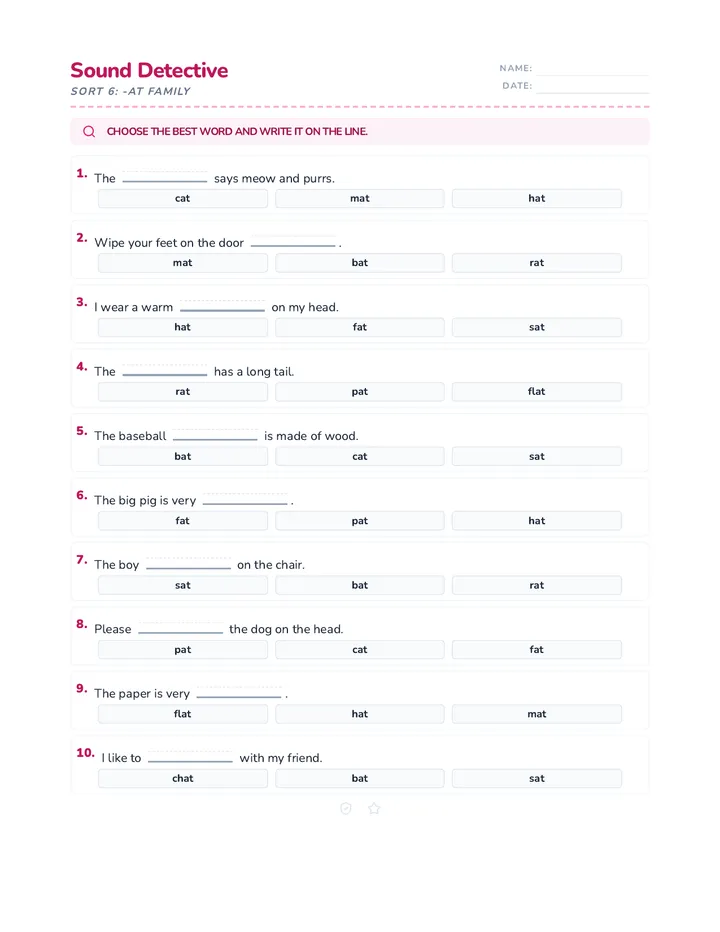
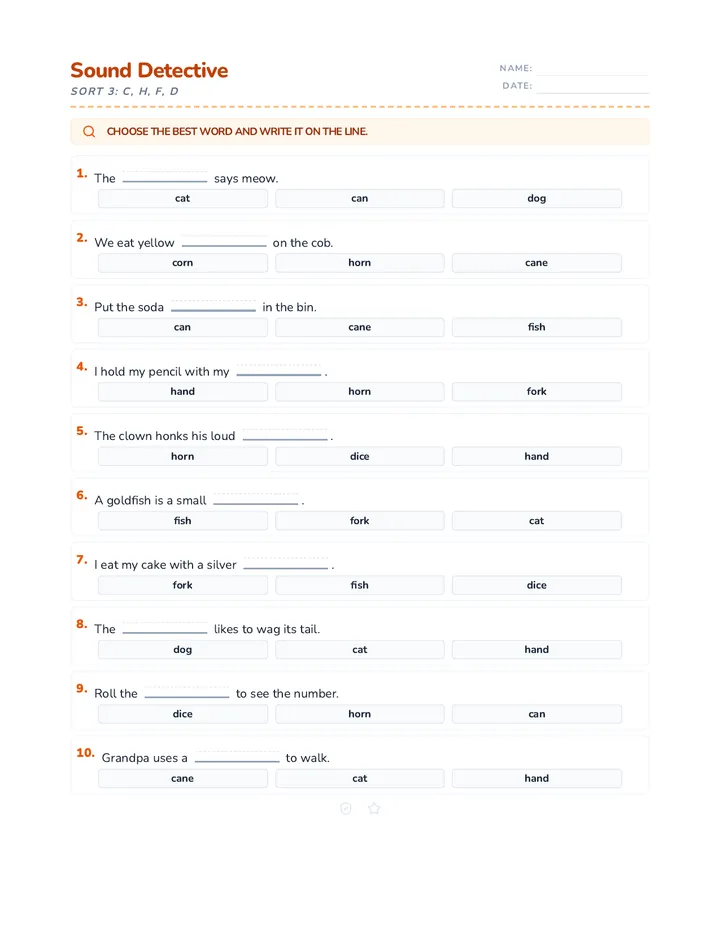
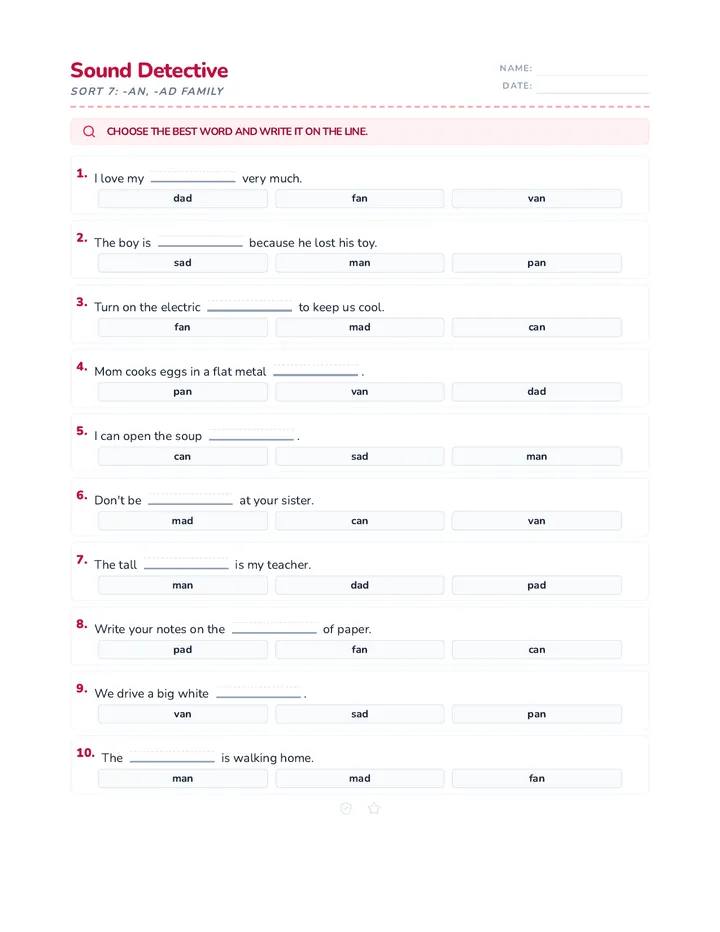
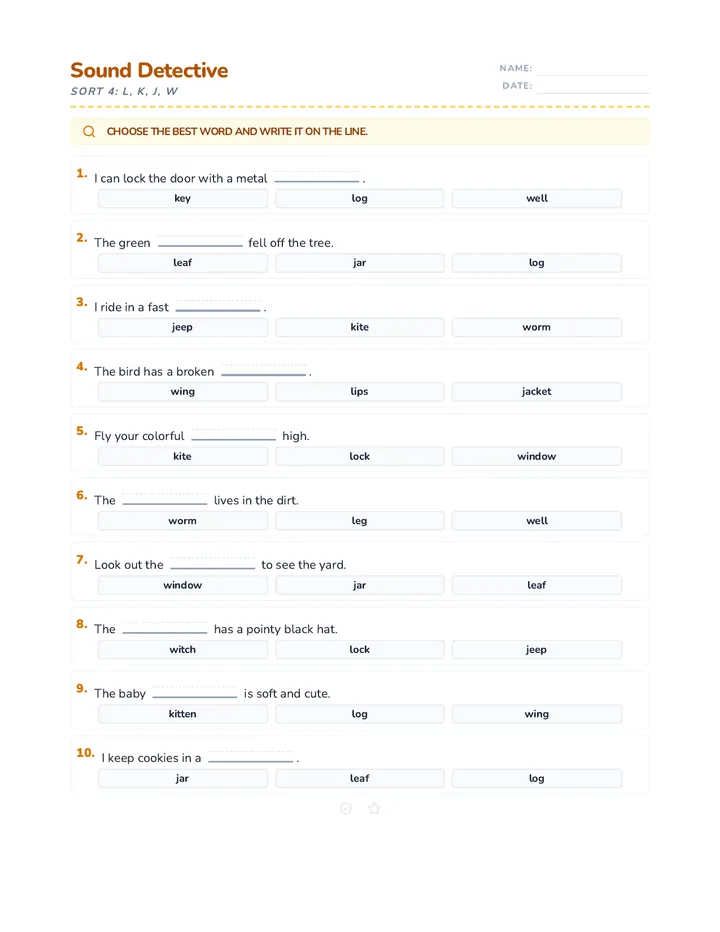
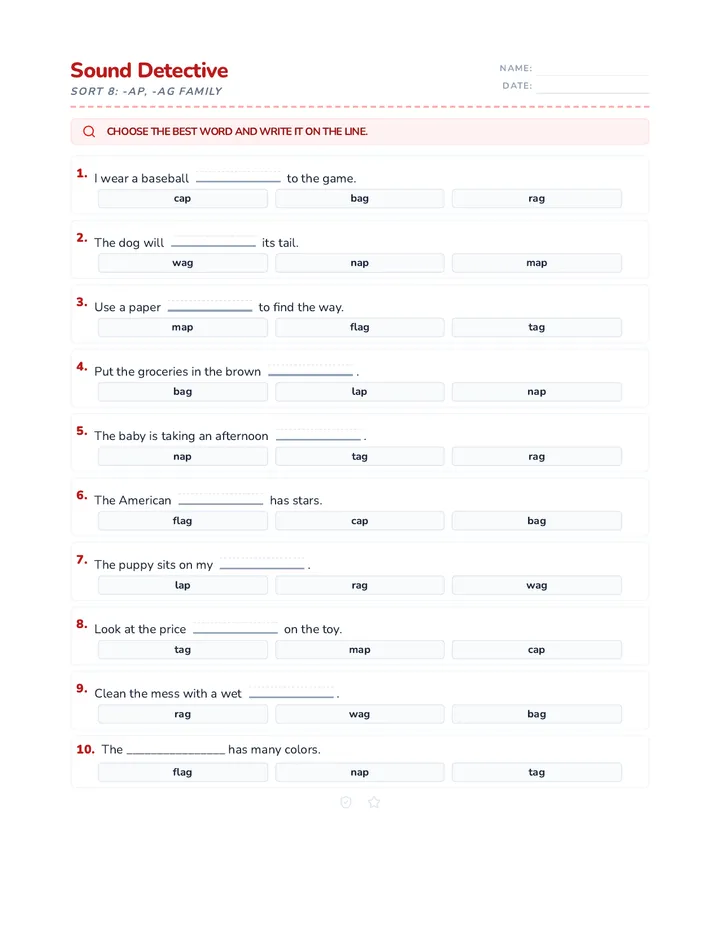
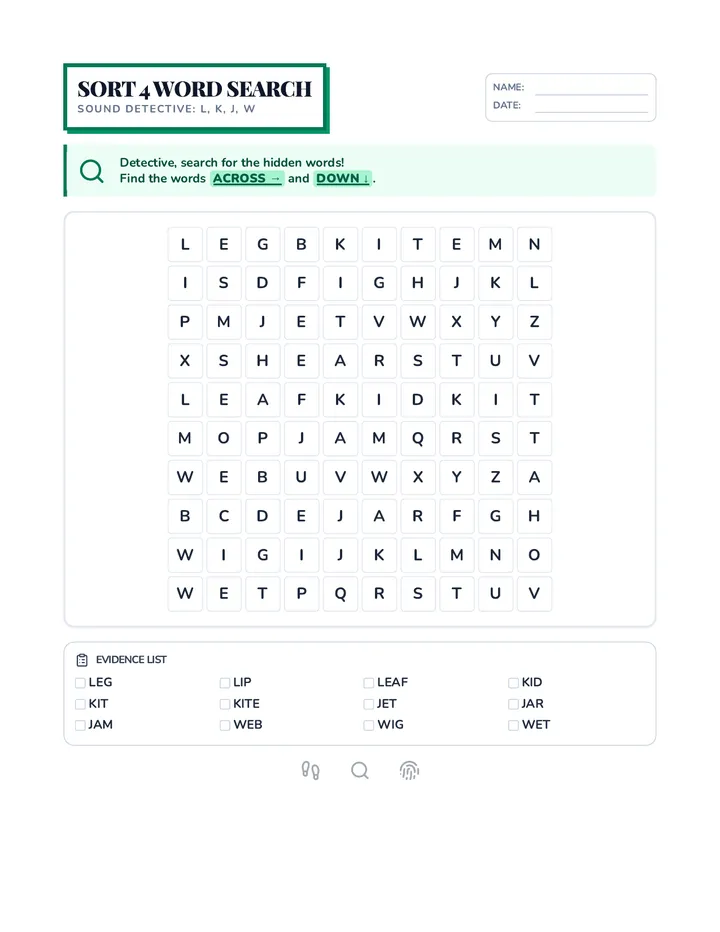
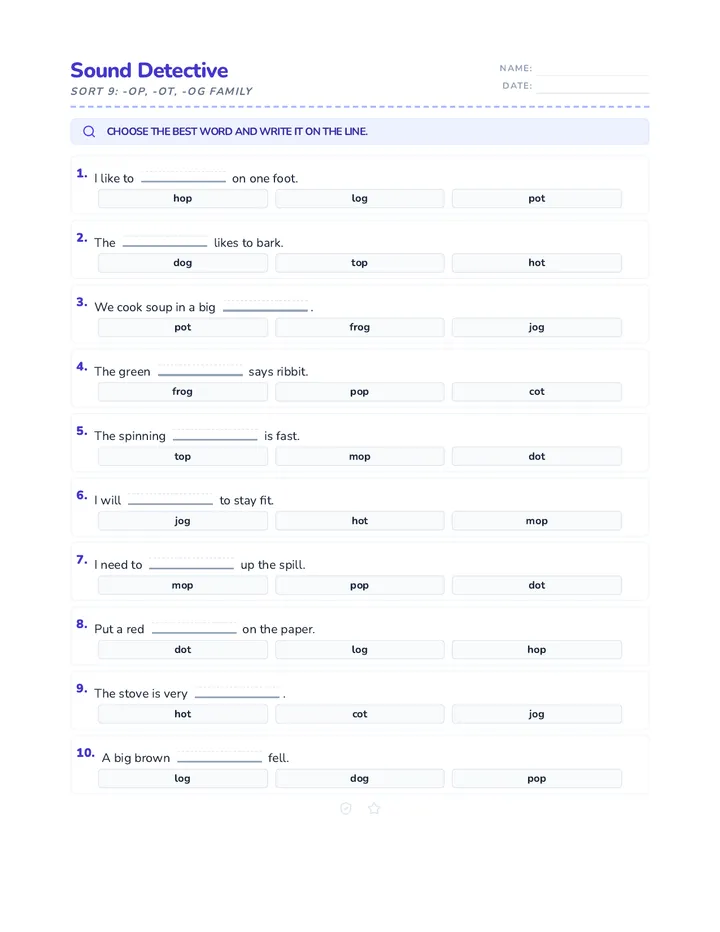
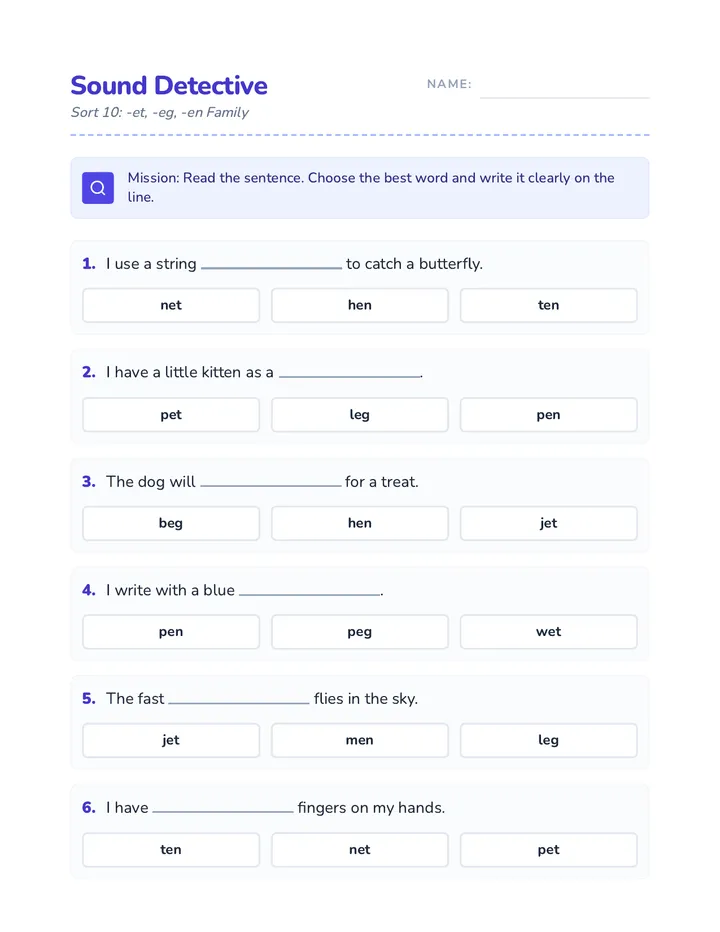
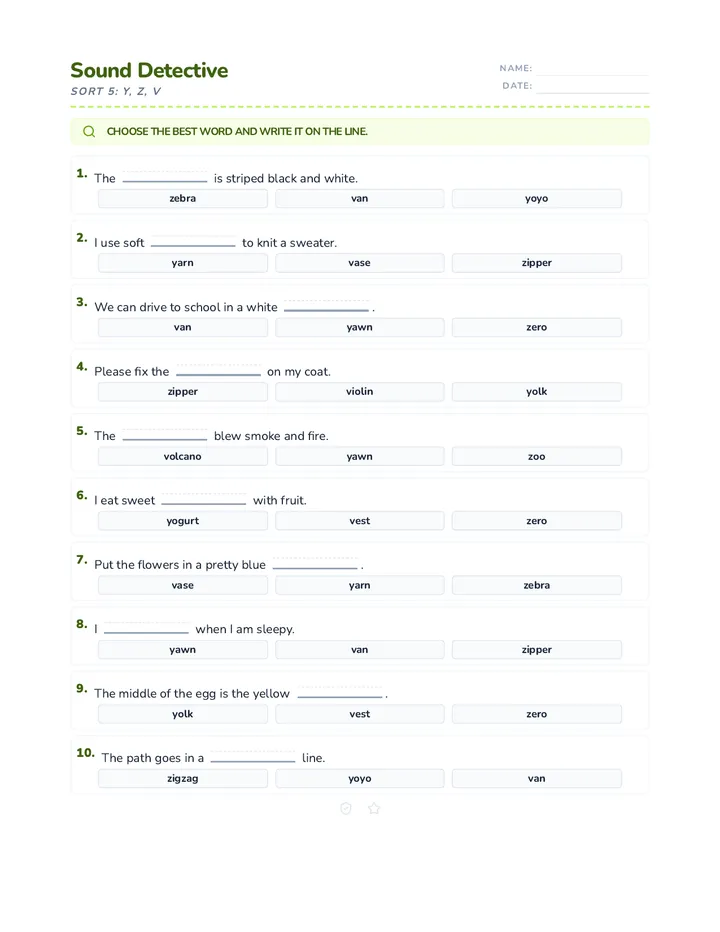
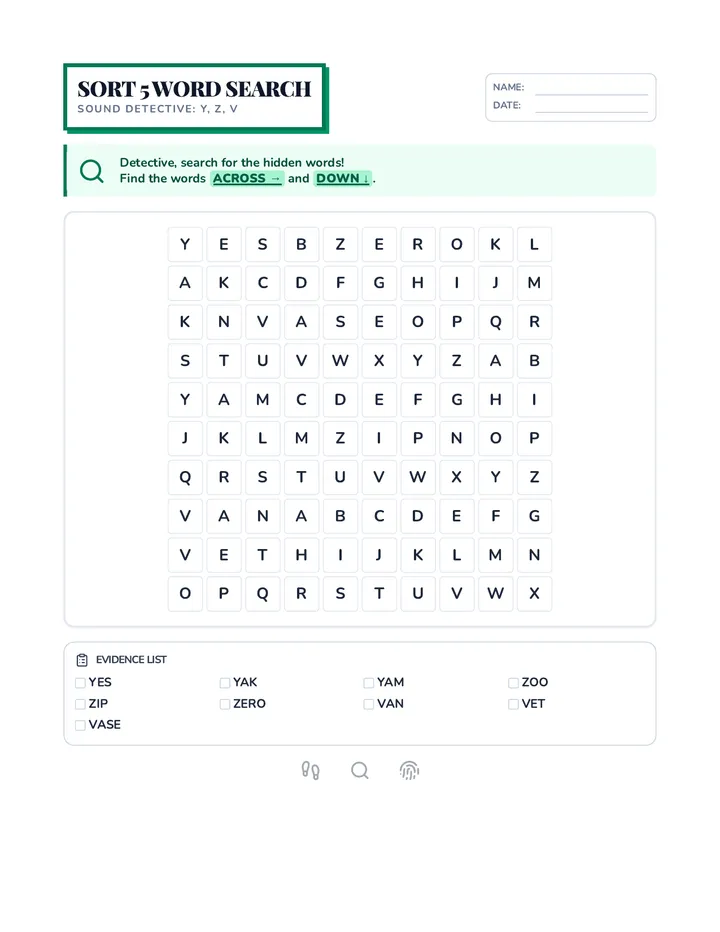
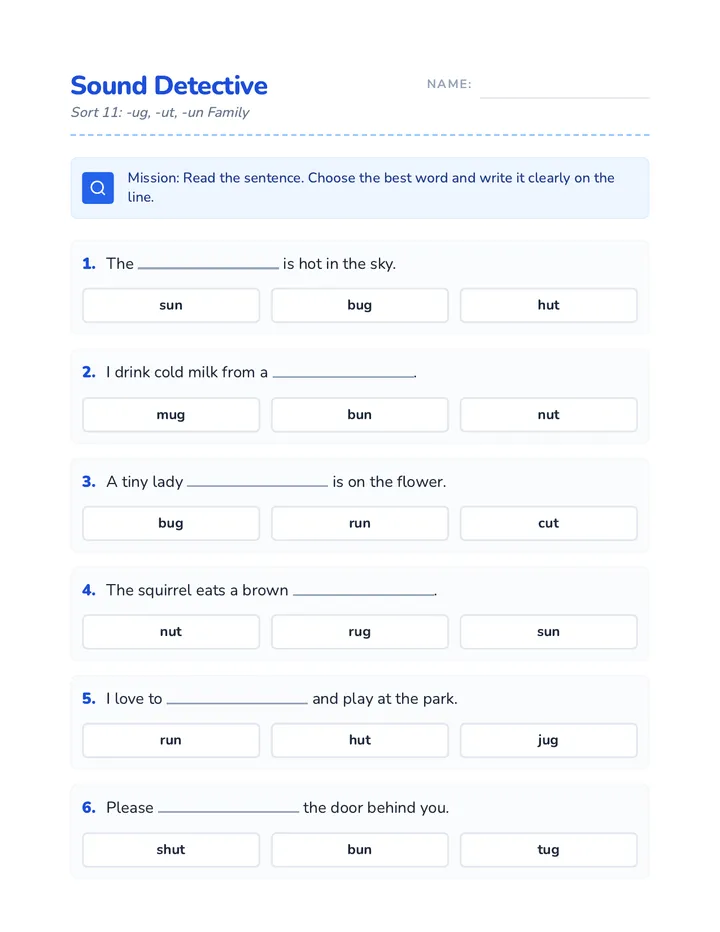
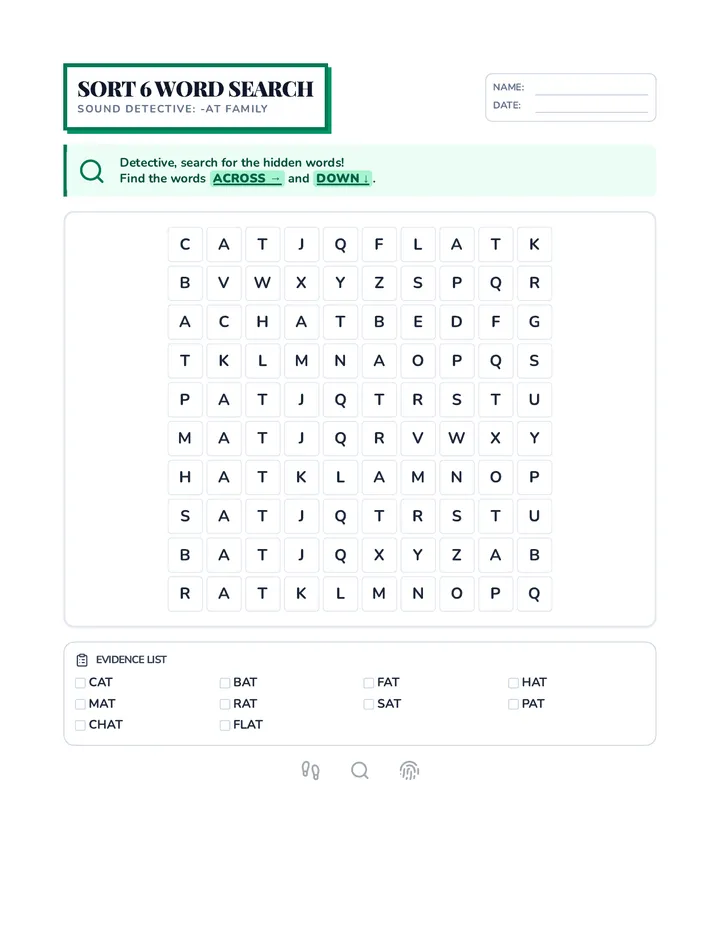
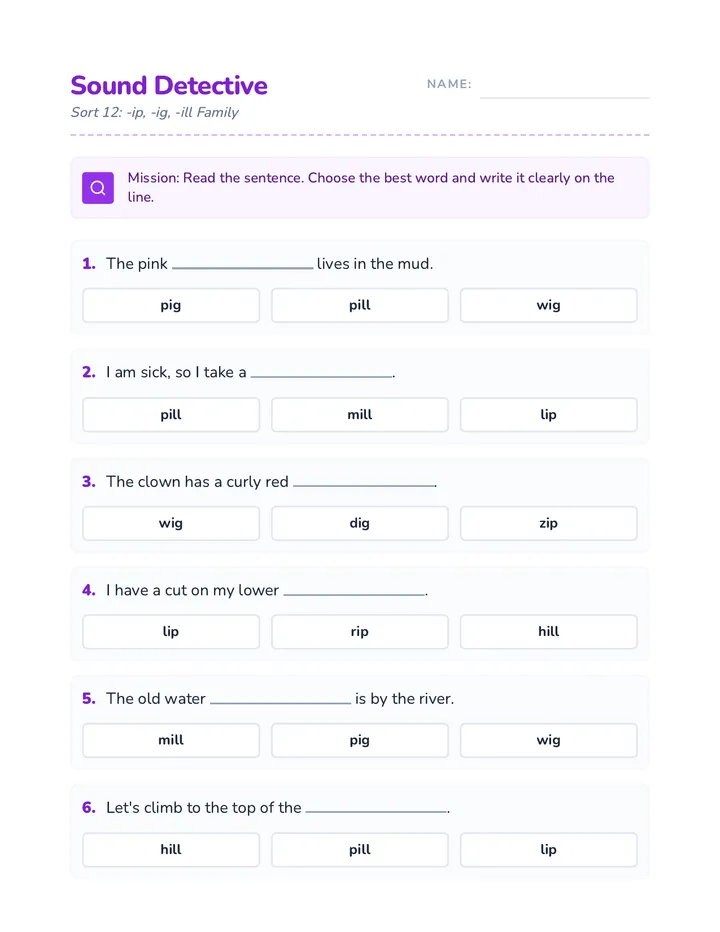
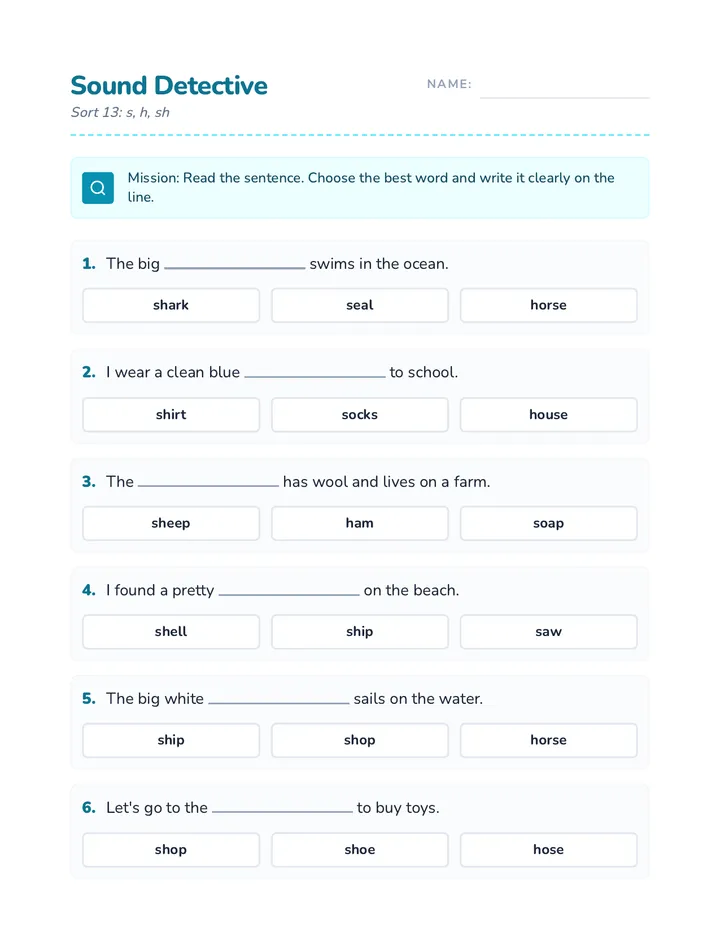
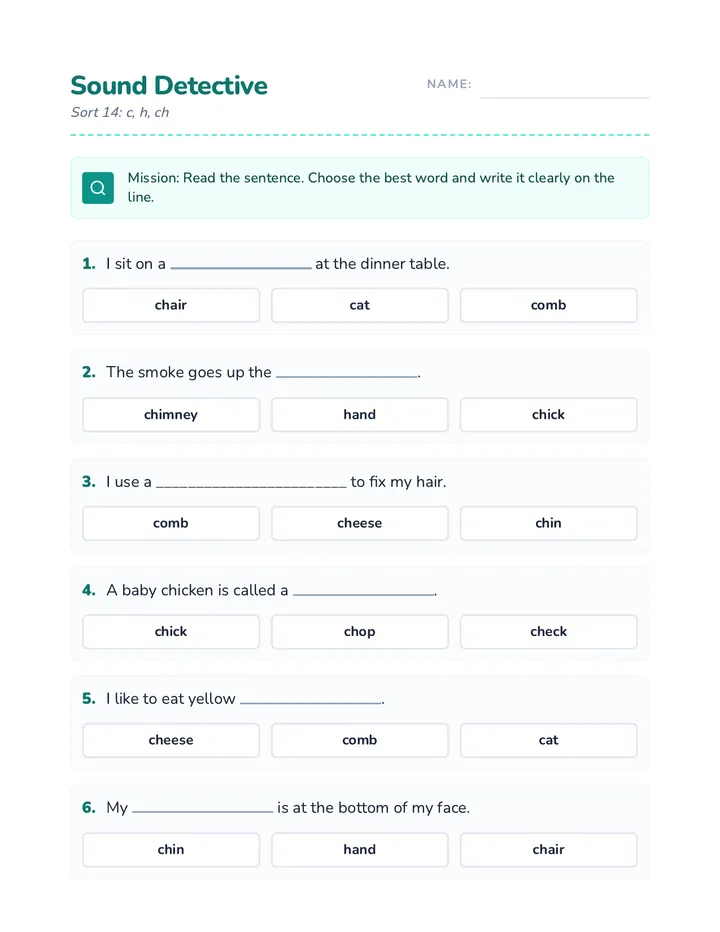
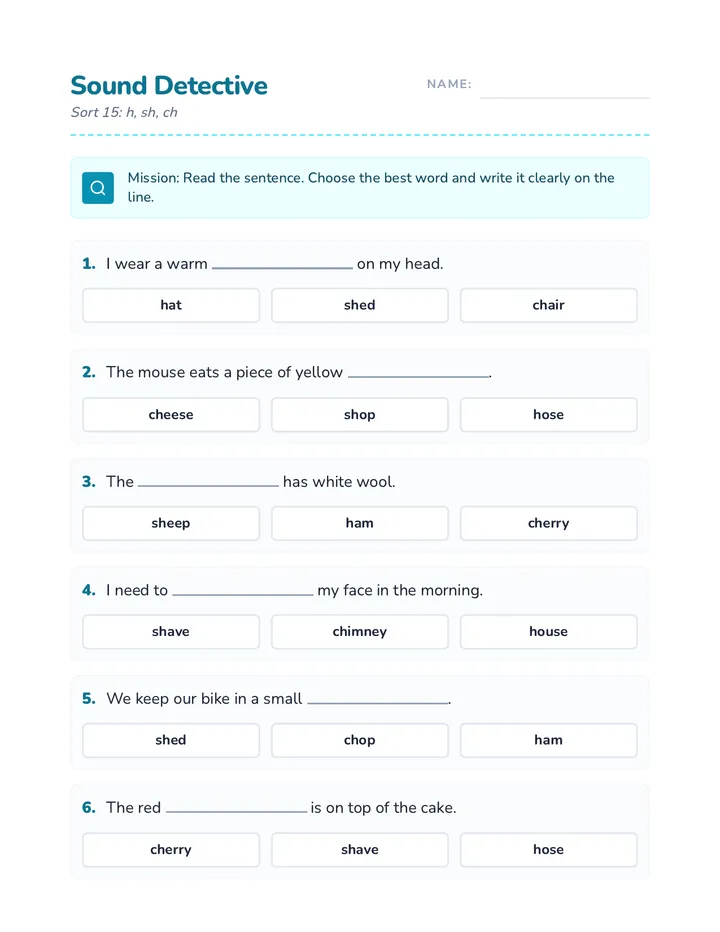
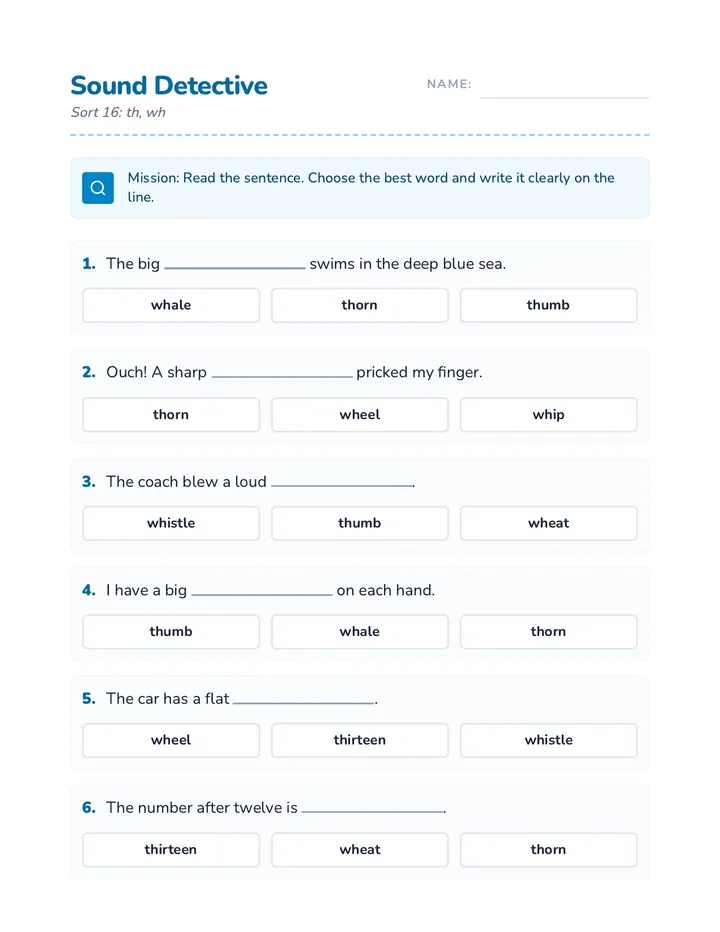
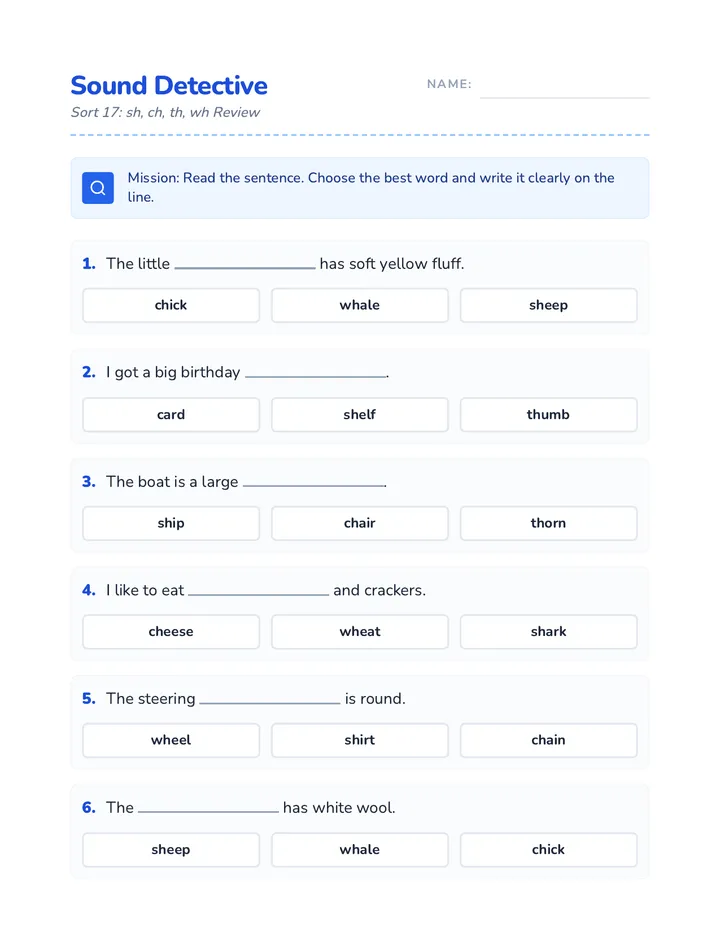
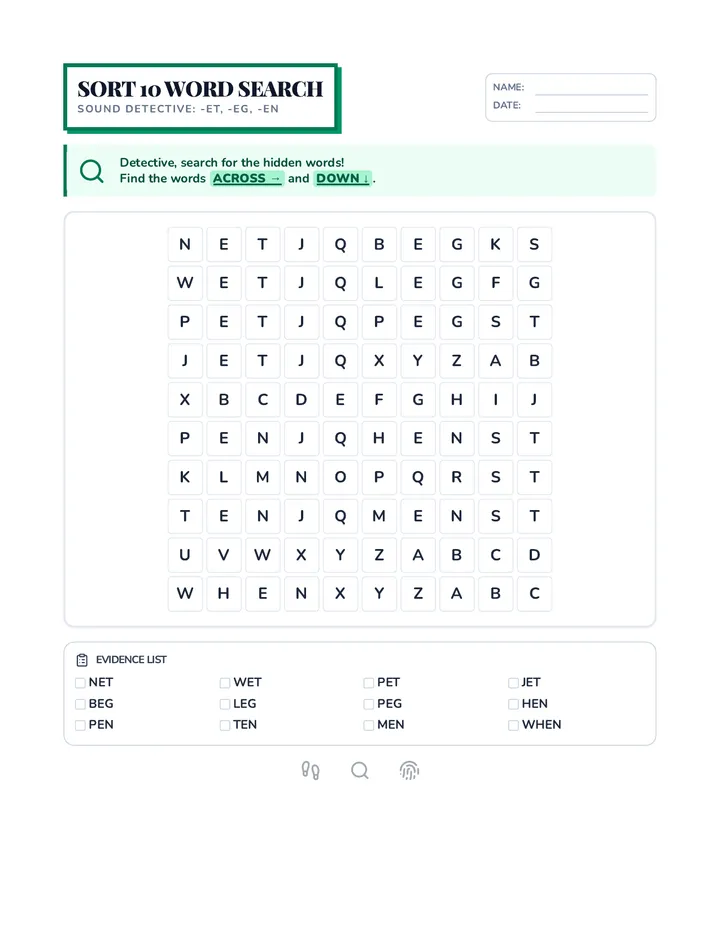
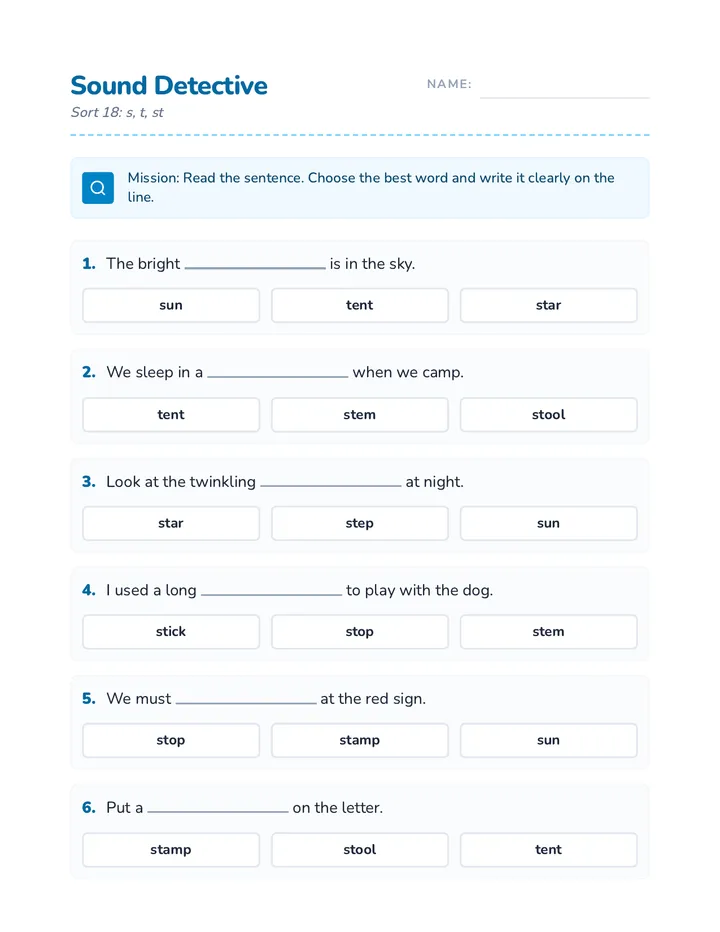
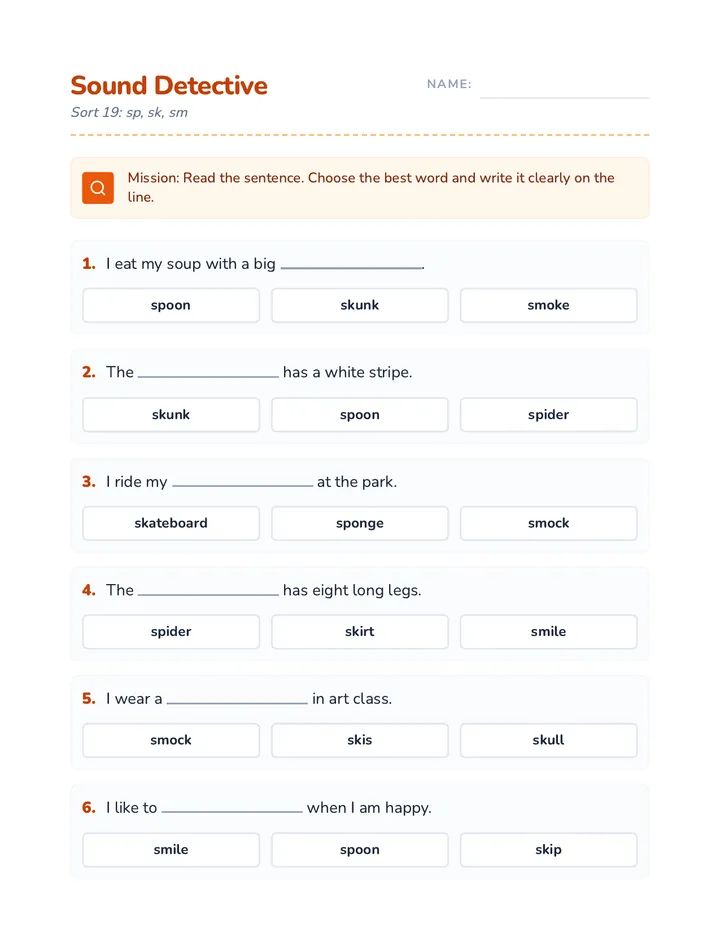
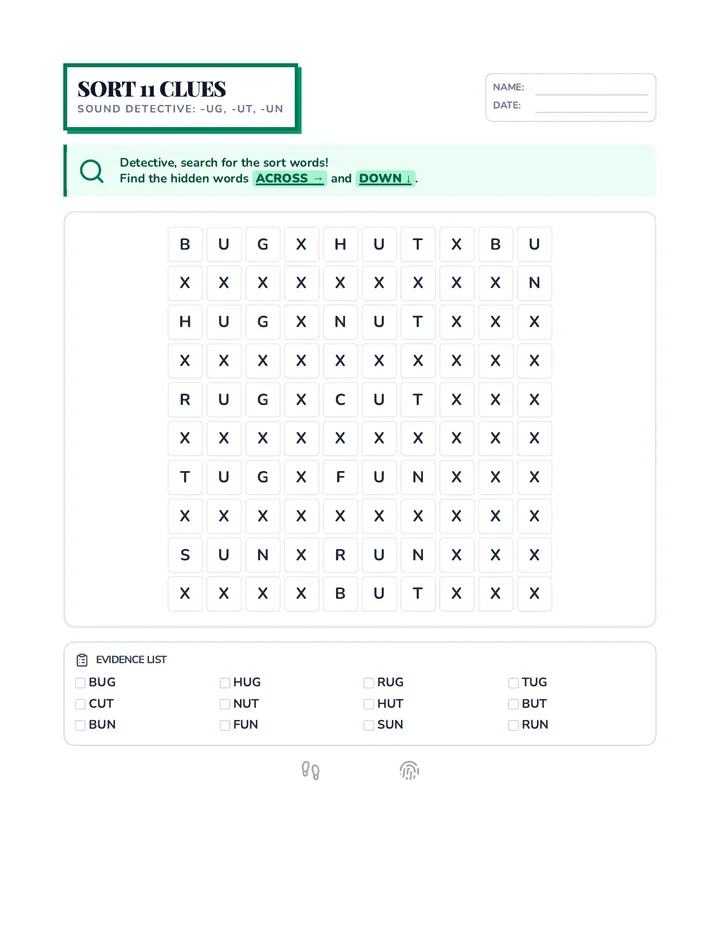
A complete phonics journey covering letter-name alphabetic spelling stages, featuring randomized word sort practice through interactive sentence completion.
An introductory Japanese language and culture unit for 8th grade that follows the 'TABI' (Journey) framework. Students explore geography, etiquette, writing systems, daily life, and traditional arts through immersive daily 45-minute lessons.
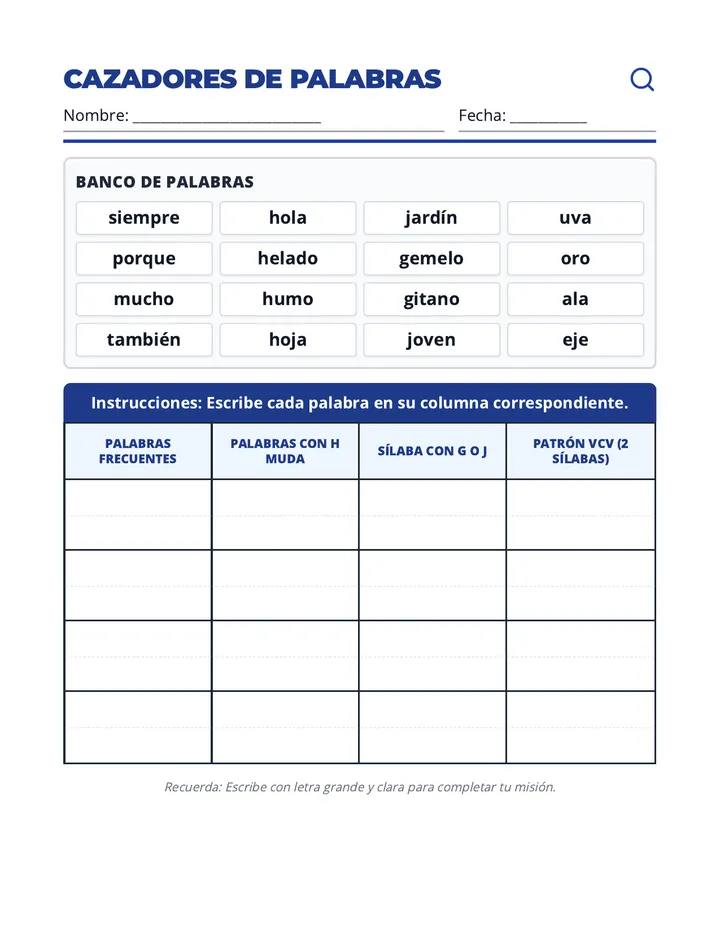
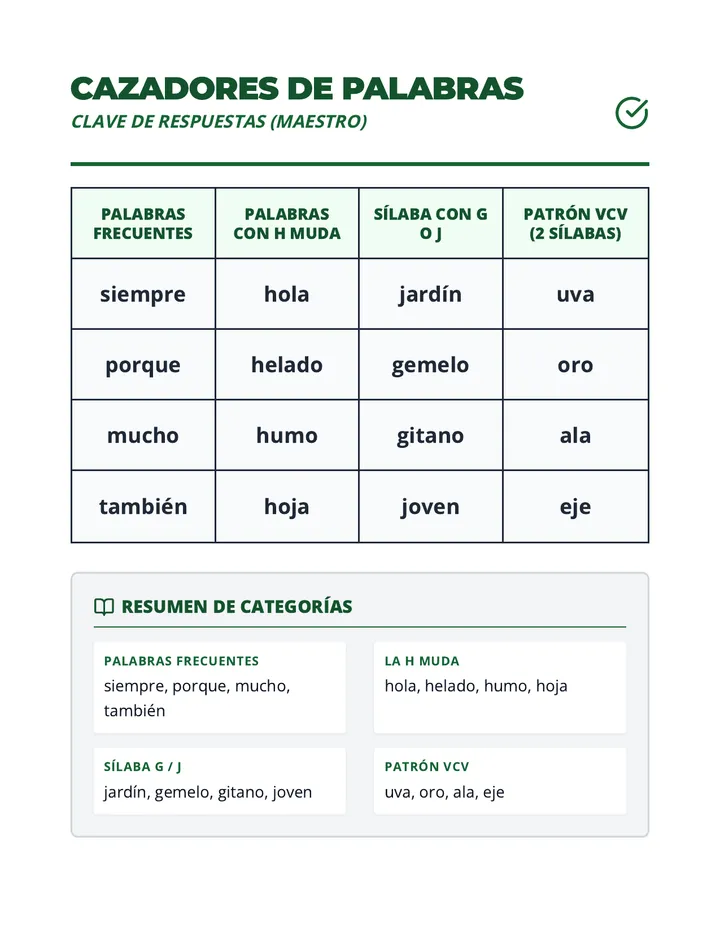
A series of Spanish word sorting lessons designed to reinforce high-frequency words and common orthographic patterns like the silent H and G/J syllables.
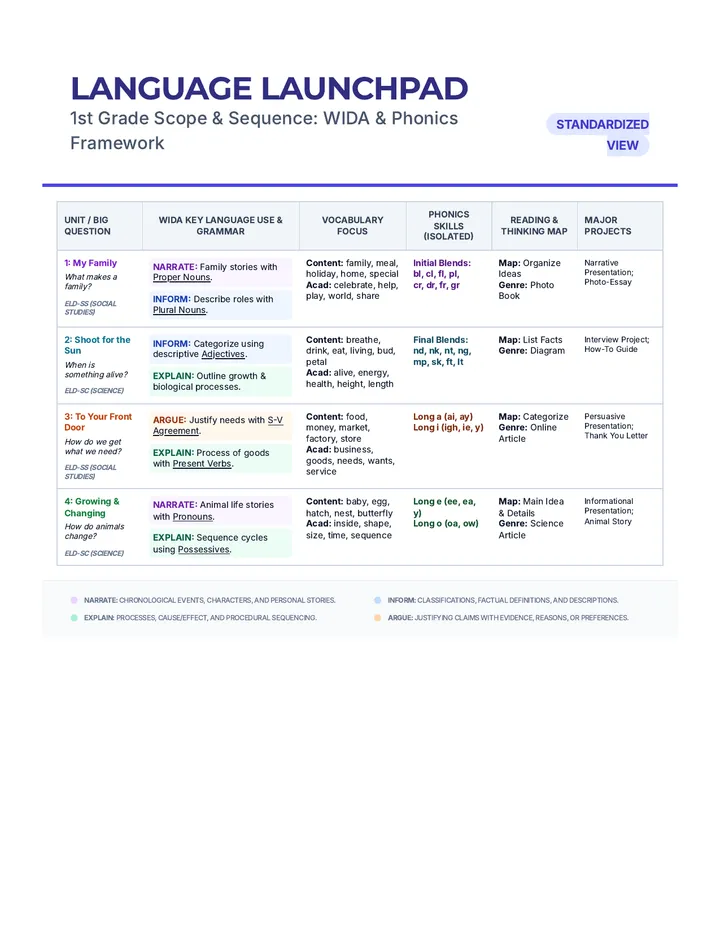
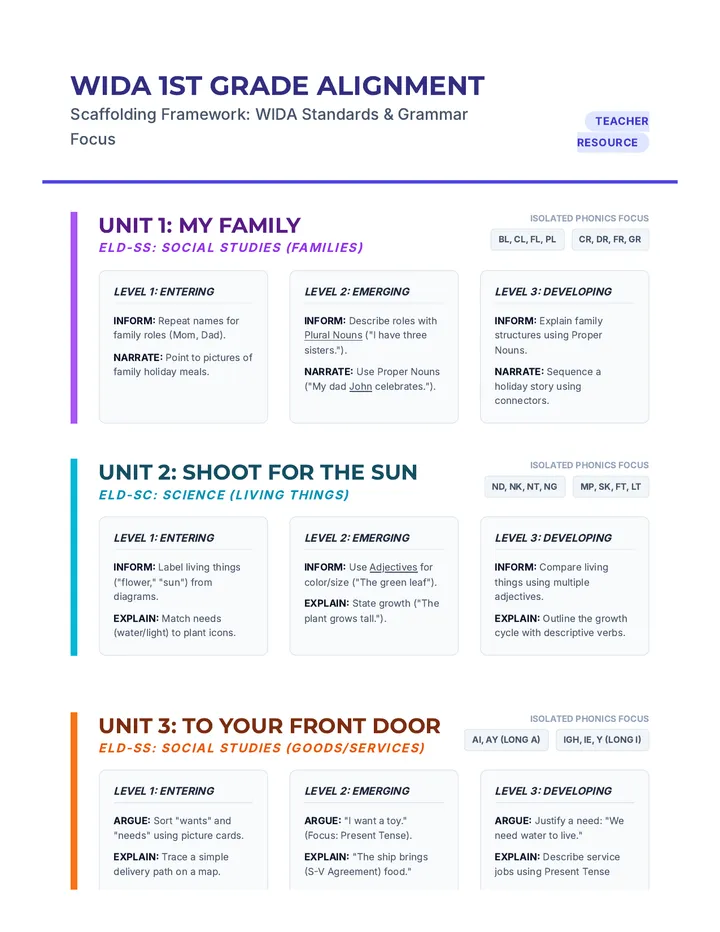
A comprehensive curriculum framework for primary English Language Learners, aligning theme-based social studies and science units with WIDA's four Key Language Uses: Narrate, Inform, Explain, and Argue. This sequence provides instructional scaffolding for students at proficiency levels 1-3.
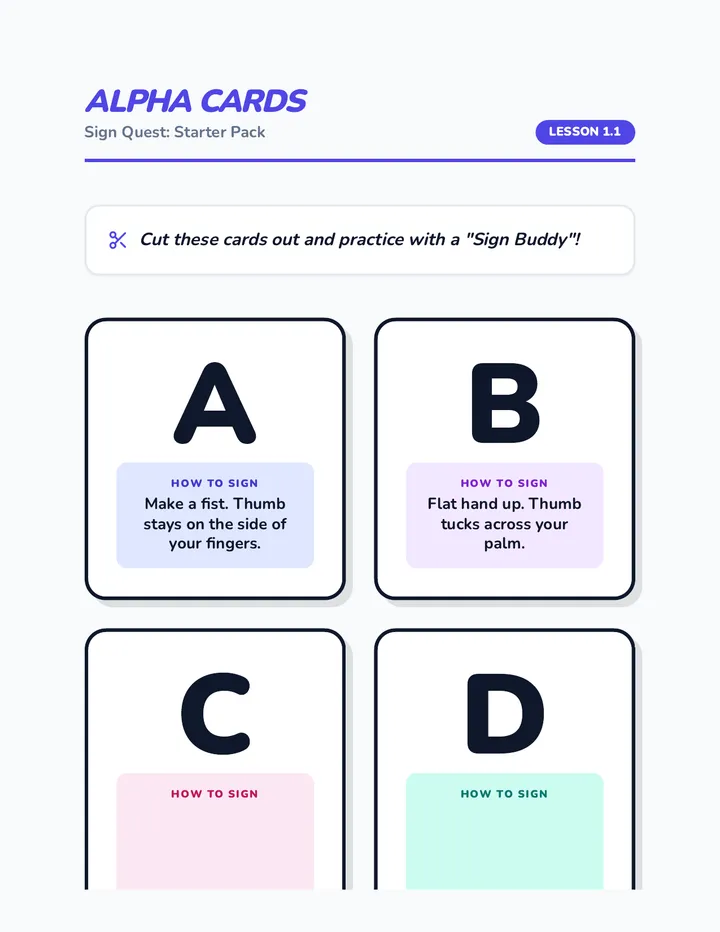
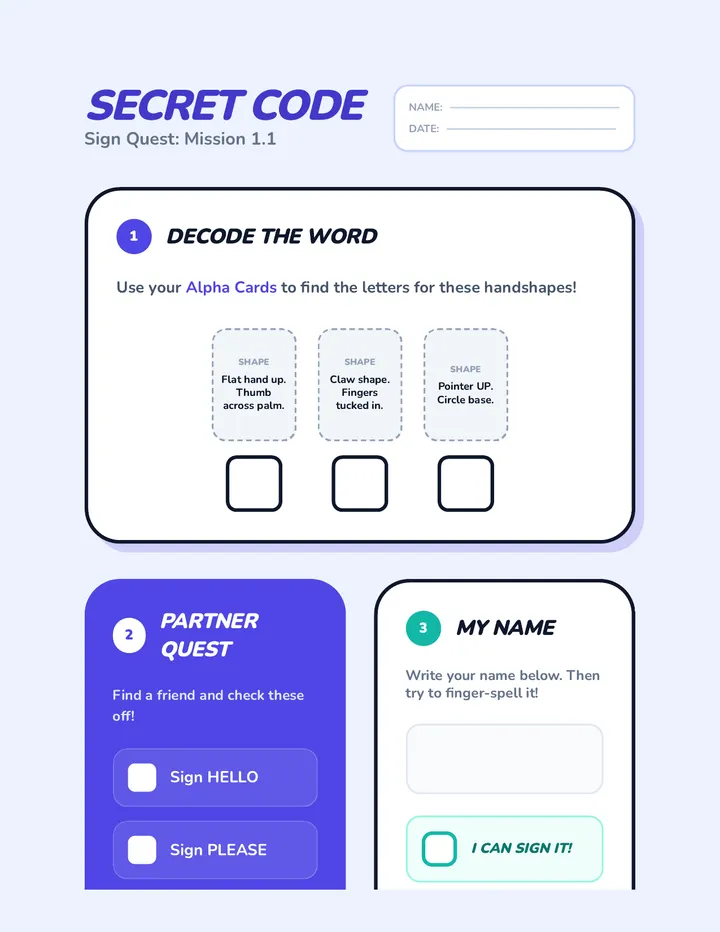
A high-energy, bite-sized introduction to American Sign Language designed for beginners with short attention spans. This unit uses gamified activities and visual aids to teach the alphabet, common people, classroom items, and expressions.
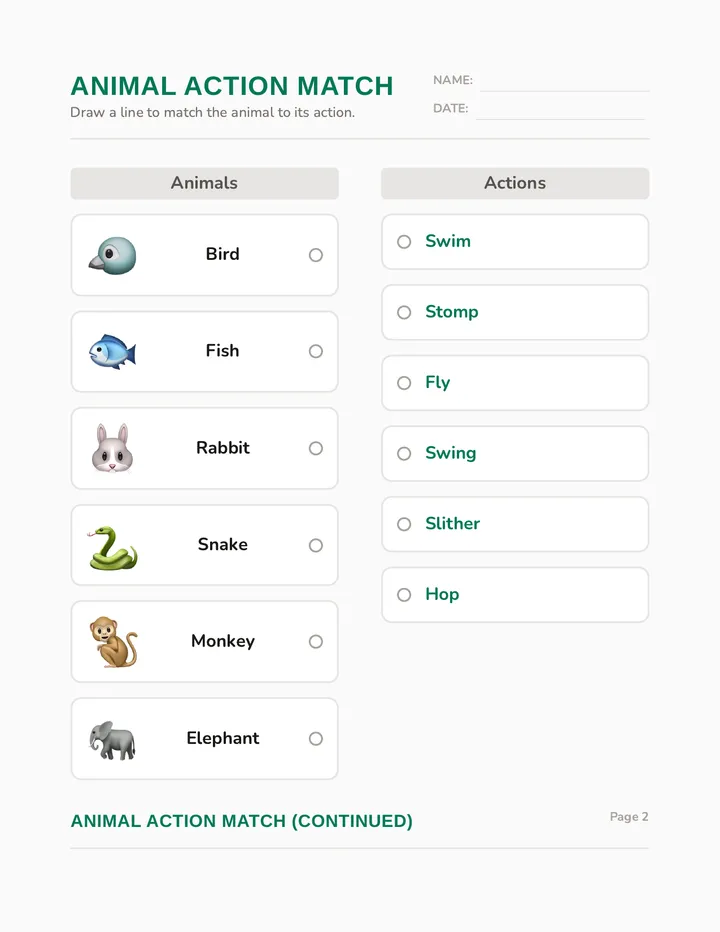
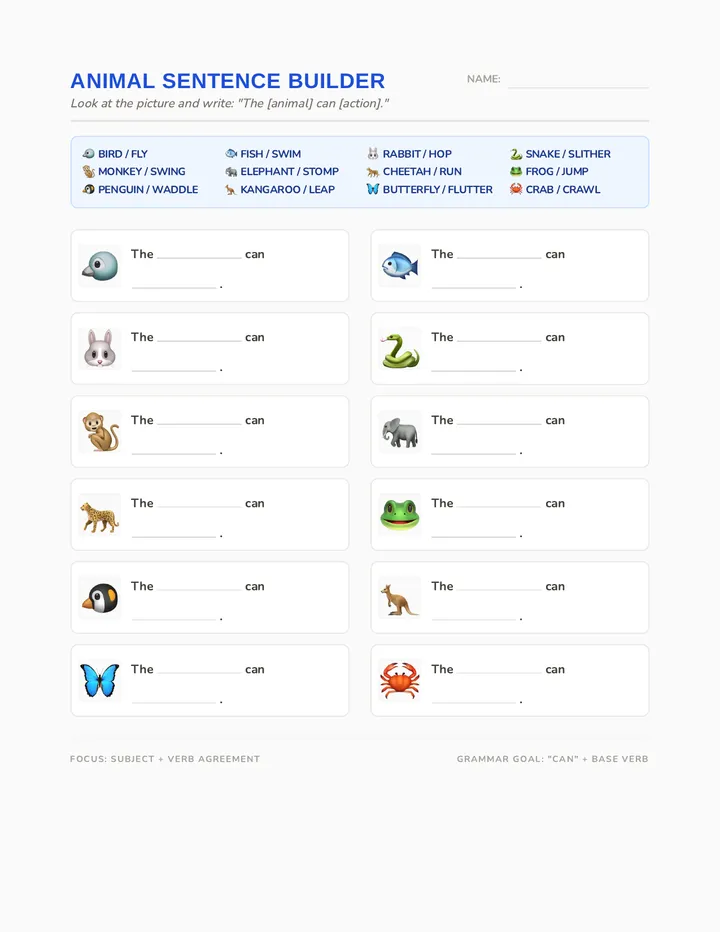
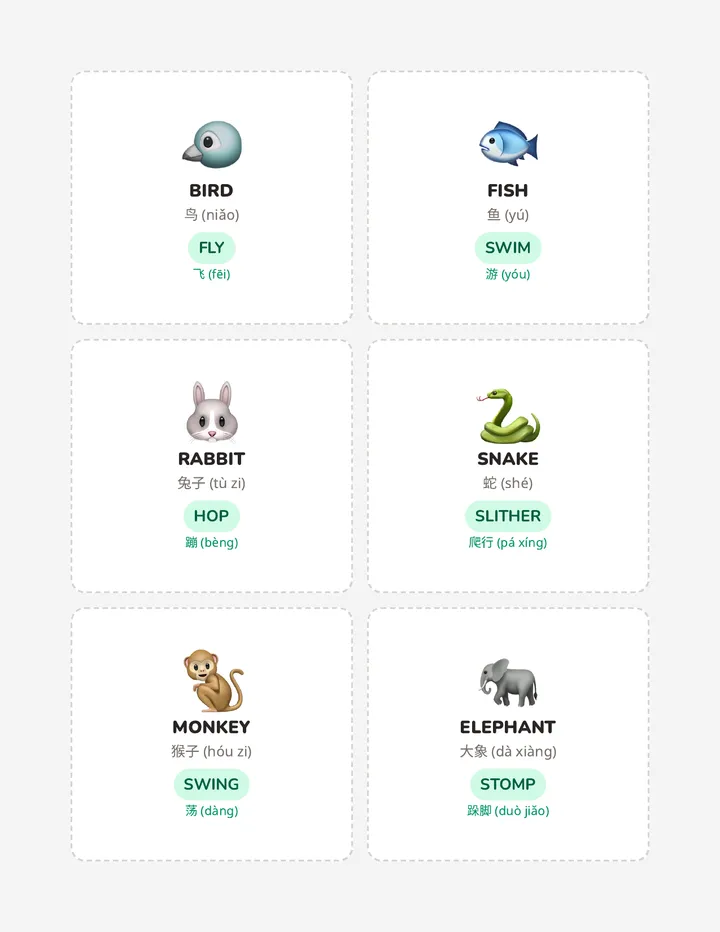
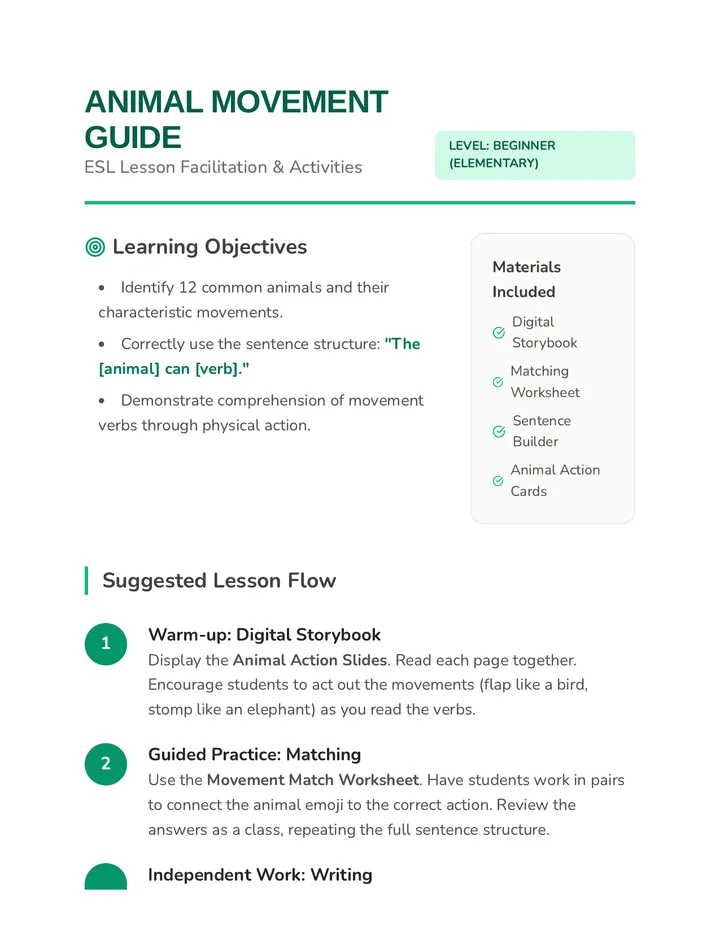
A foundational ESL sequence focused on animal names, movement verbs, and the sentence structure 'The animal can verb'. Designed for young learners with visual support and interactive activities.
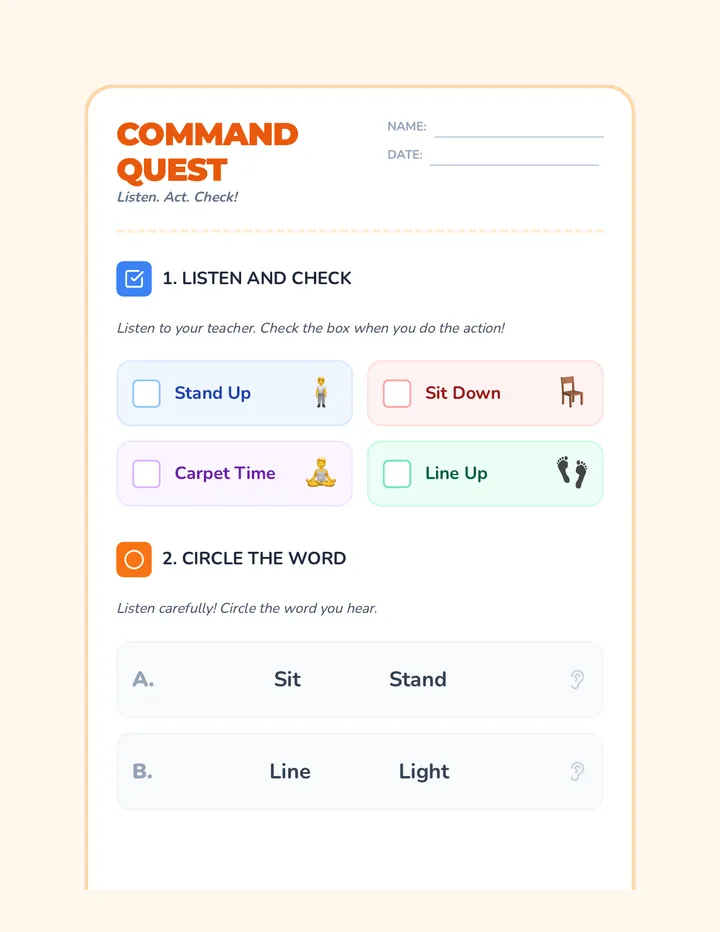
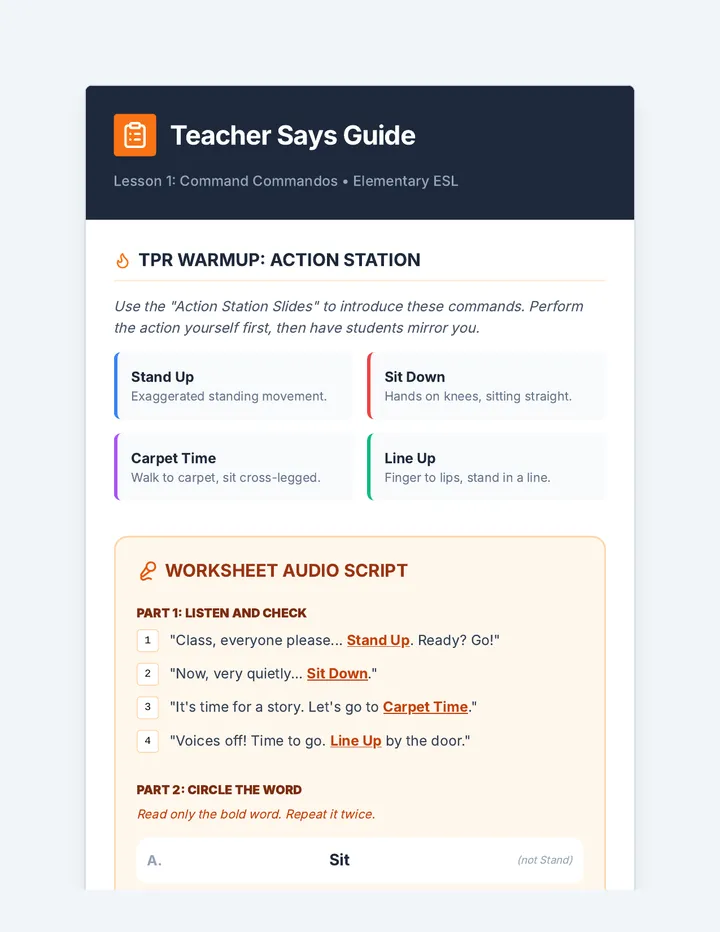
An immersive listening sequence designed for elementary-age beginner ESL students. This unit helps young learners navigate the routines, spaces, and social expectations of a primary school classroom, moving from basic imperative commands to understanding daily schedules and peer introductions.
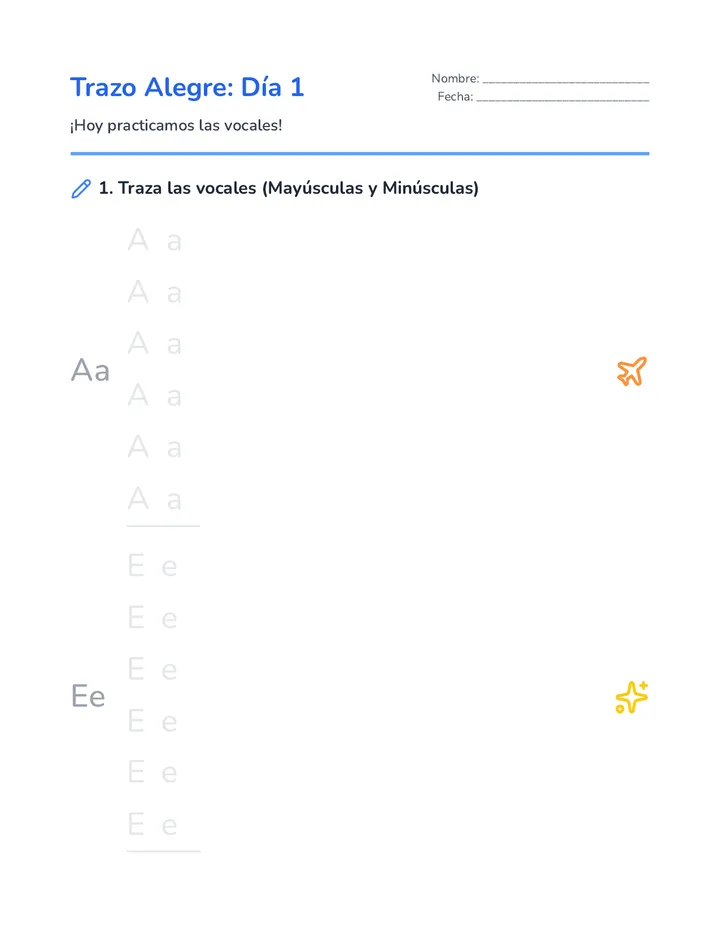
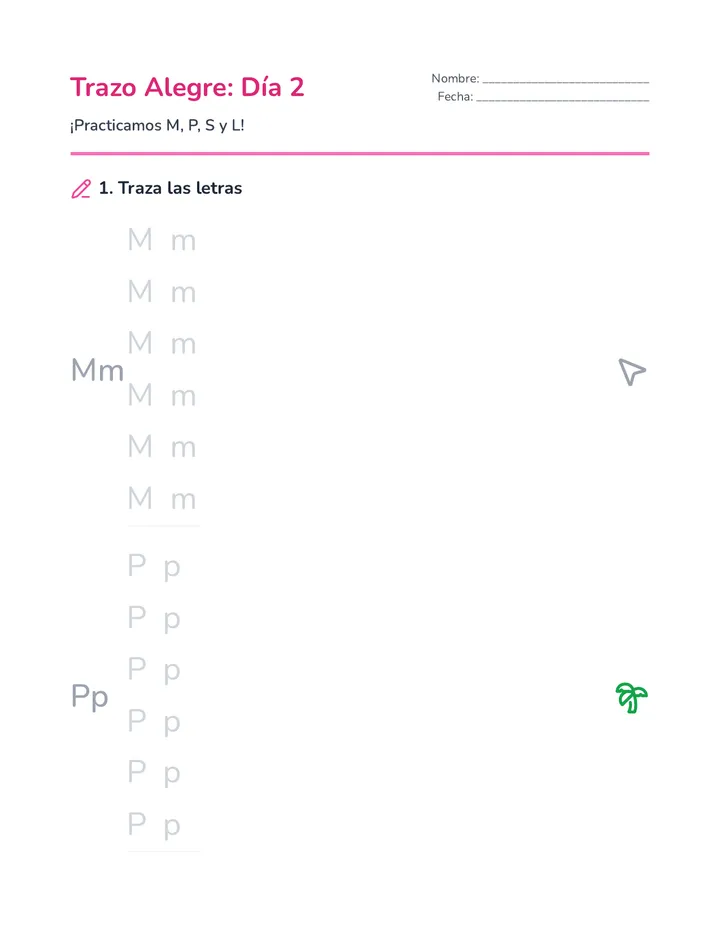
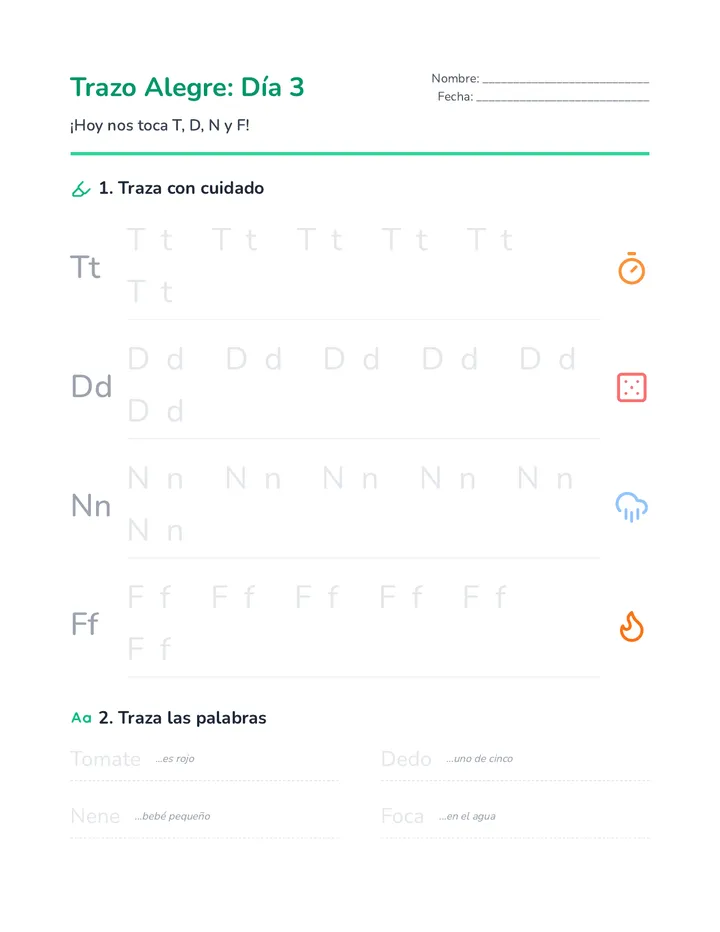
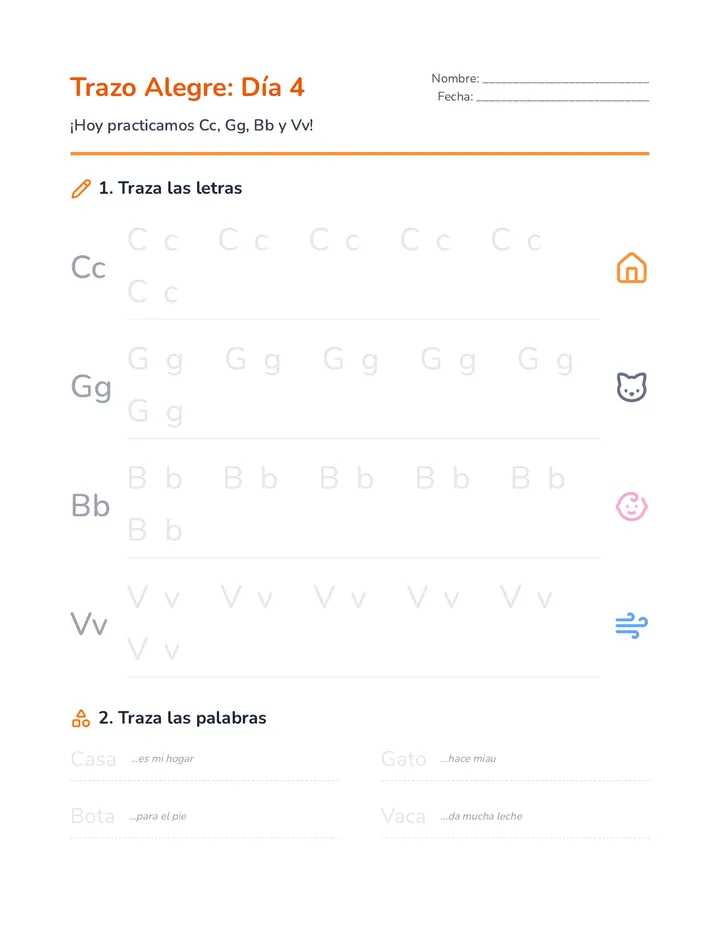
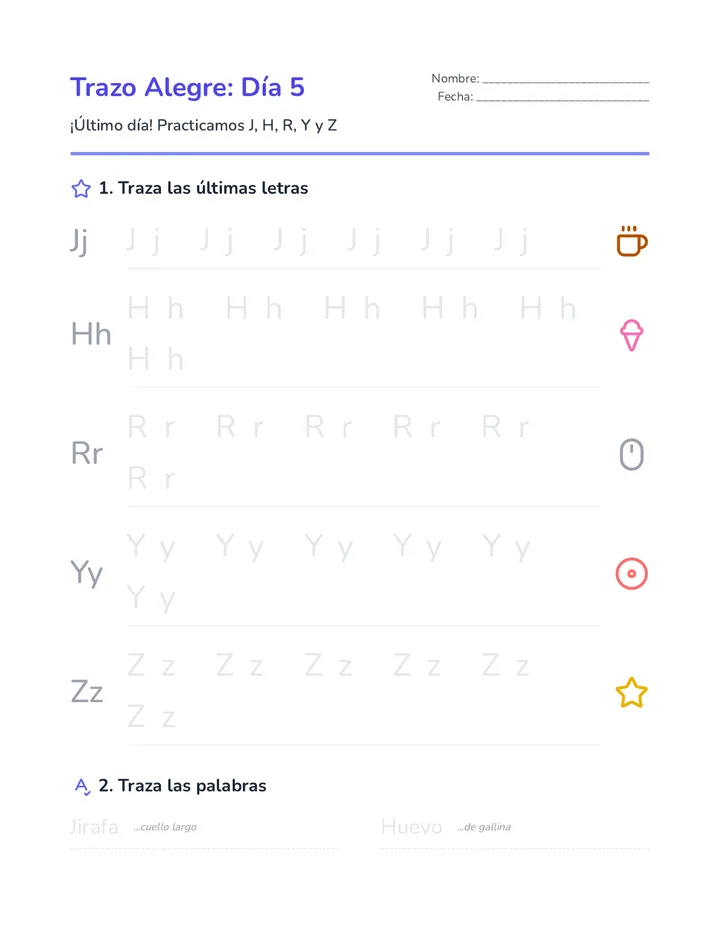
A comprehensive one-week Spanish homework packet designed to improve student letter formation through tracing exercises. The sequence focuses on individual letters, words, and full sentences with common sight words, featuring engaging illustrations of animals and school supplies.
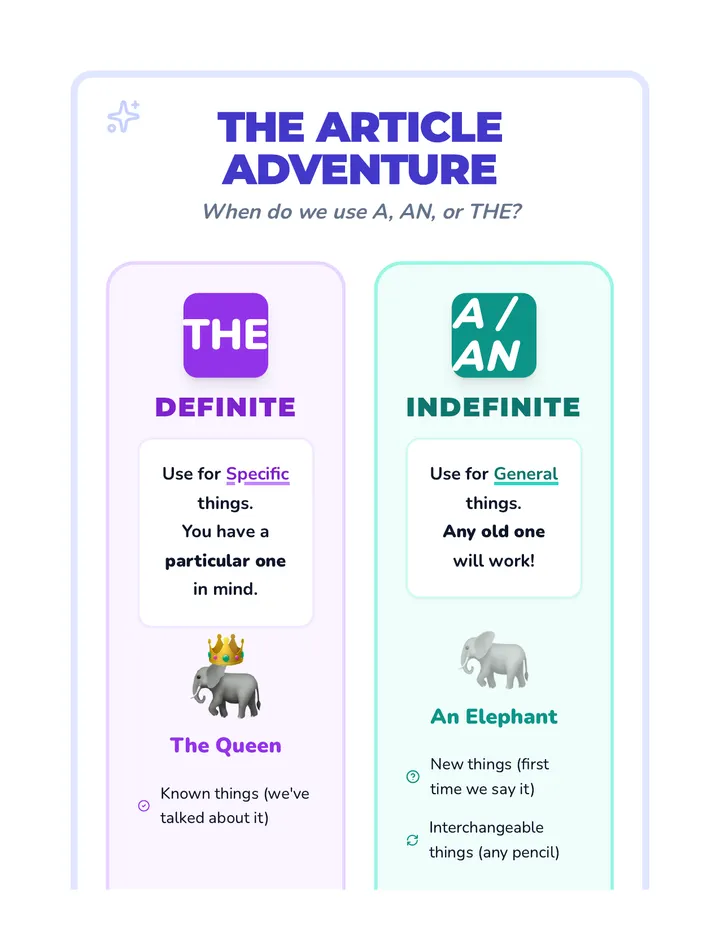
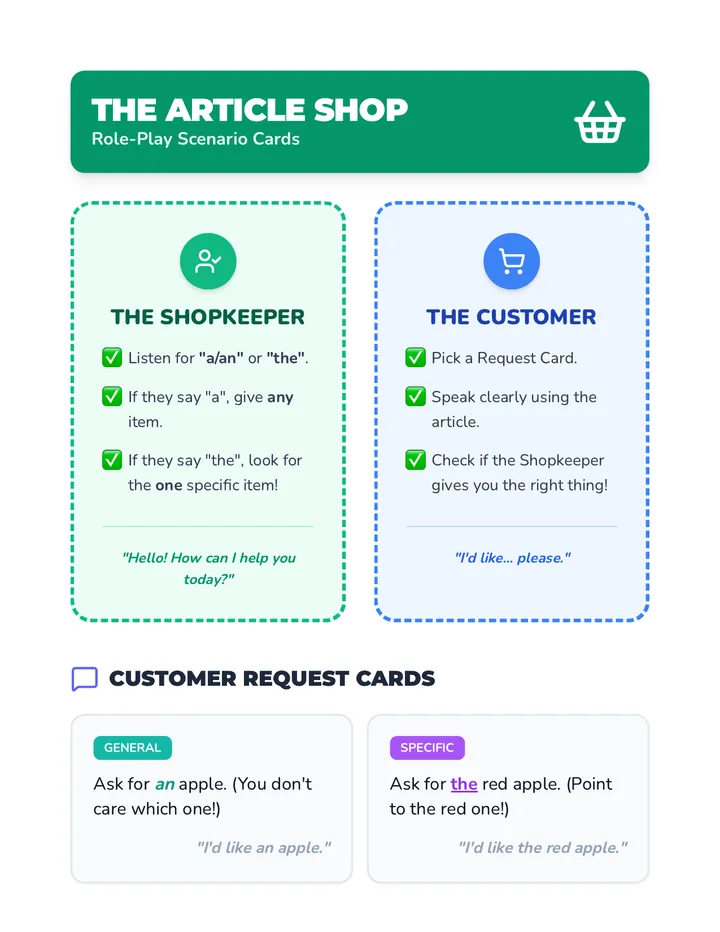
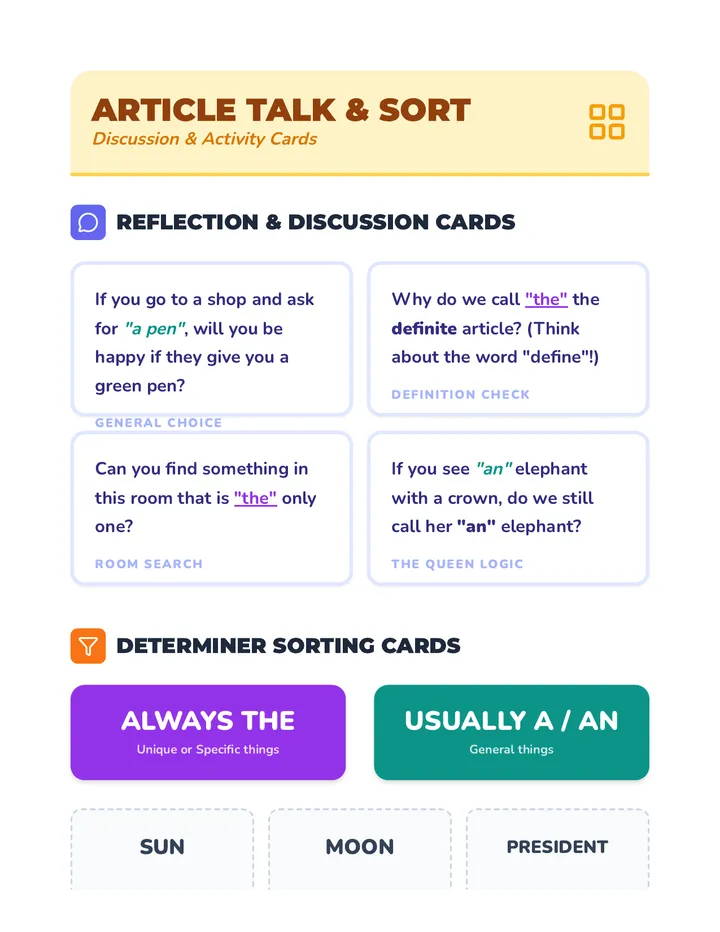
A foundational grammar sequence for English Language Learners focusing on the use of definite and indefinite articles through visual storytelling and interactive games.
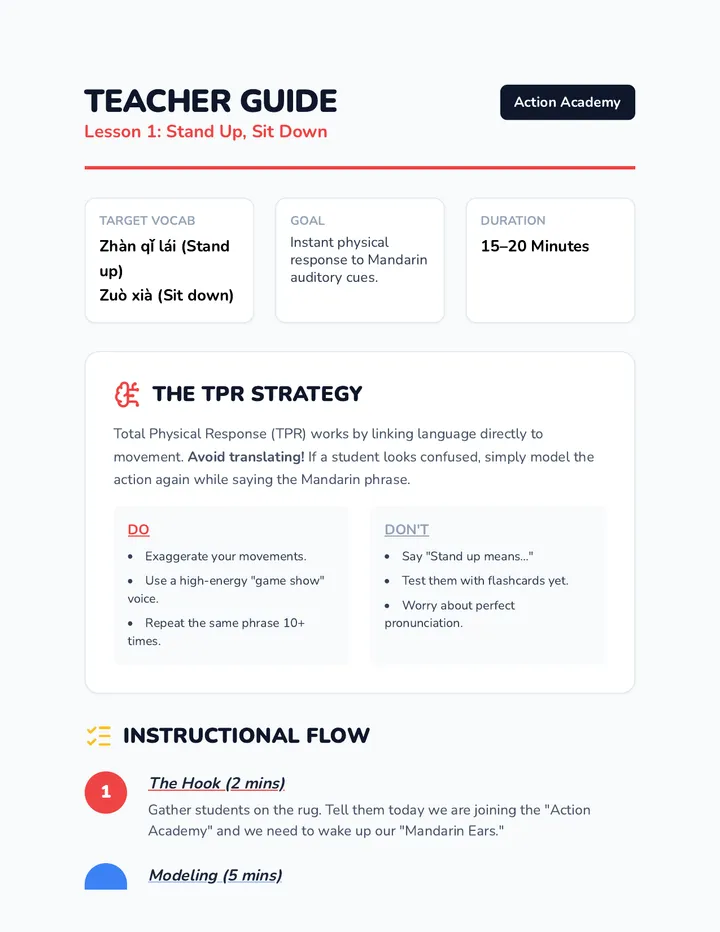
A high-energy Mandarin Chinese sequence for Pre-K students using the Total Physical Response (TPR) method. Students learn to respond to physical commands and action verbs through games and movement, building direct meaning without translation.
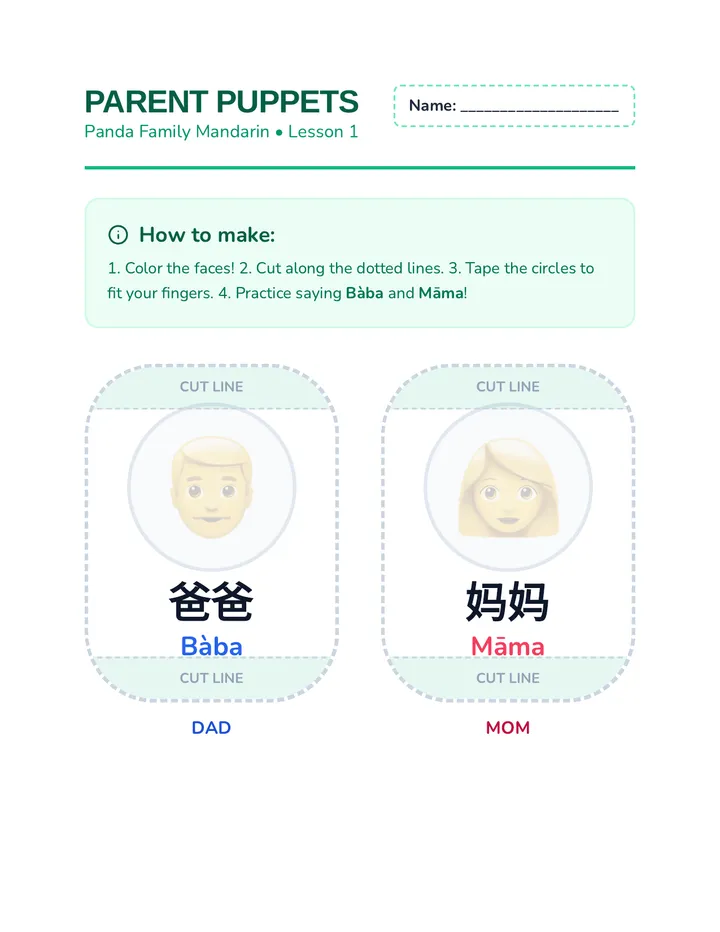
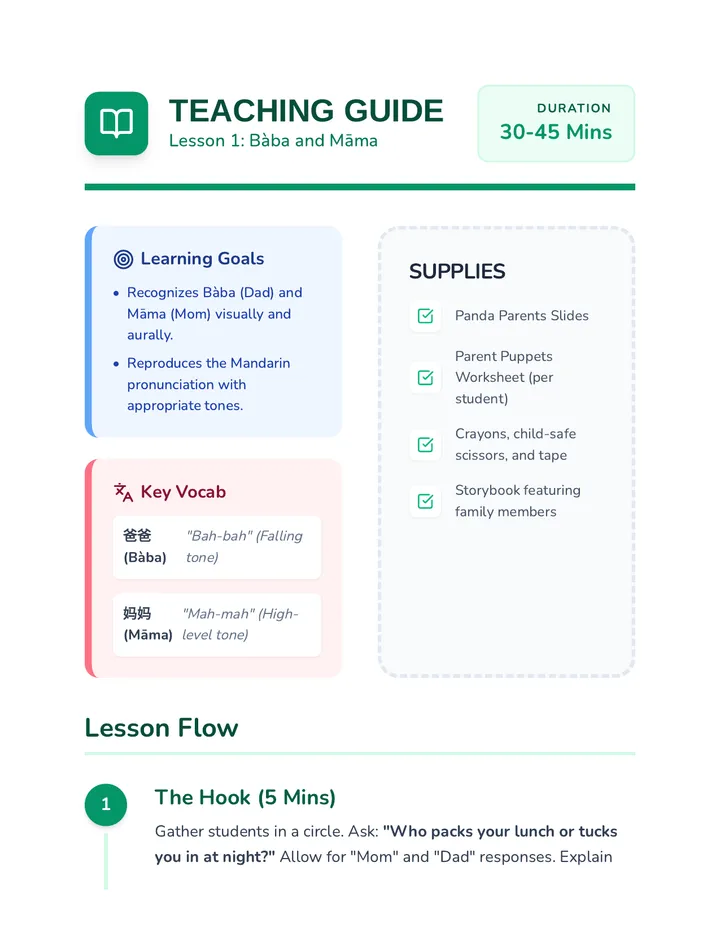
A foundational Mandarin Chinese sequence for Pre-K students focused on identifying family members. Students learn vocabulary for parents, siblings, and grandparents through interactive games, songs, and visual inquiry.