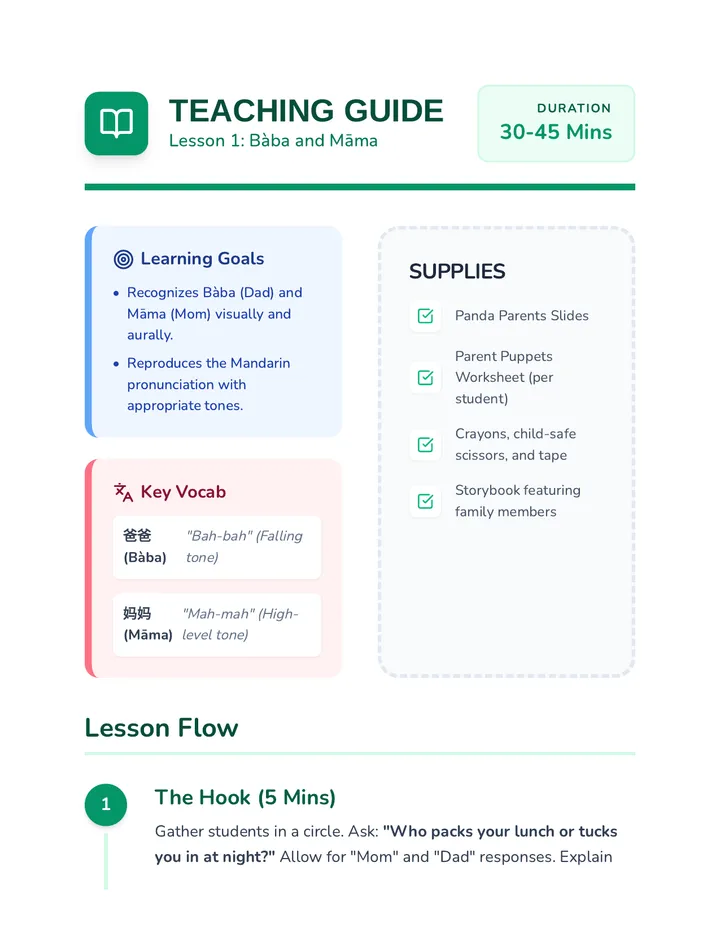
A workshop-style sequence for undergraduate students focusing on the mechanics of Mandarin tonal production. Students use pitch visualization and comparative analysis to master the four main tones and the neutral tone in isolation and context.

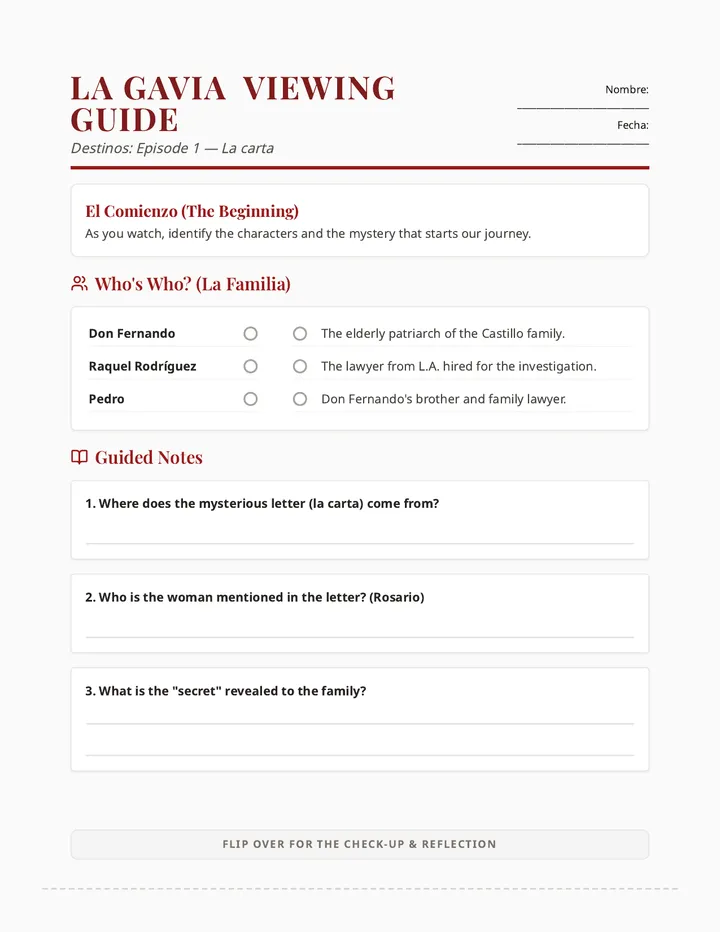
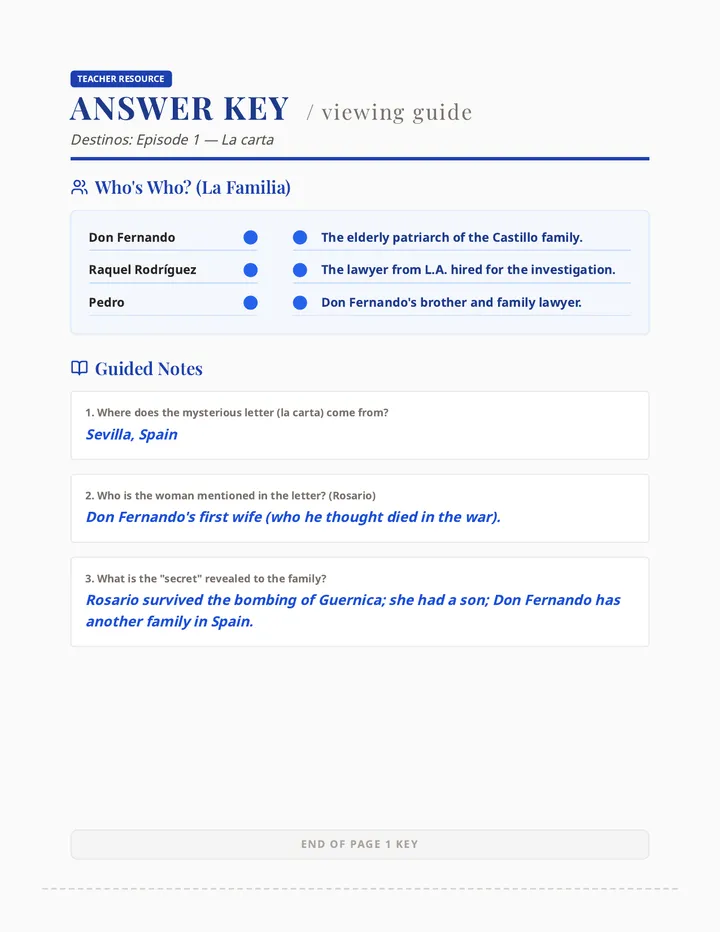
A series of lessons following Raquel Rodríguez as she solves the mystery of the Castillo family, starting with the discovery of a secret letter and her journey to Spain.
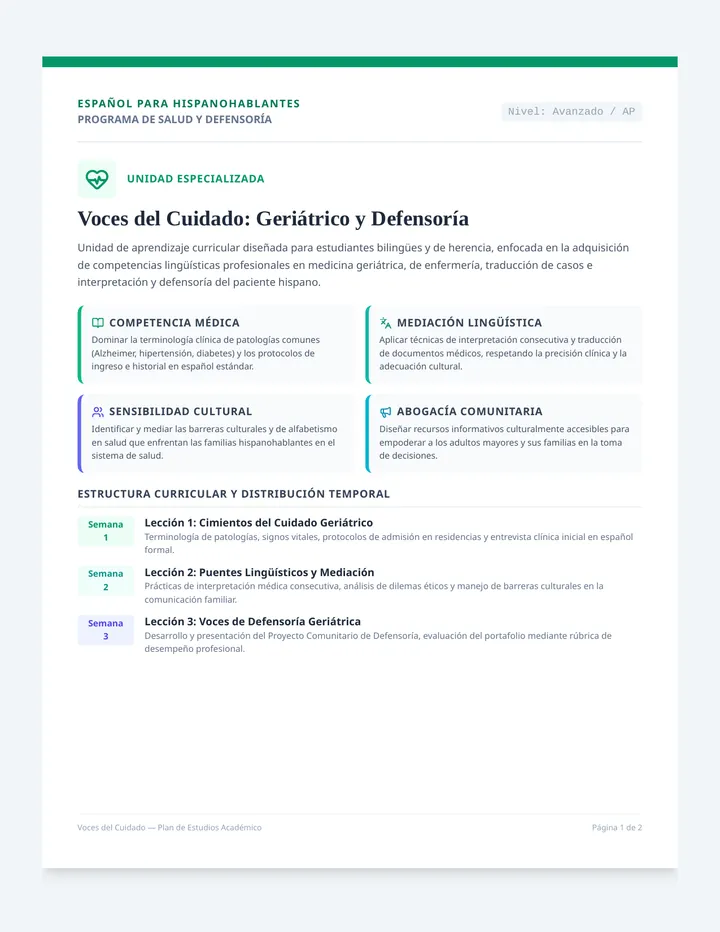
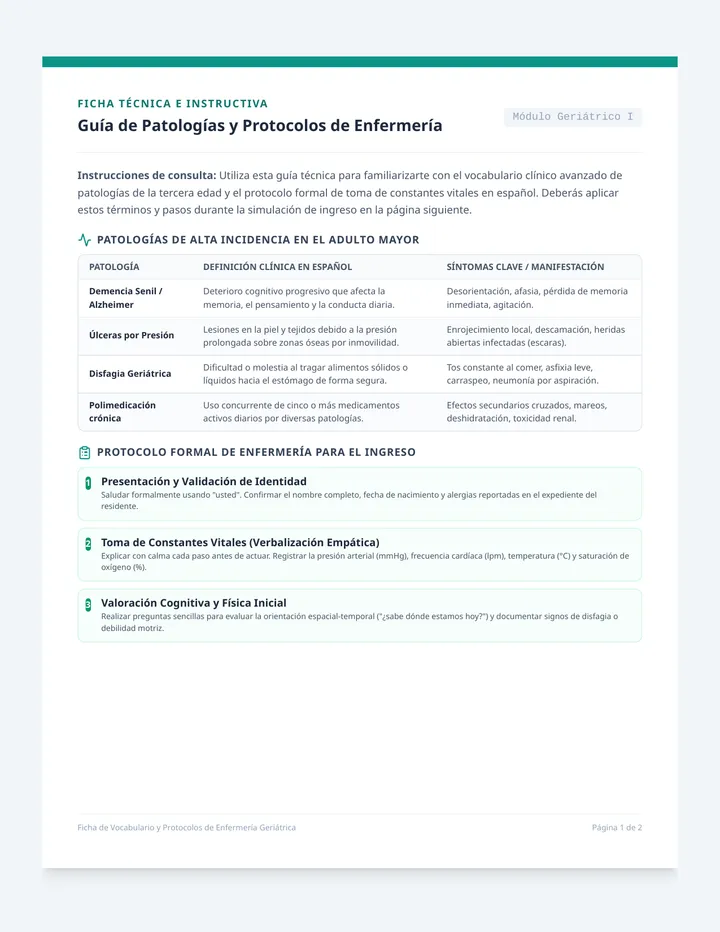
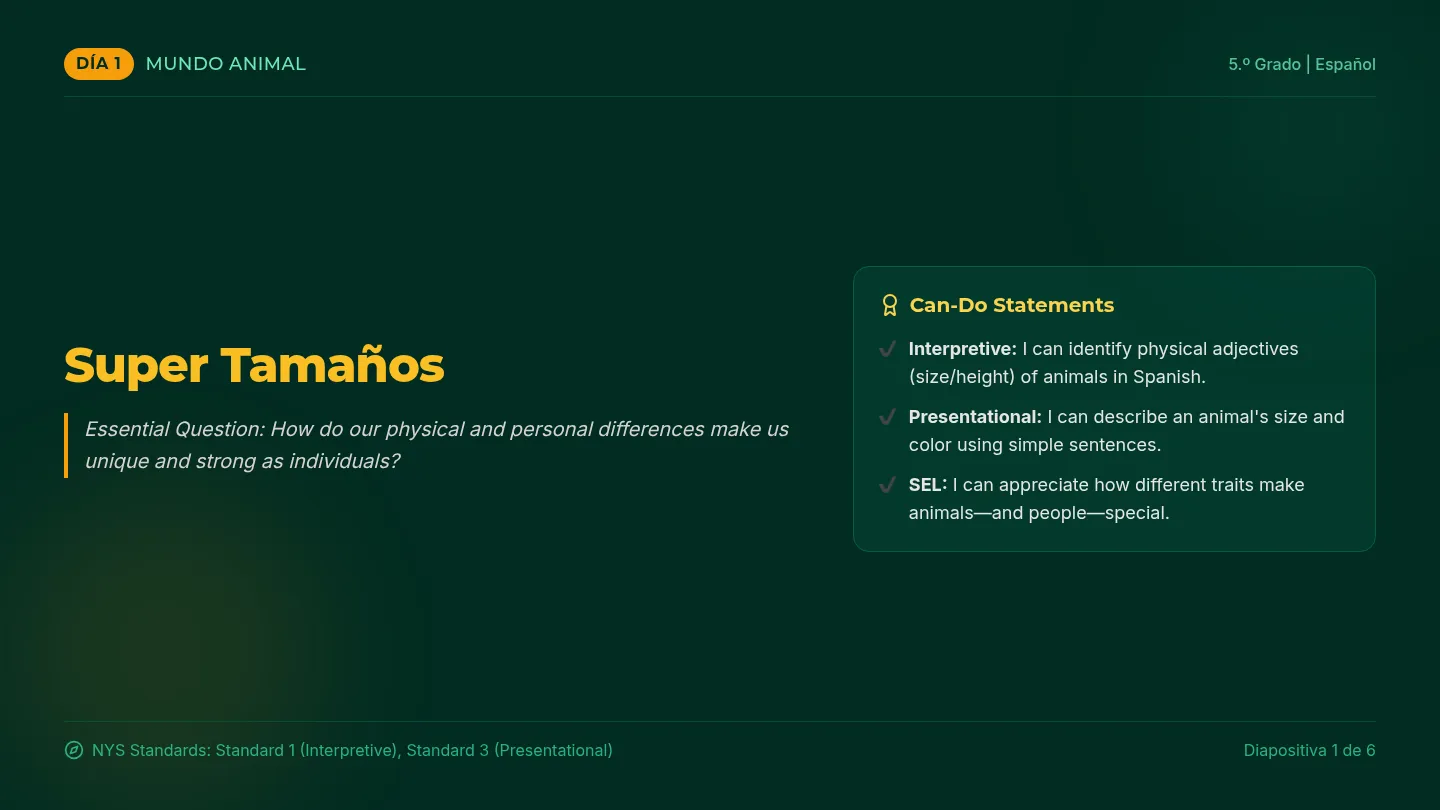
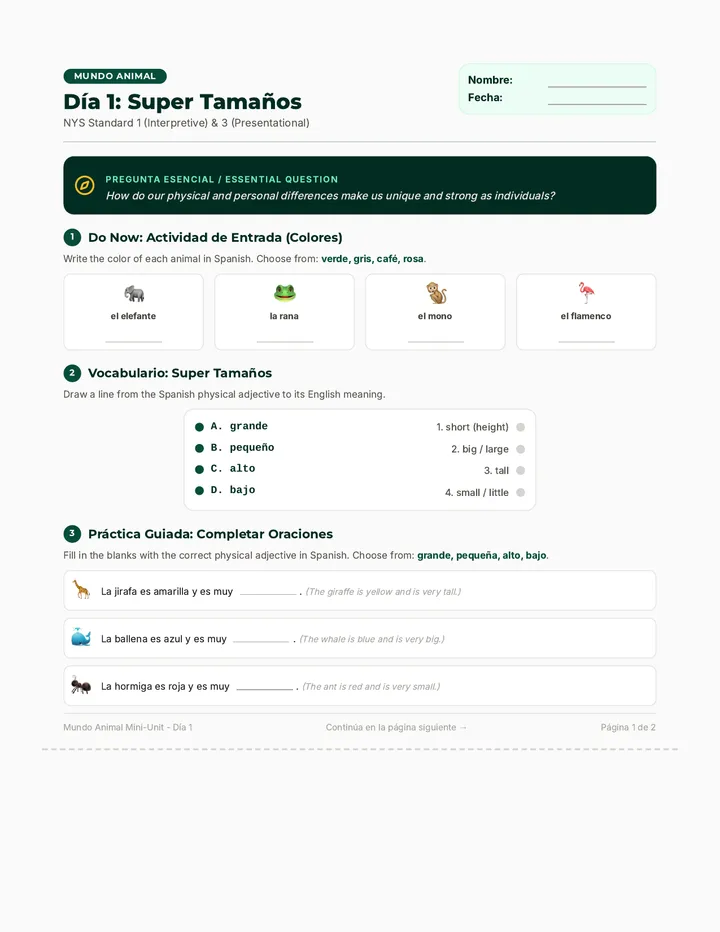
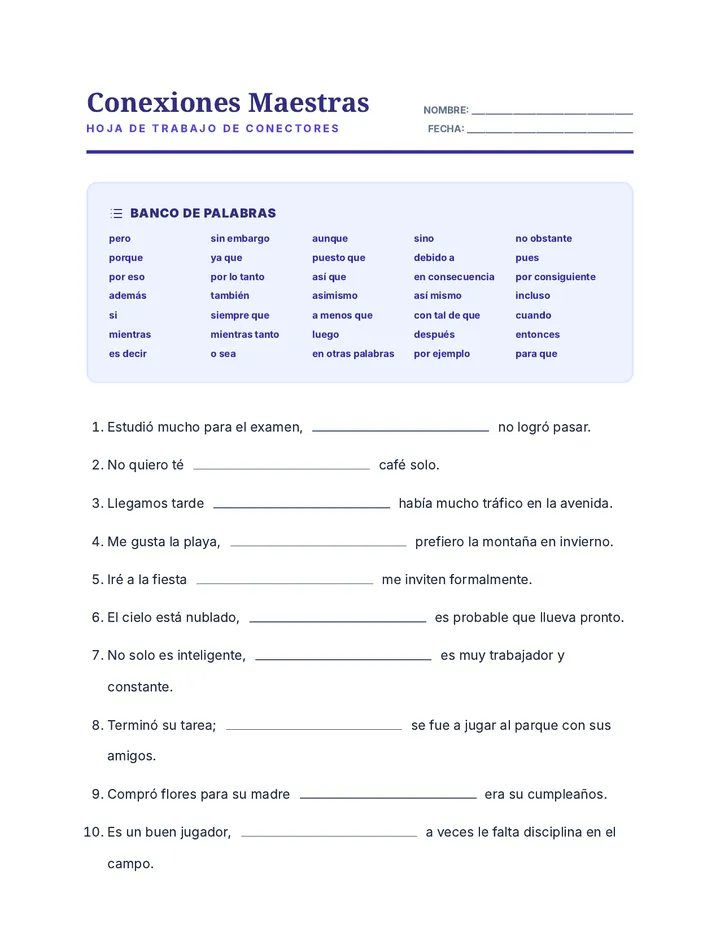
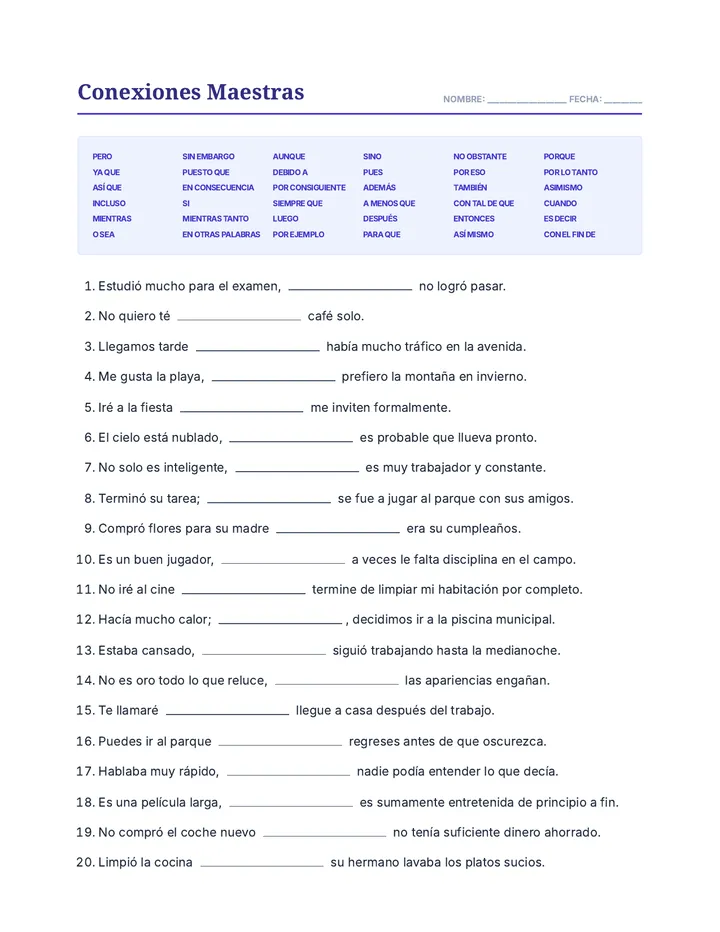
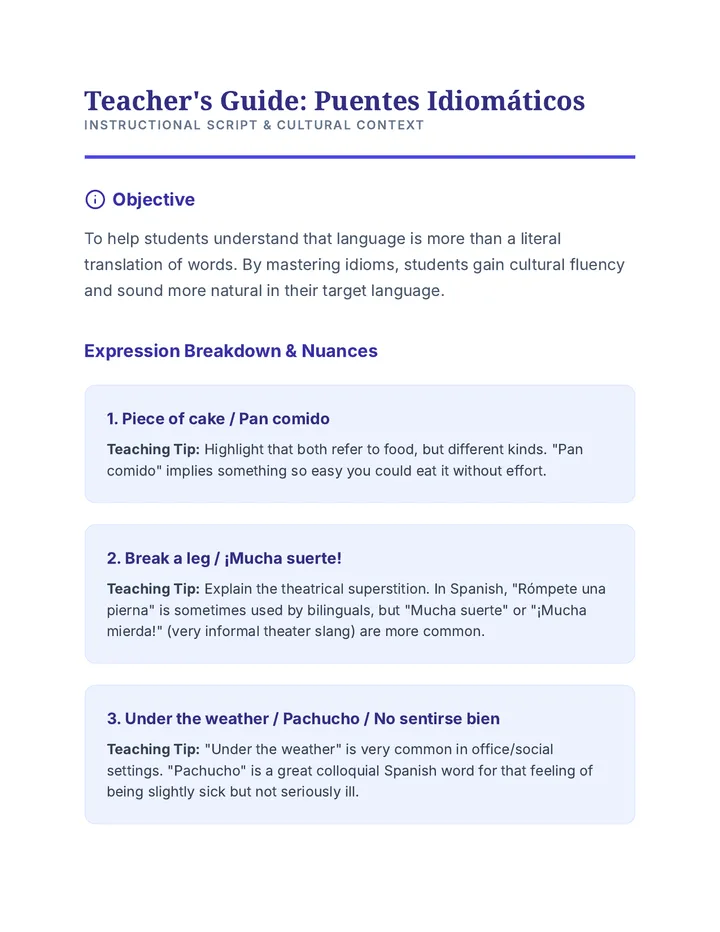
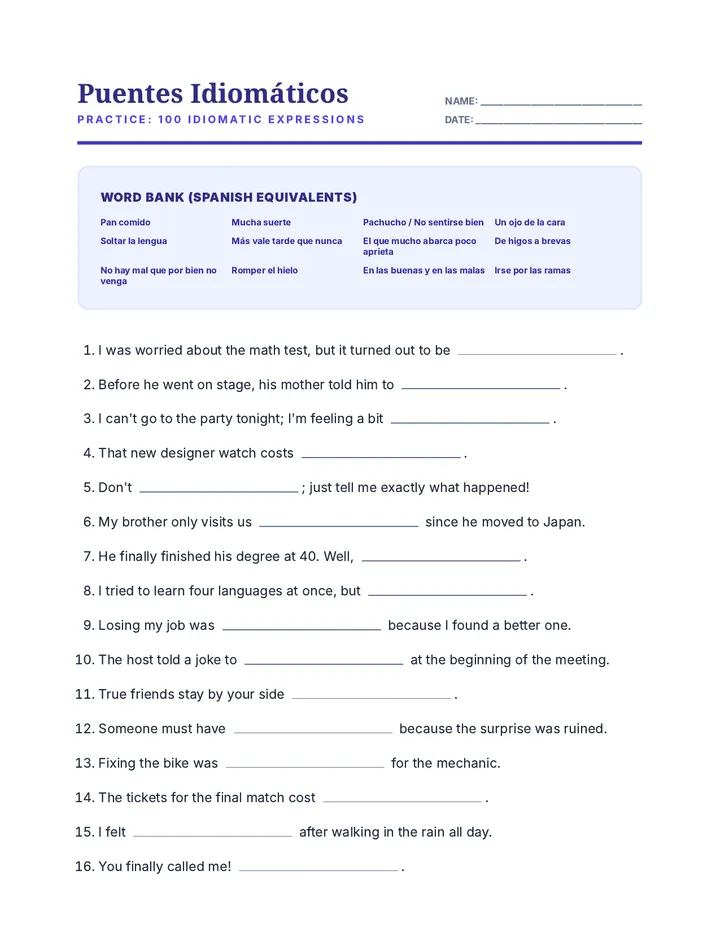
Una serie de lecciones enfocadas en el dominio de las estructuras gramaticales y expresiones idiomáticas en español e inglés para estudiantes bilingües.
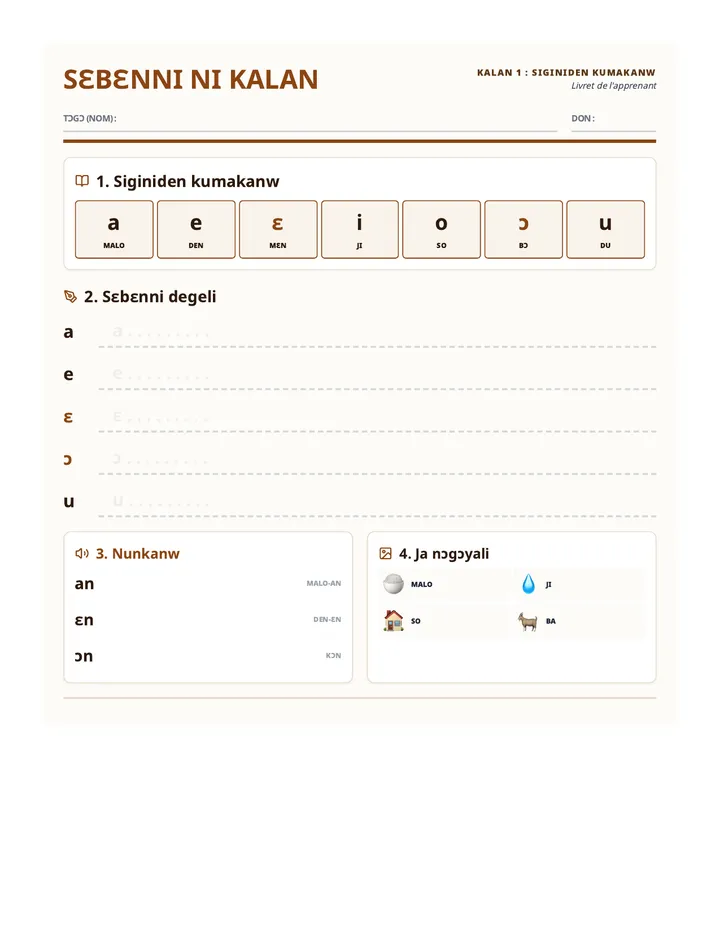
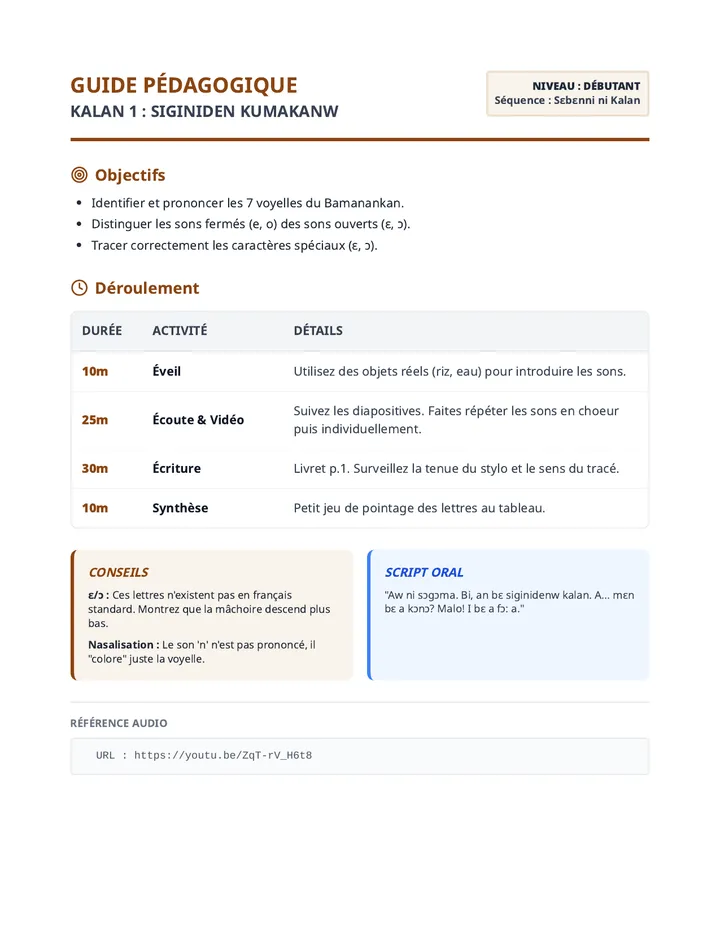
Une séquence d'alphabétisation complète en Bamanankan pour débutants, intégrant l'apprentissage des voyelles, des consonnes et des salutations de base à travers un livret imprimable et des supports visuels.
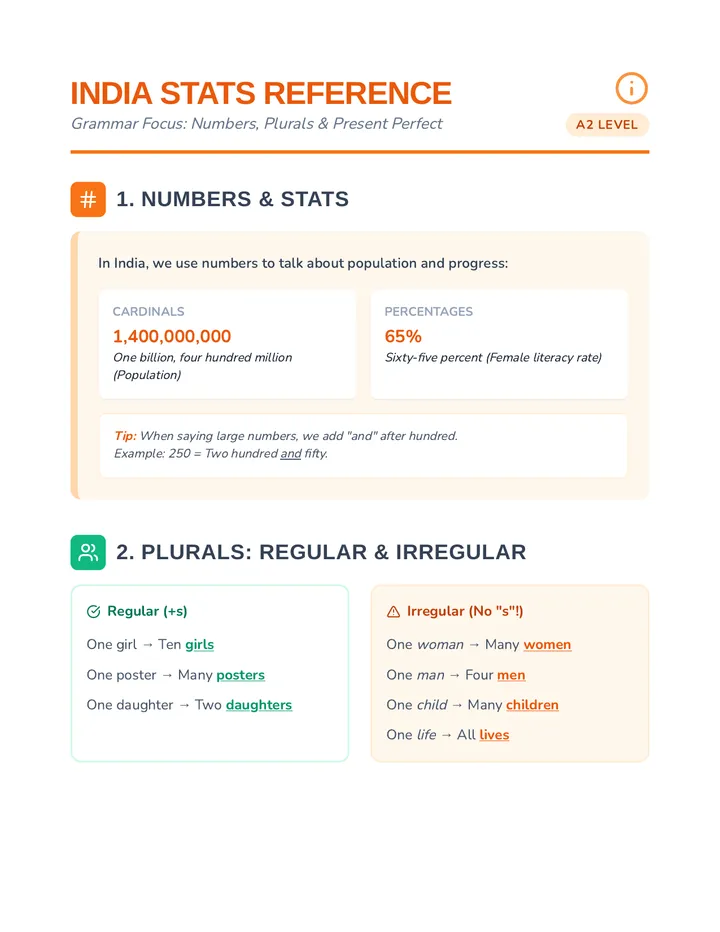
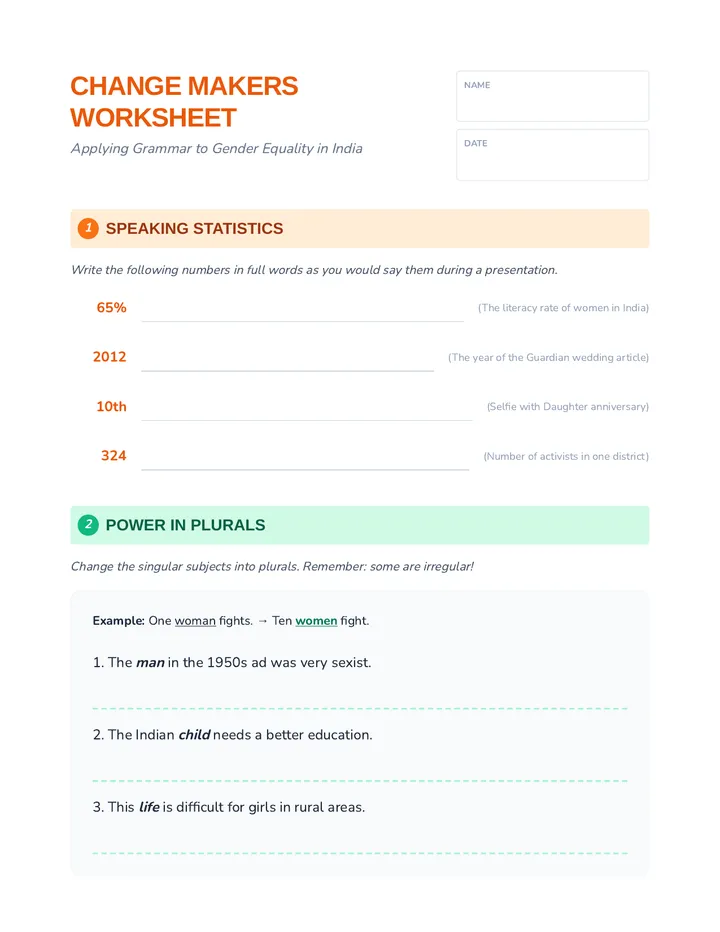
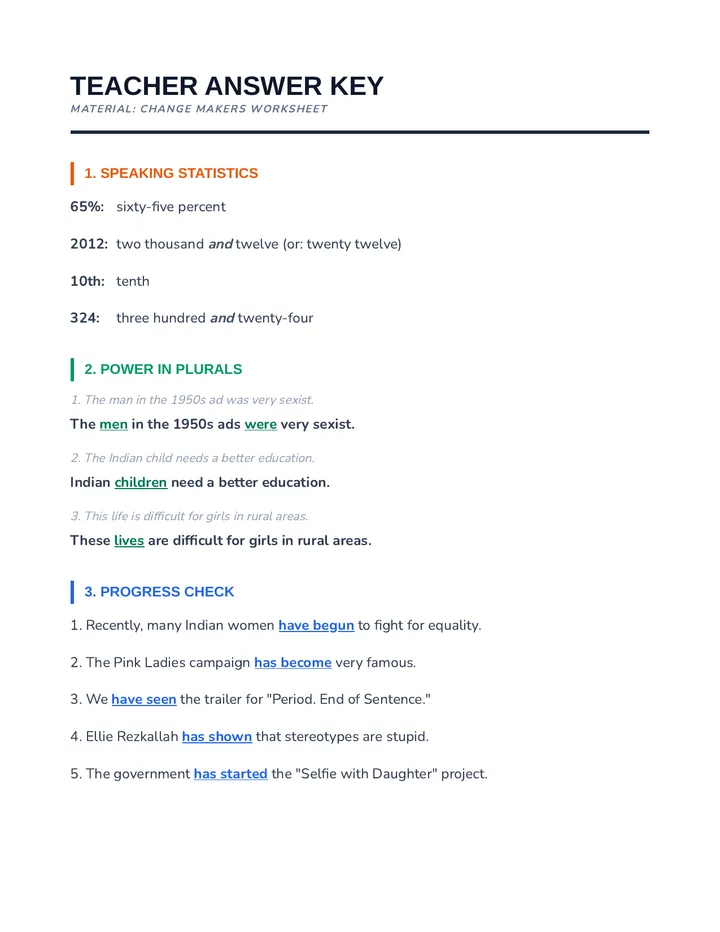
A sequence focused on gender (in)equality in India, exploring cultural stereotypes, social movements, and progress through grammar and statistical analysis.
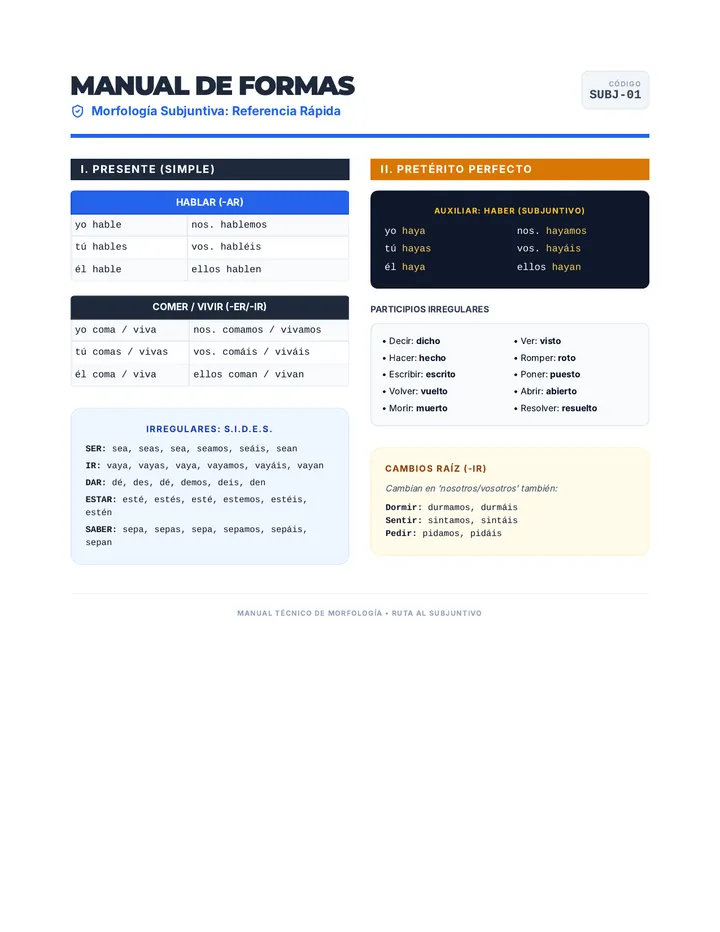
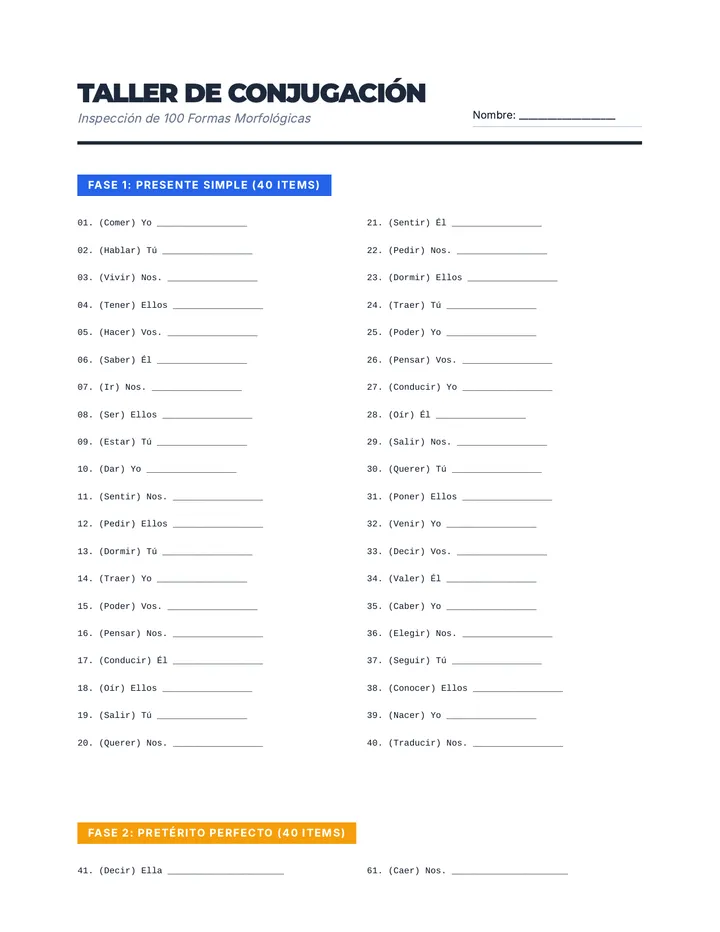
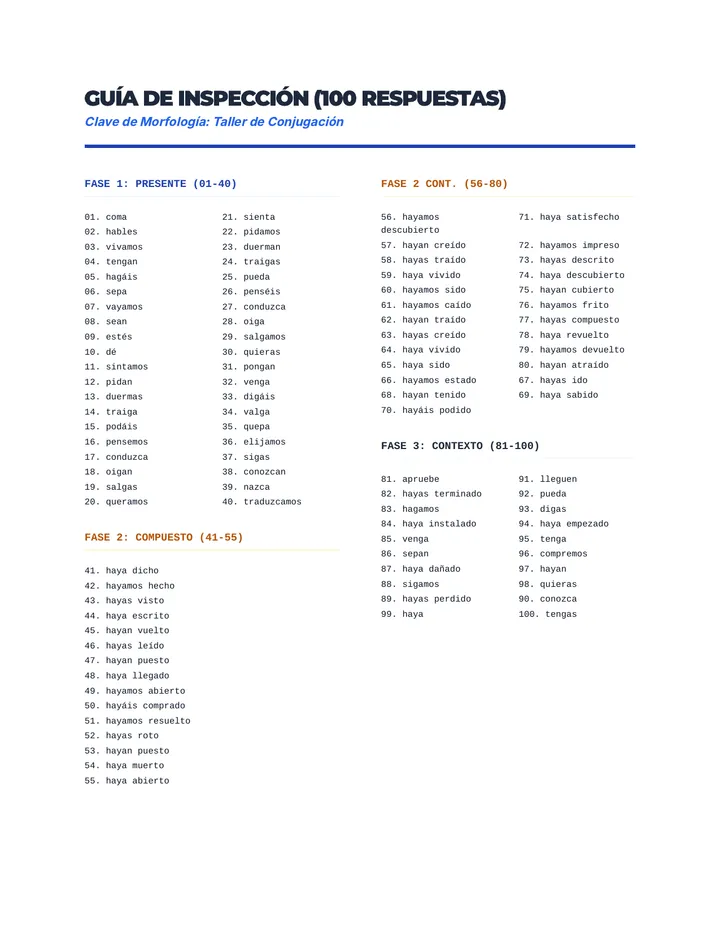
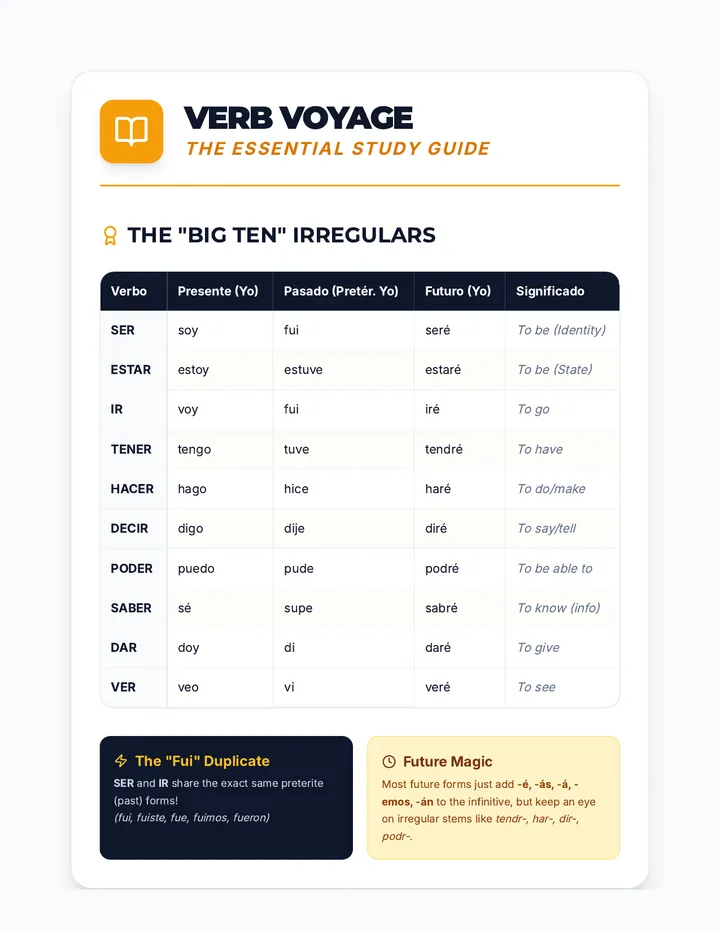
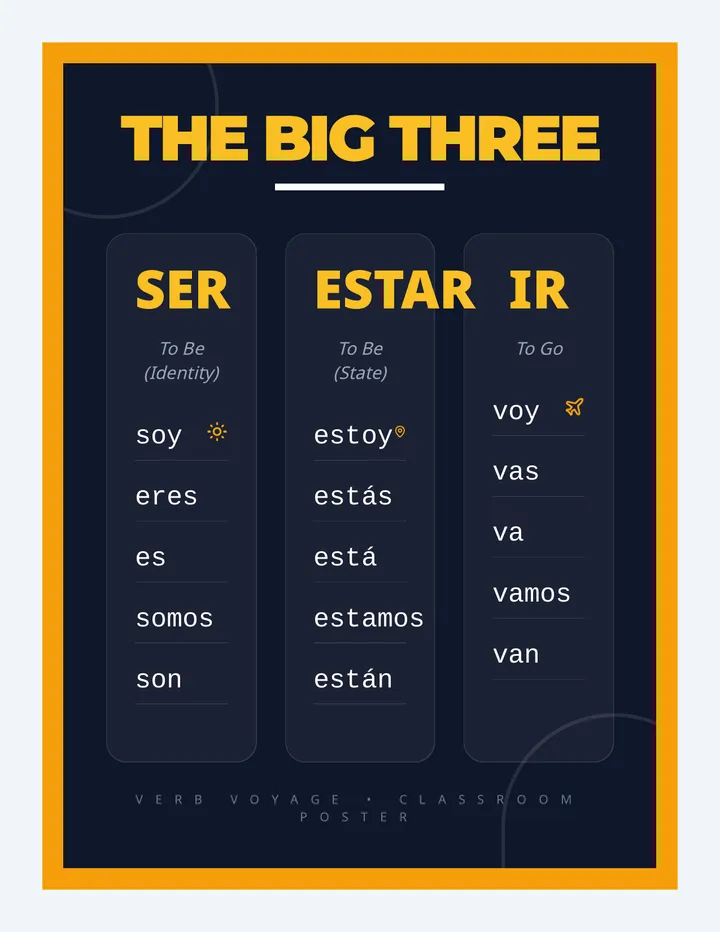
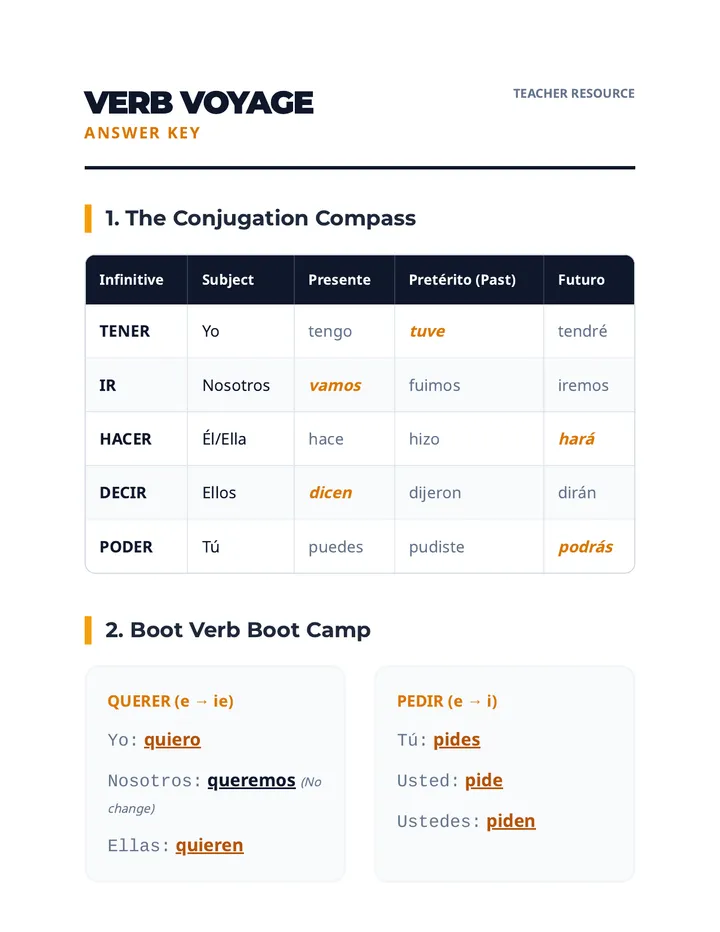
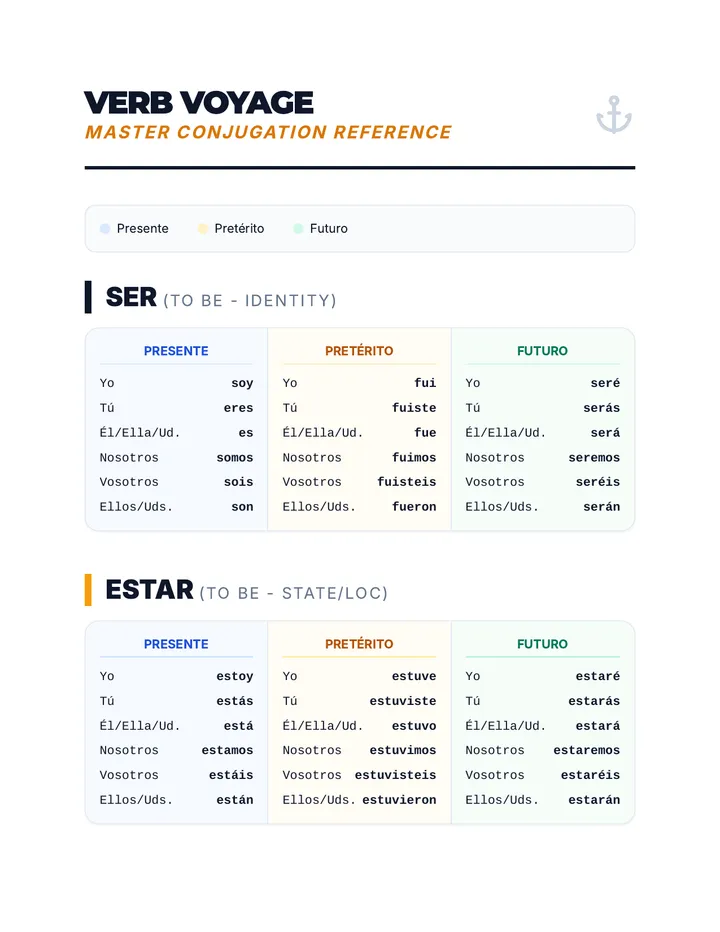
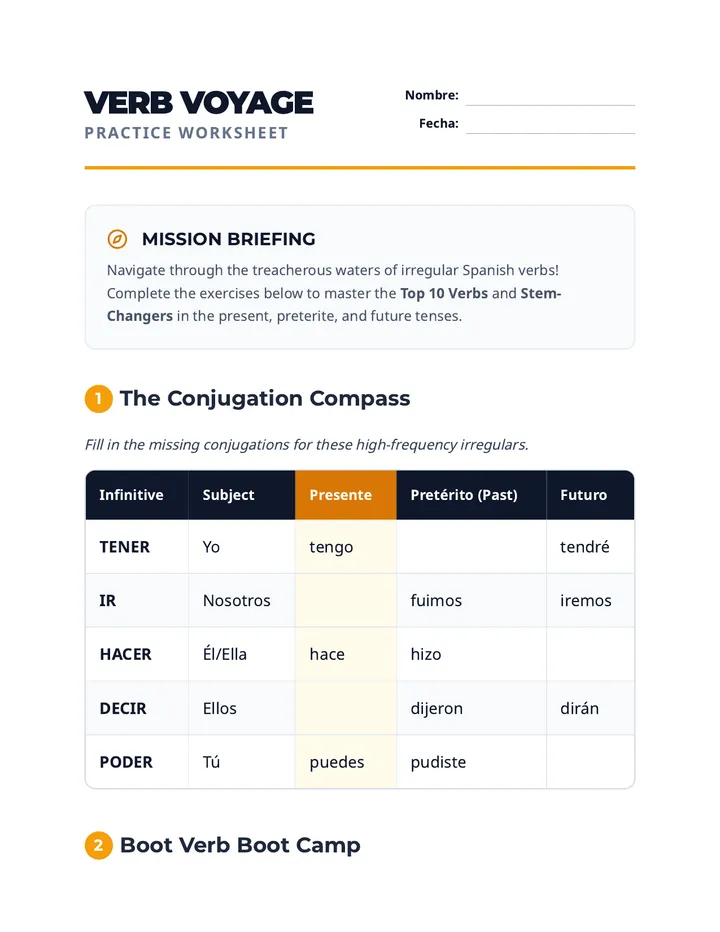
A series of lessons focused on mastering high-frequency irregular Spanish verbs to build foundational communication skills.
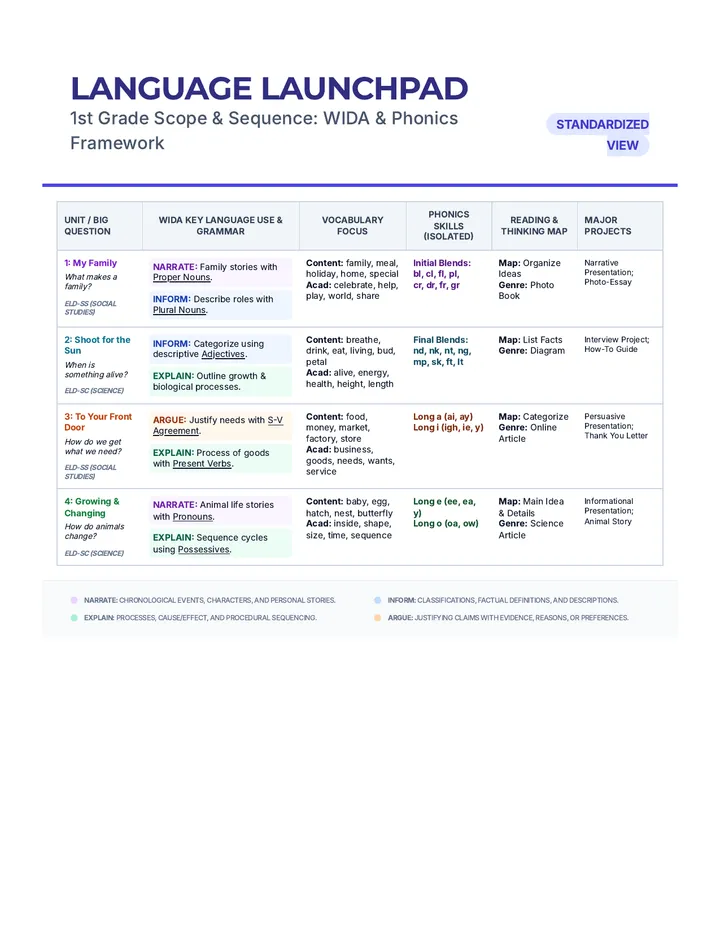
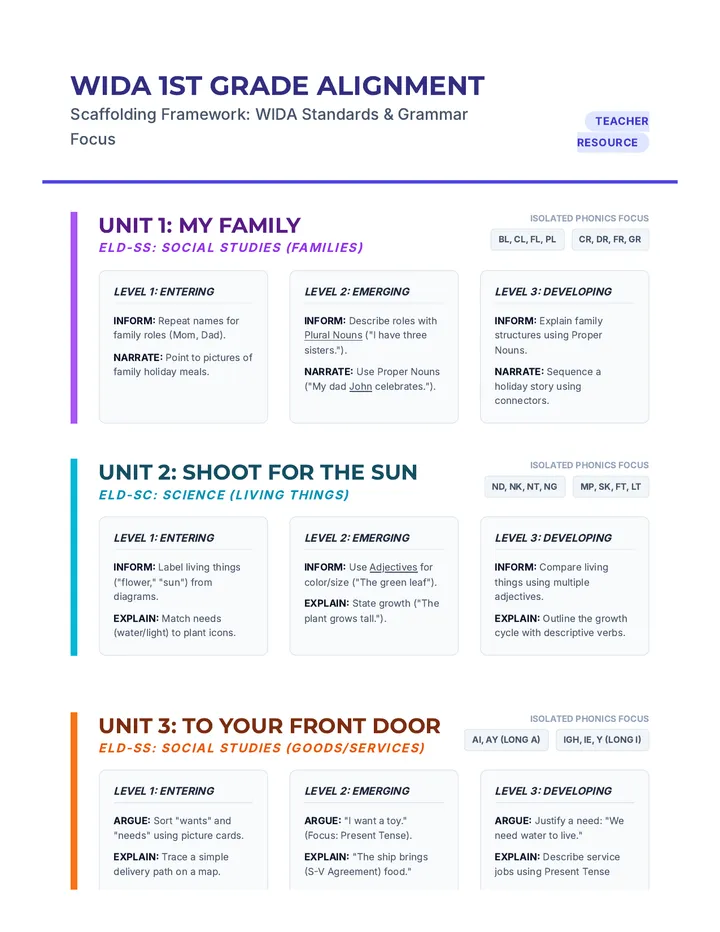
A comprehensive curriculum framework for primary English Language Learners, aligning theme-based social studies and science units with WIDA's four Key Language Uses: Narrate, Inform, Explain, and Argue. This sequence provides instructional scaffolding for students at proficiency levels 1-3.
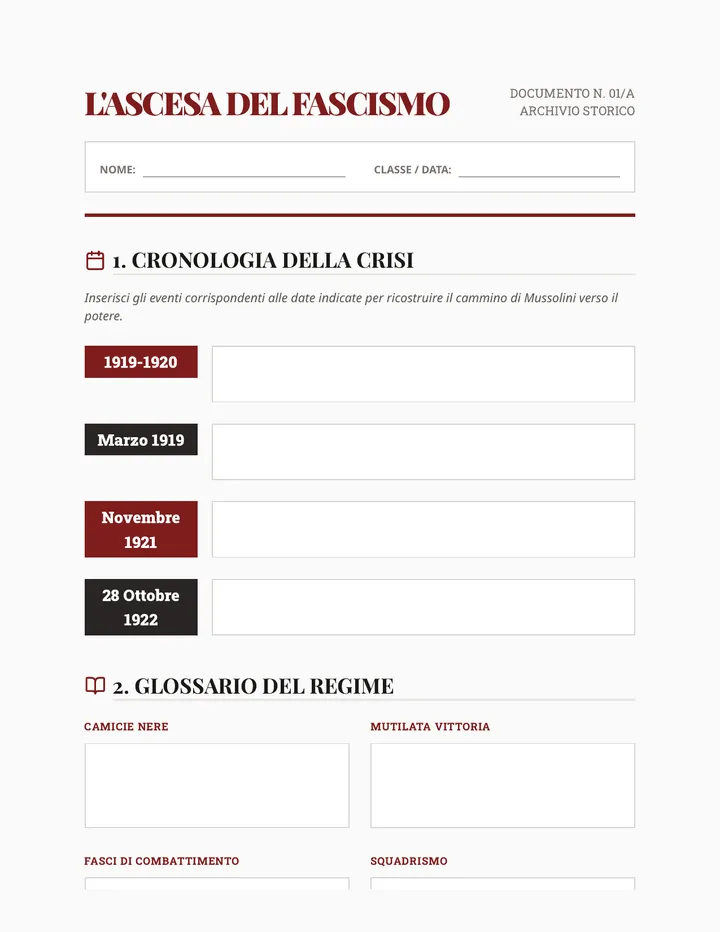
Une séquence pédagogique de 5 séances explorant l'ascension, le régime et la chute du fascisme en Italie, adaptée pour une classe de 1ère LV2. La séquence analyse les mécanismes de pouvoir, la propagande, les lois raciales et la résistance.
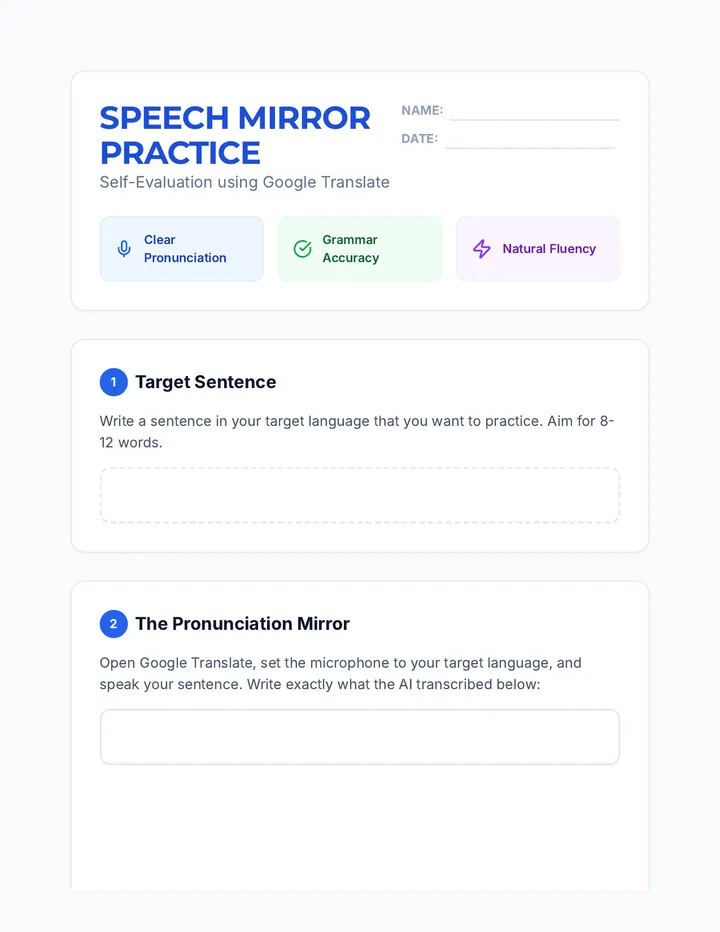
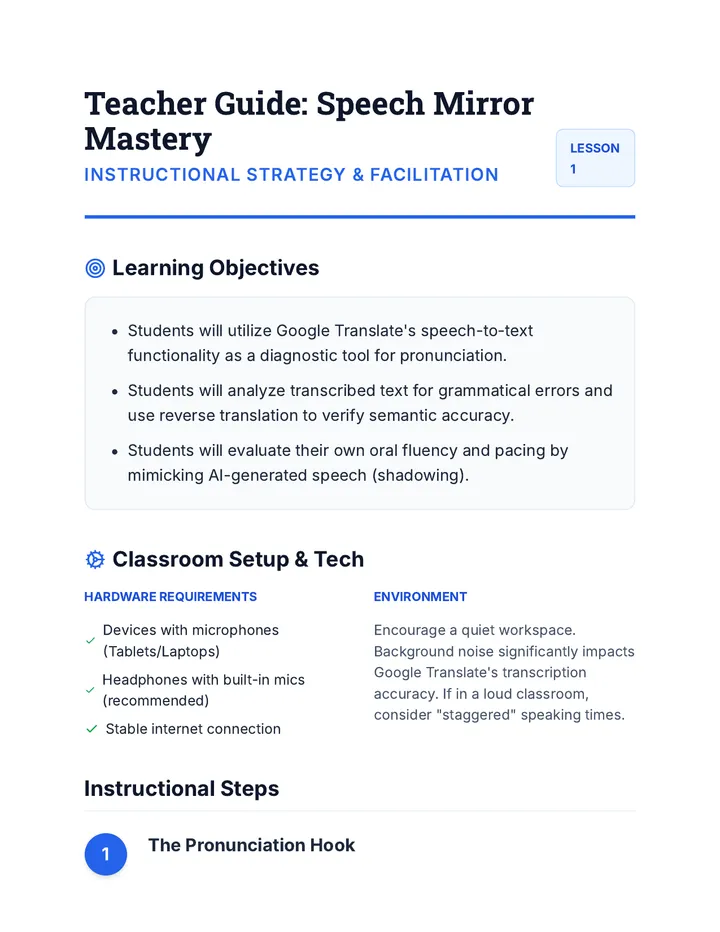
A sequence focused on leveraging digital translation tools for language self-assessment and speech improvement. Students learn to use Google Translate not just for translation, but as a 'mirror' for their own pronunciation, grammar, and fluency.

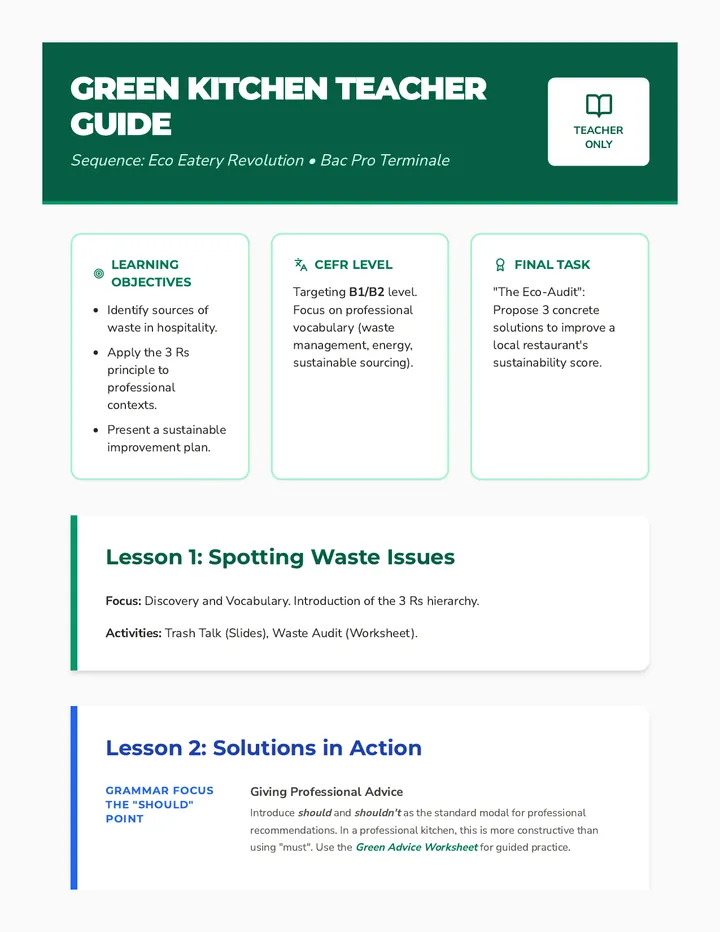
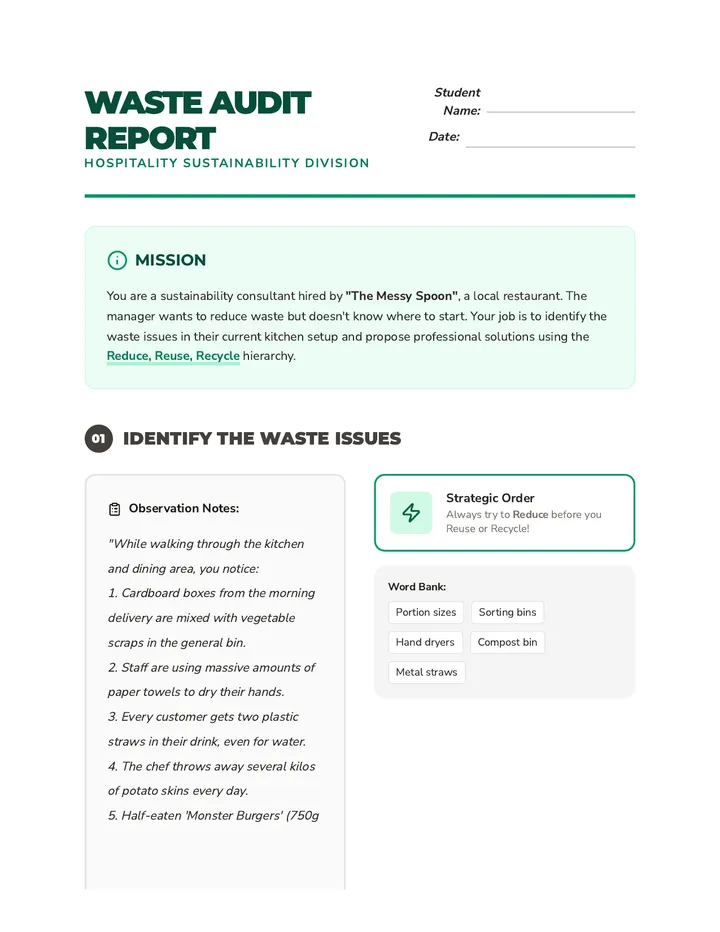
A comprehensive sequence for Bac Pro Terminale students focused on implementing sustainable practices (Reduce, Reuse, Recycle) in the restaurant industry, culminating in a professional proposal for a local business.
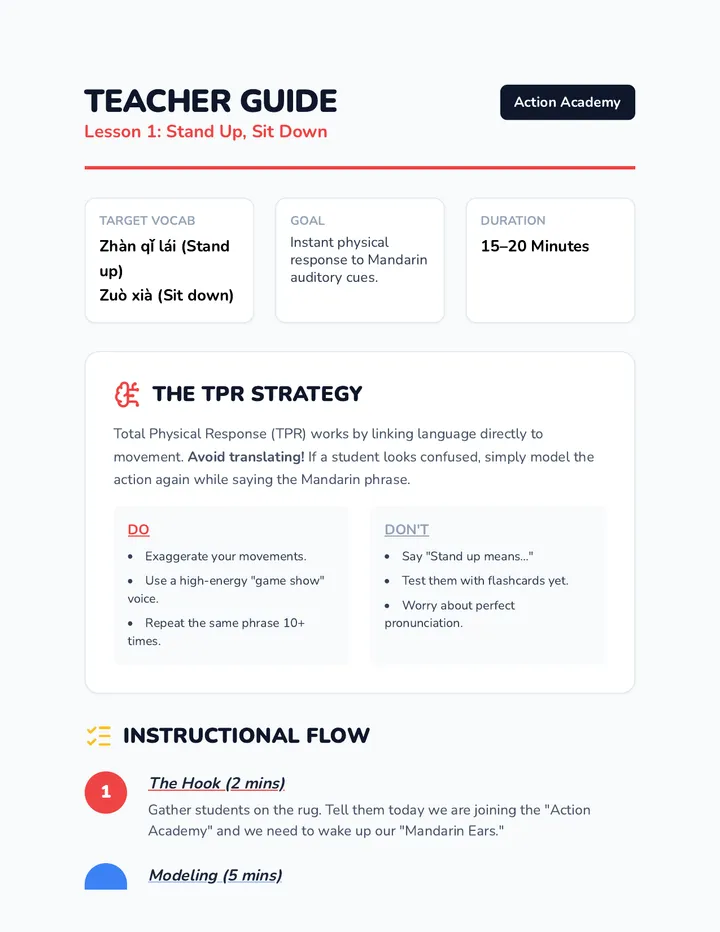
A high-energy Mandarin Chinese sequence for Pre-K students using the Total Physical Response (TPR) method. Students learn to respond to physical commands and action verbs through games and movement, building direct meaning without translation.
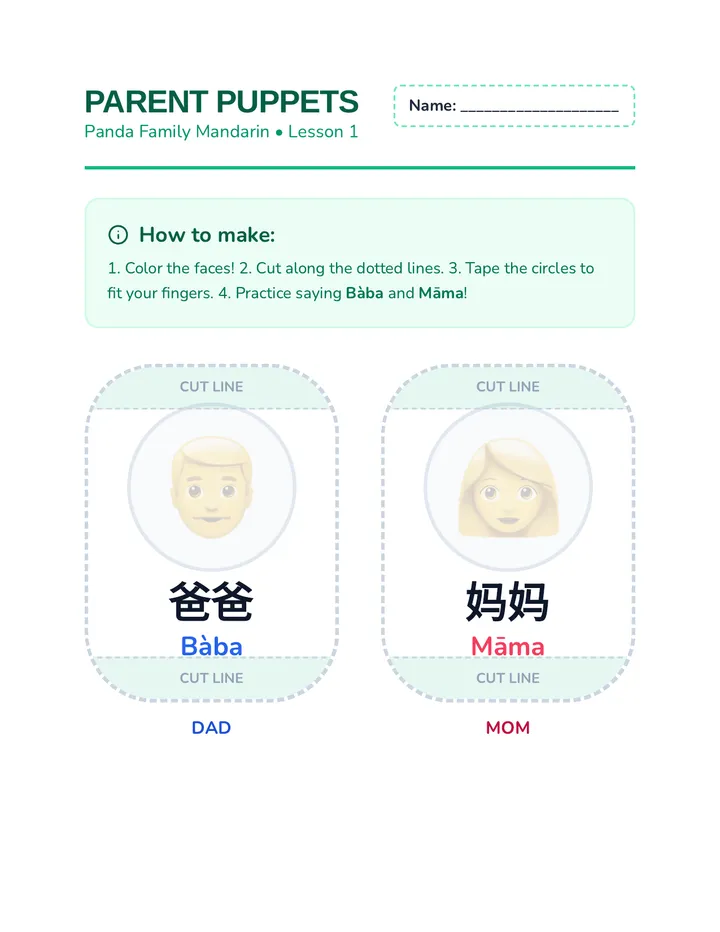
A foundational Mandarin Chinese sequence for Pre-K students focused on identifying family members. Students learn vocabulary for parents, siblings, and grandparents through interactive games, songs, and visual inquiry.
A Pre-K sequence focused on teaching basic Mandarin greetings and social etiquette through play, puppets, and a final tea party synthesis. Students learn phrases for hello, goodbye, thank you, and sorry in a culturally immersive environment.
A 5-lesson sequence for Pre-K students to learn basic self-introduction in Mandarin Chinese, covering name, gender, age, and personal preferences using simple sentence patterns.
A foundational sequence for Pre-K learners to explore the four tones of Mandarin Chinese through auditory play, physical movement, and vocal exploration. Students learn to associate pitch changes with meaning using relatable sounds like questioning 'Huh?' or firm 'No!' gestures.
A vibrant, Pre-K focused sequence exploring Spanish and Latin American holidays and traditions. Through hands-on crafts like piñatas, masks, and crowns, students learn about cultural celebrations while developing fine motor skills and emotional expression.
A sensory-rich sequence for Kindergarten students exploring staple foods from Latin America and Spain, focusing on origins, Spanish vocabulary, and the cultural significance of family dining. Students identify ingredients like corn, cacao, and tropical fruits through workshop-style activities and simulations.
A fun, interactive Spanish vocabulary sequence for Pre-K students focusing on family members and pets. Through songs, games, and creative projects, children learn to name the most important people and animals in their lives.
A physical and interactive Spanish vocabulary sequence for Pre-K students focusing on body parts and movement through Total Physical Response (TPR). Students learn through songs, games, and creative activities, culminating in a 'Simón Dice' challenge.
A Kindergarten sequence focused on foundational Spanish greetings (Hola, Adiós, Buenos días, Buenas noches), expressing basic emotions (bien, mal, más o menos), and counting 1-5. Students learn through songs, movement, and role-play culminating in a 'Mercado' market simulation.
This advanced Mandarin Chinese sequence for graduate students focuses on analyzing contemporary social issues through the lens of sophisticated rhetoric and four-character idioms (chengyu). Students explore urbanization, demographic shifts, and environmental policy to build a high-level academic vocabulary and persuasive argumentation skills.
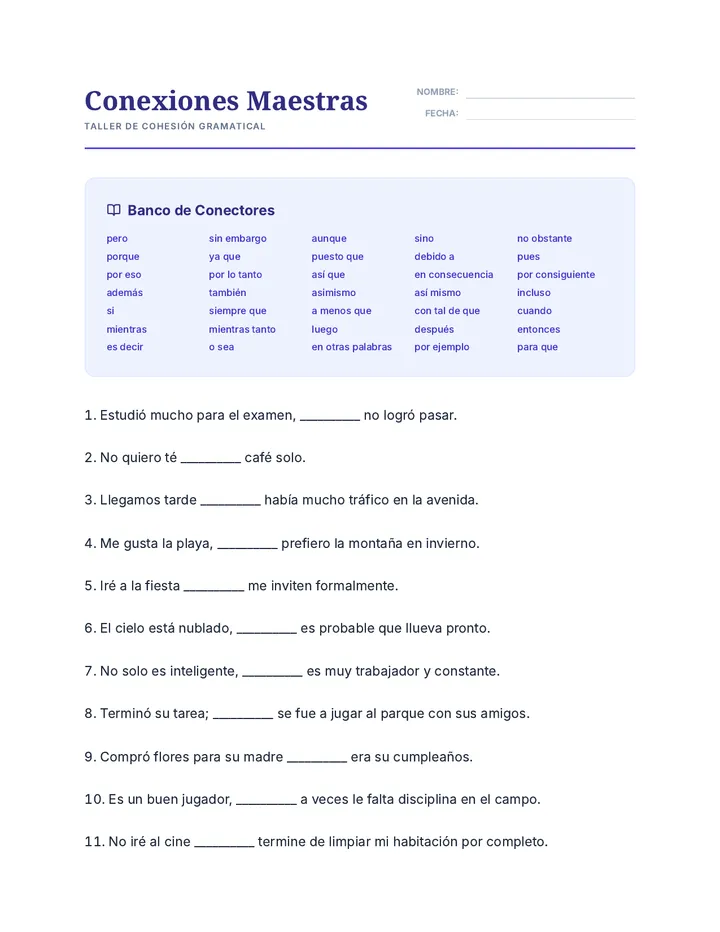
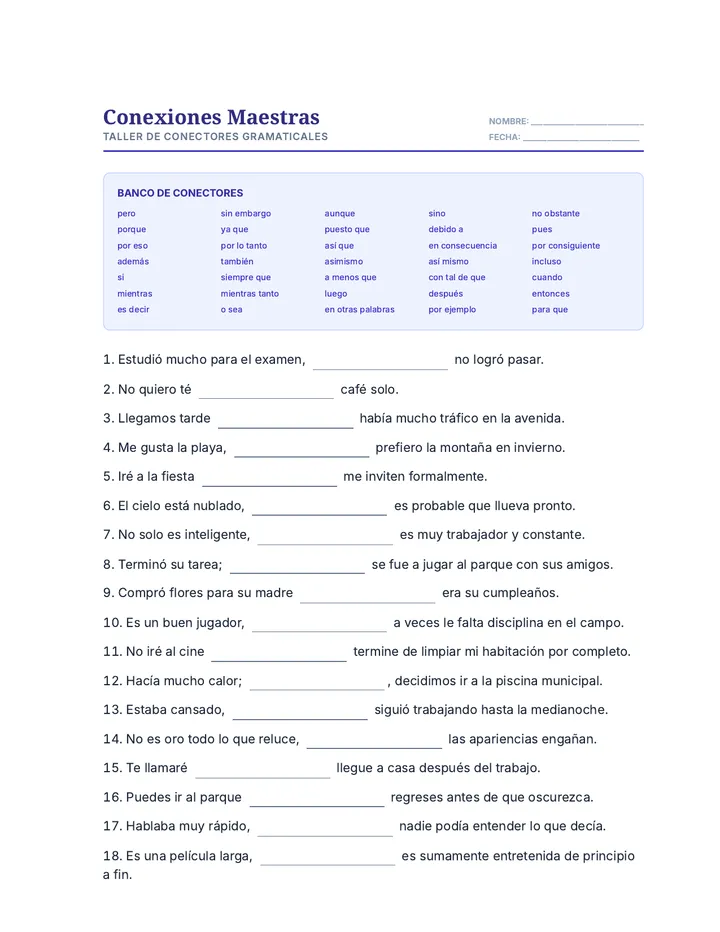
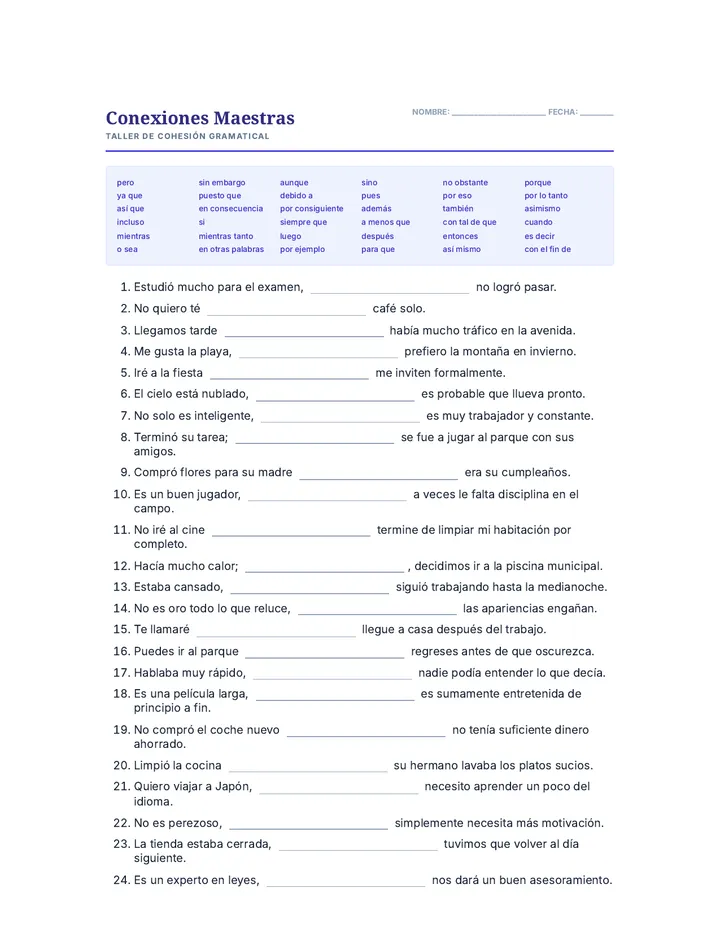
This advanced Spanish sequence transitions 9th-grade students from intermediate proficiency to professional linguistic precision. It focuses on academic register, workplace vocabulary, logical connectors, and sociolinguistic etiquette through authentic simulations and analysis.
This sequence bridges the gap between classroom character learning and real-world application for graduate-level learners. By analyzing authentic artifacts like signage, menus, and business cards, students develop the 'environmental literacy' needed to navigate Mandarin-speaking urban and professional spaces.
A high-intensity sequence designed for graduate students to achieve functional literacy in Mandarin Chinese through the top 100 high-frequency characters, focusing on sentence construction, grammatical particles, and digital input methods.
A deep analytical dive into the etymology and structural logic of the Chinese writing system for graduate-level adult learners. The sequence moves from basic mechanics and stroke order to complex phono-semantic decoding and aesthetic synthesis through calligraphy.