Students explore the cultural identity and governance of a state through its symbols, capital city, and leadership. This project-based unit connects abstract political concepts to concrete local examples using Texas as a primary model.
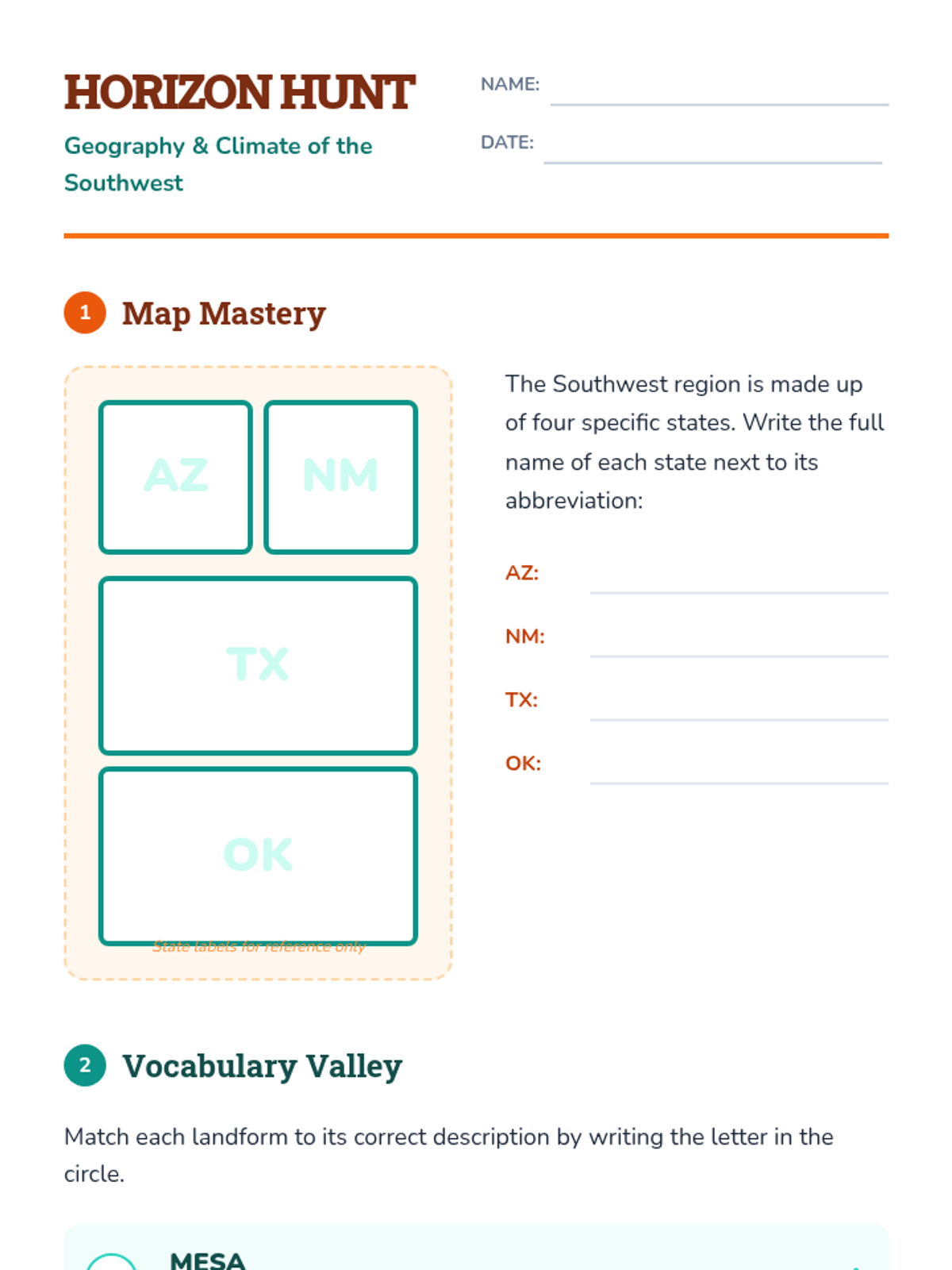
A comprehensive 5-lesson unit exploring the unique geography, climate, natural resources, diverse cultures, and political boundaries of the Southwest region of the United States.
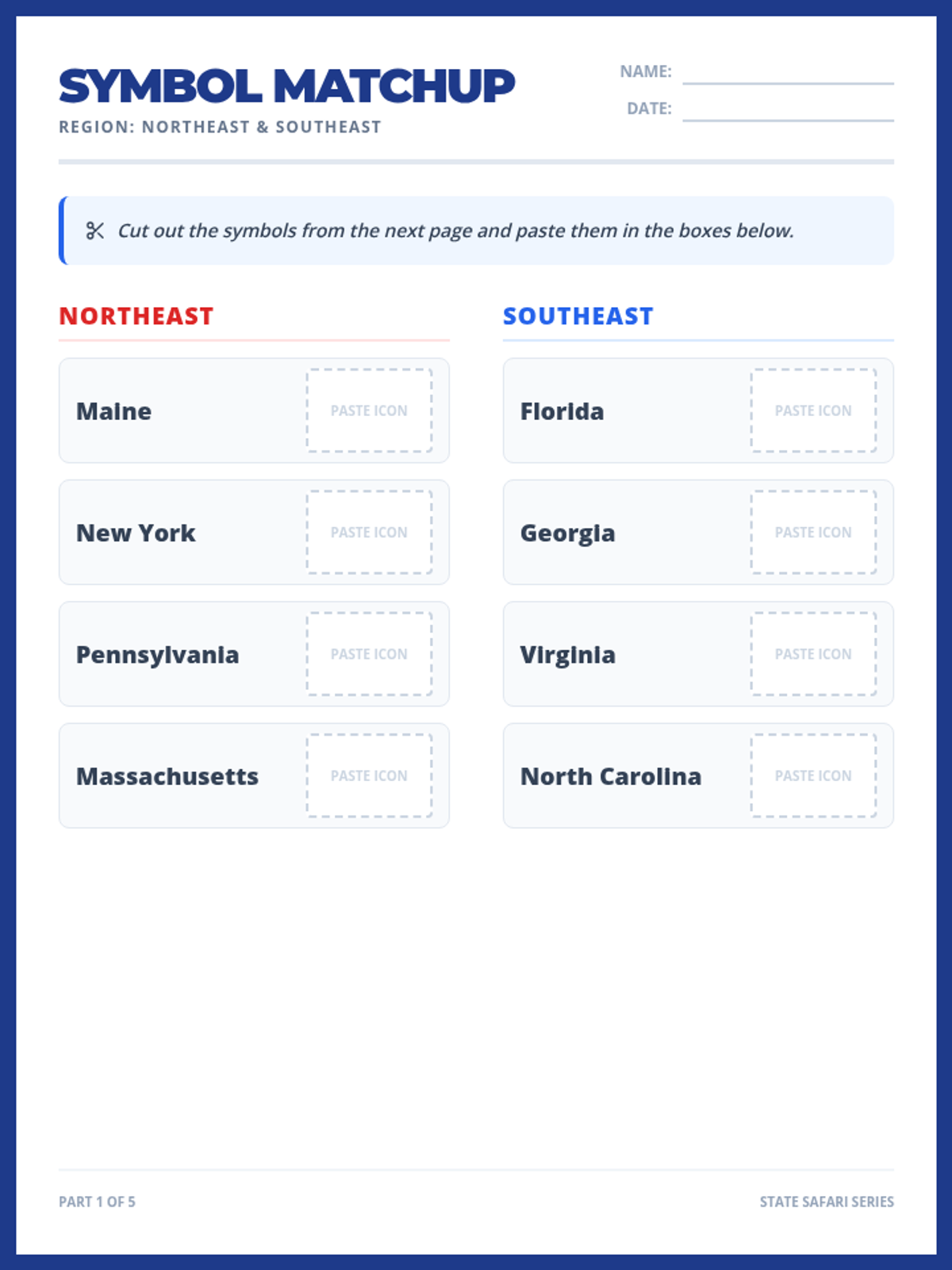
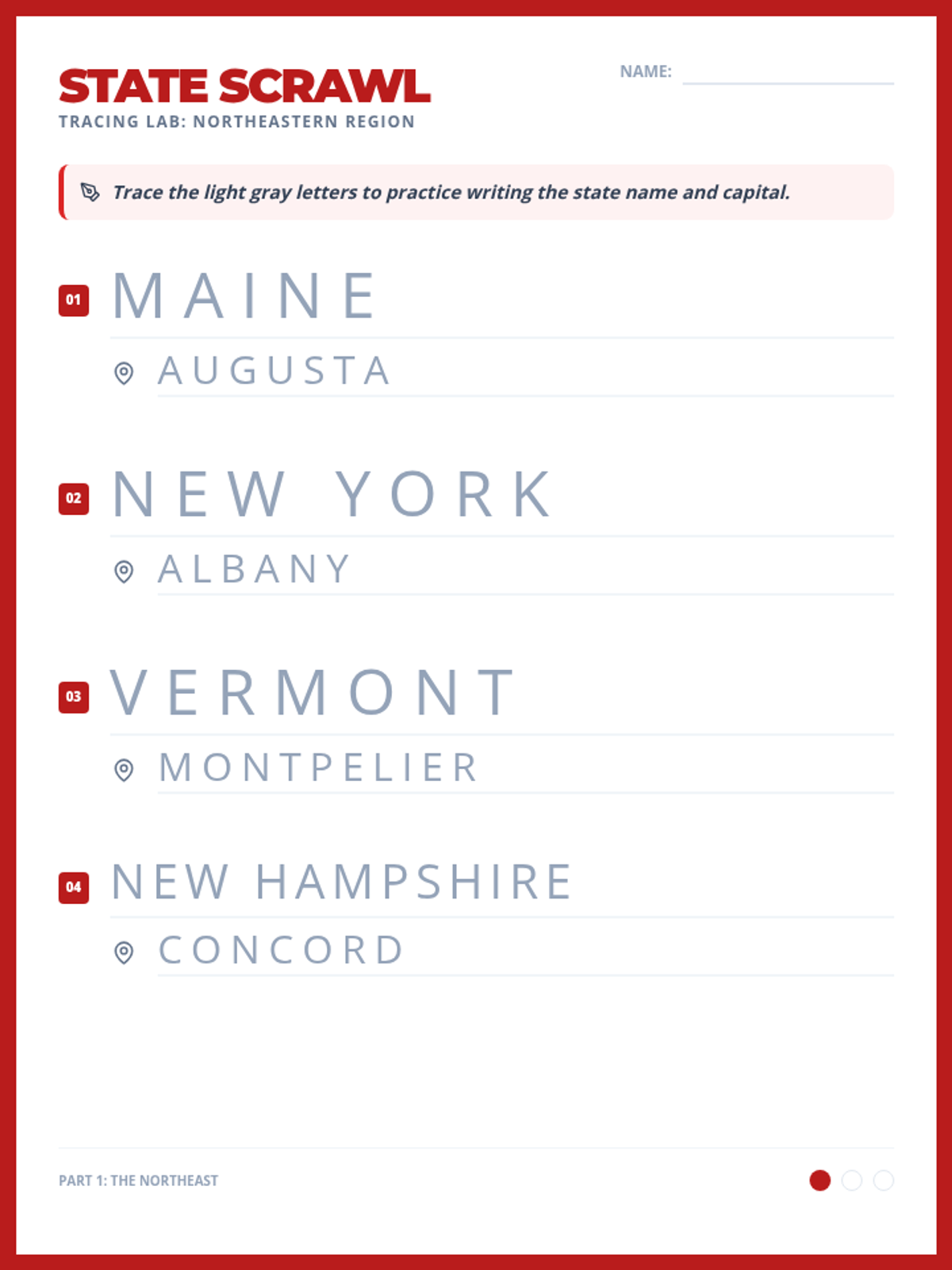
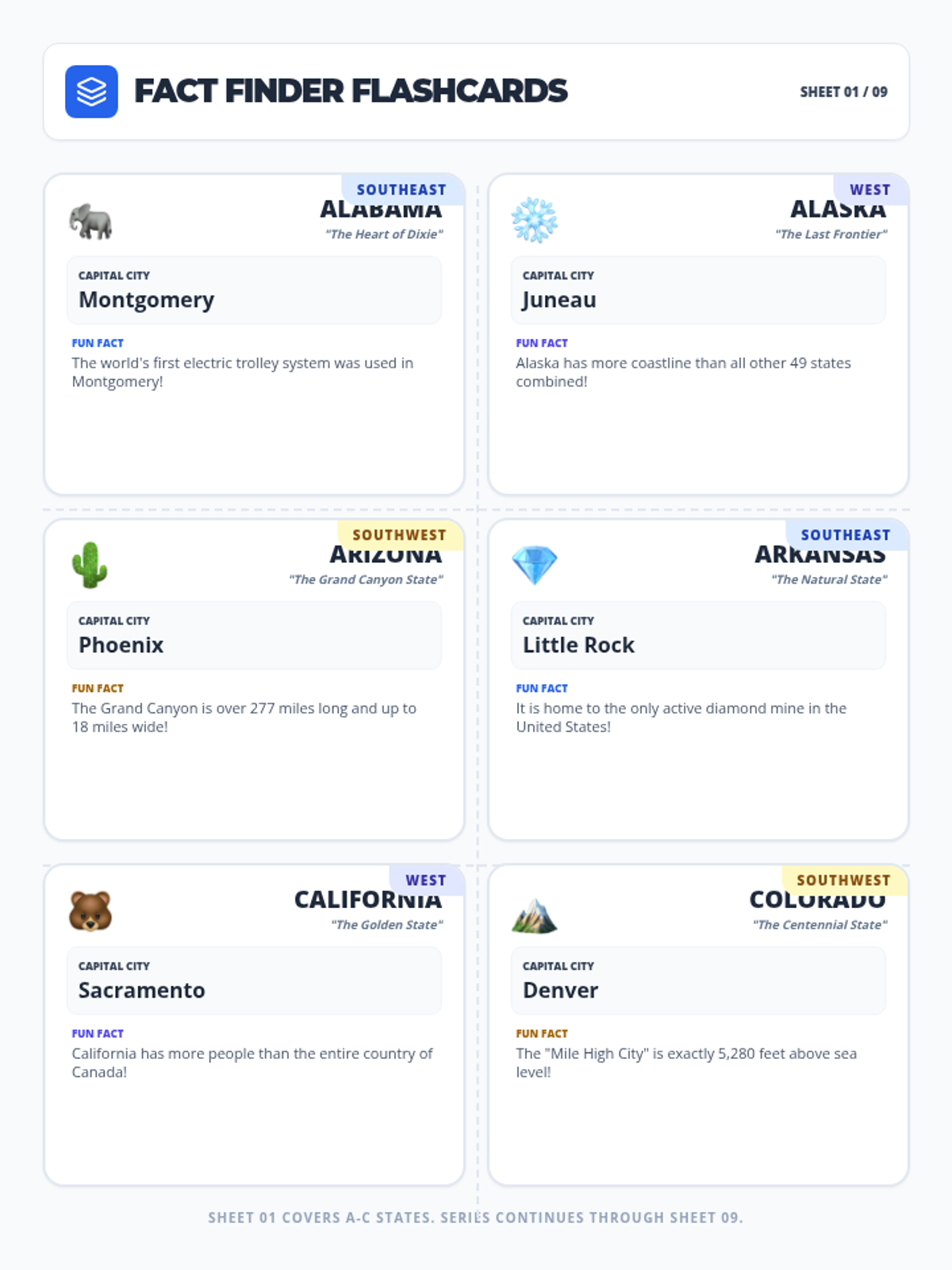
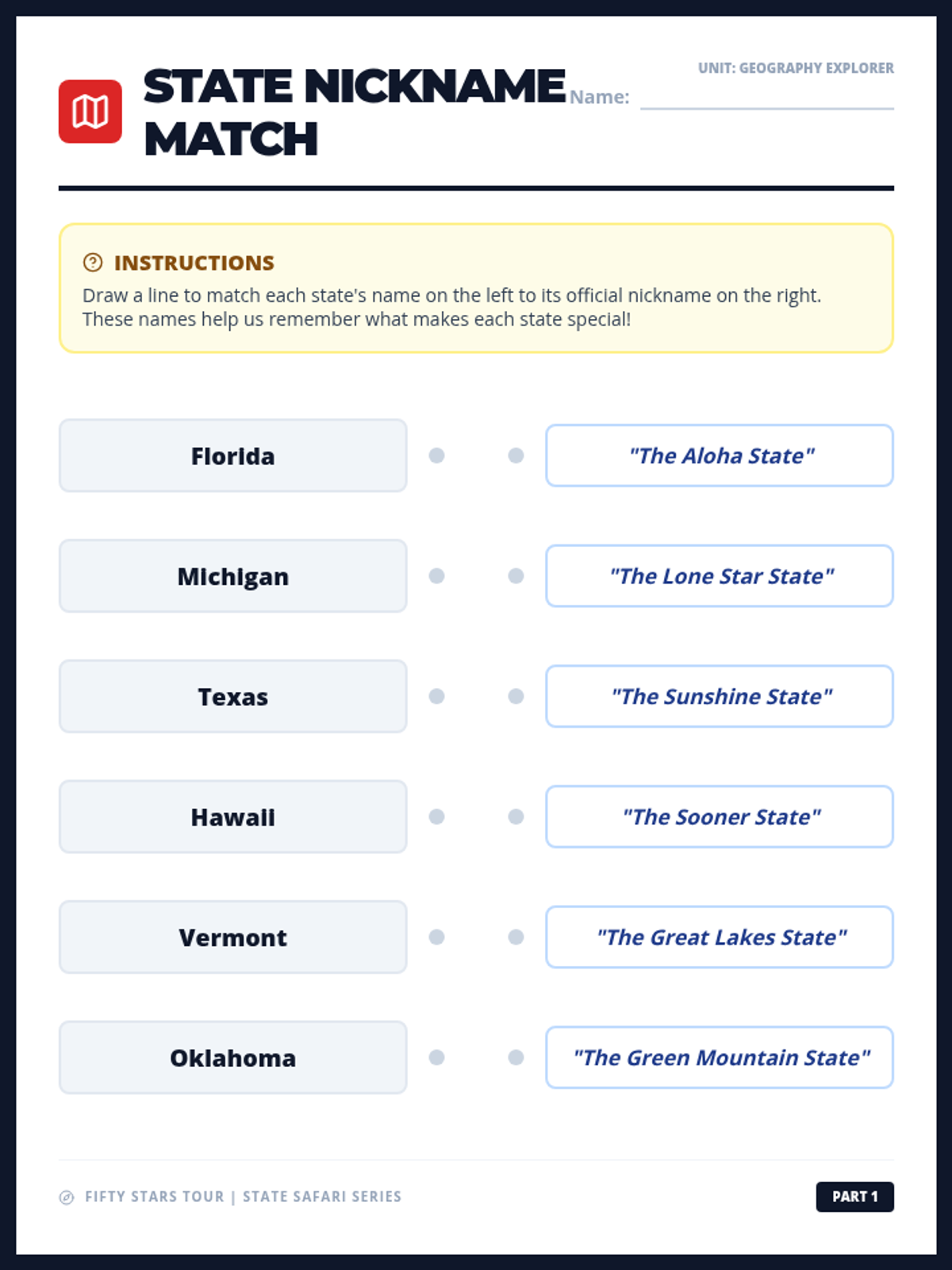
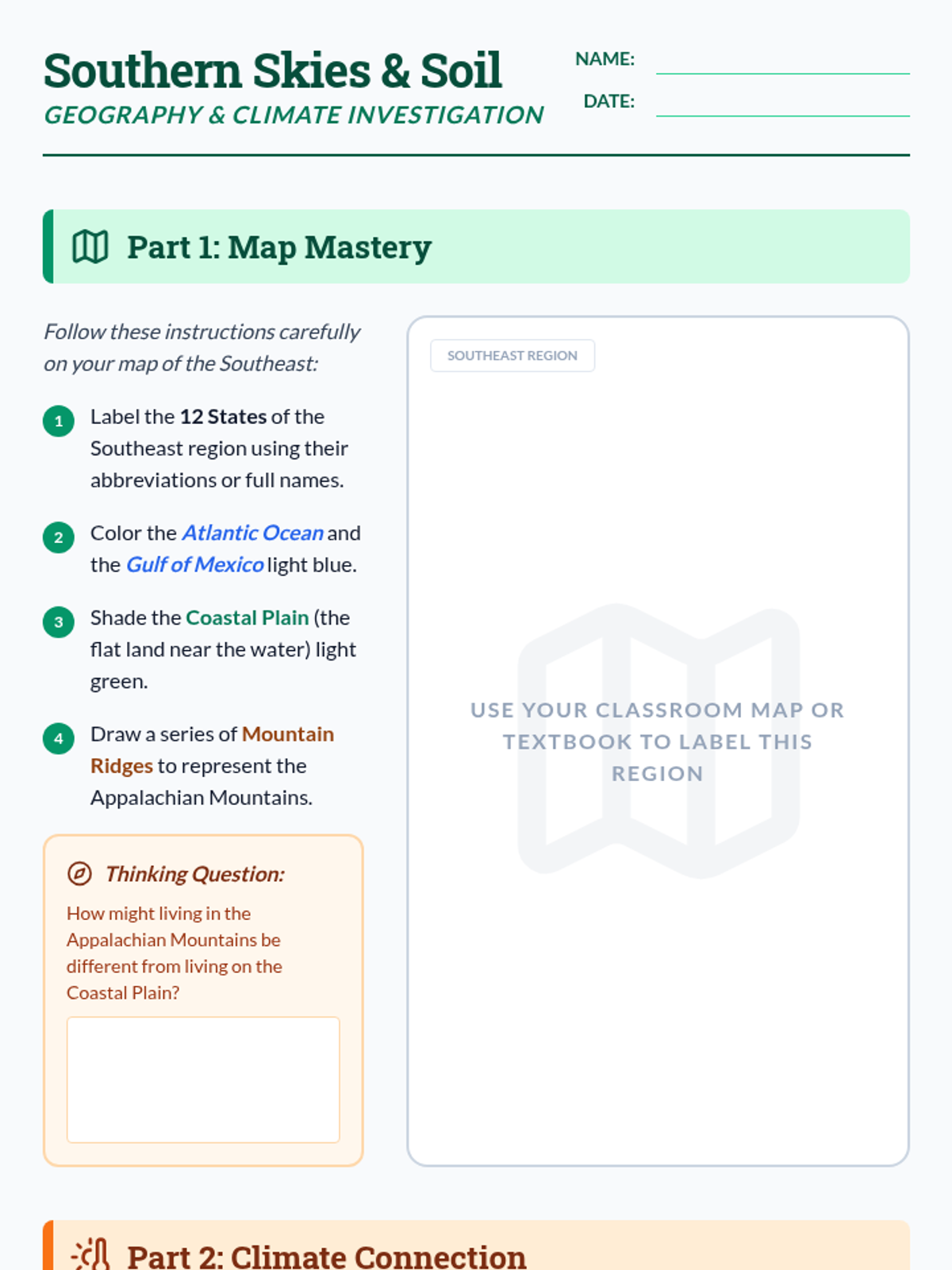
A 5-lesson unit exploring the geography, climate, resources, and culture of the Southeast United States, concluding with a states and capitals challenge.
A lesson sequence for 2nd graders to learn the difference between weekdays and weekends, focusing on how calendars help us make decisions about scheduling activities.
A comprehensive introduction for Kindergarteners to the basics of economy, covering the difference between goods and services, how money is earned through work, and how it is used in a marketplace.
A Kindergarten sequence focused on introducing the concepts of scarcity, supply and demand, and resource management through hands-on simulations, sharing strategies, and problem-solving activities.
A Kindergarten sequence introducing the economic concepts of choices and opportunity cost. Students learn that choosing one thing means giving up another through games, stories, and reflection.
This Kindergarten sequence introduces the foundational economic concept of distinguishing between essential needs and discretionary wants through interactive discussions, sorting activities, and simple budgeting simulations. Students move from identifying survival items to making prioritized choices, building a baseline for financial literacy.
A hands-on introduction to economics for 1st graders, covering goods, services, producers, consumers, and the basic forces of supply and demand through a classroom 'Market Town' simulation.
A 1st Grade financial literacy unit exploring the origins of money, the concept of value, why prices change (inflation), and the connection between work and purchasing power. Students move from understanding barter systems to planning their own purchases.
A 1st Grade sequence introducing economic decision-making and the concept of opportunity cost. Students explore trade-offs through interactive games, a token shop simulation, and reflective journaling.
A foundational sequence for 1st graders exploring needs, wants, and scarcity. Students learn to differentiate survival essentials from desires and understand why resources are limited through simulations, games, and creative projects.
A comprehensive sequence for 1st-grade students to understand financial decision-making, covering scarcity, needs versus wants, and the fundamental concept of opportunity cost through relatable scenarios and creative projects.
This sequence introduces 2nd-grade students to basic economic principles like supply, demand, and value. Through classroom inventories, auctions, and a marketplace simulation, students explore how the availability of items and people's desire for them influence price and trade.
This sequence introduces 2nd-grade students to fundamental economic concepts including the difference between goods and services, the roles of producers and consumers, the history of trade/barter, and the function of money in a community.
An introductory sequence for 2nd-grade students on economic concepts, focusing on the difference between needs and wants, the reality of scarcity, and the concept of opportunity cost through hands-on simulations and creative projects.
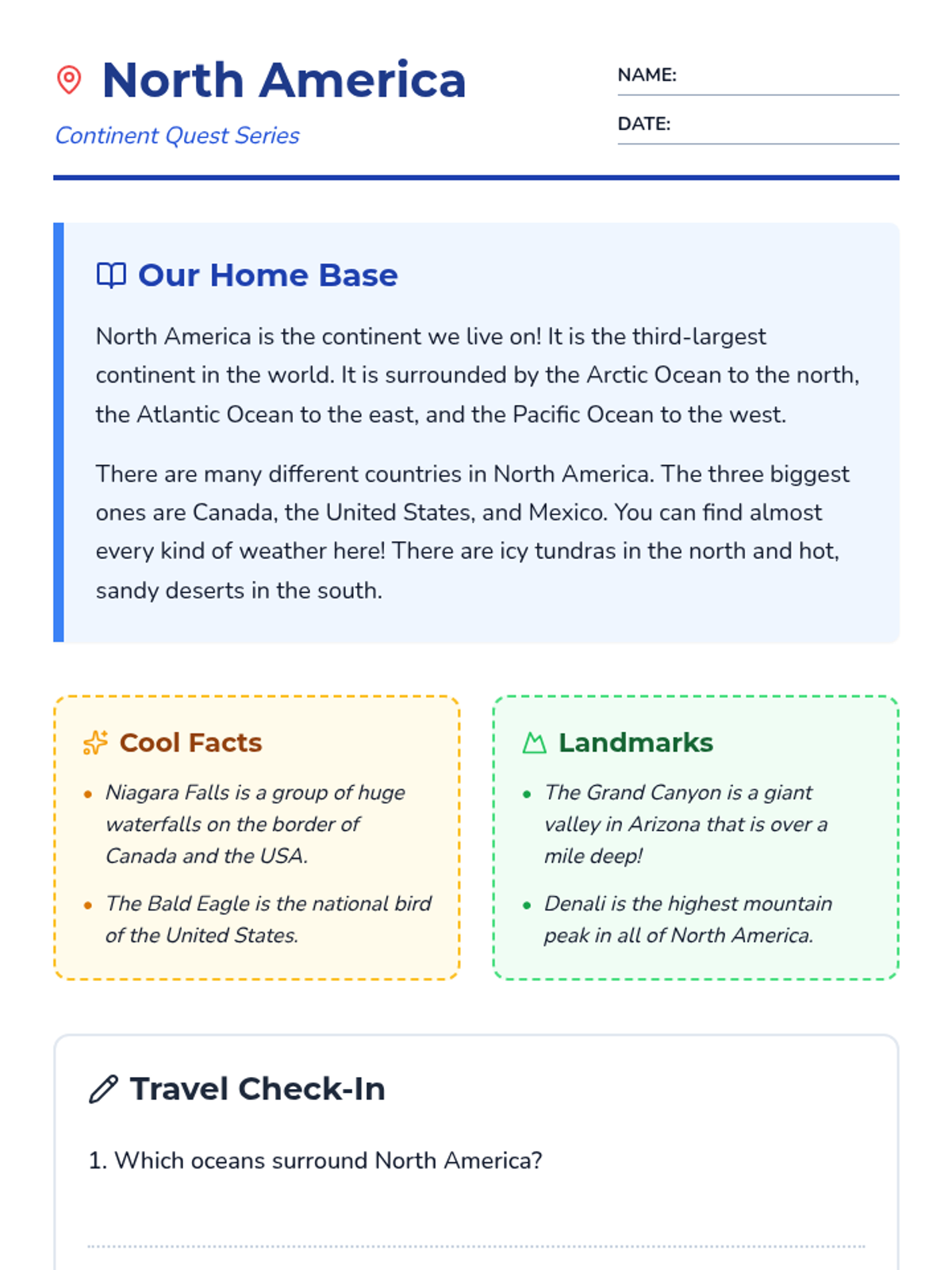
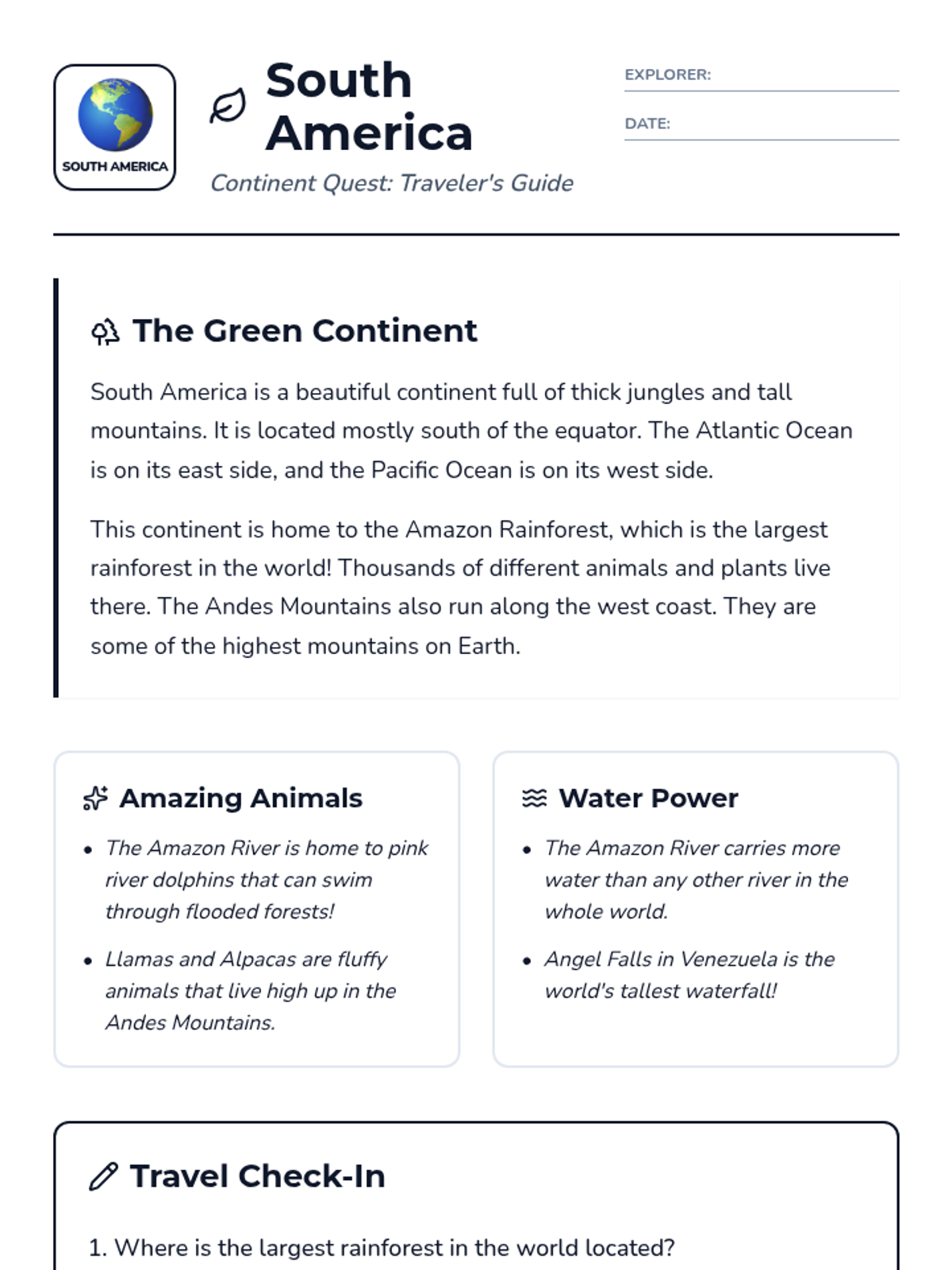
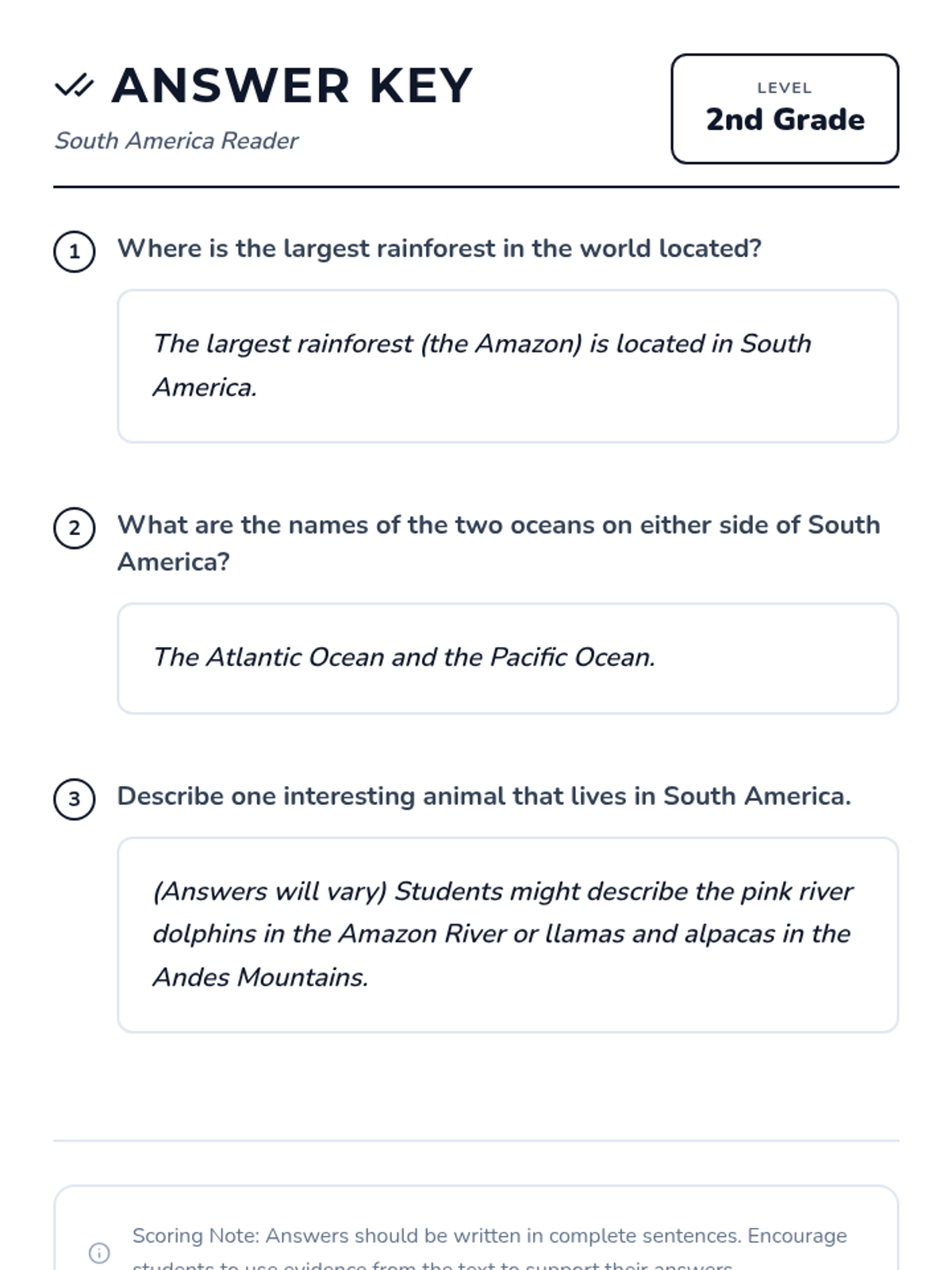
A 2nd-grade social studies sequence where students become world travelers, exploring the geography, landmarks, and cultures of the Spanish-speaking world across Latin America and Spain.
A vibrant introduction for 1st graders to Spanish-speaking holidays and family traditions, exploring Día de los Muertos, Las Posadas, and the history of piñatas.
A Kindergarten sequence focused on identifying and distinguishing Earth's landforms and water bodies. Students progress from basic land/water distinction to creating physical models of mountains, hills, plains, valleys, rivers, and lakes.
A Kindergarten sequence exploring the evolution of money from natural objects (shells and beans) to physical currency (metal and paper), global variations, digital forms (cards and taps), and future inventions. Students learn that money is a tool for exchange that has changed over time.
A Kindergarten economics sequence that introduces the basics of money, focusing on the difference between needs and wants, the concept of scarcity, making economic choices (opportunity cost), and the importance of saving.
This Kindergarten sequence introduces students to the concept of earning money through work. It explores community roles, distinguishes between work and play, simulates a classroom economy, and explains the difference between goods and services, culminating in a reflection on how families use earned income.
A Kindergarten sequence exploring the transition from bartering to using money. Students learn through simulation, role-play, and creative design why a common currency makes trading easier.
A 1st-grade sequence exploring basic economic principles including the difference between needs and wants, scarcity, and the logic of making choices with limited resources. Students participate in a market simulation to apply their learning.
This 1st Grade sequence introduces the fundamentals of economics by exploring how money is earned through work, the difference between goods and services, and the importance of saving for the future. Students engage in classroom simulations and goal-setting to make abstract financial concepts concrete and actionable.
A 1st Grade sequence exploring the evolution of exchange, from the difficulties of bartering to the convenience of modern currency, helping students understand money as a problem-solving tool.
This immersive sequence guides second-grade students through the evolution of trade, from bartering to modern currency. Students participate in simulations to discover the inefficiencies of direct trade and the necessity of money as a medium of exchange, unit of account, and store of value.
Students explore the evolution of money from the barter system to digital currency, identifying the three primary functions of money: medium of exchange, unit of account, and store of value. through hands-on simulations and creative workshops.
A Kindergarten sequence where students act as field researchers, learning to use observation and interviews to gather information about their school community. Students develop foundational research skills through hands-on data collection and synthesis.
This inquiry-based sequence explores how different societies choose their leaders through elections, inheritance, and appointments. Students compare local and global systems to understand the sources of political power.
This 1st Grade sequence explores power and authority through rules and voting. Students experience the necessity of rules, collaborate on classroom agreements, and learn the democratic process of voting and majority rule.