A rigorous undergraduate sequence exploring the fundamental principles of substantive criminal law, including actus reus, mens rea, homicide grading, inchoate offenses, and legal defenses using the IRAC method.
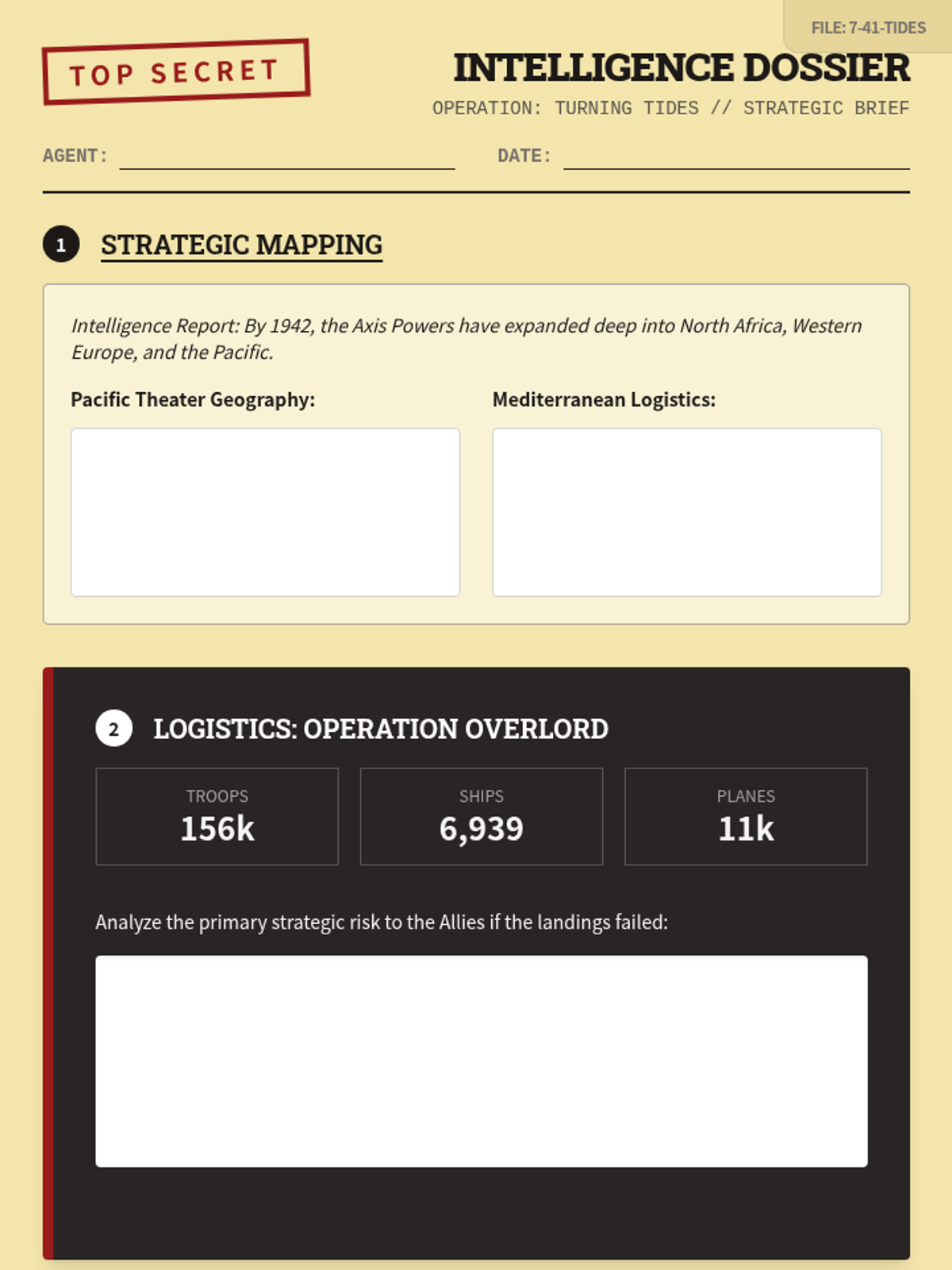
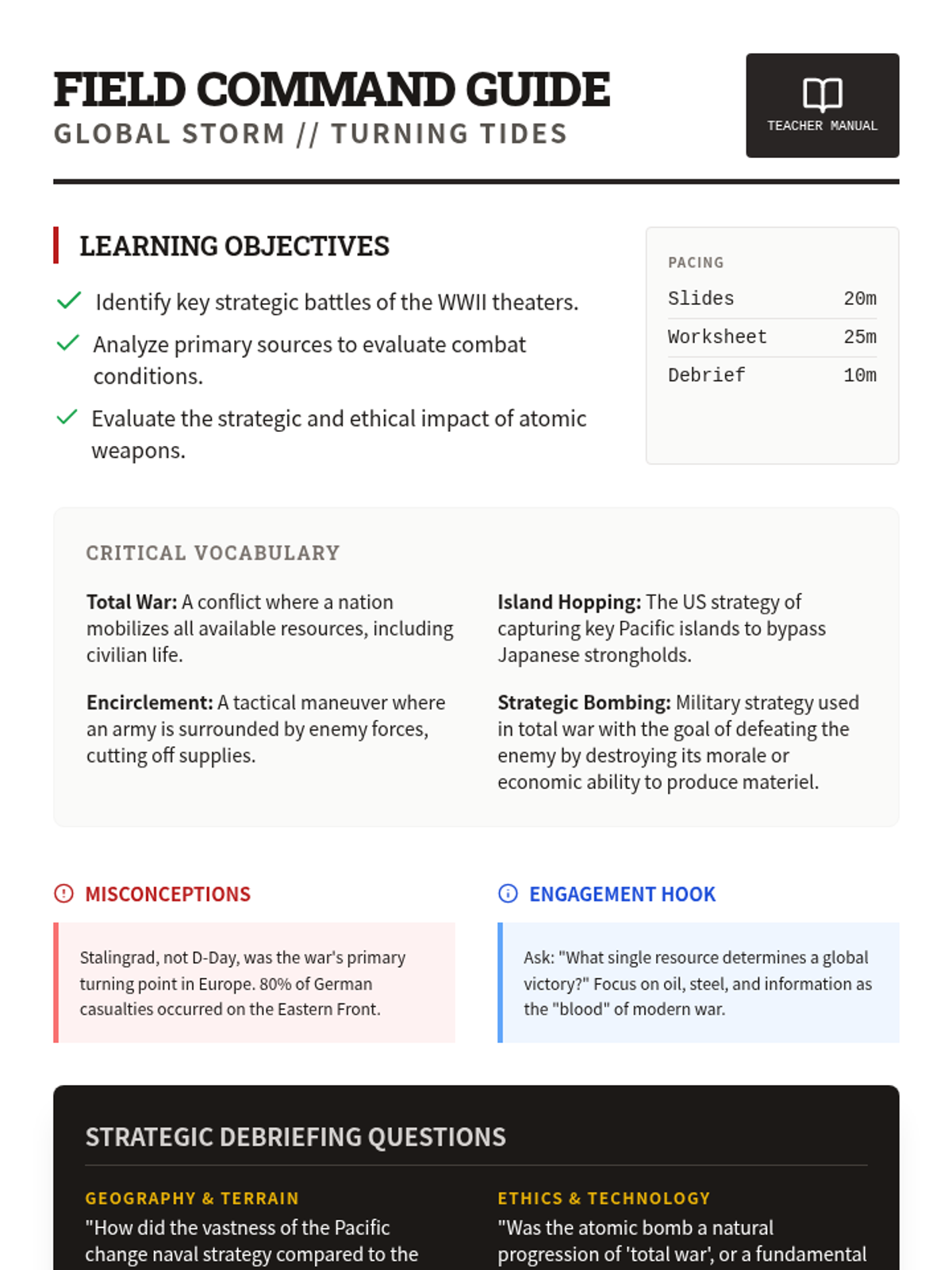
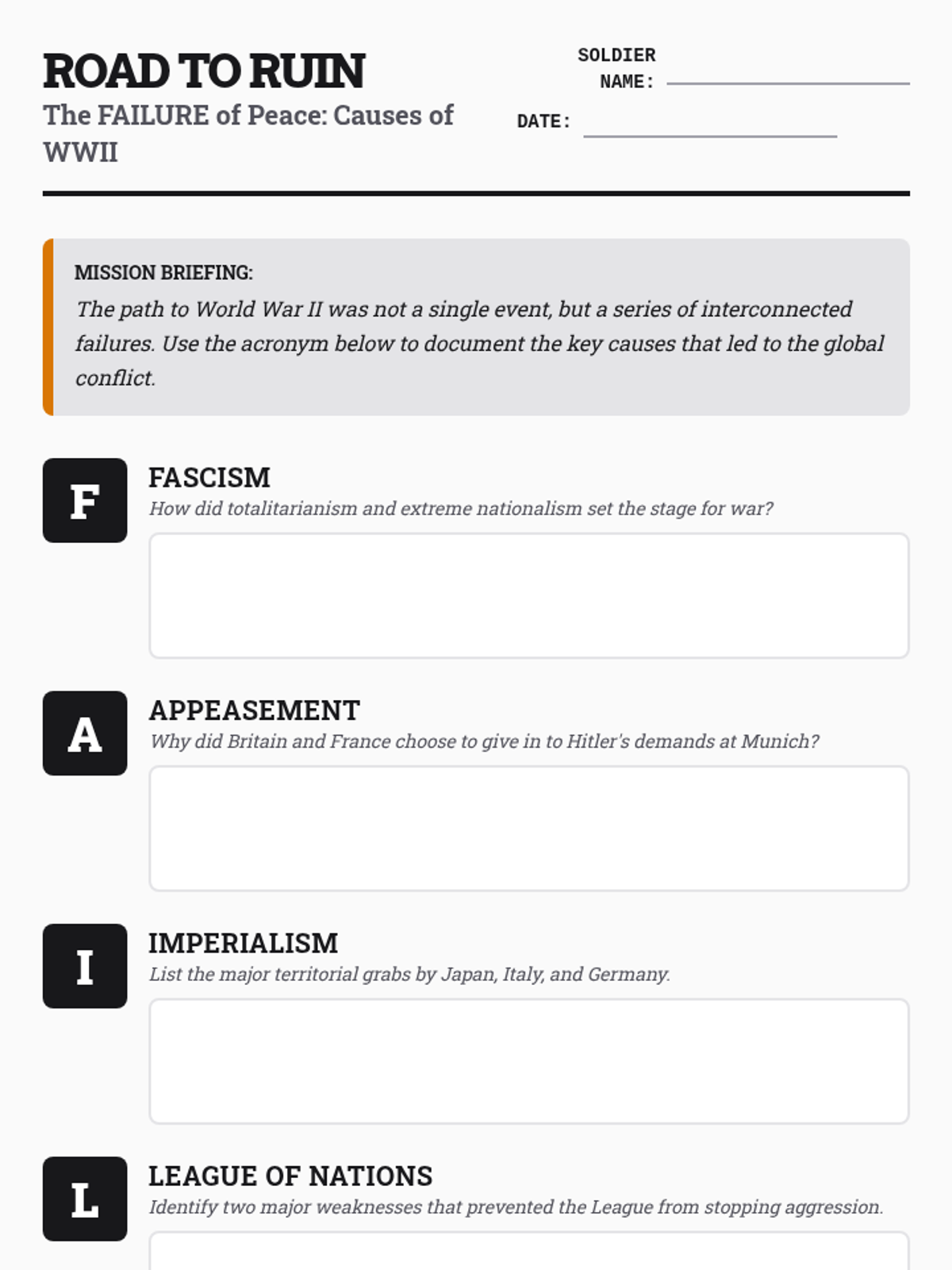
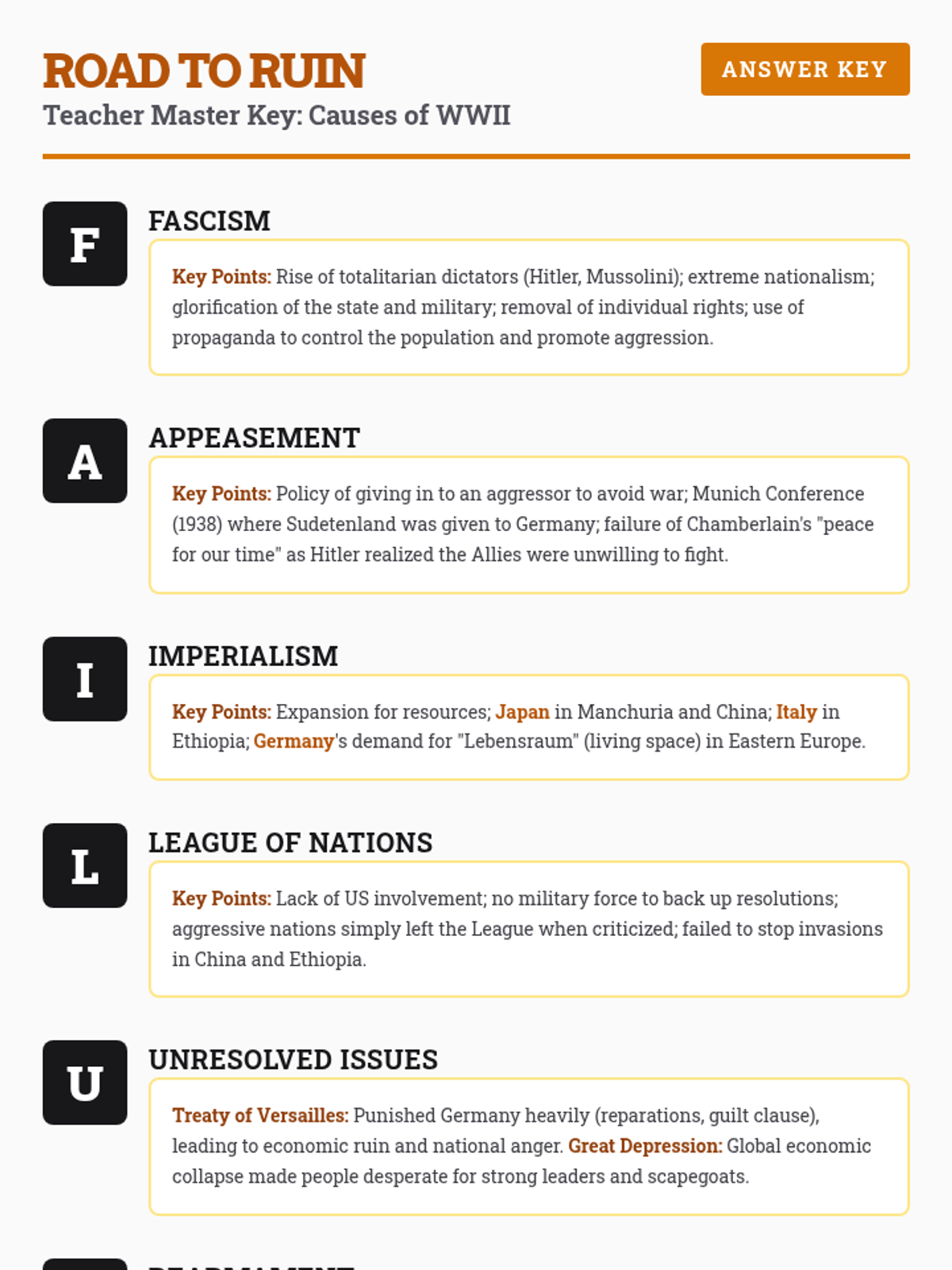
A comprehensive dive into the pivotal moments and global impact of World War II, framed through the lens of military intelligence and historical analysis.
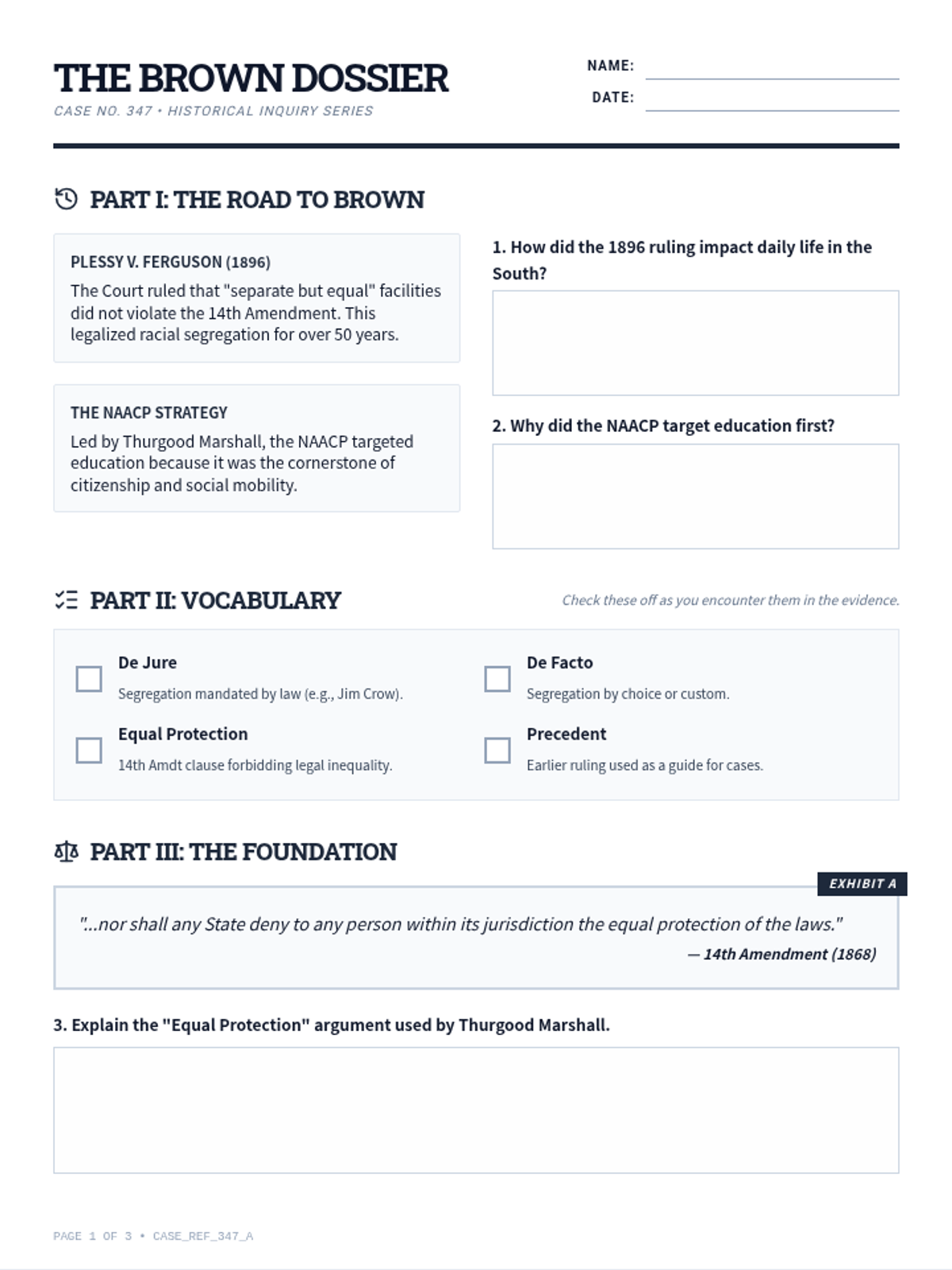
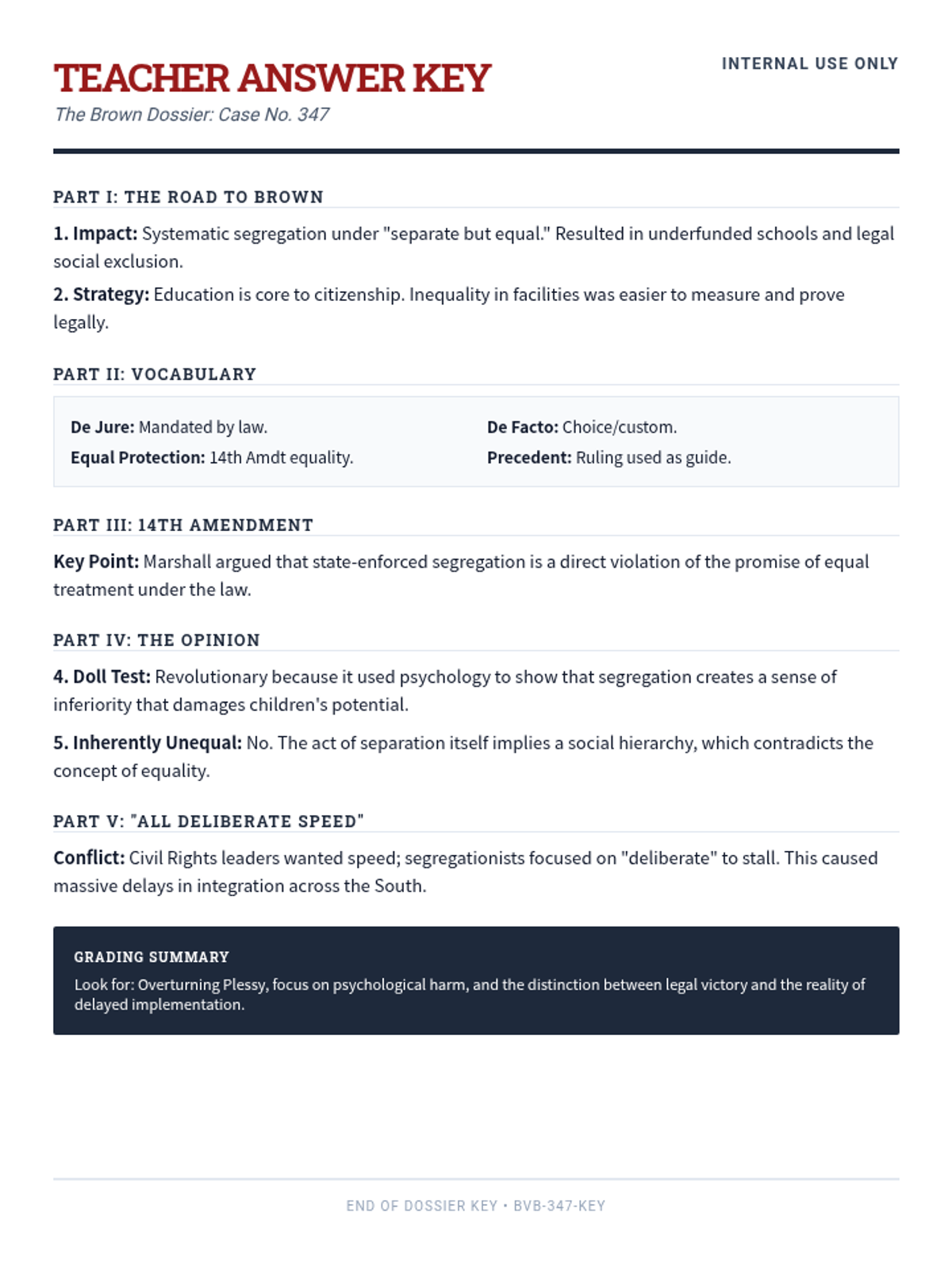
A unit exploring the transformative decade of the 1950s, covering the Civil Rights movement, postwar economic booms, the rise of suburbia, and the cultural shifts of the Atomic Age.
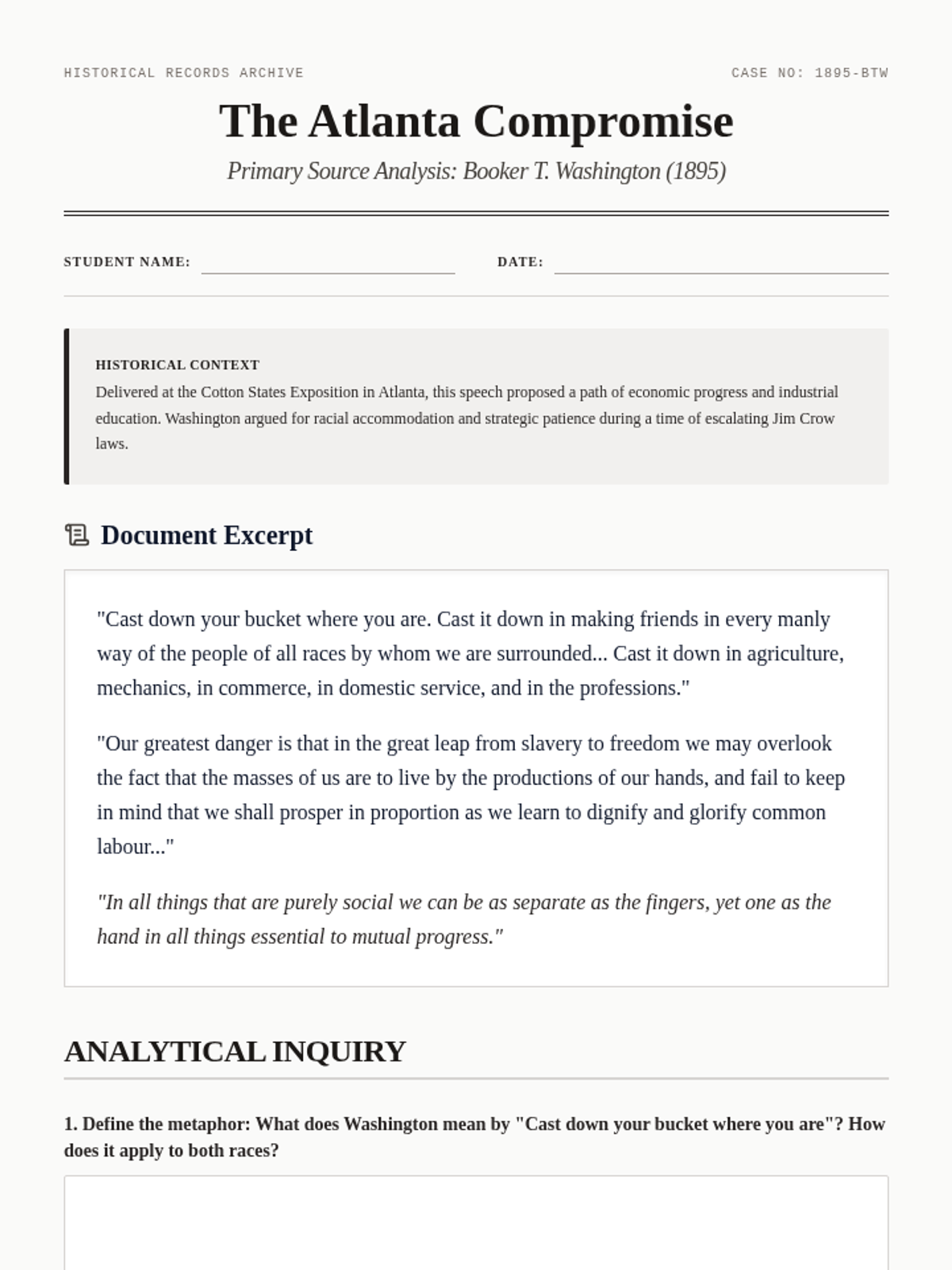
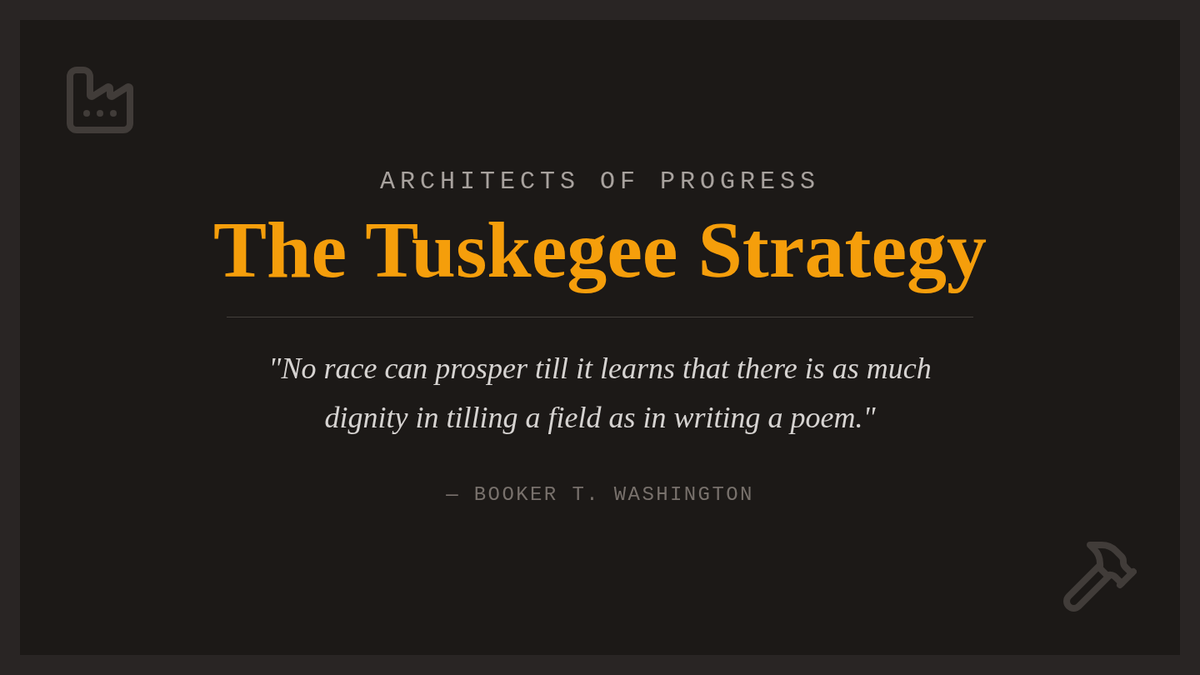
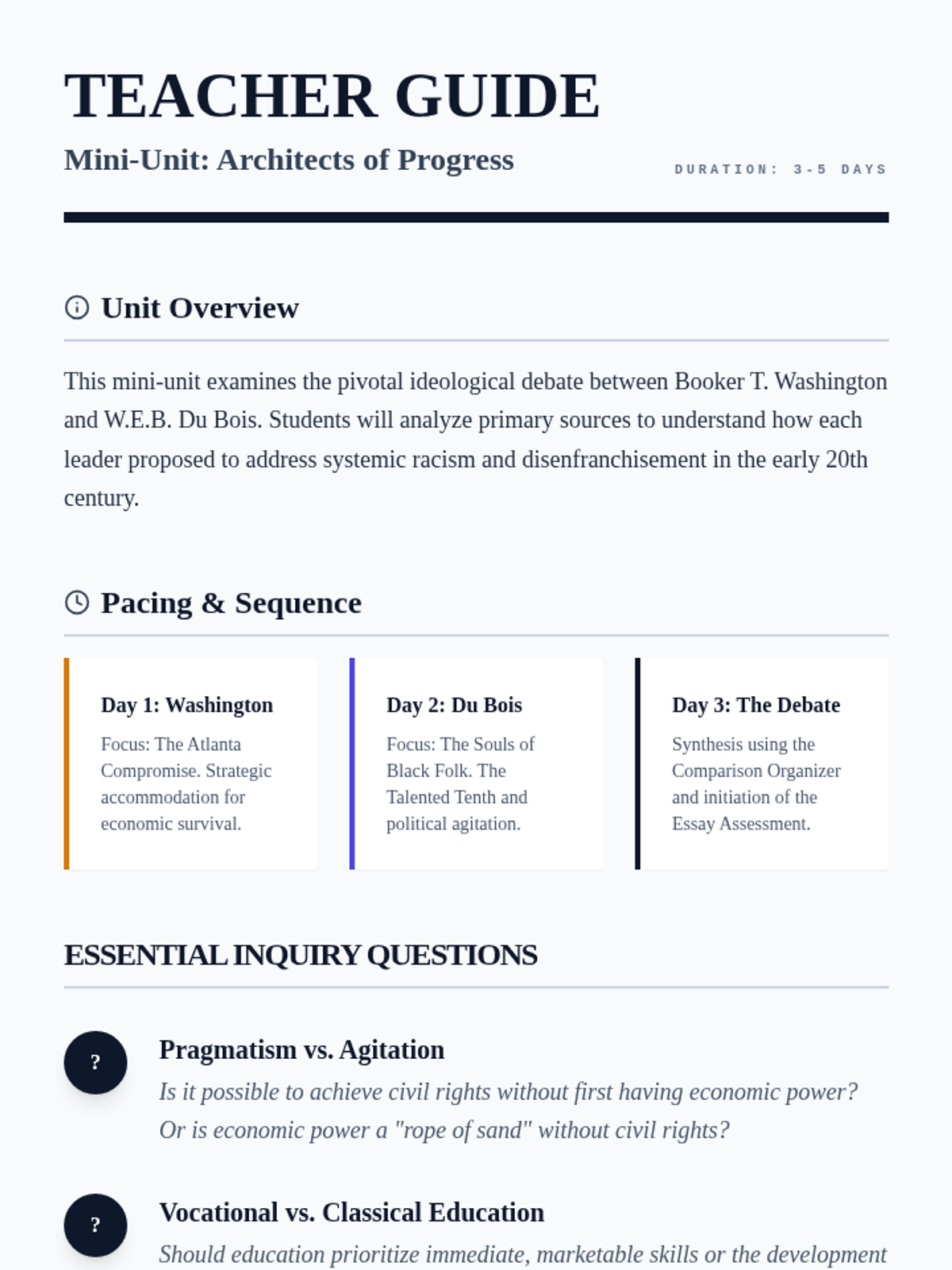
A multi-day mini-unit exploring the contrasting philosophies of Booker T. Washington and W.E.B. Du Bois regarding African American progress, education, and civil rights at the turn of the 20th century.
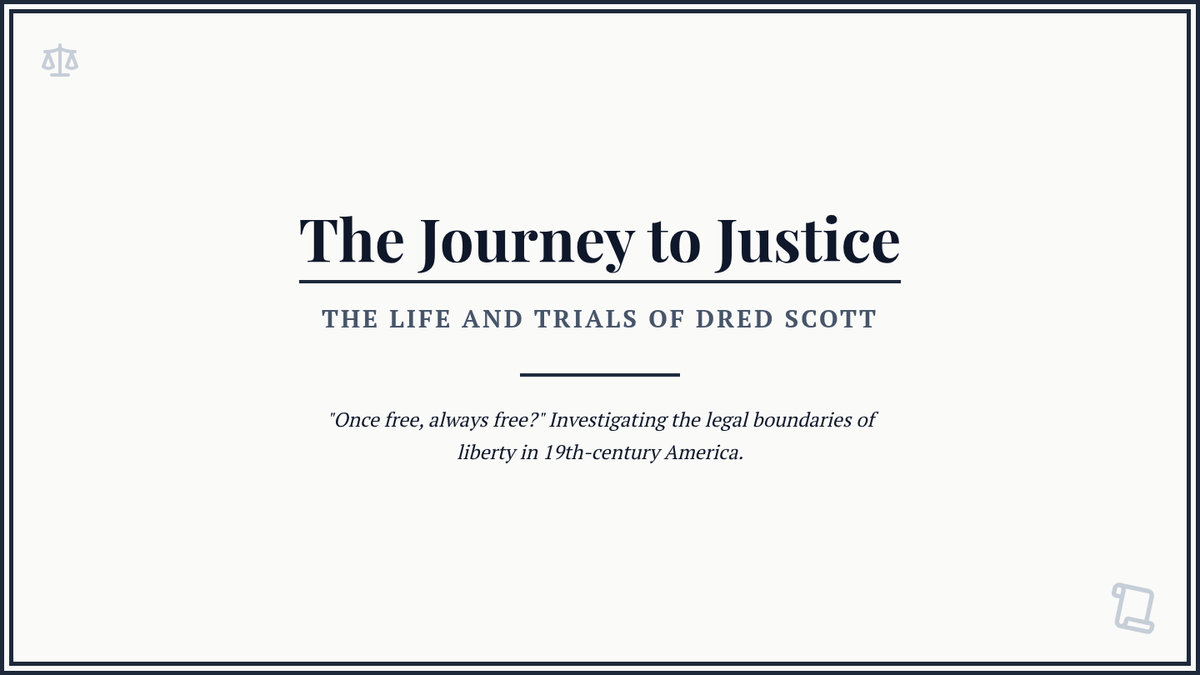
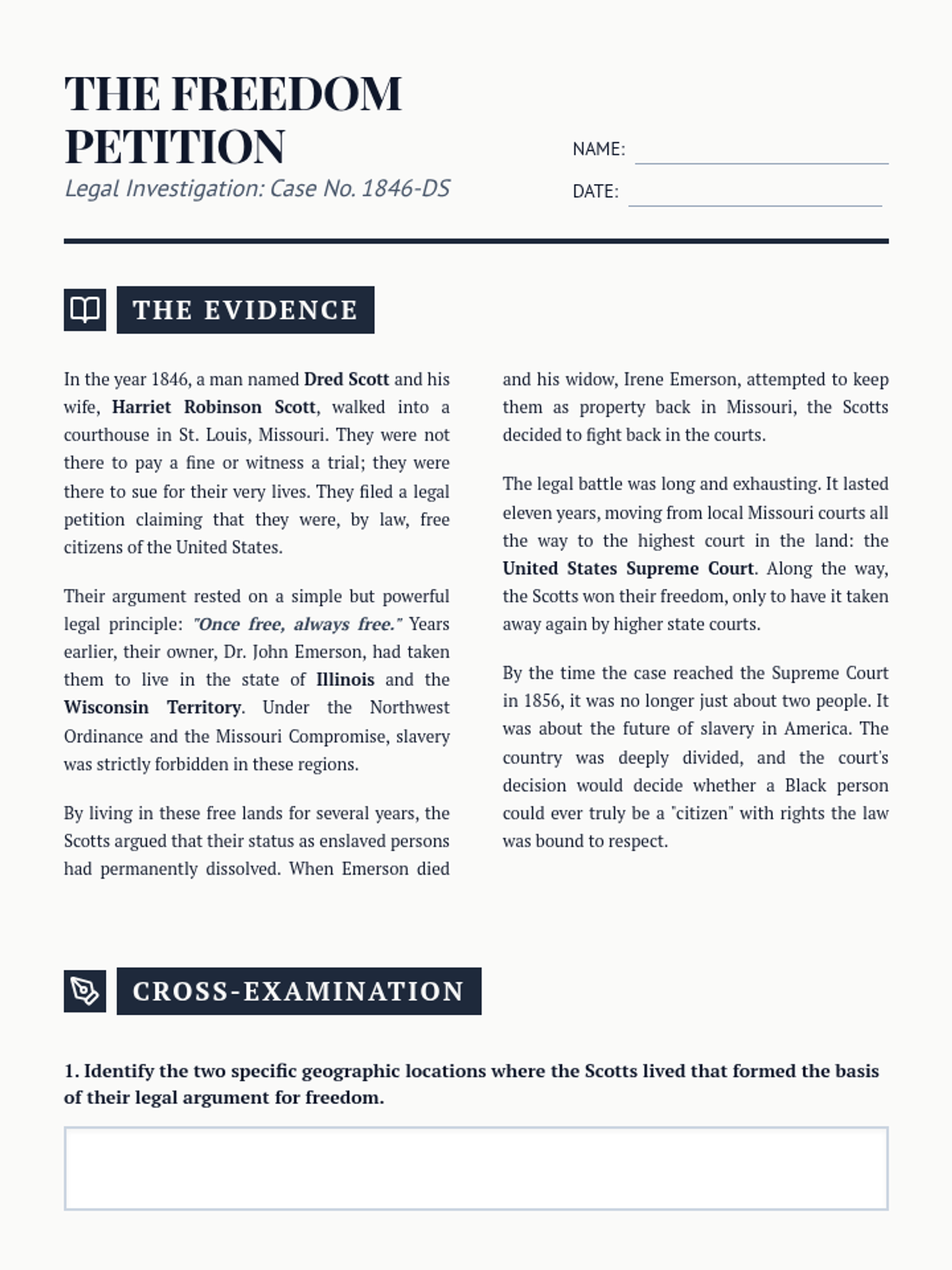
A multi-day investigation into the Dred Scott case, focusing on the shifting definitions of citizenship and the legal battle for freedom in pre-Civil War America.
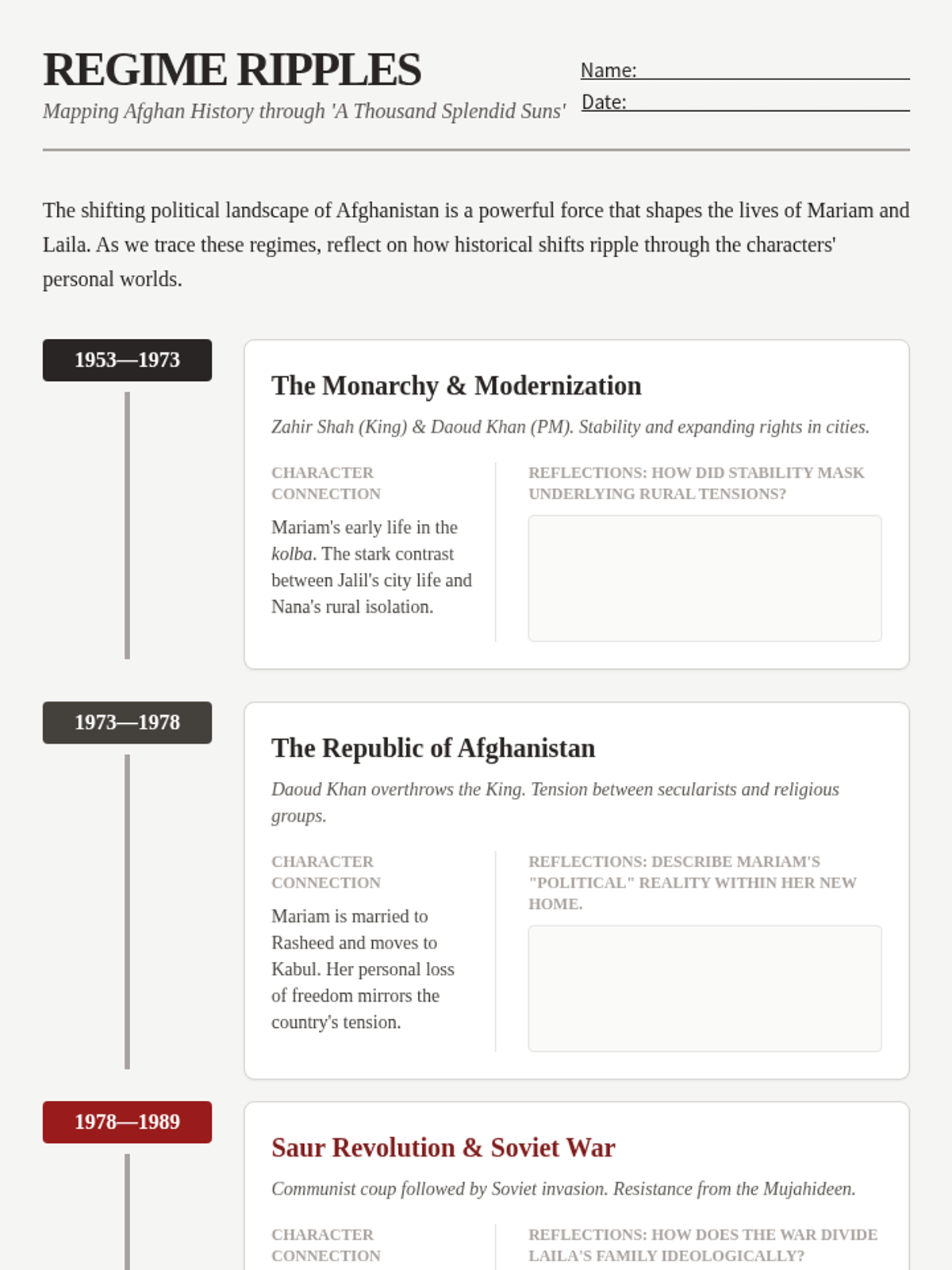
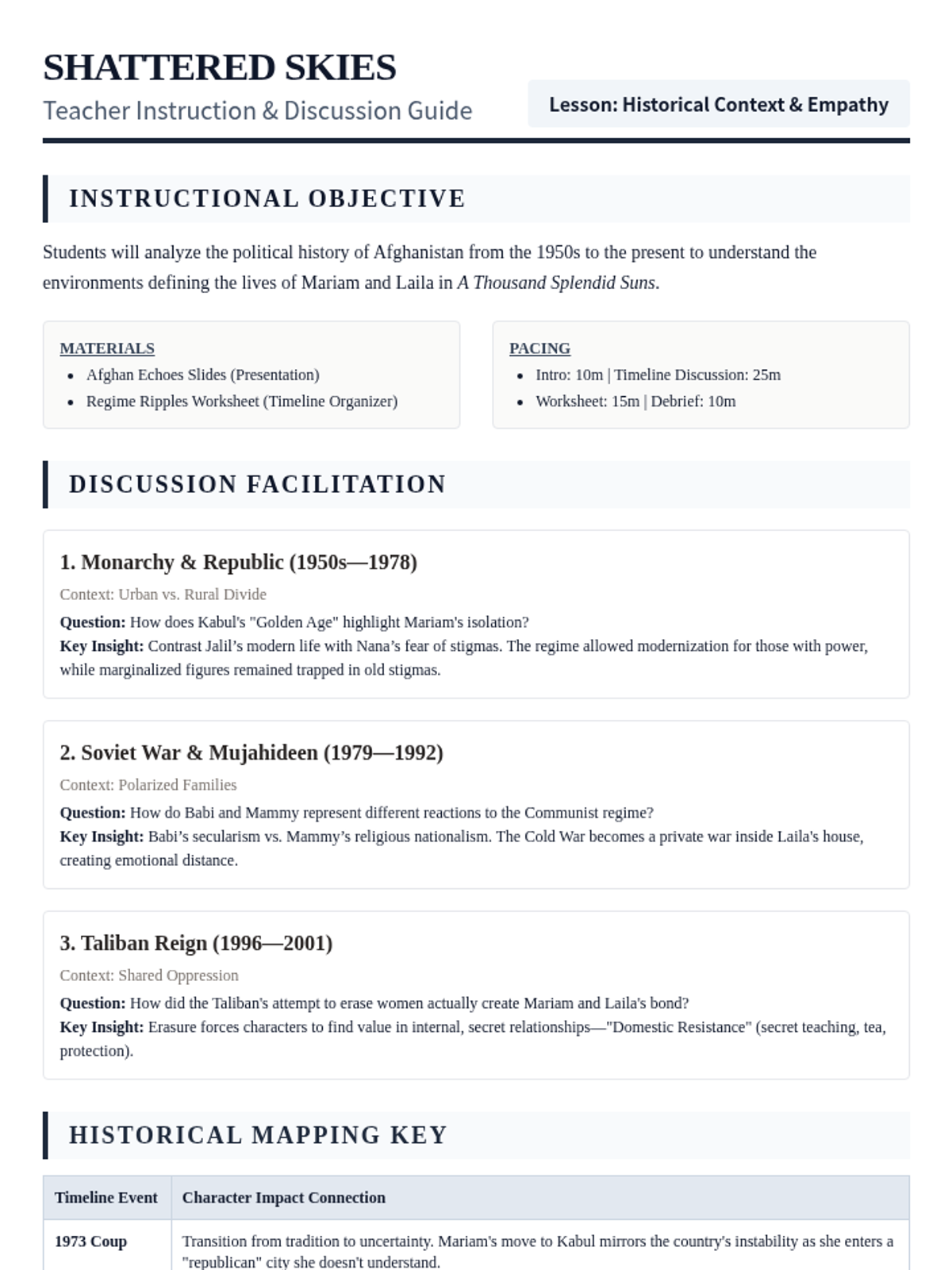
A comprehensive historical background unit designed to contextualize the events of 'A Thousand Splendid Suns', focusing on the political shifts in Afghanistan and their impact on women's lives and character motivations.
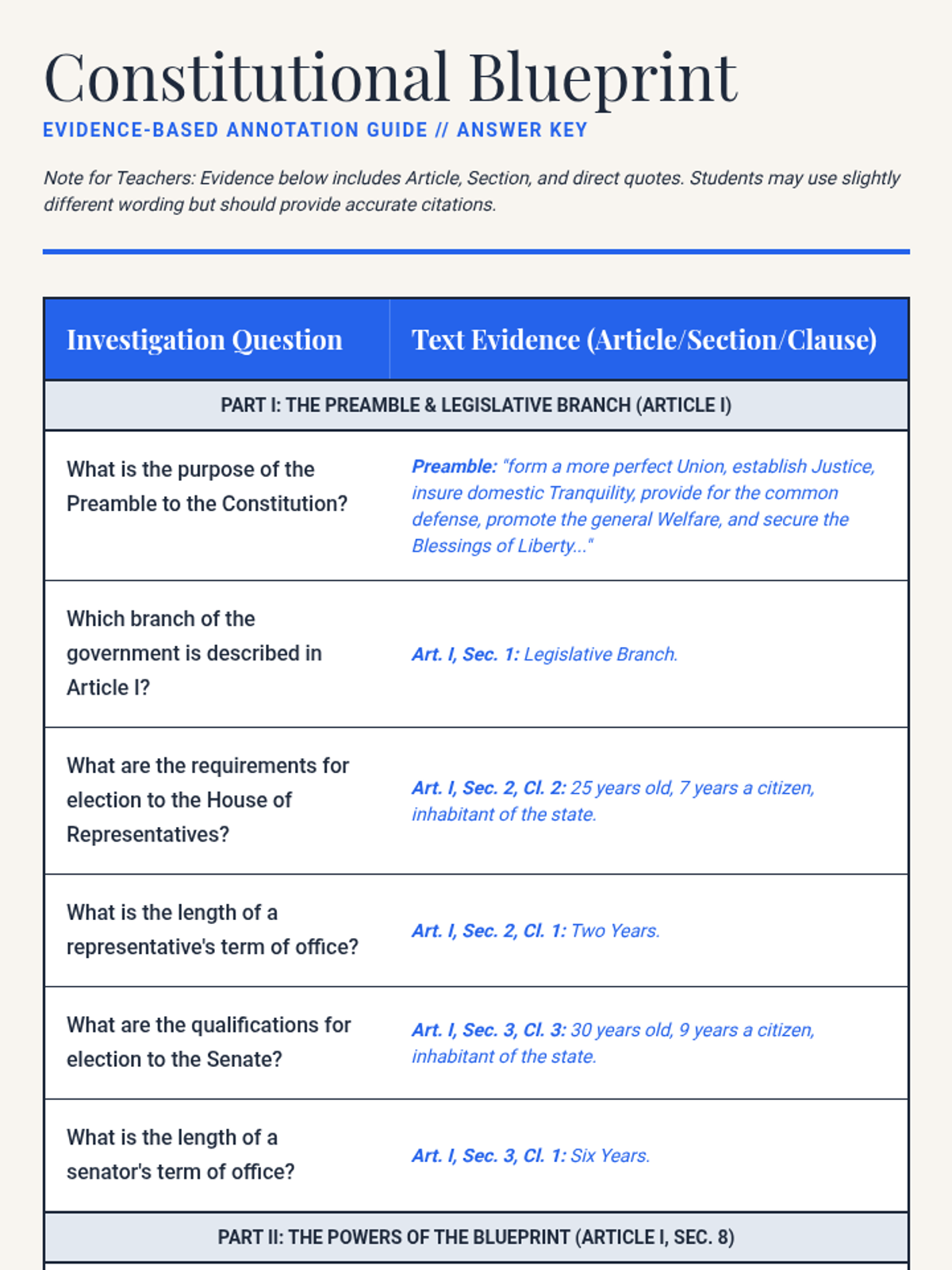
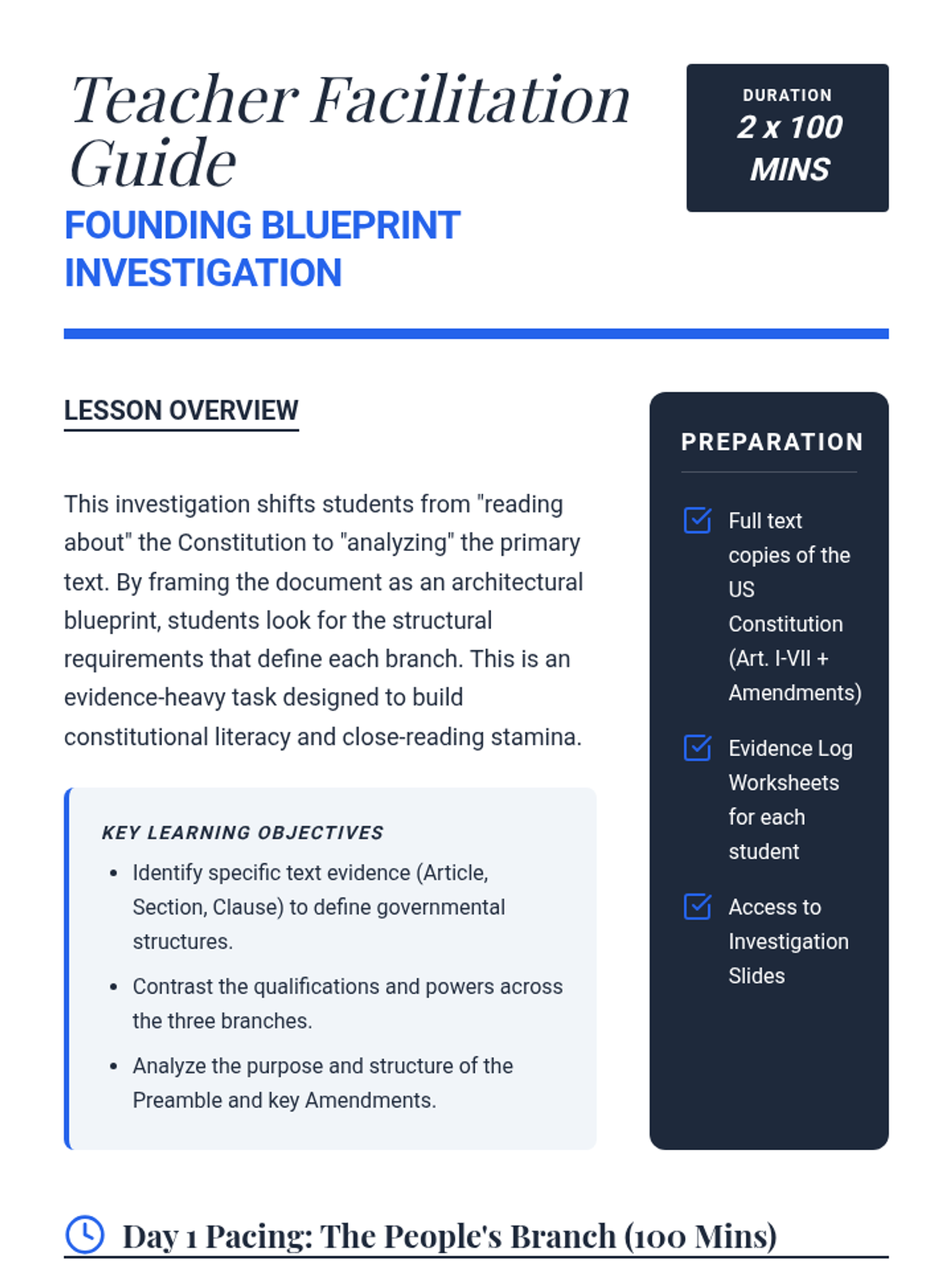
A comprehensive unit exploring the foundational structures of American government through the lens of the US Constitution.
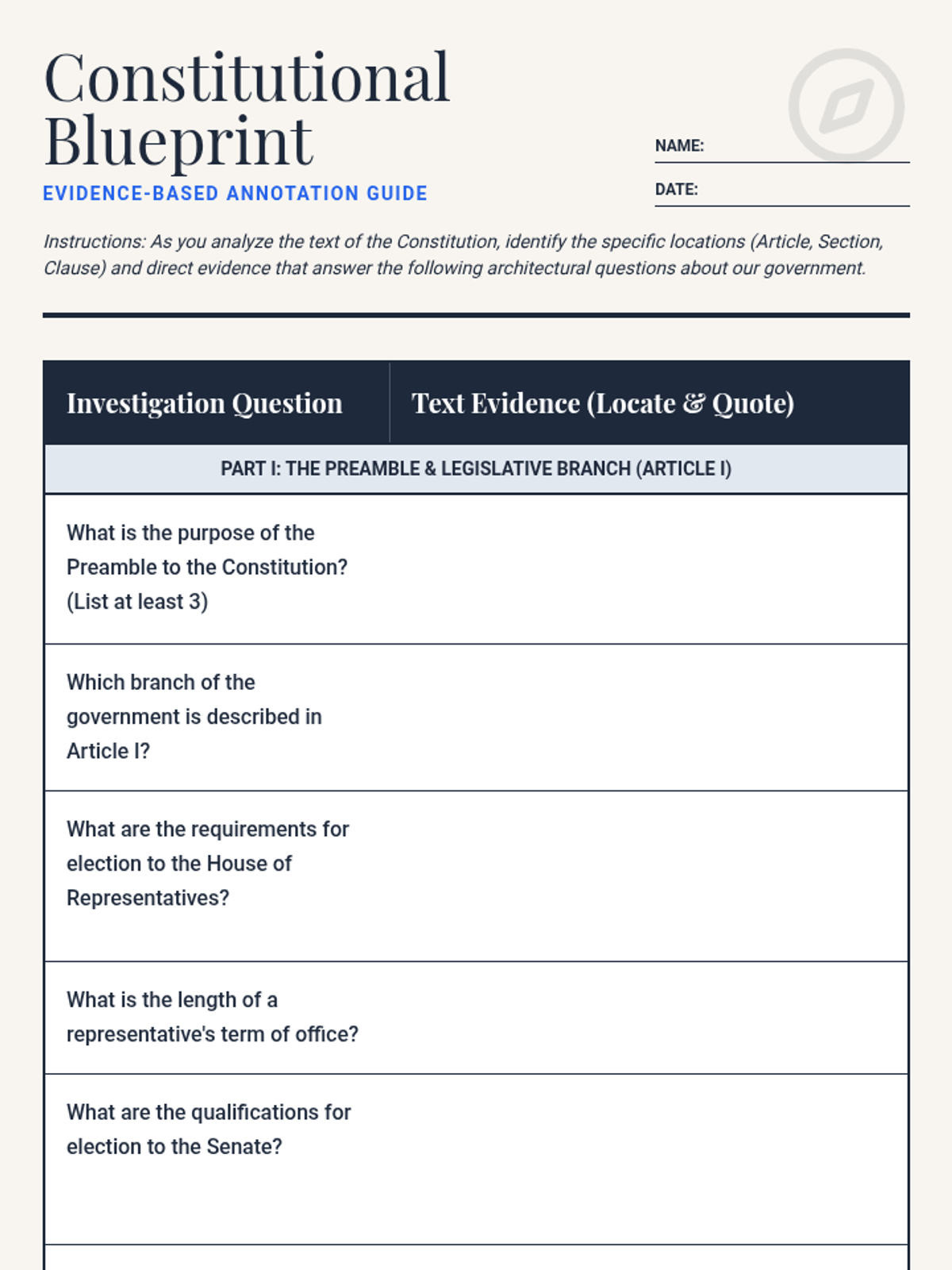
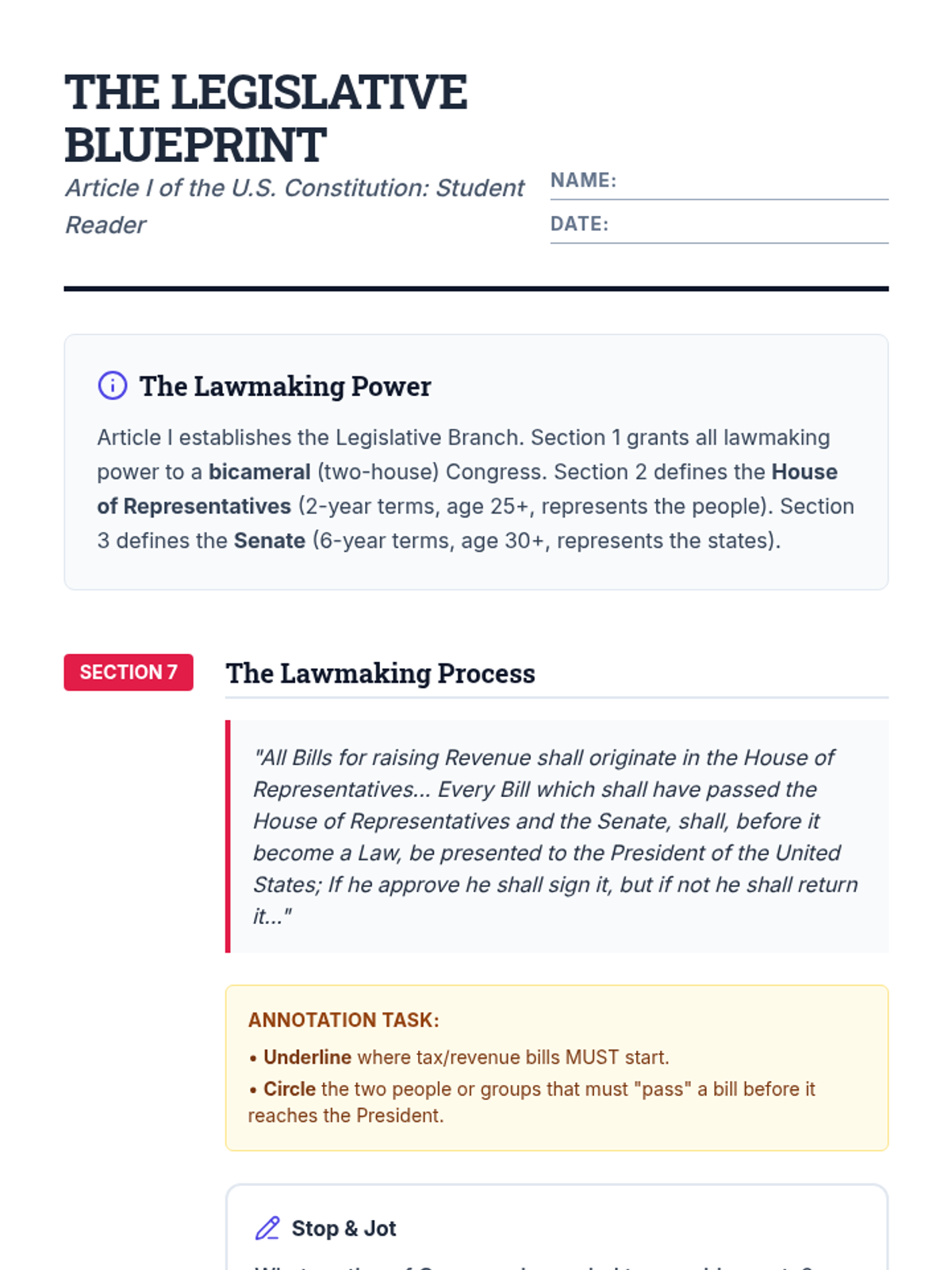
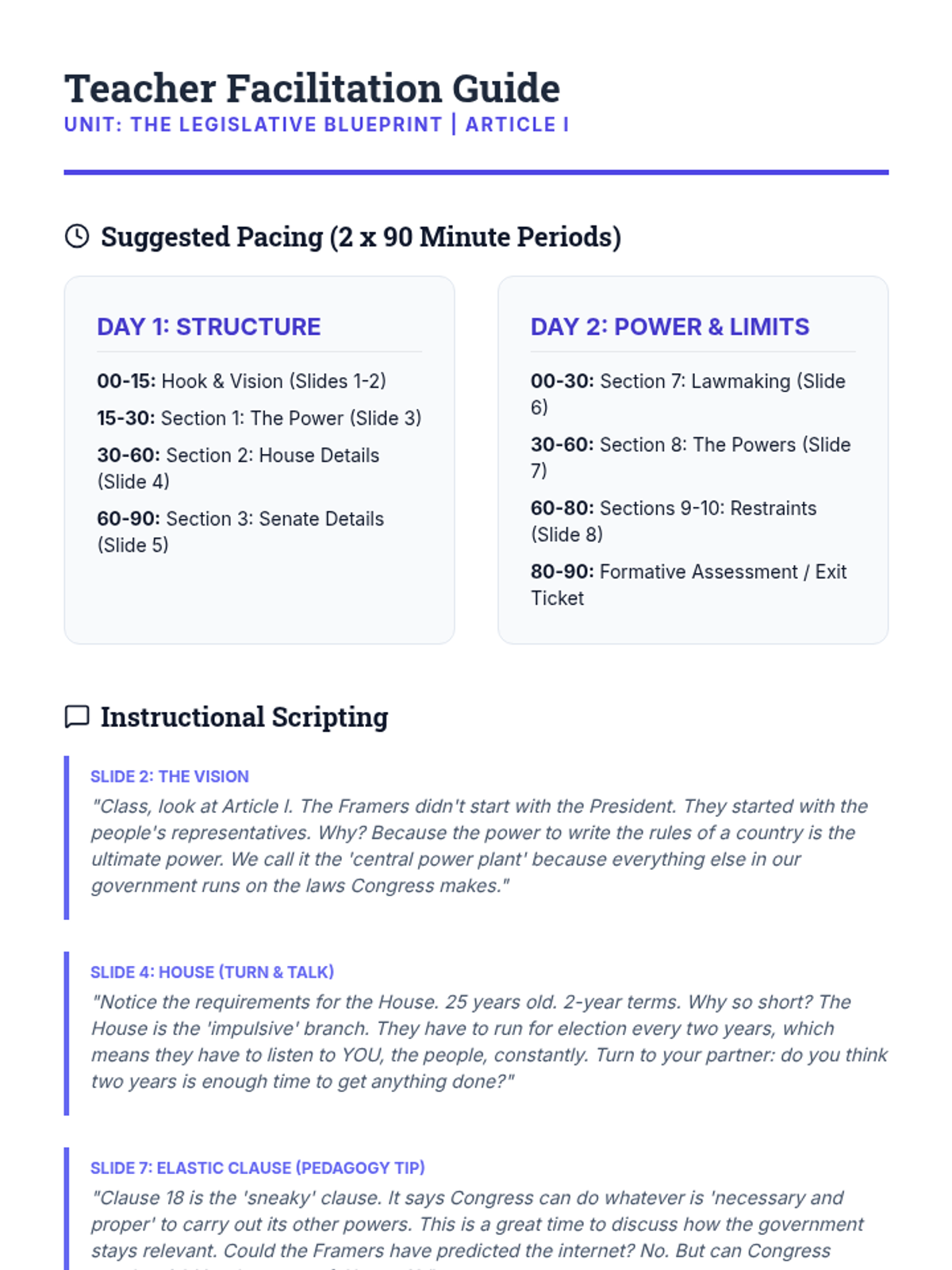
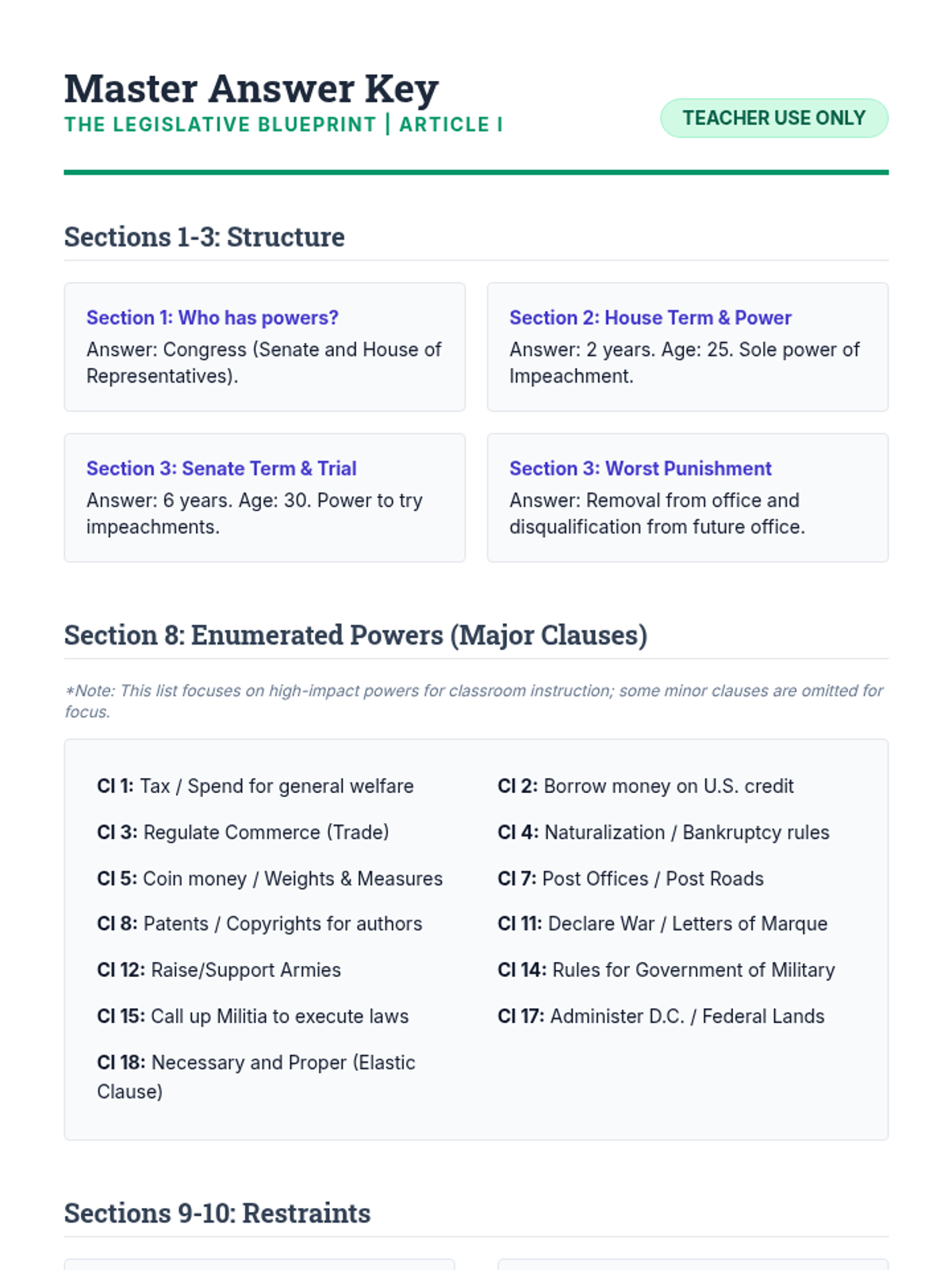
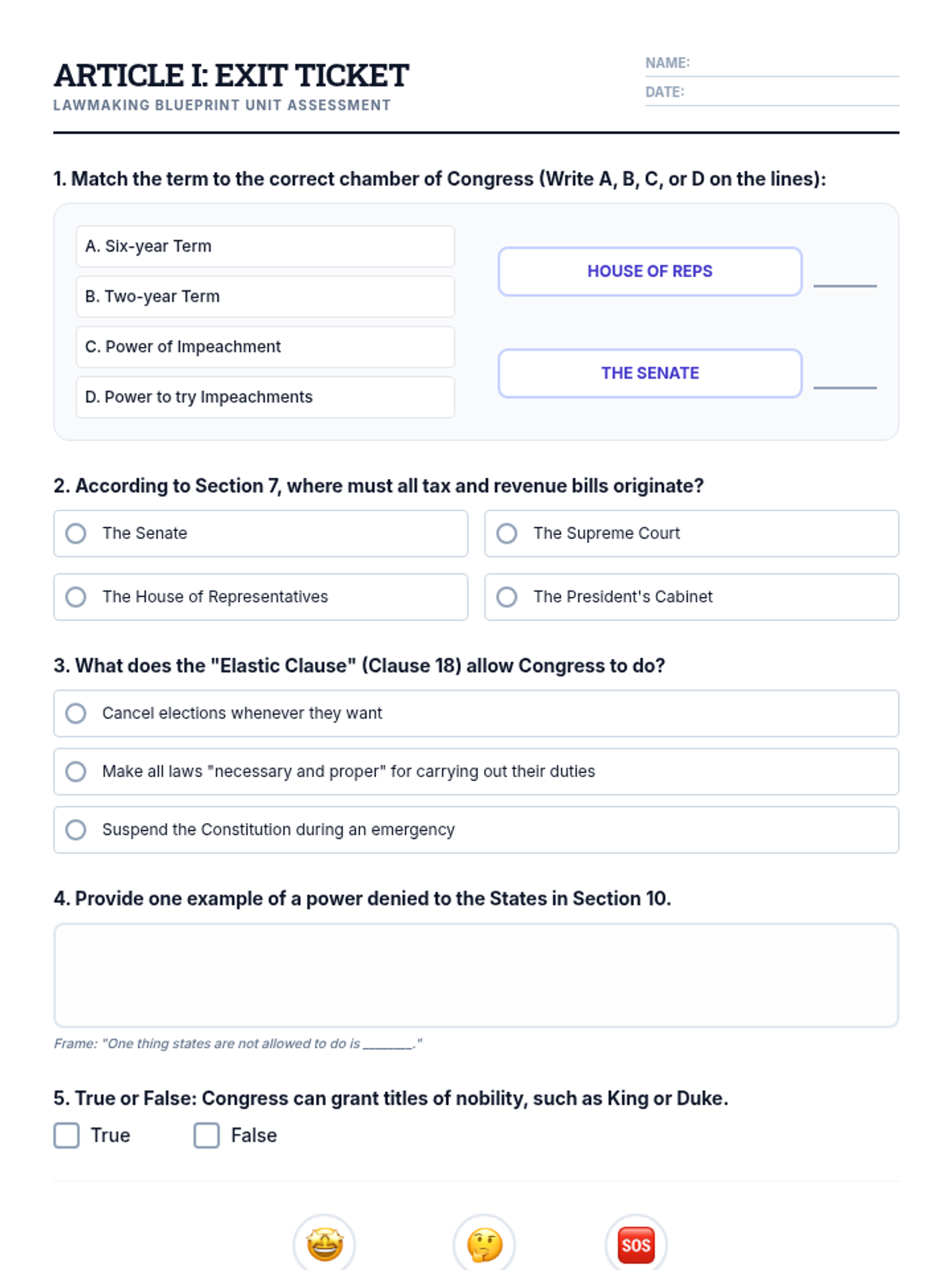
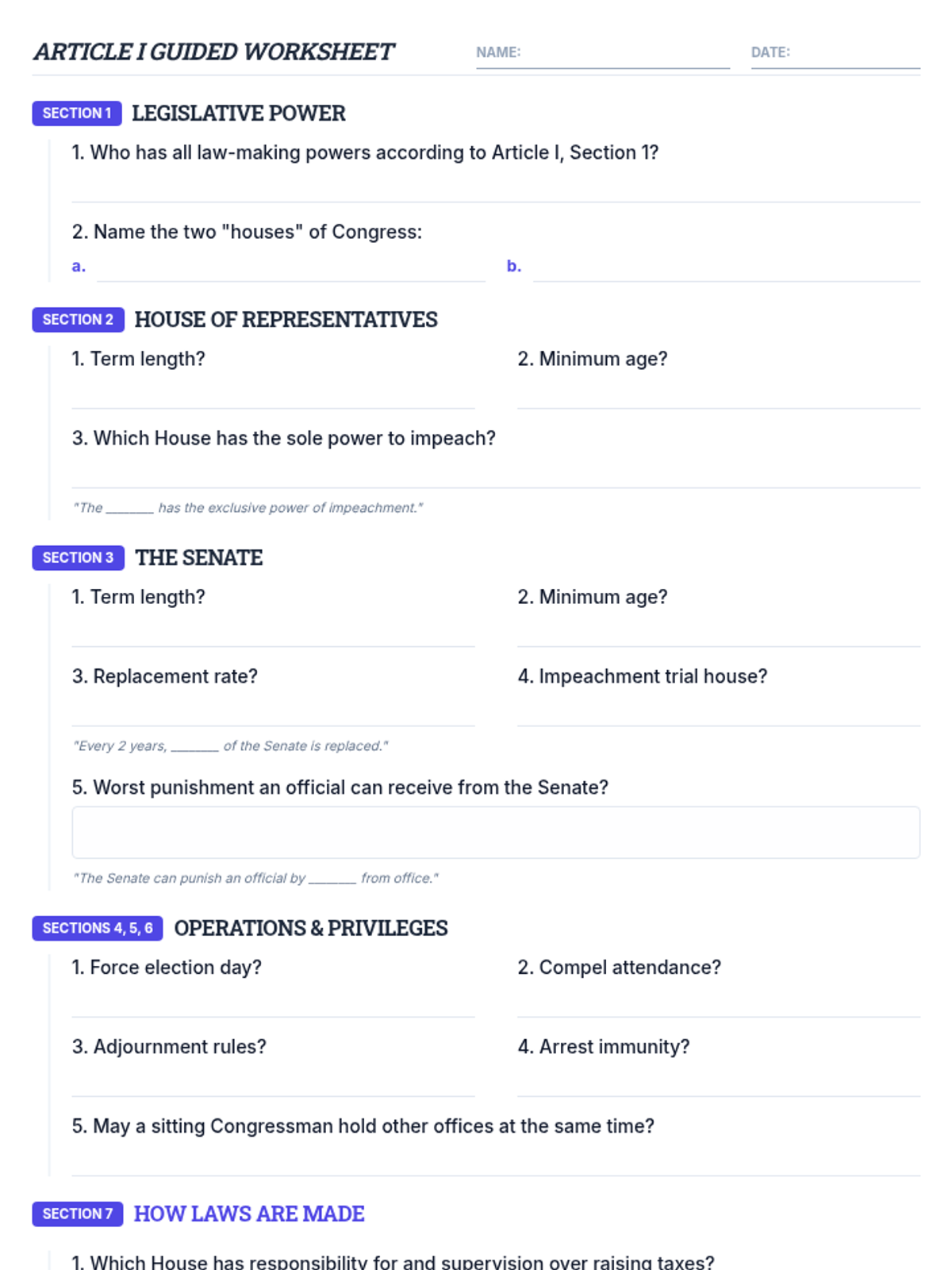
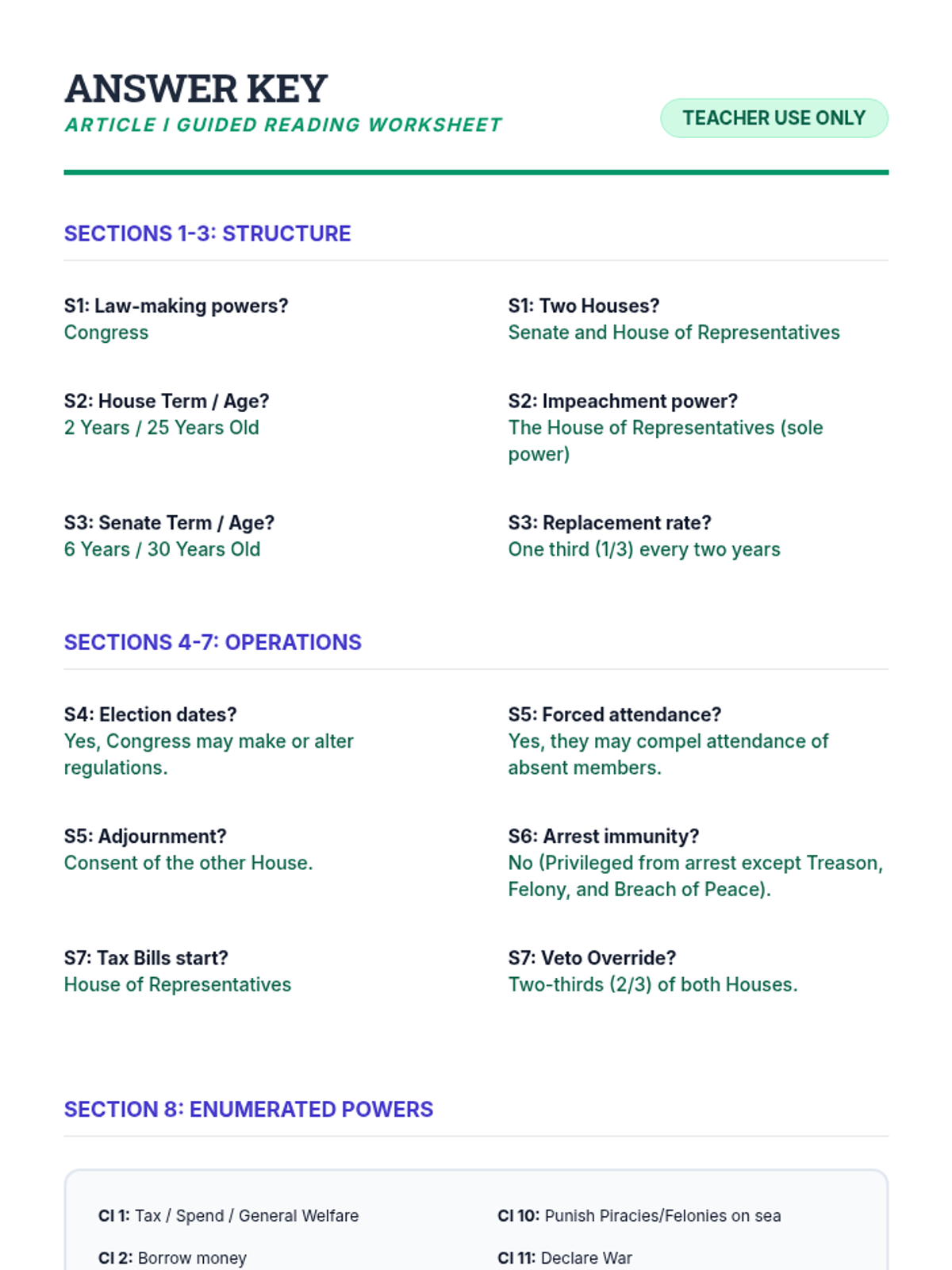
A comprehensive exploration of Article I of the U.S. Constitution, covering the structure, powers, and limitations of the Legislative Branch through deep text analysis and structured discussion.
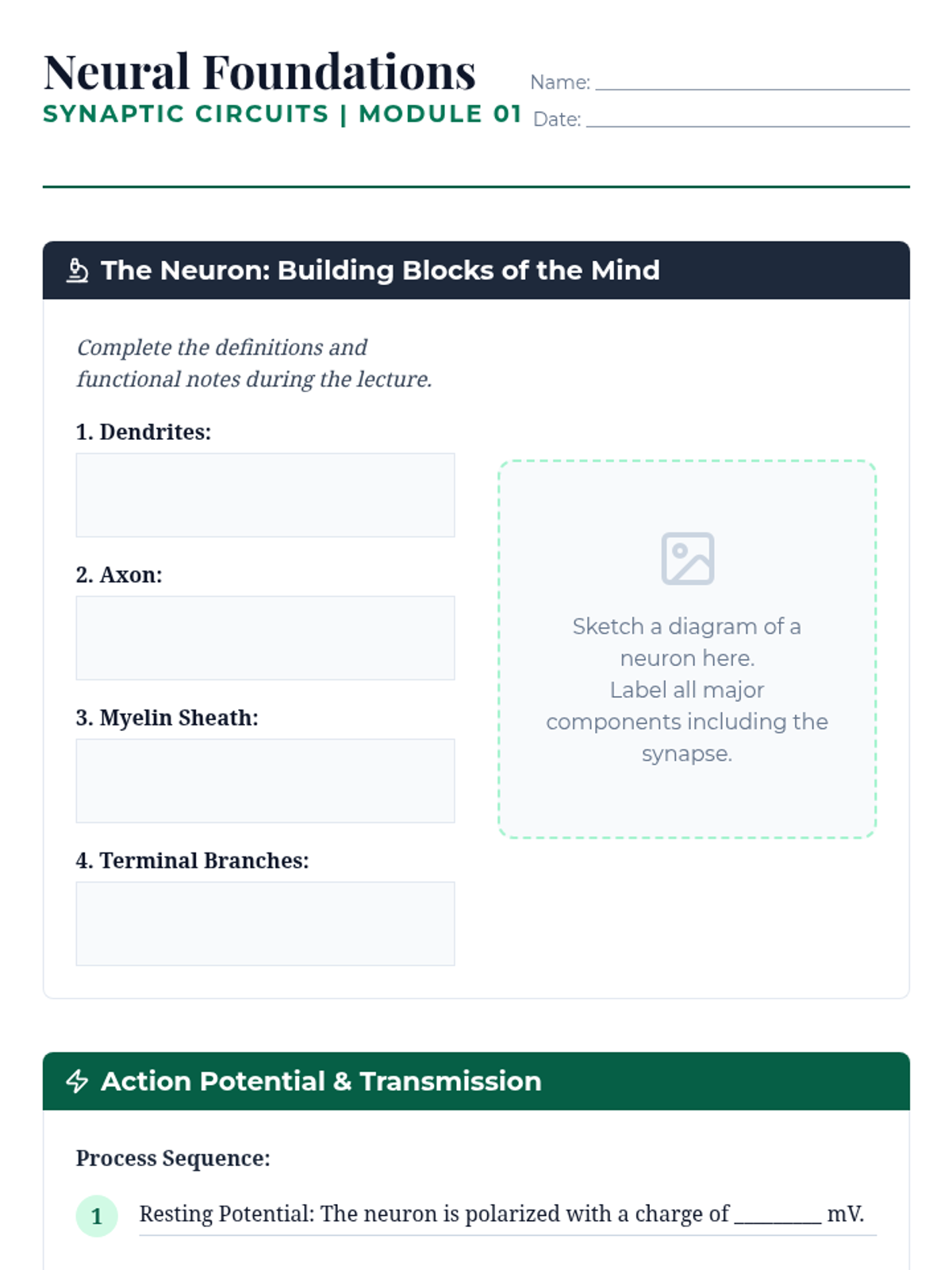
A comprehensive introductory psychology sequence for university students, exploring the biological, cognitive, and social foundations of human behavior through a lens of scientific inquiry and critical analysis.
A foundational university-level psychology curriculum covering biological bases, cognitive processes, behavioral theories, and social dynamics. This sequence provides a rigorous introduction to the scientific study of the human mind and behavior.
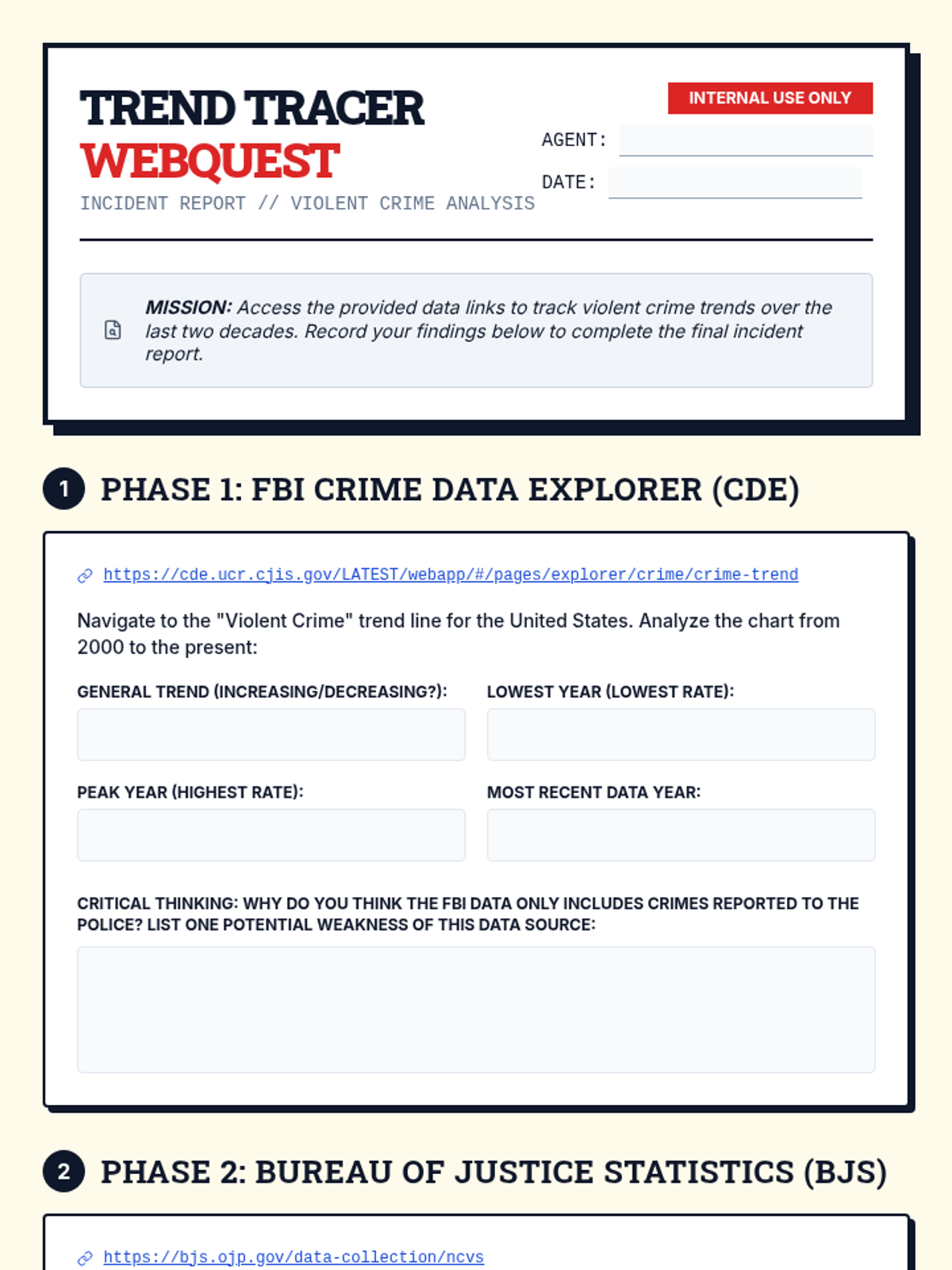
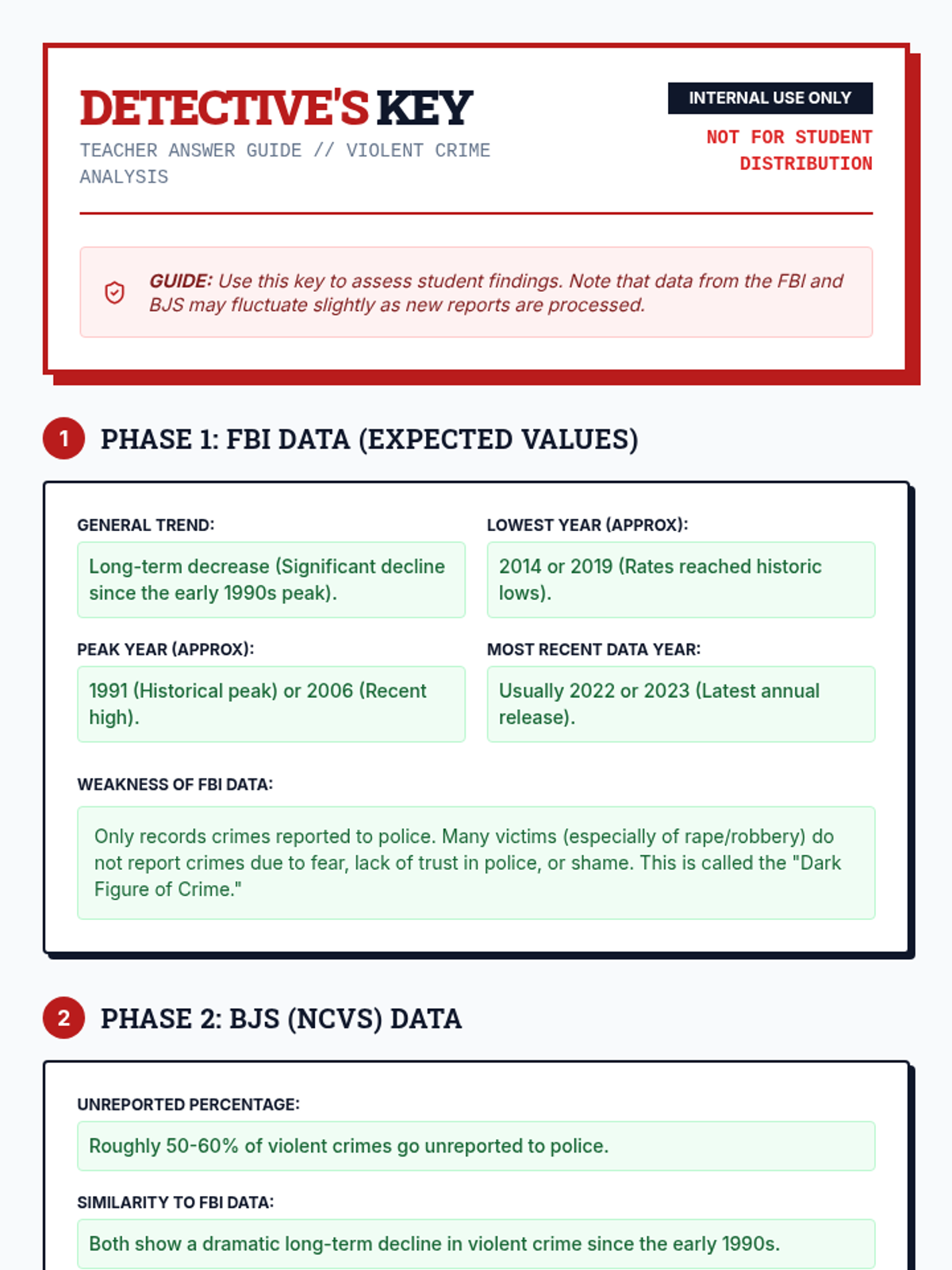
A comprehensive sequence focused on developing data literacy through the analysis of United States crime statistics. Students progress from national trend analysis to specific state and local investigations using primary data sources.
A comprehensive curriculum covering financial literacy, economic principles, and civic systems through historical case studies, ethical dilemmas, and real-world simulations.
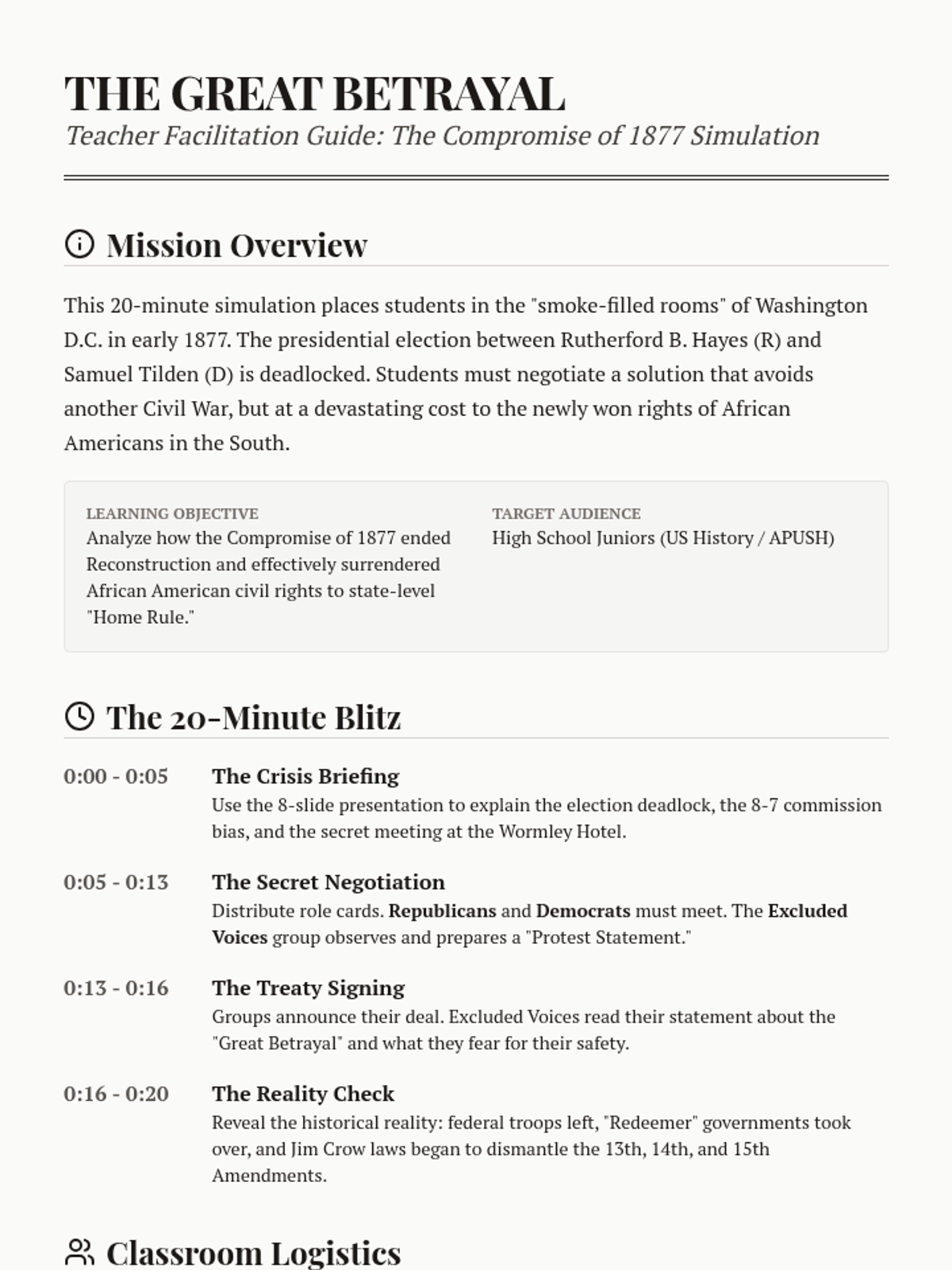
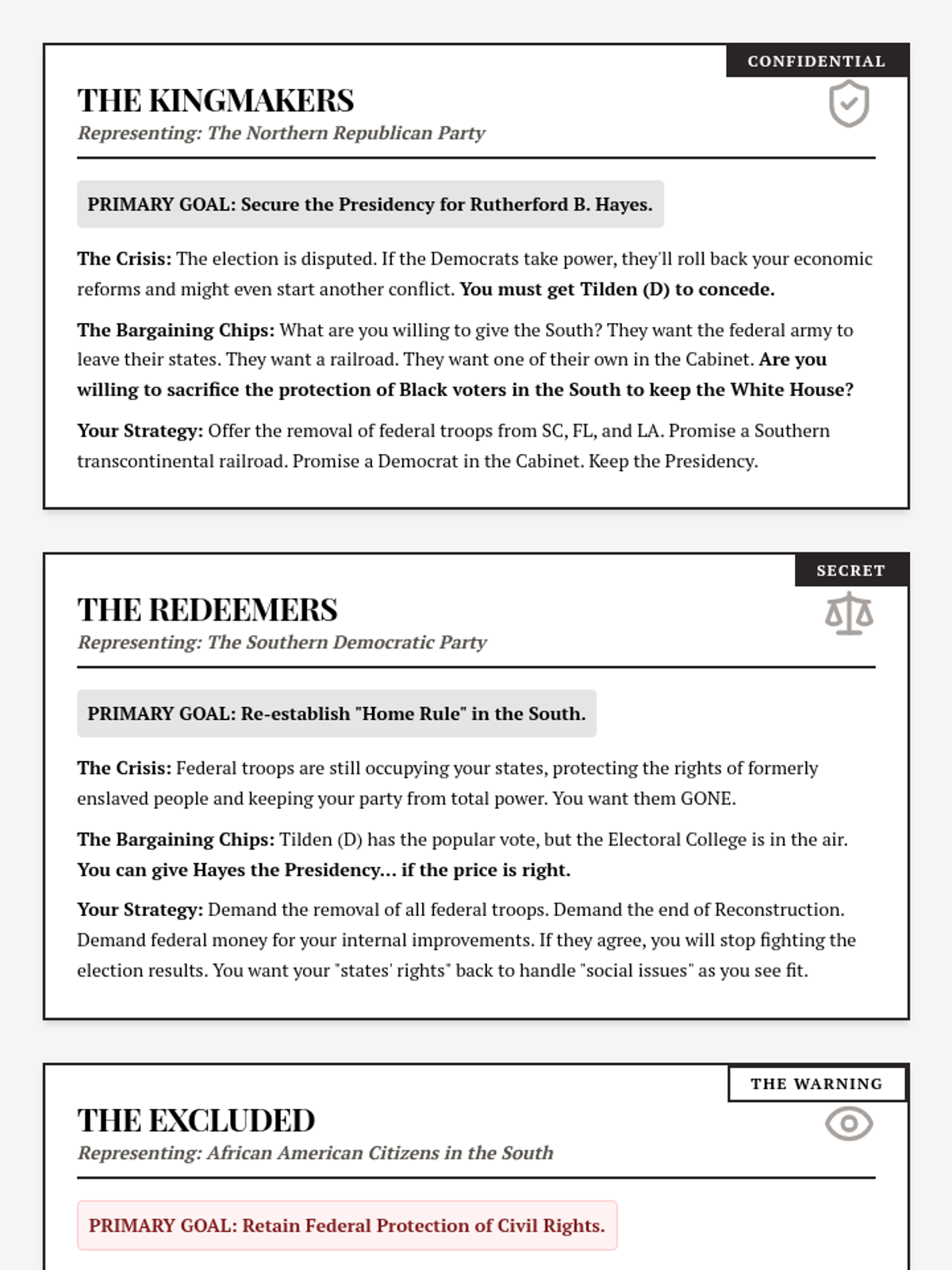
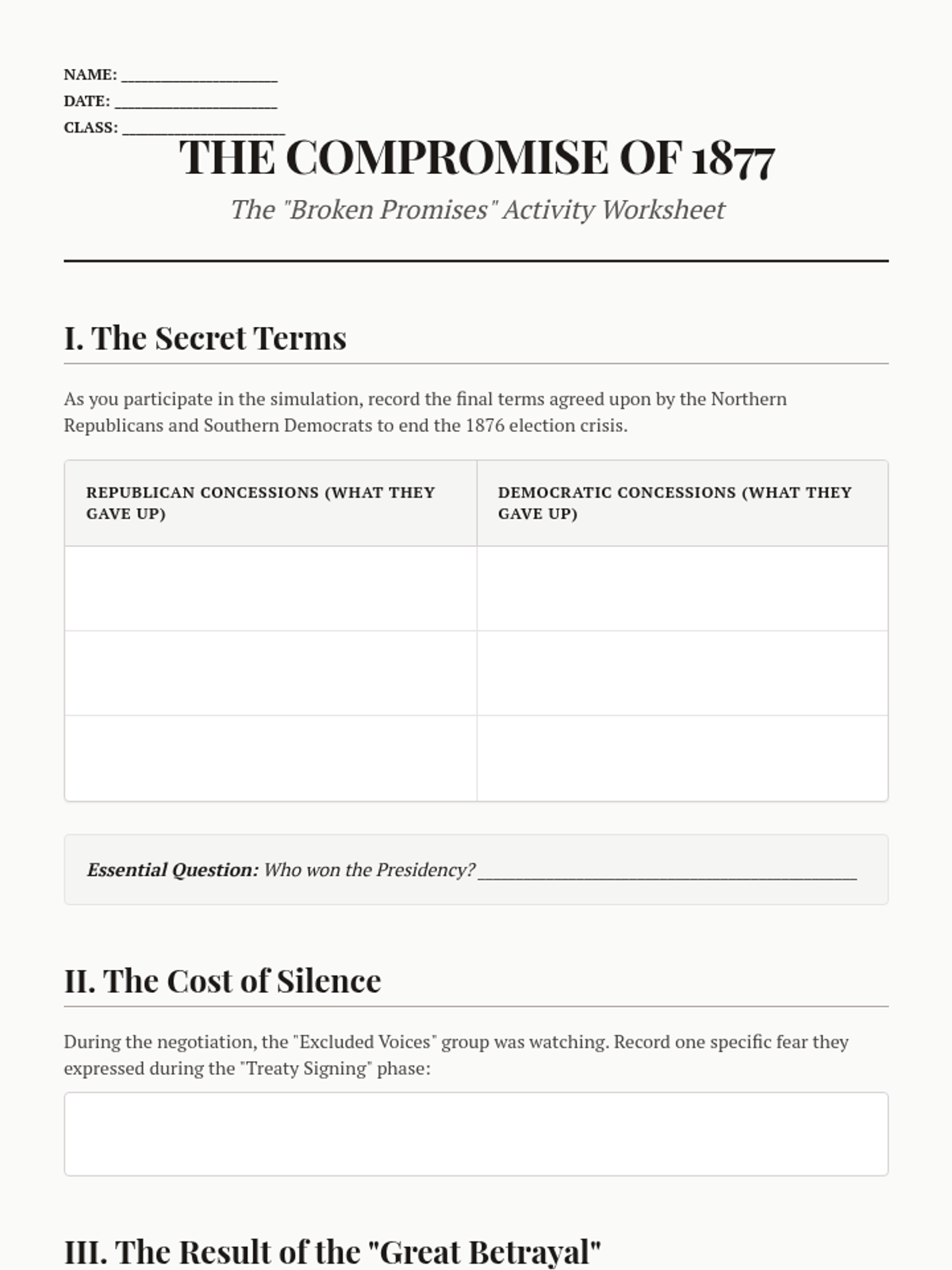
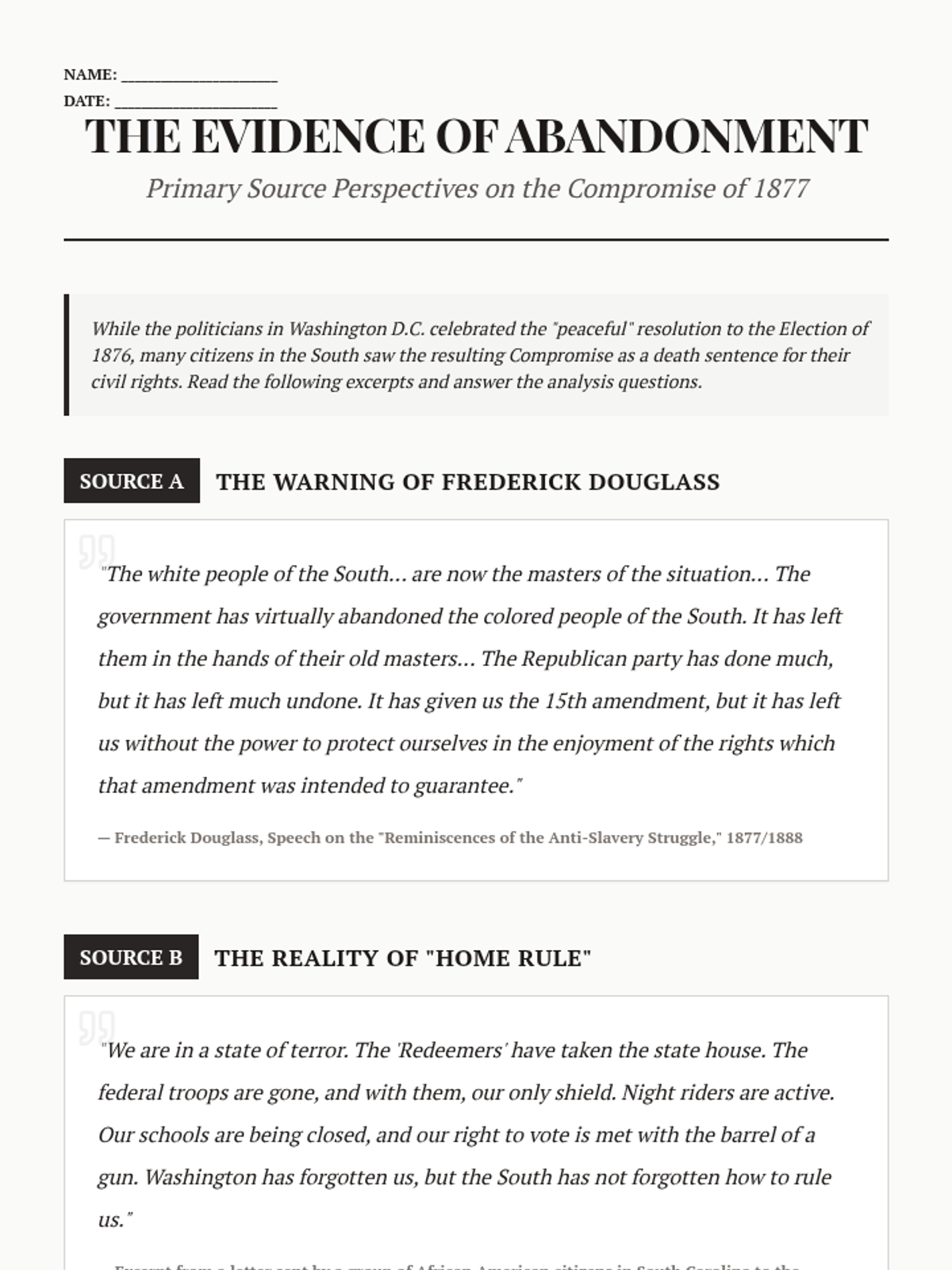
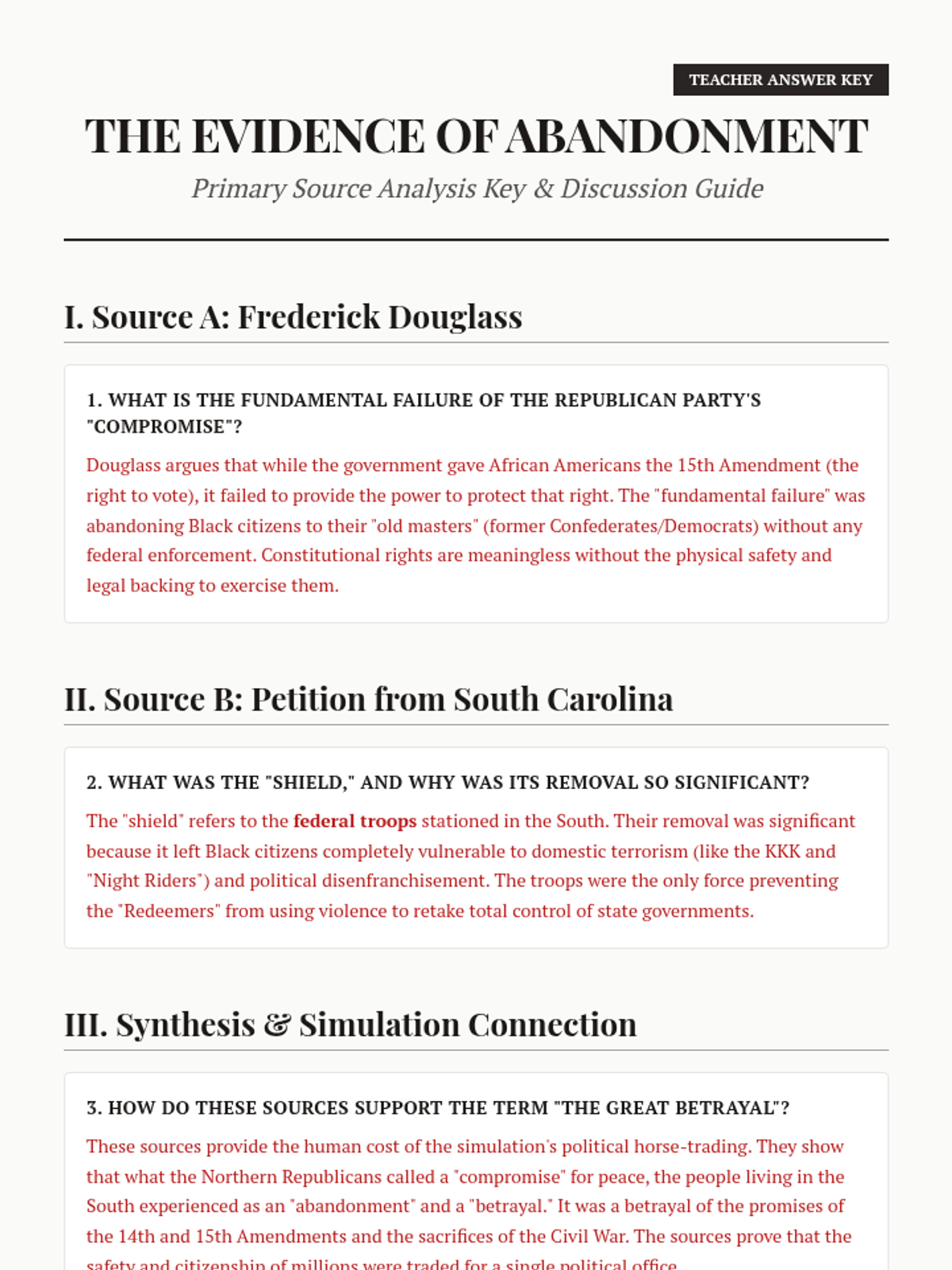
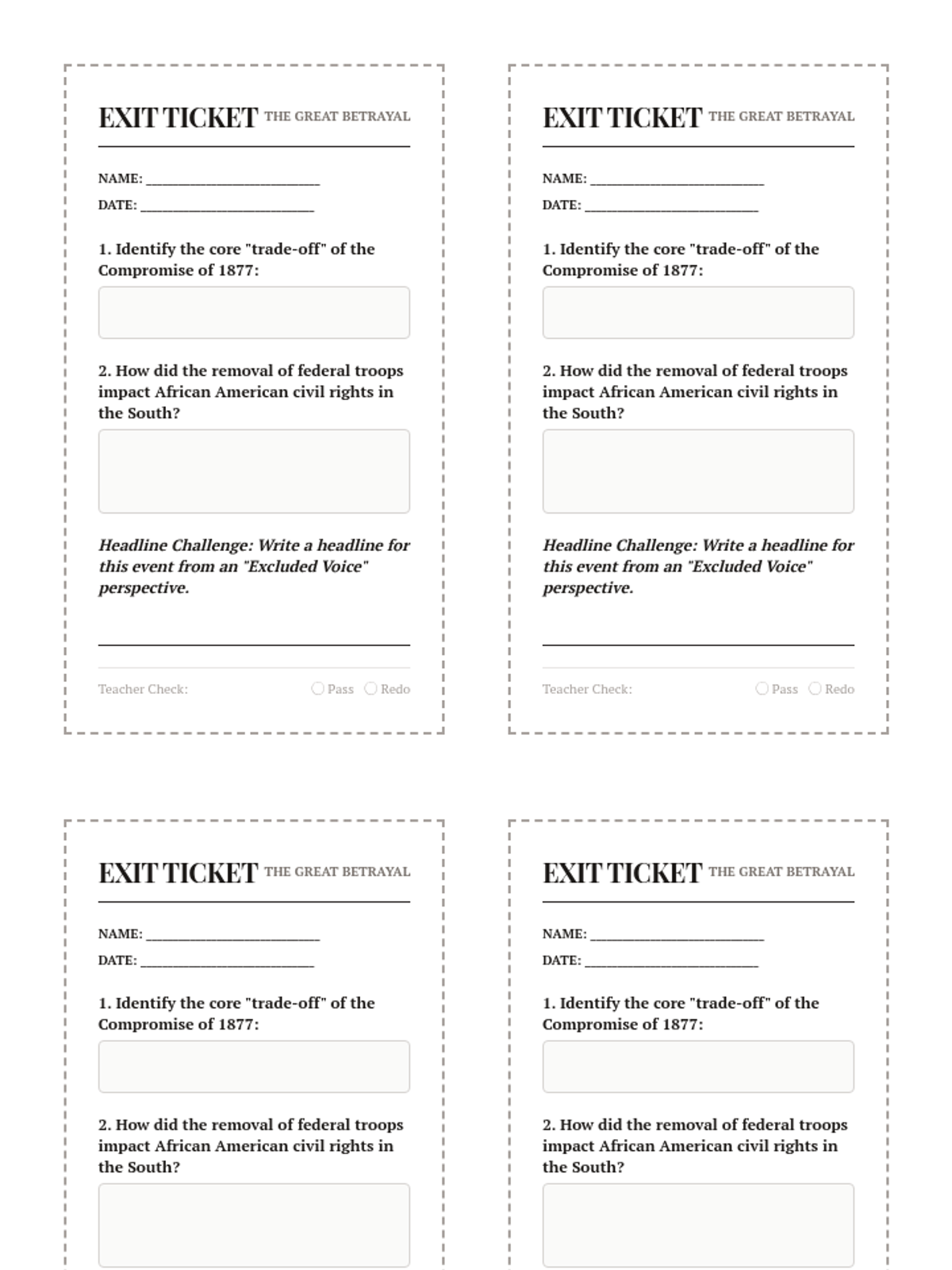
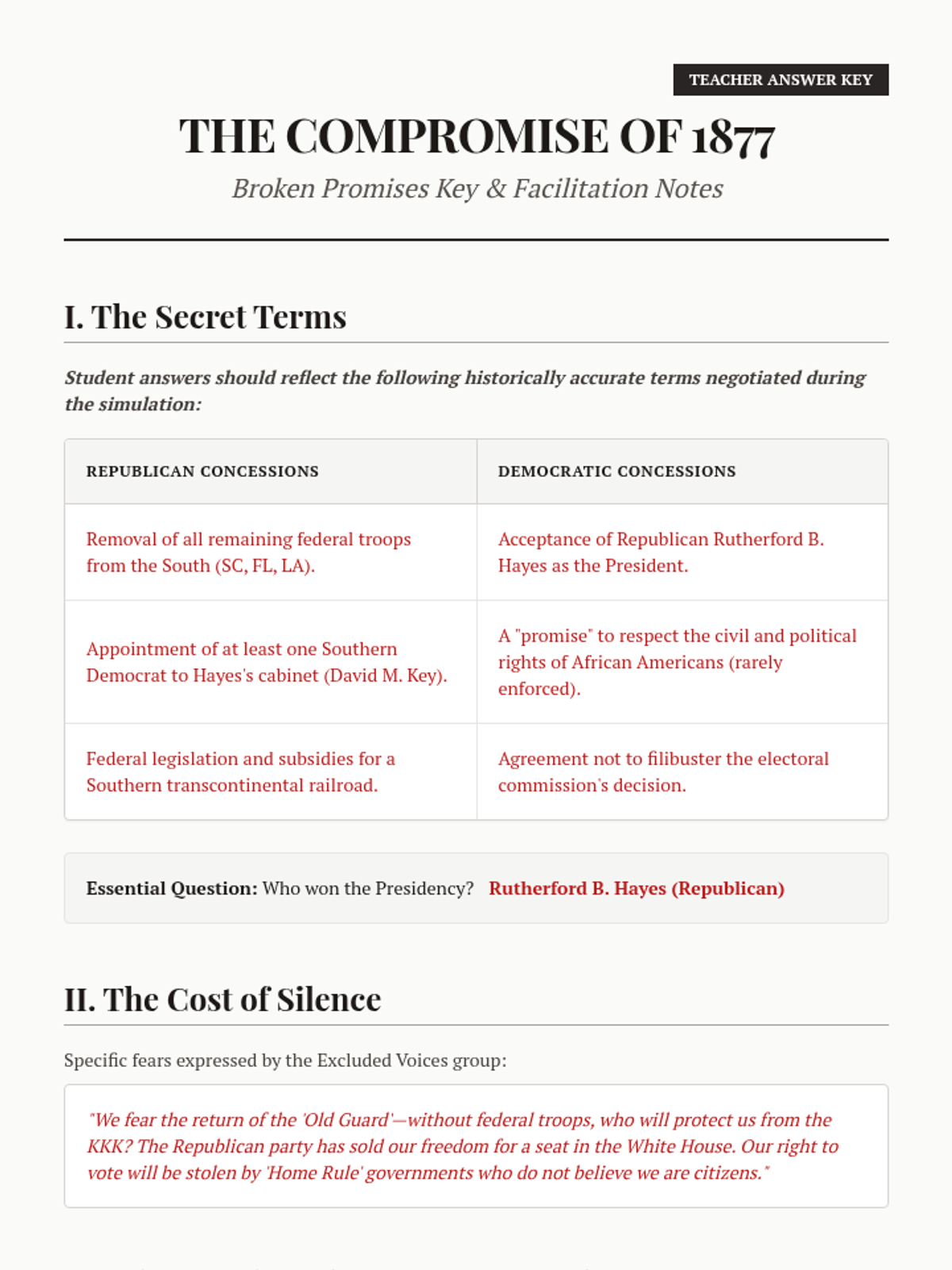
This sequence explores the aftermath of the Compromise of 1877, detailing the systematic dismantling of Reconstruction-era progress and the establishment of the Jim Crow South. Students analyze the political, social, and legal mechanisms used to disenfranchise African Americans.
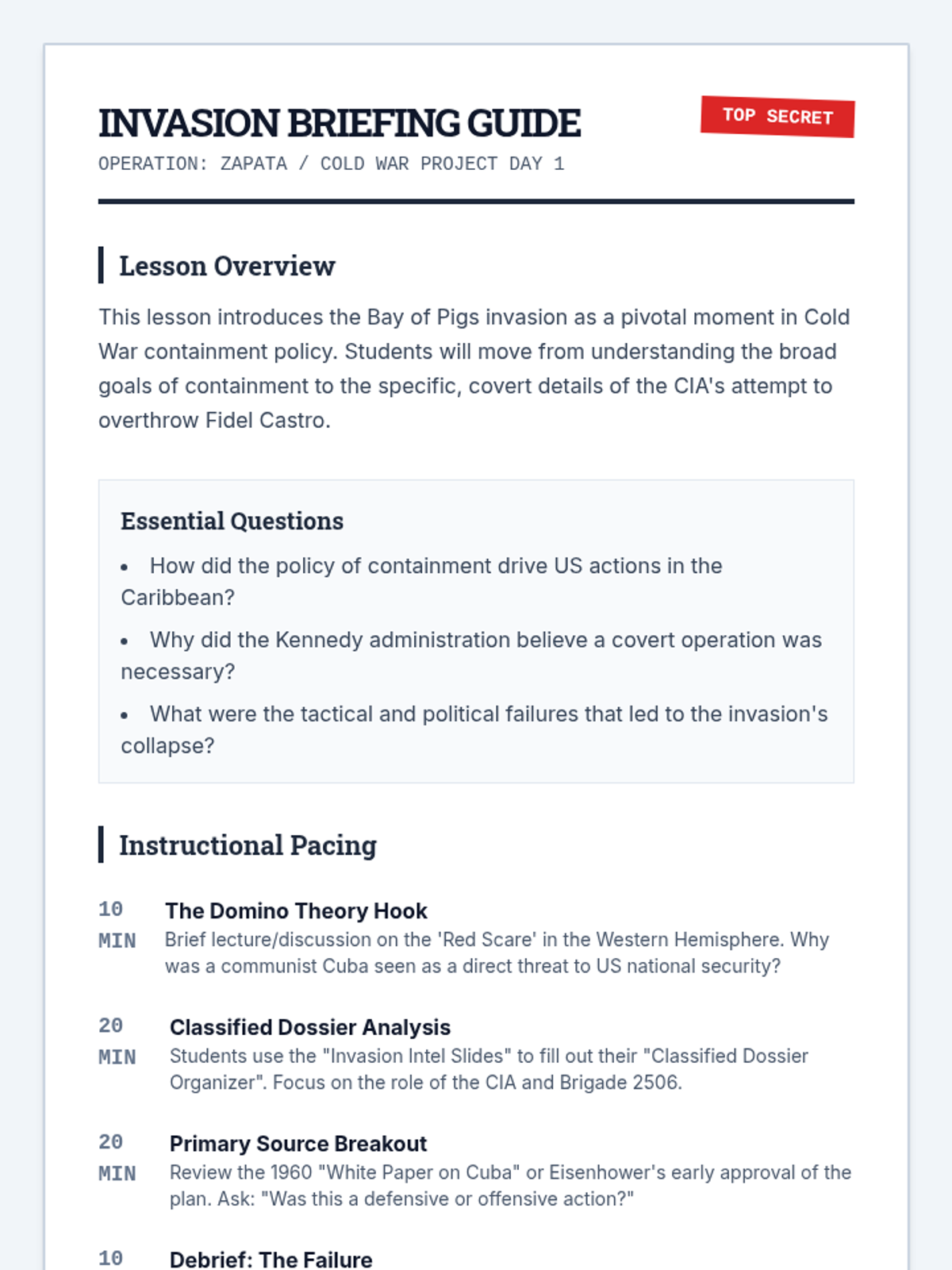
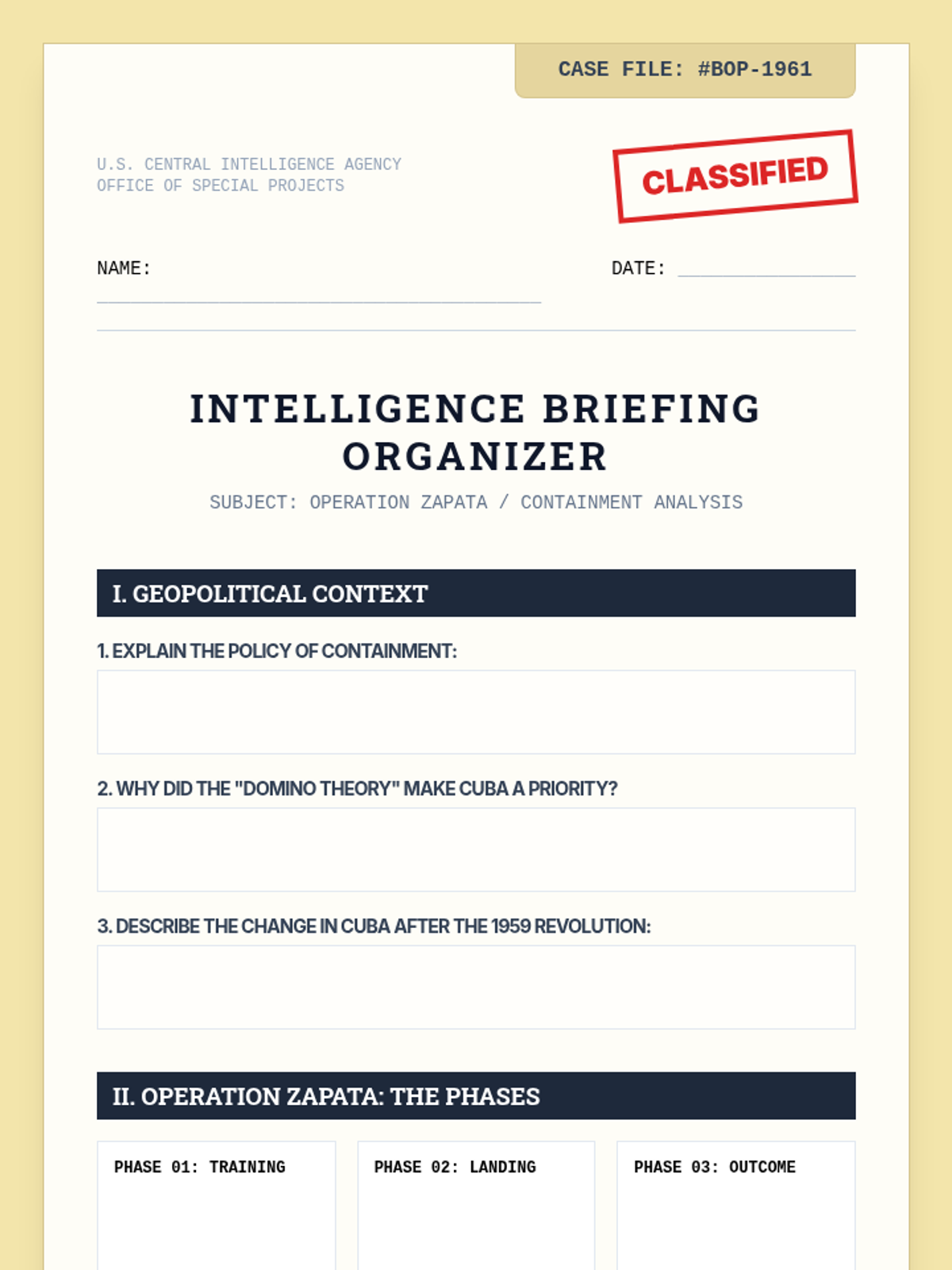
A two-day historical simulation and project focused on the Bay of Pigs invasion, Cold War containment strategies, and multi-perspective journalism. Students analyze primary sources and government documents to create a 1961 newspaper report.
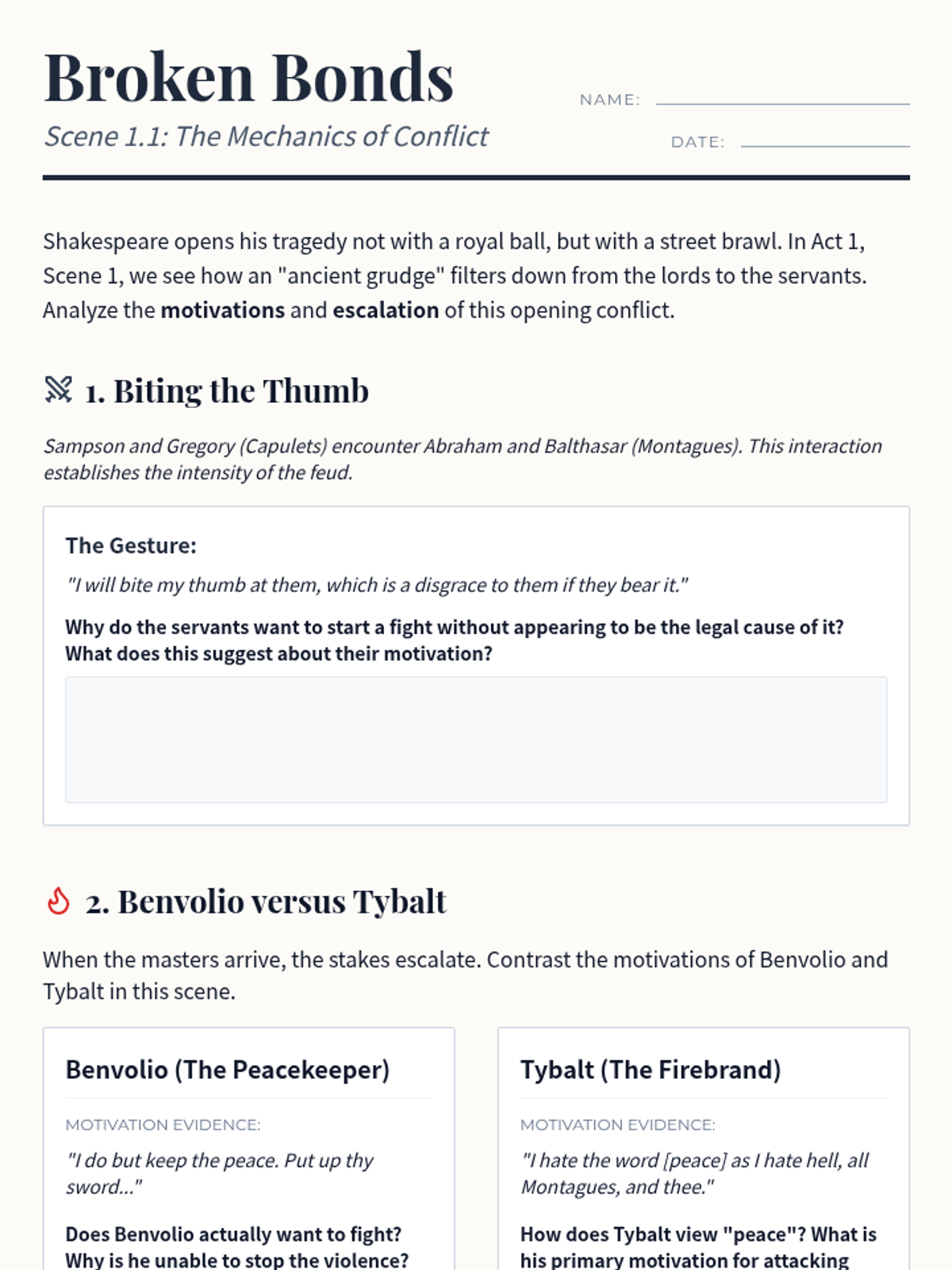
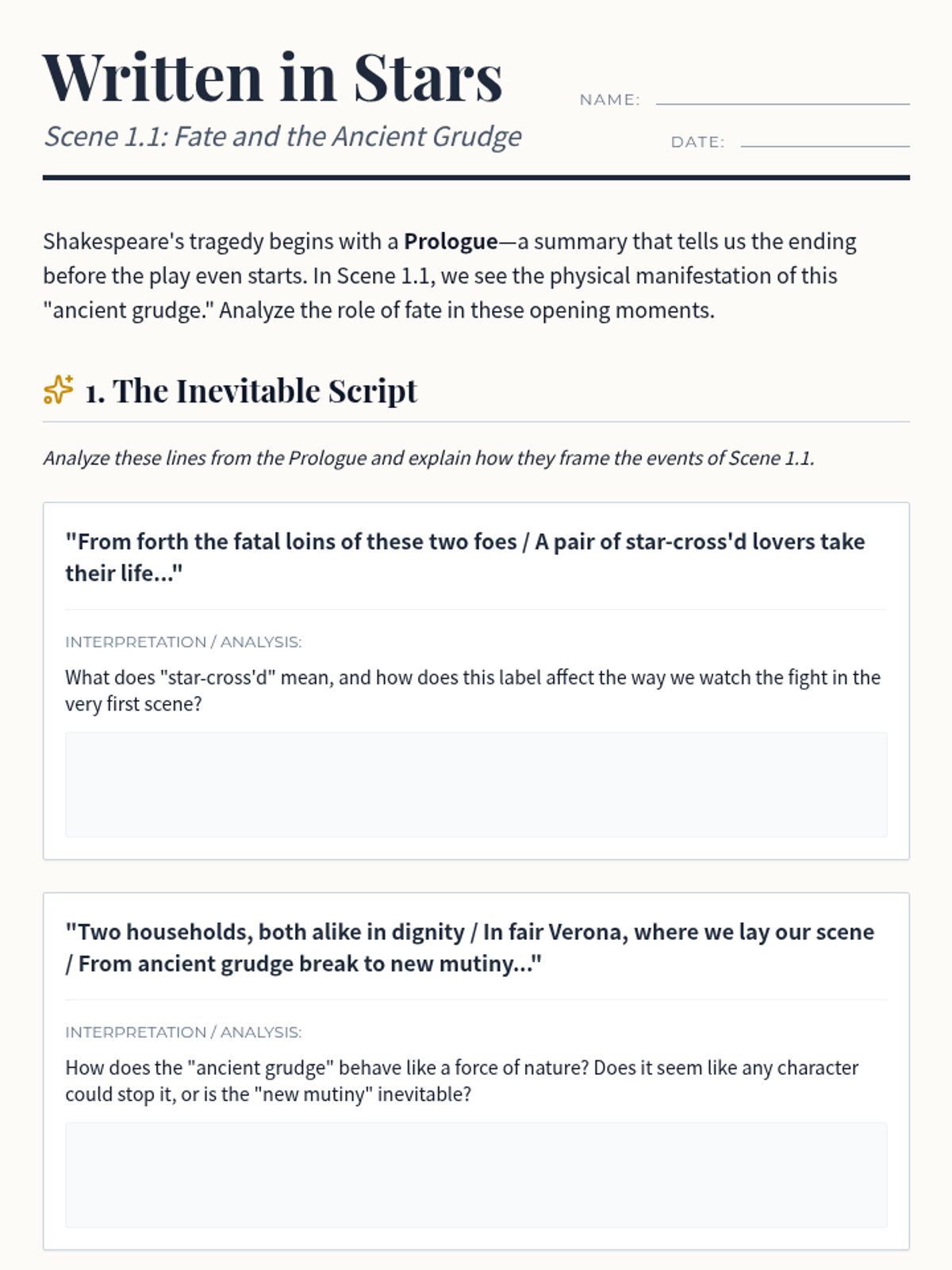
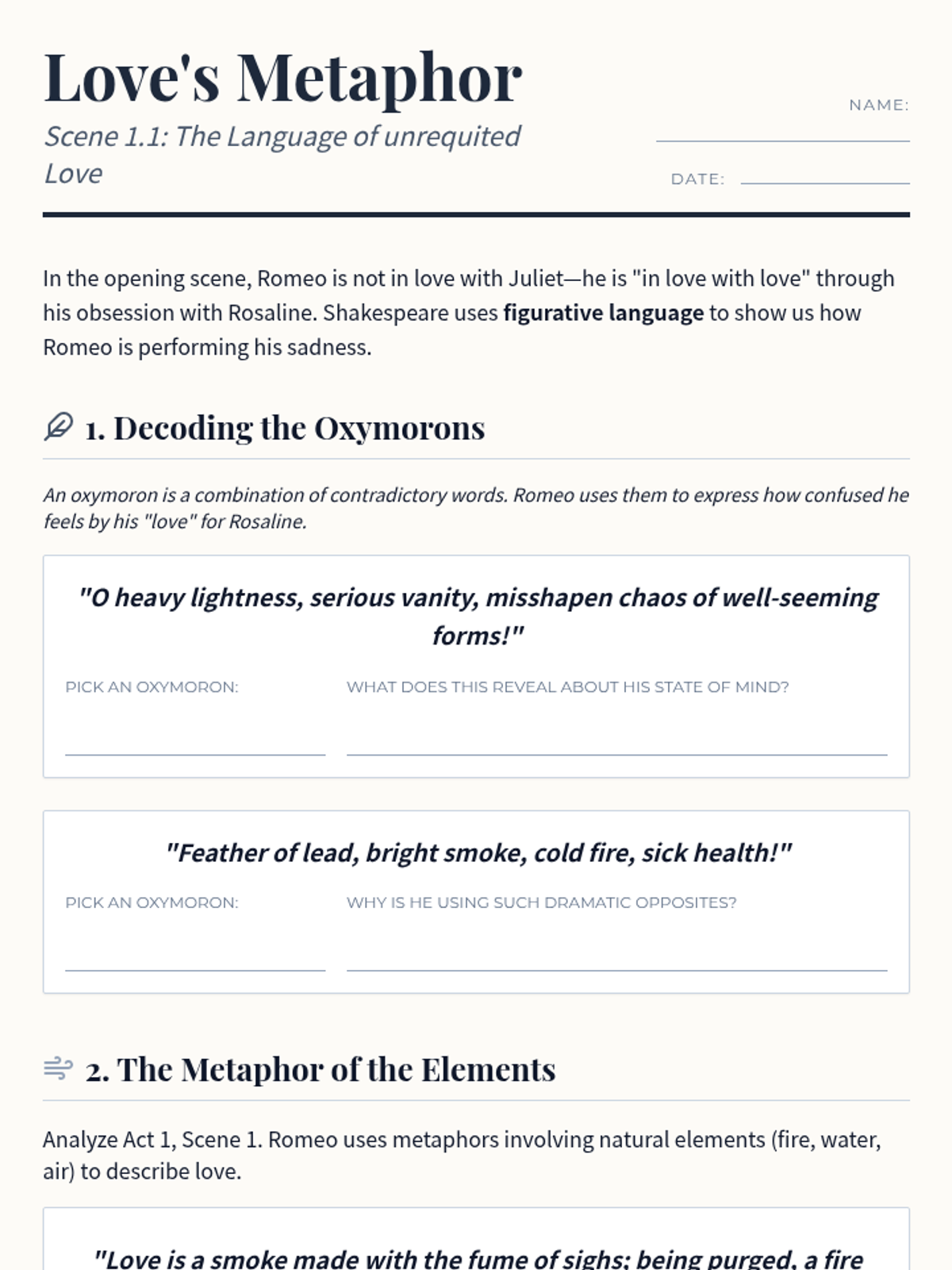
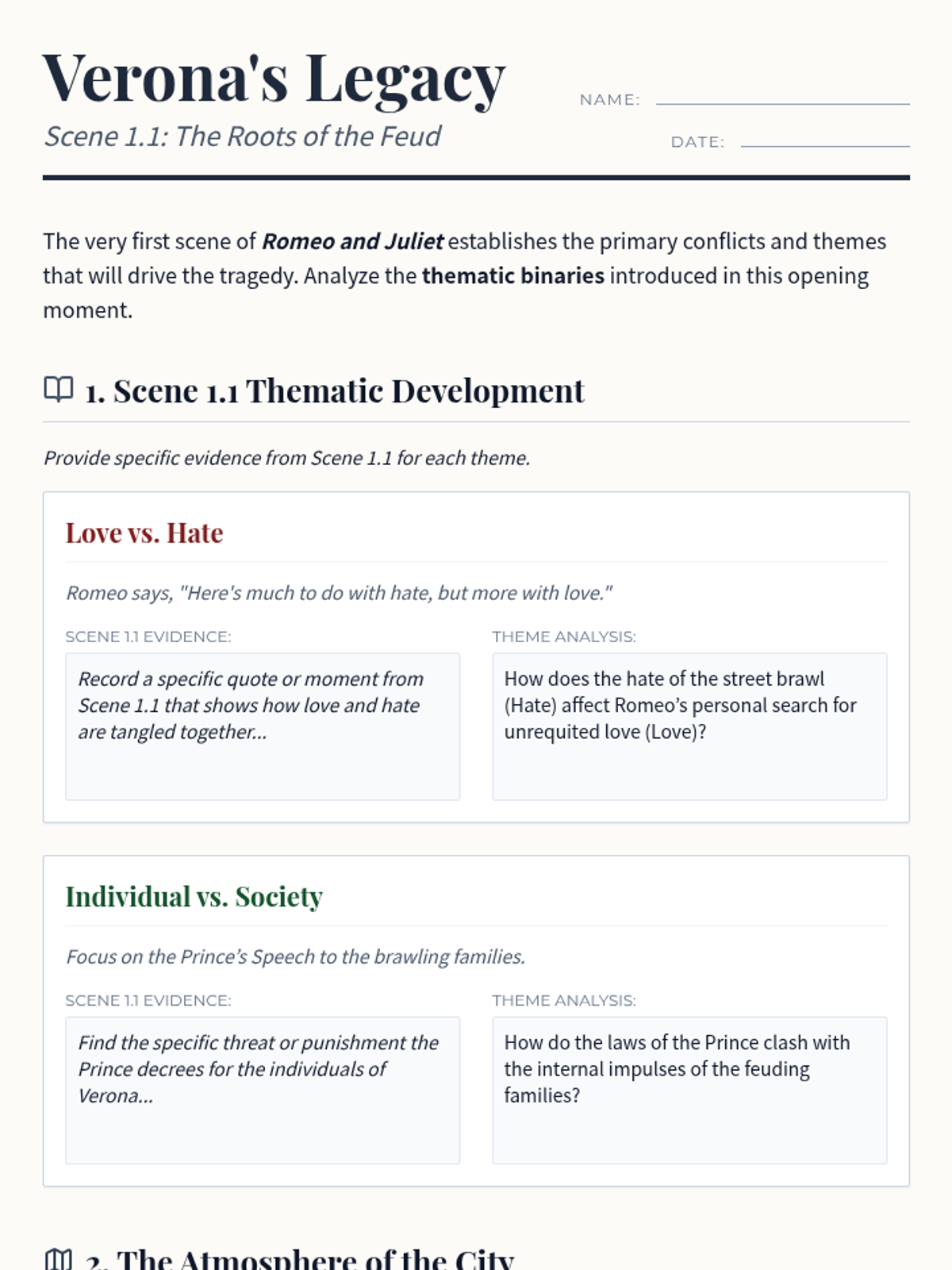
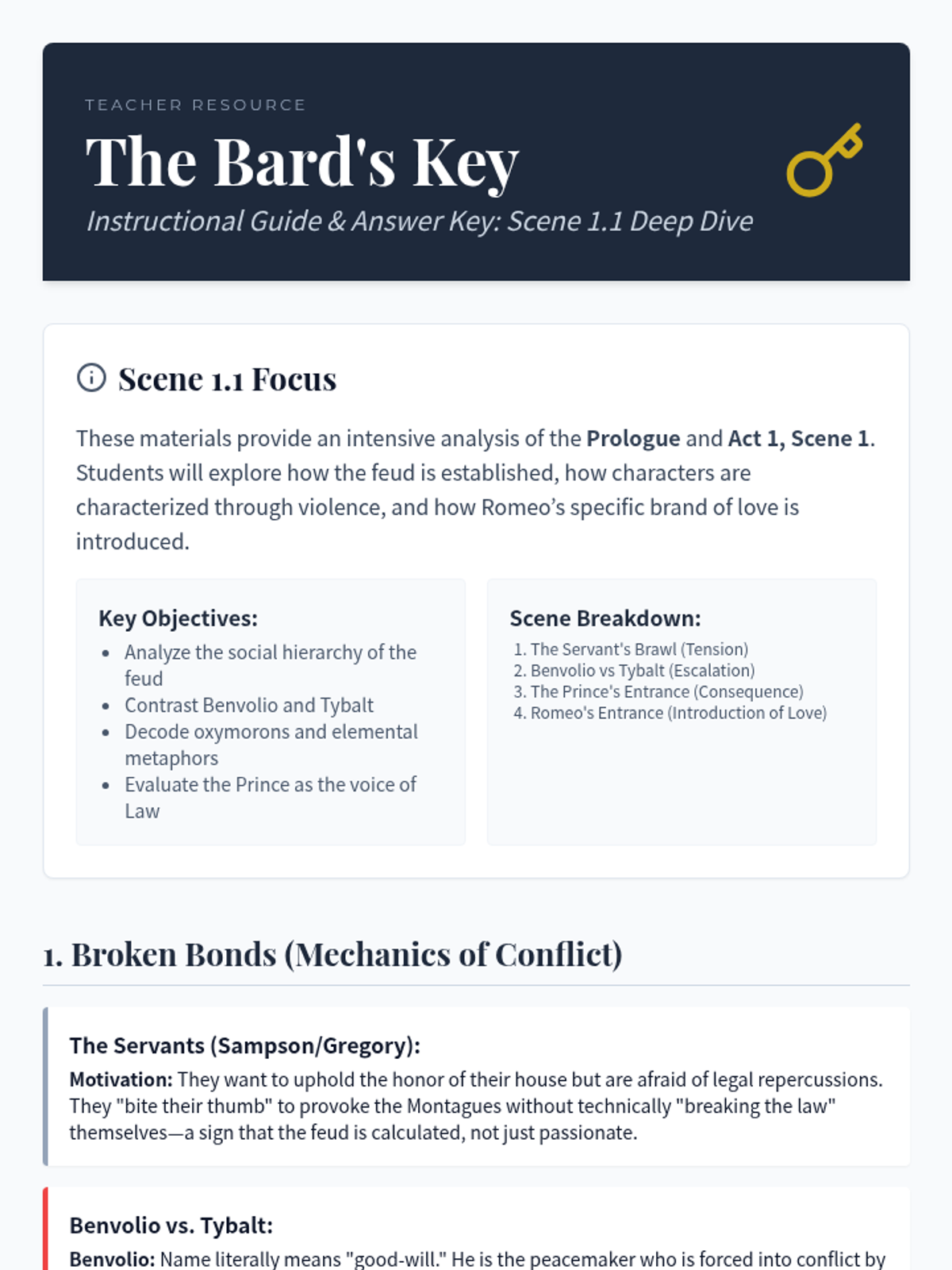
A comprehensive deep-dive into Shakespeare's Romeo and Juliet, focusing on Act 1. Students will analyze character dynamics, the tension between destiny and choice, and the rich poetic language of the play across individual scenes.
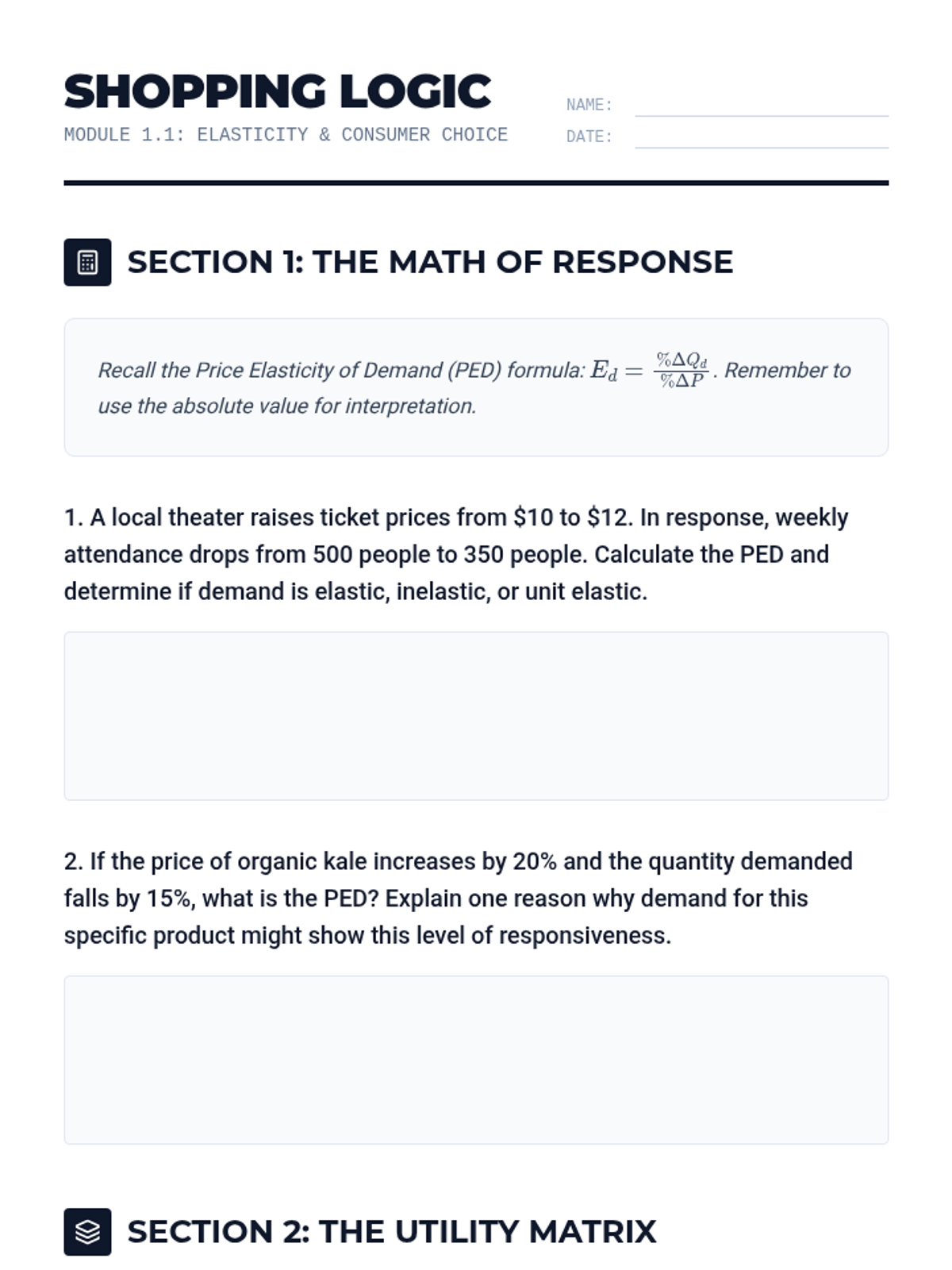
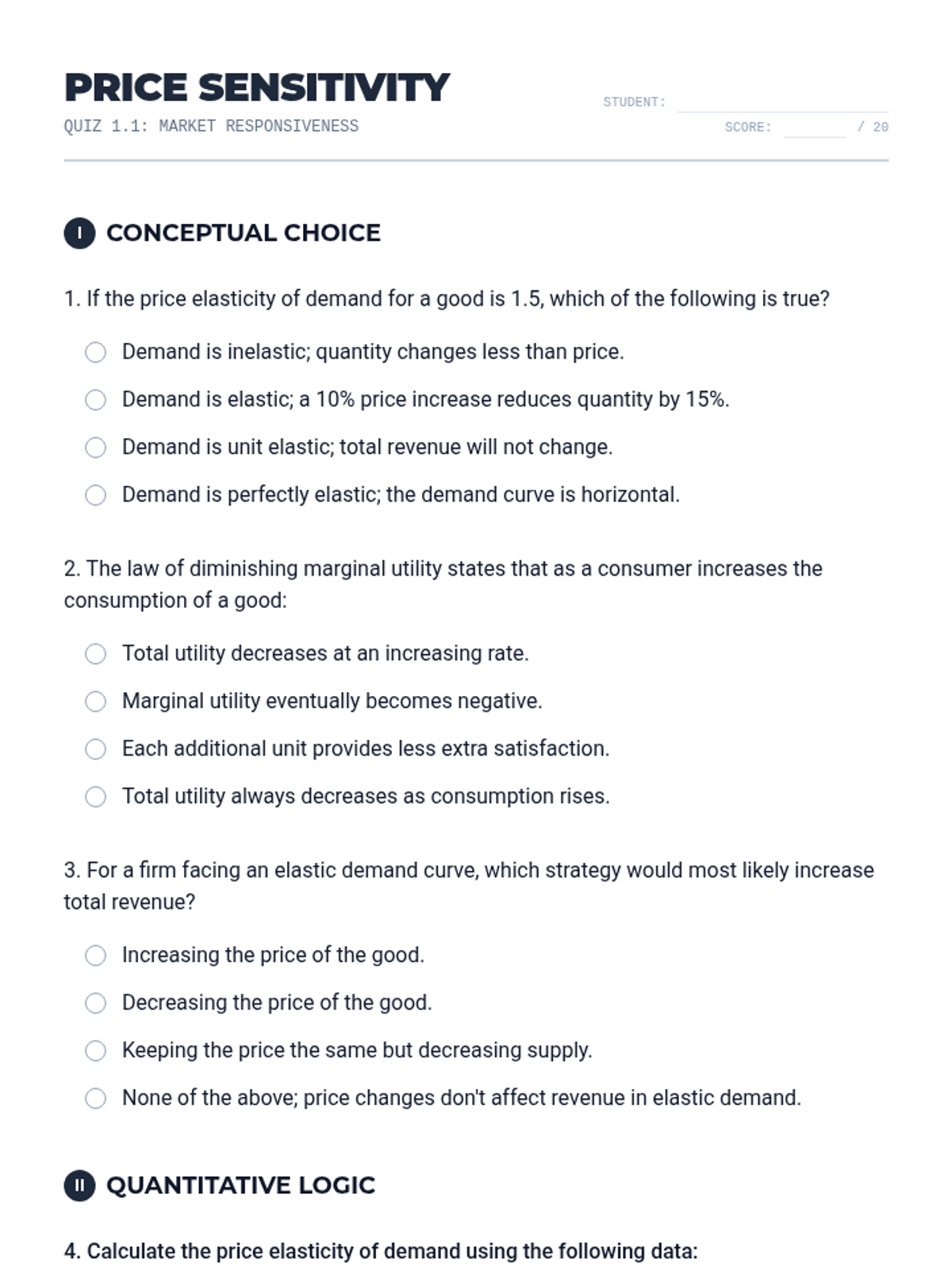
A comprehensive 4-week microeconomics unit covering elasticity, consumer behavior, production theory, market failures, and labor economics. This sequence blends theoretical models with real-world applications and quantitative analysis.
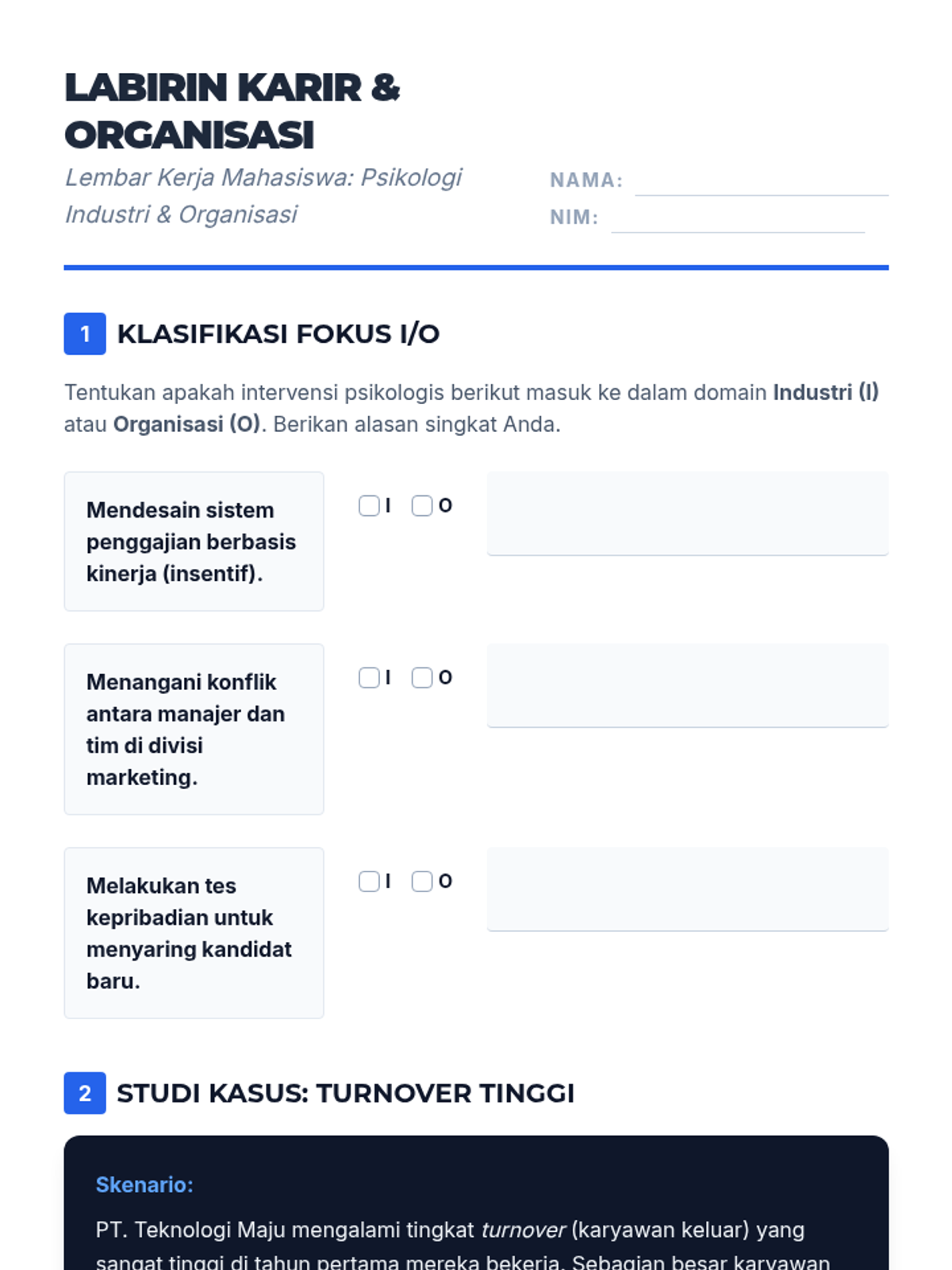
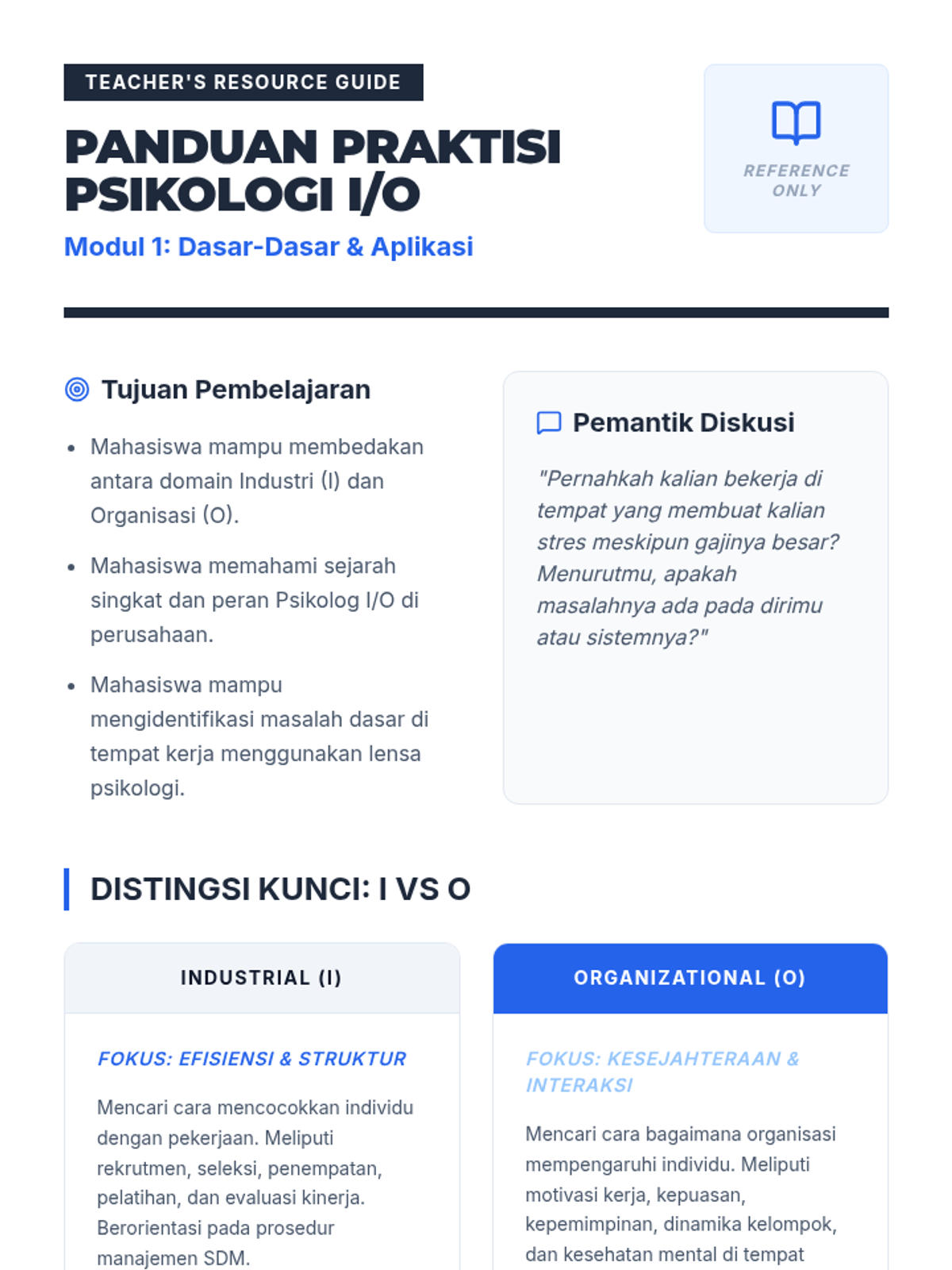
A foundational sequence introducing undergraduate psychology students to the core concepts, history, and applications of Industrial and Organizational Psychology.
A series of lessons exploring the lives and legacies of global leaders who fought for justice and equality.
A comprehensive look at the origins and early stages of World War II, from global systemic failures to the specific regional reasons for Australian involvement.
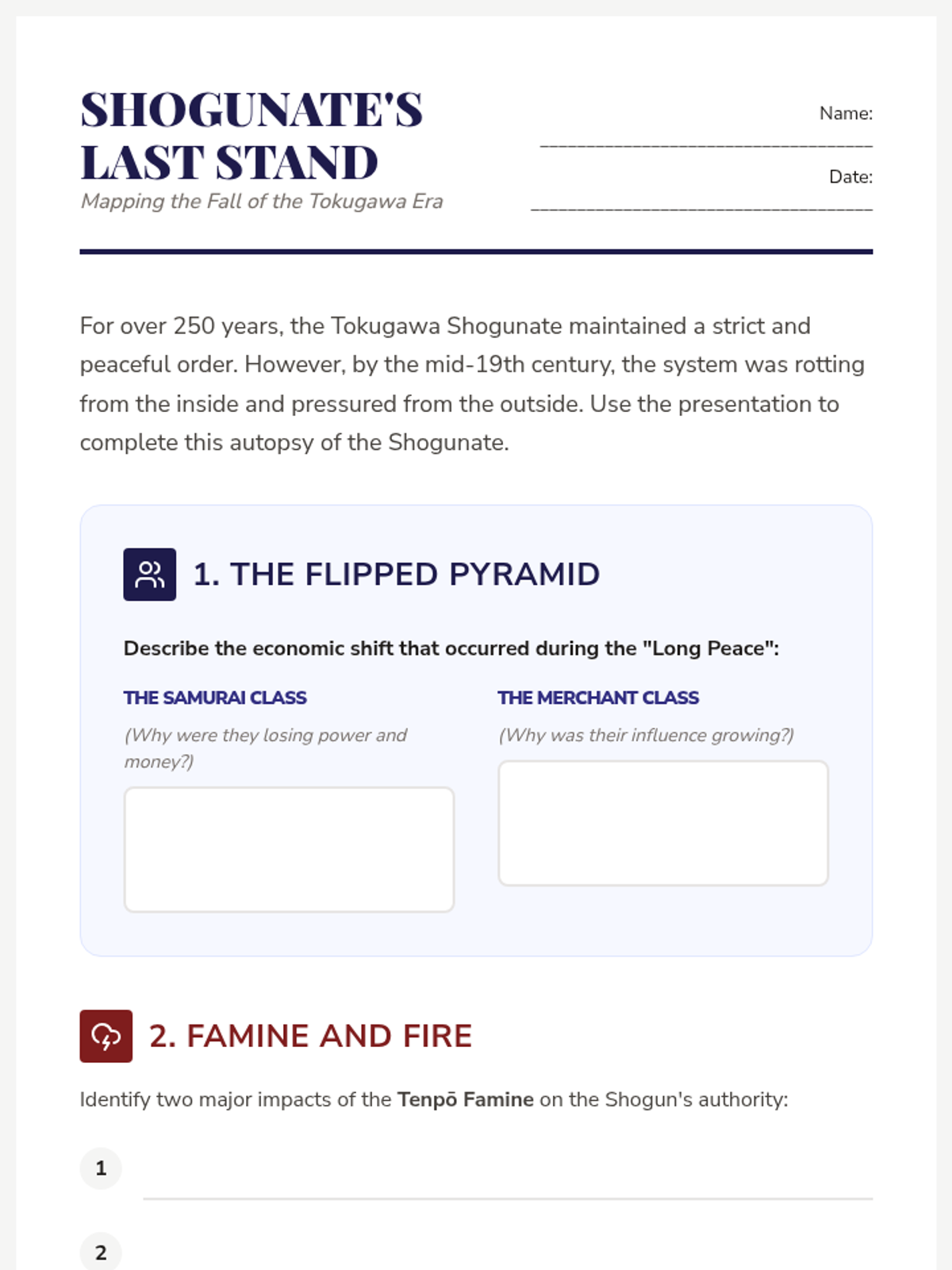
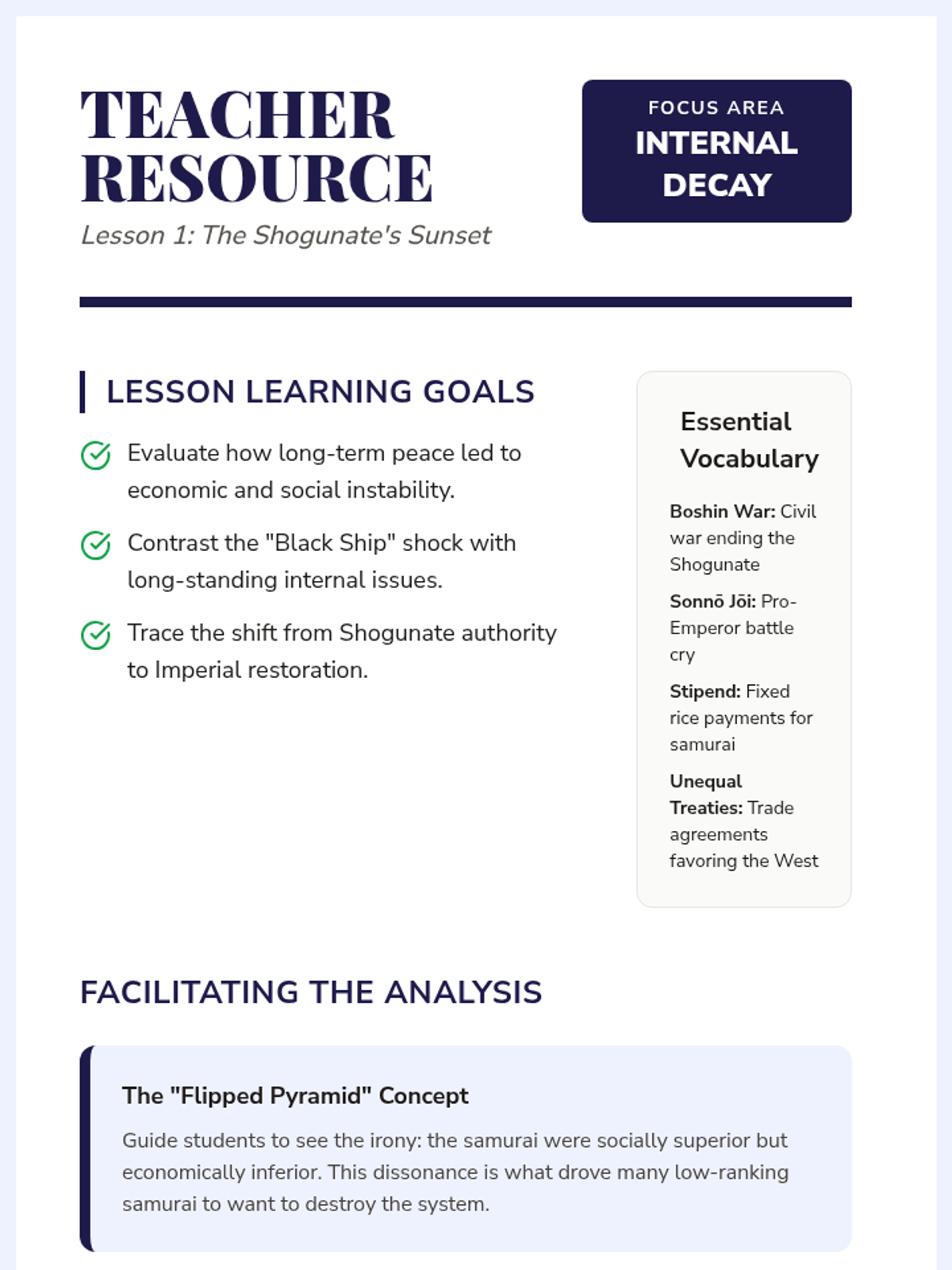
A comprehensive unit exploring Japan's transition from a feudal isolationist state to a modern global power, covering the decline of the Shogunate and the rapid modernization of the Meiji era.
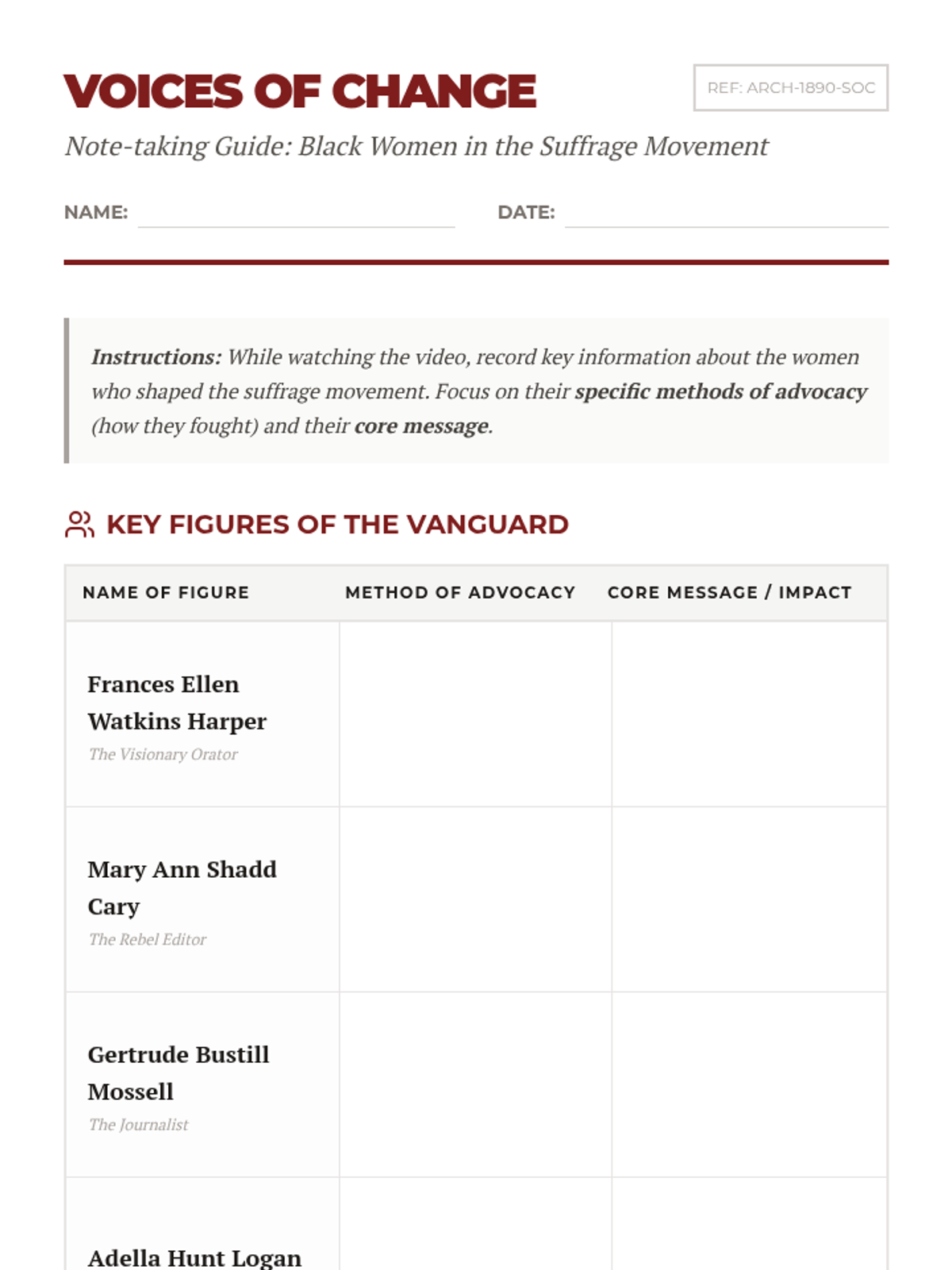
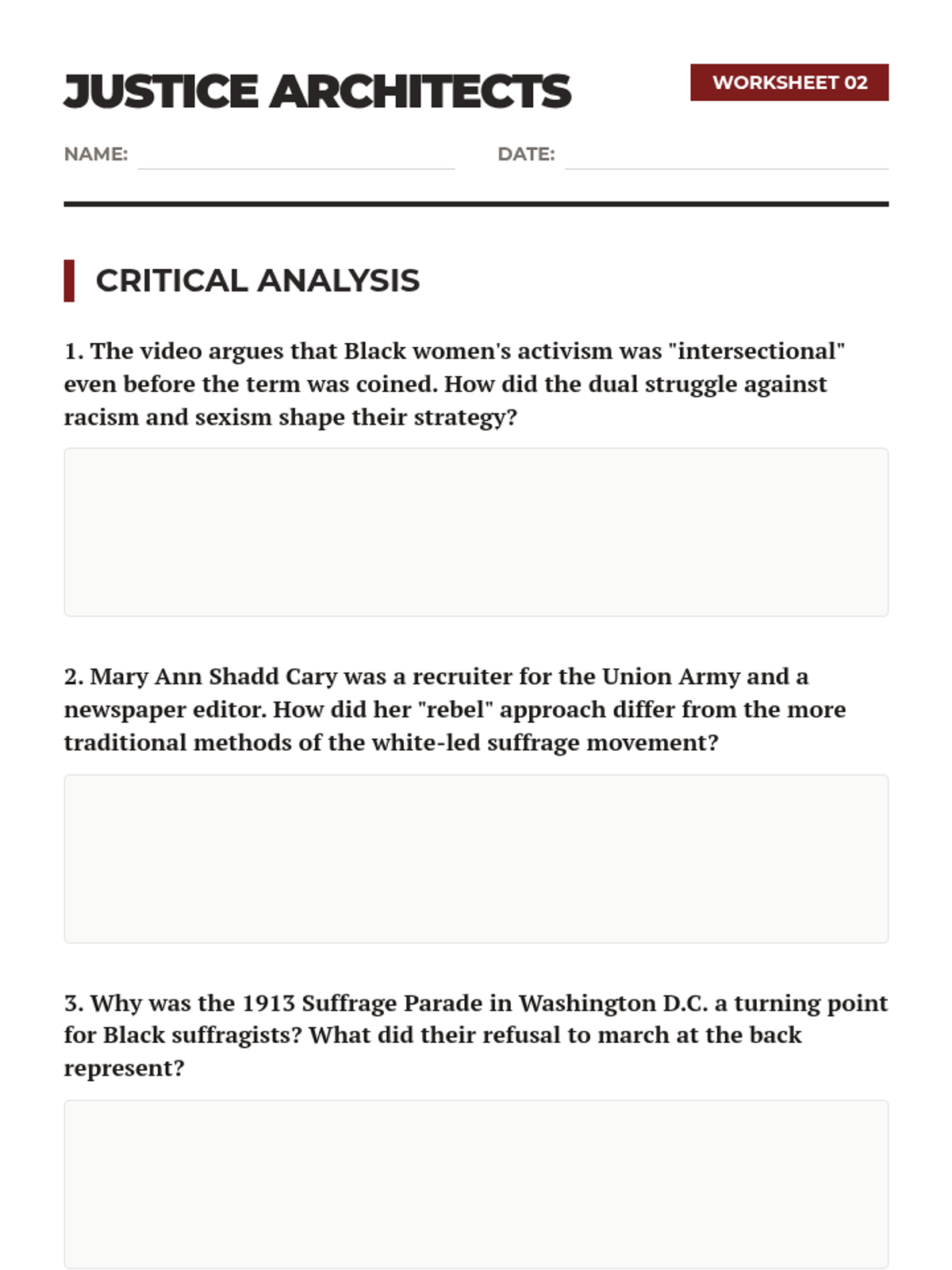
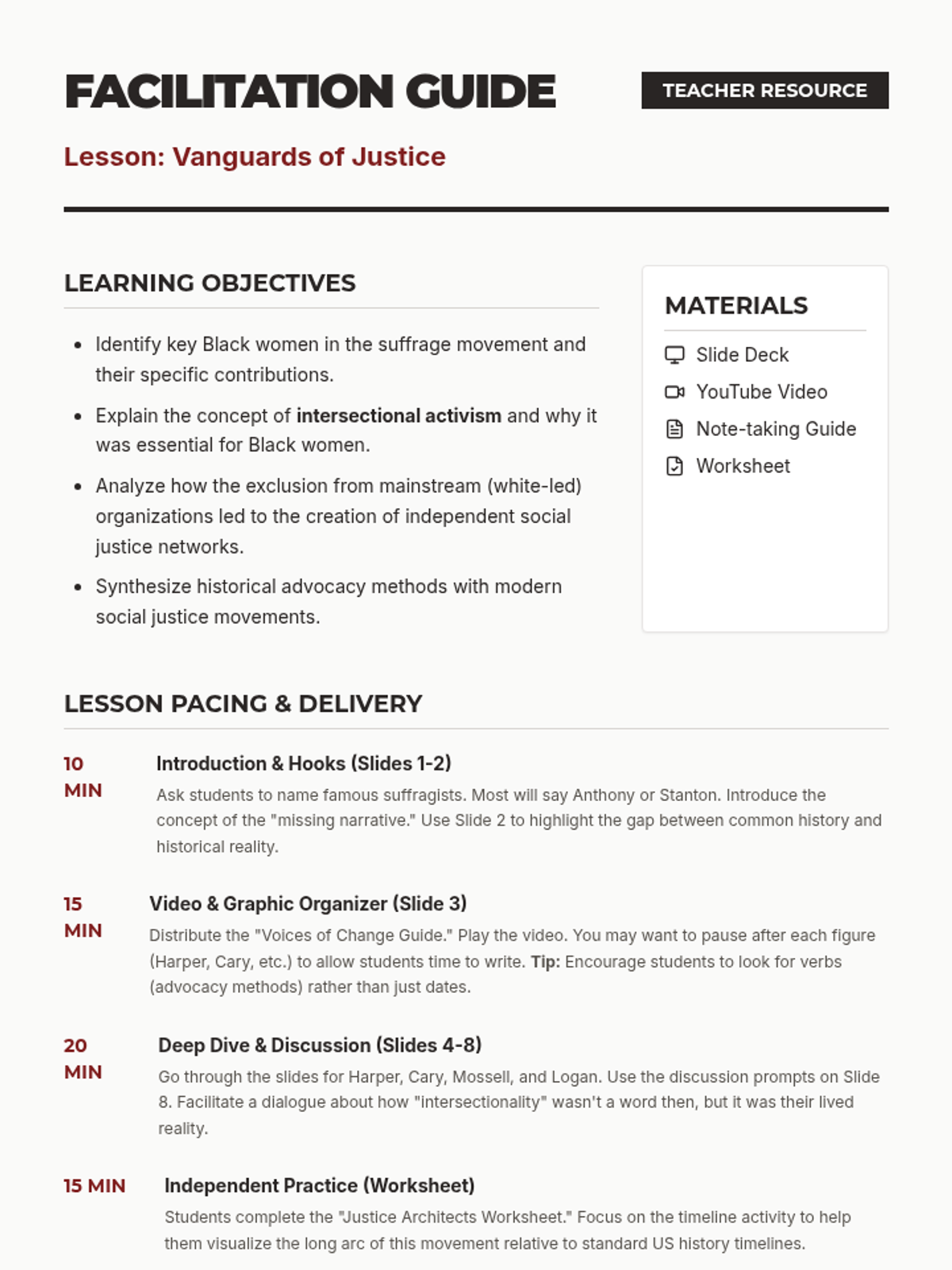
A series of lessons examining the hidden narratives of social justice movements and the diverse leaders who shaped American history through advocacy and resilience.