A comprehensive reteaching unit for AP Macroeconomics Units 4.1-4.6, focusing on the Federal Reserve, the Money Market, and the Loanable Funds Market. Includes targeted misconception guides, instructional slides, and rigorous practice problems.
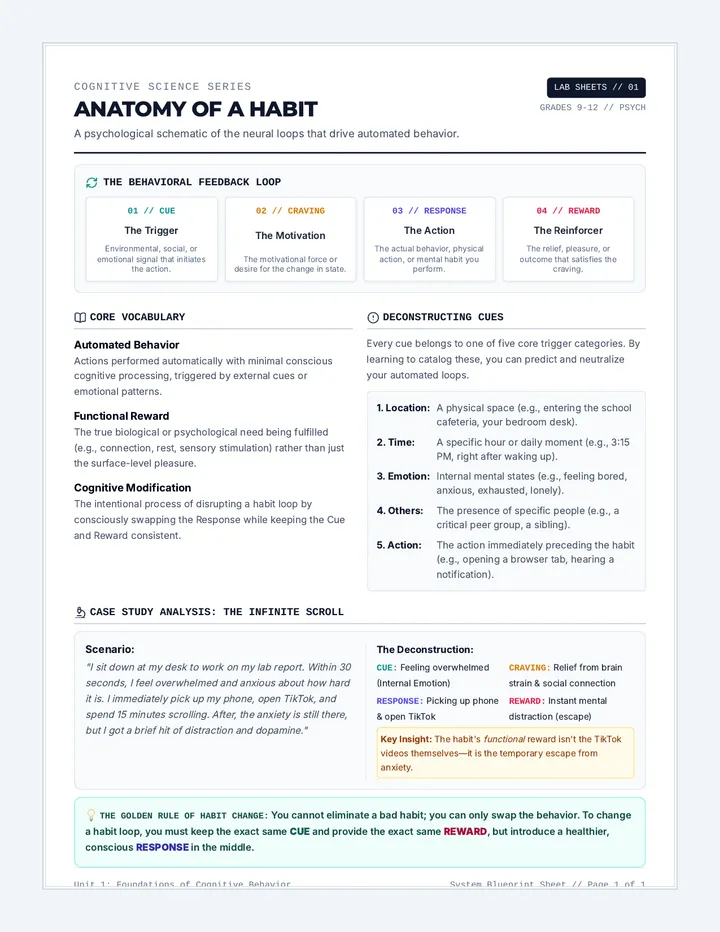
A three-part cognitive psychology series designed for Grades 9-12. Students learn the science of automation, explore how to isolate triggers and cravings, redesign unhelpful routines, and restructure their environments to make habit modification effortless.
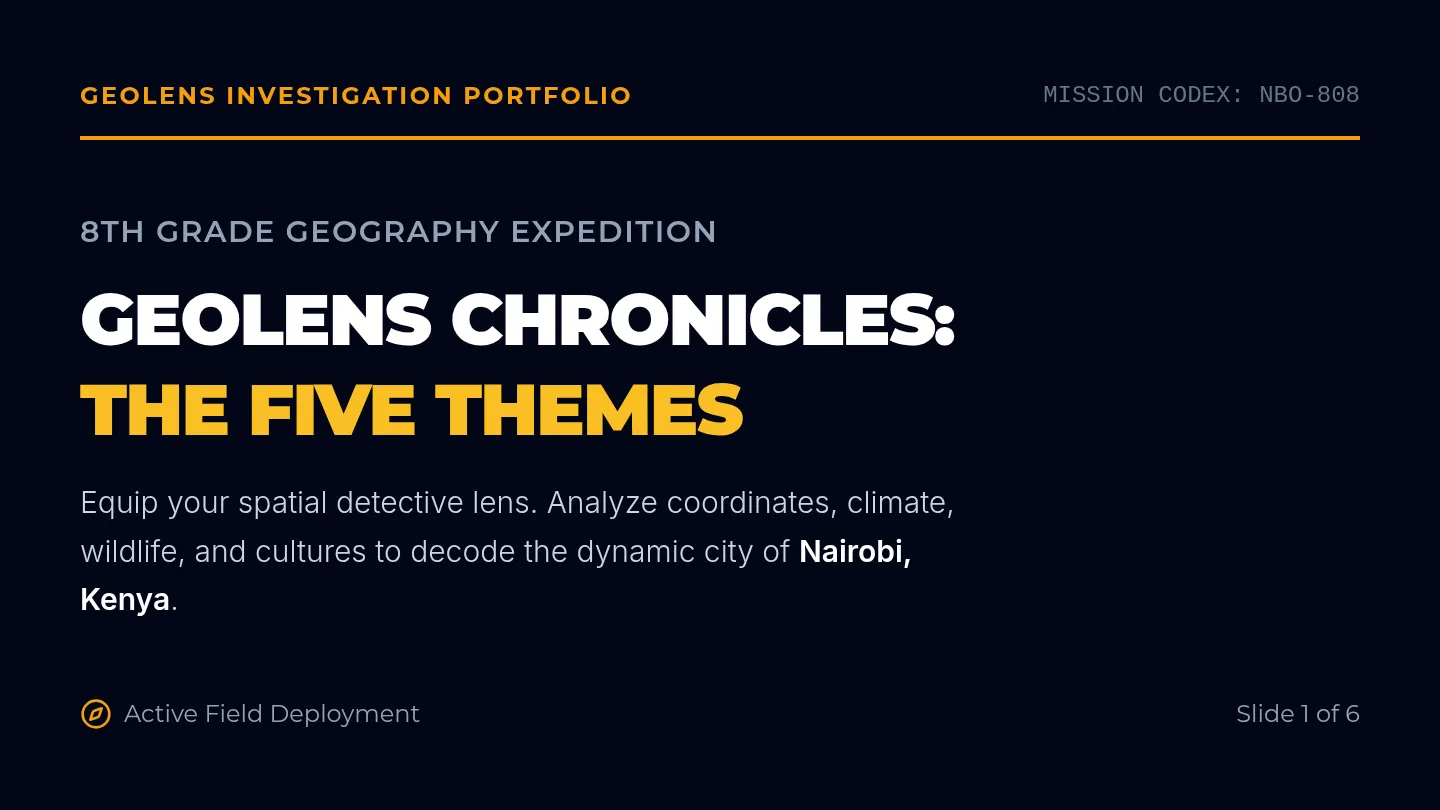
An immersive 8th-grade geography lesson where students apply the Five Themes of Geography to analyze Nairobi, Kenya. Through a DBQ-style investigation, students decode primary sources, map data, and texts to construct a geographic profile of a dynamic global city.
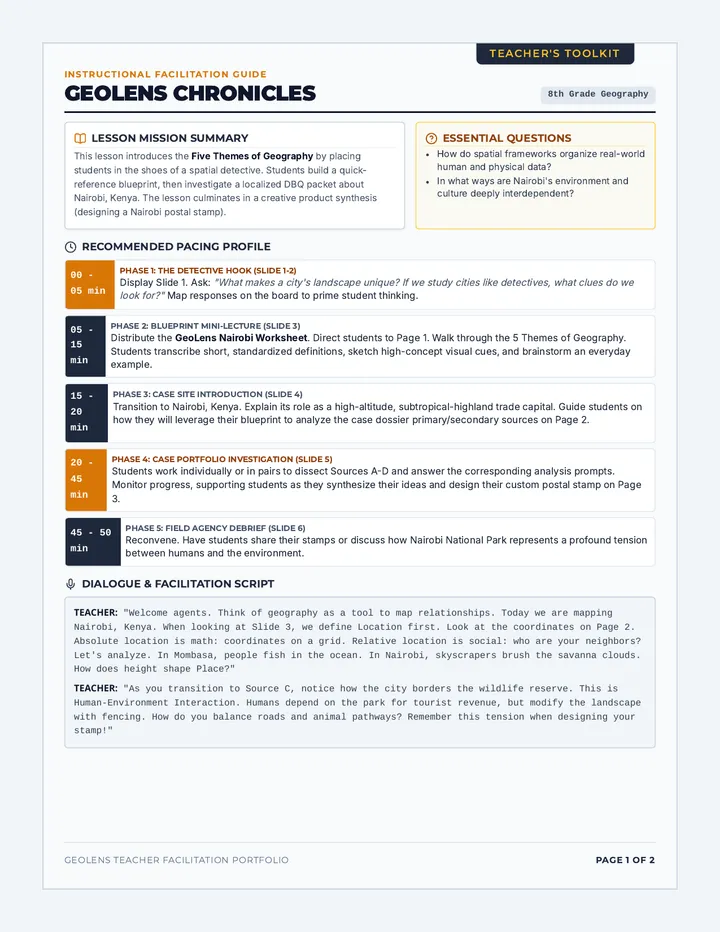
An exhaustive 2-page teacher reference manual detailing lesson pacing, pedagogical guidance, direct teaching scripts, a complete answer key for the Nairobi DBQ case study, and differentiated enrichment strategies.
An immersive 3rd-grade Project-Based Learning unit where students act as museum curators to design and exhibit a living history museum, answering the driving question: How did where colonist lived shape how they lived?
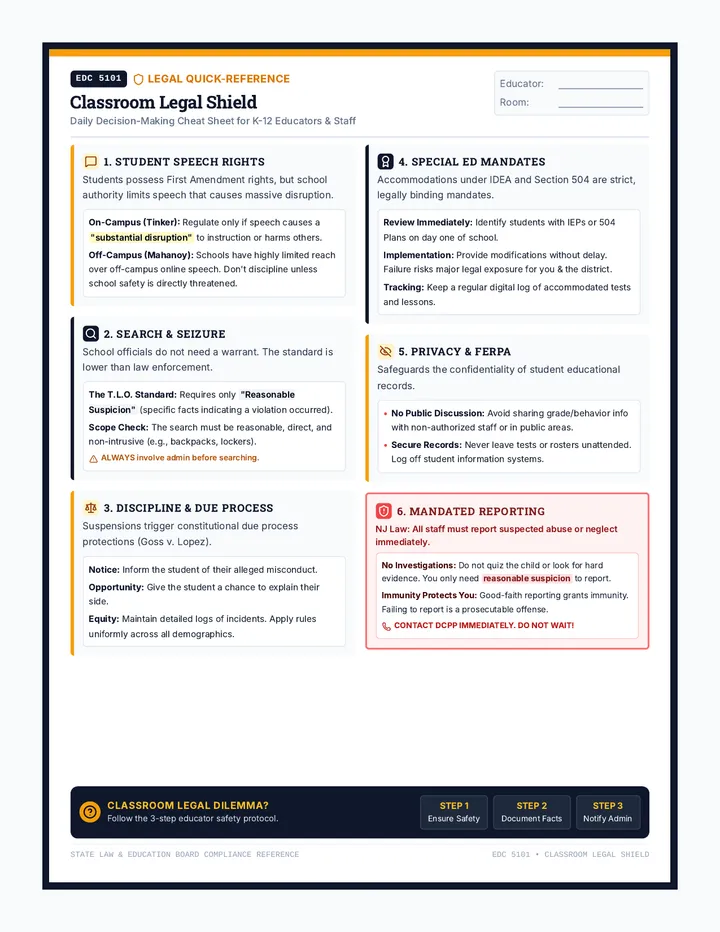
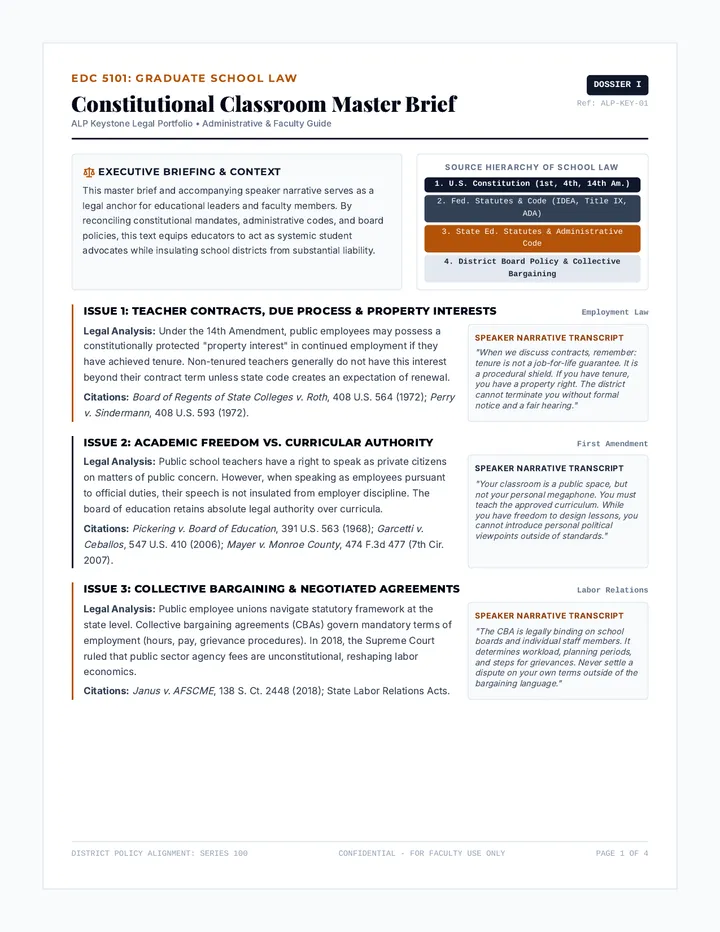
An essential legal overview for K-12 educators and support staff, covering crucial constitutional rights, student privacy, mandatory reporting, and school search parameters to keep teachers protected and compliant.
A visually engaging, high-contrast 6-slide presentation designed to introduce the Five Themes of Geography and guide students through their Nairobi DBQ case study investigation.
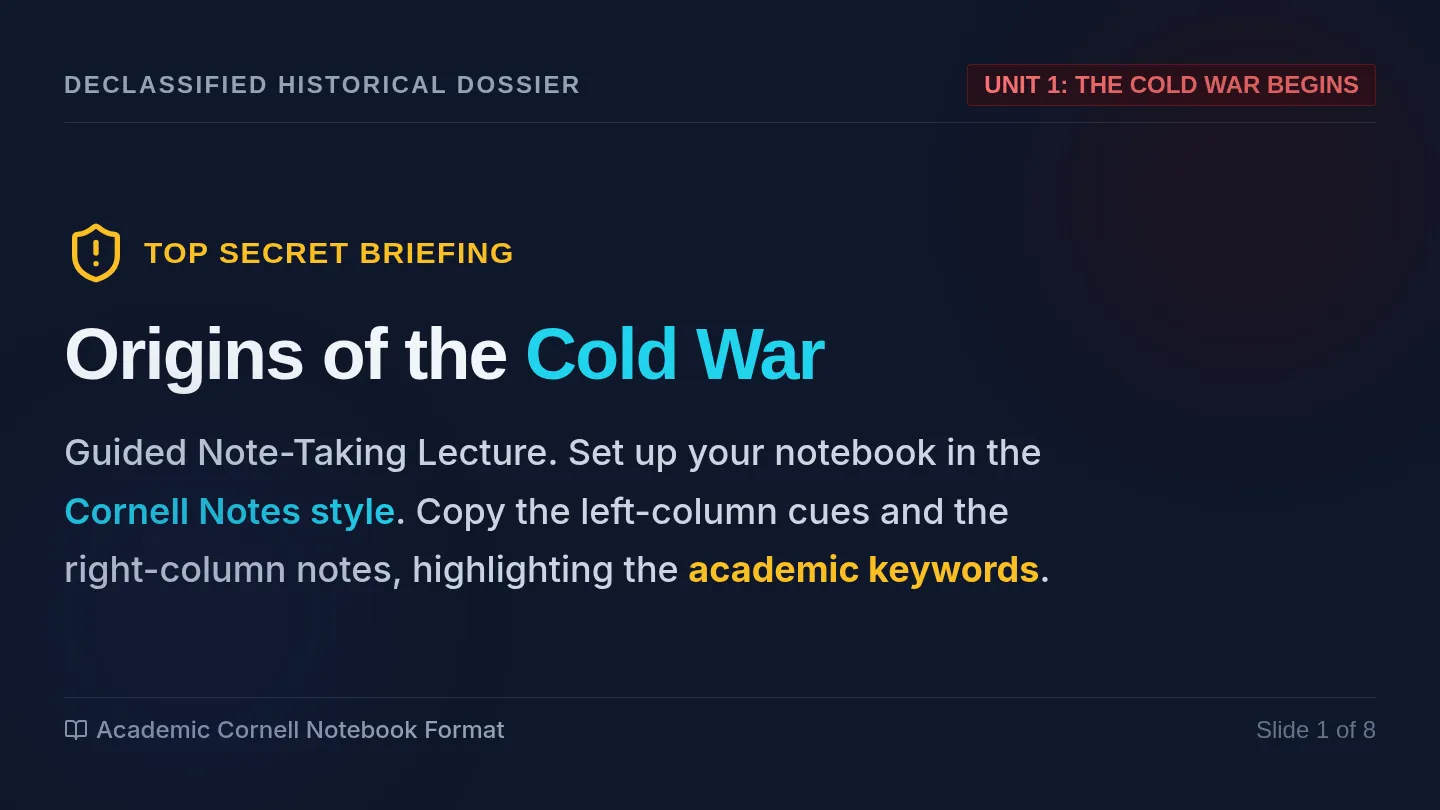
Create a multi-lesson sequence covering the Cold War, focusing on origins, global expansion, and domestic impacts.
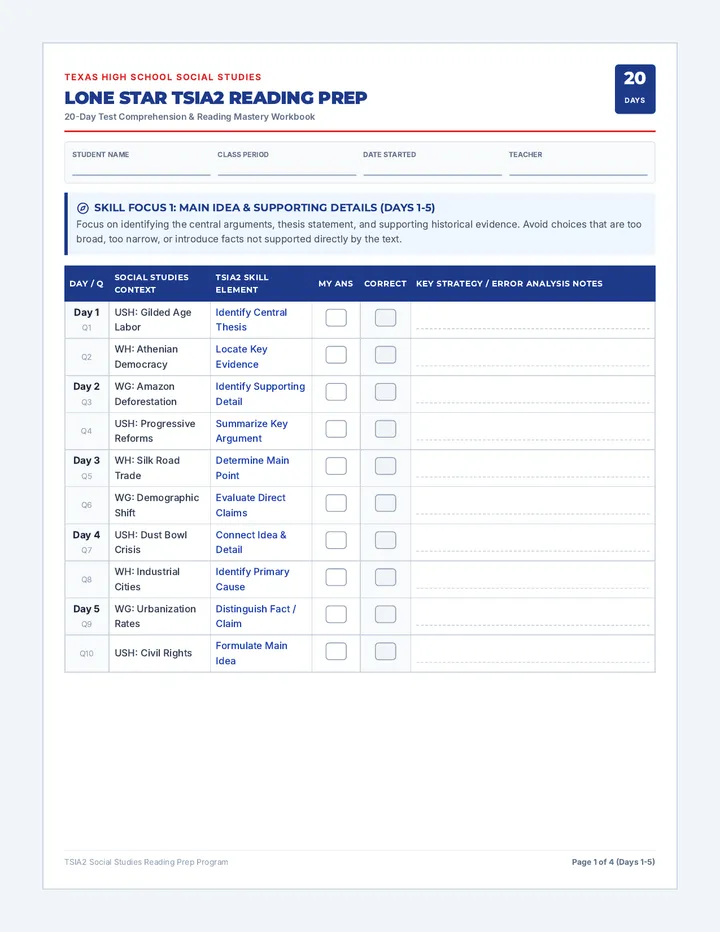
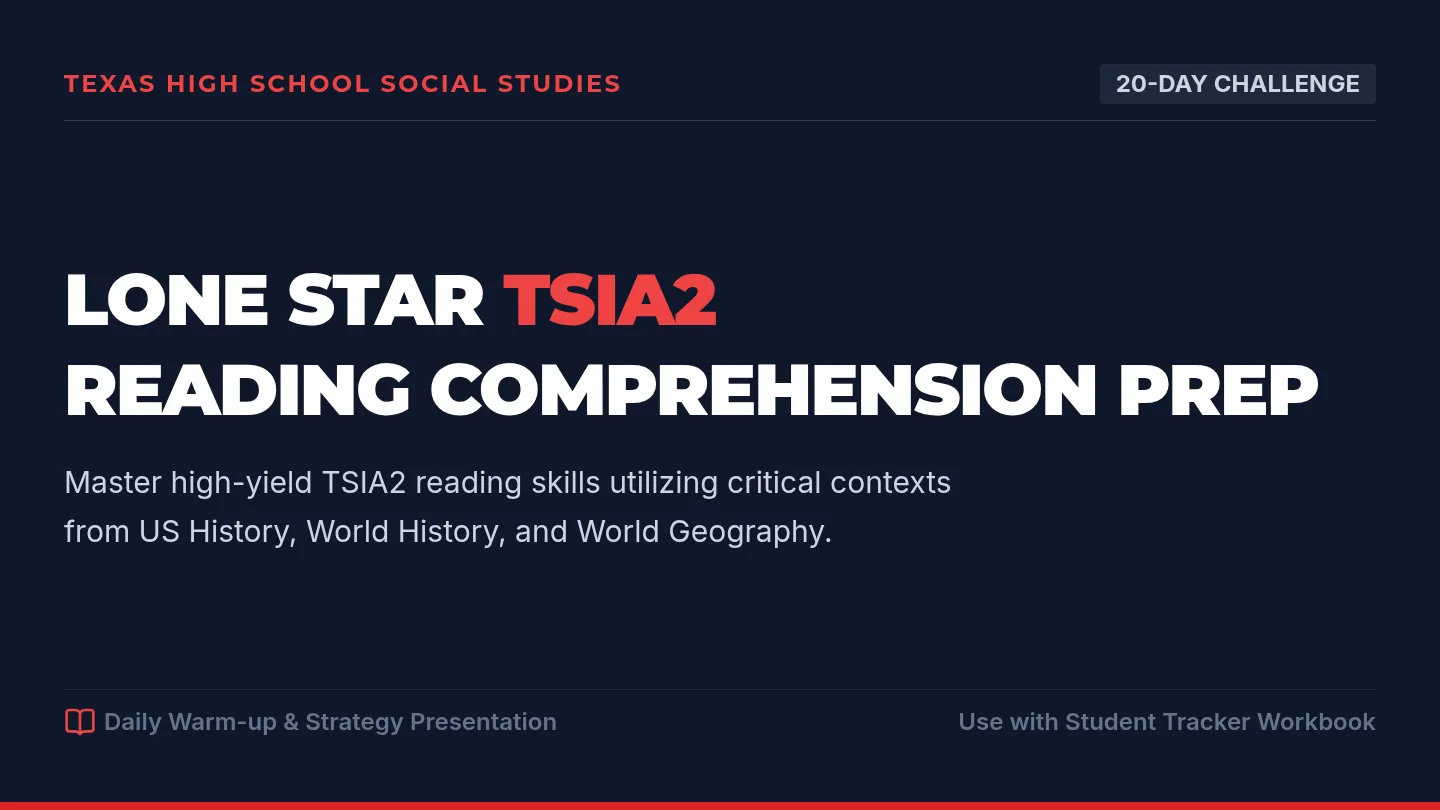
A comprehensive 20-day test preparation program combining Texas High School Social Studies content (US History, World History, and World Geography) with high-yield TSIA2 Reading comprehension skills, complete with daily warm-up slides and a highly-structured student tracking workbook.
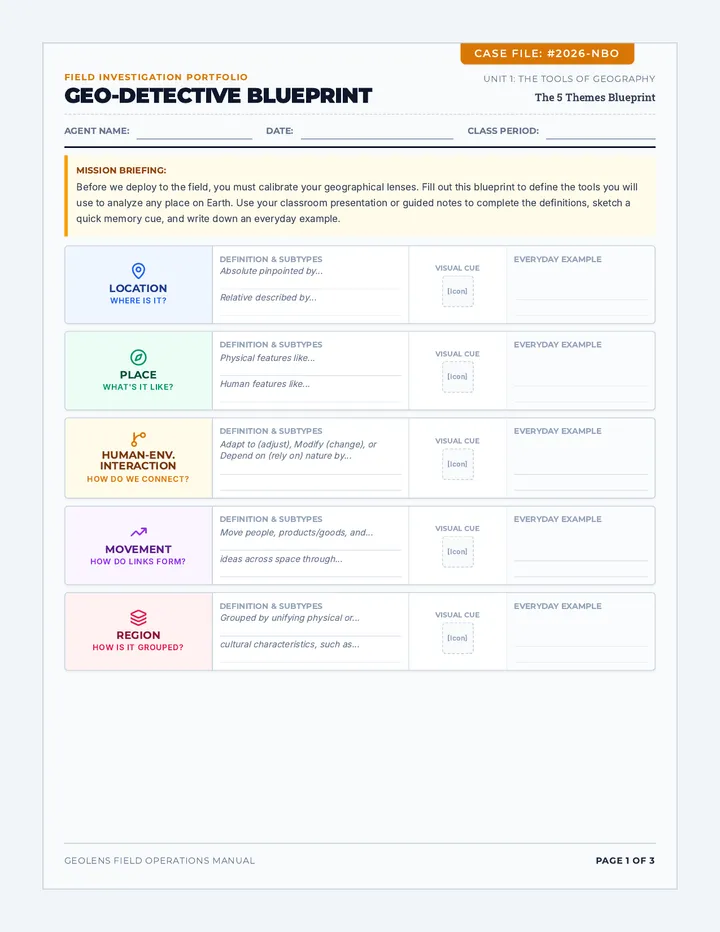
A comprehensive 3-page student workbook featuring a structured graphic organizer for the Five Themes of Geography, a DBQ source analysis packet focusing on Nairobi, Kenya, and a creative stamp design synthesis activity.
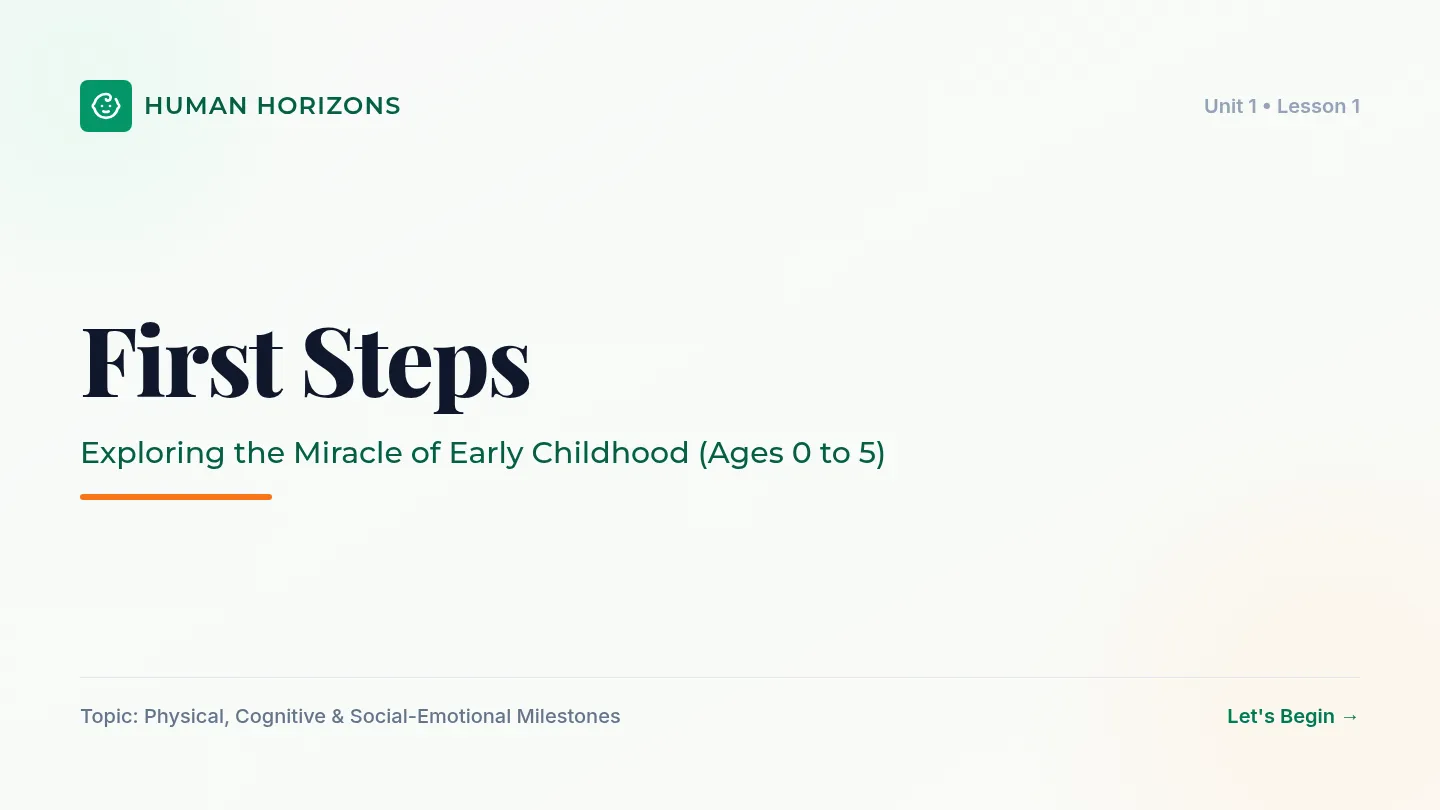
A comprehensive unit on child development from birth through age 18, focusing on physical, cognitive, and social-emotional growth across early childhood, middle childhood, and adolescence.
A comprehensive, graduate-level instructional and compliance series designed for new educators and school leaders to navigate complex legal, administrative, and constitutional standards.
A 46-slide interactive presentation designed for the 20-day TSIA2 Reading Prep program. Features alternate Question and Answer/Strategy slides matching the social studies contexts (US History, World History, and World Geography) and skills on the tracker sheet. Fully stylized with deep navy and crimson, using high-yield passages, identical answer choice styling, and clear strategic breakdowns with text sizing strictly kept at or above 24px.