Students transition from area models to linear models, representing fractions as specific locations and distances on a number line. The sequence progresses from physical paper folding to abstract plotting and real-world measurement beyond one whole.
A unit on 4th grade math standards.
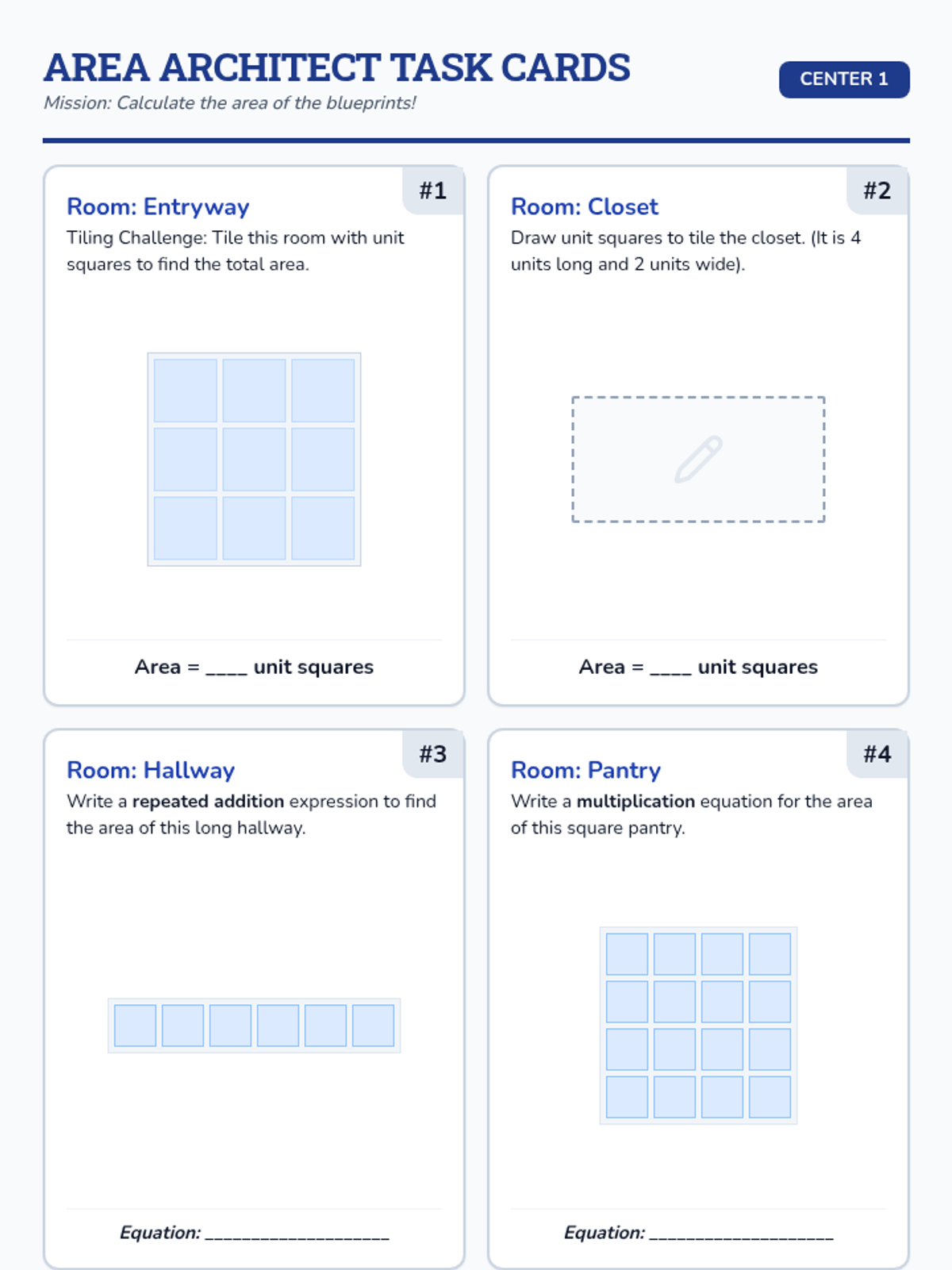
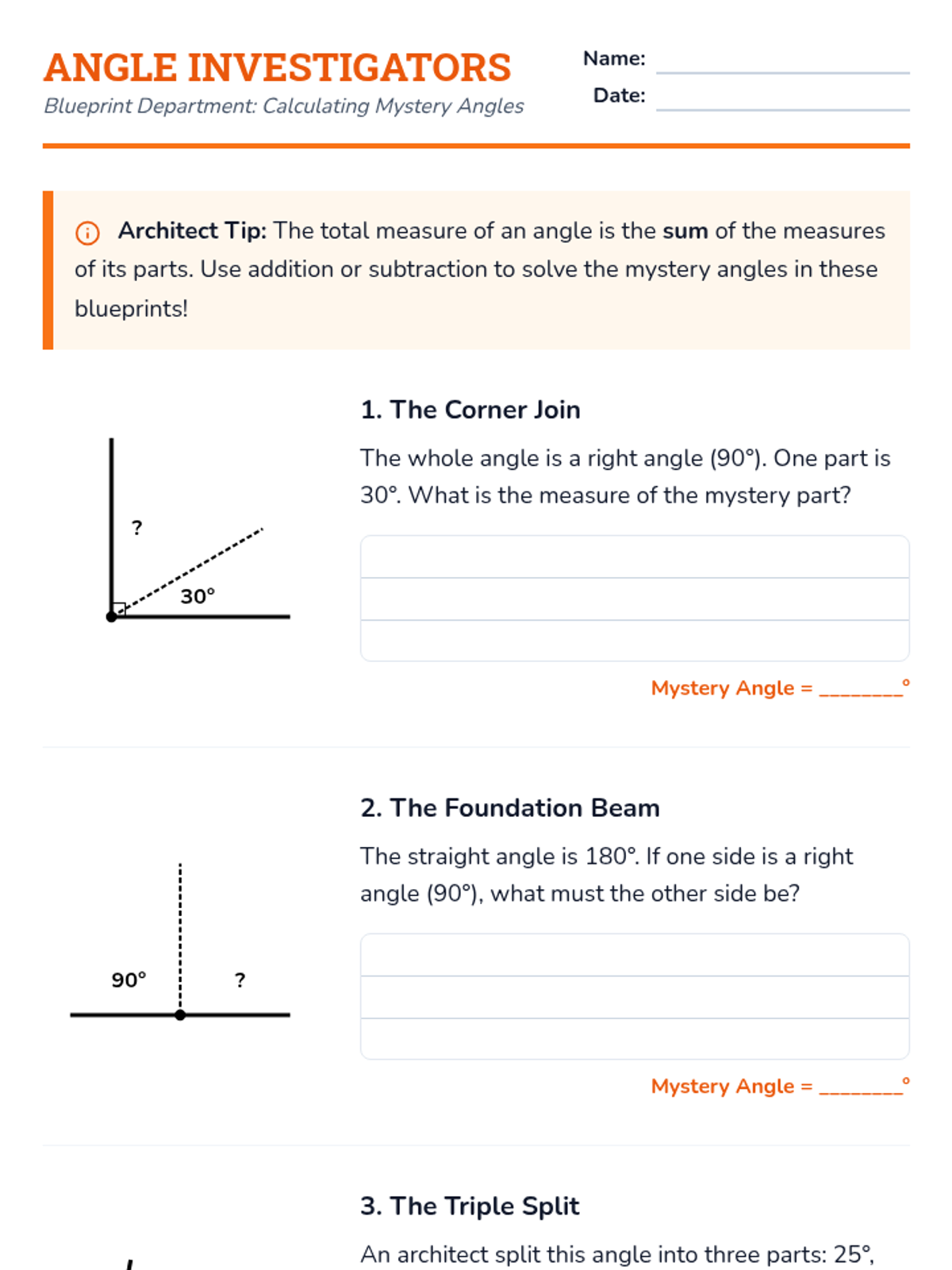
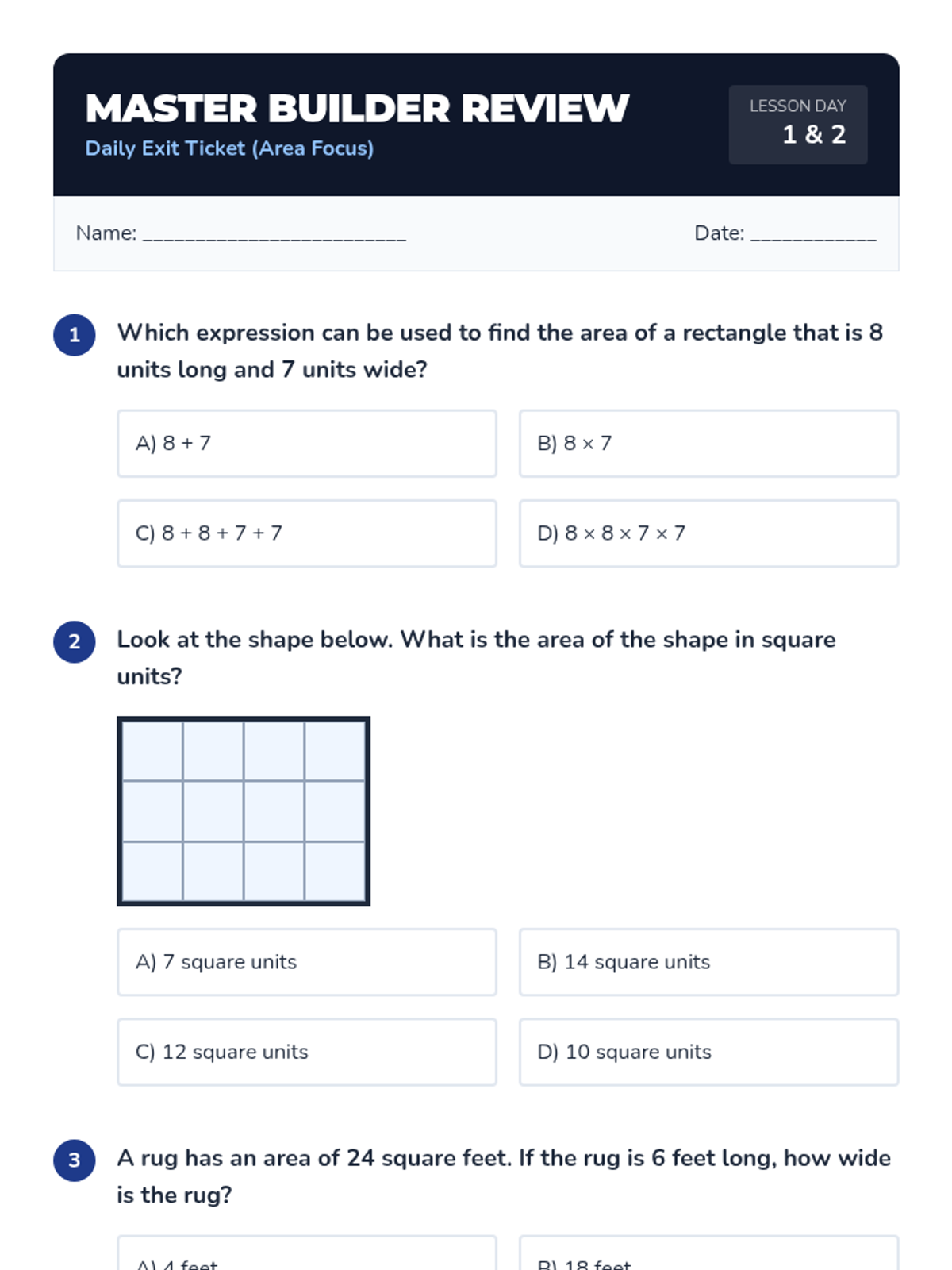
A hands-on geometry and measurement unit focused on area concepts and angle properties for third-grade students. Students explore tiling, equations for area, and the additive property of angles through a construction-themed approach.
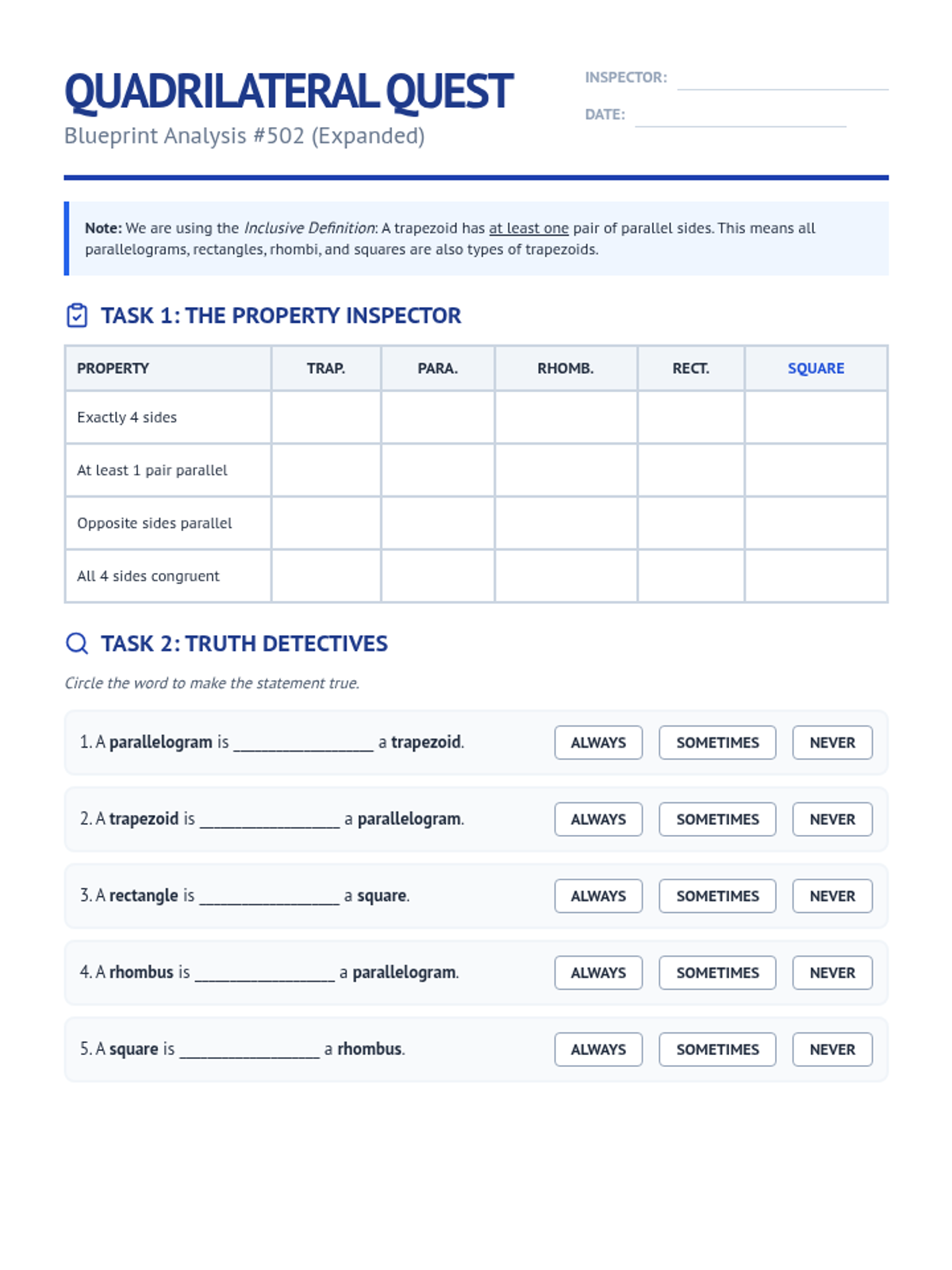
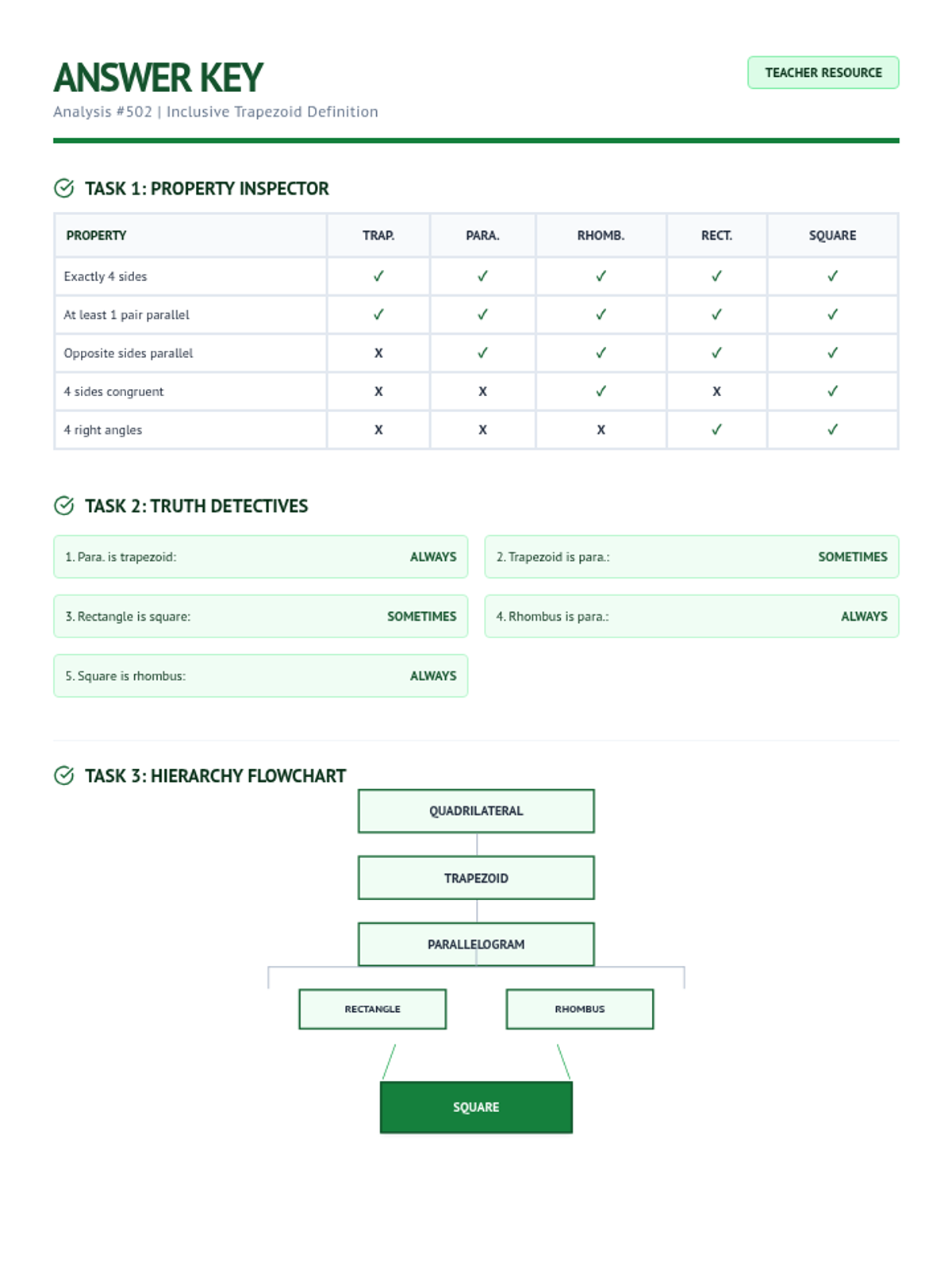
A comprehensive unit on classifying two-dimensional figures based on their properties and understanding the hierarchical relationships between different quadrilaterals.
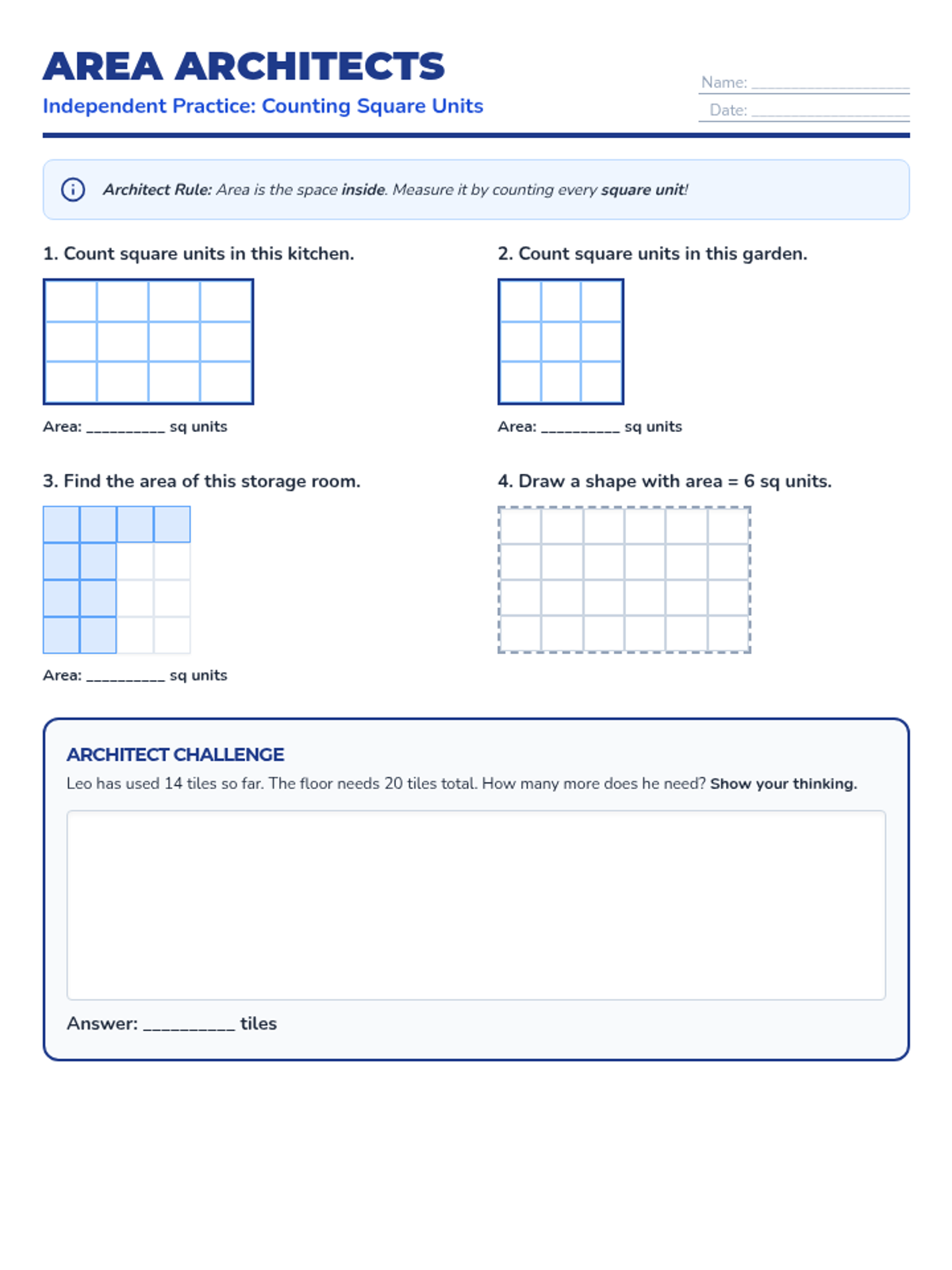
A 5-day intensive math unit for 3rd-grade students focused on North Carolina Standards NC.3.MD.7 (Area) and NC.3.MD.8 (Perimeter), using a cohesive 'Blueprint Builders' architectural theme.
A comprehensive unit on measurement focusing on inches, fractions (halves and fourths), mixed numbers, and representing data on line plots. Translated into Japanese.
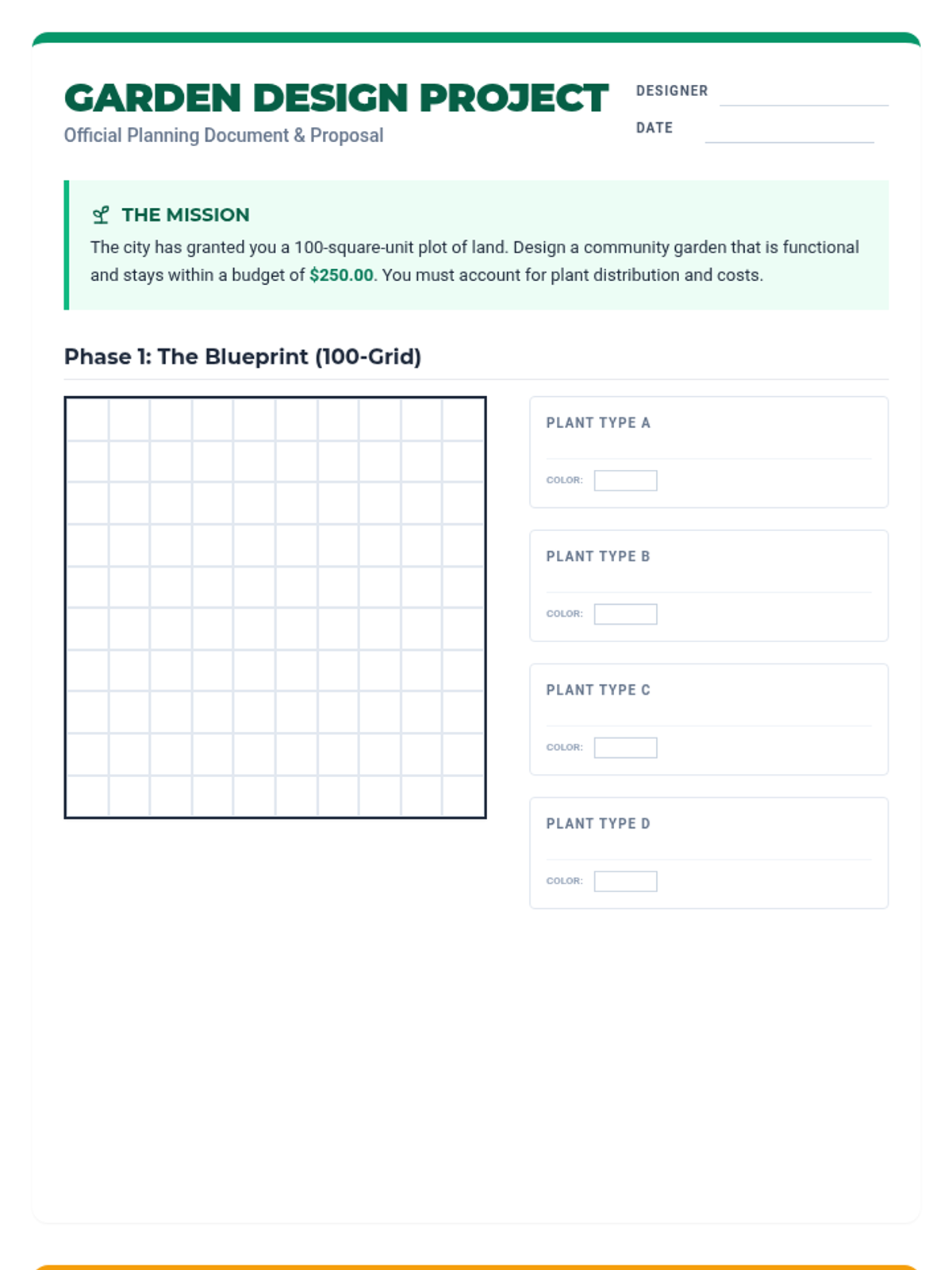
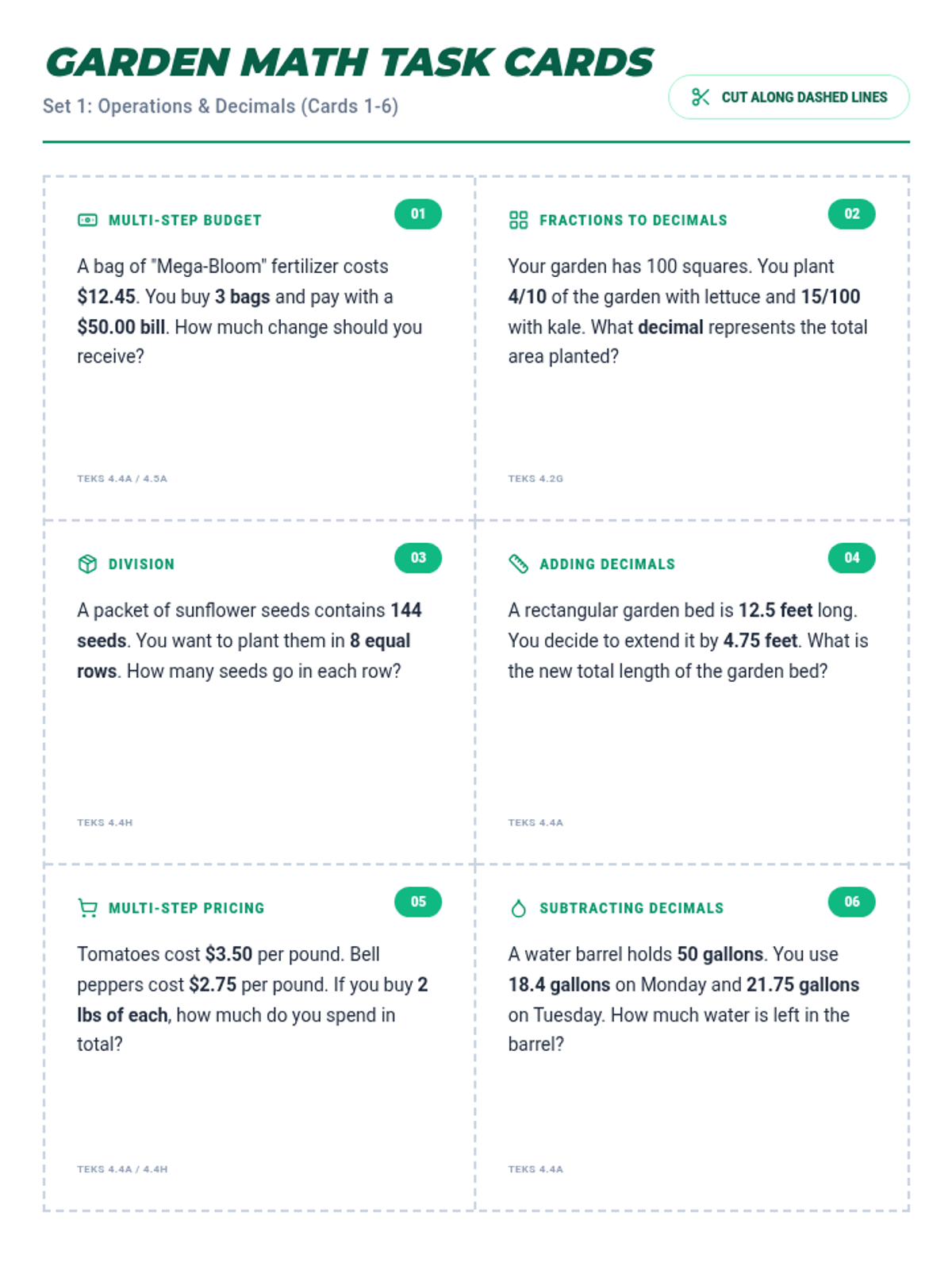
A project-based math unit where students become garden designers, using decimals and fractions to plan a community space and manage a project budget.
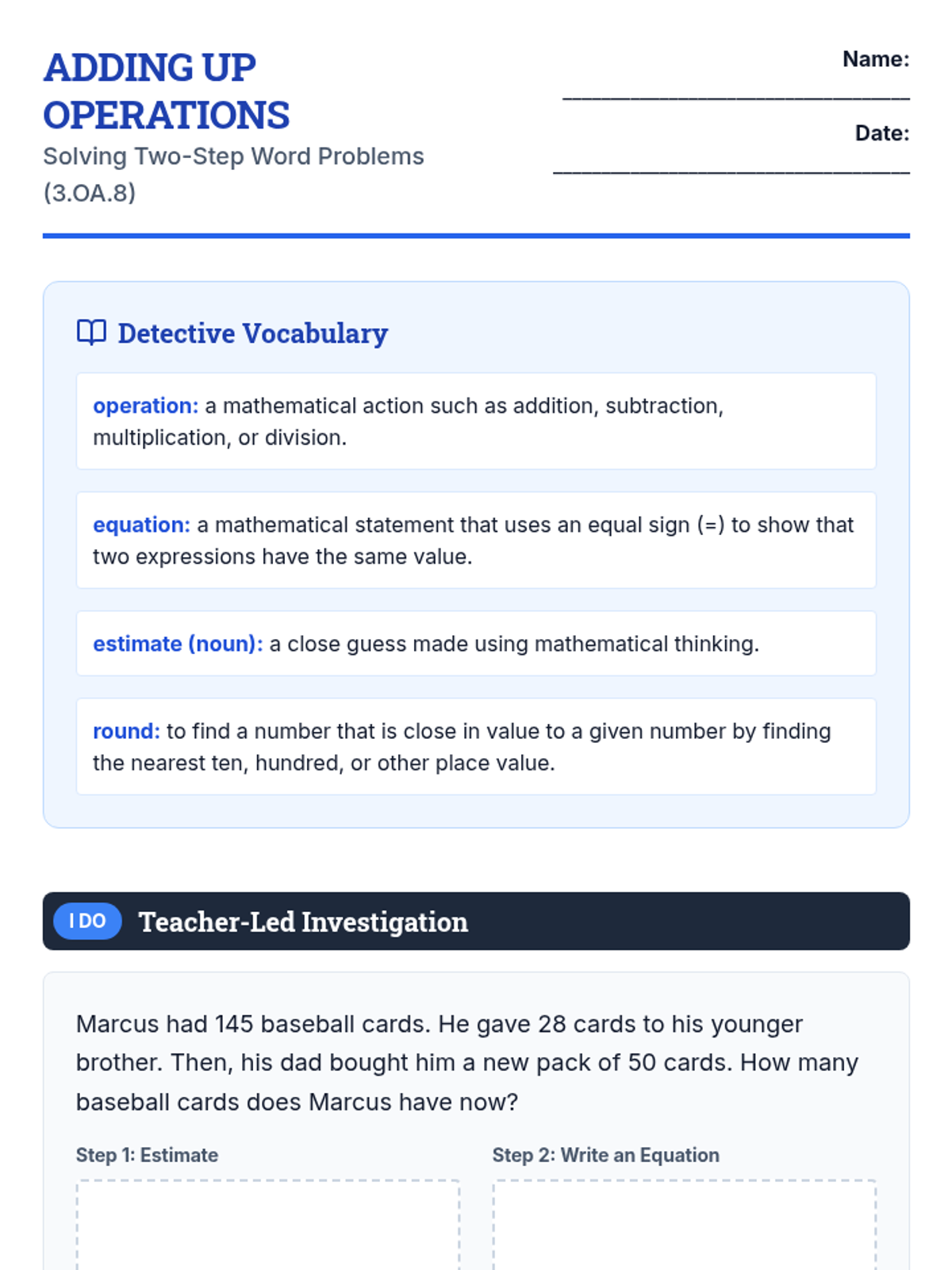
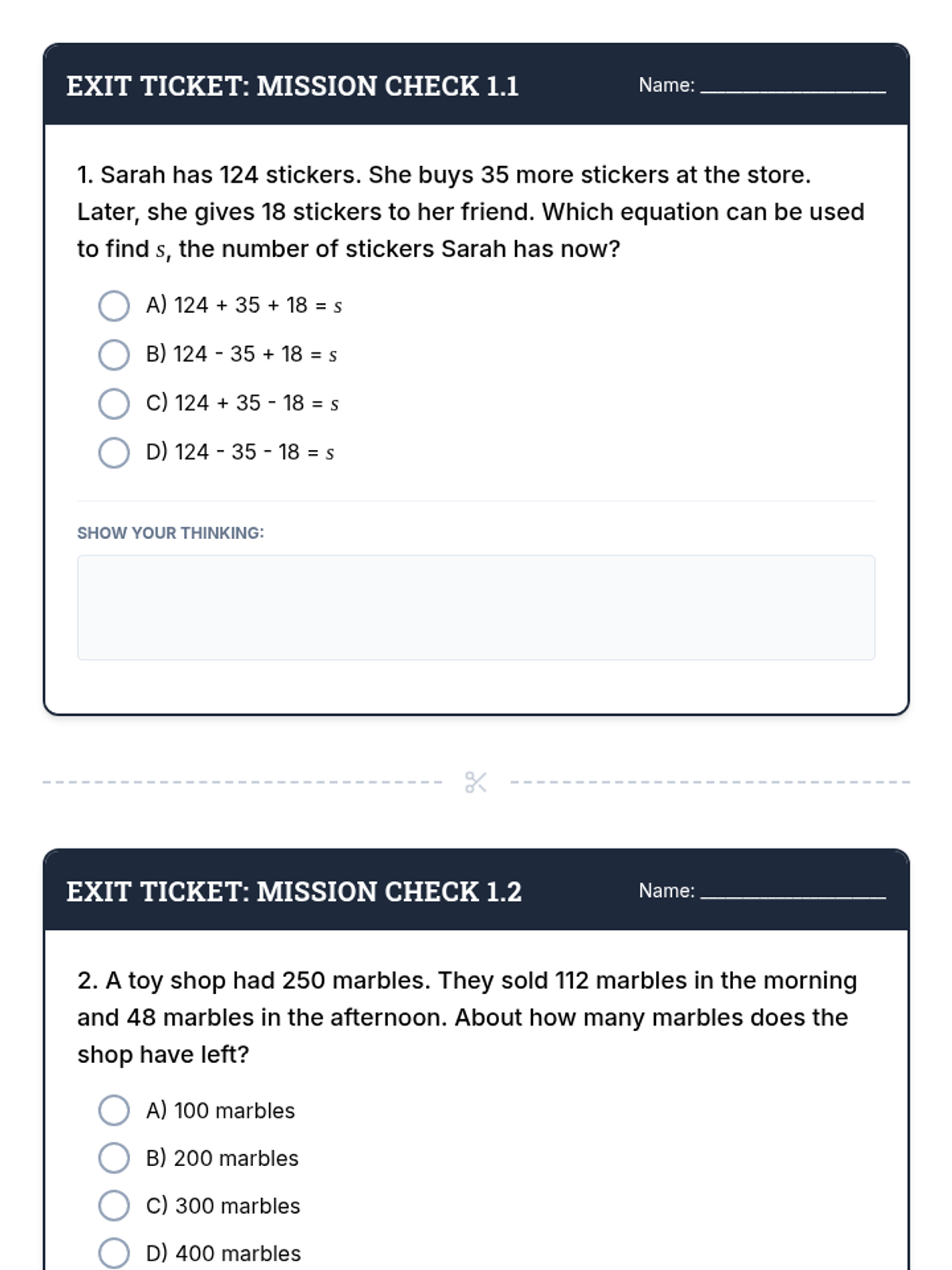
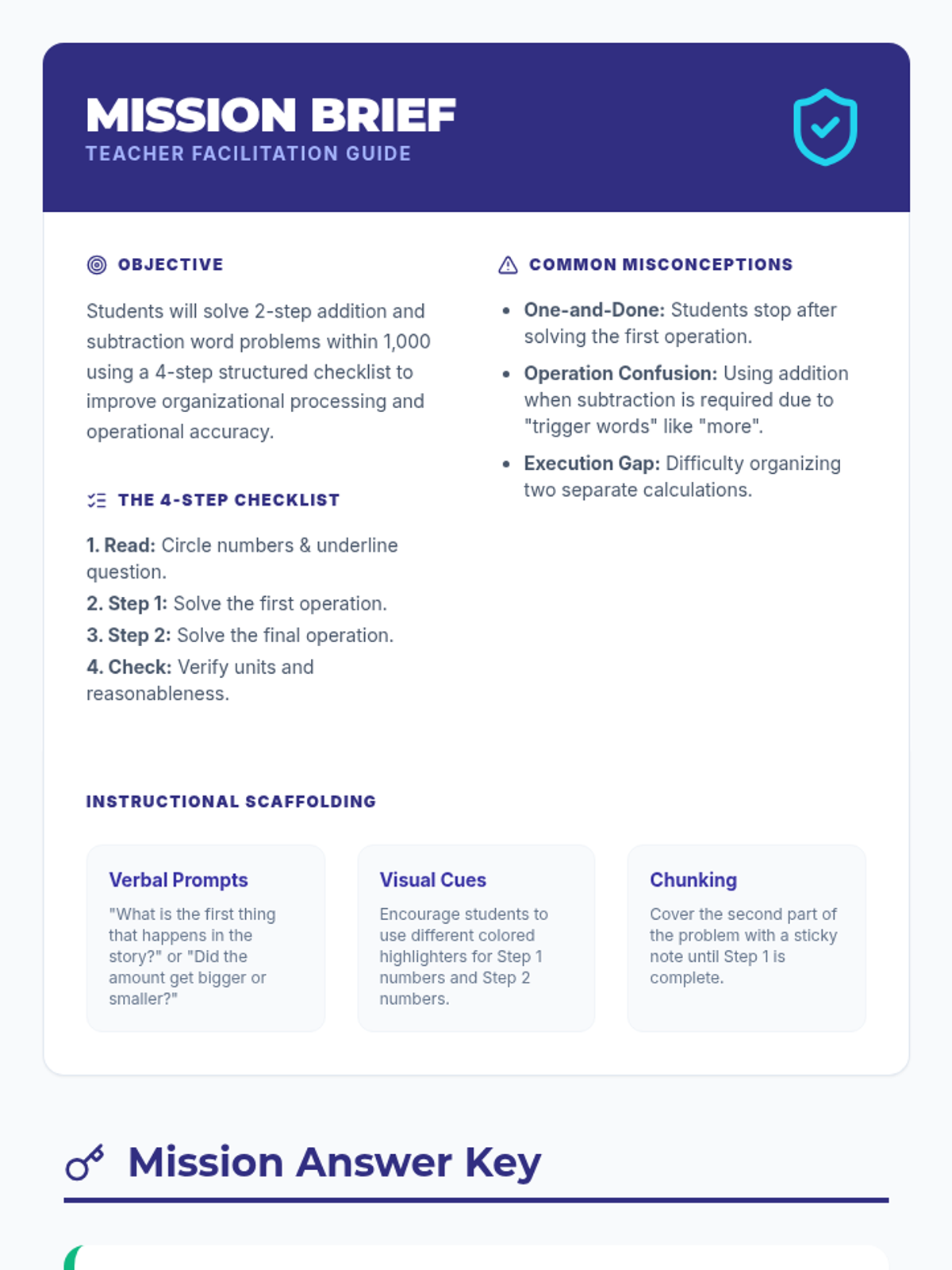
A comprehensive 5-day math unit focusing on solving two-step word problems (3.OA.8) and classifying quadrilaterals (3.G.1) using the Gradual Release of Responsibility (I Do, We Do, You Do) model. Each day includes explicit vocabulary instruction, guided practice, and EOG-style assessments.
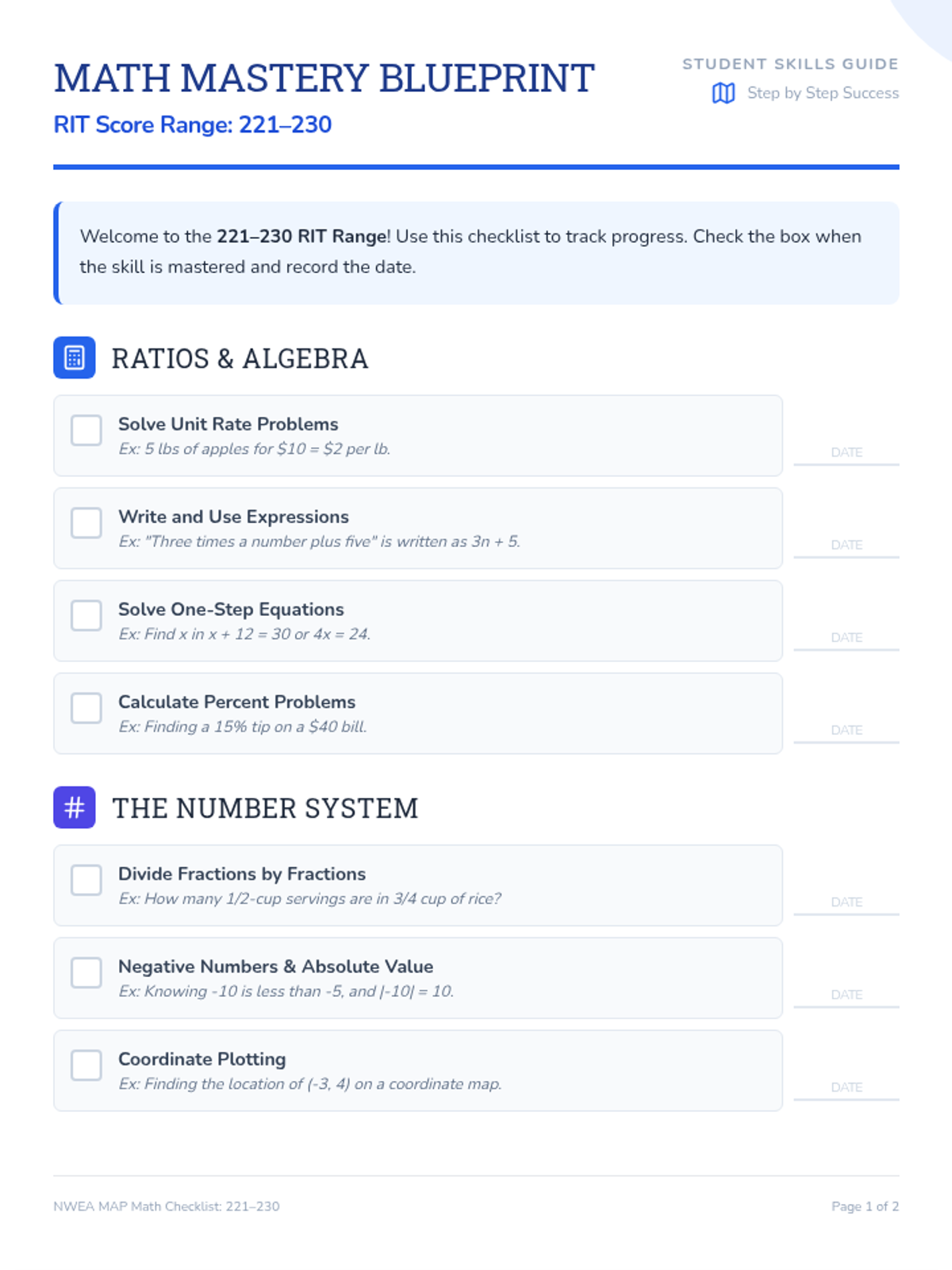
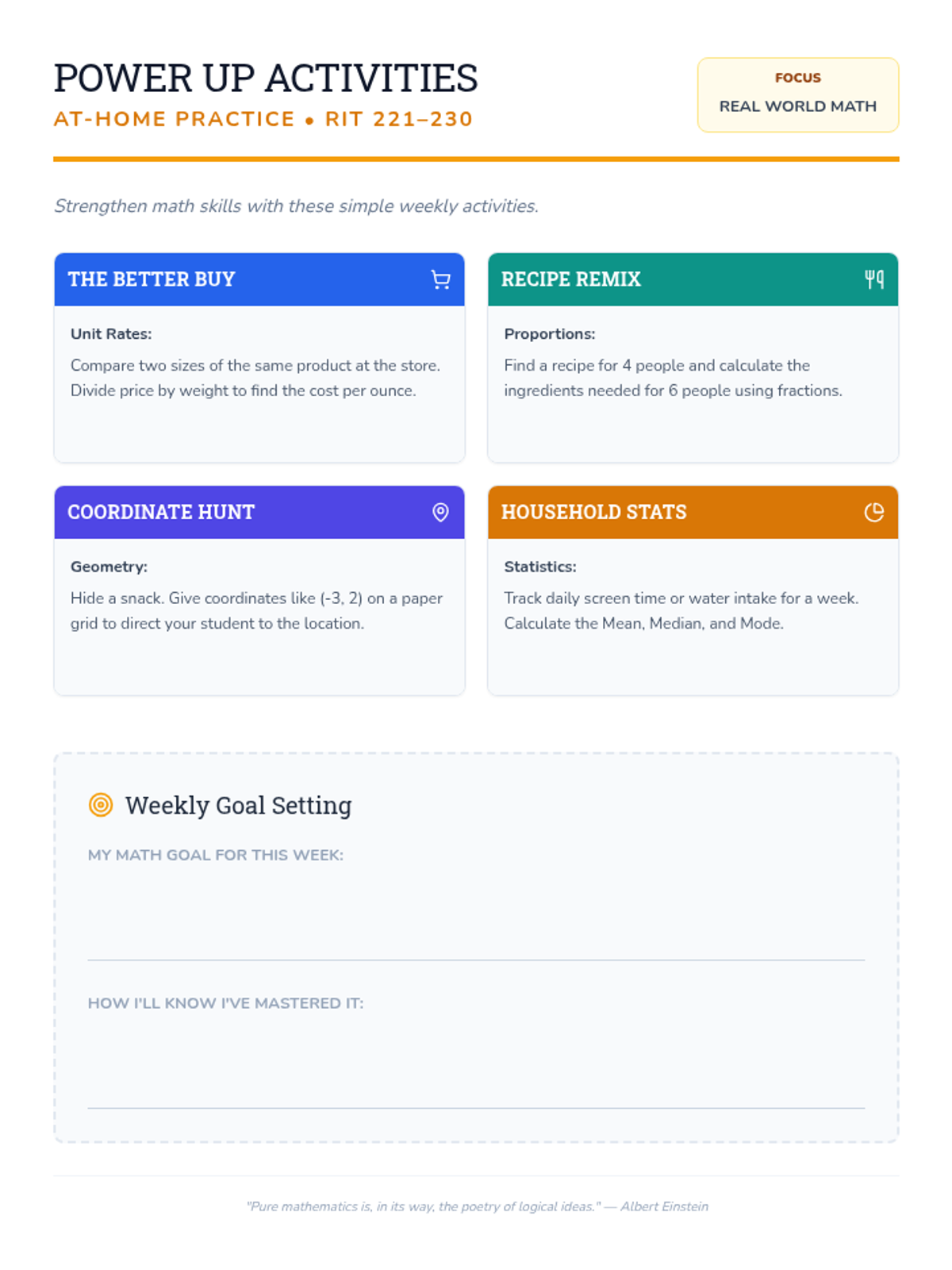
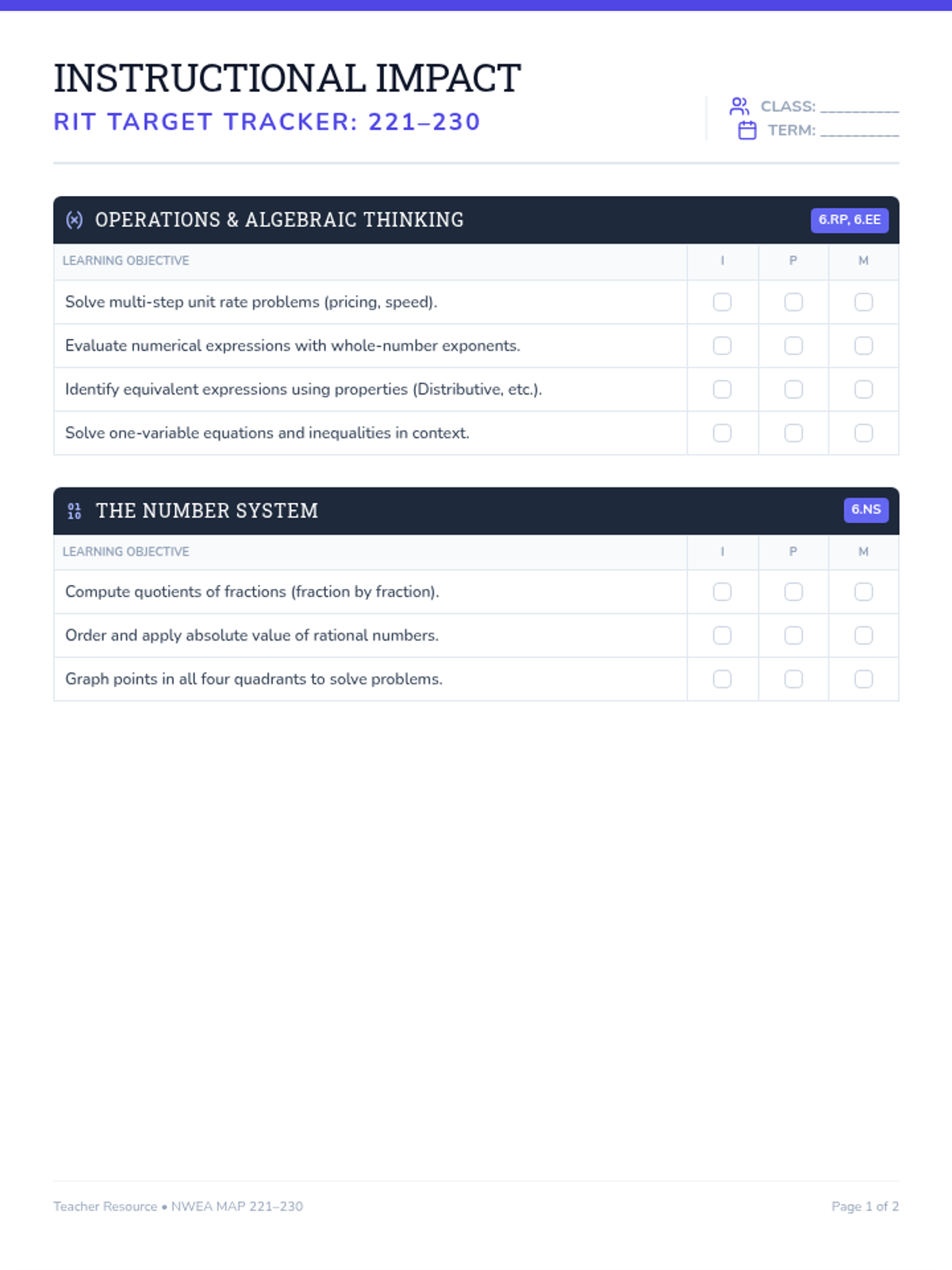
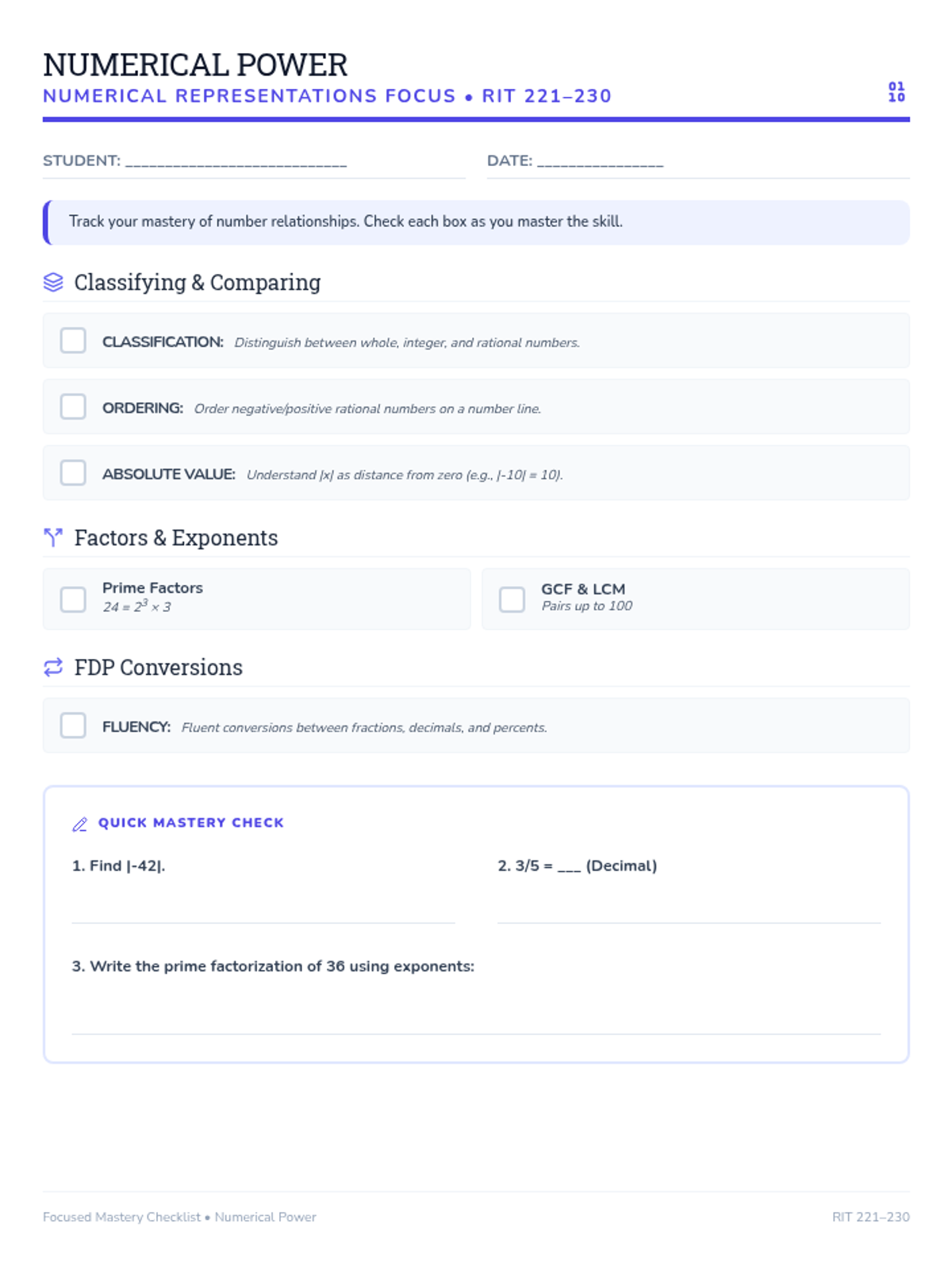
A comprehensive collection of RIT-aligned math mastery resources for student and teacher tracking across key mathematical development ranges.
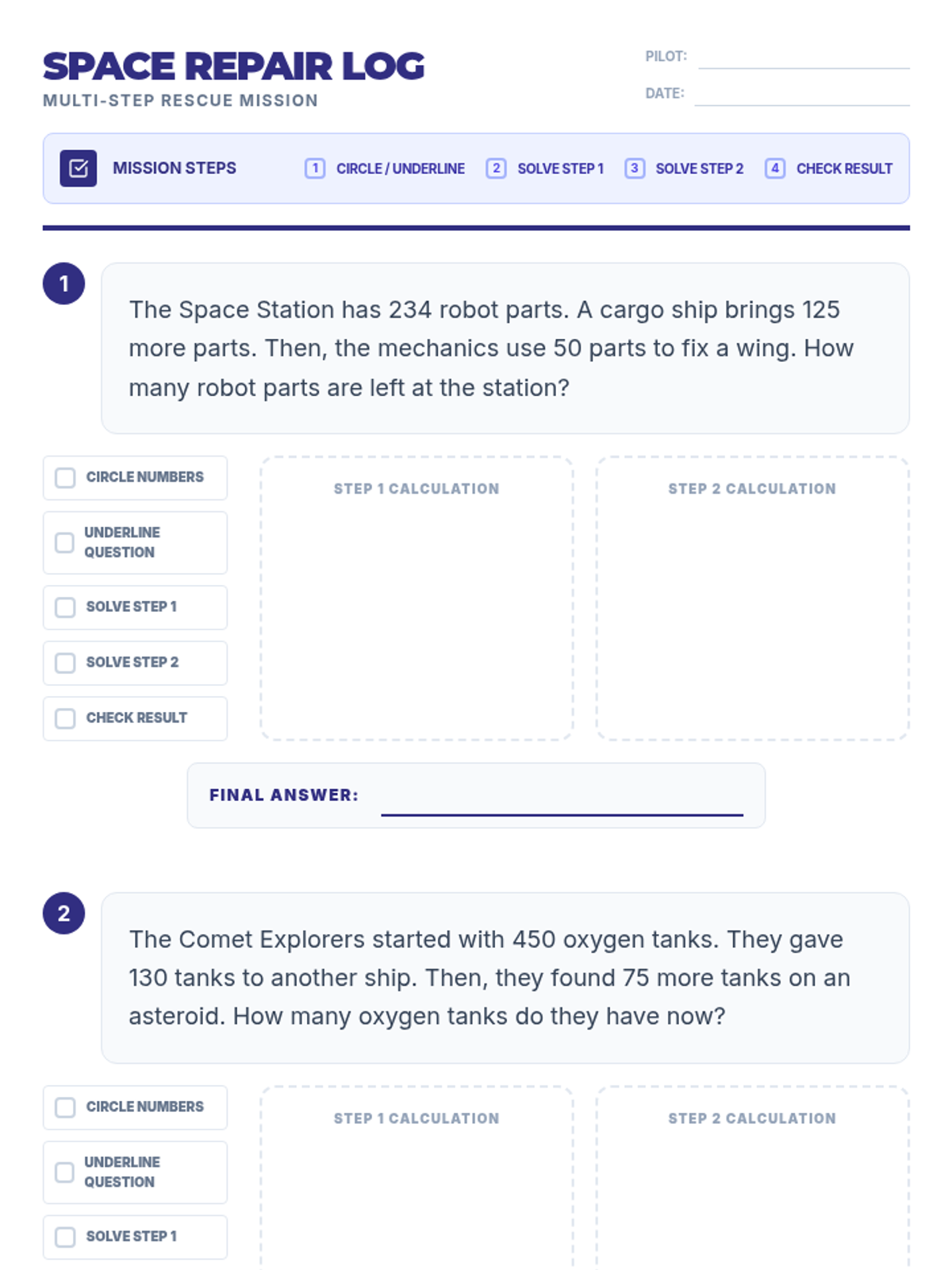
A unit focused on mastering multi-step operations through scaffolded strategies and visual aids.
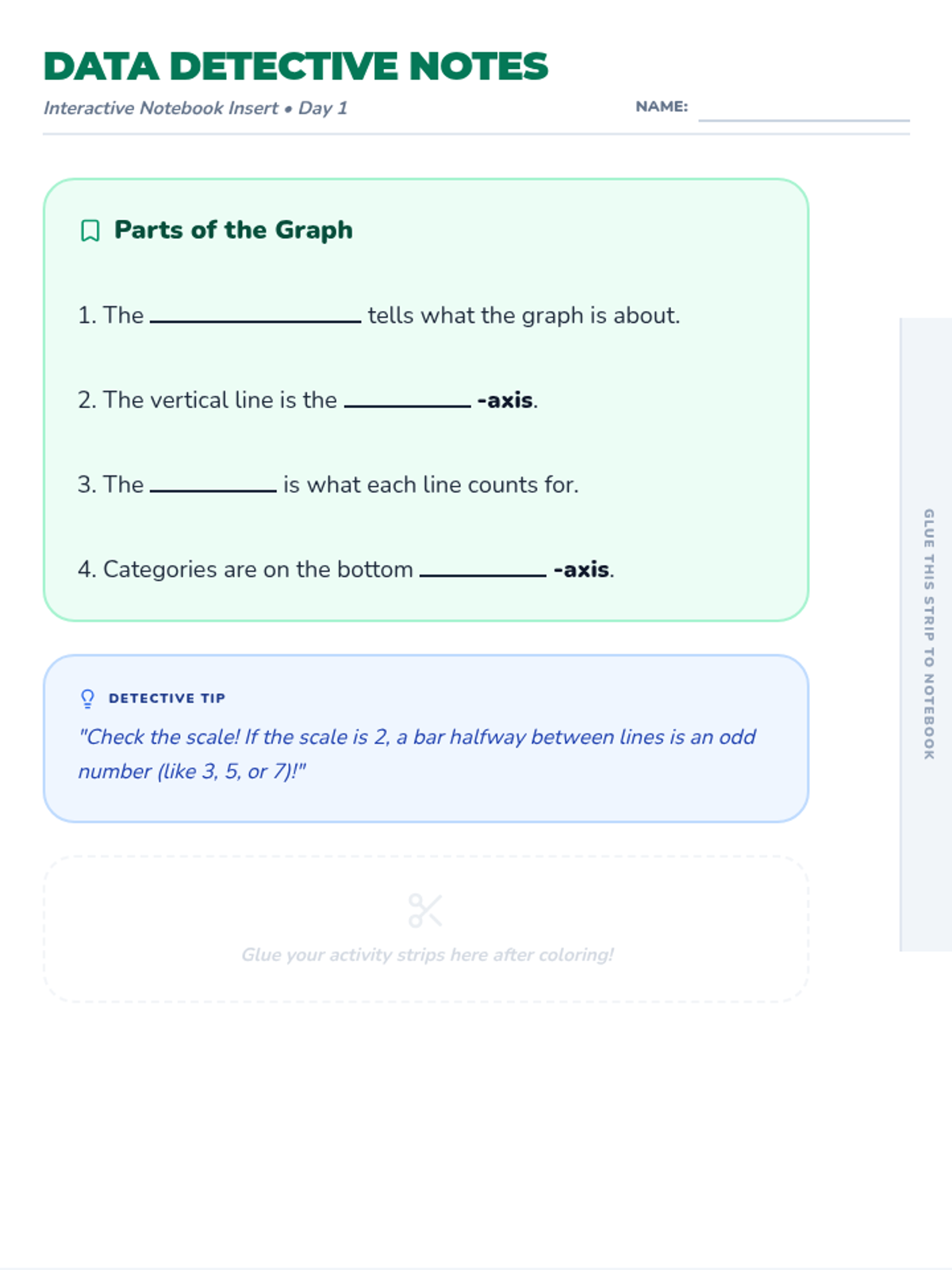
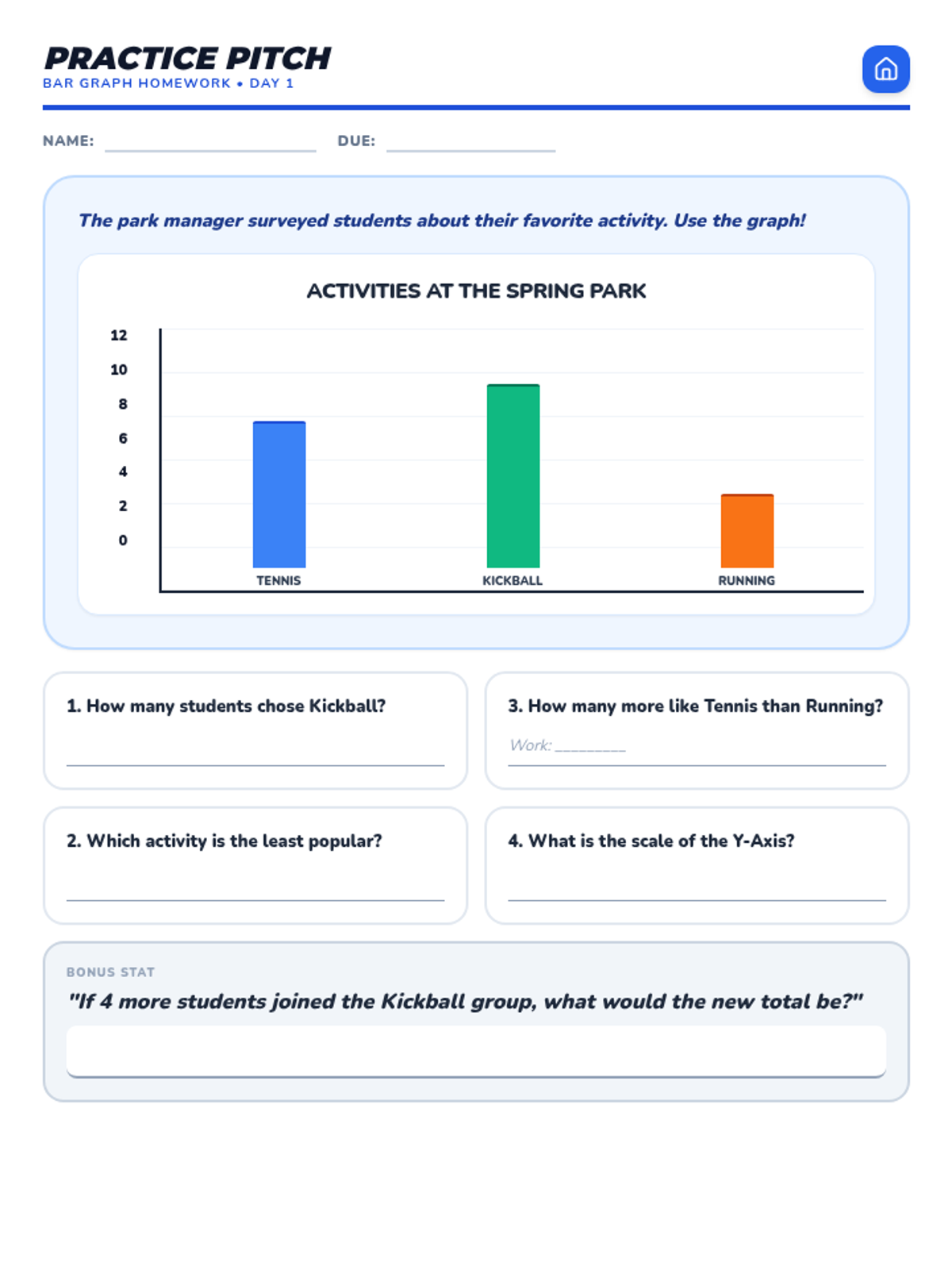
A 2-day math sequence for 3rd grade focused on reading, analyzing, and creating bar graphs using a spring sports and activities theme. Includes interactive notebooks, crafts, and practice worksheets.
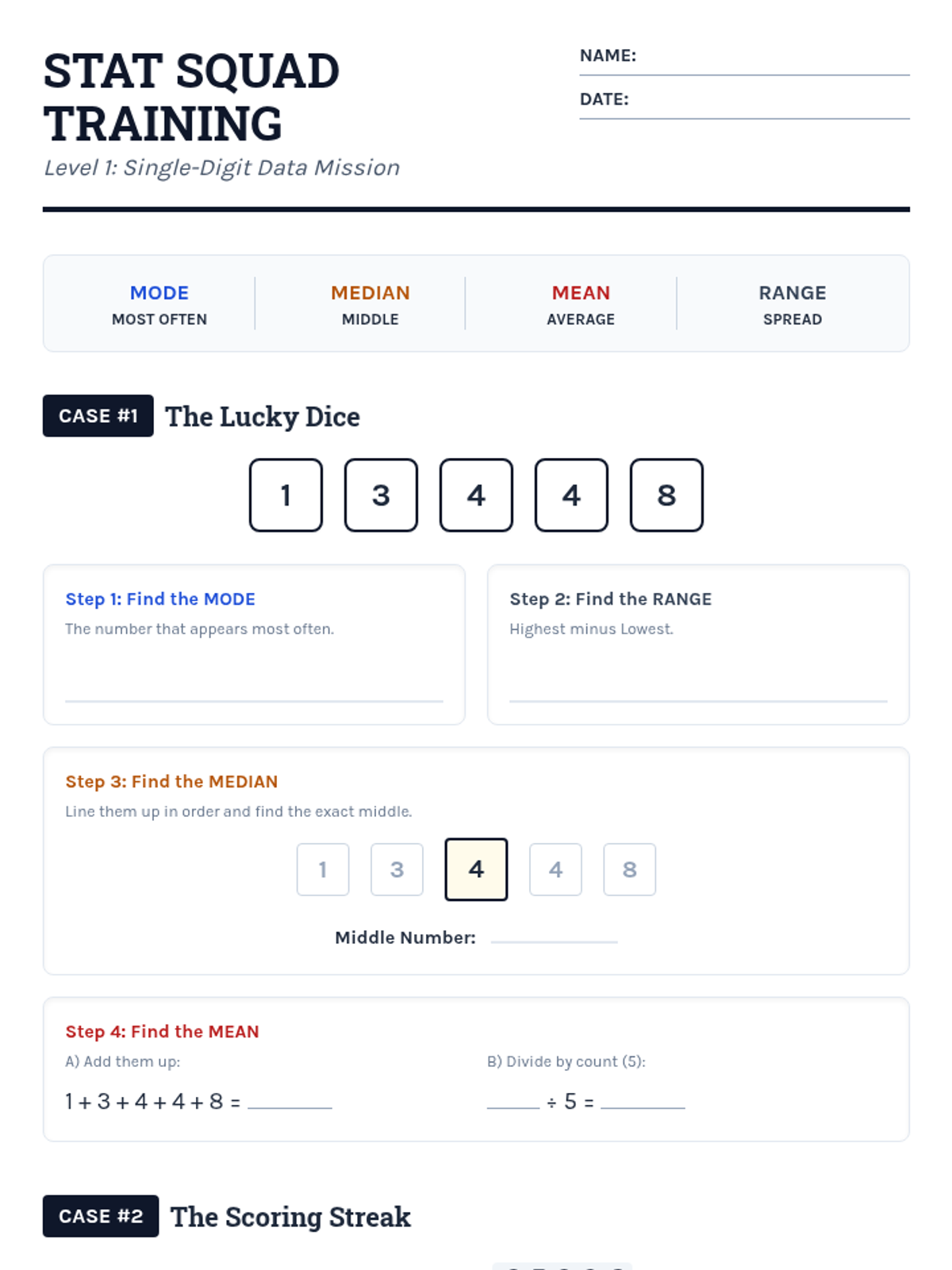
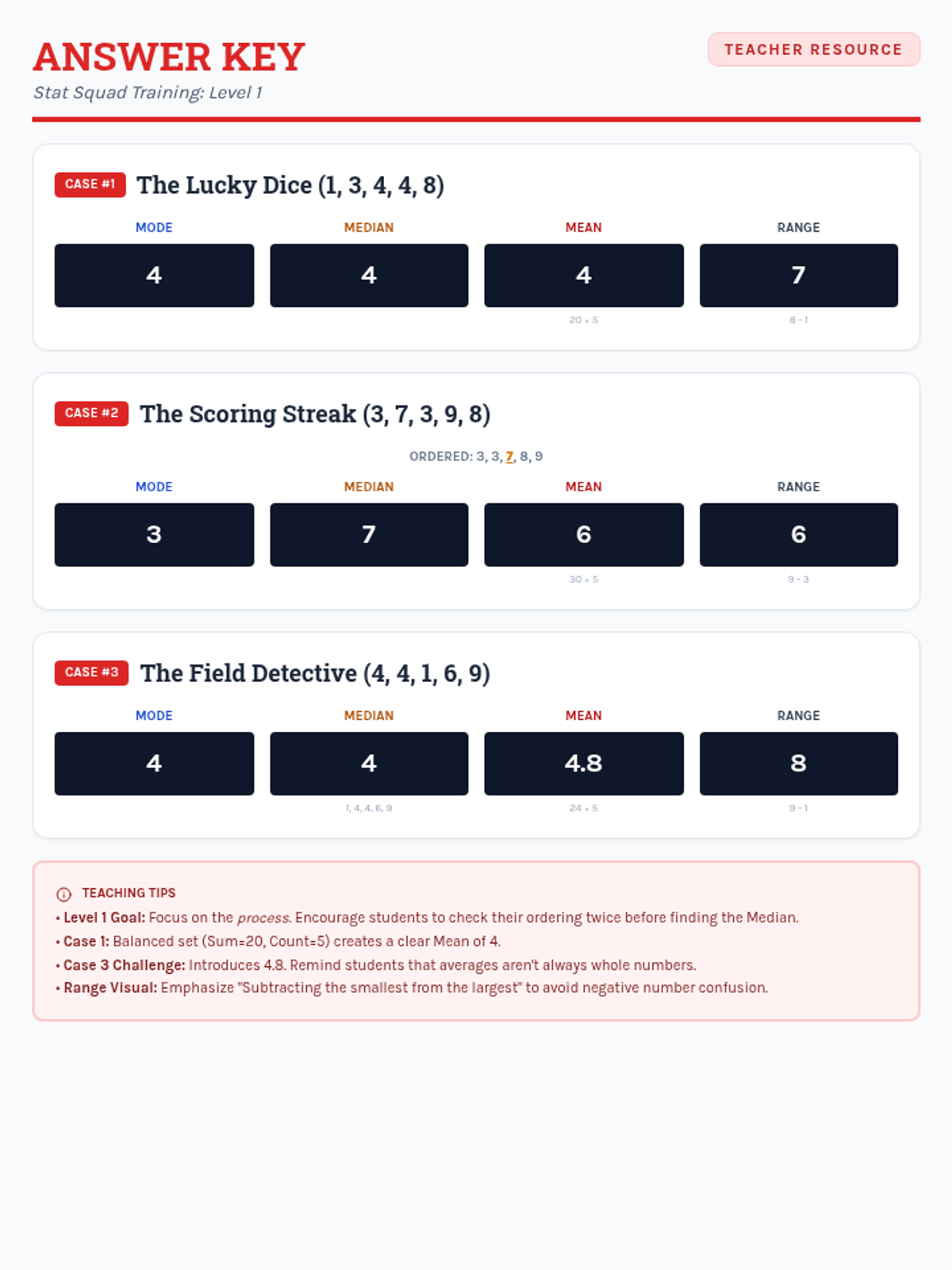
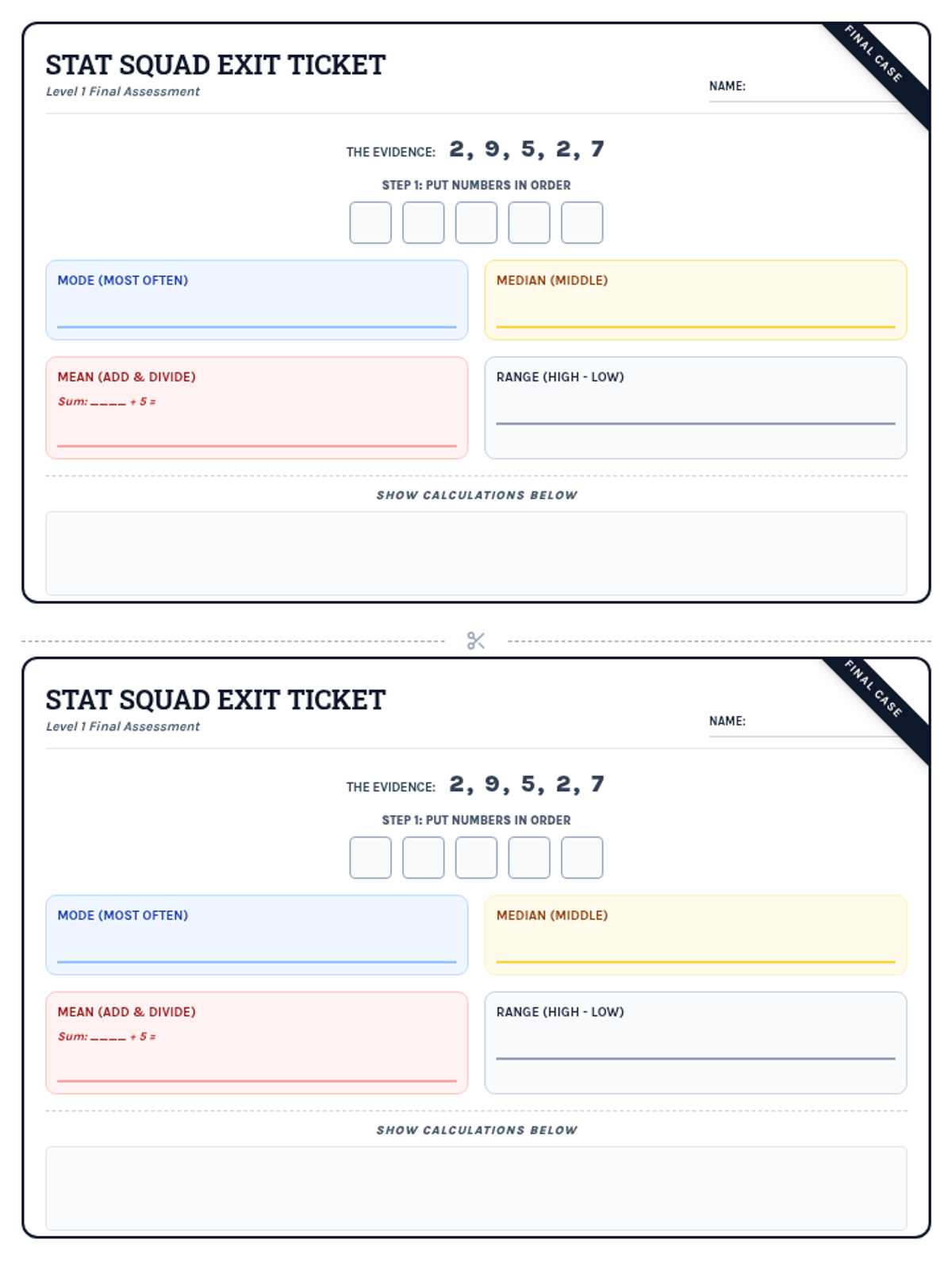
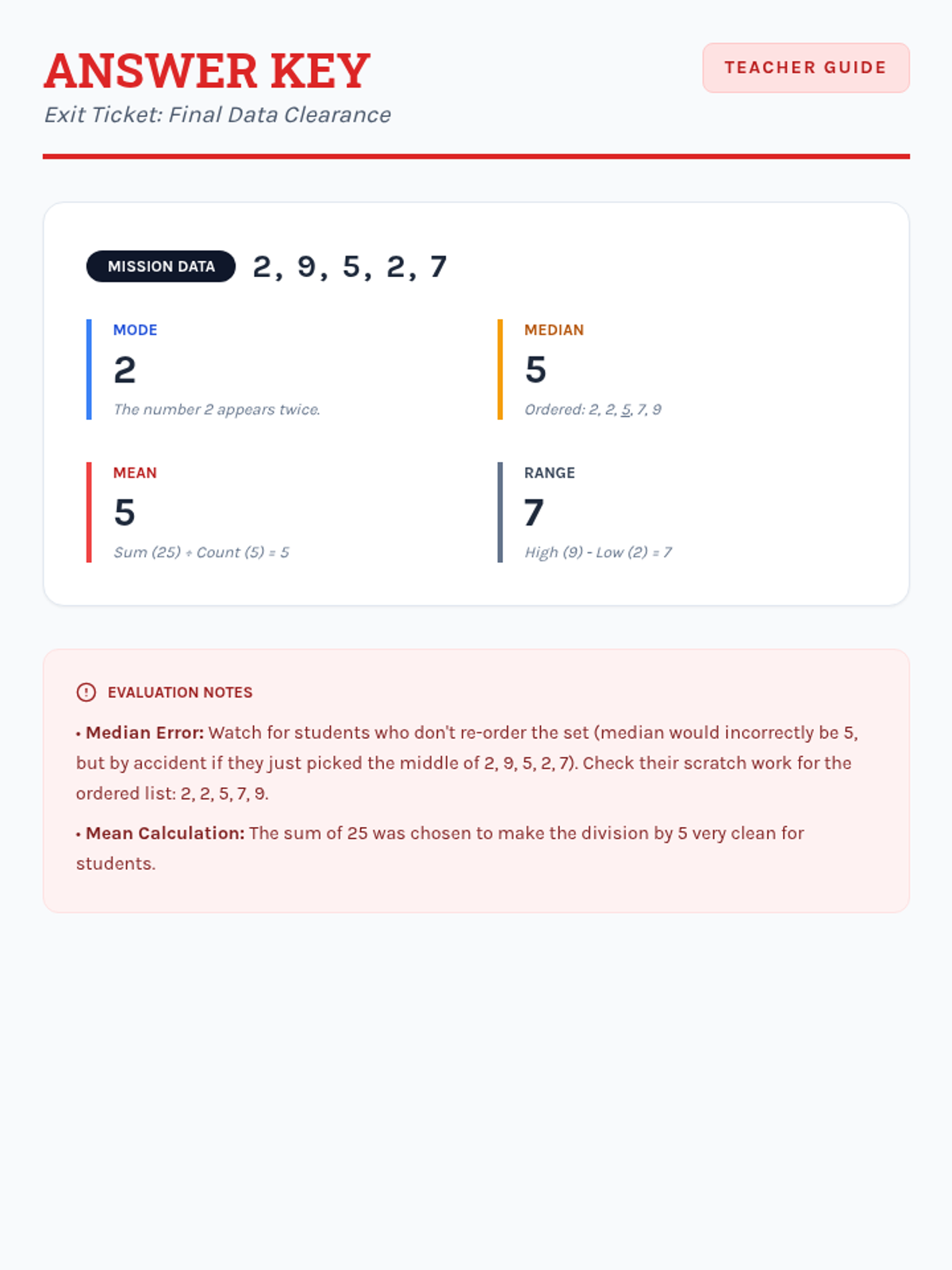
A comprehensive progression through descriptive statistics, from foundational calculations to high-school level analytical applications, including outlier effects and algebraic problem-solving.