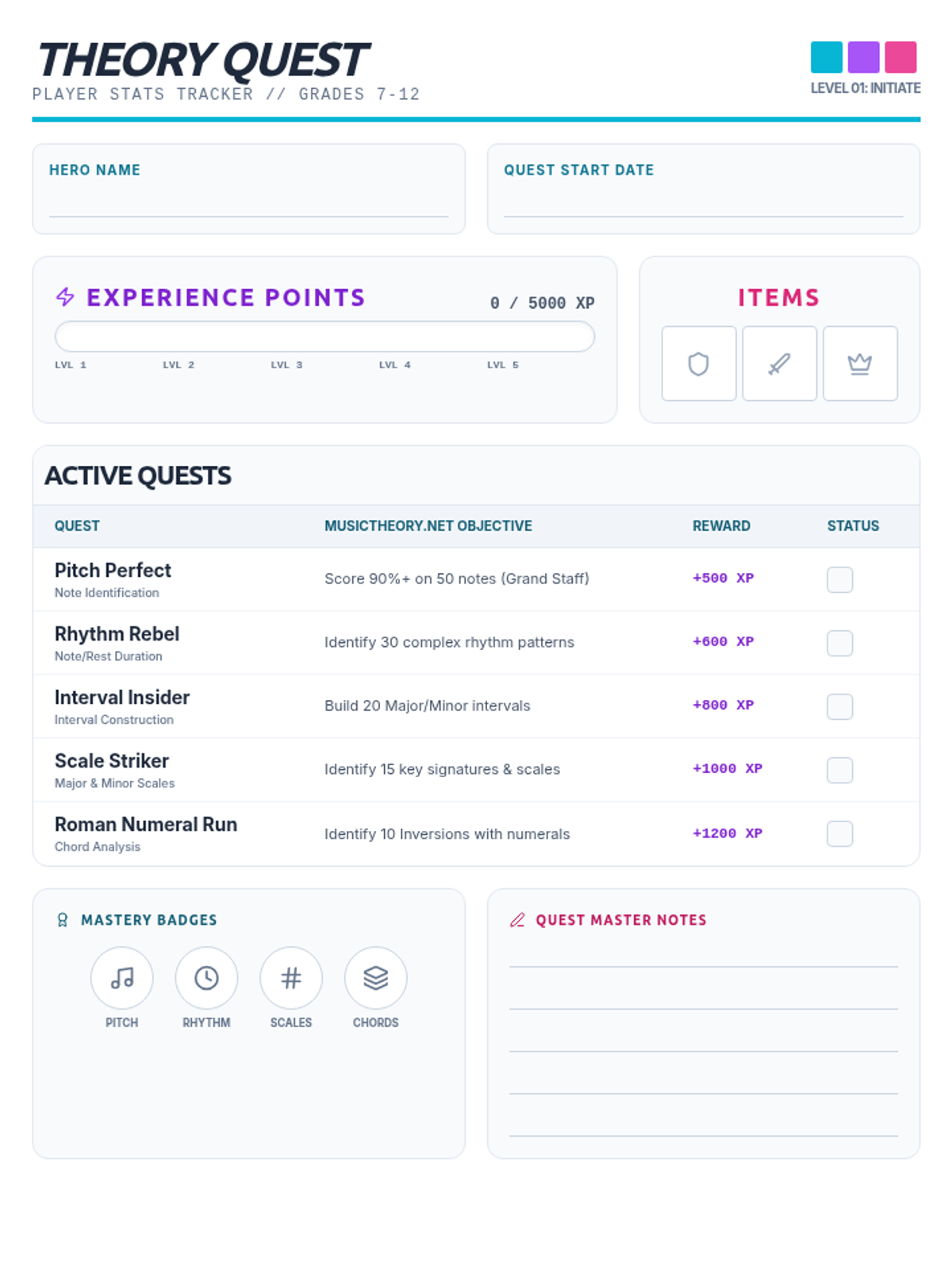
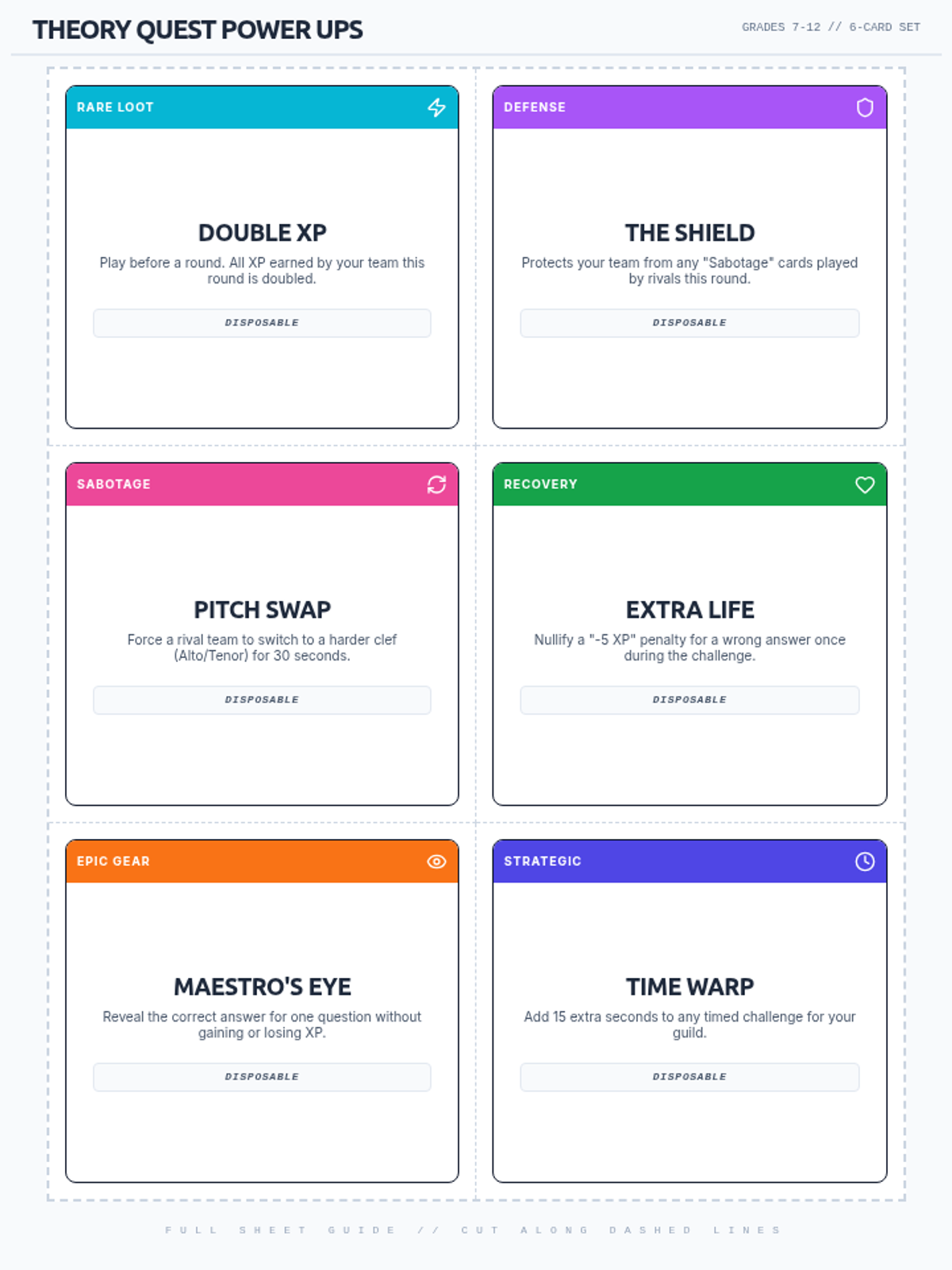
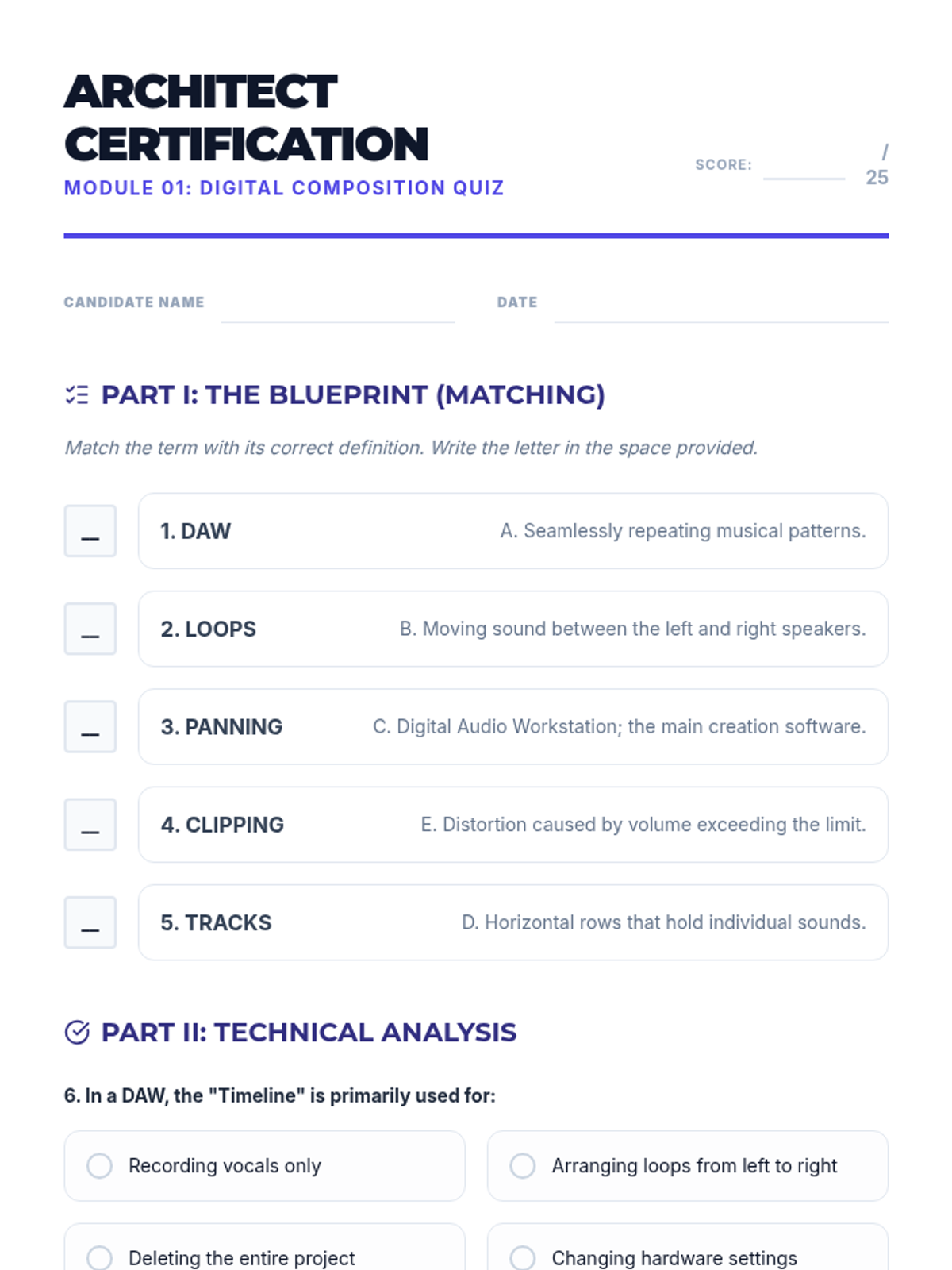
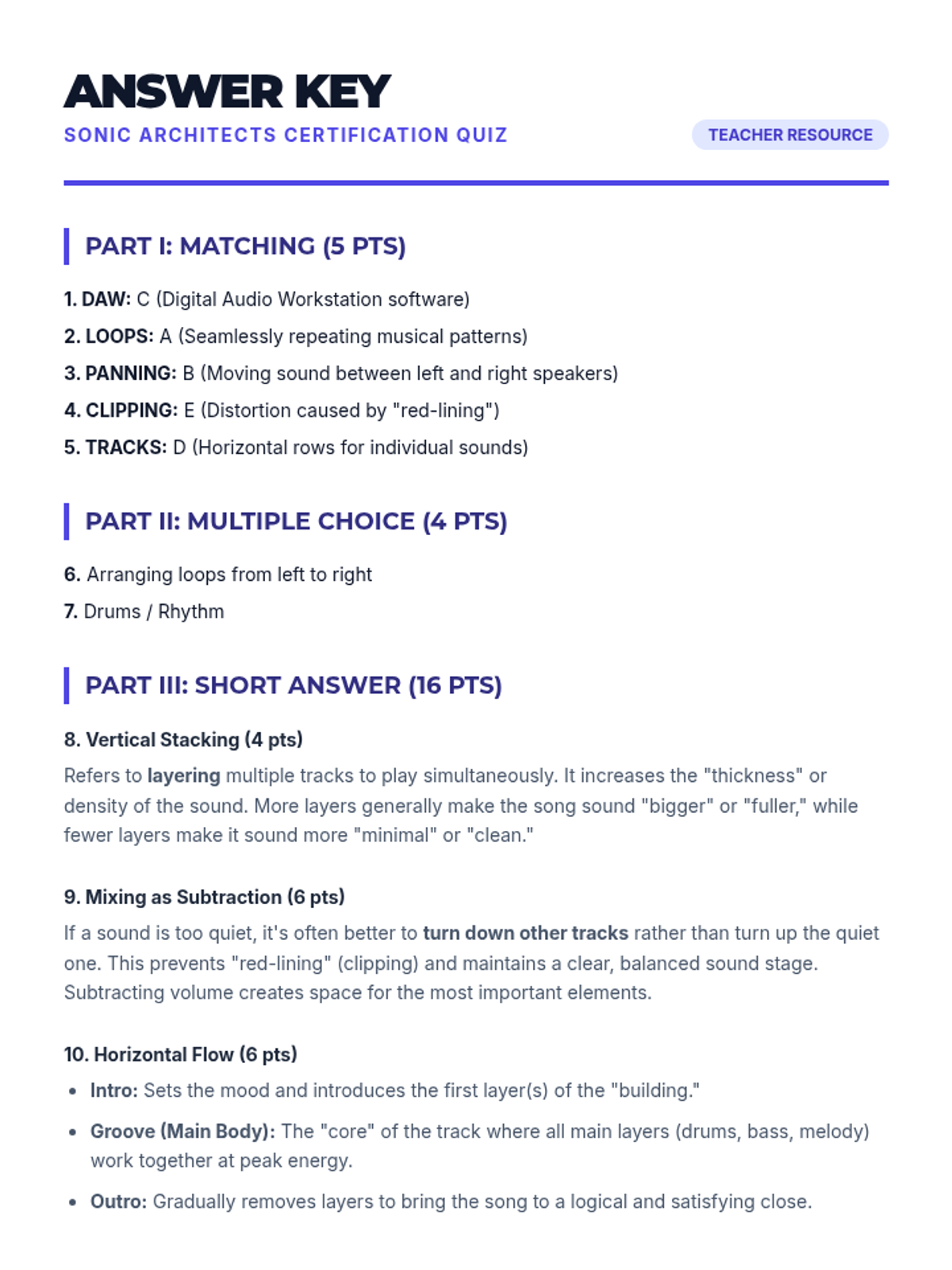
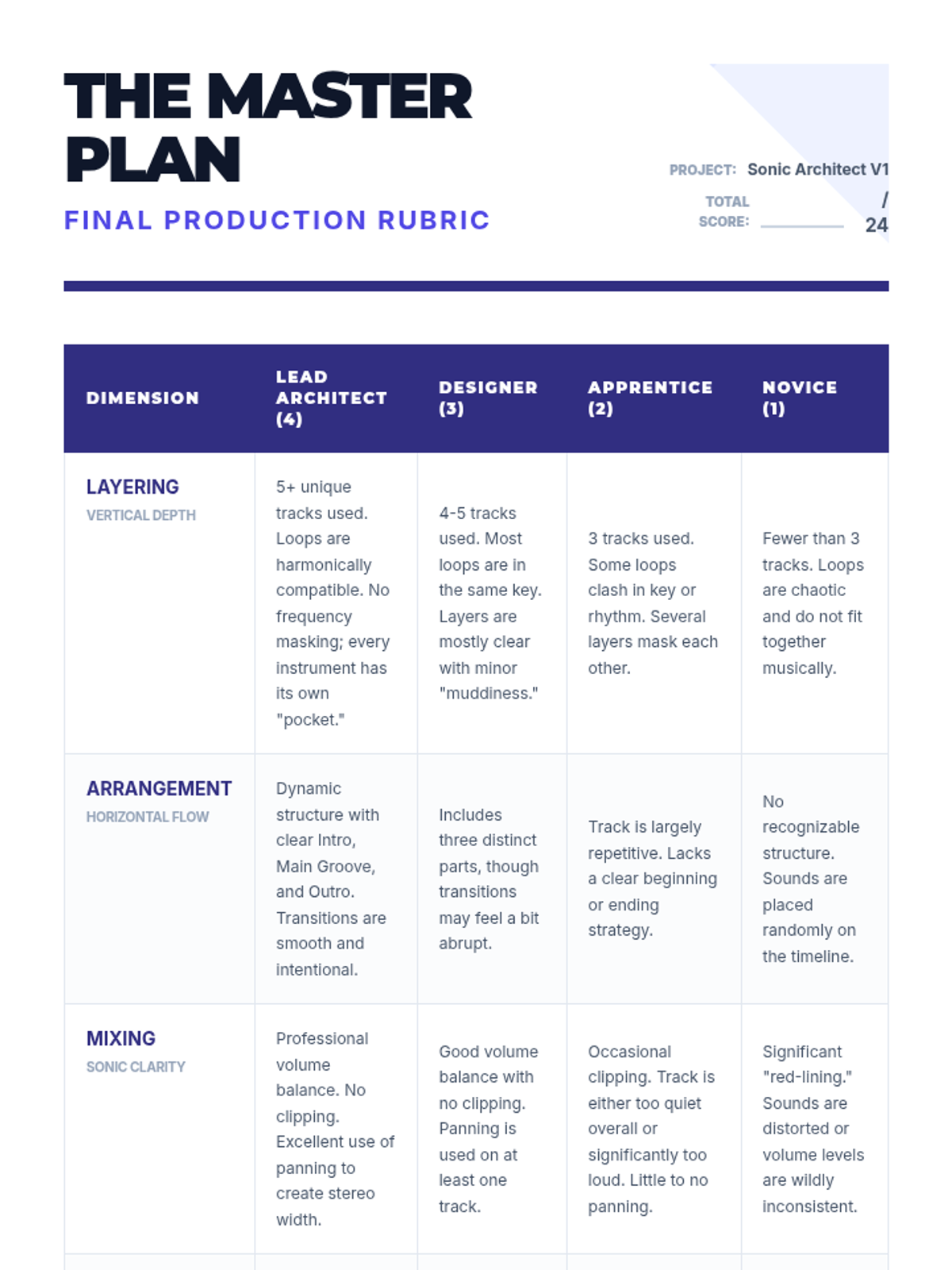
A comprehensive high school music theory sequence covering advanced rhythm, intervals, scales, chord construction, and functional harmony. Students move from basic notation to harmonic analysis and phrase composition.
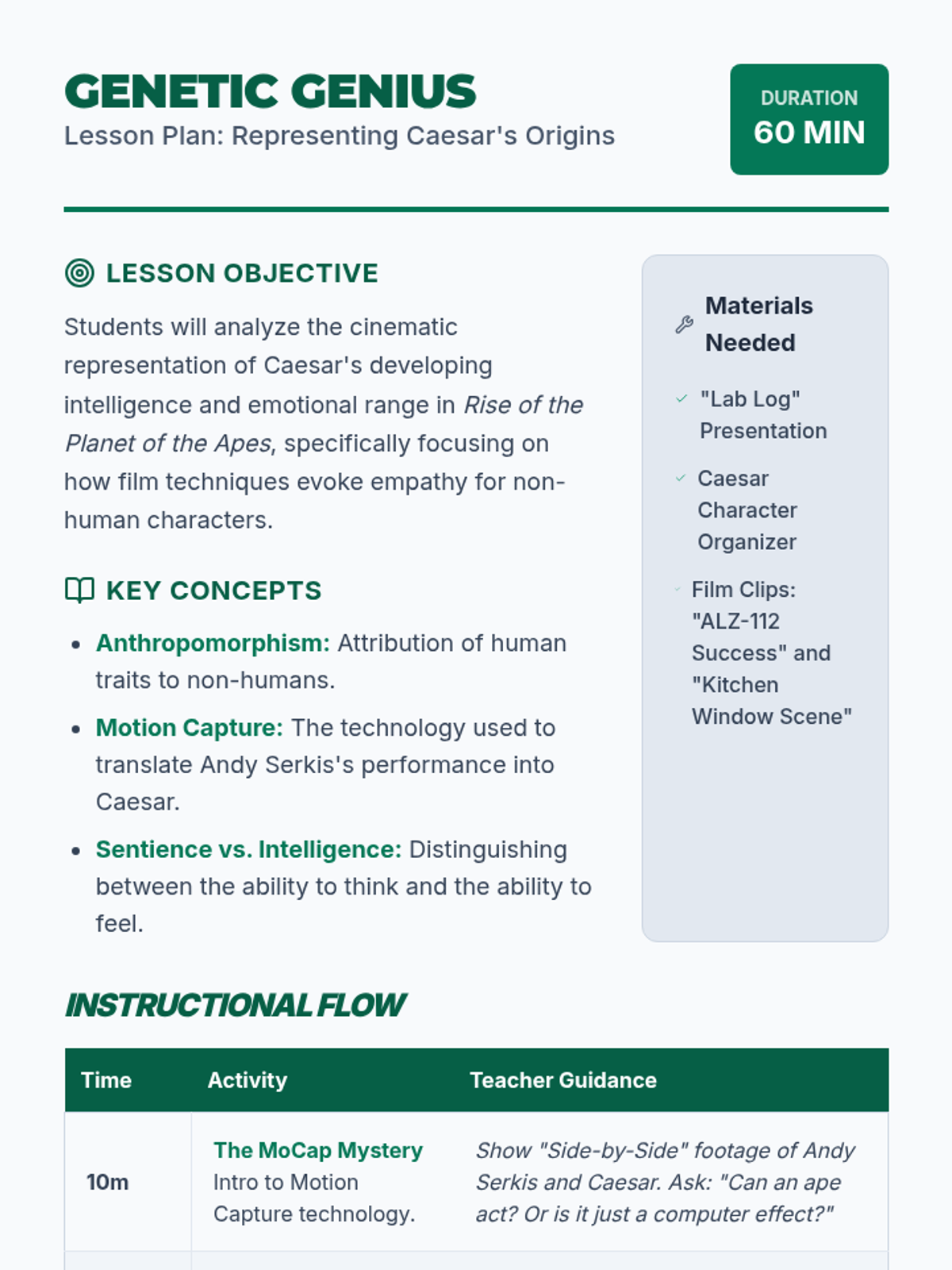
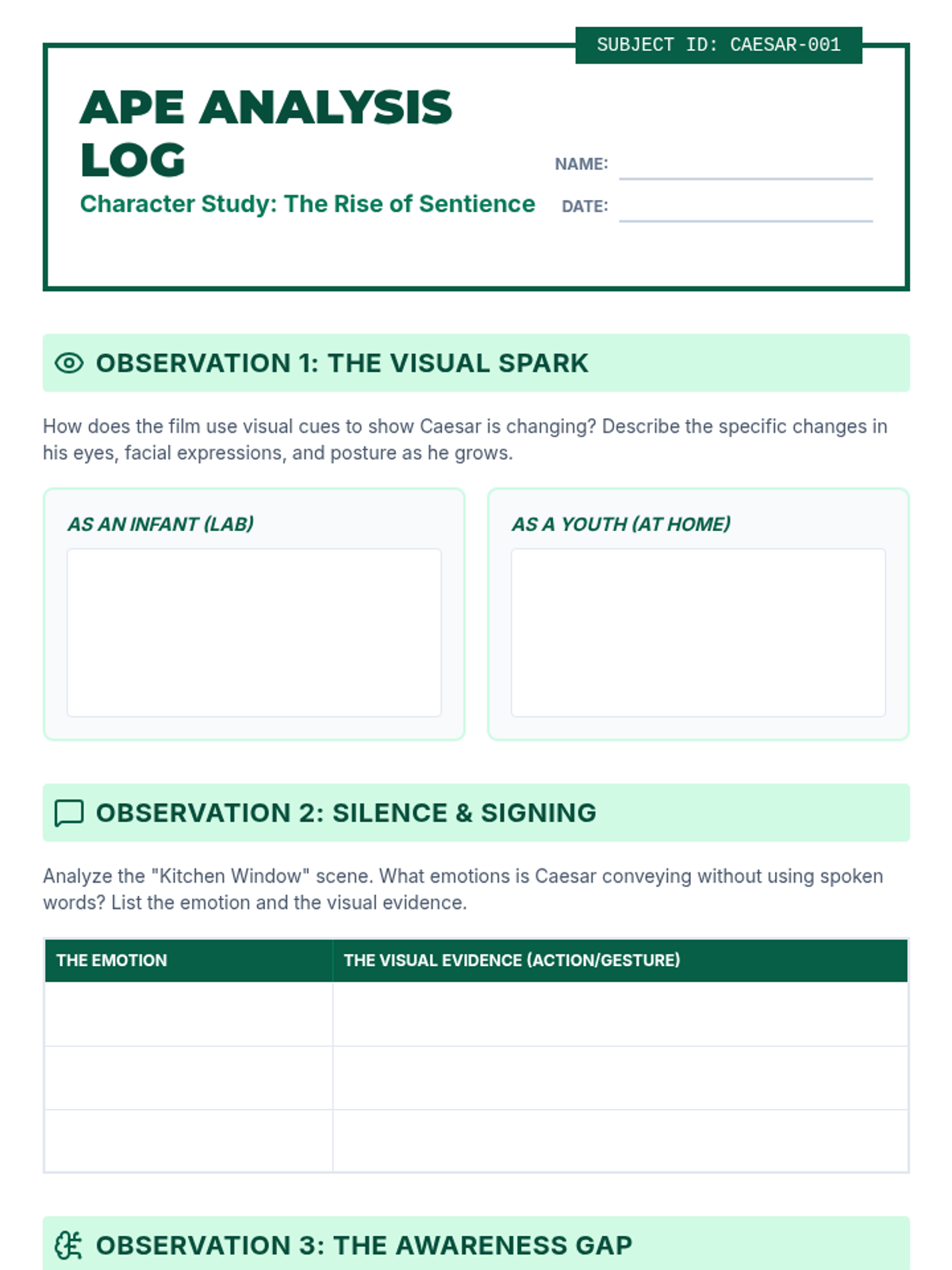
This sequence explores the representation of apes in the film 'Rise of the Planet of the Apes', focusing on the transition from scientific subjects to sentient leaders. Students analyze the use of motion-capture technology and narrative techniques used to humanize non-human characters.
Une formation immersive de 12 heures destinée aux professeurs-documentalistes pour maîtriser les codes de la littérature adolescente actuelle et concevoir des stratégies de médiation innovantes au CDI.
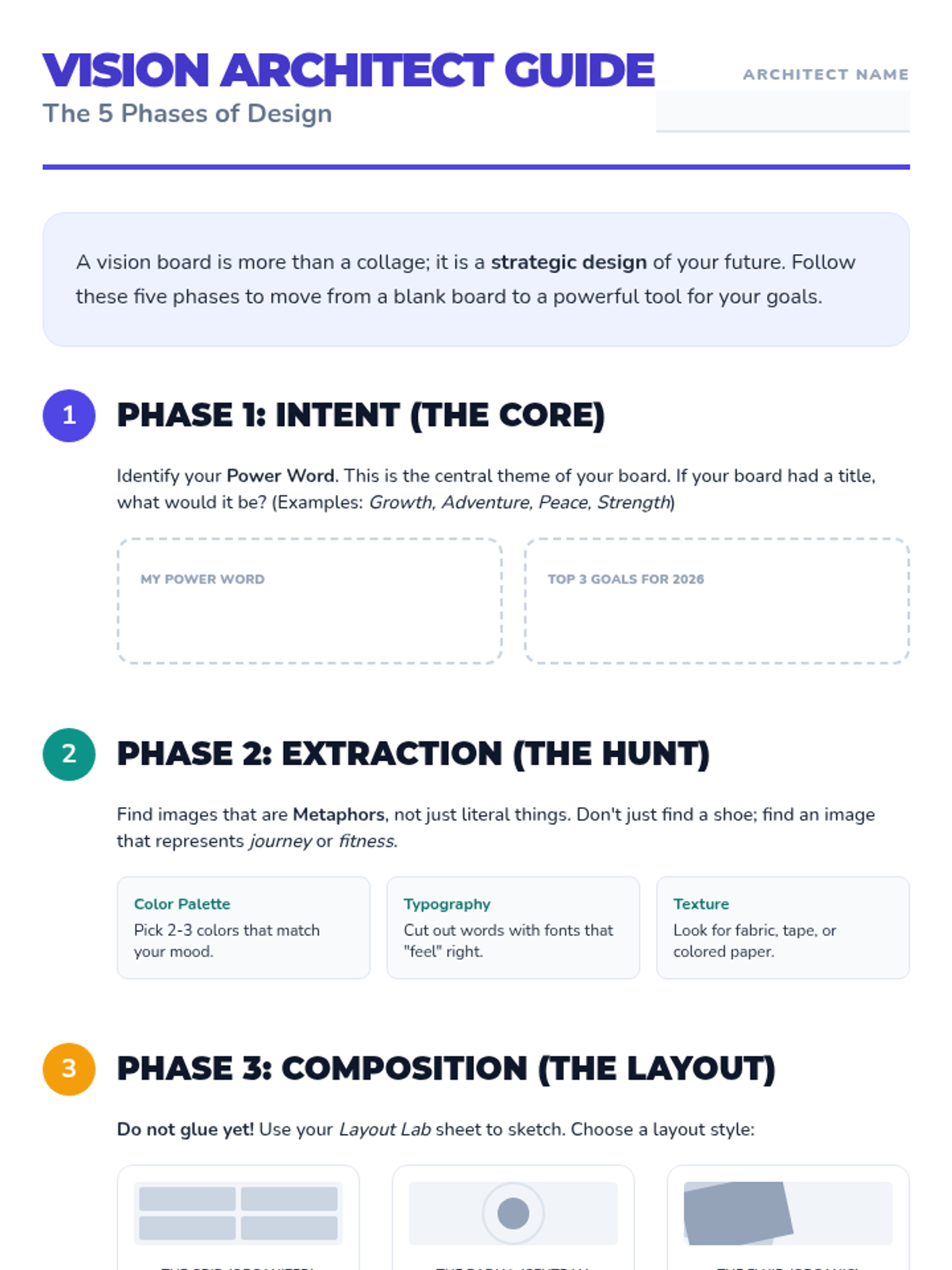
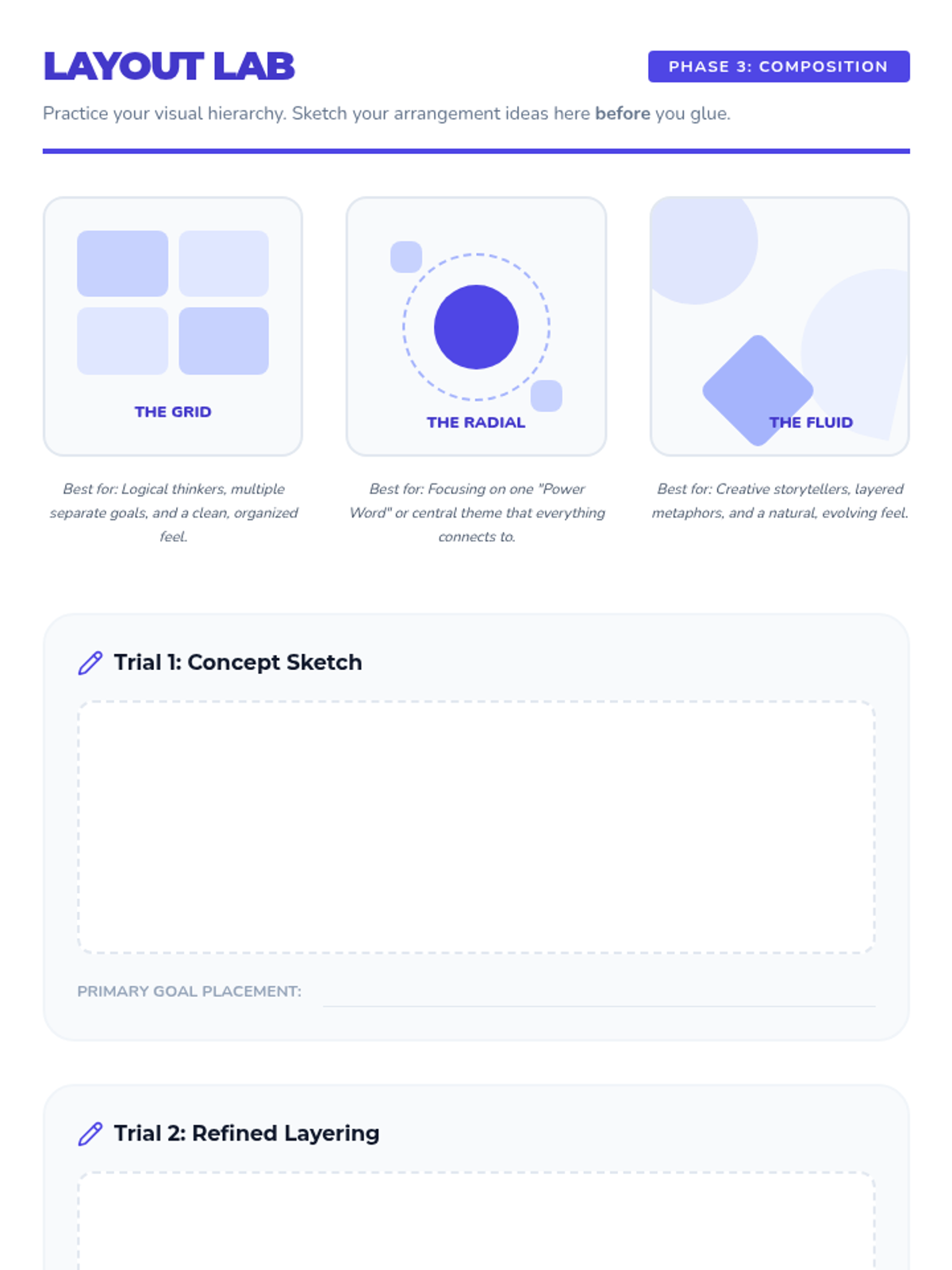
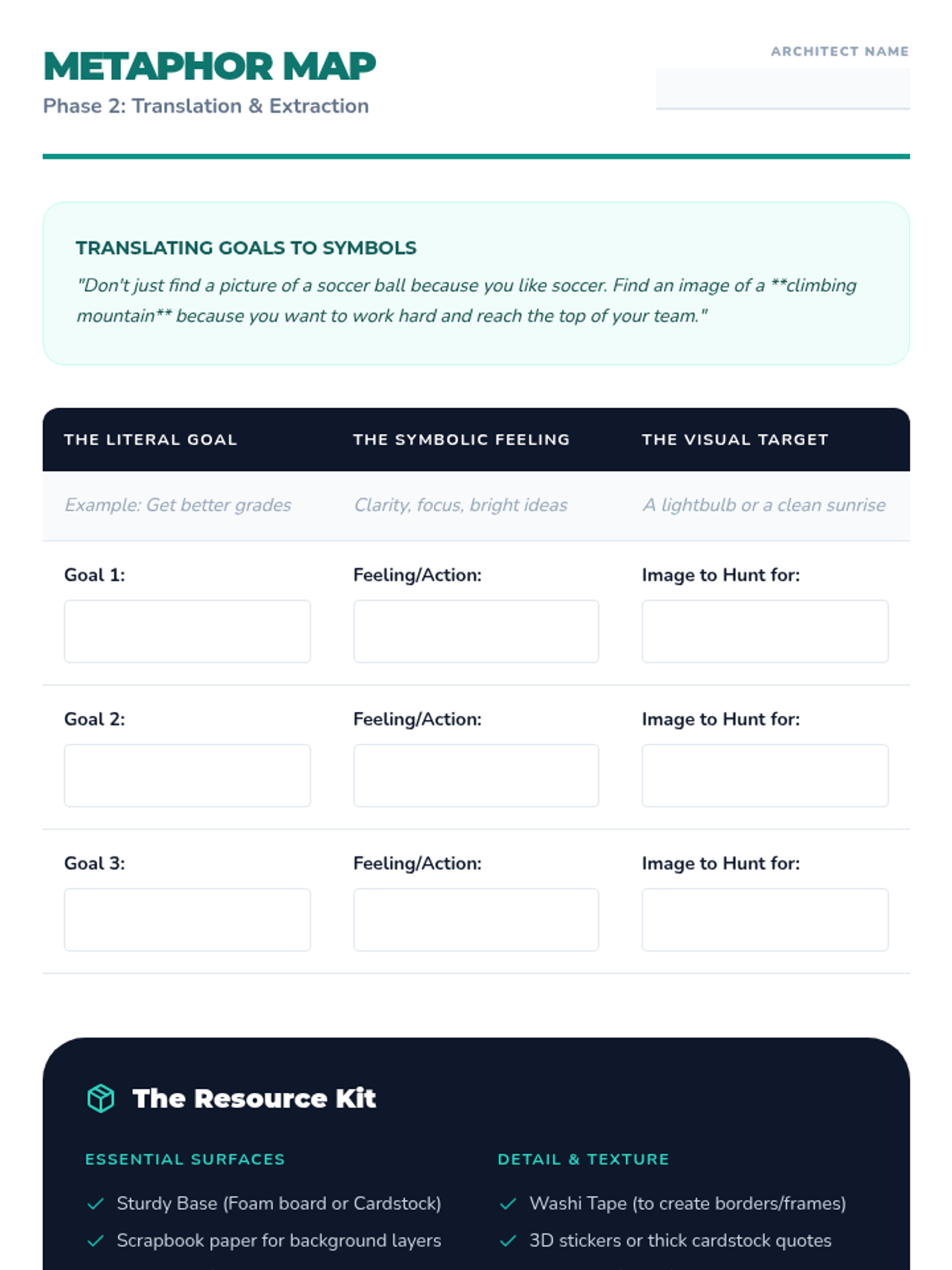
A comprehensive workshop sequence on goal setting and visual manifestation.
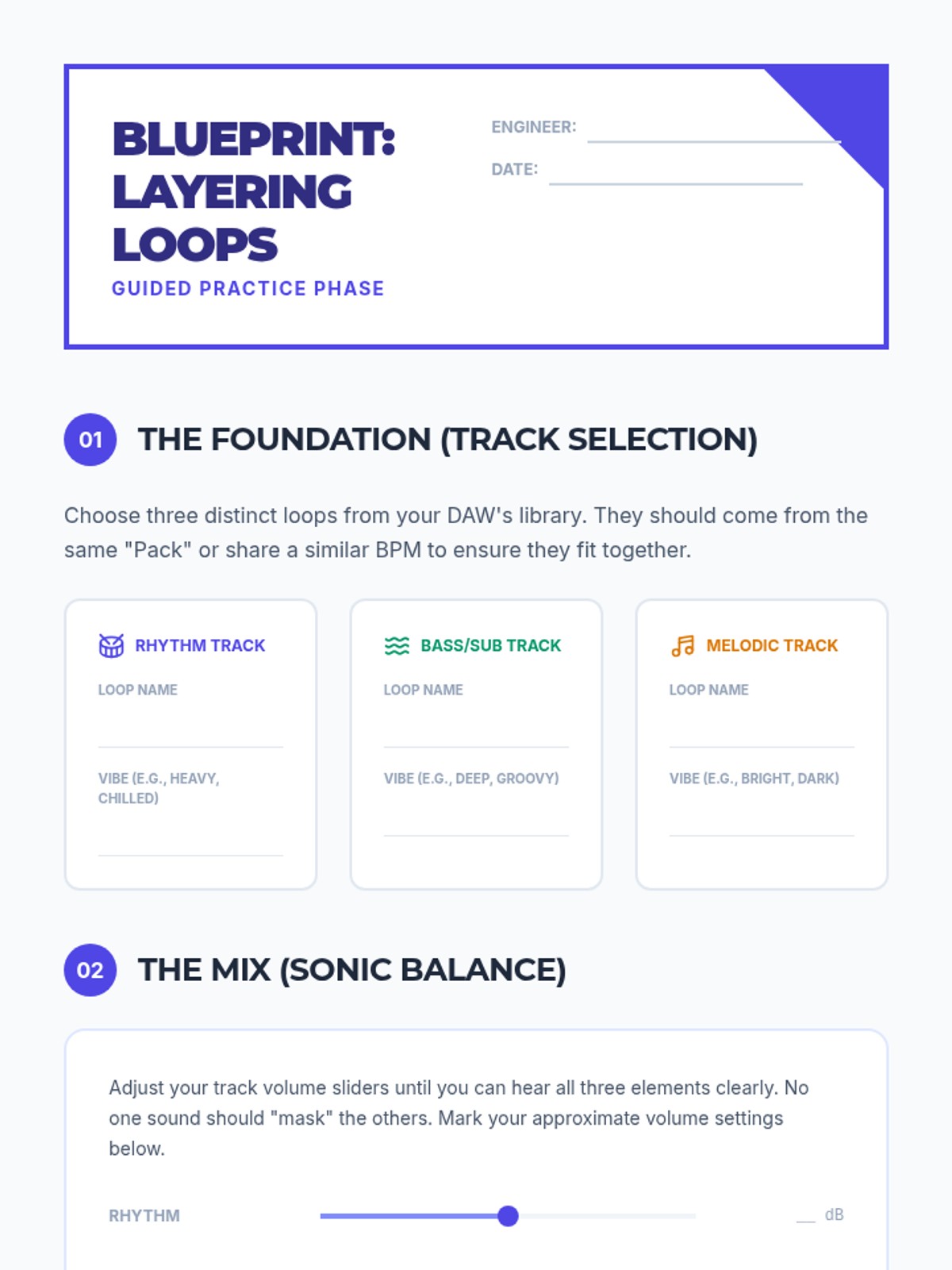
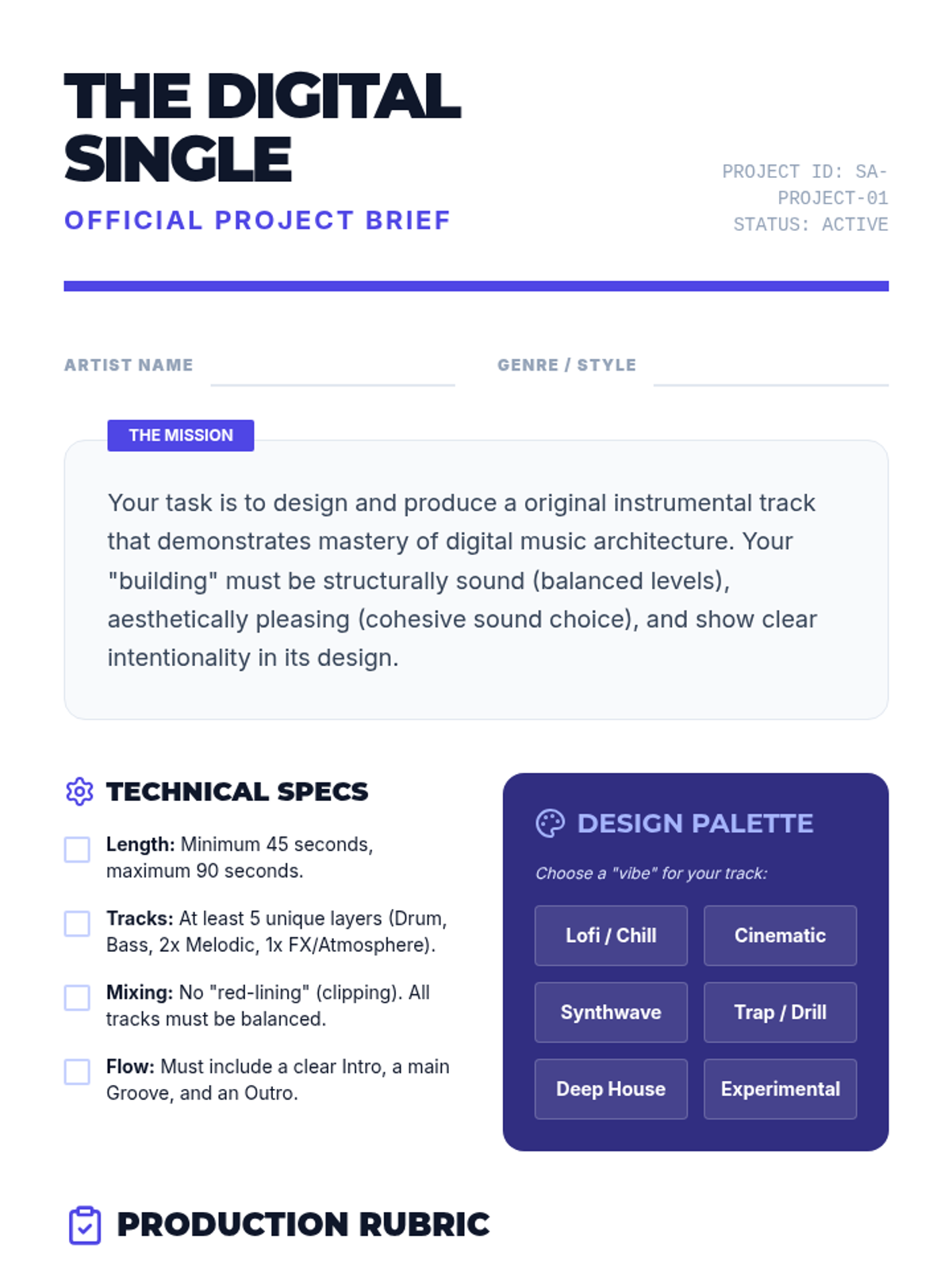
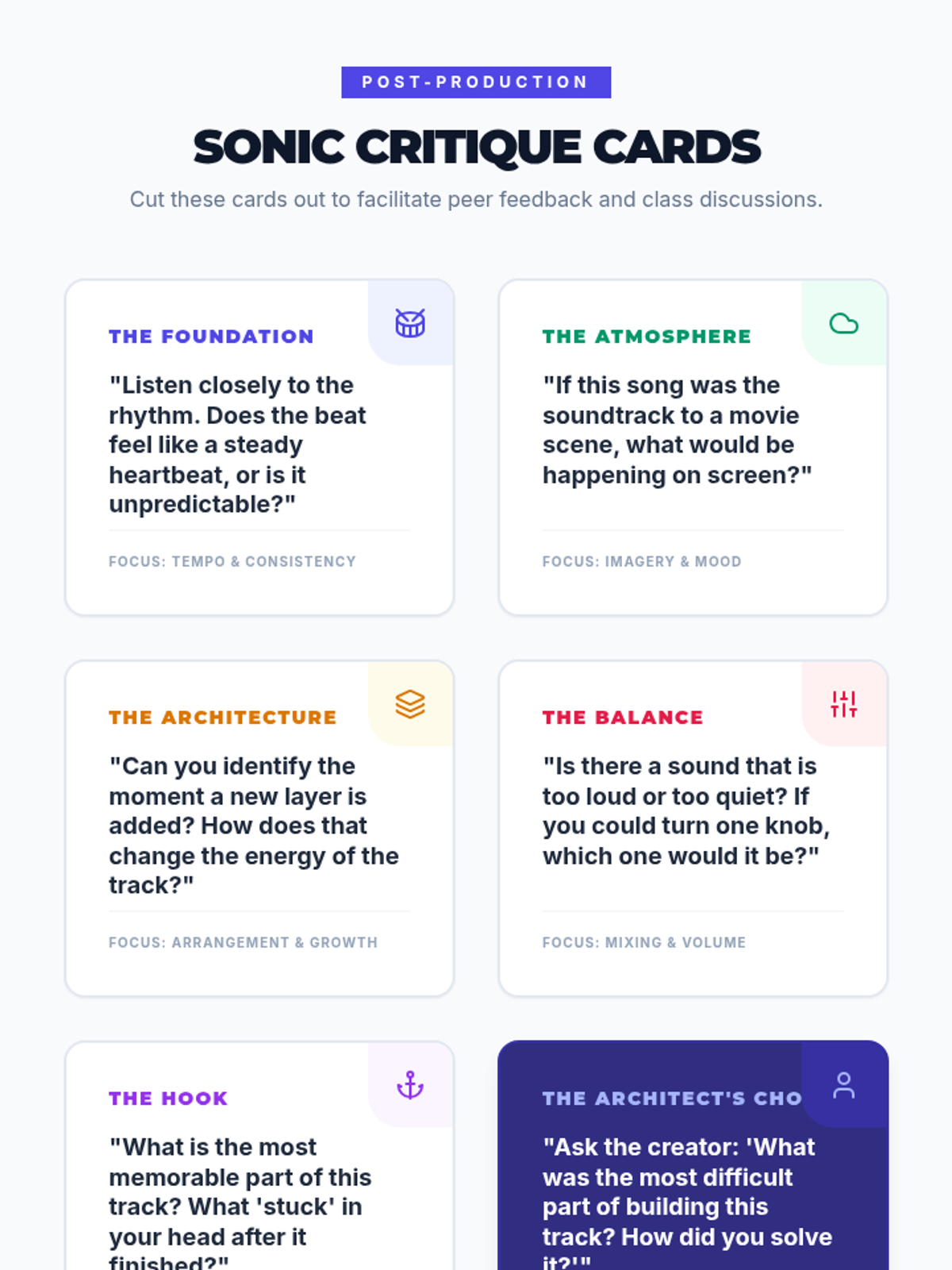
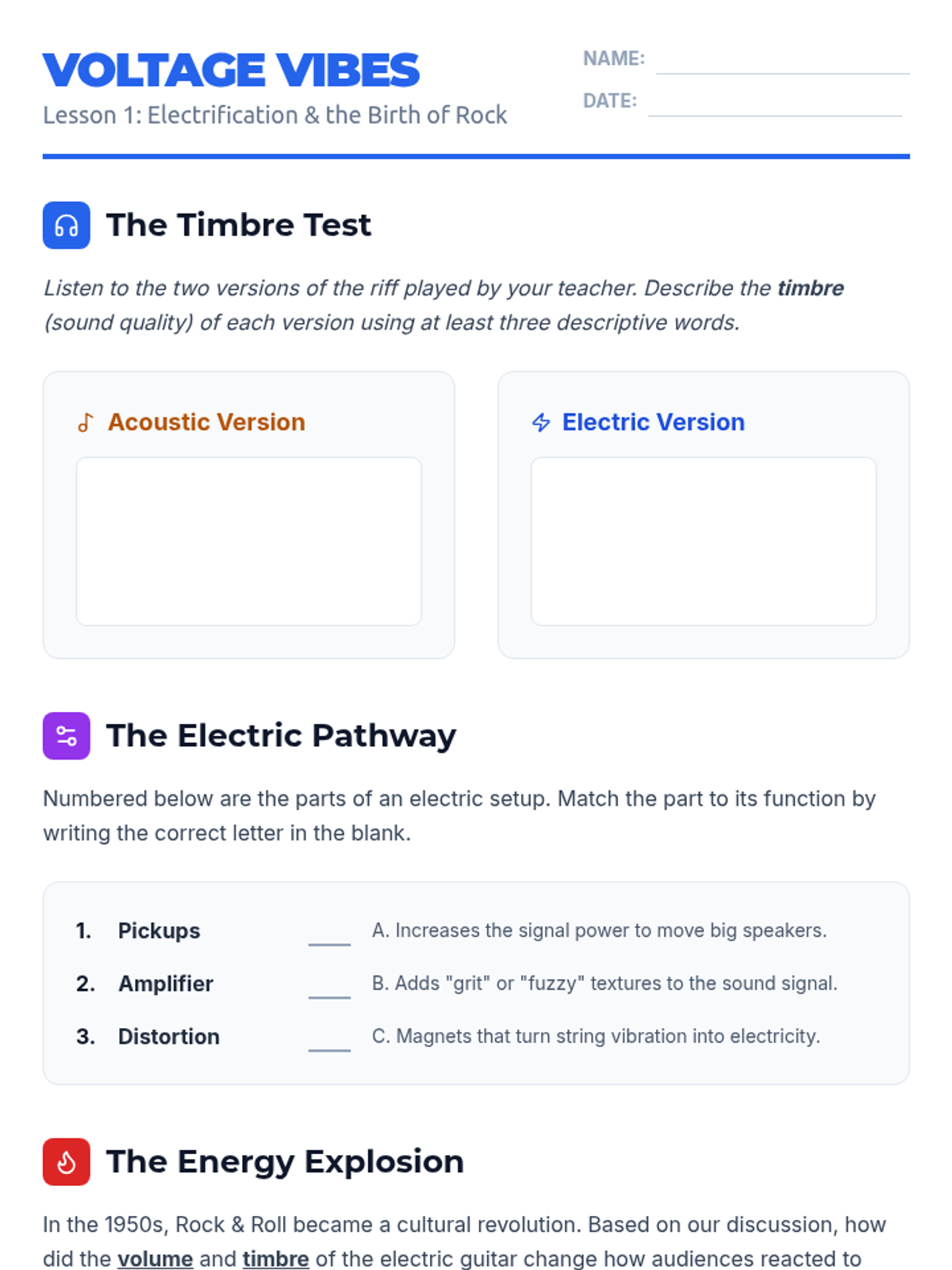
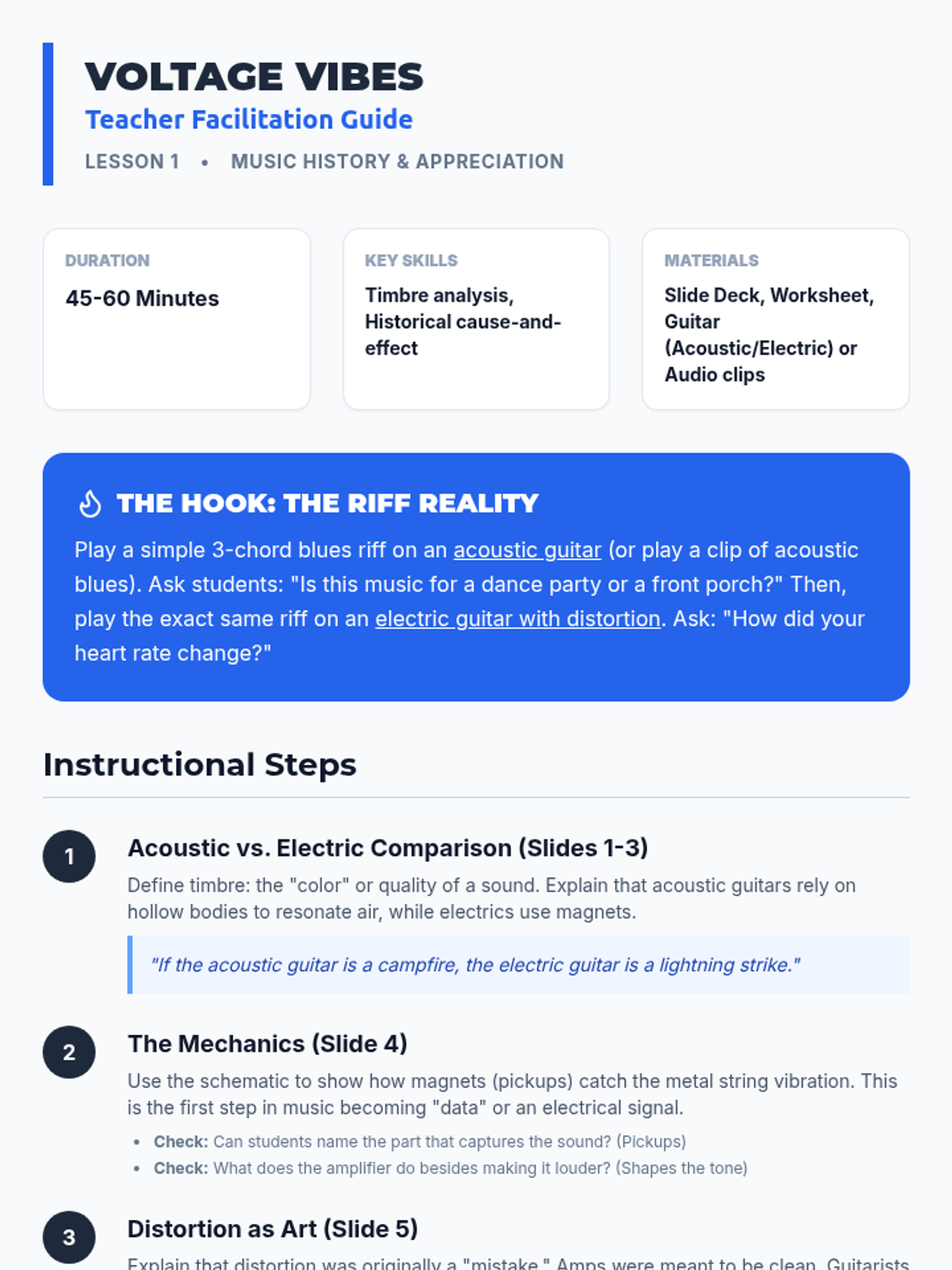
This sequence investigates how the technological explosion of the 20th and 21st centuries, from the electric guitar to AI, redefined music genres and creation. Students analyze production techniques, listen for layers, and explore the concept of technology as a musical instrument.
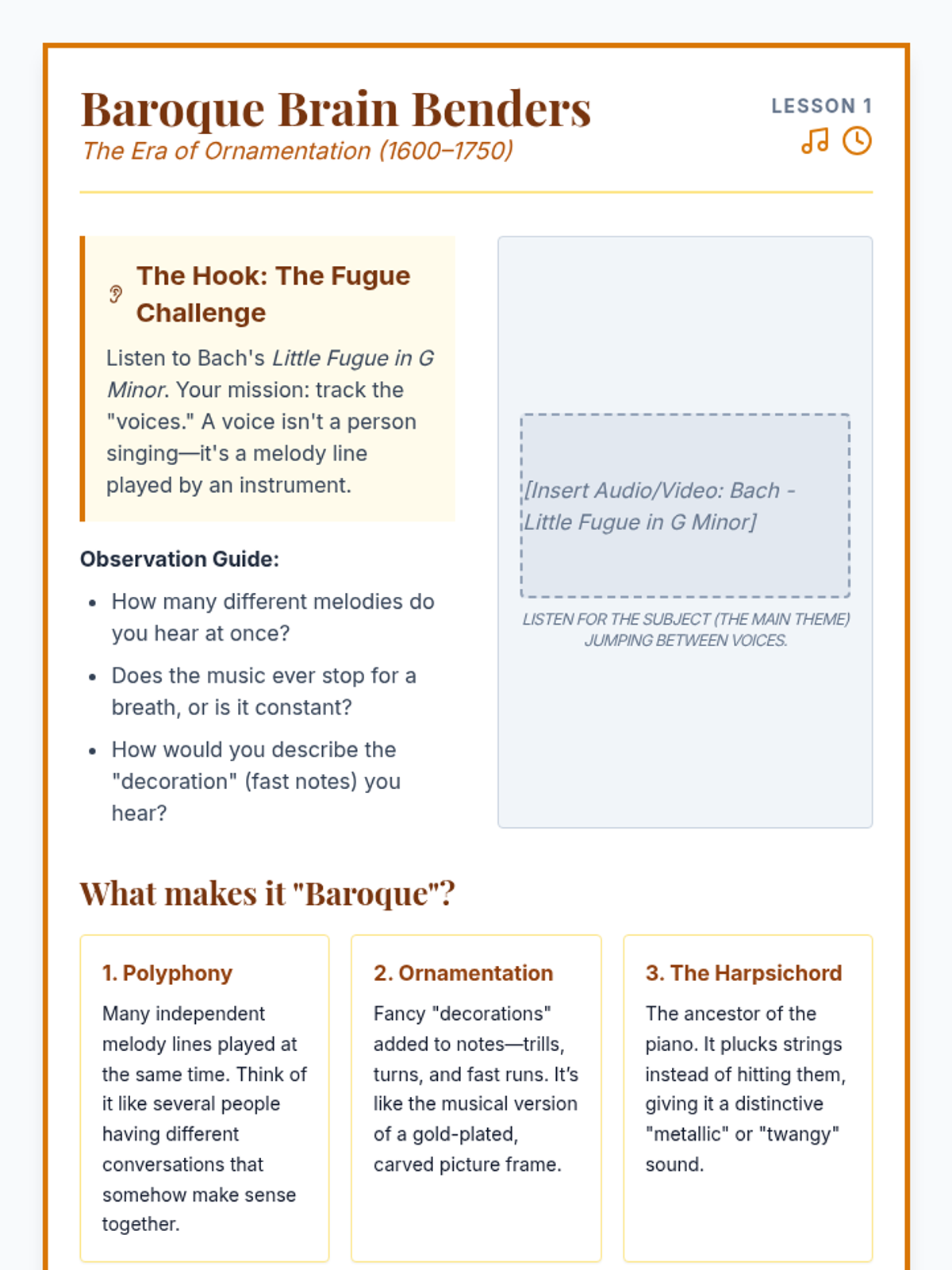
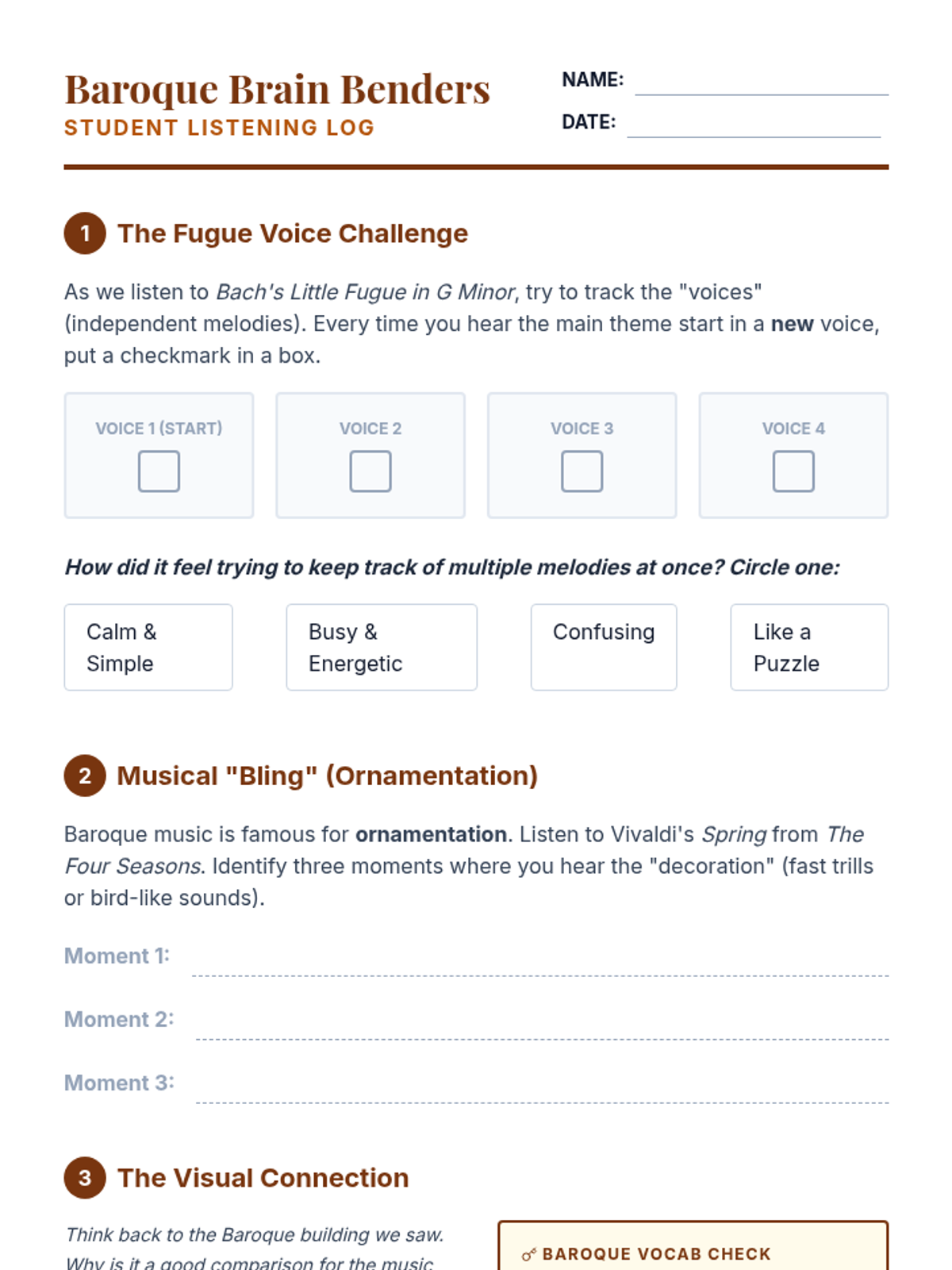
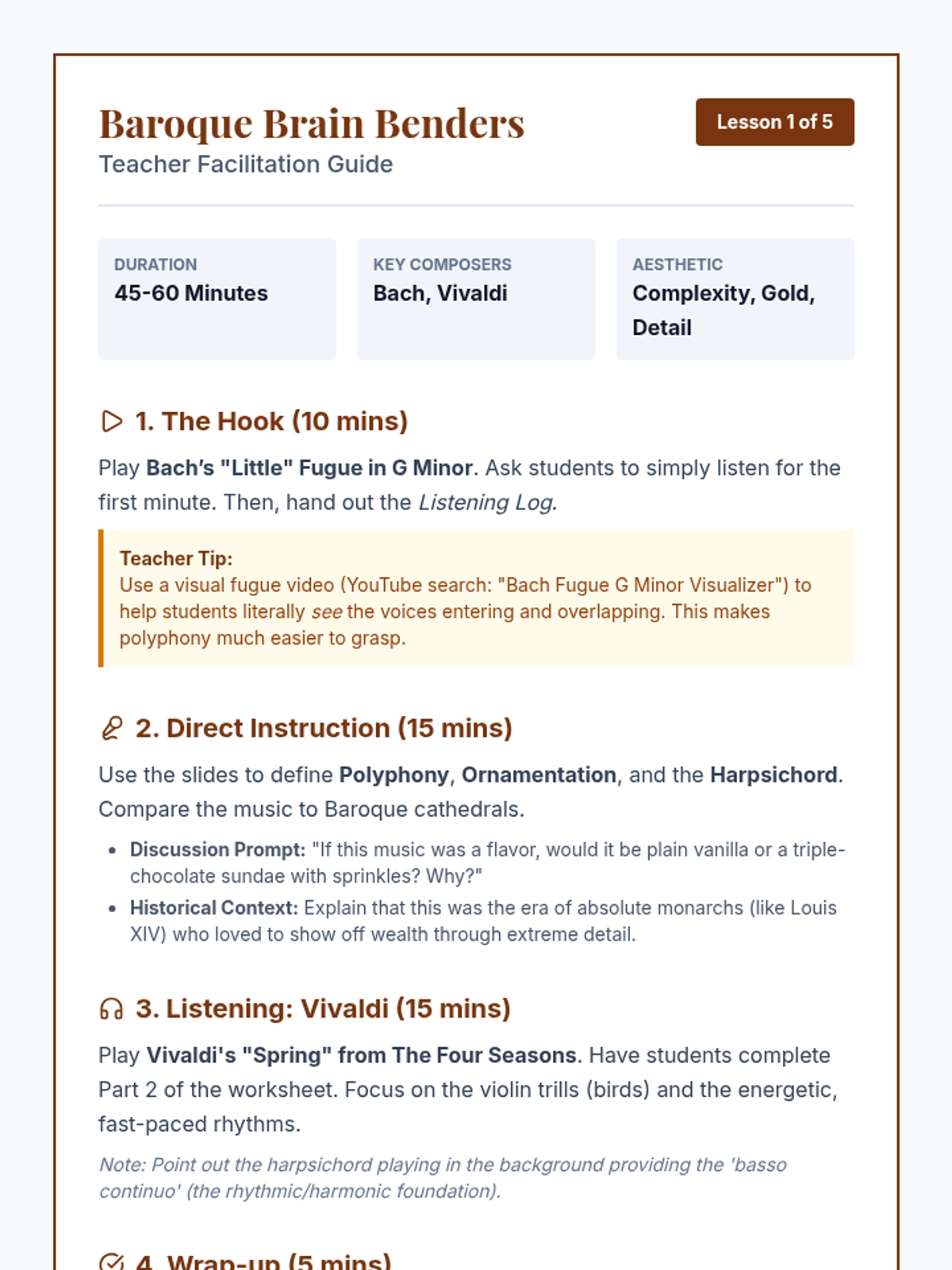
A chronological journey through the Baroque, Classical, Romantic, and Modern eras of Western Art Music, focusing on critical listening and historical context.
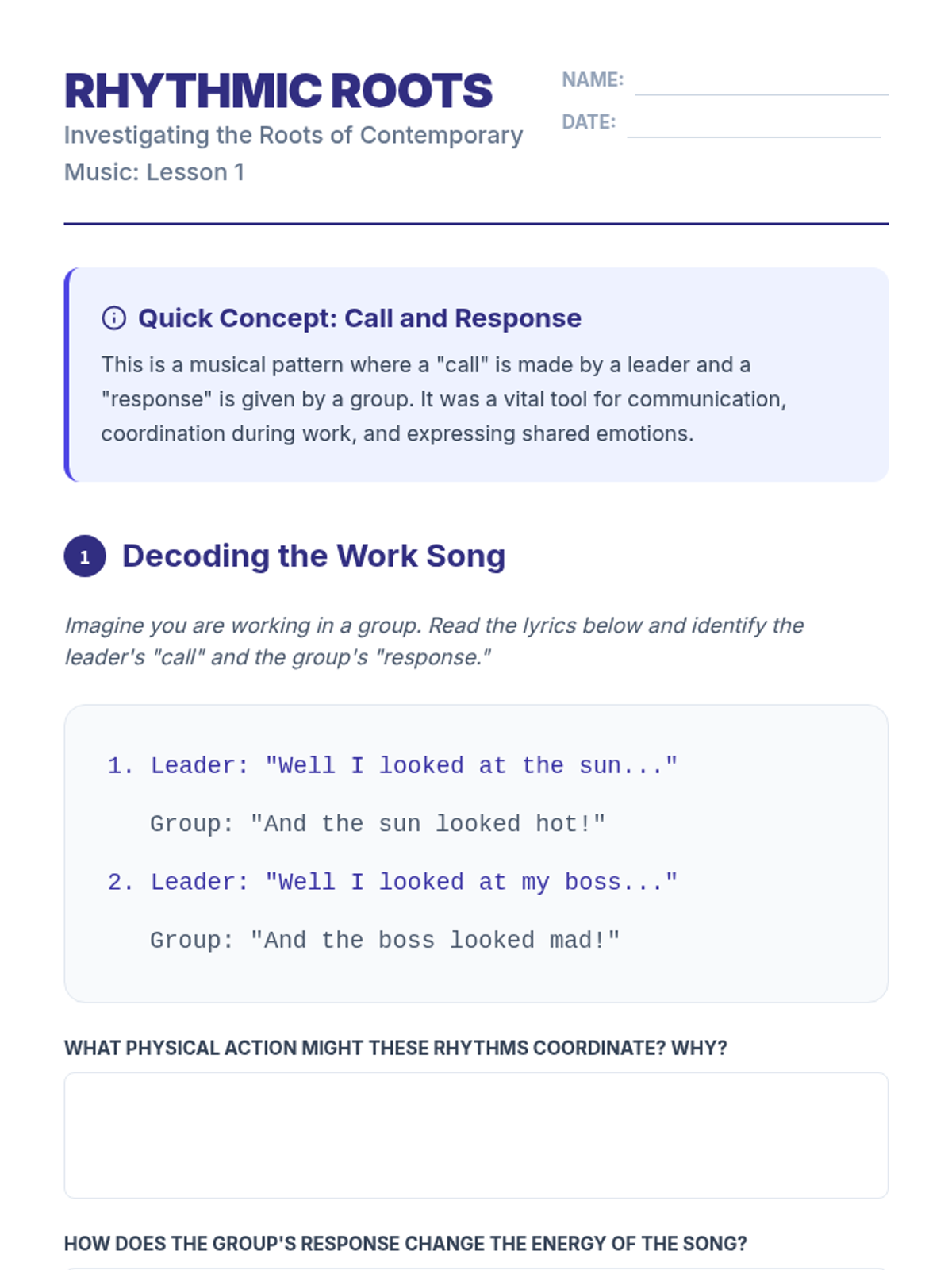
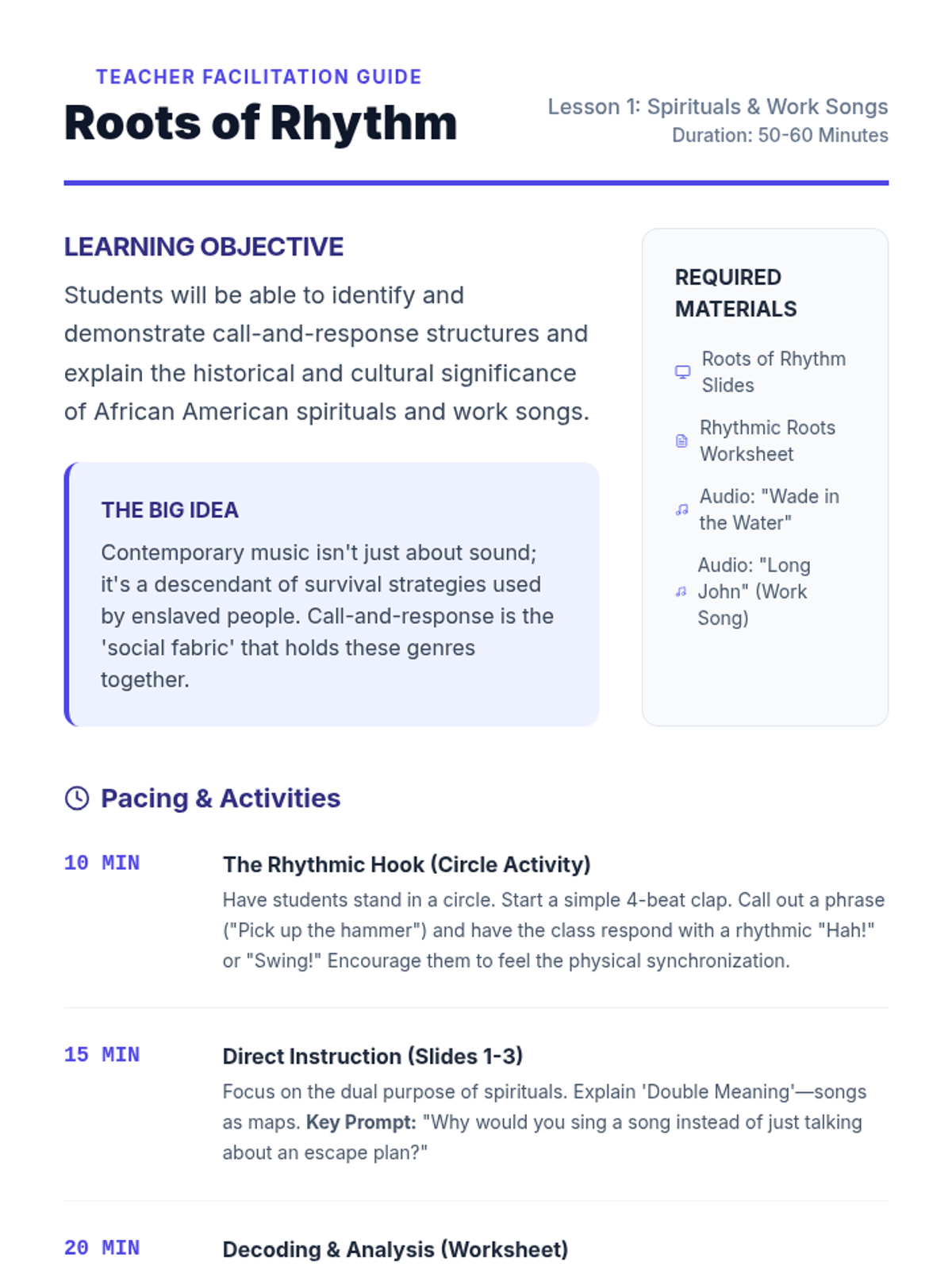
This sequence traces the evolution of contemporary music from 19th-century African American spirituals through the development of the Blues, Jazz, and Rock & Roll. Students investigate how cultural exchange, technology, and social struggles shaped the sounds we listen to today, culminating in a musical genealogy project.
Students learn to translate narrative fiction into dramatic scripts by analyzing storytelling modes, converting internal thoughts to external actions, and drafting their own theatrical adaptations of fables.
A project-based sequence for 11th-grade students focusing on the macro-level engineering of a one-act play. Students transition from deconstructing dramatic structures to drafting a complete narrative treatment, emphasizing conflict, stakes, and structural integrity.
A workshop-style series for 11th-grade playwrights focusing on the craft of dialogue. Students learn to differentiate dramatic dialogue from natural speech, develop unique character voices, master subtext, and apply professional script formatting.
A technical foundation for playwriting, moving from critical analysis of dramatic structure and subtext to the mastery of professional industry formatting standards and scene composition.
This project-based sequence guides students through the structural engineering of a narrative, moving from a raw premise to a developed one-act play. Students analyze the dramatic arc and apply these concepts to their own original scripts, focusing on pacing, high-stakes storytelling, and professional formatting.
This sequence transitions students from linear melody to vertical harmony, exploring how chords are constructed and sequenced. Students analyze harmonic structures from basic intervals to full progressions in popular music.
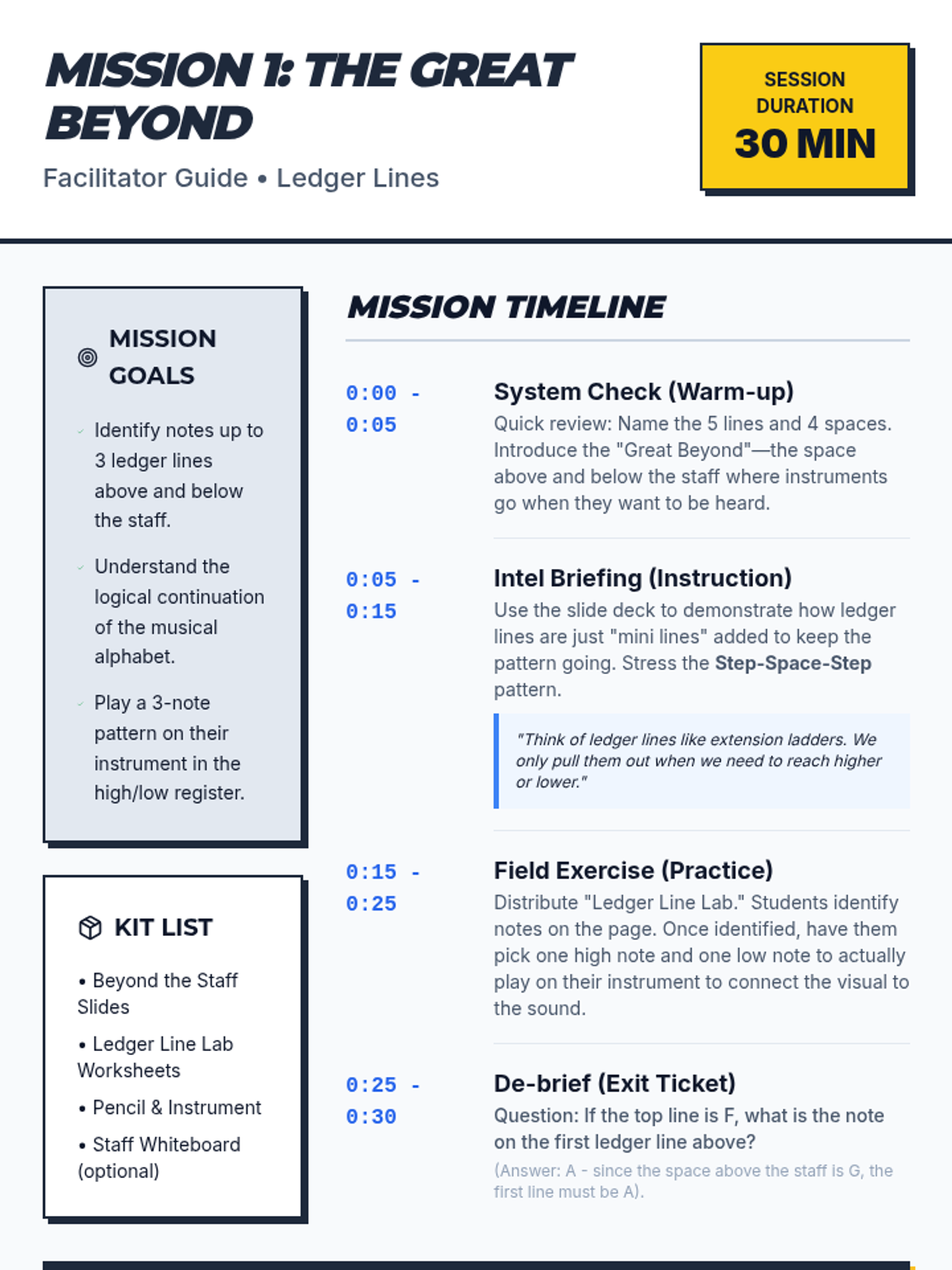
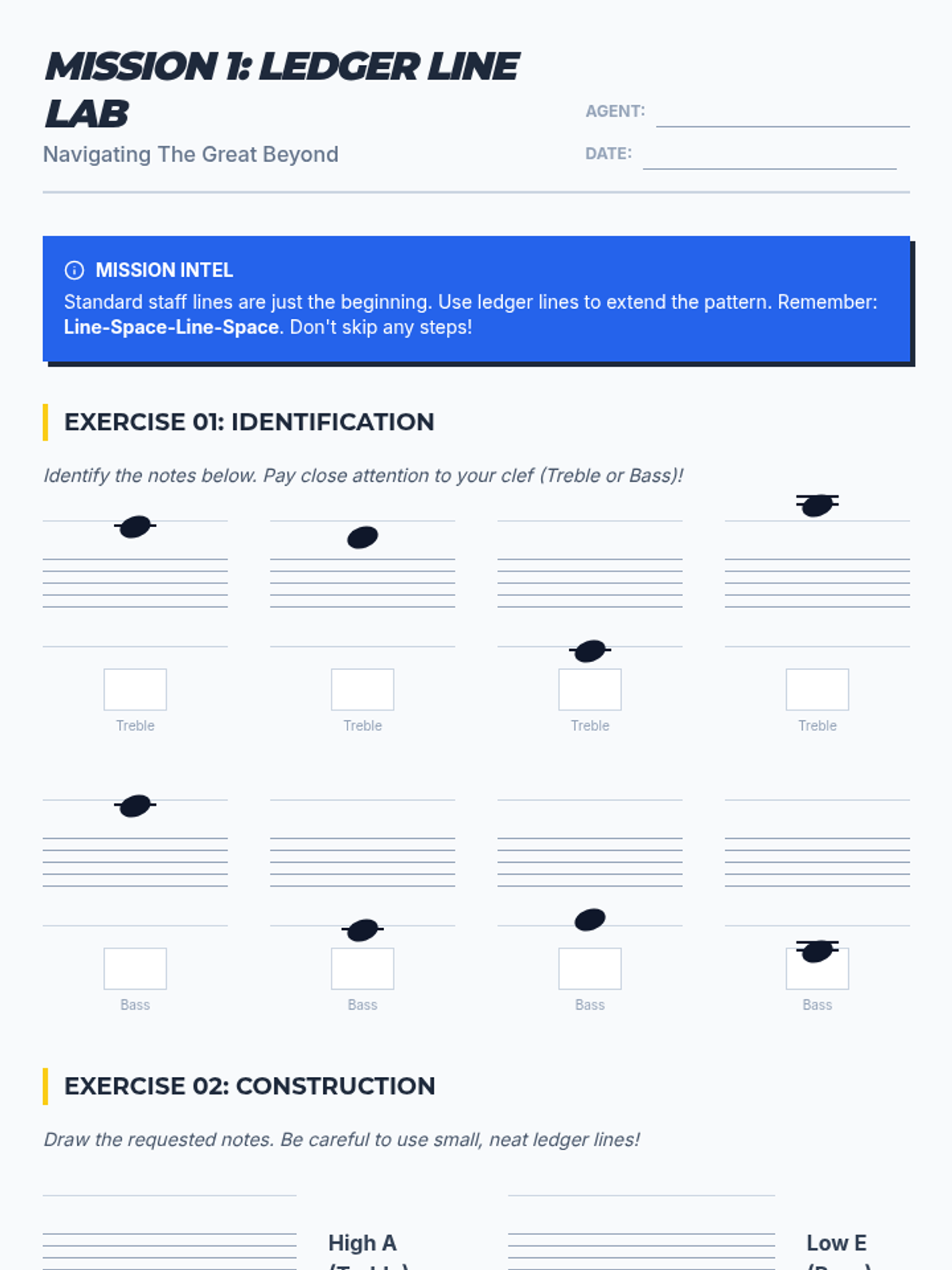
An inquiry-based journey into the logic of pitch organization, covering the Grand Staff, major scale construction, the Circle of Fifths, relative minors, and sight-singing applications. Students use a 'decoding' lens to master the patterns that govern tonal music.
This sequence explores the organization of pitch into scales, intervals, and chords, treating music theory as a logical language. Students will progress from staff navigation to full Roman numeral analysis of diatonic progressions.
A comprehensive high school music theory sequence focused on advanced rhythmic notation, metric organization, and the transition from simple to complex time signatures. Students will analyze, transcribe, and compose music using syncopation, tuplets, and asymmetrical meters.
This unit explores the intangible technical elements of theater—lighting, sound, and stage management—that create atmosphere and ensure a smooth performance. Students experiment with how light angles and sound effects change the mood of a scene, learn organizational systems used by stage managers, and culminate in a technical rehearsal simulation.
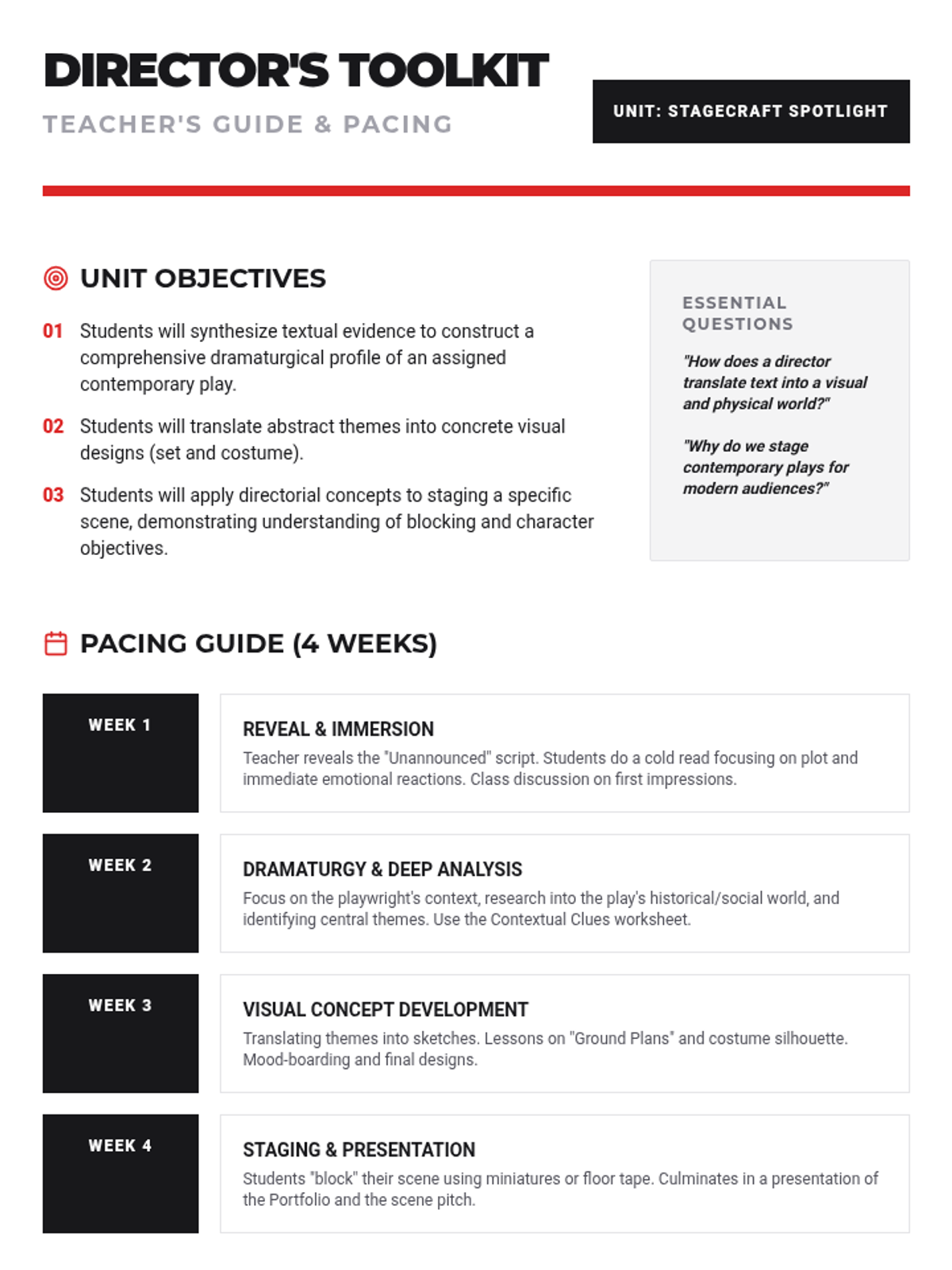
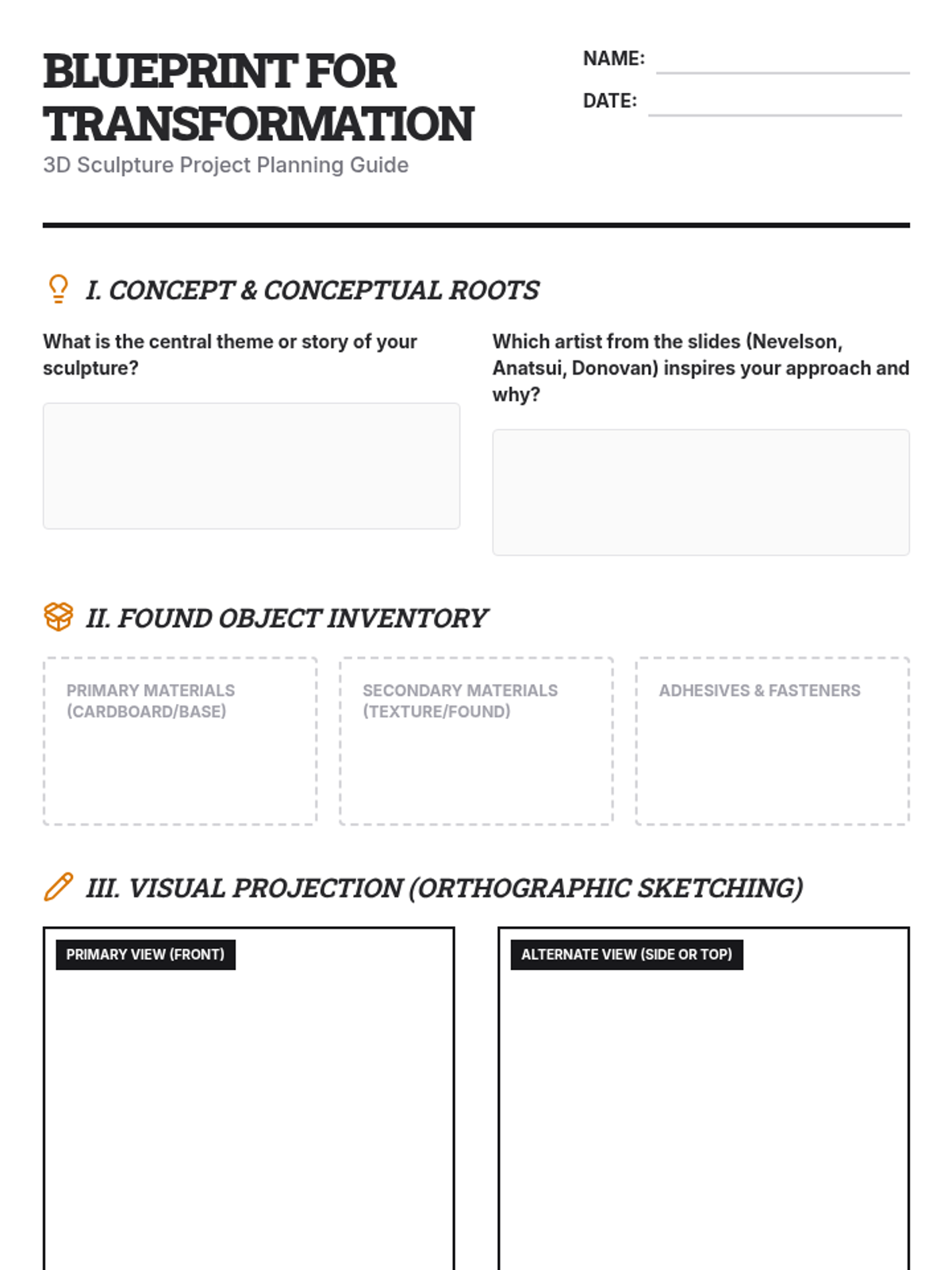
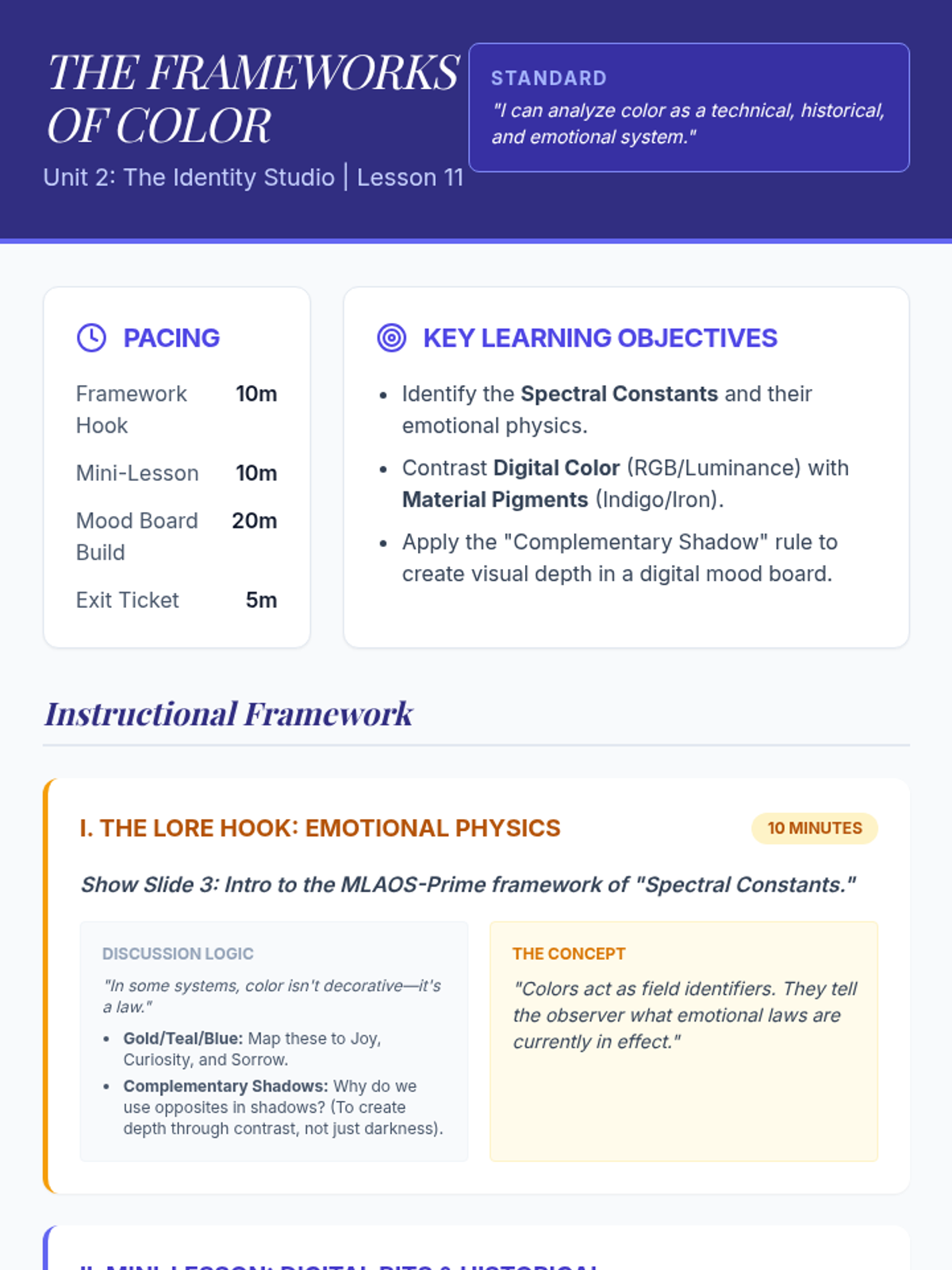
Students step into the shoes of a set designer to transform a written script into a physical world through script analysis, floor planning, mood boards, and 3D model construction. The sequence emphasizes how visual choices in color, texture, and space support the storytelling.
A project-based sequence where 7th-grade students act as community organizers to launch an arts advocacy campaign, moving from needs assessment to a final pitch.
This sequence moves students beyond subjective appreciation of art to objective analysis of its economic and social value. Through inquiry and case studies, students investigate how arts districts revitalize neighborhoods, attract tourism, and improve academic outcomes.
This 9th-grade sequence moves beyond art appreciation to explore the economic and policy frameworks of the arts sector. Students analyze funding models, historical controversies, grant writing, and urban policy, culminating in a mock legislative session on arts advocacy.
An advanced printmaking sequence focusing on the reduction lino-cut method. Students explore historical context, strategic planning, technical carving, and the precise mechanics of registration and editioning to create multi-colored prints from a single, evolving block.
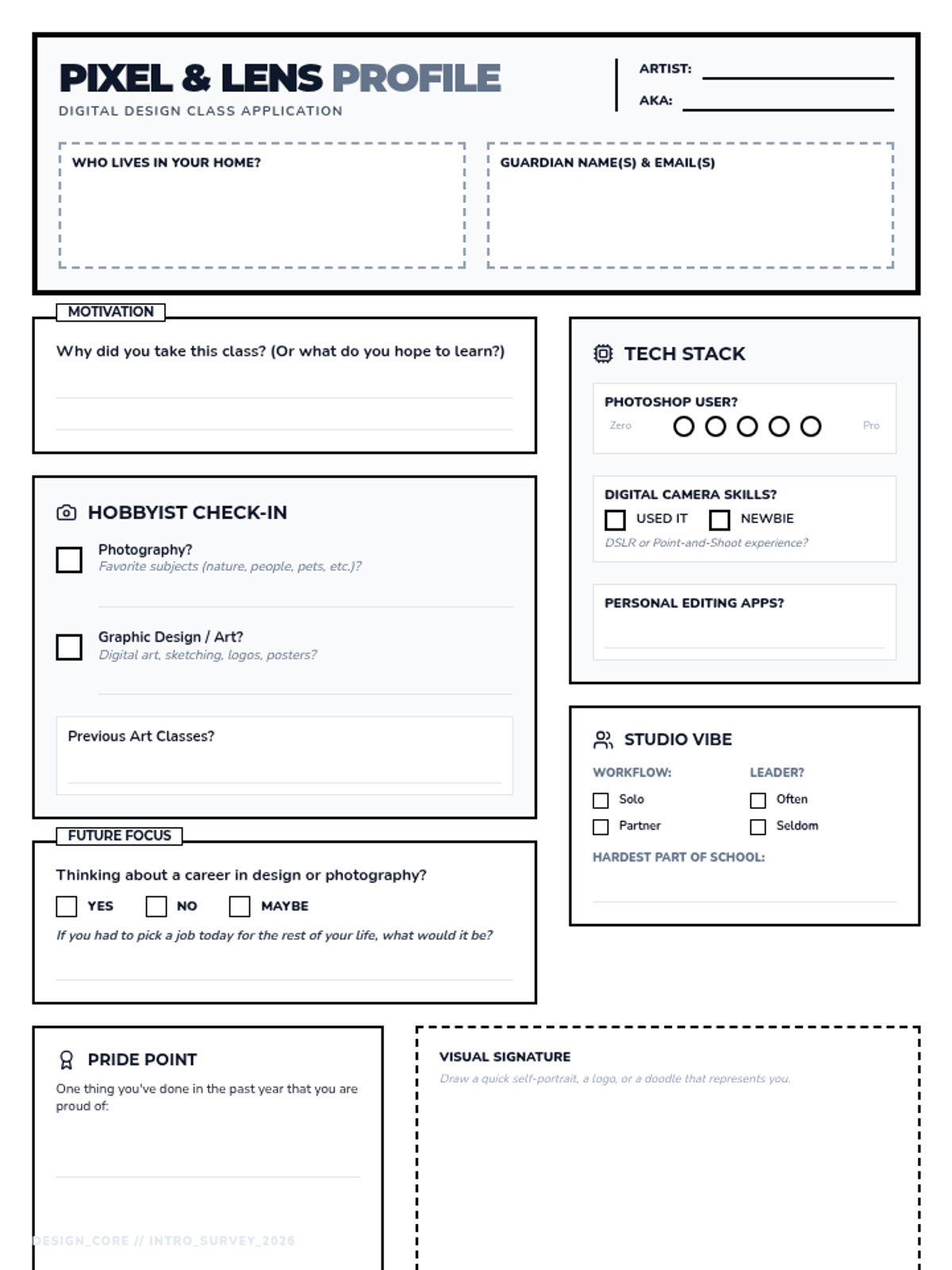
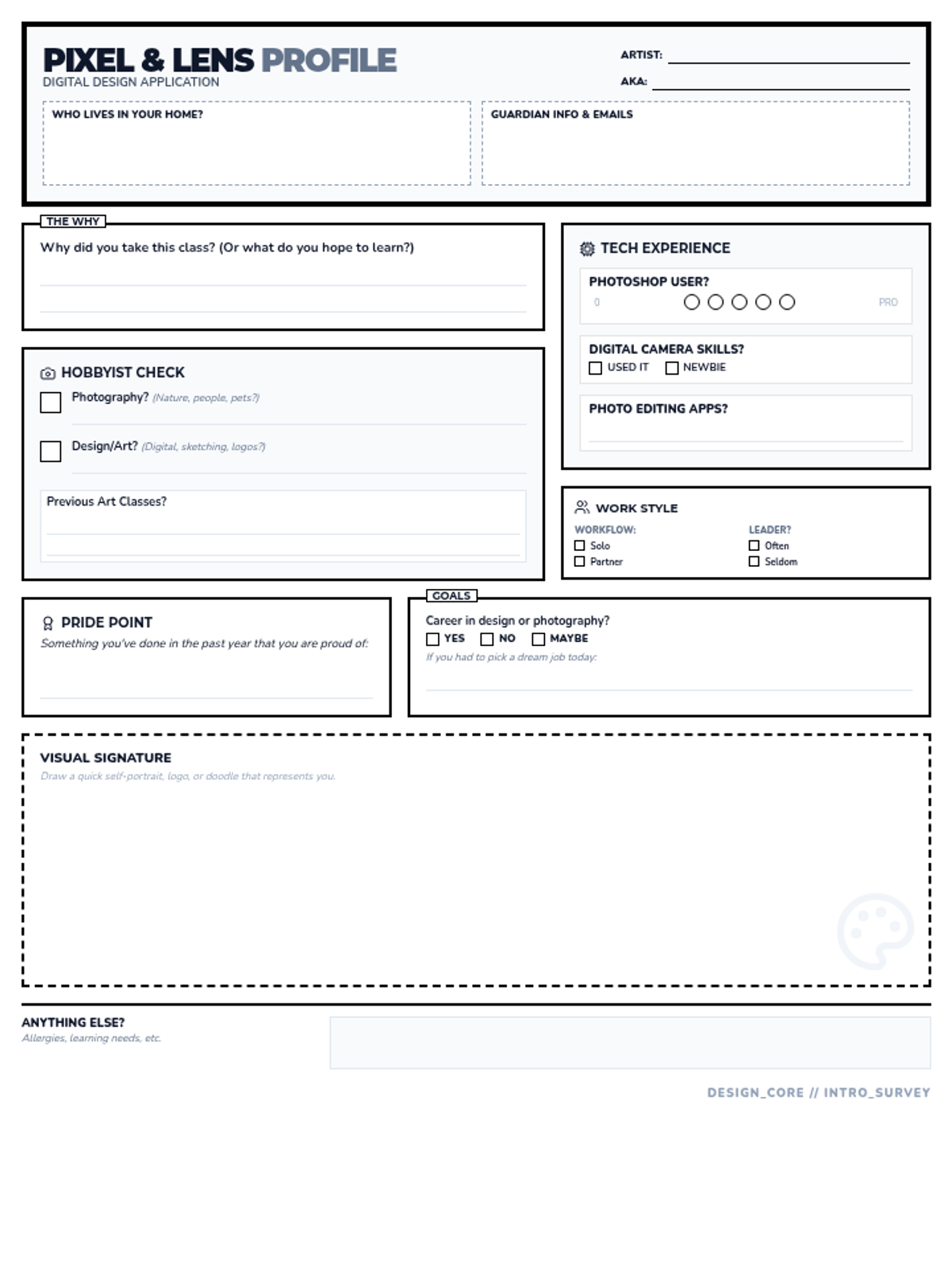
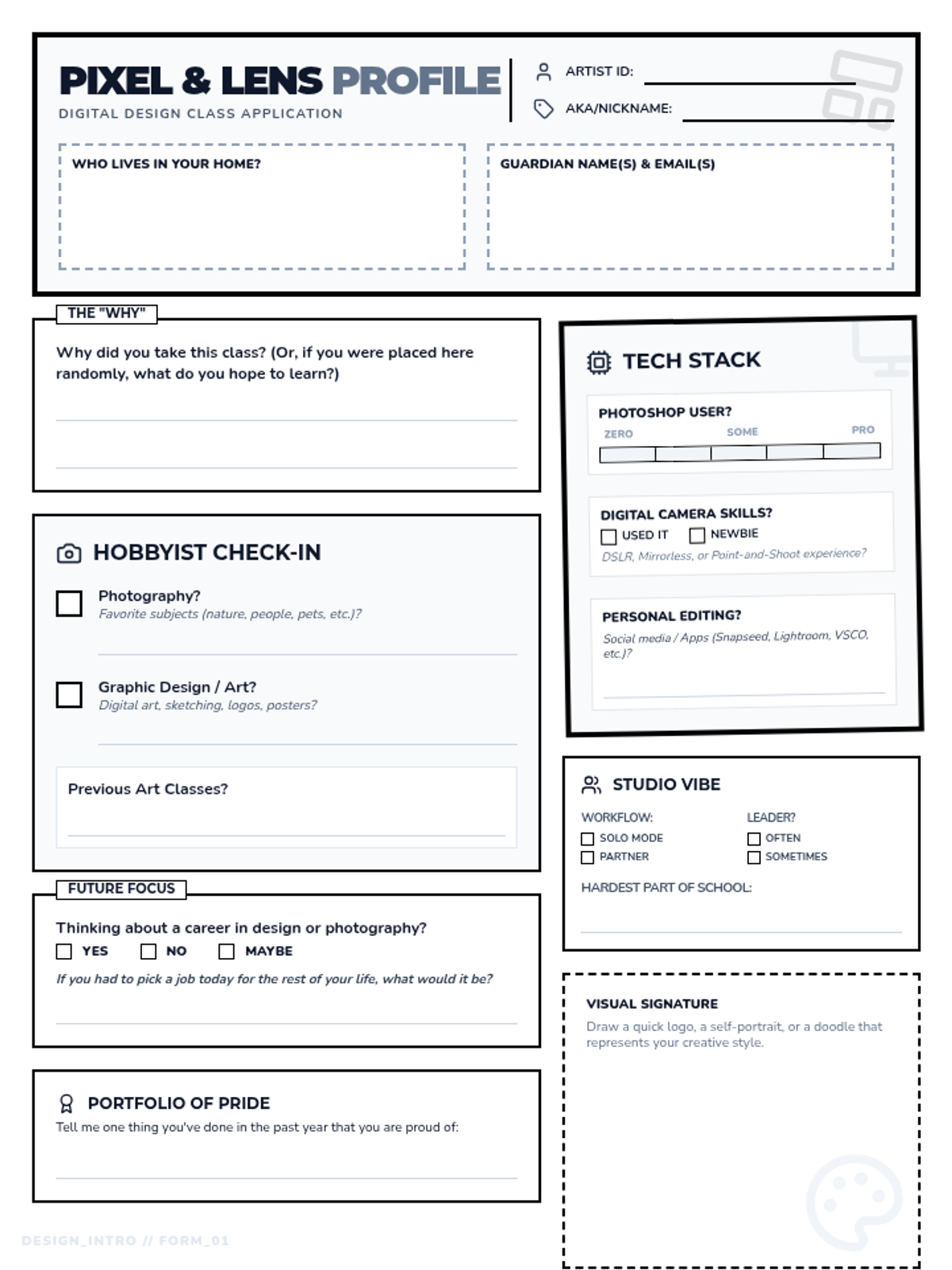
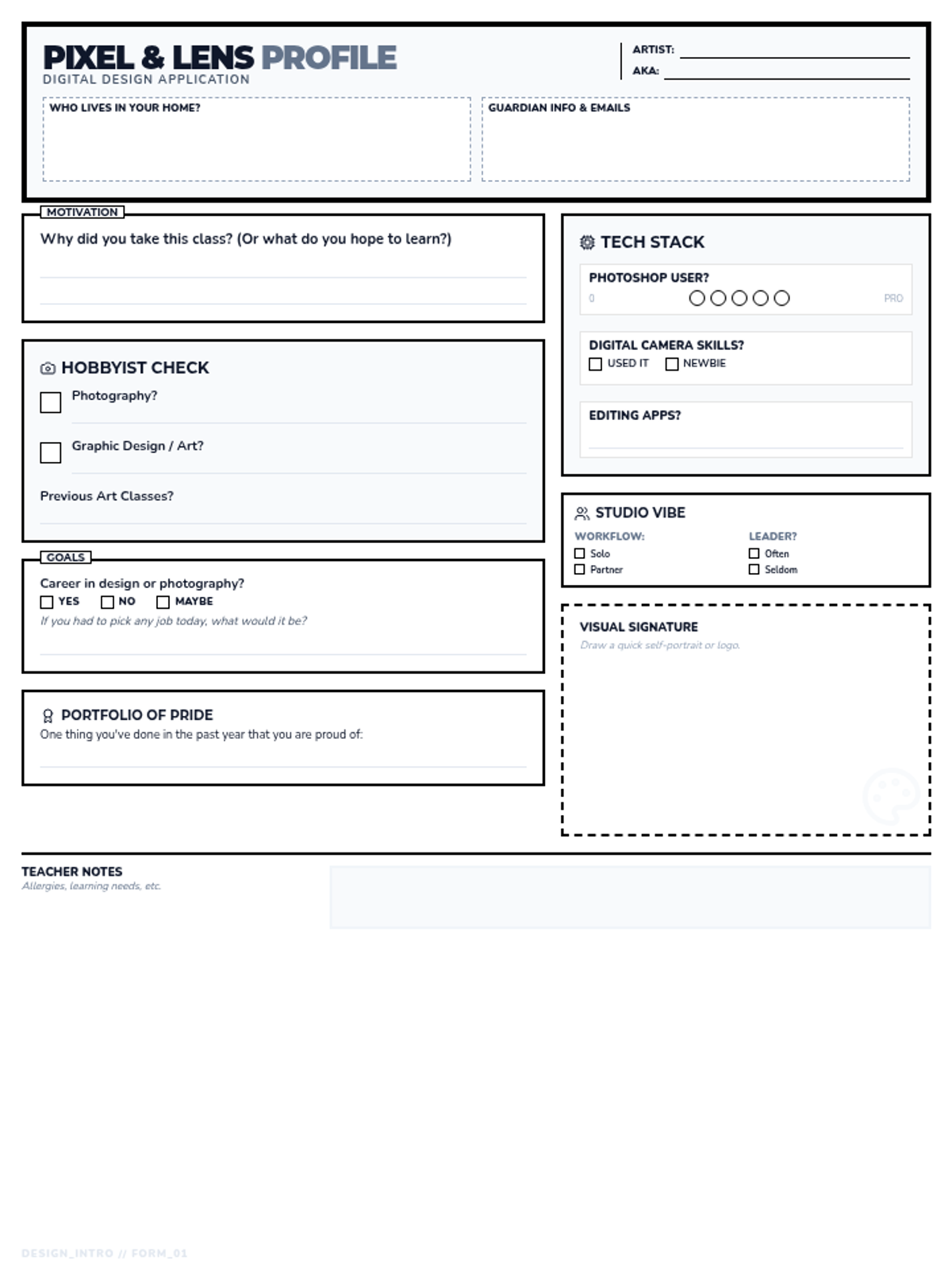
A high school sequence exploring the intersection of digital design and traditional printmaking. Students learn to bridge vector precision with analog texture through zine production and professional practice.
An introduction to the intaglio printmaking family through drypoint etching on plastic plates. Students explore line weight, tonal variation, wiping techniques, and mixed media additions like chine-collé.
Students transition from relief printing to intaglio, mastering drypoint etching on plexiglass. The sequence covers plate preparation, scribing for texture and value, inking/wiping techniques, press operation, and advanced chine-collé methods.
This sequence explores the intersection of digital design and traditional printmaking. Students learn to combine the precision of vector graphics with the tactile, organic qualities of analog transfers and mixed media to create a professional 'hybrid' portfolio.
A comprehensive workshop sequence on reduction linocut printing. Students master the art of the 'suicide block' through negative space analysis, tool safety, registration systems, and multi-layer ink application.
This 11th Grade sequence introduces students to the technical and creative world of screen printing. Over five lessons, students master the photo-emulsion process, layer-based design thinking, typography, and professional production techniques, culminating in a multi-color print run.
A comprehensive 11th-grade unit on the mechanics of intaglio printmaking, focusing on drypoint techniques, plate preparation, the chemistry of wiping, and chine-coll\u00e9 integration. Students master the relationship between physical pressure and visual atmosphere.
A comprehensive 11th-grade art sequence focusing on the technical and conceptual aspects of relief printmaking, from historical analysis to professional editioning.
Students explore relief printing using soft foam plates, focusing on positive and negative space, inking techniques, and pattern creation. The sequence culminates in a professional-style edition of prints and a gallery walk critique.
A comprehensive introduction to relief printing, focusing on the conceptual and technical skills of linocut design. Students master high-contrast visualization, carving safety, inking techniques, and professional editioning.
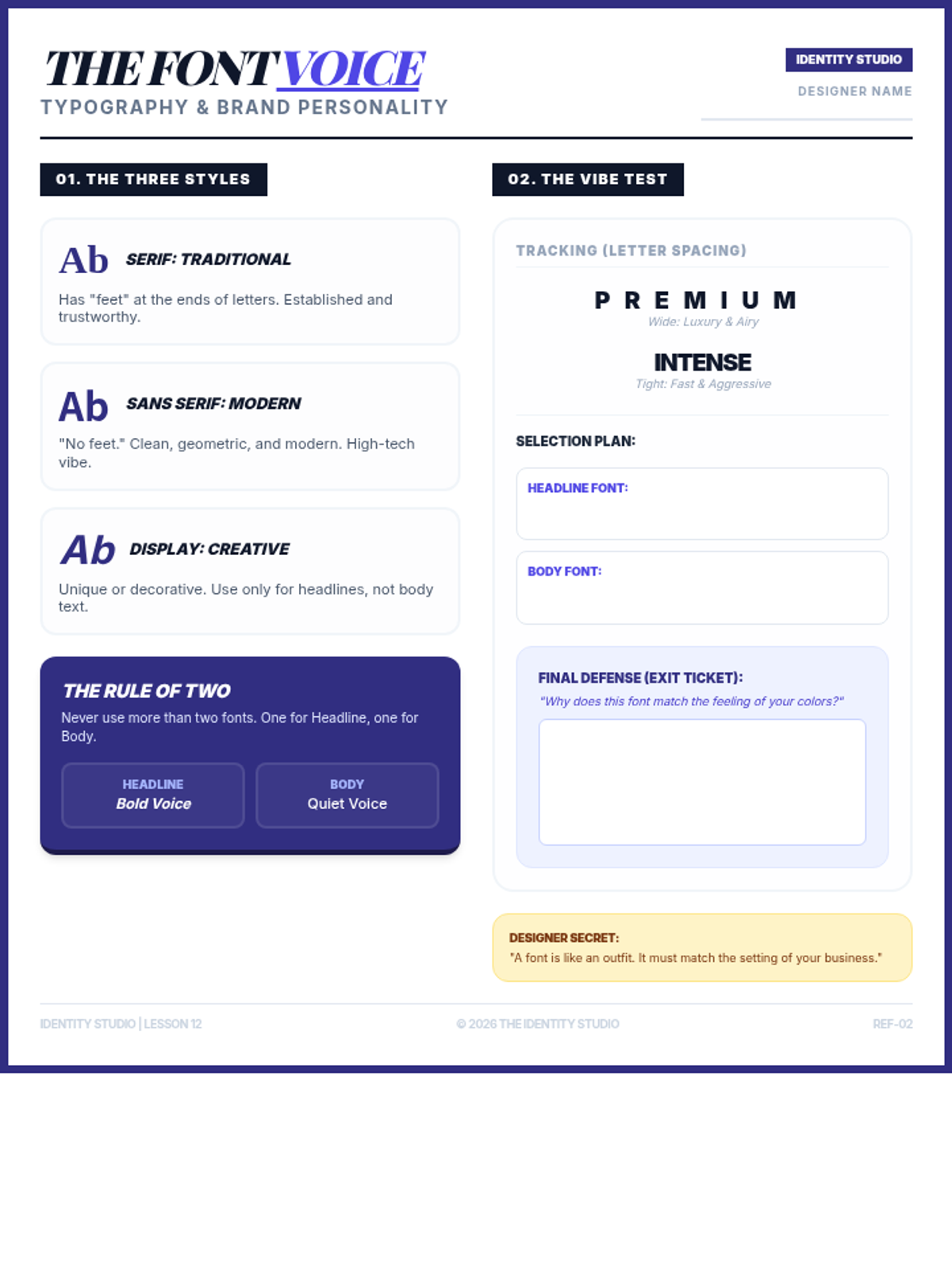
A 5-lesson unit for 9th-grade students exploring the fusion of typography and imagery. Students transition from manual layout techniques and font psychology to digital vector design and the production of a physical 8-page Zine.
A comprehensive 7th-grade unit that integrates graphic design principles with the physical craft of screen printing. Students learn about typography, visual hierarchy, and composition while navigating the technical challenges of stencil-making and screen printing to create a persuasive poster series.
A comprehensive sequence for 11th-grade instrumentalists to master the technical, logistical, and psychological demands of solo performance and auditions. Students move from repertoire selection and deliberate practice planning to stage etiquette and peer-reviewed mock auditions, culminating in a polished final performance.
A comprehensive 5-lesson sequence for 11th-grade instrumentalists focused on transitioning from sheet music reading to creative melodic improvisation. Students progress from rhythmic variation to using pentatonic scales, harmonic guide tones, and structural soloing over a blues progression.