A technical foundation for playwriting, moving from critical analysis of dramatic structure and subtext to the mastery of professional industry formatting standards and scene composition.
This sequence explores the representation of apes in the film 'Rise of the Planet of the Apes', focusing on the transition from scientific subjects to sentient leaders. Students analyze the use of motion-capture technology and narrative techniques used to humanize non-human characters.
Une formation immersive de 12 heures destinée aux professeurs-documentalistes pour maîtriser les codes de la littérature adolescente actuelle et concevoir des stratégies de médiation innovantes au CDI.
A comprehensive unit for middle school band students to master the chromatic scale, focusing on note identification, enharmonics, and instrument-specific fingerings through a 'blueprint' technical aesthetic.
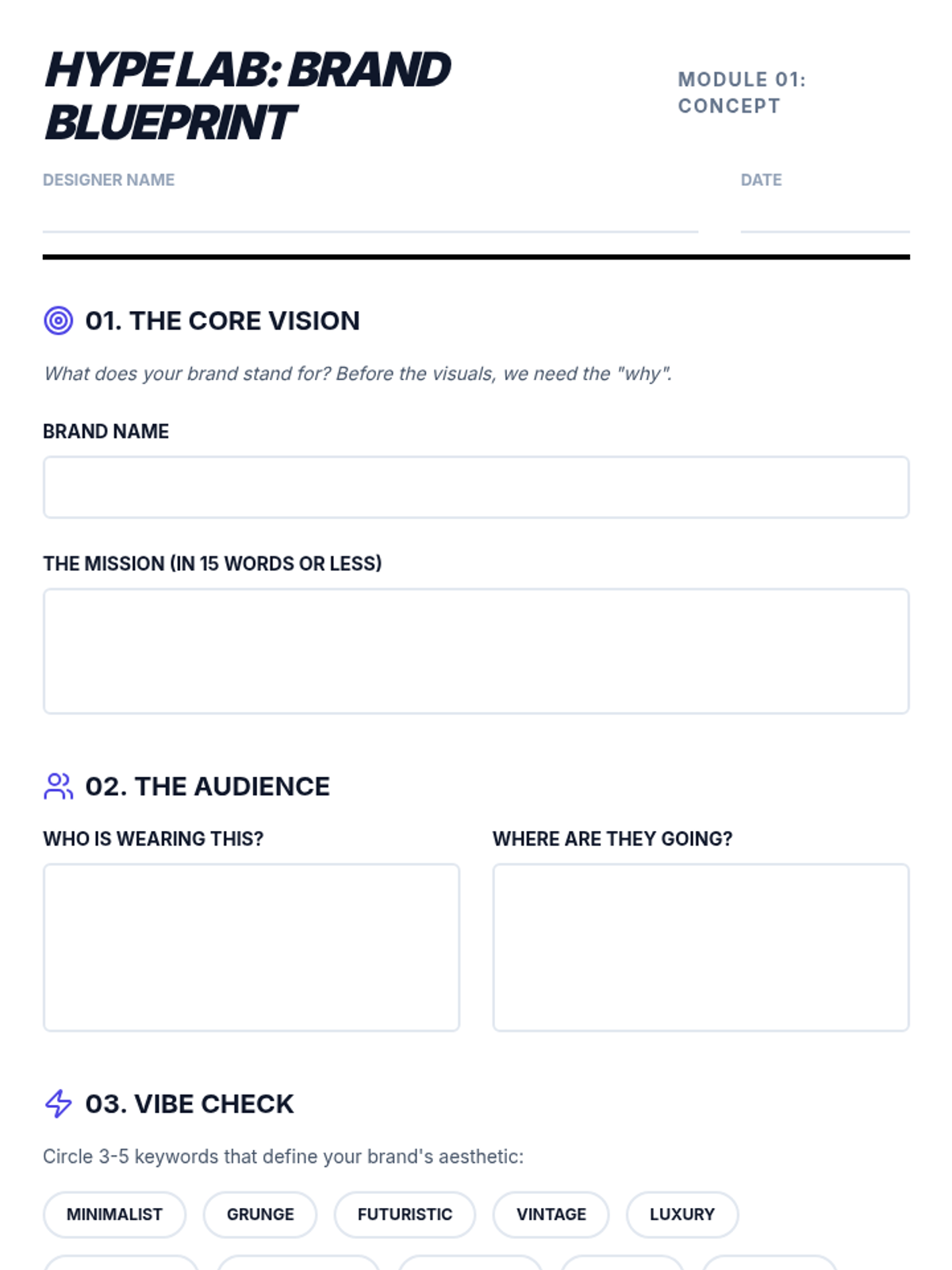
A comprehensive workshop sequence on goal setting and visual manifestation.
This sequence investigates how the technological explosion of the 20th and 21st centuries, from the electric guitar to AI, redefined music genres and creation. Students analyze production techniques, listen for layers, and explore the concept of technology as a musical instrument.
This project-based sequence takes students on a global tour as ethnomusicologists, examining how geography and culture influence musical instruments and sounds. Students classify instruments using the Hornbostel-Sachs system and explore rhythms and scales from Africa, Asia, and Latin America.
A graduate-level exploration of music history through the lenses of migration, diaspora, and cultural hybridity, moving beyond Western-centric narratives to examine how global movement shapes musical evolution.
A graduate-level exploration of how technological advancement (from notation to algorithms) acts as a primary driver of musical aesthetics and evolution. Students analyze the reciprocal relationship between material culture and musical expression using media theory and organology.
A chronological journey through the Baroque, Classical, Romantic, and Modern eras of Western Art Music, focusing on critical listening and historical context.
This sequence traces the evolution of contemporary music from 19th-century African American spirituals through the development of the Blues, Jazz, and Rock & Roll. Students investigate how cultural exchange, technology, and social struggles shaped the sounds we listen to today, culminating in a musical genealogy project.
A chronological exploration of Western music history for 7th-grade students, connecting the innovations of the Baroque, Classical, Romantic, and Jazz eras to modern sampling and production techniques. Students develop critical listening skills and analyze how historical structures influence contemporary genres like pop, hip-hop, and EDM.
A comprehensive exploration of stage management for undergraduate students, covering organizational hierarchy, documentation, rehearsal management, and technical execution. Students transition from understanding the SM role to mastery of the prompt book and cue calling.
An undergraduate-level introduction to the technical systems of theater, focusing on the physics, hardware, and creative implementation of lighting and sound design. Students progress from fundamental science to professional drafting and real-time cue execution.
A comprehensive undergraduate-level sequence on the fundamentals of theatrical scenery construction and rigging. Students progress from safety certification to constructing flats and platforms, culminating in rigging mechanics and installation/strike protocols.
A comprehensive graduate-level exploration of Documentary and Verbatim Theatre, covering ethical research, archival mining, speech editing, character synthesis, and theatrical staging. Students transition from researchers to dramatists, producing original documentary works based on real-world testimony and historical records.
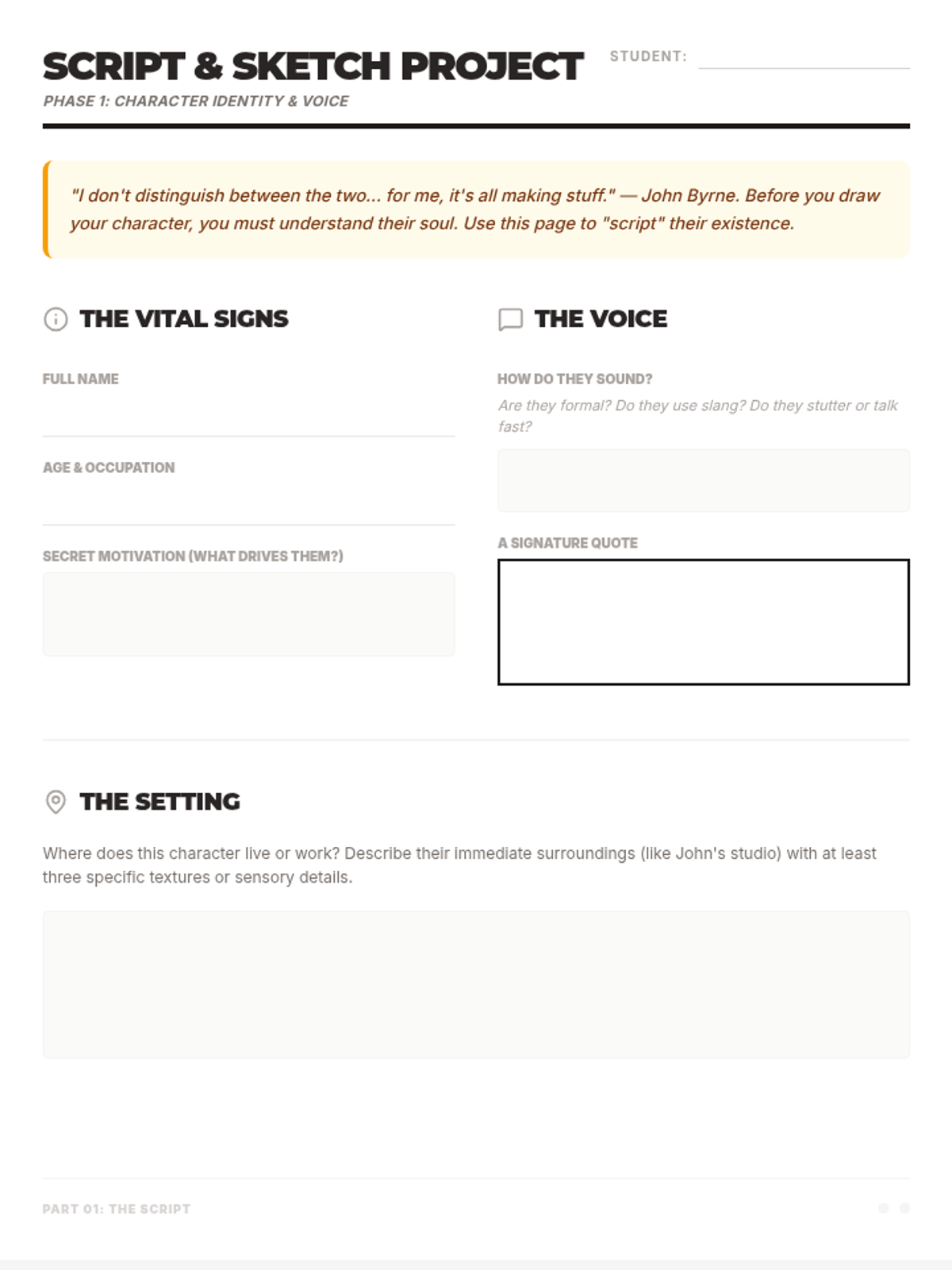
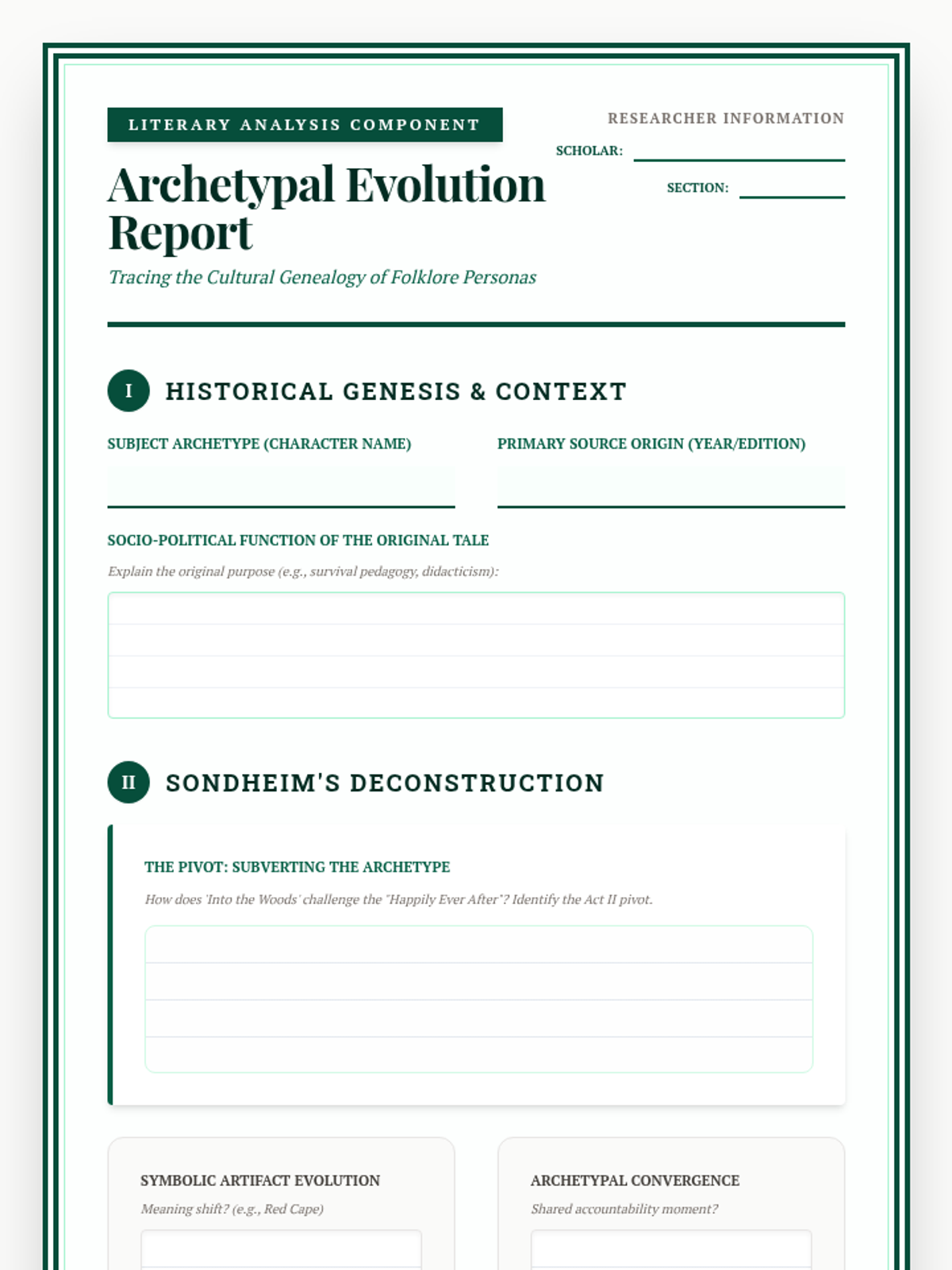
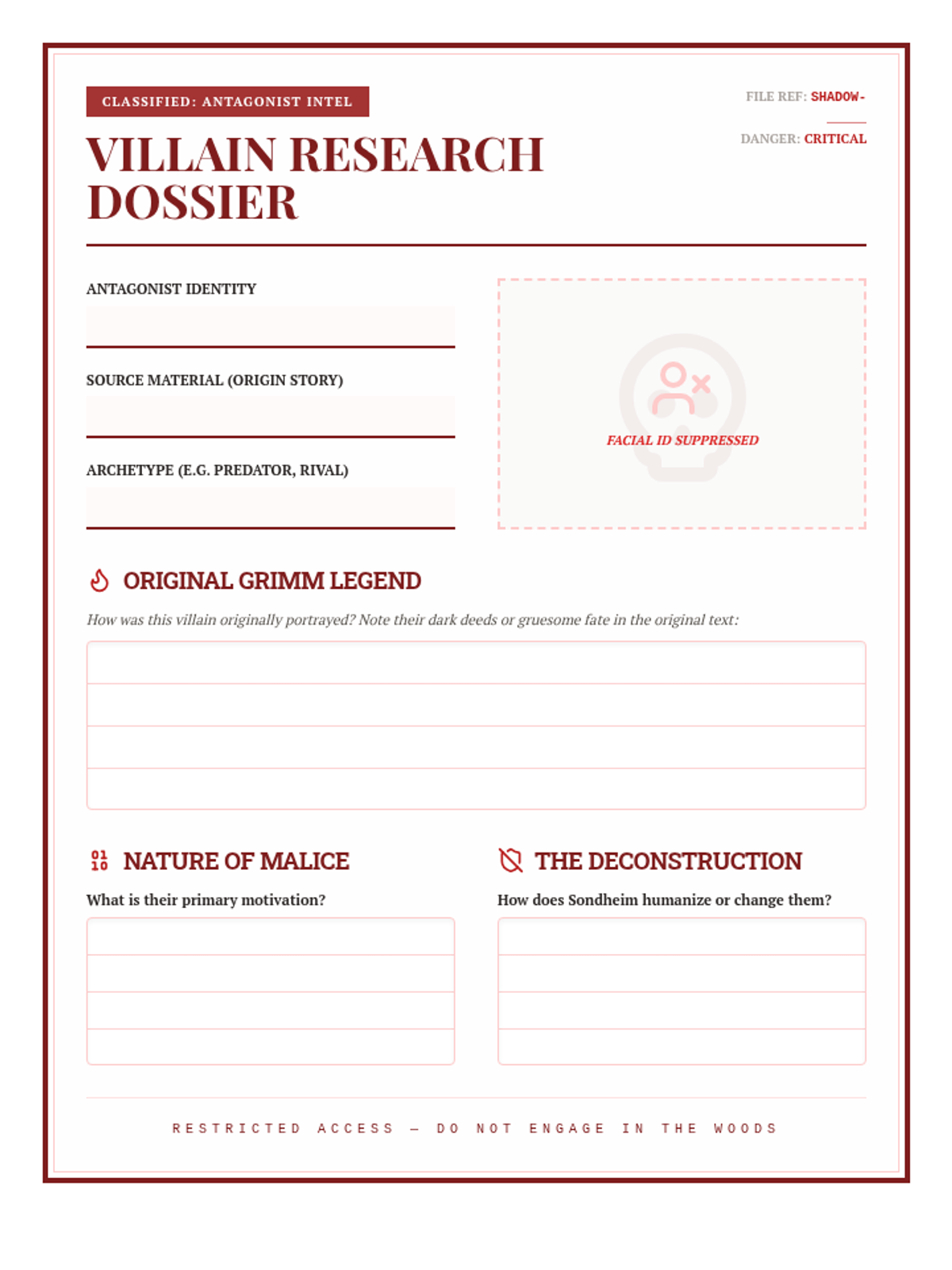
An advanced playwriting sequence for graduate students focusing on the psychological architecture of dramatic characters, subtextual dialogue, and character-driven narrative structures. Students progress from deconstructing archetypes to writing a one-act draft grounded in behavioral truth and internal contradiction.