A hands-on inquiry sequence for 5th graders to master meteorological tools and quantify atmospheric variables like temperature, pressure, and wind.
A comprehensive unit focused on environmental stewardship, exploring waste management, conservation, and sustainable living through hands-on activities.
A comprehensive end-of-year review for 5th Grade NGSS science standards, organized by domain to ensure mastery of physical, life, and Earth sciences.
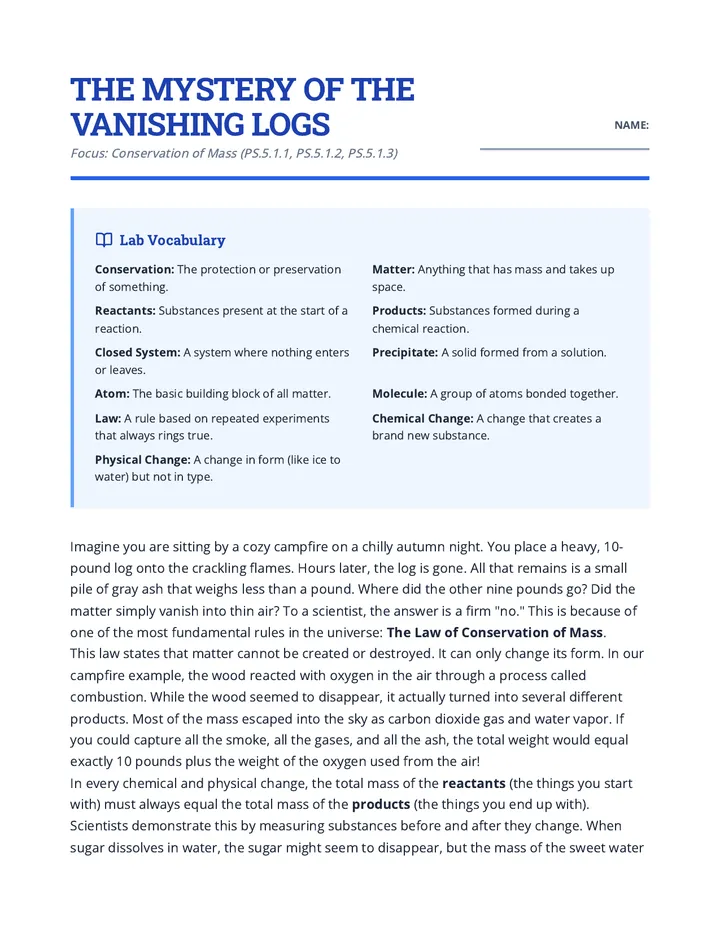
A comprehensive review of all 5th Grade NGSS Science standards, covering matter, ecosystems, Earth systems, and space science through vocabulary practice, graphic organizers, and critical thinking questions.
A series of nature-based investigations helping young learners connect with seasonal changes using their senses and scientific observation.
A 5-day comprehensive reading unit that explores the human digestive system while building critical literacy skills like using context clues, sequencing, identifying main ideas, and analyzing cause and effect.
A comprehensive unit on renewable energy sources, focusing on analyzing informational texts through visual and written synthesis. Designed for EL students to develop academic language while exploring sustainable technology.
A comprehensive sequence of lessons focusing on mastering sequencing in scientific informational texts. Students analyze complex natural processes, identify temporal signals, and use evidence (RI.1) to explain how these processes unfold over time.
A comprehensive exploration of physical science and civic foundations, designed for elementary students to engage with waves, energy, government structures, and the roles of citizens.
An introductory astronomy series focused on celestial patterns, storytelling through myths, and practical observation skills for young astronomers.
A comprehensive guide to mastering Geometry Dash, covering core mechanics, improvement strategies, and a deep dive into every unique gamemode.
A comprehensive guide to mastering the Roblox game Forsaken, covering everything from basic survival and looting to advanced combat tactics and base building. Designed for young gamers to navigate the post-apocalyptic world safely and successfully.
A five-day science unit exploring solar energy through hands-on experiments, engineering challenges, and interactive lessons. Students learn about photons, photovoltaic cells, solar thermal energy, and the role of renewables in our future.
A two-part educational series exploring the Artemis II mission with a focus on how space research drives technological innovation for Earth and expands our scientific understanding of the Moon.
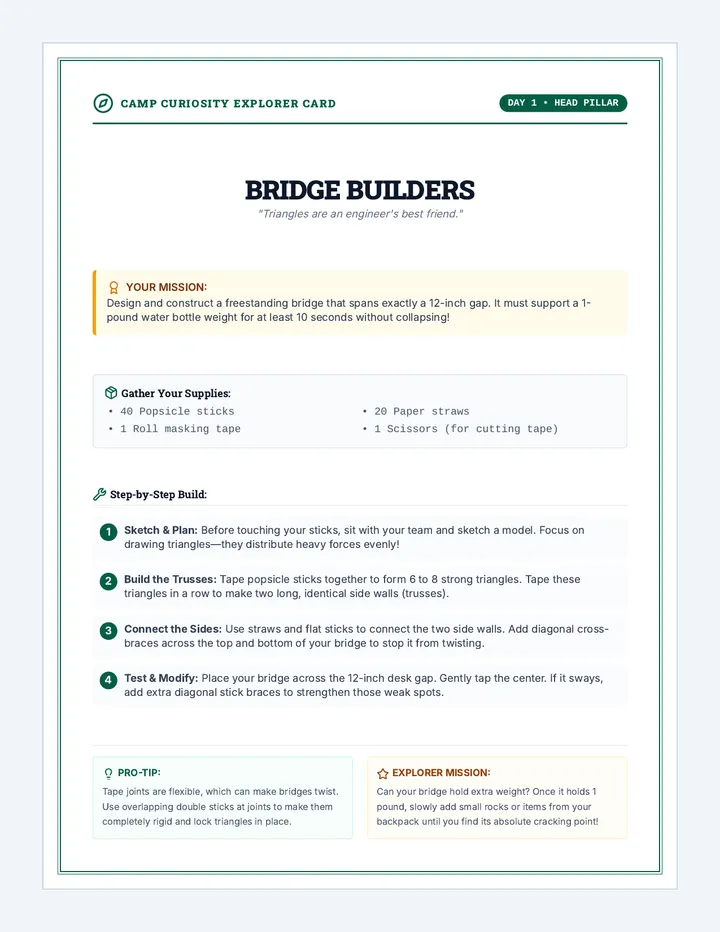
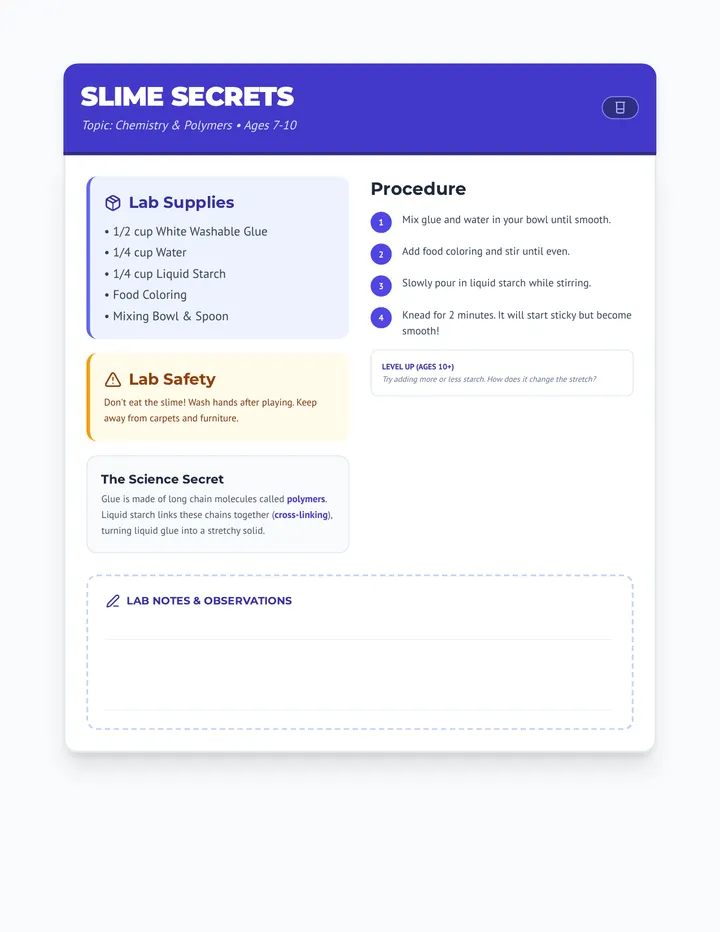
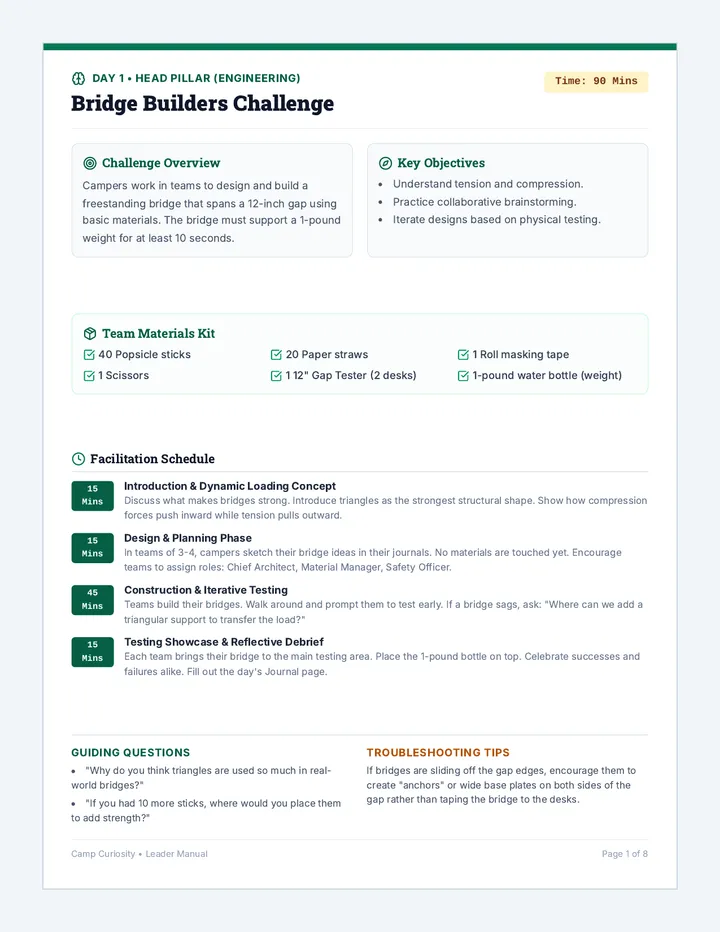
A four-part summer camp program focused on hands-on STEM exploration using everyday materials. Students will explore environmental science, aerospace engineering, mechanical design, and chemical reactions through play-based challenges.
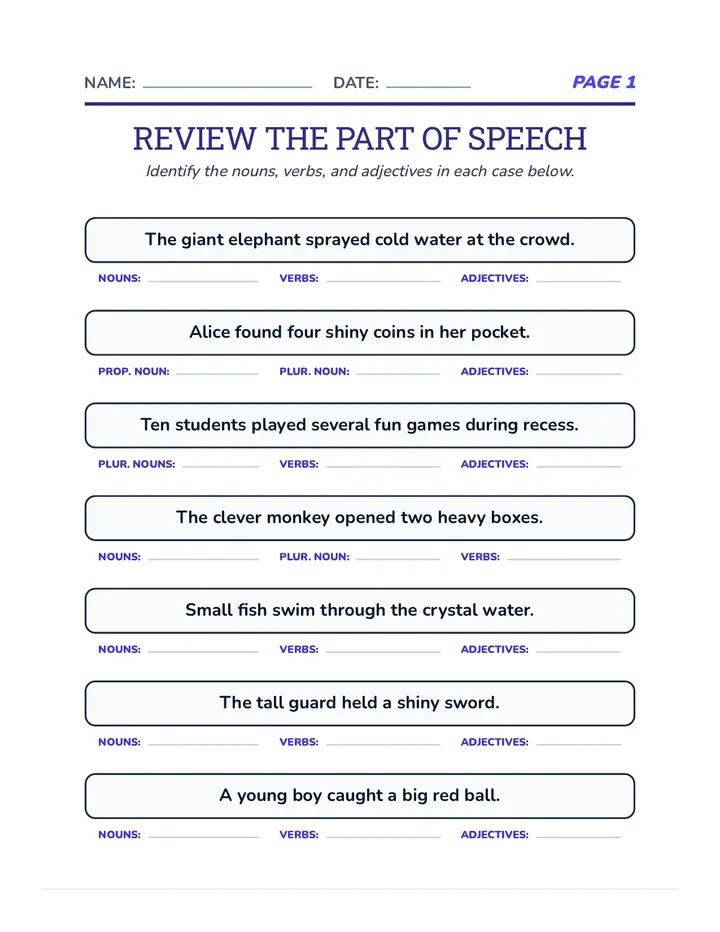
A comprehensive sequence on language mechanics, from phonetic marking of complex vowel sounds to the morphological analysis of Latin roots and affixes. Students develop deep decoding and encoding skills by investigating the building blocks of words.
A differentiated unit on the solar system designed for newcomers and students with IEPs, focusing on the Sun, Moon, planets, and stars with heavy visual support and simplified language.
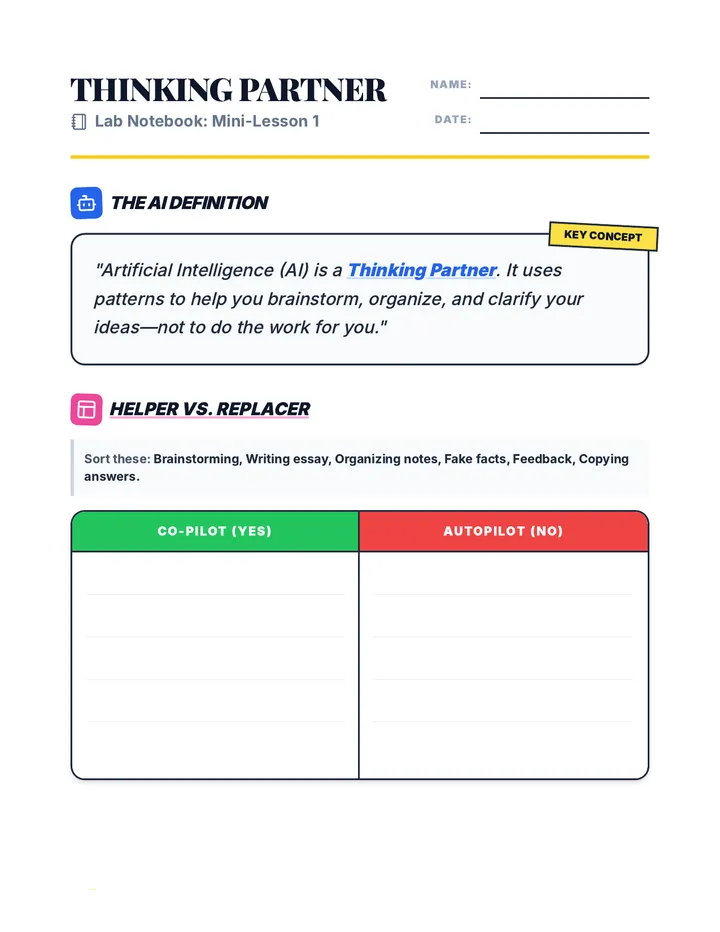
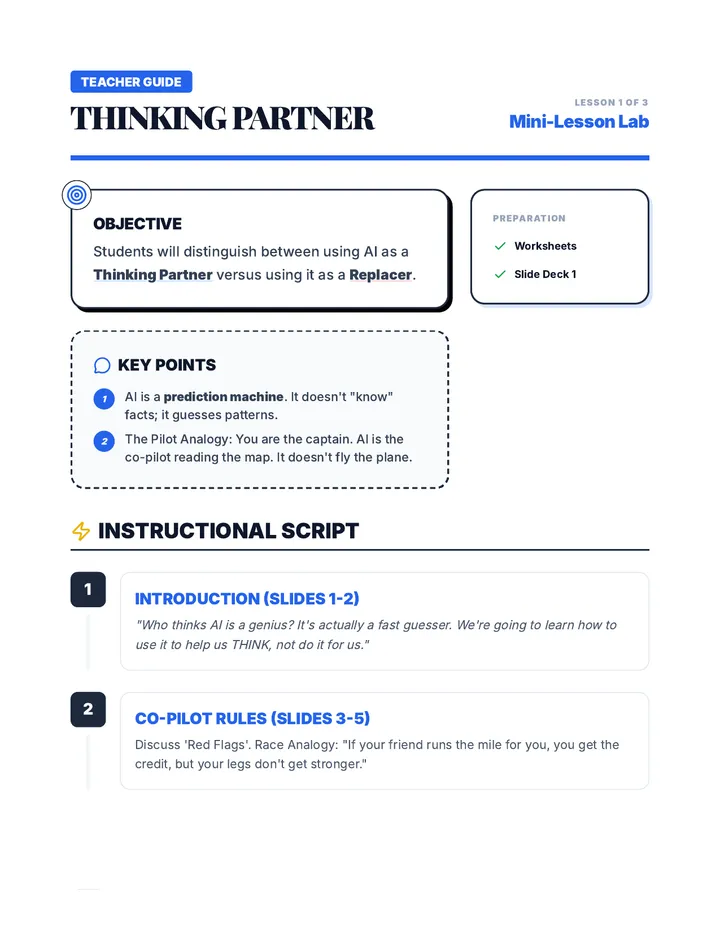
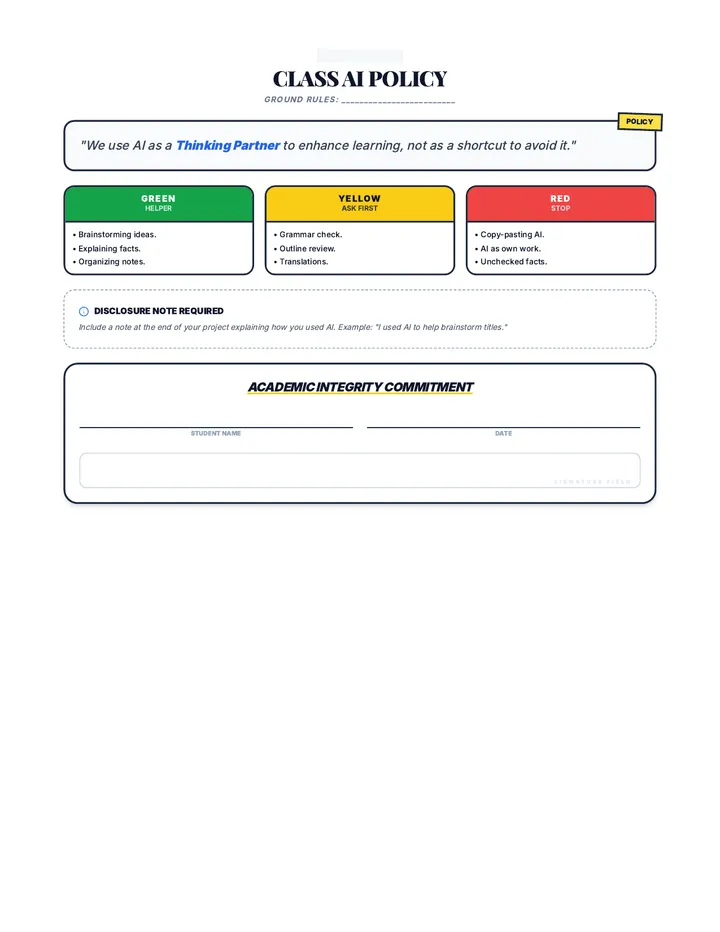
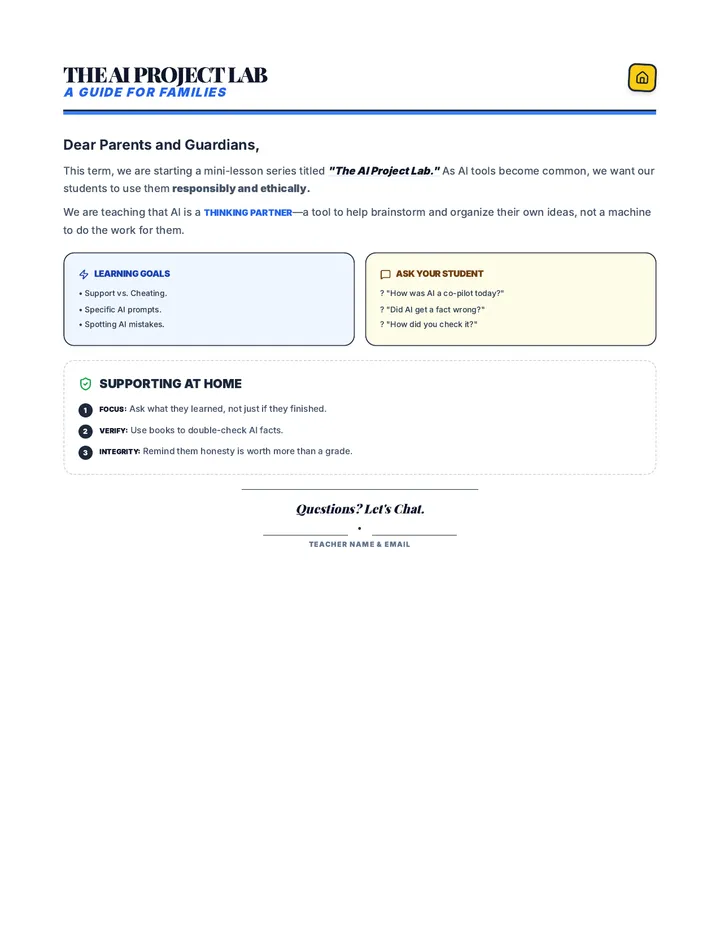
A comprehensive K-8 curriculum designed to build foundational AI literacy through understanding, evaluation, application, and ethics. Each grade level tackles a specific theme, progressing from basic robot concepts to complex algorithmic bias and societal impact.
A comprehensive 3-lesson unit exploring the science, chemistry, and purpose of bioluminescence in nature. Students dive into the deep sea, experiment with chemical reactions, and analyze how light is used for survival.
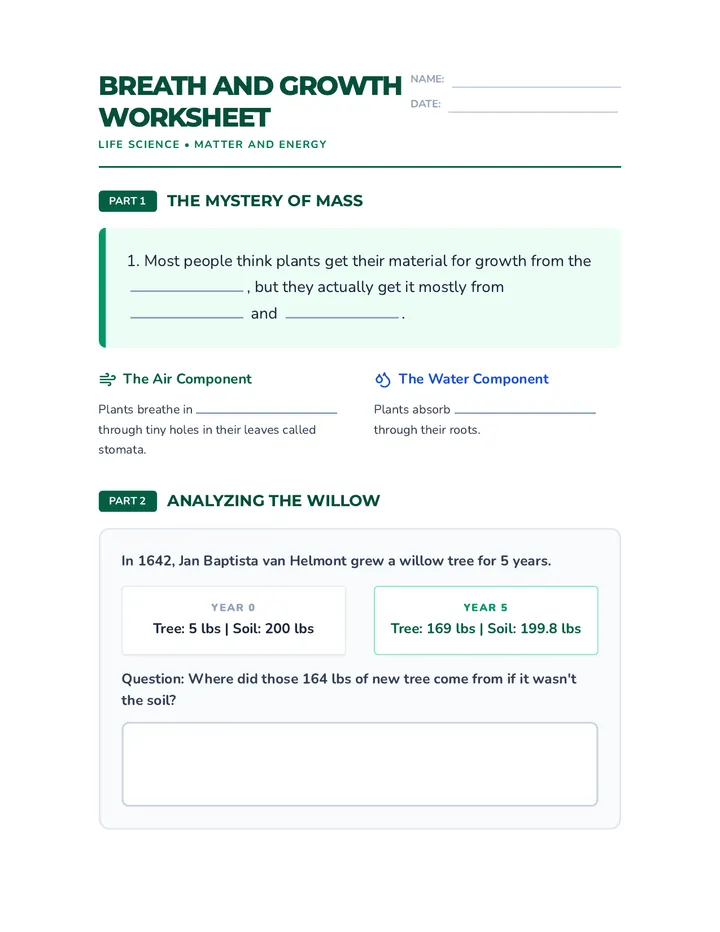
A three-day exploration of the interconnected roles of chloroplasts and mitochondria in cycling matter through ecosystems. Students use a lunar colony hypothetical lab to apply the scientific method to real-world gas exchange scenarios.
A comprehensive unit exploring the science of hearing, the technology used to assist hearing loss, and the personal impact of being D/deaf or hard of hearing. Students will build a 3D ear model, learn to read audiograms, and understand the difference between hearing aids and cochlear implants.