Students act as behavioral scientists to learn objective observation, the ABC model, and data analysis to uncover root causes of human behavior without bias.
A comprehensive 5-lesson exploration of the West region of the United States, covering geography, climate, resources, culture, and states/capitals through reading passages and interactive activities.
A comprehensive 5-lesson unit exploring the unique geography, climate, natural resources, diverse cultures, and political boundaries of the Southwest region of the United States.
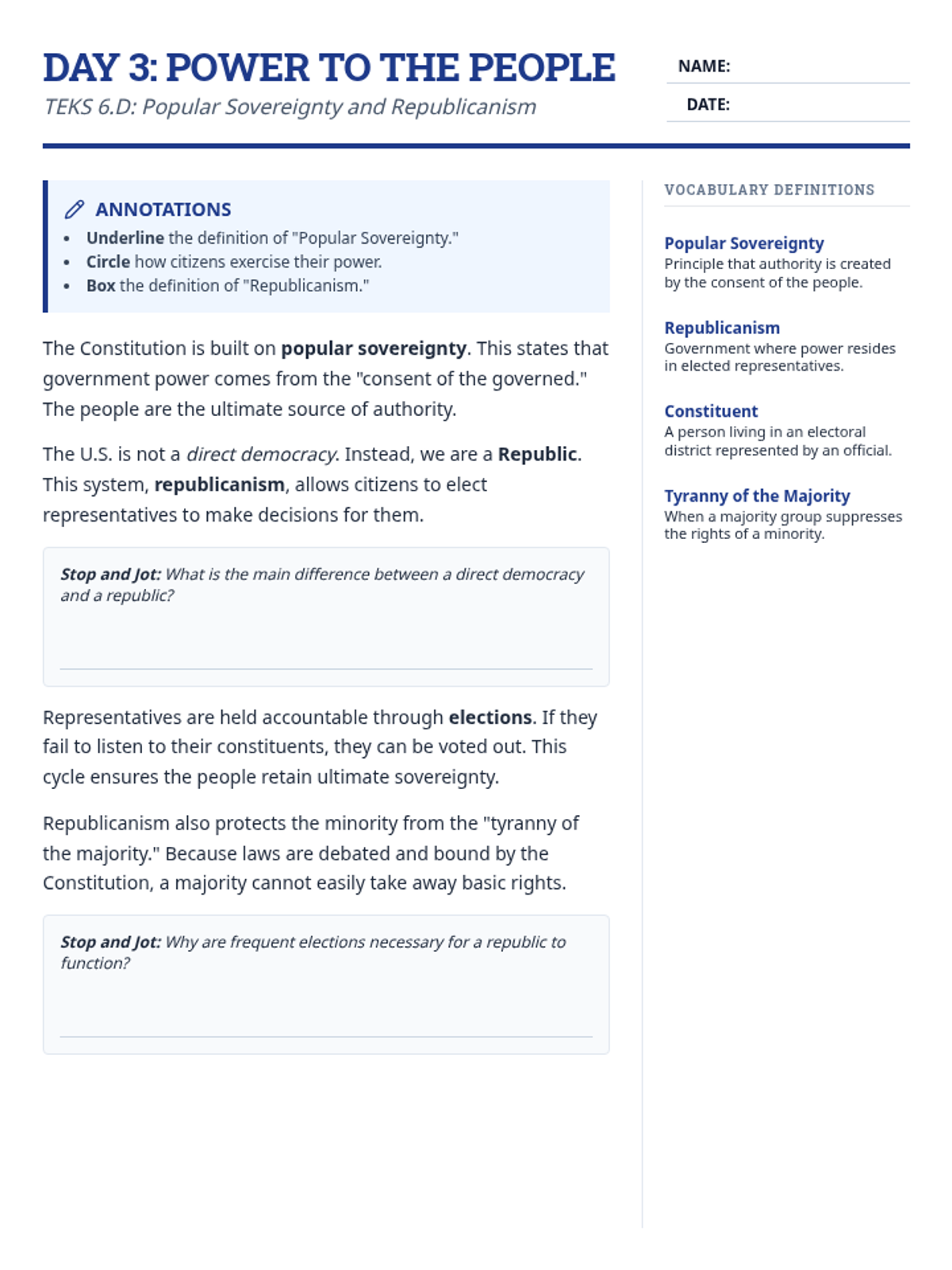
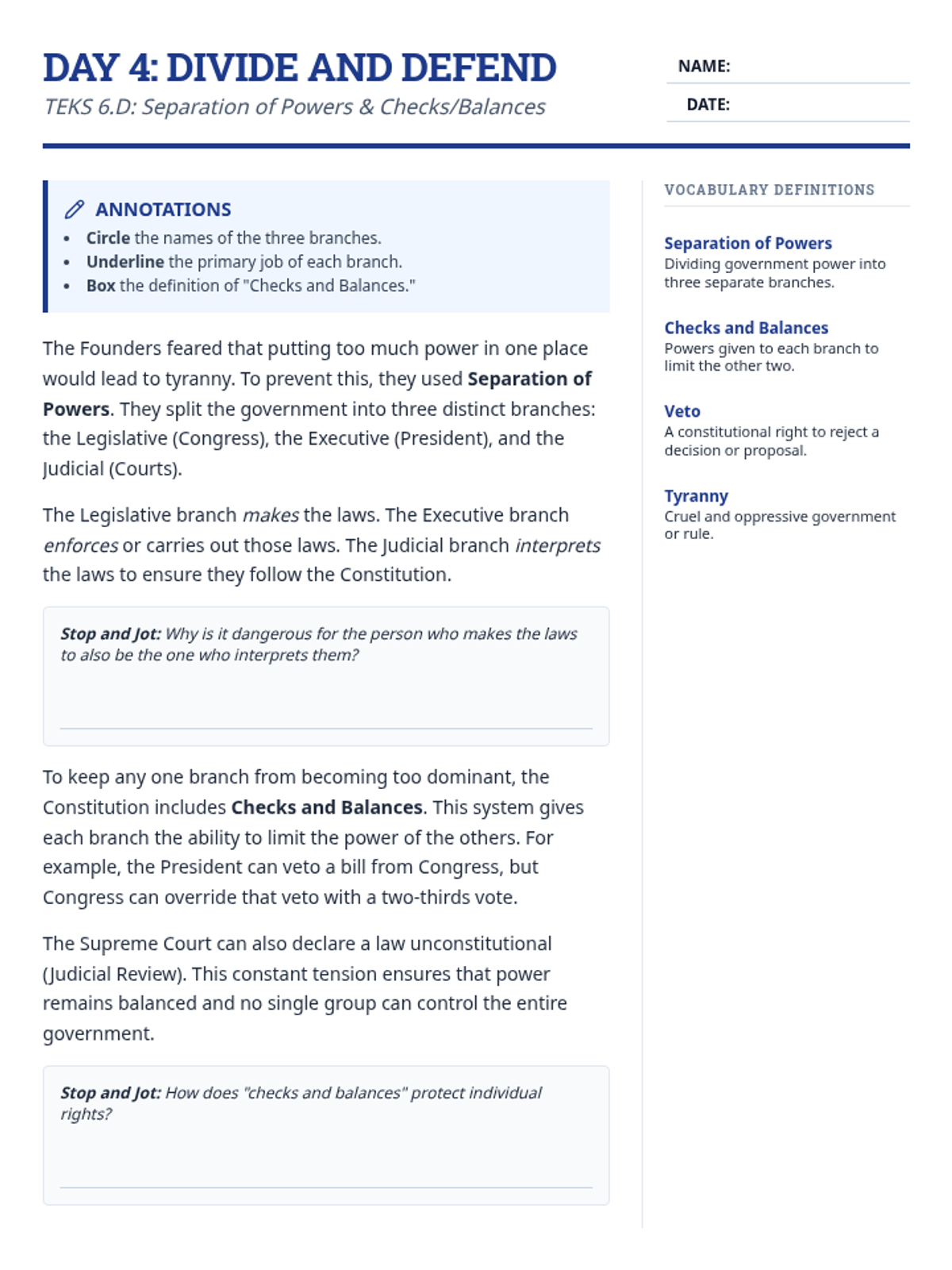
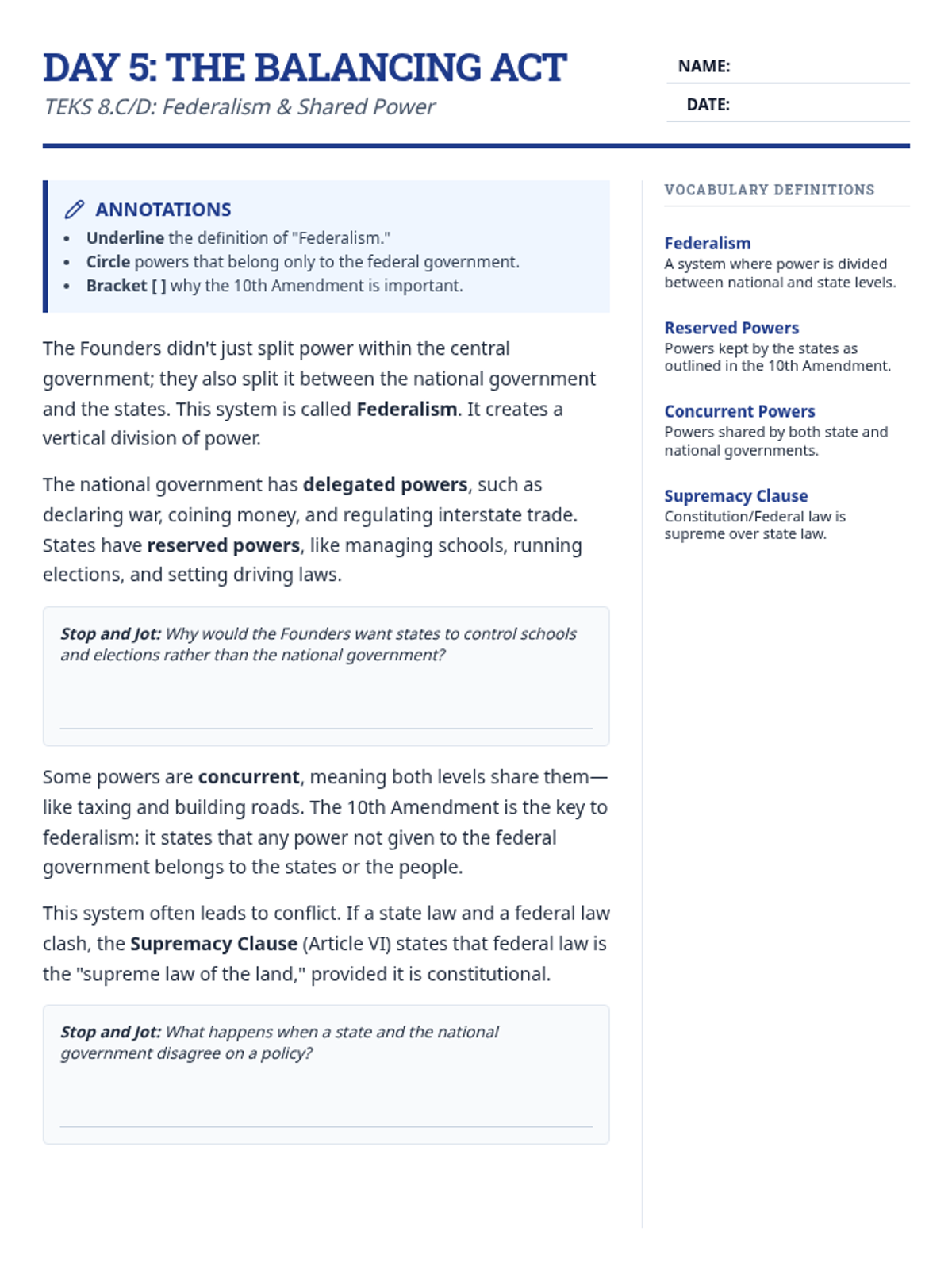
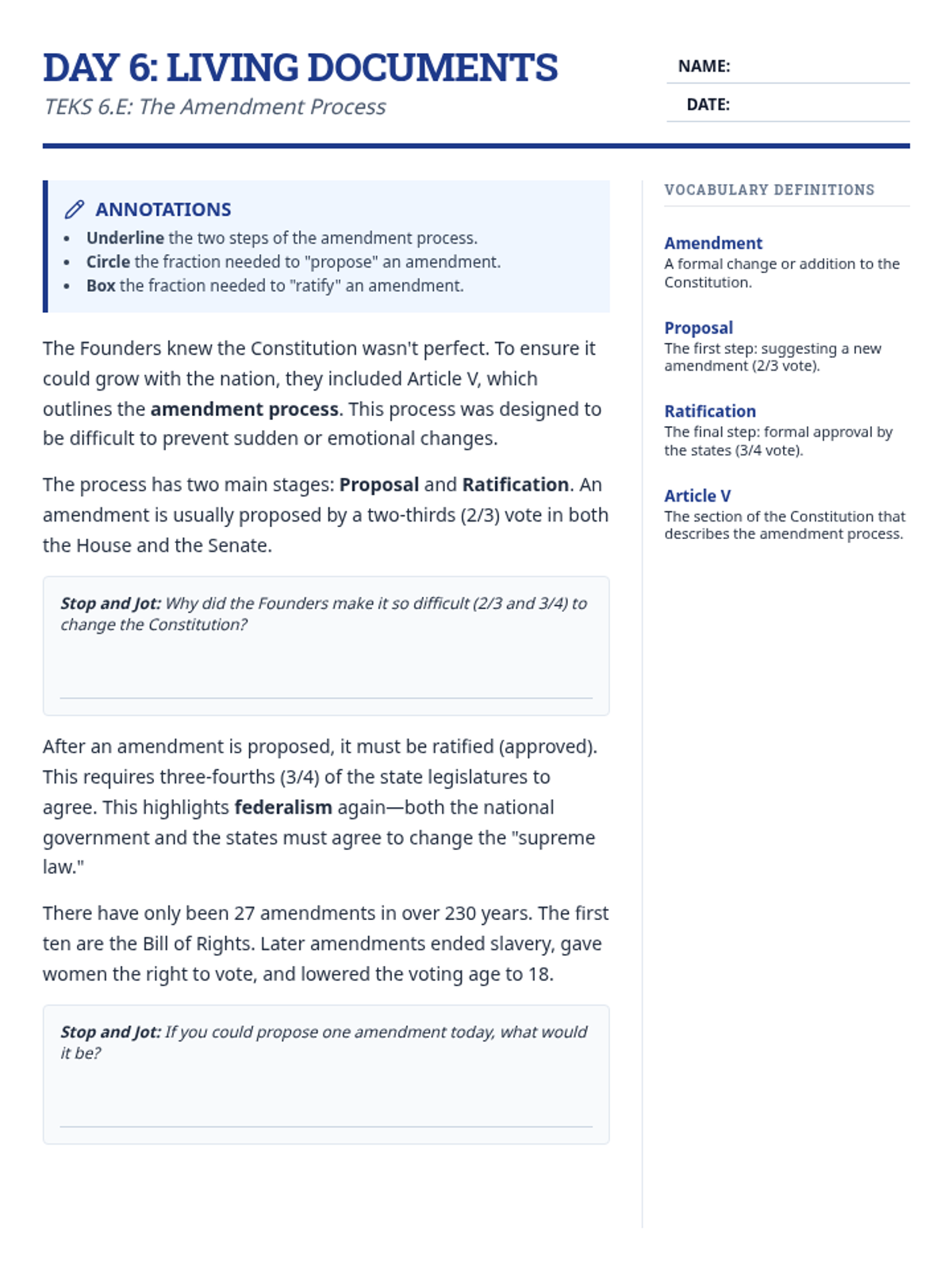
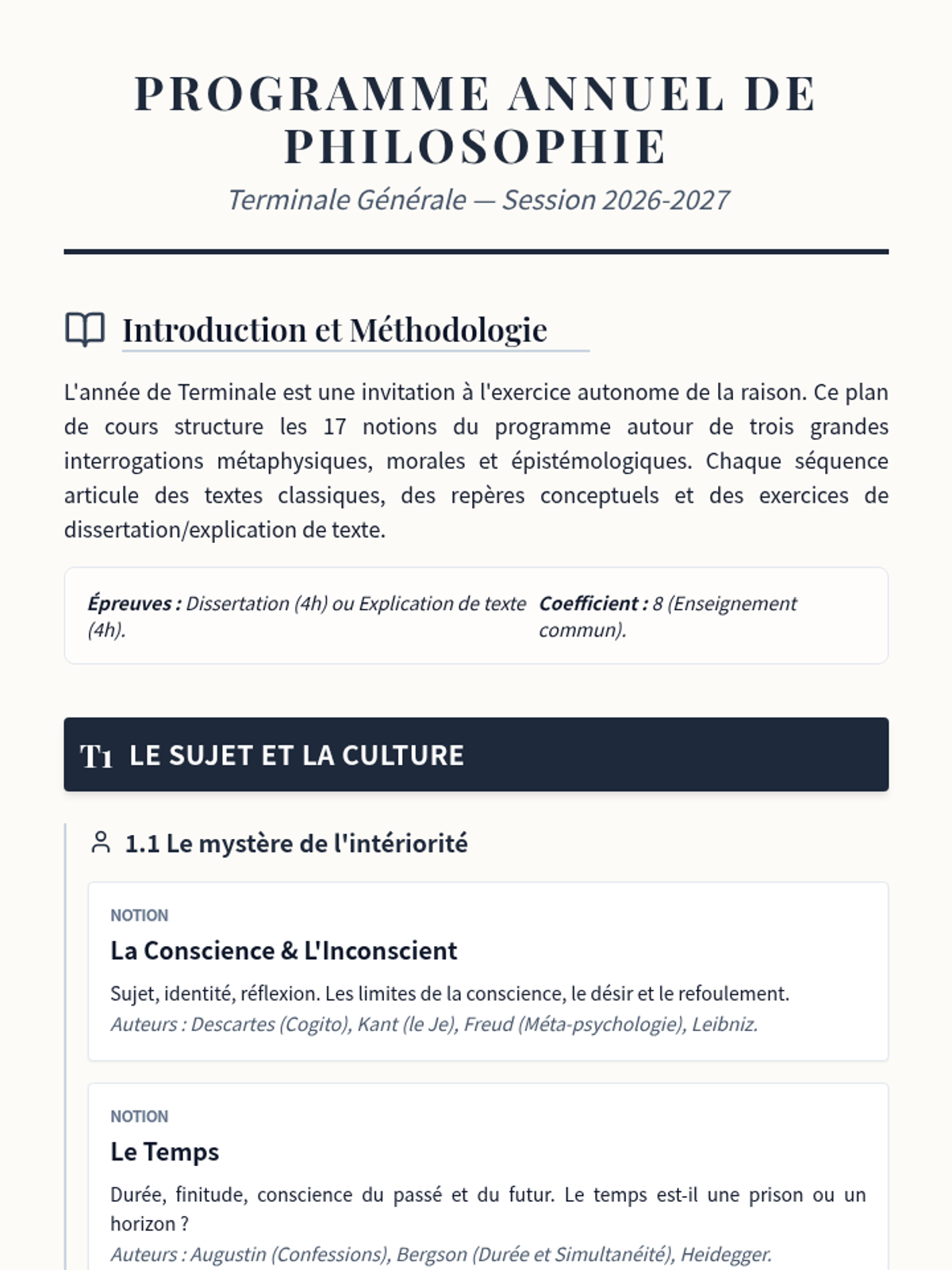
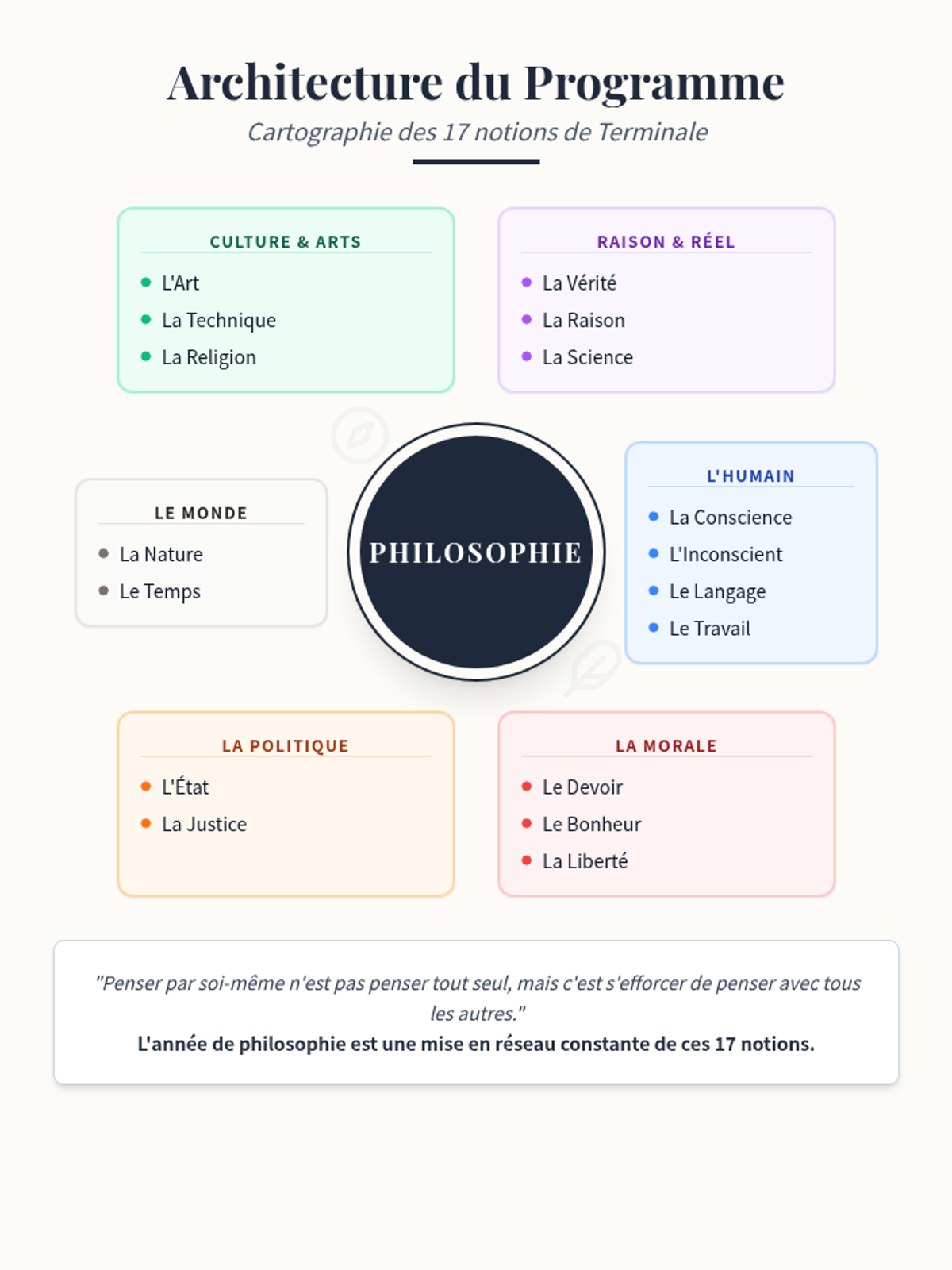
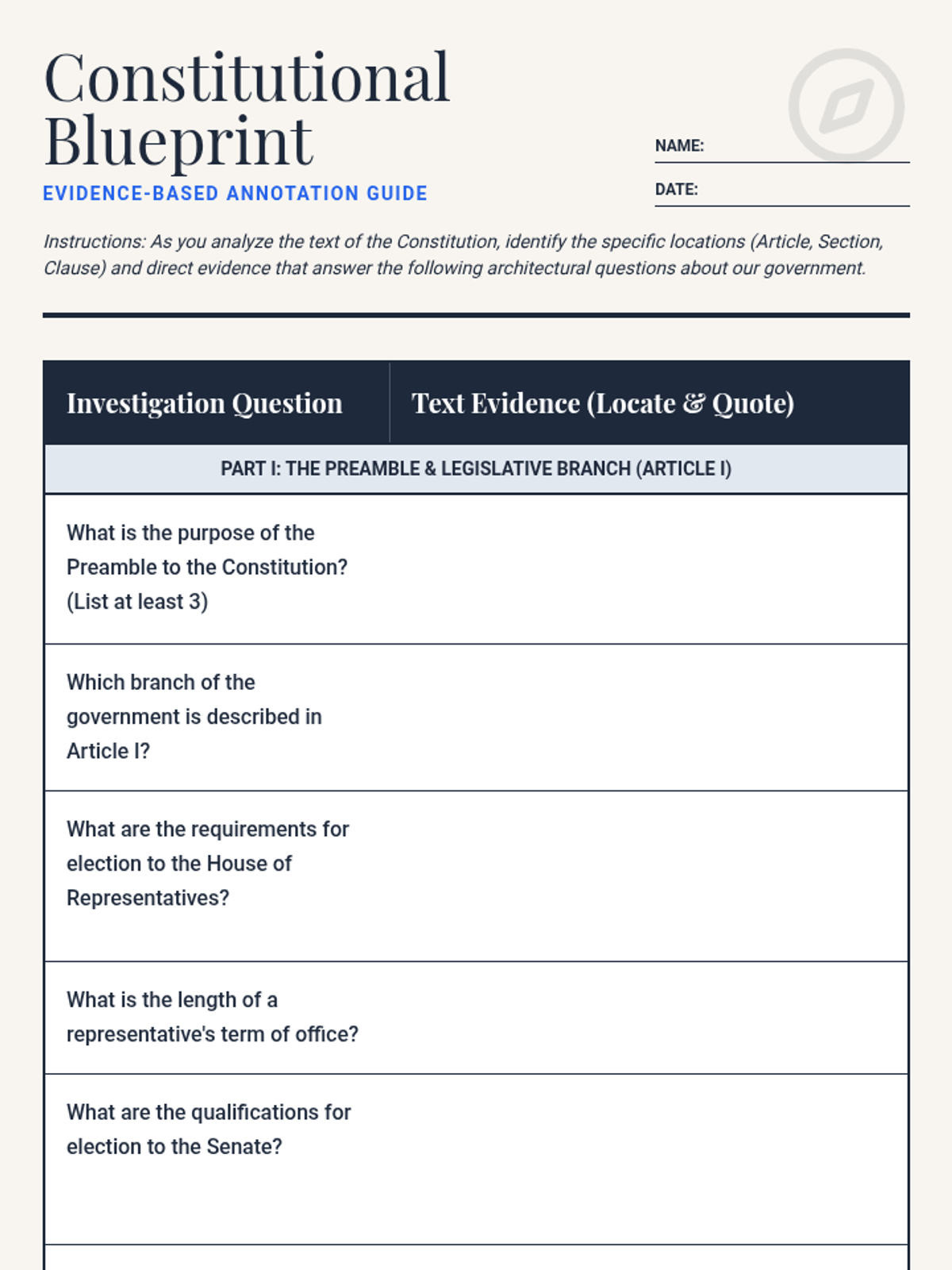
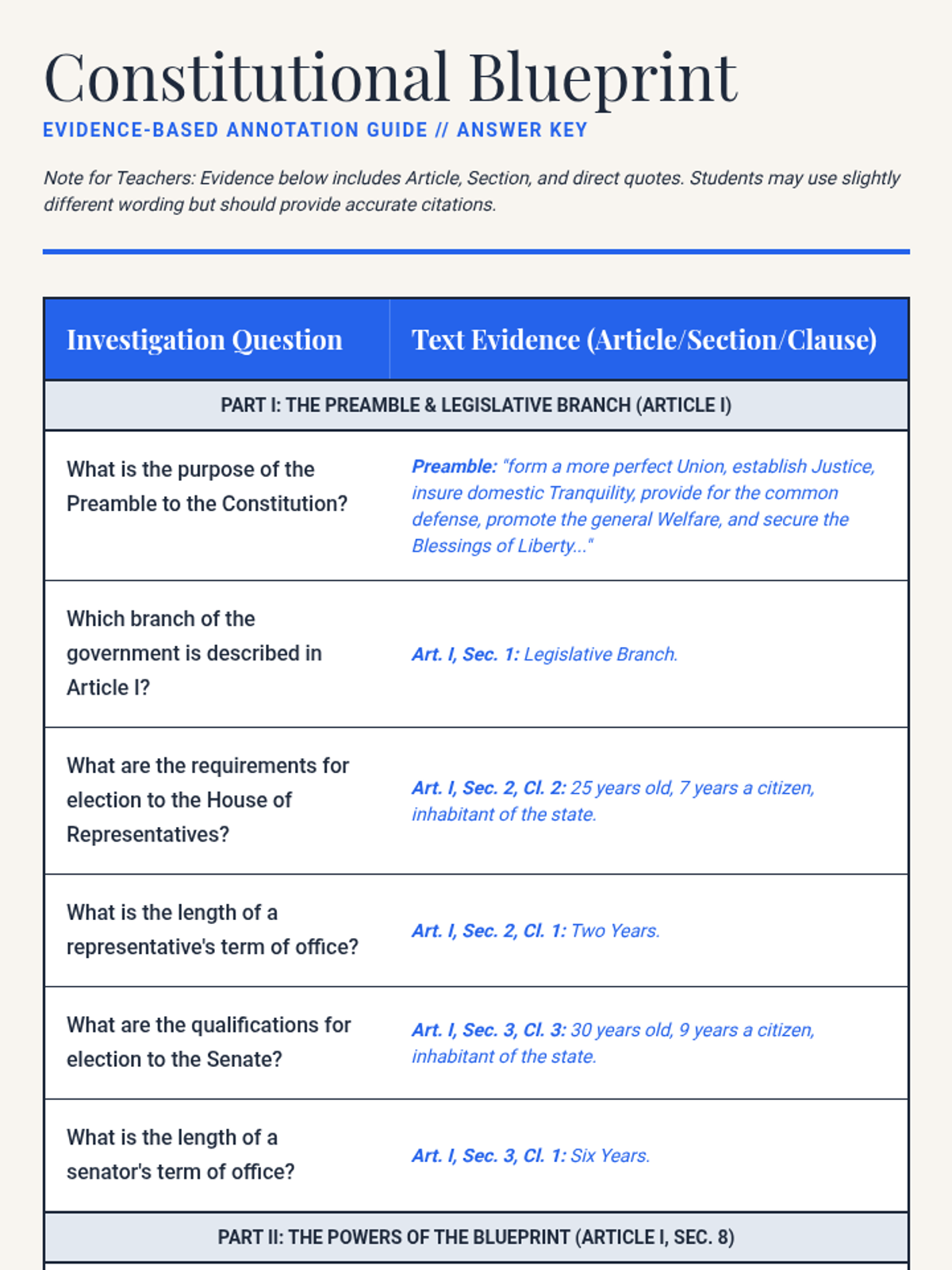
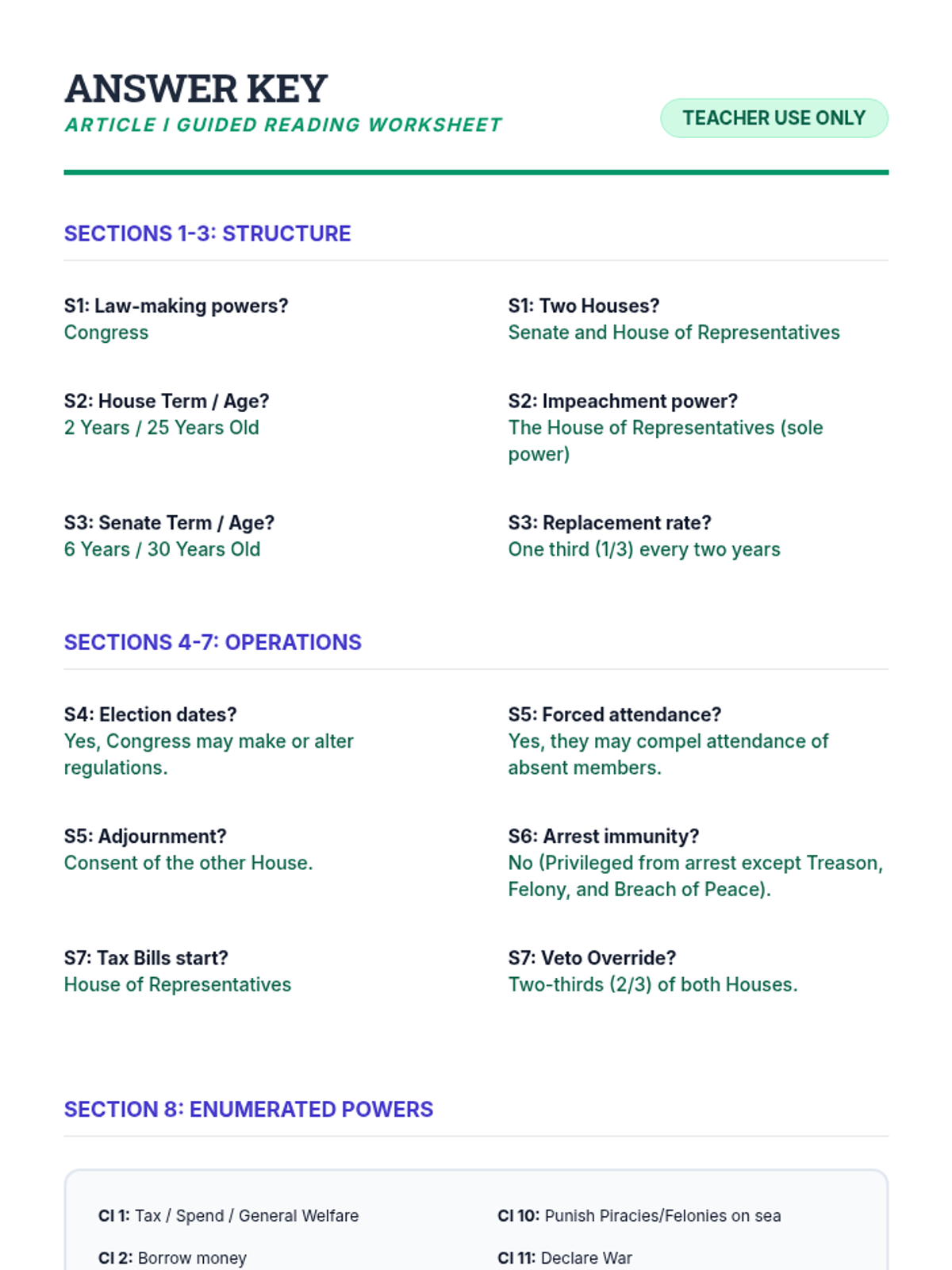
A comprehensive dual-course sequence covering all units for both AP Comparative Government and AP US Government & Politics. The sequence bridges domestic and international political concepts, from foundational structures to civil liberties and participation.
A high school psychology unit exploring the biological and environmental underpinnings of addiction, focusing on the nature vs. nurture debate and the brain's capacity for adaptation.
A comprehensive psychology lesson for high schoolers analyzing the biological and psychosocial components of depression, focusing on clinical definitions, the medical model of mental health, and providing supportive communication.
A High School Civics lesson focused on neurodiversity as a civil rights and workforce inclusion issue, featuring a design-thinking activity to create inclusive environments.
A comprehensive unit focused on the psychological debate of Nature vs. Nurture, culminating in a major literature review research paper. Students will explore theoretical frameworks and synthesize existing research.
A comprehensive 9th-grade history unit focusing on the global causes and conflicts of World War II, intentionally centering European and Asian perspectives over the US-centric narrative. The unit explores the failures of diplomacy, the brutal scale of the Eastern Front, and the expansionist goals of Imperial Japan.
An undergraduate psychology lesson centered on critiquing the Biopsychosocial Model of depression through video analysis and gap identification. Students categorize clinical findings and propose expanded educational content to address systemic and environmental complexities.
A comprehensive 6-lesson Black History Month curriculum for 5th-8th graders, exploring historical excellence, emotional expression, and community through the lens of five core values: Virtus, Kenkyo, Sankofa, Ubuntu, and Ganas. Inspired by a century of resilience and brilliance.
Une formation pour les professeurs-documentalistes centrée sur la médiation culturelle et l'accompagnement des pratiques de lecture des adolescents. L'objectif est de concilier la réalité de l'édition actuelle avec les missions pédagogiques du CDI.
A sequence exploring the transformative power of listening in historical contexts, from diplomatic negotiations to the preservation of oral histories. Students analyze how listening (or the lack thereof) shaped major world events and learn to apply these skills to primary source analysis.
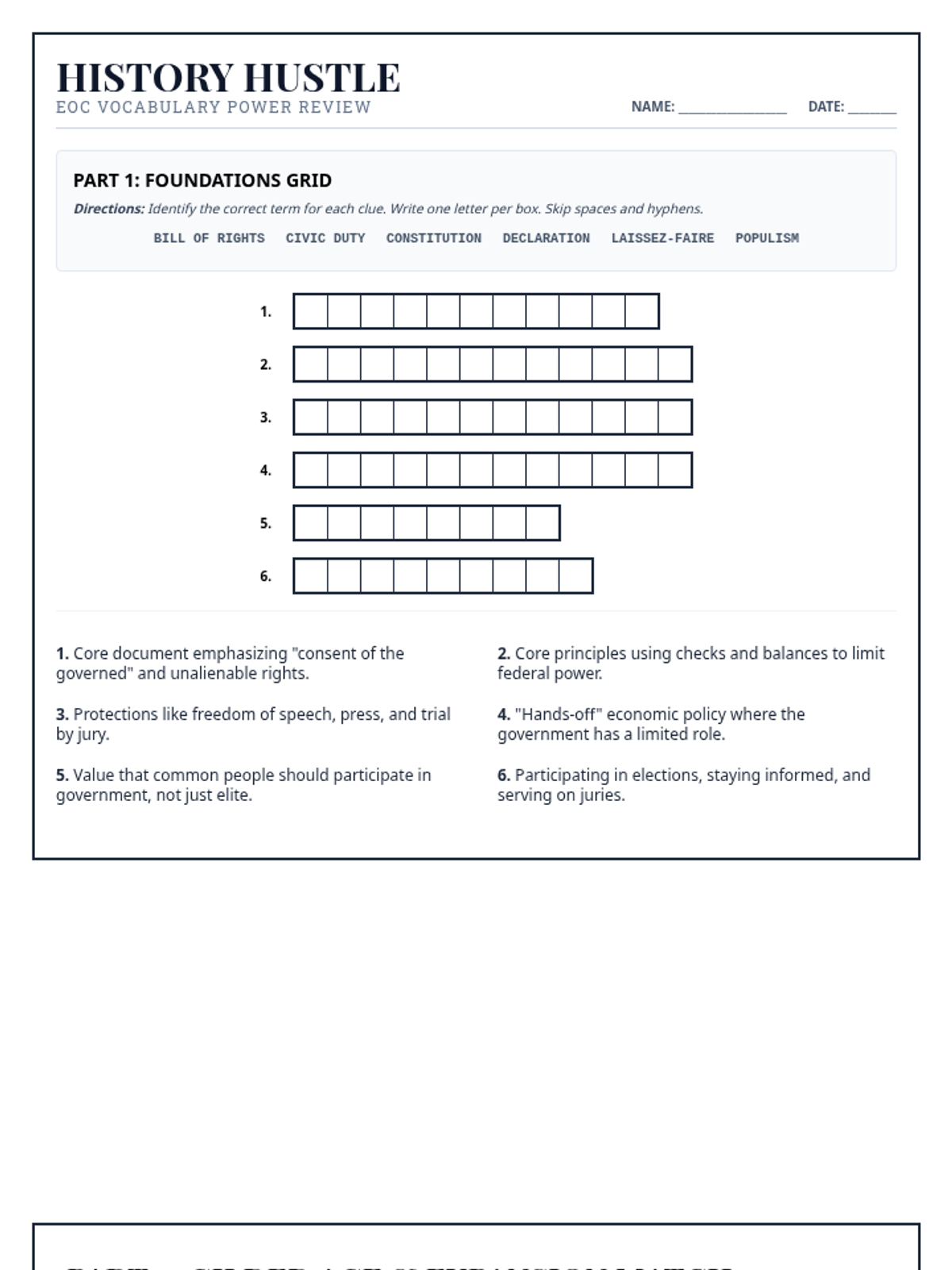
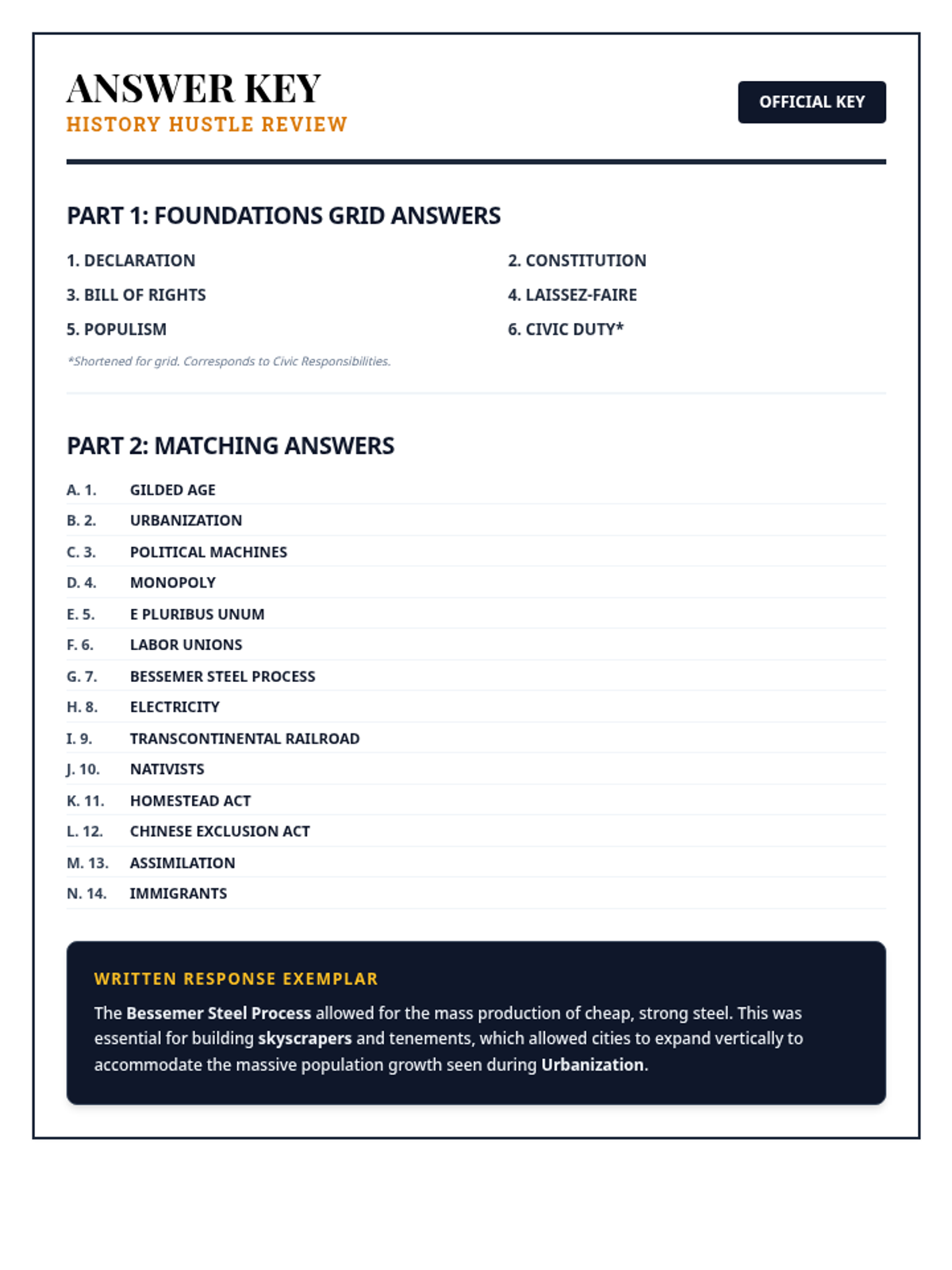
A comprehensive 4-day station rotation covering US history from the 1970s to the 2000s, aligned with TEKS 10 and 11. Students explore major political, economic, and social shifts through primary sources, data analysis, and interactive tasks.
A comprehensive 5-lesson unit on the American Civil Rights Movement, covering the legal battles, non-violent protests, key legislation, and the evolving strategies for racial justice.
A 6-lesson sequence divided by grade level (5th, 6th, and 7th), celebrating 100 years of Black history through school values. Each grade explores two distinct lessons focusing on community joy, personal excellence, and mental health advocacy.
A 6-day RLA unit for 8th grade focusing on 'The Bass, the River, and Sheila Mant'. Students explore character complexity (8.9F) and non-linear plot elements (8.9A) through the lens of sacrifice and love.