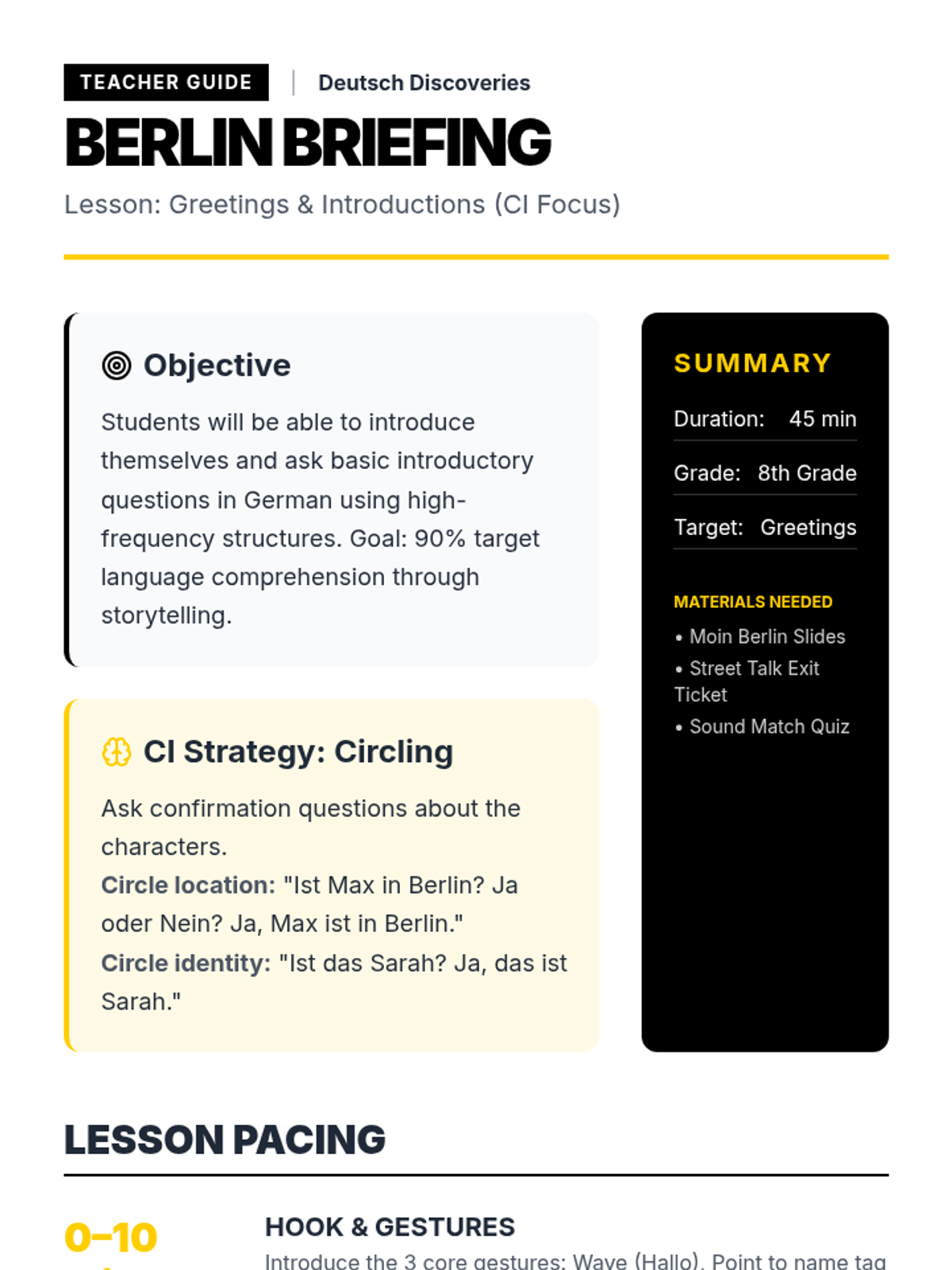
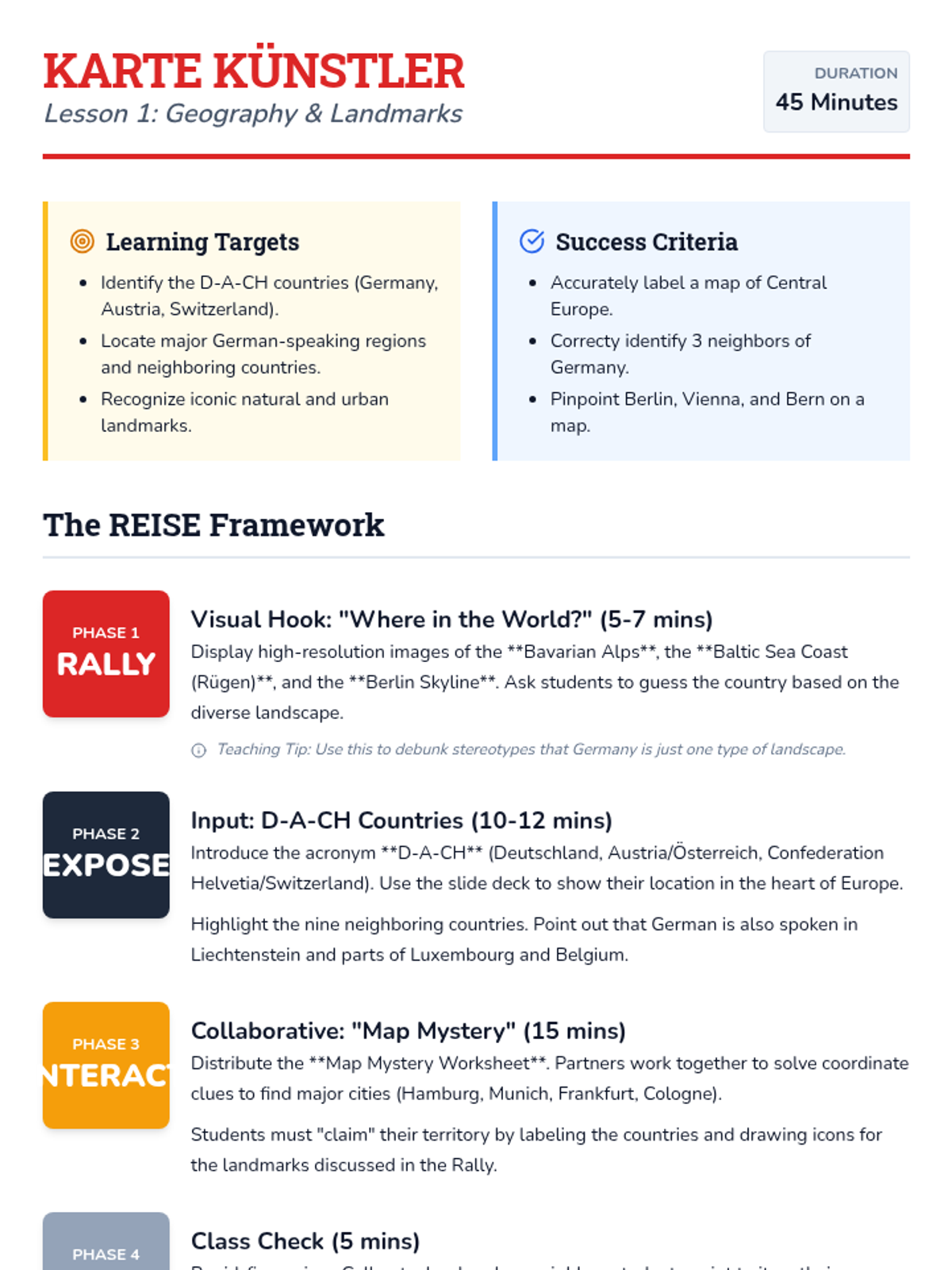
A two-lesson sequence for 8th-grade exploratory German focused on food culture using Comprehensible Input (CI) methods. Students explore street food, bakeries, and cafes through Picture Talk and TPRS storytelling.
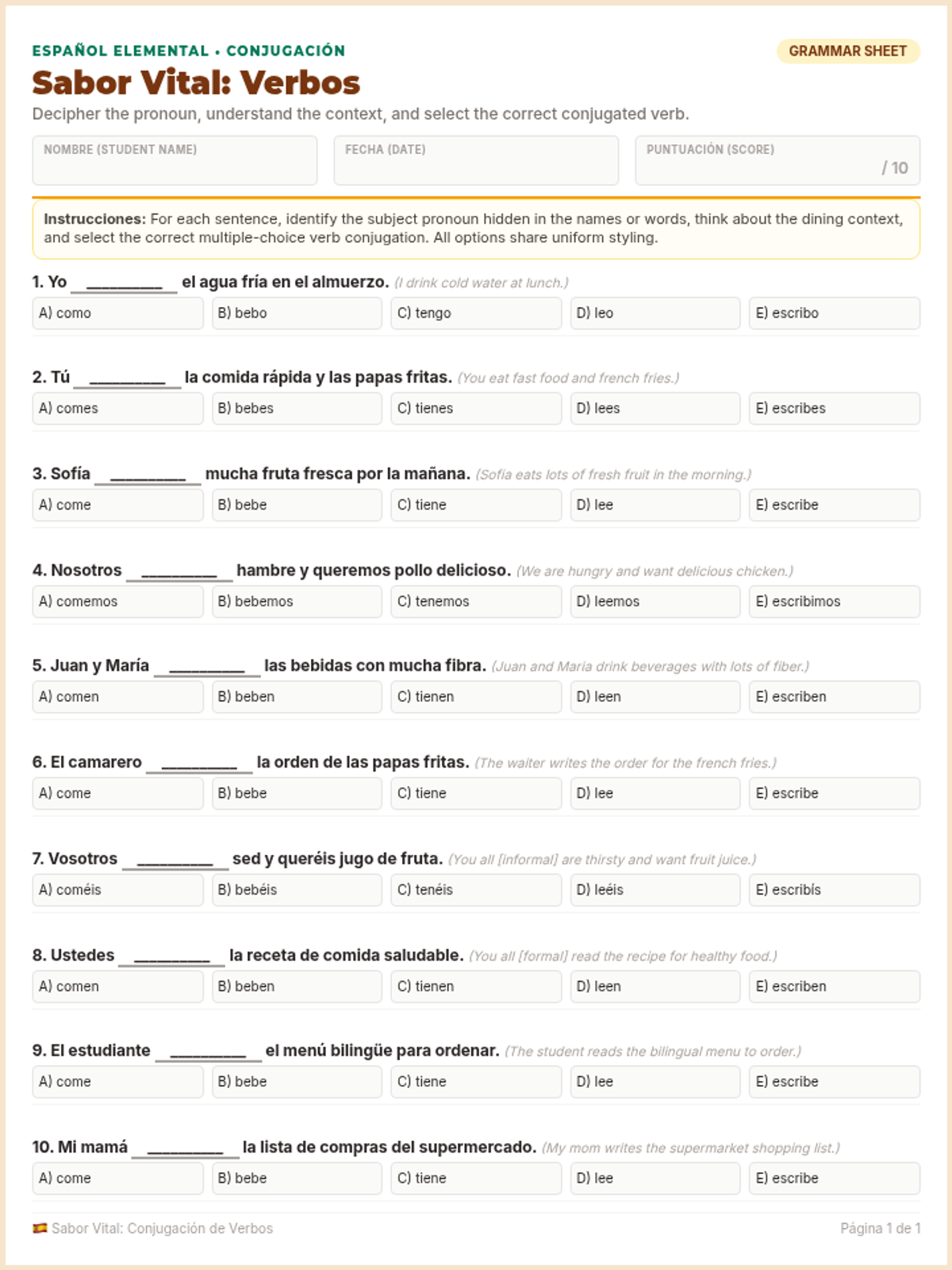
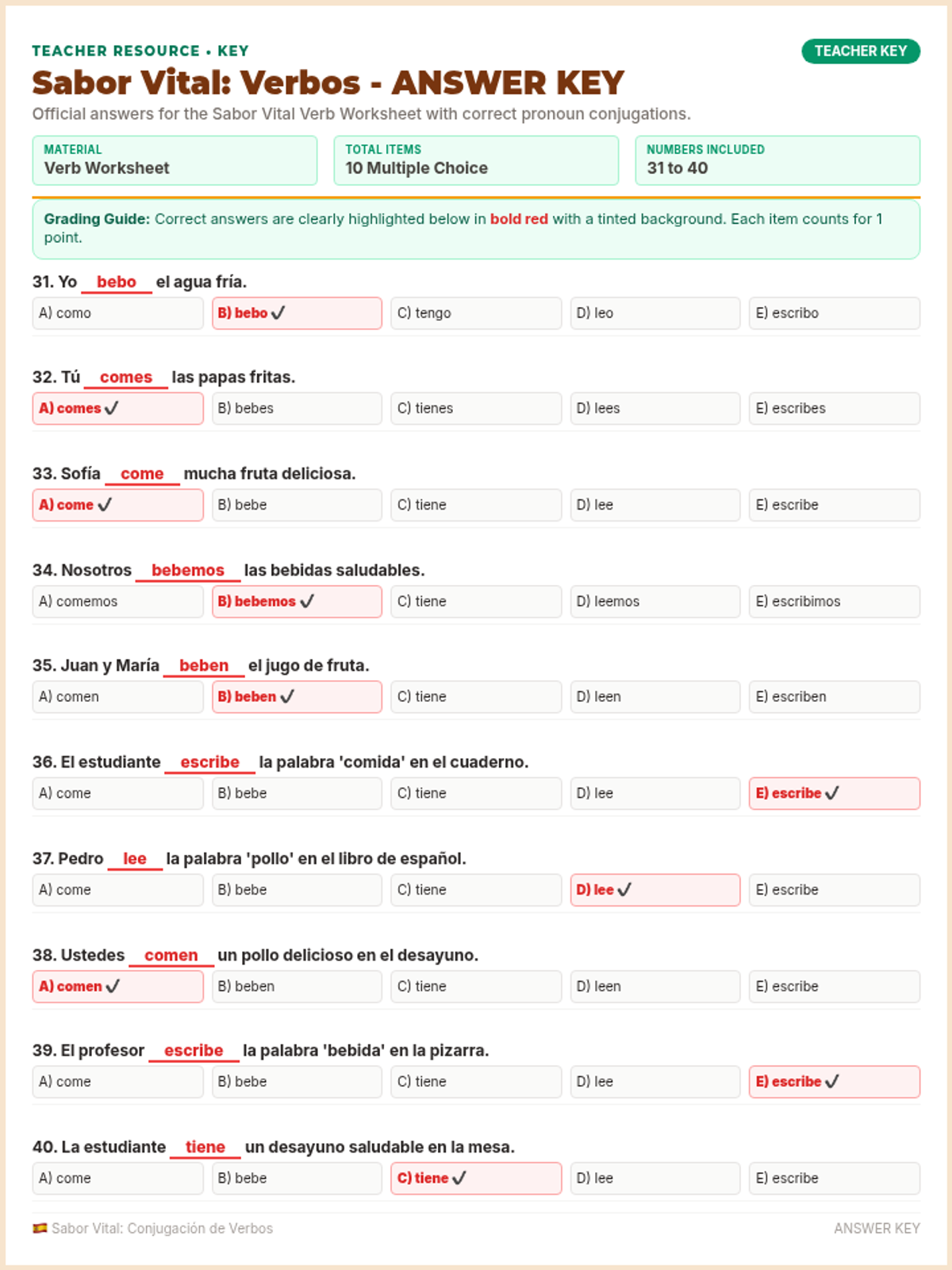
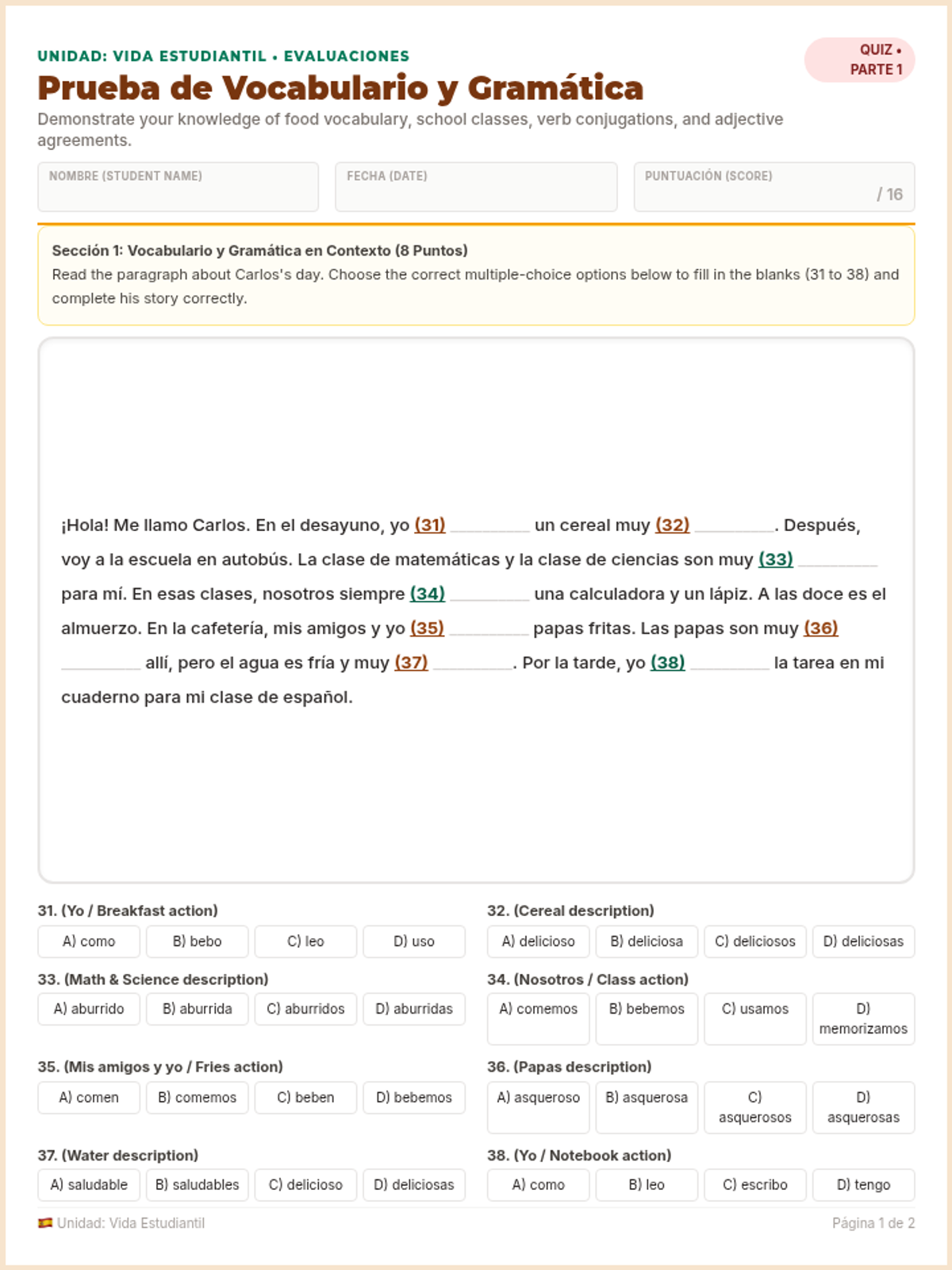
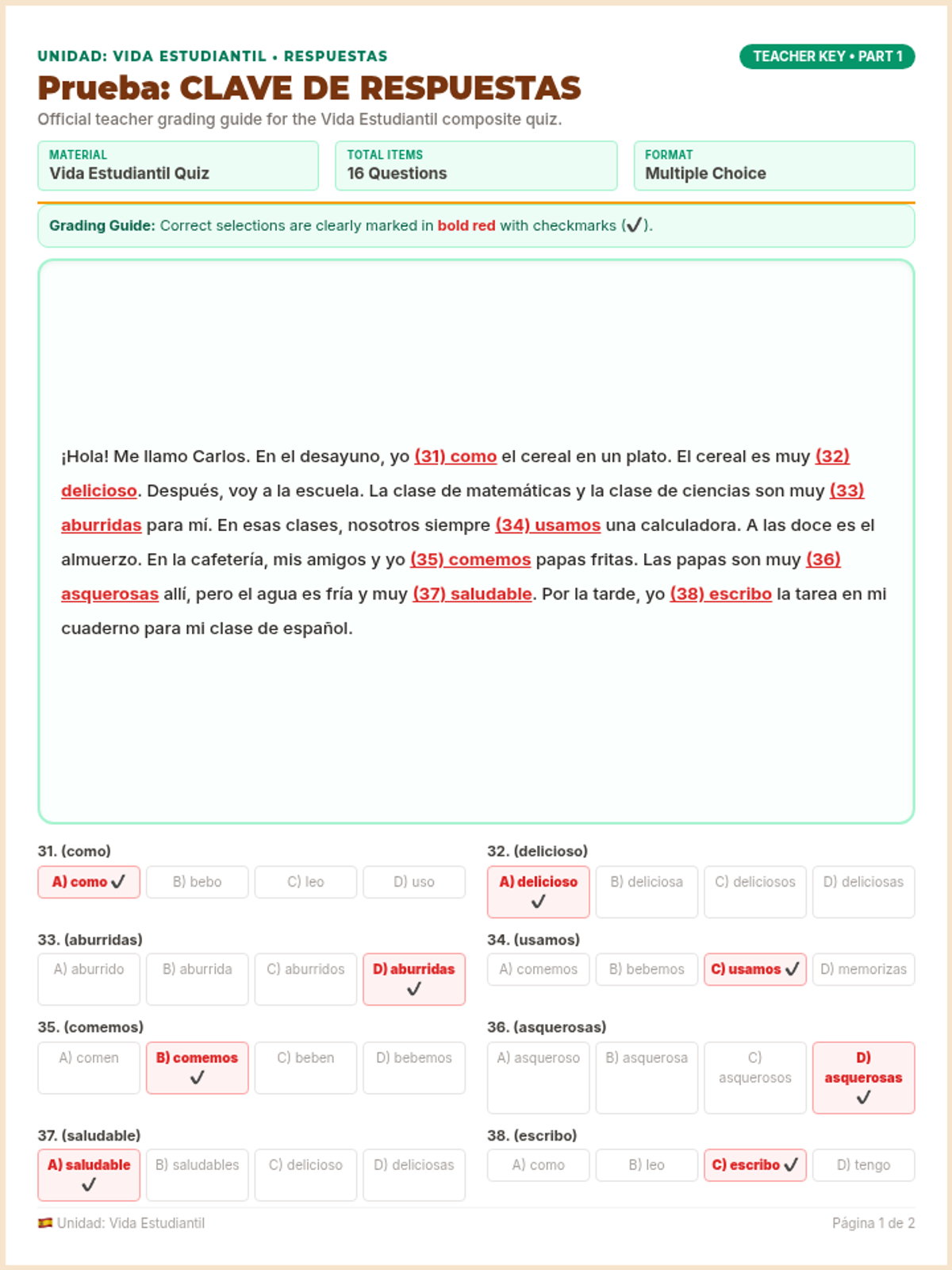
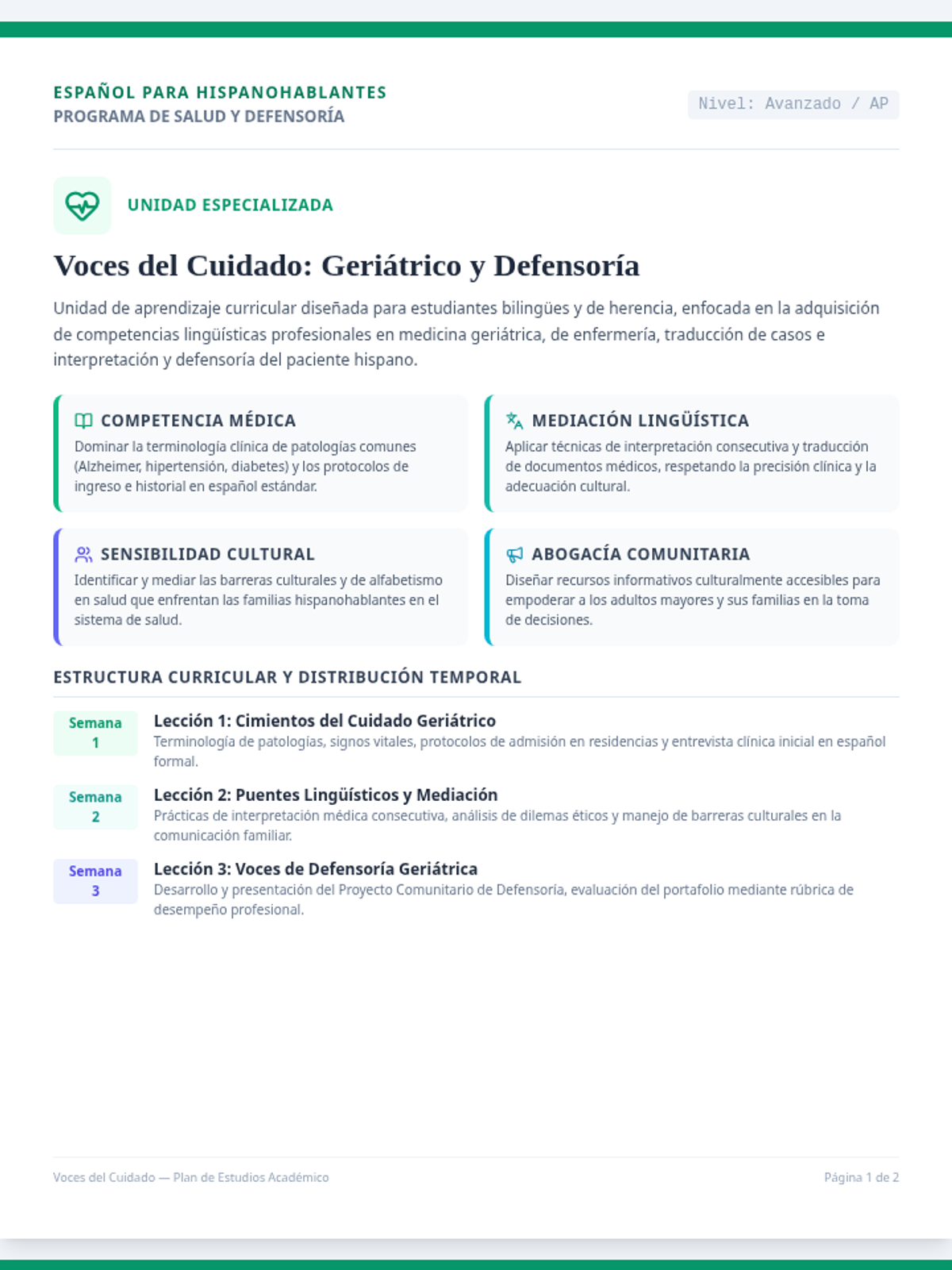
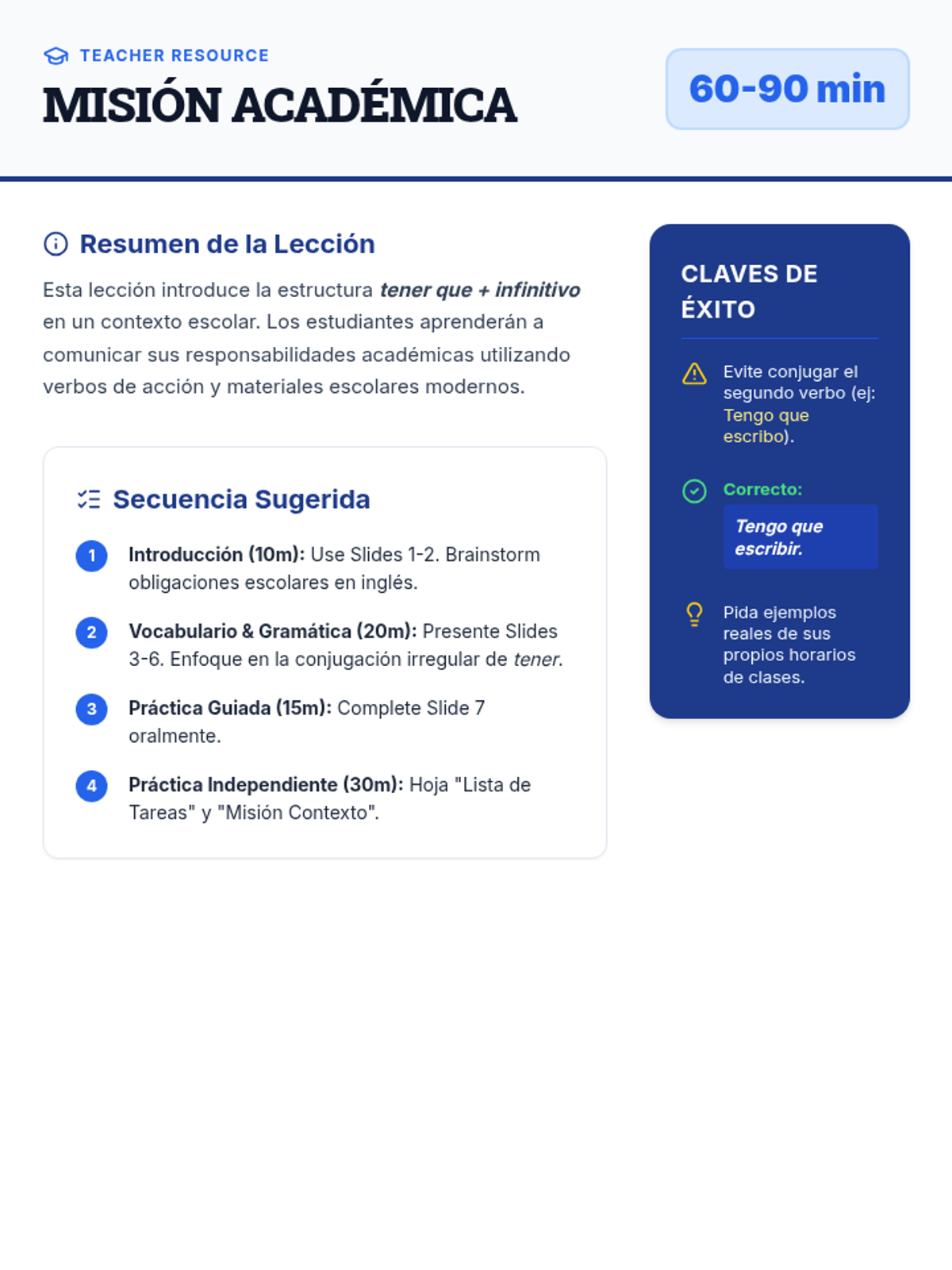
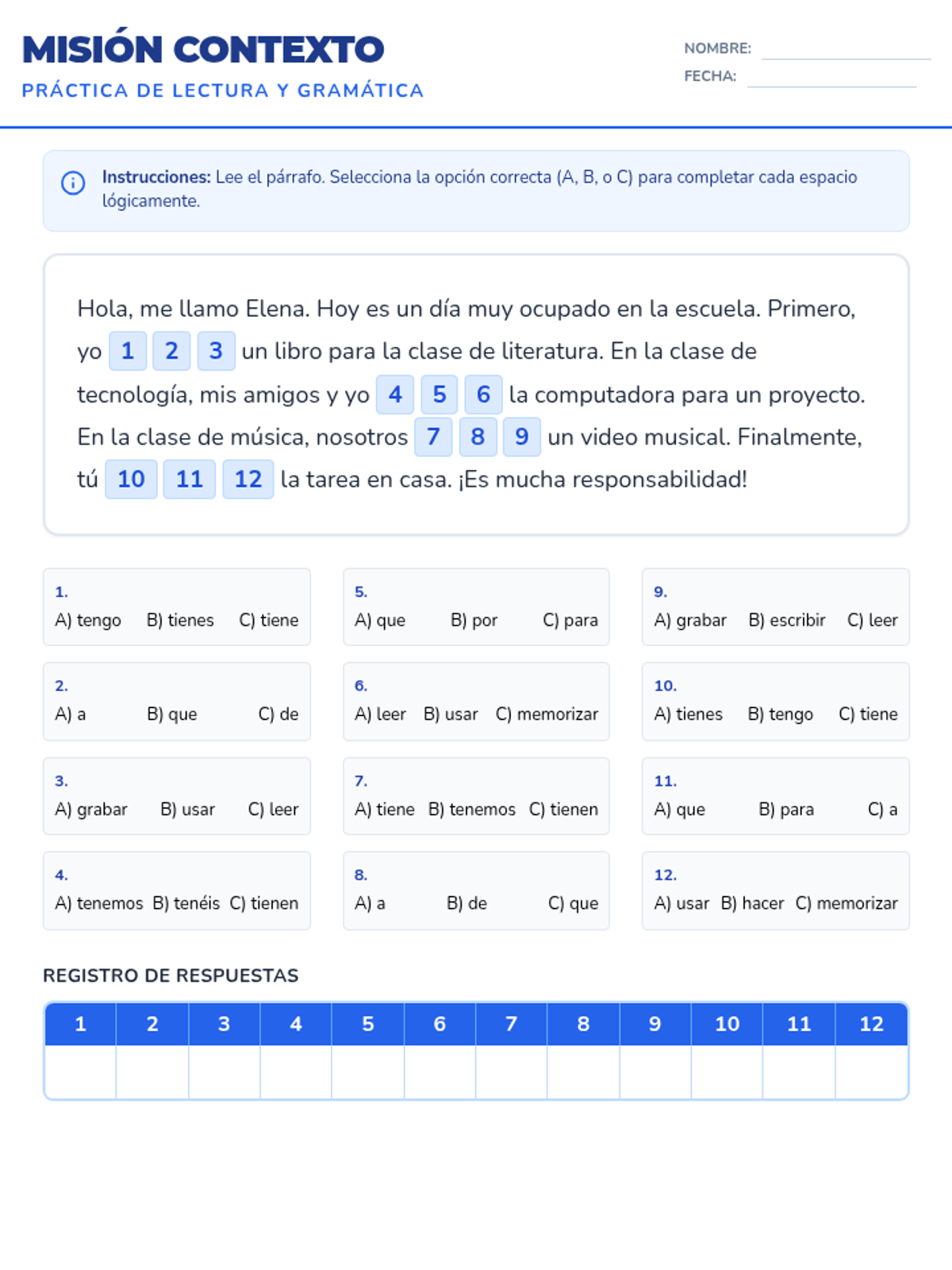
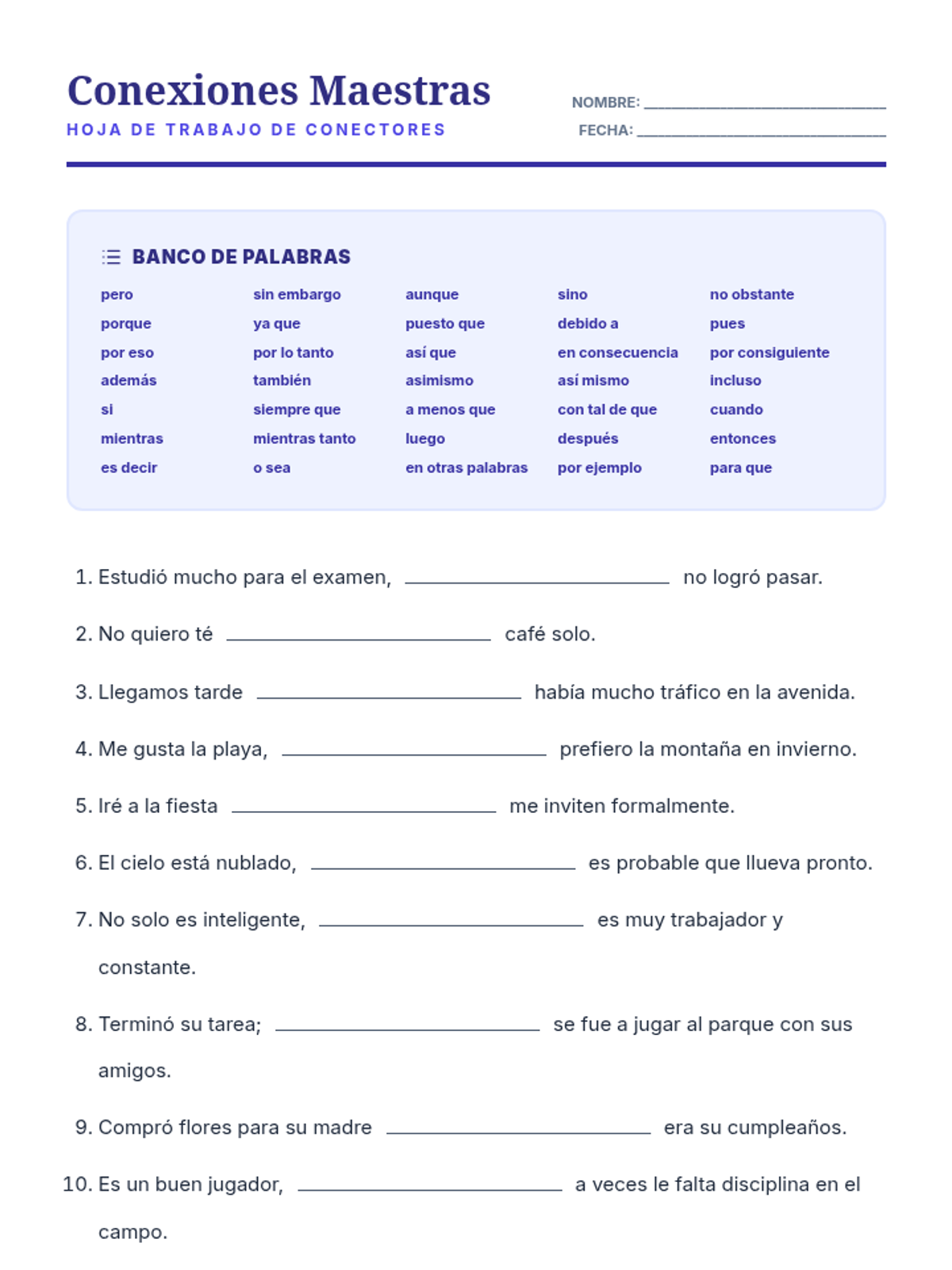
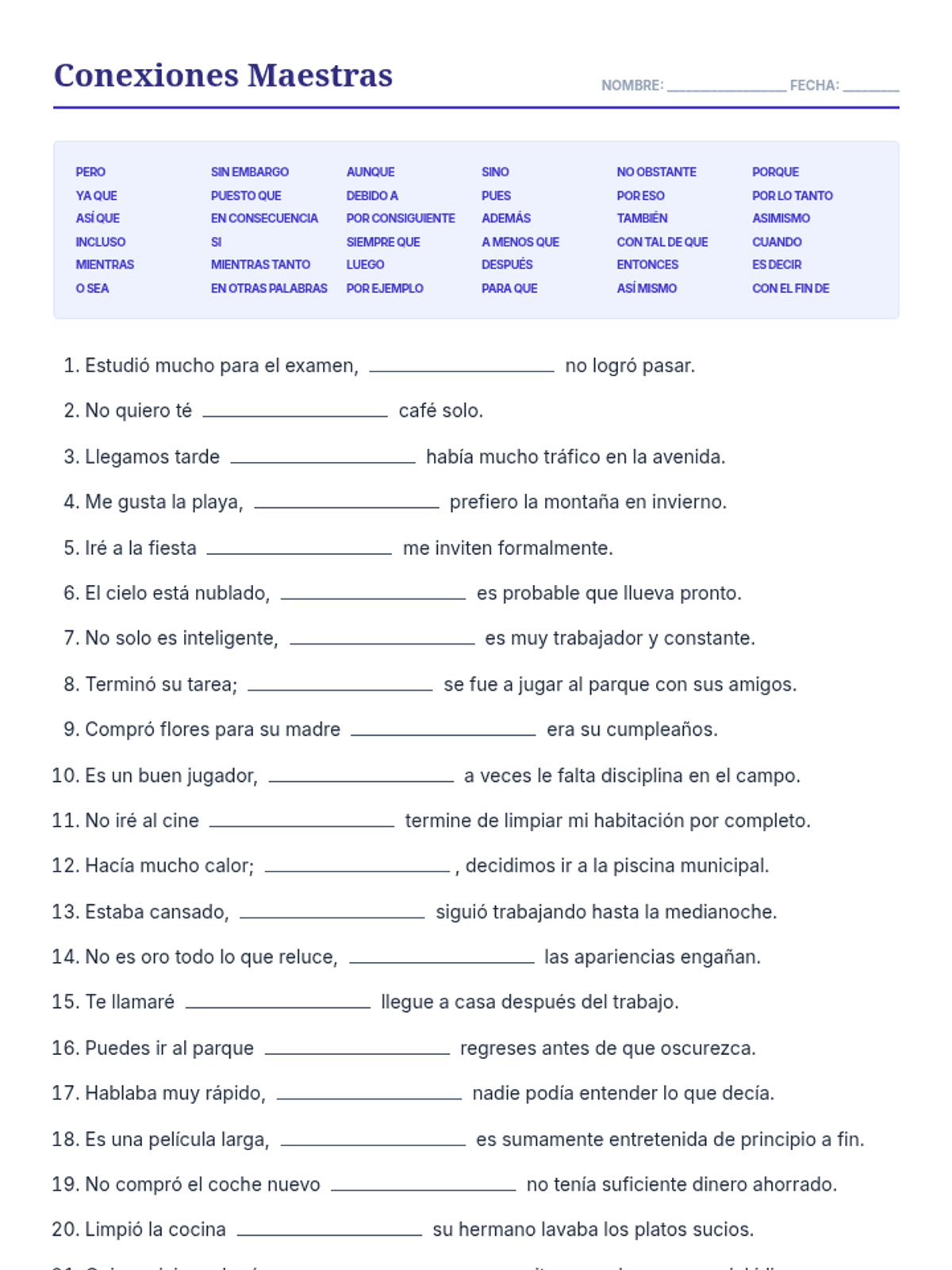
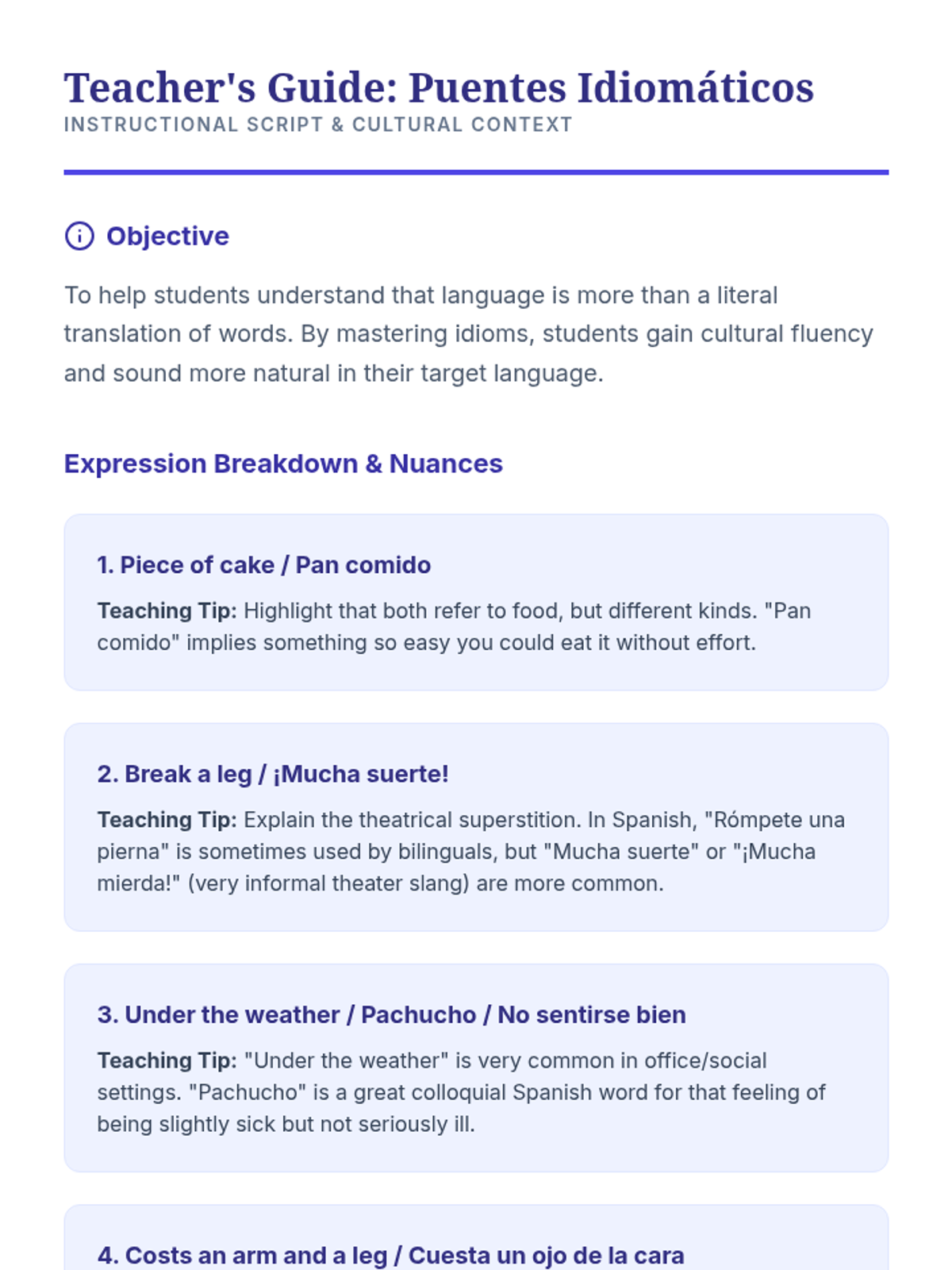
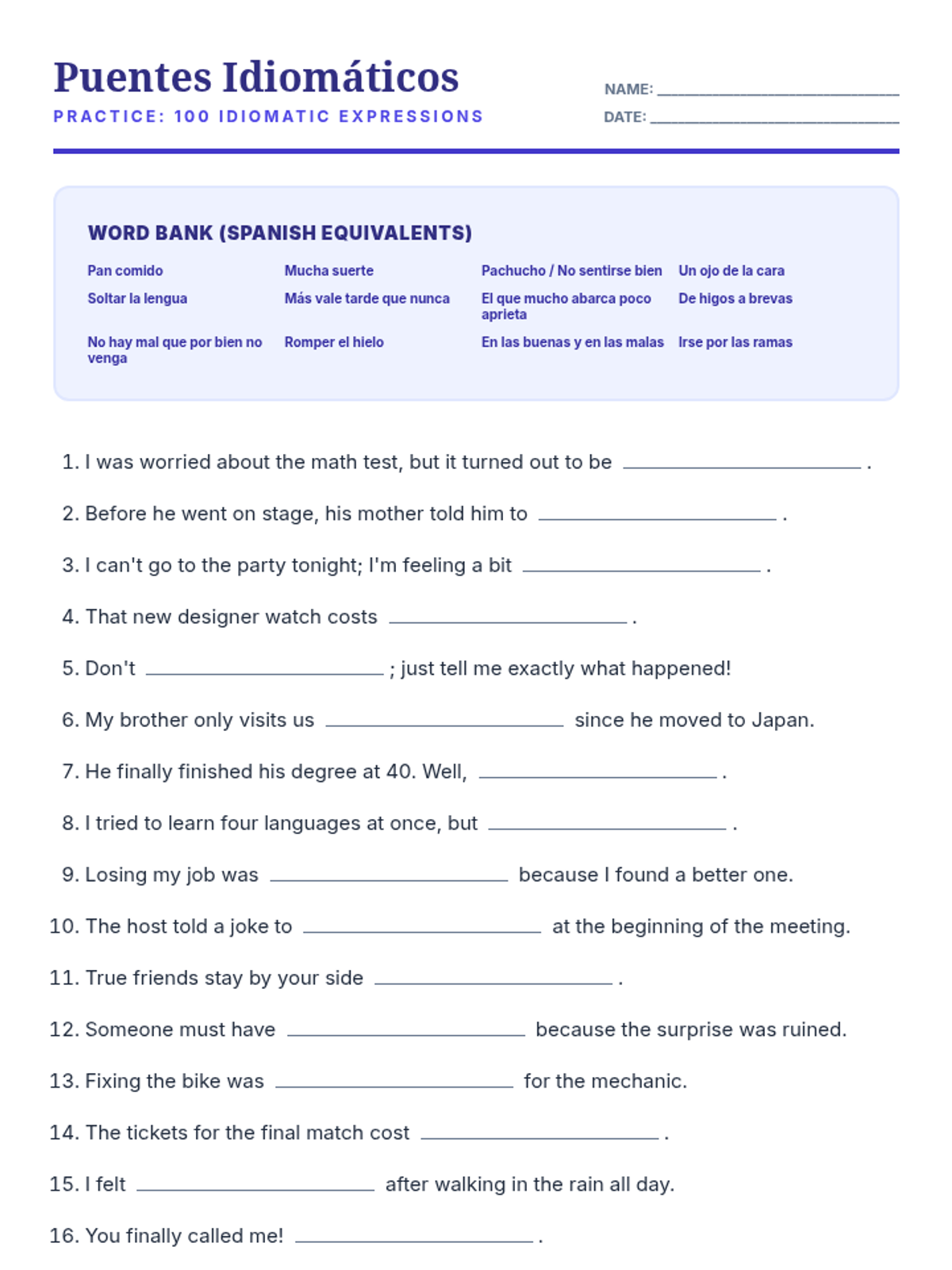
Una serie de lecciones enfocadas en el dominio de las estructuras gramaticales y expresiones idiomáticas en español e inglés para estudiantes bilingües.
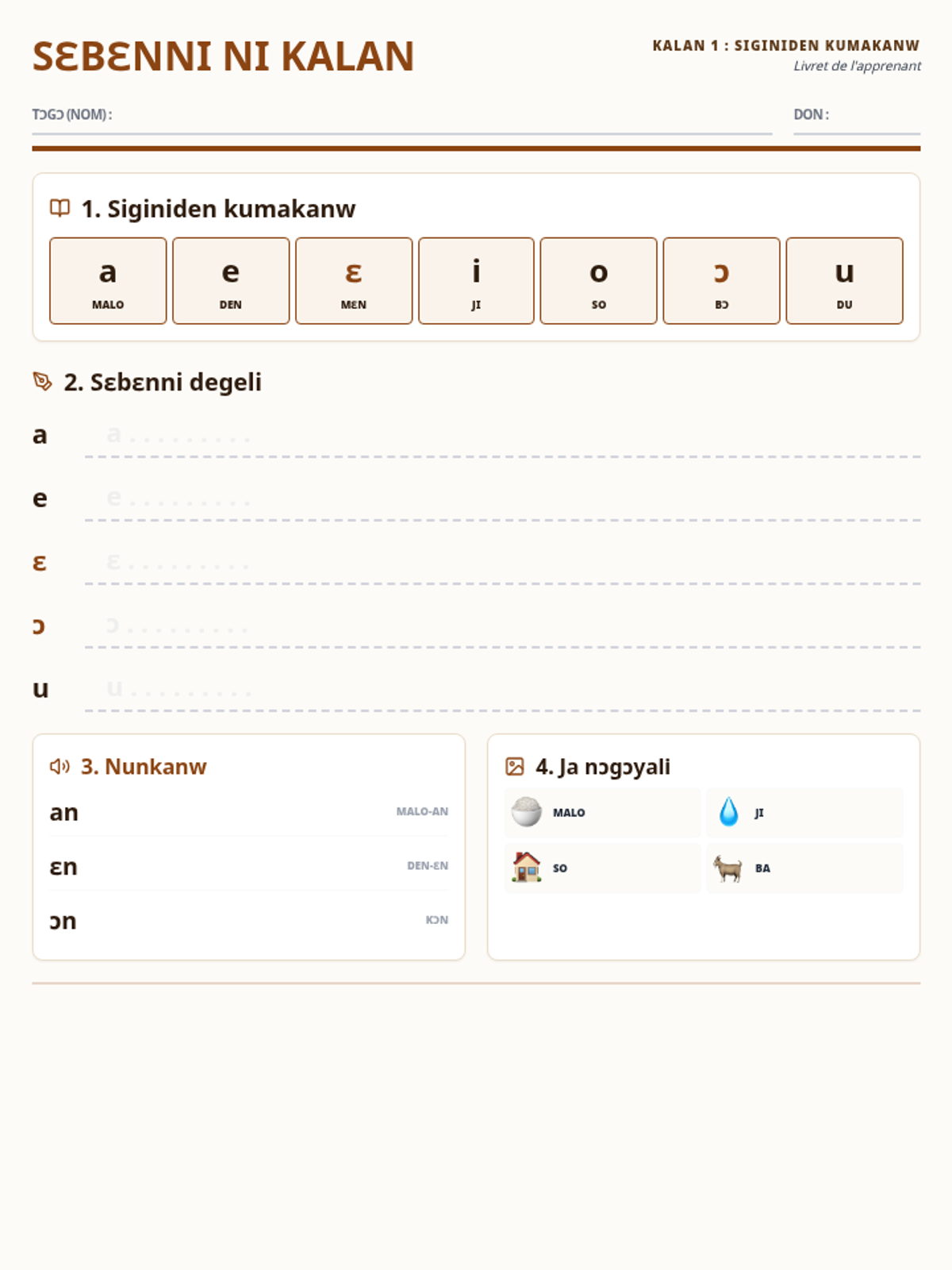
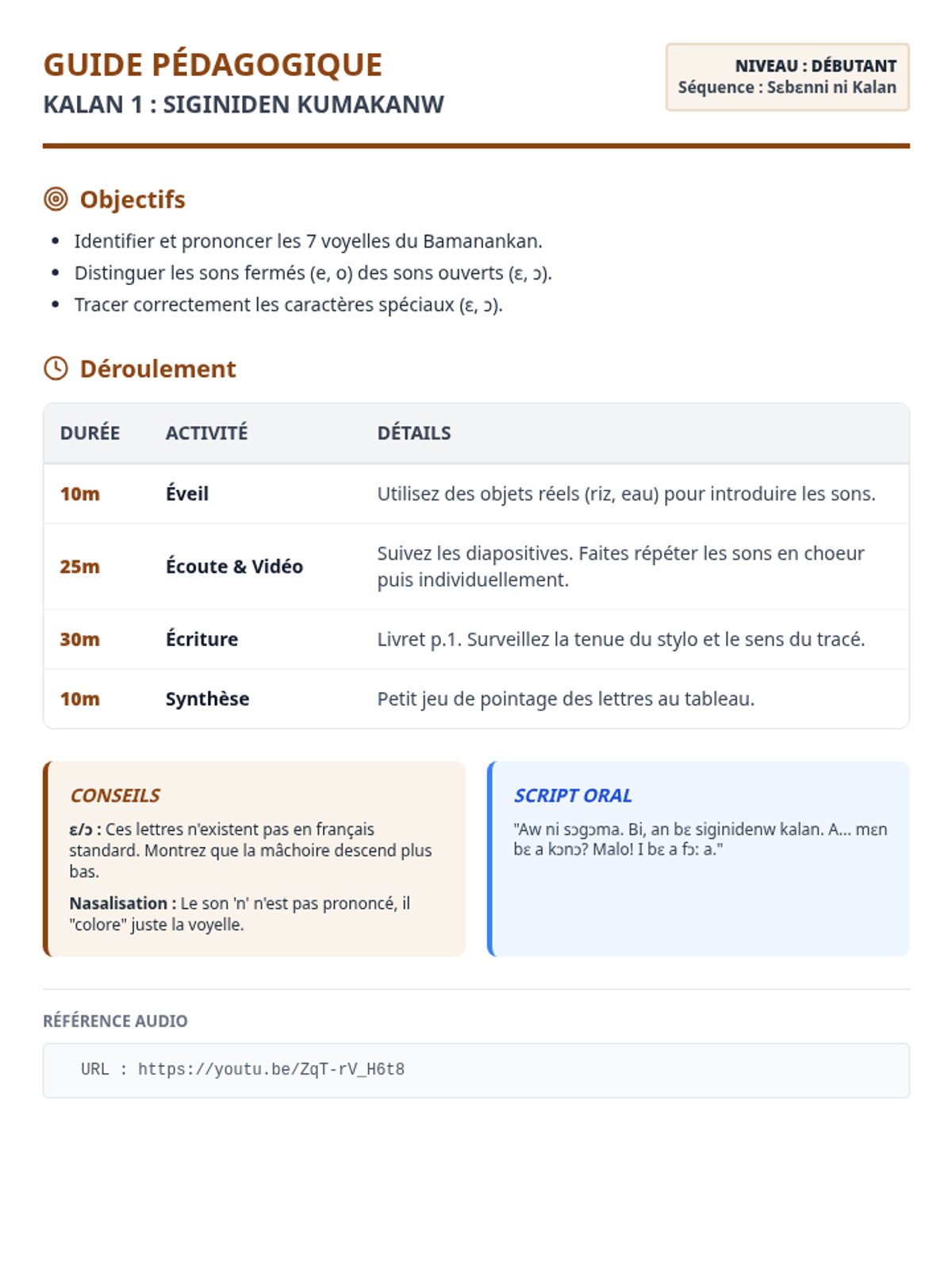
Une séquence d'alphabétisation complète en Bamanankan pour débutants, intégrant l'apprentissage des voyelles, des consonnes et des salutations de base à travers un livret imprimable et des supports visuels.
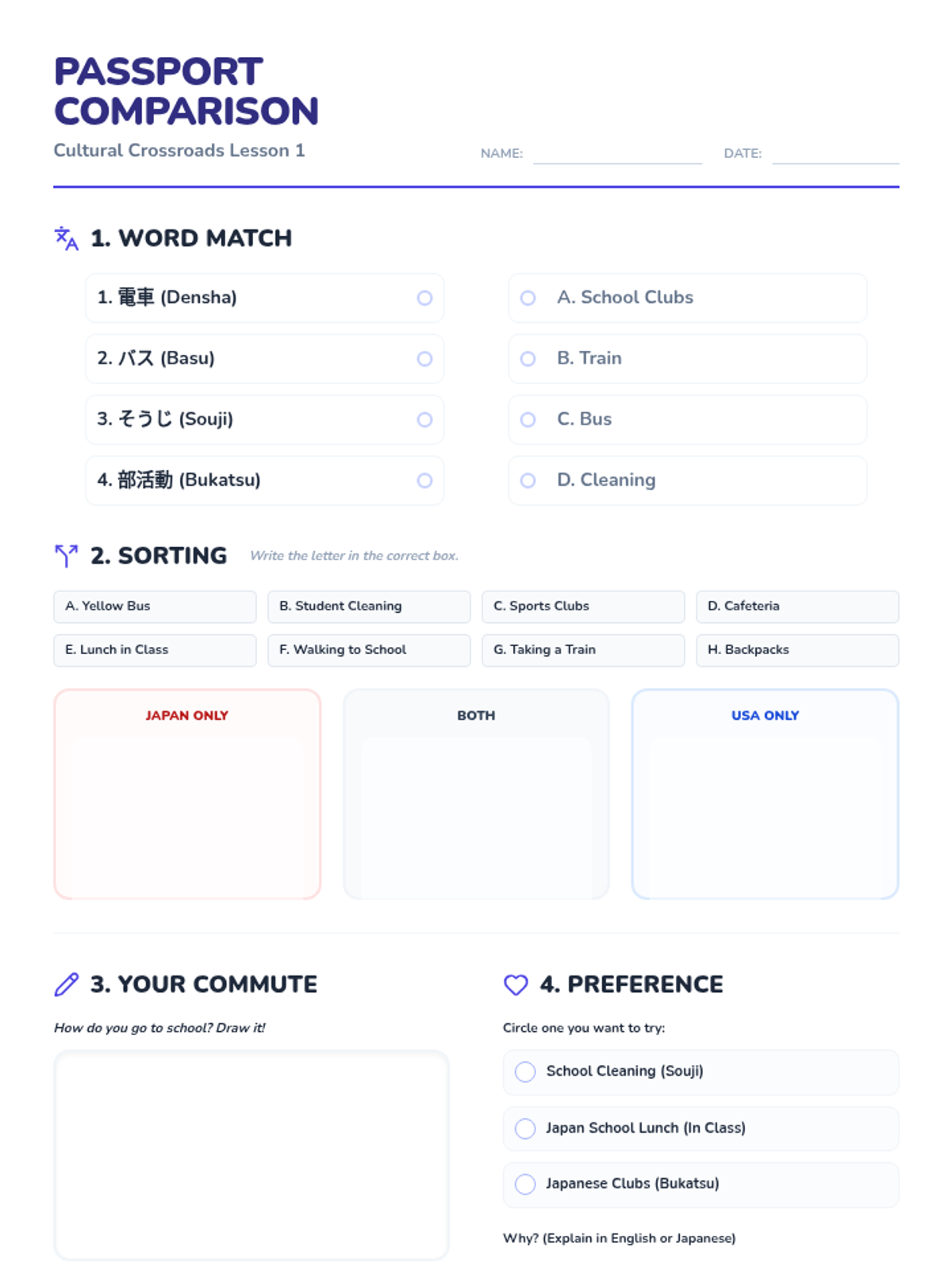
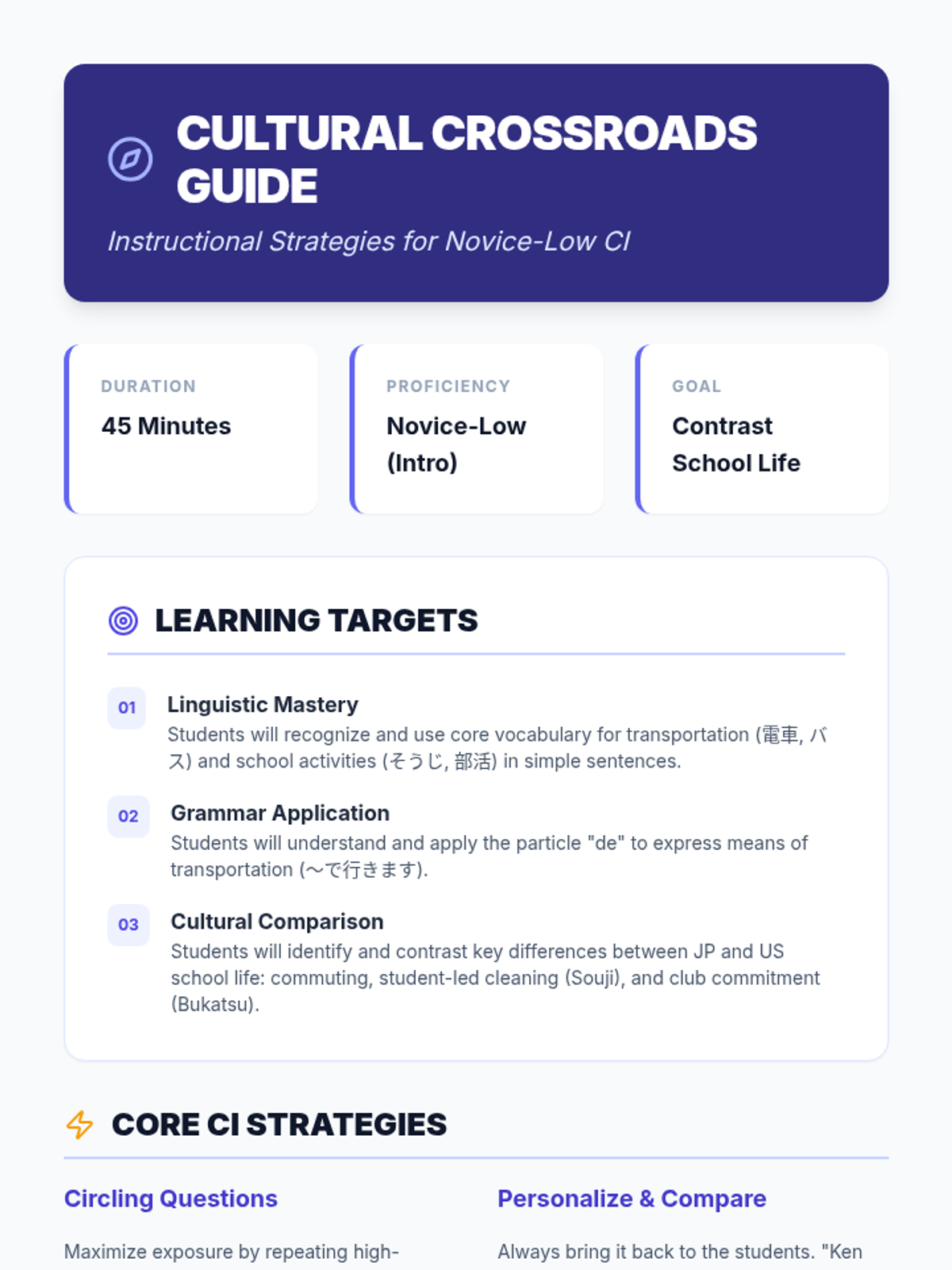
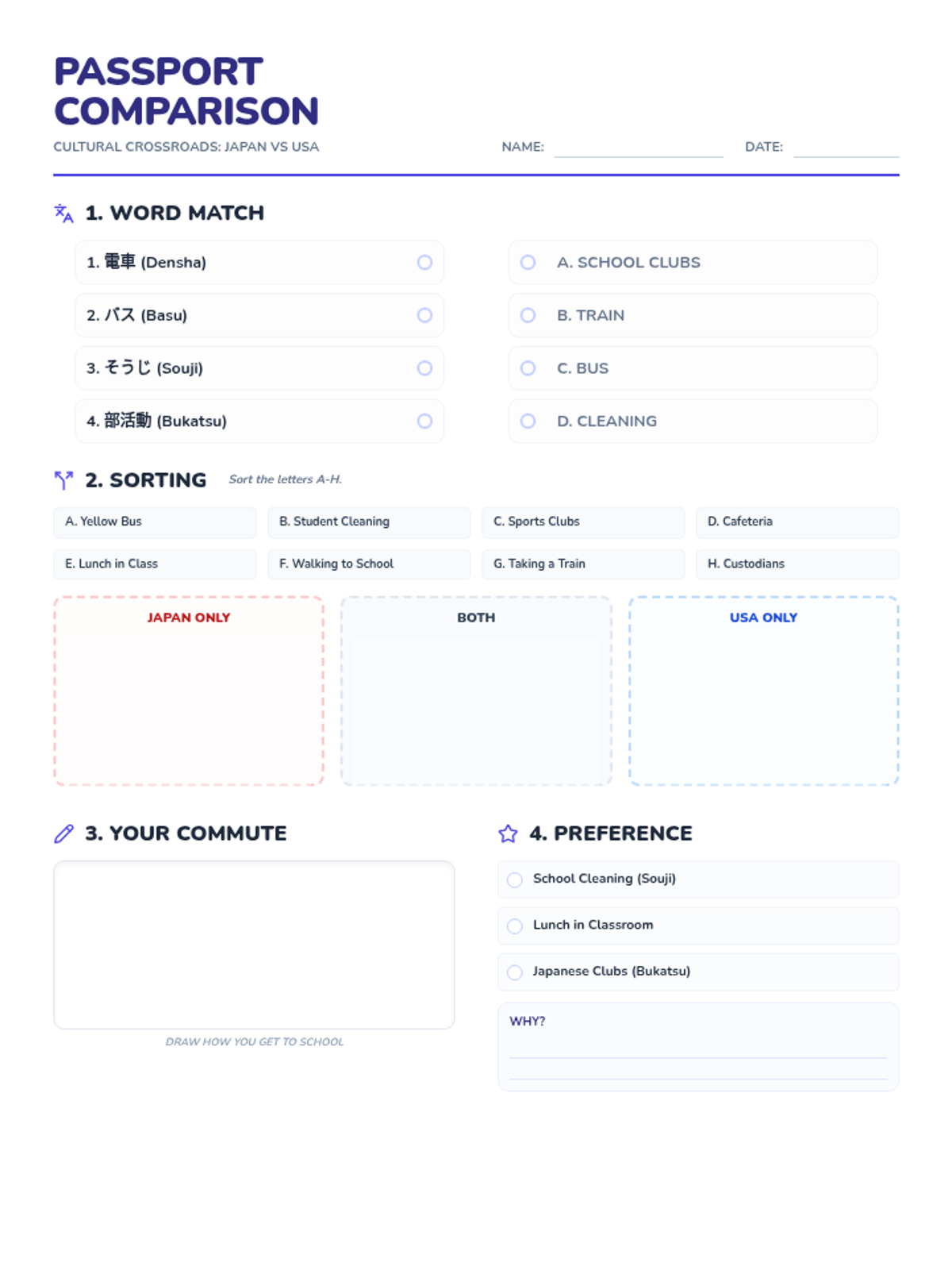
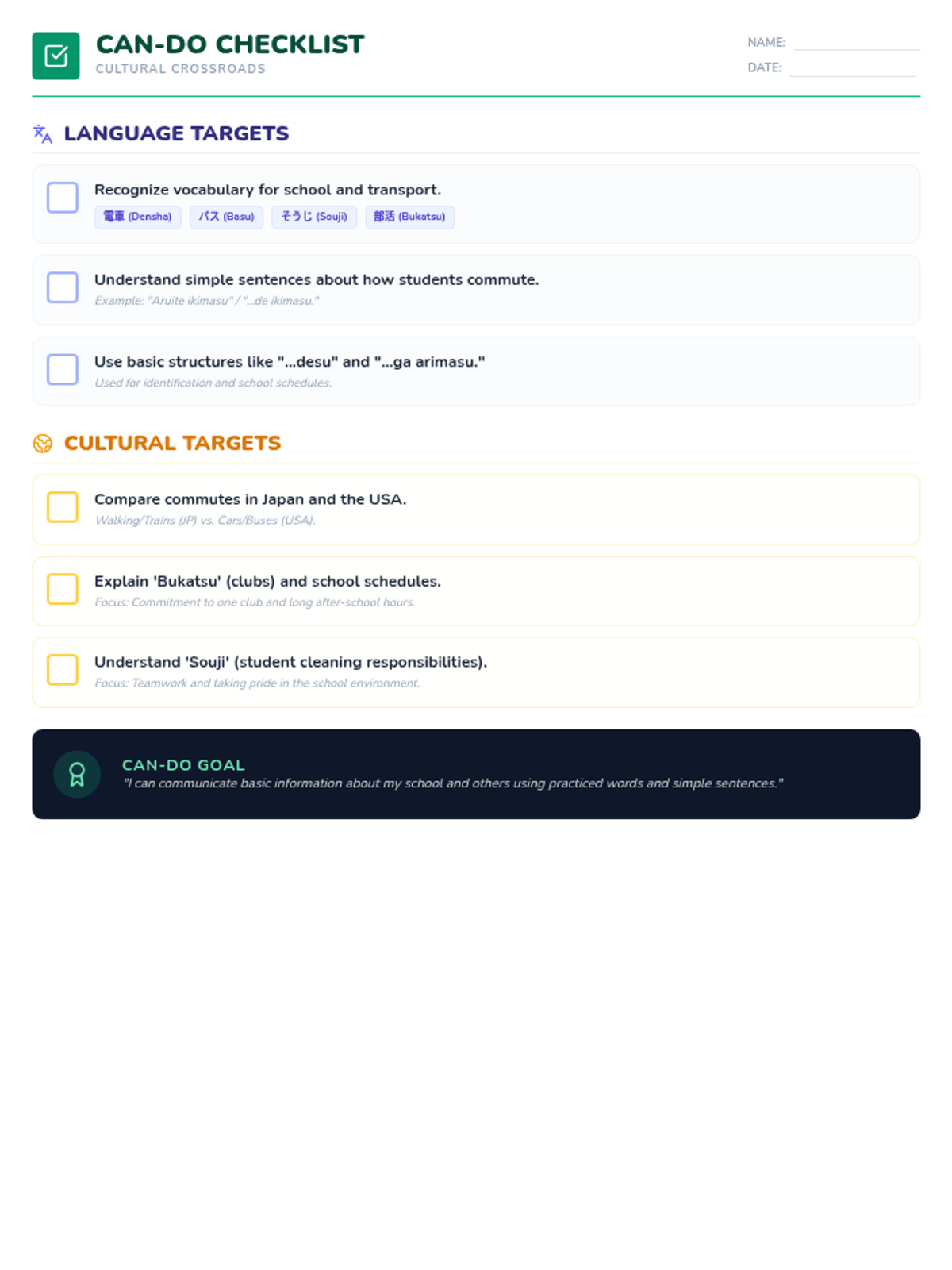
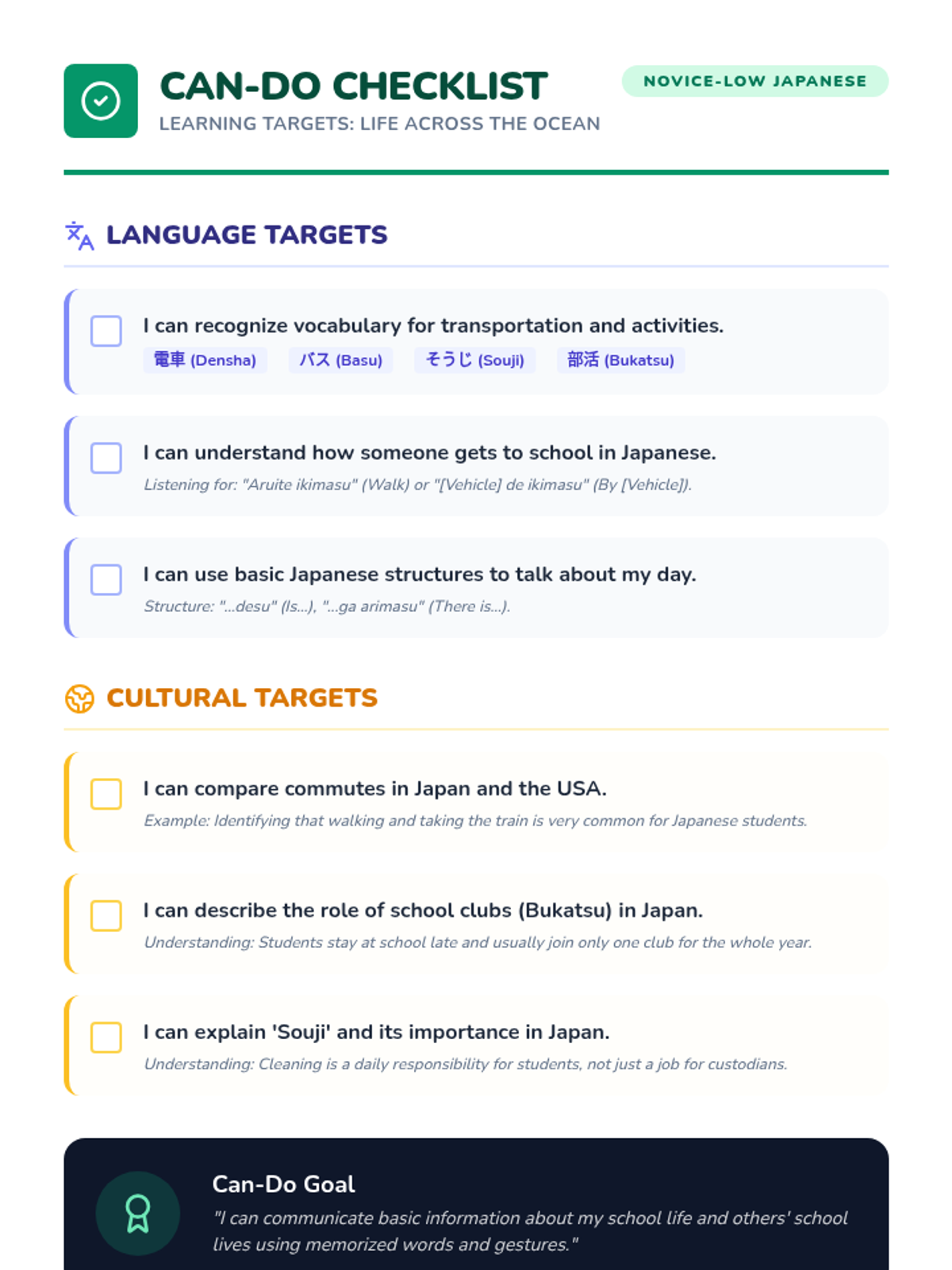
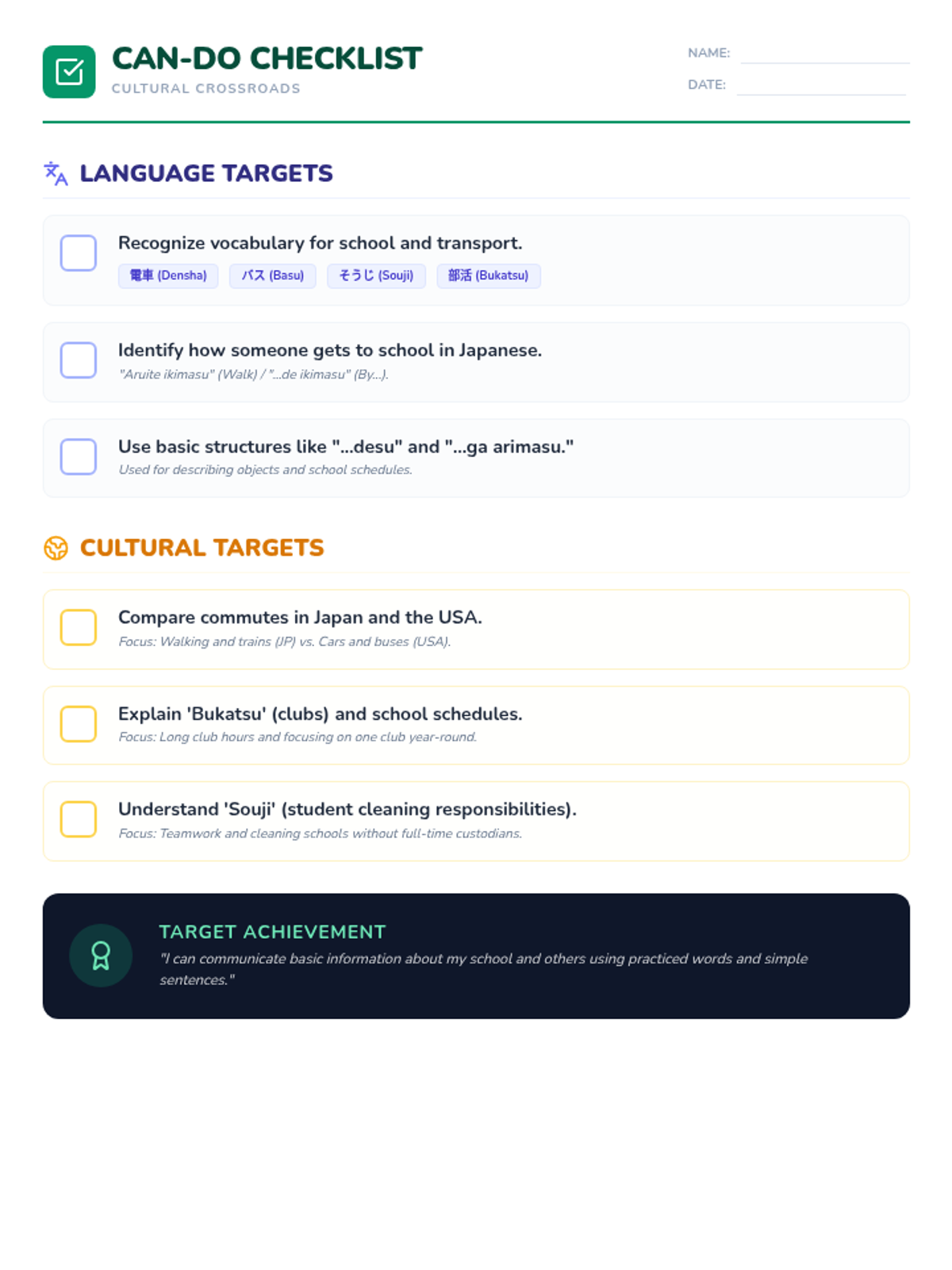
A Novice-Low Japanese lesson sequence focusing on cultural comparisons between Japan and the United States, specifically regarding school life and transportation. The materials use Comprehensible Input (CI) strategies to make the content accessible to beginners.
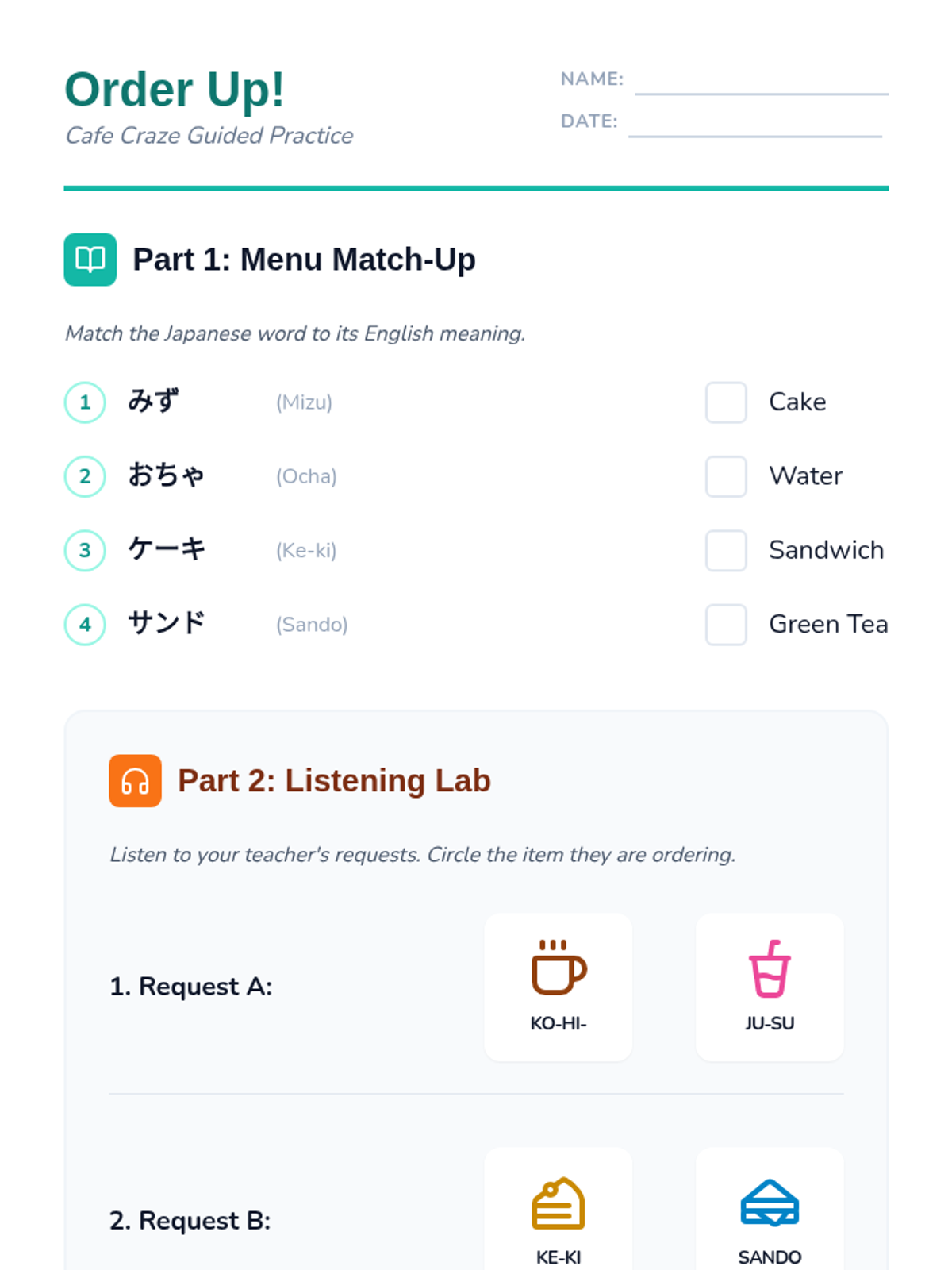
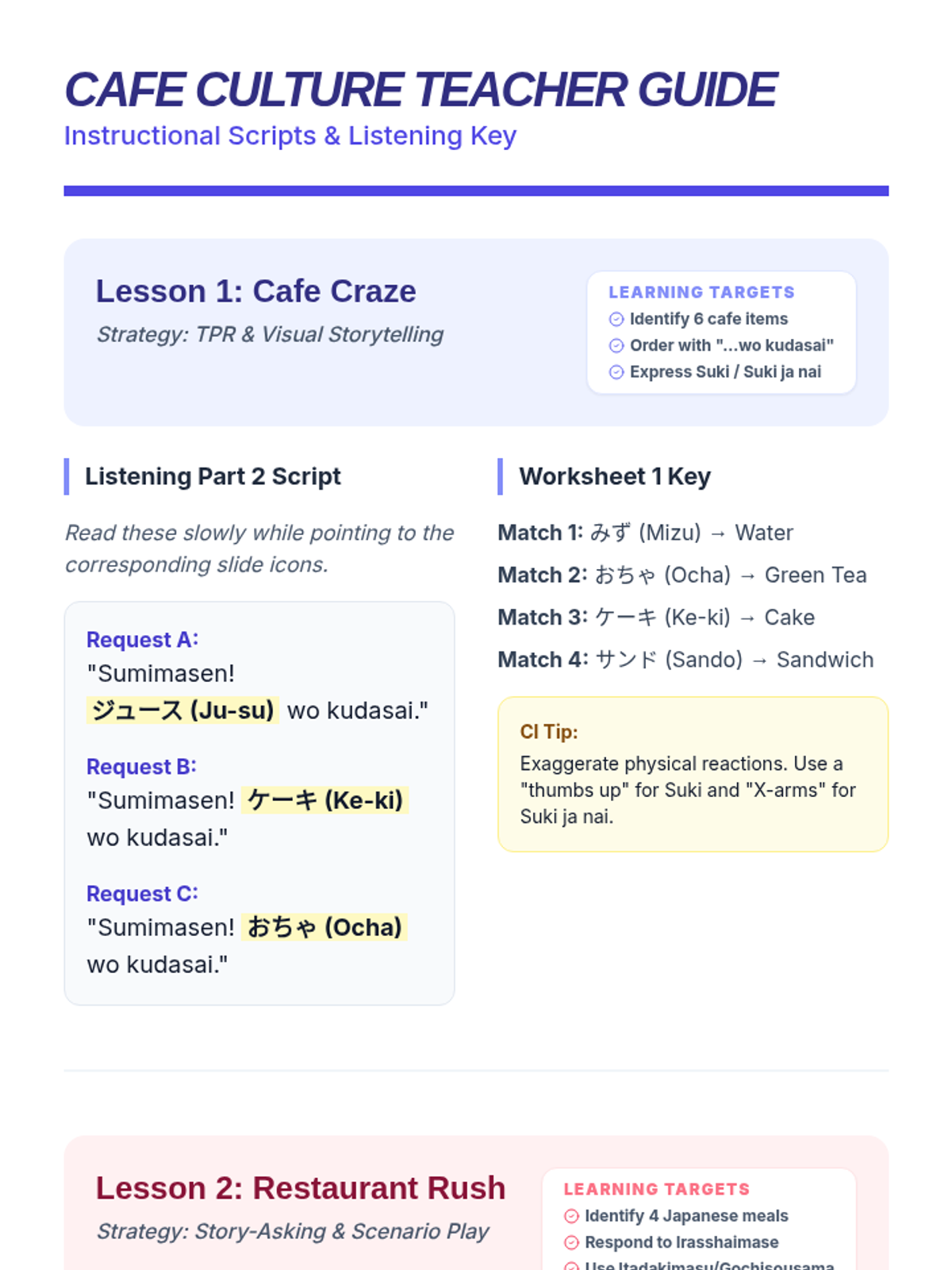
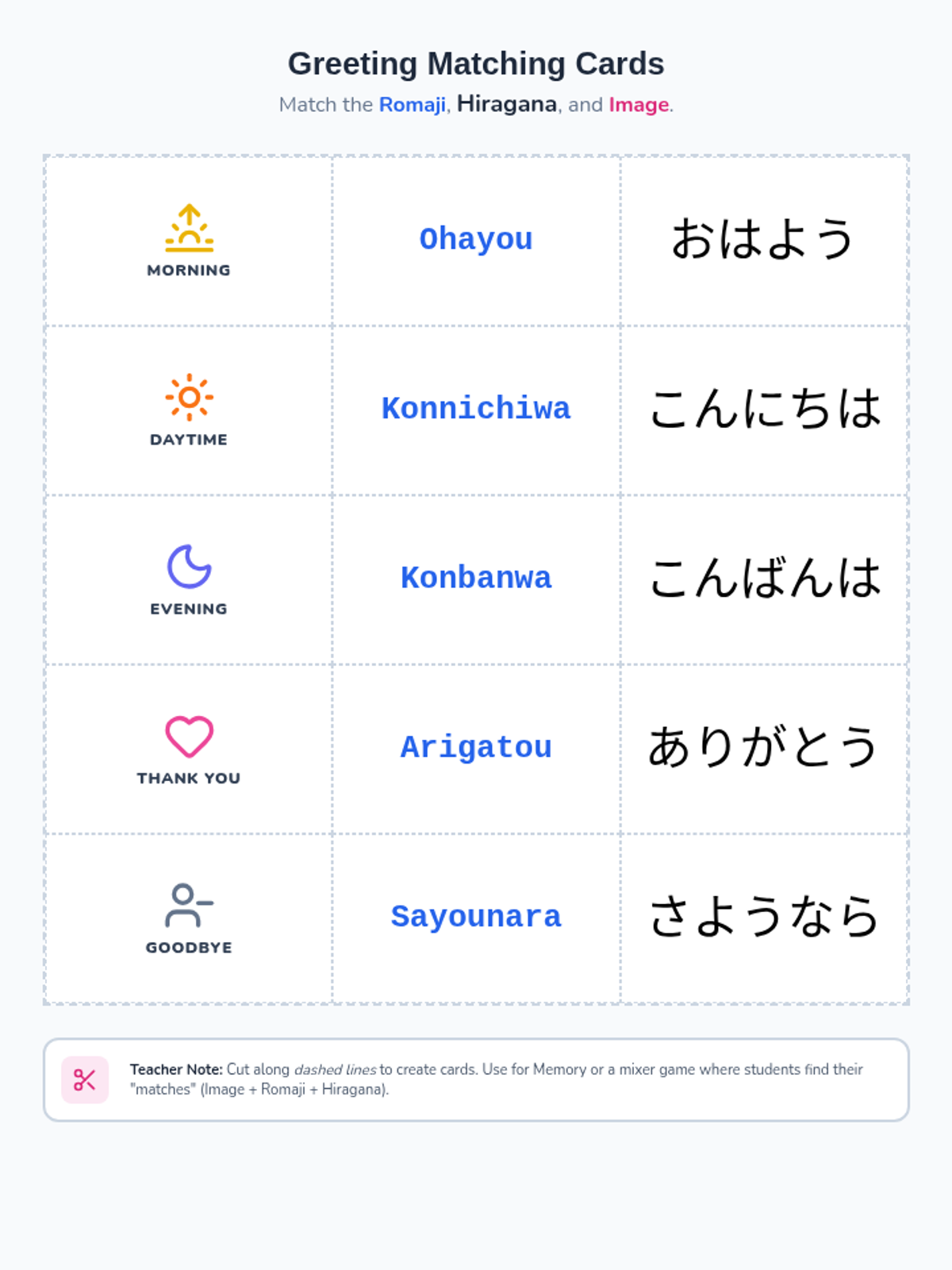
A two-lesson sequence for 8th grade introductory Japanese, focusing on food and drink vocabulary in cafe and restaurant settings using Comprehensible Input (CI) strategies. Students learn to order, identify common items, and use polite cultural phrases in both Romaji and Hiragana.
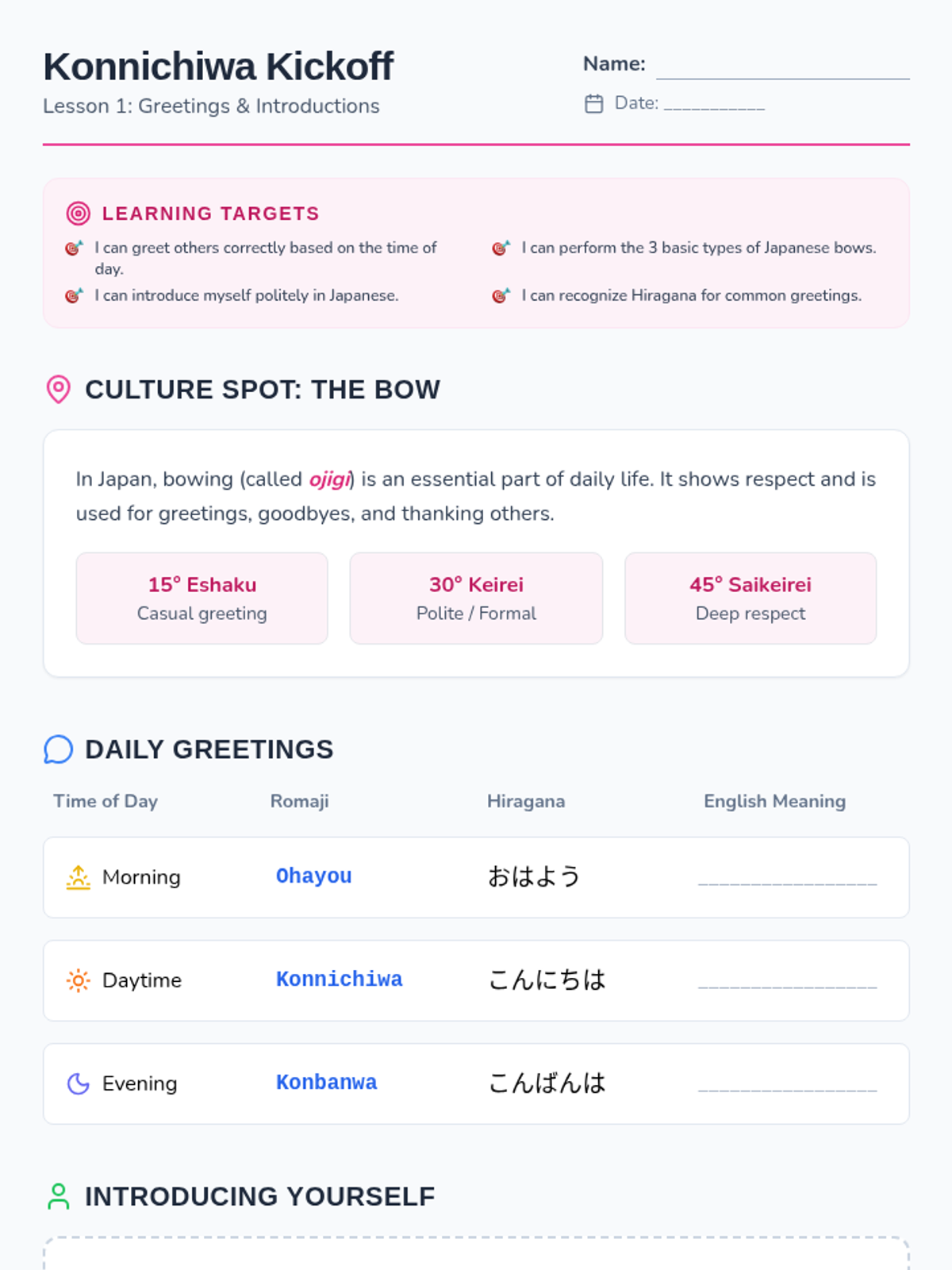
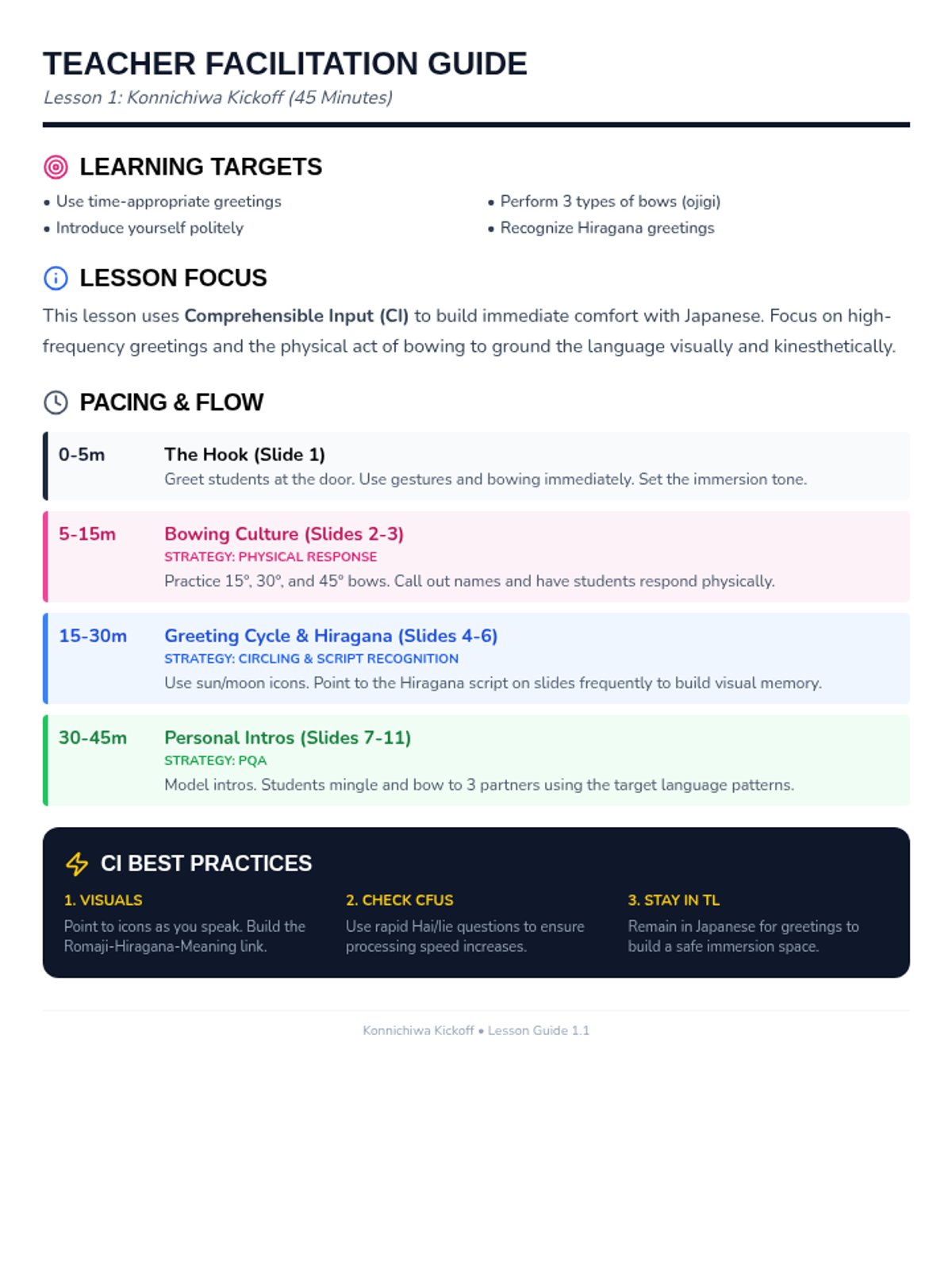
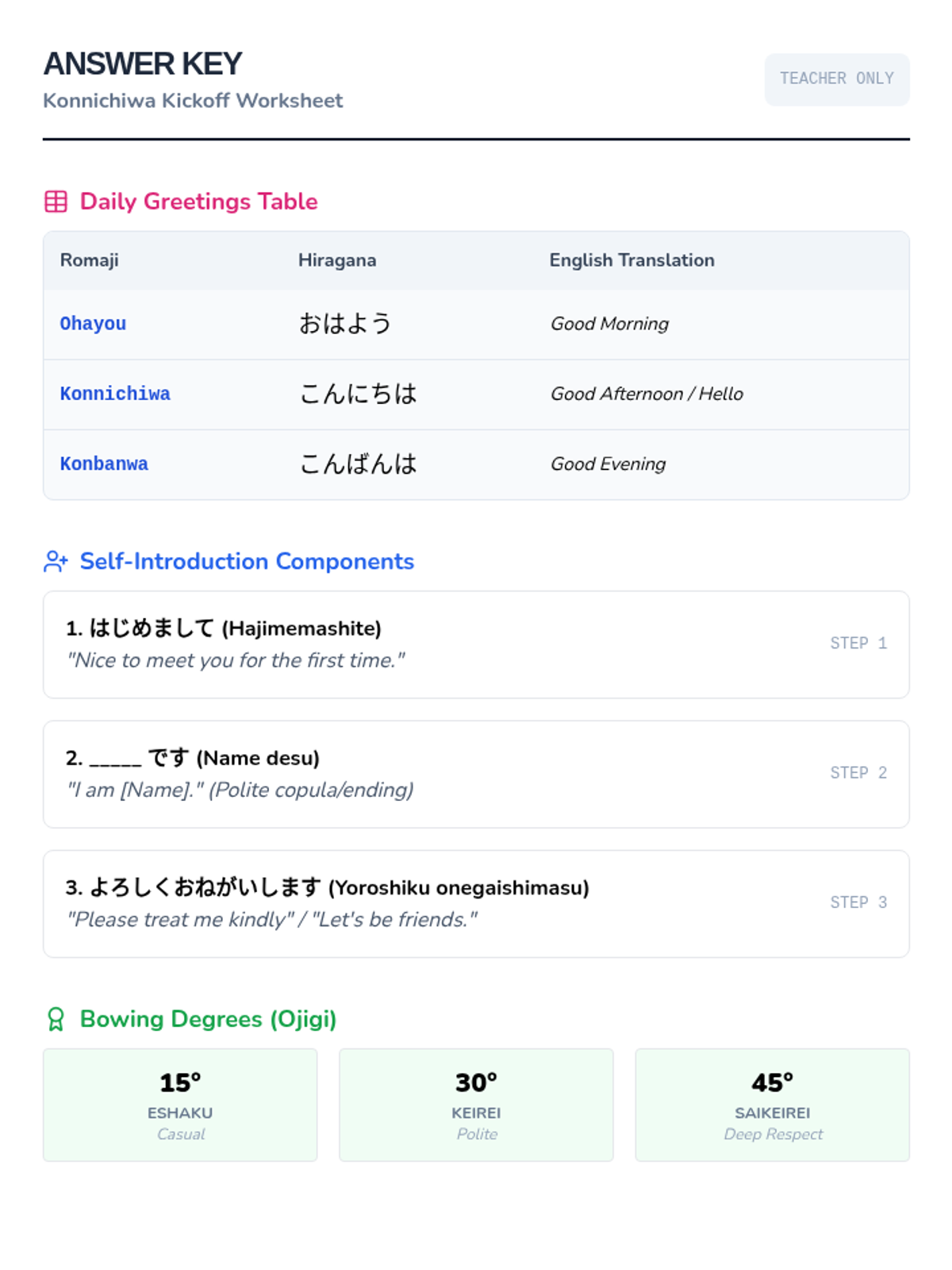
An exploratory unit for 8th graders to discover the Japanese language and culture through immersive activities, focusing on practical communication and cultural etiquette.
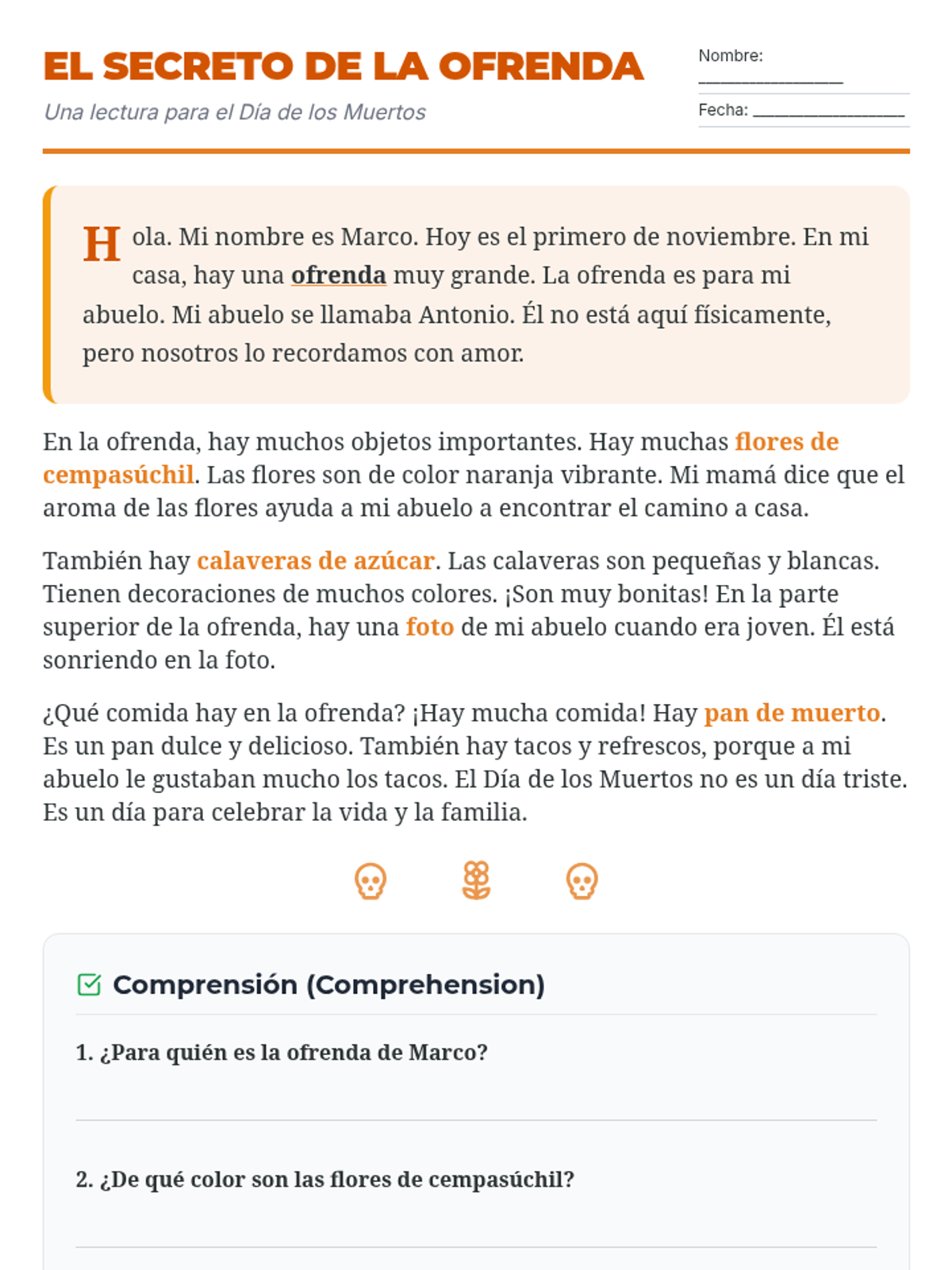
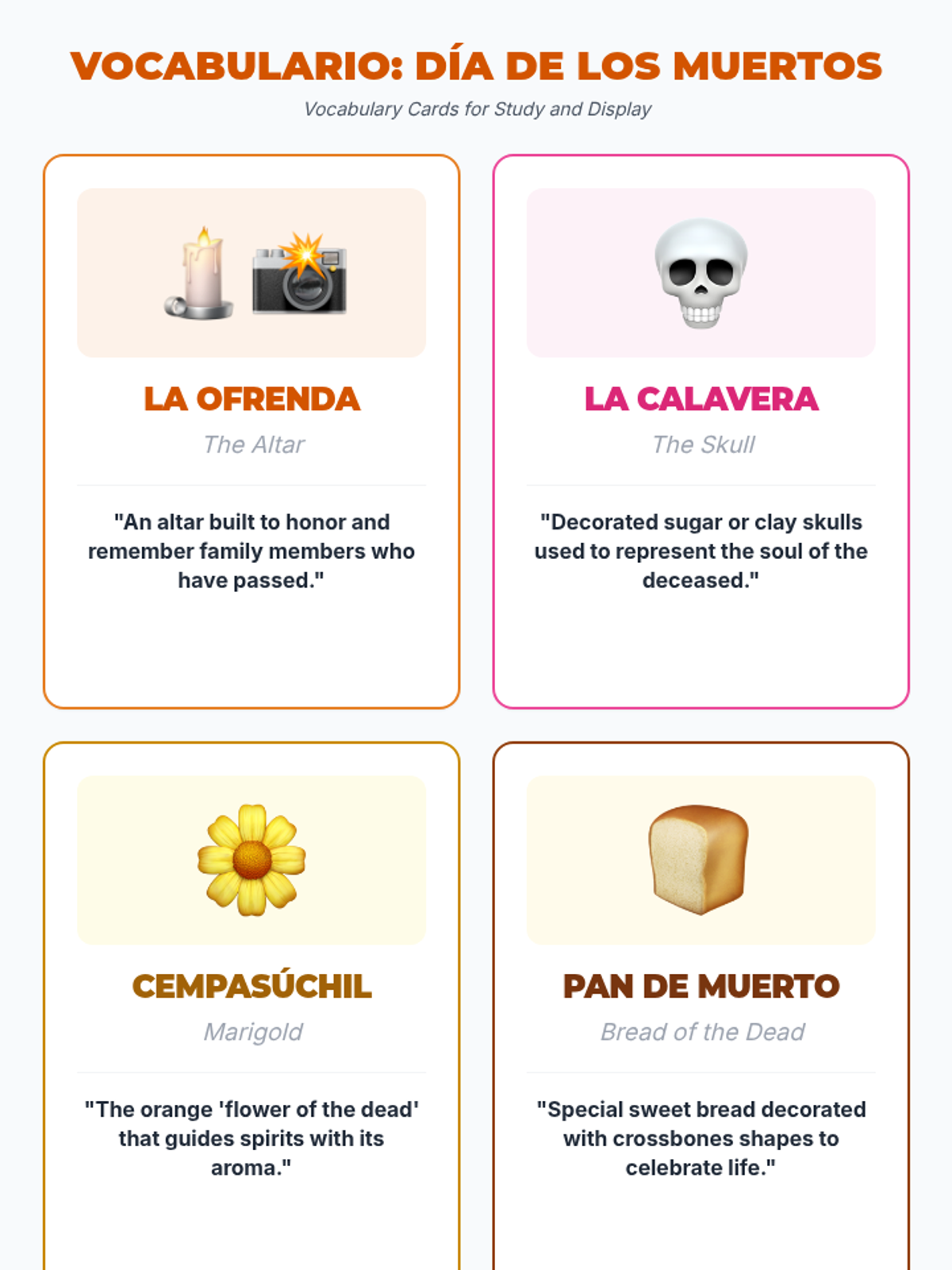
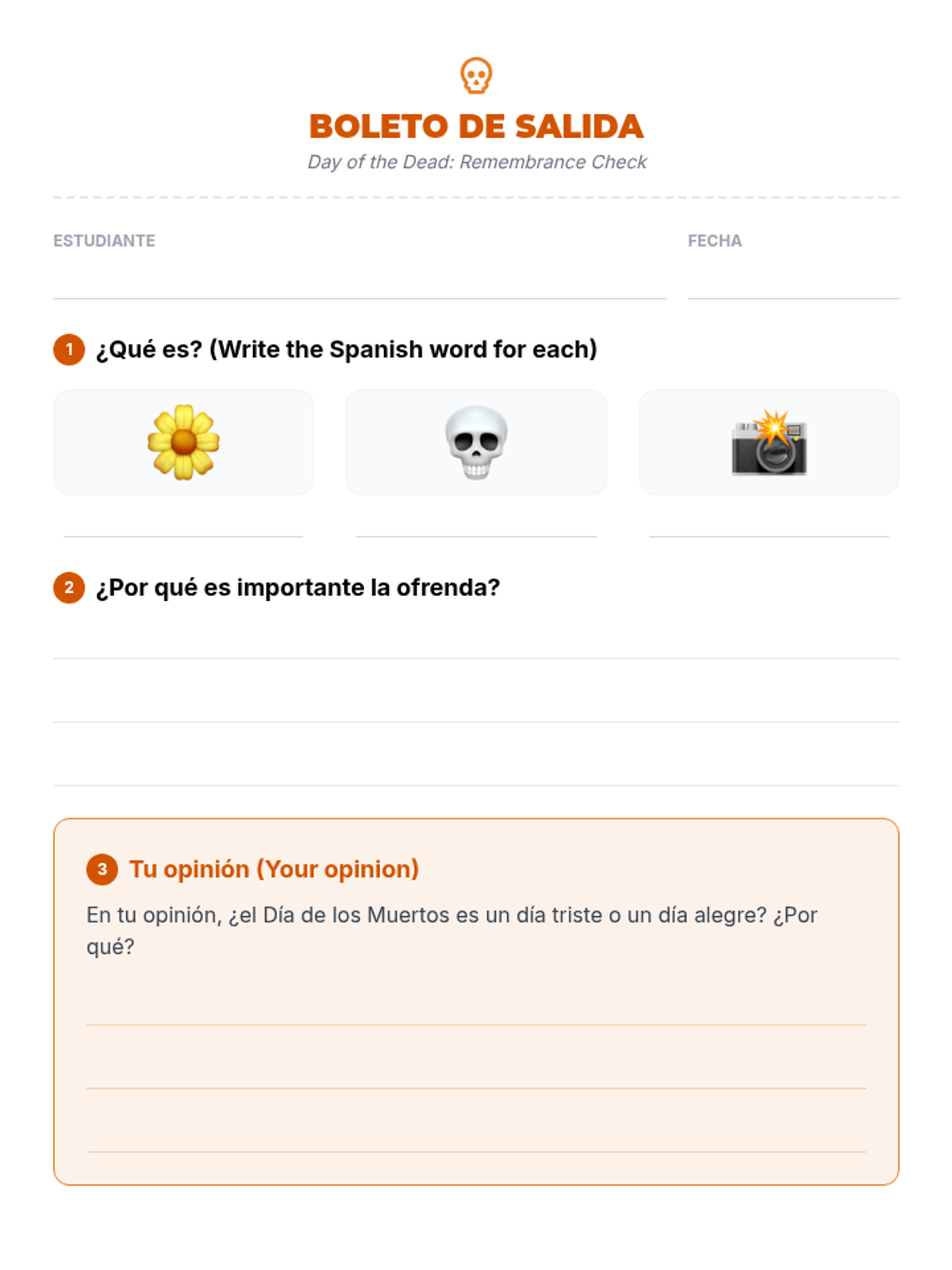
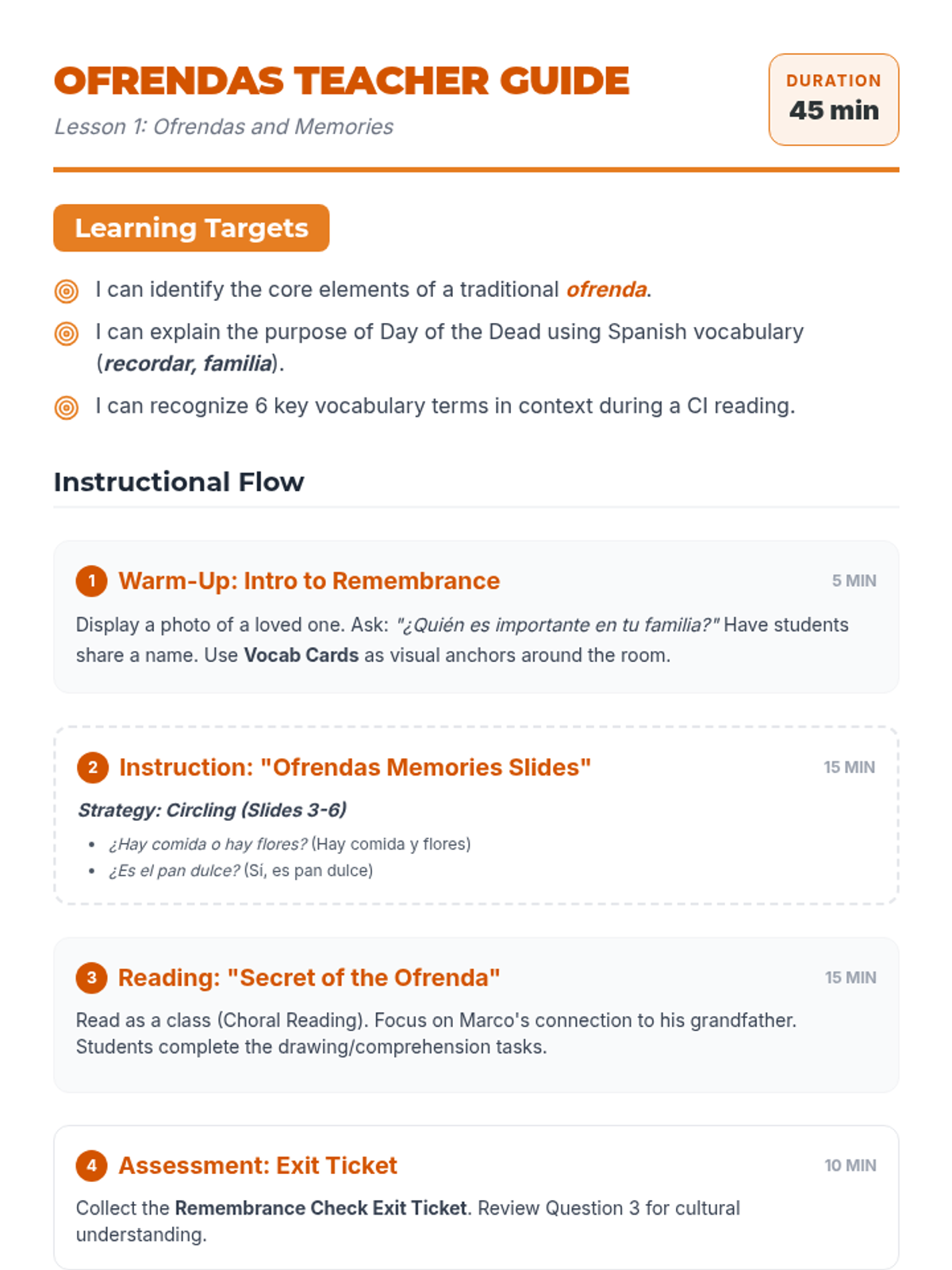
A two-lesson unit exploring Day of the Dead and Quinceañeras through Comprehensible Input (CI) strategies, focusing on vocabulary, cultural significance, and simple Spanish reading for 8th-grade students.
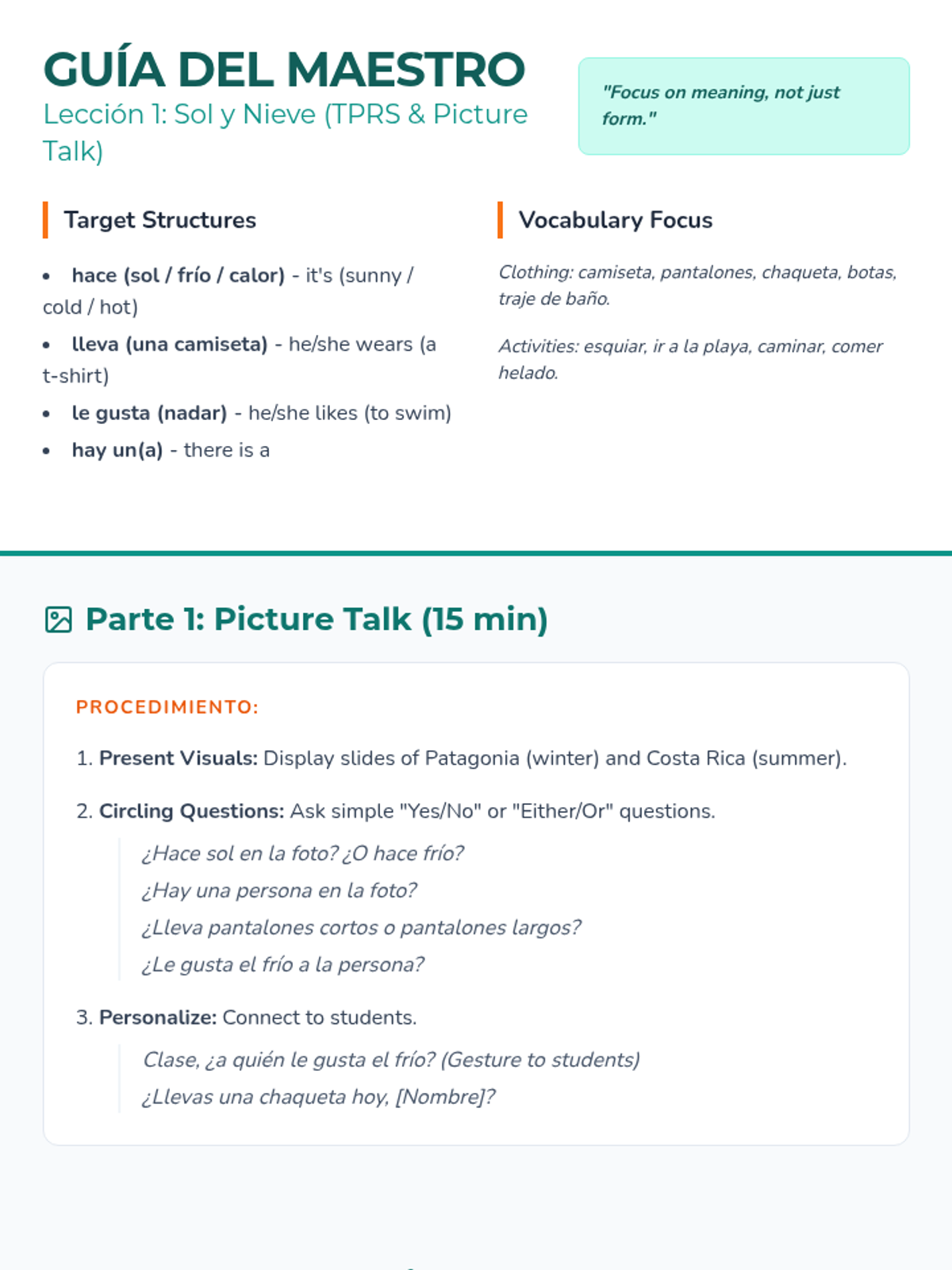
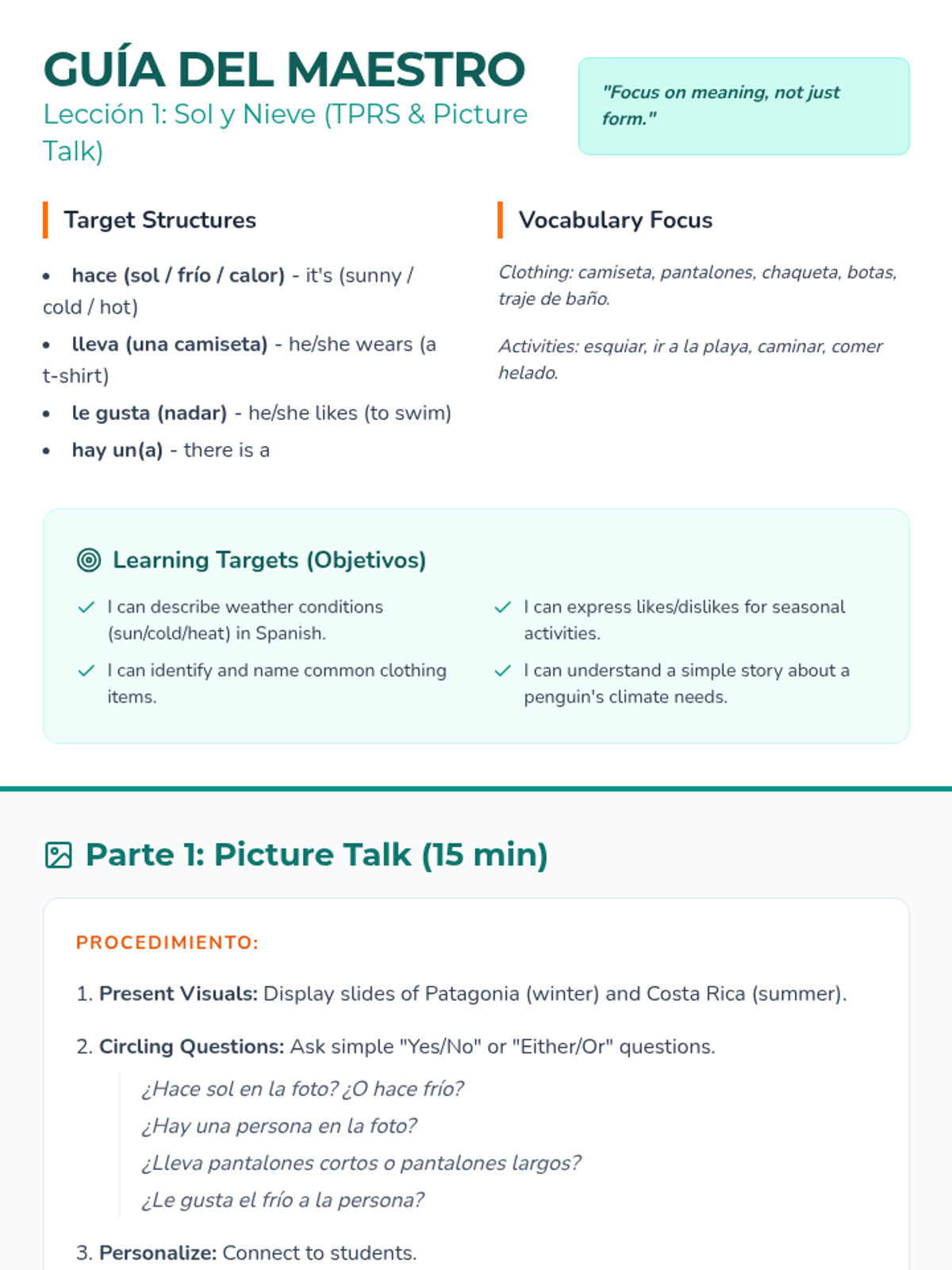
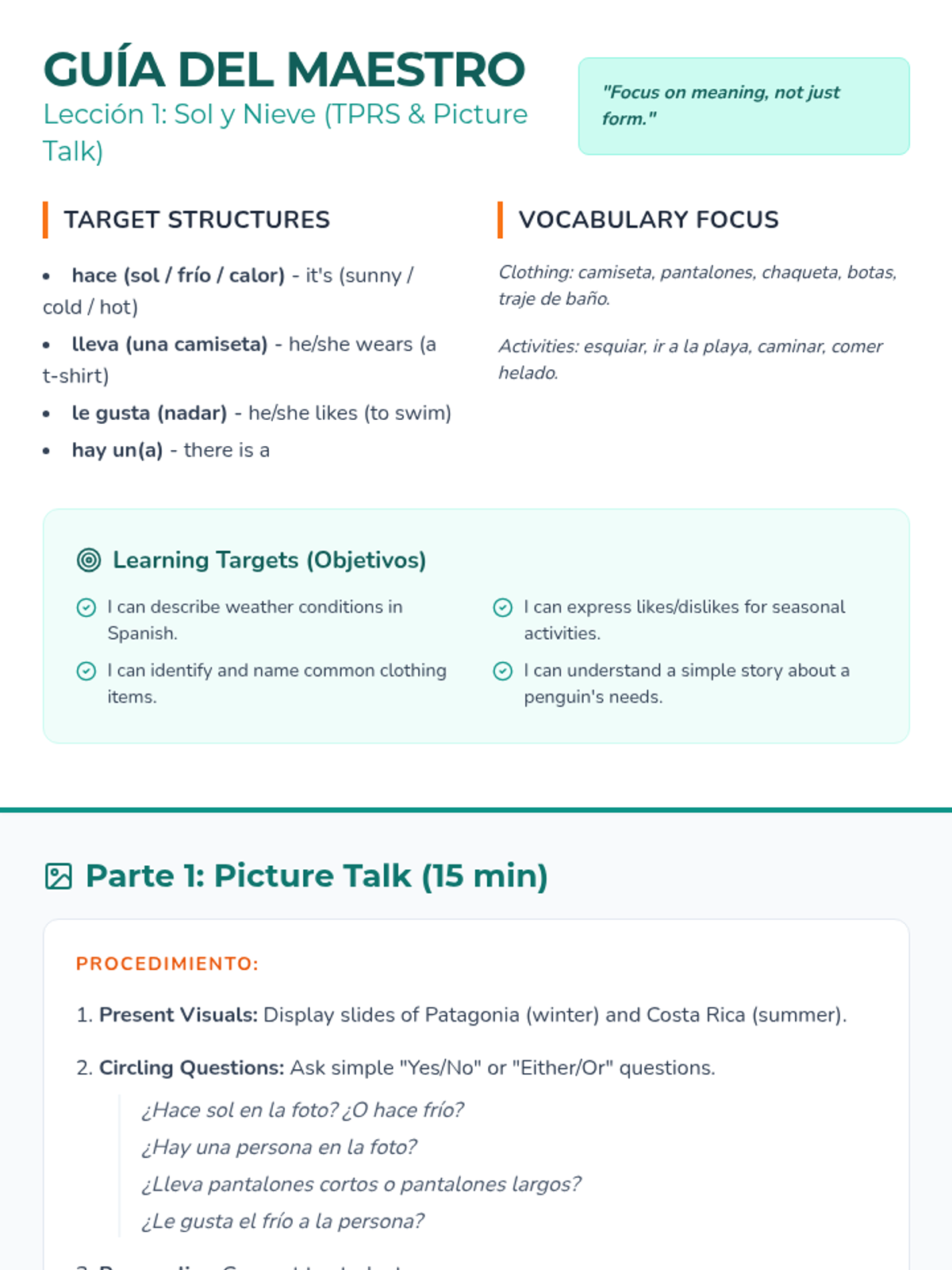
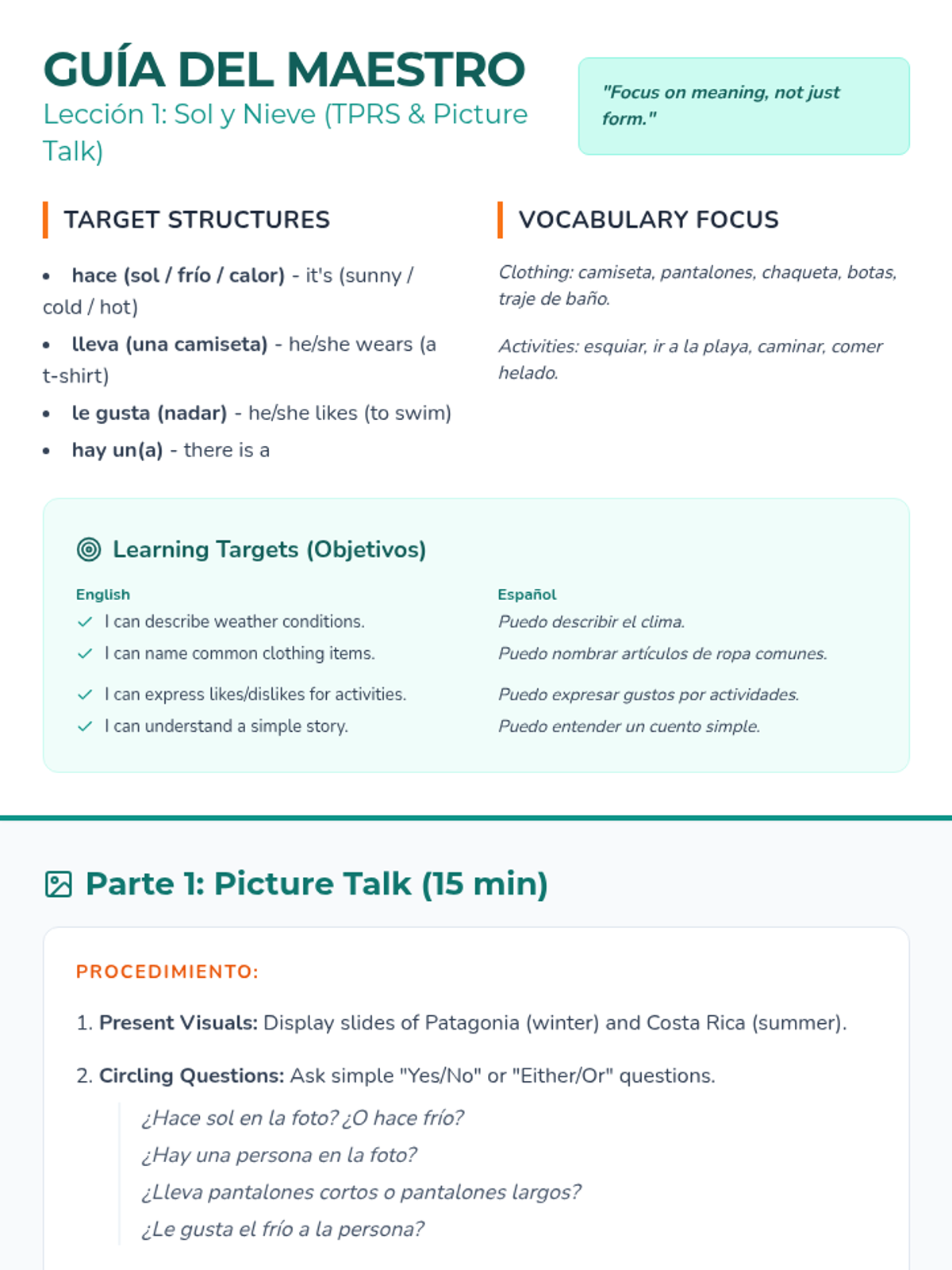
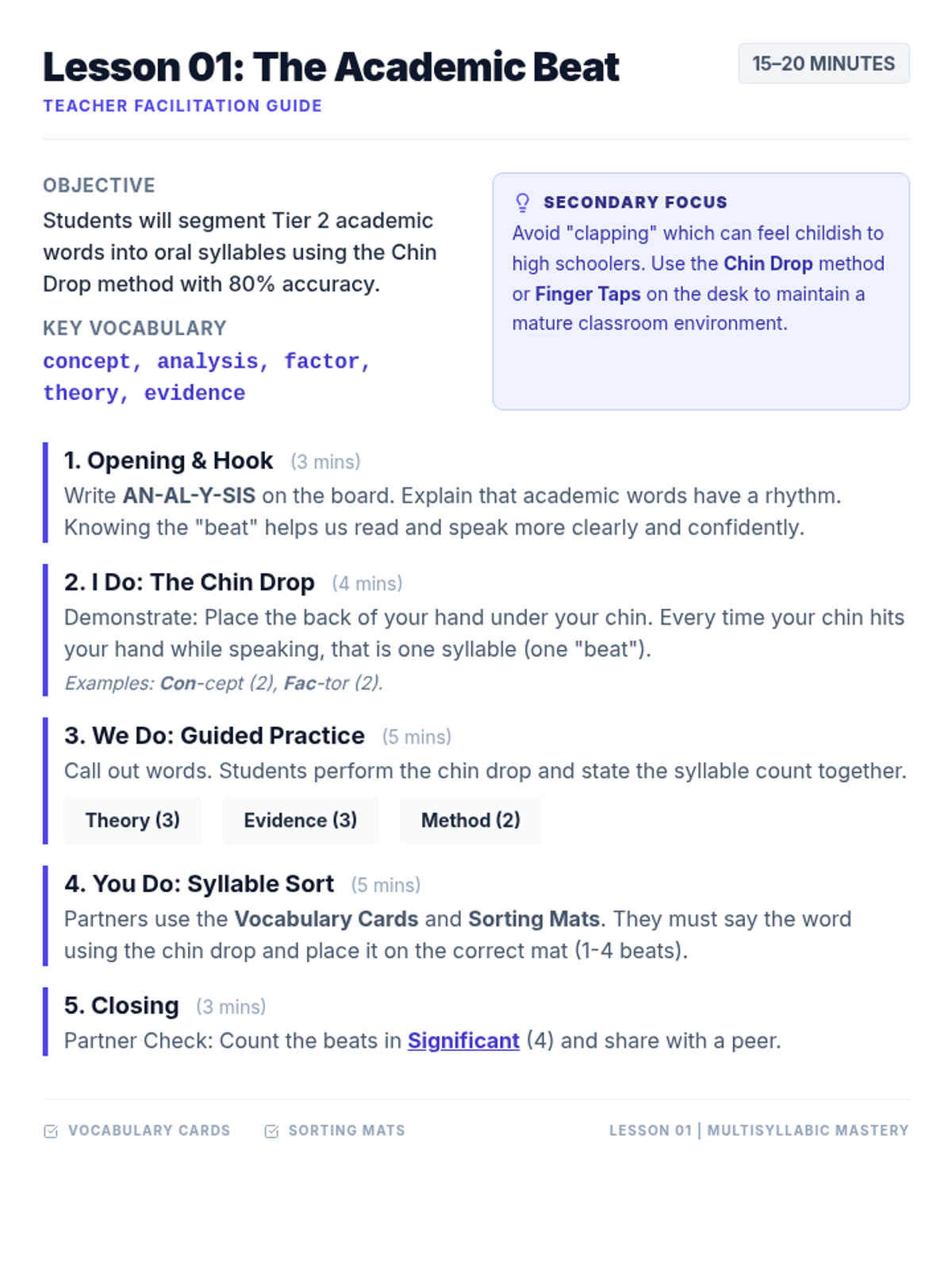
A two-part introductory Spanish sequence focusing on clothing, weather, and activities through Comprehensible Input (CI) strategies like TPRS and Picture Talk. Students explore cultural contexts and seasonal variations in the Spanish-speaking world while building basic communicative proficiency.
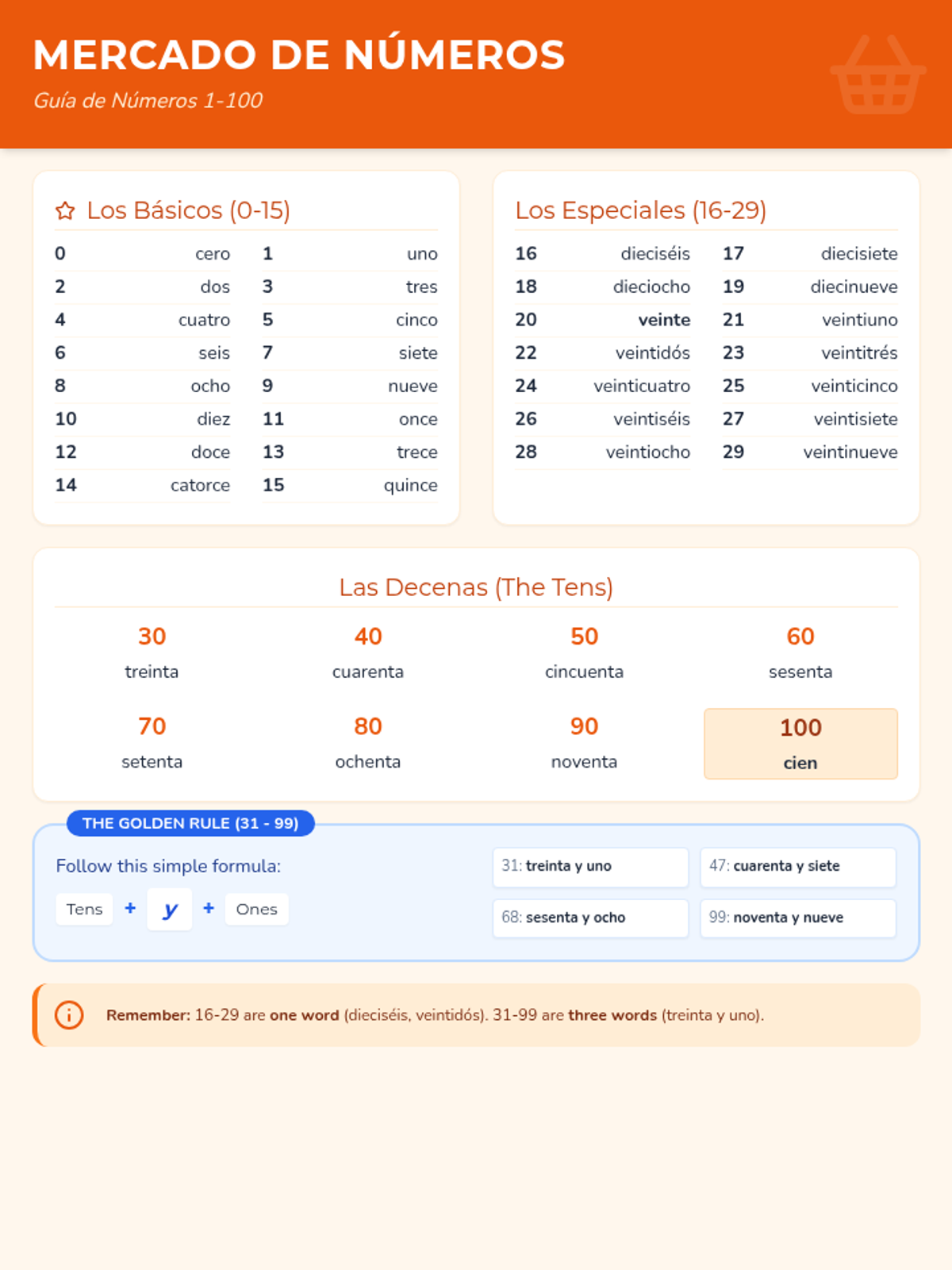
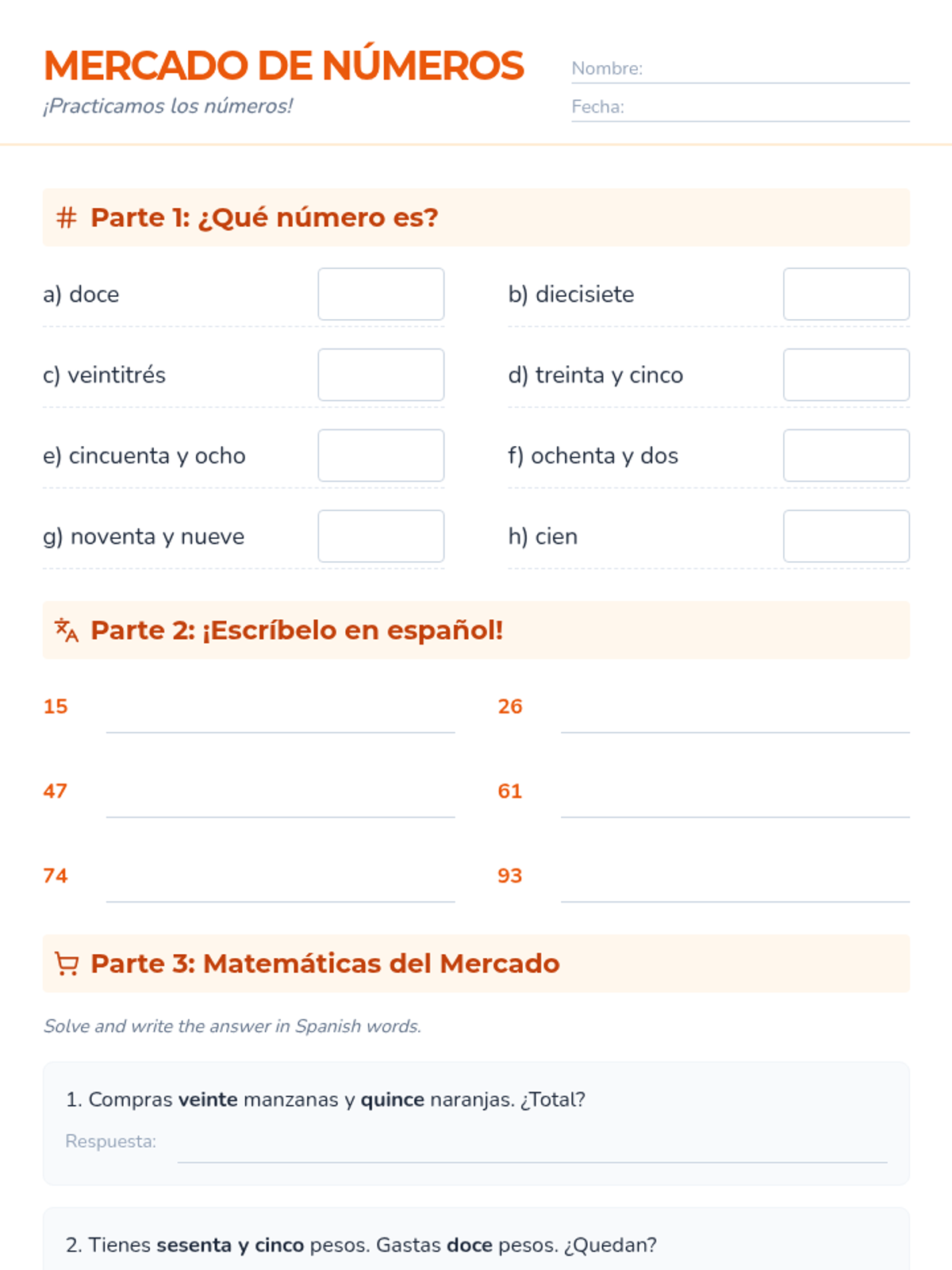
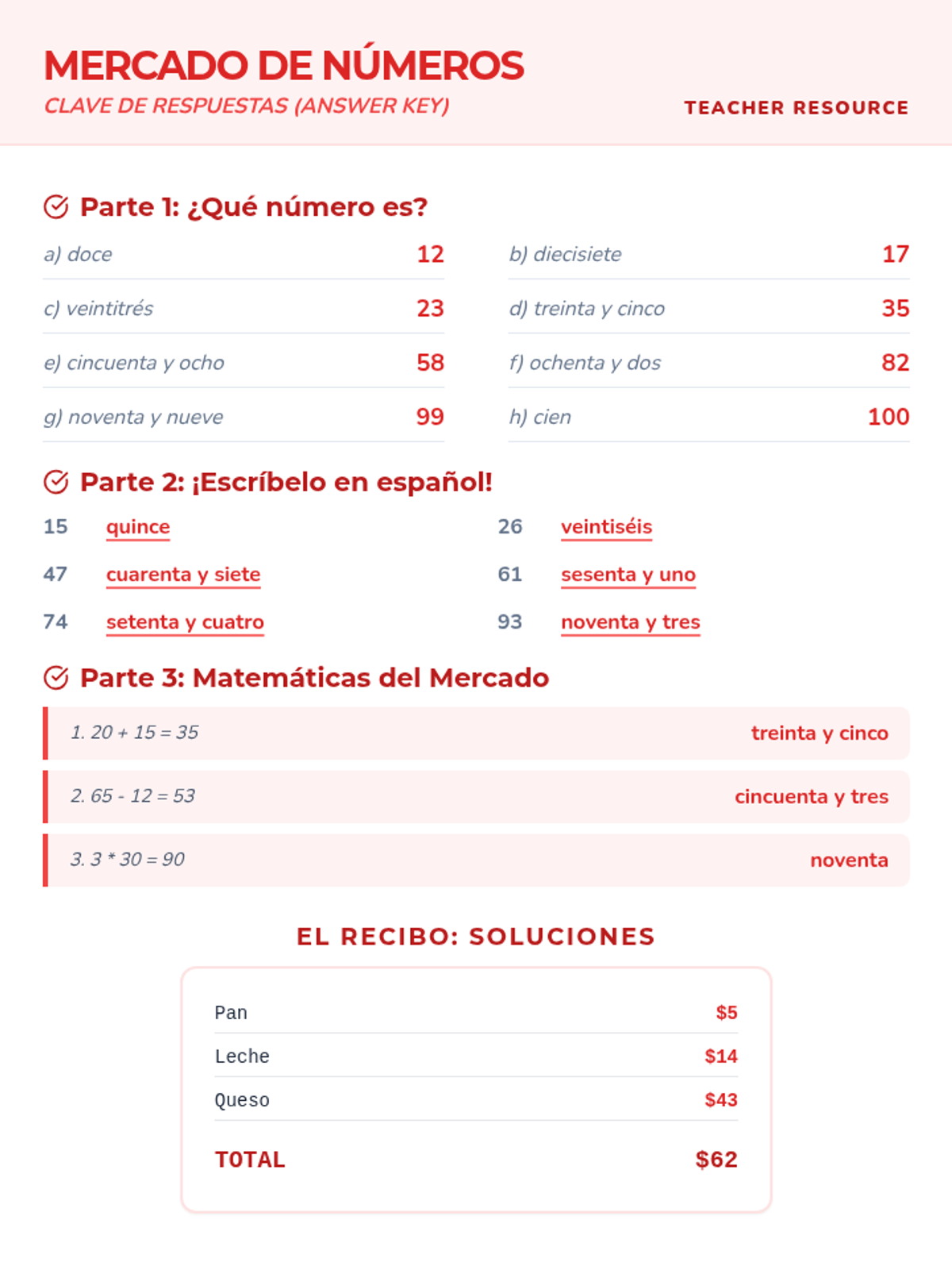
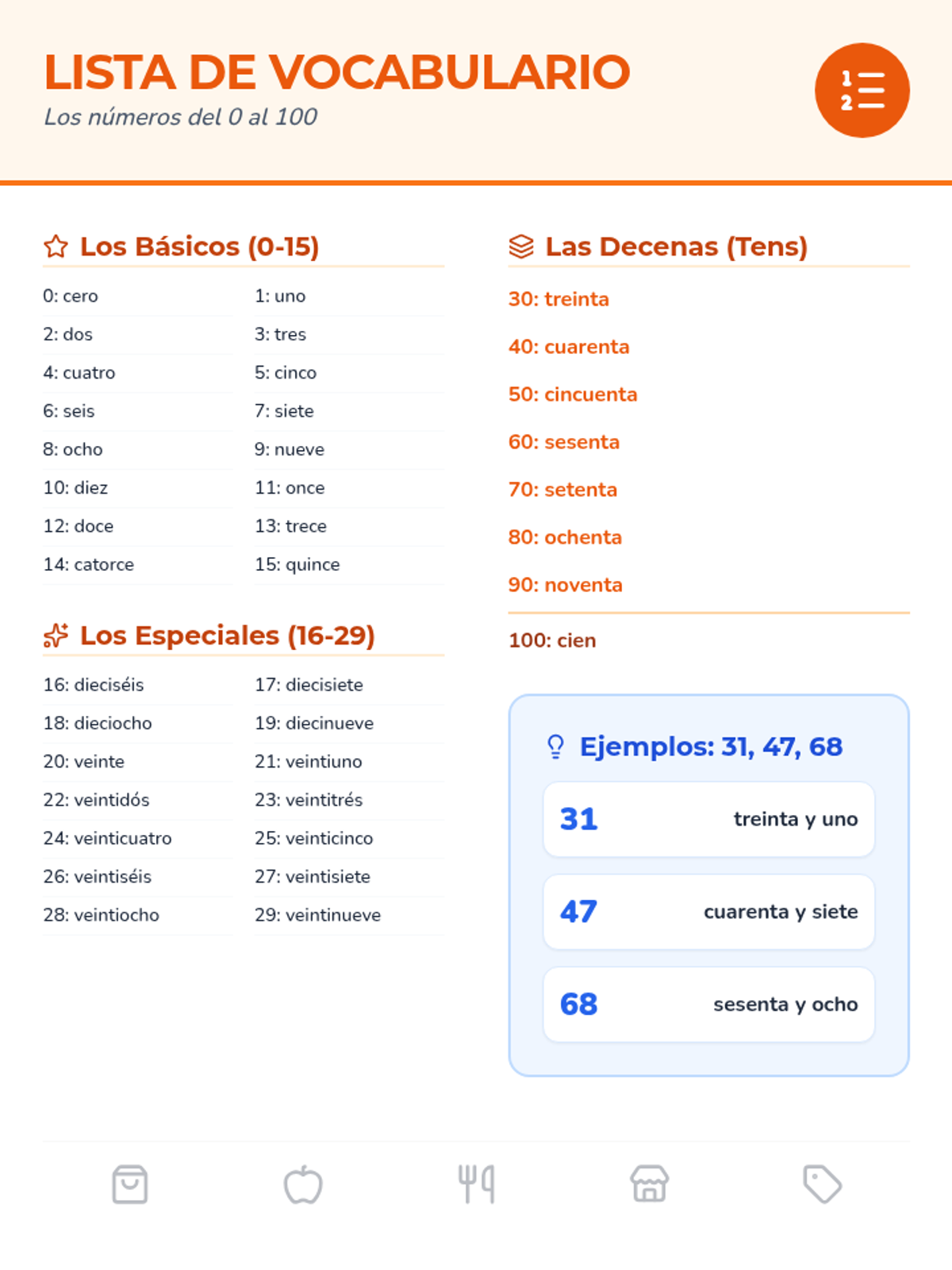
A foundational Spanish sequence focusing on numbers and colors through practical application and classroom-based activities.
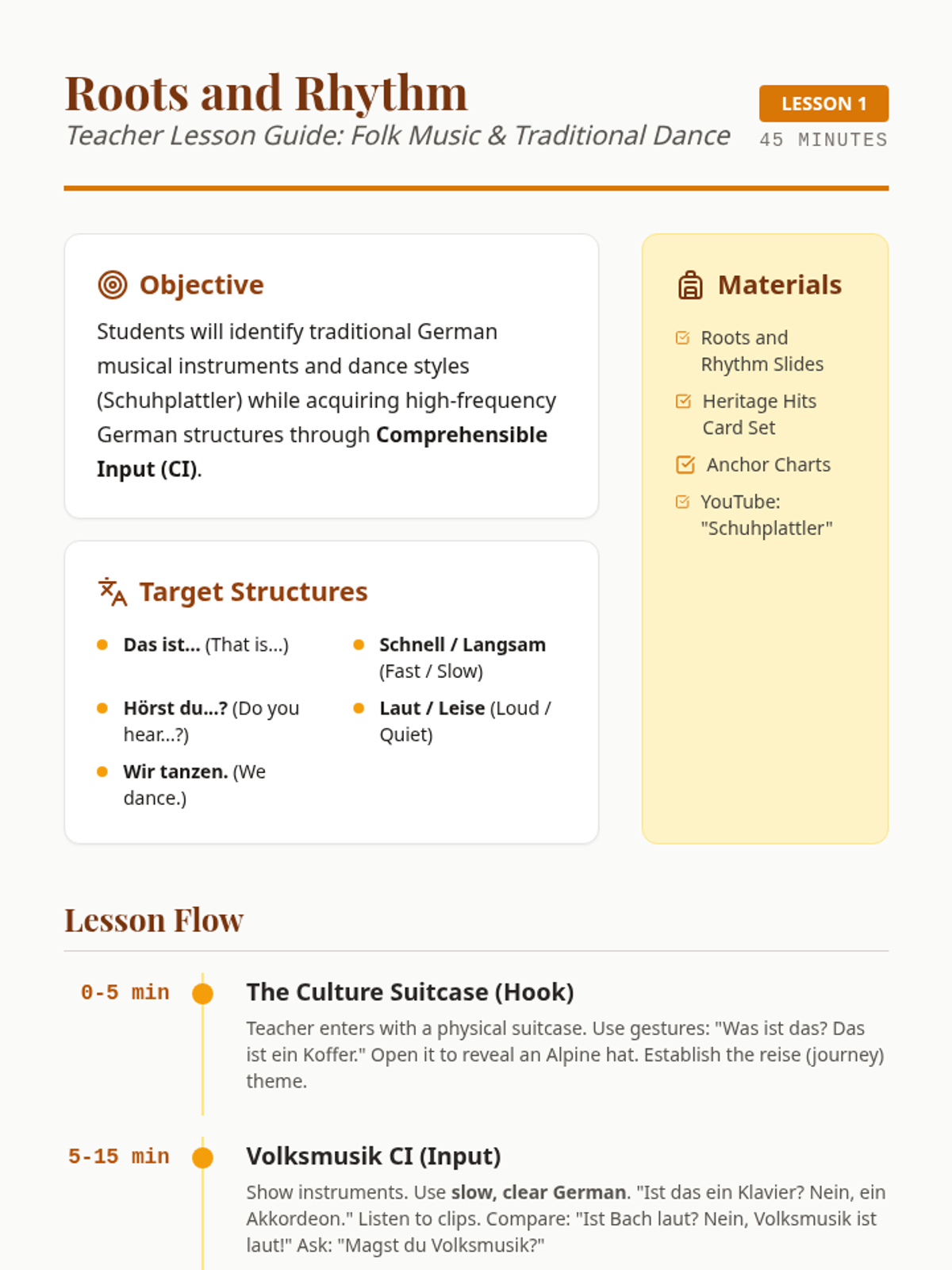
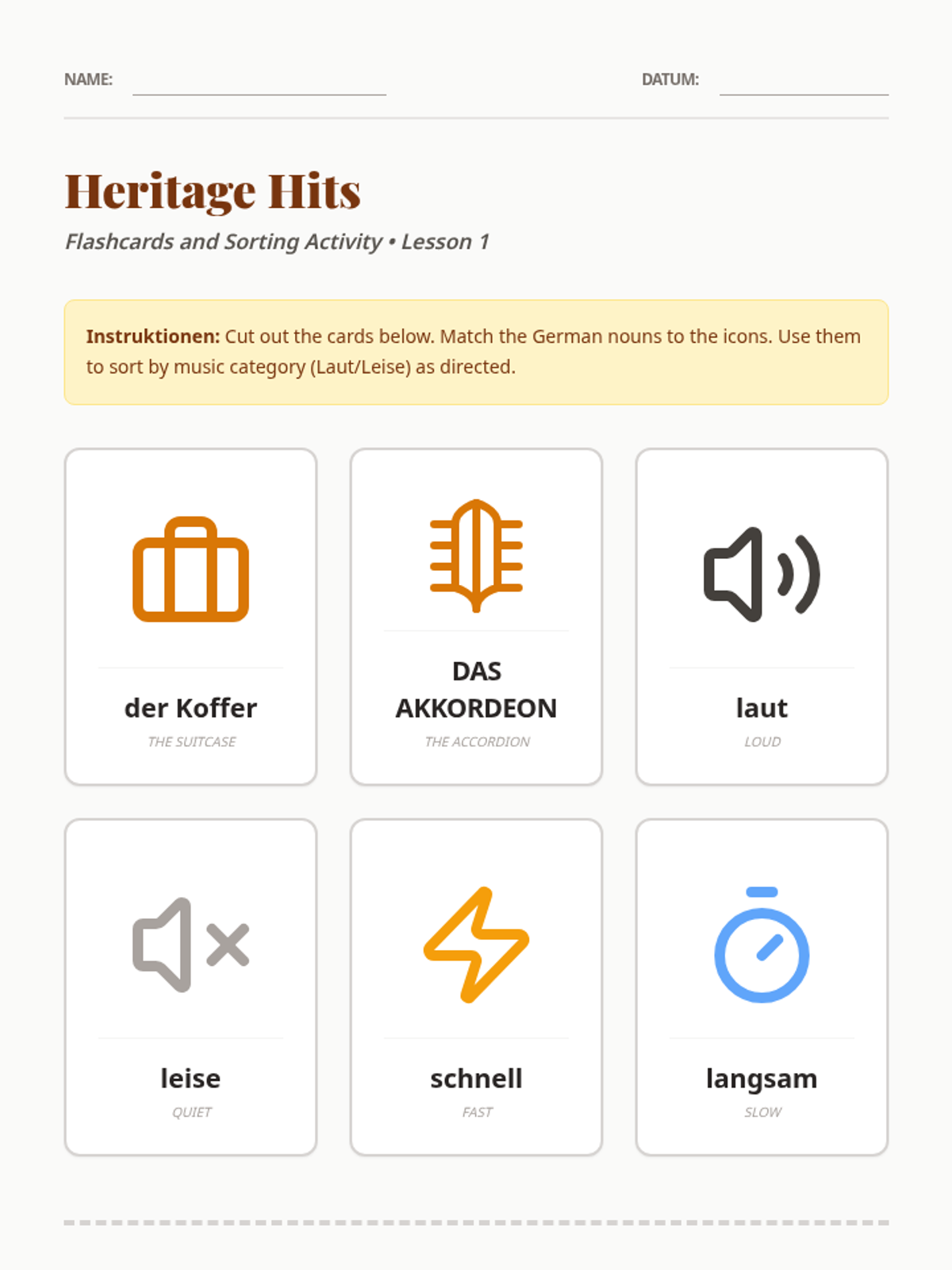
An introductory German exploratory sequence focusing on the intersection of traditional folk culture and modern artistic movements like Bauhaus and Classical music, designed for 8th grade students using Comprehensible Input.
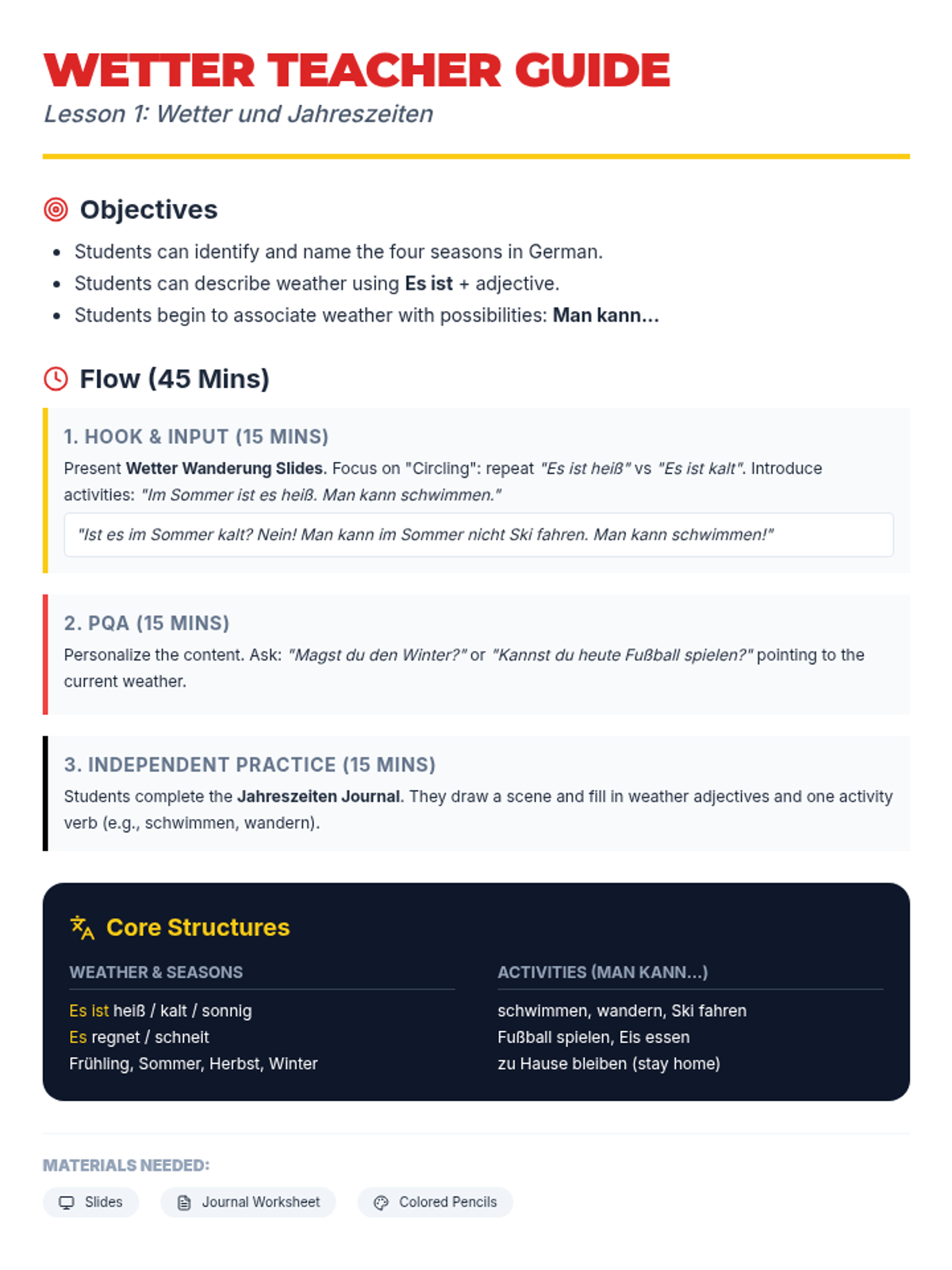
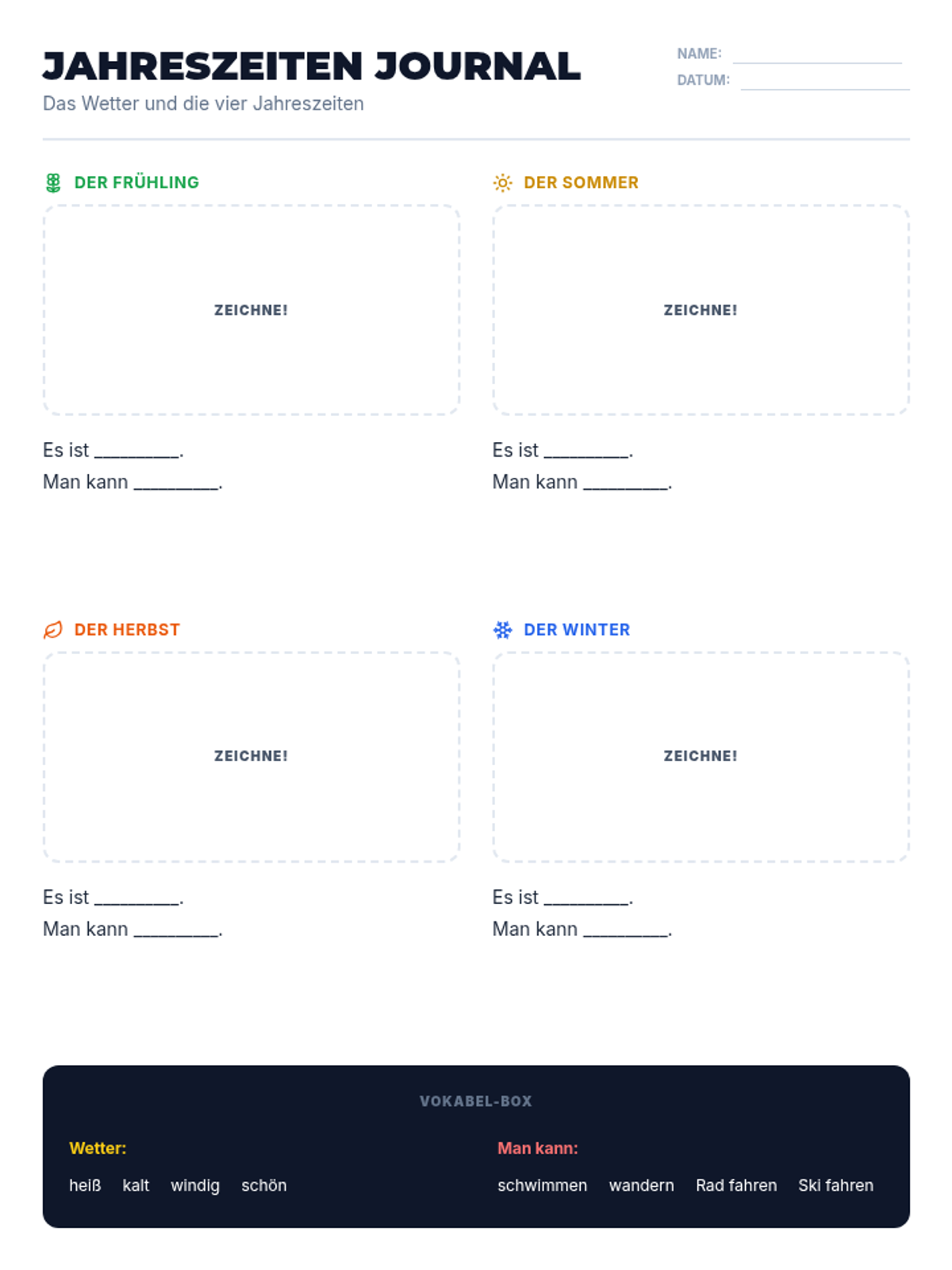
A two-lesson German introductory unit focusing on weather, seasons, and outdoor activities in Germany using Comprehensible Input (CI) methods. Students will learn to describe weather using 'Es ist' and activities using 'Man kann' through visual-heavy instruction and repetition.
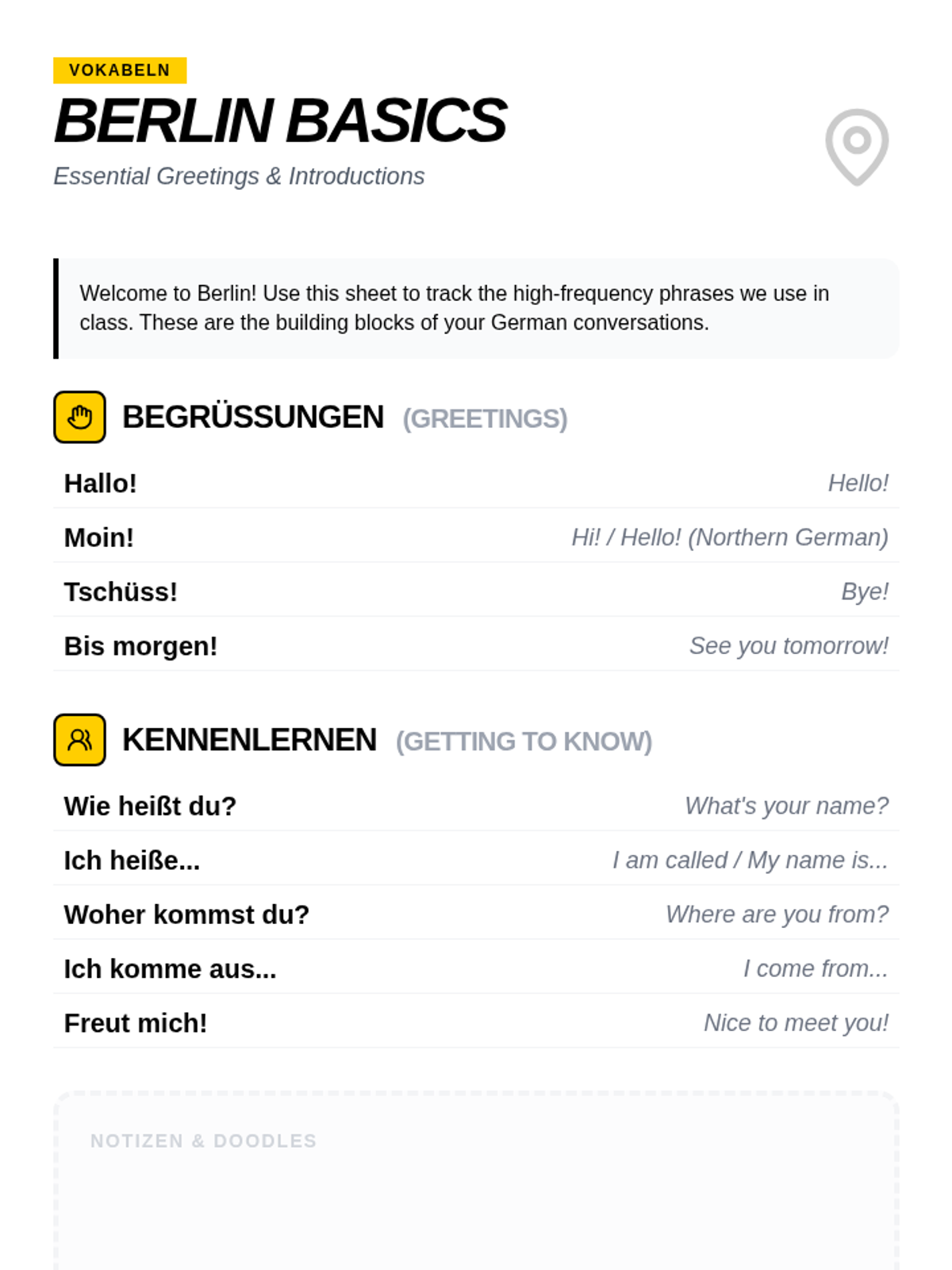
An introductory German sequence for middle schoolers, focusing on Comprehensible Input (CI) and high-frequency structures for daily communication.
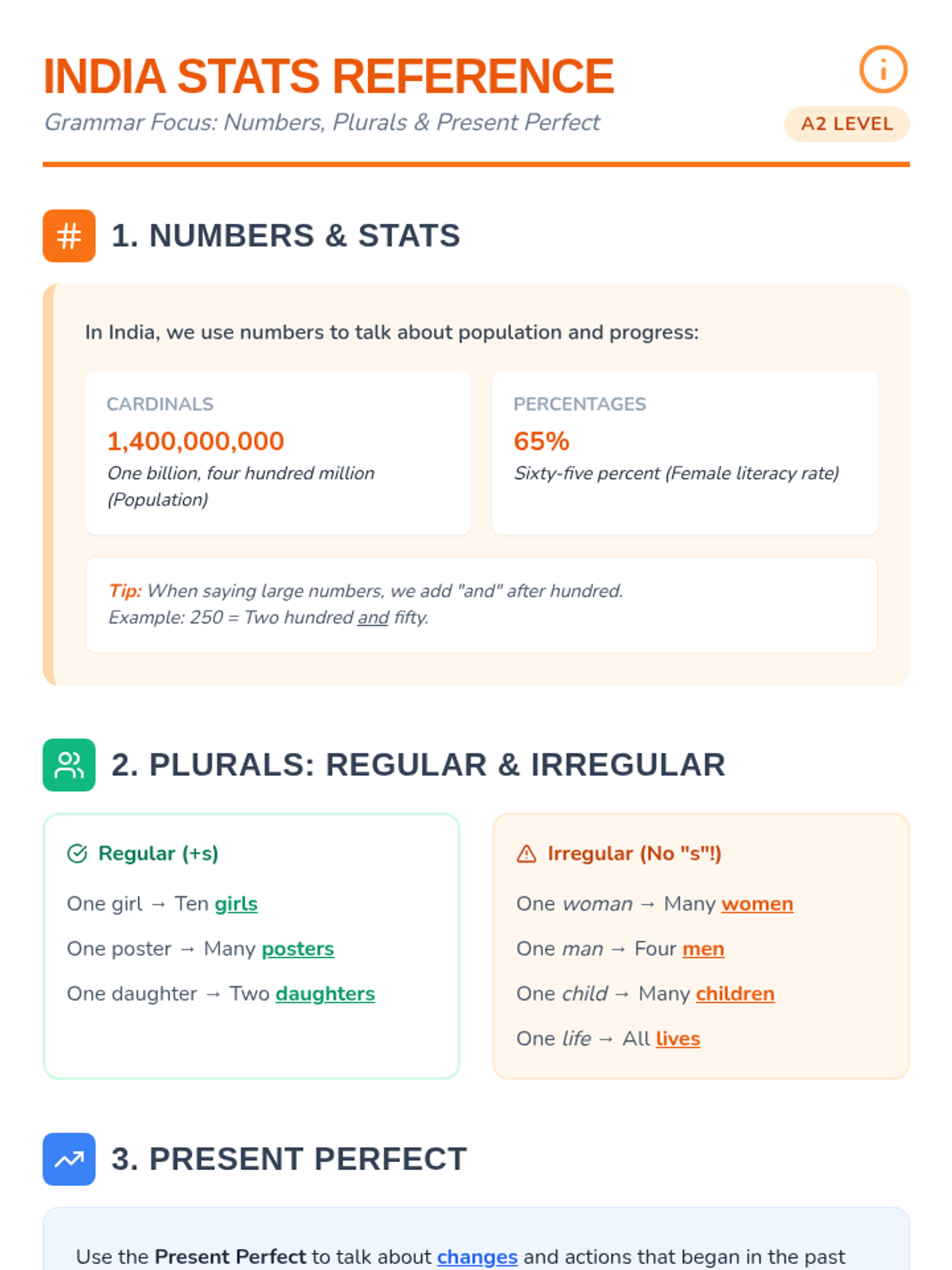
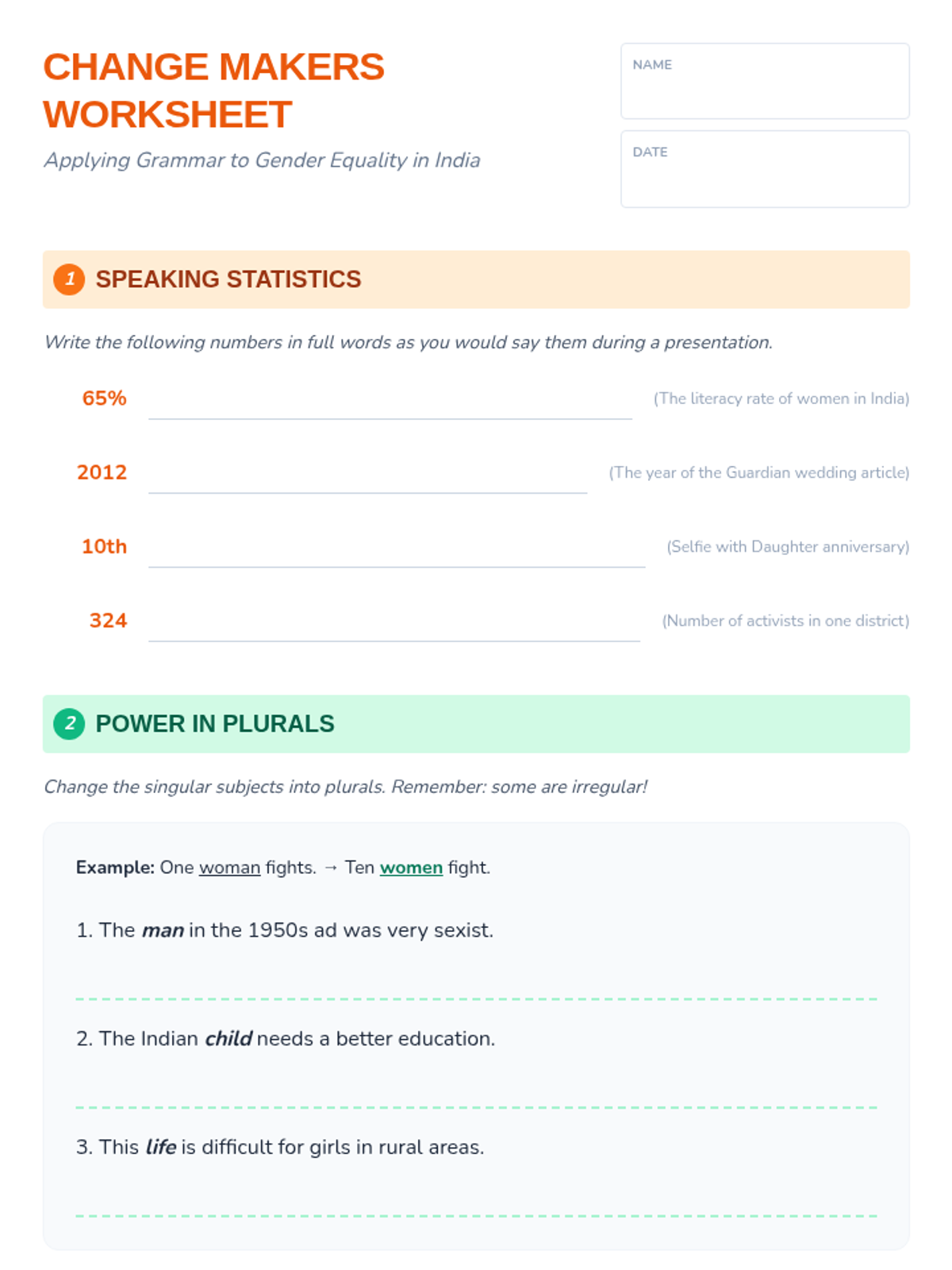
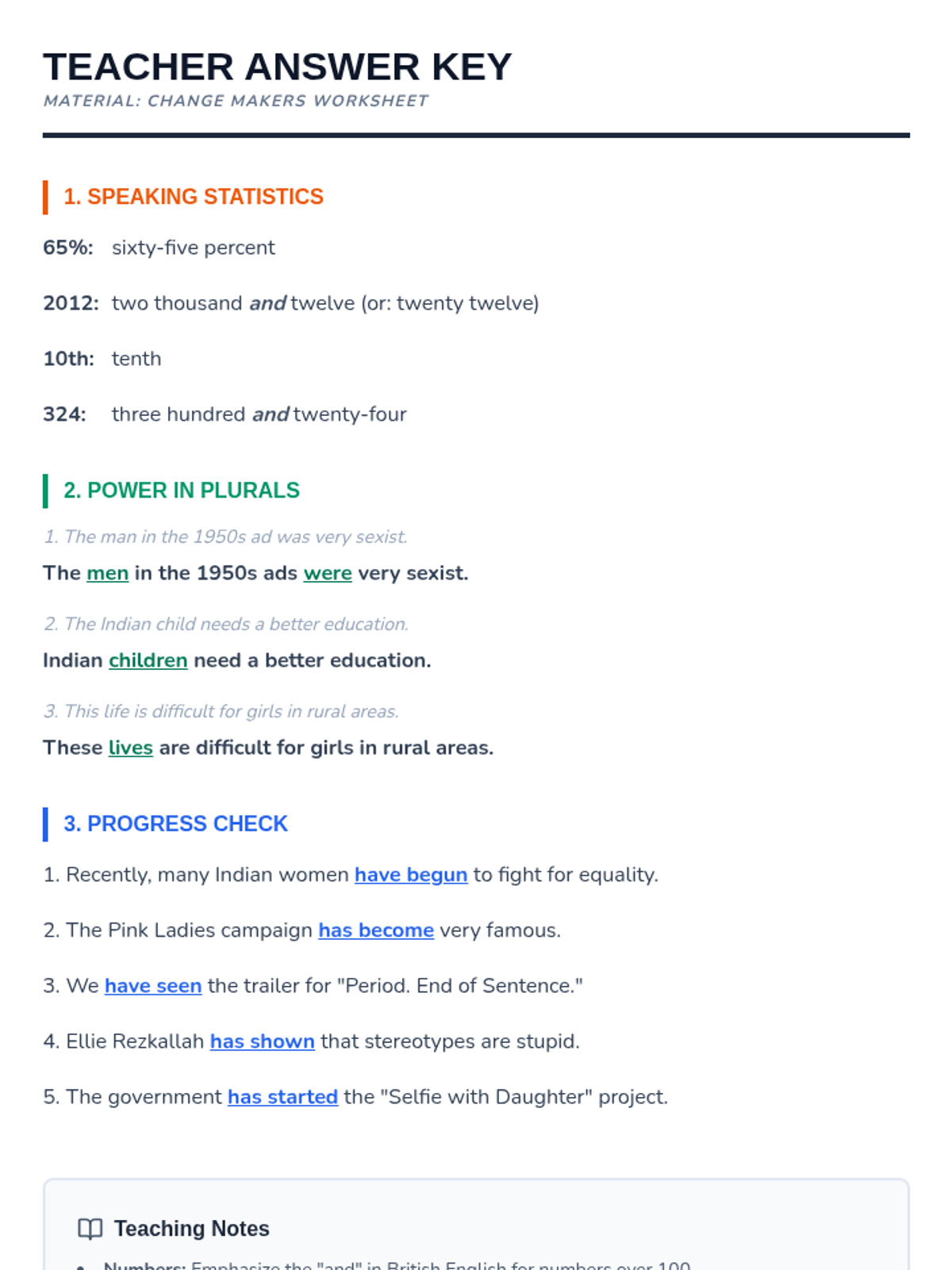
A sequence focused on gender (in)equality in India, exploring cultural stereotypes, social movements, and progress through grammar and statistical analysis.
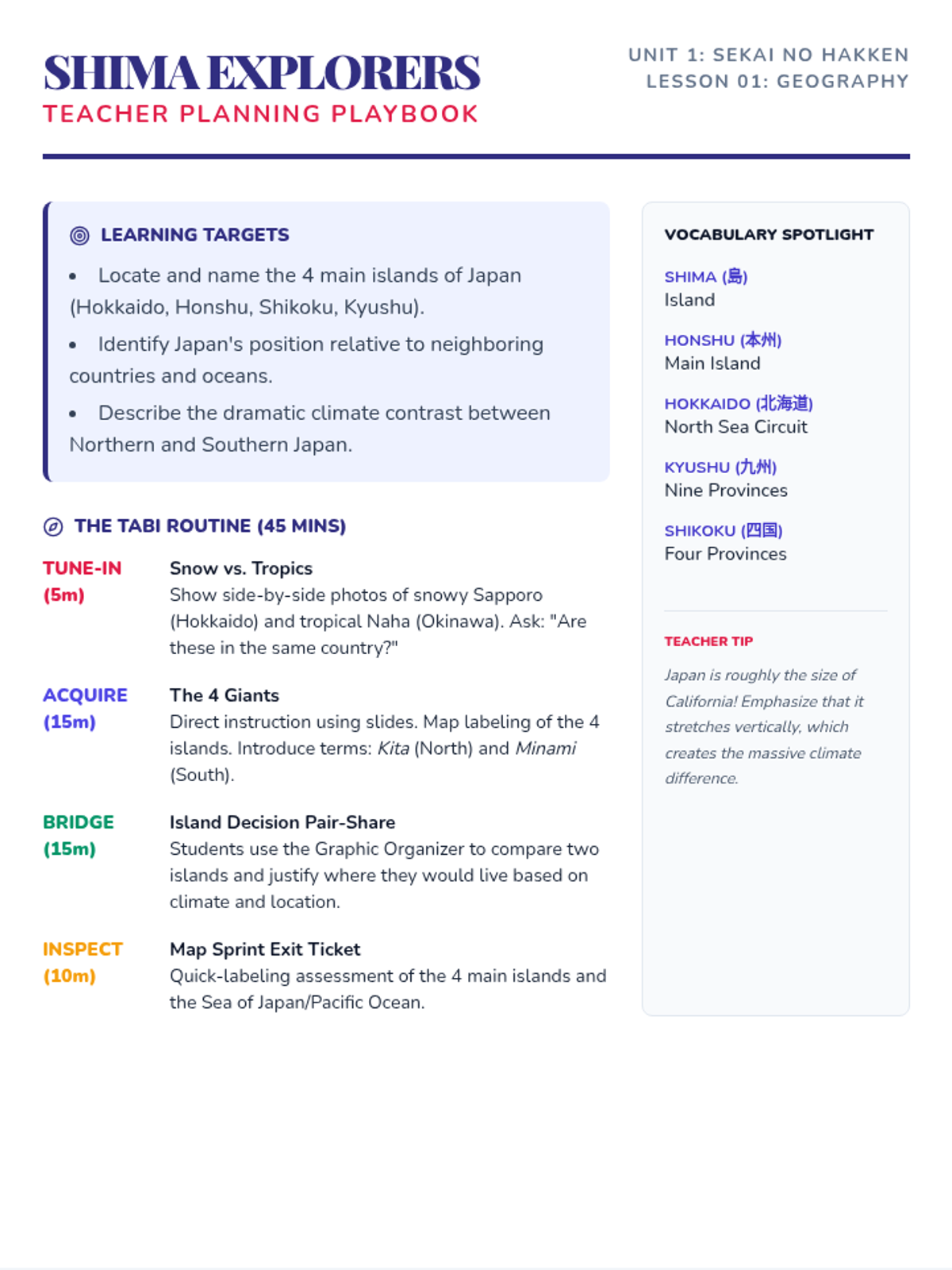
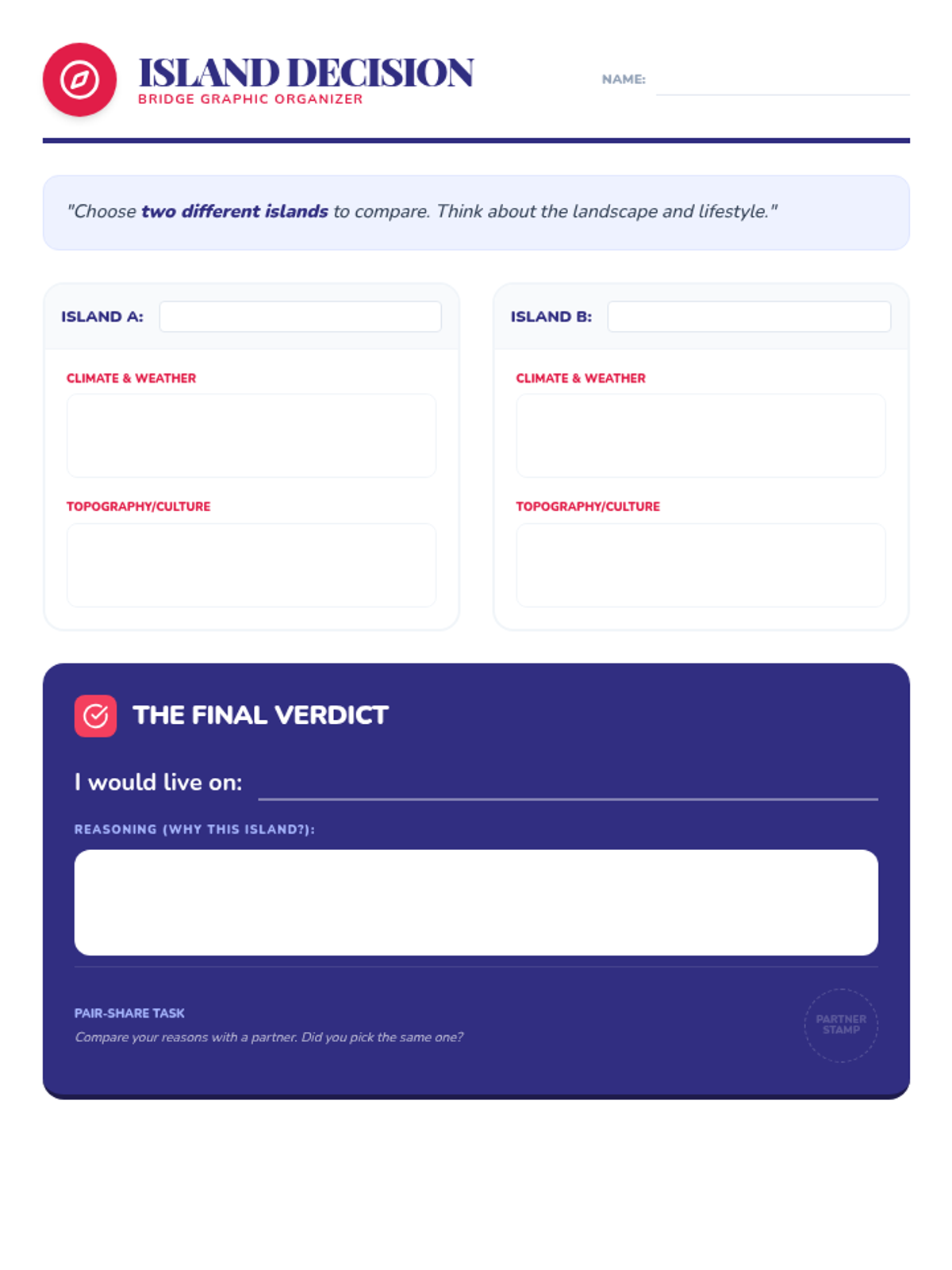
An introductory Japanese language and culture unit for 8th-grade students, following the TABI (Journey) routine to explore geography, rituals, writing, and daily life.
An introductory Japanese language and culture unit for 8th grade that follows the 'TABI' (Journey) framework. Students explore geography, etiquette, writing systems, daily life, and traditional arts through immersive daily 45-minute lessons.
A comprehensive introductory unit for 8th-grade Spanish, focusing on global geography, essential communication, and rich cultural traditions through a 'Cultural Passport' lens.
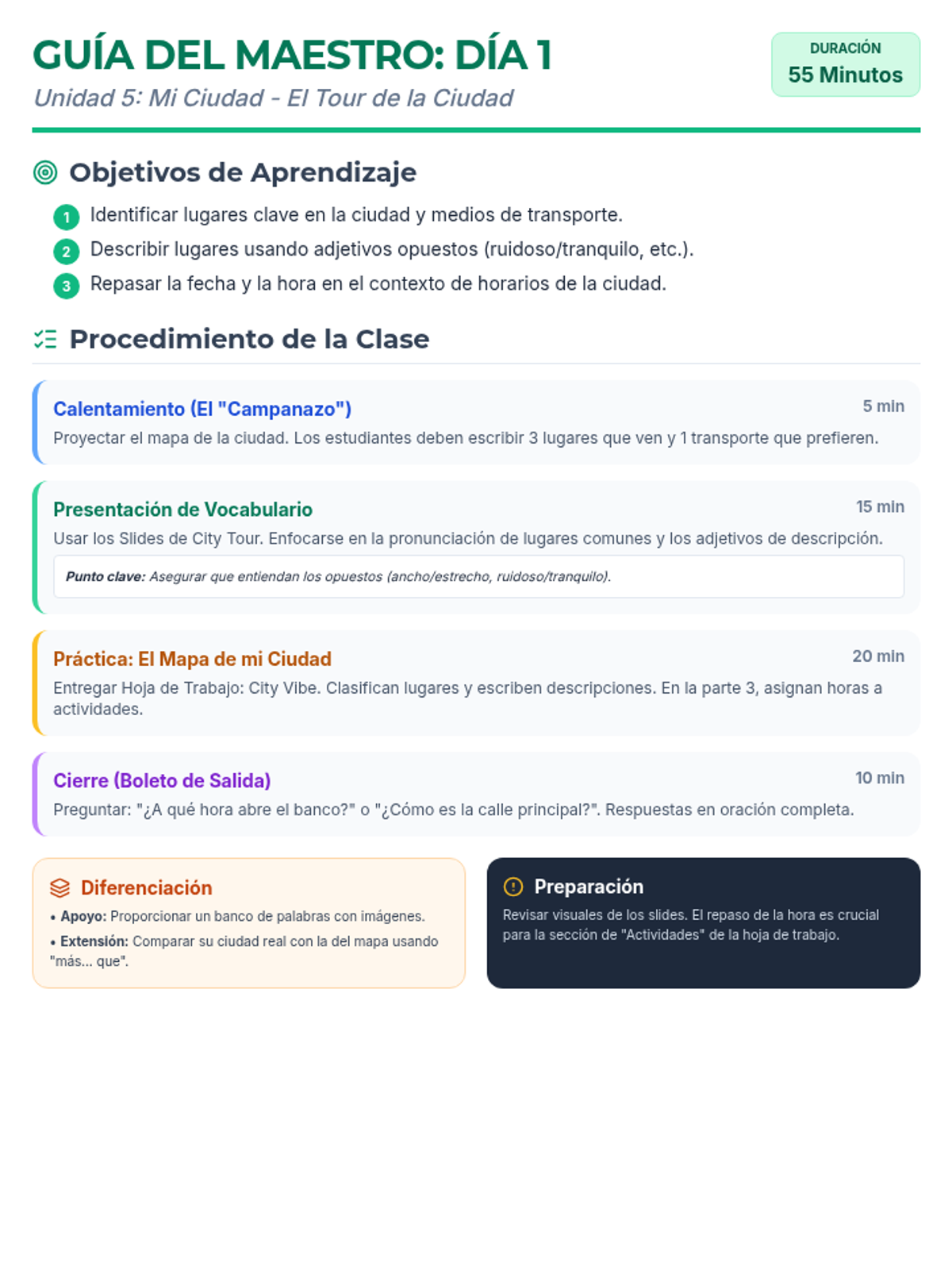
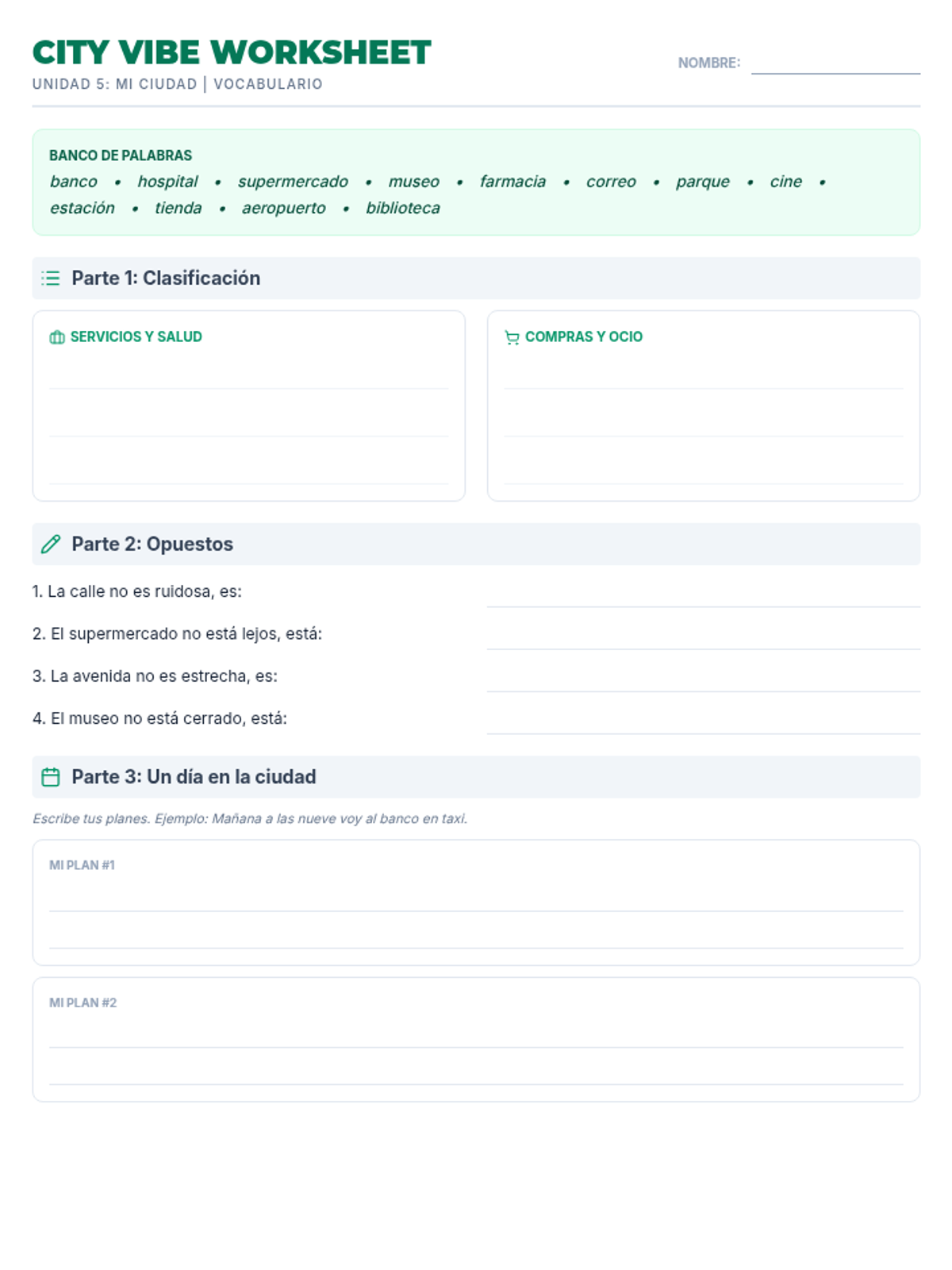
A comprehensive 3-day review sequence for Spanish 1 students focusing on city vocabulary, directions, and describing urban environments to prepare for Unit 5 summative assessments.
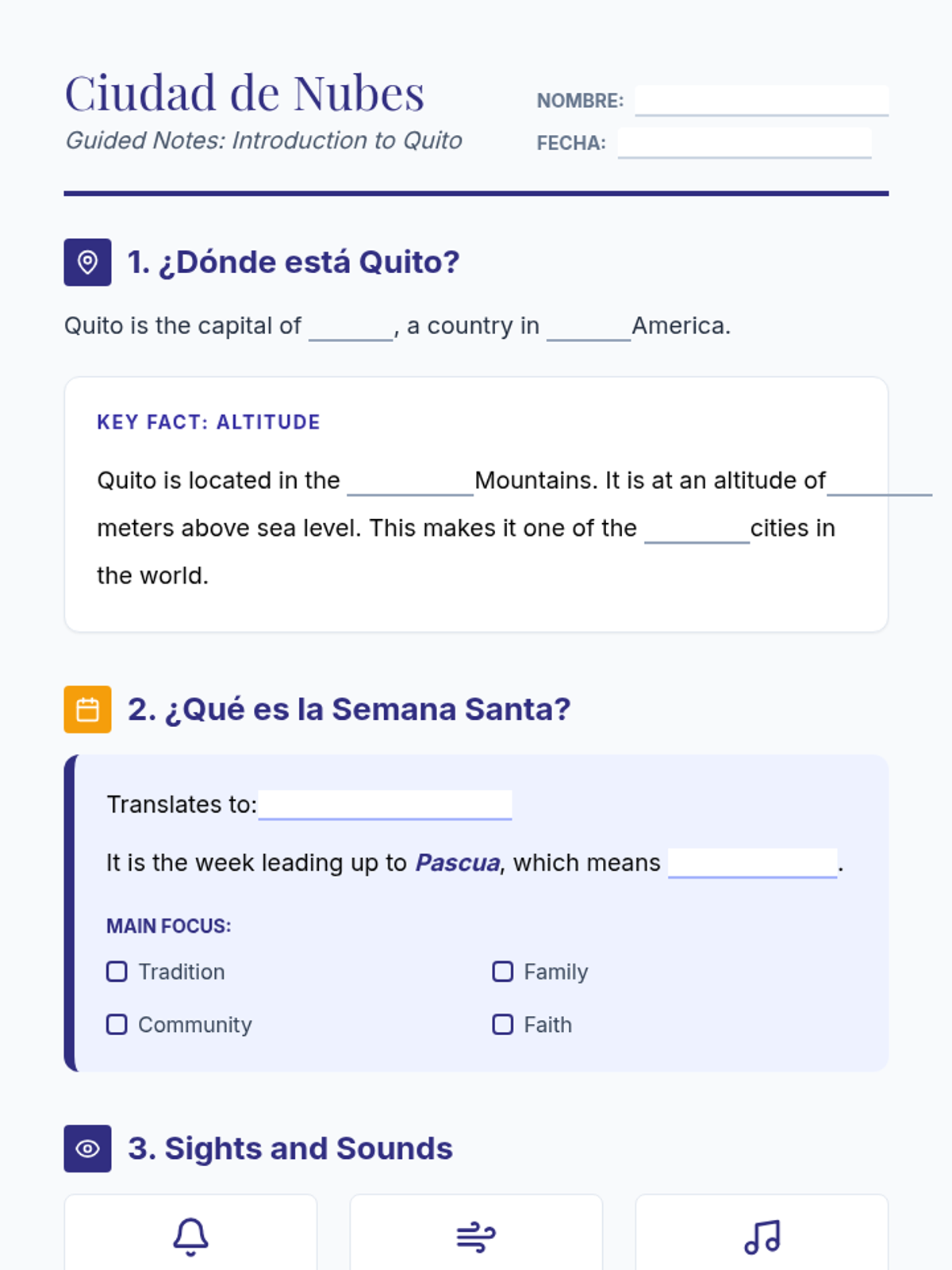
A 3-day cultural immersion unit for Spanish 1 students exploring the unique Semana Santa traditions in Quito, Ecuador, focusing on the Jesús del Gran Poder procession and community culinary traditions.
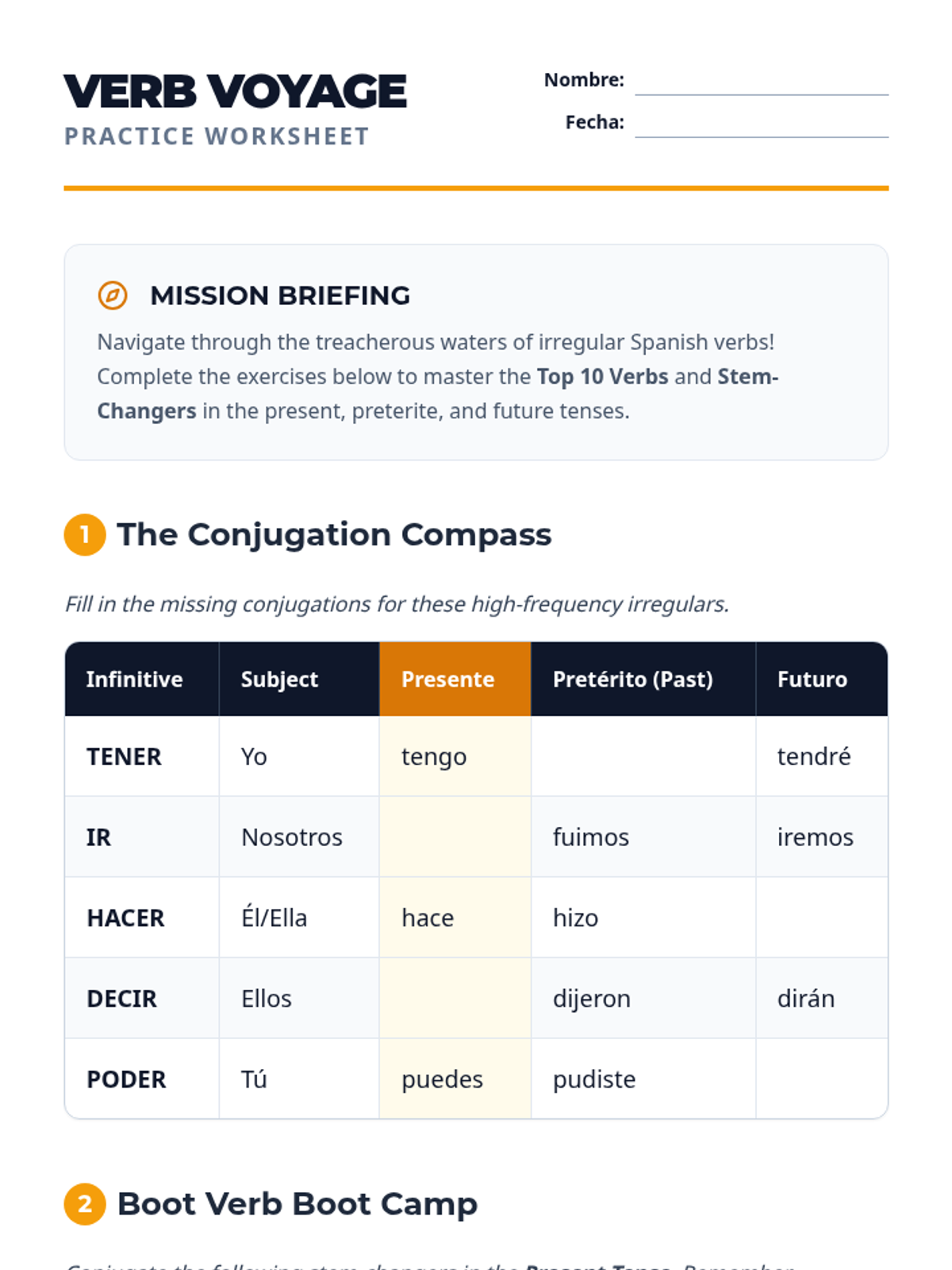
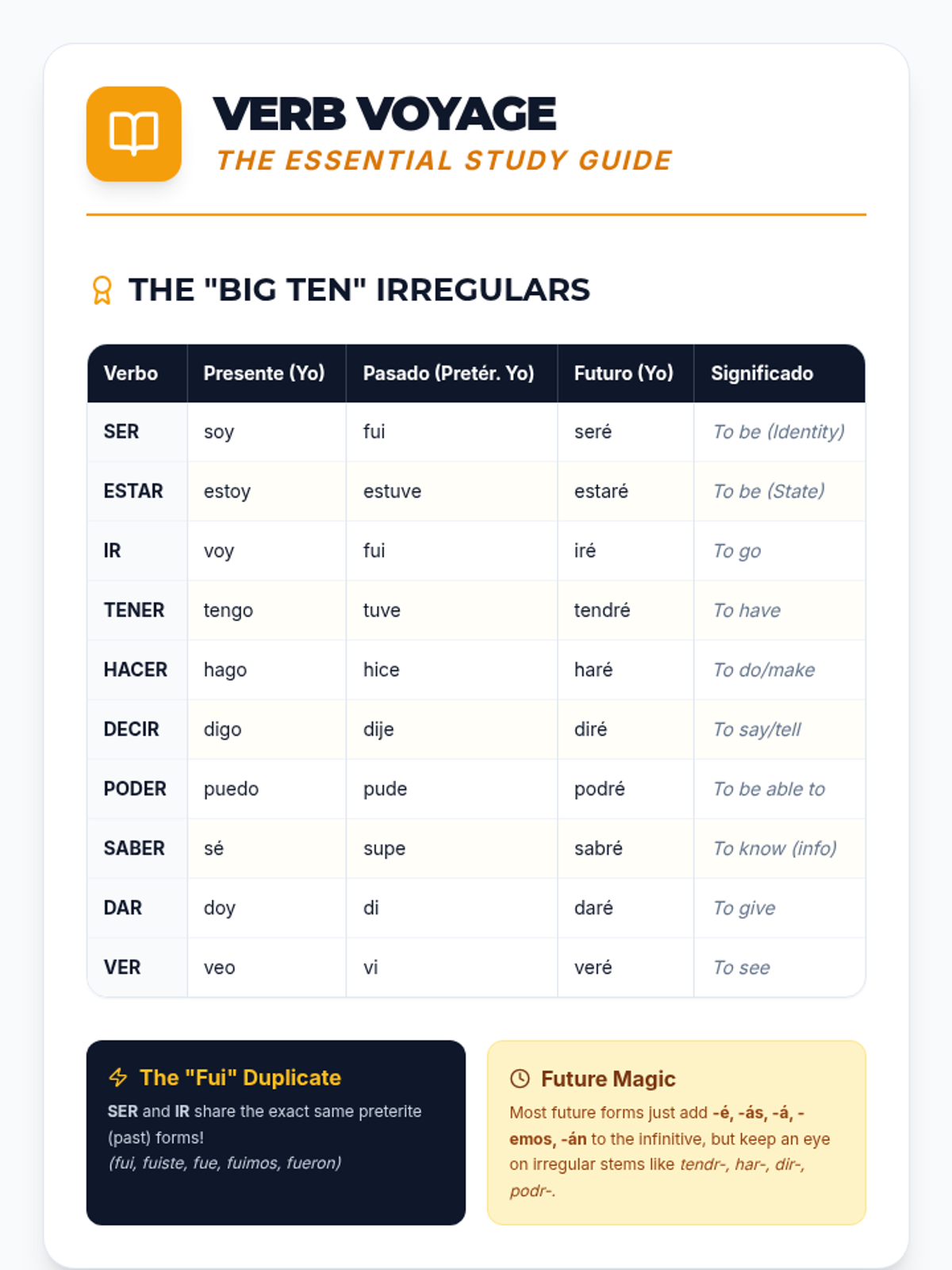
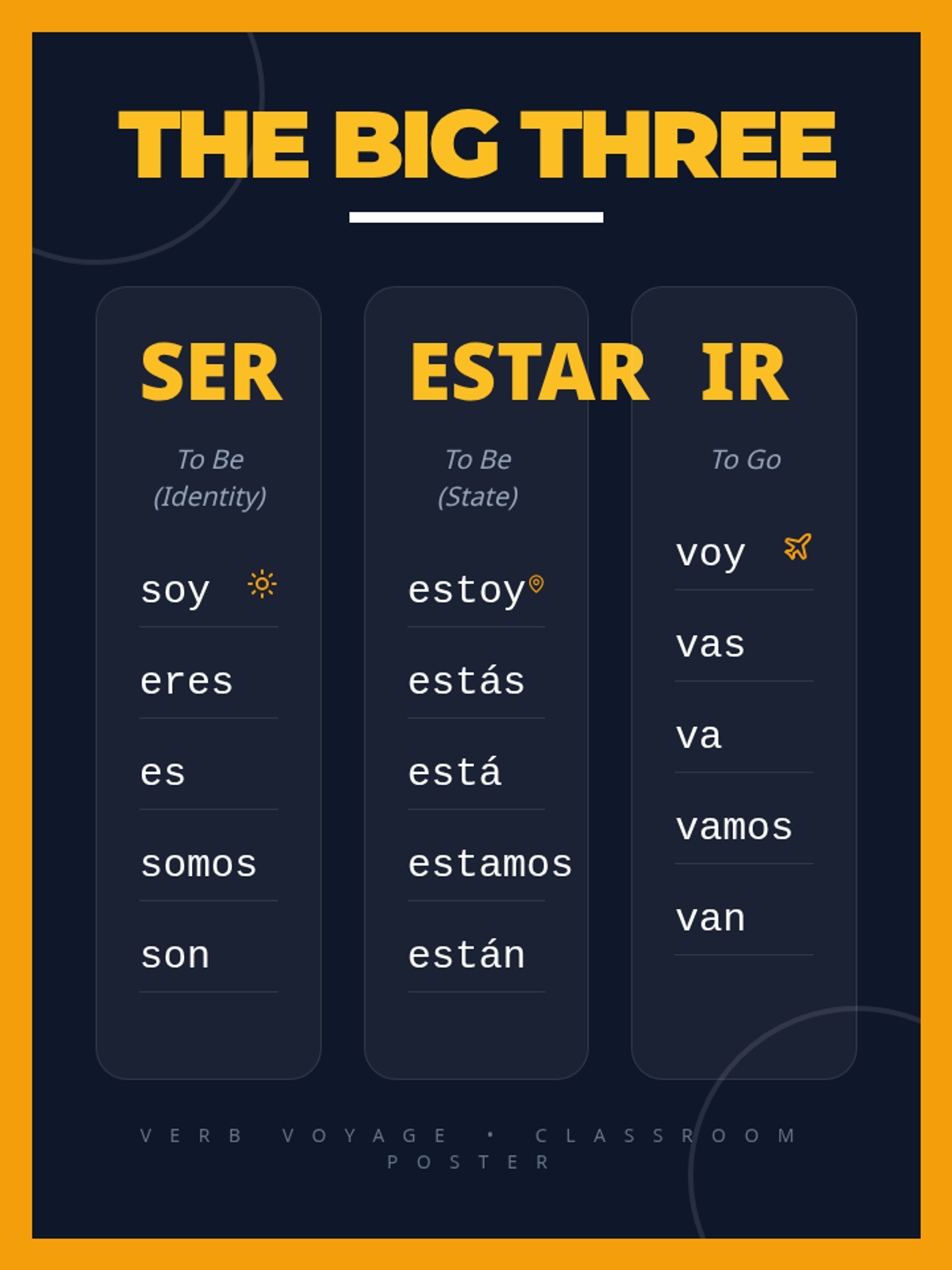
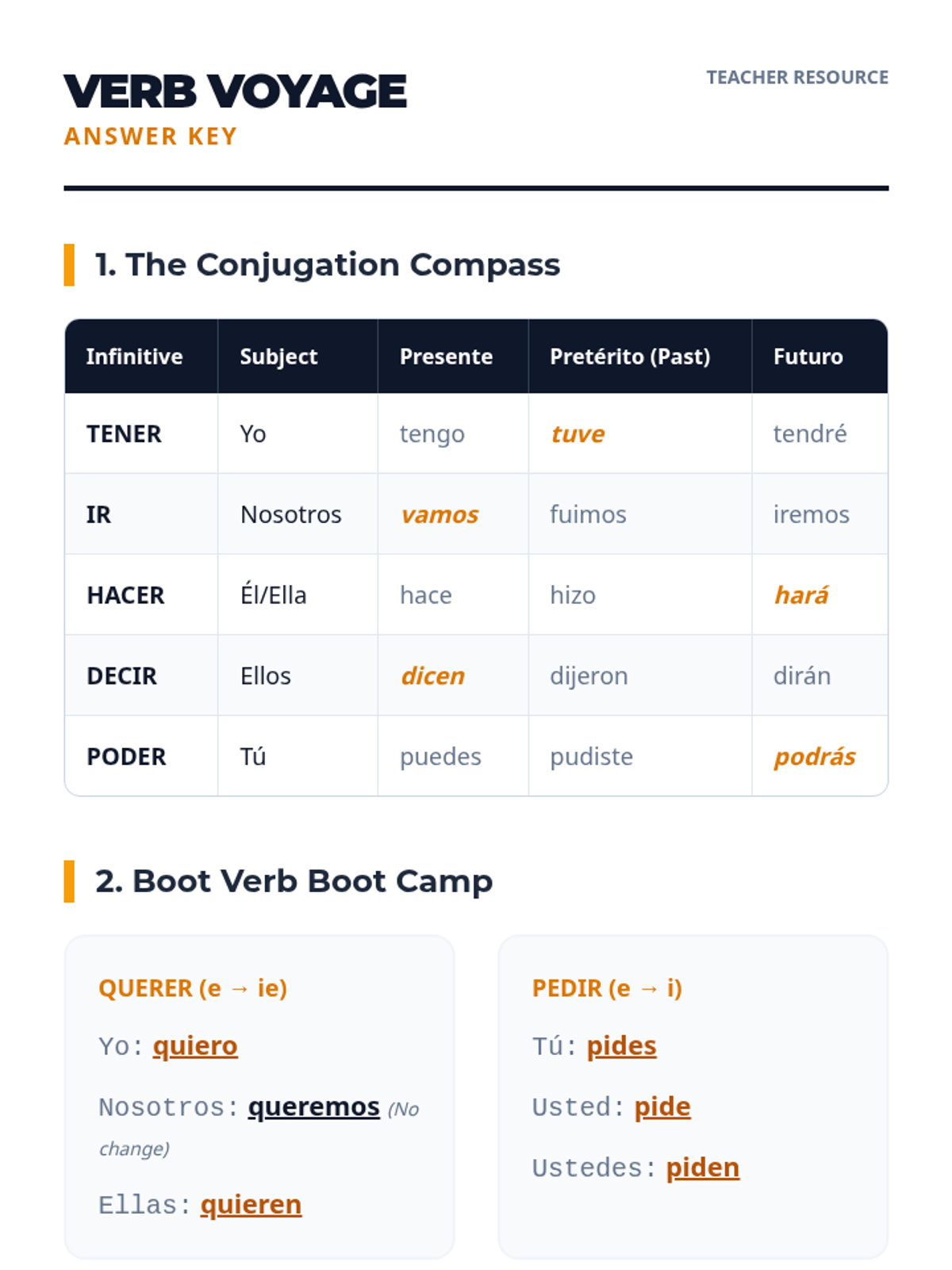
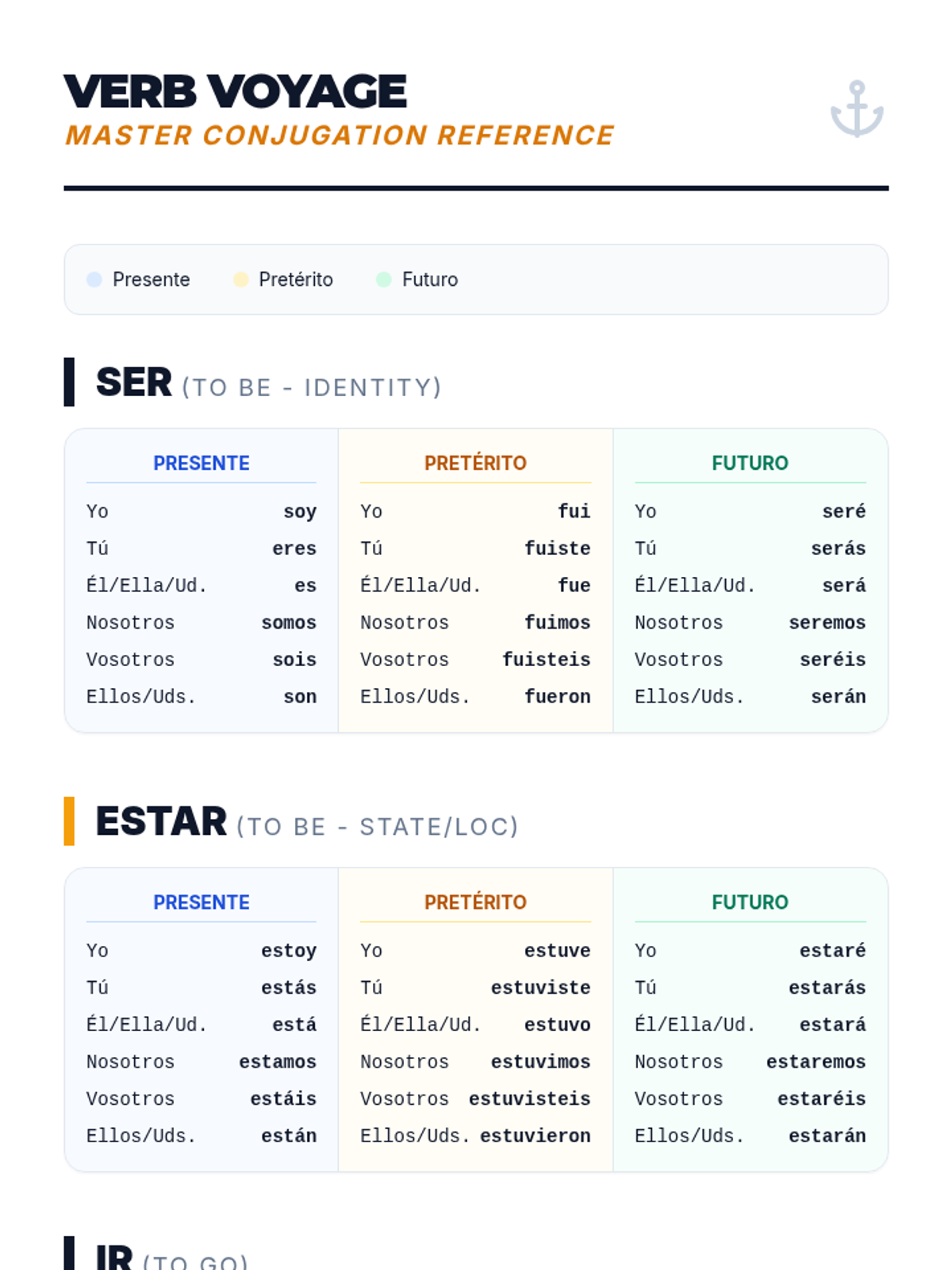
A series of lessons focused on mastering high-frequency irregular Spanish verbs to build foundational communication skills.
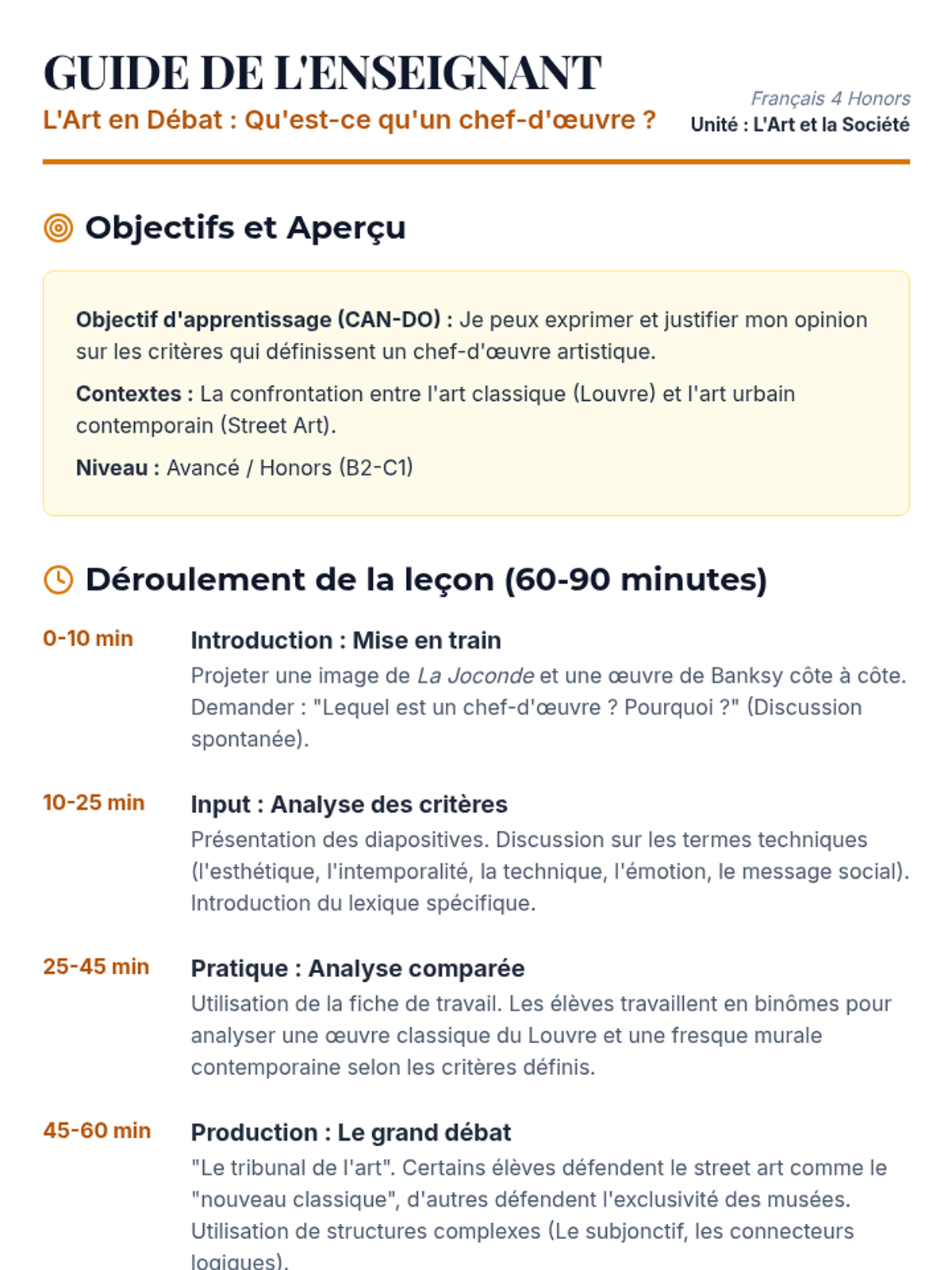
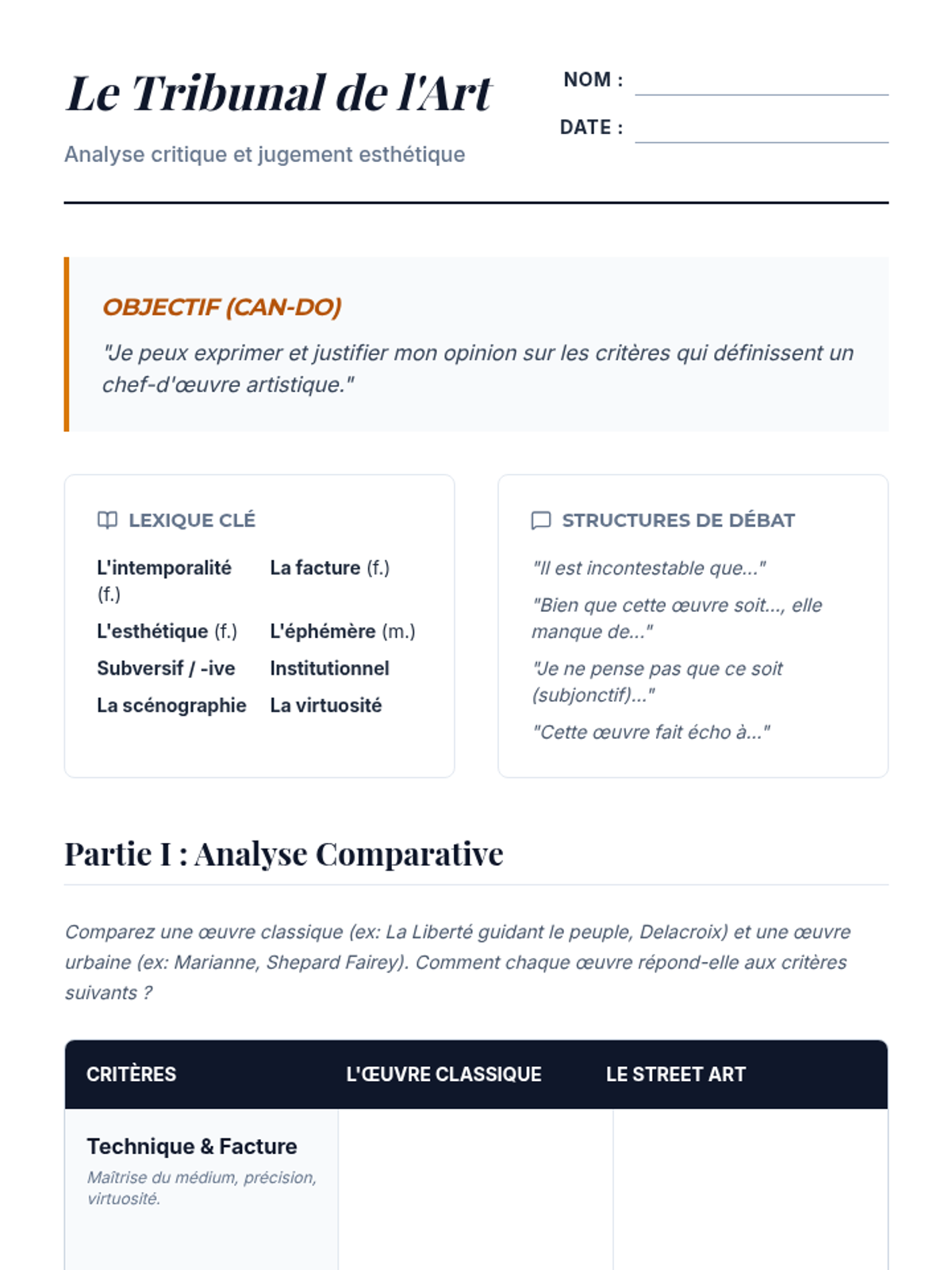
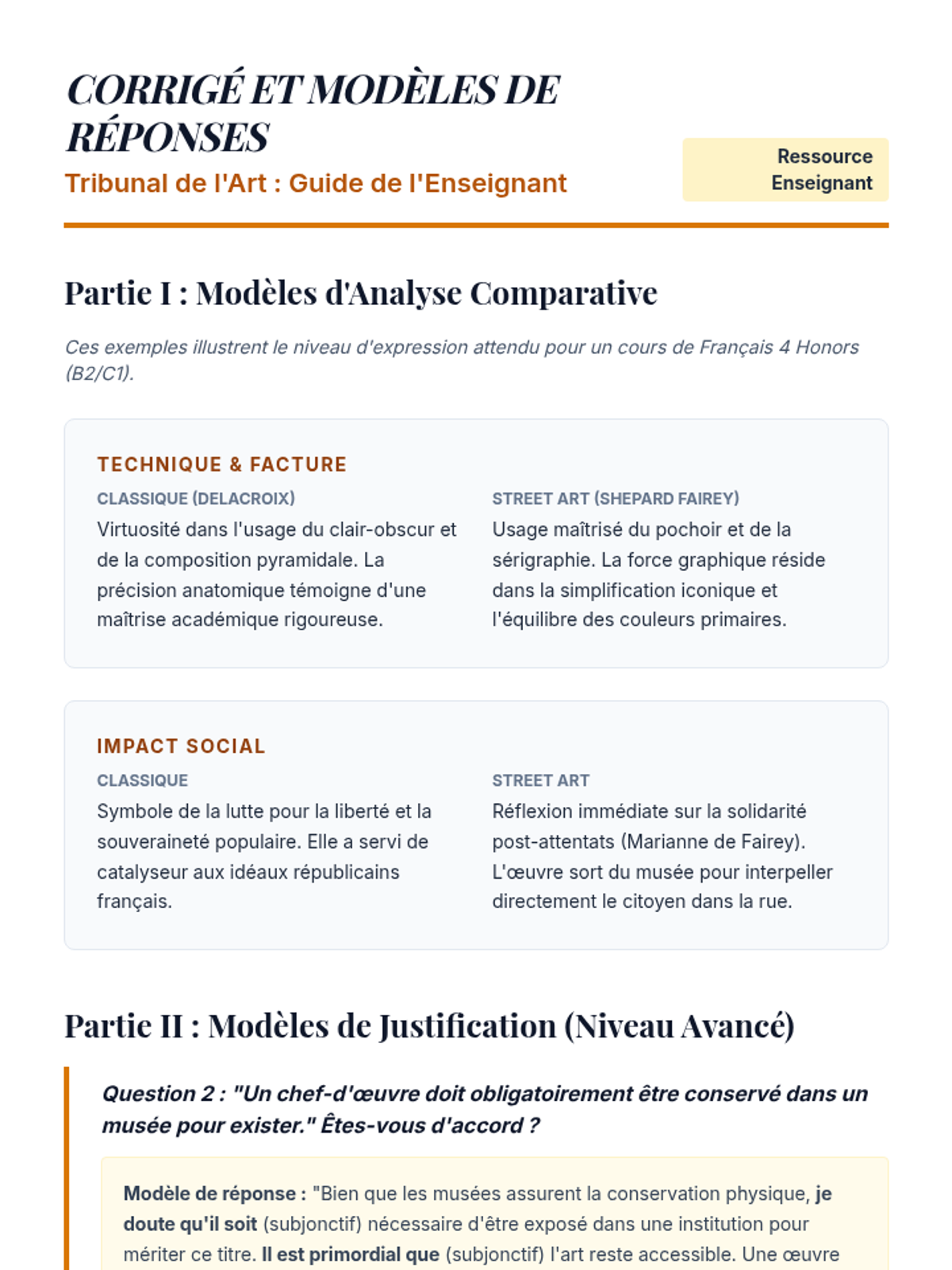
A unit exploring the intersection of art, culture, and society in the French-speaking world, focusing on aesthetic judgment and historical context.
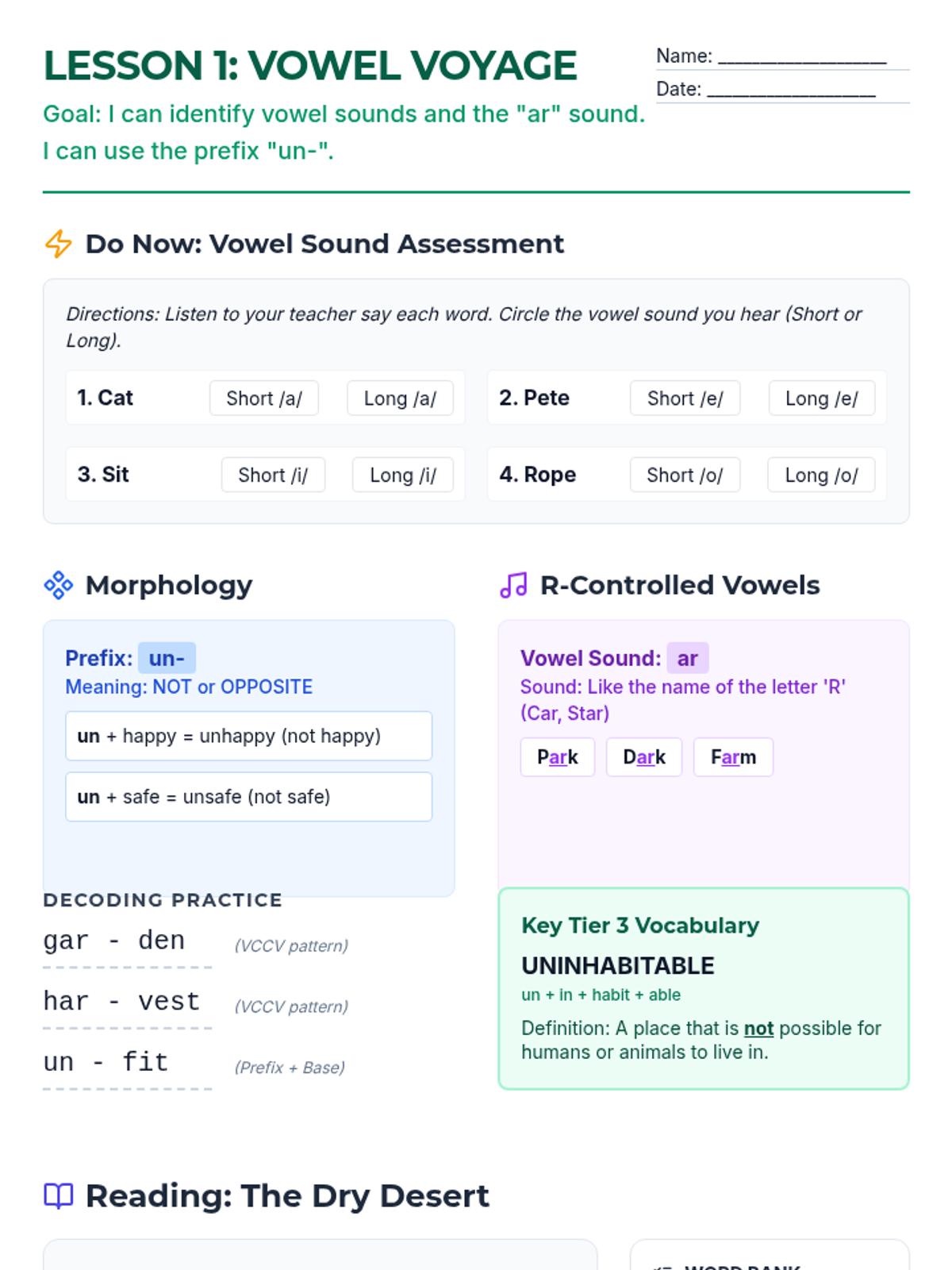
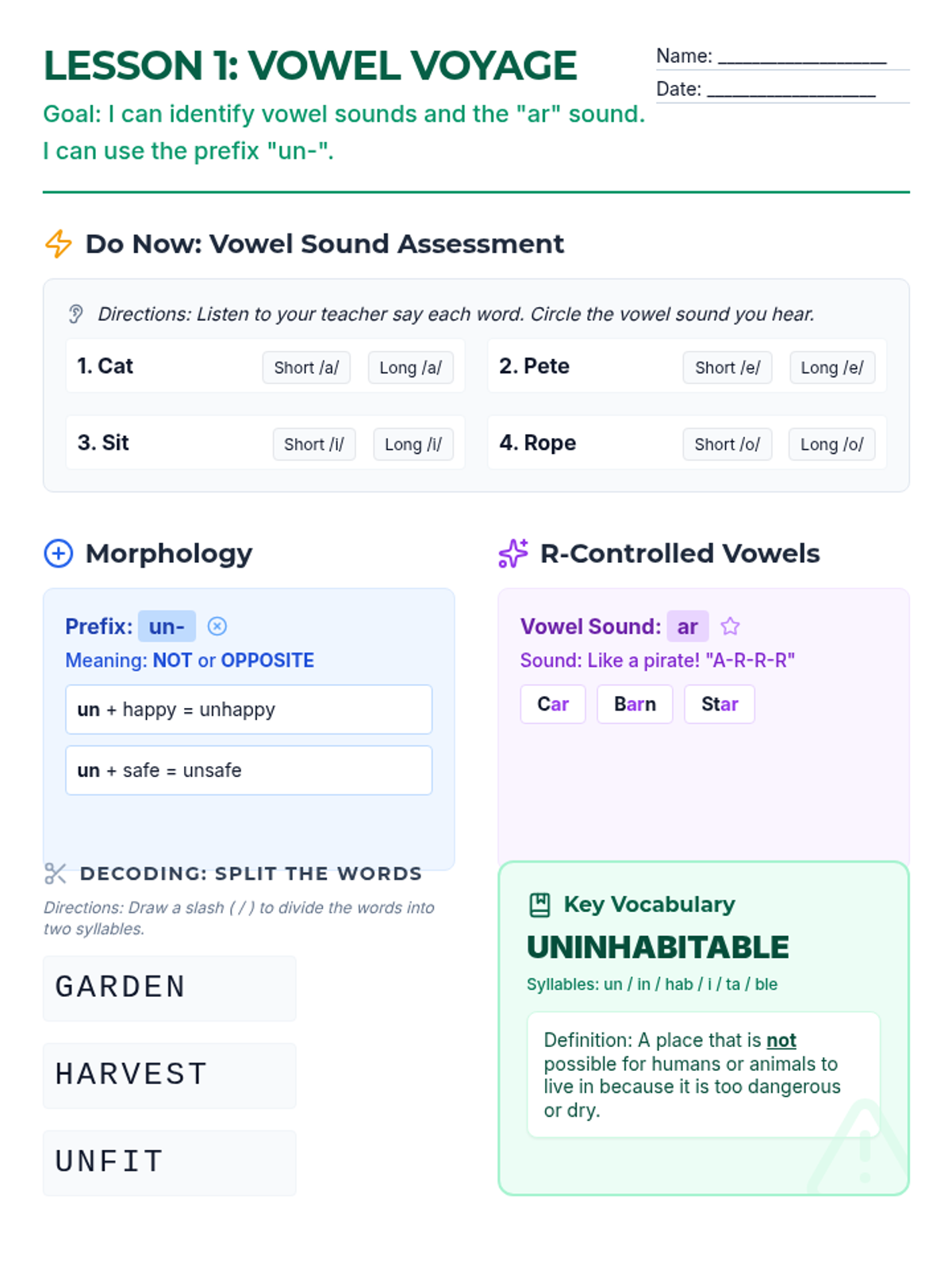
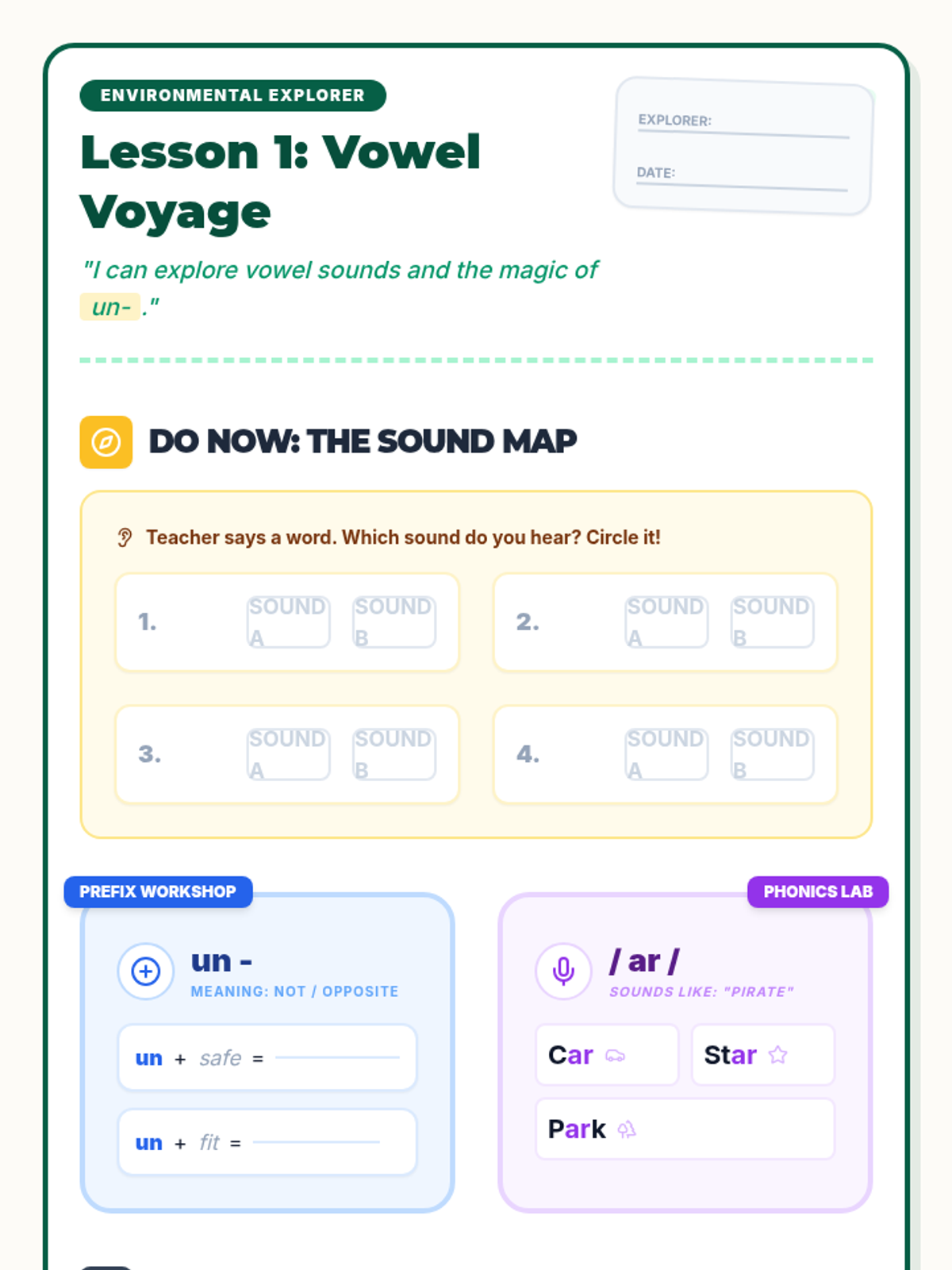
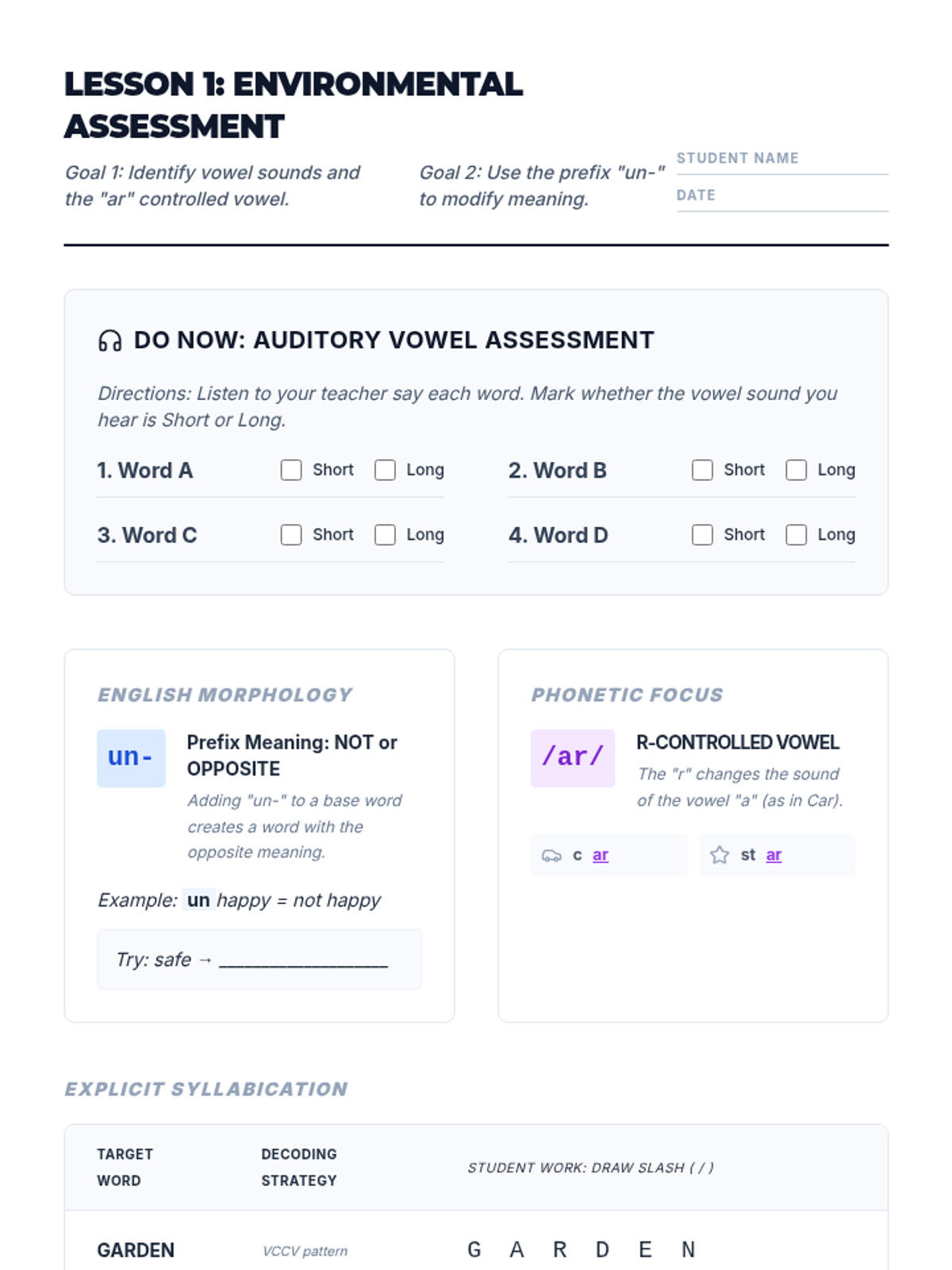
A comprehensive 20-lesson ESOL sequence designed for 9th grade ELL students. The curriculum focuses on systematic language acquisition through environmental themes, covering morphology, phonics, Tier 3 vocabulary, and structured writing across genres. Includes a cumulative review and final assessment.
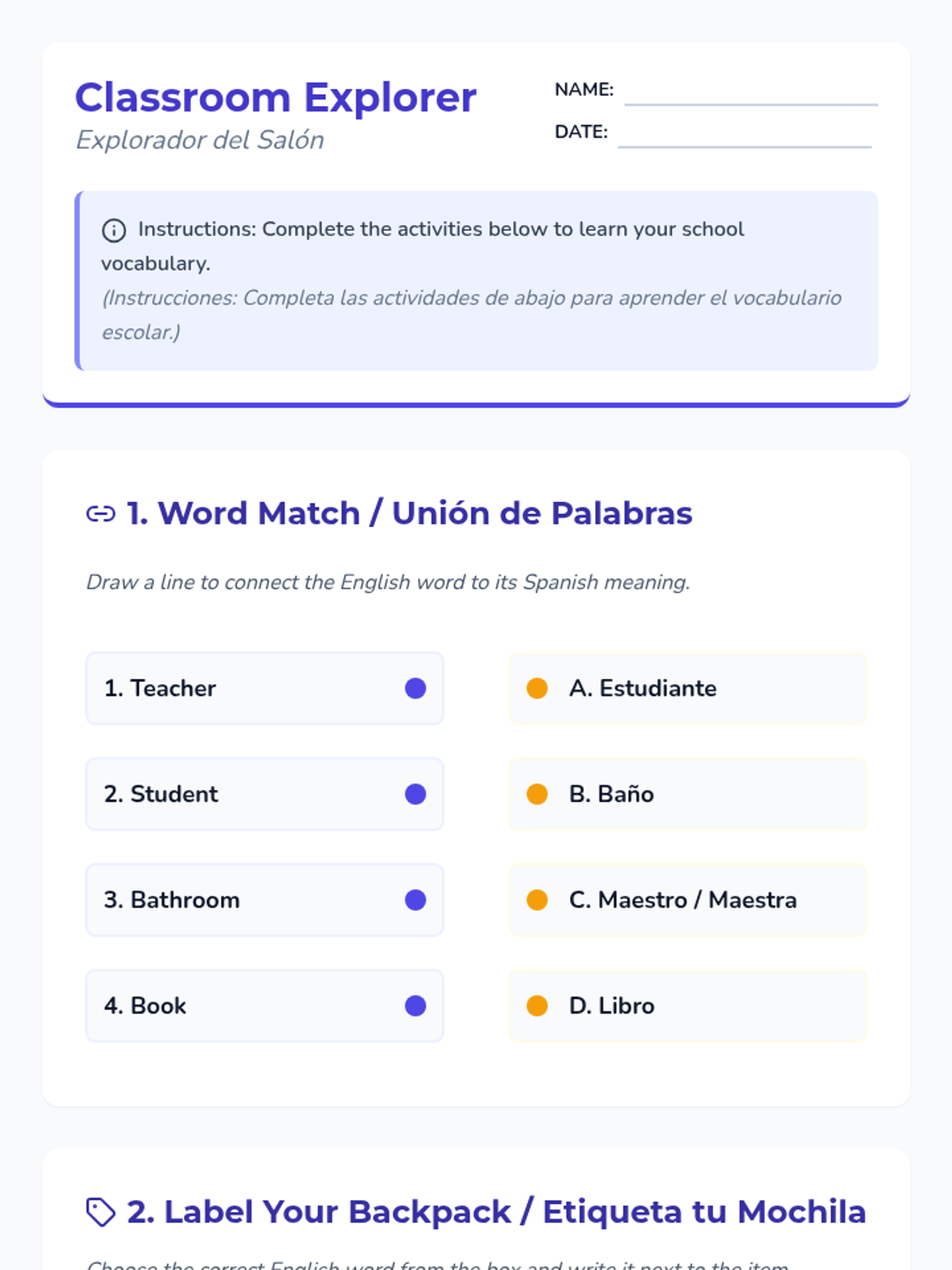
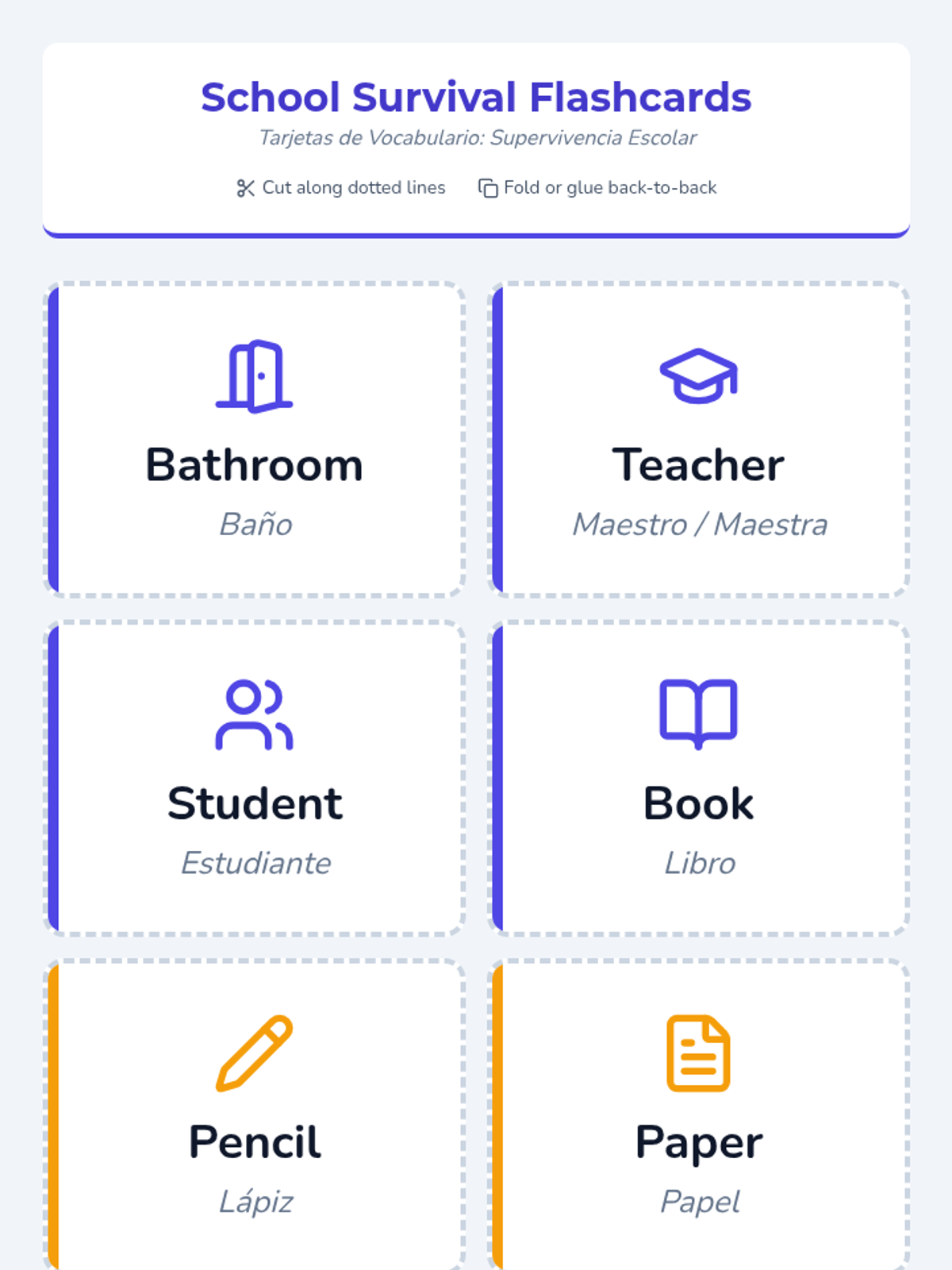
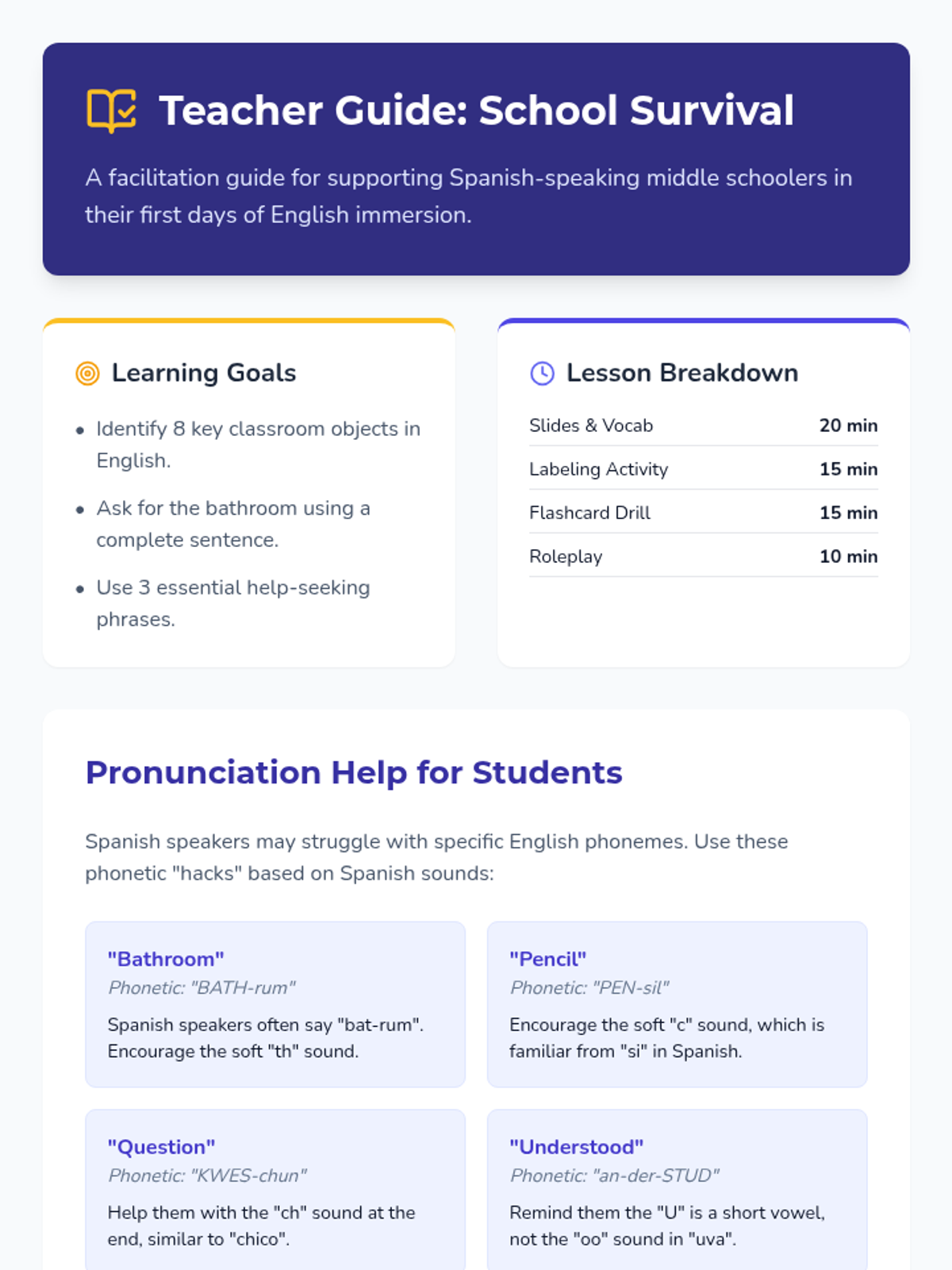
A foundational English as a Second Language (ESL) sequence for Spanish-speaking middle schoolers, focusing on essential survival phrases, school navigation, and personal relationships.
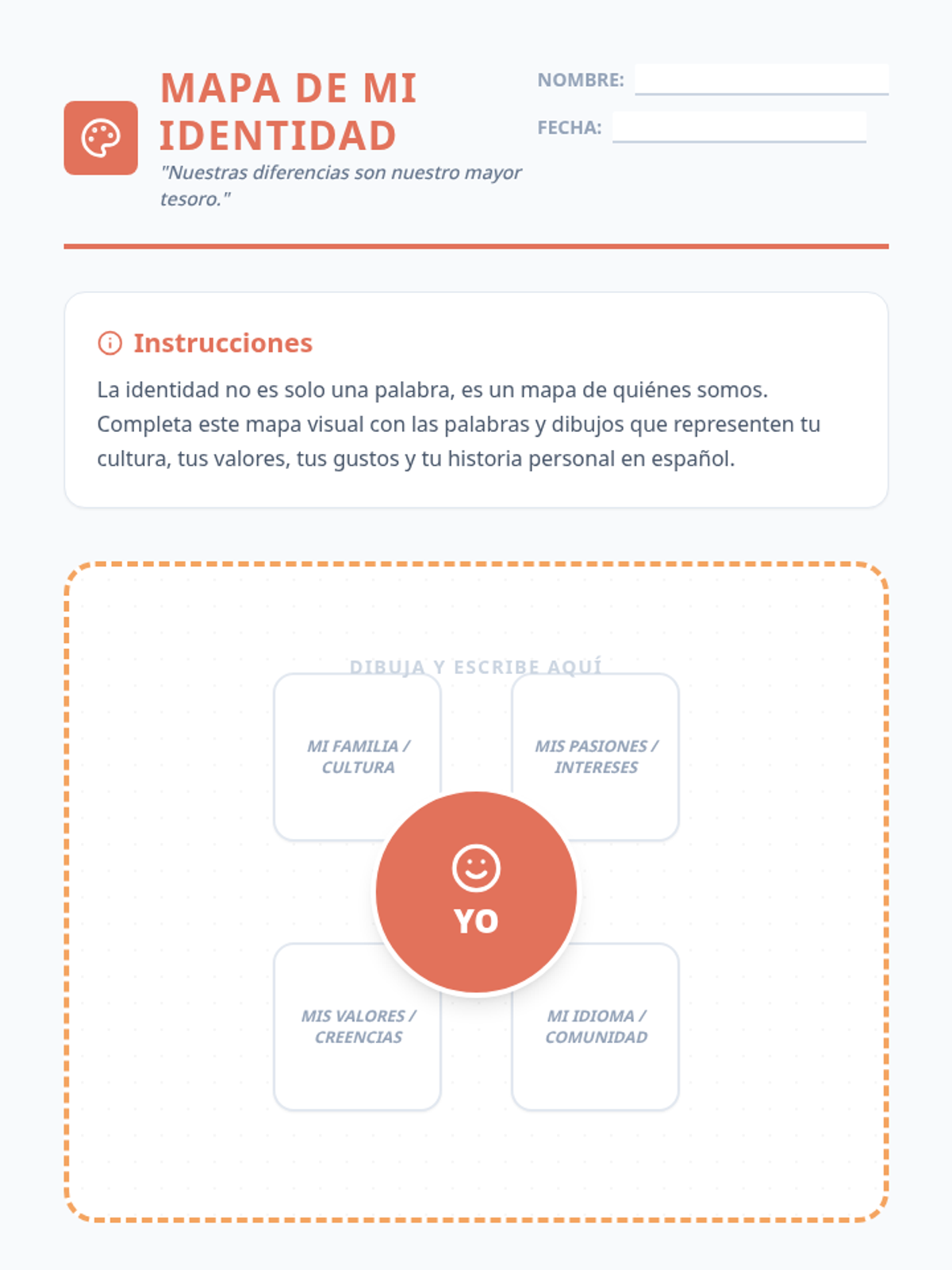
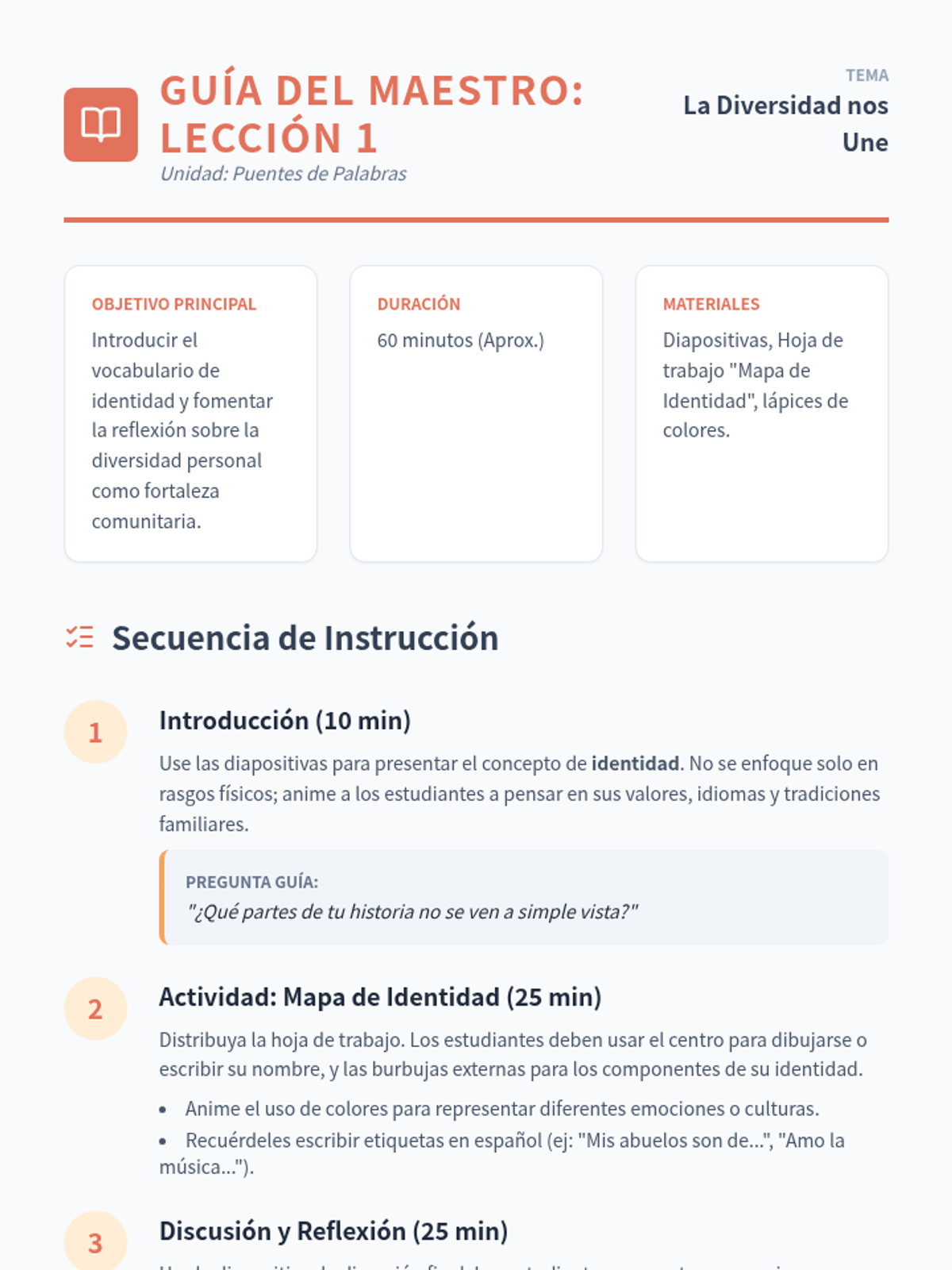
A two-lesson sequence for Spanish class exploring themes of diversity, social tolerance, and empathy through language and cultural connection. Students develop vocabulary to describe identity and practice perspective-taking to build inclusive communities.
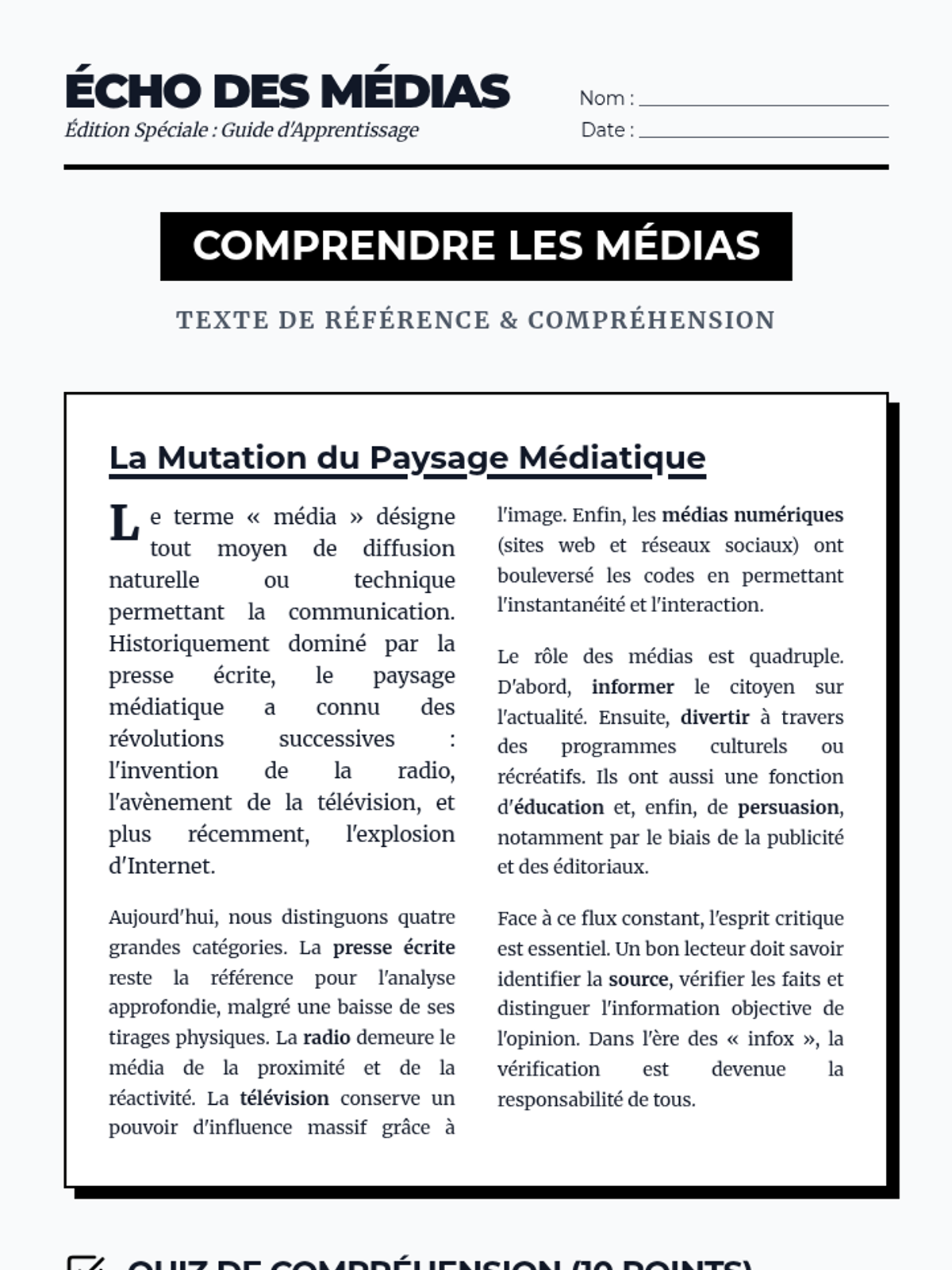
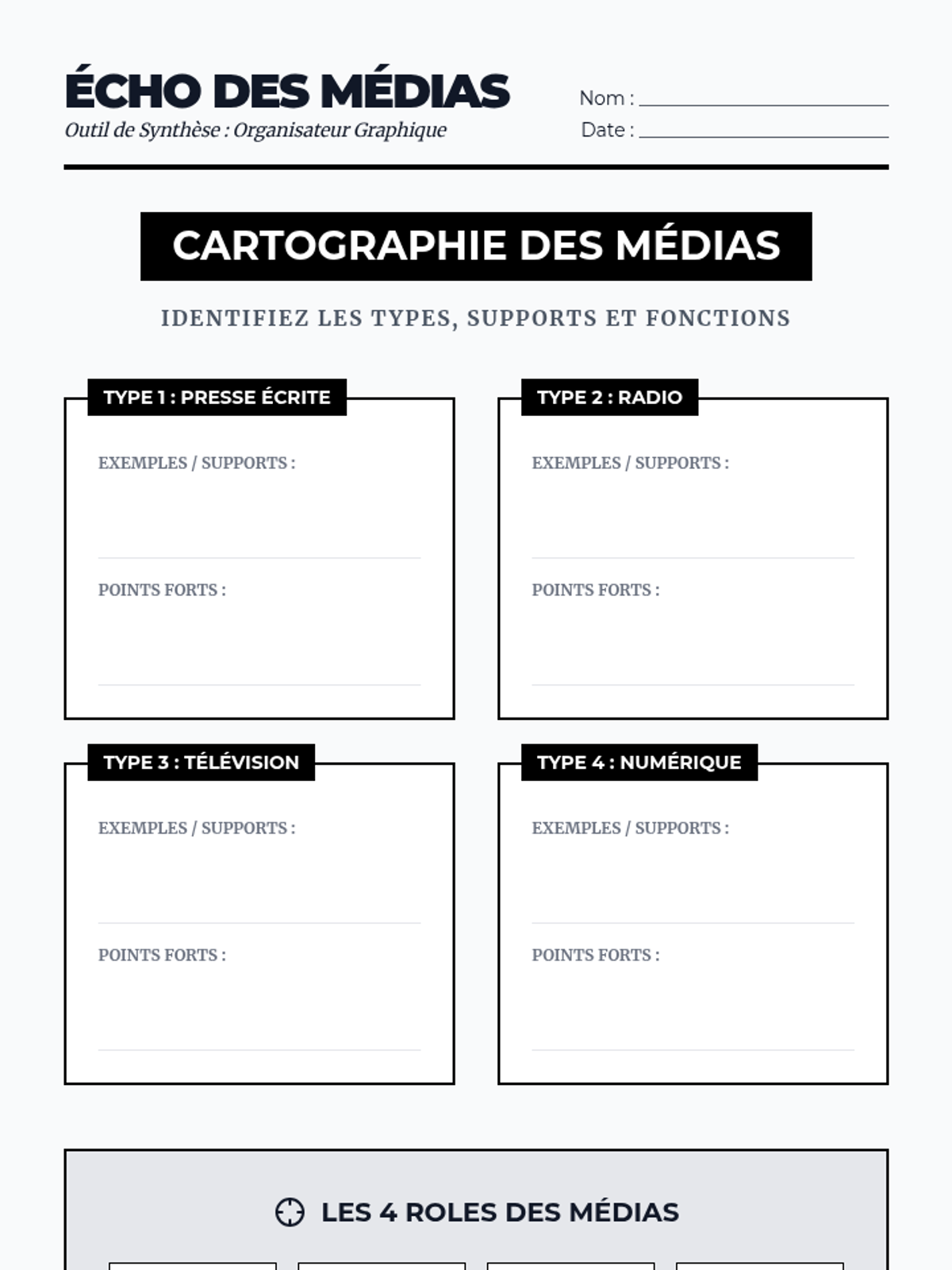
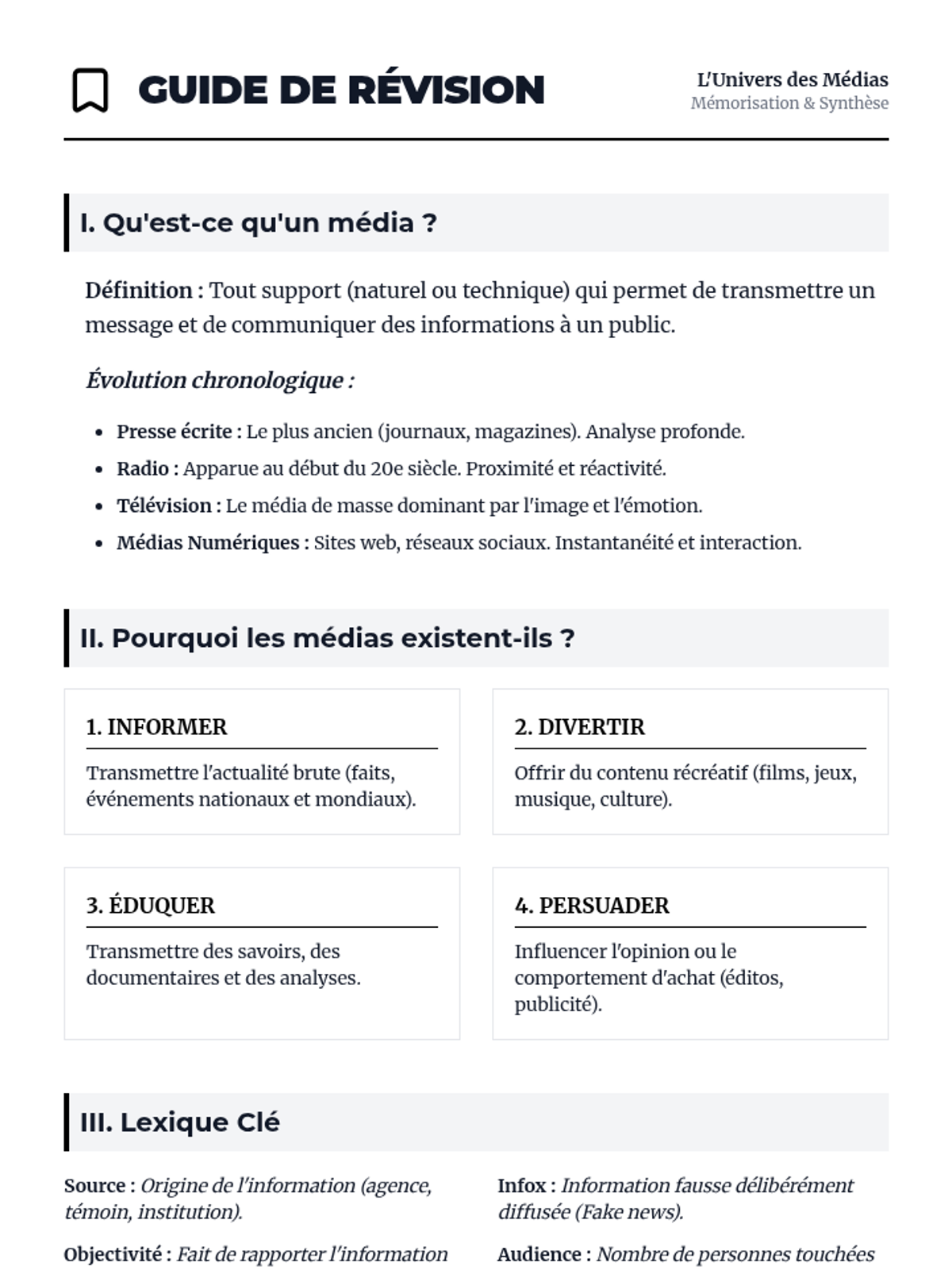
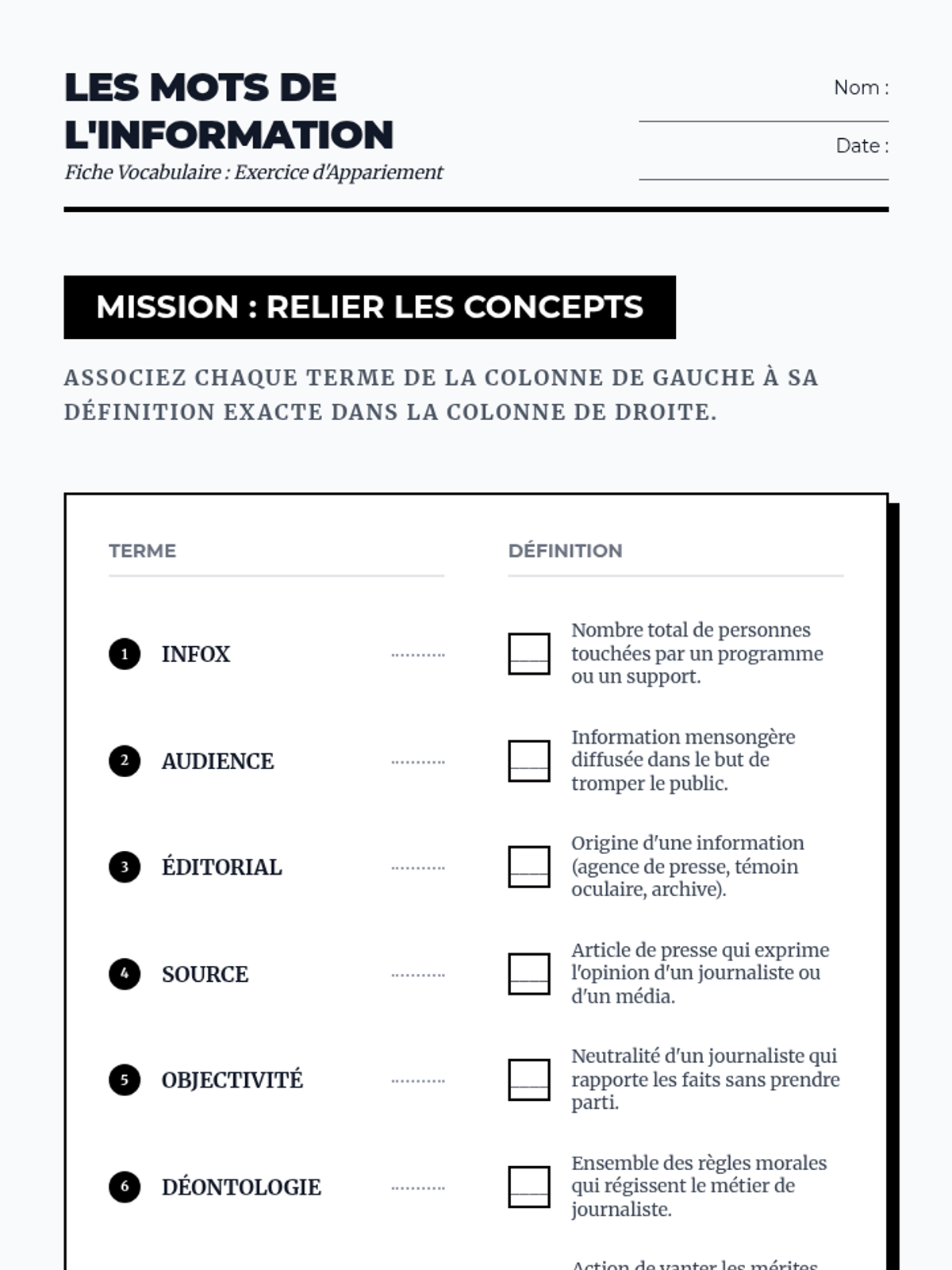
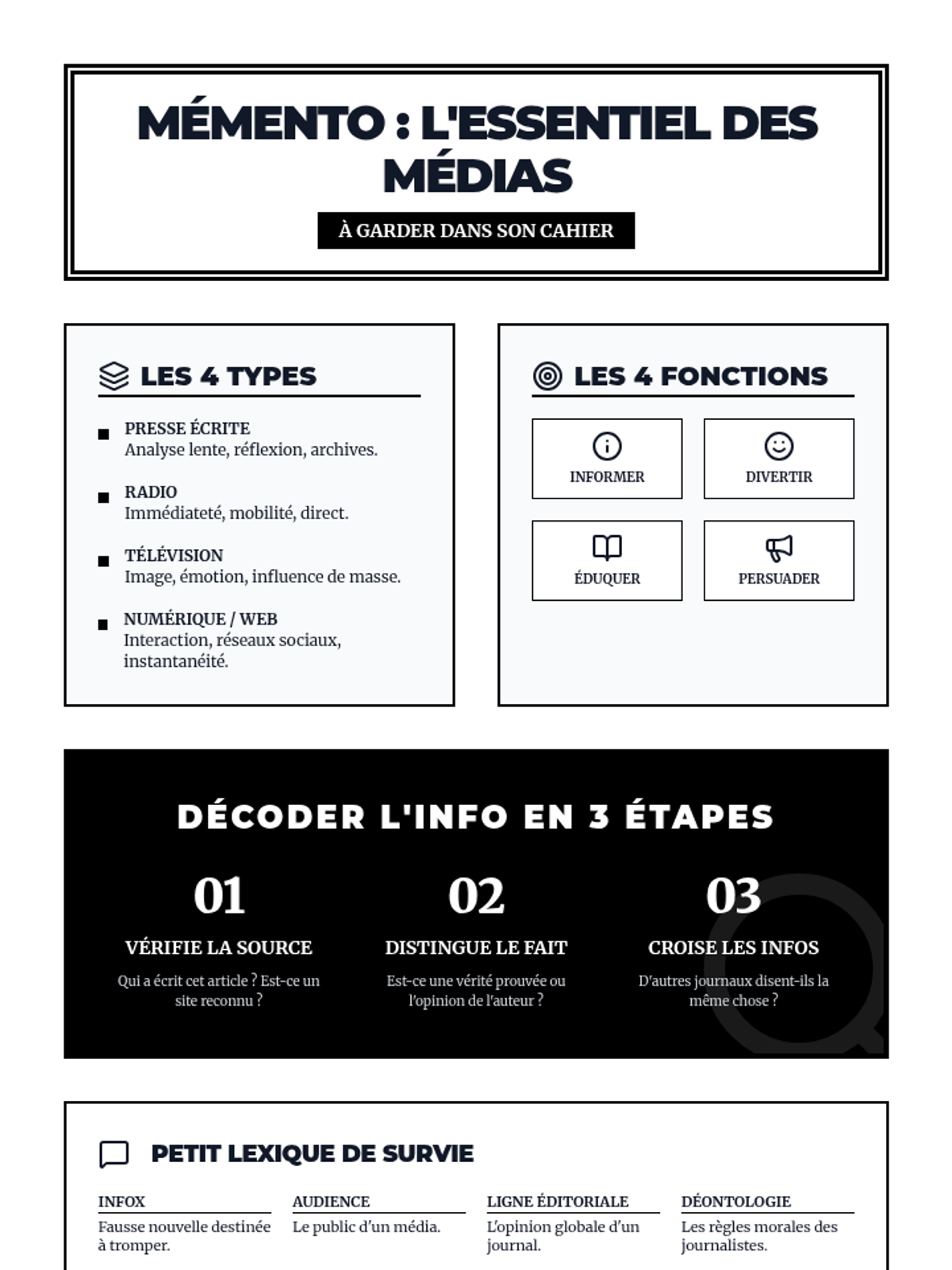
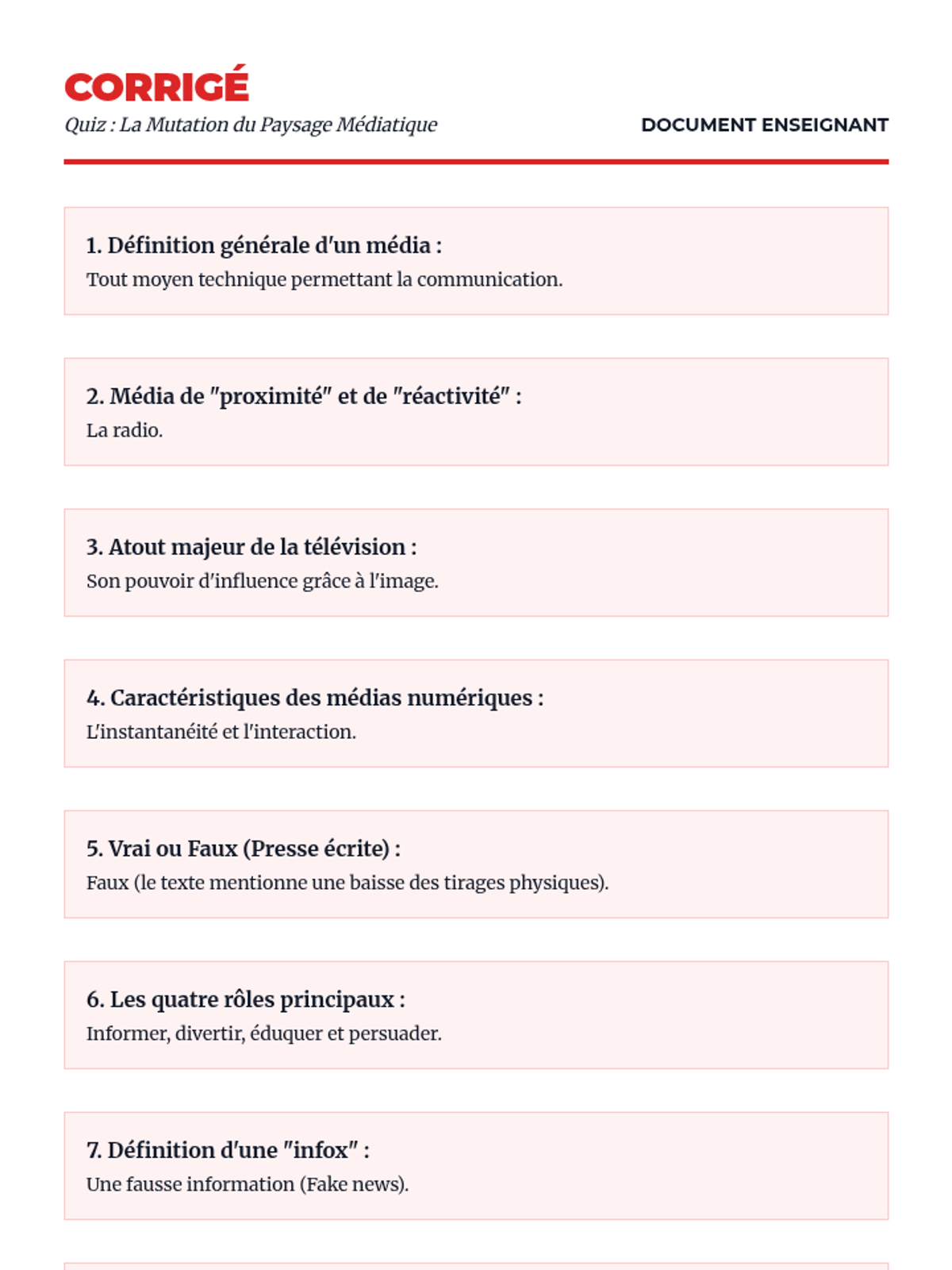
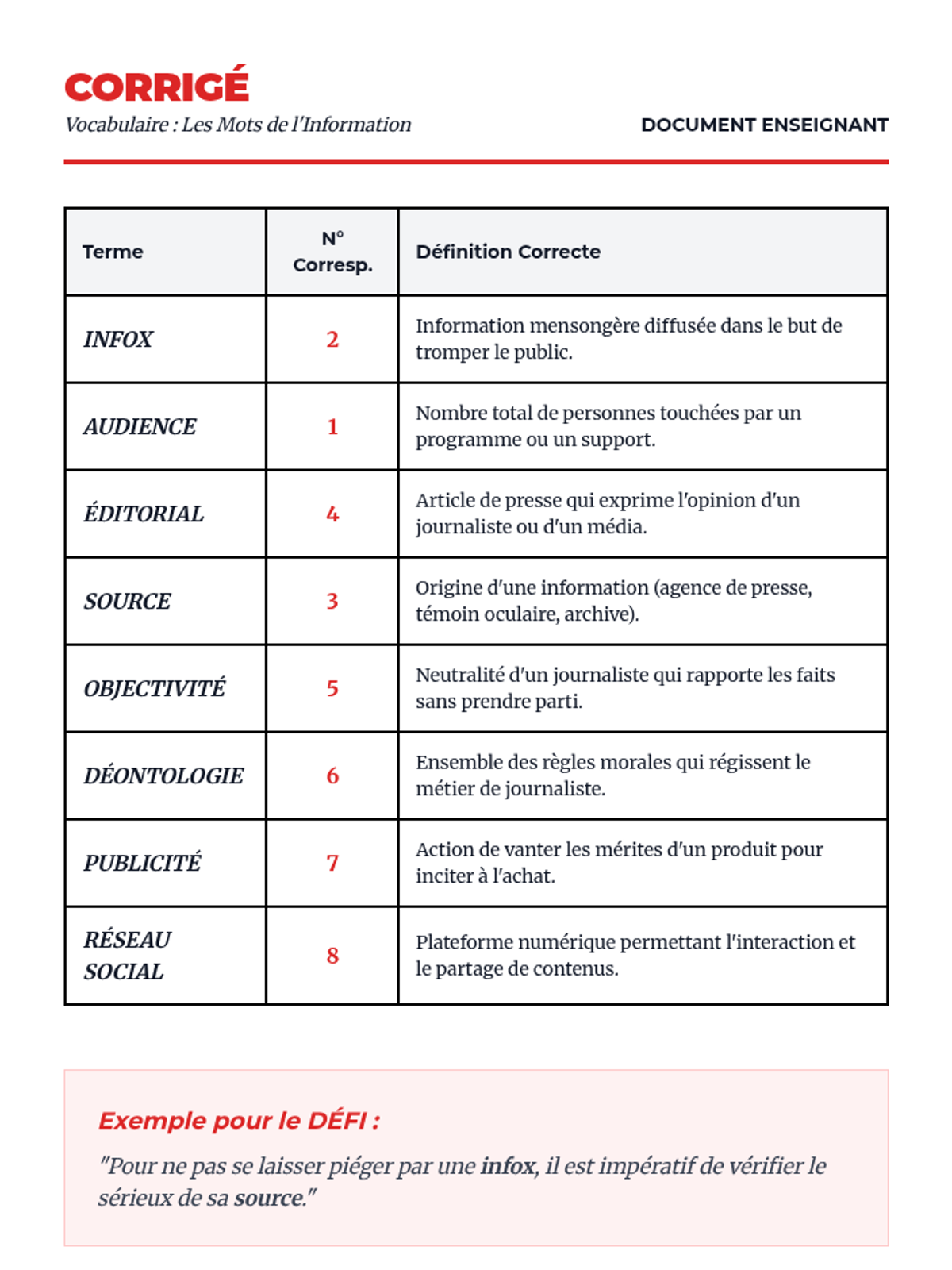
Une séquence pédagogique complète sur les différents types de médias, leurs fonctions et le vocabulaire journalistique. Elle comprend des supports visuels, des outils d'organisation et des évaluations.
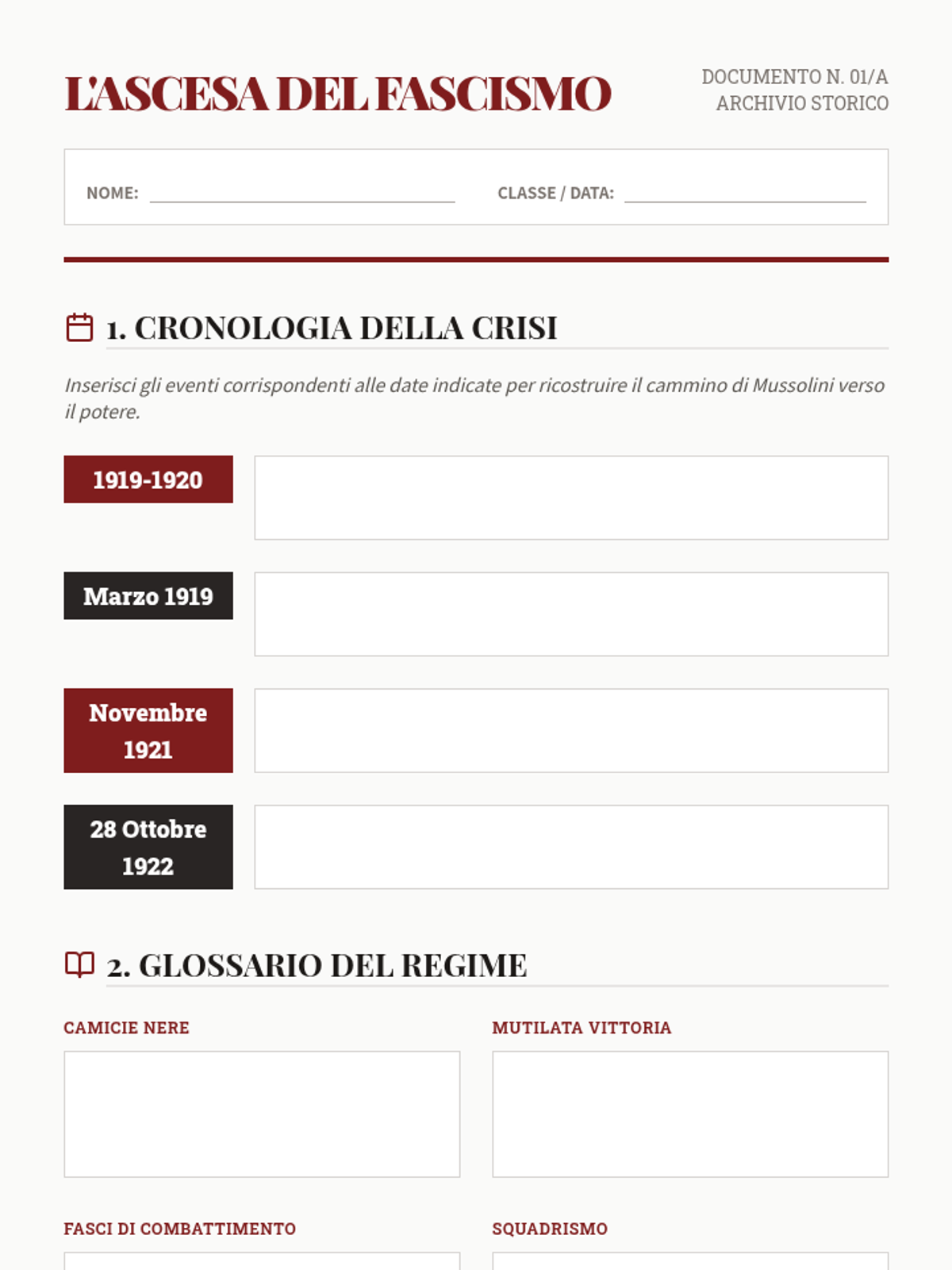
Une séquence pédagogique de 5 séances explorant l'ascension, le régime et la chute du fascisme en Italie, adaptée pour une classe de 1ère LV2. La séquence analyse les mécanismes de pouvoir, la propagande, les lois raciales et la résistance.
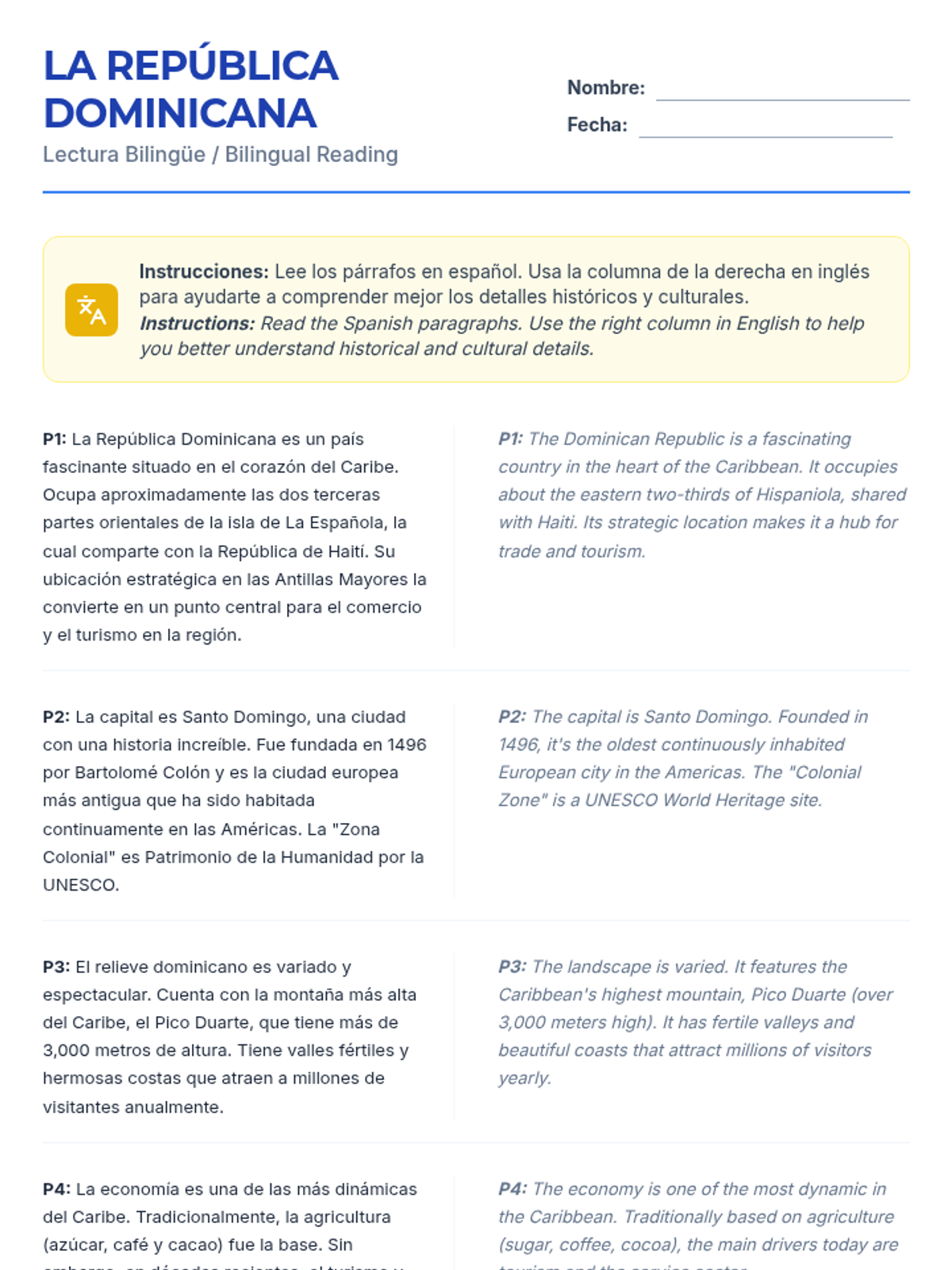
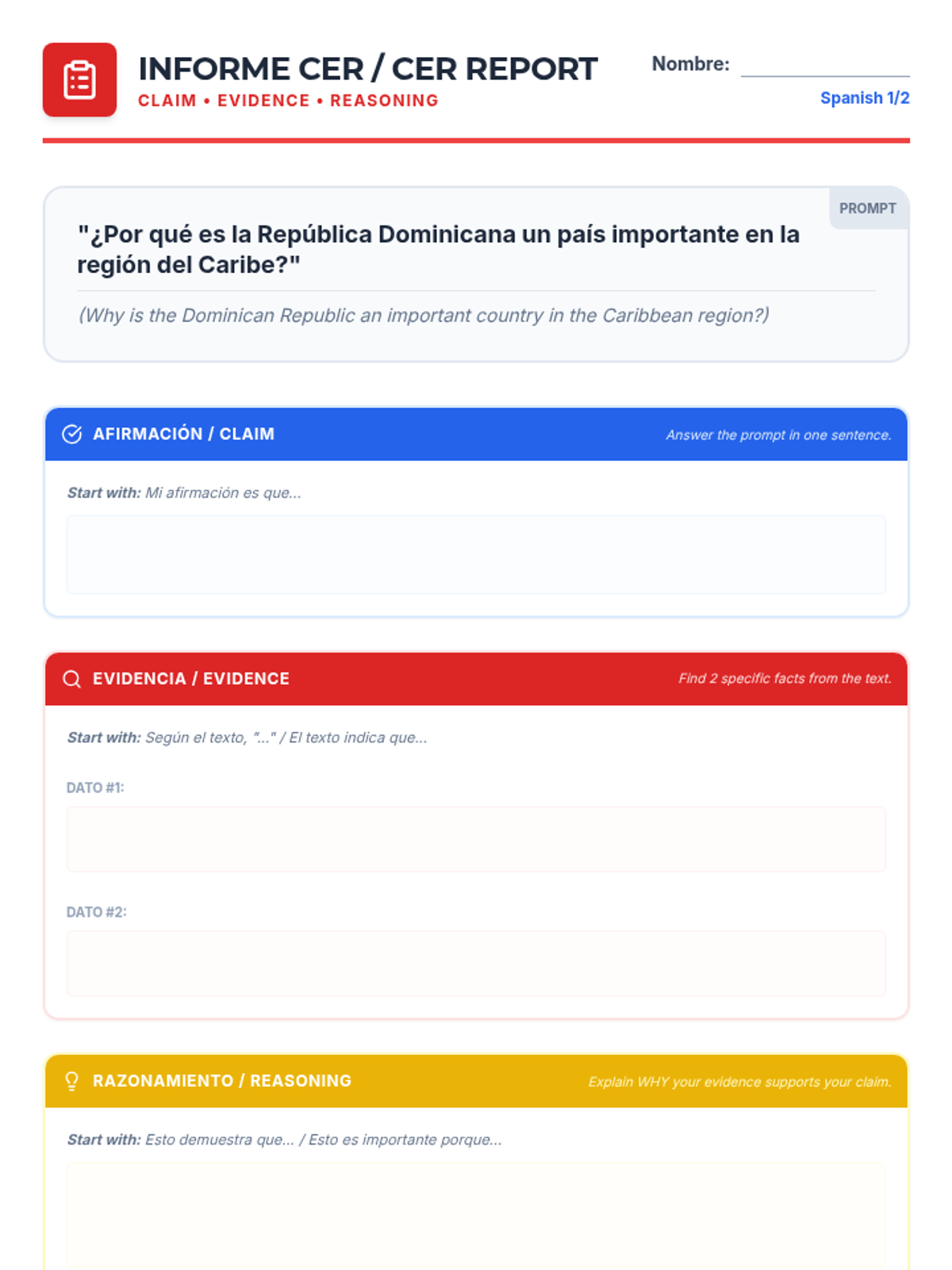
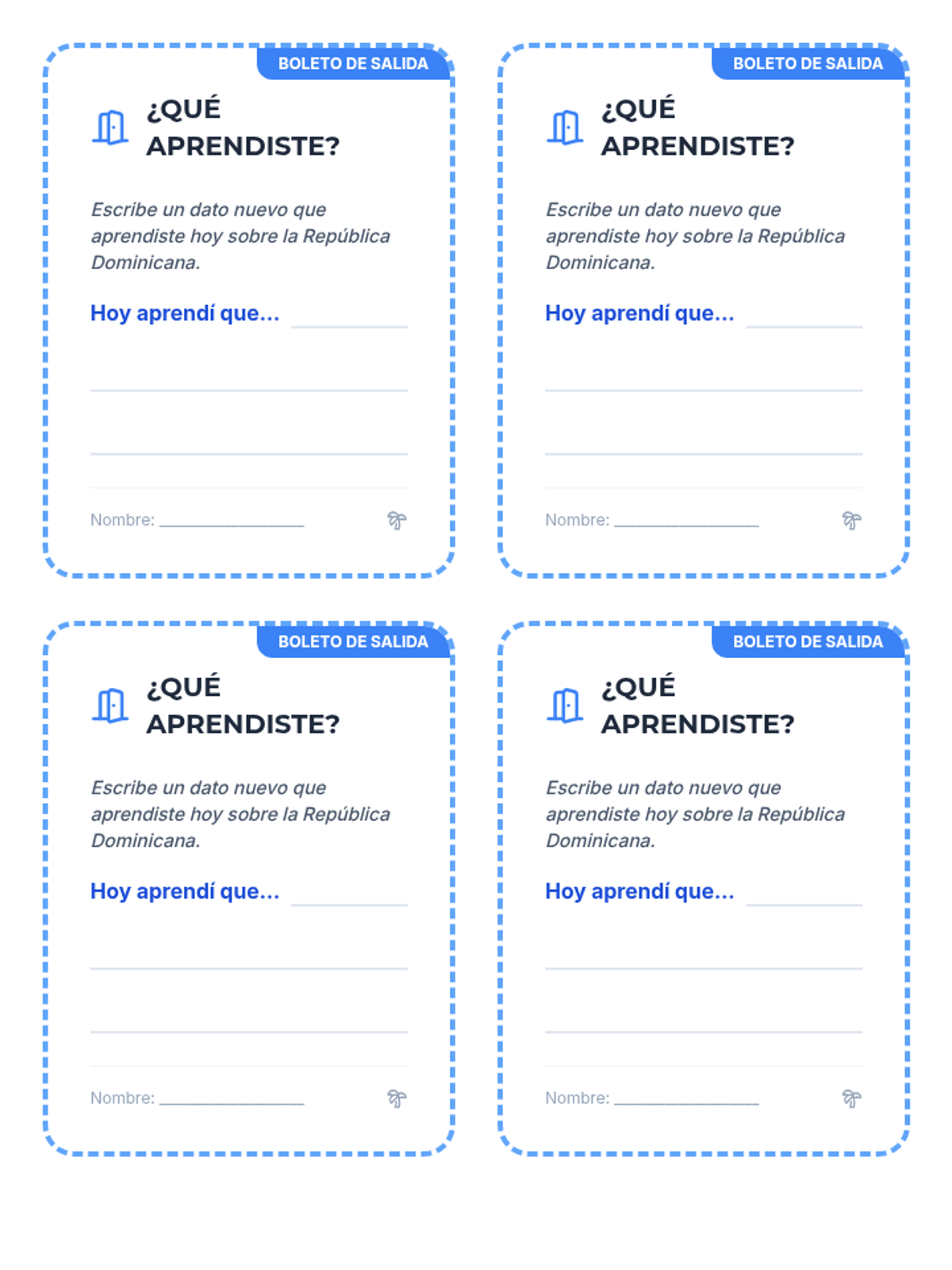
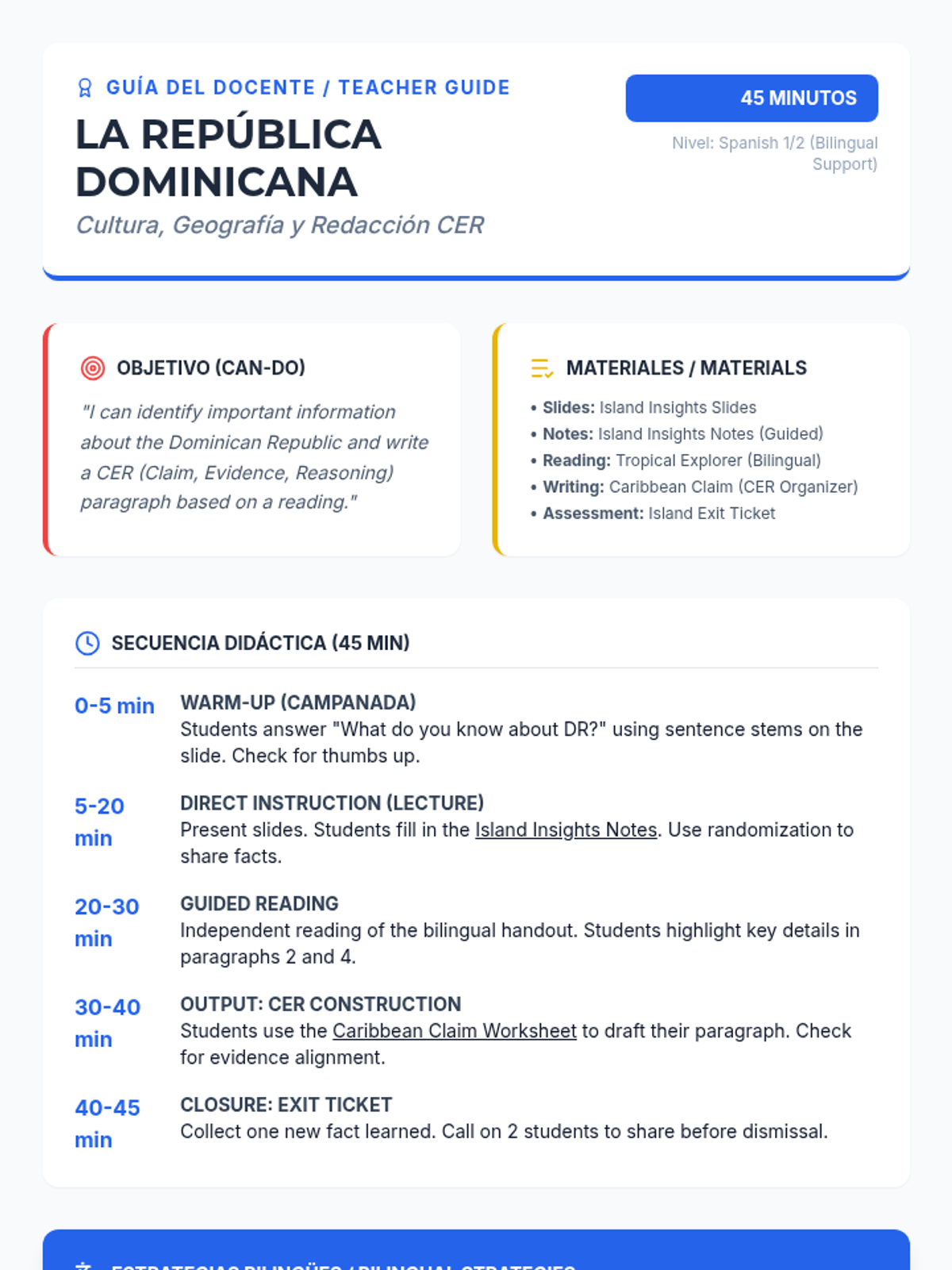
A cultural exploration of the Dominican Republic, focusing on geography, history, and traditions while developing CER writing skills in Spanish.
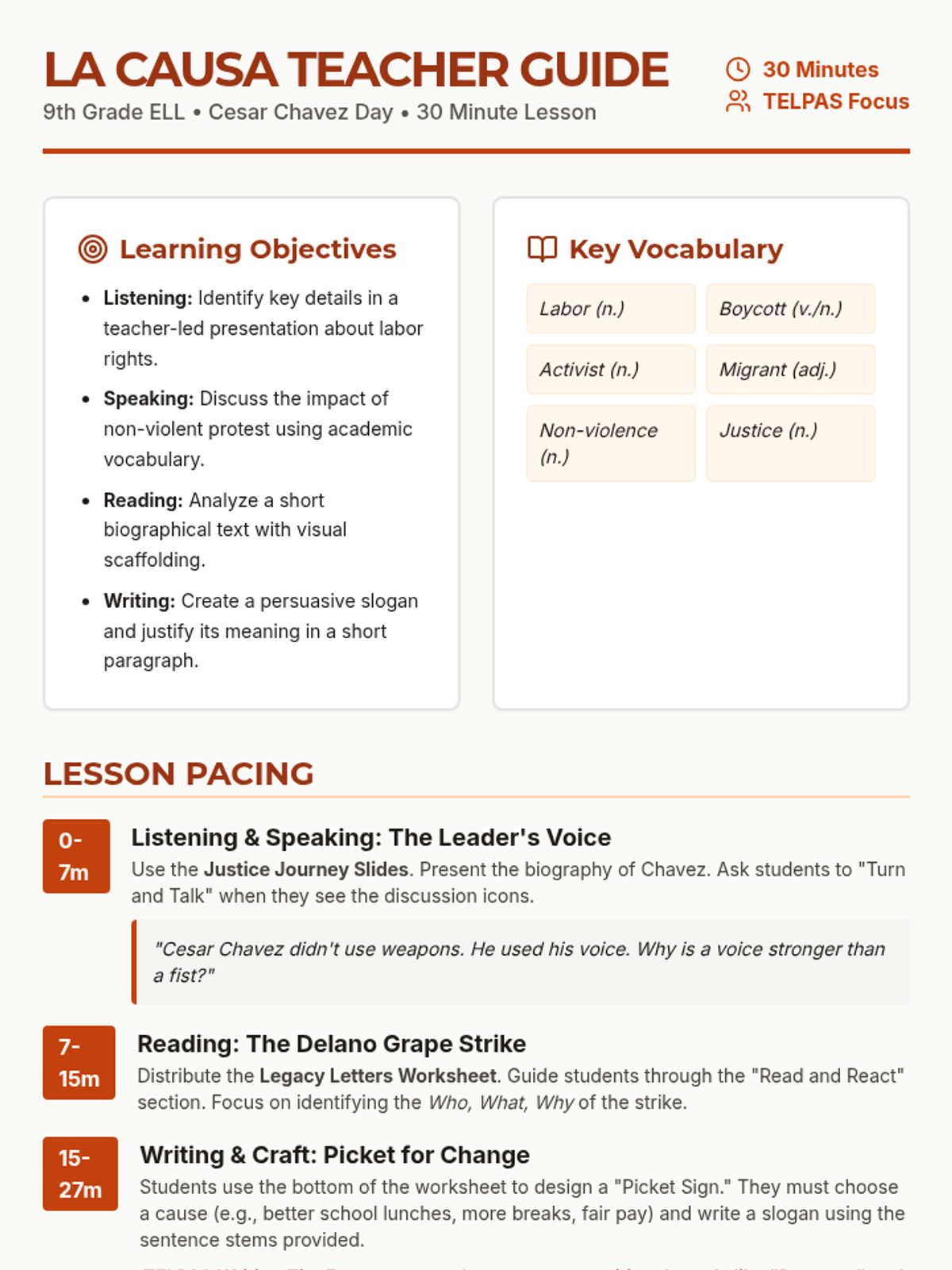
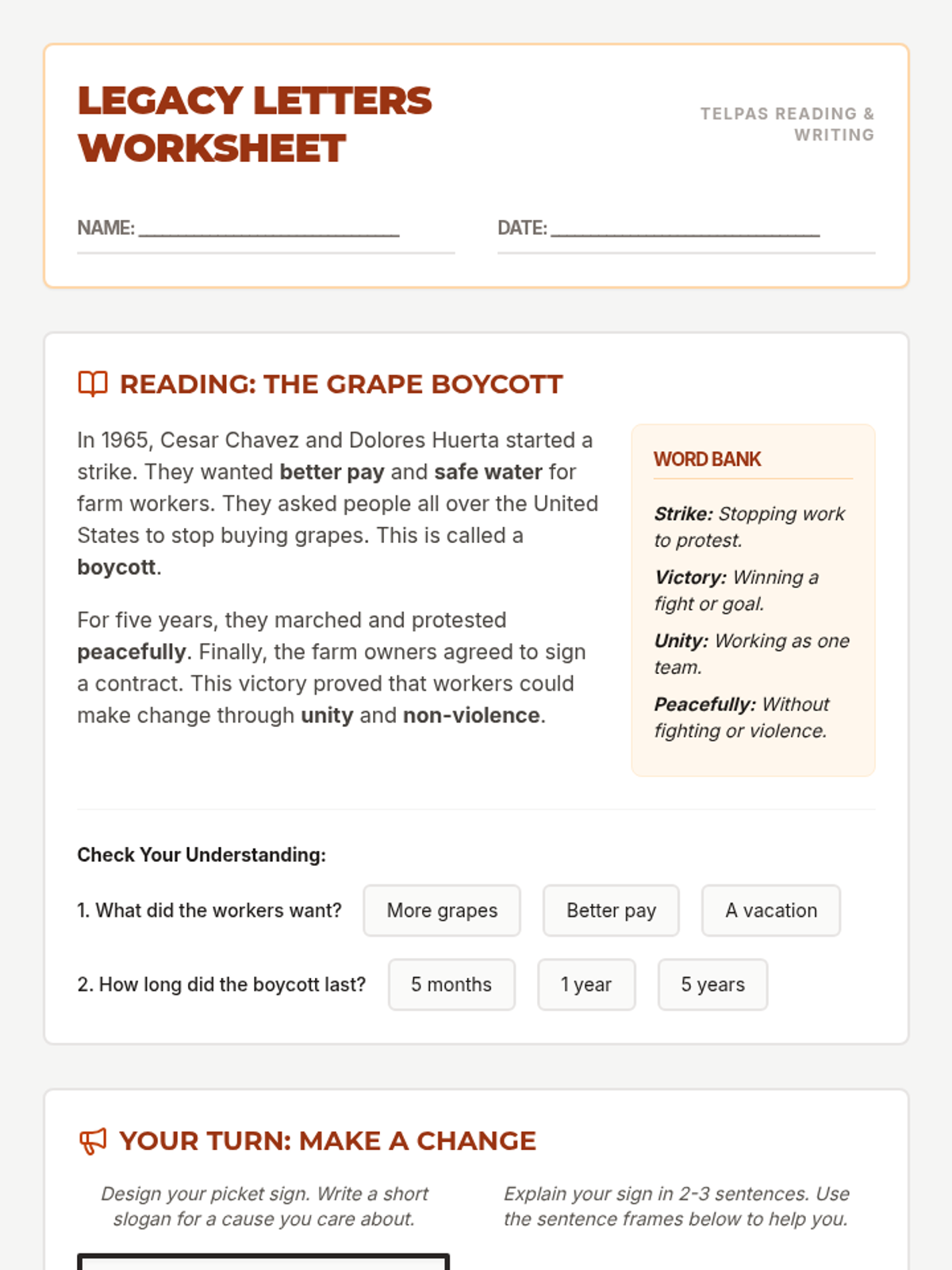
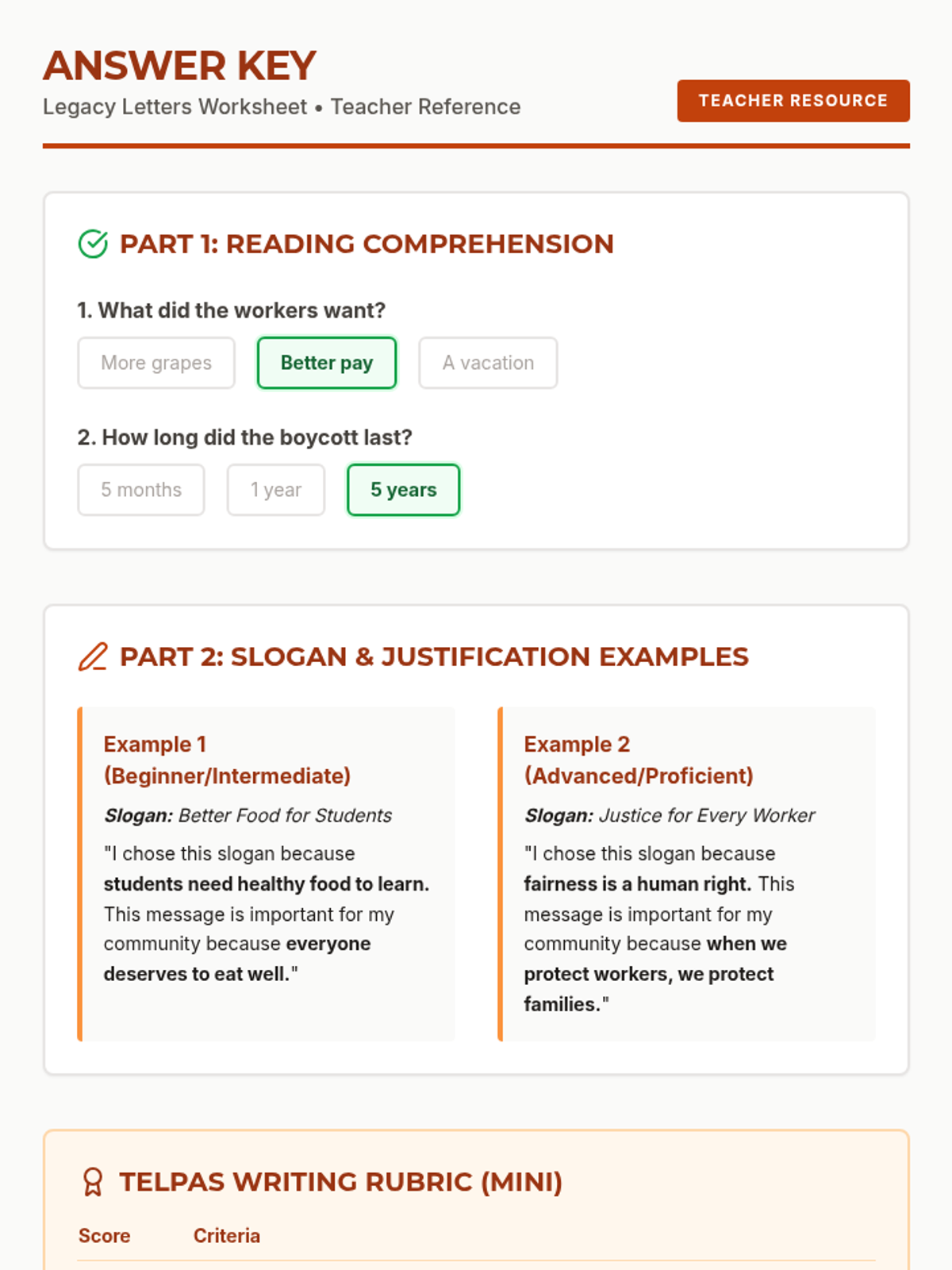
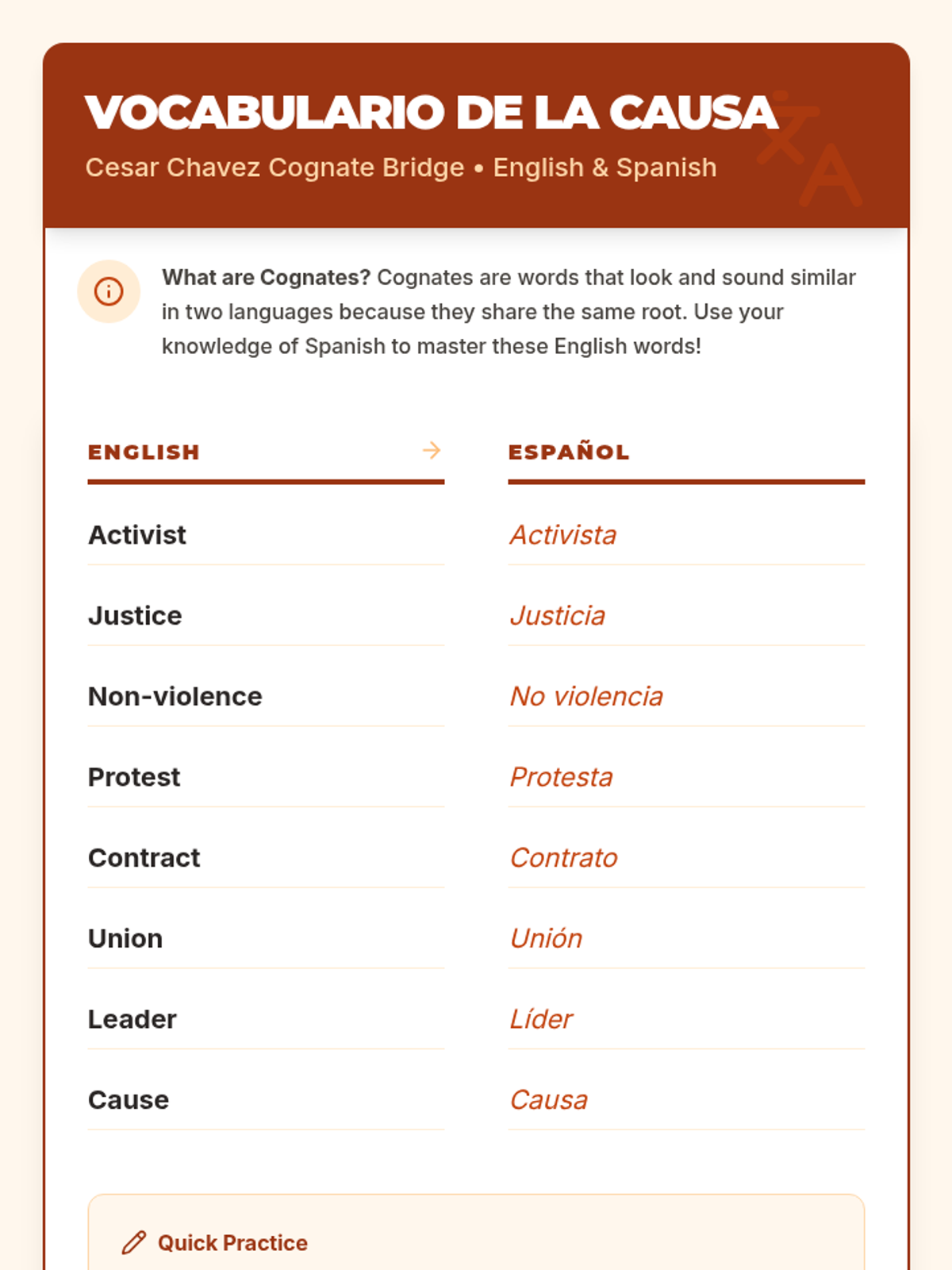
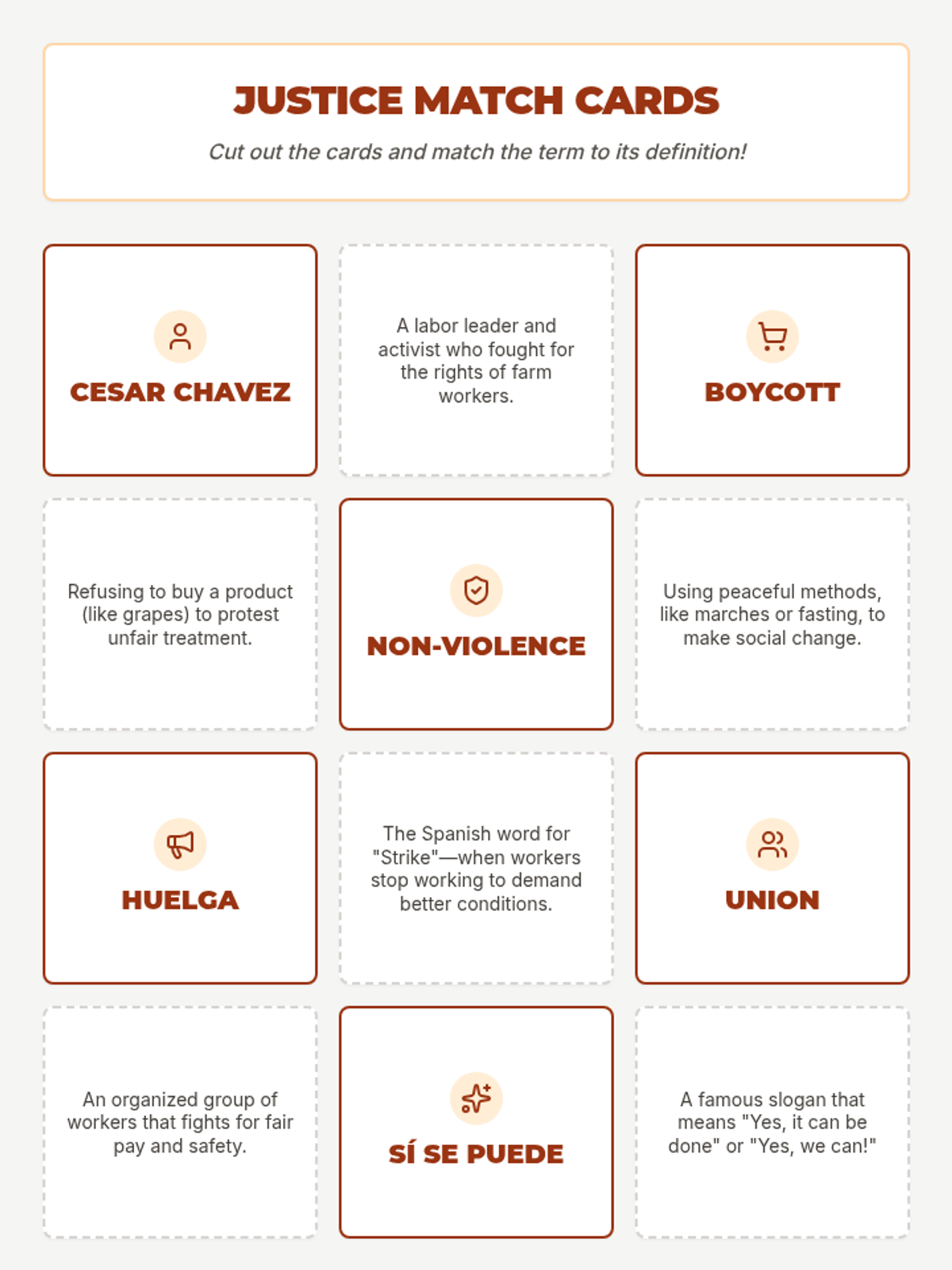
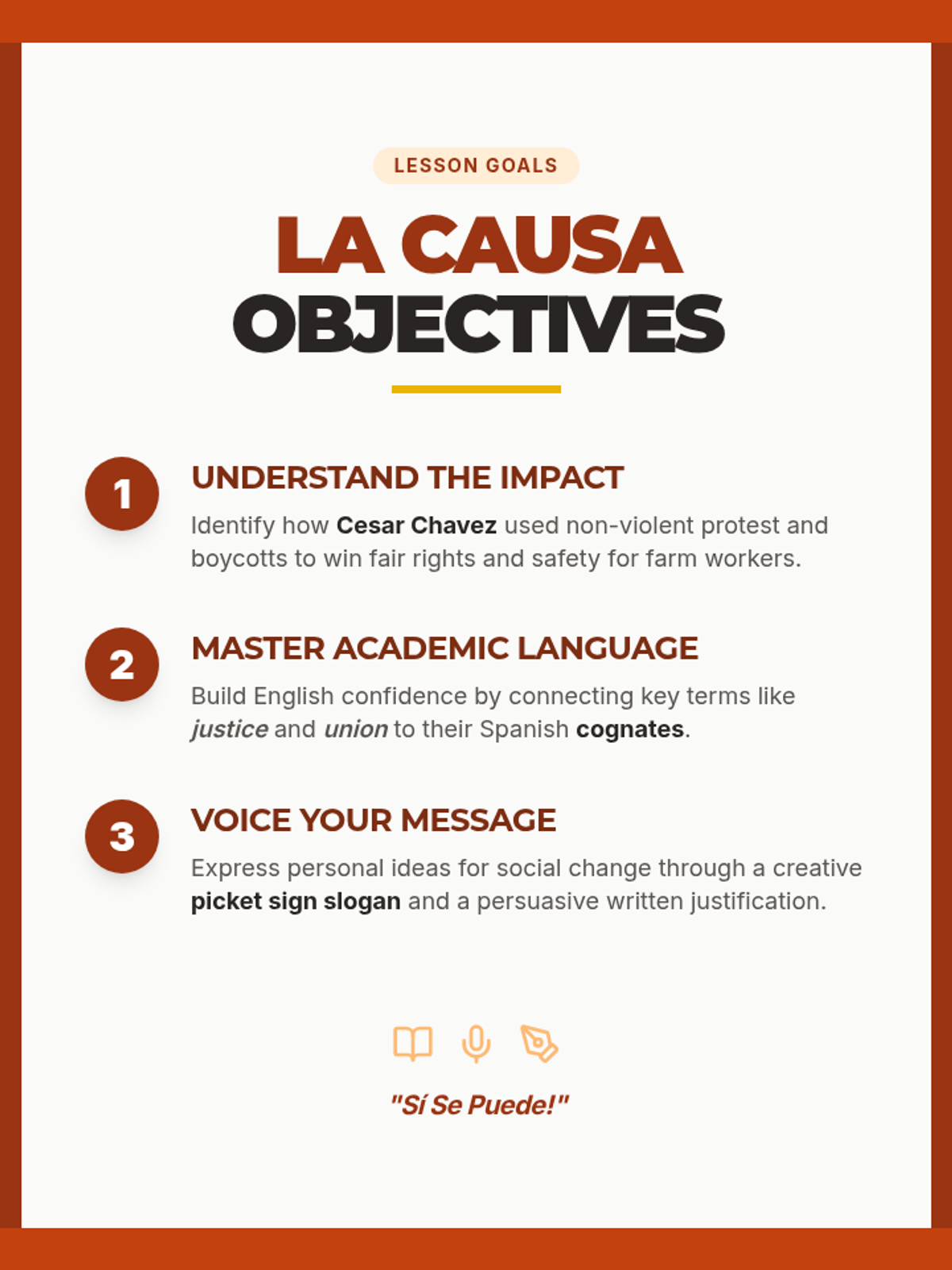
A specialized lesson sequence designed for 9th-grade English Language Learners to explore the life and legacy of Cesar Chavez through the four domains of language acquisition: Reading, Writing, Speaking, and Listening. The materials are aligned with TELPAS criteria and emphasize civil rights history and labor activism.
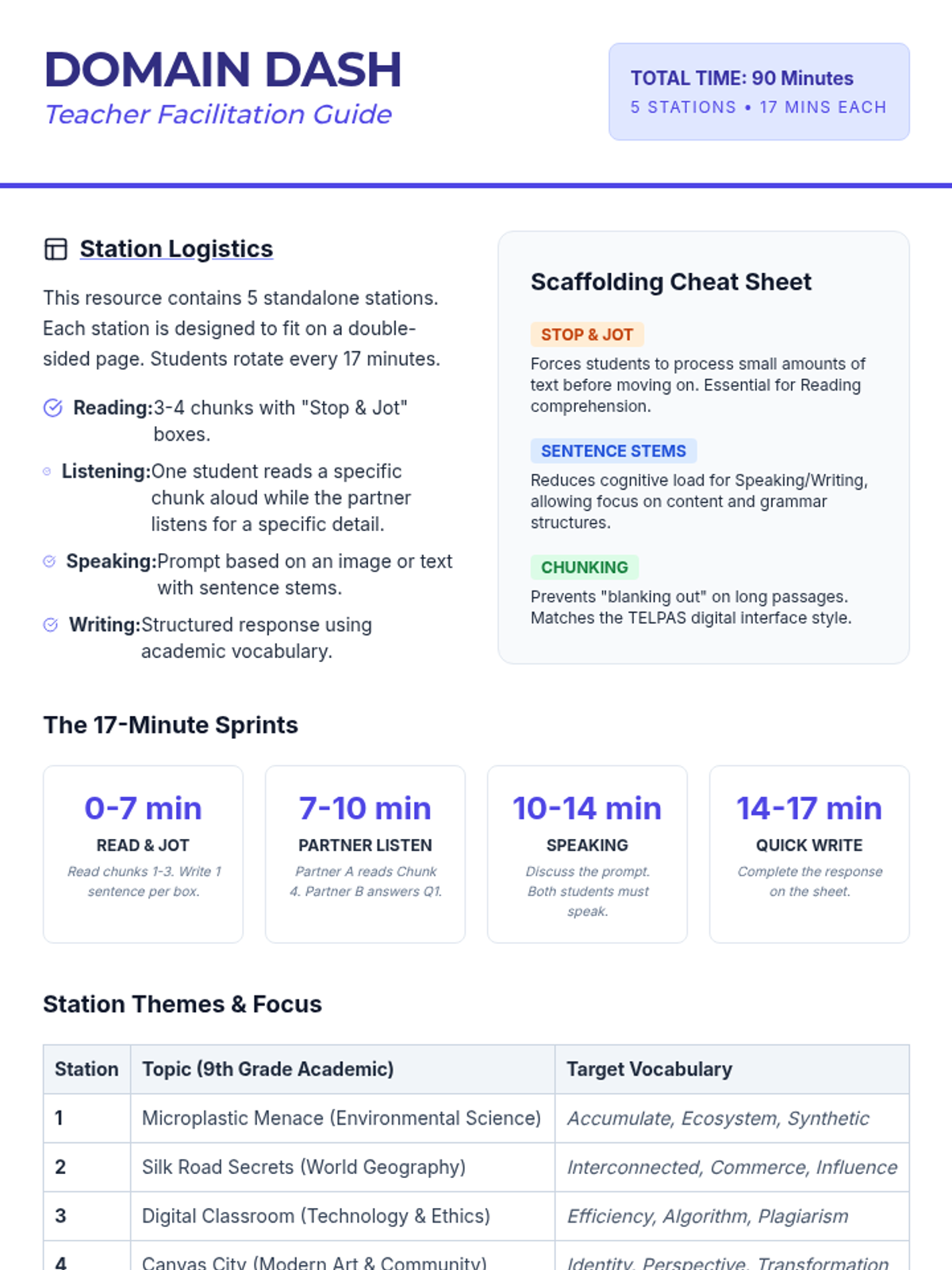
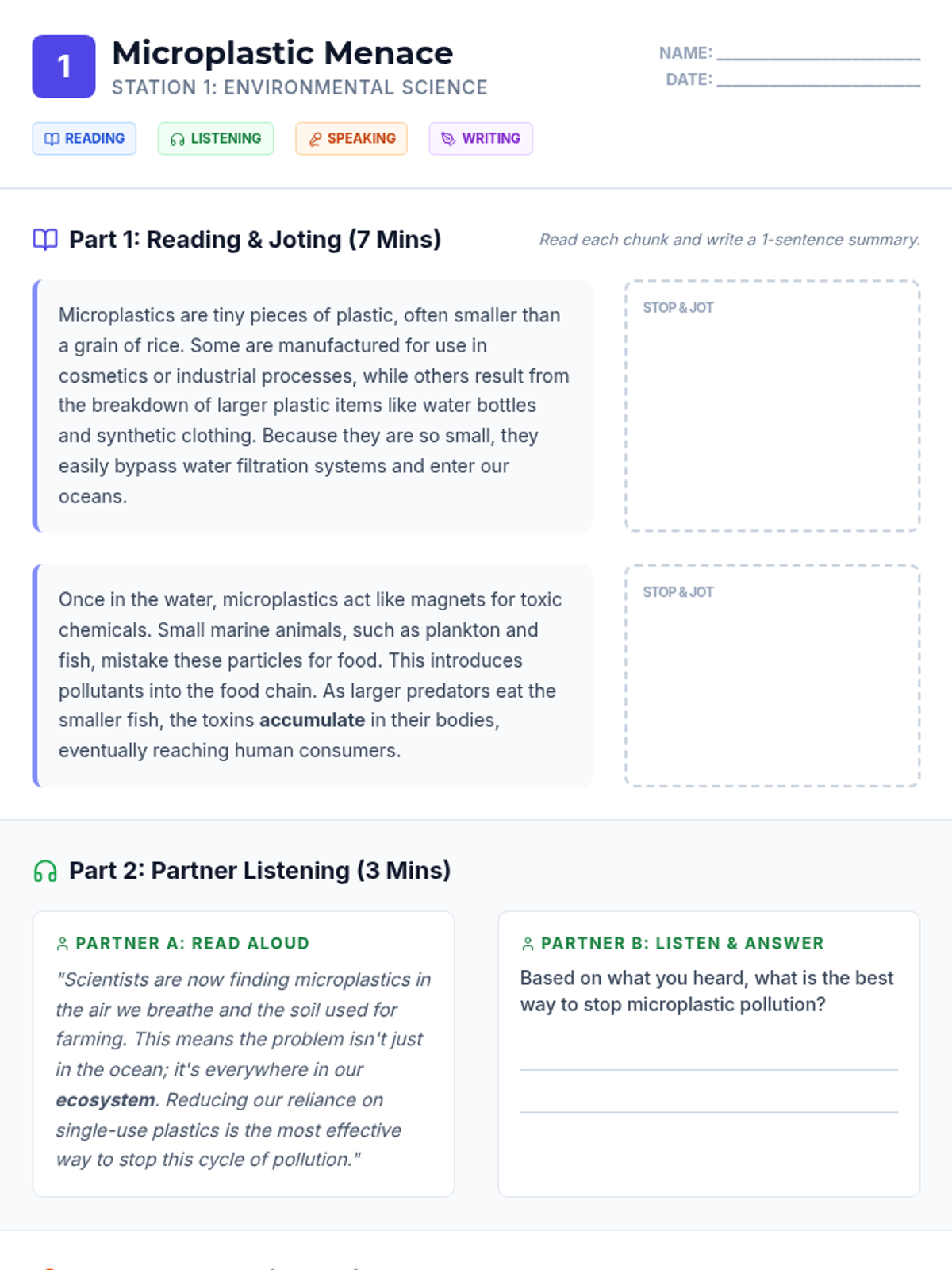
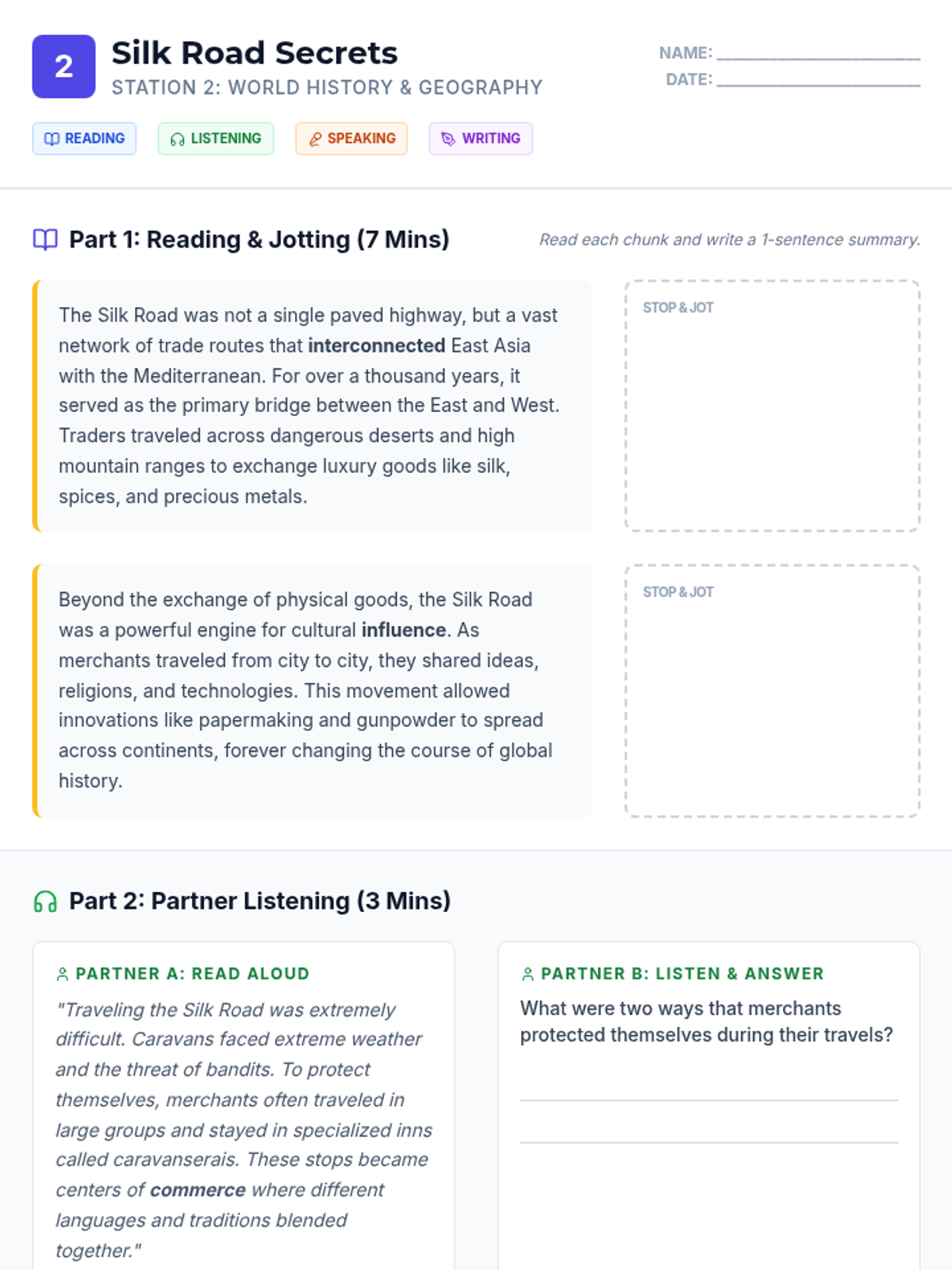
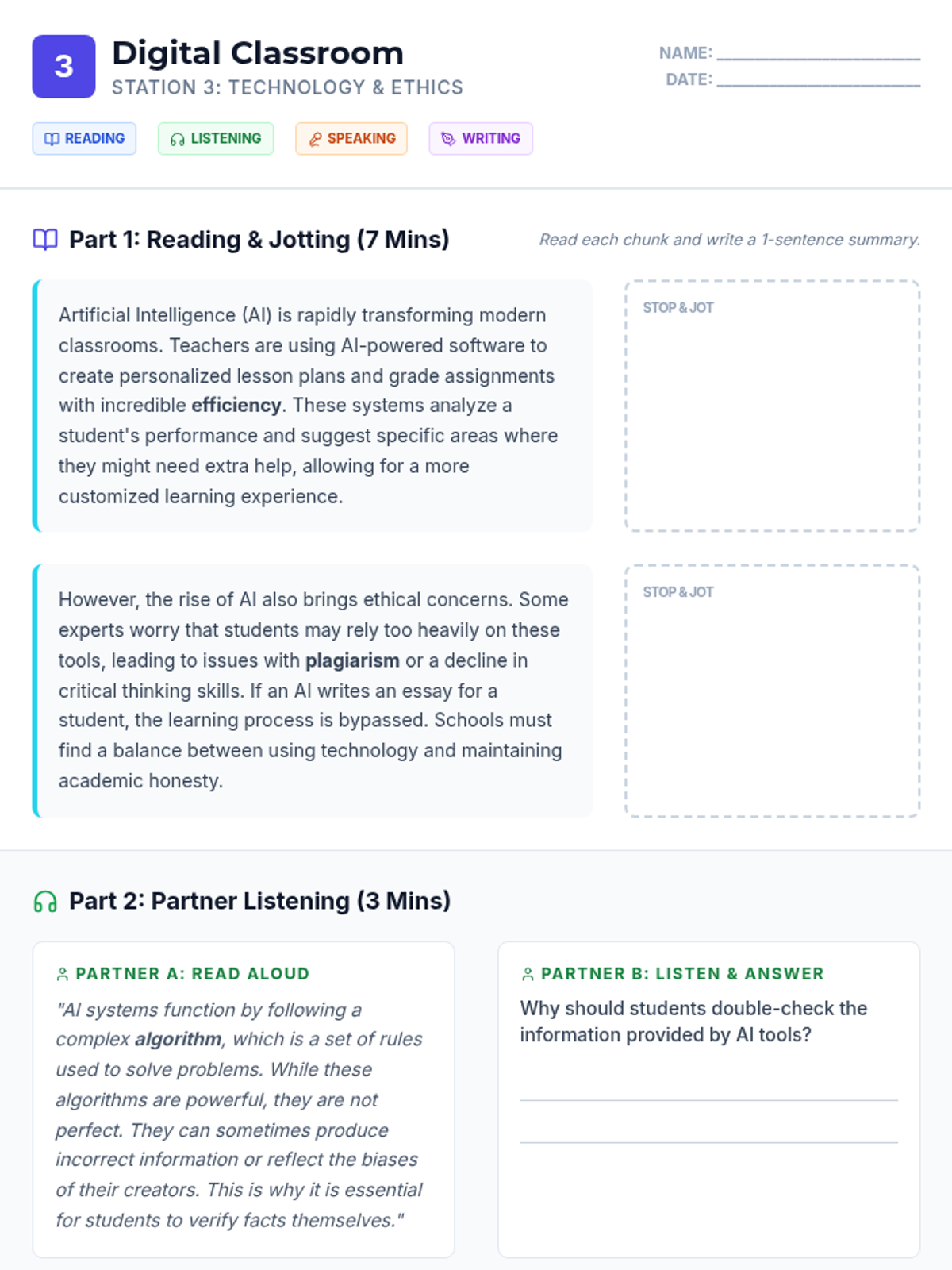
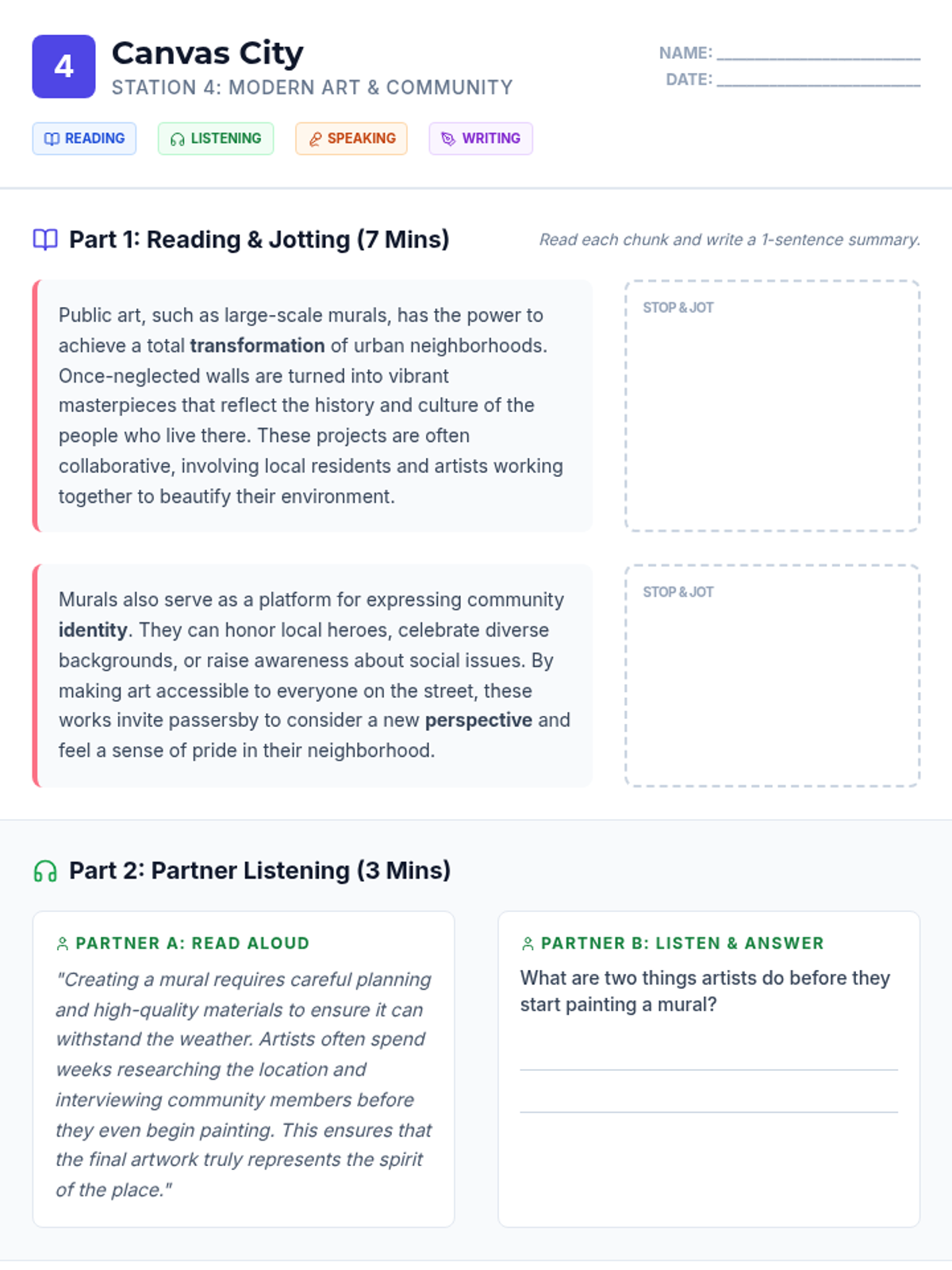
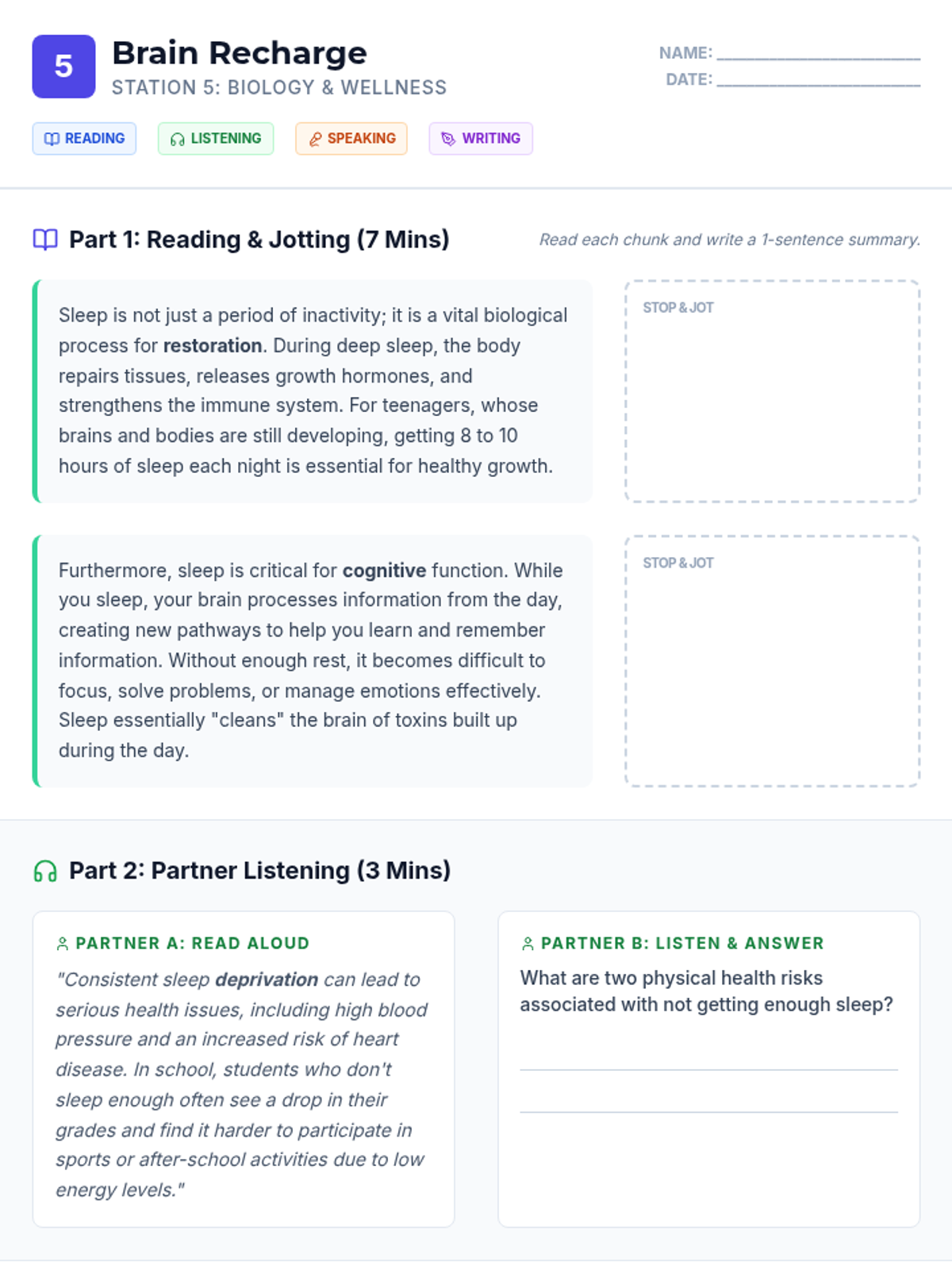
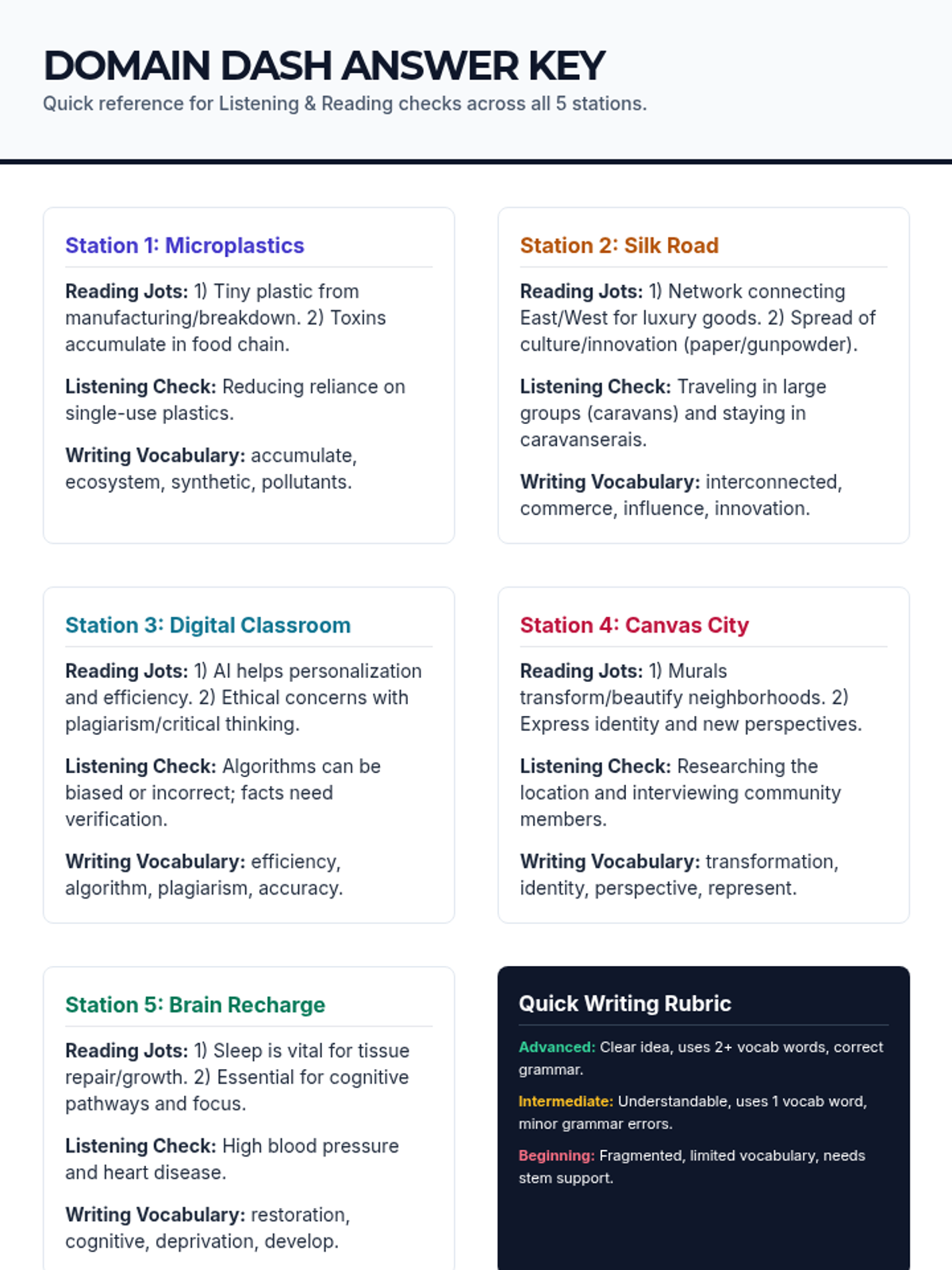
A comprehensive TELPAS prep sequence designed for 9th-grade students, featuring five high-intensity stations covering reading, writing, listening, and speaking with built-in scaffolds like chunking and sentence stems.
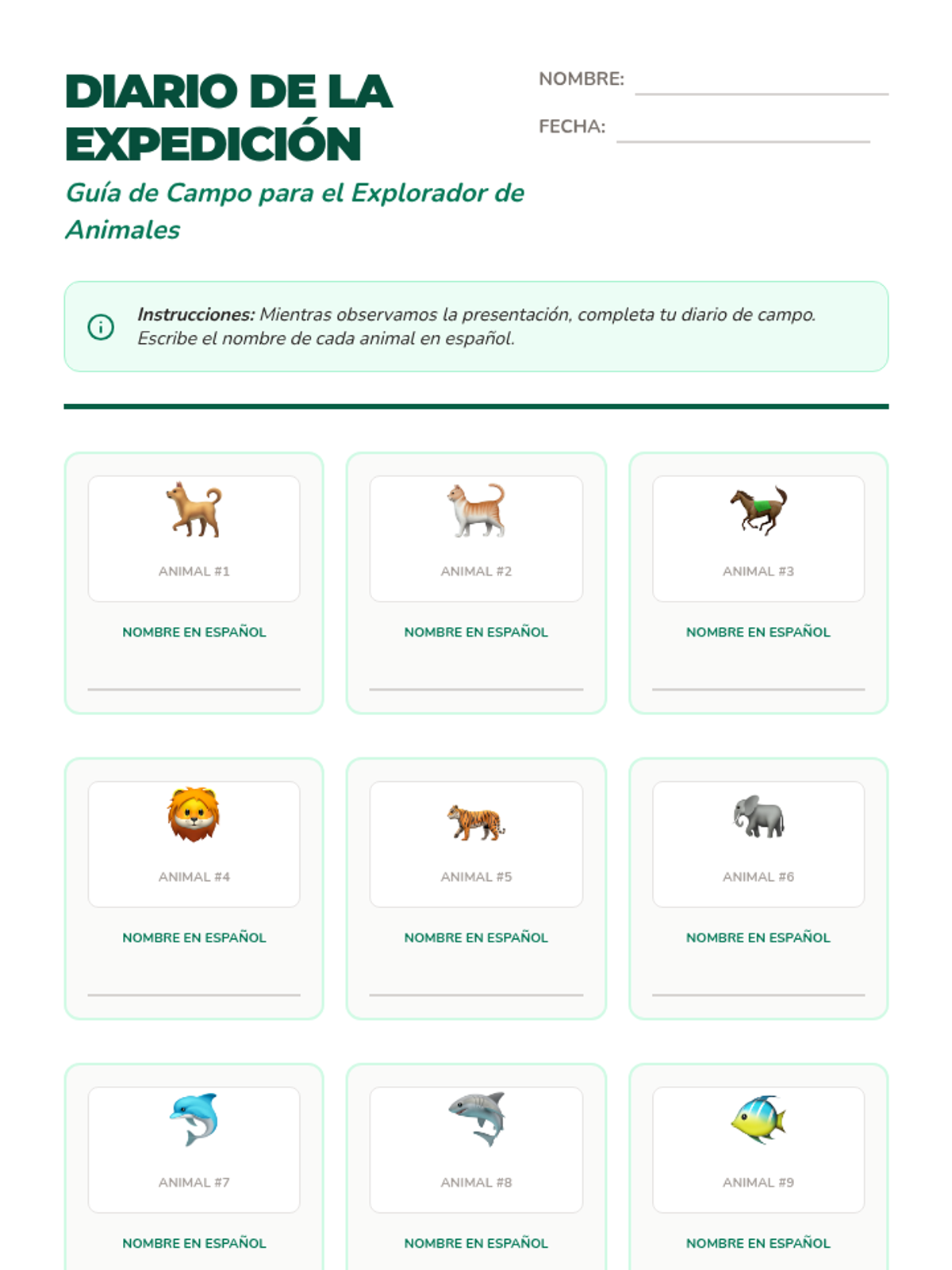
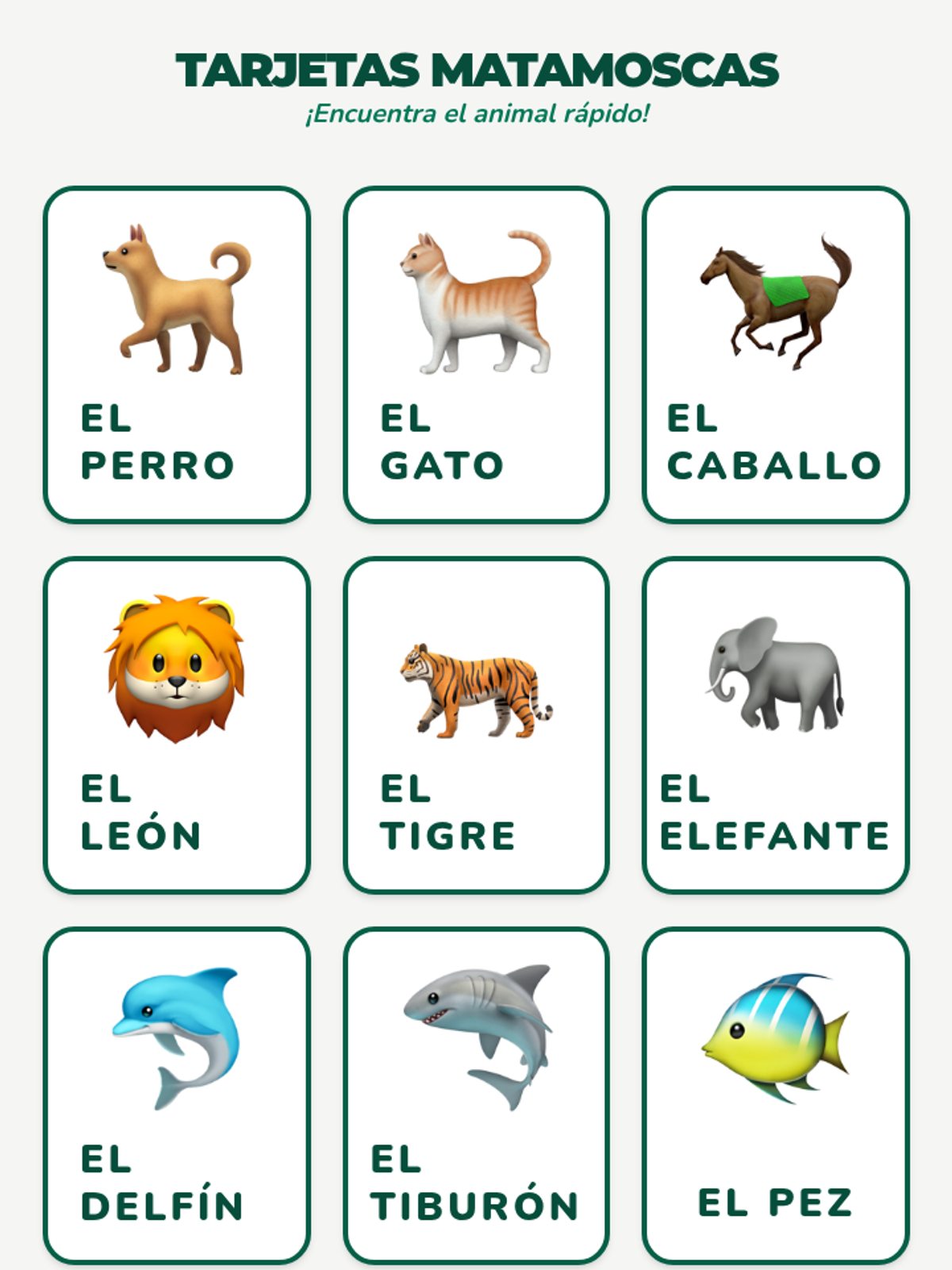
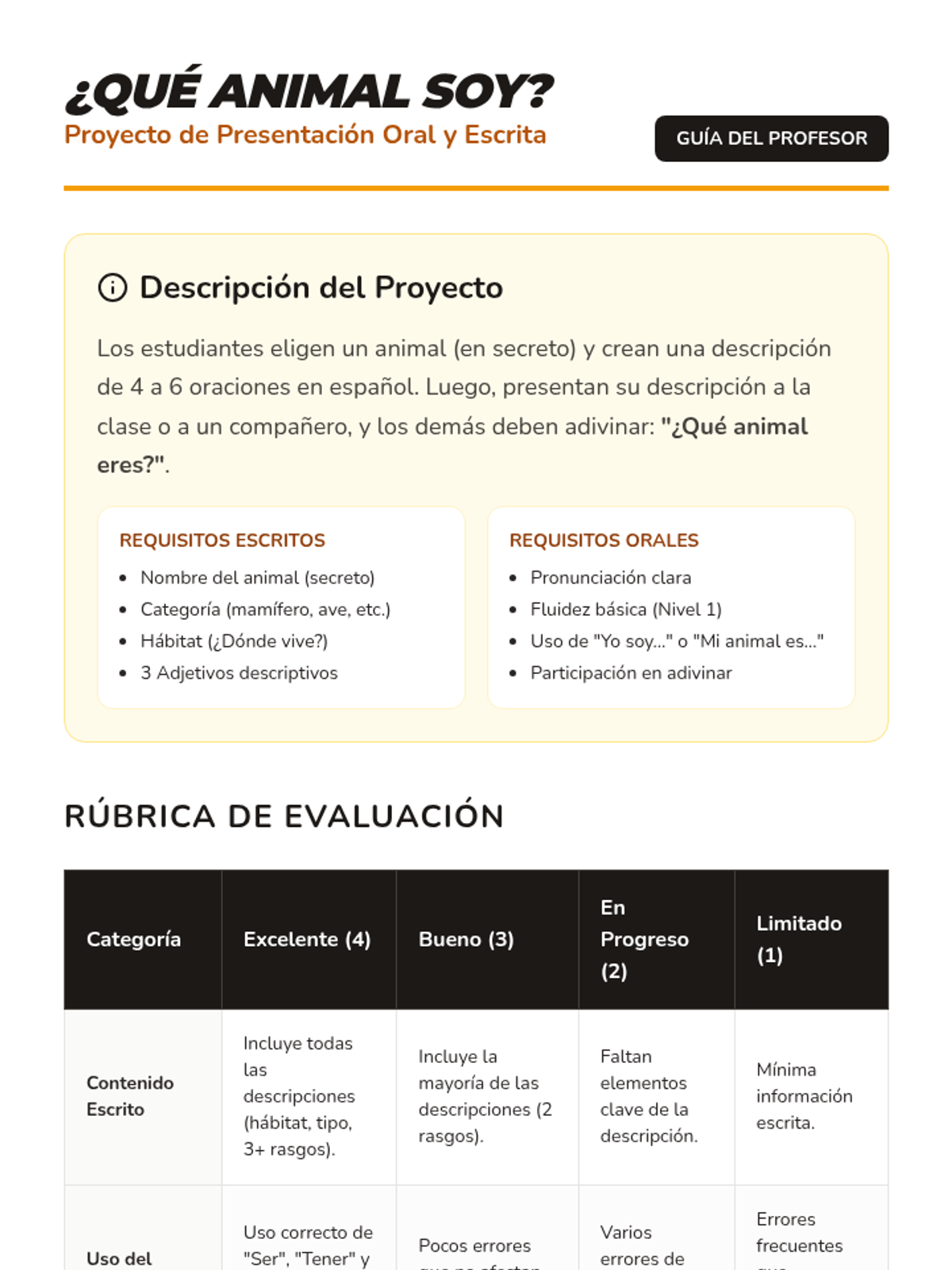
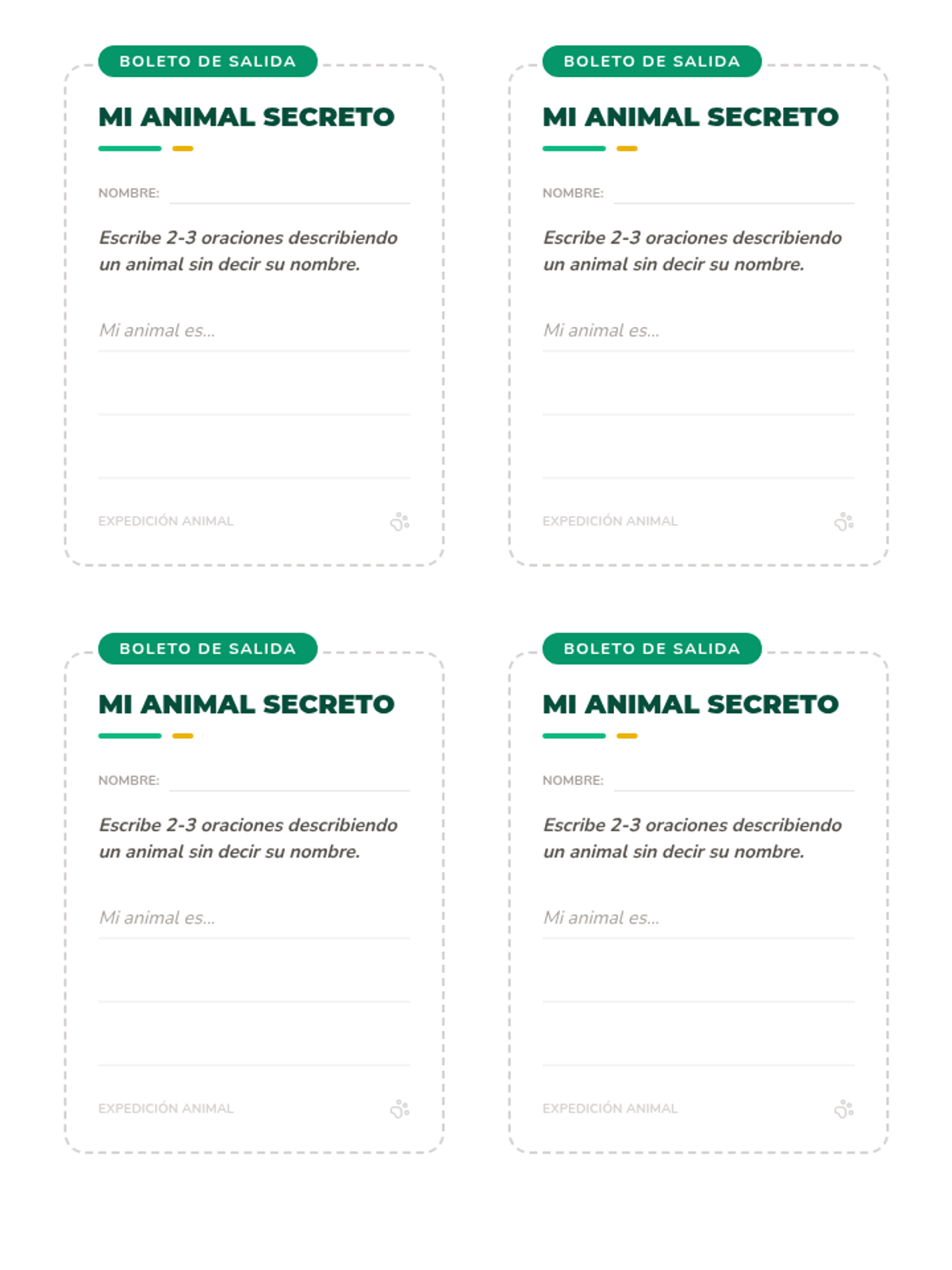
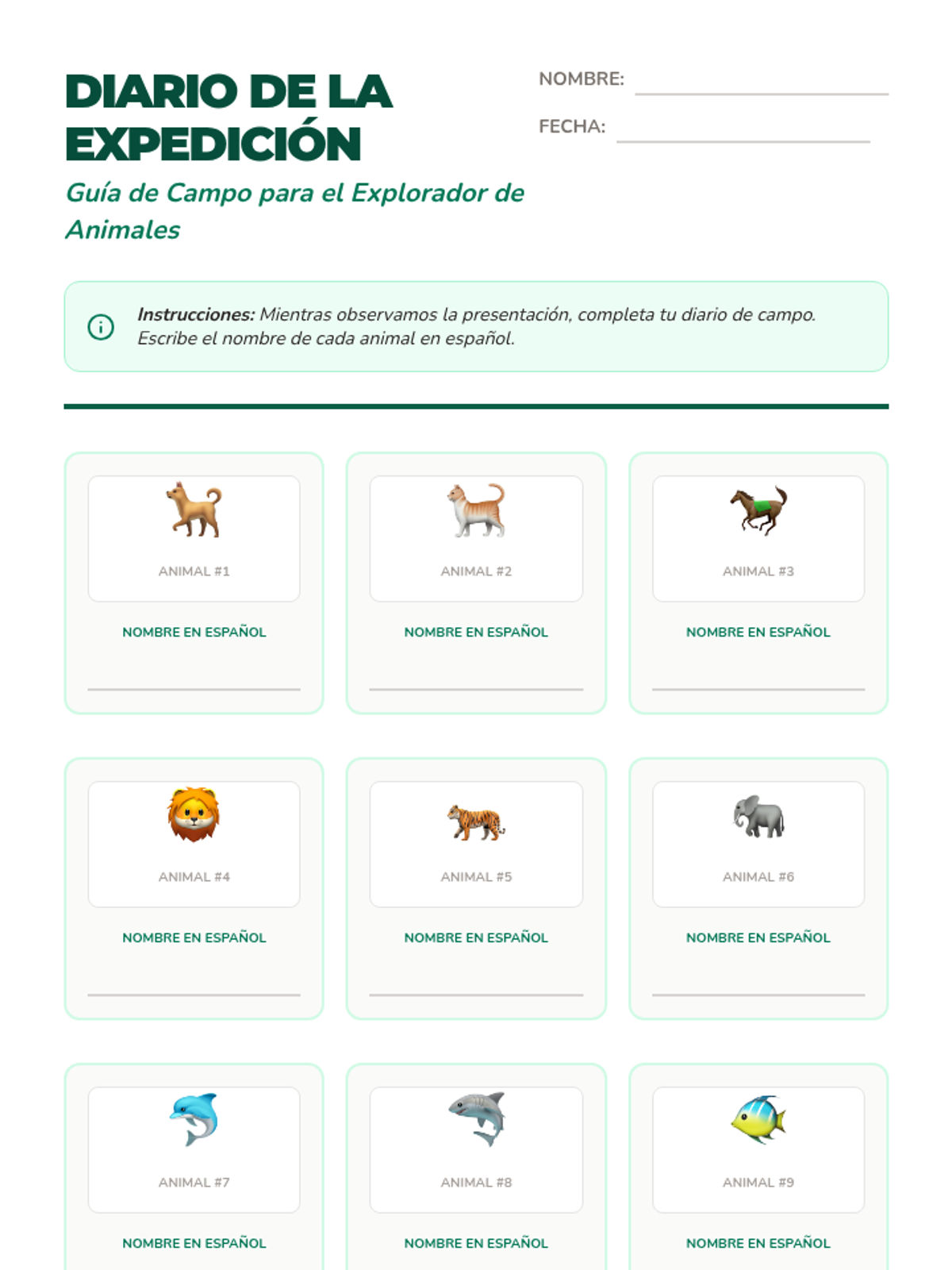
A unit covering animal vocabulary, descriptions, and likes/dislikes in Spanish, designed for Level 1 learners to build foundational communication skills about the natural world.
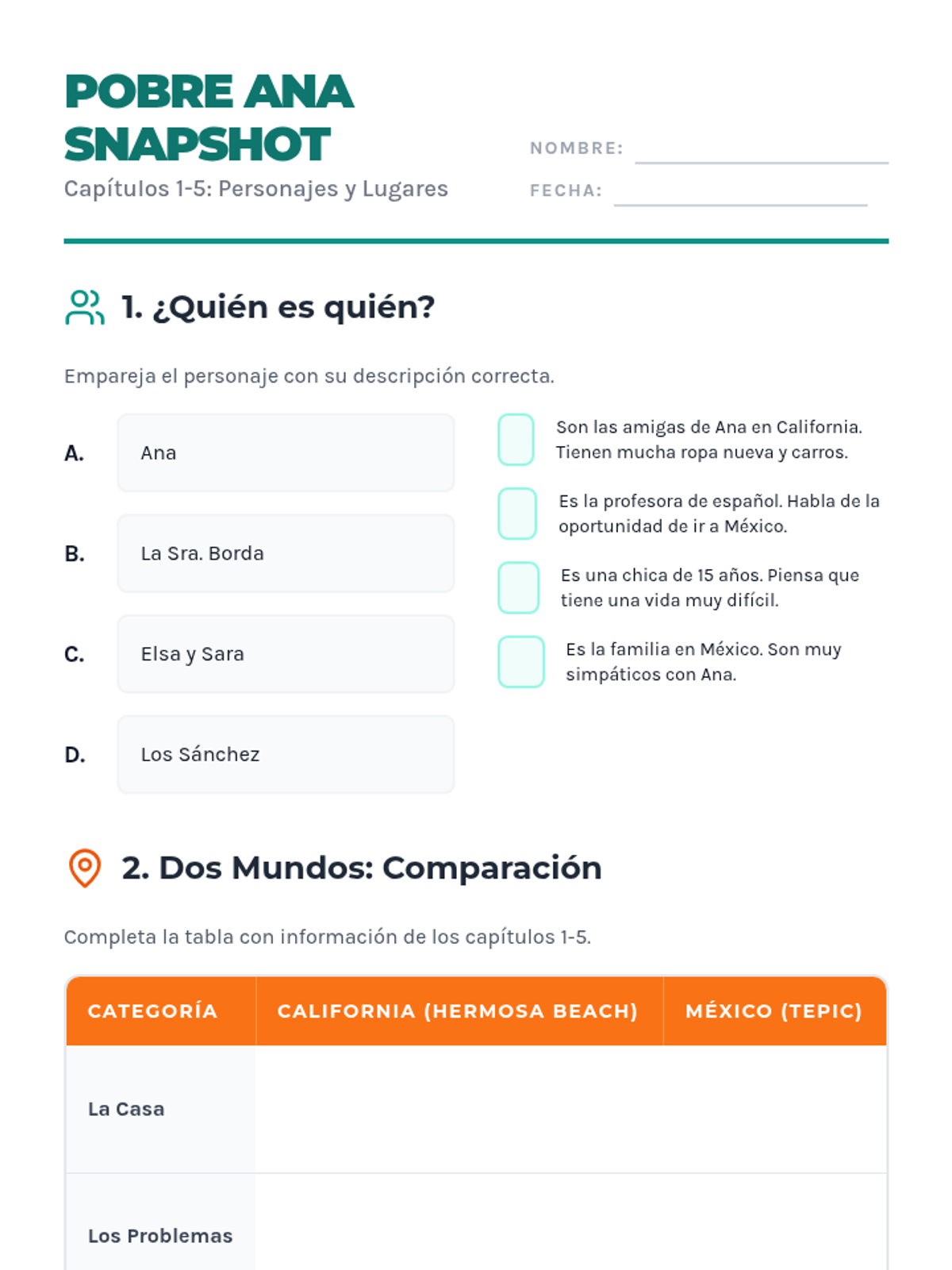
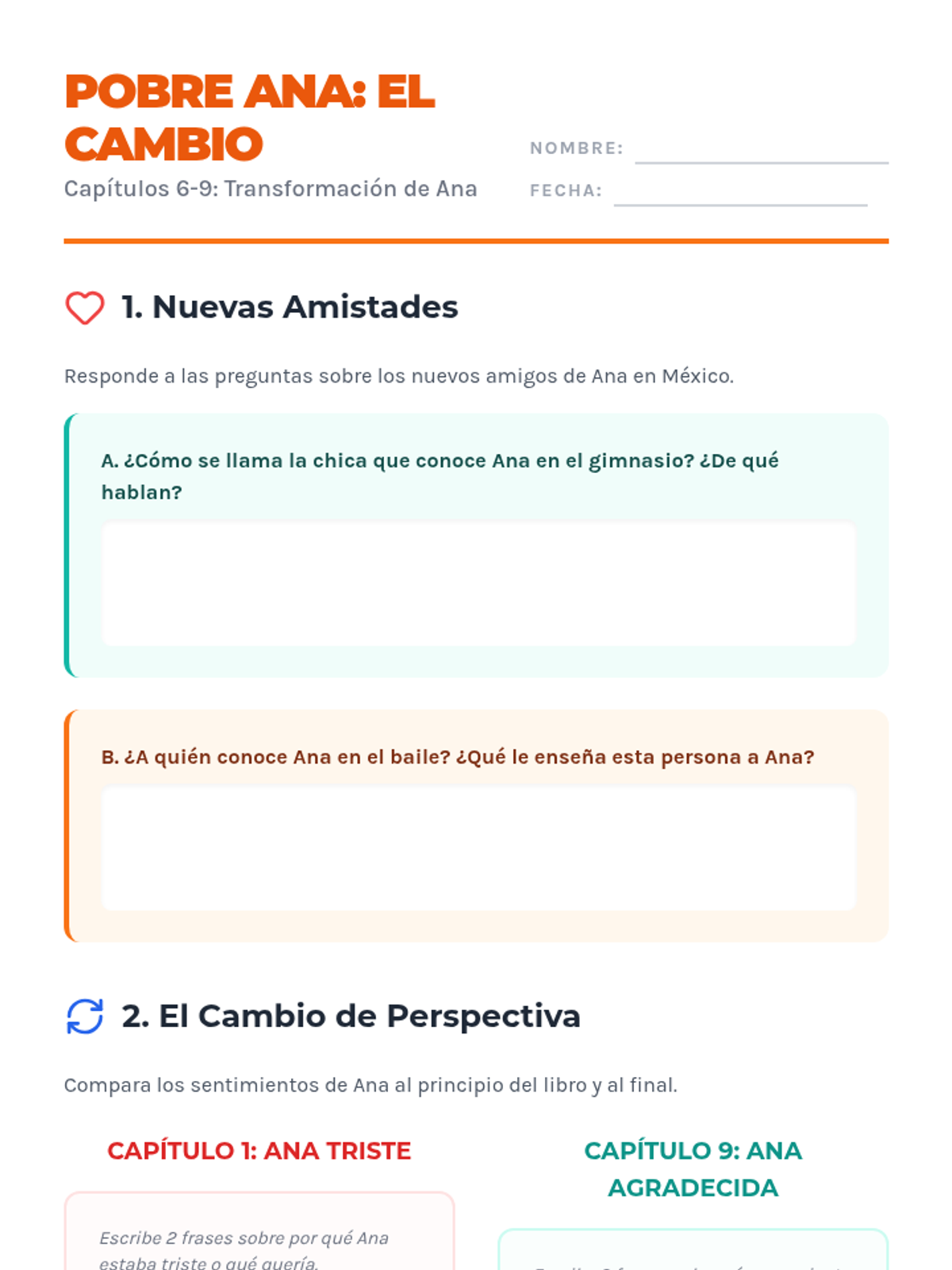
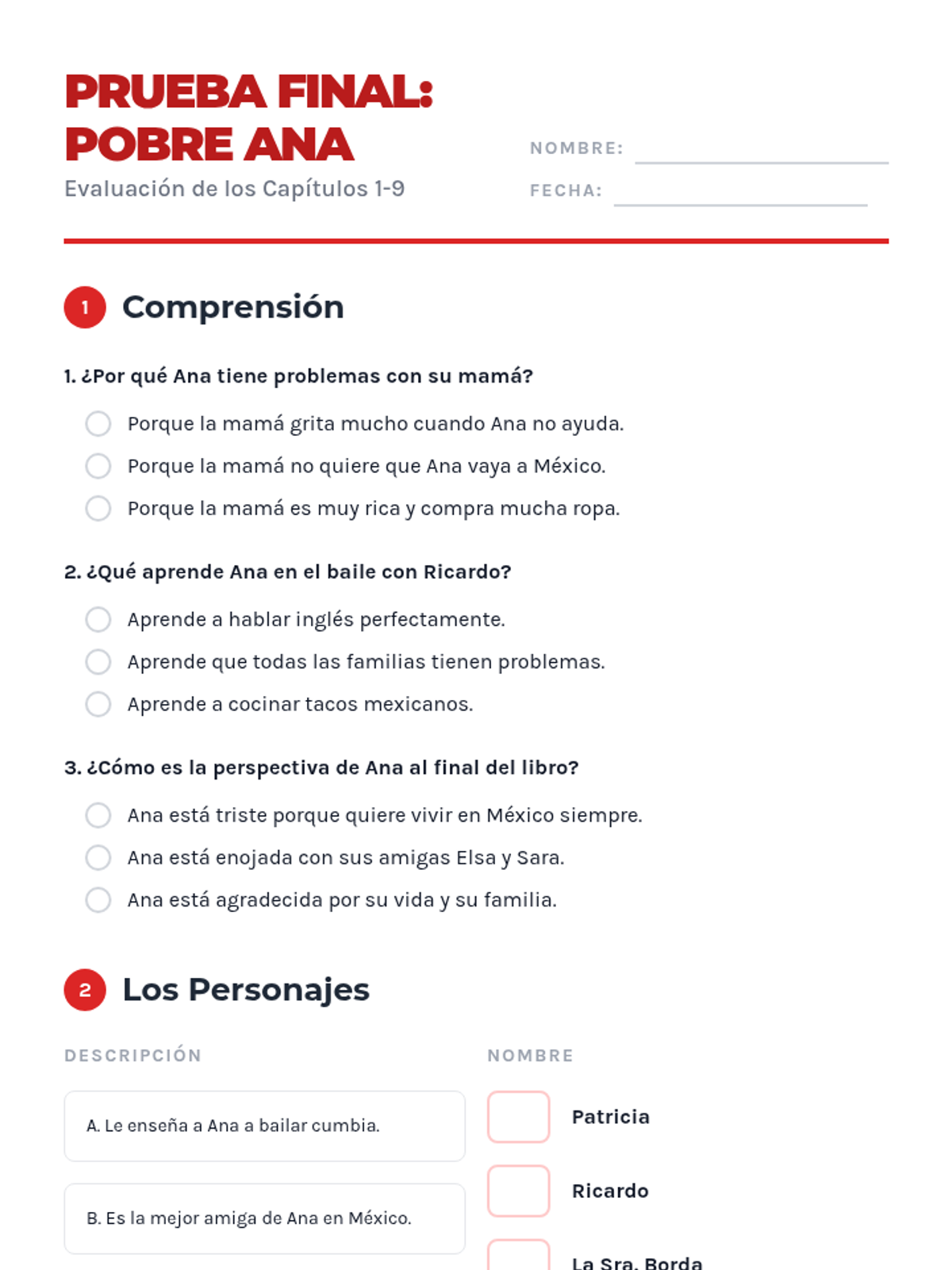
A comprehensive unit for the novel Pobre Ana, exploring character development, cultural comparisons, and narrative comprehension for Spanish 1 students.
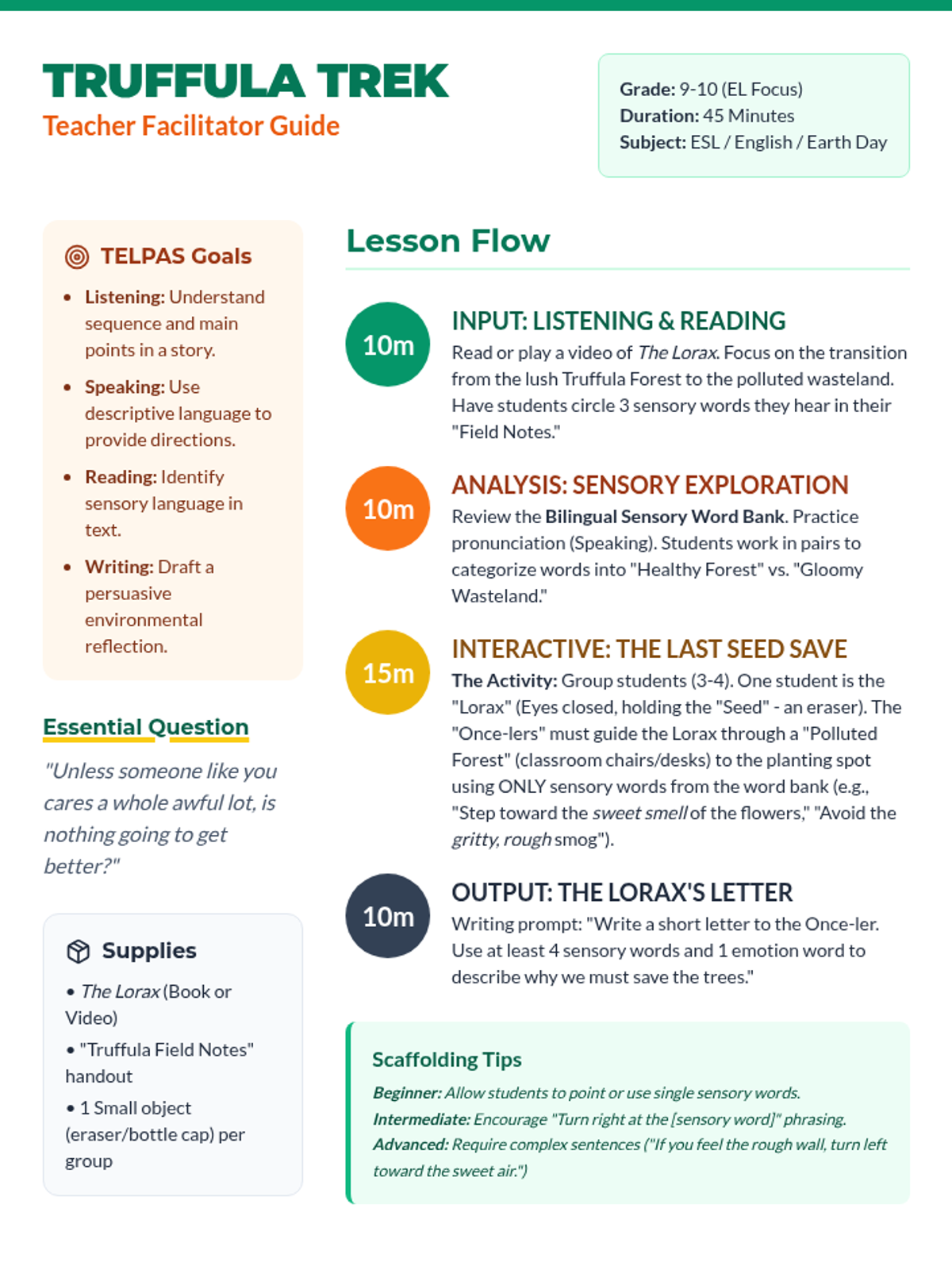
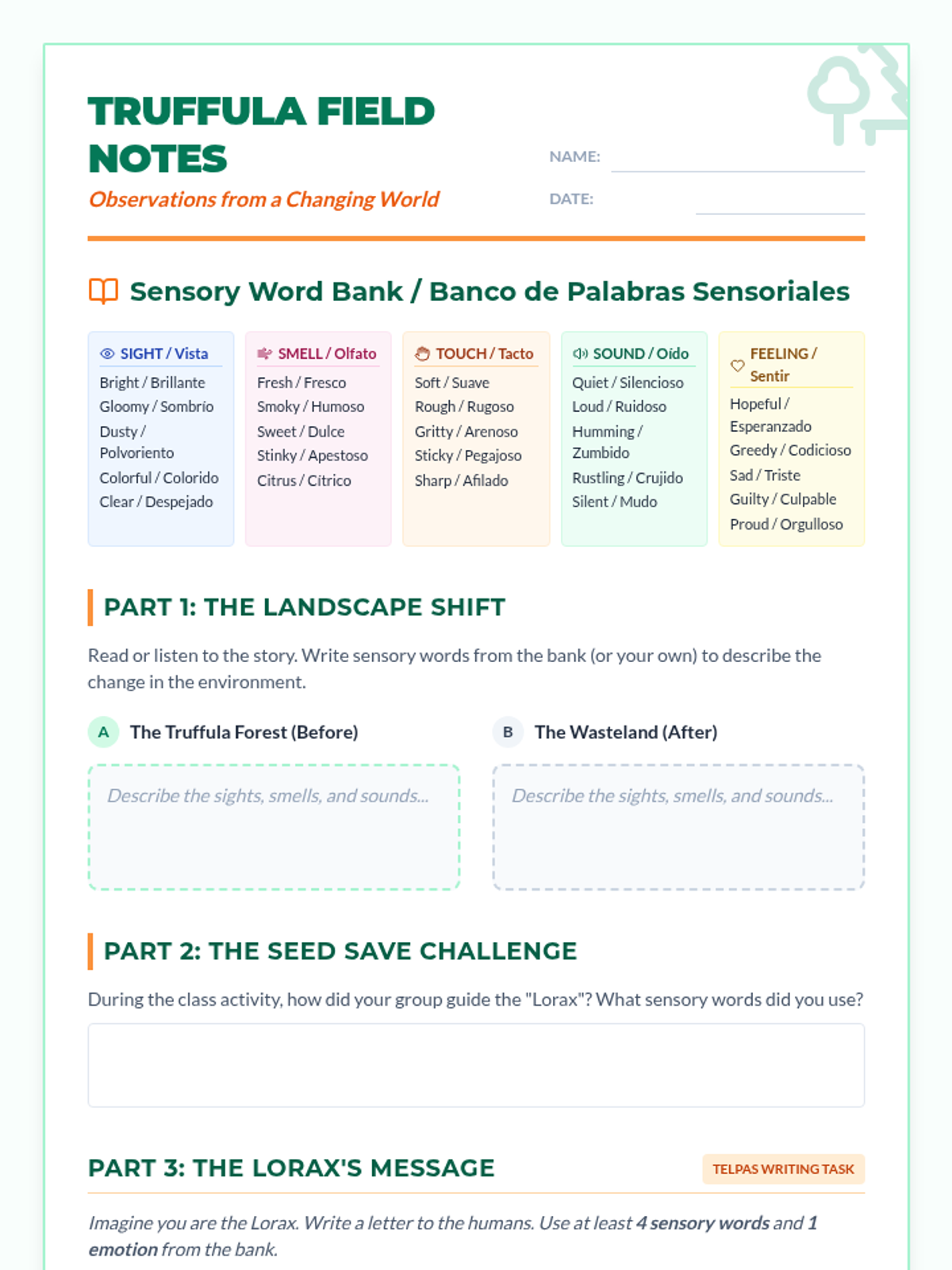
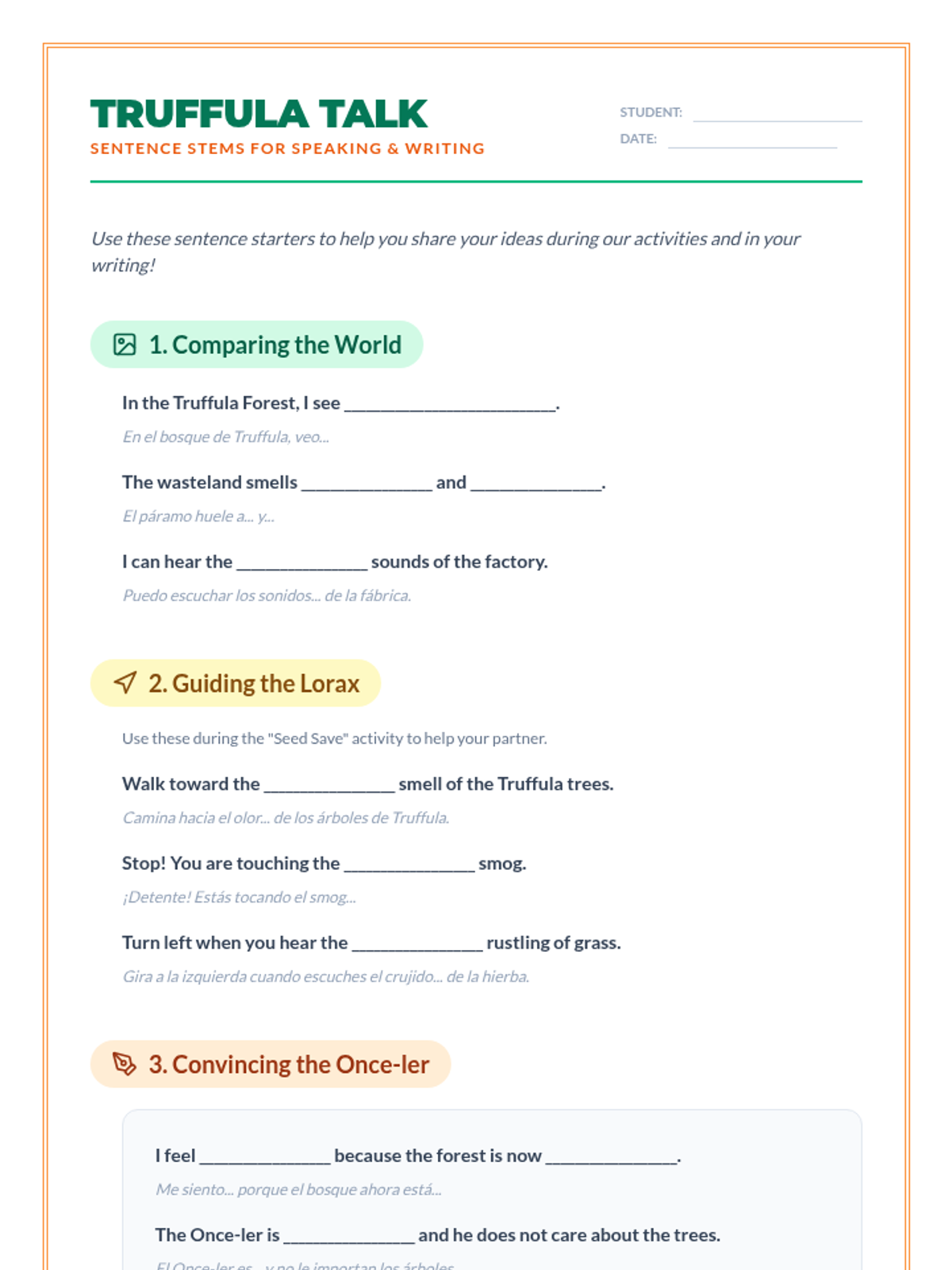
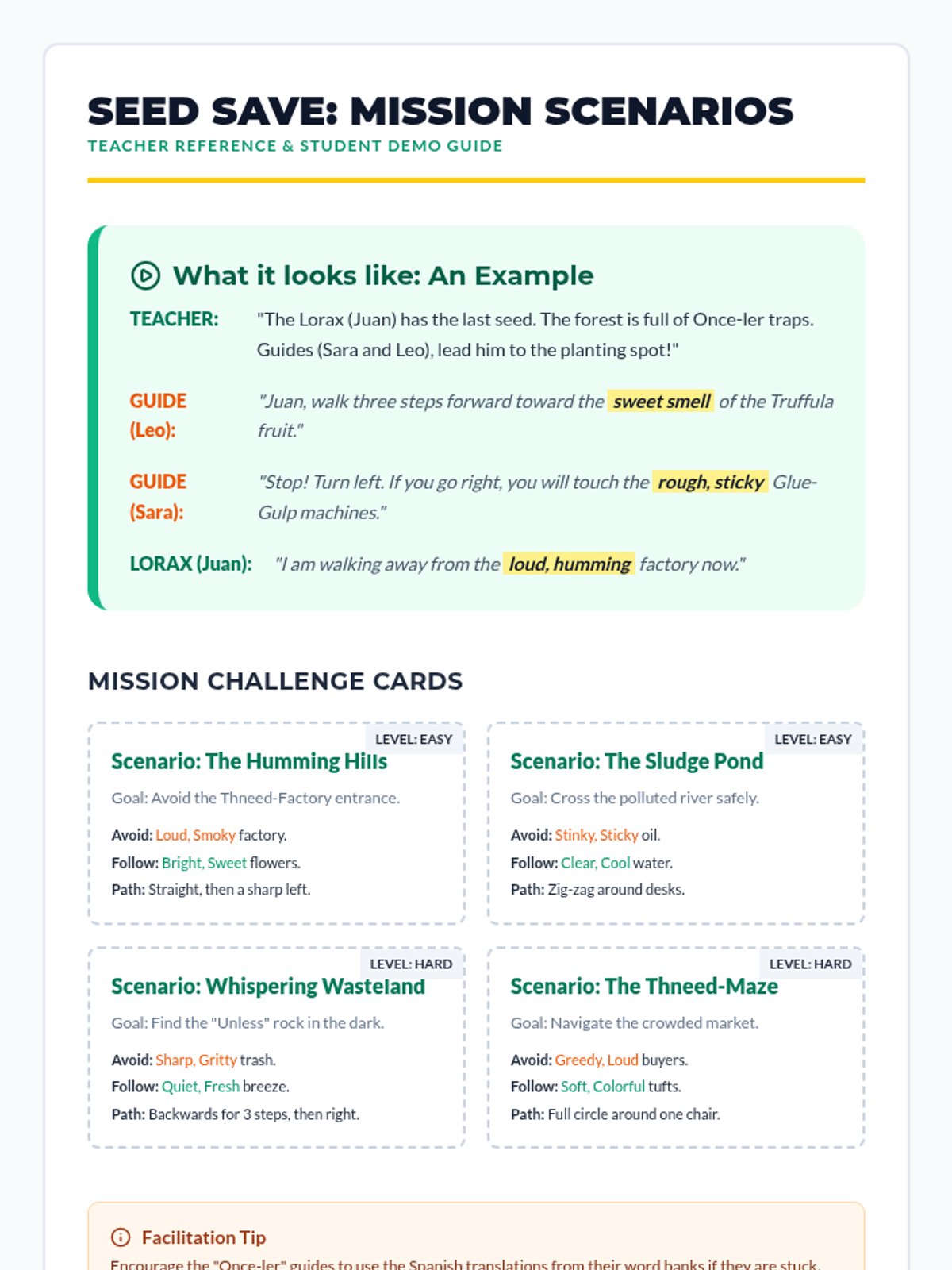
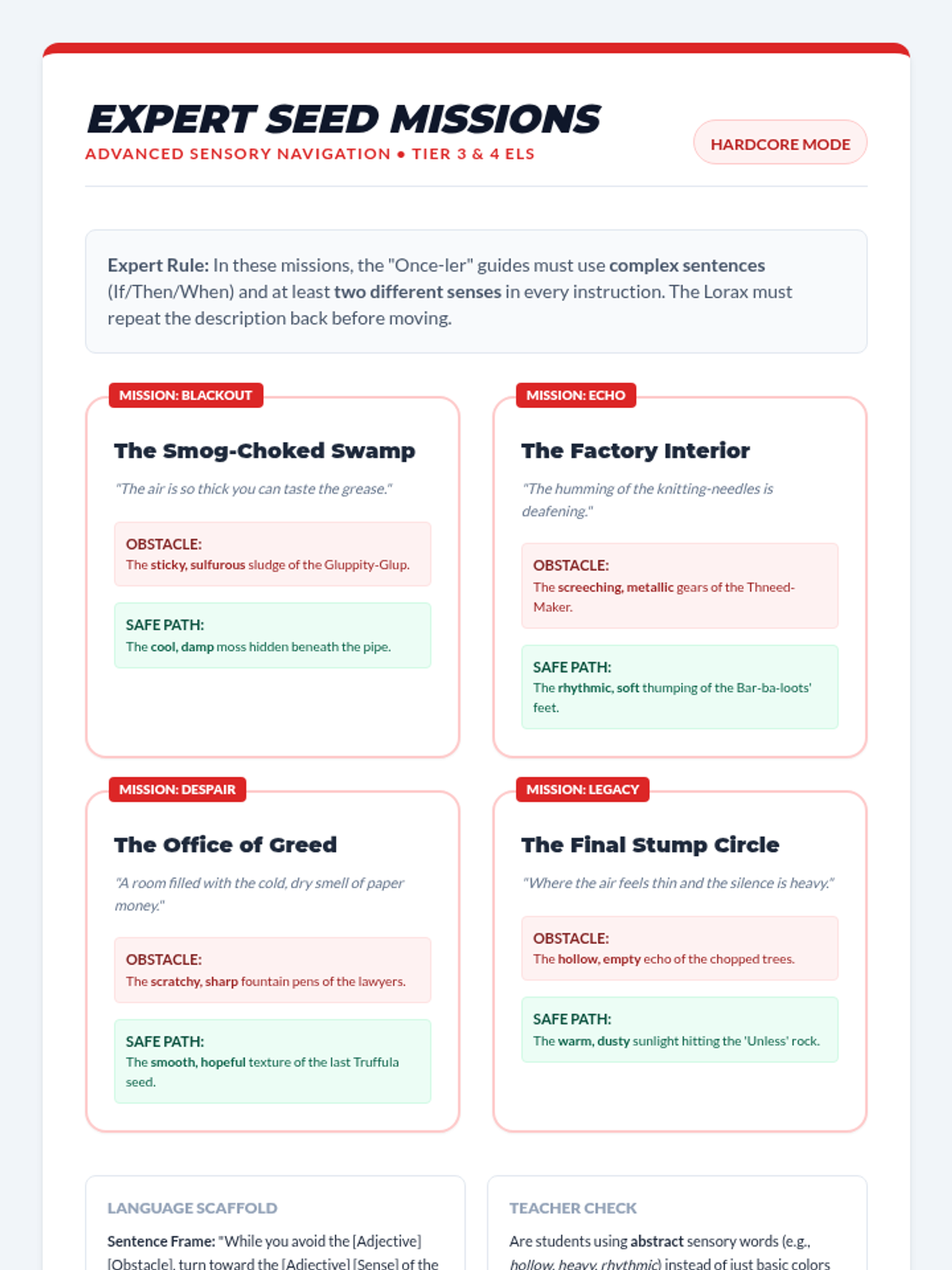
A comprehensive Earth Day lesson for 9th-10th grade ELs based on The Lorax, focusing on TELPAS domains: listening, speaking, reading, and writing through sensory language.
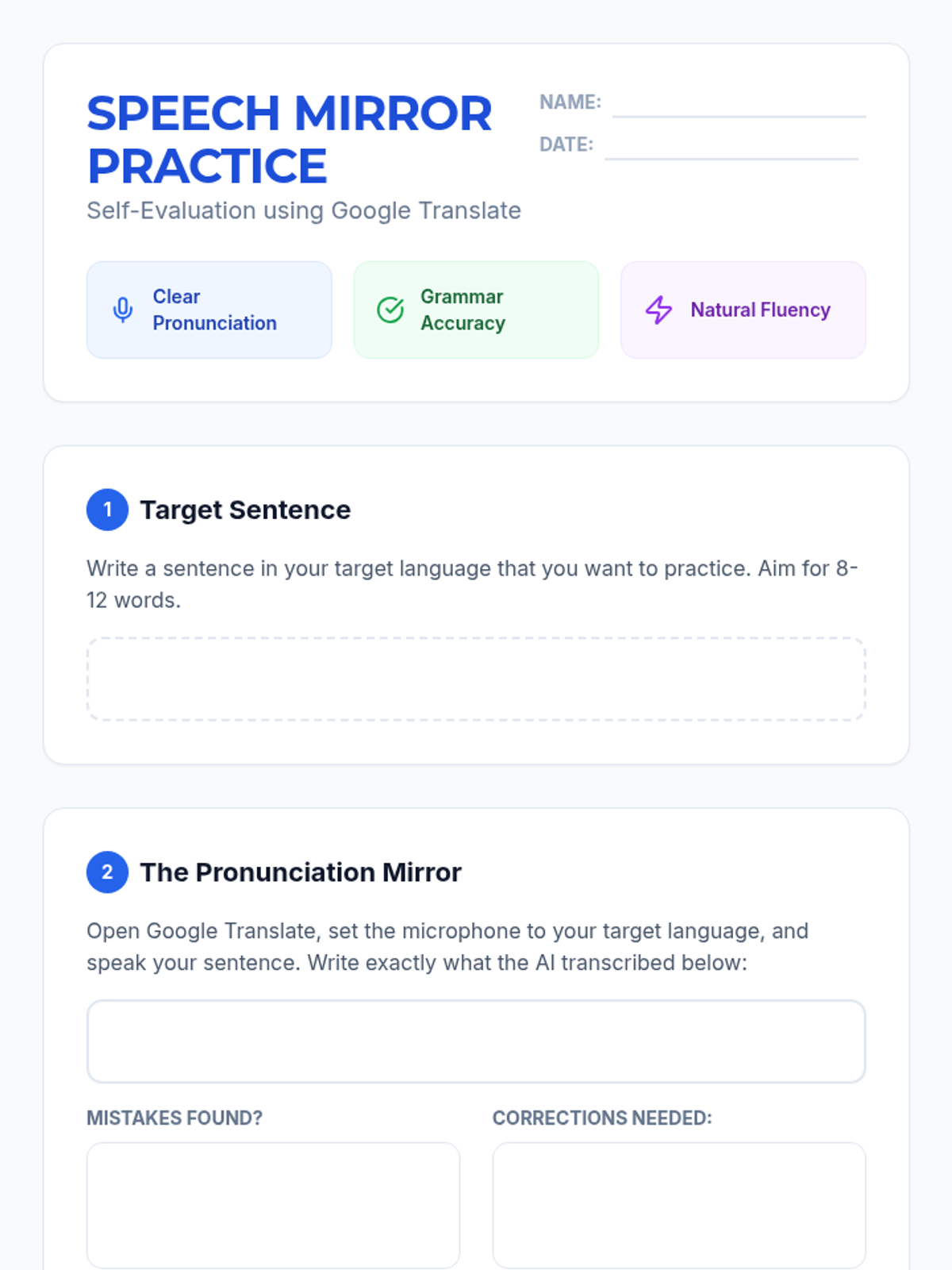
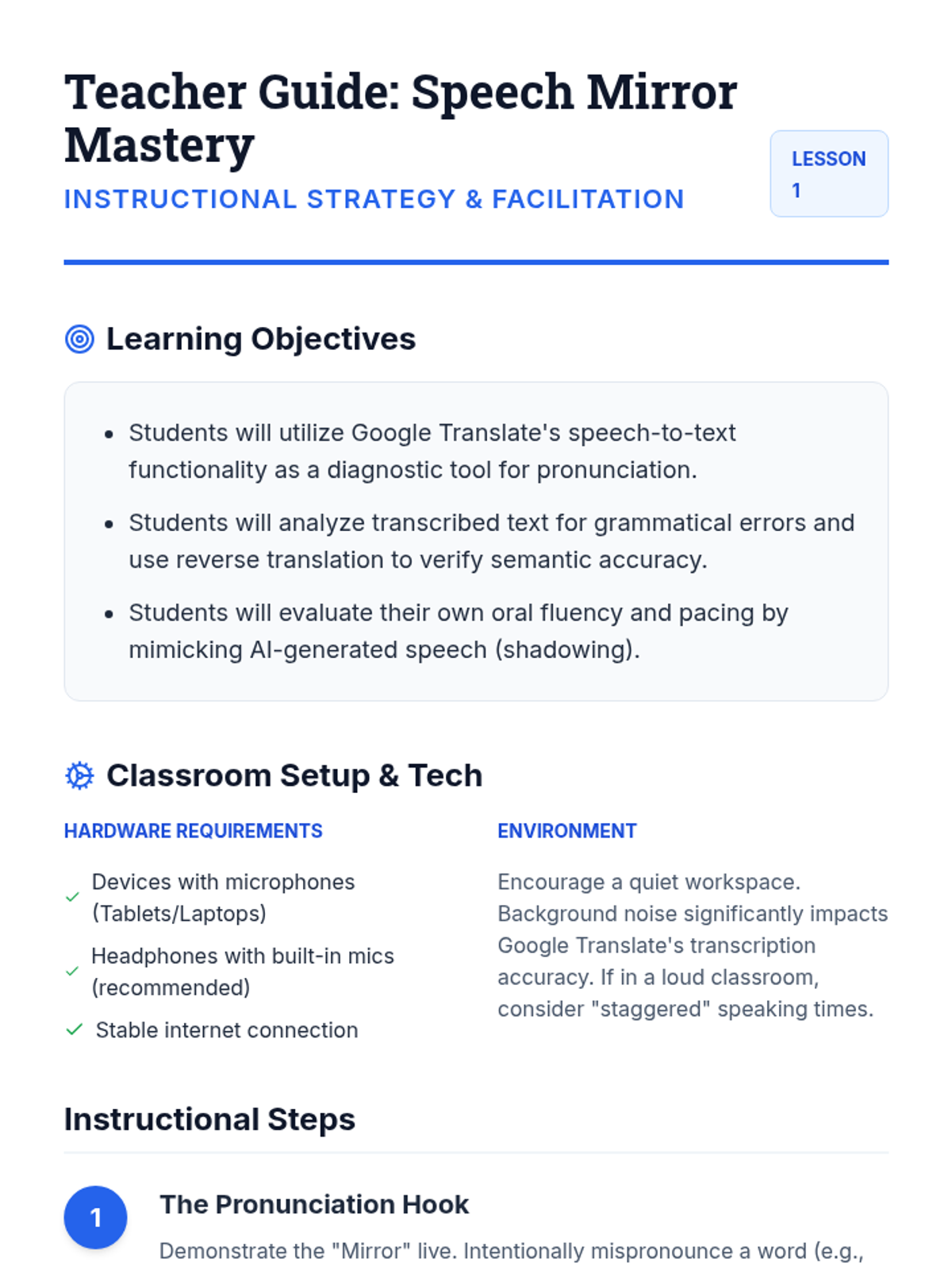
A sequence focused on leveraging digital translation tools for language self-assessment and speech improvement. Students learn to use Google Translate not just for translation, but as a 'mirror' for their own pronunciation, grammar, and fluency.
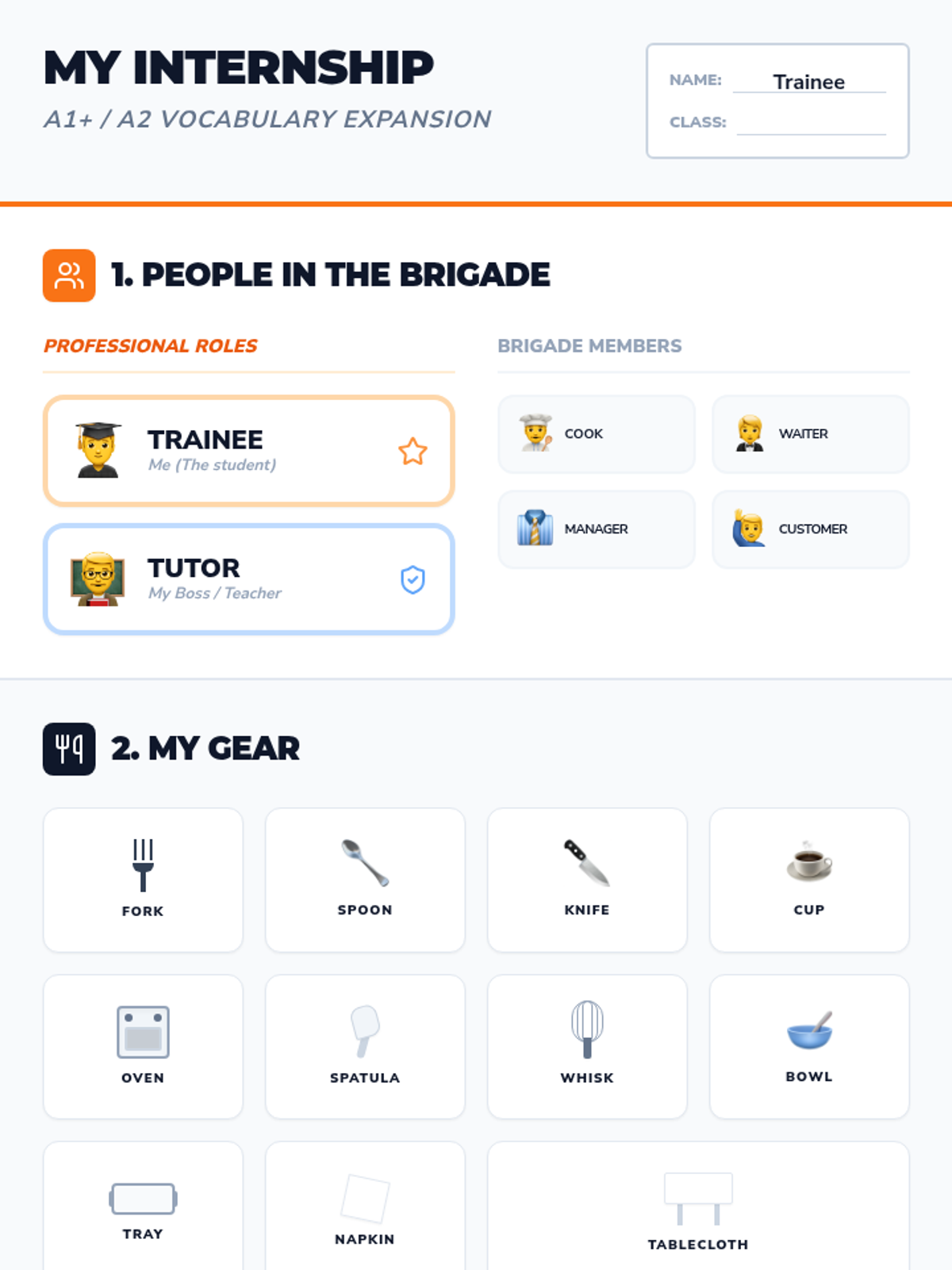
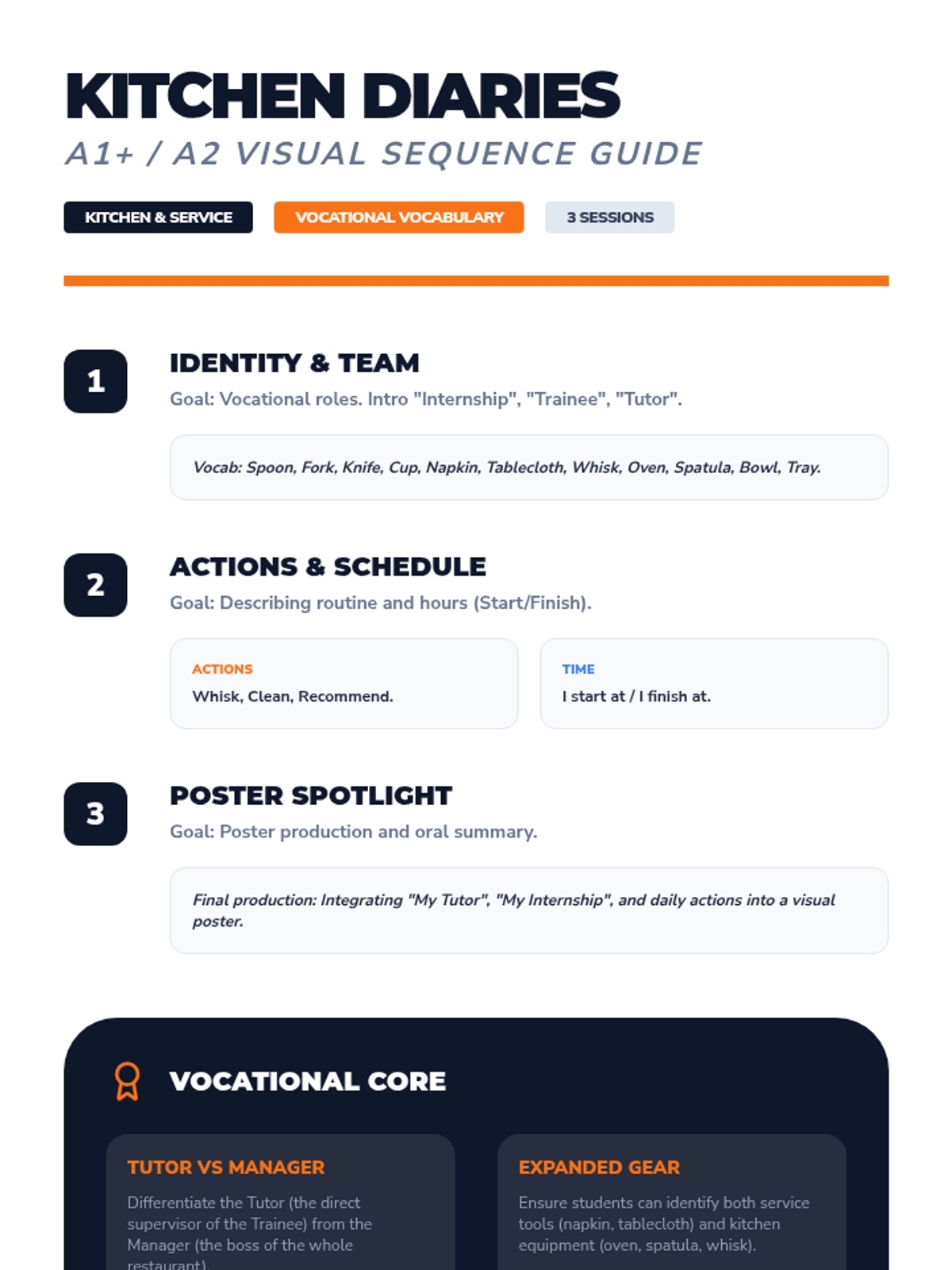
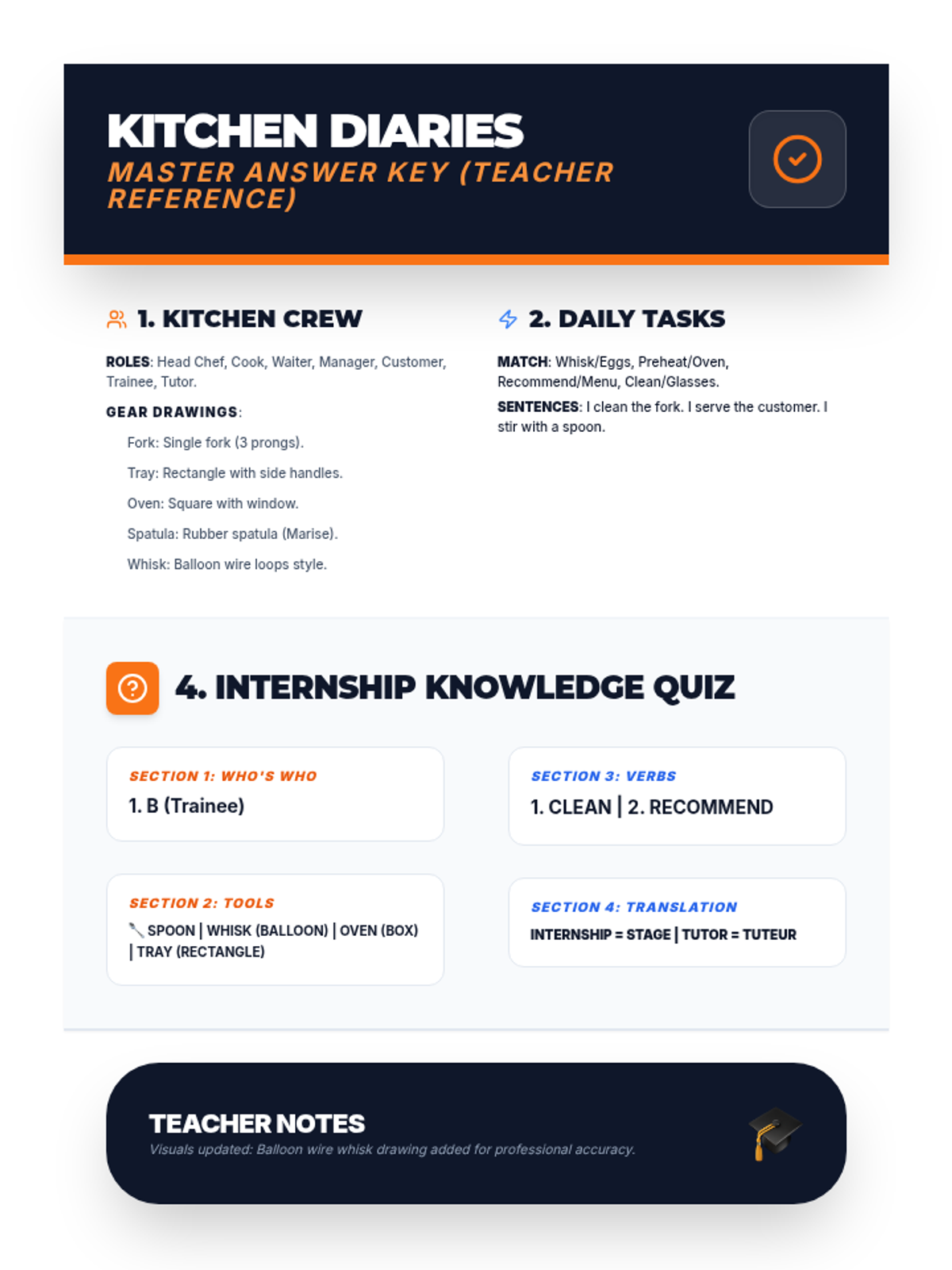
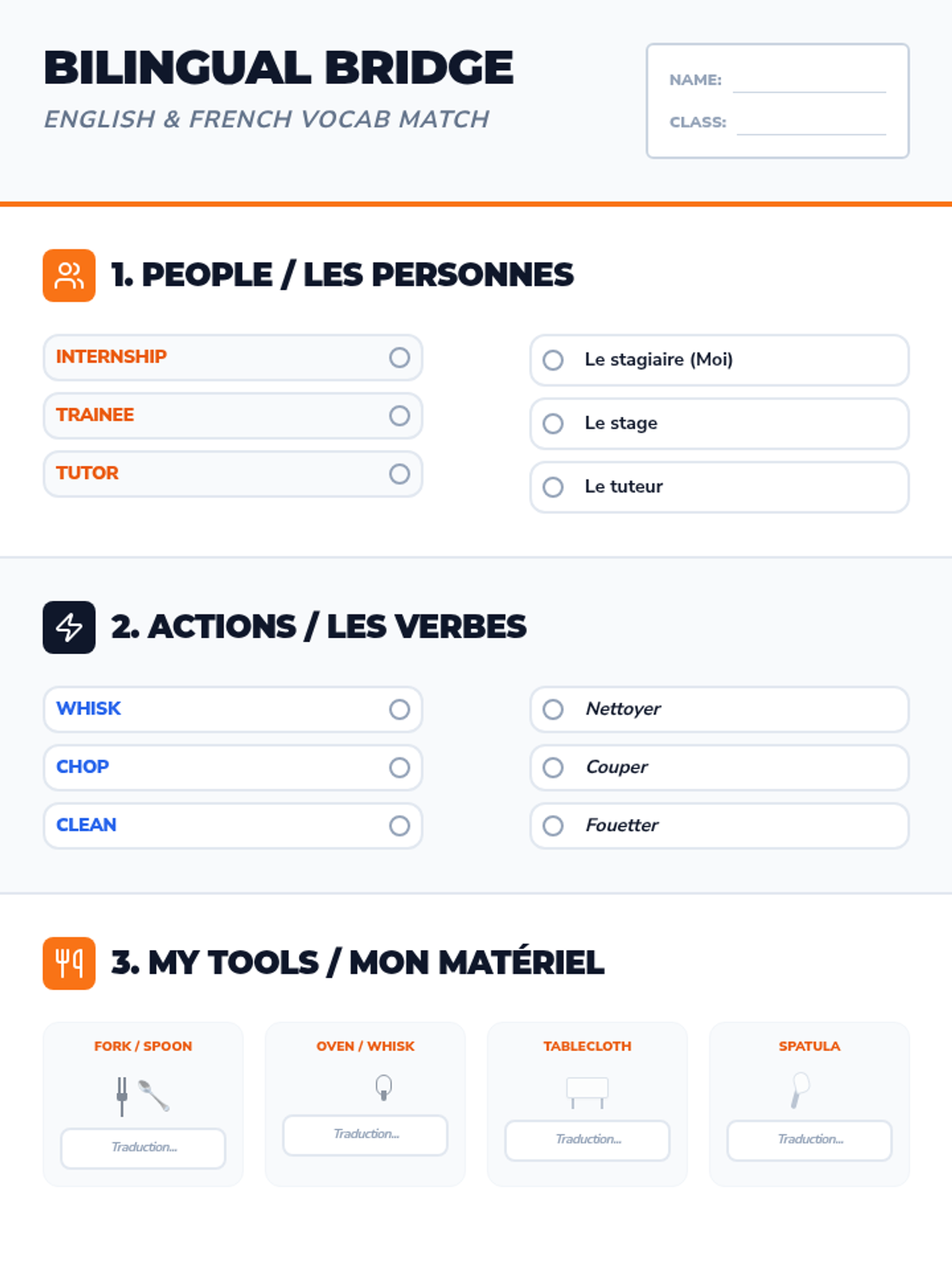
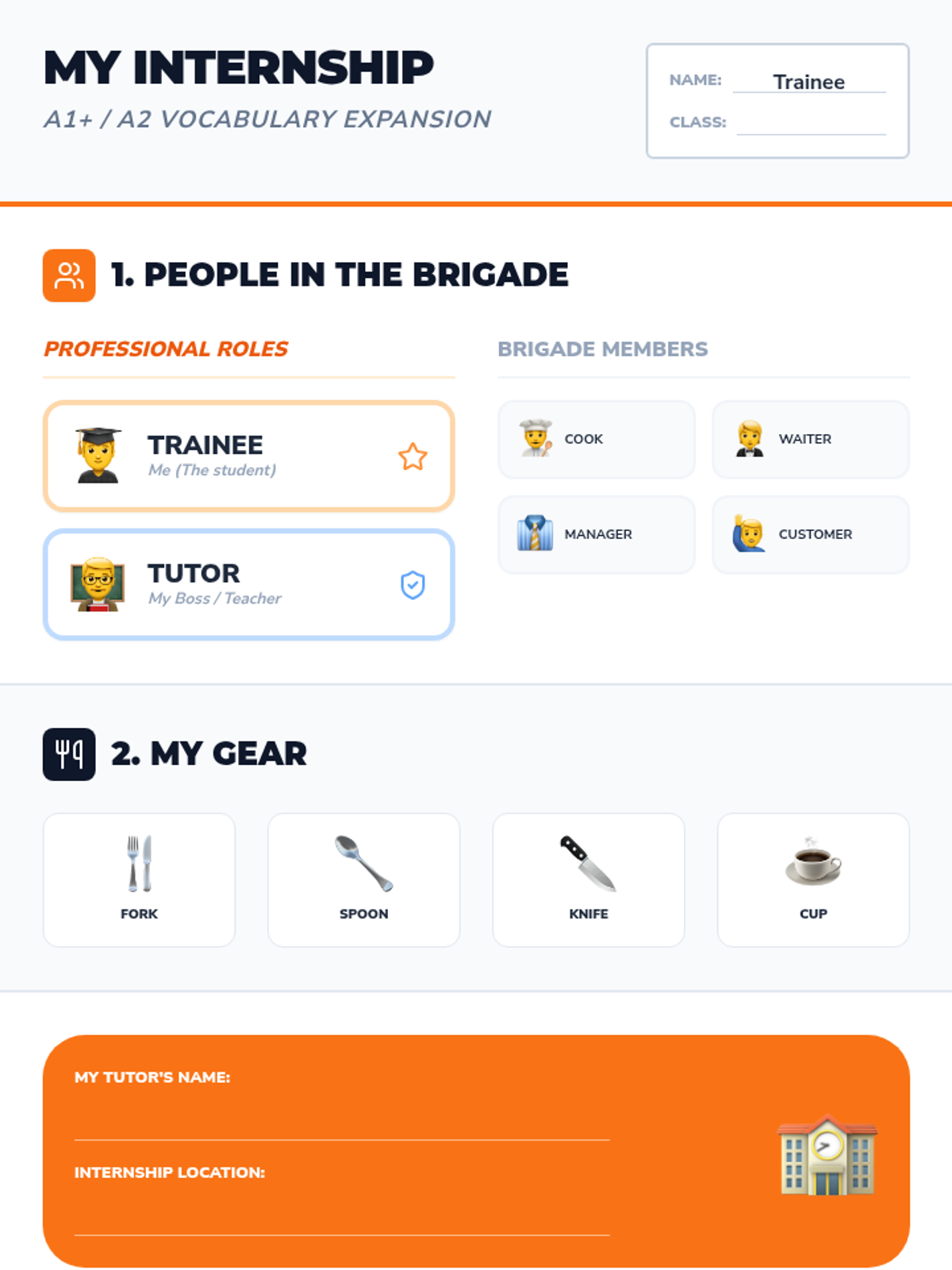
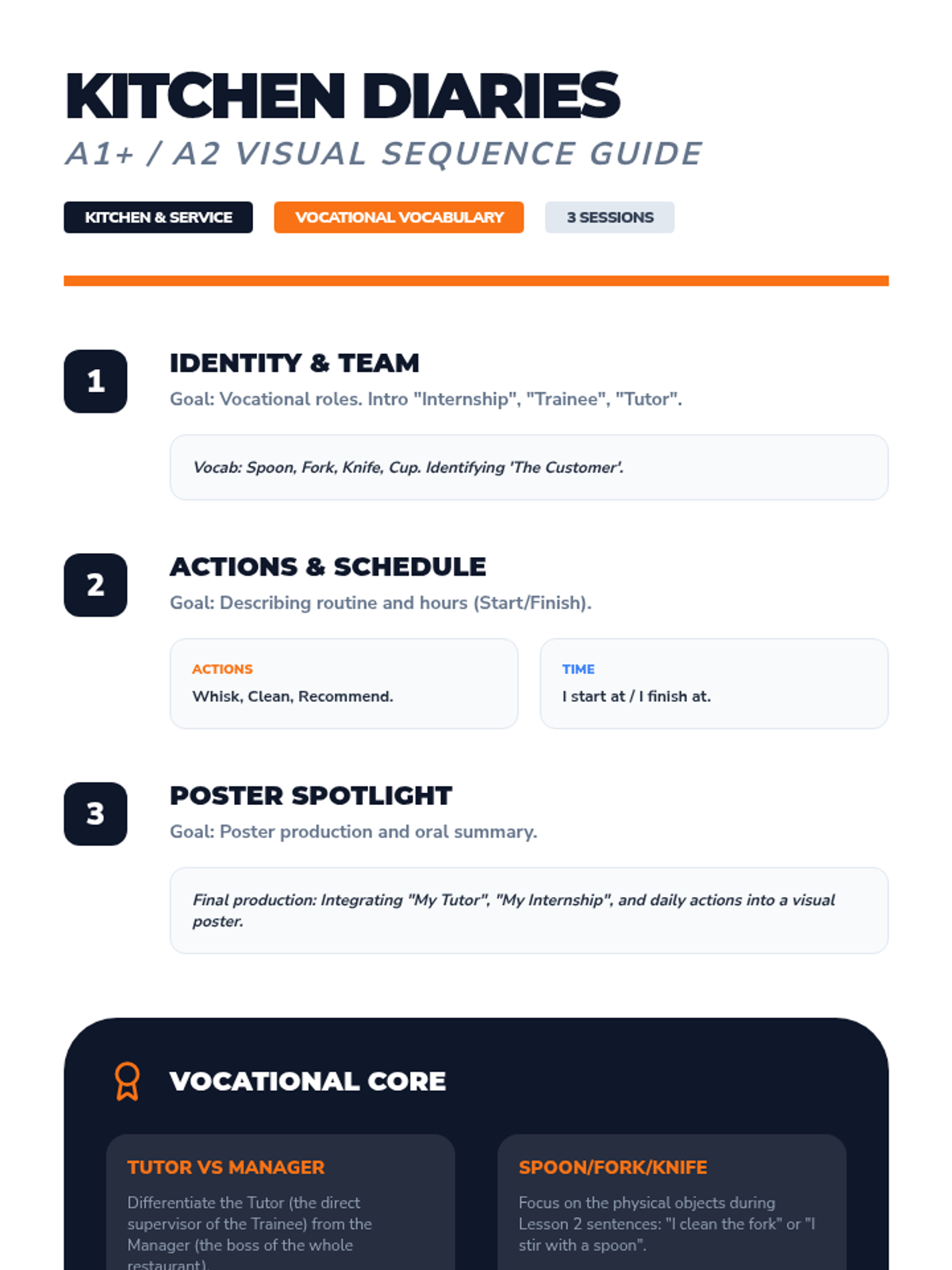
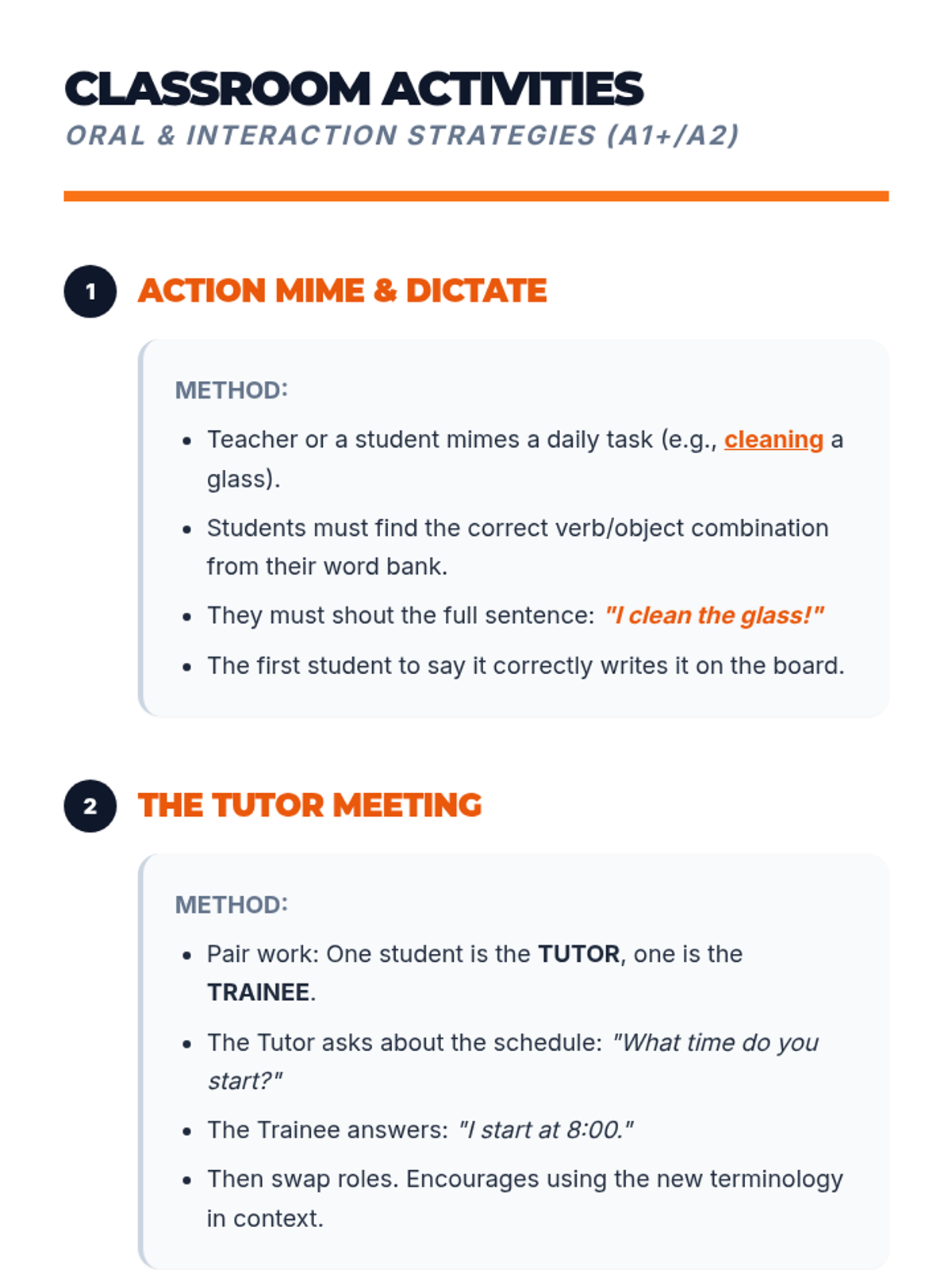
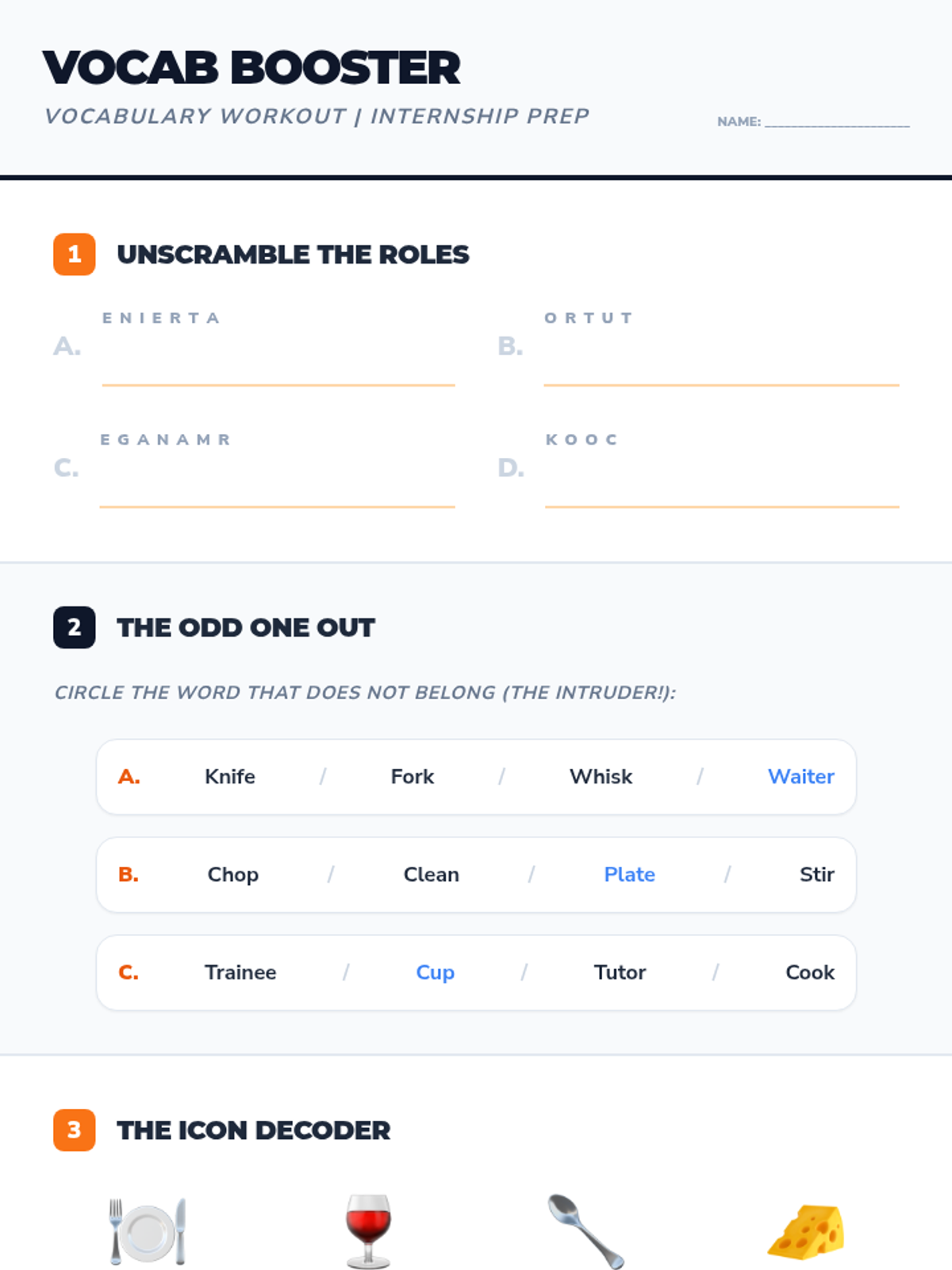
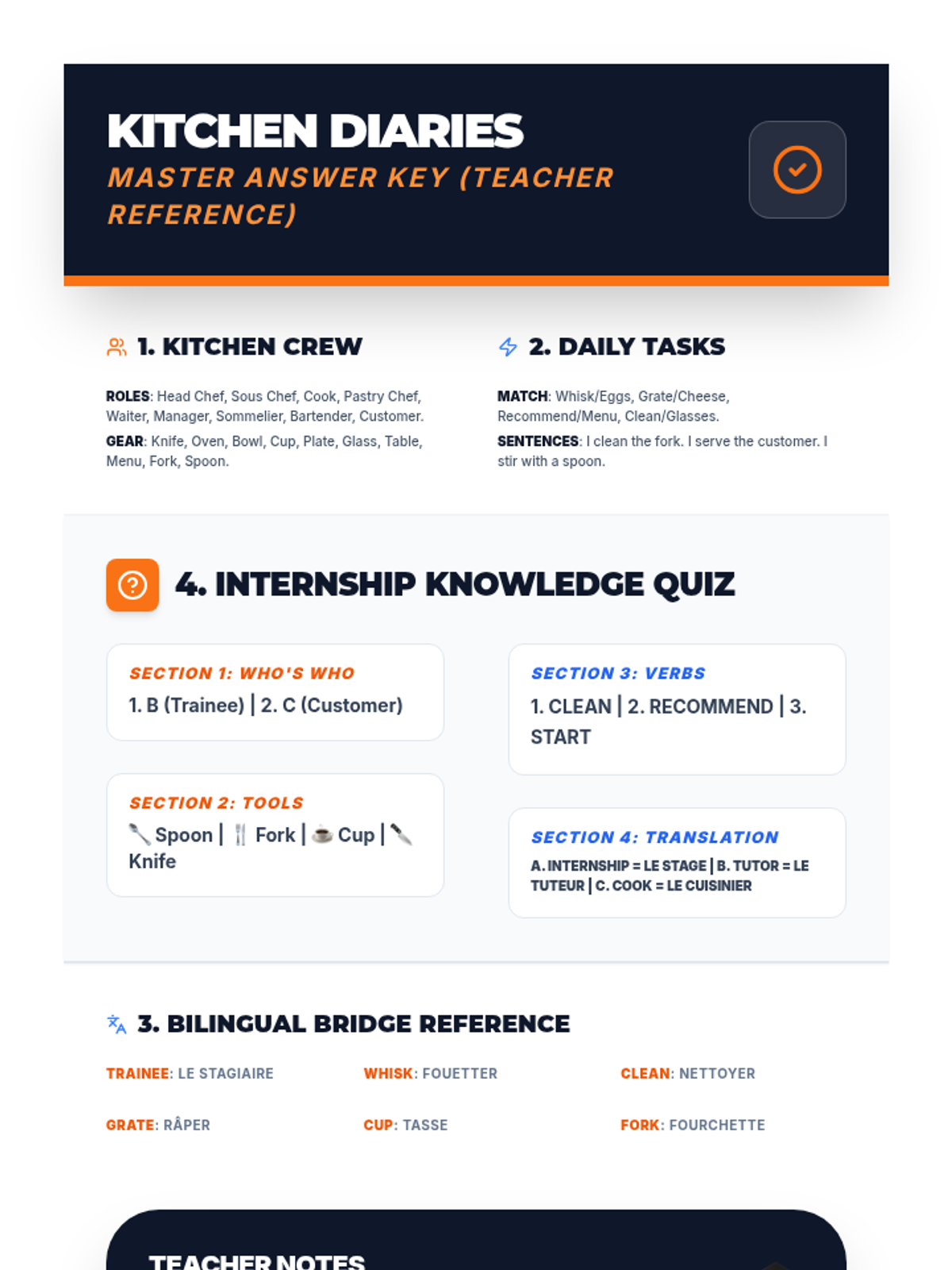
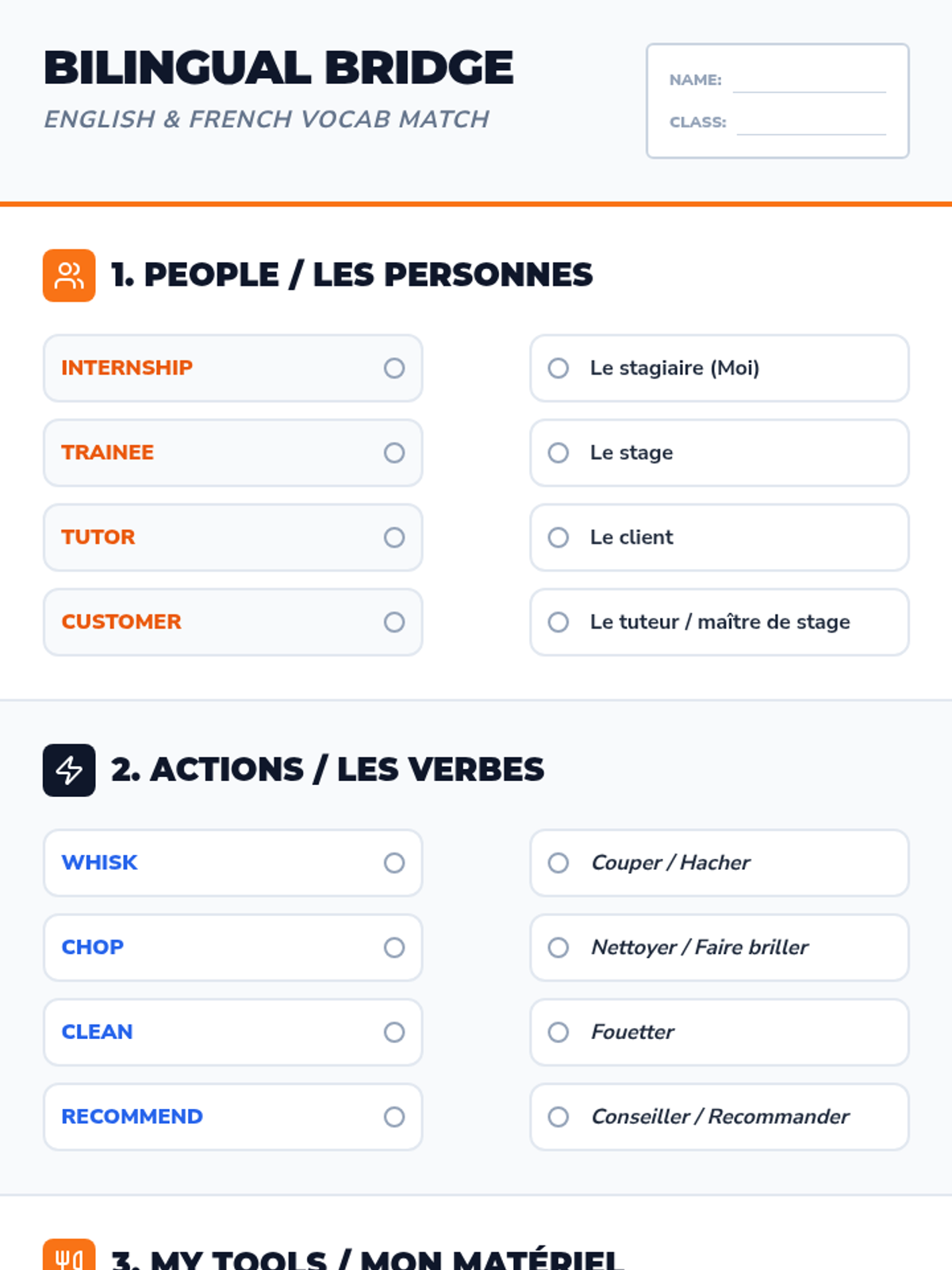
A 3-session English sequence for CAP Cuisine/Restaurant students returning from their internship, focusing on describing roles and daily tasks in a professional kitchen or dining room.
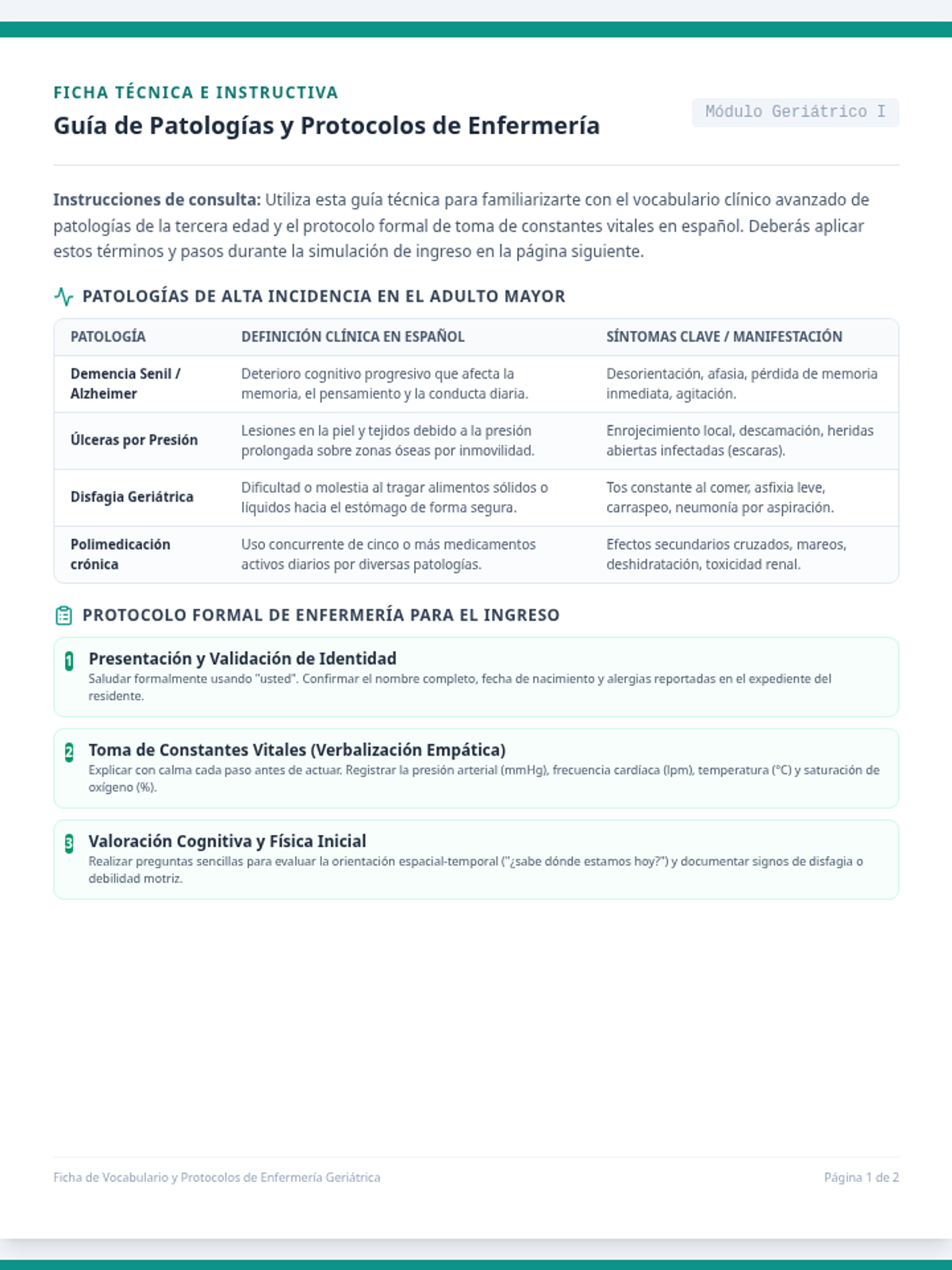
A specialized English sequence for CAP AAGA students focusing on vocabulary for elderly care professions and daily responsibilities. The sequence uses visual aids and simple structures tailored for lower-level learners.
A Spanish I/II unit focused on Valentine's Day, covering vocabulary related to love, relationships, and emotions through interactive activities and communicative practice.
A comprehensive 9th-grade TELPAS preparation sequence focused on Advanced High ELPS proficiency through five rigorous listening, speaking, and writing stations. Students engage with academic content including policy debates, scientific briefs, and data analysis to refine their linguistic precision.
An immersive sequence where 8th-grade students master intermediate French professional vocabulary, formal communication strategies, and cultural workplace etiquette through simulated career scenarios.
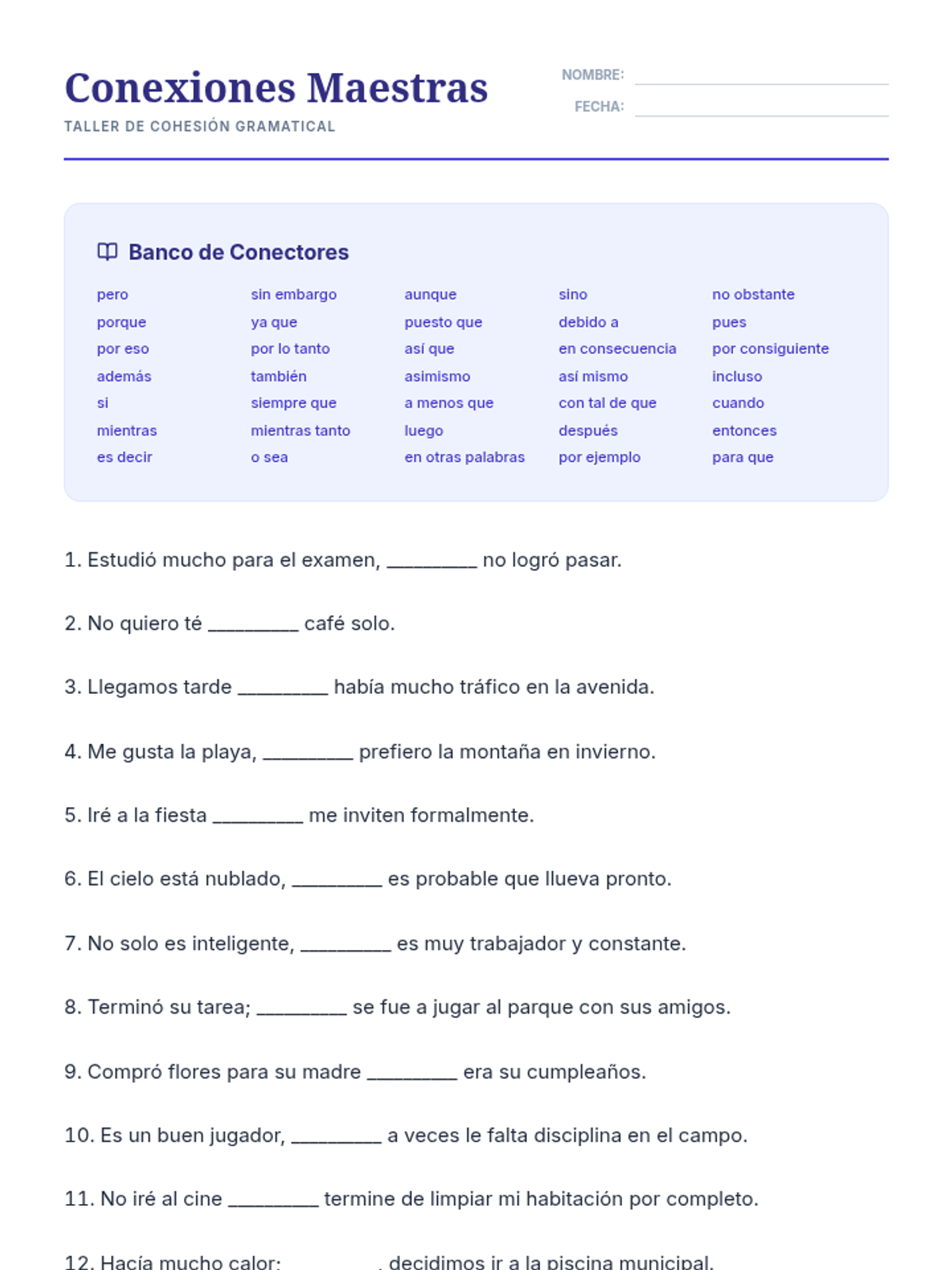
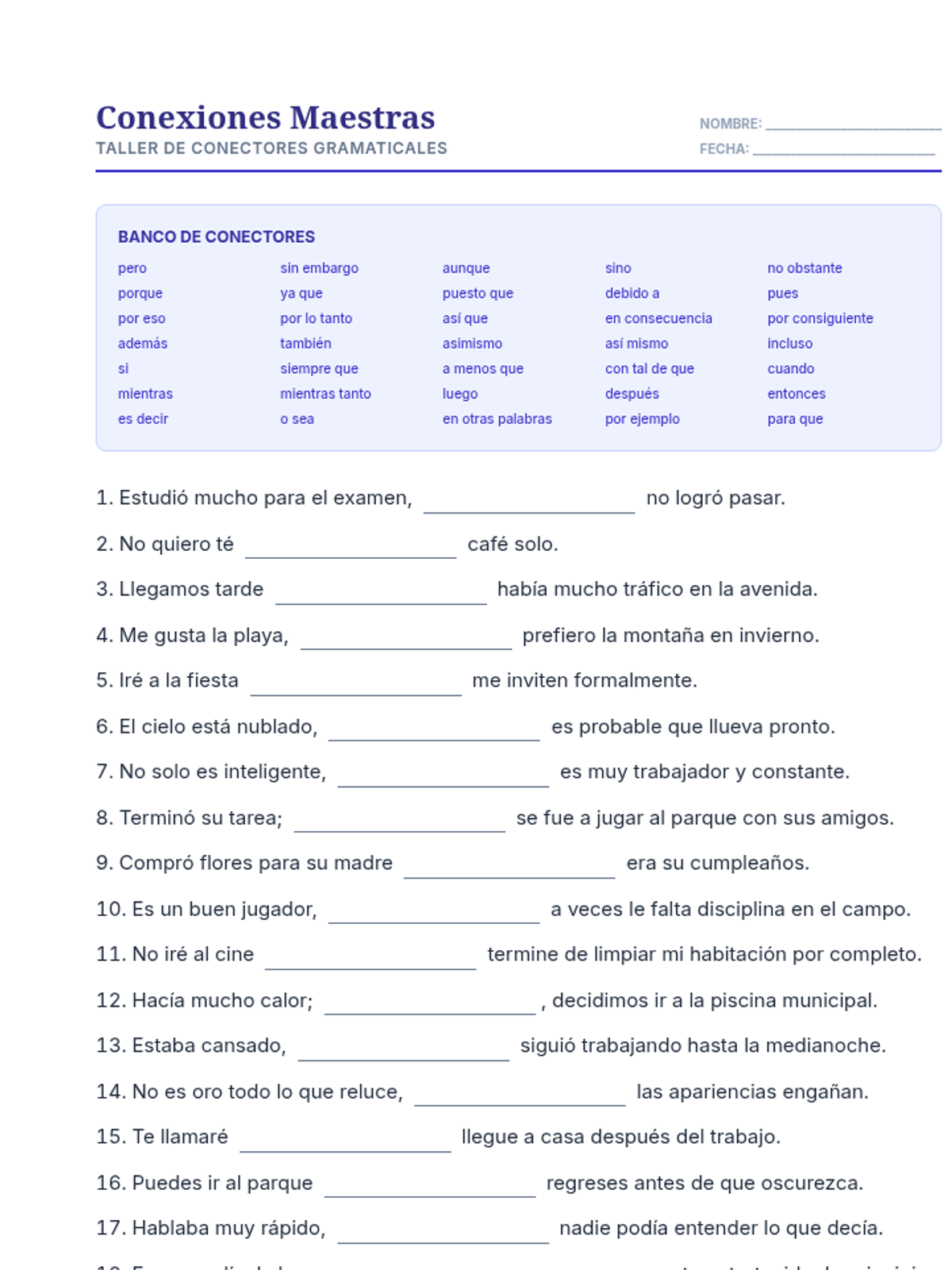
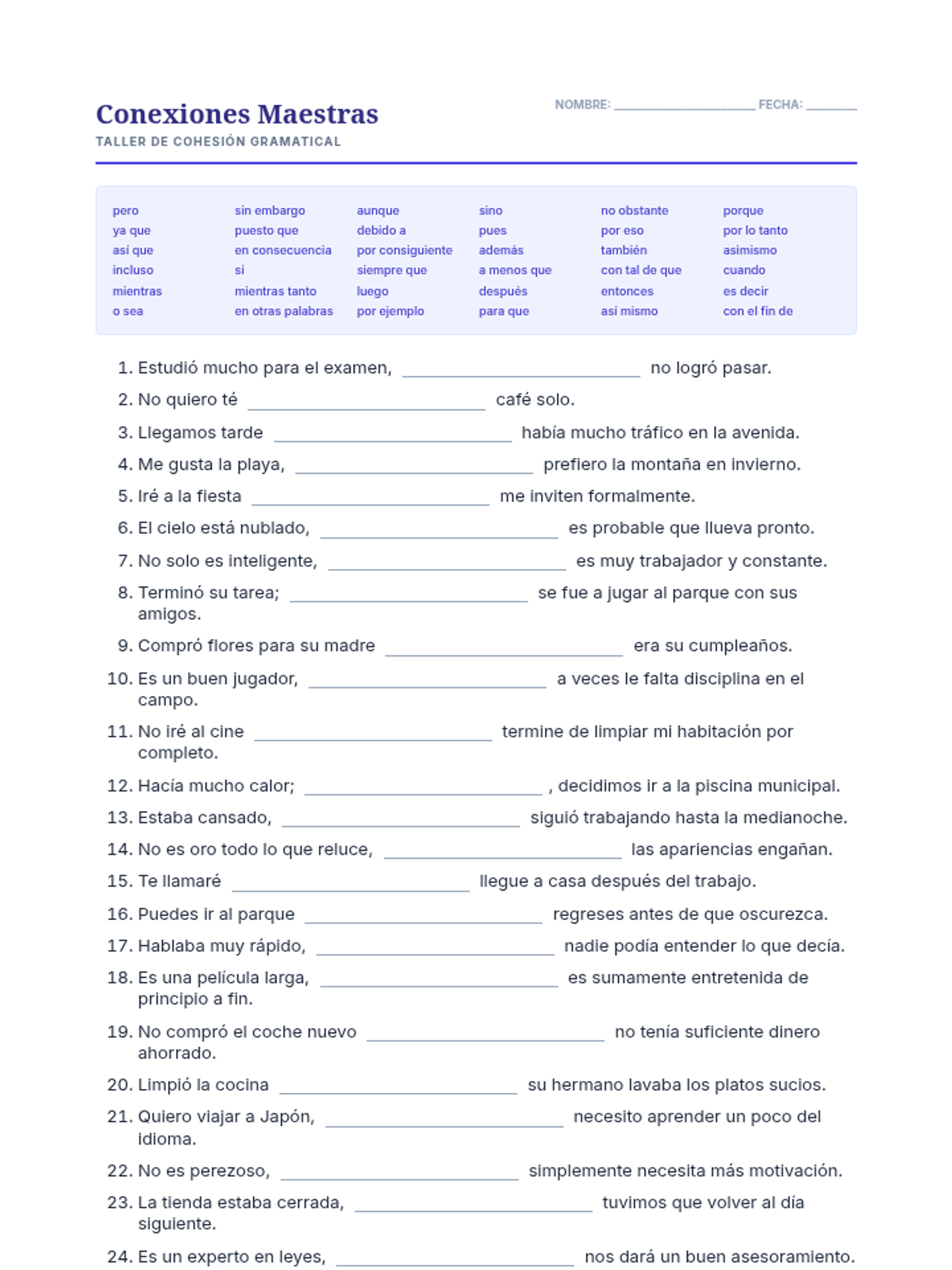
This advanced Spanish sequence transitions 9th-grade students from intermediate proficiency to professional linguistic precision. It focuses on academic register, workplace vocabulary, logical connectors, and sociolinguistic etiquette through authentic simulations and analysis.
An immersive intermediate French sequence where students navigate travel scenarios in Paris, Dakar, and Montreal, mastering future, past, and conditional tenses through simulated real-world interactions.
A linguistic and sociological exploration of how English absorbs and adapts words from diverse global sources, focusing on etymology, cultural exchange, and the evolution of language.
Students act as linguistic anthropologists creating a specialized 'Field Guide to Foreign Expressions' for a chosen professional or cultural domain. They investigate the etymology, usage, and visual representation of foreign terminology to explain their chosen field's linguistic history to a lay audience.
A 9th-grade advanced Spanish sequence focused on the nuances of agency and voice. Students explore the True Passive, Passive Se, and Accidental Se to understand how syntax influences tone and objectivity in formal writing and journalism.
A simulation-based sequence where 9th-grade students act as community leaders to master the subjunctive mood in Spanish. Students move from identifying reality versus desire to persuading and debating in a mock town hall, focusing on influence, doubt, and emotion.
This project-based workshop guides advanced Spanish students through compound tenses by constructing a multi-layered narrative. Students master the present perfect, pluperfect, conditional perfect, and future perfect to articulate complex temporal relationships.
A comprehensive 10th-grade Spanish unit that moves students from basic subjunctive mechanics to advanced semantic nuances. Through simulation-based learning—including an advice column and a town hall debate—students explore how the subjunctive mood expresses influence, doubt, emotion, and uncertainty in high-stakes communication.
This advanced Spanish grammar unit empowers 10th-grade students to master compound tenses and the passive voice through a journalistic lens. Students assume the role of investigative reporters, learning to sequence complex events and shift narrative focus to achieve objectivity and precision in formal writing.
A comprehensive 8th-grade Spanish sequence introducing the subjunctive mood. Students progress from basic conjugation and verbs of influence to expressing emotions, doubt, and impersonal opinions, culminating in a persuasive 'Manifesto for Change'.
A comprehensive one-week introduction to Spanish for middle schoolers, focusing on greetings, introductions, and sharing personal interests through interactive role-play and collaborative activities.
A project-based sequence for beginner French students focused on decoding media through narrative structures, logical connectors, and 'gist' listening strategies. Students move from identifying chronological signposts to analyzing news segments, street interviews, and cultural advertisements, culminating in a media analysis project.
An inquiry-based French listening sequence for beginners focusing on functional navigation of public spaces in Francophone cities. Students learn to filter essential information from ambient noise in transport, weather, street directions, retail, and emergency contexts.