A 5-lesson French sequence for 5th graders focusing on self-expression, identity, and personal traits. Students learn to introduce themselves, state their age, and describe their physical and personality characteristics through creative projects.
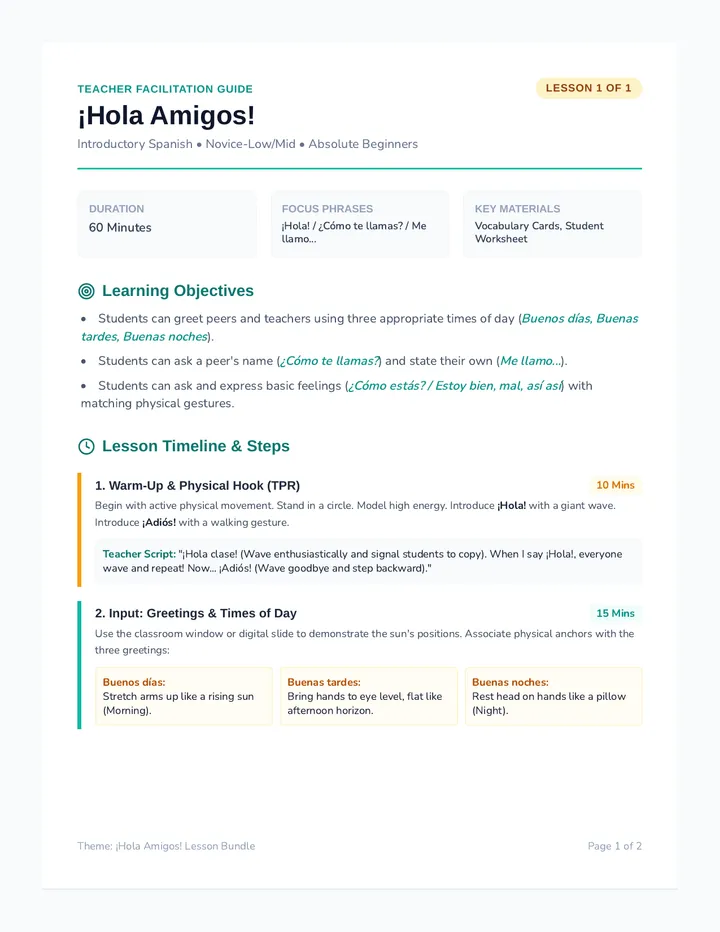
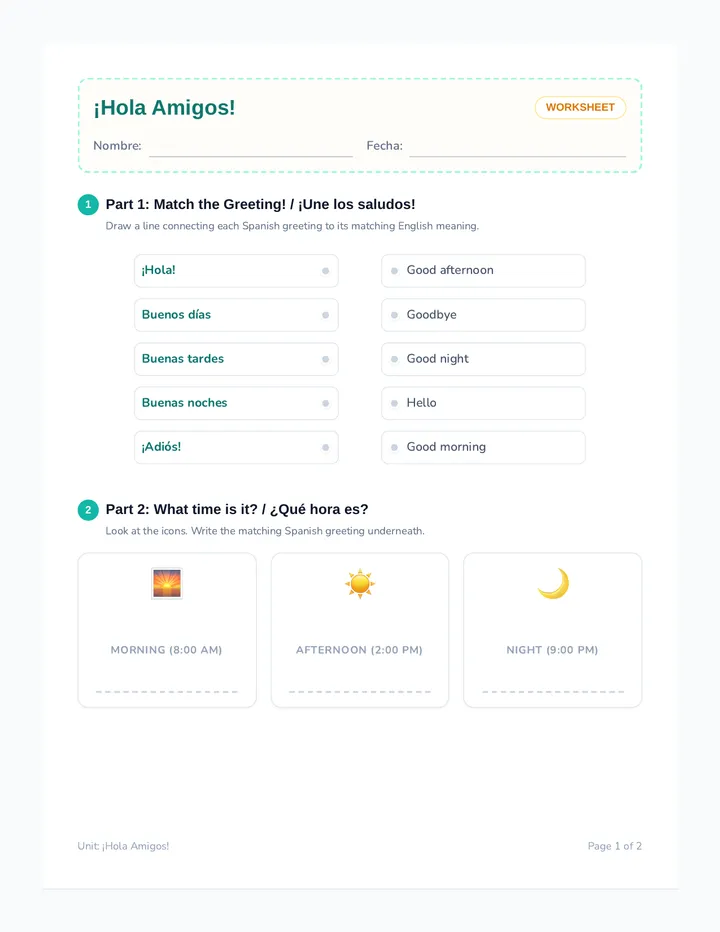
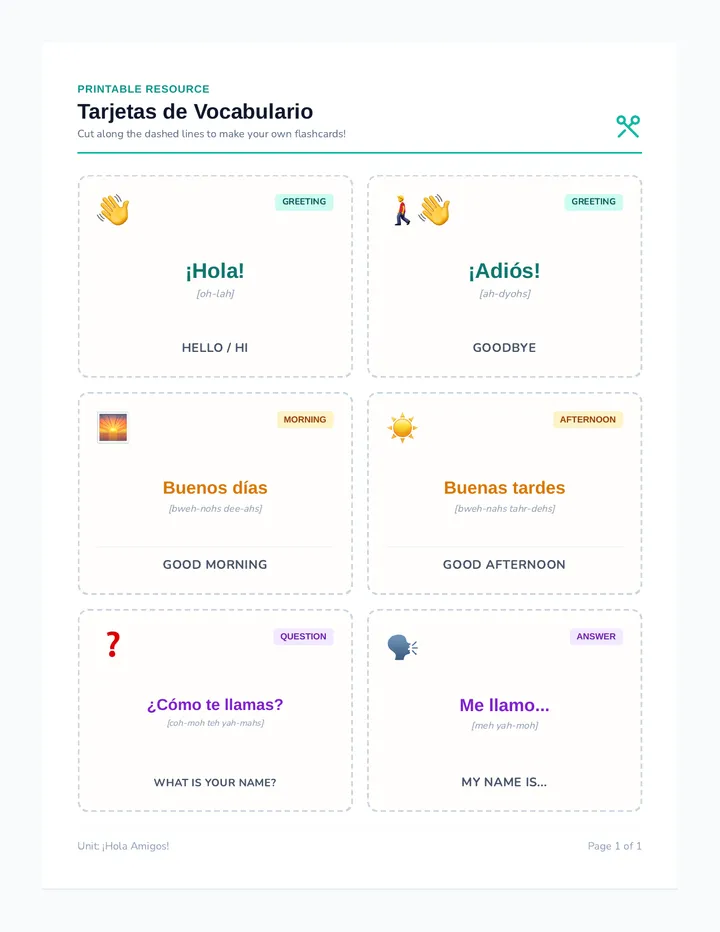
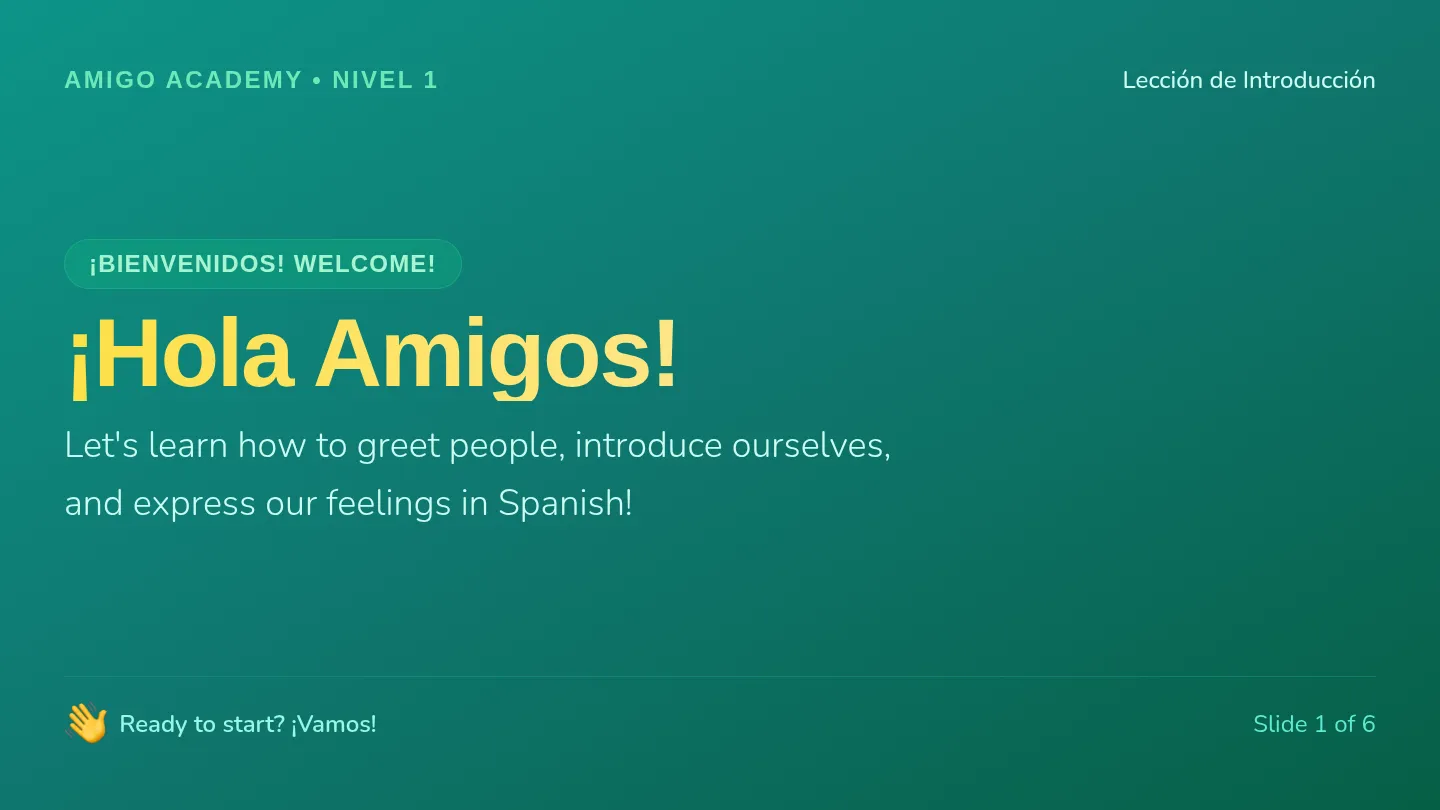
An introductory Spanish curriculum sequence for absolute novice-low beginners, teaching foundational communicative skills like greetings, introductions, numbers, and basic classroom requests.
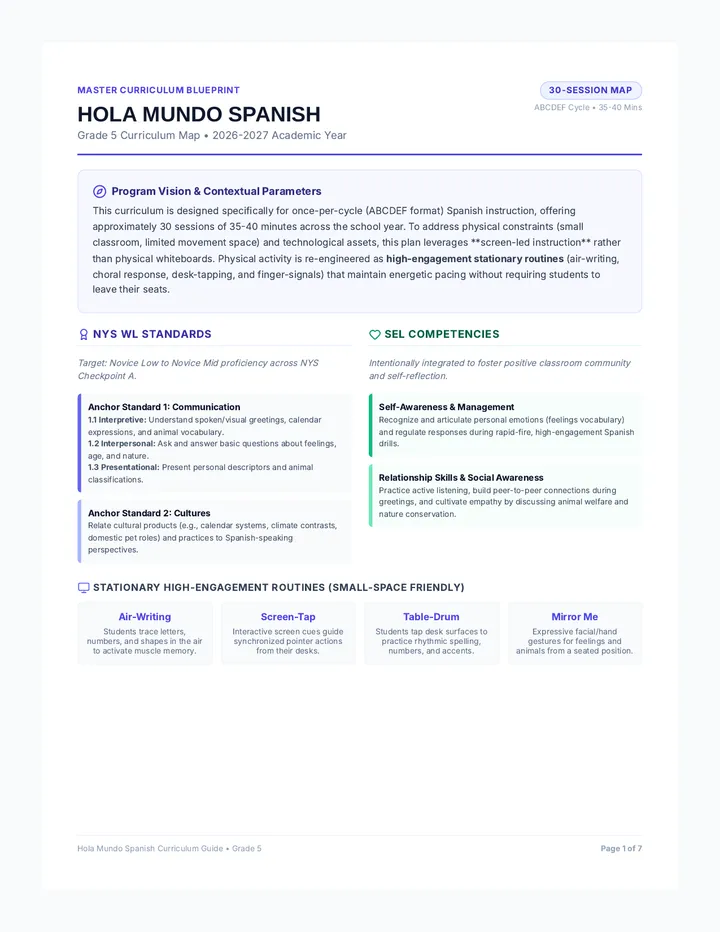
A comprehensive 5th-grade Spanish curriculum designed for a once-per-cycle, 35-40 minute screen-reliant classroom, seamlessly integrating NYS World Language Standards and Social-Emotional Learning (SEL) across 30 sessions.
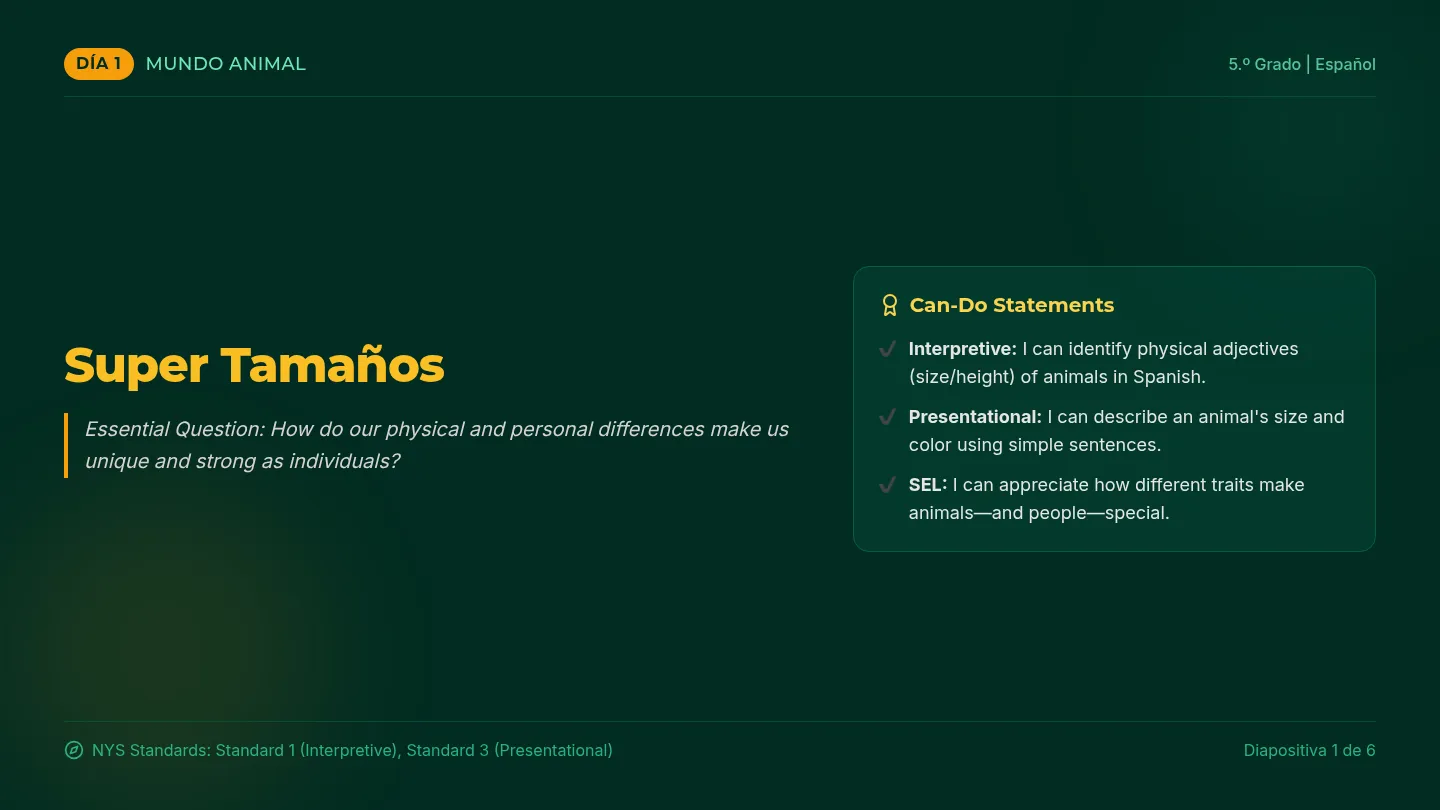
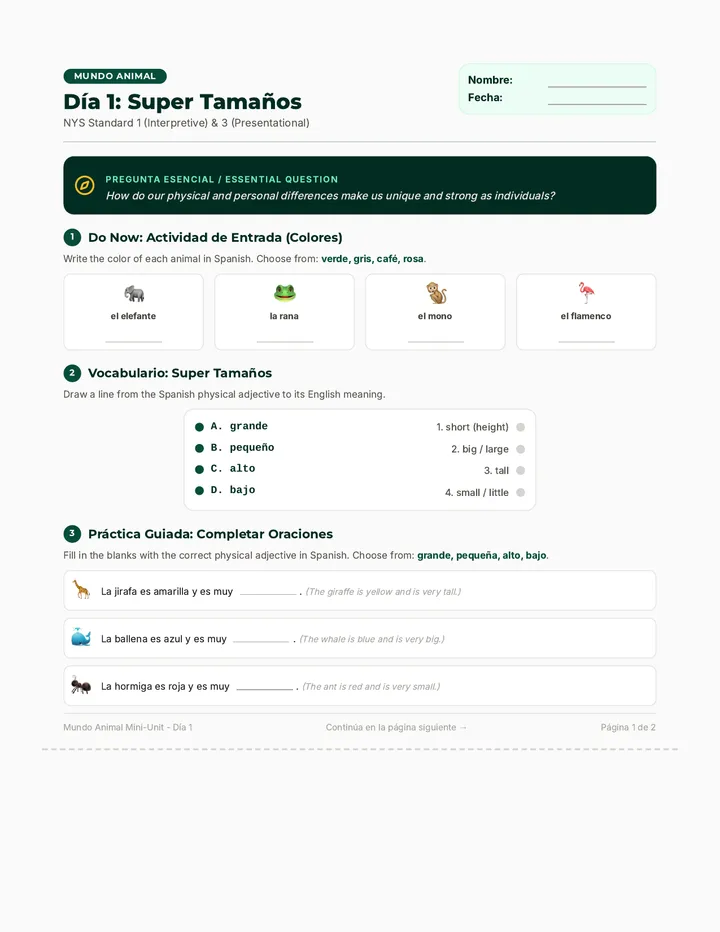
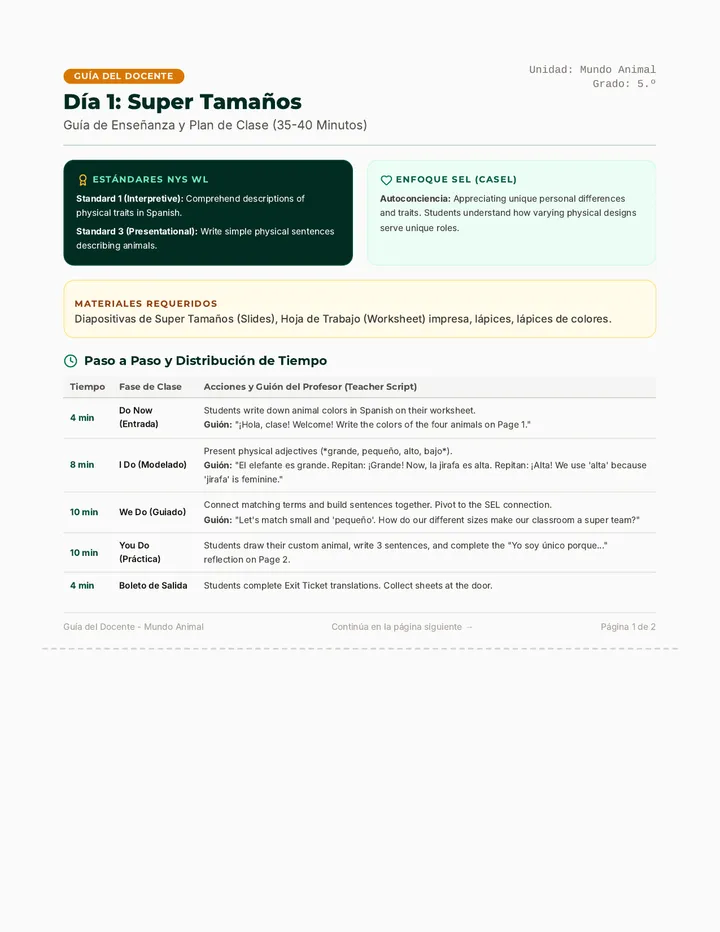
A 3-day Spanish mini-unit for 5th grade that integrates animal vocabulary, physical adjectives, and social-emotional learning (SEL). Alignment with NYS World Language Standards and CASEL competencies is woven through interactive 'I Do, We Do, You Do' structures.
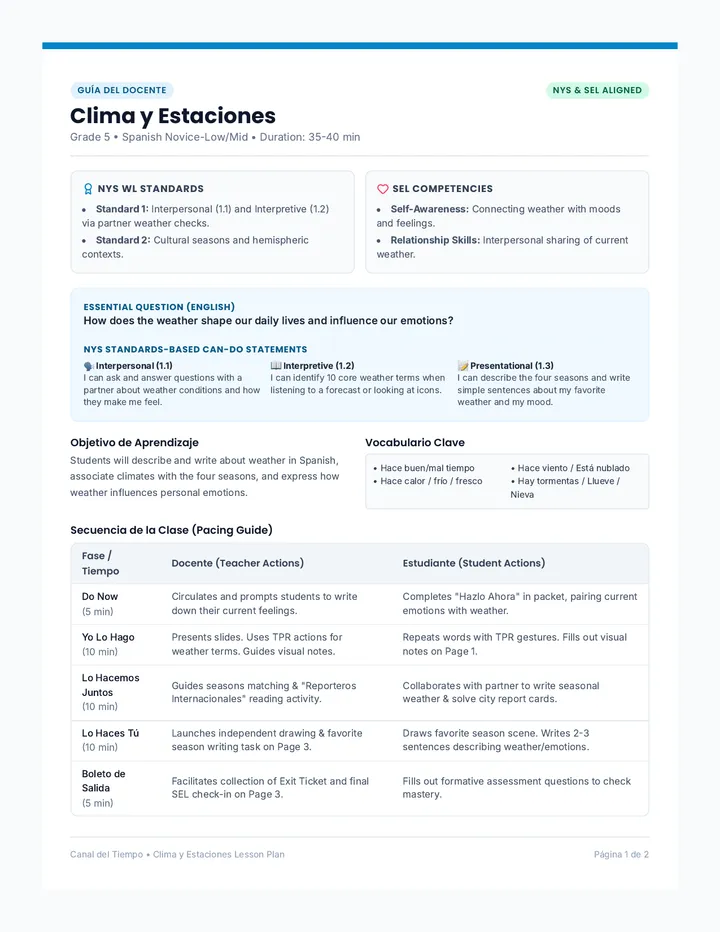
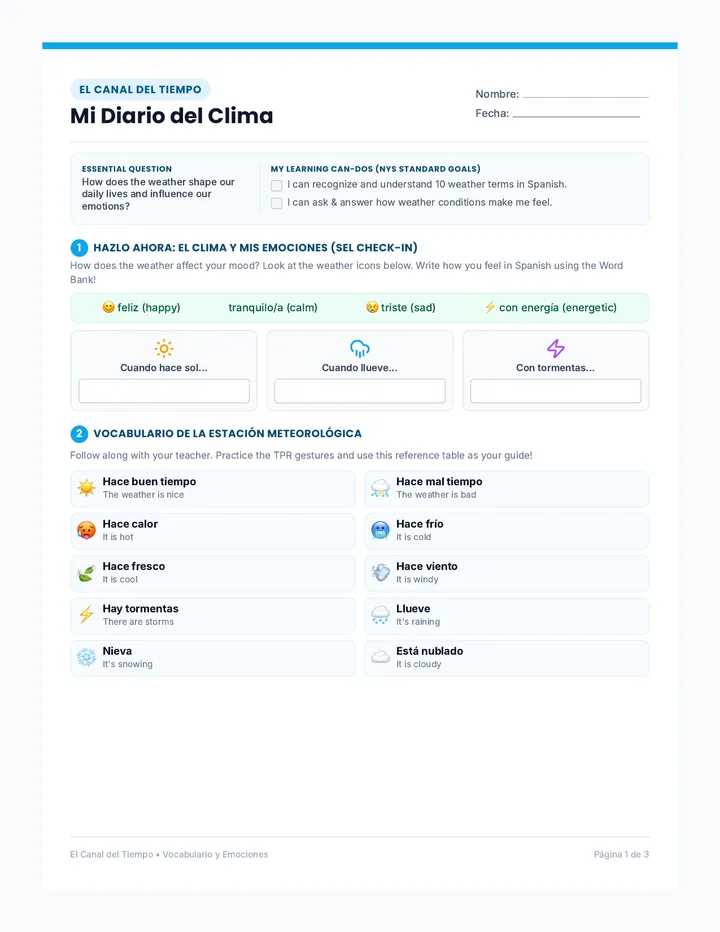
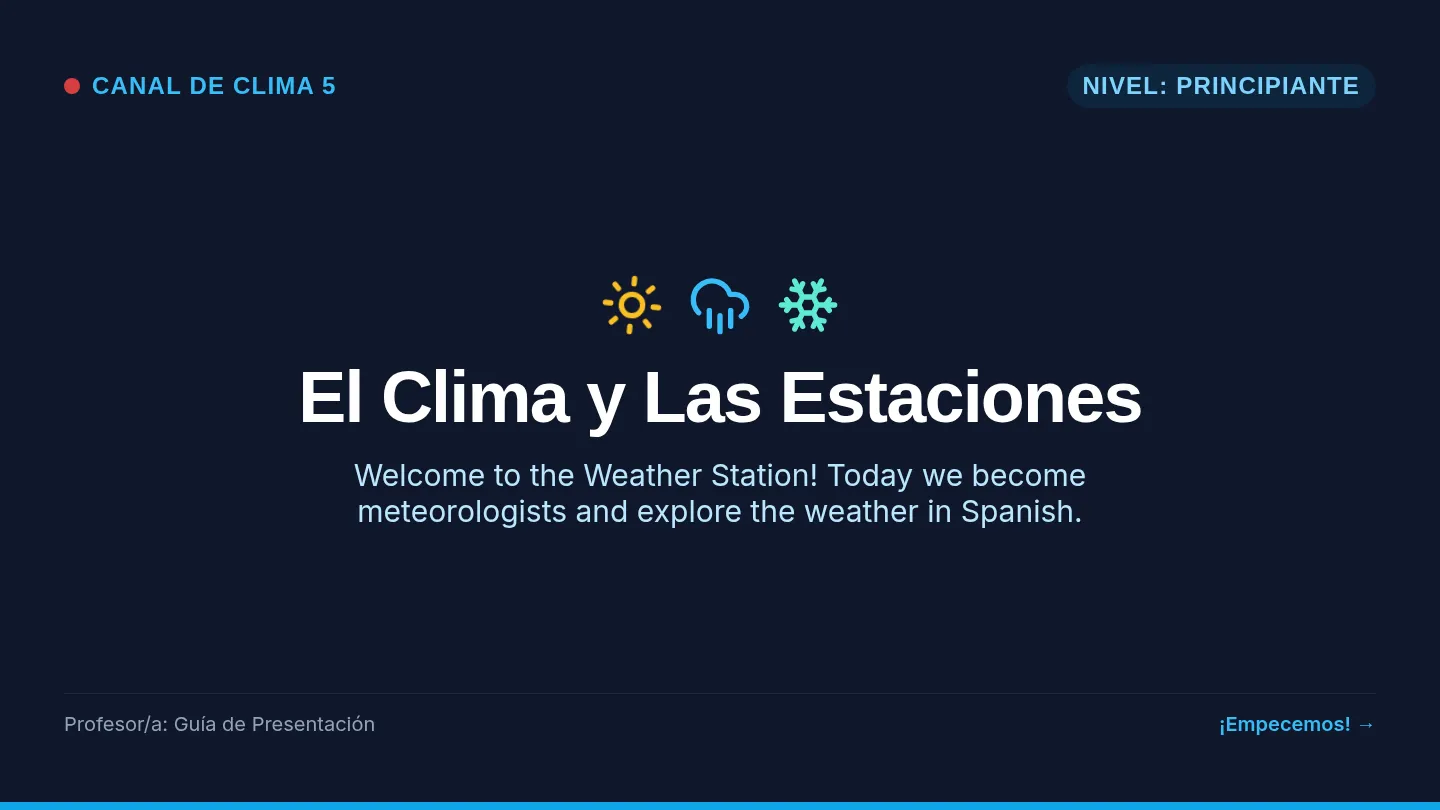
A comprehensive 3-lesson Spanish unit for 5th grade exploring weather, seasons, global climates, and weather forecasting. Aligned with NYS World Language standards and CASEL SEL competencies, students learn weather vocabulary, examine hemispheric climate differences, and present their own weather forecast.
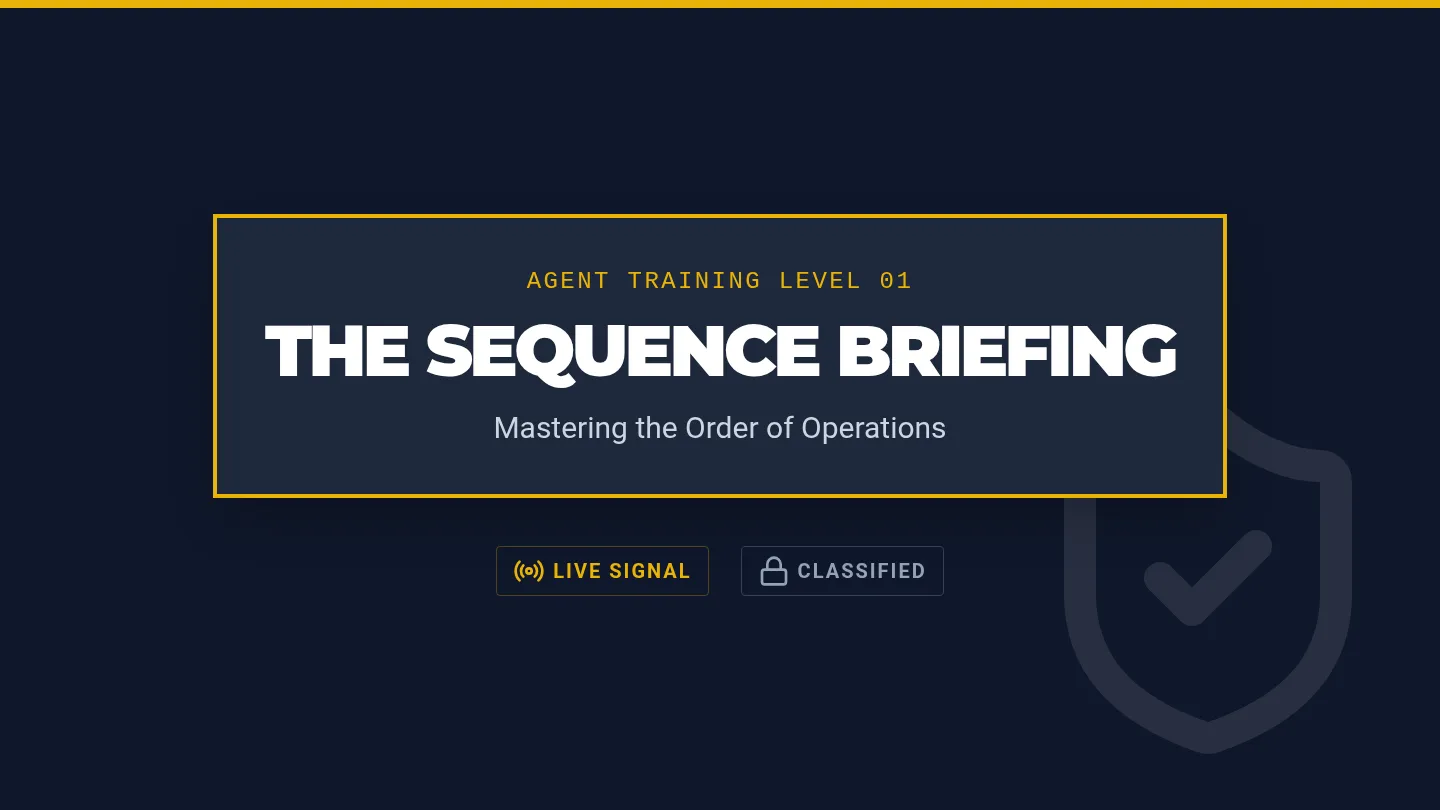
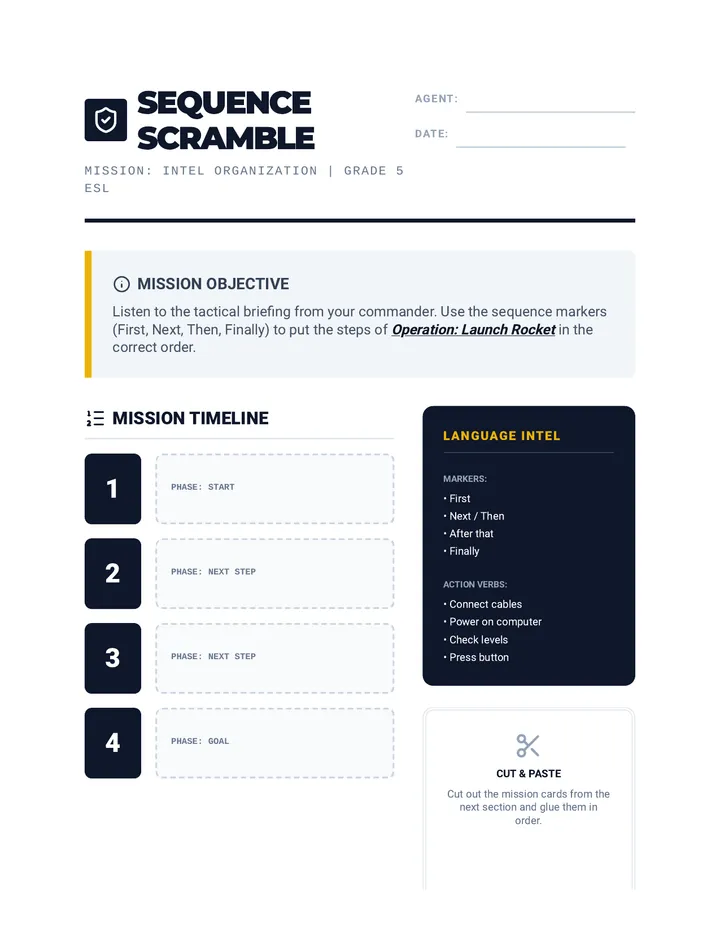
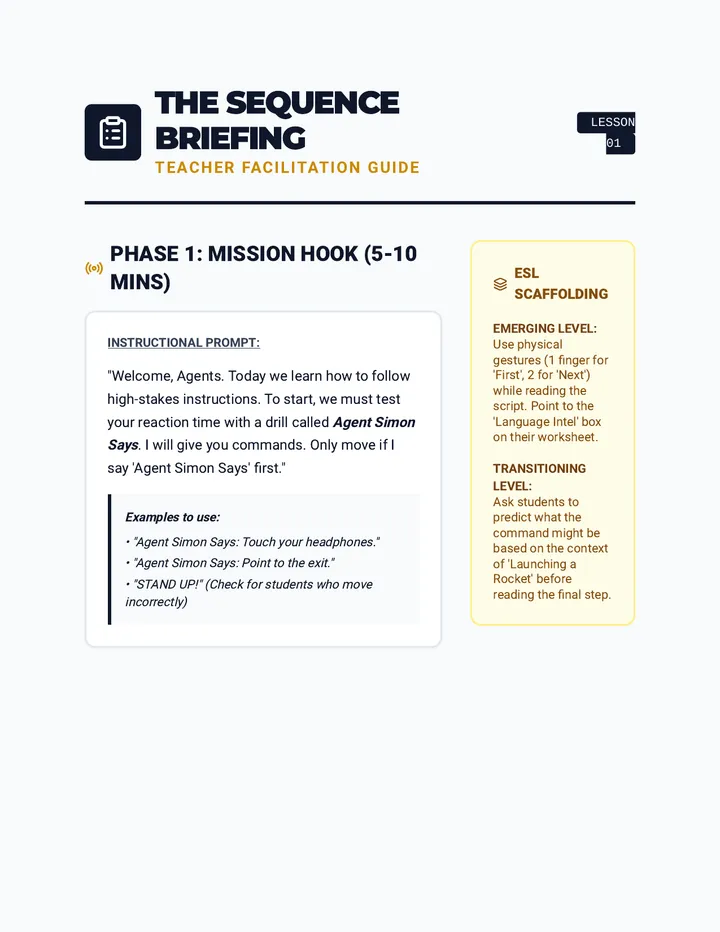
This sequence trains 5th Grade ESL students (Emerging and Transitioning) in advanced listening comprehension through a high-stakes 'Secret Agent' theme. Students master multi-step instructions, spatial logic, and active clarification strategies needed for academic and social success.
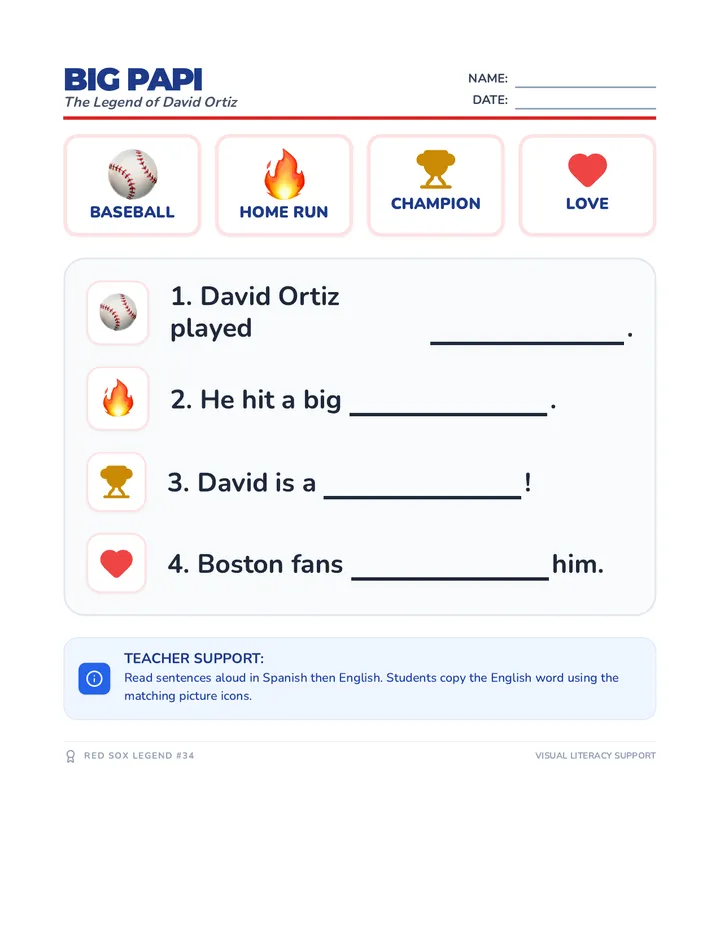
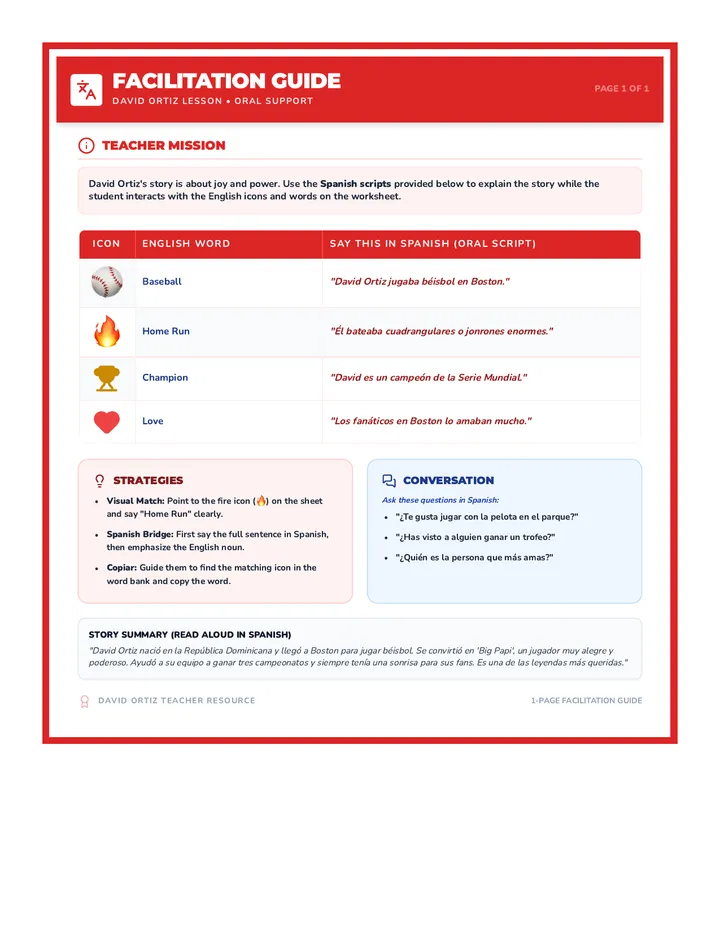
A series of lessons focused on baseball legends, designed for students with limited literacy and English language learners.
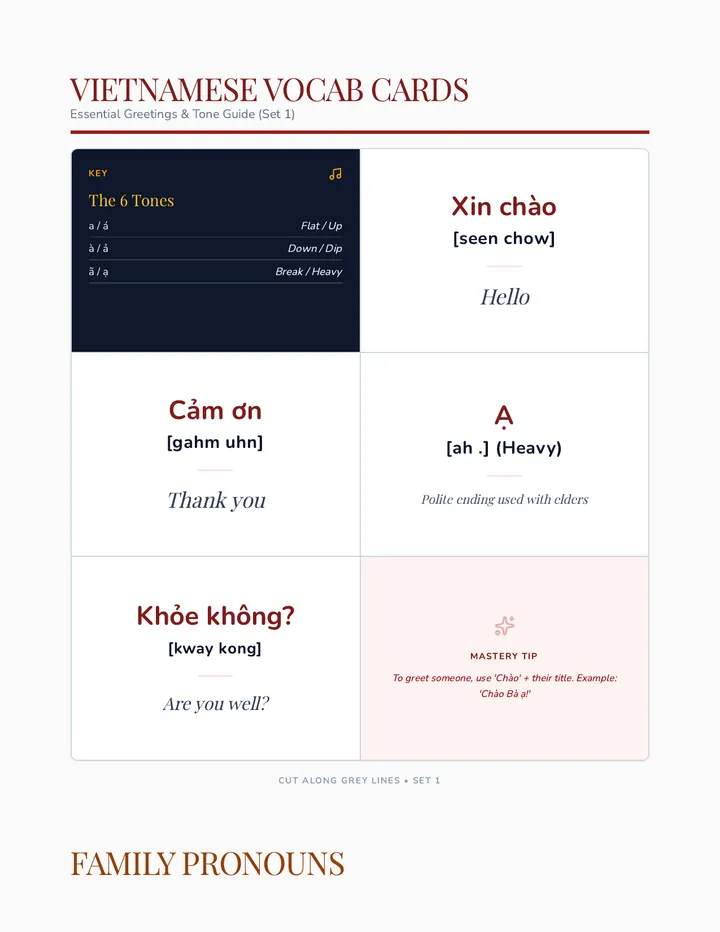
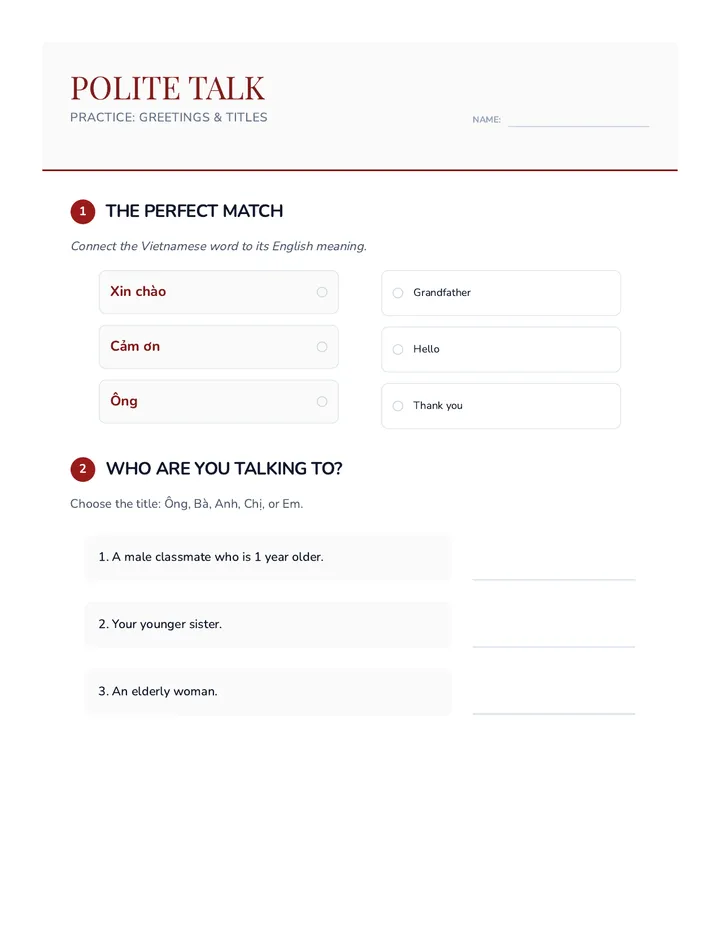
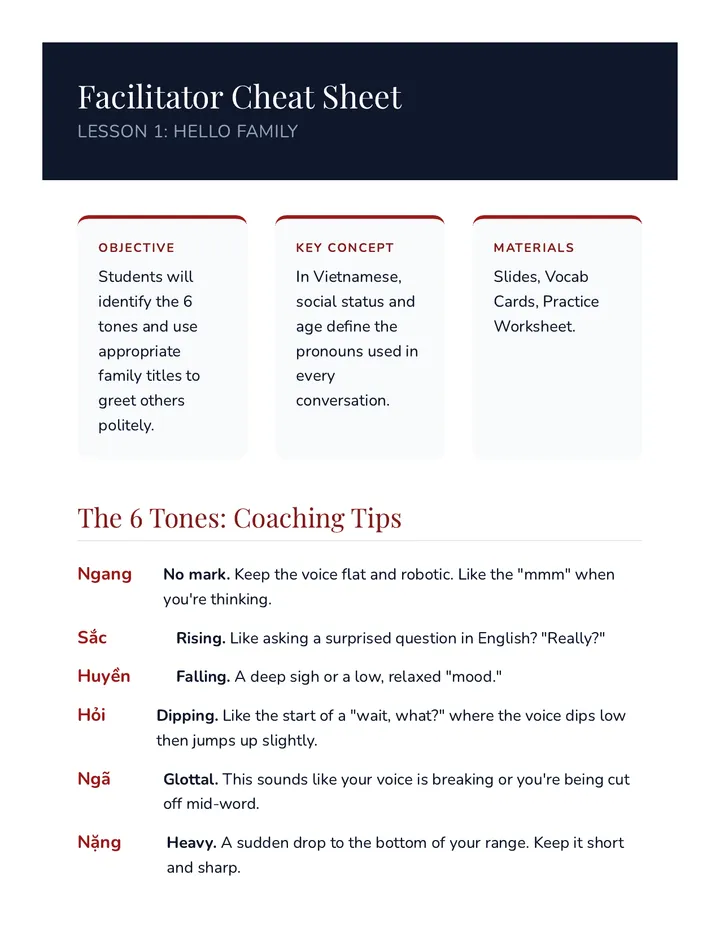
A beginner's introduction to Vietnamese language and culture, focusing on essential communication and social structures.
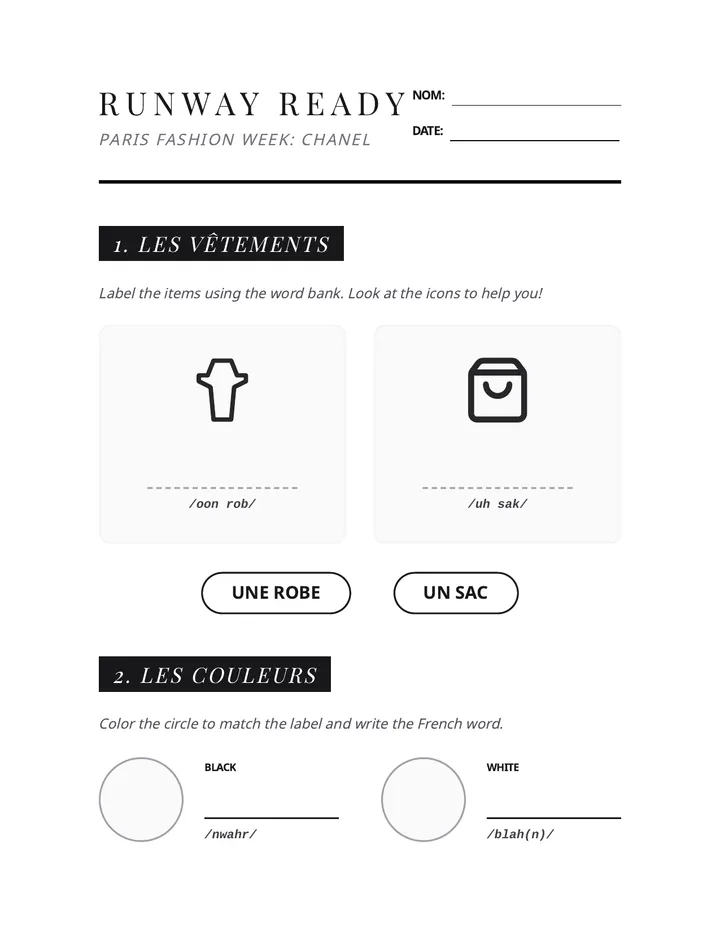
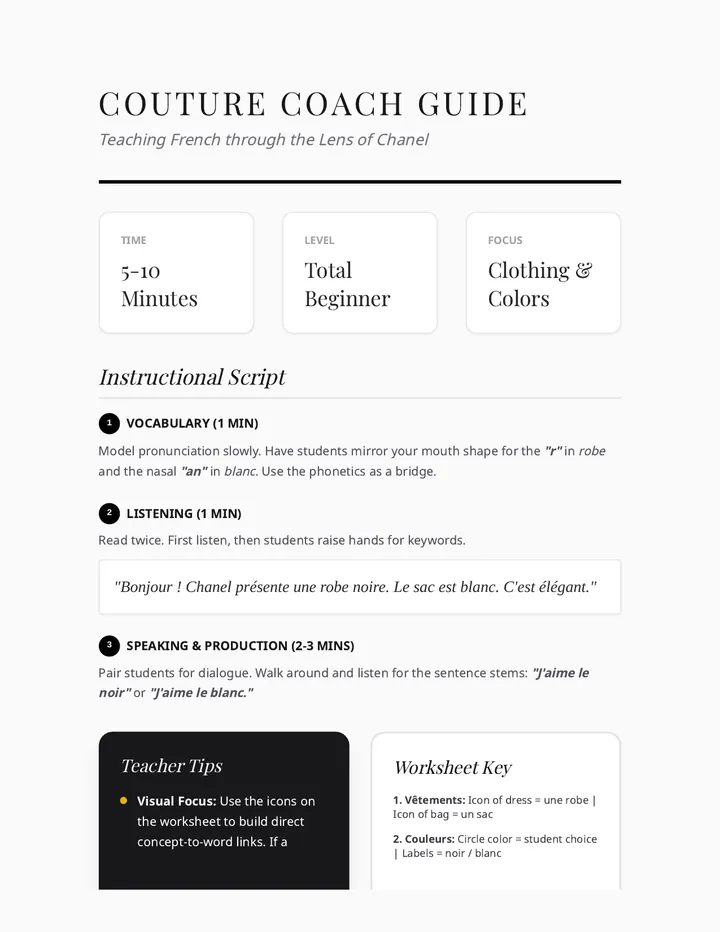
A beginner-level French sequence focusing on basic vocabulary related to fashion and colors through the lens of Paris Fashion Week and Chanel. Students learn to describe clothing and express preferences in a high-interest cultural context.
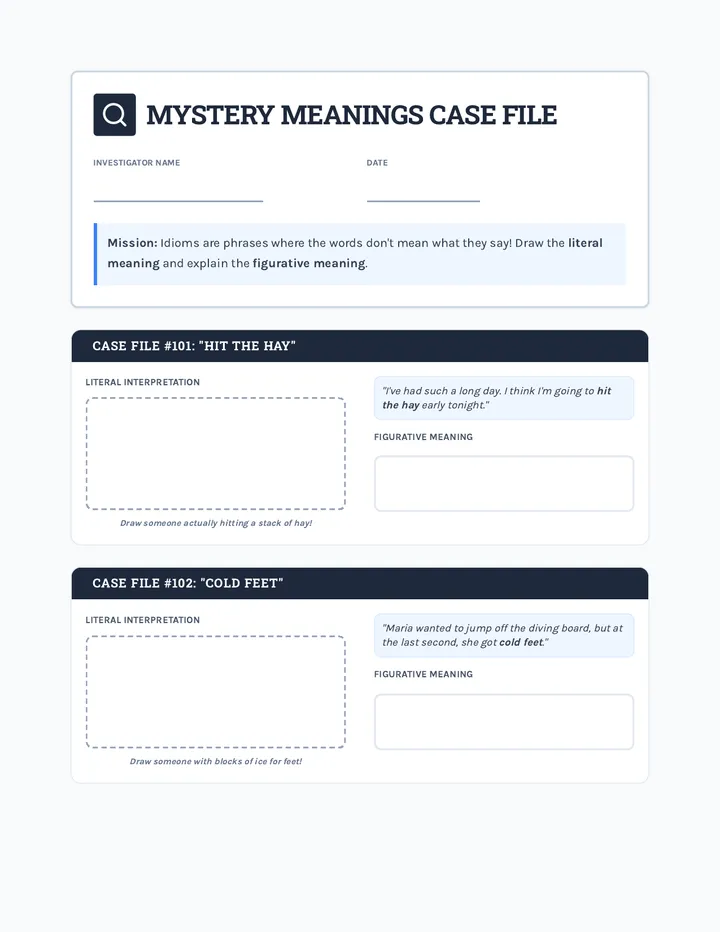
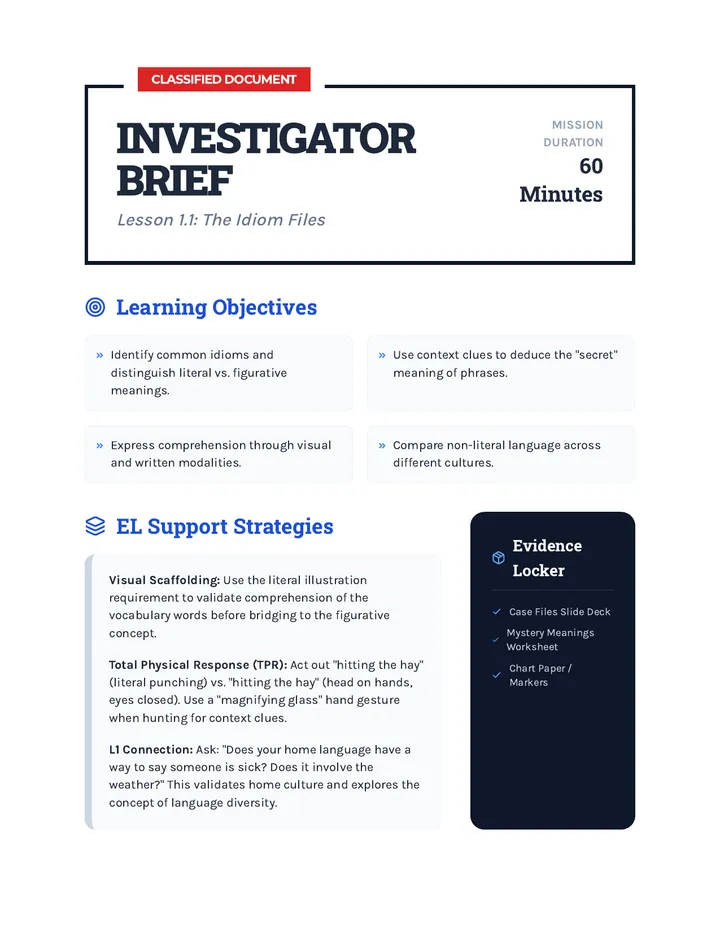
A dynamic series of lessons designed to help upper elementary English Learners master complex language concepts like idioms, metaphors, and nuanced vocabulary through immersive, detective-themed activities.
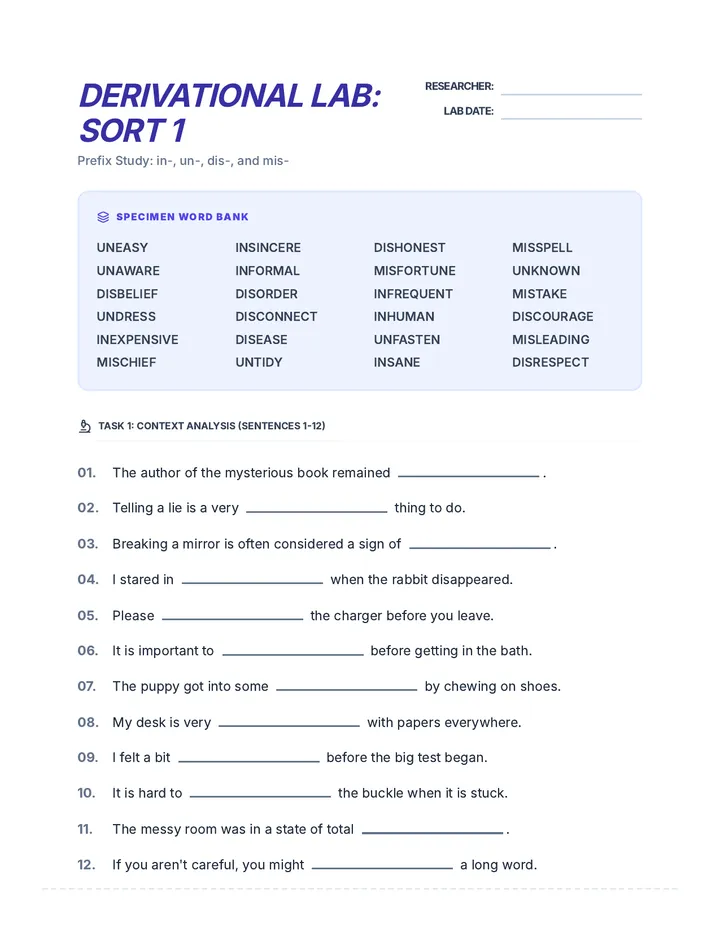
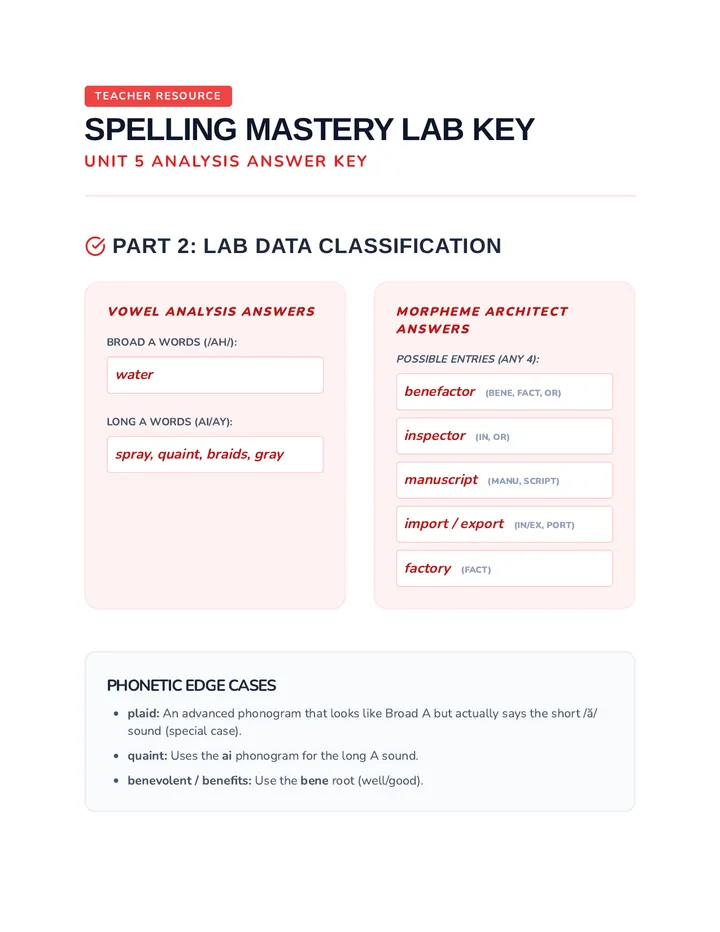
A comprehensive study of derivational morphology focusing on 17 specific prefix and suffix sorts through contextual analysis and logic puzzles.
A 10-week project-based Spanish course for 5th graders focused on performance and practical communication. Students build toward two major milestones: a dramatic telenovela performance and a realistic restaurant simulation.
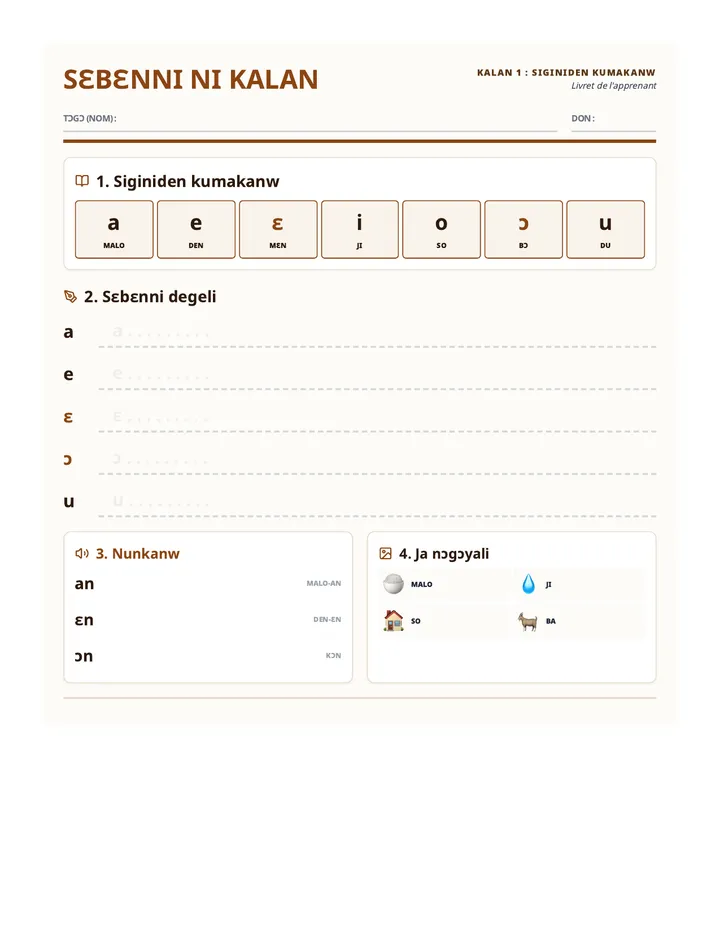
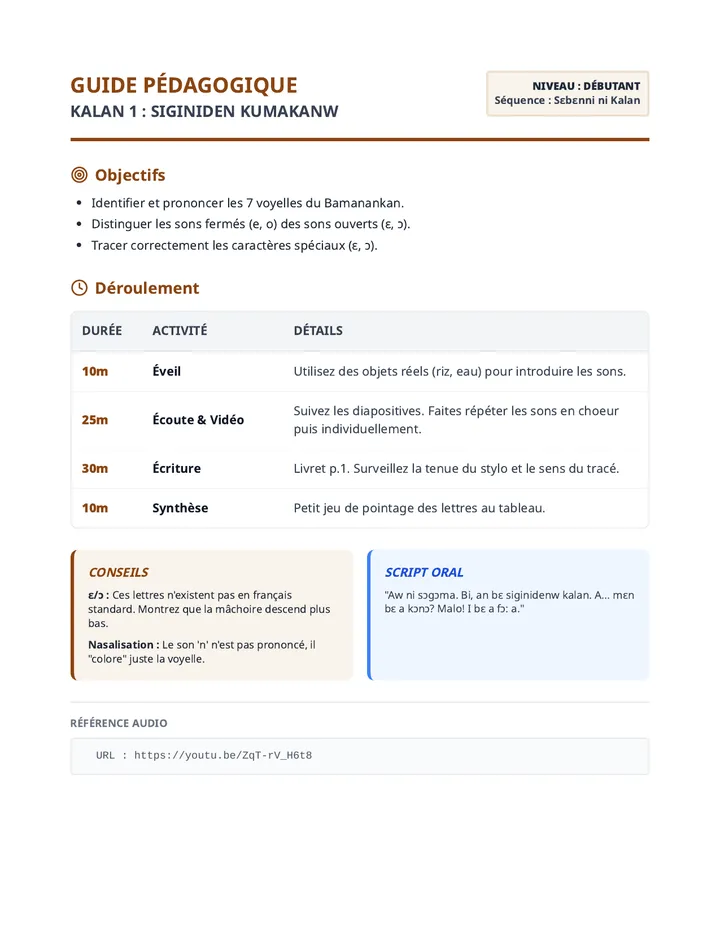
Une séquence d'alphabétisation complète en Bamanankan pour débutants, intégrant l'apprentissage des voyelles, des consonnes et des salutations de base à travers un livret imprimable et des supports visuels.
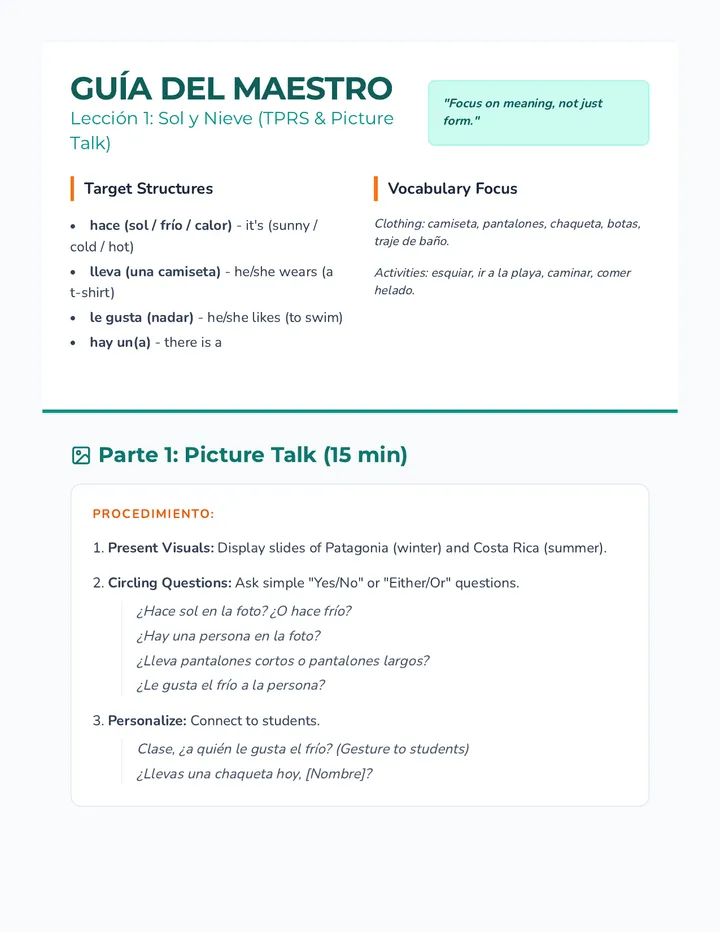
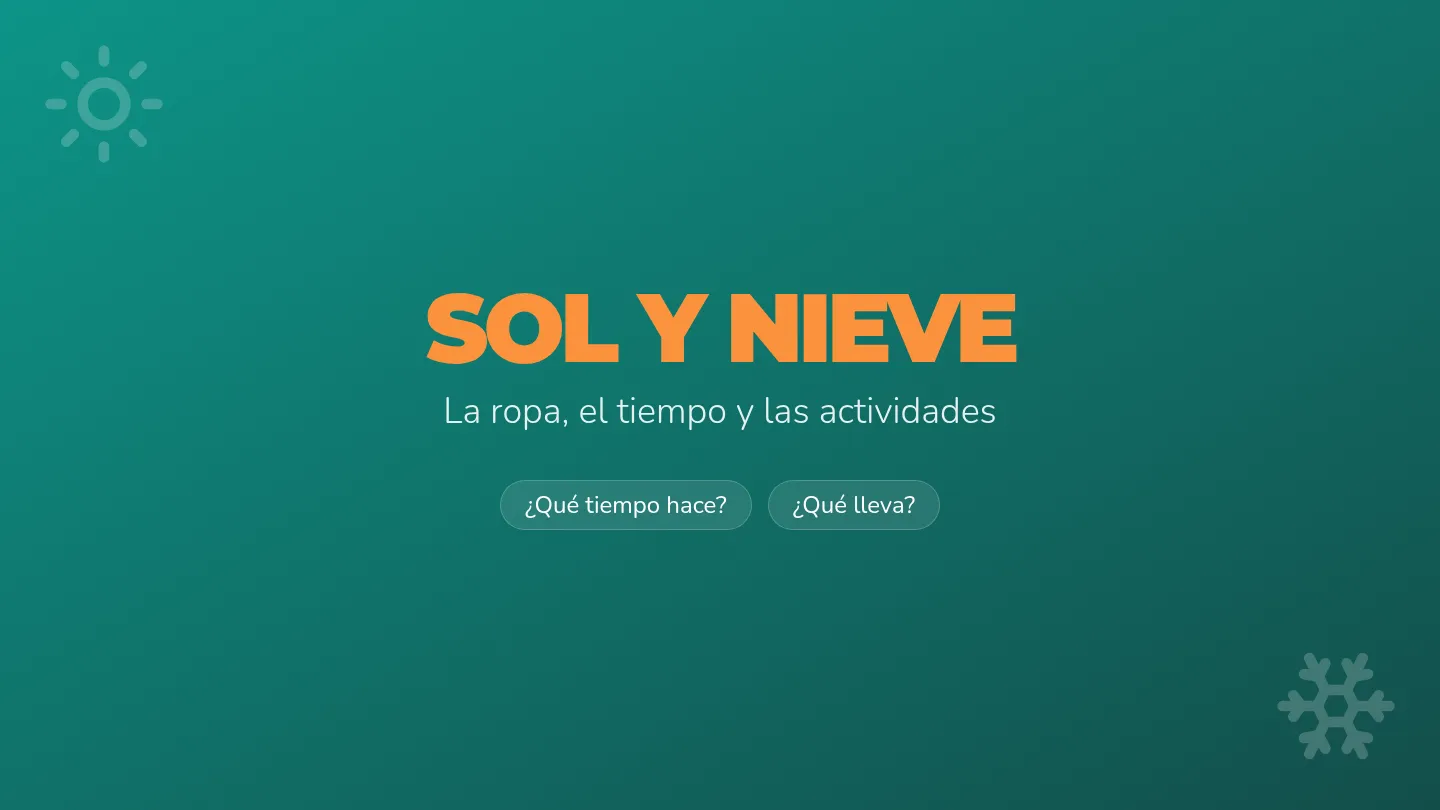
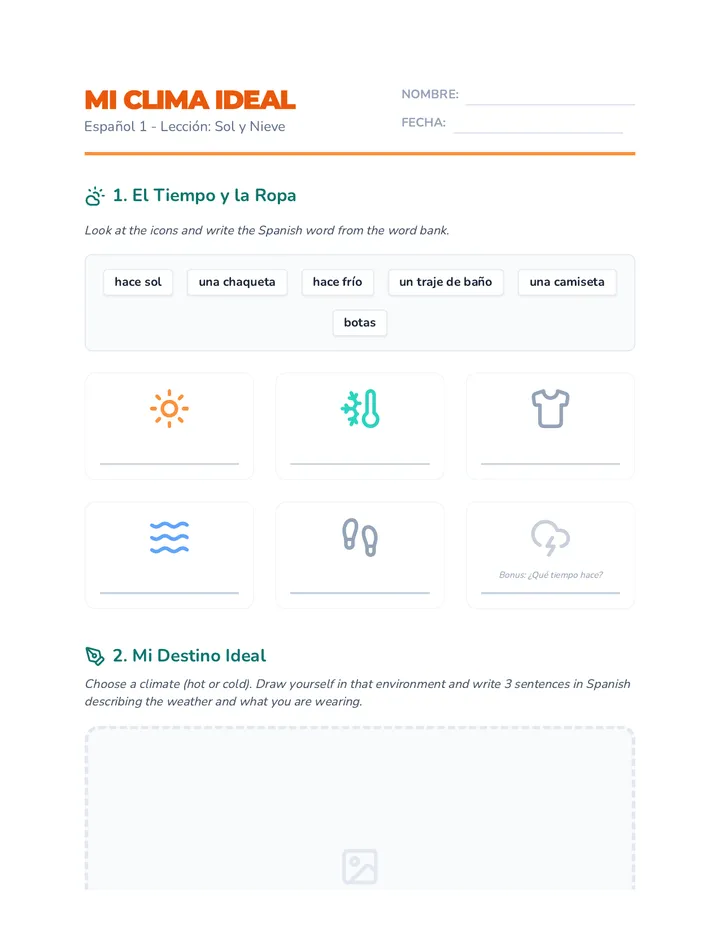
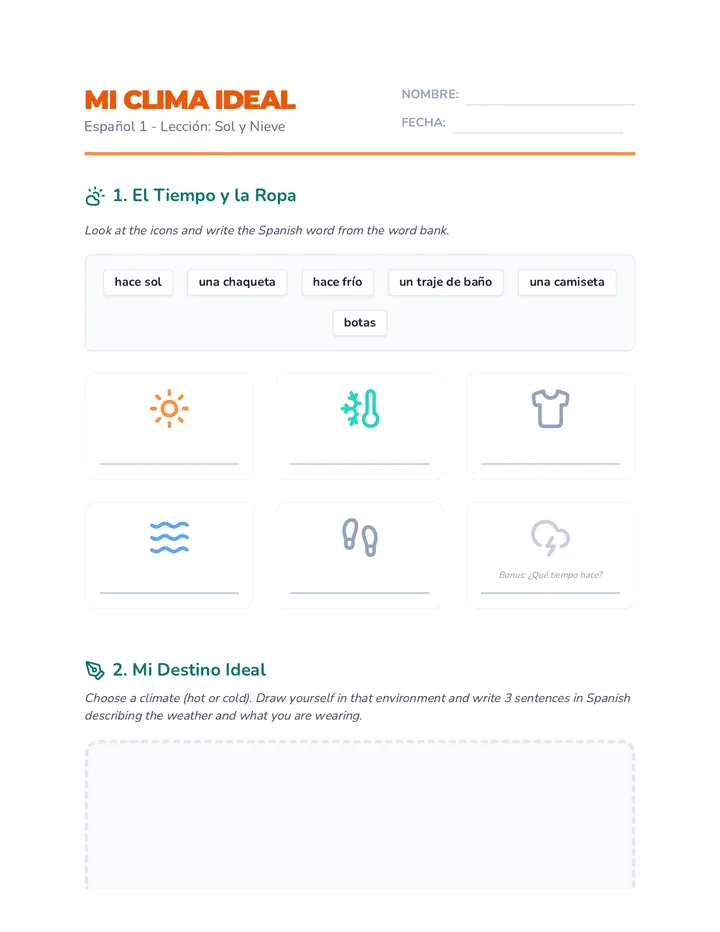
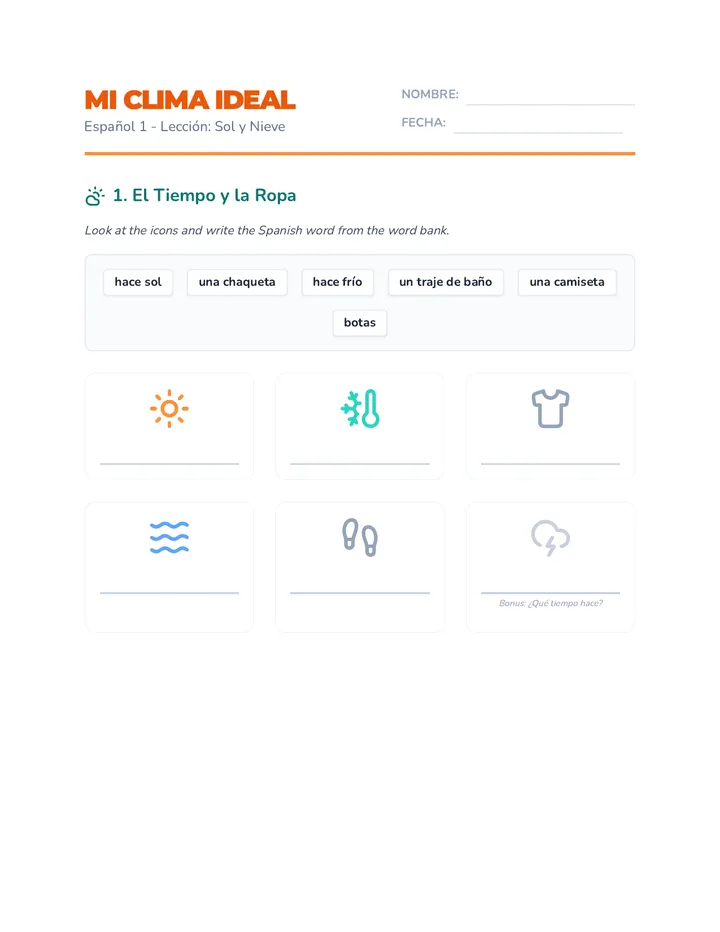
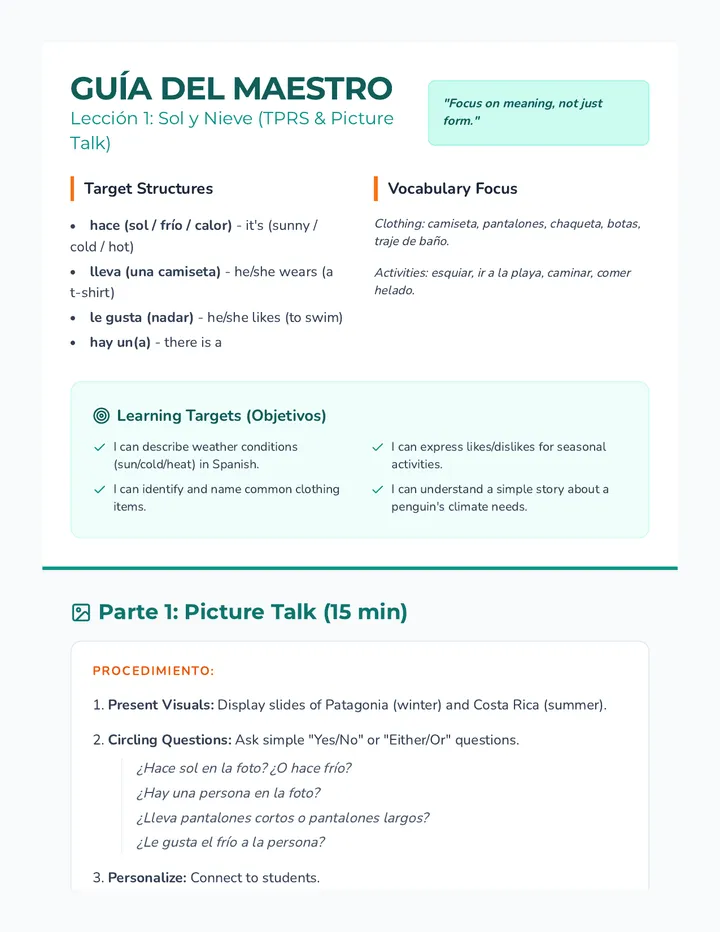
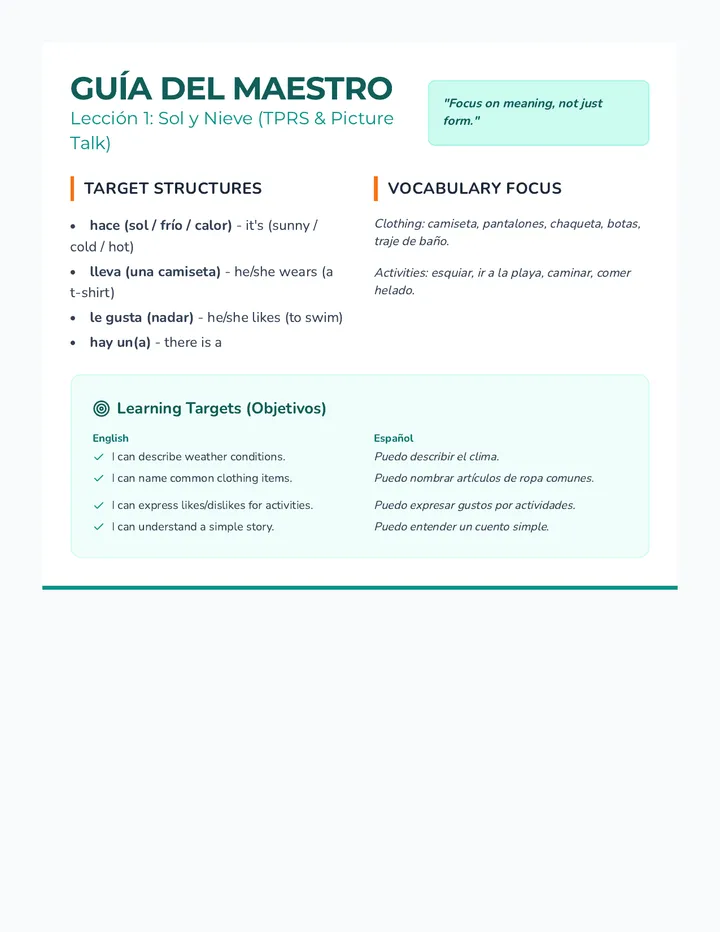
A two-part introductory Spanish sequence focusing on clothing, weather, and activities through Comprehensible Input (CI) strategies like TPRS and Picture Talk. Students explore cultural contexts and seasonal variations in the Spanish-speaking world while building basic communicative proficiency.
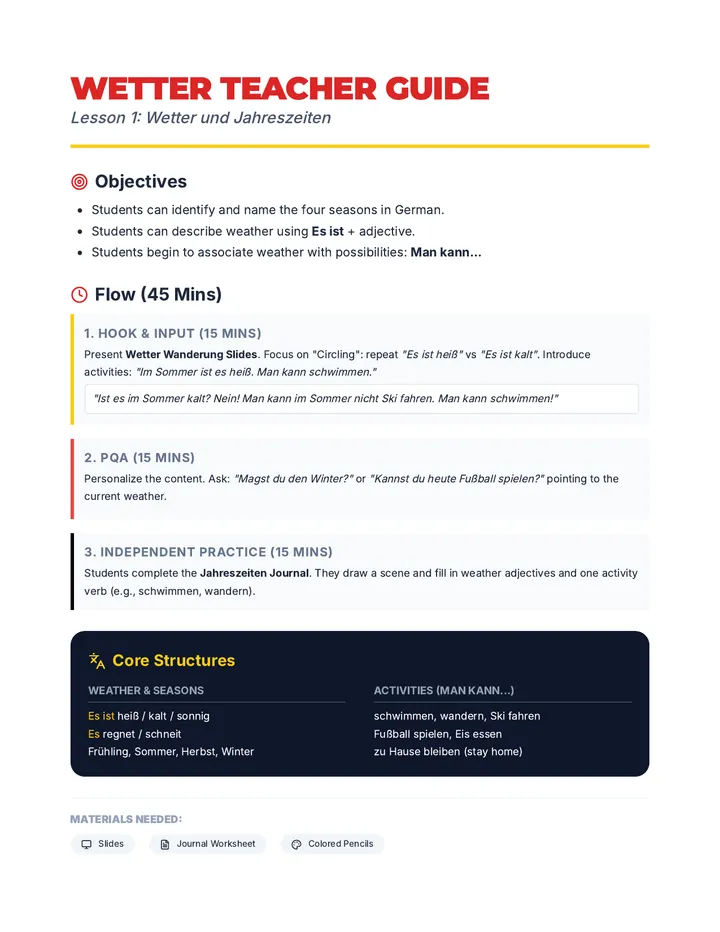
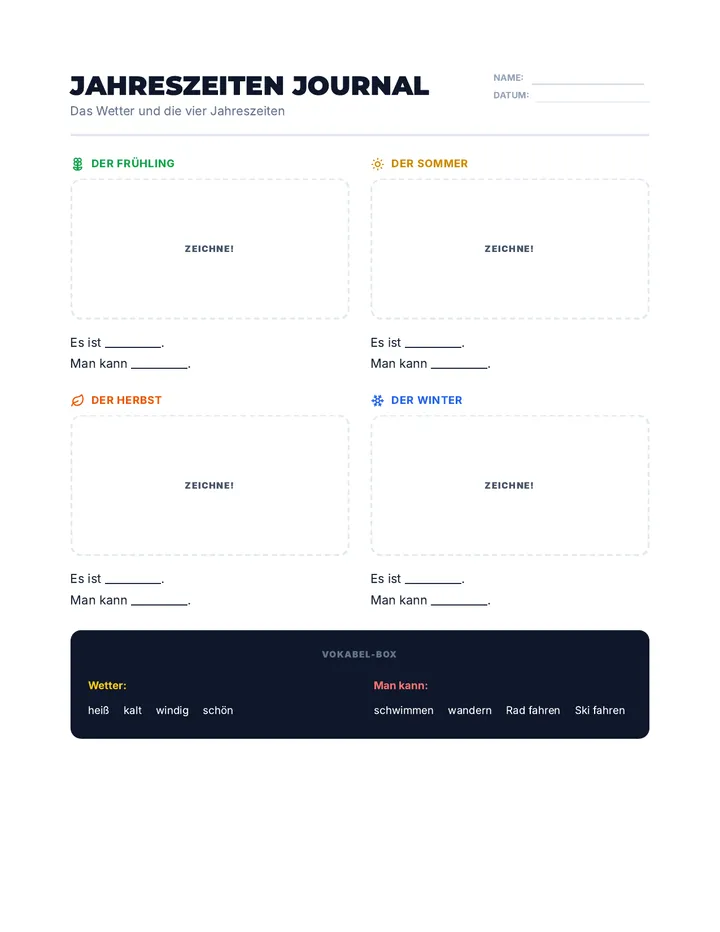
A two-lesson German introductory unit focusing on weather, seasons, and outdoor activities in Germany using Comprehensible Input (CI) methods. Students will learn to describe weather using 'Es ist' and activities using 'Man kann' through visual-heavy instruction and repetition.
An introductory Japanese language and culture unit for 8th grade that follows the 'TABI' (Journey) framework. Students explore geography, etiquette, writing systems, daily life, and traditional arts through immersive daily 45-minute lessons.
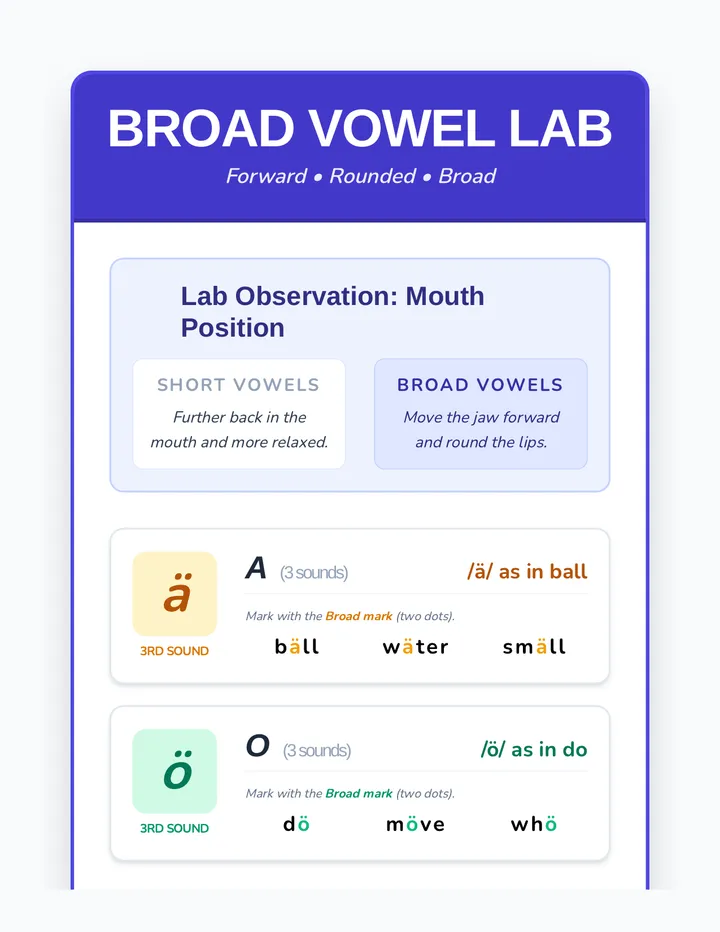
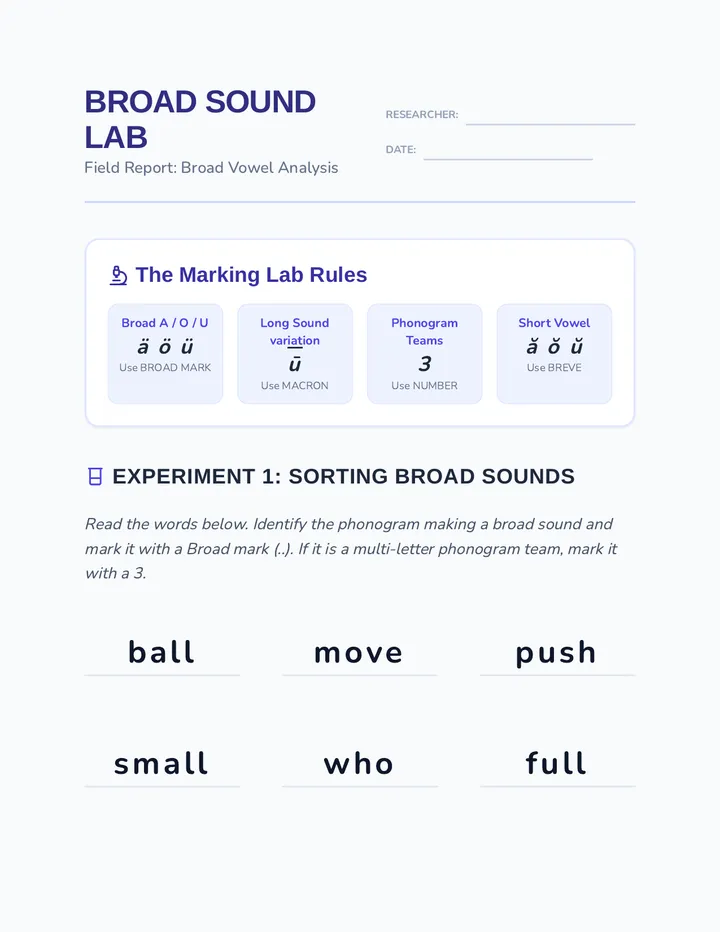
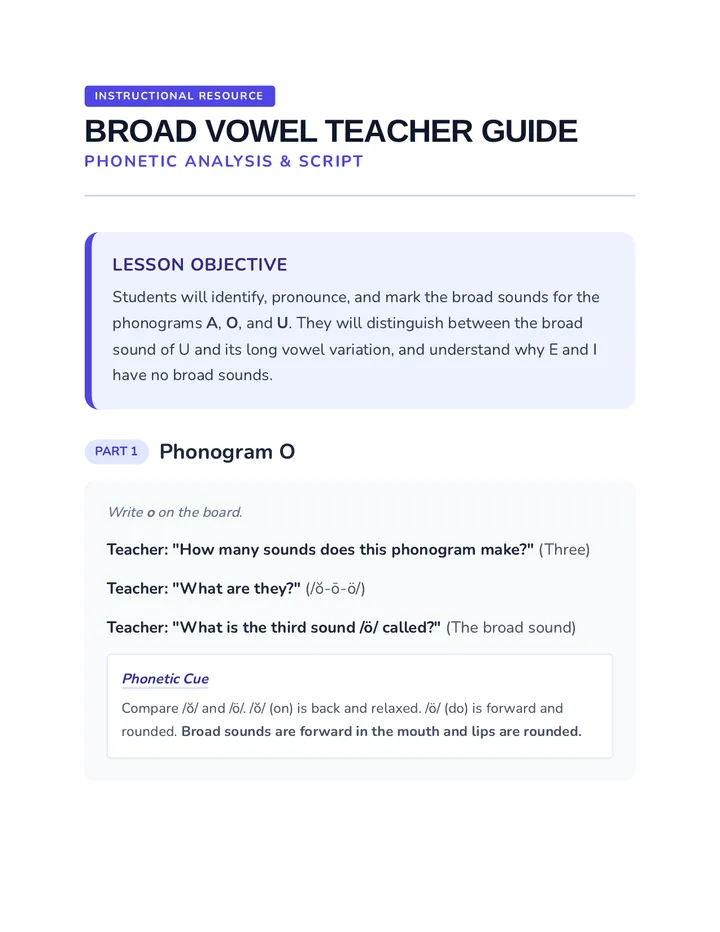
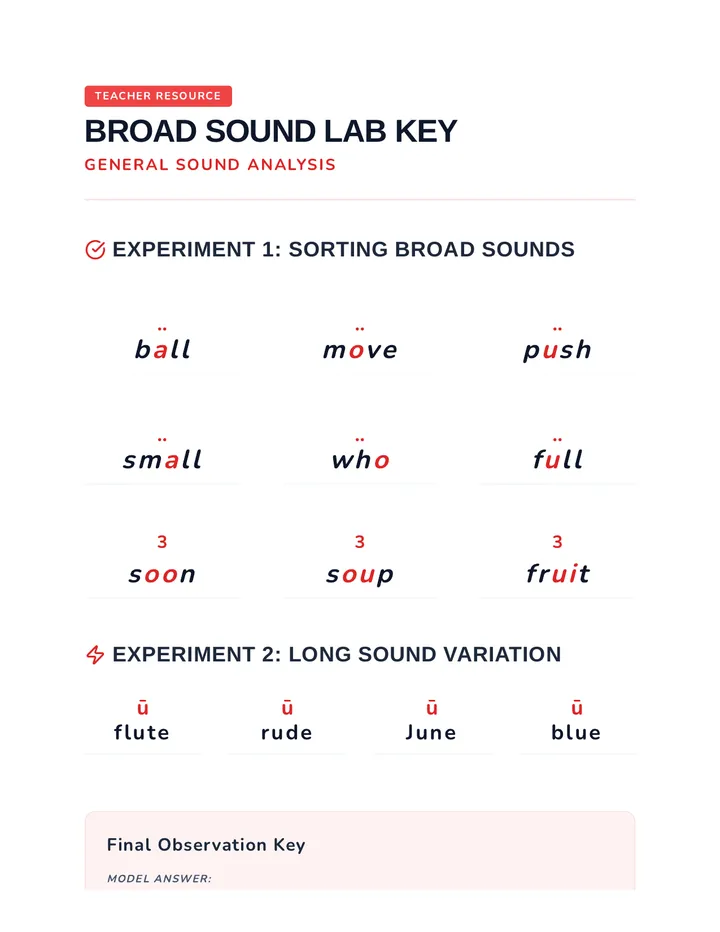
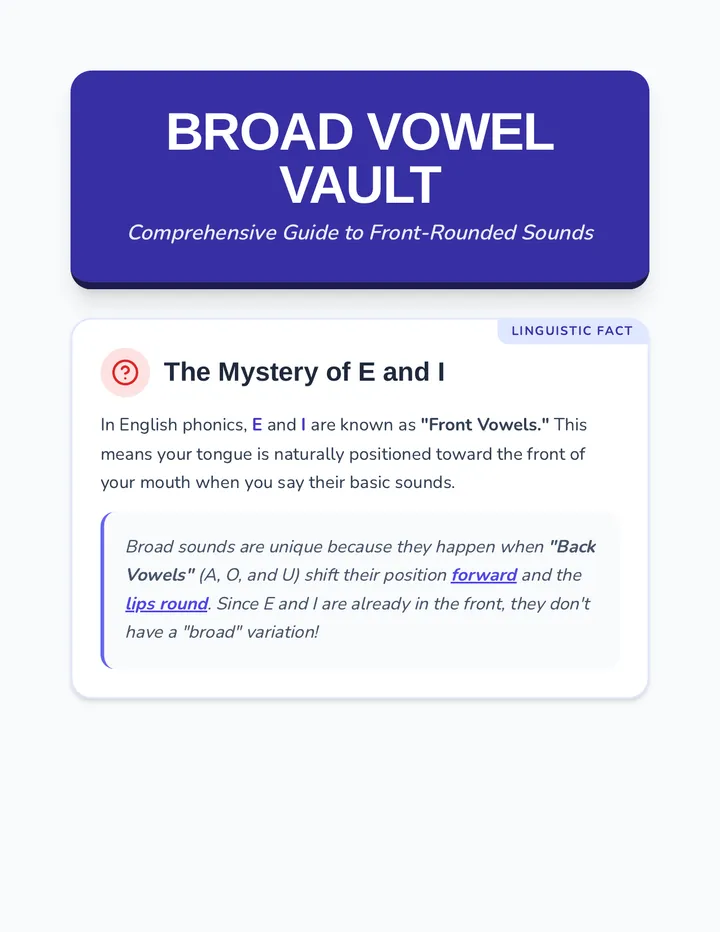
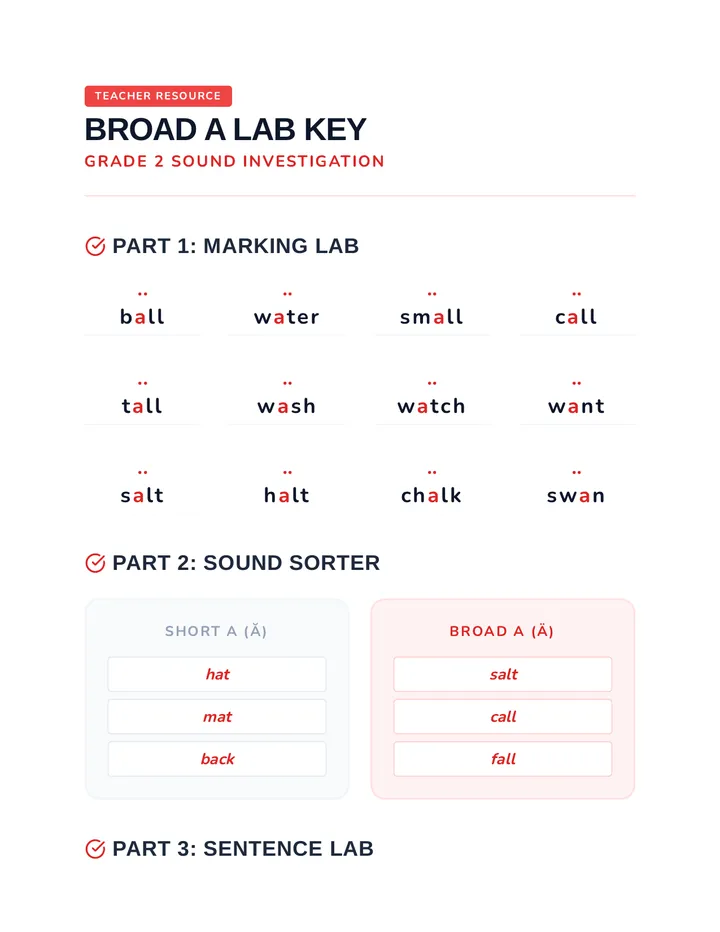
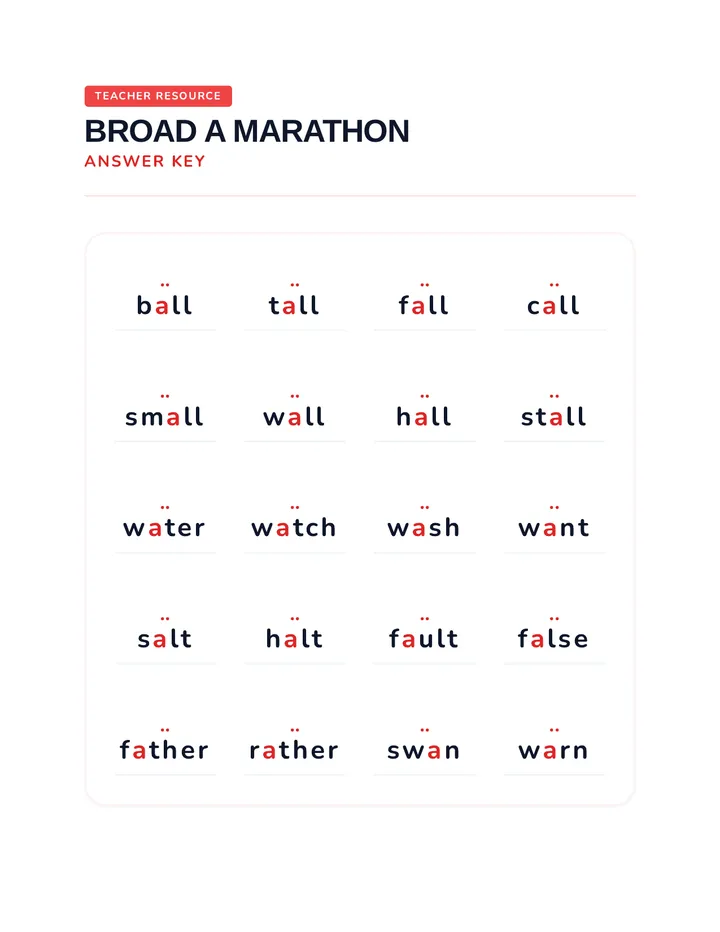
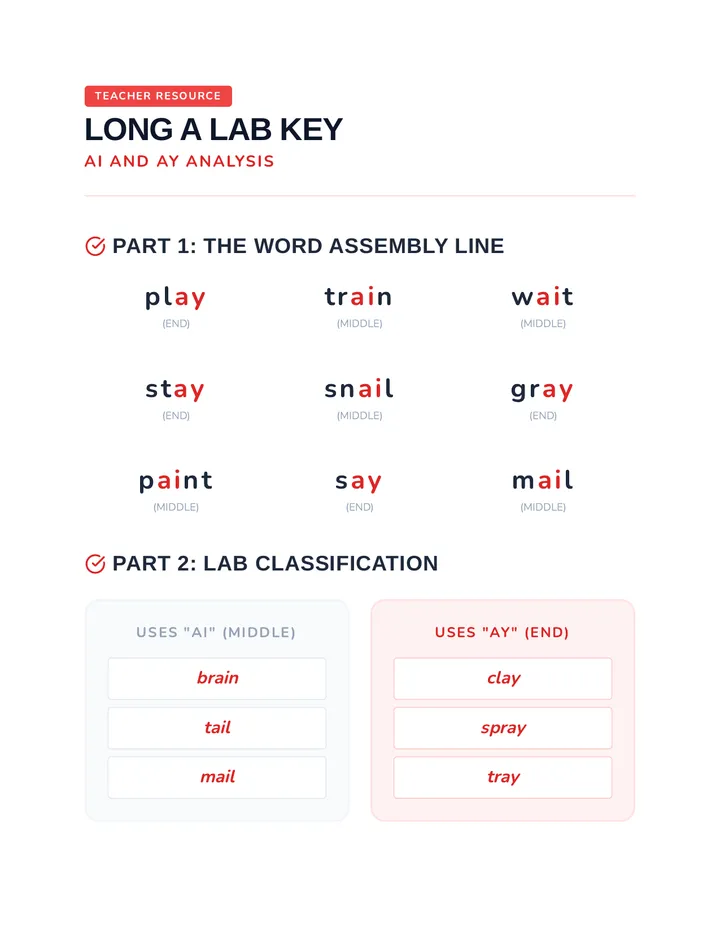
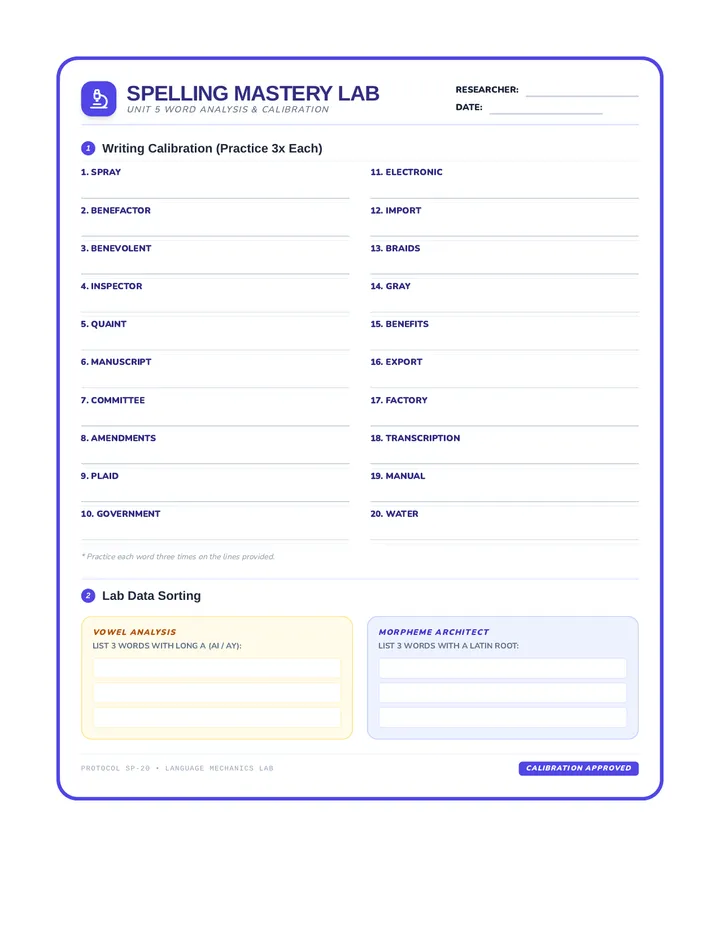
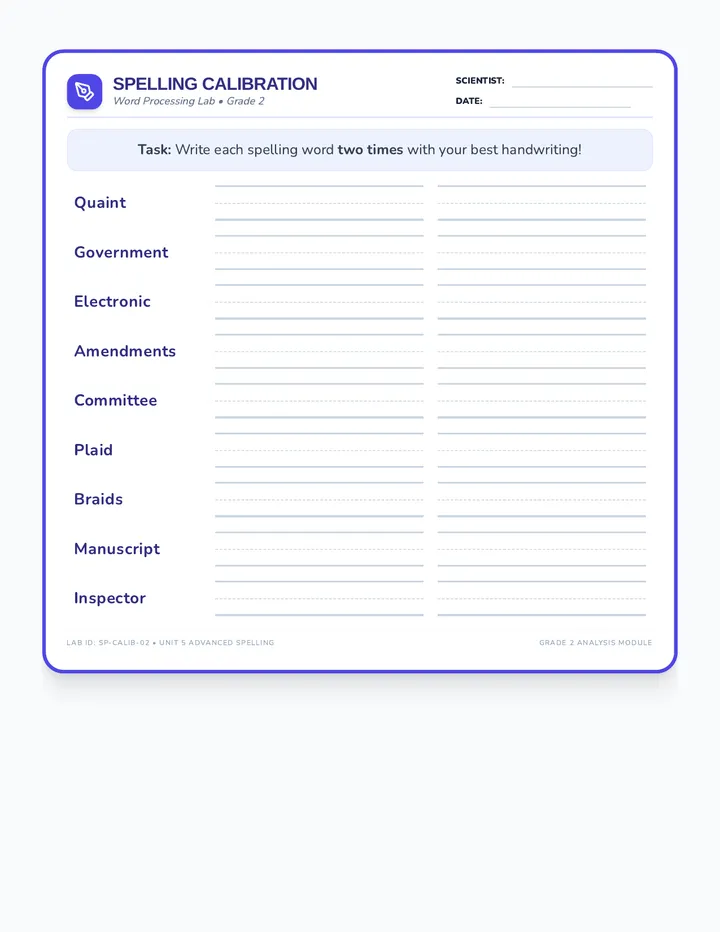
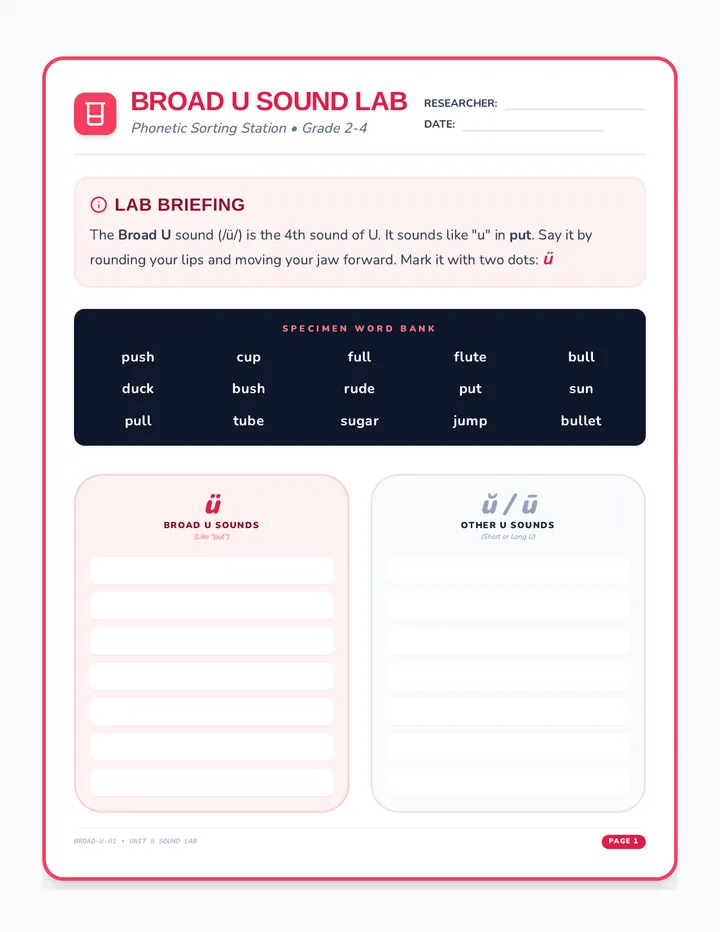
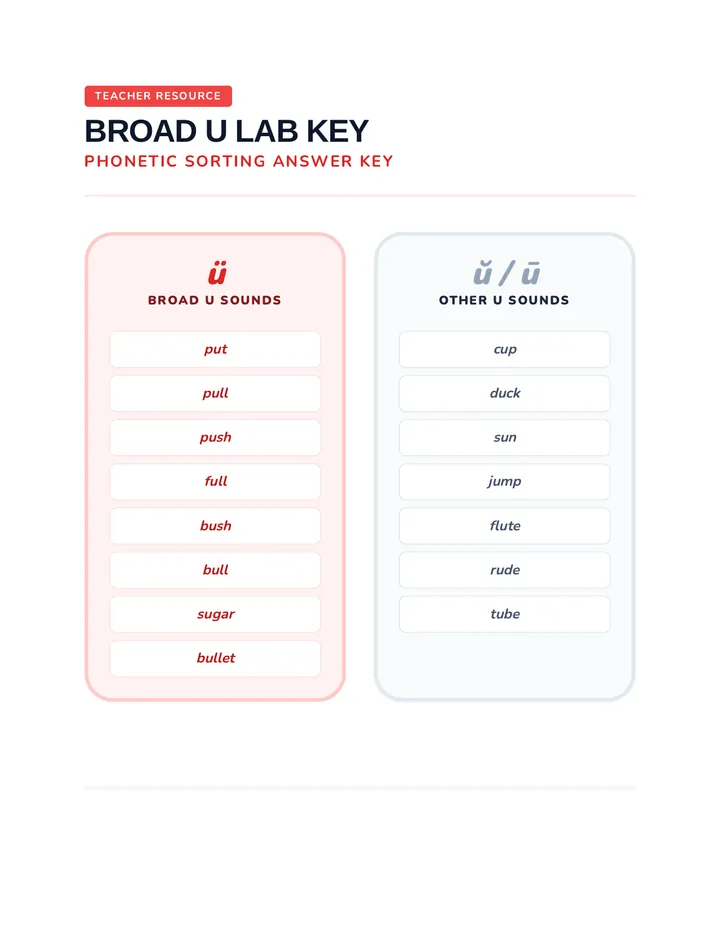
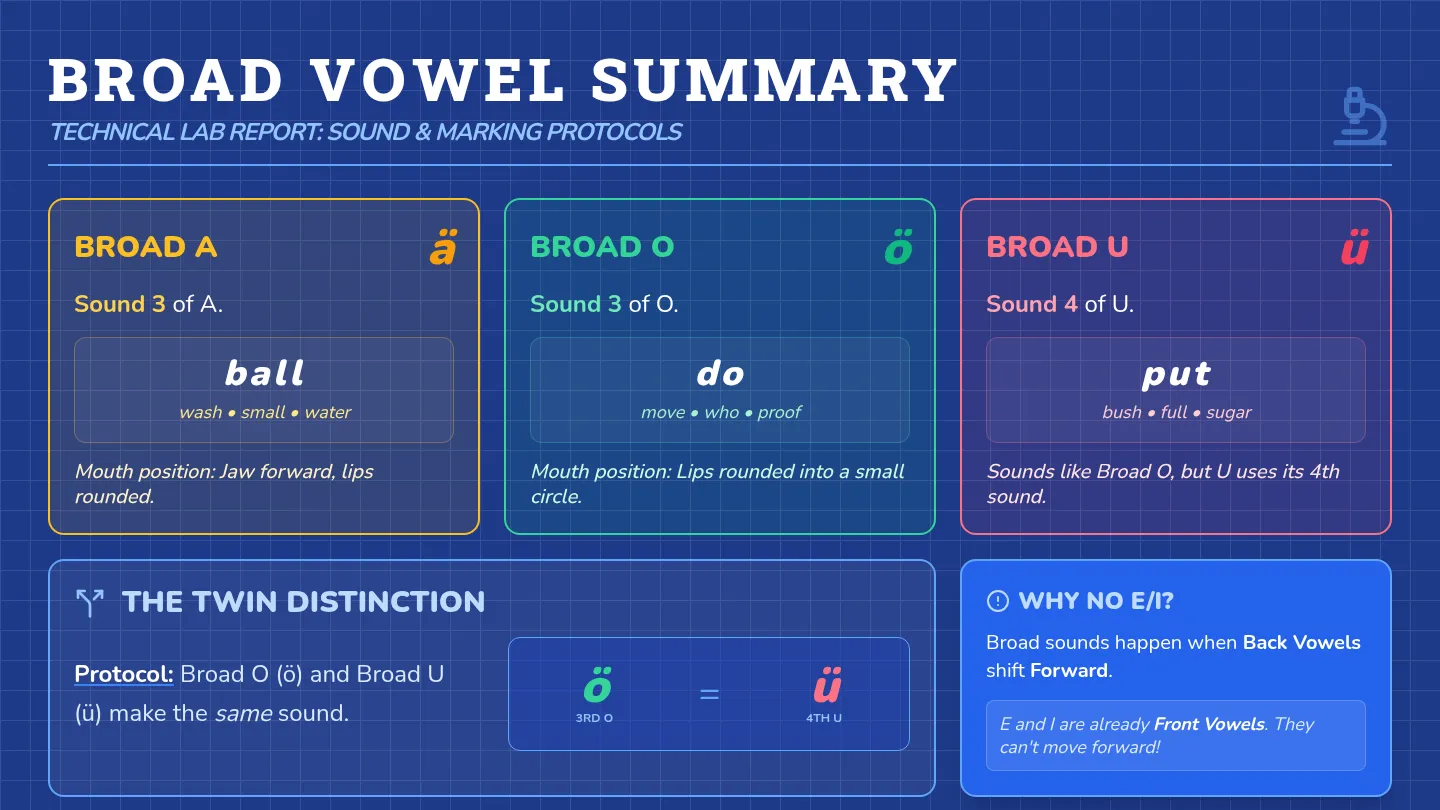
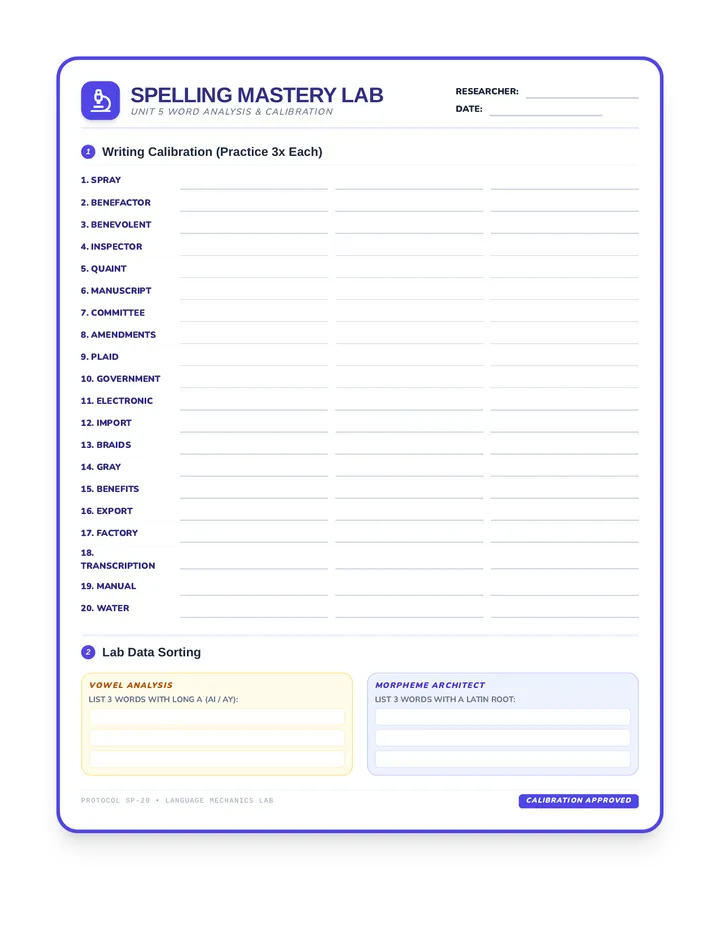
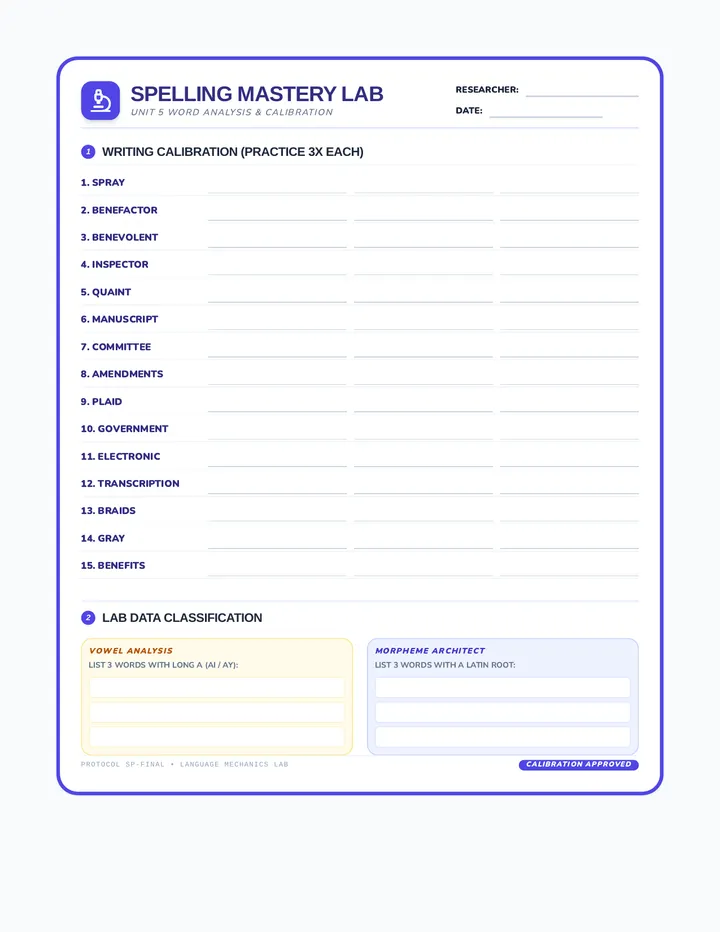
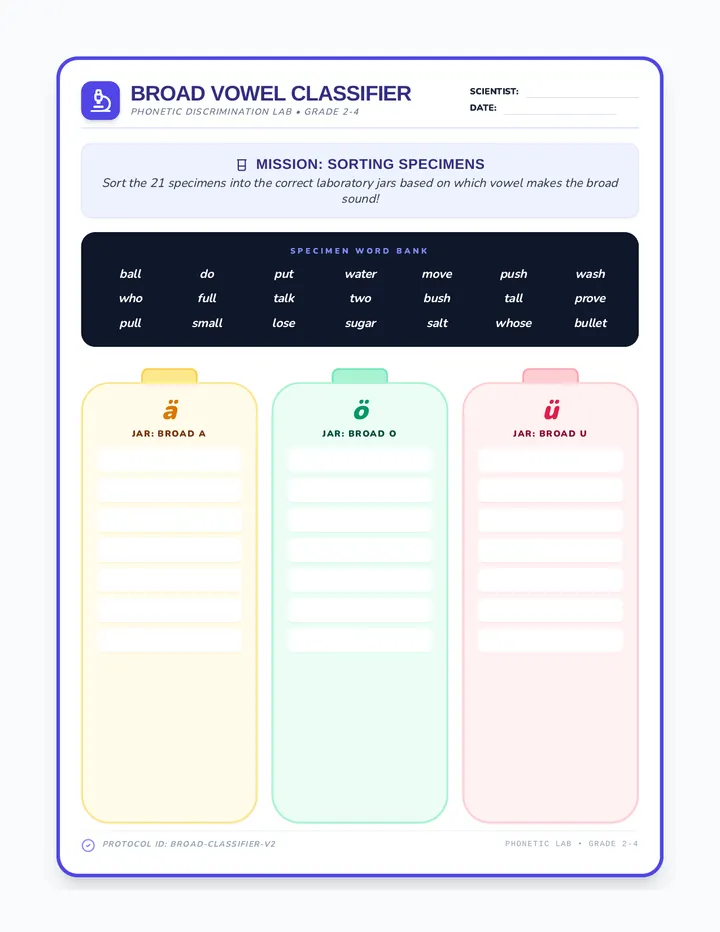
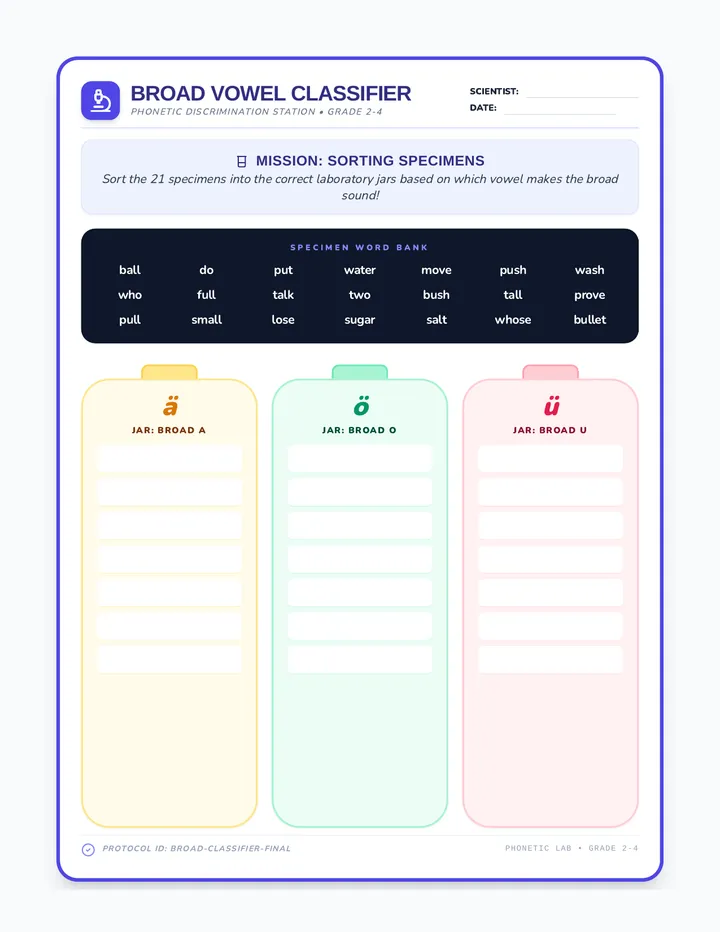
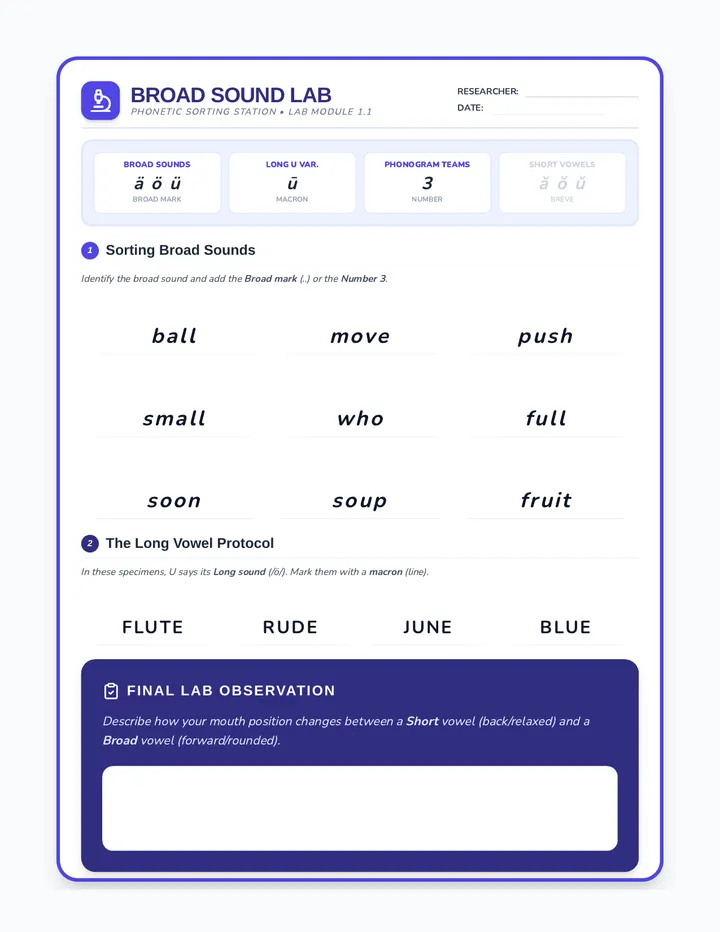
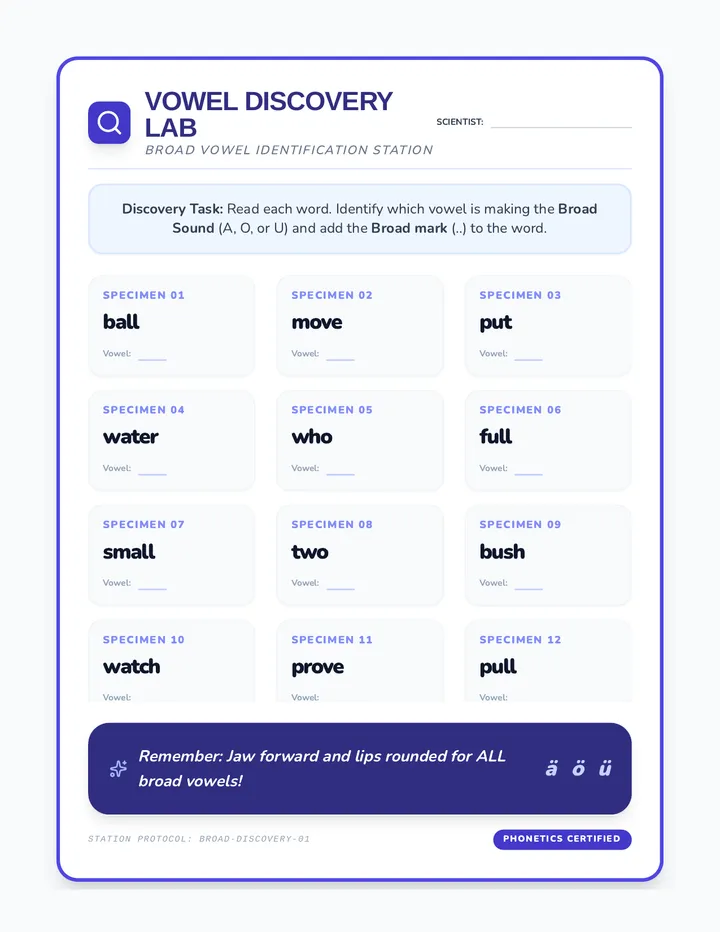
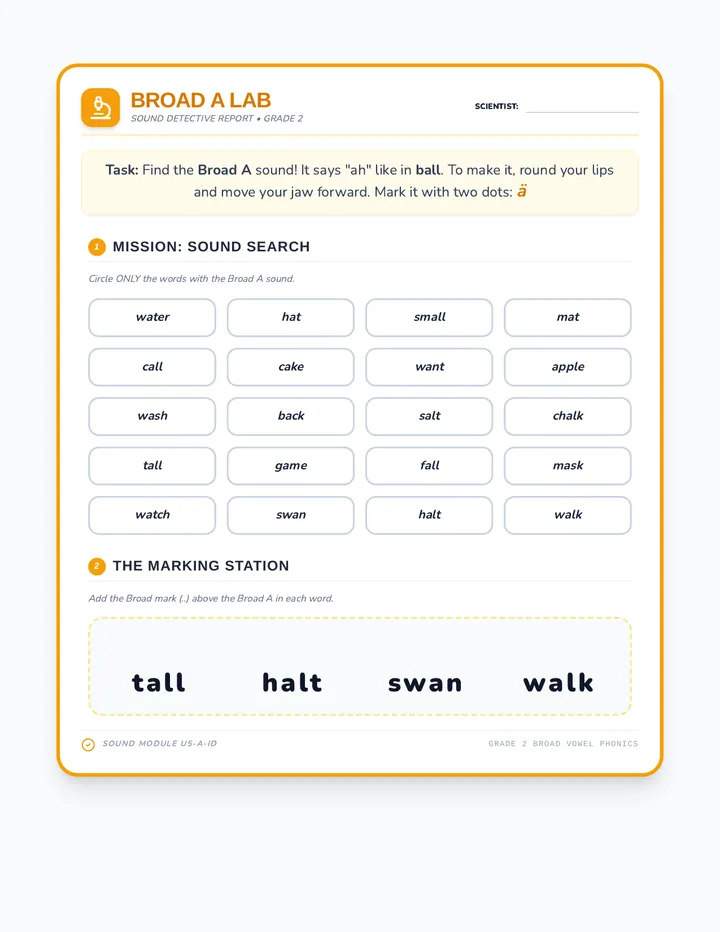
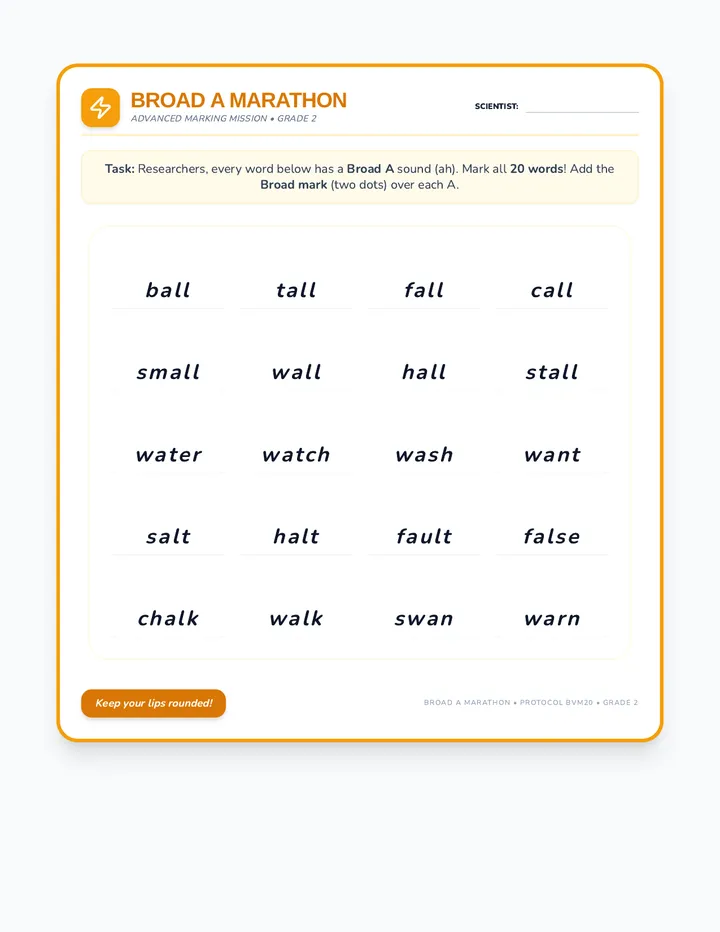
A comprehensive sequence on language mechanics, from phonetic marking of complex vowel sounds to the morphological analysis of Latin roots and affixes. Students develop deep decoding and encoding skills by investigating the building blocks of words.
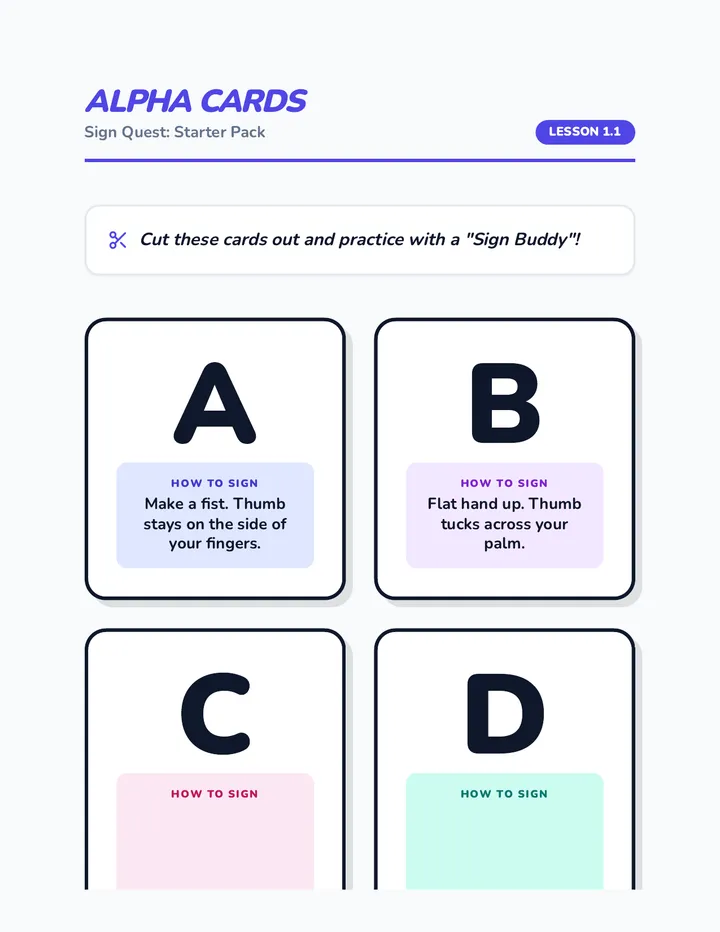
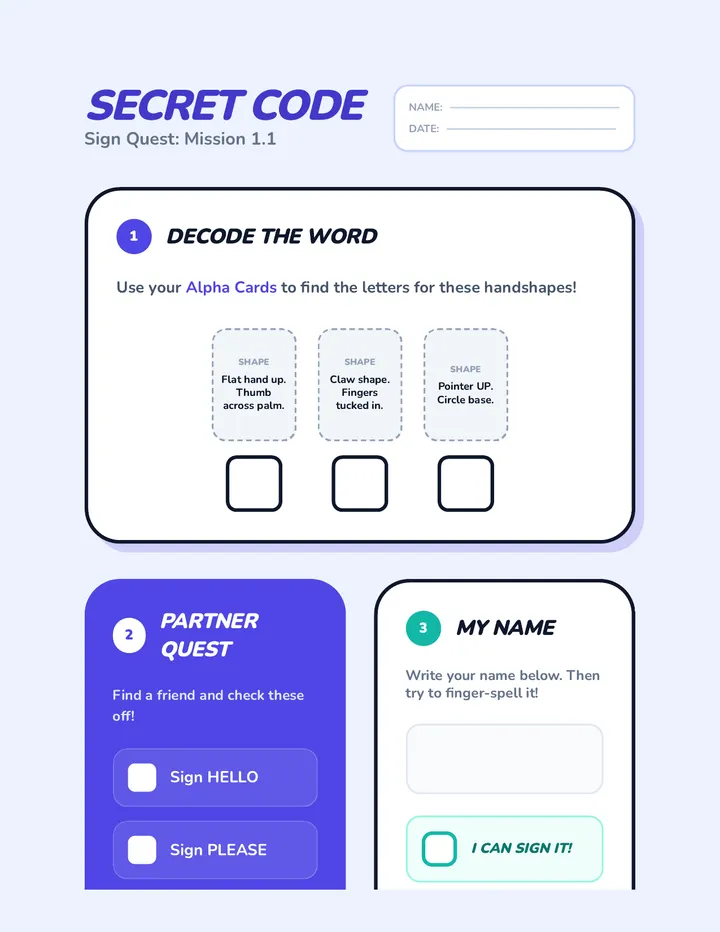
A high-energy, bite-sized introduction to American Sign Language designed for beginners with short attention spans. This unit uses gamified activities and visual aids to teach the alphabet, common people, classroom items, and expressions.
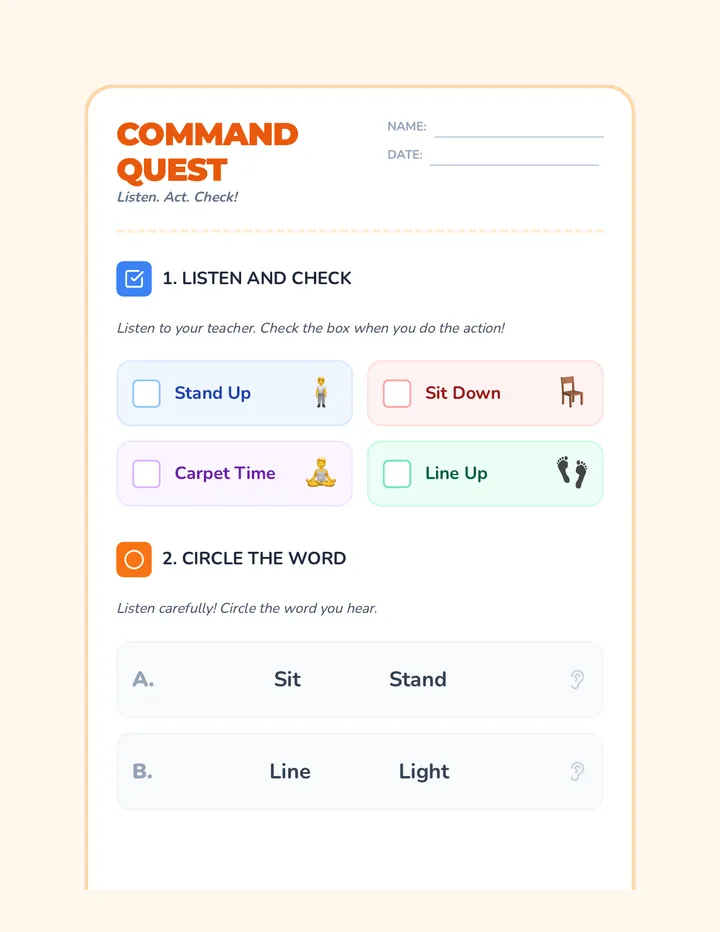
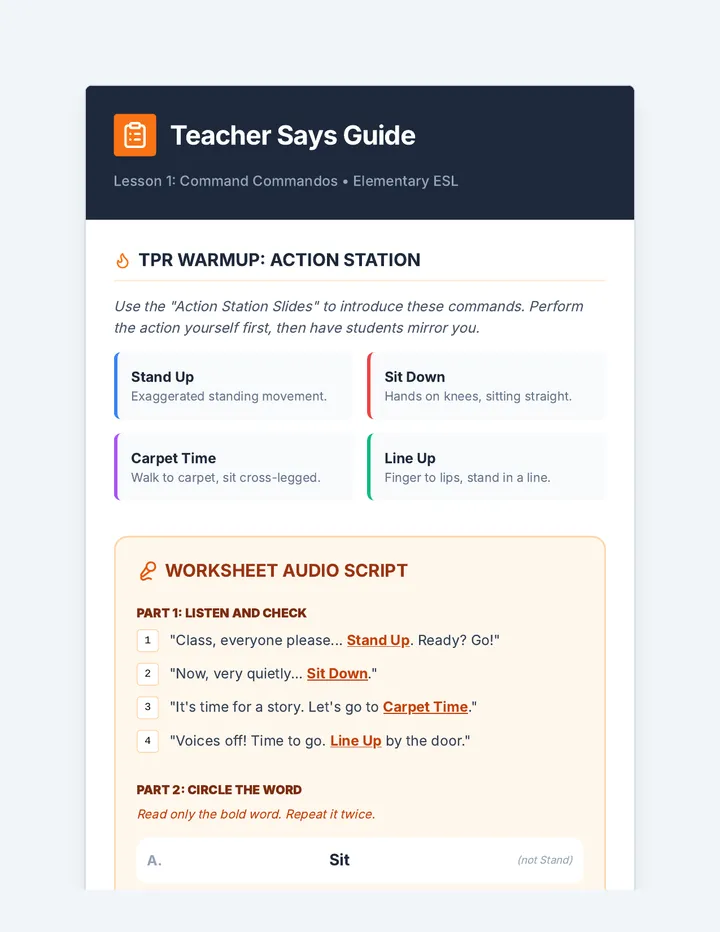
An immersive listening sequence designed for elementary-age beginner ESL students. This unit helps young learners navigate the routines, spaces, and social expectations of a primary school classroom, moving from basic imperative commands to understanding daily schedules and peer introductions.
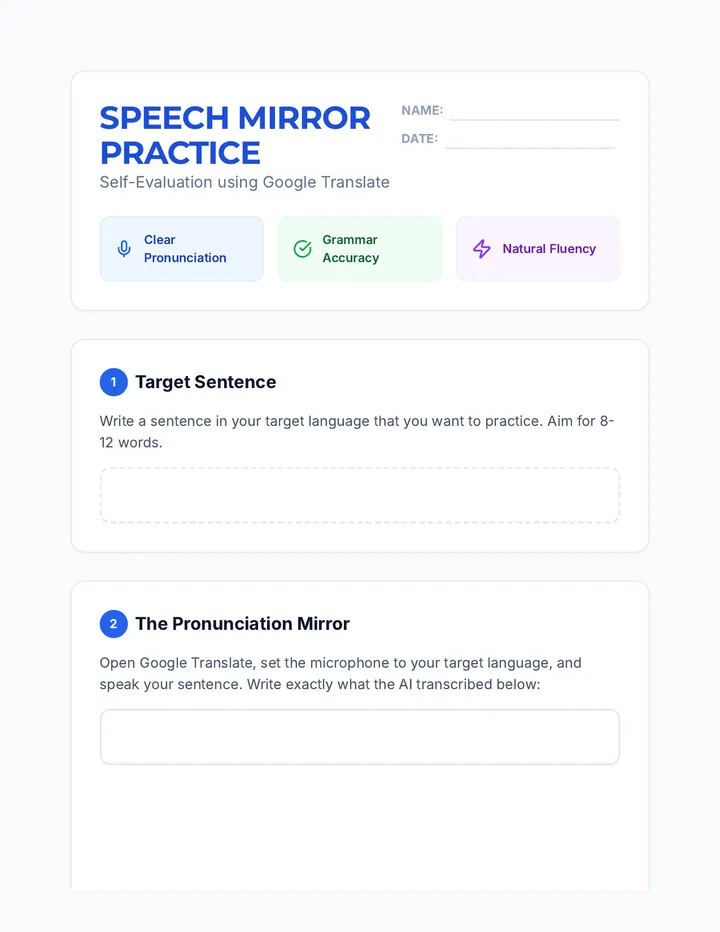
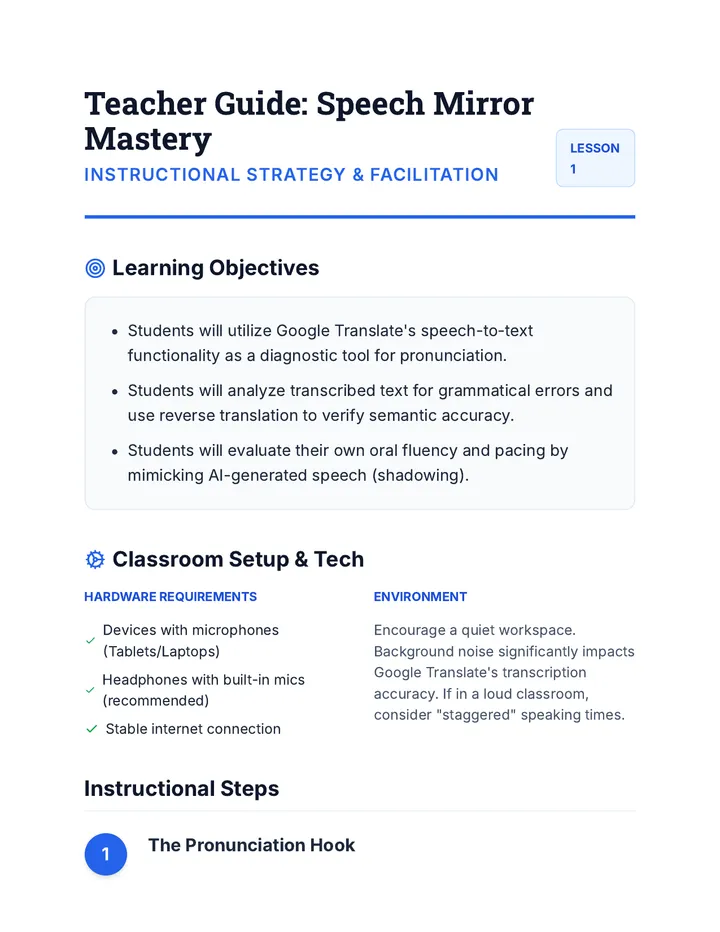
A sequence focused on leveraging digital translation tools for language self-assessment and speech improvement. Students learn to use Google Translate not just for translation, but as a 'mirror' for their own pronunciation, grammar, and fluency.
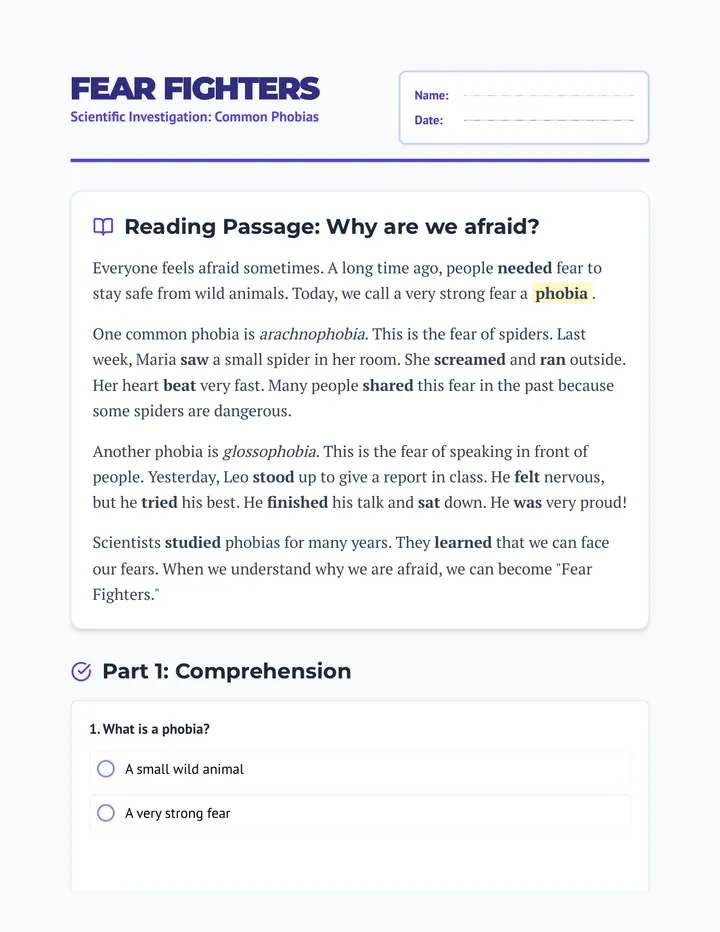
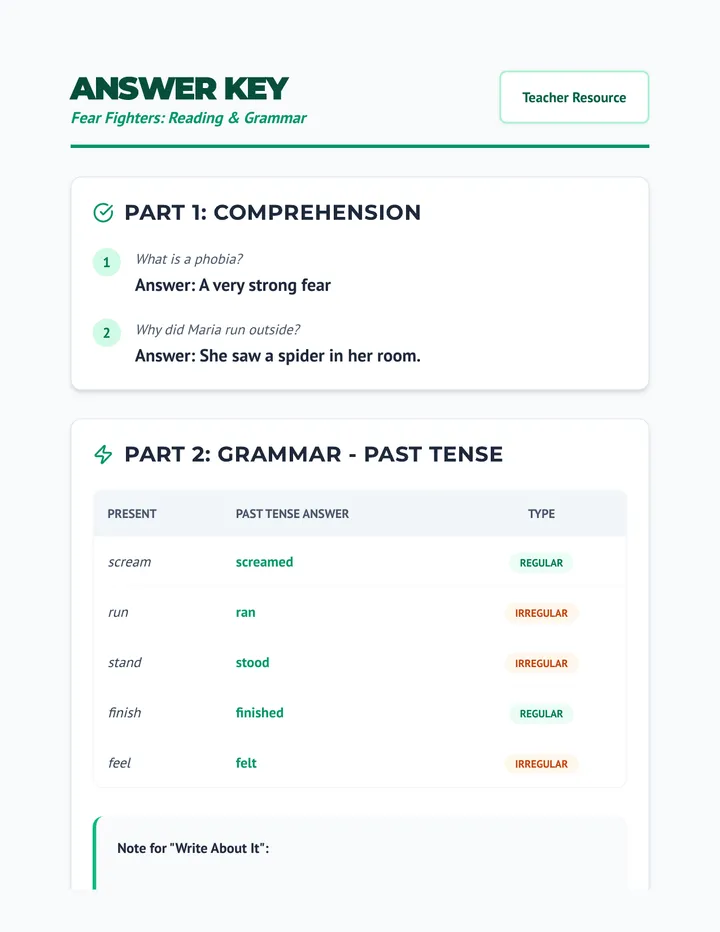
A collection of resources for Multilingual Learners, featuring a reading comprehension unit on phobias for 5th grade and a beginner-level guessing game for 2nd grade.
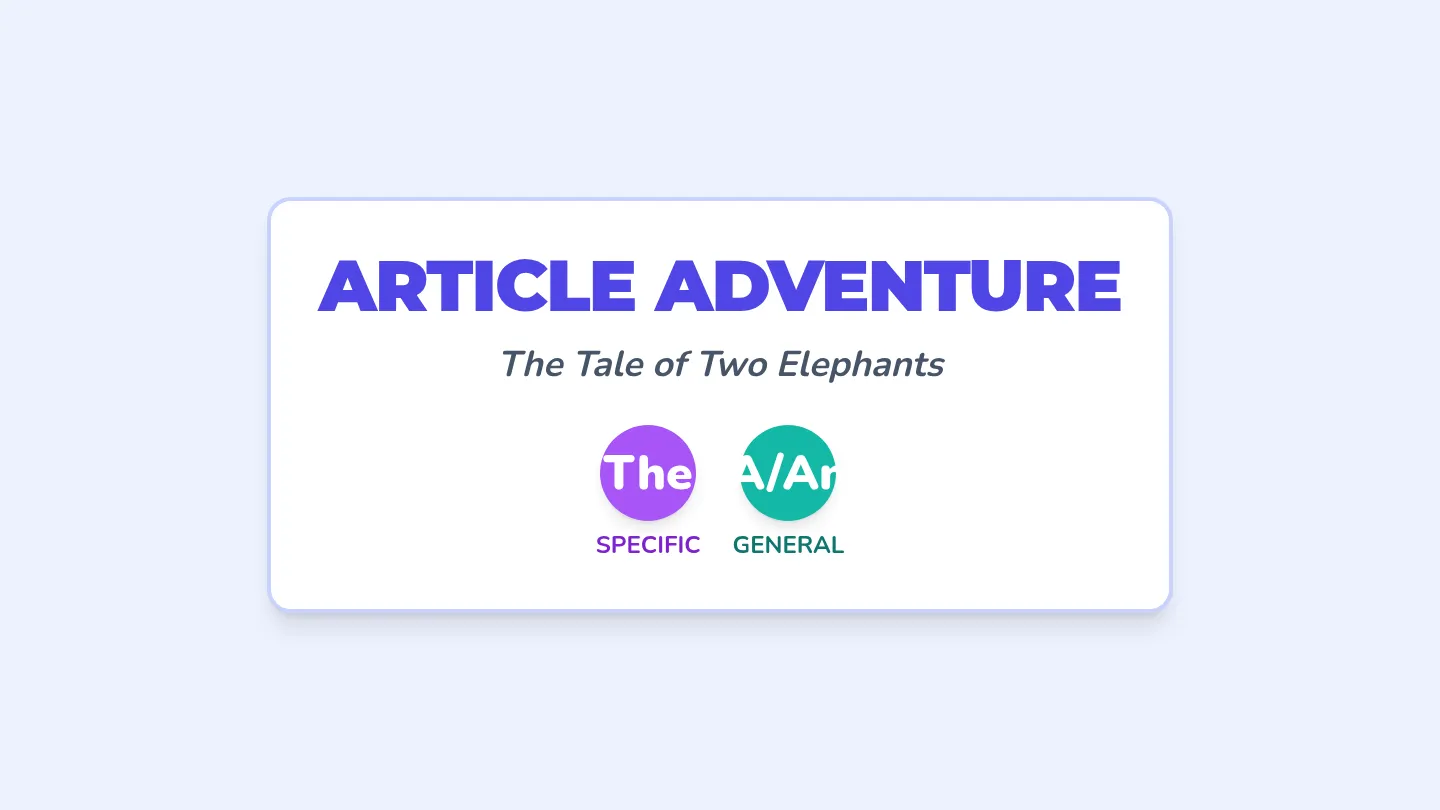
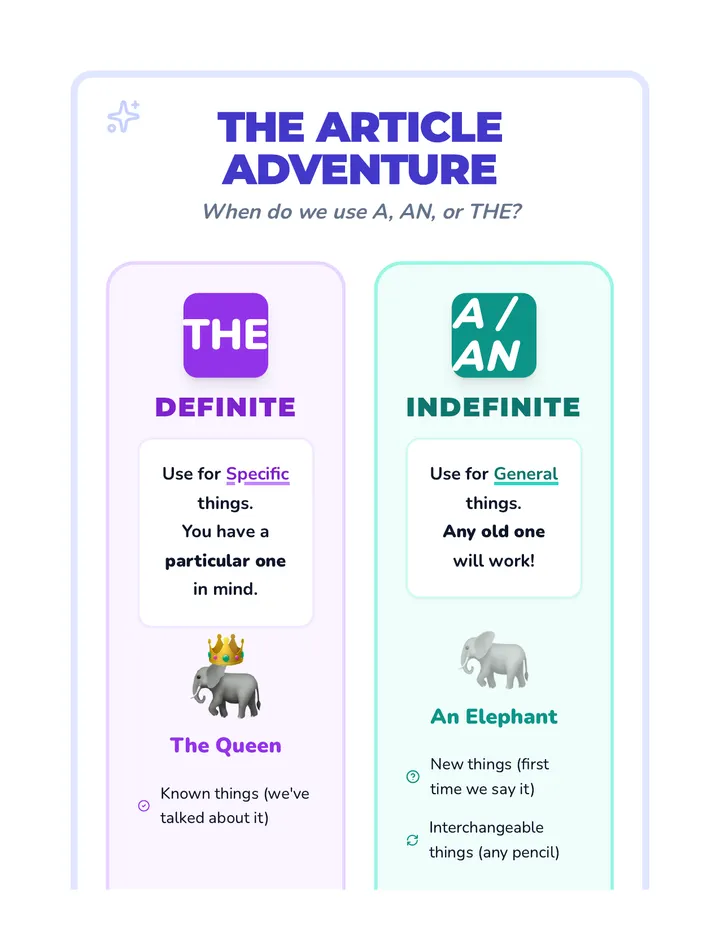
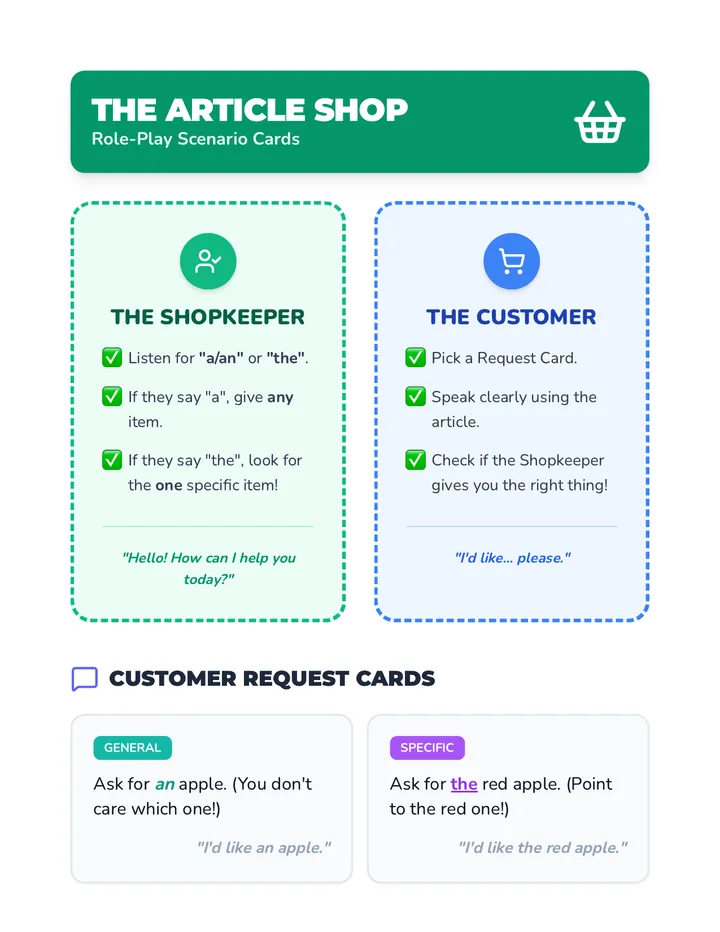
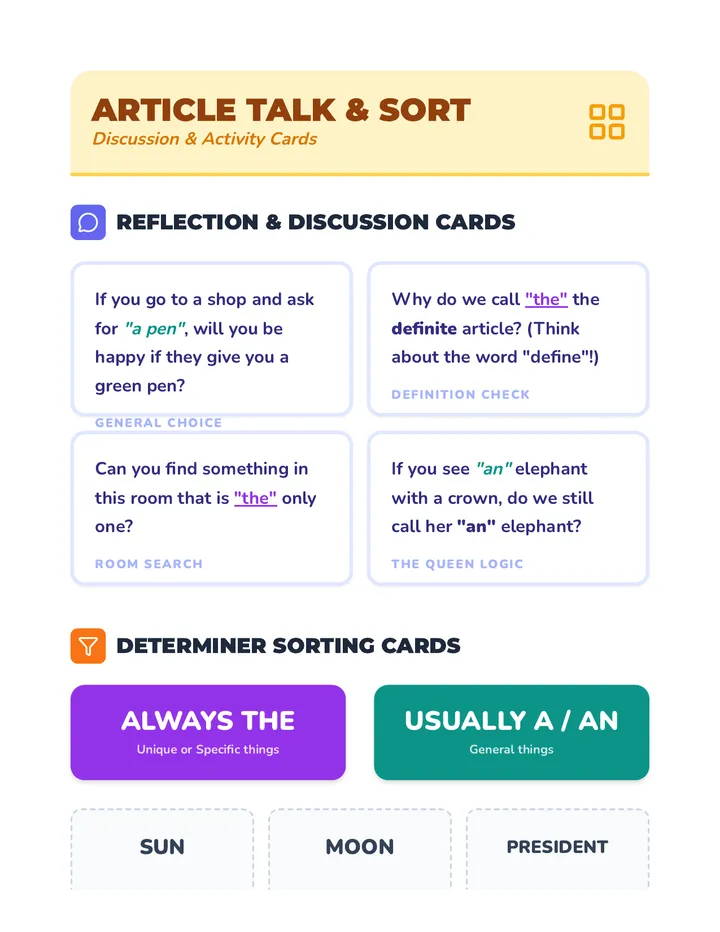
A foundational grammar sequence for English Language Learners focusing on the use of definite and indefinite articles through visual storytelling and interactive games.
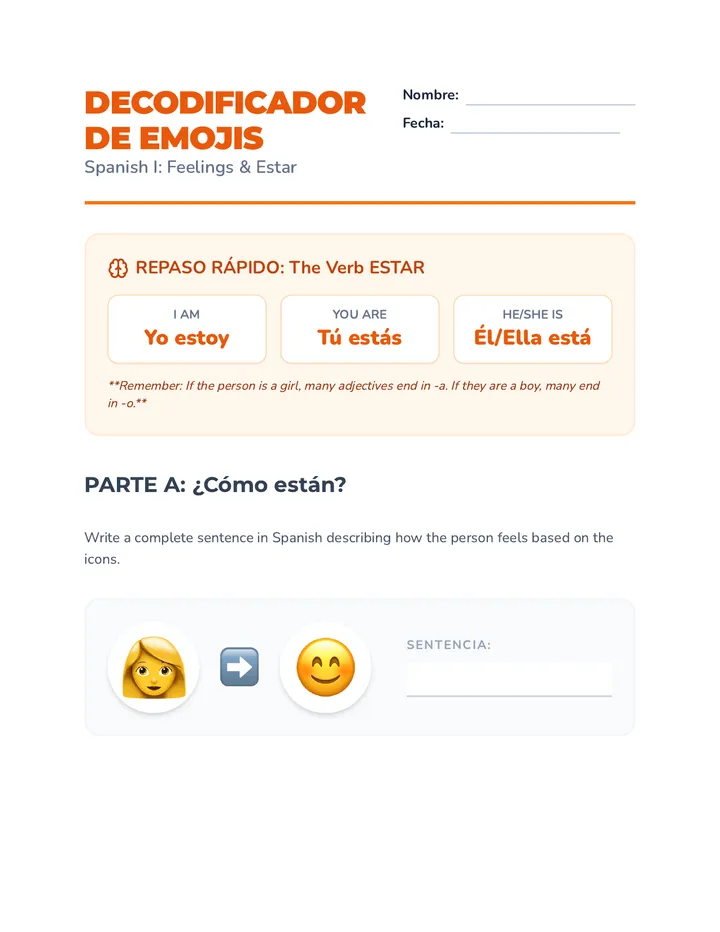
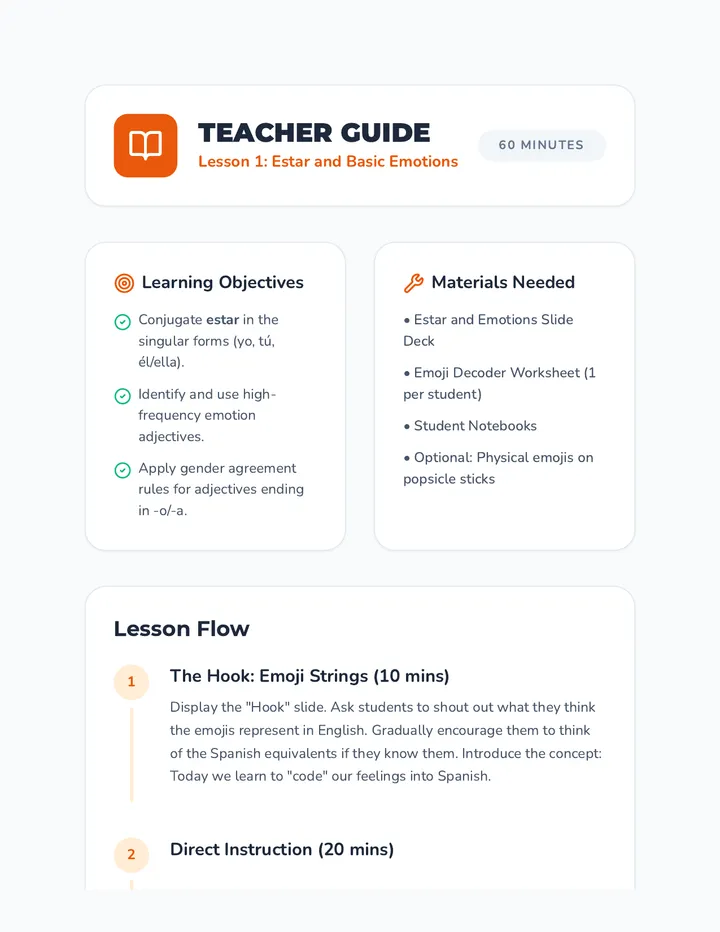
A comprehensive unit for beginner Spanish students to master the verb 'estar' and 'tener' idioms for expressing emotions, physical states, and needs. Through interactive games, role-plays, and data collection, students learn to articulate their internal feelings and conduct wellness checks on others.
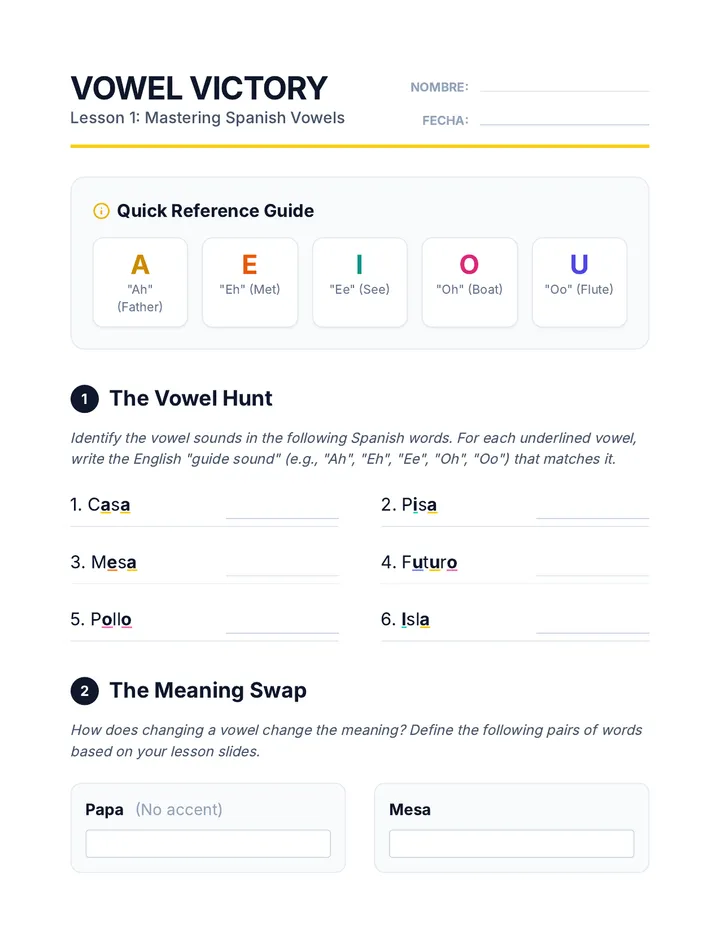
This sequence establishes foundational auditory and oral skills for Spanish fluency, focusing on vowel sounds, difficult consonants like 'rr' and 'ñ', and rules of stress and accentuation. Students transition from sound production to reading syllables and full words with accuracy.
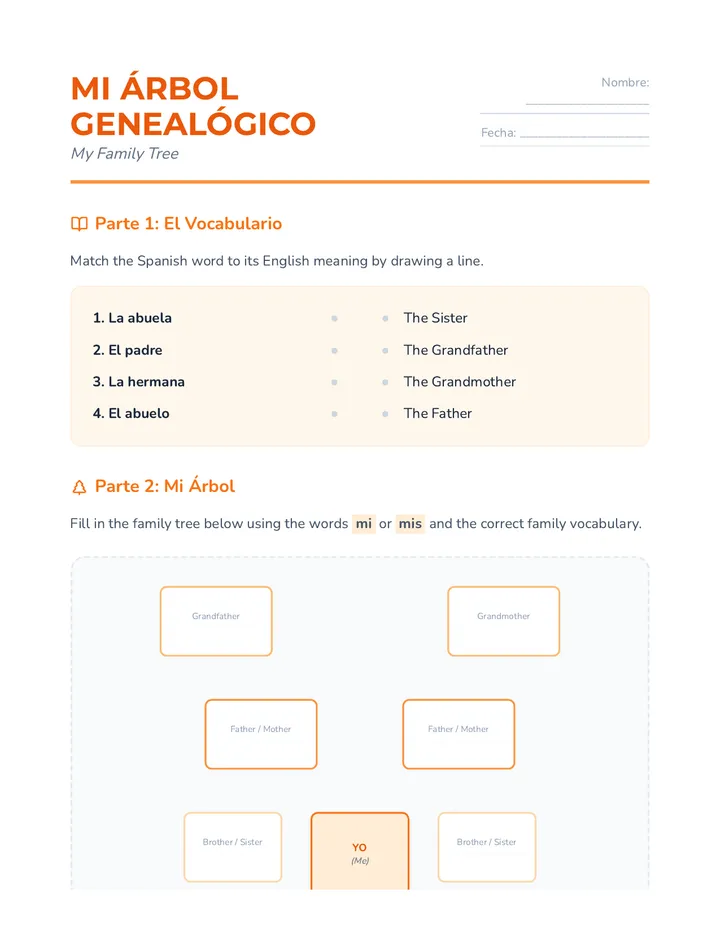
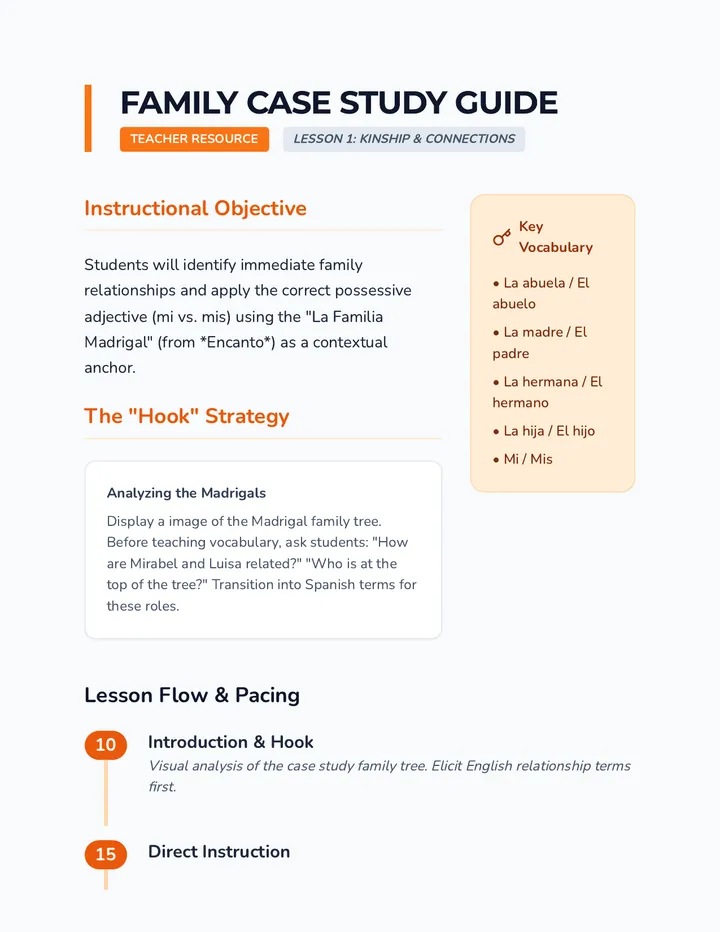
This unit introduces 5th-grade students to Spanish family vocabulary and descriptive adjectives. Students learn to use the verb 'ser' and possessive adjectives to describe kinship and physical traits through case studies and creative projects.
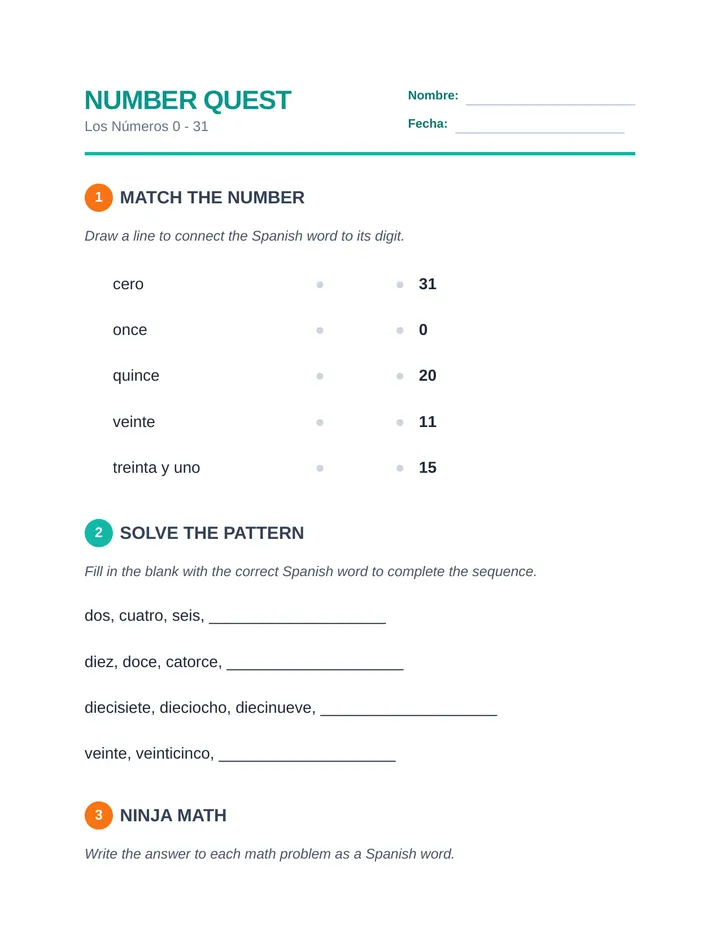
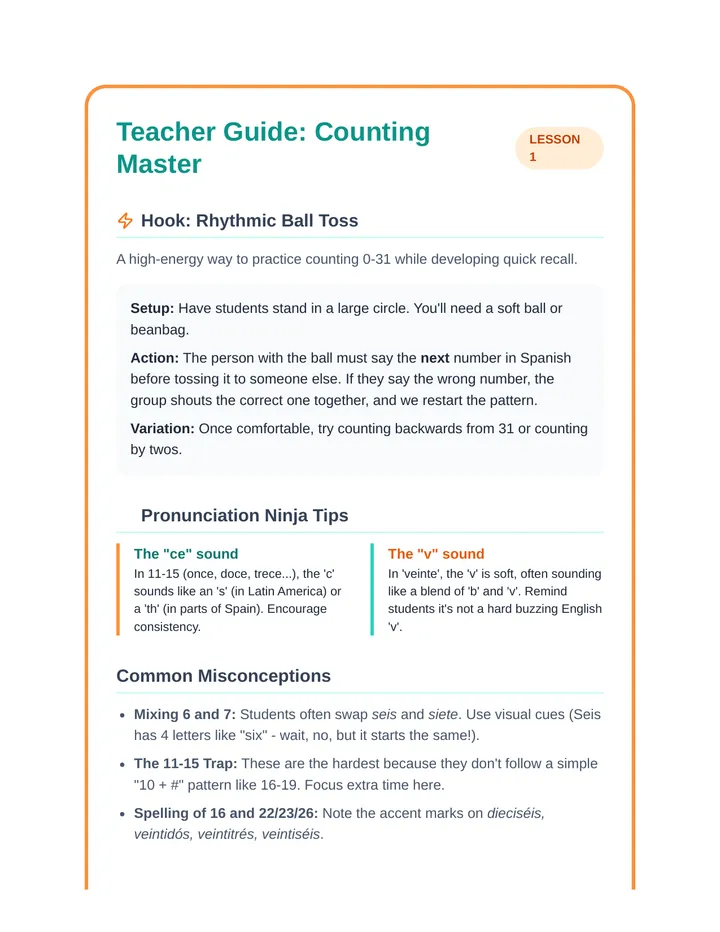
A 5th-grade Spanish sequence focused on numbers 0-31, days of the week, months, seasons, and date formatting. Students build functional fluency to organize their daily lives and understand cultural differences in timekeeping.
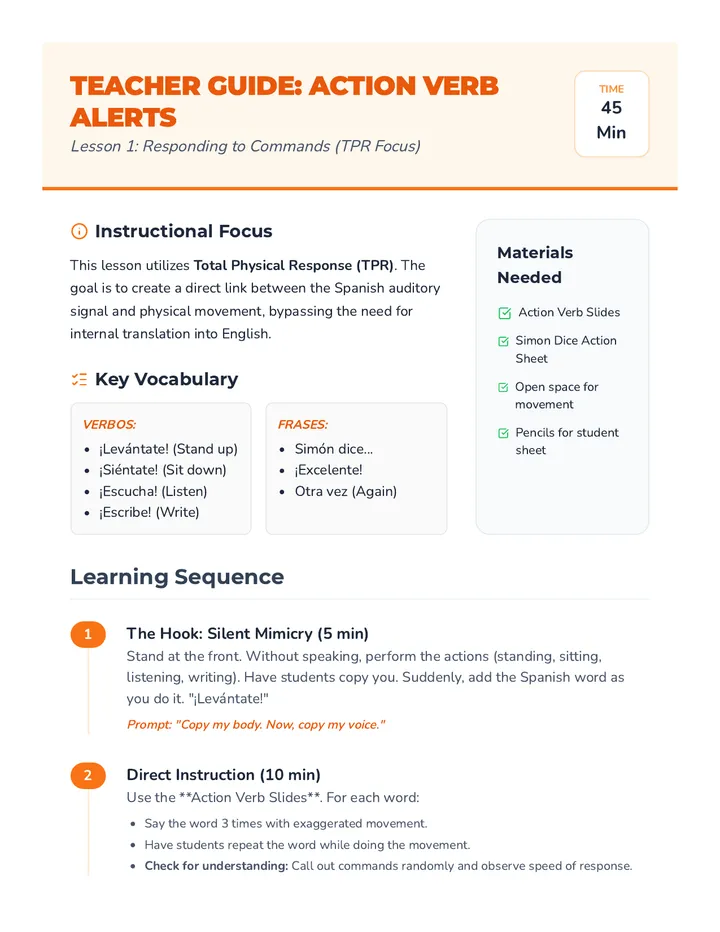
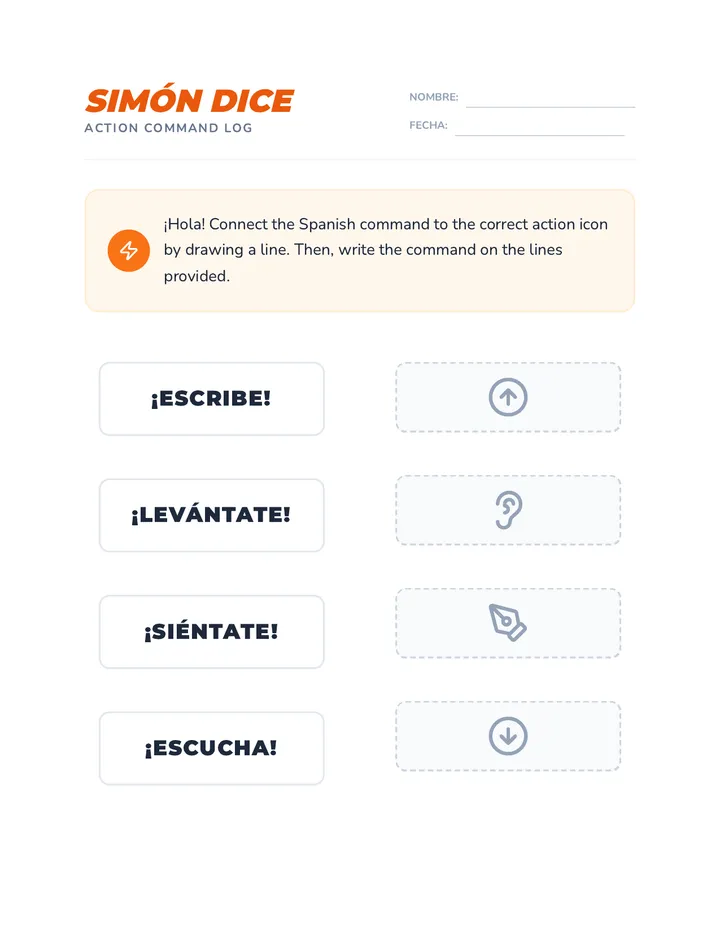
A 5th-grade Spanish immersion unit focusing on Total Physical Response (TPR) to master classroom commands, object identification, and spatial prepositions. Students move from listening to lead roles through interactive simulations and games.