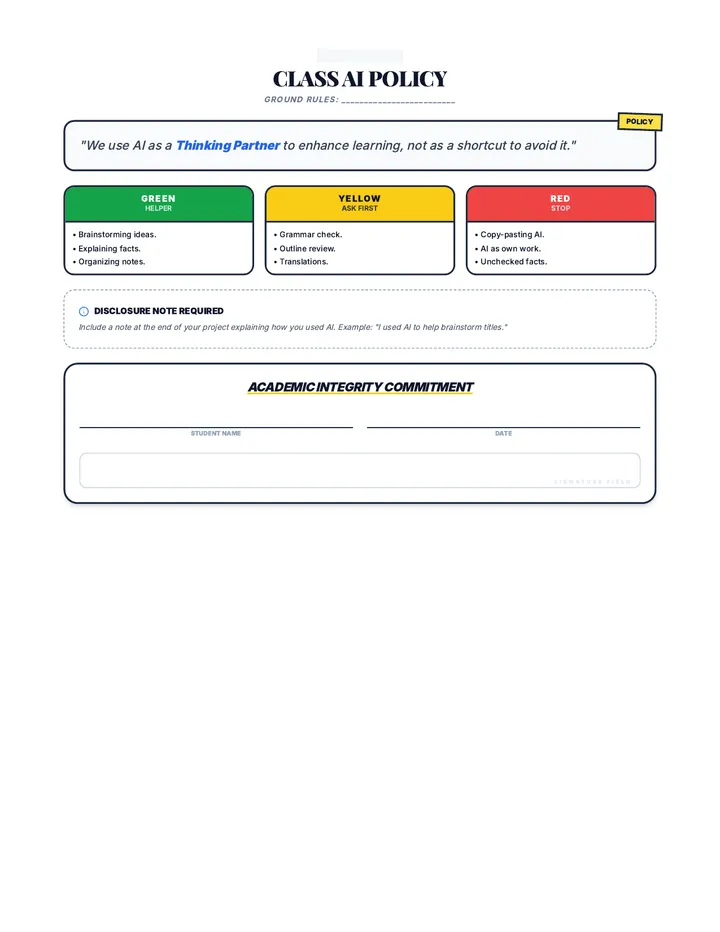
A 5-lesson unit on ethical hacking for 7th grade, covering the ethics of cybersecurity, the logic of technical vulnerabilities like SQL injection, physical security audits, and culminating in a Capture the Flag competition.
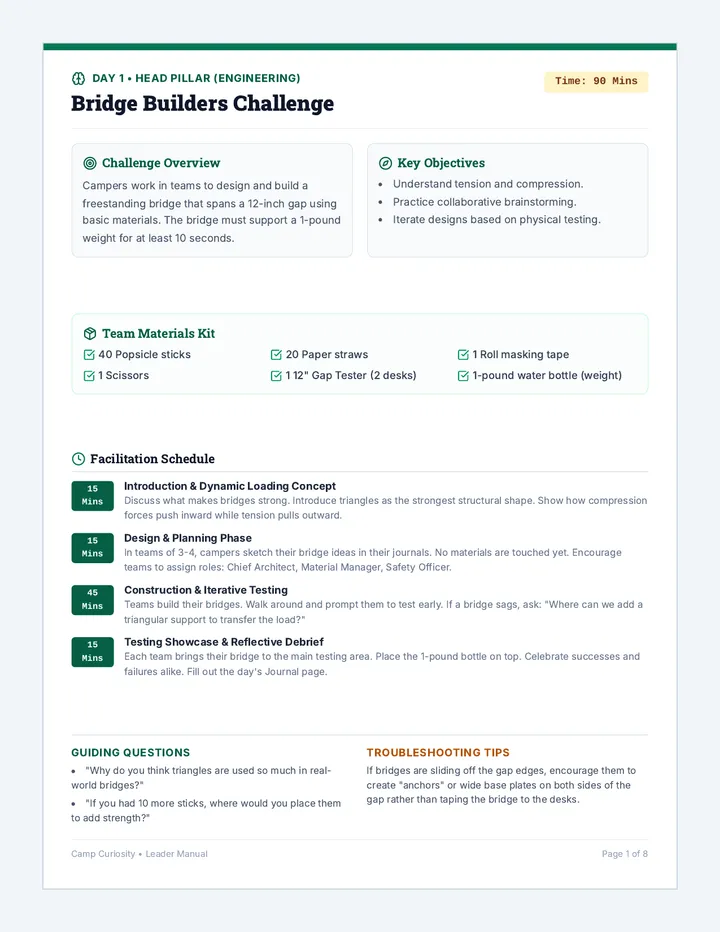
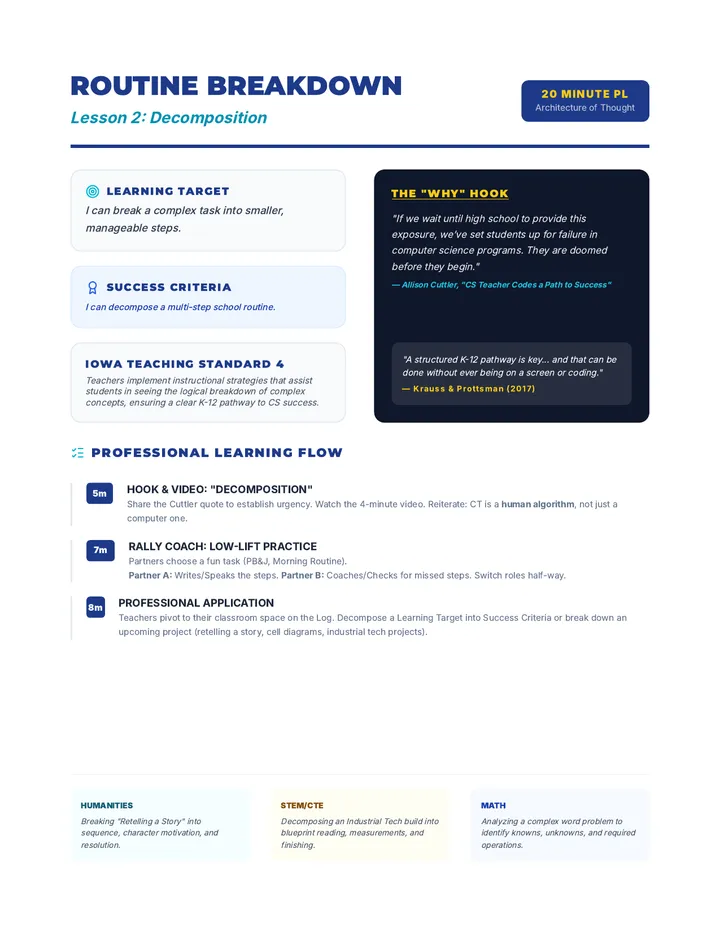
A professional development series for PreK-12 educators that reframes Computer Science as a "Superpower" through Computational Thinking. Teachers explore how CS concepts like decomposition, abstraction, and automation are already present in their daily instructional practices and Iowa Core content.
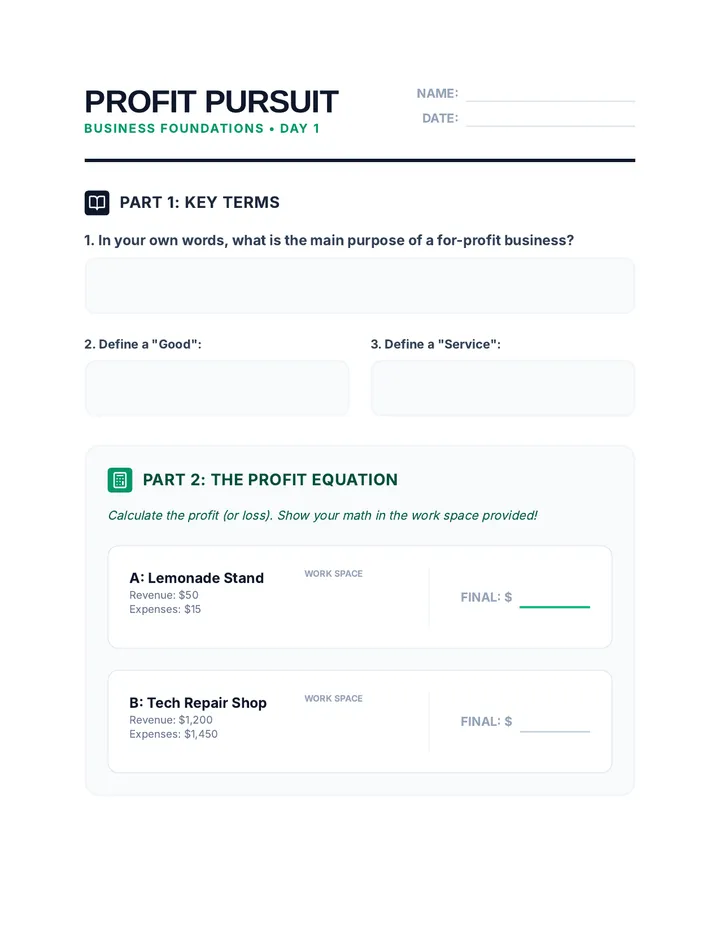
Students learn to use digital tools to organize, compare, and analyze market data using advanced spreadsheet techniques like formulas, sorting, and filtering.
A unit focused on the visual principles of brand identity, moving from theory (color, type) to creation using vector-based tools like Google Drawing.
A comprehensive identity design unit where students explore the psychological and visual elements of branding, including color theory, typography, and logo composition.
A 3-lesson unit on the water cycle, weather patterns, and global circulation designed for 7th-grade SPED students. This sequence covers the energy drivers of water movement, the interaction of air masses, and the patterns of oceanic and atmospheric circulation with heavy scaffolding and visual supports.
A study of the iconic predator-prey relationship between wolves and moose on Isle Royale, exploring population dynamics, carrying capacity, and limiting factors.
A sports-science unit exploring the chemistry of performance and the architecture of the human body. Students investigate energy changes in reactions through the lens of metabolism and injury recovery, and discover how the skeletal system provides the structural foundation for athletic movement.
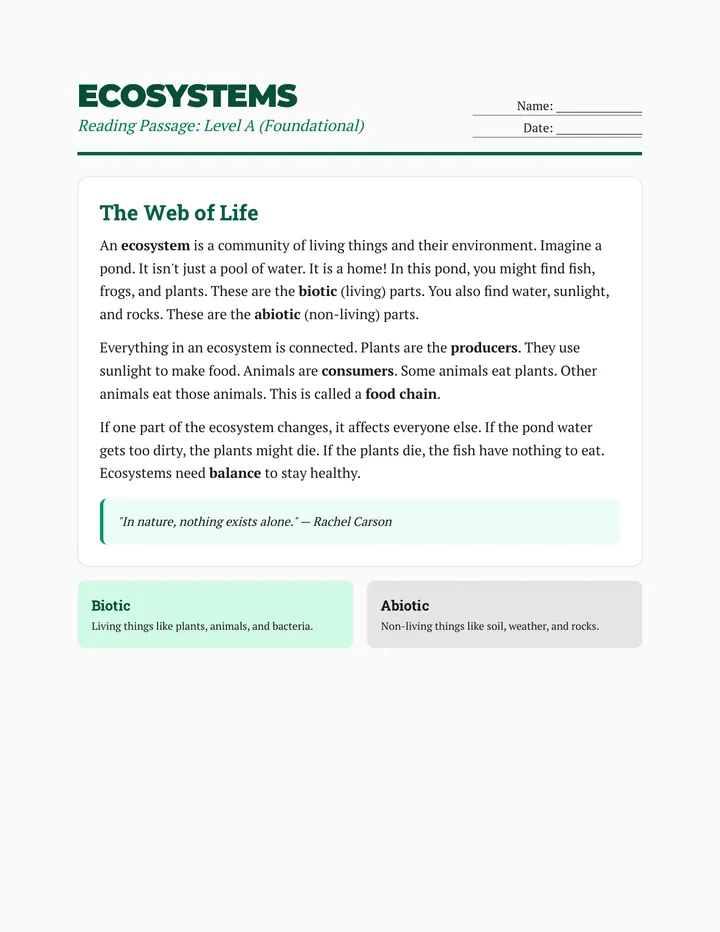
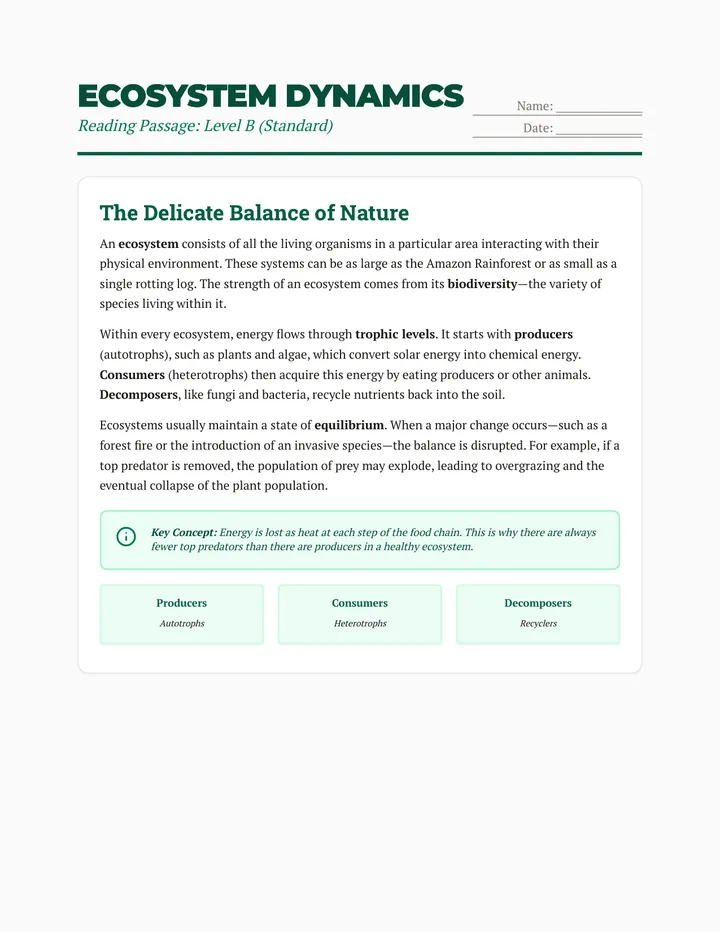
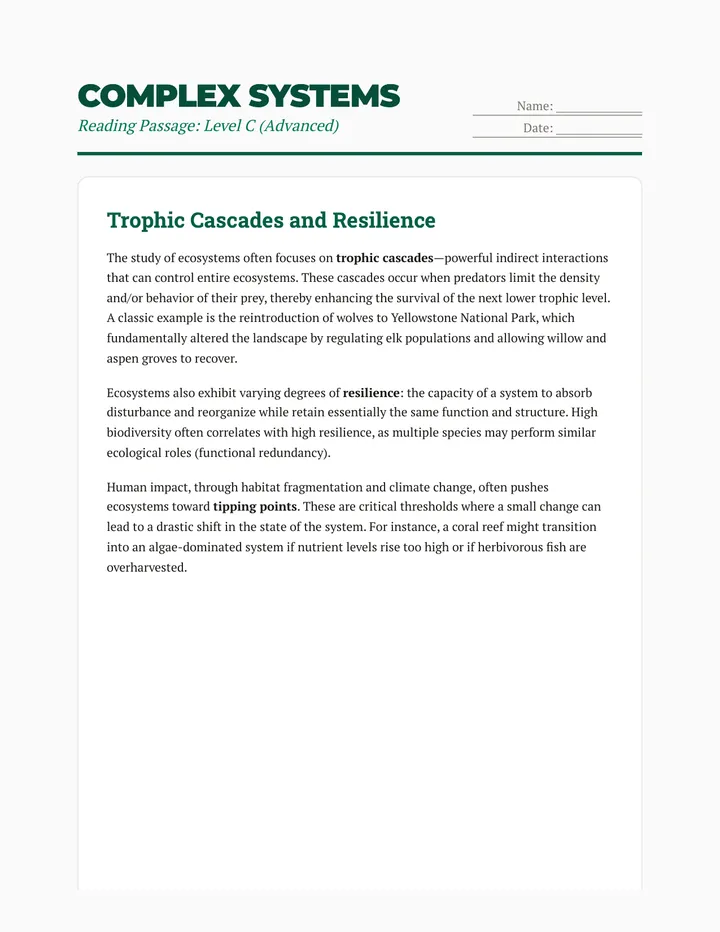
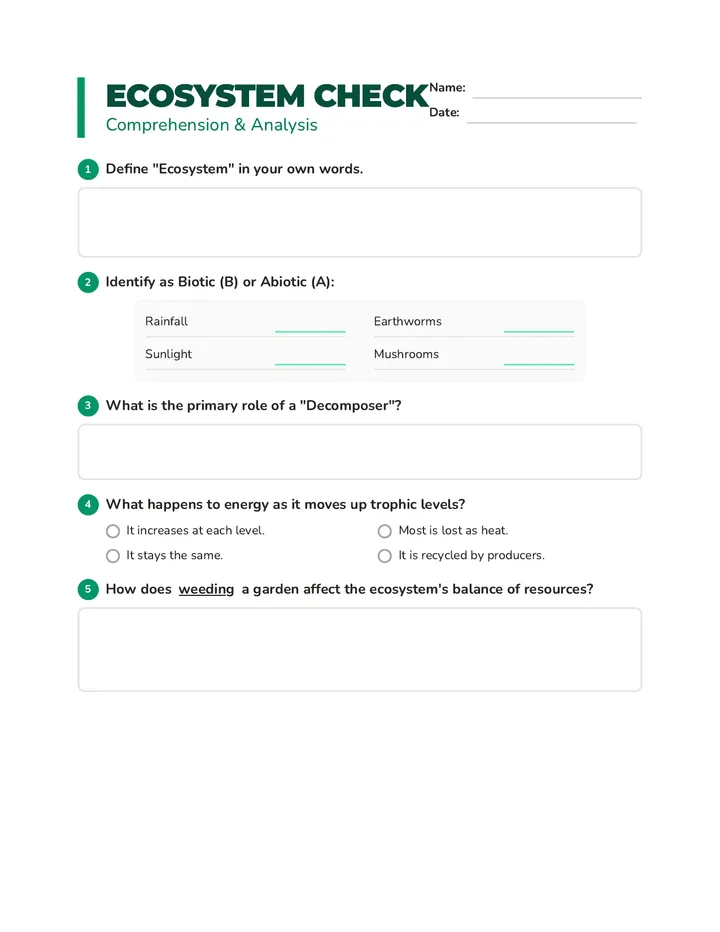
An ecology-focused sequence exploring population dynamics, ecosystem stability, and the intricate dance between predators and their prey through the famous Isle Royale case study.
A comprehensive science unit focused on global biomes, adaptations, and ecological relationships, culminating in a creative travel brochure project.
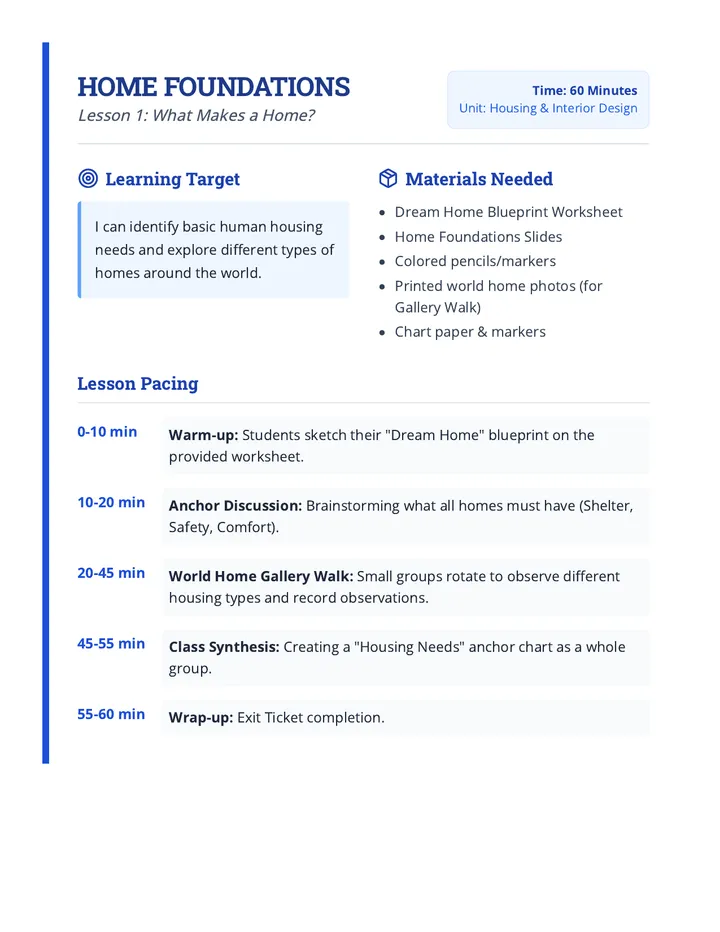
A 3-day introductory unit for Digital Design students, focusing on Project-Based Learning, collaborative teamwork, and the very first steps into Adobe Photoshop. Students will connect classroom learning to workforce readiness through a giant collaborative mural and guided discovery of design tools.
A hands-on forensic science sequence focusing on the collection and analysis of trace evidence, specifically soil and glass fragments, through an outdoor scavenger hunt.
A sequence exploring the mechanics of ocean currents and their role in regulating global climate, based on the SciShow documentary.
A literary science unit exploring tectonic plates and earthquake mechanics through narrative storytelling and character-driven prose.
A week-long exploration of ecological tolerance, focusing on how plants and animals survive within specific environmental ranges. Students identify key factors, analyze tolerance curves, and apply concepts to real-world environmental shifts.
A comprehensive unit exploring how organisms obtain, produce, and use food for energy and growth, covering nutrients, photosynthesis, digestion, and cellular respiration.
A collection of engaging, detective-themed science worksheets for middle schoolers, covering 7th-grade taxonomy and 6th-grade Earth resources, aligned with curriculum assessments.
A series exploring the intersection of global culinary traditions and the metric system.
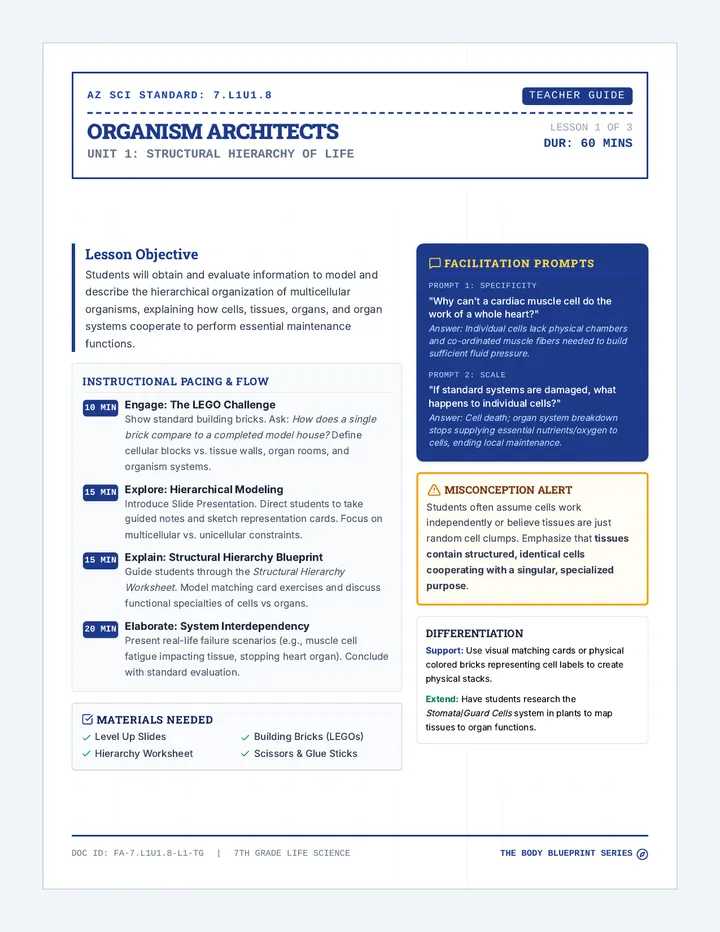
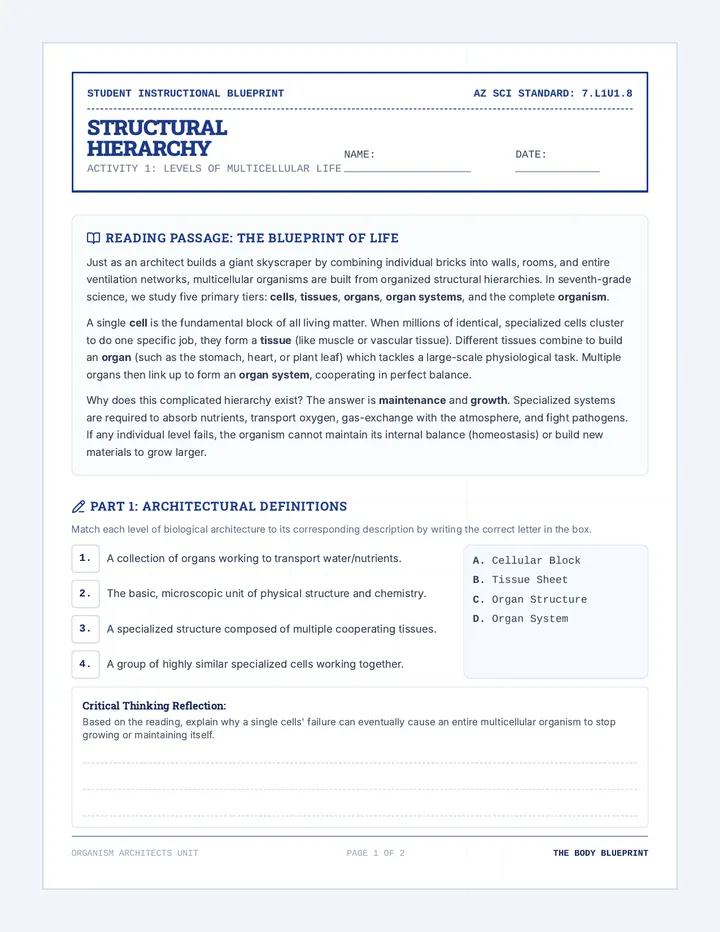
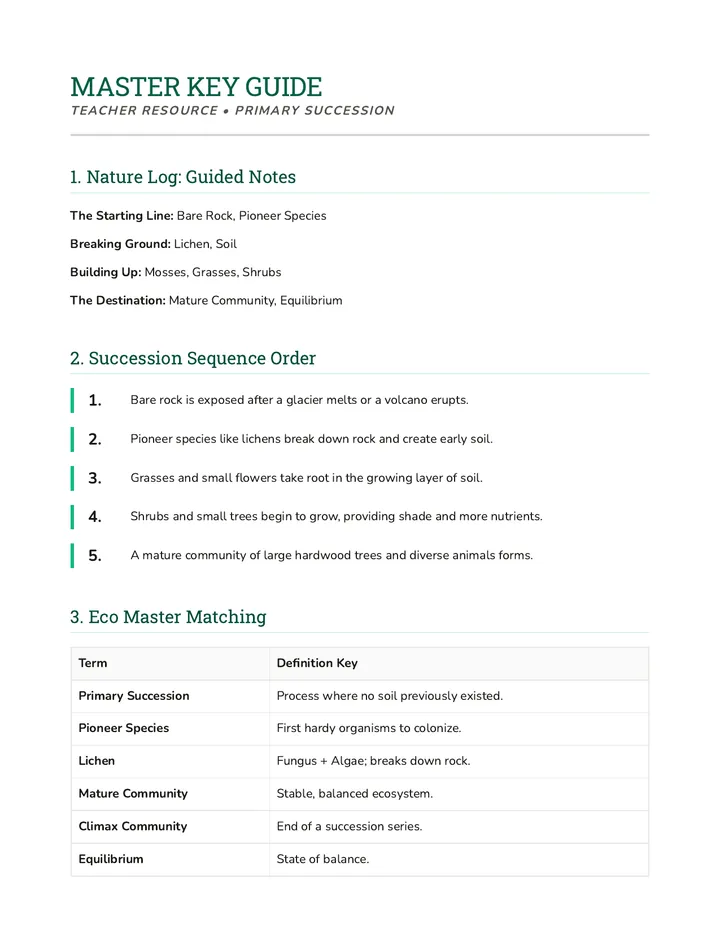
A comprehensive collection of core science units covering Environmental Science, Biology, and Physical Science. This sequence provides high-impact instructional slides, hands-on lab experiences, guided notes, and differentiated assessments for five major scientific domains.
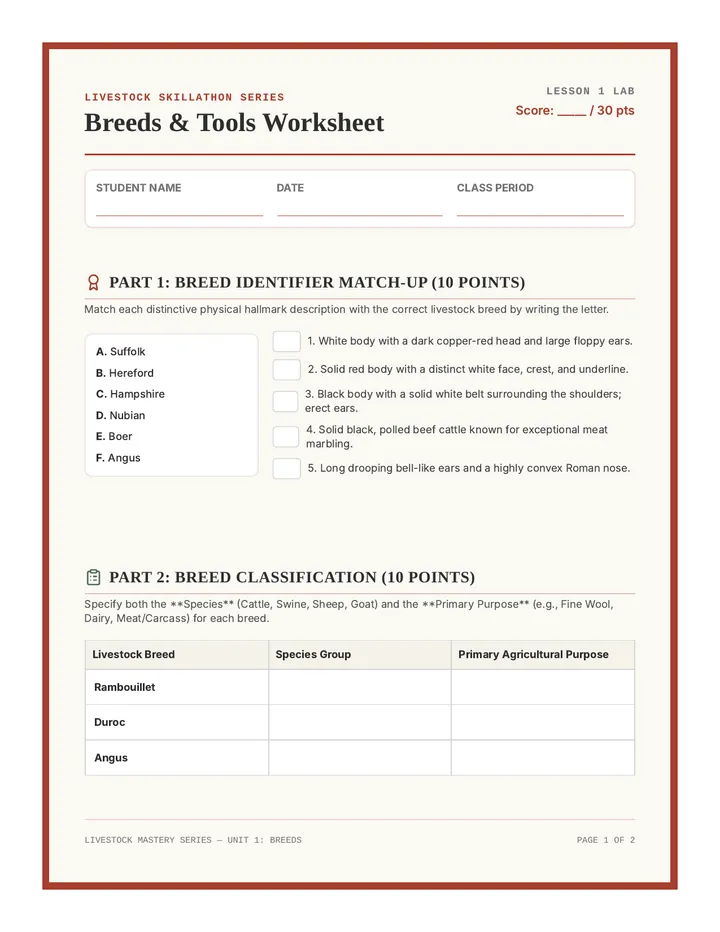
A comprehensive guide to mastering Geometry Dash, covering core mechanics, improvement strategies, and a deep dive into every unique gamemode.
A comprehensive guide to mastering the Roblox game Forsaken, covering everything from basic survival and looting to advanced combat tactics and base building. Designed for young gamers to navigate the post-apocalyptic world safely and successfully.
A comprehensive unit exploring how humans process sensory information through the eye, ear, nose, and tongue, focusing on anatomical structures and physiological functions.
A comprehensive sequence exploring biogeochemical cycles across different academic levels, from introductory middle school concepts to honors-level systems analysis.
A two-part educational series exploring the Artemis II mission with a focus on how space research drives technological innovation for Earth and expands our scientific understanding of the Moon.
A series of hands-on fall projects designed for middle school students working at a second-grade level, focusing on leaf science, pumpkin anatomy, and animal adaptations through posters and crafts.
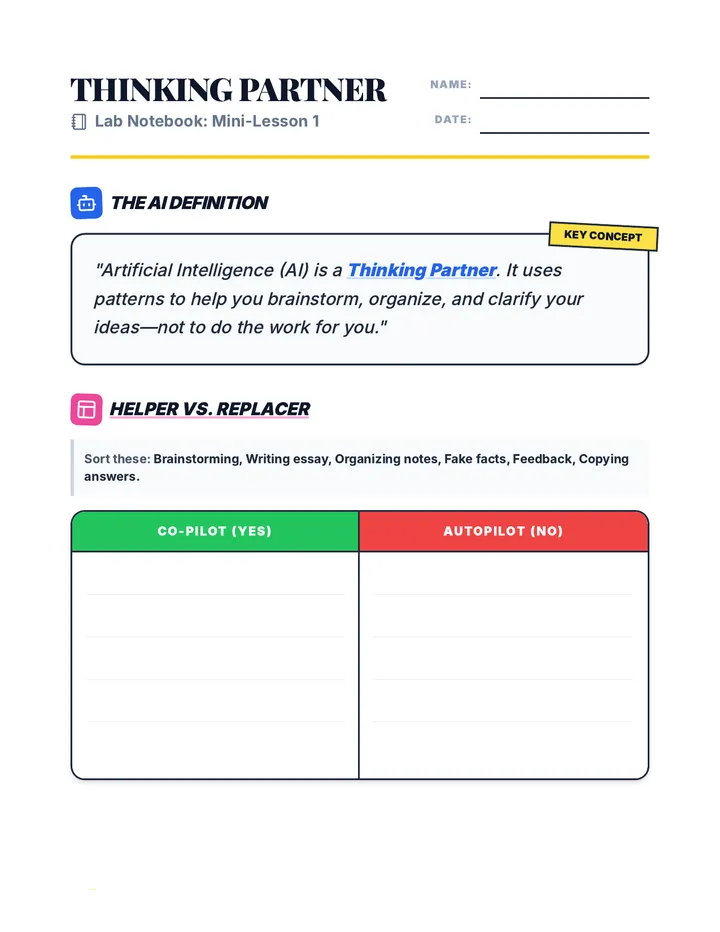
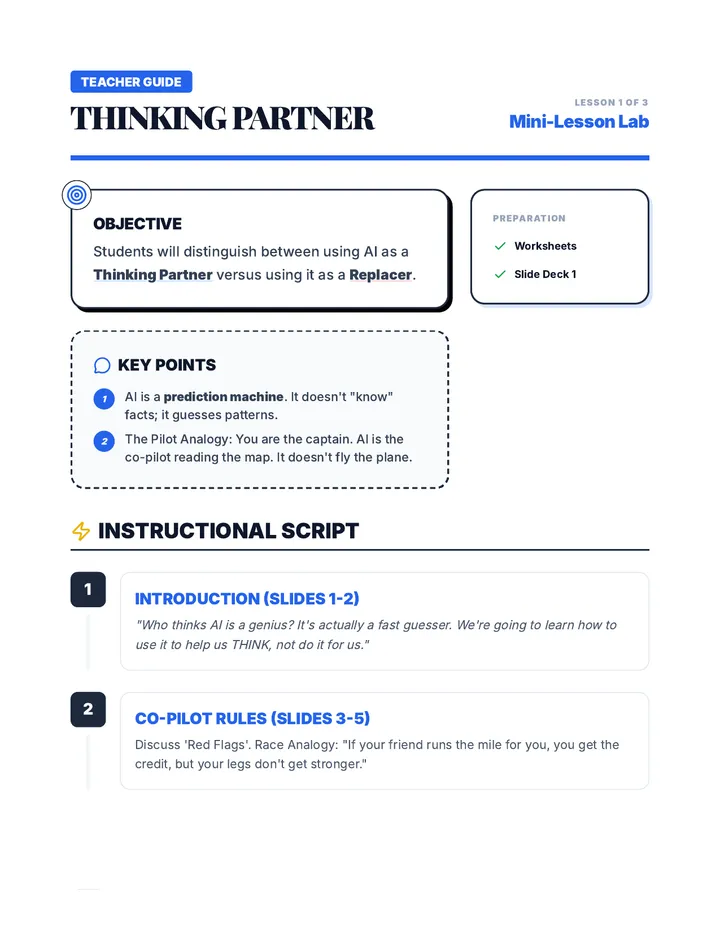
A comprehensive K-8 curriculum designed to build foundational AI literacy through understanding, evaluation, application, and ethics. Each grade level tackles a specific theme, progressing from basic robot concepts to complex algorithmic bias and societal impact.
A comprehensive 3-lesson unit exploring the science, chemistry, and purpose of bioluminescence in nature. Students dive into the deep sea, experiment with chemical reactions, and analyze how light is used for survival.
Una secuencia didáctica sobre el desarrollo web interactivo, enfocada en la captura de eventos del teclado mediante JavaScript para crear experiencias de usuario dinámicas y juegos sencillos.
A three-day exploration of the interconnected roles of chloroplasts and mitochondria in cycling matter through ecosystems. Students use a lunar colony hypothetical lab to apply the scientific method to real-world gas exchange scenarios.
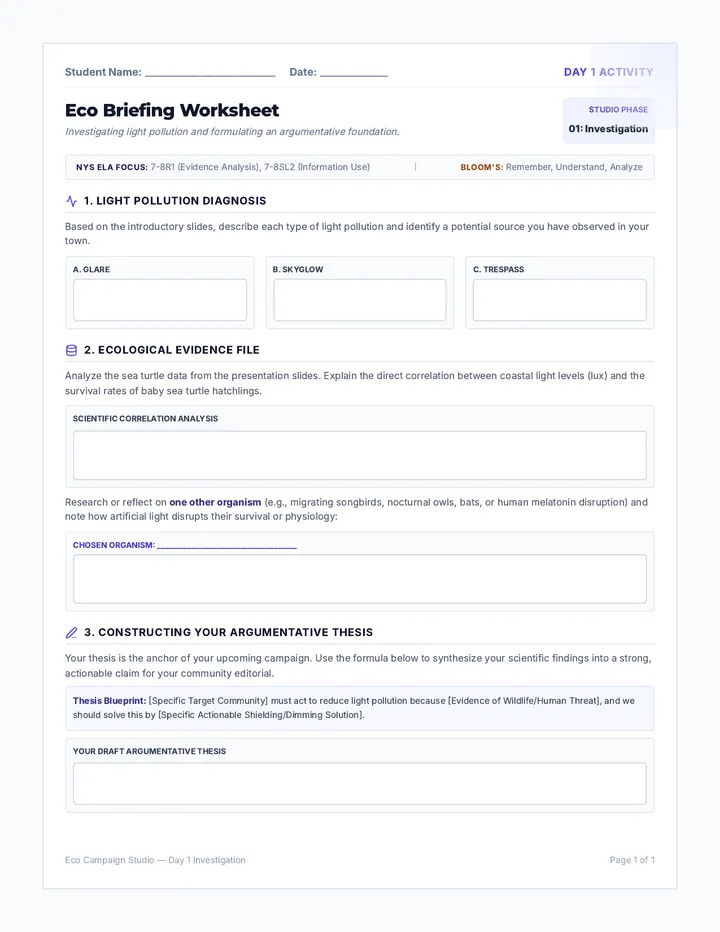
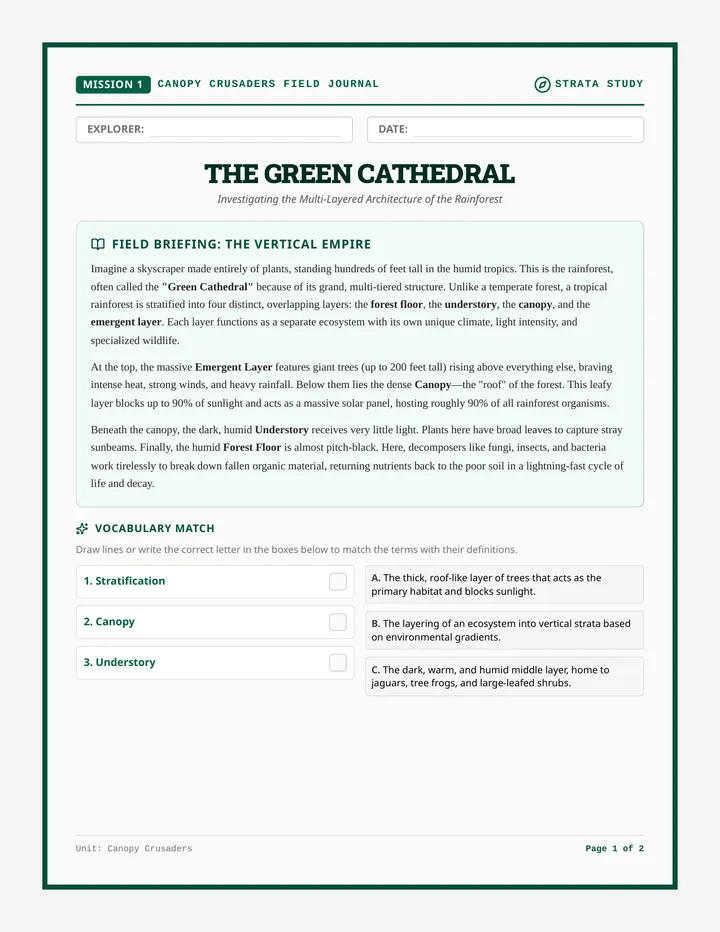
A two-day unit exploring the carbon cycle's movement through diverse ecosystems, focusing on how carbon storage and release impact global stability. Students examine oceans, rainforests, tundra, and local environments to understand ecological balance.